VALLEY VIEW HEALTH & REHABILITATION
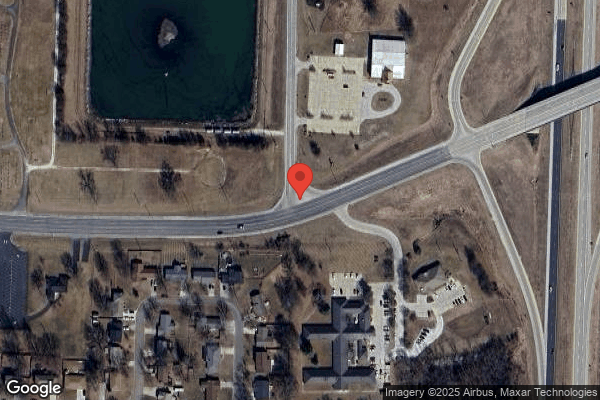

1600 EAST ROLLINS ST, MOBERLY, MO 65270 (660) 263-6887
For profit - Individual 96 Beds MO OP HOLDCO, LLC Data: November 2025 1 Immediate Jeopardy citation
Trust Grade
23/100
#211 of 479 in MO
Last Inspection: October 2024

Within standard 12-15 month inspection cycle. Federal law requires annual inspections.

Overview

Valley View Health & Rehabilitation has received a Trust Grade of F, indicating significant concerns about the facility's quality of care. Ranking #211 out of 479 facilities in Missouri places them in the top half overall, but they are only #1 out of 3 in Randolph County, meaning there are limited local options. The facility's trend is improving, with issues decreasing from 11 in 2024 to 3 in 2025. However, staffing is a weakness here, with a rating of 2 out of 5 stars and a turnover rate of 65%, which is notably high. Families should be aware of concerning incidents, such as a failure to follow infection control procedures during a COVID-19 outbreak, and reports of staff being rude and disrespectful to residents, which raises significant concerns about the overall care and environment.

Trust Score
F
23/100
In Missouri
#211/479
Top 44%
Safety Record
High Risk
Review needed
Inspections
Getting Better
11 → 3 violations
Staff Stability
⚠ Watch
65% turnover. Above average. Higher turnover means staff may not know residents' routines.
Penalties
✓ Good
$37,947 in fines. Lower than most Missouri facilities. Relatively clean record.
Skilled Nurses
○ Average
Each resident gets 32 minutes of Registered Nurse (RN) attention daily — about average for Missouri. RNs are the most trained staff who monitor for health changes.
Violations
⚠ Watch
31 deficiencies on record. Higher than average. Multiple issues found across inspections.
★★★☆☆
3.0
Overall Rating
★★☆☆☆
2.0
Staff Levels
★★☆☆☆
2.0
Care Quality
★★★☆☆
3.0
Inspection Score
Stable
2024: 11 issues
2025: 3 issues

The Good

  • Full Sprinkler Coverage · Fire safety systems throughout facility
  • No fines on record

Facility shows strength in fire safety.

The Bad

3-Star Overall Rating

Above Missouri average (2.5)

Meets federal standards, typical of most facilities

Staff Turnover: 65%

19pts above Missouri avg (46%)

Frequent staff changes - ask about care continuity

Federal Fines: $37,947

Above median ($33,413)

Moderate penalties - review what triggered them

Chain: MO OP HOLDCO, LLC

Part of a multi-facility chain

Ask about local staffing decisions and management

Staff turnover is elevated (65%)

17 points above Missouri average of 48%

The Ugly 31 deficiencies on record

1 life-threatening 3 actual harm
Feb 2025 3 deficiencies 1 Harm
SERIOUS (G) 📢 Someone Reported This

A family member, employee, or ombudsman was alarmed enough to file a formal complaint

Actual Harm - a resident was hurt due to facility failures

Resident Rights (Tag F0550)

A resident was harmed · This affected 1 resident

**NOTE- TERMS IN BRACKETS HAVE BEEN EDITED TO PROTECT CONFIDENTIALITY** Based on interview and record review, the facility failed to ensure three residents (Resident #10, #9, and #13), in a review of ...

Read full inspector narrative →
**NOTE- TERMS IN BRACKETS HAVE BEEN EDITED TO PROTECT CONFIDENTIALITY** Based on interview and record review, the facility failed to ensure three residents (Resident #10, #9, and #13), in a review of 13 sampled residents, were treated with dignity and respect. Certified Medication Technician (CMT) F was rude and rough during care for one resident, (Resident #10) and the resident said it hurt his/her feelings and made him/her feel angry. CMT F was rough and forceful with Resident #9's care and the resident said it made him/her feel like he/she wasn't worth anything. Resident #13 reported CMT F was condescending and liked to show his/her authority; the resident said it made him/her so angry he/she wanted to punch CMT F in the face. The facility census was 76. Review of the facility's policy Resident Rights, revised December 2016, showed all employees should treat all residents with kindness, respect, and dignity. Review of the facility's policy Conduct and Behavior, revised May 2019, showed examples of conduct and behavior that were considered inappropriate and therefore prohibited included failure to treat all residents with kindness, respect and dignity, being discourteous to residents or any behavior that was deemed offensive or unsafe 1. Review of Resident #10's Care Plan, dated 11/12/24, showed the following: -The resident had a self-care deficit related to impaired balance and limited mobility; -Encourage resident to participate in the fullest extent possible with each interaction; -Encourage the resident to use the call bell for assistance; -The resident needs prompt response to each call for assistance; -The resident required partial to moderate assistance with personal hygiene, toileting, transfers, bathing, bed mobility, and dressing. Review of the resident's admission Minimum Data Set (MDS), a federally mandated assessment instrument required to be completed by facility staff, dated 1/14/25, showed the following: -Moderate cognitive impairment; -Upper extremity impairment on one side of the body; -The resident required supervision or touching assistance moving from a lying position to sitting on the side of the bed; -The resident required substantial to maximum assistance with toileting hygiene, showering and lower body dressing; -The resident required partial to moderate assistance with personal hygiene, moving from sitting to standing position, chair/bed-to-chair transfer, toilet transfer and tub/shower transfer and walking 10 feet; -Mobility devices of walker and wheelchair; -Diagnoses included cancer, heart failure (a chronic condition in which the heart doesn't pump blood as well as it should), arthritis and depression. During an interview on 2/20/25 at 2:45 P.M. the resident said the following: -Certified Medication Technician (CMT) F was very rude during care; -Last week when he/she turned on his/her call light, CMT F said four staff had just been in his/her room and said he/she (the resident) should have asked the other staff instead of turning on the call light again; -CMT F was rough when he/she pulled the resident up in bed and made comments that he/she would push the resident through the wall when the resident complained about him/her being rough with care; -CMT F hurt the resident's feelings and made the resident angry. CMT F acted like he/she was the boss; -The resident was afraid to report CMT F because he/she could retaliate against him/her. 2. Review of Resident #9's annual MDS assessment, dated 11/17/24, showed the following: -The resident was cognitively intact; -The resident was dependent on staff for toilet hygiene and lower body dressing and with transfers; -The resident required substantial to maximal assistance with personal hygiene and bathing; -Partial to moderate assistance needed with upper body dressing; -Always incontinent of bowel and bladder; -Diagnoses included multiple sclerosis (a chronic disease where the body's immune system attacks the protective coating around nerves in the brain and spinal cord, causing damage that disrupts signals and can lead to muscle weakness, vision problems and difficulty walking). Review of the resident's Care Plan, revised 2/20/25 showed the following: -The resident had an activities of daily living (ADL) performance deficit related to multiple sclerosis; -Allow sufficient time for dressing and undressing; -The resident had limited physical mobility related to ataxia (impaired balance or coordination) and multiple sclerosis; -The resident was dependent on a manual wheelchair for locomotion; -The resident refused showers at times. Caregivers to provide opportunity for positive interaction and attention; -Explain all procedures to the resident before starting and allow the resident time to adjust to the changes; -Approach and speak in a calm manner. During an interview on 2/25/25 at 10:18 A.M. the resident said the following: -CMT F was rough and forceful with care; -CMT F wanted to do everything his/her way and if the resident complained about it, CMT F said you just need to fucking get used to it; -This made the resident feel like he/she was not worth anything; -He/She just let it go, because it could get worse if he/she reported CMT F. 3. Review of Resident #13's Care Plan, dated 11/20/24, showed the following: -The resident had an activities of daily living (ADL) self-care performance deficit related to a stroke with hemiplegia (weakness on one side of the body); -The resident required extensive assistance with dressing; -The resident required limited assistance with transfers, bed mobility and toilet use; -The resident was independent with personal hygiene with setup assistance; -Encourage the resident to participate to fullest extent possible with each interaction; -Encourage the resident to use his/her call bell for assistance; -The resident had impaired cognitive function/dementia or impaired thought processes; -With communication, identify yourself with each interaction, reduce any distractions, the resident understands simple directive sentences. Provide the resident with necessary cues and stop and return if agitated. Review of the resident's quarterly MDS, dated [DATE], showed the following: -Moderate cognitive impairment; -Functional limitation in range of motion affecting one side of the body; -The resident required partial to moderate assistance with toileting hygiene, bathing, personal hygiene, upper body dressing and chair/bed-to-chair transfer and the ability to come to a standing position from a sitting position; -The resident required substantial/maximal assistance with lower body dressing; -Mobility device used was a wheelchair; -Diagnoses included a stroke, aphasia (a language disorder that affects how you communicate), hemiplegia and depression. During an interview on 2/24/25 at 8:40 A.M. the resident said the following: -CMT F was rude and talked down to him/her; -CMT F was condescending and liked to show his/her authority; -The resident said CMT F made him/her so angry he/she wanted to punch CMT F in the face! During an interview on 2/24/25 at 10:00 A.M. Certified Nurse Assistant (CNA) C said the following: -Many of the residents said CMT F was rough, hateful, and rude during care; -CMT F said things like, get up yourself, I'm not doing it for you, or you can do it yourself; -CMT F's tone was harsh, and it upset the residents; -He/She had reported the residents' complaints to different charge nurses, but nothing was ever done. During an interview on 2/24/25 at 1:45 P.M. the Director of Nursing (DON) said the following: -CMT F didn't have a gentle approach; -He had received a couple of complaints regarding CMT F in the past couple of years and one recently about his/her tone; -All residents should be treated with dignity and respect. During an interview on 2/24/25 at 3:30 P.M. the Administrator said the following: -CMT F was too gruff and had been written up before for not providing good customer service to one of the residents; -She would expect staff to treat all residents with dignity and respect. MO248667
CONCERN (D) 📢 Someone Reported This

A family member, employee, or ombudsman was alarmed enough to file a formal complaint

Potential for Harm - no one hurt, but risky conditions existed

ADL Care (Tag F0677)

Could have caused harm · This affected 1 resident

**NOTE- TERMS IN BRACKETS HAVE BEEN EDITED TO PROTECT CONFIDENTIALITY** Based on observation, interview, and record review, the facility failed to ensure staff provided assistance with Activities of D...

Read full inspector narrative →
**NOTE- TERMS IN BRACKETS HAVE BEEN EDITED TO PROTECT CONFIDENTIALITY** Based on observation, interview, and record review, the facility failed to ensure staff provided assistance with Activities of Daily Living (ADLs) for two residents (Resident #1 and #7) in a review of 13 sampled residents, to maintain proper grooming to include nail care and personal hygiene. The facility census was 76. Review of the facility's policy Activities of Daily Living (ADL), Supporting, revised March 2018, showed the following: -Resident's will be provided with care, treatment, and services as appropriate to maintain or improve their ability to carry out ADLs; -Residents who are unable to carry out activities of daily living independently will receive the services necessary to maintain good grooming and personal and oral hygiene; -Appropriate care and services will be provided for residents who are unable to carry out ADLs independently, with the consent of the resident and in accordance with the plan of care, including appropriate support and assistance with hygiene (bathing, dressing, grooming and oral care); -If a resident with cognitive impairment or dementia resists care, staff will attempt to identify the underlying cause of the problem and not just assume the resident is refusing or declining the care. Approaching the resident in a different way or at a different time or having another staff member speak with the resident may be appropriate. Review of the facility policy titled, Fingernail/Toenail Care, dated February 2018, showed the following: -Nail care includes daily cleaning and regular trimming; -If the resident refuses nail care, document the reason why and the intervention taken. 1. Review of Resident #1's Care Plan, last revised 2/24/25, showed the following: -The resident had an ADL self-care performance deficit related to impaired mobility; -The resident refused showers and nail care. The resident had been educated on the risks of refusing care and the importance of proper hygiene; -The resident will refuse hand hygiene and had been educated on the risks and benefits; -If possible, negotiate a time for ADLs so that the resident participates in the decision-making process; -If the resident resists ADLs, reassure resident, leave, and return five to 10 minutes later and try again; -Provide consistency in care to promote comfort in ADLs; -Provide resident with opportunities for choice during care provision. -Check nail length and trim and clean on bath day and as necessary; -The resident required extensive assistance with bathing/showering; -Provide a sponge bath when a full bath or shower cannot be tolerated; -The resident will hoard feces in his/her clothing. If reasonable, discuss the resident's behavior. Explain and reinforce why the behavior was inappropriate or unacceptable to the resident; -The resident had impaired cognitive function/dementia or impaired thought process. Cue, reorient and supervise as needed. Review of the resident's annual Minimum Data Set (MDS), a federally mandated assessment instrument required to be completed by facility staff, dated 1/10/25, showed the following: -The resident was cognitively intact; -No rejection of care exhibited; -Functional limitation in range of motion (ROM) impairment on both sides of lower extremities; -Partial/moderate assistance needed with showering/bathing; -Independent with upper and lower body dressing, personal hygiene and toileting; -Occasionally incontinent of urine and frequently incontinent of bowel; -Received Hospice care: Review of the resident's shower sheets requested for the past 30 days showed the following: -The resident received a shower on 1/22/25, 1/29/25, and 1/31/25; -The resident received a shower on 2/5/25, 2/7/25, 2/12/25, and 2/19/25; -There was no documentation that nail care was offered or provided on days staff provided showers. Observation on 2/20/25 at 10:00 A.M. in the resident's room showed the following: -The resident sat in his/her electric wheelchair; -A strong odor of urine and feces was noted in the room; -The resident's hands were dirty with brown debris and there was also brown debris under the resident's fingernails. The resident's fingernails were long and uneven; -The resident's shirt was soiled with brown debris along the bottom of the shirt; -There was a white hand towel soiled with brown debris by his/her feet on the foot rest of his/her electric wheelchair. Observation on 2/20/25 at 2:06 P.M. in the outside smoking area showed the following: -The resident had dark brown debris under his/her nails and the nails remained long and uneven; -The resident's hooded jacket had brown debris along the bottom of the jacket. Review of the resident's shower sheets showed the resident received a shower on 2/21/25. There was no documentation staff offered or provided nail care. Observation on 2/25/25 at 10:15 A.M. in the resident's room showed the following: -The resident sat in his/her wheelchair, brown debris was noted under his/her fingernails. The resident's nails remained long and uneven; -The resident had an odor of urine and feces; -The back of the resident's hooded jacket had brown debris along the bottom. During an interview on 2/20/25 at 10:18 A.M. the resident said he/she refused showers at times and that was his/her right. During an interview on 2/24/25 at 10:00 A.M. Certified Nurse Assistant (CNA) C said the following: -The resident often had feces under his/her fingernails. Staff could only educate him/her if he/she refused; there was nothing else that could be done; -The resident often refused showers; -The resident's room had feces everywhere and needed to be cleaned daily. During an interview on 2/20/25 at 11:30 A.M. Certified Medication Technician (CMT) D said the following: -The resident often had feces on his/hands, under his/her fingernails and on his/her clothes. The resident refused to shower and clean up; -There was not much that could be done. Staff couldn't force the resident to shower. 2. Review of Resident #7's Care Plan, revised 11/15/24, showed the following: -The resident had an ADL performance self care deficit related to Parkinson's disease (a disorder of the central nervous system that affects movement, often including tremors); -Check nail length and trim and clean on bath day and as necessary; -The resident had a communication problem related to deafness, anticipate, and meet needs. Review of the resident's annual MDS dated [DATE] showed the following: -The resident had moderate cognitive impairment; -No rejection of care exhibited; -The resident required substantial to maximum assistance with bathing; -The resident required partial to moderate assistance with personal hygiene; -Diagnoses included Parkinson's disease. Observation on 2/25/25 at 3:25 P.M. in the resident's room showed the resident's nails were approximately 1/4 inch long, uneven, with brown crusted debris under the nails. During an interview on 2/25/25 at 3:30 P.M. the Assistant Director of Nursing (ADON) said Resident #7 probably refused to have his/her nails trimmed, he/she often refused care. During an interview on 2/24/25 at Director of Nursing (DON) said the following: -Resident #1 often had diarrhea and was fixated on his/her bowels; the physician had addressed this multiple times by adjusting laxatives; -Staff tried to assess the resident and offer a shower, but he/she often refused; -Resident #7 would allow only certain staff to trim his/her nails. He was not aware the resident's nails were that long. During an interview on 2/20/25 at 4:30 P.M. the Administrator said the following: -Many of the resident's complained about Resident #1's odor, because the resident didn't shower routinely and was often dirty; -Resident #1 refused to wash the dirty sweatshirt he/she wore, he/she seldom ever took it off so it was very dirty; -The resident often had fecal matter under his/her nails and would refuse to shower or clean up; -She would expect each resident to have a shower at least two times a week or per their preference. She would expect nails to be trimmed on shower days or as needed; -Staff should make multiple attempts to provide a shower or a partial bath if nothing else. MO249168 MO248667
CONCERN (D) 📢 Someone Reported This

A family member, employee, or ombudsman was alarmed enough to file a formal complaint

Potential for Harm - no one hurt, but risky conditions existed

Accident Prevention (Tag F0689)

Could have caused harm · This affected 1 resident

**NOTE- TERMS IN BRACKETS HAVE BEEN EDITED TO PROTECT CONFIDENTIALITY** Based on interview and record review, the facility failed to provide protective oversight to ensure one resident (Resident #1), ...

Read full inspector narrative →
**NOTE- TERMS IN BRACKETS HAVE BEEN EDITED TO PROTECT CONFIDENTIALITY** Based on interview and record review, the facility failed to provide protective oversight to ensure one resident (Resident #1), did not obtain a lighter and cigarettes within the facility on multiple occasions. The resident was also observed smoking in his/her room wearing oxygen and admitted to staff he/she was smoking in the facility. Staff educated the resident not to smoke in the building and on the smoking policy. There was no documentation any other interventions were put in place or the resident's smoking assessment was updated until 2/19/25. On 2/20/25 during the night, the resident was observed smoking and admitted to smoking in the facility on more than one occasion and was found with two lighters and a half pack of cigarettes. The facility census was 76. Review of the facility's policy titled, Smoking Policy, dated 10/2/24, showed the following: -When the resident requested to smoke, the interdisciplinary team (IDT) will assess the resident's capabilities and deficits to determine appropriate supervision and assistance. Smoking will only be allowed in designated areas at designated times in the facility that are not near flammable substances or where oxygen is in use. Residents, resident representatives, and visitors will be informed of the facility smoking policy; -The objective of this policy is to complete an assessment when a resident requests to smoke, determine the level supervision, assistance and individualized approaches required for safety. In addition, the smoking policy outlines the designated areas, notices, education, and requirements for smoking on the facility property to ensure precautions are taken for resident's individual safety as well as the safety of others in the facility; -Smoking will only be permitted in marked designated areas ONLY. Smoking is prohibited in all other areas; -No residents with oxygen are permitted in the designated smoke areas; -Any resident choosing to smoke will be assessed by a member of the IDT utilizing the Smoking Evaluation Assessment. The assessment will be completed upon admission, annually, with change of condition and as needed. Individualized approaches and directions for safety and assistance will be documented in the resident's plan of care and communicated to direct care staff. Documentation will detail situations when the resident is not allowed to smoke; -Education about the policy will be provided to the resident/resident representative; -Residents who can sign out per responsible party, may ask for their smoking materials after signing out and must leave the property to smoke at will. The residents must return smoking materials to nurse ' s station upon returning to the facility; -Failure to comply or act in accordance with facilities smoking policy can result in the loss of smoking privileges due to severe possibility of harm and/or damages that may be caused from non-compliance; -First violation will result in a 2-day suspension of smoking privileges; -Second violation of our smoking policy will result in permanent revocation of smoking privileges and the resident will be offered smoking cessation products and education; -Continued non-compliance will result in a 30-day discharge from the facility; -All residents who smoke need to be supervised by a facility staff member or personal family member at designated smoke areas; -Smoke breaks are in the designated areas; -Smoke breaks are limited to one cigarette per resident; -All cigarettes will be extinguished in the appropriate receptacles; -Residents are not permitted to have smoking materials on their possession or in their room. All smoking materials such as lighters, matches and cigarettes are to be kept in the designated cabinet and passed out by the designated staff member; -The facility may conduct room searches for smoking materials, during which time the resident and or representative may be present; -Absolutely no smoking inside the facility. Violation of this rule may result in discharge. 1. Review of the Resident #1's Care Plan, initiated on 1/16/23 showed the following: -Educate the resident on smoking risks and hazards. Encourage the resident to participate in a smoking cessation program; -If the resident wears oxygen ensure the resident does not take the tank or tubing with him/her to smoke; -Educate the resident on the risks of smoking around/near oxygen; -Educate the resident on smoking with a compromised lung function; -Educate the resident on smoking times, rules and safe smoking practices; -Notify the Social Service Director (SSD)/Administrator if it is suspected the resident had violated the facility smoking policy; -Observe clothing for cigarette burns. Review of the resident's annual Minimum Data Set (MDS), a federally mandated assessment required to be completed by facility staff, dated 1/10/25, showed the following: -admitted to the facility 1/3/23; -The resident was cognitively intact; -No behavioral symptoms exhibited; -Functional limitation in range of motion in lower extremities, impairment on both sides; -Independent with chair/bed-to-chair- transfer, toilet transfers; -The resident used a motorized scooter independently, can wheel at least 150 feet once in the scooter; -Diagnoses included arthritis, chronic pain syndrome (persistent pain that lasts for weeks to years), adult failure to thrive (a condition that commonly affects the elderly, especially those with multiple chronic medical conditions), unspecified behavioral and emotional disorders with onset usually occurring in childhood and adolescence (an emotional and behavioral issue with the onset being as a child or adolescent. Symptoms can include anger and aggression towards others or self, impulsivity, difficulty handling frustration, refusing to follow rules) and cognitive communication disorder (trouble reasoning and making decisions while communicating and sometimes have trouble responding in an appropriate or a socially acceptable manner). Review of the resident's Physician Order Sheets (POS) dated February 2025, showed an order for oxygen to titrate to keep oxygen saturation above 90% (the measure of how well the body is delivering oxygen to tissues and organs in the body, a normal oxygen saturation level is between 95% to 100 %)) and as needed for dyspnea (shortness of breath). Review of the resident's smoking assessment dated [DATE] showed the following: -The resident was a smoker; -The resident had no visual or cognitive deficit and no dexterity problems; -The resident was an independent smoker and could light his/her own cigarettes; -The facility will store the resident's cigarettes and lighter; -The resident was to utilize an apron when smoking. Review of the resident's Nurse's Note, dated 2/7/25 at 11:20 P.M.,. showed the following: -The resident asked the Certified Nurse Assistants (CNAs) to let him/her out to smoke, they were busy with bed check and said they would as soon as they were finished. The resident went to charge nurse requesting to go out and was told the same thing; -After a few minutes a CNA from Unit 2 came down and let the resident outside. The resident was outside for five minutes and then came back inside. The resident immediately came out of his/her room and asked to go outside to smoke again. Staff told the resident they would let him/her out as soon as possible; -Unit 1 aide let the resident out after a few minutes The resident was outside for less then five minutes and came back in and went to his/her room. In less then five minutes the resident came out again requesting to go out and smoke. Staff told the resident they would let him/her out as soon as possible; -The resident went to the dining room to wait for aides to let him/her outside. The aides went to the dining room and there was a strong cigarette smoke odor. The resident denied smoking but there was a partially smoked cigarette by his/her feet. The resident said the cigarette was not his/her's, but no other residents smoke this type of cigarette, only this resident; -On call was notified and social services. The resident was educated to not smoke in the building and on the smoking policy. The resident verbalized an understanding. Review of the resident's record showed his/her Care Plan was not updated to show staff smelled a strong cigarette odor or noted a partially smoked cigarette by the resident's feet or any new interventions for supervision. There was no evidence staff updated the resident's smoking assessment. Review of the resident's Nurse's Note, dated 2/11/25 at 9:26 A.M., showed the following: -The resident said staff were not quick enough to let him/her out at night to smoke and that was why he/she sometimes propped (the resident would leave the door propped open to the outside smoke area off the dining room after he/she smoked so he/she could come and go as he/she wanted) the door open. The resident said he/she had to smoke to be able to have a bowel movement; -Staff educated the resident on not propping the doors as it was a potential danger to other residents. The resident agreed to attempt to be patient so staff could let him/her through locked doors at night to smoke. Review of the resident's record showed no update to the resident's Care Plan to show the resident admitted to propping the facility door open to smoke on occasion or any new interventions for increased supervision and no evidence the resident's smoking assessment was updated. Review of the resident's Nurse's Note, dated 2/13/25 at 4:09 P.M., showed the following: -The nurse along with the Director of Nursing (DON), Social Service Director, Housekeeping Supervisor, and the Administrator were requested to come to the resident's room. The resident requested staff look for missing money in his/her room; -Upon going through the resident's room, staff found half smoked cigarettes, multiple piles of opened boxes of cigarettes, some half empty, and some that had been opened but had no cigarettes removed. Review of the resident's Care Plan showed it was not updated to show staff found the resident with half smoked cigarettes in his/her room along with multiple boxes of cigarettes or any new interventions for increased supervision. Review of the resident's social service note dated 2/18/25 at 11:32 P.M. showed the following: -An aide was walking down the hall and smelled smoke; -The aide knocked on the resident's door and the resident answered the door; - Staff asked the resident if he/she was smoking as smoke was coming out the room; - Charge nurse notified and staff educated the resident on the smoking policy. Review of the resident's Care Plan showed it was not updated to show staff smelled smoke and observed smoke coming out of the resident's room or any new interventions for increased supervision. Review of the resident's smoking assessment showed it was not updated after the resident was found with cigarettes Review of the resident's Nurse's Note, dated 2/19/25 at 12:30 A.M., showed the following: -The charge nurse and aide went to the resident's room to administer medications. The resident's door was closed; -Upon entering the resident's room, it smelled strongly of smoke and the room was hazy from smoke; -Staff questioned the resident about smoking and he/she denied it. Staff educated the resident on the smoking policy and the dangers of smoking around oxygen. Review of the resident's Care Plan showed it was not updated to show that the resident's room smelled strongly of smoke and the room was hazy from smoke. There were no new interventions for increased supervision and no evidence the smoking assessment was updated at the time of the incident on 2/19/25 at 12:30 A.M. Review of the resident's Progress Note, dated 2/19/25 at 12:40 A.M., showed the following: -Aides went down the hall to answer a call light. The resident's door was closed but the hallway was smokey and there was a strong odor of cigarettes; -Aides attempted to open the door, however the resident was in front of the door in his/her wheelchair; -Aides opened the door about six inches and were able to see the resident put his/her cigarette out on his/her wheelchair. The resident admitted he/she was smoking in his/her room; -The resident gave the aide around ten cigarette butts and two lighters. Staff left the resident's room and he/she followed them in his/her wheelchair. Aides reported the situation to charge nurse; -Staff educated the resident on the smoking policy and dangers of smoking around oxygen. The Social Service Director notified the on-call Administrator. Review of the resident's Nurse's Note, dated 2/19/25 at 5:34 A.M., showed the following: -The resident said he/she could not have a bowel movement unless he/she smoked. Offered medications for constipation and the resident refused; -The resident said he/she only had diarrhea and needed to smoke every time he/she had the urge to have a bowel movement. Review of the resident's Nurse's Note, dated 2/19/25 at 6:48 A.M., showed the following: -The resident was at the nursing station demanding to go out and smoke; -Staff told the resident he/she could not go out to smoke until supervised smoke time and that the facility was following the current smoking policy. Review of the resident's Nurse's Note, dated 2/19/25 at 7:24 A.M., showed the following: -The resident was going out to smoke break and asked for a pack of cigarettes; -The Social Service Director observed the resident had a hidden pack in his/her pocket. The resident had been redirected several times and staff had no success redirecting him/her; -The resident continued to argue with staff about why he/she was smoking in the facility. Review of the resident's medical record showed there was no documentation to show the Administrator was notified of the resident being found with cigarettes in his/her pocket and continuing to argue about smoking in the facility. Review of the resident's Nurse's Note, dated 2/19/25 at 8:39 A.M., completed by the Social Service Director showed the following: -The resident was made a supervised smoker due to the resident hunched over and asleep numerous times with his/her electric wheelchair in drive several times through the night and because of smoking in the facility; -The resident had been educated on the risks of smoking in the facility and had signed a new smoking policy that came out at the beginning of the year; -The resident was supposed to have a smoking apron which he/she did not wear properly. The resident was educated on the risks of not wearing the apron properly; -Staff completed a new smoking assessment due to the resident falling asleep in his/her electric wheelchair and smoking in the facility. Review of the resident's Smoking Assessment, dated 2/19/25, showed the following: -The resident was a smoker; -The resident had no visual or cognitive deficit; -The resident had a dexterity problem; -The resident was to be a supervised smoker and could light his/her own cigarettes; -The facility was to store the resident's cigarettes and lighter; -The resident was to utilize an apron when smoking. Review of the resident's Nurse's Note, dated 2/19/25 at 9:39 A.M., showed the following: -The resident was called to an Interdisciplinary Team (IDT) meeting to discuss the resident being caught in his/her room smoking; -The Administrator asked the resident if he/she was smoking in his/her room and the resident said yes, yes, he/she had been smoking in his/her room, he/she needed to have a bowel movement and couldn't wait and was at his/her wits end; -The resident was offered a nicotine patch and he/she declined. The Administrator explained that the resident would be supervised because he/she had been caught multiple times smoking inside the facility. Review of the resident's Care Plan, last revised on 2/20/25, showed on 2/19/25 the resident required supervised smoking. Review of the resident's Nurse's Note, dated 2/20/25 at 12:55 A.M., showed the following: -The resident went to the dining room and the aides reported a strong smell of cigarette smoke coming from the dining room; -The resident went back to his/her room and admitted to the Social Service Director he/she was smoking in the dining room; -The resident gave the SSD two lighters and a half of a pack of cigarettes. The resident said he/she could not have a bowel movement without a cigarette; -The resident was educated on the smoking policy and the Administrator on call was notified. Review of the resident's Care Plan showed no updated interventions of increased supervision/monitoring of the resident while in the facility after the resident was found with two lighters and a half of a pack of cigarettes and admitted to smoking in the dining room of the facility. Review of the resident's Nurse's Note, dated 2/20/25 at 2:40 A.M., showed the following: -The SSD was called down to Unit 1 due to smelling cigarette smoke in the dining room while the resident was coming out of the dining room; -The resident denied smoking at first, but later admitted he/she had been smoking due to not being able to have a bowel movement; -Staff educated the resident on the risks of smoking in the building and the smoking policy for the facility. Review of the resident's care plan showed no evidence the care plan was updated with any new interventions of increased supervision/monitoring of the resident while in the facility after smelling cigarette smoke while the resident was in the dining room and the resident admitted to smoking in the dining room of the facility. Review of the resident's Nurse's Note, dated 2/20/25 at 8:57 A.M., showed the following: -The Social Service Director called the nurse down the resident's room around 7:40 A.M., after the resident was caught smoking in his/her room; -Staff questioned the resident if he/she had any other smoking materials and the resident denied. The resident emptied his/her pockets; -Staff educated the resident on the smoking policy and dangers of smoking in his/her room especially with oxygen in his/her room; -The resident denied having oxygen on. Observation on 2/20/25 at 2:06 P.M., during the resident's smoke break outside the facility in the designated smoke area showed over 20 cigarette butts scattered on the ground. During an interview on 2/20/25 at 10:00 A.M. the resident said the following: -Staff took all his/her cigarettes out of his/her room around two hours ago because he/she was found smoking in his/her room; -He/She stored cigarettes in his/her room in his/her safe; -Smoking helped the resident relax and have a bowel movement. He/She had to smoke to be able to have a bowel movement; -He/She didn't smoke with his/her oxygen on. During an interview on 2/25/25 at 1:00 P.M. Certified Nurse Aide (CNA) D said the following: -He/She caught the resident smoking in his/her room recently. CNA D could not recall the exact date but it was when he/she was working on the evening shift; -He/She was across the hall and smelled smoke. The resident was in his/her room wearing his/her oxygen with it turned on, smoking a cigarette; -He/She turned the oxygen off and reported it to the charge nurse; -All residents are now supervised during smoking times. Staff hand out one cigarette to each resident and the staff were to hold the lighter and light each resident's cigarette; -The residents were to give the cigarette butts to staff and they would throw them away in the receptacle. During an interview on 2/20/25 at 2:00 P.M. and 2/25/25 at 10:22 A.M. the Social Services Director said the following: -He/She worked a split shift and worked at the facility at night, he/she was also a CNA; -There were a lot of places in the facility the resident had been found smoking in the past month and a half. The resident said he/she had to smoke to have bowel movement; -The resident's family brought cigarettes into the resident, and the resident hid cigarettes in his/her room; -Staff found cigarette packs all over his/her room and cigarette butts everywhere. The resident had 32 open packs of cigarettes in his/her room; -On 2/19/25, the resident changed to a supervised smoker. The SSD was normally always up and down the halls of the facility at night checking on the residents, but there was nothing specific put in place regarding supervision of the resident on 2/19/25 or 2/20/25 while he/she was in the facility; -On 2/20/25 staff found the resident smoking in his/her room; -Since the resident was now a supervised smoker, his/her cigarettes were accounted for, the issue with smoking inside had been addressed; -Staff didn't complete any room searches or provide increased supervision when the resident was inside the facility. Review of the resident's Care Plan, revised on 2/24/25, showed the following: -The resident will keep multiple packs of tobacco on his/her person in his/her room and will accuse staff of stealing them; -The resident had been educated on the proper storing of tobacco and refused to abide by the facility rules; -The resident will refuse to wear his/her smoking apron and had been educated on the risks and benefits and the importance of wearing the apron to avoid burns. During an interview on 2/24/25 at 1:45 P.M. the DON said the following: -In December of 2024, the facility put in place a strict policy regarding smoking and all residents had to be supervised with specific smoke times; -Prior to this resident coming to the facility he/she had been homeless for a long period. The resident would probably pick up cigarette butts; -The resident never denied smoking in his/her room. The facility had an IDT meeting regarding smoking on 2/20/25 and also had a meeting prior to that regarding the resident smoking in the facility; -There were no problems with the resident smoking in the facility until the new policy was put in place. The resident was independent prior to that; -The facility had never had problems with residents smoking in the facility prior to the new policy being implemented. During an interview on 2/24/25 at 3:30 P.M. the Administrator said the following: -Staff found a large amount of cigarettes in the resident's safe the day he/she reported some missing money on 2/13/25. Staff were searching for the money and found all of the cigarettes. Those items were brought up to front office; -On 2/18/25, the facility had a group meeting with all the residents that smoked, reviewed the smoking policy and had each resident who smoked sign the policy after it was reviewed; -Facility staff notified her by phone the resident was smoking inside the facility once around 1:00 A.M. to 2:00 A.M. the morning of 2/20/25; -The other times staff thought the resident was possibly smoking, but wasn't sure as the resident may have a strong odor of smoke and it could have been because the resident just came back inside from smoking outside; -He/She would have expected to be notified of any incident of the resident suspected of smoking or found smoking inside the facility; -She instructed staff to do 15 minute checks on the resident after he/she was found smoking inside his/her room, he/she did not instruct staff to document the checks; -She hadn't decided if the resident would continue on 15 minute checks; -Staff searched the resident's room on 2/24/25 for any smoking contraband after the resident's family left and nothing was found; -She would expect staff to place all cigarette butts in the appropriate receptacles. MO249513
Oct 2024 6 deficiencies 2 Harm
SERIOUS (G) 📢 Someone Reported This

A family member, employee, or ombudsman was alarmed enough to file a formal complaint

Actual Harm - a resident was hurt due to facility failures

Pressure Ulcer Prevention (Tag F0686)

A resident was harmed · This affected 1 resident

**NOTE- TERMS IN BRACKETS HAVE BEEN EDITED TO PROTECT CONFIDENTIALITY** Based on interview and record review, the facility failed to ensure staff adequately documented assessments and monitoring of pr...

Read full inspector narrative →
**NOTE- TERMS IN BRACKETS HAVE BEEN EDITED TO PROTECT CONFIDENTIALITY** Based on interview and record review, the facility failed to ensure staff adequately documented assessments and monitoring of pressure ulcers (any lesion caused by unrelieved pressure, resulting in damage to underlying tissue that usually occur over bony prominences and are graded or staged to classify the degree of tissue damage observed) for one resident (Resident #333), in a review of 22 sampled residents; failed to maintain documentation of communication with the resident's physician on the changes to the resident's pressure ulcers to ensure appropriate treatment and care of the pressure ulcers; failed to ensure the resident's physician or designee followed facility policy to examine the resident's pressure ulcers upon readmission to the facility and to evaluate and document the progress of the pressure ulcers during resident visits; and failed to re-evaluate the need for ordered interventions, including a low air loss mattress, when the condition of the resident's pressure ulcers worsened. The pressure ulcers on the resident's buttocks, originally developed during hospitalization, worsened while in the facility, resulting in a Stage IV pressure ulcer (a full-thickness skin and tissue loss with exposed or directly palpable fascia, muscle, tendon, ligament, cartilage, or bone in the ulcer. Slough and or eschar may be visible, but do not obscure the extent of tissue loss. Rolled edges, undermining and or tunneling often occur). The facility census was 84. Review of the facility's policy, Wound Care, dated (revised) October 2010, showed the following: -Documentation: the following information should be recorded in the resident's medical record: -The type of wound care given; -The date and time the wound care was given; -The position in which the resident was placed; -The name and title of the individual performing the wound care; -Any change in the resident's condition; -All assessment data (i.e., wound bed color, size, drainage, etc.) obtained when inspecting the wound; -How the resident tolerated the procedure; -Any problems or complaints made by the resident related to the procedure; -If the resident refused the treatment and the reason(s) why; -The signature and title of the person recording the data; -Reporting: Notify the supervisor if the resident refuses the wound care; report other information in accordance with the facility policy and professional standards of practice. Review of the National Pressure Ulcer Advisory Panel (NPUAP) guidelines, dated September 2016, showed the following definitions: -Stage I pressure injury is intact skin with localized area of non-blanchable (when you press on the area of redness the redness does not go away) erythema (redness). Presence of blanchable erythema changes in sensation, temperature, or firmness may precede visual changes; -Stage II pressure injury is a partial-thickness loss of skin with exposed dermis (the thick layer of living tissue below the top layer of skin that forms the true skin). The wound bed is viable, pink, or red, moist, and may also present as an intact or ruptured serum-filled blister, and deeper tissue are not visible. Granulation tissue (new connective tissue), slough (dead tissue in the process of separating from the body, which is usually light colored, soft, moist, or stringy), and eschar (dead tissue that sheds or falls off from health skin) are not present; -Stage III pressure injury is a full thickness loss of skin, where adipose (fat) is visible in the ulcer and granulation tissue and rolled wound edges are often present. Slough and eschar may be visible, but do not obscure the extent of tissue loss. The depth of tissue damage varies by the location on the body. Undermining and tunneling may occur. Fascia (a thin sheath of fibrous tissue), muscle, tendon, ligament, cartilage, or bone are not exposed; -Stage IV pressure injury is a full-thickness skin and tissue loss with exposed or directly palpable fascia, muscle, tendon, ligament, cartilage, or bone in the ulcer. Slough and or eschar may be visible, but do not obscure the extent of tissue loss. Rolled edges, undermining and or tunneling often occur. Depth varies by location; -Unstageable pressure injury is a full thickness skin and tissue loss in which the extent of tissue damage within the ulcer cannot be confirmed because it is obscured by slough or eschar; -Deep Tissue Pressure Injury (DTPI) is an intact or non-intact skin with localized area of persistent non-intact skin with localized area of persistent non-blanchable deep red, maroon, purple discoloration, or epidermal separation revealing a dark wound bed or blood-filled blister. This injury results from intense and/or prolonged pressure and shear forces at the bone-muscle interface. The wound may evolve rapidly to reveal the actual extent of tissue injury or may resolve without tissue loss. If necrotic tissue, subcutaneous tissue, granulation tissue, fascia, muscle, or other underlying structures are visible, this indicates a full thickness pressure injury (unstageable, stage III or stage IV pressure injury). Review of the facility policy, Pressure Ulcers/Skin Breakdown-Clinical Protocol, dated (revised) April 2018, showed the following: -Assessment and Recognition: -The nurse shall describe and document/report the following: -a. Full assessment of pressure sore including location, stage, length, width and depth, presence of exudates or necrotic tissues; -b. Pain assessment; -c. Resident's mobility status; -d. Current treatments, including support surfaces, and: -e. All active diagnoses; -3. The staff and practitioner will examine the skin of newly admitted residents for evidence of existing pressure ulcers or other skin conditions; -4. The physician will assist the staff to identify the type (for example, arterial or stasis ulcer) and characteristics (presence of necrotic tissue, status of wound bed, etc.) of an ulcer; -5. The physician will help identify and define and complications related to pressure ulcers; -Monitoring: -1. During resident visits, the physician will evaluate and document the progress of wound healing-especially for those with complicated, extensive, or poorly healing wounds. 1. Review of Resident #333's undated medical diagnoses record showed the resident's diagnoses included transverse myelitis (a neurological disorder that results in inflammation of both sides of one section of the spinal cord, which can cause pain, muscle weakness, paralysis, sensory problems, or bladder and bowel dysfunction), diabetes mellitus (too much sugar in the bloodstream), and peripheral vascular disease (PVD, a circulatory condition in which narrowed blood vessels reduce blood flow to the limbs-usually the legs). Review of the resident's Care Plan, dated 06/19/24, showed the following: -The resident has potential/actual impairment to skin integrity. The resident refused wound care, turning/repositioning every two hours, and hygiene cares to promote wound healing; -Monitor/document location, size, and treatment of skin injury. Report abnormalities, failure to heal, signs/symptoms of infection, maceration, etc. to the physician; -Weekly treatment documentation to include measurement of each area of skin breakdown's width, length, depth, type of tissue and exudate and any other notable changes or observations. Review of the resident's progress notes, dated 07/14/24 at 2:16 P.M., showed the resident had experienced emesis (vomiting) all day and was discharged to the hospital where he/she was admitted . Review of the resident's progress notes, dated 07/24/24 at 5:53 P.M., showed the resident was readmitted to the facility from the hospital. Review of the resident's Weekly Wound Assessment, dated 07/25/24 at 9:00 A.M., showed Registered Nurse (RN) N documented the following: -Date of onset: 07/25/24; -The resident had an unstageable pressure ulcer located on his/her right buttock that was present on admission to the facility; -The pressure ulcer measured 0.5 centimeters (cm) length by 0.5 cm in width by 0.1 cm in depth; -No undermining (separation of the wound edges from the surrounding healthy tissue, often creating a pocket under the wound surface) or tunneling (a wound that has progressed to form passageways underneath the surface of the skin); -Wound bed color- pink and red; -Granulation (the development of new tissue and blood vessels in a wound during the healing process) 100 percent; -Amount of drainage (exudate) small, less than 25 percent (%); -Type of drainage (exudate) serosanguinous (thin, watery, pale, red/pink drainage); -No odor; -Wound edges- macerated (a softening and breaking down of skin resulting from prolonged exposure to moisture) and red; -Periwound tissue (tissue surrounding a wound) macerated, redness; -No pain related to wound; -Wound healing progression-new. Review of the resident's Weekly Wound Assessment, dated 07/25/24 at 9:00 A.M., showed Registered Nurse (RN) N documented the following: -Date of onset: 07/25/24; -The resident had a Stage III pressure ulcer located on his/her left buttock that was present on admission to the facility; -The pressure ulcer was 3.6 cm in length by 4.3 cm in width by 0.1 cm in depth; -No undermining or tunneling -Wound bed color- red; -Granulation 100 percent; -Amount of drainage: small, less than 25 percent (%); -Type of drainage: serosanguinous; -No odor; -Wound edges- red; -Periwound tissue was macerated, redness; -No pain related to wound. -Wound healing progression-new. Review of the resident's Care Plan, last dated 06/19/24, showed no documentation staff updated the care plan to include the resident had pressure ulcers on his/her left and right buttocks and no goals or interventions to address these areas. Review of the resident's Nursing Progress Notes, dated 7/29/24, showed staff documented the resident was lethargic (sleepy), had a low level of consciousness and confused, with a low blood pressure. He/She was discharged to the hospital on [DATE]. Review of the resident's progress notes, dated 08/05/24 showed the resident was readmitted to the facility from the hospital. Review of the resident's Hospital Discharge Orders, dated 08/05/24, showed the following orders for skin/wound care: -Bilateral sacral gluteal (base of the spine/buttocks) - cleanse with Theraworx (a hygiene and barrier system foam) daily. Apply triad cream (an antibiotic cream) daily dime thick (approximately 2 millimeters (ml)) to open lesions. Apply mixture of triad cream and petroleum jelly to surrounding skin and gluteal/perineal region for barrier cream. Use petroleum jelly as needed with incontinence care after daily application of petroleum jelly. Do not scrub barrier/wound cream away with repeated care, wipe away top (soiled) layer only and then reapply; -Please do the following for the best care of the patient: IsoAir low air loss mattress (a special mattress that helps prevent and treat pressure injuries and manages moisture)-please implement! Review of the resident's physician orders showed an order, dated 08/06/24 at 7:00 A.M., to cleanse the resident's bilateral buttocks with cleanser, pat dry, apply thick layer of zinc/collagen mixture (topical treatment for cell repair) every shift until healed every day for wound healing. (Review showed no evidence staff obtained an order for a low air loss mattress.) Review of the resident's weekly wound assessment, dated 08/06/24 at 7:53 A.M., showed Registered Nurse (RN) N documented the following: -The resident had a stage II pressure ulcer on his/her right buttock that was present on admission to the facility; -The pressure ulcer measured 4 cm in length by 5 cm in width by 0.1 cm in depth. (The size of the pressure ulcer increased from the previous assessment on 7/25/24 when it measured 0.5 cm in length by 0.5 cm in width by 0.1 cm in depth. Staff identified the pressure ulcer on 7/25/24 as unstageable.) -No undermining or tunneling; -Wound bed color- pink and red; -Granulation 100 percent; -Amount of drainage: small, less than 25% -Type of drainage: serosanguinous; -No odor; -Wound edges- macerated and red; -Periwound tissue: macerated, redness; -No pain related to wound. Review of the resident's weekly wound assessment, dated 08/06/24 at 8:01 A.M. showed RN N documented the following: -The resident had a pressure ulcer on his/her left buttock that was present on admission to the facility. He/She classified the wound as a deep tissue injury (DTI); -The pressure ulcer measured 5.5 cm in length by 4 cm in width, by 0.1 cm in depth. (The size of the pressure ulcer increased from the previous assessment on 7/25/24 when it measured 3.6 cm in length by 4.3 cm in width by 0.1 cm in depth. Staff identified the pressure ulcer changed from a stage III pressure ulcer on 7/25/24 to a DTI on 8/6/24.) -No undermining or tunneling; -Wound bed color- red and black; -Necrosis (the death of the cells in your body tissues which can occur due to injuries, infections, or diseases) 100%. (Staff's assessment on 7/25/24 showed the pressure ulcer had 100% granulation tissue.) -Amount of drainage-none; -No odor; -Wound edges- red; -Periwound tissue macerated, redness; -No pain related to wound. Review of the resident's medical record showed no documentation RN N notified the resident' physician or primary care NP of the condition of the resident's pressure ulcers or the changes to the resident's pressure ulcers identified on the weekly skin assessment completed on 08/06/24. Review of the Interdisciplinary Team (IDT) meeting notes, dated 08/06/24 at 9:45 A.M., showed the Social Worker documented the following: -The resident said his/her goal was to work with therapy to go home; -The Director of Therapy explained to the resident that he/she was only able to use the slide board for transfers; -The IDT team discussed with the resident the pros and cons of an air mattress as per the resident's hospital paperwork; -The resident verbalized understanding and said he/she wanted to continue working with therapy to get stronger and go home; -The Director of Therapy explained that in the resident's best interest, therapy would continue to work on slide board transfers, but the resident would remain a mechanical lift for nursing staff until therapy cleared him/her; -The resident was in agreement with goal to go home and to work with therapy to do so; (Review of the IDT meeting notes showed no documentation the primary care NP or resident's physician were in attendance.) During an interview on 10/04/24 at 2:00 P.M., RN N said the following: -A low-air loss mattress was not obtained for the resident when he/she returned to the facility on [DATE]. He/She and the therapy team decided during an IDT meeting that since the resident's goal was to return home and therapy was working with the resident on slide board transfers, they would hold off on the low-air loss mattress for the time being. A slide board could not be used with a low-air loss mattress; -He/She was pretty sure he/she discussed why nursing and therapy decided not to implement a low air loss mattress as ordered on the hospital discharge on [DATE] with the resident's primary care NP and the NP concurred. During an interview on 10/07/24 at 9:45 A.M., the Director of Physical Therapy said the following: -The IDT met regarding the resident's return to the facility on [DATE]; -She recalled the conversation during the IDT meeting about the resident's hospital discharge orders on 08/05/24 for a low-air loss mattress; -The resident's goals at that time were to return home, so the team opted to continue to work with the resident on slide board transfers; -A slide board cannot be used on a low air loss mattress; -She was not aware the resident had any worsening of his/her pressure ulcers on the buttocks from his/her recent hospitalization and upon his/her return to the facility on [DATE]; -If a resident's wound involved the buttocks, a slide board could potentially cause worsening of the wound. Review of the resident's medical record showed no documentation staff notified the resident's physician or primary care NP of the IDT's discussion to not utilize a low air loss mattress on the resident's bed or consulted with the physician to determine if a slide board was appropriate for transfers when the resident had pressure ulcers on his/her buttocks. Review of the resident's progress notes, dated 08/08/24, showed the primary care NP documented the following: -History of present illness (HPI): the resident was seen in follow-up for his/her readmission to the facility from the hospital on [DATE]; -The resident had buttocks wounds; -The resident's assessment included skin: warm and dry; -The resident's diagnosis was wound of buttock, unspecified laterality; -Continue treatment orders. (Review showed no documentation the NP evaluated the pressure ulcers and assisted the staff to identify the characteristics of the pressure ulcers, or identified any complications related to the pressure ulcers, or evaluated and documented the progress of healing per facility policy.) Review of the resident's five-day prospective payment system (PPS) Minimum Data Set (MDS), a federally mandated assessment completed by facility staff, dated 08/11/24, showed the following: -Cognitively intact; -Dependent for toileting; -Partial to moderate assistance for chair/bed-to-chair transfer; -Had an indwelling urinary catheter; -Always incontinent of bowel; -At risk for developing pressure ulcers; -Had one or more unhealed pressure ulcers at stage I or higher; -Skin and ulcer treatments did not include pressure reducing device for bed. Review of the resident's progress notes, dated 08/15/24, showed the primary care NP documented the following: -History of present illness (HPI): Medicare (part) A follow-up; -The resident had buttocks wounds; -The resident's assessment included skin: warm and dry; -The resident's diagnosis was wound of buttock, unspecified laterality; -Continue treatment orders. (Review showed no documentation the NP evaluated the pressure ulcers and assisted the staff to identify the characteristics of the pressure ulcers, or identified any complications related to the pressure ulcers, or evaluated and documented the progress of healing per facility policy.) Review of the resident's weekly wound assessment, dated 08/16/24 at 1:11 P.M., showed RN N documented the following: -The resident had a stage II pressure ulcer on his/her right buttock that was present on admission to the facility; -The pressure ulcer measured 3.0 cm in length by 3.8 cm in width and 0.1 cm in depth. (The size of the pressure ulcer decreased from the previous assessment on 08/06/24 when it measured 4 cm in length by 5 cm in width by 0.1 cm in depth.); -No undermining or tunneling; -Wound bed color- pink and red; -Granulation 100%; -Amount of drainage: small, less than 25% -Type of drainage: serosanguinous; -No odor; -Wound edges- macerated and red; -Periwound tissue: macerated, redness; -No pain related to wound. Review of the resident's weekly wound assessment, dated 08/16/24 at 1:14 P.M., showed RN N documented the following: -The resident had a pressure ulcer on his/her left buttock that was present on admission to the facility; -He/She classified the wound as a suspected deep tissue injury (DTI); -The pressure ulcer measured 5.5 cm in length by 4.0 cm in width and 0.1 cm in depth. (The size of the pressure ulcer stayed the same from the previous assessment on 08/06/24); -No undermining or tunneling; -Wound bed color- red and black, (unchanged from staff assessment on 08/06/24); -Necrosis 100% (unchanged from staff assessment on 08/06/24); -Amount of drainage-none; -No odor; -Wound edges- red; -Periwound tissue macerated, redness; -No pain related to wound. Review of the resident's progress notes, dated 08/19/24, showed the primary care NP documented the following: -History of present illness (HPI): Medicare (part) A follow-up; -The resident had buttocks wounds; -The resident's assessment included skin: warm and dry; -The resident's diagnosis was wound of buttock, unspecified laterality; -Continue treatment orders. (Review showed no documentation the NP evaluated the pressure ulcers and assisted the staff to identify the characteristics of the pressure ulcers, or identified any complications related to the pressure ulcers, or evaluated and documented the progress of healing per facility policy.) Review of the resident's Physician's Orders, dated 8/20/24, showed a new order to cleanse the resident's bilateral buttocks with cleanser, pat dry and apply calcium alginate (a type of dressing that accelerates wound healing) to affected areas, then cover with sacral silicone border foam dressing (an absorbent dressing) daily and as needed for soiling/dislodgement until healed. Review of the resident's progress notes, dated 08/21/24, showed the primary care NP documented the following: -History of present illness (HPI): Medicare (part) A follow-up; -The resident had buttocks wounds; -The resident's assessment included skin: warm and dry; -The resident's diagnosis was wound of buttock, unspecified laterality; -Continue treatment orders. (Review showed no documentation the NP evaluated the pressure ulcers and assisted the staff to identify the characteristics of the pressure ulcers, or identified any complications related to the pressure ulcers, or evaluated and documented the progress of healing per facility policy.) Review of the resident's weekly wound assessment, dated 08/23/24 at 9:53 P.M., showed RN N documented the following: -The resident had an unstageable pressure ulcer on his/her bilateral buttocks that was present on admission to the facility; -The pressure ulcer measured 6.4 cm by 5.4 cm by 0.1 cm; -No undermining or tunneling; -Wound bed color pink and red; -Granulation 100%. (RN N identified the unstageable pressure ulcer had 100% granulation tissue, however, an unstageable pressure ulcer is identified as a full thickness skin and tissue loss in which the extent of tissue damage within the ulcer cannot be confirmed because it is obscured by slough or eschar. RN N did not identify any slough or eschar on the skin assessment.) -Amount of drainage: moderate, 25 to 75 percent; -Type of drainage: serosanguinous; -No odor; -Wound edges macerated and red; -Periwound tissue macerated, redness; -No pain related to wound; -Wound healing progression- worsened. Review of the resident's medical record showed no documentation staff notified the resident's physician or primary care NP of the worsening condition of the resident's pressure ulcer on 8/23/24. Review of the resident's progress notes, dated 08/25/24 at 3:43 P.M., showed facility staff documented the resident's left foot was red and warm to touch and he/she was lethargic (sleepy) and hard to arouse. The resident was discharged from the facility to the hospital where he/she was admitted . Review of the resident's hospital records, dated 08/27/24 (four days after the facility's weekly wound assessment completed on 8/23/24), showed the hospital skin care team (SCT) documented the following: -Sacrum/coccyx and bilateral gluteal unstageable pressure injury measures 11.5 cm by 14.5 cm. (a worsening in measurements from 6.4 by 5.4 cm by the facility). This large wound bed covers the sacrum, coccyx and extends on both the right and left gluteal with greater than 50% of the wound bed covered in adherent yellow-black slough (a specific type of nonviable tissue that occurs as a byproduct of the inflammatory process, it can delay healing and increase the risk of infection). Additionally, there is incontinence associated dermatitis (skin inflammation) noted to the periwound, with generalized bright red erythema with partial thickness skin loss and small areas of erosion; -Recommendations: consult a surgical team to evaluate for debridement (a surgical procedure by which dead skin tissue is removed). Review of the resident's hospital records, dated 08/28/24, showed the SCT documented the resident's sacrum and coccygeal stage IV pressure injury, post-debridement. ACS debrided some of the eschar (dead tissue that forms over healthy skin) and slough today noting this is a stage IV as this probes to bone. During an interview on 10/04/24 at 2:00 P.M., RN N/Wound Nurse said the following: -He/She was the wound care nurse for the facility; -He/She received wound care training from a wound care certified nurse practitioner (NP) who previously cared for the resident at the facility; -He/She was not wound care certified; -The resident's primary care nurse practitioner (NP) oversaw the resident's pressure ulcers after the wound care certified NP left a couple of months ago; -RN N saw the resident and provided wound care to him/her daily and as needed; -The primary care NP did not always see the resident's wounds with RN N, but RN N was always in communication with the primary care NP, either while the NP was in the building making rounds on residents or by phone, about how the wounds were looking and what treatment changes might need to be made. (Review of the resident's medical record showed no documentation of the communication between RN N and the primary care NP); -He/She documented his/her findings on the weekly skin assessment flow sheet and in the nurses' progress notes if he/she needed to; -He/She completed skin assessments weekly unless there was a change in the wound; -If a wound was not improving or worsened, he/she notified the primary care NP. Sometimes he/she spoke to the NP when the NP was making rounds at the facility or he/she could always call the NP; -The resident sometimes refused wound care and to turn; -If a resident refused care, staff should document that in the progress notes. He/She wasn't sure why that had not been documented. (Review of the resident's progress notes showed no evidence the resident refused care.) -He/She did not exactly recall how the resident's pressure ulcers looked on 08/20/24 when the wound care orders were changed to a calcium alginate product for the buttocks, but he/she would have gotten the wound care order from the primary care NP; -His/Her last assessment of the resident's pressure ulcers was on 08/23/24, two days prior to the resident being discharged to the hospital; -He/She could not recall how the resident's pressure ulcers looked on 08/23/24, but remembered the buttocks did not have any depth, and that he/she was still comfortable with the current treatment orders. During an interview on 10/08/24 at 11:00, the primary care NP said the following: -She was not wound care certified; -She oversaw wound care for her residents after the previous wound certified NP left the facility, about two months ago; -She did not make rounds with RN N, who was the wound care nurse, but she was in contact with RN N as she was in the facility at least one to two times each week seeing other residents; -The resident had been in and out of the facility for hospital admissions and had been seen by other specialists while hospitalized and on an outpatient basis; -She thought the resident's pressure ulcers were managed by other specialists, to include infectious disease (ID), vascular (blood flow specialists) and orthopedics (bone specialists), so she would typically not change any wound care orders. (Review of the resident's progress and consultation notes showed no documentation that other medical specialists who saw the resident, including vascular and orthopedics, evaluated or ordered treatment specific to the resident's buttocks/sacral wounds.); -She thought she last saw the resident's pressure ulcers after the resident's vascular appointment, maybe in July; -If the wound nurse did not communicate any concerns about the resident's pressure ulcers not improving or worsening, she would not have changed any orders; -She may have given the order to change the wound treatment for the buttocks to a calcium alginate product on 08/20/24. She was not sure and could not recall what changes had been reported to prompt the new orders. (Review of the resident's progress notes showed no documentation regarding the condition of the resident's pressure ulcers on 08/20/24 or evidence staff notified the NP regarding the resident's pressure ulcers on this date.); -She thought she remembered staff said they were not going to use a low-air loss mattress when the resident returned to the facility on [DATE] because therapy wanted to still work on transfers with the slide board; -Not using a low-air loss mattress could have contributed to worsening of the resident's wounds, however, the resident had several other medical issues that likely also contributed to her lack of wound healing or wound deterioration; -She could not speak to the discrepancy of the pressure ulcer assessment by the wound care nurse in the facility on 08/23/24 to the hospital assessment of the pressure ulcer on 08/27/24 which determined the resident had a stage IV sacral pressure ulcer; -She expected nursing staff to follow the facility policy for wound care; -She expected nursing staff to document wound care, verbal orders, or other communications about the resident with the primary care team (physician/NP) in the progress notes. During an interview on 10/08/24 at 4:15 P.M., the Director of Nurses (DON) said the following: -The facility's wound nurse was trained by the previous certified wound care NP who was no longer at the facility; -The primary care NP oversaw the residents with wounds while the facility looked for a new wound care provider; -The primary care NP was in communication with the wound care nurse at least one to two times weekly as the NP was in the building making rounds on her residents; -He was not sure if the primary care NP saw Resident #333's pressure ulcers when she was in the facility; -He was aware therapy was still working on slide board transfers when the resident was readmitted on [DATE] and that the low-air loss mattress, as ordered on hospital discharge, was not obtained at that time, and that the resident's PCP was also aware; -He was not aware the pressure ulcers on the resident's buttocks had worsened from 08/05/24 through 08/25/24; -He was unable to speak to the discrepancies and worsening of the pressure ulcer on the resident's buttocks from the wound nurse's weekly skin assessment on 08/23/24 to the resident's hospital evaluation of the pressure ulcer on 08/27/24 which showed a stage IV sacral pressure ulcer; -If he had known the pressure ulcer had gotten so bad, they would have done things differently such as stopping the slide board transfers and started using a low-air loss mattress; -He expected nursing staff to follow facility policy for wound care; -He expected the wound care nurse to report and document any changes of a resident's pressure ulcers and any communication or new orders about wound care with the primary care NP or physician in the progress notes; -He expected the wound care nurse to report any changes or worsening of a resident's pressure ulcers to the DON and document those changes and communication in the progress notes. During an interview on 10/08/24 at 5:00 PM, the Administrator said the following: -She expected nursing staff, including the wound care nurse, to report changes or worsening of a resident's pressure ulcers to the DON and the PCP; -She expected nursing staff, including the wound care
SERIOUS (G)

Actual Harm - a resident was hurt due to facility failures

Accident Prevention (Tag F0689)

A resident was harmed · This affected 1 resident

**NOTE- TERMS IN BRACKETS HAVE BEEN EDITED TO PROTECT CONFIDENTIALITY** Based on observation, interview and record review, the facility failed to ensure staff safely transferred two residents (Residen...

Read full inspector narrative →
**NOTE- TERMS IN BRACKETS HAVE BEEN EDITED TO PROTECT CONFIDENTIALITY** Based on observation, interview and record review, the facility failed to ensure staff safely transferred two residents (Residents #133 and #21), in a review of 22 sampled residents and one additional resident (Resident #30), who required assistance with transfers. Staff failed to utilize proper transfer technique when transferring Resident #133, when staff did not use a gait belt and did not ensure the resident wore proper foot wear during a transfer which resulted in a fall with injury. The resident sustained a displaced fracture of the tibia/fibula (ankle) as a result of the fall. The facility census was 84. Review of the facility policy, Managing Falls and Fall Risk, revised [DATE], showed the following: -Based on previous evaluations and current data, the staff will identify interventions related to the resident's specific risks and causes to try to prevent the resident from falling and to try to minimize complications from falling; -According to the Minimum Data Set (MDS), a fall is defined as unintentionally coming to rest on the ground, floor or other lower level, but not as a result of an overwhelming external force (e.g., a resident pushes another resident). An episode were a resident lost his/her balance and would have fallen, if not for another person or if he or she had not caught him/herself, is considered a fall. -Environment factors that contribute to the risk of falls include: wet floors, poor lighting, incorrect bed height or width, obstacles in the footpath, improperly fitted or maintained wheelchairs, and footwear that is unsafe or absent. Review of the facility's policy, Safe Lifting and Movement of Residents, revised [DATE], showed the following: -In order to protect the safety and well-being of staff and residents and to promote quality care, this facility uses appropriate techniques and devices to lift and move residents; -Resident safety, dignity, comfort and medical condition will be incorporated into goals and decisions regarding the safe lifting and moving of residents; -Nursing staff, in conjunction with the rehabilitation staff, shall assess individual residents' needs for transfer assistance on an ongoing basis. Staff will document resident transferring and lifting needs in the care plan. Such assessment shall include the following: resident's preferences for assistance; resident's mobility (degree of dependency); resident's size; weight-bearing ability; cognitive status; whether the resident is usually cooperative with staff; the resident's goals for rehabilitation, including restoring or maintaining functional abilities; -Staff responsible for direct resident care will be trained in the use of manual (gait/transfer belts, lateral boards) and mechanical lifting devices. 1. Review of Resident #133's discharge Minimum Data Set (MDS), a federally mandated assessment to be completed by a previous facility, dated [DATE], showed the following: -His/Her cognition was intact; -The resident required partial to moderate assistance (helper provided less than half the effort, helper lifts, holds, or supports trunk or limbs, but provides less than half the effort), with position changes from sitting to standing and transferring from chair to chair and/or chair to bed; -The resident required supervision/touch assistance with toilet transfers; -The resident required supervision or touch assistance with walking ten feet. Review of the resident's undated discharge documents from a previous facility showed the following: -The resident weighed 415 pounds; -The resident could ambulate and transfer to the toilet. Review of the resident's face sheet showed he/she admitted to the facility on [DATE]. Review of the resident's physician's orders, dated [DATE], showed the resident used a walker and wheelchair. Review of the resident's admission fall assessment, dated [DATE], showed the following: -He/She was at risk for falls; -He/She was not steady and only able to stabilize with physical assistance while standing, sitting, and during transfers. Review of the resident's care plan, initiated on [DATE], showed the following: -The resident had an activity of daily living (ADL) self-care performance deficit related to limited mobility; -The resident required substantial/maximum assist with transfers. -The resident was at high risk for falls related to deconditioning; -Ensure the resident wore appropriate footwear (non-skid socks) when ambulating. Observation on [DATE] at 6:25 A.M. showed the following: -The resident requested to use the bedside commode; -Certified Nursing Assistant (CNA) M assisted the resident to prepare for the transfer from the bed to the bedside commode; -The resident did not wear socks or shoes. CNA M did not assist the resident to put on proper footwear prior to the transfer; -CNA M did not put a gait belt on the resident. The resident held onto his/her walker and stood while CNA M provided stand-by assistance. The resident said the floor was wet. The resident's left foot began to slide. The resident told CNA M to place his/her foot next to his/her (the resident's) left foot to prevent it from sliding. CNA M placed his/her foot next to the resident's foot and the resident started to pivot to the bedside commode. As the resident pivoted, his/her right foot slid, and he/she said he/she was going to fall. CNA M attempted to assist the resident to the floor by attempting to hold onto the resident's arm, but the resident fell to the floor. During an interview on [DATE] at 8:25 A.M., the resident said the following: -He/She stood up and his/her right knee buckled which caused his/her left leg/foot to slide; -Staff never used a gait belt on him/her; -His/Her feet were too swollen for socks and his/her slippers were too big for him/her to wear so he/she did not wear footwear. During an interview on [DATE] at 4:10 P.M., CNA M said the following: -He/She did not use a gait belt when transferring this resident because the resident had told him/her (in the past) that he/she could transfer by himself/herself; -During the transfer, the resident said there was water on the floor, but the floor was usually shiny and cold. He/She did not see anything wet on the floor prior to the transfer. If he/she had noted the floor was wet, he/she would not have transferred the resident; -He/She worked with the resident a couple of times and was directed (did not specify who provided this direction) that the resident required stand by assist with transfers; -The resident had never had any problems with previous transfers; -He/She should have assisted the resident to sit down and asked for assistance when the resident asked him/her to place his/her foot next to the resident's foot to prevent it from sliding. Review of the resident's nursing progress note, completed by Registered Nurse (RN) H, dated [DATE] at 7:15 A.M., showed the following: -The resident had a witnessed fall during a pivot transfer with one assist; -Assessment completed and x-ray of the right ankle/foot ordered. Review of the resident's right ankle x-ray report, dated [DATE], showed an acute displaced fracture of the tibia/fibula (ankle). During an interview on [DATE] at 7:00 A.M., the Assistant Director of Nursing (ADON) said the resident normally required a one person stand/pivot transfer. During an interview on [DATE] at 3:25 P.M., RN H said the resident may only require standby assistance if he/she was having a good day, but staff should always use a gait belt when transferring the resident. During an interview on [DATE] at 3:40 P.M., the Director of Nursing (DON) said the following: -The resident transferred to the facility from another facility; -The discharging facility's staff, who transported the resident to the facility, demonstrated how the resident transferred which was one person pivot transfer with a gait belt; -He expected staff to use a gait belt with transfers; -When the resident said the floor was wet and was sliding, the CNA should have stopped the transfer, sat the resident down, and assessed the situation; -The CNA should not have used his/her foot as a wedge for the resident's foot during the transfer. 2. Review of Resident #30's care plan, dated [DATE], showed the following: -The resident had an activity of daily living (ADL) self-care deficit performance deficit related to weakness; -Staff were to transfer the resident with a mechanical lift; -The resident was a risk for falls related to gait/balance problems. Review of the resident's admission MDS, dated [DATE], showed the following: -Cognitively intact; -Upper and lower extremity impairment on one side; -Required partial to moderate assistance chair/bed-to-chair transfers; -Medical diagnoses included stroke. During an interview on [DATE] at 4:10 P.M., the resident said the following: -He/She had a stroke that left his/her left side weak, so it was hard for him/her to get out of bed without help; -Usually just one staff helped him/her to get out of bed; -Sometimes the staff used a gait belt when they helped him/her up, but not always; -He/She did not always feel steady on his/her feet when he/she was up. Observation on [DATE] at 4:20 P.M. showed the following: -The resident lay in bed and was barefoot; -CNA C did not put a gait belt on the resident; -CNA C assisted the resident to sit on the side of the bed, then assisted the resident to stand at the bedside by lifting up under the resident's left arm/underarm area; -The resident held onto the walker with his/her right hand while he/she attempted to steady himself/herself to stand; -The resident tottered to his/her left side briefly while standing; -CNA C steadied the resident by holding onto the resident's left arm; -The resident put his/her left hand onto the walker and used both hands to hold on and steady himself/herself as he/she stood at the walker. During an interview on [DATE] at 5:00 P.M., the resident said the following: -He/She felt very unsteady when CNA C helped him/her up earlier and did not use a gait belt; -He/She was afraid of falling. During an interview on [DATE] at 9:05 A.M., CNA C said the following: -The resident required stand-by assistance from one staff for transfers; -He/She didn't use a gait belt because the resident usually did pretty well with transfers; -He/She did not realize the resident was barefoot. The resident probably should have worn gripper socks. During an interview on [DATE] at 3:00 P.M., the Restorative Nurse Aide (RNA) said the following: -The resident was on restorative therapy and transferred with assistance from one staff; -He/She was not sure why the care plan indicated the resident needed a mechanical lift; -Staff should always use a gait belt for all transfers. 3. Review of Resident #21's face sheet showed the resident's diagnoses included hemiplegia and hemiparesis (weakness on one side of the body) following a stroke, affecting the left non dominant side, morbid obesity, unsteadiness on feet, cognitive communication deficit, difficulty walking and need for assistance with personal care. Review of the resident's significant change MDS, dated [DATE], showed the following: -The resident had severe cognitive impairment; -The resident had limited range of motion on one side of his/her upper body and lower body; -The resident required partial assistance from bed to chair transfer and for sit to stand assistance. Review of the resident's visual bedside [NAME] report (a facility document that directed staff how to care for a resident) showed the following: -Mobility: The resident was weight bearing; -Transfer: Maximum one staff assist; -Dressing: The resident required extensive assistance; -No documentation of gait belt use. Observation on [DATE] at 12:33 P.M., showed the following: -A gait belt hung on the towel rack in the resident's room; -CNA C assisted the resident to sit on the side of his/her bed; -CNA C did not put a gait belt around the resident; -CNA C placed his/her left arm under the resident's right arm, placed his/her right hand around the resident's waist, and assisted the resident to a standing position. CNA C then pivoted the resident and assisted the resident to sit in a wheelchair; -The resident was able to stand briefly for the transfer. During an interview on [DATE] at 12:40 P.M., CNA C said the resident required one staff to help him/her stand and pivot to his/her wheelchair. Staff did not use a gait belt to assist the resident with his/her transfers. The resident did not like the staff to use a gait belt during his/her transfers. During an interview on [DATE] at 9:06 A.M., Licensed Practical Nurse (LPN) C said the resident was able to stand to transfer. Staff should use a gait belt when helping with transfers. During an interview on [DATE] at 2:34 P.M., the Director of Rehabilitation said the resident had a stroke and had improved with therapy. He/She required one staff to help him/her stand and pivot to his/her wheelchair. Staff had been educated to use a gait belt when doing a one person transfer with the resident. No one had ever mentioned the resident refused the use of a gait belt during transfers. 4. During an interview on [DATE] at 6:00 P.M., the DON said he expected staff to use gait belts with all stand by transfers. During an interview on [DATE] at 6:05 P.M., the Administrator said she expected staff to use gait belts with all stand by transfers.
CONCERN (D)

Potential for Harm - no one hurt, but risky conditions existed

ADL Care (Tag F0677)

Could have caused harm · This affected 1 resident

**NOTE- TERMS IN BRACKETS HAVE BEEN EDITED TO PROTECT CONFIDENTIALITY** Based on observation, interview, and record review, the facility failed to provide oral hygiene for two residents (Residents #41...

Read full inspector narrative →
**NOTE- TERMS IN BRACKETS HAVE BEEN EDITED TO PROTECT CONFIDENTIALITY** Based on observation, interview, and record review, the facility failed to provide oral hygiene for two residents (Residents #41 and #48), who required assistance with oral care, in a review of 22 sampled residents. The facility census was 84. Review of the facility's policy, Mouth Care, revised February 2018, showed the following: -Purpose of the procedure was to keep the resident's lips and oral tissues moist, to cleanses and freshen the mouth, and to prevent oral infection; -The following should be documented in the resident's medical record; -1. The date and time the mouth care was provided along with the name and title of the individual who provided the mouth care; -2. Complaints of pain or discomfort of the mouth; -3. If the resident refused the treatment, the reason why, and the intervention taken; -4. The signature and title of the person recording the data. (The facility policy did not direct staff on how often they should provide oral care.) 1. Review of Resident #41's undated medical diagnosis record showed his/her diagnoses included schizophrenia (a mental disorder characterized by disruptions in thought processes, perceptions, emotional responsiveness, and social interactions), depression, bipolar disorder (a disorder associated with episodes of mood swings ranging from depressive lows to manic highs), and post-traumatic stress disorder (PTSD, a disorder in which a person has difficulty recovering after experiencing or witnessing a terrifying event). Review of the resident's Care Plan, dated 10/05/23, showed the following: -The resident had an activities of daily living (ADL) self-care performance deficit related to impaired mobility; -The resident required extensive assistance with personal/oral hygiene (initiated on 06/16/24). (The resident's care plan did not provide any specific instructions related to personal/oral hygiene care and did not identify the resident had natural teeth and dentures.) Review of the resident's annual Minimum Data Set (MDS), a federally mandated assessment instrument completed by facility staff, dated 09/15/24, showed the following: -Moderate cognitive impairment; -Did not refuse care; -Required supervision or touching assistance for oral hygiene; -Required partial/moderate assistance for mobility; -Obvious or likely cavities or broken natural teeth. During an interview on 10/01/24 at 9:15 A.M., the resident said the following: -He/She did not get his/her teeth brushed regularly; -He/She could not remember when his/her teeth were brushed last; -He/She had upper dentures and did not remember when or if they had ever been soaked or cleaned; -He/She needed help to brush his/her teeth and to clean/soak his/her upper denture; -The staff did not assist him/her with oral care; -He/She did not think the staff knew he/she even had upper dentures; -Not getting his/her teeth brushed or cleaned made him/her feel dirty. Observation on 10/01/24 at 9:25 A.M. showed the following: -The resident had yellow colored tartar (a hardened, discolored build-up of plaque, formed when the natural occurring bacteria in the mouth mixes with food particles to form a sticky, adherent film) along the front of his/her bottom natural teeth and had food debris along the lower gum line; -The resident had upper dentures in his/her mouth and had food debris along the center top of the denture plate; -The resident had a toothbrush (sealed in unopened plastic wrap) and a new tube of toothpaste (the tube was intact and had never been squeezed; the top opening had not toothpaste on it) in a clean, pink emesis basin on his/her nightstand; -The resident did not have a denture cup in his/her room. During an interview on 10/02/24 at 6:10 A.M., the resident said the following: -The night shift staff got him/her up and out of bed to go to the dining room this morning; -The staff did not offer oral care, but just got him/her dressed to go to the dining room for breakfast; -He/She would have liked to have his/her teeth brushed and his/her upper denture cleaned. Observation on 10/03/24 at 9:20 A.M. showed the following: -The resident had yellow colored tartar build-up along the front of his/her bottom natural teeth and had food debris along his/her lower gum line; -The resident had upper dentures in his/her mouth and had food debris along the top of the denture plate; -The unopened toothbrush and new tube of toothpaste sat in a clean, pink emesis basin on his/her nightstand; -The resident did not have a denture cup in his/her room. During an interview on 10/03/24 at 9:20 A.M., Certified Nurse Assistant (CNA) S said the following: -It was the responsibility of either the night shift or day shift staff, whoever got the resident up first in the morning, to offer oral care to a resident. Staff were also to offer oral care after meals or when the resident requested; -He/She had provided care to the resident in the past, but not this morning; -He/She did not think the resident had dentures; -He/She was not sure why the resident's toothbrush and toothpaste had not been opened; -If a CNA needed to know about the resident's oral care routine, he/she could look at the resident's care plan or ask the charge nurse. Observation on 10/03/24 at 9:30 A.M. showed the following: -The resident removed his/her top denture and showed it to CNA S; -There was food debris stuck along the inside of the upper denture; -The resident showed CNA S his/her bottom teeth; -CNA S could not locate a denture cup in the room that had been used for the resident. During an interview on 10/03/24 at 9:32 A.M., CNA S said the following: -It did not appear the resident had been receiving routine oral care by the way the resident's mouth/teeth looked; -He/She was not sure why the resident did not have a denture cup, but he/she did not realize the resident had an upper denture; -It was important to offer oral care to the residents to help them feel good and to prevent the development or worsening decay of the teeth. 2. Review of Resident #48's admission diagnoses dated 07/21/23, included functional quadriplegia (the complete inability to move due to severe disability or frailty caused by another medical condition without physical injury or damage to the spinal cord). Review of the resident's Care Plan, initiated on 08/10/23, showed the following: -He/She had oral/dental health problems related to poor dentition; -He/She had an ADL self-care performance deficit related to impaired mobility; -He/She was dependent on staff for performance of personal hygiene, including oral care. Review of the resident's annual MDS, dated [DATE], showed the following: -His/Her cognition was moderately impaired; -He/She had obvious broken natural teeth and/or cavities; -He/She required substantial/maximum assistance with oral hygiene. Review of the resident's [NAME], dated 10/03/24, showed he/she was dependent on staff for personal hygiene. (The [NAME] did not specifically address the resident's oral hygiene needs.) Observation on 10/01/24 at 3:10 P.M. showed the following: -The resident had poor dentition; -His/Her upper teeth appeared to have obvious cavities and black stubs for teeth; -He/She had a white film over his/her lower teeth and black spots on the back lower teeth. Observation on 10/02/24 at 12:30 P.M. showed the following: -The resident had poor dentition; -His/Her upper teeth appear had obvious cavities and black stubs for teeth; -He/She had a white film over his/her lower teeth and black spots on back lower teeth. During an interview on 10/02/24 at 12:30 P.M., the resident said the following: -Staff did not assist him/her with brushing his/her teeth and he/she was unable to do it for himself/herself; -Poor oral hygiene was probably why his/her teeth were sometimes painful; -His/Her mouth felt icky and he/she would like for staff to assist him/her with brushing them. 3. During an interview on 10/08/24 at 6:00 P.M., the Director of Nursing (DON) said he expected staff to assist with oral care every morning and after meals. During an interview on 10/08/24 at 6:05 P.M., the Administrator said she expected staff to assist with oral care every morning and after meals.
CONCERN (D)

Potential for Harm - no one hurt, but risky conditions existed

Deficiency F0868 (Tag F0868)

Could have caused harm · This affected 1 resident

Based on interview and record review, the facility failed to ensure the Medical Director or his/her designee attended the Quality Assurance and Performance Improvement (QAPI) meetings on a quarterly b...

Read full inspector narrative →
Based on interview and record review, the facility failed to ensure the Medical Director or his/her designee attended the Quality Assurance and Performance Improvement (QAPI) meetings on a quarterly basis. The facility census was 84. Review of the facility's QAPI Plan, dated March 2020, showed the following: -The Quality Assessment and Assurance (QAA) committee was designed to address quality deficiencies through analysis of the underlying cause and actions targeted at correcting systems at a comprehensive level; -QAA committee was responsible for analyzing identified problems, establishing, corrective actions, measuring progress against the established goals and benchmarks, and communicating information to staff and residents and reporting findings to the administrator and governing board; -The QAA committee consisted of the Administrator, all department heads, Medical Director, and Pharmacist. 1. Review of the QAA meeting attendance log, dated 07/30/24, showed no documentation the facility's Medical Director and/or designee attended the meeting. Review of the QAA meeting attendance log, dated 08/22/24, showed no documentation the facility's Medical Director and/or designee attended the meeting. Review of the QAA meeting attendance log, dated 09/20/24, showed no documentation the facility's Medical Director and/or designee attended the meeting. During an interview on 10/03/24 at 4:25 P.M., the Administrator verified the Medical Director did not attend any of the QAA committee meetings. The Medical Director had previously been told when the meetings were held each month, but she did not contact the Medical Director every month to remind him/her of the meetings. The Medical Director did not send a designee to the meetings.
CONCERN (E)

Potential for Harm - no one hurt, but risky conditions existed

Infection Control (Tag F0880)

Could have caused harm · This affected multiple residents

**NOTE- TERMS IN BRACKETS HAVE BEEN EDITED TO PROTECT CONFIDENTIALITY** Based on observation, interview, and record review, the facility failed to provide care to prevent the development and transmiss...

Read full inspector narrative →
**NOTE- TERMS IN BRACKETS HAVE BEEN EDITED TO PROTECT CONFIDENTIALITY** Based on observation, interview, and record review, the facility failed to provide care to prevent the development and transmission of diseases and infections for four residents (Residents #21, #40, #283, and #31), in a review of 22 sampled residents, and four additional residents (Resident #71, #38. #79 and #50). Staff failed to perform appropriate hand hygiene during personal care for Residents #21 and #71; failed to utilize Enhanced Barrier Precautions (EBP) during personal care for Resident #71 who had a gastrostomy tube (a flexible tube that is surgically inserted through the abdominal wall and into the stomach that allows for the delivery of nutrition and medication directly into the stomach); failed to ensure Resident #40's urinary catheter (tube inserted into the bladder to excrete urine from the body) drainage bag was stored off the floor; failed to ensure Resident #283's wound vac (a treatment device that uses pressure to help close wounds and increase healing) was kept up off the floor while in use; and failed to ensure staff used proper technique and hand hygiene during a medication pass for Residents #31, #38, #79 and #50. The facility census was 84. Review of the facility's handwashing/hand hygiene policy, dated August 2019, showed the following: -All personnel shall follow the handwashing/hand hygiene procedure to help prevent the spread of infections to other personnel, residents, and visitors; -Wash hands with soap and water when hands are visibly soiled; -Use an alcohol-based hand rub containing at least 62% alcohol; or, alternatively, soap and water for the following situations: -Before and after direct contact with residents; -Before preparing or handling medications; -Before handling clean or soiled dressings, gauze pads, etc; -Before moving from a contaminated body site to a clean body site during resident care; -After contact with a resident's intact skin; -After contact with blood or bodily fluids; -After handling used dressings, contaminated equipment, etc; -After contact with objects (e.g., medical equipment) in the immediate vicinity of the resident; -After removing gloves; -Hand hygiene is the final step after removing and disposing of personal protective equipment; -The use of gloves does not replace handwashing/hand hygiene.; -Integration of glove use along with routine hand hygiene is recognized as the best practice for preventing healthcare-associated infections. Review of the facility's undated guidance on Enhanced Barrier Precautions (EBP) showed the following: -EBP refers to an infection control intervention designed to reduce transmission of multidrug-resistant organisms (MDRO) that employs targeted gown and glove use during high contact resident care activities; -EBP are used in conjunction with standard precautions and expand the use of PPE to donning of gown and gloves during high-contact resident care activities that provide opportunities for transfer of MDRO's to staff hands and clothing; -EBP are indicated for residents with wounds and/or indwelling medical devices even if the resident is not known to be infected or colonized with a MDRO; -Indwelling medical device examples include central lines, urinary catheters, feeding tubes, and tracheostomies; -For residents for whom EBPs are indicated, EBP is employed when performing the following high-contact resident care activities including dressing, transferring, providing hygiene, changing linens, changing briefs or assisting with toileting, device care and wound care. Review of the facility policy, Urinary Catheter Care, dated September 2014, showed the following: -The purpose was to prevent catheter-associated urinary tract infections; -Keep the urinary catheter tubing and drainage bag off the floor. 1. Review of Resident #21's significant change Minimum Data Set (MDS), a federally mandated assessment instrument completed by facility staff, dated 07/23/24, showed the following: -The resident was incontinent of bowel and bladder; -The resident required substantial assistance for toileting hygiene; -The resident required moderate assistance for personal hygiene. Review of the resident's visual bedside [NAME] report (a facility document instructing staff how to care for the resident) showed the following: -Toileting: Clean peri-area with each incontinence episode; -Personal Hygiene: The resident required extensive assistance; -Dressing: The resident required extensive assistance. Observation on 09/30/24 at 12:29 P.M., showed the following: -Certified Nurse Assistant (CNA) C cleaned the resident's perineal area using a wet wipe, removed his/her gloves and washed his/her hands; -With his/her bare hands, CNA C folded up a urine soaked disposable pad from under the resident and placed it in a plastic bag; -CNA C did not wash his/her hands with soap and water and did not use hand sanitizer after handling the urine soiled pad; -CNA C grabbed the handles of the resident's wheelchair to reposition the wheelchair in the resident's room, cleaned the resident's glasses and put them on the resident's face, and brushed the resident's hair with soiled hands; -CNA C washed his/her hands before leaving the resident's room; -CNA C held onto the soiled handles of the wheelchair and pushed the resident out of his/her room to the dining room. During an interview on 10/03/24 at 2:45 P.M., CNA C said he/she should not have touched soiled linens with his/her bare hands. After he/she touched the dirty linens, he/she should have washed his/her hands with soap and water before touching any other items with his/her dirty hands. During an interview on 10/03/24 at 9:20 A.M., the Infection Preventionist (IP) said staff should wash their hands with soap and water before entering a resident's room, before putting on gloves, in between cares and when leaving a resident's room. Staff should not touch any items that have urine on them with their bare hands. During an interview on 10/09/24 at 9:41 A.M., the Director of Nursing (DON) said he expected staff to wear gloves if they touched any items that were soiled with urine. Staff should wash their hands with soap and water after touching an item that was soiled with urine. During an interview on 10/09/24 at 10:00 A.M., the Administrator said staff should not touch any soiled items with their bare hands. If a staff member used their bare hands to pick up a soiled item, they should wash their hands with soap and water. 2. Review of Resident's #71's quarterly MDS, dated [DATE], showed the following: -Always incontinent of bowel and bladder; -Dependent on staff for personal hygiene; -Maximum assistance to roll left and right; -Resident had a gastrostomy tube (g-tube). Review of the resident's Care Plan, revised 06/18/24, showed the following: -The resident was incontinent of bowel and bladder; -Clean peri-area after each incontinence episode; -The resident received all nutrition/fluids through a g-tube; -The plan did not identify the need for or use of enhanced barrier precautions (EBP) when providing care to the resident. Review of the resident's October 2024 Physician Order Sheet (POS) showed the resident received Jevity (nutritional supplement) 1.5 cal via g-tube at 75 cc/hr (cubic centimeters per hour) for 20 hours and off for four hours. Observation on 10/1/24 at 9:40 A.M. showed the following: -EBP signage on the resident's door indicated that a gown and gloves were required in the resident's room and PPE, including gowns and gloves, were in a cart in the corner of the hallway; -The resident lay in bed and had a g-tube with Jevity running at 75 cc/hr; -Certified Nurse Assistant (CNA) C was in the resident's room. CNA C wore a mask and gloves but did not wear a gown; -CNA C unfastened the resident's urine soiled incontinence brief, pushed it down between the resident's legs, and cleaned the resident's peri area with incontinence wipes; -While wearing the same gloves, CNA C touched and moved the blanket off the resident's feet and rolled the resident to his/her right side, touching the resident's right hip, with his/her soiled gloves; The resident's upper body touched CNA C's clothing; -CNA C cleaned the resident's buttocks with incontinence wipes, pulled the incontinence brief from under the resident, and rolled the urine soiled bed pad to the right side, then rolled the resident to his/her left side and removed the bed pad; -CNA C removed his/her soiled gloves, scooped up the soiled linens using the outside of a trash bag, tied the bag and sat the bag on the floor; -CNA C washed his/her hands, left the room to get a clean bed pad and returned to the room; -CNA C donned new gloves, rolled the resident to his/her right side and placed the clean bed pad and incontinence brief under the resident, then rolled the resident to his/her left side and pulled the incontinence brief and bed pad through; -CNA C rolled the resident to his/her back, covered him/her with a blanket, elevated the head of the bed, and placed a call light in reach; -CNA C doffed his/her gloves, put the trash in the trash bag, and took the bags of trash and soiled linen to the soiled utility room. CNA C did not wash his/her hands prior to leaving the resident's room. During an interview on 10/8/24 at 3:25 P.M., CNA C said the following: -For EBP precautions, staff should put on a gown and gloves before entering a resident's room; -Staff should use proper hand hygiene, which included washing hands before gloving and after removing gloves; -Staff should put on clean gloves when going from dirty to clean objects; -Staff should remove gloves and wash hands when leaving a room; -He/She forgot to put a gown on that day (when he/she provided care to the resident) and did not perform proper hand hygiene; -The storage container for the PPE was outside the resident's room and pushed back in the corner, so it did not catch his/her attention when entering the room to provide care. During an interview on 10/03/24 at 9:20 A.M., the Infection Preventionist (IP) said she expected staff to wear gowns and gloves and use appropriate hand hygiene when providing personal cares to residents on EBP. During an interview on 10/8/24 at 6:00 P.M., the DON said he expected staff to wear gowns and gloves and use appropriate hand hygiene when providing personal cares to residents on EBP. During an interview on 10/8/24 at 6:05 P.M., the Administrator said she expected staff to wear gowns and gloves and use appropriate hand hygiene when providing personal cares to residents on EBP. 3. Review of Resident #40's Care Plan, dated 04/18/23, showed the resident had a urinary catheter (tube inserted into the bladder to drain urine) related to obstructive uropathy (condition in which the flow of urine is blocked). (The resident's care plan did not direct staff on where the catheter or catheter drainage bag should be positioned.) Review of the resident's Physician's Orders, dated October 2024, showed an order for a urinary catheter. Observation on 09/30/24 at 11:50 A.M. showed the following: -The resident lay in his/her bed which was in the lowest position; -His/Her urinary catheter drainage bag hung from the bed frame and touched the floor. Observation on 10/01/24 at 3:30 P.M. showed the following: -The resident lay in his/her bed which was in the lowest position; -His/Her urinary catheter drainage bag hung from the bed frame and touched the floor. Observation on 10/02/24 at 6:00 A.M. showed the following: -The resident lay in his/her bed which was in the lowest position; -His/Her urinary catheter drainage bag hung from the bed frame and touched the floor. Observation on 10/2/24 11:45 A.M. showed the following: -The resident lay in bed which was in the lowest position; -His/Her urinary catheter drainage bag hung from the bed frame and rested on the floor. During an interview on 10/02/24 at 1145 A.M., CNA R said the following: -Urinary catheter drainage bags should not touch the floor; -The resident's urinary catheter drainage bag should not be on the floor. The resident's bed was so low, he/she didn't know where the drainage bag should be positioned to keep it from touching the floor. During an interview on 10/02/24 at 11:50 A.M., CNA P said the following: -Urinary catheter drainage bags should not touch the floor; -He/She was not sure where to position the resident's catheter drainage bag in order to keep it off the floor because of the resident's bed was in the lowest position. Observation on 10/3/24 9:20 A.M. showed the following: -The resident lay in bed with the bed in the lowest position; -His/Her urinary catheter drainage bag hung from the bed frame and rested on the floor. During an interview on 10/08/24 at 6:00 P.M., the DON said urinary catheter drainage bags should be kept off the floor at all times to prevent infection. During an interview on 10/08/24 at 6:05 P.M., the Administrator said urinary catheter drainage bags should be kept off the floor at all times to prevent infection. 4. Review of Resident #283's admission record, dated 09/20/24, showed the resident's diagnoses included non-pressure, chronic ulcer of buttock with necrosis (tissue death) of muscle and paraplegia (paralysis of lower body). Review of the resident's Physician Orders, dated September 2024, showed an order for negative pressure therapy (wound vac; medical treatment that uses a vacuum to help wounds heal) to wound site, set unit to 125 millimeters of mercury (mmHg) (a unit used to measure pressure) continuously. Review of the resident's wound evaluation and management summary, dated 09/30/24, showed the following: -The resident had a wound on his/her sacrum (large, triangular bone at the base of the spine); -The wound was a Stage 4 pressure wound (Full-thickness skin and tissue loss with exposed or directly palpable fascia, muscle, tendon, ligament, cartilage or bone in the ulcer. Slough and/or eschar may be visible on some parts of the wound bed. Epibole (rolled edges), undermining and/or tunneling often occur.); -The wound measured 4.5 centimeters (cm) in length by 4.0 cm in width by 2.0 cm in depth; -The wound had moderate serous exudate (a clear or pale yellow, watery, thin plasma that leaks from a wound during the body's healing process) (an increase in exudate may indicate an infection); -The wound was over 97 days old; -The wound had previously undergone autolytic debridement (a natural process where the body's enzymes and cells break down dead tissue in a wound); -The wound treatment plan included negative pressure wound therapy using a pump set at 125 mmHg low continuously for 23 days. Observation on 09/30/24 at 12:11 P.M. and 3:30 P.M., showed the resident's wound vac sat on the floor next to the left side of the resident's bed. The pump was running and connected to the resident's wound site. Observation on 10/02/24 at 6:50 A.M. and 7:44 A.M., showed the resident's wound vac sat on the floor next to the left side of the resident's bed. The pump was running and connected to the resident's wound site. Observation on 10/03/24 at 8:23 A.M., showed the resident's wound vac sat on the floor next to the left side of the resident's bed. The pump was running and connected to the resident's wound site. During an interview on 10/03/24 at 9:02 A.M., the Wound Nurse said the resident's wound vac should not be on the floor. The resident had an increased risk of infection if the wound vac was on the floor. The wound vac should be on a chair beside the resident's bed. During an interview on 10/03/24 at 9:20 A.M., the IP said the wound vac should not be on the floor. The resident had an increased risk of infection if the wound vac was on the floor. The wound vac was normally attached to an intravenous (IV) pole. She did not know why the wound vac was on the floor. During an interview on 10/09/24 at 9:41 A.M., the DON said the wound vac should not be on the floor. He was not aware the wound vac was on the floor. The wound vac should be attached to an IV pole or should be on a bed side table. During an interview on 10/09/24 at 10:00 A.M., the Administrator said the wound vac should not be on the floor. The wound vac should be hung up. There were bags that attached to the back of wheelchairs which could hold the wound vac. 5. Review of Resident #38's POS for October 2024 showed an order for Timolol (medicated eye drop used to treat glaucoma) 0.5% eye drops; instill one drop in the right eye once a day. Observation on 10/02/24 at 8:15 A.M., showed the following: -Certified Medication Technician (CMT) P entered the resident's room to administer Timolol 0.5 % (medicated eye drop); -Without washing and/or sanitizing his/her hands, CMT P put on gloves, pulled down the resident's lower right eyelid, instilled one drop of the medication into the resident's eye, removed his/her gloves, and exited the room. CMT P returned to his/her medication cart, opened the medication cart, and placed the medication into the cart before sanitizing his/her hands. 6. Review of Resident #31's Physician Order Sheet (POS) for October 2024, showed an order for acidophilus lactobacillus (a probiotic that is used to help maintain the number of healthy bacteria in your stomach and intestines) oral capsule; one capsule by mouth daily. Observation on 10/02/24 at 7:50 A.M. showed CMT P removed the resident's medication cards from the medication cart, popped medications into a medicine cup, placed the medications in a small plastic bag, crushed the medications with the medication crusher, and without sanitizing and/or donning gloves, picked up the acidophilus capsule from a medication cup, opened it, placed the contents of the capsule into applesauce, and administered it to the resident. 7. Observation on 10/02/24 at 8:20 A.M., showed the following: -CMT P administered Symbicort inhaler (steroid inhaler used to treat chronic lung conditions) to Resident #79; -Without washing and/or sanitizing hands, CMT P exited Resident #79's room, returned to the medication cart, opened the cart, removed Resident #50's medications, and punched the medications into a medication cup before he/she sanitized his/her hands. During an interview on 10/02/24 at 8:30 A.M., CMT P said the following: -He/She was supposed to wash and/or sanitize his/her hands before and after administering resident's medications; -He/She should not have touched clean items with contaminated hands and/or gloves; -He/She did not wash and/or sanitize like he/she should have because he/she forgot. During an interview on 10/08/24 at 6:00 P.M., the Director of Nursing (DON) said the following: -He expected staff to perform hand hygiene before providing care, after providing care, and as needed during care; -Staff should not touch clean items with contaminated hands and/or gloves; -Staff should not touch medications with their bare hands. During an interview on 10/08/24 at 6:05 P.M., the Administrator said the following: -She expected staff to perform hand hygiene before care, after care, and as needed during care; -Staff should not touch clean items with contaminated hands and/or gloves; -Staff should not touch medications with their bare hands.
CONCERN (F)

Potential for Harm - no one hurt, but risky conditions existed

Food Safety (Tag F0812)

Could have caused harm · This affected most or all residents

Based on observation, interview, and record review, the facility failed to ensure food was stored, prepared, and served to residents in a safe and sanitary manner when staff failed to utilize proper h...

Read full inspector narrative →
Based on observation, interview, and record review, the facility failed to ensure food was stored, prepared, and served to residents in a safe and sanitary manner when staff failed to utilize proper hand hygiene and gloving techniques, hair restraint usage, surface sanitation, food storage, and dish handling and storage. The facility census was 84. 1. Review of the facility policy, Food Preparation and Service, revised 4/2019, showed the following: -Food and nutrition services employees will prepare and serve food in a manner that complies with safe food handling practices; -Food and nutrition services staff, including nursing services personnel, wash their hands before serving food to residents. Employees also wash their hands after collecting soiled plates and food waste prior to handling food trays; -Gloves are worn when handling food directly and changed between tasks. Review of the facility policy, Preventing Foodborne Illness - Employee Hygiene and Sanitary Practices, revised 10/2017, showed the following: -Food and nutrition services employees will follow appropriate hygiene and sanitary procedures to prevent the spread of foodborne illness; -Employees must wash their hands: -After personal body functions (i.e. toileting, blowing/wiping nose, coughing, sneezing); -Whenever entering or re-entering the kitchen; -Before coming in contact with any food surfaces; -After handling raw meat, poultry or fish; -When switching between working with raw food and working with ready-to-eat food; -After handling soiled equipment or utensils; -During food preparation, as often as necessary to remove soil and contamination and to prevent cross contamination when changing tasks; -After engaging in other activities that contaminate the hands; -Food services employees will be trained in the proper use of utensils such as tongs, gloves, deli paper, and spatulas as tools to prevent foodborne illness; -Gloves are considered single-use items and must be discarded after completing the task for which they are used. The use of disposable gloves does not substitute for proper handwashing. Observation on 9/30/24 at 11:07 A.M., in the kitchen, showed the following: -The Dietary Manager put on gloves, separated frozen raw beef patties with her gloved hands, and laid the raw patties out on a pan; -Without changing her gloves or washing her hands, she used her gloved hands to pick up lids (grasping the inner and outer portions of the lids) for three pitchers that were full of beverages and placed the lids onto the beverage pitchers; -She used her same gloved hands to grasp the handles of the convection oven, put food items in the oven, closed the oven door, and touched the handle of a food thermometer. Observation on 9/30/24 at 11:07 A.M., in the kitchen, showed the Dietary Manager picked up two small bowls by extending her bare fingers inside the bowls and touched the eating surface of the bowls. She then served soup into the bowls for residents at the lunch meal service. Observation on 9/30/24 at 11:29 A.M., in the kitchen, showed the following: -Cook I used his/her gloved hands to grasp the handle of a spoon to stir a food item on the stove; -Without washing his/her hands or changing his/her gloves, he/she used his/her same gloved hands to grasp the inner eating surface of a bowl and moved the bowl to the food preparation counter; -He/She used his/her same gloved hands to open the reach-in cooler door and obtained bags of shredded lettuce and cheese; -He/She moved the bowl (that sat on the preparation counter) with one gloved finger inside the bowl and used his/her gloved fingers to reach into the bags of lettuce and cheese and place the food items into the bowl. Observation on 9/30/24 at 11:39 A.M., in the kitchen, showed the following: -Dietary Aide J used his/her gloved hands to grasp the handle of and open the reach-in cooler; -He/She obtained a jug of milk from the cooler and picked up a cup with his/her gloved finger located on the inside drinking surface of the cup; -He/She poured milk into the cup and placed it on a tray with other cups of beverages being prepared for the lunch meal service. Observation on 9/30/24, from 12:19 P.M. to 1:15 P.M., in the kitchen, showed the following: -Cook I served residents' meals at the steam table during the lunch meal service; -He/She used his/her gloved hands to grasp the handles of serving utensils to serve food, opened the reach-in cooler to obtain food items, and used potholders to obtain plate warmers from the oven; -Without washing his/her hands or changing his/her gloves, he/she grasped chips, buns, and sliced cheese with his/her gloved hands and placed the items onto a resident's plate. Observation on 10/1/24, from 7:37 A.M. to 7:58 A.M., in the kitchen, showed the following: -Cook L served residents' meals at the steam table during the breakfast meal service; -He/She used his/her gloved hands to grasp the handles of serving utensils to serve food, opened the reach-in cooler to obtain food items, and touched meal tickets; -Without washing his/her hands, he/she changed his/her gloves and grasped hard boiled eggs and toast with his/her gloved hands and placed the items onto residents' plates. Observation on 10/1/24 at 7:49 A.M., in the kitchen, showed the following: -The Dietary Manager used his/her gloved hands to place pieces of bread in the toaster, turned on the toaster, touched her clothing, touched the handle of a cart, and left the kitchen through the dining room/kitchen door; -She re-entered the kitchen, and without washing his/her hands or changing his/her gloves, used his/her gloved hands to take the toast from the toaster to serve during the breakfast meal service. During an interview on 10/1/24 at 11:48 A.M., the Dietary Manager said the following: -Staff should wash their hands anytime they leave the kitchen, prior to touching food items, after switching tasks, after changing gloves, and after completing dirty tasks or touching dirty items; -Staff changing their gloves was not a substitute for washing their hands; -Staff should not use soiled gloves to touch ready-to-eat food items; -Staff should handle bowls, cups, pitchers, and other dishes by the non-eating surfaces of those items. 2. Review of the facility policy, Preventing Foodborne Illness - Employee Hygiene and Sanitary Practices, revised 10/2017, showed hair nets or caps and/or beard restraints must be worn to keep hair from contacting exposed food, clean equipment, utensils, and linens. Observation on 9/30/24 at 11:02 A.M., showed [NAME] I prepared pureed food items at the food preparation counter in the kitchen. He/She wore a hair restraint but his/her hair was not completely contained within the hair restraint and several strands of hair, measuring approximately six inches in length, were exposed. Observation on 9/30/24 at 11:07 A.M., in the kitchen, showed the Dietary Manager placed frozen beef patties onto a pan for the lunch meal service. Approximately 25% of her hair was exposed and not contained within a hair restraint. During an interview on 10/1/24 at 11:48 A.M., the Dietary Manager said staff should properly wear hair restraints that fully covered their hair. 3. Review of the facility policy, Food Preparation and Service, revised 4/2019, showed appropriate measures used to prevent cross contamination included the following: -Sanitizing towels and cloths used for wiping surfaces in containers filled with approved sanitizing solution; -Cleaning and sanitizing work surfaces and food-contact equipment between uses. Observation on 9/30/24 at 10:51 A.M., in the kitchen, showed the following: -A moist white cloth, soiled across 50% of the cloth's surface, sat on the counter by the microwave; -The cloth was not submerged in sanitizing solution. Observation on 9/30/24, from 12:02 P.M. to 12:17 P.M., in the kitchen, showed the following: -The Dietary Manager obtained a bag of hot dogs from the reach-in cooler and spilled liquid from the bag onto the preparation counter; -She used a dry cloth to wipe up the spill from the counter; -Without placing the dry cloth in sanitizing solution, she wiped another spill located on another preparation counter, placed the cloth on the counter, and left the area; -She returned to the area, picked up the soiled cloth and used it to wipe a three-tiered plastic cart located by the three-compartment sink and placed the cloth in the bucket of sanitizing solution in the sink with approximately 25% of the cloth not submerged in the sanitizing solution; -The Dietary Manager left the area then returned and obtained the cloth from the sanitizing solution; -She wiped a preparation counter with the cloth, left the cloth on the counter, and left the area. Observation on 10/1/24 at 11:27 A.M., in the kitchen, showed a moist white cloth hung on the edge of a sanitizing solution bucket located in the three-compartment sink. Approximately 75% of the cloth was not submerged in the sanitizing solution. During an interview, on 10/1/24 at 11:48 A.M., the Dietary Manager said the following: -Staff should properly sanitize cleaning cloths that have been used to wipe up spills, such as meat juices, prior to wiping other surfaces; -Sanitizing cloths should be stored fully submerged in sanitizing solution between uses. 4. Review of the facility policy, Food Receiving and Storage, revised 10/2017, showed all foods stored in the refrigerator or freezer will be covered, labeled, and dated (use by date). Review of the facility policy, Refrigerators and Freezers, revised 12/2014, showed the following: -This facility will ensure safe refrigerator and freezer maintenance, temperatures, and sanitation and will observe food expiration guidelines; -All food shall be appropriately dated to ensure proper rotation by expiration dates. Received dates (dates of delivery) will be marked on cases and on individual items removed from cases for storage. Use by dates will be completed with expiration dates on all prepared food in refrigerators. Expiration dates on unopened food will be observed and use by dates indicated once food is opened; -Supervisors will be responsible for ensuring food items in pantry, refrigerators, and freezers are not expired or past perish dates. Observation of the chart, Labeling and Dating System Protocol, revised 11/12/19, posted on the reach-in freezer in the kitchen, showed the following: -Follow manufacturer's expiration date on all unopened or opened product. If there is no printed manufacturer's date on the product, follow below dating protocol: -Hard boiled eggs: three days; -All fresh and frozen foods must be dated with the date it was received into the kitchen. Observation of the Cold Storage Chart, revised 9/2012, posted on the reach-in freezer in the kitchen, showed fully cooked ham slices could be stored in the freezer (0 degrees Fahrenheit) for one to two months. Observation on 9/30/24 at 9:04 A.M., in the reach-in coolers and freezer, showed the following: -An opened 10-pound box of frozen ground beef patties did not have the inner plastic sealed and the patties were exposed to air; -An opened 15-pound box of bacon did not have the inner plastic sealed and the bacon was exposed to air; -An opened 16-ounce stick of butter was not securely sealed and was exposed to the air; -A clear drink pitcher with a green lid contained a red liquid and was not labeled or dated; -A gallon zipper top bag of four hard boiled eggs was labeled with a marker and read 'Eggs 9/16;' -A small fluted bowl of pears and a small fluted bowl of chocolate pudding were undated; -Ten cups of white milk and two cups of chocolate milk, located on a tray, were undated. Observation on 9/30/24 at 9:10 A.M., in the kitchen on a three-tiered wire cart, showed an opened bag of bread, containing approximately ten slices. The bag was loosely folded over and not securely sealed. Observation on 9/30/24 at 9:12 A.M., in the dry storage room adjacent to the kitchen, showed a zipper-top bag contained a 2-pound open bag of powdered sugar and was not closed or securely sealed. The lid on an opened, 10-pound box of dry lasagna noodles was loosely closed and was not securely sealed. Observation on 9/30/24 at 9:23 A.M., on a three-tiered plastic cart by a small reach-in cooler in the kitchen, showed an open bag of potato chips, an open bag of hamburger buns and an open bag of sliced bread. The bags were loosely folded over and were not securely sealed. Observation on 9/30/24 at 9:26 A.M., in the dry storage room located near the kitchen, showed the following: -Three opened, approximately half-full 16-ounce bottles of snow cone syrup sat on the shelf unrefrigerated. The labels on the bottles read 'Refrigerate After Opening;' -In the reach-in freezer, a zipper-top gallon bag of sliced ham had an excess accumulation of ice crystals and had a handwritten marker date of 2/22. One large open bag of mixed vegetables and one large open bag of broccoli was not sealed and was open to the air. Observation on 10/1/24 at 7:17 A.M., in the kitchen on a three-tiered plastic cart, showed two opened bags of chips had their tops loosely folded over and were not securely sealed. During an interview, on 10/1/24 at 11:48 A.M., the Dietary Manager said the following: -Opened food items should be properly sealed, labeled, dated, and stored per the manufacturer's instructions; -Staff should refer to the chart posted on the reach-in freezer for guidance on how long to store and when to dispose of food items. 5. Observation on 9/30/24 at 9:23 AM, in the kitchen showed the clean dishes cart, located between the small and large reach-in coolers, contained dishes that were not inverted or covered. The top plate, in a stack of approximately 15 plates, had bits of brown-colored dried debris on the surface. Observation on 9/30/24 at 10:51 AM, in the kitchen, showed the following: -One red and one clear beverage pitcher sat in a two-compartment sink near the steam table. The interior surface of the red picture was scratched across 75% of the surface and the clear pitcher had an approximate 0.25-inch by 2-inch chip out of the rim near the pour spout; -On a three-tiered metal cart, located behind the reach-in cooler by the three-compartment sink, showed several non-inverted plastic containers. Three of the containers were damaged and not smooth across approximately 50% of the interior surface. Observation on 9/30/24 at 11:57 A.M., in the kitchen, showed the following: -Cook I obtained a metal mesh screen colander and placed it over the two-compartment sink; -The colander was discolored brown across 50% of the screen' s surface; -He/She strained the juice from cooked carrots through the colander. Observation on 10/1/24 at 11:29 A.M., in the kitchen, showed a clear plastic bowl with visible water droplets on the interior surface of the bowl, was stacked inside another bowl on a three-tiered metal cart located behind the reach-in cooler and the three-compartment sink. During an interview on 10/1/24 at 11:48 A.M., the Dietary Manager said dishes should be stored clean, dry, inverted, and be in good condition.
Jul 2024 3 deficiencies
CONCERN (D) 📢 Someone Reported This

A family member, employee, or ombudsman was alarmed enough to file a formal complaint

Potential for Harm - no one hurt, but risky conditions existed

ADL Care (Tag F0677)

Could have caused harm · This affected 1 resident

Based on observation, interview, and record review, the facility failed to ensure two residents (Resident #2 and #7) in a review of seven sampled residents, who the facility identified as dependent on...

Read full inspector narrative →
Based on observation, interview, and record review, the facility failed to ensure two residents (Resident #2 and #7) in a review of seven sampled residents, who the facility identified as dependent on staff for Activities of Daily Living (ADLs), received treatment and care in accordance with professional standards of practice to meet the resident's physical, mental and psychosocial needs. Staff failed to ensure Resident #2 was kept clean and dry, repositioned in bed, provided access to a call light, and had access to water and fluids. Staff also failed to provide incontinence care to Resident #7 for over seven hours when the resident had informed staff. Instead of providing care, staff covered the resident's soiled bed linens with a towel. The facility census was 84. Review of the facility policy, Activities of Daily Living (ADL), Supporting, dated March 2018, showed the following: -Residents would be provided with care, treatment and services as appropriate to maintain or improve their ability to carry out activities of daily living; -Residents who were unable to carry out activities of daily living independently would receive the services necessary to maintain good nutrition, grooming and personal hygiene; -Appropriate care and services would be provided for residents who were unable to carry out ADLs independently, with the consent of the resident and in accordance with the plan of care, including appropriate support and assistance with hygiene (bathing, dressing, grooming and oral care), mobility, (transfer and ambulation), elimination (toileting ), dining (meals and snacks) and communication; -Care and services to prevent and /or minimize functional decline would include appropriate pain management, as well as treatment for depression; -A resident's ability to perform ADLs would be measured using clinical tools, including the Minimum Data Set (MDS, a federally mandated assessment instrument, completed by facility staff). Extensive assistance, the resident performed part of the activity, staff provided weight-bearing support. Total dependence, full staff performance of an activity with no participation by the resident for any aspect of the ADL activity. 1. Review of Resident #2's care plan, dated 6/26/24, showed the following: -Diagnoses of stroke with paralysis of the right side, aphasia (difficulty communicating due to damage to the parts of the brain that control language), apraxia (difficulty with skilled movement caused by brain disease or damage), restlessness and agitation, generalized arthritis, muscle weakness, palliative care (end of life care); -The resident was dependent on staff for meeting emotional, intellectual, physical, and social needs related to immobility, physical limitation. Staff should converse with the resident while providing care, encourage family involvement; -The resident had an ADL self-care deficit related to a stroke. Staff should provide bed rails (metal bars attached to the bed) to aid in bed mobility, avoid scrubbing and pat sensitive skin dry, check nail length and trim as necessary. The resident was dependent on staff for bathing, bed mobility, dressing, toileting, transfers, eating, and personal hygiene. Staff should allow sufficient time for dressing and undressing and provide simple comfortable clothing. Staff should encourage the resident to use the call light for assistance; -The resident had limited physical mobility. Staff should provide gentle range of motion as tolerated with daily care; -The resident had communication problems related to aphasia and stroke. Staff should anticipate and meet the resident's needs, allow adequate time for the resident to respond. Ensure and provide a safe environment with the call light in reach; -The resident had right sided paralysis and weakness related to stroke. Staff should provide range of motion with morning and evening care daily, reposition the resident as tolerated and at least every two hours; -The resident had potential and actual impairment to skin integrity. Staff should avoid the resident scratching and keep hands and body parts from excessive moisture. Keep the resident's fingernails short. Prevent skin injury, encourage good nutrition and hydration to promote healthier skin, use a draw sheet or lifting device to move the resident and use caution during transfers and bed mobility to prevent striking arms, legs and hands against any sharp or hard surface; -The resident received hospice (end of life) services. Staff should establish routine with facility and hospice care, collaborate with the plan of care. Provide maximum comfort for the resident. Review of the resident's Significant Change Minimum Data Set (MDS) a federally mandated assessment instrument, completed by facility staff, dated 7/18/24, showed the following: -Severely impaired cognition; -Functional limitation in range of motion, impairment on one side to upper and lower extremity; -Dependent on staff for eating, oral hygiene, toileting, bathing, dressing, personal hygiene and transfers; -Required substantial or maximal staff assistance with bed mobility; -Required an indwelling urinary catheter (a sterile tube inserted into the bladder used to drain the bladder of urine); -Always incontinent of bowel; -Resident had Moisture Associated Skin Damage (MASD, incontinence associated dermatitis, perspiration, drainage caused from wet or soiled skin); -Skin treatments included a turning and positioning program and application of ointments and medications; -Received hospice care. Observation on 7/25/24 from 9:45 A.M. to 10:15 A.M. showed the following: -The resident lay in bed wearing a facility gown pulled down to his/her mid chest. The resident's right arm was flaccid (unable to move) and dangled off the side of the bed with a pillow wedged between the mattress and positioning bedrail and under the resident's right elbow. The resident's right hand and lower right arm was swollen, and appeared shiny and taut (tight, bulging, filled to capacity), his/her right hand was clenched in a fist; -He/She had matted long hair and facial hair. His/Her head rested partially on the mattress and partially on a pillow; -The resident's call light lay on the bed above the resident's left elbow. The resident was unable to reach the call light; -A bedside table was positioned across the resident's knees and upper legs and had two drink cups with handles and an open plastic individual container of juice with no straw or lid. The resident could not reach the drink cups or the open juice container. Observation on 7/25/24 at 10:15 A.M. showed the following: -The resident remained in bed with no change in position, his/her right arm dangled off the side of the bed with a pillow wedged between the mattress and positioning bedrail and under the resident's right elbow. The resident's right hand and lower right arm remained swollen, shiny and taut in appearance with his/her right hand clinched in a fist; -The resident's call light lay on the bed above the resident's left elbow. The resident tried to move his/her left arm to reach the call light. The call light was out of reach; -The bedside table remained across the resident's knees and upper thighs. The resident was unable to reach the drink cups or open juice container; -Housekeeping staff entered the room and arranged the closet, then left the room. Observation on 7/25/24 from 10:16 A.M. to 10:40 A.M. showed the resident remained in bed with no change in position and no staff entered the room. The resident reached for the drinking glass on the bedside table across his/her knees and upper thighs, his/her left hand reached the edge of the bedside table. The resident was unable to reach the drinking glass or obtain a drink. Observation on 7/25/24 from 10:40 to 11:32 A.M. showed the following: -Certified Medication Technician (CMT) A walked into the room and past the resident, adjusted the room air conditioner controls, provided the resident's roommate (Resident #6) a blanket, fresh ice and a soda then left the room. CMT A did not speak to or check on Resident #2; -The resident remained in bed with no change in position, his/her right arm continued to dangle off the side of the bed with a pillow wedged between the mattress and positioning bedrail under the resident's right elbow. The resident's right hand and lower right arm remained swollen, shiny and taut in appearance with his/her right hand clinched in a fist; -The resident's call light lay on the bed out of reach above the resident's left elbow and the resident's head rested partially on the mattress and partially on a pillow; -The bedside table remained across the resident's knees and upper thighs. The resident was unable to reach the drink cups or open juice container. Observation on 7/25/24 at 11:32 A.M. showed the following: -Certified Nurse Assistant (CNA) B and Nurse Assistant (NA) C removed the resident's gown. Soft, loose feces was noted between the resident's legs and perineal skin folds, dried feces was noted between the resident's upper thighs. CNA B and NA C turned the resident to his/her side. The resident's buttocks, hips and perineal skin folds were soiled with loose feces. Four abraded, open areas were noted on the resident's buttocks and tailbone area. Each open area was soiled with feces. Barrier cream was dried and appeared brown in sections, containing feces; -CNA B repeatedly wiped the resident's feces soiled buttocks, skin folds and open abraded areas with wet wipes. The resident yelled out with each wipe; -CNA B applied skin barrier cream over the feces soiled barrier cream and rubbed the cream over the resident's entire buttocks, skin folds and open abraded areas. The resident moaned; -CNA B and NA C repositioned the resident on his/her back and placed the call light in the resident's left hand. CNA B elevated the resident's swollen, shiny and taut right hand on a pillow. The resident's right hand remained clenched in a fist. CNA B and NA C did not provide the resident range of motion or open the resident's right hand and fingers. CNA B and NA C did not offer the resident a drink. The bed side table with the resident's drink cups was out of reach and left against the wall in front of the window. During an interview on 7/25/24 at 11:50 A.M. CNA B said the following: -He/She was responsible for the resident's hall along with NA C. There was no additional CNA staff on the hall; -The resident needed lots of help, was unable to turn to his/her side and required two staff to provide cares. The resident could drink fluids with supervision but required staff to feed him/her. The resident's right hand was swollen, and staff should keep the resident's right hand elevated on a pillow; -CNA B had not changed the resident or checked on the resident since 7:30 A.M. Feces were dried on the resident. He/She had not provided the resident a drink or any fluids that morning since breakfast; -CNA B and NA C were busy, started rounds at 9:00 A.M. and had not gotten to the resident since 7:30 A.M. The hall was busy, and they had not gotten to the resident any earlier; -The call light was not in reach and the resident was unable to reach his/her drink cups all morning; -He/She should check on the resident at least every two hours, keep the resident clean and dry, reposition the resident and offer a drink. The resident had open wounds and required frequent care. He/She had not provided the resident's care, he/she had not had time earlier in the morning. Observation on 7/25/24 at 12:35 P.M. showed the following: -The resident remained in bed on his/her back, his/her right arm remained elevated on a pillow with his/her right hand clenched in a fist. The resident's right hand and lower right arm remained swollen, shiny and taut in appearance; -The bedside table remained against the wall in front of the window out of the resident's reach. The resident's drink cups remained on the bedside table, untouched; -The resident's mouth appeared dry, flies were noted on the resident's gown, hands and face. Feces were noted on the bottom edge of the resident's gown. Observation on 7/25/24 at 1:45 P.M. showed Licensed Practical Nurse (LPN) D removed the resident's lunch tray. The resident ate a container of ice cream and drank some juice. The resident's gown remained soiled with feces on the bottom edge. His/Her right hand remained swollen, shiny and taught in appearance and was elevated on a pillow with right hand clenched in a fist. The resident's call light was wrapped around the bedrail and hung down the side of the bed out of the resident's reach. Observation on 7/25/24 at 3:30 P.M. showed the resident's family member opened the resident's right hand. The palm of the resident's hand was moist and soiled with three open slits noted in the skin of the resident's palm. The resident's call light remained wrapped around the bedrail and hung down the side of the bed out of the resident's reach. The resident's family member applied a hard plastic right arm splint (a positioning device used to prevent contractures or tightening of the muscles and tendons, caused the fingers to bend to the palm of the hand in a fist) and secured the straps around the back of the resident's right hand near the knuckles and around the resident's forearm. The splint held the resident's right hand in an open position and extended from the resident's fingers to the forearm. The family member elevated the resident's right hand and arm on a pillow. The resident's nails were long with tan debris under the nails. Observation on 7/26/24 at 8:50 A.M. showed the following: -The resident laid in bed on his/her back, leaning to the right, with his/her right arm secured in a splint, dangling off the edge of the bed. A positioning pillow was tucked under the resident's right elbow and hung off the side of the bed. The right hand and lower arm were swollen, shiny and taut in appearance with the right-hand splint in place. The lower hand strap located at the knuckle was secured tightly and a deep indentation was noted in the swollen hand near the little finger and across the knuckle area; -The resident's call light hung off the side of the resident's bed out of the resident's reach. During an interview on 7/26/24 at 9:10 A.M. the Physical Therapy Assistant (PTA) said the resident previously received therapy services and staff should provide range of motion exercises daily. The resident's right-hand splint was intended to prevent contractures. Staff should keep the resident's right hand elevated on a pillow to reduce the swelling. 2. Review of Resident #7's care plan, dated 7/23/24, showed the following: -admission date 7/23/24; -Diagnoses of morbid obesity, lymphedema (excessive swelling of the legs caused by blockage of the lymphatic system), and necrotizing fascitis (a serious bacterial infection that destroys tissue under the skin, flesh-eating disease); -The resident had an ADL self-care deficit related to limited mobility. Staff should provide extensive assistance with bathing, bed mobility, and dressing. Staff should provide total assistance with toileting, and transfers; -The resident had potential for and actual impaired skin integrity. Staff should avoid scratching and keep hands and body parts from excessive moisture, keep skin clean and dry, use caution during transfers and bed mobility to prevent striking arms, legs and hands against any sharp or hard surface, and use a draw sheet or lifting device to move the resident. During an interview on 7/25/24 at 9:50 A.M. the resident said he/she came to the facility a few days ago. The evening and night shift were usually slow to answer the call light. He/She was incontinent of bowel and bladder because he/she was in bed. Staff were either too slow or too late answering the call light or the bed pan spilled and the bed became soiled. He/She required a mechanical lift to get out of bed and he/she had a large lower abdominal wound that required dressing changes twice daily. Staff had not changed his/her soiled linens since 5:00 A.M. that morning. He/She had notified multiple staff his/her bed was wet. Observations on 7/25/24 showed the following: -At 12:15 P.M. LPN E changed the resident's left lower abdominal wound dressing. The resident said he/she wanted to get up for lunch, his/her bed was wet and had not been changed since 5:00 A.M. that morning. A large brown ring was noted on the bottom sheet extending from under the resident to the resident's right side from mid back to below the knees. A strong urine odor was noted; -At 12:45 P.M. NA C and the physical therapy assistant (PTA) changed the resident's gown, the resident said he/she was wet and needed cleaned up before getting up in the chair, staff had not cleaned him/her up that morning. NA C and PTA turned the resident to the left side, the resident's bed, bottom sheet, two washable bed protectant pads and turn sheet were saturated with urine. A wadded wet saturated towel lay partially over the urine saturated bed protectant pads. The resident said the night shift covered the wet bed linens with a towel instead of changing the soiled bed protectant pads and sheets in the night. That was about 4:00 A.M. or 5:00 A.M.; -NA C asked if the resident wanted his/her knees wiped. The resident said yes, wash from the knees up, back of his/her legs and all the areas between his/her legs. A red rash was noted between the resident's legs, perineal area skin folds and buttocks; -NA C and PTA provided incontinence care, and a mechanical lift transfer to the wheelchair. 3. During an interview on 7/26/24 at 9:45 A.M. the Director of Nursing (DON) said the following: -Resident #2 had a stroke and had moisture associated skin breakdown on his/her buttocks and tailbone. Staff should apply barrier cream to the open areas and intact skin after providing perineal care and incontinence care. Staff should check the resident every two hours at a minimum and check more frequently if needed. Staff should make sure the resident was clean and dry at all times. The resident's right arm and hand was swollen, and staff should elevate the resident's right arm and hand on a pillow. The resident's right arm and hand should not dangle off the side of the bed. This caused more swelling. Staff should remove the resident's right arm splint and check the resident's skin condition. The splint was new. Staff should provide range of motion to the right arm and hand daily. The DON was not aware the resident had open slits in the palm of his/her right hand from his/her fingernails. Staff should keep the resident's right hand clean and monitor the resident's skin condition. The resident's hand should be kept open with a soft positioning device kept in the palm of the resident's hand to prevent the hand from forming a fist. The resident could get a drink independently if the drink cup was within reach of the resident's left hand and he/she had a lid and straw. The drink cups should always be within the resident's reach; -Staff should check residents frequently, at least every two hours and ensure all residents were kept clean and dry. Residents should not have dried feces between their legs or remain soiled for extended periods of time. Staff should follow the residents care plans and provide all necessary care to keep residents clean, dry and comfortable. Staff should never leave a resident soiled with urine or feces and never cover a urine soiled bed with a towel. Residents call lights should be within reach at all times. During an interview on 7/26/24 at 2:30 P.M. the Administrator said resident should be clean and dry and all Activities of Daily Living met. Staff should complete rounds on all residents at least every two hours and as needed for those who required more frequent care. If staff were behind, they should call for assistance from other halls. There was plenty of staff. Staff should never delay providing cares, should follow the resident's care plans and should avoid leaving residents wet or soiled. Staff should make sure the resident's call light was in reach and the resident was able to use the call light. Staff should provide fluids routinely and offer fluids to those who could not drink or eat independently. He/She expected staff to provide care to meet the residents' needs. MO 238446 MO 238672 MO 238666
CONCERN (D) 📢 Someone Reported This

A family member, employee, or ombudsman was alarmed enough to file a formal complaint

Potential for Harm - no one hurt, but risky conditions existed

Incontinence Care (Tag F0690)

Could have caused harm · This affected 1 resident

**NOTE- TERMS IN BRACKETS HAVE BEEN EDITED TO PROTECT CONFIDENTIALITY** Based on observation, interview, and record review, the facility failed to ensure one resident, in a review of seven sampled res...

Read full inspector narrative →
**NOTE- TERMS IN BRACKETS HAVE BEEN EDITED TO PROTECT CONFIDENTIALITY** Based on observation, interview, and record review, the facility failed to ensure one resident, in a review of seven sampled residents (Resident #2), who had an indwelling urinary catheter (a flexible tube inserted into the bladder to allow urine to drain from the bladder), and who had a history of urinary tract infections (UTI), was provided with urinary incontinence care and indwelling catheter care in a manner to prevent the spread of bacteria that cause infections. The facility had 12 residents with indwelling urinary catheters. The facility census was 84. Review of the facility policy Urinary Catheter Care dated September 2014, showed the following: -The purpose was to prevent catheter-associated urinary tract infections; -Use standard precautions when handling or manipulating the drainage system; -Maintain clean technique when handling or manipulating the catheter, tubing or drainage bag; -Do not clean the periurethral area with antiseptics to prevent catheter-associated urinary tract infections while the catheter was in place. Routine hygiene (cleansing the meatal surface, insertion site, during daily bathing or showering) was appropriate; -Wash the resident's genitalia and perineum thoroughly with soap and water. Rinse the area well and towel dry. Cleanse around the meatus using circular strokes from the meatus (urinary opening) outward, change the position of the washcloth with each cleansing stroke. With a clean washcloth, rinse with warm water using the same technique; -Use a clean washcloth with warm water and soap to cleanse and rinse the catheter from insertion site to approximately four inches outward. 1. Review of Resident #2's Physician Order Sheet (POS) dated 6/20/24 showed the following: -Diagnoses included stroke with paralysis of the right side; -Indwelling urinary catheter; -Catheter care every shift; -Macrobid (antibiotic medication) 100 milligrams two times daily for five days for urinary tract infection. Review of the resident's care plan, dated 6/26/24, showed the following: -The resident had an indwelling urinary catheter. Staff should cleanse the urinary catheter with soap and water, rinse, pat dry every shift and as needed if soiled. Staff should report any signs or symptoms of urinary tract infection such as pain, burning, blood tinged urine, cloudiness, deepening of urine color, decreased or not output, foul smelling urine, altered mental status or change in behavior. Review of the resident's POS, dated 7/4/24, showed an order to send the resident to the emergency department for evaluation and treatment of elevated blood pressure and dysuria (decreased urine output). Review of the resident's emergency room discharge instructions, dated [DATE], showed the following: -Diagnosis of urinary tract infection; -Start Bactrim DS (antibiotic medication) 160 mg every 12 hours for 14 days. Review of the resident's Significant Change Minimum Data Set (MDS) a federally mandated assessment instrument, completed by facility staff, dated 7/18/24 showed the following: -Severely impaired cognition; -Dependent on staff for personal hygiene; -Required an indwelling urinary catheter (a sterile tube inserted into the bladder used to drain the bladder of urine); -Always incontinent of bowel. Observation on 7/25/24 at 9:45 A.M. showed the resident lay in bed. He/She had an indwelling urinary catheter that contained brown colored urine in the tubing. Observation on 7/25/24 at 11:32 A.M. showed the following: -Certified Nurse Assistant (CNA) B and Nurse Assistant (NA) C removed the resident's gown. Soft, loose feces was noted between the resident's legs and perineal skin folds and around the urinary catheter insertion site. Dried feces was noted between the resident's upper thighs. CNA B wiped both sides of the resident's upper thighs and perineal skin folds with wet wipes removing loose feces. CNA B did not clean around the resident's catheter insertion site or tubing; -CNA B and NA C turned the resident to his/her side. The resident's buttocks, hips and perineal skin folds were soiled with loose feces extended up into the thighs and skin creases between the resident's legs; -CNA B repeatedly wiped the resident's feces soiled buttocks, skin folds and open abraded areas with wet wipes. The resident yelled out with each wipe; -CNA B and NA C repositioned the resident on his/her back and wiped the resident's upper thighs and the indwelling urinary catheter tubing below the level of the insertion site with wet wipes. Staff did not cleanse the urinary catheter insertion site. Feces was noted near the urinary catheter insertion site. During an interview on 7/25/24 at 11:50 A.M. CNA B said the following: -CNA B had not changed the resident or checked on the resident since 7:30 A.M. Feces was dried on the resident. He/She did not provide perineal care correctly and had not cleansed the resident's urinary catheter tubing or insertion site. He/She should make sure the resident's urinary catheter was kept clean and cleanse feces from the tubing and insertion site to prevent infection. During an interview on 7/26/24 at 9:45 A.M. the Director of Nursing (DON) said staff should follow the residents care plans and provide all necessary care to keep residents clean, dry and comfortable. Staff should provide the resident catheter care every shift and as needed to prevent infections. Staff should keep the urinary catheter clean and cleanse the catheter tubing from the meatus down the tubing. Feces should not be left on the urinary catheter tubing or around the meatus potentially causing a urinary tract infection. The resident had urinary tract infections in the past and was treated with antibiotics. During an interview on 7/26/24 at 2:30 P.M. the Administrator said staff should follow the resident's care plans and provide the resident catheter care as needed and every shift to prevent urinary tract infections. He/She expected staff to meet and provide for the residents' needs and care. MO 238672
CONCERN (D) 📢 Someone Reported This

A family member, employee, or ombudsman was alarmed enough to file a formal complaint

Potential for Harm - no one hurt, but risky conditions existed

Infection Control (Tag F0880)

Could have caused harm · This affected 1 resident

Based on observation, interview and record review, the facility failed to ensure nursing staff washed their hands and changed soiled gloves after each direct resident contact and when indicated by pro...

Read full inspector narrative →
Based on observation, interview and record review, the facility failed to ensure nursing staff washed their hands and changed soiled gloves after each direct resident contact and when indicated by professional practices during personal care for one resident (Residents #2), in a review of seven sampled residents. The facility census was 84. Review of the facility policy Handwashing/Hand Hygiene, dated August 2019, showed the following: -The facility considered hand hygiene the primary means to prevent the spread of infections; -All personnel shall be trained and regularly in-serviced on the importance of hand hygiene in preventing the transmission of healthcare-associated infections; -All personnel shall follow the handwashing/hand hygiene procedures to help prevent the spread of infections to other personnel, residents and visitors; -Hand hygiene products and supplies shall be readily accessible and convenient for staff use to encourage compliance with hand hygiene policies; -Wash hands with soap and water when the hands were visibly soiled and after contact with a resident with infectious diarrhea; -Use an alcohol based hand rub or alternatively soap and water for the following situations; -Before and after direct contact with residents; -Before performing any non-surgical invasive procedures; -Before donning gloves; -Before handling clean or soiled dressings; -Before moving from a contaminated body site to a clean body site during resident care; -After contact with a resident's intact skin; -After contact with blood or bodily fluids, -After removing gloves; -Hand hygiene was the final step after removing and disposing of personal protective equipment; -The use of gloves did not replace hand washing/hand hygiene. Integration of glove use along with routine hand hygiene was recognized as the best practice for preventing healthcare-associated infections; -Single use disposable gloves should be used before aseptic procedures, when anticipating contact with blood or body fluids and when in contact with a resident or the equipment or environment of a resident who was on contact precautions. 1. Review of Resident #2's care plan, dated 6/26/24, showed the following: -Diagnoses of stroke with paralysis of the right side, aphasia (difficulty communicating due to damage to the parts of the brain that control language), apraxia (difficulty with skilled movement caused by brain disease or damage), restlessness and agitation, generalized arthritis, and muscle weakness; -The resident was dependent on staff for meeting emotional, intellectual, physical, and social needs related to immobility, physical limitation; -The resident had an Activity of Daily Living (ADL) self-care deficit related to a stroke and was dependent on staff for bathing, bed mobility, dressing, toileting, transfers, eating, and personal hygiene. Staff should allow sufficient time for dressing and undressing and provide simple comfortable clothing. Review of the resident's significant change Minimum Data Set (MDS, a federally mandated assessment instrument completed by facility staff), dated 7/18/24, showed the following: -Severely impaired cognition; -Functional limitation in range of motion, impairment on one side to upper and lower extremity; -Dependent on staff for toileting, bathing, dressing, personal hygiene and transfers; -Required substantial or maximal staff assistance with bed mobility; -Required an indwelling urinary catheter (a sterile tube inserted into the bladder used to drain the bladder of urine); -Always incontinent of bowel. Observation on 7/25/24 at 11:32 A.M. showed the following: -Certified Nurse Assistant (CNA) B and Nurse Assistant (NA) C applied gloves without washing hands and removed the resident's gown. Soft, loose feces was noted between the resident's legs and perineal skin folds and around the urinary catheter insertion site. Dried feces was noted between the resident's upper thighs. CNA B wiped both sides of the resident's upper thighs and perineal skin folds with wet wipes removing loose feces. Feces were noted on CNA B's gloved hands; -CNA B, with the same feces soiled gloves, touched the resident's electronic bed controller and lowered the resident's bed. CNA B, without changing his/her feces soiled gloves, and NA C turned the resident to his/her side. The resident's buttocks, hips and perineal skin folds were soiled with loose feces that extended up into the thighs and skin creases between the resident's legs; -CNA B, with the same feces soiled gloves, repeatedly wiped the resident's soiled buttocks, skin folds and open abraded areas with wet wipes. CNA B wiped feces directly from his/her gloved hands with wet wipes and did not change his/her soiled gloves or wash his/her hands; -CNA B, with the same feces soiled gloves, applied clean linens to the resident's bed, applied skin barrier cream to his/her feces soiled gloved hands and rubbed the skin barrier cream into the resident's open abraded buttock areas and onto intact skin; -CNA B, with the same feces soiled gloves, and NA C repositioned the resident on his/her back touching the resident's arms, legs, hips, and bed linens. During an interview on 7/25/24 at 11:50 A.M. CNA B said the following: -He/She was responsible for the resident's hall along with NA C. The resident needed lots of help, was unable to turn to his/her side and required two staff to provide cares; -Feces were dried on the resident. He/She did not wash his/her hands or change gloves correctly. He/She should wash his/her hands when entering a resident's room and before putting on gloves. He/She should change gloves anytime the gloves were soiled and not attempt to wash feces off the soiled gloves with wet wipes. He/She should have changed gloves and washed his/her hands when the gloves were soiled and before applying clean linens and touching other items in the resident's room. He/She should not apply skin barrier cream on the resident's open abraded skin and intact skin with feces soiled gloves; -Handwashing prevented infections. He/She should provide resident care with clean hands and clean gloves. During an interview on 7/26/24 at 9:45 A.M. the Director of Nursing (DON) said staff should follow the resident's care plans and provide all necessary care to keep residents clean, dry and comfortable. Staff should wash hands and apply gloves prior to providing resident cares and change gloves any time the gloves were soiled. Staff should wash hands or use hand sanitizer every time gloves were changed to prevent the spread of infections. During an interview on 7/26/24 at 2:30 P.M. the Administrator staff should follow the facility policy regarding hand washing and gloving to prevent infections. MO 239243
Mar 2024 1 deficiency
CONCERN (E) 📢 Someone Reported This

A family member, employee, or ombudsman was alarmed enough to file a formal complaint

Potential for Harm - no one hurt, but risky conditions existed

Deficiency F0602 (Tag F0602)

Could have caused harm · This affected multiple residents

Based on observation, interview and record review, the facility failed to prevent misappropriation of three residents' (Resident #1, #2 and #3) narcotic pain medication when certified medication techn...

Read full inspector narrative →
Based on observation, interview and record review, the facility failed to prevent misappropriation of three residents' (Resident #1, #2 and #3) narcotic pain medication when certified medication technician (CMT) A removed one hydrocodone-acetaminophen (a combination medication used to relieve pain containing an opioid pain reliever and a non-opioid pain reliever) 5 milligrams (mg)/325 mg pill from Resident #1's and #3's narcotic medication card and removed two hydrocodone 10 mg/325 mg pills from Resident #2's narcotic medication card and admitted to ingesting them while on duty. The facility census was 81. The administrator was notified on 3/6/24 of the past non-compliance which occurred on 2/27/24. On 2/27/24 the consulting pharmacist was at the facility conducting a random spot check of medications. The pharmacist counted narcotics with CMT A and found medications that were missing from three residents' narcotic cards. The pharmacist asked what happened to them and CMT A admitted to ingesting the medications. Upon discovery, the administrator suspended CMT A, assessed all residents for pain and counted all narcotic medications. CMT A was terminated on 2/28/24. The facility conducted in-services on abuse, neglect, and misappropriation. Staff corrected the deficient practice on 2/28/24. Review of the facility policy, Abuse Prevention Program, dated December 2016, showed the following: -The residents have the right to be free from abuse, neglect, misappropriation of resident property and exploitation; -The administration will protect the residents from anyone including, but necessarily limited to facility staff, other residents, consultants, volunteers, staff from other agencies, family members, legal representatives, friends, visitors, or any other individual; 1. Review of Resident #1's quarterly Minimum Data Set (MDS), a federally mandated assessment instrument required to be completed by facility staff, dated 2/3/24, showed the following: -The resident's cognition was moderately impaired; -The resident took scheduled and as needed pain medication; -The resident had occasional pain; -The resident had diagnoses that included chronic kidney disease, hereditary lymphedema (a genetic condition characterized by chronic swelling of certain parts of the body), non-pressure chronic ulcer of unspecified part of left and right lower legs limited to breakdown of the skin (ulcers that are caused by poor circulation and can be painful), chronic venous hypertension with ulcer and inflammation of right lower extremity. Review of the resident's physician order sheet for February 2024 showed an order for hydrocodone-acetaminophen tablet 10 mg/325 mg; give one tablet by mouth three times a day for pain (start date 11/8/22). Review of the resident's medication administration record (MAR) for February 2024 showed hydrocodone-acetaminophen 10 mg/325 mg give one tablet three times a day at 8:00 A.M., 2:00 P.M. and 8:00 P.M. Review of the resident's controlled medication utilization record (narcotic count sheet) for hydrocodone-acetaminophen 10/325 mg, one tablet three times a day, dated 2/22/24, showed the following: -On 2/27/24 at 8:00 A.M., CMT A signed out one hydrocodone-acetaminophen 10 mg/325 mg leaving the count at 17 pills remaining; -On 2/27/24 at 2:00 P.M., CMT A signed out one hydrocodone-acetaminophen 10 mg/325 mg leaving the count at 16 pills remaining; -On 2/27/24 (no time noted) a master count was completed by the assistant director of nursing (ADON) and CMT I for a count of 15 pills remaining, leaving one pill unaccounted for. 2. Review of Resident #2's annual Minimum Data Set (MDS), a federally mandated assessment instrument required to be completed by facility staff, dated 2/24/24, showed the following: -The resident's cognition was severely impaired; -The resident had frequent pain; -The resident's pain occasionally effected his/her sleep; -The resident had diagnoses that included apraxia (unable to make voluntary movements or gestures even though you have the physical ability), aphasia (unable to communicate effectively with others), cognitive communication deficit (difficulty with any aspect of communication that is affected by disruption of cognition), unspecified dementia with behavioral disturbances, cerebrovascular disease (a group of conditions that affect blood flow and blood vessels in the brain), history of traumatic brain injury and history of malignant neoplasm (cancerous tumor) of the brain. Review of the resident's physician order sheet for February 2024 showed an hydrocodone-acetaminophen tablet 5 mg/325 mg; give two tablets by mouth three times a day for pain (start date of 11/8/22). Review of the resident's MAR for February 2024 showed hydrocodone-acetaminophen 5 mg/325 mg give two tablets three times a day at 8:00 A.M., 2:00 P.M. and 8:00 P.M. Review of the resident's controlled medication utilization record (narcotic count sheet) for hydrocodone-acetaminophen 5/325 mg, dated 2/22/24, showed the following: -On 2/27/24 at 8:00 A.M., CMT A signed out two hydrocodone-acetaminophen 5 mg/325 mg leaving the count at 11 pills remaining; -On 2/27/24 at 2:00 P.M., CMT A signed out two hydrocodone-acetaminophen 5 mg/325 mg leaving the count at 9 pills remaining; -On 2/27/24 (no time noted) a master count was completed by the ADON and CMT I for a count of 7 pills remaining, leaving two pills unaccounted for. 3. Review of Resident #3's quarterly Minimum Data Set (MDS), a federally mandated assessment instrument required to be completed by facility staff, dated 1/2/24, showed the following: -The resident's cognition was severely impaired; -The frequency of the resident's pain and the effect the resident's pain had on his/her sleep was left blank; -The resident had diagnoses that included osteoarthritis (pain and stiffness from the wearing down of the protective tissue at the ends of bones and worsens over time) of the right knee, heart failure and other heart-related complications, chronic pulmonary edema (a condition caused by too much fluid in the lungs), and chronic obstructive pulmonary disease (COPD - refers to a group of diseases that cause airflow blockage and breathing-related problems). Review of the resident's physician order sheet for February 2024 showed an order for hydrocodone-acetaminophen 5/325 mg; give one tablet four times a day for pain (start date of 11/8/22). Review of the resident's MAR for February 2024 showed hydrocodone-acetaminophen 5 mg/325 mg give one tablet four times a day at 8:00 A.M., 12:00 P.M., 4:00 P.M., and 8:00 P.M. Review of the resident's controlled medication utilization record (narcotic count sheet) for hydrocodone-acetaminophen 5/325 mg give one tablet four times a day, dated 2/20/24, showed the following: -On 2/27/24 at 8:00 A.M., CMT A signed out one hydrocodone-acetaminophen 5 mg/325 mg leaving the count at 50 pills remaining; -On 2/27/24 at 2:00 P.M., CMT A signed out one hydrocodone-acetaminophen 5 mg/325 mg leaving the count at 49 pills remaining; -On 2/24/24 at 4:00 P.M., CMT A signed out one hydrocodone-acetaminophen 5 mg/325 mg leaving the count at 48 pills remaining; -On 2/27/24 (no time noted) a master count was completed by the ADON and CMT I for a count of 47 pills remaining, leaving one pill unaccounted for. 4. During an interview on 3/18/24 at 12:58 P.M., the pharmacy consultant said the following: -He/She was at the facility to do a check of the facility medication counts for accuracy; -He/She began a count with CMT A; -The first card the pharmacy consultant pulled to count was for Resident #1; -When he/she counted the pills on the card for Resident #1 the number of actual pills in the card (15) did not match the ending number (17) on the resident's narcotic count sheet; -He/She told CMT A the count in the card was 15 and the count on the narcotic count sheet was 17; -CMT A said he/she forgot to sign out the 2:00 P.M. administration to Resident #1. CMT A then signed the narcotic count sheet in front of the pharmacy consultant. The ending count was then 16; -He/She again told CMT A the count did not match. CMT A began to act nervous and flipped through the narcotic count sheets; -CMT A then asked to speak to the pharmacy consultant in private; -They both went into the medication room where CMT A told the pharmacy consultant he/she had consumed the medication that was unaccounted for; -The pharmacy consultant asked CMT A if any of the other resident's counts would be inaccurate and CMT A said yes; -CMT A said counts would also be off for Residents #2 and #3; -At that point the pharmacy consultant took CMT A to the Director of Nursing (DON). CMT A told the DON that he/she had taken one hydrocodone-acetaminophen 5/325 mg from Resident #3, two hydrocodone-acetaminophen 5/325 mg from Resident #2 and one hydrocodone-acetaminophen 10/325 mg from Resident #1 and ingested them all. During an interview on 3/6/24 at 3:00 P.M. and 3/18/24 at 12:53 P.M., the DON said the following: -On 2/27/24 the pharmacy consultant and CMT A came to his office and CMT A told him he/she had taken narcotic medications from three residents; -CMT A said he/she ingested three hydrocodone-acetaminophen 5/325 mg and one hydrocodone-acetaminophen 10/325 mg; -The DON immediately took CMT A to the administrator's office; -CMT A was escorted from the building and was terminated on 2/28/24 for misappropriation of resident narcotic medications. During an interview on 3/6/24 at 3:00 P.M. the administrator said the following: -On 2/27/24, the DON brought CMT A to her office and let her know there was a problem with CMT A diverting narcotics; -CMT A admitted to ingesting three residents' (Residents #1's, #2's and #3's) hydrocodone-acetaminophen pills (three hydrocodone-acetaminophen 5/325 mg and one hydrocodone-acetaminophen 10/325 mg); -The local police department was called and the incident was reported; -CMT A was escorted from the building at 3:15 P.M. on 2/27/24; -Staff completed a count of all narcotics on 2/27/24, after CMT A was escorted from the building. There were no further discrepancies found. MO232430
Jan 2024 1 deficiency
CONCERN (D) 📢 Someone Reported This

A family member, employee, or ombudsman was alarmed enough to file a formal complaint

Potential for Harm - no one hurt, but risky conditions existed

Free from Abuse/Neglect (Tag F0600)

Could have caused harm · This affected 1 resident

Based on interview and record review, the facility failed to protect one resident (Resident #3), in a review of five residents, from physical abuse when Licensed Practical Nurse (LPN) B witnessed Cert...

Read full inspector narrative →
Based on interview and record review, the facility failed to protect one resident (Resident #3), in a review of five residents, from physical abuse when Licensed Practical Nurse (LPN) B witnessed Certified Nurse Assistant (CNA) A pushing down and holding Resident #3's arms that were crisscrossed on the resident's chest while the resident hollered out with a red face. LPN B noted red marks on the resident's wrist and forearm following the incident. The facility census was 85. On 1/11/24 at 2:00 P.M., the administrator was notified of the past noncompliance which occurred on 12/31/23. On 12/31/23, the administrator identified CNA A physically abused Resident #3. Upon discovery, staff suspended CNA A, conducted an investigation and notified appropriate parties. Staff reviewed the abuse and neglect policies, and all facility staff members were educated on the facility abuse and neglect policies. CNA A was terminated from employment. The deficiency was corrected on 1/2/24. Review of the facility policy, Abuse Prevention Program, dated December 2016, showed the following: -The residents had the right to be free from abuse including verbal, mental or physical abuse; -Administration would protect residents from abuse by anyone including facility staff, other residents, staff from other agencies, family members, legal representatives, friends, visitors or any other individual; -Administration would require staff training/orientation programs that included abuse prevention, identification and reporting of abuse, stress management and handling verbally or physically aggressive resident behavior. Review of the facility policy, Recognizing Signs and Symptoms of Abuse/Neglect dated January 2011 showed the following: -The facility would not condone any form of resident abuse, all personnel were to report any signs and symptoms of abuse to their supervisor or to the Director of Nursing Services immediately; -Abuse was the willful infliction of injury, unreasonable confinement, intimidation or punishment with resulting physical harm, pain, or mental anguish. 1. Review of Resident #3's Care Plan, updated 5/8/23, showed the following: -Diagnoses of dementia, anxiety, muscle weakness, cognitive communication deficit, abnormal weight loss, and unsteadiness on feet; -The resident had difficulty completing Activities of Daily Living (ADLs) related to weakness. Staff should provide assistance with bed mobility, dressing, personal hygiene, toileting, transfers and encourage the resident to participate to the fullest extent possible with each interaction. Praise all efforts in self-care; -The resident was resistive to care and would spit out medications at times. Staff should allow the resident to make decisions about treatment regimen to provide sense of control, encourage as much participation/interaction by the resident as possible during care, give clear explanation of all care activities prior to and as they occurred during each contact. Praise the resident when behavior was appropriate. Staff should provide consistency in care to promote comfort with ADLs, maintain consistency in timing of ADLs, caregivers and routine as much as possible; -The resident would holler out and could become combative during care due to dementia. Staff should anticipate and meet the resident's needs. If reasonable, discuss the resident's behavior and intervene as necessary to protect the rights and safety of others. Staff should approach and speak in a calm manner, divert attention, remove from the situation, and take to alternate location as needed. Staff should communicate and provide physical and verbal cues to alleviate anxiety; -The resident had impaired cognitive function and communication due to dementia. Staff should provide supervision with all decision making, keep the resident's routine consistent and try to provide consistent care givers as much as possible. Review of the resident's quarterly Minimum Data Set (MDS) a federally mandated assessment instrument, completed by facility staff, dated 10/15/23, showed the following: -Diagnoses included heart disease, dementia, malnutrition, and chronic obstructive pulmonary disease (COPD, a chronic inflammatory lung disease that causes obstructed airflow from the lungs. Symptoms include breathing difficulty, cough, mucus (sputum) production and wheezing); -Severely impaired cognition; -No physical or verbal behaviors; -Made self-understood and sometimes understood others, responded to simple direct communication only; -Required substantial/maximal staff assistance with eating and dressing lower body; -Required partial/moderate staff assistance with dressing the upper body, personal hygiene, rolling left to right, movement from lying flat on the bed to sitting on the side of the bed and standing from a sitting position; -Required staff supervision or touch assistance with movement from sitting on the side of the bed to a lying down position and transfers to and from bed to chair. Review of the facility Abuse Investigation report, dated 12/31/23 at 5:27 P.M.,. showed the following: -LPN B heard the resident hollering and LPN B went to the resident's room. The resident said, I am going to kill you to Certified Nurse Aide (CNA) A. CNA A had the resident's arms crisscrossed over the resident's chest and held the resident's hands to the resident's chest. CNA A said the resident was trying to hit him/her. LPN B instructed CNA A to leave the room; -CNA A said he/she was trying to get the resident up for supper and the resident began swinging at CNA A. The resident said he/she was going to kill CNA A. CNA A held the resident's arms to keep from getting hit. During an interview on 1/10/24 at 2:45 P.M. LPN B said on 12/31/23 he/she was the charge nurse on the resident's hall. He/She heard the resident hollering, and he/she walked in the resident's room and saw CNA A pushing the resident's arms across the resident's chest, crisscrossed, and was pushing down on the resident's chest. The resident yelled get out, get out, get out and the resident's face was red. CNA A continued to hold the resident's crisscrossed arms down and push down on the resident's chest. LPN B told CNA A to leave the resident's room. The resident said he/she was going to kill CNA A and CNA A said oh no you are not. Then CNA A released the resident's arms. LPN B noted a red spot on the top of the resident's left wrist and the right forearm from CNA A holding pressure on the resident's arms. CNA A physically abused the resident. The resident had dementia and limited arm reach. The resident could not have tried to harm CNA A. During an interview on 1/10/24 at 4:25 P.M., CNA A said he/she worked on 12/31/23. The resident screamed and started yelling when staff provided his/her care. CNA A was getting the resident up for supper. The resident yelled and screamed and was irate. He/She put the resident's pants on first and planned to find some additional staff to help get the resident dressed and out of bed. The resident screamed and hit him/her. CNA A grabbed the resident's arms and told the resident to stop it. During interview on 1/11/24 at 2:00 P.M. the administrator said CNA A abused the resident by holding the resident's arms down and pushing on the resident's chest while the resident hollered out. All staff were educated on abuse upon hire including CNA A. Staff should not abuse residents. CNA A was suspended immediately on 12/31/23 and terminated on 1/2/24 for physical abuse of Resident #3. All staff abuse education was started immediately on 12/31/23 and completed on 1/2/24. MO#00229560
May 2023 1 deficiency
CONCERN (D) 📢 Someone Reported This

A family member, employee, or ombudsman was alarmed enough to file a formal complaint

Potential for Harm - no one hurt, but risky conditions existed

Free from Abuse/Neglect (Tag F0600)

Could have caused harm · This affected 1 resident

**NOTE- TERMS IN BRACKETS HAVE BEEN EDITED TO PROTECT CONFIDENTIALITY** Based on interview and record review, the facility failed to protect one resident (Resident #2), in a review of six sampled resi...

Read full inspector narrative →
**NOTE- TERMS IN BRACKETS HAVE BEEN EDITED TO PROTECT CONFIDENTIALITY** Based on interview and record review, the facility failed to protect one resident (Resident #2), in a review of six sampled residents, from abuse when Certified Nurse Assistant (CNA) A threatened to break the resident's hands if the resident hit him/her. The facility census was 79. The administrator was notified of the past non-compliance which occurred on 5/7/23. On 5/8/23, the administrator became aware of the violation. The facility suspended CNA A upon notification of abuse allegation on 5/8/23 and started an investigation. Staff and residents were interviewed for further concerns related to abuse. CNA A was terminated on 5/12/23. A mandatory in-service was conducted for all staff on 5/8/23 which included resident abuse/neglect. The non-compliance was corrected on 5/8/23. Review of facility policy Signs and Symptoms of Abuse/Neglect, dated January 2011, showed the following: -Abuse was defined as willful infliction of injury, unreasonable confinement, intimidation, or punishment with resulting physical harm, pain, or mental anguish; -Facility would not condone any form of resident abuse. Review of the facility policy Abuse Prevention, dated December 2016, showed the following: -Residents had the right to be free from abuse, including verbal and mental; -The facility would protect residents from abuse by anyone, including facility staff. 1. Review of Resident #2's care plan, revised on 6/22/22, showed the following: -The resident required extensive assistance with bed mobility, dressing, personal hygiene, toilet use, and transfers; -The resident was resistive to care; -Allow the resident to make decisions about treatment regimen to provide a sense of control; -Encourage as much participation/interaction by the resident as possible during care activities; -Give clear explanation of all care activities prior to and as they occur during each contact. Review of the resident's quarterly Minimum Data Set (MDS), a federally mandated assessment instrument required to be completed by facility staff, dated 4/14/23, showed the following: -His/Her cognition was severely impaired; -His/Her diagnoses included dementia; -He/She was sometimes understood; -He/She sometimes understood others (responded adequately to simple direct communication only); -He/She did not have a history of rejecting cares; -He/She did not experience physically and verbally aggressive behaviors affecting others in the previous seven-day look back period; -He/She required extensive physical assistance from two or more staff with bed mobility and transfers; -He/She required extensive physical assistance from one staff with toileting and personal hygiene. Review of facility's investigation report showed on 5/8/23 at 2:06 P.M., Resident #1 (Resident #2's roommate), went to the nursing office to file a complaint about how Certified Nurse Assistant (CNA) A had treated his/her roommate (Resident #2). Review of Resident #1's signed written statement provided by the facility, dated 5/8/23, showed that on the evening of 5/7/23, CNA A assisted Resident #2 to bed. CNA A did not explain what he/she was going to do, and Resident #2 started to scream and yell. Resident #2 continued to scream as CNA A assisted Resident #2 from his/her wheelchair to the bed. CNA A began to mock the resident while Resident #2 screamed. CNA A started to change Resident #2's brief, but Resident #2 told CNA A to leave him/her alone, but CNA A ignored the resident. Resident #2 told CNA A to leave him/her alone two more times, but CNA A continued to ignore Resident #2 and continued to change the resident's brief. Resident #2 hit CNA A in the side when he/she would not leave Resident #2 alone. CNA A became mad at Resident #2 and told Resident #2 if he/she ever hit him/her again, CNA A would break Resident #2's hands, call the police, and have him/her arrested for assault. (According to Resident #1's admission MDS, dated [DATE], the resident's cognition was intact.) During an interview on 5/30/23 at 11:25 A.M., Resident #1 said his/her roommate (Resident #2) had dementia. Resident #2 had panic attacks and would scream occasionally, but was cooperative with staff when they explained what they were doing step by step. He/She witnessed Resident #2 begin to yell when CNA A pulled down the resident's covers to check the resident without explaining what he/she was doing. Resident #2 continued to scream/yell and told CNA A to leave him/her alone, but CNA A continued to provide care. Resident #2 punched CNA A in the side and CNA A told the resident, you touch me one more time and I will break both of your hands, call the police, and file abuse charges. Resident #2 tried to apologize to CNA A, but CNA A told Resident #2 that he/she didn't want to hear apologies because he/she heard that all of the time, and you people don't stop. Review of CNA A's undated written statement provided by the facility, showed on Saturday night (no date provided), Resident #2 become agitated and combative with staff. Staff asked Resident #2 to not place his/her hands on them as they were just trying to help change him/her. Review of facility's written statement dated 5/8/23 at 5:00 P.M. showed Resident #2 was unable to answer if he/she remembered about being put to bed the night before due to severely impaired cognition. During an interview on 5/31/23 at 11:30 A.M., the administrator said she expected staff to be respectful and kind to all residents. Staff and residents were interviewed for further concerns related to abuse after the alleged incident. After the investigation, CNA A was suspended on 5/8/23 and terminated on 5/12/23 for verbal abuse. A mandatory in-service was conducted for all staff on 5/8/23 which included resident abuse/neglect. MO00218131
Dec 2022 5 deficiencies 1 IJ
CRITICAL (J) 📢 Someone Reported This

A family member, employee, or ombudsman was alarmed enough to file a formal complaint

Immediate Jeopardy (IJ) - the most serious Medicare violation

Infection Control (Tag F0880)

Someone could have died · This affected 1 resident

Based on observation, interview and record review, the facility failed to follow appropriate infection control procedures to prevent or reduce the risk of spreading COVID-19 (an infectious disease cau...

Read full inspector narrative →
Based on observation, interview and record review, the facility failed to follow appropriate infection control procedures to prevent or reduce the risk of spreading COVID-19 (an infectious disease caused by severe acute respiratory syndrome Coronavirus 2/SARS-CoV-2), when facility staff failed to separate two negative residents (Resident #2 and #4) from their roommates (Resident #1 and #3) who tested positive for COVID-19. The facility also failed to test two residents timely (Residents #3 and #22) for COVID-19 in accordance with their policy when the residents displayed signs and symptoms of the disease. Resident #22 required hospitalization on 12/21/22 where he/she was found to be positive for COVID-19 and required treatment for COVID-19 pneumonia and respiratory failure. The facility census was 70. The administrator was notified on 12/29/22 at 11:33 A.M., of the Immediate Jeopardy (IJ), which began on 12/23/22. The IJ was removed on 12/29/22, as confirmed by surveyor onsite verification. Review of the Centers for Disease Control and Prevention (CDC), Interim Infection Prevention and Control Recommendations for Healthcare Personnel During the Coronavirus Disease 2019 (COVID-19 Pandemic), updated on 9/23/22, showed the following: -Place a patient with suspected or confirmed SARS-CoV-2 infection in a single-person room; -The door should be kept closed (if safe to do so) and ideally the patient should have a dedicated bathroom; -If cohorting, only patients with the same respiratory pathogen should be housed in the same room. Review of the facility policy, COVID-19 - Identification and Management of Ill Residents, revised September 2021, showed the following: -Residents with signs and/or symptoms of COVID-19 are identified and isolated to help control the spread of infection to other residents, staff and visitors; -Strategies used for the rapid identification and management of COVID-19 infected residents are consistent with current recommendations from the CDC; -The infection preventionist is responsible for establishing and overseeing screening and monitoring efforts; -A COVID-19 care unit (which may be a dedicated floor, unit, wing or cluster of rooms at the end of a hallway)/or room has been established to cohort and manage the care of residents with confirmed SARS-CoV-2 infection/or exposed roommate; -The location of the COVID-19 unit/or room is physically separated from other rooms or units housing residents without confirmed SARS-CoV-2 infection and/or exposure; -A resident with suspected SARS-CoV-2 infection/and or exposed roommate is isolated to a semi-private room with a private bathroom while test results are pending; -The door to the room remains closed to reduce transmission of SARS-CoV-2; -Unvaccinated residents who have had close contact with someone with SARS-CoV-2 infections are placed in quarantine for ten days after their exposure, even if viral testing is negative. Review of the CDC's, Infection Control Guidance for Long Term Care: Testing Overview, updated 9/28/22, showed the following: -Symptoms of COVID-19 included fever, chills, shortness of breath, fatigue, sore throat, runny nose, congestion, nausea and vomiting, and diarrhea; -Screening can provide important information to limit transmission and outbreaks in high risk congregate settings; -People who have symptoms of COVID-19 or known exposure to someone with COVID-19 should be tested. Review of the CDC's, Testing and Management Considerations for Nursing Home Residents with Acute Respiratory Illness Symptoms when SARS-CoV-2 and Influenza Viruses are Co-circulating, last reviewed 11/22/22, showed the following: B) Properly manage residents with SARS-CoV-2 infection. -Treatment should be administered as soon as possible for nursing home residents with mild-to-moderate COVID-19 because they are at high risk of progression to severe COVID-19. 1. Review of Resident #1's undated diagnoses list showed the following: -Diabetes mellitus (a group of diseases that result in too much sugar in the blood), end stage renal disease (the last stage of long-term kidney disease, when the kidney's can no longer support the body's needs), and hypertension (high blood pressure). Review of the resident's rapid COVID test lab results, dated 12/23/22, showed he/she tested positive for COVID. 2. Review of Resident #2's undated face sheet showed he/she was his/her own responsible party. Review of the resident's diagnosis list showed the following diagnoses: -Diabetes mellitus, heart failure (a chronic condition in which the heart does not pump blood as well as it should), history of Covid-19, hypertensive heart disease (heart problems that occur because of high blood pressure), and cerebral infarction (also called a stroke, occurs as a result of disrupted blood flow to the brain). Review of the resident's rapid COVID test lab results, dated 12/22/22, 12/23/22 and 12/26/22, showed he/she tested negative for COVID-19. Review of the facility provided census report for 12/26/22 showed Resident #1 and Resident #2 were roommates. Observation on 12/27/22 at 12:48 P.M., showed the resident room had PPE (personal protective equipment) outside of the room with a plastic curtain zipped up and secured around the door frame. The door to the room was open and a TV was on. The name plaque outside of the room indicated the room was occupied by Resident #1 and Resident #2. Staff reported Resident #1 was currently at dialysis and Resident #2 was in the room. 3. Review of Resident #3's diagnoses list in the electronic health record, dated 10/11/22, showed the following: -Pulmonary hypertension (condition where the pressure in the blood vessels leading from the heart to the lungs is too high), acute and chronic respiratory failure, heart disease, and shortness of breath. Review of the resident's nurse's notes showed the following: -On 12/21/22 at 7:20 A.M., the resident had a sore throat, weak voice, malaise (general feeling of discomfort, illness, or uneasiness), weakness, and generally not feeling well; -On 12/21/22 at 7:52 A.M., the resident had an infrequent cough. Staff called the dialysis center and was told the resident would skip treatment today and would come for treatment on Friday; -On 12/22/22 at 10:22 A.M., the resident had complaints of cough, congestion, runny nose, and malaise. Temperature of 98.6 degrees Fahrenheit (normal). No shortness of breath. The resident was coughing up white sputum. Review of Resident #3's rapid COVID test lab results, dated 12/23/22, showed he/she tested positive for COVID. During an interview on 12/27/22 at 10:15 A.M., the Director of Nursing (DON) said Resident #3 had gone to the hospital that morning not feeling well. 4. Review of Resident #4's face sheet showed he/she is his/her own responsible party. Review of the resident's diagnosis list showed the following diagnoses: -Chronic obstructive pulmonary disease (a group of lung diseases that block airflow and make it difficult to breathe), breast cancer, unspecified convulsions (rapid involuntary muscle contractions that often occur during a seizure), and history of Covid-19. Review of the resident's rapid COVID test lab results dated 12/23/22 and 12/26/22, showed he/she tested negative for COVID-19. Review of the facility provided census report for 12/26/22 showed Resident #4 and Resident #3 were roommates. Observation on 12/27/22 at 11:42 A.M., of the residents room showed the door open with a plastic curtain secured around the door frame. The plastic curtain was zipped shut. A cart with PPE was located outside the the room door with gloves, face shields, gowns and N95 masks available for use. A sign on the door said please see charge nurse before entering. A PPE sequence sign for donning (putting on) and doffing (taking off) all PPE noted. Resident #4 was present in the room alone. (Resident #3 was not present in the room as he/she had been transferred to the hospital earlier that morning for evaluation.) 5. During an interview on 12/29/22 a 3:05 P.M. 3:30 P.M. the Infection Preventionist (IP) said he/she was aware of the guidance from the Centers for Disease Control and Prevention (CDC), but felt the information was contradictory. Resident #2 and #4 were quarantined in their room with their roommates who were positive for COVID-19 due to already being exposed to their roommates. Rooming a COVID-19 positive resident and a negative resident together did increase the negative resident's risk of contracting COVID-19. During an interview on 12/27/22 at 10:15 A.M., the Director of Nursing (DON) said there were two COVID positive residents currently, Resident #1 and Resident #3. Resident #3 had gone to the hospital that morning not feeling well. Both of the positive residents were dialysis residents and were isolated to their room unless going to dialysis. Both residents' roommates (Resident #2 and #4) remained in the room in isolation due to already being exposed by the positive residents and had been tested negative. During an interview on 12/27/22 at 10:15 A.M. and 4:15 P.M., the administrator said there were two COVID positive residents, Resident #1 and Resident #3, and Resident #3 went to the hospital this morning not feeling well. The positive residents had been quarantined in their room once a positive result was noted, and only come out to go to dialysis. Their roommates (Resident #2 and #4) were quarantined in their room with their positive roommates due to already being exposed. 6. Review of Resident #22's diagnoses list in the electronic health record, dated 11/30/22, showed the following: -admission date of 11/30/22; -Diagnoses included chronic obstructive pulmonary disease (COPD, a condition involving constriction of the airways and difficulty or discomfort in breathing), pulmonary hypertension (condition where the pressure in the blood vessels leading from the heart to the lungs is too high), heart failure, and anxiety. Review of the resident's COVID-19 Respiratory Assessment, dated 12/19/22 and 9:50 P.M., showed the following: -The resident had diminished lung sounds on both sides; -The resident did not have signs or symptoms of COVID-19. Review of the resident's COVID-19 Respiratory Assessment, dated 12/20/22 and 9:50 A.M., showed the following: -Temperature of 100 degrees Fahrenheit (normal is 98.6 degrees); -The resident had wheezes in his/her lungs on both sides; -The resident was short of breath with rest; -The resident had difficulty breathing. Review of the resident's nurse's note, dated 12/20/22 at 4:38 P.M., showed the resident complained of having difficulty breathing due to having a productive cough. Oxygen saturation level was 90% (measures the percentage of oxygen-bound hemoglobin in the blood which indicated how much oxygen is delivered to tissues in the body, normal is 97 to 100%) on supplemental oxygen at three liters/minute per nasal cannula (tubing that provides supplemental oxygen therapy to people who have lower oxygen levels). Staff repositioned the resident and elevated the head of his/her bed. Oxygen saturation increased to 94%. The resident said he/she felt better, but would like some cough syrup for his/her cough. The nurse contacted the physician who ordered a STAT (meaning immediately) chest X-Ray (produces images of the heart, lungs, blood vessels, airways, and the bones of the chest and spine). Review of the resident's chest X-Ray results, dated 12/20/22 at 7:30 P.M., showed bilateral lower lobes (the lower lobes of the lungs on both sides) infiltrates (a substance denser than air, such as pus, blood, or protein, which lingers within the lungs) with pleural effusions (a buildup of fluid between the layers of tissue that line the lungs and chest cavity) and pulmonary vascular congestion (obstruction of the normal flux of blood within the blood vessel network of the lung resulting in engorgement of pulmonary vessels). Follow up examination recommended. Review of the resident's nurse's notes showed the following: -On 12/21/22 at 1:20 A.M., the resident complained of difficulty breathing with noted wheezing in the right lung. As needed inhaler administered. Temperature of 100 degrees Fahrenheit. As needed Tylenol administered as ordered. The nurse practitioner was notified and gave orders for doxycycline (antibiotic) 100 milligrams (mg) twice a day for seven days. Probiotic (a mixture of live bacteria and/or yeast that lives in your body) daily for ten days. The physician was informed of the resident's chest X-Ray results; -On 12/21/22 at 4:44 P.M. the resident complained of shortness of breath. Oxygen saturation of 91%, diminished lung sounds to the lower lobes on both sides, worsening cough, using abdominal muscles to breath. The resident requested to go to the hospital. The resident refused a breathing treatment, saying he/she had already had four breathing treatments and they hadn't done any good. The physician was contacted and the resident was sent to the emergency room. Review of the resident's medical record from December 2022, showed the resident was not tested for Covid-19 at the facility. Review of the resident's emergency room physician documentation, dated 12/21/22, showed the following: -The resident arrived at the emergency department at 5:17 P.M.; -At 7:30 P.M. the resident was found to be positive for COVID-19; -The resident was admitted to the hospital for further management of respiratory failure, pneumonia, and COVID-19; -The resident was started on Remdesivir (an antiviral agent that is administered intravenously and inhibits viral replication) for treatment of COVID-19. During an interview on 12/29/22 at 2:35 P.M. Registered Nurse (RN) G said he/she did recall Resident #22 having diminished lung sounds and RN G documented the resident's respiratory assessment on 12/19/22. RN G said the nurses could use their discretion to test a resident for COVID-19. There were plenty of the rapid COVID-19 swab testing kits available for staff to use. RN G did not consider testing Resident #22 for COVID-19 as he/she attributed the resident's symptoms to his/her COPD. The resident's X-ray results were reported to the physician. During an interview on 12/30/22 at 8:00 A.M. RN H said he/she completed Resident #22's respiratory assessment on 12/20/22. RN H called the resident's physician on 12/20/22 and the physician gave orders to start the resident on an antibiotic and reviewed the results of the resident's chest X-Ray. RN H said he/she had been instructed to test residents for COVID-19 if they show signs and symptoms such as fever or shortness of breath. The facility nurses could test resident's for COVID-19 at their discretion and there were plenty of supplies available to do so. RN H did not test Resident #22 for COVID-19, because the resident was new to him/her and RN H attributed the resident's symptoms to COPD. RN H was most concerned with the resident's X-Ray results which showed pneumonia. During an interview on 12/20/22 at 11:05 A.M., Licensed Practical Nurse (LPN) I said he/she had not worked with Resident #22 before, but he/she was the resident's nurse on 12/21/22. The resident did have a cough, wheezing, and shortness of breath. Nurses can test residents in the facility for COVID-19 if they have respiratory symptoms and there are plenty of tests available to do so. LPN I did not consider testing Resident #22 for COVID-19 as he/she had a chronic respiratory illness. LPN I said he/she was more focused on getting the resident sent to the hospital as the resident needed emergent treatment. 7. During an interview on 12/29/22 a 3:05 P.M. 3:30 P.M. the Infection Preventionist (IP) said nurses could test residents in the facility for COVID-19 anytime a resident was symptomatic. The main symptoms that would indicate testing for COVID-19 to be conducted were fever and increased or productive cough. Resident #22's respiratory assessment on 12/20/22 where he/she had a fever should have prompted the nurse to conduct a COVID-19 test. Resident #3's documented symptoms in the nurse's notes on 12/21/22 should have prompted nursing staff to conduct COVID-19 test. During an interview on 12/29/22 at 3:50 P.M. the DON said nurses could use their discretion to determine when to test residents in the facility for COVID-19. There were plenty of supplies available. Nursing staff should have tested Resident #22 for COVID-19 on 12/20/22 when he/she exhibited respiratory signs and symptoms. Nursing staff should have tested Resident #3 for COVID-19 on 12/21/22 when he/she exhibited respiratory signs and symptoms. Symptoms that would prompt testing for COVID-19 were fever, shortness of breath, cough, and diarrhea. The facility had not tested residents for COVID-19 for quite some time prior to 12/23/22. The DON felt facility staff had become complacent because the facility had not had a positive case of COVID-19 for over a year. 8. During an interview on 1/16/23 at 4:00 P.M. Resident #1, #3, and #22's physician said he/she expected facility staff to test residents with respiratory symptoms for COVID-19 and expected staff to separate residents who were positive for COVID-19 from their roommates who were negative to limit the exposure. The physician could not say if a delay in the facility testing of Resident #22 for COVID-19 and obtaining treatment had any detrimental effect on the resident. MO00211719 NOTE: At the time of the survey, the violation was determined to be at the immediate and serious jeopardy level J. Based on observation, interview and record review completed during the onsite visit, it was determined the facility had implemented corrective action to address and lower the violation at the time. During the onsite visit, the facility (briefly state what the facility did to remove the immediacy/imminent danger and what the facility still has to do before it can be corrected.) A final revisit will be conducted to determine if the facility is in substantial compliance with participation requirements. At the time of exit, the severity of the deficiency was lowered to the D level. This statement does not denote that the facility has complied with State law (Section 198.026.1 RSMo.) requiring that prompt remedial action be taken to address Class I violation(s).
CONCERN (D) 📢 Someone Reported This

A family member, employee, or ombudsman was alarmed enough to file a formal complaint

Potential for Harm - no one hurt, but risky conditions existed

Deficiency F0602 (Tag F0602)

Could have caused harm · This affected 1 resident

**NOTE- TERMS IN BRACKETS HAVE BEEN EDITED TO PROTECT CONFIDENTIALITY** Based on interview and record review, the facility failed to ensure one resident (Resident #6), in a review of 3 sampled residen...

Read full inspector narrative →
**NOTE- TERMS IN BRACKETS HAVE BEEN EDITED TO PROTECT CONFIDENTIALITY** Based on interview and record review, the facility failed to ensure one resident (Resident #6), in a review of 3 sampled residents, was free from misappropriation of his/her property, when hospitality aide (HA) A misappropriated the resident's money. The facility census was 67. The administrator was notified on 12/29/22, of the Past Non-Compliance which occurred prior to 12/13/22. On 11/30/22, the facility became aware of the noncompliance when the issue was reported to the facility. Facility staff immediately started an investigation, completed disciplinary action, began in-servicing all staff and residents on 12/01/22. Facility staff also notified Department of Health and Senior Services (DHSS) and local law enforcement. The noncompliance was corrected on 12/01/22. Review of the facility's Abuse and Neglect Policy, revised 9/2016, showed the following: -Employees are trained through orientation and ongoing training on issues related to abuse/neglect and misappropriation of resident property; -This facility desires to prevent abuse, neglect, and theft by establishing a resident secure environment. 1. Review of Resident #6's significant change Minimum Data Set (MDS), a federally mandated assessment completed by facility staff, 9/22/22, showed the resident was cognitively intact. Review of the resident's face sheet showed the resident was his/her own responsible party and did not list any additional source of income. During an interview on 12/13/22 at 1:40 P.M., Resident #6 said he/she received a dividend check in the amount of $1806.60. Resident #6 did not tell the facility about receiving dividend checks as he/she did not feel it was any of facility business. Resident #6 said he/she told HA A about the dividend check he/she received. Resident #6 said he/she trusted HA A and HA A was going to help find him/her a handicapped accessible apartment. Resident #6 said he/she gave HA A the check on 11/16/22 to cash for him/her. Resident #6 said HA A and his/her friend came to the facility on [DATE] and said HA A was unable to cash the check. Resident #6 said HA A was going to try and cash the check at his/her friends bank in another town and gave Resident #6 $100.00. Resident #6 said HA A's friend was a fast talker. Resident #6 said he/she reported to Certified Medication Technician A on 11/30/22 he/she had given HA A the check. Resident #6 called the company, with the Director of Nursing (DON) present on speaker phone, and was informed the check was cashed on 11/16/22 by HA A. Resident #6 said he/she did receive a cashier's check for $600.00 that was brought to facility by someone for HA A. The resident said the police came and took his statement and he/she wanted to press charges as HA A needed to be checked for taking advantage of him/her. Review of the facility's self report, sent to the state agency on 11/30/22, showed the following: -Resident #6 reported on 11/30/22, he/she gave HA A dividend check to cash for him/her and only received a $100.00 back. -Resident #6 with DON present called the company that issued the dividend check and verified HA A signed and cashed the check on 11/16/22. -On 12/01/22 HA A admitted to taking the check for Resident #6. HA A stated Resident #6 asked him/her to cash it stating people were stealing Resident #6's money. HA A said he/she took the check and had a friend cash it and put it in his/her savings account. HA A stated he/she did bring Resident #6 $100.00. HA A said he/she was holding on to Resident #6's money so the resident could get his/her own place. HA A said he/she would bring in the remaining money to the facility 12/02/22. HA A suspended pending investigation. HA A never brought in the money on 12/02/22 and has been terminated. Facility attempts made to call/contact HA A without success. -Facility contacted police who came and took report. Resident wants to press charges. -On 12/07/22, HA A had someone drop off a $600.00 cashier's check for Resident #6. Facility staff took resident to the bank to cash the check and purchased a lock box for the resident. During an interview on 12/13/22, at 1:00 P.M., the DON said the following: -Resident #6 had not reported receiving a dividend check or giving check to HA A until 11/30/22. The DON sat in on phone call the resident made to the company regarding the dividend check. The company representative verified the check was signed and cashed by HA A. The company provided a copy of the signed check to facility. During an interview on 12/13/22 at 1:00 P.M., the administrator said the following: -HA A admitted to taking the dividend check to cash for the resident and said he/she gave the resident $100.00. HA A said he/she put the money in his/her saving account to hold for the resident to get his/her own place. -HA A immediately put on suspension; -Police were notified and came out to take statement from the resident. During an interview on 1/6/23 at 3:20 P.M., HA A said he/she took a check from Resident #6 for $1806.00 and cashed it for the resident. He/She had a friend cash the check and deposit it in the friend's account. HA A said the friend gave him/her $600.00. HA A said he/she sent the resident a $600.00 cashier's check. He/She said the check was on a ten day hold. MO00210543
CONCERN (D) 📢 Someone Reported This

A family member, employee, or ombudsman was alarmed enough to file a formal complaint

Potential for Harm - no one hurt, but risky conditions existed

Deficiency F0658 (Tag F0658)

Could have caused harm · This affected 1 resident

**NOTE- TERMS IN BRACKETS HAVE BEEN EDITED TO PROTECT CONFIDENTIALITY** Based on observation, interview, and record review the facility failed to follow physician orders for one resident (Resident #16...

Read full inspector narrative →
**NOTE- TERMS IN BRACKETS HAVE BEEN EDITED TO PROTECT CONFIDENTIALITY** Based on observation, interview, and record review the facility failed to follow physician orders for one resident (Resident #16) of 23 sampled residents. The facility failed to administer a scheduled antibiotic or notify the on-call physician for order clarification as per policy for Resident #16. The facility census was 70. Review of the facility policy, Medication Unavailable Policy, dated 12/20/19, showed the following: -This policy is put into effect to give the licensed nursing staff direction on how to obtain medications and document effectively; -If medications are not available for administration: search medication cart, obtain from emergency box if medication is stocked, if medication is not stocked immediately call the pharmacy to obtain medication; -If pharmacy cannot deliver or if the medication cannot be delivered within the ordered time frame, notify the physician; -Notify physician if medication cannot be given in the time frame ordered and document physician response; -The Director of Nursing (DON) or designee should be notified when there is a medication that continues to be unavailable. 1. Review of Resident #16's census report showed the resident admitted to the facility on [DATE]. Review of the resident's December 2022 physician order sheet showed an order to administer ceftriaxone sodium (an antibiotic used to treat bacterial infections) 2 grams intravenously (IV) every 12 hours at 8:00 A.M. and 8:00 P.M. for seven days with a start date of 12/23/22. Review of the resident's December 2022 medication administration record (MAR) showed the resident did not receive his/her 8:00 P.M. dose of ceftriaxone on 12/23/22. Review of the resident's nursing progress notes, dated 12/24/22 at 12:35 A.M., showed ceftriaxone sodium solution 2 grams IV every 12 hours for infection x 7 days, waiting on arrival from pharmacy. Review of the list of medications available in the facility emergency medication kit showed ceftriaxone 1 gram injectable, two vials, were available for use. Review of the resident's December 2022 progress notes showed no documentation the physician was notified of the missed dose of antibiotic. During an interview on 12/27/22 at 12:34 P.M., the resident said the following: -I am only here to get IV antibiotics and then I can go home; -I don't know how long I will have to stay now that I have missed some of my antibiotics; -It makes me stressed to know that I have missed some of my antibiotics; -The doctor told me it was absolutely necessary to receive all of my antibiotics, it worries me that I have not. During an interview on 12/29/22, at 2:40 P.M., Licensed Practical Nurse (LPN) B said the following: -He/She took care of the resident on 12/23/22 during the evening shift; -Pharmacy had not delivered the IV antibiotic for the resident at the time it was scheduled to be administered; -He/She did not have staff check the emergency medicine kit to see if the antibiotic was available; -He/She did not administer the resident's IV antibiotic at 8:00 P.M. on 12/23/22; -He/She was not aware the physician needed to be called for a missing antibiotic since the medication was on its way from the pharmacy; -He/She did not call the physician on call to make them aware the antibiotic was not available to administer and ask for additional direction; -He/She did not call the DON to make him aware the medication was not available to administer at 8:00 P.M. During an interview on 12/29/22 at 3:33 P.M., the DON said the following: -He entered the medication into the system for Resident #16; -By history the pharmacy deliveries usually occur around 6 P.M. and around midnight; -If an IV antibiotic was not available to be given as scheduled he would expect nursing staff to notify the physician for further orders; -To his knowledge the physician was not notified to receive additional orders related to the unavailable antibiotic for resident #16. During an interview on 12/29/22 at 4:15 P.M., the administrator said the following: -IV antibiotics are delivered in the pharmacy runs and it depends on what time the medication is ordered as to what delivery it will arrive in; -If any medication is unavailable, the emergency medication kit should be checked and if unavailable the physician should be notified for a hold order. During an interview on 1/3/23 at 10:59 A.M., Resident #16's physician said the following: -He/She would expect to be notified if an antibiotic was unavailable for administration for a new admission or new order; -He/She would expect medications to be given as ordered; -He/She would expect physician orders to be followed as written; -He/She did not see any indication the facility had notified the on-call physician for clarification of orders related to missing antibiotic for Resident #16. MO00211719
CONCERN (E) 📢 Someone Reported This

A family member, employee, or ombudsman was alarmed enough to file a formal complaint

Potential for Harm - no one hurt, but risky conditions existed

Deficiency F0567 (Tag F0567)

Could have caused harm · This affected multiple residents

Based on record review and interview, the facility failed to ensure resident funds were placed in an account separate from the facility operating account. The facility did not provide residents with r...

Read full inspector narrative →
Based on record review and interview, the facility failed to ensure resident funds were placed in an account separate from the facility operating account. The facility did not provide residents with refunds of their personal funds from the operating account in a timely manner for 14 residents (Resident #1, #2, #3, #4, #5, #6, #7, #8, #9, #10, #11, #12, #13, and #23). The facility census was 70. 1. Record review of the facility's maintained Accounts Receivable Report for the period 12/01/21 through 12/15/22, showed the following residents with personal funds held in the facility operating account. Resident Amount Held in Operating Account #1 $1,981.00 #2 $1,703.00 #3 $1,916.00 #4 $1,612.00 #5 $ 317.46 #6 $4,463.13 #7 $4,403.00 #8 $8,975.00 #9 $1,026.72 #10 $1,950.00 #11 $2,438.00 #12 $1,225.00 #13 $ 547.00 #23 $5,456.87 Total $38,014.18 During an interview on 12/13/22 at 2:17 P.M., the Regional Business Office Manager said the facility is working on the Accounts Receivable, but only have access to files from 08/2022 to current. The facility changed management companies in 08/2022. During email correspondence on 12/16/22 at 1:40 P.M., the Regional Business Office Manager told the Administrator the credit balances have not been refunded because of the change of management and the facility is unsure if there are credits due to the residents.
MINOR (B) 📢 Someone Reported This

A family member, employee, or ombudsman was alarmed enough to file a formal complaint

Minor Issue - procedural, no safety impact

Deficiency F0569 (Tag F0569)

Minor procedural issue · This affected multiple residents

**NOTE- TERMS IN BRACKETS HAVE BEEN EDITED TO PROTECT CONFIDENTIALITY** Based on record review and interview, the facility failed to provide a final accounting of resident fund balances within thirty ...

Read full inspector narrative →
**NOTE- TERMS IN BRACKETS HAVE BEEN EDITED TO PROTECT CONFIDENTIALITY** Based on record review and interview, the facility failed to provide a final accounting of resident fund balances within thirty days to the individual or probate jurisdiction administering the resident's estate for two residents (Resident #14 and #15) out of a sample of two. The facility census was 70. 1. Record review of the Admission/discharge date s provided by the administrator on 12/13/22 at 2:51 P.M., showed Resident #14 admitted on [DATE] and Resident #15 admitted on [DATE] and both residents discharged on 09/07/22. Record review of the facility maintained Room and Board Statement, dated 09/30/22, showed Resident #14 had a credit balance of $3,202.66 and Resident #15 had a credit balance of $3,082.71. Record review of the facility maintained Accounts Receivable Report, dated 12/15/22, showed Resident #14 had a Medicaid pending credit in the amount of $3,202.66 and Resident #15 had a Medicaid pending credit in the amount of $3,082.71 as of 12/15/22 (99 days after both Residents #14 and #15 discharged ). Record review of the Missouri HealthNet Vendor Notice, dated 08/24/22, showed both Resident #14 and #15 became Medicaid approved retroactive to 03/01/22. During an interview on 12/13/22 at 2:17 P.M., the Regional Business Office Manager said the facility was working on the credits, but only had access to files from 08/2022 to current. The facility changed management companies in 08/2022. During email correspondence dated 12/28/22 at 10:09 A.M., the administrator provided a copy of check #740 in the amount of $3,791.47 that brought the balance to zero for both Residents #14 and #15. The check was received by Residents #14 and #15's Financial Power of Attorney (POA) on 12/23/22, (107 days after both Residents #14 and #15 discharged .) MO00211085
Nov 2022 5 deficiencies
CONCERN (D) 📢 Someone Reported This

A family member, employee, or ombudsman was alarmed enough to file a formal complaint

Potential for Harm - no one hurt, but risky conditions existed

Incontinence Care (Tag F0690)

Could have caused harm · This affected 1 resident

Based on interview and observation, the facility failed to provide proper care to a urinary catheter (a tube inserted in to the bladder to excrete urine out of the body), for one resident (Resident #1...

Read full inspector narrative →
Based on interview and observation, the facility failed to provide proper care to a urinary catheter (a tube inserted in to the bladder to excrete urine out of the body), for one resident (Resident #17), in a review of 22 sampled residents, Nine residents had a urinary catheter. The facility census was 66. Review of the facility policy, Urinary Catheter Care, last revised September 2014, showed the following: -The purpose of the procedure was to prevent catheter-associated urinary tract infections; -Use a washcloth with warm water and soap to cleanse around the meatus (a part of the genitalia). Cleanse the glans (a part of the genitalia) using circular strokes from the meatus outward. Change the position of the washcloth with each cleansing stroke. With a clean washcloth, rinse with warm water using the above technique. Use a clean washcloth with warm water and soap to cleanse and rinse the catheter from insertion site to approximately four inches outward. 1. Review of Resident #17's care plan, dated 4/19/22, showed the following: -He/She had a urinary catheter due to a neurogenic bladder (lack of bladder control due to brain, spinal cord, or nerve problems); -Clean catheter with soap and water, rinse, and pat dry every shift and as needed if soiling occurred. Review of resident's quarterly Minimum Data Set (MDS), a federally mandated assessment to be completed by facility staff, dated 8/22/22, showed the following: -Dependent on two or more staff with toileting and personal hygiene; -Always incontinent of bowel; -Indwelling urinary catheter. Review of the resident's physician's order, dated 11/9/22, showed the following: -Diagnoses included neuromuscular dysfunction of the bladder (lack of bladder control due to a brain, spinal cord or nerve problem); -Indwelling catheter; -Indwelling catheter care every shift and as needed. Observation on 11/9/22 at 8:50 A.M., showed the resident was incontinent of bowel. Certified Nursing Assistant (CNA) A and Licensed Practical Nurse (LPN) B provided incontinence care to the resident, but did not clean the resident's urinary catheter insertion site or catheter tubing. During an interview on 11/9/22 at 9:20 A.|M., CNA A said staff should complete catheter care after every incontinence episode. Staff did not complete catheter care after the resident was incontinent of bowel (on 11/9/22). During an interview on 11/9/22 at 9:22 A.M., LPN B said nurses complete catheter care every shift, but staff were also to complete catheter care after each incontinence episode. He/She was not aware CNA A did not provide catheter care when the resident was incontinent of bowel on 11/9/22. Observation on 11/9/22 at 9:30 A.M. showed CNA A cleaned the resident's catheter site with a wet wash cloth and tearless baby shampoo. He/She cleaned the catheter insertion site and wiped the area multiple times with the same surface of the wash cloth. He/She did not clean the catheter tubing or dry the resident's skin after cleaning the area. During interview on 11/9/22 at 2:44 P.M., CNA A said when performing catheter care, staff should use a wash cloth with soap and water and clean in a circular motion around the insertion site, cleaning away from the insertion site and then clean the tubing from the insertion site all the way to the connection site. Staff should then rinse and dry the same areas. During an interview on 11/10/22 at 7:30 P.M., the Director of Nursing (DON) said he expected staff to provide catheter care which included cleaning of the urinary drainage tube and drying the area after every incontinence episode. He/She would expect frontal genitalia and all areas contaminated by incontinence to be cleaned during perineal care on an incontinent resident.
CONCERN (E)

Potential for Harm - no one hurt, but risky conditions existed

Safe Environment (Tag F0584)

Could have caused harm · This affected multiple residents

**NOTE- TERMS IN BRACKETS HAVE BEEN EDITED TO PROTECT CONFIDENTIALITY** Based on observation, interview, and record review, the facility failed to provide a safe, clean, and comfortable environment by...

Read full inspector narrative →
**NOTE- TERMS IN BRACKETS HAVE BEEN EDITED TO PROTECT CONFIDENTIALITY** Based on observation, interview, and record review, the facility failed to provide a safe, clean, and comfortable environment by failing to ensure residents' rooms and living spaces were clean and in good repair. The facility census was 67. 1. Observations on 11/07/22 at 10:55 A.M. and on 11/8/22 at 7:04 A.M. in occupied resident room [ROOM NUMBER] showed a strong urine odor. Observations on 11/8/22 at 10:31 A.M. and on 11/9/22 at 10:31 A.M. in the bathroom in occupied resident room [ROOM NUMBER] showed a strong urine odor. A soiled uncovered urinal, graduate, and bed pan were stored on the shelf above the toilet. 2. Observation on 11/08/22 between 8:00 A.M. and 2:50 P.M., during the life safety code tour of the facility, showed the following: -In the main dining room, eleven, 4-inch by 4-inch ceiling vents were covered in a thick layer of dust; -In the human resources office, a five inch round ceiling vent was covered in a thick layer of dust; -In the copy room, a four foot light did not have a cover; -In the reception area, a five inch round vent was covered in a thick layer of dust; -In resident room [ROOM NUMBER], a large area of peeling paint on the ceiling; -In the old administrator office, the vent in the bathroom was covered with a thick layer of dust; -In resident room [ROOM NUMBER], the vent in the bathroom was covered with a thick layer of dust; -In resident room [ROOM NUMBER], several scuff marks on the wall behind the first bed; -In the beauty shop, the vent in the bathroom was covered with a thick layer of dust; -In the unit one storage room, a 4 inch by 4 inch ceiling vent was covered with a thick layer of dust; -In the unit one medication room, a 4 inch by 4 inch ceiling vent was covered with a thick layer of dust; -In the oxygen storage room, a 4 inch by 4 inch ceiling vent was covered with a thick layer of dust; -In the soiled utility room, a 4 inch by 4 inch ceiling vent was covered with a thick layer of dust; -In resident room [ROOM NUMBER], several scuff marks on the wall behind the first bed; -In resident room [ROOM NUMBER], several scuff marks on the wall behind the first bed; -In resident room [ROOM NUMBER], several scuff marks on the wall behind the first bed; -In the maintenance office, a 5 inch round vent was covered in a thick layer of dust; -In resident room [ROOM NUMBER], several scuff marks on the wall behind the second bed; -In the 300 hall hallway, three 5 inch round vent were covered in a thick layer of dust; -In resident room [ROOM NUMBER], the cove base under the PTAC unit (ductless air conditioning/heating unit) was missing, and the ceiling vent in the bathroom was covered with a thick layer of dust; -In resident room [ROOM NUMBER], the ceiling vent in the bathroom was covered with a thick layer of dust; -In resident room [ROOM NUMBER], the ceiling vent in the bathroom was covered with a thick layer of dust; -In the unit two medication room, a 4 inch by 4 inch ceiling vent was covered with a thick layer of dust; -In resident room [ROOM NUMBER], several scuff marks on the wall behind the first bed; -In resident room [ROOM NUMBER], several scuff marks on the wall behind the first bed. During interview on 11/09/22 at 1:36 P.M., the acting maintenance supervisor said he was responsible for the ceiling vents and the scuff marks. He was not aware of the areas found during the inspection. During interview on 11/09/22 at 2:18 P.M., the administrator said she expected the ceiling vents to be clean, the scuff marks fixed, and the cove base replaced.
CONCERN (E) 📢 Someone Reported This

A family member, employee, or ombudsman was alarmed enough to file a formal complaint

Potential for Harm - no one hurt, but risky conditions existed

Infection Control (Tag F0880)

Could have caused harm · This affected multiple residents

**NOTE- TERMS IN BRACKETS HAVE BEEN EDITED TO PROTECT CONFIDENTIALITY** Based on observation, interview, and record review, the facility failed to ensure nursing staff washed their hands and changed s...

Read full inspector narrative →
**NOTE- TERMS IN BRACKETS HAVE BEEN EDITED TO PROTECT CONFIDENTIALITY** Based on observation, interview, and record review, the facility failed to ensure nursing staff washed their hands and changed soiled gloves after each direct resident contact and when indicated by professional practices during personal care for three residents (Residents #17, #51, and #52), in a review of 22 sampled residents, and failed to practice clean technique during medication administration for one additional resident (Resident #31). The facility census was 66. Review of facility policy Handwashing/Hand Hygiene, last revised August 2015, showed the following: -The facility considers hand hygiene the primary means to prevent the spread of infection; -All personnel shall be trained and regularly in-serviced on the importance of hand hygiene in preventing the transmission of healthcare-associated infections; -All personnel shall follow the handwashing/hand hygiene procedures to help prevent the spread of infections to other personnel, residents and visitors; -Wash hands with soap (antimicrobial or non-antimicrobial) and water for the following situations: a. When hands are visibly soiled. b. After contact with a resident with infectious diarrhea; -Use an alcohol-based hand rub containing at least 62% alcohol; or alternatively, soap and water -Before and after direct contact with residents, before and after handling an invasive device (urinary catheters, IV access sites), before donning sterile gloves, handling clean or soiled dressings, gauze pads, etc. and before moving from a contaminated body site to a clean body site during resident care; -After contact with a resident's intact skin, blood or bodily fluids, handling used dressings and/or contaminated equipment, after contact with objects in the immediate vicinity of the resident and after removing gloves. 1. Review of Resident #17's care plan, dated 4/19/22, showed the following: -He/She required total assist with personal hygiene and toilet use; -He/She was incontinent of bowel; -Staff were to wash, rinse, and dry perineum, and change clothing/linens if needed after resident had wet or soiled him/herself. Review of the resident's quarterly Minimum Data Set (MDS), a federally mandated assessment to be completed by the facility, dated 8/22/22, showed the following: -He/She was dependent on two or more staff with toileting and personal hygiene; -He/She was always incontinent of bowel; -He/She had a urinary catheter. Observation on 11/9/22 at 8:50 A.M., showed Certified Nurse Aide (CNA) A entered the resident's room, removed gloves from his/her pocket, and without washing his/her hands, put on the gloves. He/She assisted the resident to his/her right side and cleaned feces from the resident's buttocks, coccyx (tailbone), and thigh areas with disposable wipes. CNA A removed his/her gloves, and without performing hand hygiene, pulled another pair of clean gloves from his/her pocket and placed them on his/her hands, and assisted the resident to his/her left side. CNA A placed the soiled sheets in a plastic bag on the floor beside the bed, removed his/her gloves, and did not perform hand hygiene before he/she obtained clean bed linens and placed them on the resident's bed. CNA A rolled the fitted sheet, draw sheet, and bed pad under the resident. CNA A assisted the resident to his/her left side and removed the soiled linens. Feces was observed on the clean sheets. CNA A, with contaminated gloves, gathered trash and left the room to obtain more clean linens. CNA A returned to the room (not wearing gloves), removed clean gloves from his/her pocket, and without washing his/her hands, put on the gloves. CNA A placed clean linens on the bed, and assisted the resident onto his/her right side. CNA A placed the soiled linens in a bag that remained on the floor. Wearing the same gloves, CNA A obtained a clean gown and placed it on the resident. 2. Review of Resident #52's care plan, last revised 7/8/22, showed the following: -He/She required total assistance with toilet use and transferred with a Hoyer lift (a mechanical lift); -He/she required extensive assistance with personal hygiene; -He/She was incontinent of bowel and bladder; -Staff were to cleanse the perineal area with each incontinence episode. Review of the resident's quarterly MDS, dated [DATE], showed the following: -He/She was dependent on two staff with toileting; -He/She required extensive assistance of two staff with personal hygiene; -He/She was always incontinent of bowel and bladder Observation on 11/9/22 at 11:19 AM, showed the following: -CNA C and CNA D entered the resident's room to provide care for the resident; -The resident lay in bed and had been incontinent of bladder. The resident's bed was saturated with urine through to the mattress; -While wearing gloves, CNA D cleaned the resident's buttocks and thighs with incontinence wipes while the resident was positioned on his/her left side; -Without removing his/her gloves, CNA D placed clean sheets and a Hoyer lift pad under the resident, removed the resident's shirt, and applied lotion to the resident's back; -CNA D removed his/her gloves, and without washing his/her hands, pulled a clean incontinence brief under the resident; -CNA C cleaned the resident's left buttock/thigh area, removed his/her gloves, and without washing his/her hands, put on new gloves; -CNA C and CNA D attached the lift pad to the Hoyer lift. CNA D operated the lift while CNA C held onto the resident and guided him/her to the wheelchair. During an interview on 11/9/22 at 12:20 P.M., CNA C said he/she was to perform hand hygiene when he/she changed his/her gloves. During an interview on 11/9/22 at 12:20 P.M., CNA D said he/she was to perform hand hygiene when he/she changed his/her gloves. 3. Review of Resident #51's care plan, dated 4/21/21, showed the following: -The resident was incontinent of bowel and bladder; -Clean peri-area with each incontinence episode. Review of the resident's significant change MDS, dated [DATE], showed the following: -Required limited assistance from one staff for toileting; -Always incontinent of bladder and bowel. Observation on 11/9/22 at 7:45 A.M. showed the following: -CNA A entered the resident's room to perform perineal care; -The resident lay in the bed and had been incontinent of bowel; -CNA A washed his/her hands, put on gloves, assisted the resident to his/her side, and cleaned a large amount of soft fecal material from the resident's anal area and buttock with disposable wipes. CNA A had fecal material on his/her glove and continued to pull wipes from the wipes package to clean fecal material from the resident's skin; -CNA A removed his/her gloves, and without washing his/her hands, put on new gloves; -CNA A obtained more wipes from the package and wiped the resident's anal area and between the resident's legs, cleaning large amounts of fecal material off the resident; -CNA A removed his/her gloves, and without washing his/her hands, put on another pair of gloves, pulled new wipes from the package and repeated this process three more times. He/She pulled the soiled incontinence brief out from under the resident; -CNA A removed his/her gloves, and without washing his/her hands, put on another pair of gloves. He/She picked up a clean incontinence brief and placed it under the resident's left buttock; -CNA A assisted the resident to roll to the other side, cleaned the resident's right buttock, removed his/her gloves and without washing his/her hands, put on another pair of gloves, pulled up the resident's pants and assisted the resident to sit on the side of the bed. CNA A held the gait belt around the resident and transferred the resident to the chair. CNA A then applied hair lotion to his/her hands, massaged it into the resident's hair and combed the resident's hair; -CNA A did not provide perineal care to the resident's front perineal area. During interview on 11/9/22 at 2:44 P.M. CNA A said the following: -Hands should be washed/sanitized upon entering the resident's room, with glove changes, after perineal care and before touching clean areas/items; -Gloves should be removed and hands cleaned especially if gloves are soiled with feces; -Hands would be considered contaminated if not washed or sanitized after cleaning feces from a resident; -He/She should have washed hands after cleaning feces from the resident and before dressing, transferring and styling the resident's hair; -Areas touched with contaminated hands would become contaminated; -Incontinence care should include the resident's front genitalia. 4. Review of Resident #31's annual MDS, dated [DATE], showed the resident was cognitively intact. Review of the resident's November 2022 physician's orders, showed the following: -Aspirin (non-steroidal anti-inflammatory) 81 milligrams (mg) daily; -Carvedilol (medication to treat blood pressure and heart failure) 6.25 mg two times daily; -Brilinta (blood thinning medication) 90 mg two times daily; -Vitamin D 25 (supplement) micrograms (mcg) two tablets daily; -Vitamin B-12 (supplement) 1000 mcg daily; -Entresto (medication to treat heart failure) 24-26 mg daily; -Dicyclomine (gut anti-spasmodic) 10 mg daily; -Fenofibrate (cholesterol medication) 145 mg daily; -Acidophiluss with pectin (probiotic) one daily; -Mag-Oxide (supplement) 400 mg daily; -Oyster shell Calcium (supplement) 500 mg daily; -Multivitamin with minerals one daily; -Certrizine (antihistamine) 10 mg daily; -Verquvo (medication to treat heart failure) 2.5 mg daily; -Topiramate (anticonvulsant and nerve pain medication) 25 mg (take three tabs to equal 75 mg) two times daily; -Potassium Chloride Extended Release (ER) (supplement) 20 milliequivalents (mEq) two times daily; -Premarin (estrogen (female hormone) replacement) 0.625 mg daily; -Probenecid (uric acid reducer) 500 mg two times daily; -Tramadol (narcotic for pain relief) 50 mg every 12 hours. Observation on 11/8/22 at 9:21 A.M. showed the following: -Certified Medication Technician (CMT) E prepared the resident's medications and placed them in a medication cup; -CMT E entered the resident's room with the cup of medications in his/her hand and dumped the pills from the cup directly onto the resident's over-the-bed table; -CMT E did not place a barrier on the table or clean the table prior to placing the medications on the table; -The resident picked up the pills one by one and swallowed them. During interview on 11/9/22 at 12:55 P.M., CMT E said the following: -He/She did not clean the over-the-bed table before pouring the medications onto the table; -If medications are poured on any surface, a barrier should be placed first; -The medications would be considered contaminated since they were placed on an unclean surface. During an interview on 11/10/22 at 7:30 P.M., the Director of Nursing (DON) said the following: -She expected staff to perform hand hygiene between glove changes when providing incontinence care and before/after resident care; -Staff should not place soiled linens/trash bags on the floor; -She would not expect staff to place residents' medications directly on an unclean, bedside table without a barrier.
MINOR (C) 📢 Someone Reported This

A family member, employee, or ombudsman was alarmed enough to file a formal complaint

Minor Issue - procedural, no safety impact

Transfer Notice (Tag F0623)

Minor procedural issue · This affected most or all residents

**NOTE- TERMS IN BRACKETS HAVE BEEN EDITED TO PROTECT CONFIDENTIALITY** Based on interview and record review, the facility failed to notify two residents (Residents #20, and #21), in a review of 22 sa...

Read full inspector narrative →
**NOTE- TERMS IN BRACKETS HAVE BEEN EDITED TO PROTECT CONFIDENTIALITY** Based on interview and record review, the facility failed to notify two residents (Residents #20, and #21), in a review of 22 sampled residents, one closed record (Resident #67), and one additional resident (Resident #11) and/or their representatives in writing of transfer to the hospital, including the reasons for the transfer. The facility census was 66. Review of the facility's Transfer or Discharge Documentation, revised December 2016, showed the following: -When a resident is transferred or discharged , details of the transfer or discharge will be documented in the medical record and appropriate information will be communicated to the receiving health care facility or provider. -When a resident is transferred or discharged from the facility, the following information will be documented in the medical record: -That an appropriate notice was provided to the resident and/or legal representative; -The date and time of the transfer or discharge; -The new location of the resident; -The mode of transportation; -A summary of the resident's overall medical, physical, and mental condition; -The signature of the person recording the data in the medical record. 1. Record review of Resident #20's medical record showed the resident had a guardian. Review of the resident's nurse's notes, dated 7/21/22 at 5:49 A.M., showed the resident was sent to the hospital for low blood sugar and change in condition. Review of the resident's medical record showed no documentation staff informed the resident or the resident's representative in writing of the transfer and the reasons for the transfer to the hospital on 7/21/22. 2. Record review of Resident #11's medical record showed the resident was his/her own responsible party. Review of the resident's nurse's notes, dated 10/20/22 at 7:40 P.M., showed the resident was sent to the hospital for signs and symptoms of respiratory distress. Review of the resident's medical record showed no documentation staff informed the resident in writing of the transfer and the reason for the transfer to the hospital on [DATE]. 3. Review of Resident #21's medical record showed the resident was not his/her own responsible party. Review of the resident's nurse's notes, dated 10/26/22, showed the resident was sent to the hospital for complaint of chest pain and returned to facility on the same date. Review of the resident's medical record showed no documentation staff informed the resident or the resident's representative in writing of the transfer and the reason for the transfer on 10/26/22. 4. Record review of Resident #67's medical record showed the resident was his/her own responsible party. Review of the resident's nurse's notes, dated 10/12/22 at 6:09 P.M., showed the resident was transported to the hospital via ambulance for concerns regarding his/her wounds. Review of the resident's medical record showed no documentation staff informed the resident in writing of the transfer and the reason for the transfer on 10/26/22. 5. During an interview on 11/10/22 at 3:10 P.M., the facility's social services director (SSD) said she did not provide written discharge/transfer notices to Residents #11, #20, #21, or #67. She was not sure written notices had to be completed. During an interview on 11/22/22 at 4:34 P.M., the administrator said the following: -The facility has a policy in place regarding what was required for transfers or discharges; -She expected staff to complete a transfer or discharge form for any resident being transferred or discharged from the facility; -The SSD was responsible for completing the transfer or discharge forms and for notifying the resident's responsible party or legal guardian of a transfer or discharge; -The resident should sign the transfer or discharge form if able. If they are not physically or mentally able to sign, staff should notify the resident's responsible party or legal guardian.
MINOR (C) 📢 Someone Reported This

A family member, employee, or ombudsman was alarmed enough to file a formal complaint

Minor Issue - procedural, no safety impact

Staffing Information (Tag F0732)

Minor procedural issue · This affected most or all residents

Based on observation, interview, and record review, the facility failed to post required nurse staffing information, which included the facility name, resident census, and total actual hours worked by...

Read full inspector narrative →
Based on observation, interview, and record review, the facility failed to post required nurse staffing information, which included the facility name, resident census, and total actual hours worked by both licensed and unlicensed nursing staff directly responsible for resident care, per shift, on a daily basis. The facility census was 66. Review of the facility policy, Posting Direct Care Daily Staffing Numbers, revised July 2016, showed the following: -Our facility will post, on a daily basis for each shift, the number of nursing personnel responsible for providing direct care to residents. -Within two hours of the beginning of each shift, the number of licensed nurses (registered nurses, licensed practical nurses, and licensed vocational nurses) and the number of unlicensed nursing personnel (certified nurse assistants) directly responsible for resident care will be posted in a prominent location (accessible to residents and visitors) and in a clear and readable format; -Shift staffing information shall be recorded on the Nursing Staff Directly Responsible for Resident Care form for each shift. The information recorded on the form shall include the following; -a. The name of the facility; -b. The date for which the information is posted; -c. The resident census at the beginning of the shift for which the information is posted; -d. Twenty-four (24) hour shift schedule operated by the facility; -e. The shift for which the information is posted; -f. Type and category (licensed or non-licensed) of nursing staff working during that shift; -g. The actual time worked during that shift for each category and type of nursing staff; -h. Total number of licensed and non-licensed nursing staff working for the posted shift. -Within two hours of the beginning of each shift, the shift supervisor shall compute the number of direct care staff and complete the Nursing Staff Directly Responsible for Resident Care form. The shift supervisor shall date the form, record the census and post the staffing information in the location(s) designated by the administrator. -The form may be typed or handwritten. If completed by typewriter or word processor, the recorded information shall be a minimum font size of 12 points. Should the information be handwritten, it must be legibly printed in black ink and must be written so that staffing data can be easily seen and read by residents, staff, visitors or others who are interested in our facility's daily staffing information. 1. Observations on 11/7/22 from 8:50 A.M. to 5:30 P.M., 11/8/22 from 9:00 A.M. to 5:30 P.M., 11/9/22 from 6:00 A.M. to 4:20 P.M., and 11/10/22 from 8:45 A.M. to 11:25 A.M., showed no posted nurse staffing information in the facility, including the facility name, resident census, and total actual hours worked by both licensed and unlicensed nursing staff directly responsible for resident care, per shift. During an interview on 11/10/22 at 11:25 A.M., the corporate Minimum Data Set (MDS) Coordinator said she did not know where the posted staffing with daily numbers was posted. During an interview on 11/10/22 at 11:30 A.M., the administrator said she thought the staffing sheets were posted by the front door, but was not sure. The staffing coordinator was responsible for ensuring staffing sheets were posted with the required information. During an interview on 11/21/22 at 10:47 AM, the staffing coordinator said the following: -She was responsible for compiling and posting the facility staffing on a daily basis; -She placed the staffing notice on the bulletin board at the facility entrance; -She missed posting the facility nurse staffing information on 11/7/22 through 11/10/22; -She had been ill when she missed posting the daily staffing notice.
May 2019 6 deficiencies
CONCERN (D)

Potential for Harm - no one hurt, but risky conditions existed

Incontinence Care (Tag F0690)

Could have caused harm · This affected 1 resident

**NOTE- TERMS IN BRACKETS HAVE BEEN EDITED TO PROTECT CONFIDENTIALITY** Based on observation, interview and record review, the facility failed to ensure that two residents (Resident #38 and #39) urina...

Read full inspector narrative →
**NOTE- TERMS IN BRACKETS HAVE BEEN EDITED TO PROTECT CONFIDENTIALITY** Based on observation, interview and record review, the facility failed to ensure that two residents (Resident #38 and #39) urinary catheter (tube inserted into the bladder to drain urine) drainage bags and/or tubing were kept off the floor in a review of 17 sampled residents. Resident #38 had a significant history of urinary tract infections (UTIs) and sepsis (serious condition resulting from the presence of harmful microorganisms in the blood or other tissues and the body's response to their presence, potentially leading to malfunctioning of various organs, shock, and death). The facility census was 64 . 1. Review of the facility policy, Catheter Care, Urinary dated 2001 and last revised 9/14 showed: Infection Control 1. Use standard precautions when handling or manipulating the drainage system. 2. Maintain clean technique when handling or manipulating the catheter, tubing, or drainage bag. a. Do not clean the periurethral area with antiseptics to prevent catheter-associated UTIs while the catheter is in place. Routine hygiene (e.g., cleansing of the meatal surface during daily bathing or showering) is appropriate. b. Be sure the catheter tubing and drainage bag are kept off the floor. c. Empty the drainage bag regularly using a separate, clean collection container for each resident. Avoid splashing, and prevent contact of the drainage spigot with the nonsterile container. d. Empty the collection bag at least every eight (8) hours. 2. Review of the Resident #38's quarterly minimum data set (MDS), a federally mandated assessment to be completed by the facility dated 11/13/18 showed the following: -The resident had an indwelling urinary catheter -The resident was dependent on two or more staff with bed mobility, transfers, dressing, and personal hygiene; -The resident was dependent on one staff with toilet use. Review of the resident's care plan last revised on 12/24/18 showed the following: -The resident had an indwelling urinary catheter related to the diagnosis of a neurogenic bladder; -The urinary catheter would not cause increase incidences of UTIs through the next review; -The resident was at high risk for UTIs due to having an indwelling catheter; -Staff were to keep tubing/bag below the bladder and monitor for kinks in the tubing every shift. Review of the resident's hospital medical record dated 3/17/19 showed the following: -The resident presented to the hospital's emergency room (ER) with history of a chronic urinary catheter use; -The facility had reported he/she was sent to the ER due to mental status changes, lethargy, dyspnea (difficulty breathing), and abdominal pain; -He/She was admitted to the hospital with sepsis and acute renal failure (failure of the kidneys) secondary to a UTI; -UTI diagnosis was due to chronic indwelling urinary catheter use; -Sepsis was due to UTI/chronic catheter use; -The resident's prognosis was poor and he/she was not a good candidate for hemodialysis (procedure to remove fluid and waste products form the blood and to correct electrolyte imbalances) at that time; -He/she was discharged from the hospital on 3/26/19. Review of the resident's POS dated 3/14/19 to 4/15/19 showed the following: -The resident was re-admitted to the facility on [DATE]; -The resident was to receive Vancomycin (antibiotic) and Meropenum (antibiotic) intravenously (IV); -The resident had a peripherally inserted central catheter (PICC) line (long catheter that is inserted through a peripheral vein, often in the arm and into a larger vein in the body when intravenous treatment is required over a long period of time) with orders to flush the line every shift and after administration of medications. Review of the resident's admission evaluation and interim care plan dated 3/26/19 showed the resident was readmitted to the facility with diagnoses of sepsis and UTI. Review of the resident's urinary incontinence evaluation dated 3/26/19 showed the following: -The resident had a diagnosis of neuromuscular dysfunction of the bladder (bladder dysfunction caused by neurologic damage); -The resident was dependent on staff with bed mobility, transfer, toileting, and personal hygiene. Review of the resident's physician's progress note dated 3/29/19 showed the following: -The resident was re-admitted to the facility following hospitalization for a UTI and was currently on Vancomycin and Meropenem; -The resident's UTI was clinically resolving. Review of the resident's POS dated 4/15/19 to 5/14/19 showed following: -The resident's diagnoses included; sepsis, acute UTI, and acute renal failure; -The resident had an order for a urinary catheter with instructions for nursing staff to change it monthly on the 17th. Observation on 4/30/19 at 10:55 A.M. and 5:00 P.M. showed the resident lay in bed. His/Her catheter bag (in a dignity bag) hung from the bed and laid on the floor. Observation on 5/1/19 at 8:39 A.M., 12:00 P.M. and 2:45 P.M. showed the resident lay in bed. His/Her catheter bag (in a dignity bag) hung from the bed and laid on the floor. At 2:45 P.M. the resident's catheter tubing contained cloudy urine. During an interview on 5/1/19 at 3:06 P.M , the resident said he/she was in the hospital quite frequently and was treated for urinary tract infections (UTIs). Observation on 5/2/19 at 6:13 A.M., 8:15 A.M., 10:49 A.M. and 12:00 P.M showed the resident lay in bed. His/Her catheter bag (in a dignity bag) hung from the bed and laid on the floor. There was cloudy urine noted in the catheter tubing. Observation on 5/3/19 at 9:30 A.M. showed the resident lay in bed. His/Her catheter bag (in a dignity bag) laid on the floor. There was cloudy urine noted in the catheter's tubing. During an interview on 5/03/19 at 9:59 A.M., Licensed Practical Nurse (LPN) G said the following: -Catheter tubing and drainage bags should be kept off from the floor at all times; -It was responsibility of all nursing staff, including CNAs and nurses to ensure that tubing and bags were in proper position. 3. Review of Resident #39's Significant change MDS (Minimum Data Set) a federally mandated assessment instrument to be completed by the facility and dated 3/19/19 showed the following: -Total dependence of two staff for bed mobility and personal hygiene; -Presence of urinary catheter; -Always incontinent of bowel. Review of the resident's POS (Physician Order Sheet) dated 4/19 showed the following: -Diagnoses included benign prostatic hyperplasia (prostate gland enlargement that can cause urination difficulty) and hemiplegia (paralysis of one side of the body); -Urinary catheter for urinary retention (12/9/18); -Amoxicillin (antibiotic) 250 mg per tube three times daily for ten days (4/11/19). Review of the resident's care plan, last revised on 4/1/19 showed the following: -Urinary catheter for diagnosis of urinary retention secondary to BPH and chronic kidney disease; -Goal: I will show no signs or symptoms of urinary infection through review date; -Interventions: Position catheter bag and tubing below the level of the bladder. -ADL (Activities of Daily Living) self-care performance deficit related to left sided paralysis secondary to CVA (Cerebral Vascular Accident); -Totally dependent on two staff for bed mobility and personal hygiene. Review of the resident's urinalysis dated 4/7/19 showed the following: -Appearance: turbid (normal-clear); -Blood: large (negative); -Protein: 100 (negative); -Leukocytes (WBC's, white blood cells) large (negative); -WBC's: greater than 100 (0-4/hpf (high power field); -Bacteria: greater than 100 (0). Review of the resident's culture report dated 4/11/19 showed 50,000 to 100,000 CFU (colony forming unit)/Ml (milliliter) escherichia coli (bacterium found in the bowel). Observation on 4/30/19 at 11:00 A.M showed the resident lay in bed with a pillow behind his/her left side and the catheter drainage bag (inside the dignity bag) hung from the bed frame and touched the floor/fall mat. Observation on 4/30/19 at 1:20 P.M. showed the resident sat in a recliner in the TV room. The urinary drainage bag (inside the dignity bag) hung from the chair and touched the floor. Observation on 5/1/19 at 12:16 P.M. and 3:00 P.M. showed the resident lay in his/her bed and the catheter drainage bag (inside the dignity bag) hung from the bed and touched the floor/fall mat. Observation on 5/2/19 showed the following: -At 6:15 A.M. the resident lay in a low bed. The resident's catheter drainage bag (inside the dignity bag) hung from the bed frame and sat on the fall mat; -At 6:45 A.M. the urinary drainage bag remained on the fall mat. During an interview on 5/3/19 at 4:30 P.M., the Director of Nursing said the following: -Urinary catheter bags and/or tubing should never touch the floor; -She would expect staff to change the dignity bags if they were on the floor.
CONCERN (D)

Potential for Harm - no one hurt, but risky conditions existed

Medication Errors (Tag F0758)

Could have caused harm · This affected 1 resident

**NOTE- TERMS IN BRACKETS HAVE BEEN EDITED TO PROTECT CONFIDENTIALITY** Based on interview and record review the facility failed to ensure one resident's (Resident #18) orders for as needed (PRN) psyc...

Read full inspector narrative →
**NOTE- TERMS IN BRACKETS HAVE BEEN EDITED TO PROTECT CONFIDENTIALITY** Based on interview and record review the facility failed to ensure one resident's (Resident #18) orders for as needed (PRN) psychotropic drugs were limited to 14 days as required except if an attending or prescribing physician believed that it was appropriate for the PRN order to be extended beyond 14 days, then the physician should document their rationale in the resident's medical record and indicate the duration of the PRN order and failed to ensure one resident (Resident #30) who received multiple psychotropic medications (including three sedative type medications at bedtime), had any documented, attempted Gradual Dose Reductions to include the request, decision from physician and/or the rationale for the refusal. The facility census was 64. 1. During interview on 5/3/19 at 4:30 P.M. the Director of Nursing said the facility did not have a policy for PRN use of psychotropic medications. 2. Review of the facility policy Tapering Medications and Gradual Drug Dose Reduction (GDR), dated 2001 and last revised 4/07 showed the policy statement read that all medications shall be considered for possible tapering. Tapering that is applicable to antipsychotic medications shall be referred to as GDR. Residents who use antipsychotic drugs shall receive GDR's and behavioral interventions, unless clinically contraindicated, in an effort to discontinue these drugs. 11. Within the first year after a resident is admitted on an antipsychotic medication or after the resident has been started on and antipsychotic medication the staff and practitioner shall attempt a GDR in two separate quarters ( with at least one month between the attempts), unless clinically contraindicated. After the first year, the facility shall attempt a GDR at least annually, unless contraindicated. 12. For any resident who is receiving an antipsychotic to treat behavioral symptoms related to dementia, the GDR may be considered contraindicated if the physician has documented the clinical rationale for why any additional attempted dose reduction at that time would likely impair the resident's function or increase distressed behavior. 14. Attempted tapering of sedatives and hypnotics shall be considered as a way to demonstrate whether the resident is benefiting from a medication or might benefit from a lower dose. Tapering shall be done consistent with the following: A. For as long as a resident remains on a sedative/hypnotic that is used routinely and beyond the manufacturer's recommendations for duration of use, the physician shall attempt to taper the medication at least quarterly unless clinically contraindicated. 1. The continued use is in accordance with relevant standards of practice and the physician has documented the clinical rationale for why any attempted dose reduction would be likely to impair the resident's function or cause psychiatric instability by exacerbating a medical or psychiatric disorder. 15. Attempted tapering of psychopharmocological shall be considered as a way to demonstrate whether the resident is benefiting from a medication or might benefit from a lower dose. Tapering shall be done consistent with the following: During the first year in which a resident is admitted on a psychoparmacoligical medication (other than an antipsychotic or a sedative/hypnotic) or after the facility has initiated such medication, the facility will attempt to taper the medication during at least two separate quarters (with at least one month between the attempts) unless clinically contraindicated, If: A. The continued use is in accordance with relevant standards of practice and the physician has documented the clinical rationale for why any attempted dose reduction would be likely to impair the resident's function or cause psychiatric instability by exacerbating a medical or psychiatric disorder. 3. Review of Resident #18's face sheet showed the following: -admission dated 11/16/18 on Hospice care; -Diagnosis of stroke and failure to thrive. Review of the resident's Physician's Order Sheet (POS) dated 11/16/18 showed the following: -Lorazepam (antianxiety 0.5 milligrams (mg) one tablet every two to four hours PRN (as needed) for shortness of breath, anxiety or nausea for 14 days duration; -Seroquel (antipsychotic) 25 mg one-half tablet at bedtime PRN anxiety or agitation for 14 days; -Haldol (antipsychotic) 2 milligrams/milliliters (mg/ml) 0.5 to 1 ml every four hours PRN terminal restlessness or severe agitation, with no limitation on number of days ordered. Review of the resident's admission Minimum Data Set (MDS), a federally mandated assessment instrument completed by facility staff dated 11/23/18, showed the following: -Diagnosis of stroke; -Severely impaired cognition. Review of the resident's November 2018 Medication Administration Record (MAR) showed the following: -On 11/25/18 staff documented administration of lorazepam 0.5 mg one tablet for anxiety and crying. Review of the resident's Care Plan dated 11/29/18 showed the resident had impaired cognitive function. Staff should administer medications as ordered and monitor for side effects and effectiveness. Review of the resident's POS dated 12/2/18 showed an order for lorazepam 0.5 mg one tablet every two to five hours PRN for anxiety or shortness of breath, no limitation on number of days ordered. Review of the resident's medical record showed no physician documentation of a rational or duration for extension of the resident's lorazepam order beyond 14 days past 11/16/18. Review of the resident's December 2018 MAR showed the following: -On 12/2/18, 12/3/18, 12/5/18, 12/10/18, 12/12/18 and 12/14/18 staff documented administration of lorazepam 0.5 mg one tablet for anxiety or shortness of breath; -No documentation staff administered Haldol 2 mg/ml 0.5 to 1 ml every four hours PRN for terminal restlessness or severe agitation from 12/1/18 through 12/14/18. Review of the resident's pharmacist monthly drug regimen review dated 12/15/18 showed the pharmacist requested a re-evaluation of lorazepam and Haldol PRN medication orders. Review of the resident's medical record showed no physician documentation of a rational or duration for extension of the resident's lorazepam order or Haldol order beyond 14 days past 11/16/18. Review of the resident's December 2018 MAR showed the following: -On 12/16/18, 12/17/18, 12/18/18, 12/24/18, and 12/27/18 staff documented administration of lorazepam 0.5 mg one tablet for anxiety or shortness of breath; -No documentation staff administered Haldol 2 mg/ml 0.5 to 1 ml every four hours PRN for terminal restlessness or severe agitation from 12/15/18 through 12/31/18. Review of the resident's pharmacist monthly drug regimen review dated 1/9/19 showed the pharmacist requested a re-evaluation of lorazepam and Haldol PRN medication orders. Review of the pharmacist's Note to Attending Physician dated 1/9/19 showed the following: -All psychotropic medications ordered for PRN use were required to be re-evaluated every 14 days without regard to hospice status; -The resident had active medication orders for Haldol 2 mg/ml 0.5 to 1 ml every 4 hours PRN restlessness/agitation and for lorazepam 0.5 mg one tablet every 2 to 4 hours PRN shortness of breath, anxiety or nausea; -Please evaluate the resident every 14 days and determine whether the PRN medication orders remain medically necessary. If determined it was clinically necessary to continue please discontinue the old medication order and re-order the medication for 14 days; -The physician wrote the resident was on hospice and signed the request. Review of the resident's medical record showed no physician documentation of a rational or duration for extension of the resident's lorazepam order or Haldol order beyond 14 days past 11/16/18. Review of the resident's January 2019 MAR showed the following: -On 1/10/19, 1/12/19, 1/13/19, 1/15/19, 1/16/19, 1/17/19, 1/18/19, 1/22/19, 1/26/19, 1/28/19 and 1/31/19 staff documented administration of lorazepam 0.5 mg one tablet for anxiety or shortness of breath; -No documentation staff administered Haldol 2 mg/ml 0.5 to 1 ml every four hours PRN for terminal restlessness or severe agitation from 1/1/19 through 1/31/19. Review of the resident's pharmacist monthly drug regimen review dated 2/5/19 showed the pharmacist requested a re-evaluation of lorazepam and Haldol PRN medication orders. Review of the pharmacist's Note to Attending Physician dated 2/6/19 showed the following: -All psychotropic medications ordered for PRN use were required to be re-evaluated every 14 days without regard to hospice status; -The resident had active medication orders for Haldol 2 mg/ml 0.5 to 1 ml every 4 hours PRN restlessness/agitation and for lorazepam 0.5 mg one tablet every 2 to 4 hours PRN shortness of breath, anxiety or nausea; -Please evaluate the resident every 14 days and determine whether the PRN medication orders remain medically necessary. If determined it was clinically necessary to continue please discontinue the old medication order and re-order the medication for 14 days; -The physician wrote continue and signed the request. Review of the resident's medical record showed no physician documentation of a rational or duration for extension of the resident's lorazepam order or Haldol order beyond 14 days past 11/16/18. Review of the POS dated 2/8/19 showed continue Haldol and lorazepam PRN for 14 days. Review of the resident's medical record showed no physician documentation of a rational or duration for extension of the resident's lorazepam order or Haldol order beyond 14 days past 11/16/18. Review of the resident's February 2019 MAR showed the following: -On 2/11/19, 2/14/19, and 2/17/19 staff documented administration of lorazepam 0.5 mg one tablet for anxiety or shortness of breath; -No documentation staff administered Haldol 2 mg/ml 0.5 to 1 ml every four hours PRN for terminal restlessness or severe agitation from 2/1/19 through 2/28/19. Review of the resident's quarterly MDS dated [DATE] showed the following: -Short and long term memory problem; -Received anti-anxiety medication two of the last seven days. Review of the resident's drug regimen review dated 3/6/19 showed no documentation the pharmacist requested a re-evaluation of lorazepam and Haldol PRN medication orders. Review of the resident's March 2019 MAR showed the following: -On 3/20/19, 3/29/19 and 3/31/19 staff documented administration of lorazepam 0.5 mg one tablet for anxiety or shortness of breath; -No documentation staff administered Haldol 2 mg/ml 0.5 to 1 ml every four hours PRN for terminal restlessness or severe agitation from 3/1/19 through 3/31/19. Review of the resident's pharmacist monthly drug regimen review dated 4/18/19 showed documentation the pharmacist requested a re-evaluation of lorazepam and Haldol PRN medication orders for 14 days. Review of the resident's April 2019 MAR showed the following: -On 4/25/19, 4/27/19 and 4/28/19 staff documented administration of lorazepam 0.5 mg one tablet for anxiety or shortness of breath; -No documentation staff administered Haldol 2 mg/ml 0.5 to 1 ml every four hours PRN for terminal restlessness or severe agitation from 4/1/19 through 4/28/19. During interview on 5/3/19 at 4:30 P.M. the Director of Nursing (DON) said she did not realize residents on hospice receiving PRN psychotropic medications were limited to 14 days duration and required a physician re-evaluation to continue the PRN psychotropic medication. The facility was not doing the re-evaluation for hospice residents. 4. Review of Resident #30's annual MDS, dated [DATE] showed the following: -Severely impaired cognition; -Short and long term memory impairment; -Always incontinent of bladder and bowel; -Total dependence of two staff for transfers; -Administered anti-anxiety, antidepressants and hypnotics last seven days. Review of the Resident's POS, dated 4/19 showed the following: -Resident was admitted on [DATE]; -Diagnoses included Alzheimer's dementia, depression, insomnia and anxiety; -Lorazepam (anti-anxiety) 0.25 mg po BID at 8:00 A.M. and 5:00 P.M. (2/20/19); -Trazadone (antidepressant) 50 mg po at 10:00 P.M. (8/14/17); -Ambien (hypnotic) five mg po at 10:00 P.M. (2/26/19); -Cymbalta (antidepressant)delayed release 60 mg po daily ay 8:00 A.M. (8/7/17); Review of the resident's care plan dated 12/13/18 showed the following: -Focus: Resident used antidpressant medication, hypnotic and anti-anxiety medications; -Interventions: Monitor for side effects and adverse effects. Review of the resident's medical record showed no documentation that gradual dose reductions were requested or attempted. During interview on 5/3/19 at 4:10 P.M., the DON said the following: -She had contacted the physician regarding the use of Ambien for this elderly resident and the physician refused any requests for changes in the medication (s); -The facility had made repeated requests for gradual dose reduction of the listed medications and despite letters and conversations, the physician had refused; -She did not know if there was any documentation to show their attempts/conversations but would provide them to the state agency if located.
CONCERN (E)

Potential for Harm - no one hurt, but risky conditions existed

Deficiency F0637 (Tag F0637)

Could have caused harm · This affected multiple residents

**NOTE- TERMS IN BRACKETS HAVE BEEN EDITED TO PROTECT CONFIDENTIALITY** Based on observation, interview and record review, the facility failed to complete a significant change in status assessment (SC...

Read full inspector narrative →
**NOTE- TERMS IN BRACKETS HAVE BEEN EDITED TO PROTECT CONFIDENTIALITY** Based on observation, interview and record review, the facility failed to complete a significant change in status assessment (SCSA) Minimum Data Set (MDS) a federally mandated assessment instrument required to be completed by facility staff) for four residents (Residents #18, #5, #6, and #28) in a review of 17 sampled residents, within 14 days after the facility determined, or should have determined, there had been a significant change in the resident's physical or mental condition which had an impact on more than one area of the resident's health status and required interdisciplinary review and/or revision of the care plan. The facility census was 64. 1. During interview on 5/3/19 at 3:55 P.M. the MDS Coordinator said he/she followed the Resident Assessment Instrument (RAI) 3.0 manual while completing residents' MDS. 2. Review of the Long Term Care Facility RAI User's Manual, version 3.0 showed a significant change is a decline or improvement in a resident's status that: -Will not normally resolve itself without intervention by staff or by implementing standard disease-related clinical interventions, is not self-limiting; -Impacts more than one area of the resident's health status; -Requires interdisciplinary review and/or revision the care plan. The Manual also showed a Significant Change in Resident Status (SCSA) is appropriate if there is a consistent pattern of changes, with either two or more areas of decline, or two or more areas of improvement. This may include two changes within a particular domain (e.g., two areas of ADL decline or improvement). Guidelines for determining significant change in resident status included the following: -Any decline in an ADL physical functioning area where a resident is newly coded as 3, 4, or 8; -Resident's incontinence pattern changes from 0 or 1 to 2, 3, or 4; -Emergence of a pressure ulcer at Stage II or higher, when no pressure ulcers were previously present at Stage II or higher; -Emergence of an unplanned weight loss problem (5% change in 30 days or 10% change in 180 days). 3. Review of Resident #28's quarterly MDS dated [DATE] showed the following: -Moderately impaired cognition; -Required limited assistance of one staff member with bed mobility; -Required extensive assistance of one staff member with dressing; -Required total assistance of one staff member with toileting and bathing; -Always incontinent of bowel. Review of the resident's quarterly MDS dated [DATE] showed the following: -Cognitively intact; -Independent in bed mobility; -Required limited assistance of one staff person with dressing and toileting; -Required extensive assistance of one staff member with bathing; -Occasionally incontinent of bowel. The resident's quarterly MDS dated [DATE] showed the following when compared to the previous quarterly MDS dated [DATE]: -The resident improved in cognition from moderately impaired to cognitively intact; -The resident improved in bed mobility from limited assistance of one staff member to independent; -The resident improved in dressing from extensive assistance to limited assistance of one staff member; -The resident improved in toileting from total assistance to limited assistance of one staff member; -The resident improved in bathing from total assistance to extensive assistance of one staff member; -The resident improved in bowel continence from always incontinent to occasionally incontinent; -The resident's assessment met the criteria for significant change in status. Observation of the resident from 4/30/19 to 5/3/19 showed the resident was independent in bed mobility and ambulated in his/her room and in the hallway. He/She wore briefs and toileted with one staff member assistance and dressed with minimal staff assistance. During interview on 5/3/19 at 4:00 P.M. the MDS Coordinator said the resident had improved and met the criteria for significant change in status. 4. Review of Resident #18's admission MDS dated [DATE] showed the following: -Severely impaired cognition; -Required extensive assistance of one staff member with dressing; -Weight 110 pounds; -No unhealed pressure ulcers (a localized injury to the skin and/or underlying tissue usually over a bony prominence, as a result of pressure, or pressure in combination with shear and /or friction). Review of the resident's quarterly MDS dated [DATE] showed the following: -Short and long term memory problems (resident rarely/never understood); -Required total assistance of one staff member with dressing; -Weight 99 pounds (11 pound weight loss since the previous assessment); -One Stage II (a partial thickness loss of dermis presenting as a shallow open ulcer with a red-pink wound bed) unhealed pressure ulcer. The resident's quarterly MDS dated [DATE] showed the following when compared to the previous admission MDS dated [DATE]: -The resident declined in cognition from severely impaired to short and long term memory problem (rarely/never understood); -The resident declined in dressing from extensive assistance to total assistance of one staff member; -Nine percent weight loss in three months; -Emergence of one Stage II unhealed pressure ulcer; -The resident's assessment met the criteria for significant change in status. Review of the resident's POS dated 2/19/19 showed the following: -Extra thin Duoderm (a thin wound dressing used to manage pressure ulcers) to buttocks and change every three days; -Apply foam dressing (protective wound dressing) to right outer ankle daily and use pressure relief foot protectors while in bed. Review of the resident's POS dated 4/11/19 showed the following: -Discontinue Duoderm to buttocks; -Discontinue foam dressing to right outer ankle. Apply hydrogel (wound dressing used to provide a moist healing environment in the wound base) to wound bed cover with gauze pad, change daily and as needed. Observations of the resident from 4/30/19 through 5/3/19 showed the resident required total staff assistance with dressing, transfers and toileting. Staff changed the resident's right ankle Stage II pressure ulcer wound dressing daily. During interview on 5/3/19 at 4:00 P.M. the MDS Coordinator said the resident had declined and met the criteria for significant change in status. 5. Review of Resident #5's admission MDS dated [DATE] showed the following: -The resident's brief interview for mental status (BIMS) score was six (cognitively impaired); The resident required extensive assistance of two staff with bed mobility, dressing, toileting; The resident required extensive assistance of one staff with personal hygiene and bathing; -The resident was dependent of two staff with transfers; -The resident was dependent of one staff with locomotion on and off of the unit; -Ambulation did not occur; -The resident was frequently incontinent of bowel and bladder; -The resident weighed 99 pounds; -The resident did not have any pressure ulcers. Review of the resident's quarterly MDS 10/18/18 showed the following improvement and/or declines in the resident's condition: -The resident's BIMS score improved and was a 14 (cognitively intact); -The resident improved and only required limited assist of one staff with bed mobility, transfers, ambulation, locomotion on the unit, and personal hygiene; -The resident required extensive assist of one staff with toileting; -The resident was occasionally incontinent of bowel and bladder -The resident's weight improved and he/she now weighed 141 pounds; -The resident had developed one Stage I (an observable, pressure-related alteration of intact skin, whose indicators as compared to an adjacent or opposite area on the body may include changes in one or more of the following parameters: skin temperature, tissue consistency, sensation, and/or a defined are of persistent redness in lightly pigmented skin, whereas in darker skin tones, the ulcer may appear with persistent, red, blue or purple hues) pressure ulcer. Review of the resident's quarterly MDS dated [DATE] showed the following declines with the resident condition; -The resident's BIMS score had declined to a 12; -The resident extensive assistance of one staff with bed mobility, dressing, personal hygiene, and bathing; -The resident was dependent on one staff with toileting and transfers -The resident did not ambulate in room or on the unit; -The resident was always incontinent of bladder and frequently incontinent of bowel -The resident had one fall with a major injury since previous assessment; -The resident's weight decreased to 129 pounds; -The resident now had one Stage II pressure ulcer. Review of the resident's fall investigation report dated 2/8/19 showed the resident had a fall on 2/8/19. Review of the resident's x-ray of the right ankle on 2/9/19 showed the resident had a fractured right ankle. Review of the resident's MDS dated [DATE] showed the following declines and or improvements in condition; -The resident's cognition declined and his/her BIMS score was 9; -The resident was now only frequently incontinent of bowel and bladder; -The resident's weight improved 136 pounds; -There was no documentation to show the resident had a fall with a major injury since previous assessment. During an interview on 5/2/19 at 2:10 P.M CNA F said the resident used to be able to walk with his/her walker, but was unable to since he/she fell and broke his/her ankle. Review of the resident's POS dated 4/15/19 to 5/14/19 showed the following: -On 4/13/19 an order was received for a splint immobilizer to be worn at all times; --The resident was not to take tub baths or showers; -Staff were instructed to cleanse the resident's right posterior heel wound with wound cleanser, paint wound and periwound with skin protectant, and may cover with foam daily. Observations of the resident from 4/30/19 through 5/3/19 showed the resident had an immobilizer on his/her right lower leg/ankle and he/she required extensive staff assistance with dressing, transfers and toileting. Staff changed the resident's right ankle Stage II pressure ulcer wound dressing daily. During an interview on 5/3/19 at 4:00 P.M. the MDS coordinator said the resident's level of care had changed due to a fracture. The resident should have had a significant change MDS completed. 6. Review of Resident #6's admission MDS dated [DATE] showed the following: -The resident had a BIMS score of 2; -There were no documented behaviors; -The resident required extensive assistance of two or more staff with bed mobility, transfers, and toileting; -The resident required extensive assistance of one staff with locomotion on and off from the unit, dressing, personal hygiene, and bathing; -The resident required supervision of one staff with eating; -The resident weighed 153 pounds; -The resident did not receive scheduled pain medication. Review of the resident's quarterly MDS dated [DATE] showed the following declines in the resident's condition: -Onset of behaviors/delusions; -The resident was dependent on one staff with bed mobility, transfers, locomotion on and off of the unit, dressing, toileting, personal hygiene, and bathing; -The resident had a 13 pound weight loss and his/her weight was documented at 140 pounds; -The resident received scheduled pain medication. Review of the resident's quarterly MDS dated [DATE] showed the following declines and/or improvements in the resident's condition: -The resident had delusions and verbal aggression toward others daily; -The resident required extensive assistance of one staff with bed mobility; -The resident required extensive assistance of two or more staff with transfers; -The resident required limited assistance of one staff with eating; -The resident had a five pound weight loss; weight documented as 135 pounds. Review of the resident's physician's progress note dated 3/29/19 showed the following: -The resident was started on Risperdal (antipsychotic medication) for agitation and delusions; -The resident's symptoms improved during the day, but nursing reported resident woke up in the middle of the night yelling and delusional. Review of the resident's physician's progress note dated 4/8/19 showed the resident's diagnoses included delusions, agitation and dementia. Review of the resident's physician progress note dated 4/18/19 showed the following: -The resident was seen for agitation, he/she was throwing food, cussing, and yelling at staff; -He/she received a Haldol (anti-psychotic) injection for this which helped; -He/she was continued on Risperdal (antipsychotic medication); -Review of symptoms showed agitation and dementia with behaviors; -The resident's judgement/insight was inappropriate; -The resident had diagnoses of agitation and dementia with behavioral disturbances. Review of the resident's POS showed that on 4/23/19 the physician ordered to cleanse the wound (right buttock) with wound cleanser apply skin protectant, and cover with gauze daily. Review of the resident's nursing notes dated 4/29/19 at 11:00 P.M. showed the resident yelled most of the night and all attempts to calm him/her down were unsuccessful. During an interview on 5/03/19 at 10:04 A.M., Licensed Practical Nurse (LPN G) said the resident was awaiting admission to Geriatric psych due to his/her increased behaviors. Observations of the resident from 4/30/19 through 5/3/19 showed the resident was dependent on two staff assistance with dressing, transfers and toileting. Staff changed the resident's right buttock (Stage I pressure ulcer) wound dressing daily. During interview on 5/3/19 at 4:00 P.M. the MDS Coordinator said the resident had declined and met the criteria for significant change in status. 7. During interview on 5/3/19 at 4:30 P.M. the Director of Nursing said the following: -Staff should follow the RAI process for completing resident's significant change MDS; -When resident's met the criteria, staff should complete the significant change MDS for improvement or decline in resident's status; -He/she thought the MDS staff was completing significant change in status MDS for resident's who decline but not for improved status.
CONCERN (E)

Potential for Harm - no one hurt, but risky conditions existed

ADL Care (Tag F0677)

Could have caused harm · This affected multiple residents

**NOTE- TERMS IN BRACKETS HAVE BEEN EDITED TO PROTECT CONFIDENTIALITY** Based on observation, interview and record review, the facility failed to ensure staff provided three of 17 sampled residents (R...

Read full inspector narrative →
**NOTE- TERMS IN BRACKETS HAVE BEEN EDITED TO PROTECT CONFIDENTIALITY** Based on observation, interview and record review, the facility failed to ensure staff provided three of 17 sampled residents (Resident # 52, #30 and #46) who were unable to complete their own activities of daily living, the necessary care and services to maintain good personal hygiene and prevent body odor. The facility census was 64. 1. Review of the facility policy Mouth Care dated 2/18 showed the purpose of this procedure are to keep the resident's lips and oral tissues moist, to cleanse and freshen the resident's mouth, and and to prevent oral infection. Review the resident's care plan to assess for any special needs of the resident. Assemble the equipment and supplies as needed. Equipment and supplies: toothbrush, toothpaste, emesis basin, towel, fresh water, mouthwash, disposable cup, straw, applicators or gauze sponges, lubricants and personal protective equipment. Steps in the procedure: place the equipment on the bedside stand or over bed table. Arrange the supplies so they can be easily reached. Wash and dry your hands thoroughly. Put on gloves. Allow the resident who, if able to, to provide his/her own mouth care to do so. Gently turn the resident's head toward you. Spread the towel under the resident's chin, position the emesis basin under the resident's chin, gently open the resident's mouth and with your free hand, moisten the applicators with the mouthwash solution. Gently insert the applicator into the resident's mouth and thoroughly wipe the roof of the resident's mouth, inside the cheeks, the tongue and the teeth ( change the applicator frequently). Rinse the resident's mouth by using fresh water on the applicators. Dry the resident's face and chin, remove the towel an moisten the resident's mouth tongue and lips with a water soluble lubricant. 2 . Review of Resident #52's care plan revised on 3/30/19 showed the following: -Diagnosis of heart failure, morbid obesity, and abnormal posture; -The resident had an Activity of Daily Living deficit related to impaired balance, weakness and blindness on one eye. Staff should assist the resident with bathing. He/She could wash face, hands and arms but required assistance with everything else. He/She could brush own teeth if equipment was set up for his/her use. Review of the resident's quarterly Minimum Data Set (MDS), a federally mandated assessment tool dated 4/3/19, showed the following: -Cognitively intact; -Required total assistance of one staff member with dressing and personal hygiene. Observation on 4/30/19 at 12:23 P.M. showed the resident sat in the dining room waiting for staff to serve lunch. His/her bottom teeth were covered with white debris. Observation on 5/2/19 at 6:30 A.M. showed the resident sat in a wheelchair in his/her room dressed in day clothes. The resident had his/her own bottom teeth and no upper teeth. His/her bottom teeth were covered with debris and white matter in between the teeth. His/her face had a greasy/shiny appearance with sleep matter in the corners of his/her eyes. During interview on 5/2/19 at 6:30 A.M. the resident said no one brushed his/her teeth. He/she was unable to reach the sink and no one provided him/her with equipment to brush his/her own teeth. No staff washed his/her face every day. He/she wished staff would wash his/her face and brush his/her teeth every day. 4. Review of Resident #30's care plan, dated 12/13/18 showed the following: -Problem: ADL self-care performance deficit related to dementia; -Approaches: Totally dependent on one to two staff for oral care. Review of the resident's annual MDS, dated [DATE] showed the following: -Severely impaired cognition; added -Total dependence of one staff for personal hygiene. Review of the Resident's POS dated 4/19 showed the following: -Diagnoses included muscle weakness, contracture of lower leg, abnormalities of gait and mobility and abnormal posture; -Hoyer lift (mechanical lift used to transfer non-weight bearing residents) for transfer. Observation on 5/2/19 at 6:35 A.M. showed the following: -The resident lay in his/her bed; -The resident had foul, odorous breath; -Certified Nurse Aide (CNA) D re-entered the room and along with CNA F, transferred the resident with the Hoyer lift to his/her wheelchair; -CNA D combed the resident's hair and pushed him/her to the dining room; -Staff did not offer or provide oral care for the resident. During interview on 5/2/19 at 7:10 A.M., CNA D said the following: -Oral care should be provided before meals, after meals and at bedtime; -He/she did not provide oral care for the resident as there were no oral swabs in the room. 5. Review of Resident #46's quarterly MDS, dated [DATE] showed the resident required extensive assist of one to two staff for bed mobility and personal hygiene. Review of the resident's POS dated 4/19 showed diagnoses included abnormal gait and mobility, seizures and malignant neoplasm of brain. Review of the resident's care plan, last updated 4/18/19 showed the following: -Problem: Assist with ADL's due to impaired balance, confusion and weakness; -Goal: I will maintain a sense of dignity by being odor free; -Approach: Once I am up in my wheelchair, I will need your assist my oral care. Observation on 5/2/19 at 7:25 A.M. showed the following: -The resident lay on his/her back in bed; -The resident had foul, odorous breath; -CNA B and CNA C entered the room, washed hands and applied gloves; -CNA B and CNA C performed perineal care on the resident and then CNA C exited the room; -CNA D entered the room, and along with CNA B, dressed the resident and transferred him/her to his/her wheelchair per the Hoyer lift; -Staff pushed the resident to the dining room without offering or providing oral care for the resident. During interview on 5/3/19 at 12:53 P.M. CNA B said oral care should be provided in the morning before breakfast, in between meals and at bedtime. During interview on 5/3/19 at 3:55 P.M. the Director of Nursing said he/she would expect staff to offer or perform oral care for the resident in the morning, after meals and at bedtime and that oral hygiene supplies should be in all resident rooms.
CONCERN (E)

Potential for Harm - no one hurt, but risky conditions existed

Deficiency F0809 (Tag F0809)

Could have caused harm · This affected multiple residents

Based upon interview and record review, the facility failed to offer bedtime snacks to residents. During the group interview all residents present (Residents #44, #24, #55, #49, #36, #47, #12, #7, #16...

Read full inspector narrative →
Based upon interview and record review, the facility failed to offer bedtime snacks to residents. During the group interview all residents present (Residents #44, #24, #55, #49, #36, #47, #12, #7, #16 and #2) said staff did not deliver or offer snacks in the evening. The facility census was 64. 1. Review of the facility policy, Snacks (Between Meal and Bedtime), Serving, dated 2001 and last revised 9/14 showed the following: The purpose of this procedure is to provide the resident with adequate nutrition; Preparation: 1. Review the resident's care plan and provide for any special needs of the resident; 2. Assemble equipment and supplies needed. 3. Check the tray before serving the snack to be sure that it is the correct diet ordered and that the food consistency is appropriate to the resident's ability to chew and swallow; 4. Ensure that the necessary non-food items (i.e., flexible straw, special devices, etc.) are on the tray. Report or replace missing items; Equipment and Supplies: The following equipment and supplies will be necessary when performing this procedure: snack tray, silverware, napkin, special feeding devices (as indicated), condiments (as permitted by the diet), flexible straw, wash cloth and towel and personal protective equipment (e.g., gowns, gloves, mask, etc., as needed); Steps in the Procedure: 1. Place the snack on the overbed table or serving area. Be sure the overbed table is adjusted to a comfortable position and height for the resident. Arrange the supplies so that they can be easily reached by the resident; 2. Assist the resident to a nearly upright position; 3. Arrange the snack so that it can be easily reached by the resident; 4. Place beverages within easy reach. Open beverage cartons as necessary; 5. Assist the resident as necessary. However, encourage the resident to feed himself or herself as much as possible; 6. Place the call light within easy reach of the resident; 7. Once the resident has received adequate assistance, exit the room and allow the resident to eat his or her snack; Documentation: The person performing this procedure should record the following information in the resident's medical record: 1. The date and time the snack was served; 2. The name and title of the individual(s) who served the snack; 3. The amount of snack eaten by the resident (i.e., 50%, 75%, etc.). 4. If and how the resident participated in the procedure or any changes in the resident's ability to participate in the procedure; 5. Any special request(s) made by the resident concerning his or her eating time or food likes and dislikes; 6. Any difficulty the resident had in feeding himself or herself, chewing or swallowing; 7. If the resident refused the snack, the reason(s) why and the intervention taken; 8. The signature and title of the person recording the data. 2. Review of the facility meal times showed that meals were served as follows: -Breakfast- 8:00 A.M.; -Lunch-12:30 P.M.; -Supper-5:45 P.M ; -Hall trays passed at 5:15 P.M. During resident council on 5/1/19 at 10:20 A.M. residents said the following: -Resident #7 said staff do not offer snacks any more. Staff used to have a cart and go around but were no longer doing this; -Resident #12 had been a resident here since October and no bedtime snacks have ever been offered to him/her; -Residents #49 and #44 are diabetics and are not offered bedtime snacks; -Resident #49 said he/she now keeps his/her own snacks and that staff had told him/her if he/she wanted a snack he/she could go ask for it, but when the resident went to the door where the snacks are kept, the door was locked; -All residents agreed the snack room door was locked and no one came around to their rooms at night offering them snacks. During an interview on 5/2/19 at 3:09 P.M.,Certified Nurse Assistant (CNA) H said the following: -He/she worked the evening shift; -Residents knew that snacks were available to them at night; -Dietary brought snacks in the evening and stored them in the clean utility room; -He/She did not go room to room to offer residents bedtime snacks because they did not have time with all that they had to do. During interview on 5/2/19 at 3:12 P.M. CNA E said the following: -He/She worked the evening shift; -He/She will take an evening snack (sandwich) to a resident if they had not eaten well; -Staff knew who did not eat well as all staff were in the dining room; -The snack room had sandwiches, chips and cookies; -Staff do not take a cart from room to room offering snacks and they do not ask every resident, only those who did not eat well. During interview on 5/3/19 at 4:30 P.M. the Director of Nursing said the following: -Staff had no carts to pass bedtime snacks to residents; -The snacks were kept at the unit desk in the snack room; -Some residents were able to ask for a snack and knew the snacks were in the refrigerator at the desk; -Staff did not offer bedtime snacks from room to room; -It would be beneficial to offer the residents bedtime snacks and something to drink.
CONCERN (E)

Potential for Harm - no one hurt, but risky conditions existed

Infection Control (Tag F0880)

Could have caused harm · This affected multiple residents

**NOTE- TERMS IN BRACKETS HAVE BEEN EDITED TO PROTECT CONFIDENTIALITY** Based on observation, interview and record review, the facility failed to ensure nursing staff washed their hands and changed so...

Read full inspector narrative →
**NOTE- TERMS IN BRACKETS HAVE BEEN EDITED TO PROTECT CONFIDENTIALITY** Based on observation, interview and record review, the facility failed to ensure nursing staff washed their hands and changed soiled gloves after each direct resident contact and when indicated by professional practices during personal care for five residents (Resident #6, #38, #39, #46 and #30) in a review of 17 sampled residents. The facility also failed to ensure staff appropriately disinfected a urine soiled mattress for one resident (Resident #46). The facility census was 64. 1. Review of facility policy Handwashing/Hand Hygiene last revised 8/15 showed the following: -The facility considers hand hygiene the primary means to prevent the spread of infection; -All personnel shall be trained and regularly in-serviced on the importance of hand hygiene in preventing the transmission of healthcare-associated infections; -All personnel shall follow the handwashing/hand hygiene procedures to help prevent the spread of infections to other personnel, residents and visitors; -Wash hands with soap (antimicrobial or non-antimicrobial) and water for the following situations: a. when hands are visibly soiled. b. After contact with a resident with infectious diarrhea; -Use an alcohol-based hand rub containing at least 62% alcohol; or alternatively , soap and water for the following situations: b. Before and after direct contact with residents, before and after handling an invasive device (urinary catheters, IV access sites), before donning sterile gloves, handling clean or soiled dressings, gauze pads, etc. and before moving from a contaminated body site to a clean body site during resident care; - After contact with a resident's intact skin, blood or bodily fluids, handling used dressings and/or contaminated equipment, after contact with objects in the immediate vicinity of the resident and after removing gloves. 2. Review of the Nurse Assistant in a Long-term Care Facility, 2001 Revision edition, regarding hand washing and use of gloves, showed the following: -Wash hands before and after glove use and after contact with any waste or contaminated material; -Gloves should be worn when contact is likely with the following: anybody opening, blood, all moist body fluids, mucous membranes (nose, mouth, etc.), non-intact skin (pressure ulcers, skin tears), dressings, used tissues or wipes, surfaces or items contaminated with blood or body fluids, specimen containers being transported; -Use gloves when doing mouth care, perineal care, skin care, and other procedures involving body fluids; -Gloves do not eliminate the need to wash your hands; they just provide a barrier between you and potentially infectious microorganisms; -Never touch unnecessary articles in the room or one's face, hair, contact lens, or glasses when wearing gloves. 3. Review of Resident #39's Significant change Minimum Data Set (MDS), a federally mandated assessment instrument completed by facility staff, dated 3/19/19 showed the following: -Total dependence of two staff for bed mobility and personal hygiene; -Presence of urinary catheter; -Always incontinent of bowel; -Presence of a Stage II wound (partial thickness loss of dermis presenting as a shallow open ulcer with a red or pink wound bed, without slough.) Review of the resident's Physician Order Sheet (POS) dated 4/19 showed the following: -Diagnoses included benign prostatic hyperplasia (prostate gland enlargement that can cause urination difficulty) and hemiplegia (paralysis of one side of the body); -Urinary Catheter ( a thin, sterile tube inserted into the bladder to drain urine from the body) for urinary retention; -Clean left buttock with wound cleanser, apply skin prep around the wound and collagen powder to the wound bed, then hydrogel and gauze pad. Review of the resident's care plan, last revised on 4/1/19 showed the following: -Activities of Daily Living (ADL) self--care performance deficit related to left sided paralysis secondary to CVA (Cerebral vascular accident); -Totally dependent on two staff for bed mobility and personal hygiene. Observation 5/2/19 at 11:15 A.M. showed the following: -The resident lay on his/her back in his/her bed; -Certified Nurse Aide (CNA) C and the Assistant Director of Nursing (ADON) pulled the resident's pants down and untaped the incontinent brief; -Licensed Practical Nurse (LPN) A and the ADON prepared to perform perineal care and a treatment to the resident's left buttock; -With the resident's front perineal area exposed, LPN A performed catheter care using disposable wipes and without changing gloves or washing hands, he/she touched the resident's back and hip to assist the resident to roll to his/her left side where the ADON held him/her; -With the same soiled gloves, LPN A pulled wipes from the package and performed perineal care to the resident's backside, obtaining soft stool from rectal area for ten wipes and with the same soiled gloves he/she untucked the bottom sheet. He/she degloved, washed hands, regloved, placed the fitted sheet on the bed, picked up the urinary drainage bag, laying it at the foot of the bed momentarily and with the same gloved hands, he/she placed the clean draw sheet and applied a clean incontinent brief. LPN A removed his/her gloves, washed hands and applied clean gloves; -LPN A removed a soiled wound dressing from the resident's left buttock, and with the same soiled gloves, picked up clean gauze pad, sprayed the gauze pad with wound cleanser and wiped the resident's wound multiple times. He/she finished wound care and with the same soiled gloves assisted in repositioning the resident. During interview on 5/3/19 at 10:35 A.M. LPN A said hands should be washed anytime you enter a resident's room, change residents, touch residents or move from dirty to clean. He/She said hands should be gelled or washed with glove changes and gloves changed when soiled . Clean items should not be touched with soiled hands. 4. Review of Resident #30's care plan, dated 12/13/18 showed the following: -Problem: ADL self-care performance deficit related to dementia; Approaches: Totally dependent on one to two staff for personal hygiene and transfer with Hoyer lift; -Problem: Bladder incontinence; Approaches: Wash, rinse and dry perineum and change clothing after incontinent episode. Review of the resident's annual MDS, dated [DATE] showed the following: -Total dependence of one staff for bed mobility, dressing, toileting and personal hygiene; -Total dependence of two staff for transfers; -Always incontinent of bladder and bowel. Review of the Resident's POS dated 4/19 showed the following: -Diagnoses included muscle weakness, contracture of lower leg, abnormalities of gait and mobility and abnormal posture; -Hoyer lift (mechanical lift used to transfer non-weight bearing residents) for transfer. Observation on 5/2/19 at 6:35 A.M. showed the following: -The resident lay in his/her bed; -CNA D applied gloves, unfastened the resident's urine soiled incontinence brief and performed perineal care. CNA D touched the bedside table with his/her contaminated gloved hands, removed the soiled brief and without changing gloves or washing his/her hands, obtained a clean brief and barrier cream for the resident from the bedside table; -Wearing the same soiled gloves he/she rolled the resident to his/her left side , applied barrier cream , touched the bedside table, placed the resident's clean brief under his/her hips and rolled the resident to his/her side. He/she then removed his/her gloves, washed hands and regloved. He/she dressed the resident and placed the soiled linen bags on the floor next to the bed. He/she then picked up the bags and exited the room without washing his/her hands; -CNA D re-entered the room and without washing hands, applied gloves and along with CNA F, transferred the resident with the mechanical lift to his/her wheelchair; -CNA D combed the resident's hair pushed him/her to the dining room. He/she re-entered the resident's room and without washing hands, removed the resident's soiled linens, placed them in a bag, sat it on the floor and made the bed with clean linens. During interview on 5/2/19 at 7:10 A.M., CNA D said the following: -Hands should be washed upon entering, when cares are finished, before touching clean items and with glove changes; -Gloves should be changed after perineal care and before touching clean items; -Hands should be washed and gloves changed in between perineal care and the application of barrier cream. 5. Review of Resident #38's quarterly minimum data set (MDS), a federally mandated assessment to be completed by the facility dated 11/13/18 showed the following: -The resident had an indwelling urinary catheter -The resident was dependent on two or more staff with bed mobility, transfers, dressing, and personal hygiene; -The resident was dependent on one staff with toilet use. Review of the resident's care plan last revised on 12/24/18 showed the following: -The resident had an indwelling urinary catheter; -The resident was at high risk for urinary tract infections (UTI) (infection of the urinary tract) due to having an indwelling catheter. Review of the resident's POS dated 4/15/19 to 5/14/19 showed following: -The resident's diagnoses included; sepsis, acute UTI, and acute renal failure; -The resident had an order for a urinary catheter with instructions for nursing staff to provide catheter care every shift and to change it monthly on the 17th. Observation on 5/2/19 at 1:49 P.M. showed the following: -The resident lay in bed; -With gloved hands, CNA F cleansed, rinsed, and dried the resident's perineal area and provided catheter care; -Without changing gloves or washing his/her hands, CNA F touched the resident's clean incontinent brief and sheet; -With gloved hands, CNA B, washed, rinsed, and dried the resident's left buttock/thigh area and then with the same gloved hands, CNA B opened the resident's bedside drawer. 6. Review of Resident #6's quarterly MDS dated [DATE] showed the following: -His/her cognition was severely impaired; -He/she was dependent on one staff with toileting and personal hygiene; -He/she was always incontinent of bowel and bladder. Review of the resident's care plan last revised on 4/1/19 showed the following: -The resident had functional bladder incontinence related to dementia and immobility; -The resident would remain free from skin breakdown due to incontinence and brief use; -Staff were instructed to clean the resident's peri-area with each incontinence episode. Observation on 5/2/19 at 11:44 A.M. showed the following: -The resident lay in bed; -The resident was incontinent of urine; -With gloved hands, CNA F provided perineal care; -Without changing gloves or washing his/her hands, CNA F pulled clean wipes from the package; -With the same soiled gloves, CNA F touched the clean incontinence brief and pulled up the resident's skirt. During an interview on 5/2/19 at 2:20 P.M., CNA F said he/she should have removed his/her contaminated gloves and washed his/her hands before he/she touched any clean items such as the resident's brief and sheets; 7. Review of Resident #46's quarterly MDS, dated [DATE] showed the following: -Extensive assist of one to two staff for bed mobility, personal hygiene, dressing and transfers; -Always incontinent of bladder and bowel. Review of the resident's POS dated 4/19 showed the following: -Diagnoses included abnormal gait and mobility, seizures, malignant neoplasm of brain; -Mechanical support for transfers. Review of the resident's care plan, last updated 4/18/19 showed the following: -Problem: Incontinent of urine; Approach: Change promptly; -Problem: Assist with ADL's; Approach: Hoyer lift for transfers. Observation on 5/2/19 at 7:25 A.M. showed the following: -The resident lay on his/her back in bed; -The resident was incontinent of urine; -CNA B and CNA C entered the room, washed hands and applied gloves; -CNA B pulled the resident's brief down, and performed front perineal care with disposable wipes, pulling the wipes out of the package repeatedly with his/her contaminated gloved hand; -CNA C and CNA B rolled the resident to his/her right side; -CNA C used a handful of paper towels and wiped urine from the mattress and without changing gloves or washing his/her hands,CNA C placed a clean fitted sheet and draw sheet on half of the urine soiled mattress; -As CNA B attempted to wash the resident's backside, the resident was incontinent of stool; -CNA C retrieved a paper towel and wiped stool from the resident's rectal area and then placed the soiled bed linens in a plastic bag and placed it on the floor along with the trash bag; -CNA B performed perineal care to the resident's back side obtaining smears of stool and then (without washing hands or changing gloves) pulled additional wipes from the package and applied the clean incontinent brief with the same soiled gloves. CNA B touched the wipe package with his/her soiled gloves each time he/she pulled out clean wipes; -Without changing gloves or washing hands, CNA C and CNA B dressed the resident. During interview on 5/3/19 at 12:53 P.M. CNA B said the following: -Hands should be washed and gloves changed when entering a resident's room, when moving from dirty to clean tasks, before touching clean items and upon completion of cares; -Bagged linens and trash should not be on the floor. During interview on 5/3/19 at 4:30 P.M. the Director of Nursing said the following: -Hands should be washed upon entering a resident's room, when going from dirty to clean, between gloves changes, upon completion of cares and between residents; -Gloves should be changed when they become soiled; -Clean items/surfaces should not be touched with soiled hands; -He/she would not expect bagged linens and trash to be placed on the floor; -He/she would expect urine soiled mattresses to be disinfected before clean linens were applied. -
Understanding Severity Codes (click to expand)
Life-Threatening (Immediate Jeopardy)
J - Isolated K - Pattern L - Widespread
Actual Harm
G - Isolated H - Pattern I - Widespread
Potential for Harm
D - Isolated E - Pattern F - Widespread
No Harm (Minor)
A - Isolated B - Pattern C - Widespread

Questions to Ask on Your Visit

  • "What changes have you made since the serious inspection findings?"
  • "Why is there high staff turnover? How do you retain staff?"
  • "Can I speak with families of current residents?"
  • "What's your RN coverage like on weekends and overnight?"

Our Honest Assessment

Strengths
  • • Licensed and certified facility. Meets minimum state requirements.
Concerns
  • • Multiple safety concerns identified: 1 life-threatening violation(s), 3 harm violation(s), $37,947 in fines. Review inspection reports carefully.
  • • 31 deficiencies on record, including 1 critical (life-threatening) violation. These warrant careful review before choosing this facility.
  • • $37,947 in fines. Higher than 94% of Missouri facilities, suggesting repeated compliance issues.
  • • Grade F (23/100). Below average facility with significant concerns.
Bottom line: Trust Score of 23/100 indicates significant concerns. Thoroughly evaluate alternatives.

About This Facility

What is Valley View Health & Rehabilitation's CMS Rating?

CMS assigns VALLEY VIEW HEALTH & REHABILITATION an overall rating of 3 out of 5 stars, which is considered average nationally. Within Missouri, this rating places the facility higher than 99% of the state's 100 nursing homes. This mid-range rating indicates the facility meets federal standards but may have areas for improvement.
How is Valley View Health & Rehabilitation Staffed?

CMS rates VALLEY VIEW HEALTH & REHABILITATION's staffing level at 2 out of 5 stars, which is below average compared to other nursing homes. Staff turnover is 65%, which is 19 percentage points above the Missouri average of 46%. High turnover can affect care consistency as new staff learn residents' individual needs.

What Have Inspectors Found at Valley View Health & Rehabilitation?

State health inspectors documented 31 deficiencies at VALLEY VIEW HEALTH & REHABILITATION during 2019 to 2025. These included: 1 Immediate Jeopardy (the most serious level, indicating potential for serious harm or death), 3 that caused actual resident harm, 24 with potential for harm, and 3 minor or isolated issues. Immediate Jeopardy findings are rare and represent the most serious regulatory concerns. They require immediate corrective action.

Who Owns and Operates Valley View Health & Rehabilitation?

VALLEY VIEW HEALTH & REHABILITATION is owned by a for-profit company. For-profit facilities operate as businesses with obligations to shareholders or private owners. The facility is operated by MO OP HOLDCO, LLC, a chain that manages multiple nursing homes. With 96 certified beds and approximately 71 residents (about 74% occupancy), it is a smaller facility located in MOBERLY, Missouri.

How Does Valley View Health & Rehabilitation Compare to Other Missouri Nursing Homes?

Compared to the 100 nursing homes in Missouri, VALLEY VIEW HEALTH & REHABILITATION's overall rating (3 stars) is above the state average of 2.5, staff turnover (65%) is significantly higher than the state average of 46%, and health inspection rating (3 stars) is at the national benchmark.

What Should Families Ask When Visiting Valley View Health & Rehabilitation?

Based on this facility's data, families visiting should ask: "What changes have been made since the serious inspection findings, and how are you preventing similar issues?" "How do you ensure continuity of care given staff turnover, and what is your staff retention strategy?" "Can you walk me through typical staffing levels on day, evening, and night shifts?" "Can I visit during a mealtime to observe dining assistance and food quality?" These questions are particularly relevant given the facility's Immediate Jeopardy citations, the facility's high staff turnover rate, and the below-average staffing rating.

Is Valley View Health & Rehabilitation Safe?

Based on CMS inspection data, VALLEY VIEW HEALTH & REHABILITATION has documented safety concerns. Inspectors have issued 1 Immediate Jeopardy citation (the most serious violation level indicating risk of serious injury or death). The facility has a 3-star overall rating and ranks #1 of 100 nursing homes in Missouri. Families considering this facility should ask detailed questions about what corrective actions have been taken since these incidents.

Do Nurses at Valley View Health & Rehabilitation Stick Around?

Staff turnover at VALLEY VIEW HEALTH & REHABILITATION is high. At 65%, the facility is 19 percentage points above the Missouri average of 46%. High turnover means new staff may not know residents' individual needs, medications, or preferences. It can also be disorienting for residents, especially those with dementia who rely on familiar faces. Families should ask: What is causing the turnover? What retention programs are in place? How do you ensure care continuity during staff transitions?

Was Valley View Health & Rehabilitation Ever Fined?

VALLEY VIEW HEALTH & REHABILITATION has been fined $37,947 across 1 penalty action. The Missouri average is $33,458. While any fine indicates a compliance issue, fines under $50,000 are relatively common and typically reflect isolated problems that were subsequently corrected. Families should ask what specific issues led to these fines and confirm they've been resolved.

Is Valley View Health & Rehabilitation on Any Federal Watch List?

VALLEY VIEW HEALTH & REHABILITATION is not on any federal watch list. The most significant is the Special Focus Facility (SFF) program, which identifies the bottom 1% of nursing homes nationally based on persistent, serious quality problems. Not being on this list means the facility has avoided the pattern of deficiencies that triggers enhanced federal oversight. This is a positive indicator, though families should still review the facility's inspection history directly.