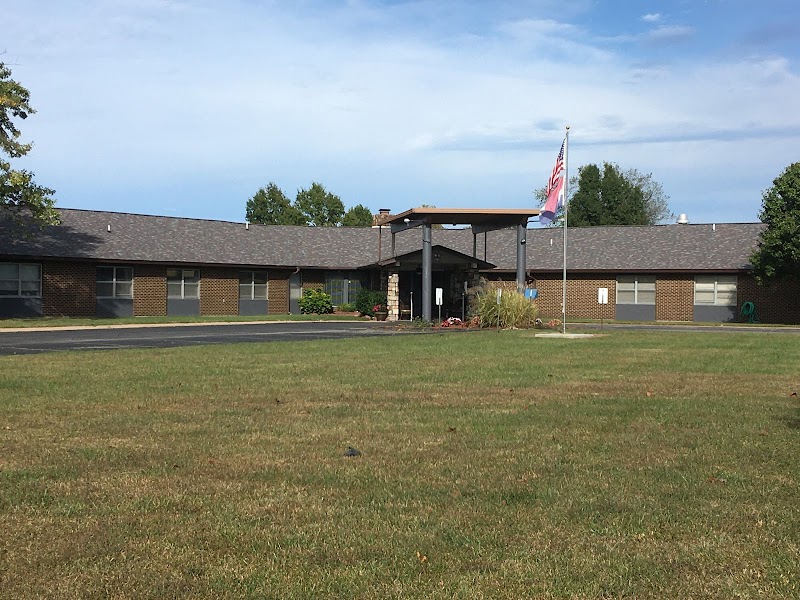
AUTUMN OAKS CARING CENTER

1310 HOVIS STREET, MOUNTAIN GROVE, MO 65711 (417) 926-5128
For profit - Individual 120 Beds CIRCLE B ENTERPRISES Data: November 2025 2 Immediate Jeopardy citations
Trust Grade
0/100
#334 of 479 in MO
Last Inspection: January 2025

Within standard 12-15 month inspection cycle. Federal law requires annual inspections.

Overview

Autumn Oaks Caring Center has received a Trust Grade of F, indicating significant concerns about the quality of care provided. Ranking #334 out of 479 facilities in Missouri places it in the bottom half of the state, and as #3 out of 3 in Wright County, it suggests that there are no better local options available. While the facility is trending towards improvement, with the number of issues decreasing from 17 in 2023 to 11 in 2025, it currently has serious deficiencies, including critical incidents where a resident choked on food they shouldn't have had access to and another resident passed away due to inadequate assessment upon admission. Staffing is rated at 2 out of 5 stars, with a turnover rate of 65%, which is concerning as it is near the state average. The facility has accumulated $63,057 in fines, indicating compliance issues, though it maintains average RN coverage, which is essential for identifying potential problems.

Trust Score
F
0/100
In Missouri
#334/479
Bottom 31%
Safety Record
High Risk
Review needed
Inspections
Getting Better
17 → 11 violations
Staff Stability
⚠ Watch
65% turnover. Above average. Higher turnover means staff may not know residents' routines.
Penalties
✓ Good
$63,057 in fines. Lower than most Missouri facilities. Relatively clean record.
Skilled Nurses
⚠ Watch
Each resident gets only 25 minutes of Registered Nurse (RN) attention daily — below average for Missouri. Fewer RN minutes means fewer trained eyes watching for problems.
Violations
⚠ Watch
31 deficiencies on record. Higher than average. Multiple issues found across inspections.
★☆☆☆☆
1.0
Overall Rating
★★☆☆☆
2.0
Staff Levels
★☆☆☆☆
1.0
Care Quality
★★☆☆☆
2.0
Inspection Score
Stable
2023: 17 issues
2025: 11 issues

The Good

  • Full Sprinkler Coverage · Fire safety systems throughout facility
  • No fines on record

Facility shows strength in fire safety.

The Bad

1-Star Overall Rating

Below Missouri average (2.5)

Significant quality concerns identified by CMS

Staff Turnover: 65%

19pts above Missouri avg (46%)

Frequent staff changes - ask about care continuity

Federal Fines: $63,057

Above median ($33,413)

Moderate penalties - review what triggered them

Chain: CIRCLE B ENTERPRISES

Part of a multi-facility chain

Ask about local staffing decisions and management

Staff turnover is elevated (65%)

17 points above Missouri average of 48%

The Ugly 31 deficiencies on record

2 life-threatening 1 actual harm
Apr 2025 2 deficiencies
CONCERN (D) 📢 Someone Reported This

A family member, employee, or ombudsman was alarmed enough to file a formal complaint

Potential for Harm - no one hurt, but risky conditions existed

Notification of Changes (Tag F0580)

Could have caused harm · This affected 1 resident

Based on observation, interview, and record review, the facility failed provide timely notification to each resident family member/representative when staff failed to notify the family of one resident...

Read full inspector narrative →
Based on observation, interview, and record review, the facility failed provide timely notification to each resident family member/representative when staff failed to notify the family of one resident (Resident #1) after significant bruising was identified on the resident resulting in an ordered x-ray and temporary medication changes. The facility census was 65. Review of the facility's current policy titled Change in a Resident's Condition or Status, dated February 2021, showed the following: -The facility promptly notifies the resident, his or her attending physician, and the resident representative of changes in the resident's medical/mental condition and/or status; -Unless otherwise instructed by the resident, a nurse will notify the resident's representative when, the resident is involved in any accident or incident that results in an injury including injuries of an unknown source; -Except in emergencies, notifications will be made within 24 hours of a change occurring in the resident's medical condition or status. 1. Review of Resident #1''s face sheet (brief resident profile sheet) showed the following: -admission date of 01/30/25; -Diagnoses included heart failure (heart can't pump enough blood to meet the body's needs), atrial fibrillation (a-fib - irregular heartbeat), nonrheumatic tricuspid valve insufficiency (the valve between the right atrium and the right ventricle doesn't' close properly causing blood to leak backward), and depression (persistent sadness). Review of the resident's care plan, dated 01/30/25, showed the following: -Resident at risk for falls; -Resident at risk for impaired skin integrity; -Resident takes anticoagulant (thins the blood to prevent clots); -Dependent with pants and shoes and wheelchair use; -Required substantial assist with toileting, showering, dressing, personal hygiene, sit to stand and transfers. -Resident at risk for pain. Review of the resident's admission Minimum Data Set (MDS - a federally mandated assessment instrument completed by facility staff), dated 02/05/25, showed the following information: -Moderately impaired cognitive skills; -Substantial assistance from staff with toileting, personal hygiene, showers, and upper body dressing; -Dependent upon staff for lower body dressing. Review of the resident's March 2025 Physician's Order Sheet (POS), showed the following: -An order, dated 01/30/25, for Eliquis (blood thinner) 2.5 milligrams (mg), give one tablet by mouth two times per day for a-fib; -An order, dated 01/30/25, for Tylenol (pain reliever) 325 mg, give two tablets by mouth every four hours as need for pain/temp. Review of the facility's resident abuse investigation, started 03/09/25, showed the following: -Date of incident was night of 03/09/25; -Date incident reported 03/10/25; -When staff got the resident up on 03/10/25, staff noted brusing to right side of chest, torso, underarm and going to backside; -Staff notified physician on 03/10/25; -Staff noted resident was own representative and no other representative was notified; -Conclusion of investigation, resident was transferred to bed with a gait belt on night of 03/09/25, the following morning of of 03/10/25 the resident woke up with bruising. Resident takes Eliquis two times per day for a-fib and has not fallen recently. Resident does bruise easily due to Eliquis and has thin, frail skin. Review of the resident's March 2025 POS showed an order, dated 03/10/25, for two view arm/shoulder x-ray due to pain, swelling, and bruising. Review of the resident's Shower Sheet, dated 03/11/25, showed facility staff documented bruising on the resident's front of the upper left arm, bruising on the front upper left arm and chest, bruising on the back of both the left and right upper arms. Review of the resident's skin assessments, dated 03/13/25, showed skin issue, bruising to the right chest and lateral ribs. Staff did not document notification of the resident representative. Review of the resident's Shower Sheet, dated 03/14/25, showed hospice staff documented bruising to the resident's right chest, torso, arms, thighs and legs. Resident was unsure how the bruising was obtained and facility made aware. Review of the resident's skin assessments showed the following: -On 03/20/25, staff noted skin issue of bruising to the right chest and lateral ribs. Resident was noted to have very thin frail skin with large bruising to the right side of chest, lateral ribs, and generalized bruising to all extremities. The resident's Eliquis placed on hold for four days due to increased bruising. Staff did not document notification of the resident's representative; -On 03/27/28, staff noted skin issue of bruising to chest, arms, and legs. Resident noted to have very thin, frail skin with large bruising to right side of chest and lateral ribs and generalized bruising to all extremities. Staff did not document notification of the resident's representative. Review of the resident's March 2025 progress notes showed staff did not document notification of the resident's representative of the x-ray of two view arm/shoulder due to pain, swelling, and bruising or the bruises observed by facility staff. During an interview on 04/04/25, at 8:58 A.M., the resident said he/she wasn't aware of any bruising on his/her chest until someone told him/her. The facility tells his/her child when he/she has a change in condition. During an interview on 04/04/25, at 11:43 A.M., Certified Nurse Aide (CNA) A said the following: -He/she didn't remember exactly when he/she saw bruising on the resident. It was maybe a couple of weeks ago. He/she saw a large bruise on the breast area, under the arm, and the right side; -He/she tells the charge nurse when there is a change in condition and he/she did tell the nurse about the bruising. The nurse assessed the resident and asked the resident what happened. The resident complained of pain. During an interview on 04/04/25, at 12:10 P.M., Licensed Practical Nurse (LPN) B said the following: -He/she did document in the record seeing bruising on the resident; -The resident had bruising on the his/ her arm and face; -When there is bruising the family is notified. He/she didn't know if the resident's family was notified of the brusing. During an interview on 04/04/25, at 12:32 P.M., the Assistant Director of Nursing (ADON) said he/she did not see the bruising on the resident. When there was a change in condition, including bruising, the family would be notified. During an interview on 04/04/25, at 12:43 P.M., the Director of Nursing (DON) said the following: -He/she was told about the bruising on the resident during the morning meeting; -Hospice brought the bruising to the facility's attention and a investigation was completed to try to determine if it was an inappropriate transfer; -When a resident has bruising staff would notify the family. The DON was not sure if the resident's family was notified of the bruising. During an interview on 04/04/25, at 1:00 P.M., Registered Nurse (RN) C said the following: -Hospice found the bruising on the resident and they told him/her; -He/she looked at the bruising. It was under the right breast, down the arm, and on the side; -He/she told everyone in the morning meeting including the Administrator, DON, and ADON; -They tried to figure out what caused the bruising; -He/she didn't know if anyone notified the resident's family, but they should be notified. During an interview on 04/04/25, at 1:39 P.M., the Administrator said when there was a change in condition the family is notified. He/she was not sure if the resident's family was notified. He/she did not notify the family. MO00251044
CONCERN (D) 📢 Someone Reported This

A family member, employee, or ombudsman was alarmed enough to file a formal complaint

Potential for Harm - no one hurt, but risky conditions existed

Accident Prevention (Tag F0689)

Could have caused harm · This affected 1 resident

Based on interview and record review, the facility failed to keep all residents free from possible accident hazards, when staff failed to transfer one resident (Resident #1) in a manner to prevent pos...

Read full inspector narrative →
Based on interview and record review, the facility failed to keep all residents free from possible accident hazards, when staff failed to transfer one resident (Resident #1) in a manner to prevent possible injury and failed to care plan regarding the resident's transfer needs/preferences. The facility had a census of 65. Review of the facility's policy titled Safe Lifting and Movement of Residents, dated revised July 2017, showed the following: -In order to protect the safety and well-being of staff and residents, and to promote quality of care, this facility uses appropriate techniques and devices to lift and move residents; -Nursing staff in conjunction with the rehabilitation staff shall assess individual residents needs for transfer assistance on an ongoing basis; -Staff responsible for direct resident care will be trained in the use of manual (gait/transfer belts); -Safe lifting and movement of residents is part of an overall facility employee health, provides training on safety, ergonomics and proper use of equipment and continually evaluates the effectiveness of workplace safety and injury prevention strategies. 1. Review of Resident #1''s face sheet (brief resident profile sheet) showed the following: -admission date of 01/30/25; -Diagnoses included heart failure (heart can't pump enough blood to meet the body's needs), atrial fibrillation (a-fib - irregular heartbeat), nonrheumatic tricuspid valve insufficiency (the valve between the right atrium and the right ventricle doesn't' close properly causing blood to leak backward), and depression (persistent sadness). Review of the resident's care plan, dated 01/30/25, showed the following: -Resident was at risk for falls; -Resident was at risk for infection; -Resident was at risk for impaired skin integrity; -Resident took an anticoagulant (blood thinner); -Resident required substantial assist with toileting, showering, dressing, personal hygiene, sit to stand, and transfers. -Resident was at risk for pain. (Staff did not care plan regarding how to the transfer the resident, the number of staff to transfer the resident, or any resident preferences or refusals related to transfers.) Review of the resident's admission Minimum Data Set (MDS - a federally mandated assessment instrument completed by facility staff), dated 02/05/25, showed the following information: -Moderately impaired cognitive skills; -Substantial assistance required from staff with toileting, personal hygiene, showers, and upper body dressing; -Dependent upon staff for lower body dressing. During an interview on 04/04/25, at 8:58 A.M., the resident said the following: -He/she was able to transfer okay, but he/she was not able to come to a standing position and needed help to sit down; -He/she broke his/her hip in the past and also had leg problems; -The staff do not use a belt (gait belt - a belt used for support when transferring) when they assist the resident with transferring; -The staff have him/her put his/her hands around their neck and they help pull him/her up. During an interview on 04/04/25, at 11:43 A.M., Certified Nurse Aide (CNA) A said the following: -He/she had been trained on gait belt use. He/she put the belt around the resident, ensuring there are two finger spaces between the belt and the resident. He/she puts his/her hands under the gait belt on each side towards the back. He/she said 1, 2, 3 and the resident stands up while the staff are assisting with the belt; -The resident doesn't like the gait belt because the resident says the belt squeezes him/her. He/she tried to talk the resident into letting him/her use the gait belt; -He/she transferred the resident by hugging the resident under his/her arms and the resident put his/her arm around the staff's neck. They stand up and pivot to the wheelchair. During an interview on 04/04/25, at 1:18 P.M., CNA D said the following: -All nursing staff were trained to use a gait belt and should be using it anytime they're assisting a resident up or down, and when walking with the resident; -The resident was a one person assist and needed a gait belt; -The resident did refuse to wear the gait belt. He/she would tell the resident she had to for safety; -It was not appropriate to have a resident hug staff's neck and staff hug them to transfer. During an interview on 04/04/25, at 1:30 P.M., physical therapy said the following; -He/she had not worked with the resident; -He/she would prefer the staff use a gait belt when transferring residents. During an interview on 04/04/25, at 12:10 P.M., Licensed Practical Nurse (LPN) B said the following: -All nursing staff are trained to use a gait belt; -Staff should be using a gait belt to transfer all residents, including the resident; -It would not be appropriate to use the hug technique to transfer a resident, unless staff use the gait belt too; -He/she was not aware of the resident refusing to let staff use the gait belt. During an interview on 04/04/25, at 1:00 P.M., Registered Nurse (RN) C said the following: -Staff were trained to use a gait belt; -Staff should be using a gait belt when they transfer or they're walking with a resident; -The belt should be put around the lower waist, with two fingers in between the belt and resident; -Staff were to grab with both hands on each side and assist the resident to standing; -It was not appropriate to have the resident hug staff's neck and staff to hug the resident when transferring. This was not safe; -The resident was a one person assist and required a gait belt due to weakness. During an interview on 04/04/25, at 12:32 P.M., the Assistant Director of Nursing (ADON) said the following: -All staff caring for residents are trained on how to use a gait belt; -Anytime staff move a resident from one place to another, they should be using a gait belt; -The belt should be placed around the resident's upper waist, snug, but not too tight. The staff should place their hands under the belt towards the back side, and say 1,2,3 and assist the resident to a standing position; -It is not appropriate to hug a resident and have them hug you for a transfer. This could cause injury to the resident and the staff; -The resident was a one assist and staff should be using the gait belt to transfer the resident. During an interview on 04/04/25, at 12:43 P.M., the Director of Nursing (DON) said the following: -All nursing staff are trained to use a gait belt; -They should be using the gait belt when transferring, anytime need to move them, and walking with residents; -Staff put the gait belt on the resident, snug but should be able to get a couple of fingers between the gait belt and the resident; -Staff should be telling the resident what they're doing; -Staff place the hands on each side to assist the resident to a standing position and guide and pivot the resident; -It would not be appropriate to hug the resident and have the resident put his/her hands around the staff. The staff could lose their footing and fall with the resident; -The resident required a gait belt for all transfers because he/she was weak; -It would not be appropriate to use the hug method with the resident. During interviews on 04/04/25, at 1:39 P.M., and on 04/07/25, at 12:45 P.M., the Administrator said the following: -Nursing staff are trained on how to use gait belts; -They should be using gait belts when transferring residents, or walking with residents; -The belt should be up under the arms, breast area; -There should be two fingers space between the belt and the resident's skin; -The staff's hand should be on each side of the belt, and the resident and staff will lift up and pivot; -It would not be appropriate to hug a resident and have a resident to grab staff for transferring; -With the resident the staff does most of the work and he/she was a one person assist. MO00251044
Jan 2025 9 deficiencies 1 IJ
CRITICAL (J) 📢 Someone Reported This

A family member, employee, or ombudsman was alarmed enough to file a formal complaint

Immediate Jeopardy (IJ) - the most serious Medicare violation

Accident Prevention (Tag F0689)

Someone could have died · This affected 1 resident

**NOTE- TERMS IN BRACKETS HAVE BEEN EDITED TO PROTECT CONFIDENTIALITY** Based on interview and record review, the facility failed to ensure the residents environment was free from accident hazards as ...

Read full inspector narrative →
**NOTE- TERMS IN BRACKETS HAVE BEEN EDITED TO PROTECT CONFIDENTIALITY** Based on interview and record review, the facility failed to ensure the residents environment was free from accident hazards as possible and failed to ensure all residents that required supervision during food consumption were supervised for one resident (Resident #36), of five sampled residents, when staff left the resident, who had an ordered pureed diet and was care planned for supervision while eating, access to an non-resident use area with food, resulting in the resident attempting to consume non-pureed food, choking, and being intubated. The facility census was 67. The facility Administrator, Director of Nursing (DON), and Regional Nurse Consultant were informed on 01/07/25, at 7:05 P.M., the an Immediate Jeopardy (IJ) which began on 01/03/25. The IJ was removed on 01/08/25 as confirmed by surveyor onsite verification. Review of the facility's policy titled, Hazardous Areas, Devices, and Equipment, revised July 2017, showed the following: -All hazardous areas, devices, and equipment in the facility will be identified and addressed appropriately to ensure resident safety and mitigate accident hazards to the extent possible; -A hazard is defined as anything in the environment that has the potential to cause injury or illness. Examples of environmental hazards include but are not limited to the following open areas or items that should be locked when not in use; -Any element of the resident environment that has the potential to cause injury and that is a accessible to a vulnerable resident is considered hazardous; -Resident vulnerability is based on risk factors including the individual resident's functional status, medical condition, and cognitive abilities. Review of Resident #36's admission Record, undated, located in the resident's electronic medical record (EMR) under the Profile tab showed the following: -admission date of 07/20/22; -readmission date of 12/04/24; -Diagnoses included anoxic brain damage (occurs when brain lacks oxygen) and dysphagia (difficulty swallowing). Review of the resident's comprehensive care plan, located in the resident's EMR under the Care Plan tab, showed the following: -On 07/11/24, resident at risk for weight loss and dehydration, initiated 07/11/24; -On 07/11/24, provide supervision during meals; -On 07/22/24, resident intake of nutrients will meet metabolic needs. Review of the resident's Hospital Inpatient Discharge Summary, dated 11/20/24, and located in the resident's EMR under the Documents tab, showed the following: -The resident was admitted to the hospital on [DATE] with admitting diagnoses which included pneumonia; -Discharge diagnoses included altered mental status (AMS) from pneumonia, resolved; aspiration (accidental inhalation of food, liquid, or other material into the lungs) pneumonia, improved; elevated liver function test (LFTs), improving, likely from pneumonia; -The resident was experiencing increasing weakness and poor appetite for a few days. The resident reported not eating and drinking well and had complained of a headache. Scans revealed bi-basilar pneumonia (a type of pneumonia that affects the base of both lungs). -The resident needed to be on aspiration precautions and head of bed at 45 degrees during and after meals as well as a soft mechanical diet with nectar thickened liquids. Review of the resident's Physician Order, dated 12/16/24, showed regular diet of pureed texture with nectar/mildly thick consistency liquids. Review of the resident's quarterly Dietary Profile, dated 12/16/24, showed the following; -Current diet order was pureed; -Current texture of food was pureed; -Utensils included plate guard and nosey cup (a drinking cup with a cut-out for the nose that allows the user to drink without tilting their head back); -Resident at with partial assistance. Review of the resident's Nursing Progress Note, dated 01/03/25, and located in the resident's EMR under the Progress Notes tab, showed the resident was found standing in another resident's room unable to breathe. Staff performed the Heimlich maneuver and suction was completed. Resident's blood oxygen level was down to 67% (normal is 90% or above). Emergency medical service (EMS) arrived. Review of the resident's hospital Clinical Report, dated 01/03/25, and provided by the facility, showed the following: -Chief complaint airway obstruction. This started just prior to arrival. Resident brought into the emergency department at approximately 3:15 P.M. History from EMS said resident at nursing home and had a choking episode. The resident swallowed a whole piece of food when he/she should be on a liquid diet. EMS was called and performed the Heimlich on scene for multiple minutes noting food particulate in the patient's oropharynx (the middle part of the throat, behind the mouth); -Resident present with severe respiratory distress. The resident was completely obtunded (having a reduced level of consciousness or alertness) with agonal breathing (gasping), profoundly cyanotic (marked by or causing a bluish or purplish discoloration (as of the skin and mucous membranes) due to deficient oxygenation of the blood) with highly abnormal vital signs on monitor and diminishing oxygen level. -Resident was in peri-arrest (the period either just before or just after a full cardiac arrest). Resident had no visible oropharyngeal particulate. Auscultated (listened to) lungs with no air movement, but resident still attempting to breath. Resident was intubated (a medical procedure that involves inserting a flexible tube into the trachea, or windpipe, to keep the airway open). Food particulate noted in the glottis (middle region inside the larynx (voice box). Scooped food particulate as much as possible into the posterior oropharynx. -After ensuring airway safety, staff removed all food particles remaining in the oropharynx. Review of the resident's hospital Inpatient History and Physical, dated 01/03/25, and provided by the facility, showed the following: -Resident had history of aspiration pneumonia and was brought to the emergency department due to an episode of choking; -While waiting in the emergency department the resident went into respiratory arrest and there was an impacted food bolus found in the glottis; -Resident ended up needing to be intubated and ultimately food bolus was removed. During an interview on 01/07/24, at 2:02 P.M., Family Member (FM) 36 said he/she was the resident's legal guardian. The family member said he//she had never given permission for the facility to allow the resident to refuse his/her modified diet consistency. The resident was supposed to be supervised when he/she was eating food. One of the aide's ordered a pizza for him/herself and the resident ate a whole garlic knot where he/she sustained a choking incident and had to be transported to the hospital and undergo a procedure to remove food stuck in his/her throat. The resident could not swallow and would have to have a feeding tube put in. During an interview on 01/07/25, at 2:45 P.M., Certified Nursing Assistant (CNA) 1 said he/she was assigned to the resident on 01/03/25. He/she had ordered pizza and garlic knots and had it in the break room on the secured unit. He/she had to redirect the resident out of the break room a couple times because he/she came in and asked for pizza. CNA 1 said he/she left the break room to take residents to smoke outside and when she left the room, the resident and CNA 2 were still in the break room. While he/she was standing at the door watching the residents smoke, he/she was also looking back at the hall when he/she saw the resident walk out of the break room, clinched over with his/her mouth open like he/she was trying to cough something up. CNA 1 said he/she immediately went to the resident and attempted the Heimlich maneuver on him/her and called for a nurse's help over the walkie talkie. He/she was not successful with the Heimlich. He/she was aware the resident was on a puree diet and that the break room door was to be closed when no staff were in there. During an interview on 01/07/25, at 3:03 P.M., CNA 2 said he/she was working on the resident's unit on 01/03/25. He/she had redirected the resident out of the break room many times because he/she was trying to get the pizza, after he/she and CNA 1 telling the resident he/she could not have it. CNA 2 said after CNA 1 left to take the smokers out, about a minute or two afterwards a call light was activated, and he/she went to answer the call light. CNA 2 said when he/she got up to leave the room, the resident said he/she was right behind him/her. However, the resident never left the break room and stayed in there with no staff. The CNA said he/she did not look back to ensure the resident left the room where the pizza and food items were left. He/she was aware the resident was on a pureed diet and he/she was also aware the room was to be locked anytime staff were not in there. During an interview on 01/07/25, at 4:37 P.M., the Director of Nursing (DON) said she was working on 01/03/25 when she heard a page come over the walkie talkie for a nurse to come to The Unit STAT (immediately). The DON finished the phone call with a family member and went to the unit where she observed the charge nurse performing the Heimlich maneuver on the resident. It was not successful, so she took over. The resident was sitting in a chair slumped over and his/her lips were blue. She picked the resident up out of the chair, stood him/her up and started performing the Heimlich maneuver. At that time 911 was called. She was able to get two very small pieces of food to come up and the resident started breathing. The DON said the resident's breathing was unlabored and his/her lips returned to normal color. The resident was drooling so a nurse suctioned his/her cheek and at that time the resident slumped back over, and his/her lips started turning purple again. The DON got him/her back up, did two blows to the upper back, and then started the Heimlich again where a piece of food the size of a quarter came out. The food was the consistency of wet bread. The DON said the resident accessed the unit kitchen (staff identified as staff break room). The door should never be unlocked nor should a resident ever be left in the room alone. It was her expectation staff would not eat food in front of the residents and that they would use the designated staff break room to eat their meals. Due to accessing when left attended the resident had to be intubated and will have to have a feeding tube and not be able to have food by mouth. During an interview on 01/10/25, at 2:59 P.M., the Medical Director said it was his/her expectation the resident would have been kept safe from choking. During an interview on 01/10/25, at 3:14 P.M., the Administrator said it was her expectation the CNAs would have followed the facility's policy and use the equipment provided such as self-closing and self-locking doors to keep residents safe. It was also her expectation staff would not have allowed the resident to access non-resident areas and to ensure items unsafe to the resident would have been kept out of the resident's reach. NOTE: At the time of the survey, the violation was determined to be at the immediate jeopardy level J. Based on observation, interview, and record review completed during the onsite visit, it was determined the facility had implemented corrective action to remove the IJ violation at the time. A final revisit will be conducted to determine if the facility is in substantial compliance with participation requirements. At the time of exit, the severity of the deficiency was lowered to the D level. This statement does not denote that the facility has complied with State law (Section 198.026.1 RSMo.) requiring that prompt remedial action to be taken to address Class I violation(s). MO00247487, MO00247670
SERIOUS (G)

Actual Harm - a resident was hurt due to facility failures

Deficiency F0692 (Tag F0692)

A resident was harmed · This affected 1 resident

**NOTE- TERMS IN BRACKETS HAVE BEEN EDITED TO PROTECT CONFIDENTIALITY** Based on interview, observation, and record review, the facility failed to provide care and services to maintain acceptable para...

Read full inspector narrative →
**NOTE- TERMS IN BRACKETS HAVE BEEN EDITED TO PROTECT CONFIDENTIALITY** Based on interview, observation, and record review, the facility failed to provide care and services to maintain acceptable parameters of nutritional status, when staff failed to follow-up on and implement multiple weight loss interventions for one resident (Resident #2), of nine sampled residents reviewed for weight loss, who had a significant weight loss. The facility census was 67. 1. Review of Resident #2's admission Record, located under the Profile tab of the electronic medical record (EMR), showed the resident admitted on [DATE]. Review of the resident's EMR Diagnosis tab showed the resident's diagnoses included schizoaffective disorder (chronic mental health condition characterized primarily by symptoms of schizophrenia, such as hallucinations or delusions, and symptoms of a mood disorder, such as mania and depression.), depression with anxiety, hypothyroidism (condition that happens when the thyroid gland doesn't make or release enough hormone into the bloodstream), and gastroesophageal reflux disease (GERD). Review of the resident's quarterly Minimum Data Set (MDS - a federally mandated assessment tool completed by facility staff), with an Assessment Reference Date (ARD) of 12/30/24, and located in the EMR under the MDS tab, showed the resident had moderately impaired cognition. Review of the resident's EMR Vitals tab showed on 09/26/24, the resident weighed 128.8 pounds (lbs). Review of the resident's Registered Dietician's (RD) progress note located under the Progress Notes tab of the EMR, dated 09/29/24, showed the following: -An initial nutrition/dietary note for the resident with estimated calorie needs = 1700 kcal (calories)/day and 59 gm (grams)/day of protein, health shakes with meals, a regular diet, regular texture, and thin consistency liquid. Review of the resident's physician's order, located under the Orders tab of the EMR, dated 10/03/24, showed an order for a regular diet and supplement liquid shake with every meal to prevent weight loss. Review of the resident's care plan, located under the Care Plan tab of the EMR, dated 10/08/24, showed the following; -The resident was at risk for weight loss and dehydration; -Interventions included adding chocolate health shakes, obtaining labs and diagnostics, offering meal or liquid food supplements, offer meal alternatives, provide snacks, and when the resident refuses or has difficulty with solid food, provide nutritious foods that can be taken from a cup or a mug where appropriate. Review of the resident's progress note located under the Progress Notes tab of the EMR, dated 10/17/24, showed Certified Nursing Assistant (CNA) 1 documented the resident reported to him he/she was choking on his/her food and explained to him/her he/she was working on not choking and that he/she was afraid of choking on his/her medication. Review of the resident's medical record showed no document follow-up by the charge nurse or Director of Nursing (DON) regarding the resident's choking concerns. Review of the resident's progress note located under the Progress Notes tab of the EMR, dated 10/29/24, showed the resident requested a puree diet for one day and then requested return to a regular diet. Review of the resident's progress note located under the Progress Notes tab of the EMR, dated 11/14/24, showed the Clinical Nurse Practitioner (CNP) 1 documented the following: -The resident reported having difficulty eating his/her food throughout the day due to a choking problem. -The resident struggled to consume his/her meals and tried a pureed diet for one day. He/she preferred softer foods. -The resident's difficulty eating due to a choking problem was a significant concern and his/her attempt at a pureed diet and preference for softer foods would be considered in developing a nutrition plan. -The resident's difficulty swallowing and choking on food, leading to reduced food intake and recommended a consultation with a speech therapist to evaluate swallowing function or dietitian for recommended appropriate dietary modification. Review of the resident's medical record showed staff did not document regarding follow-up on the CNP's recommendations related to the resident's choking and difficulty eating. Review of the resident's progress note located under the Progress Notes tab of the EMR, dated 11/21/24, showed Registered Nurse (RN) 3 documented the resident had obvious or likely cavity or broken natural teeth. Review of the resident's medical record showed staff did not document regarding follow-up due to the dental issues noted on 11/21/24. Review of the resident's progress note, located under the Progress Notes tab of the EMR, dated 12/24/24, showed the Medical Director (MD) documented a recommendation for the psych doctor to consider changing the medication order for Topamax (an anticonvulsant) that could contribute to weight loss. Review of the resident's medical record showed staff did not document regarding follow-up on the MD's recommendations regarding the resident's Topamax. Review of the resident's progress notes, located under the Progress Notes tab of the EMR, dated 12/29/24, showed the RD documented the resident's weight decreased 10.6% in 90 days and recommended staff request an appetite enhancing medication from the physician. Review of the resident's medical record showed staff did not document regarding follow-up on the RD's recommendation regarding an appetite enhancing medication. Review of the resident's EMR Vitals tab showed on 01/06/25, the resident weighed 106.6. lbs (a loss of 22.2 lbs or 17 percent.) Observation on 01/08/25, at 12:28 P.M., showed the resident was in his/her room with his/her lunch tray on the bedside table. It appeared the resident did not eat any of the meal. Observation on 01/09/25, at 12:43 P.M., showed the resident was in his/her room with his/her lunch tray on bedside table. It appeared the resident did not eat any of the meal. During an observation on 01/10/25, at 12:16 P.M., the resident was in his/her room and had not received his/her lunch tray. When asked if he/she wanted to eat lunch, the resident said yes and stood unassisted and walked to the dining room. The Assistant Director of Nursing (ADON) seated the resident and the resident told the ADON he/she wanted some cottage cheese. Approximately five minutes later, the ADON brought the resident a full plate of regular diet of chopped meat patty, mashed potatoes and gravy, and green peas. The ADON was reminded the resident wanted a dish of cottage cheese. Approximately three minutes later, the ADON served the resident a small bowl of cottage cheese. The resident quickly ate the cottage cheese and returned to his/her room. Staff did not provide beverages to the resident. During an interview on 01/09/25, at 12:10 PM, the CNP1 said he documented in the EMR a recommendation for the resident to receive a consultation or evaluation for swallowing because the resident expressed to him/her that he/she was choking on his/her food. He/she provided the resident with basic mental health services along with management of his/her medications, but no staff member had communicated to him/her that the physician recommended a change to the Topamax medication that could contribute to the resident's weight loss. During an interview on 01/09/25, at 6:50 PM, the Medical Director said he was not aware that CNP1 had recommended a consultation for choking and issues with swallowing. He referred medication for the resident to be monitored and/or changed by CNP1 due to the resident's psych diagnosis. The Medical Director said he assumed his documented recommendation for Topamax being changed was communicated to CNP1. His expectations were physician progress notes reviewed by the appropriate nursing staff and should have been followed up with communicating recommended medication changes and speech consultation for the resident. During an interview on 01/10/25, at 10:50 A.M., the Director of Nursing (DON) said that food intake was always monitored and measured and documented by the CNA staff for the resident, but she could not provide evidence of that documentation. She had not read the progress notes of previous staff and physicians that documented intervention recommendations for a swallow consultation with the speech therapist, changing the Topamax medication, ordering a medication that would enhance the resident's appetite, or progress notes that documented the resident was choking on his/her food at meals. Her expectations were for nursing staff to read the resident's progress notes and follow up with recommended interventions to prevent severe weight loss of a resident. During an interview on 01/10/25, at 3:14 P.M., the Administrator said her expectations for any resident with unplanned weight loss was for them to be discussed in the weekly weight loss meeting that included the dietary manager, the DON, the Social Services Director, and the MDS RN, along with staff from the therapy department and the medical records department as needed. Significant weight loss was discussed to identify the reason, cause, and possible new interventions. She could not provide evidence of weekly weight loss meetings. Her expectation of her nursing staff was to communicate physicians' orders and that the nursing staff always read the physician's progress notes and recommendations unless written as an order. She was not aware of the recommendations previously documented in the resident's progress notes for a swallow test, a change in the resident's Topamax medication, or a recommendation for new prescription medication that would enhance the resident's appetite.
CONCERN (D)

Potential for Harm - no one hurt, but risky conditions existed

Deficiency F0582 (Tag F0582)

Could have caused harm · This affected 1 resident

Based on interview and record review, the facility failed to issue accurate and fully completed Skilled Nursing Facility Advanced Beneficiary Notices (SNFABN) to one resident (Resident #49) of three s...

Read full inspector narrative →
Based on interview and record review, the facility failed to issue accurate and fully completed Skilled Nursing Facility Advanced Beneficiary Notices (SNFABN) to one resident (Resident #49) of three sampled residents reviewed for beneficiary notice. The facility census was 67. Review of Resident #49's electronic medical record (EMR) Census tab showed an admission date of 04/04/23 for Medicare A services. Review of a document titled, Beneficiary Notice - Residents discharged Within the Last Six Months, completed by the facility and listing the residents who had been discharged from skilled services, showed the following: -The resident received an SNFABN on 08/13/24. -The resident chose Option One, I want the care listed above. I want Medicare to be billed for an official decision on payment which will be sent to me on a Medicare Summary Notice (MSN). I understand that if Medicare doesn't pay, I'm responsible for paying, but I can appeal to Medicare by following the directions on MSN. -The form did not document the reason why Medicare might not pay and the estimated cost. During an interview on 01/10/25, at 11:46 A.M., Certified Medical Technician (CMT) 1 said the following: -When the Social Services Director (SSD) did insurance verification, if she did not put the amount in there, the CMT had to go and figure out the amount, and usually didn't get it on the SNFABN. The CMT said he/she explains that if they meet the criteria, they won't have to pay, and he/she verbally gives them the cost per day if they want to continue. During an interview on 01/10/25, at 10:44 A.M., with the Administrator, Director of Nursing, and Regional Nurse Consultant, the Administrator said her expectations were for staff to have the form filled out with all information, so residents would know the cost for services.
CONCERN (D)

Potential for Harm - no one hurt, but risky conditions existed

PASARR Coordination (Tag F0644)

Could have caused harm · This affected 1 resident

Based on interview and record review, the facility failed to refer one resident (Resident #4) of two sampled residents for a Pre-admission Screening and Resident Review (PASARR) Level Two evaluation a...

Read full inspector narrative →
Based on interview and record review, the facility failed to refer one resident (Resident #4) of two sampled residents for a Pre-admission Screening and Resident Review (PASARR) Level Two evaluation after the resident was diagnosed with a serious mental illness (SMI). The facility census was 67. Review of the facility's policy titled, admission Criteria, revised March 2019, showed all new admissions and readmissions are screened for mental disorders, intellectual disabilities or related disorders per the Medicaid PASARR process. The policy did not address the process when a new serious mental illness diagnosis is given to a resident. Review of Resident #4's admission Record, undated, located in the resident's electronic medical record (EMR) under the Profile tab, showed the following: -admission date of 12/03/21; -readmission date of 07/07/24; -Diagnoses included bipolar disorder (mental health conditions characterized by periodic, intense emotional states affecting a person's mood, energy, and ability to function) in partial remission. Review of the resident's Physician Order, dated 07/17/24, and located in the resident's EMR under the Orders tab, showed an order for Seroquel (an antipsychotic medication) 200 milligram (mg) by mouth two times a day for bipolar disorder, anxiety disorder, and depression. Review of the resident's Level One Nursing Facility PASARR, dated 12/31/21, and located in the resident's EMR under the Documents tab, showed the following: -For question two Does the individual have a current, suspected, or history of a Major Mental Illness [MMI] as defined by the Diagnostic & Statistical Manual of Mental Disorders (DSM) current edition, staff did not mark any mental illnesses. The level one screening was negative for a level two evaluation. During an interview on 01/09/25, at 10:55 A.M., the Minimum Data Set Coordinator (MDSC) said she was responsible for all PASARRs. The MDSC reviewed the resident's PASARR Level One, dated 12/31/21, and verified no mental illnesses were identified. When reviewing the resident's physician orders and diagnoses, the MDSC verified the resident received an antipsychotic medication for the SMI of bipolar disorder. She did not submit a level two PASARR and should have once the diagnosis was added. During an interview on 01/10/25, at 3:14 P.M., the Administrator said it was her expectation a significant change for a PASARR Level Two evaluation would have been submitted when the resident received the diagnosis of bipolar disorder.
CONCERN (D)

Potential for Harm - no one hurt, but risky conditions existed

Deficiency F0657 (Tag F0657)

Could have caused harm · This affected 1 resident

Based on observation, interview, and record review, the facility failed to ensure residents and their representatives were invited to the care plan meeting and failed to ensure the full Interdisciplin...

Read full inspector narrative →
Based on observation, interview, and record review, the facility failed to ensure residents and their representatives were invited to the care plan meeting and failed to ensure the full Interdisciplinary Team (IDT) participated in the care conferences for one resident (Resident #11) of three sampled residents reviewed for care planning. The facility census was 67. Review of the facility's policy titled, Care plans, Comprehensive Person-Centered, dated March 2022, showed the following: -The IDT, in conjunction with the resident and his/her family or legal representative, develops and implements a comprehensive, person centered care plan for each resident; -If the participation of the resident and his/her resident representative in developing the resident's care plan is determined to not be practicable, an explanation is documented in the resident's medical record. The explanation should include what steps were taken to include the resident or representative in the process; -A comprehensive, person-centered care plan that includes measurable objectives and timetables to meet the resident's physical, psychosocial, and functional needs is developed and implemented for each resident; -The comprehensive, person-centered care plan describes the services that are to be furnished to attain or maintain the resident's highest practicable, physical, mental, and psychosocial well-being; -Care plan interventions are chosen only after data gathering, proper sequencing of events, care consideration of the relationship between the resident's problem areas and their causes, and relevant clinical decision making; -Assessments of residents are ongoing, and care plans are revised as information about the residents and residents' conditions change; -The interdisciplinary team reviews and updates the care plan when there has been a significant change in the resident's condition and when the resident has been readmitted to the facility from a hospital stay. Review of Resident #11's admission Record, located in the electronic medical record (EMR) located under the Profile tab, showed the following: -admission date of 03/24/21; -Diagnoses included vascular dementia, moderate with anxiety, high blood pressure, anxiety disorder, and hemiplegia (paralysis that affects only one side of the body). Review of the resident's Care Plan Conference Summary, provided by the facility and dated 04/11/24, showed the Social Services Director (SSD), Activity Director (AD) and Minimum Data Set Coordinator (MDSC) were the only IDT members in attendance. The resident and/or her representative were not in attendance. Review of the resident's Care Plan Conference Summary, provided by the facility and dated 10/02/24, showed the IDT members in attendance were the MDSC and the Dietary Manager (DM). Staff did not document if the resident or his/her representative were invited. During an interview on 01/07/25, at 2:39 P.M., Family Member (FM) 1 said he/she attended two or three care plan meetings in the four years the resident had lived in the facility. He/she and his/her sibling had not received any notifications inviting them to the quarterly care plan meetings. During an interview on 01/09/25, at 6:09 P.M., the MDSC said Human Resource (HR) 2 was responsible for notifying the families when a care plan meeting was scheduled. The notification was supposed to be sent out with the monthly statements. The SSD, MDSC, DM, and AD attended the meetings. The physician would occasionally participate in the meetings. The meeting attendees signed the care plan conference summary and it was scanned into the EMR. She provided HR 2 with a list of care plan meetings that were due each month. He/she confirmed the resident and/or representative were not in attendance at the care plan meetings. During an interview on 01/09/25, at 6:15 P.M., the SSD said she mailed a letter to the family member or public administrator (PA) based on the schedule the MDSC provided. She did not send them by certified mail or keep a tracking log to document when the letters were mailed. During an interview on 01/10/25, at 10:27 A.M., FM 2 said he/she was only aware of two care plan meetings happening since the resident was admitted to the facility. He/she had not received notices in the mail with the monthly statements about when the care conferences were going to be scheduled During an interview on 01/10/25, at 10:24 A.M., the SSD stated the following staff members composed the facility IDT team: SSD, MDS, AD, and DM. During an interview on 01/10/25 at 2:30 PM, the Administrator stated the following members were invited to the care plan meetings: SSD, AD, DM, MDS, the residents and/or their representatives. She stated the physician was invited along with the Director of Nursing, floor nurse, and an aide. Most of the time the nurse and aides did not attend. Family members and PAs who did not attend were updated via phone.
CONCERN (D)

Potential for Harm - no one hurt, but risky conditions existed

Pressure Ulcer Prevention (Tag F0686)

Could have caused harm · This affected 1 resident

**NOTE- TERMS IN BRACKETS HAVE BEEN EDITED TO PROTECT CONFIDENTIALITY** Based on observation, interview, and record review, the facility failed to ensure resident pressure ulcer care and preventions w...

Read full inspector narrative →
**NOTE- TERMS IN BRACKETS HAVE BEEN EDITED TO PROTECT CONFIDENTIALITY** Based on observation, interview, and record review, the facility failed to ensure resident pressure ulcer care and preventions was provided per standards of practice, when the facility failed to consistently assess and document full assessments of a pressure ulcer, failed to care plan and implement preventative measures related to pressure ulcer development, and failed to ensure the wound care provider was notified and provided care for the a known pressure ulcer, for one resident (Resident #4). The facility also failed to accurately document regarding a pressure ulcer and provide ordered pressure reducing interventions for one resident (Resident #31). The facility census was 67. Review of the facility's policy titled, Pressure Ulcers/Skin Breakdown-Clinical Protocol, revised March 2014, showed the following: -The nursing staff and Attending Physician will assess and document an individual's significant risk factors for developing pressure sores; for example, immobility, recent weight loss and a history of pressure ulcer(s); -In addition, the nurse shall describe and document/report the following: full assessment of pressure sore including location, stage, length, width and depth, presence of exudates or necrotic tissue; and current treatments, including support surfaces; -The physician will authorize pertinent orders related to wound treatments, including wound cleansing an debridement approaches, dressing, and application of topical agents if indicated for type of skin alteration; -The physician will help the staff review and modify the care plan as appropriate, especially when wounds are not healing as anticipated or new wounds develop despite existing interventions. 1. Review of Resident #4's admission Record, undated, located in the resident's EMR under the Profile tab, showed the resident was admitted to the facility on [DATE] and most recently readmitted on [DATE]. Review of the resident's admission Nursing Evaluation, dated 12/05/23 and provided by the facility, showed the following: -Bruise to left abdomen skin fold, excoriated; -Scab to right great toe; -Abrasion to second and third toe on left foot; -Reddened area to left buttock. (Staff did not document any pressure ulcers upon admission to the facility.) Review of the resident's annual Minimum Data Set (MDS - a federally mandated assessment tool completed by facility staff) with an Assessment Reference Date (ARD) of 12/06/24, located in the resident's EMR under the MDS tab, showed the following: -Resident was moderately cognitively impaired; -Resident at risk for developing pressure ulcers, had unhealed pressure ulcers, and had a stage three pressure ulcer (full-thickness loss of skin, in which subcutaneous fat may be visible). Review of the resident's current care plan showed no care planned interventions of pressure reducing devices or other interventions to prevent pressure ulcer development. Review of the resident's physician Wound Care Visit Report, progress notes provided by the facility, showed the following: -On 07/03/24, wound #7 of right, posterior thigh was a stage 3 pressure injury pressure ulcer and has received a status of not healed. The initial wound encounter measurements were 2.5 centimeters (cm) x 1.6 cm x 0.1 cm. -On 08/01/24, wound #7 of right, posterior this was a stage 3 pressure injury and had received an outcome of resolved. Review of the resident's Skin Assessments, provided by the facility, dated 08/08/24, showed pressure ulcer to right posterior thigh, stage 3, full thickness, measured 0.5 x.0.5 x 0.1. Review of the resident's physician Wound Care Visit Report, progress notes provided by the facility, dated 09/05/24, showed wound #7 of right, posterior thigh was a stage 3 pressure injury pressure ulcer and had received a status of not healed. Measurements were 0.5 cm x 0.5 cm. x 0.1. Review of the resident's Skin Assessments, provided by the facility, showed the following: -On 09/05/24, an open lesion (other than ulcers, rashes, and cuts),to upper right thigh; -On 12/19/24, diabetic foot ulcer toes, left great and second right, other skin issue, open area, right posterior thigh measured 0.6 x 0.8; -On 01/02/25, pressure ulcer/Injury, right thigh, measured 0.8 cm x 1.5 cm. Review of the facility records showed no documentation of Wound Care Visit Reports between 09/05/24 through 01/09/25. Review of the resident's physician Wound Care Visit Report, progress notes provided by the facility, dated 01/09/25, showed the resident had a stage three pressure injury to his/her right posterior thigh. During an observation and interview on 01/08/25, at 12:06 P.M., the resident said he/she developed a pressure ulcer over the past year. When asked if the facility had attempted to get him/her to use any pressure-reducing devices to help offload, the resident said the facility had not offered any type of devices to assist him/her; however, they did sometimes ask him/her to turn over on his/her side for a while. The resident said it was hard for him/her to stay in that position long. During an interview on 01/08/25, at 3:55 P.M., the Director of Nursing (DON) said the last time the resident was seen by the wound care provider was back in September 2024 for his/her toe. When asked if there was any documented evidence the wound care provider had been made aware of the open area on the resident's right thigh, the DON said the provider had not been made aware. The DON said facility nurses did not stage wounds and it was her expectation as soon as the nursing staff became aware the pressure had reopened, the resident would have been added to the list to see the Wound Nurse Practitioner (WNP). During an interview on 01/09/25, at 11:00 A.M., the Wound Nurse Practitioner (WNP) said he/she observed the resident today for the first time since September 2024 after being notified the resident had an open area on the right posterior thigh. The wound was a stage three and was a recurring problem for this resident. The WNP said he/she gave new wound care orders to the facility today. During an interview on 01/09/25, at 1:05 P.M., Registered Nurse (RN) 2 said he/she was currently the facility's wound care nurse. The resident did currently have an open area to his/her right thigh area. To his/her knowledge the resident never had a stage three pressure ulcer. For residents with stage three or above pressure ulcers the facility usually ordered a low air loss mattress. Observation on 01/09/25, at 2:08 P.M., with Licensed Practical Nurse (LPN) 1 and the DON showed the resident's right posterior thigh had a stage three wound with a pink wound bed and no drainage. During an interview on 01/09/25, at 2:14 P.M., Nursing Assistant Student (NA) 1 said to his/her knowledge there were no interventions of pressure relieving and/or pressure reducing devices in place for the resident. During an interview on 01/09/25, at 3:34 P.M., the DON said the resident's care plan did not include, and had not included, interventions of any pressure reducing and/or pressure relieving devices. The DON also said after reviewing the resident's medical records, including the nursing skin assessments, he/she could not identify when the resident's stage three pressure ulcer reopened. During an interview on 01/10/25, at 2:32 P.M., the WNP said 01/09/25 was the first time he/she had written an order for the resident's pressure ulcer since being resolved in September 2024. Anytime there was an active wound, there was usually a standing order for offloading weight, pressure reducing and pressure relieving devices would have been beneficial to promote healing if the resident was compliant with the interventions. During an interview on 01/10/25, at 3:14 P.M., the Administrator said it was her expectation nursing staff would have correctly documented what they assessed. When the nurse discovered the resident's stage three pressure had reopened, it was her expectation the resident would have been put on the list to be seen by the wound care provider on their next visit to the facility and if needed notify the wound care provider to obtain orders. 2. Review of Resident #31's admission Record, located under the Resident tab in the EMR, showed the following: -admission date of 10/20/23; -Diagnoses included Parkinson's disease without dyskinesia (a term for a group of movement disorders that cause involuntary muscle movements). Review of the resident's hospice Physician Orders, dated 11/12/24, located in the paper hospice chart, showed the resident should have bolsters for roll control and mattress low air loss. Review of the resident's significant change MDS, located under the Resident tab of the EMR with an ARD of 11/20/24, showed the following: -The resident was moderately cognitively impaired; -Staff did not indicate the resident had a pressure ulcer. Review of the hospice contract, signed 11/27/24 and provided by the facility, showed hospice was responsible for providing the facility with a low air loss mattress and bolster rolls. Review of the resident's Physician Orders, dated 12/12/24, located under the Orders tab of the EMR, showed an order for air mattress with bolster cover to bed with alternating air for decline and to help with skin condition and comfort. (One month after hospice notes showed the air mattress should be in place.) Review of the resident's care plan, dated 11/01/24, and located under the Resident tab of the EMR, showed the following: -Resident at for impaired skin integrity and pressure ulcers; -On 12/12/24, air mattress in place; -On 12/23/24, resident had wound to left inner elbow. Staff to position resident to reduce causes of friction or shear. Review of the resident's progress notes showed staff did not document regarding the new wound to the resident's left inner elbow. Review of the resident's skin assessment sheet, dated 12/25/24 and located under the Assessments tab of the EMR, showed the had a skin tear on the left elbow. Review of the resident's Physician Progress Note, dated 01/02/25, provided by the facility, showed the following: -Wound#1 to left elbow was an unstageable pressure injury (obscured full thickness skin and tissue loss pressure ulcer) and had received a status of not healed. The initial wound encounter measurements were 1.8 cm length, x 2.3 cm width, with an area of 4.14 square cm. There was a moderate amount of serosanguineous (contains or relates to both blood and the liquid part of blood (serum)) drainage noted. The wound bed was 76-100%, granulation tissue (pink-red moist tissue that fills an open wound, when it starts to heal) and 1-25% slough (non-viable tissue). The periwound texture was normal. The periwound skin color was normal. During a observation on 01/09/24, at 2:25 P.M., the resident had an unstageable wound on his/her left inner elbow. The wound bed was covered with eschar (dead or devitalized tissue that is hard or soft in texture). The resident was not on a low air loss mattress that was ordered on 12/12/24. During an interview and record review on 01/09/24, at 2:35 PM, Licensed Practical Nurse (LPN) 1 verified and confirmed the resident had an order for a low air loss mattress and he/she was not currently on one. He/she said the resident was on one in the past and was not sure why he/she was no longer on a low air loss mattress. The resident was currently only on a scoop mattress with bolsters. During an interview on 01/09/25, at 1:37 P.M., LPN 1 verified and confirmed the skin assessment documentation, dated 12/25/24, was incorrect. He/she said the resident did not have a skin tear. He/she had an unstageable wound on his/her left inner elbow. The resident had Parkinson's and shook a lot. His/her arm was rubbing against the arm of the wheelchair and hospice was going to provide sheepskin to pad the arm of the wheelchair. During interviews on 01/10/25, at 9:25 A.M. and 9:38 A.M., the Hospice Nurse said the following; -The resident had orders for a low air loss mattress and bolsters; -A low air loss mattress was delivered on 11/13/24 and was picked up on 11/18/24 at the facility's request. During an interview on 01/09/24, at 2:36 P.M., the DON said the resident should still be on a low air loss mattress, and she was not sure why he/she wasn't. During an interview on 01/09/24, at 2:37 P.M., the Assistant Director of Nursing (ADON) said she was not aware of the resident was no longer on a low air loss mattress. The hospice provider originally provided a low air loss mattress for the resident. During an interview and record review on 01/09/25, at 5:45 P.M., the Administrator verified and confirmed the hospice company was responsible for providing the low air loss mattress and bolsters for the resident.
CONCERN (D)

Potential for Harm - no one hurt, but risky conditions existed

Deficiency F0740 (Tag F0740)

Could have caused harm · This affected 1 resident

Based on interview and record review, the facility failed to ensure behavioral health services were provided for one resident (Resident #64) of two sampled residents reviewed for PASARR Level II. The ...

Read full inspector narrative →
Based on interview and record review, the facility failed to ensure behavioral health services were provided for one resident (Resident #64) of two sampled residents reviewed for PASARR Level II. The facility census was 67. Review of the facility's policy titled, Behavioral Health Services, revised February 2019, showed the following: -The facility will provide and residents will receive behavioral health services as needed to attain or maintain the highest practicable physical, mental and psychosocial well-being in accordance with the comprehensive assessment and plan of care; -Behavioral health services are provided to residents as needed as part of the interdisciplinary, person-centered approach to care; -Residents who exhibit signs of emotional/psychosocial distress receive services and support that address their individual needs and goals for care; -Behavioral health services are provided by staff who are qualified and competent in behavioral health and trauma-informed care. Review of Resident #64'sadmission Record, undated, located in the resident's EMR under the Profile tab showed the following: -admission date of 10/28/24; -Diagnoses included bipolar disorder (mental health conditions characterized by periodic, intense emotional states affecting a person's mood, energy, and ability to function), major depressive disorder, delusional disorder, insomnia, and generalized anxiety disorder (GAD). Review of the resident's Pre-admission Screening/Resident Review (PASARR), dated 10/23/24 and provided by the facility, showed the following: -No recommendations for specialized services were approved. -The PASARR Level II Evaluation indicated the resident's could be met at this time in a Nursing Facility; -The PASARR Level II Evaluation indicated the following supports and services are to be provided by the facility: behavior support plan, structured environment, and crisis intervention services; -Assess and plan for crisis intervention that provides emotional support, education, safety planning and case management to handle an immediate crisis including who to contact for assistance, how to work together with client during crisis, and how to determine when the crisis is over. -The plan should also identify a physician and emergency medical services that should be contacted. -Suicide precautions marked. Review of the resident's electronic and paper medical records showed staff did not have documented evidence of a behavior support plan or any type of crisis intervention services in place. During an interview on 01/09/25, at 10:55 A.M., the Minimum Data Set Coordinator (MDSC) reviewed the resident's PASARR Level II. When asked about Level II indicating the documented services that were to be provided by the facility, the MDSC said she had never noticed and was not aware those services needed to be provided by the facility. The MDSC verified the resident was not and had not received services for a behavior support plan to be developed nor had crisis intervention services been obtained. During an interview on 01/10/25, at 2:59 P.M., the Medical Director said if the resident's PASARR Level II indicated the facility was to ensure the resident received services such as a behavior support plan and crisis intervention services, it was his expectation the resident would been provided the services. During an interview on 01/09/25, at 11:00 AM, the Administrator said she was not aware that PASARR Level II evaluations indicated specific services the facility had to ensure the resident received.
CONCERN (D)

Potential for Harm - no one hurt, but risky conditions existed

Medication Errors (Tag F0758)

Could have caused harm · This affected 1 resident

Based on interview and record review, the facility failed to implement a 14 day stop date for the as needed (PRN) use of an anti-anxiety medication and/or provide a rationale for the continued use of ...

Read full inspector narrative →
Based on interview and record review, the facility failed to implement a 14 day stop date for the as needed (PRN) use of an anti-anxiety medication and/or provide a rationale for the continued use of the medication for two residents (Resident #39 and #64) of two residents reviewed for anti-anxiety medications. The facility census was 67. Review of the facility's policy titled, Medication Utilization and Prescribing - Clinical Protocol, dated July 2016, showed the following: -When a medication is prescribed in response to an identified problem, condition, or risk, the physician and staff will identify the indications (condition or problem for which it is being given, or what the medication is supposed to do or prevent), considering the resident's age, conditions, risks, health status, and existing medication regimen. -The physician and staff will review the rationale for existing medications that lack clear indication or are being used intermittently on a PRN basis. 1. Review of Resident #39's admission Record located under the Resident tab in the electronic medical record (EMR) showed the following: -admission date of 03/31/24; -Diagnoses included Alzheimer's disease, depression, anxiety disorder, and unspecified dementia. Review of the resident's quarterly Minimum Data Set (MDS - a federally mandated assessment tool completed by facility staff) located under the Resident tab of the EMR, showed the resident was severely cognitively impairment. Review of the resident's care plan, dated 08/26/24 and revised on 10/08/24, located in the EMR under the Care Plan tab, showed the following: -The resident used psychotropic medications (medications that affect the brain and nervous system's chemical makeup); -The resident will be/remain free of psychotropic drug related complications, including movement disorder, discomfort, hypotension, gait disturbance, constipation/impaction, or cognitive/ behavioral impairment through review date. -On 09/09/24, alprazolam (an antianxiety medication) scheduled added for anxiety; -On 10/08/24, alprazolam changed to twice daily with one PRN. Review of the resident's January 2025 Physician Orders, located under the Orders tab of the EMR, showed an order, dated 10/08/24, for alprazolam oral tablet 0.5 milligrams (mg), give one tablet by mouth two times a day related to anxiety disorder and give one tablet by mouth every 24 hours as needed for increased episodes of anxiety. Review of the resident's EMR record showed staff did not document in the progress notes regarding the alprazolam order, dated 10/08/24, or a rational for the continued use of the medication. During an interview on 01/09/25, at 10:00 A.M., Licensed Practical Nurse (LPN) 1 verified the resident's PRN alprazolam order did not include a 14-day stop date. He/she said it should have a 14-day stop date. During an interview on 01/09/25, at 10:28 A.M., the Pharmacist confirmed his/her report titled, PRN Sedation, dated 10/27/24 and provided to the facility, indicated the resident's alprazolam order should have a 14-day stop date. He/she provided the facility with a report with all recommendations. The resident was flagged in November 2024 and December 2024 as needing a PRN stop date for the alprazolam 0.5 mg PRN anxiety order. He/she was not sure why the facility did not contact the physician to obtain a 14-day stop date or discontinue the medication. During an interview on 01/09/25, at 11:03 A.M., the Medical Director said he was aware of PRN orders needing a 14-day stop date. He received pharmacy recommendations monthly and these were reviewed and sent back to the facility. He verified his notes from November 2024 did not include a rationale for the continued use of alprazolam. He felt like the resident did need the order for alprazolam PRN and the resident had a history of increased anxiety/aggression. During an interview on 01/09/25, at 9:41 AM, the Director of Nursing (DON) verified the PRN alprazolam order did not include a 14-day stop date. She said it should have a 14-day stop date. 2. Review of Resident #64's admission Record, undated, located in the resident's EMR under the Profile tab showed the following: -admission date of 10/28/24; -Diagnoses included generalized anxiety disorder (GAD). Review of the resident's Physician Orders, dated 12/05/24 and located in the resident's EMR under the Orders tab, showed the resident was ordered lorazepam (a fast-acting antianxiety medication) 0.5 mg every 12 hours PRN for anxiety. The PRN order did not have a stop date. During an interview on 01/10/25, at 11:11 A.M., the consultant Pharmacist said he/she sent a recommendation to the physician on 12/28/24 for a stop date to be added to the lorazepam. 3. During an interview on 01/10/25, at 2:59 P.M., the Medical Director said he was aware PRN antianxiety medications were supposed to have a stop date. The Medical Director said he normally only ordered PRN antianxiety medications for 14 days at a time; however, since the facility had switched to an EMR system, they had not figured out how to set the system up to catch if a PRN did not have a stop date. During an interview on 01/09/25, at 10:53 A.M., the Administrator said it was her expectation physicians followed the federal regulations when determining what medications were necessary to be ordered for the residents.
CONCERN (D)

Potential for Harm - no one hurt, but risky conditions existed

Deficiency F0761 (Tag F0761)

Could have caused harm · This affected 1 resident

Based on observation, interview, and record review, the facility failed to store medications per standards of practice when staff failed to remove expired medications from the a medication cart that c...

Read full inspector narrative →
Based on observation, interview, and record review, the facility failed to store medications per standards of practice when staff failed to remove expired medications from the a medication cart that contained current medications to be administered to residents The facility census was 67. Review of the facility's policy titled, Medication Labeling and Storage, dated February 2023, showed the following: -The nursing staff is responsible for maintaining medication storage and preparation areas in a clean, safe, and sanitary manner; -If the facility has discontinued, outdated, or deteriorated medications or biologicals, the dispensing pharmacy is contacted for instructions regarding returning or destroying these items. During an interview and observation on 01/07/25, at 5:17 P.M., one medication card of furosemide (diuretic medication) 20 milligram (mg) tablets, containing 25 tablets, was located in the bottom drawer of the medication cart for Hall 200 and Hall 300, with an expiration date of 12/03/24. Certified Medical Technician (CMT) 1 confirmed the medication expired on 12/03/24. He/she said the expired medications were given to the nurses for destruction and the carts were cleaned weekly and checked for expired medications. During an interview on 01/09/25 at 9:43 AM, the Director of Nursing said the medication carts should be cleaned twice a week and checked for expired medications.
Oct 2023 1 deficiency
CONCERN (E) 📢 Someone Reported This

A family member, employee, or ombudsman was alarmed enough to file a formal complaint

Potential for Harm - no one hurt, but risky conditions existed

Incontinence Care (Tag F0690)

Could have caused harm · This affected multiple residents

**NOTE- TERMS IN BRACKETS HAVE BEEN EDITED TO PROTECT CONFIDENTIALITY** Based on observation, interview, and record review, the facility failed to ensure all residents with catheters (a sterile tube i...

Read full inspector narrative →
**NOTE- TERMS IN BRACKETS HAVE BEEN EDITED TO PROTECT CONFIDENTIALITY** Based on observation, interview, and record review, the facility failed to ensure all residents with catheters (a sterile tube inserted into the bladder to drain urine) received treatment and services in a manner to prevent urinary tract infections (UTI) when staff failed to document providing catheter care per physician's orders for three residents (Residents #1, #2, and #3) and failed to obtain a physician's order for a catheter for one resident (Resident #1). Two resident (Resident #1 and #3) had a history of UTIs. A sample of five residents was reviewed in a facility with a census of 75. Review of the facility's Catheter Care, Urinary Policy, revised August 2022, showed the following information: -Purpose of the procedure was to prevent urinary catheter-associated complications, including urinary tract infections; -Review the resident's care plan to assess for any special needs of the resident; -The following information should be recorded in the resident's medical record: the date and time that catheter care was given; name and title of the individual giving the catheter care; all assessment data obtained when giving catheter care; character of urine such as color and odor; any problems noted at the catheter insertion site, such as drainage, redness, bleeding, irritation, crusting, or pain; any problems or complaints made by the resident related to the procedure; how the resident tolerated the procedure; if the resident refused the procedure, the reason(s) why and the intervention taken; and the signature and title of the person recording the data; -If the resident refused the procedure, notify the supervisor; -Report other information in accordance with facility policy and professional standards of practice. Review of the facility's policy titled, Physician Services, revised February 2021, showed the following information: -Once a resident is admitted , orders for the resident's immediate care and needs can be provided by a physician, physician's assistant, nurse practitioner, or clinical nurse; -Physician's orders are maintained in accordance with current regulations and facility policy. 1. Review of Resident #1's face sheet (basic information sheet) showed the following information: -admission date of 06/14/23; -Diagnoses included acute respiratory failure with hypercapnia (difficulty breathing and having too much carbon dioxide in the blood), type 2 diabetes (problem in the way the body regulates and uses sugar as a fuel), and chronic obstructive pulmonary disease (COPD - airflow blockage and breathing related problems). Review of the resident's care plan, revised on 06/30/23, showed the following information: -Foley catheter (urinary catheter); -Assist with perineal cleansing as needed. Review of the resident's quarterly Minimum Data Set (MDS - a federally mandated assessment instrument completed by facility staff), dated 08/30/23, showed the following information: -Severally impaired cognition; -Required extensive assistance for bed mobility, transfers, dressing, toilet use, and personal hygiene; -Total dependence with bed mobility, transfers, dressing, toileting use, and personal hygiene; -Indwelling urinary catheter; -Always incontinent of bowel. Review of the resident's August 2023 nurses' notes showed the following: -A note, dated 08/14/23, that resident had a UTI and the physician prescribed levofloxacin (an antiinfective medication) to treat the UTI. Review of the resident's August 2023 Physician Order sheet (POS) showed the following information: -Staff did not obtain an order for the use of a Foley catheter; -Staff did not obtain an order for catheter care. Review of the resident's August 2023 Treatment Administration Record (TAR) showed the following information: -Use catheter 16 french Foley/10 ml bulb (size of catheter) and change monthly and as needed (no start date); -Change catheter bag weekly (no start date); -Staff did not document completion of catheter care. Review of the resident's September 2023 POS showed the following information: -Staff did not obtain an order for order for a Foley catheter; -Staff did not obtain an order for catheter care. Review of the resident's September 2023 TAR showed the following information: -Foley catheter care completed one time daily (no start date); -Staff initialed completing Foley catheter care one time daily from 09/03/23 through 09/30/23; -Staff did not initial completing Foley catheter care on 09/01/23 and 09/02/23. Review of the resident's October 2023 POS showed the following information: -Staff did not obtain an order for a catheter; -Staff did not obtain and order catheter care prior to 10/18/23. Review of the resident's October 2023 TAR, 10/01/23 through 10/17/23, showed the following information: -An order, dated 05/11/23, for Foley catheter care each shift and as needed; -Staff initialed completion of Foley catheter care during 6:00 A.M. to 6:00 P.M. shift from 10/01/23 to 10/17/23; -Staff initialed completion of Foley catheter care during 6:00 P.M. to 6:00 A.M. shift on 10/04/223, 10/05/223 and 10/07/2023. During an interview on 10/18/23, at 10:39 A.M., the resident said the following: -His/her catheter was put in at the hospital; -Staff clean around the catheter one time per day. 2. Review of Resident #2's face sheet showed the following information: -admission date of 05/11/23; -Diagnoses included necrotizing fasciitis (rare bacterial infection that spreads in the body and can cause death), moderate protein malnutrition (muscle wasting, loss of subcutaneous fat), morbid obesity (overweight), and severe sepsis with septic shock (develops when the infection causes organ damage). Review of the resident's care plan, revised on 06/30/23, showed the following information: -Has indwelling catheter; -Catheter care every shift. Review of the resident's quarterly MDS, dated [DATE], showed the following information: -Moderately impaired cognition; -Total dependence for bed mobility, toilet use, and personal hygiene, -Extensive assistance with dressing, toilet use, and personal hygiene; -Indwelling urinary catheter; -Ostomy (body waste passes through a surgically created stoma on the abdomen wall). Review of the resident's August 2023 POS showed an order, dated 08/16/23, for order clarification for 16fr Foley with 10 to 30 cubic centimeters (cc) balloon Foley. Review of the resident's August 2023 nurses' notes, dated 08/25/23, showed resident prescribed cefdinir (an antiinfection medication). Review of the resident's October 2023 POS an order, dated 05/11/23, for catheter care each shift and as needed. Review of the resident's October TAR, dated 10/01/23 to 10/17/23, showed the following information: -Staff initialed completion of Foley catheter care during of 6:00 A.M., to 6:00 P.M. shift from 10/01/23 to 10/17/23; -Staff initialed completion of Foley catheter care during the shift of 6:00 P.M. to 6:00 A.M. shift on 10/04/23, 10/05/2023, 10/07/23, and 10/11/23. During an interview on 10/18/23, at 10:39 A.M., the resident said staff clean around his/her catheter when he/she takes a shower, which is usually every two weeks. 3. Review of Resident #3's face sheet, showed the following information: -admission date of 05/14/18; -Diagnoses included metabolic encephalopathy (damage or disease that affects the brain), obesity (overweight), and chronic respiratory failure with hypercapnia. Review of the resident's care plan, revised on 06/30/23, showed the following information: -Indwelling catheter; -Catheter care every shift. Review of the resident's annual MDS, dated [DATE], showed the following information: -Severely impaired cognition; -Total dependence for bed mobility, dressing, toilet use, and personal hygiene; -Indwelling urinary catheter. Review of the resident's August 2023 nurses' notes showed the following: -On 8/14/23, the physician prescribed Augmentin (an antiinfection medication) 875/125 mg two times per day for seven days for UTI; -On 08/23/23, the physician prescribed prescribed Bactrim DS (an antiinfection medication) daily for prophylaxis (taken to prevent) of UTIs. Review of the resident's August POS 2023. showed the following information: -An order, dated 11/20/20, for Foley catheter care each shift, -On 8/14/23, order for Augmentin 875/125 mg two times per day for seven days for UTI; -On 08/23/23, order for Bactrim DS daily for prophylaxis of UTIs. Review of the resident's September 2023 POS showed an order, dated 11/10/20, for catheter care each shift and as needed. Review of the resident's September 2023 TAR showed the facility did not provide documentation regarding completion of catheter care. Review of the resident's October 2023 POS showed an order, dated 11/10/20, for catheter care each shift and as needed. Review of the resident's October 2023 TAR, dated 10/01/23 to 10/17/23, showed the following information: -Staff initialed Foley catheter care completed during the 6:00 A.M., to 6:00 P.M. shift from 10/01/23 to 10/08/23 and from 10/12/23 to 10/18/23; -Staff initialed Foley catheter care completed during the 6:00 P.M. to 6:00 A.M. shift on 10/04/23, 10/05/23, 10/07/23 and 10/11/23. During an interview on 10/18/23, at 10:52 A.M., the resident said staff clean catheter area one time per day or every other day. 4. During an interview on 10/18/23, at 1: 35 P.M., Certified Nurse Aide (CNA) A said the following: -Catheter care is completed at least twice per shift, when staff come on and when go off shift; -CNAs and nurses complete catheter care; -He/she doesn't document completing catheter care and he/she doesn't know if it's documented; -He/she doesn't know how and if catheter care is being provided enough to Resident #1, #2, or #3. 5. During an interview on 10/18/23, at 1:42 P.M., CNA B said the following: -Catheter care should be provided to residents each time they're changed; -Nurses and aides provide catheter care; -No order is needed for catheter care; -There is no place to document catheter care; -He/she doesn't know how often catheter care is provided to Resident #1, #2, or # 3, but it should be at least every two hours when checked and/or changed. 6. During an interview on 10/18/23, at 1:57 P.M., CNA C said the following: -Catheter care should be done every time staff change a resident or when staff check them at least every two hours; -Staff don't need an order for catheter care, it's just the policy; -CNAs and nurses are responsible for doing catheter cares; -He/she doesn't document any catheter care and is not sure if the nurse chart catheter care. 7. During an interview on 10/18/23, at 1:55 P.M., Licensed Practical Nurse (LPN) D said the following: -Catheter care is completed on residents every two hours when they're changed, toileted, or anytime needed; -Nurse aides, certified med techs, and nurses complete catheter care; -The resident's TAR shows the order and this is where it's documented as being completed; -Nurse aide typically complete the task and they're supposed to tell the nurse and the nurse signs off on the task in the TAR; -The CNA should tell the nurse when it's completed or the nurse will ask the CNA; -Resident #1, #2, and #3, and any resident with a catheter should be receiving catheter care as ordered; -If the TAR is not initialed, it was not done; -He/she doesn't know what the facility policy is regarding catheter care being completed. 8. During an interview on 10/18/23, at 2:05 P.M., Registered Nurse (RN) E said the following: -Catheter care should be completed each shift, or anytime a resident is toileted; -CNAs, CMTs, and nurses complete catheter care; -Catheter care is documented on the TARs; -CNAs are supposed to tell the nurse when the care is completed, or the nurse will ask and signs off on it in the TARS; -He/she doesn't know if there is an order, it's just something that's done with a resident has a catheter; -He/she doesn't know if Resident #1, #2, or #3 have orders for catheter care, but all residents who have a catheter should be receiving catheter care. 9. During an interview on 10/18/23, at 3:25 P.M., the Administrator, Director of Nursing (DON), and Corporate Nurse said the following: -Frequency of catheter care is documented in the care plans and on the nurses' TARs; -Expect staff to complete catheter care per the orders; -CNAs and nurses complete catheter care; -CNAs are to let the nurse know when they complete catheter care and the nurse signs off on the TARS; -Nurses are expected to initial as done when the task is completed; -Catheter care should be done according to the policy on catheter care and guidelines; -Resident #1, #2, and #3 and all residents with catheters should be receiving catheter care per orders; -The did not now if Resident #1, #2, or #3 is received catheter care as ordered; -Does not know why the TARS would not be checked off as being completed unless the CNAs are not telling the nurses when they complete the cares; -It is the responsibility of the nurses to make sure the CNA has completed the catheter cares. MO00225942
Jun 2023 14 deficiencies 1 IJ
CRITICAL (J)

Immediate Jeopardy (IJ) - the most serious Medicare violation

Quality of Care (Tag F0684)

Someone could have died · This affected 1 resident

**NOTE- TERMS IN BRACKETS HAVE BEEN EDITED TO PROTECT CONFIDENTIALITY** Based on observation, interview, and record review, the facility failed to provide care in accordance with professional standard...

Read full inspector narrative →
**NOTE- TERMS IN BRACKETS HAVE BEEN EDITED TO PROTECT CONFIDENTIALITY** Based on observation, interview, and record review, the facility failed to provide care in accordance with professional standards when facility staff failed to complete a full assessment and monitor a newly admitted resident (Resident #53), who experienced labored breathing and passed away after arrival to the facility. A sample of 21 residents was reviewed in a facility with a census of 57. The Administrator, Director of Nursing (DON), Regional Nurse, and Corporate Director of Operations were notified on [DATE], of the Past Non-Compliance which occurred on [DATE]. On [DATE], the DON reviewed the resident's chart and began an investigation, educated the employees involved, in-serviced all facility staff, and is monitoring charts daily to ensure all admission assessments are being completed timely. The noncompliance was corrected on [DATE]. Review of the facility's policy titled, admission Policies, dated [DATE], showed the following: -The primary purpose of the admission policies is to establish uniform guidelines for personnel to follow in admitting residents to the facility; -Objectives of the admission policies include to provide uniform guidelines in the admission of residents to the facility; admit resident who can be adequately cared for by the facility; -It shall be the responsibility of the Administrator, through the admission department, to assure that the established admission policies, as they may apply, are followed by the facility and resident. Review of the facility's policy titled, admission Notes, dated [DATE], showed the following: -Preliminary resident information shall be documented upon a resident's admission to the facility; -When a resident is admitted to the nursing unit, the admitting nurse must document the following information (as each may apply) in the nurses' notes, admission form, or other appropriate place, as designated by facility protocol: -The date and time of the resident's admission; -The resident's age, sex, race, and marital status; -From where the resident was admitted (i.e., hospital, home, other facility); -Reason for the admission; -The admitting diagnosis; -The general condition of the resident upon admission; -The time the attending physician was notified of the resident's admission; -The time the physician's orders were received and verified; -Description of any lab work completed or the time specimens were sent to the lab; -The presence of a catheter, dressings, etc.; -The time the dietary department was notified of the diet order; -The time medications were ordered from the pharmacy; -A brief description of any disabilities (example, blind, deaf, hemiplegia, speech impairment, paralysis, mobility, etc.); -Any known allergies; -Prosthesis required (example, glasses, dentures, hearing aids, artificial limbs, eye, etc.); -The height and weight of the resident; -A statement indicating that the nursing history and preliminary assessment is completed or has been started; -Notation of any signs or symptoms of an infectious or communicable disease; -Notation as to whether or not advance directives apply; and -The signature and title of the person recording the data. Review of the facility's policy titled, Change in Resident's Condition or Status, dated February 2021, showed the following: -Staff are to promptly notify the resident, his or her attending physician, and the resident representative of changes in resident's medical/mental condition and/or status; -The nurse will notify the resident's attending physician or physician on call when there has been a significant change in the resident's physical, emotional, or mental condition; need to alter the resident's medical treatment significantly; or need to transfer the resident to a hospital or treatment center; -A significant change of condition is a major decline or improvement in a resident's status that will not normally resolve itself without intervention by staff; -Prior to notifying the physician the nurse will make detailed observations and gather relevant and pertinent information for the provider; -The nurse will record in the resident's medical record information relative to changes in the resident's medical/mental condition or status. 1. Review of Resident #53's Minimum Data Set (MDS - a federally mandated assessment tool completed by facility staff) showed the following: -Entry tracking record on [DATE]; -Discharge assessment with return anticipated on [DATE]. Review of the resident's face sheet (a brief information sheet about the resident) showed the following: -Hospital stay from [DATE] to [DATE]; -re-admitted to the facility on [DATE]; -No diagnosis listed on the face sheet. Review of the resident's care plan conference summary, dated [DATE], showed the following: -Code status of do not resuscitate (DNR - resident wishes for health care providers to not administer cardiopulmonary resuscitation (CPR - lifesaving procedure performed when the heart stops beating or if a patient's breathing stops)); -Diagnoses included chronic obstructive pulmonary disease (COPD - group of lung diseases that block airflow and make it difficult to breathe) and depression; -Resident goal is to remain in long term care while waiting for family to find housing. Review of the care plan, dated [DATE], showed the following: -Required oxygen therapy at three (3) liters via nasal cannula (medical device to provide supplemental oxygen therapy to people who have lower oxygen levels) continuously; -Staff should monitor for changes in symptoms that indicate worsening respiratory status and report to the physician; -The resident required assistance to complete daily activities of care safely related to weakness and poor endurance; -Staff should observe for changes in ability to perform care; -The resident's code status was full code (if a person's heart stopped beating and/or they stopped breathing, all resuscitation procedures will be provided to keep them alive) and staff should honor wishes to be full code status; -Staff should see physician orders for code status; -Staff should ensure code status is updated yearly or with a significant change in status. Review of the resident's physician orders sheet, dated [DATE], showed the following: -An order, dated [DATE], code status DNR; -An order, dated [DATE], transfer the resident to the emergency room for evaluation and treatment; -An order, dated [DATE], readmit to the facility; -Start droplet isolation (used to prevent the spread of illness to other. Everyone coming into the room of a patient under droplet precautions will be asked to wear a mask to prevent the spread of germs to themselves) related to flu. Review of the resident's nursing notes in the medical record showed the following: -On [DATE], staff documented the resident was found unresponsive with labored breathing. Oxygen per facial mask at 5 liters. Staff notified Emergency Medical Services (EMS). Physician provided new order to transfer to the emergency room for evaluation and treatment. The resident left via stretcher with EMS at 11:20 P.M. Staff called report to the emergency room. The resident's family was notified; -On [DATE], at 1:00 P.M., staff documented the resident returned from the hospital on the stretcher unresponsive and gasping for air. EMS reported no respiratory issues in transit; -On [DATE], at 3:15 P.M., staff documented the resident was found with no pulse, respirations, or heart beat. (Staff did not document any contact with the resident's physician, contact with 911, an assessment, or monitoring of the resident between 1:00 P.M. and 3:15 P.M.) During an interview on [DATE], at 11:00 A.M., Certified Nurse Aide (CNA) Y said he/she saw the resident at the front entry when they arrived by ambulance on [DATE], and the resident did not look very good. The aides notified Licensed Practical Nurse (LPN) W, and LPN W said he/she is a DNR. Typically when residents arrive to the facility, the aides take the vital signs and assist to the room as needed. During an interview on [DATE], at 8:40 A.M., the Administrator said LPN W, the charge nurse on duty on [DATE], told the DON during questioning that the resident was gasping for air on entrance back to the facility. The LPN did not notify the doctor that the resident was back from the hospital and did not notify EMS for transport back out due to continued distress. During an interview on [DATE], at 9:00 A.M., LPN W said usually the charge nurse did the admissions assessment, but if multiple admissions come in, the treatment nurse would help. On [DATE], two residents returned from the hospital at the same time, riding in the same ambulance. The treatment nurse, LPN X, and the CNAs went to admit Resident #53. LPN X said he/she went to see the resident one time, very briefly and he/she did not look well. LPN X said he/she did not have time to notify the physician that the resident was back from the hospital, because it was such a busy day. During an interview on [DATE], at 11:12 A.M., LPN X said he/she went and told LPN W that the resident was gasping and pale. LPN W told him/her, He/she is a 'purple card (indicating DNR)'; don't touch him/her. LPN X said he/she did a skin assessment, tuberculosis (TB) test, and COVID test. He/she did not assess the resident's lungs, but notified the charge nurse. He/she did not notify the physician. During an interview on [DATE], at 1:24 P.M., the physician said he was not made aware the resident had returned from the hospital, or that the resident was in respiratory distress on re-admission. Had staff notified him, he would have given instructions to send the resident back to the hospital. The physician said staff should have called him immediately or called 911 regarding the resident's condition and breathing difficulty. Staff should have completed a re-admission assessment as soon as the resident arrived or as soon as possible. During an interview on [DATE], at 10:45 A.M., LPN A said that when a resident re-admits from the hospital and was out for more than 24 hours, he/she completed an admission assessment form, which included general assessment of the resident, vital signs, and a skin assessment. If a resident arrived by ambulance transport and did not appear stable or was gasping for air, he/she would send the resident back to the hospital. LPN A said it is not appropriate to have an unstable resident in this setting. Vital signs and general assessment should be done as soon as the resident arrived. It would not be appropriate to wait two or more hours to get the admission assessment started. During an interview on [DATE], at 1:45 P.M., the Assistant Director of Nursing (ADON) said that when a resident was re-admitted to the facility from the hospital, if they were out for over 24 hours, a new admission form should be completed which includes vital signs and skin assessment. He/she said that if a resident arrived was not doing well when re-admitting and gasping for air, he/she would send them right back to the hospital. During an interview on [DATE], at 10:00 A.M., the DON said that when staff re-admit a resident from the hospital, there is an admission form that should be completed. During an interview on [DATE], at 4:39 P.M., with the DON, ADON, and Administrator, the DON said that when a resident returns from the hospital an admission assessment should be done immediately by the nurse. He/she said that it should be started within the first hour of admission, along with vital signs completed. He/she said that if a resident was not stable or was in respiratory distress, the staff should notify the doctor and send the resident back to the hospital.
CONCERN (D)

Potential for Harm - no one hurt, but risky conditions existed

Deficiency F0658 (Tag F0658)

Could have caused harm · This affected 1 resident

**NOTE- TERMS IN BRACKETS HAVE BEEN EDITED TO PROTECT CONFIDENTIALITY** Based on observation, interview, and record review, the facility failed to provide care that met professional standards of quali...

Read full inspector narrative →
**NOTE- TERMS IN BRACKETS HAVE BEEN EDITED TO PROTECT CONFIDENTIALITY** Based on observation, interview, and record review, the facility failed to provide care that met professional standards of quality when staff did not administer an IV (intravenous - means giving medicines or fluids through a needle or tube (catheter) that goes into a vein) antibiotic with the ordered amount of saline solution for one resident (Resident #25) out of a sample of 21 residents. The facility census was 57. Review of the facility's policy Administering Medications, dated April 2019, showed the following: -Medications are administered in a safe and timely manner and as prescribed; -Medications are administered in accordance with prescribed order, including any required time frame. 1. Review of Resident #25's face sheet (gives basic profile information) showed the following information: -admission date of 01/13/23 with readmission date of 03/14/23; -Diagnoses included cerebral infarction (stroke), type 2 diabetes mellitus (chronic condition that affects the way the body processes blood sugar (glucose)), and chronic obstructive pulmonary disease (COPD - group of lung diseases that block airflow and make it difficult to breathe). Review of the resident's care plan, updated 01/13/23, showed the resident was at risk for infection. Staff should administer medications as ordered. Review of the hospital physician's order sheet (POS), dated 05/05/23, showed the following: -An order, dated 05/05/23, for Ampicillin (form of penicillin used to treat infections) 2 grams by IV every four hours for six weeks; -Diagnosis intraspinal abscess (infection inside the spine) and granuloma (tiny cluster of white blood cells and other tissue that can be found in the body with infections). Review of the facility's POS, current as of 05/30/23, showed an order, dated 05/06/23, for Ampicillin 2 grams in 100 milliliters (ml) of normal saline (used to administer diluted medications). Infuse 2 grams IV every 4 hours for 6 weeks; Review of the resident's May 2023 Medication Administration Record (MAR) showed an order, dated 05/06/23, for Ampicillin 2 gram IV every 4 hours times 6 weeks, 100 ml at 200 ml/hour, 30 minutes. Review of the facility's POS, current as of 05/30/23, showed an order clarification, dated 05/08/23, for Ampicillin 2 grams IV infuse 100 ml at 200 ml/hour for 30 minutes. Review of the resident's 5-day Minimum Data Set (MDS - a federally mandated assessment tool completed by facility staff), dated 05/11/23, showed the following: -Cognitively intact; -Re-admit from the hospital on [DATE]; -Diagnosis intraspinal abscess (infection in the bones of the spine and the lining membrane of the spinal cord); -Received antibiotics six days since re-admission. Observations on 05/25/23 showed the following: -At 11:30 A.M., Registered Nurse (RN) J entered the resident's room and washed his/her hands at the sink; -The nurse returned to the cart and prepared the Ampicillin 2 gram vial and mixed with the pharmacy provided 0.9% sodium chloride (generic name normal saline) 50 ml bag; -The nurse opened the Ampicillin 2 gram vial and wiped with an alcohol wipe; -He/she punctured the vial with IV bag and squeezed some fluid into vial; -He/she rolled vial to mix fluid and powder; -The nurse then entered the resident's room, put on gloves, and removed the protective cap for the IV access. He/she wiped the port with alcohol and flushed the line; -At 11:40 A.M., the nurse turned the IV line dial to 200 ml/hr and said the infusion would run for 30 minutes; -The nurse disposed of supplies, removed gloves and washed hands at sink and left the room; -At 12:00 P.M., the resident rested in his/her recliner with eyes closed. The 50 ml IV bag was empty and the IV line was empty. During an observation and interview on 05/26/23, at 9:15 A.M., the resident was seated in his/her recliner. An empty 50 ml of normal saline IV bag hung on the IV pole. The resident said that the IV infusion finished around 8:30 A.M. Observation on 05/26/23, at 1:15 P.M., showed the resident sat in his/her recliner. An empty 50 ml normal saline IV bag hung on the IV pole. Observation on 05/30/23, at 12:51 P.M., showed the resident sat in his/her recliner. An empty 50 ml normal saline IV bag hung on the IV pole. During an interview on 05/30/23, at 1:05 P.M., Licenses Practical Nurse (LPN) A said that he/she administered the IV antibiotic at 12:00 P.M. for the resident. The Ampicillin vial was packaged with a 50 ml NS bag and that the medication was correct. The pharmacy provided this medication and it infused over 30 minutes at 200 ml per hour. He/she said that if there was an incorrect medication or question on any medication, he/she would notify the doctor for clarification. During an interview on 05/30/23, at 2:35 P.M., the resident's physician said that he would expect the staff to contact the pharmacy if a different dose arrives than what was ordered. During an interview on 05/30/23, at 1:10 P.M., the Assistant Director of Nursing (ADON) said that IV medications should be administered as ordered by the physician. The pharmacy should provide a 100 ml bag if that is what the physician ordered. The nursing staff should notify the doctor and/or pharmacy for clarification of concerns or questions. During an interview on 05/30/23, at 1:20 P.M., the Director of Nursing (DON) said that he/she would expect the pharmacy to deliver an IV medication in the correct packaging according to the physician's orders. If the order was for 100 ml normal saline, that is what the pharmacy should provide. If the IV was provided with the incorrect size bag, the nurse should notify the pharmacy and the doctor to verify the order and amount. She was not aware that the IV medication had been provided in a 50 ml bag.
CONCERN (D)

Potential for Harm - no one hurt, but risky conditions existed

Accident Prevention (Tag F0689)

Could have caused harm · This affected 1 resident

Based on observation, interview, and record review, the facility failed to ensure an environment free of accident hazards and the ability for staff to provide timely emergency care for one resident (R...

Read full inspector narrative →
Based on observation, interview, and record review, the facility failed to ensure an environment free of accident hazards and the ability for staff to provide timely emergency care for one resident (Resident #8) of 21 sampled residents. Resident #8's room had items on the floor and throughout the room that prevented the resident's bed from being accessible except for crawling in and out of the end of the bed. The facility census was 57. 1. Review of Resident 8's face sheet (gives basic profile information) showed the following: -admission date of 08/25/20 with readmission date of 03/27/23; -Diagnoses included acute kidney failure (kidneys unable to filter waste products), major depressive disorder (persistent feelings of sadness), high blood pressure, and benign prostatic hyperplasia (enlarged prostate) with lower urinary tract (urinary infection). Review of the resident's care plan, updated 02/21/23, showed the following; -Since the loss of a loved one in 2021, the resident has been shopping online. He/she likes to keep everything he/she purchased in his/her room; -Goal is for hoarding to not get out of control. He/she will allow staff to organize things when needed; -Requires staff assistance with mobility when he/she is unable; -Has pressure injuries to both feet and cannot currently ambulate with a walker. He/she uses a wheelchair; -Has the potential for falls. Approaches include keeping area free of clutter, including path to the bathroom. Review of the resident's Minimum Data Set (MDS), a federally mandated assessment instrument completed by facility staff, dated 03/31/23, showed staff assessed the resident as: -Required limited assistance of one staff with bed mobility; -Required limited assistance of one staff with walking in room; -Required supervision with toileting; -Always incontinent of urine. Observation and interview on 05/23/23 at 2:35 P.M., showed the following; -Items covered the floor in the resident's room. The only part that wasn't covered was approximately a three foot by nine foot section in the entrance in front of the door and going across the room about nine feet; -Both sides of the bed had items piled almost to the height of the bed. The only means of getting into the bed would be from the foot of the bed; -The items on the floor consisted of soda, various foods, clothes, bags, boxes, wooden boxes, radios, head phones, frames, pictures, movies, small decorative trees, and various other decorative times; -One dresser against the west wall had items covering it. One table against the north wall had items covering it. There were items on all surfaces that could have items, including the window and window seals; -There was a walker on one side of the bed. The only means of obtaining the walker would be to crawl over the bed and possibly pull it out; -There was a cup on the floor that had been turned over and there was brown liquid on the floor; -The resident was in the wheelchair that took up the majority of the space that was open from the door. He/she could not turn the wheelchair around inside of the room. He/she would have to back the wheelchair out of the room; -Resident said he/she still gets in his/her bed. He/she crawls in from the bottom of the bed. Observation on 05/26/23 at 7:45 A.M., showed the following; -Items covered the floor in the resident's room. The only part that wasn't covered was approximately a three by nine foot section that consisted of the entrance in front of the door and going across the room about nine feet; -Both sides of the bed had items piled almost the same height as the bed. The only means of getting into the bed would be from the foot of the bed; -The items on the floor consisted of soda, various foods, clothes, bags, boxes, wooden boxes, radios, head phones, frames, pictures, movies, small decorative trees, and various other decorative times; -One dresser against the west wall had items covering it. One table against the north wall had items covering it. There were items on all surfaces that could have items, including the window and window seals; -There was a walker on one side of the bed. The only means of obtaining the walker would be to crawl over the bed and possibly pull it out; -The resident had run over a box of soda and there were seven cans in various places, including the entrance where the resident would go in and out of the room. During an interview on 05/30/23 at 10:05 A.M., Nurse Aide (NA) E said residents should not have lots of items covering the floor. It would be a safety and fire issue if they couldn't get out. During an interview on 05/30/23 at 10:20 A.M., Certified Nurse Aide (CNA) F said it is not safe for the resident to be in his/her room because it has too much stuff and he/she can't get in and out easily. Staff have cleaned and organized the resident's room and it gets piled up again. It's a fire hazard and if the resident needed out quickly, he/she couldn't get out and it would be difficult for staff to get in to help the resident, especially if he/she was in bed since there is stuff around the bed with the exception of the foot. During an interview on 05/30/23 at 10:44 A.M., Certified Medication Tech (CMT) D said it is not safe to have a lot of things on the resident's floor. The resident's room has too many things. It makes for a fall and health risk, and fire hazard. If the resident was in bed, and he/she needed immediate care, staff would have to crawl over stuff to get to the bed. During an interview on 05/30/23 at 1:10 P.M., Licensed Practical Nurse (LPN) A said it is not appropriate to have things piled high on the floor in residents' rooms. Staff have cleaned the resident's room and the resident piles it up again. Having too much stuff in the room, like it is in the resident's room, hinders care and he/she does wound care in the resident's room. During an interview on 05/30/23 at 10:55 A.M., the Assistant Director of Nursing (ADON) said it's not appropriate for items to cover the resident's floor, this is a safety issue. Due to belongings being around the resident's bed, it could interfere with care being provided. The resident gets upset when staff move things out. He/she won't allow staff to take empty boxes out of the room. During an interview on 5/30/23 at 4:40 P.M., the Director of Nursing (DON), the Administrator, and ADON, said the following; -The resident has had issues with hoarding since he/she admitted to the facility; -When staff go in to clean, the resident gets upset. He/she will make comments that nobody likes him/her and in the past had suicidal ideation because staff try to clean his/her room; -The resident orders and receives multiple packages daily. If staff get rid of anything the resident will reorder items; -Staff have care planned the issues; -The resident also sees a psychiatrist as the resident hoarded in his/her home.
CONCERN (D)

Potential for Harm - no one hurt, but risky conditions existed

Deficiency F0919 (Tag F0919)

Could have caused harm · This affected 1 resident

**NOTE- TERMS IN BRACKETS HAVE BEEN EDITED TO PROTECT CONFIDENTIALITY** Based on observation, interview, and record review, the facility failed to ensure call light cords were available to residents a...

Read full inspector narrative →
**NOTE- TERMS IN BRACKETS HAVE BEEN EDITED TO PROTECT CONFIDENTIALITY** Based on observation, interview, and record review, the facility failed to ensure call light cords were available to residents at all times when there was no cord for the call light in the shared bathroom for two residents (Residents #23 and #40). Twenty-one residents were sampled in a facility with a census of 57 residents. Review of a facility's policy and procedure entitled Call System, dated September 2022, showed the following information: -Residents are provided with a means to call staff for assistance through a communication system that directly calls a staff member or centralized work station; -Each resident is provided with a means to call staff directly for assistance from his/her bed, from toileting/bathing facilities, and from the floor; -The resident call system remains functional at all times; -The resident call system is routinely maintained and tested by the maintenance department. 1. Review of Resident 23's face sheet (gives basic profile information) showed an admission date of 04/06/23. Review of Resident #23's admission Minimum Data Set admission (MDS - a federally mandated assessment tool completed by facility staff), dated 04/13/23, showed the resident required supervision with toileting. Review of Resident #40's face sheet showed an admission date of 04/03/23. Review of Resident #40's quarterly MDS, dated [DATE], showed the resident required extensive assistance of one person with toileting. Observations on 05/23/23, at 10:25 A.M., and on 05/24/23, at 8:28 A.M., showed Residents #23 and #40 shared a bathroom. The bathroom call light system was installed close to the door. The call light switch did not have a cord attached. If the resident was on the floor, he/she would not have a cord to reach the call light to activate for assistance. During an interview on 05/30/23, at 10:05 A.M., Nurse's Aide (NA) E said call lights in the residents' rooms and bathrooms should always be accessible for the residents to use. Call lights should have a cord hanging down. He/she checks the call lights in the rooms to make sure they're accessible, but does not check the bathrooms. During an interview on 05/30/23, at 10:20 A.M., Certified Nurse Aide (CNA) F said call lights in a resident's bathroom should all have cords hanging down so the resident can reach them if they fall. Maintenance checks them regularly and makes sure they have cords. He/she hasn't seen any call lights in the bathrooms without a cord, but would tell maintenance if he/she did. During an interview on 05/30/23, at 10:44 A.M., Certified Medication Tech (CMT) D said call lights in a resident's room and bathroom should always be within reach and have cords. He/she thinks maintenance checks the cords, but is not sure how often. During an interview on 05/30/23, at 1:10 P.M., Licensed Practical Nurse (LPN) A said call lights should be accessible for use in the resident's room and bathroom. Maintenance is responsible for checking them. During an interview on 05/30/23, at 2:15 P.M., the Maintenance Supervisor said he/she checks the call lights in the rooms and bathrooms monthly. All call lights in the resident's bathroom should have a string attached so residents are able to reach them. He/she guessed the string came undone. During an interview on 05/30/23, at 10:55 A.M., Assistant Director of Nursing (ADON) said call lights in a residents' bathroom should have a string in case the resident falls. He/she didn't know if anyone checks them on a regular basis. During an interview on 05/30/23, at 4:40 P.M., the Director of Nursing (DON), Administrator, and ADON, said call lights should be accessible for use in residents' bathrooms and bedrooms. Maintenance is responsible for making sure the call lights work and have strings. Maintenance has a checklist, but they were not not sure how often the task is completed.
CONCERN (E)

Potential for Harm - no one hurt, but risky conditions existed

Resident Rights (Tag F0550)

Could have caused harm · This affected multiple residents

**NOTE- TERMS IN BRACKETS HAVE BEEN EDITED TO PROTECT CONFIDENTIALITY** Based on observation, interview, and record review, the facility failed to ensure all residents were cared for in manner that pr...

Read full inspector narrative →
**NOTE- TERMS IN BRACKETS HAVE BEEN EDITED TO PROTECT CONFIDENTIALITY** Based on observation, interview, and record review, the facility failed to ensure all residents were cared for in manner that provided dignity and respect when staff failed to ensure catheter (tubing to drain the bladder) collection bags were placed inside a dignity bag (bag which prevents urine from being seen) for four residents (Residents #14, #25, #47, and #257). A sample of five residents with indwelling catheters were reviewed in a facility with a census of 57. Review of the facility's policy entitled Catheter Care, Urinary, revised August 2022, showed the policy did not include information pertaining to a dignity bag/cover for the collection bag. Review of a facility's policy entitled Dignity, revised February 2021, showed the following information: -Residents are treated with dignity and respect at all times; -Demeaning practices and standards of care that compromise dignity are prohibited; -Staff are expected to promote dignity and assist resident, for example helping the resident to keep urinary catheter bags covered. 1. Review of Resident #14's face sheet showed the following information: -admission date of 04/29/22; -Diagnoses included acute kidney failure. Review of the resident's quarterly Minimum Data Set (MDS - a federally mandated comprehensive assessment tool completed by facility staff), dated 02/20/23, showed the following information: -Moderately impaired cognition; -Indwelling catheter in place. Review of the resident's care plan, last updated 02/28/23, showed the resident had an indwelling catheter. (Staff did not care plan the use of a dignity cover for the catheter collection bag.) Review of the resident's Physician Order Sheet (POS), current as of 05/30/23, showed an order, dated 04/05/23, to change Foley catheter (tubing inserted into the bladder to drain the urine to the outside of the body), 16 French (size of tubing) 10 milliliter (ml) catheter. Staff to change monthly and as needed. Observation on 05/24/23, at 11:03 A.M., showed the resident rested in bed. His/her catheter collection bag hung on the lower bed rail facing the roommate's side of the room. The bag was not contained in a cover or dignity bag and urine was visible in the bag. Observation and interview on 05/26/23, at 9:48 A.M., showed the resident rested in bed. His/her catheter collection bag hung on the lower bed rail facing the roommate's side of the room with urine visible in the bag. During the observation, the resident said he/she did not realize everyone else could see the catheter bag containing urine. He/she would prefer that others couldn't see that. 2. Review of Resident #25's face sheet showed an admission date of 01/13/23. Review of the resident's care plan, dated 01/13/23, showed the resident had an indwelling catheter. (Staff did not care plan regarding the use of a dignity cover for the catheter collection bag.) Review of the resident's POS, current as of 05/30/23, showed the following: -An order, dated 04/18/23, to change Foley catheter monthly with 16 French Foley catheter. Provide Foley care every shift and change Foley bag weekly; -An order dated 04/27/23, insert 18 French 30 ml catheter. Change 18 French 30 ml catheter monthly and as needed. Review of the resident's 5-day MDS, dated [DATE], showed the following information: -Cognitively intact; -Indwelling catheter in place. Observation on 05/24/23, at 11:22 A.M., showed the resident was seated in his/her recliner and the catheter bag was hanging from the trash can in front of the recliner. The catheter bag, with clear yellow urine, was visible from the entry way and to any person that entered the room. Observation on 05/26/23, at 9:15 A.M., showed the resident was seated in his/her recliner. The catheter bag was hanging on the trash can at chair side with clear yellow urine in catheter bag. The catheter bag was visible from the doorway. Observation on 5/30/23, at 10:00 A.M., showed the resident was seated in his/her recliner. The catheter bag was hanging on the trash can at chair side with clear yellow urine in catheter bag. The catheter bag was visible on entry to resident room. 3. Review of Resident 47's face sheet showed an admission date of 04/20/23. Review of the resident's care plan, dated 04/20/23, showed the resident had an indwelling catheter. (Staff did not care plan regarding the use of a dignity cover for the catheter collection bag.) Review of the resident's admission MDS, dated [DATE], showed the following: -Moderate cognitive impairment; -Indwelling catheter in place. Review of the resident's facility physician order sheets, current as of 05/30/23, showed the following: -An order, dated 04/20/23, to change 16 French 10 ml catheter monthly and as needed; -Catheter care every shift; -Change catheter bag weekly and as needed. Observation on 05/23/23, at 10:18 A.M., showed the resident was seated in his/her recliner. His/her family and a visitor were in the room. The resident's catheter bag was hanging on the trash can next to the recliner with 300 milliliters (ml) of clear yellow urine visible to all who were in the room. Observation and interview on 05/24/23, at 9:14 A.M., showed the resident was in his/her recliner with the catheter bag hanging on the trash can at the side of recliner, not covered by dignity bag. It was visible to all visitors that enter the room and showed clear yellow urine at 400 ml in bag. The resident said he/she hoped to have the catheter removed before being discharged home as it was embarrassing to have urine visible. Observation on 05/25/23, at 8:30 A.M., showed the resident was in his/her recliner with the foot rest elevated and the catheter bag was hanging from the trash can with urine visible to any person that entered the room. The catheter bag was not in a dignity cover. 4. Review of Resident #257's face sheet showed an admission date of 05/11/23. Review of the resident's current care plan, dated 05/25/23, showed the resident had an indwelling catheter. (Staff did not care plan regarding the use of a dignity cover for the catheter collection bag.) Review of the resident's POS, current as of 05/30/23, showed the following: -An order, dated 05/11/23, to change Foley catheter 16 French 10 ml monthly and as needed; -Foley care every shift and as needed; -Change Foley bag weekly and as needed. Observation on 05/23/23, at 3:31 P.M., showed the resident lay in his/her bed and the catheter bag was hanging on the side of the bed. The catheter bag with clear yellow urine was visible from the hallway. Observation on 05/24/23, at 8:16 A.M., showed the resident lay in his/her bed and the catheter bag was hanging on the side of the bed. The catheter bag with clear yellow urine was visible from the hallway. Observation on 05/25/23, at 2:05 P.M., showed the resident lay in his/her bed with eyes closed and the catheter bag was hanging on the side of the bed. The catheter bag with clear amber urine was visible from the hallway. Observation and interview on 05/25/23, at 5:13 P.M., showed the resident sitting up in his/her bed eating dinner and the catheter bag was hanging on the side of the bed. The catheter bag with clear amber urine was visible from the hallway. The resident said he/she has the catheter because of the large wound on his/her buttocks. 5. During an interview on 05/30/23, at 11:50 A.M., Certified Medication Technician (CMT) D said dignity bags should be used any time the resident with a catheter leaves their room. 6. During an interview on 05/30/23, at 11:45 A.M., CMT L said catheter bags are usually on the bed rail and some residents can empty it themselves. He/she said usually catheter bags are in dignity bags when residents are in or out of their room. 7. During an interview on 05/30/23, at 10:45 A.M., Licensed Practical Nurse (LPN) A said that catheter bags should be in dignity bags at all times, whether the resident is in their bed, in the recliner, or in the wheelchair, in or out of their own room. 8. During an interview on 05/30/23, at 1:45 P.M., the Assistant Director of Nursing (ADON) said that catheter bags should always be in dignity bags even when the resident is in their room. 9. During an interview on 05/30/23, at 4:39 P.M., the Director of Nursing (DON) said that catheter bags should be in a dignity bag hanging on either the bed or wheelchair. 10. During an interview on 05/30/23, at 4:39 P.M., with the DON, ADON, and Administrator, the DON said that staff should provide a dignity cover on the catheter bag. The Administrator said the dignity bags are blue, should be below the bladder hanging on the side of the bed in the dignity bag.
CONCERN (E)

Potential for Harm - no one hurt, but risky conditions existed

Deficiency F0625 (Tag F0625)

Could have caused harm · This affected multiple residents

**NOTE- TERMS IN BRACKETS HAVE BEEN EDITED TO PROTECT CONFIDENTIALITY** Based on interview and record review, the facility failed to give written information to the resident and/or resident's represe...

Read full inspector narrative →
**NOTE- TERMS IN BRACKETS HAVE BEEN EDITED TO PROTECT CONFIDENTIALITY** Based on interview and record review, the facility failed to give written information to the resident and/or resident's representative of the facility's bed hold policy for four residents (Residents #14, #29, #25, and #17) who were transferred out to the hospital. A sample of 21 residents were reviewed in the facility with a census of 57. Review of the facility's policy entitled Bed-Holds and Returns, revised October 2022, showed the following: -All residents/representatives are provided written information regarding the facility and state bed-hold policies, which address holding or reserving a resident's bed during periods of absence (hospitalization or therapeutic leave). Residents, regardless of payer source, are provided written notice about these policies at least twice including in advance of any transfer (e.g., in the admission packet) and at the time of transfer (or, if the transfer was an emergency, within 24 hours); -The written bed-hold notices provided to the residents/representatives explain in detail the duration of the state bed-hold policy, if any, during which the resident is permitted to return and resume residence in the facility; the reserve bed payment policy as indicated by the state plan (for Medicaid residents); the facility policy regarding bed-hold periods; the facility per-diem rate required to hold a bed (for non-Medicaid residents), or to hold a bed beyond the state bed-hold period (for Medicaid residents); and the facility return policy. Review of the facility's form letter entitled Bed-Hold Notice showed staff were to fill in the resident's name and number of days' hold allowed by Medicaid, if applicable, and the per-diem rates. Staff were to obtain a signature with designation for reserving the room. 1. Review of Resident #14's face sheet (gives basic profile information) showed the following information: -admission date of 04/29/22; -Diagnoses included type II diabetes mellitus with neuropathy (weakness, numbness, and pain in the nerves), acute kidney disease, and schizoaffective disorder (mental disorder including hallucinations and delusions). Review of the resident's nurses' notes, dated 12/20/22, showed staff received an order to send the resident out to the hospital related to respiratory symptoms and breathing difficulty. (Staff did not document providing the Bed-Hold Notice to the resident or the resident's representative.) Review of the resident's full medical chart showed a blank Bed-Hold Notice. Staff did not fill in the required information or obtain a signature/bed-hold preference from the resident/representative. 2. Review of Resident #29's face sheet showed the following information: -admission date of 12/22/22; -Diagnoses included urinary tract infection (UTI on admission), type II diabetes mellitus, and urinary retention. Review of the resident's nurses notes showed the following: -On 05/17/23, at 7:30 A.M., resident noted slumped over in chair. Staff assessed with left side facial drooping with right sided weakness. Staff received physician order to send to hospital; -On 05/18/23, at 6:30 A.M., resident not feeling well, crying, and said, Help me! Something's not right, please help me. Resident complained of nausea, abdominal pain, and chest pain. Staff notified nurse practitioner and received order to send to hospital. Resident left via ambulance and was admitted to the hospital. (Staff did not document providing the Bed-Hold Notice to the resident or the resident's representative.) Review of the resident's full medical chart showed a blank Bed-Hold Notice. Staff did not fill in the required information or obtain a signature/bed-hold preference from the resident/representative. Staff signed the form in the space designated for the resident/representative. 3. Review of Resident #25's face sheet showed the following information: -admission date of 01/13/23; -Diagnoses included cerebral infarction (stroke), type II diabetes mellitus, chronic obstructive pulmonary disease (COPD; breathing disorder), morbid obesity, chronic pain, and gastro-esophageal reflux disease (stomach acid backs up into the esophagus). Review of the resident's nurses' notes showed staff documented the following: -On 03/10/23, resident had left sided weakness, facial droop, and slurred speech. Staff received new physician order to send to emergency room (ER) for evaluation and treatment; -On 04/29/23, resident has received any and all pain med available to him/her and continues to have severe pain and requesting to go to the ER. He/she says he/she cannot stand it anymore. Staff notified doctor and received order to send to the ER; -On 04/29/23, at 10:40 A.M., Emergency Medical Services (EMS) left with resident on a stretcher. (Staff did not document providing the Bed-Hold Notice to the resident or the resident's representative.) Review of the resident's full medical chart showed no Bed-Hold Notice. 4. Review of Resident #17's face sheet showed the following information: -admission [DATE]; -Diagnosis included cerebral infarction (stroke), type 2 diabetes mellitus with diabetic chronic kidney disease (damage to kidneys caused by diabetes), gastrostomy (a surgical opening in the stomach for nutrition purposes), and unspecified convulsions (uncontrollable shaking of the body). Review of the resident's daily nurses' notes, dated 05/12/23, showed staff documented the following: -At 1:45 P.M., staff received a phone call from resident's daughter regarding resident's confusion and daughter inquiring if resident possibly had a stroke; -At 1:50 P.M., notified physician by telephone of resident's confusion. New orders were received to send resident to ER for head CT and evaluate and treat; -At 2:05 P.M., staff called the ambulance for transport; -At 2:20 P.M., resident left the facility by ambulance; -At 2:25 P.M., notified resident's family member by telephone of transfer to the hospital. (Staff did not document providing the Bed-Hold Notice to the resident or the resident's representative.) Review of the resident's medical record showed a Bed Hold Notice, dated 05/12/23, not completed or signed. 5. During an interview on 05/25/23, at 2:35 P.M., Registered Nurse (RN) J said when a resident is sent out to the hospital, the nurse should send copies of the medication list, recent lab results, face sheet, code status, and the Bed-Hold Notice. They should keep one copy of the Bed-Hold Notice in the chart. The RN did not know if anyone sent a copy of the notice to the family. 6. During an interview on 05/25/23, at 2:48 P.M., the Social Services Director (SSD) said nurses notify family of hospital transfers, and send all pertinent copies with the resident. They should send a copy of the Bed-Hold Notice with the resident and keep one copy in the chart. The facility holds the bed until the resident returns or they are notified the resident is not coming back. The SSD mails out the written transfer notice. 7. During an interview on 05/26/23, at 1:44 P.M., Licensed Practical Nurse (LPN) A said when a resident is being transferred out to the hospital, the nurse is supposed to fill out the Bed-Hold Notice and put it in the chart. The LPN was not aware of anyone sending out a copy. The nurse should notify the family of the transfer and tell them about the bed-hold policy. 8. During an interview on 05/26/23, at 1:46 P.M., the Director of Nursing (DON) said when a resident is transferred to the hospital, the nurse should sign a copy of the Bed-Hold Notice and place it in the resident's chart. A copy of the notice should be sent with the resident to the hospital. The DON was unaware of anyone mailing a copy of the notice to the resident's responsible party.
CONCERN (E)

Potential for Harm - no one hurt, but risky conditions existed

Deficiency F0688 (Tag F0688)

Could have caused harm · This affected multiple residents

Based on observation, interview, and record review, the facility failed to provide restorative nursing services to maintain or improve residents' functional status as directed by therapy for three res...

Read full inspector narrative →
Based on observation, interview, and record review, the facility failed to provide restorative nursing services to maintain or improve residents' functional status as directed by therapy for three residents (Residents #44, #43, and #46) out of 21 sampled residents. The facility census was 57. Review of the facility's policy, Restorative Nursing Services, undated, showed the following information: -Residents will receive restorative nursing care as needed to help promote optimal safety and independence; -Restorative nursing care consists of nursing interventions that may or may not be accompanied by formalized rehabilitative services (e.g., physical, occupational or speech therapies); -Residents may be started on a restorative nursing program upon admission, during the course of stay, or when discharged from rehabilitative care; -Restorative goals and objectives are individualized, resident-centered, and are outlined in the resident's plan of care; -Restorative goals may include adjusting or adapting to changing abilities; -Developing, maintaining, or strengthening his/her physiological and psychological resources; -Maintaining his/her dignity, independence, and self-esteem. 1. Review of Resident #44's face sheet (gives basic profile information) showed the following information: -admission date of 01/31/23; -Diagnoses included cerebral infarction (stroke) and multiple sclerosis (a potentially debilitating disease of the brain and spinal cord). Review of the resident's Physician Order Sheet (POS), current as of 05/30/23, showed an order, dated 04/27/23, for restorative nursing aide (RNA) services for bilateral upper and lower extremities (BUE/BLE) three times per week for 12 weeks for transfers and gait training through 07/20/23. Review of the facility provided Restorative Therapy log book showed the following information: -An order, dated 04/27/23, to discontinue physical therapy services and continue with RNA services three times per week for 12 weeks for transfers and gait training thru 07/20/23; -Resident listed on restorative program list for the months of April 2023 and May 2023; -No calendar flow sheet or documentation of RNA services for April 2023; -Calendar flow sheet for May 2023 showed the following: -Week 1: Staff documented the resident received RNA services on 05/03/23. There was no documentation to show RNA services occurred any other time that week. Review of the resident's quarterly Minimum Data Set (MDS), a federally mandated comprehensive assessment tool completed by facility staff, dated 05/05/23, showed staff assessed the resident as: -Required extensive assistance for bed mobility, transfers, ambulation using a walker, dressing, toileting needs, personal hygiene, and bathing; -Independent for eating; -Balance unsteady, able to stabilize only with human assistance while moving from seated to standing, walking, turning while walking, moving on and off toilet, and transferring from surface-to-surface. Record review of the resident's care plan, last reviewed 05/10/23, showed the following information: -The resident at risk for falls due to generalized weakness requiring assistance to complete activities of daily living (ADLs - dressing, grooming, bathing, eating, and toileting) safely; -The resident will participate in ADLs with assistance as needed; -PT/ST to evaluate and treat; -Staff should follow the orders the physician has provided for care; -Staff should praise and reinforce independence. Review of the facility provided Restorative Therapy log book showed the following information for May 2023: -Week 3: Staff documented the resident received RNA services on 05/12/23. Staff did not document the resident received RNA services any other time during the week; -Week 4: Staff did not document the resident received RNA services; -Week 5: Staff did not document the resident received RNA services. During observation and interview on 05/23/23 at 1:51 P.M., the resident sat up in his/her wheelchair in his/her room. He/she said he/she had a stroke at the beginning of the year and was at the facility for rehab. During observation and interview on 05/24/23 at 8:18 A.M., the resident sat up in the wheelchair in the dining room eating breakfast. He/she said he was hoping to get to walk with therapy today. Observation on 05/25/23 at 12:22 P.M., showed the resident sat in a wheelchair in the dining room eating lunch. RNA B walked by the resident and told the resident, We will walk after lunch. During observation and interview on 05/25/23 at 3:24 P.M., the resident sat up in the wheelchair in his/her room and said he/she was still waiting for the RNA to come walk him/her down the hall. During observation and interview on 05/26/23 at 11:42 A.M., the resident lie in bed with his/her eyes open. He/she said the RNA never walked him/her yesterday. He/she did not know why the RNA did not come to walk him/her. The resident said he/she wanted to walk and do his/her exercises because he/she wanted to get stronger so he/she could go home. The resident said it made him/her feel bad that he/she was not able to walk by him/herself. During observation and interview on 05/30/23 at 10:31 A.M., the resident sat up in the wheelchair in his/her room and said he/she did not receive any RNA therapy over the weekend or this morning. The resident said he/she needed to do those exercises and walk up and down the halls so that he/she could get stronger to be able to go home. He/she said it was disappointing to wait for someone to walk him/her and days went by and no one ever did. 2. Review of Resident #43's face sheet showed the following: -admission date of 07/20/22; -Diagnoses include anoxic brain damage not elsewhere classified (brain damage due to lack of oxygen). Review of the resident's POS, current as of 05/30/23, showed an order for restorative services, beginning on 04/04/23, for neck exercises three times per week for 14 weeks. Review of the resident's care plan, updated 04/21/23, showed the staff did not care plan regarding restorative services. Record review of the resident's April 2023 restorative records showed staff documented: -Staff provided restorative services twice per week on 04/11/23, 04/13/23, 04/18/23, 04/19/23, 04/25/23, and 04/26/23; -Staff did not provide restorative services three times per week as ordered. Record review of the resident's May 2023 restorative records showed the following: -Staff provided restorative services on 05/02/23, 05/03/23, 05/10/23, 05/16/23, and 05/26/23; -Staff did not provide restorative services three times per week as ordered. Observation and interview on 05/24/23, showed the following: -At 8:24 A.M., the resident was walking up and down the halls. The resident's head is bent over to almost a 90 degree angle; -At 11:59 A.M., the resident was walking into the dining room. His/her head was bent over at a 90 degree angle. During an interview on 05/25/23 at 7:34 A.M., Licensed Practical Nurse (LPN) Q said the resident walks with his/her head down. Staff have ordered a brace per the spine doctor and it should be in any time. Observation on 05/30/23 at 1:25 P.M., showed the resident walked up and down the halls with his/her head down at almost a 90 degree angle. During an interview on 05/30/23 at 10:20 A.M., Certified Nurse Assistant (CNA) F said the nurse or therapy refers residents to restorative services. The restorative aide does work with the resident, but he/she did not know how often. During an interview on 05/30/23 at 10:55 A.M., the Assistant Director of Nursing (ADON) said the following: -The doctor orders restorative services; -The nurse and therapy can also refer residents; -The resident is on restorative service, possibly three times per week. They use heat packs on his/her neck and the services are ordered for his/her neck for range of motion. 3. Review of Resident #46's face sheet showed the following: -admission date of 12/02/22; -Diagnoses included leg pain, lateral myelopathy (injury of the spinal cord due to severe compression), carpal tunnel (narrow passageway in the wrist), and ankle pain. Review of the resident's POS, current as of 5/30/23, showed an order, dated 04/04/23, for neck exercises three times per week for 12 weeks. Review of the resident's care plan, updated 04/21/23, showed the staff did not care plan the resident's restorative services. Review of the resident's April 2023 restorative records showed the following: -Staff provided restorative services eight times on 04/04/23, 04/05/23, 04/11/23, 04/13/23, 4/18/23, 4/19/23, 04/25/23 and 04/26/23; -Staff did not provide restorative services three times per week as ordered. Review of the resident's May 2023 restorative records showed the following: -Staff provided restorative services on 05/02/23, 05/05/23, 05/15/23, and 05/19/23; -Staff did not provide restorative services three times per week as ordered. Observation and interview on 05/26/23 at 11:38 A.M., showed the following: -Resident sat in his/her wheelchair at the table; -Resident said he/she has been doing restorative services about one time per week, he/she did not know how many times he/she is supposed to receive them; -He/she said it helped when the resident receives the services because the aide works with his/her hands and it makes them stronger; -The resident said he/she would like to do restorative services three times per week. 4. During an interview on 05/30/23 at 10:05 A.M., Nurse's Aide (NA) E said he/she did not know anything about restorative services and which residents receive them. 5. During an interview on 05/30/23 at 10:20 A.M., CNA F said the nurse or therapy refers residents to restorative services. 6. During an interview on 05/26/23 at 1:16 P.M., CNA M said that he/she did not do restorative services. He/she said RNA B did them. 7. During an interview on 05/30/23 at 10:44 A.M., Certified Medication Tech (CMT) D said the following: -He/she did not know about restorative services; -There used to be quite a few residents on restorative services, but they are not on it any longer. 8. During an interview on 05/30/23 at 01:10 P.M., Licensed Practical Nurse (LPN) A said the following: -The nurse may refer residents to restorative services; -He/she Is not sure which residents are on restorative services. 9. During an interview on 05/30/23 at 1:02 P.M., Physical Therapy Assistant (PTA) K said referrals could come a couple of different ways. The resident could be admitted to the facility with RNA orders. In that case, the Director of Nursing (DON) makes sure the RNA gets specific orders from the physician. Or, the resident can get discharged from physical therapy and PTA K will write specifics such as how many times per week and how many weeks the resident should have RNA services. He/she said he/she is not specific on what days or times to work with the resident, only how many times per week. Once the resident is discharged from therapy services he/she doesn't follow up with that resident. RNA B is the only RNA currently. 10. During an interview on 05/30/23 at 2:40 P.M., the facility physician said he/she doesn't typically initiate RNA services. Nursing will let him/her know if a resident needs RNA services and initiates those orders. If a resident has been receiving physical therapy and gets discharged , therapy will initiate RNA services. He/she expected the RNA to follow through with the RNA orders. 11. During an interview on 05/30/23 at 10:55 A.M., the ADON said the doctor orders restorative services. The nurse and therapy can also refer residents. 12. During an interview on 05/30/23 at 4:40 P.M., the Administrator, ADON, and DON, said the following: -Sometimes the nurse will refer residents, but therapy will refer them if they're coming off skilled services; -Restorative aide is responsible for making sure the orders are carried out with the residents; -There are also two other staff that are able to do restorative services; -If the regular restorative aide is not at the home, the residents are reassigned and told who will be working with them.
CONCERN (E)

Potential for Harm - no one hurt, but risky conditions existed

Respiratory Care (Tag F0695)

Could have caused harm · This affected multiple residents

**NOTE- TERMS IN BRACKETS HAVE BEEN EDITED TO PROTECT CONFIDENTIALITY** Based on observation, interview, and record review, the facility failed to obtain physician's orders directing staff when to cha...

Read full inspector narrative →
**NOTE- TERMS IN BRACKETS HAVE BEEN EDITED TO PROTECT CONFIDENTIALITY** Based on observation, interview, and record review, the facility failed to obtain physician's orders directing staff when to change oxygen tubing, failed to have documentation of when the oxygen tubing was changed, and failed to date the oxygen tubing when last changed for three residents (Residents #23, #25, and #14); failed to care plan oxygen use for two residents (Residents #23 and #14); and failed to keep the humidifier bottle filled for one resident (Resident #25). A sample of four residents that used supplemental oxygen were selected in a facility with a census of 57. Review of the facility policy titled Oxygen Administration, revised October 2010, showed the following: -The purpose of the policy is to provide guidelines for safe oxygen administration; -Oxygen therapy is administered by way of an oxygen mask, nasal cannula (tubing that allows airflow directly in the nostrils), and/or nasal catheter. (The policy did not address the upkeep for humidifier bottles and oxygen tubing.) 1. Review of Resident #25's face sheet showed the following information: -admission date of 01/13/23; -Diagnoses included chronic obstructive pulmonary disease (COPD - group of lung diseases that block airflow and make it difficult to breathe). Review of the resident's care plan, dated 1/13/23, showed the following: -Resident required oxygen therapy; -Staff will change the tubing per protocol (the facility did not provide the protocol); -Staff will provide humidification. Review of the resident's POS, current as of 05/30/23, showed an order dated 04/27/23, to titrate oxygen at 2 liters per minute flow rate (L/min) by nasal cannula to keep saturation level above 90%. There were no orders related to humidifier or tubing. Review of the resident's admission MDS, dated [DATE], showed the following information: -Diagnoses included heart failure and pulmonary disorder; -Resident on supplemental oxygen therapy. Review of the resident's MAR and TAR showed staff did not include documentation regarding oxygen tubing changes. Observation on 05/23/23 at 10:23 A.M., showed the resident sat in his/her recliner with oxygen in use at 3 liters (L) via nasal cannula. The humidifier bottle on the oxygen tank contained no water. There were no dates on the tubing or the oxygen tank indicating the date the tubing was changed. Observation on 05/24/23 at 11:27 A.M., showed the resident sat in his/her recliner with oxygen in use at 3L via nasal cannula. There was no water in the humidifier bottle. He/she was unsure when the staff changed the oxygen tubing. 2. Review of Resident 23's face sheet (gives basic profile information) showed the following; -admission date of 04/06/2023; -Diagnoses included chronic obstructive pulmonary disorder (breathing problems). Review of the resident's Physician's Order Sheet (POS), dated May 2023, showed an order, dated 04/06/23, for oxygen at two liters as needed at night by nasal cannula. The POS did not included orders regarding how often the tubing should be changed. Review of the resident's care plan, dated 04/06/23, showed staff did not care plan care the resident's use of oxygen and reason for oxygen. Review of the resident's admission Minimum Data admission (MDS), a federally mandated assessment tool completed by facility staff, dated 04/13/23, showed staff did not document the resident was on oxygen. Review of the resident's Medication Administration Record (MAR) and Treatment Administration Record (TAR) showed staff did not include documentation regarding oxygen tubing changes. Observation on 05/23/23 at 10:25 A.M., showed the resident had an oxygen tank in his/her room. There was no date on the oxygen tubing that showed when it was last changed. Observation on 05/26/23 at 9:00 A.M., showed the resident had an oxygen tank in his/her room. There was no date on the oxygen tubing that showed when it was last changed. 3. Review of Resident #14's face sheet showed the following information: -admission date of 04/29/22; -Diagnoses included hypercapnia (high levels of carbon dioxide in the blood caused by breathing disorder). Review of the resident's POS, current as of 05/30/23, showed an order, dated 08/25/22, for oxygen at 2L/Min per nasal cannula as directed. Staff may titrate to keep saturation above 90%. Review of the resident's quarterly MDS, dated [DATE], showed the resident uses supplemental oxygen therapy. Review of the resident's care plan, last updated 02/28/23, showed staff did not document information pertaining to the use of supplemental oxygen. Review of the resident's MAR and TAR showed staff did not include documentation regarding oxygen tubing changes. Observation on 05/24/23 at 11:05 A.M., showed the resident rested in bed with supplemental oxygen in use via a nasal cannula at 2L/min. The oxygen tubing and neckline of the resident's gown appeared soiled with an undetermined substance that was pink/orange in color. During the observation, the resident said he/she didn't think the staff changed the tubing very often. Observation on 05/25/23 at 2:03 P.M., showed the resident rested in bed with supplemental oxygen in use via nasal cannula at 2L/min. The oxygen tubing remained soiled in appearance at the resident's throat and neck, coated with a pink/orange substance. Observation on 05/26/23 at 9:48 A.M., showed the resident awake in bed with oxygen in use at 2L/min by nasal cannula. The oxygen tubing remained soiled in appearance at the resident's throat and neck, coated with a pink/orange substance. During the observation, the resident said the tubing had not been changed recently. 4. During an interview on 05/30/23 at 10:05 A.M., Nurse's Aide (NA) E said he/she doesn't know how often oxygen tubing should be changed. 5. During an interview on 5/30/23 at 10:20 A.M., Certified Nurse Aide (CNA) F said the following: -Oxygen tubing is supposed to be changed one time per week by the night shift; -Tubing should be changed if it has water or something in it that shouldn't be; -Did have a certain schedule, but don't know if it's documented somewhere or if the tubing has dates on them; -Used to be documented in a book, but does not know if that's done now or where the book might be. 6. During an interview on 05/30/23 at 10:44 A.M., Certified Medication Tech (CMT) D said nightshift changes the tubing one time per night. He/she did not know if it was documented somewhere as to when or how often they're changed. 7. During an interview on 05/30/23 at 11: 45 A.M., CMT L said that if he/she noticed a resident's oxygen tubing was dirty or had water in the tubing, he/she would go to the supply closest and change the tubing. He/she would tell the nurse that he/she changed the tubing. The night staff have a job duty list that includes oxygen tubing to be changed and thought this was one time per month, but was unaware if they charted the information anywhere. 8. During an interview on 05/30/23 at 10:45 A.M., Licensed Practical Nurse (LPN) A said resident oxygen tubing was changed on Sundays by the night staff. There is a cleaning schedule book that is usually at the nurse's desk, but he/she was not able to locate the book at that time. 9. During an interview on 05/30/23 at 1:10 P.M., LPN C said night shift changes the oxygen tubing on Sundays or Mondays. This is on the chore chart. It is not documented in the chart or a book. 10. During an interview on 05/30/23 at 10:55 A.M., the Assistant Director of Nursing (ADON) said oxygen tubing is changed monthly. Nightshift changes all resident's oxygen tubing on the first of the month. He/she was not sure if it's documented. The ADON said there was a chore list. 11. During an interview on 05/30/23 at 4:39 P.M., with the Administrator, Director of Nursing (DON), and Assistant Director of Nursing (ADON), the DON said that orders pertaining to oxygen should be on the TAR. The protocol for taking care of tubing, concentrator, and humidifier bottles is that Sunday night shift staff have a cleaning schedule to change these items weekly. Staff should date when the tubing is changed out. The DON said that she knows the oxygen tubing is changed, because she receives the item charge out sheets. The tubing should be changed if dirty, on the floor, or if water is noted in the tubing. Staff should fill the humidifiers as needed. This information is not located on the nursing TAR. The CNA assigned to the hall on Sunday nights should do a room by room check for oxygen and change the tubing. There was not a list of residents on oxygen.
CONCERN (E)

Potential for Harm - no one hurt, but risky conditions existed

Deficiency F0761 (Tag F0761)

Could have caused harm · This affected multiple residents

Based on observation, interview, and record review, the facility staff failed to store refrigerated medications at the medication's recommended temperatures and failed to have a system in place to mon...

Read full inspector narrative →
Based on observation, interview, and record review, the facility staff failed to store refrigerated medications at the medication's recommended temperatures and failed to have a system in place to monitor and adjust the temperature as needed. The facility census was 57. Review of the facility's policy titled Storage of Medications, dated November 2020, showed the following: -The facility stores all drugs and biologicals in a safe, secure, and orderly manner; -Drugs and biologicals used in the facility are stored in locked compartments under proper temperature, light, and humidity controls; -Medications requiring refrigeration are stored in a refrigerator located in the drug room at the nurses' station or other secured locations. Medications are stored separately from food and are labeled accordingly. Review of the Centers for Disease Control and Prevention (CD) guidelines for vaccines, dated 03/26/21, showed the following: -Never freeze refrigerated vaccines; -Ideal temperature for refrigerated vaccines is 40 degrees Fahrenheit (F); -Refrigerator temperature should be between 36 an 46 degrees F; -Contact state or local health department immediately for vaccines out of range and tell them the total amount of time the refrigerator temperature was out of range. Review of the manufacturer package insert for Tubersol (used to test for tuberculosis), undated, showed the vial should be stored at 35 degrees to 46 degrees F. It should not be frozen and should be discarded if exposed to freezing temperatures. Review of the manufacturer package insert for influenza (flu) vaccine, dated July 2022, showed the following: -Store all influenza vials in refrigerator at 35 degrees F to 46 degrees F; -Do not freeze; -Discard if vaccine has been frozen. Review of Lantus (insulin) package insert, dated December 2020, showed the following: -Keep the Lantus pen or vial in cool storage at 36 degrees F to 46 degrees F; -Do not allow it to freeze; -Do not put it next to the freezer compartment of the refrigerator or next to a freezer pack. 1. Observation on 05/25/23, at 5:10 P.M., of the medication refrigerator located in the north-west medication room with Registered Nurse (RN) J showed the following: -The thermometer in the refrigerator read 28 degrees F; -The refrigerator contained emergency kit medications, resident insulins, tuberculosis testing serum, and influenza vaccinations. Observation and interview on 05/26/23, at 10:00 A.M., of the medication refrigerator located in the north-west medication room with Licensed Practical Nurse (LPN) A showed the following: -The thermometer in the refrigerator read 12 degrees F; -LPN A said that he/she thought the medications would be frozen if the temperature was too low; -Seven vials of tuberculosis liquid; -Three vials of influenza vaccine; -Two boxes of high dose influenza vaccine; -Three vials of Hepatitis B vaccine (vaccine is given to prevent the severe liver disease); -Three insulin pens (drug used to control the amount of sugar in the blood of patients with diabetes); -Two vials of insulin. During observation and interview on 05/30/23, at 10:45 A.M., of the medication refrigerator located in the north-west medication room with LPN A showed the following: -The thermometer showed a temperature of 22 degrees F; -LPN A said that the certified medication technician (CMT) staff are to check all refrigerator temperatures on the 2:00 P.M. to 10:00 P.M. shift daily; -The temperatures logs for all refrigerators were located in the south-east medication room. Review of the refrigerator logs, obtained from the southeast medication room, showed staff initialed and completed the logs each day for refrigerators throughout the medication rooms and resident rooms. The temperatures were listed in the 37 degree to 42 degree range. During an interview on 05/30/23, at 1:45 P.M., the Assistant Director of Nursing (ADON) said that the 2:00 P.M. to 10:00 P.M., CMT staff were supposed to check the refrigerator temperatures and chart on the logs. He/she said if the temperature was out of range the CMT should notify the maintenance to check the refrigerator. If the refrigerator is too low and below freezing the medication was likely not stable and should not be used. During an interview on 05/30/23, at 4:39 P.M., with the Director of Nursing (DON), ADON, and Administrator, the DON said that the CMT monitoring refrigerator temperatures should let the nurse know of temperatures out of range and change the setting, as well as notify the maintenance staff. The DON said she would have to check with pharmacy if the medications were stable at 12 degrees F to 20 degrees F.
CONCERN (E)

Potential for Harm - no one hurt, but risky conditions existed

Infection Control (Tag F0880)

Could have caused harm · This affected multiple residents

**NOTE- TERMS IN BRACKETS HAVE BEEN EDITED TO PROTECT CONFIDENTIALITY** Based on observation, interview, and record review, the facility failed to use appropriate infection control procedures to preve...

Read full inspector narrative →
**NOTE- TERMS IN BRACKETS HAVE BEEN EDITED TO PROTECT CONFIDENTIALITY** Based on observation, interview, and record review, the facility failed to use appropriate infection control procedures to prevent the spread of bacteria or other infectious carrying contaminants when staff failed to follow the facility's infection control policy when staff did not wear face masks throughout the facility when three residents (Residents #1, #10, and #29) tested positive for COVID-19 in the facility; when the facility failed to ensure staff followed acceptable standards of practice for infection control when they did not properly clean and disinfect glucometers (digital machine used to test the glucose/sugar level in blood) for two randomly observed residents (Residents #27 and #37); when staff failed to complete hand hygiene with insulin administration for one resident (Resident #27) of six sampled resident who received insulin; and when staff failed to complete hand hygiene during wound care for one resident (Resident #27) of nine sampled resident with wounds. The facility census was 57. 1. Review of the facility's policy, titled Coronavirus Disease (COVID-19) - Mask Wearing, undated, showed the following: -Wearing a well-fitting mask would be necessary if a resident has a suspected or confirmed SARS-CoV-2 (a member of a large family of viruses called coronaviruses) infection or other respiratory infection (such as, those with runny nose, cough, and sneeze); -Wearing a well-fitting mask would be necessary by those residing or working on a unit or area of the facility experiencing a SARS-CoV-2 infection or other outbreak of respiratory infection; -NIOSH (National Institute for Occupational Safety) approved particulate respirators with N95 filters or higher (designed to achieve a very close facial fit and very efficient filtration of airborne particles) used for all aerosol-generating procedures on a COVID positive resident. Review of the Center for Disease Control (CDC's) Interim Infection Prevention and Control Recommendations for Healthcare Personnel During the Coronavirus Disease 2019 (COVID-19) Pandemic, updated 05/08/23, showed the following: -Source control refers to use of respirators or well-fitting facemasks or cloth masks to cover a person's mouth and nose to prevent spread of respiratory secretions when they are breathing, talking, sneezing, or coughing; -Source control options for healthcare professionals (HCP) include a NIOSH approved particulate respirator with N95 filter or higher or a well-fitting facemask; -Source control is recommended for individuals in healthcare settings who have suspected or confirmed SARS-CoV-2 infections or other respiratory infection (e.g., those with runny nose, cough, sneeze); or had close contact (patients and visitors) or a higher-risk exposure (HCP) with someone with SARS-CoV-2 infection, for 10 days after their exposure; -Source control is recommended for those residing or working on a unit or area of the facility experiencing a SARS-CoV-2 or other outbreak of respiratory infection. Observation on 05/23/23, beginning at 9:30 A.M., showed the following: -Staff were not wearing any facial masks throughout the facility; -The Administrator advised the entering surveyors that there were two residents in the building who had tested positive for COVID-19. Staff had been instructed to don N95 masks before entering those residents' rooms, which were located on two separate halls; -The staff on duty included the Director of Nursing (DON), the Assistant Director of Nursing (ADON), the Administrator, Licensed Practical Nurse (LPN) Q, Registered Nurse (RN) C, Certified Medication Tech (CMT) L, CMT R, CMT S, Certified Nurse Aide (CNA) N, CMT D, Nurse Aide (NA) E, Dietary Aide (DA) T, DA U, the Dietary Manager (CM), Housekeeper (HK) G and HK V. The on duty staff went through out the facility and did not wear facial coverings/masks. During the survey entrance conference on 05/23/23, at 9:45 AM, the Administrator and DON clarified that the facility currently had three residents (Residents #1, #10, and #29) who had tested positive for COVID-19. The residents' rooms were on three separate halls. Review of the facility's completed form CMS-802, Matrix for Providers, showed Residents #1, #10 and #29 were currently positive for COVID-19. Observation on 05/23/23, at 10:30 A.M., showed bins containing surgical gowns, N95 masks, and gloves were positioned outside the resident room doors for Residents #1, #10, and #29. Observation on 05/23/23, at 11:00 A.M., showed all staff began wearing regular surgical face masks throughout the entire facility. During an interview on 05/30/23, at 12:53 P.M., the ADON said that the Corporate office had advised staff to mask when COVID positive residents were in the facility. 2. Review of the facility provided policy, Obtaining a Fingerstick Glucose (type of sugar) Level, dated October 2011, showed the following: -The following equipment and supplies will be necessary when performing this procedure; -Disinfected blood glucose meter (glucometer - a small, portable machine that's used to measure how much glucose is in the blood ) with sterile lancet (sharp-pointed and commonly two-edged surgical instrument used to make small incisions), or single-resident use spring-loaded device; -Always ensure that the blood glucose meters intended for reuse are cleaned and disinfected between each resident. Review of the TRUEresult (brand of glucometer) Quality Assurance/Quality Control Manual, undated, showed the following: -Health care professionals should adhere to standard precautions and disinfection procedures when handling or using this device for testing; -All parts of the TRUEresult blood glucose monitoring system are considered potentially infections, and capable of transmitting blood-borne pathogens; -If dedicating blood glucose meters to a single patient is not possible, the meters must be properly cleaned and disinfected after every use following the guidelines found in meter care, cleaning/disinfection; -Suggested to clean and disinfect the meter after each use to prevent the transmission of blood borne pathogens (infectious microorganisms (bacteria, virus, fungus) in human blood that can cause disease in humans); -Healthcare professionals should wear gloves when cleaning and disinfecting the meter and wash hands after taking off gloves; -Contact with blood presents a potential infection risk; -A new pair of gloves should be worn before testing each patient; -Clean to remove blood or soil from the surface of the meter and disinfect to destroy infectious agents on the surface of the meter after each use; -To clean and disinfect the meter, use PDI sani-cloth germicidal wipes (brand of disinfecting wipes) or disinfectants from the Environmental Protection Agency (EPA) recommendation; -Follow the prepared wipe product label manufacturer's instruction for cleaning and disinfecting the meter; -Let meter air dry thoroughly before testing; -Dispose of wipes after cleaning/disinfecting; -Wash hand after taking off gloves; -Use a new pair of gloves before testing each patient. Review of the facility's disinfecting wipes, Wipes Plus - Disinfecting Wipes, showed the following: -Wipes Plus Disinfecting surface wipes are bactericidal, tuberculocidal and virucidal (destroys or inactivate bacteria, tuberculosis, viruses); -To clean and disinfect wipe surface with wipe until surface is visibly wet; -Allow to remain wet for four minutes. Review of the facility provided policy Administering Medications,, dated April 2019, showed staff are to follow established facility infection control procedures (such as: hand washing, antiseptic technique, gloves, isolation precautions, etc) for the medication administration of medications, as applicable. 3. Review of Resident #37's face sheet (brief information sheet of the resident) showed the following: -admission date of 08/13/21; -Diagnoses included Type 2 diabetes mellitus (chronic condition that affects the way the body processes blood sugar (glucose)) without complications. Review of the resident's current care plan, updated 08/22/22, showed staff should obtain finger stick blood sugars as ordered. Review of the resident's quarterly Minimum Data Set (MDS - a federally mandated comprehensive assessment instrument completed by facility staff), dated 02/17/23, showed the following: -Cognitively intact; -The resident received insulin seven out of seven days. Review of the resident's Physician Order Sheet (POS), current as of 05/30/23, showed the following: -An order, dated 03/13/22, for accucheck (measure blood sugar) before meals and at bedtime; -An order dated 03/14/22, for Novolog (rapid-acting insulin) high dose sliding scale before meals and at bedtime as follows; -If blood glucose level is 70 to 149 milligrams/deciliter (mg/dL), administer zero units of insulin; -If blood glucose level is 150 to 199 mg/dL, administer three units of insulin; -If blood glucose level is 200 to 249 mg/dL, administer six units of insulin; -If blood glucose level is 250 to 299 mg/dL, administer nine units of insulin; -If blood glucose level is 300 to 349 mg/dL, administer 12 units of insulin; -If greater than 350 mg/dL, administer 15 units of insulin. 4. Review of Resident #27's face sheet showed the following: -admission date of 09/23/22; -Diagnoses included type 2 diabetes mellitus with hyperglycemia (high blood sugar) and diabetic peripheral neuropathy ( a type of nerve damage that can occur if you have diabetes). Review of the residents POS, current as of 05/30/23, showed an order, dated 9/23/22, for accucheck before meals and at bedtime. Review of the resident's care plan, last review date 3/23/23, showed staff did not care plan regarding accuchecks. Review of the resident's quarterly MDS, dated [DATE], showed the following: -Cognitively intact; -The resident received insulin seven out of seven days. 5. Observation and interview, on 05/25/23, showed the following: -At 11:45 A.M., RN J removed the glucometer from the top of the nurses' cart and prepared supplies; -He/she entered Resident #27's room and obtained the resident's blood sample for blood glucose monitoring; -The RN left the room and placed the glucometer directly on the cart without a clean barrier; -He/she disposed of supplies and gloves, used hand sanitizer, and prepared the resident's insulin; -After completing the insulin injection the nurse returned to the nurses' cart and removed his/her gloves and disposed of supplies; -Without completing hand hygiene, the RN then picked up the glucometer and wiped all sides with an alcohol prep pad (pre-packaged gauze pad that has been saturated with alcohol) and placed the glucometer directly onto the cart without a clean barrier; -At 11:49 A.M., the RN said that sometimes the cart had sani-wipes and he/she knew that staff should wait three minutes for the glucometer to dry before using the meter again and generally it takes that long to get to the next resident; -At 11:50 A.M. the RN pushed the nurse cart down the hall to Resident #37's room. He/she then prepared the glucometer and entered the resident's room. He/she washed hands at sink; -At 11:53 A.M., the nurse wiped the resident's first finger with an alcohol wipe, poked with lancet, and obtained the blood sample; -He/she left the room and wiped the glucometer with an alcohol wiped and put on the cart with no clean barrier; -He/she removed his/her gloves and used hand sanitizer; -He/she prepared the insulin and returned the insulin vial to the cart drawer; -At 11:57 A.M., the RN entered the resident's room. He/she did not put on gloves. The RN wiped the resident's right lower abdomen with an alcohol wipe and administered the insulin; -The RN left the room and disposed of the insulin syringe. He/she did not complete hand hygiene; -The RN pushed the cart down to the nurses' station and without completing hand hygiene the nurse pushed another cart down the hall with a new resident's belongings; -He/she then returned to the lobby and greeted the new resident and showed the resident to his/her room. The nurse had not completed hand hygiene. During an interview on 05/30/23, at 10:45 A.M., LPN A said that when checking blood glucose he/she would wash hands, gather supplies, enter the resident's room and wear gloves to check blood glucose. When returning to the cart he/she would use hand sanitizer or wash hands before administering insulin to the resident and wash hands after administering. Glucometers should be cleaned with a disinfecting wipe and then wrapped up in a clean wipe. A second glucometer is used to check the next residents blood glucose. He/she said that he/she would not use an alcohol prep wipe to clean a glucometer, the disinfecting wipes should be used. During interview on 05/30/23, at 1:45 P.M., the ADON said that the glucometer should be wiped down with a disinfecting wipe and then get a new wet wipe and wrap the glucometer in the wet wipe until staff get to the next resident. The staff should use hand sanitizer after taking off gloves when completing glucose check and put on new gloves to administer insulin. 6. Review showed the facility did not provide a policy regarding infection control with wound care. Review of Resident #27's face sheet showed the following: -admission date of 09/23/22; -Diagnoses included pressure ulcer of sacral (a triangular bone in the lower back) region. Review of the resident's current care plan showed staff should complete wound care as ordered. Review of the resident's quarterly MDS, dated [DATE], showed the following: -Cognitively intact; -Independent with bed mobility, transfers, toileting, personal hygiene, locomotion by wheelchair, eating; -Resident had one stage four pressure ulcer (full-thickness skin and tissue loss with exposed or directly palpable fascia, muscle, tendon, ligament, cartilage or bone in the ulcer) that was present upon admission. Review of the resident's physician orders sheet, current as of 05/30/23, showed the following: -An order, dated 09/23/22, Nystop powder (antifungal antibiotic used to treat skin infections caused by yeast), apply to abdomen fold as needed for redness; -An order, dated 03/3/23, to clean coccyx (tailbone) with wound cleanser, apply Medihoney (brand name wound and burn gel made from 100% Leptospermum (Manuka) honey) and collagen powder (supplement used for wound healing) and calcium alginate (dressing used for wound repair) twice daily and as needed. During observation on 05/23/23, at 2:30 PM, the following was noted: -RN C entered the resident's room with gloves on and with wound care supplies in hand. He/she placed the supplies on the bedside table; -The resident stood up from the wheelchair and turned to face wheelchair; -The resident pulled his/her pants down; -The RN removed the dressing and gauze; -The nurse disposed of dressing and removed gloves into the trash can; -The nurse then washed his/her hands at the sink and applied new gloves; -The nurse then washed the wound on the resident's coccyx region with wound cleanser on gauze; -Without changing gloves or completing hand hygiene the nurse applied the new calcium alginate pad with Medihoney and collagen powder on the pad and then applied a wound cover dressing; -The resident pulled his/her pants up and lay down on the bed; -The resident held his/her abdomen area to keep abdomen folds open; -Without changing gloves or completing hand hygiene the nurse removed a pillow case from resident's abdomen fold area; -The nurse cleansed the abdominal fold area with gauze and wound cleanser, he/she did not change gloves or complete hand hygiene; -The nurse sprinkled Nystop powder onto the skin and spread with his/her same gloved hand; -The nurse applied a clean pillow case to the skin fold with the same gloved hands; -The nurse then gathered trash and laundry and left room with gloves on; -He/she then walked down the hall and entered the dirty utility room; -He/she returned to the nurse cart and used hand sanitizer. During an interview on 05/30/23, at 10:45 A.M., LPN A said that staff should change gloves and complete hand hygiene between each dirty and clean process when completing wound care. The staff should wash hands or use hand sanitizer before entering the resident room and before putting on gloves. Once the old dressing is removed staff should remove gloves and complete hand hygiene. The staff should put on new gloves and clean the wound per orders. The staff should remove their gloves and use hand sanitizer, then put on new gloves and complete the wound care per the orders. After completing the care, the nurse should remove gloves, dispose of supplies, and wash hands or use hand sanitizer before touching any other items or completing any other cares. During an interview on 05/30/23, at 1:45 P.M., the ADON said during wound care the nursing staff should be completing hand hygiene a bunch of times. Hand hygiene should be done before putting on gloves. After taking off the soiled wound dressing, staff should dispose of dressing and remove their gloves and use hand sanitizer before putting on new gloves. The staff should clean the wound per orders then take off their gloves and use hand sanitizer. Then they should put on new gloves and complete the wound treatment and apply a clean dressing. After disposing of supplies and taking off gloves, the staff should use hand sanitizer or wash their hands. During an interview on 05/30/23, at 4:39 P.M., with the Administrator, DON, and ADON, the DON said that during wound care staff should complete hand hygiene and change gloves before and after each step. Hand hygiene should be done before preparing the supplies, when entering the resident's room, and before treatments. The staff should take care to change gloves and complete hand hygiene between dirty and clean tasks. The staff should wash the wound, clean their hands, and not touch anything in the environment without cleaning their hands.
CONCERN (E)

Potential for Harm - no one hurt, but risky conditions existed

Deficiency F0909 (Tag F0909)

Could have caused harm · This affected multiple residents

Based on observation, interview, and record review, the facility failed to complete and document regular inspection of all bed frames to include safety gap check measurement for four residents (Reside...

Read full inspector narrative →
Based on observation, interview, and record review, the facility failed to complete and document regular inspection of all bed frames to include safety gap check measurement for four residents (Residents #256, #257, #25, and #47) out of a sample of four residents with bed rails. The facility census was 57. Review showed the facility did not provide a policy regarding checking measurements of beds when bed rails were applied. 1. Review of Resident #256's face sheet showed the following information: -admission date of 05/16/23; -Diagnoses included osteomyelitis of vertebra, sacral and sacrococcygeal region (inflammation of the spine caused by infection). Review of the resident's current Physician Order Sheet (POS) showed an order, dated 05/23/23, for the resident to have a bed assist rail to side of bed for improved positioning and increased independence. Observation on 05/23/23, at 2:05 P.M., showed the resident had a bed assist rail (quarter rail) attached to the right side of his/her bed. During an interview on 05/26/23, at 10:26 A.M., the resident said he/she used the rail to help reposition in bed. He/she said maintenance attached the rail to the side of the bed sometime last week. Review of the resident's current care plan, dated 05/30/23, showed the following information: -The resident has had a decline in mobility requiring assistance to complete activities of daily living (ADL - dressing, grooming, bathing, eating, and toileting) safely; -Resident requested an assistive rail to side of bed to assist with bed mobility and to have more independence; -Reevaluate bed assist device each quarter and make certain it is in good condition. (The care plan did not address gap measurements for the bed rail.) Review of the resident's medical record showed staff did not document gap measurements for the bed assist rail. Review of the facility provided Gap Measurement Book showed staff did not document gap measurements in the book for the resident. 2. Review of Resident #257's face sheet showed an admission date of 05/11/23. Review of the resident's POS showed an order, dated 05/16/23, for the resident to have assist rail to side of bed for improved positioning and increased independence. Observation on 05/24/23, at 10:45 A.M., showed the resident had a bed assist rail (quarter size rail) attached to the right side of his/her bed. Review of the resident's current care plan, dated 05/25/23, showed the following information: -The resident has had a decline in mobility related to a large wound on his/her buttocks; -Check assist rail daily to ensure it is in good condition; -Reevaluate assist rail each quarter. (Staff did not care plan related to gap measurements.) During an interview on 05/26/23, at 10:10 A.M., the resident said he/she used the bed rail to reposition in bed. It was not on the bed when he/she first arrived to the facility. A staff member asked him/her if she would like the rail to help with repositioning and maintenance attached it to the bed frame. Review of the resident's medical record showed staff did not document gap measurements for the bed assist rail. Review of the facility provided Gap Measurement Book showed staff did not document gap measurements in the book for the resident. 3 .Review of Resident #25's face sheet showed admission date of 01/13/23. Review of the resident's care plan, dated 01/13/23, showed the following: -Resident was at risk for injury/immobility due to need for side rails; -Resident will not experience any injuries due to the device; -Staff teach about the use of the device and remind the resident as needed; -Staff will evaluate the resident's sleep patterns for movement while in bed; -Staff will refer the resident to physical therapy for evaluation; -Staff will re-evaluate the bed rail use each quarter. (Staff did not care plan regarding gap measurements.) Observation and interview on 05/24/23, at 10:21 A.M., showed bilateral (both sides) side grab bars in the upright position. The resident was seated in the recliner and said that when he/she was in bed, he/she used the bed rails to assist with repositioning. Review of the resident's medical record showed staff did not document gap measurements for the bed assist rail. Review of the facility provided Gap Measurement Book showed staff did not document gap measurements in the book for the resident. 4. Review of Resident #47's face sheet showed the following: -admission date of 04/20/23; -Diagnoses included generalized muscle weakness. Observation and interview on 05/24/23, at 10:40 A.M., showed a right side grab bar on the bed. The resident was seated in the recliner and said that he/she used the rail to assist with repositioning in bed. Review of the resident's care plan, dated 04/20/23, showed staff did not care plan bed rail use. Review of the resident's medical record showed staff did not document gap measurements for the bed assist rail. Review of the facility provided Gap Measurement Book showed staff did not document gap measurements in the book for the resident. 5. During an interview on 05/25/23, at 4:48 P.M., Physical Therapy Assistant (PTA) K said therapy does not do the gap measurements that are required for the bed assist device. He/she thought maintenance did the gap measurements. 6. During an interview on 05/25/23, at 4:50 P.M., the Maintenance Director said he/she just received the gap measurement book and was told about gap measurements yesterday. He/she has never done a gap measurement. He/she was not aware that there were any gap measurements that currently needed to be done. 7. During an interview on 05/30/23, at 11:50 A.M., Certified Medical Tech (CMT) D said that therapy initiates the bed assist rails if they see a resident struggling in the bed. Therapy will ask the resident if they would like a bed rail, get an order from the physician and have maintenance install it on the bed. He/she does not know who does the gap measurement. 8. During an interview on 05/30/23, at 5:15 P.M., with the Director of Nursing (DON) and the Administrator, the Administrator said maintenance does the gap measurements that are required for the bed assist rails and the installation. The Restorative Nurse Aid (RNA) previously did the quarterly checks, but maintenance is now doing them.
CONCERN (E)

Potential for Harm - no one hurt, but risky conditions existed

Safe Environment (Tag F0921)

Could have caused harm · This affected multiple residents

Based on observation and interview, the facility failed to provide a sanitary environment for all staff when the dietary and maintenance staff failed to ensure three fans located in the walk-in refrig...

Read full inspector narrative →
Based on observation and interview, the facility failed to provide a sanitary environment for all staff when the dietary and maintenance staff failed to ensure three fans located in the walk-in refrigerator were cleaned. The facility census was 57. Review of the facility's policy titled Sanitization Policy, revised November 2022, said the following; -All kitchens, kitchen areas, and dining areas are kept clean, free from garbage and debris, and protected from rodents and insects; -All utensils, counters, shelves and equipment are kept clean, maintained in good repair and are free from breaks, corrosions, open seams, cracks and chipped areas that may affect their use or proper cleaning. 1. Observations of the kitchen on 05/23/23, beginning at 9:48 A.M., and on 05/25/23 at 11:18 A.M., showed three fans located in the walk in refrigerator that had a black substance and fuzzy lint on the underside of the covers of each fan. During an interview on 05/23/23, at 1:55 P.M., Dietary Aide (DA) H said maintenance cleans the fans in the walk in refrigerator. During an interview on 05/23/23, at 2:02 P.M., DA I said he/she doesn't know who is responsible for cleaning the fans located in the walk in freezer. During and interview on 05/23/23, at 2:07 P.M., the Dietary Manager said maintenance is responsible for taking the fans apart and the dietary staff will clean the covers. During an interview on 05/30/23, at 2:15 P.M., the Maintenance Supervisor said the following; -Maintenance staff clean the coils and check the compressors; -He/she was asked to clean them by dietary and forgot; -Maintenance staff have them on a schedule to clean, but is not sure how often. During an interview on 05/23/23, at 2:23 P.M., the Administrator said maintenance should be cleaning the fans in the walk-in refrigerator. Maintenance has a check list of things to do.
CONCERN (F)

Potential for Harm - no one hurt, but risky conditions existed

Food Safety (Tag F0812)

Could have caused harm · This affected most or all residents

Based on observation, interview, and record review, the facility failed to ensure food was stored, prepared, and distributed in a manner to prevent possible contamination when staff failed to maintain...

Read full inspector narrative →
Based on observation, interview, and record review, the facility failed to ensure food was stored, prepared, and distributed in a manner to prevent possible contamination when staff failed to maintain food contact services as clean and failed to dispose of foods with expired dates. This had the potential to affect all residents who consumed food from the facility kitchen. The facility census was 57. 1. Review of the 2013 Missouri Food Code showed food-contact surfaces of equipment and utensils shall be clean to sight and touch. Review of the facility's policy titled Sanitization Policy, revised November 2022, said the following: -All kitchens, kitchen areas, and dining areas are kept clean, free from garbage and debris, and protected from rodents and insects; -All utensils, counters, shelves and equipment are kept clean, maintained in good repair, and are free from breaks, corrosions, open seams, cracks and chipped areas that may affect their use or proper cleaning. Review of the facility's May 2023 Cleaning Schedule showed the following; -Stove and oven cleaning to be completed monthly; -The list did not include walls or the ice machine; -None of the tasks were initialed as being completed. Observations of the kitchen on 05/23/23, beginning at 9:48 A.M., showed the following: -The stove had brown substance on the bottoms on both sides. The oven handles had brown above and behind the handles, that appeared dried on from multiple uses. The oven glass had multiple brown drip spots on the inside; -The outside of the ice machine had white, crusty streaks around the crevices of the machine. Down the left side, there were several drips of white stuff as well as a black and white substance on the back by the door; -Fuzzy lint covered an area of approximately two foot by three foot above the ice machine and over much of the area where the coffee pot was located. Fuzzy lint was on a hanger located on the wall that held five knives. Observations of the kitchen on 05/25/23, at 11:18 A.M., showed the following: -The oven door glass had multiple brown drip spots on the inside; -The outside of the ice machine had white, crusty streaks around the crevices of the machine and down the left side, there were several drips of white stuff as well as a black and white substance on the back by the door; -Fuzzy lint covered an area of approximately two foot by three foot above the ice machine and over much of the area where the coffee pot is located. Fuzzy lint on a hanger located on the wall that held five knives. During an interview on 05/23/23, at 1:55 P.M., Dietary Aide (DA) H, said they have a cleaning schedule. The cook cleans the stove and oven. The cook's helper is supposed to clean the outside of the ice machine. All staff are responsible for cleaning the walls, which should not have fuzzy lint on them. During an interview on 05/23/23, at 2:02 P.M., DA I said the cook cleans the appliances, such as the stove and oven. All staff are supposed to wipe down things as they go. All staff, except the cook, clean the outside of the ice machine. He/she is not sure who is responsible for cleaning the walls. During an interview on 5/23/23, at 2:07 P.M., the Dietary Manager (DM) said staff have a cleaning list that designates various staff to clean things. The cook cleans the cook's side, which includes the stove and oven. The staff clean the outside of the ice machine. Kitchen staff should be cleaning the walls. There should not be fuzzy lint that could blow into the food. During an interview on 05/23/23, at 2:23 P.M., the Administrator, said the DM is responsible for making sure the kitchen is cleaned, including cleaning the stove, oven, ice machine and walls. It's not acceptable for fuzzy lint to be on the walls and possibly blow into the foods. 2. Review of the Food and Drug Administration (FDA) Food Code, updated 03/04/23, showed the following: -A facility staff must ensure proper storage of food, keeping track of when to discard perishable foods and covering, labeling, and dating all foods stored in the refrigerator or freezer as indicated; -Labeling, dating, and monitoring refrigerated food. Review of the facility's policy titled Food Receiving and Storage, dated November 2022, showed the following; -All foods stored in the refrigerator or freezer are covered, labeled, and dated with use by dates; -Refrigerated foods are labeled, dated, and monitored so they are used by their use by date, frozen, or discarded. Observations in the walk in cooler of the kitchen on 05/23/23, beginning at 9:48 A.M., and on 05/25/23, beginning at 11:18 A.M., showed the following: -Large gallon jug of buttermilk ranch dressing with no open date and a manufacture expiration date of 04/15/23; -Large gallon jug of golden Italian dressing with no open date and a manufacture expiration date of 04/17/23; -Large gallon jug of barbeque sauce with open date of 05/15 and manufacture expiration date of 03/30/23; -Large gallon jug of mustard with no open date and manufactured expiration date of 01/04/23; -Large gallon jug of cole slaw dressing with no open date and manufactured expiration date of 03/15/23. During an interview on 05/23/23, at 1:55 P.M., DA H said he/she goes through the refrigerator every three to four days to check for expired foods. Foods are usually not there long enough to expire. He/she would not use expired foods, they should be thrown out. During an interview on 05/23/23, at 2:02 P.M., DA I said staff are not supposed to use food that's past the manufacturer's expiration date, it should be thrown out. He/she isn't sure if someone is responsible for checking the dates regularly. During an interview on 5/23/23, at 2:07 P.M., the DM said its is not appropriate to use expired foods He/she did not realize the gallon jugs of salad dressing were expired. During an interview on 05/23/23, at 2:23 P.M., the Administrator said it is not acceptable to use outdated or expired foods, they should be thrown out.
MINOR (C)

Minor Issue - procedural, no safety impact

Staffing Information (Tag F0732)

Minor procedural issue · This affected most or all residents

Based on observation and interview, the facility failed to post daily nurse staffing information, that included the total number of staff and total number of hours worked per shift, in a prominent pla...

Read full inspector narrative →
Based on observation and interview, the facility failed to post daily nurse staffing information, that included the total number of staff and total number of hours worked per shift, in a prominent place, readily accessible to residents and visitors. The facility census was 57. Review of a facility policy entitled Posting Nursing Staffing Information undated, showed the following: -Current federal regulations mandate that the facility posts a form daily at the beginning of each shift in a prominent place readily accessible to residents and visitors in a clear and readable format with facility name, current date, total number and actual hours worked by licensed and unlicensed staff directly responsible for resident care per shift, and resident census. The hours are separated by registered nurses (RN), licensed practical nurses (LPN), and Certified Nursing Assistants (CNA). -The posting data must be maintained by the facility for a minimum of 18 months. 1. Observation on 05/23/23, at 3:00 P.M., showed the nurse staffing information posted on a bulletin board at the beginning of the west/400 hall, not in a prominent location for residents and visitors of other halls. The posting did not include total hours worked. Observation on 05/24/23, at 8:41 A.M., showed the nurse staffing information posted on a bulletin board at the beginning of the west/400 hall, not in a prominent location for residents and visitors of other halls. The current posting, dated 05/24/23, showed hours for one RN, but did not include total hours worked for either LPNs or CNAs. The posting dated 05/23/23 (underneath the current sheet), showed no staff hours for either the day or night shifts. Observation on 05/25/23, at 3:15 P.M., showed the nurse staffing information posted on a bulletin board at the beginning of the west/400 hall, not in a prominent location for residents and visitors of other halls. The posting showed hours for CNAs, but did not include any total hours worked for RNs or LPNs. The posting dated 05/24/23 (underneath the current sheet), showed no staff numbers or hours for the night shift. Observation on 05/26/23, at 9:57 A.M., showed the nurse staffing information posted on a bulletin board at the beginning of the west/400 hall, not in a prominent location for residents and visitors of other halls. The posting dated 05/26/23, did not include any total numbers of staff or total hours worked. The posting dated 05/25/23 (underneath the current sheet), showed no day shift total hours for RNs or LPNs. During an interview on 05/30/23, at 1:32 P.M., LPN A said the night shift nurse should fill in the census at midnight and post the nurse staffing sheet. The day shift nurse is supposed to fill in the nurse/aide numbers/hour totals to the posted sheet. The night shift should fill in the numbers and hours for the night shift, but they don't always do it. During an interview on 05/30/23, at 1:12 P.M., the Assistant Director of Nursing (ADON) said the night shift nurse is responsible for posting the day's nurse staffing information sheet, and include the midnight census. During an interview on 05/30/23, at 1:15 P.M., the Director of Nursing (DON) said the night shift nurse is supposed to put the midnight census on the day's nurse staffing sheet and post it on the board. At the beginning of the day shift, the charge nurse should add the total number of staff and hours scheduled on the day shift to the sheet. At the beginning of the night shift, the night shift charge nurse should enter the information for that shift. The postings are retained by the DON. The DON said postings were not consistently filled out with complete information. During an interview on 05/30/23, at 4:40 P.M., the Administrator, DON, Regional Nurse, and Regional Director of Operations said the nurse staffing posting should be completed by each shift, to include the census as of midnight, the total number of staff (RN, LPN, CNA) and the total number of hours to be worked for each staff designation.
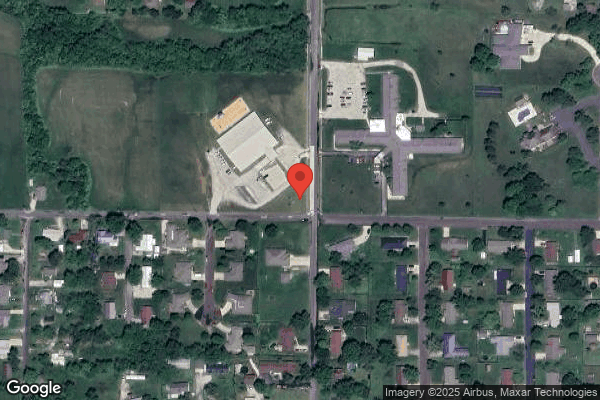
Mar 2023 1 deficiency
CONCERN (E) 📢 Someone Reported This

A family member, employee, or ombudsman was alarmed enough to file a formal complaint

Potential for Harm - no one hurt, but risky conditions existed

Infection Control (Tag F0880)

Could have caused harm · This affected multiple residents

Based on observation, record review, and interview, the facility failed to maintain an infection control program that provided a safe and sanitary environment for all residents related to the Coronavi...

Read full inspector narrative →
Based on observation, record review, and interview, the facility failed to maintain an infection control program that provided a safe and sanitary environment for all residents related to the Coronavirus Disease 2019 (COVID-19, an infectious disease caused by severe acute respiratory syndrome Coronavirus 2 (SARS-CoV-2) when staff failed to wear face coverings properly while working with residents. The facility census was 58. Record review of the CDC website, updated 09/23/2022, showed the following: -When SARS-CoV-2 Community Transmission levels are high, source control (use of well-fitting cloth masks, facemasks, or respirators to cover a person's mouth and nose to prevent spread of respiratory secretions when they are breathing, talking, sneezing, or coughing) is recommended for everyone in a healthcare setting when they are in areas of the healthcare facility where they could encounter patients. Record review of the facility policy, titled Coronavirus Disease (COVID-19)-Infection Prevention and Control Measures, undated, showed the following: -While in the building, personnel are required to strictly adhere to established infection prevention and control policies, including appropriate use of personal protective equipment (PPE-equipment worn to minimize exposure to hazards that cause workplace injuries and illness, such as masks, gowns, and gloves). Record review of the COVID Data Tracker, on the Center for Disease Control and Prevention (CDC) website, showed the facility's county had a high community transmission rate for 2/25/2023 and 3/1/2023. 1. Observations on 2/25/2023, at 9:30 A.M., showed the following: -Licensed Practical Nurse (LPN) C at the medication cart between the nursing station and 200 hall (a resident use area) with his/her mask below his/her nose and mouth; -A Certified Medication Technician came out of a room on 200 hall, walked down the hall to the nursing station at the end of 200 and 300 hall, passing resident occupied rooms, with no mask on; -An unmasked staff member sat in the dining room assisting an unmasked resident with eating with multiple other unmasked residents in the dining room. 2. Record review of Resident #1's face sheet showed the following: -An admission date of 8/5/2020; -Diagnoses included cellulitis (a common and potentially serious bacterial skin infection) of the lower extremities and hypertension (high blood pressure). Record review of the resident's quarterly Minimum Data Set (MDS - a federally mandated assessment tool completed by facility staff), dated 2/21/2023, showed the following: -The resident was moderately cognitively impaired. Record review of the resident's current care plan showed the following: -The resident needed assistance with his/her activities of daily living (ADLs-bathing, grooming, dressing, transferring) and was receiving wound care with interventions in place. Observation on 2/25/2023, at 9:40 A.M., showed the following: -Certified Nursing Assistant (CNA) A exited the resident's room unmasked, and pushed a tray cart down the length of 400 hall. CNA A had been talking in close proximity to the resident while talking with the resident. During an interview on 2/25/2023, at 9:40 A.M., CNA A said he/she lost his/her mask. He/she was not sure about the facility masking policy. Observation on 2/25/2023, at 10:42 A.M., showed the following: -CNA A was in the resident's room with his/her mask below his/her chin, leaving his/her mouth and nose uncovered, while talking to the resident. The resident was unmasked. The CNA was within three feet of the resident. 3. Observation on 3/1/2023, at 11:05 A.M., showed Nursing Assistant (NA) F walked down 400 hall, a resident use area, to the nurses' station with his/her mask below his/her chin, leaving his/her nose and mouth uncovered. 4. Observation on 3/1/2023, at 11:45 A.M., showed an unmasked staff member walked from the dining area, which contained multiple unmasked residents, halfway up 100 hall to a classroom. 5. During an interview on 2/25/2023, at 10:50 A.M., LPN B said staff are to wear masks any time they are in the building, and they should be worn over the mouth and nose. During an interview on 2/25/2023, at 10:55 A.M., LPN C said staff are to wear masks any time they are around residents. It is not appropriate for staff to not be wearing masks. During an interview on 3/1/2023, at 11:30 A.M., CNA D said staff should wear masks any time they are around residents. The masks should always cover the mouth and nose. It is not appropriate to not wear masks. During an interview on 3/1/2023, at 11:40 A.M., CMT E said masks should be worn any time staff are in the building. It is not appropriate to not wear masks while in the building. During an interview on 3/1/2023, at 12:45 P.M., the Director of Nursing and Administrator said they expect staff to wear masks any time they are in the facility, except when they are eating or are in a room by themselves. It is not appropriate for staff to not wear a mask when they are in the building around residents.
Jan 2023 1 deficiency
CONCERN (D) 📢 Someone Reported This

A family member, employee, or ombudsman was alarmed enough to file a formal complaint

Potential for Harm - no one hurt, but risky conditions existed

Report Alleged Abuse (Tag F0609)

Could have caused harm · This affected 1 resident

Based on interviews and record review, the facility failed to ensure all allegations of possible abuse were reported within two hours to the State Survey Agency (Department of Health and Senior Servic...

Read full inspector narrative →
Based on interviews and record review, the facility failed to ensure all allegations of possible abuse were reported within two hours to the State Survey Agency (Department of Health and Senior Services - DHSS) when staff failed to report an allegation from one resident (Resident #1) that a staff members was purposely moving him/her in a way to cause pain. The facility census was 57. Record review of the facility's policy titled, Abuse Investigation and Reporting ,revised July 2017, showed the following: -All reports of resident abuse, neglect, exploitation, misappropriation of resident property, mistreatment and/or injuries of unknown source (abuse) shall be promptly reported to local, state, and federal agencies (as defined by current regulations) and thoroughly investigated by facility management; -An alleged violation of abuse, neglect, exploitation or mistreatment (including injuries of unknown source and misappropriation of resident property) will be reported immediately, but no later than two hours if the alleged violation involves abuse or has resulted in bodily serious bodily injury. 1. Record review of Resident #1's face sheet (admission data) showed the following: -admission date of 7/29/22 and re-admission date of 11/26/22; -Diagnoses included stroke (loss of blood flow to the brain), cognitive communication deficit, Type II diabetes (impairment in the way the body regulates and uses sugar), dysarthria (unclear speech), dysphagia (difficulty in swallowing), and reduced mobility. Record review of the resident's care plan, revised on 12/21/22, showed the following: -Impaired physical mobility; -Assisted with toileting; -The resident has pain. Record review the resident's quarterly Minimum Data Set (MDS - a federally mandated assessment tool completed by facility staff), dated 12/29/22, showed the following: -Cognitively intact; -No behaviors noted; -Total dependency on staff for transfers, bed mobility, dressing, toileting, personal hygiene, and bathing. Record review of Certified Nurse Aide (CNA) F's written statement, dated 11/07/22, said the following: -On 11/07/22, CNA F and CNA G were putting the resident to bed after lunch; -The resident began to cry and said the Social Services Director (SSD) had grabbed the resident's bad arm, not once but twice, after he/she told SSD that he/she was hurting him/her. Record review of CNA G's written statement, dated 11/07/22, said the following: -CNA G and CNA F laid the resident in bed after lunch; -The resident told CNA G and CNA F, that the SSD had pushed his/her arm down and made it hurt, and then raised it high up in the air until it hurt; -The SSD told the resident that he/she wouldn't ever get therapy; -The resident was very upset and crying when talking about the incident. Record review of Registered Nurse (RN) H's written statement, dated 11/07/22, said the following: -He/she was notified by CNA F, that the resident wanted to speak to him/her regarding a complaint against Social Services; -At 4:09 P.M., he/she went to the resident's room to discuss the concerns; -The resident said he/she does not want SSD in his/her room, because SSD always leaves the resident in pain; -The resident said the SSD came to his/her room on 11/07/23, sometime after lunch to notify him/her that he/she would be receiving physical therapy; -During this visit, SSD attempted to perform range of motion exercises movement on left arm by lifting the left arm up and over the resident's head; -The resident voiced to SSD that it was painful and asked SSD to stop; -The resident said the other occurrence was on an unknown day last week, when he/she was sitting in the commons area in his/her wheelchair, with his/her left arm on his/her adaptive arm rest, with his/her left hand contracted in a fist; -The resident said the SSD came over, straightened his/her left fingers, without asking the resident and placed the resident's hand over the adaptive rest.; -The resident said both instances left him/her in pain; -RN H notified the administrator and the corporate nurse. During an interview on 1/17/23, at 3:38 P.M., the resident said the following: -He/she was sitting in the commons area, could not recall the date, or who else was present; -The SSD took his/her left arm, lifted it straight up, pulling it back until it hurt his/her shoulder blade; -SSD then said how can you do therapy when you can't stand the pain. Record review of DHSS records showed the facility did not self-report the allegation of possible abuse. During an interview on 1/18/23, at 2:30 P.M., CNA A said the following: -He/she would report any allegations of abuse to the charge nurse; -Allegations of abuse should be called into the state within two hours. During an interview on 1/18/23, at 2:39 P.M., Certified Medication Tech (CMT) B said the following: -He/she would intervene and tell the charge nurse if he/she witnessed abuse; -Allegations of abuse should be reported to the state within two hours. During an interview on 1/18/23, at 2:55 P.M., CNA C said the following: -He/she would report any alleged allegations of abuse to the charge nurse or administrator; -Allegations of abuse should be called into the state within two hours. During an interview on 1/18/23, at 3:05 P.M., Licensed Practical Nurse (LPN) D said the following: -Staff should report an allegation of abuse to the charge nurse, DON, or administrator immediately; -Staff should notify the state of any allegation of abuse within two hours. During an interview on 1/18/23, at 3:10 P.M., RN E said the following: - The resident reported the allegation involving SSD to the aides; -He/she would notify the DON and administrator immediately if he/she witnessed or was told of a resident being abused; -Staff should notify the state of any allegation of abuse within two hours. During an interview on 1/18/23, at 4:00 P.M. Administrator said the following: -Any staff that witness abuse, or a resident tells staff of abuse, are instructed to report this immediately to the charge nurse, or me and they know I have two hours to report it to the state; -An investigation was completed regarding the resident's allegations of being hurt by the SSD, and he/she did not see it as abuse; -He/she did not notify the state since he/she did not see the incident as abuse; -State should be notified of allegations of abuse or injuries within two hours. MO00212665
Nov 2019 3 deficiencies
CONCERN (D)

Potential for Harm - no one hurt, but risky conditions existed

Resident Rights (Tag F0550)

Could have caused harm · This affected 1 resident

**NOTE- TERMS IN BRACKETS HAVE BEEN EDITED TO PROTECT CONFIDENTIALITY** Based on observation, interview, and record review, the facility failed to ensure staff treated each resident with respect and d...

Read full inspector narrative →
**NOTE- TERMS IN BRACKETS HAVE BEEN EDITED TO PROTECT CONFIDENTIALITY** Based on observation, interview, and record review, the facility failed to ensure staff treated each resident with respect and dignity when staff stood over one resident (Resident #30) while assisting the resident to eat. The facility census was 51. 1. Record review of Resident #30's quarterly Minimum Data Set (MDS - a federally mandated comprehensive assessment tool completed by facility staff), dated 9/17/19, showed the following information: -readmitted to the facility from a hospital on [DATE]; -Diagnoses included dementia, schizoaffective disorder (a chronic mental health condition characterized primarily by symptoms of schizophrenia, such as hallucinations or delusions, and symptoms of a mood disorder, such as mania and depression), anxiety, type diabetes II, dysphagia (difficulty swallowing), paraplegia, and depression; -Total dependence on staff assistance for bed mobility, transfers, dressing, eating, toileting and personal hygiene. Record review of the resident's care plan, last reviewed and updated 9/17/19, showed the following problems and interventions: -Displays socially inappropriate/disruptive behavior, swears, yells things that are socially unacceptable; -Talk with resident in a calm voice when behavior is disruptive and remove from public area when behavior is disruptive and unacceptable; -Potential for weight loss; -Provide diet as ordered; low concentrated sugars (LCS), pureed diet with thin liquids; -Offer an alternative if resident refuses or consumes less than 50% of meal; -Allow enough time to eat; ensure that resident is properly dressed, toileted and in proper position for meals; -Evaluate eating area (room, dining room, appropriate tablemates, etc.); -Encourage to socialize during meal times; -Staff must assist with eating. During observation on 10/26/19, at 12:16 P.M., the Director of Nursing (DON) said to another staff member, She went to get (unknown resident); I will get the other two feeders. Observation on 10/26/19, at 12:27 P.M., in the main dining room showed the DON standing next to the resident. He/she gave the resident bites of pureed mashed potatoes and Salisbury steak. Observation on 10/26/19, at 12:33 P.M., showed the DON continued to stand next to the resident and assist him/her with eating. Observation on 11/4/19, at 12:09 P.M. in the main dining room showed Registered Nurse (RN) C/MDS Coordinator stood over the resident and gave him/her bites of food. The resident sat in a geri-chair (a high back cushioned wheel that reclines) with his/her eyes closed and kept his/her arms and hands on his/her chest and abdomen. During an interview on 11/8/19, at 10:50 A.M., Certified Nurse Aide (CNA) D said staff should sit down and look toward the resident while assisting the resident with eating. Offer the resident alternating bites of food and sips of a beverage, going at the resident's own speed. During an interview on 11/8/19, at 11:00 A.M., Licensed Practical Nurse (LPN) B said staff should sit next to a resident at eye level while assisting them to eat. Staff should not stand up to assist the resident with eating. During an interview on 11/8/19, at 11:05 A.M., the facility Administrator said staff should sit down, not stand, to assist a resident with eating. Staff should be eye to eye with the resident.
CONCERN (D)

Potential for Harm - no one hurt, but risky conditions existed

Medication Errors (Tag F0758)

Could have caused harm · This affected 1 resident

**NOTE- TERMS IN BRACKETS HAVE BEEN EDITED TO PROTECT CONFIDENTIALITY** Based on interview and record review, the facility failed to provide a medication regimen free from unnecessary medication when ...

Read full inspector narrative →
**NOTE- TERMS IN BRACKETS HAVE BEEN EDITED TO PROTECT CONFIDENTIALITY** Based on interview and record review, the facility failed to provide a medication regimen free from unnecessary medication when the facility failed to provide rationale to continue an as needed (PRN) psychotropic (any drug that affects brain activities associated with mental processes and behavior) medication past 14 days for one resident (Resident #30) in a selected sample of 13. The facility census was 51. Record review of the facility's policy titled Antipsychotic Medication Use, dated December 2016, showed the following: -The need to continue PRN orders for psychotropic medications beyond 14 days requires that the practitioner document the rationale for the extended order. -Residents will not receive PRN doses of psychotropic medications unless that medication is necessary to treat a specific condition and is documented in the clinical record. 1. Record review of Resident #30's face sheet (a document that gives a resident's information at a quick glance) showed the following: -admitted on [DATE]; -Diagnoses included dementia (memory loss and other cognitive abilities serious enough to interfere with daily life), anxiety, and schizoaffective disorder ( a mental disorder in which a person experiences a combination of schizophrenia symptoms, such as hallucinations or delusions, and mood disorder symptoms). Record review of the resident's physician order, dated 7/1/19, showed the resident's physician directed staff to administer Ativan (an anti-anxiety medication), 0.5 milligrams (mg), two times daily PRN for six months for anxiety to begin on 7/19/19. Record review of the pharmacist's medication regimen review, dated 7/27/19, showed the following: -Ativan PRN reordered, recheck in 6 months. Record review of the resident's August 2019 medication administration record (MAR) showed the following: -On 8/12/19, staff administered the resident's PRN Ativan one time; -On 8/26/19, staff administered the resident's PRN Ativan one time. Record review of the resident's September 2019 MAR showed the following: -On 9/2/19, staff administered the resident's PRN Ativan one time; -On 9/3/19, staff administered the resident's PRN Ativan one time; -On 9/11/19, staff administered the resident's PRN Ativan one time; -On 9/14/19, staff administered the resident's PRN Ativan one time; -On 9/16/19, staff administered the resident's PRN Ativan one time. Record review of the resident's quarterly Minimum Data Set (MDS), a federally mandated assessment instrument completed by facility staff, dated 9/17/19, showed the following: -Severely impaired cognition; -Received anti-anxiety medication three out of the previous seven days. Record review of the resident's care plan, reviewed date of 9/17/19, showed the following: -At risk for side effects of anti-anxiety medication; -Pharmacy consultant to review medications monthly; -Administer anti-anxiety medications as ordered by the physician. Record review of the resident's September 2019 MAR showed the following: -On 9/22/19, staff administered the resident's PRN Ativan one time; -On 9/26/19, staff administered the resident's PRN Ativan one time; - On 9/29/19, staff administered the resident's PRN Ativan one time. Record review of the resident's October 2019 MAR showed the following: -On 10/1/19, staff administered the residents PRN Ativan one time; -On 10/3/19, staff administered the resident's PRN Ativan one time; -On 10/4/19, staff administered the resident's PRN Ativan one time; -On 10/7/19, staff administered the resident's PRN Ativan one time; -On 10/12/19, staff administered the resident's PRN Ativan two times; -On 10/13/19, staff administered the resident's PRN Ativan one time; -On 10/14/19, staff administered the resident's PRN Ativan one time; -On 10/18/19, staff administered the resident's PRN Ativan one time; -On 10/22/19, staff administered the resident's PRN Ativan one time; -On 10/27/19, staff administered the resident's PRN Ativan one time. Record review of the resident's medical record showed no documentation of the physician's rationale for the continued use of the PRN Ativan. During an interview on 11/8/19, at 8:04 A.M., the Director of Nursing (DON) said the order for PRN Ativan was was continued from a previous order and rationale for the continuation was not obtained from the physician. During an interview on 11/8/19, at 8:17 A.M., Licensed Practical Nurse (LPN) B said the following: -PRN psychotropic medications are ordered for 14 days or less; -The physician should document a rationale if a PRN anti-anxiety medication is extended past the 14 days. During an interview on 11/8/19, at 8:47 A.M., the Director of Nursing (DON) said PRN anti-anxiety medications should have a 14 day end date. If the medication is beneficial to the resident, the physician can extended the order if an end date and rationale of why the medication is being continued is documented in the residents record. The order for the resident's PRN Ativan was continued from a previous order and a rationale for the continuation was not obtained from the physician. She said the pharmacist should track all PRN psychotropic medications and report to the physician. During an interview on 11/8/19, at 8:58 A.M., the Administrator said she would expect the physician to write a rationale if a PRN anti-anxiety medication is extended past 14 days.
CONCERN (E)

Potential for Harm - no one hurt, but risky conditions existed

Food Safety (Tag F0812)

Could have caused harm · This affected multiple residents

Based on observation, interview, and record review the facility failed to ensure potentially hazardous food was maintained at the proper temperature and failed to serve beverages from dry glasses. Thi...

Read full inspector narrative →
Based on observation, interview, and record review the facility failed to ensure potentially hazardous food was maintained at the proper temperature and failed to serve beverages from dry glasses. This could lead to food contamination and potentially affect all residents. The facility census was 51. 1. Record review of the 2013 Food Code, published by the Food and Drug Administration, showed that except for during preparation, cooking, or cooling, control of food temperature shall be maintained at or above 135 degrees Fahrenheit (F) for hot foods, and at or below 41 degrees F for cold foods. Record review of the 2016 facility policy titled Monitoring Food Temperatures for Meal Service, showed the following: -Food temperatures will be monitored daily to prevent food borne illness and ensure foods are served at palatable temperatures; -Prior to serving a meal, food temperatures will be taken and documented for all hot and cold foods to ensure proper serving temperatures. Any food item not found at the correct holding/serving temperature will not be served but will undergo the appropriate corrective action; -The temperature for each food item will be recorded on the Food Temperature Log; -If the serving/holding temperature of a hot food item is not at 135 degrees F or higher when checked prior to meal service, the item will be reheated to at least 165 degrees F for a minimum of fifteen seconds; -If the serving/holding temperature of a cold food item or beverage is not at 41 degrees F or below when checked prior to meal service, the item will be chilled on ice or in the freezer until it reaches 41 degrees F (or less) before service. Record review of the facility's Food Temperature Log, dated September 2019 through November 2019, showed staff did not document food temperatures on the following dates: -Lunch on 11/3/19, 11/4/19, and 11/5/19; -Dinner on 9/5/19, 9/6/19, 9/12/19, 9/15/19, 9/17/19, 9/18/19, 9/22/19, 9/23/19, 9/24/19, 9/27/19, 10/5/19, 10/6/19, 10/9/19, 10/10/19, 10/11/19, 10/12/19, 10/30/19, 11/4/19, and 11/5/19. Observation on 11/06/19, at 11:31 A.M., showed staff placed squash and mechanical soft chicken on steam table and did not test the temperatures. Staff served the squash and mechanical soft chicken to residents. Observation of test tray on 11/06/19, at 12:02 P.M., showed the following: -Milk's temperature was 45 degrees F; -Sweet and sour chicken was 130 degrees F; -Egg roll at 127 degrees F. Observation at 11/06/19, at 12:20 P.M., showed mechanical soft chicken, obtained from steam table, at 112 degrees F. During an interview on 11/07/19, at 2:20 P.M., [NAME] A said he/she tests food temperatures before placing the food in the steam table. He/she tests all textures and all foods, including cold foods. He/she tests and logs. He/she serves meat at 165 degrees or above. Staff should serve milk between 36-40 degrees F. During an interview on 11/08/19, at 9:50 A.M., the Dietary Manager (DM) said she expects staff to test food temperatures before placing food on the steam table and temp and log temperatures before serving. She expects staff to temp all foods including regular texture, mechanical soft texture as well as pureed texture. She expects staff to temp and log cold foods, if served, and/or milk. Meats and vegetables should be at least 160 degrees F to serve out. Staff should serve cold foods under 40 degrees F, including milk. 2. Record review of the 1999 Food Code, issued by the Food and Drug Administration, showed the following: -After cleaning and sanitizing, equipment and utensils shall be air-dried or used after adequate draining before contact with food. - Items must be allowed to drain and to air-dry before being stacked or stored. Stacking wet items such as pans prevents them from drying and may allow an environment where microorganisms can begin to grow. Observation on 11/06/19, at 11:31 A.M., showed staff stacked wet glasses on a wet tray. Staff served beverages in the wet glasses to residents. During an interview on 11/07/19, at 2:20 P.M., [NAME] A said staff should use dry dishes. Staff should only stack and serve from dry glasses. During an interview on 11/08/19, at 9:50 A.M., Dietary Manager (DM) said she expects staff to dry dishes in dish racks before stacking them and to serve from dry dishes.
Understanding Severity Codes (click to expand)
Life-Threatening (Immediate Jeopardy)
J - Isolated K - Pattern L - Widespread
Actual Harm
G - Isolated H - Pattern I - Widespread
Potential for Harm
D - Isolated E - Pattern F - Widespread
No Harm (Minor)
A - Isolated B - Pattern C - Widespread

Questions to Ask on Your Visit

  • "What changes have you made since the serious inspection findings?"
  • "Why is there high staff turnover? How do you retain staff?"
  • "Can I speak with families of current residents?"
  • "What's your RN coverage like on weekends and overnight?"

Our Honest Assessment

Strengths
  • • Licensed and certified facility. Meets minimum state requirements.
Concerns
  • • Multiple safety concerns identified: 2 life-threatening violation(s), 1 harm violation(s), $63,057 in fines, Payment denial on record. Review inspection reports carefully.
  • • 31 deficiencies on record, including 2 critical (life-threatening) violations. These warrant careful review before choosing this facility.
  • • $63,057 in fines. Extremely high, among the most fined facilities in Missouri. Major compliance failures.
  • • Grade F (0/100). Below average facility with significant concerns.
Bottom line: Trust Score of 0/100 indicates significant concerns. Thoroughly evaluate alternatives.

About This Facility

What is Autumn Oaks Caring Center's CMS Rating?

CMS assigns AUTUMN OAKS CARING CENTER an overall rating of 1 out of 5 stars, which is considered much below average nationally. Within Missouri, this rating places the facility higher than 0% of the state's 100 nursing homes. A rating at this level reflects concerns identified through health inspections, staffing assessments, or quality measures that families should carefully consider.

How is Autumn Oaks Caring Center Staffed?

CMS rates AUTUMN OAKS CARING CENTER's staffing level at 2 out of 5 stars, which is below average compared to other nursing homes. Staff turnover is 65%, which is 19 percentage points above the Missouri average of 46%. High turnover can affect care consistency as new staff learn residents' individual needs.

What Have Inspectors Found at Autumn Oaks Caring Center?

State health inspectors documented 31 deficiencies at AUTUMN OAKS CARING CENTER during 2019 to 2025. These included: 2 Immediate Jeopardy (the most serious level, indicating potential for serious harm or death), 1 that caused actual resident harm, 27 with potential for harm, and 1 minor or isolated issues. Immediate Jeopardy findings are rare and represent the most serious regulatory concerns. They require immediate corrective action.

Who Owns and Operates Autumn Oaks Caring Center?

AUTUMN OAKS CARING CENTER is owned by a for-profit company. For-profit facilities operate as businesses with obligations to shareholders or private owners. The facility is operated by CIRCLE B ENTERPRISES, a chain that manages multiple nursing homes. With 120 certified beds and approximately 66 residents (about 55% occupancy), it is a mid-sized facility located in MOUNTAIN GROVE, Missouri.

How Does Autumn Oaks Caring Center Compare to Other Missouri Nursing Homes?

Compared to the 100 nursing homes in Missouri, AUTUMN OAKS CARING CENTER's overall rating (1 stars) is below the state average of 2.5, staff turnover (65%) is significantly higher than the state average of 46%, and health inspection rating (2 stars) is below the national benchmark.

What Should Families Ask When Visiting Autumn Oaks Caring Center?

Based on this facility's data, families visiting should ask: "What changes have been made since the serious inspection findings, and how are you preventing similar issues?" "How do you ensure continuity of care given staff turnover, and what is your staff retention strategy?" "Can you walk me through typical staffing levels on day, evening, and night shifts?" "Can I visit during a mealtime to observe dining assistance and food quality?" These questions are particularly relevant given the facility's Immediate Jeopardy citations, the facility's high staff turnover rate, and the below-average staffing rating.

Is Autumn Oaks Caring Center Safe?

Based on CMS inspection data, AUTUMN OAKS CARING CENTER has documented safety concerns. Inspectors have issued 2 Immediate Jeopardy citations (the most serious violation level indicating risk of serious injury or death). The facility has a 1-star overall rating and ranks #100 of 100 nursing homes in Missouri. Families considering this facility should ask detailed questions about what corrective actions have been taken since these incidents.

Do Nurses at Autumn Oaks Caring Center Stick Around?

Staff turnover at AUTUMN OAKS CARING CENTER is high. At 65%, the facility is 19 percentage points above the Missouri average of 46%. High turnover means new staff may not know residents' individual needs, medications, or preferences. It can also be disorienting for residents, especially those with dementia who rely on familiar faces. Families should ask: What is causing the turnover? What retention programs are in place? How do you ensure care continuity during staff transitions?

Was Autumn Oaks Caring Center Ever Fined?

AUTUMN OAKS CARING CENTER has been fined $63,057 across 2 penalty actions. This is above the Missouri average of $33,709. Fines in this range indicate compliance issues significant enough for CMS to impose meaningful financial consequences. Common causes include delayed correction of deficiencies, repeat violations, or care failures affecting resident safety. Families should ask facility leadership what changes have been made since these penalties.

Is Autumn Oaks Caring Center on Any Federal Watch List?

AUTUMN OAKS CARING CENTER is not on any federal watch list. The most significant is the Special Focus Facility (SFF) program, which identifies the bottom 1% of nursing homes nationally based on persistent, serious quality problems. Not being on this list means the facility has avoided the pattern of deficiencies that triggers enhanced federal oversight. This is a positive indicator, though families should still review the facility's inspection history directly.