ASPIRE SENIOR LIVING NEW FLORENCE
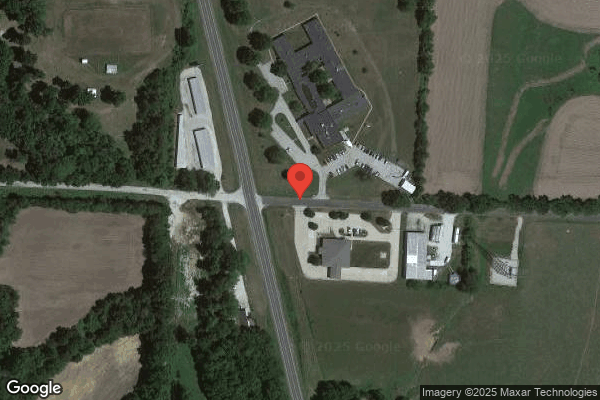

515 PICNIC STREET, NEW FLORENCE, MO 63363 (573) 415-9333
Non profit - Corporation 87 Beds ASPIRE SENIOR LIVING Data: November 2025
Trust Grade
15/100
#328 of 479 in MO
Last Inspection: September 2024

Within standard 12-15 month inspection cycle. Federal law requires annual inspections.

Overview

Aspire Senior Living in New Florence has a Trust Grade of F, indicating significant concerns and a poor reputation among nursing homes. It ranks #328 out of 479 facilities in Missouri, placing it in the bottom half, and #2 out of 3 in Montgomery County, meaning only one local option is better. The facility is reportedly improving, with issues decreasing from 8 in 2024 to 2 in 2025. Staffing is a weak point here, receiving only 1 out of 5 stars, and a turnover rate of 64% is concerning, though they do have good RN coverage, exceeding that of 92% of Missouri facilities. There have been serious incidents, including failures to document wound treatments leading to infections and delays in notifying family members about concerning health changes, both of which highlight the need for better care practices despite some positive trends.

Trust Score
F
15/100
In Missouri
#328/479
Bottom 32%
Safety Record
High Risk
Review needed
Inspections
Getting Better
8 → 2 violations
Staff Stability
⚠ Watch
64% turnover. Above average. Higher turnover means staff may not know residents' routines.
Penalties
○ Average
$28,329 in fines. Higher than 55% of Missouri facilities. Some compliance issues.
Skilled Nurses
⚠ Watch
Each resident gets only 25 minutes of Registered Nurse (RN) attention daily — below average for Missouri. Fewer RN minutes means fewer trained eyes watching for problems.
Violations
⚠ Watch
29 deficiencies on record. Higher than average. Multiple issues found across inspections.
★☆☆☆☆
1.0
Overall Rating
★☆☆☆☆
1.0
Staff Levels
★★☆☆☆
2.0
Care Quality
★★☆☆☆
2.0
Inspection Score
Stable
2024: 8 issues
2025: 2 issues

The Good

  • Full Sprinkler Coverage · Fire safety systems throughout facility
  • No fines on record

Facility shows strength in fire safety.

The Bad

1-Star Overall Rating

Below Missouri average (2.5)

Significant quality concerns identified by CMS

Staff Turnover: 64%

17pts above Missouri avg (46%)

Frequent staff changes - ask about care continuity

Federal Fines: $28,329

Below median ($33,413)

Moderate penalties - review what triggered them

Chain: ASPIRE SENIOR LIVING

Part of a multi-facility chain

Ask about local staffing decisions and management

Staff turnover is elevated (64%)

16 points above Missouri average of 48%

The Ugly 29 deficiencies on record

3 actual harm
Jul 2025 2 deficiencies
CONCERN (E) 📢 Someone Reported This

A family member, employee, or ombudsman was alarmed enough to file a formal complaint

Potential for Harm - no one hurt, but risky conditions existed

Deficiency F0727 (Tag F0727)

Could have caused harm · This affected multiple residents

Based on interview and record review, facility staff failed to provide the services of a Registered Nurse (RN) for at least eight consecutive hours per day, seven days a week. The facility census was ...

Read full inspector narrative →
Based on interview and record review, facility staff failed to provide the services of a Registered Nurse (RN) for at least eight consecutive hours per day, seven days a week. The facility census was 46. 1. Review of the facility's Registered Nurse policy, dated 01/30/25, showed except when waived, the facility must use the services of a registered nurse for at least eight consecutive hours a day, seven days a week. 2. Review of the Facility Assessment, revised 05/15/25, showed the facility is to staff at least one RN at least eight hours per day, seven days a week. 3. Review of the facility's RN Staffing assignments, dated 06/01/25 through 06/30/25, showed staff did not provide the services of an RN for eight consecutive hours per day on 06/11/25, 06/13/25, and 06/22/25. 4. Review of the facility's RN Staffing assignments, dated 07/01/25 through 07/14/25, showed staff did not assign an RN to work on 07/04/25, 07/07/25, 07/12/25, and 07/13/25. 5. During an interview on 07/14/25 at 1:12 P.M., the Staffing Coordinator said he/she is aware of the requirement to have an RN in the facility eight consecutive hours daily, but the facility only has one RN on staff other than the Director of Nursing (DON). He/She said the RN was scheduled off on 07/04/25, 07/07/25, 07/12/25, and 07/13/25, he/she reached out to the DON to cover, but the DON was unable to cover the shifts. During an interview on 07/14/25 at 1:43 P.M., the interim DON said he/she is aware of the requirement to have an RN in the facility eight consecutive hours daily, and the DON should ensure the requirement is met. He/She said he/she assumed the interim DON role on 07/14/25 and was not aware the Staffing Coordinator did not assign an RN to work on 07/04/25, 07/07/25, 07/12/25, and 07/13/25. During an interview on 07/14/25 at 1:52 P.M., the administrator said he/she is aware of the requirement to have an RN in the facility eight consecutive hours daily, the Staffing Coordinator is expected to schedule an RN, and the DON should ensure the requirement is met. He/She said he/she just returned from vacation and was not sure why there was not an RN in the building on 07/04/25, 07/07/25, 07/12/25, and 07/13/25. Intake#1775987
MINOR (C) 📢 Someone Reported This

A family member, employee, or ombudsman was alarmed enough to file a formal complaint

Minor Issue - procedural, no safety impact

Staffing Information (Tag F0732)

Minor procedural issue · This affected most or all residents

Based on observation, interview, and record review, facility staff failed to post the required nurse staffing information to include the facility name, current date, resident census, total number of s...

Read full inspector narrative →
Based on observation, interview, and record review, facility staff failed to post the required nurse staffing information to include the facility name, current date, resident census, total number of staff and the actual hours worked by both licensed and unlicensed nursing staff directly responsible for resident care, per shift, daily. Facility staff failed to keep the required daily staffing records. The facility's census was 46.1. Review of the facility's Nurse Staffing Information policy, dated 01/30/25, showed staff are directed as follows:-Post the following information daily: facility name, current date, the total number and the actual hours worked by the following categories of licensed and unlicensed nursing staff directly responsible for resident care per shift: Registered Nurse (RN), Licensed Practical Nurses (LPN) and Certified Nurse Aides (CNA), and the resident census;-Post the nurse staffing data as specified above daily at the beginning of each shift, in a clear and readable format, and in a prominent place readily accessible to residents and visitors;-Maintain the posted daily nurse staffing data for a minimum of 18 months, or as required by State law, whichever is greater. 2. Review of the facility's Nurse Staffing records on 07/14/25, showed the facility did not contain the daily nurse staffing information for:-May 2025;-June 2025;-07/01/25 through 7/14/25. 3. Observation on 07/14/25 at 9:50 A.M., 10:00 A.M., and 12:45 P.M., showed facility staff did not post the required nurse staffing information in the facility. 4. During an interview on 07/14/25 at 12:48 P.M, the interim Director of Nursing (DON) said the staffing coordinator is responsible to post the daily nurse staffing sheet. During an interview on 07/14/25 at 1:12 P.M., the Staffing Coordinator said he/she was not aware it was his/her responsibility to post the daily nurse staffing sheet and was not familiar with all the information required to be posted. During an interview on 07/14/25 at 1:43 P.M., the interim DON said he/she did not know why the nurse staffing sheet was not posted daily. He/She said the required staffing sheets should be retained for 18 months, and he/she was not sure why there was no record since 05/01/25 when the new company took over. During an interview on 07/14/25 at 1:52 P.M., the administrator said the staffing coordinator is responsible to post the nurse staffing sheet daily, and him/her or the DON to ensure it gets done. He/She said he/she had not realized the nurse staffing sheet was not being done daily. He/She said the records should be maintained for 18 months. Intake# 1775987
Oct 2024 1 deficiency 1 Harm
SERIOUS (G) 📢 Someone Reported This

A family member, employee, or ombudsman was alarmed enough to file a formal complaint

Actual Harm - a resident was hurt due to facility failures

Deficiency F0658 (Tag F0658)

A resident was harmed · This affected 1 resident

See event ID PY0C12. Based on interview, and record review, facility staff failed to maintain professional standards of practice when staff failed to document wound treatments for one resident (Reside...

Read full inspector narrative →
See event ID PY0C12. Based on interview, and record review, facility staff failed to maintain professional standards of practice when staff failed to document wound treatments for one resident (Resident #1), whose wound became infected, out of three sampled residents and failed to perform neurological assessments for one resident (Resident #1) out of three sampled residents after a fall. The facility census was 51.
Sept 2024 6 deficiencies 1 Harm
SERIOUS (G)

Actual Harm - a resident was hurt due to facility failures

Deficiency F0658 (Tag F0658)

A resident was harmed · This affected 1 resident

Based on interview, and record review, facility staff failed to maintain professional standards of practice when staff failed to document wound treatments for one resident (Resident #1), whose wound b...

Read full inspector narrative →
Based on interview, and record review, facility staff failed to maintain professional standards of practice when staff failed to document wound treatments for one resident (Resident #1), whose wound became infected, out of three sampled residents and failed to perform neurological assessments for one resident (Resident #1) out of three sampled residents after a fall. The facility census was 51. 1. Review of the facility's policy titled, Physician Orders, dated 02/2022, showed staff are directed to follow physician's orders. Physician's orders will be entered into the electronic medical record (EMR) as soon as practicable once received from the physician. Orders will be carried out as per the physician. Review of the facility's Fall Risk Reduction policy, dated 10/2011, showed if the fall is un-witnessed and if the resident is not able to definitively validate that he/she did not strike his/her head, implement neurological checks and continue for seventy-two hours. Schedule for Neurological Assessment Following Potential Head injury every fifteen minutes times four, every sixty minutes times four, every four hours times four, every shift for seventy-two hours. Review showed it did not contain direction for staff regarding not performing Neurological Assessments following a potential head injury if the resident is at the end of life. 2. Review of Resident #1's Significant Change in Status Assessment (SCSA) Minimum Data Set (MDS), a federally mandated assessment tool, dated 08/20/24, showed staff assessed the resident as severely cognitively impaired and did not contain documentation of a fall since admission or rejection of care. Review of the podiatrist's orders, dated July 2024, showed: -On 07/17/14: Keep Mepitel dressing (a thin transparent dressing) and Steri-Strip intact on the left great toe, paint incision with Betadine on side of left foot, cover both wounds with plenty of 4x4 gauze to increase padding, cover with rolled gauze and ACE bandage and change bandage every other day. -On 07/22/24: Cleanse the wound on the great toe and left lateral foot with saline or wound cleanser, pat dry, and apply dry dressing daily and as needed, if soiled; Review of the resident's Physician Order Sheet (POS), dated 07/01/2024 to 08/31/2024, showed the POS did not contain: -Orders to keep Mepitel dressing and Steri-strip intact on the left great toe, paint incision with Betadine on side of left foot, cover both wounds with plenty of 4x4 gauze to increase padding, cover with rolled gauze and ACE bandage and change bandage every other day; -Orders to cleanse wound on the great toe and left lateral food with saline or wound cleansers, pat dry, and apply dry dressing daily and as needed, if soiled. Review of the resident's Treatment Administration Record (TAR), dated July 2024, showed: -On 7/13/24: Paint the left foot incision with Betadine daily, cover with a 4x4 gauze, wrap with gauze and ACE wrap daily every evening for surgical wound to left foot. Review showed the TAR did not contain documentation staff provided wound care on 07/14/24, 07/18/24, 07/25/24, and 07/26/24; -Review showed the TAR did not contain contain the podiatrist's orders to cleanse the wound on the great toe and left lateral foot with saline or wound cleanser, pat dry, and apply dry dressing daily and as needed, if soiled. Review of the Podiatrist progress notes, dated 07/31/24, showed he/she placed a call placed to nursing home to discuss why patient presented today without proper bandages and proper wound care. He/She explained that patient was at risk for further amputation due to now infected wounds not being properly cared for in facility. Review of the resident's podiatrist orders, dated 07/31/24, showed an order to Apply Betadine to the incision site and to the great toe wound, apply Aquacel AG (a wound dressing that combines hydrofiber technology with ionic silver to treat wounds), cover both sites with gauze, cover with rolled gauze and ACE bandage daily. Foot is to stay wrapped and covered at all times. Doxcycline Monohydrate (used to treat infections) 100 milligram (mg) by mouth two times a day for ten days. Further review of the resident's Treatment Administration Record (TAR), dated July 2024, showed an order dated 7/31/24 to check the left foot each shift, ensure dressing/ace wrap in place, clean and dry, and change dressing once daily and as needed. The TAR showed it directed staff to do the treatment on an as needed basis and not daily per the podiatrist's orders. Review showed the TAR did not contain documentation staff provided wound care on 07/31/24. Review of the Podiatrist office note, dated 10/23/24, showed the physician documented the resident's wound not bandaged. The wound was infected. Review of the resident's medical record, dated, 08/19/24, showed staff documented the resident had an unwitnessed fall. Review of the resident's neurological Assessment Flow Sheet, dated 08/19/24 through 08/23/24, showed the flow sheet did not contain documentation of neurological assessments or vital signs as directed by the facility's policy, for the dates of 08/19/2024 through 08/23/2024. During an interview on 10/23/24 at 12:03 P.M., LPN A said staff are directed to assess the resident after an unwitnessed fall, or a witnessed fall with head injury, and complete neurological checks for seventy-two hours. The LPN said staff would document the neurological checks on a form. Staff should continue neurological checks even if the resident is towards the end of his/her life. During an interview on 10/25/24 at 1:08 P.M., Licensed Practical Nurse (LPN) A said he/she did not know why the wound care was not completed as ordered. He/She said if a wound care treatment was not completed, staff are too report to the DON. He/She said he/she did not know if the resident's wound became infected, due to the treatments not being completed according to physician orders. During an interview on 10/25/24 at 1:25 P.M., the Director of Nursing (DON) said the resident's family member would take the resident to his/her appointments without informing staff, so staff may not have known to ask if there were new orders from the Podiatrist. He/She did not know who or why the sutures were removed and would need to look in to it. Staff are directed to assess the resident, ensure resident safety, notify the physician, family and himself/herself after a fall. The DON said if the fall is unwitnessed, or a witnessed fall with head injury, staff are directed to perform neurological checks for seventy-two hours. The hospice nurse was in the resident's room from the hours of 7:15 P.M. through 11:15 P.M. on 08/19/24, so staff did not perform neurological checks. The resident's daughter signed a comfort measure form, so staff did not conduct a neurological assessment from 11:00 P.M. to 7:00 A.M. on 08/20/24 through 08/23/24. During an interview on 10/25/24 at 1:26 P.M., the administrator said the resident's family member took the resident to his/her doctor appointments and he/she did not know if the family member provided staff with any new orders. He/She said staff may not have known the resident went to a podiatrist appointment if the residents family member did not tell facility staff. If a resident had a unwitnessed fall, or witnessed fall with head injury, staff are directed to ensure resident safety, conduct an assessment, notify the physician, family, and DON, and start and neurological and vital checks to be completed for seventy-two hours. Staff are educated to follow fall protocol. The staff did not complete neurological checks during the hours of 7:15 P.M. through 11:15 P.M. on 08/19/24, since the hospice nurse was with the resident. The staff did not perform neurological checks from 11:00 P.M. to 7:00 A.M. on 08/20/24 through 08/23/24 because of the resident's state of medical condition it was the towards the end of his/her life. 4. During an interview on 10/25/24 at 1:08 P.M., LPN A said nurses are responsible to update physician orders as soon as received. The LPN said staff are expected to follow the prescribed orders and should document completed treatments on the TARS. The LPN said if a treatment is missing from the TAR it should be reported to the DON. LPN A said The DON was responsible for ensuring orders are transcribed accurately. During an interview on 10/25/24 at 1:25 P.M., the DON said the charge nurse is responsible for contacting the physician to obtain a verbal order or the wound care nurse should document the orders in the wound care book. The DON said the nurses are responsible for transcribing orders in the residents' medical records. The DON said if staff questioned the orders, they would need to clarify with the physician or other provider. There is no auditing system in place to ensure the orders are transcribed accurately in the resident's medical record. If staff did not follow wound care orders, there is the potential a wound could become infected. He/She said he/she did notice staff did document providing treatments on the TAR. He/She said he/she had not had an opportunity to review why there were undocumented treatments, so he/she did have a reason why. He/She said staff have to select to add the order to the TAR or the order will not transfer over to the TAR. He/She said During an interview on 10/25/24 at 1:26 P.M., the administrator said the nurse would get the orders from the wound care nurse, or physician, based on what was observed. He/She said the orders are transcribed by the nurse into the resident's medical record. He/She said if the nurse had questions about the orders, he/she would clarify with the nurse practitioner or the physician. He/She said there was no audit in place to ensure the orders were transcribed accurately into the resident's medical record. He/She said the staff were expected to double check the information being entered for accuracy. He/She said when a resident goes to an appointment outside the facility, they do have communication with the physician. He/She said the resident, family member, or attendant were given paperwork to give to the physician's office, which included, the facility fax number to fax over new physician orders. He/She said if staff did not follow wound care orders, there was a potential to cause an infection in the wound. MO00243904
CONCERN (E)

Potential for Harm - no one hurt, but risky conditions existed

Deficiency F0568 (Tag F0568)

Could have caused harm · This affected multiple residents

Based on record review and interview, facility staff failed to maintain an accurate accounting system for resident fund bank statement matched the reconciliation for March 2024 to July 2024, and faile...

Read full inspector narrative →
Based on record review and interview, facility staff failed to maintain an accurate accounting system for resident fund bank statement matched the reconciliation for March 2024 to July 2024, and failed to provide quarterly bank statements to the residents. The facility held funds for 25 residents. The facility census was 54. 1. Review of the facility's policy titled Resident Trust Fund, undated, showed: -Upon written request of the resident or responsible party, the facility must hold, safeguard, manage, and account for the resident's personal funds through the Resident Trust Fund; -Transactions are to be entered daily or as they occur so that the balance for each resident can be accessed at anytime during the day; -Resident statements will be sent out quarterly. 2. Review of the facility's bank statements, dated March 2024 through July 2024, showed the statements did not contain monthly reconciliation. 3. Review of the facility's bank statements, dated 09/06/24, showed the facility bank statements showed they did not contain first quarter bank statements. 4. During an interview on 09/05/24 at 4:53 P.M., the administrator said the facility's accounting records have not been getting reconciled monthly and residents have not been getting their quarterly bank statements since the former BOM retired in February 2024. The administrator said no quarterly statements have been sent out in 2024. The administrator said the Corporate Accounts Receivable (AR) is responsible to reconcile the accounts, and the Corporate BOM is responsible to complete and email the quarterly statements to him/her for distribution. The administrator said he/she has not gotten quarterly statements to distribute this year but did contact corporate to ask for them. During an interview on 09/06/24 at 12:00 P.M., the Corporate AR said the Corporate BOM is responsible to send the quarterly statements to the Administrator for distribution. The Corporate AR said he/she is not sure if the statements had been sent or not for this year. The Corporate AR said accounts should be reconciled monthly but he/she said due to the transition it did not happen as it should have said the ball got dropped. The Corporate AR said he/she reconciled the accounts this week and sent them to the Administrator as he/she completed them. During an interview on 09/06/24 at 12:45 P.M., the Corporate BOM said he/she is responsible to complete the quarterly bank statements and email the statements to the administrator to distribute to the resident or their responsible party. The Corporate BOM said he/she took this role about a month ago and he/she sent the second quarter statements to the Administrator today. The Corporate BOM said he/she is not sure if the first quarter statements were sent or not because he/she had not been responsible for them at that time. The Corporate BOM said it took him/her extra time to send the second quarterly statements because he/she had to sort the information out. The Corporate BOM said the statements sent today were late and should have been sent in July.
CONCERN (E)

Potential for Harm - no one hurt, but risky conditions existed

Deficiency F0569 (Tag F0569)

Could have caused harm · This affected multiple residents

Based on record review and interview, facility staff failed to provide refunds of personal funds to residents from the facility operating account within 30 days for six residents (Resident #212, #209,...

Read full inspector narrative →
Based on record review and interview, facility staff failed to provide refunds of personal funds to residents from the facility operating account within 30 days for six residents (Resident #212, #209, #211, #207, #208, and #210) who were discharged from the facility. The facility census was 54. 1. Review of the facility's policy titled Resident Trust Fund, undated, showed upon written request of the resident (or responsible party), the facility must hold, safeguard, manage, and account for the resident's personal funds. 2. Review of the facility's-maintained Account Receivable Aging report, dated 09/05/24, showed resident's with personal funds held in the facility operating account: -Resident #212 had a balance of $5671.11 with a discharge date of 06/24/23. -Resident #209 had a balance of $78.80 with a discharge date of 10/15/23; -Resident #211 had a balance of $3126.00 with a discharge date of 03/15/24; -Resident #207 had a balance of $6922.04 with a discharge date of 03/21/24; -Resident #208 had a balance of $630.00 with a discharge date of 04/28/24; -Resident #210 had a balance of $5604.00 with a discharge date of 06/02/24; During an interview on 09/04/24 at 2:10 P.M., the administrator said the former Business Office Manager (BOM) retired in February of this year and the facility has not had a BOM since. The administrator said corporate is responsible to complete bank reconciliations and any Aging Reports. During an interview on 09/05/24 at 2:38 P.M., the administrator said he/she did not know the facility still held funds for the discharged residents. The administrator said he/she did not know why residents who were no longer at the facility had an outstanding balance because the corporate team took on this responsibility after the previous BOM retired. The administrator said corporate is responsible to file the proper paperwork and ensure the discharged resident's money is returned. During an interview on 09/06/24 at 12:00 P.M., the Corporate Accounts Receivable (AR) said he/she is responsible for reviewing the AR report. The Corporate AR said the AR report should be reviewed monthly for outstanding balances and credits. He/She said this had not been done due to the transition from the previous BOM to the corporate team. The corporate AR said any outstanding balances and credits should be investigated, and after it is investigated the money should be refunded within 30 days. The corporate AR said he/she is currently working on refunding the outstanding balances and said the ball got dropped.
CONCERN (E)

Potential for Harm - no one hurt, but risky conditions existed

Abuse Prevention Policies (Tag F0607)

Could have caused harm · This affected multiple residents

Based on interview and record review, facility staff failed to complete pre-employment screenings Criminal Background Check (CBC), Employee Disqualification List (EDL) verification, Family Care Safety...

Read full inspector narrative →
Based on interview and record review, facility staff failed to complete pre-employment screenings Criminal Background Check (CBC), Employee Disqualification List (EDL) verification, Family Care Safety Registry (FCSR), and Certified Nursing Aide (CNA) Registry for six employees (Housekeeper N, Dietary Aide (DA) K, Licensed Practical Nurse (LPN) D, CNA J, DA L, and CNA I) of 10 employees sampled. The facility census was 54. 1. Review of the facility's policy titled Recruitment and Hiring, revised March 2024, showed: -The facility will follow all state and federal laws regarding hiring practices; -The Human Resources (HR) department will process all pre-hire screenings within one or two business days of receiving documentation from the hiring manager; -CBC; -EDL verification; -FCSR verification; -Verify all license and certification; -Review showed the policy did not contain direction for staff in regard to checking the CNA registry. 2. Review of Housekeeper N's personnel file showed: -Date of hire 04/26/23; -Did not contain documentation of a CNA registry verification. Review of the housekeeper's timecard showed his/her first day worked as 05/01/23. 3. Review of DA K's personnel file showed: -Date of hire 07/10/23; -Did not contain documentation of a CNA registry verification. Review of the DA's timecard showed his/her first day worked as 07/13/23. 4. Review of LPN D's personnel file showed: -Date of hire 07/08/24; -Did not contain documentation of a FCSR, EDL or CNA registry verification. Review of the LPN's timecard showed his/her first day worked as 07/08/24. 5. Review of CNA J's personnel file showed: -Date of hire 08/07/24; -Did not contain documentation of a CNA registry verification. Review of the CNA's timecard showed his/her first day worked as 08/07/24. 6. Review of DA L's personnel file showed: -Date of hire 08/07/24; -Did not contain documentation of a CNA registry verification. Review of the DA's timecard showed his/her first day worked as 08/09/24. 7. Review of CNA I's personnel file showed: -Date of hire 08/14/24; -Did not contain documentation of a FCSR, EDL or CNA registry verification, Review of the CNA's timecard showed his/her first day worked as 08/14/24. 8. During an interview on 09/04/24 at 10:12 A.M., the administrator said the former Business Office Manager (BOM) had been responsible to complete the pre-employment screenings for new hires. The administrator said the former facility BOM retired in February, and the facility has not had a BOM since. The administrator said after the facility BOM retired the corporate HR is responsible to complete the pre-employment screenings. During an interview on 09/06/24 at 12:18 P.M., the Administrator said he/she did not know the screenings had not been completed and did not know why they had not been completed. The Administrator said the corporate HR person is new and had only been with the company for one month.
CONCERN (E)

Potential for Harm - no one hurt, but risky conditions existed

Comprehensive Care Plan (Tag F0656)

Could have caused harm · This affected multiple residents

**NOTE- TERMS IN BRACKETS HAVE BEEN EDITED TO PROTECT CONFIDENTIALITY** Based on observation, interview, and record review, facility staff failed to develop and implement a comprehensive person-center...

Read full inspector narrative →
**NOTE- TERMS IN BRACKETS HAVE BEEN EDITED TO PROTECT CONFIDENTIALITY** Based on observation, interview, and record review, facility staff failed to develop and implement a comprehensive person-centered care plan for four residents (Resident #5, #31, #44, and #48) out of 15 sampled residents. The facility census was 54. 1. Review of the facility's policy titled Comprehensive Care Plans Policy and Procedure, revised [DATE], showed: -The comprehensive care plan contents include areas identified through the Minimum Data Set (MDS) (a federally mandated assessment tool) process, the resident's medical condition, and other risk or problem areas identified through assessment; -Care plan is to be updated quarterly and as needed to reflect the resident's current needs, goals, and interventions. 2. Review of Resident #5's Significant Change MDS, dated [DATE], showed staff assessed the resident as: -Cognition impairment; -Received hospice services. Review of the resident's Physician Order Sheet (POS), dated [DATE], showed an order for hospice services with a start date of [DATE]. Review of the resident's care plan, revised [DATE], showed the care plan did not contain direction for hospice services. Observation on [DATE] at 12:40 P.M., showed hospice staff visited the resident. 3. Review of Resident #31's Quarterly MDS, dated [DATE], showed staff assessed the resident as cognitively intact. Review of the resident's POS, dated [DATE], showed an order for staff not to perform Cardiopulmonary Resuscitation (CPR) with a start date of [DATE]. Review of the resident's care plan, revised [DATE], showed staff documented the resident as both a full code (to perform CPR) and to not perform CPR. 4. Review of Resident #44's Significant Change MDS, dated [DATE], showed staff assessed the resident as: -Severe cognitive impairment; -Had pressure ulcers. Review of the resident's POS, dated [DATE], showed an order for moon boots (pressure relief boot) to be on at all times except while bathing. Review of the resident's care plan, revised [DATE], showed the care plan did not contain direction for moon boots. Observation on [DATE] at 8:00 A.M., showed the resident in bed and did not have moon boots on his/her feet. Observation on [DATE] at 6:00 A.M., showed the resident in bed and did not have moon boots on his/her feet. Observation on [DATE] at 8:50 A.M., showed the resident in bed and Licensed Practical Nurse (LPN) A performed a skin treatment to both of the resident's heels and did not put the resident's moon boots on him/her. During an interview on [DATE] at 1:13 P.M., LPN A said he/she knows the resident has orders for moon boots but he/she forgot to put the boots on the resident. Observation on [DATE] at 9:10 A.M., showed the resident in bed and did not have moon boots on his/her feet. 5. Review of Resident #48's admission MDS, dated [DATE], showed staff assessed the resident as: -Severe cognitive impairment; -Had behaviors; -Received hospice services. Review of the resident's POS, dated [DATE], showed orders on: -[DATE] for Hospice Services; -[DATE] for Wander guard, check placement each shift. Review of the resident's elopement assessment, dated [DATE], showed staff assessed the resident as an elopement risk. Review of the resident's nurse's notes, dated [DATE], showed LPN C documented the resident's family member expressed concerns about the resident wandering because the resident had previously eloped from a different facility. LPN C documented he/she contacted the resident's physician and obtained orders for a wander guard. Review of the resident's weights showed showed staff documented: -[DATE]: 130.0 pounds (lbs); -[DATE]: 126.4 lbs; -[DATE]: 120.6 lbs; -[DATE]: 118.2 lbs. Review of the resident's care plan, revised [DATE], showed it did not contain direction for staff in regard to the resident's cognitive status, elopement risk, wandering, wander guard placement, weight loss, or hospice services. Observation on [DATE] at 5:00 P.M., showed the resident wandered the dining room in his/her wheelchair. Observation on [DATE] at 6:45 A.M., showed the resident ambulated in the hall and wandered into another resident's room. Observation on [DATE] at 7:25 A.M., showed the resident ambulated with staff to the assisted table in the dining room. Observation showed the resident stood up and wandered away. CNA F assisted the resident back to the table and sat him/her down. Observation showed CNA F walked away and the resident stood up and wandered away from the table through the dining room. Observation showed CNA F assisted the resident back to the table and sat him/her down. Observation showed CNA G assisted the resident to drink his/her juice. Observation on [DATE] at 9:35 A.M., showed the resident hollered out incoherently. During an interview on [DATE] at 6:40 A.M., LPN B said the resident wanders in his/her wheelchair or ambulates through the facility. LPN B said the resident has attempted to go out the door and wears a wander guard. During an interview on [DATE] at 9:10 A.M., the administrator said the resident receives hospice care. 6. During an interview on [DATE] at 8:45 A.M., the MDS Coordinator said he/she is responsible to update all care plans and he/she started at the facility about a week ago, is still in orientation. The MDS Coordinator had not reviewed all the resident's care plans. The MDS Coordinator said care plans should be updated quarterly and as needed with any changes. The MDS Coordinator said he/she receives changes in resident conditions each morning at the facility meeting. The MDS Coordinator said the DON talks to the charge nurse prior to the meeting and brings any concerns or changes to the meeting. The MDS Coordinator said he/she updates the care plans as needed after each meeting. The MDS Coordinator said a care plan's purpose is to drive the resident's care needs and direct staff on how to care for a resident. He/She said care plans should be individualized and match the resident's POS. The MDS Coordinator said a care plan should contain things such as moon boots, code status, wandering, elopement risk, hospice services, cognitive level, the amount of assistance a resident requires, behaviors, special equipment used, skin interventions, and weight loss. During an interview on [DATE] at 11:18 A.M., LPN B said he/she has access to the resident care plans. LPN B said the purpose of a care plan is to show staff how to care for a resident and any special devices they need. LPN B said a care plan should be individualized and match the POS. LPN B said he/she would expect a care plan to have weight loss interventions, skin interventions, any special devices a resident uses, code status, cognitive level, wandering, elopement risk, behaviors, and the amount of care a resident requires. During an interview on [DATE] at 11:24 A.M., CNA I said he/she has access to the care plans. The care plan is what shows staff how to care for a resident. During an interview on [DATE] at 12:30 P.M., the DON said the MDS Coordinator is responsible to update the care plans. The DON said the prior MDS Coordinator walked out two weeks ago, and had not answered her phone since. The DON said the care plan should be individualized and match the POS. The DON said the purpose of a care plan is to let staff know how to take care of a resident, to show a resident's preferred choices, and interest. The DON said he/she would expect the care plan to have things such as how much assistance a resident needs, how the resident transfers, code status, weight loss, moon boots, elopement risk, wandering, any behaviors, cognitive level, and any special equipment such as a wander guard. The DON said he/she talks to the charge nurse each morning then takes any changes or issues to the morning meeting to be discussed. The DON said the MDS Coordinator attends the meeting and will update the care plan if needed after it. The DON said the care plan should be updated quarterly and as needed with any changes. The DON said each quarter the care plan team meets with the resident and/or family and go over the care plan to ensure it is updated correctly.
CONCERN (F)

Potential for Harm - no one hurt, but risky conditions existed

Infection Control (Tag F0880)

Could have caused harm · This affected most or all residents

Based on observation, interview and record review, facility staff failed to follow applicable laws and regulations when the staff failed to screen four staff (Licensed Practical Nurse (LPN) D, Certifi...

Read full inspector narrative →
Based on observation, interview and record review, facility staff failed to follow applicable laws and regulations when the staff failed to screen four staff (Licensed Practical Nurse (LPN) D, Certified Nurse Assistant (CNA) J, Dietary Aide (DA) L, and DA M) of 10 staff sampled for Tuberculosis ((TB) a bacterial infection that affects the lungs). The facility staff failed to ensure dietary staff performed hand hygiene as often as necessary using approve techniques to prevent cross-contamination. The facility census was 54. 1. Review of the facility's policy titled TB Testing and Screening-Employee, revised December 2010 showed: -All employees and volunteers of eight or more hours per month will receive a Mantoux two-step test, a skin test that can help determine if someone has TB; -Employees and volunteers will received the first step TB test prior to resident contact. 2. Review of LPN D's personnel file showed: -First step TB placed 07/05/24 and read 07/08/24; -The file did not contain a second step TB test. Review of LPN D's time card showed his/her first day worked as 07/08/24. 3. Review of CNA J's personnel file showed: -First step TB placed 08/07/24 and read 08/09/24; -The file did not contain a second step TB test. Review of CNA J's time card showed his/her first day worked as 08/07/24. 4. Review of DA L's personnel file showed: -First step TB placed 08/07/24 and read 08/09/24; -The file did not contain a second step TB test. Review of DA L's time card showed his/her first day worked as 08/09/24. 5. Review of DA M's personnel file showed: -First step TB placed on 05/24/24 and read on 05/27/24; -Second step TB placed on 06/07/24 and read on 06/10/24. Review of DA M's time card showed his/her first day worked as 05/20/24. During an interview on 09/04/24 at 10:12 A.M., the administrator said the former Minimum Data Set (MDS) nurse had been responsible to complete and monitor employee TB tests. The administrator said he/she hired a new MDS nurse this week who will be responsible for completing TB tests after he/she finishes orientation. The administrator said he/she has not asked the new MDS nurse to start the TB testing yet as he/she is new. The administrator said he/she did not know new hire TB tests were not completed timely and he/she did not know why as the staff member responsible for completing them quit two weeks ago and will not respond to phone calls. During an interview on 09/06/24 at 11:03 A.M., the MDS nurse said he/she started at the facility this week and had not been instructed to complete the employee TB screenings. 6. Review of the facility's Glove and Hand Washing Procedures policy, dated 2011, showed: -All employees will use proper hand washing procedures and glove usage in accordance with state and federal sanitation guidelines; -All employees will wash hands upon entering the kitchen from any other location, after all breaks, and between all tasks. Hand washing should occur at a minimum of every hour; -Employees will wash hands before and after handling foods, after touching any part of the uniform, face, or hair, and before and after working with an individual residents; -Hands are washed before donning gloves and after removing gloves; -Gloves are changed any time hand washing would be required. This includes when leaving the kitchen for a break, or go to another location in the building; after handling potentially hazardous raw food; or if the gloves become contaminated by touching the face, hair, uniform, or other non-food contact surfaces, such as door handles and equipment; -Staff should be reminded that gloves become contaminated just as hands do, and should be changed often. When in doubt, remove gloves and wash hands again; -When gloves must be changes, they are removed, hand washing procedure is followed, and a new pair of gloves is applied. Gloves are never placed on dirty hands; the procedures is always wash, glove, remove, rewash, and re-glove; -The proper procedure for washing hands is as follows: a. Turn on the water as hot as comfortable; b. Wet hands and apply soap; c. Scrub hands with soap 15 to 20 seconds or more; d. Rinse hands thoroughly; e. Dry hands with a paper towel or air dryer; f. Turn off the faucet with a paper towel. Observation on 09/05/24 at 9:44 A.M., showed [NAME] P entered the kitchen and washed his/her hands as the handwashing sink. Observation showed the cook scrubbed his/her hands with soap for two seconds when he/she washed his/her hands and then turned the faucet off with his/her bare hands. Observation showed the cook then continued to prepare zucchini for service to residents at the lunch meal. Observation on 09/05/24 at 9:58 A.M., showed DA Q entered the kitchen and washed his/her hands at handwashing sink. Observation showed the DA scrubbed his/her hands with soap under running water when he/she washed his/her hands. Observation on 09/05/24 at 10:05 A.M., showed, when DA R washed his/her hands at the handwashing sink, the DA used paper towels to turn off the faucet and then used the same paper towels to dry his/her hands. Observation on 09/05/24 at 10:11 A.M., showed DA R entered the kitchen from taking out trash and washed his/her hands at the handwashing sink in mechanical dishwashing station. Observation showed, after the DA washed his/her hands, he/she dried his/her hands with paper towels, used the same paper towels to turn off the faucet and then reused the same paper towels to continue to dry his/her hands. During an interview on 09/05/24 at 10:12 A.M., DA R said a paper towel is used to turn off the faucet so you do not get your hands dirty again. The DA said he/she did not think about that when he/she used the same paper towel he/she used to turn off the faucet to dry his/her hands that he/shed would make his/her hands dirty again. Observation on 09/05/24 at 10:30 A.M., showed when DA S washed his/her hands at the handwashing sink, the DA scrubbed his/her hands with soap for three seconds. Observation showed the DA also turned the faucet off with a paper towel and then used same paper towel to dry his/her hands. During an interview on 09/05/24 at 10:31 A.M., DA S said a paper towel is used to turn off the faucet so you do not make your hands dirty again. The DA said different paper towels should be used to turn off the faucet and dry hands, but he/she just did not think about it when he/she used the same paper towels. The DA also said, when staff wash their hands, they should scrub their hands with soap for three minutes and he/she did not know why he/she did not do so. Observation on 09/05/24 at 10:34 A.M., showed DA Q washed his/her hands at the handwashing sink, the DA spread soap on his/her hands and then scrubbed his/her hands with soap under running water. During an interview on 09/05/24 at 10:36 A.M., DA Q said staff should scrub their hands with soap for 15 seconds out of the water when they wash their hands and he/she did not realize that he/she did not do so. Observation on 09/05/24 at 10:45 A.M., showed [NAME] P used the manual can opener to open a can of pasta sauce with gloved hands and poured the sauce into a pan. Observation showed the cook removed his/her soiled gloves and then, without performing hand hygiene, donned new gloves and put away sanitized dishes from the mechanical dishwashing station. Observation showed the cook then loaded soiled dishes with gloved hands, removed his/her soiled gloves and washed his/her hands at the handwashing sink in the mechanical dishwashing station. Observation showed, when the cook washed his/her hands, the cook spread soap on his/her hands and then scrubbed his/her hands under running water. Observation showed the cook donned new gloves and then continued to prepare food items for service to residents at the lunch meal. Observation showed the cook put pot holders on over his/her gloves, removed the pot holders and then continued to prepare food items with the same gloved hands. Observation showed the cook then removed his/her soiled gloves and, without performing hand hygiene, put away sanitized dishes from the clean side of the mechanical dishwashing station. During an interview on 09/05/24 at 10:55 A.M., [NAME] P said staff should wash their hands when they get dirty. The cook said staff should scrub their hands with soap for 15 seconds when they wash their hands, turn the faucet off with a paper towel and use a different paper towel to dry their hands. The cook said he/she did not know why he/she used the same paper towels to that he/she used to turn off the faucet to dry his/her hands other than he/she was in a hurry. The cook said he/she did not know that he/she needed to scrub his/her hands with soap out of the water when he/she washed his/her hands or that hand hygiene should be done between glove changes. During an interview on 09/05/23 at 2:18 P.M., the Certified Dietary Manager (CDM) said staff should perform hand hygiene when they enter the kitchen, before they prepare food, between glove changes, between tasks and after they touch anything dirty. The CDM said staff should scrub their hands with soap for 15 seconds, out of the water, and turn the faucet off with a paper towel when they wash their hands. The administrator said staff should not dry their hands with the same paper towel used to turn off the faucet because it would recontaminate their hands. The CDM said all staff are trained on proper hand hygiene procedures upon hire and as needed. During an interview on 09/06/24 at 1:25 P.M., the administrator staff should perform hand hygiene when the enter the kitchen, after they touch anything dirty, after glove use and between tasks. The administrator said staff should scrub their hands with soap for 20 to 40 seconds, out of the water, and turn the faucet off with a paper towel when they wash their hands. The administrator said staff should not dry their hands with the same paper towel used to turn off the faucet and all staff are trained on proper hand hygiene procedures upon hire.
Mar 2024 1 deficiency 1 Harm
SERIOUS (G) 📢 Someone Reported This

A family member, employee, or ombudsman was alarmed enough to file a formal complaint

Actual Harm - a resident was hurt due to facility failures

Notification of Changes (Tag F0580)

A resident was harmed · This affected 1 resident

Based on interview and record review, facility staff failed to notify one resident's (Resident #1) family and physician in a timely manner when staff identified the residents second and third toes on ...

Read full inspector narrative →
Based on interview and record review, facility staff failed to notify one resident's (Resident #1) family and physician in a timely manner when staff identified the residents second and third toes on his/her right foot swollen, red, white, macerated, draining serosanguinous fluid (contains or relates to both blood and the liquid part of blood (serum) which resulted in the resident being sent to the hospital and his/her second right toe amputated. The facility census was 50. 1. Review of the facility policy change of condition, revised February 2019, showed staff are directed to observe, record, and report any condition change to the attending physician to ensure proper treatment will be implemented. Review showed staff are directed to notify the resident's responsible party. 2. Review of Resident #1's Minimum Data Set (MDS), a federally mandated assessment instrument, dated 12/27/23, showed staff assessed the resident's diagnoses included peripheral vascular disease (a circulatory condition in which narrowed blood vessels reduce blood flow to the limbs), cellulitis (infection of the deep tissues of the skin and muscle) of the right lower limb, diabetes mellitus (group of diseases that result in too much sugar in the blood), diabetic neuropathy, and dementia. Review of the resident's plan of care, updated 1/17/24, showed staff assessed the resident with impaired skin integrity due to history of rashes and sores on feet and toes. Review showed staff identified the resident diagnosed with diabetes mellitus. Review showed staff documented interventions to monitor, document, and report as needed any signs and symptoms of infection to any open areas, redness, pain, heat, swelling or pus formation. Review showed staff are to check the residents skin for breaks and treat promptly as ordered by doctor. Review of the resident's nurses notes, dated 2/22/24 at 6:26 A.M., showed staff documented the resident with a blister like reddened are on his/her right foot great toe. Review showed staff covered the area with a dressing. Review of the resident's nurses notes, late entry for 2/25/24 at 6:45 A.M., created 2/28/24 at 2:38 P.M., showed Licesned Practical Nurse (LPN) C documented the resident's right foot second toe red and swollen. Review showed LPN C documented he/she reported to the day shift nurse to consult physicain with condition and addtitional orders. Review of the resident's nurses notes, late entry for 2/25/24 at 2:58 P.M., created 2/28/24 at 3:04 P.M., showed LPN A documented the resident right foot toes blisters opened, foul odor, and purulent (containing or producing pus) drainage present. Review showed the nurses note did not contain documentation staff notified the doctor or family of the change in condition. Review of the resident's nurses notes, dated 2/28/24 at 4:29 P.M., showed LPN C documented the residents second and third toes on right foot swollen, red, white, macerated, draining serosanguinous fluid and very foul odor. Review showed LPN C documented the bulb of toes completely open and macerated (the softening and breaking down of skin). Review showed the wound nurse consulted and advised to send the resident to the emergency room for evaluation and rule out osteomyelitis (an inflammation or swelling of bone tissue that is usually the result of an infection). Review of the resident's emegency room paperwork, dated 2/28/24 showed hospital staff documented primary diagnosis as Type 2 diabetes mellitus with diabetic foot infection with redness, swelling, and drainage noted to right 2nd toe. Review of the hospital medical records, dated 2/29/24 through 03/02/24, showed staff documented an impression of cellulitis around the foot particularly around the 2nd and 3rd toes, ulceration along the distal aspect and plantar aspect of the 2nd toe, and necrotic (the death of body tissue) tissue on the 2nd toe with probable osteomyelitis and septic arthritis. Review showed hospital staff documened the final diagnoses included type 2 diabetes mellitus with foot ulcer, type 2 diabetes with diabetic peripheral angioplasty (disease of the blood vessels) with gangrene (death of body tissue due to a lack of blood flow or a serious bacterial infection), other acute osteomyelitis of the right ankle and foot, gangrene and cellulitis of the right toe. Review showed the operation notes, dated 3/2/24, amputation of the second toe of the right foot and debridement (removal) of necrotic wounds on the third toe of the right foot. During an interview on 3/11/24 at 10:45 A.M., LPN A said he/she observed foul, purulent-looking drainage on 2/25/24, and he/she noticed blisters on the resident's three toes on the right foot had popped and were draining. LPN A said he/sh planned on calling the doctor but got busy and forgot. During an interview on 3/11/24 at 2:17 P.M., the Director of Nursing (DON) said he/she is not aware of staff calling the residents doctor after LPN A observed the residents toes on 2/25/24 until 2/28/24. During a telephone interview on 3/12/24 at 9:48 A.M., the resident's family member said when the resident went to the hospital on 2/28/24, hospital staff found the resident had a staph infection in his toes and removed the 2nd toe on his/her right foot. During a telephone interview on 3/12/24 at 12:29 P.M., LPN C said he/she worked the overnight shift from 2/24/24 to 2/25/24. LPN C said when he/she observed the resident's foot at 5:00 A.M. on 2/25/24 the 2nd toe on the right foot was red, angry, and swollen. LPN C said he/she told the day shift nurse to call the doctor about the toe and get an order. LPN C said on 2/25/24, the 2nd toe appeared like it needed a treatment order from a physician. LPN C said when he/she removed the resident's right sock on 2/28/24, the right sock had drainage saturated on it which smelled terrible, the whole top of the foot was red, the pads on the bottom of the 2nd and 3rd toe were visibly open, and both toes were dripping serosanguinous drainage. LPN C said he/she came in early in the morning on 2/28/24 and the wound nurse was on-site at the time, so he/she asked the wound nurse to look at the resident's toes. LPN C said later in the day, he/she discovered the wound nurse had left without examing the resident's toes. LPN C said he/she observed the foot and then called the wound nurse and the physician to update them on the condition. The LPN said the wound nurse and physician advised sending the resident out to the emergency room for evaluation and treatment. During a telephone interview on 3/12/24 at 3:11 P.M., the resident's physician said if staff observed a resident's toes with foul-smelling purulent drainage, he/she expected staff to notify him/her of this on the same day. During a telephone interview on 3/14/24 at 8:57 A.M., LPN A said he/she forgot to notify the resident's family about the toe on 2/25/24 because he/she was so busy that day. During a telephone interview on 3/20/24 at 9:27 A.M., the DON said given the condition of the resident's foot as observed by LPN A on 2/25/24, he/she would have expected staff to notify both the physician and family as soon as possible. He/She did not know why staff failed to do so. MO00232536 & MO00232506
Oct 2023 1 deficiency
CONCERN (E) 📢 Someone Reported This

A family member, employee, or ombudsman was alarmed enough to file a formal complaint

Potential for Harm - no one hurt, but risky conditions existed

Deficiency F0688 (Tag F0688)

Could have caused harm · This affected multiple residents

**NOTE- TERMS IN BRACKETS HAVE BEEN EDITED TO PROTECT CONFIDENTIALITY** Based on interview and record review, facility staff failed to provide restorative therapy for three residents (Resident #1, Res...

Read full inspector narrative →
**NOTE- TERMS IN BRACKETS HAVE BEEN EDITED TO PROTECT CONFIDENTIALITY** Based on interview and record review, facility staff failed to provide restorative therapy for three residents (Resident #1, Resident #2, and Resident #3) with restorative therapy orders. The facility census was 54. 1. Review of the facility's policy on physician's orders, February 2022, showed orders will be carried out as per the physician. 2. Review of Resident #1's Minimum Data Set (MDS), a federally mandated assessment instrument required to be completed by facility staff, dated 9/17/23, showed staff assessed the resident as follows: -Dependent on staff for extensive assistance with transfers; -Did not display walking in corridor; -Diagnosed as unsteady on feet and muscle weakness. Review of the resident's plan of care, dated 9/28/23, showed staff documented the resident with limited physical mobility due to weakness and recent hospitalization. The plan of care did not contain interventions for restorative therapy. Review of a resident's physician's order, ordered 4/18/23, showed an order for restorative ambulation for a minimum of 15 minutes daily at least six days weekly with wheeled walker followed by wheelchair with staff assistance. During a telephone interview on 10/13/23 at 9:54 A.M., the restorative therapist said he/she did not realize the resident had an order for restorative therapy, hadn't been told by the Director of Nursing (DON) or administrator about the resident needing restorative therapy, and had not provided any restorative therapy to the resident yet. During an interview on 10/16/23 at 1:21 P.M., the restorative therapist said he/she hadn't provided the resident restorative therapy ordered by the physician yet. During a telephone interview on 10/26/23 at 1:21 P.M. Certified Nursing Assistant (CNA) A said he/she was familiar with the resident and had been assigned to the resident when working. CNA A said he/she didn't know whether the resident had a current order for restorative therapy. CNA A said he/she did not work with the resident nor had he/she seen anyone working with the resident to walk with a wheeled walker since he/she returned to duty on 9/6/23. During a telephone interview on 10/26/23 at 2:58 P.M., Licensed Practical Nurse (LPN) B said he/she was familiar with the resident and the resident was on his/her hall. LPN B said he/she did not know whether the resident had an order for restorative therapy. LPN B said he/she had not seen staff assisting the resident to walk with a wheeled walker. 3. Review of Resident #2's Minimum Data Set (MDS), dated [DATE], showed staff assessed the resident as follows: -Dependent on staff for extensive assistance with transfers; -Did not display walking in bedroom or corridor; -Diagnosed as unsteady on feet, Parkinson's disease, and muscle weakness. Review of the resident's plan of care, dated 9/28/23, showed staff documented the resident with activity of daily-living deficits due to Parkinson's disease. The plan of care did not contain interventions for restorative therapy. Review of a resident's physician's order, dated 3/1/23, showed an order for restorative walk-to-dine from room to dining room with front wheeled-walker followed by wheelchair three times a day and ambulate to bathroom with walker as resident needs daily for a minimum of 15 minutes per 24-hour period. During a telephone interview on 9/13/23 at 9:54 A.M., the restorative therapist said he/she did not realize the resident had an order for restorative therapy, hadn't been told by the Director of Nursing (DON) or administrator about the resident needing restorative therapy, and had not provided any restorative therapy to the resident yet. During an interview on 10/16/23 at 1:21 P.M., the restorative therapist said he/she hadn't provided the resident restorative therapy ordered by the physician yet. During a telephone interview on 10/26/23 at 1:21 P.M. CNA A said he/she was familiar with the resident and had been assigned to the resident. CNA A said he/she didn't know whether the resident had a current order for restorative therapy. CNA A said he/she did not assist the resident with walking with a wheeled walker since 9/6/23. During a telephone interview on 10/26/23 at 2:58 P.M., LPN B said he/she was familiar with the resident. LPN B said he/she did not know whether the resident had an order for restorative therapy. LPN B said he/she had not seen staff assisting the resident to walk with a wheeled walker. 4. Review of Resident #3's Minimum Data Set (MDS), dated [DATE], showed staff assessed the resident as follows: -Dependent on staff for extensive assistance with transfers; -Did not display walking in bedroom or corridor. Review of the resident's plan of care, dated 8/12/23, showed staff documented the resident with limited physical mobility. The plan of care did not contain interventions for restorative therapy. Review of a resident's physician's order, ordered 5/16/23, showed an order for restorative ambulation with front wheeled-walker followed by wheelchair for a minimum of 15 minutes per 24-hour period at least six days weekly. During a telephone interview on 9/13/23 at 9:54 A.M., the restorative therapist said he/she did not realize the resident had an order for restorative therapy, hadn't been told by the DON or administrator about the resident needing restorative therapy, and had not provided any restorative therapy to the resident yet. During an interview on 10/16/23 at 1:21 P.M., the restorative therapist said he/she hadn't provided the resident any restorative therapy ordered by the physician yet. During a telephone interview on 10/26/23 at 2:58 P.M., LPN B said he/she is familiar with the resident and the resident was on his/her hall. LPN B said he/she did not know whether the resident had an order for restorative therapy. LPN B said he/she had not seen staff assisting the resident to walk with a wheeled walker. 5. During an interview on 10/5/23 at 10:21 A.M., the administrator said the former restorative aide had just resigned, but they had hired a new one who started a few weeks ago. The new one was also doing infection prevention and had not had time for restorative therapy. During a telephone interview 10/6/23 at 9:54 A.M., the restorative therapist said he/she started working 9/13/23 to be an infection preventionist and learned he/she would be doing restorative therapy. The restorative therapist said he/she has been doing a lot of tasks other than restorative therapy. During an interview on 10/16/23 at 11:02, the DON said he/she could not find any documentation showing staff provided restorative therapy in 2023. During an interview on 10/16/23 at 1:21 P.M., the restorative therapist said he/she hadn't been able to get everyone treated who needed restorative therapy yet. He/She had been busy with infection control and other tasks. MO00224906
Nov 2022 1 deficiency
CONCERN (D) 📢 Someone Reported This

A family member, employee, or ombudsman was alarmed enough to file a formal complaint

Potential for Harm - no one hurt, but risky conditions existed

Deficiency F0602 (Tag F0602)

Could have caused harm · This affected 1 resident

Based on record review and interview, facility staff failed to prevent the misappropriation from one resident's (Resident #1) checking account when Certified Nursing Assistant (CNA) A used the residen...

Read full inspector narrative →
Based on record review and interview, facility staff failed to prevent the misappropriation from one resident's (Resident #1) checking account when Certified Nursing Assistant (CNA) A used the resident's bank card without authorization of the resident to pay for cellular phone bills and other online purchases. The facility census was 53. 1. Review of the facility's Abuse and Neglect Policy, updated 6/2021, showed misappropriation of resident's property is defined as the deliberate misplacement, exploitation, or wrongful temporary or permanent use of a resident's belongings or money without the resident's consent. 2. Review of the facility's investigation, dated 11/4/22, showed on 10/28/22 the administrator reviewed Resident #1's bank statement. Review showed CNA A used the resident's account to pay a phone company twice. Review showed the resident told the staff he/she did not give CNA A permission to take funds from his/her account. Review showed they notified the police and terminated the CNA on 10/31/22. Review of the resident's checking account statement, dated 08/16/22, showed a payment of $401.25 to a cell phone company with CNA A's name for the account. Review of the resident's bank account statement, dated 10/4/22, showed: -9/30/22 a payment for a cell phone company bill in the amount of $302.90; -10/4/22 a payment for a cell phone company bill in the amount of $295.90 with CNA A's name for the account and an additional purchase for a different cell phone company in the amount of $44.00; -10/07/22, a payment for a cell phone company bill in the amount of $295.90 with CNA A's name for the account. Additional review of the resident's bank statement, dated 10/03/22 and 10/04/22 showed purchases to online companies. During an interview on 11/7/22 at 9:41 A.M., the administrator said she determined CNA A took the money from the resident's account three times to pay several cell phone bills. She said CNA A was suspended on 10/28/22, the date when the allegation was first made, and terminated on 11/1/22. During an interview on 11/7/22 at 12:29 P.M., the administrator said she first found out about the theft when staff informed her that the resident was crying in his/her room. She went in the resident's room and the resident showed her a bank statement showing where CNA A had taken money from his/her account. The Administrator said the resident has a debit card in his/her bedroom that did not get stolen. Review of Resident #1's Quarterly Minimum Data Set (MDS), a federally mandated assessment instrument, dated 10/18/22, showed staff assessed the resident as cognitively intact. During an interview on 11/7/22 at 2:10 P.M., the resident said he/she never gave any employee permission to take money from his/her account or pay bills from his/her account. He/she said he/she never gave his/her debit card or checks to any employee. He/She had kept a debit card and checkbook in his/her bedroom but changed the account number after this incident. He/She had no knowledge about payments to a phone company on 8/16/22, 9/30/22 or 10/7/22. He/She said he/she did not have the phone company that was used and that his/her brother pays for his/her phone bill. He/She said he/she saw charges on a copy of his/her bank statement showing a charge for a cell phone company on 9/30/22 and said that is not something he/she purchased nor were the charges on 10/3/22 and 10/4/22 for socialcatfish.com and apple.com. He/She said when he/she discovered the discrepancy and called the bank. MO00209130
Oct 2022 14 deficiencies
CONCERN (D)

Potential for Harm - no one hurt, but risky conditions existed

Transfer Notice (Tag F0623)

Could have caused harm · This affected 1 resident

**NOTE- TERMS IN BRACKETS HAVE BEEN EDITED TO PROTECT CONFIDENTIALITY** Based on interview and record review, facility staff failed to provide notice related to transfer or discharge of residents to t...

Read full inspector narrative →
**NOTE- TERMS IN BRACKETS HAVE BEEN EDITED TO PROTECT CONFIDENTIALITY** Based on interview and record review, facility staff failed to provide notice related to transfer or discharge of residents to the hospital to the Ombudsman (a resident advocate who provides support and assistance with problems and/or complaints regarding the facility) for one resident (Resident #47). The facility census was 51. 1. Review of policies requested from the facility showed they did not provide a policy in regards to the notification of the resident's representative and the ombudsman of a transfer to a hospital. Review of an email on 10/20/22 at 12:39 P.M., the ombudsman wrote the facility does not send him/her monthly notifications of transferred residents. Review of Resident #47's medical record showed the following: -discharged to the hospital on [DATE]; -Resident returned to the facility on [DATE]; -The record did not contain written documentation staff notified the Ombudsman. During an interview on 10/27/22 at 2:30 P.M., the Social Service Director (SSD) said he/she was not aware until recently that the Ombudsman is notified of a resident is discharge or transfer. He/She said they have not had any facility initiated discharges, however they do have residents whom have transferred and discharged to the hospital. He/She said they were not aware the ombudsman was to be notified of all discharges and transfers that were initiated by the facility. During an interview on 10/27/22 at 3:12 P.M., the Director of Nursing said when a resident is discharged or transferred, there is no official checklist to review. He/She said the nurse calls the doctor for an order, calls the family member or Power of Attorney, and sends the face sheet with pertinent medical information and the medication list to the receiving facility. During an interview on 11/2/22 at 3:19 P.M., the Administrator said the Ombudsman notifications are made for any resident discharges, transfers, or if there are any problems. He/She was unaware that the SSD needed to notify the Ombudsman.
CONCERN (D)

Potential for Harm - no one hurt, but risky conditions existed

Deficiency F0625 (Tag F0625)

Could have caused harm · This affected 1 resident

**NOTE- TERMS IN BRACKETS HAVE BEEN EDITED TO PROTECT CONFIDENTIALITY** Based on interview and record review, facility staff failed to provide written information to the resident and/or the resident's...

Read full inspector narrative →
**NOTE- TERMS IN BRACKETS HAVE BEEN EDITED TO PROTECT CONFIDENTIALITY** Based on interview and record review, facility staff failed to provide written information to the resident and/or the resident's representative of their bed hold policy at the time of transfer to the hospital for one sampled resident (Resident #47). The facility census was 51. 1. Review of the facility's Resident Handbook, undated, showed the following: -If you need to transfer to a hospital, your bed may be guaranteed with a paid bed hold; -Making these arrangements will ensure that a bed is available upon your return; -This will alleviate your family's responsibility to remove your belongings during your hospital stay. Review of the facility's Resident Rights, revised October 2018, showed Rights During Discharge/Transfer included, Notice of the right to return to the facility after hospitalization or therapeutic leave. Review of the facility's Resident admission Packet, revised October 2018, showed the following: -Before a resident is transferred to a hospital or goes on therapeutic leave, facility will provide written information to resident or responsible party that specifies the duration of the State of Missouri bed hold policy, if any, during which a resident is permitted to return and resume residents in facility and the reserve bed payment policy in the State of Missouri plan; -A resident who is hospitalized or on therapeutic leave in excess of the State of Missouri bed hold plan will be allowed to return to their previous room, if it is available, or immediately upon the first available bed in a semi-private room, it the resident continues to require the services provided by facility; -Facility agrees to reserve a bed for the self-pay resident during absence from the facility, provided the resident agrees to pay in advance a per diem amount, not to exceed the daily rate then being charged for the unit in which the resident resided, for the period of time the resident wishes the bed reserved beginning with the first day of absence. Review of Resident #47's medical record showed the following: -Staff assessed the resident as cognitively intact; -discharged to the hospital on [DATE]; -Resident returned to the facility on [DATE]; -The record did not contain written documentation staff notified the resident or the resident's responsible party of the facility's bed-hold policy. During an interview on 10/27/22 at 9:50 A.M., the Business Office Manager (BOM) said he/she has been at the facility for the last 20 years and has never have done bed holds for residents. He/She said the facility keeps the bed for the resident and they don't get charged while gone, but he/she just doesn't do any kind of notification. During an interview on 10/27/22 at 3:12 P.M., the Director of Nursing said when a resident is discharged or transferred, there is no official checklist to review. He/She said the nurse calls the doctor for an order, calls the family member or Power of Attorney, and sends the face sheet with pertinent medical information and the medication list to the receiving facility. During an interview on 11/2/22 at 3:19 P.M., the Administrator said that the facility staff have not been giving written notices when a resident is being transferred to the hospital. He/She was unaware that they were required to provide written notices.
CONCERN (D)

Potential for Harm - no one hurt, but risky conditions existed

Deficiency F0658 (Tag F0658)

Could have caused harm · This affected 1 resident

Based on observation, interview and record review, the facility staff failed to ensure staff followed acceptable standards of practice for two residents (Resident #3 and #44) when staff left medicatio...

Read full inspector narrative →
Based on observation, interview and record review, the facility staff failed to ensure staff followed acceptable standards of practice for two residents (Resident #3 and #44) when staff left medications unattended with the resident. The facility census was 51. 1. Review of the facility's policy General Dose Preparation and Medication Administration revised 05/01/10 showed that during medication administration, facility staff should observe the resident's consumption of the medications(s). 2. Review of Resident #3's Physician Order Sheet (POS), dated 12/22/21 showed an order for Miralax Powder 17 gram (gm)/scoop, Give one scoop by mouth every 24 hours as needed for constipation. Observation on 10/24/22 at 12:14 P.M., showed Certified Medication Technician (CMT) H left the Miralax 17 gm unattended with the resident. 3. Review of Resident #44's POS, dated 4/16/22 showed an order for Tylenol Extra Strength Tablet 500 milligram (mg), Give one tab by mouth three times a day for right knee pain, neck pain. Observation on 10/24/22 at 12:18 P.M., showed CMT H left the Tylenol 500 mg tablet unattended with the resident. 4. During an interview on 10/27/22 at 2:09 P.M., the Director of Nursing (DON) said the expectation of staff passing medications is to stay with the resident to observe that the medication has been taken. During an interview on 11/2/22 at 3:19 P.M., the Administrator said when the nurses and CMTs are passing medications he/she expects them to stand with the residents until medications are taken. He/She said this is for the safety of the residents and to ensure residents are receiving their medications. During an interview on 11/02/22 at 3:53 P.M., CMT I said he/she would make sure the resident put the medication in their mouth and swallowed it before leaving. He/She would follow up with a drink and he/she would never leave the medication with the resident to take later.
CONCERN (D)

Potential for Harm - no one hurt, but risky conditions existed

Respiratory Care (Tag F0695)

Could have caused harm · This affected 1 resident

**NOTE- TERMS IN BRACKETS HAVE BEEN EDITED TO PROTECT CONFIDENTIALITY** Based on observations, interviews, and record reviews, the facility staff failed to provide proper respiratory care for three re...

Read full inspector narrative →
**NOTE- TERMS IN BRACKETS HAVE BEEN EDITED TO PROTECT CONFIDENTIALITY** Based on observations, interviews, and record reviews, the facility staff failed to provide proper respiratory care for three residents (Residents #19, #46, and #301), when staff failed to regularly change oxygen tubing as directed in their policy. The facility census was 51. 1. Review of the facility's Oxygen Administration Policy, dated 2/2019, showed staff is directed to the following: -Change tubing, cannula, and humidifier bottle weekly. During an interview on 10/27/22 at 4:48 P.M., the Administrator said nurses are responsible for changing out oxygen tubing. They should have on order on the Medication Administration Record (MAR) that includes how often they should be changing out the tubing. Once the oxygen tubing is changed, the nurses should label the tubing with the date and their initials. 2. Review of Resident #19's quarterly Minimum Data Set (MDS), a federally mandated assessment tool, dated 07/20/22, showed staff assessed the resident as follows: -No Cognitive impairment; -Required oxygen therapy; -Diagnosis of Chronic Obstructive Pulmonary Disease (COPD, an umbrella term used to describe progressive lung diseases). Review of the resident's MAR/Treatment Administration Record (TAR), for 10/2022 showed staff did not document when they changed the resident's oxygen tubing. 3. Review of Resident #46's quarterly MDS, a federally mandated assessment tool, dated 07/20/22, showed staff assessed the resident as follows: -Moderately impaired cognition; -Required oxygen therapy; -Diagnosis of Respiratory failure and Chronic COPD. Review of the resident's MAR/TAR for 10/2022 showed staff did not document when they changed the resident's oxygen tubing. Observation on 10/26/22 at 2:45 P.M., showed the resident's oxygen tubing contained a label dated 10/16/22. 4. Review of Resident #301's admission MDS dated [DATE], showed staff assessed the resident as follows: -Required respiratory treatments and oxygen therapy; -Diagnosis of COPD and Respiratory failure. Review of the resident's POS dated 10/8/22 showed the resident's physician directed staff to apply oxygen at 3 liters (L) per minute per nasal cannula. Review of the resident's MAR/TAR for 10/2022 showed staff did not document when they changed the resident's oxygen tubing. 5. During an interview on 10/27/22 at 10:33 A.M., Certified Nurses Aide (CNA) C said CNAs are required to change out oxygen tubing every Saturday on the evening or night shifts. Each resident hall has a check off sheet with a list of residents who are on oxygen. When tubing is replaced the CNA is to date and initial the tubing. After all the tubing is changed, the check off sheet is turned into the charge nurse for her to verify that it has been done. During an interview on 10/26/22 at 3:14 P.M., Licensed Practical Nurse (LPN) A said the CNAs are responsible for changing oxygen tubing every Saturday on the evening or night shift. Each resident hallway has a check off list with the names of residents who use oxygen. After changing the tubing, the CNAs should label the tubing with the date and initial it was changed. When completed, the CNAs should turn the check off list in to their charge nurse and the charge nurse documents it in the Medication Administration Record (MAR). During an interview on 10/26/22 at 3:32 P.M., Registered Nurse (RN) E said the oxygen tubing changes should be documented on the MAR after the oxygen tubing is changed by the CNAs. The RN could not find any documentation of oxygen tubing changes on residents #19 or #46. During an interview on 11/2/22 at 3:19 P.M., the Director of Nursing (DON) said night shift nurses are responsible for changing oxygen tubing every Saturday night. He/She said each resident should have an order on the MAR that tells them when to change out the tubing. It is his/her expectation that the nurses should label and date the tubing, as well as document the tubing change in the MAR.
CONCERN (D)

Potential for Harm - no one hurt, but risky conditions existed

Deficiency F0728 (Tag F0728)

Could have caused harm · This affected 1 resident

Based on interview and record review, the facility staff failed to ensure one Nurse Aide (NA) completed the nurse aide training program within four months of his/her employment in the facility. The ce...

Read full inspector narrative →
Based on interview and record review, the facility staff failed to ensure one Nurse Aide (NA) completed the nurse aide training program within four months of his/her employment in the facility. The census was 51. 1. Review of the facility's Nursing Services Competency Evaluations policy, undated, showed the following: -Prior to hire, Human Resources will verify from the registry that the nurse aide has completed the training and competency evaluation program approved by the State; -Nursing assistants may onboard for less than 4 months if enrolled in a State approved program or deemed or determined competent as provided unless the individual: Is a full-time employee in a State-approved training and competency evaluation program, has demonstrated competence through satisfactory participation in a State approved nurse aide training and competency evaluation program or competency evaluation program, has been deemed or determined competent as provided in §483.150(a) and (b); -The facility will not use non-permanent employees who do not meet the nurse aide training and competency evaluation and registry verification requirements. Review of the Certified Nurse Aide (CNA) training report showed: - NA B's hire date as 6/21/21; - The facility failed to ensure the completion of the program within four months. During an interview on 10/26/22 at 1:20 P.M., NA B said he/she was not a CNA. He/She said he/she used to be a CNA, but took a break from it and is no longer certified. During an interview on 10/28/22 at 3:40 P.M., the Director of Social Services said his/her previous position was CNA training. He/She said they were aware NA B was not certified. He/She said they were aware that the training was supposed to be completed within four months. He/She said the NA had gone through the training, but there were some scheduling and transportation issues that they were trying to work out with the NA. During an interview on 10/27/22 at 3:35 P.M., the Director of Nursing (DON) said he/she was not the DON at the time that NA A went through the CNA training. He/She did not know there was a time frame that CNA training was supposed to be conducted. He/She did not know the exact reason the nurse aide did not finish the CNA training in the required four months.
CONCERN (D)

Potential for Harm - no one hurt, but risky conditions existed

Deficiency F0761 (Tag F0761)

Could have caused harm · This affected 1 resident

Based on observation, interview, and record review, facility staff failed to store controlled medications (substances that have an accepted medical use (medications which fall under United States (US)...

Read full inspector narrative →
Based on observation, interview, and record review, facility staff failed to store controlled medications (substances that have an accepted medical use (medications which fall under United States (US) Drug Enforcement Agency (DEA) Schedules II-V), have a potential for abuse, ranging from low to high, and may also lead to physical or psychological dependence) in a separately locked, permanently affixed compartment. The facility census was 51. 1. Review of the facility's Controlled Substance Prescription policy, dated July 2021, showed controlled substance medications are stored at the facility under double lock on the medication cart separate from all other medications and counted at each change of custody. The access key to controlled medications is not the same key that allows access to other medications. The medication nurse on duty maintains possession of a key to controlled medications. Back-up keys to all medication carts may be obtained from the provider pharmacy. Controlled medications kept in the refrigerator must be stored in an lock box, separate from non-controlled medications. Observation on 10/25/22 at 2:17 P.M., showed the medication storage room contained two vials of Lorazepam (a controlled substance) 2 milligram (mg)/1 milliliter (ml) in an unlocked box that was not affixed in the refrigerator. Observation on 10/27/22 at 10:15 A.M., showed the medication storage room contained two vials of Lorazepam 2 mg/1 ml in an unlocked box that was not affixed in the refrigerator. During an interview on 10/25/22 at 2:17 P.M., Licensed Practical Nurse (LPN) said the Lorazepam for injection did not need to be in a locked box. During an interview on 10/27/22 at 3:25 P.M., the Director of Nursing (DON) said injectable lorazepam should be kept in the refrigerator in a locked box. He/She said he/she was not aware that the injectable lorazepam was not in a locked box. During an interview on 11/2/22 at 3:19 P.M., the Administrator said he/she expects the vials of injectable lorazepam to be kept in a locked box in the medication room refrigerator.
CONCERN (E)

Potential for Harm - no one hurt, but risky conditions existed

Comprehensive Assessments (Tag F0636)

Could have caused harm · This affected multiple residents

**NOTE- TERMS IN BRACKETS HAVE BEEN EDITED TO PROTECT CONFIDENTIALITY** Based on record review and interview, facility staff failed to correctly document use of bed rails as a restraint for residents ...

Read full inspector narrative →
**NOTE- TERMS IN BRACKETS HAVE BEEN EDITED TO PROTECT CONFIDENTIALITY** Based on record review and interview, facility staff failed to correctly document use of bed rails as a restraint for residents who used bed rails instead for a positioning or mobility aid in the restraint section (section P100) of the Minimum Data Set (MDS), a federally mandated resident assessment tool, for three residents (Residents #3, #34 and #41). The facility census was 51. 1. Review of the Restraints and Alarms section of the Resident Assessment Instrument (RAI) Manual showed the following: -Physical restraints are any manual method or physical or mechanical device, material or equipment attached or adjacent to the resident's body that the individual cannot remove easily which restricts freedom of movement or normal access to one's body. 2. Review of the facility's Bed Rail Policy, dated 2017, showed the definition of physical restraints defined as: - Physical Restraints are any manual method or physical or mechanical device, material or equipment attached or adjacent to the resident's body that the individual cannot remove easily which restricts freedom of movement or normal access to one's body (e.g., leg restraints, arm restraints, hand mitts, soft ties or vests, lap cushions and lap trays the resident cannot remove easily). 3. Review of Resident #3's Annual Minimum Data Set (MDS), a federally mandated assessment tool, dated 9/22/22, showed staff assessed the resident as follows: -Cognitively intact; -Required supervision for toileting -Uses wheelchair for mobility; -Physical restraint, used daily; -Stroke. Observation on 10/25/22 at 1:03 P.M., showed the resident's bed had quarter bed rails. Observation on 10/26/22 at 3:38 P.M., showed the resident's bed had quarter bed rails. Observation on 10/27/22 at 9:45 A.M., showed the resident's bed had quarter bed rails. During an interview on 10/26/22 at 3:38 P.M., the resident said the bed rails helped him/her get in and out of bed. 4. Review of Resident #34's Significant Change MDS, dated [DATE], showed staff assessed the resident as follows: -Severely cognitively impaired; -Required extensive assistance of two staff for transfers; -Used a wheelchair for mobility; -Physical restraint, used daily; -Diagnosis of progressive neurological disease. Observation on 10/24/22 at 12:05 P.M., showed the resident's bed had quarter bed rails. Observation on 10/25/22 at 9:30 A.M., showed the resident's bed had quarter bed rails. Observation on 10/26/22 at 3:31 P.M., showed the resident's bed had quarter bed rails and the resident held onto the bed rails while turned for perineal care. 5. Review of Resident #41's Quarterly MDS, dated [DATE], showed staff assessed the resident as follows: -Cognitively intact; -Required extensive assistance of one staff for transfers; -Used wheelchair for mobility; -Physical restraint, used daily; -Diagnosis of Stroke. Observation on 10/24/22 at 12:05 P.M., showed the resident's bed had quarter bed rails. Observation on 10/25/22 at 1:28 P.M., showed the resident's bed had quarter bed rails. Observation on 10/26/22 at 3:36 P.M., showed the resident's bed had quarter bed rails. Observation on 10/27/22 at 9:30 A.M., showed the resident's bed had quarter bed rails. During an interview on 10/25/22 at 1:28 P.M., the resident said the bed rails helped him/her get in and out of bed. During an interview on 11/2/22 at 3:59 P.M., the MDS Coordinator said he/she did not have good direction on how to fill out the restraint questions on the MDS. He/She said that since he/she has been in this position he/she has not gone back to look at each individual resident or assess them to see their ability to use the bedrails. He/She said that they should be assessing residents on a regular basis quarterly. During an interview on 11/2/22 at 3:19 P.M., the Administrator said that staff was confused on the definition of a restraint and MDSs were not being completed appropriately. He/She said the previous MDS coordinator had instructed staff that bedrails were always considered a restraint.
CONCERN (E)

Potential for Harm - no one hurt, but risky conditions existed

Accident Prevention (Tag F0689)

Could have caused harm · This affected multiple residents

Based on observation and interview, facility staff failed to ensure the residents' environment remained free of accident hazards by failing to ensure disposable razors were not accessible to two ident...

Read full inspector narrative →
Based on observation and interview, facility staff failed to ensure the residents' environment remained free of accident hazards by failing to ensure disposable razors were not accessible to two identified residents (Resident # 25 and #46) and one unidentified resident. Additionally, staff failed to ensure disposable razors were stored behind a locked cabinet in two shower rooms. The facility census was 51. 1. Review of the facility's policies showed the facility did not provide a policy to direct staff on how to properly store razors. 2. Observation on 10/24/22 at 12:16 P.M. showed Resident #25 and Resident #46 shared a bathroom. Review of Resident #25's quarterly Minimum Data Set (MDS), a federally mandated assessment tool, dated 07/29/22, showed staff assessed the resident as follows: -No Cognitive impairment; -Required extensive assistance, two plus persons physical assistance with personal hygiene and dressing; -Totally dependent on two plus persons for physical assistance with toileting; -Used a wheelchair for mobility; -Diagnosis dementia (impaired ability to remember, think, or make decisions that interfere with doing every day activities), lack of coordination, muscle weakness, and needing assistance with personal care. Review of Resident #46's quarterly MDS, a federally mandated assessment tool, dated 07/20/22, showed staff assessed the resident as follows: -Moderately impaired cognitive status; -Required extensive, one person assistance with bathing, personal hygiene, dressing, and toileting; -Used a wheelchair for mobility; -Diagnosis of dementia, cerebrovascular accident (a loss of blood flow to part of the brain, which damages brain tissue), Parkinson's Disease (a progressive disorder that causes unintended or uncontrollable movements, such as shaking, stiffness, and difficulty with balance and coordination), needing assistance with personal care. Observation on 10/24/22 at 12:16 P.M., showed Residents' #25 and #46 shared bathroom contained two disposable razors. Observation on 10/25/22 at 03:49 P.M., showed the residents' shared bathroom contained two disposable razors. Observation on 10/26/22 at 02:45 P.M., showed the residents' shared bathroom contained two disposable razors. Observation on 10/27/22 at 10:50 A.M., showed the residents' shared bathroom contained two disposable razors. Observation on 10/26/22 at 2:43 P.M., showed an unidentified resident with a wander alert bracelet in place, wandered the halls outside Resident #46's room. The unidentified resident looked through the facility check lists that were hung on the wall near Resident # 25 and #46's room. During an interview on 10/27/22 at 2:20 P.M., Certified Nurses Aide (CNA) E said he/she is familiar with Resident #25 and #46's personal hygiene care. He/She said Resident #25 uses a disposable razor and staff provides full assistance while shaving. Resident #46 uses an electric razor to shave with some assistance. He/She said that staff is not supposed to leave razors in the resident bathrooms, but sometimes staff will leave them in the bathroom of residents who are more cognitive. 3. Observation on 10/24/22 at 11:59 A.M., showed the unlocked, unattended shower room in the 200 hall contained one disposable razor in an unlocked cabinet. Observation on 10/24/22 at 12:53 P.M., showed the unlocked, unattended shower room in the 100 hall contained ten disposable razors in an unlocked cabinet. Observation on 10/26/22 at 9:05 A.M., showed the unlocked, unattended shower room in the 200 hall contained one disposable razor in an unlocked cabinet. 4. During an interview on 11/2/22 at 3:19 P.M., the Director of Nursing (DON) said razors are stored in a locked area where residents cannot get to them. After staff use razors they are to be put in the sharps container. During an interview on 10/27/22 at 4:48 P.M., the Administrator said razors are stored in a cabinet in the supply room, where residents cannot get to them. He/She expects staff to assist residents with razors that do not have safe guards. He/She said razors are to be retrieved from the supply room and then disposed into the sharps container when done. He/She said they were not aware that staff were leaving razors unattended in resident rooms and shower rooms.
CONCERN (E)

Potential for Harm - no one hurt, but risky conditions existed

Deficiency F0700 (Tag F0700)

Could have caused harm · This affected multiple residents

**NOTE- TERMS IN BRACKETS HAVE BEEN EDITED TO PROTECT CONFIDENTIALITY** Based on observation, interview and record review, facility staff failed to complete an assessment of the resident's risk from u...

Read full inspector narrative →
**NOTE- TERMS IN BRACKETS HAVE BEEN EDITED TO PROTECT CONFIDENTIALITY** Based on observation, interview and record review, facility staff failed to complete an assessment of the resident's risk from using side rails/bed rails, complete initial and/or annual entrapment assessments, and/or obtain informed consent for the use of side rails for six (Residents #3, #23, #34, #41, #45 and #46). The facility census was 51. 1. Review of the facility's Bed Rail Policy, dated 2017, showed staff are directed to: -Conduct a duo-faceted approach to achieve quality outcomes, including 1) regular bed maintenance and 2) individual bed rail evaluations in response to the requirement of providing safe, clean, comfortable, and homelike environment, the facility's regular maintenance program will include regular inspection of all bed systems (e.g. rails, frames, mattresses, and operational components) to assure they are clean, comfortable and safe. -Overview of the U.S. Food and Drug Administration potential zones of bed entrapment to include dimensional recommendations for 1) Within the Rail (Any open space between the perimeters of the rail can present a risk of head entrapment; 2) Under the Rail, Between the Rails Supports or Next to a Single Rail Support (the gap under the rail between the mattress, may allow for dangerous head entrapment); 3) Between the Rail and the Mattress (This area is the space between the inside surface of the bed rail and the mattress, and if too big it CNA cause a risk of head entrapment); and 4) Under the Rail at the Ends of the Rail (a gap between the mattress and the lowermost portion of the rail poses a risk of neck entrapment). -Conduct a resident assessment before admission, upon admission, or change of condition, and document the ongoing need for the use of a bed rail. -The facility will communicate and educate the resident and resident representative on the benefits and risks of bed rail and assistive device use. 2. Review of Resident #3's Annual Minimum Data Set (MDS), a federally mandated assessment tool, dated 9/22/22, showed staff assessed the resident as follows: -Cognitively intact; -Uses a wheelchair for mobility; -Physical restraint, used daily; -Diagnoses of Stroke. Review of the resident's medical record showed it did not contain an entrapment assessment, or documentation the risks and benefits of the bed rails were reviewed with the resident. Observation on 10/25/22 at 1:03 P.M., showed the resident's bed had raised bed rails on both sides. Observation on 10/26/22 at 3:38 P.M., showed the resident in bed with raised bed rails on both sides of the bed. Observation on 10/27/22 at 9:45 A.M., showed the resident's bed had raised bed rails on both sides. 3. Review of Resident #23's Annual Minimum Data Set (MDS), dated [DATE], showed staff assessed the resident as follows: -Cognitively impaired; -Required extensive, one person assistance with transfers; -Used a walker for mobility; -Physical restraint, used daily; -Diagnoses of Glaucoma (eye condition that can cause blindness), Alzheimer's disease (a progressive disease that destroys memory and other important mental functions). Review of the resident's medical record showed it did not contain an entrapment assessment, or documentation the risks and benefits of the bed rails were reviewed with the resident. Observation on 10/24/22 at 2:15 P.M., showed the resident's bed had raised bed rails on both sides. Observation on 10/25/22 at 10:30 A.M., showed the resident's bed had raised bed rails on both sides. Observation on 10/26/22 at 9:40 A.M., showed the resident's bed had raised bed rails on both sides. Observation on 10/27/22 at 3:15 P.M., showed the resident's bed had bed rails raised on both sides. 4. Review of Resident #34's Significant Change MDS, dated [DATE], showed staff assessed the resident as follows: -Severely cognitively impaired; -Required extensive assistance of two staff for transfers; -Used a wheelchair for mobility; -Physical restraint, used daily; -Diagnoses of Progressive neurological disease. Review of the resident's medical record showed it did not contain an entrapment assessment, regular resident assessments, or documentation the risks and benefits of the bed rails were reviewed with the resident. Observation on 10/24/22 at 3:06 P.M., showed the resident in bed with bed rails raised on both sides of the bed. Observation on 10/25/22 at 1:28 P.M., showed the resident in bed with bed rails raised on both sides of the bed. Observation on 10/26/22 at 3:31 P.M., showed the resident's bed had raised bed rails on both sides. Observation on 10/27/22 at 9:46 A.M., showed the resident in bed with bed rails raised on both sides of the bed. 5. Review of Resident #41's Quarterly MDS, dated [DATE], showed staff assessed the resident as follows: -Cognitively intact; -Required extensive assistance of one staff for transfers; -Used a wheelchair for mobility; -Physical restraint, used daily; -Diagnoses of Stroke and a fracture. Review of the resident's medical record showed it did not contain an entrapment assessment, regular resident assessments, or documentation the risks and benefits of the bed rails were reviewed with the resident. Observation on 10/24/22 at 12:05 P.M., showed the resident's bed had raised bed rails on both sides. Observation on 10/25/22 at 1:28 P.M., showed the resident's bed had raised bed rails on both sides. Observation on 10/26/22 at 3:36 P.M., showed the resident's bed had raised bed rails on both sides. Observation on 10/27/22 at 9:30 A.M., showed the resident's bed had raised bed rails on both sides. 6. Review of Resident #45's Quarterly MDS, dated [DATE], showed staff assessed the resident as follows: -Cognitively intact; -Required extensive, one person assistance with transfers; -Used walker for mobility; -Physical restraint, used daily; -Diagnoses of Depression (a group of conditions associated with the elevation or lowering of a person's mood), Bipolar Disorder ( a disorder associated with episodes of mood swings ranging from depressive lows to manic highs), vascular dementia (brain damage caused by multiple strokes). Review of the resident's medical record showed it did not contain an entrapment assessment, or documentation the risks and benefits of the bed rails were reviewed with the resident. Observation on 10/24/22 at 11:00 A.M., showed the resident's bed had a raised grab bar on the left side. Observation on 10/25/22 at 2:30 P.M., showed the resident's bed had a raised grab bar on the left side. Observation on 10/26/22 at 9:22 A.M., showed the resident's bed had a raised grab bar on the left side. Observation on 10/27/22 at 11:15 A.M., showed the resident's bed had a raised grab bar on the left side. 7. Review of Resident #46's quarterly Minimum Data Set (MDS), a federally mandated assessment tool, dated 07/20/22, showed staff assessed the resident as follows: -Moderately impaired Cognition; -Required extensive, one person assistance with personal hygiene; -Used a wheelchair for mobility; -Diagnoses of dementia, stroke, Parkinson's Disease (a progressive disorder that causes unintended or uncontrollable movements, such as shaking, stiffness, and difficulty with balance and coordination). Review of the resident's care plan, dated 9/13/22, showed staff did not update it to include information or interventions related to the use of bedrails. Review of the resident's medical record showed it did not contain an entrapment assessment, regular resident assessments, or documentation the risks and benefits of the bed rails were reviewed with the resident. Observation on 10/24/22 at 12:16 P.M. through 10/27/22 at 10:50 A.M., showed the resident's bed had a raised bed rail on the right side. 8. During an interview on 10/27/22 at 4:48 P.M., the administrator said bed rail entrapment assessments should be done quarterly and resident assessments should be done on a regular basis. During an interview on 11/2/22 at 3:19 P.M., the Director of Nursing (DON) said entrapment assessments were not done on residents with bed rails because he/she was unaware they were required.
CONCERN (E)

Potential for Harm - no one hurt, but risky conditions existed

Infection Control (Tag F0880)

Could have caused harm · This affected multiple residents

Based on observation, interview, and record review, facility staff failed to appropriately sanitize a multi-use glucometer (a device for monitoring blood sugars) before and after use for four resident...

Read full inspector narrative →
Based on observation, interview, and record review, facility staff failed to appropriately sanitize a multi-use glucometer (a device for monitoring blood sugars) before and after use for four residents (Resident #2, #35, #36, and #48) to prevent the spread of infection causing contaminants, failed to provide catheter care in a manner to prevent the spread of infection for three residents (#5, #25, and #39) and failed to administer the Two-step Tuberculin (TB) testing as per policy for two out of 10 sampled staff members (Dietary J and Registered Nurse (RN) K).The facility census was 51. 1. Review of the facility's Cleaning and Disinfecting Blood Glucose Meters policy, undated, showed: It is the policy of the facility to clean and disinfect blood glucose meters that are shared between residents; -Use of disinfectants, antiseptics, and germicides are in accordance with manufactures instructions and EPA or FDA label specifications to avoid harm to staff, residents, and visitors and to ensure effectiveness; -NOTE: When selecting a disinfecting cleaning product, you will want to look at the contact time. In other words, you want to be aware of the length of time the disinfectant must be in contact with the item being cleaned for germ/bacteria to be considered killed. Review of the Super Sani-Cloth Germicidal disposable wipe package used to clean the glucometers showed the following: -Allow treated surface to remain wet for two (2) minutes; -Let air dry. Observation on 10/25/22 at 2:25 P.M., showed Certified Medication Technician (CMT) I removed a glucometer from a plastic bin and entered Resident #2's room, obtained a blood sample, and left the resident's room. CMT I returned to the medication cart, wiped the glucometer with a Super Sani-Cloth Germicidal wipe, and placed the glucometer back in the plastic bin. CMT I did not ensure the surface of the glucometer remained wet with the disinfectant for two minutes as directed by the manufacturer. CMT I then removed the same glucometer from the plastic bin and entered Resident #36's room, obtained a blood sample and left the room. He/She returned to the medication cart and placed the glucometer in the same plastic bin. CMT I did not disinfect the glucometer. Further observation, showed CMT I removed the same glucometer from the plastic bin, entered Resident #35's room, obtained a blood sample and then left the room. CMT I returned to the medication cart and wiped the glucometer with a Super Sani-Cloth Germicidal wipe, and placed the glucometer in the same plastic bin. CMT I did not ensure the surface of the glucometer remained wet with the disinfectant for two minutes. Additional observation, showed CMT I removed the same glucometer from the plastic bin, entered Resident #48's room, obtained a blood sample and left the room. CMT I returned to the medication cart, wiped the glucometer with a Super Sani-Cloth Germicidal wipe, and the placed the glucometer back in the same plastic bin. CMT I did not ensure the surface of the glucometer remained wet with the disinfectant for two minutes. During an interview on 10/25/22 at 4:20 P.M., CMT I said the glucometer is for multiple residents use. CMT I said If I did know the glucometer is supposed to remain wet when cleaning/sanitizing with the wipe, I must have forgot. CMT I said he/she had received training, but it was a long time ago. During an interview on 10/27/22 at 4:54 P.M., the Director of Nursing (DON) said he/she expects staff to disinfect the glucometer between each resident. He/She said the glucometer should remain wet with the disinfectant for two minutes, and if staff only had access to one glucometer they would be expected to wait the full two minutes before using it again. During an interview on 11/2/22 at 3:19 P.M., the Administrator said he/she expects staff to disinfect the glucometer between each resident. He/She said staff are expected to wrap the glucometer in an antiseptic wipe and ensure it stays wet for two minutes before they use it again. 2. Review of the facility's Catheter Care Policy, dated August 2020 showed staff is directed to the following: -Use clean area of washcloth each time you wipe; -Never lift bag above bladder level (source of infection); -Empty drainage bag into hat placed on paper towel on floor; -Wipe release valve on drain bag with alcohol prep; -Remove gloves and wash hands. 3. Observation on 10/25/22 at 10:09 A.M., showed CNA C and Nurse Assistant (NA) B entered Resident #5's room to provide catheter care. NA B washed the resident's front perineal area (genitalia and surrounding skin), and swiped back and forth multiple times with the same portion of the wipe. Further observation showed CNA C cleansed the resident's perineal area and swiped back and forth multiple times with the same portion of the wipe. Additional observation showed CNA C used the same wipe to cleanse the catheter insertion site, as well as the catheter tubing. 4. Observation on 10/25/22 at 1:46 P.M., showed NA B entered Resident #25's room to empty the resident's catheter bag. NA B obtained the resident's catheter bag from underneath his/her chair. NA B placed a graduate on the floor without a barrier, and proceed to drain urine from the catheter bag, touched the catheter spout to the graduate, and removed urine. Additional observation showed NA B left the catheter bag on the floor under the resident's feet. Clear yellow urine drained from the catheter bag onto the floor. The NA wiped the urine up off the floor, using the same paper towel he/she wiped down the catheter bag and the catheter spout. NA B then put the catheter bag back on the floor. NA changed gloves without performing hand hygiene. NA B picked up the catheter bag another time to wipe off the urine that leaked from the catheter bag onto the floor. NA B placed the catheter bag back on floor. During an interview on 10/27/22 at 4:02 P.M., CNA E said when providing catheter care he/she uses a new wipe with every swipe, swiping downward in one direction, and wiping away from the catheter. He/She said when he/she cleans the catheter drainage bag he/she uses a new wipe for each side of the bag and then another for the drain tube. During an interview on 11/2/22 at 3:19 P.M., the DON said when staff perform catheter care it is his/her expectation that they always use a clean side of the wipe for every swipe and each swipe should go in one direction downward. 5. Observation on 10/24/22 at 10:36 A.M., showed NA B and CNA L transferred Resident # 39, who had an indwelling catheter into a whirlpool tub. The catheter and tubing were submerged in water. Staff hung the catheter bag on the outside of the whirlpool tub at the resident's chest level. During an interview on 10/27/22 at 2:21 P.M., the Medical Director said the chance for infection is greater if a resident with a catheter is submerged in a whirlpool, however the comfort of the resident or the benefit derived from the whirlpool may outweigh that risk. During an interview on 10/27/22 at 3:12 P.M., the DON said several residents use the whirlpool and the whirlpool has therapeutic uses. There would be a greater risk of a urinary tract infection, and the catheter bag should not hang above the resident because of back-flow of urine. The facility does not have anti flow-back catheters at this time. During an interview on 10/27/22 at 4:48 P.M., the administrator said residents should not be submerged in water or a whirlpool with an indwelling catheter. If the resident really wants a whirlpool, and is of sound mind, the facility would need to educate the resident about the risk of infection, and this should be charted and part of the resident's Care Plans. 6 . Review of the facility's Tuberculosis Testing and Screening policy, dated 12/2010, showed the following: -All volunteers of eight or more hours per month and employee to long term care who do not have documentation of a previously positive skin test reaction or history of adequate treatment of TB infection or disease will to receive a Mantoux two-step test and will receive the first step prior to resident contact. -Volunteers of eight or more hours per month and employees with an initially negative, zero to nine millimeters (0-9 mm), Mantoux two (2)-step need will receive a one-step skin test annually. The form containing information regarding TB skin tests should be maintained in the personnel medical file. -Volunteers and employees with a documented history of TB infection or an adequate course of preventive treatment shall not be required to be retested. A physician's statement will be obtained that the volunteer or employee is free of signs and symptoms of active TB and will be updated annually. Review of Dietary J's employee file showed: -Hire date of 3/25/20; -First step PPD administered on 3/20/20 and read on 4/3/20; -Staff did not document in the file they completed a second PPD dose in 7 to 21 days after first dose. Review of RN K's employee file showed: -Hire date of 3/14/22; -Staff documented they did not complete the first step PPD until 10/21/22 and read on 10/23/22. During an interview on 10/27/22 at 4:45 P.M., the Infection Preventionist (IP) said he/she was responsible for providing the PPD screening for new hires and annual staff screenings. He/She kept track of all tests in a log book. He/She was aware that Dietary J and RN K did not have their two step PPD done. Dietary J and RN K had the two step done at a previous employer and were supposed to bring the documentation in to show proof. During an interview on 11/2/22 at 3:19 P.M., the Administrator said staff is required to receive the first round of PPD upon hire, a second round seven to ten days from those results, and then yearly after that. He/She said the infection preventionist is responsible for ensuring all new hires get the two step PPD, that current staff all receive annual testing, and that results are documented on each staff member.
MINOR (C)

Minor Issue - procedural, no safety impact

Deficiency F0570 (Tag F0570)

Minor procedural issue · This affected most or all residents

Based on interview and record review the facility staff failed to maintain an approved surety bond sufficient to ensure protection of all resident funds. The facility census was 51. 1. Review of the ...

Read full inspector narrative →
Based on interview and record review the facility staff failed to maintain an approved surety bond sufficient to ensure protection of all resident funds. The facility census was 51. 1. Review of the facility's Security of Personal Funds Deposited Policy, undated, showed it is the policy of the facility to purchase a surety bond, or provide self- insurance to assure the security of all personal funds of residents deposited within the facility. A surety bond equal to one and half times the average funds in the resident fund account will be maintained by the business office. The business office will inform the facility's management services if the amount of the surety bond needs to be adjusted upward. Review of the resident trust account for October, 2021 through September 2022, showed an average monthly balance of $47,000.00 which requires a surety bond of $70,500.00. The current ledger amount was $42,888.94. Review of the Department of Health and Senior Services bond approved list showed a bond in the amount of $30,000.00. During an interview on 11/2/22 at 3:20 P.M., the administrator said he/she was not aware bonds for resident funds required approval from the state of Missouri. During an interview on 11/3/22 at 10:35 A.M., the Business office manager (BOM) said she reconciles the resident's funds then sends it to the corporate office and they double check her work. If the bond needs to be raised she will let corporate know and they take care of it. The BOM said she noticed it needed to be raised and notified corporate office a while back about it. However she thinks due to turn over in that office it just got over looked. The BOM said she was not aware that the bond needed to be sent to the State of Missouri to be accepted and approved.
MINOR (C)

Minor Issue - procedural, no safety impact

Deficiency F0575 (Tag F0575)

Minor procedural issue · This affected most or all residents

Based on observation, interview and record review facility staff failed to post the telephone number for the Department of Health and Senior Services (DHSS) Adult Abuse and Neglect Hotline (used to re...

Read full inspector narrative →
Based on observation, interview and record review facility staff failed to post the telephone number for the Department of Health and Senior Services (DHSS) Adult Abuse and Neglect Hotline (used to report allegations of abuse and neglect) in a form and manner accessible to residents and visitors. The facility census was 51. 1. Review of the facility's Resident Rights, dated October 2018, showed: -The resident has a right to a dignified existence with freedom from abuse, neglect, exploitation, and misappropriation of property; - The resident has a right to be fully informed of the contact information for the long-term care ombudsman program and the state survey agency. Review of the facility's Resident Abuse, Neglect, Exploitation, Mistreatment and Misappropriation of Resident Property Policy, updated June, 2021, did not include a policy or procedure for posting the telephone number for the Department of Health and Senior Services (DHSS) Adult Abuse and Neglect Hotline (used to report allegations of abuse and neglect) in a form and manner accessible to residents and visitors. Observations from 10/24/22 at 10:00 A.M. through 10/27/22 at 3:00 P.M., showed the facility did not post the name, address, and toll free telephone number for the Adult Abuse and Neglect Hotline in accessible location on the unit for residents or visitors to use if needed. During an interview on 11/2/22 at 3:55 P.M., Certified Medication Technician / Certified Nurse Aid (CMT/CNA) I said the state abuse hotline should be posted at the nurses' station. During an interview on 11/2/22 at 3:19 P.M., the Director of Nursing (DON) said she was not sure where the hotline number was posted. He/She said it could be up front with the receptionist, but if it was it is not visible and accessible to everyone. During an interview on 11/2/22 at 3:20 P.M., the administrator said he/she was not aware the state abuse hotline was not posted in the facility. During an interview on 11/3/22 at 10:59 A.M., Licensed Practical Nurse (LPN) D said that he/she believes the hotline number is posted behind the receptionist desk at the front door.
MINOR (C)

Minor Issue - procedural, no safety impact

Staffing Information (Tag F0732)

Minor procedural issue · This affected most or all residents

Based on observation, interview, and record review, facility staff failed to post the required nurse staffing information, which included the total number of staff and the actual hours worked, by both...

Read full inspector narrative →
Based on observation, interview, and record review, facility staff failed to post the required nurse staffing information, which included the total number of staff and the actual hours worked, by both licensed and unlicensed nursing staff directly responsible for resident care, per shift, and on a daily basis. The facility census was 51. 1. Review of the facility's Posting of Nursing Staff policy, dated 4/8/2020, showed the following: -It is the policy of this facility to be in compliance with all federal requirements related to the posting of nursing staffing; -Each morning the staffing for that day will be posted identifying the number of Registered Nurses (RN), Licensed Practical Nurses (LPN), Certified Medication Technicians (CMT) and Certified Nursing Assistants (CNA) on each shift; -Posting will be in a conspicuous place easily visible to staff, residents, and visitors to the community; -If staffing numbers change, the posting will be updated to reflect those changes. Observations from 10/24/22 at 10:00 A.M. through 10/27/22 at 3:00 P.M., showed the facility staff did not post nurse staffing information. During an interview on 10/27/22 at 6:47 P.M., the Administrator and Director of Nursing said they were unaware nursing staff and hours information should be posted for viewing by residents and visitors. During an interview on 11/2/22 at 3:19 P.M., the Director of Nursing (DON) said nurse staffing was not being posted at nurses' stations because he/she was unaware that they were required to. During an interview on 11/3/22 at 10:59 A.M., LPN D said he/she did not know the nurse staffing hours was supposed to be posted.
MINOR (C)

Minor Issue - procedural, no safety impact

Deficiency F0882 (Tag F0882)

Minor procedural issue · This affected most or all residents

Based on interview and record review, the facility staff failed to designate one or more individuals with specialized training in Infection Prevention and Control (IPC) as the Infection Preventionist ...

Read full inspector narrative →
Based on interview and record review, the facility staff failed to designate one or more individuals with specialized training in Infection Prevention and Control (IPC) as the Infection Preventionist (IP) for the facility's infection prevention and control program. The census was 51. 1. Review of the Center for Disease Control (CDC)'s Preparing for COVID-19 in Nursing Homes policy, updated on 11/20/20, showed facilities should assign at least one individual with training in IPC to provide on-site management of their COVID-19 prevention and response activities, because of the breadth of activities for which an IPC program is responsible, including developing IPC policies and procedures, performing infection surveillance, providing competency-based training of health care providers (HCP), and auditing adherence to recommended IPC practices. During an interview on 10/26/22 at 10:10 A.M., Licensed Practical Nurse (LPN) A said he/she is not certified yet. He/She is enrolled in the Infection Preventionist CDC training modules and has completed several, but is not done with the training. He/She said they were not aware you must be certified. During an interview on 10/26/22 at 11:00 A.M., the Administrator said LPN A became the infection preventionist (IP) in February of 2020. The administrator said she was not aware the training and certification needed to be completed before given the position or title of IP.
Aug 2019 3 deficiencies
CONCERN (D)

Potential for Harm - no one hurt, but risky conditions existed

Resident Rights (Tag F0550)

Could have caused harm · This affected 1 resident

**NOTE- TERMS IN BRACKETS HAVE BEEN EDITED TO PROTECT CONFIDENTIALITY** Based on observation, interviews, and record review the facility staff failed to ensure staff treated residents in a manner that...

Read full inspector narrative →
**NOTE- TERMS IN BRACKETS HAVE BEEN EDITED TO PROTECT CONFIDENTIALITY** Based on observation, interviews, and record review the facility staff failed to ensure staff treated residents in a manner that maintained their dignity. Staff did not knock on the door before entering the room for one resident (Resident #63) of 18 sampled residents and one supplemental resident (Resident # 12). Additionally, staff failed to maintain the dignity of one resident (Residents #59) when staff stood over the resident while they assisted him/her to eat. The Census was 70. 1. Review of the facility's Resident Rights Policy, undated, showed the policy did not contain specific direction for staff regarding dignity. 2. Review of Resident # 63's Annual MDS, dated [DATE], showed staff assessed the resident as follows: -Required one person assistance with mobility; -Required total, one person assistance with locomotion and bathing; -Required extensive, one person assistance with transfers, dressing and toileting; -Impairment on one side, upper and lower extremities; -Always incontinent of urine. Observation on 08/20/19 at 02:05 P.M., showed Certified Nurse Assistant (CNA) C did not knock on the resident's door before he/she entered to provide care to the resident. Observation on 08/20/19 at 02:17 P.M., showed Licensed Practical Nurse (LPN) D did not knock on the resident's door before he/she entered to provide care the resident. 3. Review of Resident #12's admission MDS, dated [DATE], showed staff assessed the resident as follows: -Severely cognitively impaired; -Required extensive, two person assistance with dressing; -Required total, one person assistance with locomotion, hygiene, eating and bathing; -Required total, two person assistance with mobility, transfer and toileting; -Always incontinent of urine. Observation on 08/20/19 at 03:50 P.M., showed CNA E did not knock on the resident's door before he/she entered to provide care for the resident. 4. Review of Resident #59's MDS, dated [DATE], showed the staff assessed the resident as follows: -Cognitively intact; -Required extensive assistance with transfers, dressing, and eating. Observation on 08/21/19 at 12:10 P.M., showed the resident sat at a small table in the corner of the dining room. Observation showed an unidentified CNA stood over the resident to feed him/her. 5. During an interview on 8/21/19 at 4:11 P.M., LPN H said staff is supposed to knock on a resident's door prior to entering regardless of the resident's ability to respond. During an interview on 8/21/19 at 4:14 P.M., LPN I said staff are supposed to knock on a resident's door prior to entering regardless of the resident's ability to respond. During an interview on 8/21/19 at 4:16 P.M.,Nurse Assistant (NA) J said staff is supposed to knock on a resident's door prior to entering regardless of the resident's ability to respond. During an interview on 8/21/19 at 4:18 P.M., CNA F said staff is supposed to knock on a resident's door prior to entering regardless of the resident's ability to respond. During an interview on 08/21/19 at 04:57 P.M., the administrator and Director of Nursing (DON) said, staff should sit next to the resident while they are assisting them with meals. We got them roll chairs so they can sit and move in between residents. Staff should not stand and assist the residents.
CONCERN (D)

Potential for Harm - no one hurt, but risky conditions existed

Deficiency F0570 (Tag F0570)

Could have caused harm · This affected 1 resident

Based on interview and record review the facility staff failed to purchase a surety bond in the amount sufficient to assure security of all personal funds the facility holds for residents. The census ...

Read full inspector narrative →
Based on interview and record review the facility staff failed to purchase a surety bond in the amount sufficient to assure security of all personal funds the facility holds for residents. The census was 70. 1. Review of the facility's Security of Personal Funds Deposited Policy, undated, showed it is the policy of the facility to purchase a surety bond, or provide self- insurance to assure the security of all personal funds of residents deposited within the facility. A surety bond equal to one and half times the average funds in the resident fund account will be maintained by the nosiness office. The business office will inform the facility's management services if the amount of the surety bond needs to be adjusted upward. 2. Review of the resident trust account for August 2018 through July 2019, showed an average monthly balance of $15,203.45 which requires a surety bond of $22,500.00. The current ledger amount is $14,847.39. Review of the facility's Verification Certificate showed, the facility has a Nursing Home Bond in the amount of $20,000.00. During an interview on 08/21/19 at 04:16 P.M., the business office manager said he/she is responsible for reconciling the funds monthly and then sends them to the corporate office. Then corporate office is responsible for estimating the bond amount and then they send it to the facility.
CONCERN (E)

Potential for Harm - no one hurt, but risky conditions existed

Infection Control (Tag F0880)

Could have caused harm · This affected multiple residents

Based on observation, interview and record review, facility staff failed to properly wash their hands to prevent the spread of bacteria and other infection causing contaminants during the provisions o...

Read full inspector narrative →
Based on observation, interview and record review, facility staff failed to properly wash their hands to prevent the spread of bacteria and other infection causing contaminants during the provisions of care and treatments, to include the administration of medications for two residents (Resident #22 and #26) of 18 samples residents, and three supplemental sample resident (Resident #3, #25 and #36). The facility census was 70. 1. Review of the facility's Infection Control Policy, dated 2013, showed staff is directed to perform hand hygiene as follows: -Before and after direct resident contact; -Before and after performing any invasive procedure (e.g., finger stick blood sampling); -Before and after assisting a resident with person care; -After removing gloves; -Change gloves during patient care if the hands will move from a contaminated body-site to a clean body-site. Review of the facility's Medication Administration- General Guidelines Policy, dated August 2014, showed staff is directed as follows: -Handwashing and hand sanitization -before beginning a medication pass; -prior to handling any medication; -after coming into direct contact with a resident; -when returning to the medication cart of preparation area; -regular intervals such as after each room. -Exam gloves must be worn to prevent touching tablets during the process. 2. Observation on 08/18/19 at 07:19 P.M., showed Registered Nurse (RN) A placed Resident # 3's medication into his/her hand then placed the medication into the cup during medication administration. 3.Observation on 08/19/19 at 03:30 P.M., showed RN B popped Resident # 36's medications into his/her hand then placed the medications into the cup during medication administration. 4. Observation on 08/19/19 at 03:10 P.M., showed RN B did not wash or use hand sanitzer with his/her hands before or after he/she performed finger stick blood sampling for Resident # 26 per the facility policy. 5. Observation on 08/19/19 at 03:13 P.M., showed RN B did not wash or use hand sanitzer with his/her hands before or after he/she performed finger stick blood sampling for Resident #25 per the facility policy. 6. Observation on 08/19/19 at 03:21 P.M., showed RN B did not wash or use hand sanitzer with his/her hands before or after he/she performed finger stick blood sampling for Resident #22 per the facility policy. 7. Observation on 08/20/19 at 04:42 P.M., showed Certified Medication Technician (CMT) G did not wash his/her hands in between multiple residents during medication administration. 8. During an interview on 8/21/19 at 4:45 P.M., LPN K said staff are to sanitize between each medication pass. He/she said staff should not touch medication with hands, if they are in a card they can be popped straight into the cup or if they are in a bottle you can use the lid to pour it into. LPN K said when asked if they are to wash hands between or after they use sanitizer so many times, I don't know about that, I just use sanitizer. I do wash my hands after giving eye drops to a resident. During an interview on 08/21/19 at 04:57 P.M., showed the administrator and Director of Nursing (DON) said, staff should hand sanitize their hands between each resident when passing medications. Staff should put medications directly into the medicine cup and not into their hands. Staff should wash their hands when they enter and before leaving the resident ' s room.
Understanding Severity Codes (click to expand)
Life-Threatening (Immediate Jeopardy)
J - Isolated K - Pattern L - Widespread
Actual Harm
G - Isolated H - Pattern I - Widespread
Potential for Harm
D - Isolated E - Pattern F - Widespread
No Harm (Minor)
A - Isolated B - Pattern C - Widespread

Questions to Ask on Your Visit

  • "Why is there high staff turnover? How do you retain staff?"
  • "Can I speak with families of current residents?"
  • "What's your RN coverage like on weekends and overnight?"

Our Honest Assessment

Strengths
  • • Licensed and certified facility. Meets minimum state requirements.
Concerns
  • • Multiple safety concerns identified: 3 harm violation(s), $28,329 in fines. Review inspection reports carefully.
  • • 29 deficiencies on record, including 3 serious (caused harm) violations. Ask about corrective actions taken.
  • • $28,329 in fines. Higher than 94% of Missouri facilities, suggesting repeated compliance issues.
  • • Grade F (15/100). Below average facility with significant concerns.
Bottom line: Trust Score of 15/100 indicates significant concerns. Thoroughly evaluate alternatives.

About This Facility

What is Aspire Senior Living New Florence's CMS Rating?

CMS assigns ASPIRE SENIOR LIVING NEW FLORENCE an overall rating of 1 out of 5 stars, which is considered much below average nationally. Within Missouri, this rating places the facility higher than 0% of the state's 100 nursing homes. A rating at this level reflects concerns identified through health inspections, staffing assessments, or quality measures that families should carefully consider.

How is Aspire Senior Living New Florence Staffed?

CMS rates ASPIRE SENIOR LIVING NEW FLORENCE's staffing level at 1 out of 5 stars, which is much below average compared to other nursing homes. Staff turnover is 64%, which is 17 percentage points above the Missouri average of 46%. High turnover can affect care consistency as new staff learn residents' individual needs.

What Have Inspectors Found at Aspire Senior Living New Florence?

State health inspectors documented 29 deficiencies at ASPIRE SENIOR LIVING NEW FLORENCE during 2019 to 2025. These included: 3 that caused actual resident harm, 21 with potential for harm, and 5 minor or isolated issues. Deficiencies causing actual harm indicate documented cases where residents experienced negative health consequences.

Who Owns and Operates Aspire Senior Living New Florence?

ASPIRE SENIOR LIVING NEW FLORENCE is owned by a non-profit organization. Non-profit facilities reinvest revenue into operations rather than distributing to shareholders. The facility is operated by ASPIRE SENIOR LIVING, a chain that manages multiple nursing homes. With 87 certified beds and approximately 48 residents (about 55% occupancy), it is a smaller facility located in NEW FLORENCE, Missouri.

How Does Aspire Senior Living New Florence Compare to Other Missouri Nursing Homes?

Compared to the 100 nursing homes in Missouri, ASPIRE SENIOR LIVING NEW FLORENCE's overall rating (1 stars) is below the state average of 2.5, staff turnover (64%) is significantly higher than the state average of 46%, and health inspection rating (2 stars) is below the national benchmark.

What Should Families Ask When Visiting Aspire Senior Living New Florence?

Based on this facility's data, families visiting should ask: "How do you ensure continuity of care given staff turnover, and what is your staff retention strategy?" "Can you walk me through typical staffing levels on day, evening, and night shifts?" "Can I visit during a mealtime to observe dining assistance and food quality?" "How do you handle medical emergencies, and what is your hospital transfer rate?" These questions are particularly relevant given the facility's high staff turnover rate and the below-average staffing rating.

Is Aspire Senior Living New Florence Safe?

Based on CMS inspection data, ASPIRE SENIOR LIVING NEW FLORENCE has a clean safety record: no substantiated abuse findings (meaning no confirmed cases of resident harm), no Immediate Jeopardy citations (the most serious violation level indicating risk of serious injury or death), and is not on the Special Focus Facility watch list (a federal program monitoring the lowest-performing 1% of nursing homes). The facility has a 1-star overall rating and ranks #100 of 100 nursing homes in Missouri. While no facility is perfect, families should still ask about staff-to-resident ratios and recent inspection results during their visit.

Do Nurses at Aspire Senior Living New Florence Stick Around?

Staff turnover at ASPIRE SENIOR LIVING NEW FLORENCE is high. At 64%, the facility is 17 percentage points above the Missouri average of 46%. High turnover means new staff may not know residents' individual needs, medications, or preferences. It can also be disorienting for residents, especially those with dementia who rely on familiar faces. Families should ask: What is causing the turnover? What retention programs are in place? How do you ensure care continuity during staff transitions?

Was Aspire Senior Living New Florence Ever Fined?

ASPIRE SENIOR LIVING NEW FLORENCE has been fined $28,329 across 1 penalty action. This is below the Missouri average of $33,362. While any fine indicates a compliance issue, fines under $50,000 are relatively common and typically reflect isolated problems that were subsequently corrected. Families should ask what specific issues led to these fines and confirm they've been resolved.

Is Aspire Senior Living New Florence on Any Federal Watch List?

ASPIRE SENIOR LIVING NEW FLORENCE is not on any federal watch list. The most significant is the Special Focus Facility (SFF) program, which identifies the bottom 1% of nursing homes nationally based on persistent, serious quality problems. Not being on this list means the facility has avoided the pattern of deficiencies that triggers enhanced federal oversight. This is a positive indicator, though families should still review the facility's inspection history directly.