NEW HAVEN CARE CENTER

9503 HIGHWAY 100, NEW HAVEN, MO 63068 (573) 237-2103
Non profit - Corporation 90 Beds Independent Data: November 2025
Trust Grade
65/100
#177 of 479 in MO
Last Inspection: March 2025

Within standard 12-15 month inspection cycle. Federal law requires annual inspections.

Overview

New Haven Care Center has a Trust Grade of C+, indicating it is slightly above average but not exceptional. It ranks #177 out of 479 facilities in Missouri, placing it in the top half, and #5 out of 7 in Franklin County, meaning there are only two better local options. The facility's trend is improving, with issues decreasing from 4 in 2023 to just 1 in 2025. Staffing is a concern, as it received a low rating of 1 out of 5 stars, but it has a very low turnover rate of 0%, which is much better than the Missouri average. While the center has not incurred any fines, there have been some troubling incidents, such as staff failing to perform proper hand hygiene, not documenting medication administration as required, and neglecting to assist residents with personal hygiene needs. Overall, New Haven Care Center shows some strengths in cleanliness and stability but requires attention to staffing and resident care practices.

Trust Score
C+
65/100
In Missouri
#177/479
Top 36%
Safety Record
Low Risk
No red flags
Inspections
Getting Better
4 → 1 violations
Staff Stability
○ Average
Turnover data not reported for this facility.
Penalties
✓ Good
No fines on record. Clean compliance history, better than most Missouri facilities.
Skilled Nurses
⚠ Watch
Each resident gets only 23 minutes of Registered Nurse (RN) attention daily — below average for Missouri. Fewer RN minutes means fewer trained eyes watching for problems.
Violations
⚠ Watch
13 deficiencies on record. Higher than average. Multiple issues found across inspections.
★★★☆☆
3.0
Overall Rating
★☆☆☆☆
1.0
Staff Levels
★☆☆☆☆
1.0
Care Quality
★★★★★
5.0
Inspection Score
Stable
2023: 4 issues
2025: 1 issues

The Good

  • Full Sprinkler Coverage · Fire safety systems throughout facility
  • No fines on record

Facility shows strength in fire safety.

The Bad

3-Star Overall Rating

Above Missouri average (2.5)

Meets federal standards, typical of most facilities

The Ugly 13 deficiencies on record

Mar 2025 1 deficiency
CONCERN (E)

Potential for Harm - no one hurt, but risky conditions existed

Deficiency F0658 (Tag F0658)

Could have caused harm · This affected multiple residents

**NOTE- TERMS IN BRACKETS HAVE BEEN EDITED TO PROTECT CONFIDENTIALITY** Based on observation, interview, and record review, facility staff failed to maintain professional standards of care when they f...

Read full inspector narrative →
**NOTE- TERMS IN BRACKETS HAVE BEEN EDITED TO PROTECT CONFIDENTIALITY** Based on observation, interview, and record review, facility staff failed to maintain professional standards of care when they failed to utilize the electronic medication administration record (eMAR), while administering insulin to three residents (Resident # 2, 18 and 20), and failed to document insulin dosages for five residents (#2, #18, #20, #24 and #30). Staff failed to administer extended release medication per pharmacy recommendations for one resident (Resident 8), who was unable to swallow pills, and failed to obtain a physician's order for oxygen for one resident (Resident #63) out of 30 sampled residents. The facility census was 69 . 1. Review of Medication Administration policy, undated, directed staff to utilize the MAR to select medications from the resident's medication slot. Verify the drug name, dose and route on the medication label with the MAR/physician order. Document administration and any essential information on the MAR immediately after administering the medication. Consult Pharmacy to determine if crushing is appropriate for the medication ordered. Review of National Institutes of Health (NIH) The Five Rights of Medication Administration, dated September 4, 2023, showed right patient, right drug, right route, right time and right dose. 2. Review of Resident #2's admission Minimum Data Set (MDS), dated [DATE], showed staff assessed the resident as cognitively intact with a diagnosis of diabetes mellitus. Review of the resident's Physician's Order Sheet (POS), showed an order dated 12/23/24, to administer Insulin Lispro 100 units/milliliter (Units/ml) by sliding scale every A.M., afternoon, and at supper. Review of the eMAR, dated March 2025, showed staff documented they administered the resident's Lispro Insulin and did not document the units of insulin administered on: -March 8 at 8:32 A.M., and 11:30 A.M.; -March 9 at 7:38 A.M., 10:48 A.M. and 15:46 P.M.; -March 10 at 8:00 A.M., 10:58 A.M. and 3:44 P.M.; -March 11 at 7:38 A.M. and 10:44 A.M.; -March 12 at 7:49 A.M., 10:47 A.M. and 4:30 P.M.; -March 13 at 7:16 A.M., 12:00 P.M. and 4:00 P.M.; -March 14 at 7:15 A.M. and 11:10 A.M.; -March 15 at 7:30 A.M. and 4:03 P.M.; -March 16 at 7:18 A.M. and 10:44 A.M.; -March 17 at 7:35 A.M., 10:51 A.M. and 3:41 P.M.; -March 18 at 7:29 A.M., 11:05 A.M. and 3:44 P.M.; -March 19 at 6:36 A.M., 10:35 A.M. and 3:42 P.M.; -March 20 at 7:50 A.M., 11:09 AM. and 3:55 P.M.; -March 21 at 7:09 A.M. and 10:54 A.M. Observation on 03/20/25 at 10:55 A.M., showed Licensed Practical Nurse (LPN) A administered three units of insulin for a blood sugar of 192 milligrams/deciliter (mg/dL) after he/she referenced a handwritten sliding scale note from the medication's box. Observation showed the LPN did not use the eMAR to verify the correct insulin dosage. The dosage was selected from the sliding scale table showing an insulin dose for specific blood sugar ranges. 3. Review of Resident #18's Quarterly MDS, dated [DATE], showed staff assessed the resident as cognitively intact with a diagnosis of diabetes mellitus. Review of the resident's POS , dated 10/16/24, showed an order to administer Insulin Aspart 100 Units/ml by sliding scale every A.M., Afternoon, P.M., and at bedtime. Review of the eMAR, dated March 2025, showed staff documented they administered the resident's Insulin Aspart and did not document the units of insulin administered on: -March 8 at 7:02 A.M., 10:42 A.M. and 3:41 P.M.; -March 9 at 7:37 A.M., 10:48 A.M., 3:47 P.M. and 9:00 P.M.; -March 10 at 7:35 A.M., 10:57 A.M. 3 :45 P.M. and 8:38 P.M.; -March 11 at 7:27 A.M., 11:01 A.M., 3:55 P.M. and 9:30 P.M.; -March 12 at 7:38 A.M., 11:33 A.M., 4:30 P.M. and 8:22 P.M.; -March 13 at 11:30 A.M., 4:00 P.M. and 9:07 P.M.; -March 14 at 7:15 A.M., 11:00 A.M., 3:16 P.M. and 9:00 P.M.; -March 15 at 8:18 A.M., 10:46 A.M., 4:00 P.M. and 9:00 P.M.; -March 16 at 11:00, 3:44 P.M. and 7:18 P.M.; -March 17 at 11:00 A.M., 15:49 P.M. and 7:46 P.M.; -March 18 at 11:00 A.M., 3:43 P.M. and 8:45 P.M.; -March 19 at 6:47 A.M., 10:39 A.M., 3:41 P.M. and 8:31P.M.; -March 20 at 7:45 A.M., 11:09 AM. and 3:52 P.M. and 8:00 P.M.; -March 21 at 7:04 A.M. and 10:34 A.M. Observation on 03/20/25 at 10:40 A.M., showed LPN A administered five units of insulin after he/she referenced a handwritten sliding scale note from the medication's box. Observation showed the LPN did not use the eMAR to verify the correct insulin dosage. The dosage was selected from the sliding scale table showing an insulin dose for specific blood sugar ranges. 4. Review of Resident #20's Quarterly MDS, dated [DATE], showed staff assessed the resident as cognitively intact with a diagnosis of diabetes mellitus. Review of the resident's POS, dated 11/14/24, showed an order to administer Insulin Aspart 100 units/ml twice a day at breakfast and midday by sliding scale. Review of the eMAR, dated March 2025, showed staff documented they administered the resident's Insulin Aspart and did not document the units of insulin administered: -March 8 at 7:05 A.M. and 10:47 A.M.; -March 9 at 7:38 A.M. and 10:23 A.M.; -March 10 at 7:36 A.M. and 12:52 P.M.; -March 11 at 7:29 A.M. and 11:07 A.M.; -March 12 at 8:45 A.M.; -March 13 at 7:15 A.M. and 12:00 P.M.; -March 14 at 7:18 A.M. and 11:05 A.M.; -March 15 at 7:30 A.M. and 10:47 A.M.; -March 16 at 6:43 A.M. and 11:00 A.M.; -March 17 at 7:37 A.M. and 11:08 A.M.; -March 18 at 7:27 A.M. and 11:00 A.M.; -March 19 at 6:42 A.M. and 10:33 A.M.; -March 20 at 8:00 A.M. and 11:08 A.M.; -March 21 at 7:11 A.M. and 10:38 A.M. Observation on 03/20/25 at 10:48 A.M,. showed LPN A administered five units of insulin after he/she referenced a handwritten sliding scale from the medication's box. Observation showed the LPN did not use the eMAR to verify the correct insulin dosage. The dosage was selected from the sliding scale table showing an insulin dose for specific blood sugar ranges. 5. During an interview on 03/20/25 at 10:40 A.M., LPN A said he/she does not use the eMAR when administering insulin because he/she knows what everyone gets and it is easier. The LPN said there is a cheat sheet in the medication box and he/she would check the computer if he/she has any questions. The LPN said he/she documents in the eMAR after he/she administers everyone's insulin. 6. Review of Resident #24's Quarterly MDS, dated [DATE], showed staff assessed the resident as severely cognitively impaired and diagnosis of diabetes mellitus. Review of the resident's POS, dated 08/13/24, showed an order to administer Lispro Insulin 100 units/ml per sliding scale three times a day at midday, afternoon and at bedtime. Review of the eMAR, dated March 2025, showed staff documented they administered the resident's Insulin Aspart and did not document the units of insulin administered for: -March 8 at 10:49 A.M.; -March 9 at 10:50 A.M., 3:47 P.M. and 7:13 P.M.; -March 10 at 10:45 A.M. and 8:49 P.M.; -March 11 at 10:50 A.M.; -March 12 at 2:44 P.M.; -March 13 at 3:55 P.M.; -March 14 at 10:44 A.M., 3:18 P.M. and 8:49 P.M.; -March 15 at 10:57 A.M., 3:43 P.M. and 8:46 P.M.; -March 16 at 10:53 A.M., 3:36 P.M. and 8:35 P.M.; -March 17 at 11:04 A.M., 3:31 P.M. and 8:01 P.M.; -March 18 at 10:42 A.M.; -March 19 at 10:53 A.M., 3:37 P.M. and 7:25 P.M.; -March 20 at 11:10 A.M. and 3:49 P.M.; -March 21 at 10:45 A.M. Observation on 03/20/25 at 11:17 A.M., showed, showed RN B used the eMAR to administered 15 units of Lispro Insulin for a blood sugar of 302 mg/dL. Observation showed the RN did not document the administration in the eMAR. 7. Review of Resident #30's Quarterly MDS, dated [DATE], showed staff assessed the resident as cognitively intact and with a diagnosis diabetes mellitus. Review of the resident's POS, dated 08/13/24, showed an order to administer Insulin Aspart 100 units/ml per sliding scale three times a day in the morning, midday and evening. Review of the eMAR, dated March 2025, showed staff documented they administered the resident's Insulin Aspart and did not document the units of insulin administered for: -March 8 at 10:30 A.M. and 3:45 P.M.; -March 9 at 7:14 A.M. and 3:49 P.M.; -March 10 at 7:29 A.M., 10:46 A.M. and 3:38 P.M.; -March 11 at 7:07 A.M., 10:53 A.M. and 4:04 P.M.; -March 12 at 8:06 A.M., 10:45 A.M. and 3:35 P.M.; -March 13 at 11:27 A.M. and 4:00 P.M.; -March 14 at 10:48 A.M. and 3:21 P.M.; -March 15 at 11:00 A.M. and 3:44 P.M.; -March 16 at 11:04 A.M. and 3:38 P.M.; -March 17 at 7:19 A.M., 11:06 A.M. and 3:41 P.M.; -March 18 at 7:15 A.M., 10:46 A.M. and 3:42 P.M.; -March 19 at 6:43 A.M., 10:35 A.M. and 3:47 P.M.; -March 20 at 7:11 A.M., 11:10 A.M. and 4:01 P.M.; -March 21 at 7:15 A.M. Observation on 03/20/25 at 11:20 A.M., showed RN B used the eMAR to administer five units of Lispro Insulin for a blood sugar of 235 mg/dL. Observation showed the RN did not document the dose administered in the eMAR. 8. During an interview on 03/20/25 at 11:26 A.M., RN B said he/she doesn't usually watch medication administration but did notice today that LPN A did not have a computer with him/her while administering insulin so he/she took one to him/her. RN B said the eMAR should always be used to check orders and document the dosages administered. He/She said staff should not administer medication from memory. RN B said most residents have an insulin cheat sheet inside the medication box but he/she does not use it. RN B said he/she does not know how others do it. During an interview on 03/20/25 at 11:56 A.M., the Assistant Director of Nursing (ADON) said staff should not administer medications without first verifying the medication and dosage with the eMAR. The ADON said if staff does this it puts the residents at risk for medication errors. The ADON said staff do not document the units of insulin administered for residents who receive insulin via sliding scale because the doses are listed in the eMAR instructions by the blood sugar ranges. The ADON said he/she did not know the eMAR had a designated field to document the administered dose. During an interview on 3/20/25 at 12:00 P.M., the administrator said he/she expects staff to follow the facility policy for medication administration. He/She said he/she did not know staff did not document the units of insulin administered for resident who received it via sliding scale. He/She said he/she did not the eMAR had a designated field to document the administered dose. He/She said now that he/she knows, staff will be expected to complete this. 8. Review of the Merck Pharmaceutical Manual, Professional Version, online, undated, showed ER Potassium chloride tablets should be swallowed whole; do not crush or chew or allow to dissolve in the mouth. For patients with difficulty swallowing, the tablets may be broken in half and each half taken separately with a glass of water. These formulations can be made into an aqueous solution by placing the whole dose in a glass or cup containing 120 ml of water. Allow two minutes for tablets to dissolve and then stir for approximately 30 seconds. Swirl the suspension and drink immediately. To ensure administration of the entire dose, add 30 ml of water to the glass or cup, swirl, and consume immediately; repeat with a final 30 ml water. 9. Review of Resident #8's admission MDS, dated [DATE], showed staff assessed the resident as severely cognitively impaired and received a mechanically altered diet. Review of the resident's care plan, dated 03/18/25, showed staff identified the resident received a mechanically altered diet. Review of the resident's POS, dated March 2025, showed an order to administer one 20 milliequivalents (mEq) tablet of extended release potassium chloride by mouth three times daily. Observation on 03/18/25 at 11:40 A.M., showed LPN C crushed a 20 mEq tablet of extended release potassium chloride, added it to applesauce, and administered it to the resident. During an interview on 03/18/25 at 11:45 A.M., LPN C said he/she believed it is okay to crush the potassium chloride tablet for this resident. The LPN said he/she did not know if the pharmacy or resident's physician had been consulted. During an interview on 03/20/25 at 11:56 A.M., the ADON said extended release potassium chloride should not be crushed. If a resident can not swallow the pill, the pharmacy should be notified that liquid is needed, or it should be dissolved in water. The ADON said the pharmacy can send a liquid version, but he/she did not know if the pharmacy had been contacted. During an interview on 03/21/25 at 2:40 P.M., the DON said staff should not crush extended release potassium chloride. The DON said he/she did not know staff were crushing the medication and administering it that way to the resident. 10. Review of the facility's policy titled Oxygen Administration , revised 07/22/24, showed: -Oxygen is administered under orders of a physician, except in the case of an emergency; -The resident's care plan shall identify the interventions for oxygen therapy, based upon the resident's assessment and orders, such as, but not limited to: -The type of oxygen delivery system; -When to administer, such as continuous or intermittent and /or when to discontinue; -Equipment setting for the prescribed flow rates; -Monitoring for complications associated with the use of oxygen. 11. Review of Resident # 63's admission MDS, dated [DATE], showed staff assessed the resident as cognitively intact and did not require oxygen. Review of the resident's care plan, reviewed on 3/21/25, showed it did not address oxygen use for the resident. Review of resident's POS, dated 3/20/25, showed it did not contain an order for oxygen. Observation on 03/18/25 at 2:02 P.M., showed the resident in his/her room with oxygen on at three liters per minute. Observation on 03/20/25 09:37 A.M., showed a concentrator in the room with bagged tubing. Observation on 03/21/25 at 1:08 P.M., showed the resident with an oxygen concentrator in his/her room with oxygen tubing hung on the wall. During an interview on 03/18/25 at 2:05 P.M., the resident said he/she used the oxygen when needed. During an interview on 03/21/25 at 2:14 P.M., the administrator said if the resident does not have an order for a current treatment staff should contact the DON and physician. During an interview on 03/21/25 at 2:25 P.M., LPN C said all residents who use oxygen should have an order, even if it is as needed. LPN C said he/she did not know the resident did not have an order for oxygen. During an interview on 03/21/25 at 2:40 P.M., the DON said all residents who use oxygen should have an order. The DON said he/she did not know the resident did not have an order for oxygen.
Dec 2023 4 deficiencies
CONCERN (D)

Potential for Harm - no one hurt, but risky conditions existed

Deficiency F0692 (Tag F0692)

Could have caused harm · This affected 1 resident

Based on observation, interview, and record review, facility staff failed to ensure one resident (Resident #12) received the necessary services and assistance to maintain his/her nutritional status to...

Read full inspector narrative →
Based on observation, interview, and record review, facility staff failed to ensure one resident (Resident #12) received the necessary services and assistance to maintain his/her nutritional status to prevent a significant weight loss. The facility census was 66. 1. Review of the facility's policy titled, Weight Monitoring, dated 06/20/23, showed staff were directed to do the following: -Based on the resident's comprehensive assessment, the facility will ensure that all residents maintain acceptable parameters of nutritional status, such as usual body weight or desirable body weight range and electrolyte balance, unless the resident's clinical condition demonstrates that this is not possible or resident preferences indicate otherwise; -Interventions will be identified, implemented, monitored and modified (as appropriate), consistent with the resident's assessed needs, choices, preferences, goals and current professional standards to maintain acceptable parameters of nutritional status; -The newly recorded resident weight should be compared to the previous recorded weight. A significant change in weight is defined as a 5% change in weight in one month (30 days); -The physician should be informed of a significant change in weight and may order nutritional interventions; -Meal consumption information should be recorded and may be referenced by the interdisciplinary care team (IDT) as needed; -The Registered Dietician or Dietary Manager should be consulted to assist with interventions; actions are recorded in the nutrition progress notes. 2. Review of Resident #12's Quarterly Minimum Data Set (MDS), a federally mandated assessment tool, dated 12/11/23, showed staff assessed the resident as follows: -Moderate cognitive impairment; -Did not have a weight loss of five percent or more in the last month or ten percent or more in the last six months; -Required setup assistance from one staff member for eating; -Diagnoses of dementia (a group of thinking and social symptoms that interferes with daily functioning), Parkinson's disease (a disorder of the central nervous system that affects movement, often including tremors), anxiety (a mental health disorder characterized by feelings of worry, anxiety, or fear that are strong enough to interfere with one's daily activity), depression (a mood disorder that causes a persistent feeling of sadness and loss of interest), and psychotic disorder (a mental disorder characterized by a disconnection from reality). Review of the resident's medical record showed staff documented the resident's weight as follows: -On 11/11/23 at 158 lbs.; -On 12/01/23 at 148 lbs. A weight loss of 6.33% in one month. Review of the resident's medical record from 09/14/23 to 12/14/23 showed the record did not contain dietary progress notes. Review of the resident's progress notes, dated 11/11/23 through 12/14/23, showed staff did not document they notified the resident's physician or registered dietician of the resident's significant weight loss. Review of the resident's care plan, dated 12/13/23, showed staff documented the resident's weight as stable. The resident received a regular diet and had a good appetite. Review showed the care plan did not address the resident's weight loss. Review of the resident's Physician Order Sheet (POS), dated 12/01/23- 12/13/24, did not contain weight loss interventions. During an interview on 12/14/23 at 2:10 P.M., Licensed Practical Nurse (LPN) I said the nurses are responsible for obtaining and documenting the residents' weights, and should compare the current weight to the previous weights to monitor for weight loss or gain. The LPN said the resident's ten pound weight loss in one month is significant and staff should have notified the physician. The LPN said he/she did not obtain the weights and he/she did not know why the physician and dietician were not notified of the weight loss. The LPN said he/she did not know the resident had lost weight until this surveyor asked about the resident. Observation on 12/14/23 at 11:50 A.M., showed the resident at a table in the dining room with other residents. Observation showed staff were not present. Observation showed the resident left the table with 90% of uneaten food on his/her plate. During an interview on 12/14/23 at 2:18 P.M. the Director of Nursing (DON) said the nurses are responsible for obtaining the residents' weights and comparing the current weights with the previous weights. The DON said he/she expects staff to contact the physician if a resident has and unplanned weight loss of ten pounds. The DON said he/she expects staff to put interventions in place such as a supplement or monitoring the resident's eating habits. The DON said he/she did not know if the resident had any interventions in place for weight loss. The DON said the resident did have a urinary tract infection and increased weakness which could have contributed to the weight loss. During an interview on 12/15/23 at 9:56 A.M., the registered dietician said he/she expects staff to contact him/her if a resident has a ten pound weight loss. He/She said he/she expects staff to implement an intervention until he/she can assess the resident. The Dietician said staff did not contact him/her in regard to the resident's weight loss. During an interview on 12/15/23 at 10:02 A.M., the MDS Coordinator said staff informed him/her of the resident's weight loss today. During an interview on 12/22/23 at 1:25 P.M., Certified Nurse Aide (CNA) L said staff encourages the resident to eat, but he/she will refuse to eat. The CNA said staff attempts to redirect the resident back to the dining room during meals if the resident does not eat much. The CNA said staff provides snacks between meals and encourages the resident to eat the snacks. The CNA said if a resident refuses to eat staff should reapproach, offer a snack or have another staff member approach the resident. During an interview on 12/22/23 at 1:39 P.M., the medical director said he/she visits the facility monthly and reviews the resident's weight at each visit. The medical director said the resident has not had a substantial change in eating habits, and he/she would expect staff to notify him/her with a weight loss greater than 5%. During an interview on 12/27/23 at 3:48 P.M., the social services director (SSD) said staff do not document resident meal intake. The SSD said staff monitor all residents in the dining room and if a resident is not eating well they get moved to the back of the dining room for increased monitoring. During an interview on 12/28/23 at 2:49 P.M., CNA L said if the resident leaves the dining room table during a meal he/she will take food to the resident in his/her room. The CNA said the resident leaves the table often and refuses at least one meal a day. The CNA said he/she knew the resident had lost weight, but he/she did not think it was much. The CNA said all staff know the resident refuses at times. The CNA said the resident will not allow staff to feed him/her. The CNA said staff does not document resident meal intake. The CNA said he/she find out if a resident requires assistance from other staff members and during shift report. During an interview on 12/28/23 at 2:56 P.M., LPN I said all nursing staff obtain weights and he/she did not know who obtained the resident's weight on 12/01/23. The LPN said the RD visits the facility monthly to assess the residents and his/her recommendations are kept in the weight book and in the nurses' notes. The LPN said weight loss should be documented in the resident's progress notes. The LPN said dietary notes and information would not be documented anywhere else. The LPN said he/she did not know if the resident had any interventions in place for weight loss prior to 12/14/23. The LPN said if a resident has weight loss staff let the RD know, but the RD also reviews all the residents weights. The LPN said the resident sits towards the back of the dining room and staff know to encourage the resident to come back to the table if he/she leaves during a meal. The LPN said staff know if a resident requires assistance and encouragement with eating because the information is passed on during shift report and staff see who needs encouragement while in the dining room. During an interview on 12/28/23 at 3:06 P.M., the DON said if a resident has weight loss the charge nurse should write a communication form to dietary to notify the RD. The RD assesses the resident, and writes a recommendation. The DON said staff notify the physician of the RD's recommendation and receive orders. The DON said staff find out which residents require assistance during meals through shift report. The DON said he/she looks through the monthly weights but he/she did not see the resident's weight loss. The DON said the resident received hospice services over the summer so staff knew the resident was a risk for weight loss. The DON said if the resident leaves the table during a meal staff encourage the resident to return. The DON said staff offer the resident snacks throughout the day, and recently obtained an order for a health shake. The DON said he/she and the charge nurses are responsible for monitoring the residents' weights. The DON said weights are discussed during IDT meetings. The DON said he/she did not know the facility policy instructed staff to record meal consumption information for the residents.
CONCERN (D)

Potential for Harm - no one hurt, but risky conditions existed

Infection Control (Tag F0880)

Could have caused harm · This affected 1 resident

Based on observation, interview and record review, facility staff failed to use appropriate infection control procedures to prevent the spread of infection, when staff failed to perform hand hygiene b...

Read full inspector narrative →
Based on observation, interview and record review, facility staff failed to use appropriate infection control procedures to prevent the spread of infection, when staff failed to perform hand hygiene between glove changes during the provision of care for two residents (Resident #12 and #6) and wiped one resident (Resident #6) multiple times with the same portion of a disposable wipe. The facility census was 66. 1. Review of the facility's policy titled, Hand Hygiene, dated 06/21/23, showed staff were directed: -All staff will perform proper hand hygiene procedures to prevent the spread of infection to other personnel, residents, and visitors. This applies to all staff working in all locations within the facility; -The use of gloves does not replace hand hygiene. If your task requires gloves, perform hand hygiene prior to donning gloves, and immediately after removing gloves. 2. Observation on 12/12/23 at 3:20 P.M., showed Registered Nurse (RN) C and Certified Nurse Aide (CNA) F entered Resident #12's room to provide perineal care. CNA F provided perineal care, removed his/her gloves, and applied a clean pair of gloves. Observation showed CNA F picked up the resident's soiled clothing, placed the clothing in a bag, and changed his/her gloves. Observation showed CNA F touched the resident's head and combed the resident's hair with the same gloves on. CNA F did not wash his/hands between glove changes to prevent the spread of infection as directed. During an interview on 12/12/23 at 4:57 P.M., CNA F said staff should wash hands upon entering a resident room, between glove changes, and when moving from a dirty to clean task. The CNA said he/she did not perform hand hygiene after he/she changed gloves and before he/she touched the resident and combed the resident's hair. The CNA said he/she did not perform hand hygiene because he/she did not have hand sanitizer in his/her pocket. The CNA said if staff does not wash hands after removing gloves they can spread germs to others. 3. Observation on 12/12/23 at 3:45 P.M., showed RN C and CNA F entered Resident #6's room to provide perineal care. Observation showed RN C used a disposable wipe and wiped the resident three times with the same area of the disposable wipe. Observation showed RN C continued to wear the same soiled gloves and applied cream to the resident and touched the resident's clean brief. Observation showed RN C removed his/her soiled gloves, did not wash his/her hands and put on a clean pair of gloves. Observations showed RN C picked up the resident's soiled brief, placed it in the trash can, continued to wear the same same soiled gloves, repositioned the resident, fastened the resident's brief and placed a mechanical lift sling under the resident. Observation showed the RN removed his/her gloves, did not perform hand hygiene, and touched the resident's wheelchair and clothes. RN C did not wash his/her hands or change is his/her gloves to prevent the spread of infection as directed. During an interview on 12/15/23 at 8:02 A.M., RN C said staff should perform hand hygiene between glove changes, after providing perineal care, and from dirty to clean tasks. The RN said he/she should have changed gloves and used hand hygiene before touching the resident and other items. The RN said he/she did not use hand hygiene or change the portion of the wipe because he/she did not think about it while performing care. The RN said if staff did not use hand hygiene between glove changes, touches items with soiled gloves, and uses the same portion of the wipe more than once it could cause the spread of infection. During an interview on 12/15/23 at 9:14 A.M., Director of Nursing (DON) said staff is directed to perform hand hygiene between glove changes, after providing care and when moving from a dirty to clean task. The DON said staff should use one wipe per swipe when providing perineal care. The DON said if staff does not perform hand hygiene between glove changes, or when moving from a dirty to clean task it can cause an infection control issue. The DON said staff receives education on hand hygiene and glove changes upon hire and as needed.
CONCERN (E)

Potential for Harm - no one hurt, but risky conditions existed

ADL Care (Tag F0677)

Could have caused harm · This affected multiple residents

**NOTE- TERMS IN BRACKETS HAVE BEEN EDITED TO PROTECT CONFIDENTIALITY** Based on observation, interview and record review, facility staff failed to ensure five residents (Residents #7, #29, #36, #65 a...

Read full inspector narrative →
**NOTE- TERMS IN BRACKETS HAVE BEEN EDITED TO PROTECT CONFIDENTIALITY** Based on observation, interview and record review, facility staff failed to ensure five residents (Residents #7, #29, #36, #65 and #276), who were unable to complete their own activities of daily living (ADLs), received the necessary care and services to maintain good personal hygiene. The facility census was 66. 1. Review of the facility's policy titled, Activities of Daily Living, dated 06/20/23, showed staff shall provide grooming, bathing and assistance with eating. A resident who is unable to carry out ADL's will receive necessary services to maintain good nutrition, grooming, personal and oral hygiene. Review of the facility's policy titled, Nail Care, dated 11/15/22, showed staff shall provide routine cleaning and inspection of nails during ADL care on an ongoing basis. Nail care will be provided between scheduled occasions as the need arises. 2. Review of Resident #7's Quarterly Minimum Data Set (MDS), a federally mandated assessment tool, dated 11/21/23, showed staff assessed the resident as follows: -Cognitively intact; -Did not reject care; -Required partial to moderate assistance from staff for personal hygiene. Review of the resident's care plan, dated 11/22/23, showed the resident required extensive assistance from one staff member for grooming and would like his/her hair kept short. Review showed the staff documented the resident likes to visit the beautician for haircuts as needed. Observation on 12/12/23 at 4:40 P.M., showed the resident with debris under his/her fingernails, with facial hair, and long hair. Observation on 12/13/23 at 3:15 P.M., showed the resident with debris under his/her fingernails, with facial hair, and long hair. Observation on 12/14/23 at 11:36 A.M., showed the resident with facial hair on his/her chin and upper lip, and long hair. During an interview on 12/13/23 at 3:15 P.M., the resident said staff had not trimmed his/her nails in a while and he/she prefers his/her nails shorter. He/She said the facility does not currently have a beautician on staff, and he/she prefers short hair. The resident said he/she wants to be shaved and his/her child had to shave him/her during their last visit. During an interview on 12/15/23 at 8:33 A.M., Certified Nurse Aide (CNA) H said the aides should check residents for facial hair and long dirty nails in the morning during care. The CNA said the shower aides should provide nail care and shaves on shower days. The CNA said he/she did not notice the resident's facial hair. 3. Review of Resident #29's Quarterly MDS, dated [DATE], showed staff assessed the resident as: -Cognitively intact; -Did not reject care; -Required setup, or cleanup assistance from staff members for eating; -Dependent on staff members for toilet hygiene and personal hygiene; -Occasionally incontinent of bladder. Review of the resident's care plan, dated 12/07/23, showed staff were directed as follows: -Provide extensive assistance for ADL's; -Resident will be clean and well groomed; -Provide setup assistance for eating; -Provide assistance of one staff member with washing face and hands; -Likes his/her nails kept filed down. Observation on 12/12/23 at 4:02 P.M., showed the resident with brown debris under his/her fingernails. Observation on 12/13/23 at 2:48 P.M., showed the resident with yellow and brown debris under his/her fingernails. Observation 12/14/23 at 8:44 A.M., showed the resident ate his/her breakfast in bed. The resident fingers with a yellow color and brown debris under his/her long fingernails. During an interview on 12/14/23 at 8:50 A.M., the resident said he/she received a spit bath in bed yesterday. The resident said his/her nails could use some attention. Observation on 12/14/23 at 11:55 A.M. showed a yellow substance on the residents fingers and a buildup of debris under his/her long fingernails. 4. Review of Resident #36's Quarterly MDS, dated [DATE], showed staff assessed the resident as: -Moderate cognitive impairment; -Did not reject care; -Required setup and cleanup assistance from staff members for eating; -Required maximal assistance from staff members with toilet hygiene, bed mobility and transfers; -Occasionally incontinent of bladder. Review of the resident's care plan, dated 10/04/23, showed staff were directed as follows: -Provide limited assistance of one staff member with nail care; -Alert and orientated, but often confused; -Lacks motivation and needs a lot of encouragement with ADL care; -Provide extensive assistance from one to two staff members for transfers and toileting; -Provide setup assistance with eating. Observation on 12/12/23 at 4:46 P.M., showed the resident in his/her room. Observation showed the resident fingernails long and with dark debris underneath. Observation on 12/14/23 at 9:10 A.M., showed the resident fed himself/herself in the dining room. Observation showed the resident fingernails long and with dark debris underneath. with black debris under his/her long fingernails. Observation on 12/14/23 at 11:48 A.M., showed the resident in the dining room. Observation showed the resident picked up a cheeseburger with his/her bare hands and ate it. Observation showed the resident fingernails long and with dark debris underneath. During an interview 12/13/23 at 3:05 P.M., the resident said staff are supposed to clean and cut his/her fingernails. During an interview on 12/15/23 at 8:30 A.M., Registered Nurse (RN) C said staff should check residents' fingernails on shower days. The RN said staff should wash the resident's hands and face before and after meals, during morning care, or if the resident uses the bathroom. The RN said staff should trim the residents' fingernails as needed. 5. Review of Resident #65's admission MDS, dated [DATE], showed staff assessed the resident as follows: -Severe cognitive impairment; -Did not reject care; -Required partial to moderate assistance from staff for personal hygiene. Review of the resident' care plan, dated 10/16/23, showed staff documented the resident required extensive assistance from one staff member for grooming. Observation on 12/13/23 at 3:40 P.M., showed the resident with long hairs on his/her chin. Observation on 12/14/23 at 11:53 A.M., showed the resident with long hairs on his/her chin. Observation on 12/15/23 at 8:47 AM., showed the resident with long hairs on his/her chin. During an interview on 12/13/23 at 3:40 P.M., the resident's family member said he/she noticed the resident's long chin hairs and was going to pluck the hairs. The family member said he/she did know the resident did not prefer to have long hairs on his/her chin. During an interview on 12/15/23 at 8:33 A.M., CNA H said the aides should check for facial hair in the morning. The CNA said the shower aides should offer shaves on shower day. The CNA said he/she offered to shave this resident this morning, but he/she did not offer yesterday because it was the resident's shower day. The CNA said he/she had noticed the long hairs on the resident's chin and the resident's spouse had commented about the hairs. 6. Review of Resident #276's admission MDS, dated [DATE], showed staff assessed the resident as: -Moderate cognitive impairment; -Did not reject care; -Totally dependent on staff for showers, and toileting; -Required set-up or clean-up assistance for personal hygiene; -Required substantial or maximal assistance for tub/shower transfer. Review of the resident's care plan, dated 12/11/23, showed staff were directed as follows: -Required extensive assistance with the majority of ADLs due to recent right hip fracture; -Will be clean and well groomed with the care received; -Needs partial to moderate assistance, likes to keep hair short and will request to go to the beautician as needed likes to keep nails short and have them trimmed every two weeks; -Did not address resident's facial hair preference. Observation on 12/12/23 at 3:18 P.M., showed resident with long hairs on his/her chin and debris under the fingernails. Observation on 12/13/23 at 10:18 A.M., showed resident with long hairs on his/her chin. Observation on 12/14/23 at 8:50 A.M. and 4:33 P.M., showed resident with long hairs on his/her chin. During an interview on 12/15/23 at 8:02 A.M., RN C said the facility's beautician is out on medical leave and he/she did not know if the facility planned to find someone else. The RN said he/she had not heard if any of the residents had complained about having long hair. The RN said residents are shaved and provided nail care as needed, on shower days, and during certain activities. The RN said he/she had noticed some of the residents with unshaven facial hair, but he/she did not know who had been assigned to shaves and nail care. During an interview on 12/15/23 at 9:14 A.M., the Director of Nursing (DON) said staff should provide nail care and shaves as needed. The DON said staff has been educated to check resident's nails daily and at mealtimes. The DON said staff should wash the residents' hands before and after meals.
CONCERN (E)

Potential for Harm - no one hurt, but risky conditions existed

Accident Prevention (Tag F0689)

Could have caused harm · This affected multiple residents

**NOTE- TERMS IN BRACKETS HAVE BEEN EDITED TO PROTECT CONFIDENTIALITY** Based on observation, interview and record review, facility staff failed to provide a safe mechanical lift transfer for one resi...

Read full inspector narrative →
**NOTE- TERMS IN BRACKETS HAVE BEEN EDITED TO PROTECT CONFIDENTIALITY** Based on observation, interview and record review, facility staff failed to provide a safe mechanical lift transfer for one residents (Residents #6), failed to provide appropriate diet and supervision during meal service to prevent a choking hazard for one resident (Resident #57) and failed to ensure the residents' environment remained free of accident hazards when the facility staff left sharps and toxic chemicals were stored in a manner not accessible to residents. The facility census was 66. 1. Review of the facility's policy titled, Safe Resident Handling/Transfers, dated 06/20/23, showed staff were directed to do the following: -It is the policy of this facility to ensure that residents are handled and transferred safely to prevent or minimize risks for injury and provide and promote a safe, secure and comfortable experience for the resident while keeping the employees safe in accordance with current standards and guidelines; -All residents require safe handling when transferred to prevent or minimize the risk for injury to themselves and the employees that assist them; -Two staff members must be utilized when transferring residents with a mechanical lift; -Staff will be educated on the use of safe handling/transfer practices to include use of mechanical lift devices upon hire, annually and as the need arises or changes in equipment occur; -The staff must demonstrate competency in the use of mechanical lifts prior to use and annually with documentation of that competency placed in their education file; -Staff members are expected to maintain compliance with safe handling/transfer practices. 2. Review of Resident #6's Quarterly Minimum Data Set (MDS), a federally mandated assessment tool, dated 09/13/23, showed staff assessed the resident as follows: -Severe cognitive impairment; -Totally dependent on staff for chair/bed-to chair transfers. Review of the resident's care plan, dated 10/24/23, showed staff documented the resident as totally dependent on two staff members for transfers with a mechanical lift. Observations on 12/12/23 at 3:45 P.M., showed Registered Nurse (RN) C and Certified Nurse Aide (CNA) F entered the resident's room. RN C operated the mechanical lift to lift the resident out of bed while CNA F got the resident's wheelchair. Observation showed RN C lifted the resident with the mechanical lift and the resident swayed side to side above the floor without staff guidance. Observation showed the mechanical lift base closed during the transfer. During an interview on 12/15/23 at 8:02 A.M., RN C said the base of the mechanical lift should be open during transfers to provide stability and increase resident safety. The RN said he/she did not know why he/she did not open the base of the lift. The RN said two staff members should always be used for mechanical lift transfers, one staff member should operate the lift and other should guide the resident. The RN said he/she should have waited for CNA F to get in position to guide the resident before he/she lifted the resident out of bed. During an interview on 12/12/23 04:57 P.M., CNA F two staff members should always be used for mechanical lift transfers to ensure resident safety. The CNA said one staff member should operate the lift while other staff guides the resident. CNA F said he/she should have guided the resident during the transfer, but he/she did not because the room is difficult to maneuver in. The CNA RN C should have waited for him/her to get around the bed so he/she could guide the resident. The CNA said the base of the lift should always be open during transfers to prevent possible injury. During an interview on 12/15/23 at 9:14 A.M., Director of Nursing (DON) said staff is expected to have two staff members present for a mechanical lift transfer for resident safety. The DON said one staff member operates the lift and the other guides the resident. The DON said a resident could be injured if not guided. The DON said the base of the lift should be open during transfers to prevent the lift from tipping over. 3. Review of the facility's policy titled, Therapeutic Diet Orders, dated 06/20/23, showed staff were directed to do the following: -Mechanically altered diet in which the texture or consistency of food is altered to facilitate oral intake; -Therapeutic diet is a diet ordered by a physician, or delegated by a registered or licensed dietician, as part of treatment for a disease or clinical condition; -Therapeutic diets may be considered for swallowing difficulty; -Dietary and nursing staff are responsible for providing therapeutic diets in the appropriate form and/or the appropriate nutritive content as prescribed. 4. Review of Resident #57's admission MDS, dated [DATE], showed staff assessed the resident as follows: -Cognitively intact; -Required set up, or clean up assistance from staff for eating; -Required maximal assistance from staff for bed mobility, dressing, personal hygiene and transfers; -Had coughing or choking during meals, or when swallowing medications; -Received a mechanically altered diet; -Received hospice care; -Diagnoses of heart failure, kidney failure and diabetes. Review the resident's Physician Order Summary (POS), dated 10/24/23, showed an order for a pureed diet with a fluid restriction of 1800 cubic centimeters (cc). Review of the Registered Dietician's (RD) note, dated 10/27/23, showed the RD documented the resident had been admitted to the facility with an order for a pureed diet and fluid restriction of 1800 Milliliters (ml). Recently transitioned to Hospice services and is high risk for weight loss and disease progression. Review of the resident's care plan, dated 11/01/23, showed staff documented the resident receives a pureed diet with a goal to tolerate the diet with no signs, or symptoms of choking. The nurse will assess the resident for sign and symptoms of dysphasia (difficulty swallowing), regurgitation of undigested food, difficulty controlling food and fluids in mouth, hoarse voice, and coughing during meals. Aides are to report coughing while eating and drinking to the charge nurse. Observation on 12/12/23 at 12:15 P.M., showed the resident in bed with the head of the bed at a 45-degree angle. The resident's bedside table over the resident's lap. A meal tray sat on the table uncovered and untouched. Three items on the resident's lunch tray were pureed. Observation on 12/12/23 at 4:38 P.M., showed the resident in bed with his/her meal tray on the bedside table still covered. The food on the tray had been untouched and appeared pureed. At 4:39 P.M., Licensed Practical Nurse (LPN) A entered the resident's room and woke the resident up to check his/her blood pressure. At 4:47 P.M., the LPN asked the resident if he/she would like some food and moved the bedside table over the resident's lap. The resident told the LPN, he/she liked the food, but he/she has trouble swallowing. The LPN said, Yes I know, just do the best you can. The LPN left the resident's room. The observation showed the resident unsupervised while he/she ate. Observation on 12/13/23 at 9:06 A.M., showed the resident awake in bed with the head of the bed at a 70-to-75-degree angle. The resident took a bite of his/her pureed food, gagged and started to cough the food up. Observation showed the mechanical soft sausage on the resident's tray. Observation showed staff did not check on the resident when he/she started to cough. During an interview on 12/13/23 at 9:19 A.M., the resident said staff do not have him/her set up right in his/her bed. When he/she eats, he/she needs to sit straight up, or he/she chokes. The resident said that is why he/she receives a pureed diet. Observation on 12/13/23 at 12:22 P.M., showed the resident in bed, with his/her tray on the bedside table, over his/her lap. Observation showed the meal tray had mechanical soft cranberry pork. The resident's dietary ticket, which sat on the tray, showed pureed cranberry pork. Observation showed the resident fed himself/herself the mechanical soft cranberry pork unsupervised. Observation on 12/14/23 at 8:54 A.M., showed the resident in bed with his/her breakfast tray in front of him/her. Observation showed mechanical soft sausage on the tray. Observation showed the resident fed himself/herself mechanical soft sausage without staff present. During an interview on 12/15/23 at 8:15 A.M., CNA B said the resident might have a choking problem. The CNA said residents who are at risk for choking or receive pureed food should be supervised while eating. The CNA said there should always be a staff member on the hall if residents are eating in their rooms. The CNA said the resident should be supervised while eating, and he/she did not know why the resident ate unsupervised. During an interview 12/15/23 at 8:30 A.M., RN C said the resident has post-Polio syndrome (neurological effects of the viral infection) and his/her swallowing is weak, he/she sometimes has issues with coughing. The RN said if a resident receives a pureed diet due to coughing or choking while eating, the resident should be supervised during meals. During an interview 12/15/23 at 9:49 A.M., the RD said a staff member should be in the room supervising the resident while he/she eats. The RD said if the resident should receive a pureed diet and is served a mechanical soft diet the resident is at risk for choking. During an interview on 12/15/23 at 9:14 A.M., the DON said the resident receives a pureed diet. The DON said the resident told staff he/she choked before he/she came to the facility and is afraid of choking again. The DON said he/she expects staff to supervise and stay with the resident while he/she is eating. The DON said staff have directed to stay with residents who are at risk for choking while they eat. The DON said he/she is not sure why staff are not supervising the resident while he/she eats, there is not enough staff. 5. Review of the facility's policy titled, Chemical Storage Policy dated 06/20/23, showed staff were directed to do the following: -It is the practice of the facility to provide protection to employees and residents from hazardous chemicals; -All nursing chemicals are to be locked in cabinets or behind locked doors in the following locations: nursing supply room, treatment room, medication room, shower rooms, handicapped bathrooms, and/or dirty utility rooms. 6. Review of Resident #65's admission MDS, dated [DATE], showed staff assessed the resident as follows: -Severe cognitive impairment; -Wandered daily. Review of the resident's care plan, dated 11/29/23, showed staff documented the resident displayed wandering behaviors. Observation on 12/14/23 at 1:56 P.M., showed Resident #65 walked over to the supply cart and pulled back the curtain to expose the contents. Observation on 12/14/23 at 2:34 P.M., showed the supply cart contained 93 packages of denture cleaner and eight disposable razors. Review showed the label on the box of denture cleaner showed In case of accidental ingestion, contact a poison control center immediately. During an interview on 12/14/23 at 2:49 P.M., LPN I said staff sometimes leave the supply cart in the hallway. The LPN said the razors and denture cleaner should be locked up in in the storage room and not left on the cart. The LPN said resident #65 had a history of wandering. The LPN said the items should not be accessible to confused residents because they could hurt themselves. During an interview on 12/14/23 at 2:52 P.M., the DON said staff have been instructed to lock up razors and denture cleaner. The DON said resident #65 had a history of wandering. The DON said a resident could cut themselves with the razors or ingest the denture cleaner.
Nov 2022 8 deficiencies
CONCERN (D)

Potential for Harm - no one hurt, but risky conditions existed

Resident Rights (Tag F0550)

Could have caused harm · This affected 1 resident

**NOTE- TERMS IN BRACKETS HAVE BEEN EDITED TO PROTECT CONFIDENTIALITY** Based on observation, interview, and record review, facility staff failed to maintain the dignity of two residents (Resident #10...

Read full inspector narrative →
**NOTE- TERMS IN BRACKETS HAVE BEEN EDITED TO PROTECT CONFIDENTIALITY** Based on observation, interview, and record review, facility staff failed to maintain the dignity of two residents (Resident #10 and #27) by failing to change urinary catheter (a tube inserted in the bladder to drain urine) bags (bags that are used to cover the urine collection bag at the end of a urinary catheter) that were wet and stained. The facility census was 60. 1. Review of the facility's Dignity Policy, implemented October of 2022, showed staff are directed as follows: -It is the practice of this facility to protect and promote resident rights and treat each resident with respect and dignity; -All staff are involved in providing care to residents to promote and maintain resident dignity; -When interacting with a resident, pay attention to the resident as an individual; 2. Review of the facility's Catheter Care Policy, revised May of 2022, showed staff are directed as follows: -It is the policy of this facility to ensure residents with indwelling catheters receive appropriate catheter care and maintain their dignity and privacy when indwelling catheters are in use; -Catheter care will be performed every shift and as needed by nursing personnel; -Privacy bags will be changed when soiled. 3. Review of Resident 10's Quarterly Minimum Data Set (MDS), a federally mandated assessment tool completed by facility staff, dated 8/1/22, showed staff assessed the resident as follows: -Moderately impaired cognition; -Required extensive assistance from one staff member for toilet use; -Required extensive assistance from two staff members for and dressing; -Required extensive assistance from one staff member for locomotion off the unit; -Required limited assistance from one staff member for personal hygiene; -Used a wheelchair; -Had an indwelling catheter. Review of the resident's Care Plan, revised 10/5/22, showed staff documented the following care areas and interventions for the resident: -Resident has impaired Activities of Daily Living (ADL), due to a diagnosis of intellectual disability; -Requires extensive assistance with locomotion in wheelchair; -Has a suprapubic catheter, provide catheter care per policy and provide catheter care every shift and As Needed (PRN). Observation on 11/02/22 at 9:27 A.M., showed the resident in his/her wheelchair, in the activity room with six other residents. Further observation showed the resident's catheter bag hung under his/her wheelchair, in a privacy bag. The bottom half of the privacy bag was wet. Observation on 11/02/22 at 11:13 A.M. showed Certified Nursing Assistant (CNA) H entered the resident's room and invited the resident to lunch. The resident's privacy bag was wet and had a large yellow and brown stain on it. The CNA left the resident's room and did not change the resident's privacy bag. Observation on 11/03/22 at 11:34 A.M., showed the resident sat at a dining room table, with multiple residents around. The resident's catheter bag hung under the wheelchair in the same stained privacy bag. The stain covered half of the privacy bag. 4. Review of Resident #27's Annual MDS, dated [DATE], showed staff assessed the resident as follows: -Severely impaired cognition; -Totally dependent on assistance from one staff member for toilet use; -Required extensive assistance from two staff members for transfers; -Required extensive assistance from one staff member for dressing, and personal hygiene; -Required extensive assistance from one staff member for bed mobility; -Used a wheelchair; -Had an indwelling catheter. Review of the resident's care plan, revised 10/29/22, showed staff documented the following care areas and interventions for the resident: -Required extensive assistance with ADLs; -Resident to be placed in a stationary chair at the nurse's station for observation between meals and activities; -Provide catheter care every shift and PRN. Observation on 11/03/22 at 11:19 A.M., showed the resident sat at the dining room table, with four other residents. The resident's catheter bag hung under his/her wheelchair in a privacy bag. Further observation showed brown stains on the bottom of the privacy bag. Observation on 11/03/22 at 11:51 A.M., showed Registered Nurse (RN) E and Licensed Practical Nurse (LPN) G transferred the resident from his/her wheelchair to a recliner by the nurse's station. Further observation showed the resident's privacy bag continued to have large brown stain on the bottom of the bag. Additional observation, showed staff did not change the stained privacy bag. 5. During an interview on 11/03/22 at 3:17 P.M., RN E said staff should change a resident's privacy bag if it is dirty. The RN said he/she was not aware Resident #10 and #27's privacy bags were stained. He/She said if a resident's privacy bag appears wet, staff should ensure the catheter bag is not leaking and change the privacy bag. During an interview 11/03/22 at 3:27 P.M., CNA F said staff should change a privacy bag if it is stained or wet. During an interview on 11/4/22 at 10:36 A.M., the Director of Nursing (DON) said the privacy bags are cleaned weekly or as needed. He/She said he/she and the aides are responsible to ensure the bags are not dirty, and if they are they should be changed immediately. He/She said he/she did not know why the staff did not change the soiled bags.
CONCERN (D)

Potential for Harm - no one hurt, but risky conditions existed

Safe Environment (Tag F0584)

Could have caused harm · This affected 1 resident

**NOTE- TERMS IN BRACKETS HAVE BEEN EDITED TO PROTECT CONFIDENTIALITY** Based on observation, interview, and record review, facility staff failed to provide a comfortable and homelike environment for ...

Read full inspector narrative →
**NOTE- TERMS IN BRACKETS HAVE BEEN EDITED TO PROTECT CONFIDENTIALITY** Based on observation, interview, and record review, facility staff failed to provide a comfortable and homelike environment for residents on the 300 Hall, when staff failed to ensure the residents' rooms were maintained and free of odor. The facility census was 60. 1. Review of the facility's Safe and Homelike Environment, dated 2017, showed: -In accordance with resident's rights, the facility will provide a safe, clean, comfortable and homelike environment, allowing the resident to use his or her personal belongings to the extent possible; -Minimize odors by disposing of soiled linens promptly and reporting lingering odors and bathrooms needing cleaning to the Housekeeping Department; -Report any unresolved environmental concerns to the Administrator. Review of the facility's Promoting/Maintaining Resident Dignity policy, dated 10/22, showed: -It is the practice of this facility to protect and promote resident rights and treat each resident with respect and dignity as well as care for each resident in a manner and in an environment, that maintains or enhances resident's quality of life by recognizing each resident's individuality. 2. Observation on 11/1/22 at 11:04 A.M., showed room [ROOM NUMBER] had chipped paint, and gouged walls. Further observation, showed black marks on the walls. Observation on 11/2/22 at 8:01 A.M., showed room [ROOM NUMBER] had chipped paint, and gouged walls. Further observation, showed black marks on the walls. Observation on 11/3/22 at 11:22 A.M., showed room [ROOM NUMBER] had chipped paint and gouged walls. Further observation, showed the privacy curtain was visibly dirty. 3. Observation on 11/1/22 at 11:17 A.M., showed room [ROOM NUMBER] had chipped paint and gouged walls. Further observation, showed black marks on the walls. Observation on 11/3/22 at 11:22 A.M., showed room [ROOM NUMBER] had chipped paint and gouged walls. Further observation, showed black marks on the walls. 4. Observation on 11/1/22 at 11:11 A.M., showed room [ROOM NUMBER] had chipped paint and black marks on the walls. Observation on 11/2/22 at 8:02 A.M., showed room [ROOM NUMBER] had chipped paint and black marks on the walls. Observation on 11/3/22 at 11:21 A.M., showed room [ROOM NUMBER] had chipped paint and marks on the walls. 5. Observation on 11/1/22 at 11:22 A.M., showed room [ROOM NUMBER] had chipped paint and gouged walls. Further observation, showed black marks on the walls. Observation on 11/2/22 at 8:23 A.M., showed room [ROOM NUMBER] had chipped paint and gouged walls. Further observation, showed black marks on the walls. Observation on 11/3/22 at 11:20 A.M., showed room [ROOM NUMBER] had chipped paint and gouged walls. Further observation, showed black marks on the walls. 6. Observation on 11/1/22 at 11:40 A.M., showed room [ROOM NUMBER] had chipped paint and gouged walls. Further observation, showed black marks on the walls. Observation on 11/3/22 at 11:19 A.M., showed room [ROOM NUMBER] had chipped paint and gouged walls. Further observation, showed black marks on the walls. 7. Observation on 11/1/22 at 11:52 A.M., showed room [ROOM NUMBER] had chipped paint and gouged walls. Further observation, showed black marks on the walls. Observation on 11/2/22 at 11:25 A.M., showed room [ROOM NUMBER] had chipped paint and gouged walls. The walls had black marks on them. Further observation, showed the room had an odor that lingered. Observation on 11/3/22 at 11:18 A.M., showed room [ROOM NUMBER] had chipped paint and gouged walls. The walls had black marks on them. Further observation, showed the room had an odor that lingered. 8. During an interview on 11/4/22 at 9:06 A.M., Certified Nurse Aide (CNA)/ Certified Medical Technician (CMT) A, said if he/she noticed environmental issues, he/she would fill out a maintenance request slip and put it at the nurses station. He/She said he/she had not noticed any issues with the rooms on 300 hall. He/She said the maintenance department is responsible for completing repairs if needed. He/She said he/she did not know how often the rooms were inspected. During an interview on 11/4/22 at 9:27 A.M., Maintenance Worker C, said the residents' rooms are inspected monthly. He/She said the staff are expected to report environmental concerns to the charge nurse, so a work order can be completed and given to the maintenance department. He/She said he/she did not know the 300 hall resident rooms had chipped paint, and gouges. He/She said staff do not always notify the maintenance department of environmental issues. He/She said the maintenance department is short staffed, so he/she is not able to keep up with things in a timely manner. During an interview on 11/4/22 at 9:33 A.M., Licensed Practical Nurse (LPN) B said if staff have environmental concerns they are directed to fill out a maintenance slip and report the issues directly to the maintenance department. He/She said he/she did not know the 300 hall resident rooms had chipped paint and gouged walls. He/She said the rooms should be inspected by the maintenance staff, but he/she did not know how often they were inspected. During an interview on 11/4/22 at 10:36 A.M., the Director of Nursing (DON) said he/she had approached the previous Administrator in regard to the environmental concerns in the facility, but nothing had been done about it. He/She said if staff noticed those issues, staff are to fill out a maintenance slip, or tell him/her. During an interview on 11/4/22 at 11:01 P.M., the Administrator said he/she expects maintenance to repair issues as they are found. He/she said he/she expects staff to notify maintenance if there are problems but he/she did not know if there was an organized system. During an interview on 11/4/22 at 12:11 P.M., the Administrator said the facility did not have a policy to address environmental concerns, such as chipped paint and gouged walls.
CONCERN (E)

Potential for Harm - no one hurt, but risky conditions existed

Transfer Notice (Tag F0623)

Could have caused harm · This affected multiple residents

Based on interview and record review, facility failed to provide a written notice of discharge/ transfer to the resident and/or resident representative when three residents (Residents #11, #31, and #6...

Read full inspector narrative →
Based on interview and record review, facility failed to provide a written notice of discharge/ transfer to the resident and/or resident representative when three residents (Residents #11, #31, and #60) were transferred to the hospital. The facility census was 60. 1. Review of the facility's Transfer and Discharge (including Against Medical Advice (AMA) Policy, revised 11/30/21, showed: -For non-emergency transfers or discharges that are initiated by the facility, the Social Services Director will notify the resident and the resident's representative in writing at least 30 days before the resident is transferred or discharged ; -For emergency transfers or discharges nursing should document information, in regards to transfers, in the medical record. The resident and resident representative shall be provided with the facility's bed hold policy within 24 hours of the transfer. Review showed the policy did not contain information on notifying the resident and/or resident representative in writing for an emergency transfer. 2. Review of Resident #11's progress notes, dated 9/19/22, showed staff documented the resident was transferred to the hospital. Review of the resident's medical record showed staff did not document they provided written notification to the resident or the resident's representative, of the reason for the transfer/discharge to the hospital. 3. Review of Resident #31's medical record showed staff documented the resident was transferred to the hospital on 9/4/22. Further review, showed staff did not document they notified the resident or resident representative with the required discharge/transfer information in writing. 4. Review of Resident #60's progress notes, dated 9/9/22, showed staff documented the resident was transferred to the hospital on 9/9/22. Review of the resident's medical record, showed staff did not document they notified the resident or the resident representative with the required discharge/transfer information in writing. 5. During an interview on 11/03/22 at 4:02 P.M., the Social Services Designee (SSD) said the facility informs the resident and/or resident representative of the reason for their transfer/discharge verbally. The SSD said the facility does not provide a written notice of transfer or discharge to the resident and/or the resident representative. He/She said the residents did not receive a written notice of their reasons for discharge/transfer. During an interview on 11/4/22 at 11:01 A.M., the Administrator said he/she had only been with the facility a month and cannot answer for the facility practices prior to that. He/she said social services is responsible to ensure transfer and discharge paperwork is completed when a resident goes home. He/she is not sure if it is being completed.
CONCERN (E)

Potential for Harm - no one hurt, but risky conditions existed

Deficiency F0625 (Tag F0625)

Could have caused harm · This affected multiple residents

Based on interview and record review, facility staff failed to provide written information to the resident and/or resident's representative of the facility's bed hold policy at the time of transfer to...

Read full inspector narrative →
Based on interview and record review, facility staff failed to provide written information to the resident and/or resident's representative of the facility's bed hold policy at the time of transfer to the hospital for three residents (Resident's #11, #31, and #60). The facility census was 60. 1. Review of the facility's Bed Hold Notice Upon Transfer Policy, dated 6/6/17, showed the facility will provide the resident and/or the resident representative, at the time of transfer for hospitalization or therapeutic leave, written notice which specifies the duration of the bed-hold policy. Review of the facility's Transfer and Discharge (including Against Medical Advice (AMA) policy, revised 11/30/21, showed the facility will provide the resident and resident's representative the facility's bed hold policy within 24 hours of the transfer, for emergency transfers/discharges. 2. Review of Resident #11's progress notes, dated 9/19/22, showed the resident was transferred to the hospital. Further review showed staff did not document they notified the resident or the resident's representative of the facility's bed hold policy. 3. Review of Resident #31's medical record showed the resident was transferred to the hospital on 9/4/22. Further review showed staff did not document they notified the resident or the resident's representative of the facility's bed hold policy. 4. Review of Resident #60's medical record showed staff documented the resident was transferred to the hospital on 9/9/22. Further review showed staff did not document they notified the resident or the resident's representative of the facility's bed hold policy. 5. During an interview on 11/03/22 at 4:02 P.M., Social Services Designee (SSD) said there is a copy of the bed hold policy in the admission packet, but the facility does not provide a copy to the resident and/or resident representative at the time of transfer or discharge. He/She said he/she informed the resident and/or resident representative verbally of the policy. He/She said the facility does not refuse to let residents return after a hospital stay. During an interview on 11/4/22 at 11:01 A.M., the Administrator said a bed hold should be issued when a resident is transferred to the hospital. He/she said he/she did not know if the bed hold had been issued, but knows the facility is not refusing for residents to return at this time. He/she said the SSD is responsible for providing the bed hold information to the resident and/or resident representative and documenting the information in the medical record.
CONCERN (E)

Potential for Harm - no one hurt, but risky conditions existed

Comprehensive Care Plan (Tag F0656)

Could have caused harm · This affected multiple residents

**NOTE- TERMS IN BRACKETS HAVE BEEN EDITED TO PROTECT CONFIDENTIALITY** Based on observation, interview, and record review, facility staff failed to identify services necessary to meet the medical, an...

Read full inspector narrative →
**NOTE- TERMS IN BRACKETS HAVE BEEN EDITED TO PROTECT CONFIDENTIALITY** Based on observation, interview, and record review, facility staff failed to identify services necessary to meet the medical, and nursing needs for six residents (Resident #9, #11, #25, #57, #60 and #61) when staff failed to include splint use, code status, oxygen use, facial hair and nail care preferences, blood sugar monitoring, and surgical wound care on the residents' comprehensive care plans. Additionally, staff failed to develop a baseline care plan for one resident (Resident #60). The facility census was 60. 1. Review of the facility's Comprehensive Care Plan policy dated October 2022, showed: -It is the policy of this facility to develop and implement a comprehensive person-centered care plan for each resident, consistent with resident rights, that includes measurable objectives and timeframe's to meet a resident's medical, nursing, and mental and psychosocial needs that are identified in the resident's comprehensive assessment; -The comprehensive care plan will describe, at minimum, the following: -The services that are to be furnished to attain or maintain the resident's highest practicable physical, mental, and psychosocial well-being; -Any services that would otherwise be furnished, but are not provided due to the resident's exercise of his or right to refuse treatment; -Resident specific interventions that reflect the residents needs and preferences and align with the resident's cultural identity, as indicated; -The comprehensive care plan will include measurable objectives and timeframe's to meet the resident's needs as identified in the the resident's comprehensive assessment and utilized to monitor the residents progress. Alternative interventions will be documented, as needed; -The facility will attempt alternate methods for refusal of treatment and services and document such attempts in the clinical record, including discussions with the resident and/or resident representative. 2. Review of Resident #9's Quarterly Minimum Data Set, (MDS), a federally mandated assessment tool, dated 0/8/22/22, showed staff assessed the resident as: -Cognitively intact; -Required extensive assistance from one staff member for bed mobility, transfers, and dressing; -Required total assistance from one staff member for toileting; -Required limited assistance from one staff member for personal hygiene; -Had functional limitation in Range of Motion (ROM), (joint and muscle movement) in both upper and lower extremities on one side; -Diagnosis of a stroke. Review of the resident's Physician Order Sheet (POS), dated 3/4/22, showed an order to apply a hand splint on the left hand twice a day, in the early morning and off in the evening. Review showed he/she may wear the splint at night as tolerated. Review of the resident's care plan, updated 9/12/22, showed it did not contain direction for staff in regard to the use of a left hand splint. Observation on 11/1/22 at 11:03 A.M., showed the resident did not have a splint on his/her left hand. Observation on 11/2/22 at 11:12 A.M., showed the resident did not have a splint on his/her left hand. Observation on 11/3/22 at 11:07 A.M., showed the resident did not have a splint on his/her left hand. During an interview on 11/4/22 at 9:06 A.M., Certified Nurse Aide (CNA)/Certified Medical Technician (CMT) A said the resident is supposed to wear a hand splint, and staff offer to apply it, but sometimes the resident refuses to wear it. He/She said the splint should be listed on the care plan. During an interview on 11/4/22 at 9:33 A.M., Licensed Practical Nurse (LPN) B said the resident frequently refuses to wear the splint. LPN B said he/she would expect the resident's splint to be listed on the care plan. 3. Review of Resident #11's admission MDS, dated [DATE], showed staff assessed the resident with a moderate cognitive impairment. Review of the resident's face sheet, undated, showed it did not contain documentation of the resident's code status. Review of the resident's POS, dated 9/23/22, showed it did not contain an order for the resident's code status. Review of the resident's care plan, revised 9/26/22, showed it did not contain direction for staff in regard to the resident's code status (order for life sustaining treatment). 4. Review of Resident #20's Quarterly MDS, dated [DATE], showed staff assessed the resident with a severe cognitive impairment. Review of the resident's POS, dated 4/29/22, showed the resident had a code status of Full Code. Review of the resident's care plan, dated 9/1/22, showed it did not contain documentation in regard to the resident's code status. 5. Review of Resident #25's Significant Change of Status (SCSA) MDS, dated [DATE], showed staff assessed the resident as: -Cognitively impaired; -Used Oxygen; -Received Hospice; -Had diagnoses of Dementia with behaviors, Anemia (low iron in the blood) Atrial Fibrillation (irregular heartbeat), Heart Failure, Asthma and Depression. Review of the resident's physician's orders dated, 11/7/22, showed: -1/7/21: Ipatropium-Albuterol 0.5 milligrams (mg)/3 milliliters (ML) -2.5 Solution four times a day (QID) for Chronic Obstructive Pulmonary Disease (COPD), (a disease that affects breathing); -2/2/21: Administer oxygen at 2 Liters per minute (LPM) to 4 LPM per nasal cannula (N/C) to keep oxygen saturation (amount of oxygen circulating in the blood) greater than or equal to 90%; -12/22/21: Change nebulizer (machine used to spray medication so it can be inhaled) tubing and mask once a week on Fridays; -10/21/22: Change oxygen humidifier bottle and N/C on Friday; -11/3/22: Change the Wiki (small pouch used to store oxygen and nebulizer tubing) pouch for oxygen cannula and nebulizer treatment when not in use one time a month on the 3rd. Review of the resident's care plan, dated 9/28/22, showed it did not contain direction for staff in regard to the resident's oxygen or nebulizer use. Observation on 11/1/22 at 1:08 P.M., showed the resident wore oxygen via N/C at 3 LPM. Additional observation, showed a nebulizer machine sat on the bedside table. Observation on 11/2/22 at 7:57 A.M., showed the resident wore oxygen via N/C at 3 LPM. Additional observation, showed a nebulizer machine sat on the bedside table. Observation on 11/3/22 at 11:17 A.M., showed the resident wore oxygen via N/C at 3 LPM. Additional observation, showed a nebulizer machine sat on the bedside table. 6. Review of Resident #57's Quarterly MDS, dated [DATE], showed staff assessed the resident as: -Cognitively impaired; -Had no behaviors or rejection of care; -Required extensive assistance from one staff member for personal hygiene; -Had impaired functional range of motion on one upper and one lower extremity; -Had diagnoses of Stroke, Hypertension, Hemiplegia (paralyzed on one side), Depression, and Neurogenic Bladder (lack of bladder control due to brain, spinal cord, or nerve problems). Review of the resident's care plan, dated 7/25/22, showed: -Required extensive assist with the majority of (Activities of Daily Living) ADLs due to stroke and hemiplegia; -Required one or two staff for ADLs depending on the task; -Provide assistance with ADLs; -Did not contain direction, preferences or refusal of care regarding facial hair and nail care. Observation on 11/1/22 at 1:15 P.M., showed the resident had long facial hair and long fingernails with dark debris under them. Observation on 11/2/22 at 8:02 A.M., showed the resident had long facial hair and long fingernails with dark debris under them. Observation on 11/2/22 at 10:18 A.M., showed the resident had long facial hair and long fingernails. Observation on 11/4/22 at 8:23 A.M., showed the resident had long facial hair and long fingernails with dark debris under them. 7. Review of Resident #60's Quarterly Minimum Data Set (MDS), dated [DATE], showed: -Cognitively intact; -Independent with ADLs; -Did not refuse care; -Had diagnoses of heart failure, diabetes, anxiety, depression, and chronic lung disease; -Received insulin and oxygen; Review of the resident's POS showed the following orders: -11/17/20: Apply oxygen 2.5 LPM every four hours as needed (PRN). Not to exceed 3 LPM for residents with COPD (Chronic Obstructive Pulmonary Disease, lung disease that block airflow which makes it difficult to breathe); -3/28/22: Blood glucose checks twice a week on Monday and Thursday at bedtime (HS); -4/1/22: Fasting (before eating and/or drinking) blood glucose check, daily, in the morning; -4/1/22: Victoza 1.8 mg (Injectable medication to improve blood sugar for people with diabetes) daily in the morning; -4/7/22: Lantus 17 units (Insulin that helps to control blood sugar in people with diabetes) subcutaneous (SQ) (under the skin) daily at HS for one dose; -9/6/22: Lantus 25 units SQ daily at HS; -9/6/22: Victoza 0.6 mg SQ daily in the morning and to hold if blood sugar is under 120 mg/deciliter (dL). Review of the resident's care plan, dated 9/4/22, showed it did not contain direction for staff in regard to oxygen use, blood glucose checks, and blood sugar monitoring. 8. Review of Resident #61's admission MDS, dated [DATE], showed: -Severe cognitive impairment; -Did not reject care; -Required extensive assistance of one staff member for personal hygiene; -Diagnosis of hip fracture; -Had a surgical wound; -Received surgical wound care. Review of the resident's POS, dated 8/31/22, showed an order to cleanse and monitor left hip incision twice a day in the morning and at bedtime. Review of the resident's Treatment Administration Record (TAR), dated 8/31/22, showed staff were instructed to cleanse and monitor left hip incision twice a day through 9/16/22. Review of the resident's care plan, dated 9/13/22, showed it did not contain direction for staff in regard to the resident's left hip incision. 9. During an interview on 11/4/22 at 9:06 A.M., CNA/CMT A said the care plans should include the type of care the resident needs, and the amount of assistance. The CNA said he/she would expect to see nail care and facial hair preferences, refusal of care, assistive devices and code statuses addressed in the care plan. During an interview on 11/4/22 at 9:33 A.M., LPN B said the MDS Coordinator updates the care plans. He/She said the care plans should be updated with any new order. He/She said the care plan should include wounds, code statuses, medical devices, hip incisions, refusal of care, and facial hair and nail care preferences. He/She said if interventions are not listed on the care plan, then staff may not know the type of care to provide. During an interview on 11/4/22 at 10:20 A.M., LPN B said oxygen use, blood glucose monitoring, and treatments, including a surgical incision, should be on the care plan. He/She said the MDS Coordinator updates the care plans. During an interview on 11/4/22 at 10:26 A.M., the Director of Nursing (DON) said anything that pertains to the resident should be on the care plan, which includes ADLs and diagnoses, including diabetes. He/She said blood sugar checks and oxygen use should be on the care plan. He/She said he/she would expect a hip incision listed on the care plan, so staff can provide wound care. During an interview on 11/4/22 at 10:36 A.M., the DON said the MDS Coordinator is responsible for completing care plans. He/She said care plans should be completed quarterly, annually, after a significant change, and upon admission. He/She said he/she expects the care plans to include ADLs, safety, diet, pertinent diagnoses, code statuses, facial hair and nail care preferences, medical devices such as oxygen and splints, behaviors, and wounds. He/She said he/she did not know Resident #9's splint was not addressed on their care plans. 10. Review of the facility's Baseline Care Plan Policy, dated October 2022, showed: -The facility will develop and implement a baseline care plan for each resident that includes the instructions needed to provide effective and person-centered care of the resident that meet professional standards of quality care; -The baseline care plan will be developed within 48 hours of a resident's admission. 11. Review of Resident #60's Quarterly Minimum Data Set (MDS), a federally mandated assessment tool, dated 8/14/22, showed: -Cognitively intact; -Independent with ADLs; -Did not refuse care; -Had diagnoses of heart failure, diabetes, anxiety, depression, and chronic lung disease; -Received insulin and oxygen. Review of the resident's medical record showed it did not contain documentation of a baseline care plan. 12. During an interview on 11/3/22 at 4:16 P.M., the Social Services Designee (SSD) said baseline care plans should contain the resident's basic care needs, including diet, oxygen use, and ADLs. He/ She said the admitting nurse is responsible for completing them. He/She said the baseline care plans are kept for one month, and then thrown away. He/She said staff throw them away after the comprehensive care plans are completed. During an interview on 11/4/22 at 10:20 A.M., LPN B said the admitting nurse should complete the baseline care plan. He/ She said the baseline care plans are kept in the 48 hour book at the nurses station. He/ She said staff know it is supposed to be completed because it is on our admission check list. During an interview on 11/4/22 at 10:26 A.M., the DON said he/she expects baseline care plans to be completed on the day of admission. He/She said the baseline care plans should be kept at the nurses station, in a binder and a copy should be given to the family. He/She said the care plan should stay in the binder, until the comprehensive care plan is completed, and then it should be scanned into the computer system. He/She said he/she was not aware someone was throwing the baseline care plans away. He/She said he/she was not aware Resident #60's baseline care plan was not completed and he/she will look into it. During an interview on 11/4/22 at 12:30 P.M., the DON said he/she had forgotten to look for Resident #60's baseline care plan.
CONCERN (E)

Potential for Harm - no one hurt, but risky conditions existed

ADL Care (Tag F0677)

Could have caused harm · This affected multiple residents

**NOTE- TERMS IN BRACKETS HAVE BEEN EDITED TO PROTECT CONFIDENTIALITY** Based on observation, interview and record review, facility staff failed to ensure residents that were unable to complete their ...

Read full inspector narrative →
**NOTE- TERMS IN BRACKETS HAVE BEEN EDITED TO PROTECT CONFIDENTIALITY** Based on observation, interview and record review, facility staff failed to ensure residents that were unable to complete their own activities of daily living (ADLs), received the necessary care and services to maintain good personal hygiene when staff failed to provide hair care and nail care to five residents (Residents #1, #10, #11, #20 and #57). The facility census was 60. 1. Review of the facility's Activities of Daily Living (ADLs), dated 12/21, showed: -Care and services will be provided for the following activities of daily living with bathing, dressing, grooming and oral care; -A resident who is unable to carry out activities of daily living will receive the necessary services to maintain good nutrition, grooming, and personal and oral hygiene. 2. Review of Resident #1's Quarterly Minimum Data Set (MDS), a federally mandated assessment tool completed by facility staff, dated 8/30/22, showed staff assessed the resident as follows: -Severely impaired cognition; -Required extensive assistance from one staff member for personal hygiene. Review of the resident's care plan, revised 10/11/22, showed staff documented the following care areas and interventions for the resident: -Displays impaired cognitive abilities related to his/her Dementia; -Nurse Aide (NA) assist with hygiene. Observation on 11/02/22 at 7:57 A.M., showed the resident sat in a wheelchair by the nurses station. The resident's fingernails were long and had black debris under them. Observation on 11/03/22 at 12:01 P.M., showed the resident sat in a wheelchair on the 200 hall. The resident's fingernails were long with had dark debris under them. 3. Review of Resident 10's Quarterly MDS, dated [DATE], showed staff assessed the resident as follows: -Moderately impaired cognition; -Required limited assistance from one staff member for personal hygiene; Review of the resident's Care Plan, revised 10/5/22, showed staff documented the following care areas and interventions for the resident: -Resident has impaired Activities of Daily Living (ADL), due to a diagnosis of intellectual disability; -Required extensive assistance of one staff, with grooming. Observation on 11/02/22 at 9:34 A.M., showed the resident had long fingernails with black debris under them. Observation on 11/03/22 at 11:15 A.M., showed the resident sat at the dining room table for lunch. Further observation, showed the resident ate with his/her fingers. The resident's fingernails were long and had black debris under them. 4. Review of Resident #11's admission MDS, dated [DATE], showed staff assessed the resident as: -Moderate cognitive impairment; -Required extensive assistance from one staff member for dressing and personal hygiene. Review of the resident's care plan, dated 8/29/22, showed staff documented the resident will be clean and well-groomed. Further review showed the resident required extensive assistance from one staff member for grooming, and one to two staff members for dressing. Observation on 11/1/22 at 10:57 A.M., showed the resident had unkempt facial hair, unbrushed hair, and jagged fingernails, with debris under them. Observation on 11/2/22 at 9:03 A.M., showed the resident had unkempt facial hair and jagged nails. Observation on 11/3/22 12:01 PM showed the resident had unkempt facial hair and jagged nails. Further observation, showed white particles on his/her shirt. 5. Review of Resident #20's Quarterly MDS, dated [DATE], showed staff assessed the resident as: -Severe cognitive impairment; -Required extensive assistance from one staff member for personal hygiene. Review of the resident's care plan, dated 9/1/22, showed staff are directed to keep the resident clean and well-groomed. Further review showed the resident required extensive assistance from one staff member for grooming. Review of the resident's Physician Order Sheet (POS), dated 4/29/22, showed an order to trim the resident's fingernails and toenails every Saturday. Observation on 11/1/22 at 1:30 P.M., showed the resident had unkempt facial hair and jagged nails. Observation on 11/3/22 at 11:31 A.M., showed the resident had unkempt facial hair and jagged nails, with dark debris under them. Further observation, showed mucus dripped from his/her nose while he/she ate. Observation on 11/3/22 at 11:55 A.M., showed the resident sat in the activity room. Further observation, showed mucus dripped from his/her nose. 6. Review of Resident #57's Quarterly MDS, dated [DATE], showed staff assessed the resident as: -Cognitively impaired; -Had no behaviors or rejection of care; -Required extensive assistance from one staff member for personal hygiene; -Had impaired ROM on one upper and one lower extremity; -Had diagnoses of Stroke, Hypertension, Hemiplegia (paralyzed on one side), Depression, and Neurogenic Bladder (lack of bladder control due to brain, spinal cord, or nerve problems). Review of the resident's care plan, dated 7/25/22, showed: -Required extensive assistance with the majority of Activities of Daily Living (ADLs) due to stroke and hemiplegia; -Required one to two staff for ADLs depending on the task; -Did not contain direction, preferences or refusal of care regarding facial hair and nail care; -Provide assistance with ADLs. Observation on 11/1/22 at 1:15 P.M., showed the resident had long facial hair and long fingernails with dark debris under them. Observation on 11/2/22 at 8:02 A.M., showed the resident had long facial hair and long fingernails with dark debris under them. Observation on 11/2/22 at 10:18 A.M., showed the resident had long facial hair and long fingernails. Observation on 11/4/22 at 8:23 A.M., showed the resident had long facial hair and long fingernails with dark debris under them. 8. During an interview on 11/4/22 at 9:06 A.M., Certified Nurse Aide/Certified Medical Technician (CNA/CMT) A said the nursing staff provides nail care and shaving. He/She said the residents' nails should be trimmed when needed and shaves should be completed daily. During an interview on 11/4/22 at 9:46 A.M., Shower Aide D said they provide residents with showers twice a week. He/She said staff should shave the residents provide nail care during their shower. He/She said he/she had noticed residents with long nails and unkempt facial hair. He/She said sometimes the residents refuse. He/She said the aides are responsible for shaving and nail care on days the resident's do not receive showers. During an interview on 11/4/22 at 9:33 A.M., Licensed Practical Nurse (LPN) B said resident's are showered twice a week and nail care and shaves should be provided at that time. He/She said the aides are to check the residents daily for needed nail care and shaving. He/She said he/she had noticed unkempt facial hair and long dirty nails. During an interview on 11/3/22 at 3:32 P.M., Registered Nurse (RN) I said nurses should trim the residents' fingernails, but the aides can help. The RN said the nurses clip the residents nails when the aides tell them it needs to be done. He/She said there is not a scheduled day to clip the residents' nails. The RN said residents' nails should be checked during their shower, and staff should be checking during cares. During an interview on 11/4/22 at 10:36 A.M., the Director of Nursing (DON) said the nurse aides, shower team, and nurses are expected to keep the residents' nails trimmed and clean, and ensure facial hair is groomed. He/She said facial hair should be shaved one to two times a week and nails should be done as needed. He/She said Resident #20's nails should be trimmed once a week and he/she did notice his/her facial hair. He/She said he/she expected staff to provide him/her care. He/She said Resident #57 had a history of refusing nail care and it is a difficult process, due to his/her health conditions. He/She said he/she did not notice the resident's facial hair. He/She said he/she did notice Resident #11's facial hair, but did not notice his/her nails. He/She said the resident had his/her nails cleaned and trimmed earlier in the week. He/She said he/she did not notice Resident #1's facial hair and did not see his/her nails. He/She said Resident #10 had a history of refusing care. He/She said staff did not document when a resident refused care. He/She said if a resident refused care, staff are directed to attempt care at another point and tell the nurse. He/She said he/she would expect staff to immediately address facial hair and nail concerns. He/She said they are short staffed, which is why those residents needs were not addressed. During an interview on 11/4/22 at 11:01 A.M., the Administrator said he/she expects staff to document refusals of care in the resident's record. He/she said about a week ago the beautician, who is a CNA/CMT, had been designated to the beauty shop at least two days per week to perform basic haircuts, nail care, and perms. He/she said the beautician will be spending less time being pulled to the floor as a floor aide. He/she said he/she expects the residents to be shaved on their shower day, or per their preference.
CONCERN (E)

Potential for Harm - no one hurt, but risky conditions existed

Accident Prevention (Tag F0689)

Could have caused harm · This affected multiple residents

**NOTE- TERMS IN BRACKETS HAVE BEEN EDITED TO PROTECT CONFIDENTIALITY** Based on observation, interview, and record review, facility staff failed to properly propel three residents (Resident #23, #27,...

Read full inspector narrative →
**NOTE- TERMS IN BRACKETS HAVE BEEN EDITED TO PROTECT CONFIDENTIALITY** Based on observation, interview, and record review, facility staff failed to properly propel three residents (Resident #23, #27, and #43) in wheelchairs in a manner to prevent accidents. The facility census was 60. 1. During an interview on 11/3/22 at 12:30 P.M., the Director of Nursing (DON) said the facility did not have a wheelchair safety policy. 2. Review of Resident #23's Quarterly Minimum Data Set (MDS), a federally mandated assessment tool, dated 8/4/22, showed staff assessed the resident for: -Cognitively impaired; -Required extensive assistance of one staff member for locomotion; -Had an impairment of both lower extremities; -Used a wheelchair. Observation on 11/3/22 at 10:07 A.M., showed Certified Nurses Aide/Certified Medication Technician (CNA/CMT) A pushed the resident from his/her room to the dining room in a wheelchair with foot pedals. Further observation, showed the resident's feet were in between the foot pedals and the left foot dragged on the floor. Observation on 11/3/22 at 11:37 A.M., showed CNA/CMT A propelled the resident in a wheelchair. Additional observation, showed the resident did not have both of his/her feet on the foot pedals. One foot dragged the floor. During an interview on 11/3/22 at 11:43 A.M., CNA/CMT A said he/she noticed the resident's foot between the foot pedals, but he/she did not see the resident's foot touch the floor. He/She said the resident did not like to keep his/her feet on the pedals. He/She said staff are directed to use foot pedals and make sure the resident's feet are placed on the pedals before propelling the resident. He/She said some residents refused to keep their feet on the pedals, so he/she will stop and try to place their feet back on pedals. He/She said staff should not propel a resident in their wheelchair if their feet are not on the pedals. He/She said it is not safe to propel a resident in their wheelchair with their feet not on the pedals. 3. Review of Resident #27's Annual MDS, dated [DATE], showed staff assessed the resident as follows: -Severely impaired cognition; -Did not require assistance from staff with locomotion on, or off the unit; -Used a wheelchair; Review of the resident's care plan, revised 10/29/22, showed staff documented the resident needed setup assistance for locomotion. Observation on 11/03/22 at 11:42 A.M., showed CNA H propelled the resident in a wheelchair. The resident wore rubber soled shoes. Further observation, showed the resident's right foot dragged on the floor. Additional observation, showed the right foot became lodged under the wheelchair pedal, rolled to the side, and went under the wheelchair. The resident's right foot dragged the floor, until the CNA stopped at the bathroom. During an interview on 11/03/22 at 11:49 A.M., CNA H said staff are supposed to ensure the resident's feet are on the pedals at all times when propelled in their wheelchairs. He/She said if a resident's feet fall off the pedals, staff should stop and place the feet back on the pedals. 4. Review of Resident #43's Quarterly MDS, dated [DATE], showed staff assessed the resident as: -Cognitively impaired; -Inattention that does not fluctuate; -Had impairment of both lower extremities; -Dependent on staff for locomotion; -Used a wheelchair; Observation on 11/1/11 at 10:57 A.M., showed Shower Aide D pushed the resident to the dining room from the nurses station without foot pedals on the wheelchair. Further observation showed the bottom of the residents feet touched the floor. 5. During an interview on 11/3/22 at 11:37 A.M., the DON said he/she expects staff to ensure there are foot pedals on the wheelchair and the resident's feet are placed on the foot pedals prior to propelling a resident. During an interview on 11/4/22 at 10:36 A.M., the DON said if the resident's feet are not properly placed on the pedals or if the feet dragged the floor, it could result in bruising, abrasions, or even a fall. During an interview on 11/4/22 at 12:30 P.M., the DON said if a residents foot comes off of the pedals, staff should stop and put the resident's foot back on the foot pedal. He/ She said staff were educated a couple years ago in regard to wheelchair and foot pedal use. During an interview on 11/4/22 at 1:15 P.M., the Administrator said residents should have pedals on their wheelchairs before staff propel them. He/she said pedals should be adjusted if they don't fit the resident correctly or staff should use a modified device on the pedals to help the resident's feet stay up during locomotion. The administrator said if a resident planted their feet while being pushed in their wheelchair they could fall forward from the chair.
CONCERN (F)

Potential for Harm - no one hurt, but risky conditions existed

Food Safety (Tag F0812)

Could have caused harm · This affected most or all residents

Based on observation, interview, and record review, the facility staff failed perform hand hygiene as often as necessary to prevent cross-contamination. Facility staff also failed to wash, rinse, and ...

Read full inspector narrative →
Based on observation, interview, and record review, the facility staff failed perform hand hygiene as often as necessary to prevent cross-contamination. Facility staff also failed to wash, rinse, and sanitize the food processor and the food preparation sink between uses to prevent cross-contamination and the growth of food-borne pathogens. This had the potential to affect all residents. The census was 60. 1. Review of the facility's Hand hygiene policy, dated 2019, showed: - Staff will perform hand hygiene when indicated, using proper technique consistent with accepted standards of practice; - The use of gloves does not replace hand hygiene; - If your task requires gloves, perform hand hygiene prior to donning (putting on) gloves, and immediately after removing gloves. Observation on 11/1/22 at 11:02 A.M., showed [NAME] K used a gloved hand to touch sliced cheese and placed it on a hamburger on the grill. Further observation showed the cook touched the oven door handles and other food related items. He/She continued to touch sliced cheese for resident sandwiches. [NAME] K did not change gloves or perform hand hygiene after he/she touched the cheese and before he/she touched food related items. Observation on 11/1/22 at 11:07 A.M., showed [NAME] K used a gloved hand to touch frozen food for the fryer. Further observation showed the cook touched bread slices and the oven handles. He/She did not change gloves or perform hand hygiene after he/she touched the frozen food items and before he/she touched bread slices or food related items. Observation on 11/1/22 at 11:10 A.M., showed the dietary manager (DM) touched his/her bare hand to the front of his/her facemask. Further observation showed the DM donned gloves and touched bread slices for resident sandwiches. The DM did not perform hand hygiene after he/she touched his/her facemask. Observation on 11/1/22 at 11:12 A.M., showed [NAME] K used gloves to prepare a bacon, lettuce and tomato (BLT) sandwich for lunch service. The cook removed his/her gloves, and put on a new pair of gloves and continued to prepare resident lunch plates. [NAME] K did not perform hand hygiene when he/she changed his/her gloves. Observation on 11/1/22 at 11:17 A.M., showed [NAME] K wore a glove on his/her left hand but did not wear a glove on his/her right hand. Further observation showed the cook used his/her left hand to touch food directly and his/her right hand to touch other kitchen items. Further observation showed the cook moved utensils back and forth between his/her gloved hand and his/her non-gloved hand. [NAME] K did not remove the glove or perform hand hygiene after touching various kitchen items and before touching food. Observation on 11/1/22 at 11:19 A.M., showed the DM adjusted his/her facemask with his/her bare hand. Further observation showed the DM prepared resident drinks for lunch. The DM did not perform hand hygiene after he/she touched his/her facemask or before he/she touch resident cups. Observation on 11/1/22 at 11:20 A.M., showed [NAME] L used a gloved hand to touch frozen pork patties. Further observation showed the cook removed his/her gloves and touched various kitchen items. [NAME] L did not perform hand hygiene after he/she removed gloves or before he/she touched kitchen items. Observation on 11/1/22 at 11:22 A.M., showed [NAME] K wore gloves and touched various kitchen items. Further observation showed the cook touched onions for a resident's sandwich. [NAME] K did not change gloves or perform hand hygiene after he/she touch kitchen items or before he/she touched the onions. Observation on 11/1/22 at 11:41 A.M., showed [NAME] K used gloved hands to touch sliced cheese, the refrigerator handles, a hamburger patty, more sliced cheese, meal tickets, lettuce, onions, and a resident plate. [NAME] K used the gloved hands to pass the plate and meal to a dietary aide for resident meal service. [NAME] K did not change gloves or perform hand hygiene. During an interview on 11/1/22 at 2:59 P.M., the DM said staff should wash hands after touching raw food, after breaks, when moving from dirty to clean tasks, after changing gloves, and after touching their facemasks. She said staff should change their gloves and wash hands after handling raw food and potentially hazardous foods. The DM said failure to change gloves and perform hand hygiene as necessary could contribute to cross contamination. The DM said the facility has a policy on handwashing and glove use, but she is not sure if the dietary staff are trained on the policy. During an interview on 11/2/22 at 5:20 P.M., the administrator said staff are expected to wash their hands when they move from a clean task to a dirty task, after touching potentially hazardous foods, before putting on gloves, after removing gloves, and after touching their facemasks. He said the facility has a policy on hand hygiene, and staff have been trained on the policy. The administrator said staff are expected to change their gloves after touching food items and other times as appropriate. 2. Review of the facility's Pot and Pan Handling policy, dated 2004, showed: - All pots and pans shall be cleaned by washing, rinsing, and sanitizing; - All soiled pots and pans shall be placed on the dirty side of the pot and pan sink side board; - The three compartment pot and pan sink will have each compartment cleaned before used; - The policy did not address the use of the food preparation sink for cleaning dishes. Observation on 11/1/22 at 11:25 A.M., showed [NAME] L used the food processor to prepare pureed pineapples for the dinner meal. Further observation showed the cook rinsed the food processor bowl and blade in the food preparation sink. The cook did not wash, rinse, or sanitize the food preparation sink after rinsing the dishes. He/She did not wash, rinse, or sanitize the food processor bowl and blade after use. Observation on 11/1/22 at 11:45 A.M., showed [NAME] J rinsed pots, pans, and trays used to prepare food in the food preparation sink. Further observation showed the cook did not wash, rinse, or sanitize the food preparation sink after he/she rinsed the dishes. Observation on 11/1/22 at 12:00 P.M., showed [NAME] L used the same food processor bowl to prepare pureed pork patties for the dinner meal. The cook rinsed the food processor bowl in the food preparation sink. The cook did not did not wash, rinse, or sanitize the food preparation sink after he/she rinsed the dishes. He/She did not wash, rinse, or sanitize the food processor bowl and blade after use. Observation on 11/1/22 at 12:15 A.M., showed [NAME] L rinsed and chopped raw cabbage in the food preparation sink. Observation on 11/1/22 at 12:17 P.M., showed pans used for meal preparation soaked in the food preparation sink. Observation on 11/1/22 at 12:29 P.M., showed [NAME] L used the same food processor bowl to prepare pureed tater tots for the dinner meal. During an interview on 11/1/22 at 2:59 P.M., the DM said staff should not use the food preparation sink to clean dishes, due to cross contamination. She said the sink should be washed, rinsed, or sanitized if staff use the sink for cleaning dishes. The dietary manager said the food processor bowl and blade should be washed, rinsed, or sanitized in between uses, due to cross contamination. During an interview on 11/2/22 at 5:20 P.M., the administrator said staff should not clean dishes in the food preparation sink. He said it is expected staff would wash, rinse, and sanitize the dishes in the dishwashing area. The administrator said washing dishes in the food preparation sink could lead to cross contamination. The administrator said it is expected the food processor parts would be wash, rinse, or sanitize between uses.
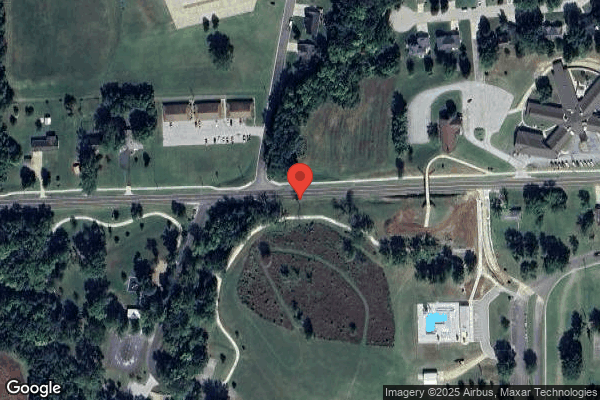
Understanding Severity Codes (click to expand)
Life-Threatening (Immediate Jeopardy)
J - Isolated K - Pattern L - Widespread
Actual Harm
G - Isolated H - Pattern I - Widespread
Potential for Harm
D - Isolated E - Pattern F - Widespread
No Harm (Minor)
A - Isolated B - Pattern C - Widespread

Questions to Ask on Your Visit

  • "Can I speak with families of current residents?"
  • "What's your RN coverage like on weekends and overnight?"

Our Honest Assessment

Strengths
  • • No major safety red flags. No abuse findings, life-threatening violations, or SFF status.
  • • No fines on record. Clean compliance history, better than most Missouri facilities.
Concerns
  • • 13 deficiencies on record. Higher than average. Multiple issues found across inspections.
Bottom line: Mixed indicators with Trust Score of 65/100. Visit in person and ask pointed questions.

About This Facility

What is New Haven's CMS Rating?

CMS assigns NEW HAVEN CARE CENTER an overall rating of 3 out of 5 stars, which is considered average nationally. Within Missouri, this rating places the facility higher than 99% of the state's 100 nursing homes. This mid-range rating indicates the facility meets federal standards but may have areas for improvement.

How is New Haven Staffed?

CMS rates NEW HAVEN CARE CENTER's staffing level at 1 out of 5 stars, which is much below average compared to other nursing homes.

What Have Inspectors Found at New Haven?

State health inspectors documented 13 deficiencies at NEW HAVEN CARE CENTER during 2022 to 2025. These included: 13 with potential for harm.

Who Owns and Operates New Haven?

NEW HAVEN CARE CENTER is owned by a non-profit organization. Non-profit facilities reinvest revenue into operations rather than distributing to shareholders. The facility operates independently rather than as part of a larger chain. With 90 certified beds and approximately 68 residents (about 76% occupancy), it is a smaller facility located in NEW HAVEN, Missouri.

How Does New Haven Compare to Other Missouri Nursing Homes?

Compared to the 100 nursing homes in Missouri, NEW HAVEN CARE CENTER's overall rating (3 stars) is above the state average of 2.5 and health inspection rating (5 stars) is much above the national benchmark.

What Should Families Ask When Visiting New Haven?

Based on this facility's data, families visiting should ask: "Can you walk me through typical staffing levels on day, evening, and night shifts?" "Can I visit during a mealtime to observe dining assistance and food quality?" "How do you handle medical emergencies, and what is your hospital transfer rate?" "Can I speak with family members of current residents about their experience?" These questions are particularly relevant given the below-average staffing rating.

Is New Haven Safe?

Based on CMS inspection data, NEW HAVEN CARE CENTER has a clean safety record: no substantiated abuse findings (meaning no confirmed cases of resident harm), no Immediate Jeopardy citations (the most serious violation level indicating risk of serious injury or death), and is not on the Special Focus Facility watch list (a federal program monitoring the lowest-performing 1% of nursing homes). The facility has a 3-star overall rating and ranks #1 of 100 nursing homes in Missouri. While no facility is perfect, families should still ask about staff-to-resident ratios and recent inspection results during their visit.

Do Nurses at New Haven Stick Around?

NEW HAVEN CARE CENTER has not reported staff turnover data to CMS. Staff turnover matters because consistent caregivers learn residents' individual needs, medications, and preferences. When staff frequently change, this institutional knowledge is lost. Families should ask the facility directly about their staff retention rates and average employee tenure.

Was New Haven Ever Fined?

NEW HAVEN CARE CENTER has no federal fines on record. CMS issues fines when nursing homes fail to meet care standards or don't correct problems found during inspections. The absence of fines suggests the facility has either maintained compliance or corrected any issues before penalties were assessed. This is a positive indicator, though families should still review recent inspection reports for the full picture.

Is New Haven on Any Federal Watch List?

NEW HAVEN CARE CENTER is not on any federal watch list. The most significant is the Special Focus Facility (SFF) program, which identifies the bottom 1% of nursing homes nationally based on persistent, serious quality problems. Not being on this list means the facility has avoided the pattern of deficiencies that triggers enhanced federal oversight. This is a positive indicator, though families should still review the facility's inspection history directly.