AMBERWOOD ESTATES NURSING AND REHABILITATION
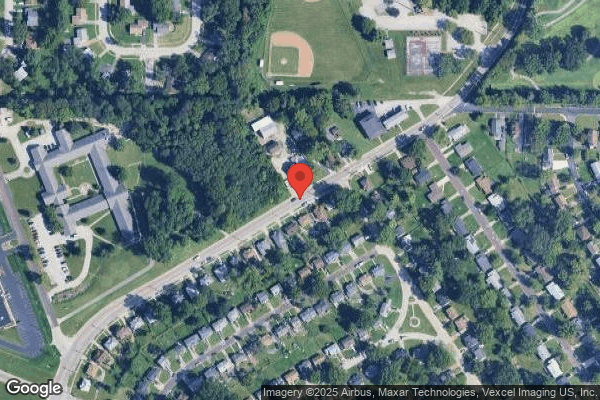

5303 BERMUDA DRIVE, NORMANDY, MO 63121 (314) 385-0910
For profit - Limited Liability company 115 Beds VERTICAL HEALTH SERVICES Data: November 2025 2 Immediate Jeopardy citations
Trust Grade
0/100
#321 of 479 in MO
Last Inspection: April 2024

Within standard 12-15 month inspection cycle. Federal law requires annual inspections.

Overview

Amberwood Estates Nursing and Rehabilitation has a Trust Grade of F, indicating significant concerns about the facility's quality and care. With a state rank of #321 out of 479 in Missouri, they fall into the bottom half of nursing homes, and they rank #41 out of 69 in St. Louis County. While the facility is showing improvement, reducing issues from 31 in 2024 to just 3 in 2025, it still has a high staff turnover rate of 81%, significantly above the Missouri average of 57%, which raises concerns about continuity of care. The facility also has less RN coverage than 98% of state facilities, which can impact the quality of medical oversight. Specific incidents of concern include a critical failure to prevent a resident from leaving the facility unaccompanied, resulting in a hospitalization for hypothermia after they were missing for over 21 hours. Additionally, the facility has had issues with timely payments to essential service providers, potentially affecting the care residents receive. Overall, while there are some signs of progress, families should carefully consider these significant weaknesses before choosing this nursing home.

Trust Score
F
0/100
In Missouri
#321/479
Bottom 33%
Safety Record
High Risk
Review needed
Inspections
Getting Better
31 → 3 violations
Staff Stability
⚠ Watch
81% turnover. Very high, 33 points above average. Constant new faces learning your loved one's needs.
Penalties
○ Average
$22,934 in fines. Higher than 68% of Missouri facilities. Some compliance issues.
Skilled Nurses
⚠ Watch
Each resident gets only 3 minutes of Registered Nurse (RN) attention daily — below average for Missouri. Fewer RN minutes means fewer trained eyes watching for problems.
Violations
⚠ Watch
81 deficiencies on record. Higher than average. Multiple issues found across inspections.
★☆☆☆☆
1.0
Overall Rating
★☆☆☆☆
1.0
Staff Levels
★★☆☆☆
2.0
Care Quality
★★☆☆☆
2.0
Inspection Score
Stable
2024: 31 issues
2025: 3 issues

The Good

  • Full Sprinkler Coverage · Fire safety systems throughout facility
  • No fines on record

Facility shows strength in fire safety.

The Bad

1-Star Overall Rating

Below Missouri average (2.5)

Significant quality concerns identified by CMS

Staff Turnover: 81%

35pts above Missouri avg (46%)

Frequent staff changes - ask about care continuity

Federal Fines: $22,934

Below median ($33,413)

Minor penalties assessed

Chain: VERTICAL HEALTH SERVICES

Part of a multi-facility chain

Ask about local staffing decisions and management

Staff turnover is very high (81%)

33 points above Missouri average of 48%

The Ugly 81 deficiencies on record

2 life-threatening
Sept 2025 1 deficiency
CONCERN (E) 📢 Someone Reported This

A family member, employee, or ombudsman was alarmed enough to file a formal complaint

Potential for Harm - no one hurt, but risky conditions existed

Safe Environment (Tag F0584)

Could have caused harm · This affected multiple residents

**NOTE- TERMS IN BRACKETS HAVE BEEN EDITED TO PROTECT CONFIDENTIALITY** Based on observation, interview and record review, the facility failed to provide a clean, comfortable, homelike environment for...

Read full inspector narrative →
**NOTE- TERMS IN BRACKETS HAVE BEEN EDITED TO PROTECT CONFIDENTIALITY** Based on observation, interview and record review, the facility failed to provide a clean, comfortable, homelike environment for the residents. This includes the failure to maintain adequate pest control in resident rooms with one room having multiple ants on the floor, in his/her sink, and on his/her wall by the sink. Also, the facility failed to notice an air conditioning unit leak through the wall in the same resident's room, which caused a discoloration spot on the wall (Resident # 4). The facility failed to clean up droppings left by pests in another room and multiple brown droppings on the floor by the resident's bed (Resident #5). The sample was 12. The census was 79.Review of the Facility's Floor Care Policy and Procedures, undated, included Step-by-Step for Cleaning Vinyl Plank Flooring:-Sweep or Vacuum: Begin by sweeping or vacuuming the floor to remove any loose dirt, dust, or debris. Pay attention to corners and edges where dirt tends to accumulate.-Mix Cleaning Solution: In a bucket, mix a small amount of mild soap or vinyl floor cleaner with warm water according to the manufacturer's instructions. Avoid using too much soap, as it can leave a sticky residue on the floor.-Mop the Floor: Dip a microfiber mop or cloth into the cleaning solution and wring out any excess liquid. Mop the floor in a back-and-forth motion, working in small sections at a time. Rinse and wring the mop frequently to avoid spreading dirty water.-Spot Clean Stains: For stubborn stains or spills, dampen a soft-bristled brush or sponge with the cleaning solution and gently scrub the affected area. Avoid using abrasive scrubbers or harsh chemicals, as they can scratch or discolor the flooring.-Deep Cleaning: Occasionally, a more Intensive cleaning may be necessary, especially in high-traffic areas. When considering how to deep clean vinyl plank flooring, use a slightly more concentrated cleaning solution and a microfiber mop. Focus particularly on areas that accumulate more dirt and grime. Ensure the mop Is well-wrung to prevent excess moisture, which can damage the flooring.-Rinse with Clean Water: Once you've finished mopping the floor, rinse the mop or cloth with clean water and 10 over the entire floor again to remove any remaining soap residue.-Dry the Floor: Use towels or microfiber pads to dry the floor thoroughly. Avoid welkin& on the wet floor until it is completely dry to prevent slipping or streaking. 1. Review of Resident # 4's quarterly Minimum Data Set (MDS), a federally mandated assessment instrument completed by facility staff, dated 5/9/25, showed:-Moderately impaired cognition;-Bilateral upper and lower body impairment;-Dependent (Helper does all the effort. Resident does none to complete activity) with toileting, personal hygiene, eating, upper and lower body dressing, mobility;-Diagnoses include stroke, asthma, quadriplegia (paralysis from the neck down), and Chronic Obstructive Pulmonary Disease (COPD, lung disease). Observation on 9/9/25 at 10:26 A.M., showed Resident #4 sat up in his/her chair. A can of Raid pesticide sat on the resident's sink. The faucet dripped a steady drip of water. Plastic storage bins stacked under the sink appeared to have dust, debris, and dirt on top and around the bottom on the floor. A black and fuzzy looking spot was located on the wall under the window with a laundry basket positioned partially in front of the spot. At 12:45 P.M., Resident #4 slept in his/her chair. Several ants crawled on the floor around the trash can and around the storage bins stacked under the sink. Several ants were in the sink and above the sink, some crawled and some appeared dead. A spider web in the upper left-hand corner in the sink appeared to have several dead ants stuck in the webbing. The black and fuzzy looking spot on the wall under the air conditioning unit felt soft to the touch and the black fuzzy substance came off onto the surveyor's hand when touched. The wall felt wet and spongy. During an interview and observation on 9/9/25 at 1:04 P.M., Licensed Practical Nurse (LPN) A said he/she was not aware of the ants in Resident #4's room. The exterminator sprayed in the room recently, he/she was not sure when, but they were at the facility. LPN A looked at the ants that crawled around the sink and on the floor and had a facial grimace. During an interview on 9/9/25 at 1:06 P.M., Certified Medication Technician (CMT) B said he/she did not notice the ants but would report that in the maintenance book. CMT B said the maintenance supervisor is fast and does everything asked but is not at the facility today. The housekeeping supervisor is in charge of maintenance when the maintenance supervisor is gone. 2. Review of Resident #5's quarterly MDS, dated [DATE], showed:-Severely impaired cognition;-Substantial/Maximal Assist (helper does more than half) with upper and lower body dressing, and personal hygiene. Set up assistance with toileting. Independent with eating;-Diagnoses include dementia, Peripheral vascular disease (PVD, poor circulation), and Schizophrenia. Observation on 9/9/25 at 10:20 A.M., showed Resident #5 lay in bed asleep. Several small brown pellets lay on the floor behind the resident's bed, approximately the size of an uncooked grain of white rice. Observation and interview on 9/9/25 at 2:15 P.M., showed Resident #5 sat in bed. The resident's family member was in the room. The family member moved the resident's privacy curtain and pointed to several brown pellets on the floor behind the resident's bed. The family member said the brown pellets are rat feces. 3. Review of the facility Maintenance log, located at the nurse's station for which Residents #4 and #5 reside, reviewed on 9/9/25 at 12:30 P.M., showed only blank papers inside. No current work orders or requests in the book. 4. During an interview on 9/9/25 at 1:00 P.M., the Housekeeping Manager said the Maintenance Manager is not at the facility today. There is a maintenance log at the nurse's stations. The staff fills it out with maintenance requests. The Housekeeping Manager entered Resident #4's room. He/She looked at the faucet leaking and said he was aware of the leak and the part is on order. He/She looked down at the ants that crawled on the sink and floor and said he did not realize the ants were like that or on the sink. He looked at and felt the black and fuzzy spot on the wall under the air conditioner unit and said the wall feels soft and there is probably a water leak in the wall. He took a picture and said he will take care of it. The pest control company comes in frequently to the facility but he does not remember the last time. During an interview on 9/9/25 at 1:30 P.M., the Director of Nursing (DON) said there are maintenance binders at the nurse's station. If there are only blank sheets and nothing in there, then any issue reported is fixed. The maintenance staff are good about fixing things. They grab the sheets and take care of it. 5. During an observation and interview on 9/9/25 at approximately 1:45 P.M., the Housekeeping Manager brought a stack of papers and said they were completed and incomplete maintenance work orders. Review of incomplete maintenance log, showed a work order dated 8/18/25, which included:-Location: Resident #4's room;-Department Requesting Service: Nursing;-Ants-crawling up wall by window and in the bed. 6. During an interview on 9/9/25 at 3:15 P.M., the DON and Assistant Director of Nursing (ADON) said housekeeping should clean the rooms daily. The detailing of behind the bed or room corners is done on a schedule. They should report if they see bugs or any signs of bugs such as brown droppings. She would expect pest control to be a priority if maintenance is busy and cannot get to all the tickets. They usually respond right away. Three weeks is a long time to wait. If pest control is not working and they are seeing pests, then she would expect staff to report it. They may need to use something stronger to get rid of the pests. The maintenance director walks with the pest control person when they come to the facility. The wall discoloration should have also been reported. 259951125959782600985
Aug 2025 1 deficiency
CONCERN (D) 📢 Someone Reported This

A family member, employee, or ombudsman was alarmed enough to file a formal complaint

Potential for Harm - no one hurt, but risky conditions existed

Investigate Abuse (Tag F0610)

Could have caused harm · This affected 1 resident

**NOTE- TERMS IN BRACKETS HAVE BEEN EDITED TO PROTECT CONFIDENTIALITY** Based on interview and record review, the facility failed to ensure residents were free from the potential of abuse when staff f...

Read full inspector narrative →
**NOTE- TERMS IN BRACKETS HAVE BEEN EDITED TO PROTECT CONFIDENTIALITY** Based on interview and record review, the facility failed to ensure residents were free from the potential of abuse when staff failed to follow their policy and did not remove Certified Nurse Aide (CNA) A after an allegation of abuse was made. On 7/31/25 at approximately 10:30 P.M., Resident #3 notified staff both verbally and in a written statement that CNA A roughed him/her up. CNA A was removed from the resident's hall but continued to have direct contact and provide care for residents until the end of his/her shift at approximately 7:00 A.M. on 8/1/25. In addition, staff failed to immediately notify the Administrator and/or Director of Nursing (DON). The census was 84.Review of the facility's Abuse/Neglect policy, issued 4/1/2022, included:-It will be the policy of this facility to ensure that all alleged violation of Federal or State laws, which involve mistreatment, neglect, abuse (verbal, mental, physical or sexual), injuries of undetermined source, involuntary seclusion, corporal punishment, misappropriation of resident property or funds or use of physical or chemical restraint not in accordance with regulation to treat symptoms be reported immediately to the Administrator/Abuse Coordinator designee;-Definitions: -Abuse is the willful infliction of injury, unreasonable confinement, intimidation, or punishment with resulting physical harm, pain or mental anguish; -Person-centered care means to focus on the resident as the focus of control and support the resident in making his/her own choices and having control over their daily lives;-Identification: When any allegation or confirmed abuse, neglect, mistreatment or exploitation of a resident occurs including suspicion, the supervisor, Administrator and/or DON will be notified immediately. Staff members involved will be removed from the schedule pending investigation;-Protection: The facility will protect residents from harm during an investigation up to and including removing the suspected employee(s) from the work schedule pending investigation;-Reporting: All allegations of abuse, neglect, mistreatment, exploitation of residents' funds or property are to be reported immediately to the Administrator and according to Federal and State regulations. Review of the facility's investigation, dated 8/1/25, and provided to the surveyor on 8/3/25, showed:Resident admitted to the facility on [DATE]. Resident has diagnosis of stroke, high blood pressure, mental behavior disorders, joint pain, schizophrenia (a severe chronic mental health disorder that affects how a person thinks, feels, and behaves), post-traumatic stress disorder (PTSD, a mental health condition that's caused by an extremely stressful or terrifying event) and depression. Most recent cognitive score showed no cognitive impairment.On 7/31/25 at 10:30 P.M., the resident informed a staff member that a CNA had hit him/her. Resident also wrote a statement. Night shift nurse went and spoke with the resident. Resident informed the charge nurse that night shift CNA was getting him/her ready for bed when he/she wasn't ready and became frustrated telling the nurse that he doesn't like that CNA. The charge nurse then informed the resident that he/she would switch assignment and have another CNA for him/her. On 8/1/25 at approximately 8:30 A.M., the resident presented a statement to a staff member stating that a staff member had hit him/her. An investigation was initiated with the following immediately: Resident interviewed. Resident is his/her own responsible party. Primary and psychiatric doctor notified. Skin and pain assessments. Appropriate staff interviewed.As a result, the following interventions have been put in place immediately:-In-services staff on abuse and neglect policy;-Social Services to follow up with resident on incident;No documentation the CNA accused of hitting the resident was suspended pending the investigation. Review of the resident's written statement, dated 8/1/25, showed 10:30 (A.M. or P.M. not specified) CNA A came to my room. He/She look high and drunk. I told him/her I need to be changed. CNA A began to rough me up (hit me), pulling and jerking, very rough. He/She also said you all wasn't going to do anything about this problem. I called my family member and my friend. Review of CNA A's written statement, dated 8/1/25, showed I went into the resident's room. He/She was getting up. I tried to put him/her back in bed and he/she told me to put him/her down and then he/she started to yell at me, telling me I don't need to touch him/her. The resident said I need to get out of his/her room and that I need to worry about my father and not him/her. Review of Licensed Practical Nurse (LPN) C's written statement, dated 8/1/25, showed this nurse asked the resident, what's going on. Resident stated that CNA A started to get him/her undressed for bed when he/she wasn't ready. The resident became frustrated, stated he doesn't like CNA A. This nurse explained that CNA A will no longer be the resident's aide. CNA A switched rooms with CNA E. Resident never said that CNA A hit him. Review of LPN D's written statement, dated 8/1/25, showed This nurse did go into the resident's room with nurse on that hall. Resident told that nurse that CNA A did not hit him/her.Review of CNA B's written statement, dated 8/1/25, showed I didn't see or witness anything. Resident stated CNA A had hit him/her.Review of CNA E's written statement, dated 8/1/25, showed resident has been complaining all night about the aide hitting him/her. Didn't see anything. Review of Resident #3's admission Minimum Data Set (MDS), a federally mandated assessment completed by facility staff, dated 5/14/25, showed:-Cognitive status not assessed;-Cognitive skills for daily decision making: Severely impaired, never/rarely made decisions;-Rejection of care: Behavior not exhibited;-Impairment on both sides of upper and lower extremities;-Used wheelchair for mobility;-Dependent for all mobility: rolling left to right, sit to lying/lying to sitting, sit to stand, chair/bed-to-chair transfer;-Diagnoses included: quadriplegia (a condition characterized by the complete or partial paralysis of all four limbs), seizure disorder and anxiety disorder. During an interview on 8/3/25 at 12:28 P.M., the resident said a couple of days ago between 8:30 P.M. and 12:00 A.M., CNA A came into his/her room and asked him/her to get into bed. CNA A grabbed him/her by the back of the neck and threw him/her into bed. The resident said he/she asked the employee why he/she did that. The resident told the employee he/she was not going to let him/her handle the resident like that. The employee called the resident a blankety blank snitch and told the resident they wouldn't do anything about it here. The resident said, Everyone here wants me to sweep it under the carpet, but I am not. They are going to say it didn't happen because I am schizophrenic, but I am not forgetting about this. The resident said he/she told the night nurse the employee tried to choke him/her. The nurse asked the resident what he/she did to the employee. The resident said he/she reported the incident to the lady in the office the next morning.During an interview on 8/3/25 at 12:54 P.M., Resident #2, Resident #3's roommate, said he/she was in the room when CNA A came into the room to care for Resident #3. CNA A was throwing Resident #3's legs and pushing him/her. Resident #3 was yelling leave me alone. No staff came into the room to check on what was going on. Resident #2 did not provide any further details of the incident.During an interview on 8/3/25 at 1:03 P.M., Resident #1 said at nighttime on 7/31/25, he/she heard a lot of tussling. It sounded like a bunch of wrestling going on. He/She could not see what was going on or who was involved. To his/her knowledge no staff responded to the tussling sound. He/She did not hear anyone screaming or yelling.During an interview on 8/3/25 at 3:15 P.M CNA E said he/she received a text message from the nurse which said he/she was assigned to Resident #3. CNA E did not recall the time and did not know why the assignment was changed. When CNA E checked on the resident, he/she was asleep. When CNA E went to get the resident up in the morning, the resident said he/she wanted to talk to his/her family because he/she got into it last night with a staff member and said CNA A hit him/her. CNA E said he/she was running in and out of the room because he/she was getting items from the laundry. CNA F was also in the room and asked CNA E if he/she heard what the resident was saying. CNA F helped the resident write a statement. CNA E said he/she wrote a statement. When the surveyor asked about his/her written statement showing the resident complained all night about the aide hitting him/her, CNA E said that's what CNA F told him/her, so he/she wrote it down.During an interview on 8/3/25 at 3:35 P.M., Licensed Practical Nurse (LPN) G said, CNA H reported to him/her that another CNA (unknown name) told him/her the resident said CNA A had hit him/her. LPN G was not assigned to the resident, but he/she got his/her nurse and they both went into the resident's room. The resident denied anyone hit him/her. They completed a skin assessment, and no redness/bruises was noted. LPN G said he/she checked back on the resident during the night and the resident continued to say no one hit him/her. LPN G did not see anyone hit the resident and did not hear anyone yelling or screaming.During a phone interview on 8/5/25 at 8:37 A.M., CNA A said the incident occurred on 7/31/25 around 11:00 P.M. He/She worked 7:00 P.M. to 7:00 A.M. that day. CNA A went into the resident room after he/she heard movement. When CNA A went in, the resident was standing next to his/her bed with a hand on the bed. CNA A told the resident he/she couldn't be up because the resident was a fall risk. Mr. [NAME] was trying to get to his wheelchair, which was across the room. CNA A went to help the resident, and the resident started trying to fight him/her. CNA A helped the resident back to bed by placing his/her hand on the resident's arm and shoulder. The resident was yelling and cursing at CNA A while this was happening. CNA A said the resident was trying to fight him/her. CNA A denied ever touching the back of the resident's neck or touching the resident in any way other than putting his/her hands on the resident's shoulder and arm to assist back to bed. The resident was resistant to that. The resident's roommate was in the room when this happened. No staff were present. The roommate did not say anything. CNA A denied raising his/her voice at the resident. CNA A gave the resident his/her call light that was on the side of the bed and said if the resident wanted to get up, he/she needed to use the call light. CNA A then left the room. The resident was sitting on the side of the bed when he/she left the room. About 30 to 45 minutes later, LPN C came to him/her and said he/she couldn't go back into the resident's room because the resident accused CNA A of roughing him/her up. CNA E replaced CNA A. He/She never went back into the room. CNA A finished his/her shift. CNA A denied ever having any issues with the resident. He/She witnessed times when the resident would lash out at other residents, but the resident had not ever done that with CNA.During a phone interview on 8/6/25 9:33 A.M., CNA B said he/she had worked at the facility for about two weeks. On 7/31/25, he/she went into the resident's room with another CNA. The resident was really upset and said CNA A was hitting on him. CNA B gave the resident a pen and paper and had him/her write a statement. He/She then gave the statement to LPN C. This was around 10:30 P.M. He/She thought the incident between CNA A and the resident was around 10:30 P.M. The resident did not say where CNA A hit him/her but told CNA B about it around 10:30 P.M. He/She also heard staff saying that another resident said CNA A hit him/her. He/She overheard it when he/she walked in and the people speaking stopped. CNA B doesn't know who was talking because he/she was new and didn't know anyone's names. CNA B said the resident was really upset and kept repeating I'm tired of that N hittin on me. The resident also said he/she called his/her family member and told them. LPN C and another nurse had already spoken to the resident before CNA B. LPN C said the resident denied being hit by CNA A. CNA B didn't know why the resident would deny it to LPN C, but tell CNA B, the other CNA and his/her family. The resident may have been too scared to tell LPN C. CNA B didn't know why he/she would be scared. LPN C had everyone write statements after CNA B gave the resident's statement to him/her. CNA B didn't look to see if the resident had any marks because he/she was so upset. Once an allegation of abuse was made, whomever was being accused should immediately clock out. He/She did not know if CNA A clocked out or kept working, but he/she didn't see CNA A the rest of the shift. This all took place between 10:30 P.M. and 11:30P.M. To CNA B's knowledge, the resident did not write a statement in the morning. He/She wrote it when CNA B was there. CNA B did not write his/her statement in the morning. He/She wrote it during the 10:30 P.M. to 11:30 P.M. timeframe.During a phone interview on 8/6/25 1:02 P.M. LPN C said on 7/31/25 around midnight, CNA E was in his/her car and told LPN C through the window staff were talking about CNA A & the resident. He/She thought it was about the other day and went to the resident's room. The resident got frustrated a lot. He/She was frustrated then and said I don't like that CNA. He/She makes me go to bed when I don't want to. The resident also talked about CNA A's dad dying recently. LPN C told the resident he/she would reassign CNA A. He/She never asked the resident if CNA A touched him/her and the resident never said CNA A touched him/her. The next morning, LPN C overheard CNA F say the resident said CNA A hit him/her. At the same time, between 6:30 A.M. or 6:40 A.M., CNA B came out of the resident's room holding a piece of paper. CNA B gave it to LPN B and said the resident said CNA A hit him/her and it needed to be reported. As LPN C was reading the resident's statement, CNA A walked up, and they read it together. This was the first time he/she had heard anything about CNA A hitting the resident. When he/she talked to the resident the night before, the resident was frustrated but never alleged abuse. LPN C said when CNA E was in his/her car, CNA E told him/her they're talking about the other day with CNA A. LPN C only knew that the other day, maybe Friday 7/25/25 or Monday 7/28/25, the resident was upset and the nurse supervisor told LPN C to step out of the room. The nurse supervisor, resident and CNA A remained in the room. About four minutes later they came out and he/she thought everything had been smoothed over. LPN C didn't know how long CNA F knew about the resident accusing CNA A of hitting him/her. LPN C also didn't know when CNA B got the statement from the resident, but thought it was that morning since he/she saw CNA B walk out of the resident's room with a piece of paper. LPN C said CNA B has a history with CNA A. LPN C denied telling CNA A the resident said CNA A roughed up him/her. LPN C didn't ask the resident if anything physical happened between him/her and CNA A. He/She didn't speak to any staff about the situation. He/She called the Assistant Director of Nursing (ADON) at 6:44 A.M. LPN C was instructed to get staff statements and leave them under the DON's door. LPN C was gone by 8:30 A.M. on 8/1/25. If he/she had known there was an allegation of abuse, he/she would have separated CNA A from the resident and called the ADON and DON to get instructions on what to do next. CNA A would have gone home if that's what they told him/her. LPN C didn't know if he/she was allowed to send anyone one home if an allegation had been made. He/She had never dealt with an abuse allegation.During a phone interview on 8/6/25 at 1:27 P.M. CNA A said two weeks prior the resident and CNA A had an issue. The resident thought CNA A had disrespected him/her. At that time, the resident wanted to get into bed, and he/she felt like it was CNA A's fault when the resident fell trying to get into bed. CNA A did not see the resident fall but did see him/her on the floor. CNA A confirmed LPN C told him/her that the resident CNA A had roughed him/her up and that was why he/she had to switch assignments. CNA A said the resident may have thought he/she had been roughed up because when CNA A went into the room, the resident was stumbling by the bed trying to get his/her footing. CNA A realized the resident was trying to get to his/her wheelchair across the room and CNA A put one hand on the resident's arm and one hand on the resident's side area. He/She put the resident back on the bed. The resident resisted this. CNA A said he/she sat the resident down gently onto the bed. The resident fought back. After CNA A switched assignments, other CNAs told him/her the resident was saying he/she hit the resident. CNA A denied it. He/She never saw the statement the resident wrote. LPN C never showed it to him/her. He/She had been educated on the facility's abuse and neglect policies. If someone was accused of abuse, they should be suspended until further notice. He/She said the suspension should be pretty soon after the allegation.During a phone interview on 8/6/25 at 11:35 A.M. the ADON said if an allegation of abuse was made, the Administrator, DON and ADON should be made aware immediately. The staff person being accused should be removed. CNA A should have been sent home immediately if the resident accused him/her of hitting the resident 7/31/25. LPN C should have called her that night to make her aware. LPN C's written statement didn't say the resident accused CNA A of hitting him/her. There was not a second written statement from the resident. To her knowledge, staff wrote their statements in the morning after the resident provided a written statement alleging, he/she had been hit. LPN C collected the statements from staff and gave them to the DON. She was made aware of the allegation between 8:00 A.M. & 8:30 A.M. on 8/1/25. That was when the resident actually said someone hit him/her.2578961
May 2025 1 deficiency
CONCERN (D) 📢 Someone Reported This

A family member, employee, or ombudsman was alarmed enough to file a formal complaint

Potential for Harm - no one hurt, but risky conditions existed

Deficiency F0658 (Tag F0658)

Could have caused harm · This affected 1 resident

Based on observation, interview and record review, the facility failed to ensure the services provided met acceptable professional standards of care when staff failed to ensure ordered Tramadol (narco...

Read full inspector narrative →
Based on observation, interview and record review, the facility failed to ensure the services provided met acceptable professional standards of care when staff failed to ensure ordered Tramadol (narcotic used to treat pain) 50 milligram (mg) was processed timely by the pharmacy. When the medication was not delivered timely, staff failed to promptly contact the physician for medication order processing. As a result, the resident did not receive the ordered Tramadol for a total of 6 missed doses (Resident #1). The sample was 7. The census was 76. Review of the physician order policy, dated 1/1/22 showed: -Policy: -Electronic orders: (Direct into any clinical record): -Physicians may be given access to any one of the systems of the clinical record for use to provide orders; -Orders will be directly entered into the system and automatically become a part of the clinical record; -Orders entered into the clinical record following acknowledgement of a written physician's order by a facility staff member; -Timeframe for physician or Licensed Independent Practitioner (LIP) signatures for above and physician order sheet (POS): -Physician and LIP orders will be signed in accordance with federal and state guidelines; -This process can, but may not be limited to the following: -Have a physician box where orders can be signed when the physician is in the facility; -Mail directly to the physician (weekly, bi-monthly or monthly); -Medical records staff/designee to take and deliver to the physician and pick-up; -Flag chart with sign here notice; -Be electronically signed in the health record. Review of Resident #1's medical record, showed: -re-admitted : 4/8/25; -Moderate cognitive impairment; -Wounds to the heel. Review of the care plan, in use during the onsite, showed: -Focus: The resident is at risk for pain related to stroke; -Goal: The resident will not have an interruption of activities related to pain; -Interventions: Staff administer pain medication as ordered, anticipate the need for pain relief. Review of the POS, showed: an order dated 4/22/25: Tramadol 50 mg, take one tablet twice a day for heel pain. Review of the progress notes, showed: -On 4/22/25 at 1:28 A.M., a nurse note: an order for Tramadol 50 mg. Give one tablet twice a day for pain in both feet; -On 4/22/25 at 9:39 A.M.: medication note: Tramadol 50 mg, waiting on script from physician; Review of the April 2025 Medication Administration Record (MAR), showed: -An order, for Tramadol 50 mg: Take one tablet twice a day. Start: 4/22/25 and scheduled daily at 9:00 A.M. and 6:00 P.M.; -On 4/22/25 at 9:00 A.M., documented as 9 or other/see progress notes; at 6:00 P.M., documented as administered; -On 4/23/25 at 9:00 A.M., documented as 9 or other/see progress notes; at 6:00 P.M., left blank; -On 4/24/25 at 9:00 A.M., and 6:00 P.M., documented as 9 or other/see progress notes; -On 4/25/25 at 9:00 A.M., documented as 9 or other/see progress notes. Review of the Nurse Practitioner (NP) visit note, dated 4/23/25, showed: -Chief complaint: follow up visit; -Tramadol 50 mg: Take one tablet twice daily for pain to both feet; -Lidocaine patch: apply once daily to both heels for pain; -Plan: the resident is started on Tramadol for better management of pain in both heels. Continue Lidoderm patch to both heels and Tylenol as needed (PRN). Review of the progress notes, showed: -On 4/23/25 at 10:24 A.M.: medication note: Tramadol 50 mg, medication unavailable. The pharmacy waiting for the script. As needed acetaminophen (Tylenol) administered; -On 4/24/25 at 11:45 A.M.: medication note: Tramadol 50 mg. Medication is not available, waiting for pharmacy; -On 4/24/25 at 8:33 P.M.: medication note: Tramadol 50 mg. The resident was asleep and not administered, NP made aware; -On 4/25/25 at 11:10 A.M., a medication note: Tramadol 50 mg. Medication not available. NP in the building and will call the new script to the pharmacy. Review of the facility's emergency stock (e-kit), showed: -Tramadol 50 mg; -Quantity: 6 tablets. During an interview on 4/30/25 at 11:22 A.M., Licensed Practical Nurse (LPN) A said it is very difficult at times to access the facility's e-kit for narcotics. When the NP writes an order for a narcotic, the staff notifies the pharmacy. Narcotic medications need a prescription. The pharmacy will not allow access to the e-kit if the pharmacy has not received the signed prescription. The facility does not have a protocol for ensuring the prescription is signed when the order is entered. The staff can administer ordered non-narcotic medications until the physician sends the signed prescription to the pharmacy. During an interview on 5/1/25 at 12:02 P.M., the Director of Nursing (DON) said she had been at the facility for three weeks. The NP visited the facility daily during the week and she does not have a Drug Enforcement Administration (DEA) number. The NP writes orders for narcotics and does not have the necessary DEA number for the pharmacy to fill the prescription. The staff have to attempt to contact the physician to obtain the needed information to ensure the pharmacy can send the medication. The pharmacy will not provide the e-kit access code regardless if the NP has written the order. Staff must have the e-kit access code to pull the narcotic from the e-kit. The residents who are ordered narcotic medication by the NP have had a delay in administration of the narcotic. The pharmacy requires a paper prescription to be signed and faxed before the medication order can be processed. This has caused a delay in narcotic pain medication administration. The facility is attempting to get a new system in place. The staff should call the DON and Assistant Director of Nursing when a narcotic is ordered. The DON said the resident did not receive any Tramadol until the medication was received on 4/25/25. The resident received the first dose at 6:00 P.M. Staff should not document a medication was administered when the medication was not delivered to the facility. The medication was not available on 4/22/25, and the resident did not receive the 6:00 P.M. dose as documented. MO00252542 MO00252365
Nov 2024 3 deficiencies
CONCERN (D) 📢 Someone Reported This

A family member, employee, or ombudsman was alarmed enough to file a formal complaint

Potential for Harm - no one hurt, but risky conditions existed

Deficiency F0583 (Tag F0583)

Could have caused harm · This affected 1 resident

Deficiency Text Not Available

Read full inspector narrative →
Deficiency Text Not Available
CONCERN (E) 📢 Someone Reported This

A family member, employee, or ombudsman was alarmed enough to file a formal complaint

Potential for Harm - no one hurt, but risky conditions existed

Safe Environment (Tag F0584)

Could have caused harm · This affected multiple residents

Deficiency Text Not Available

Read full inspector narrative →
Deficiency Text Not Available
CONCERN (E) 📢 Someone Reported This

A family member, employee, or ombudsman was alarmed enough to file a formal complaint

Potential for Harm - no one hurt, but risky conditions existed

Accident Prevention (Tag F0689)

Could have caused harm · This affected multiple residents

Deficiency Text Not Available

Read full inspector narrative →
Deficiency Text Not Available
Sept 2024 6 deficiencies
CONCERN (D) 📢 Someone Reported This

A family member, employee, or ombudsman was alarmed enough to file a formal complaint

Potential for Harm - no one hurt, but risky conditions existed

Deficiency F0583 (Tag F0583)

Could have caused harm · This affected 1 resident

Based on observation, interview and record review, the facility failed to maintain privacy and confidentiality of medical information for one resident (Resident #20) by having identifying information ...

Read full inspector narrative →
Based on observation, interview and record review, the facility failed to maintain privacy and confidentiality of medical information for one resident (Resident #20) by having identifying information exposed and sticking out of a shred bin that was unlocked in an area that was accessible to all residents and the public. In addition, staff used a personal device to take a photo of Resident #20's medication prescription (script) and then used a personal email address to email the resident's script to the pharmacy. The sample size was 14. The census was 78. Review of the facility's Resident Rights Policy, dated 2021, showed: -Privacy and confidentiality: The resident has a right to personal privacy and confidentiality of his or her personal and medical records; -a. Personal privacy includes accommodations, medical treatment, written and telephone communications, personal care, visits, and meetings of family and resident groups, but this does not require the facility to provide a private room for each resident; -b. The resident has a right to secure and confidential personal and medical records. 1. Review of Resident #20's quarterly Minimum Data Set (MDS), a federally mandated assessment instrument completed by facility staff, dated 8/15/24, showed: -Moderate cognitive impairment; -Diagnosis included seizures, end stage renal disease (ESRD, chronic irreversible kidney failure), acute respiratory failure (ARF, body's respiratory system fails to exchange oxygen and carbon dioxide properly) and muscle weakness. Review of an email sent to the pharmacy by Licensed Practical Nurse (LPN) A, showed: -Email sent from LPN A's personal email address; -Email sent to pharmacy email; -Date sent: 11/1/24 at 1:13 P.M.; -Subject: Facility name, new prescription; -Attachment: Photo of script; -First script on photo: -Name and date of birth listed for Resident #20; -Date: October 31, 2024, at 2:06 P.M.; -Oxycodone-acetaminophen (Percocet, opioid, used for moderate-to-severe pain control) 7.5-325 milligrams (mg) tablet, take one tablet by mouth every six hours as needed for pain; -Second script on photo: -Name and date of birth listed for Resident #20; -Date: October 31, 2024, at 2:06 P.M.; -Doxycycline monohydrate (antibiotic) 100 mg capsule, take one capsule by mouth once daily for five days. During an interview on 11/20/24 at 10:29 A.M., the Administrator said faxing can be done through electronic (e) faxing (a way to send a fax using the Internet instead of a fax machine) through email. He said the facility has a new phone system. The nurses should have access to e-faxing, and email addresses should be available for nurses to e-fax scripts to the pharmacy. The e-faxing started a month or two ago. During an interview on 11/20/24 at 10:56 A.M., LPN A said he/she did not have access to fax scripts to the pharmacy. LPN A did not know anything about e-faxing. He/She did not have a work email. When management was not at the facility to send the script to the pharmacy, he/she called the pharmacy to inform the pharmacy that he/she had a new script. The pharmacy gave him/her an email address to send the script to. LPN A said he/she takes photos of the script with his/her personal phone and then he/she emails the script to the pharmacy through his/her personal email. During an interview on 11/20/24 at 1:07 P.M., the Business Office Manager (BOM) said the Interim Administrator had e-fax set up and it was just recently figured out how to send an e-fax. The floor nurses do not have email addresses, only management. The BOM was unsure how the floor nurses send information to the pharmacy, like scripts for the residents. During an interview on 11/20/24 at 2:05 P.M., the Administrator said if nurses cannot e-fax the scripts to the pharmacy, they should be taken to the Director of Nursing (DON) so the DON can send the script to the pharmacy. If the DON is not available, the Interim Administrator said he would have to defer to the DON because he is not at this facility all the time. If a staff member used their personal phone to take pictures of a resident's script and used their personal email address to send it to the pharmacy, it would be a privacy violation. During an interview on 11/20/24 at 2:05 P.M., the DON said if staff are using personal devices to take photos of resident information like scripts and then emailing the script to the pharmacy through a personal email address, it would be a privacy violation. The DON said the only inservice training provided was on 11/20/24 when staff were given a print out showing how to e-fax. 2. Observation on 11/20/24 at 12:41 P.M., showed a shred bin in an open area near the nurse's station, in the vicinity of the employee time clock, scales for weighing residents and the crash cart. The shred bin had Resident #20's medication card sticking out of the top that exposed the resident's name, room number, along with the name of the medication, and dose of the medication. The shred bin was unlocked. During an interview on 11/20/24 at 12:45 P.M., LPN B said he/she did not leave the medication card sticking out of the shred bin. LPN B verified that the resident's name, room number and medication name and dose of the medication were visible while standing near the shred bin. LPN B removed the shred card out of the shred bin, tore off the top part of the medication card with the resident's personal information and placed that part into the top part of the shred bin, so the resident's information was not exposed. LPN B verified the shred bin did not have a lock on it and could be opened. LPN B said the shred bin should be locked to keep the information placed in the shred bin confidential. With the shred bin not being locked, anyone could come and take the confidential information out of the shred bin. Residents, staff and visitors and anyone in the building had access to the area where the shred bin was located. When the shred bin is full, the only other shred bin the nurses have access to is the one in the receptionist office. The receptionist office is not locked after the receptionist leaves for the day. LPN B walked to the receptionist office, and the shred bin was full and had papers overflowing and sticking out of the top of the shred bin. Two full boxes of paper with resident information were sitting on top of the shred bin. During an interview on 11/20/24 at 12:54 P.M., the Administrator he said the facility is working on getting a new shred company. He was unsure the last time a shred company was out to empty the shred bins. The receptionist door is not locked at night and the information that needs to be in the locked shred bin is available to anyone who comes into the receptionist office, and that information being exposed is a privacy violation. During an interview on 11/20/24 at 12:57 P.M., the Receptionist said the two boxes on top of the shred box were items that need to be shredded. The receptionist works two shifts. The first shift is from 8:00 A.M. to 4:00 P.M. and the second shift is from 4:00 P.M. to 8:00 P.M. The door to the receptionist office is not locked when the receptionist is not at that facility, so anyone has access to the receptionist office between the hours of 8:00 P.M. and 8:00 A.M. During an interview on 11/20/24 at 1:02 P.M., the Social Services Director (SSD) said she has a shred box in her office, and it is full. The SSD said she keeps the information that needs to be shredded on her table in her office. SSD said her office is locked when she leaves for the day. The last time the shred was picked up was in September. The Interim Administrator was informed the shred had not been picked up last week. During an interview on 11/20/24 at 1:07 P.M., the BOM said the shred company was not currently coming out to the facility. A new shred company had not been set up yet. The BOM said it was realized about three weeks ago that the shred company has not been coming out. The BOM called the shred company and they would not speak to her because she was not with the previous company that set up the services. Observation on 11/20/24 at 1:48 P.M., showed Resident # 21 sitting in a wheelchair in the area near the nurse's station where the shred bin was located. During an interview on 11/21/24 at 12:22 P.M., the DON said a shred bin that is overflowing and has resident information viewable to the public is a privacy violation. The shred bins are to remain locked. The DON said the reason the shred bin should be locked is to keep the private information in the bin confidential. She expected the shred bin to be locked and not overflowing, exposing confidential resident information. A policy on maintaining the confidentiality of resident medical records was requested and the facility did not have a policy. 3. During an interview on 11/21/24 at 12:49 P.M., the Administrator said his company was brought in to manage the facility. He is just there to have a presence of management, to make sure everyone is there, and the residents have what is needed. He said it is not the management company's building to change anything. When a policy on maintaining the confidentiality of resident medical records was requested, he said he would request the policy from the previous company. He said since he is with the managing company, it would not make sense to use the managing company's policy. His expectation is to maintain the privacy of resident medical records. He expects to have a working service for a shred company to come in and pick up the shred materials. He expected staff not to use personal devices to send private resident information.
CONCERN (D) 📢 Someone Reported This

A family member, employee, or ombudsman was alarmed enough to file a formal complaint

Potential for Harm - no one hurt, but risky conditions existed

Report Alleged Abuse (Tag F0609)

Could have caused harm · This affected 1 resident

**NOTE- TERMS IN BRACKETS HAVE BEEN EDITED TO PROTECT CONFIDENTIALITY** Based on interview and record review, the facility failed to report an allegation of physical abuse for one of 14 sampled reside...

Read full inspector narrative →
**NOTE- TERMS IN BRACKETS HAVE BEEN EDITED TO PROTECT CONFIDENTIALITY** Based on interview and record review, the facility failed to report an allegation of physical abuse for one of 14 sampled residents (Resident #4). The census was 88. Review of the facility's Abuse Investigation and Reporting Policy, dated May 2019, showed: -Policy: --It is the policy of this home to prohibit resident abuse or neglect in any form, and to report in accordance with the law in any incident/event in which there is cause to believe a resident's physical or mental health or welfare has been or maybe adversely affected by abuse or neglect caused by another person; --The home's administration will conduct and investigate allegations of crimes, suspected abuse, neglect, or misappropriation property, and provide notification and release of information to the proper authorities, in accordance with federal and state regulations. The home is not financially responsible for the replacement of property; -When an employee becomes aware of an allegation or suspicion of abuse, the employee should: --Immediately report, allegation or suspicion to the charge nurse on the unit on which the resident resides immediately; --The charge nurse will: --Notify the Administrator or the person on call, if after hours. The person on call will notify the Administrator, if unavailable, the Director of Nurses will be notified. In the event that the nurse does not notify, the employee aware of the allegation may report directly to the Administrator; --Consult with the Administrator and/or Director of Nurses before making reports to the state, local police, (required for any crimes against a resident), family, attending physician, and any other necessary notification. --Ensure that all reports are complete and appropriate authorities have been notified, including the notification of the local law enforcement related to any crimes against the resident. Review of Resident #4's admission record, showed the resident was admitted to the facility on [DATE] with diagnoses that included atrial fibrillation (disorganized, rapid, and irregular heart beat), congestive heart failure (when the heart can't pump enough blood to meet the body's needs), and schizophrenia (a serious mental illness that affects how a person thinks, feels, and behaves). Review of the resident's electronic progress notes, showed: -8/13/24 at 4:30 P.M.: Resident requested to call police department and endorsing that he/she wanted to burn the building down. Resident assisted with calling police. Police arrived and resident reported that he/she felt messed up in the head and expressed that he/she wanted to burn the building down and stab someone with a knife. Resident requested to go see a head doctor. Police deemed him/her a danger to self and others and contacted Emergency Medical Services (EMS). EMS arrived and will transport the resident to hospital for psychiatric evaluation; -8/13/24 at 5:30 P.M.: Resident remained on protective oversight until EMS arrived. Resident observed conversing appropriately with EMS, making jokes, and laughing. Resident transported via EMS to the hospital for psychiatric evaluation at this time. Nursing notified to follow up with physician and responsible party notifications; -8/14/24 at 11:30 A.M.: Resident return from hospital. No behaviors noted. No complaints of pain or distress noted. No new orders noted; -8/19/24 at 10:58 A.M.: Resident reports he/she is not happy living at the facility and requests to move to the Veterans Administration (VA) center or closer to East St. Louis. Requests referrals to be sent to St. [NAME] Gardens, St. Louis Place, and the VA. Confirmed with resident that this would be reported to the Social Services Director (SSD) and referrals would be sent out. Review of Resident #5's admission record, showed the resident was admitted to the facility on [DATE] with diagnoses that included stroke, hemiplegia (severe or complete loss of strength leading to paralysis on one side of the body) and hemiparesis (weakness or the inability to move on one side of the body), dysphagia (difficulty swallowing) and hypertension (high blood pressure). Review of the resident's August 2024 progress notes, showed: -8/2/24 at 8:05 A.M.: This nurse was standing at the nurses' cart when notified by the restorative aide that this resident slapped his/her roommate, Resident #4. Upon entering the resident's room, the other resident was sitting on the side of bed. This current resident had left room to courtyard at this time. The other resident answered, yea he/she slapped me, I ain't feel nun, I ain't know he/she had it in him/her (LAUGHING). DON notified; -8/2/24 at 8:15 A.M.: Residents involved separated at this time. Resident is on one on one monitoring with aide; -8/2/24 at 12:15 P.M.: DON notified this nurse that the resident needs to be sent out for psychiatric evaluation. DON notified transportation and resident was sent to the hospital. Call placed to responsible party. No answer. DON notified; --No documentation of when the resident returned from the hospital; --No documentation of a resident to resident altercation with Resident #4. During an interview on 8/30/24 at 11:51 P.M., Certified Nursing Assistant (CNA) J said: -Resident #4 is no longer in the facility; -He/She was not working at the time of the incident; -He/She came back to work and heard there was a physical altercation between Resident #4 and Resident #5; where Resident #5 hit resident #4; -He/She does not remember who told him/her about the physical altercation; -He/She does not know who was working at the time of the incident. During an interview on 9/3/24 at 1:25 P.M., the SSD said: -He/She was aware Resident #5 used to taunt Resident #4 often, but he/she was not sure about any hitting; -The previous Administrator told him/her the incident happened and that she notified DHSS; -He/She did not see her send the notification and did not see a copy of the notification, he/she just took the previous Administrator's word that she notified DHSS; -The facility has sent out referrals to see about getting Resident #5 transferred to another facility, but no one will take him/her; -No matter what anyone asks him/her, Resident #5 just denies he/she did it. During an interview on 9/9/24 at 11:25 A.M., CNA K said: -He/She was off for a couple days when the altercation occurred; -He/She did not witness the altercation; -He/She heard about it when he/she returned to the facility; -He/She does not know if there were any witnesses, what shift it occurred on or anything; -Resident #4 had been on the same hall as Resident #5 when he/she left for his/her couple days off and returned to find Resident #4 on 400 hall; -The reason he/she was given for the transfer is that Resident #5 had hit Resident #4; -He/she was told this by the previous Administrator. During an interview on 8/30/24 at 10:32 A.M., the Administrator said the previous Administrator was terminated on 8/21/24 and did not leave any investigations when he/she left. There was a file in the Administrator's office with both the residents' names on it, but there was nothing inside it. The previous Administrator said he/she sent it to the Missouri Department of Health and Senior Services (DHSS), but there is no fax confirmation sheet. He also said the SSD and Human Resources Manager (HR MGR) were employed at the facility at the time of the incident and can give any needed information. During an interview on 8/30/24 at 10:32 A.M., the HR MGR said she had no personal knowledge of the altercation. The previous Administrator said it occurred and that she did the investigation and notified DHSS. She knew nothing else. MO00241252
CONCERN (D) 📢 Someone Reported This

A family member, employee, or ombudsman was alarmed enough to file a formal complaint

Potential for Harm - no one hurt, but risky conditions existed

Investigate Abuse (Tag F0610)

Could have caused harm · This affected 1 resident

**NOTE- TERMS IN BRACKETS HAVE BEEN EDITED TO PROTECT CONFIDENTIALITY** Based on interview and record review, the facility failed to thoroughly investigate an allegation of misappropriation of propert...

Read full inspector narrative →
**NOTE- TERMS IN BRACKETS HAVE BEEN EDITED TO PROTECT CONFIDENTIALITY** Based on interview and record review, the facility failed to thoroughly investigate an allegation of misappropriation of property involving narcotics. The facility also failed to thoroughly investigate an allegation of resident to resident physical abuse for two residents (Resident #4 and Resident #5) out of 16 sampled residents. The census was 88. Review of the facility's Abuse Investigation and Reporting Policy, dated May 2019, showed: -Policy: -It is the policy of this home to prohibit resident abuse or neglect in any form, and to report in accordance with the law in any incident/event in which there is cause to believe a resident's physical or mental health or welfare has been or maybe adversely affected by abuse or neglect caused by another person; -Definition: -Misappropriation of properties/financial abuse: The deliberate, misplacement, exploitation, or wrongful, temporary or permanent use of a resident's, belongings or money without the resident's consent. -The home's administration will prohibit neglect, verbal, mental or physical abuse, including involuntary seclusion and misappropriation of property, exploitation and sexual abuse of residence caused by another person. -The home's administration will prohibit all crimes against a resident. -The home's administration will conduct and investigate allegations of crimes, suspected abuse, neglect, or misappropriation property, and provide notification and release of information to the proper authorities, in accordance with federal and state regulations. The home is not financially responsible for the replacement of property. -Identification: -Employees are required to report all incidents of possible abuse, mistreatment, or neglect of any resident, crimes against the resident or misappropriation of resident's property immediately to a supervisor or senior staff member. The Senior Staff Member is defined as the highest ranking person in the building at the time of the incident; -Administrator; -Director of Nurses; -Assistant Director; -Charge Nurse; -The Supervisor or staff member shall immediately speak to the Administrator or person on call; -Investigation: -When an employee becomes aware of an allegation or suspicion of abuse, the employee should: -Immediately report, allegation or suspicion to the charge nurse on the unit on which the resident resides immediately; -The charge nurse will: -Notify the Administrator or the person on call, if after hours. The person on call will notify the Administrator, if unavailable, the Director of Nurses will be notified. In the event that the nurse does not notify, the employee aware of the allegation may report directly to the Administrator; -Begin taking written statements from the person reporting the allegation or suspicion and any witnesses, including staff, family, and/or residents. In certain situations, the person, writing information, along with the person making a statement, if it all possible, and the witness to the dictated statement, should all sign the completed form; -The person on call: - Notify the Administrator, and/or Director of Nurses; -Review the steps taken in the investigation, -Accused individuals not employed by the home, will be denied unsupervised access to the resident. -Consult with the Administrator and/or Director of Nurses before making reports to the state, local police, (required for any crimes against a resident), family, attending physician, and any other necessary notification. -Ensure that all reports are complete and appropriate authorities have been notified, including the notification of the local law enforcement related to any crimes against the resident. Review of the Residents Abuse Prevention Program, revised December 2016, showed: -Policy Statement: -Our residents have the right to be free from abuse, neglect, misappropriation of resident property and exploitation. This includes, but is not limited to freedom from corporal punishment, involuntary seclusion, verbal, mental, sexual or physical, abuse, and physical or chemical restraint not required to treat the resident symptoms; -Policy interpretation and implementation -As part of the resident, abuse prevention, the administration will: - Protect our residents from abuse by anyone, including, but not necessarily limited to: facility staff, other residents, consultants, volunteers, staff from other agencies, family, members, legal representatives, friends, visitors, or other individuals. -Develop and implement policies and procedures to aid our facility and preventing abuse, neglect, or out treatment of our residents; -Investigate and report any allegations of abuse within time frames as required by federal requirements. Review of the facility's Drug Diversion Guidelines, undated, showed: -Purpose: - Mitigate risks and protect residents from potential or actual drug diversion; -Investigation sequence: - Identify issue and report to Regional Director of operations (RDO) or Chief Operations Officer (COO)) and Regional Clinical Nurse Consultant (RNC) in accordance with the immediate notification guideline; -RDO, nursing home Administrator and/or RNC to escalate report to general council, Director of pharmacy services, compliance officer, Senior [NAME] President (SVP) or operations (COO) and SVP of clinical operations. -Obtain handwritten statements from staff; -Issue suspensions if necessary or indicated; -Notify law-enforcement; -Notify state agencies; -Notify physician/prescribers; -Notify resident/family/responsible party; -Review/audit existing supplies; -Review nursing/staff schedule; -Review audits and supportive document; -Root cause analysis, corrective actions and Quality Assurance Performance Improvement (QAPI); -Process: -Initiate investigation of missing medications: -Director of Nurses (DON) (or designate such as Assistant Director of Nurses (ADON) or nursing supervisor) to validate count of all control substances in the facility; - Check all medication, packages, carts, and storage areas to validate that narcotic accounts are accurate; referred to areas of audit section of guidelines; -If medications were omitted or not administered in accordance with physicians order(s), complete a medication error report in Point Click Care (PCC); -Create an investigation binder which includes (but is not limited to): -Chronological timeline of the investigation, which should: - Include when the medication(s) were last accounted for; - Work schedules, or a list of persons working who have knowledge of the incident; -Resident interviews; -Witness statements (in accordance with state regulation); -Notify regulatory agencies per state regulation; drug diversion is considered misappropriation of resident property; -Follow up and reporting of investigation outcomes through QAPI. 1. Review of the facility's investigation, showed on 8/13/24, the facility self-reported an allegation of misappropriation of property involving Licensed Practical Nurse (LPN) C. The significant other of LPN C contacted Administrator A on 8/13/24 at 10:20 A.M., and alleged that LPN C works for multiple nursing homes and has prescription bottles and cards of medication in his/her possession. They did not have LPN C's name on them. The significant other was to meet with Administrator A and the police on 8/13/24 to take the prescription bottles and cards to the facility for review. A full investigation had been initiated with the following interventions put in place immediately: -Licensed Nursing Home Administrator (LNHA)/ Director of Nurses notification; -St. Louis county police notification; -Regional Director of Operations and Regional Nurse Consultant notifications; -Department of Health and Senior Services (DHSS) notification; -Initiation of Drug Diversion checklist to include employee suspension; -Full house Narcotic Count initiated; -Contacted local pharmacy for full house medication administration record (MAR) to cart audit; -Resident safety interviews initiated; -Initiated education on abuse/neglect/misappropriation with additional education to be provided based on investigation. Review of the facility records, showed the facility failed to thoroughly investigate the allegation. The investigation showed: -No documentation of a statement from the alleged perpetrator; -No documentation of any resident interviews; -No documentation of any staff interviews; -No documentation of a summary of the incident; -No documentation of the conclusion of the incident; -No documentation from any witness(es) to the incident. Review of LPN C's time card, showed no punches for 8/13/24. During an interview on 8/30/24 at 10:33 A.M., with Administrator B, Social Service Director (SSD/Certified Nurse's Assistant (CNA), and the Human Resource Director (HRD), Administrator B said there were no statements, conclusion, or summary. There did not seem to be any truth to it. It seems like Administrator A called the police. Administrator B knew Administrator A from a prior company, so he had a rapport with her. Administrator A was terminated this past Wednesday. LPN C's significant other said LPN C pulled a gun on him/her and vandalized his/her things. The significant other made allegations about the medications. The incident happened on 8/13/24. Administrator A called the police and reported it to the state. She took the significant other's word, went with it, and fired LPN C. On 8/16/24, Administrator B walked in and took over. The HRD said LPN C was willing to talk to Administrator A, but LPN C was scared to go up to the facility. During an interview on 8/30/24 at 10:55 A.M., the SSD/CNA said no interviews with staff were done. LPN C's significant other did not trust the staff at the facility. He/She felt they would lie and cover for LPN C. He/She kept calling for Administrator A. Administrator A called some of the staff to the office and told them what happened. Some of the cards did have residents' names on them but he/she did not think they were residents' names from this facility. LPN C has a home health business as well. The significant other then called back and tried to recant his/her story. During the interview on 9/9/24 at 11:00 A.M., the Human Resource Director (HRD) said she was familiar with LPN C. LPN C had a jealous significant other that supposedly said he/she was taking medications from the facility and giving them to him/her to sell. LPN C was a full-time employee at the facility. The HRD did not think the medication belonged to anyone at the facility because LPN C had his/her own healthcare business going on. LPN C was a really good nurse. They had no issues with him/her regarding medications or anything; this was the first. When Administrator A reported it, LPN C's significant other actually called in the next day wanting to take back all of his/her statements. LPN C's significant other brought four or five pill bottles and showed the police. The HRD couldn't see the names on the bottles. There weren't any narcotic sheets, no control substance logs, or anything, just pill bottles. During an interview on 9/12/24 at 2:32 P.M., LPN C denied the allegations of misappropriation of property involving residents' medications. He/She was an employee with the facility but is no longer employed there. During an interview on 9/9/24 at 2:00 P.M., the DON said there was an allegation of misappropriation of property involving LPN C. LPN C's significant other brought some medications up to the facility and showed them to Administrator A. LPN C's significant other said there were other pills in the house, but there were none from their facility. The medications he/she had were from another facility and another pharmacy. The pharmacy that was listed on the pill bottles is one they don't even use. LPN C was on staff at the facility. The DON said she is currently putting a system in place. She goes to the facility on the weekends during the nighttime and makes sure the staff do not have any questions regarding the medications. Every shift, she asks about medication carts and randomly looks at the medication carts and counts with the nurses. During an interview on 9/19/24 at 2:48 P.M., Administrator B said he expected staff and resident interviews to have been on hand. He expected for a complete and thorough investigation to have been done. 2. Review of Resident #4's admission record, showed the resident was admitted to the facility on [DATE] with diagnoses that included atrial fibrillation (disorganized, rapid, and irregular heart beat), congestive heart failure (when the heart can't pump enough blood to meet the body's needs) and schizophrenia (a serious mental illness that affects how a person thinks, feels, and behaves). Review of the resident's admission Minimum Data Set (MDS), a federally mandated assessment instrument completed by facility staff, dated 8/27/24, showed: -Cognitively intact; -Ability to hear (with hearing aid or hearing appliances if normally used): Adequate. No difficulty in normal conversation, social interaction, listening to TV; -Speech Clarity: Clear Speech: -Ability to express ideas and wants, consider both verbal and nonverbal expression: Usually understood. Difficulty communicating some words or finishing thoughts but is able if prompted or given time; -Ability to understand others, understanding verbal content, however able (with hearing aid or device if used): Usually understands. Misses some part/intent of the message but comprehends most conversations; -Psychosis: None; -Behavioral Symptoms: --Physical behavioral symptoms directed towards others: Behavior not exhibited; --Verbal behavioral symptoms directed towards others: Behavior not exhibited; --Other behavioral symptoms not directed toward others: Behavior not exhibited; -Rejection of Care: Behavior not exhibited; -Wandering: Behavior occurred one to three days. -Wandering impact: does not intrude on the privacy of activities of others. Review of the resident's care plan, in use at the time of the investigation, showed: -Focus: 9/13/23: Resident had a physical altercation with another resident while smoking. He/she smokes unsupervised and is generally compliant with policy and procedures. 5/10/24: Resident made allegations stating another resident had threatened and grasped him/her. Date Initiated: 9/13/23. Revision on: 7/8/24; -Goal: Safety will be maintained through the review period. Date Initiated: 9/15/23. Target Date: 9/8/24; -Interventions: --Residents were immediately separated and monitored by staff. Date Initiated: 9/15/23. Revision on: 9/15/23; --Residents separated immediately and 911 called. Date Initiated: 5/10/24. Review of the resident's electronic progress notes, showed: -8/13/24 at 4:30 P.M.: Resident requested to call police department and endorsing that he/she wanted to burn the building down. Resident assisted with calling police. Police arrived and resident reported that he/she felt messed up in the head and expressed that he/she wanted to burn the building down and stab someone with a knife. Resident requested to go see a head doctor. Police deemed him/her danger to self and others and contacted Emergency Medical Services (EMS). EMS arrived and will transport the resident to hospital for psychiatric evaluation; -8/13/24 at 5:30 P.M.: Resident remained on protective oversight until EMS arrived. Resident observed conversing appropriately with EMS, making jokes, and laughing. Resident transported via EMS to the hospital for psychiatric evaluation at this time. Nursing notified to follow up with physician and responsible party notifications; -8/14/24 at 11:30 A.M.: Resident returned from hospital. No behaviors noted. No complaints of pain or distress noted. No new orders noted; -8/19/24 at 10:58 A.M.: Resident reports he/she is not happy living at the facility and requests to move to the Veterans Administration (VA) center or closer to East St. Louis. Requests referrals to be sent to St. [NAME] Gardens, St. Louis Place, and the VA. Confirmed with resident that this would be reported to the social services director (SSD) and referrals would be sent out. Review of Resident #5's admission record, showed the resident was admitted to the facility on [DATE] with diagnoses that included stroke, hemiplegia (severe or complete loss of strength leading to paralysis on one side of the body) and hemiparesis (weakness or the inability to move on one side of the body), dysphagia (difficulty swallowing) and hypertension (high blood pressure). Review of the resident's quarterly MDS, dated [DATE], showed: -Cognitively intact; -Behavioral Symptoms: -Physical behavioral symptoms directed towards others: Behavior not exhibited; -Verbal behavioral symptoms directed towards others: Behavior not exhibited; -Other behavioral symptoms not directed toward others: Behavior not exhibited. Review of the resident's care plan, in use at the time of the investigation showed: -Focus: Resident is/has potential to be verbally and physically aggressive related to poor impulse control. 9/26/23 Struck another resident. 4/10/24 Had an altercation. Resident threw his/her cane and struck another resident. 4/13/24 Had a physical altercation with another resident. 8/2/24 Struck his/her roommate. Date Initiated: 9/26/23. Revision on: 8/2/24. -Goal: --Resident will not harm self or others through the review date. Date Initiated: 9/26/23. Revision on: 9/26/23. Target Date: 10/14/24. --Resident will seek out staff/caregiver when agitation occurs through the review date. Date Initiated: 9/26/23. Revision on: 9/26/23. Target Date: 10/14/24; -Interventions: --When the resident becomes agitated: Intervene before agitation escalates. Guide away from source of distress. Engage calmly in conversation. If response is aggressive, staff to walk calmly away, and approach later. Date Initiated: 9/26/23; --9/26/23 Residents immediately separated and monitored by staff. Date Initiated: 9/26/23; --Administer medications as ordered. Monitor/document for side effects and effectiveness. Date Initiated: 9/26/23; --Communication: provide physical and verbal cues to alleviate anxiety. Give positive feedback, assist verbalization of source of agitation, assist to set goals for more pleasant behavior, encourage seeking out of staff member when agitated. Date Initiated: 9/26/23; --Monitor/document/report, as needed, any signs or symptoms of resident posing danger to self and others. Date Initiated: 9/26/23; --Psychiatric/Psychogeriatric consult as indicated. Date Initiated: 9/26/23; --Residents immediately separated and monitored for aggression. Date Initiated: 4/10/24; --Residents immediately separated. State entity notified. Date Initiated: 6/14/24; --Residents immediately separated. One on one monitoring initiated until transport arrived to transport the resident to the hospital for psychiatric evaluation. Resident moved to different room. Date Initiated: 8/2/24. Review of the resident's progress notes, showed: -8/2/24 at 8:05 A.M.: This nurse was standing at the nurses' cart when notified by the restorative aide that this resident slapped his/her roommate. Upon entering the resident's room, the other resident was sitting on the side of bed. This current resident had left room to courtyard at this time. The other resident answered, yea he/she slapped me, I ain't feel nun, I ain't know he/she had it in him/her (LAUGHING). DON notified; -8/2/24 at 8:15 A.M.: Residents involved separated at this time. Resident is on one on one monitoring with aide; -8/2/24 at 12:15 P.M.: DON notified this nurse that the resident needs to be sent out for psychiatric evaluation. DON notified transportation and resident was sent to the hospital. Call placed to responsible party. No answer. DON notified; --No mention of when the resident returned from the hospital; --No mention of a resident to resident altercation with Resident #4. During an interview on 8/30/24 at 10:32 A.M., Administrator B said the previous Administrator was terminated on 8/21/24 and did not leave any investigations when he/she left. There was a file in the Administrator's office with both the residents' names on it, but there was nothing inside it. The previous Administrator said she sent it to the Missouri Department of Health and Senior Services (DHSS), but there is no fax confirmation sheet. He also said the Social Services Director (SSD) and Human Resources Manager were employed at the facility at the time of the incident and can give any needed information. During an interview on 8/30/24 at 10:32 A.M., the HR MGR said she had no personal knowledge of the altercation. The previous Administrator said it occurred and that she did the investigation and notified DHSS. She knew nothing else. During an interview on 8/30/24 at 11:42 A.M., Resident #5 said he/she doesn't know anything about it, he/she hasn't done anything they (facility staff) accused him/her of. During an interview on 8/30/24 at 11:51 P.M., Certified Nursing Assistant (CNA) J said: -Resident #4 is no longer in the facility; -He/She was not working at the time of the incident; -He/She came back to work and heard there was a physical altercation between Resident #4 and Resident #5; where Resident #5 hit resident #4; -He/She does not remember who told him/her about the physical altercation; -He/She does not know who was working at the time of the incident. During an interview on 9/3/24 at 1:25 P.M., the SSD said: -He/She was aware that Resident #5 used to taunt Resident #4 often, but he/she was not sure about any hitting; -The previous Administrator told him/her the incident happened and that she had notified DHSS; -He/She did not see her send the notification and did not see a copy of the notification, he/she just took the previous Administrator's word that she notified DHSS; -The facility has sent out referrals to see about getting Resident #5 transferred to another facility, but no one will take him/her; -No matter what anyone asks him/her, Resident #5 just denies he/she did it. During an interview on 9/9/24 at 11:25 A.M., CNA K said: -He/She was off for a couple days when the altercation occurred; -He/She did not witness the altercation; -He/She heard about it when he/she returned to the facility; -He/She does not know if there were any witnesses, what shift it occurred on or anything; -Resident #4 had been on the same hall as Resident #5 when he/she left for his/her couple days off and returned to find Resident #4 on 400 hall; -The reason she was given for the transfer is that Resident #5 had hit Resident #4; -He/She was told this by the previous Administrator. MO00241133 MO00240672 MO00241252
CONCERN (D) 📢 Someone Reported This

A family member, employee, or ombudsman was alarmed enough to file a formal complaint

Potential for Harm - no one hurt, but risky conditions existed

Pressure Ulcer Prevention (Tag F0686)

Could have caused harm · This affected 1 resident

**NOTE- TERMS IN BRACKETS HAVE BEEN EDITED TO PROTECT CONFIDENTIALITY** Based on interview and record review, the facility failed to ensure weekly wound assessments and ordered treatments were perform...

Read full inspector narrative →
**NOTE- TERMS IN BRACKETS HAVE BEEN EDITED TO PROTECT CONFIDENTIALITY** Based on interview and record review, the facility failed to ensure weekly wound assessments and ordered treatments were performed per order, resulting in one resident (Resident #3) found by staff with small, white, legless, worm-like organisms in his/her brief and wound; and failed to ensure the facility had wound care policies and procedures in place and available to staff. This has the potential to affect all residents with wounds. The sample was 16. The census was 88. Review of Resident #3's admission record, showed the resident was admitted to the facility on [DATE] with diagnoses that included type II diabetes mellitus, paraplegia (the inability to voluntarily move the lower parts of the body), severe protein calorie malnutrition, open wound of lower back and pelvis, unstageable pressure ulcer (the base of the wound is covered by a layer of dead tissue that may be yellow, grey, green, brown, or black) of the left ankle, neuromuscular dysfunction of the bladder (lack of bladder control due to a brain, spinal cord or nerve problem), left knee contracture, history of falling and dementia. Review of the resident's care plan, in use at the time of the investigation, showed: -Focus: Resident has a pressure ulcer to right ischium (the lower, back part of the hip bone. It's one of the three bones that form the pelvis) and left ischium. Surgical wound to left ischial. He/She is at risk for deterioration and potential for infection. 6/4/24: deterioration to left ischium. Resident is non-compliant related to offloading while in wheelchair. He/She has been educated related to risk and consequences. 6/26/24: New area to sacral area noted. Resident was out on leave of absence (LOA) and refused return transportation to facility and spent the night up in wheelchair. He/She has been educated related to risk and consequences of not offloading while on LOA. Date Initiated: 9/0/21. Revision on: 6/27/24; -Goal: Wounds will decrease in size and depth and heal without complications by the next review date. Date Initiated: 9/7/21. Revision on: 4/14/24. Target Date: 11/8/24; -Interventions: --Aides to notify nursing if dressing is observed absent or in need of changing due to soiled/coming off. Date Initiated: 8/3/22, Revision on: 1/18/24; --Apply dressing per physician order. Report to physician if resident declines dressing changes. Date Initiated: 8/3/22; --Daily skin care as ordered. Date Initiated: 9/7/21; --Resident uses a low air loss mattress. Date Initiated: 10/28/21; --Ensure that the low air mattress is working properly. Date Initiated: 9/7/21; --Monitor foot for signs and symptoms of infection. Report to physician if found. Date Initiated: 8/3/22, Revision on: 8/3/22; --Offer water/liquids when positioning. Date Initiated: 9/7/21; --Prevent any tight fitting socks to prevent further wound formation or decreased blood flow to foot. Date Initiated: 8/3/22; --Report to charge nurse if dressing is dislodged, or soiled. Date Initiated: 9/7/21 --Wheelchair cushion. Date Initiated: 6/18/24; --Wound physician to follow progress of wounds and treatment interventions applied and adjust changes as needed to wound care to promote healing and manage skin integrity. Date Initiated: 5/26/23. Review of the resident's electronic physician orders, dated August 2024, showed: -Vashe Wound External Solution 0.033 % (Wound Cleansers). Apply to right and left ischial/coccyx wound topically every day shift for wound care. Start date: 5/16/24; -Collagenase Ointment 250 units per gram (Unit/GM). Apply to right and left buttock/ ishium topically every day shift for wound care. Start date: 8/8/24. Review of the resident's electronic Medication Administration Record (MAR), dated August 2024, showed: -Collagenase Ointment 250 Unit/GM. Apply to right and left ischium topically every day shift for wound care. Start Date: 6/19/24, Discontinue (D/C) Date: 8/11/24. Blank and not signed out as provided 5 of 10 opportunities. Review of the resident's electronic Treatment Administration Record (TAR), dated August 2024, showed: -Collagenase Ointment 250 Unit/GM. Apply to right and left buttock/ ishium topically every day shift for wound care. Start Date: 8/8/24. Blank and not signed out as provided 8 of 23 opportunities; -Collagenase Ointment 250 Unit/GM. Apply to right thigh topically every day shift for wound care. Start Date: 6/19/24, D/C Date: 8/7/24. Blank and not signed out as provided 4 of 7 opportunities; -Vashe Wound External Solution 0.033%. Apply to right and left ischial/coccyx wound topically every day shift for wound care. Start Date: 5/16/24. Blank and not signed out as provided 10 of 31 opportunities; -Verify that dressings are dry and intact. Reapply as needed every night shift, if you're unsure of what to use, cleanse with normal saline, cover with ABD (dressing) and tape until day shift. Start Date: 8/7/24. Blank and not signed out as provided 7 of 25 opportunities; -Wound Care: Cleanse left buttock with wound cleanser, pat dry, apply calcium alginate to the wound base, cover with ABD, secure with tape daily and as needed if comes off or soils every day shift for wound care. Start Date: 7/9/24. Blank and not signed out as provided 11 of 31 opportunities; -Wound Care: Cleanse right buttock with wound cleanser, pat dry, apply calcium alginate to wound base, cover with ABD, secure with tape daily and as needed if soils or comes off every day shift for wound care. Start Date: 7/9/24. Blank and not signed out as provided 11 of 31 opportunities; -Wound Care: Cleanse right ischium with wound cleanser, pat dry, apply Santyl (used to remove damaged tissue from chronic pressure ulcers) and calcium alginate (dressing used on moderate to heavily draining wounds) to the wound base, cover with bordered gauze daily and as needed (PRN) if soiled or comes off every day shift for wound care. Start Date: 6/19/24. Blank and not signed out as provided 11 of 31 opportunities; -Wound Care: Right lateral thigh blister- apply skin prep, cover with bordered gauze daily and as needed, if comes off or soils every day shift for maintain the integrity of the skin. Start Date: 8/8/24. Blank and not signed out as provided 8 of 24 opportunities; -Wound Care: Cleanse right lateral thigh with Vashe, pat dry, apply Xeroform gauze to the wound base, and cover with bordered gauze every three days and as needed if comes off or soils every day shift every three days for wound care. Start Date: 8/2/24. Blank and not signed out as provided 5 of 10 opportunities; -Wound treatment: Cleanse right ischial tuberosity area with soap and water and pat dry. Apply Santyl to wound bed, apply calcium alginate to wound base. Cover with border gauze. Change daily and as needed if dressing becomes soiled, loose, or dislodged every day shift for wound treatment. Start Date: 6/2/24, D/C Date: 8/7/24. Blank and not signed out as provided 3 of 7 opportunities; -Wound treatment: Cleanse left ischial tuberosity area with soap and water and pat dry. Apply Santyl to wound bed, apply calcium alginate to wound base. Cover with border gauze. Change daily and as needed if dressing becomes soiled, loose, or dislodged two times a day for surgical wound. Start Date: 7/18/24. Blank and not signed out as provided 17 of 62 opportunities. Review of the resident's progress notes, showed: -8/1/24 at 10:45 P.M.: New blister was noted during wound rounds this morning. Resident reports being transferred via Hoyer lift into his/her wheelchair and being placed more toward the left side of the wheelchair, causing prolonged pressure to the distal aspect of his/her right stump resulting in the blister. Certified Nurse Assistant (CNA) staff educated on proper use of the Hoyer lift (mechanical lift) and how to position residents directly in the center, with a return demonstration provided, blister measurements noted, order obtained; -8/16/24 at 9:31 A.M.: New order for x-rays of the sacrum and coccyx (2 views), pelvis left and right (4 views) to rule out osteomyelitis. Labs: complete blood count (CBC, a set of medical laboratory tests that provide information about the cells in a person's blood), comprehensive metabolic panel (CMP, a blood test that measures proteins, enzymes, electrolytes, minerals and other substances in your body), C-Reactive protein (CRP, measures the level of C-reactive protein made in the liver), erythrocyte sedimentation rate (ESR, a blood test that that can show if you have inflammation in your body) to rule out osteomyelitis. Noted; -8/18/24 at 8:19 P.M.: Dressing soiled with debris. Soiled dressing removed, wound cleansed, clean dressing intact. Complete bed change provided by this writer and one CNA, resident voiced no complaints; -8/29/24 at 2:27 P.M.: Resident on antibiotic for wound infection for ten days. Resident has no adverse reactions noted. Resident on antibiotic until 9/1/24. Review of the resident's weekly wound assessments for August 2024, showed the resident only had two weekly wound assessment performed on 8/1/24 and 8/8/24. No other weekly wound assessments were documented for August 2024. During observation and interview on 8/30/24 at 2:13 P.M., the resident lay supine in bed. The resident said the CNA was changing his/her brief and told him/her he/she was going to have to stop and go get the nurse, because there were small, white, legless, worm-like organisms in his/her coccyx wound. The CNA left the room and returned with the nurse. The nurse cleaned his/her wound and helped change his/her brief. Then the nurse and the CNA changed the bed linens. He/She did not see the small, white, legless, worm-like organisms but was told they were there. The resident heard the CNA and the nurse mention maggots several times during the care. It was very embarrassing. He/She is not aware of small, white, legless, worm-like organisms being in his/her wounds at any other time. Staff does not change his/her dressings every day. He/She would like to have the dressings changed daily per physician orders. During an interview on 9/3/24 at 1:25 P.M., the Social Services Director (SSD) said: -He/She is also a CNA and worked the floor as a CNA often; -He/She worked the floor as a CNA on 8/18/24; -The resident put on his/her call light around 4:00 P.M., stating he/she wanted to get up; -He/She opened the resident's brief and saw small, white, legless, worm-like organisms moving around and realized they were maggots; -Approximately three to four of the small, white, legless, worm-like organisms were dead and eight were alive and moving; -Once he/she noted what it was, he/she turned the resident back over, explained to the resident what was going on and went to get the nurse; -The nurse came into the room and cleaned the resident's wound and body, changed his/her wound dressing and brief and put clean clothes on him/her; -The resident was removed from the bed and then they cleaned the resident's mattress and changed the bed linens; -The resident had food crumbs in his/her bed; -The resident eats in bed often; -Flies were also noted in the resident's room; -The resident did not complain of pain or discomfort at the time; actually, he/she did not feel any of it; -He/She had never found small, white, legless, worm-like organisms in the resident's wound before or since this incident. During an interview on 9/3/24 at 3:56 P.M., Licensed Practical Nurse (LPN) M said: -The facility does not have a Wound Nurse at this time; -Either LPN M or LPN N will round with the wound doctor each week; -Weekly wound assessments should be performed weekly by LPN M or LPN N after rounding with the wound doctor; -The resident should have wound tracking in the chart for every week in August and not just 8/1/24 and 8/8/24; -Each floor nurse is responsible for their own dressing changes; -Dressing changes should be recorded on the TAR; -If it is not signed out on the TAR, it was not done; -Dressings should be changed per physician orders; -He/She did not know about the small, white, legless, worm-like organisms found in the resident's brief. This is the first time he/she is hearing about it. It was not reported to him/her or LPN N. During an interview of 9/9/24 at 11:52 A.M., Licensed Practical Nurse (LPN) L said: -The resident was found with small, white, legless, worm-like organisms in his/her brief; -The resident's wound and body was cleaned, dressing and brief changed, and clean clothing provided; -The resident was removed from the bed and the mattress was cleaned and linen changed; -He/She had not seen maggots in the resident's wounds or brief prior to this; -Dressings should be changed per physician orders; -Weekly wound assessments should be performed weekly by LPN M or LPN N; -Nurses are responsible for their own dressing changes; -Dressing changes should be recorded on the TAR; -If it is not signed out on the TAR, it was not done; -The facility does not have a Wound Nurse at this time. During an interview on 9/9/24 at 2:11 P.M., the Director of Nursing (DON) said: -The facility does not have a Wound Nurse; -The floor nurses are responsible for ensuring their treatments are done each shift; -She expected wound assessments to be done on all residents with wounds weekly; -She expected all wound assessments to be charted on weekly; -She expected all physician orders for wound care/dressing changes to be completed as ordered; -She expected all wound care/dressing changes to be charted as completed on the TAR as soon as it is done; -If it is not signed out on the TAR, it was not done; -All wounds are seen by either an outside wound clinic or the wound doctor who visits the facility weekly; -She did not have access to any facility policy and procedures: -She asked for policies to make sure expectations meet policies, but that never happened; -She has not been provided with any policies; -She was not aware of the small, white, legless, worm-like organisms found in the resident's brief/wound; -An investigation was not completed. During an interview on 9/9/24 at 3:26 P.M., the Administrator said they did not have access to the previous company's policies and procedures and did not have a wound care or pressure ulcer policy available. He expected staff to follow all physician orders, including ordered wound care. MO00240793
CONCERN (E) 📢 Someone Reported This

A family member, employee, or ombudsman was alarmed enough to file a formal complaint

Potential for Harm - no one hurt, but risky conditions existed

Safe Environment (Tag F0584)

Could have caused harm · This affected multiple residents

**NOTE- TERMS IN BRACKETS HAVE BEEN EDITED TO PROTECT CONFIDENTIALITY** Based on observation, interview and record review, the facility failed to provide a comfortable and homelike environment by not ...

Read full inspector narrative →
**NOTE- TERMS IN BRACKETS HAVE BEEN EDITED TO PROTECT CONFIDENTIALITY** Based on observation, interview and record review, the facility failed to provide a comfortable and homelike environment by not maintaining appropriate water temperatures throughout the facility, which included three of the residents' hallway shower rooms. The sample size was 16. The census was 88. Review of the facility's Water Temperature Policy, revised 12/2019, showed: -Policy Statement: -Tap water in the facility shall be kept within a temperature range to prevent scalding of residents. -Policy Interpretation and implementation: -Water heaters that service the resident rooms, bathrooms, common areas, and tub/shower areas shall be set to temperatures of no more than (blank) Fahrenheit (F) (blank) Celsius (C), or the maximum allowable temperature per state regulation; -Maintenance is responsible for checking thermostats and temperature controls in the facility and recording these checks in a maintenance log; -Maintenance staff shall conduct periodic tap water temperature checks and record the water temperatures in a safety log. -No recommended parameters for the water temperature ranges noted in the policy. 1. Observations of water temperatures with a calibrated digital thermometer on the 100 hall on 9/4/24, showed: -At 3:39 PM, hot water from the sink in room [ROOM NUMBER], an occupied semi-private room, measured 97.1°F; -At 3:41 PM, hot water from the sink in room [ROOM NUMBER], an occupied semi-private room, measured 76.1°F. 2. Observations of water temperatures with a calibrated digital thermometer on the 300 hall on 9/4/24, showed: -At 3:44 P.M., hot water from the sink in room [ROOM NUMBER], an occupied semi-private room, measured 76.5° F; -At 3:46 P.M., hot water from the sink in room [ROOM NUMBER], an occupied semi-private room, measured 77.1° F; -At 3:49 P.M., hot water from the sink in room [ROOM NUMBER], an occupied semi-private room, measured 77.1° F. 3. Observations of water temperatures with a calibrated digital thermometer on the 500 hall on 9/4/24, showed: -At 3:58 P.M., hot water from the sink in room [ROOM NUMBER], an occupied private room, measured 87.0°F; -At 4:00 P.M., hot water from the sink in room [ROOM NUMBER], an occupied private room, measured 89.4°F. 4. Observations of water temperatures with a calibrated digital thermometer on the 300 hall men's shower room on 9/4/24, showed: -At 4:03 P.M., hot water from the sink measured 72.4°F; -At 4:05 P.M., hot water from the right shower stall measured 76.2°F; -At 4:07 P.M., hot water from the middle shower stall measured 77.0°F; no showerhead attached to middle shower. -At 4:20 P.M., hot water from the left shower stall measured 81.5°F. 5. Observations of water temperatures with a calibrated digital thermometer on the 300 hall women's shower room on 9/4/24, showed: -At 4:09 P.M., hot water from the sink measured 78.2°F; -At 4:11 P.M., hot water from the left shower stall measured 80.4°F; -At 4:13 P.M., hot water from the right shower stall measured 83.4°F. 6. Observations of water temperatures with a calibrated digital thermometer on the 400 hall shower room on 9/4/24, showed: -At 4:15 P.M., hot water from the shower stall measured 74.5°F; -At 4:17 P.M., hot water from the sink measured 81.5°F. 7. During an interview on 9/4/24 at approximately 4:26 P.M., the Administrator said he was not certain about an issue with water temperatures because he just took over the building. The Maintenance Director (MD) had been at the facility, then left for two months, then came back. 8. During an interview on 9/12/24 at 11:30 A.M. Certified Nurses Assistant (CNA) F said he/she worked on the 200 hall. The residents never complained about the water temperature. If the residents tell CNA F that the water is too hot, he/she would add cold water to make it cooler. If it was too cold, he/she would let it run to get warmer. 9. During an interview on 9/12/24 at 12:57 P.M., CNA G said he/she worked on the 300 hall, and they do have a problem with the water temperatures on that hall. There are about 30 rooms on the 300 hall, and he/she is assigned to about 16 rooms. There were only about seven rooms that have hot water out of those 16 rooms. For the residents who are total care and who need bed baths, they need hot water in their rooms. The residents have been complaining about lack of hot water for about eight months now. 10. During an interview on 9/12/24 at 1:05 P.M. CNA H said he/she worked the 300 hall. No residents complained to him/her about lack of hot water because he/she made sure it runs for a minute or 30 seconds. It depended on if the residents want it hotter or not, and that's how long he/she lets the water run. 11. Doing an interview on 9/12/24 at approximately 1:45 P.M., CNA I said he/she worked on the 200 hall sometimes, but most of the time he/she worked on the 400/500 Halls. On the 400/500 halls, there were four rooms that get warm water. About five rooms mostly have cold water. Some residents who bathed themselves had verbalized that the water was too cold, so he/she has had to go get a bag and fill it up with warm water to take to them. The shower rooms are better because at first it was too cold for a shower; now it's tolerable. There are bedbound residents on 400/500 halls who prefer a bedbath. On the 400 hall there are a few rooms with hot water, but on the 500 hall, he/she often has to go and get their water for them because it is mostly cold water over on the 500 hall. At first it was really cold water, but it has been better now within the last three months. 12. During interviews on 9/4/24 at 10:45 A.M., 3:25 P.M. and 4:21 P.M., the MD said today was his second day. He could not locate water temperature logs, maintenance logs for the systems, or any record of anything regarding the water temperatures. He thought the Assistant MD (AMD) would have known where they were. The last company destroyed or misplaced the water temperature logs and the water temperature policy. It was possible the former MD would have water temperature logs and repair documentation in his emails. The MD thought the water temperatures should be 105 or 110 F, but he wasn't sure if that was accurate or not. The current measured water temperatures were unacceptable. They have regulators on the system to adjust the temperature of the water, and these needed to be adjusted so the temperatures could be within an acceptable range. The plan was to get a vendor to adjust the regulator and whatever repairs need to be made, and to get the repairs made. Water temperature checks should be done once a week. 13. During an interview on 9/9/24 at 2:00 P.M., the Director of Nurses (DON) said to her knowledge, they don't have an AMD. She started at the facility on 7/22/24, but her official start date as the DON was on 8/13/24. She contacted the previous owners of the facility and asked for policies so that she could make sure expectations lined up with the policies. Their Regional Consultant (RC) came in and was trying to give her access to all their policies, but it never happened. Then the RC left to cover another building and never got back with her before the facility changed hands. She has not been provided with a regional person or any assistance. She has no policies. 14. During an interview on 9/19/24 at 2:48 P.M., Administrator B said he expected the water temperature policy to have parameters for the water temperatures in the policy. The policy provided was the template that was given to him. He was not aware of what the policy said beforehand. The former owners took all of the policies. He expected for water temperatures to have been taken on a regular basis and for a water temperature log to have been maintained. The MD is responsible for taking water temperatures and maintaining water temperature logs. Administrator B expected the water temperature to have been at the appropriate range. MO00241133
CONCERN (E) 📢 Someone Reported This

A family member, employee, or ombudsman was alarmed enough to file a formal complaint

Potential for Harm - no one hurt, but risky conditions existed

Accident Prevention (Tag F0689)

Could have caused harm · This affected multiple residents

**NOTE- TERMS IN BRACKETS HAVE BEEN EDITED TO PROTECT CONFIDENTIALITY** Based on observation, interview and record review, the facility failed to monitor water temperatures throughout the facility whi...

Read full inspector narrative →
**NOTE- TERMS IN BRACKETS HAVE BEEN EDITED TO PROTECT CONFIDENTIALITY** Based on observation, interview and record review, the facility failed to monitor water temperatures throughout the facility which resulted in water temperatures in two resident rooms being above the required temperature range (105 and 120 degrees Fahrenheit (F)). The facility also failed to ensure a complete and thorough investigation was performed and documented after each resident fall for one resident (Resident #2) out of 16 sampled residents. The census was 88. Review of the facility's Water temperature policy, revised 12/2019 showed: -Policy Statement: -Tap water in the facility shall be kept within a temperature range to prevent scalding of residents. -Policy Interpretation and implementation: -Water heaters that service the resident rooms, bathrooms, common areas, and tub/shower areas shall be set to temperatures of no more than _______ Fahrenheit (F) ______ Celsius (C), or the maximum allowable temperature per state regulation; -Maintenance is responsible for checking thermostats and temperature controls in the facility and recording these checks in a maintenance log; -Maintenance staff shall conduct periodic tap water temperature checks and record the water temperatures in a safety log; -If at any time water temperatures feel excessive to the touch (i.e., hot enough to be painful or cause reddening of the skin after removal of the hand from the water), staff will report this finding to the immediate supervisor. Further review of the facility's water temperature policy, showed no parameters for the water temperature ranges. 1. During an interview on 9/4/24 at 10:45 A.M., 3:25 P.M., and 4:21 P.M., the Maintenance Director (MD) said today is his second day. There were no water temperature logs. He couldn't locate them. There was no policy for the water temperatures either. The last company destroyed or misplaced them, so he was working on getting things going for him. He thought the people that were there took the stuff because they were mad. He couldn't locate maintenance invoices or records. It was possible the old MD would have it in his emails. He said there were no maintenance logs for the systems, or no record of anything regarding the water temperatures. He thought the water temperatures should be 105, 110 F. He wasn't sure if that was accurate or not. Maybe they should be about 105, 107. The water temperatures were unacceptable. They have regulators on the system where you get to adjust the temperature of the water. It just needs to be turned down from the 140 something and turned up from the 80 something. The plan is to get a vendor to adjust the regulator and whatever repairs need to be made, to get them made. Water temperature checks should be done once a week if they were doing it the way it was supposed to be done. His plan is to start tomorrow with a water temperature log. Observations of water temperatures with a calibrated digital thermometer on the 200 hall on 9/4/24, showed: -At 3:32 P.M., hot water from the sink in room [ROOM NUMBER] measured 136.5° F; -At 3:35 P.M., hot water from the sink in room [ROOM NUMBER] measured 141.0° F. Observation and record review, showed Residents #14 and #16 resided in room [ROOM NUMBER]. Review of Resident #14's quarterly Minimum Data Set (MDS), a federally mandated assessment instrument completed by the facility, dated 4/19/24, showed: -No cognitive impairment; -No behaviors or rejection of care; -Dependent with toileting and transfers; -Required substantial/maximal assistance with personal hygiene and dressing; -Diagnoses included diabetes mellitus (DM, metabolic disease), stroke, anemia, high blood pressure, and heart disease. Review of Resident #16's quarterly MDS, dated [DATE], showed: -No cognitive impairment; -No behaviors or rejection of care; -Supervision only with toileting, bathing, and transfers; -Required set-up only with eating, personal hygiene, dressing; -Diagnoses included hip fracture, post-traumatic stress disorder (PTSD), schizophrenia (a chronic mental disorder that affects a person's thoughts, perceptions, emotions, and social interactions) and respiratory failure During an interview on 8/30/24 at 12:24 P.M., Resident #14 said he/she had been at the facility for some time. His/Her hot water worked. It gets very hot. Observation on 8/30/24, showed Residents #15 and #9 resided in room [ROOM NUMBER]. Review of Resident #15's annual MDS, dated [DATE], showed: -No cognitive impairment; -No behaviors or rejection of care; -Partial/moderate assistance with bathing -Independent with toilet use and transfers; -Required set-up only with eating, personal hygiene, and dressing; -Diagnoses included high cholesterol, high blood pressure, and heart disease. Review of Resident #9's quarterly MDS, dated [DATE], showed: -No cognitive impairment; -No behaviors or rejection of care; -Partial/moderate assistance with dressing upper body, and personal hygiene; -Substantial/maximal assistance with -lower body dressing; -Dependent with bathing and toileting; -Supervision assistance only with eating and hygiene; -Diagnoses included: diabetes mellitus (DM, metabolic disease), anemia, and quadriplegia, During an interview on 9/4/24 at 4:50 P.M., Resident #15 said at one time, they didn't have any water in his/her room. They got the water working. He/She has a roommate, Resident #9. Resident #9 uses the water. It is not too hot for him/her, but he/she said his/her roommate said the water gets pretty hot. Resident #15 said he/she told Resident #9 to use some cold water to adjust the temperature. During an interview on 9/4/24 at approximately 4:26 P.M., Administrator B said he was not certain about an issue with any water temperatures because he just took over the building. During an interview on 9/4/24 at approximately 4:58 P.M., Certified Nurse Aide (CNA) D and Licensed Practical Nurse (LPN) E said they both work the 200 hall. CNA D said he/she works all over the building. He/She was familiar with Resident #15 and Resident #9. Resident #15 is total care and Resident #9 is self-sufficient. Resident #15 receives bed bath when he/she allows staff to bath him/her and Resident #9 bathes him/herself. There are no wanderers on the 200 hall so there was no risk of anyone wandering into their room and using the water. During an interview on 9/4/24 at 5:05 P.M., the Administrator said the facility is working on the hot water temperatures now. The Regional Maintenance Director (RMD) is on his way to the facility and is on the phone with the MD currently walking him through on how to flush the drain and adjust the temperature. Regarding the residents, they have no wanderers, so no one will wander into either of the two rooms and use water from those sinks. The plan is that they will empty the hot water from the active tanks, flush the pipes, and adjust the temperature and fill it with water at the appropriate temperatures. During an interview on 9/9/24 at 11:19 A.M. CNA J said the 200 hall is usually his/her hall when he/she is doing CNA duties. No one has made complaints of water temperatures being too hot or too hot cold on the 200 hall. He/She has not given showers to anyone in rooms 201 or 208 in a while. CNA J could not remember the temperatures of the water at the time. If it was hot, he/she would have mixed it with cold water. During an interview on 9/9/24 at 2:00 P.M., the DON said to her knowledge, they don't have an Assistant Maintenance Director. She started at the facility on 7/22/24 but her official start date as DON was on 8/13/24. She contacted the previous owners of the facility and asked for policies so that she could make sure expectations line up with the policies. Their Regional Consultant (RC) came in and was trying to give her access to all their policies, but it never happened. Then the RC left to cover another building and never got back with her before the facility changed hands. She has not been provided with a regional person or any assistance. She has no policies. During an interview on 9/19/24 at 2:48 P.M., the Administrator said he expected the water temperature policy to have parameters for the water temperatures in the policy. The policy provided was the template that was given to him. He was not aware of what the policy said beforehand. The company that owned the facility, before they took it over, took all of them. He expected water temperatures to have been taken on a regular basis and for a water temperature log to have been maintained. The MD is responsible for taking water temperatures and maintaining water temperature logs. He expected the water temperature to have been at the appropriate range. The issue with the water temperatures was rectified by the RMD. They emptied the water, adjusted the temperatures, and had a company come in and fix all the piping. Basically, it was a build up of calcium so the water wasn't able to mix properly, so they had a company go to the facility and fix everything. 2. Review of Resident #2's annual MDS, dated [DATE], showed: -Moderately cognitively impaired; -Required substantial/maximal assistance with lower body dressing, putting on/taking off footwear, personal hygiene and bed mobility; -Always incontinent of bowel and bladder; -Had no falls since admission; -Diagnoses included hypertension (high blood pressure), atrial fibrillations (a heart condition that causes an irregular and often rapid heartbeat in the upper chambers of the heart), arthritis, stroke, unsteadiness on feet, history of falls an, muscle weakness. Review of the facility's Un-witnessed Fall Report, dated 8/7/24, showed: -Incident Description: Unwitnessed fall; -Immediate Action Taken: None noted; -Injuries Observed at Time of Incident: None; -Mental Status: Alert and oriented to person and place; -Mobility: Wheelchair bound; -Predisposing Environmental Factors: None; -Predisposing Physiological Factors: Gait imbalance and non-compliance; -Predisposing Situational Factors: Transfer without assistance; -Statements: Resident was found on the floor on his/her right side. Review of the resident's progress notes, showed: -8/7/24 at 9:03 P.M.: Resident found on floor laying on his/her left side next to his/her bed. Resident stated that he/she was trying to get up to go smoke a cigarette and he lost his/her footing. This writer observed resident's right hip and leg twisted. Resident stated that he/she was somewhat uncomfortable. 911 called. This writer explained to the resident that EMS (Emergency Medical Services) would arrive shortly and to prevent any further injury that EMS would move him/her and transport him/her to the emergency room (ER). Management and family made aware of the above mentioned. Pillows and a blanket placed on resident to provide comfort; -8/7/24 at 9:13 P.M.: EMS arrived to transport resident to the hospital for evaluation. Resident's family was called and informed that the resident was taken to hospital and that report was called by this writer; -8/8/24 at 3:49 A.M.: Resident returned from ER via stretcher by EMS. Resident assisted to bed by EMS and nursing staff. No acute distress noted. Report received from ER nurse that a full work up was done and all results were negative. Resident is able to make needs known and encouraged to ask for assistance if needed. Call light in reach; -8/8/24 at 5:17 P.M.: Remains on observation after ER visit. No complaints of discomfort voiced. Remained in bed this shift with assistance provided with all care. Review of the facility's Pain Evaluation, dated 8/8/24, showed: -Pain intensity: Pain level of one on 8/8/24 at 8:09 P.M.; -Frequency with which resident complains or shows evidence of pain or possible pain: one to two days; -Pain management: Received PRN (as needed) pain medications. Review of the resident's progress notes, dated 8/9/24 at 1:08 A.M., showed the resident remains on follow for an event. No acute distress observed. No complaint of pain or discomfort at this time. Resident is able to make needs known and encouraged to ask for assistance if needed. Call light in reach. Review of the resident's care plan, in use at the time of the investigation, showed: -Focus: Fall risk related to slow gait post stroke. 4/29/24: Had a fall with a small hematoma to right side of head. 5/17/24: Had a fall without injury. 5/29/24: Had a fall without injury. 6/7/24: Had a fall without injury. 6/20/24: Had a fall without injury. 7/17/24: Had a fall without injury. 8/7/24: Had a fall without injury. Date Initiated: 4/29/24, Revision on: 8/8/24; -Goal: Resident will resume usual activities without further incident through the review date. Date Initiated: 4/29/24, Revision on: 5/2/24. Target Date: 8/28/24; -Interventions: --Has refused therapy related to fall on 4/29/24. Date Initiated: 5/17/24; --Was screened for therapy related to fall on 7/17/24 and still refuses therapy. Date Initiated: 7/18/24; --Will have occupational therapy (OT) evaluation related to fall on 6/7/24 and neuro checks initiated. He/She has refused therapy in the past. 6/10/24: He/She continues to refuse therapy services. Date Initiated: 6/10/24, Revision on: 6/11/24; ---For no apparent acute injury, determine and address causative factors of the fall. Date Initiated: 8/01/18; --Melatonin discontinued due to falls. Date Initiated: 7/22/24; --Neuro checks initiated. OT evaluation related to fall. Refused therapy related to fall on 4/29/24. Date Initiated: 4/29/24, Revision on: 5/8/24; --Neuro checks initiated and urinalysis (UA- a medical test that examines urine to check for a variety of conditions) ordered. Date Initiated: 5/30/24; --OT to screen resident related to fall on 5/17/29. He/she has refused to work with therapy related to recent fall. Date Initiated: 5/17/24; --Pharmacy consult to evaluate medications. Date Initiated: 6/25/24; --Provide activities that promote exercise and strength building where possible. Provide one on one activities if bedbound. Date Initiated: 8/1/18; --Physical therapy (PT) consult for strength and mobility. Refused therapy at this time. Date Initiated: 6/24/24; --No new interventions added after fall on 8/7/24. On 9/4/24 and 9/6/24, this surveyor requested the fall investigations, including any witness statements or neuro checks for this resident. The facility only provided the fall incident reports. No witness statements or neuro checks were provided. This surveyor requested the facility fall policy as part of the investigation. During an interview on 9/9/24 at 3:26 P.M., the Administrator said they did not have access to the previous company's policies and procedures and did not have a fall policy available. During an interview on 9/9/24 at 2:11 P.M., the Director of Nursing said: -She started working at the facility on 8/13/24, and became Assistant Director of Nursing (ADON) on 7/22/24; -She expected a full and thorough investigation to be completed after each and every fall; -To her knowledge, no in-services of any kind had been done at any time since her hire date; -They were supposed to have an all nursing staff meeting at 7:00 A.M. one day when she was the ADON. She got to the facility at 7:06 A.M. and was told the meeting was already completed; -She does not know what was covered in the meeting; -When a fall occurs, the nurse is expected to put the incident in risk management and chart a follow-up for the next three days; -Unwitnessed falls or falls where the resident hits their head require neurological checks for 72 hours; -If a resident requires neuro checks and is sent out to the hospital, the neuro checks should be continued when the resident returns to the facility; -When a fall occurs, the nurse is expected to perform a head to toe assessment, post fall pain assessment, fall risk assessment and skin evaluation on the resident and chart the results; -The nurse is responsible for charting his/her statement and getting statements from all witnesses; -Once that is all gathered, it is taken to the DON and she reviews for completion and follows up on anything required; -A fall investigation is incomplete without all the required documentation; -She does not have access to any facility policies or procedures: -She has asked for policies to make sure expectations meet policies, but that never happened; -She has not been provided with any policies and has been left to her own devices. MO00240328
Apr 2024 17 deficiencies
CONCERN (D)

Potential for Harm - no one hurt, but risky conditions existed

Resident Rights (Tag F0550)

Could have caused harm · This affected 1 resident

Based on observation, interview and record review, the facility failed to maintain dignity and provide personal privacy for Resident #71, when staff did not place a cover over the resident's half full...

Read full inspector narrative →
Based on observation, interview and record review, the facility failed to maintain dignity and provide personal privacy for Resident #71, when staff did not place a cover over the resident's half full catheter drainage bag that was visible from the hallway through the resident's open room door. The sample was 21. The census was 87. Review of the facility's Resident Rights policy, revised 9/1/22, showed: -Resident rights. The resident has the right to a dignified existence, self-determination, and communication with and access to persons and services inside and outside the facility; -Respect and dignity. The resident has a right to be treated with respect and dignity; -Privacy and confidentiality. The resident has a right to personal privacy and confidentiality of his or her personal and medical records; -Personal privacy includes accommodations, medical treatment, written and telephone communications, personal care, visits, and meetings of family and resident groups, but this does not require the facility to provide a private room for each resident. Review of Resident #71's Annual Minimum Data Set (MDS), a federally mandated assessment instrument completed by facility staff, dated 12/24/23, showed: -Cognitively intact: -Used a wheelchair; -Toileting hygiene - dependent; -Diagnoses included depression, anxiety disorder (Intense, excessive, and persistent worry and fear about everyday situations), paraplegia (paralysis of the legs and lower body, typically caused by spinal injury or disease). Review of the resident's physician orders, showed: -Suprapubic catheter (a sterile tube inserted into the bladder through the abdominal wall to drain urine) indication: neurogenic bladder; -Irrigate urinary catheter with 30 - 50 milliliter (ml) sterile water or normal saline as required; -Suprapubic care and check catheter anchor placement to prevent excessive tension on the catheter. Keep tubing free of kinks and positioned below level of bladder every shift and as needed. Review of the resident's care plan, in use at the time of the survey, showed: -Focus: Resident has an indwelling suprapubic catheter; -Goal: Resident will be/remain free from catheter related trauma through review date; -Interventions/Tasks: Ensure catheter bag is covered to maintain dignity of resident. Observation on 4/14/24 at 11:08 A.M., showed the catheter bag not covered. Observation on 4/14/24 at 12:41 P.M., showed the catheter bag not covered. Observation on 4/15/24 at 11:32 A.M., showed the catheter bag not covered. Observation on 4/15/24 at 3:58 P.M., showed the catheter bag not covered. Observation on 4/16/24 at 9:44 A.M., showed the catheter bag not covered. During an interview on 4/16/24 at 9:44 A.M., Licensed Practical Nurse (LPN) A said catheters should be covered with a privacy bag and the resident's catheter had a cover on it. Nurse A looked inside the resident's room and saw the catheter not covered. He/She said the catheter should always be covered and he/she would make sure to put one on. During an interview on 4/16/24 at 11:50 A.M., LPN B said the resident's catheter should have had a privacy cover. During an interview on 4/18/24 at 11:14 A.M., LPN Nurse C said residents have the right to be treated with dignity and respect and the resident's catheter should have been covered. He/She expected staff to follow the resident's care plan and cover the catheter. During an interview on 4/18/24 at 1:02 P.M., the Regional Nursing Consultant said the resident's catheter should have a cover and she expected staff to have covered the catheter and follow the resident's care plan.
CONCERN (D) 📢 Someone Reported This

A family member, employee, or ombudsman was alarmed enough to file a formal complaint

Potential for Harm - no one hurt, but risky conditions existed

Free from Abuse/Neglect (Tag F0600)

Could have caused harm · This affected 1 resident

**NOTE- TERMS IN BRACKETS HAVE BEEN EDITED TO PROTECT CONFIDENTIALITY** Based on interview and record review, the facility failed to ensure a resident's right to be free from abuse was not violated wh...

Read full inspector narrative →
**NOTE- TERMS IN BRACKETS HAVE BEEN EDITED TO PROTECT CONFIDENTIALITY** Based on interview and record review, the facility failed to ensure a resident's right to be free from abuse was not violated when residents were involved in a physical resident to resident altercation (Residents #3 and #76), resulting in one of the involved residents (Resident #3) being struck in the face, causing an injury. The sample size was 21. The census was 87. Review of the facility's Abuse, Neglect and Exploitation policy, revised 8/22/22, showed: -Policy: It is the policy of this facility to provide protections for the health, welfare and rights of each resident by developing and implementing written policies and procedures that prohibit and prevent abuse, neglect, exploitation and misappropriation of resident property; -Definitions: -Abuse means the willful infliction of injury, unreasonable confinement, intimidation, or punishment with resulting in physical harm, pain or mental anguish, which can include staff to resident and certain resident to resident altercations; -Physical abuse includes, but is not limited to hitting, slapping, punching, biting and kicking; -Prevention of Abuse, Neglect and Exploitation; -The facility will implement policies and procedures to prevent and prohibit all types of abuse, neglect and misappropriation of resident property, and exploitation that achieves; -Identifying, correcting and intervening in situations in which abuse, neglect and misappropriation is more likely to occur with the deployment of trained and qualified, registered, licensed and certified staff on each shift in sufficient numbers to meet the needs of the residents and assure that the staff assigned have knowledge of the individual residents' care needs and behavioral symptoms; -Identification of Abuse, Neglect and Exploitation; -The facility will have written procedures to assist staff in identifying the different types of abuse. This includes staff to resident abuse and certain resident to resident altercations; -Protection of Resident; -The facility will make efforts to ensure all residents are protected from physical and psychosocial harm, as well as additional abuse during and after the investigation. Examples include but are not limited to; -Responding immediately to protect the alleged victim and integrity of the investigation; -Increased supervision of the alleged victim and resident. Review of Resident #3's quarterly Minimum Data Set (MDS), a federally mandated assessment instrument completed by facility staff, dated 4/1/24, showed: -Severe cognitive impairment; -No behaviors; -Uses a wheelchair independently; -Diagnoses included renal disease, depression and asthma. Review of the resident's care plan, updated 4/12/24, showed: -Focus: The resident had an altercation with another resident on 4/10/24 and was struck with a cane. He/She sustained a skin tear to the forehead; -Goal: The resident will verbalize understanding of need to control verbally abusive behavior through the review date; -Interventions: Residents immediately separated. The resident was sent to the emergency room per his/her request for evaluation and treatment. Review of Resident #76's quarterly MDS, dated [DATE], showed: -Moderate cognitive impairment; -No behaviors; -Ambulates independently; -Diagnoses included a stroke. Review of the resident's care plan, updated 4/12/24, showed: -Focus: The resident has the potential to be verbally and physically aggressive related to poor impulse control. On 4/10/24, the resident had an altercation. He/She threw his/her cane and struck another resident; -Goal: The resident will not harm self or other through the review date and will seek out staff when agitation occurs through the review date; -Interventions: Residents immediately separated and monitored for aggression. When the resident becomes agitated, intervene before agitation escalates. During an interview on 4/17/24 at approximately 11:30 A.M., Resident #76 said people were always coming in and out of his/her room and was irritated by this. He/She pointed in the direction of Resident #3's room and said, (He/She) came in my room and I had to make (him/her) leave. Review of the facility's investigation, dated 4/10/24, showed: -Resident #76 is alert and oriented to self with some confusion. According to his/her most recent MDS, the resident has short/long-term memory impairment; -Resident #3 is alert and oriented to self. According to his/her most recent MDS, the resident has short-long-term memory impairment; -On 4/10/24 at approximately 6:35 P.M., as the charge nurse was exiting another resident's room, he/she observed Resident #3 with blood on his/her forehead. The nurse asked the resident what happened. Resident #3 said, (He/She) hit me. The nurse asked the resident who hit him/her, and the resident replied, (Resident #76). Resident #76 was standing near the doorway of his/her room and stated, I didn't hit (him/her), (he/she) ran into it. Resident #76 was referring to his/her cane. The charge nurse separated the residents and instructed the other charge nurse to call the Social Services Director to report the incident. The charge nurse completed pain and skin assessments on Resident #3 and noted a small laceration to the forehead and applied pressure to the area. The physician, Administrator, resident representatives and Director of Nursing (DON) were made aware of the incident. The physician gave orders to send Resident #3 to the emergency room for further evaluation of head laceration and to send Resident #76 to the emergency room for further psychiatric evaluation; -Upon completion of the investigation, the incident was substantiated. In an interview with Resident #3, he/she stated, I got hit because (Resident #76) was just running (his/her) mouth and wanted to start an argument. I was in the wrong place at the wrong time. Resident #76 was standing in the doorway of his/her room and stated, I didn't hit (him/her). (He/She) ran into it. I was twirling my cane and (he/she) got too close. Both residents remain at the facility at baseline. Both deny any further issues. As a result of the investigation, the following interventions have been put in place; -One on one as needed with both residents; -Monitor Resident #3 for signs of fearfulness; -Monitor Resident #76 for signs of aggression; -Activities to offer diversional activities for both residents; -Medication review for both residents; -Update care plan. Review of Resident #3's hospital After Visit summary, dated 4/10/24, showed a computed tomography (CT, a medical imaging technique used to obtain detailed internal images of the body) scan of the head is negative for intracranial (head) injury. During an interview on 4/15/24 at 2:31 P.M., Certified Nursing Assistant (CNA) M said he/she normally worked with both residents. He/She was not present when the incident occurred, but saw a bruise on Resident #3's forehead and asked what happened. The resident said he/she was hit by another resident. The residents had no prior conflict. The CNA was not aware the resident got into an altercation with Resident #76. Resident #76 could become verbally aggressive. During an interview on 4/18/24 at 10:41 A.M., CNA L said he/she was familiar with both residents. Resident #3 was not physically aggressive towards other residents. Resident #76 was known to become verbally aggressive. The two residents never had an altercation between the two in the past. He/She was told to monitor residents for aggressive behavior. During an interview on 4/17/24 at 9:02 A.M., the Social Services Director (SSD) said although she did not witness the altercation, staff notified her immediately and she began her investigation. The residents were separated, law enforcement was notified and staff were told to monitor both residents. She did not have the chance to conduct an in-service immediately following the incident because it happened so fast. Resident #76 has a court date related to the incident on 6/4/24. Resident #76 can be aggressive and mouthy. During an interview on 4/18/24 at 1:02 P.M., the Administrator, DON and Regional Nurse Consultant said residents should be free from abuse. MO00234498
CONCERN (D)

Potential for Harm - no one hurt, but risky conditions existed

Quality of Care (Tag F0684)

Could have caused harm · This affected 1 resident

**NOTE- TERMS IN BRACKETS HAVE BEEN EDITED TO PROTECT CONFIDENTIALITY** Based on observation, interview and record review, the facility failed to ensure a resident who was a risk to develop skin injur...

Read full inspector narrative →
**NOTE- TERMS IN BRACKETS HAVE BEEN EDITED TO PROTECT CONFIDENTIALITY** Based on observation, interview and record review, the facility failed to ensure a resident who was a risk to develop skin injury, did not develop skin impairment (Resident #41). The staff failed to report the skin impairment to the nurse when discovered. On 4/18/24, the facility wound nurse assessed the areas and implemented wound care treatments to the skin impairments. The sample was 21. The census was 87. Review of the wound treatment management policy, revised 9/1/22, showed: -Policy: promote wound healing of various types of wounds; -Guidelines: -Wound treatments will be provided in accordance with physician orders, including the cleansing methods, type of dressing and frequency of dressing change; -In the absence of treatment orders, the nurse will notify the physician to obtain treatment orders. Review of the facility wound report, dated 1/1/24-4/15/24, showed the resident was not listed on the report. Review of Resident #41's medical record, showed: -admitted [DATE]; -Diagnoses included diabetes, asthma, morbid obesity, neuromuscular bladder dysfunction, high blood pressure and history of urinary tract infection. Review of the physician order sheet, showed: -An order, dated 2/14/24: apply barrier cream as needed to redness or excoriation after incontinent episodes. Aides may apply; -An order, dated 2/14/24: wound consult as needed. Review of the physician dermatology clinic note, dated 3/5/24, showed: -Alert, and able to make needs and wants known; -Skin: erythema with exfoliative changes over the buttocks, bilateral medial (toward the midline) thighs and inguinal creases with a linear fissure present at the superior gluteal cleft; -Plan: continue Hibiclens (topical antibacterial cleanser) to areas. Review of the care plan, updated 3/29/24, showed: -Focus: the resident has bowel incontinence; -Goal: remain free from skin breakdown; -Interventions: staff use incontinence products such as pull ups, staff clean groin area well and report changes to the nurse. Review of the weekly skin assessment, dated 4/16/24, showed: -No new orders; -No new wounds identified during the skin check. During observation and an interview on 4/15/24 at 8:22 A.M., the resident lay in bed on his/her back. The resident said he/she had open areas to his/her buttock. He/She is incontinent of bowel and his/her catheter leaked occasionally. The Certified Nurse Aides (CNAs) apply a cream onto his/her buttocks with care. During an observation and interview on 4/17/24 at 1:20 P.M., the resident lay in bed. Certified Nurse Aide (CNA) F said he/she worked with the resident frequently. The resident had open areas to his/her bottom from moisture. Aides were instructed to apply barrier ointment to the areas. CNA F provided care to the resident. Noted to the resident's right big toe to the left side of the toenail, was a dried blood scabbed area and also a long open area to the front of the right thigh, approximately 3 inches long. CNA F turned the resident onto his/her side and exposed the resident's buttocks. The back of both thighs, noted to have multiple areas of open skin. The left lower buttock had an open area approximately the size of a dime. The incontinence bed pad was noted to have multiple areas of drainage. CNA F said the resident slides down in the bed, sweats and can refuse to be repositioned at times. CNA F said he/she would tell the nurse know about the areas. He/She assumed the nurse knew about the skin areas. Review of the progress notes on 4/17/24 at 3:11 P.M., and 4/18/24 at 7:46 A.M., showed no documentation regarding the resident's skin areas. During an observation and interview on 4/18/24 at 8:15 A.M., the resident lay in bed and the wound care nurse prepared to conduct the skin assessment. Upon assessment the following areas were observed and measured by the wound care nurse: -The posterior (back) of the right thigh: 6.5 centimeters (cm) long (L) x 9.0 cm wide (W) x 0.1 cm depth (D). Light serosanguineous (thin, watery and slightly yellow) drainage at a Stage II (skin breaks open, wears away and usually painful and tender), multiple areas of shearing (when forces are applied to the skin tissue, causing the tissue to move in opposite directions); -The left posterior thigh: 23.0 cm L x 11.0 cm W x 0.2 cm D. Light serosanguineous drainage. Skin is a Stage II, multiple areas of sheering noted; -The left great toe, appeared swollen and tender to the touch. To the left of the nail, a dried bloody scab. The wound nurse used a warm, wet washcloth and removed the bloody scab to visualize the skin. The resident said he/she had pain to the left toe. The wound nurse said the toe appeared to be an ingrown toenail. She will apply triple antibiotic ointment (TAO, a topical antibiotic used to treat skin infections). She would let the facility's Social Service department the resident needed to be seen by the podiatrist. The wound nurse cleaned the open areas to the posterior thighs and applied a large silicone dressing over each posterior thigh. The wound nurse said the resident also had moisture associated skin damage (MASD, inflammation and skin erosion due to prolonged exposure to sweat, feces and urine) and dry flaky skin to the feet and legs. The wound nurse said she had been the facility's wound nurse for approximately 2 weeks. Aides are expected to report all changes in skin condition to the charge nurse. The nurse should immediately conduct a skin assessment and notify the physician for orders. If she is onsite at the facility, the nurses should tell her and she will conduct the skin assessment, obtain measurements, notify the physician, and obtain orders. She had not been notified of any of the resident's skin issues. She should have been notified. The resident is at risk to develop pressure injuries and additional worsening of the excoriation. The aides can apply barrier cream with every incontinence episode. She will notify the physician and place the resident on the wound physician visit list. The resident also needs to be turned and repositioned frequently. Weekly skin assessments are completed by the nurse and should be accurate and reflect the resident's current skin condition. During an interview on 4/18/24 at 7:50 A.M., Licensed Practical Nurse (LPN) K said he/she worked the day shift on 4/17/24 with CNA F. CNA F did not report any skin changes to him/her. Aides are expected to report changes in skin condition to the nurse immediately. The nurse would conduct a skin assessment, notify the wound nurse if she is at the facility, document the wound and call the physician for orders. The resident is at risk to develop skin impairment. The resident's weekly skin assessment should reflect the current condition of the resident's skin. During an interview on 4/18/24 at 12:44 P.M., the resident said his/her buttock and the back of his/her thighs felt better since the wound nurse applied the foam dressing. The wound nurse told him/her the physician had been notified and the resident will be seen by the wound care physician. The Social Worker also scheduled him/her to be seen by the podiatrist about his/her big toe. During an interview on 4/18/24 at 1:00 P.M., the Regional Nurse Consultant said the aides are expected to report changes in a resident's skin immediately to the nurse. The nurse should conduct a skin assessment, document, notify the wound nurse, and call the physician. The weekly skin assessment should reflect the resident's current skin condition. Residents at risk to develop skin impairment should be repositioned. Weekly skin assessments should reflect the resident's current skin condition. MO00230697
CONCERN (D)

Potential for Harm - no one hurt, but risky conditions existed

Deficiency F0688 (Tag F0688)

Could have caused harm · This affected 1 resident

**NOTE- TERMS IN BRACKETS HAVE BEEN EDITED TO PROTECT CONFIDENTIALITY** Based on observation, interview and record review, the facility failed to ensure residents with limited mobility received approp...

Read full inspector narrative →
**NOTE- TERMS IN BRACKETS HAVE BEEN EDITED TO PROTECT CONFIDENTIALITY** Based on observation, interview and record review, the facility failed to ensure residents with limited mobility received appropriate services, equipment and assistance to maintain or improve mobility for two of 21 sampled residents (Residents #19 and #35). The sample was 21. The census was 87. Review of the facility's Restorative Nursing Program, revised 9/1/21, showed: -Policy: It is the policy of this facility to provide maintenance and restorative services designed to maintain or improve a resident's abilities to the highest practicable level; -Definition: -Restorative Nursing Program refers to nursing interventions that promote the resident's ability to adapt and adjust to living as independently and safely as possible. This concept actively focused on achieving and maintaining optimal physical, mental and psychosocial functioning; -Policy Explanation and Compliance Guidelines: -Nursing personnel are trained on basic, or maintenance nursing care that does not require the use of a qualified therapist or licensed nurse oversight. This training may include, but is not limited to; -Maintaining proper positioning and body alignment; -Assisting residents in adjustments to their disabilities and use of any assistive devices; -Assisting residents with range of motion exercised, performing passive range of motion for residents who lack active range of motion ability; -All residents will receive maintenance nursing services as described above, as needed by Certified Nursing Assistants (CNAs); -Residents, as identified during the comprehensive assessment process, will receive services from restorative aides when they are assessed to have a need for restorative nursing services. These services may include: -Passive or active range of motion; -Splint or brace assistance; -Bed mobility training and skill practice; -Training and skill practice in transfers and walking, dressing and grooming; -The restorative nurse is responsible for maintaining a current list of residents who require restorative nursing services, and for ensuring that all elements of each resident's program are implemented; -Restorative aides will implement the plan for a designated length of time, performing the activities and documenting on the Restorative Aide Documentation Form. 1. Review of Resident #19's physician orders, viewed on 4/15/24 at 5:14 P.M., showed an order, dated 1/17/23, for Occupational Therapy (OT) to evaluate and treat right hand splint. Review of the resident's care plan, revised 10/3/22, showed: -Focus: The resident has an activity of daily living (ADL) self-care performance deficit limited mobility; -Goal: Staff to anticipate and meet needs daily; -Interventions: Assist with ADL as needed. Mechanical lift of two staff for transfers; -No information regarding restorative nursing. Review of the resident's Referral to Restorative form, dated 1/11/24, showed: -discharged from OT to restorative for passive range of motion and splint/brace; -Current functional status: Right upper extremities elbow and hand contracture; -Recommendations: Perform passive range of motion and prolonged stretching to right upper extremities. [NAME] right upper elbow extension splint for four to six hours and remove; -Goals: To maintain joint integrity and prevent progression of patient's current contractures. Review of the resident's quarterly Minimum Data Set, (MDS) a federally mandated assessment instrument completed by facility staff, dated 3/30/24, showed: -Severe cognitive impairment; -No behaviors; -Required substantial/maximal assistance for rolling left and right; -Dependent on staff for all transfers; -Diagnoses included anemia, stroke and seizures; -Received OT from 11/28/23 through 1/11/24; -Restorative therapy received zero out of seven days. Review of the resident's medical record, showed no documentation of restorative services. Observation on 4/14/24 at 11:22 A.M., 4/15/24 at 8:02 A.M., 4/16/24 at 8:12 A.M. and 4/17/24 at 9:33 A.M., showed the resident lay in bed on his/her back. The resident's right hand was contracted. No splint/brace was observed on the resident. During an interview on 4/17/24 at 9:30 A.M., CNA M said residents received restorative daily and CNA I was one of the restorative aides. He/She was not sure if the resident received restorative and was not sure if he/she was to have on a splint. During an interview on 4/17/24 at 9:33 A.M., CNA I said the resident was supposed to receive restorative daily and wear a splint on his/her right hand. During an interview on 4/17/24 at 9:39 A.M., CNA L said he/she was not sure if the resident received restorative therapy. He/She had not seen the resident receiving any restorative therapy. He/She had not observed the resident wearing a splint. The restorative aides will provide services, but they were often pulled to the floor to provide care because they were short staffed. Observation on 4/17/24 at 11:09 A.M., showed the resident lay in bed on his/her back. The resident had a splint on his/her right hand. When asked if the resident wore the splint previously, the resident shook his/her head no. When asked if this was the first time the resident had on the splint, he/she nodded yes. During an interview on 4/17/24 at 11:15 A.M., CNA I said the resident had on his/her splint today but was supposed to wear it daily for four to six hours. His/Her right hand was contracted, and he/she was also supposed to receive range of motion daily. The resident was referred on 1/11/24. CNA I was pulled to the floor and had not performed any restorative services since Sunday, 4/14/24. Prior to 4/14/24, he/she did not have any documentation on services provided to the resident. He/She only documents weights and vitals. The therapy department follows up on resident progress. 2. Review of Resident #35's annual MDS, dated [DATE], showed: -Able to make needs and wants known; -No behaviors, does not reject care; -Staff provide full care needs; -Diagnoses included heart failure, vascular disease, stroke and paralysis; -Received no restorative therapy. Review of the care plan, revised on 3/19/24, showed: -Focus: the resident has contractures to both upper and lower limbs; -Goal: minimize worsening of his/her contractures; -Interventions: therapy working with splinting, stretching and support; -Focus: the resident has paralysis with contractures and limited range of motion; -Goal: maintain optimal status and quality of life imposed by paralysis; -Interventions: staff monitor, document and report any new worsening contractures. Pain management and therapy evaluation and treatment. Review of the referral to restorative form, dated 3/25/24, showed: -discharge: from physical therapy to restorative therapy, use splint/brace; -Current functional status: dependent with all mobility; -Recommendations: apply right knee extension splint, wear three or more hours a day; -Precautions: at high risk to develop skin injury; -Training provided to restorative therapy aide and completed on 4/10/24. During an observation and interview on 4/15/24 at 8:09 A.M., the resident lay in bed. The resident said he/she had been discharged from therapy for some time. He/She had contractures to the legs and arms. He/She had not received any restorative therapy. The restorative therapy aides worked the floor and no therapy had been provided. Staff had not applied the splint to his/her right knee for several weeks. During observation and interview on 4/16/24 at 9:19 A.M., 2:22 P.M., 4/17/24 at 10:10 A.M., and 3:12 P.M., and 4/18/24 at 12:10 P.M., and 2:52 P.M., the resident did not have on the recommended right knee splint. The resident said the staff had not applied the splint. 3. During an interview on 4/18/24 at 11:09 A.M., Licensed Practical Nurse (LPN) C said the facility had been short on staff. Residents were supposed to receive restorative services, but the restorative aides were often pulled to the floor to provide care. 4. During an interview on 4/18/24 at 11:59 A.M., the Director of Rehabilitation said she was familiar with Residents #19 and #35, and both were referred to the restorative nursing program. Restorative was not consistent. The Director of Nursing (DON) was responsible for the program and the facility had not had a stable DON in a few months. If residents were supposed to receive restorative services, she expected the services to be completed. She also expected the services to be documented in the resident's medical record. The restorative aides often get pulled to work the floor and cannot provide services consistently. 5. During an interview on 4/18/24 at 1:02 P.M., the Regional Nurse Consultant (RNC), DON and Administrator said the facility's restorative nursing program was lacking. They currently did not have a restorative nurse. The restorative aides were often pulled to the floor, so residents had not received consistent restorative therapy. They expected the services to be provided.
CONCERN (D)

Potential for Harm - no one hurt, but risky conditions existed

Deficiency F0698 (Tag F0698)

Could have caused harm · This affected 1 resident

Based on observation, interview and record review, the facility failed to ensure a resident who received routine dialysis treatment had physician orders in place and consistent communication with the ...

Read full inspector narrative →
Based on observation, interview and record review, the facility failed to ensure a resident who received routine dialysis treatment had physician orders in place and consistent communication with the dialysis provider. This affected one of three residents sampled for dialysis review (Resident #50). The census was 87. Review of the hemodialysis (a treatment given to filter waste products from the kidneys) policy, revised 9/1/22, showed: -Policy: the facility will provide the necessary care and treatment, consistent with professional standards of practice, physician orders and the care plan for those receiving dialysis; -Purpose: the facility will assure each resident receives care and services for the provision of hemodialysis including: -On-going assessment of the resident's condition and monitoring for complications before and after dialysis treatments; -On-going communication and collaboration with the dialysis facility regarding dialysis care and services; -Guidelines: -The facility will coordinate and collaborate with the dialysis provider to assure that: -The resident's needs related to dialysis treatments are met; -Documentation requirements are met to assure that treatments are provided as ordered by the physician and dialysis team and ongoing communication and collaboration for the development and implementation of the dialysis care plan; -The nurse will communicate to dialysis facility via telephone or written format, such as the dialysis communication form that will include, but not limited to medication administration, physician treatment orders, dialysis treatment provided and resident's response, any dialysis adverse reactions and recommendations, changes and/or declines in condition unrelated to dialysis; -The facility will ensure that the physician orders for dialysis and/or medical record include: the access for dialysis and location, the dialysis schedule, the nephrology (doctor that specializes in kidney disease) name and number, transportation arrangements to and from the facility, any medication administration or hold prior to dialysis treatments and any fluid restrictions; -The nurse will ensure the dialysis access site is checked before and after dialysis treatments and every shift for patency by auscultating for a bruit (an audible vascular sound associated with turbulent blood flow) and palpating for a thrill (an abnormal vibration that is felt on the skin overlying a loud cardiac murmur or an arteriovenous fistula). If absent, the nurse will immediately notify the attending physician, dialysis facility and nephrologist; -Residents with external dialysis catheters will be assessed every shift to ensure that the catheter dressing is intact and not soiled. Change the dressing to the site only per the dialysis facility's directions. Review of Resident #50's admission Minimum Data Set (MDS), a federally mandated assessment instrument completed by facility staff, showed: -admitted : 3/20/24; -Cognitively intact, able to make needs and wants known; -Diagnoses included heart failure, end stage renal disease (ESRD, kidney failure) and lung disease. Review of the care plan, revised on 3/25/24, showed: -Focus: the resident received dialysis for renal failure. The dialysis provider address, and contact information provided; -Goal: the resident will have immediate intervention should any signs/symptoms of complications occur, he/she will have minimized complication risk and no complications from dialysis; -Interventions: auscultate bruit and palpate thrill to the shunt site every shift, check and change dressing daily as ordered, monitor any signs and symptoms of renal insufficiency such as change in level of alertness, skin turgor and changes in heart rate and lung sounds, provide a sack lunch for dialysis days. Review of the Physician Order Sheet (POS) from 4/15/24 through 4/18/24, showed no dialysis orders, dialysis provider, monitoring of the dialysis access site or transportation information. During an interview on 4/15/24 at 9:51 A.M., the resident said he/she attended dialysis for several years. The facility organized transportation to and from dialysis treatments and he/she attended treatments three times a week. The facility staff do not provide communication forms and do not assess the dialysis access site before or after treatment. He/She had not missed any dialysis treatments. Review of the medical record, on 4/16/24 at 3:06 P.M., showed no dialysis communication forms between the facility and the dialysis site. The facility had no dialysis contract specific to the resident. During an interview on 4/18/24 at 1:00 P.M., the Regional Nurse Consultant said she completed an audit several weeks ago regarding dialysis orders. The resident was admitted after the audit and the dialysis orders were missed on the POS. The resident attended dialysis treatments three times a week and the Charge Nurse should have caught the missing dialysis order. Dialysis communication forms should be sent with and returned with the resident following each treatment. If the communication form is not returned with the resident, the nurse should call the dialysis site for a report, and then document in the record. Nurses should check the resident's access site for bleeding and bruit and thrill.
CONCERN (D)

Potential for Harm - no one hurt, but risky conditions existed

Drug Regimen Review (Tag F0756)

Could have caused harm · This affected 1 resident

Based on interview and record review, the facility failed to notify the attending physician about the pharmacy medication regimen review recommendation and the action taken or not taken to address the...

Read full inspector narrative →
Based on interview and record review, the facility failed to notify the attending physician about the pharmacy medication regimen review recommendation and the action taken or not taken to address the recommendations (Resident #71). The sample was 21. The census was 87. Review of the facility's Medication Reconciliation policy, dated 9/1/21, showed: -Policy: This facility reconciles medication frequently throughout a resident's stay to ensure that the resident is free of any significant medication errors, and that the facility's medication error rate is less than 5 percent; -Policy Explanation and Compliance Guidelines: -Monthly Processes: -Provide pharmacy consultant access to all medication reason and records for completion of pharmacy services activities; -Respond to any medication irregularities reported by pharmacy consultant within relevant time frames. Review of Resident #71's annual Minimum Data Set (MDS), a federally mandated assessment instrument completed by facility staff, dated 12/24/23, showed: -No cognitive impairment; -Diagnoses included depression, anxiety disorder (intense, excessive, and persistent worry and fear about everyday situations) and paraplegia (paralysis of the legs and lower body, typically caused by spinal injury or disease). Review of the resident's physician orders, in use at the time of the survey, showed: -Novolin N FlexPen (Insulin Pen Intermediate-Long-Acting) subcutaneous (under the skin) suspension pen-injector 100 unit/milliliter. Inject 40 unit subcutaneously in the afternoon for diabetes before dinner and inject 40 unit subcutaneously at bedtime for diabetes; -Humalog KwikPen (insulin pen) subcutaneous solution pen-injector 100 unit/milliliter. Inject 8 unit subcutaneously before meals for diabetes. Review of the resident's care plan, in use at the time of the survey, showed: -Focus: The resident is on anticoagulant (blood thinner). -Goal: The resident will be free from discomfort or adverse reactions related to anticoagulant use; -Interventions/Tasks: Daily skin inspection. Report abnormalities to the nurse; Labs as ordered. Report abnormal lab results to the Medical Doctor. Review of the resident's pharmacy review note to attending physician/prescriber, undated, showed: -Recommend the following lab: HgA1C (glucose test) now for a baseline, then every 6 months secondary to insulin therapy. Review of the resident's progress note, dated 2/25/24 at 5:42 P.M., showed Medication Regimen Review. See report for any irregularities. Review of the resident's medical record, showed no documentation of physician notification of the pharmacy recommendations and no HgA1C completed. During an interview on 4/18/24 at 1:02 P.M., the Regional Nursing Consultant said she expected nursing to notify the physician of the pharmacy medication regimen review recommendations and follow any orders given by the physician.
CONCERN (D)

Potential for Harm - no one hurt, but risky conditions existed

Medication Errors (Tag F0758)

Could have caused harm · This affected 1 resident

**NOTE- TERMS IN BRACKETS HAVE BEEN EDITED TO PROTECT CONFIDENTIALITY** Based on interview and record review, the facility failed to ensure a gradual dose reduction was attempted or documented as cont...

Read full inspector narrative →
**NOTE- TERMS IN BRACKETS HAVE BEEN EDITED TO PROTECT CONFIDENTIALITY** Based on interview and record review, the facility failed to ensure a gradual dose reduction was attempted or documented as contraindicated for two of 21 sampled residents who received psychotropic medications (Resident #19 and #17). The census was 87. Review of the facility's Medical Provider Orders policy, revised 4/7/22, showed: -Policy: This facility shall use uniform guidelines for the ordering and following of medical provider orders; -Policy Explanation and Compliance Guidelines; -Verbal orders should be received only by licensed nurses, or pharmacists, and confirmed in writing by the medical provider on the next visit to the facility; -Documentation of Medication and/or Treatment Orders; -When a new order changes the dosage of a previously prescribed medication, discontinue the order as per the electronic software instructions and retype the new order; -Following of Medication and/or Treatment Orders; -Medical provider orders should be reviewed prior to administration of medication and/or treatment to validate the orders contain all required elements. 1. Review of Resident #19's April, 2024 Physician's Order Sheet (POS), showed an order, dated 9/23/22 for Sertraline HCI Tablets (antidepressant), 25 milligrams (mg) one time per day. Review of the resident's quarterly Minimum Data Set (MDS), a federally mandated assessment instrument completed by facility staff, dated 3/30/24, showed: -Severe cognitive impairment; -No behaviors; -Diagnoses included dementia, depression and bipolar (a mental illness that causes unusual shifts in a person's mood, energy, activity levels, and concentration). Review of the resident's care plan, in use during the survey, showed: -Focus: The resident uses antidepressant medication related to depression; -Goal: The resident will be free from discomfort or adverse reactions related to antidepressant therapy through the review date; -Interventions: Administer antidepressant medications as ordered by the physician. Review of the resident's progress note, dated 3/31/24 at 9:58 A.M., showed medication regimen review. See report for any irregularities. Review of the resident's Note to Attending Physician/Prescriber, dated 3/31/24, showed: -Consider a gradual dose reduction: Sertraline 25 mg one times daily; -Condition stable. Will attempt dose reduction to Setraline 25 mg one-half tablet (12.5 mg) daily: Not checked; -Patient is currently stable. Dose reduction is contraindicated because benefits outweigh risk, and a reduction is likely to impair the resident's function and/or cause psychiatric instability: Not checked; -Condition is not well controlled/stable and a reduction is likely to impair the resident's function and/or cause psychiatric instability: Not checked. -The form was not signed by the physician/prescriber. 2. Review of Resident #17's April 2024 POS, showed an order, dated 6/1/23 for Quetiapine Fumarate (antipsychotic) tablet, 25 mg one time daily. Review of the resident's progress note, dated 2/25/24 at 5:37 P.M., showed medication regimen review. See report for any irregularities; Review of the resident's Note to Attending Physician/Prescriber, dated 2/25/24, showed: -Consider a gradual dose reduction: Quetiapine 25 mg one times daily; -Condition stable. Will attempt dose reduction to Quetiapine 25 mg one-half tablet (12.5 mg) daily-Not checked; -Patient is currently stable. Does reduction is contraindicated because benefits outweigh risk, and a reduction is likely to impair the resident's function and/or cause psychiatric instability: Not checked; -Condition is not well controlled/stable and a reduction is likely to impair the resident's function and/or cause psychiatric instability: Not checked. -The form was not signed by the physician/prescriber. Review of the resident's quarterly MDS, dated [DATE], showed: -Cognitively intact; -No behaviors; -Diagnoses included depression and dementia. Review of the resident's care plan, revised 4/27/23, showed: -Focus: The resident uses psychotropic medications; -Goal: The resident will be free of psychotropic drug related complications through review date; -Interventions: Consult with pharmacy, medical doctor to consider dosage reduction when clinically appropriate at least quarterly. 3. During an interview on 4/18/24 at 1:02 P.M., the Regional Nurse Consultant said they had not attempted any gradual dose reductions for Residents #17 or #19. The facility just hired a Director of Nursing, who started on 4/14/24. She expected a gradual dose reduction to have been followed up on.
CONCERN (D)

Potential for Harm - no one hurt, but risky conditions existed

Medical Records (Tag F0842)

Could have caused harm · This affected 1 resident

Based on observation, interview and record review, the facility failed to ensure medical records were accurately documented in accordance with acceptable professional standards of practice when staff ...

Read full inspector narrative →
Based on observation, interview and record review, the facility failed to ensure medical records were accurately documented in accordance with acceptable professional standards of practice when staff documented administration of a medication for one resident (Resident #38), when the medication was not available. The census was 87. Review of the facility's Medication Administration Policy, reviewed/revised 9/1/22, showed: -Policy: Medications are administered by licensed nursed or other staff who are legally authorized to do so in this state, as ordered by the physician in accordance with the professional standards of practice, in a manner to prevent contamination or infection; -Review Medication Administration Record (MAR) to identify medication to administered; -Administer medication as ordered in accordance with manufacture specifications; -Sign MAR after administered. Review of Resident #38's quarterly Minimum Data Set (MDS), a federally mandated assessment instrument completed by facility staff, dated 2/28/24, showed: -Cognitively intact; -Diagnoses included anemia (low levels of healthy red blood cells), high blood pressure, ulcerative colitis (chronic, inflammatory bowel disease that causes inflammation in the digestive tract), kidney disease, diabetes, high cholesterol, stroke, seizures and depression. Review of the resident's electronic Physician Order Sheet (ePOS), dated 4/5/24, showed, Linzess (Linactolide, drug used to treat irritable bowel syndrome with constipation and chronic constipation with no known cause), oral capsule 290 microgram (mcg). Give one capsule by mouth in the morning every Monday, Wednesday and Friday for constipation. Observation on 4/17/24 at 9:12 A.M., showed no Linzess on the Hall 100 medication cart. Licensed Practical Nurse (LPN) K said he/she would put a hold on the medication and call the pharmacy to re-order the medication. LPN K continued to administer the other morning dose medications to the resident. He/She notified the resident that one medication needed to be ordered from pharmacy and would administer as soon as available. During an interview on 4/17/24 at 12:59 P.M., LPN K said he/she did not get a chance to call the pharmacy, but the medication was taken out from the facility's emergency kit (e-kit). Review of the facility's e-kit's Inventory Replenishment Report showed no Linzess oral capsule medication listed. Review of the resident's MAR, showed a check mark and LPN K's initial indicating the medication was administered on 4/17/24 at 9:00 A.M. During an interview on 4/18/24 at 9:04 A.M., the pharmacist said the medication was refilled on 4/17/24 at approximately 11:00 P.M. He/She said the pharmacy only delivers by demand or does not provide auto-delivery to the facility. The pharmacist said Linzess medication cannot be removed from its original container and was not included in the list of medications stocked in the e-kit. During an interview on 4/18/24 at 11:09 A.M., the Assistant Director of Nursing (ADON) said if medications were not available, staff should check the e-kit and call the pharmacy. He/She said if the MAR was checked with staff's initials, it indicated medications were given. During an interview on 4/18/24 at 1:01 P.M., the Regional Nurse Consultant (RNC) said if the medications were signed off or initialed, the medications were given. She expected staff to follow the facility's protocol in administering medication and proper documentation.
CONCERN (D)

Potential for Harm - no one hurt, but risky conditions existed

Infection Control (Tag F0880)

Could have caused harm · This affected 1 resident

Based on observation, interview, and record review, the facility failed to follow acceptable infection control practices during personal care for one of one resident observed to receive personal care ...

Read full inspector narrative →
Based on observation, interview, and record review, the facility failed to follow acceptable infection control practices during personal care for one of one resident observed to receive personal care prior to insertion of a Foley (a hollow tube inserted into the bladder to drain urine) catheter (Resident #41) and failed to sanitize their hands during medication administration and handled medications with bare hands (Resident #23). The sample was 21. The census was 87. Review of the hand hygiene policy, implemented 9/1/21, showed: -Policy: staff will perform proper hand hygiene procedures to prevent the spread of infection to other residents, this applies to all staff; -Definitions: -Hand hygiene: cleaning the hands by hand washing with soap and water or the use of an antiseptic hand rub, also known as alcohol-based hand rub (ABHR); -Guidelines: -Staff will perform hand hygiene when indicated, using proper technique consistent with accepted standards of practice; -Additional considerations: the use of gloves does not replace hand hygiene. If the task requires gloves, perform hand hygiene prior to applying gloves and immediately after removing gloves. Use soap and water when soiled with body fluids. Review of the infection prevention and control program, revised 5/15/23, showed: -Policy: provide a safe, sanitary, and comfortable environment to help prevent the development and transmission of communicable diseases and infections; -Guidelines: -All staff are responsible for following all policies and procedures related to the program; -Standard Precautions: -All staff shall assume that all residents are potentially infected or colonized with an organism that could be transmitted during the course of providing care services; -Hand hygiene shall be performed in accordance with our facility's established hand hygiene procedures; -Staff education: -All staff shall receive training, relevant to roles and responsibilities, regarding the facility's infection prevention and control program, including policies and procedures related to their job function; -All staff shall demonstrate competence in relevant infection control practices; -Direct care staff shall demonstrate competence in resident care procedures. Review of the facility's Medication Administration Policy, reviewed/revised 9/1/22, showed: -Policy: Medications are administered by licensed nurses or other staff who are legally authorized to do so in this state, as ordered by the physician in accordance with the professional standards of practice, in a manner to prevent contamination or infection; -Wash hands prior to administering medication per facility protocol and product; -Remove medication from source, taking care not to touch medication with bare hand. 1. Review of Resident #41's admission Minimum Data Set (MDS), a federally mandated assessment instrument completed by facility staff, dated 2/21/24, showed: -Cognitively intact, able to make needs and wants known; -Used a catheter for bladder disease; -Staff provide full hygiene care needs; -Diagnoses included irregular heartbeat, diabetes, stroke and one-sided paralysis. Review of the care plan, revised 4/10/24, showed: -Focus: the resident has an indwelling catheter; -Goal: the resident will remain free from catheter related trauma; -Interventions: clean the catheter with soap and water, rinse, pat dry. Observation and interview on 4/18/24 at 8:15 A.M., showed the resident in bed. Licensed Practical Nurse (LPN) A obtained a washcloth and placed the washcloth in the sink. LPN A explained the catheter replacement task to the resident. LPN A applied soap to the washcloth and cleaned the groin in a top to bottom manner. LPN A used the sink, rinsed the washcloth, and then wiped the resident's groin in a top to bottom manner. LPN A repeated the process two additional times cleaning each side of the groin and used the sink to rinse the washcloth. LPN A inserted the new catheter in place. LPN A said he/she should have obtained a fresh washcloth or changed the section of the washcloth, and not rinse the washcloth in the sink. 2. Review of Resident #23's quarterly MDS, showed: -Cognitively impaired; -No hallucinations and delusions behaviors; -No impairment to upper and lower extremities; -Always incontinent to both urine and bowel; -Diagnoses included heart failure, high blood pressure, diabetes, high cholesterol, high potassium, Alzheimer's disease (a progressive disease that destroys memory and other important mental functions), anxiety, depression and asthma; -On scheduled pain medication regimen. Observation on 4/17/24 at 9:54 A.M., during medication administration in Hall 100, showed LPN K removed two tablets of Tylenol (can treat minor aches and pains, and reduces fever) 500 milligrams (mg) from the medication cup when he/she noticed the order was for two tablets of 325 mg. He/She did not perform hand hygiene and touched the medications with his/her bare hand prior to removing the wrong dose then continued to administer the medication to the resident. On the same occurrence, LPN K also spilled two tablets of aspirin 81 mg tablets on top of the medication cart. He/She picked up the tablets with his/her bare hands and returned the tablets back in its container. During an interview on 4/18/24 at 11:09 A.M., LPN C said if medications were spilled or dropped, they need to be thrown away and not to be re-stored. 3. During an interview on 4/18/24 at 1:01 P.M., the Regional Nurse Consultant (RNC) said washcloths should not be rinsed in the sink and re-used in providing personal care to the residents. This could increase the risk of infection development. She expected spilled or dropped medications to be destroyed and replaced and not to be touched with bare hands. She expected staff to follow the infection control protocol.
CONCERN (D)

Potential for Harm - no one hurt, but risky conditions existed

Deficiency F0919 (Tag F0919)

Could have caused harm · This affected 1 resident

Based on observation, interview, and record review, the facility failed to provide a working call light system for one resident (Resident #36), allowing him/her to call for staff assistance. The sampl...

Read full inspector narrative →
Based on observation, interview, and record review, the facility failed to provide a working call light system for one resident (Resident #36), allowing him/her to call for staff assistance. The sample was 21. The census was 87. Review of the facility's Resident Environmental Quality policy, reviewed/revised 9/1/21, showed: -Policy: It is the policy of this facility to be designed, constructed, equipped, and maintained to provide a safe, functional, sanitary and comfortable environment for residents, staff and the public; -The facility shall: -Maintain all essential mechanical, electrical, and patient care equipment in safe operating condition; -The facility must provide each resident with: -A nurse call system in the resident's room and toilet/bathing facilities, which relays the call directly to a staff member or to a centralized staff work areas; Review of the facility's Resident Rights policy, reviewed/revised 9/1/22, showed: -The facility will ensure that all staff members are educated on the rights of residents and the responsibility of the facility to properly care for its residents; -Resident rights. The resident has the right to a dignified existence, self-determination, and communication with and access to persons and services inside and outside the facility; -Exercise of rights. The resident has the right to exercise his or her rights as a resident of the facility and as a citizen or resident of the United States; -Respect and dignity. The resident has the right to be treated with respect and dignity, including: -The right to reside and receive services in the facility with reasonable accommodation of resident needs and preferences, except when to do so would endanger the health or safety of the resident or other residents; -Safe environment. The resident has a right to a safe, clean, comfortable, and homelike environment, including but not limited to receiving treatment and supports for daily living safely. Review of Resident #36's annual Minimum Data Set (MDS), a federally mandated assessment instrument completed by facility staff, dated 12/08/23, showed: -No cognitive impairment; -ADLs-dependent; -Wheelchair for mobility; -Diagnoses included anemia, depression and anxiety disorder. Review of the resident's care plan, in use during the survey, showed: -Focus: Resident had an actual fall with no apparent injuries noted; -Goal: Resident will resume usual activities without sustaining major injuries from falls through the review date; -Interventions: Ensure call light is within reach and encourage the resident to use it for assistance as needed. The resident needs prompt response to all requests for assistance. Observation on 4/15/24 at 4:37 P.M., showed the resident yelled out for help repeatedly. The resident's door was closed. During an interview, the resident said he/she wanted to be turned, and pressed his/her call light, but no one came. Observation showed the call light was not activated outside the resident's door. During an interview on 4/16/24 at 11:58 A.M., Certified Nurse Assistant (CNA) I said the residents can turn their call light on, but the lights were janky and didn't work sometimes. During an interview on 4/17/24 at 10:06 A.M., the Maintenance Director said he did not conduct equipment inspections but checked the staff maintenance log binder if staff reported broken equipment. He said if a resident reported broken equipment, he would check it. He was unaware the maintenance department needed to inspect equipment. He expected all call lights to be functional, and staff to immediately report any broken essential resident care items including the call lights. He expected the housekeeping staff and nursing staff to be in resident rooms daily and report if resident rooms needed repair. Each nurse's station held a maintenance binder. Staff should document non-emergent work orders in the maintenance binders. He checks the binders multiple times a week. During an interview on 4/18/24 at 1:02 P.M., the Regional Nursing Consultant she expected call lights to have been in working condition and she expected the Maintenance Director to keep a maintenance log, inspect and maintain call lights in a functional condition.
CONCERN (E)

Potential for Harm - no one hurt, but risky conditions existed

Deficiency F0561 (Tag F0561)

Could have caused harm · This affected multiple residents

Based on observation, interview and record review, the facility failed to promote and facilitate self-determination for residents who were dependent on staff for transfer assistance by failing to ensu...

Read full inspector narrative →
Based on observation, interview and record review, the facility failed to promote and facilitate self-determination for residents who were dependent on staff for transfer assistance by failing to ensure residents were out of bed daily, in accordance with resident preferences. The facility also failed to provide showers/baths per resident preferences. This affected one of 21 sampled residents and members of the resident council (Resident #71). The census was 87. Review of the facility's Resident Rights policy, reviewed/revised 9/1/22, showed: -The facility will ensure that all staff members are educated on the rights of residents and the responsibility of the facility to properly care for its residents; -Resident rights. The resident has the right to a dignified existence, self-determination, and communication with and access to persons and services inside and outside the facility; -Exercise of rights. The resident has the right to exercise his or her rights as a resident of the facility and as a citizen or resident of the United States; -Respect and dignity. The resident has a right to be treated with respect and dignity, including: -The right to reside and receive services in the facility with reasonable accommodation of resident needs and preferences, except when to do so would endanger the health or safety of the resident or other residents; -Self-determination. The resident has the right to and the facility must promote and facilitate resident self-determination through support of resident choice, including but not limited to: -The resident has a right to choose activities, schedules (including sleeping and waking times); -The resident has the right to make choices about aspects of his or her life in the facility that are significant to the resident; -The resident has a right to participate in other activities, including social, religious, and community activities that do not interfere with the rights of other residents in the facility; -Safe environment. The resident has a right to a safe, clean, comfortable and homelike environment, including but not limited to receiving treatment and supports for daily living safely. 1. Review of Resident #71's annual Minimum Data Set (MDS), a federally mandated assessment instrument completed by facility staff, dated 12/24/23, showed: -admission date: 12/12/23; -No cognitive impairment; -Wheelchair for mobility; -Toileting hygiene - dependent; -Diagnoses included depression, anxiety disorder (intense, excessive, and persistent worry and fear about everyday situations) and paraplegia, (paralysis of the legs and lower body, typically caused by spinal injury or disease). Review of the resident's physician orders, showed: -May participate in activities as tolerated. Review of the resident's care plan, in use at the time of the survey, showed: -Focus: Resident has an activities of daily living (ADL) self-care self-care performance deficit. He/She required total care from staff related to ADL care; -Goal: Resident needs will be met through the review dated; -Interventions/Tasks: Bed mobility - the resident requires extensive assistance by 2 staff to turn and reposition in bed; -Personal hygiene: The resident is totally dependent on 2 staff for personal hygiene and oral care; -Resident requires mechanical lift with 2 staff assistance for transfers; -Resident is totally dependent on 2 staff for transferring. Observation on 4/14/24 at 11:08 A.M., showed the resident in bed. During an interview, the resident said he/she had only been out of bed twice since coming to the facility. Certified Nurse's Aide (CNA) D and one other staff asked if he/she wanted to get out of bed, but they were the only ones and he/she felt annoyed that staff wouldn't get him/her up out of bed. He/She said they're fucked up here, so whatever. During an interview on 4/16/24 at 9:35 A.M., the Director of Rehab said the resident had no restrictions related to getting out of bed. During an interview on 4/16/24 at 9:44 A.M., Licensed Practical Nurse (LPN) A said residents should be able to get up when they wanted to. During an interview on 4/16/24 at 11:50 A.M., LPN B said he/she would assist residents if they asked him/her to get up. Residents should be able to get up if/when they wanted to. Observation on 4/17/24 at 9:31 A.M., showed the resident in bed, eyes open. During an interview at that time, the resident said he/she wanted to get out of bed, but no staff had come to his/her room yet. Observation on 4/17/24 at 9:37 A.M., showed most of the residents on 500 division still in bed. Observation on 4/17/24 at 9:40 A.M., showed the resident lying on his/her right side, facing the door. He/She looked sad and shook his/her head no, when asked if staff had come yet to get him/her up out of bed. During an interview on 4/17/24 at 10:47 A.M., the resident said he/she was still waiting on someone to come and get him/her out of bed. During an interview on 4/18/24 at 11:14 A.M., Nurse C said he/she expected staff to get Resident #71 and any other residents up who wanted to be up, but there was usually only one CNA on the floor and that person would have to find someone to help them. They are short staffed all the time. During an interview on 4/18/24 at 1:02 P.M., the Regional Nurse Consultant said she expected staff to get Resident #71 and other residents up if they wanted to get up and expected staff to go get another person to help. 2. During an interview on 4/16/24 at 10:12 A.M., five residents, who the facility identified as alert and oriented, attended the group meeting. Five of five residents said they were not offered at least two showers per week. When they asked for showers, they were told it was not their shower day. One resident required a mechanical lift to transfer from the bed to the wheelchair. The resident said he/she wanted to get up and out of bed daily, but was told because they did not have any help, he/she would not be able to get out of bed. This has happened at least four times per week. During an interview on 4/18/24 at 10:41 A.M., CNA L said they try to get residents up and out of bed daily, but it did not always happen. If residents required a mechanical lift for transfers, two staff members were needed. If they were short staffed, the resident would have to wait, or sometimes, they were not able to get them out of bed. Residents were to receive at least two showers per week. If they were short staffed, residents may not receive two showers per week. During an interview on 4/18/24 at 11:09 A.M., LPN C said residents were supposed to receive at least two showers per week and should be up and out of bed daily. This did not always happen because they were short staffed. 3. During an interview on 4/18/24 at 1:02 P.M., the Administrator, Director of Nursing (DON) and Regional Nurse Consultant (RNC) said residents should receive at least two showers per week and should be up and out of bed daily.
CONCERN (E) 📢 Someone Reported This

A family member, employee, or ombudsman was alarmed enough to file a formal complaint

Potential for Harm - no one hurt, but risky conditions existed

Safe Environment (Tag F0584)

Could have caused harm · This affected multiple residents

**NOTE- TERMS IN BRACKETS HAVE BEEN EDITED TO PROTECT CONFIDENTIALITY** Based on observation, interview and record review, the facility failed to ensure a functional bathroom toilet for one resident (...

Read full inspector narrative →
**NOTE- TERMS IN BRACKETS HAVE BEEN EDITED TO PROTECT CONFIDENTIALITY** Based on observation, interview and record review, the facility failed to ensure a functional bathroom toilet for one resident (Resident #50). The resident's bathroom toilet did not function for 4 out of 5 days of the survey. The resident had to use the shower room down the hallway. The facility also failed to ensure functional resident bathroom lights for two residents (Residents #71 and #72) and call light for one resident (Resident #36) on the 500 hallway as well as a comfortable water sink temperature and pressure. The census was 87. Review of the Environmental Quality Policy, revised 9/1/21 showed: -Policy: the facility shall be equipped and maintained to provide a safe, functional, sanitary and comfortable environment for residents; -Explanation and compliance guidelines: -Maintain all essential mechanical, electrical and patient care equipment in safe operating condition; -Identify areas of possible entrapment by conducting regular inspections on all bed frames, mattresses and bed rails. These inspections will be part of the facility's routine maintenance program; -Each resident will functional equipment. -The facility must provide each resident with: -A nurse call system in the resident's room and toilet/bathing facilities, which relays the call directly to a staff member or to a centralized staff work areas. Review of the facility's Resident Rights policy, reviewed/revised 9/1/22, showed: -The facility will ensure that all staff members are educated on the rights of residents and the responsibility of the facility to properly care for its residents; -Resident rights. The resident has the right to a dignified existence, self-determination, and communication with and access to persons and services inside and outside the facility; -Exercise of rights. The resident has the right to exercise his or her rights as a resident of the facility and as a citizen or resident of the United States; -Respect and dignity. The resident has the right to be treated with respect and dignity, including: -The right to reside and receive services in the facility with reasonable accommodation of resident needs and preferences, except when to do so would endanger the health or safety of the resident or other residents; -Safe environment. The resident has a right to a safe, clean, comfortable and homelike environment, including but not limited to receiving treatment and supports for daily living safely. 1. Review of Resident #50's medical record, showed: -admitted : 4/1/24; -Able to make needs and wants known; -Diagnoses included: heart failure, end stage kidney disease (ESRD, the kidneys fail to properly function), hepatitis C (liver disease) and pulmonary disease; -Dependent on staff for personal hygiene needs; -Able to transfer self with assistance. During an observation and interview on 4/15/24 at 7:45 A.M., the resident said the room toilet had been backed up since he/she admitted into the facility. He/She could not use the bathroom in his/her private room. He/She had to go down to the front of the hallway to access the shower room and use the toilet. He/She had told staff about the room toilet, and it had not been repaired. Observation of the in-room bathroom, showed in the toilet, a dark brown substance in the toilet and toilet paper floating on the surface. Observation on 4/16/24 at 9:10 A.M. and 2:42 P.M., and on 4/17/24 at 9:32 A.M. and 12:56 P.M., showed the resident's bathroom toilet remained clogged. 2. Review of Resident #71's medical record, showed: -Cognitively intact; -Diagnoses included: depression, anxiety disorder (intense, excessive, and persistent worry and fear about everyday situations) and paraplegia (paralysis of the legs and lower body, typically caused by spinal injury or disease); -Dependent on staff for toileting and mobility. Review of the physician order sheet, showed: -May participate in activities as tolerated. Review of the care plan, in use at the time of the survey, showed: -Focus: the resident has an activities of daily living (ADL) self-care performance deficit and requires total care from staff; -Goal: needs will be met; -Interventions/Tasks: Bed mobility - requires extensive assistance by 2 staff to turn and reposition in the bed; -Personal hygiene: totally dependent on 2 staff for personal hygiene and oral care; -Transfers: requires a mechanical lift with 2 staff assistance for all transfers. During an interview on 4/14/24 at 11:08 A.M., the resident said the light in his/her bathroom wasn't working and the water at the sink was cold. He/She did not use it. During an interview on 4/15/24 at 4:18 P.M., Certified Nurse Aide (CNA) G said the hot water issue had been going on since he/she got here. Observation on 4/15/24 at 9:32 A.M., showed the water temperature in the resident's bathroom sink was 77.5 degrees Fahrenheit (F) and the bathroom was dark due to the light not working. The resident who shared the bathroom said the water was always cold. Observation on 4/17/24 at 9:31 A.M., showed the water temperature measured 77 degrees (F). 3. Review of Resident #85's medical record, showed: -Cognitively intact; -Staff provide verbal cues or touching/steadying assistance to maintain hygiene needs; -Ambulates independently. Observation on 4/14/24 at 12:31 P.M., showed the water pressure in the resident's sink was low and caused a very small stream of water to come from the faucet. Observation on 4/15/24 at 9:38 A.M., showed low water pressure in the resident's sink. 4. Review of Resident #72's medical record, showed: -Cognitively intact; -Diagnoses included depression and high blood pressure; -No functional limitations in range of motion and used a wheelchair for mobility. During an interview on 4/14/24 at 11:45 A.M., the resident said the toilet was clogged up. Observation showed feces inside the toilet and bathroom light was very dim. Observation on 4/15/24 at 9:36 A.M., showed the bathroom sink drained slowly. During an interview, the resident said not to let the water run too long because the sink would overflow. During an interview on 4/16/24 at 9:50 A.M., the resident said the toilet was still broken and the bathroom light was very dim. Observation showed feces inside the toilet and bathroom light was dim. 5. Review of Resident #36's annual MDS, dated [DATE], showed: -No cognitive impairment; -ADL-dependent; -Wheelchair for mobility; -Diagnoses included anemia, depression and anxiety disorder. Review of the resident's physician orders, showed: -Activity level as tolerated; -Ensure bilateral lower extremities (BLE) heels are elevated while in bed. Review of the resident's current care plan, showed: -Focus: The resident has limited physical mobility related to contractures, stroke and weakness; -Goal: The resident will remain free of complications related to immobility, including contractures, skin-breakdown, through the next review date; -Interventions: Provide gentle range of motion as tolerated with daily care. Observation on 4/15/24 at 4:37 P.M., showed the resident yelled out for help repeatedly. The resident's door was closed. During an interview, the resident said he/she wanted to be turned and pressed his/her call light, but no one came. Observation showed the call light not activated outside the resident's door. During an interview on 4/16/24 at 11:58 A.M., CNA I said the residents can turn their call light on but the lights were janky and didn't work sometimes. 6. During an interview on 4/17/24 at 10:06 A.M., the Maintenance Director said he did not conduct equipment inspections but checked the staff maintenance log binder if staff reported broken equipment. He said if a resident reported broken equipment, he would check. He was unaware the maintenance department needed to inspect equipment. He expected all call lights to be functional, and staff to immediately report any broken essential resident care items including the call lights. He expected the housekeeping staff and nursing staff to be in resident rooms daily and report if resident rooms needed repair. Each nurses station held a maintenance binder. Staff are expected to notify him immediately to repair clogged toilets. Staff should document non-emergent work orders in the maintenance binders. He checks the binders multiple times a week. He was unaware of the resident's clogged toilet. Resident toilets should be functional. 7. During an interview on 4/18/24 at 1:02 P.M., the Regional Nurse Consultant said she expected resident room lights to be in working condition and the water temperatures to be at the appropriate sink temperature. The Maintenance Director should keep a maintenance log, used to inspect and maintain all resident rooms and patient care equipment in functional condition. MO00232186
CONCERN (E) 📢 Someone Reported This

A family member, employee, or ombudsman was alarmed enough to file a formal complaint

Potential for Harm - no one hurt, but risky conditions existed

ADL Care (Tag F0677)

Could have caused harm · This affected multiple residents

**NOTE- TERMS IN BRACKETS HAVE BEEN EDITED TO PROTECT CONFIDENTIALITY** Based on observation, interview and record review, the facility filed to ensure residents who required assistance with activitie...

Read full inspector narrative →
**NOTE- TERMS IN BRACKETS HAVE BEEN EDITED TO PROTECT CONFIDENTIALITY** Based on observation, interview and record review, the facility filed to ensure residents who required assistance with activities of daily living (ADL) care received showers in accordance with their personal needs for eight (Residents #19, #17, #15, #51, #35, #78, #39 and #50) of 21 sampled residents. The census was 87. Review of the facility's Resident Showers Policy, dated 9/1/21, showed: -Policy: It is the practice of this facility to assist residents with bathing to maintain proper hygiene, stimulate circulation and help prevent skin issues as per current standards of practice; -Policy Explanation and Compliance Guidelines; -Residents will be provided showers as per request or as per facility schedule protocols and based upon resident safety; -Partial baths may be given between regular showers as per facility policy. 1. Review of Resident #19's care plan, revised 3/28/24, showed: -Focus: The resident has an ADL self-care performance deficit limited mobility. He/She depends on staff for ADLs; -Goal: Staff to anticipate and meet needs daily; -Interventions: Assist resident with ADLs as indicated. Review of the resident's quarterly Minimum Data Set (MDS), a federally mandated assessment instrument completed by facility staff, dated 3/30/24, showed; -Severe cognitive impairment; -No behaviors; -Dependent on staff for oral hygiene, toileting hygiene and shower/baths. Helper does all of the effort; -Diagnoses included anemia, stroke, dementia, seizures and depression. Review of the resident's medical record, showed no shower sheets. Observation on 4/14/24 at 11:22 A.M., 4/15/24 at 8:02 A.M., 4/16/24 at 8:12 A.M. and 4/17/24 at 9:33 A.M., showed the resident lay in bed on his/her back. The resident's right hand was contracted. When asked to open his/her right hand, the resident's nails were dirty and long. The resident's hair and facial hair were disheveled and unkempt. Observation on 4/17/24 at 11:09 A.M., showed the resident lay in bed on his/her back. The resident's hair and facial hair were disheveled and unkempt. The resident emitted a scent of urine. When asked if the resident received a shower recently, the resident shook his/her head no. During observation and interview on 4/17/24 at 11:15 A.M., the resident's fitted sheet had dried blood stains behind his/her head, and under the right arm. Licensed Practical Nurse (LPN) N said the resident had rashes in the head and arms that he/she scratched but had no active bleeding. He/She said the resident just needed to be cleaned up. When LPN N removed the resident's socks, a significant amount of peeled skin flakes came out of the socks and from the resident's feet. The resident's incontinence brief was wet and had stool smears. There was a strong urine odor. LPN N fastened the dirty brief back and said he/she would inform the Certified Nursing Assistant (CNA) because he/she was going to lunch. During an interview on 4/17/24 at 11:56 A.M. and 4/18/24 at 10:41 A.M., CNA L said he/she was going to get the resident cleaned and changed. LPN N did not inform him/her the resident needed to be changed. The resident should not have had to wait to be changed. The resident would not refuse showers or baths. Residents were supposed to receive three showers per week and should be well groomed daily. A bed bath should be provided daily. Residents were not receiving three showers per week, plus a bed bath due to staffing issues. During an interview on 4/17/24 at 2:28 P.M., the Regional Nurse Consultant (RNC) said they did not have any shower sheets for the resident. 2. Review of Resident #17's quarterly MDS, dated [DATE], showed: -Cognitively intact; -No behaviors; -Required substantial/maximal assistance with toileting hygiene and showers/baths. Helper does more than half the effort; -Diagnoses included septicemia (blood poisoning), hepatitis, dementia and depression. Review of the resident's care plan, revised 8/8/23, showed: -Focus: The resident has an ADL self-care performance deficit; -Goal: The resident will improve current level of function through the review date; -Interventions: The resident is extensive assist of one staff to provide bath/shower as necessary. Review of the resident's medical record, showed no shower sheets. During an observation and interview on 4/14/24 at 11:17 A.M., the resident lay in bed watching television. The resident's nails were long and dirty. He/She said he/she had not received a shower or bed bath in over a month. He/She said he/she would not refuse a shower or bed bath. Observation on 4/16/24 at 8:18 A.M., 4/17/24 at 8:17 A.M., and 4/18/24 at 8:13 A.M., showed the resident lay on his/her back in his/her room. The resident's nails were long and dirty and he/she emitted a strong scent of urine. During an interview on 4/17/24 at 2:28 P.M., the RNC said they did not have any shower sheets for the resident. During an interview on 4/18/24 at 10:41 A.M., CNA L said residents were supposed to receive three showers per week. He/She was not sure if the resident received showers but when he/she was assigned to the resident, he/she offered showers. The resident sometimes refused care. 3. Review of Resident #15's admission MDS, dated [DATE], showed: -admitted [DATE]; -Cognitively intact; -No behaviors; -Required substantial/maximal assistance with showers/baths. Dependent on staff for toileting hygiene. Helper does all of the effort; -Diagnoses included wound infection and respiratory failure. Review of the resident's care plan, revised 1/30/24, showed: -Focus: The resident has an ADL self-care performance deficit; -Goal: The resident will improve current level of function through the review date; -Interventions: The resident is extensive assist of one staff to provide bath/shower as necessary. Review of the resident's Skin Monitoring: Comprehensive CNA Shower review, showed showers received on 2/6/24, 2/15/24 and 2/23/24. During an interview on 4/14/24 at approximately 11:30 A.M., the resident said he/she had been at the facility since January and had not had a shower. He/She received bed baths if CNA L was assigned to him/her. Staff often left him/her soiled and he/she wants out of the facility. During an interview on 4/18/24 at 10:41 A.M., CNA L said the resident was supposed to receive three showers per week. The resident would not refuse services, but was particular about whom he/she allowed to care for him/her. When he/she worked with the resident, he/she provided bed baths. 4. Review of Resident #51's medical record, showed: -re-admitted : 3/10/24; -Does not resist care and no behaviors; -Needs full staff assistance with showers and bathing; -Diagnoses included cognitive communication deficit, depression, heart failure and vascular disease. During observation and interview on 4/16/24 at 11:10 A.M. and 4/17/24 at 2:00 P.M., the resident said he/she had not received a shower since he/she had been at the facility. Staff provided a bed bath, but he/she preferred a shower. When he/she asked for a shower, staff offered a bed bath. The resident said a shower would feel good and his/her hair need to be washed. The resident's hair appeared greasy and he/she had long, ragged nails with a dark substance under the nail bed. During an interview on 4/17/24 at 2:28 P.M., the RNC said they did not have any shower sheets for the resident. 5. Review of Resident #35's medical record, showed: -Able to make needs and wants known; -Does not resist care and no behaviors; -Requires full staff assistance for all care needs; -Diagnoses included: stroke, lung disease, heart failure, and vascular disease. During an observation and interview on 4/15/24 at 7:46 A.M., the resident said he/she had not had a shower for several weeks. Staff provided a bed bath occasionally and he/she wanted a shower. When he/she received a bed bath, staff used wipes and he/she did not feel clean. The resident had long fingernails and dry flaky skin. During an interview on 4/17/24 at 12:15 P.M., the resident said staff provided a bed bath last night and used wet wipes. He/She was wiped down as staff provided care. He/She requested a shower. Staff did not provide a shower. During an interview on 4/17/24 at 2:28 P.M., the RNC said they did not have any shower sheets for the resident. 6. Review of Resident #78's medical record, showed: -admitted : 8/18/23; -Able to make needs and wants known; -Does not resist care and no behaviors; -Staff provide moderate assistance for bathing; -Diagnoses included diabetes, asthma and seizure history During an observation and interview on 4/15/24 at 10:55 A.M., the resident said he/she had not received a shower for several weeks. Staff provided a bed bath or used wet wipes during care. He/she had requested a shower multiple times. The resident had stringy hair, flaky skin to the lower legs and wore a stained shirt. During an interview on 4/17/24 at 2:28 P.M., the RNC said they did not have any shower sheets for the resident. 7. Review of Resident #39's medical record, showed: -admitted [DATE]; -Able to make needs and wants known; -Does not resist care and no behaviors; -Staff provide moderate assistance with bathing; -Diagnoses included diabetes, paralysis, lung disease and stroke. During an observation and interview on 4/15/24 at 7:44 A.M., the resident said he/she wanted a shower. The staff only provided a bed bath or a wipe down with wet wipes. His/Her hair felt gross and he/she wanted his/her hair washed. He/She had not had a shower for over a month. There is not enough staff to provide a shower. The resident's hair appeared unkempt, stringy and oily. During an interview on 4/17/24 at 2:28 P.M., the RNC said they did not have any shower sheets for the resident. During an interview on 4/17/24 at 3:15 P.M., the resident said he/she received a bed bath. Staff used a wet washcloth to wipe him/her off. He/She requested a shower and staff told him/her there were not enough staff to provide showers and give care to other residents. His/Her hair had not been washed. 8. Review of Resident #50's medical record, showed: -admitted : 3/22/24; -Able to make needs and wants known; -Does not resist care and no behaviors; -Staff provide moderate assistance with bathing; -Diagnoses included heart failure, lung disease, and end stage renal disease. During an observation and interview on 4/15/24 at 7:45 A.M., the resident said he/she had not received a shower in over a month. The staff are very busy and at times will wipe him/her down with a wet wipe or washcloth. He/She had long fingernails and a dark brown substance noted under the nails. He/She left the facility for dialysis three times a week and he/she would like a shower twice a week. During an interview on 4/17/24 at 2:28 P.M., the RNC said they did not have any shower sheets for the resident. 9. On 4/17/24 at 2:46 P.M., the Administrator and the RNC said each resident should receive a shower twice a week. Bed baths with a wipe are not considered a shower. If the aide is unable to complete a shower, he/she should report to the Charge Nurse and the resident should be offered a shower on the next shift. MO00234441 MO00234257 MO00230697 MO00224087
CONCERN (E)

Potential for Harm - no one hurt, but risky conditions existed

Accident Prevention (Tag F0689)

Could have caused harm · This affected multiple residents

**NOTE- TERMS IN BRACKETS HAVE BEEN EDITED TO PROTECT CONFIDENTIALITY** Based on observation, interview and record review, the facility failed to ensure a bed rail assessment and fall assessments with...

Read full inspector narrative →
**NOTE- TERMS IN BRACKETS HAVE BEEN EDITED TO PROTECT CONFIDENTIALITY** Based on observation, interview and record review, the facility failed to ensure a bed rail assessment and fall assessments with new interventions were completed for one resident and failed to follow the facility's bed maintenance and inspection policy (Resident #71). The facility also failed to ensure safe Hoyer (mechanical lift) transfers for three of three Hoyer transfer observations (Residents #7, #35 and #15). The facility failed to ensure smoking assessments were completed for two sampled residents (Residents #11 and #4). In addition, staff failed to respond timely to an exit door alarm sounding. The sample was 21. The census was 87. Review of the incident and accident policy, revised 9/1/22, showed: -Policy: staff to report, investigate and review any accidents or incidents that occur or allegedly occur on the facility property and may involve or allegedly involve a resident; -Definitions: Accident: any unexpected or unintentional incident, which results or may result in injury or illness to a resident; -Explanation: -Assuring that appropriate and immediate interventions are implemented and corrective actions are taken to prevent recurrences and improve the management of resident care; -Conducting root cause analysis to ascertain causative/contributing factors as part of the quality assurance performance improvement (QAPI) to avoid further occurrences; -Alert risk management and/or administration of occurrences that could result in claims or further reporting requirements; -Compliance guidelines: -Incident/accident reports are part of the facility's performance improvement process and are confidential quality assurances information; -Licensed staff will report incidents/accidents and assist with completion of any investigative information to identify root causes; -The following incident/accidents require an incident/accident report: falls, equipment malfunction, observed accidents/incidents, and resident injuries due to staff handling; -In the event of an incident of accident, immediate assistance will be provided; -Any injuries will be assessed by the nurse or practitioner and the individual will not be moved and first aid provided; -The supervisor will be notified of the incident/accident; -The nurse will notify the resident's practitioner to inform them of the incident/accident and report any injuries or findings and obtain orders if indicated; -The resident's representative will be notified of the incident and any orders; -The nurse will enter the incident/accident information into the appropriate from/system within 24 hours of occurrence and will document pertinent information; -Documentation should include the date, time, nature of the incident, location, initial findings, immediate interventions, notifications and orders obtained or follow-up interventions; -If an incident/accident was witnessed by other people, the supervisor will obtain written documentation of the event by those that witnessed it and submit the documentation to the Director of Nursing (DON) and/or the Administrator. Review of the elopement policy, revised 9/1/22, showed: -Policy: the facility ensures that residents who exhibit wandering behavior and/or are at risk for elopement receive adequate supervision; -Explanation and guidelines: -The facility is equipped with door locks/alarms to help avoid elopements; -Alarms are not a replacement for necessary supervision. Staff are to be vigilant in responding to alarms in a timely manner. Review of the safe resident handling/transfer policy, implemented 9/1/21, showed: -Policy: to ensure that residents are handled and transferred safely to prevent of minimize risks for injury and provide and promote a safe, secure and comfortable experience for the resident while keeping the employees safe; -Explanation: all residents require safe handling when transferred to prevent or minimize the risk for injury to themselves; -Guidelines: -Mechanical lift equipment will be used based on the resident's needs to prevent manual lifting; -The staff will inspect the equipment prior to use to ensure functionality and will alert maintenance if the equipment is not functioning properly; -Two staff members must be utilized when transferring residents with a mechanical lift; -Staff will be educated on the use of safe handling/transfer practices to include use of mechanical lift devices upon hire, annually and as the need arises or changes in equipment occur; -Staff must demonstrate competency in the use of mechanical lifts prior to use and annually with documentation of that competency. Review of the resident smoking policy, revised 8/1/22, showed: -Policy: provide a safe and healthy environment for residents including safety as related to smoking. Safety protections apply to smoking and non-smoking residents; -Explanation and compliance guidelines: -Smoking is prohibited in all areas except for the designated smoking areas; -Residents who smoke will be further assessed, using the smoking assessment, to determine whether or not supervision is required for smoking or if a resident is safe to smoke at all; -Any resident who is deemed safe to smoke, with or without supervision, will be allow to smoke in designated smoking areas at designated times; -Smoking materials will be maintained by nursing staff. Review of the facility's Resident Environmental Quality policy, dated 9/1/21, showed: -Policy: It is the policy of this facility to be designed, constructed, equipped, and maintained to provide a safe functional, sanitary and comfortable environment for residents, staff and the public; Policy Explanation and Compliance Guidelines: -The facility shall: -Maintain all essential mechanical, electrical, and patient care equipment in safe operating condition; -Identify areas of possible entrapment by conducing regular inspections on all bed frames, mattresses, and bed rails. These inspections will be part of the facility's routine maintenance program. 1. Review of Resident #71's annual Minimum Data Set (MDS), a federally mandated assessment instrument completed by facility staff, dated 12/24/23, showed; -Cognitively intact, able to make needs and wants known; -Used a wheelchair for mobility; -Full staff care needed for toieting and hygiene needs; -Diagnoses included depression, anxiety disorder (intense, excessive, and persistent worry and fear about everyday situations), and paraplegia (inability to use areas of the body); Review of the electronic physician order sheets (ePOS), showed: -An order, dated 12/14/23: the resident to have quarter bed rails for bed mobility; -Eliquis (blood thinner) 5 milligram (mg) once daily. Review of the care plan, in use at the time of the survey, showed: -Focus: The resident is on anticoagulant (blood thinner). -Goal: The resident will be free from discomfort or adverse reactions related to anticoagulant use; -Interventions/Tasks: staff provide a daily skin inspection and report abnormalities to the nurse; -Focus: The resident has an ADL (activity of daily living) self-care performance deficit. He/She requires total care from staff related to ADL care; -Goal: The resident's needs will be met through the review date; -Interventions/Tasks: -Bed Mobility: The resident requires extensive assistance by two staff to turn and repositioning in the bed; -The resident is totally dependent on two staff for personal hygiene and oral care; -The resident requires mechanical lift with two staff assistance for transfers; -No identification of a side rail on the care plan. Review of progress note, dated 12/14/23, showed: -At 9:25 P.M., staff summoned this nurse to the resident's room. Observed resident tangled in multiple cords around his/her bilateral lower extremities, partly still on the bed, upper torso/face in a supine position on the floor. When asked what happened, resident said, every time I lean to the right, I fall. When asked if resident was reaching for something, he/she repeated the same response repeatedly; -At 11:34 P.M., the resident's family is here, upset with two other people, stating no one ever called me. That's ok I will call in the morning because they were aware on the resident's first day that (he/she) needed a side rail. Review of a progress note, dated 12/15/23 at 6:53 A.M., showed the resident observed on the floor next to his/her bed, face down. The resident said he/she rolled out of bed. The bed is against the wall. The family is very upset that the resident called and informed him/her of fall before the nurse could. The nurse was doing the assessment and writing up incident report. Review of a progress note, dated 12/22/23 at 11:50 A.M., showed the resident requires total assistance with ADL care, extensive assistance with bed mobility. A Hoyer lift is required for transfers; Review of a progress note, dated 2/11/24 at 11:34 A.M., showed the nurse was called to the resident's room and observed the resident sitting on his/her buttocks on the floor at bedside with a Certified Nurse Aide (CNA) present. The resident and the CNA stated the resident had slid to floor from the air mattress and was lowered to the floor with assistance of the CNA. Review of the resident's progress note, dated 3/5/24 at 4:00 P.M., showed the resident found on the floor in his/her room. He/She was talking on the phone when he/she fell. The CNA notified this nurse that resident was on the floor. Four staff assisted and a mechanical lift to put the resident back in the bed. When asked about pain and injury, he/she responded that his/her shoulder hurt. Review of the progress note, dated 4/14/24 at 3:00 P.M., showed this writer was assisting the CNA with personal hygeine. The resident was lying on his/her side and rolled out of the bed. Range of motion (ROM) in all extremities are within normal limits. The resident denies pain, the noted incident was witnessed. The resident did not hit his/her head. The physician, family, and ADON (Assistant Director of Nursing) were notified. Observation on 4/14/24 at 11:08 A.M., showed CNA D in the resident's room, pulling him/her up in bed alone. The head of the resident bed was tilted down towards the floor. CNA D walked from one side of the head of the bed to the other side and used the draw sheet to pull the resident up in bed, little by little. The bedrail on the left was down and pulled away from the bed. During an interview at that time, the resident said the side rail was broken, was never fixed from his/her last fall, and he/she was supposed to have two staff people helping him/her with care, bed mobility and transfers. His/Her family was afraid to leave because no one would help him/her. A family member in the resident's room said there was not enough staff at the facility and staff were supposed to check on the resident every two hours. He/She fell out of bed recently and was on the phone with a family member who got him/her help before the staff came to his/her room. Observation on 4/14/24 at 12:41 P.M., showed the resident had fallen out of the bed. He/She lay on his/her right side, naked on the floor. CNA D was the only staff member in the resident's room. The resident's suprapubic catheter had been pulled out during the fall, the drainage bag remained attached to the bed frame and the internal balloon appeared inflated. CNA D said the resident needed a bigger bed and the left bedrail was broken. He/She said the facility was short staffed. The resident said he/she wasn't hurt and falling at the facility was normal for him/her. During an interview on 4/15/24 at 4:05 P.M., LPN C said CNA I left for the day, and he/she was the only nurse for 300, 400 and 500 halls. The facility was frequently short staffed. Today had been challenging because he/she had to pass medications on 300, 400 and 500 hallways. Previously the 400 and 500 halls had independent residents, now there were residents that required more heavy care needs. He/She said it took 2 staff to use the mechanical lift and if a resident wanted to get up or needed help, he/she would have to go find another staff person to help him/her. During an interview on 4/15/24 at 4:18 P.M., CNA G said it took two staff members to use the mechanical lift and there were not enough staff to lift residents and to provided the required two staff assistance to those residents who needed it. Observation on 4/15/24 at 4:37 P.M., showed no staff on 500 hall available to hear a resident yell for help. LPN C was the only staff member on 500 hall. He/She was in another resident's room passing medication. Upon entering the yelling resident's room, he/she said they wanted to be repositioned in bed. During an interview on 4/16/24 at 11:58 A.M., CNA I said it was normal to only have one staff on 400/500 hall. He/She said residents could put the call light on but the call lights were janky and did not work at times. During an interview on 4/18/24 at 1:02 P.M., the Regional Nursing Consultant said she expected there to be two staff providing care for residents who had been care planned for that and for staff to follow the physician orders. She expected Resident #71 to have been assessed for bedrails and expected the bedrails on his/her bed to have been working. She expected the Maintenance Director to complete bed inspections and follow the facility's bed maintenance policy. 2. Review of Resident #7's quarterly MDS, dated [DATE], showed: -Mild cognitive impairment; -No behaviors; -Total staff dependence for transfers; -Diagnoses included renal disease, anemia, diabetes, dementia and paraplegia. Review of the resident's care plan, revised 4/14/24, showed: -Focus: Full body lift. Requires the use of full body lift for transfers; -Goal: The resident will have no complications using the full body lift to next evaluation; -Interventions: Staff to support resident's body and legs during full body lift transfer; -Focus: The resident has an ADL self-care performance deficit; -Goal: The resident will improve current level of function through the review date; -Interventions: The resident requires a mechanical lift with two staff assistance for transfers. Observation on 4/14/24 at 10:58 A.M., showed CNA L and CNA D entered the resident's room with the mechanical lift. CNA L attached the mechanical lift sling to the lift and adjusted the resident while the resident lay in bed. The resident's wheelchair was close to the window of the resident's room. CNA D stood behind the resident's wheelchair. CNA L operated the lift and lifted the resident above the mattress and pulled the lift away from the bed. The resident swung suspended in air as CNA L guided the lift towards the resident's wheelchair. No staff held the resident as he/she was suspended in the air. CNA D pushed the wheelchair in the direction of the resident as CNA L positioned the resident into the wheelchair. 3. Review of Resident #15's admission MDS, dated [DATE], showed: -Cognitively intact; -No behaviors; -Dependent on staff for all transfers; -Diagnoses included wound infection, diabetes and respiratory failure. Review of the resident's care plan, revised 1/30/24, showed: -Focus: The resident has an ADL self-care performance deficit; -Goal: The resident will improve current level of function through the review date; -Interventions: The resident requires a mechanical lift with two staff for assistance for transfers. Observation on 4/17/24 at 10:42 A.M., showed CNA F and CNA L in the resident's room with the mechanical lift. CNA L attached the mechanical lift sling to the lift and adjusted the resident while the resident lay in bed. CNA F stood behind the resident's wheelchair. CNA L operated the lift and lifted the resident above the mattress and pulled the lift away from the bed. The resident swung suspended in air as CNA L guided the lift towards the resident's wheelchair. As the resident was suspended in the air, the lift began to malfunction and CNA L adjusted the battery while the resident remained in the air. CNA F held on to the resident's wheelchair. CNA L began to guide the resident towards the wheelchair, the lift began to malfunction again. CNA L adjusted the battery as CNA F moved from behind the wheelchair and placed his/her hands on the back of the resident's sling and began to assist in guiding the resident to the wheelchair. The resident was placed in the wheelchair and CNA L adjusted the resident into the wheelchair. During an interview on 4/18/24 at 11:09 A.M., LPN C said two staff were required to operate the mechanical lift. The staff should be side by side when transferring a resident. One aide should guide the lift while the other should have their hand on the resident. It was not appropriate for one staff to be behind the wheelchair as the other was guiding. Staff should also ensure the mechanical lift was operating properly before placing a resident into the lift. Residents should not be dangling or suspended in air for an extended amount of time during a transfer. 4. Review of Resident #35's annual MDS, dated [DATE], showed: -Able to make needs and wants known; -No behaviors, does not reject care; -Staff provide full care needs; -Staff provide full transfer assistance; -Diagnoses included: heart failure, vascular disease, stroke and paralysis. Review of the care plan, revised on 12/21/23, showed: -Focus: the resident has a self care deficit related to deficiency in mobility and difficulty in using upper and lower extremities; -Goal: the resident will maintain current level of function; -Interventions: Transfers- the resident requires a mechanical lift (Hoyer) with two staff assistance for transfers. During an observation and interview on 4/16/24 11:53 AM, the resident lay in bed. CNAs E, F and G entered the room with the Hoyer lift. CNA G and F attached the Hoyer sling to the lift. CNA G operated the lift. CNA F walked to the wheelchair and held onto the wheelchair. CNA G lifted the resident above the mattress and pulled the lift away from the bed. CNA E removed the soiled linens from the bed. The resident swung suspended over the floor. No staff held onto the resident. CNA G pushed the resident over the wheelchair and CNA F pulled on the back of the sling to position the resident into his/her wheelchair. CNA G and F said Hoyer lifts should be completed with two staff. The resident should not swing over the floor without the wheelchair underneath the resident. During an interview on 12:43 PM the resident said he/she did not feel safe swinging over the floor. The aides should have stopped his/her swinging over the floor, and he/she would have felt safer. It was scary for him/her to swing in the lift, he/she was concerned about falling. During an interview on 4/18/24 at 1:02 P.M., the Regional Nurse Consultant, DON and Administrator said they expected two staff to transfer a resident using a mechanical lift. Both staff should participate in the transfer and the equipment should be in working condition prior to the transfer. 5. Review of Resident #11's quarterly MDS, dated [DATE], showed: -Cognitively intact; -No behaviors, does not reject care; -No impairment on upper extremities, impairment on both lower extremities related to amputation; -Wheelchair for mobility device; -Partial/moderate assistance in oral hygiene and upper body dressing, set-up or clean-up assistance in eating, dependent in toileting and lower body dressing, substantial/maximal assistance in shower/bath; -Diagnoses included heart disease, neurogenic bladder (lacks bladder control due to brain, spinal cord or nerve problems), diabetes and schizophrenia (a serious mental disorder in which people interpret reality abnormally). Review of the Smoking Assessment, dated 4/14/24, showed: -Smokes 1-2 times per day, during the afternoon and evenings; -Can light own cigarettes; -No adaptive equipment; -Need the facility to store lighter and cigarettes. During observation and interview on 4/15/24 at 9:41 A.M., the resident had a lighter secured in a lanyard and worn around his/her neck, and pack of cigarettes on the overbed table. The resident said he/she smokes any time of the day before 7:00 P.M. He/She said the smoking materials were given by his/her family. He/She said the facility was aware and allowed the cigarettes and lighter in the room. Observations on 4/16/24 at 8:58 A.M. and 4/17/24 at 8:42 A.M., showed the resident continued to have the lighter hung around his/her neck. 6. Review of Resident #4's quarterly MDS, dated [DATE], showed: -Cognitively intact; -No behaviors, does not reject care; -No impairment on upper extremities, impairment on both lower extremities; -Wheelchair for mobility device; -Supervision or touching assistance in eating, oral hygiene, and upper body dressing, substantial/maximal assistance in shower/bat and lower body dressing, dependent in toileting and putting on and taking off footwear; -Diagnoses included anemia, high blood pressure, neurogenic bladder, high cholesterol, paraplegia, Parkinson's disease (a brain disorder that causes unintended or uncontrollable movements, such as shaking, stiffness, and difficulty with balance and coordination) and depression. Review of the resident's Smoking Assessment, dated 4/16/24, showed: -Smokes 2-5 per day, morning, afternoon, evenings, and nights; -Can light own cigarettes; -No adaptive equipment; -Need the facility to store lighter and cigarettes. During observation and interview on 4/14/24 at 11:28 A.M., the resident had a pack of cigarettes in the room. He/She did not have a lighter in his possession. He/She said the facility was aware of the cigarettes kept in the room. The activity staff kept the lighters and some of the cigarettes. During an interview 4/18/24 at 12:30 P.M., the Social Worker (SW) said Smoking Assessments were to be completed by either SW, DON or ADON. The assessment should be specific based on resident's condition. No smoking materials should be kept in residents' possession. Activities staff should store smoking materials safely and provide them to the residents as needed or requested. The SW said the residents' families provide smoking materials to the residents without notifying the facility. He/She confiscated smoking materials if observed in a resident's possession. 7. Observation and interview on 4/17/24 at 9:37 A.M., showed the 100 hallway fire egress door sounding with a screecher noise at end of the hallway. LPN K stood at the nurse medication cart and passed medications. He/She did not respond to the door sounding. LPN K verified the 100 hallway egress door screeched loudly and no staff responded to the alarm. LPN K said the door frequently sounded on windy days, when the wind triggered the door. LPN K exited the door and looked around both sides of the building and re-entered the building. LPN K said he/she did not see any residents outside and when staff heard a door alarm sounding, all staff on the hallway should respond by conducting a resident head count. LPN K said he/she would notify the Maintenance Director of the door sounding. The door alarm continued to sound until at 9:53 A.M., and no staff were observed to conduct a resident head count. During an observation and interview on 4/17/24 at 9:53 A.M., the Maintenance Director repaired the touch keypad on the wall at the door. The Maintenance Director said the door had been malfunctioning for a month. He had received new parts to fix the door but had been too busy to repair the door. During and interview on 4/17/24 at 10:40 A.M., Certified Medication Technician (CMT) J said if the door alarm went off, staff was supposed to find out what door the alarm was coming from, go and look to see if any residents went out the door, report to the receptionist and have them call a Code Pink (missing resident alert). He/She said do a head count. The code status was located on the back of his/her badge. During an interview on 4/18/24 at 10:43 A.M., Housekeeper H said he/she had been cleaning rooms on the 100 hallway since 8:00 A.M., that morning. He/She heard the door alarm sounding for around 10 minutes this morning. He/She had worked at the facility approximately four months and had not been trained on how to respond to a door alarm. He/She had not seen any staff conducting a head count as he/she worked in the hallway. He/She had not observed any residents exit the door. During an interview on 4/17/24 at 10:43 A.M., CNA M said he/she worked on the 200 hall and did not hear an alarmed door in 100 hall. He/She said if a door alarms, he/she would immediately check the door for any possible resident elopements. He/She would notify the floor nurse since the nurses keeps the keys to the doors to reset the alarm. CNA M said there were no exit-seeking residents on 200 hall. Most residents on the hall were total care and were unable to independently exit the facility. During an interview on 4/17/24 at 10:45 A.M., CNA I said they didn't have anyone who would leave but if the door alarm went off, they were supposed to look to see if anyone got out, do a head count, and call a Code Pink. During an interview on 4/18/24 at 10:50 A.M., CNA F said he/she worked on the 100 hallway that morning. He/She was in resident rooms when the door alarm sounded. He/She had not been instructed to conduct a resident head count on his/her hallway. The door frequently sounded from the wind. He/She assumed other staff conducted a resident head count search. During an interview on 4/18/24 at 11:22 A.M., the Regional Nurse Consultant and the Administrator said the 100 hallway fire egress door had been malfunctioning. The wind had caused enough pressure to force a release of the door. If the door alarm screeches or is triggered, staff are expected to immediately conduct a facility resident head count, report the head count to the Charge Nurse, DON and Administrator and the accuracy of the count will be verified. The 100 hallway door had been repaired by the Maintenance Director a few hours ago. All of the facility residents were accounted for and it was likely the wind that had caused the door to trigger.
CONCERN (E) 📢 Someone Reported This

A family member, employee, or ombudsman was alarmed enough to file a formal complaint

Potential for Harm - no one hurt, but risky conditions existed

Deficiency F0725 (Tag F0725)

Could have caused harm · This affected multiple residents

**NOTE- TERMS IN BRACKETS HAVE BEEN EDITED TO PROTECT CONFIDENTIALITY** Based on observation, interview and record review, the facility failed to maintain appropriate and competent staffing to adequat...

Read full inspector narrative →
**NOTE- TERMS IN BRACKETS HAVE BEEN EDITED TO PROTECT CONFIDENTIALITY** Based on observation, interview and record review, the facility failed to maintain appropriate and competent staffing to adequately provide resident care and meet resident needs, including the Residents #71, #39, #50 and #19. This had the potential to affect all residents who resided at the facility. The sample was 21. The census was 87. Review of the facility's Nursing Services and Sufficient Staff Policy, dated 9/1/21, showed: -Policy: It is the policy of this facility to provide sufficient staff with appropriate competencies and skill sets to assure resident safety and attain or maintain the highest practicable physical, mental and psychosocial well-being of each resident; -The facility's census, acuity and diagnoses of the resident population will be considered based on the facility assessment; -The facility will supply services by sufficient numbers of each of the following personnel types on a 24-hour basis to provide nursing care to all residents in accordance with resident care plans; -Except when waived, licensed nurses; -Other nursing personnel, including but not limited to nurse aides; -Except when waived, the facility must designate a licensed nurse to serve as a charge nurse on each tour of duty; -The facility must ensure that licensed nurses have the specific competencies and skill sets necessary to care for resident's needs as identified through resident assessments and described in the plan of care; -Providing care includes, but is not limited to, assessing, evaluating, planning and implementing resident care plans and responding to resident's needs; -The facility must ensure that nurse aides are able to demonstrate competency in skills and techniques necessary to care for residents' needs, as identified through resident assessments, and described in the plan of care; -Except when waived, the facility must use the services of a registered nurse for at least 8 consecutive hours a day, 7 days a week; -The Director of Nursing may serve as a charge nurse only when the facility has an average daily occupancy of 60 or fewer residents. 1. Review of the facility's Facility Assessment, dated 3/29/24, showed: -Resident Acuity Affecting Licensed Nurses; -Respiratory treatments - 11; -Mental health - 46; -High risk or intravenous/intramuscular injections (IV/IM) medications/infusions - 1; -Dialysis care - 5; -Ostomy (a surgically created opening in the abdominal wall that allows the intestines to drain out the surface of the abdomen) care - 3; -Hospice care - 8; -Isolation - 1; -Wound care - 9; -Tube feedings - 3; -Resident Acuity Affecting Nurse Aides; -Assistance provided with dressing - 57; -Assistance provided with bathing - 86; -Assistance provided with transfers - 55; -Assistance provided with eating - 15; -Assistance provided with toileting - 58; -Assistance provided with mobility - 9; -Assistance provided with splints/braces - 6; -Information about staffing patterns; -Registered Nurse Hours per Resident Day (HPRD) - 8-16 hours; -Licensed Nurse HPRD - 16-24 hours; -Nurse Aide HPRD - 90-120 hours; -Total Nursing HPRD - 112- 160 hours; -Total Nursing HPRD - varied with acuity level and census; -Total Nursing Aides HPRD - 90-120 hours based on census; -Individual staff assignments are determined in order to promote continuity of care for residents within and across the assignments in the following ways: Staff are assigned to the same residents units whenever possible for continuity of care, accountability, and the comfort of the resident. Changes are made to meet the demands of the facility, resident and family request and scheduling needs. Also, the number of admissions and changing needs of resident's acuity plays a factor in staff assignments and coordination. 2. Review of Resident #71's annual Minimum Data Set (MDS), a federally mandated assessment instrument completed by facility staff, dated 12/24/23, showed: -No cognitive impairment; -Wheelchair for mobility; -Dependent for toileting hygiene; -Diagnoses included depression, anxiety disorder (intense, excessive, and persistent worry and fear about everyday situations), paraplegia (paralysis of the legs and lower body, typically caused by spinal injury or disease). Review of the resident's care plan, in use at the time of the survey, showed: -Focus: The resident is on anticoagulant (blood thinner). -Goal: The resident will be free from discomfort or adverse reactions related to anticoagulant use; -Interventions/Tasks: Daily skin inspection. Report abnormalities to the nurse; Labs as ordered. Report abnormal lab results to the Medical Doctor; -Focus: The resident has an Activity of Daily Living (ADL) self-care performance deficit. He/She requires total care from staff related to ADL care; -Goal: The resident's needs will be met through the review date; -Interventions/Tasks: -Bed Mobility: The resident requires extensive assistance by two staff to turn and repositioning in bed; -The resident is totally dependent on two staff for personal hygiene and oral care; -The resident requires mechanical lift with two staff assistance for transfers. Observation on 4/14/24 at 11:08 A.M., showed Certified Nurse Aide (CNA) D in the resident's room, pulling him/her up in bed alone. The head of the resident's bed was tilted towards the floor. CNA D walked from one side of the head of the bed to the other and used a draw sheet to pull the resident up in bed, little by little. The bedrail on the left side was down and pulled away from the bed. During an interview, the resident said the rail was broken, was never fixed from his/her last fall, and he/she was supposed to have two people helping him/her all the time. His/Her family was afraid to leave because no one would help him/her. A family member in the resident's room said there was not enough staff and staff was supposed to check on the resident every two hours but had not done that. There were a lot of cars on the parking lot today but that wasn't normal. The resident fell out of bed recently and was on the phone with a family member who got him/her help before the staff came to his/her room. During an interview on 4/15/24 at 4:05 P.M., Licensed Practical Nurse (LPN) C said CNA I left for the day, and he/she was the only nurse for 300/400/500 halls. The facility was short staffed all the time and today had been challenging because he/she had to pass medication on 300 hall and then go to 400/500 hall to pass medication. It would be better if there had been a Certified Medication Technician (CMT) scheduled. 400/500 hall was for independent residents but now there were residents on this side that must be taken care of. The facility wanted a medication technician on this side. There are 20 plus residents between 400/500 halls for one aide and one nurse. He/She said it took two staff to use the mechanical lift and if a resident wanted to get up or needed help, he/she would have to go find another staff person to help him/her. During an interview on 4/15/24 at 4:18 P.M., CNA G said it took 2 staff to use the mechanical lift and there wasn't enough staff. Observation on 4/15/24 at 4:37 P.M., showed no staff on 500 hall available to hear a resident yell for help. LPN C was the only staff on 500 hall. He/She was in another resident's room passing medication. Upon entering the yelling resident's room, he/she said they wanted to be repositioned in bed. During an interview on 4/16/24 at 11:58 A.M., CNA I said it was normal to only have one staff on 400/500 hall. 3. Review of Resident #39's medical record, showed: -Able to make needs and wants known; -Does not resist care and no behaviors; -Staff provide moderate assistance with bathing; -Diagnoses included diabetes, paralysis, lung disease and stroke. During an observation and interview on 4/15/24 at 7:44 A.M., the resident said he/she wanted a shower. The staff only provided a bed bath or a wipe down with wet wipes. His/Her hair felt gross and he/she wanted his/her hair washed. He/She had not had a shower for over a month. There is not enough staff to provide a shower. The resident's hair appeared unkempt, stringy and oily. During an interview on 4/17/24 at 3:15 P.M., the resident said he/she received a bed bath. Staff used a wet washcloth to wipe him/her off. He/She requested a shower and staff told him/her there were not enough staff to provide showers and give care to other residents. His/Her hair had not been washed. 4. Review of Resident #50's medical record, showed: -Able to make needs and wants known; -Does not resist care and no behaviors; -Staff provide moderate assistance with bathing; -Diagnoses included heart failure, lung disease, and end stage renal disease. During an observation and interview on 4/15/24 at 7:45 A.M., the resident said he/she had not received a shower in over a month. The staff are very busy and at times will wipe him/her down with a wet wipe or washcloth. He/She would like a shower twice a week. There were not enough staff to give a shower instead of a wipe down. 5. Review of Resident #19's care plan, revised 3/28/24, showed: -Focus: The resident has an ADL self-care performance deficit limited mobility. He/She depends on staff for ADLs; -Goal: Staff to anticipate and meet needs daily; -Interventions: Assist resident with ADLs as indicated. Review of the resident's quarterly MDS, dated [DATE], showed; -Severe cognitive impairment; -No behaviors; -Dependent on staff for oral hygiene, toileting hygiene and shower/baths. Helper does all of the effort; -Diagnoses included anemia, stroke, dementia, seizures and depression. Observation on 4/17/24 at 11:09 A.M., showed the resident lay in bed on his/her back. The resident's hair and beard were disheveled and unkempt. The resident emitted a scent of urine. When asked if the resident received a shower recently, the resident shook his/her head no. During an interview on 4/17/24 at 11:56 A.M. and 4/18/24 at 10:41 A.M., CNA L said he/she was going to get the resident cleaned and changed. LPN N did not inform him/her the resident needed to be changed. The resident should not have had to wait to be changed. The resident would not refuse showers or baths. Residents were supposed to receive three showers per week and should be well groomed daily. A bed bath should be provided daily. Residents were not receiving three showers per week, plus a bed bath due to staffing issues. On 4/17/24, CNA L said he/she was the only aide in the 300 hall. There were with 26 residents in the hall. 6. During an interview on 4/18/24 at 1:02 P.M., the Regional Nursing Consultant said she expected there to be two staff providing care for residents who had been care planned for that and to follow the physician orders. She expected staff to provide showers or baths as scheduled and as needed. The Regional Nursing Consultant said the facility based staffing on acuity and never scheduled below fire code. MO00234441 MO00224191 MO00224087
CONCERN (E)

Potential for Harm - no one hurt, but risky conditions existed

Deficiency F0761 (Tag F0761)

Could have caused harm · This affected multiple residents

Based on observation, interview and record review, the facility failed to ensure drugs and biologicals were labeled and stored in accordance with acceptable standards of practice. The facility identif...

Read full inspector narrative →
Based on observation, interview and record review, the facility failed to ensure drugs and biologicals were labeled and stored in accordance with acceptable standards of practice. The facility identified eight medication/treatment carts and two medication rooms. Four of the eight carts and two medication rooms were checked for medication storage. Issues were found in one medication room, three medication carts and one treatment cart. Multiple bottles of over the counter (OTC) medications, and ointment tubes were opened, undated and expired. The refrigerator in one medication room that stored unopened insulin pens was placed on top of another refrigerator, unsteady and leaned sideways. The thermometer was stuck in the freezer and no temperature log sheet was observed. The census was 87. Review of the facility's Medication Storage Policy, revised 9/1/21, showed: -Policy: It is the policy of this facility to ensure all medications housed on our premises will be stored in the pharmacy and/or medication rooms according to the manufacturer's recommendations and sufficient to ensure proper sanitation, temperature, light, ventilation, moisture control, segregation, and security; -All drugs and biologicals will be stored in locked compartments (i.e., medication carts cabinets, drawers, refrigerators, medication rooms) under proper temperature controls; -Only authorized personnel will have access to the keys to locked compartments; -During a medication pass, medications must be under the direct observation of the person administering medications or locked in the medication storage area/cart; -Medications to be administered by mouth are stored separately from other formulations (i.e., eye drops, ear drops, injectables); -All medications requiring refrigeration are stored in refrigerators located in the pharmacy and at each medication room; -Temperatures are maintained within 36-46 degrees Fahrenheit. Charts are kept on each refrigerator and temperature levels are recorded daily by the charge nurse or other designee; -In the event that a refrigerator is malfunctioning, the person discovering the malfunction must promptly report such finding to Maintenance Department for emergency repair; -In the event that emergency repairs cannot be made timely, temporary or emergency space is available in the pharmacy refrigerator or the refrigerators located at each medication room; -The pharmacy and all medication rooms are routinely inspected by the consultant pharmacist for discontinued, outdated, defective, or deteriorated medications with worn, illegible, or missing labels. These medications are destroyed. 1. Observation of the medication cart in Hall 300 on 4/16/24 at approximately 12:00 P.M., showed the following opened OTC medication bottles: -Stool Softener (used for constipation), dated 12/2/22, expired 6/2023; -Mucus Relief Guaifenesin (helps to clear mucus or phlegm), dated 12/3/22, expired 4/2023; -Aspirin (treat mild to moderate pain, inflammation or arthritis) 325 milligrams (mg), undated, expired 2/2024; -Omeprazole (reduces stomach acid), undated, expired 3/2024; During an interview on 4/16/24 at approximately 12:05 P.M., Licensed Practical Nurse (LPN) B said expired medications are to be removed from the medication carts and given to the Assistant Director of Nursing (ADON). 2. Observation of the medication cart in Hall 100 on 4/17/24 at 9:33 A.M., showed the following opened OTC medication bottles: -Aspirin 325 mg, dated 2/18/23, expired 4/2023; -Vitamin D3 10 mcg, dated 3/1/23, expired 9/2023; -Vitamin B12 100 microgram (mcg), dated 12/22/21, expired 4/2023; -Loratadine (treats allergy symptoms and hives) 10 mg, undated, expired 1/2024; -Calcium with D3 (treats low blood calcium levels)10 mcg, dated 6/20/22, expired 1/2023; -Iron (treats low red blood cells) 65 mg, dated 3/1/23, expired 3/2024; -Simethicone (treats extra gas in the stomach) 125 mg, dated 4/22/22, expired 2/2023; -Cetirizine (treats allergy symptoms) 10 mg, undated, expired 10/2023. 3. Observation of the treatment cart in Hall 400-500 on 4/17/24 at 10:06 A.M., showed the following opened tubes of medications in the first drawer: -Nitro-Bid ointment (treats chest pain) 2%, opened 5/1/22, expired 4/4/23; -Ammonium lactate cream (treats dry, scaly skin conditions), undated, expiration date not visible; -Desonide Ointment (helps relieve redness, itching, swelling, or other discomfort caused by skin conditions) 0.05%, undated, expired 4/3/23; Observation of the third drawer, showed the following opened OTC bottles of medications: -Ferric X-150 (treats or prevents low iron blood levels) 150 mg, dated 3/15/23, expired 3/2024; -Vitamin B complex, dated 3/16/22, expired 11/2023; -Iron tablets, 65 mg, dated 3/20/23, expired 3/2024; -Geri-Dryl (treats allergy symptoms) 25 mg, dated 1/23, expired 2/2024; -Acidophilus Probiotic (treats vaginal inflammation), undated, expired 3/2024; -Geri-Kot (treats constipation) 8.6 mg, dated 1/23, expired 3/2024; Observation of the same drawer, showed an unopened Jevity 1.2 cal (fiber-fortified therapeutic nutrition that provides complete, balanced nutrition for long- or short-term tube feeding) 1000 milliliters (ml), expired 2/1/2024. 4. Observation of the medication cart in Hall 400-500 on 4/17/24 at 1:06 P.M., showed multiple opened OTC medication bottles in the top drawer. All medications were undated, expiration dates were within current date. 5. Observation and interview on 4/17/24 at 1:12 P.M., showed the refrigerator in the medication room of the Hall 400-500, that stored unopened insulin pens, was placed on top of another refrigerator, unsteady and leaned sideways. The thermometer was stuck in the freezer. No temperature chart or log sheet was observed in the room. There were multiple opened OTC medication bottles on the countertop. Certified Medication Technician (CMT) J said those medications were duplicates to the ones in the cart. Some staff might have taken extra bottles from central supply or from other carts. CMT J was aware of the undated OTC medications in the cart. He/She said the medications should be dated upon opening. He/She said nurses and CMTs were being changed around so there were no consistencies in maintaining and organizing the medication carts and rooms. He/She continued to use the undated medications as long as they are not expired. He/She discarded the medications once they expired. 6. During an interview on 4/18/24 at 8:29 A.M., the ADON said she tried to organize the medications and discard the expired ones properly. She said the night shift nurse was responsible for maintaining and keeping the refrigerator temperature record. The record or log sheet should be attached in the refrigerator doors in both medication rooms. She said Hall 400-500 medication room had its temperature log sheet. The ADON was unable to provide a copy of the Hall 400-500 log sheet. 7. During an interview on 4/18/24 at 1:01 P.M., the Regional Nurse Consultant said she expected the staff to date medications when opened. She also expected staff to check expiration dates prior to administering medications to the residents and destroy or discard expired medications per facility's protocol. The staff should follow the manufacturer's instructions if the opened medications were undated but not expired.
MINOR (C)

Minor Issue - procedural, no safety impact

Staffing Information (Tag F0732)

Minor procedural issue · This affected most or all residents

Based on observation, interview and record review, the facility failed to post the Nurse Staffing Information on a daily basis to include the total number and the actual hours worked for both licensed...

Read full inspector narrative →
Based on observation, interview and record review, the facility failed to post the Nurse Staffing Information on a daily basis to include the total number and the actual hours worked for both licensed and unlicensed staff, per shift and the total facility census. The census was 87. Review of the facility's Nurse Staffing Posting Information, implemented on 9/1/21, showed: -Policy: It is the policy of this facility to make staffing information readily available in a readable format to residents and visitors at any given time; -The Daily Staffing Sheet will be posted on a daily basis and will contain the following information: -Facility name; -The current date; -Facility's current resident census; -The total number and the actual hours worked by the following categories of licensed and unlicensed staff directly responsible for resident care per shift; -Registered Nurses; -Licensed Practical Nurses/Licensed Vocational Nurses; -Certified Nurse Aides; -The facility will post the Daily Staffing Sheet at the beginning of each shift. -The information posted will be: -Presented in a clear and readable format; -In a prominent place readily accessible to residents and visitors; -A copy of the schedule will be available to all supervisors to ensure the information posted is up-to date and current; -The information shall reflect staff absences on that shift due to callouts and illness. After the start of each shift, actual hours will be updated to reflect such; -Staffing shall include all nursing staff who are paid by the facility (including contract staff). Any staff not paid for by the facility, such as hospice staff or individuals hired by families, shall not be included; -Nursing schedules and posting information will be maintained in the Human Resources Department for review for at least 18 months or according to state law, whichever is greater; -The facility will, upon oral or written request, make the nurse staffing data available to the public for review at a cost not to exceed the community standard. Observation on 4/15/24 at approximately 8:30 A.M., at the left side of the facility's main entrance, showed two sheets of Nurse Staffing information, dated 4/8 and 4/10. The sheets were pinned to a cork board placed in the corner of the main doorway, approximately 6 feet or higher from the ground. Observation on 4/18/24 at 12:35 P.M., showed no Nurse Staffing posted on the same location where the two sheets were previously observed. During an interview on 4/18/24 at 1:01 P.M., the Regional Nurse Consultant (RNC) said the Nurse Staffing Information was updated and posted. RNC was unable to show and provide the information. She expected staff to post the Nurse Staffing Information according to their policy.
Feb 2024 2 deficiencies
CONCERN (D) 📢 Someone Reported This

A family member, employee, or ombudsman was alarmed enough to file a formal complaint

Potential for Harm - no one hurt, but risky conditions existed

Assessment Accuracy (Tag F0641)

Could have caused harm · This affected 1 resident

**NOTE- TERMS IN BRACKETS HAVE BEEN EDITED TO PROTECT CONFIDENTIALITY** Based on interview and record review, the facility failed to accurately complete each portion of the Minimum Data Set (MDS, a fe...

Read full inspector narrative →
**NOTE- TERMS IN BRACKETS HAVE BEEN EDITED TO PROTECT CONFIDENTIALITY** Based on interview and record review, the facility failed to accurately complete each portion of the Minimum Data Set (MDS, a federally mandated assessment instrument completed by facility staff) to reflect the resident's status as of the Assessment Reference Date for one resident (Resident #1). The sample size was three. The census was 96. Review of Resident #1's discharge MDS dated [DATE], showed: -admitted on [DATE]; -discharged on 2/1/24; -Discharge Status: Short-Term General Hospital. During an interview on 2/9/24 at 12:46 P.M., the Administrator said: -The resident left the faciity on leave of absence on 2/1/24; -The resident told the Administrator he/she would return that same evening before midnight; -The resident never returned to the facility; -The facility staff did not know with whom the resident left with or where the resident went to on his/her leave of absence; -She did not know the resident's whereabouts at the time of interview. MO00231416
CONCERN (D) 📢 Someone Reported This

A family member, employee, or ombudsman was alarmed enough to file a formal complaint

Potential for Harm - no one hurt, but risky conditions existed

Accident Prevention (Tag F0689)

Could have caused harm · This affected 1 resident

**NOTE- TERMS IN BRACKETS HAVE BEEN EDITED TO PROTECT CONFIDENTIALITY** Based on observation, interview and record review, the facility failed to ensure each resident received adequate supervision for...

Read full inspector narrative →
**NOTE- TERMS IN BRACKETS HAVE BEEN EDITED TO PROTECT CONFIDENTIALITY** Based on observation, interview and record review, the facility failed to ensure each resident received adequate supervision for one resident. The facility failed to immediately report and investigate when Resident #1 did not return to the facility and they did not know his/her whereabouts. On 2/1/24 at approximately 5:45 P.M., the resident left on a leave of absence stating he/she would return before midnight that same day. The facility staff was unaware the resident was not in the building until the next morning between 7:30 A.M. and 8:00 A.M. When a Code Pink (missing resident) was announced on 2/2/24, approximately eight hours later, staff failed to report the missing resident to the physician, local authorities to assist in the search and to the Department of Health and Senior Services (DHSS), in accordance with the facility's policy. Additionally, staff failed to identify the resident had an active substance use disorder upon admission and did not assess or care plan the resident's risk for leaving the facility to satisfy an addiction to alcohol, prescription drugs or illegal substances. The sample size was three. The census was 96. Review of the facility's Missing Residents and Elopement Policy, dated March 2023, showed: -In the event that a resident is identified as missing, our facility will initiate a systematic process to locate the missing resident; -If a resident is identified as not in our facility, ensure that the resident is missing and not on a pass or on an appointment; -If a resident is missing, or seen exiting the facility unauthorized, the alarm code for a missing resident is activated; -The Administrator and Director of Nursing (DON) or designees are notified of the missing resident immediately; -Staff immediately respond in a systematic manner to search our facility and the facility grounds to locate the missing resident; -The Administrator or designee is responsible to make the appropriate notifications: Family and the physician; Local authorities/police to assist in the search as indicated and required reporting to the State and local authorities per regulation. Review of Resident #1's hospital documents, dated 12/30/23, showed: -admitted on [DATE] due to gout (form of arthritis causes severe pain, swelling, redness and tenderness in joints), right knee pain, bilateral lower extremity (both legs) edema (swelling) and a history of cocaine use; -The resident reported used cocaine a week ago; -Assessment and plan included intermittent cocaine abuse, the resident planned on not continuing but interested in cessation resources, more concerned about housing situation; currently living in truck. Review of the resident's progress notes, showed: -On 1/5/24 at 5:18 P.M., the resident admitted to the facility from the hospital. The resident was able to make needs known; -On 1/8/24 at 3:37 P.M., the Social Service Director (SSD) wrote the resident was homeless prior to admit to facility and he/she was not sure of his/her discharge plans. The resident did not want to live with his/her family and preferred to live wherever he/she could lay his/her head. SSD would assist him/her with a safe discharge because the resident did not want to live long term in the facility; Review of the resident's admission Minimum Data Set (MDS), a federally mandated assessment instrument completed by facility staff, dated 1/11/24, showed: -admitted on [DATE] -Cognitively intact; -Disorganized thinking was present; -Required set up or clean up assistance for eating and for personal and oral hygiene; -Required verbal cues or touching /steadying assistance for toilet hygiene, showers/baths, upper/lower dressing and putting on and taking off footwear; -Required verbal cues or touching/steadying assistance for rolling in the bed, moving from sitting position to lying flat on bed, from lying to sitting on the side of bed, to stand from a sitting position, to transfer out of a chair, to get on and off a toilet, and in and out of a tub; -Required verbal cues of touching/steadying assistance to walk at least 150 feet in a corridor or a similar space; -Took an opioid (medication to treat moderate to severe pain) and hypoglycemic (medication for a condition in which the blood sugar (glucose) level is lower than the standard range); -Active discharge plan in place for the resident to return to the community; -No referral was made to the Local Contact Agency (LCA) because the LCA was unknown; -Diagnoses included gout, muscle weakness and unsteadiness on feet; -Care Areas triggered: Cognitive loss/Dementia, activities of daily living (ADL) Functional/Rehabilitation Potential. Review of the resident's progress notes, showed: -On 1/12/24 at 3:53 P.M., the resident could recall the day of the week and the year but could not recall the month, The resident said he/she had a fall in the street and was attacked before but it was not affecting him/her at present; -On 1/12/24 at 10:11 P.M., the SSD wrote when the resident was asked about his/her discharge plans again, the resident laughed, cracked jokes and said he/she was leaving the facility after his/her therapy ended. He/She did not have anywhere to go and would not go to live with his/her family. He/She was homeless and had been for a while. He/She wanted to remain homeless even after the SSD told the resident it was cold outside and living outside was an unsafe discharge plan; -There was no documentation found showing the resident left on leave of absence (LOA). Review of the resident's care plan, dated 1/12/24, showed: -Focus: Short term rehabilitation related to gout; Goal: return home at optional functional ability; Interventions included assist in setting up necessary support upon discharge; establish a discharge plan upon admission; Encourage resident to discuss feelings and concerns with impending discharge. Address episodes of anxiety, fear or distress; Provide a list of community resources to resident to aid in independent living; -There was no record found addressing the resident's drug abuse. Review of the resident's Physical Therapy Discharge summary, dated [DATE], showed: -The resident required supervision or touching assistance to safely ambulate on level surfaces for 1000 feet due to reported dizziness by the resident; -The resident had a history of sudden gout to the right knee, edema in both lover legs, multiple wounds on lower legs and history of cocaine abuse. The resident was homeless prior to stay at facility and discharge location was unknown; -The resident was discharged from Physical Therapy due to exhausted benefits and the resident declining treatment. Review of the resident's Occupational Therapy Discharge summary, dated [DATE], showed: -The resident had a history of gout, prior living environment per medical record showed resident lived in a truck and the resident stated he/she was homeless, and discharge location was unknown; -The resident was discharged from occupational therapy due to exhausted benefits and the resident declining treatment; -Discharge recommendations included assistance with ADLs, environmental modifications and home health services. Consistency and follow through with recommendations impacted prognosis to maintain functional independence. Review of the resident's Physician Order Sheet, active on 2/1/24, showed no order for the resident to go out on leave of absences from the facility. During an interview on 2/9/24 at 9:00 A.M., the SSD said: -She worked as the receptionist on 2/1/24; -Sometime between 4:30 P.M. and 5:30 P.M., she saw the resident sitting in the lobby, dressed in khaki pants, a coat, and his/her cane; -When she walked past the resident, he/she said he/she was going out with a friend and had already signed out in the book at the nurses' station; -She always asked the resident if he/she signed out in the LOA book before leaving the facility. The resident went out once or twice a week with a family member or a friend. The resident never reported who exactly he/she left with on LOA and the SSD never actually saw him/her leave with anyone; -On 2/1/14, the resident said he/she would be back at midnight; -The resident saw the DON leaving the building and he/she walked out with her. The SSD buzzed them out of the building and overheard the DON ask the resident where was he/she going. He/She replied he/she was going to wait out front for his/her ride, they are getting off the highway right now; -The SSD told the DON the resident signed out in the LOA book and then went back into receptionist area; -She never saw the resident picked up or walk away. She last him/her with the DON. The DON walked to parking lot and he/she stood in front of building; -The Administrator was in her office and she left before the resident and the DON left the building; -She did not notify the nurse the resident left LOA. She assumed the nurse knew the resident left LOA since the resident said he/she had signed the LOA book; -It was normal for residents who were their own responsible party to leave without having anyone sign them out and without leaving a name or contact number; -The resident had gone out on LOA before and returned to the facility without issue. The resident knew he/she had to return back to the facility before midnight so he/she could be on the midnight census; -SSD left the building around 9:00 P.M. or 10:00 P.M. The resident had not returned to the facility before she left that night and she did not see the resident outside when she walked to her car; -She expected the resident to come back at midnight on 2/1/24. During an interview on 2/8/24 at 8:52 A.M., the Administrator and the Director of Nursing (DON) said: -On 2/1/24, the Administrator was walking out of her office when the resident came to her and asked why he/she had to come back to the facility before midnight when he/she was leaving the facility to go out to get a haircut . She responded it was due to regulations and the resident joked back saying he/she was grown but he/she would return to the facility by midnight; -The resident did not appear upset about the request to return at midnight and had returned before midnight on other occasions when he/she went out for LOA. The resident often joked with the staff; -The DON was in the lobby with both the Administrator and the resident; -The Administrator then left the building for the day; -The resident was still in the building lobby with the DON when the Administrator left; -The resident told the DON he/she was going out to dinner and waiting for his/her ride. The resident did not say who his/her ride was, only that his/her ride was on the highway; -At approximately 5:45 P.M., the DON walked out of the building to go home for the day and the resident walked out with her; -The resident stood outside of the facility's front door on the sidewalk, presumably waiting for his/her ride; -The DON continued to walk to the parking lot and then left the facility grounds to go home; -They did not see the resident sign him/herself out of the resident LOA book. The LOA book was at the nurses' station, down the hall from the lobby; -They did not know if the resident was leaving with family or a friend; -The resident left with just his/her cane; -They were not aware if the resident had a cell phone. They did not see the resident with a cell phone while he/she was at the facility and there were no reports from staff the resident was ever seen with a cell phone; -The resident left all of his/her belongings in his/her room; -The resident was homeless prior to admission to the facility; -The resident had not returned to the facility as of the time of the interview. Observation on 2/8/24, showed the resident's belongings were not in his/her room and there was a new resident moved into the resident's room/bed. Observation on 2/8/24 at 9:19 A.M., showed the resident's belongings in the admission Coordinator's office. There were two bags and a box which contained the following: -A multifunctional T.V. and lantern; -A copy of the New Testament; -A pair of plyers, a screwdriver, a spoon and a fork; -A safety vest and a flashlight -A pair of black athletic shoes; -Two heavy winter coats, a winter scarf, socks, a pair of elastic stockings, two pairs of gloves, two knit hats, a pair of khaki pants, two long sleeve shirts, a belt and a belt buckle; -A bottle of Allpurinol (used to treat gout and kidney stones) 100 milligrams (mg), dated 12/7/23, with several pills inside; -An empty bottle of Sulfamethoxazole trimtethoprim (antibiotic) 800-160 mg, dated 11/2/23; -A leather key wallet with keys that appeared to be to a vehicle. -$2.75 in change. During an interview on 2/8/24 at 9:47 A. M., the admission Coordinator said: -She had asked housekeeping to clean the resident's belongings out of his/her room; -She had the resident's belongings in her office; -She was responsible for starting the process for residents to get admitted to the facility; -The resident admitted to the facility from the hospital due to pain his/her legs; -She read the resident's hospital records and intake form as part of the admission process; -She was aware the resident was homeless prior to admission and had a history of drug abuse; -She interviewed the resident upon admission and found the resident planned on staying at the facility until he/she got stronger from therapy but he/she did not have anywhere to discharge to safely, as the resident was homeless; -Residents often changed their minds about only wanting to stay at the facility for a short time; -The resident was able to make his/her needs known and was forgetful at times; -She expected the SSD to conduct an interview with the resident upon admission, get to know him/her and the resident's needs; -She expected the SSD to make a plan to find placement for the resident upon discharge; -She did not inform the Administrator, the DON or the SSD of the resident's drug abuse history; -She expected the SSD to ask questions regarding the resident's drug abuse history and to read the resident's hospital record; -She did not document the interview she had with the resident as that was not her common practice; -She came back to work on Monday, 2/5/24, and was informed from the nursing team that the resident went out on LOA with family on 2/1/24, and did not return to the facility; -She did not expect the resident to leave the facility abruptly without taking his/her belongings with him/her. During an interview on 2/9/24 at 12:24 P.M., Nurse D said: -He/She had no knowledge the resident left on 2/1/24 at approximately 5:45 P.M., when he/she was responsible for his/her care; -He/She did not do walking rounds with the oncoming nurse, Nurse F, on 2/1/24 at 7:00 P.M. During an interview on 2/8/24 at 10:08 A.M., Certified Nursing Assistant (CNA) A said: -Residents who were cognitively intact could sign themselves out for LOA in the LOA book left at the nurses station; -If a resident was not found in their room, staff would call a Code Pink which would alert the staff to make a head count of the residents, and search the inside, outside and perimeter of the facility for a lost/missing resident; -If staff could not find the resident, the staff would alert the Administrator and DON, who would then start an investigation of the missing resident and gather witness statements from staff and other residents; -He/She worked on the resident's hall during the day shift, 7:00 A.M. to 7:00 P.M.; -When starting the shift, he/she would take report from the off-going CNA while making rounds on the residents' rooms to visually check on the residents' status; -Sometimes the nurse would also give report at the start of the shift; -He/She came into work on 2/2/24, the off-going CNA was not present so he/she made rounds by him/herself; -At approximately 6:55 A.M., he/she noticed the resident was not in his/her room; -CNA A told the night nurse, Licensed Practical Nurse (LPN) B, the resident was not in his/her room; -A Code Pink was called over the intercom, the staff split up and started to search for the missing resident; -Staff could not find the resident; -CNA A looked at the resident LOA book and saw the resident signed out on the paper that had his/her name on the top of the sheet. The signature was not legible and was not dated. The signature was a squiggly line; -He/She was told LPN B saw the resident's signature in the LOA book and thought the nurse must have told the Administrator; -He/She cannot remember what happened after staff could not find the resident. Someone came over the intercom and cleared the Code Pink; -He/She heard the Administrator called the resident's family, verified the family member picked the resident up from the facility and the resident was with his/her family; -He/She did not know who told him/her the resident was safe with family; -The resident was very sweet and never indicated that he/she wanted to leave the facility; -The resident only left with his/her cane. All of his/her belongings were left in his/her room; -He/She never saw the resident with a cell phone. Review of the resident LOA sign out notebook, kept at the main nurses' station, on 2/8/24 at 10:15 A.M., showed: -Directions to the LOA form, undated, found at the beginning of the notebook, said there was a binder in each nursing station when residents sign out on pass; Each resident will have their own document and when the document is completed it is uploaded into the electronic medical record (EMR). That was the first safety net to ensure when the nurses know when the resident leaves; The second safety net, the front desk/receptionist will ask the resident/and or family if they already signed out before leaving the facility; The reason why the nursing station should be the first stop is for the nurse to ensure the resident is safe to go out, there is a nursing order, and to ensure the nurse will report to the incoming nurse about the resident's going out LOA, so they can follow-up in case the resident does not return on the anticipated day/time of return; -A sheet with the resident's first and last name, printed and handwritten on the top of the page. Directly below the resident's name there was OUT/RI5 hand written and an illegible scribble, which looks like a cursive Co or W. To the right of the resident's first and last printed handwritten name was illegible scribbles, one word is recognizable as in. Further down the page, there was an X with a semi legible cursive signature of the resident's name, dated 1/10/24, out at 5:56 P.M. and estimated in before midnight. There was another X with a semi legible part of the resident's name with [DATE]:30 written next to the signature. There was also a handwritten, cursive signature of a different resident dated 2/7/24, at 7:06 P.M.; -There was no record showing the resident signed and dated his/her name on 2/1/24, to go out on LOA with the time left and estimated time back. During an interview on 2/8/24 at 12:25 P.M., LPN C said: -Residents were expected to sign out in the LOA notebook, located at the nurses' station, on their individual sheet, with date and time of leave and expected date and time of return; -Nurses were expected to know when a resident signed out LOA, to document when a resident left, with whom, where they went and the mode of transportation, as well as document expected time of return; -Nurses were expected to monitor when the residents returned; -Nurses were expected to give on-coming staff report when a resident was on LOA and their expected time of return for resident safety, appropriate head count of residents and to make sure the residents made it back to the facility; -Residents needed a code to enter the building. The front door was always manned by a receptionist, 24/7; -When a resident was missing, staff were expected to call a Code Pink, search the entire building, inside and out, until the resident was found; -If a resident was not found, staff would notify the DON and Administrator who were expected to start an investigation, get witness statements and notify the law enforcement agency and state office (DHSS); -He/She worked on 2/2/24, during the day shift, but was not assigned to the resident's hall; -He/She remembered a Code Pink called over the intercom and he/she joined in the search for the resident; -The Code Pink ended when someone (unknown) reported they saw the resident leave the facility with a family member; -The DON asked him/her to call the resident's only emergency contact to try to locate the resident. The phone call was not answered and the voicemail box was not set up to leave a message. He/She reported his/her results to the DON; -On Monday, 2/5/24, he/she heard from someone (unknown) that the resident was not retuning to the facility. He/She did not know why the resident did not return; -He/She did not know the resident well. During an interview on 2/8/24 at 1:05 P.M., LPN D said: -Residents were expected to sign out in the LOA notebook at the nurses station if they were cognitively intact; -Nurses were expected to write a progress note in the resident's EMR saying when, where, who with the resident went on LOA and also write down the expected time of return. The information was needed so other staff members were informed of the LOA and so staff could monitor residents return from LOA; -If a resident did not return within two to four hours of the expected time from a LOA, staff were expected to try to locate the resident by calling the resident's cell phone, their emergency contact(s) and whomever the resident left with on LOA. Nurses were expected to document all details of the search in the resident's EMR; -If unable to find the resident through phone calls, the nurse would alert the SSD and other supervisors, who would then take over the investigation; -If a resident was not found in the facility, staff would call a Code Pink, search for the resident and if not found, alert the DON and Administrator who would then start an investigation, including calling law enforcement and state offices (DHSS); -If a resident left against medical advice (AMA), the nurse would try to educate the resident on the danger of leaving AMA, get them to sign a AMA form, alert the Primary Care Physician (PCP), Administrator and DON, then document all details in the resident's EMR; -He/She regularly worked on the resident's hall during the day shift; -The resident was very pleasant to work with, was generally in a good mood and did not indicate he/she wanted to leave the facility; -The resident had previously left the faciity on LOA with his/her family. He/She never saw the resident leave with any family members; -He/She worked on 2/1/24 on the day shift, from 7:00 A.M. until 7:00 P.M.; -The resident did not leave during his/her shift on 2/1/24; -He/She worked on 2/2/24 during the day shift, on the resident's hall. He/She did not remember who gave him/her report when he/she came on shift but recalls someone told him/her the resident went out on LOA. He/She cannot remember who told him/her that or any other details of the conversation; -He/She remembered a Code Pink was called between 8:00 A.M. and 9:00 A.M.; -Staff looked for about a half of an hour for the resident and then the Code Pink was called off; -He/She does not know who called off the Code Pink or why it was cancelled. He/She only knew the resident was not found; -Someone (unknown) later told LPN D the resident was located at his/her emergency contact's house; -He/She expected the off-going nurse to document the resident's LOA status on the 24 hour sheet. Review of the resident's hall 24 hour communication sheet, dated 2/1/24, on 2/8/24 at 1:47 P.M., showed there was no record found showing the resident went out on LOA. During an interview on 2/8/24 at 6:28 P.M., LPN B said: -He/She worked the night shift, 7:00 P.M. to 7:00 A.M., on 2/1/24. He/She was not assigned to work the resident's hall; -He/She was not aware the resident went out on LOA earlier on 2/1/24, before his/her shift started. He/She did not expect to know the resident's LOA status because the resident was on LPN F's assignment; -LPN F left the building before 8:00 A.M. on 2/2/24; -LPN B was still working at the nurses' station when a Code Pink was called on 2/2/24, at approximately 8:15 A.M.; -He/She helped search the building for the resident until it was called off. He/She did not who or why the search was called off; -He/She was asked by the DON to call the resident's only emergency contact. He/She called several times. The calls were not answered and there was no way to leave a voice mail; -There was a rumor that someone (unknown) was able to reach the resident's emergency contact and the resident was located. During an interview on 2/8/24 at 12:18 P.M., the DON said: -On 2/2/24 at 8:26 A.M., she called the resident's cell phone number in a effort to locate the resident . The man who answered the phone said he did not know who the resident was and that he was the owner of the cell phone number for a long time; -On 2/2/24 at 8:27 A.M., the DON called the resident's emergency contact and the phone number was not answered and she was not able to leave a message; -On 2/2/24 at 8:28 A.M., she texted the resident's emergency contact at the same number, in an effort to located the resident, asking the emergency contact to return her call at the facility; -The emergency contact did not call the DON back at any time; -The DON did not reach out to the emergency contact again; -She asked one of the nurses on staff the morning of 2/2/24 to try to contact the resident's emergency contact; -She had not received any reports that the resident was located or that staff had made contact with his/her emergency contact. During an interview on 2/9/24 at 9:00 A.M., the SSD said: -She was not sure why the resident wasn't discovered missing until the next morning when the resident was expected to return at midnight; -She came in to work on Friday 2/2/24 at 8:30 A.M.; -The Admissions Coordinator informed her the resident did not return the night before for his/her LOA; -During morning meeting, the DON said they were unable to reach the resident's emergency contact and the cell phone number for the resident was not his/hers anymore. No staff reported they knew the resident's location; -She was concerned the resident did not return to the facility when he/she said he/she would return by midnight; -She was afraid something happened to the resident, especially since he/she did not leave with his/her belongings; -She knew the resident was homeless and he/she reported he/she did not like to stay with family; -The protocol for missing residents was to try to contact family, try to call resident if they have a cell phone, notify state office, and to notify law enforcement within 24 hours of residents missing; -If a resident was missing from the building, a Code Pink was called. All staff immediately search for resident and if not found, staff would call police, state offices, the resident's family, and the resident if they had cell phone. -She expected the facility to treat the resident as a missing person because he/she did not ever return to facility at expected time and the facility was never able to locate the resident; -She did not know why the facility did not investigate the resident missing from the facility. She expected the facility to notify the police within 24 hours of the resident not returning to the facility, to file a missing person report; -She did not know if the physician was ever notified of the resident's missing status; -She was not aware the resident had used cocaine prior to admission to the hospital. She was not aware the resident had any history of drug abuse; -She did not read any of the hospital documentation sent to the facility upon the resident's admission; -She was unable to make referrals to programs that could assist with housing before the resident was in the facility for 60 days. The resident did not like to talk about housing if he/she left the facility. He/She would avoid the conversation and make jokes that didn't make any sense; -The resident was not safe in the community as a homeless person. He/She was not able to make safe decisions for him/herself and was not able to face reality of his/her reality; -She did not explore the resident's reluctance to talk about housing after discharge, she did not know why. She should have counseled the resident more to help him/her; -She does not know if the resident left voluntarily. The resident could have left to seek drugs, something may have caused the resident not to return. The resident could have suffered an accidental drug overdose; -She expected the admission Coordinator to inform her the resident had recently abused drugs prior to admission. The facility would have changed their plan of care, perhaps monitored the resident's LOA, provided support and education to address drug abuse. The facility would have developed a care plan to address drug abuse with appropriate interventions to keep the resident safe; -She knew the resident was homeless and had a history of drug abuse prior to admitting to the facility. She did not realize the resident admitted to using cocaine a week before admitting to the hospital; -Drug abuse was not included in the resident's plan of care or addressed in the care plan because she did not know it was an active problem. In hindsight, she should have included it the resident's plan of care in order to keep the resident safe. Review of the resident's progress notes, showed: -On 2/2/24 at 1:18 P.M., effective 2/1/24 at 1:14 P.M., the SSD said the resident was sitting in the lobby and said he/she was waiting on a ride to pick him/her up from the facility at 8:30 P.M. The resident said he/she signed out LOA in the sign out book. He/She told another staff he/she would wait outside for his/her ride; -On 2/2/24 at 5:56 P.M., the resident remains LOA from the facility on this shift. The nurse removed a screwdriver from the resident's bedside; -On 2/5/24 at 4:05 P.M., effective for 2/1/24 at 4:01 P.M., the SSD wrote after leaving the facility on 2/1/24, the resident did not return to the facility. During an interview on 2/8/24 at 10:40 A.M., the resident's Physical Therapist Assistant (PTA) said -She worked with the resident to improve his/her strength when walking; -The resident had pain and weakness in his/her legs and a wound on his/her foot (could not remember which foot); -She was not sure what types of wounds the resident had on his/her foot but knew it affected the resident's ability to walk for long distances; -The resident said he/she was homeless and did not have anywhere to go after his/her stay at the facility; -The resident required verbal prompts to use a cane when walking for balance as well as how to use the cane safely; -The resident had poor impulse control, lack of insight on his/her condition and medical needs, and had impaired safety awareness. During an interview on 2/8/24 at 10:49 A.M., the resident's Occupational Therapist (OT) said: -She worked with the resident to decrease pain and improve balance to reduce falls when standing to perform ADLs; -When the resident was discharged from Occupational Therapy services, the resident still needed supervision and verbal cues for cane use for safety and due to the resident's poor impulse control; -The resident did not have insight on his/her functional or cognitive deficits; -She did not believe the resident was safe out in the community alone due to his/her lack of executive thinking and lack of making safe decisions. During an interview on 2/9/24 at 12:46 P.M., the Administrator and DON said: -They did not know where the resident was located at the time of
Jan 2024 3 deficiencies
CONCERN (D) 📢 Someone Reported This

A family member, employee, or ombudsman was alarmed enough to file a formal complaint

Potential for Harm - no one hurt, but risky conditions existed

Notification of Changes (Tag F0580)

Could have caused harm · This affected 1 resident

Based on interview and record review, the facility failed to notify a resident's responsible party after the development of pressure ulcer for one resident (Resident #1). The sample was six. The censu...

Read full inspector narrative →
Based on interview and record review, the facility failed to notify a resident's responsible party after the development of pressure ulcer for one resident (Resident #1). The sample was six. The census was 90. Review of the facility's policy on Pressure Injury Prevention and Management, updated 1/23/23, showed the following: -Policy: The facility is committed to the prevention of avoidable pressure injuries and the promotion of healing of existing pressure injuries; -Policy: 2. The facility shall establish and utilize a systemic approach for pressure injury prevention and management, including prompt assessment and treatment; intervening to stabilize, reduce or remove underlying risk factors; monitoring the impact of the interventions and modifying the interventions as appropriate; 3. A. Licensed nurses will conduct a pressure risk assessment on all residents upon admission/readmission, weekly times four weeks, then quarterly or whenever the resident's condition changes significantly. B. The tool will be used in conjunction with other risk factors not captured by the risk assessment tool. C. Licensed Nurses will conduct a full body skin assessment on all residents upon admission/readmission, weekly, and after any newly identified pressure injury. Findings will be documented in the medical record; -The facility's policy failed to show staff should notify the responsible party of a change in the resident's skin. Review of the resident's annual Minimum Data Set (MDS), a federally mandated assessment instrument completed by facility staff, dated 8/11/23, showed the following: -Severe cognitive impairment; -Required total assistance of staff for all activities of daily living; -Incontinent of bowel and bladder; -Diagnoses of stroke, renal failure and heart failure; -Skin: Pressure ulcer risk: Yes. No pressure ulcers. Review of the resident's care plan, dated 8/24/23, showed the following: -Problem: Resident is at risk for alterations in skin integrity related to impaired mobility, contractures, incontinence of bowel and bladder and diagnosis of renal failure; -Intervention: Educate resident, family and caregivers to the causes of skin breakdown including transfer and positioning, importance of taking care during ambulating, mobility, good nutrition and frequent positioning. Follow facility's policies/protocols for the prevention treatment of skin breakdown. Inform the resident/family/caregivers of any new area of skin breakdown. Provide incontinent care as needed. Provide pillow and positioning devices as needed to help maintain proper body alignment, reduce pressure, and promote comfort. Teach resident, family the importance of changing position for the prevention of pressure ulcers. Weekly skin assessments, notify the physician of changes in skin integrity as needed. Obtain treatment orders as needed. Weekly skin documentation to include measurement of each areas of skin assessment. Review of the resident's progress notes, dated 11/1/23, completed by the Wound Nurse, showed the following: -Skin/Wound Report: Resident has areas to right hip with skin shifting noted; -No active drainage noted; -Scar tissue and epithelial skin noted; -New order received; -See Physician Order/Treatment Administration Record (TAR); -No documentation to show staff notified the responsible party of the change in the resident's skin. Review of the resident's progress notes, showed the following: -11/20/23: Resident noted to have moisture associated skin dermatitis (MASD) with eschar tissue (dead tissue) shown, red to surrounding area; -Measured 14.0 centimeters (cm) by 5.5 cm by 0 cm with a small amount of serous sanguineous (blood serum) drainage noted; -Resident placed on a low air loss mattress; -New order for treatment, see Physician Order Sheet (POS) and TAR; -No documentation to show staff notified the responsible party of the change in the resident's skin. During an interview on 12/19/23 at 1:34 P.M., Nurse F said he/she worked at the facility on the day shift. It is the Wound Nurse's responsibility to monitor wounds, obtain wound treatments, and to notify physician and family. During an interview on 12/20/23 at 12:55 P.M., Nurse G said he/she works on the day shift. The policy is to report all new wounds to the Wound Nurse. He/She will do the initial assessment, obtain treatment orders and notify family. During an interview on 12/27/23 at 10:40 A.M., the Director of Nurses said he expected staff to follow orders and complete treatment orders. Staff are to notify the responsible party of changes in the resident's skin. MO00227848
CONCERN (D) 📢 Someone Reported This

A family member, employee, or ombudsman was alarmed enough to file a formal complaint

Potential for Harm - no one hurt, but risky conditions existed

Free from Abuse/Neglect (Tag F0600)

Could have caused harm · This affected 1 resident

**NOTE- TERMS IN BRACKETS HAVE BEEN EDITED TO PROTECT CONFIDENTIALITY** Based on interview and record review, the facility failed to ensure one resident was free from physical abuse (Resident #2). On ...

Read full inspector narrative →
**NOTE- TERMS IN BRACKETS HAVE BEEN EDITED TO PROTECT CONFIDENTIALITY** Based on interview and record review, the facility failed to ensure one resident was free from physical abuse (Resident #2). On 11/30/23, Resident #3 stabbed Resident #2 in the face with a fork. The sample was 6. The census was 90. The Administrator was notified on 1/3/24 of the past non-compliance. The facility immediately intervened and separated the residents, arranged for ongoing medical care for both residents, updated the care plans of both residents and provided training for all staff regarding the facility's abuse prevention policy. Review of the facility's Abuse Prevention Policy, updated 10/21/22, showed the following: -Policy: The facility is committed to protecting the residents from abuse by anyone including but not necessarily limited to facility staff, other residents and staff from other agencies providing services to our residents, family members, legal guardians, surrogates, sponsors, friends, visitors and or any other individual; -Abuse: Willful infliction of injury, unreasonable confinement, intimidation, or punishment with resulting physical harm, pain, mental anguish or emotional trauma. Abuse may be resident to resident, staff to resident, family to resident or visitor to resident; -All facility staff shall be in-serviced upon initial employment, and at least annually thereafter, regarding Resident's Rights, including freedom from abuse, neglect, mistreatment, misappropriation of property, exploitation and the related reporting requirements and obligations; -Prevention: 1. Staff members, volunteers, family members and others shall be encouraged to report incidents of abuse. When an incident of abuse is suspected, or determined, such an incident must be reported to facility management regardless of the time lapse since the incident occurred. Reporting procedures should be followed as outlined in this policy. 5. Examples of steps that the facility may immediately put in place to prevent further abuse includes but not limited to staffing changes, increased supervision, protection from retaliation, trauma informed care, resident accommodations, and follow up counseling for the residents; -Protection: 2. Suspected or substantiated cases of abuse, neglect, misappropriation of property or mistreatment shall be thoroughly investigated, documented,and reported to the physician, family, and or representative as required by state law. 3. It is the responsibility of all staff to provide a safe environment for the residents. Residents' care and treatment shall be monitored by all staff on an ongoing basis so that residents are free from abuse, neglect or mistreatment. Review of Resident #2's quarterly Minimum Data Set (MDS), a federally mandated assessment instrument completed by facility staff, dated 09/14/23, showed the following: -Diagnoses of stroke, dementia and depression; -Cognitive impairment; -No behaviors. Review of Resident #2's care plan, dated 11/30/23, showed the following: -Problem: Resident had an altercation and was struck in the left side of the face with an fork by another resident; -Intervention: Residents were immediately separated and monitored 1:1. First aid was provided to small scratch on left face/cheek. Incident was reported to local authorities. Incident was reported to state entity. Safety measures were initiated. MD and responsible party notified. A trauma informed assessment was completed and no signs and symptoms fearfulness. Review of Resident #3's annual MDS, dated [DATE], showed the following: -Diagnoses of dementia, stroke and depression; -No cognitive impairment; -No behaviors. Review of Resident #3's, care plan, 11/30/23, showed the following: -Problem: Resident had an altercation with another resident and struck him/her in the face with a fork on the left cheek; -Interventions: Residents were separated immediately and monitored 1:1. Resident was sent to the hospital. Incident reported to state entity. Review of the facility's self report, dated 11/30/23, showed: -Incident dated 11/30/23; -Incident reported on 11/30/23; -On 11/30/23 at approximately 1:10 P.M., Resident #2 and #3 had a physical altercation in the facility Common Area/Dining Room; -Resident #2 said Resident #3 struck him/her in the face with a fork; -Resident #3 said Resident #2 was in front of the vending machine and wouldn't move; -Resident #2 began to curse at him/her and he/she felt disrespected; -Resident #3 pulled a fork out of his/her pocket and struck Resident #2 in the face; -Residents voiced concern regarding Resident #3; -Resident #3 was placed on 1:1 monitoring until Emergency Medical Services (EMS) arrived; -Resident #3 was given an emergency discharge; -Facility will help the hospital with placement. Review of the facility's Abuse Investigation Report, dated 11/27/23, showed the following: -The reporter was in his/her office and heard a loud commotion; -He/She exited his/her office and observed a small amount of blood on Resident #3's left cheek. -Staff separated the residents, Resident #3 walked away from Resident #2; -The altercation was unwitnessed by staff; -The police were called and report made; -Resident #2 refused to go to the hospital; -Resident #3 was provided with 1:1 monitoring until EMS arrived; -Resident #3 was sent to the hospital for psych evaluation and given an emergency discharge; -Facility will help the hospital with alternative placement; -Resident #2's care plan was updated; -Abuse In-Service started immediately. During an interview on 12/5/23 at 11:10 A.M., Resident #2 said he/she has had no prior problems with Resident #3. He/She said it was a misunderstanding. He/She has had no further problems and feels safe at the facility. During an interview on 12/5/23 at 2:40 P.M., Certified Nurse Aide (CNA) I said he/she didn't know of any prior problems between Resident #2 and Resident #3. Both residents were friendly and got along with other residents. During an interview on 12/5/23 at 2:10 P.M., the Director of Nurses (DON) said these residents haven't had problems before and he was surprised when he was made aware. Resident #2 has had no further problems. During an interview on 12/5/23 at 2:15 P.M., the Administrator said she hasn't had issues with Resident #2 or Resident #3. During her interview with Resident #3, after the altercation, he/she said he/she felt disrespected. He/She said he/she would kill Resident #2. This statement was why the resident was issued a emergency discharge. MO00228155 MO00228177
CONCERN (E) 📢 Someone Reported This

A family member, employee, or ombudsman was alarmed enough to file a formal complaint

Potential for Harm - no one hurt, but risky conditions existed

Deficiency F0727 (Tag F0727)

Could have caused harm · This affected multiple residents

Based on interview and record review, the facility failed to provide a Registered Nurse (RN) for eight consecutive hours per day, seven days a week. The facility maintained a census of greater than 60...

Read full inspector narrative →
Based on interview and record review, the facility failed to provide a Registered Nurse (RN) for eight consecutive hours per day, seven days a week. The facility maintained a census of greater than 60 residents and this deficiency had the potential to affect all residents. The census was 90. Review of the facility's staffing sheets for the weekend of 11/19/23 and 11/20/23, showed the facility staffed Licensed Practical Nurses (LPNs). There was not an RN on staff either day. Review of the facility's staffing sheet for the weekend of 11/25/23 and 11/26/23, showed the facility staffed LPNs. There was not an RN on staff either day. Review of the facility's staffing sheet on Sunday 12/3/23, showed the facility staffed an LPN. There was not an RN on staff that day. During an interview on 12/19/23 at 3:16 P.M., the Administrator said she realized there wasn't RN coverage on the weekend when she returned from vacation. The weekend RN was on leave but has returned.
Jul 2023 1 deficiency
CONCERN (E) 📢 Someone Reported This

A family member, employee, or ombudsman was alarmed enough to file a formal complaint

Potential for Harm - no one hurt, but risky conditions existed

Deficiency F0576 (Tag F0576)

Could have caused harm · This affected multiple residents

**NOTE- TERMS IN BRACKETS HAVE BEEN EDITED TO PROTECT CONFIDENTIALITY** See the deficiency cited at Event ID 9M8D12. Based on observation, interview and record review, the facility failed to ensure re...

Read full inspector narrative →
**NOTE- TERMS IN BRACKETS HAVE BEEN EDITED TO PROTECT CONFIDENTIALITY** See the deficiency cited at Event ID 9M8D12. Based on observation, interview and record review, the facility failed to ensure residents had reasonable access to the use of a telephone in a place in the facility where calls can be made without being overheard (Residents #26 and #5). The facility failed to protect and facilitate the residents' right to communicate by failing to ensure phone calls from individuals and entities, external to the facility, were received after 8:00 P.M. The sample was 20. The census was 87. Review of the facility's admission Agreement, undated, showed: -Appendix 1: -Rights under Federal Law: -Right of access to, included individuals, services, community members, and activities inside and outside the facility; -Right to privacy, included private and unrestricted communication with any person of their choice; -Rights under State law: -B. The right to have private and unrestricted communications with any person of your choice; -V. The right to private and unrestricted communication with any person of your choice, including right to privacy for telephone calls and the right to receive mail unopened. 1. Observations of the nurse's station on 7/31/23 at 12:28 P.M., 2:03 P.M., and 4:57 P.M., showed a corded telephone behind the desk, plugged in. A cordless telephone sat behind the desk, unplugged. 2. Review of Resident #26's quarterly Minimum Data Set (MDS), a federally mandated assessment instrument completed by facility staff, dated 5/17/23, showed: -Cognitively intact; -Ability to express ideas and wants: Understood; -Diagnoses included high blood pressure and stroke. Observation on 7/31/23 at 9:26 A.M., showed the resident sat in his/her wheelchair at the nurse's station. He/She told Certified Nurse Aide (CNA) A he/she needed to make a phone call. The CNA moved a corded phone from behind the nurse's station to the counter of the desk, where it could be reached by the resident. The CNA dialed a number and handed the phone to the resident. The resident spoke on the phone for 11 minutes, while various staff walked throughout the area, within hearing distance. During an interview on 7/31/23 at 9:38 A.M., the resident said he/she had a cell phone, but his/her family has it. He/She needs to make phone calls by using the phone at the nurse's station. He/She has to ask for permission to use the phone. The nurse's station is not a private area. 3. Review of Resident #5's admission MDS, dated [DATE], showed: -Cognitively intact; -Ability to express ideas and wants: Understood; -Very important to resident to be able to use phone in private; -Diagnoses included high blood pressure and cerebral palsy (movement disorder). During an interview on 7/31/23 at 12:32 P.M., the resident said for weeks, there has been an issue with residents being unable to use the facility phone. Not every resident has their own cell phone and they should be able to use the facility's phone. The phone at the nurse's station should be accessible, within reach, and not behind the desk. The facility is not a jail and residents have the right to make phone calls whenever they want. Residents should be able to make their phone calls in private because their calls are not everyone else's business. 4. During an interview on 7/31/23 at 1:29 P.M., CNA C said residents used to be able to make phone calls on a cordless phone at the nurse's station, but that phone hasn't been working for a few weeks. Now residents have to let staff know when they need to make a phone call, and they can use the corded phone at the nurse's station. The nurse's station is not a private area. Residents should be able to make phone calls somewhere private. During an interview on 7/31/23 at 2:07 P.M., CNA A said there is a wireless phone at the nurse's station that used to be for resident phone calls, but it doesn't work anymore. Unless they have their own cell phone, residents have to make all of their calls in public at the nurse's station, using the corded phone. There is no other phone in the facility for residents to use. When the main phone line is busy, there is no way for calls to come through. During an interview on 7/31/23 at 2:15 P.M., Licensed Practical Nurse (LPN) D said there used to be a cordless phone at the nurse's station for residents to use, but the phone doesn't work anymore. The phone has been out for a couple weeks, maybe a month. There is no other phone for residents to use. There is no receptionist at the front desk on evenings and nights, so after the receptionist leaves, any outside phone calls made to the facility are not getting through. During an interview on 7/31/23 at 5:01 P.M., the Administrator said this morning, he saw a resident making a phone call at the nurse's station, which was a matter of privacy. He would expect all residents to have the means to communicate privately. Staff should report faulty equipment to administration so the equipment can be fixed. 5. During an interview on 7/31/23 at 3:27 P.M., Receptionist B said phone calls to the facility are received by the receptionist at the front desk. There is a receptionist at the front desk from 8:00 A.M. to 8:00 P.M. When someone calls the facility to speak to a resident during these hours, the receptionist transfers the call to the nurse's station. After the receptionist leaves for the day, phone calls to the main line are not directed anywhere for staff to answer, so the calls are not received. Observation on 7/31/23 at 8:55 P.M., showed a telephone call placed to the facility's phone number. The line rang continuously for two minutes with no answer. Observation on 8/1/23 at 6:44 A.M., showed a telephone call placed to the facility's phone number. The line rang continuously for one minute before going to a busy tone. 6. During an interview on 7/31/23 at 3:53 P.M., the Director of Nursing (DON) said residents are able to make phone calls using the cordless phone at the nurse's station. She was aware there have been issues with keeping the phone charged, but was not aware the cordless phone is not working. When the cordless phone is not working, staff should put the corded phone on the nurse's station desk for residents to use. The nurse's station is not a private area. She would expect residents to be able to make phone calls privately. Phone calls to the facility are received at the receptionist's desk. There is no receptionist after 8:00 P.M., so phone calls made to the facility are bounced back to the nurse's station. Staff do not have a cordless or on-call phone and unless they are sitting at the nurse's station after 8:00 P.M., they won't get outside calls. 7. During an interview on 8/1/23 at 10:35 A.M., the Administrator said the facility does not have a receptionist working after 8:00 P.M. After 8:00 P.M., phone calls to the main line should be kicked over to the other line. This morning, he found the other line was unplugged. He was not sure how long there have been issues with the phones. He would expect residents to be able to make and receive phone calls at all times. MO00220214
Jun 2023 4 deficiencies
CONCERN (D) 📢 Someone Reported This

A family member, employee, or ombudsman was alarmed enough to file a formal complaint

Potential for Harm - no one hurt, but risky conditions existed

Deficiency F0658 (Tag F0658)

Could have caused harm · This affected 1 resident

Based on interview and record review, the facility failed to ensure physician orders were followed when staff did not administer medications as ordered and/or document medications were administered or...

Read full inspector narrative →
Based on interview and record review, the facility failed to ensure physician orders were followed when staff did not administer medications as ordered and/or document medications were administered or refused for one of 14 sampled residents (Resident #3). The census was 101. Review of the facility's Medication Administration Policy, dated 9/1/21, date revised 4/7/23, showed: -Medications are administered by licensed nurses, or other staff who are legally authorized to do so in this state, as ordered by the medical provider and in accordance with professional standards of practice, in a manner to prevent contamination or infection; -Policy Explanation and Compliance Guidelines: -Keep medication cart clean, organized, and stocked with adequate supplies; -Identify resident by photo in the medication administration record (MAR); -Position resident to accommodate administration of medication; -Review MAR to identify medication to be administered; -Compare medication source (bubble pack, vial, etc.) with MAR to verify resident name, medication name, form, dose, route, and time; -Refer to drug reference material if unfamiliar with the medication, including its mechanism of action or common side effects; -Administer within 60 minutes prior to or after scheduled time unless otherwise ordered by medical provider; -If other than by mouth (PO) route, administer in accordance with facility policy for the relevant route of administration (i.e., injection, eye, ear, rectal, etc.); -Administer medication as ordered in accordance with manufacturer specifications; -Observe resident consumption of medication; -Sign MAR after administered. For those medications requiring vital signs, record the vital signs onto the MAR; -If medication is a controlled substance, sign narcotic book; -Report and document any adverse side effects or refusals. Notify medical provider after three doses of a medication refusal or per Medical Provider parameters; -Correct any discrepancies and report to nurse manager; -Medication timing: -Twice a day (BID), 9:00 A.M., 9:00 P.M.; -Hour of sleep (HS), 9:00 P.M.; -Daily (QD), 9:00 A.M. Review of Resident #3's quarterly Minimum Data Set (MDS), a federally mandated assessment instrument completed by facility staff, dated 4/14/23, showed: -Cognitively intact; -Diagnoses included epilepsy (seizure disorder) and depression. Review of the resident's physician's orders, showed: -An order, dated 6/1/23, for Monistat 3 Vaginal Cream (antifungal cream), insert one application vaginally at bedtime for yeast until 6/7/23 (seven days); -An order, dated 5/12/23 for Cymbalta (used for the treatment of depression and anxiety), give 20 milligrams (mg) by mouth two times a day for nerves; -An order, dated 2/22/23, for Vimpat (an anticonvulsant), 100 mg, give one tablet two times a day for seizures; -An order, dated 2/22/23, for Gabapentin (used to treat seizures and pain), 300 mg, give one capsule by mouth at bedtime for pain; -An order, dated 2/22/23 for Risperdal (for mood/mental disorders), 3 mg, give one tablet by mouth at bedtime for depression. Review of the resident's June 2023 MAR, showed: -An order, dated 6/1/23, for Monistat 3 Vaginal Cream, insert one application vaginally at bedtime for yeast until 6/7/23 (seven days), not documented as administered on 6/1, 6/2, 6/4 and 6/6/23; -An order, dated 5/12/23, for Cymbalta, give 20 mg by mouth two times a day for nerves, not documented as administered on 6/4/23 at 6:00 P.M.; -An order, dated 2/22/23, for Vimpat, 100 mg, give one tablet two times a day for seizures, not documented as administered on 6/2 at 9:00 P.M., 6/4 at 9:00 P.M. and 6/6/23 at 9:00 P.M.; -An order, dated 2/22/23, for Gabapentin, 300 mg, give one capsule by mouth at bedtime for pain, not documented as administered on 6/2 at 9:00 P.M., 6/4 at 9:00 P.M. and 6/6/23 at 9:00 P.M.; -An order, dated 2/22/23, for Risperdal, 3 mg, give one tablet by mouth at bedtime for depression, not documented as administered on 6/2 at 9:00 P.M., 6/4 at 9:00 P.M. and 6/6/23 at 9:00 P.M. Review of the resident's medical record, showed staff did not document why the medication was not documented as administered or if the physician was notified of the missed medication. During an interview on 6/9/23 at 12:37 P.M., the resident said he/she was not getting his/her medications. During an interview on 6/9/23 at 3:17 P.M., the Director of Nursing said her expectation of staff would be to document medication when administered and enter a progress note explaining why the medication was not given. During an interview on 6/9/23 at 3:42 P.M., the Administrator said she would expect staff to document medications given on the MAR, and also document why the medication was not given. MO00218442
CONCERN (E) 📢 Someone Reported This

A family member, employee, or ombudsman was alarmed enough to file a formal complaint

Potential for Harm - no one hurt, but risky conditions existed

Deficiency F0576 (Tag F0576)

Could have caused harm · This affected multiple residents

**NOTE- TERMS IN BRACKETS HAVE BEEN EDITED TO PROTECT CONFIDENTIALITY** Based on observation, interview and record review, the facility failed to ensure residents had reasonable access to the use of a...

Read full inspector narrative →
**NOTE- TERMS IN BRACKETS HAVE BEEN EDITED TO PROTECT CONFIDENTIALITY** Based on observation, interview and record review, the facility failed to ensure residents had reasonable access to the use of a telephone in a place in the facility where calls can be made without being overheard (Residents #26 and #5). The facility failed to protect and facilitate the residents' right to communicate by failing to ensure phone calls from individuals and entities, external to the facility, were received after 8:00 P.M. The sample was 20. The census was 87. Review of the facility's admission Agreement, undated, showed: -Appendix 1: -Rights under Federal Law: -Right of access to, included individuals, services, community members, and activities inside and outside the facility; -Right to privacy, included private and unrestricted communication with any person of their choice; -Rights under State law: -B. The right to have private and unrestricted communications with any person of your choice; -V. The right to private and unrestricted communication with any person of your choice, including right to privacy for telephone calls and the right to receive mail unopened. 1. Observations of the nurse's station on 7/31/23 at 12:28 P.M., 2:03 P.M., and 4:57 P.M., showed a corded telephone behind the desk, plugged in. A cordless telephone sat behind the desk, unplugged. 2. Review of Resident #26's quarterly Minimum Data Set (MDS), a federally mandated assessment instrument completed by facility staff, dated 5/17/23, showed: -Cognitively intact; -Ability to express ideas and wants: Understood; -Diagnoses included high blood pressure and stroke. Observation on 7/31/23 at 9:26 A.M., showed the resident sat in his/her wheelchair at the nurse's station. He/She told Certified Nurse Aide (CNA) A he/she needed to make a phone call. The CNA moved a corded phone from behind the nurse's station to the counter of the desk, where it could be reached by the resident. The CNA dialed a number and handed the phone to the resident. The resident spoke on the phone for 11 minutes, while various staff walked throughout the area, within hearing distance. During an interview on 7/31/23 at 9:38 A.M., the resident said he/she had a cell phone, but his/her family has it. He/She needs to make phone calls by using the phone at the nurse's station. He/She has to ask for permission to use the phone. The nurse's station is not a private area. 3. Review of Resident #5's admission MDS, dated [DATE], showed: -Cognitively intact; -Ability to express ideas and wants: Understood; -Very important to resident to be able to use phone in private; -Diagnoses included high blood pressure and cerebral palsy (movement disorder). During an interview on 7/31/23 at 12:32 P.M., the resident said for weeks, there has been an issue with residents being unable to use the facility phone. Not every resident has their own cell phone and they should be able to use the facility's phone. The phone at the nurse's station should be accessible, within reach, and not behind the desk. The facility is not a jail and residents have the right to make phone calls whenever they want. Residents should be able to make their phone calls in private because their calls are not everyone else's business. 4. During an interview on 7/31/23 at 1:29 P.M., CNA C said residents used to be able to make phone calls on a cordless phone at the nurse's station, but that phone hasn't been working for a few weeks. Now residents have to let staff know when they need to make a phone call, and they can use the corded phone at the nurse's station. The nurse's station is not a private area. Residents should be able to make phone calls somewhere private. During an interview on 7/31/23 at 2:07 P.M., CNA A said there is a wireless phone at the nurse's station that used to be for resident phone calls, but it doesn't work anymore. Unless they have their own cell phone, residents have to make all of their calls in public at the nurse's station, using the corded phone. There is no other phone in the facility for residents to use. When the main phone line is busy, there is no way for calls to come through. During an interview on 7/31/23 at 2:15 P.M., Licensed Practical Nurse (LPN) D said there used to be a cordless phone at the nurse's station for residents to use, but the phone doesn't work anymore. The phone has been out for a couple weeks, maybe a month. There is no other phone for residents to use. There is no receptionist at the front desk on evenings and nights, so after the receptionist leaves, any outside phone calls made to the facility are not getting through. During an interview on 7/31/23 at 5:01 P.M., the Administrator said this morning, he saw a resident making a phone call at the nurse's station, which was a matter of privacy. He would expect all residents to have the means to communicate privately. Staff should report faulty equipment to administration so the equipment can be fixed. 5. During an interview on 7/31/23 at 3:27 P.M., Receptionist B said phone calls to the facility are received by the receptionist at the front desk. There is a receptionist at the front desk from 8:00 A.M. to 8:00 P.M. When someone calls the facility to speak to a resident during these hours, the receptionist transfers the call to the nurse's station. After the receptionist leaves for the day, phone calls to the main line are not directed anywhere for staff to answer, so the calls are not received. Observation on 7/31/23 at 8:55 P.M., showed a telephone call placed to the facility's phone number. The line rang continuously for two minutes with no answer. Observation on 8/1/23 at 6:44 A.M., showed a telephone call placed to the facility's phone number. The line rang continuously for one minute before going to a busy tone. 6. During an interview on 7/31/23 at 3:53 P.M., the Director of Nursing (DON) said residents are able to make phone calls using the cordless phone at the nurse's station. She was aware there have been issues with keeping the phone charged, but was not aware the cordless phone is not working. When the cordless phone is not working, staff should put the corded phone on the nurse's station desk for residents to use. The nurse's station is not a private area. She would expect residents to be able to make phone calls privately. Phone calls to the facility are received at the receptionist's desk. There is no receptionist after 8:00 P.M., so phone calls made to the facility are bounced back to the nurse's station. Staff do not have a cordless or on-call phone and unless they are sitting at the nurse's station after 8:00 P.M., they won't get outside calls. 7. During an interview on 8/1/23 at 10:35 A.M., the Administrator said the facility does not have a receptionist working after 8:00 P.M. After 8:00 P.M., phone calls to the main line should be kicked over to the other line. This morning, he found the other line was unplugged. He was not sure how long there have been issues with the phones. He would expect residents to be able to make and receive phone calls at all times. MO00220214
CONCERN (E) 📢 Someone Reported This

A family member, employee, or ombudsman was alarmed enough to file a formal complaint

Potential for Harm - no one hurt, but risky conditions existed

Safe Environment (Tag F0584)

Could have caused harm · This affected multiple residents

**NOTE- TERMS IN BRACKETS HAVE BEEN EDITED TO PROTECT CONFIDENTIALITY** Based on observation, interview and record review, the facility failed to provide a clean, comfortable, and homelike environment...

Read full inspector narrative →
**NOTE- TERMS IN BRACKETS HAVE BEEN EDITED TO PROTECT CONFIDENTIALITY** Based on observation, interview and record review, the facility failed to provide a clean, comfortable, and homelike environment for all residents when the staff did not keep the floors in resident rooms and common areas clean. The hallway walls throughout the facility had areas of missing paint and two large sections of ceiling were missing from the 100 Hall, leaving drywall exposed. The facility failed to provide a sufficient amount of towels and linens maintained in good condition to meet the needs of residents. The facility failed provide a homelike environment by failing to ensure the lawn was well maintained and by providing beverages in disposable plastic cups at mealtimes. The facility failed to ensure garbage was disposed of frequently and appropriately when staff stored garbage in a pile in the dining room where residents eat. These deficient practices affected five of 14 sampled residents (Residents #7, #5, #6, #9 and #10). The census was 101. 1. Observation on 6/9/23 at 8:46 A.M. and 1:01 P.M., showed the floor surrounding the nurse's station at the end of the 100, 200, and 300 halls, with a gray film across the surface and a darker gray film along the perimeter of the halls. Observation of the 100 hall on 6/9/23 at 8:46 A.M. and 12:44 P.M., showed: -A light gray film across the surface of the floors with a darker gray film along the perimeter of the halls and in the doorways to resident rooms; -An area, approximately 8 feet (ft.) by (x) 12 ft., of ceiling tile missing, leaving drywall exposed above room [ROOM NUMBER]; -An area of missing paint, approximately 8 inches (in.) x 10 in. on the wall next to the doorway of room [ROOM NUMBER]; -An area of missing paint, approximately 8 in. x. 8 in. on the wall in between rooms [ROOM NUMBERS]; -Resident room [ROOM NUMBER] with two of three cushioned headboards missing above the resident's bed, stained streaks and paint peeling along the wall to the left side of the sink, and dark gray grime on the floor, concentrated along the perimeter and doorway to the bathroom. Observation of the 200 hall on 6/9/23 from 9:30 A.M. to 3:00 P.M., showed: -The entire hallway, covered in scuffs, a coating of dirt, and darkened streaks; -Resident room [ROOM NUMBER], on the wall adjacent to the doorway, with an area of missing paint, approximately 5 in. wide x 3 in. long; -Resident room [ROOM NUMBER], on the wall adjacent to the doorway, above the baseboard, six small areas of missing paint, approximately 4 in. wide x 3 in. long to 2 in. long x 2 in. wide; -Resident room [ROOM NUMBER], on the wall adjacent to the doorway, an area of missing paint, approximately 3 in. wide x 3 in. long; -Resident room [ROOM NUMBER], on the wall adjacent to the doorway, an area of missing paint, approximately 4 in. wide x 3 in. long; -Resident room [ROOM NUMBER], on the wall adjacent to the doorway, an area of missing paint, approximately 10 in. wide x 4 in. long; -Resident room [ROOM NUMBER], on the wall adjacent to the doorway, an area of missing paint, approximately 4 in. wide x 5 in. long; -Resident room [ROOM NUMBER], on the wall, on the right side of the doorway, an area of missing paint, approximately 2 ft. wide x 6 in. long, and on the left side of the doorway, an area 2 1/2 ft. wide x 5 in. long; -On the wall beside the resident use bathroom door, adjacent to the nurse's station, an area of missing paint, approximately 1 ft. wide x 1 ft. long; -On the corner walls, opposite of the nurse's station, the right side of the wall, with a 1 ft. long x 1 ft. wide area of missing paint, on the left side of the wall, a 2 ft. by wide x 8 in. long area of missing paint; -Inside the male shower room, adjacent to the nurse's station, the wall with a grout stained black area along the perimeter of the wall behind the toilet. Inside all three shower stalls, there was missing grout and a build up of black dirt and debris around the perimeter of the shower walls. Observation of the 300 hall on 6/9/23 from 9:30 A.M. through 6/9/23 at 3:00 P.M., showed: -The entire hallway, covered in scuffs, a coating of dirt, and darkened streaks; -In resident room [ROOM NUMBER], the wall adjacent to the doorway, with an area of missing paint, approximately 3 in. wide x 3 in. long. Observation of the 400 hall on 6/9/23 at 10:01 A.M., showed: -A light gray film across the surface of the floors with a darker gray film along the perimeter of the halls; -A name plate missing outside of room [ROOM NUMBER], leaving an area of missing paint, approximately 4 in. long x 4. in. wide. Observation of the 500 hall on 6/9/23 at 10:05 A.M. and 12:37 P.M., showed: -Two of five chairs in the dining room with ripped upholstery; -The base of three dining tables covered with grime and debris; -Orange stained discoloration and gray grime along the floor of the dining room; -An area of missing paint, approximately 3 in. long x 3 in. wide, and another area of missing paint, approximately 5 in. x 5 in. wide, on the wall between rooms [ROOM NUMBERS]; -A 12 in. section of handrail covered with duct tape, to the right of room [ROOM NUMBER]; -Areas of missing paint, approximately 7 ft. long x 5 in. wide on both sides of the hallway leading from the 500 hall to the front entrance. Observations of the main dining room on 6/9/23 at approximately 9:46 A.M. and 12:24 P.M., showed: -A gray film across the surface of the floor with scuffs of white stripes and shoe prints; -23 tables with debris and dried substances on the bases of each table. Observation and interview on 6/9/23 at 9:48 A.M., showed Housekeeping Aide (HA) F walked up to his/her mop bucket. The water inside the bucket was dark black, and the depth of the mop water inside the bucket was approximately three in. HA F said he/she had finished mopping eight rooms with the mop water and still had the rest of the rooms on the hall to finish. He/She said he/she was only mopping the rooms with the water, and he/she changes the water about three times per shift. During an interview on 6/9/23 at 1:57 P.M., HA E said he/she tries to clean resident rooms twice a day. Dirty walls can't be cleaned because if the wall is wiped, the paint comes off. The floors in the facility look rough. He/She mops them, but the floors need to be stripped and the facility needs a buffer for housekeeping to use. 2. Observations on 6/9/23, showed: -At 9:00 A.M., the linen cart in the laundry room contained a small stack of clean linens, pillowcases and blankets, with no washcloths or towels on the cart; -At 9:18 A.M., the linen cart on the 200 hall contained no wash cloths or towels; -At 9:23 A.M., the linen cart on the 100 hall contained two flat sheets, three washcloths, one of which had tattered edges, and no towels; -At 9:40 A.M., the linen cart on the 300 hall contained six washcloths, a purple colored square of terry cloth fabric with uneven edges, and two towels. Review of Resident #7's annual Minimum Data Set (MDS), a federally mandated assessment instrument completed by facility staff, dated 4/12/23, showed: -Cognitively intact; -Extensive assistance of one person physical assist required for personal hygiene; -Total dependence of at least two person physical assist required for transfers; -Total dependence of one person physical assist required for toileting; -Diagnoses included anxiety, depression, abnormal posture, difficulty walking and need for assistance with personal care. Observation and interview on 6/9/23 at 10:13 A.M., showed the resident sat upright in bed. The resident said he/she relies on staff to change him/her and help clean him/her up. The facility does not have enough towels. There have been a couple times when staff have had to use pillowcases to clean him/her up because there were no towels. Observations on 6/9/23, showed: -At 12:49 P.M., the 100 hall linen cart contained no towels or washcloths; -At 12:53 P.M., the linen closet at the nurse's station contained six pillowcases and no towels or washcloths; -At 12:54 P.M., the 300 hall linen cart contained six pillowcases and no towels or washcloths; -At 1:01 P.M., the 200 hall linen cart contained one pillowcase, two washcloths and no towels. Observation on 6/9/23 at 1:04 P.M., showed a linen cart in the laundry room contained a stack of pillowcases, a stack of sheets, eight large towels, seven medium towels and two washcloths that were tattered and torn along the sides. A washer and dryer were in use. During an interview, Laundry Aide (LA) H said the washer and dryer contained a few towels. He/She was not sure if the facility was in short supply of towels. The items on the linen cart were clean and ready to return to the floor. He/She removed three pillowcases from the linen cart that were covered in brown stains. He/She said he/she would not want to sleep on the pillowcases. During an interview on 6/9/23 at 12:56 P.M., Licensed Practical Nurse (LPN) D said the facility does not have enough linens, especially towels and cloth pads. When staff cannot find linens, they should check each hall and the laundry room. The facility is in short supply of towels and they should not be running out. 3. Observation on 6/9/23 at 8:51 A.M., showed the grass approximately 8 in. high outside of the odd numbered rooms on the 100 hall. The grass cut shorter, approximately 4 in. high, outside of the even numbered rooms on the 100 hall, facing the parking lot. Observation on 6/9/23 at 9:40 A.M., showed the grass approximately 8 in. high outside of the even numbered rooms on the 300 hall. 4. Review of Resident #5's admission MDS, dated [DATE], showed: -Cognitively intact; -Extensive assistance of one person physical assist required for personal hygiene; -Total dependence of one person physical assist required for toileting; -Total dependence of at least two person physical assist required for transfers; -Lower extremities impaired on both sides; -Diagnoses included hemiplegia (paralysis to one side)/hemiparesis (weakness to one side), cerebral palsy (group of disorders affecting movement and muscle tone or posture) and generalized muscle weakness. Review of Resident #6's medical record, showed: -admission date 6/2/23; -Diagnoses included anxiety. Observation of the room shared by Residents #5 and #6, on 6/9/23 at 8:51 A.M., showed: -The grass outside of the room approximately 8 in. high, visible through the window; -Paint chipped along the wall to the left side of the residents' sink; -Gray film across the surface of the floor along the perimeter; -Dark gray discolored spots on the white blanket at the foot of Resident #6's bed. During an interview on 6/9/23 at 8:59 A.M., Resident #5 said the facility is not clean. He/She has asked staff to sweep and mop more. The facility is not homelike. There are scuffs all over the walls and the floors are dirty. The grass outside is long and needs to be cut. He/She questioned who would keep their grass like this. There are never enough towels or sheets and what they have is stained. The aides have to cut up towels to spread them out. He/She needs staff to change him/her after he/she is incontinent. Staff have had to use pillowcases to clean him/her up because there weren't enough towels. During an interview on 6/9/23 at 9:01 A.M., Resident #6 said the facility is dirty. Staff sweep the dirt all around his/her room. The linens are dirty and stained. It's nasty. 5. Observation of the kitchen on 6/9/23 at 9:48 A.M., showed 22 water cups in the dishwashing area. No other water cups noted in the kitchen. Observation of the dining room on 6/9/23, showed: -At 12:24 P.M., 21 residents seated throughout the dining room with beverages in disposable plastic cups; -At 12:27 P.M., Dietary Aide (DA) A wrapped 24 disposable plastic cups of juice with plastic wrap; -At 12:33 P.M., staff passed out cups of fruit to residents in the dining room, served in disposable plastic cups. During an interview on 6/9/23 at 12:30 P.M., Resident #5 said drinks are always served in disposable plastic cups because the facility does not have enough real cups. During an interview on 6/9/23 at 12:31 P.M., Resident #6 said the facility always serves drinks in disposable plastic cups. It is not homelike to get served food in a plastic cup. 6. Review of Resident #9's quarterly MDS, dated [DATE], showed: -Cognitively intact; -Supervision required for personal hygiene; -Diagnoses included high blood pressure, depression. Review of Resident #10's admission MDS, dated [DATE], showed: -Cognitively intact; -Supervision required for personal hygiene; -Diagnoses included high blood pressure. During an interview on 6/9/23 at 1:50 P.M., Residents #9 and #10 said the facility is not clean. There are never enough towels for them to use to clean themselves. Over the recent holiday weekend, the trash was piled up in the dining room, all the way to the kitchen. The dining room is where residents eat and there were maggots in the trash pile. The facility does not have enough real dishes and meals are served on Styrofoam or paper plates with plastic cups. 7. During an interview on 6/9/23 at 9:14 A.M., Certified Nurse Aide (CNA) G said the facility does not have enough linens, such as towels, pillowcases and sheets. He/She comes in for his/her shift at 7:00 A.M. and there is no one working in laundry and there are not enough linens at that time. Nursing staff need more towels to help clean the residents. There have been occasions where staff have had to cut up towels to make them last. The grass outside is long and needs to be cut. It doesn't look nice. 8. During an interview on 6/9/23 at 9:32 A.M., CNA C said the floors look gross and he/she can see the discoloration between the floor and the dirt. The floors need to be waxed. The facility looks dirty and sad. There are not enough towels to provide resident care. Staff have to cut towels to make more of them. The linens get washed, but they're stained and it looks bad. Last week, the trash didn't get picked up and it piled up in the dining room. The trash sat for days in the dining room where residents eat. It was disgusting. 9. During an interview on 6/9/23 at 9:41 A.M., the Dietary Supervisor said the facility does not have enough cups for the residents at the facility. The trash bill did not get paid last week. The trash was piled up outside of the facility and then piled up in the back of the kitchen. After several days, the trash was picked up this week. 10 During an interview on 6/9/23 at 9:50 A.M., Dietary Aide (DA) A said the facility does not have enough cups for all of the residents. They have maybe 20-30 cups for the whole facility. Last week, the trash was not picked up and piled up for seven to eight days. The trash was piled up in the dining room, where residents had to eat. When staff moved the trash from the dining room, there were maggots everywhere. The trash was picked up earlier this week. 11. During an interview on 6/9/23 at 9:55 A.M., CNA B said the facility does not have enough towels. The facility is filthy, dirty and nasty. The floors look disgusting. Earlier this week, the trash got piled up in the dining room for days. When it was moved, there were maggots. 12. During an interview on 6/9/23 at 2:01 P.M., the Housekeeping Director said he was aware that the facility could look better and cleaner. The grass has not been cut in a month and is too long. The Maintenance Director sets up lawn care. The trash did not get picked up last week and it piled up for several days. The trash did get piled up in the dining room, which was not acceptable. The floors of the facility need to be stripped because they do not look good. The facility needs a buffer to use on the floors, but they don't have one. Every resident room should be cleaned daily and should include sweeping and mopping the floor. Mop water should be changed after every four rooms. If the mop water is black, it needs to get changed. The laundry staff should pick up soiled linens at least every two hours so they can be washed and put back on the floor. Excessively soiled linens should be soaked in bleach. If stains do not come out after washing and bleaching, he will get rid of the item. It would not be acceptable for residents to have excessively stained pillow cases, sheets or other linens. 13. During an interview on 6/9/23 at 2:15 P.M., the Maintenance Director said maintenance is responsible for lawn care and repairs throughout the facility. The grass was being cut every three weeks by two people who work for the facility's management company. Maintenance Aide (MA) I started working for the facility three weeks ago and has been helping with lawn care, but there are 9 acres of property and the facility does not have a riding lawn [NAME], so it takes a long time. The patches of missing paint are from mudding over repairs and the areas need to be painted. The missing sections of ceiling on the 100 hall are from repairs done to the sprinklers several months ago. The facility needs more drywall and supplies to finish repairs. It has been challenging to get all repairs done because Maintenance needs more staff. 14. During an interview on 6/9/23 at 3:09 P.M., the Administrator said she has seen issues throughout the facility of areas needing repairs. She would expect Maintenance to address the missing section of ceiling and areas requiring paint in a timely manner. The facility does not have a contracted lawn care company. An employee from a sister facility came out to [NAME] the lawn last week and MA I recently trimmed the bushes, but more work is needed. She would expect the lawn outside of the facility to look nice. She acknowledges the facility could be cleaner. The floors need to be buffed. Housekeeping should clean each room every three hours and should wipe down walls as needed. Mop water should never turn black and should be changed after every few rooms, and as needed. She would expect the facility to have a sufficient amount of linens. If nursing staff cannot locate towels, they should check with laundry and Central Supply. Staff have been throwing away towels. She would expect soiled linens to be washed and if the linens are excessively soiled and cannot be cleaned, then they will be replaced. The kitchen is in short supply of silverware and dishes. There has been an issue with dishes going out to the floor and not returning to the kitchen. She would expect the facility to have a sufficient amount of dishes for all residents. Trash is usually picked up three times a week. The trash bill was not paid by the facility's previous management company and the trash was not picked up for a week. Over the weekend, staff piled the trash up in the dining room out of ignorance. The trash should never have been stored in the dining room where residents eat and it was unacceptable that this happened. MO00218376 MO00218207 MO00218442 MO00219500
CONCERN (E) 📢 Someone Reported This

A family member, employee, or ombudsman was alarmed enough to file a formal complaint

Potential for Harm - no one hurt, but risky conditions existed

Deficiency F0925 (Tag F0925)

Could have caused harm · This affected multiple residents

**NOTE- TERMS IN BRACKETS HAVE BEEN EDITED TO PROTECT CONFIDENTIALITY** Based on observation, interview and record review, the facility failed to maintain an effective pest control program to prevent ...

Read full inspector narrative →
**NOTE- TERMS IN BRACKETS HAVE BEEN EDITED TO PROTECT CONFIDENTIALITY** Based on observation, interview and record review, the facility failed to maintain an effective pest control program to prevent mice in resident rooms and common areas, affecting four of 14 sampled residents (Residents #14, #7, #5 and #9). The census was 101. 1. Review of the facility's contracted pest control company service logs, from December 2022 through May 2023, showed: -On 12/7/22 and 1/11/23, pests or evidence found: mice; -Exterior condition, created 10/13/22: Cracks/holes in exterior walls. Recommendations: Seal cracks and holes in wall to deny pest entry and harborage; -Exterior condition, created 11/8/22: Leaf piles under shrubs, decks, or on roof promote many pests, especially ants. Recommendations: Remove leaves and other organic debris; -Public area condition, created 10/13/22: Cracks or holes in walls provide harborage/access for rodents, cockroaches and other pests. Recommendations: Seal cracks and holes in wall to deny pest entry and harborage; -On 2/7/23, pests or evidence found: mice; -Exterior and public area conditions noted on 12/7/22 and 1/11/23 still exist; -Public area condition/kitchen, created 1/11/23: Cracks around windows/doors, AC lines, hose faucets may permit pest entry and should be sealed. Recommendations: Seal holes and cracks; -On 3/20/23 and 4/13/23: -Exterior and public area conditions noted on 12/7/22, 1/11/23, and 2/7/23, still exist; -Public area/cafeteria condition, created 2/7/23: Drain clogged/dirty. Recommendations: Drain should be cleared and cleaned with steam and/or scrubbing to remove organic debris. -On 5/8/23, pests or evidence found: mice; Exterior and public area conditions noted on 12/7/22, 1/11/23, 2/7/23, 3/20/23 and 4/13/23 still exist. 2. Observation on 6/9/23 at approximately 9:46 A.M., showed a set of double doors leading to the exterior from the dining room with a gap, approximately 1 inch (in.) wide, in between the double doors. Observation of the kitchen on 6/9/23 at 9:48 A.M., showed: -A door leading to the exterior from the back hall of the kitchen with a gap, approximately ¾ in. wide, in between the door and the door frame; -Dark brown pellets, smaller than a grain of rice, on the floor underneath five shelving units in the dry storage area. Observation of the maintenance hallway on 6/9/23 at 1:04 P.M., showed a door leading to the exterior with a ½ in. gap underneath, between the door and the doorframe. 3. Review of Resident #14's quarterly Minimum Data Set (MDS), a federally mandated assessment instrument completed by facility staff, showed: -Cognitively intact; -No psychosis exhibited; -Diagnoses included dementia. Observation on 6/9/23 at 10:22 A.M., showed the resident sat in bed. Dark brown pellets, smaller than a grain of rice, were on the windowsill and on the floor underneath the air conditioning unit. During an interview, the resident said he/she has seen mice in his/her room and they run around all night. 4. Review of Resident #7's annual MDS, dated [DATE], showed: -Cognitively intact; -No psychosis exhibited; -Diagnoses included anxiety and depression. During an interview, the resident said mice are all over the facility and run around all night. The mice run around something fierce and it seems like they are getting worse. 5. Review of Resident #5's admission MDS, dated [DATE], showed: -Cognitively intact; -No psychosis exhibited; -Diagnoses included cerebral palsy (group of disorders affecting movement and muscle tone or posture). During an interview on 6/9/23 at 8:59 A.M., the resident said he/she has seen mice in his/her room and it makes him/her upset. Mice are filthy. The facility is not kept clean and that's the problem that causes the mice. 6. Review of Resident #9's quarterly MDS, dated [DATE], showed: -Cognitively intact; -No psychosis exhibited; -Diagnoses included depression. During an interview on 6/9/23 at 1:50 P.M., the resident said there are mice all over the facility. The facility is not clean. 7. During an interview on 6/9/23 at 9:32 A.M., Certified Nurse Aide (CNA) C said mice run all over the facility. Last week, the trash didn't get picked up and it piled up in the dining room. The trash sat for days in the dining room where residents eat. That probably made the mice problem worse. 8. During an interview on 6/9/23 at 9:55 A.M., CNA B said there are mice and rats all throughout the facility, especially on the 200 hall. Resident #14 had mouse poop on his/her bed just the other week. The facility is filthy, dirty and nasty. 9. During an interview on 6/9/23 at 9:41 A.M., the Dietary Supervisor said there are mice all over the facility. He/She has not seen a pest control company come out to the facility recently. 10. During an interview on 6/9/23 at 9:50 A.M., Dietary Aide (DA) A said he/she has seen mice and rats in the kitchen. He/She has not seen a pest control company come out to the facility recently. 11. During an interview on 6/9/23 at 1:57 P.M., Housekeeping Aide (HA) E said he/she has seen one mouse in the facility during the past few weeks. While cleaning resident rooms, he/she sees mouse droppings that look like small brown spots and he/she cleans it up. 12. During an interview on 6/9/23 at 2:15 P.M., the Maintenance Director said a contracted pest control company has been coming out to the facility once a month. They need to come out at least twice a month to be more effective. The pest control company emails him their recommendations and he is responsible for following through with them. He has not been able to get to some of the recommended items due to being short-handed on maintenance staff. 13. During an interview on 6/9/23 at 3:09 P.M., the Administrator said she was aware of an issue with mice in the facility. She believes part of the issue is that residents are leaving food out for mice. A pest control company comes out to the facility monthly. Maintenance is responsible for following up on the recommendations from the pest control company. She would expect recommendations from the pest control company to be followed. She would expect staff to maintain a clean facility to help with pest control. MO00218376 MO00218442
Mar 2023 3 deficiencies 1 IJ
CRITICAL (J) 📢 Someone Reported This

A family member, employee, or ombudsman was alarmed enough to file a formal complaint

Immediate Jeopardy (IJ) - the most serious Medicare violation

Accident Prevention (Tag F0689)

Someone could have died · This affected 1 resident

See the deficiency cited at Event ID F7TJ13. Based on interview and record review, the facility failed to ensure each resident received adequate oversight to prevent an elopement or unaccompanied exit...

Read full inspector narrative →
See the deficiency cited at Event ID F7TJ13. Based on interview and record review, the facility failed to ensure each resident received adequate oversight to prevent an elopement or unaccompanied exit from the facility when one of 15 sampled residents left the building unaccompanied during a winter evening. The facility failed to provide necessary protective oversight when no member of the facility staff verified if the resident had been signed out for a leave of absence. The resident was missing for over 21 hours and was found outside approximately six miles away from the facility. The resident was evaluated at the hospital and diagnosed with hypothermia (Resident #15). The facility census was 92. The administrator was notified on 3/23/23 at 11:37 A.M. of an Immediate Jeopardy (IJ) past-noncompliance which began on 2/16/23. The facility conducted an investigation and immediately in-serviced staff on 2/17/23 regarding elopements and residents at risk for wandering. The facility instituted corrective measures on 2/17/23 including moving the resident Leave of Absence (LOA) book to the nurse's station, requiring residents and resident families to confirm an upcoming LOA with the floor charge nurse, and initiating mandatory communication between floor charge nurses and facility reception to coordinate resident LOAs. The IJ was corrected on 2/17/23. Review of the facility's Elopements and Wandering Residents policy, revised on 6/2/22, showed: -The facility shall establish and utilize a systematic approach to monitoring and managing residents at risk for elopement or unsafe wandering, including identification and assessment of risk, evaluation and analysis of hazards and risks, implementing interventions to reduce hazards and risks, and monitoring for effectiveness and modifying interventions when necessary; -Residents will be assessed for risk of elopement and unsafe wandering upon admission and throughout their stay by the interdisciplinary team; -Adequate supervision will be provided to help prevent accidents or elopements; -Any staff member becoming aware of a missing resident will alert personnel using facility approved protocol (e.g. internal alert code); -The designated facility staff will look for the resident. 1. Review of the Resident #15's quarterly Minimum Data Set (MDS), a federally mandated assessment instrument completed by facility staff, dated 1/7/23, showed: -Brief Interview for Mental Status (BIMS) score of 0 out of a possible 15, indicating severely impaired cognitive function and decision-making capacity; -Medical Diagnoses included anoxic (lack of oxygen to the organs causing permanent damage) brain damage, mixed receptive-expressive language disorder, encephalopathy (disease of the brain that alters brain function or structure), and cardiac arrest; -Use of wheelchair; -Limited one-person assistance with transfers. Review of the resident's Face Sheet showed the resident was listed at the facility as his/her own responsible party. Review of the resident's care plan, in use at the time of the survey, showed: -Problem: Resident has a communication problem related to unclear speech and impaired cognition. History of tracheostomy. He/She is able to make some basic needs and wants known and is able to understand most basic communication; -Goal: Resident will be able to make basic needs known on a daily basis through the review date; -Interventions: Ensure/provide a safe environment for the resident, monitor and report any changes in ability to communicate, potential factors for communicating problems, and potential for improvement; -Problem: Resident has impaired cognitive function related to anoxic brain damage. Confusion and forgetfulness noted; -Goal: Resident will maintain current level of cognitive function through review date; -Interventions: Cue, reorient and supervise as needed, keep the resident's routine consistent and try to provide consistent care givers as much as possible in order to decrease confusion. Review of the resident's most recent Elopement Risk Evaluation, conducted on 6/28/21, showed the resident scored a seven, indicating he/she was at low risk for elopement. Review of the resident's progress notes showed: -A note from 2/17/23 at 7:00 A.M., stating the resident was found not to be in the facility at that time; -A note from 2/17/23 at 1:38 P.M., stating the resident had been found at home and his/her family member would be discharging him/her from the facility. Review of the National Weather Service (NWS) climate data records for the St. Louis metropolitan area on 2/16/23 showed a high of 41 degrees Fahrenheit (F) and a low of 31 degrees F, with trace amounts of snowfall between 9:00 P.M. and midnight. During an interview on 2/17/23 at 5:20 P.M., Hospital Staff B said the resident arrived to the hospital on 2/17/23 at 2:29 P.M. The resident was alert to self and had a body temperature of 85 degrees F upon arrival (normal 97.7-99.5 F). Review of Emergency Department Medical Records from SSM Health St. Louis University Hospital showed: -Medical diagnoses including Chronic Obstructive Pulmonary Disease (COPD), hypertension, and hypothermia; -The resident was admitted to the Emergency Department on 2/17/23 at 2:26 P.M. after being found by police outside his/her old address in the cold. The resident reported to EMS (emergency medical services) that he/she had walked to this address from Oakwood Estates Health and Rehabilitation; -Resident's core body temperature upon arrival was 84 degrees Fahrenheit, obtained by rectal thermometer, as an oral thermometer showed a temperature too low to read accurately; -Physical range of motion assessments could not be conducted as the resident was slow to respond and placed in the fetal position to promote increasing core body temperature; -The resident presented with a heart rate of 59 beats per minute, indicating hypothermia-induced bradycardia (a decrease in baseline heartrate caused by low core body temperature). During an interview on 3/30/23 at 12:51 P.M., Family Member A said the resident had been at the facility for almost two years prior to the incident, and each time he/she signed out the resident, he/she notified the facility 24 hours or greater in advance of the upcoming LOA. On 2/17/23 around 9:00 A.M., he/she was contacted by facility staff who asked how the resident was doing, unaware the resident was not LOA with family. When Family Member A said the resident was not with family, facility staff said the resident had left in the afternoon on 2/16/23 with family in a black pickup truck. Family Member A again told staff the resident was not with family, and the facility staff hung up. Family Member A arrived at the facility between 9:30 A.M. and 10:00 A.M. on 2/17/23 and staff said the resident had left the facility with another resident's family on 2/16/23 around 3:30 P.M. and was last seen crossing the street. Family Member A gave a family member's address to the police, assuming the resident would remember his/her childhood address and go there. Law enforcement found the resident at this address, sitting in his/her wheelchair, approximately six miles away from the facility. The weather was cold that night, possibly below 30 degrees, and the resident was found in a sweatshirt and pants with no jacket on. The resident's family arrived to pick the resident up and found him/her soiled, breathing heavily, and hypothermic. The resident was taken to the hospital immediately, treated for hypothermia, and released later that evening. During an interview on 3/23/23 at 12:11 P.M., Receptionist C said on 2/16/23, he/she saw the resident in the facility front lobby area between 3:30 P.M. and 4:00 P.M., dressed as if he/she was leaving the facility. The resident was wearing a blue sweater, khakis, and penny loafers. At that time, a family visiting another resident at the facility was exiting the facility, and Resident #15 exited with them towards a black pickup truck in the parking lot. He/she thought it was the resident's family at that time. Receptionist C informed the unit manager the resident had left on LOA with family, to which the unit manager responded the resident was his/her own responsible party and did not sign out for LOA. Receptionist C's shift ended, and he/she was unsure if the facility began looking for the resident that evening. The following morning, 2/17/23, Receptionist C arrived at work and was told the resident was missing and facility administration had begun searching for the resident. During an interview on 3/23/23 at 11:58 A.M., Certified Nursing Assistant (CNA) D said he/she saw the resident at the facility on 2/16/23 at breakfast in the dining room, where the resident frequently ate his/her meals. CNA D did not see the resident that afternoon, and was told the resident was LOA with family for the evening. The following morning, CNA D arrived to the facility and was told by the unit manager the resident had eloped from the facility. CNA D was familiar with the resident. The resident's cognition was fair, but most days the resident needed cueing or prompting for orientation. During an interview on 3/23/23 at 12:41 P.M. Nurse A said he/she was told by offgoing nurse during handoff that on 2/16/23 between 3:00 and 4:00 P.M. the resident exited the building with a family visiting another resident, and facility staff were under the impression the resident had left LOA with his/her family. The resident's family member was known to sign him/her out, but the resident's family member had not been seen at the facility or notified staff of the resident's LOA on that day. The following day, 2/17/23, Nurse A arrived at the facility and was told by staff the resident had not returned to the facility the previous evening. Nurse A checked the resident's room, but was unable to find him/her. Nurse A then began to ask nursing staff if they had seen the resident, and staff responded they were under the impression the resident was LOA with family. Nurse A reviewed the resident's medical record and noted no notes in the resident's record that would indicate he/she had gone LOA with family on the evening of 2/16/23. Nurse A called the resident's family member to inform him/her the resident was missing and then checked the resident sign-out book kept at the facility's front lobby area. The resident's signature was not in the sign-out book, and administration contacted law enforcement to begin searching for the missing resident. During an interview on 3/23/23 at 2:07 P.M., Certified Medication Technician (CMT) B said the evening shift staff on 2/16/23 were informed by the offgoing day shift staff the resident was LOA with family for the evening, and would not be at the facility. CMT B did not pass medications to the resident that evening as the resident was not in the facility. During an interview on 3/23/23 at 12:39 P.M., the Director of Nurses (DON), who started in this role on 2/27/23, said prior to the new process being implemented the system seemed essentially honor-based, meaning residents were expected to sign out at the log book near the front desk, but staff were not checking the log book each time a resident left the facility for a LOA. The DON said she would expect staff to document LOAs in a resident's record, and if staff are unsure if a resident was currently LOA from the facility, they should check the sign-out book at the nurse's station and the medical record to confirm. During an interview on 3/23/23 at 12:21 P.M., the Administrator said on 2/16/23, the resident left from the facility with another resident's family, reportedly in a black pickup truck. Facility staff thought it was the resident's family at that time. Facility staff were under the impression the resident was LOA with their family and not returning for the evening. The following morning it was discovered the resident had not signed out with family and had eloped from the facility. The Administrator contacted law enforcement and the resident's family to notify them of the incident. Prior to the implementation of the new LOA process residents were simply expected to sign out at the LOA book near the front desk with no communication expectations in regards to staff notification of leave. The Administrator would expect staff who were questioning the validity of a resident's LOA status to first check the sign-out book and the resident's medical record to verify. MO00214224 MO00214218
CONCERN (D) 📢 Someone Reported This

A family member, employee, or ombudsman was alarmed enough to file a formal complaint

Potential for Harm - no one hurt, but risky conditions existed

Deficiency F0660 (Tag F0660)

Could have caused harm · This affected 1 resident

**NOTE- TERMS IN BRACKETS HAVE BEEN EDITED TO PROTECT CONFIDENTIALITY** See the deficiency cited at Event ID F7TJ13. Based on interview and record review, the facility failed to ensure a discharge pla...

Read full inspector narrative →
**NOTE- TERMS IN BRACKETS HAVE BEEN EDITED TO PROTECT CONFIDENTIALITY** See the deficiency cited at Event ID F7TJ13. Based on interview and record review, the facility failed to ensure a discharge planning process was in place which addressed discharge goals and needs, including caregiver support, and referrals to local contact agencies, as appropriate, for two of three residents sampled (Residents #19 and #17). The census was 92. Review of the facility's Discharge Planning Process policy, revised 8/22/22, showed: -Policy: It is the policy of the facility to develop and implement an effective discharge planning process that focuses on the resident's discharge goals, the preparation of residents to be active partners and effectively transition them to post-discharge care, and the reduction of factors leading to preventable readmissions; -Discharge planning is a process that generally begins on admission and involves identifying each resident's discharge goals and needs, developing and implementing interventions to address them, and continuously evaluating them throughout the resident's stay to ensure a successful discharge; -Procedure: -1. The facility shall support each resident to exercise their right to participate in their care and treatment, including planning for discharge; -2. The facility shall determine the resident's expected goals and outcomes regarding discharge upon admission, routinely in accordance with Minimum Data Set (MDS, a federally mandated assessment instrument completed by facility staff) assessment cycle, and as needed; -Subsequent assessment information and discharge goals shall be included in the resident's comprehensive plan of care; -3. If discharge to community is determined to not be feasible, the facility shall document how the determination was made and who participated in making the determination; -4. In cases where the resident wishes to be discharged to a setting that does not appear to meet his or her post-discharge needs, or appears unsafe, the interdisciplinary team (IDT) shall treat the situation similarly to refusal of care; -a. Discuss with the resident (and/or his or her representative, if applicable) and document the implications and/or risks of being discharged to a location that is not equipped to meet his/her needs and attempt to ascertain why the resident is choosing that location; -5. If discharge to community is a goal, an active discharge plan shall be implemented and involve the IDT, including the resident and/or representative; -6. An active individualized discharge care plan shall address all areas of discharge and may include but are not limited to: -a. Discharge destination with supportive documentation that the destination meets the resident's health/safety needs and preferences; -b. Identified needs, such as medical, nursing, equipment, educational, or psychosocial needs; -c. Caregiver/support person availability and the resident's or caregiver's/support person's capacity and capability to perform required care; -d. Resident's goals of care and treatment preferences; -7. The ongoing process of developing the discharge plan shall include routine review of the resident to identify changes that require modification of the discharge plan, and updating of the discharge plan, as needed, to reflect the modifications; -8. The facility shall document any referrals to local contact agencies or other appropriate entities; -9. The facility shall update a resident's comprehensive care plan and discharge plan, as appropriate, in response to information from referrals to locate contact agencies or other appropriate entities; -10. The facility shall assist residents and their representatives in choosing an appropriate post-acute care provider that will meet the resident's needs, goals, and preferences; -a. The Social Services Director (SSD), or designee, shall provide information on other post-acute care options to the resident; -11. The evaluation of the resident's discharge needs and discharge plan shall be documented in the resident's medical record; -12. The results of the evaluation and the final discharge plan shall be discussed with the resident or resident's representative. Relevant information will be provided in a discharge summary to assist the resident in adjustment to his or her new living environment; -13. Education needs will be provided to the resident and/or family member prior to discharge. 1. Review of Resident #19's quarterly MDS, dated [DATE], showed: -admission date 8/20/21; -Extensive assistance of one person physical assist required for bed mobility, locomotion, dressing, and personal hygiene; -Total dependence of at least two person physical assist required for transfers; -Total dependence of one person physical assist required for toileting; -Use of wheelchair. Review of the resident's medical record showed diagnoses included diabetes, anemia, high blood pressure, morbid obesity, depression, respiratory failure, dependence on supplemental oxygen, generalized muscle weakness, need for assistance with personal care, reduced mobility, difficulty walking, and repeated falls. Review of the resident's care plan, closed on 3/3/23, showed: -Focus: Resident is here for short term rehabilitation; -Goal: Resident will return home at optimal functional ability by the review date; -Interventions/tasks included: Assist in setting up necessary support upon discharge (home health, durable medical equipment, follow up doctor appointments, outpatient therapy services). Establish a discharge plan upon admission. Discuss with patient and/or family/caregivers possible barriers to a successful discharge home. Identify and address limitations, risks, benefits, and needs for maximum community living. Provide a list of community resources to resident and/or caregivers to aid in independent living. Review of the resident's progress notes from January through March 2023, showed: -Social Services (SS) note, dated 1/19/23, in which the SSD documented resident voiced he/she was ready to discharge home and would need a hospital bed, continuous positive airway pressure (CPAP, machine that uses mild air pressure to keep breathing airways open while sleeping) machine, oxygen machine. Resident stated his/her two teenaged children will assist resident with his/her activities of daily living (ADL) care when they get out of school. SSD will continue to provide support services as needed; -Nurse's note, dated 2/22/23, in which Nurse A documented he/she spoke with resident's Nurse Practitioner (NP), new orders received and noted for resident to discharge home with chore worker and medication; -Nurse's note, dated 2/28/23, in which Nurse A documented staff and therapy started assisting resident with preparing for discharge. Transportation here to transport, wheelchair was unable to fit on transportation van. Resident's family was also here. Resident assisted into back of family's van with all belongings and medications. Further review of the resident's medical record showed: -Resident discharged on 2/28/23 to private home/apartment with no home health services; -After 1/19/23, no documentation of referrals made by facility prior to discharge, to address the resident's identified medical, nursing, and equipment needs; -No documentation of education or discussion of discharge plan with resident and/or representative, prior to discharge. 2. Review of Resident #17's quarterly MDS, dated [DATE], showed: -admission date 1/20/23; -Supervision with one person physical assist required for transfers and toileting; -Use of wheelchair; -Diagnoses included high blood pressure, heart failure, diabetes with kidney failure, pneumonia, stroke, anxiety, and psychotic disorder; -Dialysis treatment received while a resident. Review of the resident's progress notes from 1/20/23 through 2/18/23, showed: -On 2/18/23 at 12:12 P.M., staff documented the physician contacted and new order received to discharge home with medication and narcotics; -On 2/18/23 at 4:02 P.M., staff documented the resident discharged home with medications, narcotics, and personal belongings. Review of the resident's medical record showed; -Resident discharged on 2/18/23 to private home/apartment with no home health services; -No documented assessment of the resident's discharge plans, goals, or needs upon discharge; -No documentation of education or discussion of discharge plan with resident and/or representative, prior to discharge. Review of the resident's care plan, closed 2/21/23, showed no documentation of an individualized discharge plan. 3. During an interview on 3/24/23 at 9:43 A.M., Nurse A said Resident #19 was discharged home with family. He/She required total assistance with nearly all of his/her care, and used oxygen therapy and a CPAP machine. Resident #17 was discharged home. He/She used oxygen therapy and went to dialysis. The SSD makes nurses aware of an upcoming, planned discharge. The SSD is responsible for arranging all services and equipment needed upon discharge. On the day of the discharge, the nurse provides the resident or resident's family with the resident's face sheet, physician order sheet (POS), medications, and educates the resident or resident's family on the resident's physician orders. The nurse documents a nurse's note that should include the location of the resident's discharge, who transported the resident, and a summary of the resident's physician orders. There is no other discharge documentation completed by the nurse. During an interview on 3/24/23 at 10:41 A.M., the SSD said discharge plans should be discussed with residents upon admission and throughout their stay at the facility. Discharge planning involves the IDT. Prior to a resident's discharge, the SSD speaks with therapy and nursing to determine a resident's transfer status and what type of equipment a resident needs. The SSD speaks with the resident's family to discuss home accessibility, plans for meals and laundry, and caregiver availability. Once the SSD identifies the resident's needs, the SSD orders the necessary equipment and makes referrals for the appropriate services. In January 2023, Resident #19 said he/she wanted to be discharged home. The resident needed total care, 24 hours a day, seven days a week. The resident's plan was for his/her two teenaged children to provide care, which was not appropriate. The SSD and nurse had a discussion about the resident's discharge plan, but the conversation was not documented in the resident's record. The SSD made two referrals for home health agencies, but does not have documentation of the referrals. She informed the resident of the cost of transportation arrangements and the resident got mad and shut down. Things went downhill after that and the discharge planning fell off. The SSD did not make any other referrals for services or equipment after the discussion regarding transportation. One day while she was off work, the resident's family showed up at the facility with their own transportation, and the resident was discharged from the facility. It is unknown if the resident made arrangements for some of the medical equipment he/she needed. The SSD gave the resident a phone number for a medical equipment company. The SSD was not involved in Resident #17's discharge from the facility. She is not sure what the circumstances were surrounding his/her discharge. Discussions regarding discharge planning and referrals made by the facility should be documented in the resident's medical record. During an interview on 3/24/23 at 12:35 P.M., the Administrator said upcoming discharges are discussed in the facility's daily morning meetings. The SSD initiates the resident's discharge and is responsible for setting up medical equipment and services, such as home health. When she pulled records for Resident #19 and #17, she saw this had not been done. Resident #19 had a self-initiated discharge from the facility. He/She needed total care at home. It was unsafe for him/her to discharge home based on his/her plan to have his/her children take care of him/her. This was discussed by the IDT in the morning meetings and the discussions should have been documented in the resident's medical record. The resident refused services offered to him/her by the SSD. The Administrator would expect staff to document discussions with the resident, including resident refusals, in the resident's medical record. She would expect staff to document referrals made for services and equipment needed upon discharge. MO00215334
CONCERN (D) 📢 Someone Reported This

A family member, employee, or ombudsman was alarmed enough to file a formal complaint

Potential for Harm - no one hurt, but risky conditions existed

ADL Care (Tag F0677)

Could have caused harm · This affected 1 resident

**NOTE- TERMS IN BRACKETS HAVE BEEN EDITED TO PROTECT CONFIDENTIALITY** See the deficiency cited at Event ID F7TJ13. Based on observation, interview, and record review, the facility failed to ensure r...

Read full inspector narrative →
**NOTE- TERMS IN BRACKETS HAVE BEEN EDITED TO PROTECT CONFIDENTIALITY** See the deficiency cited at Event ID F7TJ13. Based on observation, interview, and record review, the facility failed to ensure residents who are unable to carry out activities of daily living received showers as scheduled/desired (Residents #26 and #18). The sample was 15. The census was 92. Review of the facility's Activities of Daily Living (ADL) Supporting policy, revised March 2018, showed: -Policy Statement: Residents will be provided with care, treatment and services as appropriate to maintain or improve their ability to carry out ADLs. Residents who are unable to carry out ADLs independently will receive the services necessary to maintain good nutrition, grooming and personal and oral hygiene; -Policy Interpretation and Implementation: -Appropriate care and services will be provided for residents who are unable to carry out ADLs independently, with the consent of the resident and in accordance with the plan of care, including appropriate support and assistance with hygiene; -If residents with cognitive impairment or dementia resist care, staff will attempt to identify the underlying cause of the problem and not just assume the resident is refusing or declining care. Approaching the resident in a different way or at a different time, or having another staff member speak with the resident may be appropriate; -Interventions to improve or minimize a resident's functional abilities will be in accordance with the resident's assessed needs, preferences, stated goals and recognized standards of practice; -The resident's response to interventions will be monitored, evaluated and revised as appropriate. 1. Review of Resident #26's quarterly Minimum Data Set (MDS), a federally mandated assessment instrument completed by facility staff, dated 3/4/23, showed: -Brief Interview for Mental Status (BIMS) of eight out of a possible 15, showed moderate cognitive impairment; -Rejection of care not exhibited; -Limited assistance of one person physical assist required for dressing, toileting, and personal hygiene; -Physical assistance of one person required for part of bathing activity; -Diagnoses included dementia, hemiplegia (paralysis on one side of the body) or hemiparesis (weakness one side of the body), seizures, anxiety, and arthritis of multiple sites. Review of the resident's care plan, in use at the time of survey, showed: -Focus: Resident needs assist with ADLs; -Goal: Will maintain/improve level of functioning; -Interventions/tasks: Staff assistance to the extent needed to accomplish task; -No documentation of interventions to address the resident's needs and preferences related to personal hygiene and grooming. Review of the facility's shower schedule, undated, showed the resident scheduled for showers on Monday, Wednesday, and Friday evenings. Certified Nurse Aides (CNAs) to fill out shower sheets. Review of the resident's shower sheets from February and March 2023, showed: -On 3/10/23 and 3/17/23, shower sheets completed by staff; -No documentation of any other bed baths or showers offered or provided, the resident missed 20 showers. Review of the resident's electronic medical record (EMR), on 3/23/23, showed no documentation during the previous 30 days of bathing offered or provided. During an observation and interview on 3/23/23 at 9:16 A.M., showed the resident with disheveled, unkempt hair and the resident said he/she was unable to recall the last time he/she had a shower. During an observation and interview on 3/24/23 at 9:38 A.M., showed the resident lay in bed with disheveled, unkempt hair. The resident said he/she could not remember the last time he/she had a shower, it had been so long. He/She would like a nice shower and to have his/her hair fixed. He/She needs help with showers and getting dressed. 2. Review of Resident #18's quarterly MDS, dated [DATE], showed: -BIMS of 15, showed cognitively intact; -Rejection of care not exhibited; -Extensive assistance of one person physical assist required for transfers, locomotion on unit, dressing, toileting, and personal hygiene; -Physical assistance of one person required for part of bathing activity; -Diagnoses included seizures, anxiety, depression, osteoarthritis, muscle weakness, and need for assistance with personal care. Review of the resident's care plan, in use at the time of survey, showed no documentation regarding the resident's functional mobility, need for assistance with personal care, or interventions to address needs and preferences related to personal hygiene and grooming. Review of the facility's shower schedule, undated, showed the resident scheduled for showers on Tuesday, Thursday, and Saturday evenings. CNAs to fill out shower sheets. Review of the resident's shower sheets, for February and March 2023, showed: -On 3/3/23 and 3/10/23, shower sheets completed by staff; -No documentation of any other bed baths or showers offered or provided, the resident missed approximately 19 showers. Review of the resident's EMR, on 3/23/23, showed: -ADL task for bathing, showed bathing scheduled for Tuesday and Sunday day shift; -On 3/21/23, staff documented bathing task as not applicable; -No documentation during the previous 30 days of bathing offered or provided. During an interview on 3/23/23 at 2:11 P.M., the resident said he/she got a shower yesterday, for the first time in one month. During the past month, he/she has asked for showers several times. He/she needs staff to physically help him/her with showers. His/Her showers have been scheduled for the evening shift, but he/she has not been getting the showers as scheduled. He/She spoke to the Director of Nurses (DON) about this and the DON said she would move the resident's showers to day shift, which the resident would prefer, but an aide just told the resident his/her shower is still scheduled for evening shift. He/She is supposed to get showers at least twice a week and wishes he/she could get them daily. 3. During an interview on 3/23/23 at 1:51 P.M., CNA G said Resident #26 can walk, but requires staff oversight and assistance with showers. Resident #18 is cognitively intact and able to make his/her needs known. He/She required staff assistance with transfers and bathing. He/She has been saying he/she hasn't been getting his/her showers, which are scheduled for evenings, and someone was supposed to switch his/her showers to day shift. Neither Resident #26 nor Resident #18 refuse showers. The residents missed the showers because of the old shower schedule. There was a shower schedule posted at the nurse's station for staff to follow, but the schedule was old and had rooms listed that are not occupied by residents. When staff assist a resident with bathing, they are supposed to document the bed bath or shower on a shower sheet, then put the shower sheet in the binder at the nurse's station for the nurse. During an interview on 3/23/23 at 2:00 P.M., CNA F said Resident #18 needs staff assistance with transfers and bathing. CNA F has only seen the resident get a shower on two occasions during the past several months. The resident does not refuse showers. A shower schedule was posted at the nurse's station and showers are also documented on the staffing assignment sheets. The shower schedule needs to be updated, because it does not list the residents in the correct spots. CNAs are supposed to document bed baths and showers on shower sheets. The completed shower sheet was given to the nurse for them to sign off. During an interview on 3/24/23 at 9:43 A.M., Nurse A said Resident #26 has some confusion and required maximum assistance from one staff for showers. He/She refuses showers at times. Resident #18 was cognitively intact and able to tell staff when he/she wants to shower. He/She requires total assistance from one staff with showers. CNAs are responsible for providing bathing assistance. A new shower schedule for CNAs to follow was posted at the nurse's station this week. Staff should try to accommodate the resident's preferences for showers. During an interview on 3/24/23 at 10:13 A.M., Nurse E said residents should be provided with showers per the schedule at the nurse's station. Residents should be provided with showers at least twice a week and as needed. The CNA on the resident's assessment is responsible for providing the shower. The CNA should document showers completed on a shower sheet. During an interview on 3/24/23 at 12:06 P.M., the DON said she began working with the facility last month and has identified an issue with residents not receiving showers. Residents have been complaining about the length of time between showers. The old shower schedule was not being followed. Showers should be provided by the CNAs twice a week, as requested, and as needed. All showers completed or refused should be documented on a shower sheet. Once the shower sheet is completed, it is given to the wound treatment nurse. During an interview on 3/24/23 at 12:35 P.M., the Administrator said he/she as not aware residents were not getting showers. She said residents should receive a minimum of two showers per week, and as preferred or needed, based on their condition. A shower schedule is noted on the nursing assignment sheets. She would expect staff to follow the shower schedule outlined on the assignment sheets, and for the charge nurse to ensure showers are completed. It is expected that staff document completed showers and refusals. MO00214583
Feb 2023 2 deficiencies
CONCERN (D) 📢 Someone Reported This

A family member, employee, or ombudsman was alarmed enough to file a formal complaint

Potential for Harm - no one hurt, but risky conditions existed

Free from Abuse/Neglect (Tag F0600)

Could have caused harm · This affected 1 resident

**NOTE- TERMS IN BRACKETS HAVE BEEN EDITED TO PROTECT CONFIDENTIALITY** See the deficiency cited at Event ID F7TJ12. Based on interview and record review, the facility failed to ensure one resident (R...

Read full inspector narrative →
**NOTE- TERMS IN BRACKETS HAVE BEEN EDITED TO PROTECT CONFIDENTIALITY** See the deficiency cited at Event ID F7TJ12. Based on interview and record review, the facility failed to ensure one resident (Resident #1) was free from abuse when an employee, Certified Nurse Aide (CNA) B repeatedly removed the resident's lunch tray so he/she could not eat and slapped food from the resident's hand when the resident attempted to eat. Staff failed to prevent potential further abuse by leaving CNA B unsupervised with the resident for several minutes following the incident, at which time CNA B allegedly poured water on the resident. The sample was 14. The census was 100. Review of the facility's Abuse, Neglect and Exploitation policy, revised 9/22/22, showed: -Policy: It is the policy of this facility to provide protections for the health, welfare and rights of each resident by developing and implementing written policies and procedures that prohibit and prevent abuse, neglect, exploitation and misappropriation of property; -Definitions: -Abuse means the willful infliction of injury, unreasonable confinement, intimidation, or punishment with resulting physical harm, pain or mental anguish, which can include staff to resident abuse and certain resident to resident altercations. Abuse also includes the deprivation of an individual, including a caretaker, of goods or services that are necessary to attain or maintain physical, mental, and psychosocial well-being. Instances of abuse of all residents, irrespective of mental or physical condition, cause physical harm, pain or mental anguish. It includes verbal abuse, sexual abuse, physical abuse, and mental abuse including abuse facilitated or enabled through the use of technology; -Verbal abuse means the use of oral, written or gestured communication or sounds that willfully includes disparaging or derogatory terms to residents or their families, or within their hearing distance regardless of their age, ability to comprehend, or disability; -Physical abuse includes, but is not limited to hitting, slapping, punching, biting and kicking. It also includes controlling behavior through corporal punishment; -Neglect means failure of the facility, its employees, or service providers to provide goods and services to a resident that are necessary to avoid physical harm, pain, mental anguish, or emotional distress; -Policy Explanation and Compliance Guidelines: -The facility will develop and implement written policies and procedures that: -a. Prohibit and prevent abuse, neglect, and exploitation of residents and misappropriation of resident property; -b. Establish policies and procedures to investigate any such allegations; and -c. Include training for new and existing staff on activities that constitute abuse, neglect, exploitation, and misappropriate of resident property, reporting procedures, and dementia management and resident abuse prevention; -The facility will provide ongoing oversight and supervision of staff to assure that its policies are implemented as written; -Employee Training: -A. New employees will be educated on abuse, neglect, exploitation and misappropriation of resident property during initial orientation; -B. Existing staff will receive annual education through planned in-services and as needed; -C. Training topics will include; -1. Prohibiting and preventing all forms of abuse, neglect, misappropriation of resident property, and exploitation; -2. Identifying what constitutes abuse, neglect, exploitation, and misappropriation of resident property; -5. Understanding behavioral symptoms of residents that may increase the risk of abuse and neglect such as: -a. Aggressive and/or catastrophic reactions of residents; -d. Outbursts or yelling; -Prevention of Abuse, Neglect, and Exploitation: -The facility will implement policies and procedures to prevent and prohibit all types of abuse, neglect, misappropriation of resident property, and exploitation that achieves identifying, correcting and intervening in situations in which abuse, neglect, exploitation and/or misappropriation of resident property is more likely to occur with the deployment of trained and qualified, registered, licensed, and certified staff on each shift in sufficient numbers to meet the needs of the residents and assure that the staff assigned have knowledge of the individual residents' care needs and behavioral symptoms; -Identification of Abuse, Neglect and Exploitation: -A. The facility will have written procedures to assist staff in identifying the different types of abuse - mental/verbal abuse, sexual abuse, physical abuse, and the deprivation by an individual of goods and services. This includes staff to resident abuse and certain resident to resident altercations; -B. Possible indicators of abuse include, but are not limited to: -Verbal abuse of a resident overheard; -Physical abuse of a resident observed; -Psychological abuse of a resident observed; -Failure to provide care needs such as comfort, safety, feeding, bathing, dressing, turning and positioning. Review of Resident #1's admission Minimum Data Set (MDS, a federally mandated assessment instrument completed by facility staff), dated 12/11/22, showed: -Brief Interview of Mental Status (BIMS) of 8 out of a possible 15, showed resident with moderate cognitive impairment; -Limited assistance of one person physical assist required for locomotion; -Supervision of one person physical assist required for eating; -Diagnoses included stroke, dementia and malnutrition. Review of the resident's incident note, dated 1/17/23 at 1:16 P.M., showed Nurse C documented upon returning from break, this nurse alerted by aide that CNA swatted cornbread from resident's hand. This nurse questioned witnesses about incident, then reported to Administrator immediately. Review of the resident's care plan, in use at the time of survey, showed: -Focus: The resident has impaired cognitive function or impaired thought processes, dementia; -Interventions included cue, reorient and supervise as needed; -Focus: The resident has a behavior issue related to places self on floor when does not want to be in the chair or bed; -Interventions included: Caregivers to provide opportunity for positive interaction, attention. Explain all procedures to the resident before starting and allow resident to adjust to changes. If reasonable, discuss the resident's behavior and explain/reinforce why behavior is inappropriate and/or unacceptable to the resident. Review of the facility's investigation, provided to Department of Health and Senior Services (DHSS) on 1/30/23, showed: -A summary, dated 1/23/23 and signed by the Administrator, showed on 1/17/23 at approximately 1:30 P.M., Nurse C and Nurse E reported an allegation of abuse. They proceeded to state that CNA B was witnessed swatting the resident's cornbread out of his/her hand. Upon interviewing the alleged perpetrator, he/she admitted to knocking the resident's cornbread out of his/her hand. After removing the employee, the Administrator interviewed the resident. The resident said there was no incident and nothing happened with him/her. Nurse E was in the room at the time of interview and prompted the resident by telling him/her to tell the Administrator about the CNA who made the resident drop his/her cornbread. The resident said he/she did not know what was wrong with the CNA; the CNA rolled the resident down the hall so fast and the resident asked him/her to slow down; the CNA had an attitude and knocked the cornbread out of the resident's hand; -A written statement, undated and signed by CNA B, in which CNA B documented Resident was verbally abusive; wasn't a thought and I did smack the bread out of resident hand was wrong. Is this verbatim? It does not make sense. During an interview on 1/30/23 at 11:46 A.M., the resident exhibited some confusion and was unable to recall how long he/she had been at the facility or specifics regarding his/her medical condition. He/She did not recall being abused or mistreated by an employee at the facility and had no concerns. During an interview on 1/30/23 at 3:56 P.M., the Administrator said the incident on 1/17/23 involving Resident #1 occurred in the dining room and was witnessed by Resident #14. Resident #14 is alert and oriented and able to be interviewed. Review of Resident #14's admission MDS, dated [DATE], showed no cognitive impairment. During an interview on 1/30/23 at 4:04 P.M., Resident #14 said he/she was seated at a table in the dining room when he/she saw a CNA curse at Resident #1 and remove his/her lunch tray from the table. The resident slid out of his/her wheelchair onto the floor. Another employee put the resident back in his/her wheelchair and the CNA came back around and slapped the cornbread out of the resident's hand, making physical contact with the resident's hand. What the CNA did to Resident #1 is considered abuse. During an interview on 2/1/23 at 2:13 P.M., CNA B said on 1/17/23, he/she was the day shift aide assigned to Resident #1's hall. The resident never gets out of bed, but CNA B got the resident out of bed that day. The resident was grumpy, cursing, and called CNA B a whore and fat whore over and over. It was getting to CNA B and he/she can only ignore so much. The resident went to activities around 10:00 A.M. and afterward, CNA B brought the resident back to the resident's hall. The resident said he/she wanted to go back to bed but it was time for lunch. CNA B set the resident up at a table in the dining room and again, he/she kept calling CNA B derogatory names. The other aide in the dining room brought the resident his/her lunch tray and CNA B moved it away from the resident. The resident tried to slide out of his/her wheelchair. CNA B told the resident to calm down and treat CNA B with respect. He/She told the other aide the resident could not have his/her lunch tray until he/she calmed down and the other aide gave the lunch tray back to the resident anyway. Again, CNA B removed the lunch tray from the resident. The other aide placed the tray back on the table in front of the resident. The resident picked up a piece of cornbread and CNA B smacked it out of his/her hand and said, No, no, no, you need to show the same respect for me as I show for you. CNA B removed the resident from the dining room by pulling his/her wheelchair backward down the hall from the dining room, back to his/her room. CNA B was in the resident's room for several minutes and denied any further incident occurred. About five minutes later, the nurse brought CNA B to the office, where he/she was interviewed about what happened in the dining room and he/she admitted to smacking the cornbread out of the resident's hand. He/She has been a CNA for 17 years and has been trained on abuse. What he/she did was absolutely considered abuse and he/she is just glad the situation wasn't worse. He/She should have walked away from the resident when he/she felt him/herself getting frustrated. He/She should have had another employee take the resident on their assignment. During an interview on 2/3/23 at 9:52 A.M., CNA D said Resident #1 has some confusion. On 1/17/23, CNA D worked on the same unit as CNA B, who was assigned to the resident's hall. At lunchtime, CNA B brought the resident to a table in the dining room. The resident said he/she wanted to go back to his/her room and eat. CNA B taunted the resident and cussed at him/her, saying things like Fuck you, you ain't gonna eat shit today, you're going to respect me. CNA D placed the resident's lunch tray on the table in front of him/her and CNA B snatched it up and moved it from the table. CNA D put the tray back on the table in front of the resident. CNA B removed the tray again, placing it on top of the cart used to transport food, and out of the resident's reach. CNA B kept saying the resident can't eat and needed to apologize to him/her. The resident said he/she could not reach his/her food and was going to get on the floor, then slid out of his/her wheelchair onto the floor. CNA D asked CNA B to help get the resident back into his/her wheelchair and CNA B said no. CNA D lifted the resident off the floor and put him/her back in his/her wheelchair, then placed his/her lunch tray back on the table in front of the resident. The resident reached for his/her cornbread and CNA B slapped it out of the resident's hand, right as the cornbread was by the resident's mouth. CNA B made contact with the resident's hand and smacked the cornbread so hard, it flew across the dining room. CNA B said he/she was taking the resident back to bed and removed him/her from the dining room. The incident was witnessed by Resident #14. Resident #14 told CNA D the situation was abuse and CNA D agreed. CNA B was verbally abusive and was trying to hurt Resident #1 and be spiteful. If a resident is cursing at staff or having behaviors, staff should just walk away and give the resident space. After CNA B took the resident out of the dining room, CNA D went to another unit and told his/her coworker, CNA F, about what happened. Then, he/she reported the incident to two nurses. If he/she could have done anything differently in the situation, he/she would have removed the resident from the unit when CNA B started being verbally abusive to the resident. After removing the resident, then he/she would have reported the incident to the nurse. He/She did not think to do this while it was happening because he/she was stunned by what he/she saw. After reporting the incident to the nurses, CNA B went on break. While outside on break, CNA B told CNA D that he/she threw water on the resident after he/she took the resident back to his/her room. During an interview on 2/1/23 at 2:02 P.M., CNA F said he/she worked day shift on 1/17/23, on a different unit than the resident's. Around lunchtime, CNA D came over to CNA F's unit and said he/she just saw CNA B smack the cornbread out of the resident's hand. After this, CNA B took the resident back to his/her room. After discussing the situation with CNA F, CNA D reported the incident to the nurses and afterward, CNA D and CNA F went on break outside. While outside, CNA B exited the building and told them he/she smacked the resident's cornbread out of his/her hand and also poured water on the resident when he/she brought the resident back to his/her room. During an interview on 2/3/23 at 10:45 A.M., Nurse E said on 1/17/23, CNA D notified him/her and Nurse C of an abuse allegation. CNA D said CNA B kept pulling the food away from the resident, telling CNA D that the resident could not eat today. The resident was being disrespectful and calling CNA B out of his/her name. CNA B became upset and smacked the cornbread out of the resident's hand, hard. After CNA D reported the incident, Nurse E and Nurse C went to the resident's unit and found CNA B had already put the resident in his/her room. The resident did not have a lunch tray and there was water on the floor in the resident's room. The resident said the aide smacked the cornbread out of his/her hand. Nurse C asked CNA B about what happened and he/she admitted to smacking the cornbread out of the resident's hand. CNA B's actions are considered abuse. If a resident is cursing or being aggressive, staff should walk away and get another employee to step in. They should also report the behaviors to the charge nurse so the nurse can talk to the resident about their behavior. Nurse E knows the resident and has never known him/her to be aggressive in any way. If an employee witnesses an abusive situation, they should remove the resident from the situation first and make sure they are safe, then they should report the incident to their supervisor. During an interview on 2/6/23 at 10:23 A.M., Nurse C said on 1/27/23, he/she was the day shift nurse working on the resident's unit. After his/her break around lunchtime, CNA D notified him/her of an incident involving the resident and CNA B. CNA D said during lunch, the resident was agitated and CNA B was antagonizing him/her. CNA D would place a lunch tray in front of the resident and CNA B would take it from the resident, saying he/she would not get a tray until he/she apologized. The aides went back and forth with the resident's lunch tray. When the resident went to take a bite of his/her cornbread, CNA B smacked it out of his/her hand and it flew across the room. After CNA D reported the incident to Nurse C, Nurse C went to the resident's unit and found the resident in his/her wheelchair in his/her room with no lunch tray and water on the floor of the room. Nurse C was not sure how the resident got back to his/her room. The resident told Nurse C that he/she had not eaten and CNA B smacked the cornbread out of his/her hand and was messing with him/her. Nurse C reported the incident to the Administrator. Nurse C and the Administrator returned to the resident's room and the resident told them what happened with the cornbread and mentioned CNA B threw water on him/her. The resident is alert and oriented times two to three. For the most part, he/she can say what is going on. The incident regarding CNA B is considered abuse. When an employee is frustrated, they should excuse themselves and walk away. If an incident of abuse is witnessed by an employee, the employee should remove the resident so the alleged perpetrator does not have access to them. CNA B should not have been the person to bring the resident back to his/her room. During an interview on 2/9/23 at 9:10 A.M., the Director of Nurses (DON) said on 1/17/23, she was notified of an incident involving Resident #1 and CNA B. She was told CNA B got frustrated and slapped the cornbread out of the resident's hand, which is considered abuse. The DON and Administrator interviewed CNA B, who admitted to slapping the cornbread out of the resident's hand. The DON was not aware CNA B kept removing the resident's lunch tray so he/she could not eat, and this would also be considered abuse. If an employee witnesses their coworker being abusive toward a resident, she would expect the employee to remove the alleged perpetrator from the situation and take them to the Administrator's office, where they would report the incident. It would not be appropriate for an alleged perpetrator to be left alone with a resident if they were just witnessed being abusive. During an interview on 2/9/23 at 2:54 P.M., the Administrator said on 1/17/23, Nurse C and Nurse E reported an allegation of abuse. CNA D told the nurses that CNA B knocked the cornbread out of the resident's hand in the dining room. The Administrator and DON interviewed CNA B, who admitted to slapping the cornbread out of the resident's hand. The Administrator and one of the nurses interviewed the resident in his/her room, and water was noted on the resident's floor. The resident said the CNA pushed his/her wheelchair way too fast and knocked the cornbread out of his/her hand. He/she did not say anything about water poured or thrown on him/her. The Administrator was not aware CNA B repeatedly removed the resident's lunch tray so he/she could not eat. Withholding food is considered abuse or neglect. Staff should have notified the nurse supervisor instead of going back and forth with the resident's lunch tray. Ideally, after CNA B withheld the resident's lunch tray, CNA B would have been removed from the unit and the incident with the cornbread would not have occurred. The Administrator was not aware of other allegations that CNA B poured water on the resident after he/she took the resident back to his/her room. CNA B should not have been alone with the resident after slapping the cornbread from his/her hand. MO00212733
CONCERN (D) 📢 Someone Reported This

A family member, employee, or ombudsman was alarmed enough to file a formal complaint

Potential for Harm - no one hurt, but risky conditions existed

Report Alleged Abuse (Tag F0609)

Could have caused harm · This affected 1 resident

**NOTE- TERMS IN BRACKETS HAVE BEEN EDITED TO PROTECT CONFIDENTIALITY** See the deficiency cited at F7TJ12. Based on interview and record review, facility staff failed to follow the facility's policy ...

Read full inspector narrative →
**NOTE- TERMS IN BRACKETS HAVE BEEN EDITED TO PROTECT CONFIDENTIALITY** See the deficiency cited at F7TJ12. Based on interview and record review, facility staff failed to follow the facility's policy to immediately notify facility administration of an abuse allegation, resulting in a failure to report the abuse allegation to the Department of Health and Senior Services (DHSS) as required within a two-hour timeframe for two residents involved in an altercation (Residents #2 and #3). The sample was 14. The census was 100. Review of the facility's Abuse, Neglect, Exploitation or Misappropriation - Reporting and Investigating Policy, revised April 2021, showed: -Policy Statement: All reports of resident abuse (including injuries of unknown origin), neglect, exploitation, or theft/misappropriation of resident property are reported to local, state and federal agencies (as required by current regulations) and thoroughly investigated by facility management. Findings of all investigations are documented and reported; -Reporting allegations to the administrator and authorities: -1. If resident abuse, neglect, exploitation, misappropriation of resident property or injury of unknown source is suspected, the suspicion must be reported immediately to the administrator and to other officials according to state law; -2. The administrator or the individual making the allegation immediately reports his or her suspicion to the following persons or agencies, included: -The state licensing/certification agency responsible for surveying/licensing the facility; -3. Immediately is defined as: -Within two hours of an allegation involving abuse or results in serious bodily injury. Review of Resident #2's quarterly Minimum Data Set (MDS), a federally mandated assessment instrument completed by facility staff, dated 1/12/23, showed: -No cognitive impairment; -Psychosis and behaviors not exhibited; -Independent with activities of daily living (ADLs); -Diagnoses included anxiety, depression and schizophrenia (serious mental illness that affects how a person thinks, feels, and behaves). Review of the resident's progress notes, showed: -On 11/2/22 at 5:02 P.M., Nurse G documented the resident reported to this nurse that he/she was hit in his/her hand with a call light by another resident while in the other resident's room. Right hand assessed and swelling noted to pinky finger. Nurse practitioner notified. Review of the resident's care plan, in use at the time of survey, showed: -Focus: Resident has schizophrenia. On 11/2/22, resident alleged he/she was involved in a resident to resident altercation and the other resident hit him/her on the hand with a call light as the resident stood over the other resident's bed, yelling at him/her; -Interventions included on 11/3/22, x-ray obtained of right hand and showed acute fracture of 5th finger, and resident educated not to go into other resident rooms yelling at them. During an interview on 1/30/23 at 10:55 A.M., Resident #2 said he/she shares a bathroom with Resident #3, who resides in the room next door. A while ago, Resident #3 messed up the bathroom, so Resident #2 went into Resident #3's room and told him/her to clean it up. Resident #3 threw his/her call light at Resident #2 and broke Resident #2's finger. Review of Resident #3's quarterly MDS, dated [DATE], showed: -No cognitive impairment; -Psychosis and behavioral symptoms not exhibited; -Diagnoses included stroke and hemiplegia (paralysis of one side of the body)/hemiparesis (weakness to one side of the body). Review of Resident #3's progress notes, showed: -On 11/2/22, no documentation regarding an altercation with another resident that day; -On 11/3/22 at 4:28 P.M., Nurse A documented the resident resting in bed, accused of hitting another resident with a call light. Resident unable to state what happened. Review of Resident #3's care plan, in use at the time of survey, showed: -Focus: Resident has impaired cognitive function/dementia or impaired thought processes. On 11/2/22, was possibly involved in a resident to resident altercation. Resident does not recall having any incident with anyone; -Interventions included, on 11/2/22, 72-hour post incident observation, monitor for signs/symptoms of aggression every shift for 72 hours. Review of DHSS' system for reporting alleged violations, showed on 11/3/22 at 11:11 A.M., the facility reported the altercation between Residents #2 and #3. During an interview on 2/6/23 at 1:55 P.M., Nurse G said he/she worked the evening shift on 11/2/22. When he/she received report from the day shift, he/she was informed of an altercation between Residents #2 and #3. The residents are in rooms next to each other and share the same bathroom. According to the day shift nurse, Resident #2 became upset because Resident #3 made a mess in the shared bathroom. Resident #2 went into Resident #3's room and something happened with a call light, resulting in an injury to Resident #2's finger. Nurse G assessed the resident's finger and noted it was swollen. He/she notified the physician and an x-ray was ordered, which showed a fractured finger. Nurse G could not recall which day shift nurse worked on the day of the incident. When a resident to resident altercation occurs, nurses are expected to report the incident to the Assistant Director of Nurses (ADON) and Director of Nurses (DON) right away, and they start an investigation. During an interview on 2/9/23 at 9:10 A.M., the DON said on 11/3/22, the previous Administrator was notified of the altercation between Residents #2 and #3. Once the Administrator was notified, the DON reported the incident to DHSS. When a resident to resident altercation occurs, she expects staff to report the incident to the DON and Administrator immediately. She relies on staff to notify her of an abuse allegation in a timely manner so she can report the allegation to DHSS within the required two-hour timeframe. During an interview on 2/9/23 at 2:54 P.M., the Administrator said the altercation between Residents #2 and #3 occurred before she began working with the facility in December 2022. She would consider the altercation to be an allegation of abuse. When staff became aware of the incident on 11/2/22, they should have notified administration immediately. Staff should report all abuse allegations to their supervisor and the Administrator as soon as possible. The Administrator or designee is responsible for notifying DHSS of an abuse allegation within two hours. MO00209405
Nov 2022 9 deficiencies 1 IJ
CRITICAL (J) 📢 Someone Reported This

A family member, employee, or ombudsman was alarmed enough to file a formal complaint

Immediate Jeopardy (IJ) - the most serious Medicare violation

Accident Prevention (Tag F0689)

Someone could have died · This affected 1 resident

Based on interview and record review, the facility failed to ensure each resident received adequate oversight to prevent an elopement or unaccompanied exit from the facility when one of 15 sampled res...

Read full inspector narrative →
Based on interview and record review, the facility failed to ensure each resident received adequate oversight to prevent an elopement or unaccompanied exit from the facility when one of 15 sampled residents left the building unaccompanied during a winter evening. The facility failed to provide necessary protective oversight when no member of the facility staff verified if the resident had been signed out for a leave of absence. The resident was missing for over 21 hours and was found outside approximately six miles away from the facility. The resident was evaluated at the hospital and diagnosed with hypothermia (Resident #15). The facility census was 92. The administrator was notified on 3/23/23 at 11:37 A.M. of an Immediate Jeopardy (IJ) past-noncompliance which began on 2/16/23. The facility conducted an investigation and immediately in-serviced staff on 2/17/23 regarding elopements and residents at risk for wandering. The facility instituted corrective measures on 2/17/23 including moving the resident Leave of Absence (LOA) book to the nurse's station, requiring residents and resident families to confirm an upcoming LOA with the floor charge nurse, and initiating mandatory communication between floor charge nurses and facility reception to coordinate resident LOAs. The IJ was corrected on 2/17/23. Review of the facility's Elopements and Wandering Residents policy, revised on 6/2/22, showed: -The facility shall establish and utilize a systematic approach to monitoring and managing residents at risk for elopement or unsafe wandering, including identification and assessment of risk, evaluation and analysis of hazards and risks, implementing interventions to reduce hazards and risks, and monitoring for effectiveness and modifying interventions when necessary; -Residents will be assessed for risk of elopement and unsafe wandering upon admission and throughout their stay by the interdisciplinary team; -Adequate supervision will be provided to help prevent accidents or elopements; -Any staff member becoming aware of a missing resident will alert personnel using facility approved protocol (e.g. internal alert code); -The designated facility staff will look for the resident. 1. Review of the Resident #15's quarterly Minimum Data Set (MDS), a federally mandated assessment instrument completed by facility staff, dated 1/7/23, showed: -Brief Interview for Mental Status (BIMS) score of 0 out of a possible 15, indicating severely impaired cognitive function and decision-making capacity; -Medical Diagnoses included anoxic (lack of oxygen to the organs causing permanent damage) brain damage, mixed receptive-expressive language disorder, encephalopathy (disease of the brain that alters brain function or structure), and cardiac arrest; -Use of wheelchair; -Limited one-person assistance with transfers. Review of the resident's Face Sheet showed the resident was listed at the facility as his/her own responsible party. Review of the resident's care plan, in use at the time of the survey, showed: -Problem: Resident has a communication problem related to unclear speech and impaired cognition. History of tracheostomy. He/She is able to make some basic needs and wants known and is able to understand most basic communication; -Goal: Resident will be able to make basic needs known on a daily basis through the review date; -Interventions: Ensure/provide a safe environment for the resident, monitor and report any changes in ability to communicate, potential factors for communicating problems, and potential for improvement; -Problem: Resident has impaired cognitive function related to anoxic brain damage. Confusion and forgetfulness noted; -Goal: Resident will maintain current level of cognitive function through review date; -Interventions: Cue, reorient and supervise as needed, keep the resident's routine consistent and try to provide consistent care givers as much as possible in order to decrease confusion. Review of the resident's most recent Elopement Risk Evaluation, conducted on 6/28/21, showed the resident scored a seven, indicating he/she was at low risk for elopement. Review of the resident's progress notes showed: -A note from 2/17/23 at 7:00 A.M., stating the resident was found not to be in the facility at that time; -A note from 2/17/23 at 1:38 P.M., stating the resident had been found at home and his/her family member would be discharging him/her from the facility. Review of the National Weather Service (NWS) climate data records for the St. Louis metropolitan area on 2/16/23 showed a high of 41 degrees Fahrenheit (F) and a low of 31 degrees F, with trace amounts of snowfall between 9:00 P.M. and midnight. During an interview on 2/17/23 at 5:20 P.M., Hospital Staff B said the resident arrived to the hospital on 2/17/23 at 2:29 P.M. The resident was alert to self and had a body temperature of 85 degrees F upon arrival (normal 97.7-99.5 F). Review of Emergency Department Medical Records from SSM Health St. Louis University Hospital showed: -Medical diagnoses including Chronic Obstructive Pulmonary Disease (COPD), hypertension, and hypothermia; -The resident was admitted to the Emergency Department on 2/17/23 at 2:26 P.M. after being found by police outside his/her old address in the cold. The resident reported to EMS (emergency medical services) that he/she had walked to this address from Oakwood Estates Health and Rehabilitation; -Resident's core body temperature upon arrival was 84 degrees Fahrenheit, obtained by rectal thermometer, as an oral thermometer showed a temperature too low to read accurately; -Physical range of motion assessments could not be conducted as the resident was slow to respond and placed in the fetal position to promote increasing core body temperature; -The resident presented with a heart rate of 59 beats per minute, indicating hypothermia-induced bradycardia (a decrease in baseline heartrate caused by low core body temperature). During an interview on 3/30/23 at 12:51 P.M., Family Member A said the resident had been at the facility for almost two years prior to the incident, and each time he/she signed out the resident, he/she notified the facility 24 hours or greater in advance of the upcoming LOA. On 2/17/23 around 9:00 A.M., he/she was contacted by facility staff who asked how the resident was doing, unaware the resident was not LOA with family. When Family Member A said the resident was not with family, facility staff said the resident had left in the afternoon on 2/16/23 with family in a black pickup truck. Family Member A again told staff the resident was not with family, and the facility staff hung up. Family Member A arrived at the facility between 9:30 A.M. and 10:00 A.M. on 2/17/23 and staff said the resident had left the facility with another resident's family on 2/16/23 around 3:30 P.M. and was last seen crossing the street. Family Member A gave a family member's address to the police, assuming the resident would remember his/her childhood address and go there. Law enforcement found the resident at this address, sitting in his/her wheelchair, approximately six miles away from the facility. The weather was cold that night, possibly below 30 degrees, and the resident was found in a sweatshirt and pants with no jacket on. The resident's family arrived to pick the resident up and found him/her soiled, breathing heavily, and hypothermic. The resident was taken to the hospital immediately, treated for hypothermia, and released later that evening. During an interview on 3/23/23 at 12:11 P.M., Receptionist C said on 2/16/23, he/she saw the resident in the facility front lobby area between 3:30 P.M. and 4:00 P.M., dressed as if he/she was leaving the facility. The resident was wearing a blue sweater, khakis, and penny loafers. At that time, a family visiting another resident at the facility was exiting the facility, and Resident #15 exited with them towards a black pickup truck in the parking lot. He/she thought it was the resident's family at that time. Receptionist C informed the unit manager the resident had left on LOA with family, to which the unit manager responded the resident was his/her own responsible party and did not sign out for LOA. Receptionist C's shift ended, and he/she was unsure if the facility began looking for the resident that evening. The following morning, 2/17/23, Receptionist C arrived at work and was told the resident was missing and facility administration had begun searching for the resident. During an interview on 3/23/23 at 11:58 A.M., Certified Nursing Assistant (CNA) D said he/she saw the resident at the facility on 2/16/23 at breakfast in the dining room, where the resident frequently ate his/her meals. CNA D did not see the resident that afternoon, and was told the resident was LOA with family for the evening. The following morning, CNA D arrived to the facility and was told by the unit manager the resident had eloped from the facility. CNA D was familiar with the resident. The resident's cognition was fair, but most days the resident needed cueing or prompting for orientation. During an interview on 3/23/23 at 12:41 P.M. Nurse A said he/she was told by offgoing nurse during handoff that on 2/16/23 between 3:00 and 4:00 P.M. the resident exited the building with a family visiting another resident, and facility staff were under the impression the resident had left LOA with his/her family. The resident's family member was known to sign him/her out, but the resident's family member had not been seen at the facility or notified staff of the resident's LOA on that day. The following day, 2/17/23, Nurse A arrived at the facility and was told by staff the resident had not returned to the facility the previous evening. Nurse A checked the resident's room, but was unable to find him/her. Nurse A then began to ask nursing staff if they had seen the resident, and staff responded they were under the impression the resident was LOA with family. Nurse A reviewed the resident's medical record and noted no notes in the resident's record that would indicate he/she had gone LOA with family on the evening of 2/16/23. Nurse A called the resident's family member to inform him/her the resident was missing and then checked the resident sign-out book kept at the facility's front lobby area. The resident's signature was not in the sign-out book, and administration contacted law enforcement to begin searching for the missing resident. During an interview on 3/23/23 at 2:07 P.M., Certified Medication Technician (CMT) B said the evening shift staff on 2/16/23 were informed by the offgoing day shift staff the resident was LOA with family for the evening, and would not be at the facility. CMT B did not pass medications to the resident that evening as the resident was not in the facility. During an interview on 3/23/23 at 12:39 P.M., the Director of Nurses (DON), who started in this role on 2/27/23, said prior to the new process being implemented the system seemed essentially honor-based, meaning residents were expected to sign out at the log book near the front desk, but staff were not checking the log book each time a resident left the facility for a LOA. The DON said she would expect staff to document LOAs in a resident's record, and if staff are unsure if a resident was currently LOA from the facility, they should check the sign-out book at the nurse's station and the medical record to confirm. During an interview on 3/23/23 at 12:21 P.M., the Administrator said on 2/16/23, the resident left from the facility with another resident's family, reportedly in a black pickup truck. Facility staff thought it was the resident's family at that time. Facility staff were under the impression the resident was LOA with their family and not returning for the evening. The following morning it was discovered the resident had not signed out with family and had eloped from the facility. The Administrator contacted law enforcement and the resident's family to notify them of the incident. Prior to the implementation of the new LOA process residents were simply expected to sign out at the LOA book near the front desk with no communication expectations in regards to staff notification of leave. The Administrator would expect staff who were questioning the validity of a resident's LOA status to first check the sign-out book and the resident's medical record to verify. MO00214224 MO00214218
CONCERN (D) 📢 Someone Reported This

A family member, employee, or ombudsman was alarmed enough to file a formal complaint

Potential for Harm - no one hurt, but risky conditions existed

Free from Abuse/Neglect (Tag F0600)

Could have caused harm · This affected 1 resident

**NOTE- TERMS IN BRACKETS HAVE BEEN EDITED TO PROTECT CONFIDENTIALITY** Based on interview and record review, the facility failed to ensure one resident (Resident #1) was free from abuse when an emplo...

Read full inspector narrative →
**NOTE- TERMS IN BRACKETS HAVE BEEN EDITED TO PROTECT CONFIDENTIALITY** Based on interview and record review, the facility failed to ensure one resident (Resident #1) was free from abuse when an employee, Certified Nurse Aide (CNA) B repeatedly removed the resident's lunch tray so he/she could not eat and slapped food from the resident's hand when the resident attempted to eat. Staff failed to prevent potential further abuse by leaving CNA B unsupervised with the resident for several minutes following the incident, at which time CNA B allegedly poured water on the resident. The sample was 14. The census was 100. Review of the facility's Abuse, Neglect and Exploitation policy, revised 9/22/22, showed: -Policy: It is the policy of this facility to provide protections for the health, welfare and rights of each resident by developing and implementing written policies and procedures that prohibit and prevent abuse, neglect, exploitation and misappropriation of property; -Definitions: -Abuse means the willful infliction of injury, unreasonable confinement, intimidation, or punishment with resulting physical harm, pain or mental anguish, which can include staff to resident abuse and certain resident to resident altercations. Abuse also includes the deprivation of an individual, including a caretaker, of goods or services that are necessary to attain or maintain physical, mental, and psychosocial well-being. Instances of abuse of all residents, irrespective of mental or physical condition, cause physical harm, pain or mental anguish. It includes verbal abuse, sexual abuse, physical abuse, and mental abuse including abuse facilitated or enabled through the use of technology; -Verbal abuse means the use of oral, written or gestured communication or sounds that willfully includes disparaging or derogatory terms to residents or their families, or within their hearing distance regardless of their age, ability to comprehend, or disability; -Physical abuse includes, but is not limited to hitting, slapping, punching, biting and kicking. It also includes controlling behavior through corporal punishment; -Neglect means failure of the facility, its employees, or service providers to provide goods and services to a resident that are necessary to avoid physical harm, pain, mental anguish, or emotional distress; -Policy Explanation and Compliance Guidelines: -The facility will develop and implement written policies and procedures that: -a. Prohibit and prevent abuse, neglect, and exploitation of residents and misappropriation of resident property; -b. Establish policies and procedures to investigate any such allegations; and -c. Include training for new and existing staff on activities that constitute abuse, neglect, exploitation, and misappropriate of resident property, reporting procedures, and dementia management and resident abuse prevention; -The facility will provide ongoing oversight and supervision of staff to assure that its policies are implemented as written; -Employee Training: -A. New employees will be educated on abuse, neglect, exploitation and misappropriation of resident property during initial orientation; -B. Existing staff will receive annual education through planned in-services and as needed; -C. Training topics will include; -1. Prohibiting and preventing all forms of abuse, neglect, misappropriation of resident property, and exploitation; -2. Identifying what constitutes abuse, neglect, exploitation, and misappropriation of resident property; -5. Understanding behavioral symptoms of residents that may increase the risk of abuse and neglect such as: -a. Aggressive and/or catastrophic reactions of residents; -d. Outbursts or yelling; -Prevention of Abuse, Neglect, and Exploitation: -The facility will implement policies and procedures to prevent and prohibit all types of abuse, neglect, misappropriation of resident property, and exploitation that achieves identifying, correcting and intervening in situations in which abuse, neglect, exploitation and/or misappropriation of resident property is more likely to occur with the deployment of trained and qualified, registered, licensed, and certified staff on each shift in sufficient numbers to meet the needs of the residents and assure that the staff assigned have knowledge of the individual residents' care needs and behavioral symptoms; -Identification of Abuse, Neglect and Exploitation: -A. The facility will have written procedures to assist staff in identifying the different types of abuse - mental/verbal abuse, sexual abuse, physical abuse, and the deprivation by an individual of goods and services. This includes staff to resident abuse and certain resident to resident altercations; -B. Possible indicators of abuse include, but are not limited to: -Verbal abuse of a resident overheard; -Physical abuse of a resident observed; -Psychological abuse of a resident observed; -Failure to provide care needs such as comfort, safety, feeding, bathing, dressing, turning and positioning. Review of Resident #1's admission Minimum Data Set (MDS, a federally mandated assessment instrument completed by facility staff), dated 12/11/22, showed: -Brief Interview of Mental Status (BIMS) of 8 out of a possible 15, showed resident with moderate cognitive impairment; -Limited assistance of one person physical assist required for locomotion; -Supervision of one person physical assist required for eating; -Diagnoses included stroke, dementia and malnutrition. Review of the resident's incident note, dated 1/17/23 at 1:16 P.M., showed Nurse C documented upon returning from break, this nurse alerted by aide that CNA swatted cornbread from resident's hand. This nurse questioned witnesses about incident, then reported to Administrator immediately. Review of the resident's care plan, in use at the time of survey, showed: -Focus: The resident has impaired cognitive function or impaired thought processes, dementia; -Interventions included cue, reorient and supervise as needed; -Focus: The resident has a behavior issue related to places self on floor when does not want to be in the chair or bed; -Interventions included: Caregivers to provide opportunity for positive interaction, attention. Explain all procedures to the resident before starting and allow resident to adjust to changes. If reasonable, discuss the resident's behavior and explain/reinforce why behavior is inappropriate and/or unacceptable to the resident. Review of the facility's investigation, provided to Department of Health and Senior Services (DHSS) on 1/30/23, showed: -A summary, dated 1/23/23 and signed by the Administrator, showed on 1/17/23 at approximately 1:30 P.M., Nurse C and Nurse E reported an allegation of abuse. They proceeded to state that CNA B was witnessed swatting the resident's cornbread out of his/her hand. Upon interviewing the alleged perpetrator, he/she admitted to knocking the resident's cornbread out of his/her hand. After removing the employee, the Administrator interviewed the resident. The resident said there was no incident and nothing happened with him/her. Nurse E was in the room at the time of interview and prompted the resident by telling him/her to tell the Administrator about the CNA who made the resident drop his/her cornbread. The resident said he/she did not know what was wrong with the CNA; the CNA rolled the resident down the hall so fast and the resident asked him/her to slow down; the CNA had an attitude and knocked the cornbread out of the resident's hand; -A written statement, undated and signed by CNA B, in which CNA B documented Resident was verbally abusive; wasn't a thought and I did smack the bread out of resident hand was wrong. Is this verbatim? It does not make sense. During an interview on 1/30/23 at 11:46 A.M., the resident exhibited some confusion and was unable to recall how long he/she had been at the facility or specifics regarding his/her medical condition. He/She did not recall being abused or mistreated by an employee at the facility and had no concerns. During an interview on 1/30/23 at 3:56 P.M., the Administrator said the incident on 1/17/23 involving Resident #1 occurred in the dining room and was witnessed by Resident #14. Resident #14 is alert and oriented and able to be interviewed. Review of Resident #14's admission MDS, dated [DATE], showed no cognitive impairment. During an interview on 1/30/23 at 4:04 P.M., Resident #14 said he/she was seated at a table in the dining room when he/she saw a CNA curse at Resident #1 and remove his/her lunch tray from the table. The resident slid out of his/her wheelchair onto the floor. Another employee put the resident back in his/her wheelchair and the CNA came back around and slapped the cornbread out of the resident's hand, making physical contact with the resident's hand. What the CNA did to Resident #1 is considered abuse. During an interview on 2/1/23 at 2:13 P.M., CNA B said on 1/17/23, he/she was the day shift aide assigned to Resident #1's hall. The resident never gets out of bed, but CNA B got the resident out of bed that day. The resident was grumpy, cursing, and called CNA B a whore and fat whore over and over. It was getting to CNA B and he/she can only ignore so much. The resident went to activities around 10:00 A.M. and afterward, CNA B brought the resident back to the resident's hall. The resident said he/she wanted to go back to bed but it was time for lunch. CNA B set the resident up at a table in the dining room and again, he/she kept calling CNA B derogatory names. The other aide in the dining room brought the resident his/her lunch tray and CNA B moved it away from the resident. The resident tried to slide out of his/her wheelchair. CNA B told the resident to calm down and treat CNA B with respect. He/She told the other aide the resident could not have his/her lunch tray until he/she calmed down and the other aide gave the lunch tray back to the resident anyway. Again, CNA B removed the lunch tray from the resident. The other aide placed the tray back on the table in front of the resident. The resident picked up a piece of cornbread and CNA B smacked it out of his/her hand and said, No, no, no, you need to show the same respect for me as I show for you. CNA B removed the resident from the dining room by pulling his/her wheelchair backward down the hall from the dining room, back to his/her room. CNA B was in the resident's room for several minutes and denied any further incident occurred. About five minutes later, the nurse brought CNA B to the office, where he/she was interviewed about what happened in the dining room and he/she admitted to smacking the cornbread out of the resident's hand. He/She has been a CNA for 17 years and has been trained on abuse. What he/she did was absolutely considered abuse and he/she is just glad the situation wasn't worse. He/She should have walked away from the resident when he/she felt him/herself getting frustrated. He/She should have had another employee take the resident on their assignment. During an interview on 2/3/23 at 9:52 A.M., CNA D said Resident #1 has some confusion. On 1/17/23, CNA D worked on the same unit as CNA B, who was assigned to the resident's hall. At lunchtime, CNA B brought the resident to a table in the dining room. The resident said he/she wanted to go back to his/her room and eat. CNA B taunted the resident and cussed at him/her, saying things like Fuck you, you ain't gonna eat shit today, you're going to respect me. CNA D placed the resident's lunch tray on the table in front of him/her and CNA B snatched it up and moved it from the table. CNA D put the tray back on the table in front of the resident. CNA B removed the tray again, placing it on top of the cart used to transport food, and out of the resident's reach. CNA B kept saying the resident can't eat and needed to apologize to him/her. The resident said he/she could not reach his/her food and was going to get on the floor, then slid out of his/her wheelchair onto the floor. CNA D asked CNA B to help get the resident back into his/her wheelchair and CNA B said no. CNA D lifted the resident off the floor and put him/her back in his/her wheelchair, then placed his/her lunch tray back on the table in front of the resident. The resident reached for his/her cornbread and CNA B slapped it out of the resident's hand, right as the cornbread was by the resident's mouth. CNA B made contact with the resident's hand and smacked the cornbread so hard, it flew across the dining room. CNA B said he/she was taking the resident back to bed and removed him/her from the dining room. The incident was witnessed by Resident #14. Resident #14 told CNA D the situation was abuse and CNA D agreed. CNA B was verbally abusive and was trying to hurt Resident #1 and be spiteful. If a resident is cursing at staff or having behaviors, staff should just walk away and give the resident space. After CNA B took the resident out of the dining room, CNA D went to another unit and told his/her coworker, CNA F, about what happened. Then, he/she reported the incident to two nurses. If he/she could have done anything differently in the situation, he/she would have removed the resident from the unit when CNA B started being verbally abusive to the resident. After removing the resident, then he/she would have reported the incident to the nurse. He/She did not think to do this while it was happening because he/she was stunned by what he/she saw. After reporting the incident to the nurses, CNA B went on break. While outside on break, CNA B told CNA D that he/she threw water on the resident after he/she took the resident back to his/her room. During an interview on 2/1/23 at 2:02 P.M., CNA F said he/she worked day shift on 1/17/23, on a different unit than the resident's. Around lunchtime, CNA D came over to CNA F's unit and said he/she just saw CNA B smack the cornbread out of the resident's hand. After this, CNA B took the resident back to his/her room. After discussing the situation with CNA F, CNA D reported the incident to the nurses and afterward, CNA D and CNA F went on break outside. While outside, CNA B exited the building and told them he/she smacked the resident's cornbread out of his/her hand and also poured water on the resident when he/she brought the resident back to his/her room. During an interview on 2/3/23 at 10:45 A.M., Nurse E said on 1/17/23, CNA D notified him/her and Nurse C of an abuse allegation. CNA D said CNA B kept pulling the food away from the resident, telling CNA D that the resident could not eat today. The resident was being disrespectful and calling CNA B out of his/her name. CNA B became upset and smacked the cornbread out of the resident's hand, hard. After CNA D reported the incident, Nurse E and Nurse C went to the resident's unit and found CNA B had already put the resident in his/her room. The resident did not have a lunch tray and there was water on the floor in the resident's room. The resident said the aide smacked the cornbread out of his/her hand. Nurse C asked CNA B about what happened and he/she admitted to smacking the cornbread out of the resident's hand. CNA B's actions are considered abuse. If a resident is cursing or being aggressive, staff should walk away and get another employee to step in. They should also report the behaviors to the charge nurse so the nurse can talk to the resident about their behavior. Nurse E knows the resident and has never known him/her to be aggressive in any way. If an employee witnesses an abusive situation, they should remove the resident from the situation first and make sure they are safe, then they should report the incident to their supervisor. During an interview on 2/6/23 at 10:23 A.M., Nurse C said on 1/27/23, he/she was the day shift nurse working on the resident's unit. After his/her break around lunchtime, CNA D notified him/her of an incident involving the resident and CNA B. CNA D said during lunch, the resident was agitated and CNA B was antagonizing him/her. CNA D would place a lunch tray in front of the resident and CNA B would take it from the resident, saying he/she would not get a tray until he/she apologized. The aides went back and forth with the resident's lunch tray. When the resident went to take a bite of his/her cornbread, CNA B smacked it out of his/her hand and it flew across the room. After CNA D reported the incident to Nurse C, Nurse C went to the resident's unit and found the resident in his/her wheelchair in his/her room with no lunch tray and water on the floor of the room. Nurse C was not sure how the resident got back to his/her room. The resident told Nurse C that he/she had not eaten and CNA B smacked the cornbread out of his/her hand and was messing with him/her. Nurse C reported the incident to the Administrator. Nurse C and the Administrator returned to the resident's room and the resident told them what happened with the cornbread and mentioned CNA B threw water on him/her. The resident is alert and oriented times two to three. For the most part, he/she can say what is going on. The incident regarding CNA B is considered abuse. When an employee is frustrated, they should excuse themselves and walk away. If an incident of abuse is witnessed by an employee, the employee should remove the resident so the alleged perpetrator does not have access to them. CNA B should not have been the person to bring the resident back to his/her room. During an interview on 2/9/23 at 9:10 A.M., the Director of Nurses (DON) said on 1/17/23, she was notified of an incident involving Resident #1 and CNA B. She was told CNA B got frustrated and slapped the cornbread out of the resident's hand, which is considered abuse. The DON and Administrator interviewed CNA B, who admitted to slapping the cornbread out of the resident's hand. The DON was not aware CNA B kept removing the resident's lunch tray so he/she could not eat, and this would also be considered abuse. If an employee witnesses their coworker being abusive toward a resident, she would expect the employee to remove the alleged perpetrator from the situation and take them to the Administrator's office, where they would report the incident. It would not be appropriate for an alleged perpetrator to be left alone with a resident if they were just witnessed being abusive. During an interview on 2/9/23 at 2:54 P.M., the Administrator said on 1/17/23, Nurse C and Nurse E reported an allegation of abuse. CNA D told the nurses that CNA B knocked the cornbread out of the resident's hand in the dining room. The Administrator and DON interviewed CNA B, who admitted to slapping the cornbread out of the resident's hand. The Administrator and one of the nurses interviewed the resident in his/her room, and water was noted on the resident's floor. The resident said the CNA pushed his/her wheelchair way too fast and knocked the cornbread out of his/her hand. He/she did not say anything about water poured or thrown on him/her. The Administrator was not aware CNA B repeatedly removed the resident's lunch tray so he/she could not eat. Withholding food is considered abuse or neglect. Staff should have notified the nurse supervisor instead of going back and forth with the resident's lunch tray. Ideally, after CNA B withheld the resident's lunch tray, CNA B would have been removed from the unit and the incident with the cornbread would not have occurred. The Administrator was not aware of other allegations that CNA B poured water on the resident after he/she took the resident back to his/her room. CNA B should not have been alone with the resident after slapping the cornbread from his/her hand. MO00212733
CONCERN (D) 📢 Someone Reported This

A family member, employee, or ombudsman was alarmed enough to file a formal complaint

Potential for Harm - no one hurt, but risky conditions existed

Report Alleged Abuse (Tag F0609)

Could have caused harm · This affected 1 resident

**NOTE- TERMS IN BRACKETS HAVE BEEN EDITED TO PROTECT CONFIDENTIALITY** Based on interview and record review, facility staff failed to follow the facility's policy to immediately notify facility admin...

Read full inspector narrative →
**NOTE- TERMS IN BRACKETS HAVE BEEN EDITED TO PROTECT CONFIDENTIALITY** Based on interview and record review, facility staff failed to follow the facility's policy to immediately notify facility administration of an abuse allegation, resulting in a failure to report the abuse allegation to the Department of Health and Senior Services (DHSS) as required within a two-hour timeframe for two residents involved in an altercation (Residents #2 and #3). The sample was 14. The census was 100. Review of the facility's Abuse, Neglect, Exploitation or Misappropriation - Reporting and Investigating Policy, revised April 2021, showed: -Policy Statement: All reports of resident abuse (including injuries of unknown origin), neglect, exploitation, or theft/misappropriation of resident property are reported to local, state and federal agencies (as required by current regulations) and thoroughly investigated by facility management. Findings of all investigations are documented and reported; -Reporting allegations to the administrator and authorities: -1. If resident abuse, neglect, exploitation, misappropriation of resident property or injury of unknown source is suspected, the suspicion must be reported immediately to the administrator and to other officials according to state law; -2. The administrator or the individual making the allegation immediately reports his or her suspicion to the following persons or agencies, included: -The state licensing/certification agency responsible for surveying/licensing the facility; -3. Immediately is defined as: -Within two hours of an allegation involving abuse or results in serious bodily injury. Review of Resident #2's quarterly Minimum Data Set (MDS), a federally mandated assessment instrument completed by facility staff, dated 1/12/23, showed: -No cognitive impairment; -Psychosis and behaviors not exhibited; -Independent with activities of daily living (ADLs); -Diagnoses included anxiety, depression and schizophrenia (serious mental illness that affects how a person thinks, feels, and behaves). Review of the resident's progress notes, showed: -On 11/2/22 at 5:02 P.M., Nurse G documented the resident reported to this nurse that he/she was hit in his/her hand with a call light by another resident while in the other resident's room. Right hand assessed and swelling noted to pinky finger. Nurse practitioner notified. Review of the resident's care plan, in use at the time of survey, showed: -Focus: Resident has schizophrenia. On 11/2/22, resident alleged he/she was involved in a resident to resident altercation and the other resident hit him/her on the hand with a call light as the resident stood over the other resident's bed, yelling at him/her; -Interventions included on 11/3/22, x-ray obtained of right hand and showed acute fracture of 5th finger, and resident educated not to go into other resident rooms yelling at them. During an interview on 1/30/23 at 10:55 A.M., Resident #2 said he/she shares a bathroom with Resident #3, who resides in the room next door. A while ago, Resident #3 messed up the bathroom, so Resident #2 went into Resident #3's room and told him/her to clean it up. Resident #3 threw his/her call light at Resident #2 and broke Resident #2's finger. Review of Resident #3's quarterly MDS, dated [DATE], showed: -No cognitive impairment; -Psychosis and behavioral symptoms not exhibited; -Diagnoses included stroke and hemiplegia (paralysis of one side of the body)/hemiparesis (weakness to one side of the body). Review of Resident #3's progress notes, showed: -On 11/2/22, no documentation regarding an altercation with another resident that day; -On 11/3/22 at 4:28 P.M., Nurse A documented the resident resting in bed, accused of hitting another resident with a call light. Resident unable to state what happened. Review of Resident #3's care plan, in use at the time of survey, showed: -Focus: Resident has impaired cognitive function/dementia or impaired thought processes. On 11/2/22, was possibly involved in a resident to resident altercation. Resident does not recall having any incident with anyone; -Interventions included, on 11/2/22, 72-hour post incident observation, monitor for signs/symptoms of aggression every shift for 72 hours. Review of DHSS' system for reporting alleged violations, showed on 11/3/22 at 11:11 A.M., the facility reported the altercation between Residents #2 and #3. During an interview on 2/6/23 at 1:55 P.M., Nurse G said he/she worked the evening shift on 11/2/22. When he/she received report from the day shift, he/she was informed of an altercation between Residents #2 and #3. The residents are in rooms next to each other and share the same bathroom. According to the day shift nurse, Resident #2 became upset because Resident #3 made a mess in the shared bathroom. Resident #2 went into Resident #3's room and something happened with a call light, resulting in an injury to Resident #2's finger. Nurse G assessed the resident's finger and noted it was swollen. He/she notified the physician and an x-ray was ordered, which showed a fractured finger. Nurse G could not recall which day shift nurse worked on the day of the incident. When a resident to resident altercation occurs, nurses are expected to report the incident to the Assistant Director of Nurses (ADON) and Director of Nurses (DON) right away, and they start an investigation. During an interview on 2/9/23 at 9:10 A.M., the DON said on 11/3/22, the previous Administrator was notified of the altercation between Residents #2 and #3. Once the Administrator was notified, the DON reported the incident to DHSS. When a resident to resident altercation occurs, she expects staff to report the incident to the DON and Administrator immediately. She relies on staff to notify her of an abuse allegation in a timely manner so she can report the allegation to DHSS within the required two-hour timeframe. During an interview on 2/9/23 at 2:54 P.M., the Administrator said the altercation between Residents #2 and #3 occurred before she began working with the facility in December 2022. She would consider the altercation to be an allegation of abuse. When staff became aware of the incident on 11/2/22, they should have notified administration immediately. Staff should report all abuse allegations to their supervisor and the Administrator as soon as possible. The Administrator or designee is responsible for notifying DHSS of an abuse allegation within two hours. MO00209405
CONCERN (D) 📢 Someone Reported This

A family member, employee, or ombudsman was alarmed enough to file a formal complaint

Potential for Harm - no one hurt, but risky conditions existed

Investigate Abuse (Tag F0610)

Could have caused harm · This affected 1 resident

**NOTE- TERMS IN BRACKETS HAVE BEEN EDITED TO PROTECT CONFIDENTIALITY** Based on interview and record review, the facility failed to follow their policy to conduct a thorough investigation of an alleg...

Read full inspector narrative →
**NOTE- TERMS IN BRACKETS HAVE BEEN EDITED TO PROTECT CONFIDENTIALITY** Based on interview and record review, the facility failed to follow their policy to conduct a thorough investigation of an allegation of abuse after an employee, Certified Nurse Aide (CNA) B, repeatedly removed the resident's (Resident #1) lunch tray so he/she could not eat and slapped food from the resident's hand when the resident attempted to eat. Following the incident, CNA B was unsupervised with the resident for several minutes, at which time CNA B allegedly poured water on the resident. The facility failed to interview all potential staff and resident witnesses about the incident and failed to interview other residents assigned to CNA B about potential abuse, per facility policy. The sample was 14. The census was 100. Review of the facility's Abuse, Neglect and Exploitation policy, revised 9/22/22, showed: -Policy Explanation and Compliance Guidelines: -The facility will develop and implement written policies and procedures that: -Establish policies and procedures to investigate any such allegations; and -The facility will provide ongoing oversight and supervision of staff to assure that its policies are implemented as written; -Investigation of alleged abuse, neglect, and exploitation: -A. An immediate investigation is warranted when suspicion of abuse, neglect or exploitation, or reports of abuse, neglect or exploitation occur; -B. Written procedures for investigations include: -4. Identifying and interviewing all involved persons, including the alleged victim, alleged perpetrator, witnesses, and others who might have knowledge of the allegations; -5. Focusing the investigation on determining the abuse, neglect, exploitation and/or mistreatment has occurred, the extent, and cause; and -6. Providing complete and thorough documentation of the investigation. Review of the facility's Abuse, Neglect, Exploitation or Misappropriation - Reporting and Investigating policy, revised April 2021, showed: -Policy Statement: All reports of resident abuse (including injuries of unknown origin), neglect, exploitation, or theft/misappropriation of resident property are reported to local, state and federal agencies (as required by current regulations) and thoroughly investigated by facility management. Findings of all investigations are documented and reported; -Investigating Allegations: -1. All allegations are thoroughly investigated. The administrator initiates investigations; -2. Investigations may be assigned to an individual trained in reviewing, investigating and reporting such allegations; -3. The administrator provides supporting documents and evidence related to the alleged incident to the individual in charge of the investigation; -7. The individual conducting the investigation at a minimum: -a. reviews the documentation and evidence; -b. reviews the resident's medical record to determine the resident's physical and cognitive status at the time of the incident and since the incident; -c. observes the alleged victim, including his or her interactions with staff and other residents; -d. interviews the person(s) reporting the incident; -e. interviews any witnesses to the incident; -h. interviews staff members (on all shifts) who have had contact with the resident during the period of the alleged incident; -i. interviews the resident's roommate, family members, and visitors; -j. interviews other residents to whom the accused employee provides care or services; -k. reviews all events leading up to the alleged incident; and -l. documents the investigation completely and thoroughly; -8. The following guidelines are used when conducting interviews: -d. Witness statements are obtained in writing, signed and dated. The witness may write his/her statement, or the investigator may obtain a statement. Review of Resident #1's admission Minimum Data Set (MDS, a federally mandated assessment instrument completed by facility staff), dated 12/11/22, showed: -Brief Interview of Mental Status (BIMS) score of 8 out of a possible 15, showed the resident with moderate cognitive impairment; -Limited assistance of one person physical assist required for locomotion; -Supervision of one person physical assist required for eating; -Diagnoses included stroke, dementia and malnutrition. Review of the resident's care plan, in use at the time of survey, showed: -Focus: The resident has impaired cognitive function or impaired thought processes, dementia; -Interventions included cue, reorient and supervise as needed; -Focus: The resident has a behavior issue related to places self on floor when does not want to be in the chair or bed; -Interventions included: Caregivers to provide opportunity for positive interaction, attention. Explain all procedures to the resident before starting and allow resident to adjust to changes. If reasonable, discuss the resident's behavior and explain/reinforce why behavior is inappropriate and/or unacceptable to the resident. Review of the resident's incident note, dated 1/17/23 at 1:16 P.M., showed Nurse C documented upon returning from break, this nurse alerted by aide that CNA swatted cornbread from resident's hand. This nurse questioned witnesses about incident, then reported to Administrator immediately. During an interview on 1/30/23 at 3:56 P.M., the Administrator said the incident on 1/17/23 involving Resident #1 occurred in the dining room and was witnessed by Resident #14. Resident #14 is alert and oriented and able to be interviewed. Review of Resident #14's admission MDS, dated [DATE], showed the no cognitive impairment. During an interview on 1/30/23 at 4:04 P.M., Resident #14 said he/she was seated at a table in the dining room when he/she saw a CNA curse at Resident #1 and remove his/her lunch tray from the table. The resident slid out of his/her wheelchair onto the floor. Another employee put the resident back in his/her wheelchair and the CNA came back around and slapped the cornbread out of the resident's hand, making physical contact with the resident's hand. What the CNA did to Resident #1 is considered abuse. Facility staff did not interview him/her or ask him/her to write a statement about the incident. During an interview on 2/1/23 at 2:13 P.M., CNA B said on 1/17/23, he/she was the day shift aide assigned to Resident #1's hall. The resident was grumpy, cursing, and called CNA B a whore and fat whore over and over. It was getting to CNA B and he/she can only ignore so much. At lunch, CNA B set the resident up at a table in the dining room and again, he/she kept calling CNA B derogatory names. The other aide in the dining room brought the resident his/her lunch tray and CNA B moved it away from the resident. The resident tried to slide out of his/her wheelchair. CNA B told the resident to calm down and treat CNA B with respect. He/She told the other aide the resident could not have his/her lunch tray until he/she calmed down and the other aide gave the lunch tray back to the resident anyway. Again, CNA B removed the lunch tray from the resident. The other aide placed the tray back on the table in front of the resident. The resident picked up a piece of cornbread and CNA B smacked it out of his/her hand and said, No, no, no, you need to show the same respect for me as I show for you. CNA B removed the resident from the dining room by pulling his/her wheelchair backward down the hall from the dining room, back to his/her room. CNA B was in the resident's room for several minutes and denied any further incident occurred. About five minutes later, the nurse brought CNA B to the office, where he/she was interviewed about what happened in the dining room and he/she admitted to smacking the cornbread out of the resident's hand. During an interview on 2/3/23 at 9:52 A.M., CNA D said on 1/17/23, CNA D worked on the same unit as CNA B, who was assigned to the resident's hall. At lunchtime, CNA B brought the resident to a table in the dining room. The resident said he/she wanted to go back to his/her room and eat. CNA B taunted the resident and cussed at him/her, saying things like Fuck you, you ain't gonna eat shit today, you're going to respect me. CNA D placed the resident's lunch tray on the table in front of him/her and CNA B snatched it up and moved it from the table. CNA D put the tray back on the table in front of the resident. CNA B removed the tray again, placing it on top of the cart used to transport food, and out of the resident's reach. CNA B kept saying the resident can't eat and needed to apologize to him/her. The resident said he/she could not reach his/her food and was going to get on the floor, then slid out of his/her wheelchair onto the floor. CNA D asked CNA B to help get the resident back into his/her wheelchair and CNA B said no. CNA D lifted the resident off the floor and put him/her back in his/her wheelchair, then placed his/her lunch tray back on the table in front of the resident. The resident reached for his/her cornbread and CNA B slapped it out of the resident's hand, right as the cornbread was by the resident's mouth. CNA B made contact with the resident's hand and smacked the cornbread so hard, it flew across the dining room. CNA B said he/she was taking the resident back to bed and removed him/her from the dining room. CNA B was verbally abusive and was trying to hurt Resident #1 and be spiteful. After CNA B took the resident out of the dining room, CNA D went to another unit and told his/her coworker, CNA F, about what happened. Then, he/she reported the incident to two nurses. After reporting the incident to the nurses, CNA B went on break. While outside on break, CNA B told CNA D that he/she threw water on the resident after he/she took the resident back to his/her room. During an interview on 2/1/23 at 2:02 P.M., CNA F said he/she worked day shift on 1/17/23, on a different unit than the resident's. Around lunchtime, CNA D came over to CNA F's unit and said he/she just saw CNA B smack the cornbread out of the resident's hand. After this, CNA B took the resident back to his/her room. After discussing the situation with CNA F, CNA D reported the incident to the nurses and afterward, CNA D and CNA F went on break outside. While outside, CNA B exited the building and told them he/she smacked the resident's cornbread out of his/her hand and also poured water on the resident when he/she brought the resident back to his/her room. During an interview on 2/3/23 at 10:45 A.M., Nurse E said on 1/17/23, CNA D notified him/her and Nurse C of an abuse allegation. CNA D said CNA B kept pulling the food away from the resident, telling CNA D that the resident could not eat today. The resident was being disrespectful and calling CNA B out his/her name. CNA B became upset and smacked the cornbread out of the resident's hand, hard. After CNA D reported the incident, Nurse E and Nurse C went to the resident's unit and found CNA B had already put the resident in his/her room. The resident did not have a lunch tray and there was water on the floor in the resident's room. The resident said the aide smacked the cornbread out of his/her hand. Nurse C asked CNA B about what happened and he/she admitted to smacking the cornbread out of the resident's hand. During an interview on 2/6/23 at 10:23 A.M., Nurse C said on 1/27/23, he/she was the day shift nurse working on the resident's unit. After his/her break around lunchtime, CNA D notified him/her of an incident involving the resident and CNA B. CNA D said during lunch, the resident was agitated and CNA B was antagonizing him/her. CNA D would place a lunch tray in front of the resident and CNA B would take it from the resident, saying he/she would not get a tray until he/she apologized. The aides went back and forth with the resident's lunch tray. When the resident went to take a bite of his/her cornbread, CNA B smacked it out of his/her hand and it flew across the room. After CNA D reported the incident to Nurse C, Nurse C went to the resident's unit and found the resident in his/her wheelchair in his/her room with no lunch tray and water on the floor of the room. Nurse C was not sure how the resident got back to his/her room. The resident told Nurse C that he/she had not eaten and CNA B smacked the cornbread out of his/her hand and was messing with him/her. Nurse C reported the incident to the Administrator. Nurse C and the Administrator returned to the resident's room and the resident told them what happened with the cornbread and mentioned CNA B threw water on him/her. Review of the facility's investigation, provided to Department of Health and Senior Services (DHSS) on 1/30/23, showed: -A summary, dated 1/23/23 and signed by the Administrator, showed on 1/17/23 at approximately 1:30 P.M., Nurse C and Nurse E reported an allegation of abuse. They proceeded to state that CNA B was witnessed swatting the resident's cornbread out of his/her hand. Upon interviewing the alleged perpetrator, he/she admitted to knocking the resident's cornbread out of his/her hand. After removing the employee, the Administrator interviewed the resident. The resident said there was no incident and nothing happened with him. Nurse E was in the room at the time of interview and prompted the resident by telling him/her to tell the Administrator about the CNA who made the resident drop his/her cornbread. The resident said he/she did not know what was wrong with the CNA; the CNA rolled the resident down the hall so fast and the resident asked him/her to slow down; the CNA had an attitude and knocked the cornbread out of the resident's hand; -A written statement, undated and signed by CNA B, in which CNA B documented Resident was verbally abusive; wasn't a thought and I did smack the bread out of resident hand was wrong. -No documentation of interviews conducted with witnesses to the incident, including residents or staff; -No documentation of interviews with Resident #14, CNA D, or Nurse E; -No documentation of interviews conducted with the resident's roommate; -No documentation of interviews conducted with other residents to whom CNA B provided care or services; -No documentation of review of all events leading to the incident. During an interview on 2/9/23 at 9:10 A.M., the Director of Nurses (DON) said on 1/17/23, he/she was notified of an incident involving Resident #1 and CNA B. He/She was told CNA B got frustrated and slapped the cornbread out of the resident's hand, which is considered abuse. The DON and Administrator interviewed CNA B, who admitted to slapping the cornbread out of the resident's hand. The Administrator investigated the allegation. The DON was not aware CNA B kept removing the resident's lunch tray so he/she could not eat, and this would also be considered abuse. During an interview on 2/9/23 at 2:54 P.M., the Administrator said on 1/17/23, Nurse C and Nurse E reported an allegation of abuse. CNA D told the nurses that CNA B knocked the cornbread out of the resident's hand in the dining room. The Administrator and DON interviewed CNA B, who admitted to slapping the cornbread out of the resident's hand. The Administrator and one of the nurses interviewed the resident in his/her room, and water was noted on the resident's floor. The resident said the CNA pushed his/her wheelchair way too fast and knocked the cornbread out of his/her hand. He/she did not say anything about water poured or thrown on him/her. The Administrator was not aware CNA B repeatedly removed the resident's lunch tray so he/she could not eat. Withholding food is considered abuse or neglect. Staff should have been notified the nurse supervisor instead of going back and forth with the resident's lunch tray. Ideally, after CNA B withheld the resident's lunch tray, CNA B would have been removed from the unit and the incident with the cornbread would not have occurred. The Administrator was not aware of other allegations that CNA B poured water on the resident after he/she took the resident back to his/her room. CNA B should not have been alone with the resident after slapping the cornbread from his/her hand. Typically, during an abuse investigation, interviews would be conducted with the person reporting the incident and other residents and staff who were around at the time of the incident and during the time the alleged perpetrator worked. Because CNA B admitted to what he/she did, the Administrator was able to conclude what happened in the dining room and did not conduct any additional interviews, but understood how additional interviews would have made for a more thorough investigation.
CONCERN (D) 📢 Someone Reported This

A family member, employee, or ombudsman was alarmed enough to file a formal complaint

Potential for Harm - no one hurt, but risky conditions existed

Deficiency F0660 (Tag F0660)

Could have caused harm · This affected 1 resident

**NOTE- TERMS IN BRACKETS HAVE BEEN EDITED TO PROTECT CONFIDENTIALITY** Based on interview and record review, the facility failed to ensure a discharge planning process was in place which addressed di...

Read full inspector narrative →
**NOTE- TERMS IN BRACKETS HAVE BEEN EDITED TO PROTECT CONFIDENTIALITY** Based on interview and record review, the facility failed to ensure a discharge planning process was in place which addressed discharge goals and needs, including caregiver support, and referrals to local contact agencies, as appropriate, for two of three residents sampled (Residents #19 and #17). The census was 92. Review of the facility's Discharge Planning Process policy, revised 8/22/22, showed: -Policy: It is the policy of the facility to develop and implement an effective discharge planning process that focuses on the resident's discharge goals, the preparation of residents to be active partners and effectively transition them to post-discharge care, and the reduction of factors leading to preventable readmissions; -Discharge planning is a process that generally begins on admission and involves identifying each resident's discharge goals and needs, developing and implementing interventions to address them, and continuously evaluating them throughout the resident's stay to ensure a successful discharge; -Procedure: -1. The facility shall support each resident to exercise their right to participate in their care and treatment, including planning for discharge; -2. The facility shall determine the resident's expected goals and outcomes regarding discharge upon admission, routinely in accordance with Minimum Data Set (MDS, a federally mandated assessment instrument completed by facility staff) assessment cycle, and as needed; -Subsequent assessment information and discharge goals shall be included in the resident's comprehensive plan of care; -3. If discharge to community is determined to not be feasible, the facility shall document how the determination was made and who participated in making the determination; -4. In cases where the resident wishes to be discharged to a setting that does not appear to meet his or her post-discharge needs, or appears unsafe, the interdisciplinary team (IDT) shall treat the situation similarly to refusal of care; -a. Discuss with the resident (and/or his or her representative, if applicable) and document the implications and/or risks of being discharged to a location that is not equipped to meet his/her needs and attempt to ascertain why the resident is choosing that location; -5. If discharge to community is a goal, an active discharge plan shall be implemented and involve the IDT, including the resident and/or representative; -6. An active individualized discharge care plan shall address all areas of discharge and may include but are not limited to: -a. Discharge destination with supportive documentation that the destination meets the resident's health/safety needs and preferences; -b. Identified needs, such as medical, nursing, equipment, educational, or psychosocial needs; -c. Caregiver/support person availability and the resident's or caregiver's/support person's capacity and capability to perform required care; -d. Resident's goals of care and treatment preferences; -7. The ongoing process of developing the discharge plan shall include routine review of the resident to identify changes that require modification of the discharge plan, and updating of the discharge plan, as needed, to reflect the modifications; -8. The facility shall document any referrals to local contact agencies or other appropriate entities; -9. The facility shall update a resident's comprehensive care plan and discharge plan, as appropriate, in response to information from referrals to locate contact agencies or other appropriate entities; -10. The facility shall assist residents and their representatives in choosing an appropriate post-acute care provider that will meet the resident's needs, goals, and preferences; -a. The Social Services Director (SSD), or designee, shall provide information on other post-acute care options to the resident; -11. The evaluation of the resident's discharge needs and discharge plan shall be documented in the resident's medical record; -12. The results of the evaluation and the final discharge plan shall be discussed with the resident or resident's representative. Relevant information will be provided in a discharge summary to assist the resident in adjustment to his or her new living environment; -13. Education needs will be provided to the resident and/or family member prior to discharge. 1. Review of Resident #19's quarterly MDS, dated [DATE], showed: -admission date 8/20/21; -Extensive assistance of one person physical assist required for bed mobility, locomotion, dressing, and personal hygiene; -Total dependence of at least two person physical assist required for transfers; -Total dependence of one person physical assist required for toileting; -Use of wheelchair. Review of the resident's medical record showed diagnoses included diabetes, anemia, high blood pressure, morbid obesity, depression, respiratory failure, dependence on supplemental oxygen, generalized muscle weakness, need for assistance with personal care, reduced mobility, difficulty walking, and repeated falls. Review of the resident's care plan, closed on 3/3/23, showed: -Focus: Resident is here for short term rehabilitation; -Goal: Resident will return home at optimal functional ability by the review date; -Interventions/tasks included: Assist in setting up necessary support upon discharge (home health, durable medical equipment, follow up doctor appointments, outpatient therapy services). Establish a discharge plan upon admission. Discuss with patient and/or family/caregivers possible barriers to a successful discharge home. Identify and address limitations, risks, benefits, and needs for maximum community living. Provide a list of community resources to resident and/or caregivers to aid in independent living. Review of the resident's progress notes from January through March 2023, showed: -Social Services (SS) note, dated 1/19/23, in which the SSD documented resident voiced he/she was ready to discharge home and would need a hospital bed, continuous positive airway pressure (CPAP, machine that uses mild air pressure to keep breathing airways open while sleeping) machine, oxygen machine. Resident stated his/her two teenaged children will assist resident with his/her activities of daily living (ADL) care when they get out of school. SSD will continue to provide support services as needed; -Nurse's note, dated 2/22/23, in which Nurse A documented he/she spoke with resident's Nurse Practitioner (NP), new orders received and noted for resident to discharge home with chore worker and medication; -Nurse's note, dated 2/28/23, in which Nurse A documented staff and therapy started assisting resident with preparing for discharge. Transportation here to transport, wheelchair was unable to fit on transportation van. Resident's family was also here. Resident assisted into back of family's van with all belongings and medications. Further review of the resident's medical record showed: -Resident discharged on 2/28/23 to private home/apartment with no home health services; -After 1/19/23, no documentation of referrals made by facility prior to discharge, to address the resident's identified medical, nursing, and equipment needs; -No documentation of education or discussion of discharge plan with resident and/or representative, prior to discharge. 2. Review of Resident #17's quarterly MDS, dated [DATE], showed: -admission date 1/20/23; -Supervision with one person physical assist required for transfers and toileting; -Use of wheelchair; -Diagnoses included high blood pressure, heart failure, diabetes with kidney failure, pneumonia, stroke, anxiety, and psychotic disorder; -Dialysis treatment received while a resident. Review of the resident's progress notes from 1/20/23 through 2/18/23, showed: -On 2/18/23 at 12:12 P.M., staff documented the physician contacted and new order received to discharge home with medication and narcotics; -On 2/18/23 at 4:02 P.M., staff documented the resident discharged home with medications, narcotics, and personal belongings. Review of the resident's medical record showed; -Resident discharged on 2/18/23 to private home/apartment with no home health services; -No documented assessment of the resident's discharge plans, goals, or needs upon discharge; -No documentation of education or discussion of discharge plan with resident and/or representative, prior to discharge. Review of the resident's care plan, closed 2/21/23, showed no documentation of an individualized discharge plan. 3. During an interview on 3/24/23 at 9:43 A.M., Nurse A said Resident #19 was discharged home with family. He/She required total assistance with nearly all of his/her care, and used oxygen therapy and a CPAP machine. Resident #17 was discharged home. He/She used oxygen therapy and went to dialysis. The SSD makes nurses aware of an upcoming, planned discharge. The SSD is responsible for arranging all services and equipment needed upon discharge. On the day of the discharge, the nurse provides the resident or resident's family with the resident's face sheet, physician order sheet (POS), medications, and educates the resident or resident's family on the resident's physician orders. The nurse documents a nurse's note that should include the location of the resident's discharge, who transported the resident, and a summary of the resident's physician orders. There is no other discharge documentation completed by the nurse. During an interview on 3/24/23 at 10:41 A.M., the SSD said discharge plans should be discussed with residents upon admission and throughout their stay at the facility. Discharge planning involves the IDT. Prior to a resident's discharge, the SSD speaks with therapy and nursing to determine a resident's transfer status and what type of equipment a resident needs. The SSD speaks with the resident's family to discuss home accessibility, plans for meals and laundry, and caregiver availability. Once the SSD identifies the resident's needs, the SSD orders the necessary equipment and makes referrals for the appropriate services. In January 2023, Resident #19 said he/she wanted to be discharged home. The resident needed total care, 24 hours a day, seven days a week. The resident's plan was for his/her two teenaged children to provide care, which was not appropriate. The SSD and nurse had a discussion about the resident's discharge plan, but the conversation was not documented in the resident's record. The SSD made two referrals for home health agencies, but does not have documentation of the referrals. She informed the resident of the cost of transportation arrangements and the resident got mad and shut down. Things went downhill after that and the discharge planning fell off. The SSD did not make any other referrals for services or equipment after the discussion regarding transportation. One day while she was off work, the resident's family showed up at the facility with their own transportation, and the resident was discharged from the facility. It is unknown if the resident made arrangements for some of the medical equipment he/she needed. The SSD gave the resident a phone number for a medical equipment company. The SSD was not involved in Resident #17's discharge from the facility. She is not sure what the circumstances were surrounding his/her discharge. Discussions regarding discharge planning and referrals made by the facility should be documented in the resident's medical record. During an interview on 3/24/23 at 12:35 P.M., the Administrator said upcoming discharges are discussed in the facility's daily morning meetings. The SSD initiates the resident's discharge and is responsible for setting up medical equipment and services, such as home health. When she pulled records for Resident #19 and #17, she saw this had not been done. Resident #19 had a self-initiated discharge from the facility. He/She needed total care at home. It was unsafe for him/her to discharge home based on his/her plan to have his/her children take care of him/her. This was discussed by the IDT in the morning meetings and the discussions should have been documented in the resident's medical record. The resident refused services offered to him/her by the SSD. The Administrator would expect staff to document discussions with the resident, including resident refusals, in the resident's medical record. She would expect staff to document referrals made for services and equipment needed upon discharge. MO00215334
CONCERN (D) 📢 Someone Reported This

A family member, employee, or ombudsman was alarmed enough to file a formal complaint

Potential for Harm - no one hurt, but risky conditions existed

Deficiency F0661 (Tag F0661)

Could have caused harm · This affected 1 resident

**NOTE- TERMS IN BRACKETS HAVE BEEN EDITED TO PROTECT CONFIDENTIALITY** Based on interview and record review, the facility failed to ensure comprehensive discharge summaries and post-discharge plan of...

Read full inspector narrative →
**NOTE- TERMS IN BRACKETS HAVE BEEN EDITED TO PROTECT CONFIDENTIALITY** Based on interview and record review, the facility failed to ensure comprehensive discharge summaries and post-discharge plan of care were developed for three of three sampled residents who were discharged from the facility (Residents #19, #17, and #11). The sample was 15. The census was 92. Review of the facility's Discharge Planning Process policy, revised 8/22/22, showed: -Policy: It is the policy of the facility to develop and implement an effective discharge planning process that focuses on the resident's discharge goals, the preparation of residents to be active partners and effectively transition them to post-discharge care, and the reduction of factors leading to preventable readmissions; -Discharge planning is a process that generally begins on admission and involves identifying each resident's discharge goals and needs, developing and implementing interventions to address them, and continuously evaluating them throughout the resident's stay to ensure a successful discharge; -Procedure: -An active individualized discharge care plan shall address all areas of discharge and may include but are not limited to: -a. Discharge destination with supportive documentation that the destination meets the resident's health/safety needs and preferences; -b. Identified needs, such as medical, nursing, equipment, educational, or psychosocial needs; -c. Caregiver/support person availability and the resident's or caregiver's/support person's capacity and capability to perform required care; -d. Resident's goals of care and treatment preferences; -The evaluation of the resident's discharge needs and discharge plan shall be documented in the resident medical record; -The results of the evaluation and the final discharge plan shall be discussed with the resident or resident's representative. Relevant information will be provided in a discharge summary to assist the resident in adjustment to his or her new living environment. Review of the facility's undated Discharge Documentation Requirements form showed: -Discharge to Home, Assisted Living, Independent Living: -Discharge Nurse's Notes; -Form is under Assessments; -This is considered their summary of stay/recapitulation of stay; -Recapitulation of Stay/Discharge Summary: -Form is under Assessments; -Include information on medication education and disposition; -Areas such as planned home health or follow up appointments can be entered into form ahead of discharge date ; -Print a copy to provide to resident upon discharge; -Generate the Continuity of Care Document (CCD) in the electronic medical record (EMR); -Generate the CCD to pull up a listing of all current medication orders, allergies, diagnoses, and vital signs to send with the patient. -Generate Discharge Summary from pharmacy: -Report will list all medications. Fill in the quantity that is being sent with the resident. Scan signed copy into EMR; -Discharge to Another Skilled Nursing Community: -Discharge Nurse's Notes; -Form is under Assessments. 1. Review of Resident #19's quarterly Minimum Data Set (MDS), a federally mandated assessment instrument completed by facility staff, dated 1/7/23, showed: -Extensive assistance of one person physical assist required for bed mobility, locomotion, dressing, and personal hygiene; -Total dependence of at least two persons physical assist required for transfers; -Total dependence of one person physical assist required for toileting; -Use of wheelchair; -Diagnoses included anemia, high blood pressure, diabetes, respiratory failure, and depression. Review of the resident's care plan, closed 3/3/23, showed: -Focus: Resident is here for short term rehabilitation: -Interventions/tasks included: Assist in setting up necessary support upon discharge (home health, durable medical equipment, follow up doctor appointments, outpatient therapy services). Establish a discharge plan upon admission. Discuss with patient and/or family/caregivers possible barriers to a successful discharge home. Identify and address limitations, risks, benefits, and needs for maximum community living. Provide a list of community resources to resident and/or caregivers to aid in independent living; -No documentation of an individualized discharge plan to address identified medical, nursing, and equipment needs, or to address caregiver availability or caregiver capacity to perform required care. Review of the resident's progress notes, from January through March 2023, showed: -Social Services (SS) note, dated 1/19/23, in which the Social Services Director (SSD) documented resident voiced he/she was ready to discharge home and would need a hospital bed, continuous positive airway pressure (CPAP, machine that uses mild air pressure to keep breathing airways open while sleeping) machine, oxygen machine. Resident stated his/her two teenaged children will assist resident with his/her activities of daily living (ADL) care when they get out of school. SSD will continue to provide support services as needed; -Nurse's note, dated 2/22/23, in which Nurse A documented he/she spoke with resident's Nurse Practitioner (NP), new orders received and noted for resident to discharge home with chore worker and medication; -Nurse's note, dated 2/28/23, in which Nurse A documented staff and therapy started assisting resident with preparing for discharge. Transportation here to transport, wheelchair was unable to fit on transportation van. Resident's family was also here. Resident assisted into back of family's van with all belongings and medications. Review of the resident's medical record, showed; -Resident discharged on 2/28/23 to private home/apartment with no home health services; -No documented evaluation of the resident's discharge needs and discharge plan; -No recapitulation of stay/discharge summary; -No documentation of a CCD generated and provided to the resident. 2. Review of Resident #17's quarterly MDS, dated [DATE], showed: -admission date 1/20/23; -Supervision with one person physical assist required for transfers and toileting; -Use of wheelchair; -Diagnoses included high blood pressure, heart failure, diabetes with kidney failure, pneumonia, stroke, anxiety, and psychotic disorder; -Dialysis treatment received while a resident. Review of the resident's progress notes, from 1/20/23 through 2/18/23, showed: -On 2/18/23 at 12:12 P.M., staff documented the physician contacted and new order received to discharge home with medication and narcotics; -On 2/18/23 at 4:02 P.M., staff documented the resident discharged home with medications, narcotics, and personal belongings. Review of the resident's care plan, closed 2/21/23, showed no documentation of an individualized discharge plan. Review of the resident's medical record showed; -Resident discharged on 2/18/23 to private home/apartment with no home health services; -No documented evaluation of the resident's discharge needs and discharge plan; -No recapitulation of stay/discharge summary; -No documentation of a CCD generated and provided to the resident. 3. Review of Resident #11's quarterly MDS, dated [DATE], showed: -admission date 3/29/22; -Limited assistance of one person physical assist required for transfers, dressing toileting, and personal hygiene; -Use of wheelchair; -Diagnoses included heart disease, heart failure, high cholesterol, and hemiplegia (paralysis on one side of the body) or hemiparesis (weakness one side of the body). Review of the resident's progress notes showed: -On 2/9/23, the SSD documented the resident requested referrals to be sent to other facilities for placement; -On 2/17/23, staff documented the resident's medications and paperwork given to the resident. Resident was alert and responsive, no voiced concerns. Resident was discharged to another facility at this time. Review of the resident's medical record showed: -Resident discharged on 2/17/23 to another skilled nursing facility; -No documented evaluation of the resident discharge needs and discharge plan; -No recapitulation of stay/discharge summary. 4. During an interview on 3/24/23 at 9:43 A.M., Nurse A said Resident #19 was discharged home with family. He/She required total assistance with nearly all of his/her care, and used oxygen therapy and a CPAP machine. Resident #17 was discharged home. He/She used oxygen therapy and went to dialysis. Resident #11 was discharged to another skilled nursing facility. The SSD is responsible for arranging all services and equipment needed upon discharge. On the day of the discharge, the nurse performs a nursing assessment of the resident prior to them leaving the facility. The nurse provides the resident or resident's family with the resident's face sheet, physician order sheet (POS), medications, and educates the resident or resident's family on the resident's orders. The nurse documents a nurse's note that should include the location of the resident's discharge, who transported the resident, and a summary of the resident's physician orders. There is no other discharge documentation completed by the nurse. During an interview on 3/24/23 at 10:13 A.M., Nurse E said when a resident is going to be discharged from the facility, the SSD sets up services used by the resident upon discharge. The nurse provides the resident with their medication. The nurse should document a discharge note showing where the resident is discharged and what items were sent with them. The nurse does not document anything else regarding the discharge. During an interview on 3/24/23 at 10:41 A.M., the SSD said prior to a resident's discharge, the SSD speaks with therapy staff, nursing staff, and the resident's family to determine a resident's needs upon discharge. Once the SSD identifies the resident's needs, the SSD orders the necessary equipment and makes referrals for the appropriate services. In January 2023, Resident #19 said he/she wanted to be discharged home. The resident needed total care, 24 hours a day, seven days a week. The resident's plan was for his/her two teenaged children to provide care, which was not appropriate. The SSD made two referrals for home health agencies, but does not have documentation of the referrals. She informed the resident of the cost of transportation arrangements and the resident got mad and shut down. The SSD did not make any other referrals for services or equipment after the discussion regarding transportation. One day while she was off work, the resident's family showed up at the facility with their own transportation, and the resident was discharged from the facility. It is unknown if the resident made arrangements for some of the medical equipment he/she needed. The SSD was not involved in Resident #17's discharge from the facility. She is not sure what the circumstances were surrounding his/her discharge. Discussions regarding discharge planning and referrals made by the facility should be documented in the resident's medical record. Discharge information that should be documented in the resident's medical record includes date and time of discharge, resident's phone number and address, transportation arrangements, primary care physician, and arrangements for home health, home care, and equipment. During an interview on 3/24/23 at 12:06 P.M., the Director of Nurses (DON) said she began working with the facility a month ago. When a resident has a planned discharge, the SSD sets up services required upon discharge, such as home health. The nurse is responsible for overseeing the discharge on the day it occurs. The nurse performs an assessment of the resident on the day of discharge, including a skin assessment and obtaining vital signs. The nurse should provide the resident or their representative with a copy of the resident's POS and provide education on the resident's orders. The nurse should document all information regarding a resident's discharge in the medical record, possibly in a note. She would expect a discharge summary to be documented in the resident's medical record that includes location of discharge, discharge assessments, and plans for ongoing care. During an interview on 3/24/23 at 12:35 P.M., the Administrator said when a resident has an upcoming discharge, the SSD initiates the discharge and is responsible for setting medical equipment and services, such as home health. A discharge summary should be documented in the resident's medical record. Each department head should document their own portion of the resident's discharge summary. When she pulled records for Residents #19, #17, and #11, she saw this had not been done.
CONCERN (D) 📢 Someone Reported This

A family member, employee, or ombudsman was alarmed enough to file a formal complaint

Potential for Harm - no one hurt, but risky conditions existed

ADL Care (Tag F0677)

Could have caused harm · This affected 1 resident

**NOTE- TERMS IN BRACKETS HAVE BEEN EDITED TO PROTECT CONFIDENTIALITY** Based on observation, interview, and record review, the facility failed to ensure residents who are unable to carry out activiti...

Read full inspector narrative →
**NOTE- TERMS IN BRACKETS HAVE BEEN EDITED TO PROTECT CONFIDENTIALITY** Based on observation, interview, and record review, the facility failed to ensure residents who are unable to carry out activities of daily living received showers as scheduled/desired (Residents #26 and #18). The sample was 15. The census was 92. Review of the facility's Activities of Daily Living (ADL) Supporting policy, revised March 2018, showed: -Policy Statement: Residents will be provided with care, treatment and services as appropriate to maintain or improve their ability to carry out ADLs. Residents who are unable to carry out ADLs independently will receive the services necessary to maintain good nutrition, grooming and personal and oral hygiene; -Policy Interpretation and Implementation: -Appropriate care and services will be provided for residents who are unable to carry out ADLs independently, with the consent of the resident and in accordance with the plan of care, including appropriate support and assistance with hygiene; -If residents with cognitive impairment or dementia resist care, staff will attempt to identify the underlying cause of the problem and not just assume the resident is refusing or declining care. Approaching the resident in a different way or at a different time, or having another staff member speak with the resident may be appropriate; -Interventions to improve or minimize a resident's functional abilities will be in accordance with the resident's assessed needs, preferences, stated goals and recognized standards of practice; -The resident's response to interventions will be monitored, evaluated and revised as appropriate. 1. Review of Resident #26's quarterly Minimum Data Set (MDS), a federally mandated assessment instrument completed by facility staff, dated 3/4/23, showed: -Brief Interview for Mental Status (BIMS) of eight out of a possible 15, showed moderate cognitive impairment; -Rejection of care not exhibited; -Limited assistance of one person physical assist required for dressing, toileting, and personal hygiene; -Physical assistance of one person required for part of bathing activity; -Diagnoses included dementia, hemiplegia (paralysis on one side of the body) or hemiparesis (weakness one side of the body), seizures, anxiety, and arthritis of multiple sites. Review of the resident's care plan, in use at the time of survey, showed: -Focus: Resident needs assist with ADLs; -Goal: Will maintain/improve level of functioning; -Interventions/tasks: Staff assistance to the extent needed to accomplish task; -No documentation of interventions to address the resident's needs and preferences related to personal hygiene and grooming. Review of the facility's shower schedule, undated, showed the resident scheduled for showers on Monday, Wednesday, and Friday evenings. Certified Nurse Aides (CNAs) to fill out shower sheets. Review of the resident's shower sheets from February and March 2023, showed: -On 3/10/23 and 3/17/23, shower sheets completed by staff; -No documentation of any other bed baths or showers offered or provided, the resident missed 20 showers. Review of the resident's electronic medical record (EMR), on 3/23/23, showed no documentation during the previous 30 days of bathing offered or provided. During an observation and interview on 3/23/23 at 9:16 A.M., showed the resident with disheveled, unkempt hair and the resident said he/she was unable to recall the last time he/she had a shower. During an observation and interview on 3/24/23 at 9:38 A.M., showed the resident lay in bed with disheveled, unkempt hair. The resident said he/she could not remember the last time he/she had a shower, it had been so long. He/She would like a nice shower and to have his/her hair fixed. He/She needs help with showers and getting dressed. 2. Review of Resident #18's quarterly MDS, dated [DATE], showed: -BIMS of 15, showed cognitively intact; -Rejection of care not exhibited; -Extensive assistance of one person physical assist required for transfers, locomotion on unit, dressing, toileting, and personal hygiene; -Physical assistance of one person required for part of bathing activity; -Diagnoses included seizures, anxiety, depression, osteoarthritis, muscle weakness, and need for assistance with personal care. Review of the resident's care plan, in use at the time of survey, showed no documentation regarding the resident's functional mobility, need for assistance with personal care, or interventions to address needs and preferences related to personal hygiene and grooming. Review of the facility's shower schedule, undated, showed the resident scheduled for showers on Tuesday, Thursday, and Saturday evenings. CNAs to fill out shower sheets. Review of the resident's shower sheets, for February and March 2023, showed: -On 3/3/23 and 3/10/23, shower sheets completed by staff; -No documentation of any other bed baths or showers offered or provided, the resident missed approximately 19 showers. Review of the resident's EMR, on 3/23/23, showed: -ADL task for bathing, showed bathing scheduled for Tuesday and Sunday day shift; -On 3/21/23, staff documented bathing task as not applicable; -No documentation during the previous 30 days of bathing offered or provided. During an interview on 3/23/23 at 2:11 P.M., the resident said he/she got a shower yesterday, for the first time in one month. During the past month, he/she has asked for showers several times. He/she needs staff to physically help him/her with showers. His/Her showers have been scheduled for the evening shift, but he/she has not been getting the showers as scheduled. He/She spoke to the Director of Nurses (DON) about this and the DON said she would move the resident's showers to day shift, which the resident would prefer, but an aide just told the resident his/her shower is still scheduled for evening shift. He/She is supposed to get showers at least twice a week and wishes he/she could get them daily. 3. During an interview on 3/23/23 at 1:51 P.M., CNA G said Resident #26 can walk, but requires staff oversight and assistance with showers. Resident #18 is cognitively intact and able to make his/her needs known. He/She required staff assistance with transfers and bathing. He/She has been saying he/she hasn't been getting his/her showers, which are scheduled for evenings, and someone was supposed to switch his/her showers to day shift. Neither Resident #26 nor Resident #18 refuse showers. The residents missed the showers because of the old shower schedule. There was a shower schedule posted at the nurse's station for staff to follow, but the schedule was old and had rooms listed that are not occupied by residents. When staff assist a resident with bathing, they are supposed to document the bed bath or shower on a shower sheet, then put the shower sheet in the binder at the nurse's station for the nurse. During an interview on 3/23/23 at 2:00 P.M., CNA F said Resident #18 needs staff assistance with transfers and bathing. CNA F has only seen the resident get a shower on two occasions during the past several months. The resident does not refuse showers. A shower schedule was posted at the nurse's station and showers are also documented on the staffing assignment sheets. The shower schedule needs to be updated, because it does not list the residents in the correct spots. CNAs are supposed to document bed baths and showers on shower sheets. The completed shower sheet was given to the nurse for them to sign off. During an interview on 3/24/23 at 9:43 A.M., Nurse A said Resident #26 has some confusion and required maximum assistance from one staff for showers. He/She refuses showers at times. Resident #18 was cognitively intact and able to tell staff when he/she wants to shower. He/She requires total assistance from one staff with showers. CNAs are responsible for providing bathing assistance. A new shower schedule for CNAs to follow was posted at the nurse's station this week. Staff should try to accommodate the resident's preferences for showers. During an interview on 3/24/23 at 10:13 A.M., Nurse E said residents should be provided with showers per the schedule at the nurse's station. Residents should be provided with showers at least twice a week and as needed. The CNA on the resident's assessment is responsible for providing the shower. The CNA should document showers completed on a shower sheet. During an interview on 3/24/23 at 12:06 P.M., the DON said she began working with the facility last month and has identified an issue with residents not receiving showers. Residents have been complaining about the length of time between showers. The old shower schedule was not being followed. Showers should be provided by the CNAs twice a week, as requested, and as needed. All showers completed or refused should be documented on a shower sheet. Once the shower sheet is completed, it is given to the wound treatment nurse. During an interview on 3/24/23 at 12:35 P.M., the Administrator said he/she as not aware residents were not getting showers. She said residents should receive a minimum of two showers per week, and as preferred or needed, based on their condition. A shower schedule is noted on the nursing assignment sheets. She would expect staff to follow the shower schedule outlined on the assignment sheets, and for the charge nurse to ensure showers are completed. It is expected that staff document completed showers and refusals. MO00214583
CONCERN (D) 📢 Someone Reported This

A family member, employee, or ombudsman was alarmed enough to file a formal complaint

Potential for Harm - no one hurt, but risky conditions existed

Quality of Care (Tag F0684)

Could have caused harm · This affected 1 resident

Based on observation, interview and record review, the facility failed to ensure residents received care and treatment in accordance with professional standards of practice when staff failed to admini...

Read full inspector narrative →
Based on observation, interview and record review, the facility failed to ensure residents received care and treatment in accordance with professional standards of practice when staff failed to administer treatments for non-pressure wounds for one resident (Resident #10). The sample was 14. The census was 100. Review of the facility's Wound Treatment Management Policy, revised 3/3/22, showed: -Policy: To promote wound healing of various types of wounds, it is the policy of this facility to provide evidence-based treatments in accordance with current standards of practice and medical provider orders; -Policy explanation and compliance guidelines: -Wound treatments will be provided in accordance with medical provider orders, including the cleansing method, type of dressing, and frequency of dressing change; -Dressing changes may be provided outside the frequency parameters in certain situations, including: -The dressing has dislodged; -The dressing is soiled, otherwise, or is wet; -Treatments will be documented on the Treatment Administration Record (TAR). Review of the facility's non-pressure wound log, dated 1/17/23, showed: -Venous ulcer (wounds that form when valves in the veins of the legs do not function properly) to Resident #10's left anterior (front of) lower leg, facility acquired on 7/20/22. Size: 25 centimeters (cm) x 30 cm x 0.2 cm; -Venous ulcer to resident's right anterior lower leg, facility acquired on July 20 (year not documented). Size: 2 cm x 5 cm x 0.2 cm. Review of Resident #10's quarterly Minimum Data Set (MDS, a federally mandated assessment instrument completed by facility staff), dated 1/24/23, showed: -No cognitive impairment; -Extensive assistance of one person physical assist required for personal hygiene; -Supervision of one person physical assist required for dressing; -Diagnoses included diabetes, Alzheimer's disease, depression, morbid obesity, osteoarthritis, non-pressure chronic ulcer (wound) of unspecified right lower leg with unspecified severity, and localized edema (swelling); -No pressure ulcers, venous or arterial ulcers indicated; -No other ulcers, wounds, or skin problems indicated; -Skin and ulcer treatment includes pressure reducing device for bed. Review of the resident's electronic physician order sheet (POS) and TAR, showed: -An order, dated 12/10/22, for right lower leg eschar (dead tissue) cleanse with wound cleanser, Skin-Prep (protective barrier), apply calcium alginate (provides a moist environment for wound healing) to wound base, apply bordered gauze, secure with waterproof tape, daily every day shift; -An order, dated 1/25/23, for left lower leg, cleanse with wound cleanser, pat dry, apply Santyl (enzyme ointment used to remove dead skin tissue and aid in wound healing), cover with calcium alginate, gauze pad and wrap with Kerlix (wicking gauze) daily and as needed (PRN), every day shift for wound care; -On 1/27/23, staff documented both treatments as administered; -On 1/28/23, no documentation either treatment completed; -On 1/29/23, staff documented both treatments as administered; Review of the resident's medical record, showed no documentation the resident refused wound treatments on 1/28/23 or 1/29/23. Review of the resident's care plan, in use at the time of survey, showed: -Focus: Resident has alterations in skin integrity related to impaired mobility, venous stasis ulcers, and being frequently incontinent of urine/occasionally incontinent of bowel. 12/24/21 - venous ulcers right and left anterior lower leg; -Interventions included follow facility policies/protocols for the prevention/treatment of skin breakdown. Observation on 1/30/23 at approximately 10:35 A.M., showed the resident sat on the side of his/her bed. On the front of his/her lower left leg, inches above his/her inner ankle, a dressing approximately 3 inches by 5 inches, dated 1/27/23 and initialed with two letters. The dressing partially adhered to the resident's skin with the other half loose, exposing flaky skin on which there was light yellow discharge. A discolored and visibly soiled wrap coiled around the resident's left ankle. On his/her lower right leg, a dressing approximately 3 inches by 5 inches, dated 1/27/23 and initialed with two letters. During an interview, the resident said the treatment dressings on both his/her legs are supposed to be done daily. Staff changed his/her dressings on Friday, 1/27/23, but not over the weekend and he/she is not sure why. Observation on 1/30/23 at 1:00 P.M., showed the resident sat on the side of his/her bed. The dressings on both of the resident's lower legs and the wrap around the resident's left ankle remained in the same position as they were on 1/30/23 at 10:35 A.M. Nurse A entered the resident's room and visually assessed the resident's lower legs. During an interview, Nurse A said the dressings on both of the resident's legs were dated 1/27/23 and were visibly soiled. It appeared the dressings had not been changed since 1/27/23. During an interview on 1/30/23 at 1:15 P.M., Nurse A said typically, physician orders for wound treatments are scheduled on day shift, which is 7:00 A.M. to 3:00 P.M The facility has a Treatment Nurse (TN) who completes all wound treatments when she is here during the day shift. On days the TN does not work, the floor nurse is responsible for completing wound treatments as ordered. Wound treatments should be completed per the physician's order, on a routine and as needed basis. If a routine dressing becomes soiled later in the day, it should be changed again. When staff administer a new dressing, they should write the date and their initials on the dressing. Resident #10 has treatment orders for his/her right and left lower legs, to be completed daily on day shift. His/Her wound treatments should have been done over the weekend. He/She is cognitively intact and sometimes refuses care. If he/she had refused to have his/her wound treatment done, Nurse A would have expected staff to try again at a different time and have a different nurse try offering the treatment. If the resident continued to refuse, Nurse A would have expected staff to notify the resident's responsible party, physician, and document the resident's refusal in a progress note. During an interview on 1/30/23 at 2:49 P.M. the TN said typically, she works Monday through Friday, and does not work on the weekends. On Saturday, 1/28/23, she worked as the floor nurse on two halls. She completed wound treatments on her assignment that day. Another nurse was working on the opposite halls, where Resident #10 resides. On days she does not work or is not scheduled as the TN, she would expect the floor nurse to complete wound treatments as ordered. Resident #10 has wounds on his/her legs that are difficult to heal. He/She has orders for daily wound treatments, including on the weekends. He/She does not refuse his/her wound treatments. The TN saw Resident #10's legs today and observed the wounds looked worse than they had last week. One of the wounds was not dressed properly and the Kerlix was completely off. The resident has heavy drainage and that's why there are physician orders for calcium alginate. The TN would expect wound treatments to be completed routinely and as needed to help with wound healing. The nurse should only document wound treatments as administered on the TAR once completed, and should not document the treatment as administered if it was not completed. During an interview on 2/9/23 at 9:10 A.M., the Director of Nurses (DON) said most wound treatments are scheduled to be completed on day shift. The TN typically does these, but when she is not scheduled, the floor nurse is responsible for completing the wound treatments. If a nurse cannot get to a wound treatment on their shift, they should pass it off to the next nurse on the oncoming shift. She would expect wound treatments to be completed as ordered by the physician. It is important to ensure treatments are administered to help with wound healing. When a new dressing is applied, the nurse should date and write their initials on the dressing. Once the treatment is completed, the nurse should document the treatment as administered on the TAR. It would not be acceptable for staff to document a treatment as administered if it wasn't completed. During an interview on 2/9/23 at 2:54 P.M., the Administrator said she would expect wound treatments to be completed as ordered by the physician. Staff should document accurately in the resident's medical record, and only document treatments as completed if they were.
CONCERN (F) 📢 Someone Reported This

A family member, employee, or ombudsman was alarmed enough to file a formal complaint

Potential for Harm - no one hurt, but risky conditions existed

Administration (Tag F0835)

Could have caused harm · This affected most or all residents

Based on interview and record review, the facility management company failed to ensure payments were issued or issued in a timely manner, to the facility's medical director, dietician, and other neces...

Read full inspector narrative →
Based on interview and record review, the facility management company failed to ensure payments were issued or issued in a timely manner, to the facility's medical director, dietician, and other necessary vendors utilized to provide services for the needs of residents. The census was 78. 1. During an interview on 10/17/22 at 11:26 A.M., the housekeeping/laundry director said a third party vendor took over housekeeping and laundry in August 2022. Prior to August, supplies, including linens, were ordered from Vendor I. Vendor I reported issues with not getting paid. During an interview on 11/3/22 at 8:17 A.M., an accounts receivable representative from Vendor I said the vendor is a medical supply company that provides anything needed in a hospital setting, from linens to wheelchairs. The facility has an outstanding balance of $114,932.73. He/she would expect facilities to pay the vendor according to the payment plan indicated on their invoices. Review of Vendor I's invoices and facility payment information, provided 10/21/22, showed: -Invoices submitted by the vendor from October 2021 through July 2022; -Invoices on a 120 day payment plan; -No payments issued to the vendor for invoices submitted October 2021 through July 2022. 2. During an interview on 10/17/22 at 11:38 A.M., the dietary director said Vendor G was the facility's food service provider until August 2022. Vendor G reported issues with not getting paid. Their payments were handled by the facility's management company. During an interview on 10/17/22 at 1:03 P.M., a specialist with Vendor G said the facility has an outstanding balance of $38,616.52 for unpaid invoices. During an interview on 11/3/22 at 10:28 A.M., a controller with Vendor G said the facility has an outstanding balance due to non-payment. The facility's management company owes the vendor thousands of dollars for services provided. Review of Vendor G's invoices and facility payment information, provided 10/21/22, showed: -Invoice, dated 7/7/22, amount: $3,204.63; -Invoice, dated 7/7/22, amount: $285.77; -Invoice, dated 7/7/22, amount: $166.64; -Invoice, dated 7/13/22, amount: $178.80; -Invoice, dated 7/13/22, amount: $39.42; -Invoice, dated 7/13/22, amount: $397.70; -Invoice, dated 7/13/22, amount: $3,308.47; -Invoice, dated 7/19/22, amount: $169.09; -Invoice, dated 7/20/22, amount: $3,319.07; -Invoice, dated 7/20/22, amount: $298.81; -Invoice, dated 7/20/22, amount: $61.73; -Invoice, dated 7/20/22, amount: $69.88; -Invoice, dated 7/27/22, amount: $77.54; -Invoice, dated 7/27/22, amount: $3,408.46; -Invoice, dated 7/27/22, amount: $99.52; -Invoice, dated 7/27/22, amount: $49.97; -Invoice, dated 7/27/22, amount: $49.97; -Invoice, dated 7/27/22, amount: $422.23; -Invoice, dated 7/27/22, amount: $49.77; -Invoice, dated 7/27/22, amount: $250.53; -Invoice, dated 7/27/22, amount: $56.00; -Invoice, dated 7/27/22, amount: $104.96; -Invoice, dated 8/1/22, amount: $157.60; -Invoice, dated 8/3/22, amount: $3,502.06; -Invoice, dated 8/3/22, amount: $326.55; -Invoice, dated 8/10/22, amount: $111.74; -Invoice, dated 8/10/22, amount: $272.27; -Invoice, dated 8/10/22, amount: $3,664.18; -Invoice, dated 8/10/22, amount: $37.94; -Invoice, dated 8/10/22, amount: $131.60; -Invoice, dated 8/12/22, amount: $231.98; -Invoice, dated 8/17/22, amount: $3,855.20; -Invoice, dated 8/17/22, amount: $39.97; -Invoice, dated 8/17/22, amount: $396.41; -Invoice, dated 8/17/22, amount: $79.97; -Invoice, dated 8/24/22, amount: $3,513.14; -Invoice, dated 8/24/22, amount: $413.90; -Invoice, dated 8/24/22, amount: $196.46; -Invoice, dated 8/26/22, amount: $163.24; -Invoice, dated 8/31/22, amount: $4,622.77; -Invoice, dated 8/31/22, amount: $158.88; -Invoice, dated 8/31/22, amount: $90.05; -Invoice, dated 8/31/22, amount: $633.70; -Invoices on 60 day payment plan; -No payments to vendor for invoices dated 7/7/22 through 8/31/22. 3. During an interview on 10/17/22 at 12:15 P.M., Vendor D said he/she was the facility's medical director for over a year, until sometime in 2022. He/she submitted invoices and the facility would not pay them. He/she was supposed to be paid monthly, but has not received payment for his/her services in a year. Review of Vendor D's invoices and facility payment information, reviewed 10/26/22, showed: -Invoices submitted October 2021 through September 2022 for medical director services provided September 2021 through August 2022; -Amount of $500.00 billed on each invoice; -No payments to vendor for invoices submitted October 2021 through September 2022. 4. During an interview on 10/17/22 at 12:27 P.M., an accounts receivable representative from Vendor K said his/her company provides the facility with fire protection services, including fire alarm monitoring and servicing, and range hood inspections. Services to the facility are currently on hold due to non-payment. Payments to the vendor come from the facility's accounting company, but they have not been making payments. This has been a continuous problem. The facility's services get put on hold, payments resume and services are turned back on, then payments stop and services are put back on hold again. Review of Vendor K's invoices and facility payment information, provided 10/21/22 at 3:44 P.M., showed an invoice, dated 8/29/22, for $1,090.00. Invoice on a 10 day payment plan. No payment to vendor for invoice. 5. During an interview on 10/17/22 at 3:32 P.M., the Chief Executive Officer (CEO) of the facility's management company said there was recently an issue of delayed payment to Vendor J, a gas company. During an interview on 10/18/22 at 12:15 P.M., a representative from Vendor J said a disconnection notice was recently issued to the facility, but the notice was cancelled. Disconnection notices are issued upon a client's request or due to nonpayment. There is no documentation to show the facility requested termination of services. Review of Vendor J's invoices and facility payment information, provided 10/21/22, showed: -Statement date 7/14/22, current charges: $1,194.09, due 7/25/22; -Payment of $1,194.09 issued to vendor on 9/7/22; -Statement date 8/12/22, current charges: $1,189.28, due 8/22/22; -Payment of $1,189.28 issued to vendor on 10/12/22; -Statement date 9/15/22, current charges: $1,274.44. Total balance of $2,463.72, due 9/26/22; -Payment of $1,194.09 issued to vendor on 9/9/22. 6. During an interview on 10/18/22 at 11:36 A.M., a management representative for Vendor B, a mobile x-ray and ultrasound provider, said there is an active contract with the facility but services are currently on suspension due to lack of payment. When a facility's services are suspended, the company will not provide services to any resident for which the facility is financially responsible, based on their insurance coverage and per diem rates. The facility has an outstanding balance over $6,900.00. Review of Vendor B's invoices and facility payment information, provided 10/21/22, showed: -Invoice, dated 10/31/21, current amount: $37.05; -Invoice, dated 2/28/22, current amount: $118.30; -Invoice, dated 3/31/22, current amount: $86.45; -Invoice, dated 4/30/22, current amount: $70.20; -Invoice, dated 5/31/22, current amount: $144.30; -Invoice, dated 6/30/22, current amount: $195.00; -Invoice, dated 8/31/22, current amount: $158.00; -Invoice, dated 9/30/22, current amount: $98.15, previous balance due: $6,835.95. Balances dated back to 4/30/20; -No payments issued to vendor for invoices submitted October 2021 through September 2022. 7. During an interview on 10/18/22 at 1:33 P.M., a corporate representative for Vendor F, a pharmacy service provider, said the facility's management company did not pay his/her company for their services for one and a half years. He/she offered the facility's management company various options, such as payment plans, but the management company did not issue any payments. Review of Vendor F's invoices and facility payment information, provided 10/21/22., showed: -Invoice, dated 10/31/21, amount: $4,796.78; -Invoice, dated 11/30/21, amount: $9,602.11; -Invoice, dated 12/31/21, amount: $10,839.70; -Invoice, dated 1/31/22, amount: $15,833.76; -Invoice, dated 2/28/22, amount: $3,797.34; -Invoice, dated 3/31/22, amount: $6,240.22; -Invoice, dated 4/30/22, amount: $3,421.97; -Invoice, dated 5/31/22, amount: $9,441.02; -Invoice, dated 6/30/22, amount: $8,492.90; -No payments to vendor for invoices submitted October 2021 through June 2022. 8. During an interview on 10/18/22 at 2:43 P.M., a representative with Vendor N, an electric repair company, said the facility has an outstanding balance for unpaid invoices from services performed 4/7/22 and 6/13/22. Review of Vendor N's invoices and facility payment information, provided 10/21/22, showed: -Invoice, dated 4/7/22, amount of $722.00 due 5/27/22; -Invoice, dated 6/13/22, amount of $860.20 due 7/13/22; -No payments to vendor for invoices submitted April and June 2022. 9. During an interview on 10/20/22 at 9:45 A.M., an accounting representative with Vendor M, a commercial laundry repair company, said the facility has overdue invoices for services provided on 9/9/22 and 10/4/22. Payment for services is due upon receipt. Review of Vendor M's invoices and facility payment information, provided 10/21/22, showed: -Invoice, dated 9/9/22, due upon receipt: $215.25; -Invoice, dated 10/4/22, due upon receipt: $43.77; -No payments made to vendor for invoices submitted 9/9/22 and 10/4/22. 10. During an interview on 10/20/22 at 11:13 A.M., a billing representative for Vendor H, a laboratory service provider, said the facility has an outstanding balance of $5,747.84. The vendor has not received a payment from the facility since 1/27/22. Review of Vendor H's invoices and facility payment information, provided 10/21/22, showed: -Statement date 10/1/21, current amount due: $417.38; -Statement date 11/2/21, current amount due: $210.67; -Statement date 12/2/21, current amount due: $540.97; -Statement date 1/4/22, current amount due: $413.06 -Statement date 2/2/22, current amount due: $489.54; -Statement date 3/2/22, current amount due: $328.77; -Statement date 5/31/22, current amount due: $132.87; -Statement date 6/2/22, current amount due: $103.33; -Statement date 7/1/22, current amount due: $398.24; -Statement date 8/1/22, current amount due: $922.96. Past due: $4,419.93. Total due: $5,342.89; -No payments made to vendor for invoices submitted October 2021 through August 2022. 11. During an interview on 10/20/22 at 11:28 A.M., a registered dietician for Vendor E said his/her company provided dietician services to the facility for over a year, until October 2022. The facility owes his/her company thousands of dollars, but he/she has not received payment from the facility since October 2021. He/she reached out to the facility's administrator and they sent emails to the facility's management company, but he/she never received a response. He/she reached out to the accounting company who issues payments, but still hasn't received payments for the past year. Review of Vendor E's invoices and facility payment information, provided 10/21/22, showed: -Invoice, dated 11/11/21, amount: $709.54, due 12/11/21; -Invoice, dated 12/10/21, amount: $523.52, due 1/9/22; -Invoice, dated 1/12/22, amount: $659.54, due 2/11/22; -Invoice, dated 2/11/22, amount: $609.54, due 3/13/22; -Invoice, dated 3/10/22, amount: $523.52, due 4/9/22; -Invoice, dated 4/10/22, amount: $1,344.08, due 5/10/22; -Invoice, dated 5/10/22, amount: $534.54, due 6/9/22; -Invoice, dated 6/10/22, amount: $536.02, due 7/10/22; -Invoice, dated 7/8/22, amount: $287.50, due 8/7/22; -Invoice, dated 8/8/22, amount: $323.52, due 9/8/22; -Invoice, dated 9/9/22, amount: $459.54, due 10/9/22; -No payments made to vendor for invoices submitted November 2021 through September 2022. 12. During an interview on 10/21/22 at 10:57 AM, the owner of Vendor K, a swallow study provider, said the facility owes his/her company money for unpaid invoices. The facility's vendor payments come from an accounting company. He/she has called the company dozens of times and cannot get through to a person. He/She has been emailing the company for months, and still has not received payment for services provided. During an interview on 10/20/22 at 2:00 P.M., the Regional Director of Operations (RDO) and Regional Nurse Consultant (RNC) of the facility's management company were asked to provide copies of Vendor K's invoices and payments made to the vendor from October 2021 through October 2022. Review of Vendor K's invoices and facility payment information, provided 11/2/22, showed: -Invoice, dated 5/25/22, amount: $250.00; -Invoice, dated 6/2/22, amount: $250.00; -Invoice, dated 6/15/22, amount: $250.00; -Invoice, dated 9/20/22, amount: $250.00; -On 10/28/22, checks issued to vendor for invoices submitted 5/25/22, 6/2/22, 6/15/22, and 9/20/22. 13. Review of Vendor C, a wastewater company, invoices and facility payment information, provided 11/2/22, showed: -Invoice, dated 3/14/22, current charges: $2,779.78, due 4/4/22; -Invoice, dated 4/14/22, current charges: $3,045.97, due 5/5/22; -Invoice, dated 5/13/22, current charges: $2,068.84, due 6/6/22; -Invoice, dated 6/15/22, current charges: $2,136.05, due 7/6/22; -Invoice, dated 7/15/22, current charges: $2,068.84, due 8/8/22; -Invoice, dated 8/15/22, current charges: $3,446.27, due 9/6/22; -Invoice, dated 9/16/22, current charges: $3,446.27. Current outstanding balance: $15,934.98. Total amount of $19,381.25 due 10/10/22; -No payments to vendor for invoices submitted March through September 2022. 14. Review of Vendor A, an electric power provider, invoices and facility payment information, provided 11/2/22, showed: -Statement date 9/2/22: current charges of $5,385.14. Prior balance: $6,137.28. Total amount of $11,522.42 due 9/26/22; -Payment of $5,385.14 issued to vendor on 10/19/22. 15. During an interview on 10/17/22 at 11:00 A.M., the Director of Nurses (DON) said she is aware there is an issue with vendors not receiving payment for their services provided to the facility. Vendor payments are issued by the facility's management company. She would expect vendors to be paid for their services. 16. During an interview on 10/31/22 at 1:59 P.M., the CEO and RDO of the facility's management company said they became largely aware of the issue with vendor payments a month ago, at which time they both became more involved with bill pay. Issues with vendor payments has affected all facilities overseen by the management company in Missouri. Vendor invoices for each facility gets uploaded into an accounts payable software. Once uploaded, the invoice should be approved by the facility administrator. The approved invoices go to an accounts payable company contracted by the facility's management company. The accounts payable company issues the check to the vendor. This is the same process used to issue payments for medical directors. The facility's management company has a Chief Financial Officer (CFO). The CFO's involvement has more so they been auditing invoices, not necessarily on a daily basis. Up until this point, the accounts payable company has not had a whole lot of oversight by the management company. Each facility administrator is responsible for doing their own audits and making sure invoices are uploaded correctly and submitted to the accounts payable software timely. The facility's management company has Regional staff available as resources to support each facility and ensure quality care. The administrator should report issues with vendor payments to the management company immediately, via phone call or email. The CEO and RDO would expect the accounts payable company to issue vendor in a timely manner, per the timeframe indicated in the vendor's contract. The management company has started working on putting measures in place to address the issue with vendor payment. The CEO started her position with the management company a month and a half ago and met with the accounts payable company last month to discuss how things can go more smoothly. 17. During an interview on 11/2/22 at 10:29 A.M., the administrator said her first day working in the building was 10/17/22. Vendor payments are issued by an accounts receivable company contracted by the facility's management company. If vendors report issues with not receiving payment, the administrator should notify the facility's management company and the accounting company. She would expect vendors to receive payment for their services in a timely manner. MO00208495
Sept 2022 9 deficiencies
CONCERN (D)

Potential for Harm - no one hurt, but risky conditions existed

Deficiency F0583 (Tag F0583)

Could have caused harm · This affected 1 resident

Based on observation, interview and record review, the facility failed to ensure privacy was provided during personal care for one of three residents observed to receive incontinence care (Resident #6...

Read full inspector narrative →
Based on observation, interview and record review, the facility failed to ensure privacy was provided during personal care for one of three residents observed to receive incontinence care (Resident #66). The census was 80. Review of the facility's Perineal Care (cleansing of the body area to include the genitals, groin, buttocks and rectal areas) policy, dated 9/1/21, showed: -It is the practice of this facility to provide perineal care to incontinent residents during routine baths and as needed in order to promote cleanliness and comfort, prevent infection to the extent possible, and to prevent and assess for skin breakdown; -Provide privacy by pulling the curtain or closing the room door if a private room. Review of the facility's Resident Handbook, provided to residents upon admission to the facility, showed: -Under federal law, you have the following rights and responsibilities; -Right to a dignified existence: Be treated with consideration, respect and dignity, recognizing each resident's individuality; -Right to privacy: During treatment and care of personal needs; -Under state law: The right to be treated courteously, fairly and with the fullest measure of dignity and to receive a written statement of the services provided by the facility. Review of Resident #66's quarterly Minimum Data Set (MDS), a federally mandated assessment instrument completed by facility staff, dated 8/2/22, showed: -Brief interview for mental status, blank; -Diagnoses included Huntington's disease (an inherited condition in which nerve cells in the brain break down over time); -Always incontinent of bowel and bladder; -Required total assistance for bed mobility, toilet use and personal hygiene. Review of the resident's care plan, in use at the time of the survey, showed: -Focus initiated 8/5/22, the resident has an activity of daily living (ADL) self-care performance deficit related to Huntington's disease. He/she is immobile and requires total care with ADLs; -Goal: Needs will be met; -Interventions: The resident is dependent on staff for repositioning, dressing, and personal hygiene. The resident is not toileted, always incontinent. During an observation on 9/7/22 at 5:41 A.M., showed Certified Nursing Assistant (CNA) D provided incontinence care to the resident. The resident located in the bed closest to the door. The door opened and curtain not pulled around the bed. CNA D removed the resident's brief. The room door remained opened and the resident visible from the hall. Movement could be heard in the hall. CNA D removed the soiled pad from under the resident and lifted his/her gown to expose his/her genitals. The resident exposed to the hall. CNA D went to the clean linen cart in the hall and left the resident uncovered and exposed. He/she returned to the resident's bedside and turned the resident to the right side. He/she began to wipe his/her buttocks. He/she then reached over and closed the door by grabbing the door handle and swinging the room door closed. He/she then continued to provide care to the resident. CNA D exited the room and left the door open and the resident's genitals exposed to the hall. CNA D took more supplies from the clean linen cart, returned to the resident's bedside, and the door remained opened with the resident's genitals exposed to the hall. CNA D placed new gloves on, and again began to cleanse the resident. He/she then reached over with his/her gloved hands and closed the door by swiping at the door. CNA D assisted the resident to roll back and forth. The CNA D returned to the hall and left the door opened with the resident exposed to the hall. CNA D reentered the room, and placed new gloves on. He/she then close the room door before finishing care. During an interview on 9/8/22 at 7:36 A.M., Certified Medication Technician (CMT) F said when a resident is exposed during care, staff close the door and pull the privacy curtain. Privacy should be provided. During an interview on 9/8/22 at 7:46 A.M., CNA E said when a resident is exposed, privacy should be provided. Staff should pull the room curtain to provide privacy any time a resident is exposed and prior to starting care. Also, if staff have to walk away, they should cover the resident's private areas with a sheet. During an interview on 9/8/22 at 10:40 A.M., Licensed Practical Nurse (LPN) G said privacy should be provided when a resident is exposed. This is accomplished by pulling the privacy curtain and closing the door. During an interview on 9/8/22 at 11:51 A.M., the Director of Nursing (DON) said staff should provide policy while a resident is receiving care. It is not acceptable for residents to be exposed to the hall during care. The door and curtain should be closed.
CONCERN (D)

Potential for Harm - no one hurt, but risky conditions existed

Pressure Ulcer Prevention (Tag F0686)

Could have caused harm · This affected 1 resident

Based on observation, interview and record review, the facility failed to promote healing of existing pressure ulcers (localized damage to the skin and/or underlying soft tissue, usually over a bony p...

Read full inspector narrative →
Based on observation, interview and record review, the facility failed to promote healing of existing pressure ulcers (localized damage to the skin and/or underlying soft tissue, usually over a bony prominence or related to a medical or other device), reduce or remove underlying risk factors, modify interventions as appropriate and modify the care plan as needed for one resident with pressure ulcers (Resident #4). The facility identified 10 residents as having pressures. The census was 80. Review of the facility pressure injury prevent and management policy, dated 3/3/22, showed: -Facility shall establish and utilize a systematic approach for pressure injury prevention and management, including prompt assessment and treatment, intervening to stabilize, reduce or remove underlying risk factors, monitoring the impact of the interventions, and modifying the interventions as appropriate; -Assessments of pressure injuries will be performed by a licensed nurse, and documented in the medical record; -Nursing assistants will report any concerns to the resident's nurse; -Interventions will be documented in the care plan and communicated to all relevant staff; -Nursing designee will review all relevant documentation regarding skin assessments, pressure injury risks, progression towards healing, and compliance at least weekly. Review of Resident #4's annual Minimum Data Set (MDS, a federally mandated assessment instrument completed by facility staff), dated 8/19/22, showed: -Resident is at risk of developing pressure ulcers/injuries; -Resident has one or more unhealed pressure ulcers/injuries; -Resident has two stage three pressure ulcers (full thickness tissue loss, subcutaneous fat may be visible but the bone, tendon or muscle is not exposed. Slough (moist dead tissue) may be present but does not obscure the depth of tissue loss); -Resident has diabetic foot ulcer(s). Review of the resident's electronic physician order sheet (ePOS), showed: -An order dated for 8/19/22, for left lower leg-clean with normal saline, Unna boot (protective boot), kerlix (gauze wrap) every day shift every Tuesday for wound care; -No order for the Coflex 2 layer (compression bandage) wrap; -No order to change the dressing as needed. Review of the resident's medical diagnoses, showed: -Other acute osteomyelitis (infection in the bone) right ankle and foot; -Non-pressure chronic ulcer of other part of unspecified foot with unspecified severity; -Pressure ulcers not identified as an active diagnosis. Review of the residents wound clinic progress note details, dated 8/30/22, showed: -Cleanse wound with normal saline. Use to irrigate or scrub the wound bed (mechanically debride); Apply Unna boot and Coflex 2 layer; -Change dressing weekly and as needed for soiling, saturation, or unscheduled removal. Schedule on Thursday; -All orders will remain in effect until discontinued, revised, or replaced with additional orders; -Advanced wound specialist to follow up in 1 week to reassess progress of wound/skin issue; -Plan of care discussed with facility staff; -Plan of care discussed with patient. Review of the facility's wound report, dated 8/31/22, showed the following for the resident: -Stage II pressure ulcer, left lateral (outer) low leg, 7.5 by 4 with 0.2 depth (unit of measurement not defined); -76% plus granulation tissue (new tissue growth), moderate serosanguineous drainage (blood tinged) with no odor; -Cleanse with normal saline and apply Unna boot. Review of the residents care plan, dated 9/2/22, showed: -Resident is totally dependent on 1(X) staff to provide bathing/showering and as necessary; -Resident is totally dependent on 1 (X) staff for repositioning and turning in bed and as necessary; -Resident is totally dependent on 1 (X) staff for personal hygiene and oral care; -Resident is totally dependent on 1 (X) staff for toilet use. -Care plan failed to address pressure ulcer(s). Observation on 9/7/22 at 8:10 A.M., showed the resident lay in his/her bed on his/her back with the bottom end of the air mattress elevated. A dressing located on the left leg visibly soiled with yellowish brown drainage, approximately the size of a medium sized orange, just below the calf. Observation 9/8/22 8:17 A.M., show the resident lay in his/her bed with left leg dressing below the calf still soiled and the room had a foul odor. Observation and interview on 9/8/22 at 9:33 A.M., showed the resident's bilateral (both sides) legs wound dressings soiled with brown and yellowish drainage. There were multiple spots around the dressing. His/her left leg was wrapped from below the knees down to right below the toes. A strong foul-smelling odor permeated the room. Licensed Practical Nurse (LPN) G, lifted the resident's legs, one at a time, and assessed the dressings, while the resident complained of pain. The odor became stronger when LPN G lifted the sheets. The dressing was dated 9/6/22. LPN G said he/she does not do dressing changes because the facility has a wound nurse. He/she said, I think the order is for every two days. He/she did not attempt to change the dressing. He/she also noticed chewing gum stuck on the resident's sheets, but proceeded to cover the resident with the same sheet. During an interview on 9/8/22 9:02 A.M., the Director of Nursing (DON) said if the wound clinic orders say a dressing should be changed as needed if soiled, she would expect there to be a corresponding order for that. If the dressing needs changed, staff should change it. He/she will have staff look at the resident's dressings and if they need changed, they will be changed at that time. Observation and interview on 9/8/22 at 10:15 A.M., showed Unit Manager A and Unit Manager B assessed the resident's left leg wound dressing and said it will need to be changed. They removed the soiled dressing and the open wounds were bleeding. Unit Manager A performed the procedure appropriately as ordered, assisted by Unit Manager B. Gnats flew around the room before and during the dressing change. Unit Manager A, Unit Manager B and the resident swatted at the gnats. During an interview on 9/8/22 at 11:15 A.M., the resident said he/she felt much better since the dressing was changed and said he/she thinks the dressing is changed only one time a week, but it is up to the nurse. During an interview on 9/8/22 at 11:17 A.M., Unit Manager A said he/she expected the dressing should have been changed before today and said if the wound nurse was not there, whatever nurse is working that hall is expected to change the dressing. During an interview on 9/9/22 at 8:05 A.M., the DON said the prescribing physician enters orders in the electronic medical record system. The DON is responsible for transcribing orders into the ePOS for verbal and telephone orders. If a resident is not being followed by the wound clinic clinician, the primary care physician (PCP) is responsible for monitoring the resident and placing orders if needed but if the resident sees both the PCP and wound clinic, she was not sure how both clinicians communicate regarding the resident's status. Regarding the resident's wound clinic order on 8/30/22, she agreed the order stated weekly and as needed (PRN). Thursday was a typographical error because the wound clinic nurse used to come to facility on Thursday and now comes on Tuesday, the correction was already made. She expected the staff to document every treatment or interventions provided. During an interview on 9/9/22 at 8:23 A.M., the resident said he/she could not really see the dressing so he/she did not know it needed changed but said when the dressing is changed, it was up to the nurse. He/she said the gnats could have come in his/her room because of the smell from the soiled dressing but he/she was not sure.
CONCERN (D)

Potential for Harm - no one hurt, but risky conditions existed

Accident Prevention (Tag F0689)

Could have caused harm · This affected 1 resident

Based on observation, interview and record review, the facility failed to ensure adequate fall interventions were put in place to prevent accidents, for a resident who was bed bound and had falls from...

Read full inspector narrative →
Based on observation, interview and record review, the facility failed to ensure adequate fall interventions were put in place to prevent accidents, for a resident who was bed bound and had falls from bed (Resident #71). The sample was 18. The census was 80. Review of the facility's fall prevention program policy, revised 3/3/22, showed: -Each resident will be assessed for fall risk and will receive care and services in accordance with their individualized level of risk to minimize the likelihood of falls; -A fall is an event in which an individual unintentionally comes to rest on the ground, floor, or other level, but not as a result of an overwhelming external force (e.g., resident pushes another resident). The event may be witnessed, reported, or presumed when a resident is found on the floor or ground, and can occur anywhere; -A near miss which is also considered a fall, is when a resident would have fallen if someone else had not caught the resident from doing so; -Policy Explanation and Compliance Guidelines: 1. The facility utilizes a standardized risk assessment for determining a resident's fall risk; 2. Upon admission, the nurse will complete a fall risk assessment along with the admission assessment to determine the resident's level of fall risk; 3. The nurse shall indicate the resident's fall risk and initiate interventions on the resident's baseline care plan, in accordance with the resident's level of risk; 4. The nurse will refer to the facility's High Risk or Low/Moderate Risk protocols when determining primary interventions; 5. Low/Moderate Risk Protocols: a. Implement universal environmental interventions that decrease the risk of resident falling, including, but not limited to: i. A clear pathway to the bathroom and bedroom doors; ii. Bed is locked and lowered to a level that allows the residents feet to be flat on the floor when the resident is sitting on the edge of the bed; iii. Call light and frequently used items are within reach; iv. Adequate lighting; v. Wheelchairs and assistive devices are in good repair; b. Monitor for changes in resident's cognition, gait, ability to rise/sit, and balance; c. Encourage residents to wear shoes or slippers with non-slip soles when ambulating; d. Ensure eye glasses, if applicable, are clean and the resident wears them when ambulating; e. Monitor vital signs in accordance with facility policy; f. Complete a fall risk assessment quarterly and as indicated when the resident's condition changes; 6. High Risk Protocols: a. The resident will be placed on the facility's Fall Prevention Program; i. Indicate fall risk on care plan; ii. Place fall prevention indicator (such as star, color coded sticker) on the name plate to resident's room; iii. Place fall prevention indicator on resident's wheelchair; b. Implement interventions from Low/Moderate Risk Protocols. c. Provide interventions that address unique risk factors measured by the risk assessment tool: medications, psychological, cognitive status, or recent change in functional status. d. Provide additional interventions as directed by the resident's assessment, including but not limited to: i. Assistive devices; ii. Increased frequency of rounds; iii. Sitter, if indicated; iv. Medication regimen review; v. Low bed; vi. Alternate call system access; vii. Scheduled ambulation or toileting assistance; viii. Family/caregiver or resident education; ix. Therapy services referral; 7. When a resident who does not have a history of falling experiences a fall the resident will be placed on the facility's Fall Prevention Program; 8. Each resident's risk factors and environmental hazards will be evaluated when developing the resident's comprehensive plan of care: a. Interventions will be monitored for effectiveness; b. The plan of care will be revised as needed; 9. When any resident experiences a fall, the facility will: a. Assess the resident; b. Complete a post-fall assessment; c. Complete an incident report; d. Notify Medical Provider and family; e. Review the resident's care plan and update as indicated; f. Document all assessments and actions; g. Obtain witness statements in the case of injury. Review of Resident #71's progress notes, showed on 4/12/22 at 9:10 A.M., staff found the resident in his/her room, on his/her left side, on the floor between the beds, with his/her legs propped up on the end of the bed. Staff assessed the resident. He/she did not complain of pain. Staff assisted the resident to bed, fall precautions were put in place and the resident's physician was notified. Review of the resident significant change Minimum Data Set (MDS), a federally mandated assessment instrument completed by facility staff), dated 8/7/22, showed: -Severe cognitive impairment; -Totally dependent on staff for all activities of daily living (ADLs); -Totally dependent with mobility; -Diagnoses included irregular heart rate, high blood pressure, acid reflux, neurogenic bladder (lack of bladder control), sepsis (blood infection), Alzheimer's disease, dementia, multiple sclerosis (MS, a disease in which the immune system eats away at the protective covering of the nerves), Parkinson's disease (disease of the nervous system which causes tremors), epilepsy (seizures), anxiety disorder and depression; -No falls since admission or prior to the assessment; -The resident received hospice care; -The resident did not use any alarms/devices to alert staff of movement; -Falls were triggered on the care area assessment summary. Review of the resident's progress notes, showed on 8/26/22 at 4:30 A.M., during rounds, staff found the resident in his/her room, on his/her right side, on the floor. Resident appeared to have rolled out of bed while sleeping. His/her bed was low and some tremors were noted. Staff assisted the resident back to bed. No injuries were noted. Staff used a pillow for positioning. Review of the residents fall risk assessment, dated 8/26/22 at 4:30 A.M., showed: -One fall in last 30 days; -Incontinent/Continent and although requires assist, may attempt to self-toilet; -Confined to chair/bed and attempts to move, get up or reposition; -Not able to attempt test without assistance; -The resident's fall risk score was 50, indicating high fall risk. Further review of the resident's progress notes, showed on 9/2/22 at 1:39 P.M., staff found the resident on the floor in a prone position (on their chest with their back up). The resident said he/she slid off the bed. Two staff assisted the resident back in bed. Range of motion, and vitals were within normal limits. No injuries noted and the resident's physician and representative were notified. Review of the resident's fall risk assessment, dated 9/2/22 at 1:46 P.M., showed: -Two falls in last 30 days; -Incontinent/Continent and although requires assist, may attempt to self-toilet; -Confined to chair/bed and attempts to move, get up or reposition; -Not able to attempt test without assistance; -Fall risk score 56, indicating high fall risk. Review of the resident's care plan, in use during the survey, showed -Focus: The resident has an ADL self-care performance deficit due to activity intolerance; -Goal: The resident will improve current level of function; -Interventions: The resident is totally dependent on two staff for repositioning and turning in bed; -Focus: The resident is at risk for falls due to gait/balance problems; -Goal: The resident will be free of falls through the review date; -Interventions: Staff will anticipate and meet the resident's needs, make sure the resident's call light is within reach and encourage the resident to use it for assistance as needed, give prompt response to all requests for assistance, educate the resident/family/caregivers about safety reminders and what to do if a fall occurs, follow facility fall protocol, review information on past falls and attempt to determine cause of falls, record possible root causes and alter remove any potential causes if possible. During an interview on 9/8/22, Licensed Practical Nurse (LPN) G said the resident was not a fall risk. He/she has MS and sometimes he/she has spasms. LPN G said he/she did not think the resident has had any falls, but he/she has been on the floor before. Staff lowered the resident's bed and he/she should have fall mats. Observations of the resident's room on 9/6/22 through 9/9/22, between 6:45 A.M. and 3:30 P.M., showed the resident's bed was lowered and fall mats were not in place. During an interview on 9/8/22 at 10:21 A.M., the Director of Nursing and the administrator said the resident has had recent falls, but he/she is not a fall risk. The resident does not move much and has spasms due to MS. Staff lower his/her bed and make sure his/her call light is within reach. Fall mats are a viable intervention for a bed bound resident and there is no reason why they are not being used.
CONCERN (D)

Potential for Harm - no one hurt, but risky conditions existed

Tube Feeding (Tag F0693)

Could have caused harm · This affected 1 resident

**NOTE- TERMS IN BRACKETS HAVE BEEN EDITED TO PROTECT CONFIDENTIALITY** Based on observation, interview and record review, the facility failed to ensure staff followed the facility's policy regarding ...

Read full inspector narrative →
**NOTE- TERMS IN BRACKETS HAVE BEEN EDITED TO PROTECT CONFIDENTIALITY** Based on observation, interview and record review, the facility failed to ensure staff followed the facility's policy regarding gastrostomy tube (g-tube, a small rubber tube surgically inserted through the abdomen into the stomach to administer nutrition, fluids and medications) feedings by not changing the tube feeding bag every 24 hours to prevent bacteria growth in the bag, not accurately labeling the bag with the initials of staff who hung the bag. In addition, the facility failed to ensure the enteral feeding pump was providing water flushes at the correct rate. The facility identified five residents who received g-tube feedings. Of those five, three were chosen for the sample of 18 and problems were found with one resident (Residents #3). The census was 80. Review of the facility's Care and Treatment of Feeding Tubes Policy, dated [DATE] showed: -Policy: It is a policy of this facility to utilize feeding tubes in accordance with current clinical standards of practice with interventions to prevent complications to the extent possible; -Policy Explanation and Compliance Guidelines: -Feeding tubes will be utilized according to physician's orders which typically include the kind of feeding and it caloric value, volume, duration, mechanism of administration, and frequency of flush; -The resident's plan of care will address the use of the feeding tube, including strategies to prevent complications; -Direction for staff on how to provide the following care will be provided: Frequency of and volume used for flushing, including flushing for medication administration; -Direction for staff regarding nutritional products and meeting the resident's nutritional needs will be provided: Ensuring that the administration of enteral nutrition is consistent with and follows the practitioner's orders; -Direction for staff regarding how to manage and monitor the rate of flow will be provided: Periodic evaluation of the amount of feeding being administered for the at consistency with practitioner's orders. Review of the facility's Flushing a Feeding Tube Policy, dated [DATE], showed: -Policy: It is a policy of this facility to ensure that staff providing care and services to the resident via a feeding tube are aware of, competent in and utilize facility protocols receiving feeding nutrition and care. Feeding tube care and services will be provided in accordance with resident needs and professional standards of practice; -Definition: -Feeding tube refers to a medical device used to provide liquid nourishment fluids and medications by bypassing oral intake; -Gastrostomy tube (g-tube) is a tube that is placed directly into the stomach through an abdominal wall incision. The most common type is a percutaneous endoscopic gastrostomy (PEG) tube; -Policy Explanation and Compliance Guidelines: -Verify physician's orders for tube feeding flush amount; -Review the resident's care plan for special care needs. Review of Resident #3's medical record, showed: -admitted to the facility from an acute care hospital on [DATE]; -discharged to an acute care hospital [DATE] at 12:49 P.M.; -readmitted to the facility on [DATE] from an acute care hospital with a g-tube; -Diagnoses of high blood pressure, dementia, depression, schizophrenia (psychotic disorder or a group of disorders marked by severely impaired thinking, emotions, and behaviors), and chronic obstructive pulmonary disorder (COPD, lung disease). Review of the resident's care plan, in use during the survey, showed it did not address the resident's g-tube or care of g-tube. Review of the resident's electronic physician order sheet (ePOS), showed: -An order dated [DATE], for Jevity 1.2 (liquid nutrition formula) continuous enteral feedings at 60 milliliters (ml) per hour to be shut off from 4:00 P.M. to 7:00 P.M.; -An order dated [DATE], to flush the g-tube with 150 ml of water every 4 hours. Further review of the resident's ePOS, reviewed on [DATE] showed: -An order dated [DATE] for Jevity 1.2, 60 ml per hour scheduled 21 hours per day and to be shut off from 4:00 P.M. to 7:00 P.M.; -An order dated [DATE], to flush g-tube with 150 ml of water every 4 hours. Observation of the resident on [DATE] at 2:12 P.M. and [DATE] at 1:38 P.M., showed tube feeding infused via an open system at 40 ml per hour through the resident's g-tube. The refillable tube feeding bag dated as hung on [DATE] for all observations. The bag not labeled with the time the formula was hung nor initialed by staff that initiated the feeding. Observation of the feeding pump for both observations, showed the water flushed at 200 ml every 4 hours. Observations of the resident on [DATE], showed at 7:19 A.M.: -The tube feeding infused via an open system at 40 ml per hour through the resident's gastrostomy tube. The bag labeled as hung on [DATE] at 7:00 A.M.; -The bag not initialed by staff that initiated the feeding; -Observation of the enteral feeding pump, showed the water flushed at 200 ml every 4 hours. Observation on [DATE] at 10:17 A.M., showed the tube feeding infused via an open system at 60 ml per hour through the resident's g-tube. The bag labeled as hung on [DATE] at 7:00 A.M., and had the rate of feeding documented at 40 ml per hour. The bag not initialed by staff that initiated the feeding. Observation of the enteral feeding pump, showed the water flushed at 200 ml every 4 hours. Observation on [DATE] at 10:43 A.M., showed the tube feeding infused via an open system at 60 ml per hour through the resident's g-tube. The bag labeled as hung on [DATE] at 7:00 A.M., and had the rate of feeding documented at 40 ml per hour. The bag not initialed by staff that initiated the feeding. Observation of the enteral feeding pump, showed the water flushed at 150 ml every 4 hours. Further review of the resident's medical record, showed on [DATE] at 1:18 P.M., he/she was transferred to an area local hospital for decreased blood pressure and respirations. During an interview on [DATE] at 12:05 P.M., the administrator said the resident had expired [DATE] at the hospital. It is believed that the cause of death was a stroke. During an interview on [DATE] at 12:05 P. M., the administrator, with the corporate nurse present, said the morning of the [DATE], staff saw the rate had not been changed so the physician was called. This was corrected at that time. The bag should be hung every night. It should be changed daily, properly dated, initialed and the time and rate should be accurately noted as well. Each individual nurse should be checking to verify the information on the bag and the enteral pump is accurate.
CONCERN (D)

Potential for Harm - no one hurt, but risky conditions existed

Unnecessary Medications (Tag F0759)

Could have caused harm · This affected 1 resident

**NOTE- TERMS IN BRACKETS HAVE BEEN EDITED TO PROTECT CONFIDENTIALITY** Based on observation, interview and record review, the facility failed to ensure a medication error rate of less than 5%. Out of...

Read full inspector narrative →
**NOTE- TERMS IN BRACKETS HAVE BEEN EDITED TO PROTECT CONFIDENTIALITY** Based on observation, interview and record review, the facility failed to ensure a medication error rate of less than 5%. Out of 26 opportunities observed, two errors occurred resulting in a 7.69% error rate (Residents #78 and #46). The census was 80. Review of the facility's Medication Administration Policy, revised on [DATE], showed: -Policy: Medications are administered by licensed nurses, or other staff who are legally authorized to do so in this state, as ordered by the medical provider and in accordance with professional standards of practice, in a manner to prevent contamination or infection; -Policy Explanation and Compliance Guidelines: -Obtain and record vital signs, when applicable or per medical provider orders. When applicable, hold medication for those vital signs outside the medical provider's prescribed parameters; -Review Medication Administration Record (MAR) to be administered; -Compare medication source (bubble pack, vial, etc.) with MAR to verify resident name, medication name, form, dose, route, and time; -Refer to drug reference material if unfamiliar with the medication, including its mechanism of action or common side effects; -If other than oral route, administer in accordance with facility policy for the relevant route of administration (injection, eye, ear, rectal, etc.); -Identify expiration date. If expired, notify nurse manager; -Administer medication as ordered in accordance with manufacturer specifications; -Sign MAR after administered. For those medications requiring vital signs, record the vital signs onto the MAR; -Report and document any adverse side effects or refusals. Notify medical provider after three doses of a medication refusal or per Medical Provider parameters; -Correct any discrepancies and report to nurse manager. 1. Review of Resident #78's electronic medical record, showed: -Diagnoses included diabetes; -An order dated [DATE] for insulin aspart (generic for Novolog, short acting insulin) FlexPen (a device used to deliver insulin) for a blood sugar of 151-200, give 2 units. Review of the Novolog prescribing information, showed the following for the Novolog FlexPen: -Always remove the needle after each injection and store without the needle attached; -Select a new needle and push the capped needle straight onto the pen and twist the needle until it is tight; -Priming your Novolog FlexPen: -Turn the dose selected to select 2 units; -Hold the pen with the needle pointing up. Tap the top of the pen gently a few times to let any air bubbles rise to the top; -Hold the pen with the needling point up. Press and hold in the dose button until the dose counter shows 0. The 0 must line up with the does pointer; -A drop of insulin should be seen at the needle tip; -If you do not see a drop of insulin, repeat these steps no more than 6 times; -Select your dose and administer. Observation on [DATE] at 11:39 A.M., showed Licensed Practical Nurse (LPN) C checked the resident's blood sugar with results of 157. He/she returned to the medication cart, obtained the residents Novolog FlexPen, attached a new needle tip, set the dose for 2 units and administered the insulin to the resident's left arm. He/she did not prime the needle prior to administration. 2. Review of Resident #46's electronic physician order sheet (ePOS), showed an order dated [DATE] for Exelon Patch 24 Hour (the treatment of dementia of the Alzheimer's disease), 9.5 milligrams (mg)/24 hours, to apply one patch to skin once a day at 9:00 A.M. During interview and observation on [DATE] at 11:01 A.M., showed Certified Medication Technician (CMT) H applied the Exelon patch to the resident's left upper arm. The CMT then removed an old patch from the resident's back and placed it in the resident's trash bin. The old patch dated 9/4. The CMT then picked up the old patch and headed to the medication cart trash bin. The surveyor asked CMT H to verify the date on the patch that was removed. He/she showed the old patch with a 9/4 date. He/she then continued to clean up the medication cart and prepared to leave the resident's room. He/she said, I have checked everywhere, when asked if there could be more old patches on the resident's skin since the old patch was dated three days ago. He/she then turned around and re-checked the resident's chest area and removed another old patch which was undated. The CMT said he/she was not working for two days prior and did not have reasons why there were two old patches removed from the resident. During an interview on [DATE] at 12:08 P.M., Unit Manager B said she expected the staff to check thoroughly and remove old medication patches before applying the new dose. He/she also expected staff to date and initial the medication patch during administration. During an interview on [DATE] at 12:51 P.M., the a pharmacist for the pharmacy who provides medications for the facility said Exelon patch medication, when overdosed, may cause skin irritation, dizziness, and gastrointestinal (relating to stomach and intestines) issues, such as nausea and vomiting. The pharmacist added that fall incidents are possible related to the dizziness. During an interview on [DATE] at 8:20 A.M., CMT H said he/she did not report to the charge nurse about the two old Exelon patches found during medication administration on the morning of [DATE]. 3. During an interview on [DATE] at 11:51 A.M., the Director of Nursing (DON) said medications should be administered as ordered. Insulin pens should be primed tor to use to ensure the correct dose is administered. For residents who receive daily medication patches, staff should ensure the prior days patch has been removed. If staff find a patch dated older than the prior day, she would expect them to do a full skin sweep to verify there are no other patches on the resident and notify the nurse, prior to administration of the new patch.
CONCERN (D)

Potential for Harm - no one hurt, but risky conditions existed

Infection Control (Tag F0880)

Could have caused harm · This affected 1 resident

**NOTE- TERMS IN BRACKETS HAVE BEEN EDITED TO PROTECT CONFIDENTIALITY** Based on observation, interview, and record review, the facility failed to provide care to residents to prevent the spread of in...

Read full inspector narrative →
**NOTE- TERMS IN BRACKETS HAVE BEEN EDITED TO PROTECT CONFIDENTIALITY** Based on observation, interview, and record review, the facility failed to provide care to residents to prevent the spread of infection and to provide a safe and sanitary environment for two residents (Residents #14 and #66) of three residents observed during incontinence care. The census was 80. Review of the facility's Hand Hygiene policy, dated 8/16/21, showed: -All staff will perform proper hand hygiene procedures to prevent the spread of infection to other personnel, residents and visitors; -Hand hygiene is a general term for cleaning your hands by handwashing with soap and water or the use of antiseptic hand rub, also known as alcohol-based hand rub; -Staff will perform hand hygiene when indicted, using proper techniques consistent with accepted standards of practice; -Hand hygiene is indicated and will be performed under the conditions listed in, but not limited to, the attached hand hygiene table; -The use of gloves do not replace hand hygiene. If your task requires gloves, perform hand hygiene prior to donning (applying) gloves and immediately after removing gloves. Review of the facility's Hand Hygiene Table, attached to the Hand Hygiene policy, dated 8/16/21, showed: -Use soap and water if: -Hands are visibly dirty; -Hands are visibly soiled with body fluids; -Either soap and water or alcohol based hand rub: -Between resident contact; -After handling contaminated objects; -Before applying and after removing personal protective equipment, including gloves; -Before and after handling clean or soiled linens, etc.; -Before performing resident care procedures; -After handling items potentially contaminated with blood, body fluids, secretions or excretions; -When, during resident care, moving from a contaminated body site to a clean body site; -After assistance with personal body functions (e.g., elimination); -When in doubt. Review of the facility's Perineal Care (cleansing of the body area to include the genitals, groin, buttocks and rectal areas) policy, dated 9/1/21, showed: -It is the practice of this facility to provide perineal care to incontinent residents during routine baths and as needed in order to promote cleanliness and comfort, prevent infection to the extent possible, and to prevent and assess for skin breakdown; -Perform hand hygiene and put on gloves; -Set up supplies; -Place water proof pad underneath the resident; -If the perineum is grossly soiled, turn the resident on their side, remove any fecal material with toilet paper, then remove and discard; -Cleanse the buttocks using a separate washcloth or wipes; -Change gloves if soiled and continue with care; -Apply skin protectants as needed; -Remove gloves and discard. Perform hand hygiene. Review of Resident #14's quarterly Minimum Data Set (MDS), a federally mandated assessment instrument completed by facility staff, dated 6/23/22, showed: -Severe cognitive impairment; -Diagnoses included hemiplegia (severe weakness or paralysis on one side of the body) or hemiparesis (mild weakness or paralysis on one side of the body); -Always incontinent of bowel and bladder; -Required extensive assistance for bed mobility, toilet use, and personal hygiene. Review of Resident #66's quarterly MDS, dated [DATE], showed: -Brief interview for mental status, blank; -Diagnoses included Huntington's disease (an inherited condition in which nerve cells in the brain break down over time); -Always incontinent of bowel and bladder; -Required total assistance for bed mobility, toilet use and personal hygiene. During an observation and interview on 9/7/22 at 5:41 A.M., showed Certified Nursing Assistant (CNA) D placed gloves on and did not wash or sanitize his/her hands prior to placing the gloves on. He/she pushed the blanket off of Resident #14 and onto the floor. He/she unsecured the resident's brief as the resident lay on his/her back, then removed the incontinence pad and urine saturated brief from under the resident, threw them onto the floor next to where he/she stood. The resident's urine soaked buttocks lay directly on the mattress. CNA D moistened and added no rinse soap to a large stack of rags and placed the rags directly on the resident's bedside table. He/she assisted the resident to the left side with one hand pressed against the resident's back and held the resident to his/her side, then wiped his/her right buttocks and rectal area, folding the rag between wipes. He/she released the resident and the resident rolled back onto the soiled mattress. He/she left the room with the soiled rag, incontinence pad, and brief in hand. He/she did not remove his/her gloves or wash/sanitize his/her hands. He/she placed the soiled supplies in the soil bin, located outside the room door, by opening the lid with his/her gloved hand and placed it in with the other hand. CNA D walked to the clean linen cart with the same soiled gloves on, lifted the cover to the clean linen cart and set it on top of the cart to provide access to the clean linen. He/she searched through stacks of clean linen with the soiled gloves on. He/she said that he/she needed to find a pad. CNA D returned to the resident's bedside with the same gloves on, wiped the resident's buttocks and placed the soiled rag on the resident's bedside table next to the stack of clean rags. He/she grabbed a new rag from the stack of clean rags, cleaned the resident's genital area. He/she threw the rag on the floor. With the same gloves on, he/she set out a clean draw sheet and a brief. CNA D turned the resident side to side to place the clean draw sheet and brief under the resident, by touching the resident's hips with the soiled gloves. He/she took his/her gloves off, and did not wash or sanitize his/her hands. He/she held the resident onto his/her left side with one hand and wiped off the mattress that the resident lay on with a rag and no glove on. He/she threw the rag on the floor, placed new gloves on, and did not wash or sanitize his/her hands. CNA D took cream out from the resident's dresser drawer, squirted some onto his/her gloved hands and wiped it on the resident's genitals. While he/she wore the same gloves, CNA D secured the resident's brief in place. CNA D grabbed the blanket off of the floor and covered the resident with it. He/she removed his/her gloves and without washing or sanitizing his/her hands, placed new gloves on. He/she gathered the soiled supplies from the resident's floor and bedside table, and placed it in the soiled bin in the hall. CNA D then grabbed the stack of clean rags from the resident's bedside table and went to the roommate's bedside, Resident #66. CNA D removed Resident #66's brief as he/she wore the same gloves used to clean up the dirty linen and rags from Resident #14's care. CNA D removed the soiled pad from under the resident and lifted his/her gown. CNA D went to the clean linen cart as he/she wore the soiled gloves and dug through and gathered supplies. He/she returned to the resident's bedside and turned the resident to the right side. He/she wiped the resident's buttocks with brown stool visible on the rag and on the CNA's glove. CNA D, while wearing the same gloves, took the sheets off the resident's bed by rolling the sheets under the resident as he/she held the resident to the side with one hand. [NAME] stool visible on the resident's bottom as the linen was removed from the bed. CNA D had used the last rag from the stack and then gabbed disposable wipes and wiped stool from the resident's buttocks. With the soiled gloves with the brown stool on them, the CNA D reached over and closed the room door by grabbing the door handle and swung the room door closed. He/she then tuned the resident to his/her other side, grabbed new a new disposable wipe, and wiped the stool from the resident's buttocks. CNA D removed his/her gloves and did not wash or sanitize his/her hands. He/she exited the room by grabbing the door handle he/she had grabbed with the stool soiled gloves. He/she left the door open and the resident exposed to the hall. CNA D grabbed more supplies from the clean linen cart by searching through stacks of linen with his/her soiled hands and returned to the resident's bedside. CNA D placed new gloves on, but did not wash or sanitize his/her hands first. He/she moved the disposable wipes from the bedside table and placed them on the mattress. He/she again began to wipe the resident with the disposable wipes, then reached over with his/her gloved hands and closed the door by swiping at the door. CNA D assisted the resident to roll back and forth by grabbing his/her arms, shoulders and legs with the soiled gloves. The CNA D grabbed the door knob soiled with stool, and returned to the hall. CNA D removed his/her gloves while in the hall, but did not wash or sanitize his/her hands. He/she held the soiled gloves in a hand, got more linen from the clean linen cart, reentered the room, and placed new gloves on. He/she did not wash or sanitize his/her hands prior to placing the gloves on. He/she closed the room door, obtained more disposable wipes and wiped the resident's groin and genitals. CNA D picked up the wipes container from the mattress and placed it on the resident's bedside table, grabbed clean linen and assisted the resident from side to side and rolled back and forth as he/she placed the clean sheet and incontinence pad on the bed. He/she placed a clean brief under the resident while still wearing the same gloves, then secured the resident's brief. CNA D removed his/her soiled gloves used on the resident (Resident #66) and set them on the roommate's (Resident #14's) bedside table. He/she did not wash or sanitize his/her hands. CNA D then covered Resident #66 with a sheet. At this time, CNA D washed his/her hands for the first time with soap and water. He/she placed new gloves on, picked up the soiled gloves from both of the resident's bedside tables and tossed them in the trash. CNA D, while wearing the soiled gloves, returned to the linen cart and with the hand used to touch the soiled gloves, got a blanket to cover Resident #66, returned to the room and put the blanket over the resident. He/she emptied the trash, removed gloves and exited the room. He/she did not wash or sanitize his/her hands. During an interview at this time, CNA D said he/she has worked at the facility for 5 months. Orientation was a couple days'. The facility taught him/her about all areas of care, to include the policy for doing perineal care. During an interview on 9/8/22 at 7:36 A.M., Certified Medication Technician (CMT) F said when providing care, gloves should be changed after a soiled brief is removed or when moving from one area of the body to another. Hands should be washed or sanitized before care starts, with gloves changes and after care is done. The soiled briefs and linen should be placed in bags and then placed in the bin in the hall. During an interview on 9/8/22 at 7:46 A.M., CNA E said when providing care, gloves are changed at least twice. If incontinent of bowel and bladder, gloves are changed after cleaning the soiled areas and before doing something else, like getting the resident dressed. It is very important to change gloves. Hands should be washed or sanitized when first entering the room, with glove changes and when staff are done providing care to the resident. When staff go to provide care, they should bring two bags with them. One for trash and one for linen. These are placed at the end of the bed and the soiled linen and trash are placed in them. During an interview on 9/8/22 at 10:40 A.M., Licensed Practical Nurse (LPN) G said when providing care, gloves are changed after taking off soiled briefs, then staff should wash their hands and place new gloves on, before starting to clean the resident. Anytime gloves become soiled, they should be changed and hands washed. The soiled linen and brief should be placed in bags, then removed from the room and placed in the soil bin. During an interview on 9/8/22 at 11:51 A.M., the Director of Nursing (DON) said staff know how to care for residents by using the [NAME] in the electronic medical record and rounds with other staff. Staff should wash or sanitize their hands prior to placing gloves on and after taking them off. If a staff person wipes down a soiled bed without gloves, their hands would be considered soiled. Even if they wipe soiled areas with gloves on, their hands are then considered soiled. If staff hands become soiled, they should wash or sanitize them. Staff should not touch the room door or door knob with stool soiled gloves or hands. Staff should not dig through the clean linen cart with soiled gloves on or soiled hands. Staff should wash their hands with soap and water between providing care to one resident and providing care to another resident. Soiled linen or trash should not be placed on the bedside table or floor. It should be placed in bag and then the bin in the hall. Soiled gloves worn for one resident should not be placed on the bedside table of another resident. Soiled gloves should go straight into the trash.
CONCERN (E)

Potential for Harm - no one hurt, but risky conditions existed

Assessment Accuracy (Tag F0641)

Could have caused harm · This affected multiple residents

**NOTE- TERMS IN BRACKETS HAVE BEEN EDITED TO PROTECT CONFIDENTIALITY** Based on observation, interview and record review, the facility failed to ensure the resident assessment accurately reflected th...

Read full inspector narrative →
**NOTE- TERMS IN BRACKETS HAVE BEEN EDITED TO PROTECT CONFIDENTIALITY** Based on observation, interview and record review, the facility failed to ensure the resident assessment accurately reflected the resident's status for three residents (Residents #84, #43 and #71). The sample was 18. The census was 80. 1. Review of Resident #84's hospice election form, showed the resident enrolled in hospice as of 3/23/22. Review of the resident's admission Minimum Data Set (MDS), a federally mandated assessment instrument completed by facility staff, dated 3/27/22, showed: -Hospice services not indicated as received while a resident; -Does the resident have a condition or chronic disease that may result in a life expectancy of less than 6 months: No. During an interview on 9/6/22 at 4:52 P.M., the administrator said a resident on hospice should have this indicated on their MDS assessment and it should indicate a life expectancy of less than 6 months. 2. Review of the Resident #43's quarterly MDS, dated [DATE], showed: -Speech clarity: The resident's speech was clear; -The resident is usually understood; -Brief Interview for Mental Status (BIMS) summary score was 99. The resident could not complete the interview; -Rejection of care not exhibited; -Resident participated in the assessment. Review of the resident's care plan in use during the survey, showed: -The resident is resistive to care (blood draws and nursing care) due to dementia; -The resident has a communication problem due to a stroke. Observation on 9/6/22, showed the resident lay in his/her bed. This surveyor said hello to the resident and he/she did not respond. When asked if he/she could talk, the resident shook his/her head, left to right, which indicated no. During an interview on 9/8/22 at 9:55 A.M., the resident's representative said the resident was non-verbal. He/she was cognitive, but could not articulate his/her words. During an interview on 9/9/22 at 9:57 A.M., the MDS Coordinator said if the BIMS summary score is a 99, the resident didn't answer the questions or the interview could not be completed. She is not familiar with all of the resident's and is not sure if the resident is non-verbal. 3. Review of Resident #71's hospice election form, showed the resident enrolled in hospice on 5/10/22. Review of the resident's significant change MDS, dated [DATE], showed: -Hospice services indicated as received while a resident; -Prognosis: The resident does not have a condition or chronic disease which may result in a life expectancy of less than six months. During an interview on 9/9/22 at 9:57 A.M., the MDS Coordinator said if she does not have documentation from the resident's physician indicating the resident has six months to live, she cannot check yes for prognosis. When asked if the resident's hospice terminally ill certification dated 8/3/22 was sufficient documentation, she said yes, the resident was on hospice, came off and got put back on again. She missed this sheet, so she did not check yes for prognosis. 4. During an interview on 9/9/22 at 9:57 A.M., the MDS Coordinator said she has been a MDS coordinator four years, and worked at the facility for two months. The MDS is completed every quarter, annually and with change of condition. She uses the resident's chart, physician notes, staff/resident interviews and whatever is available to create the MDS. If a resident is on hospice it should be listed on the MDS. 5. During an interview on 9/6/22 at 4:52 P.M., the administrator said she would expect MDS assessments to be accurate. The current MDS coordinator is new.
CONCERN (E)

Potential for Harm - no one hurt, but risky conditions existed

Comprehensive Care Plan (Tag F0656)

Could have caused harm · This affected multiple residents

**NOTE- TERMS IN BRACKETS HAVE BEEN EDITED TO PROTECT CONFIDENTIALITY** Based on observation, interview and record review, the facility failed to ensure residents had complete, accurate and individual...

Read full inspector narrative →
**NOTE- TERMS IN BRACKETS HAVE BEEN EDITED TO PROTECT CONFIDENTIALITY** Based on observation, interview and record review, the facility failed to ensure residents had complete, accurate and individualized care plans, to address the specific needs of the residents, for two of 18 sampled residents and one discharged resident (Residents #14, #85 and #67). The census was 80. Review of the facilities' Care Plan Policy, revised on 6/2/22, showed It is the policy of this facility to develop and implement a comprehensive person-centered care plan for each resident, consistent with resident rights, professional standards of practice, medical provider orders, and resident's goals and preferences, that includes measurable objectives and timeframes to meet a resident's special medical, nursing, mental, and psychosocial needs that are identified in the resident's comprehensive assessment. 1. Review of Resident #14's admission Minimum Data Set (MDS, a federally mandated assessment instrument completed by facility staff), dated 12/9/21, showed: -Severe cognitive impairment; -Limited assistance required for bed mobility; -For transfers, locomotion on and off the unit, dressing, toilet use and personal hygiene: Activity did not occur; -Always incontinent of bowel and bladder; -Care area assessment summary (CAAS), showed the following areas triggered and indicated as addressed in the care plan: Activity of daily living (ADL) functional/rehabilitation potential, urinary incontinence and pain. Review of the resident's quarterly MDS, dated [DATE], showed: -Severe cognitive impairment; -Extensive assistance required for bed mobility, transfers, locomotion on and off the unit, dressing, eating, toilet use and personal hygiene; -Always incontinent of bowel and bladder. During an interview on 9/7/22 at 5:41 A.M., Certified Nursing Assistant (CNA) D looked at the name plate on the outside the resident room, with two residents listed and said he/she did not know which resident is which, but both residents in the room need care provided. He/she first provided care to the resident's roommate before providing care to the resident. The resident had been incontinent of bowel and bladder. CNA D had to assist the resident with repositioning in bed and the resident provided little to no assistance. He/she had to provide total care with bowel, bladder and personal hygiene. After the resident was cleaned, CNA D assisted the resident to get dressed into a brief and gown. The resident required total assistance to get dressed and was not able to assist in this care. Review of the resident's care plan, in use at the time of the survey, showed: -Focus: History of falls, deconditioning, gait/balance problems and incontinence: -Goal: Will not sustain serious injury; -Interventions included: Ensure call light is in reach, ensure the resident is wearing appropriate foot ware; -No interventions specific to incontinence; -Focus: History of stroke with hemiplegia (partial paralysis) and aphasia (inability to communicate): -Goal: Be free from signs and symptoms of complications of stroke; -Interventions included: Monitor/document mobility status. Monitor/document resident's abilities for ADLs and assist as needed. Encourage to do what he/she can do for him/herself; -The interventions did not included the level of assistance required for ADLs; -The care plan did not address pain or level of assistance needed for bed mobility, transfers, locomotion on and off the unit, toilet use, personal hygiene, or dressing. During an interview on 9/8/22 at 11:51 A.M., the Director of Nursing (DON) said the resident requires assistance with bed mobility and hygiene, but can assist some. He/she requires assistance to a wheelchair and has right sided weakness. The resident's care needs should be on the care plan. 2. Review of Resident #85's admission MDS, dated [DATE], showed: -Cognitively intact; -Extensive assistance required for bed mobility, dressing, toilet use and personal hygiene; -Total dependence for transfers and locomotion on and off the unit; -Diagnoses included fractures and other multiple trauma. Review of the resident's medical record, showed: -The resident admitted on [DATE] and discharged on 7/11/22; -Diagnoses included posterior (back side) displaced type II dens fracture (occurs when the cervical spine is hyperflexed (bent severely)); -A progress note dated 6/24/22 at 4:38 P.M., resident arrived via emergency medical services (EMS) alert and oriented, able to make needs known. Neck collar in place; -The electronic physician order sheet (ePOS), showed no order for a neck collar; -A history and physical progress note, dated 6/25/22 at 7:49 A.M., showed the resident admitted from the hospital, was sitting on the toilet and had a fall and diagnosed with a cervical fracture, no surgery was done, placed on a cervical collar; -A progress note, dated 7/11/22 at 7:32 A.M., the resident has removed J collar (neck brace used to prevent head and neck movement after spinal cord injury) and broke it. He/she verbalized he/she is not going to wear it. Spoke to staff at the surgical trauma center and made aware of concerns and recommends the resident get another J collar; -A progress note on 7/11/22 at 2:24 P.M., spoke to the physician related to the resident's refusal to wear a C collar and the C collar broke due to behaviors, per the recommendations of the trauma surgical staff, orders received to send the resident to the hospital for further evaluation to ensure resident's fracture would not worsen. Review of the resident's care plan, in use at the time of the survey, showed: -Focus: The resident has limited physical mobility: -Goal: the resident will maintain current level of mobility; -Interventions: Blank; -The care plan did not address the use of the cervical collar, when the collar should be worn, who may remove the collar, or care needed related to the collar use; -No clarification regarding if the resident wore a C collar or J collar. During an interview on 9/6/22 at 4:28 P.M., the DON said the resident was transferred to the hospital due to the need to evaluate the neck and get a new neck brace. He/she ended up not returning to the facility. The resident was admitted with the neck brace. The behaviors were new. The use of the neck brace should be on the care plan with specific interventions. 3. Review of Resident #67's quarterly MDS, dated , 8/3/22 showed: -Diagnoses of type 2 diabetes mellitus, Alzheimer's disease, anxiety disorder, major depressive disorder, hyperkalemia (high levels of potassium in the blood) and hyperlipidemia (high cholesterol levels); -Severe cognitive impairment. Observation of the resident on 9/6/22 at 8:37 A.M., showed the resident sat up in his/her bed and ate breakfast. The resident had a flat expression on his/her face. The resident answered questions with yes or no answers. The resident had a short, flat and agitated tone when he/she spoke. Review of the resident's care plan, in use at the time of the survey, showed: -Focus: The resident uses antidepressant medication related to depression; -Goal: Be free from discomfort or adverse reactions related to antidepressant therapy; -Interventions included: Administer antidepressant medication as ordered. Educate about risk, benefits and side effects. Monitor/document/report as needed adverse reactions to antidepressant therapy; -The care plan failed to address non-pharmacological interventions to treat the resident's major depressive disorder. During an interview on 9/7/22 at 10:19 A.M., the DON said that the resident has a diagnosis of major depressive disorder and is on some medication. The resident does not like to socialize and has been placed on one on one activities with the activities director. She said that it would be expected for a resident's care plan to include the resident's current issues with major depressive disorder with specific interventions. Participating in activities, getting up and out of his/her room, and seeing a psychologist could help the resident with his/her depression besides just taking medication. These interventions should be care planned. During an interview on 9/8/22 at 10:07 A.M., the activities director (AD) said that activity staff do have involvement in developing care plans for the residents. Her involvement is to decide if the resident is appropriate for one on one activities. The AD said that if a resident does not come out of his/her room, they would be appropriate for one on one activities. One on one activities consist of bringing the resident snacks, playing games, and talking to the resident. The resident does not always attend group activities and will refuse one on one activities depending on the resident's mood. Activities could help a resident who is experiencing depression by getting them out of his/her room and giving them someone to talk to. Record Review of the resident's activity log, dated from 2/15 to 9/6/22, showed the resident refused activities 36 days out of the total 61 days documented. Further review of the resident's care plan, showed the care plan failed to address the resident's refusal to participate in activities with interventions to encourage participation. 4. During an interview on 9/9/22 at 10:21 A.M., the DON said the MDS coordinator is responsible for developing and updating the care plans and she would expect the care plans to include resident goals, desired outcomes and preferences.
CONCERN (F)

Potential for Harm - no one hurt, but risky conditions existed

Food Safety (Tag F0812)

Could have caused harm · This affected most or all residents

Based on observation, interview, and record review, the facility failed to maintain food under sanitary conditions by not ensuring food was properly closed and sealed from air. In addition, the facili...

Read full inspector narrative →
Based on observation, interview, and record review, the facility failed to maintain food under sanitary conditions by not ensuring food was properly closed and sealed from air. In addition, the facility failed to ensure that kitchen equipment was kept clean and in proper working condition during four of four days of observation. This had the potential to affect all residents who consumed food from the facility kitchen. The census was 80. 1. Observations on 9/6/22 at 9:20 A.M., 9/7/22 at 4:22 P.M., and 9/8/22 at 6:28 A.M., of the walk-in freezer, showed the following: -A plastic bag contained biscuits, sat inside of a big box, opened and exposed to air; -A big bag of ice opened and the end of the bag exposed to air. Observations on 9/7/22 at 4:22 P.M. and 9/8/22 at 6:28 A.M., of the walk-in freezer, showed the following: -A plastic bag contained cinnamon sweet rolls, sat inside of a big box, opened and exposed to air; -A plastic bag contained rolled dough sat inside of a big box, opened and exposed to air. Observation on 9/7/22 at 4:22 A.M., of the walk-in freezer, showed a plastic bag contained pizza crust, sat inside of a big box, opened and exposed to air. During an interview on 9/8/22 at 4:45 P.M., the dietary manager (DM) said she would expect for all food to be properly sealed, closed, and labeled. It is her responsibility to ensure that all foods are properly sealed, closed, and labeled. She goes thru the kitchen every morning and make sure that all items are properly stored. 2. Observations on 9/6/22 at 8:48 A.M., 9/8/22 at 4:22 P.M., and 9/9/22 at 6:28 A.M., of the deep fryer showed the following: -Heavy, caked on stains along the front; -Heavy, caked on stains along the inside of the fryer; -Old fish grease sat in the fryer; -Two straining baskets with caked on grease and batter. Observation on 9/8/22 at 4:22 P.M., of the kitchen showed staff fried chicken in the old fish grease. During an interview on 9/9/22 at 12:33 P.M., the DM said staff change the oil once a week and the deep fryer is normally cleaned the day before they use it. The deep fryer is not used every day. If they do not have fish, they will use it for chicken, but they normally would not fry chicken and fish in the same grease. She did not realize the staff used the fish grease until they had started cooking in it. She would not have used that grease. Big equipment is cleaned weekly. She would have expected for the deep fryer to be cleaned as scheduled. 3. Review of the facility's Physical Environment: Electric Equipment policy, dated 9/1/21 and revised 5/4/22, showed: -Policy: The facility will maintain all mechanical electrical, and patient care equipment in safe operating condition; -Policy Explanation and Compliance Guidelines: -The maintenance director shall maintain schedules for routine inspection and maintenance for all mechanical, electrical, and patient care equipment; -Frequency of inspection and maintenance shall be in accordance of current Life Safety Code requirements and manufacturers recommendations; -Equipment that is malfunctioning or exhibits safety hazards such as frayed wires or plugs shall be removed from use; -Essential equipment shall be repaired or replaced as soon as practical. Examples of essential equipment include, but are not limited to: -Kitchen refrigerator/freezer: -Only trained individuals shall repair electrical equipment: The maintenance director is responsible for coordinating repairs if outside resources are required; -Documentation of inspection, testing, and maintenance of electrical equipment shall be maintained for a minimum of three years. Observations of the walk in refrigerator in the kitchen on 9/6/22 at 9:10 A.M., 9/7/22 at 4:22 P.M., and 9/8/22 at 6:30 A.M., showed water dripped from the compressor unit on the ceiling in the walk-in refrigerator. The water dripped and collected in a square metal pan on the top shelf underneath the compressor. During an interview on 9/13/22 at 10:03 A.M., with the DM and [NAME] (I), the DM said water leaking down from the compressor into a pan is a safety issue until they come in a fix it. It has been like that for a while. The water is changed out every day, other than that, it would run over. They have a new contractor company. She did not think the new company was aware of the issue with the leak. The old company would have to send someone out. She was not aware if maintenance was aware of it. The DM initially said she had not submitted a work order for it. She then said the new company had been out there twice since [NAME] I had let maintenance know about the issue. She would have to check on maintenance records and any invoices on repairs she would have to check with Human Resources and get back with Surveyor. [NAME] I said the maintenance director said he would call someone. As far as he/she knows, he called someone, he/she thought this was last month. They have not fixed the issue yet. A work order was not put it, he just verbally told him about the issue. 4. During an interview on 9/13/21 at 10:03 A.M., the administrator said there would not have been an invoice for the water leakage in the cooler, because she did not know about the water leak. Now that she knows, the issue would be fixed. She knows maintenance does not know about the issue with the water leakage in the cooler. He would had to have gone through her to get approval to have someone to come out and repair it. Staff may tell him things that needed repaired in the passing. They do have a book at the front desk. It's just a maintenance log book. The first thing, the maintenance director does in the morning when he come in and will contact the company to make the repair and get them out to the facility. This will be corrected.
Feb 2022 19 deficiencies
CONCERN (D)

Potential for Harm - no one hurt, but risky conditions existed

Deficiency F0554 (Tag F0554)

Could have caused harm · This affected 1 resident

Based on observation, interview and record review, the facility failed to assess a resident's ability to safely self-administer medications, for one resident (Resident #234) who had three inhalers lef...

Read full inspector narrative →
Based on observation, interview and record review, the facility failed to assess a resident's ability to safely self-administer medications, for one resident (Resident #234) who had three inhalers left at the bedside. The sample was 18. The census was 79. Review of the facility's Self-Administration Policy, revised 9/1/21, showed: -Policy Statement: -It is the policy of the facility to support each resident's right to self-administer medication. A resident may only self-administer medications after the facility's interdisciplinary team has determined which medications may be self-administered safely; -Policy Explanation and Compliance Guidelines: -Each resident is offered the opportunity to self-administer; -When determining if self-administration is clinically appropriate for a resident, the interdisciplinary team should at a minimum, consider the following: -The medications appropriate and safe for self-administration; -The resident's physical capacity to swallow without difficulty, open medication bottle, administer injections; -The resident's cognitive status, including their ability to correctly name their medications and know what conditions they are taken for; -The resident's capability to follow directions and tell time to know when medications need to be taken; -The resident's comprehension of instructions for the medications they are taking, including the dose, timing, and signs of side effects, and when to report to facility staff; -The resident's ability to understand what refusal of medication is, and appropriate steps taken by staff to educate when this occurs; -The resident's ability to ensure that medication is stored safely and securely; -The results of the interdisciplinary team assessment is placed in the resident's medical record; -Upon notification of the use of bedside medications by the resident, the medication nurse records the self-administration on the medication administrations record (MAR); -Bedside medication storage is permitted only when it does not present a risk to confused residents who wander into the other residents' rooms or to confused roommates of the resident who self-administers medications. The following conditions are met for bedside storage to occur: -The manner of storage prevents access by other residents. Lockable drawers or cabinets are required only if unlocked storage is ineffective; -The medications provided to the resident for bedside storage are kept in the containers dispensed by the provider pharmacy; -All nurses and aides are required to report to the charge nurse on duty any medication found at the bedside not authorized for bedside storage. Unauthorized medications are given to the charge nurse for return to the family or responsible party. Families or responsible parties are reminded of policies and procedures regarding resident self-administration when necessary; -Medications stored at the bedside are reordered in the same manner as other medications; -The nursing staff is responsible for proper rotation of bedside stock and removal of expired medications; -When the interdisciplinary team determines that bedside or in room storage of medications would be a safety risk to other residents, the medications of residents permitted to self administer are stored in the medication cart or medication room; -The care plan must reflect resident self-administration and storage arrangements for such medications; -Medication errors occurring with residents who self-administer will not be counted in the facility's medication error rate; -A reassessment for safety at a minimum should be considered by the interdisciplinary team for the following: -Significant change in resident's status; -Medication errors occur. Review of Resident #234's medical record, showed: -admission date of 1/28/22; -Cognitively intact; -Diagnoses included acute respiratory failure with hypercapnia (excessive carbon dioxide in the bloodstream), chronic obstructive pulmonary disease (COPD, lung disease), congestive heart failure and polyarthritis (inflammation of several joints). Further review of the resident's medical record, showed the following: -No assessment for the ability to self-administer medications. Review of the resident's current physician's orders sheet (POS), showed: -An order dated 2/1/22, for Wixela Inhub Aerosol Powder Breath Activated 250/50 micrograms (mcg)/dose (Fluticasone-Salmeterol, used to treat the symptoms of shortness of breath (SOB)). One puff, inhale orally two times a day for SOB, rinse mouth after use; -An order dated 1/29/22, for Incruse Ellipta Aerosol Powder Breath Activated 62.5 mcg/inhalation (Umeclidinium Bromide, used to treat the symptoms of SOB). One puff, inhale orally, one time a day for SOB; -An order dated 1/28/22, for Albuterol Sulfate HFA Aerosol Solution 108 (90 albuterol base mcg/actuation, used to treat the symptoms of SOB). Two puffs, inhale orally every four hours as needed for SOB; -No order for the ability to self-administer medications of any kind; -No order for an inhaler to be left at bedside. Review of the resident's care plan, in use at the time of the survey, showed no documentation for the ability to self-administer medications of any kind or for inhalers to be left at the bedside. Observation on 2/7/22 at 3:26 P.M., showed the resident sat upright on the side of his/her bed inside his/her room. An Albuterol Sulfate HFA Aerosol Solution 108 (90 Base) mcg/actuation Inhaler was located on the bedside table. Observation and interview on 2/8/22 6:57 A.M., showed the resident sat upright on the side of his/her bed inside his/her room. An Albuterol Sulfate HFA Aerosol Solution 108 (90 Base) mcg/actuation Inhaler was located on the bedside table. The resident said he/she has two other inhalers inside his/her drawer and one inhaler inside his/her duffle bag. He/she gave the surveyor permission to look inside his/her drawer, at which time, the Wixela Inhub Aerosol Powder Breath Activated 250/50 mcg/dose (Fluticasone-Salmeterol) inhaler and the Incruse Ellipta Aerosol Powder Breath Activated 62.5 mcg/inhalation (Umeclidinium Bromide) inhaler were both located inside the drawer. He/she then pulled a purple inhaler out of his/her duffle bag and quickly put it back inside his/her bag. He/she said he/she did not use the inhalers all the time. He/she used them only when needed. He/she then said he/she came to the facility with the inhalers. During an interview on 2/15/22 at approximately 11:30 A.M., the administrator said she did not know if there was an assessment form for self-administration of medications. This would be at the discretion of the physician. Typically, there would be physician orders for a resident to have medications at their bedside. The administrator would have expected there to be a physician's order for the resident's inhalers to be left at the bedside. MO00196291
CONCERN (D)

Potential for Harm - no one hurt, but risky conditions existed

Deficiency F0558 (Tag F0558)

Could have caused harm · This affected 1 resident

**NOTE- TERMS IN BRACKETS HAVE BEEN EDITED TO PROTECT CONFIDENTIALITY** Based on observation, interview and record review, facility staff failed to provide reasonable accommodations of individual need...

Read full inspector narrative →
**NOTE- TERMS IN BRACKETS HAVE BEEN EDITED TO PROTECT CONFIDENTIALITY** Based on observation, interview and record review, facility staff failed to provide reasonable accommodations of individual needs and preferences by failing to ensure call lights were in working order for one sampled resident (Resident #17) and within reach for four sampled residents (Residents #14, #76, #47 and 34). The sample was 18 and the census was 79. 1. Review of Resident #17's admission Minimum Data Set (MDS, a federally mandated assessment instrument completed by facility staff), dated 11/16/21, showed: -admission date of 11/10/21; -Severe cognitive impairment; -Extensive assistance of one person physical assist required for bed mobility, locomotion, dressing, toilet use and personal hygiene; -Extensive assistance of two (+) person physical assist required for transfers; -Diagnoses included coronary artery disease (CAD, heart disease), anxiety and depression. Review of the resident's care plan, in use at the time of survey, showed: -Focus: The resident is at risk for falls related to confusion, gait/balance problems, unaware of safety needs; -Goal: The resident will be free of minor injury through the review date; -Interventions included: Be sure the resident's call light is within reach and encourage the resident to use it for assistance as needed. The resident needs prompt response to all requests for assistance. Observation on 2/7/22 at 9:30 A.M., showed the resident in bed. A call light panel was located in between the resident's bed and his/her roommate's bed. No call light hung on the resident's side of the panel. During an interview, the resident said he/she has been without a call light for two months after staff removed it. When he/she needs help, he/she has to ask his/her roommate to press their call light. He/she should not have to rely on his/her roommate to call staff when the resident needs assistance. He/she cannot walk and needs staff to help change his/her brief. Observations on 2/8/22 at 6:44 A.M. and 12:38 P.M. and 2/9/22 at 7:01 A.M. and 1:17 P.M., showed the resident in bed. No call light hung by the resident's bed. Observation on 2/10/22 at 11:38 A.M., showed the resident in bed and a brief on the fall mat next to the resident's bed. No call light hung by the resident's bed. During an interview at that time, the resident said he/she put his/her brief on the fall mat because there was urine in it. During an interview on 2/10/22 at 1:01 P.M., Nurse A said Resident #17 can straighten his/her legs, but cannot walk. He/she is incontinent and puts his/her brief on the floor next to his/her bed to let staff know he/she needs to be changed. Nurse A cleaned the resident's abdomen yesterday. He/she did not know the resident did not have a call light. Residents should have their own call light. Staff should notify maintenance if call lights are missing. 2. Review of Resident #14's electronic medical record, showed the resident was admitted to the facility on [DATE] with diagnoses that included dysphagia (difficulty swallowing foods or liquids), hemiplegia (total or partial paralysis of one side of the body), hemiparesis (weakness or the inability to move on one side of the body), left shoulder contracture (a fixed tightening of muscle, tendons, ligaments, or skin that prevents normal movement of the associated body part), muscle weakness, cognitive communication deficit (an impairment in organization/ thought organization, sequencing, attention, memory, planning, problem-solving and safety awareness), Alzheimer's disease (a brain disorder that slowly destroys memory and thinking skills, and, eventually, the ability to carry out the simplest tasks), gastrostomy tube (the creation of an artificial external opening into the stomach for nutritional support) and tracheostomy (surgical incision on the anterior aspect of the neck and opening a direct airway through an incision in the trachea). Review of the resident's admission MDS, dated [DATE], showed the following: -Speech clarity: absence of spoken words; -Rarely/never makes self understood; -Sometimes understands others; -Does not reject care; -Moderately cognitively impaired; -Total assistance of one person required for bed mobility, transfers, dressing, personal hygiene and bathing. Review of the resident's care plan, in use at the time of the survey, showed: -Focus: Resident has an activities of daily living (ADL - The tasks of everyday life including eating, dressing, transfers, bed mobility, bathing and using the toilet) self-care performance deficit related to Alzheimer's and hemiplegia; -Goal: Maintain current level of function; -Interventions: Bed mobility - The resident is totally dependent on one staff for repositioning and turning in bed. Date Initiated: 1/12/2022; -Focus: Resident was found on the floor next to his/her bed. No injury. Call light was within reach and bed was in lowest position. Date Initiated: 1/10/2022; -Goal: Resident will resume usual activities without further incident through the review date; -Interventions: Maintain bed in lowest position and keep call light within reach. Date Initiated: 1/12/2022. Observation of the resident on 2/7/22 at 10:03 A.M., showed the resident lay in a supine position in bed. The call light hung on the back of the tube feeding pump, out of reach of the resident. Observation of the resident on 2/7/22 at 1:26 P.M., showed the resident lay in the supine position in bed. The call light was on the floor, out of reach. Observation of the resident on 2/8/22 at 3:05 P.M., showed the resident rested in the supine position in bed. The call light was located on the bedside table, out of reach of the resident. Observation of the resident on 2/10/22 at 1:37 P.M., showed the resident lay in the supine position in bed. The call light was on the floor out of reach of the resident. Observation of the resident on 2/10/22 at 6:14 P.M., showed the resident lay in the supine position in bed with his/her head on a pillow. The resident's call light hung over the tube feeding pump, out of reach of the resident. Observation of the resident on 2/14/22 at 5:12 A.M., showed the resident lay in the supine position in bed with his/her head on a pillow. The call light was attached to the left upper part of the pillow above the resident's head and out of reach. Observation of the resident on 2/15/22 at 8:22 A.M., showed the resident lay in bed. The call light sat on the bedside table, out of reach of the resident. 3. Review of Resident #76's electronic medical record, showed the resident was admitted to the facility on [DATE], with diagnoses that included contracture of muscles, cognitive communication deficit, gastrostomy, muscle weakness, hemiplegia and hemiparesis. Review of the resident's admission MDS, dated [DATE], showed the following: -Speech clarity: unclear; -Rarely/never makes self understood; -Rarely/never understands others; -Does not reject cares; -Total assistance of one person required for bed mobility, transfers, eating, toileting, dressing, personal hygiene and bathing. Observation of the resident on 2/7/22 at 9:33 A.M., showed the resident lay in the supine position in bed. The call light hung over the bedside table out of reach of the resident. Observation of the resident on 2/7/22 at 1:38 P.M., showed the resident lay in the supine position in bed. The call light was located on the floor out of the resident's reach. Observations on 2/8/22, showed the resident out of facility at the hospital for coffee ground emesis (vomiting). Observation on 2/10/22 at 2:44 P.M., showed the resident lay in the supine position in bed with his/her eyes closed. The call light was positioned on the pillow above the resident's head and out of reach. Observation on 2/10/22 at 6:08 P.M., showed the resident lay in the supine position in bed. The call light hung over the tube feeding pump and out of the resident's reach. Observation on 2/14/22 at 4:54 A.M., showed the resident lay in the supine position in bed. The call light was positioned on the bedside table out of the resident's reach. Observations of 2/14/22 at 2:14 P.M., showed the resident lay supine in bed with the head of the bed elevated. The call light was on the pillow above resident head. Resident was unable to reach the call light. Observations of 2/15/22 at 8:14 A.M., showed the resident lay in the supine position in bed and leaned to the left with the pillow under his/her right side. The call light was positioned on the bed behind the resident's back. 4. Review of Resident #47's electronic medical record, showed the resident was admitted to the facility on [DATE] with diagnoses that included dementia, muscle weakness, need for assistance with personal cares, abnormalities of gait and mobility, lack of coordination, history of falling and cognitive communication deficit. Review of the resident's quarterly MDS, dated [DATE], showed the following: -Severe cognitive impairment; -Limited assistance of one person required for bed mobility, transfers, locomotion on/off the unit and toilet use; -Extensive assistance of one person required for dressing, personal hygiene and bathing. Observation and interview with the resident on 2/7/22 at 9:27 A.M., showed the resident sitting in his/her wheelchair at the bedside. The resident said he/she did not use the call light because he/she never knows where it is. He/she also said if he/she needs help, he/she just waits until a nurse comes by his/her door and yells out at them. The call light was noted on the floor out of the resident's reach. Observation of the resident on 2/10/22 at 2:12 P.M., showed the resident sat in his/her wheelchair at the bedside. The call light was located on the floor at the end of the bed, behind his/her roommate's bedside table. It was out of the resident's sight and reach. Observation of the resident on 2/14/22 at 4:52 A.M., showed the resident lay in the supine position in bed with the covers off. The call light was located on the floor at the bottom of the bed and out of reach. 5. Review of Resident #34's quarterly MDS, dated [DATE], showed: -admission date of 1/20/20; -Moderate cognitive impairment; -Limited assistance of one person physical assist required for bed mobility, transfers, toilet use and personal hygiene; -Extensive assistance of one person physical assist required for dressing; -Total dependence of one person physical assist required for bathing; -Occasionally incontinent of bladder and bowel; -Diagnoses included difficulty walking, reduced mobility, muscle weakness and lack of coordination. Review of the resident's care plan, in use at the time of survey, showed: -Focus: Resident is at risk for falls related to impaired mobility and osteoarthritis (a type of arthritis that occurs when flexible tissue at the ends of bones wears down); -Goal: Minimize risk for falls through review date; -Interventions included: Be sure the resident's call light is within reach and encourage the resident to use it for assistance as needed. The resident needs prompt response to all requests for assistance. Observation on 2/9/22 at 7:13 A.M., showed the resident on his/her back in bed. His/her call light hung from the wall behind his/her bed, with the call button tucked behind the top of the resident's pillow. During an interview, the resident said his/her feet hurt and he/she had not received pain medication yet. He/she did not know where his/her call light was. Observation on 2/10/22 at 6:06 P.M., showed the resident on his/her back in bed. His/her call light hung from the wall behind the resident's bed, with the call button hanging above the floor behind the bed, not within reach. During an interview at that time, the resident said he/she was wet and wearing a dirty brief. He/she could not find his/her call light. He/she needs staff to help change him/her. 6. During an interview on 2/14/22 at 2:46 P.M., Certified Nurse Aide (CNA) C said Resident #17 is incontinent of bowel and bladder. He/she tries to change his/her own brief, but needs staff assistance. Resident #34 uses a bedside commode. Sometimes he/she can change his/her own brief, and sometimes he/she requires assistance from staff. CNAs should check residents at least every two hours. They should make sure a resident's call light is within reach before leaving the resident's room. Each resident should have their own call light. If a CNA notices a resident is missing a call light, they should notify the nurse. 7. During an interview on 2/15/22 at 9:13 A.M., CNA F said: -Resident #14 cannot reach above his/her head or behind his/her back; -Resident #76 cannot reach above his/her head or behind his/her back; -Call lights should be within reach of residents at all times; -It is the responsibility of all staff to ensure that call lights are within reach of residents. 8. During an interview on 2/14/22 at 2:16 P.M., Nurse Manager E said Resident #17 requires total assistance from staff with toileting as the resident is incontinent of bowel and bladder. Resident #34 can put him/herself on the bedside commode. He/she has incidents of incontinence on occasion. He/she need assistance from staff with changing his/her brief. Nursing staff should check on all residents at least every two hours. Before leaving the resident's room, staff should make sure a resident's call light is within their reach. If the call light is not within reach, staff should move the call light back in place, within reach. If the call light is missing altogether, staff should notify maintenance. 9. During an interview on 2/14/22 at 7:37 A.M., the maintenance director said he/she replaced a call light in Resident #17's room on 2/10/22. Prior to this day, he was not aware the call light was missing. When staff notice a piece of equipment is broken or missing, they should document it in the maintenance book at the nurse's station. The book is checked daily by maintenance. 10. During an interview on 2/10/22 at 1:27 P.M., the administrator said each resident should have a call light installed next to their bed. The call light should be within a resident's reach. If staff notice a call light is missing from a resident's room, they should notify maintenance verbally, or fill out a work order at the nurses' station for maintenance. During an interview on 2/14/22 at 9:14 A.M., the Director of Nurses (DON) and administrator said nursing staff should make rounds on residents every two hours. Before leaving the resident's room, staff should ensure residents have needed items within their reach, including call lights. During an interview on 2/15/22 at 10:22 A.M., the DON and administrator said Resident #76 has a touch pad call light, but he/she is unable to use it. Resident #14 also has a touch pad call light and he/she is able to use it. Call lights should be within a resident's reach at all times. All staff are responsible for ensuring call lights are within reach. MO00196985
CONCERN (D)

Potential for Harm - no one hurt, but risky conditions existed

Quality of Care (Tag F0684)

Could have caused harm · This affected 1 resident

**NOTE- TERMS IN BRACKETS HAVE BEEN EDITED TO PROTECT CONFIDENTIALITY** Based on observation, interview, and record review, the facility failed to ensure residents received treatment and care in accor...

Read full inspector narrative →
**NOTE- TERMS IN BRACKETS HAVE BEEN EDITED TO PROTECT CONFIDENTIALITY** Based on observation, interview, and record review, the facility failed to ensure residents received treatment and care in accordance with professional standards of practice when staff failed to identify, assess, and notify the physician regarding eye inflammation for one resident (Resident #17). In addition, the facility failed to ensure residents received treatment and care in accordance with professional standards of practice when staff failed to reposition two residents (Residents #14 and #76). The sample was 18. The census was 79. Review of the facility's Notification of Changes policy, revised 9/1/21, showed: -Policy: The purpose of this policy is to ensure the facility promptly informs the resident, consults the resident's physician; and notifies, consistent with his or her authority, resident's representative when there is a change requiring notification; -Compliance Guidelines: -The facility must inform the resident, consult with the resident's physician and/or notify the resident's family member or legal representative when there is a change requiring such notification; -Circumstances requiring notification include: -1. Accidents; -2. Significant change in the resident's physical, mental or psychosocial condition such as deterioration in health, mental or psychosocial status. This may include: -a. Life threatening conditions, or; -b. Clinical complications; 3. Circumstances that require a need to alter treatment. This may include: -a. New treatment; -b. Discontinuation of current treatment due to: -i. Adverse consequences; -ii. Acute condition; -iii. Exacerbation of a chronic condition. Review of the facility's Repositioning Policy, revised 5/13, showed: - Purpose: The purpose of this procedure is to provide guidelines for the evaluation of resident repositioning needs, to aid in the development of an individualized care plan for repositioning, to promote comfort for all bed or chair-bound residents and to prevent skin breakdown, promote circulation and provide pressure relief for residents; -General Guidelines: --Repositioning is a common, effective intervention for preventing skin breakdown, promoting circulation and providing pressure relief; --Repositioning is critical for a resident who is immobile or dependent upon staff for repositioning; -Interventions: --A turning/repositioning program includes a continuous consistent program for changing the resident's position and realigning the body. A program is defined as a specific approach that is organized, pIanned, documented, monitored and evaluated. --Residents who are in bed should be on at least an every two hour repositioning schedule; -Documentation: The following information should be recorded in the resident's medical record: --The position in which the resident was placed. This may be on a flow sheet; --The name and title of the individual who gave the care; --Any change in the resident's condition; --Any problems or complaints made by the resident related to the procedure; --If the resident refused the care and the reason(s) why; --Observations of anything unusual exhibited by the resident; --The signature and title of the person recording the data 1. Review of Resident #17's admission Minimum Data Set (MDS), a federally mandated assessment instrument completed by facility staff, dated 11/16/21, showed: -admission date of 11/10/21; -Severe cognitive impairment; -Required extensive assistance of one person for bed mobility, locomotion, dressing, toilet use and personal hygiene; -Diagnoses included coronary artery disease (CAD, heart disease), anxiety and depression. Observation on 2/7/22 at 9:30 A.M., showed the resident lay in bed with redness around his/her right eye, approximately the size of a silver-dollar, with white crust in the inner corner of the eye. During an interview, the resident said he/she did not know what was wrong with his/her eye, but it was painful and had been that way for two days. Observation on 2/8/22 at 11:06 A.M., showed the resident lay in bed with redness around his/her right eye, approximately the size of a silver-dollar, with white crust in the inner corner of the eye. Observation on 2/9/22 at 1:17 P.M., showed the resident lay in bed with redness around his/her right eye, approximately the size of a silver-dollar. The inner corner of his/her right eye was bright red. During an interview, the resident said his/her eye hurt. He/she told the nurse about it the previous day, but he/she could not remember which nurse. Review of the resident's medical record, showed no documentation by facility staff of redness noted around the resident's right eye. Review of the resident's physician progress note, dated 2/10/22 at 11:25 A.M., showed the physician documented right eye conjunctivitis (pink eye, inflammation of the outer layer of the eye and inside of the eyelid) and blepharitis (eyelid inflammation) both eyes. During an interview on 2/10/22 at 11:47 A.M., the resident's physician, Physician H, said he/she sees his/her patients at the facility once a week, or the weekly visits are completed by the nurse practitioner. The physician just saw the resident and noted conjunctivitis in the resident's right eye, for which the physician ordered eye drops and artificial tears. Prior to this day, the physician was unaware of the redness around the resident's right eye. The facility notified him/her on 2/3/22 or 2/4/22 regarding the resident experiencing nausea and vomiting. If nursing staff noted redness around the resident's eye, the physician expected them to notify him/her and he/she would have written an order. The resident has a feeding tube and the gastrointestinal (GI) site should be checked by nurses daily. Review of the resident's electronic medical record (EMR) physician order sheet (POS), showed an order, dated 2/10/22, for ciprofloxacin hydrochloride (HCl) (antibiotic) solution 0.3%, instill two drops in both eyes twice daily for infection for five days. During an interview on 2/10/22 at 1:01 P.M., Nurse A said he/she put a dressing on the resident's GI site the previous day. He/she did not see redness around the resident's eye and the resident did not mention his/her eye, either. During an interview on 2/14/22 at 2:16 P.M., Nurse Manager E said nursing staff should check residents at least every two hours. When staff complete rounds, they should check to see if the resident was wet or needed care. During rounds and while providing care, staff should observe the resident's overall appearance. If staff notice the resident has a new condition, they should notify the nurse. The nurse should assess the resident and notify the physician. Staff should have noted the redness around the resident's eye and should have notified the physician of the change in condition. The resident is on antibiotics for his/her eye currently. During an interview on 2/14/22 at 9:14 A.M., the Director of Nurses (DON) and administrator said nursing staff should round on residents every two hours. During rounds, staff should observe the resident's overall condition and appearance. While completing rounds on the resident, staff should have noticed the redness around the resident's eye and the nurse should have notified the physician of the resident's change in condition. 2. Review of resident #14's EMR, showed the resident was admitted to the facility on [DATE] with diagnoses including dysphagia (difficulty swallowing foods or liquids), hemiplegia (total or partial paralysis of one side of the body), hemiparesis (weakness or the inability to move on one side of the body), left shoulder contracture (a fixed tightening of muscle, tendons, ligaments, or skin that prevents normal movement of the associated body part), muscle weakness, cognitive communication deficit (an impairment in organization/thought organization, sequencing, attention, memory, planning, problem-solving and safety awareness), Alzheimer's disease (a brain disorder that slowly destroys memory and thinking skills, and, eventually, the ability to carry out the simplest tasks), gastrostomy (the creation of an artificial external opening into the stomach for nutritional support), and tracheostomy (surgical incision on the anterior aspect of the neck and opening a direct airway through an incision in the trachea). Review of the resident's admission MDS, dated [DATE], showed the following: -Speech clarity: absence of spoken words; -Rarely/never makes self understood; -Sometimes understands others; -Does not reject care; -Moderately cognitively impaired; -Required total assistance of one person for bed mobility, transfers, dressing, personal hygiene and bathing. Review of the resident's care plan, showed: -Focus: resident has an activities of daily living (ADL, the tasks of everyday life including eating, dressing, transfers, bed mobility, bathing and using the toilet) self-care performance deficit related to Alzheimer's and hemiplegia; -Goal: maintain current level of function; -Interventions: Bed mobility - The resident is totally dependent on one staff for repositioning and turning in bed. Date initiated: 01/12/2022. Further review of the resident's medical record, showed no documentation the resident was repositioned during the time of the survey. Observation on 2/7/22 at 10:03 A.M., showed the resident lying supine (lying face upward) in bed with the head of the bed elevated. Positioned close to left edge/side of bed. His/her head hanging to left off pillow. Observation on 2/7/22 at 1:26 P.M., showed the resident lying supine in bed with the head of the bed elevated. Positioned close to left edge/side of bed. His/her head hanging to left off pillow. Observation on 2/7/22 at 3:12 P.M., showed the resident lying supine in bed with the head of the bed elevated. Positioned close to left edge/side of bed. Observation on 2/8/22 at 10:50 A.M., showed the resident lying supine in bed with the head of the bed elevated. Positioned close to left edge/side of bed. Observation on 2/8/22 at 1:15 P.M., showed the resident lying supine in bed with the head of the bed elevated. Positioned close to left edge/side of bed. Observation on 2/8/22 at 3:05 P.M., showed the resident lying supine in bed with the head of the bed elevated. Positioned close to left edge/side of bed. Observation on 2/10/22 at 12:15 P.M., showed the resident lying supine in bed with the head of the bed elevated. Positioned close to left edge/side of bed. Observation on 2/10/22 at 1:37 P.M., showed the resident lying supine in bed with the head of the bed elevated. Positioned close to left edge/side of bed. Observation on 2/10/22 at 5:18 P.M., showed the resident lying supine in bed with the head of the bed elevated. Positioned close to left edge/side of bed. Observation on 2/10/22 at 6:14 P.M., showed the resident lying supine in bed with the head of the bed elevated. Positioned close to left edge/side of bed. Observation on 2/14/22 at 5:12 A.M., showed the resident lying supine in bed with the head of the bed elevated. Positioned close to left edge/side of bed. Observation on 2/14/22 at 8:28 A.M., showed the resident lying supine in bed with the head of the bed elevated. Positioned close to left edge/side of bed. Observation on 2/14/22 at 12:44 P.M., showed the resident lying supine in bed with the head of the bed elevated. Positioned close to left edge/side of bed. Observation on 2/14/22 at 2:26 P.M., showed the resident lying supine in bed with the head of the bed elevated. Positioned close to left edge/side of bed. 3. Review of Resident #76's EMR, showed the resident was admitted to the facility on [DATE], with diagnoses including contracture of muscles, cognitive communication deficit, gastrostomy, muscle weakness, hemiplegia and hemiparesis. Review of the resident's admission MDS, dated [DATE], showed the following: -Speech clarity: unclear; -Rarely/never makes self understood; -Rarely/never understands others; -Does not reject care; -Total assistance of one person required for bed mobility, transfers, eating, toileting, dressing, personal hygiene and bathing. Review of the resident's care plan, showed: -Focus: resident has an ADL self-care performance deficit related to physical and cognitive status; -Goal: maintain current level of function; -Interventions: Bed mobility - The resident is totally dependent on one staff for repositioning and turning in bed. Date initiated: 01/30/22. Further review of the resident's medical record, showed no documentation the resident was repositioned during the time of the survey. Observation on 2/7/22 at 9:33 A.M., showed the resident lying supine in bed with the head of the bed elevated. Observation on 2/7/22 at 12:04 P.M., showed the resident lying supine in bed with the head of the bed elevated. Observation on 2/7/22 at 1:38 P.M., showed the resident lying supine in bed with the head of the bed elevated. Observation on 2/9/22 at 9:33 A.M., showed the resident lying supine in bed with the head of the bed elevated. Observation on 2/10/22 at 1:13 P.M., showed the resident lying supine in bed with the head of the bed elevated. Observation on 2/10/22 at 2:44 P.M., showed the resident lying supine in bed with the head of the bed elevated. Observation on 2/10/22 at 6:08 P.M., showed the resident lying supine in bed with the head of the bed elevated. Positioned close to left edge/side of bed. Observation on 2/14/22 at 4:54 A.M., showed the resident lying supine in bed with the head of the bed elevated. Positioned close to left edge/side of bed. Observation on 2/14/22 at 9:41 A.M., showed the resident lying supine in bed with the head of the bed elevated. Positioned close to left edge/side of bed. Observation on 2/14/22 at 12:39 P.M., showed the resident lying supine in bed with the head of the bed elevated. Positioned close to left edge/side of bed. Observation on 2/14/22 at 2:14 P.M., showed the resident lying supine in bed with the head of the bed elevated. Positioned close to left edge/side of bed. During an interview on 2/14/22 at 5:55 A.M., Nurse D said: -He/she expected staff to reposition residents every two hours and as needed; -Nurses and certified nurse aides (CNAs) can reposition residents; -Even with contractures, a resident can be repositioned using pillows and other devices; -Residents #14 and #76 should be repositioned every two hours; -It is important to reposition residents every two hours to maintain skin integrity; -He/she is not sure if staff repositioned residents every two hours. During an interview on 2/15/22 at 9:13 A.M., CNA F said: -Resident #14 should be repositioned every two hours; -Resident #76 should be repositioned every two hours; -Residents should be repositioned frequently to prevent pressure ulcers from forming; -He/she is not sure if all staff are turning residents as they should. During an interview on 2/14/22 at 3:02 P.M., the assistant Director of Nursing (ADON) said: -Residents #14 and #76 should be repositioned at least every two hours and as needed; -He/she knows the residents get repositioned when therapy works with them, he/she has seen it; -He/she is not aware staff have not been repositioning residents; -He/she expects staff to follow the facility's policy and reposition residents as needed. During an interview on 2/15/22 at 10:22 A.M., the administrator and Director of Nursing (DON) said: -Residents should be repositioned every two hours unless there is a contraindication; -Resident #76 is very contracted and can only be turned just a little bit. He/she should be repositioned every two hours; -Resident #14 should be repositioned every two hours at minimum; -They expected staff to follow the facility's policy.
CONCERN (D)

Potential for Harm - no one hurt, but risky conditions existed

Accident Prevention (Tag F0689)

Could have caused harm · This affected 1 resident

**NOTE- TERMS IN BRACKETS HAVE BEEN EDITED TO PROTECT CONFIDENTIALITY** Based on observation, interview and record review, the facility failed to follow the resident care plan and maintain a low bed h...

Read full inspector narrative →
**NOTE- TERMS IN BRACKETS HAVE BEEN EDITED TO PROTECT CONFIDENTIALITY** Based on observation, interview and record review, the facility failed to follow the resident care plan and maintain a low bed height for one resident (Resident #14), and failed to complete post fall assessments and/or neurological (neuro) checks for two residents (Residents #47 and #17). The sample was 18. The census was 79. Review of the facility's Head Injury policy, revised 9/1/21, showed: -Policy: It is the policy of this facility to report potential head injuries to the physician and implement interventions to prevent further injury; -Policy explanation and compliance guidelines: -1. Assess resident following a known, suspected, or verbalized head injury. The assessment shall include, at a minimum: -a. Vital signs; -b. General condition and appearance; -c. Neurological evaluation (neuro checks) for changes in: -i. Behavior; -ii. Cognition; -iii. Level of consciousness; -iv. Dizziness; -v. Nausea; -vi. Slurred speech of slow to answer questions; -d. Evaluation of the head, eyes, ears, and nose for significant changes in vision, hearing, smell, or bleeding; -e. Any injuries to head, neck, eyes, or face, including lacerations, abrasions, or bruising; -f. Pain assessment; -Perform neuro checks as indicated or as specified by the physician; -Continue monitoring for 72 hours following the incident or until resident is asymptomatic for a period of time specified by the physician; -Notify family and document all assessments, actions, and notifications. 1. Review of Resident #14's electronic medical record (EMR), showed the resident was admitted to the facility on [DATE] with diagnoses that included dysphagia (difficulty swallowing foods or liquids), hemiplegia (total or partial paralysis of one side of the body), hemiparesis (weakness or the inability to move on one side of the body), left shoulder contracture (a fixed tightening of muscle, tendons, ligaments, or skin that prevents normal movement of the associated body part), muscle weakness, cognitive communication deficit (an impairment in organization/ thought organization, sequencing, attention, memory, planning, problem-solving, and safety awareness), Alzheimer's disease (a brain disorder that slowly destroys memory and thinking skills, and, eventually, the ability to carry out the simplest tasks), gastrostomy (the creation of an artificial external opening into the stomach for nutritional support), and tracheostomy (surgical incision on the anterior aspect of the neck and opening a direct airway through an incision in the trachea). Review of the resident's admission Minimum Data Set (MDS), a federally mandated assessment instrument completed by facility staff, dated 11/24/21, showed the following: -Speech clarity: Absence of spoken words; -Rarely/never makes self understood; -Sometimes understands others; -Does not reject care; -Moderately cognitively impaired; -Total assistance of one person required for bed mobility, transfers, dressing, personal hygiene and bathing. Review of the resident's care plan, in use at the time of the survey, showed: -Focus: Resident has an activities of daily living (ADL-the tasks of everyday life including eating, dressing, transfers, bed mobility, bathing and using the toilet) self-care performance deficit related to Alzheimer's and hemiplegia; -Goal: Maintain current level of function; -Interventions: Bed mobility-The resident is totally dependent on one staff for repositioning and turning in bed; date Initiated: 1/12/22; -Focus: Resident was found on the floor next to his/her bed with no injury. Call light was within reach and bed was in lowest position. Date Initiated: 1/10/22; -Goal: Resident will resume usual activities without further incident through the review date; -Interventions: Maintain bed in lowest position and keep call light within reach; date Initiated: 1/12/22. Observation of the resident on 2/7/22 at 10:03 A.M., showed the resident lay supine in bed, which was not in the low position. The call light hung on the back of the tube feeding pump, out of reach of the resident. Observation of the resident on 2/7/22 at 1:26 P.M., showed the resident lay supine in bed, which was not in the low position. The resident was close to left edge of the bed with his/her head hanging off the left side of the pillow. The call light was on the floor and out of reach. Observation of the resident on 2/8/22 at 3:05 P.M., showed the resident resting supine in bed, which was not in the low position. The call light sat on the bedside table, out of reach of the resident. Observation of the resident on 2/10/22 at 1:37 P.M., showed the resident lay supine in bed, which was mot in the low position. The call light was on the floor out of reach of the resident. Observation of the resident on 2/10/22 at 6:14 P.M., showed the resident lay supine in bed with his/her head on the pillow. The bed was not in the low position. The call light hung over the tube feeding pump, out of reach of the resident. Observation of the resident on 2/14/22 at 5:12 A.M., showed the resident lay supine in bed, which was not in the low position. Observation of the resident on 2/15/22 at 8:22 A.M., showed the resident lay supine in bed, which was not in the low position. The call light sat on the bedside table, out of reach of the resident. During an interview on 2/15/22 at 9:13 A.M., Certified Nurses' Assistant (CNA) F said: -To his/her knowledge, the resident is not a fall risk and does not require his/her bed to be in a low position; -CNAs learn of resident care needs through shift report. During an interview on 2/14/22 at 3:02 P.M., the assistant Director of Nursing (ADON) said: -He/she expected staff to follow all care planned interventions; -The resident is a fall risk, and his/her bed should be in the lowest position at all times. 2. Review of Resident #47's EMR, showed the resident was admitted to the facility on [DATE], with diagnoses that included dementia, muscle weakness, need for assistance with personal care, abnormalities of gait and mobility, lack of coordination, history of falling and cognitive communication deficit. Review of the resident's quarterly MDS, dated [DATE], showed the following: -Brief Interview for Mental Status (BIMS) score of 6, indicating severe cognitive impairment; -Limited assistance of one person required for bed mobility, transfers, locomotion on/off the unit and toilet use; -Extensive assistance of one person required for dressing, personal hygiene and bathing; -Has had two or more non-injury falls since admission. Review of the resident's care plan, in use at the time of the survey, showed: -Focus: 1/6/22, found sitting on his/her buttock on floor in his/her room away from his/her wheelchair with no injury. Resident said he/she was reaching for his/her shoes; -Interventions: --Keep bed in lowest position; date Initiated: 1/7/22; --Keep call light within reach and remind resident to call for assistance; date Initiated: 1/7/22. Review of the resident's incident note, dated 1/6/22 at 2:30 P.M., showed resident was found sitting on his/her buttocks on the floor of his/her room, away from his/her wheelchair. The resident said he/she was reaching for his/her shoes. He/she is alert and oriented to self, which is baseline. The resident was very confused and unsteady. Staff attempted to redirect the resident without luck. There were no apparent injuries or complaints of pain voiced or noted. Staff notified the responsible party and physician with no new orders at this time. The bed was in the lowest position. The vital signs were stable. Staff will continue to monitor. Review of the resident's medical record, showed: -No additional post fall follow up documentation noted; -No fall risk evaluation completed after the fall on 1/6/22. 3. Review of Resident #17's admission MDS, dated [DATE], showed: -admitted [DATE]; -Severe cognitive impairment; -Extensive one person physical assistance required for bed mobility, locomotion, dressing, toilet use and personal hygiene; -Extensive two person physical assistance required for transfers; -Diagnoses included coronary artery disease (CAD, heart disease), anxiety and depression. Review of the resident's fall assessment, dated 11/22/21, showed the resident assessed as at risk for falls. Review of the resident's incident note, dated 12/14/21 at 2:30 P.M., showed staff documented they were called to the resident's room and observed the resident on the floor. The resident was unable to describe how he/she fell. The resident was positioned on his/her right side. Staff assessed the resident head to toe and no open areas noted. There was no new bruising since the previous fall. Staff noted slight redness to the right hip. Range of motion (ROM) was unchanged. Staff assisted the resident up to his/her wheelchair by two staff. Neuro checks completed. Hand grips remain equal. Pupils were equal and reactive to light. There were no complaints of pain or discomfort. Vital signs documented. The bed was positioned to the lowest position and mattress applied next to bed. The call light was in reach. Review of the resident's medical record, showed: -No neuro checks documented on 12/14/21 between 2:30 P.M. and 9:31 P.M.; -A nurse's note, dated 12/14/21 at 9:31 P.M., in which staff documented the resident's ROM unchanged. Vital signs documented; -No neuro checks documented on 12/15/21; -A nurse's note, dated 12/16/21 at 3:03 P.M. , in which staff documented the resident continues on neuro checks. The resident's skin was warm and dry. Vital signs were stable. Hand grips were equal. Pupils were reactive to light; -No fall risk evaluation completed after the fall on 12/14/21. Review of the resident's care plan, in use at the time of survey, showed: -Focus: The resident is at risk for falls related to confusion, gait/balance problems, unaware of safety needs; -Goal: The resident will be free of minor injury through the review date; -Interventions: Be sure the resident's call light is within reach and encourage the resident to use it for assistance as needed. The resident needs prompt response to all requests for assistance. Follow facility fall protocol. Make more frequent rounds when resident is up in wheelchair. The resident needs a safe environment with low bed and fall mat. 4. During an interview on 2/14/22 at 2:16 P.M., Nurse Manager E said neuro checks are completed by the nurse after unwitnessed falls in which the resident can't say what happened. Neuro checks are documented at various intervals for 72 hours after a resident's fall in order to assess for a change in status. Neuro checks are documented on a paper form and uploaded into the resident's EMR. 5. During an interview on 2/14/22 at 2:57 P.M., the ADON said the admitting nurse completes fall risk assessments for all residents. After admission, fall risk assessments are completed weekly for four weeks and then every three months, as well as after a fall occurs. Nurses must perform neuro checks after all unwitnessed falls. Neuro checks are completed every 15 minutes, every 30 minutes, every hour, every two hours, and then every shift during the three days following a resident's fall. Neuro checks are documented on a paper form and once they care completed, the document gets uploaded into the resident's EMR. 6. During an interview on 2/15/22 at 10:22 A.M., the Director of Nurses (DON) and administrator said neuro check protocol is initiated after an unwitnessed fall and when there is a suspected head injury. The purpose of completing neuro checks is to look for head injury. Neuro checks are completed every 15 minutes, every 30 minutes, every hour, and then every shift for the 72 hours following a resident's fall. Neuro checks are documented on a paper and then uploaded into the resident's EMR. The DON and administrator would have expected neuro checks to be performed during the 72 hours after Resident #17's fall on 12/14/21.
CONCERN (D)

Potential for Harm - no one hurt, but risky conditions existed

Tube Feeding (Tag F0693)

Could have caused harm · This affected 1 resident

**NOTE- TERMS IN BRACKETS HAVE BEEN EDITED TO PROTECT CONFIDENTIALITY** Based on observation, interview and record review, the facility failed to ensure residents who are fed by enteral means (via tub...

Read full inspector narrative →
**NOTE- TERMS IN BRACKETS HAVE BEEN EDITED TO PROTECT CONFIDENTIALITY** Based on observation, interview and record review, the facility failed to ensure residents who are fed by enteral means (via tube feeding (a tube surgically inserted through the abdomen into the stomach to provide hydration, nutrition and medications) received the appropriate treatment and services to prevent potential complications of enteral feeding by not ensuring orders were followed for tube feeding and dressing changes. The facility identified eight residents with tube feedings. Of those eight, five were sampled and problems were identified with two (Residents #17 and #76). The sample was 18. The census was 79. Review of the facility's Care and Treatment of Feeding Tubes policy, revised 8/17/21, showed: -Policy: It is a policy of this facility to utilize feeding tubes in accordance with current clinical standards of practice, with interventions to prevent complications to the extent possible; -Policy explanation and compliance guidelines: -Feeding tubes will be utilized according to physician orders, which typically include the type of feeding and its caloric value, volume, duration, mechanism of administration and frequency of flush; -The resident's plan of care will address the use of feeding tube, including strategies to prevent complications; -In accordance with facility protocol, licensed nurses will monitor and check that the feeding tube is in the right location (e.g., stomach or small intestine, depending on the tube): -a. Tube placement will be verified before beginning a feeding and before administering medications; -b. The enteral retention device will be checked daily to assure it is properly approximated to the abdominal wall and that the surrounding skin is intact; -Direction for staff on how to provide the following care will be provided: -a. How to secure a feeding tube externally; -b. The importance of, and frequency of, providing personal, skin, oral,and nasal care to the resident; -c. Examination and cleaning of the insertion site in order to identify, lessen, or resolve possible skin irritation and local infection; -d. Use of infection control precautions and related techniques to minimize the risk of contamination; -e. Frequency and volume used for flushing, including flushing for medication administration; -Direction for staff regarding nutritional products and meeting the resident's nutritional needs will be provided: -a. Types of enteral nutrition formulas available for use; -b. How to balance essential nutritional support with efforts to minimize complications related to the feeding tube; -c. Ensuring that the administration of enteral nutrition is consistent with and follows the practitioner's orders; -d. Ensuring that the product has not exceeded the expiration date; -The resident's plan of care will direct staff regarding proper positioning of the resident consistent with the resident's individual needs; -The facility will notify and involve the physician or designated practitioner of any complications, and in evaluating and managing care to address the complications and risk factors. 1. Review of Resident #17's admission Minimum Data Set (MDS), a federally mandated assessment instrument completed by facility staff, dated 11/16/21, showed: -admission date of 11/10/21; -Severe cognitive impairment; -Behavioral symptoms or rejection of care not exhibited; -Required supervision of one person physical assist for eating; -Diagnoses included coronary artery disease (CAD, heart disease), anxiety, depression, asthma, gastroesophageal reflux disease (GERD, acid reflux) and nausea with vomiting; -Use of feeding tube; -51% or more of intake through feeding tube. Review of the resident's care plan, showed: -Focus: Resident has a percutaneous endoscopic gastronomy (PEG, a tube is passed into a patient's stomach through the abdominal wall) feeding tube for primary nutrition, medication, and water flushes; -Goal: The resident will be free of aspiration through the review date; -Interventions/tasks included: -Flush PEG/gastrostomy tube (g-tube, a small flexible tube inserted in the stomach via a small cut on the abdomen)/jejunostomy tube (j-tube, a small flexible tube inserted into the second/middle part of the small bowel) with 100 milliliters (ml) of water five times a day; -Monitor/document/report as needed any signs/symptoms of aspiration, fever, shortness of breath, tube dislodged, infection at tube site, self-extubation (removal of a tube previously inserted into a patient's body), tube dysfunction or malfunction, abnormal breath/lung sounds, abnormal lab values, abdominal pain, distension, tenderness, constipation or fecal impaction, diarrhea, nausea/vomiting, dehydration; -The care plan did not identify the type or duration of tube feeding formula to be used, the type or duration of cleansing the tube feeding site, the resident's history of pulling his/her g-tube, or the resident's intake of regular textured food in addition to enteral feeding. Observation on 2/7/22 at 9:30 A.M., showed the resident in bed, dressed in a hospital gown. A tube feeding pump at the foot of the resident's bed was turned off with no formula hung on the pole. During an interview, the resident said he/she eats regular food and receives tube feedings. The area around the tube feeding site in his/her stomach is sore. The resident lifted up his/her hospital gown to expose the tube feeding site with no dressing on the area. The skin surrounding the g-tube site was red with several dried dark red spots and a dried brown substance around the port. The resident said staff clean the g-tube site every other day or so. Review of the resident's treatment administration record (TAR) for February 2022, showed an order, dated 11/23/21, to cleanse g-tube site with normal saline, pat dry, apply topical antibiotic ointment (TAO) then cover with drain sponge daily and as needed (PRN). On 2/7/22, staff documented the order was not administered due to resident sleeping. Observation on 2/8/22 at 6:44 A.M., showed the resident lay in bed, dressed in a hospital gown. A tube feeding pump at the foot of the resident's bed was turned off with a bag of formula hung on the pole. The formula bag was labeled Nepro, dated 2/7/22 at 8:00 P.M., with approximately 200 ml of formula remaining in the bag. The resident lifted his/her gown to show no dressing over the g-tube site. The skin surrounding the g-tube site was red with several dried dark red spots and light brown-colored drainage around the port. Furthr review of the resident's TAR for February 2022, showed: -An order, dated 2/3/22, for enteral feed in the afternoon, Nepro 50 ml for 14 hours on at 6:00 P.M., -An order, dated 2/3/22, for enteral feed one time a day for weight management, Nepro 50 ml for 14 hours, off at 8:00 A.M. On 2/8/22, Nurse A documented the order was administered. Review of the resident's medical record, showed no documentation by staff regarding the tube feeding as turned off before 8:00 A.M. on 2/8/22. No documentation of the resident experiencing symptoms related to his/her g-tube on 2/8/22. Observation on 2/9/22 at 7:01 A.M., showed the resident lay in bed, dressed in a hospital gown. A tube feeding pump was at the foot of the resident's bed, off with a bag of formula hung on the pole. The formula bag was labeled Nepro, dated 2/8/22, with approximately 400 ml of formula remaining in the bag. The resident lifted his/her gown to show no dressing was over the g-tube site. The skin surrounding the g-tube site was red with several dried dark red spots. The resident said the area around his/her g-tube hurts. Staff cleaned the area yesterday, but did not put on a dressing. Staff don't usually put a dressing over his/her g-tube site. Further review of the resident's TAR for February 2022, showed an order, dated 2/3/22, for enteral feed one time a day for weight management, Nepro 50 ml for 14 hours, off at 8:00 A.M. On 2/9/22, Nurse A documented the order administered. Further review of the resident's medical record, showed no documentation by staff regarding the tube feeding was turned off before 8:00 A.M. on 2/9/22. No documentation of the resident experiencing symptoms related to his/her g-tube on 2/9/22. Observation on 2/9/22 at 1:17 P.M., showed the resident lay in bed, dressed in a hospital gown. He/she lifted his/her gown to show no dressing over the g-tube site. The skin surrounding the port was red with dark red spots. During an interview, the resident said staff had not cleaned his/her g-tube site on this day. Observation on 2/10/22 at 6:57 A.M., showed the resident lay in bed. A tube feeding pump was at the foot of the resident's bed, turned off with a bag of formula hung on the pole. Approximately 170 ml of formula remained in the bag. Further review of the resident's TAR for February 2022, showed an order, dated 2/3/22, for enteral feed one time a day for weight management, Nepro 50 ml for 14 hours, off at 8:00 A.M. On 2/10/22, Nurse A documented the order as administered. Further review of the resident's medical record, showed no documentation regarding the tube feeding turned off before 8:00 A.M. on 2/10/22. No documentation of the resident experiencing symptoms related to his/her g-tube on 2/10/22. During an interview on 2/14/22 at 7:44 A.M., Nurse D said physician orders for g-tube dressings should be followed. Resident #17 has orders for daily cleansing, TAO, and a dressing, but he/she takes the dressing off. When this happens, staff should talk to the resident, advise him/her not to remove the dressing, and put on another dressing. Physician orders for tube feeding amounts and duration should be followed. Resident #17 disconnects his/her tube feeding and will tell staff he/she is full. When this occurs, staff should document it in the resident's medical record. The nurse should disconnect the tube feeding and put it back on later. During an interview on 2/14/22 at 2:16 P.M., Nurse Manager E said physician orders for tube feeding amount and duration should be followed. If a resident's tube feeding is disconnected for whatever reason, the nurse should document the reason why in the resident's medical record. Physician orders for g-tube dressings should be followed. Dressings should be checked on a routine basis by the nurse and replaced if needed. Dressings over g-tube sites are protective. To the nurse's knowledge, Resident #17 does not have a history of refusing care or removing dressings. Nurse Manager E heard the resident pulls his/her g-tube, but has never seen it for him/herself. During an interview on 2/14/22 at 5:55 A.M., Nurse D said: -He/she did not know why the resident did not receive his/her tube feeding on 2/7/22; -The resident's order was for continuous tube feeding and it should not have been turned off; -If there was a medical reason for the tube feeding to be turned off, the physician should have been notified, with the reason it was turned off and any new orders documented in the resident's chart; -Care plans should reflect the resident's current medical status; -Tube feeding orders should be on the care plan. During an interview on 2/14/22 at 3:02 P.M., the Assistant Director of Nursing (ADON) said he/she expected staff to follow physician orders. Care plans should be resident specific and accurately represent the resident status at time. Tube feeding and care orders should be on the care plan. He/she did not know why the resident did not receive his/her tube feeding on 2/7/22. If there was a medical reason for the tube feeding to be turned off, the physician should have been notified, with the reason it was turned off and any new orders documented in the resident's chart; 2. Review of resident #76's electronic medical record showed the resident was admitted to the facility on [DATE], with diagnoses including contracture of muscles, cognitive communication deficit, gastrostomy (the creation of an artificial external opening into the stomach for nutritional support), muscle weakness, hemiplegia (total or partial paralysis of one side of the body) and hemiparesis (weakness or the inability to move on one side of the body). Review of the resident's admission MDS, dated [DATE], showed the following: -Speech clarity: unclear; -Rarely/never makes self understood; -Rarely/never understands others; -Required total assistance of one person for bed mobility, transfers, eating, toileting, dressing, personal hygiene and bathing; -Receives 51% or more of his/her total calories via tube feeding; -Receives 501 cc or more of fluid intake per day via tube feeding. Review of the resident's February 2022, physician's order sheet (POS) showed: -Osmolite 1.2 (therapeutic nutrition that provides complete, balanced nutrition for long- or short-term tube feeding for patients who may benefit from increased protein and calories) at 60 milliliters (ml) per hour every shift for tube feeding. Dated 1/19/22, discontinued 2/10/22; -Elevate head of bed (HOB) 30 to 45 degrees at all times during feeding or flushing, and for at least 30 to 40 minutes after the feeding is stopped. Dated 1/22/22; -Every night shift, complete g-tube site care with soap and water. Apply dry dressing if indicated. Monitor for signs and symptoms of infection and notify physician of any changes to site. Dated 1/22/22; -Check tube placement before initiation of formula, medication administration, and flushing tube. Dated 1/22/22; -Flush g-tube with 100 ml of water every four hours. Dated 1/19/22. Review of the resident's February 2022 TAR, showed Osmolite 1.2 at 60 ml per hour every shift for tube feeding was documented as provided. Review of the resident's care plan, showed: -Focus: resident has oropharyngeal dysphagia swallowing (problems occurring in the mouth and/or the throat) and is NPO (nothing by mouth) status. He/she receives primary nutrition via PEG tube. He/she is at risk for aspiration (inhaling some kind of foreign object or substance into your airway). Date Initiated: 1/20/22; -Goal: will not have injury related to aspiration through the review date. -Interventions: --Monitor for shortness of breath, choking, labored respirations, lung congestion, date initiated: 1/20/22; --Refer to speech therapist for swallowing evaluation, date initiated: 1/20/22; --No documentation of any tube feeding orders, including type of liquid nutrition, speed and duration of administration, water flushes or site care. Observations on 2/7/22 at 9:33 A.M., showed the resident lying supine (lying face upward) in bed with the head of the bed elevated. Osmolite 1.2 hanging and attached to pump. Tube feeding was turned off but still attached to the resident's g-tube. Observation on 2/7/22 at 12:04 P.M., showed the resident lying supine in bed with the head of the bed elevated. Osmolite 1.2 hanging and attached to pump. Tube feeding was turned off but still attached to the resident's g-tube. Observation on 2/7/22 at 1:38 P.M., showed the resident lying supine in bed with the head of the bed elevated. Osmolite 1.2 hanging and attached to pump. Tube feeding was turned off but still attached to the resident's g-tube. Further review of the resident's medical record, showed: -No documentation the resident did not receive his/her ordered tube feeding or a reason it was not administered; -No documentation the resident's physician was notified. 3. During an interview on 2/10/22 at 11:47 A.M., the resident's physician, Physician H, said he/she sees his/her patients at the facility once a week, or the weekly visits are completed by the nurse practitioner. The physician just saw Resident #17's and noted the area around the resident's g-tube site was dark in color. He/she is going to talk to the wound nurse and write a new order for a barrier treatment for the g-tube site. Nurses should check the resident's gastrointestinal (GI) site daily. If the nurse observes redness around the g-tube site, they should notify the physician and/or the wound nurse. The resident has been receiving tube feedings for a while now, but also eats regular food. He/she will do well with eating regular food for a while, but then regresses back to tube feeding. Orders for tube feeding should be followed by staff, unless the resident experiences bloating, nausea or vomiting. In the event the resident experiences these symptoms, staff should notify the physician. The last time the facility notified the physician of the resident experiencing nausea or vomiting was on 2/3/22 or 2/4/22. 4. During an interview on 2/10/22 at 1:01 P.M., Nurse A said nurses should check a resident's tube feeding site daily and clean them as needed. Resident #17 does not have orders for dressings over his/her g-tube site. The nurse put a dressing over the resident's g-tube site the previous day to keep the tube down. When the nurse checked the resident's g-tube the previous day, he/she saw there was discharge and the area needed to be cleaned. The resident acted sensitive when the nurse cleaned the g-tube site. Resident #17 is supposed to receive tube feeding from 6:00 P.M. to 8:00 A.M. the following day. He/she also eats breakfast, lunch and dinner. If the nurse cuts a resident's tube feeding off earlier than what is stated in the physician order, it should be because the resident had nausea or vomiting. The reason why a resident's tube feeding is cut off early should be documented in the resident's progress notes. 5. During an interview on 2/14/22 at 3:02 P.M., the ADON said he/she expected staff to follow physician orders. Care plans should be resident specific and accurately represent the resident status at time. Tube feeding and care orders should be on the care plan. 6. During an interview on 2/14/22 at 9:14 A.M., the Director of Nurses (DON) and administrator said physician orders for tube feedings, including amount and duration, should be followed. If a resident experiences vomiting, the nurse should turn the tube feeding off and document it in the resident's medical record. Physician orders for dressings over g-tube sites should be followed. Dressings over g-tube sites serve as a barrier for protection. Resident #17 has psychiatric issues and has a history of pulling his/her tube out and taking things off. These behaviors should be documented on his/her care plan. In addition to the tube feeding, the resident eats regular food. His/her physician order is for the tube feeding to be turned off at 8:00 A.M. and the resident gets his/her breakfast tray at 8:00 A.M. Nurses should have communicated this to the physician to obtain a revised tube feeding order.
CONCERN (D)

Potential for Harm - no one hurt, but risky conditions existed

Deficiency F0698 (Tag F0698)

Could have caused harm · This affected 1 resident

Based on interview and record review, the facility failed to ensure residents who require dialysis (process of filtering toxins from the blood for individuals with kidney failure) receive such service...

Read full inspector narrative →
Based on interview and record review, the facility failed to ensure residents who require dialysis (process of filtering toxins from the blood for individuals with kidney failure) receive such services, consistent with professional standards of practice and according to facility policy. The facility failed to provide consistent, ongoing communication with the dialysis center and failed to ensure blood pressure readings were not obtained from the resident's arm with the dialysis site. Additionally, the facility had no contract with one of the dialysis providers. The facility identified four residents who received dialysis. Of those four, three residents were sampled and problems were identified with one resident (Resident #41). The census was 79. Review of the facility's Hemodialysis (a machine that filters wastes, salts and fluid from blood when kidneys are no longer healthy enough) policy, revised 8/23/21, showed: -Policy: This facility will provide the necessary care and treatment, consistent with professional standards of practice, physician orders, the comprehensive person-centered care plan, and the resident's goals and preferences, to meet the special medical, nursing, mental, and psychosocial needs of residents receiving hemodialysis ); -Purpose: The facility will assure that each resident receives care and services for the provision of hemodialysis and/or peritoneal (abdominal lining) dialysis consistent with professional standards of service and practice. This will include: -The ongoing assessment of the resident's condition and monitoring for complications before and after dialysis treatments received at a certified dialysis facility; -Ongoing assessment and oversight of the resident before, during and after dialysis treatments, including monitoring of the resident's condition during treatments, monitoring for complications, implementation of appropriate interventions, and using appropriate infection control practices, and; -Ongoing communication and collaboration with the dialysis facility regarding dialysis care and services; -Compliance Guidelines: -The facility will coordinate and collaborate with the dialysis facility to assure that there is ongoing communication and collaboration for the development and implementation of the dialysis care plan by nursing home and dialysis staff; -The facility will monitor for and identify changes in the resident's behavior that may impact the safe administration of dialysis before and after treatment and will inform the attending practitioner and dialysis facility of the changes; -The licensed nurse will communicate with the dialysis facility via telephonic communication or written format, such as a dialysis communication form or other form that will include, but not limit itself to: -Medication administration (initialed, held or discontinued) by the nursing home and/or dialysis facility; -Vital signs, shunt location and status, new labs since last visit; -Advance directives and code status; -Change in condition, physician order changes since last visit; -Dialysis treatment provided and resident's response, including declines in functional status, falls, and the identification of symptoms that may interfere with treatments; -Dialysis adverse reactions/complications and/or recommendations for follow up observations and monitoring, and/or concerns related to the vascular access site; -The nurse will monitor and document the status of the resident's access site(s) upon return from the dialysis treatment to observe for bleeding or other complications; -The facility will communicate with the dialysis facility, attending physician and/or nephrologist (kidney doctor) any significant weight changes, nutritional concerns, medication administration or withholding of certain medications prior to the dialysis treatment and document such orders; -The nurse will ensure that the dialysis access site is checked before and after dialysis treatments and every shift for patency (unobstructed) by auscultating (listening with a stethoscope) for a bruit (an audible vascular sound associated with turbulent blood flow) and palpitating for a thrill (vibration felt due to the high blood flow). If absent, the nurse will immediately notify the attending physician, dialysis facility and/or nephrologist; -Residents with external dialysis catheters will be assessed every shift to ensure that the catheter dressing is intact and not soiled. Change dressing to site only per the dialysis facility direction. Review of Resident #41's admission Minimum Data Set (MDS), a federally mandated assessment instrument completed by facility staff, dated 12/14/21, showed: -Moderately impaired cognition; -Required one staff person's assistance for toileting, personal hygiene and bathing; -Required two staff person's assistance for bed mobility, transfers and dressing; -Set-up help only with eating; -Dialysis; -Diagnoses included ESRD, diabetes, high blood pressure, stroke and high cholesterol. Review of the resident's care plan, in use during the survey, showed: -Problem: -The resident needs hemodialysis related to renal failure. Access site: AV fistula (surgical connection between an artery and vein, sometimes a graft (helps with the access) or shunt (helps connect the artery and vein) are used in the procedure) left arm. The resident receives dialysis (11:15 A.M.-2:45 P.M.) three times per week (Tuesdays, Thursdays, and Saturdays) at a local dialysis center. Contact the transportation company for transportation. Pick-up time 10:45 A.M. for 11:15 A.M. dialysis start time; -Focus: -The resident will have minimized risk of complications relating to dialysis through the review date; -Interventions: -Auscultate bruitt and palpate thrill to left AV fistula/shunt every shift. Notify physician of abnormalities/absence. Encourage the resident to go for the scheduled dialysis appointments. The resident receives dialysis three times per week (Tuesdays, Thursdays, and Saturdays). Labs/Diagnostics as ordered. Notify physician of abnormal values. Monitor and treat for side effects: cramping, fatigue, headaches, itching, anemia, osteoporosis/osteopenia, body image change/role disruption. Monitor/document/report new/worsening edema (swelling), weight gain. Monitor/document/report as needed (PRN) any signs or symptoms of infection to access site: redness, swelling, warmth or drainage. Review of the resident's electronic physician's orders sheet (ePOS), showed: -An order, dated 12/16/21, for the resident to receive dialysis at a local dialysis center on Tuesdays, Thursdays, and Saturdays with a pick up time at 10:45 A.M., and a chair time of 11:15 A.M.; -An order, dated 12/20/21, for no needle sticks or blood pressures in left arm with AV graft/shunt. Review of the resident's medical record, from 1/1/22 through 2/15/22, showed no dialysis communication forms for ten of nineteen opportunities. Further review of the resident's medical record, showed: -Blood pressures taken in the resident's left arm on 1/20/22 and 2/3/22. -No dialysis contract for the resident's dialysis center. During interviews on 2/15/22 at 11:30 A.M., and 2/18/22 at 1:12 P.M., the administrator said the owner had put in place a contract for all the dialysis centers that included the one that the resident attended. She would expect for a dialysis contract to be in place for each dialysis resident and she would expect for each dialysis resident to have communication sheets completed on dialysis days. Also, she expected that blood pressures would not be done on the same arm with the AV graft/shunt.
CONCERN (D)

Potential for Harm - no one hurt, but risky conditions existed

Deficiency F0700 (Tag F0700)

Could have caused harm · This affected 1 resident

**NOTE- TERMS IN BRACKETS HAVE BEEN EDITED TO PROTECT CONFIDENTIALITY** Based on observation, interview and record review, the facility failed to follow their side rail policy by not completing requir...

Read full inspector narrative →
**NOTE- TERMS IN BRACKETS HAVE BEEN EDITED TO PROTECT CONFIDENTIALITY** Based on observation, interview and record review, the facility failed to follow their side rail policy by not completing required safety assessments and/or not obtaining physician orders for siderail use, for residents using side rails. The facility identified seven residents with side rails in use. Of those seven, two were sampled and problems were identified with both (Residents #55 and #57). The sample size was 18. The census was 79. Review of the facility's Proper Use of Side Rails policy, undated, showed: -Policy: It is the policy of this facility to utilize a person-centered approach when determining the use of side rails, also known as bed rails. Alternative approaches are attempted to installing a side or bed rail. If used, the facility ensures correct installation, use, and maintenance of the rails; -Definitions: Side rails/bed rails are adjustable metal or rigid plastic bars that attach to the bed. They are available in a variety of types, shapes, and sizes ranging from full to one-half, one-quarter, or one-eight lengths. Also, some bed rails are not designed as part of the bed by the manufacturer and may be installed on or used along the side of a bed. Examples of bed rails include, but are not limited to side rails, bed side rails, safety rails, grab bars and assist bars; -Policy explanation and compliance guidelines: -As part of the resident's comprehensive assessment, the following components will be considered when determining the resident's needs, and whether or not the use of side/bed rails meets those needs: -a. Medical diagnosis, conditions, symptoms, and/or behavioral symptoms; -b. Size and weight; -c. Sleep habits; -d. Medications; -e. Acute medical or surgical interventions; -f. Underlying medical conditions; -g. Existence of delirium; -h. Ability to toilet safely; -i. Cognition; -j. Communication; -k. Mobility (in and out of bed); -l. Risk of falling; -The facility will attempt to use alternatives prior to using side/bed rails. The alternatives provided shall be appropriate for the intended use of the rail; -If after an attempted alternative to side/bed rails has been made, and the alternatives do not meet the resident's needs, the facility shall: -a. Evaluate the alternatives and document how these alternatives failed to meet the resident's assessed needs. If there is no appropriate alternative, document reason; -b. Assess the resident for risks of entrapment, and other risks associated with the use of side/bed rails; -c. Obtain informed consent from the resident, or the resident representative for the use of bed rails, prior to installation/use; -d. Determine whether or not the side/bed rail is a restraint; -e. Document the medical diagnosis, condition, symptom, or functional reason for the use of side/bed rail; -f. Obtain physician orders for the use of side/bed rails; -The facility will assure the correct installation and maintenance of bed rails, prior to use; -The use of side rails will be specified in the resident's plan of care; -The facility will provide ongoing monitoring and supervision of side rail/bed rail use for effectiveness, assessment of need and determination when the side rail/bed rail will be discontinued. 1. Review of Resident #55's quarterly Minimum Data Set (MDS), a federally mandated assessment instrument completed by facility staff, dated 1/1/22, showed: -admission date of 9/10/18; -Severe cognitive impairment; -Limited assistance of one person physical assist required for bed mobility, transfers, toileting and personal hygiene; -Diagnoses included Alzheimer's disease, depression, osteoarthritis, morbid (severe) obesity and localized edema (swelling); -One fall since last assessment. Review of the resident's medical record, showed: -No documentation of alternatives attempted prior to use of side rails; -No assessment for the use of side rails or assessment for entrapment risk; -No consent for use of side rails; -No physician order for the use of side rails. Review of the resident's care plan, in use at the time of survey, showed: -Focus: Resident has an activities of daily living (ADL) self-care performance deficit related to arthritis/pain, morbid obesity; -Goal: Resident will maintain current level of functioning through the review date; -Interventions, revised 1/21/21, included 1/2 side rails times two to assist with bed mobility and transfers. The resident is able to reposition self. Observation on 2/7/22 at 10:04 A.M., showed the resident sat in his/her wheelchair with half-length side rails raised on both sides at the head of the resident's bed. During an interview, the resident said he/she uses the side rails for turning and repositioning. Observation on 2/8/22 at 10:52 A.M., showed the resident sat on the side of his/her bed with half-length side rails raised on both sides at the head of the resident's bed. Observation on 2/10/22 at 12:45 P.M., 2/10/22 at 6:06 P.M., 2/14/22 at 8:24 A.M., and 2/14/22 at 1:56 A.M., showed the resident lay in bed, with half-length side rails raised on both sides, at the head of the resident's bed. During an interview on 2/14/22 at 7:44 A.M., Nurse D said the resident is alert and oriented to person, place and time. He/she is a fall risk and uses his/her side rails to pull him/herself up in bed. Physician orders are required for the use of side rails. 2. Review of Resident #57's quarterly MDS, dated [DATE], showed: -admission date of 7/7/21; -Cognitively intact; -Limited assistance of one person physical assist required for bed mobility, transfers, toileting and personal hygiene; -Diagnoses included quadriplegia (partial or complete paralysis of upper and lower extremities), depression, diabetes and chronic obstructive pulmonary disease (COPD, lung disease). Review of the resident's medical record, showed: -No physician's order for the use of side rails; -Two assessments of side rails provided by the facility on 2/14/22; -Assessments dated 7/27/21 and 2/14/22. Review of the resident's care plan, in use at the time of survey, showed: -Focus: Resident has assist bars in place for assistance in bed mobility and transferring; -Goal: Resident will use side rails to maintain bed mobility and assist with positioning and transfer; -Interventions: Resident or power of attorney (POA) will sign consent prior to side rail placement and will renew consent yearly, Evaluation for use of side rails will be completed prior to side rail placement and will be reviewed quarterly. Observation on 2/7/22 at 9:25 A.M., showed the resident lay in bed sleeping with a one-fourth length side rail raised on the upper left side of the resident's bed Observation on 2/8/22 at 8:56 A.M., showed the resident sitting up in his/her bed playing a video game with a one-fourth length side rail raised on the upper left side of the resident's bed. Observation on 2/10/22 at 9:50 A.M., showed the resident lay in bed watching TV with a one-fourth length side rail raised on the resident's upper left side of the resident's bed. During an interview on 02/14/22 at 11:26 AM, the resident said he/she uses the one side rail for assistance to transfer from his/her bed to his/her wheelchair. 3. During an interview on 2/14/22 at 2:16 P.M., Nurse Manager E said side rail assessments used to be done by therapy. He/she did not know who is responsible for completing side rail assessments at this time, or how often side rail assessments should be completed. Side rails must have a physician order. Side rail use should be documented on a resident's care plan. 4. During an interview on 2/14/22 at 2:57 P.M., the Assistant Director of Nurses (ADON) said she began working with the facility two months ago and has not seen side rail assessments at the facility. Upon a resident's admission to the facility, the admitting nurse should complete a side rail assessment. Side rail assessments should also be completed quarterly. Nursing staff or therapy should assess the zones of entrapment. Entrapment zones should be assessed to identify potential hazards. Once a resident is assessed for the use of side rails, their consent for use of side rails needs to be obtained, as well as a physician order. Physician orders and side rail assessments should indicate the type of side rail used. Maintenance staff install the side rails. The use of side rails should be documented on the resident's care plan. 5. During an interview on 2/14/22 at 9:14 A.M., the Director of Nurses (DON) and administrator said side rail assessments should be completed for all residents with side rails. Nurses should complete side rail assessments on a quarterly basis. Side rail assessments should include assessing the zones of entrapment. Physician orders must be obtained for the use of side rails. Physician orders and side rail assessments should indicate the type of side rail used. Side rail assessments and physician orders should be completed before the installation of side rails. Maintenance staff is responsible for installing the side rails.
CONCERN (D)

Potential for Harm - no one hurt, but risky conditions existed

Drug Regimen Review (Tag F0756)

Could have caused harm · This affected 1 resident

Based on interview and record review, the facility failed to ensure resident monthly pharmacy medication regime reviews (MRR) were completed and to notify the physician or medical director of irregula...

Read full inspector narrative →
Based on interview and record review, the facility failed to ensure resident monthly pharmacy medication regime reviews (MRR) were completed and to notify the physician or medical director of irregularities, for five of 18 sampled residents (Residents #28, #44, #55, #69 and #79). The census was 79. Review of the facility's Medication Regimen Review policy, revised May 2019, showed: -Policy statement: The consultant pharmacist reviews the medication regimen of each resident at least monthly; -Policy interpretation and implementation: -The consultant pharmacist performs a medication regimen review (MRR) for every resident in the facility receiving medication; -Mediation regimen reviews are done upon admission (or as close to admission as possible) and at least monthly thereafter, or more frequently if indicated; -The goal of the MRR is to promote positive outcomes while minimizing adverse consequences and potential risk associated with medication; -Within 24 hours of the MRR, the consultant pharmacist provides a written report to the attending physicians for each resident identified as having non-life threatening medication irregularity. The report contains: -a. The resident's name; -b. The name of the medication; -c. The identified irregularity; and -d. The pharmacist's recommendation; -The attending physician documents in the medical record that the irregularity has been reviewed and what (if any) action was taken to address it; -The consultant pharmacist provides the director or nursing services and medical director with a written, signed and dated copy of all medication regimen reports; -Copies of the medication regimen review reports, including physician responses, are maintained as part of the permanent medical record. 1. Review of Resident #28's medical record, showed the following: -An admission date of 5/5/21; -The February, 2020 physician order sheet (POS), showed the resident's diagnoses included hemiplegia (total or partial paralysis of one side of the body), hemiparesis (weakness or the inability to move on one side of the body) and major depressive disorder; -Pharmacy note dated 9/30/21, showed MRR completed. See report; -No documentation in the record regarding what the irregularities were, if the physician reviewed the identified irregularities and if action had been taken. 2. Review of Resident #44's medical record, showed the following: -An admission date of 2/20/21; -The February, 2020 POS, showed the resident's diagnoses included end stage renal disease (ESRD -a person's kidneys cease functioning on a permanent basis leading to the need for a regular course of long-term dialysis or a kidney transplant to maintain life), hemiplegia and hemiparesis, acute respiratory failure, diabetes mellitus, falls and major depressive disorder ; -Pharmacy note dated 9/30/21, showed MRR completed. See report; -No documentation in the record regarding what the irregularities were, if the physician reviewed the identified irregularities and if action had been taken. 3. Review of Resident #55's medical record, showed: -admission date of 9/10/18; -Diagnoses included diabetes, high cholesterol, Alzheimer's disease, depression, osteoarthritis, morbid (severe) obesity, non-pressure chronic ulcer of unspecified part of right lower leg and localized edema (swelling); -A pharmacy note, dated 10/30/21, showed MRR complete. See report; -A pharmacy note, dated 12/29/21, showed MRR complete. See report; -No pharmacy reports from 10/30/21 or 12/29/21 documented. 4. Review of Resident #69's medical record, showed the following: -An admission date of 5/9/21; -The February, 2022 POS, showed the resident's diagnoses included major depressive disorder, vascular dementia, bipolar disorder and seizures; -Pharmacy MRR's completed on 10/29/21, 11/30/21, 12/29/21 and 1/31/22 were requested; all noted MRR complete, see report; -Pharmacy MRR dated 11/30/21, not received; -No documentation in the record regarding what was on the report, if the physician reviewed the identified irregularities and if action had been taken. 5. Review of Resident #79's medical record, showed the following: -admission date of 5/17/16; -The February, 2022 POS, showed diagnoses included major depressive disorder, post traumatic seizures and polyneuropathy (a disease involving several nerves); -Pharmacy MRR's completed on 8/31/21, 10/30/21, and 10/30/21 were requested; all noted MRR complete, see report; -Pharmacy MRR dated 10/30/21, was not received; -No documentation in the record regarding what was on the reports, if the physician reviewed the identified irregularities and if action had been taken. 6. During an interview on 2/10/22 at 3:14 P.M., the Director of Nurses (DON) and administrator were asked to provide copies of the pharmacist's MRR recommendations for Residents #69, #79, #55, #28 and #44. 7. During an interview on 2/10/22 at 4:50 P.M., the administrator said they could not find any more MRR sheets that had been requested. The facility had provided all the reviews that they had completed. 8. During an interview on 2/14/22 at 6:40 A.M., the DON and administrator said they provided all pharmacy consults they have been able to locate for the residents requested and they were unable to locate more. The pharmacist completes medication regimen reviews monthly. If they have recommendations for the physician, the recommendations are placed in the physician folder at the nurse's station and a copy goes to the DON. Any recommendations for nursing goes to the DON or nurse managers. The DON started working with the facility five weeks ago and since she started, she has begun scanning the pharmacist's recommendation into the resident electronic medical records. It is important to follow through with the pharmacist's recommendations to ensure residents are receiving the proper doses of medication and they are not receiving unnecessary medication.
CONCERN (D)

Potential for Harm - no one hurt, but risky conditions existed

Unnecessary Medications (Tag F0759)

Could have caused harm · This affected 1 resident

Based on observation, interview, and record review, the facility failed to ensure a medication error rate of less than 5%. Out of 40 opportunities observed, two errors occurred resulting in a 5% error...

Read full inspector narrative →
Based on observation, interview, and record review, the facility failed to ensure a medication error rate of less than 5%. Out of 40 opportunities observed, two errors occurred resulting in a 5% error rate (Resident #14). The census was 79. Review of the facility's Medication Administration policy, dated 9/1/21, showed compare medication source (bubble pack, vial, etc.) with Medical Administration Record (MAR) to verify resident name, medication name, form, dose, route, and time. Review of facility's Mediation Administration via Enteral (directly through the gastrointestinal tract) Tube policy, dated 8/16/21, showed verify physician orders for medication and enteral tube flush amount. Review of Resident #14's February 2022 electronic physician order sheet (ePOS), showed: -An order dated 2/3/22, for Phenobarbital (medication used to treat seizure disorder) 64.8 milligram (mg) tablet. Administer 64.8 mg per gastronomy (g-tube, a surgical opening into the stomach from the abdominal wall for the insertion of food, medications and fluids) tube two times a day; -An order dated 2/3/22, for famotidine (used to treat heartburn) 20 mg tablet. Administer 1 tablet per g-tube two times a day. Observation on 2/9/22 at 9:28 A.M., showed Nurse Manager E prepare medications for Resident #14. Nurse Manager E opened the narcotic medication box and pulled out the Phenobarbital medication card. The medication card labeled Phenobarb Tab 32.4 mg. He/she took one tablet and signed the controlled medication utilization record for the medication. Nurse Manager E took the stock bottle of famotidine 10 mg tabs and put one in a medication cup. Nurse Manager E crushed these medications with the rest of the ordered medications for the resident and administered per g-tube. During an interview on 2/15/22 at 10:22 A.M., the administrator and Director of Nursing (DON) said they would expect staff to check orders on the MAR and give the correct dose of medication.
CONCERN (D)

Potential for Harm - no one hurt, but risky conditions existed

Laboratory Services (Tag F0770)

Could have caused harm · This affected 1 resident

Based on observation, interview and record review, the facility failed to ensure the quality and accuracy of the laboratory services collected by the facility when they failed to complete quality cont...

Read full inspector narrative →
Based on observation, interview and record review, the facility failed to ensure the quality and accuracy of the laboratory services collected by the facility when they failed to complete quality control checks of the blood glucose (sugar) test machines for December 2021, January 2022, and February 2022. This failure affected all residents at the facility who required blood sugar testing. The census was 79. During observation and interview on 2/14/22 at 5:35 A.M. and 5:45 A.M., Nurse D was asked to show the control solution for the 100 hall cart. Nurse D took out a canister of bleach wipes from the bottom of drawer and showed it to the surveyor. He/she said the nightshift sometimes does the daily quality control checks for the blood glucose test machines. He/she said the control solution was on the 300 Hall cart and the other floor nurse had the key for that cart. He/she also could not find the log book and did not know where it should be located. Further observation on 2/14/22 at 5:50 A.M., showed the Assistant Director of Nursing (ADON) and administrator at the nurses station. The ADON and the administrator looked for the log book and the control solution with Nurse D. The ADON and the administrator looked in the medication room and the nurses station for the book. The administrator found a binder at the nurses station and set it on the counter. Review of the the binder, showed blank control log sheets. During an interview on 2/14/22 at 5:55 A.M., the administrator said the completed control checks should be documented in the binder. Review of the staffing book at the nurses station on 2/14/22 at 6:00 A.M., showed, the book instructed nursing staff to calibrate the blood glucose test machines nightly. During an additional interview at 6:00 A.M., Nurse D said he/she hadn't done the control checks over the weekend. He/she said the sheets were all written on so he/she had to get new sheets. Nurse D did was unsure of where the completed sheets were located, but was sure the facility had record of them because the facility had to keep them for a while. During an interview on 2/14/21 at 7:45 A.M., the Director of Nursing (DON) and the administrator said they did not have the control log documentation for December 2021, January 2022 or February 2022. The administrator said they should be done every night. The DON said there was a procedure in place for them to be done.
CONCERN (D)

Potential for Harm - no one hurt, but risky conditions existed

Deficiency F0909 (Tag F0909)

Could have caused harm · This affected 1 resident

**NOTE- TERMS IN BRACKETS HAVE BEEN EDITED TO PROTECT CONFIDENTIALITY** Based on observation, interview and record review, the facility failed to ensure staff completed routine inspections of bed fram...

Read full inspector narrative →
**NOTE- TERMS IN BRACKETS HAVE BEEN EDITED TO PROTECT CONFIDENTIALITY** Based on observation, interview and record review, the facility failed to ensure staff completed routine inspections of bed frames, mattresses and side rails as part of a regular maintenance program, to identify areas of possible entrapment, for two residents (Residents #55 and #57). The facility identified seven residents with side rails in use. The sample was 18. The census was 79. Review of the FDA (Federal Drug Administration) documents, Hospital Bed System Dimensional and Assessment Guidance to Reduce Entrapment, dated 3/10/06, showed bed rails, also called side rails, may be used as a restraint, reminder, or assistive device. Evaluating the gaps in hospital beds is one component of a mitigation strategy to reduce entrapment. Hospital beds have seven potential entrapment zones. The neck, head, and chest are the key body parts at risk for life-threatening entrapment. Elderly residents are among the most vulnerable for entrapment, particularly those who are frail, confused, restless, or who have uncontrolled body movement. Review of the facility's undated Proper Use of Side Rails policy, showed: -Policy: It is the policy of this facility to utilize a person-centered approach when determining the use of side rails, also known as bed rails. Alternative approaches are attempted prior to installing a side or bed rail. If used, the facility ensures correct installation, use, and maintenance of the rails; -Side rails/bed rails are adjustable metal or rigid plastic bars that attach to the bed. They are available in a variety of types, shapes, and sizes ranging from full to one-half, one-quarter, or one-eight lengths. Also, some bed rails are not designed as part of the bed by the manufacturer and may be installed on or used along the side of a bed. Examples of bed rails include, but are not limited to side rails, bed side rails, safety rails, grab bars and assist bars; -The facility will assure the correct installation and maintenance of bed rails, prior to use; -The facility will provide ongoing monitoring and supervision of side rail/bed rail use for effectiveness, assessment of need and determination when the side rail/bed rail will be discontinued. 1. Review of Resident #55's quarterly Minimum Data Set (MDS), a federally mandated assessment instrument completed by facility staff, dated 1/1/22, showed: -admission date of 9/10/18; -Severe cognitive impairment; -Limited assistance of one person physical assist required for bed mobility, transfers, toileting, and personal hygiene; -Diagnoses included Alzheimer's disease, depression, osteoarthritis, morbid (severe) obesity, and localized edema (swelling); -One fall since last assessment. Review of the resident's medical record, showed: -No assessment for the use of side rails or assessment for entrapment risk; -No documentation of routine inspections of side rails. Review of the resident's care plan, in use at the time of survey, showed: -Focus: Resident has an activities of daily living (ADL) self-care performance deficit related to arthritis/pain, morbid obesity; -Goal: Resident will maintain current level of functioning through the review date; -Interventions, revised 1/21/21, included 1/2 side rails times two to assist with bed mobility and transfers. The resident is able to reposition self. Observation on 2/7/22 at 10:04 A.M., showed the resident sat in his/her wheelchair. Half-length side rails raised on both sides at the head of the resident's bed. During an interview, the resident said he/she used the side rails for turning and repositioning. Observation on 2/8/22 at 10:52 A.M., showed the resident sat on the side of his/her bed. Half-length side rails raised on both sides at the head of the resident's bed. Observation on 2/10/22 at 12:45 P.M. and 6:06 P.M. and 2/14/22 at 8:24 A.M. and 1:56 A.M., showed the resident lay in bed. Half-length side rails raised on both sides at the head of the resident's bed. During an interview on 2/14/22 at 7:44 A.M., Nurse D said the resident is alert and oriented to person, place, and time. He/she is a fall risk and uses his/her side rails to pull him/herself up in bed. 2. Review of Resident #57's quarterly MDS, dated [DATE], showed: -admission date of 7/7/21; -Cognitively intact; -Limited assistance of one person physical assist required for bed mobility, transfers, toileting, and personal hygiene; -Diagnoses included quadriplegia (paralysis of all four extremities), depression, diabetes, and chronic obstructive pulmonary disease (COPD, lung disease). During an interview on 2/14/22 at 2:57 P.M., the Assistance Director of Nurses (ADON) said side rail assessments should be completed quarterly. Review of the resident's medical record, showed: -No order for the use of side rails; -Two inspections of side rails provided by the facility on 2/14/22; -Inspections dated 7/27/21 and 2/14/22; -No quarterly side rail assessment completed in October 2021 or January 2022. Review of the resident's care plan, in use at the time of survey, showed: -Focus: Resident has assist bars in place for assistance in bed mobility and transferring; -Goal: Resident will use side rails to maintain bed mobility and assist with positioning and transfer; -Interventions: Resident or POA will sign consent prior to side rail placement and will renew consent yearly, Evaluation for use of side rails will be completed prior to side rail placement and will be reviewed quarterly. Observation on 2/7/22 at 9:25 A.M., showed the resident lay in bed sleeping. One-fourth length side rail raised on the left side of the resident's bed Observation on 2/8/22 at 8:56 A.M., showed the resident sat up in his/her bed and played a video game. One-fourth length side rail raised on the left side of the resident's bed. Observation on 2/10/22 at 9:50 A.M., showed the resident lay in bed and watched TV. One-fourth length side rail raised on the left side of the resident's bed. At 6:20 P.M., the resident observed in his/her electric wheelchair going towards the dining room. During an interview on 2/14/22 at 11:26 AM, the resident said he/she uses the one side rail for assistance to transfer from his/her bed to his/her wheelchair. 3. During an interview on 2/14/22 at 2:57 P.M., the ADON said she began working with the facility two months ago and has not seen side rail assessments at the facility. Upon a resident's admission to the facility, the admitting nurse should complete a side rail assessment. Side rail assessments should also be completed quarterly. Nursing staff or therapy should assess the zones of entrapment. Entrapment zones should be assessed to identify potential hazards. Once a resident is assessed for the use of side rails, their consent for use of side rails needs to be obtained, as well as a physician order. Physician orders and side rail assessments should indicate the type of side rail used. Maintenance installs side rails. The use of side rails should be documented on the resident's care plan. 4. During an interview on 2/14/22 at 9:14 A.M., the Director of Nurses (DON) and administrator said side rail assessments should be completed for all residents with side rails. Nurses should complete side rail assessments on a quarterly basis. Side rail assessments should include assessing the zones of entrapment. Side rail assessments should be completed before the installation of side rails. Maintenance is responsible for installing side rails. To the administrator's knowledge, they do not do routine inspections of side rails. 5. During an interview on 2/14/22 at 11:08 A.M., the Maintenance Director said he has been working for the facility for a couple weeks. He has not installed or had any part of assessing side rails since starting with the facility. He was not sure if the previous Maintenance Director did inspections of side rails.
CONCERN (D)

Potential for Harm - no one hurt, but risky conditions existed

Deficiency F0919 (Tag F0919)

Could have caused harm · This affected 1 resident

**NOTE- TERMS IN BRACKETS HAVE BEEN EDITED TO PROTECT CONFIDENTIALITY** Based on observation, interview and record review, the facility failed to ensure the call light system worked properly on the 50...

Read full inspector narrative →
**NOTE- TERMS IN BRACKETS HAVE BEEN EDITED TO PROTECT CONFIDENTIALITY** Based on observation, interview and record review, the facility failed to ensure the call light system worked properly on the 500 hall. This deficient practice had the potential to affect all residents who resided on the 500 hall. The sample was 18. The facility had a census of 79. Review of the call Lights: Accessibility and Timely Response Policy, revised [DATE], showed: -Policy: -The purpose of this policy is to assure the facility is adequately equipped with a call light at each residents' bedside, toilet, and bathing facility to allow residents to call for assistance. Call lights will directly relay to a staff member or centralized location to ensure appropriate response. -Policy Explanation and Compliance Guidelines: -Staff will be educated on the proper use of the resident call system, including how the system works and ensuring resident access to the call light. -Staff will report problems with a call light or the call system immediately to the supervisor and/or maintenance director and will provide immediate or alternative solutions until the problem can be remedied. (Examples include: replace call light, provide a bell or whistle, increase frequency of rounding, etc.) -Ensure the call system alerts staff members directly or goes to a centralized staff work area. 1. Observation and interview on [DATE] at 11:30 A.M., showed Resident #332 in his/her wheelchair in his/her room watching television. He/she was admitted to the facility last Friday ([DATE]). His/her call button is not working. When he/she presses the button, no one comes. He/she noticed that it was not working a couple of days ago. The light on the outside of his/her door does not light up. Staff said it works at the nurses' station. 2. Observation on [DATE] at 12:08 P.M., showed at the request of the surveyor, certified nurses aide (CNA) K pressed the call button in Resident #332's and Resident #333's rooms. The screen at the nurses' station did not show Resident's #332's and Resident #333's room call lights as being pushed. During an interview on [DATE] at 12:12 P.M., CNA K confirmed he/she did not see the room call lights as activated on the call light monitor at the nurse's station. He/she said if the room does not show up on the screen, he/she would not know if the call button was pressed or not. He/she normally walks the hallways and makes sure the residents are good. If they need something, he/she helps them at that point. He/she had been working at the facility for one week. He/she cannot say if the call light system is working or not. He/she knows they work on the other halls. 3. Observation and interview on [DATE] at 12:15 P.M., showed Resident #333 sat in his/her wheel chair in his/her room watching television. He/she said his/her stay had been good. He/she had not been using his/her call button. He/she was not sure if it worked. He/she had pressed the call button occasionally, but no would come. They said they were going to fix it, but it still does not work. 4. Observation on [DATE] at 7:07 A.M., showed a call light going off at the front desk on the 500 hall. Observation and interview on [DATE] at 7:16 A.M., showed this surveyor asked the admissions coordinator, who was on the hall, which room's call light had been activated. He/she went to the front desk and looked at the monitor and said he/she did not know. It is an old system, and he/she could not tell which room it was coming from. A call light that was going off, but he/she could not tell which one. The lights would light up on the outside of the doors because the lights work. 5. During an interview on [DATE] at approximately 11:30 A.M., with the administrator and the DON, the administrator said the problem with the call light system was a battery issue. At first the maintenance staff didn't know what the problem was. To her knowledge, it was malfunctioning for one day. She would expect for the call system to be properly working, but things do break down. It was a mechanical malfunction. The problem was identified and repaired. 6. During an interview on [DATE] at approximately 8:45 A.M., the maintenance director (MD) said the call system on 500 hall is working now. He didn't know when he was notified about the call system, maybe about two weeks ago. The staff had told him the system was not working. When he looked the system showed low battery. None of the lights above the doors are supposed to come on. They are part of the old, wired system. They have a new system that is wireless. He/she did not know when the new system was installed. It was installed before he/she started working at the facility in December of 2021. They perform monthly checks on the call system. He did not know when he last did a check on the system, but he has a sheet is in the back. If something is wrong with the call system, it will say fault. If it is unplugged, it will say fault. If it is a low battery, it will say low battery. When working correctly, when the call button is pressed, it will make a dinging sound and it will show on the monitor at the nurses' station. If staff are away from the desk, they will hear it because it will make a dinging sound. that staff can hear at the end of the hallway. He has no idea how long the system was down on the 500 hall. Either the system was out or the speaker was off, which is possible, because it has a volume button.
CONCERN (E)

Potential for Harm - no one hurt, but risky conditions existed

Deficiency F0567 (Tag F0567)

Could have caused harm · This affected multiple residents

Based on record review and interview, the facility failed to ensure resident funds were placed in an account separate from the facility operating account and did not allow the residents/guardian the r...

Read full inspector narrative →
Based on record review and interview, the facility failed to ensure resident funds were placed in an account separate from the facility operating account and did not allow the residents/guardian the right to manage his/her financial affairs. The facility did not provide residents access to their funds as soon as possible for 36 residents (Resident #28, #43, #44, #46, #50, #79, #301, #302, #303, #304, #305, #306, #307, #308, #309, #310, #311, #312, #313, #314, #315, #316, #317, #318, #319, #320, #321, #322, #323, #325, #326, #327, #328, #329, #330 and #331). The facility census was 79. 1. Record review of the facility's maintained Accounts Receivable Aging Report for the period 06/01/21 through 02/28/22, showed the following residents with personal funds held in the facility operating account: Resident Amount Held in Operating Account #301 $ 5,568.92 #302 $ 654.95 #303 $ 1,060.00 #46 $ 389.75 #304 $ 1,175.00 #305 $ 536.04 #306 $ 1,154.00 #307 $ 686.00 #308 $ 2,477.02 #309 $ 2,139.35 #50 $ 674.00 #310 $ 1,056.00 #311 $ 1,212.82 #43 $ 2,023.19 #312 $ 640.00 #313 $ 728.00 #314 $ 403.22 #315 $10,756.26 #316 $ 70.92 #79 $ 1,249.11 #317 $ 191.36 #318 $ 1,700.60 #319 $ 126.84 #320 $ 921.00 #321 $ 2,268.00 #28 $ 4.00 #322 $ 66.00 #323 $ 1,484.00 #44 $ 3,023.00 #325 $ 526.00 #326 $ 616.00 #327 $ 654.99 #328 $ 1,008.00 #329 $ 735.90 #331 $ 867.10 #330 $ 632.53 Total $49,479.87 During an interview on 02/17/22 at 12:22 P.M., the Corporate Accounts Receivable Supervisor said he/she was surprised there were resident credit balances in the facility operating account and that residents needed to be refunded and a check would be cut that same day.
CONCERN (E)

Potential for Harm - no one hurt, but risky conditions existed

Safe Environment (Tag F0584)

Could have caused harm · This affected multiple residents

**NOTE- TERMS IN BRACKETS HAVE BEEN EDITED TO PROTECT CONFIDENTIALITY** Based on observation, interview and record review, the facility failed to provide a safe, clean, comfortable and homelike enviro...

Read full inspector narrative →
**NOTE- TERMS IN BRACKETS HAVE BEEN EDITED TO PROTECT CONFIDENTIALITY** Based on observation, interview and record review, the facility failed to provide a safe, clean, comfortable and homelike environment when staff failed to ensure two residents' personal refrigerator temperatures were monitored and recorded (Residents #55 and #47). In addition, the facility failed to prevent the potential misappropriation of property for six of 18 sampled residents when facility staff did not complete or update personal inventory lists (Residents #55, #47, #17, #34, #14 and #76). Staff also failed to clean the liquid tube feeding (a tube surgically inserted through the abdomen into the stomach to provide hydration, nutrition and medications) spillage from the base of the pump and the floor around the pump for two residents (Residents #14 and #76). Furthermore, the facility failed to monitor water temperatures in two shower rooms resulting in water temperatures below the required temperature range (105 degrees Fahrenheit (F)). The census was 79. 1. Review of Resident #55's medical record, showed: -admission date of 9/10/18; -No personal inventory list for belongings. Observations on 2/8/22 at 10:52 A.M., 2/9/22 at 1:20 P.M., and 2/10/22 at 12:45 P.M., showed a personal refrigerator in the resident's room, and showed: -A temperature log on the front of the refrigerator, dated October 2021. Only 10/22/21 showed staff initials with a note, no thermostat; -The door on the inside of the refrigerator contained two shelves covered in a brown crusty substance; -Two containers of chicken salad and two jars of mayonnaise stored inside of the refrigerator. Further observation on 2/14/22 at 1:56 P.M., showed personal effects throughout the resident's room, included a white hamper full of clothing, a flat screen TV, a red blanket, seven blouses, two pairs of sweat pants, a silver jewelry box, a framed photograph, and a pair of white tennis shoes. During an interview, the resident confirmed the personal effects and personal refrigerator belonged to him/her. 2. Review of resident #47's medical record showed: -admission to the facility on 8/15/12; -No personal inventory list for belongings. Observations on 2/7/22 at 9:27 A.M., 2/08/22 at 10:41 A.M., and 2/10/22 at 11:38 A.M., showed a personal refrigerator in the resident's room, and showed: -A temperature log on the front of the refrigerator, dated October 2021. Only 10/22/21 showed staff initials and a temperature of 10 degrees Celsius; -The inside of the refrigerator contained two shelves with numerous undated/unlabeled bags and containers and included: -A bag with leftover fried chicken; -One bag full of straws and wipes; -One bag with a paper plate covered with ripped foil. The plate contained ham, green beans, macaroni and cheese; -One container of strawberry banana health shake; -The items fell out upon opening the door; -The bottom was covered in a brown crusty substance. During an interview on 2/7/22 at 9:27 A.M., the resident said the refrigerator belonged to him/her. He/she also said staff did not clean his/her refrigerator. He/she did not know who was supposed to clean it. He/she did not know how long the food had been in his/her refrigerator or how it got there. 3. During an interview on 2/15/22 at 10:21 A.M., the Housekeeping Director said: -He had held the position since 11/28/21; -Housekeeping is responsible for cleaning resident refrigerators; -He still needs to find the temperature monitoring lists; -He does not have a schedule for cleaning resident's personal refrigerators at this time. 4. During an interview on 2/14/22 at 2:57 P.M., the Assistant Director of Nursing (ADON) said perishable food items should be dated and put in the refrigerator. Charge nurses and certified nurse aides (CNA) are responsible for monitoring personal refrigerators. The ADON did not know if housekeeping or nursing staff were responsible for monitoring personal refrigerator temperatures. 5. Review of Resident #17's medical record, showed: -admission date of 11/10/21; -No personal inventory list for belongings. Observations on 2/7/22 at 9:30 A.M., 2/9/22 at 7:01 A.M., 2/10/22 at 12:40 P.M., and 2/14/22 at 7:41 A.M., showed a blue handbag and a laptop with a charging cable on the fall mat next to the resident's bed. 6. Review of Resident #34's medical record, showed: -admission date of 12/8/21; -No personal inventory list for belongings. Observation on 2/14/22 at 1:59 P.M., showed personal effects in the resident's room, included a flat screen television, five blouses, one pair of slacks, and one nightgown. During an interview, the resident confirmed the personal effects belonged to him/her. 7. Review of resident #14's medical record showed: -admission to the facility on [DATE]; -No personal inventory list for belongings. Observations on 2/7/22 at 10:03 A.M., 2/8/22 at 3:05 P.M., and 2/10/22 at 6:14 P.M., showed various personal effects in the resident's room. 8. Review of resident #76's medical record showed: -admission to the facility on [DATE]; -No personal inventory list. Observations on 2/7/22 at 9:33 A.M., 2/10/22 at 2:44 P.M., and 2/14/22 at 4:54 A.M., showed various personal effects in the resident's room. 9. During an interview on 2/15/22 at 7:10 A.M., Laundry Aide (LA) J said he/she worked in laundry and housekeeping. When residents admitted to the facility and when residents received new clothing, their clothing went to laundry and the Housekeeping Director documented the items on the resident's personal inventory list. Laundry staff label the clothing with the resident's name, and the clothing goes back to the resident. All personal inventory lists are kept in laundry. Housekeeping staff are responsible for cleaning personal refrigerators when they clean resident rooms. Nursing staff are responsible for checking temperatures for resident personal refrigerators. 10. During an interview on 2/15/22 at 8:32 A.M., the Housekeeping Director said he started creating resident supply lists when he took the position in November 2021. When residents are admitted , he fills out the supply list for the resident to document their personal items. When families brought in new items, the items should go back to laundry so he could inventory them, but that doesn't always happen. Personal inventory lists or supply lists should accurately reflect each resident's items. 11. Review of the laundry department's resident personal inventory lists, or supply lists, showed no documentation for Residents #55, #34, or #17. 12. During an interview on 2/14/22 at 7:44 A.M., Nurse D said nurses were responsible for completion of personal inventory lists upon admission and when family brought in new items for the resident. The personal inventory list should be updated by the staff member who received the new items. 13. During an interview on 2/14/22 at 2:16 P.M., Nurse Manager E said personal inventory lists are completed upon admission. Housekeeping is responsible for completing and updating personal inventory lists. Personal inventory lists are kept with housekeeping. 14. During an interview on 2/14/22 at 6:40 A.M., the Director of Nurses (DON) and administrator said personal inventory lists are a work in process. Many have not been located, and what they have found has been uploaded into the resident's electronic medical record (EMR). Laundry is responsible for filling out personal inventory lists upon admission. Once the items are documented, they are labeled with the resident's name. The same process is used for residents who receive new items throughout their stay at the facility. Personal inventory lists should include all resident clothing, shoes, televisions, and personal items and the lists should be documented in the resident's record. A resident's family or housekeeping were responsible for cleaning personal refrigerators in resident rooms. Nursing staff were responsible for checking personal refrigerator temperatures, and this should be done on a weekly basis. Personal refrigerators should be maintained at the appropriate temperatures to ensure food poisoning does not occur. 15. Review of Resident #14's EMR, showed diagnoses included: Dysphagia (difficulty swallowing foods or liquids), hemiplegia (total or partial paralysis of one side of the body), hemiparesis (weakness or the inability to move on one side of the body), left shoulder contracture (a fixed tightening of muscle, tendons, ligaments, or skin that prevents normal movement of the associated body part), muscle weakness, cognitive communication deficit (an impairment in organization/ thought organization, sequencing, attention, memory, planning, problem-solving, and safety awareness), Alzheimer's disease (a brain disorder that slowly destroys memory and thinking skills, and, eventually, the ability to carry out the simplest tasks), gastrostomy (the creation of an artificial external opening into the stomach for nutritional support), and tracheotomy (surgical incision on the anterior aspect of the neck and opening a direct airway through an incision in the trachea). Review of the resident's admission Minimum Data Set (MDS), a federally mandated assessment instrument completed by facility staff, dated 11/24/21, showed the following: -Speech clarity: absence of spoken words; -Rarely/never makes self understood; -Sometimes understands others; -Does not reject care; -Moderately cognitively impaired; -Receives tube feedings; -Total assistance of one person required for bed mobility, transfers, dressing, personal hygiene and bathing. Observation of the resident on 2/7/22 at 10:03 A.M., 2/8/22 at 3:05 P.M. and on 2/10/22 at 6:14 P.M., showed dried liquid tube feeding spillage on the pump base and floor around the pump. 16. Review of Resident #76's EMR, showed diagnoses included: Contracture of muscles, cognitive communication deficit, gastrostomy, muscle weakness, hemiplegia and hemiparesis. Review of the resident's admission MDS, dated [DATE], showed the following: -Speech clarity: unclear; -Rarely/never makes self understood; - Rarely/never understands others; -Does not reject care; -Receives tube feedings; -Total assistance of one person required for bed mobility, transfers, eating, toileting, dressing, personal hygiene and bathing. Observation on 2/7/22 at 9:33 A.M., on 2/8/22 at 10:47 A.M. and on 2/10/22 at 2:44 P.M., showed dried liquid tube feeding spillage on the pump base and floor around the pump. 17. During an interview on 2/15/22 at 9:13 A.M., CNA F he/she did not know about spilled tube feeding because he/she does not deal with that. The nurses should clean it up if they spill it. 18. During an interview on 2/14/22 at 3:02 P.M., the ADON said spills should be cleaned up as noted and not left for days; this is not acceptable. 19. Review of the facility's Safe Water Temperatures policy, revised 9/1/21, showed: -It is the policy of this facility to maintain appropriate water temperatures in resident care areas; -Policy explanation and compliance guidelines: -Staff will be educated on safe water temperatures upon employment and on a regular basis; -Thermometers will be available as needed for use by all staff; -Staff will report abnormal findings, such as complaints of water too cold or hot, burns or redness, or any problems with water temperature (example; water is painful to touch or causes redness) to the supervisor and/or maintenance staff; -Maintenance staff will check water heater temperature controls and the temperatures of tap water in all hot water circuits weekly and as needed; -Documentation of testing will be maintained for three years and kept in the maintenance office. Observations of water temperatures with a calibrated digital thermometer on the 200 hall left side shower room on 2/14/21 showed: -At 9:15 A.M., hot water from the sink measured 96.4° F; -At 9:18 A.M., hot water from the right shower stall measured 58.1° F; -At 9:21 A.M., hot water from the middle shower stall measured 54.8° F; -The middle shower stall was missing the handle; During an interview on 2/14/21 at 9:48 P.M., the ADON said the shower was used by residents. Some residents shower independently and some require staff assistance. During an interview on 2/14/21 at 10:05 A.M. and 10:14 A.M., the Maintenance Director took water temperatures last week. It was hard to tell the temperature with the middle shower stall, without the handle. He did not know it was missing. He tried to take temps about once a week but he had been kind of busy. He did not know what was going on. Observation on 2/14/22 at 10:34 A.M., of a water temperature in the 400 hall shower room with the Maintenance Director's thermometer, showed the hot water from the sink measured 84.6° F. During an interview on 2/14/21 at approximately 10:38 A.M., the Maintenance Director said he had a couple of residents complain of the water in the sinks being cold. He had not had any residents complain of water being cold in the showers. During an interview on 2/15/21 at 11:30 A.M., the administrator said they had an issue with a piece of pipe that had caused the water temperatures to drop. She would expect for water temperature checks to occur weekly per the facility's policy.
CONCERN (E)

Potential for Harm - no one hurt, but risky conditions existed

ADL Care (Tag F0677)

Could have caused harm · This affected multiple residents

**NOTE- TERMS IN BRACKETS HAVE BEEN EDITED TO PROTECT CONFIDENTIALITY** Based on observation, interview and record review, the facility failed to ensure residents received showers as scheduled/desired...

Read full inspector narrative →
**NOTE- TERMS IN BRACKETS HAVE BEEN EDITED TO PROTECT CONFIDENTIALITY** Based on observation, interview and record review, the facility failed to ensure residents received showers as scheduled/desired. A sample of 18 residents was chosen and problems were identified with 10 residents (Residents #14, #47, #76, #17, #34, #55, #41, #57, #68, and #81). The census was 79. 1. Review of Resident #14's electronic medical record (EMR) showed the resident was admitted to the facility on [DATE] with diagnoses that included dysphagia (difficulty swallowing foods or liquids), hemiplegia (total or partial paralysis of one side of the body), hemiparesis (weakness or the inability to move on one side of the body), left shoulder contracture (a fixed tightening of muscle, tendons, ligaments, or skin that prevents normal movement of the associated body part), muscle weakness, cognitive communication deficit (an impairment in organization/ thought organization, sequencing, attention, memory, planning, problem-solving, and safety awareness), Alzheimer's disease (a brain disorder that slowly destroys memory and thinking skills, and, eventually, the ability to carry out the simplest tasks), gastrostomy (the creation of an artificial external opening into the stomach for nutritional support), and tracheostomy (surgical incision on the anterior aspect of the neck and opening a direct airway through an incision in the trachea). Review of the resident's admission Minimum Data Set (MDS), a federally mandated assessment instrument completed by facility staff, dated 11/24/21, showed the following: -Moderately cognitively impaired; -Speech clarity: absence of spoken words; -Rarely/never makes self understood; -Sometimes understands others; -Behavioral symptoms or rejection of cares not exhibited; -Total assistance of one person required for bed mobility, transfers, dressing, personal hygiene and bathing. Review of the resident's care plan, in use at the time of the survey, showed: -Focus: resident has an activities of daily living (ADL - the tasks of everyday life including eating, dressing, transfers, bed mobility, bathing, and using the toilet) self-care performance deficit related to Alzheimer's, and hemiplegia; -Goal: maintain current level of function; -Interventions: Bed mobility - The resident is totally dependent on one staff for repositioning and turning in bed; date Initiated: 1/12/22. Review of the facility's shower schedule, undated, showed the resident scheduled for showers on Wednesdays and Saturdays during the day shift. Review of the resident's medical record, showed no documentation of shower sheets completed from November 2021 through February 2022. No documentation of resident refusing bathing assistance. Observation on 2/7/22 at 10:03 A.M., 2/8/22 at 3:05 P.M., and 2/10/22 at 6:14 P.M., showed the resident in bed, dressed in a hospital gown. His/her hair disheveled and greasy in appearance. 2. Review of Resident #47's electronic medical record, showed the resident was admitted to the facility on [DATE] with diagnoses that included dementia, muscle weakness, need for assistance with personal care, abnormalities of gait and mobility, lack of coordination, history of falling and cognitive communication deficit. Review of the resident's quarterly MDS, dated [DATE], showed the following: -Severe cognitive impairment; -Limited assistance of one person required for bed mobility, transfers, locomotion on/off the unit and toilet use; -Extensive assistance of one person required for dressing, personal hygiene and bathing. Review of the resident's care plan, in use at the time of the survey, showed: -Focus: Resident has an activities of daily living self-care performance deficit related to Alzheimer's and hemiplegia; -Goal: Maintain current level of function; -Intervention: Bathing/showering - The resident is able to complete with the assistance of one staff member; date revised on: 1/21/21. Review of the facility's shower schedule, undated, showed the resident scheduled for showers on Mondays and Thursdays during the day shift. Review of the resident's medical record showed: -Shower sheets, dated 11/18/21, 12/16/21, 1/27/22 and 1/28/22; -No documentation of other bed baths or showers offered or completed November 2021 through February 2022. -No documentation of resident refusing bathing assistance. Observation on 2/7/22 at 9:27 A.M., 2/08/22 at 10:41 A.M., and 2/10/22 at 11:38 A.M., showed the resident in his/her wheelchair with his/her hair disheveled and stringy at the back of his/her head. Observation on 2/14/22 at 4:52 A.M., showed the resident lay in bed with covers off and a strong, foul body odor noted His/her hair was disheveled and greasy/stringy at the back of his/her head. During an interview on 2/7/22 at 9:27 A.M., the resident said he/she did not receive showers twice weekly. He/she very seldom received a shower and could not remember the last one. 3. Review of Resident #76's EMR showed the resident was admitted to the facility on [DATE], with diagnoses that included contracture of muscles, cognitive communication deficit, gastrostomy, muscle weakness, hemiplegia and hemiparesis. Review of the resident's admission MDS, dated [DATE], showed the following: -Speech clarity: Unclear; -Rarely/never makes self understood; - Rarely/never understands others; -Does not reject care; -Total assistance of one person required for bed mobility, transfers, eating, toileting, dressing, personal hygiene and bathing. Review of the resident's care plan, in use at the time of the survey, showed: -Focus: Resident has an activities of daily living self-care performance deficit related to Alzheimer's and hemiplegia; -Goal: Maintain current level of function; -Interventions: Bathing/showering - resident is totally dependent on one staff to provide baths twice weekly and as necessary; date initiated: 1/30/22. Review of the facility's shower schedule, undated, showed the resident scheduled for showers on Mondays and Thursdays during the day shift. Review of the resident's medical record, showed no documentation of shower sheets completed from November 2021 through January 2022; -No documentation of resident refusing bathing assistance; -Shower sheets dated 2/1/22 and 2/2/22. Observation on 2/7/22 at 9:33 A.M., 2/10/22 at 2:44 P.M., and 2/14/22 at 4:54 A.M., showed the resident in bed, dressed in a hospital gown. His/her hair disheveled and greasy in appearance. 4. Review of Resident #17's admission MDS, dated [DATE], showed: -admission date of 11/10/21; -Severe cognitive impairment; -Behavioral symptoms or rejection of care not exhibited; -Extensive assistance of one person physical assist required for bed mobility, locomotion, dressing, toilet use, and personal hygiene; -Extensive assistance of two person physical assistance required for transfers; -Total dependence of one person physical assistance required for bathing; -Diagnoses included coronary artery disease (CAD, heart disease), anxiety, and depression. Review of the facility's shower schedule, undated, showed the resident scheduled for showers on Mondays and Thursdays during the day shift. Review of the resident's medical record, showed no documentation of shower sheets completed from November 2021 through February 2022. No documentation of the resident refusing bathing assistance. Review of the resident's care plan, in use at the time of survey, showed no documentation regarding the resident's ADL needs. Observation on 2/7/22 at 9:30 A.M., showed the resident on his/her back in bed, dressed in a hospital gown. During an interview on 2/7/22 at 9:30 A.M., the resident said he/she can't walk due to severe rheumatoid arthritis (form of arthritis that causes pain, swelling, stiffness and loss of function in the joints) in his/her leg. He/she is incontinent and wears a brief. He/she needs staff to assist him/her with changing his/her briefs. Once a week, staff give him/her bed baths using wipes. Observation on 2/8/22 at 12:51 P.M., 2/9/22 at 1:17 P.M., and 2/10/22 at 11:38 A.M., showed the resident in bed, dressed in a hospital gown. His/her hair was disheveled and stringy at the back of his/her head. 5. Review of Resident #34's medical record, showed: -admission date of 1/20/20; -Diagnoses included high blood pressure, stress incontinence (bladder leaks urine during physical activity or exertion), difficulty walking, reduced mobility, generalized muscle weakness, lack of coordination, history of falling, and need for assistance with personal care. Review of the facility's shower schedule, undated, showed the resident scheduled for showers on Wednesdays and Saturdays during the evening shift. Further review of the resident's medical record, showed: -No documentation of bed baths or showers offered or completed in November 2021; -A shower sheet, dated 12/8/21, showed the resident refused; -No documentation of other bed baths or showers offered or completed in December 2021. Review of the resident's quarterly MDS, dated [DATE], showed: -admission date of 1/20/20; -Moderate cognitive impairment; -Rejection of care not exhibited; -Limited assistance of one person physical assistance required for bed mobility, transfers, toilet use, and personal hygiene; -Total dependence of one person physical assistance required for bathing; -Occasionally incontinent of bladder and bowel. Further review of the resident's medical record, showed no documentation shower sheets completed in January or February 2022. Review of the resident's care plan, in use at the time of survey, showed: -Focus: The resident has an ADL self-care performance deficit; -Goal: The resident will maintain current level of functioning through the review date; -Interventions included: -Bathing/showering: The resident requires assistance by one staff with (specify bathing/showering)(specify) and as necessary; -Personal hygiene: The resident is totally dependent on one staff for personal hygiene and oral care. Observation on 2/10/22 at 6:06 P.M., showed the resident on his/her back in bed. There was a strong odor of urine throughout the resident's room. During an interview on 2/10/22 at 6:06 P.M., the resident said he/she needs staff to help him/her with bathing. It has been a long time since he/she had a shower and he/she could not recall the last time he/she was bathed. 6. Review of Resident #55's medical record, showed: -admission date of 9/10/18; -Diagnoses included Alzheimer's disease, bullous pemphigold (autoimmune skin disease leading to deep blisters), osteoarthritis, morbid (severe) obesity, diabetes with diabetic chronic kidney disease, non-pressure chronic ulcer of unspecified of right lower leg, localized edema (swelling), venous insufficiency, muscle weakness, depression, difficulty walking, unsteadiness on feet, history of falling, lack of coordination, and need for assistance with personal care. Review of the facility's shower schedule, undated, showed the resident scheduled for showers on Wednesdays and Saturdays during the evening shift. Further review of the resident's medical record, showed no documentation of bed baths or showers offered or completed in November 2021; -A shower sheet, dated 12/8/21, showed the resident refused; -No documentation of other bed baths or showers offered or completed in December 2021. Review of the resident's quarterly MDS, dated [DATE], showed: -Severe cognitive impairment; -Rejection of care not exhibited; -Limited assistance of one person physical assist required for bed mobility, transfers, toileting, and personal hygiene; -Frequently incontinent of bladder and occasionally incontinent of bowel; -Two venous and arterial ulcers present. Review of the resident's medical record, showed no documentation of shower sheets completed in January 2022 or February 2022. No documentation of resident refusing bathing assistance. Review of the resident's care plan, in use at the time of survey, showed: -Focus: Resident has an ADL care self-performance deficit related to arthritis/pain, morbid obesity; -Goal: Resident will maintain current level of functioning through the review date; -Interventions included, for bathing and showering, the resident requires one staff with showering twice a week and as necessary; -No documentation the resident refuses bathing assistance. Observation on 2/7/22 at 10:04 A.M., showed the resident sat in a wheelchair in his/her room with elasticated compression bandages on both lower legs. Dressings on both lower legs were visible from the top of the compression bandages. The skin on both of the resident's lower legs appeared flaky. During an interview on 2/7/22 at 10:04 A.M., the resident said he/she has wounds on both legs. The skin on his/her legs was dry and sometimes staff put lotion on it. The resident needs a little help from staff with bathing. 7. Review of Resident's #41's admission MDS, dated [DATE], showed: -admission date of 12/8/21; -Moderately impaired cognition; -Required one staff person's assistance for toileting, personal hygiene, and bathing; -Required two staff person's assistance for bed mobility, transfers, and dressing; -Set-up help only with eating; -Diagnoses included end stage renal disease (ESRD, kidney disease), diabetes, high blood pressure, stroke, and high cholesterol; Review of the facility's shower schedule, undated, showed the resident scheduled for showers on Mondays and Thursdays during the evening shift. Further review of the resident's medical record, showed no documentation of shower sheets completed in January 2022 or February 2022. Review of the resident's care plan, in use at the time of survey, showed no documentation regarding the resident's ADL needs. Observation and interview on 2/14/22 at 11:07 A.M., showed the resident sitting up in his/her wheelchair in his/her room on the side of the bed. He/she said he/she had not had a shower since being admitted to the facility. The staff do give him/her bed baths, but he/she would like a shower also, if the staff would do it. 8. Review of Resident #57's quarterly MDS, dated [DATE], showed: -admission date of 7/7/21; -Cognitively intact; -Limited assistance of one person physical assistance required for bed mobility, transfers, toileting, and personal hygiene; -Diagnoses included quadriplegia (paralysis/weakness of upper and lower extremities), depression, diabetes, chronic obstructive pulmonary disease (COPD, lung disease). Review of the facility's shower schedule, undated, showed the resident scheduled for showers on Tuesdays and Fridays during the evening shift. Review of the resident's electronic medical record, showed no documentation of shower sheets completed from October 2021 through February 2022. No documentation of resident refusing bathing assistance. Review of the resident's shower sheets from October 2021 to February 2022, showed shower sheets dated 10/29/21, 12/14/21, and two dated for 2/2/22. Review of the resident's care plan, in use at the time of survey, showed: -Focus: The resident's ADL self-care performance deficit related to quadriplegia, contracture, muscle spasm; -Goal: Resident will demonstrate the appropriate use of slide board device to increase ability in transfers to and from bed through the review date; -Interventions: Resident requires extensive assistance by staff with bathing/showering twice weekly and as necessary; daily bed bath and/or sponge bath. During an interview on 2/7/22 at 10:25 A.M., the resident said he/she is supposed to get showers on Tuesday and Friday evenings but has only been getting them every couple of weeks. The resident said he/she gets a bed bath weekly but he/she would rather get in the shower. He/she said the facility is supposed to be working on getting someone to complete the assigned resident showers. During an interview on 2/10/22 at 12:05 P.M., the resident said he/she did not get a shower on 2/8/22. The resident said his/her last shower was 2/4/22. The resident said he/she is supposed to get them every Tuesday/Friday evening but would prefer days instead of evenings because the facility is shorter staffed on evenings than during the day shift. The resident said he/she can do a bed bath but needs help from the certified nurses' assistant (CNA) or nurse cleaning his/her buttocks and legs. He/she prefers a shower over a bed bath, but the staff person that is assigned to give the showers was assigned to a different hall. He/she said that he/she was told the facility is hiring a new person to complete the showers. During an interview on 2/14/22 at 11:26 A.M., the resident said he/she did not get a bath or a shower on Friday 2/11/22 or over the weekend. 9. Review of Resident #68's medical record, showed: -admission date of 7/20/21; -Diagnoses included diabetes, high blood pressure, stroke, hemiplegia and hemiparesis, prostate cancer, contracture to left shoulder, contracture to left wrist, contracture to left hand, dementia without behavioral disturbance, aphasia (loss of ability to understand or express speech), generalized muscle weakness, other abnormalities of gait and mobility, lack of coordination, and need for assistance with personal care. Review of the facility's shower schedule, undated, showed the resident scheduled for showers on Mondays and Thursdays during the evening shift. Further review of the resident's medical record, showed no documentation of shower sheets completed in November 2021, December 2021, or January 2022. Review of the resident's quarterly MDS dated [DATE], showed: -Severe cognitive impairment; -Rejection of care not exhibited; -Total dependence of two person physical assistance required for transfers; -Total dependence of one person physical assistance required for dressing, toileting, and personal hygiene; -Upper and lower extremity impairment on one side; -Always incontinent of bladder and bowel. Review of the resident's care plan, in use at the time of survey, showed: -Focus: Resident has an ADL self-care performance deficit related to stroke with left side hemiparesis; -Goal: Resident will maintain current level of function in ADLs through the review date; -Interventions: -Bathing/showering: The resident is totally dependent on staff to provide baths/showers twice weekly and as necessary; -Personal hygiene/oral care: The resident is totally dependent on staff for personal hygiene and oral care. Further review of the resident's medical record, showed no documentation of shower sheets completed in February 2022. 10. Review of Resident's #81's admission MDS, dated [DATE], showed: -admission date of 1/18/22; -Severe Impairment; -Required one staff person's assistance for bed mobility, transfers, toileting, personal hygiene, and bathing; -Set-up help only with eating; -Frequently incontinent of bladder; -Always incontinent of bowel; -Diagnoses included hypertension (high blood pressure), dementia, and other fractures. Review of the resident's care plan, in use at the time of survey, showed no documentation regarding the resident's ADL needs. Review of the facility's shower schedule, undated, showed the resident scheduled for showers on Mondays and Thursdays during the day shift. Further review of the resident's medical record, showed no documentation of shower sheets completed in January 2022 or February 2022. 11. During an interview on 2/10/22 at 12:50 P.M., CNA G said there is a shower schedule for staff to follow at the nurse's station. When staff provides bathing assistance, they should fill out a shower sheet and give it to the nurse. Showers are not getting done following the shower schedule because the facility has been short on staff. 12. During an interview on 2/10/22 at 6:18 P.M., CNA B said resident showers are not getting done like they should. CNAs are supposed to follow a shower schedule, but they can't follow it because there is not enough staff. When staff does help with bathing, they should fill out a shower sheet. Sometimes the CNAs don't have time to fill out a shower sheet because they have to run and provide care for the next resident. 13. During an interview on 2/14/22 at 2:46 P.M., CNA C said Residents #17 requires staff assistance with bathing. He/she can wash the top half of his/her body while staff washes the lower half. He/she does not refuse care. Resident #55 also requires staff assistance with bathing and will wash the top half of his/her body while staff washes the lower half. The resident does bed baths or showers. Resident #34 requires staff assistance with bathing, but often refuses and states he/she is in pain. Resident #68 requires total assistance with bathing and does not refuse care. Residents should be bathed or showered twice a week, according to the shower schedule. When staff provide assistance with bathing, they should complete a shower sheet. If a resident refuses bathing assistance, staff should notify the nurse and if the resident continues to refuse, document the refusal on the shower sheet. There has not been enough staff working to get showers done for each resident twice a week. 14. During an interview on 2/14/22 at 6:40 A.M., the Director of Nurses (DON) and administrator said they were unable to locate additional shower sheets for the residents sampled for showers. All residents should be bathed or showered twice a week. Completion of showers or bed baths should be documented in the resident's medical record or on shower sheets. If a resident refuses a shower or bed bath, staff should ask again at least three times. If the resident continues to refuse, the nurse should be notified and the resident's refusal should be documented on a shower sheet. The administrator believes residents are getting bed baths at least twice a week and staff is not taking credit by not documenting them.
CONCERN (E)

Potential for Harm - no one hurt, but risky conditions existed

Deficiency F0804 (Tag F0804)

Could have caused harm · This affected multiple residents

Based on observation, interview and record review, the facility failed to prepare food by methods that conserve nutritive value, flavor and appearance by failing to follow four out of six recipes for ...

Read full inspector narrative →
Based on observation, interview and record review, the facility failed to prepare food by methods that conserve nutritive value, flavor and appearance by failing to follow four out of six recipes for eight residents on a pureed diet. The census was 79. 1. Review of the pureed biscuits recipe, showed the following for eight servings: -2 cups (c) 6 tablespoons (tbsp.) milk; -8 biscuits; - Place in the food processor; -Blend to a smooth consistency. Observation on 2/9/22 at 6:45 A.M., showed [NAME] L prepared pureed biscuits. [NAME] L placed ten biscuits into the blender, and squished the biscuits with a pair of tongs. [NAME] L added seven 1/2 c of milk into the blender. He/she blended the mixture for about 20 seconds. He/she added two more 1/2 c of milk into the mixture and blended for an additional 20 seconds. [NAME] L said he/she need more milk because he/she needed it real smooth. He/she added an additional two more 1/2 c of milk and blended for approximately 20 seconds (4 1/2 c total milk). Cool L removed the lid, stirred, and poured the mixture into a metal container. [NAME] L said after placing the mixture on the steam table, he/she may have to add more milk because it may be too thick. The mixture was thick and pasty in consistency. 2. Review of the pureed eggs recipe, showed the following for eight servings: -2 (c) 6 tbsp. eggs; -6 tbsp 1 teaspoon (tsp) milk; - Place in the food processor; -Add milk gradually as needed and blend until smooth. Observation on 2/9/22 at 6:57 A.M., showed [NAME] L prepared pureed eggs. [NAME] L placed nine 1/2 c scoops of eggs (4 1/2 c eggs) into the blender and blended the eggs for approximately 1 minute. He/she added 4 ounces (oz) (4 oz = 8 tbsp) of milk into the blender and said he/she forgot to add it before. [NAME] L blended the mixture again for another 20 seconds and then poured the mixture into a metal pan and covered it with aluminum foil. The mixture was smooth and fluffy in consistency. 3. Review of the pureed macaroni and cheese recipe, showed the following for eight servings: -1 quart (qt) macaroni and cheese; -2 c milk; -Place in the food processor; -Add milk and blend until smooth. Observation on 2/10/22 at 11:47 A.M., showed [NAME] L prepared pureed macaroni and cheese. [NAME] L placed eight 1/2 c (1 qt) of macaroni and cheese into the blender. He/she then asked a staff person to put on a pot of milk because he/she may need some for the puree. [NAME] L blended the macaroni and cheese for approximately 45 seconds. He/she stopped, stirred, and blended the mixture for another minute and a half. He/she stopped, looked at the mixture and blended the blender for another minute. [NAME] L used a 4 oz (1/2 c) ladle and added an unmeasured amount of milk into the mixture and blended for approximately 10 seconds. He/she placed the mixture into a metal container. The mixture was smooth in consistency. No recipe book was located on the counter top where the cook prepared the pureed macaroni and cheese. 4. Review of the pureed baked chicken recipe, showed the following for eight servings: -1 1/2 tsp chicken base; -1 2/3 c water; -Place in the food processor -8 servings baked chicken; -Place the food into the processor; -Gradually add broth and blend until smooth; Observation on 2/10/22 at 11:57 A.M., showed [NAME] L prepared pureed diced chicken. [NAME] L placed nine 1/2 c of diced chicken into the blender and blended the chicken for approximately 45 seconds. He/she stopped and poured two 1/2 c of unmeasured amounts of chicken broth into the mixture and blended for 20 seconds. He/she added two more 1/2 c of unmeasured amounts of chicken broth and added into the mixture and blended for another 20 seconds. He/she stopped and stirred the mixture and blended for an additional minute and a half. He/she took the lid off, stirred, and then blended the mixture again for another minute and a half. [NAME] L took the lid off and placed one 1/2 c of unmeasured broth into the mixture and blended again for an additional 3 minutes. While the food was blending, he/she went and placed food trays onto the steam table, washed his/her hands and then returned to the blender. [NAME] L took the lid off, stirred, and blended the mixture again for approximately 45 seconds. He/she took the lid off, stirred, and poured the mixture into a metal container. The mixture was smooth in consistency. No recipe book was located on the counter top where [NAME] L prepared the pureed chicken. 5. During an interview on 2/15/22 at 10:30 A.M., the dietary manager (DM) said when preparing pureed meals, the pureed recipe book is normally out on the counter. The residents' choice meals may or may not be in pureed recipe book, but she would expect for the recipes to be followed. The DM said it is important to follow the recipes as written when preparing the pureed meals. The meals need to have a certain consistency and texture because a resident may have difficulty swallowing if there are lumps, so the mixture needs to be smooth. It also depends on the food. Sometimes they may have to add something or take something away. When preparing the meals staff use both the spread sheet and the recipe book. The spread sheet is used to see what will be served and the recipe book will be used to see how to prepare it.
CONCERN (E)

Potential for Harm - no one hurt, but risky conditions existed

Food Safety (Tag F0812)

Could have caused harm · This affected multiple residents

Based on observation and interview, the facility failed to store, prepare, distribute and serve food in accordance with professional standards for food service safety by failing to label, date, and co...

Read full inspector narrative →
Based on observation and interview, the facility failed to store, prepare, distribute and serve food in accordance with professional standards for food service safety by failing to label, date, and cover food. The facility also failed to ensure expired food items were discarded. In addition, the facility failed to ensure that kitchen equipment was kept clean and floors were free from food crumbs, debris, and stains during three of five days of observation. The census was 79. 1. Observations on 2/7/22 at 9:37 A.M., 2/8/22 at 12:35 P.M., 2/10/22 at 8:32 A.M., and 2/14/22 at 3:54 P.M., showed the following: -In the storage room, two cans of beef ravioli with an expiration date 8/23/21; -In the freezer: -Three unidentified meat items inside of a box, one wrapped in aluminum foil and plastic wrap and two wrapped in plastic, all three without a date; -Two packages of French fries wrapped in plastic, and without a date; -Chicken breast in a plastic bag with a closed clasp at the end of the bag, without a date. 2. Observations on 2/7/22 at 9:37 A.M. and on 2/8/22 at 12:35 P.M., of the storage room, showed the following: -A bag of rice not closed and exposed to air; -A bag of beans not closed and exposed to air. 3. Observation of the walk-in freezer, showed on 2/10/22 at 8:32 A.M. and on 2/14/22 at 3:54 P. M., a package of hash browns wrapped in plastic, and without a date. 4. Observations on 2/7/22 at 9:37 A.M., 2/8/22 at 12:35 P.M., and 2/10/22 at 8:32 A.M., of the kitchen showed the following: -The stove: -Heavy, caked on stains along the front and side; -Old, burnt, and spilled food inside the stove trays; -The deep fryer: -Heavy, caked on stains along the front; -Old fish grease sat in the fryer; -Two straining baskets with caked on grease and batter; -The floor noticeably dirty with food crumbs, dirt, debris and stains. 5. During an interview on 2/15/22 at 10:30 A.M., the dietary manager (DM) said she would have expected for all food to be properly labeled, dated, and stored. Outdated food should be discarded. There are new dietary staff, but she would not blame them because the old staff should know better. When food is opened, it should be labeled and dated. The food will be marked with the date that it comes in and a date that it is opened. Once food is opened, it is used first. She uses the first in and the first out method. The kitchen equipment is cleaned on a regular basis. The floor is swept and mopped on daily basis. The floor had not had a power wash in about three weeks. The hose was frozen due to the weather. Her assistant had power washed the floor sometime over the weekend. The stove trays do not get pulled out every day. They are changed weekly.
CONCERN (E)

Potential for Harm - no one hurt, but risky conditions existed

Infection Control (Tag F0880)

Could have caused harm · This affected multiple residents

**NOTE- TERMS IN BRACKETS HAVE BEEN EDITED TO PROTECT CONFIDENTIALITY** Based on observation, interview and record review, the facility failed to follow acceptable infection control practices to preve...

Read full inspector narrative →
**NOTE- TERMS IN BRACKETS HAVE BEEN EDITED TO PROTECT CONFIDENTIALITY** Based on observation, interview and record review, the facility failed to follow acceptable infection control practices to prevent the spread of infection when facility staff failed to wash hands and change gloves during resident care for five residents (Residents #57, #23 #46, #7 and #81), and by not keeping urinals clean, bagged and off the floor, and not keeping resident areas clean for two sampled residents (Residents #28 and #47) . The sample was 18. The census was 79. Review of the Infection Control policy, revised 9/1/21, showed: Policy: This facility has established and maintains an infection prevention and control program designed to provide a safe, sanitary, and comfortable environment and to help prevent the development and transmission of communicable diseases and infections. -Standard Precautions: -a. All staff should assume that all residents are potentially infected or colonized with an organism that could be transmitted during the course of providing resident care services; -b. Hand hygiene should be performed in accordance with our facility's established hand hygiene procedures; -e. Environmental cleaning and disinfection shall be performed according to facility policy. All staff have responsibilities related to the cleanliness of the facility, and are to report problems outside of their scope to the appropriate department. -Equipment Protocol: -a. All reusable items and equipment requiring special cleaning, disinfection, or sterilization shall be cleaned in accordance with our current procedures governing the cleaning and sterilization of soiled or contaminated equipment. 1. Observation on 2/7/22 at 10:45 A.M., showed Nurse I entered Resident #57's room with the treatment cart. Nurse I had a disposable pad and supplies set on top of the cart. Nurse I washed his/her hands and put on gloves. The resident rolled to his/her right side. A wound was not covered. Nurse I placed gauze into the right hip wound. Nurse I removed his/her gloves and washed his/her hands. Nurse I did not put on gloves after washing his/her hands. He/she opened a drawer on the treatment cart and removed the ordered santyl (wound care treatment) and gentamicin (antibiotic) cream. He/she cut the gauze with scissors removed from the treatment cart and put dime sized amounts of the cream on the gauze. Nurse I did not clean the scissors after use. Nurse I put on gloves and performed the wound care as ordered. Nurse I removed the soiled reusable pad from under the resident and placed the pad under the resident's sink. Nurse I removed his/her gloves, washed his/her hands, and left the room. He/she entered the room with a reusable pad. Nurse I put on gloves without performing hand hygiene and placed the reusable pad under the resident. He/she removed gloves and washed hands. Nurse I placed the soiled reusable pad into an empty trash bag and left the room. 2. Observation on 2/8/22 at 10:40 A.M., showed Nurse I and CNA L entered Resident #23's room with the treatment cart. Nurse I put a disposable pad on the treatment cart and put 4x4 (square) gauze on the disposable pad. He/she obtained a small bottle of saline (mixture of water and sodium used to clean wounds) from the cart and soaked the 4x4 gauze. He/she obtained a package of calcium alginate (wound treatment) from a drawer in the treatment cart and placed it on the disposable pad. Nurse I washed his/her hands and put on gloves that he/she removed from a drawer in the treatment cart. CNA L washed his/her hands and put on gloves. Nurse I opened the cart and pulled out scissors. He/she used the scissors to cut the calcium alginate dressing and put the scissors back into the cart. Nurse I did not clean the scissors before or after use. Nurse I and CNA L went over to the resident. Nurse I took off the resident's glasses and handed them to CNA L. CNA L placed the glasses on the resident's bed side table and removed the resident's top sheet. He/she placed the sheet on the floor under the bedside table. Nurse I and CNA L rolled the resident to his/her left side. Nurse I unfastened the resident's brief and removed the wound dressing. The resident's brief and the reusable pad under the resident had dried, brownish drainage. Nurse I performed the wound care as ordered, straightened the soiled, reusable pad under the resident and rolled the resident to his/her right side. CNA L said to Nurse I, I don't have anything to put under the resident right now. Nurse I and CNA L removed the brief and put a new brief on the resident. CNA L wiped around the resident's leg fold, then wiped back to front, and front to back. He/she removed gloves, washed his/her hands, and put on new gloves. Nurse I and CNA L rolled the resident on his/her back. Nurse I fastened the resident's brief and adjusted the resident's head position without changing gloves. Nurse I removed his/her gloves, grabbed the resident's glasses, and placed them on the resident. Nurse I washed his/her hands. CNA L got an empty trash bag, took off gloves and placed them in the trash bag. Nurse I repositioned the resident and washed his/her hands. The resident was still on the dirty reusable pad and had no top sheet or blanket. The resident was covered by clothes. CNA L said he/she was going to get the resident a sheet and a blanket to cover the resident. Nurse I and CNA L left the resident's room at 11:01 am. Further observations of the resident on 2/8/22 showed the following: -At 11:10 A.M., the resident lay in bed watching TV with the same soiled reusable pad under the resident; -At 11:40 A.M., the resident lay in bed with the same soiled reusable pad lay under the resident; -At 2:00 P.M., the resident lay in bed watching TV with the same soiled reusable pad under the resident. 3. Observation on 2/9/22 at 7:55 A.M., showed Nurse I entered Resident #46's room with the treatment cart. Nurse I placed a disposable pad on the cart. He/she put supplies on the cart and took out the calcium alginate dressing and prescribed santyl cream from the treatment cart. Nurse I washed his/her hands and put on gloves. Nurse I pulled the privacy curtain with gloves on and retrieved abdominal (ABD) pads from the treatment cart without removing the gloves and opened the package. Nurse I touched the edges of the calcium alginate dressing with one gloved hand and used the other gloved hand to put santyl cream on the calcium alginate. He/she opened the treatment cart drawer and retrieved bactroban (antibiotic) cream. He/she placed a dime sized amount of the bactroban cream on top of the santyl cream. He/she put the cap back on the bactroban and put it back in the treatment cart. Nurse I took out a small bottle of saline from the cart and soaked dry 4x4 gauze with the saline. He/she went next to the resident and performed the dressing change as ordered. Nurse I washed his/her hands and put on new gloves. He/she went back to the resident and rolled the resident to his/her right side. Nurse I removed the reusable pad and the soiled brief. CNA O entered the resident's room with the breakfast tray. Nurse I asked the CNA to assist with the perineal (area between the hips, to include the genital and anal areas) care. CNA O left the room to put the tray on the cart in the hallway and came back to the room. CNA O put on gloves without washing his/her hands. Nurse I removed his/her gloves, washed hands, and put on new gloves. CNA O emptied the resident's catheter bag. The resident lay on his/her right side. CNA O went back to the resident and cleaned the resident's perineal area. He/she placed a brief under the resident and rolled the resident to the resident's left side. Nurse I straightened the brief and fastened it. The resident was moved to his/her back. Nurse I opened the bottom of the resident's colostomy (a surgical procedure that brings one end of the large intestine out through the abdominal wall) bag and released air from the bag. Nurse I closed the bag and fastened it. Nurse I did not remove his/her gloves. CNA O removed his/her gloves and left the room. Nurse I grabbed dirty linens with one gloved hand and the resident's cover with his/her gloved left hand. Nurse I pulled the cover up towards the resident's chest. Nurse I grabbed a trash bag and placed the dirty linens in the bag. CNA O entered room with a trash bag and placed it in the trash can. Nurse I pushed his/her treatment cart back with the same gloves on, then removed gloves, and washed his/her hands. Nurse I left the room with the treatment cart. 4. Observation on 2/10/22 at 9:50 A.M., showed Nurse I and Nurse Practitioner K entered Resident #7's room with the treatment cart for the ordered dressing change and weekly wound assessment. Nurse I and Nurse Practitioner K washed their hands. Nurse Practitioner K went next to the resident. Nurse I went to his/her treatment cart and opened the third drawer of his/her cart, grabbed a disposable pad and put the pad on top of the treatment cart. He/she then took out a foam dressing and an open package of calcium alginate and put both on top of the disposable pad. Nurse I put on gloves and grabbed the scissors out of the top drawer. He/she cut up the calcium alginate and placed it in a plastic medicine cup. He/she put the other piece of calcium alginate back in the package and put it back in the third drawer of the treatment cart. Nurse I put the scissors in the top drawer and took out the two ordered creams for the wound, santyl and bactroban, from the top drawer. He/she covered the calcium alginate with the two creams and then put the two creams away in the top drawer. He/she grabbed a package of cotton tip applicators and opened it. He/she used one applicator to stir the alginate with the creams in the medicine cup and left the cotton tip applicator in the cup. He/she took out a stack of dry 4x4 gauze from the treatment cart and put them on the disposable pad. He/she took out a bottle of saline and soaked the gauze. Nurse I went over to the resident and rolled the resident to the resident's left side. Nurse I and Nurse Practitioner K unfastened the resident's brief. Nurse Practitioner K took pictures of the wound with his/her tablet and then measured the outside and inside of the wound. Nurse Practitioner K removed gloves and put on new gloves without performing hand hygiene. Nurse Practitioner K took an instrument from his/her bag and debrided (removed damaged tissue) the yellow slough (moist, dead tissue) out of the resident's wound. He/she then removed gloves and took another picture post debridement. He/she put on new gloves without performing hand hygiene and switched sides of the resident's bed with Nurse I. Nurse I cleaned the wound and removed his/her gloves. Nurse I washed hands, put on new gloves, and took the medicine cup from the top of the treatment cart. He/she performed the wound treatment as ordered. Nurse I refastened the resident's brief, covered the resident up with the resident's sheet, and then removed his/her gloves. Nurse Practitioner K removed gloves and washed his/her hands. Nurse I washed his/her hands and took the treatment cart and left the resident's room with Nurse Practitioner K. 5. Observation on 2/14/122 at 4:57 A.M., showed CNA P entered Resident #81's room. CNA P washed his/her hands and put on gloves. He/she left the water running, wet a washcloth and placed soap on the washcloth. CNA P picked up the bed control off of the floor and raised the resident's bed. He/she uncovered the resident and removed the resident's brief. CNA P wiped the resident's inner thighs and then down the front of the resident's genital area. CNA P went to the sink and wet another washcloth. CNA P's phone rang from a side pocket. He/she turned off the phone from the outside of his/her side pant pocket and went back over to the resident. CNA P did not perform hand hygiene or change his/her gloves. CNA P turned the resident to the resident's left side and removed the soiled brief. CNA P walked over to the trash can that was located by the door. CNA P said he/she forgot a bag and put the soiled brief into the bagless trashcan. He/she went back to the resident and wiped the resident's bottom. CNA P tucked the dirty washcloth into the reusable pad and rolled the pad under the resident. He/she placed a brief under the resident and rolled the resident to the resident's back. CNA P rolled the resident to the resident's right side to pull out the dirty linen. He/she fastened the new brief and did not place a new reusable pad under the resident. CNA P opened the room door with gloved hands and placed the dirty linens in a yellow bin outside of the room. CNA P entered the room and went over to the resident. He/she covered the resident with a sheet and blanket and grabbed the bed control to lower the resident's bed. CNA P removed his/her gloves and opened the room door. CNA P said he/she needed a trash bag but didn't find one. He/she went in the resident's room and washed his/her hands. CNA P left the room with the brief in the trash can. Observation At 5:53 A.M., showed the brief was removed from the trash can. The trash can had no trash bag with a pair of dirty gloves in the trash can. 6. During an interview on 2/15/22 at 10:22 A.M., the administrator and DON said reusable supplies such as scissors should be cleaned in-between residents. Multi-use items such as Duoderm (wound treatment) can be cut into pieces and placed back into the treatment cart if not contaminated. If the item is single use, the dressing package should be disposed. They would expect staff to remove their gloves and wash their hands after emptying air from a colostomy bag. Staff should be washing hands when going from dirty to clean and gloves should be changed during perineal care. The DON and administrator said they would also expect staff to remove and replace a visibly soiled pad after perineal care, and the reusable item should not be left if it is soiled. Staff should place soiled reusable linens in the soiled linen barrels or bagged up, these items should not go on the floor. 7. Review of Resident #28's electronic medical record, showed the resident was admitted to the facility on [DATE] with diagnoses that included muscle weakness, hemiplegia and hemiparesis, depression, dysphagia, aphasia (affects a person's ability to express and understand written and spoken language) and lack of coordination. Review of the resident's quarterly MDS, dated [DATE], showed the following: -Brief Interview for Mental Status (BIMS) score of 15, indicating the resident was cognitively intact; -Limited assistance of one person required for toileting, personal hygiene and bathing; -Standby assistance for transfers and dressing. Observation of the resident on 2/7/22 at 9:46 A.M., showed food, a dirty cup and dirty utensils on the over bed table beside the resident's bed. The table was dirty with numerous dried/sticky substances. One urinal (no name or date) sat directly on the floor under the table. Approximately one inch of yellow fluid was in the urinal. Two bottled drinks were stored in a bag beside the urinal. Dirty dishes were stored on the counter by sink. Two bedside commodes were in the bathroom. One urinal (no name, date or storage bag) sat directly on the floor beside the toilet, under one of the bedside commodes. Observation of the resident on 2/9/22 at 3:12 P.M., showed food, a dirty cup, and dirty utensils on the over bed table beside the resident's bed. The table was dirty with numerous dried/sticky substances. One urinal (no name or date) sat directly on the floor under the table. A dried yellow substance was inside the urinal and on the floor under the urinal. Dirty dishes remained on the counter by the sink. Two bedside commodes were stored in the bathroom. One dirty urinal (no name, date or storage bag) sat directly on the floor beside the toilet, under one of the bedside commodes. Observation on 2/14/22 at 5:09 A.M., showed open food packages, two dirty cups, one dirty bowl and dirty utensils on the over bed table beside the resident's bed. The table was dirty with numerous dried/sticky substances. One urinal (no name or date) sat directly on the floor under table. A dried yellow substance was inside the urinal. Dirty dishes sat on the counter by the sink. Two bedside commodes were stored in the bathroom. One dirty urinal (no name, date or storage bag) sat directly on the floor beside the toilet, under one of the bedside commodes. 8. Review of Resident #47's electronic medical record, showed the resident was admitted to the facility on [DATE], with diagnoses that included dementia, muscle weakness, need for assistance with personal care, abnormalities of gait and mobility, lack of coordination, history of falling and cognitive communication deficit. Review of the resident's quarterly MDS, dated [DATE], showed the following: -BIMS score of 6, indicating severe cognitive impairment; -Limited assistance of one person required for bed mobility, transfers, locomotion on/off the unit and toilet use; -Extensive assistance of one person required for dressing, personal hygiene and bathing. Observation of the resident's bathroom on 2/7/22 at 9:27 A.M., showed one urinal (no name or date) hanging in a plastic trash bag on the handrail beside the toilet. The bag and urinal both had a dried yellow substance inside. Another urinal (no name or date) that was not bagged was also noted hanging on the handrail by the toilet. A dark brown, dried substance was smeared on the outside of the toilet bowl. One full and one open bag of briefs sat on the floor beside the toilet. The floor appeared to have dirt and debris with an area of smeared brown substance. The resident was sitting in his/her wheelchair watching TV. The over bed table beside him/her was dirty with numerous dried/sticky substances. During an interview on 2/7/22 at 9:27 A.M., the resident said he/she shared the bathroom with the residents in the next room. He/she was not sure how often the bathroom is cleaned. He/she does not know who the urinals belong to. He/she needs to use the handrails when toileting him/herself. He/she does not know who the briefs on the floor belong to, but assumes anyone can use anything in the bathroom if needed. He/she did not know the last time his/her over bed table was cleaned. Observation of the resident bathroom on 2/8/22 at 10:47 A.M., showed one urinal (no name or date) hanging in a plastic trash bag on the handrail beside the toilet. The bag and urinal both had a dried yellow substance inside. Another urinal (no name or date) that was not bagged, was also noted hanging on the handrail by the toilet. A dark brown, dried substance was smeared on the outside of the toilet bowl. One full and one open bag of briefs sat on the floor beside the toilet. The floor appeared to have dirt and debris with an area of smeared brown substance. The resident's over bed table, next to the bed, was dirty with numerous dried/sticky substances. Observation of the resident's bathroom on 2/10/22 at 2:12 P.M., showed one urinal (no name or date) hanging in a plastic trash bag on the handrail beside the toilet. The bag and urinal both had a dried yellow substance inside. Another urinal (no name or date) that was not bagged, hung on the handrail by the toilet. One full and one open bag of briefs sat on the floor beside the toilet. The floor appeared to be swept/mopped around the briefs. The resident's over bed table, next to the bed was dirty with numerous dried/sticky substances. Observation of the resident's bathroom on 2/14/22 at 4:52 A.M., showed one urinal (no name or date) hanging in a plastic trash bag on the handrail beside the toilet. The bag and urinal both had a dried yellow substance inside. Another urinal (no name or date) that was not bagged, hung on the handrail by the toilet. A medium brown, dried substance was smeared on the outside of the toilet bowl in two places. One full and one open bag of briefs was noted sitting on floor beside the toilet. The floor appeared to be swept/mopped around the briefs. The resident's over-bed table, next to the bed, was dirty with numerous dried/sticky substances. 9. During an interview on 2/15/22 at 9:13 A.M., Certified Nurses' Assistant (CNA) F said: -Urinals should be stored in plastic bags off the floor; -Urinals should be cleaned before storing; -Urinals should not sit in the same area as food; -Open briefs should not be stored on the bathroom floor; -Urinals should be replaced weekly and labeled with the resident name and date; -Bowel movement (BM) should be cleaned off toilet bowls as soon as noted; it should not be on there for multiple days; -Resident table tops should be cleaned when noted dirty, but at least once per shift. During an interview on 2/14/22 at 3:02 P.M., the assistant Director of Nursing said: -It was absolutely not okay to store food on the floor; -A used urinal should never be placed in the same space as open food. Some residents will do this, but the charge nurse and CNA are responsible for monitoring and ensuring this does not occur; -Spills should be cleaned up as noted and not left for days; this is not acceptable; -CNAs and nurses are responsible to ensure urinals are emptied and cleaned in a timely manner. They should be making rounds to ensure this is done; -If he/she sees a used urinal, he/she will empty and rinse it; -Urinals should be stored in plastic bags off the floor; -Urinals should not be hung uncovered on handrails; -Open bags of briefs should not stored on the bathroom floor; -Housekeeping is responsible for ensuring floors are swept and mopped; -Bathrooms are shared by two rooms, so there is a potential of four residents sharing one bathroom; -Urinals should be labeled with the resident room, bed number and date it was provided; -Urinals should be changed out weekly and as needed; -Bedside commodes should not be stored in resident bathrooms. They should be cleaned and placed in storage when not in use. During an interview on 2/15/22 at 8:00 A.M., Housekeeper R said: -CNAs are responsible for ensuring that urinals and bed pans are clean and covered; -Housekeeping is responsible to ensure toilets, floors, counters and surfaces are clean and free of debris; -Housekeeping is not responsible for resident's dirty dishes; that would be the CNA's responsibility; -Nursing staff are responsible for resident food in resident rooms. During an interview on 2/15/22 at 10:22 A.M., the administrator and Director of Nursing (DON) said: -Urinals should ideally be covered, but some residents prefer to keep urinals accessible and they choose to keep them close; -Urinals should not be labeled with name and date because it is a privacy violation, even if in the room shared by the residents; -When asked if urinals should be stored on the bathroom floor, the administrator asked Where else are they supposed to be stored; -When asked if urinals should be cleaned before storage, the administrator said Not if the items are in use; -Urinals should be replaced once a week and as needed; -It is acceptable for urinals to be placed beside a resident's cup or with food/drinks if it is a resident's preference. Staff should try and encourage residents to place them elsewhere at least while eating. MO00194116
CONCERN (E)

Potential for Harm - no one hurt, but risky conditions existed

Safe Environment (Tag F0921)

Could have caused harm · This affected multiple residents

Based on observation and interview, the facility failed to provide a safe environment by failing to maintain handrails with missing end caps, leaving sharp edges exposed on handrails in the 200 and 30...

Read full inspector narrative →
Based on observation and interview, the facility failed to provide a safe environment by failing to maintain handrails with missing end caps, leaving sharp edges exposed on handrails in the 200 and 300 halls. This had the potential to affect all residents, staff, and visitors. The census was 79. 1. Observations on 2/7/22 at 9:12 A.M. and 2/15/22 at 8:13 A.M., showed the 200 hall handrails were missing 10 handrail end caps with sharp ends exposed. 2. Observations on 2/7/22 at 9:14 A.M. and 2/15/22 at 8:32 A.M., showed the 300 hall handrails were missing eight handrail end caps. Six sharp ends were exposed. Two sharp ends were covered with black tape. During an interview on 2/15/22 at 8:17 A.M., a resident said he/she had not been injured by the handrails, but if he/she ran into one, fell into one or something like that, it would hurt and probably cut him/her. The ends were pretty sharp. 3. During an interview on 2/15/22 at 9:13 A.M., certified nurse aide F said he/she had noted the missing handrail end caps. It was a hazard to the residents, staff and visitors. If someone was using it, and fell into it or was pushed into it, it could harm them. He/she was not sure if maintenance and administration were aware, but it was obvious so he/she believed they should be aware of the missing end caps. 4. During an interview on 2/15/22 at 10:22 A.M., the administrator and Director of Nursing (DON) said: -The facility is aware of the missing handrail end caps and maintenance has ordered more; -The administrator was not sure how long they had been like that; -The administrator didn't think anyone had had issues with them. He/she would look at taping them or adding padding to ensure there were no jagged edges.
Understanding Severity Codes (click to expand)
Life-Threatening (Immediate Jeopardy)
J - Isolated K - Pattern L - Widespread
Actual Harm
G - Isolated H - Pattern I - Widespread
Potential for Harm
D - Isolated E - Pattern F - Widespread
No Harm (Minor)
A - Isolated B - Pattern C - Widespread

Questions to Ask on Your Visit

  • "What changes have you made since the serious inspection findings?"
  • "What safeguards are in place to prevent abuse and neglect?"
  • "Why is there high staff turnover? How do you retain staff?"
  • "Can I speak with families of current residents?"
  • "What's your RN coverage like on weekends and overnight?"

Our Honest Assessment

Strengths
  • • Licensed and certified facility. Meets minimum state requirements.
Concerns
  • • Multiple safety concerns identified: Federal abuse finding, 2 life-threatening violation(s). Review inspection reports carefully.
  • • 81 deficiencies on record, including 2 critical (life-threatening) violations. These warrant careful review before choosing this facility.
  • • $22,934 in fines. Higher than 94% of Missouri facilities, suggesting repeated compliance issues.
  • • Grade F (0/100). Below average facility with significant concerns.
Bottom line: This facility has a substantiated abuse finding. Extreme caution advised. Explore alternatives.

About This Facility

What is Amberwood Estates Nursing And Rehabilitation's CMS Rating?

CMS assigns AMBERWOOD ESTATES NURSING AND REHABILITATION an overall rating of 1 out of 5 stars, which is considered much below average nationally. Within Missouri, this rating places the facility higher than 0% of the state's 100 nursing homes. A rating at this level reflects concerns identified through health inspections, staffing assessments, or quality measures that families should carefully consider.

How is Amberwood Estates Nursing And Rehabilitation Staffed?

CMS rates AMBERWOOD ESTATES NURSING AND REHABILITATION's staffing level at 1 out of 5 stars, which is much below average compared to other nursing homes. Staff turnover is 81%, which is 35 percentage points above the Missouri average of 46%. High turnover can affect care consistency as new staff learn residents' individual needs. RN turnover specifically is 100%, which is notably high. RNs provide skilled clinical oversight, so turnover in this role can affect medical care quality.

What Have Inspectors Found at Amberwood Estates Nursing And Rehabilitation?

State health inspectors documented 81 deficiencies at AMBERWOOD ESTATES NURSING AND REHABILITATION during 2022 to 2025. These included: 2 Immediate Jeopardy (the most serious level, indicating potential for serious harm or death), 78 with potential for harm, and 1 minor or isolated issues. Immediate Jeopardy findings are rare and represent the most serious regulatory concerns. They require immediate corrective action.

Who Owns and Operates Amberwood Estates Nursing And Rehabilitation?

AMBERWOOD ESTATES NURSING AND REHABILITATION is owned by a for-profit company. For-profit facilities operate as businesses with obligations to shareholders or private owners. The facility is operated by VERTICAL HEALTH SERVICES, a chain that manages multiple nursing homes. With 115 certified beds and approximately 79 residents (about 69% occupancy), it is a mid-sized facility located in NORMANDY, Missouri.

How Does Amberwood Estates Nursing And Rehabilitation Compare to Other Missouri Nursing Homes?

Compared to the 100 nursing homes in Missouri, AMBERWOOD ESTATES NURSING AND REHABILITATION's overall rating (1 stars) is below the state average of 2.5, staff turnover (81%) is significantly higher than the state average of 46%, and health inspection rating (2 stars) is below the national benchmark.

What Should Families Ask When Visiting Amberwood Estates Nursing And Rehabilitation?

Based on this facility's data, families visiting should ask: "What changes have been made since the serious inspection findings, and how are you preventing similar issues?" "What safeguards and monitoring systems are in place to protect residents from abuse or neglect?" "How do you ensure continuity of care given staff turnover, and what is your staff retention strategy?" "Can you walk me through typical staffing levels on day, evening, and night shifts?" These questions are particularly relevant given the facility's Immediate Jeopardy citations, the substantiated abuse finding on record, the facility's high staff turnover rate, and the below-average staffing rating.

Is Amberwood Estates Nursing And Rehabilitation Safe?

Based on CMS inspection data, AMBERWOOD ESTATES NURSING AND REHABILITATION has documented safety concerns. The facility has 1 substantiated abuse finding (meaning confirmed case of resident harm by staff or other residents). Inspectors have issued 2 Immediate Jeopardy citations (the most serious violation level indicating risk of serious injury or death). The facility has a 1-star overall rating and ranks #100 of 100 nursing homes in Missouri. Families considering this facility should ask detailed questions about what corrective actions have been taken since these incidents.

Do Nurses at Amberwood Estates Nursing And Rehabilitation Stick Around?

Staff turnover at AMBERWOOD ESTATES NURSING AND REHABILITATION is high. At 81%, the facility is 35 percentage points above the Missouri average of 46%. Registered Nurse turnover is particularly concerning at 100%. RNs handle complex medical decisions and coordinate care — frequent RN changes can directly impact care quality. High turnover means new staff may not know residents' individual needs, medications, or preferences. It can also be disorienting for residents, especially those with dementia who rely on familiar faces. Families should ask: What is causing the turnover? What retention programs are in place? How do you ensure care continuity during staff transitions?

Was Amberwood Estates Nursing And Rehabilitation Ever Fined?

AMBERWOOD ESTATES NURSING AND REHABILITATION has been fined $22,934 across 4 penalty actions. This is below the Missouri average of $33,308. While any fine indicates a compliance issue, fines under $50,000 are relatively common and typically reflect isolated problems that were subsequently corrected. Families should ask what specific issues led to these fines and confirm they've been resolved.

Is Amberwood Estates Nursing And Rehabilitation on Any Federal Watch List?

AMBERWOOD ESTATES NURSING AND REHABILITATION is not on any federal watch list. The most significant is the Special Focus Facility (SFF) program, which identifies the bottom 1% of nursing homes nationally based on persistent, serious quality problems. Not being on this list means the facility has avoided the pattern of deficiencies that triggers enhanced federal oversight. This is a positive indicator, though families should still review the facility's inspection history directly.