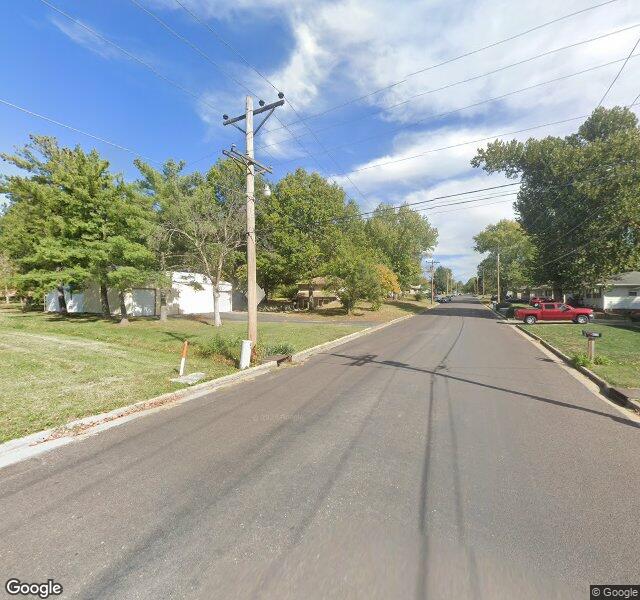
ODESSA HEALTH CARE CENTER

609 GOLF STREET, ODESSA, MO 64076 (816) 230-7530
For profit - Limited Liability company 60 Beds RELIANT CARE MANAGEMENT Data: November 2025
Trust Grade
40/100
#433 of 479 in MO
Last Inspection: May 2024

Within standard 12-15 month inspection cycle. Federal law requires annual inspections.

Overview

Odessa Health Care Center has a Trust Grade of D, indicating below-average performance with some significant concerns. They rank #433 out of 479 facilities in Missouri, placing them in the bottom half of the state, and #5 out of 5 in Lafayette County, meaning there are no better local options. The facility is showing an improving trend, reducing issues from 18 in 2024 to 11 in 2025, but still has a concerning number of deficiencies, totaling 58. Staffing is a strength with a 0% turnover rate; however, there is less RN coverage than 91% of Missouri facilities, which raises concerns about adequate medical oversight. Specific incidents include a failure to ensure sufficient staffing to meet residents' basic needs and a lack of RN presence for at least eight hours a day, which puts resident safety at risk. Overall, while there are some positive aspects, families should weigh these against the serious staffing and oversight issues reported.

Trust Score
D
40/100
In Missouri
#433/479
Bottom 10%
Safety Record
Low Risk
No red flags
Inspections
Getting Better
18 → 11 violations
Staff Stability
○ Average
Turnover data not reported for this facility.
Penalties
✓ Good
No fines on record. Clean compliance history, better than most Missouri facilities.
Skilled Nurses
⚠ Watch
Each resident gets only 7 minutes of Registered Nurse (RN) attention daily — below average for Missouri. Fewer RN minutes means fewer trained eyes watching for problems.
Violations
⚠ Watch
58 deficiencies on record. Higher than average. Multiple issues found across inspections.
★☆☆☆☆
1.0
Overall Rating
★☆☆☆☆
1.0
Staff Levels
★★☆☆☆
2.0
Care Quality
★☆☆☆☆
1.0
Inspection Score
Stable
2024: 18 issues
2025: 11 issues

The Good

  • Full Sprinkler Coverage · Fire safety systems throughout facility
  • No fines on record

Facility shows strength in fire safety.

The Bad

1-Star Overall Rating

Below Missouri average (2.5)

Significant quality concerns identified by CMS

Chain: RELIANT CARE MANAGEMENT

Part of a multi-facility chain

Ask about local staffing decisions and management

The Ugly 58 deficiencies on record

Jun 2025 6 deficiencies
CONCERN (E) 📢 Someone Reported This

A family member, employee, or ombudsman was alarmed enough to file a formal complaint

Potential for Harm - no one hurt, but risky conditions existed

ADL Care (Tag F0677)

Could have caused harm · This affected multiple residents

**NOTE- TERMS IN BRACKETS HAVE BEEN EDITED TO PROTECT CONFIDENTIALITY** Based on observation, interview and record review, the facility failed to carry out activities of daily living (ADL) to maintain...

Read full inspector narrative →
**NOTE- TERMS IN BRACKETS HAVE BEEN EDITED TO PROTECT CONFIDENTIALITY** Based on observation, interview and record review, the facility failed to carry out activities of daily living (ADL) to maintain grooming and personal hygiene for three sampled residents (Resident #1, #3, and #4) out of three sampled residents. The facility census was 56. Review of the facility's ADL Policy revised 5/18/24, showed: -The facility would based on the resident's comprehensive assessment and consistent with the residents needs and choices, ensure a residents abilities in ADL's did not deteriorate unless unavoidable. -Care and services would be provided for bathing, dressing, grooming and oral care. -A resident who was unable to carry out activities of daily living would receive the necessary services to maintain good grooming, and personal and oral hygiene. Review of the facility's Resident Showers Policy revised 6/26/24, showed: -It was the practice of the facility to assist residents with bathing to maintain proper hygiene, stimulate circulation and help prevent skin issues as per current standards of practice. -Residents were provided showers as per request or as per facility schedule protocols based on resident safety. 1. Review of Resident #1's admission Record showed he/she was admitted to the facility on [DATE]. Review of the resident's quarterly MDS (MDS- a federally mandated assessment instrument completed by facility staff for care planning) dated 3/23/25 showed he/she was cognitively intact and required partial/moderate assistance with bathing. Review of the resident's care plan revised on 6/3/24 showed: -The resident had an ADL self-care performance deficit related to weakness from Parkinson's disease. -The resident required assist by 1 staff with bathing/showering twice weekly and as necessary. Review of the resident's Skin Monitoring: Comprehensive Certified Nurse Assistant (CNA) Shower Reviews on 6/17/25, showed: -The resident had a shower on 6/13/25. -The resident had a shower on 6/6/25. -The resident had a shower on 5/20/25. -The resident had a shower on 5/16/25. -The resident had a shower on 5/13/25. -The resident had a shower on 5/2/25. -In 5/25, the resident missed 3 out of 9 opportunities to get a shower. -In 6/25, the resident missed 3 out of 5 opportunities to get a shower. During an interview on 6/17/25 at 11:47 A.M. the resident said: -He/She was not getting bathed as much as he/she should be. -He/She was suppose to get and a shower twice weekly on Tuesday and Thursdays. -He/She has requested to get showered on several occasions to the staff and the staff told him/her there was not enough staff to give him/her a shower. 2. Review of the Resident #3's admission Record showed he/she was admitted to the facility on [DATE]. Review of the resident's quarterly MDS dated [DATE] showed he/she was cognitively intact and required supervision or touching assistance with bathing. Review of the resident's care plan revised 10/24 showed: -The resident had an ADL self-care performance deficit related to impaired balance/weakness in lower extremities, chronic pain, chronic fatigue syndrome and related diagnoses. -The resident required moderate assist by 1 staff with bathing/showering 2-3x week and as necessary. Review of the resident's Skin Monitoring: Comprehensive CNA Shower Reviews on 6/17/25 showed: -The resident had a shower on 6/11/25. -The resident had a shower on 6/7/25. -The resident had a shower on 5/28/25. -The resident had a shower on 5/3/25. -In 5/25, the resident missed 6 out of 9 opportunities to get a shower. -In 6/25, the resident missed 3 out of 5 opportunities to get a shower. Observation and interview on 6/17/25 at 6:25 A.M. showed the resident: -The resident's hair was greasy and dirty. -The resident had a body odor smell. -He/She has not had a shower in over a week. -He/She was supposed to get two showers a week, and many times, does not get even one shower per week. -He/She desired a minimum of two showers per week. -He/She asked staff several times to give him/her a shower, but they don't. -He/She had an odor that was embarrassing to him/her. -He/She had yeast rashes under his/her breast from the lack of hygiene. -He/She had yeast in his/her abdominal fold due to lack of hygiene. 3. Review of Resident #4's admission Record, showed he/she was admitted to the facility on [DATE]. Review of the resident's quarterly MDS dated [DATE], showed he/she was cognitively intact and required substantial/maximal assistance with bathing. Review of the resident's care plan dated 10/14/24 showed: -The resident an ADL self-care performance deficit related to difficulty in walking and muscle weakness. -The resident required sit to stand lift by 2 staff with bathing/showering as necessary. Review of the resident's Skin Monitoring: Comprehensive CNA Shower Reviews on 6/17/25, showed: - The resident had a shower on 6/13/25. -The resident had a shower on 6/6/25. -The resident had a shower on 5/20/25. -The resident had a shower on 5/16/25. -The resident had a shower on 5/6/25. -In 5/25, the resident missed 6 out of 9 opportunities to get a shower. -In 6/25, the resident missed 3 out of 5 opportunities to get a shower. During an interview on 6/17/25 at 1:00 P.M. the resident said: -He/She was not getting showers. -He/She was supposed to get showered every Tuesday and Friday. -He/She had his/her last shower on 6/13/25. -He/She went 3 weeks without getting showered in 5/25. -He/She wanted to be showered twice per week. -He/She was not getting showered because the facility was short staffed. -He/She had to complete his/her own cares at his/her sink to prevent body odor. -He/She felt unclean and it was taking an emotional toll on him/her. 4. During an interview on 6/17/25 at 4:05 A.M. Licensed Practice Nurse (LPN) A said: -The residents were not getting bathed because the facility was short staffed. -When a resident gets bathed, the CNA fills out a shower review sheet. -If a shower review sheet was not completed, the resident did not get bathed. -Residents were supposed to get a minimum of 2 showers/baths per week. During an interview on 6/17/25 at 5:15 A.M. CNA A said: -The residents were complaining to them about not getting bathed but nothing had been resolved. -The night shift CNA's were giving some of the residents their baths/showers due to the day shift not doing any. -When a resident got a bath or shower, the CNA filled out a shower review sheet. During an interview on 6/17/25 at 5:51 A.M. CNA C said: -Some residents were going weeks without getting bathed. -When a resident got a bath, the CNA's filled out a shower review sheet and gave it to the charge nurse. -The residents were complaining about not getting bathed and feeling unclean. During an interview on 6/17/25 at 5:51 A.M. CNA E said: -Residents were not getting their showers or baths because there were not enough staff to give the residents their baths/showers. -He/She was aware that some residents were going weeks without getting their bath or showers. -He/She informed the Administrator that there was not enough staff to bath the residents. -CNA's filled out shower sheets when they bathed residents. -He/She felt bad for the residents because he/she knew that they wanted their baths and showers but were not getting them. During an interview on 6/17/25 at 8:57 A.M. the Ombudsman said he/she received numerous complaints from the facility about residents not getting bathed. During an interview on 6/18/25 at 4:46 P.M. the Administrator said: -The residents were not getting bathed twice per week. -He/She would expect the residents to get showers or bathed twice per week, if that is what the resident's choice was. -There were currently no assigned staff to give residents their baths. MO00255047, MO00255403, MO00255632, MO00255324
CONCERN (E) 📢 Someone Reported This

A family member, employee, or ombudsman was alarmed enough to file a formal complaint

Potential for Harm - no one hurt, but risky conditions existed

Deficiency F0804 (Tag F0804)

Could have caused harm · This affected multiple residents

**NOTE- TERMS IN BRACKETS HAVE BEEN EDITED TO PROTECT CONFIDENTIALITY** Based on observation, interview and record review, the facility failed to ensure residents were provided food that was at a safe...

Read full inspector narrative →
**NOTE- TERMS IN BRACKETS HAVE BEEN EDITED TO PROTECT CONFIDENTIALITY** Based on observation, interview and record review, the facility failed to ensure residents were provided food that was at a safe and appetizing temperature for three sampled residents (Residents #1, #3, and #4) out of 4 sampled residents. The facility census was 56. A facility's Food Temperature policy was requested and not provided. 1. Review of Resident #1's admission Record showed he/she was admitted to the facility on [DATE]. Review of the resident's quarterly MDS (MDS- a federally mandated assessment instrument completed by facility staff for care planning) dated 3/23/25 showed he/she was cognitively intact. During an interview on 6/17/25 at 11:47 A.M., the resident said: -He/She often received food that was cold in temperature and not appetizing. -He/She often received food trays in his/her room. 2. Review of the Resident #3's admission Record showed he/she was admitted to the facility on [DATE]. Review of the resident's quarterly MDS dated [DATE] showed he/she was cognitively intact. During an interview on 6/17/25 at 6:25 A.M., the resident said: -The food at the facility has gone downhill. -The food at the facility was always served cold. 3. Review of Resident #4's admission Record showed he/she was admitted to the facility on [DATE]. Review of the resident's quarterly MDS dated [DATE] showed he/she was cognitively intact. During an interview on 6/17/25 at 8:40 A.M. the resident said: -His/Her food is often served cold. -The cold food often influenced how much he/she ate. 4. Observation on 6/17/25 at 12:45 P.M. showed: -The resident's beef stroganoff was 102.8 degrees F. -The resident's steamed broccoli was 99.8 degrees F. -The resident's mashed potatoes was 99.1 degrees F. Observation on 6/17/25 at 12:55 P.M. showed: -The room tray cart had one remaining tray that was being served to a resident. -The hamburger on the tray was 101.7 degrees F. -The pudding on the tray was 67.3 degrees F. During an interview on 6/17/25 at 4:05 A.M. Licensed Practice Nurse (LPN) A said: -Dinner was often served over an hour late to the residents. -He/She had heard many residents complain about the food being cold when served. During an interview on 6/17/25 at 5:15 A.M. Certified Nurse Assistant (CNA) A said: -The residents were always complaining about cold food, and nothing gets done about it. -He/She has had some residents refuse to eat meals due to the food not being warm. During an interview on 6/17/25 at 5:51 A.M. CNA C said: -Residents often complained about the food at the facility. -Due to being short staffed it can take 30-45 minutes for all of the resident's room trays to be delivered. -He/She has observed meals being served up to nearly 2 hours later than the scheduled mealtimes. -He/She has had to warm up resident's food on many occasions due to the food being served cold. During an interview on 6/18/25 at 10:20 A.M. Dietary Staff A said: -The facility was short staffed and it was causing issues with the resident's receiving their meal trays timely and warm. -He/She has observed meal trays waiting for CNA's to get picked up from dietary to serve to the resident's for up to 30 minutes. -The facility had over 20 room trays being served at each meal. -The facility did not have enough plate covers to cover all of the room trays for each meal. -Some room trays had to be placed on the room tray cart without a heated plate cover. -The room tray cart was not heated. -He/She had requested more plate covers and a heated cart but has not received either request from the facility. -There were kitchen staff who were under disciplinary actions due to the way they were cooking and serving the residents' their meals. During an interview on 6/18/25 at 11:30 A.M. Dietary Staff B said: -Staff have not been using the steam tables in the kitchen to keep the resident's food warm and he/she was unsure why. -Very seldom did the resident's get good and warm food. -Staff that were preparing and cooking the resident meals up to 3 hours in advance and the food was sitting out after preparation until mealtimes. During an interview on 6/18/25 at 4:46 P.M. The Administrator said: -He/She would expect that the resident's food be prepared no more than 30 minutes before serving time. -He/She would expect resident's meals to be warm and appetizing when being served to the resident. Complaint #: MO00255047
CONCERN (E) 📢 Someone Reported This

A family member, employee, or ombudsman was alarmed enough to file a formal complaint

Potential for Harm - no one hurt, but risky conditions existed

Deficiency F0839 (Tag F0839)

Could have caused harm · This affected multiple residents

**NOTE- TERMS IN BRACKETS HAVE BEEN EDITED TO PROTECT CONFIDENTIALITY** Based on interview and record review, the facility failed to ensure certified/trained personal provided Activities of Daily Livi...

Read full inspector narrative →
**NOTE- TERMS IN BRACKETS HAVE BEEN EDITED TO PROTECT CONFIDENTIALITY** Based on interview and record review, the facility failed to ensure certified/trained personal provided Activities of Daily Living (ADL- a set of basic tasks that individuals need to perform to maintain their daily life and independence. These tasks typically include bathing, dressing, eating, toileting, and mobility) care to the resident. The facility census was 56 residents. Review of Facility assessment dated [DATE] showed: -Staff competencies for resident population included: --Resident rights and dignity. --Confidentiality. --Infection control and standard precautions. --Emergency procedures and disaster preparedness. --Fall prevention and safety protocols. --Abuse, neglect, and exploitation prevention. --Dementia care, including trauma informed practices. --De-escalation techniques and behavioral support. --Documentation procedures and electronic health record usage. -The foundational training was completed prior to independent resident contact. -Certified Nurse Assistants (CNA's) must complete a state approved nurse aide training program and pass the competency exam. -45 out of 56 residents required assist of 1-2 staff with ADLs of dressing, bathing, and transfers. -5 out of 56 residents required assist of 1-2 staff with ADLs of feeding. -40 out of 56 residents required assist of 1-2 staff with ADLs of toileting. -9 out of 56 residents required total dependent care with ADL's. Review of the facility Screening-Application, Employee, Volunteer, and Vendor policy revised 6/12/25, showed: -The facility was committed with compliance with federal and state regulations regarding the screening of individuals who may be in contact with residents or providing services that are, in whole or in part, payable by a government healthcare program. -No employee worked in a position requiring a license or certification if that license or certification was expired. Review of the facility Nurse Aide Training Program Policy revised 5/18/24, showed: -In service training will be provided by qualified personnel and will be based on the special needs of the residents of the facility. Minimum training will include: --Effective communication. --Dementia management and care of cognitively impaired. --Abuse, neglect, and exploitation prevention. --Elements and goals of the facility's Quality Assurance (QA) and Performance Improvement (PI) program. 1. During an interview on 6/17/25 at 12:20 P.M., Environmental Services staff A said: -He/She worked on the floor on 6/4/25 in the evening/night shift. -He/She assisted staff with resident cares. -He/She assisted staff with resident transfers. -He/She assisted with changing briefs and perineal cares (the cleaning and maintenance of the genital and anal areas, also known as the perineum). -He/She assisted residents with feedings. -He/She was instructed to assist the residents by the previous Director of Nursing (DON). -He/She was not certified. -He/She has never had nurse aide training. -There were no other certified nurse aides on the floor during the shift. -He/She did not feel comfortable performing the resident cares but did not want to leave the residents in need. Review of the facility staff daily time punches dated 6/4/25 showed: -One CMT from 5:53 P.M. to 10:48 P.M. -One dietary aide from 2:29 P.M. to 5:44 A.M. -One housekeeper from 6:58 A.M. to 6:22 A.M. -The census was 56 residents. Review of the Environmental Services employee file on 6/18/25, showed: -No training for resident contact cares. -No previous nurse aide experience. -No certifications. During an interview on 6/18/25 at 10:43 A.M. Dietary Staff C said: -He/She was under the age of 18. -He/She was in high school. -He/She was hired as a dietary aide. -He/She was placed on a mandatory staffing calendar to meet the minimum requirements for fire code. -He/She worked on overnight shift in June until approximately 4:00 A.M. -He/She passed ice and answered the call lights. Review of the facility Dietary Aide Job Description copyrighted in 2023, showed: -The required qualification for a dietary aide was to have a high school diploma. -The purpose of the position was to provide assistance in all food functions as directed/instructed and in accordance with established food policies and procedures. During an interview on 6/18/25 at 4:46 P.M. the Administrator said: -He/She was aware that noncertified staff were being mandated to come in on the night shift. -He/She was the one who mandated this in order to try to have enough staff to meet fire code regulations. -He/She was not aware that any of the noncertified staff were instructed to provide nursing aide hands on cares to the residents. -He/She would not expect any staff member who was not certified or had the proper training to be performing hands on resident cares. Requested the job description for non-certified staff and the environmental services was not provided. Complaint: MO00255047
CONCERN (F) 📢 Someone Reported This

A family member, employee, or ombudsman was alarmed enough to file a formal complaint

Potential for Harm - no one hurt, but risky conditions existed

Deficiency F0725 (Tag F0725)

Could have caused harm · This affected most or all residents

**NOTE- TERMS IN BRACKETS HAVE BEEN EDITED TO PROTECT CONFIDENTIALITY** Based on observation, interview and record review, the facility failed to have sufficient staffing on a 24-hour basis to care fo...

Read full inspector narrative →
**NOTE- TERMS IN BRACKETS HAVE BEEN EDITED TO PROTECT CONFIDENTIALITY** Based on observation, interview and record review, the facility failed to have sufficient staffing on a 24-hour basis to care for resident's basic needs and to ensure resident safety for three sampled residents (Resident # 1, #3 and #4) out of three sampled residents. This practice had the potential to affect all residents. The facility census was 56 residents. Review of the facility Sufficient Staff Policy updated 5/18/24, showed: -It was the policy of the facility to provide sufficient staff with appropriate competencies and skills sets to assure resident safety and attain or maintain the highest practicable physical, mental, and psychosocial well being of each resident. -The facility census, acuity and diagnosis of the resident population will be considered based on the facility assessment. Review of the Facility Assessment Tool revised 4/25, showed: -Based on the facility resident population and their needs for care and support, the average daily facility staffing plan included: --1 Administrator full time days. --1 Director of Nursing (DON) full time days. --2 nurses. --8 Certified Nurse Assistants (CNA's). --2 Certified Medication Technicians (CMT's). Review of the facility Minimum Staffing Requirements for Fire Safety policy revised 3/13/25 showed: -11:00 P.M. to 7:00 A.M. (night shift) one personnel for every 3-20 residents. -The flow chart showed staffing requirements per census required staff for night shift (11:00 P.M. to 7:00 A.M.) with a census range of 41-60 residents would require 3 staff members assigned for the shift. 1. Review of the facility staff daily time punches dated 6/15/25 showed: -Two staff members, a Registered Nurse and Nurse Aide (Not Certified) for the evening/night shift from 6:00 P.M. to 6:00 A.M. -One Dietary Aide from 2:23 P.M. to 8:48 P.M. -One Certified Medication Technician (CMT) from 5:54 A.M. to 9:37 P.M. -One CMT from 7:15 A.M. to 10:27 P.M. -The census was 56 residents and there were only 2 staff members in the building from 10:27 P.M. to 6:00 A.M. Review of the facility staff daily time punches dated 6/14/25 showed: -Two staff members, a Licensed Practical Nurse (LPN) and Nurse Aide (Not Certified) for the evening/night shift from 6:00 P.M. to 6:00 A.M. -One Dietary Aide from 2:25 P.M. to 4:04 A.M. -One CMT from 5:50 A.M. to 9:27 P.M. -The census was 56 residents and there were only 2 staff members in the building from 4:04 A.M. to 6:00 A.M. Review of the facility staff daily time punches dated 6/10/25 showed: -Two staff members, a CNA and Nurse Aide (Not Certified) for the evening/night shift from 6:00 P.M. to 6:00 A.M. -One Maintenance Director from 10:03 P.M. to 1:00 A.M. -One CMT from 6:26 A.M. to 12:44 A.M. --One CNA from 4:01 A.M. to 6:06 P.M. -The census was 56 residents and there were only 2 staff members in the building from 4:01 A.M. to 6:00 A.M. -Note: This night the Administrator stated that he/she was in the building but unable to provide his/her punch time. Review of the facility staff daily time punches dated 6/9/25 showed: -One staff member, Nurse Aide (Not Certified) for the evening/night shift from 6:00 P.M. to 6:00 A.M. -One CMT from 5:58 A.M. to 10:20 P.M. -The census was 56 residents and there were only 1 staff member in the building from 10:20 P.M. to 6:00 A.M. -Note: This night the Administrator stated that he/she was in the building but unable to provide his/her punch time. Review of the facility staff daily time punches dated 6/5/25 showed: -One staff member, a CNA for the evening/night shift from 6:00 P.M. to 6:00 A.M. -One CMT from 5:45 A.M. to 10:27 P.M. -The census was 56 residents and there were only 1 staff member in the building from 10:26 P.M. to 6:00 A.M. -Note: This night the Administrator stated that he/she was in the building but unable to provide his/her punch time. Review of the facility staff daily time punches dated 6/4/25 showed: -No staff members for the evening/night shift from 6:00 P.M. to 6:00 A.M. -One CMT from 5:53 P.M. to 10:48 P.M. -One dietary aide from 2:29 P.M. to 5:44 A.M. -One housekeeper from 6:58 A.M. to 6:22 A.M. -The census was 56 residents and there were only 2 non-certified staff members in the building from 10:48 P.M. to 6:00 A.M. -Note: This night the Administrator stated that he/she was in the building but unable to provide his/her punch time. Review of the facility staff daily time punches dated 6/2/25 showed: -2 staff members, a LPN and a CNA for the evening/night shift from 6:00 P.M. to 6:00 A.M. -One RN from 4:52 P.M. to 9:52 P.M. -The census was 56 residents and there were only 2 staff members in the building from 9:52 P.M. to 6:00 A.M. 2. Review of Resident #1's admission Record, showed: -The resident was admitted to the facility on [DATE]. -The resident had a diagnosis of compression fracture of the first lumbar vertebra. -The resident had a diagnosis of Parkinson's Disease (a movement disorder of the nervous system). -The resident had a diagnosis of difficulty in walking. -The resident had a diagnosis of history of falls. -The resident had a diagnosis of muscle weakness. Review of the resident's quarterly MDS (MDS- a federally mandated assessment instrument completed by facility staff for care planning) dated 3/23/25, showed he/she was cognitively intact. During an interview on 6/17/25 at 11:47 A.M., the resident said: -The facility was short staffed. -He/She had to wait for long periods of time to get his/her call light answered. Review of the Resident #3's admission Record, showed: -The resident was admitted to the facility on [DATE]. -The resident had a diagnosis of Rheumatoid Arthritis (RA-a chronic, autoimmune disease primarily affecting the joints, causing inflammation, pain, and stiffness). -The resident had a diagnosis of lumbar spondylosis (an age-related degeneration of the vertebrae and disks of the lower back). Review of the resident's quarterly MDS dated [DATE], showed he/she was cognitively intact. During an interview on 6/17/25 at 6:25 A.M. the resident said: -The facility only had one aide for both halls. -His/Her call light stayed on for 30-45 minutes before being answered. -He/She does not get bathed due to the facility being short staffed. -His/Her blood sugars are not getting checked until after dinner because the facility is short staffed. Review of Resident #4's admission Record showed: -The resident was admitted to the facility on [DATE]. -The resident had a diagnosis of spinal stenosis (a condition where the spinal canal narrows, potentially compressing the spinal cord and/or nerve roots). -The resident had a diagnosis of cognitive communication deficit (difficulties in communication that stem from impairments in cognitive processes like attention, memory, and executive function). Review of the resident's quarterly MDS dated [DATE], showed he/she was cognitively intact. During an interview on 6/17/25 at 8:40 A.M. the resident said: -Residents call lights stayed on for a long time before being answered. -His/Her needs are not getting met due to lack of staffing. -Residents are not getting their baths. -Food is always late and cold because it takes the staff so long to get the trays passed out. 3. During an interview on 6/17/25 at 4:05 A.M., LPN A said: -Many nights there was only one CNA on the floor for the entire building. -At times the CMT will join the CNA's on the floor to help when they are done passing medications to the residents. -The written daily schedules that were located at the nurse's station more times than did not match who was actually in the facility working. -There were times that the facility is so short staffed at night that some residents do not receive their medications. -Residents were going long periods of time without showers/bathing due to the staffing issues at the facility. -When only one CNA in on the floor during the evening time, he/she felt that it placed the residents at risk because the CMT was constantly interrupted while they were trying to pass their medications to the residents to help the CNA with resident cares. -During the evening/night shift, call lights stayed on up to an hour because there were not enough staff to meet all of the resident needs. -2-3 times per week, he/she had to stay past his/her shift because there was not a nurse to replace him/her. -He/she tried his/her best but really did not have the time to help the staff on the floor. During an interview on 6/17/25 at 5:15 A.M. CNA A said: -He/She was many times the only staff member on the floor until 10:00 P.M. and sometimes until 4:00 A.M. -One-night last week, he/she was the only staff member on the floor until 4:00 A.M. -In the evening time, he/she had to lay down around 30 residents, that included four sit to stand and two Hoyer lift residents. -Most nights, since it was only her/him on the floor that could transfer residents, residents were up and weren't able to be all laid down until 11:30 P.M., or later. -He/She had to ask for help from the CMT on many occasions. During an interview on 6/17/25 at 5:35 A.M. CMT A said: -There was only 1 CNA on the floor most nights. -He/She is the full-time night CMT. -He/She must help the CNA on most nights, and he/she often got interrupted during his/her medication pass to help the CNA. -He/She was unable to sometimes give medications because he/she got too busy helping the residents with their basic needs. -Most nights the residents are not getting laid down until after 11:00 P.M. -He/She felt like he/she was doing the job of 3 people and was very overwhelmed. -He/She had been a CNA for over 14 years and had never seen a facility be such short staffed that it was negatively affecting the residents' cares. -Residents were not getting bathed due to being short staffed. -Call lights were not getting answered due to being short staffed. -He/She had seen names on the written schedule of people that he/she has never met and that have never showed up to work their shift. -The nurses really did not have much time to help but he/she helped when needed. During an interview on 6/17/25 at 5:15 A.M. CNA C said: -4-5 nights per week, there was only 1 CNA on the floor for the entire building. -The residents were not getting bathed, not getting changed, and not getting proper hygiene. -The evening/night shift must feed residents and lay down the entire building. -There have been staff put on the schedule that never showed up. -He/She sometimes had to transfer people by him/herself that should have been a 2 person transfer because there was no one else to help. -The night shift was expected to get 12 residents up in the morning before they go home. Observation on 6/17/25 at 7:11 A.M. showed 15 residents were still in bed and not ready for breakfast. Breakfast was scheduled for 7:30 A.M. During an interview on 6/17/25 at 7:15 A.M. CNA D said: -He/She was the only CNA on the hall most of the time. -When he/she got residents up in the mornings, they were always very soiled. -The residents were not getting the cares that they needed because the facility was so short staffed. Observation on 6/17/25 at 11:58 A.M. showed CNA D looked for help to get a resident up with a sit to stand lift for over 20 minutes. During an interview on 6/17/25 at 11:58 A.M. Housekeeper staff A said: -The Administrator informed all non-certified staff that they have to work the floor even though the staff expressed that they didn't feel comfortable doing so. -This morning the Administrator instructed him/her to go turn a resident bathroom light off and tell the resident Someone would be right back. He/She was unsure how long the resident sat there without being helped off of the toilet. -Non-certified staff were instructed to always turn off call lights and tell the residents that someone would be back to help them. During an interview on 6/17/25 at 12:08 P.M. laundry staff A said: -The facility was short staffed in every department. -When he/she gets the overnight laundry in the mornings urine pours out of the sheets. During an interview on 6/17/25 at 12:20 P.M. Environmental Services staff A said: -He/She had to transfer residents and feed residents because the facility is short staffed. -He/She is not certified and has had no training. -When he/she comes to work in the mornings, the urine smell in the facility is strong. -He/She has observed linens in laundry that were drenched from residents not being changed during the night. During an interview on 6/18/25 at 9:09 A.M. CNA B said the residents were having to wait 30 minutes to an hour to get their call lights answered, go to the bathroom, or get up because that facility is short staffed. During an interview on 6/18/25 at 4:46 P.M. The Administrator said: -He/She has been covering some shifts as the charge nurse. -He/She has been coming in on nights when no nurse is available. -He/She would expect the facility to have enough staff to meet the resident's needs. -He/She would expect the facility be staffed overnight with 1 nurse, 1 CMT, and 3 aides to meet the needs of the residents in the facility. Complaint #'s: MO00255324, MO00255403, MO00255632, MO00255047
CONCERN (F) 📢 Someone Reported This

A family member, employee, or ombudsman was alarmed enough to file a formal complaint

Potential for Harm - no one hurt, but risky conditions existed

Deficiency F0727 (Tag F0727)

Could have caused harm · This affected most or all residents

Based on interview and record review, facility staff failed to provide the services of a Registered Nurse (RN), for at least eight consecutive hours per day, seven days a week and to designated a Dire...

Read full inspector narrative →
Based on interview and record review, facility staff failed to provide the services of a Registered Nurse (RN), for at least eight consecutive hours per day, seven days a week and to designated a Director of Nursing (DON) . The facility census was 56 residents. 1. Review of the facility policy titled Registered Nurse (RN), revised 4/30/24, showed: -It was the intent of the facility to comply with Registered Nurse staffing requirements. -The facility would utilize the services of a Registered Nurse for at least 8 consecutive hours per day, 7 days a week. -The facility would designate a Registered Nurse to serve as the Director of Nursing (DON) on a full-time basis Review of the Facility Assessment Tool, revised 4/1/25, showed: -The facility needed one Administrator, one DON, and one RN to provide support and care for the residents. -Based on the facility's resident population and needs for care and support, the administrator and the DON would be in the facility full time, days. During an interview on 6/17/25 at 4:05 A.M., Licensed Practice Nurse (LPN) A said: -The facility had been without a DON or RN coverage for approximately 3 weeks. -A Regional Nurse Consultant started the previous day as the DON. -The facility had been without RN coverage on the weekdays and the weekends prior to the new DON starting. -The facility Administrator covered the charge nurse position on the day shift most days. During an interview on 6/17/25 at 5:15 A.M., Certified Nurse Assistant (CNA) A said he/she has never observed a RN in the building at any time. During an interview on 6/17/25 at 7:48 A.M., the Administrator said: -He/She could not provide proof of RN coverage. -The DON started at the facility yesterday, 6/16/25. During an interview on 6/18/25 at 9:09 A.M., CNA B said the facility was without a RN for a couple of weeks until the new DON started. Review of the facility's Daily Punches on 6/18/25, showed: -No RN clocked in on the day shift on 6/15/25. -No RN clocked in on the day shift on 6/14/25. -No RN clocked in on the day shift on 6/13/25. -No RN clocked in on the day shift on 6/10/25. -No RN clocked in on the evening/night shift on 6/10/25. -No RN clocked in on the day shift on 6/9/25. -No RN clocked in on the evening/night shift on 6/9/25. -No RN clocked in on the evening/night shift on 6/5/25. -No RN clocked in on the day shift on 6/4/25. -No RN clocked in on the evening/night shift on 6/4/25. -No RN clocked in on the day shift on 5/31/25. During an interview on 6/18/25 at 4:40 P.M., the new DON said: -He/She has only been the Acting DON at the facility for a couple of days. -He/She was not aware of how the mandatory RN coverage was being completed prior to him/her taking the position at the facility. During an interview on 6/18/25 at 4:46 P.M., the Administrator said: -The previous DON stopped working for the facility a while back, but he/she could not recall the exact date. -The facility has had the current DON for around two days. -He/She can't prove RN staff coverage due to RN's not clocking in. -Note: This surveyor requested a Payroll Based Journal (PBJ) from the Administrator, and it was never provided. Complaint #: MO00255047
CONCERN (F) 📢 Someone Reported This

A family member, employee, or ombudsman was alarmed enough to file a formal complaint

Potential for Harm - no one hurt, but risky conditions existed

Administration (Tag F0835)

Could have caused harm · This affected most or all residents

Based on observation, interview and record review, the facility failed to ensure the facility was administered in a manner that allowed residents to attain or maintain their highest practicable physic...

Read full inspector narrative →
Based on observation, interview and record review, the facility failed to ensure the facility was administered in a manner that allowed residents to attain or maintain their highest practicable physical well-being by not having administrative oversight to the residents on a full time basis and by not having a Registered Nurse (RN) or a Director Of Nursing (DON) physically present in the facility for a minimum of 8 hours within a 24 hour period. This had the potential to affect all residents of the facility. The facility census was 56. Review of the facility policy titled Registered Nurse (RN), revised 4/30/24, showed: -It was the intent of the facility to comply with Registered Nurse staffing requirements. -The facility would utilize the services of a Registered Nurse for at least 8 consecutive hours per day, 7 days a week. -The facility would designate a Registered Nurse to serve as the Director of Nursing on a full-time basis Review of the facility policy titled Sufficient Staff Policy, revised 5/18/24, showed: -It was the policy of the facility to provide sufficient staff with appropriate competencies and skill sets to assure resident safety and attain or maintain the highest practicable physical, mental, and psychosocial well-being of each resident. -Except when waived, the facility used the services of a RN for at least 8 consecutive hours a day, 7 days a week. A policy for administrative duties was requested and not provided. Review of the Facility Assessment Tool, revised 4/1/25, showed: -The facility needed one administrator, one DON, and one RN to provide support and care for the residents. -Based on the facility's resident population and needs for care and support, the administrator and the [NAME] would be in the facility full time, days. 1. During an interview on 6/17/25 at 4:05 A.M. Licensed Practice Nurse (LPN) A said: -The facility had been without a DON or RN coverage for approximately 3 weeks. -A regional nurse consultant started the previous day as the DON. -The facility had been without RN coverage on the weekdays and the weekends prior to the new DON starting. -The facility Administrator covered the charge nurse position on the day shift most days. -He/She had to stay 2-3 times per week past his/her shift ending to wait for the Administrator to come to work and take over because there was no nurse to replace him/her. -The facility Administrator covered the charge nurse position on the evening and night shift when no nurse was able to work the evening and night shift. -The facility had 2 LPNs on staff that worked the night shift. During an interview on 6/17/25 at 5:15 A.M. Certified Nurse Assistant (CNA) A said: -He/She has never observed a RN in the building at any time. -The Administrator has worked as the day shift charge nurse on several occasions. -The Administrator has worked as the evening/night shift charge nurse on several occasions. During an interview on 6/17/25 at 7:48 A.M. the Administrator said: -He/She was working as the charge nurse for the day shift. -He/She covered many shifts as the charge nurse, day and night. -He/She could not provide proof of RN coverage. -The DON started at the facility yesterday, 6/16/25. During an interview on 6/18/25 at 9:09 A.M. CNA A said: -The Administrator has been acting as the charge nurse, social worker, and Administrator during the day shifts. -The Administrator was working as the charge nurse today, 6/18/25. -The facility was without a RN for a couple of weeks until the new DON started. During an interview on 6/18/25 at 9:40 A.M. Activities Director said: -The Administrator was the charge nurse on most days. -When the Administrator was the charge nurse, the Administrator spends most of his/her time in his/her office with the office door closed. -The facility was without nursing supervision on most days. Review of the facility's Daily Schedule on 6/18/25 showed: -The charge nurse was the Administrator on the day shift on 6/13/25. -The charge nurse was the Administrator on the day shift on 6/10/25. -The charge nurse was the Administrator on the evening/night shift on 6/10/25. -The charge nurse was the Administrator on the day shift on 6/9/25. -The charge nurse was the Administrator on the day shift on 6/5/25. -The charge nurse was the Administrator on the evening shift on 6/4/25. -The charge nurse was the Administrator on the day shift on 6/1/25. During an interview on 6/18/25 at 4:46 P.M. the Administrator said: -He/She has been covering some shifts as the charge nurse. -He/She can't prove that he/she has been able to dedicate 40 hours per week as the Administrator. -The previous DON stopped working for the facility a while back, but he/she could not recall the exact date. -The facility has had the current DON for at least 2 days. -He/She can't prove RN staff coverage due to RN's not clocking in. Note: This surveyor requested a Payroll Based Journal (PBJ) from the Administrator, and it was never provided. Complaint #: MO00255047
Apr 2025 3 deficiencies
CONCERN (E) 📢 Someone Reported This

A family member, employee, or ombudsman was alarmed enough to file a formal complaint

Potential for Harm - no one hurt, but risky conditions existed

Staffing Information (Tag F0732)

Could have caused harm · This affected multiple residents

Based on observation, interview and record review, the facility failed to post staffing information in a location that was easily accessible to residents on the Long Term Care (LTC) of the facility an...

Read full inspector narrative →
Based on observation, interview and record review, the facility failed to post staffing information in a location that was easily accessible to residents on the Long Term Care (LTC) of the facility and to ensure staffing data was posted for visitors including the facility name, daily census, and the actual hours worked per shift for each of the three categories of nursing employees: Registered Nurses (RNs), Licensed Practical Nurses (LPNs), and Certified Nursing Assistants (CNAs)/Certified Medication Technicians (CMTs) directly responsible for resident care. The facility census was 54 residents. he facility staffing posting policy was requested and not provided. 1. Observation on 4/9/25 at 5:00 A.M. the facility had one LPN and two CNAs with a census of 54 residents. There was no RN in the building. Observation on 4/9/25 at 5:25 A.M. of the facility list of Health Care staff posted on a bulletin board showed: -Four LPN names listed, and no RN's names listed. -No DON was listed. -There was no daily staffing posted of the number of RN's, LPN's, CMT's and CNA's scheduled and hours for each shift, with the resident census for the day. Observation on 4/9/25 at 5:25 A.M. around the nursing station showed no daily staffing posted of number of RN's, LPN's, CMT's and CNA's schedule, hours for each shift and the resident census. During an interview on 4/9/25 at 5:30 A.M. LPN A said: -He/she has not seen the daily staff sheet completed in visible sight for few weeks or month. -The facility used to hand write the number of RN's, LPN's, CNA, CMT with census on the white board daily. During an interview on 4/9/25 at 10:45 A.M. the Interim DON said he/she would expect the facility staff to have post daily staffing ratio in public view in lobby area and nursing station. Note: Daily staffing ratio for last few days or weeks was requested, the facility administration was not able to provide documentation at time of exit on 4/9/25. Complaint # MO 00251633
CONCERN (F) 📢 Someone Reported This

A family member, employee, or ombudsman was alarmed enough to file a formal complaint

Potential for Harm - no one hurt, but risky conditions existed

Deficiency F0725 (Tag F0725)

Could have caused harm · This affected most or all residents

Based on interview and record review, the facility failed to have sufficient staffing on a 24-hour basis to care for resident's needs and to ensure resident safety by not having adequate staff in the ...

Read full inspector narrative →
Based on interview and record review, the facility failed to have sufficient staffing on a 24-hour basis to care for resident's needs and to ensure resident safety by not having adequate staff in the building for night shifts and failed to meet the minimum staffing requirements for fire safety. This practice had the potential to affect all residents. The facility census was 54 residents. Review of the facility Minimum Staffing Requirements for Fire Safety policy revised 3/13/25 showed: -11:00 P.M. to 7:00 A.M. (night shift) one personnel for every 3-20 residents. -The flow chart showed staffing requirements per census required staff for night shift (11:00 P.M. to 7:00 A.M.) with a census range of 41-60 residents would require 3 staff members assigned for the shift. 1. Review of the facility staff daily time punches dated 4/7/25 showed: -Two staff members, a Licensed Practical Nurse (LPN) A and Certified Nurse Aide (CNA) A , for the evening/night shift from 6:00 P.M. to 6:00 A.M. -One Certified Medication Technician (CMT) or LPN scheduled from 6:00 P.M. to 10:00 P.M. -Time punch for evening/Night LPN A was from 6:04 P.M. to 7:52 A.M. -Time punch for evening LPN C was on from 5:55 P.M. to 10:43 P.M. -Time punch for evening/Night CNA C was on from 6:05 P.M. to 11:43 P.M. -Time Punch for evening/night CNA A was on from 5:53 P.M. to 6:15 A.M. -The facility did not provide the daily schedule for 4/7/25 and the census was 54 residents. -On 4/8/25 at 11:43 P.M. to 5:40 A.M. there was one LPN and one CNA time punched in for a total of 6:03 hours. Review of the facility daily schedule dated 4/8/24 showed: -Two staff members, LPN A and CNA A, for the evening/night shift schedule from 6:00 P.M. to 6:00 A.M. -One LPN's name was handwritten in. -One CMT was scheduled from 6:00 P.M. to 10:00 P.M. -One CNA A's was name handwritten in. -One unknown CNA was listed as to assist other CNA's at 6:00 P.M. -The cense was 54 residents and there was only one LPN and one CNA assigned. There was no third staff member in the facility from 9:35 P.M. until 4:00 A.M. Observation and interview on 4/9/25 with CNA A at 5:00 A.M. showed: -Two CNA's and one LPN A were the staff members in the building. -CNA A said: --He/she and LPN A came into the facility at 6:00 P.M. on 4/8/25. --Another unknown CNA arrived on 4/9/25 around 4:00 A.M. to assist with getting the residents up and dressed that morning. --They were only two staff members in the building from 11:00 P.M. to 4:00 A.M. During an interview on 4/9/25 at 5:03 A.M. LPN A said: -The facility has had turn over the last few weeks. -Part of the evening /night shift only had one LPN and one CNA after 9:45 P.M. when the staff assigned a CNA to help lay residents down at 6:00 P.M. left. -On 4/8/25 Social Services stayed until 8:30 P.M. to help lay resident down for the night and left. -He/she had worked the night shift 4/7/25 and 4/8/25 and most of the night shift had only two staff working. -The facility census was 54 residents. During an interview on 4/9/25 at 8:18 A.M. the Regional Chief Nursing Officer (CNO) said: -He/she had not received any phone call from the facility nursing staff in the last two days. -It was reporting during a call that morning there were three staff members in the building. -He/she was not aware the facility only had two staff members from around 10:00 P.M. to around 4:00 A.M. -He/she would expect facility administration to ensure the minimum required staff for the night shift was there to meet the resident needs and fire code. During an interview on 4/9/25 at 9:50 A.M. Social Services Designee (SSD) said: -The staffing schedule was already completed by the past DON, he/she would only assist finding replacement staff as needed. -He/she was aware the facility did not have three care staff assigned from 11:00 P.M. to 4:00 A.M. on 4/7/25 and 4/8/25 and there should have been. -He/she had been assigned to assist with laying resident down on 4/8/25 and then left the facility around 8:45 P.M. During an interview on 4/9/25 at 10:45 A.M. the Interim DON said he/she would expect to have the required three staff members assigned for the full night shift to meet the resident needs and ensure safety. Complaint # MO 00251633
CONCERN (F) 📢 Someone Reported This

A family member, employee, or ombudsman was alarmed enough to file a formal complaint

Potential for Harm - no one hurt, but risky conditions existed

Deficiency F0727 (Tag F0727)

Could have caused harm · This affected most or all residents

Based on observation and interview, the facility failed to ensure the services of a Registered Nurse (RN) were utilized eight hours per day, seven days per week and failed to ensure a Director of Nurs...

Read full inspector narrative →
Based on observation and interview, the facility failed to ensure the services of a Registered Nurse (RN) were utilized eight hours per day, seven days per week and failed to ensure a Director of Nursing (DON) or interim DON was onsite full -time 8 hours a day for a minimum of 40 hours a per week. The facility census was 54 residents. The facility staffing policy for the DON and Registered Nurses requirement was requested and not provided. 1. Review of the Facility Assessment revised on 4/1/25 showed one DON full time day shift and one RN where available. Review of facility's staffing sheet from 4/7/24 to 4/9/24 showed no time recorded for the facility RN or DON. Observation on 4/9/25 at 5:00 A.M. the facility had one Licensed Practical Purse (LPN) and two Certified Nursing Aides (CNA) in the building. There was no RN in the building. Observation on 4/9/25 at 5:25 A.M. of the facility list of Health care staff posted showed: -Four LPN names listed and no RN names listed. -There was no DON listed. Observation on 4/9/25 at 10:43 A.M. showed the new RN/Interim DON had just arrived. During an interview on 4/9/25 at 5:30 A.M. LPN A said: -The DON quit on the evening of 4/6/25 without notice. -The facility did not have an RN assigned or in building on 4/7/25 and 4/8/25. -The facility was supposed to have an RN start on 4/9/25 on the evening shift. -He/she would contact the acting Regional Director of Operations by phone with any concerns related to residents care. During an interview on 4/9/25 at 5:48 A.M. the Regional Director of Operations said: -The facility DON had quit by email on the evening of 4/6/25. -They did not notify state of the changes of DON. -The corporate office was having a DON from another state coming to the building on 4/9/25 as Interim DON. -He/she was unsure if there was RN coverage eight hours per day onsite on 4/7/25 and 4/8/25. -The facility nursing staff was able to contact himself/herself or regional nurse consultant as needed with any question or concerns. During an interview on 4/9/25 at 6:20 A.M. CNA A and CNA B said: -They were not sure if had RN or DON in the building. -They would contact the LPN charge nurse with any medical concerns. During an interview on 4/9/25 at 6:40 A.M. LPN A and LPN B said: -At that time there was no resident who required RN care. -They did not have the contact number for regional nursing staff. -The facility did not post the corporate phone numbers. During an interview on 4/9/25 at 6:50 A.M. LPN B said: -The facility did not have RN or DON in the building on 4/7/25 and 4/8/25 from 6:00 A.M. to 6:00 P.M. during the dayshift. -The past DON had worked as the evening CNA on duty on 4/6/25 and then quit. During an interview on 4/9/25 at 7:52 A.M. the Regional CEO said: -The facility DON had quit without notice by email on the evening of 4/6/25. -The corporation had made arrangements for a DON from another state come to the facility as interim DON who should be arrive 4/9/25 to the facility. -The Regional Chief Nursing Officer (CNO) would be available for the facility nursing staff to contact as needed. -He/she was unaware if the facility had RN coverage on 4/7/25 and 4/8/25. During an interview on 4/9/25 at 8:05 A.M., the Interim OPS Manager said: -The facility did not have a DON or RN in the building on 4/7/25 and 4/8/25. -The regional CNO could be reached by phone. During an interview on 4/9/25 at 8:18 A.M. the Regional CNO said: -He/she had not received any phone calls from the facility nursing staff in the last two days. -On 4/7/25 and 4/8/25 he/she would run audit reports for the facility and reviewed them daily. -The Regional Director of Operations was responsible for working the scheduling to include RN coverage. -He/she would expect to have RN onsite coverage 8 hour a day, 7 days a week. During an interview on 4/9/25 at 9:50 A.M. Social Services Designee (SSD) said: -He/she had just started to assist with staff scheduling. -The staffing schedule was already completed, he/she would only assist finding replacement as needed. -No RN was scheduled on 4/7/25 and 4/8/25. -The interim DON was on his/her way to the building. -No acting DON was in the building on 4/7/25 and 4/8/25. During an interview on 4/9/25 at 10:45 A.M. the Interim DON said: -This was his/her first day at the facility. -He/she planned to work as the RN/DON Monday-Friday for coverage. -The facility was working on getting weekend RN coverage. -He/she would expect the facility to ensure RN coverage for 8 hours a day 7 days a week. Complain# MO 00251633
Feb 2025 1 deficiency
CONCERN (D) 📢 Someone Reported This

A family member, employee, or ombudsman was alarmed enough to file a formal complaint

Potential for Harm - no one hurt, but risky conditions existed

Deficiency F0602 (Tag F0602)

Could have caused harm · This affected 1 resident

Based on interview and record review, the facility failed to prevent misappropriation for one sampled resident (Resident #3) when Certified Nursing Assistant (CNA) A cultivated a relationship with the...

Read full inspector narrative →
Based on interview and record review, the facility failed to prevent misappropriation for one sampled resident (Resident #3) when Certified Nursing Assistant (CNA) A cultivated a relationship with the resident and borrowed $150.00 to pay court costs out of five sampled residents. The facility census was 53 residents. On 2/20/25 the Administrator and Assistant Director of Nursing (ADON) were notified of past non-compliance which occurred on 2/19/25. On 2/19/25 the facility Administrator was notified of the incident and the investigation was started. CNA A was terminated on 2/17/25 for no call no show to work. No employees were allowed to work prior to reeducation completed on 2/19/25. The deficiency was corrected on 2/19/25. Review of the facility's Abuse and Neglect Policy dated 11/28/16 and revised on 6/12/24 showed: -Misappropriation of resident property was deliberate misplacement, exploitation, or wrongful, temporary, or permanent, use of a resident's belongings or money without the resident's consent. -Exploitation was taking advantage of a resident for personal gain through the use of manipulation, intimidation, threats or coercion. -The facility was committed to protecting the residents from abuse by anyone including, but not limited to, facility staff, other residents, consultants, volunteers, and staff from other agencies providing services to individuals, family members or legal guardians, friends, or any other individuals. -The facility will screen employees for a history of abuse, neglect or mistreating residents by attempting to obtain information from previous employers and/or current employers and checking with the appropriate licensing boards and registries. -The facility will not employ individuals who have been convicted of abusing, neglecting or mistreating individuals. -Potential employees are screened for a history of abuse, neglect or mistreating of residents. -Employees were trained through orientation and ongoing training on issues related to abuse prohibition practices. Review of CNA A's employee file showed he/she was hired on 10/12/24 and terminated on 2/17/25 for no call no show. 1. Review of Resident #1's admission Record showed he/she was admitted to the facility with the following diagnosis: -Mood [Affective] Disorder (a group of mental health conditions characterized by persistent and significant changes in mood, energy levels and behavior). -Major Depressive Disorder (a mood disorder that caused a persistent feeling of sadness and loss of interest), recurrent. Review of the resident's Annual Minimum Data Set (MDS-a federally mandated assessment instrument completed by facility staff for care planning) dated 1/30/25 showed the resident: -Was cognitively intact. -Understands others and was understood by others. Review of the resident's undated Care Plan showed: -The resident had mood problems with depression, anxiety, and affective mood disorder. -He/she will remain free of signs/symptoms of distress, depression, anxiety, or sad mood. -He/she had a psychosocial well-being problem with anxiety, inability to concentrate, problem solve, ineffective coping, and lack of acceptance to current condition. -Allow the resident time to answer questions and to verbalize feelings, perceptions, and fears for behaviors. Review of the resident's Incident Note dated 2/19/25 at 10:00 A.M. showed: -Activities Director notified the Administrator on 2/19/25 of the resident asking about CNA A, because CNA A owed him/her $150.00. -CNA A asked the resident to borrow the money for court costs. -Director of Nursing (DON) started the investigation immediately by obtaining statements from resident and staff that he/she notified. -Police were contacted and a report was made. -Resident was refunded the money. -CNA A was terminated on 2/17/25, for no call no show. Review of the Activities Director written statement dated 2/19/25 showed: -At approximately 7:00 A.M. the resident stated to him/her that he/she gave CNA A $150.00. -The resident stated CNA A told him/her that he/she was on house arrest and was short $150.00. -The resident gave CNA A the $150.00. -The resident said you know how long it takes me to get $150.00, since I only gets $50.00 a month. -The resident tried to call and text CNA A with no reply. -He/she immediately went to the Administrator to report this incident. Review of Social Service Director written statement dated 2/19/25 at 7:45 A.M. showed: -He/she asked the resident when he/she had given CNA A the $150.00. -The resident said it was within the last two weeks. During an interview on 2/20/25 at 3:02 P.M. Administrator A said: -CNA A was terminated on 2/17/25 for no call no show. -On 2/19/25 he/she was informed that CNA A had asked the resident for $150.00. -The resident gave the $150.00 to CNA A as a loan and was to be paid back the next paycheck. -The police were called and gave a report number but said there was nothing they could do about the resident giving CNA A the money since it was a loan. -The $150.00 was refunded to the resident. During an interview on 2/20/25 at 3:15 P.M. the resident said: -He/she had lent the $150.00 to CNA A because he/she had asked for money to pay court costs. -CNA A promised to pay him/her back with the next paycheck. -That paycheck came and went and he/she was not paid back. -The next paycheck was coming up but he/she had not seen CNA A working. -He/she was upset and went to the Activities Director and asked him/her about CNA A. -It takes a long time to save that kind of money living at the facility. -He/she was educated on not giving staff anything and staff should not ask for money. -The facility did give him/her back the $150.00. During an interview on 3/5/25 at 3:00 P.M. CNA A said: -He/she would never ask a resident for money. -He/she did not borrow any money from the resident. -He/she would not do that. MO00249767
Jan 2025 1 deficiency
CONCERN (D) 📢 Someone Reported This

A family member, employee, or ombudsman was alarmed enough to file a formal complaint

Potential for Harm - no one hurt, but risky conditions existed

Notification of Changes (Tag F0580)

Could have caused harm · This affected 1 resident

Based on interview and record review, the facility failed to notify the resident's responsible party after staff performed the Heimlich Maneuver (a first-aid procedure for dislodging an obstruction fr...

Read full inspector narrative →
Based on interview and record review, the facility failed to notify the resident's responsible party after staff performed the Heimlich Maneuver (a first-aid procedure for dislodging an obstruction from a person's windpipe in which sudden strong pressure is applied on the abdomen, between the navel and the rib cage) on one sampled resident (Resident #3) who had choked on food and the physician had made some medication changes and ordered tests that were not relayed to the responsible party out of three sampled residents. The facility census was 54 residents. On 1/2/25 the Administrator was notified of the past noncompliance which occurred on 12/19/24. On 12/26/24 the facility administration was notified of the change of condition and notification not being completed. Facility staff were educated on change of condition and notification of responsible party. All changes of condition were monitored daily for notification. The deficiency was corrected on 12/31/24. Review of the facility policy Notification of Changes dated 2/2023 showed: -Policy was to ensure the facility informs the resident, consults the resident's physician; and notifies, consistent with his or her authority, the resident's representative when there is a change requiring notification. -Example of change of condition was a accident resulting in injury or potential to require physician intervention, and new treatment. 1. Review of Resident #3's Annual Minimum Data Set (MDS - a federally mandated assessment tool required to be completed by facility staff for care planning) dated 12/5/24 showed the resident: -Was cognitively intact. -Was independent with meals after set-up. -Did not have signs and symptoms of any swallowing issues. Review of the resident's Nurses Notes dated 12/19/24 showed: -He/She had a choking incident at supper. -Physician ordered a chest x-ray that showed bronchitis vs pneumonia. -Physician ordered to double Torsemide (a medication that treats excess fluid in the body caused by various medical problems) from 20 milligrams (mg) to 40 mg x 3 days and azithromycin (an antibiotic to treat many bacterial infections, such as respiratory). -His/Her resident representative was not notified of the incident. Review of the resident's incident report dated 12/19/24 at 6:23 P.M., showed: -He/She appeared to be choking. -He/She was blue/purple in color and was unable to speak or move air. -Staff had performed the Heimlich Maneuver and back thrusts on the resident. -He/She had began to cough and speak and had returned to baseline skin color. -No injuries were observed. -No notifications of the resident representative were found. During an interview on 1/2/25 at 9:50 A.M. the resident's representative said he/she had found out about the incident when the resident had told his/her spouse and the spouse called to notify him/her. During an interview on 1/2/24 at 10:55 A.M. Licensed Practical Nurse (LPN) A said: -The charge nurses are responsible for contacting residents representatives for any resident change of condition including choking on food, medication changes, new labs and x-rays ordered by the doctor. -He/She was in-serviced on resident change of condition policy just last week sometime. During an interview on 1/2/25 at 11:30 A.M., the Director of Nursing (DON) said: -The charge nurse would be responsible for contacting the resident responsible party with change of conditions. -The nurse did not notify the responsible party of the resident's choking incident, x-ray or new medications that were ordered. -All staff had been in-serviced by him/her when administration was made aware and change of conditions continue to audited by him/her daily. MO 00247080
May 2024 18 deficiencies
CONCERN (D)

Potential for Harm - no one hurt, but risky conditions existed

Assessment Accuracy (Tag F0641)

Could have caused harm · This affected 1 resident

**NOTE- TERMS IN BRACKETS HAVE BEEN EDITED TO PROTECT CONFIDENTIALITY** 2. Review of Resident #4's care plan, dated 8/20/23, showed: -No evidence of a wound or a wound infection. -No update to the car...

Read full inspector narrative →
**NOTE- TERMS IN BRACKETS HAVE BEEN EDITED TO PROTECT CONFIDENTIALITY** 2. Review of Resident #4's care plan, dated 8/20/23, showed: -No evidence of a wound or a wound infection. -No update to the care plan that indicated a wound or wound infection. Six months (December 2023 to May 2024) of the residents skin and wound assessments and documentation of infections were requested but not provided prior to exit. Review of the resident's medical record including progress notes and physician's orders dated December 2023 to May 2024 showed no evidence of a wound infection was found. Review of the resident's significant change MDS, dated [DATE], showed the following staff assessments: -No diagnoses of wounds or skin conditions that may cause open lesions. -No wounds, ulcers or other skin problems. -A wound infection in an area other than the foot. During an interview on 5/28/24 at 10:27 A.M., a corporate MDS Coordinator said: -A wound infection was marked on the 3/14/24 MDS assessment. -The skin assessment completed during the seven days prior to the MDS assessment date indicated the resident's skin was intact and without wounds. -He/she saw nothing in the resident's record that reflected a wound or a wound infection. -The MDS had a coding error. 3. During an interview on 5/28/24 at 1:29 P.M., the DON said: -The facility staff completed assessments for the MDS nurses to get their information to apply to the MDS. -Resident #4 did not have a wound or a wound infection. -Resident #10 had not had any wounds since he/she was admitted . -He/She would expect the MDS to accurately reflect the resident's condition at the time of the assessment. Based on observation, interview and record review, the facility failed to accurately complete the Minimum Data Set (MDS-a federally mandated assessment tool completed by facility staff for care planning) for two sampled residents (Resident #10 and #4) out of 13 sampled residents. The facility census was 49 residents. Review of the facility's policy titled Conducting an Accurate Resident Assessment dated 2023 showed: -Qualified staff who were knowledgeable about the resident would conduct an accurate assessment addressing each resident's status, needs, strengths, and areas of decline. -The assessment would be documented in the medical record. -The appropriate, qualified health professional would correctly document the resident's overall status. -Information provided by the initial comprehensive assessment established baseline data for the ongoing assessment of resident progress. 1. Review of Resident #10's tracking log showed the resident admitted to the facility on [DATE]. Review of the resident's April 2024 Physician's Order Sheet (POS) showed there were no orders for any wound treatments or antibiotics for an infected wound. Review of the resident's nurse's note dated 4/2/24 showed: -The resident was alert and oriented. -The resident's skin was intact. Review of the resident's care plan dated 4/3/24 showed: -The resident had the potential for or had actual skin impairment. -There were no interventions regarding the resident's skin. Review of the resident's admission MDS dated [DATE] showed the following staff assessment of the resident: -Was cognitively intact. -Had a wound infection. -Had one or more unhealed pressure ulcers/injuries. Review of the resident's weekly skin evaluations showed: -None were completed prior to 4/12/24. -The skin evaluation dated 4/12/24 showed the resident's skin was intact. During an interview on 5/24/24 at 1:43 P.M., Registered Nurse (RN) A said: -The resident didn't have any wounds. -He/She didn't know who the MDS Coordinator was. -He/She hadn't talked to the MDS Coordinator. Observation and interview on 5/24/24 at 1:48 P.M. showed the resident did not have any visible wounds and the resident said he/she did not have any wounds. During an interview on 5/28/24 at 9:18 A.M., Licensed Practical Nurse (LPN A) said: -The resident did not have any wounds. -He/She didn't know who the MDS Coordinator was. -The nurses did several assessments in the electronic health records. -The Certified Nursing Assistants (CNA)s did a lot of charting about the resident's self-care abilities. -He/She was not sure if the assessments/charting was information the MDS Coordinator used. During an interview on 5/28/24 at 9:53 A.M., MDS Coordinator A said: -He/She completed the MDSs remotely by getting information from the electronic health records from things like the user-defined assessments, the point of care charting by the CNAs, the progress notes in the chart, therapy notes, etc. -If he/she had questions regarding any information for the MDS, he/she called the Director of Nursing (DON) or Social Services. -He/She didn't know any of the direct care staff and didn't talk to them when completing an MDS. -They had weekly Medicare meetings where they went through everything on the residents, and he/she was on the call remotely during those meetings. -Looking at the resident's information, the resident did not even have a wound. -The MDS had a coding error.
CONCERN (D)

Potential for Harm - no one hurt, but risky conditions existed

Deficiency F0645 (Tag F0645)

Could have caused harm · This affected 1 resident

**NOTE- TERMS IN BRACKETS HAVE BEEN EDITED TO PROTECT CONFIDENTIALITY** Based on interview and record review, the facility failed to ensure completion, submission and retention of a Level I Nursing Fa...

Read full inspector narrative →
**NOTE- TERMS IN BRACKETS HAVE BEEN EDITED TO PROTECT CONFIDENTIALITY** Based on interview and record review, the facility failed to ensure completion, submission and retention of a Level I Nursing Facility Pre-admission Screening for Mental Illness, Intellectual Disability or Related Condition (PASRR-a federally mandated screening process for individuals with serious mental illness and/or intellectual disability/developmental disability related diagnosis who apply or reside in Medicaid (program that helps with medical costs for some people with limited income and resources) certified beds in a nursing facility regardless of the source of payment. The screening assures appropriate placement of persons known or suspected of having a mental impairment(s) and that the individual needs of mentally impaired persons can be and are being met in the appropriate placement environment) for one supplemental resident (Resident #38). The facility census was 49 residents. Review of the facility's policy titled Resident Assessment - Coordination with PASRR Program dated 2023 showed: -All applicants to the facility were to be screened for serious mental disorders or intellectual disabilities and related conditions in accordance with the state's Medicaid rules for screening. -The PASRR Level I initial pre-screening was to be completed prior to the resident's admission. -The facility would only admit individuals with a mental disorder or intellectual disability who the State mental health or intellectual disability authority determined as appropriate for admission. -A record of the pre-screening was to be maintained in the resident's medical record. -The Social Services Director or Designee (SSD) was responsible for keeping track of each resident's PASRR screening status and referring to the appropriate authority. 1. Review of Resident #38's tracking forms showed the resident was admitted to the facility on [DATE]. Review of the resident's quarterly Minimum Data Set (MDS-a federally mandated assessment tool completed by facility staff for care planning) dated 3/22/24 showed some of the resident's diagnoses included: -Dementia (a progressive mental disorder characterized by memory problems, impaired reasoning and personality changes). -Anxiety disorder (psychiatric disorder that involve extreme fear, worry and nervousness). -Depression (a mood disorder that consists of intense sadness and a loss of interest or loss of pleasure in activities and/or life). -Bipolar disorder (a disorder characterized by extreme mood swings from depression to mania). Review of the resident's care plan dated 4/3/23 showed: -The resident had impaired cognitive function and/or impaired thought processes related to dementia. -The resident received medications to treat mental illnesses. Review of the resident's electronic health record showed no PASRR record. During an interview on 5/22/24 at 1:39 P.M., the SSD said: -He/She had been doing the PASRRs for the last couple of months. -He/She wasn't the one doing the PASRRs when the resident was admitted . -The employees who did the PASRRs prior to him/her were no longer employed at the facility. -He/She did not know the PASRRs were not available online after a year. -He/She would start printing and scanning the PASRRs. During an interview on 5/28/24 at 1:29 PM, the Director of Nursing said: -The SSD and a corporate staff member were responsible for completing the PASRRs. -The PASRR should be completed before the resident was admitted .
CONCERN (D)

Potential for Harm - no one hurt, but risky conditions existed

Deficiency F0655 (Tag F0655)

Could have caused harm · This affected 1 resident

**NOTE- TERMS IN BRACKETS HAVE BEEN EDITED TO PROTECT CONFIDENTIALITY** Based on interview and record review, the facility failed to provide the resident and/or the resident's responsible party with a...

Read full inspector narrative →
**NOTE- TERMS IN BRACKETS HAVE BEEN EDITED TO PROTECT CONFIDENTIALITY** Based on interview and record review, the facility failed to provide the resident and/or the resident's responsible party with a baseline care plan for two sampled residents (Residents #43 and #44) out of 13 sampled residents. The facility census was 49 residents. Review of the facility's undated policy titled F655 Baseline Care Plans showed: -A baseline care plan would be developed within 48 hours of the resident's admission. -Within 48 hours, the summary of the baseline care plan should be presented to the resident and/or their representative in writing. 1. Review of Resident #43's tracking log showed the resident admitted to the facility on [DATE]. Review of the resident's baseline care plan dated 4/26/24 and his/her medical record showed no documentation that the resident was provided with a copy of the baseline care plan and the resident or his/her responsible party did not sign the baseline care plan to show it was provided to the resident. Review of the resident's admission Minimum Data Set (MDS-a federally mandated assessment tool completed by facility staff for care planning) dated 5/3/24 showed the resident was cognitively intact. During an interview on 5/20/24 at 11:36 A.M., the resident said he/she didn't remember anything about a baseline care plan. 2. Review of Resident #44's tracking log showed the resident admitted to the facility on [DATE]. Review of the resident's baseline care plan dated 2/16/24 and his/her medical record showed: -No documentation that the resident or his/her responsible party was provided with a copy of the baseline care plan. -The resident or his/her responsible party did not sign the baseline care plan to show it was provided to the resident or his/her responsible party. Review of the resident's significant change MDS dated [DATE] showed the resident had short-term and long-term memory problems and severely impaired cognitive skills for decision-making. 3. During an interview on 5/22/24 at :33 P.M., the Assistant Director of Nursing (ADON) said: -He/She had been doing the baseline care plans since February 2024. -He/She hasn't given residents or their responsible parties the baseline care plan. -He/She's not sure who was supposed to do the baseline care plans. -He/She thinks the previous Director of Nursing (DON) was doing them. During an interview on 5/28/24 at 1:29 PM, the Director of Nursing (DON) said: -The ADON had been doing the baseline care plans. -The ADON told him/her that he/she was supposed to be doing the baseline care plans. -He/She's never worked in a building where he/she had to do anything with the residents' care plans. -The baseline care plan was to be given to the resident and/or their responsible party.
CONCERN (D)

Potential for Harm - no one hurt, but risky conditions existed

Comprehensive Care Plan (Tag F0656)

Could have caused harm · This affected 1 resident

**NOTE- TERMS IN BRACKETS HAVE BEEN EDITED TO PROTECT CONFIDENTIALITY** Based on interview and record review, the facility failed to develop a comprehensive, person-centered care plan for one sampled ...

Read full inspector narrative →
**NOTE- TERMS IN BRACKETS HAVE BEEN EDITED TO PROTECT CONFIDENTIALITY** Based on interview and record review, the facility failed to develop a comprehensive, person-centered care plan for one sampled resident (Resident #14) of 13 sampled residents. The facility census was 49 residents. A policy on comprehensive care planning was requested but not provided. 1. Review of Resident #14's admission Minimum Data Set (MDS-a federally mandated assessment tool completed by facility staff for care planning), dated 5/8/24 showed: -An admission date of 5/1/24. -The resident was on hospice (end of life care). -Diagnoses of dementia (a progressive organic mental disorder characterized by chronic personality disintegration, confusion, disorientation, stupor, deterioration of intellectual capacity and function, and impairment of control of memory, judgment, and impulses) and heart failure (condition in which the heart muscle can't pump enough blood to meet the body's needs for blood and oxygen). Review of the resident's Care Area Assessment (CAA-a portion of the MDS that assesses specific aspects of the residents needs) for pressure ulcers, dated 5/13/24, showed: -The resident had an actual pressure ulcer. -The care plan would reflect the treatment of the ulcer. -The assessment lacked information on the location or stage of the ulcer. Review of the resident's skin assessments showed: -The initial skin assessment dated [DATE] revealed a rash to the left ankle only. -A skin assessment dated [DATE] documented an open area to the left heel. -A skin assessment dated [DATE] documented a Kennedy terminal ulcer (a type of unavoidable pressure ulcer that can develop on the skin of people who were terminally ill or nearing the end of their life) to the right buttock. Review of the resident's physician orders dated may 2024 showed: -Wound care orders for the pressure ulcer on the buttock. -Wound care orders for the wound to the left lower extremity. Review of the resident's undated care plan dated may 2024 showed: -A focus item related to a potential nutritional problem with interventions of lab work and diet order evaluations. -A focus item related to a potential fluid deficit due to medications for chronic conditions with an intervention of ensuring adequate access to fluids. -A focus item related to hospice that was initiated 5/23/24 with interventions to carry out hospice orders and adjust the provision of activities of daily living as abilities declined. -No other focus items were in the care plan. -No information relating to the resident's wounds or dementia were present in the care plan. During an interview on 5/24/24 at 10:19 A.M., Registered Nurse (RN) A said: -He/she used residents care plans to answer questions he/she may have had about their care. -He/she would expect all pertinent information to be available in the resident's care plan. -He/she verified the resident's care plan appeared to be incomplete and lacked information. During an interview on 5/28/24 at 9:51 A.M., the Assistant Director of Nursing (ADON) said: -He/she did not know who used to do the care plans for residents. -He/she was working with social services to catch resident's care plans up. -The resident's care plans were pretty far behind schedule. -A comprehensive care plan should be completed seven days after the resident's admission MDS assessment. -He/she would expect a resident who admitted on [DATE] to have a completed comprehensive care plan. During interview on 5/28/24 at 1:44 P.M., the Director of Nursing (DON) said: -The ADON and social services were responsible for adding information to resident's care plans. -He/she would have expected someone with an admission date of 5/1/24 to have a completed comprehensive care plan. -He/she expected staff to use the resident's care plan as a guide to providing care for the residents. -Staff may not have known how to care for a resident if there was no care plan to follow.
CONCERN (D)

Potential for Harm - no one hurt, but risky conditions existed

Deficiency F0658 (Tag F0658)

Could have caused harm · This affected 1 resident

**NOTE- TERMS IN BRACKETS HAVE BEEN EDITED TO PROTECT CONFIDENTIALITY** Based on observation, interview and record review, the facility failed to hold medications according to physician's orders for o...

Read full inspector narrative →
**NOTE- TERMS IN BRACKETS HAVE BEEN EDITED TO PROTECT CONFIDENTIALITY** Based on observation, interview and record review, the facility failed to hold medications according to physician's orders for one supplemental resident (Resident #38) out of five residents sampled for medication review and failed to obtain physician's orders for the care of a colostomy (an alternative exit from the colon created to divert waste through a hole in the colon and through the wall of the abdomen) for one supplemental resident (Resident #43). The facility census was 49 residents. Review of the facility's undated policy titled Physician Medication Orders did not address holding medications. 1. Review of Resident #38's dashboard tab showed the resident admitted to the facility on [DATE]. Review of the resident's quarterly Minimum Data Set (MDS-a federally mandated assessment tool completed by facility staff for care planning) dated 3/22/24 showed the following staff assessment of the resident: -Cognitively intact. -Had a diagnosis of high blood pressure. Review of the resident's care plan dated 4/3/24 showed: -The resident had high blood pressure and received medications for it. -Instructions to give medications as ordered. -Instructions to obtain blood pressure readings daily. -The resident had impaired cognitive function related to a diagnosis of dementia (a progressive mental disorder characterized by memory problems, impaired reasoning and personality changes). Review of the resident's Medication Administration Record (MAR) dated April 2024 showed: -A physician's order for Losartan 25 milligrams (mg), one tablet in the morning for high blood pressure. -Check blood pressure and pulse before administering Losartan and hold for systolic blood pressure (the top number-the maximum pressure exerted when the heart contracts) less than 100, diastolic blood pressure (the bottom number - the pressure in the arteries when the heart was at rest) less than 60, or if pulse was less than 60 beats per minute (bpm). -Losartan 25 mg was administered: --On 4/11/24 in the morning when his/her blood pressure was 96/66. --On 4/12/24 in the morning when his/her blood pressure was 92/45. -A physician's order for Carvedilol 3.125 mg, one tablet two times a day for high blood pressure. -Check blood pressure and pulse before administering Carvedilol and hold for systolic blood pressure less than 100, diastolic blood pressure less than 60, or if pulse was less than 60 bpm. -Carvedilol 3.125 mg was administered: --On 4/10/24 in the morning when his/her blood pressure was 70/46. --On 4/11/24 in the afternoon when his/her blood pressure was 96/66. --On 4/16/24 in the afternoon when his/her blood pressure was 110/58. Review of the resident's MAR dated May 2024 showed: -A physician's order for Losartan 25 mg, one tablet in the morning for high blood pressure. -Check blood pressure and pulse before administering Losartan and hold for systolic blood pressure less than 100, diastolic blood pressure less than 60, or if pulse was less than 60 bpm. -Losartan 25 mg was administered: --On 5/5/24 when his/her blood pressure was 93/60. --On 5/12/24 when his/her blood pressure was 111/56. --On 5/14/24 when his/her blood pressure was 94/64. -A physician's order for Carvedilol 3.125 mg, one tablet two times a day for high blood pressure. -Check blood pressure and pulse before administering Carvedilol and hold for systolic blood pressure less than 100, diastolic blood pressure less than 60, or if pulse was less than 60 bpm. -Carvedilol 3.125 mg was administered: --On 5/14/24 in the morning when his/her blood pressure was 94/64. --On 5/15/24 in the afternoon when his/her blood pressure was 90/50. During an interview on 5/23/24 at 2:54 P.M., (Licensed Practical Nurse) LPN A said: -When blood pressure or pulse were out of the parameters in the physician's order the nursing staff: --Should not have administered the medication. --Should go into the electronic health record, select the administration details box in the MAR, select out of parameters, and document why the medication was not administered. During an interview on 5/28/24 at 1:29 PM, the Director of Nursing (DON) said when the vital signs were out of the parameters in the physician's order, the nursing staff should have followed the physician's orders and should not have administered it. 2. Review of Resident #43's dashboard tab showed: -The resident admitted to the facility 4/26/24. -The resident had surgery on his/her digestive system. -The resident had some of his/her digestive tract surgically removed. Review of the resident's care plan dated 4/30/24 showed: -The resident had a colostomy. -Instructions on care for the colostomy. -Instructions to investigate reports of burning, itching, or blistering around the stoma (surgical opening). -Monitor appliance for leaking and change when needed. -Monitor the healing process and effectiveness of appliances. Review of the resident's admission MDS dated [DATE] showed the following staff assessment of the resident: -Was cognitively intact. -Had an ostomy (an artificial or surgical opening such as a colostomy). During an interview on 5/20/24 at 11:51 A.M., the resident said: -He/She had a newly placed colostomy. -He/She was at the facility to get his/her strength back. -He/She was also at the facility so the staff could teach him/her how to take care of his/her colostomy and figure out the right colostomy bag for him/her. Review of the resident's Physician's Order Sheet dated May 2024 showed no orders regarding the resident's colostomy. Observation on 5/23/24 at 1:00 P.M. showed the resident had a colostomy bag in place. During an interview on 5/28/24 09:18 A.M., LPN A said there should have been orders for when to change the colostomy bag, when to empty the colostomy bag, how often to check the colostomy bag, and whether the resident could change the colostomy himself/herself. During an interview on 5/28/24 at 1:29 PM, the DON said there should have been physician's orders for the care of the resident's colostomy bag upon admission.
CONCERN (D)

Potential for Harm - no one hurt, but risky conditions existed

Deficiency F0661 (Tag F0661)

Could have caused harm · This affected 1 resident

**NOTE- TERMS IN BRACKETS HAVE BEEN EDITED TO PROTECT CONFIDENTIALITY** Based on interview and record review, the facility failed to ensure one closed record sampled resident, (Resident #53) had a con...

Read full inspector narrative →
**NOTE- TERMS IN BRACKETS HAVE BEEN EDITED TO PROTECT CONFIDENTIALITY** Based on interview and record review, the facility failed to ensure one closed record sampled resident, (Resident #53) had a continuing care provider (the entity or person who will assume responsibility for the resident's care after discharge); a recapitulation of stay (concise summary of the resident's stay and course of treatment in the facility); and reconciliation of medications (process of comparing pre-discharge medications to post-discharge medications by creating an accurate list of both prescription and over the counter medications that includes the drug name, dosage, frequency, route, and indication for use for the purpose of preventing unintended changes or omissions at transition points in care) when he/she was discharged from the facility. The facility census was 49 residents. The facility did not provide a policy for discharges at the time of exit. 1. Review of Resident #53's face sheet showed he/she had been admitted to the facility on [DATE] with the following diagnosis: -Displaced bimalleolar fracture of right lower leg (a broken ankle that was broken where both of the long bones of the leg met the ankle). -Orthopedic aftercare (care needed after musculoskeletal trauma). -Lack of expected normal physiological development in childhood (a delay in skill development of infants and young children). -He/She was discharged from the facility on 3/15/24. Review of the resident's Physician's progress notes for a visit on 3/15/24 showed: -A progress note with history notes was completed by the Nurse Practitioner (NP). -He/She had discussed with the resident he/she was going home. -The discharge summary was signed by the NP and the Physician on 3/25/24 (10 days after the resident left the facility). -There was no documentation who would have been taking over the resident's care after he/she left the facility. -There was no documentation any summary was sent to the group home the resident had been discharged to. Review of the resident's discharge Minimum Data Set (MDS - a federally mandated assessment tool completed by the facility for care planning) dated 3/15/24 showed: -He/She was admitted from a hospital on 1/17/24. -He/She was discharged from the facility to a short term hospital stay. -Group Home was not checked. -A paper copy of the resident's medication list was provided to subsequent provider. -Other fracture was not checked (as a condition of the resident). Review of the resident's care plan dated 3/25/24 showed: -He/She was followed by Speech Therapy related to difficulty swallowing and was supervised with eating. -He/She wished to return to the Group Home after he/she discharged from therapy. -He/She had focus areas that included activity of daily living performance deficit related to ankle fracture, need for assistance, and cognition. -He/She was incontinent and wore an adult brief at night. -He/She had poor vision but did not wear glasses. -He/She was able to bathe with the assistance of one staff member. -He/She was able to dress with the assistance of one staff member. -He/She needed supervision to eat. -He/She needed supervision to transfer. Review of the resident's Physician's Order Sheet dated March 2024 showed he/she was discharged to a Group Home. Review of the resident's medical chart showed: -The resident was discharged from the facility to a Group home on 3/15/24. -There was no recapitulation of stay. -There was no documentation of which physician would follow the resident after discharge. -There was no documentation of what happened to the resident's medications after he/she left the facility. -There was no documentation of what happened to the resident's belongings after he/she left the facility. -There was no documentation the Ombudsman was notified the resident had left the facility. During an interview on 5/22/24 at 1:30 P.M. the Social Service Designee (SSD) said: -There was no documentation that the discharge was sent to the Ombudsman. -They send notifications out each month. -This was missed. -The recapitulation from the physician did not show a follow up appointment with a physician to see when he/she left the facility for general cares, or follow up for wound care. -There was no documentation in the chart that showed what happened to the resident's belongings. -There was no documentation of where the resident's medications were disposed of such as destroyed, sent to the pharmacy or sent with the resident. -The recapitulation of stay by the physician did not show treatments that had been done on the resident such as wound care or therapy. -There was no documentation of which physician would have been taking over the resident's cares. -There was no documentation of a follow up visit with the orthopedic physician. -This all should have been done and he/she had missed it. During an interview on 5/28/24 at 9:00 A.M. Licensed Practical Nurse (LPN) A said: -A discharge summary should have included: --The current list of medications that the resident had been on. --Which physician was taking over the resident's cares. --Any scheduled upcoming physician appointments. --A summary of what had happened to the resident while in the facility such as therapies. --What had happened to the resident's belongings. --What had happened to the resident's medications. -He/She did not see any documentation of the above for the resident in his/her chart. -The charge nurse or SSD was responsible for ensuring this was done. During an interview on 5/28/24 at 1:15 P.M. the Director of Nursing (DON) said: -The discharge summary should have included: --The medications that the resident was on at the time of discharge. --What happened to the resident's medications, including if they were sent with the resident, sent back to pharmacy, or destroyed. --Any pertinent laboratory blood draws (labs) or when upcoming labs where to have been scheduled. --Which physician was taking over care of the resident along with any upcoming physician appointments. -The resident's inventory list should have been completed upon admission and it should have shown what happened to the resident's belongings. -The physician should have done a recapitulation of stay along with any orders. -The discharging nurse should have ensured the discharge was done. -The SSD was responsible for ensuring the Ombudsman was notified that the resident had been discharged from the facility.
CONCERN (D)

Potential for Harm - no one hurt, but risky conditions existed

Quality of Care (Tag F0684)

Could have caused harm · This affected 1 resident

Based on observation, interview and record review, the facility failed to identify and intervene in a decline in a resident's condition related to chronic venous hypertension (a disease that causes im...

Read full inspector narrative →
Based on observation, interview and record review, the facility failed to identify and intervene in a decline in a resident's condition related to chronic venous hypertension (a disease that causes improper functioning of the vein valves in the leg, resulting in swelling) and congestive heart failure (CHF) for one sampled resident (Resident #12) of 13 sampled residents. The facility census was 49 residents. 1. Review of Resident #12's care plan dated 7/25/23 showed: -The resident needed staff assistance with lower body dressing due to lymphedema. -The resident had CHF and was at risk of the disease process worsening. An intervention included monitoring, documenting and reporting signs and symptoms of CHF including edema. -The care plan lacked information related to the resident's venous hypertension or lymphedema. Review of the resident's physician visit progress notes showed: -On 12/2/23, the resident's Physician (DO)-A documented severe lymphadenopathy (edema) of his/her lower extremities. -On 1/16/24, the resident's Nurse Practitioner (NP)-A documented the resident reported that facility staff did not always apply his/her lymphedema compression device. Review of the resident's documented weights dated January 2024 showed on 1/31/24 the resident's weight was 368 pounds (lbs.) Review of the resident's documented weights dated February 2024 showed on 2/14/24 the resident's weight was 380.2 lbs. Review of the resident's Treatment Administration Record (TAR) dated February 2024 showed the order for the lymphedema compression pump twice daily was missing documentation for night shift on 2/2/24, Review of the resident's physician visit progress notes February 2024 showed: -On 2/9/24 NP A documented: --Facility staff were requesting daily weights discontinued and changed to weekly. --The resident's weight at this time was 378. --The resident again stated they do not always apply his/her lymphedema wraps. --The resident's legs were swollen with tight edema, redness and weeping of fluid from the skin. --Daily weights were changed to twice weekly. -On 2/26/24, DO-A documented: --The resident's legs were large and edematous from the shins down. --The right leg was weeping fluid from the skin. --His/her weight was 381 lbs. Review of the resident's quarterly Minimum Data Set (MDS-a federally mandated assessment tool completed by facility staff for care planning) assessment, dated 2/29/24, showed: -A diagnosis of congestive heart failure. -A diagnosis of chronic venous hypertension with inflammation of bilateral lower extremities. -A diagnosis of urine retention. -A diagnosis of obstructive uropathy (a disease that blocks outward the flow of urine). -The resident was cognitively intact. -The resident had a catheter. Review of the resident's documented weights dated March 2024 showed on 3/2/24 the resident's weight was 392 lbs. Review of the resident's TAR dated March 2024 showed the order for the lymphedema compression pump twice daily was missing documentation for night shift on the following dates: -3/1/24. -3/14/24. -3/20/24. -3/21/24. -3/30/24. -3/31/24. Review of the resident's physician visit progress notes dated 3/20/24 showed NP A documented: -The resident's legs continued with edema. -The left leg was weeping fluid from the skin -His/her weight was 390.8 lbs. Review of the resident's documented weights dated April 2024 showed on 4/3/24 the resident's weight was 389 lbs. Review of the resident's TAR dated April 2024 showed the order for the lymphedema compression pump twice daily was missing documentation for night shift on the following dates: -4/4/24. -4/6/24. -4/8/24. Review of the resident's physician visit progress notes dated 4/10/24 showed NP A documented: -The resident's legs continued with edema. -His/her weight was 400.6 lbs. -The Director of Nursing (DON) reported the resident may not have been wearing his/her lymphedema compression device regularly. -The DON would ensure that they were being used appropriately. Review of the resident's documented weights dated May 2024 showed: -On 5/2/24 the resident's weight was 405 lbs. -On 5/24/24 the resident's weight was 402.7 lbs. Review of the resident's TAR dated May 2024 showed the order for the lymphedema compression pump twice daily was missing documentation for night shift on the following dates -5/1/24. -5/9/24. -5/21/24. -5/22/24. -5/23/24. Review of the resident's physician visit progress notes dated 5/10/24 showed NP A documented: -The resident's lower extremity edema continued. -NOTE: There was no documentation found regarding the resident's weight gain during the time between 2/1/24 and 5/24/24. Review of the resident's physician orders dated May 2024 showed orders for: -Lasix (a diuretic that pulls fluid from the body and allows it to be excreted) 40 milligram (mg) once daily beginning 11/24/23. -A lymphedema compression pump (a device that applies pressure to the legs to promote circulation and reduce edema) for one hour in the morning and one hour in the evening, beginning 7/18/23. -Daily weight monitoring beginning 4/17/24. -Monitoring for shortness of air when lying flat twice daily. -Urine output monitoring twice daily. -No orders were found for what staff were to do with weight changes or shortness of air when lying flat. -No orders were found for monitoring for changes/worsening of edema. Observation on 5/20/24 at 9:03 A.M., showed: -Both of the resident's legs were in the dependent position and noted to have substantial edema from the toes to the upper thigh. -No devices or compression stockings were noted to the resident's legs. Observation on 5/22/24 at 12:48 P.M., showed: -The resident's legs were in the dependent position as they sat in their recliner. -The feet and legs were uncovered, red and edematous. Observation on 5/23/24 at 8:36 A.M., showed: -The resident was ambulating in the dining room in front of several staff. -The resident's legs were exposed, red and edematous. During an interview on 5/23/24 at 8:41 A.M., the resident said: -He/she only wore the lymphedema compression devices once per day. -His/her legs hurt occasionally due to the swelling. During an interview on 5/24/24 at 10:20 A.M., Registered Nurse (RN) A said: -The reason for daily weights on the resident was to make sure they were not building up fluid. -The resident's daily weight was for the lymphedema. -Staff put a lymphedema compression pump on his/her legs every day. -If staff were to notice a weight gain, they should have contacted the physician. -The resident had a high weight increase since February and nothing flagged the weight increase. -He/she did not notice the lymphedema getting worse since being at the facility for the past two months. During an interview on 5/28/24 at 1:44 P.M., the Director of Nursing (DON) said: -The daily weights were in place to monitor for water retention. -There should have been parameters for reporting the weight gain to the resident's physician. -The resident had a significant weight gain and the physician should have been alerted of the gain. -There should have been orders in place to reduce edema such as compression stockings and encouraging the resident to elevate his/her legs. -He/she expected staff to place the lymphedema compression device on the resident as ordered and document each time it was used. -The nurse on duty would have been responsible for reporting the weight gain to the physician when it was noticed.
CONCERN (D)

Potential for Harm - no one hurt, but risky conditions existed

Deficiency F0745 (Tag F0745)

Could have caused harm · This affected 1 resident

Based on interview and record review, the facility failed to provide addiction recovery program or psychological services for one supplemental resident (Resident #31) who needed to participate in a re...

Read full inspector narrative →
Based on interview and record review, the facility failed to provide addiction recovery program or psychological services for one supplemental resident (Resident #31) who needed to participate in a recovery program for six months as one of the requirements to be placed on a transplant list for a new liver. The facility census was 49 residents. The facility did not have a policy regarding support groups. 1. Review of Resident #31's dashboard tab showed: -The resident admitted to the facility around two years ago. -Some of the diagnoses the resident had included alcoholic cirrhosis of the liver (destruction and scarring of liver tissue) with ascites (Cirrhosis slows blood flow in the liver which increases pressure in the vein that brings blood to the liver, resulting in fluid accumulation and swelling in the abdomen), anxiety disorder (nervousness, fear, apprehension, and worrying), depression (a mood disorder that consists of intense sadness and a loss of interest or loss of pleasure in activities and/or life), and alcohol abuse, in remission. Review of the resident's physician's note dated 1/25/24 showed: -The resident said he/she had been trying to get to Alcoholics Anonymous (AA) meetings for the past four months. -He/She needed a new liver. -He/She wanted to live. -No one was trying to help him/her. -He/She tried to talk to the Social Services Designee (SSD) the other day and the SSD was not helping him/her. Review of the resident's quarterly Minimum Data Set (MDS-a federally required assessment completed by facility staff for care planning) dated 2/26/24 showed the following staff assessment of the resident: -Cognitively intact. -Displayed indicators of minimal depression. -Did not reject cares. -Independent with all self-care. -Some of his/her diagnoses included anxiety disorder and depression. Review of the resident's SSD's note dated 2/27/24 at 7:52 A.M. showed the SSD attempted to call a local church that held AA meetings, but no one ever answered the phone. Review of the resident's SSD's note dated 2/28/24 at 8:55 A.M. showed the SSD documented that the resident would start AA meetings at the local church that held AA meetings and the facility would transport the resident with the facility van. Review of the resident's Nurse Practitioner's (NP) note dated 2/29/24 showed: -The resident showed him/her a coin he/she received from his/her AA meeting. -The resident was proud that he/she had the opportunity to start attending AA meetings. -The resident said he/she attended a recovery meeting at a local church. -The resident said it felt more like a church service than a recovery support meeting. -The resident said he/she needed to continue to do the things that were required so that he/she could get a liver transplant. Review of the resident's physician's order dated 3/6/24 showed an order to refer the resident for psychological services related to anxiety and depression and medication consultation. Review of the resident's nurse's note dated 3/7/24 showed a new order to refer the resident for psychological services and medication consultation/recommendation for depression and anxiety. Review of the resident's nurse's note dated 3/7/24 at 4:14 P.M. showed: -Staff notified the nurse that the resident was going to leave the facility to attend an AA meeting that evening. -The resident later notified the nurse that he/she was not going to go as he/she was going to be seen by the psychological services provider when they come into the facility. -The nurse notified the SSD. Review of the resident's NP's note dated 3/12/24 showed: -The resident said he/she had not gone back to the recovery meetings because this was not something he/she wanted to do. -The resident said he/she would like to go somewhere else that focused specifically on AA without religion. -The NP explained to the resident that this was what the facility could set up for him/her and if this was something that he/she was required to do, just go ahead and complete it until he/she could find something else. -The NP encouraged the resident to attend the meetings and not to refuse to go to the meetings. Review of the resident's care plan dated 4/3/23 showed: -The resident had a history of using illegal substances. -The resident was at risk for increased anxiety and increased depression. -The resident desired to attend AA meetings. -The resident refused to go to an AA meeting. -The resident had chronic liver failure. -The resident had a diagnosis of depression. -Instructions to refer the resident to the psychiatrist. Review of the resident's Physician's Order Sheet (POS) dated May 2024 showed an active physician's order dated 3/7/24 for a referral for psychological services and medication consultation/recommendation for depression and anxiety. During an interview on 5/20/24 at 8:54 A.M., the resident said: -He/She's had difficulty getting to an AA meeting or counseling which he/she needed to do in order to be compliant with the liver transplant program. -The SSD had been here the whole time, but the SSD didn't communicate with him/her. -He/She went to one meeting at a church which was supposed to be a recovery group, but it was too religious and he/she's not a religious person. -He/She looked up other AA meetings in their city and gave them to the SSD. -He/She would like to talk to a counselor. During an interview on 5/22/24 at 1:33 P.M., the Assistant Director of Nursing (ADON) said: -He/She did not know if there was another option for AA meetings in the area. -The resident told him/her that the one he/she went to was too religious and that he/she's not religious. During an interview on 5/22/24 at 1:39 P.M., the SSD said: -It took a little while for him/her to get the resident to an AA meeting. -The resident was trying to get on a list for a liver transplant. -One of the things the resident needed to do was to attend AA in order to get on the liver transplant list. -It took him/her and a couple other people awhile to find a place for the resident to go. -He/She looked up the AA phone number, but they would not give out information because it was supposed to be anonymous. -He/She found an AA meeting at a church nearby that met weekly. -The resident went to the first meeting and then said he/she wasn't going to it anymore because it was too religious. -He/She didn't ask him/her if he/she wanted to go to a different meeting. -He/She just took it as the resident didn't want to go at all. -He/She did not follow up with the resident on if he/she wanted to go to another AA meeting at a different place that was less religious. -They have a transportation van that could transport him/her. During an interview on 5/22/24 at 3:15 P.M., the SSD said the nursing staff put in an order as if the resident wanted to see the counselors, but he/she did not think they had seen the resident. During an interview on 5/22/24 at 3:18 P.M., the SSD said he/she looked it up and the resident had only been seen for psychotropic medication management and had not been seen for counseling. During an interview on 5/28/24 at 10:56 A.M., the Director of Nursing (DON) said: -The NP from the psychological services provider said he/she did charting in his/her system (and not the facility's). -They had not sent the facility any of the notes. -The DON thought the NP was documenting in the facility's electronic health records because he/she gave the NP access. During an interview on 5/28/24 at 1:29 PM, the Director of Nursing (DON) said: -One of the facility's employees was a recovering alcoholic and offered to take the resident to AA but the resident didn't want to go with that staff member. -They did not think about documenting the resident's refusal to go with the staff member to an AA meeting since it was a personal thing for the employee. -The resident was hoping his/her previous provider appointments would count for some of the recovery requirements for the liver transplant program. -He/She just received those medical records today. -He/She glanced through the 138 pages and so far, the documentation was only about the resident's medical condition and nothing about his/her psychological diagnoses, addiction, or recovery. -The resident just needed to go to a different AA meeting. -He/She was not sure what to do about the resident's situation.
CONCERN (D)

Potential for Harm - no one hurt, but risky conditions existed

Medication Errors (Tag F0758)

Could have caused harm · This affected 1 resident

Based on interview and record review, the facility failed to ensure antipsychotic drugs (drugs that can be used to treat severe mental illness) were appropriately monitored and as needed (PRN) psychot...

Read full inspector narrative →
Based on interview and record review, the facility failed to ensure antipsychotic drugs (drugs that can be used to treat severe mental illness) were appropriately monitored and as needed (PRN) psychotropic drug (a drug that can affect emotions and behavior, used to treat psychiatric diseases) orders did not extend beyond 14 days without physician rationale for one sampled resident (Resident #8) of 5 residents reviewed for unnecessary medications. The facility census was 49 residents. An undated facility policy titled Behavior Assessment and Monitoring showed: -If a resident was being treated for problematic behavior or mood, the staff were to obtain and document ongoing reassessments of changes in the individual's behavior, mood and function. A policy regarding antipsychotic/psychotropic medication administration was requested on 5/24/24 but was not provided at the time of exit. 1. Review of Resident #8's admission Minimum Data Set (MDS-a federally mandated assessment tool completed by facility staff for care planning), dated 4/12/24, showed: -An admission date of 4/6/24. -Diagnoses of dementia (loss of memory, language, problem-solving and other thinking abilities that are severe enough to interfere with daily life) with behavioral disturbance (behaviors that consistently break the rules, disrupt the lives of those around them and defy authority), depression (a common and serious medical illness that negatively affects how you feel, the way you think and how you act), and anxiety (a feeling of worry, nervousness, or unease, typically about an imminent event or something with an uncertain outcome). -The resident was severely cognitively impaired. -The resident exhibited no documented behaviors. -The resident received an antipsychotic medication on a daily basis. Review of the resident's care plan, dated 4/12/24, showed the resident: -Had impaired cognitive function related to dementia and staff were to monitor and document the side effects of medications and their effectiveness. -Used psychotropic medications, but left the spaces indicating which psychotropic medications were used and the reason for use blank. -Had depression. Review of the resident's Physician Orders dated May 2024 showed orders for: -Quetiapine (an antipsychotic used to treat major depressive disorder that can cause major adverse effects) 25 milligrams (mg) by mouth once daily with an indication the medication was for dementia, starting on 4/6/24. -Lorazepam (a sedative used to treat anxiety) 1 mg by mouth PRN every four hours for agitation/restlessness, starting on 4/6/24. -An order that instructed staff to Monitor for the following target behaviors with the specify section left blank and Medications with the specify section left blank. The order further instructed staff to mark yes or no and document any behavior in the resident progress notes. -No orders for monitoring adverse effects of either medication were present. Review of the Medication Administration Record (MAR) and Treatment Administration Records (TAR) dated 4/6/24 to 5/28/24, showed: -The resident was given 25 mg of Quetiapine daily. -Behaviors were documented as NO each shift from 4/6/24 to 5/7/24 with the exception of no documentation being provided for the night shift on 4/20/24, 5/1/24 and 5/7/24. -Beginning 5/8/24, behavior monitoring documentation changed to a check mark instead of yes or no for behaviors, with missing documentation for night shift on 5/9/24, 5/21/24, 5/22/24, and 5/23/24. -No documentation of antipsychotic or psychotropic adverse effects were present. -Staff did not administer the Lorazepam to the resident. During an interview on 5/24/24 at 10:26 A.M., Registered Nurse (RN) A said: -Resident #8's antipsychotic monitoring including symptoms and behaviors should have been located in the TAR. -There should have been per shift monitoring for behaviors and antipsychotic side effects. -No symptom monitoring had been done on Resident #8. -The behavior monitoring lacked any specific behaviors to look for and appeared to be a template that someone had not completed. -He/She did not know of Resident #8 to have any behaviors. During an interview on 5/28/24 at 1:44 P.M., the Director of Nursing (DON) said: -The Lorazepam order should have been discontinued after 14 days and a new order entered if needed. -Residents on antipsychotic medications should have received daily monitoring for behaviors and medication side effects. -The nurse on duty would have been responsible for completing those tasks.
CONCERN (D)

Potential for Harm - no one hurt, but risky conditions existed

Deficiency F0760 (Tag F0760)

Could have caused harm · This affected 1 resident

Based on interview and record review, the facility failed to hold insulin per physician's orders for one supplemental resident (Resident #38) out of five residents sampled for medication review. The f...

Read full inspector narrative →
Based on interview and record review, the facility failed to hold insulin per physician's orders for one supplemental resident (Resident #38) out of five residents sampled for medication review. The facility census was 49 residents. The facility did not have a policy regarding this citation. 1. Review of Resident #38's care plan dated 4/3/23 showed: -The resident had a diagnosis of diabetes (a deficiency or complete lack of insulin secretion in the pancreas or resistance to insulin). -Instructions to administer medication for diabetes as ordered. Review of the resident's quarterly Minimum Data Set (MDS - a federally mandated assessment tool completed by facility staff for care planning) dated 3/22/24 showed the following assessment of the resident: -Had a diagnosis of diabetes. -Received insulin (a hormone that lowers the level of glucose (a type of sugar) in the blood) shots seven days out of the last seven days. Review of the resident's Medication Administration Record (MAR) and Treatment Administration Record (TAR) dated April 2024 showed: -A physician's order for Trulicity (an injectable diabetes medicine that helps control blood glucose levels) 1.5 milligrams (mg)/0.5 milliliters (ml), inject one dose subcutaneously (beneath the skin) in the morning every Saturday was administered every Saturday in April 2024. -A physician's order for Invokana (an oral diabetes medicine that helps control blood glucose levels) 300 milligrams (mg) in the morning for diabetes was administered every day in April 2024. -A physician's order for Metformin (used to keep blood glucose at a normal level) 500 mg, one tablet twice a day for diabetes was administered every day in April 2024 at 6:00 A.M. and 4:00 P.M. -A physician's order for Lantus (a long-acting insulin used to treat diabetes) 100 units(u)/ml, inject 10 units subcutaneously in the morning for diabetes was administered every day in April 2024 at 6:00 A.M. -A physician's order dated 3/28/24 for Novolog (rapid-acting insulin) 100 units/ml, inject five units subcutaneously three times a day for diabetes, hold if blood glucose was less than 150. -The resident's Novolog was administered when his/her blood glucose was less than 150 at the following times: --On 4/1/24 at dinner, the resident's blood glucose was 118. --On 4/5/24 at dinner, the resident's blood glucose was 119. --On 4/6/24 at dinner, the resident's blood glucose was 128. --On 4/7/24 at noon, the resident's blood glucose was 142. --On 4/9/24 in the A.M., the resident's blood glucose was 132. --On 4/9/24 at dinner, the resident's blood glucose was 116. --On 4/11/24 at dinner, the resident's blood glucose was 102. --On 4/13/24 in the A.M., the resident's blood glucose was 137. --On 4/15/24 in the A.M., the resident's blood glucose was 146. --On 4/17/24 in the A.M., the resident's blood glucose was 145. --On 4/19/24 at noon, the resident's blood glucose was 142. --On 4/26/24 in the A.M., the resident's blood glucose was 144. --On 4/30/24 in the A.M., the resident's blood glucose was 147. --On 4/30/24 at noon, the resident's blood glucose was 144. Review of the resident's MAR and TAR dated May 2024 (through 5/23/24) showed: -A physician's order for Trulicity 1.5 mg/0.5 ml, inject one dose subcutaneously in the morning every Saturday was administered twice in May through 5/23/24. -A physician's order for Invokana 300 mg in the morning for diabetes was administered every day through 5/23/24. -A physician's order for Metformin 500 mg, one tablet twice a day for diabetes was administered every day 5/23/24 6:00 A.M. -A physician's order for Lantus 100 u/ml, inject 10 units subcutaneously in the morning for diabetes was administered every day in April 2024 at 6:00 A.M. through 5/23/24. -A physician's order dated 3/28/24 for Novolog 100 units/ml, inject five units subcutaneously three times a day for diabetes, hold if blood glucose is less than 150. -The resident's Novolog was administered when his/her blood glucose was less than 150 at the following times (through 5/23/24): --On 5/4/24 at noon, the resident's blood glucose was 114. --On 5/4/24 at dinner, the resident's blood glucose was 143. --On 5/7/24 in the A.M., the residents' blood glucose was 149. --On 5/13/24 in the A.M., the resident's blood glucose was 145. --On 5/19/24 in the A.M., the resident's blood glucose was 112. --On 5/19/24 at noon, the resident's blood glucose was 119. --On 5/19/24 at dinner, the resident's blood glucose was 114. --On 5/20/24 in the A.M., the resident's blood glucose was 112. During an interview on 5/23/24 at 2:54 P.M., Licensed Practical Nurse (LPN) A said when medications were outside of administration parameters, they should have gone into the administration record in the electronic health record, selected the number that indicated it was outside of administration parameters and not administered the medication. During an interview on 5/28/24 at 1:29 PM, the Director of Nursing (DON) said: -The nursing staff needed to follow physician's orders. -If the resident's blood glucose was out of parameters, the nursing staff should not have administered the medication.
CONCERN (E)

Potential for Harm - no one hurt, but risky conditions existed

Abuse Prevention Policies (Tag F0607)

Could have caused harm · This affected multiple residents

Based on interview and record review, the facility failed to have in their policy to check the Nurses' Aide (NA) Registry to ensure the applicants did not have a Federal Indicator (a marker given to a...

Read full inspector narrative →
Based on interview and record review, the facility failed to have in their policy to check the Nurses' Aide (NA) Registry to ensure the applicants did not have a Federal Indicator (a marker given to a potential employee who has committed abuse, neglect, or misappropriation of property against residents) for all employees prior to hire and failed to complete a check of the NA Registry for four sampled employees (Employees B, C, F and J) out of ten sampled new employees. The facility census was 49 residents. Review of the facility's policy titled Background Investigations revised February 2023 showed: -The Human Resources department was responsible for conducting all applicable background investigations. -A NA registry check would be completed for all applicants applying for a position as a Certified Nursing Assistant (CNA). 1. Review of the facility's list of employees hired since their last annual survey showed: -Employee B was hired on 3/15/24. -Employee C was hired on 3/5/24. -Employee F was hired on 3/25/24. -Employee J was hired on 2/6/24. Review of employees B, C, F, and J's employee files showed no NA Registry check. During an interview on 5/23/24 at 2:44 P.M., the Administrator said: -He/She was not working at the facility when the NA registry checks should have been completed. -He/She was responsible for completing the NA Registry checks now. -He/She thought all the NA registry checks were included on their background form. -He/She didn't know some of the background checks didn't include a NA Registry check.
CONCERN (E)

Potential for Harm - no one hurt, but risky conditions existed

Respiratory Care (Tag F0695)

Could have caused harm · This affected multiple residents

**NOTE- TERMS IN BRACKETS HAVE BEEN EDITED TO PROTECT CONFIDENTIALITY** Based on observation, interview, and record review, the facility failed to maintain oxygen equipment in a sanitary condition for...

Read full inspector narrative →
**NOTE- TERMS IN BRACKETS HAVE BEEN EDITED TO PROTECT CONFIDENTIALITY** Based on observation, interview, and record review, the facility failed to maintain oxygen equipment in a sanitary condition for three sampled residents, (Resident #9, #41, and #5) out of 13 sampled residents. The facility census was 49 residents. The facility did not provide an Oxygen Policy by the end of the survey. 1. Review of Resident #9's face sheet showed he/she was admitted to the facility on [DATE] with a diagnosis of Stroke (damage to the brain from an interruption of its blood supply). Review of the resident's five day Minimum Data Set (MDS - a federally mandated assessment tool completed by the facility for care planning), dated 5/19/24 showed: -He/She was cognitively intact. -He/She had a stroke. -He/She was on continuous oxygen therapy. Review of the resident's care plan dated 5/20/24 did not address oxygen use. Observation on 5/20/24 at 8:43 A.M. showed: -The resident was eating breakfast without the oxygen on. -The oxygen tubing was wrapped around the bed rail. -There was no date on the oxygen tubing indicating when it was changed. -There was no bag to keep the oxygen tubing clean. -There was no date on the oxygen humidifier (a container which contains distilled water to add moisture to oxygen) which was connected to the concentrator (a machine that takes air from the surroundings, extracts oxygen and filters it into purified oxygen for you the breathe). During an interview on 5/20/24 at 8:45 A.M. the resident said: -He/She used oxygen. -He/She did not know when staff changed the tubing last maybe a couple of weeks ago. 2. Review of Resident #41's face sheet showed he/she was admitted to the facility on [DATE] with the following diagnoses: -Acute respiratory failure (a condition where there was not enough oxygen or too much carbon dioxide in your body). -Upper respiratory infection (an infection that affects the nose, throat and airways). Review of the resident's care plan dated 4/19/24 showed: -Oxygen via nasal prongs (a delivery method using plastic tubing into the nose) or mask. -Humidified if required. Review of the resident's Quarterly MDS dated [DATE] showed: -He/She was cognitively intact. -He/She had respiratory failure. -Oxygen therapy was not checked. Review of the resident's Physician's Order Sheet dated May 2024 showed the following orders for Oxygen at two to four liters via nasal cannula to keep oxygen saturation above 90% as needed for shortness of air. Observation on 5/20/24 at 7:38 A.M. showed: -The resident was out of his/her room. -The oxygen tubing was laying on his/her bed while running. -There was no date on the tubing. -There was no date on the humidifier on the concentrator. Observation on 5/20/24 at 11:17 A.M. showed: -There was no date on the tubing. -There was no date on the humidifier on the concentrator. During an interview on 5/20/24 at 11:18 A.M. the resident said he/she did not know when the staff had changed the oxygen tubing last maybe last month. Observation on 5/24/24 at 9:10 A.M. showed: -The bag for the oxygen tubing was dated 4/24/24. -There was no date on the humidifier. 3. Review of Resident #5's Quarterly MDS dated [DATE] showed he/she was admitted to the facility on [DATE]. -He/She had Pulmonary disease. -He/She was moderately cognitively impaired. -Oxygen Therapy was not checked. Observation on 5/20/24 at 7:42 A.M. showed: -The resident was asleep in bed. -He/She was wearing oxygen. -There was no date on the oxygen tubing. -There was a bag for the oxygen tubing taped to the concentrator with no date on it. -There was no date on the humidifier. -There was no water in the humidifier. 4. During an interview on 5/28/24 at 8:46 A.M. Certified Medication Technician (CMT) A said: -Oxygen tubing for Resident #9, #41, and #5 should have been in a bag with the name of the person who changed it and the date it was changed written on the bag. -The night shift Certified Nursing Assistant (CNA) was responsible to have changed the oxygen tubing on Wednesday night. -The CNA also was responsible for filling the humidifier with distilled water on Wednesday night. -The CNA also should have wrote a date on the humidifier when they put water in it. -The charge nurse was responsible to ensure the oxygen tubing was changed out and that there was water in the humidifier. During an interview on 5/28/24 at 9:00 Licensed Practical Nurse (LPN) A said: -Oxygen tubing for Resident #9, #41, and #5 should have been in a bag with the date written on it when not in use. -There should have been a date on the oxygen tubing which showed when it was changed. -This should have been documented on the Treatment Administration Record (TAR) also. -Oxygen tubing should have been changed out weekly, the night shift charge nurse was responsible to have ensured this was done. During an interview on 5/28/24 at 1:15 P.M. the Director of Nursing (DON) said: -Oxygen tubing for Resident #9, #41, and #5 should have been in a bag when not in use. -Oxygen tubing and the humidifier should have had a date written on them when they were changed out. -The humidifier should have had distilled water in it with the date it was filled written on it. -The water and tubing should have been changed out weekly on night shift. -The CNA should have charted in the CNA charting on the resident's chart when they changed the tubing. -The charge nurse was responsible to ensure the oxygen tubing was changed weekly. -The charge nurse was responsible to ensure the humidifiers had distilled water in them. -Everyone was responsible for ensuring there was distilled water in the humidifier. -When staff added distilled water they should have written the date on the humidifier.
CONCERN (E)

Potential for Harm - no one hurt, but risky conditions existed

Drug Regimen Review (Tag F0756)

Could have caused harm · This affected multiple residents

**NOTE- TERMS IN BRACKETS HAVE BEEN EDITED TO PROTECT CONFIDENTIALITY** 2. Review of Resident #8's admission MDS, dated [DATE], showed: -An admission date of 4/6/24. -Diagnoses of dementia with behavi...

Read full inspector narrative →
**NOTE- TERMS IN BRACKETS HAVE BEEN EDITED TO PROTECT CONFIDENTIALITY** 2. Review of Resident #8's admission MDS, dated [DATE], showed: -An admission date of 4/6/24. -Diagnoses of dementia with behavioral disturbance, depression, anxiety, high blood pressure, chronic kidney disease, underactive thyroid, and a seizure disorder. -The resident received an antipsychotic medication and an antidepressant medication daily. Review of the resident's care plan, dated 4/12/24, showed he/she: -Had impaired cognitive function related to dementia and staff were to monitor and document the side effects of medications and their effectiveness. -Used psychotropic medications but left the spaces indicating which psychotropic medications were used and the reason for use blank. -Had depression. Review of the resident's pharmacist consultation notes showed a recommendation on 4/27/24 to see completed MRR regarding the Lorazepam (a sedative used to treat anxiety) order. Review of the resident's physician orders dated May 2024 showed orders for: -An order for Lorazepam as needed (PRN) since 4/6/24 without a discontinue date. -Orders for medications used to treat depression, dementia, high blood pressure, high cholesterol and seizures. -No orders for labs or side effect monitoring. Review of the resident's medical record showed no MRR reports or responses to the pharmacist MRRs. 3a. Review of Resident #18's Pharmacy Consult Note for the MRR dated 3/6/24 showed: -The resident had an active order for topical Voltaren Gel (Diclofenac Sodium an anti-inflammatory (reduces swelling) gel for arthritis pain. -There was no dosage indicated. -The typical application was two to four grams and the maximum total body dose of 1% gel should not exceed 32 grams per day. -Please clarify this order to ensure proper administration. Review of the resident's Quarterly MDS dated [DATE] showed: -The resident was admitted to the facility on [DATE] with the following diagnoses: --Debility (a physical weakness resulting from an illness). --Alzheimer's Disease (a progressive disease that destroys memory and other important mental functions). --Anxiety. --Depression. -He/She was on scheduled pain medications. -Occasionally pain affected his/her sleep. -He/She was moderately cognitively impaired. Review of the resident's POS dated May 2024 showed the following order: -Voltaren External Gel 1 % Topically(to the skin). -Apply to back of neck topically every four hours as needed for arthritis pain (swelling and tenderness in a joint). -There was no response to the Pharmacy note. -There was no amount of gel to be applied in the order. During an interview on 5/22/24 at 10:00 A.M. the DON said there was no documentation of the amount of Voltaren Gel to have been applied to the resident. During an interview on 5/24/24 at 1:10 P.M. the Assistant Director of Nursing (ADON) said: -The MRR should have been sent to the physician to clarify the Voltaren Gel order for the resident. -This was not done. -There was a glitch in the computer system. During an interview on 5/28/24 at 9:00 A.M. Licensed Practical Nurse (LPN) A said he/she did not know who was responsible for doing the medication reviews or ensuring there was a response from the physician, maybe the charge nurse. During an interview on 5/28/24 at 1:55 P.M. the DON said: -The request for the resident to be seen by psychiatric services was made. -They did not come. -SSD did not reach out to them to see why they had not come in two months. -SSD dropped the ball and he/she should have caught this. 3b. Review of the resident's POS dated March 2024 showed the following order: -Refer to a psychiatric physician for psychological services and medication management for Mood Disorder and Anxiety one time only, dated 3/7/24. Review of the resident's medical record dated March 2024 to May 2024 showed there was no documentation in the resident's medical chart this was done. During an interview on 5/28/24 at 9:00 A.M. Licensed Practical Nurse (LPN) A said if there was an order for the resident to see an outside physician such as psych the Social Service Designee (SSD) should have made the appointment. 4. During an interview on 5/24/24 at 1:10 P.M. the ADON said: -The DON was responsible for ensuring MRRs were done. -The MRR were not getting done currently. -The Pharmacy would send the recommendation to the DON. -He/She would have printed out the recommendation. -He/She should have ensured the physician saw the recommendation and addressed it. During an interview on 5/28/24 at 1:55 P.M. the DON said: -The MRRs should have been done for Residents #38, #8, and #18. -The Pharmacy sent the recommendations to him/her via courier at night. -He/She printed the recommendations out and sent them to the physician via telephone or email. -The physician was to have written their response to the recommendations on the paper. -He/She did not know what had happened to the recommendation. -The recommendation should have been addressed by the physician within a week for Residents #38, #8, and #18. -He/She was responsible to ensure the recommendations were addressed. -He/She would then put the physician's response into the computer. -The physician's response should have then been scanned into the computer. Based on interview and record review, the facility failed to respond to the pharmacist's monthly medication regimen review (MRR) for two sampled residents (Resident #38, #8, and #18) out of five residents sampled for medication review and failed to follow a physician's order to have been evaluated and medication management for one sampled resident (Resident #18). The facility census was 49 residents. Review of the facility's undated policy titled Pharmacy Services showed it did not address the response to the pharmacist's monthly medication regimen review. 1. Review of Resident #38's tracking forms showed the resident admitted to the facility on [DATE]. Review of the resident's care plan dated 4/3/23 showed: -Some of the resident's diagnoses included: --Diabetes (a deficiency or complete lack of insulin secretion in the pancreas or resistance to insulin). --Major depressive disorder (depressed mood most of the day and a loss of interest in normal activities and relationships). --Anxiety disorder (an emotion characterized by feelings of tension, worried thoughts, and physical changes like increased blood pressure). --Bipolar disorder (extreme mood swings that include emotional highs (mania or hypomania) and lows (depression). -He/she received psychotropic medications (any medication that affects brain activities associated with mental processes and behavior). -Instructions to consult with their pharmacy and physician to consider dosage reduction when clinically appropriate at least quarterly. Review of the resident's pharmacist's consultation notes showed: -A recommendation on 7/10/23 and 9/7/23 to see the completed MRR for information regarding cholesterol medication. -A recommendation on 10/11/23 to see the completed MRR for information regarding missing labs. -A recommendation on 11/14/23 to see the completed MRR for information regarding gradual dose reductions. Review of the resident's quarterly Minimum Data Set (MDS-a federally mandated assessment tool completed by facility staff for care planning) dated 3/22/24 showed the following staff assessment of the resident: -Some of the resident's diagnoses included high cholesterol, heart disease, diabetes, anxiety disorder, depression, and bipolar disorder. -Received antipsychotic (used to treat symptoms of psychosis such as delusions (for example, hearing voices), hallucinations, paranoia, or confused thoughts; to treat schizophrenia, severe depression, severe anxiety; to stabilize episodes of mania in people with Bipolar Disorder), antianxiety (medication to treat anxiety, antidepressant (medication used to treat clinical depression) and antiplatelet (It prevents platelets (a type of blood cell) from sticking together and forming a dangerous blood clot) medications. Review of the resident's Physician's Order Sheet (POS) dated May 2024 showed: -Some of the resident's physician's orders were for the treatment of anxiety, diabetes, major depressive disorder, high cholesterol and for the prevention of blood clots. -Some of the resident's lab orders included: --Quarterly Complete Blood Count (CBC - a test that gives information about blood cells) with differential (gives the percentages of the types of blood cells). --Comprehensive Metabolic Panel (CMP - a panel of labs that give information regarding the functioning of one's kidney, liver, electrolytes, acid/base balance and blood sugar and blood protein levels). --Thyroid-Stimulating Hormone (TSH - a blood test used to detect problems affecting the thyroid gland). --Lipid panel (blood test that measures the amount of cholesterol and other fats in one's blood). --25-hydroxy vitamin D (test to monitor vitamin D levels). --A1C (blood test that measures your average blood sugar levels over the past three months). Review of the resident's medical record showed no MRR reports and no responses to the MRRs. During an interview on 5/22/24 at 1:33 P.M., the Assistant Director of Nursing (ADON) said the Director of Nursing (DON) oversaw the MRRs. During an interview on 5/28/24 at 1:29 PM, the DON said: -He/She had been the DON for about three months. -The pharmacist wrote notes about the MRRs when they were completed. -The MRRs were delivered from the pharmacy by courier at night to the facility. -The MRRs went to the physicians after they were received at the facility. -The MRRs were printed out for one of the physicians and emailed to the other physician. -The physicians should document a response to the MRR as to whether they agree with the recommendation or not. -There should be a response to the MRR within a week. -He/She oversaw the MRR process. -He/She would put the orders in the electronic health record based on the physicians' responses to the MRRs. -The paper MRRs should have been uploaded into the computer. -He/She had not been receiving the reports from the pharmacy. -Now the MRRs will be uploaded by him/her.
CONCERN (E)

Potential for Harm - no one hurt, but risky conditions existed

Deficiency F0761 (Tag F0761)

Could have caused harm · This affected multiple residents

2. Observation on 5/20/24 at 7:30 A.M. showed: -The medication cart marked Diabetic was unlocked. -The cart contained the resident's Insulin (medication used to decrease blood sugar). -One resident pa...

Read full inspector narrative →
2. Observation on 5/20/24 at 7:30 A.M. showed: -The medication cart marked Diabetic was unlocked. -The cart contained the resident's Insulin (medication used to decrease blood sugar). -One resident passed by the unlocked medication cart within two feet of the cart. -There was no nurse in the area of the unlocked medication cart. Observation on 5/20/24 at 10:10 A.M. showed: -The medication cart marked Diabetic was unlocked. -There were two male residents sitting within two feet of the cart. -There was no nurse in the area of the unlocked medication cart. During an interview on 5/28/24 at 8:46 A.M. Certified Medication Technician (CMT) A said: -Medication carts should have been locked if staff were not in front of it. -There were residents who were not in their right mind and might try to take something out of the cart if it was not locked. During an interview on 5/28/24 at 9:55 A.M. the Assistant Director of Nursing (ADON) said: -The medication carts should have always been locked if staff were not actively using it. -The person who used the medication cart was responsible to have kept it locked. -The charge nurse was ultimately responsible for ensuring that the medication carts were kept locked if staff was not using it. -He/She would look at the medication carts when he/she walked down the hall to ensure they were locked. During an interview on 5/28/24 at 1:15 P.M. the DON said: -The medication carts should have been locked unless the nurse was actively passing medications. -The nurse or CMT should have been in direct observation of the medication cart if it was unlocked. -The nurse or CMT who had been using the medication cart was responsible for ensuring it was locked. -The DON and ADON had done spot checks to ensure the carts were locked when not in use. Based on observation, interview, and record review, the facility failed to observe the resident take his/her medications for one supplemental resident (Resident #37), who had not been assessed for self-administration of medications and did not have a physician's order for self-administration of medications, failed to ensure two medications carts were locked when staff was not using them. The facility census was 49 residents. Review of the facility's policy titled Resident self-administration of medication dated February 2023 showed: -The interdisciplinary team should determine if self-administration is clinically appropriate for the resident and consider the following: --The medications were appropriate and safe for self-administration. --The resident's physical capacity to swallow without difficulty. --The resident's cognitive status, including their ability to correctly name their medications and know what they were being taken for. --The resident's capability to follow directions and tell time to know when medications need to be taken. --The resident's comprehension of instructions for the medications they are taking. -The results of the interdisciplinary team assessment are recorded on the medication self-administration assessment form. No policy regarding keeping medication carts locked was provided by the time of exit. 1. Review of Resident #37's dashboard tab showed: -The resident resided at the facility for about one and a half years. -Some of the resident's diagnoses included pain, hypothyroidism (below normal function of the thyroid gland which regulates metabolism), dementia (a progressive mental disorder characterized by memory problems, impaired reasoning and personality changes), and hypertension (high blood pressure). Review of the resident's medical records showed no self-administration of medications assessment. Review of the resident's quarterly Minimum Data Set (MDS-a federally mandated assessment tool completed by facility staff for care planning) dated 5/10/24 showed the following assessment of the resident: -Cognitively intact. -Had impaired range of motion in both upper extremities. -Used a wheelchair. -Was independent with most self-cares. -Some of his/her diagnoses included high blood pressure, low blood pressure, and dementia. Review of the resident's care plan dated 5/3/24 showed: -The resident had pain from arthritis and gout (a form of arthritis usually starting in the big toe). -The resident had impaired cognitive function or impaired thought processes related to dementia. -Instructions to administer medications as ordered. Observation on 5/20/24 at 7:16 A.M. showed a medicine cup containing multiple pills was on the resident's overbed table in his/her room. Review of the resident's Physician's Order Sheet (POS) dated May 2024 (on 5/23/24 at 8:34 A.M.) showed: -The resident had no order for self-administration of medications. -Physician's orders for medications for pain, hypothyroidism, high blood pressure, and dementia to be administered in the morning. During an interview on 5/23/24 at 2:54 P.M., Licensed Practical Nurse (LPN) A said: -The resident liked to take his/her medications at his/her own pace. -The resident was particular about how he/she took his/her medications. -The resident liked to dump his/her medications on his/her bed or bedside table. -The resident liked to line the pills out and count them. -It took around 30 minutes to wait for the resident to do all of that and that was probably why the resident's medications were left for the resident to take without staff watching him/her. During an interview on 5/28/24 at 9:21 A.M., the resident said: -He/She could not really see out of one of his/her eyes. -He/She preferred to receive his/her medication in the dining room so he/she could lay his/her pills out easier on the dining room table to look at all of them. -When they gave his/her medications in his/her room, it's hard to see some of the white pills on the white bedspread. -He/She thought the staff usually stayed and watched him/her take his/her medicine. During an interview on 5/28/24 at 1:29 PM, the Director of Nursing (DON) said the resident should not have been left with his/her medications without staff being present and observing him/her.
CONCERN (F)

Potential for Harm - no one hurt, but risky conditions existed

Deficiency F0727 (Tag F0727)

Could have caused harm · This affected most or all residents

Based on interview and record review, the facility failed to ensure the services of a Registered Nurse (RN) were utilized eight hours per day, seven days per week. This had the potential to affect all...

Read full inspector narrative →
Based on interview and record review, the facility failed to ensure the services of a Registered Nurse (RN) were utilized eight hours per day, seven days per week. This had the potential to affect all residents of the facility. The facility census was 49 residents. An undated policy titled Nursing Services and Sufficient Staff showed the facility must use the services of a RN for at least eight consecutive hours a day, seven days a week. 1. Review of the facility's daily staffing schedules from 3/1/24 to 5/24/24 showed a lack of a RN on: -Saturdays: 3/2/24, 3/9/24, 3/30/24, 4/6/24, 4/13/24, 4/20/24, 4/27/24, 5/4/24, 5/11/24, and 5/18/24. -Sundays: 3/3/24, 3/10/24, 3/17/24, 3/24/24, 3/31/24, 4/7/24, 4/14/24, 4/21/24, 4/28/24, 5/5/24, 5/12/24, and 5/19/24. During an interview on 5/22/24 at 2:24 P.M., Licensed Practical Nurse (LPN) A said there was not always a RN at the facility on the weekends. During an interview on 5/22/24 at 3:21 P.M., the Staffing Coordinator said: -The nurse scheduled to work at the facility on the weekend would have been an LPN. -No RNs had been available to schedule on the weekend for quite a while. -The facility did not have an RN scheduled on the weekends at the time of this interview. During an interview on 5/24/24 at 10:20 A.M., RN A said he/she was just hired by the facility in April and had not started working on weekends yet but was set to start soon and did not know if a RN worked on the weekends. During an interview on 5/28/24 at 1:44 P.M., the Director of Nursing (DON) said: -The facility employed two RNs, including himself/herself. -Two weekends per month there was no RN at the facility for eight consecutive hours. -Staff knew they could call him/her with any issues when no RN was working at the facility. -The facility should have an RN working at least eight consecutive hours every day.
CONCERN (F)

Potential for Harm - no one hurt, but risky conditions existed

Food Safety (Tag F0812)

Could have caused harm · This affected most or all residents

Based on observation and interview, the facility failed to retain operable thermometers in all refrigerators and/or freezers to confirm adequate temperature ranges; failed to ensure food preparation i...

Read full inspector narrative →
Based on observation and interview, the facility failed to retain operable thermometers in all refrigerators and/or freezers to confirm adequate temperature ranges; failed to ensure food preparation items were kept in a sanitary condition; and failed to maintain plastic plate covers in good order to avoid food safety hazards (cross-contamination), in accordance with State of Missouri rules and regulations, established national guidelines, and professional standards for food service safety. These deficient practices had the potential to affect all residents, visitors, volunteers, and staff who ate food from the kitchen. The facility's census was 49 residents with a licensed capacity for 60 residents at the time of the survey. 1. Observation on 5/22/24 between 9:25 A.M. and 10:06 A.M. during the initial kitchen inspection, showed the following: -There was a blue handled metal pan on the bottom shelf of a metal pot/pan rack that had heavy black residue on the inside rim about 1-2 inches (in.) down from the upper edge. -No thermometer was found in the walk-in freezer. -Three maroon plate warmer covers with chipped edges were in a dishwasher rack ready for the dishwasher machine. Observation on 5/22/24 at 12:22 P.M. in the Conference Room showed a test lunch plate of grilled chicken over Caesar salad, pasta salad, and a breadstick was covered with a blue plate warmer lid that was chipped around the bottom edge around the full circumference. Observation on 5/23/24 at 8:33 A.M. during the follow-up kitchen inspection showed the following: -The blue handled metal pan with heavy black residue was still on the bottom shelf of the pot/pan storage rack. -No thermometer was found in the walk-in freezer. Observation on 5/23/24 at 12:16 P.M. in the Conference Room showed a test lunch plate of beef tips and mushrooms on noodles and buttered carrots was covered with a maroon plate warmer lid that was heavily chipped around the bottom edge. During an interview on 5/24/24 at 10:13 A.M. the Dietary Manager (DM) said the following: -He/She would expect food to be free of foreign substances. -All refrigerators and freezers should have thermometers in them. -Depending on how dirty metal pots and pans were the dietary staff hand wash, rinse, and sanitize them. -Damaged rubber or plastic kitchen items were recorded that they were being discarded and they buy new ones.
CONCERN (F)

Potential for Harm - no one hurt, but risky conditions existed

Administration (Tag F0835)

Could have caused harm · This affected most or all residents

**NOTE- TERMS IN BRACKETS HAVE BEEN EDITED TO PROTECT CONFIDENTIALITY** Based on interview and record review, the facility administration failed to pay debts to vendors, including the utility company ...

Read full inspector narrative →
**NOTE- TERMS IN BRACKETS HAVE BEEN EDITED TO PROTECT CONFIDENTIALITY** Based on interview and record review, the facility administration failed to pay debts to vendors, including the utility company and fire sprinkler service, resulting in a failure to ensure its resources were used effectively and efficiently in order to promote the wellbeing of each resident and provide necessary goods and services. This had the potential to affect all residents and staff at the facility. The facility census was 49 residents. The facility had not provided any policies regarding payment of vendors at the time of exit. The facility did not have a policy for the Administrator's duties. Review of the facility's Job Description for the Administrator dated 2022 showed: -The purpose was to lead, guide,and direct the operations of the healthcare facility in accordance with local, state, and federal regulations, standards and establish facility policies and procedures to provide appropriate care and services to residents. -Plans, develops, organizes, implements, evaluates and directs the overall operation of the facility as well as its programs and activities, in accordance with current state and federal laws and regulations. -Develops and implements processes and systems in conjunction with the Business Office Manager that maintain the fiscal health of the facility. -Leads in conjunction with the Business Office Manager, weekly or bi-monthly budget compliance meeting to ensure financial goals were met. -Reviews and interprets monthly financial statements and provides relevant information to the governing board. 1. Review of an invoice from the facility's imaging vendor (x-ray), dated 4/30/24 showed past due amounts that included previous balances due on: -11/30/23 of $987.07 -12/31/23 of $334.62 -1/31/24 of $659.34 -2/29/24 of $832.30 -3/31/24 of $560.00 --Totaling $3,373.33 past due. ---A payment receipt dated 5/24/24 (after surveyors started the annual survey on 5/20/24) of the past due amount was provided . 2. Review of the facility's food vendor showed: -A past due invoice was not provided. -A payment receipt dated 5/24/24 (after surveyors started the annual survey on 5/20/24) showed the past due amount of $10,184.78 was paid to make the account current. 3. Review of the facility's respiratory supply vendor showed: -Past due invoice was not provided. -A payment receipt made on 5/24/24 (after surveyors started the annual survey on 5/20/24) that stated the past due amount of $6,705.60 was paid. -NOTE: The receipt also indicated the past due amount was corporate wide and included the facility. 4. Review of an invoice from the facility's utility supplier (water, electric, sewer), dated 4/30/24 showed: -A due date of 5/15/24. -The invoice also indicted that any bill not paid by 5:00 P.M. on the 20th of the month would result in the cut-off of utilities the following business day. -Three payment receipts dated 5/24/24 (after surveyors started the annual survey on 5/20/24)were provided to cover the past due amount of $6,644.46. 5. Review of an unpaid past due invoice from the facility's fire sprinkler vendor dated 2/23/24 showed: -The invoice was received from the vendor. -A due date of 3/24/24, in the amount of $5,284.48. -No payment receipts were available for review. 6. Review of an unpaid past due invoice from the facility's fire safety vendor, dated 1/13/24 showed: -The invoice was received from the vendor. -A due date of 2/12/24, in the amount of $1,205.00. -No payment receipts were available for review. 7. Review of an unpaid past due invoice from Chemical Company B, dated 9/8/23 to 2/23/24 showed: -The invoice was received from the vendor. -Past due balance in the amount of $46,480.77. -No payment receipts were available for review. During an interview on 5/28/24 at 11:22 A.M., an Account Receivable Representative for the facility's previous chemical supply company (Chemical Company-B) said: -The past due balance of $46,480.77 was for all corporate locations combined, including this facility. -The corporate account was placed on a credit hold, and services were ended on 2/21/24. Observation on 5/21/24 at 12:15 P.M. showed: -Laundry detergent was pumped by hand from a 5-gallon bucket. -Ecolab Laundry Built detergent was being used to launder clothes. -No other additive was put into the washing machine to wash items. -No automated detergent pumps were present in the laundry room. During an interview on 5/21/24 at 12:15 P.M., Laundry Aide (LA)-A said: -Laundry staff were not sure how much detergent should be used when washing laundry. -Laundry staff used six fluid ounces of laundry detergent for each 60-pound load of laundry. -His/her boss wouldn't let laundry staff touch the bleach because it was dangerous. -Towels, washcloths, and white linens were washed twice because the staff were unable to wash the items with bleach. During an interview on 5/21/24 at 2:11 P.M., the Laundry Supervisor said: -Chemical Company B removed the pumps from the wall that supplied detergent, softener, and bleach to the washing machines. -The facility was not using bleach or softener because the washing machines were designed to call for the chemicals and pump them in automatically and the staff did not know how much chemical to use or when to place it into the machine. -The staff used instructions from a bucket of [NAME] detergent to determine how much Ecolab detergent to put into the washing machine. -The [NAME] bucket had instructions to use six fluid ounces for each 100-pound load of laundry, so the staff put six fluid ounces of Ecolab detergent in the machine for a 60-pound load of laundry. -He/she did not know how much Ecolab detergent was supposed to be used as the Ecolab bucket did not have instructions for manual dispensing of the detergent. -The facility has switched chemicals often, leaving staff unsure of how much chemical they should use for each brand. 8A. During an interview on 5/21/24 at 10:20 A.M. Floor Technician A said: -The current company had taken over the facility on 1/1/23. -He/She had done the ordering of supplies for the facility. -They were buying them from a local supplier for cash. -The Corporation had been notified that Chemical Company B was going to pull their laundry pumps (a measuring device for chemicals) due to nonpayment, that ran $1800-2000 each for the industrial washing machines which did 60 pounds of laundry. -The pump would set the calibration on chemicals, the laundry soap, the bleach and the softener which were used in the industrial laundry machines. -At the current time there was no bleach going into the laundry. -Company B had notified everyone they were taking out their pumps, which have been gone for a month now. -When he/she asked the Corporate Project Manager about what to do when the company pulled out the laundry pumps he/she was told to use a measuring cup and dip the detergent out of a five gallon bucket. -Two times he/she had to get petty cash from the Business office to buy supplies at a local store to get dish soap for the kitchen and laundry soap for the laundry. -He/She refused to go to the dollar store to buy Dawn dish soap to put in the industrial dishwasher. -They have no labels for spray bottles used for cleaning. -They had to put cleaning chemicals in other bottles from the previous supply company and write on tape what was in the bottle. -The corporation did not give Safety Data Sheets (SDS for the instructions for the cleaning supplies). -The Corporation said the SDS had been ordered. -He/She had asked them again about three weeks ago for the SDS sheets and had still not received them. 8B. During an interview on 5/21/24 at 10:20 A.M. Floor Technician A said: -In February 2024 for about a month the laboratory company would not come into the facility to draw labs (laboratory blood draws) on the residents because they had not been paid. -The residents who needed lab draws were sent out to hospital or the nurses drew the blood samples and took the labs to the hospital. During an interview on 5/21/24 at 11:10 A.M. the Medical Director said: -He/she didn't know the lab had not been paid. -It was not acceptable to have the nurses do the lab draws or take the residents to the hospital for lab draws. -He/she should have been notified if labs weren't done. -If there was a serious lab that was not drawn, it would have been concerning to him/her. -He/she was not not aware of any of his/her residents being behind on labs. 8C. During an interview on 5/21/24 at 10:20 A.M. Floor Technician A said: -The trash was supposed to have been picked up on Monday and Friday. -There were three or four times in the last year the trash wasn't picked up due to non payment. 9. During an interview on 5/28/24 at 1:15 P.m. the Director of Nursing (DON) said: -He/She did the supply ordering. -The Administrator was responsible for paying the bills. -The Administrator would send the bills to the Corporate. -They were behind on paying the bills. -He/She had been at the facility for the last two months and they have not had any issues with suppliers not sending supplies due to non payment. 10. During an interview on 5/24/24 at 11:48 A.M., the Administrator said: -He/she was aware of some overdue balances with vendors but was unsure of amounts. -No vendors had stopped services or indicated they would stop services due to unpaid invoices. -He/She had only been at the facility a couple of months.
CONCERN (F)

Potential for Harm - no one hurt, but risky conditions existed

Infection Control (Tag F0880)

Could have caused harm · This affected most or all residents

**NOTE- TERMS IN BRACKETS HAVE BEEN EDITED TO PROTECT CONFIDENTIALITY** 10a. Review of Resident #9's face sheet showed he/she was admitted to the facility on [DATE] readmitted on [DATE], with the foll...

Read full inspector narrative →
**NOTE- TERMS IN BRACKETS HAVE BEEN EDITED TO PROTECT CONFIDENTIALITY** 10a. Review of Resident #9's face sheet showed he/she was admitted to the facility on [DATE] readmitted on [DATE], with the following diagnoses: -Infection following a procedure, deep incisional surgical site, dated 3/29/24. -Sepsis (a life threatening complication of an infection), dated 5/14/24. -Aftercare following joint replacement surgery, dated 3/29/24. Review of the resident's Five Day Minimum Data Set (MDS- a federally mandated assessment tool completed by the facility for care planning) dated 5/19/24 showed: -He/She was cognitively intact. -He/She had a catheter (a tube inserted into the bladder for urinary drainage). -He/She was always incontinent of urine and stool. -He/She had a wound infection. -He/She had a surgical wound. -He/She had medication other than to feet. -He/She was on an antibiotic (medication used to fight bacteria). -He/She was on IV antibiotics. -He/She had a peripheral IV (a plastic conduit across the skin into a peripheral vein). -He/She had surgical wound care. Review of the resident's care plan dated 5/20/24 showed: -Staff was to provide pericare after each incontinent episode. -He/She had a urinary tract infection (UTI). -Staff was to give antibiotic therapy as ordered. -He/She was on antibiotic therapy Rifabutin, IV Vancomycin and IV Cefepime related to UTI and hip wound infection. -NOTE: The care plan did not show the resident had a wound VAC. -NOTE: The care plan did not show the resident was on EBP. Observation on 5/20/24 at 8:43 A.M. of the resident's medication pass with Registered Nurse (RN) A showed: -The resident had IV fluids running. -RN A disconnected the IV tubing. -RN A laid the IV tubing on the bed without a barrier or without a cap on the end of the tubing. -RN A used an alcohol wipe to clean the IV port, then injected the antibiotic Cephapime into the IV line. -RN A used an alcohol wipe to clean the port. -RN A then reconnected the tubing that had been laying on the resident's bed to the port. -RN A was wearing gloves but did not have a disposable gown on. -There was no Personal Protective Equipment (PPE - equipment worn to minimize exposure to hazards that could cause serious injury or illnesses) in the area of the resident's room. -There were no signs on the door for EBP. -There was no PPE available in the hall or the resident's room. During an interview on 5/20/24 at 8:50 A.M. RN A said: -He/She should have used a barrier to lay the tubing on not the resident's bed or put a new cap on it. 10b. Observation on 5/23/24 at 12:00 P.M. of the resident's surgical wound with RN A showed: -The resident had a wound VAC attached to his/her surgical wound on his/her left hip. -The wound VAC was running. -The wound VAC was sitting on the floor without a barrier between it and the floor. -He/She picked up the wound VAC to verify the setting. -He/She put the wound VAC back on the floor without a barrier. -He/She was wearing gloves but did not have on a gown. -There was no Personal Protective Equipment (PPE - equipment worn to minimize exposure to hazards that could cause serious injury or illnesses) in the area of the resident's room. -There were no signs on the door for EBP. -There was no PPE available in the hall or the resident's room. During an interview on 5/23/24 at 12:10 P.M. RN A said: -He/She had worked with wound VACs before. -He/She wondered why the wound VAC was on the floor and if it should not have had some type of barrier between it and the floor. 11. Review of Resident #1's Annual MDS dated [DATE] showed: -He/She needed steadying assistance to eat, dated 8/18/23. -He/She had Atrial Fibrillation (A Fib - an irregular and often rapid heart rate). Observation on 5/22/24 at 8:02 A.M. of the resident's medication pass with Licensed Practical Nurse (LPN) A showed: -He/She did not cleanse his/her hands before entering the resident's room. -He/She entered the resident's room and took the resident's vital signs related to one of the medications Desmopressin (used for blood clots/A Fib) 0.1 milligrams (mg). -The resident's vital signs were within the perimeters to take the medicine. -Blood pressure was 111/74, pulse was 94. -He/She handed the medication to the resident. -He/She handed the resident a cup of water to take the medication with. -The resident had dribbled water down his/her chin. -He/She wiped the water off with the resident's shirt with his/her bare hands. -He/She did not cleanse his/her hands after assisting the resident with his/her medications. 12. Review Resident #6's Annual MDS assessment dated [DATE] showed a diagnosis of Hypertension (high blood pressure). Observation on 5/22/24 at 8:09 A.M. of the resident's medication pass with Licensed Practical Nurse (LPN) A showed: -He/She did not cleanse his/her hands before entering the resident's room. -He/She took the resident's vital signs, blood pressure 156/65 for administering Metroprolol (used to treat high blood pressure). -He/She administered Metroprolol 50 mg Extended Release (ER) to the resident. -He/She did not cleanse his/her hands after assisting the resident with his/her medications. 13. During an interview on 5/22/24 at 8:30 A.M. LPN A said: -He/She should have cleansed his/her hands before starting medication pass. -He/She should have cleansed his/her hands after giving Residents #1 and #6 their medication. -He/She had forgot to clean his/her hands. 14. Review of Resident #30's face sheet showed he/she was admitted to the facility on [DATE] with the following diagnoses: -Peripheral Vascular Disease (PVD -a circulatory condition in which narrowed blood vessels reduce blood flow to the limbs). -A history of falling. Review of the resident's admission MDS assessment dated [DATE] showed: -He/She was severely cognitively impaired. -He/She had PVD. -He/She had a Stage 1 or greater pressure ulcer (injury to skin and underlying tissue resulting from prolonged pressure on the skin) which was unhealed. -There were two pressure ulcers present upon admission. Review of the resident's care plan dated 5/2/24 showed: -He/She had pressure ulcers. -Staff was to follow the facility policies for treatment of skin breakdown. Review of the resident's Physician's Order Sheet dated May 2024 showed the following order: -Treatment for buttock wound; -Cleanse wound bed and apply xeroform (a sterile, fine mesh gauze with petrolatum, which was non adherent to a wound site) to slough (nonviable yellow, tan, gray, green or brown tissue; usually moist, can be soft, stringy and mucinous in texture. Slough may be adherent to the base of the wound or present in clumps throughout the wound bed) area. -Cover with border gauze (a low adherent layer to protect the wound surface) or foam dressing. -Change daily and as needed, dated 4/16/24. Observation on 5/23/24 at 1:45 P.M. of the resident's wound care with RN A and LPN A showed: -RN A and LPN A entered the resident's room without donning PPE. -There were no signs on the door for EBP. -There was no PPE available in the hall or the resident's room. -RN A did not clean or place a barrier on the bedside tray table to put wound supplies on. -LPN A placed the gauze on the resident's pillow that he/she was laying on. -The resident had a skin tear on his/her arm about one inch by eight inches with steri strips. -The resident had a pressure wound on his/her buttock. -The pressure wound was healing it was a stage 2. -The wound measured 1/2 inch by 1 inch with a reddened area of three inches around the wound. -LPN A handed the gauze from the resident's pillow to RN A to clean the wound. -RN A did not clean the scissors before cutting open the package for Xerofoam. -RN A dressed the wound per physician's order. -RN A did not clean the scissors after opening the package. -RN A put the scissors back in the drawer of the medication cart. During an interview on 5/23/24 at 2:00 P.M. LPN A said: -The facility had not provided education on EBP. -This was the first he/she had heard of it. -He/She should not have laid the gauze on the resident's pillow. -RN A should have sanitized or put a barrier on the bedside tray table before setting the wound supplies on it. -RN A should have cleaned the scissors before and after opening medicated gauze. During an interview on 5/23/24 at 2:10 P.M. RN A said: -The facility had not provided education on EBP to him/her. -He/She had been at the facility about two months. -EBP was used at his/her previous job and he/she had wondered why the facility was not using it here. -He/She should have cleaned or used a barrier before laying out the wound supplies on the bedside tray table. -He/She did not have any bleach wipes on the treatment cart. -LPN A should not have laid the gauze on the resident's pillow. -He/She should have sanitized the scissors before and after cutting open the medication envelope. 15. During an interview on 5/28/24 at 8:46 A.M. Certified Medication Technician (CMT) A said: -Resident #9's wound VAC should have been hung by the strap on the bed or the wheel chair. -It should not have been sitting on the floor. -Any staff who entered the room was responsible for ensuring the wound VAC was not on the floor. -He/She had not been provided education on the use of a wound VAC. -Staff should have washed their hands before they started Resident #1's and #6's medication pass. -Staff should have washed their hands between each resident during medication pass. -The facility was just now giving staff education on EBP. During an interview on 5/28/24 at 9:00 A.M. LPN A said: -Resident #9's wound VAC should not have been sitting on the floor it should have been hanging from it's strap on the bed frame. -Staff should have washed their hands before and after giving Resident #1 and #6 their medications. -The facility was now providing education on EBP. -EBP should have happened any time a resident had open wounds, a catheter, dressing changes or personal cares. -There were a lot of the residents who should have been on EBP. -The staff should have passed on who was on EBP during report. -The facility was not using EBP. -He/She should not have laid the gauze on the Resident #30's pillow during wound care, he/she was just not thinking. -There should have been a barrier on Resident #30's bedside tray table for the wound care supplies. -Resident #9's IV tubing should never have been laid on the bed, it should have been capped to keep it clean. -The Infection Preventionalist or Director of Nursing (DON) should have been ensuring infection control was maintained. During an interview on 5/28/24 at 9:55 A.M. the Assistant Director of Nursing/Infection Preventionalist said: -Resident #9's wound VAC should not have been on the floor. -It had a strap and should have been hanging on the bed frame. -Education about using the wound VAC was provided at the time the resident came to the facility but maybe not to anyone who was hired since then. -Staff should have washed their hands before and after administering medications to Resident #1 and #6. -There should have been a clean surface and a barrier to lay the wound supplies on for Resident #30's wound care. -Wound supplies should not have been on the resident's pillow during Resident #30's wound care. -The nurse should have cleaned the scissors before and after use with an alcohol pad or bleach wipes. -The nurse should have capped the IV tubing and not laid it on the bed. -The nurse should have thrown the whole IV set up out and started with a clean IV tubing. -EBP means you should have worn gloves and a gown to keep the resident from catching anything that you might have. -They knew about the new EBP policies in April but just had not rolled it out yet. -There were a lot of residents who should have been on EBP; -There were 11 residents with wounds. -There were six residents with catheters. -There was one resident with an ostomy (a life saving procedure that allows bodily waste to pass through a surgically created stoma (hole) on the abdomen into a pouch or ostomy bag). -Staff should have been updated with this information during shift change. -He/She was responsible for EBP education and just did not have it in place. -He/She was responsible for spot checks on infection control. During an interview on 5/28/24 at 1:15 the DON said: -Resident #9's wound VAC should never have been on the floor. -The wound VAC had a strap and it should have been hung up by the strap on the bed frame. -Wound VAC education was provided to staff when the resident first came to the facility. -Staff were expected to wash their hands before and after administering medications to all residents including REsident #1 and #6. -He/She did not know if the facility had a skills fair in the last year to brush up on infection control as he/she had only been at the facility maybe two months. -EBP was used as an extra protection for residents who have catheters, wounds, or open areas on their skin such as IVs. -He/She did not think it went into affect at this time. -The ADON who was the Infection Preventionist should have got information about EBP from the CDC and was responsible for ensuring it had been implemented. -The nurse should have had a barrier to put wound care supplies on during Resident #30's wound care. -Scissors should have been cleaned before and after opening anything. -The nurse should have changed out Resident #9's IV tubing not laid it on the bed. Based on observation, interview, and record review, the facility failed to establish a comprehensive infection prevention and control program designed to help prevent the development and transmission of Legionella (A [NAME] of pathogenic Gram-negative bacteria that includes the species L. pneumophila, causing legionellosis, all illnesses caused by Legionell, including a pneumonia-type illness called Legionnaires' disease and a mild flu-like illness called Pontiac fever) and/or other water-borne pathogens (a bacterium, virus, or other microorganism that can cause disease), and failed to provide documented assessments for such an outbreak with accepted response protocols, in accordance with Centers for Medicare and Medicaid Services (CMS) guidelines. This deficient practice had the potential to affect all residents, visitors, volunteers, and staff who resided, visited, used, or worked in the facility; the facility failed to properly screen and follow their policies for tuberculosis (TB-a communicable disease that affects especially the lungs, that is characterized by fever, cough, difficulty in breathing, abnormal lung tissue and function) for five sampled residents (Residents #8, #10, #25, #30 and #44) out of five residents sampled and for eight out of 10 new employees sampled for TB screening; the facility failed to ensure staff was following infection control practices during medication pass by not cleansing their hands between administering medications to residents for two supplemental residents, (Resident #1 and #6); failed to cap an Intravenous line (IV -a medical technique that administers fluids, medications, and nutrients directly into a person's vein) after disconnecting it during a medication administration for one sampled resident, (Resident #9); failed to lay wound care supplies on a clean barrier for one sampled resident, (Resident #30); failed to cleanse scissors before or after opening an envelope containing medication for one sampled resident (Resident #30); failed to ensure a Wound VAC (- a vacuum assisted closure of a wound is a type of therapy to help wounds heal) was not sitting on the floor while in use for one sampled resident, (Resident #9); and failed to follow Enhanced Barrier Precautions (EBP - A Centers for Medicare and Medicaid (CMS) guideline for residents with chronic wounds or indwelling medical devices during high-contact resident care activities) guidelines for two sampled residents (Resident #30, and #9). The facility census was 49 residents with a licensed capacity for 60 residents at the time of the survey. Review of the facility's policy titled Employee TB Testing dated 2023 showed: -All new employees were to undergo pre-placement screening for TB. -All new staff would receive two TB skin tests (TST) given two weeks apart. -All initial and follow-up TB tests were to be administered and interpreted 48-72 hour later. Review of the facility's policy titled Resident Screening for TB dated 2024 showed: -All residents would receive TB screening and testing. -Two Mantoux PPD (skin tests used to diagnose silent (hidden/dormant) TB infection) skin tests would be given two weeks apart. -All initial and follow-up TSTs would be administered and interpreted in 48 to 72 hours by a trained healthcare provider. -Nursing staff were responsible for initial and repeat resident screening and documentation of results. Hand washing policy was not provided by the time of exit. EBP policy was not provided by the time of exit. Wound VAC policy was not provided by the time of exit. Review of the Center for Disease Control (CDC) Guideline, Enhanced Barrier Precautions dated May 20, 2024 showed: -Required the use of gown and gloves only for high-contact resident care activities. -Adherence to other recommended infection prevention practices including performing hand hygiene, cleaning and disinfection of environmental surfaces and resident care equipment, proper handling of indwelling medical devices, and care of wounds was also critical. Review of the facility's policy Infection Prevention and Control Program dated June 2023 showed: -The community Infection Prevention and Control Program was designed to provide a safe, sanitary, and comfortable environment and to help prevent the development and transmission of communicable diseases and infections. -The program covered all residents, staff, contractors, consultants, volunteers, visitors and others who provide care and services to residents on behalf of the facility. -The Infection Control Committee was established to provide the oversight of the program. -The community program would have followed an accepted national standards, example CDC. 1. Observation on 5/22/24 at 9:37 A.M. during the initial kitchen Life Safety Code (LSC) inspection showed a three-sink area, a dish-washing machine area, a hand-washing sink, and an ice machine. Observation on 5/22/24 between 1:39 P.M. and 3:47 P.M. during the initial facility LSC room-to-room inspections with the Maintenance Supervisor (MS) showed the following: -There was a facility-wide fire sprinkler system. -There was a laundry room with commercial clothes washers, a hot water heater, a water softener tank, and a room where the public water main entered the building. -There were at least 28 resident rooms with sinks and bathrooms, two bathhouses, a Beauty Shop, and a janitor's closet with a mop hopper sink. Review of the facility's water-borne pathogen prevention program in a binder entitled, Developing a Water Management Program to Reduce Legionella Growth & Spread in Buildings, last reviewed on 4/25/24 and provided by the MS, showed the following: -There was no facility-specific risk management plan assessment that considered all elements of the American Society of Heating, Refrigerating, and Air Conditioning Engineers (ASHRAE) industry standard #188. -There was no infection prevention program or plan to deal with outbreaks of Legionella and/or other waterborne pathogens. -There was a facility map showing water flow and a diagram showing possible stagnation locations throughout the facility, but no assessments of each location's individual potential risk level. -Other than PH levels, there were no facility-specific testing protocols for or public water utility reports on any chemicals contained in the water, with a method of continued monitoring for them at this facility. During an interview on 5/24/24 at 2:28 P.M., the MS said that he/she was educated on Legionella program requirements by reading about it in the mid-2010's and watching a tutorial on a computer. During an interview on 5/28/24 at 8:56 A.M., the Administrator said that he/she had been educated on Legionella program requirements by looking at their policy. 2. Review of Resident #10's entry tracking record showed the resident admitted to the facility on [DATE]. Review of the resident's immunization tab showed: -The resident's first-step TST was administered on 4/12/24 and there was no read date. -The resident's second-step TST was administered on 4/24/24 and there was no read date. Review of the resident's Medication Administration Record (MAR) dated April 2024 showed no administration or reading of any TSTs. Review of the resident's Treatment Administration Record (TAR) dated April 2024 showed: -A physician's order dated with a start date of 4/5/24 to administer a TST. -4/5/24 to 4/8/24 were left blank for TST administration. -The TST was documented as not completed and referred to a nurse's note on 4/9/24. -A physician's order dated with a start date of 4/10/24 to administer the first TST. -The TST administration on 4/10/24 was left blank. -The TST was documented as administered on 4/11/24. -The TST on 4/11/24 was not documented as being read. -A physician's order dated with a start date of 4/24/24 to administer a TST. -It was documented that the TST was administered on 4/24/24. -The TST on 4/24/24 was not documented as being read. Review of the resident's nurses' notes showed no notes regarding the resident's TST on 4/9/24 or any other dates. Review of the resident's MARs and TARs dated May 2024 showed no administration or reading of any TSTs. 3. Review of Resident #44's entry tracking record showed the resident admitted to the facility on [DATE]. Review of the resident's immunization tab showed no TSTs. Review of the resident's MARs and TARs dated February 2024 showed no TSTs. Review of the resident's assessments and tracking forms showed the resident discharged with return anticipated on 3/11/24 and the resident returned to the facility on 3/27/24. Review of the resident's MARs and TARs dated March 2024 showed: -A physician's order dated with a start date of 3/11/24 to administer a TST. -The TST was not administered, and the order was held 3/11/24 to 3/26/24. -A physician's order to read the TST administered on 3/11/24 (which was documented as not being administered) was left blank on 3/27/24. Review of the resident's MARs and TARs dated April 2024 and May 2024 showed no documentation of a TST administered or read. 4. Review of Resident #25's entry tracking record showed the resident admitted to the facility on [DATE]. Review of the resident's MAR and TAR dated November 2023 showed a physician's order dated 11/21/23 to administer a TST was left blank as not administered. Review of the resident's immunization tab showed: -The resident's first-step TST was administered on 11/22/23 and there was no read date. -The resident's second-step TST was administered on 12/5/23 and there was no read date. Review of the resident's MAR and TAR dated December 2023 showed a physician's order dated with a start date of 12/5/23 to administer a TST was left blank. 5. Review of Resident #30's entry tracking record showed the resident admitted to the facility on [DATE]. Review of the resident's immunization tab showed: -The resident's first-step TST was administered on 4/11/24 and there was no read date. -The resident's second-step TST was administered on 4/27/24 and there was no read date. Review of the resident's MAR and TAR dated April 2024 showed: -The resident's first-step TST was read on 4/13/24. -The resident's second-step TST was read on 4/28/24 (one day early). Review of the resident's MAR and TAR dated May 2024 showed no TST administration or reading. 6. Review of Resident #8's immunization tab showed a TST was administered on 4/2/24 (four days prior to admission) and there was no read date. Review of the resident's entry tracking record showed the resident admitted to the facility on [DATE]. Review of the resident's immunization tab showed a TST was administered on 4/7/24 and there was no read date. Review of the resident's MAR and TAR dated April 2024 showed: -A physician's order dated with a start date of 4/6/24 to administer a TST was left blank. -A physician's order dated with a start date of 4/20/24 to administer a TST was administered on 4/21/24. -There were no TST read dates. 7. Review of the facility's list of employees hired since the facility's last annual survey showed: -Employee A was hired on 4/12/24. -Employee B was hired on 3/15/24. -Employee C was hired on 3/5/24. -Employee D was hired on 4/16/24. -Employee E was hired on 3/14/24. -Employee F was hired on 3/25/24. -Employee G was hired on 5/5/24. -Employee J was hired on 2/6/24. Review of the above employees' TB tracking sheet showed: -Employee A did not have a second TST. -Employee B's first TST was administered on 3/11/24 and read on 3/14/24. -Employee B's second TST was administered on 4/22/24 and read on 4/25/24 (over two weeks late from first TST). -Employee C's first test was administered on 3/6/4 (one day late) and read on 3/9/24. -Employee D's first TST was administered on 4/19/24 (three days late) and read on 4/21/24. -Employee D did not have a second TST. -Employee E's first TST was administered on 3/12/24 and read on 3/15/24 (one day after hire date). -Employee E's second TST was administered on 4/24/24 and read on 4/27/24 (almost three weeks late). -Employee F's first TST was administered on 3/23/24 and read on 3/25/24. -Employee F's second TST was administered on 4/23/24 and read on 4/26/24 (approximately two weeks late). -Employee G's first TST was administered on 4/19/24 and read on 4/23/24 (read one day late). -Employee G did not have a second TST. -Employee J's first TST was administered on 2/24/24 (18 days after hire) and read 2/26/24 (20 days after hire). 8. During an interview on 5/24/24 at 1:43 P.M., Registered Nurse (RN) A said: -The nurses administered the TB tests to the residents on admission. -They did a second step within two weeks of admission. -The TB tests were entered as an order. -The order was a standing admission order they can choose. -The nurse should chart the lot information, the expiration date, and other information needed under the immunization tab. -The order for the TB test on admission triggers what day the results should be read. -He/She was not sure if they could document the date the TB test was administered and read. -He/She usually documented a nurse's note. -The immunization tab does not have a place for the read date of the TB test. During an interview on 5/28/24 at 1:29 PM, the Director of Nursing (DON) said: -The admitting nurse should do the initial TST on the day the resident was admitted . -The TST administration and reading should be put in as an order. -The TSTs should be read 48-72 hours after they were administered. -The second TST should be done 14-21 days after the first TST. 9. During an interview on 5/28/24 at 9:46 A.M., the Assistant DON (ADON) said: -They were supposed to do the employees' first TST before working on the floor. -The second TST was supposed to be administered one to two weeks later. -Any nurse could give the employees their first TST. -He/She told the staff to come back within 48-72 hours and have a nurse read the TST results. -The employee TB screening was a paper process. -They had a bulletin board in the medication room that they hang the first TST on, so it was there to be read. -They asked the employees to wait until the first TST was read before working. -He/She's been responsible for the employee TB screening process since the middle of February 2024. -Every month at the beginning of the month, he/she looked in his/her book that all the employee TB screening paperwork was in, so he/she knew when the employees needed their second TST. During an interview on 5/28/24 at 1:29 PM, the DON said: -Any nurse could administer and read a new employee's TST. -When he/she hired someone, he/she told them to do the first TST, put it on their bulletin board in the medication room for whoever could read it in 48-72 hours. -The ADON kept track of the TB forms. -The second TST should be done 14-21 days after the first TST. -The ADON kept track of when the employees should have their second TST. -The second TST was the same process as the first TST.
Sept 2022 25 deficiencies
CONCERN (D)

Potential for Harm - no one hurt, but risky conditions existed

Comprehensive Assessments (Tag F0636)

Could have caused harm · This affected 1 resident

**NOTE- TERMS IN BRACKETS HAVE BEEN EDITED TO PROTECT CONFIDENTIALITY** Based on interview and record review, the facility failed to ensure a comprehensive Minimum Data Set (MDS - a federally mandated...

Read full inspector narrative →
**NOTE- TERMS IN BRACKETS HAVE BEEN EDITED TO PROTECT CONFIDENTIALITY** Based on interview and record review, the facility failed to ensure a comprehensive Minimum Data Set (MDS - a federally mandated assessment instrument completed by facility staff for care planning) was completed and submitted timely for two sampled residents (Resident #325 and #224) out of 14 sampled residents. The facility census was 27 residents. 1. Record review of Resident #325's Face Sheet showed he/she was admitted to the facility on [DATE]. Record review of the resident's Physician's Order Sheet (POS) showed he/she was admitted to hospice services (end of life care) on 8/11/22. Record review of the resident's CMS MDS database submissions showed: -An Entry MDS assessment with an Assessment Reference Date (ARD) of 6/15/22. -A Discharge MDS assessment with an ARD of 6/28/22. -The last assessment was an Entry MDS assessment with an ARD of 6/30/22. --NOTE: No documentation of an admission Assessment as of 9/15/22. Record review of the resident's facility Electronic Medical Record (EMR) showed: -An Entry MDS assessment with an ARD of 6/15/22. -An admission MDS assessment with an ARD of 6/28/22 with the code Discharge - Return Anticipated. --NOTE: The admission MDS assessment was submitted as a Discharge - Return Anticipated assessment. -An Entry MDS assessment with an ARD of 6/30/22. -A Significant Change MDS assessment with an ARD of 8/24/22 in process. The assessment was not completed, validated, finalized, or transmitted. 2. Record review of Resident #224's Face Sheet showed he/she was admitted to the facility on [DATE]. Record review of the resident's CMS MDS database submissions showed: -The last assessment was an Entry MDS assessment with an ARD of 8/15/22. Record review of the resident's facility EMR showed an admission MDS assessment with an ARD of 8/28/22 in process. The assessment was not completed, validated, finalized, or transmitted. 3. During an interview on 9/14/22 at 2:00 P.M., the MDS Coordinator said: -He/she was new to the position in August 2022. -He/she had not been trained on how to do MDS submissions yet. -He/she did not know how to see if an MDS was accepted, rejected, or transmitted. -He/she was trying to catch up on late MDS submissions from prior to his/her hire date. -The MDS should be accurate and reflect the resident's current condition. -He/she could not submit an MDS until the Director of Nursing (DON) signed them since he/she was the facility Registered Nurse (RN). During an interview on 9/15/22 at 4:42 P.M., the DON said: -He/she was new to the position in July 2022. -He/she was doing MDS submissions when he/she was hired until the MDS Coordinator was hired. -He/he had not been trained on how to complete MDS's, however he/she used to do MDS's years ago before the MDS 3.0 system. -He/she expected the MDS's to be completed, validated, finalized, and transmitted timely. -He/she did not know how to see if an MDS was accepted, rejected, or transmitted. -The MDS should be accurate and reflect the resident's current condition.
CONCERN (D)

Potential for Harm - no one hurt, but risky conditions existed

Deficiency F0655 (Tag F0655)

Could have caused harm · This affected 1 resident

**NOTE- TERMS IN BRACKETS HAVE BEEN EDITED TO PROTECT CONFIDENTIALITY** Based on interview and record review, the facility failed to develop and implement a base line care plan consistent with the res...

Read full inspector narrative →
**NOTE- TERMS IN BRACKETS HAVE BEEN EDITED TO PROTECT CONFIDENTIALITY** Based on interview and record review, the facility failed to develop and implement a base line care plan consistent with the resident's specific conditions, needs, and risks, to provide effective person centered care that met professional standards of quality of care within 24 hours of admission to the facility for two sampled residents (Resident's #274 and #276) out of 14 sampled residents. The facility census was 27 residents. Record review of the facility's undated policy titled Care Plan-Temporary showed: -Staff were to ensure the resident's immediate care needs were met and maintained by creating a temporary care plan within 24 hours of admission. -Staff were to use the temporary care plan until a comprehensive assessment had been completed. 1. Record review of Resident #274's face sheet showed he/she was admitted [DATE] with the following diagnoses: -Unspecified injury of head. -Contusion (bruise) of the scalp. -Anxiety (a feeling of worry, nervousness, or unease, typically about an imminent event or something with an uncertain outcome). -Fever. -Alzheimer's disease (progressive mental deterioration that can occur in middle or old age, due to generalized degeneration of the brain. It is the most common cause of premature senility). Record review of the resident's Baseline Care Plan showed it was completed on 9/13/22, five days after the resident was admitted to the facility. 2. Record review of Resident #276's face sheet showed he/she was admitted [DATE] with the following diagnoses: -Open wound to left lower leg. -Sepsis (a serious condition resulting from the presence of harmful microorganisms in the blood or other tissues and the body's response to their presence, potentially leading to the malfunctioning of various organs, shock, and death). -Pain. -Bacteremia (the presence of bacteria in the blood). Record review of the resident's Baseline Care Plan showed it was completed on 9/14/22, five days after the resident was admitted to the facility. 3. During an interview on 9/14/22 at 2:00 P.M., the Minimum Data Set (MDS a federally mandated assessment tool completed by facility staff for care planning) Coordinator said: -He/she was not trained on care plans. -He/she did not know he/she was responsible for care plans. -He/she recently found out he/she would be responsible for care plans starting 9/19/22. During an interview on 9/14/22 at 2:09 P.M., the Director of Nursing (DON) said staff had not yet completed a full body assessment at that time. During an interview on 9/15/22 at 4:39 P.M., the DON said: -He/she expected care plans to be up to date, accurate, and reflect the resident's condition. -The MDS Coordinator was responsible for completing care plans.
CONCERN (D)

Potential for Harm - no one hurt, but risky conditions existed

Comprehensive Care Plan (Tag F0656)

Could have caused harm · This affected 1 resident

**NOTE- TERMS IN BRACKETS HAVE BEEN EDITED TO PROTECT CONFIDENTIALITY** 2. Record review of Resident #325's undated face sheet showed he/she was admitted on [DATE] with the following diagnoses: -Alcoh...

Read full inspector narrative →
**NOTE- TERMS IN BRACKETS HAVE BEEN EDITED TO PROTECT CONFIDENTIALITY** 2. Record review of Resident #325's undated face sheet showed he/she was admitted on [DATE] with the following diagnoses: -Alcoholic Cirrhosis of the Liver (the destruction of healthy liver tissue due to excessive alcohol consumption) with Ascites (accumulation of fluid causing swelling of the abdomen). -Metabolic Encephalopathy (any abnormal condition of the structure or function of brain tissues, especially chronic, destructive, or degenerative conditions) Record review of the resident's POS September 2022 showed the resident was admitted to hospice (end of life care) on 8/20/22. 3. During an interview on 9/14/22 at 9:41 A.M. Certified Nursing Assistant (CNA) B said: -He/she knew how to take care of the residents by looking at the care plans. -The care plans were located on the computer and in a book at the nurse's station. -He/she thought the Director of Nursing (DON) was the one who updated care plans. During an interview on 9/14/22 at 9:46 A.M. Licensed Practical Nurse (LPN) A said: -Care plans were located in a book at the nurse's station. -He/she was unsure how often the care plan book was updated. -The Minimum Data Set (MDS a federally mandated assessment instrument completed by facility staff for care planning) Coordinator or the DON were responsible for updating care plans. -He/she would expect the care plan to be resident specific. -He/she would expect the resident's care plan to include hospice care. -There was a hospice care plan located in the hospice binder which all care staff have access to. Record review of the resident's care plan updated 6/16/22 showed no interventions regarding hospice care. During an interview on 9/14/22 at 11:10 A.M., the DON said that there was no comprehensive Care Plan completed for Resident #15. On 9/15/22 at 4:40 P.M., the DON said: -The MDS Coordinator was supposed to ensure the care plans were comprehensive and represented the health care status of the resident. -The comprehensive care plans were to be completed timely. -He/she would expect the resident's care plan to show that hospice care was care planned. -He/she expected all care plans to be up-to-date and show the residents' current condition. Based on observation, interview and record review, the facility failed to ensure comprehensive care plans were developed to show the health care needs of the residents and interventions to address care needs for two sampled residents (Resident's #15 and #325) out of 14 sampled residents. The facility census was 27 residents. 1. Record review of Resident #15's Face Sheet showed he/she was admitted on [DATE] with diagnoses including respiratory failure (condition that makes it difficult to breathe on your own), Chronic Obstructive Pulmonary Disease (COPD, a chronic inflammatory lung disease that causes obstructed airflow from the lungs), high blood pressure, diabetes (a disease in which the body ' s ability to produce or respond to the hormone insulin is impaired, resulting in abnormal metabolism of carbohydrates and elevated levels of glucose in the blood and urine) and heart failure (a chronic, progressive condition in which the heart muscle is unable to pump enough blood to meet the body's needs for blood). Record review of the resident's admission Minimum Data Set (MDS-a federally mandated assessment tool completed by facility staff for care planning) dated 8/23/22, showed the resident: -Needed extensive assist with mobility and transfers, was totally dependent for dressing, hygiene, bathing, toileting and was occasionally incontinent of bladder and bowel. -Used a wheelchair for mobility, and had limited range of motion with his/her upper extremities. -Showed the resident received no respiratory treatments or oxygen. Record review of the resident's Medical Record showed the resident did not have a Comprehensive Care Plan documented. Record review of the resident's Physician Order Sheet (POS) dated 9/2022, showed physician's orders for: -Budesonide suspension (for breathing treatment) 0.5 milligram (mg)/2 milliliter (ml); 1 vial twice daily, rinse mouth after use (ordered 9/2/22). -Ipratropium-Albuterol solution (for breathing treatment) 0.5 mg-3 mg/3 ml; 1 vial four times daily, rinse mouth after use (ordered 9/2/22). -Oxygen at 4-5 liters per minute per nasal cannula continuous (ordered 9/2/22). -Change oxygen and breathing treatment tubing monthly once a day on the first Wednesday of the month (ordered 9/2/22). -Trilogy (an all-in-one ventilation device, capable of delivering both invasive and non-invasive ventilation modes) at night with oxygen at 5 liters per minute (settings are pre-set on machine) at bedtime (ordered on 9/2/22). -Amlodipine (a calcium channel blocker used to relax the muscles of the heart to treat high blood pressure) 5 mg at bedtime for high blood pressure (ordered 9/2/22). -Gabapentin (an anticonvulsant medication primarily used to treat partial seizures and neuropathic pain) 400 mg three times daily for muscle relaxant (ordered 9/2/22). -Humalog Insulin (a rapid-acting human insulin analog used to lower blood sugar) 100 units; 8 units three times daily with meals for diabetes (ordered 9/2/22). Observation on 9/12/22 at 2:19 P.M., showed the resident was alert and oriented, was sitting on his/her bed wearing his/her nasal cannula and was completing a crossword puzzle. His/her call light was within reach. There was a Trilogy on the resident's nightstand with a face mask laying next to it, uncovered. The resident said: -He/she wore the trilogy (facemask) at night and he/she had to wear oxygen consistently throughout the day. -He/she used both an oxygen concentrator and a portable oxygen tank. -He/she also received breathing treatments. -He/she received all of his/her medications timely and daily.
CONCERN (D)

Potential for Harm - no one hurt, but risky conditions existed

Deficiency F0679 (Tag F0679)

Could have caused harm · This affected 1 resident

**NOTE- TERMS IN BRACKETS HAVE BEEN EDITED TO PROTECT CONFIDENTIALITY** Based on observation, interview and record review,the facility failed to ensure that an ongoing activities program was being com...

Read full inspector narrative →
**NOTE- TERMS IN BRACKETS HAVE BEEN EDITED TO PROTECT CONFIDENTIALITY** Based on observation, interview and record review,the facility failed to ensure that an ongoing activities program was being completed that met the residents' physical, mental, and psycho-social needs for one sampled resident (Resident #4) out of 14 sampled residents. The facility census was 27 residents. An Activities Policy was requested and not received from the facility at the time of exit. 1. Record review of Resident #4's face sheet showed he/she was admitted to the facility on [DATE] with the following diagnoses: -Lymphedema (swelling of body tissue due to a build-up of fluid). -Cellulitis (an infection of deep skin tissue) of left lower limb. -Anxiety Disorder (a psychiatric disorder causing feelings of persistent anxiety). -Chronic Pain (pain that lasts over three months). During an interview on 9/12/22 at 1:24 P.M. the resident said: -Activities do not normally happen. -The main activity that the facility does was bingo. -The facility used to do a lot more activities, but they stopped for some reason. During an interview on 9/13/22 at 12:31 P.M. the resident said: -No activities had been done today. -The activities were few and far between. -The activities that were actually done were hard to keep track of. -The facility did not tell residents when activities were canceled, but they did not typically do activities, so there was no activity to cancel. -He/she wished there were more activities like exercise classes and art classes. -He/she would like more stimulating activities. Record review of the posted activities calendar on 9/13/22 at 11:52 A.M. showed noodle ball was going to be the scheduled activity at 2:00 P.M. Observation on 9/13/22 at 2:09 P.M. showed no organized activities being held at that time in the common area. Record review of the activities calendar on 9/14/22 at 8:03 A.M. showed the game Farkle was going to be the scheduled activity at 10:00 A.M. During an interview on 9/14/22 at 8:31 A.M. Licensed Practical Nurse (LPN) A said: -There was not a current activities coordinator/director. -Certified Medication Technicians (CMT's) and Certified Nursing Assistants (CNA's) were the staff that usually did the organized activities with the residents. -Bingo was usually the only organized activity that was done within the facility. Observation on 9/14/22 from 9:52 A.M. to 10:30 A.M. showed no organized activities being held in the common area at that time. During an interview on 9/14/22 at 9:52 A.M. CNA D said: -Bingo was the only activity that he/she knew of that was being held. -He/she and the other CNA's try to do individual activities with the residents. During an interview on 9/14/22 at 12:34 P.M. CMT B said: -He/she was the one that ran a lot of the activities. -He/she was not sure if there was a place to put activity preferences. -He/she was not sure if there was a procedure in place for residents to sign-in when they go to activities. -He/she did not document residents who attended activities. Observation on 9/14/22 at 3:00 P.M. showed no organized activities being held at that time in the common area. During an interview on 9/15/22 at 9:45 A.M. the Business Office Manager (BOM) said: -He/she voluntarily helped as the activities coordinator/director. -His/her main job of BOM and Social Services Director take up most of his/her time. -Activities get the least amount of his/her attention. During an interview on 9/15/22 at 4:40 P.M. the Director of Nursing (DON) said: -The activities director was responsible for holding organized activities. -He/she was not sure if activity attendance was being documented. -He/she was not sure who audits activities to make sure they were getting done. -He/she was aware that activities were not being followed per the activity calendar.
CONCERN (D)

Potential for Harm - no one hurt, but risky conditions existed

Pressure Ulcer Prevention (Tag F0686)

Could have caused harm · This affected 1 resident

**NOTE- TERMS IN BRACKETS HAVE BEEN EDITED TO PROTECT CONFIDENTIALITY** Based on observation, interview and record review, the facility failed to ensure resident's who admitted to the facility with pr...

Read full inspector narrative →
**NOTE- TERMS IN BRACKETS HAVE BEEN EDITED TO PROTECT CONFIDENTIALITY** Based on observation, interview and record review, the facility failed to ensure resident's who admitted to the facility with pressure sores (injuries to skin and underlying tissue resulting from prolonged pressure) had an admission skin assessment, had a description of the wounds, had wound measurements, had the appropriate type and stage of wound documented, had treatment orders for all wounds within four hours of admission, and documentation of the physician being notified of the wounds for one sampled resident (Resident #274) who admitted to the facility on [DATE] with a pressure sores to his/her left buttock, right buttock, and left heel; failed to ensure monitoring to prevent pressure sores by failing to accurately document bathing sheets to show changes in the skin, failing to assess and document weekly skin assessments, failing to notify the physician and obtain physician's orders for wound treatment, failing to monitor, stage, reassess and document the resident's pressure sore once it was identified, failing to provide treatment to the resident's pressure sore once identified, and to complete a care plan for the resident with interventions for addressing the resident's pressure sore for one sampled resident (Resident #21) out of 14 sampled residents. The facility census was 27 residents. Record review of the facility's undated policy admission Nurse's Note showed staff were to complete a full body assessment, upon admission, and document the site and size of any wounds. Record review of the facility's undated policy Wound Care and Treatment showed staff were required to have a specific order for treatment of wound. Record review of the facility's undated policy Wound Dressings showed pressure ulcer stages were defined by: -Stage 1: redness only, no break in the skin. -Stage 2: partial thickness tissue loss. -Stage 3: full thickness tissue loss, which involved damage to the tissue under the skin, which could extend to, but not through, the fascia (a thin casing of connective tissue that surrounds and holds every organ, blood vessel, bone, nerve fiber and muscle in place). -Stage 4: full thickness skin loss with extensive damage to muscle, bone, or supporting structures such as tendons. -Unstagable pressure ulcers were not included in the policy. Record review of the National Institute of Health's article National Pressure Ulcer Staging System dated 2007 showed pressure ulcer stages were defined by: -Stage 1: intact skin with non-blanchable redness (pressing one's finger on the area does not force blood out of the capillaries and make the skin paler or white) of a localized area. -Stage 2: partial thickness loss of tissue, presents as a shallow opening with a red/pink wound bed (the base of a wound), may also appear as an intact or open blister. -Stage 3: full thickness tissue loss, subcutaneous fat may be visible, bone/tendon/muscle cannot be exposed. -Stage 4: full thickness tissue loss with exposed bone/tendon/muscle. -Deep Tissue Injury: localized area of purple or maroon on intact skin or a blood-filled blister due to damage of underlying soft tissue from pressure or shearing, may be proceeded by skin that is painful, firm, mushy, boggy (an abnormal texture of tissues characterized by sponginess, usually because of high fluid content), or warmer/cooler than surrounding skin. This area may rapidly evolve to expose additional layers of tissue. Record review of the facility's undated Pressure Ulcer - Care and Prevention policy showed: -The purpose of the policy was to prevent and treat further breakdown of pressure ulcers. -The nurse is responsible for carrying out the treatment as ordered by the attending physician and implementing measure to prevent pressure ulcers. -Staff were to observe skin. Any persistent reddened area that remains after pressure is relieved is a high risk area for a pressure ulcer to begin. 1. Record review of Resident #274's face sheet showed he/she was admitted [DATE] with the following diagnoses: -Unspecified injury of head. -Contusion (bruise) of scalp. -Anxiety (a feeling of worry, nervousness, or unease, typically about an imminent event or something with an uncertain outcome). -Fever. -Alzheimer's disease (a brain disorder that usually starts in late middle age or old age and gets worse over time; symptoms include loss of memory, confusion, difficulty thinking, and changes in language, behavior, and personality). Record review of the resident's Progress Notes dated 9/8/22 showed: -The resident was admitted on [DATE] with a laceration (a deep cut or tear in skin or flesh) to his/her forehead. -NOTE: There was no documentation regarding that the resident had pressure wounds to his/her left and right buttock or the left heel wound. -NOTE: There was no documentation regarding the stage of the pressure wounds to his/her left and right buttock or the left heel wound. During an interview on 9/12/22 at 11:06 A.M., the resident's family member said: -The resident had a dark purple/black, boggy (an abnormal texture of tissues characterized by sponginess, usually because of high fluid content) area on his/her left heel that was approximately the size of an orange. -This wound was present the day the resident was admitted , he/she was not sure if the wound was present during hospitalization. -NOTE: The resident was admitted five days prior. Record review of the resident's Event Report dated 9/13/22 showed: -The resident had a skin tear, a wound to the left buttock measuring 2.5 centimeters (cm) by 2.0 cm, a wound to his/her right buttock measuring 7.5 cm by 2.0 cm, and a wound to his/her left heel measuring 5.5 cm by 5.0 cm. -Staff documented the contributing factors were that the resident had received a bed bath and his/her brief was wet. -NOTE: This report was completed six days after the resident was admitted . -NOTE: This report did not stage the wounds on the left buttock, the right buttock, or the left heel. Record review of the resident's Physician's Order Sheet (POS) dated 9/22 showed: -Hospice (end of life care) staff had requested, and the physician had ordered, the resident's heels to be floated (heel should be positioned in such a way as to remove all contact between the heel and the bed) while he/she was in bed. -The physician entered an order on 9/13/22 for wound care to the resident's left heel, left buttock, and right buttock. -NOTE: There were no treatment orders for the resident's left and right buttock and left heel pressure sores prior to 9/13/22. Record review of the resident's Treatment Administration Record (TAR) dated 9/22 showed: -The physician ordered treatments for the left heel, left buttock, and right buttock on 9/13/22. --This was six days after the resident admitted to the facility. -There were no treatment orders prior to 9/13/22. Record review of the resident's Baseline Care Plan dated 9/13/22 showed: -Staff did not mark the resident as having an existing pressure ulcer or existing other skin issue. -NOTE: There was no documentation showing the resident was admitted with pressure sores on his/her left and right buttock and left heel. -NOTE: There was no documentation showing the stage of the pressure sores on his/her left and right buttock and left heel. Record review of the resident's Braden Scale (for Predicting Pressure Sore Risk) dated 9/13/22 showed: -Licensed Practical Nurse (LPN) B documented the resident required minimum assistance during transfers resulting in a score of moderate risk for pressure ulcers for the resident. -NOTE: Progress Note dated 9/10/22 showed the resident required maximum assistance for transfers. During an interview on 9/13/22 at 1:55 P.M., LPN A said: -Staff were to complete a full body skin assessment when a resident was admitted to the facility. -If he/she found a wound, he/she would notify the doctor to get an order for treatment. -Nurses were required to do full skin assessments daily. Record review of the resident's Nurse TAR dated 9/22 showed staff completed ordered treatments to the resident's left heel, left buttock, and right buttock daily starting 9/14/22. During an interview on 9/14/22 at 10:53 A.M., LPN B said the wound on the resident's left heel was a deep tissue injury (purple or maroon localized area of discolored intact skin or blood-filled blister due to damage of underlying soft tissue from pressure and/or shear). During an interview on 9/14/22 at 2:00 P.M., the Minimum Data Set (MDS-a federally mandated assessment tool completed by facility staff for care planning) Coordinator said: -He/she was not aware he/she was responsible for skin assessments. -He/she would start to measure all wounds. During an interview on 9/15/22 at 2:01 P.M., LPN B said: -A full body skin assessment was to be done within four hours of a resident's admission to the facility. -If there was no order for wound treatment, he/she would contact the wound nurse and the physician to get an order before attempting any treatment. -Staff were to complete a full body skin assessment of each resident weekly or more often. -Staff were to measure all wounds once a week. During an interview on 9/15/22 at 4:39 P.M., the Director of Nursing (DON) said: -Staff were expected to complete a full body assessment upon admission of a resident. -The full body assessment was to be documented in the resident's Progress Notes. -The physician should be notified timely of all wounds for treatment orders. -All nurses were responsible for measuring wounds and documenting the measurements in the wound book, which he/she could not find. -All nurses were responsible for staging pressure ulcers. 2. Record review of Resident #21's Face Sheet showed he/she was admitted on [DATE], with diagnoses including high blood pressure, heart disease (A type of disease that affects the heart or blood vessels), muscle weakness, and a respiratory infection (infections of parts of the body involved in breathing, such as the sinuses, throat, airways or lungs). Record review of the resident's admission MDS dated [DATE], showed the resident: -Was alert and oriented needed extensive assistance with bed mobility, transfers, and had occasional incontinence of bowel and bladder. -Was totally dependent for toileting, bathing and hygiene, had limited range of motion with her upper extremities and used a wheelchair for mobility. -Was at risk for pressure sores, but was admitted with no pressure sores and had no unhealed pressure sores. Record review of the resident's Nursing Notes dated 8/16/22 to 8/28/22 showed: -The nurse documented daily skilled notes regarding the resident's health status. -There was no documentation showing the resident had any pressure sores, wounds or red areas. Record review of the resident's Initial and Weekly wound documentation dated 8/17/22 showed: -The resident had no wounds. -There were no further documents of wound care documentation in the electronic record. Record review of the resident's Weekly Skin Assessments dated 8/18/22 showed: -The resident had a shoulder bruise and pitting edema but did not show that the resident had any open wounds/pressure ulcers. -There were no additional weekly skin assessments in the resident's medical record. Record review of the resident's weekly bath sheets showed: -The resident received bathing at least twice weekly. -From 8/16/22 to 8/29/22 there was no documentation showing the resident had any wounds, open areas, pressure sores or skin issues. -The bath sheet dated 8/29/22 showed the resident had no open areas, wounds or pressure sores on his/her buttocks. Record review of the resident's Nursing Notes showed: -On 8/29/22 the resident was alert and oriented with confusion. He/she had a small open area on his/her right buttock approximately 1 cm in diameter. The area was cleaned and barrier cream was applied. The nurse documented he/she had maintenance get a recliner for the resident to sit in instead of his/her wheelchair while he/she was in his/her room. -The nursing note did not show the nurse notified the physician for treatment orders for the wound and there was no documentation showing what the treatment orders were if received. -There were no nursing notes from 8/30/22 to 9/12/22 that showed that any wound care treatments were administered, that the nursing staff was monitoring the wound or measuring it. -There was no documentation showing how the resident's wound was progressing. -There was no documentation regarding what stage the wound was in the nursing notes. Record review of resident's POS dated 8/22, showed no physician's orders for wound care treatment on or after 8/29/22. Record review of the resident's TAR dated 8/22 and 9/22, showed there was no documentation showing an order for any wound care treatment on 8/29/22 nor any documentation showing the nursing staff were applying any wound care treatments to the resident's buttocks. Record review of the resident's current Comprehensive Care Plan showed there was no documentation showing the resident was at risk for pressure sores and received interventions for preventive care or that the resident had developed a pressure sore and showed interventions for pressure sore treatment. Record review of the resident's POS dated 9/22, showed there was no physician's order for wound care treatment. Record review of the resident's Bath Sheets from 9/1/22 to 9/13/22 showed: -The resident was bathed on 9/5/22, 9/8/22 and 9/12/22. -On 9/5/22 the bathing sheet showed the resident had a bruise on his/her left elbow and this was the only skin area on the resident. -None of the bathing sheets showed the resident had any pressure sores or wounds on his/her buttocks. Observation and interview on 9/13/22 at 10:11 A.M., showed the resident was sitting in his/her wheelchair in his/her room. Nursing staff was getting ready to transfer the resident and perform incontinence care. The following occurred: -LPN A entered the resident's room and without washing his/her hands or sanitizing them, put on gloves, gathered barrier cream and q-tips and placed them directly on the resident's bed. -LPN A then placed a gait belt around the resident's waist and he/she and LPN B transferred the resident to his/her bed. -LPN A and LPN B lowered the resident's pants and removed his/her brief. There was a dressing on the resident's right buttock that was dated 9/9/22 and there was a brownish drainage noted. -LPN A removed the wound dressing and cleaned the wound and measured it. He/she then applied barrier cream. -LPN A said the measurement of Wound #1-lower buttock right cheek area, was circular (eraser sized) and measured at 0.8 cm by 0.5 cm with a pink middle and was excoriated (raw chaffing of the skin). Wound #2 was measured as 0.7 cm by 1.0 cm with a pink middle that was also excoriated. The skin around both wounds was red and blanchable (when skin is blanched, it takes on a whitish appearance as blood flow to the region is prevented or with pressure to the skin). -LPN A and LPN B both said they were not aware of the resident having any wounds and did not know who had completed the previous wound care. They said they were not aware of any wound care treatment orders for the resident's wounds. -LPN A said the resident was supposed to receive a shower today, and he/she would get a physician's order for wound treatment. Record review of the resident's Nursing Notes showed on 9/13/22 the nurse documented the resident had two small open areas on his/her right buttock. The nurse applied barrier cream to the resident's buttocks and a foam dressing. The nurse documented the new treatment order was documented and entered into the TAR. The nurse did not document the stage of the wounds. During an interview on 9/14/22 at 2:00 P.M., Certified Nursing Assistant (CNA) B said: -The nursing assistants completed the resident baths/showers. -When bathing the resident and during incontinence care, they complete a visual inspection of the resident's skin skin. -If they see any skin area (redness, bruising, scratches, open areas) they were supposed to notify the charge nurse and make sure the nurse actually saw the resident's skin. -If the resident had a skin issue he/she would need to follow the order usually for barrier cream after cleansing the resident's skin. -If the resident had a pressure sore or open wound, they do not put any ointments on it, that is done by the nurse. -If they observe an area on the resident's skin during bathing, they would notify the nurse and document the area on the resident's bath sheet and try to describe the area as best they could. They would still notify the nurse so the nurse could complete a skin assessment. During an interview on 9/15/22 at 10:49 A.M., LPN A said: -He/she was not wound care certified but was hoping to obtain the certification. -Skin assessments done by the nurse were to be completed weekly -They try to complete skin assessments with the resident showers. The nurse assistants were supposed to notify the nurse of any skin issues and document it on the resident's bath sheet. -The nurse was supposed to observe the resident's skin weekly and note any skin issues and sign off on the bath sheet. -If they noticed any skin issues, they would notate it on the bath sheet and make a note in the resident's medical record on the skin assessment form. -He/she would also make a note in the nursing notes that showed a description of the wound and he/she would also measure the wound and document the measurements on the skin assessment sheet and in the resident's nursing notes. -He/she was not qualified to stage any wounds. -Once he/she observed and documented the measurement and description of the wound, he/she notified the DON of his/her observation. -If the wound was new, he/she would document and measure the wound and notify the DON, they then notified the physician and obtained physician's orders for wound care treatment. -The nurse would then document the orders on the resident's physician's order record (electronic records) and they faxed the orders to the pharmacy. They had to fax the treatment order and medication order separately to the pharmacy. -The wound care orders for treatment and medications were placed on the nursing Medication Administration Record (MAR)/TAR. -The nurses were supposed to follow the physician's orders and document the treatment was completed on the TAR. -The nurse should also measure and document the observation of the resident's wound and measurements at each treatment and document in the resident's nursing notes. -The facility had a wound care documentation form in the electronic record system, but he/she had not been informed to use this form to document any wound observations, measurements or treatments, so he/she documented this information in the nursing notes. -If the resident was on skilled services, the nurse should be looking at the resident's skin daily. If they were aware a resident had a wound, they should be monitoring the wound and there should be at least a weekly note showing the observation of the resident's skin and any wounds or skin issues. -Up until yesterday, all of the wound care documentation and information was being provided to the DON. -He/she thought that the DON was completing monitoring of the resident wounds until yesterday when he/she found out that the MDS Coordinator was also the Wound Care Nurse. -He/she did not attend any risk assessment meetings where they discussed resident wounds or skin issues. He/she was notified of any skin issues during change of shift or if he/she discovered it on the shift or upon admission. -He/she was not aware that the resident had any wounds on his/her buttocks and had not seen any treatment orders prior to 9/13/22 when he/she saw the resident's wounds. -He/she notified the physician and received wound care orders to treat the resident's wounds, which were added to the resident's TAR. During an interview on 9/15/22 4:40 PM the DON said: - Skin assessments should be completed upon admission. -The nurse was to complete the initial full body assessment on the admission assessment document. -They were supposed to complete a weekly skin assessment that should be documented on the nurse's progress note. -They usually completed the skin assessment during bathing, but it depended on the resident. -The CNA should indicate on the bath sheet any skin issues they see then notify nurse. -The nurse was expected to check the resident's skin before signing off on bath sheet. -With a new wound, the charge nurse should notify the physician and document it on the progress note and obtain an order for treatment. -Treatment orders should be documented on the physician's order sheet and on the TAR. -He/she expected the nurse to follow wound treatment orders. -The wounds should be measured weekly and/or according to the physician's orders or policy. -The measurements should be documented into the wound book, but nursing staff documented the wound measurements in their progress notes currently. -The nurses were responsible for completing wound measurements because they did not have a Wound Care Nurse. -Each nurse documented wounds differently and there may be an issue with wound measurement continuity. -He/she had not completed any education on wound measurements. The nurses have also completed staging of the wounds but he/she had not provided any education on how to identify or stage wounds. -He/she would expect the nurse to communicate to the MDS Coordinator to update the resident's care plan if a resident developed a wound or developed any changes in their skin. Attempts to contact the resident's physician were not successful to date.
CONCERN (D)

Potential for Harm - no one hurt, but risky conditions existed

Accident Prevention (Tag F0689)

Could have caused harm · This affected 1 resident

**NOTE- TERMS IN BRACKETS HAVE BEEN EDITED TO PROTECT CONFIDENTIALITY** Based on observation, interview, and record review, the facility failed to utilize equipment correctly to prevent harm by not lo...

Read full inspector narrative →
**NOTE- TERMS IN BRACKETS HAVE BEEN EDITED TO PROTECT CONFIDENTIALITY** Based on observation, interview, and record review, the facility failed to utilize equipment correctly to prevent harm by not locking the mechanical lift or the wheelchair when transferring one sampled resident (Resident #274) out of 14 sampled residents. The facility census was 27 residents. Record review of the facility's undated policy titled Hydraulic Lift (Hoyer Lift) showed: -Staff were to set the brake on the Hoyer lift before lifting a resident. -Staff were to lock the brakes on the resident's wheelchair before lifting the resident out of, or placing a resident in, a wheelchair. 1. Record review of Resident #274's face sheet showed he/she was admitted [DATE] with the following diagnoses: -Unspecified injury of head. -Contusion (bruise) of scalp. -Anxiety (a feeling of worry, nervousness, or unease, typically about an imminent event or something with an uncertain outcome). -Fever. -Alzheimer's disease (progressive mental deterioration that can occur in middle or old age, due to generalized degeneration of the brain. It is the most common cause of premature senility). Observation on 9/12/22 at 11:18 A.M. showed: -The MDS (Minimum Data Set a federally mandated assessment tool completed by facility staff for care planning) Coordinator and Certified Nursing Assistant (CNA) A brought a Hoyer lift into the resident's room. -Neither the MDS Coordinator nor CNA A locked the Hoyer lift wheels prior to lifting the resident. During an interview on 9/12/22 at 11:42 A.M., CNA A said he/she would not have done anything differently. Observation on 9/14/22 at 9:07 A.M. showed CNA C: -Transferred the resident without locking the wheels of the resident's wheelchair. -Transferred the resident without locking the Hoyer lift wheels. During an interview on 9/14/22 at 1:00 P.M., Nursing Assistant (NA) A said staff were to lock the wheels on the Hoyer lift and the resident's wheelchair before the resident was lifted. During an interview on 9/14/22 at 1:25 P.M., CNA A said staff were to lock the wheels on the Hoyer lift and the resident's wheelchair before the resident was lifted. During an interview on 9/14/22 at 1:34 P.M., Certified Medication Technician (CMT) A said staff were to lock the wheels on the Hoyer lift and the resident's wheelchair before the resident was lifted. During an interview on 9/14/22 at 1:55 P.M., Licensed Practical Nurse (LPN) A said staff were to lock the wheels on the Hoyer lift and the resident's wheelchair before the resident was lifted. During an interview on 9/15/22 at 2:01 P.M., LPN B said staff were to lock the wheels on the Hoyer lift and the resident's wheelchair before the resident was lifted. During an interview on 9/15/22 at 4:39 P.M., the Director of Nursing (DON) said staff were to lock the wheels on the Hoyer lift and the resident's wheelchair before the resident was lifted.
CONCERN (D)

Potential for Harm - no one hurt, but risky conditions existed

Deficiency F0694 (Tag F0694)

Could have caused harm · This affected 1 resident

**NOTE- TERMS IN BRACKETS HAVE BEEN EDITED TO PROTECT CONFIDENTIALITY** Based on observation, interview and record review, the facility failed to change a Peripherally Inserted Central Catheter (PICC ...

Read full inspector narrative →
**NOTE- TERMS IN BRACKETS HAVE BEEN EDITED TO PROTECT CONFIDENTIALITY** Based on observation, interview and record review, the facility failed to change a Peripherally Inserted Central Catheter (PICC line- a thin, soft, long catheter (tube) that is inserted into a vein in the arm, leg or neck. The tip of the catheter is positioned in a large vein that carries blood into the heart. The PICC line is used for long-term intravenous (IV) antibiotics, nutrition or medications, and for blood draws) dressing and to create a baseline care plan for the PICC line for one sampled resident (Resident #276) out of 14 sampled residents. The facility census was 27 residents. Record review of IV-therapy.net's undated article titled Policy and Procedure for PICC Line or Midline Catheter Dressing Change showed: -The dressing for a PICC line or midline catheter was required to be changed every seven days and as needed when the dressing was loose, damp, or soiled. Record review of sos.mo.gov's regulation titled Missouri Secretary of State: Code of State Regulations: 20 CSR 2200-6.030 Intravenous Infusion Treatment Administration by Qualified Practical Nurses; Supervision by a Registered Professional Nurse effective February 28, 2018 showed Licensed Practical Nurse (LPN's) who were IV certified and had documented competency verification from their employer may change PICC tubing sets and dressings. 1. Record review of Resident #276's face sheet showed he/she was admitted [DATE] with the following diagnoses: -Open wound to his/her left lower leg. -Sepsis (a serious condition resulting from the presence of harmful microorganisms in the blood or other tissues and the body's response to their presence, potentially leading to the malfunctioning of various organs, shock, and death). -Pain. -Bacteremia (the presence of bacteria in the blood). Record review of the resident's Progress Notes dated 9/22 showed: -No documentation of the resident's PICC line. -No documentation of an assessment for the resident's PICC line. Record review of the resident's Physician Order Sheet (POS) dated 9/22 showed: -No orders for assessing the resident's PICC line site or dressing. -No orders to change the resident's PICC line dressing. Observation on 9/14/22 at 8:42 A.M. showed the resident's PICC line dressing was dated 9/7/22 and the dressing was loose with edges peeling. During an interview on 9/14/22 at 1:55 P.M., LPN A said: -If any dressing was soiled or loose and there was no order to change it, he/she would notify the Director of Nursing (DON) immediately, as well as the physician, to obtain an order. -Only a Registered Nurse (RN) could change a PICC line dressing. -He/she was unaware how often PICC line dressings needed changed. Observation on 9/15/22 at 12:06 P.M. showed: -The resident's PICC line dressing was dated 9/7/22 and had additional tape surrounding the edges to keep the dressing in place. -NOTE: The PICC line dressing was required to be changed every seven days, this was the eighth day. During an interview on 9/15/22 at 2:01 P.M., LPN B said: -If any dressing was soiled or loose and there was no order, he/she would notify the doctor to obtain an order and change it immediately. -He/she was a LPN and was not allowed to change PICC line dressings and did not know the frequency the dressing was to be changed. During an interview on 9/15/22 at 4:39 P.M., the DON said: -Staff that found a loose or soiled dressing of any type were responsible for calling the physician to obtain an order and following the order. -All nurses (LPN's and RN's) were responsible for PICC line dressing changes and assessments. -He/she expected an order to change a PICC line dressing that included the frequency. -PICC line dressings were to be changed once a week. -Staff were to assess the insertion site, tissue surrounding the insertion site, measure the length of tubing, and the dressing's integrity; this assessment was all to be documented in the resident's progress notes. -He/she expected staff to call the physician and obtain an order if there was no order for a dressing change and document it in the resident's progress notes.
CONCERN (D)

Potential for Harm - no one hurt, but risky conditions existed

Deficiency F0700 (Tag F0700)

Could have caused harm · This affected 1 resident

**NOTE- TERMS IN BRACKETS HAVE BEEN EDITED TO PROTECT CONFIDENTIALITY** Based on observation, interview and record review, the facility failed to obtain physician orders; to complete a safety assessme...

Read full inspector narrative →
**NOTE- TERMS IN BRACKETS HAVE BEEN EDITED TO PROTECT CONFIDENTIALITY** Based on observation, interview and record review, the facility failed to obtain physician orders; to complete a safety assessment for the use of one-half bed side rail (is a adjustable metal or ridge plastic bar placed on the bed); to update the care plan for the use of side rails; and to have documentation of ongoing monitoring during the use of the bed side rail and for the safety of one sampled resident (Resident #13) out of 14 sampled residents. The facility resident census of 27 residents. Requested the facility's Side Rail-Restraint policy and was not provided at the time of exit. 1. Record review of Resident #13 admission Face-Sheet showed he/she was admitted to the facility on [DATE] and readmitted on [DATE] with diagnosis of: -Muscle weakness. -Alzheimer's disease (a slowly progressive disease of the brain that is characterized by impairment of memory and eventually by disturbances in reasoning, planning, language, and perception). -Seizure (a hyperexcitation of neurons in the brain leading to a sudden, violent involuntary series of contractions of a group of muscles). -Anxiety (anticipation of impending danger and dread accompanied by restlessness, tension, fast heart rate, and breathing difficulty not associated with an apparent stimulus), Record review of the resident's Quarterly Minimum Data Set (MDS-a federally mandated assessment tool completed by facility staff for care planning) dated 7/16/22 showed: -The resident able to make his/her need known. -Required total assistance of two staff members for transfer, personal cares. Record review of the resident's Physician's Order Sheet (POS) dated 8/13/22 to 9/13/22 showed no physician orders for use of half bed side rails. Record review of the resident's medical record showed: -There was no documentation of an assessment for use of side rails. -There was no on-going monitoring of the resident's safety when the side rails were in use. Record review of resident's current care plan showed no documentation of a care plan for use of half side rails for positioning or safety. Observation on 9/12/22 at 9:43 A.M. of the resident's room showed he/she had specialized bed and had half rails on the right side. Observation on 9/13/22 at 12:55 P.M. of the resident room showed: -His/her bed had half bed side rail. -The half side rail was placed one to two feet from head of the bed. -Was secured to right side of the bed. Observation on 9/13/22 at 1:25 P.M. of the resident showed: -He/she was transferred by Certified Nursing assistant (CNA) E and Nursing Assistant (NA) A to his/her bed from the left side and on the right side the half side rail was up. -He/she had been repositioned by CNA's after care. -The resident required assistance by staff for repositioning in bed, he/she was partially able to hold on to the half side rail to help with turning, with the support of NA A. -Resident was made comfortable in bed with half side bed rail in place. Record review of the resident medical record on 9/14/22 at 10:44 A.M. showed: -No side rail assessment was found. -No documentation found related to use of side rail. A request was made on 9/14/22 at 11:45 A.M., for the resident's side rail assessment and physician order for use of side rails. During an interview on 9/14/22 at 1:00 P.M., NA A said: -He/she reviewed the resident's electronic record for the type of care required. -The resident's electronic record would indicate if the resident required side rails. -The use of side rails depended on the resident's needs if they were for safety or positioning. -Would require a physician order for the use of side rails. -He/she was not aware of type of monitoring required when side rails are in use. During an interview on 9/15/22 10:24 A.M., Licensed Practical Nurse (LPN) A said: -The use of side rails would require physician order. -The use of side rails would require a side rail assessment being completed. -Most of the residents with a side rail were used for positioning while in bed. -The resident should be re-assessed for continued use of side rails and update the physician's order. -He/she would expect the resident to have a side rail care plan. -MDS coordinator would had been responsible for updating care plans. During an interview on 9/15/22 at 10:43 A.M.,Certified Medication Technician (CMT) B said: -Most of the resident's have side rails for positioning while in bed. -The resident would need a physician's order for use of the side rails and a nursing assessment for safety of use of the side rails. -The MDS Coordinator would update the resident's care plan for use of the side rails. -Facility staff would monitor the resident while in bed with side rails up to ensure safety while in use. A second request was made on 9/15/22 at 11:12 A.M., for documentation related to the resident physician's order and assessment for the use of side rails. During an interview on 9/15/22 at 2:10 P.M., the Administrator said the facility had no documentation for the resident's use of side rails and had no physician's order or side rail assessments transcribed. During an interview on 9/15/22 at 4:40 P.M., DON said he/she: -Would expect facility care staff to follow the facility policy related to the use of bed rails and monitoring of the bed rails. --The facility policy was not provided by the time of exit. -Would expect the resident to have a physician's order and a side rail assessment for safety and need for the use of bed side rails. -Would expect nursing staff to monitor the resident for safety while side rails were used. -Would expect the resident care plan to be up to date to reflect the resident current conditions. -Would expect nursing staff to re-assess the need for use of bed side rails, by following the facility policy. --The facility policy was not provided by the time of exit.
CONCERN (D)

Potential for Harm - no one hurt, but risky conditions existed

Deficiency F0805 (Tag F0805)

Could have caused harm · This affected 1 resident

**NOTE- TERMS IN BRACKETS HAVE BEEN EDITED TO PROTECT CONFIDENTIALITY** Based on observation, interview, and record review, the facility failed to ensure food was prepared in a manner appropriate for ...

Read full inspector narrative →
**NOTE- TERMS IN BRACKETS HAVE BEEN EDITED TO PROTECT CONFIDENTIALITY** Based on observation, interview, and record review, the facility failed to ensure food was prepared in a manner appropriate for one sampled resident (Resident #16) out of 14 sampled residents. The facility census was 27 residents. Record review of the International Dysphagia Diet Standardization Initiative (IDDSI) article Complete IDDSI Framework Detailed Definitions dated July 2019 showed a soft diet: -Could not contain any regular dry bread, sandwiches, or toast of any kind. -Could not contain food with a floppy textures as it would be a choking risk; if they are not chewed into small pieces they become thin and wet and can form a covering over the opening of the airway, stopping air from flowing. Record review of the facility's policy titled Soft Diet dated 7/14/21 showed this type of diet excluded toast. Record review of drugs.com article titled Soft Diet dated 8/31/22 showed toast and corn were not approved for this type of diet. 1. Record review of Resident #16's Face Sheet showed he/she was admitted on [DATE] with the following diagnoses: -Muscle weakness. -Protein-calorie malnutrition (nutritional status in which reduced availability of nutrients leads to changes in body). -Unspecified dementia (a chronic or persistent disorder of the mental processes caused by brain disease or injury and marked by memory disorders, personality changes, and impaired reasoning). -History of falls. -Nausea. -Dysphagia (difficulty swallowing). Record review of the resident's Physician Order Sheet (POS) dated May 2022 to September 2022 showed: -The physician discontinued the resident's regular diet order 5/7/22. -The physician ordered a pureed diet (where all the foods have a soft, pudding-like consistency, used for people that have trouble chewing or swallowing) on 5/7/22. -The physician ordered a soft/mechanical soft diet on 9/6/22. -NOTE: Both pureed and soft/mechanical soft diet orders were active on the resident's POS Observation on 9/13/22 at 12:40 P.M. showed: -Staff served the resident cut up pieces of meat, mashed potatoes and gravy, a roll, and cooked spinach. -The diet card on the resident's tray showed he/she was to receive a pureed diet. -The resident only ate the mashed potatoes; less than 15% of his/her meal. Observation on 9/14/22 at 12:14 P.M. showed: -Staff served the resident corn, mashed potatoes and gravy, cornbread, applesauce, and ground meat. -The resident only ate his/her applesauce. During an interview on 9/14/22 at 1:18 P.M., the resident said: -He/she felt like he/she had eaten too much. -He/she felt like he/she was going to vomit. During an interview on 9/14/22 at 1:00 P.M., Nursing Aide (NA) A said: -Staff were to verify the food matched the diet card. -Kitchen staff were responsible for the diet cards. -He/she would ask the nurse which diet to follow if more than one order was present. During an interview on 9/14/22 at 1:25 P.M., Certified Nursing Assistant (CNA) A said cut up pieces of meat were not considered part of a soft/mechanical diet. During an interview on 9/14/22 at 1:43 P.M., Dietary Aide A said: -He/she knew the residents' diet orders because there were so few residents. -Dessert was usually mechanically soft for all residents. -Nurses brought a paper (type unspecified) to the kitchen staff when a diet order was changed. -Cut up pieces of meat were considered part of a soft/mechanical diet. -He/she was unsure if corn was part of a soft/mechanical diet. During an interview on 9/14/22 at 1:55 P.M., Licensed Practical Nurse (LPN) A said: -He/she would have used the diet order that would have been least likely to result in choking (puree diet) until the orders were clarified. -Cut up meat and corn were not considered part of a soft/mechanical diet. Observation on 9/15/22 at 8:15 A.M. showed staff served the resident scrambled eggs, oatmeal, toast (with crust) with butter and jelly. During an interview on 9/15/22 at 9:17 A.M., the Registered Dietitian (RD) said: -Cut up meat would not have met the standard for a soft/mechanical soft diet. -All meat was to be ground. -Corn would not have met the standard for a soft/mechanical soft diet. During an interview on 9/15/22 at 10:37 A.M., the Dietary Manager said: -Corn was not appropriate for a soft/mechanical diet. -A mechanical diet required a process to ensure meat was very finely cut. -He/she was aware the resident had been on a puree diet but had been notified by nursing staff that the resident was moved to a soft/mechanical diet. -He/she did not look at orders, he/she used the information given by the nurses. -The resident liked bread, particularly grilled cheese. During an interview on 9/15/22 at 4:40 P.M., the Director of Nursing (DON) said: -He/she expected staff to clarify orders with the physician if conflicting orders were present. -Corn and toast were part of a soft/mechanical diet. -Nurses were responsible for notifying the dietary department of changes to diet orders. -He/she expected the staff to question a meal with cut up meat and a diet card that said puree. -He/she expected the staff to not serve a meal to the resident until the order was clarified.
CONCERN (E)

Potential for Harm - no one hurt, but risky conditions existed

Deficiency F0565 (Tag F0565)

Could have caused harm · This affected multiple residents

Based on interview and record review, the facility failed to ensure that a monthly group was organized for facility residents and family members that allowed them the opportunity to voice grievances a...

Read full inspector narrative →
Based on interview and record review, the facility failed to ensure that a monthly group was organized for facility residents and family members that allowed them the opportunity to voice grievances and concerns, this deficient practice had the potential to effect all residents residing in the facility. The facility census was 27 residents. Record review of the Centers for Medicare and Medicaid Services (CMS) memo dated 4/7/22 showed: - CMS will end the specified waivers in two groups, 60 days from issuance of this memorandum and 30 days from issuance of this memorandum. -While the waivers of regulatory requirements have provided flexibility in how nursing homes may operate, they have also removed the minimum standards for quality that help ensure residents' health and safety are protected. -Findings from onsite surveys have revealed significant concerns with resident care that are unrelated to infection control (e.g., abuse, weight-loss, depression, pressure ulcers, etc.). -We are concerned that the waiver of certain regulatory requirements has contributed to these outcomes and raises the risk of other issues. - The Emergency Declaration Blanket Waiver for resident groups was ended 30 days from the publication of the memo. 1. During an interview on 9/14/22 at 1:20 P.M., the Administrator said: - There were not any Resident Council minutes to review, because the last time the facility had a Resident Council was July 2021. - He/she was told the Resident Council meetings use to be conducted monthly. - The current Business Office Manage (BOM) fulfills the three roles of BOM, Social Service Designee (SSD) and Activities Director, and overseeing the Resident Council is part of the Activities. - Conducting Resident Council meetings is a priority for the facility, but the former Resident Council president passed away on August 23, 2022. During an interview on 9/15/22 at 9:45 A.M. the BOM said: - He/she has worked at the facility since May 2022. - He/she was told about performing the duties of the Business Office and SSD before he/she got hired. - After he/she was hired, he/she voluntarily agreed to assist with the activity program. - Performing the duties of the BOM and SSD, took more of his/her time, and because of that, it is hard for him/her to get all the activities done and run the Resident Council meetings.
CONCERN (E)

Potential for Harm - no one hurt, but risky conditions existed

Deficiency F0568 (Tag F0568)

Could have caused harm · This affected multiple residents

**NOTE- TERMS IN BRACKETS HAVE BEEN EDITED TO PROTECT CONFIDENTIALITY** Based on interview and record review, the facility failed to print and distribute quarterly statements for the residents who all...

Read full inspector narrative →
**NOTE- TERMS IN BRACKETS HAVE BEEN EDITED TO PROTECT CONFIDENTIALITY** Based on interview and record review, the facility failed to print and distribute quarterly statements for the residents who allowed the facility to manage their resident funds. This practice affected three residents (Resident's #75, #10 and #11) out of 12 sampled residents who allowed the facility to manage their resident funds. This deficient practice had the potential to affect all residents with funds in the facility's resident trust. The facility census was 27 residents. 1. Record review of the financial records of the three sampled resident's showed the absence of quarterly statements. During an interview on 9/14/22 at 11:54 A.M., the Corporate Financial Consultant said: - The records of the previous quarterly statements for the months of January 2022 through March 2022, were not available. -The facility missed sending out the quarterly statements in July for the 3 month quarter of April 2022 through June 2022, because he/she was not there to remind the current Business Office Manager (BOM), who was new at the time. During an interview on 9/15/22 at 12:39 P.M., Resident #75, a resident identified by his/her quarterly Minimum Data Set (MDS- a federally mandated assessment tool completed by the facility for care planning) dated 6/12/22, as a resident who understands others, a resident who was able to make himself/herself understood, and had a Brief Interview for Mental Status (BIMS- a screening tool used to assist with identifying a resident's current cognition and to help determine if any interventions need to occur) of 15 (showing he/she was cognitively intact), said: -He/she used to get quarterly statements from the businesses office. -It has been quite a while. -He/she would like to get those quarterly statements back, so he/she could keep track of what he/she had in her account. During an interview on 9/15/22 at 12:50 P.M., Resident #10, a resident identified by his/her quarterly MDS dated [DATE], as a resident who understood others, made himself/herself understood and had a BIMS of 15, said his/her relative used to get the quarterly statements and he/she received quarterly statements just once. During a phone interview on 9/20/22, at 2:50 P.M. the BOM said he/she could not find any of the quarterly statement for [DATE] through March 2022 and he/she did not know if they were completed.
CONCERN (E)

Potential for Harm - no one hurt, but risky conditions existed

Abuse Prevention Policies (Tag F0607)

Could have caused harm · This affected multiple residents

Based on interview and record review, the facility failed to follow facility policies and procedures for checking the employee disqualification listing (EDL) and completing criminal background checks ...

Read full inspector narrative →
Based on interview and record review, the facility failed to follow facility policies and procedures for checking the employee disqualification listing (EDL) and completing criminal background checks (CBC) and checking the Nurse Aide Registry in accordance with state requirements for two employees sampled for the CBC screening, one employee sampled for the EDL screening and four employees sampled for the Nurse Aide Registry screening out of 10 employees sampled. This deficient practice potentially affected all residents in the facility. The facility census was 27 residents. Record review of the facility Abuse and Neglect Policy updated 11/2017, showed: -Policies and procedures should be consistent with regulatory requirements. -The facility must not hire an employee or engage and individual who was found guilty of abuse, neglect, exploitation, mistreatment or misappropriation of property by a court of law; or who has a finding in the state nurse aide registry concerning abuse, neglect, exploitation, mistreatment of residents or misappropriation of property, or has had a disciplinary action in effect taken against his/her professional licence. -The facility must report knowledge of actions by a court of law against any employee that indicates that employee is unfit for duty. 1. Record review of five employee records on 10/19/10, showed: -Dietary Aide A was hired on 2/3/22; the documentation showed the facility staff did not check the CBC or the Nurse Aide Registry. -Nursing Assistant (NA) A was hired on 4/15/22; documentation showed the facility staff did not check the CBC, EDL or the Nurse Aide Registry. -Certified Nursing Assistant (CNA) F was hired on 1/11/22; documentation showed the facility did not check the Nurse Aide Registry. -Housekeeping Aide A was hired on 5/31/22; documentation showed the facility staff did not check the Nurse Aide Registry. During an interview on 9/14/22, the Administrator said: -All of the employees were currently working in the facility. -They were unable to locate the CBC or EDL for NA A. -The former Bookkeeper was responsible for completing the background checks on all of the staff listed. -He/she did not know that the Nurse Aide Registry screening was to be completed on all staff, to include dietary and housekeeping. -They would immediately re-screen these employees.
CONCERN (E)

Potential for Harm - no one hurt, but risky conditions existed

Deficiency F0637 (Tag F0637)

Could have caused harm · This affected multiple residents

Based on interview and record review, the facility failed to ensure a Significant Change Minimum Data Set (MDS - a federally mandated assessment instrument completed by facility staff for care plannin...

Read full inspector narrative →
Based on interview and record review, the facility failed to ensure a Significant Change Minimum Data Set (MDS - a federally mandated assessment instrument completed by facility staff for care planning) was completed and submitted when a resident was admitted to Hospice services (end of life care) for three sampled residents (Resident's #224, #325, and #16) out of 12 sampled residents. The facility census was 27 residents. 1. Record review of Resident #325's Physician's Order Sheet (POS) showed he/she was admitted to Hospice services on 8/11/22. Record review of the resident's Center for Medicare and Medicaid Services (CMS) MDS database submissions showed the last assessment was an Entry MDS assessment with an ARD of 6/30/22. Record review of the resident's facility Electronic Medical Record (EMR) showed a Significant Change MDS assessment with an ARD of 8/24/22 in process. The assessment was not completed, validated, finalized, or transmitted. 2. Record review of Resident #224's POS showed he/she was admitted to hospice services on 8/22/22. Record review of the resident's CMS MDS database submissions showed the last assessment was an Entry MDS assessment with an ARD of 8/15/22. Record review of the resident's facility EMR showed: -An admission MDS assessment with an ARD of 8/28/22 in process. The assessment was not completed, validated, finalized, or transmitted. -A Significant Change MDS assessment with an ARD dated of 9/5/22 in process. The assessment was not completed, validated, finalized, or transmitted. 3. Record review of Resident #16's POS showed he/she was admitted to Hospice services on 8/11/22. Record review of the resident's CMS MDS database submission showed the last assessment was a Quarterly MDS assessment with an ARD of 6/4/22. Record review of the resident's facility EMR showed a Significant Change MDS assessment with an ARD of 8/24/22 in process. The assessment was not completed, validated, finalized, or transmitted. 4. During an interview on 9/14/22 at 2:00 P.M., the MDS Coordinator said: -He/she was new to the position in August 2022. -He/she had not been trained on how to do MDS submissions yet. -He/she did not know how to see if an MDS was accepted, rejected, or transmitted. -He/she was trying to catch up on late MDS submissions from prior to his/her hire date. -The MDS should be accurate and reflect the resident's current condition. -A significant change MDS would be submitted if a resident was newly admitted to hospice services. -He/she could not submit an MDS until the Director of Nursing (DON) signed them since he/she was the facility Registered Nurse (RN). During an interview on 9/15/22 at 4:42 P.M., the DON said: -He/she was new to the position in July 2022. -He/she was doing MDS submissions when he/she was hired until the MDS Coordinator was hired. -He/she had not been trained on how to complete MDS's, however he/she used to do MDS's years ago before the MDS 3.0 system. -He/she expected the MDS's to be completed, validated, finalized, and transmitted timely. -He/she did not know how to see if an MDS was accepted, rejected, or transmitted. -The MDS should be accurate and reflect the resident's current condition. -A significant change MDS would be submitted if a resident was newly admitted to hospice services.
CONCERN (E)

Potential for Harm - no one hurt, but risky conditions existed

MDS Data Transmission (Tag F0640)

Could have caused harm · This affected multiple residents

Based on interview and record review, the facility failed to transmit required Minimum Data Set (MDS - a federally mandated assessment instrument completed by facility staff for care planning) assessm...

Read full inspector narrative →
Based on interview and record review, the facility failed to transmit required Minimum Data Set (MDS - a federally mandated assessment instrument completed by facility staff for care planning) assessments for four sampled residents (Resident's #325, #224, #15, and #16) and one supplemental resident (Resident #2) out of 12 sampled residents and four supplemental residents. The facility census was 27 residents. Record review of the Resident Assessment Instrument (RAI) Manual, dated 10/1/17 showed: -Comprehensive assessments must be transmitted electronically within 14 days of the Care Plan Completion Date (V0200C2 plus (+) 14 days). -All other MDS assessments must be submitted within 14 days of the MDS Completion Date (Z0500B + 14 days). 1. Record review of Supplemental Resident #2's Centers for Medicare and Medicaid Services (CMS) MDS database submissions showed the last assessment was a Significant Change MDS assessment with an Assessment Reference Date (ARD) of 4/18/22. Record review of the resident's facility Electronic Medical Record (EMR) showed: -A Significant Change MDS assessment submitted with an ARD of 4/18/22. -A Discharge - Return Not Anticipated assessment in process with an ARD of 6/6/22. The assessment was not completed, validated, finalized, or transmitted. 2. Record review of Resident #325's CMS MDS database submissions showed: -An Entry MDS assessment with an ARD of 6/15/22. -A Discharge MDS assessment with an ARD of 6/28/22. -The last assessment was an Entry MDS assessment with an ARD of 6/30/22. Record review of the resident's facility EMR showed: -An Entry MDS assessment with an ARD of 6/15/22. -An admission MDS assessment with an ARD of 6/28/22 with the code Discharge - Return Anticipated. -An Entry MDS assessment with an ARD of 6/30/22. -A Significant Change MDS assessment with an ARD of 8/24/22 in process. The assessment was not completed, validated, finalized, or transmitted. 3. Record review of Resident #224's CMS MDS database submissions showed the last assessment was an Entry MDS assessment with an ARD of 8/15/22. Record review of the resident's facility EMR showed an admission MDS assessment with an ARD of 8/28/22 in process. The assessment was not completed, validated, finalized, or transmitted. 4. Record review of Resident #15's CMS MDS database submission showed the last assessment was an Entry MDS assessment with an ARD of 8/23/22. Record review of the resident's facility EMR showed: -A Discharge - Return Anticipated assessment with an ARD of 8/24/22 in process. The assessment was not completed, validated, finalized, or transmitted. -An Entry assessment with an ARD of 9/1/22 in process. The assessment was not completed, validated, finalized, or transmitted. 5. Record review of Resident #16's CMS MDS database submission showed the last assessment was a Quarterly MDS assessment with an ARD of 6/4/22. Record review of the resident's facility EMR showed a Significant Change MDS assessment with an ARD of 8/24/22 in process. The assessment was not completed, validated, finalized, or transmitted. 6. During an interview on 9/14/22 at 2:00 P.M., the MDS Coordinator said: -He/she was new to the position in August 2022. -He/she had not been trained on how to do MDS submissions yet. -He/she did not know how to see if an MDS was accepted, rejected, or transmitted. -He/she was trying to catch up on late MDS submissions from prior to his/her hire date. -He/she could not submit an MDS until the Director of Nursing (DON) signed them since he/she was the facility Registered Nurse (RN). During an interview on 9/15/22 at 4:42 P.M., the DON said: -He/she was new to the position in July 2022. -He/she was doing MDS submissions when he/she was hired until the MDS Coordinator was hired. -He/she had not been trained on how to complete MDS's, however he/she used to do MDS's years ago before the MDS 3.0 system. -He/she expected the MDS's to be completed, validated, finalized, and transmitted timely. -He/she did not know how to see if an MDS was accepted, rejected, or transmitted.
CONCERN (E)

Potential for Harm - no one hurt, but risky conditions existed

Deficiency F0642 (Tag F0642)

Could have caused harm · This affected multiple residents

Based on interview and record review, the facility failed to ensure a Registered Nurse (RN) certified the Minimum Data Set (MDS a federally mandated assessment instrument completed by facility staff f...

Read full inspector narrative →
Based on interview and record review, the facility failed to ensure a Registered Nurse (RN) certified the Minimum Data Set (MDS a federally mandated assessment instrument completed by facility staff for care planning) completion date (Z0500B) was no later than 14 days after the Assessment Reference Date (ARD - A2300) for five sampled residents (Resident's #325, #19, #224, #16, #15) and two supplemental residents (Resident #2, and #3) out of 14 sampled residents and four supplemental residents. The facility census was 27 residents. Record review of the Resident Assessment Instrument (RAI) manual, dated 10/1/17, showed the following: -Z0500B description: MDS Completion Date - date of the RN assessment coordinator's signature, indicating that the MDS is complete; -In accordance with the requirements at 42 CFR 483.20(f)(1), (f)(2), and (f)(3), long-term care facilities participating in the Medicare and Medicaid programs must meet the following conditions: -For all non-admission Omnibus Budget Reconciliation Act of 1987 (OBRA) and Prospective Payment System (PPS) assessments, the MDS Completion Date (Z0500B) must be no later than 14 days after the ARD (A2300). MDS Transmission Submission Verification sheets for all sampled and supplemental residents were requested on 9/14/22 and not received at the time of exit. 1. Record review of Supplemental Resident #2's Electronic Medical Record (EMR) MDS assessments showed the following information: -A Discharge Assessment was in process with an ARD of 6/6/22. -Completion Date (Z0500B) of the Centers for Medicare/Medicaid Services' (CMS) Quality Improvement Evaluation System (QIES) Assessment Submission and Processing (ASAP) System showed the assessment was not signed or submitted as of 9/14/22, 100 days after the ARD. 2. Record review of Resident #325's EMR MDS assessments showed the following: -An admission Assessment was submitted with a code of discharge - return anticipated with an ARD of 6/28/22. --This assessment was not transmitted to the CMS ASAP system as of 9/14/22, 78 days after the ARD. -A Significant Change MDS was in process with an ARD of 8/24/22. -Completion Date (Z0500B) of the CMS QIES ASAP System showed the assessment was not signed or submitted as of 9/14/22, 21 days after the ARD. 3. Record review of Resident #19's EMR MDS assessment showed: -An admission Assessment with an ARD of 7/21/22. -Completion Date (Z0500B) of the CMS QIES ASAP showed the assessment was signed on 8/17/22, 27 days after the ARD date. 4. Record review of Resident #224's EMR MDS assessment showed: -A Significant Change Assessment was in process with an ARD of 8/28/22. -Completion Date (Z0500B) of the CMS QIES ASAP System showed the assessment was not signed or submitted as of 9/14/22, 17 days after the ARD. 5. Record review of Resident #16's EMR MDS assessment showed: -A Significant Change MDS was in process with an ARD of 8/24/22. -Completion Date (Z0500B) of the CMS QIES ASAP System showed the assessment was not signed or submitted as of 9/14/22, 21 days after the ARD. 6. Record review of Resident #15's EMR MDS assessment showed: -An admission Assessment with an ARD of 7/20/22. -Completion Date (Z0500B) of the CMS QIES ASAP showed the assessment was signed on 8/6/22, 17 days after the ARD date. -A Discharge Assessment was in process with an ARD of 8/24/22. -Completion Date (Z0500B) of the CMS QIES ASAP System showed the assessment was not signed or submitted as of 9/14/22, 21 days after the ARD. 7. Record review of Supplemental Resident #3's EMR MDS assessment showed: -An admission Assessment with an ARD of 3/22/22. -Completion Date (Z0500B) of the CMS QIES ASAP showed the assessment was signed on 4/22/22, 31 days after the ARD date. 8. During an interview on 9/14/22 at 2:00 P.M., the MDS Coordinator said: -He/she had not been trained on how to complete MDS submissions yet. -He/she started working at the facility the beginning of August. -He/she did not know how to run or request a report to verify if the MDS submissions were accepted, rejected, had errors or were late. -He/she was trying to catch up on the late MDS's from when he/she started. -MDS's had not been done for a long time prior to his/her hire date. -He/she could not submit an MDS until the Director of Nursing (DON) signed them since the DON was the RN, this was why some of the MDS's were late. During an interview on 9/15/22 at 4:42 P.M., the DON said: -He/she was doing the MDS's when he/she was first hired a couple of months ago. -He/she had done MDS years ago, but has not been trained on the new MDS process yet. -He/she would expect the MDS to be submitted timely. -He/she was not aware of how to run reports or check to see if submitted MDS's were accepted, rejected, had errors or were late.
CONCERN (E)

Potential for Harm - no one hurt, but risky conditions existed

Quality of Care (Tag F0684)

Could have caused harm · This affected multiple residents

**NOTE- TERMS IN BRACKETS HAVE BEEN EDITED TO PROTECT CONFIDENTIALITY** 4. Record review of Resident #325's undated face sheet showed he/she was admitted on [DATE] with the following diagnoses: -Alcoh...

Read full inspector narrative →
**NOTE- TERMS IN BRACKETS HAVE BEEN EDITED TO PROTECT CONFIDENTIALITY** 4. Record review of Resident #325's undated face sheet showed he/she was admitted on [DATE] with the following diagnoses: -Alcoholic Cirrhosis of the Liver (the destruction of healthy liver tissue due to excessive alcohol consumption) with Ascites (accumulation of fluid causing swelling of the abdomen). -Metabolic Encephalopathy (any abnormal condition of the structure or function of brain tissues, especially chronic, destructive, or degenerative conditions) Record review of the resident's POS showed the resident was admitted to Hospice on 8/20/22. Record review of the resident's Hospice binder showed: -A sign-in sheet for all Hospice staff who come into the facility to provide care to the resident. -No documentation of the visits or coordination of care. During an interview on 9/14/22 at 10:19 AM LPN B said: -Hospice checked in at the front desk and word of mouth was the only communication method. -There was a sign off sheet that they sign. -He/She would make a progress note if there were any big changes or things that Hospice asked of the staff. -He/She did not sign any documentation with Hospice proving communication between the Hospice company and facility. During an interview on 9/15/22 at 4:40 P.M. the DON said: -He/she expected the Hospice staff to communicate directly with him/her and the nurses regarding what residents were seen on a specific day and if there were any changes/requests for orders. -He/She expected the communication from Hospice be given to him/her. -He/She was responsible for reviewing the Hospice communication notes. -He/She would then put the communication notes in the Hospice binder for the staff to be able to see. Based on observation, interview and record review, the facility failed to assess and document wounds upon admission and weekly thereafter for one sampled resident (Resident #276); to ensure there was documentation and communication with Hospice (a form of palliative care that focuses on the terminally ill and end of life care) staff regarding any Hospice visit made for three sampled residents (Resident #274, #224, and #325); to ensure Hospice visit summary notes were available for staff review; to ensure a comprehensive care plan included Hospice services; and to ensure a Significant Change Minimum data Set (MDS a federally mandated assessment completed by facility staff for care planning) was completed for one sampled resident (Resident #224) out of 14 sampled residents. The facility census was 27 residents. Record review of the Facility's Hospice Nursing Facility Contract showed: -Each contract are individualized for those residents requiring Hospice services. -Hospice responsibilities include but not limited to; --Maintain communication with facility staff, patient/family and physician with appropriate documentation. --Provide copies of clinic notes after each Hospice visit. --Hospice Registered Nurse case manager will coordinate and supervise all services provided to the resident within the facility, through written communication, to ensure the resident and family needs are met 24 hours a day. This communication will be documented on nursing visit notes. -The facility responsibilities included but was not limited to: --Maintain an accurate medical record that includes all services and events provided. all services will be furnished according to agreement. --Required documentation provided by Hospice will be included in a designated area or section. --The facility will ensure that these forms are not removed from Hospice medical record. Record review of the facility's undated policy admission Nurse's Note showed staff were to complete a full body assessment, upon admission, and document the site and size of any wounds. Record review of the facility's undated policy Wound Care and Treatment showed staff were required to have a specific order for treatment of a wound. 1. Record review of Resident #276's face sheet showed he/she was admitted [DATE] with the following diagnoses: -Open wound to his/her left lower leg. -Sepsis (a serious condition resulting from the presence of harmful microorganisms in the blood or other tissues and the body ' s response to their presence, potentially leading to the malfunctioning of various organs, shock, and death). -Pain. -Bacteremia (the presence of bacteria in the blood). Record review of the resident's Progress Notes dated September 2022 showed: -Staff admitted the resident 9/10/22 at 10:04 A.M., with no wounds noted. -Staff charted an unspecified wound to the resident's upper left leg on 9/10/22 at 3:03 P.M. --Description of the wound and measurements were not included. -Staff charted dressings in place on 9/11/22 at 12:17 P.M. with no measurements, number of wounds, or wound locations. -Staff charted a wound to the resident's upper left leg (no description or measurements), and wounds to his/her left lower leg with treatment in place. -Staff charted the resident had a wound to the upper left leg and wounds (no number given) on his/her left lower leg on 9/14/22 at 4:16 P.M. -Staff charted treatment was competed for the resident's left lower leg wounds according to the physician's order. -NOTE: No note indicating the physician had been notified. Record review of the resident's POS dated September 2022 showed no wound care orders. Record review of the resident's Treatment Administration Record (TAR) dated September 2022 showed no orders for wound care. During an interview on 9/13/22 at 1:55 P.M., Licensed Practical Nurse (LPN) A said: -Staff were to complete a full body skin assessment when a resident was admitted to the facility. -If he/she found a wound, he/she would notify the doctor to get an order for treatment. -Nurses were required to do full skin assessments daily. During an interview on 9/14/22 at 2:00 P.M., the MDS Coordinator said he/she was not aware he/she was responsible for the resident's skin assessments. Record review of the resident's only Weekly Skin assessment dated [DATE] showed: -LPN B had completed the resident's skin assessment and noted an abrasion on the resident's right hand, a wound on the resident's mid outer thigh (side unspecified) that was treated with skin prep (a liquid film-forming dressing that, upon application to intact skin, forms a protective film to help reduce friction during removal of tapes and films), and a old healed wound/scar on the resident's left shin which was treated with skin prep. During an interview on 9/15/22 at 2:01 P.M., LPN B said: -A full body skin assessment was to be done within 4 hours of a resident's admission to the facility. -If there was no order for wound treatment, he/she would contact the wound nurse and the physician to get an order before attempting any treatment. -Staff were to complete a full body skin assessment of each resident weekly or more often. -Staff were to measure all wounds once a week. During an interview on 9/15/22 at 4:40 P.M., the Director of Nursing (DON) said: -Staff were expected to complete a full body assessment upon admission of a resident. -The full body assessment was to be documented in the resident's Progress Notes. -The charge nurse was responsible for notifying the physician of any wounds and getting the order for treatment. -The charge nurse was responsible for documenting physician communication and orders in the resident's Progress Notes. -All nurses were responsible for measuring wounds and documenting the measurements in the wound book. --He/she was not able to find the wound book. -Staff were also expected to enter wound measurements in the resident's Progress Notes. -Treatment orders were located on the resident's Nurse TAR. 2. Record review of Resident #274's face sheet showed he/she was admitted [DATE] with the following diagnoses: -Unspecified injury of head. -Contusion (bruise) of scalp. -Anxiety (a feeling of worry, nervousness, or unease, typically about an imminent event or something with an uncertain outcome). -Fever. -Alzheimer's disease (progressive mental deterioration that can occur in middle or old age, due to generalized degeneration of the brain. It is the most common cause of premature senility). Record review of the resident's Progress Note dated September 2022 showed Hospice services were to evaluate the resident 9/9/22. Record review of the resident's POS dated September 2022 showed the physician ordered the resident to be admitted to Hospice on 9/10/22. Record review of the resident's Hospice Communication Book on 9/12/22 showed: -Hospice had a face sheet listing the staff and their titles. -A signed copy of the resident's code status. -No other information, including any visit notes or orders requested by Hospice staff. During an interview on 9/14/22 at 1:55 P.M., LPN A said Hospice would put their visit notes in the Hospice book but the facility staff don't need to look at it. -Hospice staff communicate orders verbally and the facility staff would enter the orders. -Hospice staff would either leave a note or call the facility nurses if they requested a new order or a change to an order. During an interview on 9/15/22 at 9:37 A.M., the Hospice Team Lead said: -Hospice saw the resident on 9/10/22. -He/she expected Hospice staff to verbally communicate all orders to the facility staff. -Hospice staff were to fill out a log each visit to show what discipline had visited the resident. -The Hospice communication book was to have a current list of the resident's medications. -Hospice staff do not document visit summaries. -Hospice staff printed out orders they had added every other week and brought that to the facility to place in the resident's Hospice communication book. -The Hospice communication book was to have a current care plan for the resident. During an interview on 9/15/22 at 2:01 P.M., LPN B said: -Hospice staff verbally communicate problems and orders to the facility staff. -The Hospice communication book should have had a note from every Hospice visit. -The resident's Hospice book was not complete. During an interview on 9/15/22 at 4:40 P.M., the DON said: -All Hospice communication was located in the Hospice communication book. -He/she expected Hospice staff to tell him/her verbally about their visit. -He/she expected both verbal and written communication between facility staff and Hospice staff. -He/she expected Hospice staff to have written notes in the Hospice communication book when they weren't in the building to verify what they did and any recommendations. -He/she did not put any communications from Hospice in the Hospice communication book, that was the responsibility of the Hospice staff. -He/she expected Hospice staff to send any communication to him/her, then he/she would put it in the communication book. 3. Record review of Resident #224's admission Face Sheet showed the resident was admitted to the facility on [DATE] with diagnosis of Malignant Neoplasm (is a cancerous tumor) of unspecified part of right bronchus (is a passage or airway in the lower respiratory tract that conducts air into the lungs) or lung. Record review of the resident's submitted MDS's showed he/she did not have documentation of a current MDS or a significant change MDS for change of condition complete, showing the resident admission to Hospice services. Record review of the resident's Comprehensive Care Plan showed the resident did not have a Hospice Care Plan initiated or implemented after a his/her admission to Hospice services. Record review of the resident's Physician order dated 8/22/22, showed the resident had an order to be admitted into Hospice services of his/her choice. Record review of the resident's progress notes dated 8/22/22 at 5:48 P.M., showed: -He/she was seen by Hospice and had been admitted to Hospice services. -Had Hospice admission diagnoses of Malignant Neoplasm of unspecified part of right bronchus or lung and Malnutrition (condition that develops when the body does not get the right amount of the vitamins, minerals, and other nutrients it needs to maintain healthy tissues and organ function). -He/she had received Hospice equipment of a bed, an air mattress, an Oxygen (O2) concentrator, and nebulizer (used for inhaled breathing medication treatments) from hospice. Record review of the resident's facility personal contract with hospice provider showed the resident would receive Hospice service which had started on 8/22/22, while at the facility. Record review of the resident's Hospice visit sign-in sheet dated 9/6/22 showed Hospice LPN documented under comments; routine visit, increase Fentanyl (pain control) patch to 25 microgram (mcg). Record review of the resident's medical record showed he/she had no documentation of any communication between facility staff and Hospice staff related to the Hospice nurse's recommendation for increased pain medication from 9/6/22. Record review of the resident's Physician Order Sheet (POS) dated 9/11/22 showed a new physician order for Fentanyl 25 mcg patch, replace patch once a day, every three days. (every 72 hours). During an interview on 9/12/22 at 12:55 P.M. the resident said he/she was receiving Hospice services at that time. Record review on 9/12/22 at 1:05 P.M. of the resident's medical record showed: -He/she did not have ongoing documentation of the resident's Hospice Visit summary reports. -He/she did not have ongoing Hospice visit communication or collaboration documented in the resident's facility nursing progress notes. Observation on 9/13/22 at 9:39 A.M., showed the resident had an Oxygen (O2) concentrator and nebulizer machine (a device for producing a fine spray of liquid, used for example for inhaling a medicinal drug) in his/her room. During an interview on 9/13/22 at 9:39 A.M. the resident said: -He/she only used O2 at night. -He/she had no complaints of pain at that time. Record review of the resident's progress note dated 9/13/2022 at 12:58 P.M., showed: -A new physician's order to increase Fentanyl patch to 25 mcg was received by DON and was implemented on 9/11/22. -The resident said his/her pain was better controlled with the higher dosage of medication. -Did not document if Hospice nurse had been contacted related to change of condition due to pain control and change in medication or if this was the Hospice nurse request. During an interview on 9/14/22 at 9:20 A.M., with LPN B said: -The Hospice staff would only check in with the facility staff if the resident's had any change in condition or any new physician orders. -The Hospice staff would document any hospice visit in the resident's Hospice medical chart. -The resident's Hospice chart was located in the facility conference room, on the bookshelf. -He/she would not normally review the resident's Hospice medical record. Record review of the resident's Hospice Medical Record showed: -He/she had a care plan for the Hospice Certified Nursing Assistant (CNA) to visit two times a week and skilled nursing to visit at least 2 times a week. -The resident had a Hospice staff sign in sheet. --Hospice staff would sign their name and title when they saw the resident. --Hospice staff would put the date when they saw the resident, but there was no documentation of the time they entered or exited the facility. --Hospice staff would document comments to include the type of visit. --Hospice staff would make recommendations for changes in orders on the sign in sheet. -The Hospice medical record did not have a place for facility staff to document they had communicated with Hospice staff or the Hospice recommendations had been reviewed. -There were no Hospice visit summary's in the resident's Hospice medical record. During an interview on 9/14/22 at 11:00 A.M., the resident said he/she was not feeling well and had complaints of nausea and vomiting. During an interview on 9/14/22 at 11:00 A.M. LPN A said he/she was checking with resident's physician and the Hospice nurse about changing the nausea medication. During an interview on 9/14/22 at 10:00 A.M., the resident's Hospice licensed nurse and Hospice CNA visit notes were requested. During an interview on 9/15/22 at 10:43 A.M., Certified Medication Technician (CMT) B -Hospice staff would ask questions about the resident's medications or any changes in care as needed. -Facility staff were responsible for communicating with Hospice staff. During an interview on 9/15/22 at 4:40 P.M., DON said: -He/she had not worked with the facility electronic records before being hired and was learning the systems. -He/she was not sure if there was other documentation in the resident's electronic medical record related to Hospice care or communication between the facility and Hospice. -He/she would expect Hospice staff to see or communicate with him/her or other nursing staff upon arrival to the facility and before leaving. -He/she would expect facility staff to document any communication with the Hospice staff. -Hospice staff were to document in the resident's Hospice medical record. -He/she would expect to have written Hospice visit summary's placed in the Hospice chart. -He/she would be responsible for reviewing the Hospice medical record for any updates and to ensure the required documentation from Hospice was placed in the binder. -He/she would expect the resident care plan to include hospice plan of care and all care plans should be up to date showing the resident current condition and need of care. -He/she would expect the MDS's to be completed and accurate and include Hospice services. -He/she was not able to find any of the resident's Hospice visit summary's.
CONCERN (E)

Potential for Harm - no one hurt, but risky conditions existed

Respiratory Care (Tag F0695)

Could have caused harm · This affected multiple residents

**NOTE- TERMS IN BRACKETS HAVE BEEN EDITED TO PROTECT CONFIDENTIALITY** 5. Record review of Resident #276's face sheet showed he/she was admitted [DATE] with the following diagnoses: -Open wound to hi...

Read full inspector narrative →
**NOTE- TERMS IN BRACKETS HAVE BEEN EDITED TO PROTECT CONFIDENTIALITY** 5. Record review of Resident #276's face sheet showed he/she was admitted [DATE] with the following diagnoses: -Open wound to his/her left lower leg. -Sepsis (a serious condition resulting from the presence of harmful microorganisms in the blood or other tissues and the body ' s response to their presence, potentially leading to the malfunctioning of various organs, shock, and death). -Shortness of breath. -Pain. -Bacteremia (the presence of bacteria in the blood). Record review of the resident's POS dated 9/22 showed: -An order for oxygen tubing to be replaced on the first of each month. -An order for oxygen to be given at 3 liters per minute by nasal cannula at bedtime and as needed for shortness of breath. Record review of the resident's Nurse Treatment Administration Record (TAR) dated September 2022 showed staff had not given the resident any oxygen since admission. Observation on 9/12/22 at 10:38 A.M. showed an undated nasal cannula was wrapped around the oxygen concentrator without any covering. During an interview on 9/12/22 t 10:38 A.M., the resident said he/she only used oxygen at night. Observation on 9/14/22 at 8:04 A.M. showed an undated nasal cannula was wrapped around the oxygen concentrator without any covering. During an interview on 9/14/22 at 8:15 A.M., the resident said: -He/she had been given oxygen since his/her admission but it had a bad odor and he/she did not like to use it. -His/her spouse had asked staff to check the nasal cannula and oxygen concentrator due to the smell when in use, but no staff had to his/her knowledge. -He/she had not used his/her oxygen the night before because of the odor. During an interview on 9/14/22 at 1:25 P.M., CNA A said: -Staff were to place nasal cannula in a plastic bag that was dated. -He/she would replace a nasal cannula if no date was present on the bag or no bag was present. -Staff were to replace the nasal cannula weekly. -Staff should change the oxygen tubing/nasal cannula if a resident complained about the odor. During an interview on 9/14/22 at 1:55 P.M., LPN A said: -Staff were to place oxygen tubing/nasal cannula in a plastic bag that was attached the oxygen concentrator. -Staff were to write the date the oxygen tubing was last changed on the plastic bag. -Staff were expected to change oxygen tubing/nasal cannula weekly or if it appeared dirty. -He/she would replace the nasal cannula for a resident that complained of a foul odor when in use. During an interview on 9/15/22 at 2:01 P.M., LPN B said: -Staff were expected to place nasal cannula in a plastic bag that was dated when not in use. -He/she was unsure how often the nasal cannula/oxygen tubing needed replaced. -He/she would replace the nasal cannula if a resident complained of a foul odor when in use. Observation on 9/15/22 at 11:50 A.M. showed an undated nasal cannula was wrapped around the oxygen concentrator without any covering. 6. During an interview on 9/14/22 at 1:00 P.M., Nursing Aide (NA) A said: -Staff were to put oxygen tubing/nasal cannula in a plastic bag with a date on it when not in use. -Staff were to replace oxygen tubing if it was found undated. During an interview on 9/14/22 at 1:34 P.M., CMT A said: -Staff were to place nasal cannula/oxygen tubing in a bag attached to the oxygen concentrator and that bag was to be dated with the date the tubing was last replaced. -Staff should replace the oxygen tubing/nasal cannula if it was found undated. During an interview on 9/14/22 at 2:00 P.M., CNA B said: -Face masks, breathing treatment masks and nasal cannulas should be placed in a plastic bag when not in use. -The nursing staff were supposed to ensure the resident's oxygen supplies were not on the floor, but were in the plastic bags when they entered the resident's room to provide resident care or when they were completing rounds. -Some of the resident's would remove the oxygen face masks and nasal cannula themselves, but the nursing staff should be watching to ensure they were stored in the bags. -Usually the plastic bags were on their wheelchair with the portable oxygen, on the oxygen concentrator or beside the breathing treatment machine. During an interview on 9/15/22 at 10:43 A.M. Certified Medication Technician (CMT) B said: -Nursing staff were responsible for changing the O2 tubing and nebulizer mask. -Nebulizer masks were to be cleaned after use, let dry and then placed in a baggy. -The resident's nebulizer treatments were an Pro Re Nata (PRN as needed) order. -He/she had not had breathing treatments in the month of September. -Any O2 tubing and nebulizer mask dated 8/15/22, should have been changed out by nursing staff, per the physician's order. During an interview on 9/15/22 at 4:40 P.M., the DON said: -Oxygen tubing, face masks and nasal cannulas should be off of the floor and on the resident. -He/she would expect O2 tubing and nebulizer masks be stored in tabled plastic bag when not in use. -The storage bag should be dated when tubing was changed last. -The night nurse is responsible for ensuring the face masks, nasal cannulas and tubing are changed. -He/she would expect staff to change oxygen supplies according to the physician's order. -If tubing was not dated, he/she would expect nursing staff to replace undated tubing with new tubing. -He/she would expect all facility care staff to monitor for proper storage of the resident's O2 tubing and nebulizer mask when not in use at least one time a shift. -Staff should be checking the oxygen supplies to ensure they are in bags when not in use at least once per shift. -He/she expected staff to replace a nasal cannula if a resident complained of a foul odor. 4. Record review of Resident #13 admission Face-Sheet showed he/she was admitted to the facility on [DATE] and readmitted on [DATE] with diagnoses of: -Congestive heart failure (disorder that impairs the ability of the heart to fill with or pump a sufficient amount of blood throughout the body) -Alzheimer's disease (a slowly progressive disease of the brain that is characterized by impairment of memory and eventually by disturbances in reasoning, planning, language, and perception) -Acute Respiratory Disease (is a condition that causes fluid to build up in your lungs so oxygen can't get to your organs). Record review of the resident's Quarterly MDS dated [DATE] showed: -The resident was able to make his/her needs known. -Required oxygen. -Required total assistance of two staff members for transfer, personal cares. Record review of the resident's active POS showed: -An order for O2 at two liter per minute, via nasal cannula as needed.(Ordered dated 12/1/21). --O2 was to maintain the resident's oxygen saturation (O2 sats, the fraction of the hemoglobin molecules in a blood sample that are saturated with oxygen at a given partial pressure of oxygen) at or above 90 percent. -Change O2 tubing weekly on Mondays during the day shift. -The facility nursing staff were to monitor O2 sats every shift and PRN for dyspnea (difficult or labored breathing). -Ipratropium-Albuterol solution for Nebulization, one vial as needed three time a day for wheezing. -Change the resident's nebulizer tubing monthly on 15 th every month during day shift. Observation on 9/12/22 at 9:43 A.M. and 12:47 P.M., of the resident's room showed: -His/her uncovered oxygen tubing and nasal cannula were place on top of the resident's O2 concentrator. -The resident's O2 tubing was dated 8/15/22. -His/her nebulizer mask was laid on bedside table uncovered. Observation on 9/13/22 at 9:40 A.M. and 12:52 P.M., the resident's room showed: -O2 tubing dated 8/15/22, remained coiled on top of the resident's O2 concentrator uncovered. -The resident's nebulizer tubing and mask dated 8/15/22 both remained uncovered on the bedside table. Observation on 9/13/22 at 1:05 P.M., of the resident showed: -He/she was transferred to his/her bed and personal care was provided by staff. -He/she was made comfortable in his/her bed after cares. -CNA E had turned on the resident's O2 concentrator and placed nasal cannula into the resident nose. -The O2 tubing was dated 8/15/22 and had been uncovered on the top of the O2 concentrator. Observation on 9/14/22 at 8:50 A.M., of the resident room, showed: -O2 tubing dated 8/15/22 was coiled up placed on top of concentrator and was uncovered. -Nebulizer mask and tubing remained uncovered on the bedside table. Observation on 9/14/22 at 2:08 P.M., of the resident's room showed: -The resident was sitting in his/her room in a specialized wheelchair with eyes closed. -He/she had the O2 in place at 2 liters per nasal cannula, the oxygen tubing was dated 8/15/22. -The resident nebulizer mask dated 8/15/22, remained uncovered on his/her bedside table. Based on observation, interview and record review, the facility failed to storage oxygen (O2) nasal cannulas (a device used to deliver supplemental oxygen or increased airflow to a patient or person in need of respiratory help), O2 tubing and breathing treatment masks when not in use, for five sampled residents (Resident #6, #21, #15, #13 and #276) out of 14 sampled residents. The facility census was 27 residents. Record review of the facility's undated Oxygen Cleaning policy and procedure did not show how the oxygen tubing, facemasks and nasal cannulas should be stored. 1. Record review of Resident #6's Face Sheet showed he/she was admitted on [DATE], with diagnoses including heart failure (a chronic, progressive condition in which the heart muscle is unable to pump enough blood to meet the body's needs for blood), urine retention (a condition in which you are unable to empty all the urine from your bladder), diabetes (a disease in which the body ' s ability to produce or respond to the hormone insulin is impaired, resulting in abnormal metabolism of carbohydrates and elevated levels of glucose in the blood and urine), muscle weakness, stroke, anxiety disorder (a feeling of worry, nervousness, or unease, typically about an imminent event or something with an uncertain outcome) and pain. Record review of the resident's quarterly Minimum Data Set (MDS-a federally mandated assessment tool to be completed by facility staff for care planning) dated 6/5/22, showed the resident: -Was alert and oriented. -Needed limited assistance with dressing and hygiene. -Needed extensive assistance with bed mobility, transfers and had upper and lower limited range of motion. -Received oxygen therapy. Record review of the resident's Care Plan dated 7/26/22, showed he/she was at risk for respiratory distress related to diagnoses of heart failure and prior hospitalization for shortness of air. Interventions showed the resident needed assistance of one to two persons with all care and assistance with transfers due to muscle weakness. Record review of the resident's Physician's Order Sheet (POS) dated 9/22, showed physician's orders for: -Albuterol sulfate (used to prevent and treat difficulty breathing, wheezing, shortness of breath, coughing, and chest tightness) solution 0.63 milligrams (mg)/3 milliliters (ml); 1 vial; inhalation four times daily (ordered 8/25/22 discontinued on 9/3/22). -Oxygen at 4 liters per minute per nasal cannula as needed for shortness of breath. May titrate from 1-4 liters to maintain oxygen level above 90 percent (ordered 4/19/22 discontinued 8/18/22) Record review of the resident's Nursing Notes showed on 8/25/22 the resident continued on an antibiotic for an upper respiratory infection and continued to have a cough and increased congestion. The resident stated he/she did not feel well at all. The resident's temperature was 96.7, with slight wheezes in the upper lobes, and his/her oxygen level was 81 percent on room air. The oxygen concentrator was obtained and oxygen was applied at 2 liters per minute. The resident's oxygen was rechecked and his/her oxygen level was up to 93 percent. The physician was notified and ordered chest x-rays. The nurse called to schedule the lab. Observation on 9/12/22 at 1:03 P.M., showed the resident was sitting in his/her wheelchair at the dining room table dressed for the weather. The resident was wearing oxygen. Observation on 9/13/22 at 12:44 P.M., showed the resident was in his/her room. The oxygen concentrator was turned off and sitting beside the resident's recliner. The resident's breathing treatment machine was sitting on his/her night stand beside his/her bed. The nasal cannula and tubing that were attached to the concentrator were laying on the floor behind the recliner and the face mask and tubing that was attached to his/her breathing treatment machine were also laying on the floor behind the resident's recliner. There were no storage bags in the resident's room. During an interview on 9/13/22 12:56 P.M., the resident said: -He/She did not wear oxygen everyday-only when he/she needed it. -He/She did not receive breathing treatments every day. -He/She received breathing treatments whenever the staff came in to give it to him/her. -He/She did not know if there was a schedule for her to receive breathing treatments, but he/she received them whenever he/she had difficulty breathing. 2. Record review of Resident #21's Face Sheet showed he/she was admitted on [DATE] with diagnoses including high blood pressure, heart disease, muscle weakness, and respiratory infection (infections of parts of the body involved in breathing, such as the sinuses, throat, airways or lungs). Record review of the resident's admission MDS dated [DATE], showed the resident: -Was alert and oriented, needed extensive assistance with bed mobility, transfers, and had occasional incontinence of bowel and bladder. -Was totally dependent for toileting, bathing and hygiene, had limited range of motion with her upper extremities and used a wheelchair for mobility. -Did not receive respiratory therapy and did not receive oxygen. Record review of the resident's Nursing Notes showed: -On 8/25/22 the resident was having increased congestion, eye drainage and a cough. Resident did have some hoarseness off and on. He/She had orders for Zyrtec (an antihistamine used to relieve allergy symptoms such as watery eyes, runny nose, itching eyes/nose, sneezing, hives, and itching) and if needed Albuterol breathing treatment. Left message for the physician. -On 8/28/22 the resident had a productive cough of thick green sputum. The physician was notified and gave an order for Levaquin (an antibiotic used to treat bacterial infections) 750 mg daily for 10 days which was administered to the resident. There was also an order to change the resident's breathing treatments to three times daily. Record review of the resident's POS dated 9/22, showed physician's orders for: -Albuterol sulfate inhaler; 2 puffs; inhalation for acute asthma every 4 Hours as needed (ordered 8/16/22). -Albuterol sulfate solution for breathing treatment 2.5 mg /3 ml: 1 vial; every 4 Hours as needed (ordered 9/5/22). Observation and interview on 9/12/22 at 9:39 A.M., showed the resident was sitting in his/her room beside his/her bed dressed for the weather and wearing an immobilizing brace on his/her right arm. There was a breathing treatment machine sitting on the nightstand beside his/her bed. The face mask was sitting next to the machine and it was uncovered. There was an oxygen concentrator sitting beside the resident's bed. The oxygen tubing and nasal cannula were laying on the floor next to the resident's bed. There was no storage bag on or around the oxygen concentrator or breathing treatment machine. The resident said he/she received breathing treatments in the evening. He/She did not say he/she used oxygen. Observation on 9/12/22 at 1:56 P.M., showed the resident was still in the dining room. In the resident's room showed his/her breathing treatment machine was still sitting on top of his/her nightstand with the face mask laying beside it uncovered. The oxygen concentrator was on and running at 4 liters per minute. The nasal cannula and tubing were on the floor in front of the concentrator beside the resident's bed. There were no oxygen storage bags in the resident's room. Observation on 9/13/22 at 12:39 P.M., showed the resident was in the dining room eating lunch. In the resident's room showed his/her breathing treatment machine was sitting on the nightstand beside the resident's bed and the facemask was laying beside the machine uncovered. The cup for the breathing treatment was detached from the face mask and was also uncovered. There was an artificial plant beside the facemask and a small pillow that was on top of the facemask and treatment cup. There were no oxygen storage bags in the room. Observation and interview on 9/14/22 at 8:50 A.M., showed the resident was sitting in his/her wheelchair in his/her room. The resident was not wearing oxygen. His/Her oxygen concentrator was turned off and the nasal cannula was coiled and laying on the floor beside his/her bed. The resident said he/she wanted to get into his/her recliner. Certified Nursing Assistant (CNA) A went into the resident's room and transferred the resident into his/her recliner. CNA A gave the resident his/her the call light, placed the resident's tray table beside him/her with his/her beverage, and asked if the resident needed anything. CNA A did not check to see if his/her oxygen tubing or face mask was stored in a bag before leaving the resident's room. 3. Record review of Resident #15's Face Sheet showed he/she was admitted on [DATE] with diagnoses including respiratory failure, Chronic Obstructive Pulmonary Disease (COPD, a chronic inflammatory lung disease that causes obstructed airflow from the lungs), high blood pressure, diabetes and heart failure. Record review of the resident's admission MDS dated [DATE], showed the resident: -Needed extensive assist with mobility and transfers, was totally dependence for dressing, hygiene, bathing, toileting and was occasionally incontinent of bladder and bowel. -Used a wheelchair for mobility, and had limited range of motion with his/her upper extremities. -Showed the resident received no respiratory treatments or oxygen. Record review of the resident's POS dated 9/22, showed physician's orders for: -Budesonide suspension (for breathing treatment) 0.5 mg/2 ml; 1 vial twice daily, rinse mouth after use (ordered 9/2/22). -Ipratropium-Albuterol solution (for breathing treatment) 0.5 mg-3 mg/3 ml; 1 vial four times daily, rinse mouth after use (ordered 9/2/22). -Oxygen at 4-5 liters per minute per nasal cannula continuous (ordered 9/2/22). -Change oxygen and breathing treatment tubing monthly once a day on the first Wednesday of the month (ordered 9/2/22). -Trilogy (an all-in-one ventilation device, capable of delivering both invasive and non-invasive ventilation modes) at night with oxygen at 5 liters per minute (settings are pre-set on machine) at bedtime (ordered on 9/2/22). Observation on 9/12/22 at 2:19 P.M., showed the resident was alert and oriented, was sitting on his/her bed wearing his/her nasal cannula and was completing a crossword puzzle. His/her call light was within reach. There was a Trilogy on the resident's nightstand with a face mask laying next to it, uncovered. The resident said: -He/she wore the trilogy (facemask) at night and he/she had to wear oxygen consistently throughout the day. -He/she used both an oxygen concentrator and a portable oxygen tank. -He/she also received breathing treatments. Observation on 9/13/22 at 12:33 P.M., showed the resident was not in his/her room. The resident's trilogy was sitting on the resident's nightstand with the facemask uncovered and laying behind the trilogy machine. There was a breathing treatment machine next to the trilogy and the facemask was laying beside the machine uncovered with moisture droplets inside of the container that was attached to the face mask. There were no storage bags for either facemask. Observation on 9/14/22 at 8:13 A.M., showed the resident's trilogy was sitting on the resident's nightstand with the facemask uncovered and laying behind the trilogy machine. There was a breathing treatment machine next to the trilogy and the facemask to the breathing treatment machine was also laying beside the breathing treatment machine, uncovered. There were no storage bags for either facemask observed.
CONCERN (E)

Potential for Harm - no one hurt, but risky conditions existed

Drug Regimen Review (Tag F0756)

Could have caused harm · This affected multiple residents

**NOTE- TERMS IN BRACKETS HAVE BEEN EDITED TO PROTECT CONFIDENTIALITY** 4. Record review of Resident #16's Face Sheet showed he/she was admitted on [DATE] with the following diagnoses: -Muscle weaknes...

Read full inspector narrative →
**NOTE- TERMS IN BRACKETS HAVE BEEN EDITED TO PROTECT CONFIDENTIALITY** 4. Record review of Resident #16's Face Sheet showed he/she was admitted on [DATE] with the following diagnoses: -Muscle weakness. -Protein-calorie malnutrition (a nutritional status in which reduced availability of nutrients leads to changes in body composition and function). -Unspecified dementia (a chronic or persistent disorder of the mental processes caused by brain disease or injury and marked by memory disorders, personality changes, and impaired reasoning). -History of falls. -Nausea. Record review of the resident's Drug Regimen Reviews showed the pharmacist documented the following: -January 2022, February 2022, March 2022, and April 2022, the pharmacist reviewed the resident's medications. Documentation showed, Medication Regimen Review Completed: See report for any noted irregularities and/or recommendations. -There were no reports documented showing if there were any recommendations for any medication changes for the resident. Record review of the facility Drug Regimen Review binder showed there were no records of any pharmacy recommendations after May 2022 (there was no documentation in the binder after May 2022). Request for one year of the resident's monthly medication review given in writing to the Social Services Director on 9/14/22 at 9:36 A.M. During an interview on 9/14/22 at 10:39 A.M., the DON said he/she did not know where the monthly medication recommendation from the pharmacist were kept or how to find them. During an interview on 9/14/22 at 11:40 A.M. DON said: -He/she had started this position in July 2022 and he/she was not trained on how to complete the Drug Regimen Review and was not aware of the facility's process for Drug Regimen Review. -He/she was not aware how to follow-up on the pharmacy recommendations. -He/she had not been receiving or monitoring the Drug Regimen Review and recommendation reports from the pharmacy. During an interview on 9/14/22 at 12:59 P.M., the DON said he/she was contacting the pharmacy to get the pharmacy recommendations and notes. 3. Record review of Resident #13 admission Face-Sheet showed he/she was admitted to the facility on [DATE] and readmitted on [DATE] with diagnoses of: -Congestive heart failure (disorder that impairs the ability of the heart to fill with or pump a sufficient amount of blood throughout the body). -History of blood clots in lower legs. -Alzheimer's disease (a slowly progressive disease of the brain that is characterized by impairment of memory and eventually by disturbances in reasoning, planning, language, and perception) -Anxiety. -Polyosteoarthritis (is a condition where pain and inflammation occur in multiple joints at once). -Seizure (a hyperexcitation of neurons in the brain leading to a sudden, violent involuntary series of contractions of a group of muscles) -Obsessive-Compulsive disorder (OCD, is an anxiety disorder characterized by intrusive thoughts that produce uneasiness, apprehension, fear, or worry; by repetitive behaviors aimed at reducing the associated anxiety; or by a combination of such obsessions and compulsions). Record review of resident's Pharmacy Consultant note dated 4/5/22, 5/2/22 and 6/6/22, showed: -Medication Regimen Review Completed: See report for any noted irregularities and/or recommendations. -No documentation of the recommendations found. Record review of resident's Pharmacy Consultant note dated 7/4/22 showed: -Medication Regimen Review Completed: See report for any noted irregularities and/or recommendations. -No documentation of the recommendations found. Record review of the resident's Quarterly MDS dated [DATE] showed: -The resident able to make his/her need known. -Required medication during the assessment included Anxiety, Anticoagulant (blood thinner), diuretic (for edema or swelling of fluid) and opioid (narcotic pain medication). -No documentation of any antipsychotic medications (a group of psychoactive drugs (pertaining to a drug or other agent that affects such normal mental functioning as mood, behavior, or thinking processes) commonly but not exclusively used to treat psychosis) that required a Gradual Dose Reduction (GRD). Record review of resident's Pharmacy Consultant note dated 8/8/22, showed: -Medication Regimen Review Completed: See report for any noted irregularities and/or recommendations. -No documentation of the recommendations found. -No documentation related to review for GDR since 6/18/21. Record review of the resident's Physician Order Sheet (POS) dated 8/13/22 to 9/13/22 showed the resident was on the following medications: -Keppra for seizures, Donepezil used for Alzheimer's Disease, Klonopin for Obsessive-compulsive disorder and seizures, Lasix for edema (excess fluid), Lexapro used for anxiety, Xarelto used for thinning blood and Hydrocodone-acetaminophen used for (narcotic) pain control. Observation on 9/13/22 at 9:26 A.M., showed the resident was sitting in specialized chair in the front living area with his/her eyes closed. During an interview on 9/14/22 at 11:10 A.M., the DON said: -The report documented in the resident progress notes and showed to See report for any noted irregularities and/or recommendations was the pharmacy report. -The facility had no other pharmacy reports. Based on observation, interview and record review, the facility failed to ensure the recommendations from the Pharmacist's Drug Regimen Review were obtained and to determine if there were any recommendations that needed a response for follow up for four sampled resident's (Resident #6, Resident #21, Resident #13, and Resident #16). The facility census was 27 residents. 1. Record review of Resident #6's Face Sheet showed he/she was admitted on [DATE], with diagnoses including heart failure (chronic, progressive condition in which the heart muscle is unable to pump enough blood to meet the body's needs for blood), urine retention (condition in which you are unable to empty all the urine from your bladder), diabetes (disease in which the body ' s ability to produce or respond to the hormone insulin is impaired, resulting in abnormal metabolism of carbohydrates and elevated levels of glucose in the blood and urine), muscle weakness, stroke, anxiety disorder (a feeling of worry, nervousness, or unease, typically about an imminent event or something with an uncertain outcome) and pain. Record review of the resident's quarterly Minimum Data Set (MDS-a federally mandated assessment tool to be completed by facility staff for care planning) dated 6/5/22, showed the resident: -Was alert and oriented. -Needed limited assistance with dressing and hygiene. -Needed extensive assistance with bed mobility, transfers and had upper and lower limited range of motion. -Needed extensive assistance with bathing, toileting and was occasionally incontinent with bladder and bowel. Record review of the resident's Drug Regimen Reviews showed the pharmacist documented the following: -On 6/6/22, 7/4/22, 8/8/22 and 9/6/22 the pharmacist reviewed the resident's medications. Documentation showed, Medication Regimen Review Completed: See report for any noted irregularities and/or recommendations. -There were no reports documented showing if there were any recommendations for any medication changes for the resident. Record review of the resident's Medical Record showed there were no reports to show if there were any pharmacy recommendations that resulted from the medication reviews. Record review of the facility Drug Regimen Review binder showed there were no records showing any pharmacy recommendations were completed after June 2022 (there was no documentation in the binder after June 2022). 2. Record review of Resident #21's Face Sheet showed he/she was admitted on [DATE] with diagnoses including high blood pressure, heart disease (a type of disease that affects the heart or blood vessels), muscle weakness, and respiratory infection (infections of parts of the body involved in breathing, such as the sinuses, throat, airways or lungs). Record review of the resident's admission MDS dated [DATE], showed the resident: -Was alert and oriented needed extensive assistance with bed mobility, transfers, and had occasional incontinence of bowel and bladder. -Was totally dependent for toileting, bathing and hygiene, had limited range of motion with her upper extremities and used a wheelchair for mobility. -Was at risk for pressure sores, but was admitted with no pressure sores and had no unhealed pressure sores. Record review of the resident's Drug Regimen Review showed the pharmacist showed: -On 9/6/22 the pharmacist reviewed the resident's medications and documented, Medication Regimen Review Completed: See report for any noted irregularities and/or recommendations. -There was no August or September review results completed that showed the resident had any medication recommendations. Record review of the resident's Medical Record showed there were no reports to show if there were any pharmacy recommendations that resulted from the medication reviews. Record review of the facility Drug Regimen Review binder showed there were no records showing any pharmacy recommendations completed after June 2022.
CONCERN (E)

Potential for Harm - no one hurt, but risky conditions existed

Deficiency F0804 (Tag F0804)

Could have caused harm · This affected multiple residents

**NOTE- TERMS IN BRACKETS HAVE BEEN EDITED TO PROTECT CONFIDENTIALITY** Based on observation, interview and record review, the facility failed to ensure the recipe for the fried chicken was palatable ...

Read full inspector narrative →
**NOTE- TERMS IN BRACKETS HAVE BEEN EDITED TO PROTECT CONFIDENTIALITY** Based on observation, interview and record review, the facility failed to ensure the recipe for the fried chicken was palatable and to have a mechanism via the resident council process, for residents to state any concerns regarding the palatability of the food. This practice potentially affected at least 25 residents who ate a regular diet from the kitchen. The facility census was 27 residents. 1. Record review of the recipe for 25 servings of fried chicken showed: - 9 pounds of cut up boneless chicken that was thawed. - 2 cups flour. - 1 tablespoon (Tbsp.) +1/4 teaspoon (tsp.) salt. - 1 and 5/8 tsp. paprika. - 1 and 5/8 tsp. black pepper. - Directions: mix the seasonings and flour. Dredge the chicken in seasoned flour. - ¼ cup and 3 Tbsp. whole liquid eggs. - ½ cup + tsp. 2% milk. - Directions: dip the chicken in the egg/milk mixture. - 6 and ¼ ounces bread crumbs. - Directions: Roll chicken in bread crumbs - Place in baking pans and finish in the oven at 325 ºF (degrees Fahrenheit) for 30-35 minutes. Follow hot holding temperature of 135 ºF or 140 ºF based on facility policy. Observation on 9/12/22 from 10:24 A.M. through 12:10 P.M., showed Dietary [NAME] (DC) A made the fried chicken according to the recipe. Observation on 9/12/22 at 12:10 P.M., showed the breaded chicken breaded was made according to recipe, but there not much flavor. During an interview on 9/12/22 at 1:04 PM., DC A said the breaded chicken tasted bland, because the recipe did not call for much salt. During an interview on 9/12/22 at 1:12 P.M., the DM said the breaded chicken was blah and it did not have flavor. During an interview on 9/12/22 at 2:02 P.M., Resident #75, a resident identified by his/her quarterly Minimum Data Set (MDS- a federally mandated assessment tool completed by the facility for care planning) dated 6/12/22, as a resident who understands others, a resident who was able to make himself/herself understood, and had a Brief Interview for Mental Status (BIMS- a screening tool used to assist with identifying a resident's current cognition and to help determine if any interventions need to occur) of 15 (indicating he/she was cognitively intact), said: - Sometimes the food is overdone and not tender. - A lot of times the food is cold. During an interview on 9/12/22 at 2:06 P.M., Resident #20, a resident identified by his/her quarterly MDS, dated [DATE], as a resident who understood others, made himself/herself understood and had a BIMS of 15, said: - There was way too much breading on the chicken that was served that day. - The breading was not that good and the breading did not have any taste. - The pork chops were overcooked and hard in the past. During an interview on 9/12/22 at 2:20 P.M., Resident #4, a resident identified by his/her quarterly MDS dated [DATE], as a resident who understood others , made himself/herself understood and had a BIMS of 15, said: - The chicken was typical. - There was too much breading on the chicken. - There really was not any flavor to the chicken. - They liked the carrots and mashed potatoes and gravy. - 90% of time the food is awful. The meat is too tough at times. During an interview on 9/13/22 at 2:19 P.M., Resident #10, a resident identified by his/her quarterly MDS dated [DATE], as a resident who understood others, made himself/herself understood and had a BIMS of 15, said: - The food was lousy. - The breading on the chicken was too hard for him/her to chew and it was kind of dry. - The breading did not taste very good. - The food does not taste good to him/her. During an interview on 9/14/22 at 1:20 P.M., the Administrator said: - There were not any resident council minutes to review, because the last time the facility had resident council was July 2021. - He/she was told the resident council meetings used to be conducted monthly. - The current Business Office Manage (BOM) fulfills the three roles of BOM, Social Service Designee and Activities Director, resident council is a part of the activities. - Conducting Resident Council meetings is a priority of the facility, but the former Resident Council president passed away on August 23, 2022. - The recipes were made to be bland and that is something that should be looked at. - The Administrator said the chicken was a little bland on 9/12/22. During an interview on 9/14/22 at 1:41 P.M., DM said: - He/she had been the DM for four months. - He/she had heard about the complaints about the taste of the food a few times. During an interview on 9/15/22 at 9:45 A.M. the BOM said: - He/she has worked at the facility since May 2022 - He/she was told about performing the duties of the Business Office and SSD before she got hired. - After he/she was hired, he/she voluntarily did activities. - Performing the duties of the Business office and Social Service Designee, took more time, because of that, it is hard to get to do the activities and running the resident council is a part of activities. - The activities part gets the least amount of her attention. During a phone interview on 9/20/22 at 10:46 A.M., the Consultant Registered Dietitian (RD) said: - The recipes the facility used, are standardized recipes from a different company. - If a recipe is followed, and it did not turn out well, the dietary staff needed to bring that recipe to him/her for discussion, when he/she visited the facility. - That particular recipe for the breaded chicken, was not discussed with him/her. - He/she agreed that the recipes should be palatable. - The chicken should be palatable and delicious. - He/she wants to expand the substitution log for the cook(s) to document recipes that do not have good taste and quality, because that will be another way to capture good information.
CONCERN (F)

Potential for Harm - no one hurt, but risky conditions existed

Staffing Information (Tag F0732)

Could have caused harm · This affected most or all residents

Based on observation, interview and record review, the facility failed to ensure staffing sheets were posted daily. The facility census was 27 residents. 1. Observation on 9/14/22 at 11:20 A.M. showed...

Read full inspector narrative →
Based on observation, interview and record review, the facility failed to ensure staffing sheets were posted daily. The facility census was 27 residents. 1. Observation on 9/14/22 at 11:20 A.M. showed no staffing sheets were posted visibly in the front entrance, nurse's station, or dining room for residents and visitors to see. Observation on 9/15/22 at 8:12 A.M. showed no staffing sheets were posted visibly in the front entrance, nurse's station, or dining room for residents and visitors to see. Record review on 9/15/22 at 11:35 A.M. showed: -A white binder with staffing information tucked in with all other binders behind the nurse's station. -The daily staffing sheets only showed care staff assignments and not the daily staffing care staff numbers. During an interview on 9/15/22 at 11:51 A.M. the Administrator said: -He/she posted the daily staffing numbers at the end of the day. -The staffing numbers were posted within the white staffing binder. -He/she was the staffing coordinator for the facility. -He/she was not sure if the daily staffing numbers were posted for visitors to visibly see. An interview on 9/15/22 at 4:40 P.M. the Director of Nursing (DON) said: -He/she would expect the staffing numbers to be posted daily. -He/she was not sure if this was currently being done.
CONCERN (F)

Potential for Harm - no one hurt, but risky conditions existed

Food Safety (Tag F0812)

Could have caused harm · This affected most or all residents

Based on observation, interview and record review, the facility failed to prevent the buildup of food debris and dust on the floor in the dry goods storage room and under the three reach-in refrigerat...

Read full inspector narrative →
Based on observation, interview and record review, the facility failed to prevent the buildup of food debris and dust on the floor in the dry goods storage room and under the three reach-in refrigerators; to ensure the filters of the two ceiling vents located in the kitchen at the entrance from North Hall corridor, were free of a heavy dust buildup; and to to ensure a 5 pound (lb) container of sour cream was discarded after its expiration date. This practice potentially affected 27 residents who ate food from the kitchen. The facility census was 27 residents 1. Observations on 9/12/22 from 9:25 A.M. through 12:40 P.M., showed: - Two moon pies of the chocolate cream and the flavor and the oatmeal cream pie flavor were found on the floor of the dry goods storage room. - Two filters in the ceiling vents over entrance way from the North Service Hall with heavy buildup of dust. - A buildup of dust and food debris under the three reach-in fridge. - One 5 lb container of sour cream was in the reach in refrigerator closet to the food preparation table, which was expired on 6/26/22. During an interview on 9/12/22 at 9:34 A.M., the Dietary Manager (DM) said: - He/she did not know the last time maintenance cleaned those two vents. - He/she has been working this job for about two months. During an interview on 9/12/22 at 1:15 P.M., the DM said: - He/she did not know how that container of sour cream got overlooked. - He/she expected the dietary staff to check the containers daily. - That one really got overlooked. - He/she expected her staff to pull out the refrigerators at least every three days to sweep and mop that area where the refrigerators were. Record review of the 1999 and 2009 Food and Drug Administration (FDA) Food Code and Missouri Food Codes, showed: - In Chapter 6-501.12, paragraph A, The physical facilities shall be cleaned as often as necessary to keep them clean. - In Chapter 6-501.14, part A, Intake and exhaust air ducts shall be cleaned and the filters changed so they are not a source of contamination by dust, dirt, and other materials.
CONCERN (F)

Potential for Harm - no one hurt, but risky conditions existed

Garbage Disposal (Tag F0814)

Could have caused harm · This affected most or all residents

Based on observation, interview and record review, the facility failed to keep a lid on a trash container in the kitchen during the lunch meal. The facility census was 27 residents. 1. Observation on ...

Read full inspector narrative →
Based on observation, interview and record review, the facility failed to keep a lid on a trash container in the kitchen during the lunch meal. The facility census was 27 residents. 1. Observation on 9/12/22 on 10:39 A.M., 10:53 A.M., 11:48 A.M., 12:19 P.M., and 1:17 P.M., showed one trash container next to dishwasher was left open without a lid. During an interview on 9/12/22 at 1:17 P.M. Dietary Aide (DA) A said he/she did not know where the lid for that trash container, next to the dishwasher, was located. Record review of the 2009 Food and Drug Administration (FDA) Food Code Chapter 5-501.110 entitled Storing Refuse, Recyclables, and Returnables, showed: Refuse, recyclables, and returnables shall be stored in receptacles or waste handling units so that they are inaccessible to insects and rodents. Chapter 5-501.113 entitled Covering Receptacles, showed: Receptacles and waste handling units for refuse, recyclables, and returnables shall be kept covered: (A) Inside the food establishment if the receptacles and units: (1) Contain food residue and are not in continuous use; or (2) After they are filled; and (B) With tight-fitting lids or doors if kept outside the food establishment.
CONCERN (F)

Potential for Harm - no one hurt, but risky conditions existed

Infection Control (Tag F0880)

Could have caused harm · This affected most or all residents

**NOTE- TERMS IN BRACKETS HAVE BEEN EDITED TO PROTECT CONFIDENTIALITY** 4. Record review of the facility undated policy titled Infection prevention and control program showed: -Facility wide surveilla...

Read full inspector narrative →
**NOTE- TERMS IN BRACKETS HAVE BEEN EDITED TO PROTECT CONFIDENTIALITY** 4. Record review of the facility undated policy titled Infection prevention and control program showed: -Facility wide surveillance will be performed to identify opportunities to prevent and/or reduce the rate of infection in our residents, employees and visitors. Standardized definitions of infection for surveillance in long-term care facilities will be utilized. -Data collected would be: --Collected by concurrent and/or retrospective chart review, review of microbiological reports, reports from resident care providers and review of other documents, as appropriate; --Collected by review of employee health logs; --Trended internally for historical comparison; --Reported to the infection prevention committee no less than quarterly. Record review of the facility's infection surveillance log showed: -Infection tracking was divided out by month. -Each month divided out into infection type and amount. -Tracking had not been completed from March 2022 through September 2022. -Infection tracking did not include lab work, residents involved, or if the resident was put on an antibiotic. During an interview on 9/14/22 at 12:49 P.M. the MDS Coordinator said: -He/she was now in charge of the facility's infection control surveillance. -He/she was made aware of this on 9/12/22. -He/she was not trained how the facility tracked and monitored infection control in the building. -He/she thought the DON was previously in charge of infection control. During an interview on 9/14/22 at 2:15 P.M., the DON said: -He/She did not have any additional information related to the infection control manual. -He/She did not know who was supposed to complete the tracking log before he/she started working at the facility. -He/She did not know it was not being completed until Monday. -The infection control surveillance book did not have a map of the facility, did not have a list of residents with infections, did not have lab results, and did not list any antibiotics that may have been used. -There was no information in the surveillance manual since March 2022. During an interview on 9/15/22 at 4:40 P.M., the DON said: -Everyone was in charge of infection control until two days ago when the MDS Coordinator was assigned the role. -He/she noticed that infection control tracking and trending was not being done a couple of weeks ago. -The infection control tracking and trending should be updated monthly. 5. Record review of the facility undated TB Policy showed: -The steps for administering a TB test were check physician's order for testing, place resident in comfortable position and expose forearm, cleanse site with alcohol swab, inject in upper third of forearm using intradermal injection technique with bevel of needle upward, a wheal (pale elevation of skin) 6-10 mm in diameter should appear immediately, if no wheal forms, the injection may have been too deep. Inject the solution at a site at least two inches (5 cm) from the first site or on the other arm, position resident comfortably with call light within reach. -How to interpret the test results were measure the area of induration (hardening, thickening of tissues) at 48 and 72 hours, erythema is not generally considered evidence of an active or dormant infection, an average of 10 mm is a doubtful reaction; 4 mm or less is a negative reaction, if positive reaction occurs, notify physician and carry out additional orders, if a two step TB testing procedure has been approved by the facility's Infection Control Committee, repeat this process within the time period specified in guidelines for when test results are negative, Repeat testing at regular intervals as determined by the facility's infection control guidelines. -The policy showed the form the facility was to use to document the two step TB test. The form showed an area to document the date the test was administered and an area to document the date the result was read and what the result of the TB test was. Record review of Resident #16's TB screening form showed: -He/she admitted on [DATE]. -He/she had step one of his/her TB screening completed outside of the facility, dated 1/29/22. -No documentation of step two being completed inside or outside of the facility upon admission. During an interview on 9/15/22 at 4:40 P.M., the DON said: -He/she expected the admission nurse to complete TB screening and testing. -He/she was not able to explain why the TB screening was not completed for this resident's. 6. Record review of Resident #224's TB screening form showed: -He/she admitted on [DATE]. -The second step of the TB testing was identified as negative with the word negative and did not include the millimeters (mm) of induration in the results section of the test. During an interview on 9/15/22 at 4:40 P.M. the DON said he/she expected the results of the TB test to be read in mm of induration. 7. Record review of Resident #4's TB screening form showed: -He/she admitted on [DATE]. -Step one was given on 2/24/22. -The results of step one were not read until 2/28/22. During an interview on 9/15/22 at 4:40 P.M., the DON said the TB test should have been read on 2/26/22 or 2/27/22 at the latest, and not on 2/28/22. 8. Record review of the facility undated policy titled Diabetic infection control showed: -Gloves are to be worn when performing fingersticks and changed between resident contacts. -Remove and discard gloves in appropriate receptacles after each procedure that involves potential exposure to blood or body fluids, including fingerstick blood sampling. -Perform handhygiene (Le., hand washing with soap and water or use of an alcohol-based hand rub) immediately after removal of gloves and before touching other medical supplies intended for use on another resident. Observation of Resident #75's blood sugar check by LPN B showed: -He/she did not place a barrier down between the medication cart and the glucometer (blood sugar machine) when the glucometer was placed on the cart during the check. -He/she removed the gloves worn during the blood sugar check. -He/she did not wash his/her hands or perform hand hygiene between doing the blood sugar check and giving the resident insulin (a hormone produced in the pancreas which regulates the amount of glucose (sugar) in the blood). During an interview on 9/15/22 at 4:40 P.M. the DON said he/she expected hand hygiene to be performed: -When going from a dirty task to a clean task. -When removing gloves. 3. Record review of Resident #274's face sheet showed he/she was admitted on [DATE] with the following diagnoses: -Unspecified injury of head. -Contusion (a bruise) of the scalp. Record review of the resident's Physician Order Sheet (POS), dated September 2022, showed: -Staff were to apply skin prep (a liquid film-forming dressing that, upon application to intact skin, forms a protective film to help reduce friction during removal of tapes and films) daily to the resident's left heel until healed. -Staff were to cleanse the resident's right and left buttock daily with wound cleanser, pat dry, cover with xeroform (a wound dressing consisting of a gauze soaked in a mixture of bismuth tribromophenate and petroleum jelly), and secure the dressing. Observation on 9/14/22 at 10:53 A.M., showed: -Agency LPN B did not clean the resident's table before placing wound care supplies on it. -Agency LPN B did not place a barrier between the resident's table and wound care supplies. -LPN B washed his/her hands, put on gloves, removed the dressings from the resident's right and left buttock, and removed gloves. -LPN B put on new gloves without washing or sanitizing hands. LPN B picked up gauze (gauze was not packaged and was placed directly on uncleaned tray table during setup), moistened with saline, and cleaned the wound. -LPN B opened packaging (with the same dirty gloves from cleaning the wound) for xeroform and cut the dressings, then placed xeroform in each wound bed without changing gloves between wounds. -LPN B removed gloves, without washing or sanitizing hands, put on new gloves. -LPN B completed the wound care. -LPN B applied barrier cream (a product applied directly to the skin surface to help maintain the skin's physical barrier) to the resident's genital area with same gloves used for wound care. -LPN B removed gloves and put on new gloves without sanitizing or washing hands. -LPN B examined the resident's genitals with assistance of his/her hands to expose crevices. -LPN B touched the resident's arm with his/her gloved hand. -CNA B was assisting in positioning the resident during this procedure; when he/she was no longer needed, he/she removed his/her gloves, did not wash or sanitize hands, and touched the resident's door and door knob before leaving the room. -LPN B removed all reusable supplies from the room and placed on treatment cart with no barrier between supplies and cart. -LPN B removed gloves and sanitized hands. -NOTE: Reusable supplies were not cleaned with alcohol or disinfectant wipes. During an interview on 9/14/22 at 1:00 P.M., Nursing Aide (NA) A said after removing gloves, staff were to wash or sanitize their hands without exception. During an interview on 9/14/22 at 1:25 P.M., CNA A said: -Staff were always to wash or sanitize hands after removing gloves. -Staff were to remove gloves after peri-care (cleaning of the private areas of a patient) before touching any other part of a resident. During an interview on 9/14/22 at 1:34 P.M., Certified Medication Technician (CMT) A said: -Staff were to wash or sanitize hands after removing gloves. -Staff should not touch any other part of a resident with gloves used to perform peri-care. During an interview on 9/14/22 at 1:55 P.M., LPN A said: -Staff were to wash or sanitize hands after removing gloves without exception. -Staff were to place wound care supplies on a clean barrier and never directly on the resident's table. -Reusable supplies were to be cleaned with disinfectant wipes or alcohol before being placed back in the treatment cart or taking to another resident's room. -Staff should never touch any other part of a resident before changing gloves after wound care had been performed. During an interview on 9/15/22 at 2:01 P.M., LPN B said: -Hands should be washed or sanitized after glove removal with the exception of during wound care when all wounds are on the same resident. -He/she changed gloves during wound care, but did not need to wash or sanitize his/her hands if he/she was still working with the same resident. -There should probably have been a barrier or something between the resident's table and clean wound care supplies. -Staff were to clean reusable wound care supplies before putting them back in the cart or taking them to another resident's room. During an interview on 9/15/22 at 4:39 P.M., the Director of Nursing (DON) said: -Staff were to wash or sanitize their hands after every glove removal. -Staff were to place a barrier between clean supplies and the resident's table. -Staff were expected to wash or sanitize their hands when entering a resident's room, between clean and dirty procedures, and before leaving the room.Based on observation, interview, and record review, the facility failed to ensure handwashing was completed to prevent cross contamination during incontinence care for one sampled resident (Resident #6), wound care for two sampled residents (Resident #21 and Resident #274); failed to ensure infection control monitoring, tracking, and trending was completed; failed to ensure TB (TB - a communicable disease that affects especially the lungs, that is characterized by fever, cough, difficulty in breathing, and abnormal lung tissue and function) screening was obtained, completed and documented correctly for three sampled residents (Resident #16, Resident #224 and Resident #4); failed to ensure appropriate infection control practices were used during blood sugar checks for one supplemental resident (Resident #75) out of five resident's sampled for TB and out of 14 sampled residents. The facility census was 27 residents. Record review of the facility's undated Handwashing Policy showed the purpose was to reduce the transmission of organisms from resident to resident, staff to resident, and resident to staff. The handwashing policy showed the steps for how to wash hands, but it did not show when staff were supposed to wash their hands. Record review of the facility's undated policy titled Gloves showed gloves were to be changed between contact with different body sites of the same resident. Record review of the facility's undated policy titled Wound Care and Treatment showed: -Staff were to set up wound care supplies on a clean surface with an impervious barrier between the surface of the table and supplies. -Staff were to wash hands prior to applying gloves. -Staff were to remove soiled dressing, remove gloves, and wash hands before putting on the next set of clean gloves. -Staff were to next clean the wound, remove gloves, wash hands, and put on clean gloves. -Staff were then to apply clean dressing, remove gloves, and wash hands. 1. Record review of Resident #6's Face Sheet showed he/she was admitted on [DATE] with diagnoses including: -Heart failure (a chronic, progressive condition in which the heart muscle is unable to pump enough blood to meet the body's needs for blood). -Urine retention (a condition in which you are unable to empty all the urine from your bladder). -Diabetes (a disease that occurs when your blood glucose, also called blood sugar, is too high). -Muscle weakness. -Stroke. -Anxiety disorder (a feeling of worry, nervousness, or unease, typically about an imminent event or something with an uncertain outcome). -Pain. Record review of the resident's quarterly Minimum Data Set (MDS-a federally mandated assessment tool to be completed by facility staff for care planning), dated 6/5/22, showed the resident: -Was alert and oriented. -Needed limited assistance with dressing and hygiene. -Needed extensive assistance with bed mobility, transfers, and had upper and lower limited range of motion. -Needed extensive assistance with bathing, toileting, and was occasionally incontinent of bladder and bowel. Observation on 9/12/22 at 2:01 P.M., showed Certified Nursing Assistant (CNA) A: -Put on gloves without washing or sanitizing his/her hands and transferred the resident to the bathroom. -Pulled the resident's pants and brief down and lowered him/her onto the toilet. -Told the resident he/she would be back to check on him/her and to pull the call light when he/she was done using the bathroom. -Removed and discarded his/her gloves, then without washing or sanitizing his/her hands, CNA A left the resident's room and went into another resident room. -Sanitized his/her hands before re-entering the resident's room and went to the bathroom, provided incontinence assistance, and pulled his/her brief and pants up. -Without washing or sanitizing his/her hands, CNA A transferred the resident, using the lift, out of the bathroom and into his/her recliner, provided the resident with his/her call light and beverage, and made the resident comfortable. He/She then went back into the bathroom, flushed the toilet, bagged the soiled trash then washed his/her hands. During an interview on 9/14/22 at 2:18 P.M., CNA A said: -He/she was supposed to wash his/her hands or sanitize them upon entering the resident's room and before leaving. -When he/she provided transfer and assistance to the resident he/she was supposed to wash or sanitize his/her hands, then glove and transfer the resident to the bathroom. -After assisting with pulling the resident's pants and briefs down he/she should have washed or sanitized his/her hands again before leaving the room. He/She was supposed to wash or sanitize his/her hands before leaving the resident's room and upon re-entering it. 2. Record review of Resident #21's Face Sheet showed he/she was admitted on [DATE] with diagnoses including high blood pressure, heart disease, muscle weakness, and respiratory infection (infections of parts of the body involved in breathing, such as the sinuses, throat, airways or lungs). Record review of the resident's admission MDS, dated [DATE], showed the resident: -Was alert and oriented and needed extensive assistance with bed mobility, transfers, and had occasional incontinence of bowel and bladder. -Was totally dependent for toileting, bathing, and hygiene, had limited range of motion with his/her upper extremities and used a wheelchair for mobility. -Was at risk for pressure sores, but was admitted with no pressure sores and had no unhealed pressure sores. Record review of the resident's Nursing Notes, dated 8/29/22, showed the resident had a small open area on his/her right buttock that was approximately 1 centimeter (cm) in diameter. The nurse cleaned the area and applied barrier cream. Observation on 9/13/22 at 10:11 A.M., showed the resident was sitting in his/her wheelchair in his/her room. The following occurred: -Licensed Practical Nurse (LPN) A entered the resident's room and without washing his/her hands or sanitizing them, put on gloves, gathered barrier cream and q-tips and placed them directly on the resident's bed without placing a clean barrier on the bed first. -LPN A then placed a gait belt around the resident's waist. -LPN B entered the resident's room, put on gloves without washing or sanitizing his/her hands and began assisting LPN A with transferring the resident to his/her bed. -LPN A and LPN B lowered the resident's pants and removed his/her brief. -LPN A removed the wound dressing that contained brownish drainage and cleaned the wound and measured it. He/She then applied barrier cream without changing gloves or washing/sanitizing his/her hands. -LPN A and LPN B assisted with putting the resident's clothes back on and removed their gloves. They did not wash or sanitize their hands prior to leaving the resident's room.
CONCERN (F)

Potential for Harm - no one hurt, but risky conditions existed

Antibiotic Stewardship (Tag F0881)

Could have caused harm · This affected most or all residents

Based on interview and record review, the facility failed to ensure the antibiotic stewardship program was being conducted and reviewed during the last 12 months that included antibiotic usage, infect...

Read full inspector narrative →
Based on interview and record review, the facility failed to ensure the antibiotic stewardship program was being conducted and reviewed during the last 12 months that included antibiotic usage, infection monitoring, laboratory results, and an overall system for the provision of feedback reports was being done facility wide. The facility census was 27 residents. Record review of the facility's undated Infection Prevention and Control Program showed: -Facility wide surveillance will be performed to identify opportunities to prevent and/or reduce the rate of infection in our residents, employees, and visitors. -Data will be trended internally for historical comparison and reported to the infection prevention committee no less than quarterly. -Surveillance priorities are urinary tract infections, respiratory tract infections, eye, ear, nose, and moth infections, skin infection, gastrointestinal tract infection, and primary blood stream infection. 1. Record review of the facility's infection control manual showed no documentation of an antibiotic stewardship program being conducted or monitored. During an interview on 9/14/22 at 12:38 P.M. the Minimum Data Set (MDS-a federally mandate assessment tool completed by facility staff for care planning) Coordinator said: -The infection control book was the most recent he/she could find. -He/she was supposed to be the facility's Infection Preventionist, but had not been trained in any infection control yet. -He/she was assigned the infection control task on Monday 9/12/22. During an interview on 9/14/22 at 2:15 P.M. the Director of Nursing (DON) said: -He/she did not have any more additional information regarding the infection control manual including mapping, residents with infections, labs, or antibiotics. -He/she was not sure who was in charge of infection control before him/her. -He/she was not aware that infection control including the antibiotic stewardship program was not being done until Monday 9/12/22. During an interview on 9/15/22 at 4:40 P.M. the DON said that infection control and the antibiotic stewardship program was all of the staff's responsibility.
CONCERN (F)

Potential for Harm - no one hurt, but risky conditions existed

Deficiency F0882 (Tag F0882)

Could have caused harm · This affected most or all residents

Based on interview and record review, the facility failed to ensure an Infection Preventionist was designated and certified in infection prevention and control. The facility census was 27 residents. R...

Read full inspector narrative →
Based on interview and record review, the facility failed to ensure an Infection Preventionist was designated and certified in infection prevention and control. The facility census was 27 residents. Record review of the facility's undated Infection Prevention and Control Program policy showed: -The Infection Preventionist was qualified to conduct infection prevention. -He/she would complete the Centers for Disease Control and Prevention (CDC) Long Term Care Infection Preventionist module. 1. During an interview on 9/14/22 at 12:50 P.M. the Minimum Data Set (MDS-a federally mandate assessment tool completed by facility staff for care planning) Coordinator said: -He/she was the designated Infection Preventionist as of 9/12/22. -He/she was not a certified Infection Preventionist. -He/she thought the Director of Nursing (DON) was in charge of infection control prior to Monday, 9/12/22. Record review of the facility's undated infection prevention manual showed: -There was no documentation of who the designated Infection Preventionist was. -There was no evidence of anyone who had completed the Infection Preventionist certification working within the facility. During an interview on 9/15/22 at 11:48 A.M. the DON said: -He/she was not the designated Infection Preventionist prior to Monday, 9/12/22. -He/she was not Infection Preventionist certified. During an interview on 9/15/22 at 11:52 A.M. Certified Medication Technician (CMT) B said there used to be multiple Infection Preventionist certified staff in the building, but they have all quit and have not worked at the facility for a while now. During an interview on 9/15/22 at 4:40 P.M. the DON said that infection control and prevention was all of the staffs' responsibility.
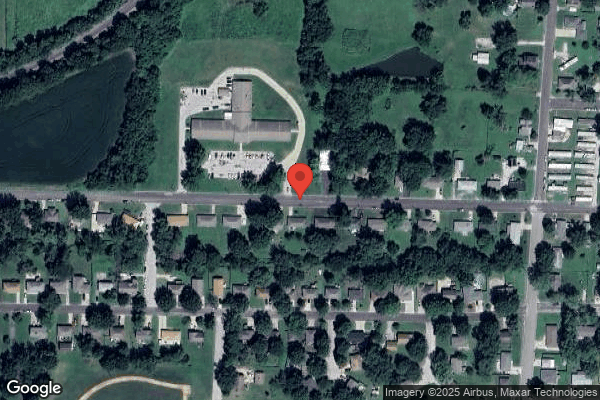
Jan 2020 4 deficiencies
CONCERN (D)

Potential for Harm - no one hurt, but risky conditions existed

Deficiency F0637 (Tag F0637)

Could have caused harm · This affected 1 resident

**NOTE- TERMS IN BRACKETS HAVE BEEN EDITED TO PROTECT CONFIDENTIALITY** Based on interview and record review, the facility failed to ensure that each resident who experienced a significant change in s...

Read full inspector narrative →
**NOTE- TERMS IN BRACKETS HAVE BEEN EDITED TO PROTECT CONFIDENTIALITY** Based on interview and record review, the facility failed to ensure that each resident who experienced a significant change in status was accurately documented on the Minimum Data Set (MDS-a federally mandated assessment tool completed by the facility for care planning) for three sampled residents (#4, #7, and #13) out of twelve sampled residents. The facility census was 29 residents. Record review of the facility's undated policy, Resident Assessment Instrument (RAI) General Guidelines showed: -The RAI process was coordinated by a Registered Nurse. -The RAI process included accurate and timely completion of a significant change in status/significant correction. -The MDS Coordinator was responsible to facilitate the RAI process for his/her assigned residents. -A significant change in status assessment should be completed when there has been either an improvement or decline from the residents health status. -This should be done within 14 days. 1. Record review of Resident #4's face sheet showed he/she was admitted on [DATE] with the following diagnoses: -Dementia (a group of disorders that interfere with daily living); with behavioral disturbance. -Localized swelling, mass and lump, left lower limb. -Other specified anxiety disorders. -Irritable bowel syndrome (a disorder that affects the large intestine) with diarrhea. -Abnormal weight loss. -Other chronic pain. -Other specified disorders of the skin and subcutaneous tissue. -Seizures (a sudden disturbance in the brain). -Gastro-esophageal reflux disease (heartburn). -Essential (primary) hypertension (high blood pressure). -Insomnia (inability to sleep). Record review of the resident's April 2019 Physician's Order Sheet (POS) showed: -The resident was admitted to the facility on Hospice (end of life care) services provided by a Hospice company. -The resident needed continuous care due to the inability to live independently. -The resident needed 24 hour assistance. -The resident needed observation. -The resident needed planning (for cares). -The order was dated 4/2/19. -The order was discontinued on 5/24/19. Record review of the resident's care plan dated 4/2/19 showed: -He/she was to receive Hospice services for Dementia. -The care plan was revised 7/30/19. Record review of the resident's MDS assessments showed: -He/she was admitted on [DATE] on Hospice. -His/her admission MDS dated [DATE] was marked yes for Hospice. -His/her quarterly MDS dated [DATE] was marked yes for Hospice. -His/her quarterly MDS dated [DATE] was not marked for Hospice. Record review of the resident's May 2019 POS showed: -The resident was discharged from Hospice services as they no longer met the criteria. -The resident would remain on Palliative care (specialized medical care for people living with a serious illness). -The order was dated 5/24/19. -The order was discontinued 10/29/19. Record review of the resident's Continuation of Care document dated 10/30/19 showed the resident's needs would be met by both the facility and Hospice. During an interview on 1/6/20 at 9:00 A.M. the MDS Coordinator said: -The resident does not qualify for Hospice care. -The resident was on Palliative care. -The resident was evaluated monthly. During an interview on 1/7/20 at 11:45 A.M. the MDS Coordinator said: -The resident was not on Hospice when he/she started in September 2019 so he/she did not mark that the resident was. -The resident had been discharged from Hospice on 5/25/19. -A significant change had not been done. -He/she had been going through the MDS's to make sure everything had been updated. -He/she had found several things that were marked incorrectly. -He/she believed the resident had been marked incorrectly. During an interview on 1/7/20 at 12:34 P.M. the Director of Nursing (DON) said: -The resident had been on Hospice care at the facility he/she had come from because of weight loss. -The resident had gained weight since then. -The resident was discharged off of Hospice care before coming to this facility. During an interview on 1/7/20 at 2:34 P.M. the DON said the MDS should be accurate. 2. Record review of Resident #7's weight record for the following months showed: - On 3/13/19 he/she weighed 169 pounds (lbs.). -On 4/8/19 he/she weighed 168 lbs., a one month decrease of 0.59 %. -On 5/7/19 he/she weighed 167 lbs., a two month decrease of 1.18 %. -On 6/5/19 he/she weighed 167 lbs., no decrease from previous month. -On 7/11/19 he/she weighed 166 lbs., a four month decrease of 1.77%. -On 8/9/19 he/she weighted 161 lbs., a five month decrease of 3.01%. -On 9/6/19 he/she weighed 161 lbs., no decrease from previous month. -On 10/7/19 he/she weighed 145 lbs., a seven month decrease of 14.20%. Record review of the resident's nursing note dated 10/21/19 at 10:58 A.M., showed he/she continues to refuse to eat. Record review of the resident's Annual MDS dated [DATE] showed: -The resident admitted on [DATE]. -The resident's cognition was severely impaired. -The resident's height was 63 inches. -The resident's weight was 145 lbs. --Had weight loss. --Was not on a physician prescribed weight loss plan. -No significant change status recorded for October 2019 weight loss. Record review of the resident's care plan dated last reviewed/revised on 11/20/19 showed: -Category: nutritional status. -Problem: resident requires a therapeutic diet related to cardiac disease. Record review of the resident's Registered Dietician (RD) note dated 12/24/19 at 11:14 A.M., showed he/she: -Had a no added sodium (NAS) diet. -Ate at the assist table. -Had strawberry health shake supplement provided at meals when the resident chose to take the supplement. -Med-pass (a high calorie nutritional drink) 2.0 calories, 90 milliliters (ml) added between meals. -Overall intake is marginal to poor which is dependent on the resident. Record review of the resident's POS dated January 2020 showed the following dietary orders: -Regular NAS diet start date of 10/30/17. -Health shake supplements with meals three times a day at 7:30 A.M., 12:00 P.M., and 5:30 P.M., start dated of 12/13/19. -Med-pass supplements 90 ml between meals at 10:00 A.M., 3:00 P.M., and 7:00 PM., dated 12/13/19. During an interview on 1/3/20 at 10:31 A.M. the resident said he/she did not think he/she was losing weight. 3. Record review of Resident #13's admission record showed he/she was admitted on [DATE] with the following diagnoses: -Chronic obstructive pulmonary disease (COPD - a disease process that decreases the ability of the lungs to perform ventilation). -Anxiety disorder (anticipation of impending danger and dread accompanied by restlessness, tension, fast heart rate, and breathing difficulty not associated with an apparent stimulus). -Psychotic Disorder (severe mental disorders that cause abnormal thinking and perceptions and losing touch with reality. Two of the main symptoms are delusions and hallucinations). -Major Depressive Disorder (mental health disorder characterized by persistently depressed mood or loss of interest in activities, causing significant impairment in daily life). -Hypertension (high blood pressure). Record review of the resident's significant change MDS dated [DATE] showed he/she was on Hospice services. Record review of the resident's Quarterly MDS dated [DATE] showed he/she was on Hospice services. Record review of the resident's POS dated August 2019 showed: -Dated 8/6/19 admit to Hospice with the diagnosis of end stage cardiac (heart) disease. -Dated 8/7/19 discharge from Hospice care. Record review of the resident's MDS showed no significant change status recorded to remove the resident from hospice services per the physicians order. Record review of the resident's Quarterly MDS dated [DATE] showed he/she was on Hospice services. Record review of the resident's September 2019, October 2019, and November 2019 POS showed no physician order to admit the resident to Hospice services. Record review of the resident's Care Plans dated as last reviewed/revised on 11/4/19, did not show any Hospice plan of care for the resident. Record review of the resident's Nurses Notes dated 12/7/19 at 1:21 P.M. showed that Hospice was at the facility to re-evaluate the resident for hospice per the resident's family request. 4. During an interview on 1/7/20 at 10:25 A.M., the MDS Coordinator said: -For resident #7: --A significant change should have been made to the MDS for his/her weight loss. -For resident #13: --The Hospice company came to re-evaluate the resident. --He/she thought the resident would be put back on Hospice service. --The Hospice company did not see a decline in the resident to qualify him/her for Hospice. --Hospice was marked when the MDS information was sent to the state. --The facility's MDS no longer showed the resident on Hospice. --He/she made a modification to the facility MDS to remove Hospice for the resident after the state surveyors started asking about the discrepancy in the resident's MDS. --He/she had been the MDS Coordinator since September. --He/she had been going through all MDS's to make sure everything had been updated. --There were several things wrong in the MDS's. During an interview on 1/7/20 at 2:04 P.M., the Director of Nursing (DON) said: -When a resident had significant weight loss that would trigger a significant status change for the MDS. -When a resident goes onto or comes off of Hospice services that would trigger a significant status change for the MDS. -He/She believed the MDS should be updated within 14 days of the changes. -All significant changes should be in the MDS within the time frames allowed. -Care Plans should be updated at the time any resident had a significant weight change, goes onto or comes off of Hospice or for any other changes in a resident's care. -Any nurse and/or Social Service person can update a resident's care plan when there is a change in the resident's care. -The MDS coordinator also updates the resident care plans per the MDS information.
CONCERN (D)

Potential for Harm - no one hurt, but risky conditions existed

Deficiency F0661 (Tag F0661)

Could have caused harm · This affected 1 resident

Based on interview and record review, the facility failed to reconcile the resident's medication for one sampled closed record resident (Resident #30) out of one sampled closed record when the residen...

Read full inspector narrative →
Based on interview and record review, the facility failed to reconcile the resident's medication for one sampled closed record resident (Resident #30) out of one sampled closed record when the resident was discharged to home from the facility. The facility census was 29 residents. Record review of the facility's Discharge/Transfer of Resident policy dated March 2015 showed: -Instructions to include a list of medications with instructions upon discharge. -Instructions to ask the physician if the resident's medication is to be sent with the resident and to write an order to take the medications home with them upon discharge. -The policy did not include instructions to include the number of pills remaining for each medication. 1. Record review of Resident #30's nurse's note dated 10/8/19 at 8:25 A.M. showed the resident was discharged to home. Record review of the resident's undated Medication Disposition Sheet showed: -Physician's orders for: --Acetaminophen (pain medication) Over the Counter (OTC) 325 milligrams (mg), take two tablets every six hours as needed. --B complex-vitamin C-folic acid (supplement) (OTC) 400 micrograms (mcg) one tablet daily. --Calcium with Vitamin D (supplement) (OTC) 600 mg twice daily. --Cepacol Sore throat-Cough (OTC) lozenge 5-7.5 mg one lozenge as needed. --Colace (for constipation) (OTC) 100 mg one capsule daily as needed. --Loperamide (for diarrhea) (OTC) 2 mg, one to two tablets as needed. --Magnesium oxide (supplement) (OTC) 400 mg, one tablet daily. --Milk of Magnesia (for constipation) (OTC) suspension; 400 mg/5 milliliter (ml); 30 ml daily as needed. --Miralax (for constipation) (OTC) powder; 17 gram/dose; 17 gm in fluid once daily as needed. --Gabapentin (for neuropathy) 300 mg, one capsule twice daily. --Ondansetron (for nausea) disintegrating 4 mg, one tablet every six hours as needed. --Pradaxa (an anticoagulant that helps prevent the formation of blood clots) 150 mg, one capsule twice daily. -None of the medications included the quantity remaining. -The resident signed the sheet at the top. Record review of the resident's Physician's Orders Sheet (POS) for October 2019 showed: -Physician's orders for all of the above listed medications from the medication disposition sheet. -The following physician's orders in addition to the medications listed on the medication disposition sheet: --Sertraline (an antidepressant) 25 mg, one tablet once daily. --Trazodone (an antidepressant) 100 mg, one tablet once daily at bedtime. --Tums (an antacid) (OTC) 500 mg chewable tablet, one to two tablets as needed. --A discharge to home order. -No order regarding discharging the resident home with medications. During an interview on 1/6/20 at 8:56 A.M., the Director of Nursing (DON) said: -They usually only get 14 days of medications at a time. -The resident's remaining medications were sent home with him/her. -The OTC medications were the resident's. -He/she was the one who wrote out the resident's medication disposition sheet upon discharge. -He/she did not document how many pills were left of each medication. During an interview on 1/6/20 at 11:20 A.M., Licensed Practical Nurse (LPN) A said: -The nurses complete a medication disposition sheet when a resident is discharged from the facility. -The medication disposition sheet includes columns for the prescription number, date, medication name, dose and quantity.
CONCERN (E)

Potential for Harm - no one hurt, but risky conditions existed

Staffing Information (Tag F0732)

Could have caused harm · This affected multiple residents

Based on observation, interview and record review, the facility failed to post the hours worked by licensed and unlicensed nursing staff directly responsible for resident care per shift including Regi...

Read full inspector narrative →
Based on observation, interview and record review, the facility failed to post the hours worked by licensed and unlicensed nursing staff directly responsible for resident care per shift including Registered Nurses (RNs), Licensed Practical Nurses (LPNs) and Certified Nurse Assistants (CNAs). The facility census was 29 residents. The facility did not have a policy regarding posting nursing staff hours worked per shift. 1. Observation on 1/2/20 at 1:11 P.M. showed the facility's staffing for 1/2/20 was posted at the nurses' station. Record review showed the daily staffing sheet included the number of staff and did not include the number of hours worked by category. Observation on 1/3/20 at 2:47 P.M. showed the facility's staffing for 1/3/20 was posted at the nurses' station. Record review showed the daily staffing sheet included the number of staff and did not include the number of hours worked by category. During an interview on 1/6/20 at 9:34 A.M., the Director of Nursing (DON) said: -The night nurse posts the staffing sheet for the day when doing census. -He/she knew staffing had to be posted. -He/she did not know they had to include the number of hours worked by category. -He/she checked the posted staffing in the morning when he/she arrived. During an interview on 1/6/20 at 11:44 A.M., the DON said: -The Administrator totals the staffing hours under the total hours column at a later time. -He/she did not know the Administrator did that. -He/she understands that the total number of hours should be posted so family members, residents and visitors can see the hours worked.
CONCERN (F)

Potential for Harm - no one hurt, but risky conditions existed

Food Safety (Tag F0812)

Could have caused harm · This affected most or all residents

Based on observation and interview, the facility failed to maintain safe, sanitary, and easily cleanable food preparation equipment and serving utensils, and to ensure that hairnets fully covered kitc...

Read full inspector narrative →
Based on observation and interview, the facility failed to maintain safe, sanitary, and easily cleanable food preparation equipment and serving utensils, and to ensure that hairnets fully covered kitchen staffs hair. These deficient practices potentially affected all residents who ate food from the kitchen. The skilled nursing facility census was 29 residents with a licensed capacity for 60. 1. Observations during the initial kitchen inspection on 1/2/20 between 8:23 A.M. and 12:27 P.M. showed the following: -The hot chocolate machine's nozzle was dirty and there was dried liquid residue on the drip tray. -One white handled scoop and one black handled scoop had food residue in their bowls. -A brown handled spatula by the coffee machine had rubber chips hanging off the blade. -The microwave had the metal facing inside the door chipping and cracking, there was excessive food and grease residue above the heating element at the inside top, and a sticker on the inside facing read Microwave ovens require frequent cleaning to avoid food and grease build-up which may cause sparking or arcing. -In trays over the wall mounted knife holder a brown handled spatula had a heavily chipped blade and a plastic spoon was heavily scored such that small bits of plastic clung to them. -The range hood had some signs of the black paint chipping and a dried grease build-up was at an underside joint connection over the stove area. -The Dietary Manager's hairnet did not completely cover the hairline. -A Dietary Aide's hairnet left the back (approximately 3 inches of hair) uncovered. 2. Observations during the follow-up kitchen inspection on 1/3/20 at 8:54 A.M. showed the following: -The hot chocolate machine's nozzle was dirty and there was dried liquid residue on the drip tray. -One white handled scoop and one black handled scoop had food residue in their bowls. -A brown handled spatula by the coffee machine had rubber chips hanging off the blade. -The dried grease build-up at an underside range hood joint connection over the stove area was approximately 2 ½ inches by ½ inch. During an interview on 1/3/20 at 2:47 P.M., the Dietary Manager said the following: -The dietary aides were to clean the big pots and coffee/hot chocolate machines daily. -Food preparation utensils should be cleaned after each use and their storage trays every couple of days. -The microwave is to be cleaned after each shift. -The dietary staff are reminded of proper hair and hand hygiene at monthly in-services. -He/She would expect precautions to be taken to prevent foreign particles from getting into food.
Understanding Severity Codes (click to expand)
Life-Threatening (Immediate Jeopardy)
J - Isolated K - Pattern L - Widespread
Actual Harm
G - Isolated H - Pattern I - Widespread
Potential for Harm
D - Isolated E - Pattern F - Widespread
No Harm (Minor)
A - Isolated B - Pattern C - Widespread

Questions to Ask on Your Visit

  • "Can I speak with families of current residents?"
  • "What's your RN coverage like on weekends and overnight?"

Our Honest Assessment

Strengths
  • • No major safety red flags. No abuse findings, life-threatening violations, or SFF status.
  • • No fines on record. Clean compliance history, better than most Missouri facilities.
Concerns
  • • 58 deficiencies on record. Higher than average. Multiple issues found across inspections.
  • • Grade D (40/100). Below average facility with significant concerns.
Bottom line: Trust Score of 40/100 indicates significant concerns. Thoroughly evaluate alternatives.

About This Facility

What is Odessa Health's CMS Rating?

CMS assigns ODESSA HEALTH CARE CENTER an overall rating of 1 out of 5 stars, which is considered much below average nationally. Within Missouri, this rating places the facility higher than 0% of the state's 100 nursing homes. A rating at this level reflects concerns identified through health inspections, staffing assessments, or quality measures that families should carefully consider.

How is Odessa Health Staffed?

CMS rates ODESSA HEALTH CARE CENTER's staffing level at 1 out of 5 stars, which is much below average compared to other nursing homes.

What Have Inspectors Found at Odessa Health?

State health inspectors documented 58 deficiencies at ODESSA HEALTH CARE CENTER during 2020 to 2025. These included: 58 with potential for harm. While no single deficiency reached the most serious levels, the total volume warrants attention from prospective families.

Who Owns and Operates Odessa Health?

ODESSA HEALTH CARE CENTER is owned by a for-profit company. For-profit facilities operate as businesses with obligations to shareholders or private owners. The facility is operated by RELIANT CARE MANAGEMENT, a chain that manages multiple nursing homes. With 60 certified beds and approximately 55 residents (about 92% occupancy), it is a smaller facility located in ODESSA, Missouri.

How Does Odessa Health Compare to Other Missouri Nursing Homes?

Compared to the 100 nursing homes in Missouri, ODESSA HEALTH CARE CENTER's overall rating (1 stars) is below the state average of 2.5 and health inspection rating (1 stars) is much below the national benchmark.

What Should Families Ask When Visiting Odessa Health?

Based on this facility's data, families visiting should ask: "Can you walk me through typical staffing levels on day, evening, and night shifts?" "Can I visit during a mealtime to observe dining assistance and food quality?" "How do you handle medical emergencies, and what is your hospital transfer rate?" "Can I speak with family members of current residents about their experience?" These questions are particularly relevant given the below-average staffing rating.

Is Odessa Health Safe?

Based on CMS inspection data, ODESSA HEALTH CARE CENTER has a clean safety record: no substantiated abuse findings (meaning no confirmed cases of resident harm), no Immediate Jeopardy citations (the most serious violation level indicating risk of serious injury or death), and is not on the Special Focus Facility watch list (a federal program monitoring the lowest-performing 1% of nursing homes). The facility has a 1-star overall rating and ranks #100 of 100 nursing homes in Missouri. While no facility is perfect, families should still ask about staff-to-resident ratios and recent inspection results during their visit.

Do Nurses at Odessa Health Stick Around?

ODESSA HEALTH CARE CENTER has not reported staff turnover data to CMS. Staff turnover matters because consistent caregivers learn residents' individual needs, medications, and preferences. When staff frequently change, this institutional knowledge is lost. Families should ask the facility directly about their staff retention rates and average employee tenure.

Was Odessa Health Ever Fined?

ODESSA HEALTH CARE CENTER has no federal fines on record. CMS issues fines when nursing homes fail to meet care standards or don't correct problems found during inspections. The absence of fines suggests the facility has either maintained compliance or corrected any issues before penalties were assessed. This is a positive indicator, though families should still review recent inspection reports for the full picture.

Is Odessa Health on Any Federal Watch List?

ODESSA HEALTH CARE CENTER is not on any federal watch list. The most significant is the Special Focus Facility (SFF) program, which identifies the bottom 1% of nursing homes nationally based on persistent, serious quality problems. Not being on this list means the facility has avoided the pattern of deficiencies that triggers enhanced federal oversight. This is a positive indicator, though families should still review the facility's inspection history directly.