


OREGON HEALTHCARE

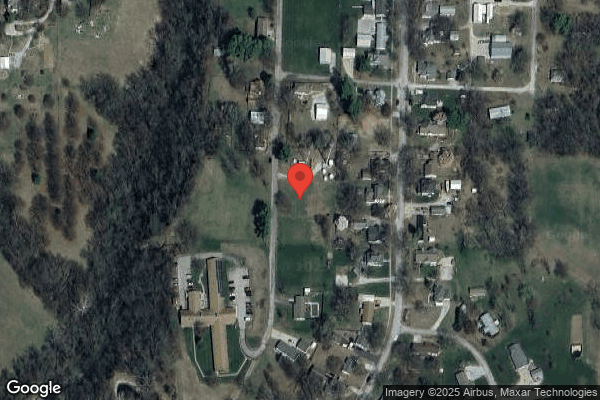
501 MONROE,, OREGON, MO 64473 (660) 446-3355
For profit - Limited Liability company 60 Beds PRIME HEALTHCARE MANAGEMENT Data: November 2025
Trust Grade
60/100
#184 of 479 in MO
Last Inspection: November 2024

Within standard 12-15 month inspection cycle. Federal law requires annual inspections.

Overview

Oregon Healthcare in Missouri has a Trust Grade of C+, which means it's slightly above average but not exceptional. It ranks #184 out of 479 facilities in Missouri, placing it in the top half, and is the best option out of two in Holt County. The facility's trend is improving, with issues decreasing from six in 2024 to just one in 2025. However, staffing is a significant concern, rated at 1 out of 5 stars, with a turnover rate of 62%, which is average for the state. Notably, there have been no fines recorded, indicating good compliance, and there is average RN coverage, which helps ensure resident care. On the downside, there are serious concerns regarding the food service management, as the dietary manager is not certified, which could potentially affect all residents' meals. Additionally, medications were not stored securely, posing risks to residents' safety. The kitchen practices were found lacking in hygiene and safety, with multiple violations related to food preparation standards. Families should weigh these strengths and weaknesses carefully when considering Oregon Healthcare for their loved ones.

Trust Score
C+
60/100
In Missouri
#184/479
Top 38%
Safety Record
Low Risk
No red flags
Inspections
Getting Better
6 → 1 violations
Staff Stability
⚠ Watch
62% turnover. Above average. Higher turnover means staff may not know residents' routines.
Penalties
✓ Good
No fines on record. Clean compliance history, better than most Missouri facilities.
Skilled Nurses
⚠ Watch
Each resident gets only 21 minutes of Registered Nurse (RN) attention daily — below average for Missouri. Fewer RN minutes means fewer trained eyes watching for problems.
Violations
⚠ Watch
18 deficiencies on record. Higher than average. Multiple issues found across inspections.
★★★☆☆
3.0
Overall Rating
★☆☆☆☆
1.0
Staff Levels
★★☆☆☆
2.0
Care Quality
★★★★☆
4.0
Inspection Score
Stable
2024: 6 issues
2025: 1 issues

The Good

  • Full Sprinkler Coverage · Fire safety systems throughout facility
  • No fines on record

Facility shows strength in fire safety.

The Bad

3-Star Overall Rating

Above Missouri average (2.5)

Meets federal standards, typical of most facilities

Staff Turnover: 62%

16pts above Missouri avg (46%)

Frequent staff changes - ask about care continuity

Chain: PRIME HEALTHCARE MANAGEMENT

Part of a multi-facility chain

Ask about local staffing decisions and management

Staff turnover is elevated (62%)

14 points above Missouri average of 48%

The Ugly 18 deficiencies on record

Feb 2025 1 deficiency
CONCERN (D) 📢 Someone Reported This

A family member, employee, or ombudsman was alarmed enough to file a formal complaint

Potential for Harm - no one hurt, but risky conditions existed

Free from Abuse/Neglect (Tag F0600)

Could have caused harm · This affected 1 resident

**NOTE- TERMS IN BRACKETS HAVE BEEN EDITED TO PROTECT CONFIDENTIALITY** Based on interviews and record review, the facility failed to protect the resident's right to be free from physical abuse when R...

Read full inspector narrative →
**NOTE- TERMS IN BRACKETS HAVE BEEN EDITED TO PROTECT CONFIDENTIALITY** Based on interviews and record review, the facility failed to protect the resident's right to be free from physical abuse when Resident #1 entered Resident #2's room and kicked Resident #2 in the shin resulting in pain and redness for Resident #1. The deficient practice affect one of four sampled residents. The facility census was 41. On 1/28/25, the Administrator was notified of the past noncompliance situation which occurred on 1/28/25. On 1/28/25, facility administration was notified of the incident, an investigation immediately began and corrective actions were implemented. The noncompliance was corrected on 1/30/25. Review of the facility's policy titled, Abuse and Neglect, revised 9/24, showed: - It is the policy of this facility to prohibit resident abuse or neglect in any form, and to report in accordance with the law any incident/event in which there is cause to believe a resident's physical or mental health or welfare has been or may be adversely affected by abuse or neglect caused by another person; - Abuse is the willful infliction of injury, unreasonable confinement, intimidation, or punishment with resulting physical harm, pain or mental anguish; - Physical Abuse: Physical action within the definition of abuse, including, but not limited to, hitting, slapping, pinching, and kicking; - The home's administration will prohibit neglect, verbal, mental or physical abuse. Review of the facility's policy titled, Abuse and Neglect Procedure, revised 9/24, showed: - All new employees will receive in-service training pertaining to all aspects of abuse prohibition before working a shift; - All current employees will receive in-service training pertaining to all aspects of abuse prohibition at least annually; - Training will include: identification of potential victims of abuse or neglect, appropriate interventions to deal with aggressive and stubborn residents; - Administrative and licensed staff will be aware of potential situations of abuse during rounds and contact with staff, residents, and resident family members; - Protection: All residents will be immediately protected from harm, if another resident is the alleged perpetrator they shall immediately be assessed for treatment options; 1. Review of Resident #1's admission Minimum Data Set (MDS), a federally mandated assessment completed by staff, dated 10/15/24, showed: - Resident has the diagnosis of hypertension (high blood pressure), diabetes (chronic disease when body can't produce insulin), thyroid disorder (a condition where the thyroid gland produces an abnormal amount of thyroid hormones), dementia (decline in cognitive abilities); - Resident scored seven on the BIMS (Brief Interview for Mental Status). This score indicates severe cognitive impairment; Review of Resident #1s comprehensive care plan, dated 10/22/24 showed: - Resident has an ADL self-care performance deficit due to dementia and limited mobility; - Resident uses a wheelchair for mobility and walker; - Resident is an elopement risk/wanderer and wanders aimlessly. Staff are to distract resident from wandering by offering pleasant diversions, structured activities, food, conversation, television and books; - Resident has potential to be physically aggressive due to dementia (revised 1/29/25); - Staff monitor/document/report as needed any incident of resident posing danger to self and others; (revised 1/28/25); - Staff anticipate and meet the resident's needs; - Resident uses psychotropic medications for dementia, staff monitor/record occurrence of behavior symptoms (wandering, violence/aggression towards staff/others). Record review of Resident #1s progress notes showed: - 1/13/25 resident had behaviors of yelling out for their family member; - 1/22/25 resident had behaviors of yelling for staff for assistance; - 1/25/25 resident had behaviors of yelling; Review of Resident #2s comprehensive care plan, dated 11/13/24 showed: - Resident is able to voice their concerns and their memory is good; - Resident is at risk for impaired skin integrity. Review of Resident #2's quarterly MDS, dated [DATE], showed: - Resident has the diagnosis of hypertension, coronary artery disease (condition in which the arteries that supply blood to the heart become narrowed or blocked), heart failure (heart cannot pump enough blood to meet the body's needs), renal insufficiency, depression; - Resident is cognitively intact. Review of the facility investigation, undated, showed events on 1/28/25: - Resident #2 reports that Resident #1 wheeled into his/her room and yelled at Resident #2 to leave the room; - Resident #1 then wheeled up to Resident #2 and kicked him/her in the shin; - Resident #2 stated that staff arrived and removed Resident #1 from the room; - Resident #2 had a reddened area to the shin and ice was applied by the nursing staff; - Nurse Aide (NA) A heard Resident #2 yelling and went immediately to intervene and remove Resident #1 from Resident #2's room; - Director of Nursing (DON) was immediately notified; - The kick was not witnessed by staff or any other residents; - Resident #1 could not remember the incident when asked about it after being removed from the room; - Interventions put in place: Stop sign barrier across the front of resident #2's doorway entrance held in place by Velcro, resident #1 place on 30 minute checks to monitor for location and needs, primary care physician contacted and ordered Depakote (a medication to treat behaviors) for resident #1 due to aggressive behavior; - Resident #2 assessed each day with no bruising, redness or skin issues noted; - Director of Nursing (DON) reports Resident #1 has been acutely ill for the last several weeks with influenza, pneumonia, and hypoglycemia. Resident was in the hospital the prior week and had been given Haldol (a strong medication typically used to treat behaviors. Upon readmission he/she demonstrated increased behaviors, such as yelling for help, exit seeking and falls. He/She has slowly been improving; - The investigation did not include dates. Review of in-service education, dated 1/30/25, showed staff were educated on Abuse and Neglect policy and reporting and Resident to resident altercations. During an interview on 2/6/25 at 10:00 A.M., the Resident #2 said: - Resident #1 entered his/her room and immediately yelled at him/her to leave. Resident #2, while in their wheelchair kicked Resident #1 in the shin and left the room with the help of staff. Resident #1 never said anything during the altercation; - The injury he/she received from Resident #1 hurt after that first day of when it occurred and he/she experienced pain; During an interview on 2/6/25 at 10:15 AM., Certified Medication Technician (CMT) A said: - He/She was present at the time of the incident and had spoken to Resident #1 after they were removed from Resident #2's room. Resident #1 could not recall the incident or kicking Resident #2 shortly after the incident; - Resident #2 said they were kicked in the shin and ice was applied to their leg as a precaution for swelling; - This type of behavior was uncharacteristic for Resident #1; - The Certified Nurses Aides (CNA)'s continue to complete 30 minute checks and the nurses continue hourly checks on Resident #1; - He/She has received staff education about abuse numerous times with the latest occurrence being 1/20/25; During an interview on 2/6/25 at 11:30 A.M., the Administrator said: -Although the incident was not witnessed by staff, the resident reported he/she had been kicked by a resident so the facility staff continued with the investigation and treated this incident as abuse. - On 1/28/25 physical assessment confirmed that there was redness on the residents shin; - On 1/28/25 she confirmed that interventions of 30 minute CNA checks were put in place for Resident #1, the primary physician had been contacted, an order obtained for Depakote for resident for behaviors and a stop sign barrier put in place for Resident #2's safety. - On 1/30/25 an in-service was conducted for all staff members regarding the Abuse and Neglect policy and reporting and resident to resident altercations. MO248688
Nov 2024 3 deficiencies
CONCERN (D) 📢 Someone Reported This

A family member, employee, or ombudsman was alarmed enough to file a formal complaint

Potential for Harm - no one hurt, but risky conditions existed

Free from Abuse/Neglect (Tag F0600)

Could have caused harm · This affected 1 resident

**NOTE- TERMS IN BRACKETS HAVE BEEN EDITED TO PROTECT CONFIDENTIALITY** Based on observation, interview, record review, and policy review, the facility failed to protect a resident's right to be free ...

Read full inspector narrative →
**NOTE- TERMS IN BRACKETS HAVE BEEN EDITED TO PROTECT CONFIDENTIALITY** Based on observation, interview, record review, and policy review, the facility failed to protect a resident's right to be free of physical abuse for one of two residents (Resident (R)16) reviewed for abuse out of a total sample of 15. This failure increased the risk of abuse towards residents. The facility census was 44. As a result of an Informal Dispute Resolution on 12/31/24, the deficiency was changed to past noncompliance, which began on 11/17/24. Upon discovery, the facility administration immediately conducted an investigation and corrective actions were implemented. The deficiency was corrected on 11/17/24. Findings include: Review of the facility's policy titled, Abuse and Neglect, revised 09/2024, revealed, . It is the policy of this home to prohibit resident abuse or neglect in any form, and to report in accordance with the law any incident/event in which there is cause to believe a resident's physical or mental health or welfare has been or may be adversely affected by abuse or neglect caused by another person . Review of R16's quarterly Minimum Data Set (MDS), with an Assessment Reference Date (ARD) date of 10/18/24 and located in the MDS tab of the electronic medical record (EMR), revealed an admission date of 04/04/16, a Brief Interview for Mental Status (BIMS) score of 12 out of 15, indicating moderate cognitive impairment, no behaviors exhibited, and diagnoses of schizophrenia, flaccid hemiplegia affecting left nondominated side, and unspecified visual loss. Review of R16's Care Plan, revised 06/06/23 and located in the EMR under the Care Plan tab, revealed, . At times I will lash out verbally and/or physically towards my peers . An intervention included, . Anticipate the noise and crowds that may make me irritable or on edge. I have several triggers these include: 1. Not having a way out of a big group or a loud room. 2. Peers yelling at me. 3. Peers yelling at staff. 4. People blocking my way when I want to leave an area. If these triggers are not addressed as they occur, I may hit my peers or begin cursing at them . Review of R40's annual MDS, with an ARD date of 09/08/24 and located in the MDS tab of the EMR, revealed an admission date of 08/30/23, a BIMS score of six out of 15, indicating severe cognitive impairment, no behaviors exhibited, and diagnoses Alzheimer's disease, depression, and heart failure. Review of R40's Care Plan, revised 11/19/24 and located in the EMR under the Care Plan tab, revealed, . The resident is/has potential to be physically aggressive r/t [related to] Dementia . An intervention included, . Encourage resident to sit in his normal spot in the dining room where he will not feel closed into an area . Review of R40's Incident Note, dated 11/17/24 and located in the EMR under the Progress Note tab, revealed, . This nurse walked into dining room this morning at 0720 and noted staff started to move towards table resident was standing by. Resident was standing in front of other resident yelling and swung right hand back and punched the other resident in the left side of temple(face) making his sunglasses come off. Staff moved other resident's motorized wheelchair back and away from resident and this nurse moved to stand in front of resident when resident started to try and attempt to go up to other resident again. This nurse attempted to calm resident down and attempted to help him get back to his room but resident continued to raise his voice and threatened this nurse. This nurse observed resident walk down to his room and slam door. Ambulance and sherrif's [sic] office notified and resident sent to [hospital name] for evaluation. NOC [night] shift nurse called report to ER [emergency room] nurse [name] at 0825. Dr. [name] notified at 0840 . Review of the facility's investigation, dated 11/17/24, revealed, [R40] was sitting with his back to the wall at [R16]'s normal table in dining room. [R40]'s walker was sitting in [R16]'s normal seat. R16 went to move his walker and R40 began to cuss and yell at R16 as he stood and grabbed walker. This caused [R40] to be standing in front of [R16]. [R40] raised his right hand and struck [R16] in his left eye. This caused his ([R16]'s) sunglasses to fall to the floor.' '[R16] had sunglasses on and this resulted in a pin point scratch to the side of his face by his left eye. Resident denies pain with palpation. No bruising or swelling noted. [R16] denied any medical intervention.' Residents immediately separated. [R40] sent to his room. Room monitored to make sure staff knew his location. Sheriff deputy called to ensure safety in case [R40] came out of room. [R40] sent to [hospital name and location] for evaluation. [R40] started an Antibiotic on 11/16/24 for a UTI [urinary tract infection]. He has had symptoms of delusional behaviors in the last few days. On 11/18/24 at 11:27 AM, R40 was sitting in a chair in his room with a walker next to him. He was asked about the care and services he received at the facility. R40 stated he had no complaints, and he liked living at the facility. R40 stated he had not experienced any abuse, and he got along with the other residents in the facility. During an interview on 11/19/24 at 11:03 AM, the Administrator was asked where the facility was in their investigation. The Administrator confirmed the incident was reported timely within the two hours to the State Agency as required. The Administrator stated the incident occurred on 11/17/24 two days ago. The Administrator stated she was called on 11/17/24 about R40 hitting another resident. The Administrator stated staff immediately called Emergency Medical Services (EMS) and the police before she arrived. The Administrator stated staff separated R16 and R40 went voluntarily to his room to cool down. The Administrator stated R16 sustained a small scratch on his eye from the sunglasses he was wearing. The Administrator explained R40 was currently receiving an antibiotic for a urinary tract infection that may have impacted a change in his behavior. The Administrator stated that the police, and EMS were at the facility when the Administrator arrived and R40 was resting on his bed. The Administrator stated R40 reported the reason why he hit R16 was because R16 spoke profanities to him that were offensive but later admitted R16 did not say the profanities. The Administrator stated R40 agreed to go to the hospital. The Administrator stated R40 only stayed at the hospital for a few hours and was sent back to the facility. The Administrator stated when R40 returned, she asked him about his past, and R40 revealed some trauma he had experienced as a child and young adult. She stated R40 also admitted he was aware he had dementia, and his past goes through his head at times that cause him to become upset. The Administrator stated they discussed a plan to deal with these things when they happen and R40's seating was changed in the dining room. The Administrator stated the staff were educated on the new interventions that included R40 was to be seated in the dining room in an area that was open, and when R40 had a change in behavior, they were to ask him to stay in his room to gather himself and have the nurses talk with him so he can vocalize his feelings. The Administrator stated R40 started on an antidepressant 09/18/24, and R40 revealed with the medication came strange dreams. The Administrator stated R40's antidepressant was changed to another antidepressant, and he had received behavioral counseling weekly for the past year. The Administrator stated R40 was now being evaluated for post-traumatic stress disorder (PTSD) since this incident had revealed secrets to his past. She stated R40 had previous incidents that involved yelling and threatening other male residents but no physical contact, and staff continued to monitor him. On 11/19/24 at 12:12 PM, R40 was observed in the main dining room with an open space to walk. Another male resident accompanied R40 at the table, and no behavioral symptoms were exhibited. On 11/19/24 at 12:19 PM, R16 was awake in bed watching television. R16 was asked about the incident in the dining room on 11/17/24 involving R40. R16 stated he remembered his eye was hit and pointed to his left eye. R16 stated his eye did not hurt and he had no hard feelings towards R40. R16 stated he understands everyone has a bad day. No bruise or skin tear was observed on R16's left eye. During an interview on 11/20/24 at 3:16 PM, Certified Nurse Aide (CNA)1 stated she was at the facility working the day R16 moved R40's walker in the dining room and R40 hit R16. CNA1 stated R40 had never hit another resident in the one year she has worked at the facility. CNA1 confirmed she had received an in-service at the facility recently on abuse. During an interview on 11/20/24 at 4:02 PM, Licensed Practical Nurse (LPN)1 was asked if the facility had a plan to prevent a recurrence between R16 and R40. LPN1 stated staff do not have the residents sit by each other. LPN1 stated the staff conduct an ongoing assessment of both residents for agitation/mood. LPN1 stated R40 had felt trapped in the dining room on 11/17/24, and they now make sure R40 has space and does not feel trapped. LPN1 stated the incident on 11/17/24 was not R40's normal behavior. MO00245291
CONCERN (D)

Potential for Harm - no one hurt, but risky conditions existed

Quality of Care (Tag F0684)

Could have caused harm · This affected 1 resident

Based on observation, interview, and record review, the facility failed to 1.) ensure staff was knowledgeable of the proper usage of insulin pens for one of one resident (Resident (R) 20) who received...

Read full inspector narrative →
Based on observation, interview, and record review, the facility failed to 1.) ensure staff was knowledgeable of the proper usage of insulin pens for one of one resident (Resident (R) 20) who received insulin through an insulin pen. This failure had the potential to cause R20 to receive an incorrect dose of insulin, and 2.) failed to ensure physician orders recorded the volume of tube feeding formula to be provided for one of one resident (R41) reviewed for tube feedings out of a total sample of 15. This failure had the potential to cause unexpected weight changes and/or R41's nutritional needs to be unmet. The facility census was 44. Findings include: 1. Review of the Electronic Medical Record (EMR) for R20 under the Census tab revealed an admission date of 08/19/21. The EMR under the Diagnoses tab revealed diagnoses including diabetes. Review of the physician orders under the Orders tab in the EMR revealed a physician's order for Humalog insulin (a fast-acting insulin used to manage blood sugars levels in diabetic patients), six units. Review of the manufacturer's instructions for the Humalog insulin pen, provided by the facility, revealed that after the needle set is attached to the insulin pen, the administration dial is to be set to two units and activated to prime (remove the air from) the needle set with insulin prior to administering the ordered dose of insulin. Observation of Certified Medication Technician (CMT) 1 on 11/20/24 at 4:40 PM revealed CMT1 attached the needle set to the pen, set the administration dial to six units, and administered the insulin. She did not prime the needle set. Interview with CMT1 on 11/20/24 at 4:30 PM revealed CMT1 lacked knowledge of the need to prime the needle set to remove the air before administering the ordered dose of insulin to R20. An interview with the Director of Nursing (DON) on 11/20/24 at 4:30 PM revealed the lack of knowledge to prime the needle set, as directed by the manufacturer's instructions, prior to preparing and administering the physician's ordered dose of insulin to R20. 2. Review of the EMR for R41 under the Census tab revealed an admission date of 10/24/23. Review of the Diagnoses tab of the EMR revealed diagnoses including a stroke, swallowing disorder, and feeding tube (a tube placed through the wall of the abdomen into to stomach for supplemental feedings). Review of the EMR under Orders tab revealed an order for Isosource (a nutritionally complete tube feeding formula) three times during the night for nutritional support and weight loss prevention. The order did not record the volume of Isosource to be administered. Review of the Progress Notes tab of the EMR revealed that on 11/07/23, the consulting dietitian had requested the physician orders to be clarified to include the volume of Isosource to be administered with each feeding. An interview with the Administrator on 11/19/24 at 3:07 PM confirmed the physician orders lacked the volume of Isosource to be administered. An interview with the Registered Dietitian (RD) on 11/20/24 at 10:28 AM confirmed the physician orders for R41 lacked the volume of the Isosource to be administered. The RD confirmed they had asked for clarification on subsequent resident assessments for the last year and in five written assessment notes.
CONCERN (F)

Potential for Harm - no one hurt, but risky conditions existed

Deficiency F0801 (Tag F0801)

Could have caused harm · This affected most or all residents

Based on interview and record review, the facility failed to employ a qualified director of food and nutrition services. This deficient practice had the potential to affect 44 of 44 residents who rece...

Read full inspector narrative →
Based on interview and record review, the facility failed to employ a qualified director of food and nutrition services. This deficient practice had the potential to affect 44 of 44 residents who received meals prepared in the facility's only kitchen. The facility census was 44. Findings include: Review of the list of the facility's Key Personnel provided by the facility revealed [Name of the Dietary Manager (DM)] as Dietary Manager. Review of the DM's Food Services Director Job Description, dated 07/01/23, revealed the education required for the position was, Certification as Dietary Manager- Association of Nutrition and Foodservice Professionals (ANFP). During an interview on 11/19/24 at 1:47 PM, the DM was asked if she was a Certified Dietary Manager (CDM) or qualified in another route. The DS stated, No, but she had been the dietary manager at the facility since July of 2023. The DM stated she had worked at the facility for ten years as a dietary aide. The DM stated she had planned to complete a dietary manager's course to become a CDM but had not taken a course study in food safety and management course yet. During an interview on 11/21/24 at 9:36 AM, the Registered Dietitian (RD) confirmed she was not full time. The RD stated she was on a consulting basis and was onsite monthly. The RD stated she was aware DM was not a qualified dietary manager. The RD stated she had recommended the DM to go through a course to become a CDM, and she would be her preceptor. The RD stated she had recommended the DM get her certification in a course in food safety and management; however, she was not sure if that had happened. The RD stated she conducted monthly oversite of the DM. During an interview on 11/21/24 at 12:19 PM, the Administrator confirmed the DM had not been in the management position for two years yet and had not completed a course that would provide the DM with the credentials she needed to meet the regulation.
Aug 2024 2 deficiencies
CONCERN (E) 📢 Someone Reported This

A family member, employee, or ombudsman was alarmed enough to file a formal complaint

Potential for Harm - no one hurt, but risky conditions existed

Deficiency F0761 (Tag F0761)

Could have caused harm · This affected multiple residents

**NOTE- TERMS IN BRACKETS HAVE BEEN EDITED TO PROTECT CONFIDENTIALITY** Based on observation, interview, and record review, the facility failed to store medications in a locked storage area to ensur...

Read full inspector narrative →
**NOTE- TERMS IN BRACKETS HAVE BEEN EDITED TO PROTECT CONFIDENTIALITY** Based on observation, interview, and record review, the facility failed to store medications in a locked storage area to ensure medications were inaccessible to unauthorized staff and residents, and when the medications were left in pill cups on the dining table for residents in the dining room (Resident #1 and #2) and when the facility failed to lock a medication cart. The facility census was 46. Review of facility policy, dated December 2016, showed: -Residents have right to self-administer medications if the interdisciplinary team had determined that it was clinically appropriate and safe for resident to do so. -If nursing team determined that a resident cannot safely self-administer medications, the nursing staff will administer the resident's medications. Review of facility policy, storage of medications, undated, showed: -Facility shall store all drugs and biologicals in a safe, secure, and order manner. -Compartments (including, but not limited to, drawers, cabinets, rooms, refrigerators, carts, and boxes.) containing drugs and biologicals shall be locked when not in use, and trays or carts used to transport such items shall not be left unattended if open or otherwise potentially available to others. 1. Review of Resident #1's annual minimum data set (MDS), a federally mandated assessment tool completed by facility staff, dated 7/1/24, showed: -He/She was cognitively intact; -He/She was dependent on a wheelchair; -He/She had no impairment to upper or lower extremities; -He/She was independent with eating and oral care; -He/She received as needed pain medication; -He/She took antidepressant, anticoagulant, diuretic, opiod, -Diagnoses included: diabetes (too much sugar in the blood), high blood pressure, gastric esophageal reflux disorder (condition when stomach acid moves back up esophagus), Review of care plan, dated. 6/12/24 , showed: -Administer diabetic medication per doctor order; -Administer analgesic medication as ordered; -Give cardiac medications as ordered; -Give pain medication as needed; -Give medications as ordered; -Monitor/document side effects and effectiveness. Review of physician's orders, dated 8/21/24, showed: -Resident had no orders to self-administer medications; Review of electronic medical record showed: -No self-administration of medication assessment completed. Review of facility medication administration list, undated, showed: -If resident did not have a self administer order, staff must stay, administer, and observe resident. -Resident #1 staff was to administer their medications. Observation on 8/21/24 at 10:48 A.M. showed Certified Medication Technician (CMT) A took medication in a pill cup and sat down on resident's dining room table and left resident. Medications left in cup in front of resident. CMT A observed leaving dining room. During an interview on 8/21/24 at 1:07 P.M., Assistant Director of Nursing (ADON) said: -Resident did not self-administer his/her medications; During an interview on 8/21/24 at 2:20 P.M., CMT A said: -Resident #1 was very independent and he/she did not know he/she could not leave medications on table with resident; -He/She placed medications on the table in front of Resident #1 and walked out of dining room. 2. Review of Resident #2's quarterly MDS, dated [DATE], showed: -He/She had moderately intact cognition; -He/She was dependent on wheelchair; -He/She had no impairment to upper or lower extremities; -He/She took as needed pain medications; -He/She took antipsychotic, antidepressant, anticoagulant, and diuretic medications; -He/She required set up or clean up assistance with eating and oral care; -Diagnosis included: Chronic obstructive pulmonary disease (a condition making it difficult to breathe), diabetes, dementia (condition affecting the brain causing a decline in cognitive functioning such as thinking, remembering, and reasoning), depression, and anxiety. Review of care plan, dated 6/20/24, showed: -Administer medication per order and note changes may vary with labs; Review of physician's orders, dated 8/21/24, showed: -Resident had no orders to self-administer medications; Review of electronic medical record showed: -No self-administration of medication assessment completed. Observation on 8/21/24 at 10:48 A.M. showed CMT A took medication in a pill cup and sat down on resident's dining room table and left resident. Medications left in cup in front of resident. CMT A observed leaving dining room. Review of Resident administration list, undated, showed: -If resident did not have a self administer order, staff must stay, administer, and observe resident. -Resident #2, staff was to administer resident's medications. During an interview on 8/21/24 at 1:07 P.M., ADON said: -Resident #2 did not self-administer his/her medications; During an interview on 8/21/24 at 2:20 P.M., CMT A said: -Resident #2 was administered medication by him in dining room on 8/21/24; -He/She placed medications on table in front of Resident #2 and walked out of dining room; -Kitchen staff had been slow with meal service today; -He/She returned to resident after leaving dining room, and went to provide Resident #2 a drink, and ensure he/she took medication 3. Observation on 8/21/24 at 10:05 A.M. showed unlocked medication cart labeled north hall was sitting in lobby area outside of nurses station. Staff observed sitting with back to medication cart in office while sitting at computer. Observation on 8/21/24 at 10:27 A.M. showed unlocked medication cart labeled North hall was sitting outside of nurses station in lobby area of facility. No staff observed near medication cart. Observation on 8/21/24 at 1:07 P.M. showed unlocked medication cart labeled north hall was sitting outside of nurses station in lobby area of facility. Assistant Director of Nursing (ADON) was observed in nurses station sitting at computer away from cart. Observation on 8/21/24 at 1:21 P.M., showed unlocked medication cart labeled north hall was sitting outside of nurses station in lobby area of facility. No staff observed near cart. During an interview on 8/21/24 at 1:07 P.M., Assistant Director of Nursing said: -He/She expected the medication cart to be locked; -The medication cart contained creams, Band-Aid, and topical ointments; -It was not appropriate for staff administering medications to a resident to leave his/her medications sitting in front of them on dining room table and leave the dining room with pills still in their cups; -He/She expected staff administering medications to monitor the intake of the medications and not leave the room. During an interview on 8/21/24 at 3:18 P.M., Administrator said: -He/She expected medication carts to be left locked when staff was away from the cart; -It was not appropriate for staff administering medications to leave medications on the dining room table in front of resident and leave the dining room; -Staff were taught to chart medication administration after given medications to ensure medications were taken by residents. MO240734
CONCERN (E) 📢 Someone Reported This

A family member, employee, or ombudsman was alarmed enough to file a formal complaint

Potential for Harm - no one hurt, but risky conditions existed

Food Safety (Tag F0812)

Could have caused harm · This affected multiple residents

Based on observation, record review, and interview the facility failed to prepare and serve food in accordance with professional standards for food service safely when staff failed to maintain daily r...

Read full inspector narrative →
Based on observation, record review, and interview the facility failed to prepare and serve food in accordance with professional standards for food service safely when staff failed to maintain daily readings of refrigerator and freezer temperature logs, failed to follow proper hand washing practices, used hand sanitizer in food preparation, failed to change gloves between tasks, did not store plates and bowls inverted, did not sanitize thermometer dropped on floor, did not apply hair nets prior to entering kitchen, did not date and label spices, did not throw out expired spices, did not run food processor through dishwasher between uses, and did not maintain a clean and sanitary kitchen. The facility census was 46. 1. Review of facility policy, Food Safety and Sanitation, undated, showed: -Employees will wash their hands just before they start to work in the kitchen and after smoking, sneezing, using the restroom, handling poisonous compounds or dirty dishes, and touching face, hair, other people or surfaces or items with potential for contamination. Review of facility policy, Hand Washing, undated, showed: -Employees will wash hands as frequently as needed throughout the day using proper hand washing procedures. -When to wash hands: -After handling soiled equipment or utensils; -During food preparation, as often as necessary to remove soil or contamination and to prevent cross contamination when changing tasks; -When switching between working with raw food and working with ready to eat food. -Before donning disposable gloves for working with food and after gloves are removed. -After engaging in other activities that contaminate the hands. -How to wash hands: -Turn on the faucet using a paper towel to avoid contaminating the faucet. -Wet hands and forearms with warm water and apply an antibacterial soap. -Scrub well with soap and additional water as needed, scrubbing all areas thoroughly. Pay -Rinse thoroughly. -Dry hands with paper towel or use a hand blow dryer. -Use the paper towel to turn the faucet off and open the door if needed, and then discard it. -Food preparation and/or pot sinks will not be used for handwashing. Review of facility policy, Hand Antiseptic, undated, showed: -Hand antiseptic or antimicrobial gel used by staff as a hand dip or wash will be limited to situations that involve no direct contact with food by the bare hands. Hand antiseptic may be applied between washing hands twice before full hand washing must be completed. Hand antiseptic cannot be used in place of proper hand washing technique in food service setting. Review of facility policy, bare hand contact with food and use of plastic gloves: -Single use gloves will be worn when handling food directly with hands to assure that bacteria are not transferred from food handlers hands to food product being served. -Staff will use good hygienic practices and techniques with access to proper hand washing facilities. Antimicrobial or antiseptic gel is not used in place of proper hand washing techniques. -Gloved hands are considered a food contact surface that can get contaminated or soiled. If used, single use gloves shall be used for only one tasks, used for no other purpose, and discarded when damaged or soiled, or when interruptions occur in the operations. -Hands are to be washed when entering the kitchen and before putting on the single-use gloves and after removing single use gloves. -Gloves are just like hands. They get soiled. Anytime a contaminated surfaces is touched, the gloves must be changed and hands must be washed. -After handling garbage -After handling anything soiled. -After picking up any item from the floor -During food preparation, as often as necessary to remove soil and contamination and to prevent cross contamination when changing tasks -Wash hands after removing gloves. During an initial tour and observation in the kitchen on 8/21/24 at 9:25 A.M. showed: -Dietary Aide A going from clean and dirty side of dishwasher without washing his/her hands when he/she was observed putting away clean dishes after loading dirty dishes in dishwasher. Observation in the kitchen on 8/21/24 at 10:43 A.M. showed Dietary Aide A stuck hands in soapy water of the three compartment sink dish water, then stuck hands in second compartment of hot water, then dried his/her hands with paper towel. Observation in the kitchen on 8/21/24 at 10:59 A.M. showed [NAME] A wearing gloves took food processor container to dish room where he/she sprayed off container and stuck food processor on dish rack and pushed into dishwasher. He/She then pulled clean dishes from clean side of dishwasher without changing gloves or washing his/her hands. He/She then came out to handwashing sinks and washed his/her hands and then touched back of Dietary Aide B with clean hands. Observation in the kitchen on 8/21/24 at 11:18 A.M. showed Dietary Aide A left kitchen and went into dining room. When he/she re-entered kitchen he/she used hand sanitizer, applied gloves, and grabbed burger with gloved hands from box to place on griddle on stove. He/She then grabbed two more frozen burger patties to add to griddle. Observation in the kitchen on 8/21/24 at 11:20 A.M. showed Dietary Aide A was dishing up mandarin oranges wearing gloves. He/She then grabbed wash cloth and wiped off cart mandarin oranges was sitting on. He/She removed his/her gloves. He/She used hand sanitizer. He/She did not wash hands. He/She then applied gloves and went back to cooking hamburgers on the griddle. Observation in the kitchen on 8/21/24 at 11:28 A.M. showed [NAME] A dropped digital food temperature thermometer on the ground. He/She then picked up thermometer off the ground with his/her gloved hand. He/She did not wash hands or change gloves and continued serving food during lunch. Observation in the kitchen on 8/21/24 at 11:35 A.M. showed [NAME] A washing hands at handwashing sink. He/She turned off faucet with bare hands and then he/she dried hands with paper towel. Observation in the kitchen on 8/21/24 at 11:46 A.M. showed Dietary Aide A scrapping food off counter with his/her gloved hand, then threw trash away. He/She did not wash hands and went and served mandarin oranges and touched digital thermometer to temperature check grilled cheese. Observation in the kitchen on 8/21/24 at 12:01 P.M. showed [NAME] A washed his/her hands, dried hands with paper towel, and turned off faucet handle with his/her bare hands. During an interview on 8/21/24 at 12:21 P.M., Dietary Aide B said: -He/She should wash hands between each task; -Gloving occurred after washing hands; -He/She should change gloves when he/she changes materials or tasks; -He/She should wash hands when going from dirty side of dishwasher to clean side. During an interview on 8/21/24 at 1:29 P.M., [NAME] A said: -He/She should wash hands after tasks and between tasks; -It was not sanitary for him/her to turn faucet off with his/her bare hands; -He/She should wash his/her hands when going from dirty to clean side of dishwasher; -He/She did not wash hands today when he/she moved items from clean side of dishwasher to the side after loading dishwasher; -Gloves were to be applied when he/she started a task, after washing his/her hands, and every time he/she changed tasks he/she should wash his/her hands, During an interview on 8/21/24 at 1:43 P.M., Dietary Aide A said: -Handwashing should be completed when he/she entered the kitchen and between tasks; -He/She sometimes sticks hands in clean dish water, rinses them off with the spray thing, and then dries his/her hands with a hand towel, so he/she does not always wash them at the hand washing sink; -He/She applied gloves before he/she touched food; -He/She changed his/her gloves anytime he/she touched food, make drinks, between tasks; -It was okay for him/her to use hand sanitizer if he/she did not have time to wash his/her hands between tasks. During an interview on 8/21/24 at 1:52 P.M., Dietary Manager said: -Handwashing should occur by staff when they first enter kitchen, prior to gloving, between tasks; -He/She expected staff to use a paper towel to shut off faucet handles after washing their hands; -He/She expected staff to wash their hands after picking items up off the floor. During an interview on 8/21/24 at 2:04 P.M., Administrator said: -He/She expected staff to wash their hands when entering kitchen, between clean and dirty tasks, and after any contamination. 2. Review of facility policy, Cleaning Instructions: Food Preparation Appliances, undated, showed: -Small appliances (such as mixers and food processors) will be cleaned and sanitized after each use. -Rinse the parts with warm water and place in the dishwasher or sink. Clean, sanitize, and rinse following the guidelines for automatic or hand dish washing. Observation in the kitchen on 8/21/24 at 10:54 A.M. showed [NAME] A added stuffing to food processor and chicken broth. He/She then took food processor container into dish room, rinsed off with sprayer, did not run through dishwasher and returned food processor container to its base. During an interview on 8/21/24 at 1:29 P.M., [NAME] A said: -He/She should spray food processor out and run through dishwasher every time he/she completes a food item. During an interview on 8/21/24 at 1:52 P.M., Dietary Manager said: -He/She expected staff to run food processor through dishwasher or three compartment sink between each use. 3. Review of facility policy, Food Safety and Sanitation, undated, showed: -Refrigerated food is stored at or below 41 degrees Fahrenheit; -Frozen food is stored at a temperature that keeps them frozen solid. During an initial tour and observation in the kitchen on 8/21/24 at 8:42 A.M. showed: -The cooler temperature log had no entries on 8/2, 8/3, 8/4, 8/9, 8/10, and 8/17 on evening shift; -The freezer temperature log had no entries on 8/2, 8/3, 8/4, 8/9, 8/10, 8/17 on evening shift; -The kitchen aid had mixed up a yellow food item sitting in the mixing bowl, the bowl had no cover, and there was no staff present in the kitchen. During an initial tour and observation in the kitchen on 8/21/24 at 8:42 A.M. showed: -Review of food temperature logs showed no cooking temperatures were taken on 7/1/24 During an interview on 8/21/24 at 12:21 P.M., Dietary Aide B said: -All staff are responsible for taking refrigerator and freezer temperatures; -Refrigerator and Freezer temperatures are recorded in the afternoon and morning shifts and recorded on log hanging outside the cooler doors. During an interview on 8/21/24 at 1:29 P.M., [NAME] A said: -The cook was responsible for testing the refrigerator and freezer temperatures and documenting on the log by the door. During an interview on 8/21/24 at 1:52 P.M., Dietary Manager said: -He/She expected staff to check and record refrigerator and freezer temperatures three times daily and document on paper outside the door of the cooler. During an interview on 8/21/24 at 2:04 P.M., Administrator said: -He/She expected all logs in the kitchen to be completed each shift. DATING AND LABELING OF FOOD/SPICES 4. Review of facility policy, Sanitation and Infection Control, undated showed: -When a food package is opened, the food item should be marked to indicate the open date. This date is used to determine when to discard the food. Review of facility handout, previous prime tags, showed: -Dating/labeling: marked with received by date, opened by date, and bulk food storage containers must have a date and label. During an initial tour and observation in the kitchen on 8/21/24 at 8:42 A.M. showed: Storage rack in main kitchen: -Undated and opened 18 ounce (oz) paprika; -Undated and opened 18 oz ground cinnamon; -Undated and opened 30 oz celery salt; -Undated and opened 14 oz cumin; -Undated and opened 26 oz iodized salt; -Undated and opened 16 oz garlic powder -Outdated 11/25/20 and opened ground nutmeg; -Undated and opened 2 oz bay leaves; -Undated and opened 12 oz. ground basil; -Undated and opened 12 oz Italian seasoning; -Outdated 10/12/22 and opened 20 oz lemon pepper; -Dated 12/6 with no year noted opened 6.25 oz Italian seasoning; -Outdated 5/30/20 and opened 12 oz ground thyme; -Undated and opened 40 oz seasoned salt; -Dated 6/24 with no year noted opened 20 oz fine onion powder; -Dated 6/1 with no year noted, opened 12 oz ground oregano; -Dated 1/31 with no year noted, opened 5.5 pound (lb) chili powder; -Dated 12/30 with no year noted, baking powder -Undated and opened 20 oz baking powder; -Undated and opened 16 oz cornstarch; -Dated opened on 7/6 with no year noted, plastic bag of parsley; -Opened with dated with two dates of 6/16 and also 6/12/24 date of baking cocoa; -Undated and opened 5oz hot sauce Dry storage room: -Undated and opened white sliced bread; -Undated and opened hamburger buns. During an interview on 8/21/24 at 12:21 P.M., Dietary Aide B said: -All food had to be dated and labeled; -Spices should be dated when they came in and then when they were opened; -He/She did not know how long spices could be kept once they were opened. During an interview on 8/21/24 at 1:29 P.M., [NAME] A said: -Food should be dated when opened; -Spices should be dated when opened; -He/She did not put years on spices when opening; -Spices should be thrown away after one year from date of opening. During an interview on 8/21/24 at 1:43 P.M., Dietary Aide A said: -Food should be dated and labeled as soon as it as opened; -He/She did not know how long spices could be kept from date they were opened. During an interview on 8/21/24 at 1:52 P.M., Dietary Manager said: -Food items should be dated when they are opened; -Spices could be maintained one year after opened or until the expiration date on the container but wasn't quite sure which was accurate. During an interview on 8/21/24 at 2:04 P.M., Administrator said: -He/She expected spices to be thrown out after one year 5. Review of facility policy, Food Safety and Sanitation, undated, showed: -Food stored in dry storage is placed on clean racks at least 6 inches above the floor. The room should be clean, dry and cool and between 50-70 degrees. Review of facility policy, Cleaning Dishes/Dish Machine: -All flatware, serving dishes, and cookware will be cleaned, rinsed, and sanitized after each use. The dish machines will be checked prior to meals to assure proper functioning and appropriate temperatures for cleaning and sanitizing. -Prior to use, verify proper temperatures and machine function. Confirm that soap and rinse dispensers are filled and have enough cleaning product for the shift. -The person loading dirty dishes will not handle the clean dishes unless they change into a clean apron and wash hands thoroughly before moving from dirty to clean dishes; -Low temperature dishwasher was temperature required 120 degrees F and 50 parts per million (PPM). Review of facility policy, cleaning dishes-manual dishwashing, showed: -Check sanitation sink frequently using a test strip to assure the level of sanitizing solution is appropriate. Review of facility policy, maintenance of dish machine, undated, showed: -The dish machine will be maintained to assure proper functioning. -Dish machine will be regularly cleaned and de-limed according to manufacturer's instructions. -The dish machine should be cleaned at least once per week. Review of facility policy, general sanitation of kitchen, undated, showed: -Food and nutrition services staff will maintain the sanitation of the kitchen through compliance with a written, comprehensive cleaning schedule. -Cleaning and sanitation tasks for the kitchen will be outlined in a written cleaning schedule. -Tasks will be assigned to be the responsibility of specific positions. Review of facility policy, dry storage area, undated, showed: -Dry storage areas will be maintained to keep food safe and free of infestation or contamination. -Floors, walls, shelves, and other storage areas will be kept clean. -The store room will be cleaned on a regular basis. Floors will be swept and mopped at least weekly and more often as needed. During an initial tour and observation in the kitchen on 8/21/24 at 8:42 A.M. showed: -No sanitizer solution out in kitchen, red buckets observed empty; -Metal spice rack had a white plastic drawer container with cup lids with a spilled powdery and brown substance on top of container; -Metal rack of spices showed spilled powdery substances on all shelves; -Areas underneath the spice rack, shelves, deep fat fryer, and ovens had not been swept or mopped; -A 3 tiered metal cart sitting next to deep fat fryer had crumbs of food on each shelf surface; -Cleaning log on ice machine showed the log had not been completed since 7/17/24 -Dry storage room had large container of great northern beans and the lid was covered with white powdery substance; -Shelves in dry storage room covered with white powdery substance. During an initial tour and observation in the kitchen on 8/21/24 at 8:42 A.M. showed: -Dish racks that run through dishwasher were stored directly on the floor; -Dishwasher machine had substance of white powder and brown substance across the top of machine During an initial tour and observation in the kitchen on 8/21/24 at 8:42 A.M. showed: -The dish machine sanitation log showed there was blanks on the sanitation -8/8/24 no entries at breakfast and lunch; -8/10/24 no entries at breakfast -8/12/24 no entries at supper; -8/13/24 no entries at supper; -8/15/24 no entries at breakfast and lunch -8/16/24 no entries at breakfast and lunch; -8/17/24 no entries at breakfast, lunch, or supper; -8/18/24 no entries at breakfast, lunch, or supper; -8/18/24 no entries at breakfast, lunch, or supper; -8/19/24 no entries at supper; -8/21/24 no entries at breakfast. Observation on 8/21/24 at 9:20 A.M. showed Dietary Aide A ran test strip at surveyor's request showing 50 parts per million (PPM) and 120 degrees. Dietary Aide had already ran several cycles of dishes. During an interview on 8/21/24 at 9:20 A.M., Dietary Aide A said: -He/She did not know when dishwashing machine was de-limed. -The dishwasher machine was tested twice a day; -He/She had not ran a test strip yet today to ensure dishwasher was running at appropriate sanitation levels and temperature; -He/She usually tested dishwasher when he/she first came in after running a cycle. Observation in the kitchen on 8/21/24 at 10:46 A.M. showed food truck arrived and unloading stacks of boxes and foods directly on floor outside of walk-in cooler. Observation in the kitchen on 8/21/24 at 11:06 A.M. showed Dietary Manager putting away food boxes. He/She lifted box of broccoli florets directly off floor and sat on food preparation table where Dietary Aide B was completing food preparation of cookies. Observation in the kitchen on 8/21/24 at 11:28 A.M. showed [NAME] A dropped digital food temperature thermometer on the ground. He/She then picked up thermometer off the ground with his/her gloved hand and placed on top of steam table. He/She did not wash hands or change gloves and continued serving food during lunch. Observation in the kitchen on 8/21/24 at 11:31 A.M. showed Dietary Aide A grabbed digital food thermometer that had just been on floor, did not sanitize thermometer and stuck thermometer directly into hamburger. Observation in the kitchen on 8/21/24 at 11:39 A.M. showed the lids of the cereal containers were covered with brown and black crumbs and food splatter. During an interview on 8/21/24 at 1:43 P.M., Dietary Aide A said: -It was not sanitary for items to be stored on the floor; During an interview on 8/21/24 at 12:21 P.M., Dietary Aide B said: -There was a cleaning routine in kitchen that included daily, weekly, and when you can get to it items; -Kitchen will have deep cleaning days after supper on an evening; -He/She did not know when the dishwasher was de-limed; -He/She should wash hands when going from dirty side of dishwasher to clean side. -Kitchen preparation surfaces should be cleaned with sanitizer water; -He/She prepared sanitizer water when he/she first arrived for his/her shift; -He/She tested sanitizer water when he/she first arrived, the test was not recorded; During an interview on 8/21/24 at 1:29 P.M., [NAME] A said: -Dishwasher should be tested before dishes are ran and documented on paper on dish room door; -Sanitizer water should be tested before dishes were ran and documented on paper posted on the bulletin board; -He/She de-limed dishwasher on Thursdays; -Floors were swept and mopped at night; -He/She did not know when shelves in kitchen and storage rooms were cleaned; -It was not sanitary to pick something up off the floor and continue serving foods; -The digital food thermometer should be sanitized between foods and after falling on the floor. During an interview on 8/21/24 at 1:43 P.M., Dietary Aide A said: -Deep cleaning of kitchen occurred on second shift; -The kitchen had a cleaning schedule that they followed for each shift to include weekly cleaning list; -He/She checked dishwasher for proper sanitation prior to doing lunch and supper dishes; During an interview on 8/21/24 at 1:52 P.M., Dietary Manager said: -De-liming of dishwasher was done once a week on Thursdays; -There should not be brown or powdery substances on top of the dishwasher; -Shelves should not have spilled substances; -He/She expected spills to be cleaned up immediately or when seen by staff; -Dishwasher should be tested for proper sanitation prior to running dishes to ensure the proper temperature and sanitization levels; -He/She expected staff to document testing of the dishwasher on paper posted on doorway to dish room; -He/She expected staff to test sanitizer solution prior to use; -He/she expected staff to switch out the dirty sanitizer water frequently; -He/She expected staff to clean up messes when they saw them; -He/She had a weekly cleaning schedule for staff to follow. During an interview on 8/21/24 at 2:04 P.M., Administrator said: -He/She expected staff to maintain a clean and sanitary kitchen; -He/She expected all logs in the kitchen to be completed each shift. 6. Facility did not provide policy on dish storage. Review of facility handout, previous prime tags, showed: -pots/pans must be properly stored upside down for proper drying technique. During an initial tour and observation in the kitchen on 8/21/24 at 8:42 A.M. showed: -Plates and bowls were stored upright. During an interview on 8/21/24 at 12:21 P.M., Dietary Aide B said: -Bowls and plates should be stored inverted. During an interview on 8/21/24 at 1:29 P.M., [NAME] A said: -Dishware should be stored upside down; -The cook was responsible for testing the refrigerator and freezer temperatures and documenting During an interview on 8/21/24 at 1:43 P.M., Dietary Aide A said: -Pitchers, bowls, and pans should be stored inverted; -He/She stored plates under the counters face up. During an interview on 8/21/24 at 1:52 P.M., Dietary Manager said: -He/She expected plates, bowls, pitchers to be stored inverted. 7. Review of facility policy, employee sanitary practices, undated, showed: -All employees will wear hair restraints (hairnet, hat, and/or beard restraint) to prevent hair from contacting exposed food. Observation on 8/21/24 at 8:44 A.M., showed Dietary Manager entered kitchen, went into dry storage room, then applied hair net. Observation on 8/21/24 at 8:56 A.M. showed Plant and Maintenance staff entered kitchen, did not have hair net on and entered dry storage room with bag of groceries. Observation on 8/21/24 at 10:56 A.M. showed Dietary Aide B entered kitchen, entered dry storage room and applied his/her hairnet. During an interview on 8/21/24 at 12:21 P.M., Dietary Aide B said: -He/She had to walk into dry storage room to apply hair nets; During an interview on 8/21/24 at 1:29 P.M., [NAME] A said: -Hairnet should be placed on head prior to washing hands. During an interview on 8/21/24 at 1:43 P.M., Dietary Aide A said: -He/She should apply hair net as soon as walked in door of kitchen. During an interview on 8/21/24 at 1:52 P.M., Dietary Manager said: -He/She expected staff to apply hair nets when they came into the dry storage room; -He/She tried to keep hairnets inside the kitchen by back door of storage room on shelves. During an interview on 8/21/24 at 2:04 P.M., Administrator said: -He/She expected staff to apply hair nets in the dry storage room. MO240734
Aug 2024 1 deficiency
CONCERN (D) 📢 Someone Reported This

A family member, employee, or ombudsman was alarmed enough to file a formal complaint

Potential for Harm - no one hurt, but risky conditions existed

Deficiency F0727 (Tag F0727)

Could have caused harm · This affected 1 resident

Based on interview and record review, the facility failed to provide a Registered Nurse (RN) for eight consecutive hours per day, seven days a week. The facility census was 47. The facility did not pr...

Read full inspector narrative →
Based on interview and record review, the facility failed to provide a Registered Nurse (RN) for eight consecutive hours per day, seven days a week. The facility census was 47. The facility did not provide a policy regarding RN staffing. Review of facility staffing for May 2024 showed : -No RN scheduled for 5/18/2024 for eight consecutive hours. Review of facility staffing for June 2024 showed: -No RN scheduled for 6/1/24, 6/8/24, 6/24/24 for eight consecutive hours. Review of the facility staffing for July 2024 showed: -No RN scheduled for 7/4/24, 7/20/24, 7/26/24 for eight consecutive hours. During an interview on 8/2/24 at 2:22 P.M., the Administrator said: -He/She was aware there are days that the facility does not have RN coverage. -It is her expectation that the facility does have required and appropriate RN coverage.
Sept 2022 5 deficiencies
CONCERN (D)

Potential for Harm - no one hurt, but risky conditions existed

Deficiency F0569 (Tag F0569)

Could have caused harm · This affected 1 resident

**NOTE- TERMS IN BRACKETS HAVE BEEN EDITED TO PROTECT CONFIDENTIALITY** Based on interview and record review, the facility failed to provide personal funds and a final accounting within thirty days up...

Read full inspector narrative →
**NOTE- TERMS IN BRACKETS HAVE BEEN EDITED TO PROTECT CONFIDENTIALITY** Based on interview and record review, the facility failed to provide personal funds and a final accounting within thirty days upon discharge. This affected fourteen additionally sampled residents, (Resident #147, #148, #149, #150, #151, #152, #153, #154, #155, #156, #157, #158, and #159.) Facility census was 42. 1. Review of facility Refund Policy, undated, showed; -When a resident is discharged or expired, refunds to families or payments received shall be withheld for a period of 30 days. This policy was adopted due to the billing procedures of the companies that work with [NAME] Care Centers, INC. -All refunds will be based on the daily rate less supplies and charges used by the resident. Day of admission and not the day of discharge will be charged. Review of the facility policy Personal Fund Account, undated, showed; -This facility shall deposit any personal funds received from or on behalf of a resident in an account separate from the facilities funds. -Any money over $50.00 will be kept in an interest bearing account in the resident name through Resident Fund Management System and their banking institution. -Within 5 days of the discharge of a resident the facility will provide the resident, his/her designee, or guardian with an up to date accounting of the residents personal funds and return to the resident the balance of his/her funds. Upon the death of a resident the facility will provide to the fiduciary of the resident's estate all the resident personal funds. If no fiduciary makes a claim upon said funds the administrator shall contact the Department of Health and Senior Service. Upon the death of a resident, the operator shall contact the Department of Social Services, MO Healthnet Division, Third Party Liability Unit, to determine if the deceased resident is a MO Healthnet participant of aid, assistance, care, services, or if the resident has had moneys expended on his/her behalf by DSS. 2. Review of the facility's aging report, dated [DATE], showed the following residents had money in the facility's operating account: -Resident #147 discharged on [DATE]: with a balance of $170.51; -Resident #148 discharged on [DATE]: with a balance of $165.00; -Resident #149 discharged on [DATE]; with a balance of $972.13; -Resident #150 discharged on [DATE]; with a balance of $1,810.00; -Resident #151 discharged on [DATE]; with a balance of $718.30; -Resident #152 discharged on [DATE]; with a balance of $1,020.00; -Resident #153 discharged on [DATE]; with a balance of $4,482.44; -Resident #154 discharged on [DATE]; with a balance of $1,200.00; -Resident #155 discharged on [DATE]; with a balance of $160.33; -Resident #156 discharged on [DATE]; with a balance of $235.97; -Resident #157 without a discharge date ; with a balance of $1,100.03; -Resident #158 discharged on [DATE]; with a balance of $160.33; -Resident #159 discharged on [DATE]; with a balance of $996.40. 3. During an interview on [DATE] at 1:13 PM with the Business Office Manager (BOM) said: -She is behind in sending in for refunds. She is trying to clean up the report since. -Regarding resident #147 is the difference between hospice and facility and sending to [NAME] City. -Resident #149 who passed away is one that should be sent to the cooperate office to have refunds issued. -Resident #151 was private pay. That was at the beginning of outbreak and cooperate is checking into for the refund. -Resident #152 was sent a refund but not taken off the books. -Resident #153 was at the beginning of COVID and thought they were sent refunds so will send back to Medicaid. -Resident #154 was sent a refund and will come off the books this month. -Regarding resident #159 cooperate sent back to state to get credit from state. Continues to be waiting on a check. - The process for sending refunds is if resident is private pay she will submit a request for a refund to corporate. Corporate will make sure charges and payments are correct and check with Medicare part B coinsurance. Will ask if the family wants to use refund to offset any copays or corporate will send out the refund. She will send a Self-declaration to [NAME] City regarding any money returned. -She knows to send a refund when the resident is no longer at the facility or something in the report appears to be odd. Tries to send refund requests to corporate within two weeks after discharge. The goal is to get the request for refund to corporate by the 20th of every month. That's when the corporate office writes the checks. -The aging report is looked at monthly when balancing the control sheet. -The money for those residents who are on hospice with Medicare and/or Medicaid, she will complete a self-declaration form and send to [NAME] City. -She sends notice of death to [NAME] County. During an interview on [DATE] at 2:44 PM the Administrator said; -She expects when a resident expires a refund should be issued within 30 days. -Expects resident funds to be refunded from 30 days to six months after discharge. -The BOM would initiate requests to cooperate to have corporate write the refund check.
CONCERN (D)

Potential for Harm - no one hurt, but risky conditions existed

Deficiency F0570 (Tag F0570)

Could have caused harm · This affected 1 resident

Based on record review and interviews, the facility failed to ensure they maintained a Department of Health and Senior Services (DHSS) approved surety bond in an amount to cover any loss of theft to r...

Read full inspector narrative →
Based on record review and interviews, the facility failed to ensure they maintained a Department of Health and Senior Services (DHSS) approved surety bond in an amount to cover any loss of theft to residents' money held in the facility's Resident Trust Fund (RTF) account which affected all residents who had money held in their RTF account. The facility census was 42. Review of facility policy titled Policy for Surety Bond, undated, showed: -The Oregon Care Center will maintain Surety bond in accordance with State and Federal Regulations. The purpose of the surety bond is to guarantee that the facility will pay the resident (or the State on behalf of the resident) for losses occurring from any failure by the facility to hold, safeguard, manage, and account for the residents funds, i.e., losses occurring as a result of acts or errors of negligence, incompetence, or dishonesty. Review of the facilities approved surety bond, approved on 06/30/2020 showed an approved amount of $20,000.00. Review of the RTF worksheet, completed with the Business Office Manager (BOM), on 09/22/2022 showed: -The average monthly balance for the facility's interest bearing account of $21,129.67; -The approved bond amount for this average monthly balance (Grand Total rounded to the nearest thousand x 1.5 = required bond amount) should be at least $31, 500.00. During an interview on 09/22/22 at 10:15 AM the BOM said: -She knows that the current bond amount is $20,000 notarized on 6/30/2020. -Regarding how and/or who determines the bond amount, she says it is determined by the corporate office. Corporate usually looks at the bond amount when the census changes. - She will call corporate when she knows of obvious cues. She will monitor and send to corporate if she determines it is needed. -She routinely checks this once a year or with big changes to census. During an interview on 09/22/22 at 10:15 AM with the Administrator says; -She does not know about the surety bond.
CONCERN (D)

Potential for Harm - no one hurt, but risky conditions existed

Deficiency F0638 (Tag F0638)

Could have caused harm · This affected 1 resident

Based on interviews and record review, the facility failed to ensure quarterly assessments were completed within 92 days following the previous assessment for two residents (Residents #1 and #4). Faci...

Read full inspector narrative →
Based on interviews and record review, the facility failed to ensure quarterly assessments were completed within 92 days following the previous assessment for two residents (Residents #1 and #4). Facility census was 42. Facility Policy Resident Assessment Instrument (RAI) Minimum Data Set (MDS), a federally mandated assessment instrument completed by staff: -Quarterly Assessments must be completed at least every 92 days following the previous OBRA assessment of any type. It is used to track a resident's status between comprehensive assessments to ensure critical indicators of gradual changes in a resident's status are monitored. -Facilities may institute various processes to create the assessment schedules, however it is the responsibility of the MDS coordinator to ensure scheduling accuracy and timeliness. Late Assessments are considered unacceptable practice. 1. Review of Resident #1's MDS's showed: -Annual MDS completed on 1/20/22 -A quarterly MDS completed on 4/18/22. -No MDS since 4/18/22. 2. Review of Resident #4's MDS's showed: -A quarterly MDS completed on 5/9/22. -No MDS since 5/9/22. During an interview on 09/21/22 at 10:35 A.M. the Administrator said: -He/she and the Corporate nurse are covering MDS. -Resident #4's quarterly assessment is open but not completed yet. -Resident #1's quarterly assessment is not started yet. -He/she did not know why the system did not trigger an assessment for Resident #1 to be completed. -Part of the reason MDS's are behind is because they found several that had mistakes and were working to correct them. During an interview on 09/21/22 at 02:45 P.M. the Director of Nursing said: -He/she is not currently responsible for MDS's.
CONCERN (D)

Potential for Harm - no one hurt, but risky conditions existed

Assessment Accuracy (Tag F0641)

Could have caused harm · This affected 1 resident

**NOTE- TERMS IN BRACKETS HAVE BEEN EDITED TO PROTECT CONFIDENTIALITY** Based on observation, interviews, and record review, the facility failed to maintain accurate assessments to reflect resident st...

Read full inspector narrative →
**NOTE- TERMS IN BRACKETS HAVE BEEN EDITED TO PROTECT CONFIDENTIALITY** Based on observation, interviews, and record review, the facility failed to maintain accurate assessments to reflect resident statuses when antipsychotics were inaccurately coded for one resident (Resident #42), anticoagulants were not coded for one resident (Resident #12), ventilator and urinary tract infection (UTI) were inaccurately coded for one resident (Resident #12), and restraints were inaccurately coded for one resident (Resident #17). Facility census was 42. Review of facility policy, Resident Assessment Instrument (RAI) Minimum Data Set (MDS) a federally mandated assessment instrument completed by staff, dated April 2022, showed: -Quarterly Assessments must be completed at least every 92 days following the previous OBRA assessment of any type. It is used to track a resident's status between comprehensive assessments to ensure critical indicators of gradual changes in a resident's status are monitored. -Facilities may institute various processes to create the assessment schedules, however it is the responsibility of the MDS coordinator to ensure scheduling accuracy and timeliness. -It is the responsibility of the DON to perform audits of existing MDS at least quarterly of a random sample of 10% of the residents in the facility. Audits should include at a minimum review of MDS for accuracy, documentation to support MDS, review of manuals for current manual use, review that team understands how to code MDS accurately. Outcomes of audit should be reported to the Quality Assessment and Assurance Committee. 1. Review of Resident #42's quarterly MDS, dated [DATE], showed antipsychotics coded. Review of physician order sheet showed no antipsychotics ordered. Review of the medication administration record (MAR) showed no antipsychotics administered. 2. Review of Resident #12's quarterly MDS, dated [DATE], showed: -Ventilator coded. -UTI (last 30 days) coded. -No anticoagulant coded. Review of physician order sheet showed: -No ventilator orders, -No medications for an UTI within 30 days of 6/6/22, -Order for Eliquis (blood thinner) 5 milligrams (mg) twice daily; start date 5/18/22 for Atrial Fibrillation (heart arrhythmia condition). Review of care plan updated 8-2022 showed: -No mention of an UTI. -No mention of ventilator usage. -Medication monitoring Apixaban (blood thinner) 5 mg twice daily, Plavix (blood thinner) 75 mg daily, monitor for bleeding and adverse reactions/side effects. Review of nurses notes showed: -No ventilator usage -No UTI within 30 days of 6/6/22. Review of diagnosis history chart showed an UTI only on 10/14/21. Observation of the resident during survey from 9-19-22 to 9-22-22 showed no ventilator. During an interview on 09/20/22 at 08:44 A.M. Certified Nurse Aide (CNA) A said: -He/she has worked at the facility for 10 months and there has never been anyone with a ventilator. 3. Review of Resident #17's admission MDS, dated [DATE] showed: -Restraints coded. Review of physician order sheet showed no orders for restraints. Review of nurses notes showed no mention of restraints. Review of care plan updated 8-2022 showed no mention of restraints. Observation of the resident during survey from 9-19-22 to 9-22-22 showed no restraints. During an interview on 09/21/22 at 10:35 A.M. the Administrator said: -He/she and the Corporate nurse are covering MDS. -Resident #42 has never been on an antipsychotic. -Resident #17 has never had restraints. -Resident #12 has never been on a ventilator. -Anticoagulants should be coded on the MDS. -Resident #12 should have had anticoagulants coded on the MDS. -They had found several MDS mistakes and were working to correct them. During an interview on 09/21/22 at 02:45 P.M. the Director of Nursing said: -He/she is not currently responsible for MDS's or auditing MDS accuracy.
CONCERN (D)

Potential for Harm - no one hurt, but risky conditions existed

Deficiency F0761 (Tag F0761)

Could have caused harm · This affected 1 resident

Based on observation and interviews, the facility failed to maintain medication storage when loose pills were found in the medication cart and expired medications found in the medication room. Facilit...

Read full inspector narrative →
Based on observation and interviews, the facility failed to maintain medication storage when loose pills were found in the medication cart and expired medications found in the medication room. Facility census was 42. Review of facility policy, Policy for Medication Administration and Maintenance, not dated, did not address loose pills or expired medications. Observation and interview on 09/21/22 at 11:16 A.M. of the North Hall Cart showed and Certified Medication Technician (CMT) A said: -Three loose white pills in drawers. -He/she destroyed the loose pills. -He/she said the cart is checked every day. Observation and interview on 09/22/22 at 08:18 A.M. of the Medication Room showed and Licensed Practical Nurse (LPN) A said: -The medication room is checked monthly for outdates. -Two bottles of over the counter Vitamin D3 10 micrograms (mcg) unopened; expired 07/22. -One bottle of Areds 2 ( a supplement); expired 02/22. -One bottle of anti-diarrheal Loperamide 2 milligrams (mg); expired 03/22. -Resident #4's bottle of pantoprazole (used for acid reflux) 40 mg; expired 08/22. -Resident #4's bottle of pantoprazole 40 mg; expired 07/22. -An unknown resident's bottle of Melatonin 5 mg; expired 04/22. -An unknown resident's bottle of Melatonin 5 mg; expired 11/21. During an interview on 09/22/22 at 10:08 A.M. the Director of Nursing said: -Medication carts are checked everyday. -Pharmacy checks medications quarterly. -Loose pills should be destroyed. -Night shift is responsible for checking the medication room weekly.
Jul 2019 6 deficiencies
CONCERN (D)

Potential for Harm - no one hurt, but risky conditions existed

Deficiency F0657 (Tag F0657)

Could have caused harm · This affected 1 resident

**NOTE- TERMS IN BRACKETS HAVE BEEN EDITED TO PROTECT CONFIDENTIALITY** Based on observation, interview, and record review, the facility failed to ensure staff developed and updated a care plan consis...

Read full inspector narrative →
**NOTE- TERMS IN BRACKETS HAVE BEEN EDITED TO PROTECT CONFIDENTIALITY** Based on observation, interview, and record review, the facility failed to ensure staff developed and updated a care plan consistent with residents' specific conditions and needs which affected three of 12 sampled residents (Residents #9, #32, #36). The facility census was 43. The facility did not provide a policy on comprehensive care plans, updating, or revision. 1. Review of Resident #9's quarterly Minimum Data Set (MDS), a federally mandated assessment instrument completed by staff, dated 4/4/19, showed: - Severely cognitive impaired; - Total dependence of two staff for activities of daily living (ADLs); - Receives scheduled and as needed (PRN) medication; non-medication intervention for pain; - No dental concerns; - Hospice; - Diagnoses included diabetes and dementia. Review of the nursing progress note, dated 5/27/19, showed: - Resident's upper left molar partially broke off and fell out during lunch with tooth remains in the gums; - Hospice and primary care physician notified. Review of the nursing progress note, dated 5/30/19, showed: - Received hospice orders for rochephin (antibiotic) 1 gram (gm) intramuscularly (inject into the muscle) injection for 3 decays for tooth pain and facial swelling on left cheek. Review of the physician order sheet (POS), dated 6/4/19, showed the physician referred to an oral surgeon for evaluation. Review of the nursing progress note, dated 6/11/19, showed: - Physician made pain medication adjustment due to current pain medications not alleviating the oral pain. - Fentanyl patch (treats severe pain) 25 micrograms (mcg) to aide in pain relief. Review of the nursing progress note, dated 6/19/19, showed: - Physician ordered clindamycin (antibiotic) 300 milligrams (mg) every 6 hours for 7 days for dental care. Review of the nursing progress note, dated 6/20/19, showed: - Resident had oral consult; - Resident scheduled for pre-surgical testing for 7/15/19, and procedure on 7/24/19, to be completed in the hospital. Review of the resident's physician order sheet (POS), dated July 2019, showed: - Regular diet with ground meat; - Fentanyl patch 25 micrograms (mcg) topically every 72 hours for dental cavities. Review of the resident's undated care plan, showed: - Assistance with all ADLs; - Regular diet, thin liquids, and ground meat; - Pain to left side of throat when swallowing from a previous stroke; - Chronic pain; - Did not include oral care, oral decline, oral pain, and/or how to care for resident with oral issues. 2. Review of Resident #36's quarterly MDS, dated [DATE], showed: - Cognitively intact; - Anticoagulant therapy (makes blood thinner); - Diagnoses included: heart failure, diabetes, depression, and high blood pressure. Review of the resident's POS, dated July 2019, showed: - Coumadin (treats and prevents blood clots) 4 mg Monday - Saturday and 5 mg on Sunday for atrial fibrillation (irregular, rapid heart rate that causes poor blood flow). Review of the resident's undated care plan, showed: - Skin: no skin issues; have had issues in the past with areas on feet. - Did not include Coumadin therapy; signs and symptoms including severe bleeding, red or brown urine, black or blood stools, or bruising. 3. Review of Resident #32's annual MDS, dated [DATE], showed: - Cognitive skills severely impaired; - Limited assistance of one staff for bed mobility, transfers and toilet use; - Frequently incontinent of bladder; - Diagnoses included diabetes mellitus, Alzheimer's disease and dementia; - Had two falls with no injuries. Review of the resident's undated care plan, showed: - The resident was at risk for falls; - The resident took clonazepam (used to treat seizure disorders) for his/her mental condition. The resident only took it for a short time and staff held the medication related to lethargy, increased confusion and falls. The medication was discontinued; - The care plan did not address the falls the resident had in April and did not have any new interventions in place. Review of the nurse's notes showed: - Review of the post fall evaluation showed: the resident fell on 4/9/19, at 3:30 P.M., in the resident's room during a transfer with no injury noted; - Review of the post fall evaluation showed: the resident fell on 4/9/19, at 3:50 P.M., in the shower room during a transfer with no injury noted; - 4/15/19 - at 4:30 P.M., called to resident's bathroom. The CNA had entered the resident's room to answer the call light and the resident was in the bathroom and his/her legs buckled. The CNA was instructed to gently lower the resident to the floor. No injury noted. 4. During an interview on 7/11/19, at 1:18 P.M., the MDS Coordinator said: - Anyone can update the care plans but usually staff notified her and she updated the care plans; - Care plans are updated at least quarterly and with significant changes; - The care plan should be updated with new interventions with each fall. During an interview on 7/11/19, at 2:34 P.M., the DON said: - The care plans should be an accurate history of the resident; - Staff should update the care plan at least quarterly and with significant changes. - When the resident fell, there should be new interventions and should assess to see what interventions are working.
CONCERN (D)

Potential for Harm - no one hurt, but risky conditions existed

ADL Care (Tag F0677)

Could have caused harm · This affected 1 resident

**NOTE- TERMS IN BRACKETS HAVE BEEN EDITED TO PROTECT CONFIDENTIALITY** Based on observations, interviews and record review, the facility failed to ensure dependent residents who were unable to carry ...

Read full inspector narrative →
**NOTE- TERMS IN BRACKETS HAVE BEEN EDITED TO PROTECT CONFIDENTIALITY** Based on observations, interviews and record review, the facility failed to ensure dependent residents who were unable to carry out activities of daily living (ADL) received the necessary services to maintain good personal hygiene when staff did not provide complete perineal care which affected two of 12 sampled residents (Resident #6 and #32) and failed to provide oral care for Resident #6. The facility census was 43. 1. Review of the facility's providing peri-care policy, reviewed April 2017, showed, in part; - Using a circular motion, gently wash the skin fold by lifting it and cleaning from the tip downward; - Pull back the skin fold, wash and dry then replace the skin fold; - Wash the skin fold with a clean wipe, make sure you use a clean wipe before washing the anal area. - Gently wash the inner legs and outer peri area along the outside of the skin folds; - Use a clean wipe for each wipe of the peri area; - Gently open all the skin folds and wash the inner area from front to back. Review of the facility's A.M. care/oral care policy, dated January 2019, showed: - It is the policy that all residents are provided morning care to include washing residents faces, combing hair, brushing teeth/dentures, and peri care as needed. 2. Review of Resident #6's significant change in status Minimum Data Set (MDS), a federally mandated assessment instrument completed by facility staff, dated 7/1/19, showed: - Cognitive skills severely impaired; - Required extensive assistance of two staff for bed mobility, transfers, dressing, personal hygiene and toilet use; - Always incontinent of bowel and bladder; - Diagnoses included Alzheimer's disease and urinary tract infection (UTI, an infection in any part of the urinary system) in the last 30 days. Review of the resident's undated care plan showed: - The resident was incontinent of bowel and bladder; - The resident required staff assistance with all of his/her care. Observation on 7/10/19, at 8:00 A.M., showed: - Certified Nurse Aide (CNA) B wiped down each side of the resident's groin and used a new wipe each time; - CNA B used a new wipe and used the same area of the wipe to clean clean different areas of the skin; - CNA B and CNA C turned the resident on his/her side, removed the wet incontinent brief, and placed a clean incontinent pad over the wet fitted sheet; - CNA B wiped down the resident's buttocks and using the same area of the wipe, wiped down the buttocks again; - CNA B used a new wipe and wiped up the other side of the resident's buttocks then used the same area of the wipe and wiped from front to back; - CNA B and CNA C placed a clean incontinent brief on the resident, dressed the resident and transferred him/her into his/her wheelchair; - CNA C washed the resident's face; - CNA B brushed the resident's hair; - CNA B and CNA C did not provide oral care for the resident. During an interview on 7/11/19, at 10:48 P.M., CNA B said: - He/she should have separated and cleaned all areas of the skin where urine had touched, especially since the cloth incontinent pad and the fitted sheet were wet; - Should not use the same area of the wipe to clean different areas of he skin, should get a new wipe each time; - Should wipe from the front to the bottom (front to back); - Should have provided oral care. 4. Review of Resident #32's annual MDS, dated [DATE], showed: - Cognitive skills severely impaired; - Limited assistance of one staff for bed mobility, transfers and toilet use; - Frequently incontinent of urine; - Diagnoses included dementia and Alzheimer's disease. Review of the resident's undated care plan, showed: - The resident was incontinent of urine most of the time and has been for several years; - Required assistance of one staff with care. Observation on 7/10/19, at 5:36 A.M., showed CNA A provided incontinent care in the following manner: - Pulled the resident's pants down; - Wiped across the abdominal fold; - Used a new wipe and wiped down each side of the resident's groin with a different wipe each time; - Used a new wipe and wiped down the middle skin folds; - Did not separate and thoroughly cleanse all the perineal folds; - As the resident raised his/her hips up, CNA A removed the wet incontinent brief and threw it in the trash; - The resident rolled on his/her side; - CNA A used a new wipe and using the same area of the wipe, cleaned both sides of the buttocks and wiped from front to back; - CNA A placed a clean incontinent brief on the resident. During an interview on 7/10/19, at 6:24 A.M., CNA A said: - He/she should have separated and cleaned all the perineal folds where urine had touched; - He/she should not have used the same area of the wipe to clean different areas of skin; - He/she should have used one wipe per one swipe. 5. During an interview on 7/11/19, at 2:34 P.M., the Director of Nursing (DON) said: - Staff should separate and clean all areas of the skin where urine had touched; - If the incontinent cloth pad and fitted sheet were wet, staff should make sure all areas of the skin were cleaned; - Staff should not use the same area of the wipe to clean different areas of the skin; - Staff should wipe from front to back; - Staff should provide oral care before taking the resident to breakfast.
CONCERN (D)

Potential for Harm - no one hurt, but risky conditions existed

Accident Prevention (Tag F0689)

Could have caused harm · This affected 1 resident

Based on observations, interviews, and record review, the facility failed to ensure staff used proper techniques to reduce the possibility of accidents and injuries during the use of a gait belt (a sa...

Read full inspector narrative →
Based on observations, interviews, and record review, the facility failed to ensure staff used proper techniques to reduce the possibility of accidents and injuries during the use of a gait belt (a safety device and mobility aid used to provide assistance during transfers, ambulation or repositioning) transfers for one of 12 sampled residents (Resident #6). The facility census was 43. 1. Review of the facility's gait belt policy, revised December 2014, showed, in part: - The purpose of the gait belt is to provide increased security for the resident and staff and prevent injury during gait training and transferring of the resident; - Apply the belt around the resident's waist snugly to eliminate the possibility of gait belt movement (sliding up on the ribs); - Bring the resident to a standing position by grasping the belt with both hands while remaining upright yourself (staff member to place feet apart, one more forward than the other and slightly bend knees to assure solid posture and good body mechanics during lift/transfer); - The policy did not address where staff should place their hands on the gait belt. 2. Review of Resident #6's significant change in status Minimum Data Set (MDS), a federally mandated assessment instrument completed by facility staff, dated 7/1/19, showed: - Cognitive skills severely impaired; - Required extensive assistance of two staff for bed mobility, transfers, dressing, personal hygiene and toilet use; - Always incontinent of bowel and bladder; - Diagnoses included Alzheimer's disease. Review of the resident's undated care plan showed: - The resident required the assistance of one staff for gait belt transfer; - If the resident was sick or tired, required the assistance of two staff to transfer. Observation on 7/10/19, at 8:00 A.M., showed: - Certified Nurse Aide (CNA) B and CNA C provided incontinent care to the resident; - CNA B and CNA C sat the resident on the side of the bed and dressed the resident; - CNA C placed the gait belt around the resident's waist; - CNA B and CNA C placed their arms under the resident's arm and grabbed the side of the gait belt with the other hand and stood the resident up; - The resident's shoulders raised up when CNA B and CNA C kept their arms under the resident's arms and used their other hands to pull the resident's pants up and then transferred him/her into the wheelchair. During an interview on 7/11/19, at 10:48 A.M., CNA B said: - He/she should have placed one hand on the side of the gait belt and the other hand on the back of the gait belt; - He/she should not have placed his/her arms under the resident's arms; - Should not have held onto the resident under his/her arms while they pulled the resident's pants up. During an interview on 7/11/19, at 2:34 P.M., the Director of Nursing (DON) said: - Staff should place one hand on the front and one hand on the back of the gait belt; - Staff should not place their arm under the resident's arm to transfer.
CONCERN (D)

Potential for Harm - no one hurt, but risky conditions existed

Unnecessary Medications (Tag F0759)

Could have caused harm · This affected 1 resident

Based on observations, interviews and record review, the facility failed to ensure staff maintained a medication error rate of less than five percent. Staff made three medication errors out of 26 poss...

Read full inspector narrative →
Based on observations, interviews and record review, the facility failed to ensure staff maintained a medication error rate of less than five percent. Staff made three medication errors out of 26 possible errors for an error rate of 11.53 percent. These errors affected These errors affected two of 12 sampled residents, (Resident #4 and #37). The facility census was 43. 1. Review of the facility's following physicians' orders policy, dated January 2018, showed, in part: - No medication or treatment shall be given without an order from a person lawfully authorized to prescribe such and the order shall be followed. 2. Review of Resident #37's physician order sheet (POS), dated July 2019, showed: - An order for Insulin aspart (Novolog), fast acting insulin, 18 units three times a day before meals for diabetes mellitus; - An order for Insulin aspart (Novolog), sliding scale three times a day before meals. For blood sugars 176 - 250, give 9 units. Observation and record review on 7/10/19, at 6:56 A.M., showed: - The resident's blood sugar was 184; - The Director of Nursing (DON) removed a vial of Novolog insulin from the medication cart, cleaned the port with an alcohol wipe and drew up 27 units in an insulin syringe; - The label on the vial of Novolog insulin showed it belonged to Resident #36; - The DON administered the insulin to Resident #37. During an interview on 7/11/19, at 2:34 P.M., the DON said: - Should have use the resident's own insulin and not insulin from another resident. 3. Review of Resident #4's POS, dated July 2019, showed: - An order for magnesium oxide, 500 milligrams (mg) daily at bedtime for vitamin deficiency; - An order for cranberry (cranberry oral capsule), 50 mg daily for urinary tract infection (UTI, an infection in any part of the urinary system). Observation on 7/10/19, at 7:03 A.M., showed: - Licensed Practical Nurse (LPN) B placed magnesium oxide, 500 mg in a plastic medication cup; - LPN B placed cranberry 4200 mg of fruit with Vitamin C in a plastic medication cup; - LPN B administered the medication to the resident. During an interview on 7/11/19, at 10:21 A.M., LPN B said: - The magnesium oxide should not have been administered in the morning; - The cranberry should have been 500 mg and should not have had any Vitamin C. During an interview on 7/11/19, at 2:34 P.M., the DON said: - If the medication is scheduled at bedtime, it should not be given in the morning; - Staff should no administer the cranberry 4200 mg with fruit and Vitamin C.
CONCERN (D)

Potential for Harm - no one hurt, but risky conditions existed

Deficiency F0761 (Tag F0761)

Could have caused harm · This affected 1 resident

**NOTE- TERMS IN BRACKETS HAVE BEEN EDITED TO PROTECT CONFIDENTIALITY** Based on observations and interview, the facility failed to ensure a Humalog (fast acting) insulin pen had a pharmacy label to i...

Read full inspector narrative →
**NOTE- TERMS IN BRACKETS HAVE BEEN EDITED TO PROTECT CONFIDENTIALITY** Based on observations and interview, the facility failed to ensure a Humalog (fast acting) insulin pen had a pharmacy label to indicate who it belonged to, failed to discard expired medication for two of 12 sampled residents, (Resident #4 and #40), and failed to remove a loose pill from the South medication cart. The facility census was 43. 1. Review of the facility's medication administration and maintenance policy, reviewed [DATE], showed, in part: - All medications, including over-the-counter medications shall be packaged and labeled with applicable professional pharmacy standards and state and federal drug laws and regulations; - Outdated, contaminated or deteriorated medications shall be destroyed within 30 days. 2. Observation and interview on [DATE], at 8:34 A.M., showed the following in the main medication room: - One Humalog insulin pen did not have a pharmacy label on it to indicate who it belonged to; - Resident #4 had a bottle of warfarin (blood thinner), filled on [DATE], and did not have a date when it was opened; - The MDS Coordinator said he/she did not know who the insulin pen belonged to and did not know the warfarin was in the cabinet. 3. Observation and interview on [DATE], at 9:04 A.M., showed in the South medication cart: - One round blue pill loose in the medication cart; - The MDS Coordinator said it should not be in the cart; it should be destroyed; - Resident #40 had a bottle of pantoprazole (used in treatment of gastroesophageal reflux disease, GERD, for heartburn or acid indigestion), filled on [DATE], and should be used by [DATE]; - The MDS Coordinator said him/her and the Director of Nursing (DON) usually checked the medication carts and medication room once a week. 4. During an interview on [DATE], at 2:34 P.M., the DON said: - The Humalog insulin pen should have a pharmacy label on it; - The warfarin and the pantoprazole should have been destroyed; - The loose blue pill should have been placed in the prescription destroyer (fast acting chemical destruction solvents that make medication destruction safe); - The MDS Coordinator and herself try to go through the medication carts and the medications rooms every week or at least every other week.
CONCERN (E)

Potential for Harm - no one hurt, but risky conditions existed

Safe Environment (Tag F0584)

Could have caused harm · This affected multiple residents

**NOTE- TERMS IN BRACKETS HAVE BEEN EDITED TO PROTECT CONFIDENTIALITY** Based on observation and interview, the facility failed to provide window's in resident rooms and other locations that were clea...

Read full inspector narrative →
**NOTE- TERMS IN BRACKETS HAVE BEEN EDITED TO PROTECT CONFIDENTIALITY** Based on observation and interview, the facility failed to provide window's in resident rooms and other locations that were clear and homelike. This affected all residents in rooms where the window seals had leaked causing the panes to cloud up and residents were unable to clearly see the outside. This included residents in rooms 101, 102, 107, 108, 109, 110, 112, 113, 217 and 219. The Facility had a census of 43. 1. Observation on the Life Safety Code (LSC) tour of the facility on 7/9/19, between 9:30 A.M. and 5:00 P.M., showed the following rooms with cloudy windows: - Resident Rooms 101, 102, 107, 108, 109, 110, 112, 113, 217, 219; and the soiled utility room. During an interview on 7/10/19, at 10:30 A.M., Resident #18 said his/her windows were awful. He/she had tried to clean the windows multiple times but he/she cannot get them to come clean. He/she was [AGE] years old and should be able to enjoy watching the birds and seeing his/her plants. He/she spends a lot of time in his/her room and wanted to be able to see clearly out the windows. During an interview on 7/10/19, at 10:35 A.M., Resident #39, said he/she was unable to see out his/her windows. The windows had been cloudy since he/she moved in. It would be nice to see out the windows. During an interview on 7/10/19, at 10:38 A.M., Resident #16, said his/her windows are just awful! One needs to be able to see out of their windows. It has been way too long that the windows have been all clouded up. During an interview on 7/10/19, at 10:40 A.M., Resident #13, said he/she has towels stuffed at the bottom of his/her windows. Not only are his/her windows cloudy, they leak. When it rains, they have water coming into their room from the bottom of the windows. He/she also has cold or hot air coming through the windows which is another reason for the window being stuffed with towels. He/she spends almost all of his/her days in his/her room and all he/she can see when he/she looks out the window is a blur because of the cloudy window panes. During an interview on 7/10/19, at 10:45 A.M., the Maintenance Supervisor said they were aware of the cloudy windows. They had asked corporate for the funds to replace the cloudy windows but to date Corporate has not given approval so they can have the cloudy windows repaired or replaced.
Understanding Severity Codes (click to expand)
Life-Threatening (Immediate Jeopardy)
J - Isolated K - Pattern L - Widespread
Actual Harm
G - Isolated H - Pattern I - Widespread
Potential for Harm
D - Isolated E - Pattern F - Widespread
No Harm (Minor)
A - Isolated B - Pattern C - Widespread

Questions to Ask on Your Visit

  • "Why is there high staff turnover? How do you retain staff?"
  • "Can I speak with families of current residents?"
  • "What's your RN coverage like on weekends and overnight?"

Our Honest Assessment

Strengths
  • • No major safety red flags. No abuse findings, life-threatening violations, or SFF status.
  • • No fines on record. Clean compliance history, better than most Missouri facilities.
Concerns
  • • 18 deficiencies on record. Higher than average. Multiple issues found across inspections.
  • • 62% turnover. Above average. Higher turnover means staff may not know residents' routines.
Bottom line: Mixed indicators with Trust Score of 60/100. Visit in person and ask pointed questions.

About This Facility

What is Oregon Healthcare's CMS Rating?

CMS assigns OREGON HEALTHCARE an overall rating of 3 out of 5 stars, which is considered average nationally. Within Missouri, this rating places the facility higher than 99% of the state's 100 nursing homes. This mid-range rating indicates the facility meets federal standards but may have areas for improvement.

How is Oregon Healthcare Staffed?

CMS rates OREGON HEALTHCARE's staffing level at 1 out of 5 stars, which is much below average compared to other nursing homes. Staff turnover is 62%, which is 16 percentage points above the Missouri average of 46%. High turnover can affect care consistency as new staff learn residents' individual needs. RN turnover specifically is 80%, which is notably high. RNs provide skilled clinical oversight, so turnover in this role can affect medical care quality.

What Have Inspectors Found at Oregon Healthcare?

State health inspectors documented 18 deficiencies at OREGON HEALTHCARE during 2019 to 2025. These included: 18 with potential for harm.

Who Owns and Operates Oregon Healthcare?

OREGON HEALTHCARE is owned by a for-profit company. For-profit facilities operate as businesses with obligations to shareholders or private owners. The facility is operated by PRIME HEALTHCARE MANAGEMENT, a chain that manages multiple nursing homes. With 60 certified beds and approximately 44 residents (about 73% occupancy), it is a smaller facility located in OREGON, Missouri.

How Does Oregon Healthcare Compare to Other Missouri Nursing Homes?

Compared to the 100 nursing homes in Missouri, OREGON HEALTHCARE's overall rating (3 stars) is above the state average of 2.5, staff turnover (62%) is significantly higher than the state average of 46%, and health inspection rating (4 stars) is above the national benchmark.

What Should Families Ask When Visiting Oregon Healthcare?

Based on this facility's data, families visiting should ask: "How do you ensure continuity of care given staff turnover, and what is your staff retention strategy?" "Can you walk me through typical staffing levels on day, evening, and night shifts?" "Can I visit during a mealtime to observe dining assistance and food quality?" "How do you handle medical emergencies, and what is your hospital transfer rate?" These questions are particularly relevant given the facility's high staff turnover rate and the below-average staffing rating.

Is Oregon Healthcare Safe?

Based on CMS inspection data, OREGON HEALTHCARE has a clean safety record: no substantiated abuse findings (meaning no confirmed cases of resident harm), no Immediate Jeopardy citations (the most serious violation level indicating risk of serious injury or death), and is not on the Special Focus Facility watch list (a federal program monitoring the lowest-performing 1% of nursing homes). The facility has a 3-star overall rating and ranks #1 of 100 nursing homes in Missouri. While no facility is perfect, families should still ask about staff-to-resident ratios and recent inspection results during their visit.

Do Nurses at Oregon Healthcare Stick Around?

Staff turnover at OREGON HEALTHCARE is high. At 62%, the facility is 16 percentage points above the Missouri average of 46%. Registered Nurse turnover is particularly concerning at 80%. RNs handle complex medical decisions and coordinate care — frequent RN changes can directly impact care quality. High turnover means new staff may not know residents' individual needs, medications, or preferences. It can also be disorienting for residents, especially those with dementia who rely on familiar faces. Families should ask: What is causing the turnover? What retention programs are in place? How do you ensure care continuity during staff transitions?

Was Oregon Healthcare Ever Fined?

OREGON HEALTHCARE has no federal fines on record. CMS issues fines when nursing homes fail to meet care standards or don't correct problems found during inspections. The absence of fines suggests the facility has either maintained compliance or corrected any issues before penalties were assessed. This is a positive indicator, though families should still review recent inspection reports for the full picture.

Is Oregon Healthcare on Any Federal Watch List?

OREGON HEALTHCARE is not on any federal watch list. The most significant is the Special Focus Facility (SFF) program, which identifies the bottom 1% of nursing homes nationally based on persistent, serious quality problems. Not being on this list means the facility has avoided the pattern of deficiencies that triggers enhanced federal oversight. This is a positive indicator, though families should still review the facility's inspection history directly.