ARROWHEAD SENIOR LIVING COMMUNITY

6100 ARROWHEAD DRIVE, OSAGE BEACH, MO 65065 (573) 302-7111
For profit - Corporation 80 Beds MIDWEST HEALTH Data: November 2025
Trust Grade
85/100
#2 of 479 in MO
Last Inspection: October 2024

Within standard 12-15 month inspection cycle. Federal law requires annual inspections.

Overview

Arrowhead Senior Living Community has a Trust Grade of B+, indicating it is recommended and above average in quality. It ranks #2 out of 479 nursing homes in Missouri, placing it in the top half of facilities, and #1 out of 5 in Camden County, meaning it is the best local option. The facility's trend is stable, with only 1 issue reported in both 2024 and 2025. Staffing is a strength, with a 4/5 star rating and a turnover rate of 52%, which is below the Missouri average of 57%. While there are no fines recorded, which is a positive sign, there have been some concerns in the inspector findings. For instance, staff failed to properly count and secure narcotics during shift changes, which raises potential safety risks. Additionally, staff did not consistently follow nutritional guidelines when serving meals, and there were lapses in hand hygiene practices, which could increase the risk of infection. Overall, while Arrowhead has strong staffing and a good reputation, families should be aware of the areas needing improvement.

Trust Score
B+
85/100
In Missouri
#2/479
Top 1%
Safety Record
Low Risk
No red flags
Inspections
Holding Steady
1 → 1 violations
Staff Stability
⚠ Watch
52% turnover. Above average. Higher turnover means staff may not know residents' routines.
Penalties
✓ Good
No fines on record. Clean compliance history, better than most Missouri facilities.
Skilled Nurses
○ Average
Each resident gets 36 minutes of Registered Nurse (RN) attention daily — about average for Missouri. RNs are the most trained staff who monitor for health changes.
Violations
⚠ Watch
14 deficiencies on record. Higher than average. Multiple issues found across inspections.
★★★★★
5.0
Overall Rating
★★★★☆
4.0
Staff Levels
★★☆☆☆
2.0
Care Quality
★★★★★
5.0
Inspection Score
Stable
2024: 1 issues
2025: 1 issues

The Good

  • 4-Star Staffing Rating · Above-average nurse staffing levels
  • Full Sprinkler Coverage · Fire safety systems throughout facility
  • No fines on record

Facility shows strength in staffing levels, fire safety.

The Bad

Staff Turnover: 52%

Near Missouri avg (46%)

Higher turnover may affect care consistency

Chain: MIDWEST HEALTH

Part of a multi-facility chain

Ask about local staffing decisions and management

The Ugly 14 deficiencies on record

Jan 2025 1 deficiency
CONCERN (D) 📢 Someone Reported This

A family member, employee, or ombudsman was alarmed enough to file a formal complaint

Potential for Harm - no one hurt, but risky conditions existed

Deficiency F0658 (Tag F0658)

Could have caused harm · This affected 1 resident

**NOTE- TERMS IN BRACKETS HAVE BEEN EDITED TO PROTECT CONFIDENTIALITY** Based on observation, interview, and record review, facility staff failed to obtain physician orders for oxygen use for three re...

Read full inspector narrative →
**NOTE- TERMS IN BRACKETS HAVE BEEN EDITED TO PROTECT CONFIDENTIALITY** Based on observation, interview, and record review, facility staff failed to obtain physician orders for oxygen use for three residents (Resident #1, Resident #2, and Resident #3) out of three sampled residents. The facility census was 54. 1. Review of the facility's Oxygen Safety and Management policy, dated 03/22/2019, showed oxygen will be provided to residents based on their physicians' orders. Physician orders for oxygen use should include the rate of oxygen flow, the route of administration, and frequency of administration. Review of the facility's standing oxygen order showed the Medical Director is responsible to provide standing orders, and if oxygen is less than 90% staff is to administer oxygen at two to five liters per minute via nasal cannula. May titrate oxygen to maintain oxygen at greater than or equal to 90%. 2. Review of Resident #1's entry MDS, dated [DATE], showed the resident admitted to the facility 01/19/2025. Review of the resident's care plan, dated 01/22/2025, showed the care plan did not contain documentation for resident use of oxygen. Review of the resident's physician order sheet (POS), dated January 2025, showed the POS did not contain a physicians order for oxygen administration. Observation on 01/23/2025 at 10:55 A.M., showed the resident in his/her room with one liter of oxygen on per nasal annular. During an interview on 01/23/2025 at 10:55 A.M., the Director of Nursing (DON) said he/she did not know why the resident did not have oxygen orders. 3. Review of Resident #2's admission MDS, dated [DATE], showed staff assessed the resident as: -Cognitive impairment; -Does not require oxygen; -Does not experience shortness of breath; -Diagnosis of heart failure, asthma, Chronic Obstructive Pulmonary Disease (COPD)(a group of chronic lung disease that causes difficulty breathing). Review of the resident's care plan, dated, 01/14/2025, showed the care plan did not contain documentation for resident use of oxygen. Review of the resident's POS, dated January 2025, showed the POS did not contain a physician order for oxygen administration. Observation on 01/23/2025 at 10:28 A.M., showed the resident in his/her room with two liters of oxygen on per nasal cannula. During an interview on 01/23/2025 at 10:28 A.M., the resident said his/her oxygen is always on. The resident said the only time the oxygen is removed is when they are switching from the concentrator to the portable tank. 4. Review of Resident #3's admission MDS, dated [DATE] showed staff assessed the resident as: -Cognitively Intact, -Required continuous oxygen, -Diagnosis of heart failure, peripheral vascular disease, and peripheral arterial disease; -Experienced shortness of breath with exertion, when at rest, and when laying flat. Review of the resident's care plan, dated 01/15/2025, showed the care plan did not contain documentation for resident use of oxygen. Review of the resident's (POS), dated January 20205, showed the POS did not contain a physician order for oxygen administration. Observation on 01/23/2025 at 10:35 A.M., showed the resident in his/her room with oxygen on at three liters per nasal cannula. During an interview on 01/23/2025 at 10:35 A.M., the resident said he/she gets short of breath and leaves his/her oxygen on all the time. 5. During an interview on 01/23/2025 at 10:40 A.M., Certified Medication Technician (CMT) A said he/she is unaware of oxygen orders for residents. He/She said it is the nurses responsibility to get oxygen orders form the physician. During an interview on 01/23/2025 at 10:43 A.M., Registered Nurse (RN) B said he/she knows which residents require oxygen from the information passed on between the nurses in report. RN B said there should be orders for residents that receive oxygen therapy. He/She said if there are no orders for a resident who uses oxygen they would need to communicate with the therapy department and the physician to identify the residents oxygen needs. RN B said he/she was unsure on the oxygen policy or how they assure resident's have orders for oxygen. During an interview on 01/23/2025 at 10:55 A.M., DON said there should be orders for residents who use oxygen in their chart. The DON said he/she was reviewing the oxygen orders and is unsure why they are not in resident charts. During an interview on 01/23/2025 at 2:24 P.M., administrator said the facility has a standing order for oxygen. During an interview on 01/24/2025 at 1:10 P.M., the nurse practioner said the physician who signed the standing oxygen orders in the facility's was through the hospital and if the facility needs orders written for oxygen they should be reaching out to a physician for those orders. He/She said the facility can provide residents with oxygen on an emergency basis to maintain normal oxygen levels but should communicate with their providers to obtain future orders. MO00248158
Oct 2024 1 deficiency
CONCERN (F)

Potential for Harm - no one hurt, but risky conditions existed

Pharmacy Services (Tag F0755)

Could have caused harm · This affected most or all residents

Based on observation, interview, and record review, facility staff failed to reconcile narcotics at the change of shift when the medication cart changed from one staff member to another, and to ensure...

Read full inspector narrative →
Based on observation, interview, and record review, facility staff failed to reconcile narcotics at the change of shift when the medication cart changed from one staff member to another, and to ensure medications were secured. The facility census was 46. 1. Review of the facility's policy titled Controlled Medication Storage, dated 01/2021, showed the Director of Nursing (DON) and the consultant pharmacist maintain facility compliance with handling of controlled mediations.The medication nurse on duty maintains possession of the key to the controlled medication storage areas. There should be a system of medications records that enables accurate reconciliation and accounting of controlled medications. At change of custody, a physical inventory of all controlled medications is conducted and documented by two licensed staff. 2. Review of the facility's A Hall Nurse on-coming and off-going narcotic count sheets, dated 08/01/24 through 08/31/24, showed the narcotic count sheet: -On 08/02/24 at 7:00 A.M., and 7:00 P.M., did not contain two licensed staff signatures; -On 08/03/24 at 7:00 A.M., and 7:00 P.M., did not contain two licensed staff signatures; -On 08/07/24 at 7:00 A.M., and 7:00 P.M., did not contain two licensed staff signatures; -On 08/09/24 at 7:00 P.M., did not contain two licensed staff signatures; -On 08/10/24 at 7:00 A.M., did not contain two licensed staff signatures; -On 08/12/24 at 7:00 A.M., and 7:00 P.M., did not contain two licensed staff signatures; -On 08/14/24 at 7:00 A.M., and 7:00 P.M., did not contain two licensed staff signatures; -On 08/16/24 at 7:00 A.M., did not contain two licensed staff signatures; -On 08/17/24 at 7:00 A.M., and 7:00 P.M., did not contain two licensed staff signatures; -On 08/18/24 at 7:00 A.M., and 7:00 P.M., did not contain two licensed staff signatures; -On 08/19/24 at 7:00 A.M., and 7:00 P.M., did not contain two licensed staff signatures; -On 08/20/24 at 7:00 A.M., and 7:00 P.M., did not contain two licensed staff signatures; -On 08/21/24 at 7:00 A.M., and 7:00 P.M., did not contain two licensed staff signatures; -On 08/25/24 at 7:00 A.M., and 7:00 P.M., did not contain two licensed staff signatures; -On 08/26/24 at 7:00 A.M., and 7:00 P.M., did not contain two licensed staff signatures; -On 08/28/24 at 7:00 A.M., and 7:00 P.M., did not contain two licensed staff signatures; -On 08/30/24 at 7:00 A.M., and 7:00 P.M., did not contain two licensed staff signatures. Review of the facility's A hall Certified Medication Technician (CMT) on-coming and off-going narcotic count sheets, dated 08/01/24 through 08/31/24, showed the narcotic count sheet: -On 08/08/24 at 2:00 P.M., and 10:00 P.M., did not contain two licensed staff signatures; -On 08/09/24 at 6:00 A.M., did not contain two licensed staff signatures; -On 08/09/24 at 2:00 P.M., and 10:00 P.M., did not contain two licensed staff signatures; -On 08/10/24 at 6:00 A.M., did not contain two licensed staff signatures; -On 08/11/24 at 10:00 P.M., and 6:00 A.M., did not contain two licensed staff signatures; -On 08/12/24 at 2:00 P.M., and 10:00 P.M., did not contain two licensed staff signatures; -On 08/14/24 at 6:00 A.M., did not contain two licensed staff signatures; -On 08/15/24 at 2:00 P.M., and 10:00 P.M., did not contain two licensed staff signatures; -On 08/16/24 at 6:00 A.M., did not contain two licensed staff signatures; -On 08/18/24 at 2:00 P.M., did not contain two licensed staff signatures; -On 08/25/24 at 6:00 A.M., and 2:00 P.M., did not contain two licensed staff signatures; -On 08/25/24 at 2:00 P.M., and 10:00 P.M., did not contain two licensed staff signatures; -On 08/29/24 at 6:00 A.M., and 2:00 P.M., did not contain two licensed staff signatures; -On 08/29/24 at 6:00 A.M., and 2:00 P.M., did not contain two licensed staff signatures; -On 08/31/24 at 10:00 P.M., did not contain two licensed staff signatures. Review of the facility's B hall nurse on-coming and off-going narcotic count sheets, dated 08/01/24 through 08/31/24, showed the narcotic count sheet: -On 08/02/24 at 7:00 A.M., and 7:00 P.M., did not contain two licensed staff signatures; -On 08/03/24 at 7:00 A.M., and 7:00 P.M., did not contain two licensed staff signatures; -On 08/04/24 at 7:00 P.M., did not contain two licensed staff signatures; -On 08/06/24 at 7:00 A.M., and 7:00 P.M., did not contain two licensed staff signatures; -On 08/07/24 at 7:00 A.M., and 7:00 P.M., did not contain two licensed staff signatures; -On 08/09/24 at 7:00 A.M., and 7:00 P.M., did not contain two licensed staff signatures; -On 08/17/24 at 7:00 A.M., and 7:00 P.M., did not contain two licensed staff signatures; -On 08/21/24 at 7:00 A.M., and 7:00 P.M., did not contain two licensed staff signatures; -On 08/23/24 at 7:00 A.M., and 7:00 P.M., did not contain two licensed staff signatures. Review of the facility B hall CMT on-coming and off-going narcotic count sheets, dated 08/01/24 through 08/31/24, showed the narcotic count sheet: -On 08/08/24 at 2:00 P.M., and 10:00 P.M., did not contain two licensed staff signatures; -On 08/09/24 at 2:00 P.M., and 10:00 P.M., did not contain two licensed staff signatures; -On 08/10/24 at 6:00 A.M., did not contain two licensed staff signatures; -On 08/11/24 at 6:00 A.M., did not contain two licensed staff signatures; -On 08/12/24 at 6:00 A.M., did not contain two licensed staff signatures; -On 08/12/24 at 2:00 P.M., and 10:00 P.M., did not contain two licensed staff signatures; -On 08/14/24 at 6:00 A.M., did not contain two licensed staff signatures; -On 08/15/24 at 2:00 P.M., and 10:00 P.M., did not contain two licensed staff signatures; -On 08/17/24 at 2:00 P.M., and 10:00 P.M., did not contain two licensed staff signatures; -On 08/25/24 at 2:00 P.M., did not contain two licensed staff signatures; -On 08/30/24 at 10:00 P.M., did not contain two licensed staff signatures; -On 08/31/24 at 10:00 P.M., and 6:00 A.M., did not contain two licensed staff signatures. Review of the facility C hall nurse on-coming and off-going narcotic count sheets, dated 08/01/24 through 08/31/24, showed the narcotic count sheet: -On 08/02/24 at 7:00 A.M., and 7:00 P.M., did not contain two licensed staff signatures; -On 08/03/24 at 7:00 A.M., and 7:00 P.M., did not contain two licensed staff signatures; -On 08/06/24 at 7:00 A.M., and 7:00 P.M., did not contain two licensed staff signatures; -On 08/07/24 at 7:00 A.M., and 7:00 P.M., did not contain two licensed staff signatures; -On 08/10/24 at 7:00 A.M., did not contain two licensed staff signatures; -On 08/11/24 at 7:00 A.M., did not contain two licensed staff signatures; -On 08/12/24 at 7:00 A.M., and 7:00 P.M., did not contain two licensed staff signatures; -On 08/17/24 at 7:00 A.M., and 7:00 P.M., did not contain two licensed staff signatures; -On 08/20/24 at 7:00 A.M., and 7:00 P.M., did not contain two licensed staff signatures; -On 08/31/24 at 7:00 P.M., did not contain two licensed staff signatures. Review of the facility C hall CMT on-coming and off-going narcotic count sheets, dated 08/01/24 through 08/31/24, showed the narcotic count sheet: -On 08/03/24 at 6:00 A.M., and 2:00 P.M., did not contain two licensed staff signatures; -On 08/04/24 at 6:00 A.M., and 2:00 P.M., did not contain two licensed staff signatures; -On 08/05/24 at 6:00 A.M., and 2:00 P.M., did not contain two licensed staff signatures; -On 08/06/24 at 6:00 A.M., and 2:00 P.M., did not contain two licensed staff signatures; -On 08/07/24 at 2:00 P.M., and 10:00 P.M., did not contain two licensed staff signatures; -On 08/08/24 at 6:00 A.M., and 2:00 P.M., did not contain two licensed staff signatures; -On 08/08/24 at 2:00 P.M., and 10:00 P.M., did not contain two licensed staff signatures; -On 08/09/24 at 6:00 A.M., and 2:00 P.M., did not contain two licensed staff signatures; -On 08/09/24 at 2:00 P.M., and 10:00 P.M., did not contain two licensed staff signatures; -On 08/10/24 at 6:00 A.M., and 2:00 P.M., did not contain two licensed staff signatures; -On 08/10/24 at 2:00 P.M., and 10:00 P.M., did not contain two licensed staff signatures; -On 08/11/24 at 6:00 A.M., and 2:00 P.M., did not contain two licensed staff signatures; -On 08/11/24 at 2:00 P.M., and 10:00 P.M., did not contain two licensed staff signatures; -On 08/13/24 at 6:00 A.M., and 2:00 P.M., did not contain two licensed staff signatures; -On 08/14/24 at 2:00 P.M., did not contain two licensed staff signatures; -On 08/15/24 at 6:00 A.M., and 2:00 P.M., did not contain two licensed staff signatures; -On 08/16/24 at 6:00 A.M., and 2:00 P.M., did not contain two licensed staff signatures; -On 08/17/24 at 2:00 P.M., and 10:00 P.M., did not contain two licensed staff signatures; -On 08/20/24 at 2:00 P.M., and 10:00 P.M., did not contain two licensed staff signatures; -On 08/21/24 at 6:00 A.M., and 2:00 P.M., did not contain two licensed staff signatures; -On 08/23/24 at 6:00 A.M., and 2:00 P.M., did not contain two licensed staff signatures; -On 08/24/24 at 6:00 A.M., and 2:00 P.M., did not contain two licensed staff signatures; -On 08/24/24 at 2:00 P.M., and 10:00 P.M., did not contain two licensed staff signatures; -On 08/25/24 at 6:00 A.M., and 2:00 P.M., did not contain two licensed staff signatures; -On 08/26/24 at 6:00 A.M., and 2:00 P.M., did not contain two licensed staff signatures; -On 08/26/24 at 2:00 P.M., and 10:00 P.M., did not contain two licensed staff signatures; -On 08/27/24 at 2:00 P.M., and 10:00 P.M., did not contain two licensed staff signatures; -On 08/28/24 at 2:00 P.M., and 10:00 P.M., did not contain two licensed staff signatures; -On 08/29/24 at 2:00 P.M., and 10:00 P.M., did not contain two licensed staff signatures; -On 08/31/24 at 10:00 P.M., did not contain two licensed staff signatures. Review showed the narcotic count sheets did not contain documentation staff completed narcotic counts at all shift changes. 3. Review of the facility's A hall nurse on-coming and off-going narcotic count sheets, dated 09/01/24 through 09/30/24, showed the narcotic count sheet: -On 09/04/24 at 7:00 A.M., and 7:00 P.M., did not contain two licensed staff signatures; -On 09/06/24 at 7:00 A.M., and 7:00 P.M., did not contain two licensed staff signatures; -On 09/11/24 at 7:00 A.M., and 7:00 P.M., did not contain two licensed staff signatures; -On 09/13/24 at 7:00 A.M., and 7:00 P.M., did not contain two licensed staff signatures; -On 09/14/24 at 7:00 A.M., and 7:00 P.M., did not contain two licensed staff signatures; -On 09/21/24 at 7:00 A.M., and 7:00 P.M., did not contain two licensed staff signatures; -On 09/22/24 at 7:00 P.M., did not contain two licensed staff signatures; -On 09/23/24 at 7:00 A.M., did not contain two licensed staff signatures; -On 09/25/24 at 7:00 A.M., and 7:00 P.M., did not contain two licensed staff signatures; -On 09/27/24 at 7:00 A.M., and 7:00 P.M., did not contain two licensed staff signatures. Review of the facility's A hall CMT on-coming and off-going narcotic count sheets, dated 09/01/24 through 09/30/24, showed the narcotic count sheet: -On 09/02/24 at 6:00 A.M., and 2:00 P.M., did not contain two licensed staff signatures; -On 09/03/24 at 6:00 A.M., and 2:00 P.M., did not contain two licensed staff signatures; -On 09/05/24 at 2:00 P.M., and 10:00 P.M., did not contain two licensed staff signatures; -On 09/08/24 at 2:00 P.M., and 10:00 P.M., did not contain two licensed staff signatures; -On 09/16/24 at 2:00 P.M., and 10:00 P.M., did not contain two licensed staff signatures; -On 09/22/24 at 10:00 P.M., did not contain two licensed staff signatures; -On 09/23/24 at 6:00 A.M., did not contain two licensed staff signatures; -On 09/26/24 at 6:00 A.M., and 2:00 P.M., did not contain two licensed staff signatures. Review of the facility's B hall nurse on-coming and off-going narcotic count sheets, dated 09/01/24 through 09/30/24, showed the narcotic count sheet: -On 09/03/24 at 7:00 A.M., and 7:00 P.M., did not contain two licensed staff signatures; -On 09/04/24 at 7:00 A.M., and 7:00 P.M., did not contain two licensed staff signatures; -On 09/06/24 at 7:00 A.M., and 7:00 P.M., did not contain two licensed staff signatures; -On 09/14/24 at 7:00 A.M., and 7:00 P.M., did not contain two licensed staff signatures; -On 09/21/24 at 7:00 A.M., and 7:00 P.M., did not contain two licensed staff signatures; -On 09/22/24 at 7:00 P.M., did not contain two licensed staff signatures; -On 09/23/24 at 7:00 A.M., did not contain two licensed staff signatures; -On 09/24/24 at 7:00 A.M., and 7:00 P.M., did not contain two licensed staff signatures; -On 09/25/24 at 7:00 A.M., and 7:00 P.M., did not contain two licensed staff signatures; -On 09/26/24 at 7:00 A.M., and 7:00 P.M., did not contain two licensed staff signatures; -On 09/27/24 at 7:00 A.M., and 7:00 P.M., did not contain two licensed staff signatures; -On 09/30/24 at 7:00 A.M., and 7:00 P.M., did not contain two licensed staff signatures. Review of the facility's B hall CMT on-coming and off-going narcotic count sheets, dated 09/01/24 through 09/30/24, showed the narcotic count sheet: -On 09/05/24 at 2:00 P.M., and 10:00 P.M., did not contain two licensed staff signatures; -On 09/08/24 at 2:00 P.M., and 10:00 P.M., did not contain two licensed staff signatures; -On 09/22/24 at 6:00 A.M., and 2:00 P.M., did not contain two licensed staff signatures; -On 09/22/24 at 10:00 P.M., did not contain two licensed staff signatures; -On 09/23/24 at 6:00 A.M., did not contain two licensed staff signatures. Review of the facility's C hall nurse on-coming and off-going narcotic count sheets, dated 09/01/24 through 09/30/24, showed the narcotic count sheet: -On 09/22/24 at 7:00 P.M., did not contain two licensed staff signatures; -On 09/23/24 at 7:00 A.M., did not contain two licensed staff signatures; -On 09/30/24 at 7:00 A.M., and 7:00 P.M., did not contain two licensed staff signatures. Review of the facility's C hall CMT on-coming and off-going narcotic count sheets, dated 09/01/24 through 09/30/24, showed the narcotic count sheet: -On 09/04/24 at 6:00 A.M., and 2:00 P.M., did not contain two licensed staff signatures; -On 09/05/24 at 2:00 P.M., and 10:00 P.M., did not contain two licensed staff signatures; -On 09/06/24 at 6:00 A.M., and 2:00 P.M., did not contain two licensed staff signatures; -On 09/06/24 at 2:00 P.M., and 10:00 P.M., did not contain two licensed staff signatures; -On 09/07/24 at 2:00 P.M., and 10:00 P.M., did not contain two licensed staff signatures; -On 09/08/24 at 6:00 A.M., and 2:00 P.M., did not contain two licensed staff signatures; -On 09/08/24 at 2:00 P.M., and 10:00 P.M., did not contain two licensed staff signatures; -On 09/16/24 at 6:00 A.M., and 2:00 P.M., did not contain two licensed staff signatures; -On 09/22/24 at 10:00 P.M., did not contain two licensed staff signatures; -On 09/23/24 at 6:00 A.M., and 2:00 P.M., did not contain two licensed staff signatures; -On 09/24/24 at 6:00 A.M., and 2:00 P.M., did not contain two licensed staff signatures; -On 09/25/24 at 6:00 A.M., and 2:00 P.M., did not contain two licensed staff signatures; -On 09/27/24 at 6:00 A.M., and 2:00 P.M., did not contain two licensed staff signatures. Review showed the narcotic count sheets did not contain documentation staff completed narcotic counts at all shift changes. 4. Review of the facility's A hall nurse on-coming and off-going narcotic count sheets, dated 10/01/24 through 10/08/24, showed the narcotic count sheet: -On 10/05/24 at 7:00 A.M., and 7:00 P.M., did not contain two licensed staff signatures; -On 10/06/24 at 7:00 A.M., and 7:00 P.M., did not contain two licensed staff signatures. Review of the facility A hall CMT on-coming and off-going narcotic count sheets, dated 10/01/24 through 10/08/24, showed on 10/08/24 at 6:00 A.M., and 2:00 P.M., did not contain two licensed staff signatures. Review of the facility C hall nurse on-coming and off-going narcotic count sheets dated 10/01/24 through 10/08/24, showed the narcotic count sheet: -On 10/04/24 at 7:00 A.M., and 7:00 P.M., did not contain two licensed staff signatures; -On 10/05/24 at 7:00 A.M., and 7:00 P.M., did not contain two licensed staff signatures; -On 10/06/24 at 7:00 A.M., and 7:00 P.M., did not contain two licensed staff signatures; -On 10/08/24 at 7:00 P.M., did not contain two licensed staff signatures. Review showed the narcotic count sheets did not contain documentation staff completed narcotic counts at all shift changes. 5. During an interview on 10/09/24 at 5:40 A.M., LPN J said two licensed staff are to count narcotics at the change of shift with the off-going and on-coming staff member to ensure there are no discrepancies. During an interview on 10/09/24 at 9:40 A.M., Registered Nurse (RN) N said he/she is a charge nurse at the facility. RN N said two licensed staff are to count narcotics at the change of shift with the off-going and on-coming staff member to ensure there are no discrepancies. During an interview on 10/09/24 at 9:45 A.M., LPN E said he/she is a charge nurse at the facility and works all the halls. LPN E said narcotics are to be counted by two licensed staff at the change of each shift. LPN E said the staff counting should be the off-going and on-coming staff members. LPN E said this is done to ensure the narcotic count is correct before accepting the keys to the cart. During an interview on 10/09/24 at 9:50 A.M., RN A said he/she is a charge nurse at the facility. RN A said staff are expected to count narcotics at the change of shift or anytime there is a change of staff on the medication cart. RN A said two licensed staff should count the narcotics on the medication cart and sign the narcotic count log verifying the count is correct. RN A said the two licensed staff counting need to be the off-going and on-coming staff member. During an interview on 10/09/24 at 10:00 A.M., the Minimum Data Set (MDS) Coordinator said two licensed staff should count narcotics at each change of shift to ensure the count is correct and no discrepancies are found. The MDS Coordinator said the two staff counting should be the off-going and on-coming staff member accepting the keys to the medication cart. The MDS Coordinator said after the two licensed staff count, they are responsible to sign the narcotic count log, he/she said if something is not charted it was not done. During an interview on 10/09/24 at 10:20 A.M., the DON said he/she expects two licensed staff to count the narcotics on each medication cart at the change of shift, or if the keys for the cart change staff members. The DON said it is the licensed staff members responsibility to count and sign the narcotic count log verifying the count. The DON said he/she is responsible to over see the floor staff and ensure staff are doing their jobs correctly. The DON said when two licensed staff count it should be the off-going and on-coming staff member counting. The DON said he/she has educated staff previously on counting each shift and ensuring the narcotic count log is signed at the time of the count. The DON said he/she can't verify a narcotic count had been completed on the dates the narcotic log is not signed by two licensed staff members. During an interview on 10/09/24 at 10:25 A.M., the administrator said he/she expects two licensed staff to count at the change of shift or change of cart assignment and sign the logs. The Administrator said it should be the off-going and on-coming licensed staff counting. The Administrator said staff are responsible to complete the narcotic counts. During an interview on 10/09/24 at 12:35 P.M., Certified Medication Technician (CMT) M said licensed staff are responsible to count the narcotics on a medication cart before staff change the keys from one staff member to another. CMT M said the cart should be counted by the off-going and on-coming staff member at the change of shift, or anytime the medication cart changes staff hands. CMT M said once staff count they are responsible to sign the narcotic count log to verify the count was completed. CMT M said if something is not documented there is no proof it is done. During an interview on 10/09/24 at 12:47 P.M., CMT L said licensed staff are responsible to count the narcotics on a medication cart before staff change the keys from one staff member to another. CMT L said the cart should be counted by the off-going and on-coming staff member and sign the narcotic count log to verify the count was completed. CMT L said if something is not documented there is no proof it is done.
Sept 2023 4 deficiencies
CONCERN (E)

Potential for Harm - no one hurt, but risky conditions existed

Abuse Prevention Policies (Tag F0607)

Could have caused harm · This affected multiple residents

Based on interview and record review, facility staff failed to follow their policy as directed to check the Certified Nurse Assistant (CNA) Registry for all staff to ensure they did not have a Federal...

Read full inspector narrative →
Based on interview and record review, facility staff failed to follow their policy as directed to check the Certified Nurse Assistant (CNA) Registry for all staff to ensure they did not have a Federal Indicator (a marker given by the federal government to individuals who have committed abuse and/or neglect) for two of six sampled employees (Licensed Practical Nurse (LPN) C and The Infection Preventionist) as directed in their policy. The facility census was 38. 1. Review of the facility's policy, titled Abuse, Neglect, Exploitation, undated, showed staff were directed to conduct employee reference checks and perform Certified Nursing Assistant CNA and Certified Medication Aide (CMA) registry, licensing board, and state approved background checks. The state nurse aide registry or state licensure body will be contacted before staff provides direct care, if there are prohibitive findings on the registry or the professional licensing body, employment will not proceed. 2. Review of LPN C's employee file showed: -Hire date of 01/06/23; -The file did not contain documentation of the Nurse Aide registry check. 3. Review of Infection Preventionist employee file showed: -Hire date of 12/28/22; -The file did not contain documentation of the Nurse Aide registry check. During an interview 09/26/23 at 12:37 P.M., the Director of Nursing (DON) said the business office manager (BOM) was responsible for all background checks. He/She said everyone that worked in nursing needed a nurse aide registry check. During an interview on 09/26/23 1:03 P.M., the BOM said he/she did the background screenings for new hires. He/She ran the nurse aide registry check for CNAs and the Nursys for the Nurses. He/She was not aware that all employees needed the nurse aide registry check and had not run them for nurses since he/she started helping as the BOM because he/she is the full time dietary manager. During an interview on 09/26/23 at 1:50 P.M., the Administrator said the Nurse aide registry check should be run on every employee. It was the responsibility of the BOM to run all background checks and he/he did not know why it would not be done.
CONCERN (E)

Potential for Harm - no one hurt, but risky conditions existed

Deficiency F0700 (Tag F0700)

Could have caused harm · This affected multiple residents

**NOTE- TERMS IN BRACKETS HAVE BEEN EDITED TO PROTECT CONFIDENTIALITY** Based on observation, interview and record review, facility staff failed to accurately complete entrapment assessments and obtai...

Read full inspector narrative →
**NOTE- TERMS IN BRACKETS HAVE BEEN EDITED TO PROTECT CONFIDENTIALITY** Based on observation, interview and record review, facility staff failed to accurately complete entrapment assessments and obtain physician orders for bed rails for four residents (Resident #5, #28, #30 and #32). The facility census was 38. 1. Review of the facility's Bed Mobility Device, revised November 28, 2017, directed staff as follows: -All residents will be evaluated for the need for bed mobility devices; -The bed mobility device assessment will be completed on admission, readmission, quarterly and with a significant change in status. The assessment form will be completed prior to utilization of any such device, including: short side rails containing bed control, bed cane, transfer pole, trapeze, other adaptive equipment utilized to aid in repositioning. 2. Review of Resident #5's admission Minimum Data Set (MDS), a federally mandated assessment tool, dated 09/02/23, showed staff assessed the resident as: -Cognitively impaired; -Diagnoses of Dementia (loss of cognitive functioning thinking, remembering, and reasoning - to such an extent that it interferes with a person's daily life and activities), Osteoporosis (bone disease that develops when bone mineral density and bone mass decreases, or when the quality or structure of bone changes), Other fracture (a break in the bone), Malnutrition (lack of proper nutrition, caused by not having enough to eat, not eating enough of the right things, or being unable to use the food that one does eat); -Required limited one person assistance for bed mobility; -Bed rails not used. Review of the resident's medical record showed the record did not contain documentation staff completed an entrapment assessment or obtained a physician's order for the use of the bed rails. Observation on 09/24/23 at 11:19 A.M., showed the resident in bed with the left bed rail in the upright position. Observation on 09/25/23 at 9:45 A.M., showed the resident in bed with the left bed rail in the upright position. 3. Review of Resident #28's quarterly MDS, dated [DATE], showed staff assessed the resident as follows: -Cognitively intact; -Required limited one person physical assistance with bed mobility, transfer, toileting, and bathing; -Diagnosis of hemiparesis (weakness or the inability to move on one side of the body), hip fracture. Review of the resident's Physician Order Sheet (POS), dated 09/2023, showed the record did not contain an order for the bed assist bars. Review of the resident's medical record showed the record did not contain a completed entrapment assessment. Observation on 09/25/23 at 1:30 P.M., showed the right assist bar rail in the upright position. Observation on 09/26/23 at 10:30 A.M., showed the right assist bar rail in the upright position. 4. Review of Resident #30's admission MDS, dated [DATE], showed staff assessed the resident as follows: -Severe cognitive impairment; -Required extensive two plus person assistance with bed mobility, transfer, dressing, and toileting; -Diagnosis of dementia. Review of the resident's POS, dated 09/25/23, showed the record did not contain an order for bed assist bars. Review of the resident's medical record showed the record did not contain a completed entrapment assessment. Observation on 09/24/23 at 12:44 P.M., showed the resident in bed with bilateral side rails in the upright position. Observation on 09/25/23 at 10:48 A.M., showed the resident in bed with bilateral side rails in the upright position. 5. Review of Resident #32's admission MDS, dated [DATE], showed staff assessed the resident as follows: -Severe Cognitive impairment; -Required extensive two plus person assistance with bed mobility, transfer, dressing, and toileting; -Diagnosis of dementia and Parkinson's disease (a brain disorder that causes unintended or uncontrollable movements, such as shaking, stiffness, and difficulty with balance and coordination). Review of the resident's POS, dated 09/25/23, showed the record did not contain an order for bed assist bars. Review of the resident's medical record showed the record did not contain a completed entrapment assessment. Observation on 09/24/23 at 12:10 P.M., showed the resident in bed with the right assist bar rail in the upright position. Observation 09/25/23 at 10:02 A.M., showed the resident in bed with the right assist bar rail in the upright position. 6. During an interview on 09/25/23 at 12:41 P.M., the administrator said he/she had paperwork to see what the measurements should be in each zone but did not have entrapment assessments for each individual resident quarterly because the beds had never changed and they are not full bed rails, they are cane rails. He/She said they were checking the beds weekly but no measurements were taken. During an interview on 09/26/23 at 12:01 P.M., Licensed Practical Nurse (LPN) A said the nurse was required to do initial assessment and consent upon admission but they did not do anything with measurements. He/She said there were no other interventions tried before the resident had a bed cane because every bed has at least one bed cane. They could take them off but normally don't have too. He/She said therapy might be in charge of taking measurements for the residents because their department determines if a second bed cane is needed. During an interview on 09/26/23 at 12:06 P.M., the maintenance director said their system was dictated by their corporate office and provided him/her with tasks: weekly, monthly, semi-annual and annual. At one time they had bed inspection and device rail inspection generate every week but it just said pass or fail for all. He/She would check the beds, the entire operation: wheel, head and footboard and mattresses but no actual measurements were taken. He/She said in July corporate changed the weekly task to annually, he/she said he/she knew the regulation was quarterly. He/She said there was no process to alert him/her if the residents had a significant change. Only if there was a mattress change. During an interview on 09/26/23 at 12:13 P.M., LPN B said that the facility did not use bed rails, they used bed canes. He/She said the nurses were in charge of getting consents signed and assessments but the assessments did not have measurements. He/She said he/she did not know who completed measurements for the bed canes. During an interview on 09/26/23 at 12:37 P.M., the Director of nursing (DON) said bedrails assessments are completed upon admission and quarterly. The MDS coordinator was in charge of bedrail assessments. He/She did not know why they were not done. During an interview on 09/26/23 at 1:00 P.M., the MDS coordinator said he/she was in charge of quarterly bed rail assessments but did not provide measurements.
MINOR (C)

Minor Issue - procedural, no safety impact

Deficiency F0847 (Tag F0847)

Minor procedural issue · This affected most or all residents

**NOTE- TERMS IN BRACKETS HAVE BEEN EDITED TO PROTECT CONFIDENTIALITY** Based on interview and record review, the facility failed to ensure the arbitration agreement was explained to two residents (Re...

Read full inspector narrative →
**NOTE- TERMS IN BRACKETS HAVE BEEN EDITED TO PROTECT CONFIDENTIALITY** Based on interview and record review, the facility failed to ensure the arbitration agreement was explained to two residents (Resident #9, and #29) and/or to their representative in a form and manner that he/she understood. The census was 38. 1. Review of the facility's policies showed staff did not provide a policy for Arbitration Agreements. Review of the facility's admission Agreement showed page 8 the Arbitration Agreement as a single paragraph that did not contain a place to decline, or agree to the arbitration. Further review showed there was one signature page at the end of the agreement used to sign for everything listed in the admission agreement. 2. Review of the Resident's #9's Quarterly Minimum Data Set (MDS), a federally mandated assessment tool completed by facility staff, dated 08/24/23 showed the resident was cognitively intact. Review of the resident's admission Agreement, dated 03/23/20 showed the signature page was signed. During an interview on 09/26/23 at 1:10 P.M., the resident said he/she did not remember signing the arbitration agreement. He/She said they don't know if they would have signed it, because if something serious or important happened I would want my own lawyer. 3. Review of Resident #29's admission MDS, dated [DATE], showed staff assessed the resident as cognitively intact. Review of the resident's admission Agreement, dated 06/06/23 showed the signature page was signed. During an interview on 09/26/23 at 01:21 P.M., the resident said he/she has issues with his/her vision and he/she knows he/she would not have been able to read the arbitration agreement himself/herself. He/She said he/she does not remember if he/she was read that portion or if it was explained. He/She said if he/she had to sign it today he/she would not sign it. 4. During an interview on 09/26/23 at 12:40 A.M., the Social Services Director (SSD) said she was responsible for going over the arbitration agreement with the resident and/or their representative upon admission. SSD said they have never had a resident decline signing the admission Agreement. The SSD said there is not a separate signature page to accept or decline the arbitration agreement. During an interview on 09/26/23 at 1:50 P.M., the Administrator said there was only the one signature page at the end of the admission Agreement. He said there was not a separate form used to agree or decline the arbitration agreement. The administrator said if the resident or their representative would not agree they would need to sign something to say they don't.
MINOR (C)

Minor Issue - procedural, no safety impact

Deficiency F0849 (Tag F0849)

Minor procedural issue · This affected most or all residents

**NOTE- TERMS IN BRACKETS HAVE BEEN EDITED TO PROTECT CONFIDENTIALITY** Based on interview and record review, the facility staff failed to document collaboration of care with hospice providers for dev...

Read full inspector narrative →
**NOTE- TERMS IN BRACKETS HAVE BEEN EDITED TO PROTECT CONFIDENTIALITY** Based on interview and record review, the facility staff failed to document collaboration of care with hospice providers for development and implementation of a coordinated plan of care and communication between the facility and their two hospice providers for two out of three residents (Resident #27, and #31) receiving Hospice services. The facility census was 38. 1. Review of the facility's Hospice Services Agreement, undated, showed: -Plan of Care. Hospice will collaborate with Facility on a coordinated Plan of Care developed jointly between Hospice and Facility. -Resident Chart. Facility and Hospice will prepare and maintain complete medical records for Hospice Patients receiving Facility services in accordance with this Agreement and will include all treatments, progress notes, authorizations, physician orders and other pertinent information. Copies of all documents of services provided by Hospice will be filed and maintained in the Facility chart. 2. Review of Resident's #27's Quarterly Minimum Data Set (MDS), a federally mandated assessment instrument completed by facility staff, dated 08/10/23, showed: -The resident was on Hospice; -The resident had a condition or disease that may result in a life expectancy of less than six months. Review of the facility matrix list of residents on hospice, provided by the facility on 09/27/23, showed the resident was on Hospice services. Review of the resident's Progress Notes, dated 09/2023, showed the record did not contain documentation of Hospice staff visits or coordination of care with the Hospice provider. Review of the resident's medical record, dated 02/2023, showed the record did not contain documentation of a coordinated plan of care between the facility and the Hospice provider. Review of the facility's Hospice binder, undated, showed the record did not contain documentation of communication or a coordinated plan of care between the facility and the hospice provider. 3. Review of Resident #31's admission MDS, dated [DATE], showed staff assessed the resident as: -The resident was on Hospice; -The resident had a condition or disease that may result in a life expectancy of less than six months. Review of the facility matrix list of residents on hospice, provided by the facility on 09/27/23, showed the resident was on hospice services. Review of the resident's Progress Notes, dated 09/2023, showed the record did not contain documentation of Hospice staff visits or coordination of care with the Hospice provider. Review of the resident's medical record, dated 02/2023, showed the record did not contain documentation of a coordinated plan of care between the facility and the Hospice provider. Review of the facility's Hospice binder, undated, showed the record did not contain documentation of communication or a coordinated plan of care between the facility and the hospice provider. 4. During an interview on 09/26/23 at 12:01 P.M., Licensed Practical Nurse (LPN) A said the communication with the hospice team is verbal, there is no binder for documentation but staff sometimes charted it in point click care (electronic health records system.) During an interview on 09/26/23 at 12:13 P.M., LPN B said there [NAME] no documentation or binders for communication with hospice, or at least not that he/she fills out, maybe I should be. During an interview on 09/26/23 at 12:37 P.M., the Director of Nursing (DON) said hospice care workers and the facility staff have verbal checks and updates. He/She said the hospice communication binder for documentation was put in place before him/her and it should be completed by the nurse staff but they may need more education on it. He/She said it was imperative to document communication with the hospice team to collaborate and agree on plans and provide the resident the best care. During an interview on 09/25/23 at 1:50 P.M., the Administrator said the facility's care plan should mirror Hospice's care plan, a plan of care specifically to that resident. The administrator said communication between the facility staff and the hospice clinic was expected to be documented.
Jun 2022 8 deficiencies
CONCERN (D)

Potential for Harm - no one hurt, but risky conditions existed

Infection Control (Tag F0880)

Could have caused harm · This affected 1 resident

**NOTE- TERMS IN BRACKETS HAVE BEEN EDITED TO PROTECT CONFIDENTIALITY** Based on observation, interview, and record review, facility staff failed to use appropriate hand hygiene in a manner to prevent...

Read full inspector narrative →
**NOTE- TERMS IN BRACKETS HAVE BEEN EDITED TO PROTECT CONFIDENTIALITY** Based on observation, interview, and record review, facility staff failed to use appropriate hand hygiene in a manner to prevent the spread of infection during wound care for one resident (Resident #19). Additionally staff failed to perform appropriate hand hygiene during meal service for one resident (Resident #26). The facility census was 34. 1. Review of the facility's Hand Hygiene policy, dated November 2017, directed staff to: -Wash hands with soap and water when hands are visibly soiled; -Cleanse hands with alcohol based hand rub: -Before and after contact with the resident; -After contact with blood, bodily fluids, or visibly contaminated surfaces or other objects and surfaces in the resident's environment; -After removing personal protective equipment (PPE) (e.g., gloves, gown, facemask); -Before performing a procedure such as dressing care; Review showed the policy did not contain direction for staff in regard to hand hygiene during meal service or medication administration. 2. Review of the facility's Wound Assessment, Prevention and Treatment Policy, dated November 2017, showed it did not contain direction for staff in regard to hand hygiene before, during, or after wound care. 3. Review of Resident #19's Annual Minimum Data Set (MDS), a federally mandated assessment, dated 5/3/22, showed staff assessed the resident as: -Cognitively impaired; -Had diagnoses of mononeuropathy of both lower limbs (damage to a single nerve which can result in pain, loss of mobility, and numbness) and renal insufficiency (condition affecting kidney function); -Had Moisture Associated Skin Damage (MASD) (inflammation or erosion of the skin due to prolonged fluid exposure). Review of the Physician Order Summary (POS), dated 6/28/22, showed: -Wound Care: Unna Boots to bilateral lower legs, cover loosely with ace wrap, change ace wrap every three days, or as needed (PRN), if soiled: Blisters and open areas. Observation on 6/28/22 at 1:32 P.M., showed Licensed Practical Nurse (LPN) A provide care to open areas, and blisters on the resident's legs. LPN A applied an Unna boot (compressive and wet gauze-like dressing similar to a cast) and elastic bandage to the resident's right leg. The resident's legs wept large amounts of drainage on the floor. LPN A with the same gloves on, applied an [NAME] boot and elastic bandage to the resident's left leg, removed his/her gloves, opened the resident's dresser, retrieved a pair of clean socks, applied the socks to the resident's feet, then left the resident's room. He/She did not perform hand hygiene between dressing changes, after he/she removed his/her gloves, or before he/she left the resident's room. During an interview on 6/28/22 at 1:40 P.M., LPN A said he/she should have washed his/her hands when removing gloves, between each leg dressing, and before leaving the room. During an interview on 6/30/22 at 3:04 P.M., the Director of Nursing (DON) said he/she expected staff to perform hand hygiene before and after wound care, when changing/or removing gloves, between body sites and before leaving the room. 4. Review of Resident #26's admission MDS, dated [DATE], showed staff assessed the resident as: -Cognitively Intact; -Had diagnoses of dementia; -Required set up help with supervision for eating. Observation on 6/29/22 at 8:10 A.M., showed the DON push a cart with a bag of trash on top of it, stop, grab the resident's butter knife and toast, and apply butter to the resident's toast. The DON did not perform hand hygiene before he/she touched the resident's food with his/her bare hands. During an interview on 6/30/22 at 3:04 P.M., the DON said he/she expected staff to wash or sanitize their hands, and apply gloves before they touch resident food. He/She said staff should not touch food with their bare hands.
CONCERN (E)

Potential for Harm - no one hurt, but risky conditions existed

Resident Rights (Tag F0550)

Could have caused harm · This affected multiple residents

**NOTE- TERMS IN BRACKETS HAVE BEEN EDITED TO PROTECT CONFIDENTIALITY** Based on observation, interview, and record review, facility staff failed to treat four residents (Resident #3, #5, #12 and #34)...

Read full inspector narrative →
**NOTE- TERMS IN BRACKETS HAVE BEEN EDITED TO PROTECT CONFIDENTIALITY** Based on observation, interview, and record review, facility staff failed to treat four residents (Resident #3, #5, #12 and #34) with dignity and respect during meal service. The facility census was 34. 1. Review of the facility's Resident Rights under Federal Law Policy, undated, showed the resident has a right to a dignified existence and to be treated with respect and dignity. 2. Review of Resident #3's Quarterly Minimum Data Set (MDS), a federally mandated assessment tool, dated 3/31/22, showed staff assessed the resident as: -Severe Cognitive Impairment: -Required assistance from one staff member for eating; -Has diagnoses of dementia, aphagia (difficulty swallowing), and brain dysfunction. Observation on 6/28/22 at 8:19 A.M., showed an unidentified staff member stood over the resident as he/she fed them. 3. Review of Resident #5's admission MDS, dated [DATE], showed staff assessed the resident as: -Severe Cognitive Impairment; -Has short and long term memory issues; -Never/rarely makes decisions; -Required extensive assistance from one staff member for locomotion on and off the unit. Observation on 6/29/22 at 7:30 A.M., showed the resident sat in the dining room with his/her eyes closed. Seven residents were in the dining room. Observation on 6/29/22 at 7:42 A.M., showed the resident sat in the dining room with his/her eyes closed. Eleven residents were in the dining room. Observation on 6/29/22 at 8:00 A.M., showed the resident sat in the dining room with his/her eyes closed. Other residents in the dining room talked about the resident sleeping, while he/she was in the dining room. Observation on 6/29/22 at 8:08 A.M., showed the resident sat at the dining room table with his/her eyes closed. Two residents, who sat in the dining room, commented about the resident and said he/she was asleep again. Observation on 6/29/22 at 8:20 A.M., showed the resident sat in the dining room with his/her eyes closed. Eleven residents were in the dining room. Observation on 6/29/22 at 9:00 A.M., showed residents in the dining room talked about how the resident slept at the table. Observation on 6/29/22 at 9:05 A.M. showed the resident sat in the dining room with his/her eyes closed. 4. Review of Resident #12's admission MDS, dated [DATE], showed staff assessed the resident as: -Severe Cognitive Impairment; -Never/Rarely makes decisions; -Required assistance from one staff member for eating. Review of the resident's care plan, dated 6/17/22, showed staff were directed to provide finger foods at meals, and keep his/her dignity intact. Observation on 6/27/22 at 12:41 P.M., showed the resident sat alone at a dining room table. He/She had his/her back to the other residents. Observation on 6/27/22 at 1:00 P.M., showed the resident sat alone at a dining room table. He/She had his/her back to the other residents. Observation on 6/27/22 at 1:12 P.M., showed the resident sat alone with his/her back to other residents at a dining room table. An unidentified staff member served the resident a plate of beef pot roast with gravy on it, fresh sliced tomatoes and cake. Observation showed staff place a rolled up napkin on the table and walk away. The resident ate a piece of beef pot roast with his/her fingers, with gravy on his/her fingers, he/she took a bite of cake, and then used his/her shirt sleeve to wipe his/her fingers clean. Observation on 6/27/22 at 1:18 P.M., showed the resident pick up his/her meal ticket and wipe food debris off of his/her face. He/she then used the bottom of his/her shirt and his/her hand to wipe his/her nose, and continued to eat. His/her rolled napkin sat on the table next to the plate. Observation on 6/27/22 at 1:22 P.M., showed the resident with food on his/her fingers, as he/she ate with no assistance from staff. Observation on 6/27/22 at 1:24 P.M., showed the resident pushed his/her meal away. 5. Review of Resident #34's Quarterly MDS, dated [DATE], showed staff assessed the resident as: -Moderate Cognitive Impairment; -Has short and long term memory issues; -Required oversight with setup help for eating. Observation on 6/29/22 at 8:32 A.M. showed House Keeper F tell the resident he/she always missed his/her mouth when he/she ate, and he/she made a mess on the dining room floor. There were other residents in the dining room. During an interview on 6/30/22 at 1:12 PM, Certified Nurse Aide (CNA) B said residents should be taken out of the dining room when they are finished eating. He/She said staff are directed to wake residents up if they are sleeping at a dining room table. He/She said staff should take the resident to their room, and lay them down when they are unable to stay awake. He/She said it is not appropriate for staff to point out a resident's mess in the dining room. He/She said he/she would make sure the hands of a resident, who received a finger food diet, were cleaned frequently and they had a napkin in reach. He/She said he/she did not know why the resident was served roast with gravy on it, but he/she said the resident should have been assisted with the meal. He/She said, if a resident had food on their hands and face, staff should encourage the resident to clean it off. He/she said it's important for the resident's dignity. During an interview on 6/30/22 at 1:54 PM, Licensed Practical Nurse (LPN) A said staff should not make comments about a resident making a mess. He/She said staff should just clean it up. He/She said if a resident fell asleep at the dining room table, he/she would expect staff to take the resident to bed. He/She said Resident #5 doesn't propel himself/herself in his/her wheelchair. LPN A said if a resident has a finger food diet, staff should serve the resident finger foods only. He/She said he/she would expect staff to place a napkin within reach, as well as, provide the resident with silverware. He/She said staff should assist the resident with eating, especially if the meal is messy. He/She said he/she did not know why a staff member would not offer to clean the resident's hands. During an interview on 6/30/22 at 3:04 P.M., the Director of Nursing (DON) said he/she expects staff to be kind and treat residents with respect. He/She said if a resident makes a mess staff should not bring attention to it. He/she said dependent residents should be taken from the dining room no longer than 30 minutes after eating and should not be left in the dining room if asleep in their chair. He/she said residents that require a finger food diet should have napkins and silverware, and the napkin should be unrolled for the resident to use. He/She said he/she expected staff to sit and visit with residents when assisting them to eat, and would not expect them to stand over a resident and assist them. During an interview on 6/30/22 at 3:04 P.M., the Administrator said resident dignity is covered in the resident rights policy.
CONCERN (E)

Potential for Harm - no one hurt, but risky conditions existed

Comprehensive Care Plan (Tag F0656)

Could have caused harm · This affected multiple residents

**NOTE- TERMS IN BRACKETS HAVE BEEN EDITED TO PROTECT CONFIDENTIALITY** Based on observation, interview and record review, facility staff failed to ensure comprehensive care plans were developed, rev...

Read full inspector narrative →
**NOTE- TERMS IN BRACKETS HAVE BEEN EDITED TO PROTECT CONFIDENTIALITY** Based on observation, interview and record review, facility staff failed to ensure comprehensive care plans were developed, revised and updated in a timely manner for five residents (Resident #20, #28, #32, #36, and #39) out of sixteen sampled residents. The facility census was 34. 1. Review of the facility's Care Plan policy, dated 11/28/17, showed: -A care plan will be developed for each resident that includes measurable objectives to meet a resident's medical, nursing, mental and psychosocial needs and are consistent with the resident's desires and preferences; -The care plan should reflect individualized problems, goals and interventions based on the resident's preferences and wishes. 2. Review of Resident #20's Quarterly MDS, a federally mandated assessment tool, dated 5/12/22, showed staff assessed the resident as: -Cognitively Intact; -Had diagnosis of Chronic Obstructive Pulmonary Disease (COPD) (condition that causes constricted airways); -Used oxygen. Review of the resident's Physician Order Summary (POS), dated 2/23/21, showed an order for Oxygen 1 to 3 Liters Per Minute (LPM) to maintain oxygen saturation (O2 Sat) (percentage of red blood cells carrying oxygen). Review of care plan, dated 5/9/22, showed it did not contain direction for staff in regard to resident's oxygen use. Observation on 06/27/22 at 11:45 A.M., showed an oxygen concentrator sat at the resident's bedside. During an interview on 6/27/22 at 11:46 A.M., the resident said he/she used oxygen at night. 3. Review of Resident #28's admission MDS, dated [DATE], showed staff assessed the resident as: -Cognitively intact; -Diagnoses of Acute respiratory failure with hypoxia (lack of oxygen), and acute pericarditis (inflammation of the heart lining); -Uses Oxygen. Review of the resident's POS, undated, showed an order for oxygen 2 to 3 LPM to keep O2 Sat above 90%, may titrate to remove. Review of the care plan, dated 5/30/22, showed it did not contain direction for staff in regard to the resident's oxygen use. Observation on 6/27/22 at 11:27 A.M., showed the resident in his/her bed, he/she wore oxygen at 3 LPM. Observation on 6/28/22 at 9:15 A.M., showed the resident in bed with his/her eyes closed, he/she wore oxygen. 4. Review of Resident #32's admission MDS, dated , 6/7/22, showed staff assessed the resident as: -Cognitively intact; -Required extensive two person assistance with bed mobility, and transfers; -Uses oxygen. Review of the resident's POS, dated 6/4/22, showed an order for Oxygen 3 LPM related to Chronic Obstructive Pulmonary Disease (COPD) and Chronic Respiratory Failure. Review of the care plan, dated 6/1/22, showed it did not contain direction for staff in regard to the resident's oxygen use. Observation on 6/27/22 at 11:53 A.M., showed the resident wore oxygen at 3.25 LPM. Observation on 6/28/22 at 2:50 P.M., showed the resident wore oxygen at 2.5 LPM. Observation on 6/30/22 at 11:13 A.M., showed the resident wore oxygen at 2.5 LPM. 5. Review of Resident #36's Quarterly MDS, dated , 6/16/22, showed staff assessed the resident as: -Moderate cognitive impairment; -Required extensive two person assistance with bed mobility and transfers; -Has a stage I pressure ulcer (Intact skin with non-blanchable redness of a localized area, usually over a bony prominence). Review of the progress notes, dated 6/17/22, showed staff documented the resident had a Stage I pressure ulcer to his/her heel. Review of the POS, dated 6/20/22, showed an order to monitor and change optifoam (foam dressing) to left heel every three days and PRN. Review of the care plan, dated 1/2/22, showed it did not contain direction for staff in regard to the resident's Stage I pressure ulcer. 6. Review of Resident #39's, admission MDS, dated , 4/11/22, showed staff assessed the resident as: -Cognitively intact; -Did not receive hospice services. Review of the POS, dated 5/18/22, showed an order for Hospice Services, if appropriate. Review of the Social Services progress notes, dated 5/12/2022, showed the resident was admitted to Hospice Services. Review of the care plan, dated 4/8/22, showed it did not contain direction for staff in regard to resident's hospice care. During an interview on 6/30/22 at 1:12 P.M., Certified Nurse Aide (CNA) B said the nurses update the care plans. He/She said the care plan should include oxygen use, pressure ulcers, and other resident specific information. During an interview on 6/30/22 at 1:54 P.M., Licensed Practical Nurse (LPN) A said the MDS Coordinator is responsible for care plan updates. He/She said he/she did not know how often care plans were to be updated, other then when there was a change. He/She said he/she would expect to see oxygen use, pressure ulcers, and hospice services, on the care plan. During an interview on 6/30/22 at 3:04 P.M., the Director of Nursing (DON) said care plans are updated and reviewed by the MDS Coordinator on admission, quarterly and with changes in the residents' condition. The DON said he/she expects care plans to include pressure ulcer interventions, oxygen use, and hospice care. He/she said the MDS Coordinator has been working the floor to help cover staffing shortages.
CONCERN (E)

Potential for Harm - no one hurt, but risky conditions existed

Deficiency F0658 (Tag F0658)

Could have caused harm · This affected multiple residents

**NOTE- TERMS IN BRACKETS HAVE BEEN EDITED TO PROTECT CONFIDENTIALITY** Based on observation, interview and record review the facility failed to follow physician orders for two residents (#6 and #35) ...

Read full inspector narrative →
**NOTE- TERMS IN BRACKETS HAVE BEEN EDITED TO PROTECT CONFIDENTIALITY** Based on observation, interview and record review the facility failed to follow physician orders for two residents (#6 and #35) who received dialysis (purification of blood, as a substitute for normal kidney function) and one resident (#32) who used oxygen, and failed to obtain a physician order for one resident (Resident #5) who received antibiotic therapy. Additionally, facility staff failed failed to administer medication per current standards of practice for one resident (Resident #31), and failed to accurately update the Treatment Administration Record (TAR) for one resident (Resident #36). The facility census was 34. 1. Review of the facility's Physician Order policy, dated 9/21/21, showed physician orders will be followed related to the care needs of individual residents. 2. Review of the facility's Dialysis policy, dated 11/28/17, showed dialysis services will be provided for residents with end stage renal disease (ESRD) (kidney function has ceased and treatment is required) and will have a physician's order. The policy did not contain direction for obtaining vital signs or weights. 3. Review of Resident #6's Annual Minimum Data Set (MDS), a federally mandated assessment tool, dated 4/7/22, showed staff assessed the resident as: -Cognitively intact; -Receives dialysis; -Diagnosis of ESRD. Review of the resident's Care Plan, revised, 5/9/22, showed: -Goes to dialysis three times per week on Tuesdays, Thursdays, and Saturdays; -Monitor weights and vital signs before and after dialysis; -Weights may be done at dialysis sometimes; facility is to ensure communication of assessments between the dialysis center and the facility. Review of Physician's Orders dated 5/31/22 showed: -Receives dialysis on Tuesdays, Thursdays, and Saturdays; -Obtain pre-dialysis wet weight and vital signs; -Obtain post-dialysis dry weight and vital signs. Review of the Medication Administration Record (MAR), dated June 2022, showed staff did not document vitals signs or weights for eight out of twelve (June 2, 4, 7, 9, 14, 16, 21, 23) scheduled days at 8:00 A.M. and one out (June 11) of twelve scheduled days at 12:00 - 2:00 P.M. 4. Review of Resident #35's Quarterly MDS, dated [DATE], showed staff assessed the resident as follows: -Cognitively impaired; -Receives dialysis; -Diagnosis of ESRD, heart failure, and Anemia. Review of the resident's Physician's Orders dated 4/22/22 showed: -Receives dialysis on Tuesdays, Thursdays, and Saturdays; -Obtain pre-dialysis wet weight and vital signs; -Obtain post-dialysis dry weight and vital signs. Review of the resident Care Plan revised, 5/9/22, showed: -Goes to dialysis three times per week on Tuesdays, Thursdays, and Saturdays; -Monitor weights and vital signs before and after dialysis; -Weights may be done at dialysis sometimes; facility is to ensure communication of assessments between the dialysis center and the facility. Review of the resident's MAR, dated June 2022, showed staff did not document the following: -Weights for two out of twelve (June 16 and 21) scheduled days at 6:00 A.M. to 10:00 A.M.; -Weights for three out (June 2, 16, and 21) of twelve scheduled days at 3:00 P.M.; -Vitals signs for one out of twelve (June 21) scheduled days at 6:00 to 10:00 A.M.; -Vital signs for two out of twelve (June 16 and 21) scheduled days at 3:00 P.M. During an interview on 6/30/22 at 1:54 P.M., Licensed Practical Nurse (LPN) A said staff check vital signs and weigh the residents before they go to dialysis. He/She said the nursing staff is responsible for checking vitals. He/She said he/she did not know Resident #6 and Resident # 35 did not have their vitals checked or their weight obtained prior to or after dialysis treatments all the time. During an interview on 6/30/22 at 3:04 P.M., the Director of Nursing (DON) said he/she expects the nurses to obtain weights and check the vital signs of residents who receive dialysis before and after their treatment. He/she said he/she did not know it was not completed for each treatment. 5. Review of Resident #32's admission MDS, dated [DATE], showed staff assessed the resident as: -Cognitively intact; -Required extensive two person assistance with bed mobility, transfers, toileting and personal hygiene; -Uses oxygen. Review of the resident's care plan, dated 6/1/22, showed it did not contain direction for staff in regard to the resident's oxygen use. Review of the POS, dated 6/4/22, showed an order to administer oxygen 3 LPM related to Chronic Obstructive Pulmonary Disease (COPD). Observation on 6/27/22 at 11:53 A.M., showed the resident wore oxygen at 3.25 Liters Per Minute (LPM). Observation on 6/28/22 at 2:50 P.M., showed the resident wore oxygen at 2.5 LPM. Observation on 6/30/22 at 11:13 A.M., showed the resident wore oxygen at 2.5 LPM. During an interview on 6/28/22 at 2:50 P.M., the resident said he/she received oxygen at 3 LPM. During an interview on 6/30/22 at 1:54 PM, LPN A said the nurses are responsible for ensuring the residents get the prescribed amount of oxygen. He/She said Resident #32 received oxygen at 2.5 LPM, and the order was for 2 to 5 LPM to keep the resident's oxygen level above 90%. During an interview on 6/30/22 at 1:12 P.M., Certified Nurse Aide (CNA) B said the nurses and aides adjust the amount of oxygen the resident receives. He/She said the aides are told how many liters are to be administered by the nurses and they verify it when they check on the resident. He/She said he/she is not sure how many liters of oxygen Resident #32 receives. During an interview on 6/30/22 at 3:04 P.M., the DON said the nurses are responsible for verifying the resident receives the physician ordered amount of oxygen. He/She said he/she expects staff to follow physician orders. 6. Review of Resident #5's admission MDS, dated [DATE], showed staff assessed the resident as: -Severe cognitive impairment; -Diagnoses of symptomatic epilepsy and epileptic syndromes (a neurological disorder marked by sudden recurrent episodes of sensory disturbances) with complex partial seizures, cardio myopathy, (enlarged heart), senile degeneration of brain (the mental deterioration that is associated with the characteristics of old age). Review of the resident's Medication Administration Record (MAR), dated 5/2022, showed: - 5/25/22: Bactrim DS (antibiotic) Tablet 800-160 milligrams (mg) (Sulfamethoxazole-Trimethoprim) Give 1 tablet by mouth two times a day related to urinary tract infection (UTI), for five Days. Review of the POS, undated, showed no order for Bactrim DS Tablet 800-160 mg. During an interview on 6/30/22 at 1:54 P.M., LPN A said the nurses, MDS Coordinator and DON update the Physician Order Sheet (POS) by the end of their shift or sooner. He/She said when staff receive an order, it is entered into the electronic medical record (EMR), and then given to the MDS Coordinator and DON for review. He/She said the process is the same for an antibiotics. He/She said he/she did not know the resident #5 did not have an order for an antibiotic. He/She said staff should not have administered the antibiotic since there was not a physician's order. During an interview on 6/30/22 at 3:04 P.M., the DON said he/she expects the nurses to obtain orders for medications. He/she said he/she did not know resident #5's Bactrim was not on the POS. 7. Review of Resident #31's admission MDS, dated [DATE], showed staff assessed the resident as cognitively intact. Review of the resident's POS, undated, showed an order for Klor-Con (Potassium supplement) 20 milliequivalents (mEq) Extended Release (ER) by mouth twice daily. The POS did not contain an order to crush or alter medications. Observation on 6/28/22 at 9:01 A.M., showed Certified Medication Technician (CMT) C broke the resident's Potassium Chloride ER tablet in half, and administered the broken pieces to the resident. During an interview on 6/30/22 at 2:42 P.M., CMT D said CMT's are responsible for ensuring medications are administered according to directions. He/She said he/she would break a pill, if it was scored, but if it was not scored he/she said he/she would ask a nurse if he/she could. He/She said he/she would apply gloves before he/she touched a medication. He/She said if a resident requested a medication be broken in half that should not be broken he/she would educate the resident, and administer the medication as directed by the nurse. He/She said he/she would report to the nurse if a resident refused to take an ER pill without first breaking it in half. During an interview on 6/30/22 at 1:54 P.M., LPN A said staff should report if a resident requested a pill be broken in half, and it is not scored. He/She said the ER tablets should not be broken. He/She said the nurse should contact the physician if a resident has an issue with swallowing medications. During an interview on 6/30/22 at 3:04 P.M., the DON said extended release medication should not be broken. 8. Review of Resident #36's, Quarterly MDS, dated , 6/16/22, showed staff assessed the resident as: -Moderate cognitive impairment; -Required extensive two person assistance with bed mobility and transfers, dressing -Required supervision with eating -Required extensive one person assistance with toileting and personal hygiene; -Has a stage I pressure ulcer. Review of the resident's POS, showed: -12/24/21: Nystatin Powder (an antifungal powder) 100,000 unit/gram (GM) apply topically to the perineum once a day for redness. Review of the TAR, dated June 2022, showed staff did not document they provided the ordered Nystatin Power on 6/11/22, 6/15/22 or 6/21/22. During an interview on 6/30/22 at 1:54 PM LPN A said an order for Nystatin Powder would be located in the TAR. He/She said whomever completes the treatment should document it was completed. He/She said the MDS Coordinator audits the TARS on a regular basis. He/She said resident #36 should have Nystatin Powder applied every shift. During an interview on 6/30/22 at 3:04 P.M., the DON said he/she expects nursing staff to document completion of treatments in the TAR. He/She said he/she did not know there was missing documentation on the TARs.
CONCERN (E)

Potential for Harm - no one hurt, but risky conditions existed

Accident Prevention (Tag F0689)

Could have caused harm · This affected multiple residents

**NOTE- TERMS IN BRACKETS HAVE BEEN EDITED TO PROTECT CONFIDENTIALITY** Based on observation, interview, and record review, facility staff failed to ensure the residents' environment remained free of ...

Read full inspector narrative →
**NOTE- TERMS IN BRACKETS HAVE BEEN EDITED TO PROTECT CONFIDENTIALITY** Based on observation, interview, and record review, facility staff failed to ensure the residents' environment remained free of accident hazards when they failed to lock a medication/treatment cart when not in use. Additionally, staff failed to implement an intervention for one resident (Resident #17) after a fall, and failed to properly propel three residents (Resident #19, #26 and #30) in wheelchairs in a manner to prevent accidents. The facility census was 34. 1. Review of the facility's Medication Storage, Storage of Medications and Biologicals Policy, dated January 2021, showed: -Only licensed nurses, authorized pharmacy personnel, and those lawfully authorized to administer medications, such as medication technicians, are allowed to access medications; -Medication rooms, medication carts, and medication supplies are locked or attended by persons with authorized access. Observation on 6/28/22 at 10:16 A.M., showed a medication/treatment cart sat on 400 B hallway, in an alcove. The treatment cart was unlocked and unattended. It contained four bottles of Nitroglycerin (medication administered for chest pain) 0.4 milligrams (mg), 125 Zofran (medication used for nausea and vomiting) 4 mg tablets, 28 Hycosamine (medication used for intestinal cramps) 0.125 mg tablets, 54 Benzonatate (cough medication) 100 mg softgels, 28 Simethicone (medication used to relieve stomach gas) 180 mg softgels, and an open bottle of wound cleanser. Observation on 6/28/22 at 10:21 A.M., showed Licensed Practical Nurse (LPN) G walked down the hallway past the cart. He/She then turned around and walked past the cart a second time and he/she did not lock the cart. Observation on 6/28/22 at 10:24 A.M., showed LPN G and Certified Medication Technician (CMT) D stood at the cart. LPN G did not lock the cart, and walked toward the nurse's desk. CMT D stood by the cart and did not lock the cart. He/She then walked away from the cart. During an interview on 6/28/22 at 10:32 A.M., LPN G said medication and treatment carts should be locked at all times when not in use. He/She said he/she forgot to lock the cart. He/She said some of the residents who reside on the hallway wander, and have significant memory issues. He/She said if another staff member walked by the cart, and noticed it was not locked, he/she would expect them to lock it. During an interview on 6/30/22 at 2:42 P.M., Certified Nurse Aide/Certified Medication Technician (CNA/CMT) D said staff are directed to make sure the carts are locked before they walk away from them. During an interview on 6/30/22 at 1:54 P.M., LPN A said staff should lock the medication or treatment cart if they leave it. During an interview on 6/30/22 at 3:04 P.M., the Director of Nursing (DON) said he/she expects medication and treatment carts locked when not in use. 2. Review of the Facility's Fall policy, revised, April 2018, showed: -The facility will implement systems to reduce the risk of falls based on resident assessment; -Individualized care plan interventions will be developed for residents who are identified through assessment as being at risk for falls; -Interventions will be reviewed and updated on a regular basis and if/when a fall occurs. Review of Resident #17's Significant Change Minimum Data Set (MDS), a federally mandated assessment tool, dated 5/5/22, showed staff assessed the resident as: -Cognitively impaired; -Required assistance from two staff members for bed mobility, transfers, locomotion, dressing, toileting and hygiene; -Unsteady from seated to standing and surface-to-surface transfers; -Has limited Range of Motion (ROM) (movement in joint) in one lower extremity; -Uses a wheelchair and oxygen; -Has a history of falls; -Diagnoses of Atrial fibrillation (irregular heartbeat), Anemia (condition in which the blood does not have enough red blood cells or hemoglobin (assists with oxygen transport)), Arthritis, Dementia, Anxiety and Depression. Review of a nurse's note, dated 6/26/22 at 2:00 P.M., showed staff documented the resident fell. Review of the care plan, revised 6/15/22, showed it did not contain direction for staff or an intervention for the fall on 6/26/22. During an interview on 6/30/22 at 1:54 P.M., LPN A said the MDS Coordinator typically updates the care plan, but the nurses can update it as well. He/She said the resident falls all the time, and he/she would expect there to be interventions in place. He/She said if goals and interventions are not in the care plan staff would not know how to assist a resident, other than by word of mouth from other staff members. During an interview on 6/20/22 at 1:12 P.M., Certified Nurse Aide (CNA) B said the nurses update the care plans. He/She said he/she did not know how often the care plans were supposed to be updated. He/She said the resident falls quite a bit, and he/she would expect to see fall interventions on his/her care plan. During an interview on 6/30/22 at 3:04 P.M., the Director of Nursing (DON) said the nurses can update the care plan. He/She said when a resident falls he/she expects a new intervention added immediately. He/she said he/she did not know resident #17's care plan had not been updated after his/her fall. 3. Review of the facility's Wheelchair Use Policy, undated, showed: -Wheelchair pedals are available for use, but should be discouraged with residents who are able to move themselves about in their wheelchairs; -If transporting a patient without pedals, ensure there are no safety risks associated with the patient suspending their feet. 4. Review of Resident #19's admission MDS, dated [DATE], showed staff assessed the resident as: -Cognitively impaired; -Required assistance from one staff member for locomotion; -Uses a walker for a mobility device; -Has a diagnosis of Dementia. Review of the resident's care plan, revised 5/10/22, showed the resident requires help from staff with mobility in his/her wheelchair. Observation on 6/28/22 at 1:32 P.M., showed LPN A propelled the resident from the shower room to his/her room in his/her wheelchair, without foot pedals. When LPN A entered the room, he/she said the resident should have foot pedals on his/her wheelchair. 5. Review of Resident 26's admission MDS, dated [DATE], showed staff assessed the resident as: -Cognitively intact; -Diagnoses of traumatic subdural hemorrhage (brain bleed), dementia, and bilateral osteoarthritis of the knee; -Required extensive assistance from two staff members for transfers; -Required extensive assistance from one staff member for locomotion off of the unit. Review of the resident's care plan, revised 6/24/22, showed staff documented the resident may be able to move around for short distances but would require help from staff to move around outside of his/her room. Observation on 06/29/22 at 7:59 A.M., showed CNA B propelled the resident from his/her room to the dining room in his/her wheelchair, without foot pedals. 7. Review of Resident 30's Quarterly MDS, dated [DATE], showed staff assessed the resident as: -Cognitively intact; -Diagnoses of Hemiplegia (paralysis of one side of the body) and hemiparesis (synonym for hemiplegia) affecting the left side (dominant side), visuospatial deficit and spatial neglect (ones ability to identify visual and spatial relationships among objects); -Requires extensive assistance from one staff member for transfers; Review of the resident's care plan, revised 5/25/22, showed staff documented the resident could travel short distances independently in his/her. Observation on 6/28/22 at 2:40 P.M., showed the Activity Director (AD) propelled the resident from his/her room to the dining room in his/her wheelchair, without foot pedals. During an interview on 6/30/22 at 1:12 P.M., CNA B said staff are directed to ensure the residents' arms are down, and their feet are up when they propel them in their wheelchairs, unless the resident is too weak to hold their feet up. He/She said he/she would push a resident without foot pedals, if the resident is strong enough to hold up their feet. During an interview on 6/30/22 at 1:54 P.M., LPN A said staff should use foot pedals when propelling a resident in a wheelchair. He/She said staff are directed not to push a resident in a wheelchair without foot pedals. During an interview on 6/30/22 at 3:04 P.M., the DON said staff are directed to apply foot pedals to wheelchairs before propelling residents, to make sure the resident is secured.
CONCERN (E)

Potential for Harm - no one hurt, but risky conditions existed

Deficiency F0700 (Tag F0700)

Could have caused harm · This affected multiple residents

**NOTE- TERMS IN BRACKETS HAVE BEEN EDITED TO PROTECT CONFIDENTIALITY** Based on observation, interview and record review, facility staff failed to conduct ongoing assessments for the use of bed canes...

Read full inspector narrative →
**NOTE- TERMS IN BRACKETS HAVE BEEN EDITED TO PROTECT CONFIDENTIALITY** Based on observation, interview and record review, facility staff failed to conduct ongoing assessments for the use of bed canes (an assistive device attached to a bed) obtain resident consents for the use of bed canes, or attempt other interventions prior to bed cane use. Additionally staff failed to obtain orders for the use of bed canes and failed to update resident care plans to include the use of bed canes for 10 of 33 residents (Resident #2, #5, #10, #12, #14, #17, #26, #28, #30, and #139). The facility census was 34. 1. The facility did not provide a Bed [NAME] or a Bed Rail Policy. 2. Review of Resident #2's Quarterly Minimum Data Set (MDS), a federally mandated assessment tool, dated 3/31/22, showed staff assessed the resident as: -Cognitively impaired; -Requires physical assistance of two staff for bed mobility and transfers; -Has Diagnoses of dementia, and depression; -Does not use bed rails. Review of the resident's medical record showed it did not contain ongoing bed cane assessments, a bed cane consent, or prior interventions attempted before the use of bed canes. Review of the Physician Order Summary (POS), dated June 2022, showed it did not contain an order for bed canes or assistive devices. Review of the care plan revised 6/17/22, showed it did not contain direction for staff in regard to bed cane use for the resident. Observation on 6/28/22 at 8:25 A.M., showed resident in bed with an assist bar up on one side of the resident's bed. 3. Review of Resident #5's admission MDS, dated [DATE], showed staff assessed the resident as: -Severe cognitive impairment; -Diagnoses of symptomatic epilepsy (a neurological disorder marked by sudden recurrent episodes of sensory disturbances) with complex partial seizures, cardio myopathy, (enlarged heart), senile degeneration of brain (the mental deterioration that is associated with the characteristics of old age); -Required extensive assistance on two staff members for bed mobility and transfers; -Does not use bed rails. Review of the resident's medical record showed it did not contain ongoing bed cane assessments, a bed cane consent, or prior interventions attempted before the use of bed canes. Review of the POS, undated, showed it did not contain an order for bed canes or assistive devices. Review of the care plan, revised 5/30/22, showed it not contain direction for staff in regard to bed cane use for the resident. Observation on 6/27/22 at 11:18 A.M., showed the resident in bed with assist bars on both sides. Observation on 6/28/22 at 2:15 P.M., showed the resident in bed with assist bars up on both sides. 4. Review of Resident #10's Significant Change MDS, dated [DATE], showed staff assessed the resident as: -Moderate cognitive impairment; -Diagnoses of Hemiplegia (paralysis of one side of the body) and hemiparesis (synonym for hemiplegia) following cerebral infarction (stroke) affecting the right dominant side; -Required extensive two person assistance for bed mobility and transfers; -Did not use bed rails. Review of the resident's medical record showed it did not contain ongoing bed cane assessments, bed cane consents, or prior interventions attempted before the use of bed canes. Review of the resident's POS, undated, showed it did not contain a order for bed canes or assistive devices. Review of the resident's care plan, revised 5/30/22, showed it did not contain direction for staff in regard to the use of bed canes for the resident. Observation on 6/27/22 at 11:08 A.M. showed the resident in bed with bed canes up on both sides. Observation on 6/28/22 at 8:37 A.M. showed the resident in bed with bed canes up on both sides. Observation on 6/28/22 at 2:44 P.M. showed the resident in bed with bed canes up on both sides. Observation on 6/29/22 at 7:32 A.M. showed the resident in bed with bed canes up on both sides. 5. Review of Resident #12's admission MDS, dated [DATE], showed the staff assessed the resident as: -Severely cognitively impaired; -Diagnosed with dementia, anxiety and depression; -Requires physical assistance of two staff for bed mobility and transfers; -Did not use bed rails. Review of the resident's medical record showed it did not contain ongoing bed cane assessments, a bed cane consents, or prior interventions attempted prior to the use of the bed canes. Review of the POS, dated June 2022, showed it did not contain orders for bed canes or assistive devices. Review of the care plan revised 5/9/22, showed it did not contain direction for staff in regard to bed cane use for the resident. Observation on 6/27/22 at 11:05 A.M. showed the resident in bed with a bed cane up on one side. Observation on 6/28/22 at 8:41 A.M. showed the resident in bed with a bed cane up on one side. 6. Review of Resident #14's Quarterly MDS, dated [DATE], showed staff assessed the resident as: -Cognitively intact; -Diagnoses of dementia (process marked by memory disorders), Alzheimer's disease (progressive mental deterioration), osteoarthritis (degeneration of bone and cartilage); -Required extensive assistance from two staff members for bed mobility and transfers; -Did not use bed rails. Review of the resident's medical record showed it did not contain ongoing bed cane assessments, a bed cane consent, or prior interventions attempted prior to bed cane use. Review of the POS, undated, showed it did not contain a order for bed canes or assistive devices. Review of the care plan, revised 5/9/22, showed it did not contain direction for staff in regard to bed cane use for the resident. Observation on 6/27/22 at 11:12 A.M., showed the resident in bed with one bed cane up. Observation on 6/27/22 at 12:41 P.M., showed the resident in bed with one bed cane up. Observation on 6/28/22 at 8:38 A.M., showed the resident in bed with one bed cane up. Observation on 6/28/22 at 2:54 P.M., showed the resident in bed with one bed cane up. Observation on 6/29/22 at 7:32 A.M., showed the resident in bed with one bed cane up. 7. Review of Resident #17's Significant Change MDS, dated [DATE], showed staff assessed the resident as: -Cognitively impaired; -Diagnoses of dementia, heart failure, anemia, and arthritis; -Requires assistance from two staff members for bed mobility and transfers; -Did not use bed rails. Review of the resident's medical record showed it did not contain ongoing bed cane assessments, a bed cane consent, or prior interventions attempted before bed cane use. Review of the POS, dated June 2022, showed it did not contain a order for bed canes or assistive devices. Review of the care plan, revised 6/5/19, showed the resident can position while in bed with use of a bed cane. Observation on 6/27/22 at 11:17 A.M., showed the resident sat in a recliner next to his/her bed, a bed can was up on one side of the bed. Observation on 6/27/22 at 2:18 P.M. showed a bed cane was up on one side of the bed. Observation on 6/28/22 at 8:36 A.M. showed the resident sat on the side of the bed, a bed cane was up one side of the bed. 8. Review of Resident #26's admission MDS, dated [DATE], showed staff assessed the resident as: -Cognitively intact; -Diagnoses of traumatic subdural hemorrhage (brain bleed), acute kidney failure, dementia, and bilateral osteoarthritis of the knee; -Required extensive assistance from two staff members for transfers; -Required extensive assistance from one staff member for bed mobility; -Did not use bed rails. Review of the resident's medical record showed it did not contain ongoing bed cane assessments, a bed cane consent, or prior interventions attempted prior to bed cane use. Review of the POS, undated, showed it did not contain an order for bed canes or assistive devices. Review of the resident's care plan, revised 6/24/22, showed it not contain direction for staff in regard to bed cane use for the resident. Observation on 6/27/22 at 11:15 A.M., showed the resident in bed with bed canes up on both sides. Observation on 6/28/22 at 8:40 A.M. showed the resident in bed with bed canes up on both sides. Observation on 6/28/22 at 3:09 P.M. showed the resident in bed with bed canes up on both sides. 9. Review of Resident #28's admission MDS, dated [DATE], showed staff assessed the resident as: -Cogently intact; -Diagnoses of acute respiratory failure with hypoxia (lack of oxygen, acute pericarditis (inflammation of the heart lining); -Required oversight with assistance of one staff member for bed mobility; -Required oversight with set up help for transfers; -Did not use bed rails. Review of the resident's medical record showed it did not contain ongoing bed cane assessments, a bed cane consent, or prior interventions attempted prior to bed cane use. Review of the POS, undated, showed it did not contain an order for bed canes or assistive devices. Review of the care plan, dated 5/30/22, showed it not contain direction for staff in regard to bed cane use for the resident. Observation on 6/27/22 at 11:27 A.M., showed the resident in bed with a bed cane up on one side. Observation on 6/28/22 at 9:15 A.M. showed the resident in bed with a bed cane up on one side. 10. Review of Resident #30's Quarterly MDS, dated [DATE], showed staff assessed the resident as: -Cognitively intact; -Diagnoses of Hemiplegia (paralysis of one side of the body) and hemiparesis following cerebral infarction (stroke) affecting the dominant side; -Required extensive assistance from one staff member for bed mobility and transfers; -Did not use bed rails. Review of the resident's medical record showed it did not contain ongoing bed cane assessments, a bed cane consent, or prior interventions attempted prior to bed cane use. Review of the POS, undated, showed it did not contain an order for bed canes or assistive devices. Review of the care plan, revised 6/17/22, showed it not contain direction for staff in regard to the resident's use of bed canes. Observation on 6/27/22 at 12:00 P.M., showed the resident in bed with a bed cane up on one side. Observation on 6/28/22 at 8:24 A.M. showed the resident in bed with a bed cane up on one side. 11. Review of Resident #139's Entry MDS, dated , 6/23/22, showed it was not completed by staff. Review of the resident's medical record showed it did not contain ongoing bed cane assessments, a bed cane consent, or prior interventions attempted before the use of bed canes. Review of the POS, undated, showed it did not contain an order for bed canes or assistive devices. Review of the baseline care plan, dated 6/23/22, showed it did not contain direction for staff in regard to bed cane use for the resident. Observation on 6/27/22 at 12:49 P.M., showed the resident in bed with a bed cane up on one side. Observation on 6/28/22 at 3:56 P.M., showed the resident in bed with a bed cane up on one side. Observation on 6/29/22 at 9:18 A.M., showed resident in bed with bed cane up on one side. During an interview on 6/30/22 at 1:54 P.M., Licensed Practical Nurse (LPN) A said nurses complete an admission assessment, but he/she did not know if it included a bed cane assessment. He/She said he/she does not know if residents are informed of the risk and benefits of having bed canes. During an interview on 6/30/22 at 3:04 P.M., the Director of Nursing (DON) said if a resident uses bed canes it should be listed on the care plan. He/she said the facility uses bed canes, and he/she would not expect to see a physician's order for the device. He/she said bed mobility assessments are completed on admission, and quarterly with the MDS. He/she said the facility does complete consent forms for the assistive devices.
CONCERN (F)

Potential for Harm - no one hurt, but risky conditions existed

Menu Adequacy (Tag F0803)

Could have caused harm · This affected most or all residents

Based on observation, interview and record review, the facility staff failed to serve food in accordance with the nutritionally calculated menus to all residents. The facility census was 34. 1. Revie...

Read full inspector narrative →
Based on observation, interview and record review, the facility staff failed to serve food in accordance with the nutritionally calculated menus to all residents. The facility census was 34. 1. Review of the facility's Diet Spreadsheets/Portion Serving Communication Tool policy, dated 04/03/20, showed Diet spreadsheets or similar meal and portion serving communication tools are available to the serving staff for reference and serving guidance. Diet spreadsheets are based on the planned menu and reflect serving portions for regular and therapeutic diet orders offered in the community. Specific portion serving information for regular and therapeutic diets may be communicated to the serving staff, in place of diet spreadsheets, during meal service, by utilizing innovative communication tools such as meal cards, computer generated meal order tickets, meal orders via computer screens, etcetera (etc.). 2. Review of the facility's lunch menus dated 06/27/22 (Week 2, Day 9), showed the menus directed staff to provide the residents on regular and mechanical soft diets with a dinner roll and one teaspoon (tsp) of margarine. Review also showed the menus directed staff to provide the residents on pureed diets with a #20 (1.6 ounce) scoop of pureed dinner roll. Observation on 06/27/22 during the lunch meal service which began at approximately 12:00 P.M., showed staff did not serve the dinner rolls and margarine as directed by the menus. Observation also showed staff did not provide the residents with a substitution for the dinner rolls and margarine at the meal. During an interview on 06/27/22 at 12:50 P.M., the Certified Dietary Manager (CDM) said staff are directed to serve the meals in accordance with the planned menus. The CDM said they did not have dinner rolls to serve the residents and the other forms of bread they did have, such as bread sticks, were all frozen so he/she did not make a substitute for the dinner rolls. The CDM said they did have sliced bread they could have used as a substitution, but he/she felt the residents would not have wanted the sliced bread. During an interview on 06/29/22 at 1:19 P.M., the Dietary Manager (DM) said staff are directed to serve meals in accordance with the menu and if staff do not have a food item for the menu, they should offer a similar substitute. The DM said the food order got messed up while he/she was on vacation and the dinner rolls were not delivered, but he/she would have expected staff to offer sliced bread as a substitution. 3. Review of the facility's lunch menus dated 06/28/22 (Week 2, Day 10), showed the menus directed staff to provide the residents on regular, low concentrated sweets (LCS)/consistent carbohydrate (CCHO), and mechanical soft diets with a #6 (5.3 ounce) scoop of Ham and Potato Au Gratin. Observation on 06/28/22 during the lunch meal service which began at approximately 12:14 P.M., showed the CDM served the residents on regular, LCS/CCHO, and mechanical soft diets a four ounce scoop of Ham and Potato Au Gratin (1.3 ounces less than directed by the menus). During an interview on 06/28/22 at 12:56 P.M., the CDM said staff should serve meals in accordance with the menus. The CDM said he/she looked at the menus before meal service but he/she did not pay attention to the portion sizes to be served and he/she should have used the portion sizes listed on the menus. During an interview on 06/28/22 at 12:56 P.M., the DM said staff are directed to serve meals in accordance with the menus unless a resident requests something else. The DM said he/she would have expected the CDM to review the menus for portion sizes before service and serve the portion sizes listed on the menus. 4. During an interview on 06/29/22 at 1:48 P.M., the administrator said staff should follow the preplanned menus and if they don't have a food item needed for the menu, staff should substitute the item with something of equal nutritional value.
CONCERN (F)

Potential for Harm - no one hurt, but risky conditions existed

Food Safety (Tag F0812)

Could have caused harm · This affected most or all residents

Based on observation, interview and record review, the facility staff failed to use gloves and perform hand hygiene as often as necessary using approved techniques to prevent cross-contamination. Faci...

Read full inspector narrative →
Based on observation, interview and record review, the facility staff failed to use gloves and perform hand hygiene as often as necessary using approved techniques to prevent cross-contamination. Facility staff also failed to allow sanitized kitchenware to air dry prior to stacking in storage to prevent the growth of food-borne pathogens. The facility census was 34. 1. Review of the facility's Proper Hand Washing Procedure and Proper Use of Gloves policy, dated 04/06/20, showed: -All employees will use proper hand washing procedures and glove usage in accordance with State and Federal Guidelines; -All employees will wash hands upon entering the kitchen from any other location, after all breaks (including bathroom and smoking breaks), and between all tasks. Hand washing should occur at a minimum of every hour; -Employee will wash hands before and after handling foods, after touching any part of the uniform, face, or hair, and before and after working with an individual resident; -Gloves are to be used whenever direct food contact is required; -Hands are washed before putting on gloves and after removing gloves. -Gloves are changed any time hand washing would be required. This includes when leaving the kitchen for a break, or to go to another location in the building; after handling potentially hazardous raw food; or if the gloves become contaminated by touching the face, hair, uniform, or other non-food contact surface, such as door handles and equipment. -When gloves must be changed, they are removed, hand washing procedure is followed, and a new pair of gloves is applied. -The proper procedure for washing hands included direction to staff to turn the faucet off with a paper towel after they dry their hands. Observation on 06/27/22 at 11:19 A.M., showed the Certified Dietary Manager (CDM) used his/her bare hands to chop heads of lettuce During an interview on 06/27/22 at 11:20 A.M., the CDM said he/she chopped the lettuce to make the salad for the lunch meal service. The CDM said staff should wear gloves when they handle ready-to-eat food items, but he/she did not wear gloves because he/she was going to wash the lettuce after he/she cut it. Observation on 06/27/22 at 11:55 A.M., showed the CDM washed his/her hands at handwashing station. Observation showed the CDM turned the faucet off with a paper towel and then used the same paper towel to dry his/her hands. Observation on 06/27/22 at 12:39 P.M., showed [NAME] I washed soiled dishes in the mechanical dishwasher. Observation showed, without performing hand hygiene, the cook put away sanitized dishes from the clean side of the station. Observation on 06/27/22 at 1:27 P.M., showed the CDM wiped the dining room service station countertop with a cleaning cloth; turned the faucet on and rinsed the cleaning cloth under running water; and wiped the countertop again with the cleaning cloth all with the same gloved hands. Further observation showed the CDM removed his/her soiled gloves and, without performing hand hygiene, opened a cabinet, removed drinking glasses and set the drinking glasses on the countertop for use during the meal service. Observation showed the CDM then donned a new pair of gloves, and continued to serve food to residents at the meal. Observation on 06/27/22 at 2:24 P.M., showed the CDM loaded soiled dishes into the dishwasher and then washed his/her hands at the handwashing sink. Observation showed after he/she washed his/her hands, the CDM turned the faucet off with his/her wet, bare hands and then put away sanitized dishes from the clean side of the station. Observation on 06/27/22 at 2:42 P.M., showed [NAME] I pulled his/her face mask down with his/her bare hand, took a drink from a cup, and returned the mask to his/her face. Observation showed, without performing hand hygiene, the cook prepared coleslaw for service to residents at the evening meal. Observation on 06/27/22 at 2:45 P.M., showed the CDM washed his/her hands at the handwashing sink. Observation showed the CDM turned the faucet off with a paper towel, used the same paper towel to dry his/her hands, and then put away sanitized dishes from the clean side of mechanical dishwashing station. Observation on 06/27/22 at 2:59 P.M., showed [NAME] I used his/her gloved hands to get a cleaning cloth from a bucket of sanitizer, wiped food debris off a service cart with the cleaning cloth and then used the same gloved hands to remove frozen fish fillets from the box and place the fillets on a baking sheet. During and interview on 06/28/22 at 1:05 P.M., the Dietary Manager (DM) said staff should wash their hands after changing food items; after using cleaning products; after touching their face, face mask, or door knobs; after taking drinks; and between handling dirty and clean dishes. The DM said staff should use a paper towel, not their bare hands, to turn off the faucet after they wash their hands and staff should not use the same towel to dry their hands that they used to turn off the faucet. The DM said staff should wear gloves when handling non-packaged ready-to eat food items. The DM said staff are trained on glove use and proper handwashing procedures. During an interview on 06/29/22 at 1:41 P.M., the administrator said staff should wash their hands anytime they touch a dirty surface which would include touching their face mask, taking a drink, between handling dirty to clean dishes. The administrator said staff should wear gloves when handling non-packaged ready-to-eat food items; change their gloves when they are dirty; and perform hand hygiene before and after glove use. The administrator said staff should use a paper towel to turn the faucet off after they wash their hands and they should not dry their hands with the same paper towel they used to turn off the faucet. The administrator said all staff are trained on proper handwashing procedures and glove use upon hire and periodically. 2. Review of the facility's Dishwashing policy, dated 04/27/20, showed the policy directed staff to air dry dishes in the upside down position on a clean and sanitized surface after they are washed. Observation on 06/27/22 at 11:12 A.M., showed seven metal food preparation and service pans stacked together wet on the storage shelf in the mechanical dishwashing station. During an interview on 06/27/22 at 11:14 A.M., the CDM said dishes should be air dried before they are put away. Observation on 06/27/22 at 12:39 P.M., showed [NAME] I removed a wet metal food preparation pan from the clean side of the mechanical dishwashing station and stacked it on top of another pan of the storage shelf. Observation on 06/27/22 at 2:24 P.M., showed 10 metal food preparation and service pans stacked together wet on the storage shelf in the mechanical dishwashing station. Observation also showed 11 square plastic plate covers stacked together upside down on a storage cart. During an interview on 06/27/22 at 2:24 P.M., the CDM said he/she stacked the plate covers on the cart before they were dry. During an interview on 06/28/22 at 1:14 P.M., the DM said staff should allow dishes to air dry before they are put away. During an interview on 06/29/22 at 1:46 P.M., the administrator said the DM is responsible to monitor dish storage periodically to ensure they are clean and dry. The administrator said staff should allow dishes to air dry before they are put away and all staff should be trained on that requirement.
Understanding Severity Codes (click to expand)
Life-Threatening (Immediate Jeopardy)
J - Isolated K - Pattern L - Widespread
Actual Harm
G - Isolated H - Pattern I - Widespread
Potential for Harm
D - Isolated E - Pattern F - Widespread
No Harm (Minor)
A - Isolated B - Pattern C - Widespread

Questions to Ask on Your Visit

  • "Can I speak with families of current residents?"
  • "What's your RN coverage like on weekends and overnight?"

Our Honest Assessment

Strengths
  • • Grade B+ (85/100). Above average facility, better than most options in Missouri.
  • • No major safety red flags. No abuse findings, life-threatening violations, or SFF status.
  • • No fines on record. Clean compliance history, better than most Missouri facilities.
Concerns
  • • 14 deficiencies on record. Higher than average. Multiple issues found across inspections.
Bottom line: Generally positive indicators. Standard due diligence and a personal visit recommended.

About This Facility

What is Arrowhead Senior Living Community's CMS Rating?

CMS assigns ARROWHEAD SENIOR LIVING COMMUNITY an overall rating of 5 out of 5 stars, which is considered much above average nationally. Within Missouri, this rating places the facility higher than 99% of the state's 100 nursing homes. This rating reflects solid performance across the metrics CMS uses to evaluate nursing home quality.

How is Arrowhead Senior Living Community Staffed?

CMS rates ARROWHEAD SENIOR LIVING COMMUNITY's staffing level at 4 out of 5 stars, which is above average compared to other nursing homes. Staff turnover is 52%, compared to the Missouri average of 46%.

What Have Inspectors Found at Arrowhead Senior Living Community?

State health inspectors documented 14 deficiencies at ARROWHEAD SENIOR LIVING COMMUNITY during 2022 to 2025. These included: 12 with potential for harm and 2 minor or isolated issues.

Who Owns and Operates Arrowhead Senior Living Community?

ARROWHEAD SENIOR LIVING COMMUNITY is owned by a for-profit company. For-profit facilities operate as businesses with obligations to shareholders or private owners. The facility is operated by MIDWEST HEALTH, a chain that manages multiple nursing homes. With 80 certified beds and approximately 47 residents (about 59% occupancy), it is a smaller facility located in OSAGE BEACH, Missouri.
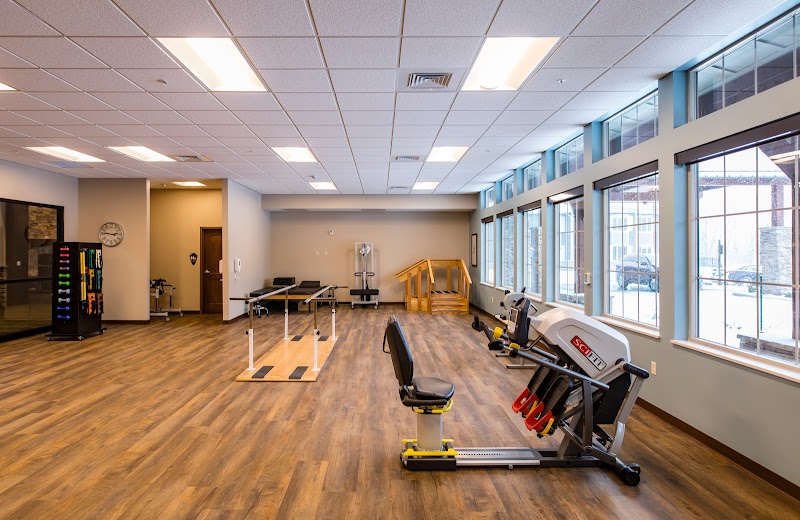
How Does Arrowhead Senior Living Community Compare to Other Missouri Nursing Homes?

Compared to the 100 nursing homes in Missouri, ARROWHEAD SENIOR LIVING COMMUNITY's overall rating (5 stars) is above the state average of 2.5, staff turnover (52%) is near the state average of 46%, and health inspection rating (5 stars) is much above the national benchmark.

What Should Families Ask When Visiting Arrowhead Senior Living Community?

Based on this facility's data, families visiting should ask: "Can I visit during a mealtime to observe dining assistance and food quality?" "How do you handle medical emergencies, and what is your hospital transfer rate?" "Can I speak with family members of current residents about their experience?"

Is Arrowhead Senior Living Community Safe?

Based on CMS inspection data, ARROWHEAD SENIOR LIVING COMMUNITY has a clean safety record: no substantiated abuse findings (meaning no confirmed cases of resident harm), no Immediate Jeopardy citations (the most serious violation level indicating risk of serious injury or death), and is not on the Special Focus Facility watch list (a federal program monitoring the lowest-performing 1% of nursing homes). The facility has a 5-star overall rating and ranks #1 of 100 nursing homes in Missouri. While no facility is perfect, families should still ask about staff-to-resident ratios and recent inspection results during their visit.

Do Nurses at Arrowhead Senior Living Community Stick Around?

ARROWHEAD SENIOR LIVING COMMUNITY has a staff turnover rate of 52%, which is 6 percentage points above the Missouri average of 46%. Moderate turnover is common in nursing homes, but families should still ask about staff tenure and how the facility maintains care continuity when employees leave.

Was Arrowhead Senior Living Community Ever Fined?

ARROWHEAD SENIOR LIVING COMMUNITY has no federal fines on record. CMS issues fines when nursing homes fail to meet care standards or don't correct problems found during inspections. The absence of fines suggests the facility has either maintained compliance or corrected any issues before penalties were assessed. This is a positive indicator, though families should still review recent inspection reports for the full picture.

Is Arrowhead Senior Living Community on Any Federal Watch List?

ARROWHEAD SENIOR LIVING COMMUNITY is not on any federal watch list. The most significant is the Special Focus Facility (SFF) program, which identifies the bottom 1% of nursing homes nationally based on persistent, serious quality problems. Not being on this list means the facility has avoided the pattern of deficiencies that triggers enhanced federal oversight. This is a positive indicator, though families should still review the facility's inspection history directly.