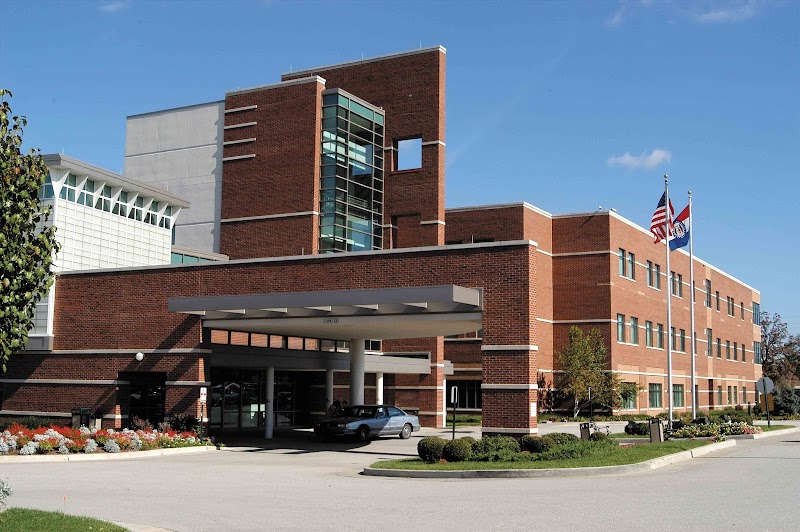
LAKE REGIONAL HEALTH SYSTEMS


54 HOSPITAL DRIVE, OSAGE BEACH, MO 65065 (573) 348-8275
Non profit - Other 16 Beds Independent Data: November 2025
Trust Grade
90/100
#26 of 479 in MO
Last Inspection: November 2024

Within standard 12-15 month inspection cycle. Federal law requires annual inspections.

Overview

Lake Regional Health Systems in Osage Beach, Missouri, has received a Trust Grade of A, indicating it is an excellent facility that is highly recommended. It ranks #26 out of 479 nursing homes in the state, placing it in the top half, and #2 out of 5 in Camden County, meaning there is only one other local option that is rated higher. The facility is improving, with the number of reported issues decreasing from four in 2022 to three in 2024. Staffing is a significant strength, boasting a 5/5 star rating and a turnover rate of 50%, which is below the Missouri average. Notably, the facility has not incurred any fines, showcasing a strong commitment to compliance, and it offers more RN coverage than 99% of Missouri facilities, ensuring thorough care. However, there are areas of concern; recent inspections found that staff failed to properly store food, which raises contamination risks, and there were lapses in checking the CNA Registry to ensure staff qualifications. Additionally, entrapment assessments for bedrails were not completed for several residents, which could pose safety risks. While these issues highlight some weaknesses, the overall quality of care, staffing stability, and lack of fines suggest that Lake Regional Health Systems is committed to providing a safe and effective environment for residents.

Trust Score
A
90/100
In Missouri
#26/479
Top 5%
Safety Record
Low Risk
No red flags
Inspections
Getting Better
4 → 3 violations
Staff Stability
⚠ Watch
50% turnover. Above average. Higher turnover means staff may not know residents' routines.
Penalties
✓ Good
No fines on record. Clean compliance history, better than most Missouri facilities.
Skilled Nurses
✓ Good
Each resident gets 159 minutes of Registered Nurse (RN) attention daily — more than 97% of Missouri nursing homes. RNs are the most trained staff who catch health problems before they become serious.
Violations
○ Average
7 deficiencies on record. Average for a facility this size. Mostly minor or procedural issues.
★★★★★
5.0
Overall Rating
★★★★★
5.0
Staff Levels
★★★★★
5.0
Care Quality
★★★★★
5.0
Inspection Score
Stable
2022: 4 issues
2024: 3 issues

The Good

  • 5-Star Staffing Rating · Excellent nurse staffing levels
  • 5-Star Quality Measures · Strong clinical quality outcomes
  • Full Sprinkler Coverage · Fire safety systems throughout facility
  • No fines on record

Facility shows strength in staffing levels, quality measures, fire safety.

The Bad

Staff Turnover: 50%

Near Missouri avg (46%)

Higher turnover may affect care consistency

The Ugly 7 deficiencies on record

Jan 2024 3 deficiencies
CONCERN (E)

Potential for Harm - no one hurt, but risky conditions existed

Abuse Prevention Policies (Tag F0607)

Could have caused harm · This affected multiple residents

**NOTE- TERMS IN BRACKETS HAVE BEEN EDITED TO PROTECT CONFIDENTIALITY** Based on interview and record review, facility staff failed to check the Certified Nursing Aide (CNA) Registry to ensure staff d...

Read full inspector narrative →
**NOTE- TERMS IN BRACKETS HAVE BEEN EDITED TO PROTECT CONFIDENTIALITY** Based on interview and record review, facility staff failed to check the Certified Nursing Aide (CNA) Registry to ensure staff did not have a Federal Indicator (a marker given by the federal government to individuals who have committed abuse and/or neglect) in accordance with the facility policy for six current employee's ([NAME] Patient Care Technician (PCT) I, student nurse intern J, Licensed Practical Nurse (LPN) K, housekeeper L, PCT M, and Health Unit Coordinator N out of seven sampled staff. The facility census was 5. 1. Review of the facility's policy titled, Patient Abuse, Neglect and Mistreatment, dated 09/11/23, showed staff were directed to do the following: -The Skilled Nursing Facility shall in accordance with regulation the Centers for Medicare and Medicaid Services 483.13 Resident Behavior and Facility Practices to ensure that all patients are not subjected to any form of abuse, neglect, harassment, exploitation, involuntary seclusion, or misappropriation of property. All employees will be screened for a past history of abuse prior to hiring. Personnel will be trained to identity events and occurrences that may constitute or contribute to abuse and neglect; -The Human Resources Department prior to hiring will screen potential employees for a history of any form of abuse, neglect, or mistreatment of patients or individuals. This includes performing a criminal background check, contacting previous employers and/or current employers, and checking with the appropriate boards and registries. 2. Review of [NAME] PCI I's personnel record showed a hire date of 06/05/23. Review showed the employee's record did not contain documentation the facility completed a CNA Registry check prior to the hire date. 3. Review of student nurse intern J's personnel records showed a hire date of 06/19/23. Review showed the employee's record did not contain documentation the facility completed a CNA Registry check prior to the hire date. 4. Review of LPN K's personnel record showed a hire date of 08/22/22. Review showed the employee's record did not contain documentation the facility completed a CNA Registry check prior to the hire date. 5. Review of housekeeper L's personnel record showed a hire date of 09/19/22. Review showed the employee's record did not contain documentation the facility completed a CNA Registry check prior to the hire date. 6. Review of PCT M's personnel record showed a hire date of 07/10/23. Review showed the employee's record did not contain documentation the facility completed a CNA Registry check prior to the hire date. 7. Review of Health Unit Coordinator N's personnel record showed a hire date of 12/08/23. Review showed the employee's record did not contain documentation the facility completed a CNA Registry check prior to the hire date. 8. During an interview on 01/18/24 at 9:09 A.M., the Human Resource Assistant Manager said he/she was responsible to completed required screenings for the CNA Registry. He/She said he/she did not know the CNA Registry was required to be checked for any staff member who had access to residents. He/She said he/she had been in the position for a few years and did not know all staff were required to check for all staff, only the employees who provided care. He/She was confused by the title CNA Registry, and did not realize the registry was to be checked for all staff, not just CNA's. He/She said he/she was responsible to ensure all required screening were completed.
CONCERN (E)

Potential for Harm - no one hurt, but risky conditions existed

Deficiency F0700 (Tag F0700)

Could have caused harm · This affected multiple residents

Based on observation, interview, and record review, facility staff failed to conduct or complete entrapment assessments and measurements to identify areas of possible entrapment prior to the use of be...

Read full inspector narrative →
Based on observation, interview, and record review, facility staff failed to conduct or complete entrapment assessments and measurements to identify areas of possible entrapment prior to the use of bed rails on admission for four residents (Resident #255, #256, #257, and #258) out of five sampled residents. The facility census was 5. 1. Review of the facility's policies showed the facility did not provide a policy for entrapment assessments. 2. Review of Resident #255's medical record showed the record did not contain a completed entrapment assessment. Observation on 01/17/24 at 4:18 P.M., showed the resident in bed with bilateral bedrails in the upright position. 3. Review of the Resident #256's medical record showed the record did not contain a completed entrapment assessment. Observation on 01/17/24 at 10:00 A.M., showed the resident in bed with bilateral bedrails in the upright position. Observation on 01/17/24 at 4:25 P.M., showed the resident in bed with bilateral bedrails in the upright position. Observation on 01/18/24 at 8:20 A.M., showed the resident in bed with bilateral bedrails in the upright position. 4. Review of Resident #257's medical record showed the record did not contain a completed entrapment assessment. Observation on 01/17/24 at 10:15 A.M., 1:27 P.M., and 2:18 P.M., showed the resident in bed with bilateral bedrails in the upright position. Observation on 01/18/24 at 8:30 A.M. and 11:22 A.M., showed the resident in bed with bilateral bedrails in the upright position. During an interview on 01/17/24 at 10:15 A.M., the resident said he/she used the upper half bedrails to help him/her move around in the bed. 5. Review of the Resident #258's medical record showed the record did not contain a completed entrapment assessment. Observations on 01/18/24 at 8:33 A.M. and 10:59 A.M., showed the resident in bed with bilateral bedrails in the upright position. During an interview on 01/17/24 at 10:48 A.M., the resident said he/she used the bedrails to transfer in and out of bed. 6. During an interview on 01/17/24 at 11:47 A.M., the Unit Nurse Manager said bed rail assessments are completed on admission by the admitting charge nurse along with obtaining a signed consent from the resident or their responsible party after explaining the risks to them. He/She said he/she is responsible to complete the entrapments and does those yearly in November on all the beds. He/She said all the beds on the unit are the same bed unless they must get a rental or bariatric bed on a special occasion. He/She said he/she has a pre-marked stick he/she uses this to gauge if the entrapment measurements on each bed are in the safe zone. Observation at this time showed the Unit Nurse Manager presented a stick which contained one end green and marked 4 3/4, the middle red, and the opposite end green and marked 2 3/8. He/She said the green ends represent the safe zone, and the red middle area represents the non-safe area. During an interview on 01/18/24 at 11:54 A.M., Registered Nurse (RN) A said the admitting charge nurse is responsible to complete the bed rail assessment and obtain a signed consent from the resident or their responsible party after they go over the risks of bed rails. He/She said all the beds on the unit have bed rails that are installed permanently. He/She said the charge nurse does not do entrapment measurements, and he/she has never done an entrapment measurement. He/She said he/she was not aware of the pre-marked stick used to complete entrapment measurements. During an interview on 01/18/24 at 12:37 P.M., the Unit Nurse Manager said he/she is responsible for completing the entrapment measurements. He/She said he/she does not do them with each new admission because the beds don't change. He/She said that a contracted company is responsible to check the beds annually for general maintenance of the bed. He/She said if staff find a bed rail loose, he/she expects staff to put a work order in for the contracted company to fix it, and to trade the bed out for another bed on the unit.
MINOR (C)

Minor Issue - procedural, no safety impact

Deficiency F0655 (Tag F0655)

Minor procedural issue · This affected most or all residents

**NOTE- TERMS IN BRACKETS HAVE BEEN EDITED TO PROTECT CONFIDENTIALITY** Based on observation, interview, and record review, facility staff failed to develop baseline care plans to provide effective an...

Read full inspector narrative →
**NOTE- TERMS IN BRACKETS HAVE BEEN EDITED TO PROTECT CONFIDENTIALITY** Based on observation, interview, and record review, facility staff failed to develop baseline care plans to provide effective and person-centered care for three admitted residents (Resident #257,#258, #259). The facility census was 5. 1. Review of the facility's Patient Plan of Care - Skilled Nursing Facility, revised 01/09/20, showed staff are directed as follows: -An interim care plan is developed immediately after admission by nursing, dietary, and other disciplines as required to cover immediate needs of the patient; -The plan of care will be printed and given to the patient within 48 hours of admission with a current copy of active medication orders. Assessment: -The initial assessment is done on the day of admission. This initial assessment shall address the physical and psychosocial needs of the patient. 2. Review of Resident #257 Entry Tracking Record Minimum Data Set (MDS), a federally mandated assessment tool, dated 01/08/24, showed the resident was admitted on [DATE] for short term stay. Review of the resident's baseline care plan, dated 01/08/24, showed did not contain direction for: -Code status; -Activities of Daily Living (ADL) assistance needed from staff; -Mobility assistance needed from staff; -Use of walker; -Use of surgical shoe; -Wound care; -Physical therapy. Observation on 01/17/24 at 10:15 A.M., showed a reach assistance device, a walker, and surgical shoe in his/her room. Observation showed the resident had a surgical dressing on his/her left foot. Observation on 01/18/24 at 8:30 A.M., showed a physical therapist (PT) worked with the resident. During an interview on 01/17/24 at 10:15 A.M., the resident said he/she is admitted for therapy, IV antibiotics for his/her left foot wound, and plans to return home. He/She said he/she uses a walker to help him/her with his/her mobility. 3. Review of Resident #258 Entry Tracking Record MDS, dated [DATE], showed the resident was admitted on [DATE] short term stay. Review of the resident's baseline care plan, dated 01/11/24, showed did not contain direction for: -Code status; -ADL assistance; -Therapy services; -The use of bed rails. Review of the resident's face sheet, undated, showed the resident listed as Full Code (all resuscitation procedures will be provided to keep a person alive). Observation on 01/17/24 at 10:48 A.M., showed the resident's bed with half bed rail up on both sides of the bed. Observations on 01/18/24 at 8:33 A.M., showed the resident in bed with half bed rail up on both sides of the bed. Observations on 01/18/24 at 10:59 A.M., showed the resident in bed with half bed rail up on both sides of the bed. During an interview on 01/17/24 at 10:48 A.M., the resident said he/she used the bedside rails for assistance to transfer in and out of bed. 4. Review of Resident #259 Entry Tracking Record MDS, dated [DATE], showed the resident was admitted on [DATE] short term stay. Review of the resident's baseline care plan, dated 01/09/24, showed did not contain direction for: -Code status; -ADL assistance; -Therapy services; -Use of bedrails. Review of the physician's progress note, undated, showed the resident as a Do Not Resuscitate (DNR) (the person would not want Cardiopulmonary resuscitation). Observations on 01/17/24 at 11:09 A.M., showed the resident's bed with half bedrail up on both sides of the bed. Observations on 01/17/24 at 12:00 P.M., showed the resident's bed with half bedrail up on both sides of the bed. During an interview on 01/17/24 at 11:09 A.M., the resident said he/she used the bedrails for positioning. 5. During an interview on 01/17/24 at 2:58 P.M., Certified Nurse Assistant (CNA) D said he/she gets report from the off-going CNA and the nurse for his/her shift to know how to care for the residents. He/She writes this out on paper and carries it with him/her during the shift. During an interview on 01/18/24 at 11:54 A.M., Registered Nurse (RN) A said the nurse doing the resident's admission is responsible to complete the baseline care plan. He/She said the purpose of the care plan is to guide the resident's care and provide direction for the staff. He/She said the CNA's get report from the off-going CNA to know how to care for each resident. During an interview on 01/18/24 at 12:37 P.M., the Unit Nurse Manager said the admitting nurse is responsible to complete the baseline care plan on each new admission. He/She said the purpose of a baseline care plan is to tell the staff why the resident is admitted to the unit and guide staff to reach the resident's goals. He/She said the baseline care plan should guide staff on how to care for the resident, and how much are that resident needs. He/She said in the past week they changed the baseline care plan and are still working with Information Technology (IT) to include everything needed. He/She said the old form was 24 pages and too comprehensive.
Aug 2022 4 deficiencies
CONCERN (E)

Potential for Harm - no one hurt, but risky conditions existed

Deficiency F0700 (Tag F0700)

Could have caused harm · This affected multiple residents

**NOTE- TERMS IN BRACKETS HAVE BEEN EDITED TO PROTECT CONFIDENTIALITY** Based on observation, interview and record review, facility staff failed to attempt alternative interventions prior to the use o...

Read full inspector narrative →
**NOTE- TERMS IN BRACKETS HAVE BEEN EDITED TO PROTECT CONFIDENTIALITY** Based on observation, interview and record review, facility staff failed to attempt alternative interventions prior to the use of bedrails for six residents (Resident #2, #4, #5, #6, #7 and #202). Additionally, staff failed to obtain resident and/or guardian consent for the use of the bedrails, and failed to update the residents care plans for bedrail use. The facility census was 7. 1. Review of the facility's General Patient Care Policy, dated 12/21/21, showed one bed rail may be used. Patients will be educated on the risk of entrapment and must sign a consent form to have the bed rail up. Review of the facility's Patient Plan of Care Policy, dated 12/21/21, showed: -Developing an individualized plan of care for each patient in the Skilled Nursing Facility (SNF) unit is one of the most important tasks that is undertaken for that patient; -Planning and implementation by an interdisciplinary team will ensure the patient that his care will be coordinated and continuous; -The overall plan of care is the basis of the SNF unit's work routine; -An interim care plan is developed immediately after admission by nursing, dietary, and other disciplines as required to cover immediate needs of the patient; -The plan - will outline goals and plans developed in response to the patient's identified problems; will acknowledge the patient's preferences and/or participation when appropriate; and will be developed in coordination with the physician's orders; -The plans are the responsibility of the SNF unit supervisor or designated licensed nurse; -Time frame for reviews are weekly, with a change in level of care, or with an indicated need. 2. Review of Resident #2's Five Day Assessment Minimum Data Set (MDS), a federally mandated assessment tool, dated 8/18/22, showed staff assessed the resident as follows: -Moderate cognitive impairment; -Required limited assistance from one staff member for bed mobility and transfers; -Does not use bedrails. Review of the resident's medical record showed it did not contain prior interventions attempted prior to bedrail use. Review of the Physician Order Summary (POS), undated, showed it did not contain an order for bedrails or assistive devices. Review of the care plan, dated 8/12/22, showed it did not contain direction for staff in regard to bedrail use for the resident. Review of the Side Rails Informed Consent and Release form, dated 8/22/22 at 2:40 P.M., showed staff documented the bedrails are used as a mobility aid and not a physical restraint. Further review, showed staff documented the resident was informed of the benefits and risks of the use of siderails. Observation on 8/22/22 at 11:16 A.M., showed the resident in bed with an assist bar up on both sides. Observation on 8/23/22 at 10:46 A.M., showed the resident's bed with an assist bar up on both sides. Observation on 8/23/22 at 2:09 P.M., showed the resident's bed with an assist bar up on both sides. 3. Review of Resident #4's Five Day MDS dated [DATE], showed staff assessed the resident as: -Cognitively intact; -Had diagnoses of Lung cancer, anemia and anxiety; -Required assistance from one staff member for bed mobility and transfers; -Had no limitations in range of motion; -Does not use bedrails. Review of the resident's medical record showed it did not contain interventions attempted prior to bedrail use. Review of the resident's POS, dated 8/22/22, showed it did not contain an order for bedrails or assistive devices. Review of the resident's Care Plan, dated 8/10/22, showed it did not contain direction for staff in regard to bedrail use for the resident. Review of the resident's Side Rails Informed Consent and Release Form, dated 8/22/22, showed staff documented the bedrails are used as a mobility aid and not as a physical restraint. Further review showed the form was signed by the resident. Observation on 8/22/22 at 11:30 A.M., showed the resident had bedrails up on both sides of the bed. Observation on 8/23/22 at 8:10 A.M., showed the resident had bed rails up on both sides of the bed. 4. Review of Resident #5's Medical Record dated 8/11/22, showed staff assessed the resident: -admitted on [DATE]; -Cognitively intact; -Had diagnoses of pelvic fractures, dilated cardiomyopathy (type of heart muscle disease that cause the hear chambers to thin and stretch growing larger), and chronic coronary artery disease ( coronary arteries struggle to supply the heart with enough blood, oxygen, and nutrients). -Did not contain prior interventions attempted prior to bedrail use. Review of the residents signed Side Rail Informed Consent and Release Form, dated 8/22/22 at 3:00 P.M., showed staff documented the bed rails are used as a mobility aid and not as a physical restraint. Review of the resident's POS, dated 8/11/22, showed it did not contain an order for bedrails or assistive devices. Review of the resident's care plan, dated 8/11/22, showed it did not contain direction for staff in regard to bedrail use for the resident. Observation on 8/22/22 at 11:50 A.M., showed the resident's bed with side rail up on both sides. Observation on 8/22/22 3:00 P.M., showed the MDS coordinator obtained verbal consent from the resident for the use of the bedrails Observation on 8/23/22 at 8:00 A.M., showed the resident in bed with bedrails up on both sides. During an interview on 8/22/22 at 2:05 P.M., the resident said he/she did not use the bedrails. 5. Review of Resident #6's Medical Record, dated 8/15/22 showed staff assessed the resident: -admitted on [DATE]; -Cognitively intact; -Had a diagnosis of Necrotizing Cellutlitus of the perineum (an infection that causes severe tissue destruction). -Did not contain prior interventions attempted prior to bedrail use. Review of the resident's Side Rail Informed Consent and Release Form, dated 8/22/22 at 2:33 P.M., showed staff documented the bedrails are used as a mobility aid and not as a physical restraint. Review of the resident's physicians orders, dated 8/15/22, showed it did not contain an order for bedrails or assistive devices. Review of the resident's care plan, dated 8/15/22, showed it did not contain direction for staff in regard to bedrail use for the resident. Observation on 8/22/22 at 12:11 A.M., showed the resident's bed with bedrails up on both sides. Observation on 8/22/22 at 2:22 P.M., showed the resident in bed with bedrails up on both sides. Observation on 8/23/22 at 1:45 P.M., showed the resident in bed with bedrails up on both sides. During an interview on 8/22/22 at 2:22 P.M., the resident said he/she used the bedrails for bed mobility and transfers. 6. Review of Resident #7's Medical Record, dated 8/18/22 showed staff assessed the resident: -admitted on [DATE]; -Cognitively intact; -Had diagnoses of Osteoporosis (A condition in which bones become weak and brittle) and Right Intertrochanteric (part of hip) hip fracture with nail fixation. -Did not contain prior interventions attempted prior to bedrail use. Review of the resident's Side Rail Informed Consent and Release Form, dated 8/18/22, showed staff documented the bed rails are used as a mobility aid and not as a physical restraint. Review of the POS, dated 8/18/22, showed it did not contain an order for bedrails or assistive devices. Review of the resident's care plan, dated 8/15/22, showed it did not contain direction for staff in regard to bedrail use for the resident. Observation on 8/22/22 at 11:17 A.M., showed the resident in bed with bedrails up on both sides. Observation on 8/23/22 at 8:06 A.M., showed the resident in bed with bedrails up on both sides. During an interview on 8/22/22 at 11:17 A.M., the resident said he/she used the bedrails for bed mobility and transfers. 7. Review of Resident #202's medical record showed had not completed an MDS completed. Review of the resident's face sheet showed: -admitted on [DATE]; -Had diagnoses of a seizure disorder, hyponatremia (the level of sodium in the blood is too low), chronic obstructive pulmonary disease (a type of lung disease marked by permanent damage to tissues in the lungs, making it hard to breathe), atrial fibrillation (an irregular, often rapid heart rate that commonly causes poor blood flow), history of stroke with left-sided weakness, obstructive sleep apnea (repeatedly stop and start breathing while sleeping). Review of the resident's medical record showed it did not contain prior interventions attempted prior to bedrail use. Review of the POS, undated, showed it did not contain an order for bedrails or assistive devices. Review of the care plan, dated 8/12/22, showed it did not contain direction for staff in regard to bedrail use for the resident. Review of the Side Rails Informed Consent and Release Form, dated 8/22/22 at 2:30 P.M., showed staff documented the bedrails are used as a mobility aid and not as a physical restraint. Further review, showed staff documented the resident was informed of the benefits and risks of the use of side rails. Observation on 8/22/22 at 11:59 A.M., showed the resident in bed with an assist bar up on both sides. Observation on 8/23/22 at 10:52 A.M., showed the resident's bed with an assist bar up on both sides. Observation on 8/23/22 at 2:07 P.M., showed the resident in bed with an assist bar up on both sides. 8. During an interview on 8/23/22 at 2:11 P.M., the MDS Coordinator and Registered Nurse (RN) A said the care plans should be updated nightly by the night shift nurses. They said the charge nurse is responsible for auditing the care plans for accuracy. RN A said the care plans do not address bedrails. During an interview on 8/23/22 at 2:18 P.M., RN C said the nurses are responsible for updating the care plans. He/She said the MDS coordinator and nurses are responsible for ensuring the care plans is are up to date. He/She said the nurses should evaluate the care plans every shift and assess the resident's interventions and progress. He/She said he/she would not expect to find bedrails on a care plan or physician orders. He/She said all the nurses, the MDS coordinator, and the nurse manager have access to the care plans. During an interview on 8/23/22 at 2:32 P.M., the Director of Nursing (DON) said the nurses and MDS nurse are responsible for ensuring care plans are up to date. He/She said he/she would expect bedrails addressed on the care plan, even if the patient did not use them or if they had been discontinued. He/she said he/she expects there to be a physicians order for bed rails. He/She said all nursing staff and providers can access the care plans. During an interview on 8/25/22 at 3:48 P.M., RN A said the admitting nurse should get the bedrail consent form signed by the resident. He/She said the consent forms are printed with the admission packet, so the forms should be signed upon admission. He/She said the resident consent forms were signed after the surveyors asked to review them, because he/she did not see them in the residents medical records. He/she said physician orders are not required for the use of bed rails. He/She said there are no interventions attempted prior to the use of the bed rails. He/She said the bedrails are permanently attached to the bed, but can be lowered if there is a concern of risk to the resident. He/She said there has not been an audit system in place for the past year to ensure the consent forms were signed. During an interview on 8/25/22 at 4:09 P.M., the DON said there should be a physician's order for bed rail use. He/she said he/she did not know who would be responsible for obtaining the physician's order for the bed rails. He/She said he/she did not know when the consent forms should be signed. He/She said if bed rails are used for positioning, he/she would not expect another intervention; but depending on the use of the bed rails, would require another intervention to be attempted first. He/she said staff monitor residents for risk of entrapment. During an interview on 8/25/22 at 4:16 P.M., RN E said the admitting nurse is responsible for getting the bed rail consent form signed upon admission. He/She said the admission paperwork automatically prints out the consent form, but he/she did not know why the consent forms were missing for the residents. He/She said he/she did not know if there is a system in place to ensure all the required paperwork is signed. He/She said he/she is not sure if a physician order is required for the use of bed rails. He/She said there are no interventions attempted prior to the use of bedrails.
CONCERN (F)

Potential for Harm - no one hurt, but risky conditions existed

Food Safety (Tag F0812)

Could have caused harm · This affected most or all residents

**NOTE- TERMS IN BRACKETS HAVE BEEN EDITED TO PROTECT CONFIDENTIALITY** Based on observation and interview, the facility staff failed to store food in a manner to protect it from potential contaminati...

Read full inspector narrative →
**NOTE- TERMS IN BRACKETS HAVE BEEN EDITED TO PROTECT CONFIDENTIALITY** Based on observation and interview, the facility staff failed to store food in a manner to protect it from potential contamination and out-dated use. The facility census was seven. 1. Review of the facility's Storage of Food-Labeling, Storing and Dating policy, dated 11/09/16, showed: -Cold items are put into storage containers, covered, labeled and dated with and in and discard date before they are refrigerated. -Once a week, the walk-in and all refrigerators are thoroughly cleaned. Any any time, any food dated longer than seven days is discarded. Freezer leftovers are not kept longer than a year. -Manufacturers recommended storage dates are used when storing food. Observation on 08/22/22 at 10:25 A.M., showed the dry goods pantry contained: -an opened and undated 160 ounce (oz.) bag of dried farfalle pasta; -an opened and undated 160 oz. bag of dried cavatappi pasta; -an opened and undated large bag of dried ditalini pasta; -an opened and undated five pound bag of cocoa powder. Observation on 08/22/22 10:35 A.M., showed an opened and undated one gallon jar of sliced banana peppers in the walk-in refrigerator. Observation showed an unidentifiable black speckled mold-like substance on multiple storage shelves in the walk-in. During an interview on 08/22/22 at 10:35 A.M., DSD said they did not have a cleaning schedule for the walk-in storage shelves. Observation on 08/22/22 at 10:38 A.M., showed the reach-in cooler in the cook's station contained: -an opened and undated one gallon bottle of soy sauce; -an opened and undated one gallon bottle of worcestershire sauce; -an opened and undated one gallon bottle of lemon juice; -an opened one gallon bottle of honey siracha dated 01/24 with a use by date of 02/24 -an opened and undated four pound and nine ounce bottle of szechuane sauce; -an opened and undated 32 oz. bottle of Dijon mustard; -an opened and undated one pound and 14 oz. carton of Southwest Chipotle Pesto. Observation on 08/22/22 at 10:45 A.M., showed the bottom shelf at the end of the cook's station contained: -an opened and undated one gallon bottle of gourmet red wine vinegar; -an opened and undated one gallon bottle of white cooking wine; -an opened and undated one gallon bottle of liquid smoke; -an opened and undated one gallon bottle of light corn syrup; -an opened and undated one gallon bottle of apple cider vinegar; -an opened and undated one gallon bottle of rice vinegar; -an opened and undated one gallon bottle of distilled vinegar; -an opened and undated one gallon bottle of molasses; -an opened and undated one gallon bottle of fine [NAME] cooking wine; -an opened and undated five pound bottle of honey. During an interview on 08/22/22 at 10:45 A.M., the DSD said staff should seal, date, and label all opened food items which would include bottles of sauces and condiments. The DSD said the chef is responsible to monitor the food storage on-going throughout the day and he/she does a food storage audit monthly. The DSD said dating of opened food items had been a consistent problem identified during his/her audits and he/she talks about it with staff during the daily meetings. Observation on 08/22/22 at 10:50 A.M., showed the reach-in freezer in the cook's station contained: -an undated bag of chicken strips opened to the air; -an undated bag of battered onion rings opened to the air; -an undated bag of breaded chicken fillets opened to the air; -an opened and undated bag of vegan chicken strips. During an interview on 08/22/22 at 10:50 A.M., the Chef said he/she routinely looks at the food storage to make sure it is stored appropriately which would include looking to see if opened food items are dated, labeled and sealed. The chef said he/she primarily looks at the food prepared for the day and does not pay attention to bottles of sauces and condiments due to their shelf stability. The chef said staff did not date the opened bottles stored on the bottom shelf in the cook's station when he/she started, so he/she let that continue. The chef also said he/she did not expect staff to date the opened food items stored in the reach-in freezer in the cook's station because they use those items up so quickly.
MINOR (C)

Minor Issue - procedural, no safety impact

Deficiency F0575 (Tag F0575)

Minor procedural issue · This affected most or all residents

**NOTE- TERMS IN BRACKETS HAVE BEEN EDITED TO PROTECT CONFIDENTIALITY** Based on observation and interview, facility staff failed to post the telephone number for the Department of Health and Senior S...

Read full inspector narrative →
**NOTE- TERMS IN BRACKETS HAVE BEEN EDITED TO PROTECT CONFIDENTIALITY** Based on observation and interview, facility staff failed to post the telephone number for the Department of Health and Senior Services (DHSS) Adult Abuse and Neglect Hotline (used to report allegations of abuse and neglect) in a form and manner accessible to residents and visitors. The facility census was 7. 1. Review of the facility's Patient Guide, undated, showed complaints can be directed to the DHSS by telephone at [PHONE NUMBER] or online at health.mo.gov/safety/healthservregs/complaints.php. Observations from 8/22/22 at 10:00 A.M. through 8/23/22 at 3:00 P.M., showed the facility did not post the name, address, and toll free telephone number for the Adult Abuse and Neglect Hotline in accessible location on the unit for residents or visitors to use if needed. During an interview on 8/23/22 at 2:07 P.M., Resident #202 said he/she didn't know there was an Adult Abuse and Neglect Hotline and didn't see a number posted on the unit. During an interview on 8/23/22 at 2:11 P.M., the Minimum Data Set (MDS) Coordinator , a federally mandated assessment tool, said Registered Nurse (RN) A is responsible for posting the Adult Abuse and Neglect Hotline number. He/She said he/she didn't know how staff, or visitors would know how to report a concern to the hotline. During an interview on 8/23/22 at 2:11 P.M., RN A said the Adult Abuse and Neglect Hotline number is printed in the Patient Guide pamphlet, but is not posted on the wall, or other visible location. He/She said the hotline number should be posted in a visible location, since the visitors and residents may not see the number in the pamphlet. He/She said he/she didn't know how staff or visitors would know how to report a concern to the hotline. During an interview on 8/23/22 at 1:45 P.M., the Nurse Manager said the Abuse and Neglect Hotline number was posted in the dining room. He/she said he/she didn't know it was the wrong number. During an interview on 8/23/22 at 2:18 P.M., RN C said he/she didn't know if the Abuse and Neglect Hotline number was posted. He/She said resident's received the number in their admission packet and they are expected to read it on their own. He/She said the Abuse and Neglect Hotline number should be posted in a public place where residents, family, visitors, and staff can view it. He/She said he/she didn't know why it was not posted. During an interview on 8/23/22 at 2:32 P.M., the Director of Nursing (DON) said the Abuse and Neglect Hotline number should be located in the Patient Guide pamphlet, posted in the residents' rooms, and with the resident rights poster. He/she said he/she didn't know it was not posted.
MINOR (C)

Minor Issue - procedural, no safety impact

Staffing Information (Tag F0732)

Minor procedural issue · This affected most or all residents

Based on observation and interview, facility staff failed to post the required nurse staffing information, which included the total number of staff and the actual hours worked by both licensed and unl...

Read full inspector narrative →
Based on observation and interview, facility staff failed to post the required nurse staffing information, which included the total number of staff and the actual hours worked by both licensed and unlicensed nursing staff directly responsible for resident care, per shift, and on a daily basis in a prominent place readily accessible to residents and visitors. The facility census was 7. 1. Review of the facility's Staffing of the Patient Care Areas policy, dated 7/22/21, showed each nursing unit shall post in a visible location on the nursing unit or make available to the patient(s) or patient's authorized representative, a copy of the unit's staffing plan for nursing services and documentation of actual daily staffing levels. Further review showed the policy did not contain direction on the posting of actual hours worked by both licensed and unlicensed nursing staff directly responsible for resident care, per shift on a daily basis. Observations from 8/22/22 at 10:00 A.M. through 8/23/22 at 3:00 P.M., showed the facility did not post nurse staffing information. During an interview on 8/23/22 at 2:11 P.M., Minimum Data Set (MDS), a federally mandated assessment tool, Coordinator said Registered Nurse (RN) A is responsible for posting the nurse staffing information, but he/she didn't know where it is located, or what information was on it. During an interview on 8/23/22 at 1:45 P.M., the Nurse Manager said he/she thought the correct information was posted. He/She said he/she didn't know the nurse staff posting should include the actual hours worked per discipline. During an interview on 8/23/22 at 2:18 P.M., RN C said he/She didn't know the nurse staff posting should include actual hours worked by staff and be accessible to the public. He/She said the nurses should update the posting with the required information. During an interview on 8/23/22 at 2:32 P.M., the Director of Nursing (DON) said the staff posting is in the facility's electronic tracking system and isn't available for residents or visitors to view.
Understanding Severity Codes (click to expand)
Life-Threatening (Immediate Jeopardy)
J - Isolated K - Pattern L - Widespread
Actual Harm
G - Isolated H - Pattern I - Widespread
Potential for Harm
D - Isolated E - Pattern F - Widespread
No Harm (Minor)
A - Isolated B - Pattern C - Widespread

Questions to Ask on Your Visit

  • "Can I speak with families of current residents?"
  • "What's your RN coverage like on weekends and overnight?"

Our Honest Assessment

Strengths
  • • Grade A (90/100). Above average facility, better than most options in Missouri.
  • • No major safety red flags. No abuse findings, life-threatening violations, or SFF status.
  • • No fines on record. Clean compliance history, better than most Missouri facilities.
Concerns
  • • No significant concerns identified. This facility shows no red flags across CMS ratings, staff turnover, or federal penalties.
Bottom line: Generally positive indicators. Standard due diligence and a personal visit recommended.

About This Facility

What is Lake Regional Health Systems's CMS Rating?

CMS assigns LAKE REGIONAL HEALTH SYSTEMS an overall rating of 5 out of 5 stars, which is considered much above average nationally. Within Missouri, this rating places the facility higher than 99% of the state's 100 nursing homes. This rating reflects solid performance across the metrics CMS uses to evaluate nursing home quality.
How is Lake Regional Health Systems Staffed?

CMS rates LAKE REGIONAL HEALTH SYSTEMS's staffing level at 5 out of 5 stars, which is much above average compared to other nursing homes. Staff turnover is 50%, compared to the Missouri average of 46%.

What Have Inspectors Found at Lake Regional Health Systems?

State health inspectors documented 7 deficiencies at LAKE REGIONAL HEALTH SYSTEMS during 2022 to 2024. These included: 4 with potential for harm and 3 minor or isolated issues.
Who Owns and Operates Lake Regional Health Systems?

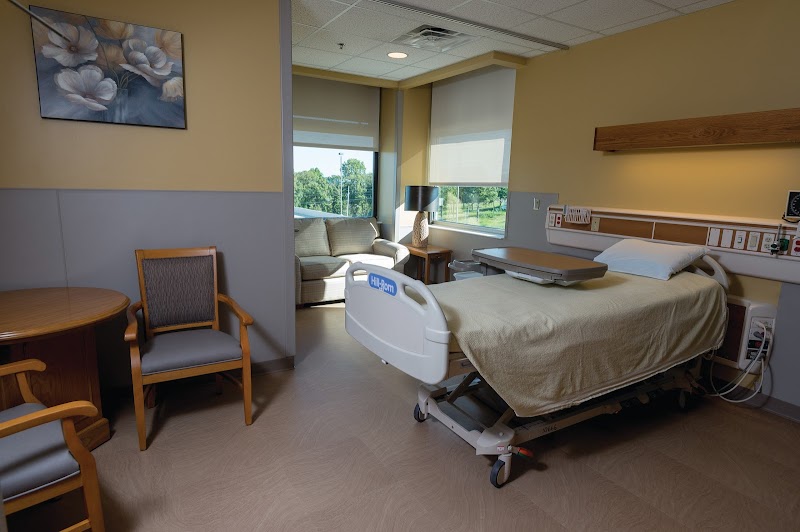
LAKE REGIONAL HEALTH SYSTEMS is owned by a non-profit organization. Non-profit facilities reinvest revenue into operations rather than distributing to shareholders. The facility operates independently rather than as part of a larger chain. With 16 certified beds and approximately 9 residents (about 56% occupancy), it is a smaller facility located in OSAGE BEACH, Missouri.
How Does Lake Regional Health Systems Compare to Other Missouri Nursing Homes?

Compared to the 100 nursing homes in Missouri, LAKE REGIONAL HEALTH SYSTEMS's overall rating (5 stars) is above the state average of 2.5, staff turnover (50%) is near the state average of 46%, and health inspection rating (5 stars) is much above the national benchmark.

What Should Families Ask When Visiting Lake Regional Health Systems?

Based on this facility's data, families visiting should ask: "Can I visit during a mealtime to observe dining assistance and food quality?" "How do you handle medical emergencies, and what is your hospital transfer rate?" "Can I speak with family members of current residents about their experience?"

Is Lake Regional Health Systems Safe?

Based on CMS inspection data, LAKE REGIONAL HEALTH SYSTEMS has a clean safety record: no substantiated abuse findings (meaning no confirmed cases of resident harm), no Immediate Jeopardy citations (the most serious violation level indicating risk of serious injury or death), and is not on the Special Focus Facility watch list (a federal program monitoring the lowest-performing 1% of nursing homes). The facility has a 5-star overall rating and ranks #1 of 100 nursing homes in Missouri. While no facility is perfect, families should still ask about staff-to-resident ratios and recent inspection results during their visit.

Do Nurses at Lake Regional Health Systems Stick Around?

LAKE REGIONAL HEALTH SYSTEMS has a staff turnover rate of 50%, which is about average for Missouri nursing homes (state average: 46%). Moderate turnover is common in nursing homes, but families should still ask about staff tenure and how the facility maintains care continuity when employees leave.

Was Lake Regional Health Systems Ever Fined?

LAKE REGIONAL HEALTH SYSTEMS has no federal fines on record. CMS issues fines when nursing homes fail to meet care standards or don't correct problems found during inspections. The absence of fines suggests the facility has either maintained compliance or corrected any issues before penalties were assessed. This is a positive indicator, though families should still review recent inspection reports for the full picture.

Is Lake Regional Health Systems on Any Federal Watch List?

LAKE REGIONAL HEALTH SYSTEMS is not on any federal watch list. The most significant is the Special Focus Facility (SFF) program, which identifies the bottom 1% of nursing homes nationally based on persistent, serious quality problems. Not being on this list means the facility has avoided the pattern of deficiencies that triggers enhanced federal oversight. This is a positive indicator, though families should still review the facility's inspection history directly.