STONEBRIDGE OWENSVILLE
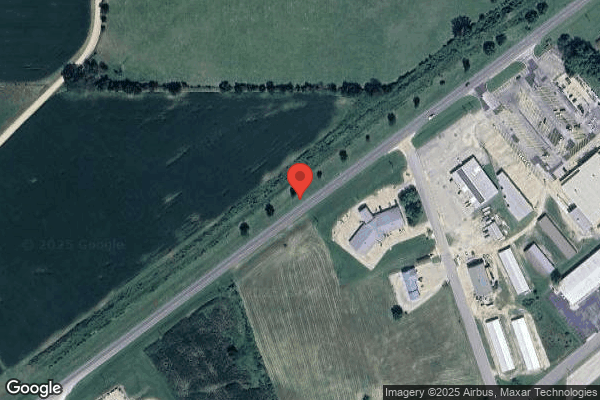
1016 W HIGHWAY 28, OWENSVILLE, MO 65066 (573) 437-6877
For profit - Corporation 131 Beds STONEBRIDGE SENIOR LIVING Data: November 2025
Trust Grade
55/100
#305 of 479 in MO
Last Inspection: August 2024

Within standard 12-15 month inspection cycle. Federal law requires annual inspections.

Overview

Stonebridge Owensville has a Trust Grade of C, which means it falls in the average range-neither great nor terrible. It ranks #305 out of 479 nursing homes in Missouri, placing it in the bottom half, and it is the last option in Gasconade County with a rank of #3 out of 3. The facility is improving, as it decreased from 6 issues in 2024 to just 1 in 2025. Staffing is a concern here, with a low rating of 1 out of 5 stars, but the turnover rate is impressively low at 0%, indicating that the staff stays long-term. While there are no fines on record, which is a positive sign, recent inspections revealed some serious issues, such as staff failing to maintain proper hygiene during wound care and not developing timely care plans for residents, which could impact their health and safety. Overall, while there are strengths such as low turnover and no fines, the facility needs to address its staffing challenges and improve care procedures.

Trust Score
C
55/100
In Missouri
#305/479
Bottom 37%
Safety Record
Low Risk
No red flags
Inspections
Getting Better
6 → 1 violations
Staff Stability
○ Average
Turnover data not reported for this facility.
Penalties
✓ Good
No fines on record. Clean compliance history, better than most Missouri facilities.
Skilled Nurses
⚠ Watch
Each resident gets only 23 minutes of Registered Nurse (RN) attention daily — below average for Missouri. Fewer RN minutes means fewer trained eyes watching for problems.
Violations
⚠ Watch
19 deficiencies on record. Higher than average. Multiple issues found across inspections.
★★☆☆☆
2.0
Overall Rating
★☆☆☆☆
1.0
Staff Levels
★★★☆☆
3.0
Care Quality
★★★☆☆
3.0
Inspection Score
Stable
2024: 6 issues
2025: 1 issues

The Good

  • Full Sprinkler Coverage · Fire safety systems throughout facility
  • No fines on record

Facility shows strength in fire safety.

The Bad

2-Star Overall Rating

Near Missouri average (2.5)

Below average - review inspection findings carefully

Chain: STONEBRIDGE SENIOR LIVING

Part of a multi-facility chain

Ask about local staffing decisions and management

The Ugly 19 deficiencies on record

Jun 2025 1 deficiency
CONCERN (D) 📢 Someone Reported This

A family member, employee, or ombudsman was alarmed enough to file a formal complaint

Potential for Harm - no one hurt, but risky conditions existed

Deficiency F0658 (Tag F0658)

Could have caused harm · This affected 1 resident

Based on interview and record review, facility staff failed to administer medications as ordered by the physician when Licensed Practical Nurse (LPN) D prepared insulin for Resident #2, and the Assist...

Read full inspector narrative →
Based on interview and record review, facility staff failed to administer medications as ordered by the physician when Licensed Practical Nurse (LPN) D prepared insulin for Resident #2, and the Assistant Director of Nursing (ADON) administered the insulin to Resident #1 and facility staff failed to document a medication error in the resident's medical record. The facility census was 78. 1. Review of the facility's medication administration policy, dated December 2024, showed the individual administering the medication must check the label to verify the right resident, right medication, right dosage, right time, and right method (route) of administration before giving the medication. If a drug is withheld, refused, or given at a time other than the scheduled time, the individual administering the medication shall document appropriately in the clinical chart. 2. Review of Resident #1's Minimum Data Set (MDS), a federal mandated assessment tool, dated 5/23/25, showed the staff assessed the resident as: -Cognitively intact; -Diagnoses of Alzheimer's, hypothyroidism, congestive heart failure, schizophrenia, and diabetes mellitus type II. Review of the Physicians Order Sheet (POS), dated June 2025, showed the POS did not contain a physician order for insulin. Review of the resident's progress notes, dated June 2025, showed the nurses notes did not contain documentation the resident received another resident's insulin on 6/7/25. During an interview on 6/16/25 at 12:04 P.M., the physician's nurse said the doctor was notified on 6/10/25 when the resident received another resident's insulin on 6/7/25. During an interview on 6/16/25 at 12:10 P.M., the Director of Nursing (DON) said he/she was unaware of a medication error and the resident being given insulin. He/She said it is the expectation of the staff to document if there is a medication error in Point Click Care (PCC) (an electronic Medical Record system) in the progress notes. He/She said one staff should not prepare the medications while another one gives them. During an interview on 6/16/25 at 12:15 P.M., the ADON said he/she had to come in to work because the medication technician went home. He/She said he/she was aware of the medication error which occurred on 6/7/25. He/She said Licensed Practical Nurse (LPN) D was more familiar with the residents to pass medications, so they prepped the insulin and gave it to him/her to administer to the resident. He/She said he/she checked the resident's blood glucose and administered the insulin in conjunction with the insulin sliding scale. He/She said the family was with the resident asked when the resident started taking insulin. He/She said this is when they discovered the medication error and LPN D called the on-call doctor. He/She said staff are not to prepare medication and another staff administer. He/she said staff should document errors in PCC. He/She said he/she just went along with this system of LPN D preparing the insulin and he/she administering it because they have been short of staff, and he/she came in halfway through the medication pass. During an interview on 6/16/25 at 12:23 P.M., LPN D said they had a medication technician go home early during medication pass. He/She said he/she prepared insulin and the glucometer for Resident #2 when the ADON came up and said he/she would take care of it. He/She said the ADON realized his/her mistake after the insulin had been given to Resident #1 and said he/she would take care of notification and charting of the medication error. During an interview on 6/16/25 at 12:31 P.M., the administrator said he/she was made aware of the medication error and started an investigation. He/She said the ADON had to come in on 6/7/25 due to a medication technician going home. The ADON said LPN D handed him/her the insulin pen and glucometer. He/She said staff are expected to notify the doctor, the family and himself/herself if an error occurs with medications, and all of this should be documented in PCC. Staff are not expected to prepare medication and another staff administer the medication. MO00255687 MO00256185
Aug 2024 6 deficiencies
CONCERN (D)

Potential for Harm - no one hurt, but risky conditions existed

Deficiency F0688 (Tag F0688)

Could have caused harm · This affected 1 resident

Based on observation, interview, and record review, facility staff failed to provide appropriate treatment and services to prevent further decrease in range of motion (ROM), movement of a joint, for o...

Read full inspector narrative →
Based on observation, interview, and record review, facility staff failed to provide appropriate treatment and services to prevent further decrease in range of motion (ROM), movement of a joint, for one resident (Resident #64), with a contracture (shortening and hardening of muscles, tendons, or other tissue, often leading to deformity and rigidity of joints) to the left hand out of 25 sampled residents. The facility census was 71. 1. Review of the facility's Resident Mobility and ROM policy, dated July 2017, showed residents with limited ROM will receive treatment and services to increase and/or prevent further decrease in ROM. Residents with limited mobility will receive appropriate services, equipment and assistance to maintain or improve mobility unless reduction in mobility is unavoidable. As part of the resident's comprehensive assessment, the nurse will identify the resident's current ROM of his/her joints and current mobility status. As part of the comprehensive assessment, the nurse will also identify conditions that place the resident at risk for complications related to ROM and mobility to include contractures. The care plan will be developed by the interdisciplinary team based on comprehensive assessment and will be revised as needed. The care plan will include specific interventions, exercises and therapies to maintain, prevent avoidable decline in, and/or improve mobility and ROM. The care plan will include the type, frequency, and duration of interventions, as well as measurable goals and objectives. Review of the facility's Functional Impairment-Clinical Protocol policy, dated September 2012, showed the physician and staff will evaluate the resident for complications secondary to functional decline and/or immobility, such as contractures. The physician and staff will review the results and implications of these evaluations and use them to guide subsequent care planning. 2. Review of Resident #64's hospital discharge documentation, dated 03/29/24, given to the facility upon admission, showed hospital staff documented, anticipate ongoing Occupational Therapy (OT) with the the specific focus to include the use of left upper extremity and contracture prevention. Review of the resident's Quarterly Minimum Data Set (MDS), a federally mandated assessment tool, dated 07/18/24, showed: -Moderately impaired cognition; -ROM impairment of upper extremities; -ROM impairment of lower extremities; -Diagnosis of Stroke and paralysis of one side of the body. Review of the resident's care plan, dated 07/26/24, did not contain documention of the resident's contractures, goals or interventions. Observation on 08/26/24 at 2:52 P.M. showed the resident in bed and his/her left hand contracted close. Observation on 08/27/24 at 2:22 P.M., showed the resident in bed and his/her left hand contracted close. The resident attempted to open his/her left hand with his/her right hand. The resident grimaced and could not open his/her left hand. During an interview on 08/27/24 at 2:22 P.M., the resident said it hurts when he/she tries to open his/her left hand. The resident said he/she does not have any braces. The resident said staff put a rolled up wash cloth in his/her hand, but there is not one now. The resident said his/her hand feels better when staff put the rolled up wash cloth in it. The resident said he/she could not remember if he/she told staff the wash cloth helped. The resident said hopefully, he/she will start physical therapy. Observation on 08/27/24 at 4:25 P.M., showed Licensed Practical Nurse (LPN) I entered the resident's room to provide care. The resident's left hand contracted and did not have anything in it. The LPN left the room after he/she provided care and did not provide an intervention to the resident's contracted left hand. Observation on 08/28/24 at 9:51 A.M., showed the resident in bed and his/her left hand contracted close. Certified Nurse Aide (CNA) J entered the resident's room. The CNA provided care, and repositioned the resident. The CNA left the room and did not provide an intervention for the resident's contracted left hand. Observation on 08/29/24 at 8:44 A.M., showed CNA J provided care and repositioned the resident. The CNA left the resident's room and did not provide an intervention for the resident's contracted left hand. During an interview on 08/29/24 at 8:47 A.M., CNA J said the resident's left hand is contracted and staff have to work hard to get his/her left hand open to clean it. The CNA said he/she is not aware of anything staff do for the resident's contracted hand, and the resident is not receiving therapy. The CNA said he/she does not perform ROM with the resident. The CNA said the facility has two Restorative Aides (RA). During an interview on 08/29/24 at 9:00 A.M., LPN K said he/she the resident's left hand is contracted. The LPN said he/she is not sure if physical therapy had seen the resident for his/her hand contracture. The LPN said staff were putting folded washcloths in the resident's hand and he/she does not know why staff have not put the washcloth in the resident's hand this week. The LPN said care plans should direct the resident's care. The LPN said the contracture should be on the resident's care plan. During an interview on 08/29/24 at 10:06 A.M., RA L said he/she provides restorative therapy after an order is received and the Director of Nursing (DON) puts it on the Medication Administration Record (MAR). The RA said he/she had not noticed the resident's contracted hand. The RA said he/she had not received an order for passive ROM with the resident. The RA said he/she has not done restorative therapy with the resident's hand. The RA said he/she doesn't think he/she had looked at the resident's care plan. The RA said if the resident had a contracture he/she would think the contracture would be care planned. During an interview on 08/29/24 at 11:25 A.M., CNA M he/she is aware the resident has a contracture of his/her left hand. The CNA said when he/she is on the resident's hall, he/she puts a washcloth in the resident's hand, but he/she is not on the resident's hall all the time. The CNA said if a resident has a contracture it should be on the care plan. The CNA said he/she has some experience, so he/she puts a washcloth in the resident's hand, but some of these aides are new and don't have the experience. During an interview on 08/29/24 at 1:24 P.M., the DON said he/she is aware of the resident's left hand contracture. The DON said the contracture should be care planned and he/she does not know why it is not. The DON said he/she does not know why staff is not putting a washcloth in the resident's hand anymore. He/She said it should be communicated with the nurse and in the resident's care plan. The DON said it is the charge nurses responsibility to document the resident contracture and ensure information is communicated to the MDS Coordinator so it can be put in the care plan. The DON said physical therapy determines who receives restorative services.
CONCERN (E)

Potential for Harm - no one hurt, but risky conditions existed

Deficiency F0655 (Tag F0655)

Could have caused harm · This affected multiple residents

**NOTE- TERMS IN BRACKETS HAVE BEEN EDITED TO PROTECT CONFIDENTIALITY** Based on record review and interview, facility staff failed to complete a baseline care plan within 48 hours of admission for fi...

Read full inspector narrative →
**NOTE- TERMS IN BRACKETS HAVE BEEN EDITED TO PROTECT CONFIDENTIALITY** Based on record review and interview, facility staff failed to complete a baseline care plan within 48 hours of admission for five residents (Resident #1, #2, #6, #28, and #65) out of a sample of 25 residents. The facility census was 71. 1. Review of the facility's policy titled Care plans - Baseline, dated December 2016, showed staff were directed: -A baseline plan of care to meet the resident's immediate needs shall be developed for each resident within 48 hours of admission; -The baseline care plan will be used until the staff can conduct the comprehensive assessment and develop an interdisciplinary person-centered care plan; -The resident and their representative will be provided a summary of the baseline care plan. 2. Review of Resident #1's medical record showed staff documented the resident admitted to the facility on [DATE]. The record did not contain a baseline care plan. 3. Review of Resident #2's medical record showed staff documented the resident admitted to the facility on [DATE]. The record did not contain a baseline care plan. 4. Review of Resident #6's medical record showed staff documented the resident admitted to the facility on [DATE]. The record did not contain a baseline care plan. 5. Review of Resident #28's medical record showed staff documented the resident admitted to the facility on [DATE]. The record did not contain a baseline care plan. 6. Review of Resident #65's medical record showed staff documented the resident admitted to the facility on [DATE]. The record did not contain a baseline care plan. 7. During an interview on 08/29/24 at 1:30 P.M., the Director of Nursing (DON) said baseline care plans should be completed within 48 hours of admission by the nursing staff as part of the admission process. The DON said the Assistant Director of Nursing (ADON) complete chart reviews but has been unable to recently. The admitting nurse should complete the baseline care plan, and he/she does not know the care plans are not complete. During an interview on 08/29/24 at 2:00 P.M., Licensed Practical Nurse (LPN) S said baseline care plans are completed on a routine basis, and reviewed with the medical chart or primary care and family. LPN S said the care plan should address how the resident participates with care, their preferences, and should be completed within 24 hours of admission. LPN S said he/she does not know who is responsible. The LPN said the admitting nurse tries to get most of it completed, and he/she did not know the baseline care plans were not done. During an interview on 08/29/24 at 2:10 P.M., the administrator said baseline care plans should be completed on admission and within 48 hours by the admitting nurse. The admitting nurse is responsible for completing the care plan, and then nursing leadership should ensure the care plans are complete. The administrator said he/she did not know the baseline care plans were missing and has only been at the facility for five months.
CONCERN (E)

Potential for Harm - no one hurt, but risky conditions existed

Comprehensive Care Plan (Tag F0656)

Could have caused harm · This affected multiple residents

**NOTE- TERMS IN BRACKETS HAVE BEEN EDITED TO PROTECT CONFIDENTIALITY** Based on observation, interview and record review, facility staff failed to develop and implement a comprehensive person-centere...

Read full inspector narrative →
**NOTE- TERMS IN BRACKETS HAVE BEEN EDITED TO PROTECT CONFIDENTIALITY** Based on observation, interview and record review, facility staff failed to develop and implement a comprehensive person-centered care plan addressing oxygen use for one resident (Resident #14), limited range of motion for one resident (Resident #64), Post Traumatic Stress Disorder (PTSD), a disorder in which a person has difficulty recovering after experiencing or witnessing a terrifying event, for four residents (Resident #66, #71, #1, and #17), urinary catheter (tube placed directly in the bladder) care for one resident (Resident #2), and Activities of Daily Living (ADL)/transfer needs for one resident (Resident #65) out of 25 sampled residents. The facility census was 71. 1. Review of the facility's policy titled, Comprehensive Care Plans, dated October 2022, showed staff were directed to do the following: -It is the policy of this facility to develop and implement a comprehensive person-centered care plan for each resident, consistent with resident rights, that includes measurable objectives and timeframes to meet a resident's medical, nursing, and mental and psychosocial needs that are identified in the resident's comprehensive assessment; -The comprehensive care plan will be developed within seven days after the completion of the comprehensive Minimum Data Set (MDS), a federally mandated assessment tool to be completed by staff, assessment; -The comprehensive care plan will describe the services that are to be furnished to attain or maintain the resident's highest practicable physical, mental, and psychosocial well-being; -Individualized interventions for trauma survivors that recognizes the interrelation between trauma and symptoms of trauma; trigger specific interventions will be used to identify ways to decrease a resident's exposure to triggers which re-traumatize the resident, as well as identify ways to mitigate or decrease the effect of the trigger on the resident; -The comprehensive care plan will be reviewed and revised by the interdisciplinary team after each comprehensive and quarterly MDS assessment; -Qualified staff responsible for carrying out interventions specified in the care plan will be notified of their roles and responsibilities for carrying out the interventions, initially and when changes are made. 2. Review of Resident #14's Annual MDS, dated [DATE], showed staff assessed resident as follows: -Cognitively intact; -Did not receive oxygen; -Diagnoses of Respiratory Failure and Chronic Obstructive Pulmonary Disease (COPD), a lung disease that restricts airflow. Review of the resident's Physician Order Sheet (POS), dated 08/24, showed an order dated 09/17/22 for Oxygen two Liters Per Minute (LPM), as needed with the goal to maintain oxygen saturation at 88% or higher and for shortness of air. Review of the resident's care plan, dated 06/10/24, showed it did not address the resident's respiratory failure, or the intervention of oxygen use. Observation on 08/27/24 at 11:21 A.M., showed the resident in bed with an oxygen concentrator at his/her bedside. The oxygen concentrator is on and the nasal cannula is on the floor. Observation on 08/28/24 at 8:58 A.M., showed the resident in bed with an oxygen concentrator at his/her bedside. The oxygen concentrator is on and the nasal cannula is hung over the concentrator. During an interview on 08/28/24 at 8:58 A.M., the resident said he/she mainly uses the oxygen at night when he/she sleeps. During an interview on 08/29/24 at 11:25 A.M., Certified Nurse Aide (CNA) M said the resident is supposed to wear oxygen at all times, but he/she wears it off and on during the day and most of the night. The CNA said oxygen should be addressed on the care plan and he/she has no idea why it is not on the care plan. During an interview on 08/29/24 at 11:37 A.M., Licensed Practical Nurse (LPN) K said oxygen therapy should be on a resident's care plan. During an interview on 08/29/24 at 1:24 P.M., the Director of Nursing (DON) said Respiratory Failure with Hypoxia and oxygen therapy should be on a resident's care plan. The DON said he/she does not know why it is not. During an interview on 08/29/24 at 2:10 P.M., The MDS Coordinator said oxygen should be on a resident's care plan, if the resident wears it during the look back period. Staff are not documenting that the resident is wearing oxygen on the Treatment Administration Record (TAR). The MDS Coordinator said he/she is responsible for ensuring the care plans reflect the care the resident wants and requires. During and interview on 08/29/24 at 2:39 P.M., LPN I said the resident wears oxygen when he/she wants to. The LPN said the resident takes the oxygen off and throws it on the floor. The LPN said the resident does wear the oxygen every day. The LPN said he/she is pretty sure the oxygen is on the resident's care plan. 3. Review of the Resident #64's Quarterly MDS, dated [DATE], showed staff assessed the resident as follows: -Moderately impaired cognition; -ROM impairment of upper extremities; -ROM impairment of lower extremities; -Diagnoses of Stroke and paralysis of one side of the body. Review of the resident's care plan, dated 07/26/24, showed staff did not document the resident's contractures, goals or interventions. Observation on 08/26/24 at 2:52 P.M., showed the resident in bed. The resident's left hand is contracted closed. Observation on 08/27/24 at 2:22 P.M., showed the resident in bed. The resident's left hand is contracted closed. The resident attempted to open his/her left hand with his/her right hand. The resident grimaced and could not open his/her left hand. During an interview on 08/27/24 at 2:22 P.M., the resident said it hurts when he/she tries to open his/her left hand. During an interview on 08/29/24 at 11:25 A.M., CNA M said if a resident has a contracture it should be on the care plan. During an interview on 08/29/24 at 11:37 A.M., LPN K said care plans should direct resident care. The LPN said the resident's contracture should be in his/her care plan. During an interview on 08/29/24 at 1:24 P.M., the DON said he/she would imagine the contracture should be care planned, he/she doesn't know why it is not. During an interview on 08/29/24 at 2:10 P.M., The MDS Coordinator said the resident's contracture should be in the care plan. The MDS Coordinator said he/she did not see the contracture on the resident's hospital discharge paperwork and it is not on the resident's diagnosis list. 4. Review of Resident #66's Quarterly MDS, dated [DATE], showed the staff assessed the resident as follows: -Moderate cognitive impairment; -Mood interview showed the resident feels down, depressed or hopeless, has trouble falling asleep/staying asleep; feels bad about self; moves, or speaks slowly and has trouble concentrating on things nearly everyday; Was this addressed? Yes -Diagnosis of PTSD. Review of the resident's care plan, dated 08/13/24, showed it did not address the resident's PTSD diagnosis with interventions. 5. Review of Resident #71's Quarterly MDS, dated [DATE], showed the staff assessed the resident as follows: -Moderate cognitive impairment; -Diagnosis of PTSD. Review of the resident's care plan, dated 06/18/24, showed it did not address the resident's PTSD diagnosis with interventions. During an interview on 08/26/24 at 11:21 A.M., the resident cried as he/she talked. The resident said he/she does not want to be at the facility. During an interview on 08/26/24 at 11:28 A.M., The DON said the resident sometimes has crying spells. 6. Review of Resident #1's admission MDS, dated [DATE], showed staff assessed the resident as follows: -Moderate cognitive impairment; -Mood interview showed little interest/pleasure in doing things; feels down, depressed or hopeless; had trouble falling asleep/staying asleep; feels tired/has little energy; poor appetite or overeats; and has trouble concentrating on things nearly everyday; -Social isolation often; -Diagnosis of PTSD. Review of the resident's care plan, dated 06/07/24, showed it did not address the resident's PTSD diagnosis with interventions. During an interview on 08/27/24 at 8:53 A.M., the resident said the SSD knows about his/her PTSD. The resident said he/she does like to be in large crowds, and said certain pictures or sounds can trigger him/her. During an interview on 08/29/24 at 10:10 A.M., CNA M said he/she has not noticed any certain behaviors from Resident #1, but would not know what to look for specifically. During an interview on 08/29/24 at 11:28 A.M., the SSD said said Resident #1 has refused outside treatment, and has asked if she has a flare up if she can talk to the SSD. He/she said the only trigger he/she is aware of is the resident does not like to be in large group settings or activities like going to Wal-Mart. During an interview on 08/29/24 at 2:00 P.M., LPN S said he/she does know Resident #1 has PTSD but is not aware of any specific triggers. LPN S said triggers should be found in the care plan, and signs of the resident's PTSD such as abnormal behaviors, or increased anxiety. He/she did not know PTSD is not on the care plan. 7. Review of Resident #17's Quarterly MDS, dated [DATE], showed staff assessed the resident as follows: -Cognitively intact; -Mood interview showed little interest/pleasure in doing things; fees down, depressed or hopeless; trouble falling asleep/staying asleep; feels tired/has little energy; poor appetite or overeats; and trouble concentrating on things nearly everyday; -Social isolation often; -Diagnosis of PTSD. Review of the resident's care plan, dated 07/26/24, showed it did not address the resident's PTSD diagnosis with interventions. During an interview on 08/29/24 at 10:10 A.M., CNA M said Resident #17 does have some behaviors and does not come out of his/her room a lot. During an interview on 08/29/24 at 11:28 A.M., the SSD said Resident #17 is seeing his/her own psychiatrist and refuses to discuss his/her triggers with staff. The SSD said PTSD should be on the care plan to identify any triggers or behaviors that would indicate a flare up of the PTSD. During an interview on 08/29/24 at 2:00 P.M., LPN S said she is aware that resident #17 has some mental health diagnoses but did not know if he/she had PTSD. 8. During an interview on 08/29/24 at 10:10 A.M., CNA M said he/she not did not know of any residents on his/her with PTSD, but he/she had not asked. CNA M said it is very important to know what the resident's triggers are because they could shut down or have behaviors, and it would be good to know what the triggers are so we can treat them how they need to be treated. He/she said it should be found in the care plan or computer system, and he/she would expect to see PTSD on the care plan. During an interview on 08/29/24 at 10:17 A.M., CMT/CNA T said he/she does not now if any residents on his/her hall have PTSD. He/she said it would be important to watch for behaviors, as some can get violent, and it would be helpful to know what their triggers are, to know what to look for. CMT/CNA T said he/she would expect to find that information in the care plan. During an interview on 08/29/24 at 1:30 P.M., the DON said the SSD works with each resident to figure out their PTSD triggers, and psychiatry comes to the building for residents who agree to be seen. The DON said the SSD relays the information regarding the resident's PTSD to the rest of the team. He/she said PTSD needs to be on the care plan, and he/she does not know why it is not care planned. The DON said the triggers and potential behaviors to look for should be on the care plan, and if triggers are unknown then behaviors to watch for should be on the care plan. During an interview on 08/29/24 at 2:00 P.M., LPN S said PTSD triggers should be found in the care plan, and signs of the residents' PTSD such as abnormal behaviors, or increased anxiety. He/she did not know that PTSD is not on the care plan. He/she said if staff does not know what the triggers are the resident could be triggered and it could make the situation worse, with behaviors such as exit seeking, erratic behaviors, or anything off the resident's baseline behaviors. During an interview on 08/29/24 at 2:10 P.M., The MDS Coordinator said PTSD should be identified on the care plans. The MDS Coordinator said he/she gets PTSD information from the resident's diagnosis list. The MDS Coordinator said he/she did not know it had not been care planned. The MDS Coordinator said there is four residents with PTSD and he/she added it to all four of their care plans this morning. During an interview on 08/29/24 at 2:10 P.M., the Administrator said PTSD should be on the care plan with known triggers and behaviors to watch for. He/she does not know why PTSD is not on the care plan for the residents, and if staff does not know what the triggers for a resident are then the resident could be triggered or have an exacerbation of their PTSD. The Administrator said he/she has only been at the facility for five months. 9. Review of Resident #2's Quarterly MDS, dated [DATE], showed staff assessed the resident had an indwelling urinary catheter. Review of the resident's care plan showed staff documented: -Resident has a urinary catheter; -Check tubing for kinks with cares, monitor/document for pain/discomfort due to catheter, and monitor/record/report to medical doctor (MD) for signs or symptoms of Urinary Tract Infection (UTI), an infection of the urinary tract system; -Resident has an ADL self-care performance deficit with interventions to provide supervision with toileting hygiene. -The care plan did not address the resident's urinary catheter care. During an interview on 08/27/24 at 9:54 A.M., the resident said staff does not clean his/her catheter. The resident said he/she needs assistance from staff to clean his/her perineal area. During an interview on 08/29/24 at 10:22 A.M., CNA M said staff provide perineal and catheter care for the resident. The CNA said the resident uses his/her call light when he/she needs to use the bathroom, and staff provides the care at this time. Usually, it is once or twice a day. The CNA said the resident's care plan should contain instruction for catheter care so staff are aware it should be completed on a regular basis. During an interview on 08/29/24 at 10:45 A.M., RN (Registered Nurse) W said CNAs sometimes provide perineal care for the resident. RN M said the resident will sometimes toilet himself/herself. RN M said there should be a task in the charting system to prompt CNAs to perform catheter care. RN M said the tasks are assigned in the chart by the MDS coordinator and there is a task in his/her chart to perform catheter care. RN M said there is not care plan documentation for catheter care for resident. During an interview on 08/29/24 at 12:49 P.M., the DON said catheter care should be on listed on the resident's care plan. The DON said CNA tasks should be generated from the care plan. During an interview on 08/29/24 at 2:10 P.M., the Administrator said catheters and the required care should be on the care plans. He/she did not know catheter care is not on the care plan for the resident. 10. Review of Resident #65's admission MDS, dated [DATE], showed staff assessed the resident is at risk for developing pressure ulcers. Review of resident's Discharge MDS, dated [DATE], showed staff assessed the resident as: -Has one unhealed, unstageable pressure injury; -Dependent on staff for sit to stand transfer and chair-bed-to-chair transfer; -Toilet transfer, tub/chair transfer, and car transfer not attempted due to medical condition/safety concern; -Walk 10 feet not attempted due to medical condition/ safety concern; -Resident is dependent on staff to wheel 50 feet. Review of the resident's care plan, 07/11/24 showed resident has a potential for pressure ulcer development related to immobility. Follow facility policies/protocols for the prevention/treatment of skin breakdown. Review of the care plan showed it did not address pressure relief interventions, transfer/weight bearing status, or use of an external fixator to the right knee. Observation on 08/27/2024 at 8:36 A.M., showed the resident in bed with an external fixator on his/her right leg. Observation on 08/27/2024 at 12:22 P.M., showed the resident in his/her recliner with legs propped up and an external fixator on the right leg. During an interview on 08/29/24 at 10:19 A.M., CNA M said the resident is toe touch weight bearing on one leg and is a pivot transfer with a gait belt. The CNA said this is documented through the therapy department and he/she knows this information from going to therapy to ask them to transfer the resident with him/her, so he/she knows how to do it properly. The CNA said this information should be on the resident's care plan. The CNA said he/she also receives this information through shift report. The CNA said there should be documentation in the residents care plan about the external fixator to ensure they knew how to properly care for the resident in regard to the medical device. During an interview on 08/29/24 at 10:38 A.M., RN W said therapy usually meets with staff to go through the residents' transfer needs, abilities, and weight bearing statuses. RN W said this should be documented in the resident's therapy notes and weight bearing status and restrictions should be pulled over in the orders. The RN said he/she would expect the resident's transfer needs to be in their care plan and be updated as their needs and capabilities change with therapy progression. The RN said most care plans are not specific about resident wounds and related interventions. The RN said the facility policies and procedures cover floating heels and off loading as well as standing orders. The RN said if this is not in the care plan it would have to be verbally communicated to the care staff from a nurse. During an interview on 08/29/24 at 12:40 P.M., the DON said transfer needs should be in the resident's care plan. The DON said he/she did not think the resident's external fixator was mentioned in the care plan. The DON said the physician orders has the residents weight bearing status, device use, and pin sights. The DON said there should be person centered interventions in resident care plans about wound care needs. The DON said there should be more detail and clarification about the residents wound and their specific needs. During an interview on 08/29/24 at 2:10 P.M., the Administrator said pressure ulcer prevention and interventions should be on the care plan, as well as any assistance and cares needed for Resident #65's external fixator (a device used to keep fractured bones stabilized and in alignment). The Administrator said the care plan should address how staff are to take care of the external fixator and how the resident should transfer with the external fixator.
CONCERN (E)

Potential for Harm - no one hurt, but risky conditions existed

Deficiency F0658 (Tag F0658)

Could have caused harm · This affected multiple residents

**NOTE- TERMS IN BRACKETS HAVE BEEN EDITED TO PROTECT CONFIDENTIALITY** Based on interview and record review, facility staff failed to document the administration of medications for five residents (Re...

Read full inspector narrative →
**NOTE- TERMS IN BRACKETS HAVE BEEN EDITED TO PROTECT CONFIDENTIALITY** Based on interview and record review, facility staff failed to document the administration of medications for five residents (Residents #2, #12, #23, #64 and #65) of 25 sampled residents, on the residents Medication Administration Record (MAR). The facility census was 71. 1. Review of the facility's Documentation of Medication Administration policy, dated April 2007, showed the facility shall maintain a medication administration record to document all medications administered. A Nurse or Medication Medication Aide shall document all medications administered to each resident on the resident's MAR. Administration of medication must be documented immediately after it is given. The documentation must include signature and title of the person administering the medication. 2. Review of Resident #2's Quarterly Minimum Data Set (MDS), a federally mandated assessment tool, dated 07/16/24 showed staff documented the resident has a diagnosis of osteomyelitis (an infection of the bone). Review of the resident's Physician Order Sheet (POS) showed an order for Ceftazidime (an antibiotic) Intravenous Solution two grams (gm) intravenously (IV) three time a day for osteomyelitis for six weeks with a start date of 07/05/24 and stop date of 08/16/24. Review of the resident's MAR, dated August 2024, showed staff did not document they administered the resident's Ceftazidime on: -08/02/24 at 6:30 A.M., -08/10/24 at 2:30 P.M., -08/11/24 at 6:30 A.M. 3. Review of Resident #12's Annual MDS, dated [DATE], showed staff assessed the resident as: -Frequent pain; -Pain frequently disrupts sleep; -Pain occasionally interferes with day-to-day activities; -Diagnosis of arthritis. Review of the resident's POS, dated 05/13/24, showed an order for Norco (a narcotic medication used for pain relief) 7.5-325 milligrams (mg) three times a day for pain. Review of the resident's MAR, dated August 2024, showed staff did not document they administered the resident's Norco on: -08/03/24 at 2:23 P.M., -08/04/24 at 2:30 P.M., -08/09/24 at 6:30 A.M., -08/09/24 at 2:30 P.M., -08/13/24 at 2:30 P.M., -08/16/24 at 6:30 A.M., -08/20/24 at 6:30 A.M., -08/23/24 at 2:30 P.M. 4. Review of the Resident #23's Quarterly MDS, dated [DATE], showed staff assessed the resident as: -Severe cognitive impairment; -Received scheduled pain medication; -Received opioid medication seven out of the seven days in the look back period. Review of the resident's POS, dated August 2024, showed an order for Norco Oral Tablet 5-325 MG before meals and at bedtime for pain. Review of the resident's MAR, dated August 2024, showed staff did not document they administered the resident's Norco on: -08/03/24 before lunch; -08/03/24 before dinner; -08/13/24 before lunch; -08/13/24 before dinner; -08/23/24 before dinner; -08/25/24 before dinner. 5. Review of the Resident #64's Quarterly MDS, dated [DATE], showed staff assessed the resident as: -Moderate cognitive impairment; -Had a feeding tube; -Received a mechanically altered diet; -Diagnoses of Stroke and Hemiplegia (paralysis of of one side of the body). Review of the resident's POS, dated August 2024, showed an order for Glucerna 1.5 Cal 240 milliliters (ml) with a 60 ml water flush four times a day. Review of the resident's MAR, dated August 2024, showed showed staff did not document they administered the resident's Glucerna or water flush on: -08/04/24 at 6:30 A.M.; -08/10/24 at 6:30 A.M.; -08/13/24 at 4:30 P.M.; -08/23/24 at 6:30 A.M.; -08/25/24 at 4:30 P.M. 6. Review of Resident #65's POS, dated August 2024, showed an order for Piperacillin Sod-Tazobactam (a antibiotic) 3-0.375 gm IV every six hours for infection of the knee for 42 days with a start date of 07/29/24 and a stop date of 08/26/24 and Piperacillin Sod-Tazobactam 3-0.375 gm IV every six hours with a start date of 08/26/24 and stop date of 09/7/24. Review of the resident's MAR dated August 2024showed staff did not document they administered the resident's Pipercillin Sod-Tazobactam on: -08/05/24 at 6:00 P.M., -08/19/24 at 6:00 P.M., -08/25/24 at 6:00 P.M. -08/26/24 at 6:00 P.M., -08/28/24 at 6:00 P.M. 7. During an interview on 08/29/24 at 11:34 A.M., Certified Medication Technician (CMT) P said staff should sign the MAR after they give the medication to the resident. The CMT said if the MAR is not signed it was probably was not given. During an interview on 08/29/24 at 11:37 A.M., Licensed Practical Nurse (LPN) K said staff should sign the MAR when they give the medication or treatment. The LPN said if the MAR is not signed, it means it was not given, or staff did not sign it out. The LPN said if staff give the medication and do not sign the MAR, the resident could get a double dose of the medication. During an interview on 08/29/24 at 1:24 P.M., the Director of Nursing (DON) said staff should sign the MAR after the medication or treatment is administered. The DON said no signature means it's not administered, and this could lead to the resident receiving the wrong dose of medication.
CONCERN (E)

Potential for Harm - no one hurt, but risky conditions existed

Deficiency F0761 (Tag F0761)

Could have caused harm · This affected multiple residents

Based on observation, interview, and record review, facility staff failed to remove and destroy expired medications and biologicals in two of four sampled medication carts, and one of two medication r...

Read full inspector narrative →
Based on observation, interview, and record review, facility staff failed to remove and destroy expired medications and biologicals in two of four sampled medication carts, and one of two medication rooms. The facility census was 71. 1. Review of the facility's policy titled Storage of Medications, dated April 2007, showed the facility staff shall store all drugs and biologicals in a safe, secure, and orderly manner. The facility shall not use discontinued, outdated, or deteriorated drugs or biologicals. All such drugs shall be returned to the dispensing pharmacy or destroyed. 2. Observation on 08/27/24 at 8:45 A.M., showed the charge nurse's medication cart contained liquid pain relief acetaminophen 160 milligrams (mg)/5 milliliters (ml), 16 fluid (fl) ounces (oz), 473 (ml), expired 04/24. 3. Observation on 08/27/24 at 9:03 A.M., showed the 400 hall medication cart contained the following expired medications: -Refresh lubricant eye gel 0.5 fl oz bottle, expired 04/24; -Bottle of Nitroglycerin 0.4 MG, expired 08/14/24; -10 ml bottle of fecal occult blood test developing solution, expired 04/30/24; -5 MG box of laxative tablet, expired 02/24; -One dressing change kit with statlock, expired 01/14/24. 3. Observation on 08/27/24 at 9:53 A.M., showed the medication storage room contained the following expired medications: -Novolog (insulin)Flex Pen, expired 12/18/23; -28 doses of 0.7 mL prefilled syringes of Influenza Vaccine, Fluzone High-Dose Quadrivalent, expired 06/2024; -25 doses of prefilled syringes 0.5 mL influenza vaccine, Flulaval Quadrivalent, expired 6/30/24. 4. During an interview on 08/27/24 at 9:03 A.M., Certified Medication Technician (CMT) R said someone from the pharmacy used to come in and check the medication carts and medication room for expired medications, but they don't come anymore. The CMT said if he/she sees an expired medication he/she removes it from the medication cart. During an interview on 08/29/24 at 11:37 A.M., Licensed Practical Nurse (LPN) K said the nurses and CMT's look through the medication carts and medication room weekly for expired medications. The LPN said he/she did not know of any expired medications in the medication carts or the medication room. The LPN said he/she believes he/she checks the nurse's medication cart and the CMTs check their medication carts. During an interview on 08/29/24 at 1:24 P.M., the Director of Nursing (DON) said the pharmacist comes monthly and completes cart audits. The DON said he/she normally checks the medication storage rooms for expired medications. The DON said any nurse that sees expired medications, can throw it away. The DON said he/she did not there were expired medications in the medications in the medication carts and medication rooms. The DON said she checked the medication storage room last week and he/she did not know why the expired vaccines were in the medication room.
CONCERN (F)

Potential for Harm - no one hurt, but risky conditions existed

Infection Control (Tag F0880)

Could have caused harm · This affected most or all residents

Based on observation, interview, and record review, facility staff failed to provide a clean barrier for wound supplies during wound care for two residents (Resident #2 and #3) and failed to perform a...

Read full inspector narrative →
Based on observation, interview, and record review, facility staff failed to provide a clean barrier for wound supplies during wound care for two residents (Resident #2 and #3) and failed to perform approved hand hygiene during incontinence care for two residents (Resident #3 and #64) out of 25 sampled residents. Facility staff failed to ensure dietary staff performed hand hygiene as often as necessary using approved techniques to prevent cross-contamination during food preparation and service. The facility census was 71. 1. Review of the facility's policy titled, Dressings, Dry/Clean, dated September 2013, showed staff are directed to do: -Clean bedside stand; -Establish a clean field; -Place clean equipment on the clean field. 2. Observation on 08/29/24 at 9:20 A.M., showed LPN (Licensed Practical Nurse) S entered Resident #2's room with wound care supplies and placed the supplies directly on the end of the resident's bed. The LPN did not provide a clean field for the wound care supplies prior to wound care. 3. Observation on 08/29/24 at 8:20 A.M., showed LPN S entered Resident #3's room with wound care supplies and placed the supplies directly on the resident's urine soaked bed. The LPN did not provide a clean field for the wound care supplies prior to wound care. During an interview on 08/29/24 at 9:21 A.M., LPN S said wound care supplies should be placed on a clean surface such as the bed or bedside table. LPN S said the residents' bedside tables are preferred but are usually in use and cluttered. He/She said the bed is the easiest accessible location for supplies to be placed. During an interview on 08/29/24 at 12:45 P.M., The Director of Nursing (DON) said wound care supplies should always be placed on a clean barrier, such as a towel, when taken into a residents' room. During an interview on 08/29/24 at 2:10 P.M., the administrator said staff should always place care supplies on a clean barrier when in a residents' room. 4. Review of the facility's policy titled, Infection Control- Preventing Spread of Infection- Hand Hygiene, undated, showed staff are directed: -Hand hygiene should be completed before and after direct resident contact; -Before and after changing a dressing; -Before and after assisting resident with toileting; -After coming in contact with a residents body fluids. Review of the facility's policy titled Perineal Care Procedure, undated, showed the policy directed staff to perform hand hygiene after providing perineal care. 5. Observation on 08/29/24 at 8:20 A.M., showed LPN S entered Resident #3's room to provide wound care to the resident's sacral (near the lower back) wound. Observation showed the LPN did not wash his/her hands or change his/her gloves and provided perineal care. With the same soiled gloves on, the LPN put a clean brief on the resident and turned the resident. During an interview on 08/29/24 at 9:21 A.M., LPN S said staff should perform hand hygiene before and after they touch a resident, any time gloves are visibly soiled, and when moving from dirty to clean tasks. During an interview on 08/29/24 at 12:45 P.M., the DON said staff should perform hand hygiene at the start of their shift, before and after cares, and from dirty to cleans tasks. The DON said if staff fail to perform proper hand hygiene it could result in infections or the spread of infections. 6. Observation on 08/28/24 at 9:45 A.M., showed Certified Nurse Aide (CNA) J entered Resident #64's room, washed his/her hands and applied gloves. Observation showed the CNA removed the resident's soiled brief, moved the resident to his/her right side, and wiped the resident's urine soaked back and perineal area. With the same soiled gloves, the CNA rolled the resident to his/her left side, removed the soiled sheets from the bed, and then touched the resident's clean sheets, and clean brief. Observation showed the CNA removed his/her gloves, did not wash his/her hands, touched three pillows in the resident's room and repositioned the resident. During an interview on 08/28/24 at 9:55 A.M., CNA J said he/she is supposed to change gloves and wash hands when moving from dirty to clean tasks. The CNA said he/she should have changed gloves and washed hands between touching soiled linens and clean linens. The CNA said he/she should have change his/her gloves, he/she just tried to get the resident back where he/she should be, quickly. During an interview on 08/29/24 at 1:24 P.M., the DON said staff should wash their hands and put gloves on before providing care, and should remove their soiled gloves and wash their hands before they touch anything clean. The DON said he/she did not know why the staff did not change their gloves and wash their hands during care. During an interview on 08/28/24 at 2:10 P.M., the administrator said staff should wash their hands between gloves changes, from dirty to clean tasks, and before and after care. The administrator said staff should not wear the same gloves during the whole process. 7. Review of the facility's policy titled Hand Hygiene, undated, showed: -Hand hygiene is a general term that applies to either handwashing or the use of an antiseptic hand rub, also know as alcohol-based hand rub (ABHR); -Hand hygiene technique when using soap and water: a. Wet hands with water. b. Apply enough soap to cover all hand surfaces. c. Rub hands together vigorously for at least 20 seconds, covering all surfaces of the hands and fingers; d. Rinse hands with water. e. Dry thoroughly with a single-use towel. f. Use towel to turn off the faucet. -The use of gloves does not replace hand washing. Wash hands after removing gloves. Review showed the policy did not include any additional direction to staff on when hand hygiene should be performed. Observation on 08/26/24 at 11:27 A.M., showed, Dietary Aide (DA) C washed his/her hands at the sink in the dining room food service station. The DA scrubbed his/her hands with soap for two seconds, rinsed his/her hands and turned the faucet off with his/her wet bare hand. Observation showed the DA then served plates of food to residents. Observation on 08/26/24 at 11:49 A.M., [NAME] A served food to residents in the dining room food service station with gloved hands. Observation showed the cook removed his/her soiled gloves and washed his/her hands at the sink in the station by scrubbing his/her hands with soap for five seconds. Observation showed, after the cook washed his/her hands, he/she donned new gloves and continued to serve food to the residents. Observation on 08/26/24 at 11:53 A.M., showed, when DA C washed his/her hands at the sink in the dining room food service station, the DA scrubbed his/her hands with soap for two seconds, rinsed his/her hands and turned the faucet off with his/her wet bare hand. Observation showed, after the DA washed his/her hands, he/she then entered the kitchen, obtained cartons of milk from the refrigerator, placed the cartons of milk on a tray, brought the tray of milk to the dining room and put the tray on top of a food cart that contained trays of food for service to the residents. Observation showed the DA delivered the food cart to the unit for the lunch meal service. Observation on 08/26/24 at 12:04 P.M. showed, when DA B washed his/her hands at the sink in the dining room food service station, the DA scrubbed his/hands with soap for five seconds, rinsed his/her hands and turned the faucet off with his/her wet bare hands. Observation showed the DA then served drinks to the residents in dining room. During an interview on 08/26/24 at 12:06 P.M., DA B said he/she had worked at the facility about a month and he/she got trained on how to wash his/her hands upon hire. The DA said he/she was trained to scrub his/her hands with soap for 20 seconds and to turn the faucet off with a towel. The DA said he/she just got in a hurry and did not think about how he/she washed his/her hands. Observation on 08/26/24 at 12:08 P.M., showed, when [NAME] A washed his/her hands at the sink in dining room food service station, the cook scrubbed his/her hands with soap for one second out of the water and then scrubbed his/her hands in the running water. Observation showed, after the cook washed his/her hands, he/she donned gloves and continued to serve food to residents. During an interview on 08/26/24 at 12:09 P.M., [NAME] A said he/she had worked at the facility since October 2023 and he/she got trained on how to wash his/her hands. The DA said he/she was not sure how long he/she should scrub his/her hands with soap and he/she should probably wash his/her hands longer that he/she had, but at least he/she washes his/her hands often. The DA said hands should be scrubbed with soap out of the water, not under running water, during handwashing. Observation on 08/26/24 at 1:26 P.M., showed [NAME] A used his/her cell phone, put the phone back in his/her pocket and, without performing hand hygiene, obtained two sanitized metal food preparation/service pans from the storage shelf and set the pans on the countertop. Observation showed the cook then obtained two cans of sliced apples from the pantry and placed the cans on the countertop next to the pans. Observation showed the cook used his/her bare hand to wipe his/her mouth, used the can opener on the countertop to open the cans of sliced apples and pour the apples in to the pans. During an interview on 08/28/24 at 12:11 P.M., the Certified Dietary Manager (CDM) said staff should wash their hands when they change gloves, between tasks and anytime their hands become contaminated. The CDM said when staff wash their hands, they should scrub their hands with soap for 20 seconds out of the water, not under running water, and turn the faucet off with a paper towel. The CDM said staff are trained on hand hygiene upon hire and routinely during the year. During an interview on 08/28/24 at 12:22 P.M., the administrator said staff should perform hand hygiene when they after they enter and before they exit the kitchen, between tasks, after glove use and after they touch anything dirty. The administrator said when staff wash their hands, they should scrub their hands with soap for 30 seconds out of the water, not under running water, and turn the faucet off with a towel. The administrator said staff are trained on hand hygiene upon hire and as needed.
Oct 2023 7 deficiencies
CONCERN (E)

Potential for Harm - no one hurt, but risky conditions existed

Deficiency F0558 (Tag F0558)

Could have caused harm · This affected multiple residents

**NOTE- TERMS IN BRACKETS HAVE BEEN EDITED TO PROTECT CONFIDENTIALITY** Based on observation, interview, and record review, the facility failed to ensure call lights were in reach for three residents ...

Read full inspector narrative →
**NOTE- TERMS IN BRACKETS HAVE BEEN EDITED TO PROTECT CONFIDENTIALITY** Based on observation, interview, and record review, the facility failed to ensure call lights were in reach for three residents (Resident #42, #64 and #72). The facility census was 74. 1. Review of the facility's policy titled, Call Light Accessibility and Response, dated September 2022, showed staff were directed to do the following: -The purpose of this policy is to assure the facility is adequately equipped with a call light at each residents' bedside, toilet, and bathing facility to allow residents to call for assistance. Call lights will be directly relayed to a staff member or centralized location to ensure appropriate response; -Staff will ensure the call light is within reach of resident and secured, as needed; -The call system will be accessible to resident while in their bed or other sleeping accommodations within the resident's room. 2. Review of Resident #42's Quarterly Minimum Data Set (MDS), a federally mandated assessment tool, dated 08/30/23, showed staff assessed the resident as follows: -Severe cognitive impairment; -Required extensive assistance from one staff member for bed mobility, transfers, dressing, toileting and personal hygiene. Observation on 10/03/23 at 10:12 A.M., showed the resident lay in bed with his/her call light attached to the light switch cord and out of his/her reach. Observation on 10/04/23 at 9:36 A.M., showed the call light attached to the light switch cord and out of the reach of the resident. Observation on 10/05/23 at 9:18 A.M., showed the call light attached to the light switch cord and out of the reach of the resident. 3. Review of Resident #64's Quarterly MDS, dated [DATE], showed staff assessed the resident as follows: -Severe cognitive impairment; -Required extensive assistance from one staff member for bed mobility, transfers and toileting; -Required limited assistance from one staff member for dressing and personal hygiene. Observation on 10/04/23 at 9:42 A.M., showed a staff member assisted the resident to bed, but did not give the resident the call light. The call light lay on the night stand out of the reach of the resident. Observation on 10/05/23 at 8:58 A.M., showed the resident lay in bed with his/her call light not in reach. 4. Review of Resident #78's admission MDS, dated [DATE], showed staff assessed the resident as follows: -Severe cognitive impairment; -Required extensive assistance from two staff members for bed mobility, transfers, dressing and toileting; -Required extensive assistance from one staff member for personal hygiene. Observation on 10/04/23 at 9:33 A.M., showed the resident sat on his/her bed. The call light hung over a chair out of the reach of the resident. A handwritten note lay next to the resident and read to press the red button if he/she needed assistance. Observation on 10/04/23 at 9:40 A.M., showed the resident sat on his/her bed without his/her call light. A staff member entered the resident's room to check on the resident, but did not give him/her the call light. Observation on 10/05/23 at 9:17 A.M., showed the resident sat on his/her bed. The call light lay on the night stand out of the resident's reach. During an interview on 10/05/23 at 10:26 A.M., Nurse Aide (NA) J said call lights should be placed on the residents or within the residents reach. Staff should ensure the resident has their call light when in bed, so they can call for help if they need it. The NA said Resident #42's call light should not have been hung on the wall but should have been within reach. The NA said all the residents are able to use their call lights, so he/she did not know why the staff did not give the call lights to the residents. During an interview on 10/05/23 at 10:35 A.M., Licensed Practical Nurse (LPN) D, LPN N and Director of Nursing (DON) said call lights should be placed within the resident's reach when the resident is in his/her room even if the resident does not always remember how to use the call light or what the call light is for. They said staff should remind the resident how to use the light. They said Resident #78 and #64 did know how to use the call light and they did not know if Resident #42 knew how to use the call light. During an interview on 10/05/23 at 12:26 P.M., the Administrator said call lights should be placed within the resident's reach when in his/her room, including the memory care unit.
CONCERN (E)

Potential for Harm - no one hurt, but risky conditions existed

Safe Environment (Tag F0584)

Could have caused harm · This affected multiple residents

**NOTE- TERMS IN BRACKETS HAVE BEEN EDITED TO PROTECT CONFIDENTIALITY** Based on observation and interview, facility staff failed to provide a comfortable and homelike environment by, failing to appro...

Read full inspector narrative →
**NOTE- TERMS IN BRACKETS HAVE BEEN EDITED TO PROTECT CONFIDENTIALITY** Based on observation and interview, facility staff failed to provide a comfortable and homelike environment by, failing to appropriately clean and maintain walls, handrails, tile floors and furniture in resident living areas. Additionally staff failed to appropriately clean a fall mat and wheelchair for one resident (Resident #50). The facility census was 74. 1. Review of the facility's policy, titled Resident Environmental Quality, dated 2016, showed all facility personnel are responsible for reporting broken, defective or malfunctioning equipment or furnishings immediately upon identification of the issue. 2. Observation on 10/02/23 at 11:57 A.M., showed room [ROOM NUMBER] had missing paint and a hole in the bathroom door. 3. Observation on 10/02/23 at 11:20 A.M., showed room [ROOM NUMBER] walls had nail holes and black marks and the flooring tiles had brown and black marks. The bathroom door had chipped and missing paint, missing caulk between the sink and the wall and a brownish substance around the base of the toilet. 4. Observation on 10/02/23 at 3:31 P.M., showed the memory care unit main hallway had black marks on the wall, hand rails with missing paint, and the door trim around the residents' room doors with scratches and missing paint. The trim around the multiple entrances to the common area and dining room had scratch marks and missing paint and the common area walls had missing paint and scratches. Three checkered chairs had a brownish black substance on the arms. 5. Observation on 10/03/23 at 10:12 A.M., showed room [ROOM NUMBER] floor tiles had a brownish substance between the crevices and black marks. The bathroom door frame had missing paint and a red substance on it and the door to the room had a scratch. 6. Observation on 10/03/23 at 4:39 P.M., showed room [ROOM NUMBER] bathroom door frame had chipped paint and a brown substance built up on it. The door frame had scratches and missing paint and the walls had nail holes. 7. Observation on 10/04/23 at 8:53 A.M., showed room [ROOM NUMBER] floor tiles had black marks and stains. The walls had nail holes and black marks. The entry door frame and bathroom door frame had missing and chipped paint. The bathroom had a missing floor tiles, a crack between the sink and the wall, and an orange substance on the floor around the base of the toilet. 8. Observation on 10/04/23 at 9:18 A.M., showed the community wheelchair used to propel residents to obtain weights had a missing right hand grip, a worn seat and the left arm rest separated at the seam. During an interview on 10/05/23 at 10:26 A.M., Nurse Aide (NA) J said environmental concerns should be reported to maintenance or documented in the log. The NA said he/she has reported concerns with the environment when he/she worked at the facility back in 2019 and when he/she returned the unit looked the same. The NA said the floors and bedside tables are cleaned daily by housekeeping and the wheelchairs are cleaned nightly by the aides. During an interview on 10/05/23 at 10:33 A.M., Certified Nurse Aide (CNA) E said if staff see something that needs repaired, staff are supposed to write it down in the maintenance book at the nurses' station and tell maintenance. The CNA said staff should report scrapes on doors. During an interview on 10/05/23 at 10:35 A.M., Licensed Practical Nurse (LPN) D, LPN N and the Director of Nursing (DON) said staff should report maintenance or medical device issues to the Administrator or maintenance department, either verbally, or in the computer system. They said they have reported the concerns with the environment. They said the floors are cleaned daily by housekeeping and the wheelchairs are cleaned nightly by the aides. 9. Review of the facility's policy, titled Wheelchair Cleaning Schedule, undated, showed staff are supposed to clean wheelchairs in the even numbered rooms of 400 Hall on Wednesdays. 10. Review of Resident #50's Quarterly MDS, dated [DATE], showed staff assessed the resident as follows: -Severe cognitive impairment; -Required extensive assistance from two staff members for bed mobility, transfers, locomotion on unit, dressing, toilet use, personal hygiene and bathing; -Required limited assistance from one staff member for eating; -Frequently incontinent of bowel and bladder; -Used a wheelchair; -Diagnoses of Non-Traumatic Brain Dysfunction, Heart Failure, Parkinson's Disease and Schizophrenia. Observation on 10/03/23 at 8:40 A.M., showed the resident in his/her wheelchair by the nurse's station. The back tires and wheels of the resident's wheelchair had dried food debris splattered all around them. Additional observations on 10/04/23 and 10/05/23, showed the wheels and tires of the resident's wheelchair in the same condition. During an interview on 10/05/23 at 10:33 A.M., CNA E said night shift staff is supposed to clean resident wheelchairs. CNA E said, The wheelchairs are not really getting cleaned by the nightshift, I will be honest about that one. The CNA said if he/she sees something on a residents wheelchair and has time, he/she will clean it. During an interview on 10/05/23 at 11:09 A.M., LPN D said nightshift staff should clean the wheelchairs. There is a list of whose wheelchairs are supposed to be cleaned and when. The LPN said staff should wipe down the residents wheelchair when it is dirty. The LPN said he/she does not know where the wheelchair cleaning list is kept. During an interview on 10/05/23 at 11:51 A.M., the DON said the nightshift staff should clean the residents wheelchairs. The DON said if the resident eats and gets food on his/her wheelchair, he/she expects staff to clean the wheelchair. 11. Review of the facility's policy, titled Housekeeping Checklist, undated, showed the list did not contain direction for housekeepers to clean fall mats in resident rooms, as part of their daily room cleans. Observation on 10/03/23 at 2:16 P.M., showed staff placed a resident's fall mat against the wall. The fall mat had dried smeared and splattered brown debris on it. Observation on 10/04/23 at 8:50 A.M., showed staff placed the same fall mat against the wall, after they got the resident up for breakfast. The mat had dried smeared and splattered brown debris on it. Observation on 10/05/23 at 10:50 A.M., showed staff placed the resident's fall mat against the wall, after staff got the resident up for breakfast. The mat had dried smeared and splattered brown debris on it. During an interview on 10/05/23 at 10:33 A.M., CNA E said housekeeping is supposed to clean the residents' fall mats when the floors are cleaned, unless it is feces or urine on the mat, he/she said then the aides should clean it. The CNA said the housekeepers should have cleaned the resident's fall mat. During an interview on 10/05/23 at 11:09 A.M., LPN D said any staff member can clean a fall mat. The LPN said he/she is not sure if it is specifically a housekeeping, or CNA responsibility, but he/she feels like a CNA should pay attention to the fall mat when the CNA lays a resident down, or gets the resident up. The LPN said the aids should have noticed how dirty the resident's fall mat is. The LPN said the mat should have been cleaned, and he/she did not know if the brown substance was food or feces. During an interview on 10/05/23 at 11:32 A.M., Housekeeper (HSKR) E said HSKR G normally cleans the resident's hall, but he/she is on the hall today. HSKR E said housekeeping normally cleans fall mats as far as he/she knows, it's always housekeeping. During an interview on 10/05/23 at 11:36 A.M., HSKR G said he/she cleaned the resident's room on 10/02/23, 10/03/23 and 10/04/23. The HSKR said he/she likes to clean fall mats as he/she goes through the resident rooms, but nothing directs him/her to do so. The HSKR said fall mats are not on the the housekeeping list to be cleaned. The HSKR said he/she does not know whose job it is to clean fall mats. During an interview on 10/05/23 at 11:51 A.M., the DON said housekeepers should clean the fall mats. The DON said he/she did not know the housekeepers had a cleaning checklist, he/she thought the housekeepers cleaned the room from top to bottom. The DON said fall mats should be on the housekeeper's cleaning list. The DON said he/she would expect the aids to wipe down the fall mat if it is soiled. The DON said whoever finds a mess should clean it. During an interview on 10/05/23 at 12:26 P.M., the Administrator said staff are expected to notify the maintenance department of environmental concerns. The Administrator said the maintenance staff completes weekly observations of the facility, and he/she had not received any reports of environmental concerns. The Administrator said housekeeping staff clean the fall mats, and the night shift aides clean the wheelchairs. He/She said maintenance staff address concerns with medical equipment.
CONCERN (E)

Potential for Harm - no one hurt, but risky conditions existed

Abuse Prevention Policies (Tag F0607)

Could have caused harm · This affected multiple residents

Based on interview and record review, facility staff failed to check the Employee Disqualification List (EDL) (a list of individuals who have been determined to have abused or neglected a resident or ...

Read full inspector narrative →
Based on interview and record review, facility staff failed to check the Employee Disqualification List (EDL) (a list of individuals who have been determined to have abused or neglected a resident or misappropriated funds or property belonging to a resident) in accordance with their facility policy for three out of nine sampled staff (Certified Nurse Aide (CNA) O, the Business Office Manager (BOM), and Food Service Aide (FSA) P. Additionally, staff failed to check the Family Care Safety Registry (FCSR) or complete a complete Criminal Background Check (CBC) for three out of nine sampled staff (CNA O, the BOM, and FSA P). The facility census was 74. 1. Review of the facility's policy titled, Background Screening Investigation, dated March 2019, showed staff were directed to do the following: -Our facility conducts employment background screening checks, reference checks and criminal conviction investigation checks on all applicants for positions with direct access to residents (direct access employees); -The director of personnel, or designee, conducts background checks, reference checks and criminal conviction checks (including fingerprinting as may be required by state law) on all potential direct access employees and contractors. Background and criminal checks are initiated within two days of an offer of employment or contract agreement, and completed prior to employment. 2. Review of CNA O's personnel records, showed the CNA with a hire date of 07/17/23. Further review showed the personnel record did not contain documentation the facility completed the FCSR or EDL and CBC prior to his/her hire date. 3. Review of the BOM's personnel records, showed the BOM with a hire date of 12/19/22. Further review showed the personnel record did not contain documentation the facility completed the FCSR or EDL and CBC prior to his/her hire date. 4. Review of FSA P's personnel records, showed the FSA with a hire date of 08/14/23. Further review showed the personnel record did not contain documentation the facility had completed the FCSR or EDL and CBC prior to his/her hire date. During an interview on 10/04/23 at 2:45 P.M., the BOM said he/she was responsible for checking the FCSR or EDL and completing a CBC before the employees hire date. The BOM said he/she started the position at the beginning of January and did not realize he/she missed a step in completing the FCSR checks. The BOM said the facility had a checklist that should be completed for each new employee upon hire. During an interview on 10/05/23 at 12:26 P.M., the Administrator said the CBC and EDL should be checked by the BOM and should be completed upon hire for all new employees. The Administrator said there is a new hire check list to ensure the BOM completes all required checks.
CONCERN (E)

Potential for Harm - no one hurt, but risky conditions existed

Comprehensive Care Plan (Tag F0656)

Could have caused harm · This affected multiple residents

**NOTE- TERMS IN BRACKETS HAVE BEEN EDITED TO PROTECT CONFIDENTIALITY** Based on observation, interview and record review facility staff failed to ensure a comprehensive care plan was developed and im...

Read full inspector narrative →
**NOTE- TERMS IN BRACKETS HAVE BEEN EDITED TO PROTECT CONFIDENTIALITY** Based on observation, interview and record review facility staff failed to ensure a comprehensive care plan was developed and implemented for eleven residents (Resident #16, #24, #27, #34, #36, #42, #45, #52, #64, #74, and #78). The facility census was 74. 1. Review of the facility's policy titled, Comprehensive Care Plans, dated September 2022, showed staff were directed to do the following: -It is the policy of this facility to develop and implement a comprehensive person-centered care plan for each resident, consistent with resident rights, that includes measurable objectives and timeframes to meet a resident's medical, nursing, and mental and psychosocial needs that are identified in the resident's comprehensive assessment; -The comprehensive care plan will be developed within seven days after the completion of the comprehensive Minimum Data Set (MDS), a federally mandated assessment tool. All Care Assessment Areas (CAAs) triggered by the MDS will be considered in developing the plan of care; other factors identified by the interdisciplinary team (IDT) will also be addressed in the plan of care; -The comprehensive care plan will describe, at a minimum, the following: -The services that are to be furnished to attain or maintain the resident's highest practicable physical, mental and psychosocial well-being; -The resident's goals for admission, desired outcomes, and preferences for future discharge; -Any services that would otherwise be furnished, but are not provided due to the resident's exercise of his or her right to refuse treatment; -The comprehensive care plan will be prepared by an IDT, that includes, but is not limited to the physician, registered nurse (RN), nurse aide (NA), a member of the food and nutrition services staff, the resident and the resident's representative, activities director (AD), and social services director (SSD); -The comprehensive care plan will be reviewed and revised by the IDT after each comprehensive and quarterly MDS assessment; -The comprehensive care plan will include measurable objectives and timeframes to meet the resident's needs as identified in the resident's comprehensive assessment. The objectives will be utilized to monitor the resident's progress; alternative interventions will be documented as needed. 2. Review of Resident #16's Significant Change in Status Assessment (SCSA) MDS, dated [DATE], showed staff assessed the resident as follows: -Moderate cognitive impairment; -Very important to do favorite activities and go outside to get fresh air when the weather permitted; -Required extensive assistance from two staff members for dressing and personal hygiene; -Not very important to to have books, newspapers and magazines to read, listen to music, be around animals, keep up with the news, do things with groups of people, or participate in religious services or practices; -Did not reject care. Review of the resident's care plan, dated 09/11/23, showed no direction for staff in regard to the resident's activity preferences or refusal of care. Observation on 10/02/23 at 11:36 A.M., showed the resident had hair on his/her chin and long nails. Observation on 10/03/23 at 2:35 P.M., showed the resident had hair on his/her chin and long nails. During an interview on 10/05/23 at 10:35 A.M., Licensed Practical Nurse (LPN) D, LPN N and the Director of Nursing (DON) said the resident refused care even after encouragement from staff and family members. They said the care plan should address the resident's refusal of care. 3. Review of Resident #24's SCSA MDS, dated [DATE], showed staff assessed the resident as: -Severe cognitive impairment; -No response to the importance to have books, newspapers and magazines to read, listen to music, be around animals, keep up with the news, do things with groups of people, do favorite activities, go outside to get fresh air when the weather is good and participate in religious services or practices; Review of the resident's care plan, dated 09/11/23, showed no direction for staff in regard to the resident's activity preferences. 4. Review of Resident #27's Annual MDS, dated [DATE], showed staff documented the resident identified the following activities as very important to him/her: -Keeping up with the news; -Participating in activities of interest. Review of the resident's care plan, revised 08/04/23, showed no direction for staff in regard to the resident's activities of interest. 5. Review of Resident #34's Annual MDS, dated [DATE], showed staff assessed the resident as: -Cognitively intact; -Diagnoses of progressive neurological conditions, dementia with behavioral disturbances, and Parkinson's disease (a disorder of the central nervous system that affects movement, often including tremors); -Section V0200 (CAAs and Care planning) did not list cognitive loss or dementia. Review of the resident's care plan, reviewed 09/13/23, showed no direction for staff in regard to the resident's diagnosis of dementia. 6. Review of Resident #36's Annual MDS, dated [DATE], showed staff assessed the resident as: -Severe cognitive impairment; -Very important to have books, newspapers and magazines to read, listen to music, be around animals, keep up with the news, do things with groups of people, do favorite activities, go outside to get fresh air when the weather is good and participate in religious services or practices; -Wandered daily during the seven day look back period (period of time used to assess the resident). Review of the resident's Behavioral Notes showed staff documented: -08/12/23: Resident went up to the main entrance and tried pushing on the door. Staff was able to redirect the resident; -08/13/23: Resident tried to open the main entrance door and 400 hall exit door this shift. Staff was able to redirect the resident; -08/25/23: Resident at the front door pushing on it saying let me out over and over. Staff was able to redirect the resident; -08/27/23: Resident wandered into another resident's room and got into a bed; -09/01/23: Resident on the front porch after two visitors let him/her outside; -09/02/23: Resident sat at the front door, had to be redirected several times and staff explained that he/she could not go out by himself/herself. He/She tried putting in numbers for the door code and open door. Review of the resident's care plan, dated 09/29/23, showed no direction for staff in regard to the resident's activity preferences or interventions for wandering. 7. Review of Resident #42's admission MDS, dated [DATE], showed staff assessed the resident as: -Severe cognitive impairment; -Required supervision from one staff member for bed mobility, transfers, toileting and personal hygiene; -Required extensive assistance from one staff member for dressing; -Very important to have books, newspapers and magazines to read, listen to music, be around animals, keep up with the news, do things with groups of people, do favorite activities, go outside to get fresh air when the weather is good and participate in religious services or practices. Review of the resident's care plan, dated 10/02/23, showed no direction for staff in regard to activity preferences or assistance required for ADLs. 8. Review of Resident #45's Annual MDS, dated [DATE], showed staff assessed the resident as: -Severe cognitive impairment; -Very important to have books, newspapers and magazines to read, listen to music, be around animals, keep up with the news, do things with groups of people, do favorite activities, go outside to get fresh air when the weather is good and participate in religious services or practices; Review of the resident's care plan, dated 09/11/23, showed no direction for staff in regard to activity preferences. 9. Review of Resident #52's Quarterly MDS, dated [DATE], showed staff assessed the resident received antipsychotic medication seven out of seven days in the look back period. Review of the resident's Physician Order Sheet (POS), dated October 2023, showed an order for Olanzapine (antipsychotic medication) 2.5 milligrams (mg) daily for psychotic disorder with a start date of 08/15/22. Review of the resident's care plan, revised 04/30/23, showed no direction for staff in regard to the resident's antipsychotic mediation use, or the behaviors staff are to monitor the resident for. 10. Review of Resident #64's Annual MDS, dated [DATE], showed staff assessed the resident as: -Severe cognitive impairment; -Very important to have books, newspapers and magazines to read, listen to music, be around animals, keep up with the news, do things with groups of people, do favorite activities, go outside to get fresh air when the weather is good and participate in religious services or practices. Review of the resident's care plan, dated 09/11/23, showed no direction for staff in regard to activity preferences. 11. Review of Resident #74's admission MDS, dated 0711/23, showed staff documented the resident identified the following activities as very important to him/her: -Having books, newspapers, magazines to read; -Listening to music; -To be around animals; -Keeping up with the news; -Doing things with groups of people; -Going outside for fresh air; -Participate religious services, or practices. Review of the resident's care plan, dated 08/04/2023, showed no direction for staff in regard to the resident's activity preferences. 12. Review of Resident #78's admission MDS, dated [DATE], showed staff assessed the resident as: -Severely cognitively impaired; -Rejected care one to three days during the assessment period; -Did not exhibit wandering behaviors. Review of the resident's Physician Order Sheet (POS), showed an order, dated 09/30/23, to check the resident's wander guard placement on the left wrist each shift for elopement prevention and safety. Review of the resident's care plan, reviewed 10/02/23, showed no direction for staff in regard to the resident's elopement/wandering behaviors or wander guard. Review of the resident's progress note, dated 10/03/23, showed staff documented the resident was asking for someone to get him/her out of the memory unit. The nurse told him/her they can not do that because he/she is going to be staying. He/she said no he/she is not, just get me through those doors, pointing to closed memory unit doors. Does not want to be redirected to watch TV or participate with others. Review of the resident's progress note, dated 10/04/23 showed Certified Nurse Aide (CNA) reported resident wandering into other residents' rooms, turning lights on and off when roommate is trying to sleep, slamming doors and keeps unplugging his/her air mattress. Observation on 10/03/23 at 10:28 A.M., showed the resident was moved to the memory care unit. During an interview on 10/05/23 at 10:33 A.M., CNA E said he/she finds out how to care for a resident by looking at the care plan. The CNA said antipsychotic medications, activity preferences, and behaviors should be listed on the care plan. CNA E said behaviors should be listed on the care plan so staff know what to watch for and document During an interview on 10/05/23 at 10:35 A.M., LPN D, LPN N and the DON said the purpose of the care plan is to provide person centered care. They said the care plan should include behaviors, pertinent diagnoses like dementia, wandering, elopement risk, and activity preferences. They said the care plan is updated by the MDS Coordinator. They said the level of care required from staff for Activities of Daily Living (ADL's) should match the MDS Assessment. During an interview on 10/05/23 at 11:02 A.M. the Administrator said he/she expects pertinent diagnoses such as dementia addressed in the care plan, as well as elopement risk, wandering, and wander alert use. During an interview on 10/05/23 at 11:09 A.M., LPN D said the residents care plan is where he/she finds out how to care for residents. Activities of interest, food preferences and different medications should be on the resident's care plan. Antipsychotic medication, or anything new should be addressed in a care plan. The behaviors staff are monitoring for, should be in care plan. The care plan should say for staff to monitor behaviors every day, or every shift. The LPN said activities residents are interested in, should be on their care plan. During an interview on 10/05/23 at 11:51 A.M., the DON said antipsychotic medication should be on the resident's care plan. During an interview on 10/05/23 at 12:26 P.M., the Administrator said the MDS Coordinator is responsible for updating the care plans quarterly, annually and if a resident has a significant change. The information included in the care plan is from IDT input. The ADL section of the care plan should reflect the information listed on the MDS Assessment. During an interview on 10/05/23 at 12:34 P.M., the MDS Coordinator said antipsychotic medications should be identified on the resident's care plans, as well as the behaviors the medications are being used to treat. The MDS Coordinator said ADL information documented in the MDS Assessment should match the ADL information in the resident's care plan. The MDS Coordinators said he/she doesn't put the resident's activity preferences in the care plan, because the AD should do it. The MDS Coordinator said the use of a wander alert and wandering behaviors should be care planned. During an interview on 10/05/23 at 12:56 P.M., the AD said the residents' activity preferences should be listed on the care plan. The AD said he/she does not have access to the residents' care plans in the computer system. He/She said he/she has never been told to add activity preferences to the care plans.
CONCERN (E)

Potential for Harm - no one hurt, but risky conditions existed

Deficiency F0657 (Tag F0657)

Could have caused harm · This affected multiple residents

**NOTE- TERMS IN BRACKETS HAVE BEEN EDITED TO PROTECT CONFIDENTIALITY** Based on observation, interview, and record review, facility staff failed to revise care plans for seven residents (Resident #5,...

Read full inspector narrative →
**NOTE- TERMS IN BRACKETS HAVE BEEN EDITED TO PROTECT CONFIDENTIALITY** Based on observation, interview, and record review, facility staff failed to revise care plans for seven residents (Resident #5, #24, #25, #45, #64, #66 and #74). The facility census was 74. 1. Review of the facility's policy titled, Comprehensive Care Plans, dated September 2022, showed: -It is the policy of this facility to develop and implement a comprehensive person-centered care plan for each resident, consistent with resident rights, that includes measurable objectives and timeframes to meet a resident's medical, nursing, and mental and psychosocial needs that are identified in the resident's comprehensive assessment; -The comprehensive care plan will describe, at a minimum, the following: -The services that are to be furnished to attain or maintain the resident's highest practicable physical, mental and psychosocial well-being; -The resident's goals for admission, desired outcomes, and preferences for future discharge; -Any services that would otherwise be furnished, but are not provided due to the resident's exercise of his or her right to refuse treatment; -The comprehensive care plan will be reviewed and revised by the interdisciplinary team after each comprehensive and quarterly MDS assessment; -The comprehensive care plan will include measurable objectives and timeframes to meet the resident's needs as identified in the resident's comprehensive assessment. The objectives will be utilized to monitor the resident's progress; alternative interventions will be documented as needed. 2. Review of Resident #5's Significant Change in Status Assessment (SCSA) MDS, dated [DATE], showed staff assessed the resident as: -Severely cognitively impaired; -Diagnoses of non-traumatic brain dysfunction, heart disease, high blood pressure, diabetes, thyroid disorder, Alzheimer's Disease (a progressive disease that destroys memory and other important mental functions), dementia (a group of thinking and social symptoms that interferes with daily functioning), seizure disorder, anxiety, depression, asthma, and stroke; -Required extensive assistance from two or more staff for bed mobility; -Required extensive assistance from two or more staff for transfers, dressing, eating, and personal hygiene; -Totally dependent on one or more staff for locomotion on/off unit, toilet use, and bathing; -Had a fall or falls since admission or prior assessment; -Had one fall with no injury since admission or prior assessment. Review of the resident's medical record showed staff documented the resident fell on [DATE], 01/12/23, 02/01/23, 02/17/23, 02/18/23, 03/10/23, 03/11/23, 04/30/23, 05/18/23, 05/31/23, and 08/26/23. Review of the resident's care plan, reviewed 07/13/23, showed no direction for staff in regard to the resident's fall after 02/02/23. 3. Review of Resident #24's SCSA MDS, dated [DATE], showed staff assessed the resident as: -Severe cognitive impairment; -Required extensive assistance from one staff member for bed mobility, transfers, dressing, toileting and personal hygiene. Review of the resident's care plan, dated 09/11/23, showed staff documented the resident's Activities of Daily Living (ADLs) needs as: -Required limited assistance from one staff member for bed mobility, transfers, dressing and personal hygiene; -Required extensive assistance from one staff member for toileting. 4. Review of Resident #25's Quarterly MDS assessment, dated 07/25/23, showed staffed assessed the resident as: -Cognitively intact; -Diagnoses of progressive neurological conditions, high blood pressure, diabetes, unspecified intellectual disabilities, and major depressive disorder (MDD - a mental health disorder characterized by persistently depressed mood or loss of interest in activities, causing significant impairment in daily life). Review of the resident's Physician Order Sheet (POS), showed an order, dated 01/10/23, for a Full Code status (if a person's heart stopped beating and/or they stopped breathing, all resuscitation procedures will be provided to keep them alive). Review of the resident's Face Sheet showed staff documented the resident code status as Full Code. Review of the resident's care plan, reviewed 08/10/23, showed staff documented the resident had a Do Not Resuscitate (DNR), indicates that the person would not want Cardiopulmonary resuscitation performed and would be allowed to die naturally only if their heart stops beating and/or they stop breathing, code status. 5. Review of Resident #45's Quarterly MDS, dated [DATE], showed staff assessed the resident as: -Severe cognitive impairment; -Required limited assistance from one staff member for bed mobility and transfers; -Required extensive assistance from one staff member for dressing, toileting and personal hygiene; -Had no falls since admission. Review of the resident's Fall Notes, showed staff documented the resident had an unwitnessed non-injury fall on 09/01/23, and a witnessed non-injury fall on 09/28/23. Review of the care plan, dated 09/11/23, showed staff documented the resident is at risk for falls related to psychoactive drug use. Further review showed no direction for staff in regard to fall interventions since 08/10/21. Additional review showed staff documented the resident requires supervision for bed mobility, transfers, and personal hygiene and limited assistance for dressing and toileting. 6. Review of Resident #64's Annual MDS, dated [DATE], showed staff assessed the resident as: -Severe cognitive impairment; -One fall with injury since admission. Review of the resident's Fall Notes, showed staff documented the following: -07/21/23, a witnessed fall without head injury; -08/11/23, an unwitnessed fall with redness noted left eyebrow; -09/21/23, an unwitnessed fall with injury to the forehead, left knee and shin. Review of the resident's care plan, revised 09/21/23, showed staff documented on 07/18/22 the resident is at risk for falls related to confusion and psychoactive drug use. Further review showed no direction for staff in regard to fall interventions since 07/18/22. 7. Review of Resident #66's Quarterly MDS, dated [DATE], showed staff assessed the resident as: - Unable to complete cognitive status interview; - Diagnoses of non-traumatic brain dysfunction, high blood pressure, diabetes, Alzheimer's disease, dementia with behavioral disturbances, and anxiety; - Required extensive assist with two or more staff for bed mobility, transfers, and dressing; - Required total dependence with two or more staff for toilet use; - Required total dependence with one or more staff for locomotion on/off unit, personal hygiene, and bathing; - Has had falls since admission or prior assessment; - Had had two or more falls with injury since prior assessment. Review of the resident's medical record showed staff documented the resident had falls 12/21/22, 12/31/22, 01/22/23, 02/26/23, and 08/21/23. Review of the resident's care plan, reviewed 10/02/23, showed no direction for staff in regard to the resident's fall with injury on 08/12/23. 8. Review of Resident #74's admission MDS assessment, dated 07/11/23, showed staff assessed the resident as: -Impaired cognition; -Diagnoses of Renal Failure, Diabetes, Malnutrition, Anxiety Disorder, and Adult Failure to Thrive. Review of the resident's Physician Order Sheet (POS) showed an order for DNR code status, dated 08/08/23. Review of the resident's Face Sheet showed staff documented the resident's code status as DNR. Review of the resident's care plan, reviewed 08/04/23, showed staff documented the resident's code status as Full Code. During an interview on 10/05/23 at 10:33 A.M., CNA E said the care plan has the resident's code status. The code status on the care plan should match the resident's chart and door. During an interview on 10/05/23 at 10:35 A.M., Licensed Practical Nurse (LPN) D, LPN N and the Director of Nursing (DON) said the purpose of the care plan is to provide person centered care. They said the care plan should include the resident's code status, behaviors, pertinent diagnoses such as dementia, wandering, elopement attempts, activity preferences, falls and fall interventions. They said the care plan is updated by the MDS Coordinator. They said the level of care the resident requires for Activities of Daily Living (ADL's) should match the MDS Assessment. During an interview on 10/05/23 at 11:02 A.M. the Administrator said he/she would expect new interventions on the care plan for each fall. All staff should look at the care plan to see if a new intervention has been implemented. The Administrator said pertinent diagnoses such as dementia should be addressed on the care plan, as well as the residents code status, which should match the face sheet and POS. He/she said elopement/wandering should also be addressed on the care plan and wander guard use. During an interview on 10/05/23 at 11:09 A.M., LPN D said the residents' code status should be on care plan, and the care plan should match the POS. During an interview on 10/05/23 at 11:51 A.M., the DON said the residents' ordered code status should be what is listed on the care plan. The risk of not having them match, is staff is going to code or not code a resident. Code Status should be changed immediately on care plan. During an interview on 10/05/23 at 12:34 P.M., the MDS Coordinator said the residents' code status should be listed on the care plan and should match the ordered code status on the POS. He/She said medical records sends out a message to staff if the residents' code status changes, and he/she updates the care plan immediately. The MDS Coordinator said ADL information documented on the MDS should match the care plan. He/She said said if wandering is documented on the MDS and resident uses a wander guard it should be listed on the care plan. The MDS Coordinator said with each fall he/she reviews the interventions in place to see if there is a new or appropriate intervention for the resident.
CONCERN (E)

Potential for Harm - no one hurt, but risky conditions existed

ADL Care (Tag F0677)

Could have caused harm · This affected multiple residents

**NOTE- TERMS IN BRACKETS HAVE BEEN EDITED TO PROTECT CONFIDENTIALITY** Based on observation, interview and record review, facility staff failed to ensure three residents (Residents #24, #42 and #45),...

Read full inspector narrative →
**NOTE- TERMS IN BRACKETS HAVE BEEN EDITED TO PROTECT CONFIDENTIALITY** Based on observation, interview and record review, facility staff failed to ensure three residents (Residents #24, #42 and #45), who were unable to complete their own activities of daily living (ADLs) (showering/bathing, dressing, and personal hygiene), received the necessary care and services to maintain good personal hygiene. The facility census was 74. 1. Review of the facility's policy titled, Activities of Daily Living (ADLs), Supporting, dated 2001, showed staff were directed to do the following: -Residents will be provided with care, treatment and services as appropriate to maintain or improve their ability to carry out activities of daily living (ADLs); -Residents who are unable to carry out activities of daily living independently will receive the services necessary to maintain good nutrition, grooming and personal and oral hygiene; -Appropriate care and services will be provided for residents who are unable to carry out ADLs independently, with the consent of the resident and in accordance with the plan of care, including appropriate support and assistance with hygiene (bathing, dressing, grooming, and oral care); -If residents with cognitive impairment or dementia resist care, staff will attempt to identify the underlying cause of the problem and not just assume the resident is refusing or declining care. Approaching the resident in a different way or at a different time, or having another staff member speak with the resident may be appropriate 2. Review of Resident #24's Significant Change in Status Assessment (SCSA) Minimum Data Set (MDS), a federally mandated assessment tool, dated 08/17/23, showed staff assessed the resident as follows: -Severe cognitive impairment; -Required extensive assistance from one staff member for personal hygiene. Review of the resident's care plan, dated 09/11/23, showed staff documented the resident required limited assistance from one staff member for personal hygiene. Observation on 10/03/23 at 10:25 A.M., showed the resident with hair on his/her chin, and jagged nails. Observation on 10/04/23 at 9:03 A.M., showed the resident with hair on his/her chin and debris under his/her jagged nails. Observation on 10/05/23 at 9:23 A.M., showed the resident with hair on his/her chin and debris under his/her jagged nails. 3. Review of Resident #42's Quarterly MDS, dated [DATE], showed staff assessed the resident as follows: -Severe cognitive impairment; -Required extensive assistance from one staff member for personal hygiene. Review of the care plan, dated 10/02/23, showed no direction for staff in regard to the resident's personal hygiene. Observation on 10/03/23 at 10:12 A.M., showed the resident with debris under long fingernails, long nose hairs, and unkempt facial hair. Observation on 10/04/23 at 9:10 A.M., showed the resident with long nails, long nose hair, and food debris in his/her facial hair and on the front of his/her shirt and pants. Observation on 10/05/23 at 8:53 A.M., showed the resident with debris under long fingernails and long nose hairs. 4. Review of Resident #45's Quarterly MDS, dated [DATE], showed staff assessed the resident as follows: -Severe cognitive impairment; -Required extensive assistance from one staff member for personal hygiene. Review of the resident's care plan, dated 09/11/23, showed staff documented the resident required supervision from one staff member for personal hygiene. Observation on 10/03/23 at 10:40 A.M., showed the resident with hair on his/her chin. Observation on 10/04/23 at 9:15 A.M., showed the resident with hair on his/her chin and debris under his/her nails. Observation on 10/05/23 at 9:10 A.M., showed the resident with debris under his/her nails During an interview on 10/05/23 at 10:26 A.M., Nurse Aide (NA) J said he/she had noticed residents with long nails, long facial hair and debris under their nails. The NA said the aides are responsible for providing care including shaves and nail care. The NA said he/she tries to complete personal hygiene cares when he/she is able. During an interview on 10/05/23 at 10:35 A.M., Licensed Practical Nurse (LPN) D, LPN N, and the Director of Nursing (DON) said the shower aides are responsible for trimming or shaving facial hair and nose hair, nail care, and changing the resident's clothes. They said the nursing staff provides those cares twice a week on shower days and as needed. They said there were days when residents refuse care, but staff should reapproach those residents at a later time. They said resident #42 occasionally refuses care, but resident #26 and resident #45 do not. During an interview on 10/05/23 at 12:26 P.M., the Administrator said the nursing staff is responsible for providing hair care and grooming, nail care, and other personal hygiene needs.
MINOR (C)

Minor Issue - procedural, no safety impact

Deficiency F0575 (Tag F0575)

Minor procedural issue · This affected most or all residents

Based on observation, interview and record review, facility staff failed to post the telephone number for the Department of Health and Senior Services (DHSS) Adult Abuse and Neglect Hotline (used to r...

Read full inspector narrative →
Based on observation, interview and record review, facility staff failed to post the telephone number for the Department of Health and Senior Services (DHSS) Adult Abuse and Neglect Hotline (used to report allegations of abuse and neglect), the name address and phone number for the Long-Term Care Ombudsman, and resident rights in a form and manner accessible to residents and visitors on the secured memory care unit. The facility census was 74. 1. Review of the facility's policy titled, Facility Postings, undated, showed staff were directed to do the following: -The facility will post required postings in an area that is accessible to all staff and residents; -Facility postings include: A list of names, addresses (mailing and email), and telephone numbers of all pertinent State agencies and advocacy groups to include but not limited to Adult Protective Services (where state law provides jurisdiction), and the Office of the State of Long-Term Care Ombudsman and Protection and Advocacy Network; -Other State Specific Postings. Observation on 10/02/23 at 10:15 A.M. through 10/05/23 at 10:26 A.M., showed the facility did not post the name, address, and toll free telephone number for the Adult Abuse Hotline or the name, the address and phone number for the Long-Term Care Ombudsman, and the residents rights in the secured memory care unit. During an interview on 10/05/23 at 10:26 A.M., Certified Nurse Aide (CNA) J said he/she had not seen the required postings on the memory care unit. During an interview on 10/05/23 at 10:35 A.M., Licensed Practical Nurse (LPN) D, LPN N and the Director of Nursing (DON) said they thought the required postings were in the shower room, but the door is locked when not in use. The resident's and visitors do not have access to the postings. During an interview on 10/05/23 at 12:26 P.M., the Administrator said the required postings were not posted on the memory care unit.
Jul 2023 1 deficiency
CONCERN (D) 📢 Someone Reported This

A family member, employee, or ombudsman was alarmed enough to file a formal complaint

Potential for Harm - no one hurt, but risky conditions existed

Infection Control (Tag F0880)

Could have caused harm · This affected 1 resident

**NOTE- TERMS IN BRACKETS HAVE BEEN EDITED TO PROTECT CONFIDENTIALITY** Based on observation, interview, and record review, facility staff failed to maintain an infection prevention and control progra...

Read full inspector narrative →
**NOTE- TERMS IN BRACKETS HAVE BEEN EDITED TO PROTECT CONFIDENTIALITY** Based on observation, interview, and record review, facility staff failed to maintain an infection prevention and control program designed to provide a safe, sanitary and comfortable environment when staff failed to use hand hygiene during incontinence care for two residents (Resident #1 and #2) out of three sampled residents. The facility census was 81. 1. Review of the facility's policy titled, Perineal Care Procedure, undated, showed staff were directed to: -Cleanse the perineal area; -Remove gloves and discard into designated container. Wash and dry your hands thoroughly; -Reposition the bed covers; -Place the call light within easy reach of the resident; -Wash and dry your hands thoroughly. 2. Review of Resident #1's admission Assessment Minimum Data Set (MDS), a federally mandated assessment tool, dated 07/07/23, showed staff assessed the resident as follows: -Cognitively intact; -Required assistance from two staff members for toileting. Observation on 07/20/23 at 11:25 A.M., showed Certified Nurse Aide (CNA) A and CNA B entered the resident room to provide perineal care. Observation showed CNA B provided perineal care, with the same soiled gloves, he/she placed a clean brief on the resident, lifted the resident's leg, placed the blanket on the resident and handed the resident the call light. During an interview at 07/2023 at 11:33 A.M., CNA B said staff are directed to perform hand hygiene before and after providing care and before moving on to another task. He/She said he/she did realize he/she missed hand hygiene and glove change opportunities after providing perineal care and before touching the resident, bedding and the call light. He/She said he/she knew gloves did not prevent bodily fluids from seeping on to the hands. CNA B said there was a potential to cause and/or spread infection by not performing hand hygiene and glove change. 3. Review of Resident #2's Significant Change MDS, dated [DATE], showed staff assessed the resident as follows: -Moderate cognitive impairment; -Required extensive assistance from two staff members for toileting. Observation on 07/20/23 at 11:52 A.M., showed CNA C entered the resident's room to provide perineal for the resident. Observation showed the CNA provided perineal care, with the same soiled gloves, he/she placed a clean brief on the resident, touched the bedside table and call light and turned on the bathroom light. Observation showed the CNA removed his/her gloves, disposed of the soiled washcloths, touched the door knob and left the resident's room without performing hand hygiene. During an interview on 07/20/23 at 11:59 A.M., CNA C said staff are directed to use hand hygiene and put on gloves before providing care and remove gloves and perform hand hygiene after care. He/She said he/she knew he/she should have changed his/her gloves and performed hand hygiene after providing care and before touching surfaces and before leaving the room. He/She said there was a potential for an infection control issue by not performing hand hygiene. 4. During an interview on 07/20/23 at 11:42 A.M., Licensed Practical Nurse (LPN) D said staff were educated to wash hands and put on gloves when entering a resident's room. He/She said staff should change gloves and perform hand hygiene after providing care and before moving on to another task. During an interview on 07/20/23 at 12:09 P.M., the Administrator, Infection Preventionist and Assistant Director of Nursing said staff were educated to remove gloves and perform hand hygiene when moving from a dirty area to a clean area or moving on to another task. They said gloves were not effective in preventing bodily fluids from seeping through onto hands. They said there is a concern of infection control and the spread of bacteria if staff did not perform hand hygiene after providing care. MO00221040
Apr 2023 1 deficiency
CONCERN (D) 📢 Someone Reported This

A family member, employee, or ombudsman was alarmed enough to file a formal complaint

Potential for Harm - no one hurt, but risky conditions existed

Free from Abuse/Neglect (Tag F0600)

Could have caused harm · This affected 1 resident

**NOTE- TERMS IN BRACKETS HAVE BEEN EDITED TO PROTECT CONFIDENTIALITY** Based on interviews, and record review, the facility staff failed to keep one resident, Resident #1, free from sexual abuse when...

Read full inspector narrative →
**NOTE- TERMS IN BRACKETS HAVE BEEN EDITED TO PROTECT CONFIDENTIALITY** Based on interviews, and record review, the facility staff failed to keep one resident, Resident #1, free from sexual abuse when Resident #2 touched Resident #1 inappropriately. The facility census was 79. The administrator was notified on 4/21/23 of past Non-Compliance which occurred on 4/20/23. On 4/20/23, Resident #2 was observed on his/her knees with thier hands in the waistband of Resident #1's pajama pants. Upon discovery, the residents were separated, the charge nurse on duty was notified along with the administrator. The administrator completed an investigation and notified all responsible parties. Facility staff preformed every 15 minute checks and monitored the resident. The resident's physician adjusted medications. An additional staff has been added to the memory unit to keep direct contact with the resident allowing other staff to provide care to the remaining residents without stopping the direct supervision. Facility staff were educated on how to prevent further contact. Staff corrected the deficient practice on 04/20/23. 1. Review of the facility's Abuse, Neglect and Exploitation Policy, dated September 2022, showed each resident is to be free from abuse, neglect and mistreatment. Review showed abuse is the willful infliction of injury, unreasonable confinement, intimidation, or punishment with resulting physical harm, pain or mental anguish. Instances of abuse of all resident, irrespective of any mental or physical condition, cause physical harm, pain or mental anguish. It includes verbal abuse, sexual abuse, physical abuse, mental abuse. Willful, as used in this definition of abuse, means the individual must have acted deliberately, not that the individual must have intended to inflict injury or harm. Sexual abuse includes, but not limited to, sexual harrassment, sexual coercion, or sexual assualt. 2. Review of Resident #1's Quarterly Minimum Data Set (MDS), a federally mandated assessment tool, dated 3/11/23, showed staff assessed the resident as: -Severe cognitive impairment; -Required limited assistance of one person for transfers; -Required extensive assistance from one person for toilet use; -Diagnosis of non traumatic brain dysfunction, dementia, and Alzheimer's. Review of the resident's plan of care, dated 4/4/23, showed staff assessed the resident with impaired cognitive function and impaired thought processes related to dementia. Review showed staff assessed the resident had the capacity to consent to affectionate contact including holding hands, hugging, and/or kissing. Review showed staff assessed the resident did not have the capacity to consent to skin-to-skin contact of the genitals, oral sex, or sexual intercourse. Review of Resident #2's Quarterly MDS, dated [DATE], showed staff assessed the resident as: -Severe cognitive impairment; -Diagnosis of non-traumatic brain dysfunction, Alzheimer's disease, and dementia. Review of the resident's plan of care, dated 11/4/22, showed staff assessed the resident with impaired cognitive function/dementia or impaired thought process related to dementia. Review showed staff assessed the resident had a wander alert bracelet on. Review showed staff assessed the resident had the capacity to consent to affectionate contact including holding hands, hugging, and/or kissing. Review showed staff assessed the resident did not have the capacity to consent to skin-to-skin contact of the genitals, oral sex, or sexual intercourse. Review of the facility's investigation, dated 4/20/23, showed staff documented staff observed Resident #2 on his/her knees in front of Resident #1 in the dayroom with his/her hand inside Resident #2's pajama pant, no skin to skin contact was observed. Both residents were easily separated, and they notified the physician. Staff notified the residents' responsible parties and they did not have any concerns. Nursing staff completed assessment and did not note any trauma with skin integrity intact. Staff documented initial start of 15 minutes checks performed for Resident #2 to determine change in behavior. Resident #2 placed on constant supervisoion. Staff documented Resident #2 without abnormal behaviors to report. Resident #2 was nonaggresive towards staff and other residents. Staff and residents interviewed did not report Resident #2 with any sexual behaviors. Staff followed care plan and pre-established guidelines for residents. Review of nurse aid (NA) A's facility investigation written statement, dated 4/20/23, showed NA A said he/she assisted Resident #2 to bed at 9:30 P.M. At about 10:20 P.M., he/she went into another resident's room who was yelling. Review showed NA A took soiled clothing away and went to the day room to find Resident #2 on both knees in front of the recliner with Resident #1 sitting in it. He/She documented Resident #2 had both hands under Resident #1's pants but did not witness skin to skin contact. Resident #2 immediately pulled his/her hands away and walked back to his/her room. Resident #1 stayed in the dayroom to sleep. During an interview on 4/25/23 at 8:00 A.M., NA A said he/she was providing incontinence care for another resident and while taking soiled clothing down the hall he/she saw Resident #2 with his/her hands in the waistband of Resident #1's pajama pants. Resident #2 removed his/her hands immediately. NA A separated the residents by taking Resident #2 to his/her room and left Resident #1 asleep in the dayroom. The NA then informed the charge nurse and called both the director of nursing and the administrator. The resident was assessed for any injury and both residents displayed no emotional agitation. During an interview on 4/21/23 at 1:00 P.M., the administrator said Resident #2 had his/her hands in Resident #1's pants but no skin to skin contact was observed. The residents were separated and have been on 15 minute watch. All responsible parties were notified. The administrator said when staff are unable to keep eyes on Resident #2 they will take him/her to his/her room. During an interview on 4/24/23 at 2:30 P.M., Resident #1's family member said Resident #1 would consent to appropriate physical contact like a hug but if anything further was done the resident in their healthy mind would not consent. He/She said their family member would no longer understand what was happening. MO00217334
Feb 2023 1 deficiency
CONCERN (D) 📢 Someone Reported This

A family member, employee, or ombudsman was alarmed enough to file a formal complaint

Potential for Harm - no one hurt, but risky conditions existed

Free from Abuse/Neglect (Tag F0600)

Could have caused harm · This affected 1 resident

**NOTE- TERMS IN BRACKETS HAVE BEEN EDITED TO PROTECT CONFIDENTIALITY** Based on interviews and record review, the facility staff failed to keep one resident, Resident #1, free from sexual abuse when ...

Read full inspector narrative →
**NOTE- TERMS IN BRACKETS HAVE BEEN EDITED TO PROTECT CONFIDENTIALITY** Based on interviews and record review, the facility staff failed to keep one resident, Resident #1, free from sexual abuse when Resident #2 touched Resident #1's chest. The facility census was 77. 1. Review of the facility's Abuse, Neglect and Exploitation Policy, dated September 2022, showed each resident is to be free from abuse, neglect and mistreatment. Review showed abuse is the willful infliction of injury, unreasonable confinement, intimidation, or punishment with resulting physical harm, pain or mental anguish. Instances of abuse of all resident, irrespective of any mental or physical condition, cause physical harm, pain or mental anguish. It includes verbal abuse, sexual abuse, physical abuse, and mental abuse. Willful, as used in this definition of abuse, means the individual must have acted deliberately, not that the individual must have intended to inflict injury or harm. Sexual abuse includes, but not limited to, sexual harrassment, sexual coercion, or sexual assualt. 2. Review of Resident #1's Quarterly Minimum Data Set (MDS), a federally mandated assessment tool, dated 12/14/22, showed staff assessed the resident as: -Severe cognitive impairment; -Diagnoses of Non-traumatic brain dysfunction and Alzheimers disease; -Required supervision with transfers, personal hygiene, toileting, dressing, bed mobility, eating and locomotion. Review of the resident's plan of care, dated 1/6/23, showed staff assessed the resident with impaired cognitive function/dementia. Review showed the plan of care directed staff to identify themselves at each interaction, face resident and make eye contact when speaking. Reduce distractions -turn off TV, radio, close door etc. The resident understands consistent, simple, directive sentences. Provide the resident with necessary cues - stop and return if agitated. Keep resident's routine consistent and try to provide consistent care givers as much as possible in order to decrease confusion. Review showed the resident has the capacity to consent to affectionate contact including holding hands, hugging and/or kissing but the resident does not have the capacity to consent to skin-to-skin contact of genitals, oral sex, or sexual intercourse. Review of Resdient #2's admission MDS, dated [DATE], showed staff assessed the resident as: -Severe cognitive impairment; -Diagnoses of Non-traumatic brain dysfunction, Alzheimers and Dementia disease; -Indepdendent with bed mobility, locomotion on and off unit and transfers; -Required supervision with dressing, toileting, personal hygeine and eating. Review of the resident's plan of care, dated 11/4/22, showed staff assessed the resident with impaired cognitive function/dementia or impaired thought process related to dementia. Review showed staff are to use his/her preferred name, identify yourself at each interaction, face him/her when speaking and make eye contact, reduce distractions, he/she understands consistent, simple, direct sentences, provide the resident with necessary cues - stop and return if agitated, keep routine consistent and try to provide consistent care givers as much as possible in order to decrease confusion. Monitor the resident and spouse closely, he/she is upset with the resident and feels they are at fault for moving into the facility. The resident has a wander alert. Review showed the resident has the capacity to consent to affectionate contact including holding hands, hugging and/or kissing but the resident does not have the capacity to consent to skin-to-skin contact of genitals, oral sex, or sexual intercourse. Review of the facility's investigation, dated 1/30/23, showed staff documented Resident #1 walked up to Resident #2 while he/she was sitting in the day room and he/she put his/her hands up Resident #1's shirt and touched his/her chest. Staff separated the residents, notified the physicians and responsible parties, skin assessments performed, care plans reviewed and updated, oral staff in-service regarding close observation and separation as indicated, ongoing assessment by exception for both parties and psychological consults sheduled. Review of Certified Nursing Assistant (CNA) A's statement, undated, said he/she was assisting another resident lay down. When he/she returned to the day room, he/she observed Resident #1 standing in front of Resient #2 while he/she sat in the recliner, Resident #2's hands were underneath Resident #1's shirt. Residents were easily separated, and neither resident appeared in distress or showed signs verbally or non-verbally that touching as unwanted during or after the incident. Incident reported to supervisor. During an interview on 1/31/23 at 10:07 A.M., the administrator said Resident #2 was sitting in the common room in his/her wheelchair and Resident #1 walked up to him/her, and Resident #2 stuck his/her hands up Resident #1's shirt and touched Resident #1's bare chest. During an interview on 2/14/23 at 7:05 P.M., CNA A said he/she was assisting another resident and returned to the day room and saw Resident #1 standing over Resident #2 while he/she sat in a chair and Resident #2's hands were up Resident #1's shirt and touching all over. Resident #2 was assisted his/her room. The CNA said he/she stayed with Resident #1 and reported to the charge nurse. The CNA said neither resident seemed in distress and has never seen either resident show sexual behaviors before. During an interview on 1/31/23 at 12:39 P.M., Resident #1's family member said Resident #1 would probably consent to holding hands or things of that nature because he/she is very loving with his/her spouse, but hard to say if he/she could consent further. He/She said Resident #1 does not know who family is sometimes. MO00213165
May 2022 2 deficiencies
CONCERN (E)

Potential for Harm - no one hurt, but risky conditions existed

Deficiency F0909 (Tag F0909)

Could have caused harm · This affected multiple residents

**NOTE- TERMS IN BRACKETS HAVE BEEN EDITED TO PROTECT CONFIDENTIALITY** Based on observation, interview and record review, the facility staff failed to complete assessments to identify areas of possib...

Read full inspector narrative →
**NOTE- TERMS IN BRACKETS HAVE BEEN EDITED TO PROTECT CONFIDENTIALITY** Based on observation, interview and record review, the facility staff failed to complete assessments to identify areas of possible entrapment and to reduce the risk of accidents, for four (Residents #10, #36, #48 and #52) of six sampled residents. The census was 77. 1. Review of the facility's Proper Use of Side Rails policy dated, October 2017, showed: - Bed rails are adjustable metal or rigid plastic bars that attach to the bed. Examples of bed rails include, but are not limited to side rails, bed side rails, safety rails, grab bars and assist bars; -The facility will conduct an assessment of the resident's risk from using side rails/bed rails. The following are examples of potential risks: - Accident hazards(i.e., falls, entrapment) Side rails/bed rails may only be used: - If an entrapment assessment has been completed initially, annually and/or with a change to the bed/mattress. 2. Review of Resident #10's quarterly Minimum Data Set (MDS), a federally mandated assessment tool, dated 2/08/22, showed staff assessed the resident as follows: - Cognitively intact; - Diagnoses include Hemiplegia (severe or complete loss of strength) affecting right dominant side; - Required extensive assistance by two persons with bed mobility; - Totally dependent on staff for transfers; - Upper and Lower extremity impairment on one side; - Bed rail not used. Review of the resident's nursing side rail assessment, dated 11/02/21 showed quarter rails or assist devices on both upper sides. Review of the resident's medical record showed the record did not contain documentation staff completed an entrapment assessment. Observation on 5/10/22 at 3:04 P.M., showed the resident in the bed with side rails/grab bars in the upright position on both sides of the bed. 3. Review of Resident #36's quarterly MDS, dated [DATE], showed staff assessed the resident as follows: - Resident unable to complete Brief Interview for Mental Status; - Staff assessed resident cognitive skills as severely impaired; - Diagnoses include Alzheimer's disease, dementia, seizure disorder or epilepsy; - Bed mobility - totally dependent with one person physical assist; - Transfer required extensive assistance by two persons; - Bed rail not used. Review of the resident's medical record showed the record did not contain documentation staff completed an entrapment assessment. Observation on 5/10/22 at 12:25 P.M., showed side rail/grab bar in the upright position on the left side of bed. 4. Review of Resident #48's significant change MDS, dated [DATE], showed staff assessed the resident as follows: - Moderately impaired cognition; - Diagnoses include Mononeuropathy (damage to a nerve outside the brain and spinal cord causing loss of feeling or weakness in the affected area); - Bed mobility - independent; - Transfer - independent; - Bed rail not used. Review of nursing side rail assessment dated [DATE] showed half rails on left upper side. - Resident will be reevaluated quarterly, annually and with a significant change, or a change in side rail and assist device status. Review of the resident's medical record showed the record did not contain documentation staff completed an entrapment assessment. Observation on 5/10/22 at 11:38 A.M., showed side rail/grab bar in the upright position on the right side of bed. 5. Review of Resident #52's quarterly MDS dated [DATE], showed staff assessed the resident as follows: - Cognitively intact; - Diagnoses included Rheumatoid arthritis with rheumatoid factor of multiple sites; - Bed mobility - independent; - Transfer - independent; - Bed rail - not used. Review of the resident's medical record showed the record did not contain documentation of an initial or annual entrapment assessment. Review of nursing side rail assessment dated [DATE] showed quarter rails or assist devices on the right upper side: -Resident will be reevaluated quarterly, annually, and with a significant change, or a change in side rail and assist device status. Observation on 5/10/22 at 12:12 P.M., showed the resident in the bed with a short side rail/grab bar attached to the right side of bed. During an interview on 5/10/22 at 12:12 P.M., the resident said the grab bar was on the bed when they changed his/her bed out. He/she said facility never talked to him/her about grab bar safety. 6. During an interview on 5/13/22 at 9:05 A.M., Certified Nursing Assistant (CNA) C said the residents can have short side rails. He/she said he/she thinks maintenance is responsible for side rail entrapment assessments During an interview on 5/13/22 10:16 A.M., the Maintenance Director said he/she tries to keep up with entrapment assessments. He/she said he/she does not know the facility's policy on entrapment assessments. During an interview on 5/13/22 at 1:35 P.M., the Director of Nursing said nursing staff completes nursing side rail assessments for grab bars and bed rails. He/she said maintenance is responsible for bed measurements and entrapment assessments prior to rail placement. During an interview on 5/13/22 at 1:50 P.M., the Administrator said nurses perform nursing side rail assessment for grab bars. He/she said maintenance is responsible for installing rails and performing entrapment assessment with measurements / gaps, etc. He/she said reassessments are done annually or with a change in the mattress.
MINOR (C)

Minor Issue - procedural, no safety impact

Staffing Information (Tag F0732)

Minor procedural issue · This affected most or all residents

Based on observation, interview, and record review, facility staff failed to post the required nurse staffing information, which included the total number of staff and the actual hours worked, by both...

Read full inspector narrative →
Based on observation, interview, and record review, facility staff failed to post the required nurse staffing information, which included the total number of staff and the actual hours worked, by both licensed and unlicensed nursing staff directly responsible for resident care, per shift, and on a daily basis. The facility census was 77. 1. Review of the facility's policy, Posting Nursing Staff, dated April 2019, showed the following: -The nurse staffing information will be posted daily and will contain the following information: -Facility Name; -The current date; -Facility's current resident census; -The total number and actual hours worked by the following categories of licensed and unlicensed staff directly responsible for resident care per shift: -Registered Nurses; -Licensed Practical Nurses/Licensed Vocational Nurses; -Certified Nurse Aides. Observation on 05/10/22 at 11:20 A.M. showed the facility staff did not post the current required nurse staffing information. Observation on 5/11/22 at 3:45 P.M. showed the facility staff did not post the current required nurse staffing information. Observation on 5/13/22 at 9:15 A.M. showed the facility staff did not post the current required nurse staffing information. During an interview on 5/13/22 at 10:08 A.M., the Director of Nursing (DON) said the Assistant Director of Nursing (ADON) is responsible for posting nurse staffing. The staffing information should be posted daily behind the front nurse's desk. It was a struggle at times when the ADON is working night shifts. The DON said he/she would expect the staffing information to be posted daily by the ADON, and if not by him/her then he/she or other administrative staff should post it. The DON said he/she did not know why it was not posted those days. During an interview on 05/13/22 at 10:42 A.M., the Administrator said the ADON is responsible for posting nurse staff hours. They should post the hours in the front nurse's station. It should contain the staff that are present for all shifts of the day and the total hours worked along with the census. During an interview on 05/13/22 at 10:49 A.M., Licensed Practical Nurse (LPN) A said he/she did not know who responsible for posting the nursing staff hours. He/She said he/she did not look at it and followed the schedule that was at the back nurse's station.
Understanding Severity Codes (click to expand)
Life-Threatening (Immediate Jeopardy)
J - Isolated K - Pattern L - Widespread
Actual Harm
G - Isolated H - Pattern I - Widespread
Potential for Harm
D - Isolated E - Pattern F - Widespread
No Harm (Minor)
A - Isolated B - Pattern C - Widespread

Questions to Ask on Your Visit

  • "Can I speak with families of current residents?"
  • "What's your RN coverage like on weekends and overnight?"

Our Honest Assessment

Strengths
  • • No major safety red flags. No abuse findings, life-threatening violations, or SFF status.
  • • No fines on record. Clean compliance history, better than most Missouri facilities.
Concerns
  • • 19 deficiencies on record. Higher than average. Multiple issues found across inspections.
  • • Grade C (55/100). Below average facility with significant concerns.
Bottom line: Mixed indicators with Trust Score of 55/100. Visit in person and ask pointed questions.

About This Facility

What is Stonebridge Owensville's CMS Rating?

CMS assigns STONEBRIDGE OWENSVILLE an overall rating of 2 out of 5 stars, which is considered below average nationally. Within Missouri, this rating places the facility higher than 0% of the state's 100 nursing homes. A rating at this level reflects concerns identified through health inspections, staffing assessments, or quality measures that families should carefully consider.
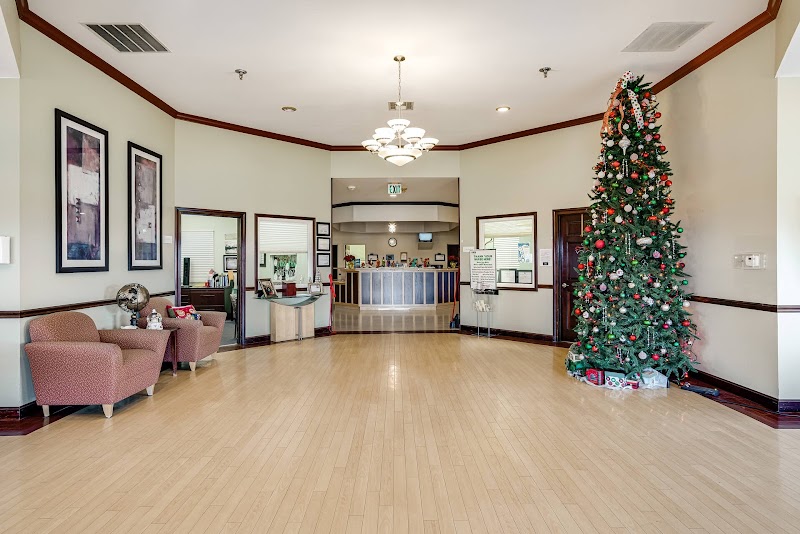
How is Stonebridge Owensville Staffed?

CMS rates STONEBRIDGE OWENSVILLE's staffing level at 1 out of 5 stars, which is much below average compared to other nursing homes.

What Have Inspectors Found at Stonebridge Owensville?

State health inspectors documented 19 deficiencies at STONEBRIDGE OWENSVILLE during 2022 to 2025. These included: 17 with potential for harm and 2 minor or isolated issues.
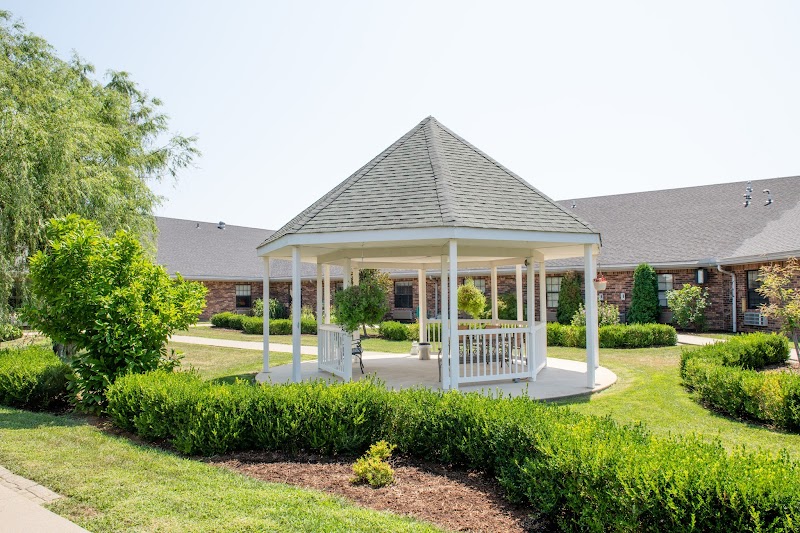
Who Owns and Operates Stonebridge Owensville?

STONEBRIDGE OWENSVILLE is owned by a for-profit company. For-profit facilities operate as businesses with obligations to shareholders or private owners. The facility is operated by STONEBRIDGE SENIOR LIVING, a chain that manages multiple nursing homes. With 131 certified beds and approximately 78 residents (about 60% occupancy), it is a mid-sized facility located in OWENSVILLE, Missouri.
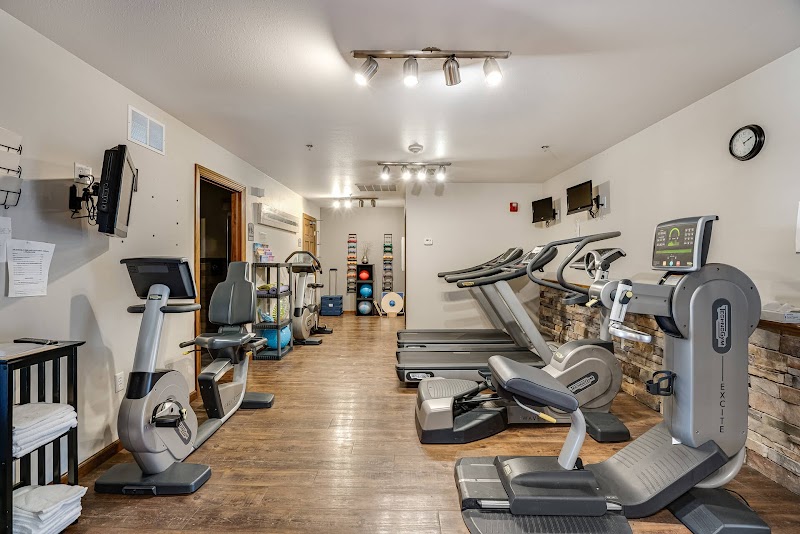
How Does Stonebridge Owensville Compare to Other Missouri Nursing Homes?

Compared to the 100 nursing homes in Missouri, STONEBRIDGE OWENSVILLE's overall rating (2 stars) is below the state average of 2.5 and health inspection rating (3 stars) is at the national benchmark.

What Should Families Ask When Visiting Stonebridge Owensville?

Based on this facility's data, families visiting should ask: "Can you walk me through typical staffing levels on day, evening, and night shifts?" "Can I visit during a mealtime to observe dining assistance and food quality?" "How do you handle medical emergencies, and what is your hospital transfer rate?" "Can I speak with family members of current residents about their experience?" These questions are particularly relevant given the below-average staffing rating.

Is Stonebridge Owensville Safe?

Based on CMS inspection data, STONEBRIDGE OWENSVILLE has a clean safety record: no substantiated abuse findings (meaning no confirmed cases of resident harm), no Immediate Jeopardy citations (the most serious violation level indicating risk of serious injury or death), and is not on the Special Focus Facility watch list (a federal program monitoring the lowest-performing 1% of nursing homes). The facility has a 2-star overall rating and ranks #100 of 100 nursing homes in Missouri. While no facility is perfect, families should still ask about staff-to-resident ratios and recent inspection results during their visit.

Do Nurses at Stonebridge Owensville Stick Around?

STONEBRIDGE OWENSVILLE has not reported staff turnover data to CMS. Staff turnover matters because consistent caregivers learn residents' individual needs, medications, and preferences. When staff frequently change, this institutional knowledge is lost. Families should ask the facility directly about their staff retention rates and average employee tenure.

Was Stonebridge Owensville Ever Fined?

STONEBRIDGE OWENSVILLE has no federal fines on record. CMS issues fines when nursing homes fail to meet care standards or don't correct problems found during inspections. The absence of fines suggests the facility has either maintained compliance or corrected any issues before penalties were assessed. This is a positive indicator, though families should still review recent inspection reports for the full picture.

Is Stonebridge Owensville on Any Federal Watch List?

STONEBRIDGE OWENSVILLE is not on any federal watch list. The most significant is the Special Focus Facility (SFF) program, which identifies the bottom 1% of nursing homes nationally based on persistent, serious quality problems. Not being on this list means the facility has avoided the pattern of deficiencies that triggers enhanced federal oversight. This is a positive indicator, though families should still review the facility's inspection history directly.