OZARK NURSING AND CARE CENTER
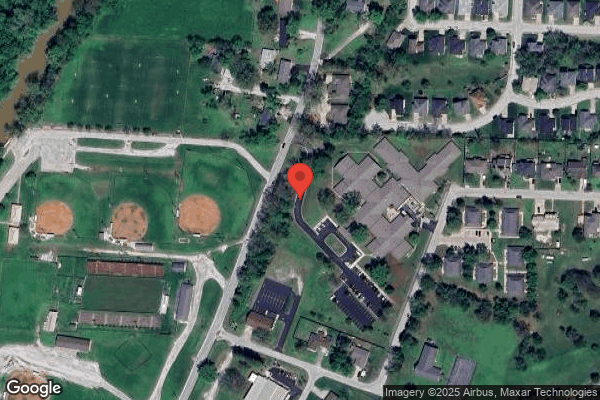
1486 NORTH RIVERSIDE RD, OZARK, MO 65721 (417) 581-7126
For profit - Corporation 93 Beds Independent Data: November 2025 2 Immediate Jeopardy citations
Trust Grade
0/100
#434 of 479 in MO
Last Inspection: December 2024

Within standard 12-15 month inspection cycle. Federal law requires annual inspections.

Overview

Ozark Nursing and Care Center has received a Trust Grade of F, indicating poor performance with significant concerns about care quality. It ranks #434 out of 479 nursing homes in Missouri, placing it in the bottom half, and it's the lowest-ranked facility in Christian County. While the facility is showing improvement, having reduced the number of issues from 11 in 2024 to 4 in 2025, there are still serious concerns, including $48,132 in fines, which is higher than 80% of Missouri facilities, signaling ongoing compliance problems. Staffing is a relative strength, with a turnover rate of 0%, which is well below the state average; however, the overall staffing rating is just 1 out of 5 stars, indicating significant challenges. Notable incidents include a critical failure to monitor a resident who was found unresponsive after over 11 hours without checks, and a medication error that contributed to another resident's death. Families should weigh these serious weaknesses against the facility's low turnover as they consider care options.

Trust Score
F
0/100
In Missouri
#434/479
Bottom 10%
Safety Record
High Risk
Review needed
Inspections
Getting Better
11 → 4 violations
Staff Stability
○ Average
Turnover data not reported for this facility.
Penalties
○ Average
$48,132 in fines. Higher than 74% of Missouri facilities. Some compliance issues.
Skilled Nurses
○ Average
RN staffing data not reported for this facility.
Violations
⚠ Watch
39 deficiencies on record. Higher than average. Multiple issues found across inspections.
★☆☆☆☆
1.0
Overall Rating
★☆☆☆☆
1.0
Staff Levels
★★★☆☆
3.0
Care Quality
★★☆☆☆
2.0
Inspection Score
Stable
2024: 11 issues
2025: 4 issues

The Good

  • Full Sprinkler Coverage · Fire safety systems throughout facility
  • No fines on record

Facility shows strength in fire safety.

The Bad

1-Star Overall Rating

Below Missouri average (2.5)

Significant quality concerns identified by CMS

Federal Fines: $48,132

Above median ($33,413)

Moderate penalties - review what triggered them

The Ugly 39 deficiencies on record

2 life-threatening
Jun 2025 1 deficiency
CONCERN (D) 📢 Someone Reported This

A family member, employee, or ombudsman was alarmed enough to file a formal complaint

Potential for Harm - no one hurt, but risky conditions existed

Free from Abuse/Neglect (Tag F0600)

Could have caused harm · This affected 1 resident

Based on observation, interview, and record review, the facility failed to the resident's right to be free from physical and verbal abuse by staff when one staff member (Certified Nurses Aide (CNA) B)...

Read full inspector narrative →
Based on observation, interview, and record review, the facility failed to the resident's right to be free from physical and verbal abuse by staff when one staff member (Certified Nurses Aide (CNA) B) grabbed the arm and wrist of one resident (Resident #1) and cursed at this resident. A sample of seven residents was selected for review out of a facility census was 64. Review of the facility's Abuse and Neglect Policy and Procedure, undated showed the following: -It is the policy and the right of each resident to be free from abuse, neglect, misappropriation of resident property, and exploitation. This includes, but is not limited to, freedom from corporal punishment, involuntary seclusion and any physical or chemical restraint not required to treat the resident's medical symptoms; -Abuse means the willful infliction of injury, unreasonable confinement, intimidation, or punishment resulting in physical harm, pain or mental anguish. Abuse also includes the deprivation of an individual of goods or services that are necessary to attain or maintain physical, mental, and psychosocial well-being; -Physical abuse includes, but is not limited to, hitting, slapping, punching, biting and kicking. Corporal punishment, which is physical punishment, used to connect or control behavior. Corporal punishment includes, but is not limited to, pinching, spanking, slapping of hands, flicking, or hitting with an object; -Verbal abuse is defined as the use of oral, written, or gestured language that willfully includes disparaging and derogatory terms to the residents or their families, or within their hearing distance, regardless of their age, ability to comprehend, or disability. 1. Review of Resident #1's face sheet (a document that gives a resident's information at a quick glance) showed the following: -admission date of 5/26/25; - Diagnoses included cancer, nutritional deficiency, dementia with agitation, depression, and Parkinson's (a progressive neurogenerative disorder that primarily affects the brains ability to control movement, leading to a range of motor and non-motor symptoms). Review of the resident's baseline care plan, dated 05/26/25 showed the following: -Resident had confusion; -Resident was elopement risk; -Resident had a history of falls; -Resident required help from staff for most activities of daily living; -Resident used a walker and wheelchair for mobility. Review of the resident's progress note dated 05/28/25, at 10:24 A.M., showed the following: -A nurse documented the resident was very agitated, exit seeking, and setting off the emergency exit door alarms; -Multiple attempts by staff to redirect were unsuccessful; -The resident struck a CNA in the face while attempting to redirect. Review of the facility's investigation, dated 05/31/25, showed the following: -On 05/28/25, the Assistant Director of Nursing (ADON) was notified at approximately 9:15 A.M. that CNA B said the resident, a new resident in Special Care Unit (SCU) had hit him/her; -The ADON went and spoke with CNA B who did not give more information than the resident hit him/her in the face. There was no redness or bruising noted. CNA B was moved from B to C wing at that time; -The ADON requested CNA B fill out an incident report and write a statement and notified the Administrator; -At approximately 1130 A.M., the Administrator instructed the Director of Nursing (DON) and the Maintenance Supervisor to look at the cameras surrounding the incident due to different stories and the staff walking out; -At approximately 11:38 A.M., the DON asked the Administrator to come to the camera room to view the incident. When the Administrator viewed the cameras, it was seen that at approximately 9:00 A.M., on 05/28/25, the resident and CNA B were in the dining room on B wing. The resident, was in his/her wheelchair self-propelling and touching cups and dishes on the table. CNA B came into the dining room and told the resident Stop touching stuff, if you need something you need to ask. The resident continued to touch Items on the table and dish cart. CNA B repeatedly told the resident to stop and he/she physically removed his hands off of dishes, drink cart, etc. CNA B attempted to remove the resident from the dining room by pushing his/her wheelchair and the resident put his/her feet down to stop CNA B from moving him/her. CNA B removed the residents hands from the dish cart again and the resident responded, Fuck you bitch. CNA B responded fuck you too. CNA B then leaned down in front of the wheelchair to move the resident and the resident hit the CNA in the face. CNA B told the resident to stop and began pushing his/her arms away and grabbing his/her arms and trying to move him/her out of the dining room. CNA B eventually walked out of the dining room and the resident continued touching cups and plates on the drink cart and dining room table; -The Administrator completed self-report. Observation of the facility provided video showed the following: -Staff identified the resident as Resident #1 and the staff member as CNA B; -The resident was sitting in the dining room next to a cart; -CNA B approached the resident and said You want something on there you need to ask; -The CNA then began to move the resident's wheelchair without permission or explanation. The CNA said you need to get out, we need to clean; -The CNA continued to try and move the resident's wheelchair. The resident attempted to stop the CNA by placing his/her feet on the ground. The CNA's began to jerk the wheelchair in a attempt to move the resident. The CNA did so multiple times, including lifting up the front of the wheelchair so the reisdent's feet did not touch the ground; -The resident continued to resist and made a comment to the CNA. The CNA replied with fuck you; -During the process, the resident reached out to a different cart. The CNA pushed the resident arm abruptly back towards the resident and told the resident to stop; -The resident reached again and the CNA moved his/her arm abruptly and into the resident's lap. The CNA then began to try and grab/move the resident's feet/legs. The resident swung at the CNA; -The CNA reached out to slap at and grab both of the resident's hands said stop and that shit hurts; -The CNA tried to move the resident again, then walked out of the dining room saying I'm not playing you. -The resident resistant the CNA's actions and appeared irritated. The CNA did not ask for assistance or leave and reapproach. During an interview on 06/03/25, at 11:22 A.M., CNA B said the following: -Cursing at a resident would be considered verbal abuse; -Any physical redirection like holding/grabbing a resident's arm or hand or pushing a resident's arm or hand away would be considered abuse; -He/she did not like working in the special care unit (SCU); -The morning of 05/28/24, at around 9:00 A.M., breakfast was over so the staff had to get all the residents out of the dining room to clean up; -The resident sat in his/her wheelchair near a cart of dirty dishes in the dining room; -CNA B asked the resident to get out of the dining room; -The resident planted his/her feet on the floor and would not leave the dining room; -He/she tried to turn the resident around and he/she kept dragging his/her feet; -The resident started moving his/her arms and legs and tried to hit him/her and caught him/her off guard and hit him/her in the face; -He/she was irritated and grabbed the resident's arms and said please stop socking him/her and don't hit him/her; -He/she did not know what really happened after the resident socked him/her in the face; -The resident was cursing at him/her; -He/she denied cursing back at the resident; -Staff are not allowed to get physical with residents or curse at resident this would be considered abusive. During an interview on 06/03/25, at 1:52 P.M., Licensed Practical Nurse (LPN) A said CNA B would sometimes have an attitude toward staff members. During an interview on 06/03/25, at 3:41 P.M., Assistant Director of Nursing (ADON) said the following: -He/she reviewed the camera footage of CNA B and the resident and stated CNA B handled the situation wrong; -CNA B should have left the resident alone and not attempted to move him/her after he/she refused; -The resident was allowed to be in the dining room and CNA B should of never attempted to force him to leave that area. During an interview on 06/03/25, at 4:32 P.M., the Director of Nursing (DON) said the following: -He/she reviewed the camera footage of the interaction between CNA B and the resident and CNA B's actions where inappropriate and he/she felt it was abuse; -CNA B should have never cursed and resident A, he/she should have left the resident alone. MO00254917
Mar 2025 3 deficiencies
CONCERN (D) 📢 Someone Reported This

A family member, employee, or ombudsman was alarmed enough to file a formal complaint

Potential for Harm - no one hurt, but risky conditions existed

Report Alleged Abuse (Tag F0609)

Could have caused harm · This affected 1 resident

**NOTE- TERMS IN BRACKETS HAVE BEEN EDITED TO PROTECT CONFIDENTIALITY** Based on interview and record review, the facility failed to report an allegation of staff to resident abuse to the Department o...

Read full inspector narrative →
**NOTE- TERMS IN BRACKETS HAVE BEEN EDITED TO PROTECT CONFIDENTIALITY** Based on interview and record review, the facility failed to report an allegation of staff to resident abuse to the Department of Health and Senior Services (DHSS) within the required two hour timeframe when a staff member Certified Nursing Assistant (CNA) C allegedly witnessed CNA D being rough with one resident (Resident #1) and failed to report an allegation of misappropriation within the required twenty-four hour timeframe when staff received an allegation from one resident (Resident #2) of multiple personal items taken from his/her room. Seven residents were sampled. The facility census was 66. Review of the facility's policy titled Abuse and Neglect Definition and Policy, updated 11/27/17, showed the following: -Abuse is the infliction of physical, sexual, or emotional injury or harm including financial exploitation by any person, firm or corporation; -A person commits the crime of financial exploitation of an elderly or disabled person if such person knowingly and by deception, intimidation, or force obtains control over the elderly or disabled person's property with the intent to permanently deprive the elderly or disabled person of the use, benefit or possession of his or her property thereby benefiting such person or detrimentally affecting the elderly or disabled person; -All allegations of abuse and neglect or allegations of neglect, exploitation or mistreatment, misappropriation of resident property, including Injuries of unknown origin Injury will be reported to the Administrator and Director of Nursing (DON) Immediately after an allegation is made; -All allegations of abuse and neglect or allegations of neglect, exploitation or mistreatment, and misappropriation of resident property that result In serious bodily Injury, will be reported to the State Survey Agency In accordance with federal requirement Immediately, but no later than 2 hours after an allegation Is made. If the alleged violation does not Involve abuse and does not result In serious bodily Injury It will be reported to the State Survey Agency In accordance with federal requirements no later than 24 hours. Investigation results will be provided to the State Survey Agency no later than 5 working days after reporting; -Any reasonable suspicion of a crime against a resident will be reported to the Administrator or DON immediately. Suspicious crimes Involving serious bodily Injury will be reported Immediately but no later than 2 hours to State Survey Agency and one or more law enforcement entitles. Suspicious crime that do not Involve serious bodily Injury will be reported to State Survey Agency and one or more law enforcement entitles no later than 24 hours. 1. Review of Resident #1's face sheet (a document that gives a resident's information at a quick glance) showed the following: -admission date of 09/22/99; -Diagnoses included epilepsy (a chronic brain disorder characterized by recurrent, unprovoked seizures (sudden, brief episodes of abnormal electrical activity in the brain that can cause a variety of symptoms)), severe intellectual disabilities and spastic quadriplegic cerebral palsy (a severe form of cerebral palsy (a group of conditions that affect movement and posture) where all four limbs are affected, resulting in limited voluntary movement, muscle stiffness, and potentially other developmental disabilities like intellectual impairment, seizures, or vision/hearing/speech problems). Review of the resident's quarterly Minimum Data Set (MDS - a federally mandated assessment instrument completed by facility staff), dated 10/26/24, showed the following: -The resident had severe cognitive impairment; -The resident was dependent on staff for activities of daily living (ADL - dressing, eating, bathing, etc.) with the exception of requiring maximum assist from staff for eating; -The resident required maximum assistance from staff to roll left and right, go from sitting to lying and lying to sitting. The resident was dependent on staff for transfers and wheelchair mobility. Review of the resident's care plan, revised 12/11/24, showed the following: -The resident was at risk for falls and required assistance with all ADLs. The resident had poor safety awareness and depended on staff for assistance with ADLs and safety precautions; -Provide care without judgement; -Provide space for increased participation at any time the resident desired; -Assist with cares at anytime while maintaining dignity and privacy; -Assist with dressing; -Continue to praise and encourage active participation without judging; -He/she was a two person assist with transfers with a Hoyer lift (mechanical lift); -He/she required moderate assistance with meals. He/she was dependent on staff for transfers, dressing, grooming, locomotion, toileting, hygiene and bathing. Review of the facility's investigation, dated 03/15/25, completed by the former Administrator, showed the following: -On 03/15/25, at 2:02 P.M., the former Administrator became aware of a complaint against another CNA for yanking around a resident and being aggressive. The CNA was sent home and placed on suspension pending investigation. The former Administrator obtained written statements from the staff that was in the building at the time; -At 3:00 P.M., a full head to toe assessment was completed on the resident that showed a small circle on his/her right knee approximately 5 cm. by 5 cm; -On 03/16/25, several staff and residents were interviewed; -On 03/19/25, the investigation was completed and the conclusion of the investigation was that it was a personality conflict. CNA D had been an employee at the facility for nine years with no write-ups. The former Administrator provided abuse and neglect education to staff; -The former Administrator did not document reporting the allegation of abuse to DHSS. Review of the resident's nurse's progress note dated 03/15/25, at 3:30 P.M., showed staff completed a skin assessment. Skin was warm, dry, and intact. There was an approximately 5 centimeter (cm) by 5 cm circular red spot on the right knee cap that was blanchable (capable of becoming pale or white when pressed). The resident did not grimace or recoil when the area was touched. Review of CNA C's written statement, dated 03/15/25, showed the following: -He/she was working on B Hall with CNA D and CNA D was in a hateful mood; -CNA D kept having an attitude towards the residents and was upsetting them; -When he/she walked in to the resident's room, CNA D was yanking the resident around changing the resident and being aggressive; -He/she assisted CNA D with getting the resident into the Hoyer lift (mechanical lift) and the resident's chair. During an interview on 03/18/25, at 2:28 P.M., CNA C said the following: -On 03/15/25, at approximately 7:00 A.M., he/she entered the resident's room and saw CNA D on the mat in front of the resident and CNA D yanked the resident's legs over the CNA's shoulders and pulled the resident's pants and brief up hard. The CNA then put the resident's legs down and pushed the resident over on the resident's side and placed the Hoyer pad under the resident. The CNA then yanked the resident back over. He/she felt the CNA was tossing the resident around like a rag doll; -He/she left the hall and reported to the receptionist and the receptionist told him/her to tell the nurse. He/she reported to the receptionist within 30 minutes; -He/she reported the incident to the nurse after breakfast sometime after 8:00 A.M.; -The nurse called the Administrator and the owner came to the facility immediately and took his/her statement. Review of Registered Nurse (RN) E's typed statement, dated 03/15/25, showed the following: -After CNA D left, CNA C informed the RN that CNA D was rude and disrespectful to him/her and the residents. CNA C said CNA D was aggressive with a resident when they were changing the resident. CNA C said that CNA D was yanking a non-verbal resident, putting the resident's legs up and over CNA D's shoulder with force and used force when he/she rolled the resident over. The CNA said it was like CNA D was throwing the resident around like a rag doll; -CNA C said he/she was scared to say something to anyone because he/she was a new staff member and did not want any confrontation; -The resident was okay when staff checked on him/her after the incident and appropriate personnel were notified. During an interview on 03/18/25, at 3:42 P.M., RN E said the following: -On 03/15/25, between 12:30 P.M. and 1:00 P.M., CNA C reported to him/her that CNA D was yanking on the resident, used force, and threw the resident around like a rag doll; -CNA C reported the incident happened before lunch; -CNA C should have reported the incident to him/her immediately; -CNA C said there was a conflict between him/her and CNA D and he/she was afraid to tell anyone about the incident; -He/she notified the former Administrator immediately and assessed the resident; -He/she had already sent CNA D home before the report. During an interview on 03/19/25, at 9:06 A.M., the Receptionist said the following: -On 03/15/25, CNA C reported to him/her around 10:00 A.M. that CNA D was being rude to CNA C and he/she told the CNA to report this to the nurse; -Around 12:00 P.M., the CNA told him/her that CNA D was being rough with the resident when they were changing the resident and he/she told the CNA to report this to RN E. The CNA did not say what time the incident occurred. Review of DHSS records showed the facility self-reported the allegation of abuse on 03/15/25 ,at 4:15 P.M. (over two hours after the CNA was aware of the potential abuse). During an interview on 03/19/25, at 10:52 A.M., the Social Services Designee (SSD) said the following: -He/she did not know what time CNA C witnessed the incident between CNA D and the resident; -He/she went with the former Administrator to assess the resident between 1:00 P.M. and 3:00 P.M. on 03/15/25; -CNA C should have immediately reported to the charge nurse. During an interview on 03/19/25, at 12:00 P.M., the former Administrator said the following: -CNA C told him/her about the incident involving the resident and CNA D on 03/15/25, at 2:02 P.M. and said the incident happened that morning; -CNA C did not report the incident immediately. 2. Review of Resident #2's face sheet showed the following: -admitted on [DATE]; -The resident had a responsible party; -Diagnoses included respiratory infection, diabetes and chronic cough. Review of the resident's significant change MDS, dated [DATE], showed the following: -The resident was cognitively intact; -The resident required set up assistance from staff for eating and oral hygiene and substantial to total assistance for all other ADLs; -The resident used a wheel chair for mobility and required moderate to total assist from staff for transfers and bed mobility. Review of the resident's care plan, updated 03/13/25, showed the following: -The resident required limited to extensive assist with ADLs; -Provide care without judgement; -Provide space for increased participation at anytime the resident desired; -Assist with bathing as needed; -Assist with dressing as needed; -Continue to praise and encourage active participation without judging; -The resident required limited to extensive assistance with dressing, bathing, transfers, toileting and personal hygiene and limited assist for all transfers. Review of a Grievance Form dated 03/13/25, at 8:38 A.M., showed the following: -The resident filed a grievance that one lip balm was removed from a closed set, three sharpies missing from a zipper bag bag that had ten in it to begin with, and about ten teddy bears and stuffed animals had gone missing; -The grievance was reported to the DON, Administrator, and all management staff on 03/13/25 and was not reportable to an outside agency; -The grievance was resolved on 03/13/25, at 12:15 P.M. The resident came up to the SSD office asking him/her for help to connect his/her computer to the wifi. The internet was working by the time him/her and the resident got back to the resident's room. The SSD saw right below the resident's computer screen in a small white porcelain dish was the fanta lipstick that was missing from the pack. The resident said that was from the old set and he/she had the SSD look at it. The SSD opened the lid and twisted the bottom up showing it had barely been used. The resident said it was still the old one and not the new one. The SSD could still see the straight edge of the lip balm showing barely used. During an interview on 03/20/25, at 8:44 A.M., the resident said the following: -He/she had several items including clothing, skin care items, electric toothbrushes, nail clippers and stuffed animals taken from his/her room; -He/she reported this to the former Administrator within the past 2 to 3 months and the former Administrator told him/her to make a list of items and then never followed up with him/her; -He/she thought a staff member took his/her belongings but did not know who it was. During an interview on 03/20/25, at 9:47 A.M., the SSD said the following: -The resident reported someone took his/her stuffed animals and red fanta lip balm; -The resident reported items were disappearing from his/her room, but since the resident did not see the items taken or who took the items, the SSD put the resident reported items missing on the grievance form on 03/13/25; -He/she found a tube of red fanta lip balm in the resident's room and the resident said it was an old stick; -He/she reported this to the Administrator and DON in the morning meeting; -He/she did not report the allegation of misappropriation to DHSS; -The report of the stuffed animals should have been reported to DHSS, but not the lip balm. He/she did not know how long the facility had to report misappropriation. During an interview on 03/20/25, at 10:05 A.M., the Administrator said the following: -The former Administrator did not notify him/her about the resident's report of misappropriation; -If the resident reported items disappearing from his/her room, he/she considered this misappropriation and the allegation should have been reported to DHSS. 3. During an interview on 03/18/25, at 1:52 P.M., CNA F said if he/she witnessed abuse, he/she immediately reported to the charge nurse. The Administrator reported to DHSS within two hours. During an interview on 03/18/25, at 2:06 P.M., CNA G said if he/she witnessed abuse, he/she notified the charge nurse immediately. The DON reported to DHSS within 24 hours. During an interview on 03/18/25, at 2:28 P.M., CNA C said if he/she witnessed abuse, he/she reported to his/her supervisor immediately. The DON or Administrator reported to DHSS within 24 hours. During an interview on 03/18/25, at 4:06 P.M., CNA H said if he/she witnessed abuse, he/she reported to the charge nurse immediately. The DON reported to DHSS within 2 hours. During an interview on 03/18/25, at 4:14 P.M., CNA D said if he/she witnessed abuse, he/she reported to the charge nurse immediately. The Administrator reported to DHSS within 2 hours. During an interview on 03/20/25, at 11:06 A.M., CNA J said if a resident reported misappropriation, he/she reported to the charge nurse immediately and helped the resident look for the item. The Administrator reported allegations of abuse to DHSS within 2 hours. During an interview on 03/19/25, at 9:06 A.M., the receptionist said if he/she witnessed abuse, he/she reported immediately to the charge nurse. The Administrator reported to DHSS within 2 hours. During an interview on 03/19/25, at 9:54 A.M., Certified Medication Tech (CMT) I said if a resident reports misappropriation, he/she reported to the charge nurse immediately and the Administrator or DON reported to DHSS within 2 hours. If he/she witnessed abuse, he/she reported to the charge nurse immediately. The Administrator or DON reported to DHSS within 2 hours. During interviews on 03/19/25, at 10:15 A.M. and on 03/20/25, at 12:30 P.M., Licensed Practical Nurse (LPN) A said if a CNA witnessed abuse, they reported to the charge nurse immediately. He/she reported to the DON and the DON reported to DHSS within 2 hours. If a resident reported misappropriation, he/she reported this to the Administrator and made a nurse's progress note about the resident's report. The DON reported to DHSS within 2 hours. During interviews on 03/19/25, at 11:39 A.M., and on 03/20/25, at 11:26 A.M., LPN B said if a staff member witnessed abuse, they reported to the charge nurse immediately. The charge nurse reported to the DON or Administrator immediately and the DON or Administrator reported to DHSS immediately. If a resident reported misappropriation, he/she reported this to the SSD and the SSD or Administrator reported to DHSS. He/she did not know how long the facility had to report misappropriation to DHSS. During an interview on 03/18/25, at 3:42 P.M., RN E said if staff witnessed abuse, they reported immediately to the charge nurse who then immediately reported to the Administrator. The Administrator reported to DHSS within 2 hours. During interviews on 03/19/25, at 10:52 A.M., and on 03/20/25, at 9:47 A.M., the SSD said the following: -If staff witnessed abuse they immediately reported to the charge nurse. The charge nurse reported to the DON or Administrator and they reported to DHSS within 2 hours; -If a resident had an allegation of misappropriation, he/she completed a grievance form and reported to the Administrator; -All allegations of misappropriation should be reported to DHSS, but he/she did not know how much time the facility had to report allegations of misappropriation. During an interview on 03/19/25, at 12:00 P.M., the former Administrator said he/she reported to DHSS within 2 hours. The DON was responsible for ensuring nursing staff knew when to report allegations of abuse, but he/she was ultimately responsible for ensuring all staff knew abuse and neglect policies. During interviews on 03/20/25, at 8:20 A.M., 10:05 A.M., and 1:24 P.M., the Administrator said the following: -All allegations of abuse and misappropriation should be reported to DHSS within 2 hours; -If a staff member witnessed abuse, they should report to the charge nurse immediately. The charge nurse reports to the DON or Administrator and they reported to DHSS within 2 hours. MO00251130, MO00251329
CONCERN (D) 📢 Someone Reported This

A family member, employee, or ombudsman was alarmed enough to file a formal complaint

Potential for Harm - no one hurt, but risky conditions existed

Investigate Abuse (Tag F0610)

Could have caused harm · This affected 1 resident

**NOTE- TERMS IN BRACKETS HAVE BEEN EDITED TO PROTECT CONFIDENTIALITY** Based on interview and record review, the facility failed to take steps to protect all residents after staff failed to report th...

Read full inspector narrative →
**NOTE- TERMS IN BRACKETS HAVE BEEN EDITED TO PROTECT CONFIDENTIALITY** Based on interview and record review, the facility failed to take steps to protect all residents after staff failed to report that a staff member (Certified Nursing Assistant (CNA) D) acted in an abusive manor by roughly caring for one resident (Resident #1) and the CNA continued to work independently with residents. The facility also failed to investigate an allegation of misappropriation of property for one resident (Resident #2). Seven residents were sampled and the facility census was 66. Review of the facility's policy titled Abuse and Neglect Definition and Policy, updated 11/27/17, showed the following: -The Administrator or his/her designated representative will immediately initiate a thorough investigation after an allegation is made; -The results of the investigation will be reported to State Survey Agency within 5 working days of the incident, and if the alleged violation is verified, appropriate corrective action will be taken; -Any employee with allegations of abuse will immediately be placed on unpaid suspension until conclusion of the investigation. If an abuse complaint is substantiated, the employee will be terminated per employer policy; -Appropriate concerns will be hot-lined to the Missouri Department of Health and Senior Services (DHSS) and local law enforcement; -Residents will be removed from harm and protected, according to circumstances of report. 1. Review of Resident #1's face sheet, a document that gives a patient's information at a quick glance, showed the following: -admission date of 09/22/99; -Diagnoses included epilepsy (a chronic brain disorder characterized by recurrent, unprovoked seizures (sudden, brief episodes of abnormal electrical activity in the brain that can cause a variety of symptoms)), severe intellectual disabilities and spastic quadriplegic cerebral palsy (a severe form of cerebral palsy (a group of conditions that affect movement and posture) where all four limbs are affected, resulting in limited voluntary movement, muscle stiffness, and potentially other developmental disabilities like intellectual impairment, seizures, or vision/hearing/speech problems. Review of the resident's quarterly Minimum Data Set (MDS - a federally mandated comprehensive assessment instrument completed by facility staff), dated 10/26/24, showed the following: -The resident had severe cognitive impairment; -The resident was dependent on staff for Activities of Daily Living (ADL - dressing, eating, bathing, etc.) with the exception of requiring maximum assist from staff for eating; -The resident required maximum assistance from staff to roll left and right, go from sitting to lying and lying to sitting. The resident was dependent on staff for transfers and wheelchair mobility. Review of the resident's care plan, revised 12/11/24, showed the following: -Provide care without judgement; -Provide space for increased participation at any time the resident desired; -Assist with cares at anytime while maintaining dignity and privacy; -Assist with dressing; -Continue to praise and encourage active participation without judging; -He/she was a two person assist with transfers with a Hoyer lift (mechanical lift).\; -He/she was dependent on staff for transfers, dressing, grooming, locomotion, toileting, hygiene and bathing. Review of the facility's investigation, dated 03/15/25, completed by the former Administrator, showed the following: -On 03/15/25, at 2:02 P.M., the former Administrator became aware of a complaint against another CNA yanking around a resident and being aggressive. The CNA was sent home and placed on suspension pending investigation. The former Administrator obtained written statements from the staff that was in the building at the time. Review of the resident's nurse's progress notes showed the following: -On 03/15/25, at 3:30 P.M., staff completed a skin assessment. Skin was warm, dry, and intact. There was an approximately 5 centimeter (cm.) by 5 cm. circular red spot on the right knee cap that was blanchable (capable of becoming pale or white when pressed). The resident did not grimace or recoil when the area was touched. Review of the facility's abuse investigation, received 03/19/25, showed the allegation was made after CNA D had left the facility; Review of Registered Nurse (RN) E's typed statement, dated 03/15/25, showed the following: -RN E was notified of a staffing issue related to CNA D stating he/she was going to lunch and then leaving; -After CNA D left, CNA C informed the RN that CNA D was rude and disrespectful to him/her and the residents. CNA C stated that CNA D was aggressive with a resident whey they were changing the resident. CNA C said that CNA D was yanking a non-verbal resident, putting the resident's legs up and over CNA D's shoulder with force and used force when he/she rolled the resident over. The CNA said it was like CNA D was throwing the resident around like a rag doll; -CNA C said he/she was scared to say something to anyone because he/she was a new staff member and did not want any confrontation. During an interview on 03/18/25, at 3:42 P.M., RN E said on 03/15/25, between 12:30 P.M. and 1:00 P.M., CNA C reported to him/her that CNA D was yanking on the resident and used force and threw the resident around like a rag doll; -He/she had already sent CNA D home before the report. Review of CNA C's written statement, dated 03/15/25, showed he/she knew the resident needed to still get up so he/she headed to the resident's room. When he/she walked in, CNA D was yanking the resident around changing the resident and being aggressive . He/she assisted CNA D with getting the resident into the Hoyer lift and the resident's chair. During an interview on 03/18/25, at 2:28 P.M., CNA C said the following: -On 03/15/25, at approximately 7:00 A.M., he/she entered the resident's room and saw CNA D on the mat in front of the resident and CNA D yanked the resident's legs over the CNA's shoulders and pulled the resident's pants and brief up hard. The CNA then put the resident's legs down and pushed the resident over on the resident's side and placed the Hoyer pad under the resident. The CNA then yanked the resident back over. He/she felt the CNA was tossing the resident around like a rag doll; -The nurse asked CNA D to leave the facility around 11:00 A.M. During an interview on 03/19/25, at 10:52 A.M., the Social Services Designee (SSD) said he/she did not know what time CNA C witnessed the incident between CNA D and the resident. CNA C should not have allowed CNA D to continue caring for the resident. CNA D should have been sent home immediately and not cared for residents until lunch time. During an interview on 03/19/25, at 12:00 P.M., the former Administrator said the following: -CNA C told him/her about the incident involving the resident and CNA D on 03/15/25, at 2:02 P.M. and said the incident happened that morning; -CNA D remained in the building until some time between 12:00 P.M. and 12:30 P.M.; -CNA C was on B hall with CNA D until 11:20 A.M. and then CNA D was alone on the hall until he/she left the facility; -The residents were technically not protected due to CNA D continuing to provide cares after CNA C observed the incident. During an interview on 03/20/25, at 1:24 P.M., the Administrator said the following: -CNA C should not have allowed CNA D to continue caring for the resident and CNA D should not have stayed in the facility caring for other residents; -When CNA D left the facility, the CNA was not sent home due to an allegation of abuse. 2. Review of Resident #2's face sheet showed the following: -admission date of 02/02/22; -Diagnoses included respiratory infection, diabetes, and chronic cough. Review of the resident's significant change MDS, dated [DATE], showed the following: -The resident was cognitively intact; -The resident required set up assistance from staff for eating and oral hygiene and substantial to total assistance for all other ADLs; -The resident used a wheel chair for mobility and required moderate to total assist from staff for transfers and bed mobility. Review of the resident's care plan, updated 03/13/25, showed the following: -The resident required limited to extensive assist with ADLs; -Provide care without judgement; -Provide space for increased participation at anytime the resident desired; -Assist with bathing as needed; -Assist with dressing as needed; -Continue to praise and encourage active participation without judging; -The resident required limited to extensive assistance with dressing, bathing, transfers, toileting and personal hygiene and limited assist for all transfers. Review of a Grievance Form dated 03/13/25, at 8:38 A.M., showed the following: -The resident filed a grievance that one lip balm was removed from a closed set, three sharpies missing from a zipper bag that had ten in it to begin with, and about ten teddy bears and stuffed animals have gone missing; -The grievance was reported to the Director of Nursing (DON), Administrator and all management staff on 03/13/25 and was not reportable to an outside agency; -The grievance was resolved on 03/13/25 at 12:15 P.M. The resident came up to the SSD office asking him/her for help to connect his/her computer to the wifi. The internet was working by the time him/her and the resident got back to the resident's room. The SSD saw right below the resident's computer screen in a small white porcelain dish was the fanta lip balm that was missing from the pack. The resident said that was from the old set and he/she had the SSD look at it. The SSD opened the lid and twisted the bottom up showing it had barely been used. The resident said it was still the old one and not the new one. The SSD could still see the straight edge of the lip balm showing barely used. During an interview on 03/20/25, at 8:44 A.M., the resident said the following: -He/she had several items including clothing, skin care items, electric toothbrushes, nail clippers and stuffed animals taken from his/her room; -He/she reported this to the former Administrator within the past 2 to 3 months and the former Administrator told him/her to make a list of items and then never followed up with him/her; -He/she thought a staff member took his/her belongings but did not know who it was. During an interview on 03/20/25, at 9:47 A.M., the SSD said the following: -The resident reported someone took his/her stuffed animals and red fanta lip balm; -The resident reported items were disappearing from his/her room, but since the resident did not see the items taken or who took the items, the SSD put the resident reported items missing on the grievance form on 03/13/25; -The Administrator or DON should have investigated the allegation, but he/she did not know if this was done. During interview on 03/20/25, at 10:05 A.M. and 1:24 P.M., the Administrator said the following: -The former Administrator did not notify him/her about the resident's report of misappropriation; -If the resident reported items disappearing from his/her room, he/she considered this misappropriation and an investigation should have been initiated immediately; -The former Administrator did not complete an investigation. 3. During an interview on 03/18/25, at 1:52 P.M., CNA F said if he/she witnessed abuse, he/she got the resident to safety. During an interview on 03/18/25, at 2:06 P.M., CNA G said if he/she witnessed abuse, he/she got the resident to safety. During an interview on 03/18/25, at 2:28 P.M., CNA C said if he/she witnessed abuse, he/she protected the resident. During an interview on 03/18/25, at 4:06 P.M., CNA H said if he/she witnessed abuse, he/she intervened. During an interview on 03/18/25, at 4:14 P.M., CNA D said if he/she witnessed abuse, he/she protected the resident. During an interview on 03/20/25, at 11:06 A.M., CNA J said if a resident reported misappropriation, the Administrator investigated. During an interview on 03/19/25, at 9:06 A.M., the receptionist if he/she witnessed abuse, he/she protected the resident. During an interview on 03/19/25, at 9:54 A.M., Certified Medication Tech (CMT) I said if a resident reported misappropriation, the Administrator or DON completed an investigation. If he/she witnessed abuse, he/she separated the resident from the abuser. During interviews on 03/19/25, at 10:15 A.M., and on 03/20/25, at 12:30 P.M., Licensed Practical Nurse (LPN) A said if a CNA witnessed abuse, they should remove the staff member. The accused staff member should be either removed from the hall or the building immediately. If a resident reported misappropriation, the Administrator completed an investigation. During interviews on 03/19/25, at 11:39 A.M., and on 03/20/25, at 11:26 A.M., LPN B said if a staff member witnessed abuse, they should protect the resident. The staff member who witnessed the abuse should not go on and assist the accused party with cares. They should separate and get the resident to safety and then the accused party was suspended immediately. If an incident happened before breakfast, the accused party should not be in the building until lunch time. The SSD investigated all allegations of misappropriation. During an interview on 03/18/25, at 3:42 P.M., RN E said if staff witnessed abuse, they should intervene. During interviews on 03/19/25, at 10:52 A.M., and on 03/20/25, at 9:47 A.M., the SSD said if staff witnessed abuse they got the resident to safety. The Administrator investigated all allegations of misappropriation. During an interview on 03/19/25, at 12:00 P.M., the former Administrator said the following: -If staff witnessed abuse they should stop the abuse; -Staff who witnessed abuse should not assist the accused party with cares before reporting the incident; -An accused staff member was suspended immediately pending investigation; -He/she had not received any reports of misappropriation; -If he/she received a report of misappropriation, he/she started an investigation immediately. During interviews on 03/20/25, at 8:20 A.M., 10:05 A.M., and 1:24 P.M., the Administrator said the following: -If he/she received an allegation of abuse, the staff member was suspended immediately and he/she started an investigation; -If he/she received an al legation of misappropriation, he/she started an investigation immediately. -Investigations included interviews with staff and residents, assessing the resident, notifying the resident's responsible party and physician and informing the resident and the resident's responsible party of the outcome of the investigation. MO00251130, MO00251329
CONCERN (E) 📢 Someone Reported This

A family member, employee, or ombudsman was alarmed enough to file a formal complaint

Potential for Harm - no one hurt, but risky conditions existed

Staffing Information (Tag F0732)

Could have caused harm · This affected multiple residents

Based on observation, interview, and record review, the facility failed to post the current daily nurse staffing information in a clear and readable format and in a prominent place readily accessible ...

Read full inspector narrative →
Based on observation, interview, and record review, the facility failed to post the current daily nurse staffing information in a clear and readable format and in a prominent place readily accessible to all residents and visitors. The facility census was 66. Review of the facility's Nursing Staff of Duty, undated, showed the form included the following; -Date, census, number of residents in house and number of residents in hospital; -Registered nurse (RN) hours; -RN and Licensed practical nurse (LPN) hours for 7:00 A.M. to 7:00 P.M. shift and 7:00 P.M. to 7:00 A.M. shift; -Certified medication technician (CMT) hours for 7:00 A.M. to 3:00 P.M., 3:00 P.M. to 7:00 P. M., and 7:00 P.M. to 7:00 A.M. shifts; -Certified nursing assistant (CNA) and nursing assistant (NA) hours for 7:00 A.M. to 3:00 P.M., 3:00 P.M. to 7:00 P.M., 7:00 P.M. to 11:00 P.M. and 11:00 P.M. to 7:00 A.M. shifts; -Restorative Aide and Bath Aide hours. Observations on 03/17/25, at 11:05 P.M., on 03/18/25, at 10:27 A.M. and 12:23 P.M., and on 03/19/25, at 8:42 A.M., showed daily nurse staffing information posted on a clipboard near the front entrance across from the main office with sheets dated 02/19/25, 02/20/25, 02/23/25, 02/24/25, 03/02/25, 03/03/25, 03/04/25, 03/05/25, and 03/08/25. Observations on 03/19/25,, at 10:50 A.M. and 11:53 A.M., and on 03/20/25, at 8:25 A.M., showed the clipboard that held the daily nurse staffing information was empty with no daily nurse staffing posted. During an interview on 03/19/25, at 10:15 A.M., LPN A said the following: -Daily nurse staffing sheets were posted at the front of the facility by the receptionist desk; -C Wing night shift nurse completed the form at midnight daily; -Newly hired nurses may not know this was their responsibility; -The nurse responsible for training a new nurse on C Wing should educate them on when and how to fill the form and where to post the form; -The nurse staffing sheets on the clipboard should be current; -The Director of Nursing (DON) was responsible for ensuring the nurse staffing sheet was posted daily. During an interview on 03/19/25, at 11:39 A.M., LPN B said the following: -Daily nurse staffing sheets were posted in the front of the facility; -C Wing night nurses completed these daily at midnight; -The nurse staffing sheets posted should be current; -The front office staff and DON were responsible for ensuring the forms were completed daily. During an interview on 03/19/25, at 12:00 P.M., the former Administrator said the following: -The daily nurse staffing hours were posted on a clipboard across from the main office; -The form was filled out daily by the C Wing night shift nurse at midnight; -The form posted should be current; -The receptionist checked the form daily and if not completed, notified the nurses; -He/she was responsible for ensuring the form was completed daily. Review of the daily nurse staffing hours in a binder at the receptionist desk showed no forms for 02/21/25, 02/22/25, 02/25/25 through 03/01/25, 03/06/25, 03/07/25, and 03/09/25 through 03/19/25. During an interview on 03/19/25, at 1:42 P.M., the Receptionist said the following: -The daily nurse staffing hours were posted on a clipboard across from his/her desk; -The night shift nurse completed this form daily; -He/she did not know who was responsible for checking them daily and had not been told this was one of the receptionist job duties. He/she just took them down and placed them in a binder; -The DON was responsible for ensuring the form was completed daily. During an interview on 03/20/25, at 1:24 P.M., the Administrator said the following: -The daily nurse staffing hours were posted on a clipboard by the front office; -The night shift nurses were responsible for completing these daily at midnight; -She was responsible for ensuring the forms were completed daily. MO00249185
Dec 2024 5 deficiencies
CONCERN (D)

Potential for Harm - no one hurt, but risky conditions existed

Deficiency F0554 (Tag F0554)

Could have caused harm · This affected 1 resident

Based on observation, record review, and interview, the facility failed to ensure medications were not left at bedside for a resident that was not assessed to self-administer medications for one resid...

Read full inspector narrative →
Based on observation, record review, and interview, the facility failed to ensure medications were not left at bedside for a resident that was not assessed to self-administer medications for one resident (Resident #36) out of 21 residents in the sample. Review of the facility's policy titled, Medication Administration undated, showed the following regarding self-administration of medication by residents: -The resident must be alert and oriented and be familiar with taking his/her own medication. The medication must be kept in a locked box or locked drawer. -The resident must have a physician's order for self-administration. -A list of the medication was kept in the resident's MAR and his/her medical record. This list was monitored by the charge nurse every month and when there was any change of orders. -The charge nurse will also check the lock box periodically, but at least weekly. -The resident had a medication administration sheet that he/she kept to document when he/she took any medication. 1. Review of Resident #62's Face Sheet, located in the electronic medical record (EMR) under the Profile tab, showed the following: -admission date of 04/29/24; -Diagnoses included tobacco use. Review of the resident's significant change Minimum Data Set (MDS - a federally mandated assessment completed by facility staff), with an Assessment Reference Date (ARD) of 09/15/24, and located in the resident's EMR under the MDS tab, showed the resident had no cognitive impairment. Observations on 12/10/24, at 2:05 P.M., on 12/11/24, at 10:36 A.M., and 12/12/24, at 9:06 A.M., showed the resident had an inhaler inside a blue sleeve lying on the bedside table next to his/her recliner. Review of the resident's Care Plan, dated 05/16/24, and located in the resident's EMR under the Care Plan tab, showed staff did not care plan self-administration of medications. During an observation and interview on 12/12/24, at 9:06 A.M., Licensed Practical Nurse (LPN) 2 said the resident was not assessed to self-administer any medications. He/she observed the inhaler lying on the bedside table next to the resident's recliner and said he/she was not aware the resident had it. The inhaler should not be in he resident's room. During an interview on 12/12/24, at 12:22 P.M., the Nurse Practitioner (NP) said there should be no medications at a resident's bedside unless they have been assessed to self-administer. During an interview on 12/12/24, at 2:19 P.M., the Director of Nursing (DON) said no medications should be at a resident's bedside.
CONCERN (D)

Potential for Harm - no one hurt, but risky conditions existed

Comprehensive Care Plan (Tag F0656)

Could have caused harm · This affected 1 resident

Based on record review and interview, the facility failed to develop and implement a complete care plan for each resident when staff failed to care plan smoking on the facility's property for two resi...

Read full inspector narrative →
Based on record review and interview, the facility failed to develop and implement a complete care plan for each resident when staff failed to care plan smoking on the facility's property for two residents (Resident #12 and #62) of two residents reviewed for smoking. Review of the facility's policy titled, Care Plan Policy, dated 03/23/18, showed initial care plans are written shortly after admission (or re-admission) and are reviewed every three months so new problems can be dealt with at the time. 1. Review of Resident #12's Face Sheet tab of the electronic medical record (EMR) showed the following: -admission date on 01/31/24; -Diagnoses included nicotine dependence. Review of the resident's Care Plan, dated 03/21/24 and located in the Care Plan tab of the EMR, showed the staff did not care plan related to the resident's nicotine dependence and smoking. Review of the resident's quarterly Minimum Data Set (MDS - a federally mandated assessment completed by facility staff), with an Assessment Reference Date (ARD) of 08/14/24, and located in the Resident Assessment Instrument (RAI) tab of the EMR, showed the resident was cognitively intact. During an interview on 12/09/24, at 2:13 PM, the resident said he/she can only smoke when his/her family member comes to visit. During an interview on 12/11/24, at 11:00 A.M., Family Member (FM) 1 said he/she comes to the facility three times a week and sits with the resident as he/she smokes. The resident can smoke safely, but does not light his/her own cigarettes or dispose of them without help. 2. Review of Resident #62's Face Sheet, located in the EMR under the Profile tab, showed the following: -admission date of 04/29/24; -Diagnoses included tobacco use. Review of the resident's Care Plan, dated 05/16/24 and located in the resident's EMR under the Care Plan tab,s showed staff did not care plan related to tobacco use or smoking. Review of the resident's significant change MDS, with an ARD of 09/15/24, located in the resident's EMR under the MDS tab, showed resident had no cognitive impairment. During an interview on 12/12/24, at 1:57 P.M., the Director of Nursing (DON) said the resident did not have a care plan for smoking. 3. During an interview on 12/12/24, at 1:18 P.M., the MDS Coordinator (MDSC) said if a resident did smoke, it should be documented and care planned for nicotine use. 4. During an interview on 12/11/24, at 12:16 P.M., the Director of Nursing (DON) said only family members may assist residents who smoke and staff may not assist residents with smoking. Smoking is discussed during the care plan meeting and should be care planned. 5. During an interview on 12/11/24, at 1:34 P.M., the Administrator said smoking should be on the care plan upon admission and updated as needed.
CONCERN (D)

Potential for Harm - no one hurt, but risky conditions existed

Deficiency F0697 (Tag F0697)

Could have caused harm · This affected 1 resident

Based on observation, record review, and interview, the facility failed to ensure effective pain management was provided for every resident when staff failed to keep pain medication in stock and faile...

Read full inspector narrative →
Based on observation, record review, and interview, the facility failed to ensure effective pain management was provided for every resident when staff failed to keep pain medication in stock and failed to follow-up on pain relief after administering as needed pain medication for one resident (Resident #14) reviewed for pain of 21 sampled residents. 1. Review of Resident #14's Face Sheet, located in the electronic medical record (EMR) under the Profile tab, showed the following: -admission date of 01/18/24; -Diagnoses included multiple sclerosis (MS - a chronic autoimmune disease that affects the central nervous system, which includes the brain, spinal cord, and optic nerves) and lower back pain. Review of the resident's Care Plan, dated 10/30/20, located in the resident's EMR under the Care Plan tab, showed the resident had had chronic pain. Interventions included for staff to address complaints of pain promptly and administer as needed (PRN) medication for breakthrough pain. Review of the resident's quarterly Minimum Data Set (MDS - a federally mandated assessment completed by facility staff), with an Assessment Reference Date (ARD) of 10/08/24, located in the EMR under the MDS tab , showed the following: -No cognitive impairment; -Frequent pain that occasionally interfered with day-to-day activities. Review of the resident's Physician Orders, dated 12/12/24, located in the EMR under the Orders tab, showed the following: -An order, dated 09/26/23, for oxycodone (used to treat moderate to severe pain) 10 milligram (mg), PRN, every four hours for breakthrough pain. -An order, dated 12/09/24, for lidocaine (topical pain medication) adhesive patch, medicated 5%, topical, apply patch to lower back in morning (AM), leave on for 12 hours, and remove. Review of the resident's Medication Administration Report (MAR), dated December 2024, located under the Reports tab, showed on 12/09/24, 12/10/24, and 12/11/24, staff did not administer the resident's lidocaine medication due to medication being unavailable. Review of the resident's Controlled Drug Record/Disposition Form, dated November 2024 and December 2024, located on the medication cart, showed the resident oxycodone 10mg was administered on 12/11/24, at 8:48 AM. During an observation and interview on 12/11/24, at 11:50 A.M., the resident approached Certified Medication Technician (CMT) 1, who was standing at the medication cart, and stated his/her back hurts like hell. CMT 1 told the resident they were still waiting on the pharmacy to fill the lidocaine order and get the patches to the facility. CMT 1 did not alert or report anything to the nurse on duty about the resident's pain. The resident said he/she had been administered oxycodone, but it was no longer effective. During an interview on 12/11/24, at 2:28 P.M., CMT 1 said when a resident stated they had a pain scale of 5 or higher he/she would ask if they want something for pain and she would administer the medication and then go back within about 30 minutes to an hour to reassess. When a resident reported the medication was not effective he/she would report that to the nurse, and they would document that in a progress note. He/she administered the resident's an oxycodone, but did not document that on the MAR and did not go back to reassess if it was effective or not. He/she did not report to the nurse that the resident said the oxycodone was not effective. During an interview on 12/12/24, at 1:57 P.M., the Director of Nursing (DON) said he/she was unaware the resident was complaining of pain and that his/her PRN oxycodone was not effective. He/she takes pain very seriously and that any complaint by a resident about pain should be addressed. Anytime a resident stated they were in pain she expected staff to administer pain medication and that should be a priority. He/she expected nursing staff to reach out to the physician if what the facility was doing was not enough to relieve pain.
CONCERN (E)

Potential for Harm - no one hurt, but risky conditions existed

Respiratory Care (Tag F0695)

Could have caused harm · This affected multiple residents

Based on observation, record review, and interview, the facility failed to provide respiratory care per standard of practice for all residents when staff failed to administer oxygen as ordered for one...

Read full inspector narrative →
Based on observation, record review, and interview, the facility failed to provide respiratory care per standard of practice for all residents when staff failed to administer oxygen as ordered for one resident (Resident #62) and when staff failed to ensure oxygen supplies were stored and changed appropriately when not in use for two residents (Resident #37 and #55). Review of the facility's policy titled Ozark Nursing and Care Center, undated, showed all oxygen tubing must be kept in a baggie when not in use. 1. Review of Resident #62's Face Sheet, located in the electronic medical record (EMR) under the Profile tab, showed the following: -admission date of 04/29/24; -Diagnoses included tobacco use, shortness of breath, and chronic obstructive pulmonary disease (COPD - an ongoing lung condition caused by damage to the lungs). Review of the resident's significant change Minimum Data Set (MDS - a federally mandated assessment completed by facility staff), with an Assessment Reference Date (ARD) of 09/15/24, located in the resident's EMR under the MDS tab, showed the resident had no cognitive impairment. Review of the resident's Care Plan, dated 10/14/24, located in the EMR under the Care Plan tab showed the resident was at risk for ineffective breathing patterns related to shortness of breath and COPD. Interventions in place were to administer oxygen at two liters per minute (LPM) via nasal cannula continuously. Review of the resident's Physician Orders, dated 10/14/24, located in the EMR under the Orders tab, showed staff to administer oxygen 2 LPM via nasal cannula continuously. Observations on 12/10/24, at 2:05 P.M., on 12/11/24, at 10:36 A.M., and on 12/12/24, at 9:06 A.M., showed the resident was seated in a recliner using a nasal cannula and the oxygen canister was set at four LPM. During an observation and interview on 12/12/24, at 9:06 AM, Licensed Practical Nurse (LPN) 2 said the resident should be on 2 LPM. He looked at the resident's oxygen canister and stated it was set at 4 LPM. He/she did sign off on the Medication Administration Record (MAR) today that the resident was receiving 2 liters, but he/she did not actually look at the liters at that time, but should have. During an interview on 12/12/24, at 12:22 P.M., the Nurse Practitioner (NP) said he/she expected staff to follow physician orders for oxygen administration and administer the correct LPM. During an interview on 12/12/24, at 2:19 P.M., the Director of Nursing (DON) said he/she expected staff to administer oxygen according to physician orders. 2. Review of Resident #37's admission Record, undated, located under the Profile tab of the electronic medical record (EMR), showed the following: -admission date of 07/17/20; -Diagnoses included COPD with (acute) exacerbation. Review of the resident's annual MDS, with an ARD of 11/03/24, located in the EMR under the MDS tab, showed the resident was cognitively intact. Review of the resident's Care Plan, dated 10/14/24, located in the EMR under the MDS tab revealed, showed resident at risk for ineffective breathing patterns related to shortness of breath due to COPD. Intervention included change oxygen tubing weekly on Wednesday nights and date the new tubing. During an observation 12/09/24, at 12:44 P.M., the resident's updraft apparatus lay on the bedside table and was not dated or stored in a plastic bag. During an observation 12/10/24, at 2:30 P.M., the resident's updraft apparatus was laying on the bedside table and was not dated or stored in a plastic bag. During an observation on 12/11/24, at 11:58 P.M., the resident received an updraft treatment and the apparatus was dated 12/04/24. 3. Review of Resident #55's undated admission Record, located under the Profile tab of the EMR, showed the following: -admission date of 10/04/22; -Diagnoses included of chronic respiratory failure with hypoxia (low levels of oxygen in body tissues). Review of the resident's Care Plan, dated 10/14/24, located in the EMR under the MDS tab revealed, showed resident at risk for ineffective breathing patterns related to shortness of breath due to COPD. Intervention included change oxygen tubing and humidifier weekly on Wednesday nights and date the new tubing and humidifier. Review of the resident's quarterly MDS, with an ARD of 11/02/24, located in the EMR under the MDS tab, showed the resident was cognitively intact. During an observation 12/09/24, at 1:44 P.M., the resident's nasal cannula was draped over the over bed table and no date on tubing. During an observation 12/10/24, at 4:30 P.M., the resident's oxygen was in use and the tubing was not dated. During an observation on 12/11/24, at 10:45 A.M., the resident was using the oxygen and the tubing was dated 12/04/24. 4. During an interview on 12/12/24 at 1:45 P.M., LPN 2 said the oxygen nasal cannulas and updraft apparatus should be stored in a bag, and the tubing and bag should be dated. During an interview on 12/12/24, at 1:57 P.M., LPN 1 said the oxygen nasal cannulas and updraft apparatus should be stored in a bag, and the tubing and bag should be dated. During an interview on 12/12/24, at 2:45 P.M., the DON said the oxygen nasal cannulas and updraft apparatus would be stored in a clean clear plastic bag dated and initialed, along with dating and initialing the oxygen tubing.
CONCERN (F)

Potential for Harm - no one hurt, but risky conditions existed

Food Safety (Tag F0812)

Could have caused harm · This affected most or all residents

Based on observations, interviews, and record review, the facility failed to ensure all food stored in the main kitchen was free from possible contamination when staff failed ensure food was appropria...

Read full inspector narrative →
Based on observations, interviews, and record review, the facility failed to ensure all food stored in the main kitchen was free from possible contamination when staff failed ensure food was appropriately labeled and dated, and not expired or past used by date. The failure had the potential to increase the prevalence and spread of food borne illnesses and infection for all 68 facility residents. Review of the facility's policy titled, Cold Food Storage Chart, undated, indicated that opened foods must be dated with the open date and leftovers must be labeled with the date it was made and what it is. 1. During an observation on 12/09/24, at 10:42 A.M., the following was observed in the reach-in refrigerator and verified by the Dietary Manager (DM) during the initial kitchen tour: -Opened 5-pound (lb.) container of cottage cheese with no date of opening, with a Styrofoam cup inside the container. -One-gallon mayonnaise open with used date 10/22/24; -One-gallon BBQ sauce open and dated 10/17/24; -One-gallon Honey Mustard dated 03/28/24; -One-gallon Pimento Spread opened with used by date of 11/24/24; -A squeezed bottle of white sauce dressing which the DM identified as Ranch dressing, with no date and no identifying label; -One-gallon freezer bag with shredded meat which the DM identified as turkey. The DM did know how long the turkey was in the refrigerator; -An opened five lb. bag of shredded cheddar cheese. The bag was left open exposed to air. There was no date of opening or use by date; -An open undated five lb. bag of parmesan cheese that was left open and exposed to air; -An one-gallon bag of sliced cheese with no date; -Three undated storage bags of cooked biscuits. -One-gallon bag of cooked pancakes with no date, -One-gallon bag of chopped celery brown in color with slimy substance in the bag with no date; -Aluminum pan of cooked green peppers with no use by date; -An open one-quart carton of almond milk with manufacturer's instructions to use within seven to ten days. During an interview on 12/09/24, at 10:42 A.M., the DM said these items should have been dated correctly with an open date and a use-by date. Leftovers should only be kept for three days. Observation of the walk-in refrigerator on 12/12/24, at 11:13 A.M., showed a crate of 36 undated thawed Mighty Shakes. Review of the manufacturer's instructions indicated thawed shakes should be consumed within 10 days after thawed. During an interview on 12/12/24, at 4:24 P.M., the Administrator said his/her expectation was that the dietary staff follow the policy for labeling of food and disposing of food appropriately to ensure the residents are served safe and quality food.
Sept 2024 3 deficiencies
CONCERN (D) 📢 Someone Reported This

A family member, employee, or ombudsman was alarmed enough to file a formal complaint

Potential for Harm - no one hurt, but risky conditions existed

Pressure Ulcer Prevention (Tag F0686)

Could have caused harm · This affected 1 resident

**NOTE- TERMS IN BRACKETS HAVE BEEN EDITED TO PROTECT CONFIDENTIALITY** Based on observation, interview, and record review, the facility failed to provide care per standards of practice when staff fai...

Read full inspector narrative →
**NOTE- TERMS IN BRACKETS HAVE BEEN EDITED TO PROTECT CONFIDENTIALITY** Based on observation, interview, and record review, the facility failed to provide care per standards of practice when staff failed to consistently assess and document complete, thorough, and accurate weekly skin assessments and when staff failed to complete weekly wound tracking for three residents (Resident #1, Resident #2, and Resident #3) with pressure ulcers (localized damage to the skin and/or underlying soft tissue usually over a bony prominence or related to a medical or other device) out of a sample of four residents. The facility census was 68. Review of the facility's policy titled Skin Integrity/Wound Policy, dated 01/19/24, showed the following: -The Director of Nursing (DON)/designee will perform weekly skin assessments for all reported residents with alteration of skin integrity related to ulceration of skin and document stage, size, description, color. and odor; -Weekly skin assessments on all residents will be completed and documented by the charge nurse. Weekly skin assessment documentation will include size, description, color, odor, and any change in skin condition. Any ulcerations will be expected to be documented with measurements, once weekly in the computer system by the charge nurse; -The charge nurse will notify the physician and DON/designee upon discovery of any change in skin condition, measure, accurately document and initiate treatment promptly; -The DON/designee will audit all new admissions records for accuracy related to skin within 72 hours after admission; -All charge nurses are required to complete documentation as instructed. 1. Review of Resident #1's face sheet (admission data) showed the following: -admission date of 10/21/20; -Diagnoses included chronic kidney disease stage four, local infection of the skin and subcutaneous (something is located or inserted beneath the skin) tissue, and cognitive communication deficit. Review of resident's current Physician Order Sheet (POS) showed the following: -An order, dated 10/18/23, for staff to apply phisoderm anti-blem gel (skin cleanser), use to cleanse genital area, groin area, and buttocks two times daily; -An order, dated 11/07/23, for staff to apply calmoseptine (moisture barrier ointment that can help treat and prevent minor skin irritations) 0.44-20.6% to coccyx areas three times daily (TID). Review of the facility's pressure ulcer list showed the resident acquired a pressure ulcer on 07/29/24. The list did not contain any documentation of the type, location, or measurements of the new pressure ulcer. Review of the resident's weekly skin assessment, dated 07/29/24 at 10:49 A.M., showed a nurse documented the following: -Skin temperature location warm; -Skin color location normal; -Skin moisture location is moist pannus (excess skin), groin, and gluteal (buttock); -Moisture associated skin damage (MASD); -MASD location: gluteal with treatment in place; -Interdry treatment under pannus; -Skin turgor (tension) normal; -Resident at risk for developing pressure ulcers/injuries marked yes; -Skin and ulcer/injury treatments: nutrition or hydration intervention, pressure reducing device for chair and bed, and turning/repositioning program. (Staff did not identify a new pressure ulcer or provide a description of the new pressure ulcer.) Review of the resident's progress notes, dated 07/29/24 through 08/03/24, showed staff did not document regarding the pressure ulcer. Review of the resident's quarterly Minimum Data Set (MDS - a federally mandated assessment instrument completed by facility staff), dated 08/03/24, showed the following: -Cognitively intact skills; -At risk for development of pressure ulcers; -No pressure ulcers; -Pressure reducing device for chair and bed; -Application of nonsurgical dressings other than to feet; -Applications of ointment/medications other than to feet. (Staff did not identify the pressure ulcer on the MDS assessment.) Review of the resident's progress notes, dated 08/04/24 through 08/14/24, showed staff did not document regarding the pressure ulcer. Review of the resident's medication record, dated 08/04/24 through 08/14/24, showed staff did not complete a weekly skin assessment for the resident. (The prior skin assessments was completed on 07/29/24.) Review of the resident's care plan, revised 08/14/24, showed the following: -Incontinent of bowel and bladder and at risk for pressure ulcers; -Pressure ulcer to his/her buttock and receiving treatment; -History of pressure ulcers in the past; -Licensed nurse to audit the resident's skin weekly; -Apply calmoseptine to peri-area as preventative moisture barrier; -Examine skin while bathing for any concerns or abnormalities; -The resident has an overall decline, not getting up as much. Review of the resident's medication record, dated 08/15/24 through 08/31/24, showed staff did not complete a weekly skin assessment for the resident. (The prior skin assessments was completed on 07/29/24.) Review of the resident's progress notes, dated 08/15/24 through 08/31/24, showed staff did not document regarding the pressure ulcer. Review of the DON's weekly wound tracking sheet, dated 08/26/24 through 08/30/24, showed the DON measured the resident's right buttock/coccyx ulcer. The ulcer measured 1.2 centimeters (cm) long by 2 cm wide by 0.1 cm deep. (The tracking did not contain any additional information regarding the wound or a description of the wound.) Review of the resident's medication record, dated 09/01/24 through 09/08/24, showed staff did not complete a weekly skin assessment for the resident. (The prior skin assessments was completed on 07/29/24.) Review of the resident's progress notes, dated 09/01/24 through 09/08/24, showed staff did not document regarding the pressure ulcer. Review of the resident's weekly skin assessment, dated 09/09/24 at 10:13 A.M., showed a nurse documented the following: -Skin temperature warm; -Skin color normal; -Skin moisture location dry; -Skin turgor normal; -The resident at risk for developing pressure ulcers/injuries marked yes; -Skin and ulcer/injury treatments: nutrition or hydration intervention, pressure reducing device for chair and bed, and turning/repositioning program. (Staff did not provide a description of the new pressure ulcer or measurements of the pressure ulcer.) During an interview on 09/10/24, at 10:08 A.M., the resident lay in his/her bed and said he/she reportedsoreness to his/her coccyx (tailbone area) wound if barrier cream was not applied. During interviews on 09/10/24, at 9:59 A.M. and 11:37 A.M. the Assistant Director of Nursing (ADON) said the following: -The resident has a chronic wound. Staff treat it and a few weeks later the wound returns which is part of his/her disease process; -She did not know the resident's wounds were not measured weekly and she had not seen the resident's wound; -She did not find any other weekly skin assessments from 07/29/24 through 09/09/24. During interviews on 09/10/24, at 09:28 A.M., 10:08 A.M., and 12:11 P.M., and on 09/12/24, at 10:48 A.M., the DON said the following: -She did not measure the resident's wounds from 07/29/24 through 08/26/24; -The resident had a bariatric chronic wound on his/her bottom which closed and opened; -On 08/26/24, she measured the wound at 1.2 cm long by 2 cm wide. She did not measure the wound since due to she worked as an aide on the floor; -She expected nurses to complete the resident's weekly skin assessments and document on skin concerns. 2. Review of Resident #2's face sheet showed the following: -admission date of 01/31/23; -readmission date of 07/07/24; -Diagnoses included pain, edema (swelling), and chronic obstructive pulmonary disease (COPD-lung disease that causes breathing problems and restricted airflow). Review of the resident's progress note dated 07/07/24, at 10:04 A.M., showed Licensed Practical Nurse (LPN) A documented the resident arrived to the facility from the hospital at 9:05 A.M. He/she notified the on-call nurse practitioner (NP). The resident was readmitted to the facility under the medical director. Review of the DON's skin document showed the resident readmitted with MASD on 07/07/24. Review of the resident's admission observation dated 07/08/24, at 10:28 A.M., showed LPN A documented the following: -Skin color normal; -Skin temperature warm; -Skin moisture dry; -Skin turgor normal; -MASD-moisuture associated skin damage; -Describe each skin integrity condition checked in detail, include location, color, size, drainage, redness, exudate, shape and degree: staff documented buttocks; -Did the resident have any pressure ulcer (s) or injury check the sacrum (triangle shaped bone between the hip bones) , heels, hips, ankles, elbows and ears and any other bony prominences-staff marked no; -The resident had no other pressure ulcers or injury. (Staff did not provide a description, measurements, or location of MASD.) Review of the resident's weekly skin assessment dated [DATE], at 1:59 A.M., showed a nurse documented the following: -Skin temperature location warm; -Skin color location normal; -Skin moisture location dry; -Skin turgor normal; -The resident at risk for developing pressure ulcer/injuries; -The resident's skin was clean, dry, and intact. The resident denied any bumps, bruises, cuts, scrapes, scratches, scabs, or abnormalities at this time. (Staff did not provide a description, measurements, or location of MASD.) Review of the resident's skilled daily nurses note dated 07/13/24, at 3:56 P.M., showed a nurse documented the following: -Skin desensitized to pain/pressure; -Open lesions; -MASD; -Shear to buttocks; -Staff did not document any other information regarding the resident's skin. (Staff did not provide a description, measurements, or location of MASD, lesions, or shear.) Review of the resident's skilled daily nurses note dated 07/14/24, at 10:19 A.M., showed a nurse documented the following: -Skin desensitized to pain/pressure; -MASD; -Shear to buttocks; -Staff did not document any other information regarding the resident's skin. (Staff did not provide a description, measurements, or location of MASD.) Review of the resident's daily skilled nurses note dated 07/14/24, at 12:32 P.M., showed a nurse documented the following: -Skin color normal/intact with no problems; -Staff did not document any other information regarding the resident's skin. (Staff did not provide a description, measurements, or location of MASD.) Review of the resident's daily skilled nurses note dated 07/14/24, at 11:15 P.M. showed a nurse documented the following: -Skin color normal/intact with no problems; -Staff did not document any other information regarding the resident's skin. (Staff did not provide a description, measurements, or location of MASD.) Review of the resident's weekly skin assessment dated [DATE], at 11:11 P.M., showed a nurse documented the following: -Skin temperature location warm; -Skin color location normal; -Skin moisture location dry; -Skin turgor normal; -Staff did not document any other information regarding the resident's skin. (Staff did not provide a description, measurements, or location of prior identified MASD.) Review of the resident's skilled daily nurses note dated 07/15/24, at 11:09 A.M., showed the MDS Coordinator documented the following: -Skin color normal/intact with no problems; -Area that is sore to bottom, barrier cream for preventative/protection. -Staff did not document any other information regarding the resident's kin. (Staff did not provide a description or measurements of sore.) During an interview on 09/12/24, at 9:46 A.M., the MDS Coordinator said she did not remember what she meant by area sore to bottom. Review of the resident's medical record, dated 07/15/24, to 08/04/24, showed staff did not complete or document a weekly skin assessment on the resident. Review of the resident's weekly skin assessment dated [DATE], at 05:20 A.M., showed a nurse documented the following: -Skin temperature location warm; -Skin color location normal; -Skin moisture location dry; -Skin turgor normal; -Staff did not document any other information regarding the resident's skin. (Staff did not prior identified MASD or sore.) Review of the resident's quarterly MDS, dated [DATE], showed the following: -Cognitively intact skills; -At risk for development of pressure ulcers; -No presence of pressure ulcers; -Pressure reducing device for chair and bed; -Application of nonsurgical dressing other than to feet; -Application of ointments/medications other than to feet. Review of the resident's weekly skin assessment dated [DATE], at 1:17 A.M., showed a nurse documented the following: -Skin temperature location warm; -Skin color locations normal; -Skin moisture location dry; -Pressure area on coccyx stage 2 (partial-thickness skin loss with exposed dermis); -Skin turgor normal; -Resident at risk for developing pressure ulcers/injuries; -Skin and ulcer/injury treatments wound care, nutrition or hydration intervention, pressure reducing device for chair, and turning/repositioning; -Staff did not document any other information regarding the wound. (Staff did not provide a description or measurements of the stage 2 pressure ulcer.) Review of the resident's weekly skin assessment dated [DATE], at 4:05 A.M., showed a nurse documented the following: -Skin temperature location warm; -Skin color location normal; -Skin moisture location dry; -Stage 2 on coccyx; -Skin turgor normal; -The resident at risk for developing pressure ulcers/injuries; -The resident had breakdown on coccyx, resident turned and repositioned every two hours, and bedside ointment applied. Resident states understanding, continuing to monitor. (Staff did not provide a description or measurements of the stage 2 pressure ulcer.) Review of the resident's weekly skin assessment dated [DATE], at 3:00 A.M., showed a nurse documented the following: -Skin temperature location warm; -Skin color location normal; -Skin moisture location dry; -Additional details-intact; -Skin turgor normal; -The resident at risk for developing pressure ulcers/injuries; -Staff did not document any other information regarding the resident's skin. (Staff did not provide a description or measurements of the stage 2 pressure ulcer.) Review of the resident's progress note dated 08/27/24, at 9:54 A.M., showed LPN C documented a CNA informed him/her that the resident's bottom was worse. The had several open areas and excoriated areas on both sides of his/her buttocks. Treatment applied at this time. Staff to address with the provider. Review of the resident's POS, dated 08/30/24, showed an order for mepilex (foam bandage) 4 by 4 topical to coccyx every three days and when soiled until wounds are healed, once a morning every three days AM med pass. Review of the resident's weekly skin assessment dated [DATE], at 4:23 A.M. showed a nurse documented the following: -Skin temperature location warm; -Skin color location normal; -Skin moisture location dry; -Skin turgor normal; -The resident at risk for developing pressure ulcers/injuries; -Coccyx area reddened with what appears as MASD, skin remains intact at this time, barrier cream applied, resident turned and repositioned every two hours this shift and as needed. (Staff did not provide a description or measurements regarding the MASD or follow-up on the stage-2 ulcer.) Review of the resident's care plan, revised 09/02/24, showed the following: -Incontinent of bowel and bladder and at risk for pressure ulcers; -Reddened coccyx/MASD barrier cream applied; -Staff to conduct skin audit weekly by licensed nurse; -Apply calmoseptine to peri-area as preventative moisture barrier. Review of the DON's wound tracking document, dated 09/02/24 through 09/06/24, showed the resident's wound on his/her left buttock measured 0.5 cm long by 0.5 cm wide by 0.1 cm in depth. Review of the resident's weekly skin assessment dated [DATE], at 12:21 P.M., showed a nurse documented the following: -Skin temperature location warm; -Skin color location normal; -Skin moisture location dry; -Skin turgor normal; -Staff did not document any other information regarding the resident's skin. (Staff did not provide a description or measurements previously identified MASD or ulcer on left buttock.) Observation and interview on 09/10/24 at 10:25 A.M. showed the following: -The resident sat in a chair in his/her room said he/she did not have a dressing on his/her coccyx wound; -The resident stood up from his/her chair and the DON performed wound care to the resident's coccyx; -Observation showed no dressing on the coccyx wound;. -The DON measured the resident's wound on the coccyx at 0.4 cm long x 0.3 cm wide and no depth; -The DON applied barrier cream to the resident's coccyx wound. During an interview on 09/10/24, at 12:46 P.M., LPN C said on 08/27/24 the resident's wound was to both sides of his/her buttock, excoriated and opened. Both sides were red. The skin sloughed off and resident had shearing areas on both sides. He/she had not seen the wound since then. During interviews on 09/10/24, at 9:28 A.M., 10:25 A.M., and 12:11 P.M., and on 09/12/24, at 10:48 A.M., the DON said the following: -The resident had a chronic wound on his/her buttock which heals and comes back; -The week of 09/2/24 through 09/6/24 she measured the wound at 0.5 cm long by 0.5 cm wide by 0.1 cm deep; -She did not have a specific date for when the resident's wound started, she only measured the wound on 09/02/24; -On 09/10/24, during the observation with the surveyor, the resident did not have an ordered bandage on. The DON said the resident should have a bandage on and the nurses should contact the physician if a change was needed; -On 09/10/24, the resident's wound was not open or draining. During interviews on 09/10/24, at 9:59 A.M. and 11:37 A.M., the Assistant Director of Nursing (ADON) said the following: -She was not aware the DON did not measure the resident's wound weekly and had not seen the resident's wound since she had worked night shift; -The nurses should document in the comment section on the weekly wound assessment of the wound's location, if an infection, description of the wound and if a new wound. 3. Review of Resident #3's face sheet showed the following: -admission date of 09/23/20; -readmission date of 01/18/24; -Diagnoses included multiple sclerosis (a chronic disease of the central nervous system), acquired absence of left leg above knee, and chronic pain. Review of the resident's current POS showed an order, dated 10/18/23, for calmoseptine ointment 0.44-20.6% topical, apply topically to coccyx two times daily. Review of the resident's progress note dated 06/30/24, at 7:18 P.M., showed a nurse documented 4 cm diameter wound found on the resident's coccyx. The resident's wound was a stage 2 with no drainage noted. Nurse applied calmoseptine applied to the wound bed. Staff passed this information on to the second shift. Review of the resident's annual MDS, dated [DATE], showed the following: -Moderately impaired cognitive skills; -The resident had a stage 1 or greater, a scar over bony prominence, or a non-removable dressing/device; -At risk for development of pressure ulcer; -One or more unhealed pressure ulcer at stage one or higher; -One stage 2 pressure ulcer; -Pressure reducing device for chair and bed; -Nutrition or hydration intervention to manage skin problems; -Applications of ointments/medications other than to feet. Review of the resident's medical record dated 07/01/24 to 07/19/24, showed staff did not document completion of a skin assessment. Review of the resident's weekly skin assessment dated [DATE], at 3:07 P.M., showed a nurse documented the following: -Skin temperature location warm; -Skin color location normal; -Skin moisture location moisture to the buttocks, groin; -Redness noted to the groin and buttocks at this time; -Skin turgor normal; -The resident at risk for developing pressure ulcers/injuries; -Staff did not document any other information regarding the resident's skin. (Staff did not document a description of the resident's previously identified wound or follow-up on the the wound.) Review of the resident's weekly skin assessment dated [DATE], at 3:58 P.M., showed a nurse documented the following: -Skin temperature location warm; -Skin color location normal; -Skin moisture location moist, MASD to buttocks; -Skin turgor normal; -Resident at risk for developing pressure ulcers/injuries; -Skin and ulcer/injury treatments-wound care, pressure reducing device for chair and bed, turning/repositioning program; -Staff did not document any other information regarding the resident's skin. (Staff did not document a description of the resident's previously identified wound or follow-up on the the wound.) Review of the resident's weekly skin assessment dated [DATE], at 3:53 P.M., showed a nurse documented the following: -Skin temperature location warm; -Skin color location normal; -Skin turgor normal; -Resident at risk for developing pressure ulcers/injuries; -Redness to buttocks; -Skin and ulcer/injury treatments-nutrition or hydration intervention, pressure reducing device for chair and bed, turning/repositioning program; -Staff did not document any other information regarding the resident's skin. (Staff did not document a description of the resident's previously identified wound or follow-up on the the wound.) Review of the DON's weekly wound tracking document, dated 08/12/24 through 08/16/24, showed the resident's left buttock wound measured 0.8 cm long by 1 cm wide by 0.1 cm in depth. Review of the resident's weekly skin assessment dated [DATE], at 11:57 A.M., showed a nurse documented the following: -Skin temperature location warm; -Skin color location normal; -Skin moisture location moist-MASD; -MASD to perianal area due to incontinence and leaking from catheter (tube that drains urine from the bladder); -Skin turgor normal; -Resident at risk for developing pressure ulcers/injuries; -Skin and ulcer/injury treatments-wound care, pressure reducing device for chair and bed ,and turning/repositioning program; -Staff did not document any other information regarding the resident's skin. (Staff did not document a description of the resident's previously identified wound or follow-up on the the wound.) Review of the resident's care plan, revised 08/24/24, showed the following: -Resident at risk for pressure ulcers related to mobility; -Staff conduct a systematic skin inspection weekly. Pay particular attention to the bony prominence; -Staff should keep the resident clean and dry as possible; -Staff should report any signs of skin breakdown (sore, tender, red or broken areas); -MASD to perineal area. Review of the resident's weekly skin assessment dated [DATE], at 10:19 A.M., showed a nurse documented the following: -Skin temperature location warm; -Skin color location normal; -Skin moisture location moist buttocks; -Resident at risk for developing pressure ulcers/injuries-staff marked no; -Staff did not document any other information regarding the resident's skin. (Staff did not document a description of the resident's previously identified wound or follow-up on the the wound.) Review of the resident's weekly skin assessment dated [DATE], at 4:53 P.M., showed a nurse documented the following: -Skin temperature location warm; -Skin color location normal; -Skin moisture location dry; -Skin turgor normal; -Resident at risk for developing pressure ulcers/injuries; -Skin and ulcer/injury treatments - wound care, nutrition or hydration intervention, and pressure reducing device for chair and bed; -Staff did not document any other information regarding the resident's skin. (Staff did not document a description of the resident's previously identified wound or follow-up on the the wound.) Observation and interview on 09/10/24, at 10:35 A.M., with the DON and resident showed the following: -The resident lay in his/her bed; -The resident said his/her wound was not as sore as it had been; -The wound was resolved, there was nothing to measure. During interviews on 09/10/24, at 9:28 A.M. and 12:11 P.M., and on 09/12/24, at 10:48 A.M., the DON said the following: -On 08/16/24, the resident's coccyx wound measured 0.8 cm long by 0.1 cm wide. She did not have current measurements. The resident's wound had not got worse since his/her last observation; -She did not measure the resident's wound during the dates of 06/30/24 through 08/16/24; -She expected the nurses to document and complete weekly assessments on the resident. During interviews on 09/10/24, at 9:59 A.M. and 11:37 A.M the ADON said the following: -She did not know the DON did not measure the resident's wound weekly; -She did not find the resident's 08/03/24 weekly skin assessment. 4. During an interview on 09/10/24, at 10:17 A.M., LPN D said the following: -Nurses complete assigned weekly skin assessments; -Nurses assess the resident's skin and document in the computer; -The CNA's or the shower aide inform the nurse of any skin concerns; -Nurses should assess a resident's wound for tunneling, type of tissue, if the wound is open or closed, any redness, signs of an infection, or if new wound; -Nurses turn in the weekly skin assessments to the DON or ADON; -Nurses approximate a wound if it is open; -He/she believes the DON is responsible for tracking and measuring wounds weekly; -Nurses report any changes in skin or open areas in the shift report; -Tracking and measuring wounds is important to know if the treatment works, if small or worse, infections and need to look at changing treatment -The DON informs the physician with a new skin area. 5. During an interview on 09/10/24, at 12:34 P.M., LPN I/Infection Preventionist said the following: -The DON was responsible for weekly wound tracking; -She did not know the weekly wound tracking was not getting done; -Staff meet weekly and discuss wounds; -Nurses complete assigned weekly skin assessments which are in the computer; -Staff should document in the comments section on the weekly skin assessment of any open areas and bruises; -Staff should document of the wound location, size, any signs of infection or redness, drainage, and call the provider if needed. 6. During an interview on 09/10/24, at 11:11 A.M., and the MDS Coordinator said the following: -She reviewed weekly skin assessments which are in the computer; -The nurses complete the weekly skin assessments; -She asked the nursing staff about any wounds; -The DON was responsible for the weekly wound tracking; -The aides report any open areas to the nurses; -Staff conduct weekly meetings to discuss wounds, weight loss, and concerns; -The weekly meetings include the Administrator, DON, Infection Preventionist, ADON, Dietary Manager, social services staff, and medical record staff; -Staff discussed if a resident's wound was better, worse, or healed; -She updated the care plans regarding wounds. 7. During interviews on 09/10/24, at 9:59 A.M. and 11:37 A.M., the ADON said the following: -The aides should report any changes in a resident's skin to the nurse; -The nurses complete assigned weekly skin assessments and document in the computer; -Nurses notify the physician of skin changes and get an order for treatment; -Nurses or aides notify her or the DON of any changes to a resident's skin; -The DON was responsible for monitoring wounds; -The shower aides complete a shower sheet and include wounds and give to the DON; -The DON measures the wounds and keeps the measurements in a notebook; -Staff have a weekly meeting which included reviewing wounds, falls, and other concerns; -Staff should measure a resident's wound weekly; -The MDS Coordinator updates the care plans. 8. During interviews on 09/10/24, at 9:28 A.M., and on 09/12/24, at 10:48 A.M., the DON said the following: -She was behind on the weekly wound tracking due she worked the floor as a charge nurse; -She is responsible to complete the weekly wound tracking; -She should assess residents' wounds weekly; -She measured residents' wound when she works as an aide or charge nurse, but did not document; -She should complete weekly wound measurements and assessments and document in the medical record. -When the nurses complete the weekly skin assessments, they should conduct full head to toe assessment and look for bruising, rash, open areas and current open areas; -Nurses should document approximation size of a wound, what it looks like, treatment in place, and if improving or not. 9. During an interview on 09/12/24, at 9:16 A.M., the Nurse Practitioner for the facility said the following: -She expected skin assessments and measurements of wounds to be completed; -She expected staff to check residents skin and document weekly. 10. During an interview on 09/12/24, at 1:22 P.M., the Medical Director said the following: -He expected staff to complete the weekly wound measurements; -He expected staff to complete the weekly skin assessments and document on wounds. 11. During an interview on 09/12/24, at 9:46 A.M. the Administrator said the following: -Staff should report any open areas or pressure ulcers to the her and the DON; -Weekly tracking is to monitor wounds; -Staff meet weekly on Thursdays to discuss falls, wounds, and other areas of concerns; -The DON missed weekly meetings due to working the floor and night shift in the nursing department; -She was not aware of missed weekly skin assessments.
CONCERN (E) 📢 Someone Reported This

A family member, employee, or ombudsman was alarmed enough to file a formal complaint

Potential for Harm - no one hurt, but risky conditions existed

Deficiency F0561 (Tag F0561)

Could have caused harm · This affected multiple residents

**NOTE- TERMS IN BRACKETS HAVE BEEN EDITED TO PROTECT CONFIDENTIALITY** Based on record review and interview, the facility failed to ensure the facility promoted each resident's right to self-determin...

Read full inspector narrative →
**NOTE- TERMS IN BRACKETS HAVE BEEN EDITED TO PROTECT CONFIDENTIALITY** Based on record review and interview, the facility failed to ensure the facility promoted each resident's right to self-determination when staff failed to provide bath/showers as preferred for four residents (Resident #5, Resident #6, Resident #7 and Resident #8) out of a sample of 14 residents. The facility had a census of 68. Review of the facility's policy titled, Shower Protocol, undated showed the following: -A and B wing shower schedule: Monday and Thursday hall one and two receive showers and Tuesday and Friday hall three and four receive showers. Wednesday is a make up day; -Document in the computer if shower given or not; -If resident refuses, fill out refusal form and have charge nurse chart refusal; -Shower list should be done daily and turned into front office with refusal forms. 1. Review of Resident #5's face sheet (admission data) showed the following: -admission date of 07/15/22; -Diagnoses included chronic obstructive pulmonary disease (COPD-a group of lung disease that blocks airflow and makes it difficult to breathe), pain in right knee, and Alzheimer's disease. Review of the resident's care plan, revised 04/25/24, showed the following: -Required limited to extensive assistance with activities of daily living (ADL's-dressing, grooming, bathing, eating and toileting) as needed; -Provide assistance with bathing as needed. Review of the resident's annual Minimum Data Set (MDS - a federally mandated assessment instrument completed by facility staff), dated 07/23/24, showed the following: -Severely impaired cognitive skills; -Required partial/moderate assistance with toileting and personal hygiene; -Required substantial/maximal assistance with showering/bathing. Review of the resident's shower sheets, dated 08/01/24 through 09/05/24, showed the resident received, or was offered, a shower on the following days: -On 08/01/24, the resident refused a shower; -On 08/14/24, the resident received a shower (14 days after attempted shower); -On 08/27/24, the resident received a shower (13 days after prior shower); -On 09/03/24, (the resident received a shower (7 days after prior shower). During an interview on 09/05/24, at 1:50 P.M., the resident said the following: -He/she did not get showers; -The facility had a shower staff person awhile ago and he/she received showers two times a week; -He/she would like a showers at least one time a week; -He/she feels grungy when he/she does not receive his/her showers. During an interview on 09/05/24, at 3:12 P.M., the Director of Nursing (DON) said the resident should have received a shower before 14 days past. 2. Review of Resident #6's face sheet showed the following: -admission date of 07/31/23; -readmission date of 10/20/23; -Diagnoses included pain in right shoulder, edema, major depressive disorder and generalized anxiety disorder. Review of the resident's care plan, revised 08/07/24, showed the following: -Required limited to extensive assistance with ADLS; -Required assistance with bathing as needed. Review of the resident's quarterly MDS, dated [DATE], showed the following: -Cognitively intact skills; -Required set up or clean up assistance with showers and bathing. Review of the resident's shower sheets, dated 08/01/24 through 09/05/24, showed the resident received a shower on the following days: -On 08/09/24 (at least nine day after prior shower); -On 08/14/24 (five days after prior shower); -On 08/16/24; -On 08/22/24 (six days after prior shower); -On 08/26/24; -On 09/02/24 (six days after prior shower); -On 09/08/24 (six days after prior shower). During interviews on 09/05/24, at 9:25 A.M. and 1:53 P.M., the resident said the following: -The shower aide quit; -He/she would like a shower at least twice a week; -He/she did not feel clean when he/she gives himself/herself a bath and he/she needed a staff person in the shower room with him/her to help. During an interview on 09/05/24, at 3:12 P.M., the DON said the resident should have stand-by assistance with showering. 3. Review of Resident #7's face sheet showed the following: -admission date of 06/12/24; -Diagnoses included heart failure, repeated falls, and generalized anxiety disorder. Review of the resident's admission MDS, dated [DATE], showed the following: -Cognitively intact skills; -Supervision assistance required with tub/shower transfer. Review of the resident's care plan, dated 07/02/24, showed the following: -Needed minimum assistance and supervision with ADL's; -Provide assistance with bathing body parts he/she is unable to do; -Provide shower/bath two times a week. Review of the resident's shower sheets, dated 08/01/24 through 09/01/24, showed the resident received a shower on the following days: -On 08/07/24 (at least seven day since previous shower); -On 08/13/24, staff documented the resident refused a shower (six days after prior shower); -On 08/27/24, staff documented the resident refused a shower (twenty days after prior shower and 14 days after last documented shower attempt); -On 08/28/24 (21 days after prior shower); -On 08/29/24. During an interview on 09/05/24, at 1:53 P.M., the resident said the following: -Staff's lack of help was reason he/she did not get showers; -He/she said it did not feel good to not receive a shower. During an interview on 09/05/24, at 3:12 P.M., the DON said the resident should have had a shower, or show offer, more frequently. 4. Review of Resident #8's face sheet showed the following: -admission date of 01/31/23; -readmission date of 05/24/24; -Diagnoses included anxiety disorder, overactive bladder, repeated falls, and unsteadiness on feet. Review of the resident's quarterly MDS, dated [DATE], showed the following: -Cognitively intact skills; -Supervision required for shower/bathing. Review of the resident's care plan, revised 08/21/24, showed the following: -Needed minimum assistance and supervision with ADL's; -Provide assistance with bathing body parts the resident is unable to do; -Provide the resident a shower/bath two times a week. Review of the resident's shower sheets, dated 08/01/24 through 09/05/24, showed the resident received a shower on the following days: -On 08/08/24 (at lest eight days since prior shower); -On 08/28/24 (20 days after prior shower); -On 09/04/24, staff documented the resident refused a shower (seven days after prior shower). During an interview on 09/05/24, at 1:45 P.M., the resident said the following: -He/she must give the staff a hard time to get a shower; -You are lucky to get a shower and that is not right; -He/she did not feel clean, which bothers him/her, when he/she did not get showers; -Staff do not give him/her a reason for not receiving a shower. During an interview on 09/05/24, at 3:12 P.M., the DON said the resident should have a shower before 20 days. 5. During an interview on 09/12/24, at 8:32 A.M., Certified Nurse Aide (CNA) F said he/she was assigned as the shower aide that day, but someone called in so he/she was pulled to work the floor as a CNA. 6. During an interview on 09/12/24, at 8:38 A.M., CNA G said the residents were not receiving showers as scheduled due to not enough staff. 7. During an interview on 09/05/24, at 10:27 A.M., Licensed Practical Nurse (LPN) D said the following: -The shower aide gets pulled from the floor due to staff turnover at times; -The nurse aides usually get a few showers completed each day. 8. During an interview on 09/05/24, at 10:30 A.M., Certified Nurse Aide (CNA) B said the following: -There have been decreased showers for residents since the shower aide quit: -The other shower aide works on the B wing as a CNA since the facility is short staffed. 9. During an interview on 09/05/24, at 1:56 P.M., Licensed Practical Nurse (LPN) C said the following: -Staff frequently pull the shower aides to work on the floor; -Showers are not happening. 10. During an interview on 09/10/24, at 5:30 A.M., LPN E said the following: -The residents' showers are iffy lately due to not a lot of staff. A lot of staff quit a month or two ago; -It is hit and miss with staff completing residents' showers; -Some residents complain of not receiving showers; -Staff try to give residents' one shower per week. Residents should get a shower twice per week; -Facility staff aware the residents' showers are not getting done. 11. During an interview on 09/05/24, at 3:12 P.M., the DON said the following: -There has not been a set shower aide during the day due to staffing; -The is no designated staff per hall for showers; -She expected the residents to have a shower more than every 10 to 12 days in between. 12. During an interview on 09/05/24, at 3:12 P.M., the Administrator said she expected residents to receive a shower before more than every 10 or 12 days. MO00240126, MO00241649
CONCERN (F) 📢 Someone Reported This

A family member, employee, or ombudsman was alarmed enough to file a formal complaint

Potential for Harm - no one hurt, but risky conditions existed

Deficiency F0727 (Tag F0727)

Could have caused harm · This affected most or all residents

Based on interview and record review, the facility failed to ensure the Director of Nursing (DON) did not serve as a charge nurse or certified nurse aide (CNA) when the facility census was greater tha...

Read full inspector narrative →
Based on interview and record review, the facility failed to ensure the Director of Nursing (DON) did not serve as a charge nurse or certified nurse aide (CNA) when the facility census was greater than 60. The facility census was 68. Review showed the facility did not provide a policy regarding the responsibilities of the DON position. 1. Review of the facility provided nurse schedules and staff rosters, dated August 2024, showed the following: -On 08/09/24, the DON worked as a charge nurse on the 3:00 P.M. to 7:00 P.M. evening shift. The facility census was 72; -On 08/13/24, the DON worked as a certified nurse aide (CNA)/nurse aide (NA) on the 6:30 P.M. to 11:00 P.M. evening shift. The facility census was 71; -On 08/16/24, the DON worked as a Licensed Practical Nurse (LPN)/Certified Medication Technician (CMT) on the 6:30 A.M. to 3:00 P.M. day shift. The facility census was 71; -On 08/19/24, the DON worked as a CNA/NA on the 6:30 P.M. to 11:00 P.M. evening shift. The census was 73; -On 08/23/24, the DON worked as a CNA/NA on the 6:30 P.M. to 11:00 P.M. evening shift. The census was 71. During an interview on 09/12/24. at 10:48 A.M., the DON said she worked the following shifts: -On 08/09/24 as a charge nurse; -On 08/13/24 as a CNA; -On 08/16/24 as a LPN/CMT; -On 08/19/24 as a CNA/NA; -On 08/23/24 as a CNA/NA. During an interview on 09/12/24, at 08:30 A.M., LPN A said the DON worked as a charge nurse or CNA when needed. During an interview on 09/12/24, at 9:46 A.M., the Minimum Data Set (MDS - federally mandated assessment tool completed by facility staff) Coordinator said the following: -Administration staff works the floor as nursing staff at times; -The DON worked on the floor as a CNA and charge nurse at times; -Duties for DON are difficult to complete since she works so much. During an interview on 09/12/24, at 10:48 AM, the DON said she was behind on her DON duties due to covering the floor. During an interview on 09/12/24, at 10:48 A.M., Administrator said she was aware of the DON working shifts as charge nurse and aides.
Jul 2024 2 deficiencies 1 IJ
CRITICAL (J) 📢 Someone Reported This

A family member, employee, or ombudsman was alarmed enough to file a formal complaint

Immediate Jeopardy (IJ) - the most serious Medicare violation

Free from Abuse/Neglect (Tag F0600)

Someone could have died · This affected 1 resident

Based on record review and interview, the facility failed to protect each resident's right to be free from neglect when staff failed to check on one resident (Resident #1), who resided in the locked s...

Read full inspector narrative →
Based on record review and interview, the facility failed to protect each resident's right to be free from neglect when staff failed to check on one resident (Resident #1), who resided in the locked special care unit (SCU), for over 11 hours. Staff found the resident under his/her bed, unresponsive, with dried blood and emesis present. The resident was sent to the hospital and later passed away. The facility did not have a system in place to ensure on-site nursing staff monitored care provided by the aides and to ensure nurse aides performed walking rounds per facility policy. The facility census was 71. The Administrator and the Director of Nursing (DON) were notified on 07/26/24, at 6:15 P.M., of an Immediate Jeopardy (IJ) which began on 07/23/24. The IJ was removed on 07/26/24 as confirmed by surveyor onsite verification. Review of the facility's policy titled Abuse and Neglect Definition and Policy, undated, showed the following: -Neglect is the failure to provide services to an eligible adult by any person, firm, or corporation with a legal or contractual duty to do so, when such failure presents either an imminent danger to the health, safety, or welfare of the client or a substantial probability that death or serious physical harm would result. Review of the facility's Certified Nurses Aide (CNA) Responsibilities, undated, showed the following: -At the beginning and end of each shift, the CNAs will do walking rounds with the on-coming/off-going CNA; -The CNA on duty will give report to on-coming CNA of what happened during the shift. -Bedridden or overnight, CNAs to check residents every two hours and as needed. Review of the facility's Charge Nurses Daily Routine, undated, for 7:00 P.M. to 7:00 A.M., showed the nurses should do walking rounds several times per shift to make sure residents needs are meet and address any issues. 1. Review of Resident #1's face sheet (a document that gives a resident's information at a quick glance) showed the following information: -admission date of 07/18/24; -Diagnoses included anxiety, heart disease, cognitive communication deficit, and dementia. -Resided on the SCU. Review of the resident's Baseline Care Plan, with observation date of 07/18/24 and competition date of 07/24/24, showed the following: -Resident was an elopement risk. -Resident was diabetic. -Resident was confused. -Dependent on staff assistance for bathing, dressing, and using the toilet; -Used a wheelchair for ambulation; -Incontinent of bowel and bladder. -Moderate assistance of staff with transfers chair/bed to chair; -Impaired vision; -Resident has delusions. -Resident was high fall risk. Review of the resident's Social Worker History and Assessment, dated 07/18/24, showed the following: -Family involved; -Vision impairment; -One staff assistance for transfers and activities of daily living (ADL - dressing, grooming, bathing, eating, and toileting); -Used a walker for mobility; -Psychosocial needs - Calmer than he/she has ever been in life; -Goals - Like to see the resident get stronger so he/she could take care of self a little more, but with the dementia the family realizes it may not happen; -Family's attitude and expectation of placement - Hope the resident is content and well cared for. Review of the resident's progress notes showed the following: -On 07/18/24, admission note, staff noted resident had arrived to the facility from another facility with family. The resident was alert and oriented to self. Per family, the resident was unable to see out of right due to glaucoma (chronic eye disease that occurs when fluid build up in the eye puts pressure on the optic nerve and retina). The facility completed a full assessment and vitals (all within normal range) on the resident. -On 07/24/24, at 7:04 A.M., Licensed Practical Nurse (LPN) A found the resident laying on his/her back under his/her bed on the ground with coffee ground like emesis (an indication of old and coagulated blood in the gastrointestinal tract) on his/her mouth and floor. The resident was also bleeding from the nose. The LPN got the resident out from under the bed to assess him/her. The resident was not responsive to talking, physical touch, or pain stimuli. The resident's right eye was bloodshot. The resident's pulse was weak and thready and read in the 180 beats per minute (bpm) range (normal range 60 to 100 bpm). The resident's blood pressure read was 99/69 millimeters of mercury (mm/Hg) (normal range less than 120/80 mm/Hg), temperature was 95.5 degrees Fahrenheit (F), pulse ox (a quick and non-invasive monitoring technique that measures the oxygen saturation in the blood) was 86% (normal range 95% to 100%) on room air, and respiration of 32 per minute (normal range 12 to 20 respirations per minute). Staff placed call to the Nurse Practitioner (NP) and received an order to send the resident to the hospital. Emergency Medical Services (EMS) arrived at approximately 7:20 A.M. and resident left facility at approximately 7:30 A.M. Review of the facility's investigation, undated, showed the following: -On 07/24/24, at approximately 7:05 A.M., LPN A found the resident laying under his/her bed on his/her back with coffee ground like emesis on his/her mouth and floor. The resident was also bleeding from the nose. LPN A got the resident out from under the bed. The resident was incontinent of urine with a brown ring on the bed's urine-stained sheets. Registered Nurse (RN) F assessed the resident. -The resident was not responsive to talking, physical touch, or pain stimuli. The resident's right eye was bloodshot and his/her pulse was weak. Staff took the resident's vitals and contacted the NP. Staff received an order to send the resident to the hospital. EMS was called and arrived at the facility at approximately 7:20 A.M. and left the facility with the resident at 7:30 A.M. -Staff received an update from the hospital that the resident had a stroke and was placed on comfort care. -An investigation was initiated for an injury of unknown origin and the CNA was placed on suspension during the investigation as staff reported they did not believe the resident was changed or checked on during the night. -RN D said he/she was not notified of a fall or any change in condition. While he/she was on the hall he/she was not present for any of the resident's incontinent checks. All staff present provided written statements. -All staff who provided care within the last 24 hours were questioned and none witnessed any fall or change in condition. -The Director of Nursing (DON) contacted CNA E. The CNA said he/she put resident to bed around 8:30 P.M. or 9:00 P.M. The CNA said he/she could not recall when he/she checked on the resident and said he/she forgot to check on him/her after that. Review of CNA E's statement, dated 07/25/24, showed the following information: -He/she arrived to the facility at approximately 6:50 P.M. and put two residents to bed. -He/she put Resident #1 to bed at 7:30 P.M. and failed to change the resident for the rest of the shift; -At one point he/she charted on residents, including Resident #1 without checking on the resident; -The next shift arrived and report was given. He/she helped get two residents up for breakfast and clocked out. During an interview on 07/26/24, at 2:30 P.M., CNA E said the following: -He/she worked the 7:00 P.M. to 7:00 A.M. shift and normally worked the SCU. -There were 17 to 21 residents in the SCU. -The nurses come back at 8:00 P.M. and 6:00 A.M., or if staff use their cell phone or the intercom to ask for assistance. -Staff are supposed to round on each resident every two hours and as needed. -He/she emailed his/her written statement to the Assistant Director of Nursing (ADON) and stated he/she put the resident to bed at approximately 7:30 P.M. to 8:30 P.M., and the resident was fine with no concerns; -He/she was distracted that evening due to personal things going on in his/her life and did not lay eyes on that resident for the rest of the night; -CNA G came to relieve him/her for approximately 25 minutes; -CNA G was in the same spot when he/she returned; -On 07/23/24 to 07/24/24, he/she should have checked on the resident every two-hours if not more and as needed. -He/she gives report at the nurses' station, but staff should be doing walking round to each resident room, per facility protocol, and that does not typically happen; -CNA E said he/she does think that night, 07/23/24 to 07/24/24, he/she neglected the resident. During an interview on 07/30/24, at 10:05 A.M., CNA G said the following: -He/she was a CNA on the overnight shift, 11:00 P.M. to 7:00 A.M., and works mostly on the A wing. He/she works on the SCU occasionally; -While on shift, his/her job was to do rounds three times a night to check residents who are incontinent and in between usual rounds he/she goes up and down the halls looking into rooms to ensure residents don't need anything or the residents haven't fallen; -While on shift he/she will give a break to the CNA on the other halls; -He/she does not remember walking the SCU hall or checking on residents; -He/she does not remember ever seeing the resident; -CNA E did not voice any concerns prior to his/her break; -He/she did not check on the resident or any of the residents during the time he/she was covering the hall. Review of LPN A's written statement, dated 07/24/24, showed the following: -LPN A entered the resident's room to check the resident's blood sugar level. The room was dark and he/she did not see the resident in the bed. When the light was turned on LPN A observed the resident lying on his/her back under the bed. LPN A observed dried blood around and under the resident's head and face from his/her nose and mouth. -LPN pulled the resident out from under the bed and tried to get a response. LPN A told a CNA to go get the nurse from the other hall and have them call 911. -The resident did not respond to verbal/tactile stimuli with no response to sternal rub. -The resident's skin was ice cold to touch and his/her pants and brief were soaking wet. The bed was also wet with brown ring on sheet. -Last time he/she saw the resident was on 07/23/24. The resident was alert and responsive. During an interview on 07/25/24, at 2:20 P.M., LPN A said the following: -The resident was a new admission who arrived to the facility on the 07/18/24. -The resident was alert and oriented with confusion. The resident was very quiet and reserved. -The resident was a maximum (max) assist of one staff. -The resident needed help with incontinent care, toileting transfers, and staff helped the resident eat meals. The resident needed incontinent care/toileting at least every two hours. -At night staff are supposed to check on the residents at least every two hours. -Staff should check to make sure residents are in bed, breathing, and are clean and dry. -On 07/24/24, he/she went over to the SCU to check blood sugars and start medication pass. -The resident was usually up by the nurses' station sitting in a wheelchair. That morning LPN A had to go to the room to find the resident. -When he/she entered the room, it was dark with little light he/she did not see the resident in bed. -He/she turned the light on and the resident was under the bed, feet out, and the other half of his/her body under the bed. There was blood under the bed. -LPN A told the CNA to go get RN F and call 911; -It looked like coffee ground emesis next to the resident's his/her head, dried blood on his/her face, and the emesis on the floor was dry. The blood had coagulated next to the resident's head. -The resident did not respond. -The resident's shirt, pants, and brief were sopping wet. The resident's bedding was wet and brown ringed. -The resident had a temperature of barely 95 degrees, his/her pupils were fixed, and he/she was non-responsive. -RN F and an LPN entered the room to help. -Staff notified the physician and family. -The nurse and aide that had been present the night before had already left. -It appeared to him/her the resident had been down quite a while and he/she had to tell EMS that he/she did not know the last time the resident had been checked on. -The resident could not have been been checked on during shift change. -If the aides had done walking rounds the aides would have found the resident. -CNA E should have been checking on the resident at least every two hours. -It is never appropriate for the aides to not check on residents throughout the day and more so at night. Review of RN F's typed statement, undated, showed the following; -At approximately 7:05 A.M., LPN A found the resident laying under his/her bed on his/her back with coffee like emesis on his/her mouth and on the floor. The resident was also bleeding from nose. LPN A then pulled the resident out from the bed and LPN A notified RN F to come and assess the resident. -The resident was not responsive to talking, physical touch, or pain stimuli. The resident's right eye was bloodshot. His/her pulse was weak and thready and read in the 180's bpm. His/her blood pressure reading was 99/69 mmHg and temperature was 95.5 degrees F. The resident's pulse ox was 86% and respirations were 32 per minute. Staff placed call to the NP and received an order to send resident out to the hospital. RN G called the EMS who arrived at approximately 7:20 A.M. EMS left with the resident at 7:30 A.M. During an interview on 07/30/24, at 11:40 A.M., RN F said the following: -On the overnight shift, the nurses for A hall and C hall split the SCU hall to provide cares and pass medication. -The SCU hall has one CNA on the overnight shift and CNAs from A hall and C hall will cover during a break. -CNAs should round on all residents every two hours and as needed. CNAs need to place eyes on residents to ensure they are still breathing. -If that CNA goes on a lunch break the CNA that comes into the SCU to cover should walk the halls to ensure no resident is on the floor. -The nurses responsible for the SCU should walk the halls and ensure the residents are okay and when they go into the SCU during the overnight shift they should always find the CNA on that hall. -On 07/24/24, soon after he/she came on shift a CNA said LPN A needed him/her in the SCU due to a resident bleeding on the floor; -When he/she got to the resident's room, the resident was lying on the floor on his/her back with blood coming from nose and mouth. It looked like coffee ground emesis and very dry. -The resident looked green, had a temp of 95.5 degrees F and heart rate was in the 180's bpm. -The resident showed no response to pain stimuli. -Staff called the NP and got an order to send to the hospital. -Staff called the family and the DON. -The resident and resident's bedding was soiled and wet; -This resident was a new admission who should have been checked on and charted on. -It did not look like anyone rounded on the resident for awhile. During an interview on 07/25/24, at 3:00 P.M., RN D said the following: -He/she had worked as needed (PRN) for four to five months and usually works C hall, but gets pulled to A hall every so often; -Usually at night there is a nurse on A hall and C hall and they will split the SCU with med pass and cares. -The overnight CNA is responsible for rounding on the residents at least every two hours. -When the staff are checking on the residents they are repositioning, checking if they are wet or dirty, and if the residents need anything looking for all needs. -If staff see any change in condition they are to call the nurse. -It is not okay for the CNA to put a resident to bed and never check on the resident again. -RN D entered the SCU that night at approximately 12:30 A.M., and then again at 2:30 A.M., and put all the medications in the medication cart that the pharmacy had delivered. -He/she did not see CNA E and assumed CNA E was in a room helping a resident. -He/she did not go down the halls or pass by the resident's room either time he/she was in the SCU. -RN D entered the SCU again at 5:30 A.M. to give the 6:00 A.M. medications and CNA E was getting residents up. -The resident did not have any early morning meds. He/she did not pass by the resident's room. The resident's room was at the end of the hall. -The resident was relatively new so he/she did not really know the resident's routine yet. -During the overnight shift CNA E called the RN at around 3:00 A.M. to see if someone could come and give him/her a break and CNA G went over and relieved CNA E for about 20 minutes. -CNA G did not return with any concerns. -CNA G should have checked on all the residents by at least walking by each room and at least looking in the room. -When the nurses go off shift any changes or concerns are reported to the oncoming nurse. -The CNA's are supposed to give report to the CNA coming on of any concerns and if they were not able to get a resident up for the day. -He/she does not go searching for the aides unless he/she needed them. -He/she is able to see the aides on A hall and C hall doing their work and rounding, but on the SCU it a little more difficult to monitor the aides whereabouts and if he/she goes back to the SCU and he/she do not see the aide he/she trusts the CNAs are in a room taking care of the residents. Review of the ADON's typed statement, undated, showed upon reviewing the security cameras on the SCU hall the evening of 07/23/24, CNA E was seen pushing the resident to his/her room in his/her wheelchair at 7:30 P.M. CNA E was in the room for several minutes and then exited the resident's room. During an interview on 07/26/24, at 3:30 P.M., the ADON said the following: -She watched the camera footage and saw where CNA E pushed the resident in his/her wheelchair from the nurses' station to his/her room at 7:30 P.M. and never reentered the resident's room again. -From 7:30 P.M. to 11:00 P.M., no one entered the resident's room. During an interview on 07/26/24, at 3:44 P.M., the DON said she watched the video from 11:00 P.M. to 6:00 A.M. and did not see any staff go into the resident's room during this time. During an interview on 07/25/24, at 12:50 P.M., CNA C said the following: -He/she worked on the SCU. -He/she usually worked the 3:00 P.M. to 11:00 P.M., shift. -Staff should check on residents every two hours and as needed. -Staff should always check the residents throughout the night. -There was no nurse back in the SCU on the overnight shift. -The resident was quiet, alert and oriented with confusion, and one max assist with ADLs. -Staff would always check on the resident at least every two hours and he/she was usually incontinent of both bowel and bladder. -If there was a yellow and brown ring in the bed sheets it would be a sign the resident had not been changed in awhile. -He/she worked over on B Hall, 3:00 P.M. to 11:00 P.M. shift, on 07/23/24 and would have been on the SCU, but got moved to A hall at 7:00 P.M. when CNA E came on shift for the 7:00 P.M. to 7:00 A.M. shift. -The resident was in his/her recliner still awake and was fine before he/she left the SCU. -CNAs chart ADLs on every shift in the electronic medical record. During an interview on 07/25/24, at 3:45 P.M., CNA B said the following: -He/she usually worked in the SCU. The residents in the SCU have dementia. -All the SCU residents need some assistance with ADLs. -He/she liked to do rounds when going off shift with the on-coming CNA. He/she walked to every room and tell the aide coming on how each resident did that day. -When coming on after night shift there is usually no report and no going room-to-room. Sometimes an aide will give report. -He/she checks on residents every two hours and there are residents who need to be checked every hour the heavy wetters, residents who drink a lot. -It is not okay to not check on the residents. -The resident required one staff max assistance for cares. If staff assisted the resident with toileting every two hours he/she would not be incontinent. -The resident would not ask for help or to go to the bathroom. -When CNA B worked nights the resident was always wet when doing rounds and incontinent care was performed. -On 07/24/23, LPN A came into the SCU to do blood sugar checks. -He/she went in the resident's room behind LPN A and another aide. -He/she saw the resident in the floor under the bed had dry dry blood and dry blood on the floor. There was also a ring of brown and yellow on the wet sheets. -The resident was fine the day before. During an interview on 07/30/24, at 2:36 P.M., the Medical Director said the following: -The resident had not been at the facility very long and had passed away. -The CNAs should be checking in on residents a minimum of every two hours to ensure they are alive and breathing. -During a break an aide, who covers for the aide, should do their job at the appropriate standard of care. The patient should never be unchecked for eight hours. -The nurse should be going into the B hall and should check on all the residents. -The nurse should make a cursory round and check on the residents. There is no excuse for not checking on all residents. -This was negligence. During an interview on 07/26/24, at 3:44 P.M., the DON said the following: -At 7:19 A.M., RN F called and reported how staff found the resident; -RN F reported the resident was lying flat on his/her back under the bed unresponsive and had dried blood from nostril and mouth. He/she thought the resident may have vomited as there was a coffee ground like emesis by the resident's mouth and by his/her head on the floor. -RN F had already called 911, the physician's office, and the resident's family. -The DON came in and checked the cameras. The resident was in a room at the end of the hall. -Staff should do rounds on every resident every two hours and as needed. -CNA E should have checked on all the residents at least every two hours and as needed. -CNA G should have walked down the halls and at least looked into each resident room while covering for CNA E during his/her break; -RN D should have walked down each hall and checked on the residents and checked to see where and what CNA E was doing. During interviews on 07/25/24, at 12:35 P.M., and on 07/26/24, at 2:20 P.M. and 6:15 P.M., the Administrator said the following: -CNA's should be doing rounds every two hours and as needed checking on all residents; -The resident was a new admissions and nurses should have been charting in the progress notes every shift for three days; -Nurses should have checked on all residents in the SCU at least one time during their shift. -The DON did look at the camera footage for that night from 11:00 P.M. to 7:00 A.M., and the footage showed nobody entered the resident's room. -The resident should have been checked on at least every two hours and as needed. CNA E should have checked on the resident several times throughout the night shift. -The resident should never have been left without care. -If any staff entered the SCU they should have checked on all the residents even if just doing a walk by the room. -CNA G, who relieved CNA E, should have walked the halls and looked in on all the residents while he/she was in the SCU. NOTE: At the time of the survey, the violation was determined to be at the immediate jeopardy level J. Based on observation, interview, and record review, completed during the onsite visit, it was determined the facility had implemented corrective action to remove the IJ violation at the time. A final revisit will be conducted to determine if the facility is in substantial compliance with participation requirements. At the time of exit, the severity of the deficiency was lowered to the D level. This statement does not denote that the facility has complied with State law (Section 198.026.1 RSMo.) requiring that prompt remedial action to be taken to address Class I violation(s). MO00239499
CONCERN (F) 📢 Someone Reported This

A family member, employee, or ombudsman was alarmed enough to file a formal complaint

Potential for Harm - no one hurt, but risky conditions existed

Deficiency F0838 (Tag F0838)

Could have caused harm · This affected most or all residents

Based on interview and record review, the facility failed to maintain a current and accurate facility assessment when facility staff failed to review and update the comprehensive facility assessment a...

Read full inspector narrative →
Based on interview and record review, the facility failed to maintain a current and accurate facility assessment when facility staff failed to review and update the comprehensive facility assessment at least annually. The facility census was 71. Review showed the facility did not provide a policy regarding the facility assessment. 1. Review of the facility assessment showed staff completed the current facility assessment in 2023. The staff did not document a review of the facility assessment since April 2023. During an interview on 07/26/24, at 4:40 P.M., the Administrator said the following: -The facility assessment is supposed to be updated annually and the last time she updated it was 04/26/23. -She did not do the annual update in 2024. -She is responsible for reviewing and completing the facility assessment. -The facility staff should review the facility assessment yearly. -Departments heads and the physician should be involved and discuss the facility assessment. -The facility assessment should have been reviewed and updated in April 2024.
Mar 2024 1 deficiency 1 IJ
CRITICAL (J) 📢 Someone Reported This

A family member, employee, or ombudsman was alarmed enough to file a formal complaint

Immediate Jeopardy (IJ) - the most serious Medicare violation

Deficiency F0760 (Tag F0760)

Someone could have died · This affected 1 resident

**NOTE- TERMS IN BRACKETS HAVE BEEN EDITED TO PROTECT CONFIDENTIALITY** Based on interview and record review, the facility failed to ensure all residents were free from significant medication errors w...

Read full inspector narrative →
**NOTE- TERMS IN BRACKETS HAVE BEEN EDITED TO PROTECT CONFIDENTIALITY** Based on interview and record review, the facility failed to ensure all residents were free from significant medication errors when staff continued to administer a medication for 12 days, instead of 5 days as ordered, which resulted in a gastrointestinal bleed and contributed to the death of one resident (Resident #1). A sample of eight residents were reviewed. The facility census was 65. The Administrator and Director of Nursing (DON) were notified on 03/06/24 at 12:10 P.M., of the Past Non-Compliance Immediate Jeopardy (IJ) which occurred on 02/07/24. On 02/07/24, the DON and Assistant DON (ADON) reviewed the resident's chart and began an investigation, educated the employee involved and nursing staff, and in-serviced all facility staff on 02/20/24. The facility implemented daily chart monitoring to ensure medication orders are entered and followed correctly. The IJ was corrected on 02/20/24. Review of the facility's policy, titled Passing Medication, undated, showed the following: -Objective to administer medication to the resident in the most efficient and error free method possible. Procedure: -Open the proper resident's Medication Administration Record (MAR); -Remove the resident's pill card/packet from the corresponding slot in the medication bin; -Lay the pill cards/packet on the top of the medication cart and check each pill against the med-sheet. The order of the pills should correspond with the order on the MAR. Staff to check right person, right med, right route, right time, and right dosage; -Punch out the medication directly into the medication cup on top of the med-cart. Punch out the medication in the highest numbered bubble and work down on subsequent passes initialing the MAR as each medication is punched from the card; -After each medication is punched, place cards face down in subsequent order. When all medication is punched from the cards return all pill cards to the proper location in the medication bin with pharmacy labels front facing; -Cross-check the information on the pill cards/packet and the MAR; -Check the identifying picture on the MAR against the resident; -Administer the medication to the resident. Review of the facility policy, titled Medication Errors and Drug Reactions, undated, showed the following: -Purpose to safeguard the resident and provide emergency care as necessary; -All nurses administering medications should be familiar with drug reactions, effects and contraindications. If you are not sure, check the drug reference manual before administering an unfamiliar drug. Review of the Prescribers Digital Reference (PDR.net) Drug Information, dated 2024, showed the following information for the medication Naprosyn: -Common brand names include Aleve, Naprosyn, naproxen sodium (non-steroidal anti-inflammatory used to relieve mild pain and reduce inflammation); -Nonsteroidal anti-inflammatory drugs (NSAIDs); -Administer with milk, food, or antacids to minimize gastrointestinal (GI) irritation; -Severe adverse reactions can include peptic ulcer, GI bleeding, or GI perforation; -Moderate adverse reactions can include bleeding; -NSAIDs, including naproxen, can cause serious GI adverse events including inflammation, bleeding, ulceration, and GI perforation of the esophagus, stomach, small intestine, or large intestine, which can be fatal; -Other factors that increase the risk of GI bleeding in patients treated with NSAIDs include longer duration of NSAID therapy, older age, and poor general health status; -Most postmarketing reports of fatal GI events occurred in elderly or debilitated patients; -To minimize GI risks in NSAID-treated patients, use the lowest effective dosage for the shortest possible duration, and avoid administration of more than one NSAID at a time. -Maximum dosage of 1,500 milligrams (mg)/day for limited periods for the treatment of mild pain to moderate pain, including minor aches and pains associated with arthralgia (joint pain), dental pain, headache, musculoskeletal pain (including backache), and/or the common cold. 1. Review of Resident #1's face sheet (a brief information sheet about the resident) showed the resident admitted on [DATE], with diagnoses including: -Alzheimer's disease (progressive disease that destroys memory and other important mental functions), -hypertension (high blood pressure), -aphasia (loss of the ability to produce and/or comprehend language, due to injury to brain areas), -Pick's disease (kind of dementia similar to Alzheimer's but far less common, often affects personality first), -age-related osteoporosis (condition in which bones have lost minerals, especially calcium, making them weaker, more brittle, and susceptible to fractures (broken bones) without current pathological (caused by disease) fracture (broken)), -procedural hypothyroidism (occurs when the thyroid doesn't produce enough thyroid hormones as a result of a medical procedure, like surgery to remove all or part of the thyroid gland), and -macular degeneration (degenerative condition affecting the central part of the eye and resulting in distortion or loss of central vision). Review of the resident's quarterly Minimum Data Sheet (MDS - a federally mandated comprehensive assessment completed by facility), dated 12/16/23, showed the following: -Severe cognitive deficit; -Diagnoses included Alzheimer's disease, hypertension, and Pick's disease. Review of the resident's Physician's Orders Sheet (POS), dated 01/20/24 to 02/29/24, showed the following: -An order, dated 01/26/24, for Naprosyn tablet (non-steroidal anti-inflammatory used to relieve mild pain and reduce inflammation) 500 mg, one tablet orally. Staff to administer one tablet three times per day for five days. The order was entered by by Licensed Practical Nurse (LPN) A. Review of the resident's progress notes, dated 01/26/24, showed staff did not document regarding the new order for Naprosyn. Review of the resident's care plan, dated 03/28/23, showed staff did not update the care plan regarding the pain medication or reason for the medication after it was ordered on 1/26/24. Review of the resident's MAR (report detailing the drugs administered to a patient by a healthcare professional at a treatment facility), dated January 2024 and February 2024, showed the following: -An order, dated 01/26/24, for Naprosyn 500 mg, give one tablet three times per day for diagnosis of age-related osteoporosis without current pathological fracture; -Staff documented the medication as administered three times per day during the morning medication pass, the mid-day medication pass, and the evening med pass on 01/26/24, 01/27/24, 01/28/24, 01/29/24, 01/30/24, 01/31/24, 02/01/24, 02/02/24, 02/03/24, 02/04/24, 02/05/24, 02/06/24 (for a total of 12 days); -Staff documented the medication as administered the morning dose on 02/07/24. Review of the resident's nursing progress notes, dated 01/26/24 to 02/07/24, showed staff documented the following: -Staff did not document progress notes from 01/26/24 to 02/05/24; -On 02/07/24, at 8:47 A.M., the nurse was called to the bathroom by the Certified Nursing Aide (CNA) G , stating the resident's stools did not look right. The resident was in the bathroom with a large amount of pudding consistency stool that was black/red in color and tested positive for blood. The resident's abdomen was firm, non-tender with hyperactive bowel sounds. The resident was leaning forward and moaning, but did not answer to questions. Staff was instructed to put the resident back in bed and check often. Staff left message for family to call back and notified the resident's Nurse Practitioner (NP); -On 02/07/24, at 9:32 A.M., spoke with the family and they wished for the resident to be placed on hospice. They did not want the resident to go through the process of emergency room (ER) transfer and laying in the ER for hours. Staff notified the NP of the family's request; -On 02/07/24, at 9:44 A.M., orders received from NP for Protonix (medication used to treat various stomach issues) 40 mg one tablet twice per day for 14 days and discontinue Naprosyn at once. Staff entered the orders into the electronic medical record (EMR); -On 02/07/24, at 11:01 A.M., an order was received from the NP to give Levsin (used to treat stomach ulcers) 0.125 mg times one dose now. Staff administered dose at 10:55 A.M.; -On 02/07/24, at 5:47 P.M., the resident had one episode of coffee ground emesis (vomit). The resident is again pale and a little lethargic. Review of the resident's care plan, dated 03/28/23, showed staff updated the care plan with the following: -Handwritten entry, dated 02/07/24, medication error was discovered on 02/07/24 by registered nurse (RN) and NP. Naproxen was given for longer period than ordered and no stop date had been checked in the computer and medication was re-ordered. Nurse that put the order in was educated, as well as other staff on the floor. The pharmacy was notified of error and also education given to their staff. Resident had bloody stool. Family was notified of blood stool, as well as medication error. Hospice was chosen by family. DON and Administrator discussed options of sending to hospital for treatment or treating at the facility with comfort care. The family chose treatment at the facility. Review of the facility provided investigation, dated 02/07/24, showed the following: -LPN A took an order on 01/26/24 and entered into computer correctly, but the discontinue date was not checked. The order stated the medication was for 5 days only and was sent to the pharmacy that way. The pharmacy sent 15 tabs on 01/26/24; -The LPN re-ordered the medication by clicking the re-order button. The pharmacy filled without a new order. The LPN did not put the order on the 24 hour reporting sheet. The LPN failed to write any progress note in the EMR on the initial order and did not put on the 24 hour reporting sheet. The order was placed on clipboard without documentation that it was completed. -The resident had three bowel movements with occult (hidden) blood found. The family was notified and chose hospice. Upon medication review with the NP, the RN discovered the medication error regarding naproxen. The original order was on 01/26/24 for naproxen 500 mg three times per day for five days. The resident received 27 doses in total, rather than 15 doses ordered. -The family was notified of the medication error with the new orders to discontinue the naproxen and start Protonix. The family was talked with in length by the DON and Administrator and given the choice of treatment in facility or send out to the hospital. The family wanted the resident to be comfortable at the facility. Review of the resident's nursing progress notes, dated 02/08/24, showed staff documented the following: -On 02/08/24 at 10:05 A.M., staff documented at 7:30 A.M. the staff assisted the resident up to his/her wheelchair, then took to the dining room. The family was at the facility to assist with liquids as he/she could. The resident was very pale and did respond to some verbal stimulus; -On 02/08/24 at 11:39 A.M., staff documented at 11:00 A.M., the staff assisted the resident to the bathroom where he/she voided a medium amount, no blood was noted, but smell was overpowering. The smell was like old blood; -On 02/08/24 at 1:38 P.M., the resident was in the dining room for lunch, staff attempted to feed the resident, the resident took one tiny bite of mashed potatoes and gravy, then refused anything else. The resident did drink a glass of ice water and cranberry juice. After lunch staff assisted the resident to his/her bed, he/she was dry when laid down; -On 02/08/24 at 11:25 P.M., new orders were received for Protonix twice per day for 14 days, then change to once daily. Review of a resident's provider progress note, dated 02/08/24, showed the resident had a GI bleed yesterday. The resident was on Naproxen 500 mg three times day for 12 days and was only supposed to be given for 5 days. The resident was now on hospice. Staff stated the resident was doing better with no further bloody stools. Naproxen had been stopped and now on Protonix given twice per day. Review of the resident's nursing progress notes, dated 02/10/24 at 4:02 P.M., showed staff documented the nurse was called to the resident's room by family. The resident was not breathing and there were no heart tones for one full minute. Staff called a second nurse to verify. Time of death was 3:12 P.M. During an interview on 03/06/24 at 5:45 A.M., LPN C said staff should follow physician orders when administering medications. Staff should notify the DON if they have any concerns related to medications or medication orders. During an interview on 03/06/24 at 5:50 A.M., the ADON said staff are expected to follow physician orders when providing medication. He/she said the physicians are in the facility once to twice per week. He/she did not know of any residents that received medications past the discontinued date. During an interview on 03/06/24 at 8:45 A.M., Certified Medication Tech (CMT) D said staff should follow physician orders in the MAR when providing medications. Staff should not give any medication after day 5 if the medication is only ordered for 5 days. Staff should not give the medication for 12 days. He/she said that he/she scans each medication package when preparing medications and verifies in the MAR the medication being provided. The nurses enter physician orders. If any questions on medication orders, CMTs should ask the charge nurse or the DON. During an interview on 03/06/24 at 8:50 A.M., LPN B said that when nurse puts in a medication order the pharmacy also verifies the order. The medication should not be given after discontinue date. Staff should notify the physician, family, and DON if there was a medication error. Staff should monitor for adverse reactions of all medications administered. All medications can cause side effects in the residents. There is a binder at the nurse station to use regarding how to enter orders in the electronic medical record system. The nurse should enter the order and verify the entry and should mark the discontinuation box if it is not a continuous order. The CMT and nursing staff should contact the charge nurse or DON for medication order questions. Nurses should verify with the physician. During an interview on 03/06/24 at 11:10 A.M., CMT E said staff should verify the medication order before administering any medication. He/she said medication should not be given past the ordered stop date. Medications should not be given for 12 days if the order was for 5 days. He/she said could cause a severe reaction in a resident. During an interview on 03/06/24 at 11:20 A.M., LPN A said staff should not give a medication for 12 days if it was ordered for 5 days. Side effects could be severe if medication not given according to the physician orders. During an interview on 03/06/24 at 9:00 A.M., the DON said medications should be given according to physician orders. Medications should be stopped when ordered to be stopped. The medication error for the resident started when the nurse entered the order into the EMR and failed to mark the stop date. The order was sent to the pharmacy and should have been double checked. The ADON is to get copies of new orders, but she was not given that new order. When staff became aware the medication was given past five days, the resident's family did not want intervention and requested comfort cares with hospice. The staff reviewed with the pharmacy, and they said they filled the prescription twice and the said that the second time the nurse that they say called for the refill was not working. The EMR system automatically makes an order open-ended. The staff followed the MAR and provided the medication that was available and he/she does not know why the staff administered the medication past the 5 day. The order was written correctly, but the MAR did not have the discontinuation date. During an interview on 03/06/24 at 9:30 A.M., the resident's NP said that he/she was made aware the resident received 12 days of Naprosyn instead of 5 days, when the resident had bloody stools. The NP said the error contributed to the GI bleed and overall contributed to the resident death. The family wanted hospice and not hospital procedures. If the resident was sent to the hospital would likely have had a procedure that would have been hard on him/her in his/her advanced dementia state. The expectation is that staff follow provider orders. During the NPs review he/she said that the pharmacy should not have sent the second refill. During an interview on 03/06/24 at 9:55 A.M., the Administrator said staff are expected to follow physician orders. Staff are to provide medications at the right time and frequency, such as for only 5 days. MO00232717
Oct 2023 1 deficiency
CONCERN (D) 📢 Someone Reported This

A family member, employee, or ombudsman was alarmed enough to file a formal complaint

Potential for Harm - no one hurt, but risky conditions existed

Deficiency F0602 (Tag F0602)

Could have caused harm · This affected 1 resident

Based on observation, interview, and record review, the facility failed to protect all residents from misappropriation of resident property when staff could not account for a missing narcotic for one ...

Read full inspector narrative →
Based on observation, interview, and record review, the facility failed to protect all residents from misappropriation of resident property when staff could not account for a missing narcotic for one resident (Resident #1) that had been in the possession of the facility. The facility census was 68. On 10/06/23, at 7:25 P.M., the facility staff discovered the missing narcotic card and notified facility management. Facility staff notified Department of Health and Senior Services (DHSS) of the noncompliance and began inservicing of all certified medication technicians and nurses regarding the narcotic count policy and procedures on 10/07/23. The Director of Nursing (DON) audited all narcotic carts and found no other missing medications. The noncompliance was corrected on 10/10/23. Review of the facility's policy titled Abuse and Neglect Definition and Policy, undated, showed the following: -All allegations of abuse and neglect or allegations of neglect, exploitation or mistreatment, misappropriation of resident property, including of unknown origin injury will be reported to the Administrator and DON immediately after an allegation is made. Review of the facility's policy titled Narcotic Count, undated, showed the following: -Purpose to complete a physical inventory of narcotics at change of each shift by two licensed nurses to identify discrepancies and need for reconciliation and accountability; -To assure controlled drugs are handled, stored, and disposed of properly; -To assure proper record keeping for controlled drugs; -If the count is not accurate, the nurse going off duty is to remain on duty until the count is reconciled or the nursing supervisor approves leaving the facility. Discrepancies found at any time, change of shift or other, are to immediately reported to the DON. The DON will initiate investigation to determine the cause of inaccuracy and contact the pharmacist for assistance per facility policy. Review of the facility's policy titled Narcotics and Controlled Substances, undated, showed the following: -Purpose to provide for the staff, proper administration, and appropriate documentation or use of Schedule II drugs and all controlled substances; -When loss, suspected theft, or an error in the administration of regulated drugs occurs, it must be reported to the DON. A thorough investigation will be implemented. Summary report will be sent to the Administrator, physician, and pharmacist, and durable power of attorney will be notified. 1. Review of Resident #1's face sheet (admission data) showed the following: -admission date of 08/25/20 -Diagnoses included unspecified dementia without behavioral disturbance, muscle weakness, and fibromyalgia (widespread muscle pain and tenderness). Review of the resident's quarterly Minimum Data Set (MDS - a federally mandated assessment tool completed by facility staff), dated 07/03/23, showed the following: -Severely impaired cognitive skills; -Moderate pain intensity; -Pain frequently was occasionally. Review of the resident's current care plan, last updated 08/22/23, showed staff did not care plan pain or the use of pain medications. Review of the resident's Physician's Order Sheet (POS), dated 09/24/23 through 10/24/23, showed an order, dated 09/06/23 , for hydrocodone-acetaminophen (a controlled medication used to treat moderate to severe pain) 5-325 milligrams (mg), one-half tablet by mouth (PO) every six hours as needed (PRN) for pain. Review of the resident's October 2023 Medication Administration Record (MAR) showed the following: -An order, dated 09/06/23 , for hydrocodone-acetaminophen 5-325 mg, one-half tablet PO every six hours PRN for pain; -On 09/08/23, at 9:48 A.M. a certified medication technician (CMT) documented administration of the medication; -On 09/08/23, at 5:03 P.M., a CMT documented administration of the medication; -On 09/09/23, at 11:16 A.M., a CMT documented administration of the medication; -On 09/09/23, at 5:27 P.M., a CMT documented administration of the medication; -On 09/10/23, at 6:03 P.M., a CMT documented administration of the medication; -On 09/22/23, at 12:17 P.M., a nurse documented administration of the medication. Review of the resident's Individual Narcotic Log, dated 09/07/23, showed a count sheet for hydrocodone-acetaminophen 5-325 mg, one-half tablet PO every six hours PRN for pain. The hydrocodone log showed the following: -The starting count was 30 pills; -On 09/08/23, at 9:48 A.M., a CMT documented administration of the medication; -On 09/08/23, at 5:00 P.M., a CMT documented administration of the medication; -On 09/09/23, at 11:16 A.M., a CMT documented administration of the medication; -On 09/09/23, at 05:27 P.M., a CMT documented administration of the medication; -On 09/10/23, at 10:00 A.M., a CMT documented administration of the medication (not documented on the MAR); -On 09/10/23, at 6:00 P.M., a nurse documented administration of the medication; -On 09/22/23, at 12:00 P.M., a nurse documented administration of the medication; -On 09/23/23, at 12:00 P.M., a nurse documented administration of the medication (not documented on the MAR). Review of the facility's investigation summary, dated 10/10/23, showed the following: -On 10/06/23, around 07:25 P.M., the resident's hydrocodone 5/325 one half tablet card was missing from the B wing medication cart for halls one and two; -A nurse and CMT counted the medication cart when the discrepancy was found. The missing narcotic card showed the card should have 22 pills left and staff administered the last dose on 09/23/23; -Staff informed the DON of the discrepancy. The DON started an investigation and notified the Administrator; - The DON reviewed the narcotic destruction sheets and the narcotic was not destroyed. During an interview on 10/24/23, at 11:38 A.M., Licensed Practical Nurse (LPN) C said the following: -On 10/05/23, he/she was on the phone and he/she did not count with the off going nurse; -He/she should have counted on 10/05/23 with the off going nurse; -On 10/06/23, he/she searched all the medication carts and medication rooms and did not find the missing hydrocodone card; -He/she considers the missing hydrocodone card misappropriation of property; -Nurses should document on the narcotic drug sheet and MAR when they administer a medication; -Nurses should make sure the numbers match on the narcotic drug sheet and narcotic medication card; -Staff should notify the DON immediately if the narcotic count is off; -Licensed staff and CMTs administer the medications and narcotics and have keys to the medication carts; -Staff should count the narcotics with the oncoming and off going shift; -It is important to count the narcotics on change of shift or person to ensure the medications are accounted for. During an interview on 10/24/23, at 12:04 P.M., CMT D said the following: -On 10/06/23, he/she worked the 7:00 A.M. to 3:00 P.M. shift and went to the B hall to work the medication cart; -On 10/06/23, he/she did not count with the off going staff person; -On 10/06/23, he/she worked until 7:00 P.M. and counted with another nurse and found the narcotic card missing. During an interview on 10/24/23, at 9:27 A.M. CMT A said the following: -He/she counts the narcotics with the oncoming and off going nurse every shift; -Staff should notify the DON immediately if the narcotic count is off; -He/she signs the narcotic in the narcotic book and on the MAR; -Misappropriation means a missing card of narcotic medications. During an interview on 10/24/23, at 10:04 A.M., CMT B said the following: -Staff count with the staff person you take the medication cart keys from; -Staff count the amount of narcotic cards, lock box and individual narcotic cards and sheets at change of shift; -Staff count the narcotics with the nurse before and after shift; -Staff should document the administration of the narcotic on the MAR and narcotic sheet; -Staff should notify the Administrator if the narcotic count is off; -The DON investigates misappropriation of property of missing medications; -He/she considers misappropriation missing medications. During an interview on 10/24/23, at 1:34 P.M., the Assistant Director of Nursing (ADON) said the following: -Staff did not find the resident's card of hydrocodone; -Resident's MAR and narcotic sheet should match; -Staff should count the narcotics at change of shift or change of staff on a medication cart; -Staff count the narcotics to ensure no medications are missing; -She considers a misappropriation of property to mean any missing medications During an interview on 10/27/23, at 2:05 P.M., the Administrator said the following: -The facility staff discovered the the resident's missing narcotic on 10/06/23; -Facility staff did not find the missing narcotic; -She considers the missing narcotic as misappropriation of property. MO00225563
Sept 2023 1 deficiency
CONCERN (D) 📢 Someone Reported This

A family member, employee, or ombudsman was alarmed enough to file a formal complaint

Potential for Harm - no one hurt, but risky conditions existed

Report Alleged Abuse (Tag F0609)

Could have caused harm · This affected 1 resident

**NOTE- TERMS IN BRACKETS HAVE BEEN EDITED TO PROTECT CONFIDENTIALITY** Based on interview and record review, the facility failed to immediately report all allegations of abuse to management immediate...

Read full inspector narrative →
**NOTE- TERMS IN BRACKETS HAVE BEEN EDITED TO PROTECT CONFIDENTIALITY** Based on interview and record review, the facility failed to immediately report all allegations of abuse to management immediately and within two hours to the State Survey Agency (Department of Health and Senior Services- DHSS when staff reported one resident's (Resident #1) allegation of sexual abuse from another resident (Resident #2) five days after the facility staff became aware of the allegation. A sample of six residents was reviewed in a home with a census of 67. Review of the facility's policy titled Abuse and Neglect Definition and Policy, undated, showed the following: -Abuse is the infliction of physical, sexual, or emotional injury or harm including financial exploitation by any person, firm, or corporation; -All employees are given a copy of mandated reporting in their personnel file upon hire; -All staff are required to report any concerns regarding resident to resident, staff to resident, or visitor to resident without fear of retaliation; -Families and staff are encouraged to report immediately any concerns to the staff member in charge; -All allegations of abuse and neglect or allegations of neglect, exploitation or mistreatment, misappropriation of resident property, including injuries of unknown origin injury will be reported to the Administrator and Director of Nursing (DON) immediately after an allegation is made; -All allegations of abuse and neglect or allegations of neglect, exploitation or mistreatment, and misappropriation of resident property that result in serious bodily Injury, will be reported to the State Survey Agency in accordance with federal requirement immediately, but no later than two hours after an allegation is made. If the alleged violation does not involve abuse and does not result in serious bodily injury it will be reported to the State Survey Agency in accordance with federal requirements no later then 24 hours. 1. Review of Resident #1's face sheet (a document that gives a patient's information at a quick glance) showed an admission date of 07/31/23. Review of the resident's admission Minimum Data Set (MDS - a federally mandated comprehensive assessment instrument completed by facility staff), dated 08/07/23, showed the following: -Cognitively intact; -No behaviors. Review of the resident's care plan, revised 09/08/23, showed the the resident accused another resident of touching his/her breast. 2. Review of Resident #2's face sheet showed an admission date of 07/18/23. Review of the resident's admission MDS, dated [DATE], showed the following: -The resident was cognitively intact; -The resident had no behaviors; -The resident used a wheelchair and limb prosthesis (an artificial limb that replaces a missing body part) for locomotion. Review of the resident physician's order sheet (POS) showed an order, dated 09/07/23, to monitor the resident for sexual inappropriateness every shift. Review of the resident's nurse's progress note dated 09/07/23, at 7:04 P.M., showed staff placed the resident on fifteen minute checks for 72 hours for behaviors. Staff notified the family, physician, and oncoming nurse. Review of the resident's care plan, revised 09/07/23, showed the following: -He/she had an incident of sexual inappropriateness where he/she touched another resident's breast a few days ago per the other resident. The other resident waited to notify a nurse. Upon notification, the facility self-reported to DHSS and the resident was placed on every fifteen minute checks for 72 hours. Staff notified the resident's family and physician and put monitoring in place. 3. Review of DHSS records showed the facility self-reported the allegation of possible sexual abuse on 09/07/23. 4. Review of the facility's investigation, received 09/11/23, showed the following: -On 09/07/23, around 4:30 P.M., the Infection Prevention (IP) Nurse reported that Resident #1 stated that Resident #2 touched his/her breast a couple days ago. Resident #1 said that Resident #2 was outside and Resident #1 asked Resident #2 if he/she wanted help to his/her room. Resident #2 said yes. Resident #1 pushed Resident #2's wheelchair to Resident #2's room and Resident #2 asked Resident #1 if he/she wanted to stay. Resident #1 sat down on Resident #2's bed while listening to music and Resident #2 rubbed Resident #1's back. Resident #2 stated you are not wearing a bra and then groped Resident #1's breast and asked does that feel good. Resident #1 said no. Resident #1 said Resident #2 stopped and Resident #1 left the room; -Resident #1 reported the incident to Registered Nurse (RN) A a couple days after the incident and to the resident's family who told him/her to not be alone with Resident #2; -The IP Nurse interviewed RN A who stated the incident was not witnessed; -The Assistant Director of Nursing (ADON) was notified of the incident on 09/06/23 (one day before the allegation was self-reported) by Nursing Assistant (NA) F; -NA F was informed of the incident on 09/02/23 (five days before the allegation was self-reported) when RN A was notified. 5. During an interview on 09/08/23, at 11:01 A.M., Resident #1 said the following: -Approximately two weeks ago, Resident #2 was close to the vending machines and looked exhausted. He/she pushed Resident #2 back to Resident #2's room; -Resident #2 asked him/her to sit in the chair right next to the door. At that time, Resident #2 started to rub his/her back and noticed he/she did not have a bra on. Resident #2 then reached around and grabbed his/her breast and asked if that turned him/her on; -Resident #1 got up and walked out; -He/she told RN A about the incident three to four days after it happened. The RN told him/her they would talk to someone about the incident and it would not happen again; -A staff member (he/she could not remember which one) from the facility came to talk to her about the incident approximately two weeks ago; -He/she reported the incident to RN A twice. 6. During an interview on 09/08/23, at 1:46 P.M., RN A said the following: -On 09/02/23, Resident #1 reported that a few days prior, Resident #2 put their arm around him/her and touched the side of his/her breast. The resident reported he/she walked out of Resident #2's room; -He/she reported this to the ADON on 09/02/23 and the ADON said he/she would look into it, put the resident on 15 minute checks and called Resident #2's family member; -No one witnessed the incident and neither resident had any indication of any behaviors. -If a resident reported abuse to him/her, he/she reported this to the DON immediately and documented what the resident reported; -He/she did not know who reported to DHSS and did not know when they needed to report to DHSS. 7. During an interview on 09/08/23, at 1:25 P.M., Certified Nursing Assistant (CNA) E said the following: -If a resident reported abuse to him/her, he/she made sure the resident was safe and then reported to the charge nurse immediately; -The charge nurse reported to DHSS within 24 hours. 8. During an interview on 09/08/23, at 11:24 A.M., Certified Medication Tech (CMT) D said the following: -If a resident reported another resident touched them inappropriately, he/she reported to the charge nurse immediately; -The charge nurse reported to DHSS immediately. 9. During an interview on 09/08/23, at 1:32 P.M., Licensed Practical Nurse (LPN) C said the following: -If he/she received a report of abuse, he/she separated the residents and reported to the Registered Nurse (RN) supervisor, DON, or Administrator immediately; -The RN supervisor, DON, or Administrator reported to DHSS within two hours. 10. During an interview on 09/08/23, at 1:39 P.M., RN B said the following: -If a resident reported another resident inappropriately touched them, he/she took the resident to the social worker and put the other resident on fifteen minute checks. He/she reported to the on-call nurse (DON, ADON, Infection Preventionist or MDS Coordinator) immediately and they reported to DHSS within two hours. 11. During an interview on 09/08/23, at 1:59 P.M., the ADON said the following: -RN A did not report the incident to him/her on 09/02/23; -On the evening of 09/06/23, NA F reported to him/her that Resident #1 said Resident #2 touched his/her breast and asked if it felt okay. NA F told him/her another certified nurse aide told the NA; -He/she then came to work on 09/07/23, at 7:00 A.M., and waited until the 1:30 P.M. meeting to report to the DON and Administrator. He/she did not report it sooner because he/she did not believe the incident was substantiated; -If a resident reported abuse, he/she asked the resident for information and reported to the DON or Administrator if the resident was with it enough to know what was going on; -The DON or Administrator reported to DHSS within two hours. During an interview on 09/08/23, at 2:10 P.M., the DON said the following: -On 09/07/23, at 6:15 P.M., the Administrator reported he/she reported an incident to DHSS, but he/she did not find out the details until the morning of 09/08/23; -He/she did not know who Resident #1 reported the incident to; -When the ADON received the report from NA F on 09/06/23, the ADON should have reported to him/her immediately; -When RN A received the report from the resident on 09/02/23, he/she should have reported to the DON, ADON or on-call nurse immediately, because the facility only had two hours to report to DHSS; -If a resident reported inappropriate touching, he/she separated the residents, got a statement from both residents and then reported to DHSS within two hours; -The facility reported any allegation of abuse. During an interview on 09/08/23, at 2:36 P.M., the Administrator said the following: -On 09/07/23, at approximately 4:30 P.M., the Infection Prevention Nurse reported to him/her that Resident #1 reported an incident to RN A, but did not know the date the resident reported to the RN. The RN did not report it to anyone; -When the resident reported the incident to RN A, the RN should have reported to the on-call nurse immediately; -When NA F heard from another staff about the incident, he/she should have reported to the charge nurse immediately; -When NA F reported to the ADON, the ADON should have reported to him/her immediately and should not have waited until 1:30 P.M. meeting the next day to bring it up; -If a CNA or CMT received a report of abuse they reported to the charge nurse immediately. The charge nurse reported to the ADON, DON or Administrator immediately; -He/she reported to DHSS within two hours and the on-call nurses could report to DHSS as well. MO00224146
Jul 2023 1 deficiency
CONCERN (D) 📢 Someone Reported This

A family member, employee, or ombudsman was alarmed enough to file a formal complaint

Potential for Harm - no one hurt, but risky conditions existed

Comprehensive Care Plan (Tag F0656)

Could have caused harm · This affected 1 resident

1. Please refer F656 at event ID P6OT12, exit date 07/10/23 for citation details. MO00221048

Read full inspector narrative →
1. Please refer F656 at event ID P6OT12, exit date 07/10/23 for citation details. MO00221048
May 2023 12 deficiencies
CONCERN (D)

Potential for Harm - no one hurt, but risky conditions existed

Deficiency F0655 (Tag F0655)

Could have caused harm · This affected 1 resident

Based on interview and record review, the facility failed to complete a baseline care plan for two residents (Residents #129 an #13) out of a sample of 22 residents including two closed records. The f...

Read full inspector narrative →
Based on interview and record review, the facility failed to complete a baseline care plan for two residents (Residents #129 an #13) out of a sample of 22 residents including two closed records. The facility had a census of 74. 1. Review of Resident #129's face sheet (a document that gives resident admission information at a quick glance) showed an admission date of 04/14/23. Review of the resident's medical record showed the following: -A tab for the baseline care plan; -A blank Baseline Care Plan Summary page; -The temporary/baseline care plan showed a place for staff to document initial goals, discharge plan, code status, diet order, current medications, therapy, and personal care and how often and provided by whom. During an interview on 05/12/23, at 1:10 P.M., the Director of Nursing (DON) said the resident did not have a baseline care plan - facility staff never completed it. 2. Review of Resident #13's face sheet showed an admission date of 03/14/23. Review on 05/12/23, at 10:48 A.M., of the resident's medical record showed the following: -A tab for the baseline care plan; -A blank Baseline Care Plan Summary page; -The temporary/baseline care plan showed a place for staff to document initial goals, discharge plan, code status, diet order, current medications, therapy, personal care and how often and provided by whom. 3. During an interview on 05/11/23, at 3:46 P.M., MDS (Minimum Data Set - a federally mandated assessment instrument completed by facility staff)/Care Plan Coordinator said the following: -The admitting nurse was to complete the baseline care plan; -The baseline care plan was located in the resident's medical record; -He/she did not know the baseline care plan was not completed by nursing staff. 4. During an interview on 05/12/23, at 8:50 A.M., Licensed Practical Nurse (LPN) O said the following: -Sometimes new admissions came around 5:30 P.M. during the evening supper meal and the day charge nurse needs help to complete the temporary and/or baseline care plan; -They would do the admission baseline care plan and whatever the day charge nurse does not get done; -This baseline care plan could get missed because they have been so busy with agency nurses working and these nurse do not know know to complete a baseline care plan. 5. During an interview on 05/12/23, at 10:06 A.M., the DON said the following: -Staff were to complete the baseline care plan on admission and have it signed within 48 hours; -They were to give a copy of the baseline care plan to the resident or representative or take it to the front office for the office staff to give it to the representative or send it via mail to the representative; -It was all their responsibility to ensure the baseline care plans were completed and staff needed to go behind them and check on it. 6. During an interview on 05/12/23, at 3:46 P.M., the Administrator said the following: -The charge nurses, not necessarily the admitting nurse, was responsible to ensure the baseline care plan for a new admission was completed within 48 hours; -They should be able to know the new resident's basic care needs when they review the baseline care plan.
CONCERN (D)

Potential for Harm - no one hurt, but risky conditions existed

Comprehensive Care Plan (Tag F0656)

Could have caused harm · This affected 1 resident

**NOTE- TERMS IN BRACKETS HAVE BEEN EDITED TO PROTECT CONFIDENTIALITY** Based on interview and record review, the facility failed to ensure all residents had a comprehensive care plan that addressed e...

Read full inspector narrative →
**NOTE- TERMS IN BRACKETS HAVE BEEN EDITED TO PROTECT CONFIDENTIALITY** Based on interview and record review, the facility failed to ensure all residents had a comprehensive care plan that addressed each resident's needs when staff failed to care plan one resident's (Resident #1's) use of antidepressant and antipsychotic medications with related monitoring and interventions and failed to care plan two residents' (Resident #1 and #2) elopement risk/wandering risk with related interventions. The facility census was 65. Review of the facility's policy titled Policy for Condition Changes, Hospitalizations, Related to MDS (MDS - a federally mandated assessment tool completed by facility staff) Process, undated, showed all residents will have MDS and care plans completed in a timely manner. Review of the facility's procedure titled, CAA (Care Area Assessment) Process and Care Planning, dated 10/2019, showed the following: -The comprehensive care plan is an interdisciplinary communication tool. It must include measurable objectives and time frames and describe the services that are to be furnished to attain or maintain the resident's highest practicable physical, mental, and psychosocial well-being. The care plan must be reviewed and revised periodically, and the services provided or arranged must be consistent with each resident's written plan of care; -The overall care plan should be oriented towards assisting the resident in achieving his/her goals, individualized interventions that honor the resident's preferences, addressing ways to try to preserve and build upon resident strengths, preventing avoidable declines in functioning or functional levels or otherwise clarifying why another goal takes precedence, managing risk factors to the extent possible or indicating the limits of such interventions, applying current standards of practice in the care planning process, using an interdisciplinary approach to care plan development to improve the resident's abilities, involving resident, resident's family and other resident representatives as appropriate, assessing and planning for care to meet the resident's goals, preferences, and medical, nursing, mental and psychosocial needs, involving direct care staff with the care planning process relating to the resident's preferences, needs, and expected outcomes. 1 Review of Resident #1's face sheet (a document that gives a patient's information at a quick glance) showed the following: -admission date of 05/10/23; -Diagnoses included dementia and brief psychotic disorder (sudden onset of psychotic behavior that lasts less than one month followed by complete remission with possible future relapses) Review of the resident's Psychiatric admission note, dated 04/04/23, showed the following: -The resident presented with psychomotor agitation and confusion; -He/she was attempting to elope from his/her home; -His/her short term memory was impaired; -He/she wanders and is unable to care for themselves. Review of the resident's Wander Data Collection Tool, dated 05/10/23, showed the following: -The resident had three or more yes answers which means a risk of elopement; -Interventions include, frequent monitoring and locked unit. Review of the resident's July 2023 Physician's Order Sheet (POS) showed the following: -An order, dated 05/11/23, for quetiapine (Seroquel - an anti-psychotic drug) 100 milligram (mg) tablet, give one tablet by mouth at bedtime; -An order, dated 05/11/23, for venlafaxine (Effexor - used to treat depression) 150 mg ER (extend release), give one capsule by mouth one time daily. Review of the resident's baseline care plan, dated 05/11/23, showed the following: -The resident was confused; -The resident was an elopement risk, interventions were locked unit and reorient as needed; -The resident was independent with transfers and walking; -Behaviors present included delusions at times and wandering. Interventions included antipsychotics, locked unit and reorient as needed. Review of the resident's admission MDS, dated [DATE], showed the following: -Significant cognitive impairment; -Independent with transfers and walking; -The resident received an antidepressant for the past five days of the assessment period. Review of the resident's care plan, dated 05/30/23, showed the following: -The resident had cognitive impairment that interfered with communication: -Interventions included quetiapine 100 mg at night and venlafaxine 150 mg daily; (Staff did not care plan the resident's elopement or wandering or related interventions. Staff did not care plan interventions for the use of an antipsychotic or anti-depressants, such as monitoring or nonpharmalogical interventions.) Review of the resident's physician's progress note, dated 06/06/23, showed the following: -The resident tried to get out of the car when the resident's family was transporting him/her to an appointment. The family asked for the facility to transport him/her. It is the physician's opinion that the resident is not safe to be transported without a personal assistant in the vehicle. The current transport is only one person who transports to and from all appointments and it is not safe for the resident to be transported in that manner. Review of the resident's nursing notes showed the following: -On 06/06/23, at 7:53 A.M., the Assistant Director of Nursing (ADON) said the resident was seen by the physician with new orders received that it is not safe for the resident to be transported by the facility transport due to behavioral disturbance and safety of the resident; -On 07/05/23, at 7:45 A.M., Licensed Practical Nurse (LPN) A said he/she was called to B wing. The resident set the hall door alarm off trying to open it. Staff attempted to redirect resident unsuccessfully. This nurse tried to redirect resident. Resident was cussing and threatening to hurt staff pulling and yanking on portable air conditioner in hallway, swinging cord at wall and Certified Nurse Aide (CNA) at times. Resident said he/she was getting the hell out of here. This nurse said to resident you cannot go out of this door and we need to find the key. Resident screamed at this nurse you know where the damn key is. Resident was also threatening to hit CNA. Staff administered as needed medication, Ativan (used to treat anxiety). Review of the resident's current care plan showed staff did not update the care plan with these recent behaviors or any additional interventions. During an interview on 07/06/23, at 9:45 A.M., LPN A said the following: -On 07/03/23, the resident started having an increase in behaviors and wanted to leave the facility; -The physician gave an order for an as needed Ativan injection; -He/she was not aware of any prior history of elopement or a psychiatric stay prior to coming to the facility for the resident; -He/she is not sure when you would need to add wandering or elopement to a care plan. During an interview on 07/06/23, at 9:57 A.M., CNA B said the following: -The resident started having elopement behaviors on 07/03/2023. He/she was not aware of any history of attempted elopements; -The resident took off his/her shoes and hit the door and windows saying he/she would break them to get outside if they did not unlock the doors. During an interview on 07/06/23, at 12:23 P.M., LPN C said the following: -He/she was not aware of any history of elopement for the resident. If there is a history or elopement it should be on the care plan; -The monitoring of antipsychotics and anti-depressant medication should also be on the care plan; -The MDS coordinator generally updates the care plans. During an interview on 07/10/23, at 9:55 A.M., CNA D said the following: -On 07/03/23, the resident was trying to elope and was trying to get out the door. He/she also talked about leaving and going home; -He/she looks at the resident's care plans sometimes to get additional information/history of a resident. 2. Review of Resident #2's face sheet showed the following: -admission date of 04/14/2023; -Diagnoses included metabolic encephalopathy (a a chemical imbalance in the blood that can affect the brain and lead to personality changes), unspecified dementia, psychotic disturbance, mood disturbance and anxiety. Review of the resident's admission MDS, dated [DATE], showed the following: -The resident had moderate cognitive impairment; -The resident exhibited wandering behaviors that occurred one to three days in the assessment period. Review of the resident's Wander Data Collection Tool, dated 04/23/23, showed the following: -The resident had three or more yes answers which meant a risk of elopement; -Staff did not document interventions on the form. Review of the resident's nurses' notes showed the following: -On 05/01/23, the resident exhibited wandering behaviors; -On 05/16/23, the resident exhibited wandering behaviors; -On 05/17/23, the resident exhibited wandering behaviors; -On 05/19/23, the resident exhibited wandering behaviors at times; -On 05/23/23, at 10:19 A.M., the resident set off the door alarm, but did not open the door. The resident was put on 15 minute location checks; -On 06/07/23, at 10:45 A.M., LPN A said there was an altercation with another resident. The resident was asking his/her family member which door to go out to go home. Review of the resident's care plan, dated 05/01/23, showed the following: -The resident had cognitive impairment that interfered with communication: -The resident had episodes of wandering when first admitted . He/she since has settled and is no longer wandering; -The resident resides on the memory care unit. (Staff did not care plan the most recent elopement attempt or updated interventions.) 3. During an interview on 07/10/23, at 10:32 A.M., Registered Nurse (RN) E said the following: -If the resident has a history of elopement it should be on the care plan with interventions; -If the resident takes antipsychotics or anti-depressant medication it should be on the care plan. 4. During an interview on 07/10/23, at 1:46 P.M., the MDS Coordinator said the following: -He/she is responsible for making and updating care plans, but the nurses on the hall can also update the care plans and should make changes as needed; -He/she generally reviewed the resident's admission paper work and use the MDS to help with making the care plan; -If a resident is at risk for elopement it should be included on the care plan with interventions; -If a resident takes antipsychotics and anti-depressant medication it should be included on care plan; -Seroquel, Effexor, and Ativan should be noted on the care plan with what to look for when monitoring; -He/he generally looks through the resident's chart and uses the MDS to help make the resident's care plan; -He/she was not aware that Resident #1 had a psychiatric stay prior to coming to the facility and was not aware that the resident had a history of elopement; -Resident #2's elopement risk/wandering should be addressed on the care plan. He/she tries to update the care plan as incidents occur but nursing staff should also be updating the care plan. 5. During an interview on 7/10/23, at 2:44 P.M., the Social Services Designee (SSD) said the following: -Resident #1 was placed on the locked unit due to having an elopement risk; -He/she is not sure if elopement risk and antipsychotic medications need to be addressed on the care plan; -The MDS coordinator is in charge of the care plans. 6. During an interview on 7/10/23, at 2:54 P.M., the Director of Nursing (DON) and Assistant Director of Nursing (ADON) said the following: -They were not aware of Resident #1 having a history of elopement. They did not review his/her hospital records; -If the resident is an elopement risk or wanders it should be addressed on the residents care plan; -They are aware that Resident #2 wanders and they would expect to see that reflected on the care plan; -Antipsychotic and anti-depressants medications should be addressed in the care plan. 7. During an interview on 7/10/23, at 3:40 P.M., the Administrator said the following: -He/she was aware of Resident #1 being an elopement risk and he/she was placed on the locked unit; -He/she is also aware of Resident #2 being an elopement risk; -Resident #1 and Resident #2 should have elopement risk addressed on their care plan; -If a resident is taking Antipsychotic medications it should be included on the resident's care plan. MO00221048
CONCERN (D)

Potential for Harm - no one hurt, but risky conditions existed

Deficiency F0678 (Tag F0678)

Could have caused harm · This affected 1 resident

**NOTE- TERMS IN BRACKETS HAVE BEEN EDITED TO PROTECT CONFIDENTIALITY** Based on observation, interview, and record review, the facility failed to ensure a resident's choice of code status was accessi...

Read full inspector narrative →
**NOTE- TERMS IN BRACKETS HAVE BEEN EDITED TO PROTECT CONFIDENTIALITY** Based on observation, interview, and record review, the facility failed to ensure a resident's choice of code status was accessible to staff in the event of an emergency and matched throughout one resident's (Resident #230) medical record. Sample size was 22 residents in a facility census of 74. Review of the facility's policy titled Advanced Directive, undated, showed the following: -The facility will respect advance directives in accordance with state law; -Upon admission of a resident to the facility, the social service designee will provide written information to the resident concerning his/her right to make decisions concerning medical care, including the right to accept or refuse medical or surgical treatment, and the right to formulate an advance directive; -Upon admission, a resident, and/or his/her family members, will be asked the existence of any written advance directives; -Information about whether or not the resident has executed an advance directive shall be displayed prominently in the medical record; -In accordance with current Omnibus Budget Reconciliation Act (OBRA - also known as the Nursing Reform Act of 1987) definitions and guidelines governing advance directives, the facility has defined advanced directives as preferences regarding treatment options and include, but are not limited to: Do Not Resuscitate (DNR - resident does not wish to receive rescue ventilation to maintain circulation of blood) which indicates that in case of respiratory or cardiac failure, the resident, legal guardian, or health care proxy or representative (sponsor) has directed that no Cardiopulmonary Resuscitation (CPR - process of providing rescue ventilation to maintain circulation of blood) or other life-saving methods are to be used; -Staff shall be in-serviced annually to ensure that they remain informed about the resident's rights to formulate advance directives and facility policy governing such rights. 1. Review of Resident #230's medical record showed the following information: -admission date of [DATE]; -Diagnoses included heart failure (when the heart muscle can't pump enough blood to meet the body's needs for blood and oxygen), chronic kidney disease (CKD - when kidneys are damaged and can't filter blood the way they should) stage 3, and atrial fibrillation (a-fib - a condition when the heart beats irregularly). Review of the resident's face sheet (a document that gives a resident's information at a quick glance) showed staff did not have the resident's code status (if resident wished to be CPR or DNR) documented. Review of the resident's physician's order sheet (POS), dated [DATE], showed no an order for code status. The POS had a box labeled Code Status, that was blank. Record review of the resident's outside the hospital DNR (OHDNR) form, dated [DATE], showed the resident's code status as DNR. The form did not have the required physician signature. Record review of the electronic health record (EHR) showed staff did not document the resident's code status. Record review of the resident's baseline care plan (a document summarizing a resident's basic needs and functioning level), undated, showed staff did not care plan regarding code status. During an interview on [DATE], at 10:55 A.M., the resident said his/her preference was to be DNR. During an interview on [DATE], at 11:10 A.M., Certified Nurse Aide (CNA) G said resident code status should be in the very front of a resident's paper chart (located at each nurse station). The resident preference should also be in the EHR, maybe with physician orders. During an interview on [DATE], at 11:22 A.M., Licensed Practical Nurse (LPN) F said resident code status should be located in the very front of a resident's paper chart. It should also be located in the resident's POS, both in the paper (chart) and EHR versions. During an interview on [DATE], at 3:49 P.M., with the Director of Nursing (DON) and the Administrator, the DON said the resident's code status or advance directive should be in several places including on a sheet of paper in the very front of a resident's paper chart, on the resident's POS, and on the resident's care plan. The Administrator said the resident's OHDNR sheet should be signed by a physician. Both the DON and the Administrator said they did not know of any resident whose code status was not clearly listed in all the required locations.
CONCERN (D)

Potential for Harm - no one hurt, but risky conditions existed

Deficiency F0760 (Tag F0760)

Could have caused harm · This affected 1 resident

Based on observation, interview, and record review, the facility failed to ensure all residents were free from significant medication errors when staff administered insulin medication (used to help co...

Read full inspector narrative →
Based on observation, interview, and record review, the facility failed to ensure all residents were free from significant medication errors when staff administered insulin medication (used to help control blood sugar levels) without priming the insulin pen per standards of practice prior to administering insulin to one resident (Resident #7) out of two residents administered insulin during a medication pass administration. The facility census was 74. Review of the facility policy, Insulin Administration Policy and Procedure, undated, showed if the insulin is available in a pen device, then a safety needle must be used, and the staff should prime the pen two units before use. Review of the How to Use Your Lantus SoloStar Pen, dated 2022, showed the following: -Dial a test dose of two units; -Hold pen with the needle pointing up and lightly tap the insulin reservoir so the air bubbles rise to the top of the needle. This will help you get the most accurate dose; -Press the injection button all the way in and check to see that insulin comes out of the needle. The dial will automatically go back to zero after you perform the test; -If no insulin comes out, repeat the test twp more times. If there is still no insulin coming out, use a new needle and do the safety test again. 1. Review of Resident #7's face sheet (a document that gives a resident information at a quick glance), showed an admission date of 05/01/12 and diagnoses that included type 2 diabetes mellitus (chronic condition that affects how the body processes blood sugar (glucose)). Review of the resident's current physician's order showed an order, dated 09/01/22, for Lantus Solos (long-acting insulin to lower blood glucose levels) injection 100 units/ml (milliliters) insulin, inject 10 units subcutaneously (beneath the skin) in the morning for diabetes. Observation on 05/10/23, at 8:45 A.M., showed the following: -Certified Medication Technician (CMT) I checked the resident's blood glucose level which was 125 milligrams/deciliter (mg/dL); -He/she checked the resident's Lantus solos prefilled pen with the physician's order, put on a clean needle, and after wiping the top of the pen with an alcohol swab, dialed up the 10 units. The CMT did not prime the pen; -CMT I went into the resident's room, used alcohol swab to cleanse the area on the resident's abdomen and administered the insulin. During an interview on 05/10/23, at 2:45 PM, CMT I said the following: -When administering insulin staff should check the resident's physician's order for the number of units,dial up the number of units to administer, and put the cap back on the pen; -Normally, he/she did not prime the insulin pens; -Insulin pens will bubble up into the pens. During interview on 05/12/23, at 9:02 A.M., Licensed Practical Nurse (LPN) O said the following: -Staff were to prime only the Novolog insulin pre-filled pen; -Staff were not to prime the Lantus pre-filled insulin pen, but did not know why; -Staff were to prime with two units and then dial up the prescribed units to administer to the resident. During interview on 05/10/23, at 2:59 P.M., the Director of Nursing (DON) said staff were to check the resident's physician's orders for the number of units, take the pre-filled insulin pen and check date on it, and with an alcohol swab, cleanse the top of the pen; -Put on the needle and prime it with two units (push it out of the pen), and will see it come out the end of the needle; -Adjust it to the prescribed units to administer, and give it in the location the resident wants which is usually in the stomach. During interview on 05/12/23, at 3:46 P.M., the Administrator said he/she would expect staff to administer insulin according to standards of nursing practice and to prime the insulin pens before administering insulin to the residents.
CONCERN (D)

Potential for Harm - no one hurt, but risky conditions existed

Deficiency F0761 (Tag F0761)

Could have caused harm · This affected 1 resident

Based on observation, interview, and record review, the facility failed to ensure all medication were stored in accordance with accepted professional standards when staff stored intravenous medication...

Read full inspector narrative →
Based on observation, interview, and record review, the facility failed to ensure all medication were stored in accordance with accepted professional standards when staff stored intravenous medication (IV) in one resident's (Resident #53) unsecured room while the resident was in the hospital. The sample size was 22 residents in a facility census of 74. 1. Review of Resident #4's face sheet (brief information sheet about the resident) showed an admission date of 01/31/23. Review of the resident's Physician's Order Sheet (POS), current as of 05/06/23, showed the following: -An order, dated 04/25/23, to infuse ceftriaxone 2 gram IV over 30 minutes one time daily for 17 days for a urinary tract infection (UTI); -An order, dated 04/25/23, for sodium chloride reconstitute and infuse ceftriaxone 2 gram IV over 30 minutes one time daily for 17 days. Review of the resident's nurses' notes showed dated 05/07/23 showed the resident complained shortness of breath and tightness in his/her chest and requested to go to the emergency room for evaluation. Emergency Medical Services (EMS) transferred the resident to the hospital. Observations of the resident's room showed the following: -On 05/08/23, at approximately 12:00 P.M., an intravenous (IV) pole in resident room with two empty bags of medications. One of the medications was ceftriaxone (antibiotic) and the other empty bag had sodium chloride (sodium is an electrolyte used to treat or prevent sodium loss caused by dehydration, excessive sweating, or other causes). On a table in the resident's room was a plastic zip lock bag with a new unused bag of ceftriaxone and a full bag of sodium chloride. The resident was not in the room; -On 05/08/23, at 3:03 P.M., the resident was not in his/her room. The IV pole with the empty bags of ceftriaxone and empty bag of sodium chloride remained on the IV pole next to the resident's bed. On a table in the resident's room was a plastic zip lock bag with a new unused bag of ceftriaxone and a full bag of sodium chloride; -On 05/09/23, at 9:50 A.M., the resident was not in the room. An IV pole with the empty bags of ceftriaxone and empty bag of sodium chloride remained on the IV pole next to the resident's bed. On a table in the resident's room was a plastic zip lock bag with a new unused bag of ceftriaxone and a full bag of sodium chloride; -On 05/09/23, at 1:54 P.M., the IV pole with the empty bags of ceftriaxone and empty bag of sodium chloride remained on the IV pole next to the resident's bed. On a table in the resident's room was a plastic zip lock bag with a new unused bag of ceftriaxone and a full bag of sodium chloride; -On 05/11/23, at 2:10 P.M., the resident was not in the room. The IV pole with the empty bags of ceftriaxone and empty bag of sodium chloride remained on the IV pole next to the resident's bed. On a table in the resident's room was a plastic zip lock bag with a new unused bag of ceftriaxone and a full bag of sodium chloride. Observation and interview on 05/12/23, at 1:18 P.M., showed CNA D said medications should not be left out in a resident room without a physician's order. The CNA said if he/she found medications in a resident's room he/she would take the medications to the nurse. The CNA confirmed the IV medications were in the resident room and the CNA took the medications to the Director of Nursing (DON). During an interview on 05/12/23, at 1:25 P.M., the DON said medications should not be left in resident rooms including IV medications unless there is a physician's order for medications to be left at bed side. The DON said the physician would not have given orders for IV medications to be left at bedside. During an interview on 05/12/23, at 1:38 P.M., Licensed Practical Nurse (LPN) F said medications should not be left at resident bed side without a physician's order including IV medications. The LPN said the physician would not have given an order to keep IV medications at bed side. During an interview on 05/12/23, at 2:20 P.M., the Administrator said medications should only be left at bed side if the facility had an order stating resident may keep medications at bed side. The Administrator said the physician would not have given an order for IV medications to be left at bed side.
CONCERN (D)

Potential for Harm - no one hurt, but risky conditions existed

Infection Control (Tag F0880)

Could have caused harm · This affected 1 resident

**NOTE- TERMS IN BRACKETS HAVE BEEN EDITED TO PROTECT CONFIDENTIALITY** Based on observation, interview, and record review, the facility staff failed to practice acceptable standards of practice of in...

Read full inspector narrative →
**NOTE- TERMS IN BRACKETS HAVE BEEN EDITED TO PROTECT CONFIDENTIALITY** Based on observation, interview, and record review, the facility staff failed to practice acceptable standards of practice of infection control when failed to wash hands before applying gloves and after removing gloves during during incontinence care for one resident (Resident #62) and during wound care for one resident (Resident #4). A sample of 22 residents were reviewed in a facility with a census of 74. Review of the facility policy Handwashing, undated, showed staff were to thoroughly cleanse the hands with friction, soap, and water. Staff were to thoroughly wash hands before and after providing resident care. Review of the facility policy, Becoming a Certified Nurse Assistant, undated, showed the following: -Indications for hand hygiene included before and after all care procedures, before patient contact and donning gloves, between care activities, and after contact with patient's skin, contact with body fluids or excretions, non-intact skin, and wound dressings -When hands are visibly dirty, contaminated, or soiled, wash with non-antimicrobial or antimicrobial soap and water; -If hands are not visibly soiled, use an alcohol-based hand rub for routinely decontaminating hands; 1. Review of Resident #62's face sheet showed an admission date of 07/22/22. Review of the resident's quarterly Minimum Data Set (MDS - a federally mandated assessment instrument completed by facility staff), dated 01/28/23, showed the following: -Severely impaired cognition; -Required full assistance of two staff for all personal cares; -Incontinent of bowel and bladder. Observation on 05/10/23, at 2:23 P.M. showed the following: -Certified Nurse Assistant (CNA) G and CNA J took the resident to his/her room; -CNA G and CNA J put on gloves, without washing hands, and transferred the resident from the Broda chair (reclining geriatric chair) to the bed; -CNA G got a wet washcloth, sprayed perineal wash, and cleansed the resident who was incontinent with urine and feces; -CNA J moved the resident's hands since the resident placed them in the perineal area; -CNA G cleansed the resident's buttocks with the perineal wash and washcloth as CNA J assisted the resident to his/her side; -CNA G patted the resident dry with toilet paper, removed gloves, did not wash hands, and put on another pair of gloves; -CNA G put body shield cream on the resident and changed gloves without washing hands; -The CNAs pulled the resident up in bed after changing the incontinence pad; -CNA J put the soft boots on the resident, removed gloves, did not wash hands, and pushed the lift to the door; -CNA G removed gloves, did not wash hands, took the trash bag with soiled linens, and pushed the lift into the hall. During interview on 05/11/23, at 2:43 P.M., CNA G said the following: -He/she was to wash hands and put on gloves before touching a resident and before doing perineal care; -He/she does carry hand sanitizer, but when he/she does showers like yesterday, he/she did not carry this on him/herself; -He/she will wash hands with soap and water usually though. During interview on 05/12/23, at 8:40 A.M., Certified Medication Tech (CMT) I said the following: -Staff were to wash hands when they go into a resident's room, anytime with resident care, when they leave the room, when they toilet a resident and assist them, and when they remove gloves; -They can carry their own hand sanitizer or it was on the side of the medication cart. 2. Review of Resident #4's face sheet showed the following: -admission date of 09/22/22; -Diagnoses included MRSA Methicillin Resistant Staphlacoccus Aeurus colonized (minor bacterial skin infection that can spread to other people). Review of the resident's quarterly MDS, dated [DATE], showed the following: -One Stage II (partial-thickness skin loss with exposed dermis, presenting as a shallow open ulcer) pressure ulcer; -On antibiotic medication seven days a week. Observation on 05/11/23, at 10:25 A.M., showed the following: -Licensed Practical Nurse (LPN) F went into the resident's room and put on gloves without washing his/her hands; -CNA P helped move the resident in bed and turned the resident to his/her side. The resident had two Stage II pressure ulcers on the inner buttocks and sacrum (tailbone); -LPN F measured the two pressure ulcers (touched them) without changing gloves and performing hand hygiene. During interview on 05/11/23, at 12:50 P.M., LPN F said he/she should have washed hands before applying gloves when he/she went into the resident's room. He/she failed to wash hands before measuring the pressure ulcers on the resident. 3. During interview on 05/12/23, at 8:50 A.M., LPN O said the following: -They were to wash hands before and after administering medications; -They can use hand sanitizer which he/she carries it; -For wound care and treatments, when he/she goes into the room, he/she will wash hands, put on gloves, and wash hands between everything; -When they remove their gloves, they were to wash hands. 4. During interview on 05/12/23, at 9:50 A.M., the Director of Nursing (DON) said the following: -Staff were to expect staff to wash hands before donning and doffing gloves; -They were to wash hands when visibly soiled, before serving meals, and wash hands and put on gloves to do wound care; -Staff can use hand sanitizer, but for perineal care, they were to wash hands; -They do provide hand sanitizer and do have hand lotion to use; -Staff were expected to wash hands and apply gloves before cleaning a wound or pressure ulcer or apply a wound dressing, and every time they remove gloves, to wash hands. 6. During interview on 05/12/23, at 3:46 P.M., the Administrator said staff were to wash hands and put on gloves for perineal care, wound care, and after removing gloves, staff were to wash hands.
CONCERN (E)

Potential for Harm - no one hurt, but risky conditions existed

Resident Rights (Tag F0550)

Could have caused harm · This affected multiple residents

Based on observation, interview, and record review, the facility failed to ensure staff treated residents with dignity and respect to enhance each residents' quality of life when staff stood while ass...

Read full inspector narrative →
Based on observation, interview, and record review, the facility failed to ensure staff treated residents with dignity and respect to enhance each residents' quality of life when staff stood while assisting residents, including five residents (Residents #62, #46, #11, #45, and #38) out of six sampled residents when assisting the residents with meals. The facility had a census of 74. Review of the facility policy Resident Rights, undated, showed the facility must promote care for residents in a manner and in an environment that maintains or enhances each resident's dignity and respect in full recognition of his or her individuality; Review of the facility policy, Feeding the Resident (Dependent Eating), undated, showed the following: -Take tray to resident and place tray directly in front of the resident; -Assist resident to proper sitting position unless contraindicated; -If the resident cannot see the tray, tell him/her the position of each item on the tray; -Cut or divide food into small portions and give resident a small amount at a time. Do not force the resident to eat. Select foods according to resident's appetite and preference; -Do not discuss unpleasant subjects while the resident is eating; -Never make the resident feel that the meal must be hurried, but that the procedure is pleasant. Give him/her your complete attention. Sit so you (staff) are at the same level as the resident when possible. 1. Observations on 05/08/23, starting at 11:46 A.M., in the C-wing dining room showed Nurse Aide (NA) R assisted three different residents with eating the midday meal. NA R stood up from a dining chair that was at the dining table where the three residents were eating. While standing up, NA R took a fork and assisted the first resident with eating several bites from his/her plate. While still standing, NA R assisted the next resident with taking a couple of drinks of milk. After putting the milk down on the table, NA R walked over and assisted a third resident with eating (the NA remained standing). Observation on 05/08/23, at 12:28 P.M., showed the following on the memory care unit in the dining room; -Certified Nurse Aide (CNA) G and CNA H put clothing protectors on some of the residents; -Certified Medication Technician (CMT) I and the Social Service Designee (SSD) began serving the food trays; -While standing up, CNA H gave Resident #62 a bite to eat and then left the resident to assist serving the food trays to the residents; -At 12:45 P.M., CNA G walked in and gave a resident a bite to eat while standing up, used the hand sanitizer on the wall in the dining room, and then went to give a bite of food to another resident, Resident #46. Observation on 05/08/23, at 12:48 P.M., during the lunch meal, showed both CNA G and CNA H were standing up and constantly trying to assist residents. CNA H assisted Resident #62 with a bite while standing up, then looked away, not talking to the resident, and then gave the resident another bite of food again. During observation on 05/08/23, at 12:54 P.M., showed the following: -While standing up, CNA G tried to push a spoonful of food into Resident #46's mouth and then put the spoon down, and looked at the resident across from Resident #46; -CNA G got up and left to another table and gave Resident #11 bites of food while standing up; -Then CNA G walked back over to Resident #46 to try and assist feeding him/her again while standing up; -He/she walked over to Resident #11 and stood to feed the resident who was in his/her wheelchair pulled away from the table; -At 1:23 P.M., CNA G assisted Resident #62 with eating ice cream while standing up; -At 1:40 PM, while standing up, CNA G tried to give bites of a grilled cheese sandwich to Resident #46; -Staff were not engaging conversation with the residents while standing and assisting the residents with the meal. Observation on 05/09/23, at 12:45 P.M , showed CNA J and CNA K were standing up in the dining room. Staff were not engaging conversation with the residents while standing and feeding the residents. Observation on 05/10/23, at 8:30 A.M., in the memory care unit showed the following: -CNA G stood assist Resident #38 with his/her breakfast; -CMT N stood assisting Resident #46 with his/her breakfast; -NA L stood assisting Residents #62, who sat in a Broda (reclining geriatric chair) and Resident #45 with the meal; -While standing up, NA L did not talk to Resident #62. During an interview on 05/08/23, at 12:45 P.M., CNA G said he/she stands to feed residents. During interview on 05/09/23 at 1:00 and 1:15 P.M., CNA J said there were not enough chairs for staff to sit and feed or assist residents with eating. He/she normally worked on the A hall and knew not to stand over residents to assist them with feeding. He/she was to assist the residents at eye level. They did not have rolling stools to sit on to assist residents to eat. Observation on 05/09/23 at 1:23 P.M., while standing up, CNA G told Resident #46 to drink the ice cream shake and said no when resident refused by shaking his/her head and moving it away. Then CNA G gave the glass with the shake to the resident who took it and began to drink it. During interview on 05/09/23 at 1:23 P.M., CNA G said approximately eight residents were in the assisted eating dining room in the memory care unit. During an interview on 05/11/23, at 2:39 P.M., NA L said in the dining room, they were to sit residents upright to assist the residents with eating and drinking. For dignity purposes, staff should sit down to assist a resident with the meal a resident. It would make him/her feel scared or worried if someone was standing over him/her while eating. During an interview on 05/11/23, at 2:43 P.M., CNA G said staff would normally sit and feed one person and then go and feed another resident. There was not enough staff to help assist residents to eat in the memory care. He/she does try to talk to the residents while feeding and assisting them. If he/she would sit to feed residents, the meal would never get done. During an interview on 05/11/23, at 2:55 P.M., CNA H said they were not to stand and feed/assist residents in the dining room. Some of the residents would not fall asleep if they sat down to feed them. They could get more chairs to sit down and feed residents. During an interview on 05/12/23, at 8:40 A.M., CMT N said for dignity and respect, he/she tries to treat residents like they were his/her own family. For dining assistance, they were to get on the same level to feed residents. If someone stood over him/her to assist him/her, he/she would feel rushed and it would make him/her nervous. It might make the residents stop eating. During an interview on 05/12/23, at 8:50 A.M., Licensed Practical Nurse (LPN) O said staff were not to stand up and feed residents. Staff were to normally sit and feed and assist resident. They were to talk and interact with them. During an interview on 05/12/23, at 9:50 A.M., the DON said he/she prefers staff to sit with the residents to feed them and it is difficult to do. During an interview on 05/12/23, at 3:46 P.M., the Administrator said she would expect staff to sit and engage the residents in conversation while assisting them to eat.
CONCERN (E)

Potential for Harm - no one hurt, but risky conditions existed

Respiratory Care (Tag F0695)

Could have caused harm · This affected multiple residents

**NOTE- TERMS IN BRACKETS HAVE BEEN EDITED TO PROTECT CONFIDENTIALITY** 3. Review of Resident #60's face sheet showed the following: -admission date of 2/9/22; -Diagnoses included atrial fibrillation ...

Read full inspector narrative →
**NOTE- TERMS IN BRACKETS HAVE BEEN EDITED TO PROTECT CONFIDENTIALITY** 3. Review of Resident #60's face sheet showed the following: -admission date of 2/9/22; -Diagnoses included atrial fibrillation (also known as 'a-fib,' a condition when the heart beats irregularly) and pulmonary hypertension (high blood pressure affecting arteries in the lungs). Review of the resident's May 2023 POS showed a current order for oxygen treatment, 2 to 4 liters per hour continuously as needed. There were no orders on the POS for when staff should check, clean, or change oxygen tubing or other oxygen equipment. Record review of the resident's May 2023 Medication Administration Record (MAR) and Treatment Administration Record (TAR) showed a current physician order for oxygen treatment, 2 to 4 liters per hour continuously as needed. The MAR and TAR did not have any entries or directions for when staff should check, clean, or change oxygen tubing or other oxygen equipment. Observations made on 05/09/23, at 10:01 A.M., showed the resident lying down in her bed. Her nasal cannula (tubing which brings oxygen to the nose) was in her nose, and the oxygen concentrator was turned on. There was no date on or around the concentrator for when oxygen tubing or humidifier had been changed or cleaned. Observations and interview on 05/11/23, at 1:15 P.M. showed the resident lying down on the bed in her room, with the TV, on. The resident's nasal cannula and oxygen tubing was placed on the oxygen concentrator (not on her nose or mouth). There was no date on or around the concentrator for when oxygen tubing or humidifier had been changed or cleaned. The resident said she only uses oxygen when sleeping, or when she feels like she needs it. 4. During an interview on 05/12/23, at 1:53 P.M., Certified Medication Technician (CMT) S said night shift staff are supposed to change oxygen tubing weekly. Other shifts can change oxygen tubing if contaminated or broken in between. The CMT said he/she did not know where staff recorded changing the oxygen tubing. The tubing is supposed to be dated when staff change it. 5. During an interview on 05/12/23, at 1:55 P.M., Certified Nurse Assistant (CNA) P said oxygen tubing should be changed if contaminated or broken by staff or if found this way. He/she said the oxygen tubing is supposed to be changed on night shift by the nurse he/she thought, but did not know how often or where staff recorded the oxygen tubing being changed. 6. During an interview on 05/12/23, at 1:38 P.M., Licensed Practical Nurse (LPN) F said oxygen tubing should be changed weekly by night shift staff or by nurse during the day if the oxygen tubing is damaged or contaminated. The LPN said he/she did not know who was responsible to change the oxygen tubing. 7. During an interview on 05/12/23, at 2:18 P.M., the Director of Nursing (DON) said oxygen tubing should be changed weekly by the night shift nurse. The tubing should be dated when it was changed and document this on the Treatment Administration Record (TAR). The DON said staff must have missed the oxygen orders and orders to change tubing on these residents. 8. During an interview on 05/12/23, at 3:50 P.M., the Administrator said oxygen should have an order for the amount to administer, when to change the tubing, and staff should record this on the TAR. The Administrator said tubing should be changed weekly or as needed by the night shift nurse. Based on observation, interview, and record review the facility failed to have physician orders for use of oxygen for two residents (Resident #74 and #44) and failed to have physician orders of when to change the oxygen tubing,failed to have documentation of when the oxygen tubing was changed, and failed to date the oxygen tubing when last changed for three residents (Resident #74, #44, and #60). A sample of 22 residents were selected out of a facility census of 74. Review of the facility policy titled Oxygen Administration, undated, showed the following: -The purpose of the policy is to administer oxygen to the resident when insufficient oxygen is being carried by the blood to the tissues; -Procedure for oxygen administration included check the physician's order for the liter and method of administration; -At regular intervals, check and clean oxygen equipment, masks, tubing, and cannulas; -At regular intervals, check liter flow contents of oxygen cylinder, fluid level in the humidifier and assess resident's respirations to determine further need for oxygen therapy; -If prefilled oxygen humidifiers are used, it is recommended that the date the humidifier is to be changed be entered on a nursing form (medication or treatment form) and initialed each time humidifier is changed; -Humidifier should be labeled with the date and time changed. 1. Review of Resident #74's face sheet (brief information sheet about the resident) showed the following information: -admission date of 01/23/23; -Diagnoses included respiratory failure with hypoxia (an absence of enough oxygen in the tissues to sustain bodily functions), syncope and collapse (fainting or a sudden temporary loss of consciousness), and chronic obstructive pulmonary disease (COPD-lung disease). Record review of the resident's significant change Minimum Data Set (MDS - a federally mandated comprehensive assessment tool completed by facility staff), dated 03/30/23, showed the resident received oxygen while at the facility. Review of the resident's care plan, dated 02/08/23, showed staff did not care plan the resident's use of oxygen, reason for oxygen, the amount of oxygen to be administered, how often the resident was required to wear the oxygen, or how to care for the oxygen equipment. Review of the resident's May 2023 Physician's Order Sheet (POS) no order listed for the use of oxygen or for routine changing of the oxygen tubing. Observations and interviews showed the following: -On 05/08/23, at 2:22 P.M., the resident was seated in his/her recliner. An oxygen concentration tank (machine that pulls in the air around you and filters out the nitrogen to provide oxygen) sat next to the recliner. The concentrator was set on four liters per minute. The oxygen tubing and concentrator did not have a date the tubing had been changed. The resident said he/she wore the oxygen continuously; -On 05/09/23, at 8:20 A.M., the resident was sitting in recliner wearing his/her oxygen. The concentrator was set at four liters. The oxygen tubing and concentrator did not have a date of when the oxygen tubing had been changed; -On 05/09/23, at 2:20 P.M., the resident was sitting in a recliner wearing his/her oxygen. The resident was asleep. The oxygen concentrator or tubing did not have a date the tubing had been changed. 2. Review of Resident #44's face sheet showed the following information: -admission date of 07/12/21; -Diagnoses included chronic respiratory disease (lung disease). Review of the resident's quarterly MDS, dated [DATE], showed the resident used oxygen while a resident. Review of the resident's May 2023 POS showed no order for the use of oxygen or for the changing of the oxygen tubing. Observations and interview showed the following: -On 05/08/23, at 2:59 P.M the resident was in bed asleep with oxygen on, set at two liters per nasal cannula; -On 05/09/23, at 2:22 P.M., the resident was in bed asleep. The resident did not have oxygen on. The resident's family member said the resident used oxygen as needed and staff check there oxygen levels. The family member said he/she was not at the facility often enough to know when or if staff changed the resident's oxygen tubing.
CONCERN (E)

Potential for Harm - no one hurt, but risky conditions existed

Food Safety (Tag F0812)

Could have caused harm · This affected multiple residents

Based on observation, record review, and interview, the facility failed to ensure dietary staff stored, prepared, and served food in a manner that protected it from possible contamination in accordanc...

Read full inspector narrative →
Based on observation, record review, and interview, the facility failed to ensure dietary staff stored, prepared, and served food in a manner that protected it from possible contamination in accordance with professional standards when staff failed to ensure pots and pans were cleanable, that staff wore beard nets as appropriate, and that vents, shelves, cords, lights, and ceilings were kept clean. The facility census was 74. Review of the Food and Drug Administration (FDA) 2017 Food Code showed that food shall be protected from environmental sources of contamination. 1. Review showed the facility did not provide a policy regarding maintaining kitchen equipment. Review of the FDA 2017 Food Code showed equipment food-contact surfaces and utensils shall be clean to sight and touch. The food-contact surfaces of cooking equipment and pans shall be kept free of encrusted grease deposits and other soil accumulations. Observation on 05/08/23, beginning at 09:40 A.M., showed three large cooking pots had a build-up of black grime on the outside of the pots. Observation on 05/10/23, beginning at 10:51 A.M., showed three large cooking pots had a build-up of black grime on the outside of the pots. An addition pot was observed with black grime on the outside of the pot and a skillet with black grime all over the outside and inside of the skillet that could possibly flake off and contaminate the food. During an interview on 05/10/23, at 1:57 P.M., Dietary Staff (DS) A said the dish washers clean the pots and pans in the kitchen and the black grime does not come off the pots and pans or skillet. During an interview on 05/10/23, at 2:00 P.M., DS B said the dish washers were responsible for cleaning the pots and pans used in the kitchen. The black grime does not come off the pots and pans or skillet no matter how hard they scrub them. During an interview on 05/10/23, at 2:04 P.M., DS C said the pots and pans and skillet were cleaned after each use. The black on the pots and pans does not come off no matter what they use to scrub them. During an interview on 05/10/23, at 2:12 P.M., the Dietary Manager (DM) said she was not aware the pots and pans were black on the bottoms and sides and that staff could not get the black to come off. The skillet is black all over and the kitchen staff have tried many things and can't get the black grime off the skillet. 2. Review showed the facility did not provide a policy regarding maintaining vents. Observations on 05/08/23, beginning at 9:41 A.M., showed the intake air exchange vent in the walk-in cooler was dirty with fuzzy lint over the surface. The fuzzy lint had the potential to be blown over the food and food surfaces and contaminate the food. Observation on 05/08/23, beginning at 9:41 A.M., showed the intake air exchange vent in the walk-in cooler was dirty with a build-up of fuzzy lint that had the potential to be blown onto food or food surfaces in the walk-in cooler. During an interview on 05/10/23, at 1:57 P.M., DS A said he/she thought it would be maintenance responsibility to clean the air exchange vent in the walk-in cooler since it had a motor. He/she had not noticed the air exchange vent in the walk-in cooler had a build-up of fuzzy lint. During an interview on 05/10/23, at 2:00 P.M., DS B said he/she did not know the air exchange vent in the walk-in had a build-up of lint and did not know who would be responsible to clean this. During an interview on 05/10/23, at 2:04 P.M., DS C said he/she had not noticed the air exchange vent in the walk-in had a build-up of fuzzy lint. Dietary staff should report this to the DM so she could find out who is responsible to clean the air exchange vent in the walk-in. 3. Review showed the facility did not provide a policy regarding maintaining kitchen storage equipment. Observations on 05/10/23, beginning at 10:51 A.M., showed a metal rack where plastic trays were placed on to store loaves of bread showed was fuzzy with lint that had the potential to blow onto the surface of the bread bag and contaminate the bread. During an interview on 05/10/23, at 1:57 P.M., DS A said all kitchen staff were responsible to clean the shelves in the kitchen. He/she was not sure how often the shelves were cleaned or taken out to power wash them. During an interview on 05/10/23, at 2:00 P.M., DS B said all kitchen staff were responsible to clean the shelves in the kitchen. He/.she was unsure how often the shelves were cleaned or how often the shelves were taken outside and power washed. During an interview on 05/10/23, at 2:04 P.M., DS C said all kitchen staff were responsible for cleaning the shelves in the kitchen. He/she said the shelves were removed and power washed when they did a deep clean of the kitchen. DS C did not remember the last time the kitchen staff deep cleaned the kitchen. During an interview on 05/10/23, at 2:12 P.M., the DM said she cleaned the plastic racks where the bread was stored, but did not think to check the metal wire racks to see if they were clean. She said she never thought to delegate who was responsible to clean shelves in the kitchen. 4. Review showed the facility did not provide a policy regarding maintaining light fixtures. Observation on 05/08/23, beginning at 9:41 A.M., showed an electrical cord from a light fixture and the light fixture above the coffee station in the kitchen had fuzzy lint on the electrical cord and light fixture that had the potential to drop onto the coffee station and contaminate the coffee. Observation on 05/10/23, beginning at 10:51 A.M., showed the light fixture and electrical cord above the coffee station in the kitchen was dirty with fuzzy lint. During an interview on 05/10/23, at 1:57 P.M., DS A said he/she thought maintenance was responsible for cleaning light fixtures, but did not know how often they cleaned them. During an interview on 05/10/23, at 2:00 P.M., DS B said he/she did not know who was responsible for cleaning light fixtures. During an interview on 05/10/23, at 2:04 P.M., DS C said maintenance cleans light fixtures and ceilings in the kitchen and anything that has a motor. Dietary staff should report concerns to the DM so she can request maintenance to clean. He/she had not noticed the light fixture and electric cord were dirty with fuzzy lint. During an interview on 05/10/23, at 2:12 P.M., the DM said maintenance cleans anything with a motor or items too high for dietary staff to reach. She should report concerns to maintenance to clean that dietary staff can't reach. She said she had not noticed the light fixture and electrical cord were dirty. 5. Review showed the facility did not provide a policy regarding use of hair restraints by kitchen staff. Review of the FDA 2017 Food Code showed staff shall wear hair restraints such as hats, hair coverings or nets, beard restraints, and clothing that covers body hair, that are designed and worn to effectively keep their hair from contacting exposed food, clean equipment, utensils, and linens. Observation on 05/10/23, beginning at 10:51 A.M., showed DS B working in the dishwashing area washing dishes. DS B had facial hair showing that the DS's surgical mask did not completely cover. DS B did not have a beard net on. Observation on 05/10/23, beginning at 10:51 A.M., showed DS A in the dishwashing area assisting with washing dishes. DS A had longer black facial hairs that stuck out from areas of the surgical mask. DS B did not have a beard net on. During an interview on 05/10/2023, at 1:57 P.M., DS A said he/she was aware of the need to wear a beard net. During an interview on 05/10/23, at 2:00 P.M., DS B said if staff have facial hair staff should wear a beard net. During an interview on 05/10/23, at 2:12 P.M., the DM said she did not think about kitchen employee had facial hair the surgical mask did not cover. 6. Review showed the facility did not provide a policy regarding maintaining ceilings. Observations on 05/08/23, beginning at 9:40 A.M., showed the ceiling in the kitchen around a vent by the stove and across the ceiling around a food prep table had fuzzy lint on the ceiling that had the potential to drop onto the food being cooked or prepared. Observations on 05/10/23, beginning at 10:51 A.M., showed the ceiling in the kitchen around the two vents had fuzzy lint stuck to the ceiling that had blown onto the ceiling from the vents. During an interview on 05/10/23, at 1:57 P.M., DS A said he/she thought maintenance was responsible for cleaning the ceiling. He/she did not know how often this was done. During an interview on 05/10/23, at 2:04 P.M., DS C said maintenance cleans the ceilings in the kitchen. DS C did not know how often this was done. He/she said concerns in the kitchen should be reported to the DM. During an interview on 05/10/23, at 2:12 P.M., the DM said ceilings in the kitchen would be maintenance responsibility. The DM said it had been three months since the kitchen had been deep cleaned since she had staffing shortages.
CONCERN (E)

Potential for Harm - no one hurt, but risky conditions existed

Deficiency F0919 (Tag F0919)

Could have caused harm · This affected multiple residents

**NOTE- TERMS IN BRACKETS HAVE BEEN EDITED TO PROTECT CONFIDENTIALITY** Based on observation, record review, and interview, the facility failed to adequately equip and maintain the resident call light...

Read full inspector narrative →
**NOTE- TERMS IN BRACKETS HAVE BEEN EDITED TO PROTECT CONFIDENTIALITY** Based on observation, record review, and interview, the facility failed to adequately equip and maintain the resident call light system in resident bathrooms when call light cords were broken or tied up where residents could not access the pull cord for staff assistance. The facility census was 74. Review of the facility policy titled Call Light, Use of, undated, showed the following: -Check all call lights daily and report any defective call lights to the charge nurse immediately; -Log defective call lights, with exact location, in maintenance log if the facility has such a log; -Consider a quality assurance and assessment program to check call light system at regular intervals. 1. Observations on 05/08/23, beginning at 10:30 A.M., showed the following: -room [ROOM NUMBER] and 102, where two residents resided, in the resident bathroom next to the toilet the call light pull cord was broken and only approximately one inch long. The call light could not be easily accessed and triggered by the resident; -room [ROOM NUMBER], where one resident resided, the call light pull cord was broken and did not extend down past the toilet paper holder. The call light could not be easily accessed and triggered by the resident; -room [ROOM NUMBER], where one resident resided, the call light pull cord was wrapped around the grab bar and could not easily be accessed and triggered by the resident; -room [ROOM NUMBER], where one resident resided, the call light pull cord was tied to a urinal currently not used in the resident's bathroom. The call light would not be easily accessed should the resident require emergency assistance or to trigger staff. Observation on 05/09/23, beginning at 9:29 A.M., showed the following: -room [ROOM NUMBER] and 102, where two resident's resided, in the resident bathroom next to the toilet the call light pull cord was broken and only approximately one inch long. The call light could not be easily accessed and triggered by the resident; -room [ROOM NUMBER], where one resident resided, the call light pull cord was broken and did not extend down past the toilet paper holder. The call light could not be easily accessed and triggered by the resident; -room [ROOM NUMBER], where one resident resided, the call light pull cord was wrapped around the grab bar and could not easily be accessed and triggered by the resident; -room [ROOM NUMBER], where one resident resided, the call light pull cord was tied to a urinal currently not used in the resident's bathroom. The call light would not be easily assessed should the resident require emergency assistance or to trigger staff. During observation and interview on 05/12/23, at 12:14 P.M., Maintenance/Janitorial Staff E said if staff find a call light or call light cord broken or not working, or the pull cord missing the staff should write this in the maintenance book kept at both nurses' stations. Maintenance checks this book daily. If a resident moves rooms or the facility gets a new resident admitted the staff check the pull light cords then. He/she said call light pull cords should not be tied to something like a commode. During an observation and interview on 05/12/23, at 1:18 P.M., Certified Nurse Aide (CNA) D said call light cords in resident bathrooms should be long enough that residents could access them if they fell. The CNA said the call light cord in room [ROOM NUMBER] and 102 looks like the pull cord is broken and said a resident may not be able to access this if they fell. The CNA said he/she had not noticed the call light in the resident bathroom before this. He/she did not know if there is a maintenance book to put work orders in. He/she would notify the charge nurse if he/she found a call light pull cord not working or broken. During an interview on 05/12/23, at 1:25 P.M., the Director of Nursing (DON) said if a resident fell to the floor the call light pull cord should be long enough to be accessible to residents. Either CNA's, housekeeping staff, or maintenance staff should check the call light pull cords and call lights on rounds. During an interview on 05/12/23, at 1:53 P.M., Licensed Practical Nurse (LPN) F said call light pull cords in resident bathrooms should be long enough a resident could pull the cord for staff assistance if the resident were to fall. The call light pull cord should not be wrapped around the grab bar or tied to a commode. He/she is not sure whose responsibility it is to check the call light pull cords. They have a maintenance log book at each nurses' station staff could write in the concern for maintenance to fix. During an interview on 05/12/23, at 2:20 P.M., the Administrator said residents should be able to reach the call light pull cords and the cord should be long enough that they could access it if they fell. The call light pull cords should not be tied around the grab bars or tied to a commode.
CONCERN (E)

Potential for Harm - no one hurt, but risky conditions existed

Safe Environment (Tag F0921)

Could have caused harm · This affected multiple residents

Based on observation, interview, and record review, the facility failed to ensure dietary staff maintained non-food contact surfaces in the kitchen in the a sanitary fashion when there was an accumula...

Read full inspector narrative →
Based on observation, interview, and record review, the facility failed to ensure dietary staff maintained non-food contact surfaces in the kitchen in the a sanitary fashion when there was an accumulation of food, grime, trash, and stains throughout the floors in the kitchen. The facility census was 74. Review showed the facility did not provide a policy regarding cleaning and maintaining the kitchen floors. Review of the Food and Drug Administration (FDA) 2017 Food Code showed non-food contact sufaces shall be kept free of an accumulation of dust, dirt, food residue, and other debris. 1. Observations on 05/08/23, starting at 9:41 A.M., showed the following: -The floors behind and under the ice machine located in the kitchen had an accumulation of black grime and dirt and various trash items including paper and plastic cups, a paper muffin liner, and a marker; -The floors around the doors to the kitchen had a build-up of black grime; -The floors in the dry pantry under the metal storage shelves had a build-up of grime, food crumbs, and condiments packets; -The floor underneath the three-vat sink in the kitchen was black with grime and dirt; -The floor under the utility sink had a build-up of black grime and dirt; -The floors underneath the appliances like the stove and convection oven had a build-up of black grime, food debris, and dirt; -The floors underneath the prep tables had a build-up of black grime and dirt; -The floor underneath the reach in refrigerator was dirty with a build-up of black grime, dirt, and food debris; -The floor located underneath the table where the toaster was located had food debris and trash including a paper bag. Observations on 05/10/23, beginning at 10:51 A.M., showed the following: -The floors behind and under the ice machine located in the kitchen had an accumulation of black grime and dirt and various trash items including paper and plastic cups, a paper muffin liner, and a marker; -The floors around the doors in the kitchen had a build-up of black grime and dirt; -The floors in the dry pantry under the metal storage shelves had food debris including food crumbs and trash including condiment packets; -The floor underneath the three sink had a large build-up of black grime and dirt; -The floor underneath the utility sink had a build-up of black grime and dirt; -The floors underneath appliances like the stove and convection oven had a large build-up of food debris, grime, and dirt; -The floors underneath the food prep area tables had build-up of black grime, dirt, and food debris; -The floors underneath the table where the toaster was stored had a build-up of grime, dirt, and bread crumbs; -The floor underneath the reach-in refrigerator had a build-up of grime, dirt, and food debris. During an interview on 05/10/23, at 1:57 P.M., Dietary Staff (DS) A said the floors in the kitchen were all kitchen staff's responsibility to clean. The floors were mopped daily, but he/she did not know how often a deep clean of the kitchen was done. During an interview on 05/10/23, at 2:04 P.M., DS B said everyone who works in the kitchen is responsible for cleaning the floors. He/she thought a deep clean of the kitchen was supposed to be done monthly. He/she did not know the last time a deep clean of the kitchen had been completed. During an interview on 05/12/23, at 2:04 P.M., DS C said it is everyone who works in the kitchen responsibility to clean the floors in the kitchen. He/she said a deep clean of the kitchen is supposed to be done monthly. He/she did not know when the last deep clean of the kitchen had been done. He/she said staff sweep, mop, and use a deck brush on the floors each night after dinner is served. He/she said the staff can't reach under the appliances to clean very well on a nightly basis. During an interview on 05/12/23, at 2:12 P.M., the Dietary Manager (DM) said the kitchen staff should do a deep clean of the kitchen monthly where all the equipment is pulled out of the kitchen so the floors could be thoroughly cleaned. The dietary staff sweep and mop each night. The DM said a deep clean had not been completed for several months because of staffing in the kitchen.
CONCERN (F)

Potential for Harm - no one hurt, but risky conditions existed

Deficiency F0882 (Tag F0882)

Could have caused harm · This affected most or all residents

Based on interview and record review, the facility failed to designate one or more individuals, qualified by completing specialized training in infection prevention and control, as the Infection Preve...

Read full inspector narrative →
Based on interview and record review, the facility failed to designate one or more individuals, qualified by completing specialized training in infection prevention and control, as the Infection Preventionist (IP) responsible for the facility's Infection Prevention and Control Program The facility had a census of 74. Review showed the facility did not provide a policy regarding the role of Infection Preventionist. 1. During an interview on 05/09/23, at 9:10 A.M., the Associate Director of Nursing (ADON) said the facility did not have an actual active Infection Preventionist for about the last 30 days. During interviews on 05/12/23, at 9:25 A.M. and 1:27 P.M., the Director of Nursing (DON) said in April 2023, the IP quit suddenly. They did not have a current trained IP. They did not have a policy for the IP. The IP position is full time position. During an interview on 05/12/23, at 3:46 P.M., the Administrator said their IP quit suddenly and she immediately posted it when it happened. She has hired a new nurse who has not had the training. The new nurse did not have the required training to be an IP and was not enrolled in training prior to this date.
Feb 2023 1 deficiency
CONCERN (D) 📢 Someone Reported This

A family member, employee, or ombudsman was alarmed enough to file a formal complaint

Potential for Harm - no one hurt, but risky conditions existed

Free from Abuse/Neglect (Tag F0600)

Could have caused harm · This affected 1 resident

Based on interview and record review, the facility failed to protect all residents' right to be free from verbal abuse by staff when a staff member (Certified Medication Tech (CMT) B) cursed and made ...

Read full inspector narrative →
Based on interview and record review, the facility failed to protect all residents' right to be free from verbal abuse by staff when a staff member (Certified Medication Tech (CMT) B) cursed and made a threat of harm to one resident (Resident # 1). The facility census was 73. Record review of the facility's policy on Abuse and Neglect Definition and Policy, undated, showed the following: -Abuse-the infliction of physical, sexual or emotional injury or harm; -Abuse and neglect warning signs - verbally aggressive behavior such as, cursing, bossing around/demanding, and insulting; -Additional warning signs; negative behavior; aggression, hostility, anger, disrespect, apathy and callousness towards other. Record review of the facility's policy on Resident Rights, undated, showed the following; -Resident has the right to be free from verbal, sexual, physical and mental abuse. 1. Record review of Resident #'1's face sheet showed the following: -admission date of 12/21/20; -Diagnoses included myocardial infarction/heart failure (happens when one or more areas of the heart muscle don't get enough oxygen), chronic kidney disease stage 3 (involves a gradual loss of kidney function), and Parkinson's disease (progressive disorder that affects the nervous system and the parts of the body controlled by the nerves). Record review of the resident's quarterly Minimum Data Set (MDS - a federally mandated assessment instrument completed by facility staff), dated 1/12/23, showed the following: -Cognition severally impaired; -Extensive assist, one person with bed mobility, transfer, dressing and toilet use; -Substantial assistance with toileting hygiene; -Frequently incontinent of the bladder and bowels. Record review of the resident's care plan, revised on 12/29/20, showed the following information: -Resident needs assistance in performing, improving, and maintaining some of his/her ADLs (activities of daily living - dressing, grooming, bathing, eating, and toileting) including limited to extensive assist with transfers, provide all needed equipment for grooming, set up and help with shaving as needed, and provide assistance as needed to diffuse frustrations. Record review of the facility's investigation summary, dated 02/7/23, showed the following: -On 2/3/23, Nurse Aide (NA) A reported that on 2/2/23, at approximately 4:00 P.M., Certified Medication Tech (CMT) B approached the resident and said the resident needed changed. The resident was upset and argued with the CMT. The CMT said he/she knew how to hurt the resident and he/she would twist his/her genitals and tossed a soiled wipe in the resident's lap. The CMT told the resident he/she could keep the wipe if he/she did not want changed; -The NA waited to report because he/she was not sure it was actual abuse; -The CMT recalled speaking loudly at the resident. The CMT told the resident he/she had hit him/her (CMT) before and he/she (CMT) knew how to hurt the resident. The CMT would stomp on his genitals and grind them into the ground if the resident hit the CMT. Record review of a written statement completed by NA A, dated 2/03/23, showed the following: -The resident said CMT B was stealing and was in his/her house; -CMT B said he/she had not been in the resident's house; -The resident and CMT B went back and forth in yelling; -CMT B was cursing at the resident and kept putting his/her finger in the resident's face; -CMT kept yelling at the resident making the resident more angry, and taunting the resident; -CMT B told the resident that he/she had hit CMT B in the past and the resident said he/she did not hit him/her; -CMT B was yelling at the resident about how he/she knows how to hurt a the resident. The CMT B said he/she would twist the resident's genitals off, or something close to that; -When asked if CMT B could change the resident, the resident said no; -CMT B threw a wet wipe that had poop on it into the resident's lap and said here if the resident wanted to sit and be covered in his/her own shit, then the resident can have it back. Record review of a written statement completed by CMT B, dated 2/03/23, showed the following: -The resident was seated in a wheelchair in the room; -CMT B approached the resident and asked to change him/her and the resident refused becoming agitated and combative; -CMT B does not remember the exact conversation, but states he/she does recall speaking loudly, not yelling; -The resident called CMT B a liar three times. CMT B asked the resident why he/she would lie. CMT B said he/she did use curse words in conversation, but doesn't remember the exact words; -CMT B told the resident that he/she had hit CMT B before; -CMT B stated he/she does know how to hurt a the resident by stomping on his/her genitalia an grinding them into the ground if they hit or hurt the CMT. During an interview on 2/03/23, at 4:55 P.M., CMT B said the following: -On 2/02/23, between 4:00 P.M. to 5:00 P.M., he/she and NA A asked the resident to take a bath and put on clean clothes; -The resident said he/she didn't need to be changed and CMT B said yes you do, as he/she saw the mess in the resident's bedroom; -The resident yelled about CMT B going into his/her bedroom and CMT B said he/she hadn't gone into the resident's bedroom; -The resident told CMT B that he/she had gone into his/her bedroom and CMT B said he/she had gone into the resident's room to give him/her meds; -The resident said CMT B had gone into his/her room and called CMT B a damn liar three times; -CMT B said he/she cursed at the resident, but does not remember what he/she called the resident; -The resident acted like he/she was going to hit CMT B, and the resident asked if CMT B was afraid. CMT B told the resident that he/she had hit CMT B before. The resident said he/she did not hit CMT B. CMT B said yes you did; -The CMT threaten to stomp the resident's genitalia and grind them in the ground; -CMT B then tossed the soiled wipe on the resident's lap; -Cursing at a resident and making threats would be considered verbal abuse. During an interview on 2/3/23, at 4:25 P.M., Certified Nurse Aide (CNA) C said the following: -If he/she did witness staff cursing, threatening or throwing a poopy wipe at a resident he/she would tell Assistant Director of Nursing (ADON) or Director of Nursing (DON); -Threatening to cause harm, cursing at a resident, or throwing a soiled wipe at a resident could be considered verbal abuse and dignity/respect issues. During an interview on 2/03/23, at 4:30 P.M., Licensed Practical Nurse (LPN) D said the following: -It was not appropriate to curse, throw soiled wipes, or call residents names; -This would be considered verbal abuse; -He/she would report any suspected abuse to DON and Administrator. During an interview on 2/03/23, at 4:40 P.M., Registered Nurse (RN) E said the following: -It is not appropriate to curse, call names, or throw soiled wipes at a resident. This would possibly be verbal abuse. During an interview on 2/03/23, at 4:50 P.M., CNA F said the following: -It is not appropriate to curse, calls names, or throw things at residents; -It would be abuse; -Types of abuse are raising your voice at a resident, hitting them, not changing or cleaning them timely. During an interview on 2/04/23, at 6:02 P.M., Registered Nurse (RN) G, said the following: -He/she worked the evening of 2/2/23; -The resident has been more agitated and aggressive; -He/she cursing, threatening or throwing soiled wipes at a resident would be considered verbal abuse. During an interview on 2/03/23, at 5:50 P.M., the Administrator and DON said the following: -It is not appropriate to curse, call residents names, or throw a soiled wipe at a resident. This would be considered in some cases abuse; -Types are verbal, financial, sexual, physical and confinement; -If staff yells or curses and the situation becomes intense, would expect staff to walk away and take a break, and report to the charge nurse. MO00213520
Jan 2023 2 deficiencies
CONCERN (D) 📢 Someone Reported This

A family member, employee, or ombudsman was alarmed enough to file a formal complaint

Potential for Harm - no one hurt, but risky conditions existed

Pressure Ulcer Prevention (Tag F0686)

Could have caused harm · This affected 1 resident

**NOTE- TERMS IN BRACKETS HAVE BEEN EDITED TO PROTECT CONFIDENTIALITY** Based on observation, interview, and record review, the facility failed to provide complete wound assessments, tracking, monitor...

Read full inspector narrative →
**NOTE- TERMS IN BRACKETS HAVE BEEN EDITED TO PROTECT CONFIDENTIALITY** Based on observation, interview, and record review, the facility failed to provide complete wound assessments, tracking, monitoring, and care planning for one resident (Resident #1) and failed to provide wound care to promote healing to one resident's (Resident #2) pressure ulcer (injuries to the skin and underlying tissue primarily caused by pressure on the skin) when staff failed to perform hand hygiene during wound care. The facility census was 65. 1. Record review of the facility policy titled Skin Integrity/Pressure Policy, dated 2/17, showed the following: -The charge nurse will notify the physician and Director of Nursing (DON) upon discovery of any change in skin condition, measure, accurately document, and initiate treatment promptly; -Weekly skin assessments on all residents will be completed and documented by the charge nurse. Record review of the resident's face sheet showed the following: -An admission date of 6/23/2022; -Diagnoses included type 2 diabetes (a chronic condition that affects the way the body processes blood sugar), dementia, and chronic kidney disease stage 3 (moderate kidney disease-the kidneys work about half as well as they should). Record review of the resident's quarterly Minimum Data Set (MDS - a federally mandated assessment tool completed by facility staff), dated 9/29/2022, showed the following: -Severely cognitively impaired; -Required no assistance from staff turning from side to side in bed; -Required extensive assistance from staff for toileting. Record review of the resident's care plan, updated 10/5/2022, showed the following: -At risk for pressure ulcers; -Barrier cream to buttocks to prevent ulcers; -A licensed nurse should perform a skin audit weekly. (The care plan did not address a pressure ulcer.) Record review of the resident's physician orders showed the following: -An order, dated 10/6/2022, for weekly skin assessments. Record review of the resident's medical record staff did not provide the Skin Assessment Form for 10/2022. Record review of the resident's October 2022 Treatment Administration Record (TAR) showed the following: -On 10/13/2022, staff documented they completed the weekly skin assessment on the night shift. Record review of the resident's record showed the facility did not provide a skin assessment for 10/13/2022. Record review of the resident's October 2022 Treatment Administration Record (TAR) showed the following: -On 10/21/2022, staff documented they completed the weekly skin assessment on the night shift. Record review showed the facility did not provide a skin assessment for 10/21/2022. Record review of the resident's October 2022 TAR showed the following: -On 10/28/2022, staff documented they completed the weekly skin assessment on the night shift. Record review showed the facility did not provide a skin assessment for 10/28/2022. Record review of the resident's November 2022 TAR showed the following: -On 11/10/2022, staff documented they completed the weekly skin assessment on the night shift. Record review showed the facility did not provide a skin assessment for 11/10/2022. Record review of the resident's November 2022 TAR showed the following: -On 11/24/2022, staff documented they completed the weekly skin assessment on the night shift. Record review showed the facility did not provide a skin assessment for 11/24/2022. Record review of the the resident's Skin Assessment Form, dated November 2022, showed the following: -On 11/18/2022, facility staff documented no skin issues noted. Record review of the resident's December 2022 Treatment Administration Record (TAR) showed staff did not initial completing a skin assessment on 12/01/22. Record review of the resident's Skin Assessment, dated December 2022, showed the following: -Undated, two open areas to inner buttocks with treatment in place and right heel mushy. Skin prep (a liquid film-forming dressing) applied, heels floated (a method of keeping the heels off surfaces to protect them from injury) with foam heel protectors in place while in bed. Record review of the resident's December 2022 Physician Orders showed the following: -An order, dated 12/8/2022, for Triad (a paste used on wounds that absorbs a moderate amount of drainage) to open area and cover with bordered foam gauze, change daily and as needed if soiled. Discontinue when healed. Record review of the resident's December 2022 TAR showed staff circled their initial on 12/8/2022 to indicate the weekly skin assessment was not completed. Record review of the resident's record showed no weekly pressure ulcer record for 12/8/2022 that would include measurement and a description of the wound and wound bed. Record review of the resident's December 2022 TAR showed the following: -Staff did not make an entry on 12/12/2022 to indicate the treatments had been completed. Record review of the resident's December 2022 TAR showed staff did not initial completing a skin assessment on 12/15/22. Record review of the resident's Skin Assessment, dated December 2022, showed the following: -On 12/15/2022, two open area to inner buttocks with treatment in place and heels mushy with treatment in place. Staff noted no new open areas. Record review of the resident's record showed no weekly pressure ulcer record for 12/15/2022 that would include measurement and a description of the wound and wound bed. Record review of the resident's December 2022 TAR showed staff did not make an entry on 12/17/2022 to indicate the treatment had been completed. Record review of the resident's weekly pressure ulcer record, dated 12/21/2022, showed the following: -Staff documented a 7 centimeter (cm) x 5 cm x 0.2 cm unstageable (a wound that the base is covered by a thick layer of other tissue, or pus) wound on the coccyx (tailbone) with an undocumented amount of serosanguineous (thin, watery discharge that contains a small amount of blood) drainage, no odor, with slough (dead skin) in the wound bed (bottom of the wound) and redness surrounding the area. The treatment was not changed at that time. Staff did not document if the physician was notified. Record review of the resident's December 2022 TAR staff circled their initial on 12/22/2022 to indicate the skin assessment was not completed. Record review of the resident's nursing notes, dated 12/25/2022, showed the following: -Resident had a roughly 2 inch by 1 inch open area on coccyx found by aide. Interventions done today are as follows: cleaned wound with wound cleanser, applied calcium alginate (a highly absorbent wound dressing derived from seaweed) to the open area and placed heart shaped Mepilex (a brand of adhesive dressing) to bottom. Placed Triad to other areas at bottom. Put note in physician's book and called resident's hospice. Record review of the resident's weekly pressure ulcer record, dated 12/29/2022, showed the following: -Staff documented an 8 cm x 8 cm x 0.2 cm unstageable wound on the coccyx with an undetermined amount of serosanguineous drainage, no odor, slough in the wound bed, and redness surrounding the area. The treatment was changed to medihoney (a medical grade honey used for its antibacterial and healing properties) with a sacral (the bottom of the spine) dressing, changed every three days. Record review of the resident's current care plan showed staff did not add the identified wounds and related care to the care plan. During an interview on 12/30/2022, at 2:37 P.M., Certified Nurse Aide (CNA) B said he/she told the nurse on 12/25/2022 that resident had three spots on his/her bottom. He/she noted the spots were open, and the nurse came and assessed and applied a dressing. During interviews on 12/30/2022, at 2:19 P.M. and 3:15 P.M., and on 1/4/2023, at 2:00 P.M., Registered Nurse (RN) A said he/she was unaware of any wounds on the resident's bottom until 12/25/2022, and there had just been red spots prior to that. Staff had been using barrier cream on the resident. CNA B informed RN A that the resident had a sore on his/her bottom. When RN A was told, he/she covered the wound, called hospice, and then dressed the wound. RN A said he/she did not perform dressing changes on 12/23/2022 or 12/24/2022, or look at the resident's wounds because he/she said the nurse on 12/23/2022 told him/her they were healed. He/she did not remember who the nurse was. RN A was not sure if the wounds were being treated before that. RN A said she signed off the TAR to get the treatments to go away, but did not complete the treatments. He/she is not sure when the wounds declined. Weekly wound assessments are done by the charge nurses. Initial assessments are done by the charge nurses on admission. He/she expects staff to tell the nurse immediately if they find a wound. The nurse will do an assessment, call the physician, and get an order for a treatment. The weekly wound assessments are kept in a book at the nursing station. During an interview on 1/4/2023, at 10:15 A.M., Licensed Practical Nurse (LPN) C said he/she does wound care as ordered, and the charge nurse working the hall is expected to do the treatments. The charge nurse does the weekly wound assessments, and for new admissions, the admission skin assessment is expected to be complete before the nurse leaves for the day. If staff finds a new wound, they should let the nurse know immediately. The wound is assessed, the physician is notified, and a treatment is put in place. If the wound is large or complicated, the DON is notified. It is never appropriate to document something is done if it wasn't done. During an interview on 1/4/2023, at 2:50 P.M., the DON and Administrator said they expect staff to notify the DON immediately of a wound. Skin assessments are done weekly by the charge nurses, and pressure wounds are assessed by the DON. They expect staff to notify the DON of signs and symptoms of infection. The assessments should include a description, size, drainage amount, what the surrounding tissue looks like. If the weekly skin assessment shows anything other than intact skin, there should be an accompanying weekly wound assessment sheet. The DON has the wound sheets, and the weekly assessment sheets are at the nursing stations. It is not appropriate to document a treatment as performed if it has not been. 2. Record review of the Centers for Disease Control and Prevention (CDC) website, updated 1/30/2020, showed the following: -Hand hygiene (washing hands or using alcohol based hand rub) should be performed before putting on gloves; -Hand hygiene should be performed before moving from work on a soiled body site to a clean body site on the same resident; -Hand hygiene should be performed after body fluid exposure or assisting with toileting, performing would care, or performing a finger stick; -Hand hygiene should be performed after direct contact with a resident; -Hand hygiene should be performed after removing gloves. Record review of the facility provided policy titled Clean Hands Count for Health Care Providers, from the Manual Becoming a Certified Nursing Assistant, dated 2020, showed the following: -Indications for hand hygiene are as follows: -Before and after all care procedures; -Before patient contact; -Before donning gloves or other protective equipment; -After contact with wound dressings; -After removing gloves; -After contact with anything contaminated. Record review of Resident #2's face sheet showed the following: -An admission date of 1/13/2022; -Diagnoses included multiple sclerosis (a disease in which the immune system eats away at the protective covering of nerves) and osteoporosis (a condition in which bones become weak and brittle. Record review of the resident's quarterly MDS, dated [DATE], showed the following: -Cognitively intact; -At risk for pressure ulcers; -Skin was intact. Record review of the resident's current care plan showed the following: -Wound to the coccyx; -Turn and reposition every two hours; -Change dressing as ordered; -Weekly skin assessments. Record review of the resident's December 2022 Physician Orders showed the following: -An order dated 12/20/2022, for wound cleanser to the buttocks, apply calcium alginate, cover with a foam dressing, and secure with tape; -An order, dated 12/20/2022, to apply skin prep to bilateral (both sides) heels. Record review of the resident's January 2023 TAR showed the following: -An order, dated 12/20/2022, for wound cleanser to the buttocks, apply calcium alginate, cover with a foam dressing, and secure with tape; -An order, dated 12/20/2022, to apply skin prep to bilateral (both sides) heels. Observations on 1/4/2023, at 1:25 P.M., showed the following: -RN A gathered his/her equipment and entered the room; -He/she performed hand hygiene and applied gloves; -RN A removed the soiled dressing from the resident's right buttock; -He/she removed his/her gloves, and applied sterile gloves with no hand hygiene between the gloves; -RN A cleaned the wound and placed a calcium alginate pad on the wound; -He/she applied an adhesive dressing over the calcium alginate and taped the bottom; -He/she removed his/her gloves, placed the gloves in the trash with the other trash, and moved the trash can to the other side of the bed; -Without performing hand hygiene, touched the tube of skin protectant on top of the resident's refrigerator, then walked across the room to get more gloves from a box on the wall; -The nurse applied the gloves with no hand hygiene, and uncovered the resident's feet, and removed his/her socks; -The nurse opened the package of skin prep and applied it to the resident's left heel; -He/she opened a packet and placed an adhesive gauze on the resident's left heel; -The nurse removed his/her gloves, and put on new gloves with no hand hygiene; -The nurse then opened a package of skin prep and applied it to the resident's right heel; -He/she placed an adhesive pad to the resident's right heel. -The nurse removed his/her gloves and put on new gloves with no hand hygiene; -He/she placed cream on the resident's lower legs. During an interview on 1/4/2022, at 2:00 P.M., RN A said hand hygiene should be done before starting wound treatments, between dirty and clean surfaces, and after completing the task. During an interview on 1/4/2022, at 2:05 P.M., LPN C said hand hygiene should be done before starting wound care, between clean and dirty surfaces, and when completing wound care. Staff should do hand hygiene any time change gloves. During an interview on 1/4/2022, at 2:50 P.M., the DON and Administrator said the nurses are expected to perform hand hygiene before beginning wound care, between dirty and clean surfaces, any time gloves are changed, and when completed. They would expect the care plan to reflect if the resident had a wound. MO00211837
CONCERN (D) 📢 Someone Reported This

A family member, employee, or ombudsman was alarmed enough to file a formal complaint

Potential for Harm - no one hurt, but risky conditions existed

Infection Control (Tag F0880)

Could have caused harm · This affected 1 resident

Based on observation, interview, and record review, the facility failed to use appropriate infection control procedures to prevent the spread of bacteria or other infectious carrying contaminants, whe...

Read full inspector narrative →
Based on observation, interview, and record review, the facility failed to use appropriate infection control procedures to prevent the spread of bacteria or other infectious carrying contaminants, when staff failed to use appropriate hand hygiene after performing wound care for one resident (Resident #2) and when the facility failed to maintain an infection control program that provided a safe and sanitary environment for all residents related to the Coronavirus Disease 2019 (COVID-19 - an infectious disease caused by severe acute respiratory syndrome Coronavirus 2 (SARS-CoV-2)) when staff failed to wear face coverings properly while working with residents. The facility census was 65. 1. Record review of the Centers for Disease Control and Prevention (CDC) website, updated 1/30/2020, showed the following: -Hand hygiene (washing hands or using alcohol based hand rub) should be performed before putting on gloves; -Hand hygiene should be performed before moving from work on a soiled body site to a clean body site on the same resident; -Hand hygiene should be performed after body fluid exposure or assisting with toileting, performing would care, or performing a finger stick; -Hand hygiene should be performed after direct contact with a resident; -Hand hygiene should be performed after removing gloves. Record review of the facility provided policy titled Clean Hands Count for Health Care Providers, from the Manual Becoming a Certified Nursing Assistant, dated 2020, showed the following: -Indications for hand hygiene are as follows: -Before and after all care procedures; -Before patient contact; -Before donning (applying) gloves or other protective equipment; -After contact with wound dressings; -After removing gloves; -After contact with anything contaminated. Record review of Resident #2's face sheet showed the following: -An admission date of 1/13/2022; -Diagnoses included multiple sclerosis (a disease in which the immune system eats away at the protective covering of nerves) and osteoporosis (a condition in which bones become weak and brittle). Record review of the resident's quarterly Minimum Data Set (MDS - a federally mandated assessment tool completed by facility staff), dated 10/22/2022, showed the following: -Cognitively intact; -At risk for pressure ulcers; -Skin was intact. Record review of the resident's current care plan showed the following: -Wound to the coccyx (tailbone); -Turn and reposition every two hours; -Change dressing as ordered; -Weekly skin assessments. Record review of the resident's January 2023 Physician Orders showed the following: -An order, dated 12/20/2022, for wound cleanser to the buttocks, apply calcium alginate (a wound dressing derived from seaweed), cover with a foam dressing, and secure with tape, daily; -An order, dated 12/20/2022, to apply skin prep to bilateral (both sides) heels, daily. Record review of the resident's January 2023 Treatment Administration Record (TAR) showed the following: -An order, dated 12/20/2022, for wound cleanser to the buttocks, apply calcium alginate, cover with a foam dressing, and secure with tape, daily; -An order, dated 12/20/2022, to apply skin prep to bilateral (both sides) heels, daily. Observation on 1/4/2023 at 1:25 P.M., showed the following: -Registered Nurse (RN) A gathered equipment and entered the resident's room; -He/she performed hand hygiene and applied gloves; -RN A removed the soiled dressing from the resident's right buttock; -He/she removed his/her gloves and applied sterile gloves with no hand hygiene between the gloves; -RN A cleaned the wound and placed a calcium alginate pad on the wound; -He/she applied an adhesive dressing over the calcium alginate and taped the bottom; -He/she removed his/her gloves, placed the gloves in the trash with the other trash, and moved the trash can to the other side of the bed; -Without performing hand hygiene, the RN touched the tube of skin protectant on top of the resident's refrigerator, then walked across the room to get more gloves from a box on the wall; -The nurse applied the gloves with no hand hygiene, and uncovered the resident's feet, and removed his/her socks; -The nurse opened the package of skin prep and applied it to the resident's left heel; -He/she opened a packet and placed an adhesive gauze on the resident's left heel; -The nurse removed his/her gloves and put on new gloves with no hand hygiene; -The nurse then opened a package of skin prep and applied it to the resident's right heel; -He/she placed an adhesive pad to the resident's right heel; -The nurse removed his/her gloves and put on new gloves with no hand hygiene; -He/she placed cream on the resident's lower legs; -The nurse removed his/her gloves and did not perform hand hygiene; -He/she got the new socks for the resident from the drawer and placed on the resident and covered the resident with his/her linens; -The nurse picked up the bottle of wound cleaner from the bedside table and placed it in his/her scrub pocket; -He/she removed the gait belt (a belt used for support when transferring) from around the resident; -He/she got the call light for the resident from the wall and handed it to him/her; -The nurse got another call light for the resident since the first one did not have a clip to attach to his/her clothing; -The nurse then picked up his/her basket containing supplies and exited the room with no hand hygiene, and walked to the treatment cart; -The nurse did not perform hand hygiene at the treatment cart. During an interview on 1/4/2022 at 2:00 P.M., RN A said hand hygiene should be done before starting wound treatments, between dirty and clean surfaces, and after completing the task. He/She said he/she missed doing hand hygiene because he/she was nervous. During an interview on 1/4/2022 at 2:05 P.M., Licensed Practical Nurse (LPN) C said hand hygiene should be done before starting wound care, between clean and dirty surfaces, and when completing wound care. Staff should do hand hygiene any time they change gloves. During an interview on 1/4/2022 at 2:50 P.M., the Director of Nursing (DON) and Administrator said they expect staff to perform hand hygiene before beginning wound care, between dirty and clean surfaces, any time gloves are changed, and when completed. 2. Record review of the COVID Data Tracker, on the Center for Disease Control and Prevention (CDC) website, showed the facility's county had a high community transmission rate for 1/4/2023. Record review of the CDC website, updated 09/23/2022, showed the following: -When SARS-CoV-2 Community Transmission levels are high, source control (use of well-fitting cloth masks, facemasks, or respirators to cover a person's mouth and nose to prevent spread of respiratory secretions when they are breathing, talking, sneezing, or coughing) is recommended for everyone in a healthcare setting when they are in areas of the healthcare facility where they could encounter patients. Record review of the facility policy, titled Face Coverings/mask policy, undated, showed the following: -All employees will wear surgical face masks that cover the nose and mouth in accordance with CDC guidelines and community transmission rates; -During a confirmed COVID 19 outbreak, all staff will wear N95 masks in the facility. Observations on 1/4/2022 at 8:30 A.M., showed multiple staff observed from the front hallway not wearing masks. Observation on 1/4/2022 at 8:45 A.M., showed the following: -Housekeeping Staff D walked through the dining area on Hallway C, and down C hallway, with no mask on. Eight unmasked residents were in the dining area at the time. One resident was receiving a nebulizer treatment. During an interview on 1/4/2022 at 8:45 A.M., Housekeeping Staff D said he/she was supposed to be wearing a mask and would go get one. He/she said the staff are supposed to be wearing masks while in the building, but he/she was not able to breathe while wearing one. During an interview on 1/4/2022 at 12:35 P.M., Certified Medication Technician (CMT) E said masks are to be worn anytime staff are in the building and around residents. They can take the masks down when eating or drinking, but otherwise they should be on. During an interview on 1/4/2022 at 12:40 P.M., CMT F said masks are to be worn anytime staff are around residents. During an interview on 1/4/2022 at 2:05 P.M., LPN C said staff are expected to wear masks anytime they are in the building and around residents. During an interview on 1/4/2022 at 2:50 P.M., the DON and Administrator said staff are expected to wear masks when they are in the building. It is not appropriate for staff to be unmasked around the residents. MO00211837
Dec 2022 2 deficiencies
CONCERN (E) 📢 Someone Reported This

A family member, employee, or ombudsman was alarmed enough to file a formal complaint

Potential for Harm - no one hurt, but risky conditions existed

Report Alleged Abuse (Tag F0609)

Could have caused harm · This affected multiple residents

**NOTE- TERMS IN BRACKETS HAVE BEEN EDITED TO PROTECT CONFIDENTIALITY** Based on interview and record review, the facility failed to ensure that all alleged violations involving abuse were reported im...

Read full inspector narrative →
**NOTE- TERMS IN BRACKETS HAVE BEEN EDITED TO PROTECT CONFIDENTIALITY** Based on interview and record review, the facility failed to ensure that all alleged violations involving abuse were reported immediately to management and to the State Survey Agency (Department of Health and Senior Services - DHSS) within two hours of the allegations being made when staff were aware of reports of possible abuse involving three residents (Residents #1, #2, and #3). The facility census was 73. Record review of a facility policy entitled Abuse and Neglect Definition and Policy, undated, showed the following information: -Abuse is the infliction of physical, sexual, or emotional injury or harm including financial exploitation by any person, firm, or corporation; -All staff are required to report any concerns regarding resident to resident, staff to resident, or visitor to resident without fear of retaliation; -Families and staff are encouraged to report immediately any concerns to the staff member in charge. The abuse hotline number is posted in the facility; -All allegations of abuse and neglect, exploitation or mistreatment, misappropriation of resident property, including injuries of unknown origin will be reported to the Administrator and Director of Nursing (DON) immediately after an allegation is made. All allegations of abuse will be reported to the State Survey Agency in accordance with federal requirement immediately, but no later than two hours after an allegation is made. 1. Record review of Resident #1's face sheet (a general information sheet) showed the following: -admission date of 9/27/2021; -Diagnoses included early onset Alzheimer's disease, anxiety, and depression. Record review of the resident's significant change Minimum Data Set (MDS - a federally mandated assessment completed by facility staff), dated 9/19/2022, showed the following information: -Severely impaired cognition with disorganized thinking and inattention; -Resident required supervision and ambulatory without mobility device. 2. Record review of Resident #2's face sheet showed the following: -admission date of facility 3/5/2018; -Diagnoses included cognitive communication deficit, dementia, glaucoma (a group of eye conditions that can cause blindness), high blood pressure, age-related osteoporosis (condition causing weak, brittle bones), femur fracture (thighbone), and difficulty walking. Record review of the resident's significant change MDS, dated [DATE], showed the following information: -Severely impaired cognition; -Behavior of wandering exhibited daily; -Required supervision of mobility using wheelchair. Record review of the resident's physician order sheet (POS) showed the following: -An order, dated 5/17/2018, for latanoprost 0.005% solution (medication to treat increased pressure inside the eye), instill one drop into each eye every evening for a diagnosis of glaucoma. 3. Record review of Resident #3's face sheet showed the following: -admission date of 8/25/2020; -Diagnoses included dementia without behavioral disturbance, muscle weakness, age-related cognitive decline, diabetes mellitus (high blood sugar), age-related osteoporosis, abnormalities of gait and mobility, and high blood pressure. Record review of the resident's significant change MDS, dated [DATE], showed the following information: -Moderately to severely impaired cognition; -Experienced delusions; -Required supervision of ambulation using a rolling walker. 4. Record review of a hand-written note signed by Licensed Practical Nurse (LPN) A on 12/15/2022, at 1:00 A.M., showed the following: -The note was addressed to the Administrator, asking her/him to talk to Certified Nurse Aide (CNA) B; -LPN A stated that CNA B had voiced concerns to him/her regarding LPN C slapping people's hands, being rude with medication pass, and administering eye drops in a rough manner; -CNA B told LPN A that he/she had not told anyone other than another CNA. LPN A told CNA B that he/she needed to tell the Administrator. During an interview on 12/19/2022, at 2:05 P.M., CNA B said the following: -On 12/12/2022, during the late afternoon, Resident #1 walked quickly toward the CNA from the nurses' desk area saying, This man hit me!, indicating his/her face; -LPN C slaps (Resident #2's) hands - well, pats them too hard while administering eye drops. CNA B said LPN C was overly rough and was rude and impatient to the resident; pushing the resident's wheelchair away from the LPN instead of talking nicely to the resident; -LPN C was rude and impatient to Resident #3 last week. He/she grabbed onto the resident's walker when the resident was agitated and pushing it at him/her, and wouldn't move out of his/her way; -CNA B had heard a noise like a slap, but did not witness anything happen. The resident did not have any marks to his/her face or any other noted injury. The resident quickly walked away; -CNA B said he/she wasn't sure any abuse happened, but after thinking about the incident told the nurse on duty during the night shift on 12/14/2022. CNA B had not worked on 12/13/2022. During an interview on 12/16/2022, at 11:57 A.M., CNA D said the following: -On 12/12/2022, during the afternoon, the CNA walked toward the nurses' station. Food (a pot pie) belonging to LPN C was on the floor close to the desk. Resident #1 was hurrying away from the desk down the hall toward CNA B. The resident didn't say anything to CNA D. CNA D said he/she remembered hearing a slapping noise, just prior, but did not see anything happen. The CNA thought the food hitting the floor could have caused the noise. During an interview on 12/16/2022, at 3:40 P.M., the Administrator said the following: -On 12/15/2022, at 11:00 A.M., she found a note on her door from LPN A regarding CNA B's concerns regarding LPN C; -The Administrator reported the allegation of abuse to DHSS on 12/15/2022 (three days after facility staff was made aware of the possible abuse). Record review of DHSS records showed a self-report regarding the allegation of possible abuse/neglect was received from facility staff on 12/15/2022 (three days after the allegation of abuse was identified). 5. During an interview on 12/16/2022, at 11:12 A.M., Laundry E said he/she would report any witnessed physical abuse or allegation of abuse reported by a resident. 6. During an interview on 12/16/2022, at 11:57 A.M., CNA D said he/she would report any witnessed or reported abuse of any type, including physical or emotional. 7. During an interview on 12/16/2022, at 3:40 P.M., the Administrator said the following: -Staff are educated to report all allegations of abuse immediately to a supervisor or administration; -All allegations of abuse or neglect should be reported to the State Survey Agency within two hours. MO00211258
CONCERN (E) 📢 Someone Reported This

A family member, employee, or ombudsman was alarmed enough to file a formal complaint

Potential for Harm - no one hurt, but risky conditions existed

Investigate Abuse (Tag F0610)

Could have caused harm · This affected multiple residents

**NOTE- TERMS IN BRACKETS HAVE BEEN EDITED TO PROTECT CONFIDENTIALITY** Based on interview and record review, the facility failed to begin an immediate investigation and failed to take steps to immedi...

Read full inspector narrative →
**NOTE- TERMS IN BRACKETS HAVE BEEN EDITED TO PROTECT CONFIDENTIALITY** Based on interview and record review, the facility failed to begin an immediate investigation and failed to take steps to immediately protect all residents as soon as staff were aware of the allegation of resident abuse involving three residents (Residents #1, #2, and #3). The facility census was 73. Record review of a facility policy entitled Abuse and Neglect Definition and Policy (undated), showed the following information: -Abuse is the infliction of physical, sexual, or emotional injury or harm including financial exploitation by any person, firm, or corporation; -The Administrator or his/her designated representative will immediately initiate a thorough investigation after an allegation is made. The results of the investigation will be reported to the State Survey Agency within five working days of the incident, and if the alleged violation is verified, appropriate corrective action will be taken. Any employee with allegations of abuse will immediately be placed on unpaid suspension until conclusion of the investigation. If an abuse complaint is substantiated, the employee will be terminated per employer policy. Appropriate concerns will be hot-lined to the Missouri Department of Health and Senior Services and local law enforcement; -Investigation results will be provided to the State Survey Agency no later than 5 working days after reporting. 1. Record review of Resident #1's face sheet (a general information sheet) showed the following: -admission date of 9/27/2021; -Diagnoses included early onset Alzheimer's disease, anxiety, and depression. Record review of the resident's significant change Minimum Data Set (MDS; a federally mandated comprehensive assessment tool completed by facility staff), dated 9/19/2022, showed the following information: -Severely impaired cognition with disorganized thinking and inattention; -Resident required supervision; ambulatory without mobility device. 2. Record review of Resident #2's face sheet showed the following: -admission date of 3/5/2018; -Diagnoses included cognitive communication deficit, dementia, glaucoma (a group of eye disorders that can cause blindness), high blood pressure, age-related osteoporosis (condition that causes bones to weaken and become brittle), femur (thighbone) fracture, and difficulty walking. Record review of the resident's significant change MDS, dated [DATE], showed the following information: -Severely impaired cognition; -Behavior of wandering exhibited daily; -Required supervision of mobility using wheelchair. Record review of the resident's physician order sheet (POS) showed the following: -An order, dated 5/17/2018, for latanoprost 0.005% solution (use to treat increased pressure in the eye), instill one drop into each eye every evening for a diagnosis of glaucoma. 3. Record review of Resident #3's face sheet showed the following: -admission date of 8/25/2020; -Diagnoses included dementia without behavioral disturbance, muscle weakness, age-related cognitive decline, diabetes mellitus (high blood sugar), age-related osteoporosis (condition that causes bones to weaken and become brittle), abnormalities of gait and mobility, and high blood pressure. Record review of the resident's significant change MDS, dated [DATE], showed the following information: -Moderately to severely impaired cognition; -Experienced delusions; -Required supervision of ambulation using a rolling walker. 4. Record review of a hand-written note signed by Licensed Practical Nurse (LPN) A on 12/15/2022, at 1:00 A.M., showed the following: -The note was addressed to the Administrator, asking her/him to talk to Certified Nurse Aide (CNA) B; -LPN A stated that CNA B had voiced concerns to him/her regarding LPN C slapping people's hands, being rude with medication pass, and administering eye drops in a rough manner; -CNA B told LPN A that he/she had not told anyone other than another CNA. LPN A told CAN B that he/she needed to tell the Administrator. During an interview on 12/19/2022, at 2:05 P.M., CNA B said the following: -On 12/12/2022, during the late afternoon, Resident #1 walked quickly toward the CNA from the nurses' desk area saying, This man hit me!, indicating his/her face; -CNA B had heard a noise like a slap, but did not witness anything happen. The resident did not have any marks to his/her face or any other noted injury. The resident quickly walked away; -LPN C slaps (Resident #2's) hands - well, pats them too hard while administering eye drops. CNA B said LPN C was overly rough and was rude and impatient to the resident; pushing the resident's wheelchair away from the LPN instead of talking nicely to the resident; -LPN C was rude and impatient to Resident #3 last week. He/she grabbed onto the resident's walker when the resident was agitated and pushing it at him/her, and wouldn't move out of his/her way; -CNA B said he/she after thinking about the incident told the nurse on duty during the night shift on 12/14/2022. CNA B had not worked on 12/13/2022. During an interview on 12/16/2022, at 11:57 A.M., CNA D said the following: -On 12/12/2022, during the afternoon, the CNA walked toward the nurses' station. Food (a pot pie) belonging to LPN C was on the floor close to the desk. Resident #1 was hurrying away from the desk down the hall toward CNA B. The resident didn't say anything to CNA D. CNA D said he/she remembered hearing a slapping noise, just prior, but did not see anything happen. The CNA thought the food hitting the floor could have caused the noise. During an interview on 12/16/2022, at 3:40 P.M., with the Administrator and the Director of Nursing (DON), the Administrator said the following: -On 12/15/2022, at 11:00 A.M., she found a note on her door from LPN A, dated 12/15/2022, at 1:00 A.M., regarding CNA B's concerns regarding LPN C. The Administrator spoke to CNA B immediately after finding the note and began an investigation (three days after facility staff were aware of the allegation of abuse); -LPN C was suspended pending the results of the investigation; -LPN C had worked on 12/12/2022 and again on 12/14/2022. 5. During an interview on 12/16/2022, at 3:40 P.M., with the Administrator and the Director of Nursing (DON), the Administrator said the following: -LPN A should have secured safety for the resident and notified the DON or Administrator immediately, instead of leaving a note for the next day; -The DON, Administrator or their designee should begin an investigation immediately upon notification of an allegation. MO00211258
Jan 2020 4 deficiencies
CONCERN (D)

Potential for Harm - no one hurt, but risky conditions existed

Deficiency F0582 (Tag F0582)

Could have caused harm · This affected 1 resident

Based on record review and interview, the facility failed to provide a Skilled Nursing Facility Advance Beneficiary Notice (SNFABN - form CMS-10055) or a denial letter at the initiation, reduction, or...

Read full inspector narrative →
Based on record review and interview, the facility failed to provide a Skilled Nursing Facility Advance Beneficiary Notice (SNFABN - form CMS-10055) or a denial letter at the initiation, reduction, or termination of Medicare Part A benefits for two residents (Resident #36 and #56) out of two sampled residents who remained in the facility upon discharge from Medicare Part A services. The facility census was 59. Record review of the Centers for Medicare and Medicaid Services (CMS) Survey and Certification memo (S&C -09-20), dated 1/9/09, showed the following information: -The Notice of Medicare Provider Non-Coverage (NOMNC - form CMS-10123) is issued when all covered Medicare services end for coverage reasons; -If the skilled nursing facility (SNF) believes on admission or during a resident's stay that Medicare will not pay for skilled nursing or specialized rehabilitative services and the provider believes that an otherwise covered item or service may be denied as not reasonable or necessary, the facility must inform the resident or his/her legal representative in writing why these specific services may not be covered and the beneficiary's potential liability for payment for the non-covered services. The SNF's responsibility to provide notice to the resident can be fulfilled by use of either the SNFABN (form CMS-10055) or one of the five uniform denial letters; -The SNFABN provides an estimated cost of items or services in case the beneficiary has to pay for them his/herself or through other insurance they may have; -If the SNF provides the beneficiary with either the SNFABN or a denial letter at the initiation, reduction, or termination of Medicare Part A benefits, the provider has met its obligation to inform the beneficiary of his/her potential liability for payment and related standard claim appeal rights. Issuing the NOMNC to a beneficiary only conveys notice to the beneficiary of his/her right to an expedited review of a service termination. 1. Record review of Resident #56's Skilled Nursing Facility Beneficiary Protection Notification Review, completed by facility staff on 1/8/2020, showed the following information: -Medicare Part A skilled services episode start date 9/2/19; -Last covered day of Medicare Part A service 10/14/19; -The facility initiated the discharge from Medicare Part A services when benefit days were not exhausted; -Facility staff did not provide the resident or his/her legal representative the SNFABN form CMS-10055 or alternative denial letter. 2. Record review of Resident #36's Skilled Nursing Facility Beneficiary Protection Notification Review, completed by facility staff on 1/8/2020, showed the following information: -Medicare Part A skilled services episode start date 11/2/19; -Last covered day of Medicare Part A service 12/11/19; -The facility initiated the discharge from Medicare Part A services when benefit days were not exhausted; -Facility staff did not provide the resident or his/her legal representative the SNFABN form CMS-10055 or alternative denial letter. 3. During an interview on 1/9/2020, at 1:00 P.M., the administrator said the facility did not have a policy pertaining to discharge forms, CMS-10055 and CMS-10123. The facility provided the resident and/or their responsible party with the appeal information on the CMS-10123 (NOMNC) when a resident was going to come off of Medicare Part A. He/she said they had not been issuing the CMS-10055.
CONCERN (E)

Potential for Harm - no one hurt, but risky conditions existed

Transfer Notice (Tag F0623)

Could have caused harm · This affected multiple residents

**NOTE- TERMS IN BRACKETS HAVE BEEN EDITED TO PROTECT CONFIDENTIALITY** Based on record review and interview, the facility failed to notify the resident and the resident's representative in writing of...

Read full inspector narrative →
**NOTE- TERMS IN BRACKETS HAVE BEEN EDITED TO PROTECT CONFIDENTIALITY** Based on record review and interview, the facility failed to notify the resident and the resident's representative in writing of a transfer or discharge to a hospital, including the reasons for the transfer, and failed to provide the Ombudsman (a resident advocate who provides support and assistance with problems and/or complaints regarding the facility) a copy of the notification or complete monthly log as requested, for five residents (Resident #12, #16, #24, #25, and #36) out of 18 sampled residents. The facility failed to develop a policy regarding written notifications upon transfer to a hospital. The facility census was 59. 1. Record review of Resident #24's nurses' notes showed the following information: -On [DATE], 7:00 P.M. to 7:00 A.M., staff documented the resident had an episode of extreme upper extremity tremors (an involuntary quivering movement), staff administered bedtime medications, including Klonopin (medication that works by calming your brain and nerves), the symptoms were alleviated, the resident's skin color was pale. Staff checked the resident's vital signs; -At 6:00 A.M., staff documented the resident had a large amount of green emesis (vomit). Staff checked the resident's vital signs and found the resident's pulse and temperature increased; -At 6:40 A.M., the physician ordered staff to send the resident to the emergency room (ER); -At 6:52 A.M., the ambulance arrived and transported the resident to the hospital. Staff notified the resident's responsible party and the on-call physician of the transfer; -On [DATE], at 3:00 p.m., the resident arrived to the facility by ambulance from the hospital. Record review of the resident's medical record did not show a copy of any letter sent to the resident, resident's responsible party or to the ombudsman regarding the transfer on [DATE]. 2. Record review of Resident #36's nurses' notes showed the following information: -On [DATE], at 11:00 A.M., the resident noted to have a poor appetite. He/she complained of right arm pain, and a rash noted on the right arm. The resident's skin appeared yellow and the white of the resident's eyes were yellowish in color. The resident also complained of extreme pain bilaterally but denied abdominal pain. Staff notified the responsible party of the resident's change in condition. The doctor ordered for immediate (STAT) lab work including a complete blood count (CBC), complete metabolic profile (CMP), and a urinalysis (UA) with culture and sensitivity (C&S) if indicated, and an ultrasound of the right upper quadrant of the liver and gallbladder; -At 12:45 P.M., staff collected the urine sample and the lab staff drew the STAT lab work. Staff sent the urine with the lab staff; -On [DATE], at 6:00 P.M., staff received the lab and urine results. The ultrasound could not be completed on this day and was scheduled for the following day. The physician was in the building and ordered for the resident to be sent to the emergency room; -The resident and responsible party were agreeable to go to the ER; -The ambulance left with the resident for the hospital; -On [DATE], the resident readmitted to his/her room. Staff transferred the resident from the ambulance gurney to the bed without incident. -On [DATE], at 6:20 P.M., staff documented the resident went unresponsive in the main dining room at 5:55 P.M., slumping over in the wheelchair and he/she was diaphoretic. Staff called 911 while a nurse assessed the resident. The resident's blood glucose level was 208 (less than 100 is normal), oxygen saturation on room air was 78% (normal is 90-100%). The resident's respirations were very shallow. Staff completed a sternum (chest) rub and the resident opened his/her eyes but was very lethargic; -The ambulance staff arrived at 6:02 P.M. After the emergency service technicians assessed the resident, he/she was transferred from the wheel chair to the stretcher. The resident was awake but lethargic. The resident left by ambulance at 6:10 P.M. The responsible party, the physician, and the Assistant Director of Nursing (DON) were notified of the resident's transfer to the hospital; -On [DATE], at 2:30 A.M., the resident returned from the hospital by ambulance and moved back to his/her bed by two emergency medical technician (EMT)'s, the staff nurse and the certified nurse aide (CNA). The responsible party was at the resident's bedside. The EMT said the hospital physician wanted to admit the resident but the responsible party did not want him/her to be admitted and wanted him/her sent back to the facility. Record review of the resident's medical record did not show a copy of any letter sent to the resident, resident's responsible party or ombudsman regarding either transfer on [DATE] or [DATE]. 3. Record review of Resident #12's nurses' notes showed the following information: -On [DATE], at 2:30 A.M., the resident complained of feeling short of air. Staff documented the resident seemed very lethargic and pale; oxygen saturation only 86% to 87% on room air. Staff administered a breathing treatment and the resident's oxygen saturation increased to 92%. The resident's lungs sounded clear, but diminished. Staff received an order from the nurse practitioner to send the resident to the hospital. EMS transported the resident at 2:40 A.M. Staff spoke with the resident's family member. -On [DATE], at 8:20 A.M., the resident returned to the facility with a diagnosis of pneumonia (left lower lung) and acute asthma exacerbation. Record review of the resident's medical record did not show a copy of any letter issued to the resident, resident representative, or Ombudsman regarding the transfer on [DATE]. 4. Record review of Resident #16's nurses' notes showed on [DATE], at 1:25 A.M., staff transferred the resident to the hospital related to an increased temperature of 102.6 degrees Fahrenheit (normal is 98.6 degrees) and heart rate of 128 beats per minute (bpm) (normal resting heart rate is 60-100). Staff documented phone notification of the resident's family member. Record review of the resident's medical record did not show a copy of any letter issued to the resident's representative. A copy of the monthly log sent to the Ombudsman for [DATE], showed the resident expired. Staff did not document any Ombudsman notification regarding the transfer. 5. Record review of Resident #25's nurses' notes showed the following information: -On [DATE], staff documented on the 7:00 A.M. to 7:00 P.M. shift, the facility sent the resident to the hospital related to daylong lethargy and an episode of unresponsiveness. The resident's oxygen saturation was 85% on room air (no supplemental oxygen); -On [DATE], at 11:20 P.M., the resident returned from the hospital with a diagnosis of urinary tract infection (UTI). Record review of the resident's medical record did not show a copy of any letter issued to the resident, resident representative, or Ombudsman regarding the transfer on [DATE]. 6. During an interview on [DATE], at 11:42 A.M., the Minimum Data Set (MDS) Coordinator (staff member who facilitates completion of a federally mandated comprehensive assessment instrument)/Licensed Practical Nurse (LPN) B and the Social Services Director (SSD) both said they were not aware of the requirement for a written notification to the resident and/or their responsible party, and to the Ombudsman, when the resident is transferred to the hospital. 7. During an interview on [DATE], at 11:48 A.M., the facility administrator said medical records staff sends a monthly log to the Ombudsman showing residents who discharged , expired in the facility, or transferred elsewhere. Per corporate policy, the facility issues a copy of the Bed Hold Policy, which is supposed to be signed by a facility representative and by either the resident or their responsible party. The nurse calls the family and offers them a copy of the policy; some of them pick them up and some don't. No other written notification is sent out. 8. During an interview on [DATE], at 1:25 P.M., the ADON said when a resident is transferred out to the hospital, they notify the family verbally and give the resident the completed Bed Hold form. 9. During an interview on [DATE], at 1:00 P.M. the administrator said the facility doesn't issue a separate written letter to the resident and/or resident's representative and they do not add the information to the Ombudsman's monthly listing unless the resident expired in the facility or discharged home.
CONCERN (E)

Potential for Harm - no one hurt, but risky conditions existed

Staffing Information (Tag F0732)

Could have caused harm · This affected multiple residents

Based on observation, interview, and record review, the facility staff failed to post the required daily nurse staffing hours in a prominent place readily accessible to residents and visitors, failed ...

Read full inspector narrative →
Based on observation, interview, and record review, the facility staff failed to post the required daily nurse staffing hours in a prominent place readily accessible to residents and visitors, failed to post it at the beginning of each shift, failed to include the facility name on the posting, and failed to maintain the posted daily nurse staffing data for a minimum of 18 months. The facility census was 59. 1. Observation on 1/6/2020, at 2:32 P.M., showed the nurse staffing hours posted in an alcove to the left side of the reception window, approximately 5 ½ feet high on the wall, and to the right side of a bin on the wall that held the state survey results. The posted hours were not visible to residents and visitors entering the building or while standing in the main entry. The information was only visible when standing at the reception desk. Observation on 1/7/2020, at 8:14 A.M., showed the nurse staffing hours, dated 1/6/2020, posted to the left side of the reception window, with a facility census of 59. Observation on 1/7/2020, at 9:57 A.M., showed the nurse staffing hours, dated 1/7/2020, posted to the left side of the reception window, with a facility census of 59. Observation on 1/9/2020, at 8:35 A.M., showed the nurse staffing hours dated 1/8/2020, posted to the left side of the reception window, with a facility census of 58. Observation on 1/9/2020, at 10:03 A.M., showed the nurse staffing hours, dated 1/9/2020, posted to the left side of the reception window, with a facility census of 56. Record review of the daily staffing report, titled Nursing Staff on Duty, showed it contained the date, census, name of Registered Nurse (RN) on duty, and scheduled staff hours by shifts. The report did not include the name of the facility. During an interview on 1/9/2020, at 1:33 P.M., the administrator said she did not know of the requirements to have the facility name on the staff hours posting, to have the posting easily accessible to residents and visitors, or the need to maintain 18 months of the posted hours on file. She said they had approximately 30 days of staff hours kept on file.
CONCERN (F)

Potential for Harm - no one hurt, but risky conditions existed

Deficiency F0923 (Tag F0923)

Could have caused harm · This affected most or all residents

Based on observation and interview, the facility failed to maintain the residents' bathroom exhaust ventilation system in proper working condition when all residents' bathrooms did not have functionin...

Read full inspector narrative →
Based on observation and interview, the facility failed to maintain the residents' bathroom exhaust ventilation system in proper working condition when all residents' bathrooms did not have functioning exhaust vents. The facility had a capacity of 120 residents with a census of 58. 1. Observation on 1/9/2020, beginning at 8:30 A.M., showed the exhaust ventilation system, in all resident restrooms did not work when tested. During an interview on 1/9/2020, at approximately 1:15 P.M., the maintenance supervisor (MS) said he did not know the residents' bathroom exhaust system did not work The exhaust system worked off of a large fan located in the attic.
Understanding Severity Codes (click to expand)
Life-Threatening (Immediate Jeopardy)
J - Isolated K - Pattern L - Widespread
Actual Harm
G - Isolated H - Pattern I - Widespread
Potential for Harm
D - Isolated E - Pattern F - Widespread
No Harm (Minor)
A - Isolated B - Pattern C - Widespread

Questions to Ask on Your Visit

  • "What changes have you made since the serious inspection findings?"
  • "What safeguards are in place to prevent abuse and neglect?"
  • "Can I speak with families of current residents?"
  • "What's your RN coverage like on weekends and overnight?"

Our Honest Assessment

Strengths
  • • Licensed and certified facility. Meets minimum state requirements.
Concerns
  • • Multiple safety concerns identified: Federal abuse finding, 2 life-threatening violation(s), $48,132 in fines, Payment denial on record. Review inspection reports carefully.
  • • 39 deficiencies on record, including 2 critical (life-threatening) violations. These warrant careful review before choosing this facility.
  • • $48,132 in fines. Higher than 94% of Missouri facilities, suggesting repeated compliance issues.
  • • Grade F (0/100). Below average facility with significant concerns.
Bottom line: This facility has a substantiated abuse finding. Extreme caution advised. Explore alternatives.

About This Facility

What is Ozark Nursing And's CMS Rating?

CMS assigns OZARK NURSING AND CARE CENTER an overall rating of 1 out of 5 stars, which is considered much below average nationally. Within Missouri, this rating places the facility higher than 0% of the state's 100 nursing homes. A rating at this level reflects concerns identified through health inspections, staffing assessments, or quality measures that families should carefully consider.

How is Ozark Nursing And Staffed?

CMS rates OZARK NURSING AND CARE CENTER's staffing level at 1 out of 5 stars, which is much below average compared to other nursing homes.

What Have Inspectors Found at Ozark Nursing And?

State health inspectors documented 39 deficiencies at OZARK NURSING AND CARE CENTER during 2020 to 2025. These included: 2 Immediate Jeopardy (the most serious level, indicating potential for serious harm or death) and 37 with potential for harm. Immediate Jeopardy findings are rare and represent the most serious regulatory concerns. They require immediate corrective action.

Who Owns and Operates Ozark Nursing And?

OZARK NURSING AND CARE CENTER is owned by a for-profit company. For-profit facilities operate as businesses with obligations to shareholders or private owners. The facility operates independently rather than as part of a larger chain. With 93 certified beds and approximately 66 residents (about 71% occupancy), it is a smaller facility located in OZARK, Missouri.

How Does Ozark Nursing And Compare to Other Missouri Nursing Homes?

Compared to the 100 nursing homes in Missouri, OZARK NURSING AND CARE CENTER's overall rating (1 stars) is below the state average of 2.5 and health inspection rating (2 stars) is below the national benchmark.

What Should Families Ask When Visiting Ozark Nursing And?

Based on this facility's data, families visiting should ask: "What changes have been made since the serious inspection findings, and how are you preventing similar issues?" "What safeguards and monitoring systems are in place to protect residents from abuse or neglect?" "Can you walk me through typical staffing levels on day, evening, and night shifts?" "Can I visit during a mealtime to observe dining assistance and food quality?" These questions are particularly relevant given the facility's Immediate Jeopardy citations, the substantiated abuse finding on record, and the below-average staffing rating.

Is Ozark Nursing And Safe?

Based on CMS inspection data, OZARK NURSING AND CARE CENTER has documented safety concerns. The facility has 1 substantiated abuse finding (meaning confirmed case of resident harm by staff or other residents). Inspectors have issued 2 Immediate Jeopardy citations (the most serious violation level indicating risk of serious injury or death). The facility has a 1-star overall rating and ranks #100 of 100 nursing homes in Missouri. Families considering this facility should ask detailed questions about what corrective actions have been taken since these incidents.

Do Nurses at Ozark Nursing And Stick Around?

OZARK NURSING AND CARE CENTER has not reported staff turnover data to CMS. Staff turnover matters because consistent caregivers learn residents' individual needs, medications, and preferences. When staff frequently change, this institutional knowledge is lost. Families should ask the facility directly about their staff retention rates and average employee tenure.

Was Ozark Nursing And Ever Fined?

OZARK NURSING AND CARE CENTER has been fined $48,132 across 2 penalty actions. The Missouri average is $33,560. While any fine indicates a compliance issue, fines under $50,000 are relatively common and typically reflect isolated problems that were subsequently corrected. Families should ask what specific issues led to these fines and confirm they've been resolved.

Is Ozark Nursing And on Any Federal Watch List?

OZARK NURSING AND CARE CENTER is not on any federal watch list. The most significant is the Special Focus Facility (SFF) program, which identifies the bottom 1% of nursing homes nationally based on persistent, serious quality problems. Not being on this list means the facility has avoided the pattern of deficiencies that triggers enhanced federal oversight. This is a positive indicator, though families should still review the facility's inspection history directly.