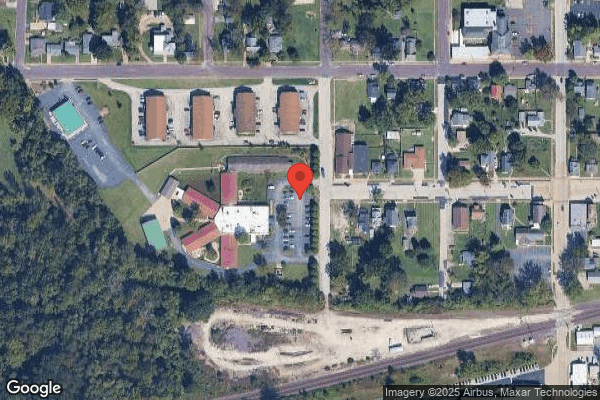
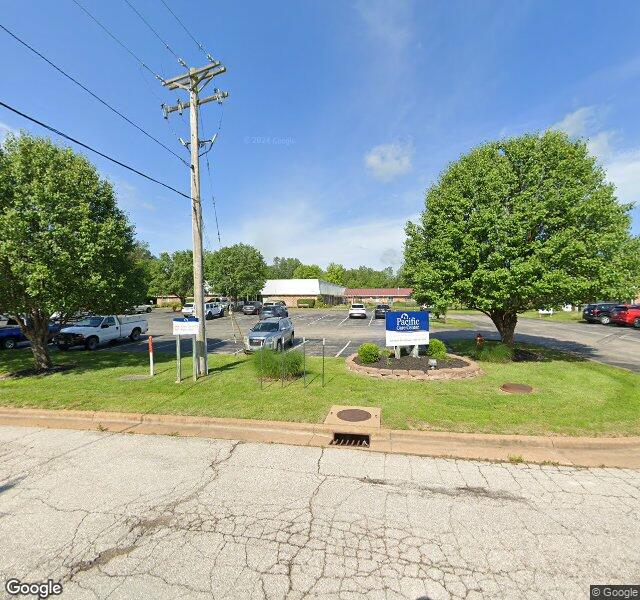
PACIFIC CARE CENTER

105 SOUTH SIXTH STREET, PACIFIC, MO 63069 (636) 271-4222
For profit - Corporation 118 Beds JAMES & JUDY LINCOLN Data: November 2025
Trust Grade
35/100
#437 of 479 in MO
Last Inspection: July 2024

Within standard 12-15 month inspection cycle. Federal law requires annual inspections.

Overview

Pacific Care Center has received a Trust Grade of F, which indicates significant concerns about the quality of care provided. They rank #437 out of 479 facilities in Missouri, placing them in the bottom half, and #6 out of 7 in Franklin County, meaning there is only one other local facility that performs worse. The facility is worsening, with issues increasing from 11 in 2023 to 15 in 2024. Staffing is a weak point, scoring only 1 out of 5 stars, and although turnover is lower than the state average at 56%, there is concerningly less RN coverage than 94% of facilities in Missouri, which may impact resident care. Specific incidents include failures to ensure the call light system was operational for all residents, improper food storage leading to potential contamination, and not notifying the State Long-Term Care Ombudsman about resident hospital transfers, which could affect oversight and resident safety. Overall, while there are no fines reported, the concerning trends and specific issues indicate that families should approach this facility with caution.

Trust Score
F
35/100
In Missouri
#437/479
Bottom 9%
Safety Record
Low Risk
No red flags
Inspections
Getting Worse
11 → 15 violations
Staff Stability
⚠ Watch
56% turnover. Above average. Higher turnover means staff may not know residents' routines.
Penalties
✓ Good
No fines on record. Clean compliance history, better than most Missouri facilities.
Skilled Nurses
⚠ Watch
Each resident gets only 9 minutes of Registered Nurse (RN) attention daily — below average for Missouri. Fewer RN minutes means fewer trained eyes watching for problems.
Violations
⚠ Watch
28 deficiencies on record. Higher than average. Multiple issues found across inspections.
★☆☆☆☆
1.0
Overall Rating
★☆☆☆☆
1.0
Staff Levels
★☆☆☆☆
1.0
Care Quality
★★★☆☆
3.0
Inspection Score
Stable
2023: 11 issues
2024: 15 issues

The Good

  • Full Sprinkler Coverage · Fire safety systems throughout facility
  • No fines on record

Facility shows strength in fire safety.

The Bad

1-Star Overall Rating

Below Missouri average (2.5)

Significant quality concerns identified by CMS

Staff Turnover: 56%

10pts above Missouri avg (46%)

Frequent staff changes - ask about care continuity

Chain: JAMES & JUDY LINCOLN

Part of a multi-facility chain

Ask about local staffing decisions and management

Staff turnover is elevated (56%)

8 points above Missouri average of 48%

The Ugly 28 deficiencies on record

Jul 2024 10 deficiencies
CONCERN (D)

Potential for Harm - no one hurt, but risky conditions existed

Garbage Disposal (Tag F0814)

Could have caused harm · This affected 1 resident

Based on observation, interview and record review, the facility staff failed to properly contain waste and refuse to prevent the harboring and/or feeding of rodents and pests when the facility failed ...

Read full inspector narrative →
Based on observation, interview and record review, the facility staff failed to properly contain waste and refuse to prevent the harboring and/or feeding of rodents and pests when the facility failed ensure outdoor waste containers remained covered when not in actual use. The facility census was 54. 1. Review of 2022 United States Food and Drug Administration Food Code, subsection 5-501.113 (Covering Receptacles), showed receptacles and waste handling units for refuse, recyclables, and returnables shall be kept covered with tight-fitting lids or doors if kept outside the food establishment. Observation on 07/23/24 at 12:45 P.M., showed the outside dumpster, which contained waste, uncovered and it did not contain lids or doors to cover the waste. Observation also showed paper and food waste scattered on the ground around the dumpster and a plastic bag of waste on the ground near the right facing side of the dumpster. Observation on 07/24/24 at 8:17 A.M., showed the outside dumpster, which contained waste, uncovered and it did not contain lids or doors to cover the waste. Observation also showed paper and food waste scattered on the ground around the dumpster and a plastic bag of waste on the ground near the right facing side of the dumpster. Observation showed two cats rummaged through the plastic bag of waste. During an interview on 07/24/24 at 8:56 A.M., the administrator said the facility did not have a written policy for waste disposal or the maintenance of waste disposal areas, but the dietary staff have been trained to pick up trash if they see any on the ground around the dumpster when they take out trash. The administrator said the dumpster should be kept covered and he/she did know the dumpster did not have a lid. During an interview on 07/24/24 at 9:09 A.M., the Dietary Manager said waste container should be kept covered and he/she did not know that the dumpster did not have a lid.
CONCERN (E)

Potential for Harm - no one hurt, but risky conditions existed

Transfer Notice (Tag F0623)

Could have caused harm · This affected multiple residents

**NOTE- TERMS IN BRACKETS HAVE BEEN EDITED TO PROTECT CONFIDENTIALITY** Based on interview and record review, facility staff failed to notify the State Long-Term Care Ombudsman in writing of a residen...

Read full inspector narrative →
**NOTE- TERMS IN BRACKETS HAVE BEEN EDITED TO PROTECT CONFIDENTIALITY** Based on interview and record review, facility staff failed to notify the State Long-Term Care Ombudsman in writing of a resident transfer to the hospital, including the reason for transfer for four residents (Resident #9, #13, #21, and #49) out of 14 sampled residents. The facility's census was 54. 1. Review of the facility's policies showed they did not contain a policy for notifying the ombudsman for transfers and discharges. 2. Review of Resident #9's medical record showed the resident transferred to the emergency room (ER) on 07/01/24 and readmitted to the facility on [DATE]. The record did not contain documentation staff notified the ombudsman of the resident's transfer. 3. Review of Resident #13's medical record showed the resident transferred to acute care on 07/23/24. The record did not contain documentaion staff notified the ombudsman of the resident's transfer. 4. Review of Resident #21's medical record showed the resident transferred to acute care on 05/14/24 and readmitted to the facility on [DATE]. The record did not contain documentation staff notified the Ombudsman of the resident's transfer. 5. Review of Resident #49's medical record showed the resident transferred to the emergency room (ER) on 07/13/24 and readmitted on [DATE]. The record did not contain documentation staff notified the Ombudsman of the resident's transfer. 6. During an interview on 07/25/24 at 2:22 P.M., the Social Service Director (SSD) said he/she notifies the ombudsman when nursing staff completes the bed hold information. The SSD said he/she does not think the nursing staff is completing the bed holds so he/she not getting notified of resident transfers. He/She said if he/she is not notified of the transfer then he/she does not know he/she needs to notify the ombudsman. The SSD said he/she typically notifies the ombudsman with every transfer/discharge notification he/she receives. During an interview on 07/25/24 at 2:22 P.M., the Administrator said the charge nurses are responsible to complete a bed hold when a resident is transferred and give it to the SSD. The Administrator said the SSD is responsible to notify the Ombudsman of the transfer. The Administrator said a ombudsman notification must be completed with each resident transfer, including a ER on ly visit. The Administrator said the Ombudsman notifications are not being completed and he/she is aware of that. During an interview on 07/26/24 at 9:36 A.M., Licensed Practical Nurse (LPN) C said he/she is not sure who notifies the Ombudsman when a resident is transferred. During an interview on 07/26/24 at 1:45 P.M., the ADON said the charge nurse is responsible to complete a bed hold when a resident is transferred. The ADON said the bed hold is sent to the SSD and the SSD is responsible for notifying the Ombudsman. The ADON said he/she did not know the ombudsman notifications were not being completed. During an interview on 07/26/24 at 1:45 P.M., the Nurse Consultant said the charge nurse is responsible to complete a bed hold when a resident is transferred. The Nurse Consultant said once the bed hold is completed it should be given to the SSD to follow up and notify the Ombudsman. The Nurse Consultant said he/she did not know the Ombudsman notifications were not being completed.
CONCERN (E)

Potential for Harm - no one hurt, but risky conditions existed

Deficiency F0625 (Tag F0625)

Could have caused harm · This affected multiple residents

**NOTE- TERMS IN BRACKETS HAVE BEEN EDITED TO PROTECT CONFIDENTIALITY** Based on interview and record review, facility staff failed to inform the resident and/or resident's representative, in writing,...

Read full inspector narrative →
**NOTE- TERMS IN BRACKETS HAVE BEEN EDITED TO PROTECT CONFIDENTIALITY** Based on interview and record review, facility staff failed to inform the resident and/or resident's representative, in writing, of the facility's bed hold policy at the time of transfer for four residents (Resident #9, #13, #21, and #49) out of 14 sampled residents. The facility's census was 54. 1. Review of the facility's Bed Hold Policy Guidelines, undated, showed the facility will notify all residents, and/or their representative of the bed hold policy guidelines. This notification shall be given: upon admission to the facility, at the time of the transfer to the hospital or leave, and at the time of non-covered therapeutic leave. 2. Review of Resident #9's medical record showed the resident transferred to the emergency room (ER) on 07/01/24 and readmitted to the facility on [DATE]. Review of the medical record did not contain documentation staff notified the resident or resident representative in writing of the bed hold policy prior to transfer/discharge. 3. Review of Resident # 13's medical record showed the resident transferred to acute care on 07/23/24. Review of the medical record did not contain documentation staff notified the resident or resident representative in writing of the bed hold policy prior to transfer/discharge. 4. Review of Resident #21's medical record showed the resident transferred to acute care on 05/14/24 and readmitted to the facility on [DATE]. Review of the medical record did not contain documentation staff notified the resident or resident representative in writing of the bed hold policy prior to transfer/discharge. 5. Review of Resident #49's medical record showed the resident transferred to acute care on 07/13/24 and readmitted to the facility on 0713/24. Review of the medical record did not contain documentation staff notified the resident or resident representative in writing of the bed hold policy prior to transfer/discharge. 6. During an interview on 07/25/24 at 2:22 P.M., the Social Service Director (SSD) said the charge nurse is responsible to complete a bed hold when a resident is transferred and turn them into him/her. The SSD said he/she has not gotten a bed hold form from the charge nurse is quite a while. During an interview on 07/25/24 at 2:22 P.M., the administrator said the charge nurses are responsible to complete a bed hold when a resident is transferred and give them to the SSD. The administrator said if a resident is sent out emergently the charge nurse is responsible to follow up and ensure the bed hold is completed. The administrator said a bed hold must be completed with each resident transfer, including an ER on ly visit. The administrator said the bed holds are not being completed and he/she is aware of that. During an interview on 07/26/24 at 9:36 A.M., Licensed Practical Nurse (LPN) C said the charge nurse is responsible to complete the bed holds when a resident is transferred then he/she thinks they are given to the Assistant Director of Nursing (ADON). LPN C said he/she has worked in the facility six weeks, and he/she has not had to transfer a resident, so he/she has not completed a bed hold. LPN C said the bed hold form is kept at the nurse's station. During an interview on 07/26/24 at 9:36 A.M., LPN E said the charge nurse is responsible to complete the bed hold when a resident is transferred and turn them in to the ADON. LPN E said he/she has worked at the facility three weeks, and he/she has sent one resident to the emergency room (ER) during that time. LPN E said he/she did not complete the bed hold due to it being an emergency situation LPN E said he/she did not attempt to complete the bed hold after the resident had been transferred with the family either. During an interview on 07/26/24 at 1:45 P.M., the ADON said the charge nurse is responsible to complete a bed hold when a resident is transferred. The ADON said the bed hold is sent to the SSD. The ADON said he/she did not know the bed holds were not being completed. The ADON said no one monitored to ensure the bed holds were completed. During an interview on 07/26/24 at 1:45 P.M., the Nurse Consultant said the charge nurse is responsible to complete a bed hold when a resident is transferred. The Nurse Consultant said once the bed hold is completed it should be given to the SSD. The Nurse Consultant said a bed hold should have the date of transfer, resident name, and a signature of the resident or responsible party. He/She said if the form is unable to be signed then it can be verbally signed with two staff members. The Nurse Consultant was not aware the bed holds were not being completed.
CONCERN (E)

Potential for Harm - no one hurt, but risky conditions existed

Deficiency F0657 (Tag F0657)

Could have caused harm · This affected multiple residents

**NOTE- TERMS IN BRACKETS HAVE BEEN EDITED TO PROTECT CONFIDENTIALITY** Based on observation, interview and record review, facility staff failed to develop and implement a comprehensive person-centere...

Read full inspector narrative →
**NOTE- TERMS IN BRACKETS HAVE BEEN EDITED TO PROTECT CONFIDENTIALITY** Based on observation, interview and record review, facility staff failed to develop and implement a comprehensive person-centered care plan for seven residents (Resident #16, #21, #25, #32, #33, #49, #50) out of 14 samples residents. The facility census was 54. 1. Review of the facility's policy titled MDS and Care Planning Guidelines dated [DATE] shows it is the policy of this facility is to use the most current Centers for Medicare & Medicaid Services (CMS) Minimum Data Set (MDS) Resident Assessment Instrument (RAI) Manual, any published interim RAI manual errata documents, and applicable federal guidelines as the authoritative guide for completion of MDS, CAAs and resident care planning. 2. Review of Resident # 16's Quarterly MDS, a federally mandated assessment tool, dated [DATE], showed staff assessed resident as: -Significantly cognitively impaired; -Received hospice. Review of the resident's hospice documentation, dated [DATE], that showed the resident discharged from hospice services. Review of the care plan, revised [DATE], showed staff documented the resident received hospice services. Review of Physician Order Sheet (POS), dated 07/2024, did not contain an order for hospice care. 3. Review of Resident # 21's admission MDS, dated [DATE], showed staff assessed the resident as: -Did not receive anticoagulant (a medication to thin the blood) medication; -Did not assess cognitive status. Review of the resident's care plan, dated [DATE], showed: -Regular diet; -Did not contain direction for Nectar thickened liquids; -Did not contain direction for anticoagulant medication. Review of the resident's Physician Orders Sheet (POS), dated [DATE], showed: -Xarelto (an anti-coagulant medication) 15 milligrams (mg) daily; -Mechanical soft diet; -Nectar thickened liquids. 4. Review of Resident # 25's Quarterly MDS, dated [DATE] showed staff assessed the resident as: -Moderate cognitive impairment; -Had functional impairment on one side of both upper and lower extremities; -Required moderate assistance from staff for toileting, hygiene, dressing, and bathing; -Did not receive anticoagulant medications. Review of the resident's care plan, dated [DATE], showed staff docuemented: -At risk for bleeding due to anticoagulant medication; -Full code status (wanting to have Cardiopulmonary Resucitation (CPR) performed); -Do Not Resuscitate (DNR) (not wanting to have CPR performed) code status; -Did not contain direction for toileting, hygiene, dressing, or bathing; -Did not contain direction for the right arm tray on his/her wheelchair. Review of the resident's POS, dated [DATE], showed: -Aspirin (an anti-platelet medication) 81 mg daily; -DNR code status. Observation on [DATE] at 2:32 P.M., showed the resident in his/her wheelchair and had a padded arm tray on the right arm of his/her wheelchair with his/her arm in it. Observation on [DATE] at 11:26 A.M., showed the resident in his/her wheelchair and had a padded arm tray on the right arm of his/her wheelchair with his/her arm in it. Observation on [DATE] at 8:35 A.M., showed the resident in his/her wheelchair and had a padded arm tray on the right arm of his/her wheelchair with his/her arm in it. Observation on [DATE] at 8:35 A.M., showed the resident in his/her wheelchair and had a padded arm tray on the right arm of his/her wheelchair with his/her arm in it. 5. Review of Resident # 32's Quarterly Minimum Date Set (MDS), a federally mandated assessment tool dated [DATE], showed staff assessed resident as: -Significantly cognitively impaired; -Diagnoses of Alzheimer's Disease, stroke, high blood pressure, anxiety and depression; -Received hospice. Review of the resident medical record showed a signed contract and consent for hospice care dated [DATE]. Review of the care plan, revised [DATE], showed it did not contain a plan for hospice care. 6. Review of Resident #33's admission MDS, dated [DATE], showed staff assessed the resident as cognitively intact and did not use bed rails. Review of the resident's care plan, date [DATE], showed it did not contain direction for bed rail use. Review of the resident's POS, dated [DATE], showed it did not contain orders for bed rail use. Observation on [DATE] at 2:15 P.M., showed the resident in bed with both half bed rails up. Observation on [DATE] at 5:15 A.M., showed the resident sat on his/her bed with both half bed rails up. Observation on [DATE] at 10:57 A.M., showed the resident in bed with both half bed rails up. Observation on [DATE] at 8:30 A.M., showed the resident in bed with both half bed rails up. Observation on [DATE] at 8:27 A.M., showed the resident sat on his/her bed with half both bed rails up. 7. Review of Resident # 49's admission MDS, dated [DATE], showed staff assessed the resident had severe cognitive impairment and did not use bed rails. Review of the resident's care plan, dated [DATE], showed it did not contain direction for the resident's code status or bed rail use. Review of the resident's POS, showed an ordered dated [DATE] for full code status. Observation on [DATE] at 11:04 A.M., showed the resident transferred himself/herself from bed with both bed rails up. Observation on [DATE] at 2:17 P.M. showed the resided laid in bed and both half both bed rails up. Observation on [DATE] at 5:17 A.M. showed the resided laid in bed and both half both bed rails up. Observation on [DATE] at 1:28 P.M. showed the resided sat in bed and both half both bed rails up. Observation on [DATE] at 8:22 A.M. showed the resided sat in bed and both half both bed rails up. Review showed staff failed to update the care plan with the resident's code status and bed rail use. 8. Review of Resident # 50's Significant Change MDS, dated [DATE], showed staff assessed the resident as: -Cognitively intact; -Did not assess the resident as a smoker. Review of the resident's smoking assessment, dated 04/2024, showed staff documented the resident smoked. Review of the resident's care plan, revised [DATE], showed it did not contain direction for staff in regard to the resident smoking. During an interview on [DATE] at 8:35 A.M., the resident said he/she smokes. 9. During an interview on [DATE] at 8:33 A.M., Certified Nurse Assistant (CNA) I said the MDS Coordinator is responsible to update the care plans for each resident. CNA I said the purpose of the care plan is to show the type of care and how much assistance a resident needs. CNA I said he/she would expect the care plan to be individualized and contain things such as special equipment, code status, if a resident smokes, the amount of care a resident needs, and bed rails. During an interview on [DATE] at 9:36 A.M., Licensed Practical Nurse (LPN) C said the purpose of the care plan is to drive the residents care and let staff know what to do for each resident. LPN C said care plans should match the POS and be individualized for each resident. LPN C said he/she would expect the care plan to contain things such as special assistive devices, diets, how much care a resident needs, code status, bed rails, special mattresses, and if a resident smokes. During an interview on [DATE] at 9:36 A.M., LPN E said the MDS Coordinator is responsible for updating the care plans. LPN E said care plans should be individualized and match the resident's POS. LPN E said he/she would expect a care plan to show if a resident smokes, code status, bed rails, any special assistive devices, how much care a resident needs, and certain medications such as anticoagulants. During an interview on [DATE] at 11:00 A.M., the Assistant Director of Nursing (ADON) said he/she is the MDS Coordinator/ADON and is responsible for the MDS's and care plans. The ADON said the care plan should be updated quarterly, annually, and as needed with changes or interventions. The ADON said the purpose of the care plan is to direct staff on how to care for a resident and their needs. The ADON said a care plan should be individualized and match the resident's POS. The ADON said the care plan should contain code status, how much care or assistance a resident needs, certain medications such as anticoagulants, any special assistive devices used, if the resident receives hospice, and bed rails. The ADON said the care plans were not updated because he/she compelted staffing, MDS assessments, care plans and helped with other duties. During an interview on [DATE] at 1:45 P.M., the Nurse Consultant said the purpose of the care plan is to direct the staff on what care to provide for a resident. The Nurse Consultant said the MDS Coordinator or nursing management are responsible for updating the care plans. The Nurse Consultant said the care plan should be updated at least quarterly and as needed with changes. The Nurse Consultant said he/she would expect the care plan to contain code status, any special adaptive equipment a resident uses, how much care the resident needs, if they receive hospice care, certain medications such as anticoagulants, and bed rails. The Nurse Consultant said the care plan should match the POS and be individualized for each resident. The Nurse Consultant said the cooperate reimbursement specialist is available for any training needs and questions to the facility staff. The Nurse consultant did not say why the care plans had not been updated. During an interview on [DATE] at 2:21 P.M., the Administrator said the MDS Coordinator, and Director of Nursing (DON) are responsible for updating the care plans. The Administrator said the charge nurses have been trained to update the care plan as needed. The Administrator said care plans are updated quarterly, annually, and as needed with changes. The Administrator said the purpose of the care plan is to make sure the needs of the residents are being met. The administrator said he/she would expect the care plan to be individualized and match the POS. The Administrator said the care plan should have things on it such as diet, special equipment, how much care a resident needs, bed rails, if the resident is a smoker, certain medications, code status, and any behaviors.
CONCERN (E) 📢 Someone Reported This

A family member, employee, or ombudsman was alarmed enough to file a formal complaint

Potential for Harm - no one hurt, but risky conditions existed

ADL Care (Tag F0677)

Could have caused harm · This affected multiple residents

**NOTE- TERMS IN BRACKETS HAVE BEEN EDITED TO PROTECT CONFIDENTIALITY** Based on observation, interview, and record review, facility staff failed to provide activities of daily living (ADLs) for eight...

Read full inspector narrative →
**NOTE- TERMS IN BRACKETS HAVE BEEN EDITED TO PROTECT CONFIDENTIALITY** Based on observation, interview, and record review, facility staff failed to provide activities of daily living (ADLs) for eight residents (Resident #9 #21, #23, #26, #27, #33, #40 and #210) out of fourteen sampled residents when staff did not provide showers. The facility's census was 54. 1. Review of the facility's policy titled, Daily Care Needs, undated, showed before beginning care, check the resident's care plan. 2. Review of Resident # 9's Quarterly Minimum Data Set (MDS), a federally mandated assessment tool, dated 06/20/24, showed staff assessed the resident as severely cognitively impaired, and dependent on staff for hygiene and bathing. Review of the resident's care plan, dated 06/22/24, showed: -Cognitive loss and memory issues; -Received Hospice care; -Dependent on staff for bed mobility, transfers, dressing, toileting, and hygiene; -Dependent on staff for bathing/showers. Review of the master shower list showed the resident not on the list. 3. Review of Resident # 21's admission MDS, dated [DATE], showed staff assessed the resident as: -Required maximum assistance from staff for transfers, toileting, and dressing; -Dependent on staff for hygiene, and bathing; -Did not assess cognitive status. Review of the resident's care plan, dated 07/26/24, showed: -Cognitive loss and memory issues; -Recieved Hospice care; -Required assistance from staff for bed mobility, transfers, dressing, toileting, and hygiene; -Dependent on staff for bathing/showers. Review of the master shower list showed the resident listed to receive a shower on Monday and Thursday during the day shift. Review of the resident's shower documentation showed it did not contain documentation staff showered the resident. 4. Review of Resident # 23's admission MDS, dated [DATE], showed staff assessed the resident as cognitively intact and required supervision or touch assistance from staff for dressing, hygiene, toileting and bathing. Review of the resident's care plan, dated 06/17/24, showed staff documented the resident required assistance for transfers, dressing, toileting, hygiene and bathing. Review of the master shower list showed the resident not listed. Review of the resident's shower documentation showed staff documented showers on 04/12/24, 04/30/24, 05/10/24, 06/18/24 and 07/21/24. During an interview on 07/26/24 at 08:11 A.M., the resident said he/she does not get his/her showers two times a week like staff said. Sometimes it is one week or even week and a half between showers. The resident said if he/she does not get his/her showers it makes his/her head itch really bad. 5. Review of Resident #26's Quarterly MDS, dated [DATE], showed staff assessed the resident as: -Cognitively intact; -Dependent on staff for toileting and personal hygiene; -Required setup or cleanup assistance from staff with eating, oral hygiene; -Required substantial/maximal assistance from staff with bathing. Review of the resident's care plan, dated 07/22/24, showed the resident requires assistance with bed mobility, transfers, dressing toileting, hygiene and bathing. Review of the master shower list showed the resident listed on the schedule for Tuesday day shift. Review of the resident's shower documentation showed staff documented showers on 05/01/24, 05/15/24, 05/17/24, 06/28/24 and 07/09/24. 6. Review of Resident #27's Quarterly MDS, dated [DATE], showed staff assessed the resident as: -Cognitively intact; -Required partial/moderate assistance from staff with personal hygiene; -Required setup or cleanup assistance from staff with oral hygiene; -Required substantial/maximal assistance from staff with toileting and bathing. Review of the resident's care plan, dated 05/17/23, showed the resident requires assistance for bed mobility, transfers, dressing, toileting, hygiene, and bathing. Review of the master shower list showed the resident listed on the schedule for Monday and Thursday day shift. Review of the resident's shower documentation showed staff documented showers on 04/11/24, 04/25/24, 04/30/24, 05/10/24, 05/14/24, 05/27/24, 06/03/24 and 07/22/24. During an interview on 07/26/24 08:03 A.M., the resident said if he/she does not get his/her showers when he/she is supposed to it makes him/her feel horrible and rundown. The resident said it makes him/her not feel good about himself/herself. 7. Review of Resident # 33's admission MDS, dated [DATE], showed staff assessed the resident as: -Cognitively intact; -Required set up assistance from staff with dressing, hygiene, and bathing; -Received hospice care. Review of the resident's care plan, dated 06/17/24, showed: -Cognitive loss and memory issues; -Received hospice care; -Required assistance for bed mobility, transfers, dressing, toileting, hygiene, and bathing. Review of the master shower list showed the resident listed as hospice and not on the facility shower schedule. During an interview on 07/23/24 at 11:37 A.M., the resident said hospice provides all his/her showers. The resident said he/she had asked the facility staff about getting showers and he/she was told they would be offered to him/her. The resident said the facility staff does not offer him/her a shower. The resident said he/she wished the facility staff did offer him/her showers. 8. Review of Resident #40's Significant Change MDS, dated [DATE], showed staff assessed the resident as: -Cognitively intact; -Independent with eating, toileting, and hygiene; -Required supervision from staff with dressing, and bathing; -Received hospice care. Review of the resident's care plan, dated 06/17/24, showed: -Received hospice care; -Required assistance from staff for bed mobility, transfers, dressing, toileting, hygiene, and bathing. Review of the master shower list showed the resident listed as hospice and not on the facility shower schedule. Observation on 07/23/24 at 12:15 P. M., showed the resident in the dining room and with a green shirt and black shorts on. Observation on 07/24/24 at 6:28 A.M. and 10:55 A.M., showed the resident wore the same green shirt and black shorts. The resident had long facial hair. During an interview on 07/24/24 at 11: 05 A.M., Licensed Practical Nurse (LPN) B said the resident is showered by hospice. Observation on 07/25/24 at 8:22 A.M., showed the resident sat in the dining room and wore a blue shirt and gray shorts. The resident had long facial hair. Observation on 07/26/24 at 7:15 A.M., showed the resident in the dining room and wore a blue shirt and gray shorts. 9. Review of Resident # 210's medical record showed it did not contain a MDS assessment. Review of the resident's care plan, dated 07/03/24, showed: -Cognitive loss and memory issues; -Required assistance from staff for bed mobility, transfers, dressing, toileting, hygiene, and bathing. Review of the master shower list showed the resident not listed on the schedule. Review of the resident's shower documentation showed it did not contain documentation staff provided a shower to the resident. 10. During an interview on 07/26/24 at 8:33 A.M., Certified Medication Technician (CMT) F said he/she is the shower aide. CMT F said he/she had been responsible for updating the master shower sheet and giving all the showers until recently. CMT F said the Assistant Director of Nursing (ADON) is now responsible for updating it. CMT F said all residents should be on the shower schedule twice a week. CMT F said he/she did not know that some of the residents were not on the master shower schedule. CMT F said if a resident is not on the shower schedule, then staff don't know when to give the resident a shower. During an interview on 07/26/24 at 8:33 A.M. Certified Nurse Assistant (CNA) I said the ADON is responsible to update the master shower schedule, but he/she is not sure how often it is updated. CNA I said prior to the ADON updating it CMT F was responsible for keeping it updated, and documenting and providing all the showers. CNA I said if a resident is not on the shower schedule, then staff don't know when to give them a shower. CNA I said all residents are to be on the shower schedule twice a week. CNA I said the aide assigned to the hall is responsible for the showers on their hall. CNA I said whoever completes the shower is responsible to document the shower on a shower sheet. CNA I said the facility staff does not provide showers for residents who receive hospice care unless hospice staff are not available. CNA I said the facility staff is responsible for the care of a resident. During an interview on 07/26/24 at 9:36 A.M., LPN C said the ADON is responsible to make and update the master shower schedule. LPN C said he/she is not sure how often the shower schedule is updated. LPN C said all facility residents should be on the shower schedule twice a week. LPN C said if a resident is not on the shower schedule staff may not know to give a resident a shower and the resident could potentially go without one. LPN C said all hospice residents should be offered facility showers on opposite days from the hospice shower schedule as hospice is supplemental care. LPN C said the facility staff is responsible to make sure all residents are cared for. LPN C said the aide working on the hall is responsible to provide the showers on the hall assigned that day, then they are expected to document the shower on a paper shower sheet and turn into the charge nurse. During an interview on 07/26/24 at 11:00 A.M., the ADON said CMT F had been responsible for updating the master shower schedule until about a week ago. The ADON said he/she is now responsible for making a master shower schedule and ensuring it is updated. The ADON said he/she realized that not all residents were on the shower schedule this week. The ADON said not all residents were receiving showers due to not being on the list. The ADON said he/she was not sure how CMT F updated the master shower schedule, or if she had at all. The ADON said all residents in the facility should be on the shower schedule twice a week, including hospice residents. The ADON said the hospice residents should be offered facility showers on opposite days of the hospice scheduled shower days. The ADON said facility staff is responsible for the care of the residents and hospice is an added care. The ADON said the aide assigned to the hall is responsible to complete any scheduled showers on their hall. The ADON said when the aide completes the shower, or if a resident refuses, they are responsible to document this on the shower sheet and turn into the charge nurse. The ADON said the DON and ADON are responsible to oversee and ensure all the residents get showers. During an interview on 07/26/24 at 1:45 P.M., the Nurse Consultant said the DON or ADON are responsible to make the master shower schedule and to update it at least weekly. The Nurse Consultant said all residents, including hospice residents, in the facility should be on the shower schedule twice a week. The Nurse Consultant said hospice residents should be on opposite days of the hospice shower as hospice is an extra care to the resident. The Nurse Consultant said the facility is responsible to ensure each resident is taken care of. The Nurse Consultant said he/she did not know all residents were not on the master shower schedule. The Nurse Consultant said if the resident is not on the shower schedule staff would not know to give them a shower. The Nurse Consultant said when the aide gives the resident a shower, or if the resident refuses as shower, the aide is responsible to document on the shower sheet and turn it in to the charge nurse. The Nurse Consultant said nursing management is responsible to oversee and ensure all residents receive showers. During an interview on 07/26/24 at 2:21 P.M., the administrator said nursing management is responsible to make and update the master shower schedule. The administrator said the shower schedule should be updated with each resident admission and discharge. The administrator said all residents should be on the shower schedule twice a week. The administrator said he/she did not know all residents were not on the master shower schedule. The administrator said hospice residents must be offered showers on opposite days of their hospice shower schedule because hospice is a supplemental care, and the facility staff are still responsible for the residents' care. The administrator said staff must document showers on the shower sheets and he/she expects the charge nurse to sign them and turn them into the DON or ADON. The administrator said the DON and ADON are responsible to oversee and ensure all residents get showers.
CONCERN (E)

Potential for Harm - no one hurt, but risky conditions existed

Deficiency F0700 (Tag F0700)

Could have caused harm · This affected multiple residents

**NOTE- TERMS IN BRACKETS HAVE BEEN EDITED TO PROTECT CONFIDENTIALITY** Based on observation, interview, and record review facility staff failed to complete bed rail assessments and obtain consent for...

Read full inspector narrative →
**NOTE- TERMS IN BRACKETS HAVE BEEN EDITED TO PROTECT CONFIDENTIALITY** Based on observation, interview, and record review facility staff failed to complete bed rail assessments and obtain consent for the use of bed rails for three (Resident #21, #33, and #49) of 14 sampled residents. The facility census was 54. 1. Review of the facility's policy titled Bed Rails, undated showed staff were directed to: -Complete bed rail observation; -Obtain consent for the bed rails; -Provide education to the resident/legal representative on the benefits and risk of bed rail use; -Develop a care plan for bed rail use; -Staff will conduct regular inspections of all bedframes, mattresses, and bed rails to identify areas of possible entrapment. Review of the United States Food and Drug Administration (FDA) document entitled, Hospital Bed System Dimensional and Assessment Guidance to Reduce Entrapment, dated March 10, 2006, showed 413 people died as a result of entrapment events in the United States. Further review showed those among the most vulnerable for these entrapment type events are elderly patients and residents, especially those who are frail, confused, restless, or who have uncontrolled body movement. Review of the FDA document entitled, Practice Hospital Bed Safety, dated February 2013, identifies seven different potential, zones of entrapment. This guidance characterizes the head, neck, and chest as key body parts that are at risk of entrapment. Review of the FDA document entitled, Guide to Bed Safety Rails in Hospitals, Nursing Homes and Home Health Care: The Facts shows the potential risk of bed rails may include: -Strangling, suffocating, bodily injury or death when patients or part of their body are caught between rails or between the bed rails and mattress; -More serious injuries from falls when patient climb over rails; -Skin bruising, cuts and scrapes; -Inducing agitated behavior when bed rails are used as a restraint; -Feeling isolated or unnecessarily restricted; -And preventing patients, who are able to get out of bed, from performing routine activities such as going to the bathroom, or retrieving something from a closet; -When bed rails are used, perform an on-going assessment of the patient's physical and mental status; closely monitor high-risk patients. 2. Review of Resident #21's admission Minimum Data Set (MDS), a federally mandated assessment tool, dated 05/24/24, showed staff assessed the resident as: -Required maximum assistance from staff for bed mobility, toileting, and dressing; -Dependent on staff for transfers, hygiene, and bathing; -Did not use bed rails; -Did not assess cognition. Review of the resident's care plan, revised 07/23/24, showed: -Required assistance for bed mobility, transfers, dressing, hygiene, and toileting; -Dependent on staff for bathing; -Bed rails for mobility and positioning; -Did not contain cognition level. Review of the resident's Physician Orders Sheet (POS), showed an order, dated 01/25/23, for quarter bed rails bilaterally for mobility and positioning. Review of the resident's medical record showed a bed rail assessment and consent, dated 02/13/22. Review showed it did not contain any further bed rail assessments or signed consents. Observation on 07/23/24 at 11:00 A.M., showed the resident laid in bed with both half bed rails up. Observation on 07/24/24 at 5:18 A.M., showed the resident laid in bed with both half bed rails up. Observation on 07/25/24 at 8:44 A.M., showed the resident laid in bed with both half bed rails up. Observation on 07/26/24 at 8:24 A.M., showed the resident laid in bed with both half bed rails up. 3. Review of Resident #33's admission MDS, dated [DATE], showed staff assessed the resident as: -Cognitively intact; -Independent for bed mobility, and toileting; -Required supervision for transfers, dressing, hygiene, and bathing; -Did not use bed rails. Review of the resident's care plan, dated 06/17/24, showed: -Required assistance for bed mobility, transfers, dressing, hygiene, toileting, and bathing; -Did not contain direction for bed rails. Review of the resident's medical record showed it did not contain a bed rail assessment, or a signed consent for the use of bed rails. Observation on 07/23/24 at 2:15 P.M., showed the resident laid in bed with both half bed rails up. Observation on 07/24/24 at 5:15 A.M., showed the resident sat on his/her bed with both half bed rails up. Observation on 07/25/24 at 8:30 A.M., showed the resident laid in bed with both half bed rails up. Observation on 07/26/24 at 8:27 A.M., showed the resident sat on his/her bed with both half bed rails up. 4. Review of Resident #49's admission MDS, dated [DATE], showed staff assessed the resident as: -Severe cognitive impairment; -Required supervision for transfers; -Required moderate assistance for toileting, and hygiene; -Required maximum assistance for dressing; -Dependent on staff for bathing; -Did not use bed rails. Review of the resident's care plan, dated 06/18/24, showed: -Required assistance for bed mobility, transfers, dressing, hygiene, toileting, and bathing; -Did not contain direction for bed rails. Review of the resident's medical record showed the record did not contain a bed rail assessment, or a signed consent for the use of bed rails. Observation on 07/23/24 at 11:04 A.M., showed the resident transferred himself/herself from his/her bed with both half bed rails up. Observation on 07/24/24 at 5:17 A.M. showed the resided laid in bed and both half bed rails up. Observation on 07/25/24 at 1:28 P.M. showed the resided sat in bed and both half bed rails up. Observation on 07/26/24 at 8:22 A.M. showed the resided sat in bed and both half bed rails up. 5. During an interview on 07/26/24 at 9:36 A.M., Licensed Practical Nurse (LPN) C said the charge nurse is responsible for completing the bed rail assessments on every resident when admitted and obtain consent from the resident or responsible party if bed rails are needed. LPN C said it also the charge nurse's responsibility to educate the resident and responsible party about the bed rail risks, and potential for harm. LPN C said the charge nurse then notifies the maintenance person who is responsible for installing the bed rails on the bed. LPN C said bed rail assessments should be completed quarterly and as needed. LPN C said if a bed rail is placed improperly a resident could potentially be harmed and get stuck in one. During an interview on 07/26/24 at 10:46 A.M., the maintenance person said he/she thinks the charge nurse is responsible to complete the bed rail assessment and he/she is responsible to install the bed rails on the bed. The maintenance person said he/she does not complete entrapment measurements for each zone and is not sure what that is. The maintenance person said he/she is not sure who is responsible to complete the entrapment measurements. During an interview on 07/26/24 at 1:45 P.M., the Nurse Consultant said the Director of Nursing (DON) is responsible to complete the bed rail assessments and obtain signed consents from a resident or responsible party if bed rails are used. The Nurse Consultant said the bed rail assessment should be completed upon admission and quarterly after. The Nurse Consultant said the bed rail consent should be signed upon admission and then annually. The Nurse Consultant said if the bed rails are placed improperly the resident could potentially end up stuck in the bed rail and be harmed. During an interview on 07/26/24 at 2:21 P.M., the Administrator said the DON or Assistant Director of Nursing (ADON) is responsible to complete the bed rail assessments and obtain signed consent. The Administrator said the bed rail assessment and signed consent must be completed when bed rails are placed on a resident's bed, but he/she was not sure how often it should be updated. The Administrator said maintenance is responsible to install the bed rails on the bed and to measure entrapment zones at that time. The Administrator said he/she was not sure how often the entrapment measurements should be completed after installation. The Administrator said residents could have potential harmful outcomes if the bed rails are not placed and measured properly. During an interview on 08/01/24 at 10:00 A.M., the bed product support company said staff should follow the FDA recommendations and Centers for Medicare and Medicaid Services (CMS) guidelines regarding bed rail assessments, consent, and entrapment measurements.
CONCERN (E) 📢 Someone Reported This

A family member, employee, or ombudsman was alarmed enough to file a formal complaint

Potential for Harm - no one hurt, but risky conditions existed

Deficiency F0728 (Tag F0728)

Could have caused harm · This affected multiple residents

Based on interview and record review, facility staff failed to ensure four nurse aides ((NA) NA R, NA K, NA Q, and NA S) out of six sampled NA's, completed the nurse aid training program within four m...

Read full inspector narrative →
Based on interview and record review, facility staff failed to ensure four nurse aides ((NA) NA R, NA K, NA Q, and NA S) out of six sampled NA's, completed the nurse aid training program within four months of their employment in the facility. The facility census was 54. 1. Review of the facility's policy's showed the facility did not provide a policy for the completion of the nurse aide training program. Review of the Facility Assessment Tool, dated July 2024, showed staff documented all NA's must be certified within 120 days. 2. Review of NA R's personnel file showed a hire date of 10/10/23. The file did not contain documentation NA R completed the nurse aide training program. Review of NA K's personnel file showed a hire date of 10/24/23. The file did not contain documentation NA R completed the nurse aide training program. Review of NA Q's personnel file showed a hire date of 12/12/23. The file did not contain documentation NA R completed the nurse aide training program. Review of NA S's personnel file showed a hire date of 01/02/04. The file did not contain documentation NA R completed the nurse aide training program. 3. Observation on 07/24/24 at 11:10 A.M., showed NA K performed incontinence care on Resident #14. Observation showed NA K removed fecal soiled gloves, put on clean gloves, and assisted the resident to put on clothing. Observation showed NA K did not perform hand hygiene between glove changes. 4. During an interview on 07/24/24 at 3:17 P.M., the Business Office Manager (BOM) said he/she is not sure who is responsible for monitoring the NA's to ensure they complete the Certified Nurse Aide (CNA) training within 120 days of their hire date. The BOM said he/she was not aware there were four NA's who had not completed training in the required time frame. During an interview on 07/24/24 at 3:17 P.M., the administrator said he/she is not sure who is responsible for monitoring the NA's to ensure they complete the CNA training within 120 days of their hire date. The administrator said the CNA classes are completed online. The administrator said he/she was aware the facility had four NA's past their 120 days to complete the CNA training. The administrator said the NA's had missed classes, the tests, and not tested. The Administrator said he/she told the NA's to go to class. During an interview on 07/24/24 at 3:51 P.M., the Director of Nursing (DON) said he/she was not aware there were four NA's out of compliance with CNA class completion. The DON said the Assisted Living Facility (ALF) Coordinator was responsible for monitoring the NA's to ensure they completed CNA class within 120 days of their date of hire. During an interview on 07/25/24 at 10:00 A.M., the ALF Coordinator said he/she is responsible for completing new hire orientation, CNA class enrollment, and monitoring the CNA class completion. The ALF Coordinator said he/she is responsible for tracking the NA's to ensure they complete the CNA class within 120 days from their hire date. The ALF Coordinator said he/she was aware the facility had four NA's past their 120 days to complete the CNA training. The ALF Coordinator said the CNA classes are completed online. The ALF Coordinator said if a NA misses a class the course instructor will send him/her an email to let him/her know. The ALF Coordinator said he/she emails the Administrator, DON, Assistant Director of Nursing (ADON), and the BOM to let them know of the missed class. The ALF Coordinator said the NA's had missed classes or not taken their exam. During an interview on 07/26/24 at 1:45 P.M., the ADON said the ALF Coordinator is responsible for monitoring the NA's to ensure they complete CNA classes within 120 days of their hire date. The ADON said he/she was not aware there were four NA's out of compliance and over their 120-day mark. The ADON said if a NA misses a class the course instructor will send an email to the ALF Coordinator to notify the facility of the missed class. He/She said the ALF Coordinator then sends an email to him/her, the Administrator, and the DON to notify them of the missed class. The ADON said if a NA misses a class, it is the NA's responsibility to schedule a makeup class with the course instructor. The ADON did not know why the four NA's were still being allowed to work the floor at this time. During an interview on 07/26/24 at 1:45 P.M., the Nurse Consultant said the ALF Coordinator is responsible for monitoring the NA's to ensure they complete the CNA classes within 120 days of their hire date. The Nurse Consultant said he/she was not aware there were four NA's out of compliance and over their 120-day mark as he/she is not at the facility each day. During an interview on 07/26/24 at 2:21 P.M., the administrator said the ALF Coordinator is responsible to oversee the CNA classes. The administrator said he/she is not sure what happens if a NA misses a class, but he/she assumed they make the class up. The administrator said if a NA misses a class the course instructor sends the ALF Coordinator an email to notify the facility of the missed class. He/She said the ALF Coordinator then sends an email to him/her and the DON to notify them of the missed class. The administrator said he/she has no excuse or explanation for why four of the NA's are out of compliance and continue to work as NA's on the floor.
CONCERN (E)

Potential for Harm - no one hurt, but risky conditions existed

Pharmacy Services (Tag F0755)

Could have caused harm · This affected multiple residents

Based on observation, interview, and record review, facility staff failed to reconcile narcotics at the change of shift when the medication cart changed from one staff member to another. The facility ...

Read full inspector narrative →
Based on observation, interview, and record review, facility staff failed to reconcile narcotics at the change of shift when the medication cart changed from one staff member to another. The facility census was 54. 1. Review of the facility's policy titled Narcotic Count, undated, showed one Registered Nurse (RN), Licensed Practical Nurse (LPN), or Certified Medication Technician (CMT) going off duty and one RN, LPN, CMT coming on duty must count and justify accuracy of narcotics supply for each resident at the change of shift. Narcotic records are to be retained for at least one year. After the supply is counted and justified, the nurse/CMT records the date and his/her signature verifying the count is correct. 2. Review of the facility's staffing report showed: -Day shift charge nurse worked 7:00 A.M. to 7:00 P.M.; -Night shift charge nurse worked 7:00 P.M. to 7:00 A.M.; -Day shift CMT worked 6:00 A.M. to 2:00 P.M.; -Evening shift CMT worked 2:00 P.M. to 10:00 P.M.; -Did not contain a night shift CMT from 10:00 P.M. to 6:00 A.M. 3. Review of the facility's unlabeled on-coming an off-going narcotic count sheets, dated 04/01/24 through 04/30/24, showed -On 04/02/24 at 6:00 A.M., and 2:00 P.M., did not contain two licensed staff signatures; -On 04/04/24 at 2:00 P.M., did not contain two licensed staff signatures; -On 04/05/24 at 2:00 P.M., did not contain two licensed staff signatures; -On 04/07/24 at 6:00 A.M., and 2:00 P.M., did not contain two licensed staff signatures; -On 04/08/24 at 2:00 P.M., did not contain two licensed staff signatures; -On 04/10/24 at 2:00 P.M., did not contain two licensed staff signatures; -On 04/11/24 at 2:00 P.M., did not contain two licensed staff signatures; -On 04/12/24 at 6:00 A.M., and 2:00 P.M., did not contain two licensed staff signatures; -On 04/19/24 at 2:00 P.M., did not contain two licensed staff signatures; -On 04/24/24 at 2:00 P.M., did not contain two licensed staff signatures; -On 04/28/24 at 6:00 A.M., and 2:00 P.M., did not contain two licensed staff signatures. Review showed the narcotic count sheets did not contain documentation staff completed narcotic counts at all shift changes. Review of the facility's unlabeled on-coming and off-going narcotic count sheets, dated 05/01/24 through 05/31/24, showed -On 05/05/24 at 6:00 A.M., did not contain two licensed staff signatures; -On 05/20/24 at 2:00 P.M., did not contain two licensed staff signatures; -On 05/28/24 at 6:00 A.M., and 2 P.M., did not contain two licensed staff signatures. Review showed the narcotic count sheets did not contain documentation staff completed narcotic counts at all shift changes. Review of the facility's unlabeled on-coming and off-going narcotic count sheets, dated 06/01/24 through 06/30/24, showed -On 06/04/24 at 2:00 P.M., did not contain two licensed staff signatures; -On 06/06/24 at 2:00 P.M., did not contain two licensed staff signatures; -On 06/12/24 at 2:00 P.M., did not contain two licensed staff signatures; -On 06/26/24 at 6:00 A.M., and 2:00 P.M., did not contain two licensed staff signatures. Review showed the narcotic count sheets did not contain documentation staff completed narcotic counts at all shift changes. Review of the facility's on-coming an off-going narcotic count sheets, dated 07/01/24 through 07/24/24, showed: -Hall A: -On 07/06/24 at 2:00 P.M., did not contain two licensed staff signatures; -On 07/11/24 at 2:00 P.M., did not contain two licensed staff signatures; -On 07/14/24 at 2:00 P.M., did not contain two licensed staff signatures; -Hall B: -On 07/06/24 at 6:00 A.M., and 2:00 P.M., did not contain two licensed staff signatures; -On 07/08/24 at 6:00 A.M., and 2:00 P.M., did not contain two licensed staff signatures; -On 07/09/24 at 6:00 A.M., and 2:00 P.M., did not contain two licensed staff signatures; -On 07/11/24 at 2:00 P.M., did not contain two licensed staff signatures; -On 07/14/24 at 6:00 A.M., and 2:00 P.M., did not contain two licensed staff signatures; -On 07/16/24 at 6:00 A.M., did not contain two licensed staff signatures; -On 07/17/24 at 2:00 P.M., did not contain two licensed staff signatures; -On 07/18/24 at 2:00 P.M., did not contain two licensed staff signatures; -On 07/19/24 at 2:00 P.M., did not contain two licensed staff signatures; -On 07/20/24 at 2:00 P.M., did not contain two licensed staff signatures; -On 07/21/24 at 2:00 P.M., did not contain two licensed staff signatures; -On 07/22/24 at 2:00 P.M., did not contain two licensed staff signatures; -On 07/23/24 at 2:00 P.M., did not contain two licensed staff signatures; -On 07/24/24 at 6:00 A.M., and 2:00 P.M., did not contain two licensed staff signatures; -Hall C: -On 07/06/24 at 2:00 P.M., did not contain two licensed staff signatures; -On 07/11/24 at 2:00 P.M., did not contain two licensed staff signatures; -On 07/14/24 at 6:00 A.M., and 2:00 P.M., did not contain two licensed staff signatures; -On 07/24/24 at 2:00 P.M., did not contain two licensed staff signatures; -Hall D: -On 07/06/24 at 6:00 A.M., did not contain two licensed staff signatures; -On 07/11/24 at 2:00 P.M., did not contain two licensed staff signatures; -On 07/23/24 at 2:00 P.M., did not contain two licensed staff signatures; -On 07/24/24 at 6:00 A.M., and 2:00 P.M., did not contain two licensed staff signatures; Review showed the narcotic count sheets did not contain documentation staff completed narcotic counts at all shift changes. 4. Observation on 07/24/24 at 6:05 A.M., showed LPN C worked the day shift as the medication nurse for Hall A, B, C and D. Observation showed LPN C got a medication cart from the medication room and began to administer medications. LPN C did not complete a shift change narcotic count with the night nurse LPN D. During an interview on 07/26/24 at 7:15 A.M., LPN C said narcotics should be counted by two licensed staff members at each shift change or if a new staff member takes over the medication cart. LPN C said both licensed staff who count the narcotics must sign the narcotic count log. LPN C said narcotic counts should not be completed alone. LPN C said he/she did not complete a narcotic count on 07/24/24 with LPN D and he/she should have but got busy. 5. During an interview on 07/26/24 at 7:15 A.M., LPN E said narcotics must be counted by two licensed staff members at each shift change or if a new staff member takes over the medication cart. LPN E said both licensed staff who count the narcotics must sign the narcotic count log. LPN E said narcotic counts should not be completed alone. LPN E said some staff members don't count narcotics at shift change, but they should. The LPN said most of the staff say I trust you and leave without counting. During an interview on 07/26/24 at 8:33 A.M., CMT F said narcotics are to be counted by two licensed staff anytime someone different takes over the cart, and at each shift change. CMT F said staff should not count narcotics alone. CMT F said the person accepting the keys to the medication cart is responsible to ensure the narcotic count is completed. CMT F said both licensed staff who count must sign the narcotic count log. CMT F said he/she has been signing the narcotic log alone and he/she should not have been. During an interview on 07/26/24 at 1:45 P.M., the Assistant Director of Nursing (ADON) said narcotics are to be counted by two licensed staff at each shift change. The ADON said both licensed staff must sign the narcotic log when they count. The ADON said the Director of Nursing (DON) is responsible to oversee and ensure the narcotic counts are being completed. During an interview on 07/26/24 at 1:45 P.M., the Nurse Consultant said narcotics are to be counted by two licensed staff at each shift change. The Nurse Consultant said both licensed staff must sign the narcotic log when they count, and staff should not sign alone. The Nurse Consultant said the DON is responsible to oversee and ensure the narcotic counts are being completed. The Nurse Consultant said he/she was not aware the narcotic counts were not being completed each shift by two staff members. During an interview on 07/26/24 at 2:21 P.M., the Administrator said he/she was not aware the narcotic counts were not being completed. The Administrator said he/she expected two licensed staff members to complete narcotic counts with each shift change and anytime a different staff member accepts the keys to the medication cart. The Administrator said both licensed staff must sign the narcotic count log when they complete the count. The Administrator said staff should not count the narcotics alone or sign the narcotic log alone. The Administrator said the DON and ADON are responsible to oversee and ensure the narcotic counts are being completed.
CONCERN (E)

Potential for Harm - no one hurt, but risky conditions existed

Infection Control (Tag F0880)

Could have caused harm · This affected multiple residents

**NOTE- TERMS IN BRACKETS HAVE BEEN EDITED TO PROTECT CONFIDENTIALITY** Based on observation, interview and record review, facility staff failed to help prevent the development and transmission of inf...

Read full inspector narrative →
**NOTE- TERMS IN BRACKETS HAVE BEEN EDITED TO PROTECT CONFIDENTIALITY** Based on observation, interview and record review, facility staff failed to help prevent the development and transmission of infections when staff failed to perform hand hygiene in a manner to reduce the spread of infection for for three residents (Resident #14, #24, and #35) out of 14 sampled residents. The facility census was 54. Review of the Centers for Disease control and Prevention CDC Hand Hygiene in Healthcare Settings guidelines, last reviewed 01/10/20, showed the guidance directs healthcare personnel to follow the following recommendations: -Healthcare personnel should use an alcohol-based hand rub or wash with soap and water for the following clinical indication: -Immediately before touching a patient; -Before performing an aseptic task (e.g. placing an indwelling device) or handling medical devices; -Before moving from work on a soiled body site to a clean body site on the same patient; -After touching a patient or the patient's immediate environment; -After contact with blood, body fluids, or contaminated surfaces; -Immediately after glove removal. 1. Review of the facility's policy titled Handwashing, not dated, did not address the use of alcohol based hand sanitizer or direct staff when to wash their hands. Review of the facility's policies showed the facility did not provide a policy for incontinence care. 2. Review of facility's education logs, dated 05/14/24 to 06/09/2024 showed an annual staff education completion log for hand hygiene. 3. Review of Resident # 14's Annual Minimum Date Set (MDS), a federally mandated assessment tool dated 05/22/2024, showed: -Cognitively Intact; -Frequently incontinent of bladder and always incontinent of bowel; -Diagnosis of Parkinson's Disease (a brain disorder that caused unintended or uncontrollable movements). Observation on 07/24/24 at 11:00 A.M., showed Nurse Aide (NA) K and Certified Nurse Aide (CNA) H entered the resident's room and provided bowel incontinence care. NA K removed his/her soiled gloves and applied clean gloves without performing hand hygiene. The NA dressed the resident. Observation showed CNA H removed his/her gloves and left the room without performing hand hygiene. 4. Review of Resident #24's Annual MDS, dated [DATE], showed: -Mild to moderate cognitive impairment; -Required partial/moderate assistance from staff with toileting; -Always incontinent of bowel and bladder; -Diagnoses of stroke (a loss of blood flow to part of the brain, which damages brain tissue) and hemiplegia (paralysis that affects only one side of the body) or hemiparesis (partial paralysis or weakness on one side of the body). Observation on 07/25/24 at 9:00 A.M., showed CNA H and CNA G entered the resident's room to provide incontinence care. CNA H provided perineal care, and with the same soiled gloves on applied barrier cream to the resident's bottom. CNA H removed his/her gloves and applied clean gloves without performing hand hygiene and put a clean brief on the resident. During an interview on 07/25/2024 at 2:00 P.M., CNA H said staff should wash their hands when entering the room and then put gloves on. The CNA said hands should be washed again after care is provided. The CNA said hand sanitizer it not available in the resident rooms and gloves are kept in the bathrooms which makes it hard to do it right. 5. Review of Resident #35's Quarterly MDS, dated [DATE], showed: -Mild cognitive impairment; -Required substantial/maximal assistance for toileting; -Indwelling urinary catheter (plastic tube placed placed directly in the bladder to drain urine); -Occasionally incontinent of bowel. Review of the care plan revised 06/24/24 included staff direction for care of indwelling catheter and frequent bowel incontinence. Observation on 07/25/24 at 1:27 P.M., showed CNA I applied gloves, provided incontinence care, and changed his/her gloves without performing hand hygiene between gloves changes. CNA I then wiped the resident's catheter tubing. CNA I changed his/her gloves again, without performing hand hygiene between glove changes, and put a clean brief on the resident. During an interview on 7/25/2024 at 4:00 P.M., the Director of Nursing (DON)/Infection Preventionist (IP) said he/she expects staff to perform hand hygiene during catheter care and perineal care by removing gloves, washing hands or using hand sanitizer, and putting on clean gloves on. The DON/IP said staff should change gloves and perform hand hygiene prior to moving from a dirty to clean task. The DON/IP said staff have access to pocket sized hand sanitizers. The DON said staff have received education and been audited in regard to hand hygiene. He/She said the outcome of poor hand hygiene could be increased infections. During an interview on 7/26/2024 at 2:21 P.M., the Administrator said he/she does not believe pocket hand sanitizers are available to staff.
CONCERN (E)

Potential for Harm - no one hurt, but risky conditions existed

Deficiency F0909 (Tag F0909)

Could have caused harm · This affected multiple residents

**NOTE- TERMS IN BRACKETS HAVE BEEN EDITED TO PROTECT CONFIDENTIALITY** Based on observation, interview, and record review facility staff failed to conduct regular inspections of bed rails as a part o...

Read full inspector narrative →
**NOTE- TERMS IN BRACKETS HAVE BEEN EDITED TO PROTECT CONFIDENTIALITY** Based on observation, interview, and record review facility staff failed to conduct regular inspections of bed rails as a part of regular maintenance program for four residents (Resident #21, #25, #33, and #49) of 14 residents' sampled to identify areas of possible entrapment. The facility census was 54. 1. Review of the facility's policy titled Bed Rails, undated, showed staff will conduct regular inspections of all bedframes, mattresses, and bed rails to identify areas of possible entrapment. Review of the United States Food and Drug Administration (FDA) document entitled, Hospital Bed System Dimensional and Assessment Guidance to Reduce Entrapment, dated March 10, 2006, showed 413 people died as a result of entrapment events in the United States. Further review showed those among the most vulnerable for these entrapment type events are elderly patients and residents, especially those who are frail, confused, restless, or who have uncontrolled body movement. Review of the FDA document entitled, Practice Hospital Bed Safety, dated February 2013 identifies seven different potential, zones of entrapment. This guidance characterizes the head, neck, and chest as key body parts that are at risk of entrapment. Review of the FDA document entitled, Guide to Bed Safety Rails in Hospitals, Nursing Homes and Home Health Care: The Facts shows the potential risk of bed rails may include: -Strangling, suffocating, bodily injury or death when patients or part of their body are caught between rails or between the bed rails and mattress; -More serious injuries from falls when patient climb over rails; -Skin bruising, cuts and scrapes; -Inducing agitated behavior when bed rails are used as a restraint; -Feeling isolated or unnecessarily restricted; -And preventing patients, who are able to get out of bed, from performing routine activities such as going to the bathroom, or retrieving something from a closet; -When bed rails are used, perform an on-going assessment of the patient's physical and mental status; closely monitor high-risk patients. 2. Review of Resident #21's admission Minimum Data Set (MDS), a federally mandated assessment tool, dated 05/24/24, showed staff assessed the resident as: -Required maximum assistance from staff for bed mobility, toileting, and dressing; -Dependent on staff for transfers, hygiene, and bathing; -Did not use bed rails; -Did not assess cognition. Review of the resident's care plan, revised 07/23/24, showed: -Required assistance from staff for bed mobility, transfers, dressing, hygiene, and toileting; -Dependent on staff for bathing; -Bed rails for mobility and positioning; -Did not contain cognition level. Review of the resident's Physician Orders Sheet (POS), showed an order dated 01/25/23 for quarter bed rails bilaterally for positioning. Review of the resident's medical record showed it did not contain an entrapment assessment or measurements. Observation on 07/23/24 at 11:00 A.M., showed the resident laid in bed with both half bed rails up. Observation on 07/24/24 at 11:04 A.M., showed the resident laid in bed with both half bed rails up. Observation on 07/25/24 at 8:44 A.M., showed the resident laid in bed with both half bed rails up. Observation on 07/26/24 at 8:24 A.M., showed the resident laid in bed with both half bed rails up. 3. Review of Resident # 25's Quarterly MDS, dated [DATE], showed staff assessed the resident as: -Moderate cognitive impairment; -Required moderate assistance from staff for bed mobility, toileting, hygiene, dressing, and bathing; -Dependent on staff for transfers; -Did not use bed rails. Review of the residents care plan, dated 08/03/23, showed bed rails for mobility and positioning. Review of the Bed Rail Assessment and entrapment measurements, dated 08/03/23, showed: -Zone one: -Bed rail assessment entrapment zone one, showed less than 4 3/4 inches () is pass and greater than 4 3/4 is fail; -Staff documented side one measurement as 5 and marked passed; -Staff documented side two measurement as 7.5 and marked passed; -Zone two: -Bed rail assessment entrapment zone two, showed less than 4 3/4 is pass and greater than 4 3/4 is fail; -Staff documented side one measurement as 10 and marked passed; -Staff documented side two measurement as 5 and marked passed; -Zone three: -Bed rail assessment entrapment zone three, showed less than 4 3/4 is pass and greater than 4 3/4 is fail; -Staff documented side one measurement as 8.5 and marked passed; -Staff documented side two measurement as 5 and marked passed; Zone four: -Bed rail assessment entrapment zone four, side one showed less than 2 3/8 is pass and greater than 2 3/8 is fail; -Staff documented side one measurement as 3 and marked passed; -Bed rail assessment entrapment zone four, side two showed less than 4 3/4 is pass, and greater than 4 3/4 is fail; -Staff documented side two measurement as 5 and marked passed; -Staff documented zone five as low risk of entrapment; -Staff documented zone six as low risk of entrapment; -Staff documented zone seven as low risk of entrapment. -Did not contain any other measurements for entrapment. Review showed staff documented the resident's bed rails passed and entrapment assessment when the measurements did not pass. Observation on 07/23/24 at 2:32 P.M., showed the resident sat next to his/her bed with both half bed rails up. Observation on 07/24/24 at 5:16 A.M., showed the resident laid in bed with both half bed rails up. Observation on 07/25/24 at 8:35 A.M., showed the resident sat next to his/her bed with both half bed rails up. 4. Review of Resident #33's admission MDS, dated [DATE], showed staff assessed the resident as: -Cognitively intact; -Independent for bed mobility, and toileting; -Required supervision from staff for transfers, dressing, hygiene, and bathing; -Did not use bed rails. Review of the resident's care plan, dated 06/17/24, showed: -Required assistance for bed mobility, transfers, dressing, hygiene, toileting, and bathing; -Did not contain direction for bed rails. Review of the resident's medical record showed the record did not contain any measurements for entrapment. Observation on 07/23/24 at 2:15 P.M., showed the resident laid in bed with both half bed rails up. Observation on 07/24/24 at 5:15 A.M., showed the resident sat on his/her bed with both half bed rails up. Observation on 07/25/24 at 8:30 A.M., showed the resident laid in bed with both half bed rails up. Observation on 07/26/24 at 8:27 A.M., showed the resident sat on his/her bed with both half bed rails up. 5. Review of Resident #49's admission MDS, dated [DATE], showed staff assessed the resident as: -Severe cognitive impairment; -Required supervision from staff for transfers; -Required moderate assistance from staff for toileting, and hygiene; -Required maximum assistance from staff for dressing; -Dependent on staff for bathing; -Did not use bed rails. Review of the resident's care plan, dated 06/18/24, showed: -Required assistance for bed mobility, transfers, dressing, hygiene, toileting, and bathing; -Did not contain direction for bed rails. Review of the resident's medical record showed the record did not contain an entrapment assessment with measurements. Observation on 07/23/24 at 11:04 A.M., showed the resident transferred himself/herself from his/her bed and both half bed rails up. Observation on 07/24/24 at 5:17 A.M. showed the resided laid in bed and both half bed rails up. Observation on 07/25/24 at 1:28 P.M. showed the resided sat in bed and both half bed rails up. Observation on 07/26/24 at 8:22 A.M. showed the resided sat in bed and both half bed rails up. 6. During an interview on 07/26/24 at 9:36 A.M., Licensed Practical Nurse (LPN) C said the charge nurse notifies the maintenance person who is responsible to install the bed rails on the bed. LPN C said he/she was not sure who was responsible to complete the entrapment measurements. LPN C said he/she does not do entrapment measurements and was not aware it was on the bed rail assessment form used by the facility. LPN C said bed rail assessments, consents, and entrapment measurements should be completed quarterly and anytime something is changed on the bed. LPN C said if a bed rail is placed improperly a resident could potentially be cause harm and get stuck in one. During an interview on 07/26/24 at 10:46 A.M., the maintenance person said he/she thinks the charge nurse is responsible to complete the bed rail assessment and he/she is responsible to install the bed rails on the bed. The maintenance person said he/she does not complete entrapment measurements for each zone and is not sure what that is. The maintenance person said he/she is not sure who is responsible to complete the entrapment measurement. During an interview on 07/26/24 at 1:45 P.M., the Nurse Consultant said the bed rail assessment and entrapment measurements should be completed upon admission and quarterly after. The Nurse Consultant said housekeeping is responsible to complete the entrapment assessments. The Nurse Consultant said if the bed rails are placed improperly the resident could potentially end up stuck in the bed rail and be harmed. During an interview on 07/26/24 at 2:21 P.M., the administrator said maintenance is responsible to install the bed rails on the bed and to measure entrapment zones. The Administrator said he/she is not sure how often the entrapment measurements should be completed after installation. The Administrator said residents could have potential harmful outcomes if the bed rails are not placed and measured properly. During an interview on 08/01/24 at 10:00 A.M., the bed product support company said staff should follow the FDA recommendations and Centers for Medicare and Medicaid Services (CMS) guidelines regarding bed rail assessments, consent, and entrapment measurements.
May 2024 1 deficiency
CONCERN (D) 📢 Someone Reported This

A family member, employee, or ombudsman was alarmed enough to file a formal complaint

Potential for Harm - no one hurt, but risky conditions existed

Deficiency F0602 (Tag F0602)

Could have caused harm · This affected 1 resident

Based on record review and interview, facility staff failed to prevent the misappropriation of funds for one resident (Resident #1) out of four sampled residents, when Housekeeper A stole the Resident...

Read full inspector narrative →
Based on record review and interview, facility staff failed to prevent the misappropriation of funds for one resident (Resident #1) out of four sampled residents, when Housekeeper A stole the Resident #1's wallet and used his/her debit card without the resident's consent consent. The facility census was 54. 1. Review of the facility's Abuse, Neglect, Exploitation or Mistreatment Policy and Procedure, undated, showed it is the right of residents to be free from abuse, neglect, exploitation or mistreatment, misappropriation of resident property, corporal punishment, and involuntary seclusion. The facility is committed to protecting residents from mistreatment, neglect, abuse and exploitation by anyone including but not limited to, facility staff, other residents, consultants, volunteers, staff from other agencies providing services to the individual, family members or legal guardians, friends or any other individuals. Misappropriation is defined as the deliberate misplacement, exploitation or wrongful, temporary or permanent, use of a resident ' s belongings or money without the resident ' s consent. 2. Review of Resident #1's admission Minimum Data Set (MDS), a federally mandated assessment tool, dated 3/25/24, showed staff assessed the resident as cognitively intact and without inattention, disorganized thinking, or altered level of consciousness. Review of the facility's investigation, dated 5/6/24, showed the resident reported his/her wallet which contained his/her debit card missing. Review showed the facility contacted the Department of Health and Senior Services and the local police department to report the incident. Review showed staff reviewed the resident's bank records and confirmed the debit card recently used. Review showed staff documented the local police obtained a photo of Housekeeper A at a location at a gas station with the resident's debit card and he/she had used it as the payment method. Review of the local police department's investigation report, dated 5/22/24, showed on 5/6/24 the investigator reviewed a printout of the resident's unauthorized bank account transactions from three different local businesses. Review showed the investigator contacted one of the local businesses who confirmed the resident's debit card was used for multiple transactions and identified the user as Housekeeper A. Review showed the investigator returned to the facility and confirmed Housekeeper A was an employee from the facility who had access to the resident's room. Review showed the investigator interviewed Housekeeper A and he/she admitted he/she took the residents wallet without permission. Review showed the Housekeeper informed the investigator he/she used the resident's debit card without permission. Review of the resident's bank account transactions, from 5/3/24 through 5/6/24, showed seven unauthorized transactions which totaled $308.96. During an interview on 5/6/24 at 12:45 P.M., Resident #1 said this morning he/she noticed his/her wallet missing from his/her purse which was stored in the second drawer of his//her bedside table. The resident said he/she did not recognize any of the recent charges reported to him/her by the bank from a debit card that was in his/her wallet. The resident said he/she gave no one permission to use his/her debit card. During an interview on 5/6/24 at 12:40 P.M., the administrator said the resident reported his/her wallet missing and the social worker and the resident contacted the bank and found out someone had used the resident's debit card recently at a gas station. During an interview on 5/14/24 at 9:22 A.M., the administrator said police found Housekeeper A had used Resident #1's debit card on a gas station's surveillance camera and used the debit card to purchase lottery tickets. MO00235742
Apr 2024 4 deficiencies
CONCERN (D) 📢 Someone Reported This

A family member, employee, or ombudsman was alarmed enough to file a formal complaint

Potential for Harm - no one hurt, but risky conditions existed

Comprehensive Care Plan (Tag F0656)

Could have caused harm · This affected 1 resident

**NOTE- TERMS IN BRACKETS HAVE BEEN EDITED TO PROTECT CONFIDENTIALITY** Based on observation, interview, and record review, facility staff failed to revise a comprehensive person-centered care plan fo...

Read full inspector narrative →
**NOTE- TERMS IN BRACKETS HAVE BEEN EDITED TO PROTECT CONFIDENTIALITY** Based on observation, interview, and record review, facility staff failed to revise a comprehensive person-centered care plan for four (Resident #2, #13, #14, and #18) out of six sampled residents who had a fall. The facility census was 56. 1. Review of the facility's Care Plan Comprehensive policy, undated, showed: -Assessment of each resident is ongoing process and the care plan will be revised as changes occur in the resident's condition; -The interdisciplinary team (IDT) is responsible for the periodic review and updating of care plans when a significant change has occurred or when changes occur that impact the resident's care. 2. Review of Resident #2's Quarterly Minimum Data Set (MDS), a federally mandated assessment tool, dated 3/11/24 showed staff assessed the resident as: -Cognitively impaired; -History of falls one month prior to admission; -Two or more non-injury falls since prior assessment; -History of falls. Review of the nurse notes, dated 04/08/24 at 03:24 P.M., showed the resident found on the floor in the bathroom on back between toilet and wall, knees bent. Review of the care plan, dated 3/12/24, showed staff assessed the resident at risk for falls. Review showed the care plan did not contain new fall interventions or review of the care plan for the fall that occurred on 4/8/24. During an interview on 4/17/24 at 2:00 P.M., the Director of Nursing (DON) said he/she is responsible to ensure the care plans are updated with new interventions after a fall. He/She said the resident's intervention was to place a sign in the restroom reminding the resident to call for assistance. During an interview on 4/19/24 at 11:55 A.M., the DON said the fall intervention was not placed in the care plan for the resident. He/She said the intervention is in the event investigation, however the floor staff do not have access to the event investigation. 3. Review of Resident #13's Quarterly MDS, dated [DATE] showed staff assessed the resident as: -Cognitively intact; -Two or more non-injury falls since prior assessment; -Diagnosis of seizure disorder and traumatic brain dysfunction (brain injury caused by violent force to the head). Review of the nurse notes, dated 03/09/2024 at 06:49 A.M., showed staff documented the resident walked back to bed from the bathroom with his/her wheeled walker. He/She says the tennis ball was coming off the walker causing him/her to lose his/her balance. He/She fell to his/her knee and then sat on the floor. He/She said he/she did not hit his/her head. Denies any pain. Review of the nurse notes recorded as Late Entry on 04/01/24 at 10:42 A.M., showed on 03/31/24 at 12:39 P.M., the resident was found by Certified Nurse Aide (CNA), who called nurse to room. Resident lying face down on the floor with bilateral legs extended. [NAME] laying over him/her on floor with part of it lying under residents leg. Denied hitting head or pain. Review of the residents care plan dated 2/22/24 showed: -The resident has a history of seizures and sustained a closed head injury from a motor vehicle accident; -He/She has a history of falls and is a risk for further injuries related to falls due to poor safety awareness and impulsive nature; -He/She has attention seeking behaviors where he/she will intentionally sit down on the floor; -The care plan did not contain new fall interventions or review of the care plan for the fall 3/9/24 or 3/31/24. During an interview on 4/17/24 at 2:00 P.M., the DON said he/she is responsible to ensure the care plans are updated with new interventions after a fall. During an interview on 4/19/24 at 11:55 A.M., the DON said the new intervention for the resident was to replace the tennis ball on the walker. He/She said the intervention is in the event investigation, however the floor staff do not have access to the event investigation. 4. Review of Resident #14's Quarterly MDS, dated [DATE] showed staff assessed the resident as: -Cognitively intact; -Two or more non-injury falls since prior assessment; -Diagnosis of multiple falls. Review of the nurse notes, dated 4/6/24 at 08:41 A.M., showed staff documented when CNA entered the room to give resident his/her breakfast, he/she on his/her knees in front of his/her wheelchair. He/She attempted to get into bed without assistance. Denies new complaints of pain. Assisted into bed. Review of the residents care plan, dated 2/22/24, showed staff assessed the resident at risk for falls related to decreased cognition and impaired safety awareness. The care plan did not contain new fall interventions or review of the care plan for the fall that occurred on 4/6/24. During an interview on 4/17/24 at 2:00 P.M., the DON said he/she is responsible to ensure the care plans are updated with new interventions after a fall. During an interview on 4/19/24 at 11:55 A.M., the DON said the new intervention was the change of pain medication. He/She said pain was not in the care plan, but it should be. 5. Review of Resident #18's Quarterly MDS, dated [DATE], showed staff assessed the resident as: -Cognitively intact; -No falls since prior assessment; -Diagnosis of Schizophrenia (disorder effects a person's ability to think, feel, and behave clearly). Review of the nurse notes, dated 3/3/24 at 11:46 P.M., showed at 11:30 P.M., called by staff and reported resident observed on floor. Resident claimed he/she slid from bed, resident's bed is leaning on his/her right side. Complaint of hitting his/her head, resident transferred in bed using mechanical lift. As needed Tylenol (pain medication) given. No injury observed, complaint of headache. No dizziness, nausea, vomiting. Pupils equal round reactive to light and accommodation (PERRLA). Neurological checks initiated. Review of the care plan, dated 2/22/24, showed: -Resident at risk for falls related to increased weakness, use of psychotropic medications, and exacerbations of Bipolar Disorder (disorder associated with mood swings); The care plan did not contain new fall interventions or review of the care plan for the fall that occurred on 3/3/24. During an interview on 4/17/24 at 02:00 P.M., the DON said he/she is responsible to ensure the care plans are updated with new interventions after a fall. During an interview on 4/29/24 at 11:55 A.M., the DON said the resident had an increase in his/her antipsychotic medication. He/She said since antipsychotics were already addressed in the care plan, he/she did not update it. 5. During an interview on 4/19/24 at 09:55 A.M., CNA A said CNA's do not have access to the event reports. During an interview on 4/19/24 at 11:55 A.M., the DON said the CNA's are notified of changes in the care plans or new interventions via report from the nurses. He/She said the CNA's have access to the care plans but not the event investigations. He/She said if the nurses don't pass on the information then they would not know what the new interventions for falls were. During an interview on 4/19/24 at 12:02 P.M., the administrator said the MDS nurse is responsible to ensure the care plan interventions are up to date and should be updated after each fall with new interventions. He/She said the new interventions should be relayed to the staff verbally by the charge nurses. The administrator said the CNA's have access to the care plans. MO00234539
CONCERN (D) 📢 Someone Reported This

A family member, employee, or ombudsman was alarmed enough to file a formal complaint

Potential for Harm - no one hurt, but risky conditions existed

ADL Care (Tag F0677)

Could have caused harm · This affected 1 resident

Based on observation, interview, and record review, facility staff failed to ensure one resdident (Resident #3) of three sampled dependent residents received the necessary services to remain clean and...

Read full inspector narrative →
Based on observation, interview, and record review, facility staff failed to ensure one resdident (Resident #3) of three sampled dependent residents received the necessary services to remain clean and dry, when staff failed to provide timely toileting assistance and incontinence care. The facility census was 56. 1. Review of the facility's Perineal Care policy, undated, showed: -The purpose is to cleanse the perinium and prevent infection and odor; -Use a wet lightly soaped washed cloth to wash from front to back; -Rinse and pat dry; -The policy did not contain direction on when/how often to provide perineal care. 2. Review of Resident #3's Quarterly Minimum Data Set (MDS), a federally mandated assessment tool, dated 3/11/24 showed staff assessed the resident as: -Cognitively impaired; -Did not have behaviors or rejection of care; -Functional impairment on one side; -Required partial to moderate toilet assistance; -Required substantial to maximal assistance for toilet transfers; -Frequently incontinent of bladder and occasionally incontinent of bowel; -Diagnosis of hemiplegia (paralysis on one side). Review of the resident's care plan, dated 3/12/24, showed staff are to assist with completion of Activities of Daily living (ADL)'s related to right-side weakness from a stroke. The resident required the assist of one staff for toileting and occasionally incontinent of bowel and bladder. The residents care plan did not contain direction for staff with how often to encourage/offer to toilet or refusal of toileting/toileting assistance or how often to provide incontinence care. Observation on 4/17/24 at 11:45 A.M., showed Certified Nurse Aide (CNA) D transferred the resident to the toilet, the pad to the wheelchair saturated, the resident's pants were saturated, and the brief saturated. Observation showed the CNA did not wash the resident's buttocks, inner thighs, lower back or perineum after the resident used the restroom. The CNA applied a clean brief, pants and pad to the wheelchair and transferred the resident into the wheelchair. Observation showed a smell of urine. During an interview on 4/17/24 at 11:52 A.M,. CNA D said the resident is very paculiar about how they want things done and does not always allow staff to clean him/her up or toilet him/her. He/She said the resident was restless and he/she was in a hurry but normally would wash a resident when they have been incontinent. He/she said resident's should be toileted at least every two hours or they could get skin breakdown. During an interview on 4/19/24 at 11:55 A.M., the Director of Nursing (DON) said staff should toilet residents at least every two to three hours depending on the resident and as needed or it could lead to skin breakdown and/or infection. He/She said the facility did not have anyone that was care planned as a heavy wetter but would not expect a resident to be wet through to the wheelchair and that pericare includes washing the resident. He/She said the CNA's are responsible to ensure the residents are toileted as care planned. During an interview on 4/19/24 at 12:02 P.M., the administrator said residents should be toileted every two hours to help decrease skin breakdown and urinary infections. He/She said if the resident is not toileted, it looks like they are not cared for and unacceptable. MO00234682 MO00234878
CONCERN (D) 📢 Someone Reported This

A family member, employee, or ombudsman was alarmed enough to file a formal complaint

Potential for Harm - no one hurt, but risky conditions existed

Accident Prevention (Tag F0689)

Could have caused harm · This affected 1 resident

Based on observation, interview, and record review, facility staff failed to provide safe transfers with a mechanical lift for one resident (Residents #3) of two sampled residents in a manner to preve...

Read full inspector narrative →
Based on observation, interview, and record review, facility staff failed to provide safe transfers with a mechanical lift for one resident (Residents #3) of two sampled residents in a manner to prevent accidents. The facility census was 56. 1. Review of the facility's Hydraulic Lift policy, undated, showed to follow manufacturer's instructions when using any type of hydraulic lift: . Review of the hydraulic lift manual, dated September 2023, showed: -Residents should be able to bear some weight, have upper body strength and able to follow simple commands; -For safety of resident, securely fasten the safety strap around the residents torso, secure the buckle and pull the strap to tighten; -Position the resident's arms on the outside of the harness and have them place their hands on the paddle handles; -If a caregiver deems it necessary to keep a resident's shins or feet on the footplate, secure the shin straps around the resident's legs; -As the resident is being raised, simultaneously tighten the safety strap buckled around their torso. 2. Review of Resident #3s Quarterly Minimum Data Set (MDS), a federally mandated assessment tool, dated 3/11/24, showed staff assessed the resident as: -Cognitively impaired; -Did not have behaviors or rejection of care; -Functional impairment on one upper and one lower extremity; -Required partial to moderate assistance for toileting; -Required substantial to moderate assistance for sit to stand and toileting transfers; -Diagnosis of hemiplegia (paralyzed on one side). Observation on 4/17/24 at 11:45 A.M., showed Certified Nurse Aide (CNA) D assisted the resident with a transferred and placed a waist strap around the back and sides of the resident and attached the loops to the lift. The CNA did not secure the safety strap around the resident's torso. The CNA placed the residents feet onto the base. The shin strap was missing from the lift. The CNA instructed the resident to put hand on the lift. The resident placed his/her left hand on the lift and the right hand hung to his/her side and not on the lift. CNA D raised the lift and transferred the resident from the wheelchair to the toilet and did not secure the torso strap. The resident's right arm hung by the residents side and he/she did not hold onto the lift. CNA D transferred the resident from the toilet to his/her wheelchair. Observation showed the safety strap not secured around the resident's torso and his/her right hand did not hold onto the lift. During an interview on 4/17/24 at 11:52 A.M., CNA D said the resident is very particular about things and does not always allow staff to provide care. He/she said the strap for the feet might be on another lift in the facility, but the resident was able to keep his/her feet in place and should secure the strap around the chest in case the resident slips down. During an interview on 4/17/24 at 02:00 P.M., the Director of Nursing (DON) said the chest buckle should be secured or the resident could fall. He/She said staff just had transfer training in January and would expect staff to use the lift as instructed. He/She said if there is a foot/shin strap for the lift, it should be used. He/She was not aware the lift did not have a shin strap. During an interview on 4/19/24 at 12:02 P.M., the administrator said he/she has not ever used a mechanical lift but would expect staff to use it as intended by the manufacturer or the resident could fall or cause injury to the resident. He/She was not aware the shin strap was missing for the lift. MO00234539
CONCERN (F) 📢 Someone Reported This

A family member, employee, or ombudsman was alarmed enough to file a formal complaint

Potential for Harm - no one hurt, but risky conditions existed

Deficiency F0919 (Tag F0919)

Could have caused harm · This affected most or all residents

Based on observation, interview, and record review, facility staff failed to ensure the wireless call light system was fully operational twenty-four hours per day, seven days a week when direct care s...

Read full inspector narrative →
Based on observation, interview, and record review, facility staff failed to ensure the wireless call light system was fully operational twenty-four hours per day, seven days a week when direct care staff failed to carry and utilize the wireless nurse call pagers at all times. This failure had the potential to affect 56 residents who resided in the facility. The facility census was 56 residents. 1. Review of the facility's Call Light, answering policy, undated, showed some residents may not be able to use their call light. Be sure to check these residents frequently and answer the resident's call as soon as possible. The policy did not contain direction on when to obtain pagers, what to do if the pager did not work, and how to utilize the pager. Review of the facility's approved excemption, dated August 2023, showed the operator will ensure all direct care staff carry and utilize the wireless nurse call pagers at all times and resident care and services are not adversely affected in any way by the exemption. 2. Review of the facility's Call Light report, from 4/18/24 at 12:00 A.M. through 4/19/24 at 10:01 A.M., showed: -On 4/18/24 at 01:53 A.M., Room B4, 40 minutes; -On 4/18/24 at 02:22 A.M., Room C1, 57 minutes; -On 4/18/24 at 02:34 A.M., Room B4, 40 minutes; -On 4/18/24 at 03:20 A.M., Room C1, 57 minutes; -On 4/18/24 at 04:07 A.M., Room C8, 161 minutes; -On 4/18/24 at 04:27 A.M., Room B1, 59 minutes; -On 4/18/24 at 05:26 A.M, Room B4, 136 minutes; -On 4/18/24 at 05:27 A.M., Room B1, 59 minutes; -On 4/18/24 at 05:45 A.M., Room C3, 65 minutes; -On 4/18/24 at 06:07 A.M., Room B3, 84 minutes; -On 4/18/24 at 06:48 A.M., Room C8, 161 minutes; -On 4/18/24 at 06:50 A.M, Room C3, 65 minutes; -On 4/18/24 at 07:31 A.M., Room B3, 84 minutes; -On 4/18/24 at 07:40 A.M., Room D8, 71 minutes; -On 4/18/24 at 07:43 A.M., Room B4, 136 minutes; -On 4/18/24 at 07:44 A.M., Room D6, 67 minutes; -On 4/18/24 at 07:48 A.M., Room A7, 166 minutes; -On 4/18/24 at 08:41 A.M., Room B4, 83 minutes; -On 4/18/24 at 08:41 A.M., Room B1, 70 minutes; -On 4/18/24 at 08:50 A.M., Room A6, 119 minutes; -On 4/18/24 at 08:51 A.M., Room A5, 99 minutes; -On 4/18/24 at 08:51 A.M., Room D8, 71 minutes; -On 4/18/24 at 08:51 A.M., Room D6, 67 minutes; -On 4/18/24 at 09:51 A.M., Room B1, 70 minutes; -On 4/18/24 at 10:03 A.M., Room D2, 36 minutes; -On 4/18/24 at 10:05 A.M., Room B4, 83 minutes; -On 4/18/24 at 10:28 A.M., Room C8, 34 minutes; -On 4/18/24 at 10:31 A.M., Room A5, 99 minutes; -On 4/18/24 at 10:34 A.M., Room A7, 166 minutes; -On 4/18/24 at 10:39 A.M., Room D2, 36 minutes; -On 4/18/24 at 11:02 A.M., Room C8, 34 minutes; -On 4/18/24 at 11:53 A.M., Room D2, 37 minutes; -On 4/18/24 at 12:30 P.M., Room D2, 37 minutes; -On 4/18/24 at 01:08 P.M., Room A6, 31 minutes; -On 4/18/24 at 01:40 P.M., Room A6, 31 minutes; -On 4/18/24 at 02:25 P.M., Room C3, 67 minutes; -On 4/18/24 at 02:31 PM., Room C14, 41 minutes; -On 4/18/24 at 03:12 P.M., Room C14, 41 minutes; -On 4/18/24 at 03:13 P.M., Room D2, 58 minutes; -On 4/18/24 at 03:17 P.M., Bathroom D7-D9, 62 minutes; -On 4/18/24 at 03:32 P.M., Room C3, 67 minutes; -On 4/18/24 at 04:12 P.M., Room D2, 58 minutes; -On 4/18/24 at 05:03 P.M., Room A6, 64 minutes; -On 4/18/24 at 05:15 P.M., Room B8, 36 minutes; -On 4/18/24 at 05:29 P.M., Room A1, 36 minutes; -On 4/18/24 at 05:52 P.M., Room B8, 36 minutes; -On 4/18/24 at 05:54 P.M., Room D2, 108 minutes; -On 4/18/24 at 05:59 P.M., Room D9, 52 minutes; -On 4/18/24 at 06:06 P.M., Room A1, 36 minutes; -On 4/18/24 at 06:08 P.M., Room A6, 64 minutes; -On 4/18/24 at 06:33 P.M., room D1, 48 minutes; -On 4/18/24 at 06:51 P.M., Room D9, 52 minutes; -On 4/18/24 at 06:52 P.M., Room A7, 91 minutes; -On 4/18/24 at 07:19 P.M., Room A6, 84 minutes; -On 4/18/24 at 07:22 P.M., Room D1, 48 minutes; -On 4/18/24 at 07:43 P.M., Room D2, 108 minutes; -On 4/18/24 at 08:43 P.M., Room A6, 84 minutes; -On 4/18/24 at 10:29 P.M., Room B4, 44 minutes; -On 4/18/24 at 10:48 P.M., Room A6, 77 minutes; -On 4/18/24 at 11:13 P.M., Room B4, 44 minutes; -On 4/19/24 at 03:16 A.M., Room D14, 35 minutes; -On 4/19/24 at 03:52 A.M., Room D14, 35 minutes; -On 4/19/24 at 08:04 A.M, Room A4, 32 minutes; -On 4/19/24 at 08:08 A.M., Room C1, 55 minutes; -On 4/19/24 at 08:19 A.M., Room B4, 35 minutes; -On 4/19/24 at 08:36 A.M., Room A4, 32 minutes; -On 4/19/24 at 08:38 A.M., Room D6, 66 minutes; -On 4/19/24 at 08:54 A.M., Room B4, 35 minutes; -On 4/19/24 at 08:57 A.M., Room B1, 63 minutes; -On 4/19/24 at 09:04 A.M., Room C1, 55 minutes; -On 4/19/24 at 09:44 A.M., Room D6, 66 minutes. Observation on 04/19/24 at 08:35 A.M., showed a call light computer station located centrally for all hallways and scrolling ticker (a continuous stream of text that scrolls) screen at the end of each hallway. The resident rooms did not have indicator lights above the corridor entrance to the resident rooms. During an interview on 04/19/24 at 09:49 A.M., Certified Nurse Aide (CNA) A said he/she is not wearing a pager because he/she had not had a chance to pick it up yet. CNA A said he/she has been using the ticker screen at the end of the hall and computer station to know if a light is going off. He/She said call lights should be answered within 15 minutes or sooner to ensure the resident is safe. He/She said the shift started at 07:00 A.M. During an interview on 04/19/24 at 09:50 A.M., CNA B said he/she is not wearing a pager because he/she had not had time to put it on yet. CNA B said he/she used the ticker screen and computer to know if the call light was sounded. He/She said there is also a beep on the ticker screen when a light goes off. He/She said 15 minutes is an appropriate time to get call lights answered. He/She said his/her shift started at 07:00 A.M. During an interview on 04/19/24 at 09:51 A.M., Certified Medication Technician (CMT) C said he/she was not wearing his/her pager and does not usually wear one. He/She said pagers are often lost or taken home with other staff members. Call light indicators are at the end of each hallway and there is a computer that is used to let staff know when a call light is going off. He/She said call lights should be answered within 30 minutes and has had residents complain about the time it takes for call lights to be answered before. During an interview on 04/19/24 at 11:55 A.M., the Director of Nursing (DON) said staff should grab a pager when arriving for their shift so staff are alerted right away if the resident sounds the call lights. He/She said call lights should not sound longer than 30 minutes but would expect them to be answered within 15 minutes or falls, skin breakdown, or unmet needs could result. During an interview on 04/19/24 at 12:02 P.M., the adminstrator said he/she was aware some of the staff did not wear pagers due to being lost or taken home with team members. He/She said it is hard to police the pagers and staff have been educucated multiple times regarding the importance of wearing them. He/She said call lights should be answered as soon as possible and greater than 30 minutes is unacceptable and could result in potential harm to the resident. MO00234878
Feb 2023 11 deficiencies
CONCERN (D)

Potential for Harm - no one hurt, but risky conditions existed

Deficiency F0688 (Tag F0688)

Could have caused harm · This affected 1 resident

Based on observation, interview, and record review, facility staff failed to provide appropriate treatment and services to prevent further decrease in range of motion (ROM- movement of a joint), for o...

Read full inspector narrative →
Based on observation, interview, and record review, facility staff failed to provide appropriate treatment and services to prevent further decrease in range of motion (ROM- movement of a joint), for one resident (Resident #30), who had a contracture (shortening and hardening of muscles, tendons, or other tissue, often leading to deformity and rigidity of joints) to the left wrist. The facility census was 57. 1. Review of the facility's Range of Motion (ROM) Policy, undated, showed: -ROM is used to improve or maintain joint mobility and muscle strength; -Assistive devices may be used; -When resident's activity level or joint function is at risk of or decreased, ROM should be started as soon as possible; -Joints may begin to stiffen within 24 hours of disuse. Review of Resident #30's Quarterly Minimum Data Set (MDS), a federally mandated assessment completed by facility staff, dated 11/21/22, showed staff assessed the resident as: -Cognitively Intact; -Required limited assistance from one staff member for eating; -Required extensive assistance from one staff member for dressing and personal hygiene; -Required extensive assistance from two staff members for bed mobility; -No impairment to upper or lower extremities; -Diagnosis of Multiple Sclerosis (MS), a chronic progressive disease involving damage to the sheaths of the nerve cells in the brain and spinal cord, whose symptoms may include numbness, impairment of speech and of muscular coordination, blurred vision and severe fatigue. Review of the resident's Occupational Therapy Evaluation & Plan of Treatment, dated 12/5/22, showed the Rehabilitation Director documented the resident has functional limitations due to contracture. The Rehabilitation Director further documented, nursing is managing the contracture and a splint has been recommended for the left upper extremity (LUE) for minimizing progression of contractures/muscle shortening. Resident should be using LUE resting hand splint. Review of the resident's care plan, revised 1/16/23, showed staff documented the resident will not have a functional decline through the next quarter. May wear a splint on left hand as tolerated. Review of the resident's Physician Order Summary (POS), dated February 2023, showed: -Hand/Wrist splint to be worn as tolerated for comfort and skin integrity, every shift, day shift 7:00 A.M.- 7:00 P.M., night shift 7:00 P.M.- 7:00 A.M. Observation on 2/07/23 at 12:15 P.M. showed the resident sat at a dining room table for lunch. Further observation showed the resident's left hand contracted with his/her fingers flexed into the palm of his/her hand. Observation on 2/08/23 at 9:15 A.M., showed the resident sat at a dining room table for breakfast. Further observation showed the resident's left hand contracted with his/her fingers flexed into the palm of his/her hand. The resident did not have a splint on his/her left hand. Observation on 2/08/23 at 9:49 A.M., showed the resident propelled himself/herself down the hall in an electric wheelchair. Further observation showed the resident's left hand contracted with his/her fingers flexed into the palm of his/her hand. The resident did not have a splint on his/her left hand. Observation on 2/09/23 at 8:30 A.M., showed the resident watched television in his/her room. The resident did not have a splint on his/her left hand. Further observation, showed the resident opened his/her contracted left hand with his/her right hand. During an interview on 2/09/2023 at 8:30 A.M., the resident said he/she is supposed to wear a brace on his/her left hand, but no one could find it. The resident said his/her hand feels better when he/she wears the brace. Observation on 2/09/23 at 11:11 A.M., showed the resident in a wheelchair in his/her room. The resident did not have a splint on his/her contracted left hand. Observation on 2/10/23 at 8:22 A.M., showed the resident in a wheelchair in his/her room. The resident did not have a splint on his/her contracted left hand. During an interview on 2/10/23 at 8:31 A.M., Certified Nurse Aide (CNA) J said he/she got the resident up out of bed this morning. The CNA said he/she doesn't know if the resident is supposed to wear a splint to his/her left hand. The CNA said if a resident uses a splint or a brace the nurse or therapy should tell them. During an interview on 2/10/23 at 8:33 A.M., CNA K said he/she helped get the resident up out of bed this morning. He/She said he/she doesn't know why the resident does not have a splint for his/her left hand. The CNA said he/she has worked at the facility for six or seven months and the resident has never had a splint. The CNA said he/she doesn't know if the resident is supposed to wear a splint. During an interview on 2/10/23 at 8:37 A.M., LPN L said the resident had a splint, but he/she doesn't know what happened to it. He/She said Restorative Therapy knows the resident is not wearing one. The LPN said he/she could not find the splint yesterday, and he/she doesn't know who to ask about getting a replacement. During an interview on 2/10/23 at 8:45 A.M., the Restorative Nurse Aide (RNA) said the resident has never had a splint. The RNA said without a splint the resident's ROM would get worse. He/She said it could get to the point where the resident could be unable to open the hand at all. The RNA said he/she spoke with the nurses and the resident has an order for a splint, but he/she has never had one. During an interview on 2/10/23 at 9:10 A.M., the Rehabilitation Director said he/she said the resident is supposed to wear a splint to his/her left hand. The Rehabilitation Director said he/she doesn't know why staff doesn't have a splint for the resident. He/She said the staff should replace the splint if they can't find it. The Rehabilitation Director said the resident could lose range of motion if he/she doesn't have the splint. During an interview on 2/10/23 at 10:16 A.M., the Administrator said staff should follow the physician's orders in regard to splints. He/She said if the resident has a splint staff should put it on. The administrator said staff should look for the brace, and if they can't find it notify the nurses. He/She said if the splint is lost, the facility would try to replace it. He/She said if the resident went without an ordered splint for a long period of time, the contracture could get worse.
CONCERN (E)

Potential for Harm - no one hurt, but risky conditions existed

Resident Rights (Tag F0550)

Could have caused harm · This affected multiple residents

**NOTE- TERMS IN BRACKETS HAVE BEEN EDITED TO PROTECT CONFIDENTIALITY** Based on observation, interview, and record review, facility staff failed to maintain the dignity of three residents (Residents ...

Read full inspector narrative →
**NOTE- TERMS IN BRACKETS HAVE BEEN EDITED TO PROTECT CONFIDENTIALITY** Based on observation, interview, and record review, facility staff failed to maintain the dignity of three residents (Residents #14, #16, and #30), when staff failed to cover two residents' (Resident #14 and Resident #30) catheter (a tube inserted into the bladder) drainage bags, and failed to notify Resident #16 prior to elevating the back of a reclining chair. The facility census was 57. Review of the facility's Resident Rights document, undated, showed residents have the right to be treated with consideration, respect and dignity. Review showed it did not indicate or provide direction on how to maintain or provide resident dignity. 1. Review of Resident #14's Quarterly Minimum Data Set (MDS), a federally mandated assessment tool, dated 11/28/22, showed staff assessed the resident as: -Severe Cognitive Impairment; -Required limited assistance from one staff member for transfers; -Had an indwelling catheter; -Diagnoses of Anxiety Disorder, Stroke, and Dementia. Review of the resident's care plan, revised 12/08/22, showed staff documented the resident required an indwelling catheter related to urine retention, and required limited to extensive assistance for bed mobility. Observation on 2/7/23 at 3:42 A.M., showed the resident sat on his/her bed and his/her catheter drainage bag hung at the foot of the bed. Further observation showed the drainage bag uncovered with urine visible from the hall, as multiple residents propelled by the resident's door. Observation on 2/09/23 at 8:17 A.M., showed the resident sat on his/her bed and his/her catheter drainage bag hung on the bed frame. Further observation showed the drainage bag uncovered with urine visible from the hall, as multiple residents propelled by the resident's door. 2. Review of Resident #30's Quarterly MDS, dated [DATE], showed staff assessed the resident as: -Cognitively Intact; -Required extensive assistance from one staff member for dressing and personal hygiene; -Required extensive assistance from two staff members for bed mobility; -Required total assistance from two staff members for transfers; -Had an indwelling catheter; -Diagnosed with Multiple Sclerosis (MS), a progressive disease involving damage to the sheaths of the nerve cells in the brain and spinal cord, whose symptoms may include numbness, impairment of speech and of muscular coordination, blurred vision and severe fatigue. Review of the resident's care plan, revised 1/16/23, showed staff documented the resident required an indwelling urinary catheter related to neurogenic bladder (a condition lacking bladder control due to a brain, spinal cord or nerve problem). Further review, showed staff is directed to store the resident's urinary drainage bag inside a protective dignity pouch. Observation on 2/07/23 at 12:15 P.M., showed the resident sat in a wheelchair at a dining room table with two other residents. Further observation showed the resident's urinary drainage bag hung under his/her wheelchair. The drainage back was uncovered and contained visible urine. Observation on 2/08/23 at 9:15 A.M., showed the resident sat at a dining room with other residents. Further observation, showed the resident's catheter drainage bag hung under his/her wheelchair uncovered. Observation on 2/08/23 at 9:49 A.M., showed the resident in his/her electric wheelchair in hall. Further observation showed the resident's catheter drainage bag hung under his/her wheelchair uncovered. Multiple residents observed the drainage bag. 3. During an interview on 2/08/23 at 10:03 A.M., the resident said staff has never asked him/her if he/she would like a cover for the drainage bag. He/She said he/she would prefer the drainage bag to be covered. During an interview on 2/9/23 at 3:04 P.M., CNA D said if a resident uses a catheter the drainage bag should be placed in a dignity bag so other residents can not see it, and to maintain the residents' dignity. During an interview on 2/9/23 at 3:44 P.M., Licensed Practical Nurse (LPN) A said all catheter drainage bags should be placed in dignity bags or it would not be dignified for the resident. During an interview on 2/09/23 at 4:04 P.M., CNA I said staff should hang a resident's catheter drainage bag on the side of the resident's bed, or underneath the wheelchair. The CNA said the resident's catheter drainage bag should always be covered. During an interview on 2/10/23 at 10:16 A.M., the Administrator said catheter drainage bags should be in a dignity or privacy bag when in public view. He/she said the person who gets the resident up for the day should ensure the resident has a dignity bag. 4. Review of Resident #16's Significant Change in Status Assessment (SCSA) MDS dated , 12/12/22, showed staff assessed the resident as cognitively impaired with a diagnosis of dementia. Observation on 2/08/23 at 7:43 A.M., showed resident #16 reclined in a Geri-chair (specialized reclining wheelchair) in the dining room. An unidentified staff member approached the resident, said good morning from the back of the chair, and raised it to a seated position. Further observation showed the staff member did not tell the resident that he/she planned to raise the back of the chair. Additional observation showed the resident asked the staff member what he/she was doing to him/her. During an interview on 2/9/23 at 3:04 P.M., CNA D said staff should always let the resident know if they plan to reposition the back of their wheelchair. He/She said if they do not tell the resident it is a dignity issue. During an interview on 2/9/23 at 3:44 P.M., Licensed Practical Nurse (LPN) A said staff should always tell residents what they are going to do prior to doing it. He/She said if staff doesn't tell the resident they could scare them. During an interview on 2/10/23 at 10:16 A.M., the Administrator said said staff should tell the residents before putting them into an upright position in their wheelchairs or before moving them because it could startle them.
CONCERN (E)

Potential for Harm - no one hurt, but risky conditions existed

Safe Environment (Tag F0584)

Could have caused harm · This affected multiple residents

Based on observation, interview, and record review, facility staff failed to provide a comfortable and homelike environment, when staff failed to ensure resident rooms were clean, and maintained. Furt...

Read full inspector narrative →
Based on observation, interview, and record review, facility staff failed to provide a comfortable and homelike environment, when staff failed to ensure resident rooms were clean, and maintained. Further, facility staff failed to ensure a comfortable water temperature in resident rooms. The facility census was 57. Review of the policies provided by the facility showed they did not contain a policy for environmental concerns. 1. Observation on 2/7/23 at 3:04 P.M., showed Resident #8's room had gouges in the wall, toilet paper and black marks on the floor, and the paper towel dispenser did not work. Observation on 2/9/23 at 3:27 P.M. showed Resident #8's room had gouges in the wall, black marks on the floor, and the paper towel dispenser did not work. During an interview on 2/9/23 at 3:27 P.M., Resident #8 said the paper towel dispenser doesn't work, and hasn't worked for a while. He/She said he/she has to use toilet paper to dry his/her hands, and it bothers him/her. The resident said he/she has told staff it does not work. 2. Observation on 2/7/23 at 3:38 P.M., showed room A8 had chipped paint and gouges in the wall, gouges in the bathroom floor, and black marks on the closet and floor. Observation on 2/9/23 at 3:31 P.M., showed the room had chipped paint and gouges in the wall, gouges in the bathroom floor, and blacks marks on the closet and floor. 3. Observation on 2/8/23 at 7:42 A.M., showed Resident #20's room had black marks on the floor, gouges on the door and the paper towel dispenser did not work. Observation on 2/9/23 at 3:37 P.M. showed the resident's room had black marks on the floor, gouges on the door and the paper towel dispenser did not work. During an interview on 2/9/23 at 3:37 P.M., Resident #20 said the paper towel dispenser doesn't work. During an interview on 2/9/23 at 3:04 P.M., Certified Nurse Aide (CNA) B said staff should report any environmental issues to the maintenance department. He/She said there is a form staff complete and give to the maintenance department before informing the charge nurse. The CNA said all the rooms on A hall have issues. He/She said the residents reported their paper towel dispensers were not working, and he/she informed maintenance. During an interview on 2/9/22 at 3:44 P.M., Licensed Practical Nurse (LPN) A said staff should report issues with the rooms to the maintenance department. He/She said staff should report chipped paint, gouges in the walls, and cold water temperatures. The LPN said he/she had noticed the condition of the resident rooms and the cold water temperatures, which he/she had reported to the maintenance department. He/She said the residents do complain about the water temperature. During an interview on 2/10/23 at 11:14 A.M.,, the Administrator said the facility did not have a policy in regard to environment or cleaning. He/She said staff are educated during orientation on how to report issues to the maintenance staff. During an interview on 2/10/23 at 8:44 A.M., the Maintenance Director said the B Hall has been shut down, and is being remodeled, so that is where his/her focus has been recently. He/she said staff should complete a work order, located in the nursing office, and he/she checks them daily and prioritizes the issues. The Maintenance Director said prioritization is a problem, but he/she is working on it. During an interview on 2/10/23 at 10:12 A.M., the Administrator said employees are expected to fill out a work order when they notice chipped paint, missing tiles, or other areas of concern. He/She said maintenance staff should follow up on the work orders. The Administrator said he/she is responsible for ensuring the maintenance director completes weekly and monthly checks of the building, including resident rooms. He/She said there has been issues with the water, but he/she didn't know residents were complaining about the water being cold. 4. Review of the facility's Weekly Water Temperature Log, dated 2/3/23, showed: -Check two random rooms per wing for proper temperatures; -Resident rooms should reach temperatures of 105°-120°, maximum; -If resident room's water temperature is below 105°, look for a cold water mix at a fixture such as whirlpool, shower faucet, or chemical additive machine, turn cold side off. If too low of temperature still occurs, call for service; -The log contained documentation for two rooms on each hall temperature tested. All water temperatures documented within the recommended range. 5. Observation on 2/7/23 at 3:04 P.M., showed the water temperature in Resident #8's room remained cold after it had been on a few moments. During an interview on 2/9/23 at 3:27 P.M., Resident #8 said the water temperature is always cold and he/she would prefer warmer water. 6. Observation on 2/7/23 at 3:38 P.M., showed the water temperature in resident room A8 remained cold after it had been on a few moments. 7. Observation on 2/8/23 at 7:42 A.M., showed the water temperature in Resident #20's room remained cold after it had been on a few moments. During an interview on 2/9/23 at 3:37 P.M., Resident #20 said the water temperature is cold. The resident said he/she liked to wash himself/herself, but the water temperature makes it uncomfortable. 8. Observation on 2/8/23 at 11:45 A.M., showed the water temperature in Resident #58's room measured 88° F after two minutes, when measured with a calibrated dial-type thermometer. During an interview on 2/8/23 at 11:47 A.M., Resident #58 said the water in his/her handwashing sink does not get warm. The staff tell him/her they let the water run, but the water feels cold when they clean him/her. The resident said the water temperature has been like that for at least two weeks. 9. Observation on 2/8/23 at 11:50 A.M., showed the water temperature in resident room A11 measured 86° F after two minutes, when measured with a calibrated dial-type thermometer. Further observation showed two residents lived in the room, but they were not present during the water temperature test. 10. Observation on 2/8/23 at 11:00 P.M., showed the water temperature in Resident #23's room measured 80° Fahrenheit (F) after two minutes, when measured with a calibrated dial-type thermometer. During an interview on 2/8/23 at 11:02 A.M., Resident #23 said the water in his/her handwashing sink does not normally get very warm. 11. Observation on 2/8/23 at 11:05 A.M., showed the water temperature in Resident #50's room measured 88° F after two minutes, when measured with a calibrated dial-type thermometer. During an interview on 2/8/23 at 11:07 A.M., Resident #50 said the water in his/her handwashing sink does not get warm. 12. During an interview on 2/8/23 at 3:00 P.M., the Maintenance Director said he is responsible for inspecting and maintaining water temperatures throughout the facility. He said he takes water temperatures weekly, and he documents the results. The maintenance director said he has had some issues with the A hallway but not with the B hallway. He said the facility recently had all the water heater elements changed so he probably needs to clean the water filter cartridge. The maintenance director was not aware of the low water temperatures on the A and D hallways. During an interview on 2/10/23 at 8:44 A.M., the Maintenance Director said he/she did not know there were issues with cold water temperatures in the residents' rooms until the life safety code (LSC) surveyor brought it to his/her attention. He/She said the two temperature control valves have been turned up on the D hall which should raise the water temperatures. He/She said starting today he/she will be checking the water temperatures in the resident rooms weekly. During an interview on 2/10/23 at 10:12 A.M., the Administrator said there has been issues with the water, but he/she didn't know residents were complaining about the water being cold. During an interview on 2/10/23 at 1:42 P.M., the Administrator and the Maintenance Director said the maintenance director is responsible to maintain water temperatures throughout the facility. The maintenance director uses the Weekly Water Temperature Log as the policy for monitoring water temperatures. The administrator said water temperatures should be maintained between 105° F to 120° F.
CONCERN (E)

Potential for Harm - no one hurt, but risky conditions existed

Comprehensive Care Plan (Tag F0656)

Could have caused harm · This affected multiple residents

**NOTE- TERMS IN BRACKETS HAVE BEEN EDITED TO PROTECT CONFIDENTIALITY** Based on observation, interview, and record review, facility staff failed to develop and implement a comprehensive person-center...

Read full inspector narrative →
**NOTE- TERMS IN BRACKETS HAVE BEEN EDITED TO PROTECT CONFIDENTIALITY** Based on observation, interview, and record review, facility staff failed to develop and implement a comprehensive person-centered care plan for five sampled residents (Residents #14, #33, #38, #46 and #57). The facility census was 57. Review of the facility's Care Plan, Comprehensive Policy, undated, showed: -An individualized comprehensive care plan that includes measurable goals and time frames will be developed to meet the resident's highest practicable physical, mental, and psychosocial well-being; -The comprehensive care plan will be based on thorough assessments that includes, but is not limited to, the Minimum Data Set (MDS) a federally mandated assessment completed by facility staff; -Assessment of each resident is ongoing process and the care plan will be revised as changes occur in the resident's condition; -Interdisciplinary care plan team (IDT) is responsible for the periodic review and updating of care plans when a significant change in a resident's condition has occurred. 1. Review of Resident #14's Quarterly Minimum Data Set (MDS), a federally mandated assessment tool, dated 11/28/22, showed staff assessed the resident as: -Severe Cognitive Impairment; -Significant weight loss, not prescribed by physician; -Diagnoses of Anxiety Disorder, Stroke, and Dementia. Review of the resident's Physician Order Sheet (POS), dated February 2023, showed an order dated 2/5/23 for Risperdone (Antipsychotic) 0.25 milligrams (mg), one tablet, twice a day (BID), by mouth. Review of the resident's care plan, revised 12/8/22, showed it did not contain direction for staff in regard to the resident's weight loss or antipsychotic medication use. Further review showed staff did not document interventions put in place, to address the resident's significant weight loss. 2. Review of Resident #33's Quarterly MDS, dated [DATE], showed staff assessed the resident with severe cognitive impairment. Review of the resident's care plan, revised 12/12/22, showed it did not contain direction for staff in regard to activity preference. Observation on 2/7/23 at 2:39 P.M., showed residents attended an activity in the dining room. Further observation showed the resident sat by the nurse's desk and did not attend the activity. 3. Review of Resident #38's Quarterly MDS, dated [DATE], showed staff assessed the resident as: -Severe Cognitive Impairment; -Required total assistance from one staff member with dressing and personal hygiene; -Received insulin (medication injected to lower blood sugar) seven out of seven days during the look back period (period of time used to assess resident). Review of the resident's POS, dated 1/9/23 through 2/9/23, showed a diagnosis of Type 2 Diabetes (a group of diseases that result in too much sugar in the blood) mellitus with hyperglycemia (high blood sugar). Further review, showed an order for Toujeo SoloStar U-300 Insulin 300 units/milliliter (ml) administer one time a day and Metformin (to treat diabetes) 500 milligrams (mg) one time a day. Review of the resident's care plan, revised 11/7/22, showed it did not contain direction for staff in regard insulin use of the resident's diagnosis of diabetes. Further, staff were directed to encourage resident to become involved and participate in activity programs that suit his/her interest and interview resident and/or family for preferences rendering cares/activities/etc. Observation on 2/8/23 at 2:33 P.M., showed residents participated in an activity in the dining room while the resident slept in his/her bed. 4. Review of Resident #46's Quarterly MDS, dated [DATE], showed staff assessed the resident as: -Cognitively impaired; -Rejected care one to three days during the look back period; -At risk for developing pressure ulcers; -On a planned weight gain regimen; -Received an antipsychotic, antianxiety and antidepressant medication seven out of seven days in the look back period; -Had diagnoses of Parkinson disease and dementia. Review of the resident's POS, dated February 2023, showed: -5/17/22: Regular diet with double entree; -6/24/22: Klonopin (antianxiety medication) 0.25 mg BID for psychotic disorder with delusions; -6/24/22: Trazodone (antidepressant medication) 50 mg BID for major depressive disorder (MDD); -8/1/22: Fluvoxamine (antidepressant medication) 50 mg once a day for depression; -12/20/22: Risperidone (antipsychotic medication) 0.5 mg once a day at bedtime (HS) for psychotic disorder with delusions; -1/3/23: Risperidone 0.25 mg once a day in the morning for psychotic disorder with delusions; -1/20/23: Med Pass (dietary supplement) 90 ml BID. Review of the resident's care plan, dated 1/9/23 showed staff documented: -Psychosocial well being related to history of trauma; -Facility to be long term home; -Communication related to difficulty making himself/herself understood; -Diagnosis of muscle weakness, Parkinson disease, psychotic disorder. Further review showed the resident's care plan did not contain direction for staff in regard to antidepressant, antianxiety and antipsychotic medication use. Additional review showed it did not contain activity preferences, nutrition information for weight management, pressure ulcer management/prevention, or guidance for staff if the resident refused cares. 5. Review of Resident #57's medical record showed it did not contain a completed MDS Assessment. Review of the resident's POS, dated 1/9/23 through 2/9/23, showed the resident was admitted to the facility on [DATE]. Further review, showed the resident had a Do Not Resuscitate (DNR) (Cardiopulmonary Resuscitation (CPR) should not be performed) code status (the type of emergent treatment a person would or would not receive if their heart or breathing were to stop) and diagnosis of dementia without behavioral disturbance. Review of the resident's care plan, dated 2/5/23, showed it did not contain direction for staff in regard to the resident's code status, wandering, facial hair preferences, or assistance required for personal hygiene. Review of the resident's progress notes, dated 2/8/23 at 6:49 P.M., showed the staff documented the resident wandered for twenty minutes. Observation on 2/7/23 at 3:46 P.M., showed the resident had facial hair on his/her chin and long uneven nails. Further observation, showed the resident wandered the halls. Observation on 2/8/23 at 1:21 P.M., showed the resident had facial hair on his/her chin. Observation on 2/9/23 at 8:13 A.M., showed the resident had facial hair on his/her chin. Further observation, showed the resident wandered the halls. During an interview on 2/7/23 at 3:58 P.M., Certified Nurse Assistant (CNA) F said the resident had a history of wandering and staff redirect him/her. During an interview on 2/9/22 at 3:44 P.M., Licensed Practical Nurse (LPN) A said care plans should include medications that require monitoring, such as anti-psychotic medications and behaviors, code status, and facial hair preferences. He/She said he/she doesn't know who updates the care plans. During an interview on 2/10/23 at 10:12 A.M., the Administrator said care plans should include the residents likes/dislikes, visitors, food preferences, advanced directives, and any other information that would describe the resident. He/she said the nurses and MDS Coordinator should update the care plans with any change in condition, quarterly and/or every six months.
CONCERN (E)

Potential for Harm - no one hurt, but risky conditions existed

ADL Care (Tag F0677)

Could have caused harm · This affected multiple residents

**NOTE- TERMS IN BRACKETS HAVE BEEN EDITED TO PROTECT CONFIDENTIALITY** Based on observation, interview, and record review, facility staff failed ensure four dependent residents (Resident #31, #33, #3...

Read full inspector narrative →
**NOTE- TERMS IN BRACKETS HAVE BEEN EDITED TO PROTECT CONFIDENTIALITY** Based on observation, interview, and record review, facility staff failed ensure four dependent residents (Resident #31, #33, #38 and #57) received the necessary services to maintain good grooming and personal hygiene when staff failed to maintain the residents' facial hair and nails. The facility census was 57. Review of the facility's Nails, Care of (Fingers and Toes) policy, undated, showed the purpose is to provide cleanliness, comfort, and prevent the spread of disease. Review showed it did not contain direction for staff on when to provide nail care. Review of the facility's Shaving the Resident policy, undated, showed the purpose is to remove facial hair and improve the resident's appearance and morale. Review showed it did not contain direction for staff on when to provide facial shaving. 1. Review of Resident #31's Quarterly Minimum Data Set (MDS), a federally mandated assessment tool, dated 1/2/23, showed staff assessed the resident as: -Moderately impaired cognition; -Required extensive assistance from one staff member for personal hygiene; -Required total assistance from one staff member for bathing; -Diagnoses of Anxiety Disorder, Depression and Cerebral Palsy (condition marked by impaired muscle coordination, typically caused by damage to the brain before or at birth). Review of the resident's care plan, revised 1/27/23, showed it did not contain direction for staff in regard to nail care. Observation on 2/07/23 at 12:10 P.M., showed the resident sat at a dining room table with black debris under his/her long fingernails. Observation on 2/07/23 at 3:20 P.M., showed the resident lay awake in bed with black debris under his/her long fingernails. This surveyor attempted to interview the resident. The resident was unable to answer questions. During an interview on 2/09/23 at 4:04 P.M., Certified Nurse Aide (CNA) I said nail care should be provided during the residents' bath. The CNA said sometimes the activity staff provided nail care, and if the residents request it the aides will do it they have extra time. The CNA said staff should check the residents' nails throughout the day and during morning care. During an interview on 2/10/23 at 10:16 A.M., the Administrator said should provide nail care during the residents' shower and as it's needed. The administrator said he/she doesn't know why nail care was not provided to the resident. 2. Review of Resident #33's Quarterly MDS, dated [DATE], showed staff assessed the resident as: -Severe Cognitive Impairment; -Required total assistance from one staff member for personal hygiene. Review of the resident's care plan, revised 12/12/22, showed it did not contain direction for staff in regard to facial hair preference. Observation on 2/7/23 at 4:03 P.M., showed the resident with hair on his/her chin. Observation on 2/8/23 at 3:39 P.M., showed the resident with hair on his/her chin. Observation on 2/9/23 at 8:43 A.M., showed the resident with hair on his/her chin. 3. Review of Resident #38's Quarterly MDS, dated [DATE], showed staff assessed the resident as: -Severe Cognitive Impairment; -Required total assistance from one staff member with dressing and personal hygiene. Review of the resident's care plan, revised 11/7/22, showed it did not contain direction for staff in regard to facial hair preference. Observation on 2/7/2312:48 P.M., showed the resident with hair on his/her chin. Observation on 2/8/23 at 9:20 A.M., showed the resident with hair on his/her chin. Observation on 2/9/23 at 8:12 A.M., showed the resident with hair on his/her chin. 4. Review of Resident #57's Physician Order Summary (POS), dated 1/9/23 through 2/9/23, showed the resident was admitted to the facility on [DATE]. Further review, showed the resident had a diagnosis of dementia. Review of the resident's care plan, dated 2/5/23, showed it did not contain direction for staff in regard to facial hair preference or assistance needed for personal hygiene. Observation on 2/7/23 at 3:46 P.M., showed the resident with hair on his/her chin and long uneven nails. Observation on 2/8/23 at 1:21 P.M., showed the resident with hair on his/her chin. Observation on 2/9/23 at 8:13 A.M., showed the resident with hair on his/her chin. During an interview on 2/9/23 at 3:04 P.M., CNA C said residents should be shaved two times a week on their shower days. He/She said it is up to the resident if they want to be shaved. He/She said he/she has not noticed any residents with facial hair. During an interview on 2/9/22 at 3:44 P.M., Licensed Practical Nurse (LPN) A said residents should be shaved two times a week on their shower days. He/She said if a resident wants to be shaved then staff should do it. He/She said he/she has seen resident #33, #38 and #57 with facial hair. He/She said he/she would expect staff to shave the resident if they had unwanted facial hair. During an interview on 2/10/23 at 10:12 A.M., the Administrator said facial hair preferences should be listed on the residents' care plans. He/She said staff should offer to shave the residents on their bath days or when it is needed.
CONCERN (E)

Potential for Harm - no one hurt, but risky conditions existed

Accident Prevention (Tag F0689)

Could have caused harm · This affected multiple residents

Based on observation, interview, and record review, facility staff failed to provide safe transfers with a mechanical lift for two residents (Residents #16 and #38) and failed to propel two residents ...

Read full inspector narrative →
Based on observation, interview, and record review, facility staff failed to provide safe transfers with a mechanical lift for two residents (Residents #16 and #38) and failed to propel two residents (Resident #14 and #57) in wheelchairs in a manner to prevent accidents. The facility census was 57. 1. Review of the EZ Way Smart Lift safety guide, undated, showed: -Patient falls from lifts may cause injuries, including head trauma, fractures and death; -Move lift base legs near or around the resident's device; -Base legs are usually more stable in the full open position; -Clear a path for the lift; -Ensure there is space for lift to pivot and move freely to receiving area; -Do no leave the resident unattended while in the lift; -Never keep resident suspended in sling for more than a few minutes. Review of the facility's Wheelchair policy, undated, showed: -Do not remove footrests unless resident uses feet on floor to enable mobility; -Lower footrests and place resident's feet on footrests if used; -Assist resident to the area of the facility desired; -Encourage and instruct resident in proper guidelines for safely propelling the wheelchair. 2. Observation on 2/7/23 at 2:50 P.M., showed Licensed Practical Nurse (LPN) A and Certified Nurse Aide (CNA) F entered resident #16's room to provide care. LPN A and CNA F used the mechanical lift and transferred the resident from his/her wheelchair to the bed, without opening the base legs of the lift. Further observation showed CNA F and LPN A transferred the resident from his/her bed back to his/her wheelchair, with the same lift. Additional observation showed staff raised the resident, turned the lift, without opening the base legs, and lodged the lift on top of the wheelchair. LPN A moved the wheelchair as CNA F moved the lift, and left the resident suspended in air with no staff contact. 3. Observation on 2/8/23 at 9:20 A.M., showed CNA B and CNA C entered Resident #38's room to provide care. Further observation showed CNA C placed the mechanical lift under the resident in his/her wheelchair, with the base legs closed, and raised the resident out of the chair. Additional observation showed CNA C and CNA B transferred the resident to his/her bed without opening the base legs of the lift, or guiding the resident. During an interview on 2/8/23 at 9:39 A.M., CNA B and CNA C said they received education on proper transfer techniques from the therapy department. The CNAs said they didn't know if the base legs of the lift should be open when transferring a resident, and no one has ever told them to open the base legs of the lift. The CNAs said the transfer was not safe, and they should have guided the resident. 4. Review of Resident #14's Quarterly Minimum Data Set (MDS), a federally mandated assessment completed by facility staff, dated 11/28/22, showed staff assessed the resident with severe cognitive impairment and diagnosis of Dementia. Observation on 2/07/23 at 3:42 P.M., showed Certified Nurse Aide (CNA) F entered the resident's room to provide care. The CNA transferred the resident to his/her wheelchair, without foot pedals, and propelled the resident across the room to his/her bathroom. Further observation showed the resident had rubber soled shoes on and his/her feet slid on the floor. 5. Observation on 2/9/23 at 8:00 A.M., showed an unidentified staff member propelled Resident #57 in his/her wheelchair from the dining room to the nurse's station without the use of foot pedals. Further observation showed the resident's held his/her feet up while propelled. During an interview on 2/9/23 at 3:44 P.M., LPN A said mechanical lift transfers require two staff members and the base of the lift should be open during transfers. The LPN said one staff member should guide the lift and the other staff should guide the resident. He/She said he/she didn't know what the facility policy said. The LPN said staff should not propel a resident in a wheelchair without foot pedals. He/She said the resident could put their foot down and the chair could tip over. During an interview on 2/9/23 at 10:12 A.M., the Administrator said mechanical lift transfers require two staff members and staff should have the base of the lift open, and hands on the resident at all times. He/she said the resident could fall out of the lift sling if staff doesn't guide them. He/She said staff should not propel residents in a wheelchair without foot pedals. He/She said the resident could fall out the chair face first.
CONCERN (E)

Potential for Harm - no one hurt, but risky conditions existed

Infection Control (Tag F0880)

Could have caused harm · This affected multiple residents

Based on observation, interview, and record review, facility staff failed to maintain an infection prevention and control program designed to provide a safe, sanitary and comfortable environment when ...

Read full inspector narrative →
Based on observation, interview, and record review, facility staff failed to maintain an infection prevention and control program designed to provide a safe, sanitary and comfortable environment when staff failed to use hand hygiene during resident care and change gloves during care for four residents (Resident #31, #14, #16, and #57) during perineal care for two residents (Resident #16 and #38) and wound care for one resident (Resident #30). Additionally, facility staff failed to decrease the risk of infection for one resident (Resident #37) when staff failed to ensure sanitary conditions for catheter tubing, failed to sanitize or clean a mechanical lift (mechanical device used to lift and transfer residents) after use for one resident (Resident #36), and failed to sanitize or clean a pulse oximeter (device used to measure oxygen levels) between two residents (Resident #48 and #5). The facility census was 57. 1. Review of the facility's Standard and Transmission Based Precautions policy, undated, showed the following: -Standard precautions presume all blood, body fluids, secretions and excretions excluding sweat), non-intact skin and mucous membranes contain transmissible infectious agents; -Standard precautions include hand hygiene, glove use, and resident-care equipment handling; -Hand hygiene refers to handwashing with soap or using alcohol based hand rubs that do not require access to water; -Hands should be washed with soap and water whenever visibly soiled with dirt, blood, or body fluids, or after direct or indirect contact with such, and before eating and after using the restroom; -In the absence of visible soiling of hands, alcohol-based hand rubs are preferred for hand hygiene; -Wash hands after removing gloves; -Wear gloves when you anticipate direct contact with blood, body fluids, mucous membranes, non-intact skin, and other potentially infected material; -Wear gloves when handling or touching resident-care equipment that is visibly soiled or potentially contaminated with blood, body fluids or infectious organisms; -Change gloves, as necessary, during the care of a resident to prevent cross-contamination from one body site to another (when moving from a dirty site to a clean one); -Remove gloves promptly after use, before touching non-contaminated items and environmental surfaces, and before going to another resident and wash hands immediately to avoid transfer of microorganisms to other residents or environments; -Handle used resident-care equipment soiled with blood, body fluids, secretions, and excretions in a manner that prevents skin and mucous membrane exposures, contamination of clothing, and transfer of other microorganisms to other residents and environments; -Ensure that reusable equipment is not used for the care of another resident until it has been appropriately cleansed and reprocessed and single use items are properly discarded. Review of the facility's Handwashing policy, undated, showed the purpose is to reduce the transmission of organisms from resident to resident, nursing staff to resident, and resident to nursing staff. Review showed it did not contain direction for staff in regard to when to wash their hands. Review of the facility's Hand Cleanser policy, undated, showed the purpose is to cleanse the hands between resident contacts during care and to prevent the spread of infections. Review showed it did not contain direction for staff in regard to when hand cleanser should be used. Review of the facility's Glove Use policy, undated, showed: -Wear gloves when it can be reasonably anticipated that hands will be in contact with mucous membranes, non-intact skin, any moist body substances (blood, urine, feces, wound drainage, or items/surfaces soiled with these secretions) and/or persons with a rash; -Change gloves between residents and between contacts with different body sites of the same resident. 2. Observation on 2/7/23 at 2:32 P.M., showed Certified Nurse Aide (CNA) F did not perform hand hygiene, entered resident #31's room, did not perform hand hygiene or apply gloves, opened the resident's soft drink, placed a straw in it, and left the room without performing hand hygiene, or applying gloves. CNA F then entered resident #14's room, picked up the resident's catheter bag with his/her bare hands, assisted the resident to the bathroom, did not wash their hands, applied gloves, provided perineal cleansing to the resident, removed his/her gloves and washed his/her hands with the resident's hands in the sink. The CNA then removed a blanket from the resident's bed, placed it on the resident's lap and assisted the resident to the dining room. While in the dining room, CNA F assisted Resident #14 with eating, stopped and repositioned Resident #16, and then continued to feed Resident #14. The CNA left the dining room, entered Resident #57's room, did not wash hands, assisted the resident with positioning, and left the room without performing hand hygiene. 3. Review of the facility's Perineal Care policy, undated, showed staff are directed to: -Put on disposable gloves; -Wet a washcloth and apply light soap; -Use one gloved hand to wash from front to back, rinse and pat dry; -Turn resident away from you, use a new washcloth and wash the buttocks area; -Rinse and dry; -Remove gloves and wash hands. 4. Observation on 2/7/23 at 2:50 P.M., showed CNA F and Licensed Practical Nurse (LPN) A entered Resident #16's room to provide perineal care. LPN A and CNA F, did not perform hand hygiene, applied gloves and transferred the resident to his/her bed. CNA F removed his/her gloves, placed several washcloths in the sink, turned the water on, applied clean gloves, without performing hand hygiene between glove changes, removed the resident's soiled brief, and with the same gloves on, grabbed a clean washcloth, sprayed it with cleanser, wiped the resident's inguinal (groin) folds from front to back, and wiped the resident's genitals from back to front with the same portion of the washcloth. The LPN removed his/her gloves, left the room, returned with a clean brief, and applied clean gloves, without performing hand hygiene between glove changes. The CNA put the clean brief on the resident and pulled up the resident's pants, with the same gloves on. The LPN picked up the dirty linens and trash, removed his/her gloves, left the room, returned, and applied new gloves, without performing hand hygiene between glove changes. The CNA washed his/her hands and applied new gloves. The CNA and LPN transferred the resident to his/her chair, and LPN A took the resident from his/her room to a sitting area by the nurse's station, without performing hand hygiene before he/she left the room. CNA F pushed the mechanical lift out of the resident's room and into another resident's room, without cleaning it. 5. Observation on 2/8/23 at 9:20 A.M., showed CNA C and CNA B entered Resident #38's room to provide perineal care. The CNAs performed hand hygiene, applied gloves, and removed the resident's soiled brief. CNA B performed perineal care, and then both CNA B and CNA C put a clean brief on the resident, with the same gloves on. CNA C and CNA B touched the resident's drawer, pillow, bed remote, blanket, call light and bed rails, with the same gloves on. CNA B removed his/her gloves and left the room without performing hand hygiene. During an interview on 2/8/23 at 9:39 A.M., CNA B and CNA C said staff should change their gloves and wash their hands after performing perineal care. The CNAs said they could not remember the last time they received education in regard to hand hygiene. They said if staff did not wash their hands and change gloves when moving from one area of the resident's body to another area they could spread bacteria, and cause an infection. CNA B and CNA C said they should have used hand hygiene and changed gloves after providing care and before touching the resident and other items in the room. The CNAs did not say why they did not. During an interview on 2/9/22 at 3:44 P.M., LPN A said staff should perform hand hygiene and apply gloves before providing care. The LPN said staff should change their gloves and wash their hands when moving from a dirty to clean task, and before they leave a resident's room. The LPN said staff should always wipe from front to back when providing perineal care. 6. Review of the facility's Catheter Care policy, undated, showed staff are directed to: -Wash hands and put on gloves; -Use one area of a washcloth with each cleansing stroke of the genitals changing the position of the washcloth with each stroke; -With a clean washcloth rinse and dry using the same technique; -Use a clean washcloth with warm water and soap to cleanse and rinse the catheter from insertion site to approximately four inches outward; -Remove gloves and wash hands thoroughly. 7. Observation on 2/9/23 at 1:47 P.M., showed CNA M and LPN L entered Resident #30's room to provide catheter care and wound care. CNA M and LPN L applied gloves, and did not perform hand hygiene. LPN L provided catheter care removed his/her gloves, applied new gloves, without performing hand hygiene, and cleansed the resident's buttocks, which was beefy red with areas of weeping (fluid released from traumatized skin) and applied Triamcinolone cream (steroid cream used to treat skin issues), with the same gloves on. The LPN picked up soiled linens, removed gloves and left the room, without performing hand hygiene. The CNA removed his/her gloves, repositioned the resident, and left the room, without performing hand hygiene. 8. Observation on 2/7/23 at 12:18 P.M., showed Resident #37 propelled himself/herself through the dining room during lunch as his/her catheter tubing touched the floor. Further observation showed several staff members in the dining room did not reposition the catheter tubing. Observation on 2/7/23 at 3:41 P.M., showed the resident attended a group activity in the dining room. His/Her catheter tubing touched the floor. Additional observation showed staff members in the dining room did not reposition the catheter tubing. During an interview on 2/9/23 at 3:04 P.M., CNA D said if staff see a resident's catheter tubing or bag on the floor they should reposition it. During an interview on 2/9/23 at 3:44 P.M., LPN A said staff should make sure catheter bags and tubing are secured in privacy bags. The LPN said if staff see the tubing on the ground, it should be replaced. During an interview on 2/10/23 at 10:16 A.M., the Administrator said catheter tubing should never touch the floor, because it can collect bacteria, or become damaged. 9. Observation on 2/8/23 at 8:12 A.M., showed CNA F entered resident #36's room, transferred the resident to his/her wheelchair, and then took the lift to another resident room, without cleansing or sanitizing it between residents. During an interview on 2/7/23 at 3:00 P.M., CNA F said the mechanical lift is supposed to be cleaned between residents. He/She said he/she didn't clean the mechanical lift, because he/she was in a hurry, and didn't think about it. The CNA said if the mechanical lift is not cleaned between residents it could spread germs and cause an infection. 10. Observation on 2/08/23 at 9:00 A.M., LPN N entered resident #48 and #5's room and applied an oximeter (used to determine oxygen saturation of the blood) to resident #48's finger. LPN N removed the oximeter from the resident's finger and placed it on Resident #5's finger, without cleaning or sanitizing the oximeter. LPN N placed the oximeter in his/her jacket pocket, left the room, and placed the oximeter on the medication cart, without cleaning or sanitizing it. During an interview on 2/9/23 at 3:44 P.M., LPN A said equipment used for multiple residents should be cleaned between resident uses. He/She said the equipment could contain bacteria that could spread to other residents. 11. During an interview on 2/10/23 at 10:16 A.M., the Administrator said equipment used for multiple residents should be cleaned by the last person who uses it, and before it's used for another resident. He/She said staff should wash their hands upon entering and exiting a residents room, when moving from dirty to clean tasks, and with glove changes. He/she said staff should use one area of a washcloth or wipe for each swipe during perineal care and should always wipe from front to back. The Administrator said if staff did not use appropriate hand hygiene, change gloves, or cleanse multi-use resident care equipment they could be spreading bacteria from resident to resident and potentially cause infections.
CONCERN (F)

Potential for Harm - no one hurt, but risky conditions existed

Food Safety (Tag F0812)

Could have caused harm · This affected most or all residents

Based on observation, interviews, and record review, the facility staff failed to ensure the ice bin drained through an air gap and to properly store open food to prevent cross contamination and outda...

Read full inspector narrative →
Based on observation, interviews, and record review, the facility staff failed to ensure the ice bin drained through an air gap and to properly store open food to prevent cross contamination and outdated usage. This had the potential to affect all facility residents. The census was 57. 1. Review of the facility's Monthly Preventative Maintenance Checklist, undated, showed staff are instructed to inspect the ice machine to ensure there is at least a two inch air gap above the floor drain. Observation on 2/8/23 at 1:57 P.M., showed the ice machine, located in the kitchen storage room off the utility hallway, contained two drains which did not drain through an air gap. Further observation showed a clear plastic tube connected the ice storage bin drain to the floor drain, and the inside of the plastic tubing contained an accumulation of a black substance. During an interview on 2/8/23 at 1:59 P.M., the maintenance director said he checks the ice machine monthly, and he uses the facility's Monthly Preventative Checklist as the policy. The maintenance director said the ice machine has two drains, and he never noticed the drain with the plastic tubing. During an interview on 2/10/23 at 1:42 P.M., the administrator and the maintenance director said the maintenance director is responsible to inspect and maintain the air gap on the ice machine. They said the facility uses the Monthly Preventative Checklist as the policy for the ice machine. The administrator said the ice machine should drain through an air gap according the checklist. 2. Review of the facility's Purchasing and Storage: Facility and Resident Food and Supplies policy, dated January 2019, showed the policy did not address the procedures for storing food in the kitchen refrigerator, freezer, and pantry, to include labeling and dating. Observation on 2/7/23 at 10:35 A.M., showed nine boxes of shakes stacked on the floor of the walk in freezer. Further observation showed a box of chicken, a bag of chicken wings, and a bag of meatballs stacked on top of the shake boxes. Observation on 2/9/23 at 9:30 A.M., of the walk-in refrigerator showed a block of a sliced white substance unlabeled. Observation on 2/9/23 at 9:35 A.M., of the walk-in freezer showed: - A back of white chunks unlabeled; - A bag of orange breaded patties unlabeled; - Six boxed of individual juices stored on a shelf underneath two boxes of boneless pork but, four boxes of beef patties, and one box of pork chops. During an interview on 2/10/23 at 11:53 A.M., the administrator and the dietary manager (DM) said the dietary manager is responsible to ensure food is stored according to policy. The dietary staff have been trained on the policy, and the DM checks food storage whenever she goes into the refrigerator, freezer, and pantry. The DM said food deliveries come on Wednesday and Fridays, and he/she is responsible to receive the food from the delivery personnel. He/She said the delivery personnel must have placed the shakes on the floor with the meat on top of them. The DM said he/she was serving breakfast when the delivery came and was unable to immediately store the food properly. The DM said dietary staff typically leave food items in boxes, but if the items are removed then they should be labeled and dated. He/She said all opened food should be labeled, dated, and sealed. The administrator and the DM said meat should be stored on the bottom shelf, and it should not be stored over other food items.
MINOR (C)

Minor Issue - procedural, no safety impact

Grievances (Tag F0585)

Minor procedural issue · This affected most or all residents

Based on interview and record review, facility staff failed to implement their Grievance Protocol for missing items, and failed to maintain evidence demonstrating the results of all grievances for a p...

Read full inspector narrative →
Based on interview and record review, facility staff failed to implement their Grievance Protocol for missing items, and failed to maintain evidence demonstrating the results of all grievances for a period of no less than three years. The facility census was 57. 1. Review of the facility's Grievance Protocol, undated, showed: -The purpose of the Grievance/Complaint Report and Grievance Log is to provide a written record of each resident and family concern and to ensure proper follow-up through the appropriate discipline; -The Social Service Director (SSD) is responsible for the program, although the Administrator is ultimately responsible for the proper implementation of the program; -Any member of the Social Services staff can complete the Grievance Complaint Report. The appropriate situations for the use of the Grievance Complaint Report are when resident items are lost or cannot be located; continual concern of lost resident items, including laundry concerns; -The SSD will obtain the original Grievance Complaint Report, record the grievance on the Monthly Grievance Log, inform the Administrator of the grievance and forward a copy of the grievance to the appropriate discipline; -The Administrator and SSD evaluate the Monthly Grievance Log for trends or patterns and devise an Action Plan to correct the issues; -A new Grievance Log should be completed each month. Review showed it did not contain direction for staff in regard to maintaining the Grievance Logs for any period of time. 2. During an interview on 2/8/23 at 7:31 A.M., Resident #20 said he/she had a shirt go missing about three months ago. The resident said he/she reported it to the laundry staff, but never received an update. He/She said the facility did not replace his/her shirt. 3. During an interview on 2/9/23 at 2:00 P.M., the Administrator and the SSD said they were not familiar with the grievance report policy. They said if a resident or their responsible party reported missing items, staff should first check the residents' inventory sheet to see if the item was brought into the facility. They said if the item is not listed on the inventory sheet, staff should contact the family to see if they have the item, if not, staff should look for the missing item. They said staff does not complete a grievance report when an item is reported missing. The SSD said he/she didn't know why the process for missing items is different than other concerns. They said staff follow up with the residents in regard to missing items, but it is not documented anywhere. They said staff does not document missing items in the Grievance Logs. They said there is no audit system in place, and it could cause missing items to be forgotten about. The SSD said he/she was new to the position and didn't know the policy said a grievance report should be filled out for missing items.
MINOR (C)

Minor Issue - procedural, no safety impact

Deficiency F0620 (Tag F0620)

Minor procedural issue · This affected most or all residents

**NOTE- TERMS IN BRACKETS HAVE BEEN EDITED TO PROTECT CONFIDENTIALITY** Based on interview and record review, facility staff failed to ensure the admission Policy did not require the resident and/or r...

Read full inspector narrative →
**NOTE- TERMS IN BRACKETS HAVE BEEN EDITED TO PROTECT CONFIDENTIALITY** Based on interview and record review, facility staff failed to ensure the admission Policy did not require the resident and/or responsible party to waive facility liability for loss or damage to personal belongings for four residents (Residents #12, #33, #37 and #38). This had the potential to affect all residents. The census was 57. 1. Review of the facility's Ancillary Services Policy, undated, showed: -All apparel and personal care items should be marked with the resident's name; -To ensure the safety of our residents, certain items cannot be kept at the bedside or brought in for use. They are: medications including over the counter (OTC), medicated ointments, all aerosol spray cans, any products labeled Harmful if swallowed or Keep out of the reach of children i.e., nail polish remover, valuables-credit cards, jewelry, checkbooks, and cash. We cannot be responsible for those items; -We are required to use temperatures that exceed 180 degrees, as we cannot be held responsible for damage due to hot water and dryer heat. You may wish to take laundry home; this may be more convenient. 2. Review of Resident #12's Quarterly Minimum Data Set (MDS), a federally mandated assessment tool, dated 12/19/22, showed staff documented the resident was admitted to the facility on [DATE]. Review of the resident's medical record showed an admission Contract signature page, dated 6/15/22, signed by the resident/responsible party, and facility representative. 3. Review of Resident #33's admission MDS, dated [DATE], showed showed staff documented the resident was admitted to the facility on [DATE]. Review of the resident's medical record showed an admission Contract signature page, dated 1/7/22, signed by the resident/responsible party and facility representative. 4. Review of Resident #37's Quarterly MDS, dated [DATE], showed staff documented the resident was admitted to the facility on [DATE]. Review of the resident's medical record showed an admission Contract signature page, dated 12/11/20, signed by the resident/responsible party, and facility representative. 5. Review of Resident #38's Quarterly MDS, dated [DATE], showed staff documented the resident's initial admission to the facility as 2/18/20. Review of the resident's medical record showed an admission Contract signature page, dated 2/18/20, signed by the resident/responsible party and facility representative. 6. During an interview on 2/9/23 at 2:00 P.M., the Administrator and the Social Service Director (SSD) said the admission packet said the facility is not responsible for replacing certain items if missing or stolen. They said the resident and/or responsible party reviewed the admission packet, so they are aware the facility will not replace the items. The Administrator and the SSD said it's recommended the residents and/or responsible parties not bring items of higher value into the facility. The Administrator and SSD said the facility will not replace a missing or damaged item unless it is determined and verified a staff member was at fault. Additionally, the Administrator said he/she doesn't know if the facility would replace an item that was stolen by a staff member.
MINOR (C)

Minor Issue - procedural, no safety impact

Staffing Information (Tag F0732)

Minor procedural issue · This affected most or all residents

Based on observation, interview, and record review, facility staff failed to post the required nurse staffing information, which included the facility census, and the actual hours worked, by both lice...

Read full inspector narrative →
Based on observation, interview, and record review, facility staff failed to post the required nurse staffing information, which included the facility census, and the actual hours worked, by both licensed and unlicensed nursing staff directly responsible for resident care, per shift, and on a daily basis. Additionally, facility staff failed to keep the required daily staffing records for eighteen months. The facility census was 57. Review of the policies provided by the facility showed they did not contain a policy for the nurse staff posting. 1. Observation on 2/07/23 at 11:58 A.M., showed staff displayed the daily nurse staff posting on a dry erase board at the entrance to the dining room. Further observation, showed it did not have Certified Medication Technicians (CMTs) listed or their actual hours worked. Observation on 2/07/23 at 11:29 A.M., showed CMT O administered medications to a resident. Observation on 2/07/23 at 11:44 A.M., showed CMT E brushed a resident's hair. Observation on 2/08/23 at 8:08 A.M., showed staff displayed the daily nurse staff posting on a dry erase board at the entrance to the dining room. Further observation, showed it did not have CMTs listed or their actual hours worked. Observation on 2/09/23 at 8:15 A.M., showed staff displayed the daily nurse staff posting on a dry erase board at the entrance to the dining room. Further observation, showed it did not have CMTs listed or their actual hours worked. During an interview on 2/09/23 at 4:12 P.M., the Administrator said the daily nurse staff posting is on a dry erase board, and he/she did not think the facility kept records of the posting. He/She said the Director of Nursing (DON) is responsible for ensuring the posting is complete and accurate, but he/she resigned last week. During an interview on 2/09/23 at 4:30 P.M., the Social Services Director (SSD) said there is a sheet in the nursing office that he/she uses to update the dry erase board. He/She said after the board is updated the sheet is shredded. He/She did not say why CMT's were not included on the daily nurse staff posting. The SSD said he/she called the former DON and he/she said he/she did not save the daily nurse staff postings. During an interview on 2/09/23 at 4:35 P.M., the Administrator said he/she didn't realize the nurse staff posting was supposed to be kept for any period of time. He/She said all licensed and unlicensed nursing staff should be included on the daily nurse staff posting.
Jan 2020 2 deficiencies
CONCERN (D)

Potential for Harm - no one hurt, but risky conditions existed

Deficiency F0658 (Tag F0658)

Could have caused harm · This affected 1 resident

Based on observation, interview, and record review, staff failed to maintain professional standards of practice by not implementing interventions listed on the care plan for one resident (Resident #72...

Read full inspector narrative →
Based on observation, interview, and record review, staff failed to maintain professional standards of practice by not implementing interventions listed on the care plan for one resident (Resident #72) with pressure ulcers, and failed to follow their policy for oxygen administration for one resident, (Resident #73). The facility census was 87. 1. Review of Resident #72's admission Minimum Data Set (MDS) (a federally mandated assessment tool, completed by facility staff to assess the resident), dated 12/27/19, showed staff assessed the resident as: -Cognitively intact; -Required extensive assistance of two or more staff members for dressing; -One stage two pressure ulcer (a partial-thickness loss of skin with exposed dermis - the thick layer of living tissue below the top layer of skin that forms the true skin. The wound bed is viable and visible, and deeper tissue are not visible. Granulation tissue (new connective tissue), slough (dead tissue in the process of separating from the body which is usually light colored, soft, moist, or stringy), and eschar (dead tissue that sheds or falls off from health skin) are not present); -And two unstageable (a full thickness skin and tissue loss in which the extent of tissue damage within the ulcer cannot be confirmed because it is obscured by slough or eschar) pressure ulcers. Review of the resident's care plan, dated 1/1/20, showed the facility staff had a goal in place to heal the resident's pressure ulcer without complication. Further review showed staff were directed to provide a bone shaped pillow between the resident's legs, and heel protectors to both of the resident's feet, that are only to be removed for washing and hygiene. Review of the resident's physician's orders dated, 1/16/20, showed the following treatment order: Cleanse right inner knee and left inner knee with normal saline, (a salt water solution), apply skin prep around the wound, apply hydrogel/collagen paste (wound gel and paste, used to promote moisture for healing) and cover with dry gauze daily until resolved. Observation on 1/13/20 from 11:40 A.M., to 11:53 A.M., showed the resident in his/her room without his/her heel protectors in place, or bone shaped pillow in place between his/her knees. Further observation showed staff provided care to the resident, and did not apply his/her heel protectors or the pillow between the resident's knees. Observation on 1/14/20 from 8:28 A.M., to 9:06 A.M., showed the resident in his/her room without his/her heel protectors in place, or bone shaped pillow in place between his/her knees. Further observation from 10:19 A.M., to 11:58 A.M., showed the resident in his/her room without his/her heel protectors, or pillow in place between his/her knees. Additional observation at 12:32 P.M., showed staff assisted the resident in the dining room, and failed to apply his/her heel protectors, as well as failed to place the pillow between the resident's knees. Continued observation at 3:00 P.M., showed the resident, again, in his/her room without his/her heel protectors, or pillow in place between his/her knees. Observation on 1/15/20 at 8:28 A.M., showed the resident in his/her room without his/her heel protectors in place, or bone shaped pillow in place between his/her knees. Further observation at 9:53 A.M., showed staff propelled the resident down the hallway and failed to apply his/her heel protectors, as well as failed to place the pillow between the resident's knees. Additional observation from 10:00 A.M., to 10:40 A.M., showed the resident played bingo in the dining room without his/her heel protectors, or pillow in place between his/her knees. Continued observation at 11:56 A.M., showed the resident was placed at his/her dining table by a staff member without his/her heel protectors, or pillow in place between his/her knees. Further observation at 12:05 P.M., showed staff assisted the resident at his/her dining table, and failed to apply his/her heel protectors, as well as failed to place the pillow between the resident's knees. Further observation from 1:27 P.M., to 2:36 P.M., showed the resident in his/her room without his/her heel protectors, or pillow in place between his/her knees. Observation on 1/16/20 at 1:27 P.M., showed the resident in his/her room without his/her heel protectors in place, or bone shaped pillow in place between his/her knees. During an interview on 01/16/20 at 10:03 A.M., Certified Medication Technician (CMT) A said staff can access care plans with the electronic record or see printed copies with the shower book. If staff is new, they are shown how to find the care plans. He/She said that the resident should wear heel protectors. During a subsequent interview on 01/16/20 at 01:33 P.M., CMT A said there should be heel protectors for the resident in his/her room and if not he/she would get them from the supply room. He/She said that staff is expected to follow through with the care plans. During an interview on 01/16/20 at 01:38 P.M., Certified Nursing Assistant (CNA) B said that the resident should have heel protectors on when the resident is in bed and also while in the chair. During an interview on 01/16/20 at 01:43 P.M., the Nurse Manager said he/she expects follow through with care plans. 2. Review of the facility's, Oxygen Administration Policy, dated October 2010, showed staff are directed as follows: -Verify that there is a physician's order for this procedure; -Review the resident's care plan to assess for any special needs of the resident; -After completing the oxygen setup or adjustment, the following information should be recorded in the resident's medical record: -The date and time that the procedure was performed; -The name and title of the individual who performed the procedure; -The rate of oxygen flow, route, and rationale; -The frequency and duration of the treatment; -The reason for PRN (as needed) administration; -All assessment data obtained before, during, and after the procedure; -How the resident tolerated the procedure; -If the resident refused the procedure, the reason(s) why and the intervention taken; -The signature and title of the person recording the data. 3. Review of Resident #73's Significant Change Minimum Data Set (MDS), a federally mandated assessment tool completed by facility staff, dated 12/30/19, showed the staff assessed the resident as: -Cognitively impaired; -And receives oxygen therapy. Observation on 1/13/20 at 2:28 P.M., showed an oxygen concentrator at the resident's bedside with oxygen tubing dated 1/12/20. Observation on 1/16/20 at 10:23 A.M., showed an oxygen concentrator at the resident's bedside. Review of the resident's care plan, dated 1/1/20, showed it did not contain direction for staff in regards to oxygen use for the resident. Review of the resident's physician orders, from 12/16/19 to 1/16/20, showed it did not contain an oxygen order for the resident. Review of the resident's progress notes, dated 12/23/19, showed the resident was sent to the hospital by facility staff. Further review showed the resident received oxygen while he/she was at the hospital. Review of the resident's progress notes, dated 12/25/19, showed the resident's oxygen saturation (how much oxygen is being circulated in the resident's blood) was low and the staff applied two liters of oxygen via nasal cannula (device used to deliver supplemental oxygen). During an interview on 1/16/20 at 10:28 A.M., CNA B said the resident utilized oxygen when he/she came back from the hospital. CNA B said he/she applies oxygen to the resident two to three times a day and after every meal. Additionally, CNA B said he/she is told during report how much oxygen the resident is ordered to receive and when to place it on the resident. Furthermore, CNA B said he/she informs the charge nurse when he/she puts oxygen on the resident. During an interview on 1/16/20 at 10:33 A.M., CMT E said he/she believes the resident gets oxygen at night and when the resident has trouble breathing. CMT E said when he/she turns the oxygen on for the resident, he/she administers two liters. Furthermore, CMT E said he/she is able to see the resident's orders and the oxygen use should be included in the care plan. During an interview on 1/16/20 at 10:39 A.M., RN F said the resident received oxygen after his/her last hospitalization. During an interview on 1/16/20 at 10:48 A.M., RN G reviewed the resident's orders and said he/she did not see an order for oxygen.
CONCERN (E)

Potential for Harm - no one hurt, but risky conditions existed

Deficiency F0558 (Tag F0558)

Could have caused harm · This affected multiple residents

**NOTE- TERMS IN BRACKETS HAVE BEEN EDITED TO PROTECT CONFIDENTIALITY** Based on observations, interviews, and record review, facility staff failed to provide reasonable accommodations to meet the nee...

Read full inspector narrative →
**NOTE- TERMS IN BRACKETS HAVE BEEN EDITED TO PROTECT CONFIDENTIALITY** Based on observations, interviews, and record review, facility staff failed to provide reasonable accommodations to meet the needs of the residents by failing to keep the call light in reach for four residents (Resident #62, #72, #76 & #79). The facility census was 87. 1. Review of the facility's Answering the Call Light Policy, dated October 2010, showed staff was directed as follows: -Explain the call light to the resident; -Demonstrate the use of the call light; -Ask the resident to return demonstration so that you will be sure the resident can operate the system; -Be sure the call light is plugged in at all times; -When the resident is in bed or confined to a chair be sure the call light is within easy reach of the resident; -And some residents may not be able to use their call light and you need to check these residents frequently. 2. Review of Resident #62's Annual Minimum Data Set (MDS), a federally mandated assessment tool completed by facility staff, dated 12/16/19, showed staff assessed the resident as: -Cognitively intact; -Required extensive assistance of two or more staff members for transfers; -Uses a wheelchair for locomotion; -And required extensive assistance of one staff member to propel his/her wheelchair in his/her room. Observation on 1/13/20 at 11:48 A.M., showed the resident in his/her room in his/her wheelchair. Further observation showed the resident's call light was out of his/her reach. Observation on 1/14/20 from 10:19 A.M., to 11:59 A.M., showed the resident in his/her room in his/her wheelchair. Further observation showed the resident's call light was out of his/her reach. Observation on 1/16/20 at 9:58 A.M., showed the resident in his/her room in his/her wheelchair. Further observation showed the resident's call light was out of his/her reach. Observation on 1/16/20 at 1:29 P.M., showed staff assisted the resident back to his/her room from the dining room with the resident remaining alone in his/her wheelchair, and failed to place the resident's call light within his/her reach. 3. Review of Resident #72's admission MDS, dated [DATE], showed staff assessed the resident as: -Cognitively intact; -Required extensive assistance of two or more staff members for transfers; -Used a wheelchair for locomotion; -And totally dependent on staff to propel his/her wheelchair in her room. Observation on 1/13/20 at 11:40 A.M., showed the resident in his/her room in his/her wheelchair. Further observation showed the resident's call light was not in his/her reach. Observation on 1/14/20 from 8:28 A.M. to 10:19 A.M., showed the resident in his/her room in his/her wheelchair. Further observation showed the resident's call light was not in his/her reach. 4. Review of Resident #76's Quarterly MDS, dated [DATE], showed staff assessed the resident as: -Moderate cognitive deficits; -Required assistance of staff members for transfers; -Used a wheelchair for locomotion; -And required assistance to propel his/her wheelchair in her room. Observation on 1/13/20 at 11:35 A.M., showed the resident in his/her room in his/her wheelchair. Further observation showed the resident's call light was out of his/her reach. Observation on 1/16/20 at 01:26 P.M., the resident in his/her room in his/her wheelchair. Further observation showed the resident's call light was out of his/her reach. Observation on 1/13/19 at 02:35 P.M., showed the resident in his/her room in his/her wheelchair. Further observation showed the resident's call light was out of his/her reach. 5. Review of Resident #79's Quarterly MDS, dated [DATE], showed staff assessed the resident as follows: -Cognitively impaired; -Highly impaired vision and does not use corrective lenses; -Required extensive assistance of two or more staff members for bed mobility, dressing, and toilet use; -Totally dependent on one staff member for locomotion; -And totally dependent on two or more staff members for transfers. Review of the resident's care plan, revised 1/6/20, showed staff documented the resident as having a diagnosis of cataracts (cloudy areas in the lens of the eye that can cause changes in vision) and severe visual impairments. Furthermore, staff were directed to keep the call light in reach at all times, give the resident verbal cues and directions, and keep frequently used items in reach. Observation on 1/14/20 at 9:38 A.M., showed the resident in his/her room in his/her wheelchair. Further observation showed the resident's call light was on his/her bed, and out of his/her reach. Observation on on 1/15/20 from 9:39 A.M. to 10:53 A.M., showed the resident in his/her room in his/her wheelchair. Further observation showed the resident's call light was on his/her bed, and out of his/her reach. Continued observation on 1/15/20 from 1:30 P.M. to 2:23 P.M., showed the resident in his/her room in his/her wheelchair. Further observation showed the call light remained on the residents bed, and continued to be out of his/her reach. Observation on 1/15/20 at 3:15 P.M., showed the resident facing the curtain in his/her room while sitting in his/her wheelchair. Further observation showed the resident's call light was behind him/her on his/her bed, out of his/her reach. Observation on 1/16/20 from 9:37 A.M. to 10:25 A.M., showed the resident in his/her room in his/her wheelchair. Further observation showed the resident's call light was on his/her bed, and out of his/her reach. Observation on 1/16/20 at 1:25 P.M., showed the resident's door was partially closed. Further observation, showed the resident yelling out. Additional observation, showed his/her call light was laying in the middle of the bed out of his/her reach. During an interview on 1/16/20 at 1:30 P.M., Certified Nurse Aide (CNA) C said the resident is pretty much blind and very confused. He/she said the resident is unable to use the call light, but he/she can holler and make his/her needs known. Additionally, CNA C the resident's door is pulled closed sometimes to limit the noise level in the resident's room. He/she said they can put the call light in the resident's lap, but sometimes it ends up on the floor or the resident doesn't use it. During an interview on 1/16/20 at 1:37 P.M., Licensed Practical Nurse (LPN) D said the resident's vision isn't that great and he/she likes to keep his/her eyes shut. LPN D said the resident likes to be in his/her room where it is warm. Additionally, LPN D said staff give the resident the call light and explain what it is for, but he/she doesn't think the resident uses it frequently because he/she is a yeller. During an interview on 1/16/20 at 1:40 P.M., the nurse manager said the resident doesn't like to go to activities because of the noise, but he/she does leave his/her room for three meals a day and his/her family comes to visit. Additionally, the nurse manager said the resident is very confused and likes to keep his/her eyes closed. Furthermore, he/she said the resident has never been able to take care of himself/herself and requires total care. The nurse manager said he/she is unsure if the resident is able to use the call light, and the staff are constantly up and down the hall to perform frequent checks. He/She said the call light should be accessible even if the resident doesn't know how to use it, and if something is included in the resident's care plan as an intervention he/she expects the staff to follow it. 6. During an interview on 01/16/20 at 01:33 P.M., Certified Medical Technician (CMT) A said call lights should be accessible for residents. During an interview on 01/16/20 at 01:38 P.M., Certified Nursing Assistant (CNA) B said residents should have call lights at all times, and every time he/she walks out of the room he/she makes sure call lights are within reach of the resident. During an interview on 01/16/20 at 01:40 P.M., the Assistant Director of Nursing (ADON) said the call light button should be within reach at all times.
Understanding Severity Codes (click to expand)
Life-Threatening (Immediate Jeopardy)
J - Isolated K - Pattern L - Widespread
Actual Harm
G - Isolated H - Pattern I - Widespread
Potential for Harm
D - Isolated E - Pattern F - Widespread
No Harm (Minor)
A - Isolated B - Pattern C - Widespread

Questions to Ask on Your Visit

  • "Why is there high staff turnover? How do you retain staff?"
  • "Can I speak with families of current residents?"
  • "What's your RN coverage like on weekends and overnight?"

Our Honest Assessment

Strengths
  • • No major safety red flags. No abuse findings, life-threatening violations, or SFF status.
  • • No fines on record. Clean compliance history, better than most Missouri facilities.
Concerns
  • • 28 deficiencies on record. Higher than average. Multiple issues found across inspections.
  • • Grade F (35/100). Below average facility with significant concerns.
  • • 56% turnover. Above average. Higher turnover means staff may not know residents' routines.
Bottom line: Trust Score of 35/100 indicates significant concerns. Thoroughly evaluate alternatives.

About This Facility

What is Pacific's CMS Rating?

CMS assigns PACIFIC CARE CENTER an overall rating of 1 out of 5 stars, which is considered much below average nationally. Within Missouri, this rating places the facility higher than 0% of the state's 100 nursing homes. A rating at this level reflects concerns identified through health inspections, staffing assessments, or quality measures that families should carefully consider.

How is Pacific Staffed?

CMS rates PACIFIC CARE CENTER's staffing level at 1 out of 5 stars, which is much below average compared to other nursing homes. Staff turnover is 56%, which is 10 percentage points above the Missouri average of 46%. High turnover can affect care consistency as new staff learn residents' individual needs. RN turnover specifically is 80%, which is notably high. RNs provide skilled clinical oversight, so turnover in this role can affect medical care quality.

What Have Inspectors Found at Pacific?

State health inspectors documented 28 deficiencies at PACIFIC CARE CENTER during 2020 to 2024. These included: 25 with potential for harm and 3 minor or isolated issues.

Who Owns and Operates Pacific?

PACIFIC CARE CENTER is owned by a for-profit company. For-profit facilities operate as businesses with obligations to shareholders or private owners. The facility is operated by JAMES & JUDY LINCOLN, a chain that manages multiple nursing homes. With 118 certified beds and approximately 50 residents (about 42% occupancy), it is a mid-sized facility located in PACIFIC, Missouri.

How Does Pacific Compare to Other Missouri Nursing Homes?

Compared to the 100 nursing homes in Missouri, PACIFIC CARE CENTER's overall rating (1 stars) is below the state average of 2.5, staff turnover (56%) is significantly higher than the state average of 46%, and health inspection rating (3 stars) is at the national benchmark.

What Should Families Ask When Visiting Pacific?

Based on this facility's data, families visiting should ask: "How do you ensure continuity of care given staff turnover, and what is your staff retention strategy?" "Can you walk me through typical staffing levels on day, evening, and night shifts?" "Can I visit during a mealtime to observe dining assistance and food quality?" "How do you handle medical emergencies, and what is your hospital transfer rate?" These questions are particularly relevant given the facility's high staff turnover rate and the below-average staffing rating.

Is Pacific Safe?

Based on CMS inspection data, PACIFIC CARE CENTER has a clean safety record: no substantiated abuse findings (meaning no confirmed cases of resident harm), no Immediate Jeopardy citations (the most serious violation level indicating risk of serious injury or death), and is not on the Special Focus Facility watch list (a federal program monitoring the lowest-performing 1% of nursing homes). The facility has a 1-star overall rating and ranks #100 of 100 nursing homes in Missouri. While no facility is perfect, families should still ask about staff-to-resident ratios and recent inspection results during their visit.

Do Nurses at Pacific Stick Around?

Staff turnover at PACIFIC CARE CENTER is high. At 56%, the facility is 10 percentage points above the Missouri average of 46%. Registered Nurse turnover is particularly concerning at 80%. RNs handle complex medical decisions and coordinate care — frequent RN changes can directly impact care quality. High turnover means new staff may not know residents' individual needs, medications, or preferences. It can also be disorienting for residents, especially those with dementia who rely on familiar faces. Families should ask: What is causing the turnover? What retention programs are in place? How do you ensure care continuity during staff transitions?

Was Pacific Ever Fined?

PACIFIC CARE CENTER has no federal fines on record. CMS issues fines when nursing homes fail to meet care standards or don't correct problems found during inspections. The absence of fines suggests the facility has either maintained compliance or corrected any issues before penalties were assessed. This is a positive indicator, though families should still review recent inspection reports for the full picture.

Is Pacific on Any Federal Watch List?

PACIFIC CARE CENTER is not on any federal watch list. The most significant is the Special Focus Facility (SFF) program, which identifies the bottom 1% of nursing homes nationally based on persistent, serious quality problems. Not being on this list means the facility has avoided the pattern of deficiencies that triggers enhanced federal oversight. This is a positive indicator, though families should still review the facility's inspection history directly.