INDEPENDENCE CARE CENTER OF PERRY COUNTY
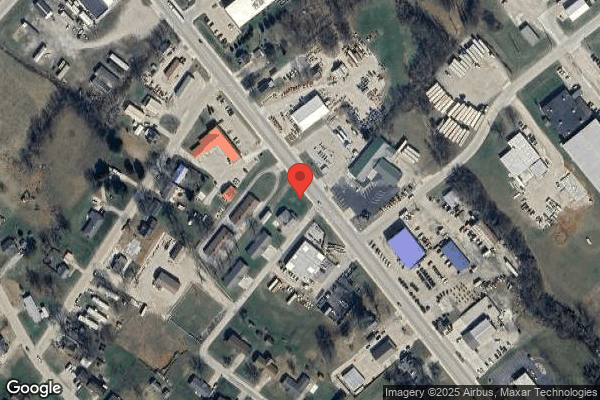

800 SOUTH KINGSHIGHWAY, PERRYVILLE, MO 63775 (573) 547-6546
Non profit - Other 133 Beds Independent Data: November 2025
Trust Grade
85/100
#21 of 479 in MO
Last Inspection: August 2024

Within standard 12-15 month inspection cycle. Federal law requires annual inspections.

Overview

Independence Care Center of Perry County has a Trust Grade of B+, which means it is above average and recommended for families considering their options. It ranks #21 out of 479 facilities in Missouri, placing it in the top half, and is the best choice in Perry County, where it ranks #1 out of 2. Unfortunately, the facility's trend is worsening, with issues increasing from 3 in 2023 to 7 in 2024. Staffing has a rating of 2 out of 5 stars, which is below average, but the turnover rate is relatively good at 49%, lower than the state average of 57%. Although there have been no fines, specific incidents raised concerns, such as failing to provide timely assistance and proper documentation for residents' care plans, which could impact their dignity and safety. Overall, while there are strengths in its ranking and lack of fines, the increasing number of issues and below-average staffing ratings are important factors for families to consider.

Trust Score
B+
85/100
In Missouri
#21/479
Top 4%
Safety Record
Low Risk
No red flags
Inspections
Getting Worse
3 → 7 violations
Staff Stability
⚠ Watch
49% turnover. Above average. Higher turnover means staff may not know residents' routines.
Penalties
✓ Good
No fines on record. Clean compliance history, better than most Missouri facilities.
Skilled Nurses
⚠ Watch
Each resident gets only 21 minutes of Registered Nurse (RN) attention daily — below average for Missouri. Fewer RN minutes means fewer trained eyes watching for problems.
Violations
⚠ Watch
13 deficiencies on record. Higher than average. Multiple issues found across inspections.
★★★★★
5.0
Overall Rating
★★☆☆☆
2.0
Staff Levels
★★☆☆☆
2.0
Care Quality
★★★★★
5.0
Inspection Score
Stable
2023: 3 issues
2024: 7 issues

The Good

  • Full Sprinkler Coverage · Fire safety systems throughout facility
  • No fines on record

Facility shows strength in fire safety.

The Bad

Staff Turnover: 49%

Near Missouri avg (46%)

Higher turnover may affect care consistency

The Ugly 13 deficiencies on record

Aug 2024 7 deficiencies
CONCERN (D)

Potential for Harm - no one hurt, but risky conditions existed

Deficiency F0604 (Tag F0604)

Could have caused harm · This affected 1 resident

**NOTE- TERMS IN BRACKETS HAVE BEEN EDITED TO PROTECT CONFIDENTIALITY** Based on observation, interview and record review, the facility failed to assess and document for the use of a position change a...

Read full inspector narrative →
**NOTE- TERMS IN BRACKETS HAVE BEEN EDITED TO PROTECT CONFIDENTIALITY** Based on observation, interview and record review, the facility failed to assess and document for the use of a position change alarm (a device intended to monitor a resident's movement) to determine it if was a restraint (a device that limits a person's movement) and failed to obtain a physician's order for the device for five residents (Residents #59, #68, #84, #86, and #242) out of six sampled residents. The facility census was 91. Review of the facility's policy titled, Restraint Protocol, not dated, showed: - Contraindications for restraint use to include, at the very least, clinical contraindications, convenience of staff, or discipline of the resident; - Practices for informing the resident and obtaining consent when clinically feasible, and documenting the consent in the resident's record; - Practices for notifying the family or guardian, obtaining consent if the resident is unable to give consent, and documenting the consent in the resident's record; - Practices guiding the removal of restraints when goals have been accomplished. - The policy failed to identify the use of a position change alarm as a potential restraint. 1. Review of #59's medical record showed: - admission date of 12/05/22; - Diagnoses of Alzheimer's disease (a brain disorder that slowly destroys memory and thinking skills), psychotic disturbance (a condition that causes people to lose touch with reality), unspecified lack of coordination (a muscle control problem that makes it difficult to coordinate movements), history of falling, spondylolisthesis of the lumbosacral region (a condition that occurs when the fifth lumbar vertebra moves forward and out of place, resting on top of the first sacral vertebra), and anxiety (a mental health condition that causes people to experience excessive, uncontrollable, and often irrational worry about everyday things); - No documentation of a physician's order for a position change alarm; - No documentation of a position change alarm assessment. Review of the resident's quarterly Minimum Data Set (MDS - a federally mandated assessment instrument completed by the facility staff), dated 07/24/24, showed a bed and chair alarm used. Review of the resident's care plan, revised 05/04/24, showed: - The resident at moderate risk for falls; - A wheelchair alarm used as an intervention. Observations of the resident on 08/20/24 at 11:00 A.M., 08/21/24 at 3:20 P.M., and 08/22/24 at 11:15 A.M., showed: -The resident sat in a wheelchair in his/her room with a chair alarm attached to the back of the wheelchair and an alarm pad under his/her thighs and buttocks; - The resident was unable to remove the chair alarm. 2. Review of Resident #68's medical record showed: - admitted on [DATE]; - Diagnoses of type 2 diabetes mellitus (a condition that happens because of a problem in the way the body regulates and uses sugar as a fuel), anxiety disorder, restless leg syndrome, high blood pressure, atherosclerotic heart disease (the build-up of fats, cholesterol, and other substances in and on the artery walls), atrial fibrillation (irregular heart beat), Cerebral Infarction (refers to damage to tissues in the brain due to a loss of oxygen to the area), and chronic obstructive pulmonary disease (COPD - a group of lung diseases that block airflow and make it difficult to breathe); - No documentation of a physician's order for a position change alarm; - No documentation of a position change alarm assessment. Review of the resident's quarterly MDS, dated [DATE], showed: - Severe cognitive impairment; - Independence with bed mobility; - A bed alarm and other alarm used. Review of the resident's care plan, revised on 08/15/24, showed: - Resident was a high fall risk; - Resident had a bed alarm; - Resident needed assistance with activities of daily living (ADLs). Observations of the resident on 08/19/24 at 10:50 A.M., 08/20/24 at 1:45 P.M., and 08/21/24 at 8:56 A.M. showed the resident lay in bed with a bed alarm in place under fitted bed sheet. During an interview on 08/20/24 at 1:45 P.M. Resident #68 said the bed alarm kept him/her from moving around in the bed for fear of it going off. 3. Review of Resident #84's medical record showed: - admission date of 04/25/24; - Diagnoses of Alzheimer's disease, dementia (a general term for a group of neurological conditions that affect the brain and cause a loss of cognitive functioning), unspecified lack of coordination, weakness, atherosclerotic heart disease, Sjogren syndrome with glomerular disease (a chronic autoimmune disease that affects multiple organs), osteoporosis (a condition in which there is a decrease in the amount and thickness of bone tissue), generalized anxiety disorder and difficulty walking; - No documentation of a physician's order for a position change alarm; - No documentation of a position change alarm assessment. Review of the resident's quarterly MDS, dated [DATE], showed a bed/chair and bed, chair, or motion sensor alarm not used. Review of the resident's care plan, revised 08/21/24, showed: - The resident at risk for falls; - A bed alarm used as an intervention. Observations of the resident on 08/20/24 at 11:25 A.M., 08/21/24 at 3:30 P.M., and 08/22/24 at 11:32 A.M., showed: - The resident lay in bed with a bed alarm attached to the side of the bed and an alarm pad under his/her thighs and buttocks; - The resident was unable to remove the bed alarm. 4. Review of Resident #86's medical record showed: - admission date of 04/22/24; - Diagnoses of Parkinson's disease without dyskinesia (a progressive brain disorder that causes movement problems, mental health issues, pain, and other health concerns), history of falling, dementia, muscle weakness, difficulty in walking, cognitive communication deficit (a difficulty with communication caused by a disruption in cognition); - No documentation of a physician's order for a position change alarm; - No documentation of a position change alarm assessment. Review of the resident's quarterly MDS, dated [DATE], showed a bed and chair alarm used. Review of the resident's care plan, revised 08/21/24, showed: - The resident at risk for falls; - A wheelchair alarm used as an intervention. Observations of the resident on 08/19/24 at 4:20 P.M., 08/20/24 at 11:30 P.M., and 08/22/24 at 11:40 A.M., showed: - The resident lay in bed with a bed alarm attached to a alarm pad under his/her thighs and buttocks; - The resident was unable to remove the bed alarm. 5. Review of Resident #242's medical record showed: - admission date of 08/13/24; - Diagnoses of senile degeneration of the brain (a decrease in cognitive abilities or mental decline), hyperlipidemia (an elevated level of lipids, like cholesterol and triglycerides in your blood), orthostatic hypotension, muscle weakness, repeated falls, high blood pressure, and adult failure to thrive (a gradual decline in older adults, often those with multiple chronic conditions); - No documentation of a physician's order for a position change alarm; - No documentation of a position change alarm assessment. Review of the resident's quarterly MDS, dated [DATE], showed a bed/chair and bed, chair, or motion sensor alarm not used. Observations of the resident on 08/19/24 at 10:10 A.M., 08/20/24 at 12:57 P.M., 08/21/24 at 10:45 A.M., and 08/22/24 at 10:15 A.M., showed: - The resident sat in a recliner with a chair alarm attached to the side of the chair with an alarm pad under his/her thighs and buttocks; - The resident was unable to remove the bed alarm. During interview on 08/22/24 at 9:30 A.M., the Director of Nursing (DON) said she would not expect to see an order or an assessment for a bed/chair alarm due to them using only if a resident was a fall risk to prevent injuries. The decision to place the bed/chair alarm was the nurse's decision and would notify administration after alarm was in place and being used. During an interview on 08/22/24 at 9:45 A.M., the Administrator said that she would not expect to see an order or an assessment for a bed/chair alarm but would expect nurses to receive permission from her or the DON before using a bed/chair alarm.
CONCERN (D)

Potential for Harm - no one hurt, but risky conditions existed

Transfer Notice (Tag F0623)

Could have caused harm · This affected 1 resident

**NOTE- TERMS IN BRACKETS HAVE BEEN EDITED TO PROTECT CONFIDENTIALITY** Based on interview and record review, the facility failed to notify the resident and/or the resident's representative in writing...

Read full inspector narrative →
**NOTE- TERMS IN BRACKETS HAVE BEEN EDITED TO PROTECT CONFIDENTIALITY** Based on interview and record review, the facility failed to notify the resident and/or the resident's representative in writing of a facility-initiated transfer when six residents (Resident #7, #47, #68, #71, #79, and #81) out of seven sampled residents transferred to the hospital. The facility's census was 91. Review of the facility's policy titled, Transfer/Discharge Notice, dated 05/2017, showed: - Before the facility transfers or discharges a resident, the facility will send a written notice to the resident in a language and manner reasonable calculated to be understood by the resident for planned and emergency discharges; - The notice will also be sent to any resident representative. 1. Review of Resident #7's medical record showed: - The resident transferred to the hospital for medical evaluation on 07/07/24, and readmitted to the facility on [DATE]; - No documentation of written notification to the resident and/or the resident's representative of the resident's transfer to the hospital on [DATE]. 2. Review of Resident #47's medical record showed: - The resident transferred to the hospital for medical evaluation on 02/18/24, and readmitted to the facility on [DATE]; - The esident transferred to the hospital for medical evaluation on 02/28/24, and readmitted to the facility on [DATE]; - No documentation of written notification to the resident and/or the resident's representative of the resident's transfer to the hospital on [DATE] or 02/28/24. 3. Review of Resident #68's medical record showed: - The resident transferred to the hospital for medical evaluation on 05/28/24, and readmitted to the facility on [DATE]; - No documentation of written notification to the resident and/or the resident's representative of the resident's transfer to the hospital on [DATE]. 4. Review of Resident #71's medical record showed: - The resident transferred to the hospital for medical evaluation on 11/17/23, and readmitted to the facility on [DATE]; - The resident transferred to the hospital for medical evaluation on 12/31/23, and readmitted to the facility on [DATE]; - No documentation of written notification to the resident and/or the resident's representative of the resident's transfer to the hospital on [DATE] or 12/31/23. 5. Review on 08/22/24 of Resident #79's medical record showed: - The resident transferred to the hospital for medical evaluation on 04/02/234, and readmitted to the facility on [DATE]; - No documentation of written notification to the resident and/or the resident's representative of the resident's transfer to the hospital on [DATE]. 6. Review of Resident #81's medical record showed: - The resident transferred to the hospital for medical evaluation on 06/11/24, and readmitted to the facility on [DATE]; - No documentation of written notification to the resident and/or the resident's representative of the resident's transfer to the hospital on [DATE]. During an interview on 08/21/24 at 9:30 A.M., the Director of Nursing (DON) said the facility just mailed a Transfer Notice form to the resident's representative. They mailed one form that contained the transfer notice at the top and the bed hold information at the bottom. They do not keep a copy of the forms, therefore there was no documentation that they were sent. During an interview on 08/22/24 at 1:20 P.M., the Administrator said she would expect a transfer/discharge notice to be given to the resident or their representative in writing.
CONCERN (D)

Potential for Harm - no one hurt, but risky conditions existed

Deficiency F0625 (Tag F0625)

Could have caused harm · This affected 1 resident

**NOTE- TERMS IN BRACKETS HAVE BEEN EDITED TO PROTECT CONFIDENTIALITY** Based on interview and record view, the facility failed to inform the resident and family or legal representative of their bed h...

Read full inspector narrative →
**NOTE- TERMS IN BRACKETS HAVE BEEN EDITED TO PROTECT CONFIDENTIALITY** Based on interview and record view, the facility failed to inform the resident and family or legal representative of their bed hold policy at the time of transfer to the hospital for seven residents (Resident #7, #17, #47, #68, #71, #79, and #81) out of seven sample residents. The facility's census was 91. Review of the facility's policy titled, Bed Hold and Return to Facility, revised 12/07/20, showed: - It is the policy of of the facility that residents who are transferred to the hospital or go on a therapeutic leave are provided with written information about the State's bed hold duration and payment amount before the transfer; - The facility will provide the resident and resident representative a written notice which specifies the duration of the bed-hold policy at the time of transfer for hospitalization or therapeutic leave; - In case of an emergency transfer, notice at time of transfer means that the facility will send notice along with the necessary paperwork to the receiving setting and the resident representative will receive a notice sent on the next business day; - Documentation of bed hold notice will be completed in the individual medical record. 1. Review of Resident #7's medical record showed: - The resident transferred to the hospital for medical evaluation on 07/07/24, and readmitted to the facility on [DATE]; - No documentation the resident and/or the resident's representative was informed in writing of the facility's bed hold policy at the time of the transfer. 2. Review of Resident #17's medical record showed: - The resident transferred to the hospital for medical evaluation on 06/05/24, and readmitted to the facility on [DATE]; - No documentation the resident and/or the resident's representative was informed in writing of the facility's bed hold policy at the time of the transfer. 3. Review of Resident #47's medical record showed: - The resident transferred to the hospital for medical evaluation on 02/18/24, and readmitted to the facility on [DATE]; - The resident transferred to the hospital for medical evaluation on 02/28/24, and readmitted to the facility on [DATE]; - No documentation the resident and/or the resident's representative was informed in writing of the facility's bed hold policy at the time of the transfers. 4. Review of Resident #68's medical record showed: - The resident transferred to the hospital for medical evaluation on 05/28/24, and readmitted to the facility on [DATE]; - No documentation the resident and/or the resident's representative was informed in writing of the facility's bed hold policy at the time of the transfer. 5. Review of Resident #71's medical record showed: - The resident transferred to the hospital for medical evaluation on 11/17/23, and readmitted to the facility on [DATE]; - The resident transferred to the hospital for medical evaluation on 12/31/24, and readmitted to the facility on [DATE]; - No documentation the resident and/or the resident's representative was informed in writing of the facility's bed hold policy at the time of the transfers. 6. Review on 08/22/24 of Resident #79's medical record showed: - The resident transferred to the hospital for medical evaluation on 04/02/24, and readmitted to the facility on [DATE]; - No documentation the resident and/or the resident's representative was informed in writing of the facility's bed hold policy at the time of the transfer. 7. Review of Resident #81's medical record showed: - The resident transferred to the hospital for medical evaluation on 06/11/24, and readmitted to the facility on [DATE]; - No documentation the resident and/or the resident's representative was informed in writing of the facility's bed hold policy at the time of the transfer. During an interview on 08/21/24 at 9:30 A.M., the Director of Nursing (DON) said the facility just mailed a Transfer Notice form to the resident's representative. They mailed one form that contained the transfer notice at the top and the bed hold information at the bottom. They do not keep a copy of the forms, therefore there was no documentation that they were sent. During an interview on 08/22/24 at 11:45 A.M., the Administrator said when a resident went out to the hospital, the nurse explained the bed hold policy to the resident or their representative and gave them a copy of the form. The facility did not have them sign anything to show they recieved the copy, but the bed hold policy was explained to the resident or their representative at admission and they were given a copy in the admission handbook.
CONCERN (D)

Potential for Harm - no one hurt, but risky conditions existed

Accident Prevention (Tag F0689)

Could have caused harm · This affected 1 resident

**NOTE- TERMS IN BRACKETS HAVE BEEN EDITED TO PROTECT CONFIDENTIALITY** Based on observation, interview, and record review, the facility failed to ensure one resident (Resident #6) out of six sampled ...

Read full inspector narrative →
**NOTE- TERMS IN BRACKETS HAVE BEEN EDITED TO PROTECT CONFIDENTIALITY** Based on observation, interview, and record review, the facility failed to ensure one resident (Resident #6) out of six sampled residents was transferred with safe transfer techniques. The facility census was 91. Review of the facility's policy titled, Two Person Transfer Using Gait Belt, not dated, showed: - Adjust bed height if needed to ensure bed is in locked position; - Position chair/geri-chair/wheelchair at side of the bed, facing head of the bed; - Lock chair wheels; - Apply gait belt; - Stand with one staff on each side of the resident; - Place your hands underneath the belt with one hand in the back and one hand in the front. Inform the resident that you will assist to stand/transfer; - Pivot your body and the resident's body toward the bed; - One staff to place his/her forearms around the resident's shoulders while the other staff places his/her forearms behind the resident's knees/calves. 1. Review of Resident #6's medical record showed; - admitted on [DATE]; - Diagnoses of Guillain-Barre Syndrome (a rare autoimmune disorder that causes the body's immune system to attack the peripheral nervous system, leading to nerve inflammation and muscle weakness), burkitt lymphoma (aggressive non-[NAME] B-cell lymphoma), muscle weakness, high blood pressure), anxiety disorder (a mental health condition that causes people to feel excessive and uncontrollable worry about everyday activities or events), and left hand contracture (a condition that causes one or more fingers to bend toward the palm of the hand); - Assistance of two staff for transfers needed; - Cognitively impaired; - Received hospice services. Review of the resident's quartely Minimum Data Set (MDS - a federally mandated assessment instrument completed by the facility staff), dated 05/16/24, showed: - Substantial/maximal assistance needed with eating, oral hygiene, and upper body dressing; - Resident is dependent on staff for toileting hygiene, shower/bathe, lower body dressing, and putting on/taking off footwear. Observation of the resident on 08/21/24 at 1:37 P.M., showed: - The resident sat in a tilt-in-space wheelchair (a specialized wheelchair); - Certified Nurse Assistant (CNA) H and CNI I transferred the resident from the wheelchair to the bed without a gait belt; - CNA H placed his/her left arm under the resident's left upper arm with CNA H's right hand holding the back of the resident's pants and CNA I placed his/her right arm under the resident's right upper arm with CNA I's left hand holding the back of the resident's pants; - CNA H and CNA I lifted the resident up with pulling up on the back of the resident's pants to transfer from the chair to the bed; - CNA H and CNA I performed incontinent care; - CNA H and CNA I transferred the resident back to the wheelchair from the bed without a gait belt; - CNA H placed his/her left arm under the resident's left upper arm with CNA H's right hand holding the back of the resident's pants and CNA I placed his/her right arm under the resident's right upper arm with CNA I's left hand holding the back of the resident's pants. During interview on 08/21/24 at 2:20 P.M., with CNA H and CNA I, they both said that they feel it's safe to transfer resident's without using a gait belt as long as you have someone on each side with one arm each under resident's upper arms and hold back of pants during transfer. During an interview on 08/22/24 at 11:13 A.M., the Director of Nursing (DON) said he/she would expect staff to use proper techniques in transferring all residents. During an interview on 08/22/24 at 11:25 A.M., Licensed Practical Nurse (LPN) E said he/she would expect staff to use proper transfer techniques as needed to transfer residents.
CONCERN (D)

Potential for Harm - no one hurt, but risky conditions existed

Deficiency F0700 (Tag F0700)

Could have caused harm · This affected 1 resident

**NOTE- TERMS IN BRACKETS HAVE BEEN EDITED TO PROTECT CONFIDENTIALITY** Based on observation, interview and record review, the facility failed to assess residents for the risk of entrapment and review...

Read full inspector narrative →
**NOTE- TERMS IN BRACKETS HAVE BEEN EDITED TO PROTECT CONFIDENTIALITY** Based on observation, interview and record review, the facility failed to assess residents for the risk of entrapment and review possible risks and benefits of bed rails prior to installation or use. The facility also failed to obtain informed consent from the resident or if applicable, the resident representative for six residents (Resident #1, #14, #19, #40, #55, and #68) out of 19 sampled residents. The facility census was 91. The facility did not provide a bed rail policy. Review of the Federal Drug Administration (FDA) documents entitled, Hospital Bed System Dimensional and Assessment Guidance to Reduce Entrapment, dated [DATE], showed 413 people died as a result of entrapment events in the United States. Further review revealed those among the most vulnerable for these entrapment type events are elderly patients and residents, especially those who are frail, confused, restless, or who have uncontrolled body movement. Review of the FDA document entitled, Practice Hospital Bed Safety, dated February 2013, showed seven different potential zones of entrapment. The guidance characterizes the head, neck, and chest as key body parts that are at risk for entrapment. Review of the FDA document entitled, Guide to Bed Safety Rails in Hospitals, Nursing Homes and Home Health Care: The Facts, showed the potential risks of bed rails may include: - Strangling, suffocating, bodily injury or death when patients or part of their body are caught between rails or between the bed rails and mattress; - More serious injuries from falls when patients climb over rails; - Skin bruising, cuts, and scrapes; - Inducing agitated behavior when bed rails are used as a restraint; - Feeling isolated or unnecessarily restricted; - Preventing patients, who are able to get out of bed, from performing routine activities such as going to the bathroom or retrieving something from a closet. 1. Review of Resident #1's medical record showed: - admitted on [DATE]; - Diagnoses of quadriplegia (partial or complete paralysis of both the arms and legs), obstructive hydrocephalus (a blockage of the cerebral spinal fluid pathways), convulsions (rapid, involuntary muscle contractions that cause uncontrollable shaking and limb movement), and intracranial (within the skull) injury without loss of consciousness; - Side rail assessments, dated [DATE] and [DATE], documented four half rails will be used and padded for seizure precautions for the resident; - An order for side rail times four with rail pads for seizure precautions, dated [DATE]; - No documentation of an informed consent signed explaining the risks and benefits; - No documentation of an entrapment assessment completed. Review of the resident's quarterly Minimum Data Set (MDS - a federal mandated assessment completed by facility staff), dated [DATE], showed: - Severe cognitive impairment; - Dependent for bed mobility; - Did not use bed rails. Review of the resident's care plan, revised on [DATE], showed: - Resident was a low fall risk; - Half rail times four with padding for seizure precautions; - Resident required extensive/total dependence with activities of daily living (ADLs). Observations of the resident on [DATE] at 2:18 P.M., and [DATE] at 9:30 A.M., showed the resident lay in bed with four padded half bed rails in the upright position on both sides of the bed. 2. Review of Resident #14's medical record showed: - admitted on [DATE]; - Diagnoses of quadriplegia and muscle weakness; - No documentation of an informed consent signed explaining the risks and benefits; - No documentation of an entrapment assessment completed. Review of the resident's quarterly MDS, dated [DATE], showed: - No cognitive impairment; - Dependent for bed mobility; - Did not use bedrails. Review of the resident's care plan, revised on [DATE], showed: - Resident was a low fall risk; - Side rail times two; - Resident was total dependence of all ADLs. Observations of the resident on [DATE] and 9:48 A.M., and [DATE] at 7:45 A.M., showed the resident lay in bed with upper left and both lower side rails in the upright position. During an interview on [DATE] at 10:29 A.M., the resident said the bed rails were used to prevent him/her from rolling out of bed. 3. Review of Resident #19's medical record showed: - admitted on [DATE]; - Diagnoses of muscle weakness, difficulty in walking, lack of coordination, history of falling, and cognitive communication deficit; - No documentation of an informed consent signed explaining the risks and benefits; - No documentation of an entrapment assessment completed. Review of the resident's quarterly MDS, dated [DATE], showed: - Moderately impaired cognition; - Dependent for bed mobility; - Did not use bedrails. Review of the resident's care plan, dated [DATE], showed: - Resident was at risk for falls; - Side rails times two; - Resident was total dependence for transfers. Observations of the resident on [DATE] at 10:26 A.M. and [DATE] at 8:56 A.M., showed the resident lay in bed with both upper half side rails in the upright position. During an interview on [DATE] at 8:56 A.M., the resident said he/she used the side rails to position him/herself in bed. 4. Review of Resident #40's medical record showed: - admitted on [DATE]; - Diagnoses of dementia (a group of thinking and social symptoms that interferes with daily functioning), major depressive disorder (a mood disorder that causes a persistent feeling of sadness and loss of interest and can interfere with your daily life), colostomy (a surgical operation in which a piece of the colon is diverted to an artificial opening in the abdominal wall), encephalopathy (any brain disease that alters brain function or structure), atrial fibrillation (an irregular, often rapid heart rate that commonly causes poor blood flow), diverticulosis (a condition in which small, bulging pouches develop in the digestive tract), and repeated falls; - No documentation of an informed consent signed explaining the risks and benefits; - No documentation of an entrapment assessment completed. Review of the resident's quarterly MDS, dated [DATE], showed: - Severe cognitive impairment; - Supervision for bed mobility; - Did not use bed rails. Review of the resident's care plan, revised on [DATE], showed: - Resident was a high fall risk; - Side rail times one. Observation of the resident on [DATE] at 2:07 P.M., showed the resident lay in bed with an upside down U shaped assist bar attached to the right side of the bed. 5. Review of Resident #55's medical record showed: - admitted on [DATE]; - Diagnoses of Alzheimer's disease (a progressive disease that destroys memory and other important mental functions), muscle weakness, difficultly in walking, and high blood pressure; - No documentation of an informed consent signed explaining the risks and benefits; - No documentation of an entrapment assessment completed. Review of the resident's quarterly MDS, dated [DATE] showed: - Severe cognitive impairment; - Dependent for bed mobility; - Did not use bedrails. Review of the resident's care plan, revised on [DATE], showed: - Resident is a high fall risk; - Grab assist bar times one; - Resident was an assist of two for ADLs and Hoyer lift (an assistive device that allows residents to be transferred between a bed and a chair or other similar resting places by the use of electrical or hydraulic power) for transfers. Observation on [DATE] at 2:10 P.M., of the resident's incontinence care showed: - The resident lay in bed with an upside down U shaped assist bar on the right side of the bed up against the wall and a half side rail on the left side of the bed; - The Resident was not able to use the assist bar to assist in bed mobility. Observation on [DATE] at 2:10 P.M. of the resident showed he/she lay in bed with an assist bar on the right side of the bed up against the wall and a half side rail on the left side of the bed. 6. Review of Resident #68's medical record showed: - admitted on [DATE]; - Diagnoses of type 2 diabetes mellitus (a condition that happens because of a problem in the way the body regulates and uses sugar as a fuel), anxiety disorder (a mental health disorder characterized by feelings of worry, anxiety, or fear that are strong enough to interfere with one's daily activities), restless leg syndrome, high blood pressure, atherosclerotic heart disease (the build-up of fats, cholesterol, and other substances in and on the artery walls), atrial fibrillation, stroke, chronic obstructive pulmonary disease (COPD - a group of lung diseases that block airflow and make it difficult to breathe); - No documentation of an informed consent signed explaining the risks and benefits; - No documentation of an entrapment assessment completed. Review of the resident's quarterly MDS, dated [DATE], showed: - Severe cognitive impairment; - Independence with bed mobility; - Did not use bed rails. Review of the resident's care plan, revised on [DATE], showed: - Resident was a high fall risk; - Side rails times one for bed mobility; - Resident needed assistance with ADLs. Observation on [DATE] at 10:50 A.M., and [DATE] at 8:56 A.M., of the resident showed he/she lay in bed with a half bed rail on the left side and the right side of the bed against the wall. Observation on [DATE] at 1:45 P.M., of the resident showed he/she sat on the edge of the bed with half bed side rail attached to left side of the bed. During an interview on [DATE] at 3:28 P.M., Licensed Practical Nurse (LPN) B said residents were assessed upon admission and as needed for side rails. If side rails were needed, they were care planned, a side rail assessment was completed, an order and signed consent were obtained, and he/she was unaware of any bed assessment or entrapment assessment. During an interview on [DATE] at 1:10 P.M., the Administrator said she would expect side rail risks and benefits to be explained to the resident or their representative at admission or when side rail use was initiated. The facility did not have the resident or their representative sign anything indicating their understanding of the risks and benefits.
CONCERN (D)

Potential for Harm - no one hurt, but risky conditions existed

Infection Control (Tag F0880)

Could have caused harm · This affected 1 resident

Based on observation, interview, and record review, the facility failed to maintain proper infection control practices during wound care for two residents (Residents #14 and #71) out of three sampled ...

Read full inspector narrative →
Based on observation, interview, and record review, the facility failed to maintain proper infection control practices during wound care for two residents (Residents #14 and #71) out of three sampled residents, catheter (a tube that inserted into the bladder to drain urine) care for one resident (Resident #14) out of two sampled residents, and while passing trays during meal time. The facility's census was 91. Review of the facility's policy titled Infection Control, dated 08/12/19, showed: - Enhanced Barrier Precautions (EBP) refer to an infection control intervention designed to reduce transmission of multidrug resistant organisms (MDRO's) that employ targeted gown and glove use during high contact resident care activities; - Nursing staff initiates EBP for any resident that has a wound or indwelling catheter medical device, without secretions or excretions that are unable to be covered or contained and are not known to be infected or colonized with any MDRO's; - Nursing staff ensures the resident and staff are aware of the need to use EBP and that the necessary supplies are provided; - Provide readily available personal protective equipment (PPE), including gowns and gloves; - Good handwashing using soap and water or waterless antiseptic before and after each resident contact, after using the bathroom, after handling soiled material, and after eating is mandatory for all staff. 1. Observation on 08/20/24 at 9:28 A.M., of Resident #14's catheter care showed: - Licensed Practical Nurse (LPN) C and Certified Nursing Assistant (CNA) D did not put on a gown prior to beginning the catheter care; - LPN C provided catheter care to the resident while CNA D assisted; - During the catheter care, LPN C and CNA D leaned against the resident and the resident's bed; - LPN C and CNA D failed to wear a gown for EBP. 2. Observation on 08/20/24 at 9:48 A.M., of Resident #14's wound care showed: - LPN C and CNA D did not put on a gown prior to providing the wound care; - LPN C provided wound care to the resident while CNA D assisted; - During the dressing change, LPN C and CNA D leaned against the resident and the resident's bed; - LPN C and CNA D failed to wear a gown for EBP. During an interview on 08/20/24 at 2:06 P.M., CNA D said they did not wear any extra PPE for residents with catheters or wounds unless the resident had an infection. During an interview on 08/20/24 at 2:10 P.M., LPN C said no extra precautions were initiated for residents with catheters or wounds unless the resident had an infection and needed isolation. 3. Observation on 08/22/24 at 11:05 A.M., of Resident #71's wound care showed: - LPN E did not put on a gown prior to beginning the wound care; - LPN E provided wound care to the resident; - LPN E failed to wear a gown for EBP. During an interview on 08/20/24 at 2:23 P.M., the Infection Preventionist said the facility did not currently use EBP because they did not have any residents who were colonized with a MDRO. 4. Observation on 08/21/24 of the lunch meal in the assisted dining room showed: - At 12:35 P.M., Nursing Assistant (NA) G delivered a resident's meal tray, touched the trash can lid with his/her bare hands while discarding trash, did not perform hand hygiene, and delivered another resident's meal tray; - At 12:36 P.M., Universal Worker (UW) F delivered a meal tray to a resident, touched the trash can lid with his/her bare hands while discarding trash, did not perform hand hygiene, and delivered another resident's meal tray; - At 12:37 P.M., NA G delivered a meal tray to a resident, touched the trash can lid with his/her bare hands while discarding trash, did not perform hand hygiene, opened a resident's silverware for them; - At 12:38 P.M., NA G delivered a meal tray to a resident, touched the trash can lid with his/her bare hands while discarding trash, did not perform hand hygiene, and assisted a resident to eat; - At 12:45 P.M. UW F delivered a meal tray to a resident, touched the trash can lid with his/her bare hands while discarding trash, did not perform hand hygiene, delivered another resident's meal tray, and touched the resident's straw when placing it in the resident's cup. During an interview on 08/21/24 at 3:33 P.M., NA G said hand washing or sanitizing should be done before passing trays, before assisting a resident to eat, and after touching the trash can. During an interview on 08/22/24 at 9:18 A.M., UW F said that he/she would wash or sanitize hands after touching the trash can with both hands but that he/she just used one finger to lift the trash can lid, so he/she did not think hand washing was necessary. During an interview on 08/22/24 at 1:12 P.M., the Director of Nursing (DON) said staff were expected to wash or sanitize their hands after touching soiled surfaces. During an interview on 08/22/24 at 1:15 P.M., the DON and the Administrator said staff were expected to follow the Center for Disease Control (CDC) recommendations for EBP.
CONCERN (D)

Potential for Harm - no one hurt, but risky conditions existed

Deficiency F0909 (Tag F0909)

Could have caused harm · This affected 1 resident

**NOTE- TERMS IN BRACKETS HAVE BEEN EDITED TO PROTECT CONFIDENTIALITY** Based on observation, interview, and record review, the facility staff failed to conduct regular inspections of all bed frames, ...

Read full inspector narrative →
**NOTE- TERMS IN BRACKETS HAVE BEEN EDITED TO PROTECT CONFIDENTIALITY** Based on observation, interview, and record review, the facility staff failed to conduct regular inspections of all bed frames, mattresses and side rails as part of a regular maintenance program for six residents (Residents #1, #14, #19, #40, #55, and #68) out of 19 sampled residents. The facility's census was 91. The facility did not provide side rail maintenance policies. Review of the Federal Drug Administration (FDA) documents entitled, Hospital Bed System Dimensional and Assessment Guidance to Reduce Entrapment, dated [DATE], showed 413 people died as a result of entrapment events in the United States. Further review revealed those among the most vulnerable for these entrapment type events are elderly patients and residents, especially those who are frail, confused, restless, or who have uncontrolled body movement. Review of the FDA document entitled, Practice Hospital Bed Safety, dated February 2013, showed different potential zones of entrapment. The guidance characterizes the head, neck, and chest as key body parts that are at risk for entrapment. 1. Review of Resident #1's medical record showed: - admitted on [DATE]; - No documentation of a maintenance assessment for side rails. Observations of the resident on [DATE] at 2:18 P.M., and [DATE] at 9:30 A.M., showed the resident lay in bed with four padded half rails in the upright position on both sides of the bed. 2. Review of Resident #14's medical record showed: - admitted on [DATE]; - No documentation of a maintenance assessment for side rails. Observations of the resident on [DATE] at 7:37 A.M., and 9:48 A.M., and [DATE] at 7:45 A.M., showed the resident lay in bed with the upper left and both lower half side rails in the upright position. 3. Review of Resident #19's medical record showed: - admitted on [DATE]; - No documentation of a maintenance assessment for side rails. Observations of the resident on [DATE] at 10:26 A.M., and [DATE] at 8:56 A.M., showed the resident lay in bed with both upper half side rails in the upright position. 4. Review of Resident #40's medical record showed: - admitted on [DATE]; - No documentation of a maintenance assessment for side rails. Observations of the resident on [DATE] at 2:07 P.M., showed the resident lay in bed with an upside down U shaped assist bar to the right side of the bed. 5. Review of Resident #55's medical record showed: - admitted on [DATE]; - No documentation of a maintenance assessment for side rails. Observations of the resident on [DATE] at 2:10 P.M., and [DATE] at 2:10 P.M., showed the resident lay in bed with an upside down U shaped assist bar on the right side of the bed up against the wall and a half side rail on the left side of of the bed. 6. Review of Resident #68's medical record showed: - admitted on [DATE]; - No documentation of a maintenance assessment for side rails. Observations of the resident on [DATE] at 10:50 A.M., [DATE] at 1:45 P.M., and [DATE] at 8:56 A.M., showed the resident lay in bed with both upper half side rails in the upright position. During an interview on [DATE] at 8:45 A.M., the Maintenance Director said maintenance placed the bed rails after the nursing assessment was completed. Maintenance replaced the rails if the staff reported they were loose. They did not perform any bed or entrapment assessments. During an interview on [DATE] at 1:15P.M., the Director of Nursing (DON) said the maintenance department checked the side rails regularly but that they didn't document it anywhere. During an interview on [DATE] at 1:14 P.M., the Administrator said she expects maintenance to regularly inspect the side rails for entrapment risks.
May 2023 3 deficiencies
CONCERN (D)

Potential for Harm - no one hurt, but risky conditions existed

Comprehensive Care Plan (Tag F0656)

Could have caused harm · This affected 1 resident

**NOTE- TERMS IN BRACKETS HAVE BEEN EDITED TO PROTECT CONFIDENTIALITY** Based on observation, interview, and record review, the facility failed to implement care plans with specific interventions to m...

Read full inspector narrative →
**NOTE- TERMS IN BRACKETS HAVE BEEN EDITED TO PROTECT CONFIDENTIALITY** Based on observation, interview, and record review, the facility failed to implement care plans with specific interventions to meet individual needs for two residents (Resident #53 and #80) out of 18 sampled residents. The facility's census was 89. Record review of the facility's care plan titled, Care Plans, revised 12/7/20, showed: - To ensure uniformity of concern and approach by nursing home team members and to help residents and their families be part of a team approach to answering resident's needs and assisting with problems; - Nursing home staff, with a representative from each discipline, the resident, the resident's family, and other concerned and involved individuals will meet within twenty-one (21) days of the resident's admission to the facility to determine problems, needs, goals, and approaches for meeting needs and solving problems; - Each discipline will be represented in care plan meetings and be assigned responsibility for carrying out all or part of the approaches to meet the goal in solving the problem or answering the need. Record review of the Alzheimer's Special Care Services Disclosure, completed by the facility and given to resident representative/guardian upon admission, showed: - All staff are made aware of the interdisciplinary plan of care; - The special care unit staff readily communicate resident changes to appropriate personnel, i.e. the charge nurse and the unit coordinator. The plan of care, therefore, changes consistently in response to changes in resident needs and condition. 1. Review of Resident #53's medical record showed: - admission date of 12/2/21; - Diagnosis of dementia with behavioral disturbance; - A comprehensive admission Minimum Data Set (MDS - a federally mandated assessment completed by the facility), dated 12/15/21, showing unspecified dementia as the primary medical condition on Section I (Diagnoses); - Care plan did not address specific dementia interventions. During an interview on 05/18/23 at 10:59 A.M., the MDS Coordinator said she doesn't do anything in particular for dementia residents' care plans. She said most of their interventions that had to do with dementia were about the residents not understanding the COVID guidelines, like social distancing. She does update the care plans, even though the date shows a past date on the actual care plan. It makes sense to her that the date should be in the future, and she'll start doing that to coincide with the MDS. The Activities Director doesn't add to the care plan. The floor nurses tell her or the Director of Nursing (DON) when there are changes so she can update the care plan. 2. Review of Resident #80's medical record showed: - admission date of 8/25/22; - Diagnosis of dementia without behavioral disturbance; - A quarterly MDS, dated [DATE], showing Alzheimer's disease (a disorder of the brain resulting in a progressive decline in intellectual and physical abilities) as an active diagnosis on Section I; - Care plan did not address specific Alzheimer's or dementia interventions. During an interview on 05/19/23 8:10 A.M., the MDS Coordinator said that generally she would expect a diagnosis of dementia to be addressed on the care plan. During an interview on 5/19/23 at 8:25 A.M., the Director Of Nursing (DON) said that she didn't know if a diagnosis of dementia should be addressed on the care plan.
CONCERN (D)

Potential for Harm - no one hurt, but risky conditions existed

Deficiency F0657 (Tag F0657)

Could have caused harm · This affected 1 resident

**NOTE- TERMS IN BRACKETS HAVE BEEN EDITED TO PROTECT CONFIDENTIALITY** Based on interview and record review, the facility failed to update and revise care plans with specific interventions to meet in...

Read full inspector narrative →
**NOTE- TERMS IN BRACKETS HAVE BEEN EDITED TO PROTECT CONFIDENTIALITY** Based on interview and record review, the facility failed to update and revise care plans with specific interventions to meet individual needs for one resident (Resident #26) out of 18 sampled residents. The facility's census was 89. Record review of the Alzheimer's Special Care Services Disclosure, completed by the facility and given to the resident representative/guardian upon admission, showed: - All staff are made aware of the interdisciplinary plan of care; - The special care unit staff readily communicate resident changes to appropriate personnel, i.e. the charge nurse and the unit coordinator. The plan of care, therefore, changes consistently in response to changes in resident needs and condition. 1. Review of Resident #26's medical record showed: - Discharge to the hospital on [DATE] related to a fall and readmission to the facility on [DATE]; - Diagnoses of open depressed fracture of the skull, posterior scalp laceration (a deep cut), and pneumocephalus (the presence of air or gas within the cavity of the skull), all resulting from the fall. Review of Resident #26's Discharge Follow-Up and Referral Orders included in the hospital records from 04/18/23 to 04/23/23 showed: - Avoid lifting anything more than eight pounds; - Avoid any strenuous activity or straining; - Avoid any sudden or extreme head movements; - Fall precautions (void throw rugs in the home, extension cords, animals, uneven surfaces, caution with stairs, etc.); - Allow your brain to heal. Limit screen time (phones, tablets, computers, TVs). Limit amount of time reading; - No driving. Limit car rides. Wear your seat belt; - Call provider for new or worrisome symptoms; extreme fatigue; persistent dizziness or lightheadedness; persistent nausea or vomiting; redness, tenderness, or signs of infection; and temperature over 100.4 degrees. Review of Resident #26's care plan, revised 05/19/23, showed: - Did not address actual fall, injuries from fall, hospitalization, or interventions from Discharge Follow-Up and Referral Orders. During an interview on 05/18/23 at 10:59 A.M., the Minimum Data Set (MDS - a federally mandated assessment completed by the facility) Coordinator said the floor nurses tell her or the Director of Nursing (DON) when there are changes so she can update the care plan. If a resident is hospitalized , she will do her best to update the diagnosis list if they come back with a new diagnosis, but she generally does not update the care plan. During an interview on 05/19/23 at 10:16 A.M., the Administrator said when someone comes back from the hospital, the records should be reviewed and if there are any new problems or interventions, the care plan should be revised. The facility did not provide a policy on care plan updates/revisions.
CONCERN (D)

Potential for Harm - no one hurt, but risky conditions existed

Infection Control (Tag F0880)

Could have caused harm · This affected 1 resident

Based on observation, interview, and record review, the facility failed to maintain infection control practices to prevent the development and transmission of infection when staff did not wash or sani...

Read full inspector narrative →
Based on observation, interview, and record review, the facility failed to maintain infection control practices to prevent the development and transmission of infection when staff did not wash or sanitize hands and wear gloves during medication administration for three residents (Resident #9, #22 and #57) out of 18 sampled residents and five residents (Resident #8, #16, #55, #82, and #86) outside the sample. The facility's census was 89. Record review of the facility's undated policy titled, Infection Prevention and Control, showed: - Good handwashing using soap and water or waterless antiseptic before and after each resident contact; - Gloves should be worn during resident-care procedures including injections; - Wearing gloves and changing them between resident contacts does not replace the need for handwashing. Failure to change gloves between resident contacts is an infection control hazard. Record review of the facility's policy titled, Infection Control - Medication Administration, effective date 04/17/2023, showed: - Hand hygiene is performed prior to handling any medication. Record review of the facility's policy titled, Handwashing, revised date 03/29/2023, showed: - Soap and water are required for hand hygiene after potential exposure to body fluid; - Alcohol-based hand rub may be used for all other hand hygiene opportunities; - Hand hygiene is to be performed (including but not limited to): Prior to caring for a resident; prior to performing a procedure such as blood glucose monitoring; after caring for a resident, including after removing gloves; after contact with a resident's mucous membranes and body fluids or excretions. Record review of the facility's undated policy titled, Insulin Administration Using an Insulin Pen, showed: - Wash your hands. 1. Observation of medication administration by Certified Medication Technician (CMT) A on 05/18/23 from 9:39 A.M. through 9:58 A.M. showed: - CMT A did not wash or sanitize hands prior to or after providing medication to Resident #57; - CMT A did not wash or sanitize hands prior to or after providing medication to Resident #16; - CMT A did not wash or sanitize hands prior to or after providing medication to Resident #86; - CMT A did not wash or sanitize hands prior to or after providing medication to Resident #55; - CMT A did not wash or sanitize hands prior to or after providing medication to Resident #82. 2. Observation of medication administration by Licensed Practical Nurse (LPN) C on 05/18/23 at 11:01 A.M. showed: - LPN C did not wash or sanitize hands prior to or after performing blood glucose check on Resident #8; - LPN C did not wash or sanitize hands after doffing gloves used to disinfect glucometer; - LPN C did not apply gloves to prepare area for insulin administration to Resident #8's abdomen, did not wear gloves to administer insulin from insulin pen to the resident's abdomen, did not wash or sanitize hands after providing insulin before moving to the next resident's room, after touching Resident #8's abdomen, insulin pen, call light, and treatment cart. 3. Observation of medication administration by LPN C on 05/18/23 at 11:10 A.M. showed: - LPN C did not wash or sanitize hands prior to or after performing blood glucose check on Resident #9; - LPN C did not wash or sanitize hands after doffing gloves used to disinfect glucometer; - LPN C did not apply gloves to prepare area for insulin administration to Resident #9's abdomen, did not wear gloves to administer insulin from insulin pen to resident's abdomen, did not wash or sanitize hands after providing insulin before or after leaving the resident's room, after touching the resident's bedside table and water mug, insulin pen, and treatment cart. 4. Observation on 05/19/23 at 8:38 A.M. showed LPN E took medication into Resident #22's room and administered medication to resident. LPN E did not perform hand hygiene prior to entering the room, upon leaving the room, or upon return to the med cart. LPN E relocated the medication cart to outside of the medication room, went into the medication room, touched multiple items and surfaces, and did not wash or sanitize hands while in the medication room. During an interview on 05/19/23 at 8:46 A.M., LPN E said hand hygiene should be performed between residents when administering medications, when checking blood glucose, and gloves should be worn when administering insulin to a resident. During an interview on 05/19/23 at 9:51 A.M., the Infection Preventionist Registered Nurse (RN) said he/she would expect staff to at least use hand sanitizer between residents, and use gloves when administering eye drops. He/she would expect staff to wear gloves and use hand sanitizer before and after insulin administration, and to clean the site with alcohol. During an interview on 05/19/23 at 10:02 A.M., the Administrator said she would expect hand hygiene, as far as alcohol based sanitizer to be performed between residents, unless visibly soiled, then they would wash hands at the sink. She would expect hand hygiene to be performed between residents when checking blood glucose, and would expect gloves to be worn when administering insulin. During a telephone interview on 05/23/23 at 12:12 P.M., LPN C said hand hygiene should be performed between residents when administering medications. He/she said hand sanitizer is available in each room, as well as on the the medication cart. If hands are soiled, soap, water and paper towels are available in each room. LPN C said hand hygiene should be performed between residents when checking blood glucose and when administering insulin. LPN C said he/she had never been told that gloves are to be worn when administering insulin, but understands it's a practice now, so absolutely gloves should be worn to administer insulin. During a telephone interview on 05/23/23 at 12:14 P.M., CMT A said hand hygiene is a gray area, if you touch a resident or if you don't touch the resident, during medication administration. CMT A said when administering eye drops, he/she always puts on gloves and takes them off the proper way. CMT A said if hands are contaminated, he/she definitely washes them with soap and water.
Mar 2021 3 deficiencies
CONCERN (D)

Potential for Harm - no one hurt, but risky conditions existed

Deficiency F0655 (Tag F0655)

Could have caused harm · This affected 1 resident

**NOTE- TERMS IN BRACKETS HAVE BEEN EDITED TO PROTECT CONFIDENTIALITY** Based on interview and record review, the facility failed to develop and implement a baseline care plan for pain management with...

Read full inspector narrative →
**NOTE- TERMS IN BRACKETS HAVE BEEN EDITED TO PROTECT CONFIDENTIALITY** Based on interview and record review, the facility failed to develop and implement a baseline care plan for pain management within 48 hours of admission which included the minimum healthcare information necessary to meet the immediate needs of two residents (Resident #113 and #163) out of 18 sampled residents. The facility's census was 83. 1. Record review of Resident #113's Physician's Order Sheet (POS), dated 3/5/21, showed: - Resident admitted on [DATE]; - Diagnoses of spinal stenosis (narrowing of the spinal canal causing back pain), and pain in right shoulder; - An order for pain rating every shift, with special instructions to treat with pain medication as needed; - An order for Tramadol (pain medication) 50 milligrams (mg) every eight hours as needed; - An order for Tylenol (pain medication) 650 mg every six hours as needed. Record review of the resident's baseline care plan showed no plan for pain management. 2. Record review of Resident #163's POS, dated 3/5/21, showed: - Resident admitted on [DATE]; - Diagnosis of Peripheral Vascular Disease (PVD), (a circulatory condition in which narrowed blood vessels reduce blood flow to lower extremities causing pain); - An order for pain rating every shift, with special instructions to treat with pain medication as needed; - An order for Tylenol Extra Strength 500 mg every four hours as needed. Record review of the resident's baseline care plan showed no plan for pain management. During an interview on 3/05/21 at 11:30 A.M., the Administrator said she would expect the baseline care plan to include a pain assessment and the resident's preferences. Record review of the facility's policy titled, Pain Assessment and Management, dated 11/8/17, showed: - Each resident must have a formal pain assessment on admission. Residents experiencing pain will be treated using non-pharmacological and pharmacological methods to maximize function and promote quality of life; - The interdisciplinary team will conduct and document a pain assessment on admission; - Develop interventions both non-pharmacologically and pharmacologically to address resident's pain; - Initiate a written plan of care within 24 hours of admission and update as necessary. Record review of the facility's undated policy titled, Care Planning, showed: - The care plan must describe the services that are to be furnished to attain or maintain the resident's highest practicable physical, mental and psychosocial well-being; - Upon admission, an initial plan of care needs to be implemented within 48 hours that includes person centered care instructions.
CONCERN (E)

Potential for Harm - no one hurt, but risky conditions existed

Resident Rights (Tag F0550)

Could have caused harm · This affected multiple residents

**NOTE- TERMS IN BRACKETS HAVE BEEN EDITED TO PROTECT CONFIDENTIALITY** Based on observation, interview, and record review, the facility failed to treat each resident with dignity, respect, and care i...

Read full inspector narrative →
**NOTE- TERMS IN BRACKETS HAVE BEEN EDITED TO PROTECT CONFIDENTIALITY** Based on observation, interview, and record review, the facility failed to treat each resident with dignity, respect, and care in a manner which enhanced his/her quality of life for two residents (Residents #8 and #11) out of 18 sampled residents and nine residents (Resident #12, #13, #14, #27, #54, #56, #59, #116, and #213) outside the sample. The facility's census was 83. 1. Observation of the Assisted Dining Room (ADR) on 3/2/21 from 11:51 A.M. through 1:55 P.M. showed: - At 11:51 A.M., Resident #11 sat at a table across from another resident who was being assisted with his/her lunch by staff. Resident #11 was not served a drink while waiting for assistance. Certified Nurse Assistant (CNA) C removed Resident #11's tablemate from the dining room and disposed of his/her dishes before sitting down to assist Resident #11 at 12:30 P.M.; - At 12:00 P.M. Resident #27 was brought to the ADR and placed at a table with another resident who was being fed. The resident was not offered a drink or other food until his/her meal was served at 12:40 P.M.; - At 12:00 P.M., Resident #8 sat at a table with a lunch tray in front of him/her. The resident attempted to feed himself/herself, and was unable to fill his/her fork and raise to mouth; - At 12:35 P.M., Feeding Assistant (FA) A cued Resident #8 to eat while feeding another resident; - At 12:40 P.M., Resident #8 continued to attempt to eat, touching his/her food and licking his/her fingers. FA A again cued the resident to eat; - At 12:50 P.M., Resident #8 pushed the plate back and began to make a crying noise. FA A asked the resident what was wrong and cued him/her to eat; - At 12:55 P.M., FA A said he/she would take Resident #8 back to his/her room as soon as he/she finished feeding another resident; - At 1:05 P.M., FA B sat beside Resident #8 and began to feed the resident and did not re-heat his/her food. The resident accepted bites and drank his/her full shake. CNA C approached the table and fed the resident two bites of ice cream, then began to gather the food tray to remove it from the table and did not offer the resident any more food; - At 1:13 P.M. , CNA C took Resident #8 from the dining room. During an interview on 3/2/21 at 12:58 P.M., FA A said Resident #8 does not eat much, even when fed. During an interview on 3/2/21 at 1:10 P.M., CNA C said Resident #8 eats a good breakfast and dinner but not much lunch, but he/she is close to [AGE] years old so oh well. 2. Observation on 3/3/21 from 12:26 P.M. through 2:00 P.M., showed: - At 12:26 P.M., Residents #12, #13, #14, #54, #56, #59, #116, and #213, sat at tables in the ADR without trays, waiting to be served; - Residents #8 and #116 sat at a table with heads hanging or laying on the table, sometimes with eyes closed; - Observation showed FA A, FA B, and CNA C assisting with feeding; - At 12:40 P.M., Resident #213 sat in a wheelchair across from another resident who was being assisted with his/her lunch by staff. The resident was asked how old he/she will be on his/her upcoming birthday. CNA C shouted across the room he/she doesn't speak. The resident answered old as crap and laughed; - At 1:25 P.M., Resident #8's tray sat on the table out of his/her reach. The resident reached for a Styrofoam cup, was able to pull it close enough to pick up, but there was a lid on it and no straw, and the resident was unable to take a drink; - At 1:27 P.M., CNA C said to the resident God only gave me two hands, there is only so much I can do. - At 1:35 P.M., Resident #116 received his/her tray and FA D sat down to feed the resident. The resident said loudly that the food was terrible, he/she had sat there three hours for that crap and refused to eat; - At 1:37 P.M., as Resident #8 continued to accept bites of food, CNA C abruptly stopped feeding him/her, pushed the tray back, and began to clear the table; - Resident #8 was fed less than 10% of the food on the tray; - At 1:38 P.M., FA D removed Resident #116 from the dining room, the resident did not eat. During an interview on 3/3/21 at 12:35 P.M., CNA C said the residents come to the dining room between 11:30 A.M. and 12:00 P.M., but he/she does not know when each resident arrived. There are only two or three people helping to feed today so it is going to take longer. During an interview on 3/4/21 at 1:22 P.M., the Dietary Manager said they always bring all the residents who eat in the ADR down at the same time and if there are more than will fit in the room they bring in more as others are fed and taken back to their rooms. Sometimes they do have to wait for quite a while, but that is just how they do it. It is too hard to give residents drinks while they wait because some can't feed themselves. During an interview on 3/5/21 at 11:30 A.M., the Administrator said she would not expect residents to sit at the dining table for up to two hours waiting for assistance, without food or drink, while a resident at the same table is receiving assistance with his/her meal. She would expect only the number of residents that can be assisted at one time to be in the dining room. Residents have just started coming out of their rooms for dining. They will change the process so that all the residents are not brought in at the same time, and those waiting for their meal will be given a drink prior to meals being served. Record review of the facility's undated policy titled, Dignity and Respect, showed the resident has the right to be treated with dignity, respect, and consideration at all times.
MINOR (C)

Minor Issue - procedural, no safety impact

Staffing Information (Tag F0732)

Minor procedural issue · This affected most or all residents

Based on observation, interview, and record review, the facility failed to post the nurse staffing data in a clear and readable format in a prominent place readily accessible to residents and visitors...

Read full inspector narrative →
Based on observation, interview, and record review, the facility failed to post the nurse staffing data in a clear and readable format in a prominent place readily accessible to residents and visitors on a daily basis at the beginning of each shift. The facility's census was 83. Observations on 3/2/21, 3/3/21, 3/4/21, and 3/5/21 showed the facility failed to post the nurse staffing data in a prominent place. During an interview on 3/5/21 at 11:30 A.M., the Administrator said they usually post the staffing on the front door so that outdoor visitors can see it, but the person who normally does that is out this week and no one picked up the task. They will make sure it is completed and begin posting it on the door and at the nurses' stations so that residents can see it. Record review of the facility's policy titled, Posting of Nursing Staff, dated 3/25/15, showed: - Independence Health System, Inc. will post in a prominent, public place the numbers of licensed and unlicensed direct care staff on duty for every shift; - The posting will be in a prominent place to which residents and visitors have easy access; - Posting data will be accurate and meet all requirements; - Posting will contain current nurse staffing numbers for each shift per day along with the daily resident census.
Understanding Severity Codes (click to expand)
Life-Threatening (Immediate Jeopardy)
J - Isolated K - Pattern L - Widespread
Actual Harm
G - Isolated H - Pattern I - Widespread
Potential for Harm
D - Isolated E - Pattern F - Widespread
No Harm (Minor)
A - Isolated B - Pattern C - Widespread

Questions to Ask on Your Visit

  • "Can I speak with families of current residents?"
  • "What's your RN coverage like on weekends and overnight?"

Our Honest Assessment

Strengths
  • • Grade B+ (85/100). Above average facility, better than most options in Missouri.
  • • No major safety red flags. No abuse findings, life-threatening violations, or SFF status.
  • • No fines on record. Clean compliance history, better than most Missouri facilities.
Concerns
  • • 13 deficiencies on record. Higher than average. Multiple issues found across inspections.
Bottom line: Generally positive indicators. Standard due diligence and a personal visit recommended.

About This Facility

What is Independence Of Perry County's CMS Rating?

CMS assigns INDEPENDENCE CARE CENTER OF PERRY COUNTY an overall rating of 5 out of 5 stars, which is considered much above average nationally. Within Missouri, this rating places the facility higher than 99% of the state's 100 nursing homes. This rating reflects solid performance across the metrics CMS uses to evaluate nursing home quality.
How is Independence Of Perry County Staffed?

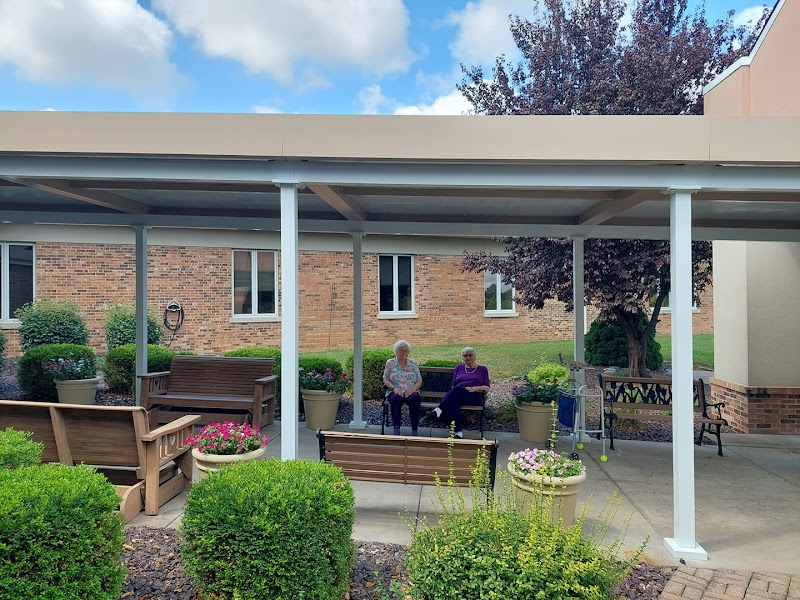
CMS rates INDEPENDENCE CARE CENTER OF PERRY COUNTY's staffing level at 2 out of 5 stars, which is below average compared to other nursing homes. Staff turnover is 49%, compared to the Missouri average of 46%.

What Have Inspectors Found at Independence Of Perry County?

State health inspectors documented 13 deficiencies at INDEPENDENCE CARE CENTER OF PERRY COUNTY during 2021 to 2024. These included: 12 with potential for harm and 1 minor or isolated issues.

Who Owns and Operates Independence Of Perry County?

INDEPENDENCE CARE CENTER OF PERRY COUNTY is owned by a non-profit organization. Non-profit facilities reinvest revenue into operations rather than distributing to shareholders. The facility operates independently rather than as part of a larger chain. With 133 certified beds and approximately 85 residents (about 64% occupancy), it is a mid-sized facility located in PERRYVILLE, Missouri.
How Does Independence Of Perry County Compare to Other Missouri Nursing Homes?

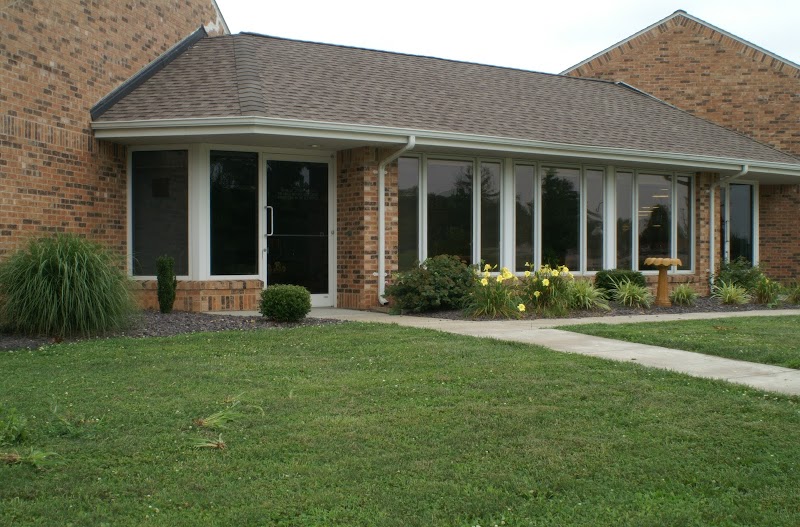
Compared to the 100 nursing homes in Missouri, INDEPENDENCE CARE CENTER OF PERRY COUNTY's overall rating (5 stars) is above the state average of 2.5, staff turnover (49%) is near the state average of 46%, and health inspection rating (5 stars) is much above the national benchmark.

What Should Families Ask When Visiting Independence Of Perry County?

Based on this facility's data, families visiting should ask: "Can you walk me through typical staffing levels on day, evening, and night shifts?" "Can I visit during a mealtime to observe dining assistance and food quality?" "How do you handle medical emergencies, and what is your hospital transfer rate?" "Can I speak with family members of current residents about their experience?" These questions are particularly relevant given the below-average staffing rating.

Is Independence Of Perry County Safe?

Based on CMS inspection data, INDEPENDENCE CARE CENTER OF PERRY COUNTY has a clean safety record: no substantiated abuse findings (meaning no confirmed cases of resident harm), no Immediate Jeopardy citations (the most serious violation level indicating risk of serious injury or death), and is not on the Special Focus Facility watch list (a federal program monitoring the lowest-performing 1% of nursing homes). The facility has a 5-star overall rating and ranks #1 of 100 nursing homes in Missouri. While no facility is perfect, families should still ask about staff-to-resident ratios and recent inspection results during their visit.

Do Nurses at Independence Of Perry County Stick Around?

INDEPENDENCE CARE CENTER OF PERRY COUNTY has a staff turnover rate of 49%, which is about average for Missouri nursing homes (state average: 46%). Moderate turnover is common in nursing homes, but families should still ask about staff tenure and how the facility maintains care continuity when employees leave.

Was Independence Of Perry County Ever Fined?

INDEPENDENCE CARE CENTER OF PERRY COUNTY has no federal fines on record. CMS issues fines when nursing homes fail to meet care standards or don't correct problems found during inspections. The absence of fines suggests the facility has either maintained compliance or corrected any issues before penalties were assessed. This is a positive indicator, though families should still review recent inspection reports for the full picture.

Is Independence Of Perry County on Any Federal Watch List?

INDEPENDENCE CARE CENTER OF PERRY COUNTY is not on any federal watch list. The most significant is the Special Focus Facility (SFF) program, which identifies the bottom 1% of nursing homes nationally based on persistent, serious quality problems. Not being on this list means the facility has avoided the pattern of deficiencies that triggers enhanced federal oversight. This is a positive indicator, though families should still review the facility's inspection history directly.