NICK'S HEALTH CARE CENTER, LLC
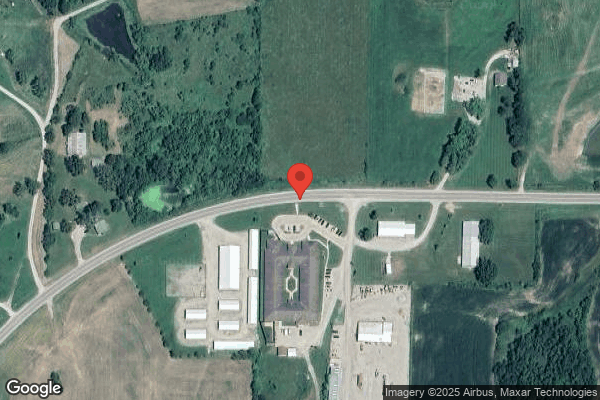

253 EAST HIGHWAY 116, PLATTSBURG, MO 64477 (816) 539-2376
For profit - Limited Liability company 70 Beds RELIANT CARE MANAGEMENT Data: November 2025
Trust Grade
15/100
#428 of 479 in MO
Last Inspection: October 2024

Within standard 12-15 month inspection cycle. Federal law requires annual inspections.

Overview

Nick's Health Care Center in Plattsburg, Missouri has received a Trust Grade of F, indicating significant concerns and performance issues. With a state rank of #428 out of 479, they are in the bottom half of Missouri facilities and rank last in Clinton County at #4 of 4. However, the facility is showing signs of improvement, with the number of reported issues decreasing from 9 in 2024 to 2 in 2025. Staffing is a concern, as they have a low rating of 1 out of 5 stars and a turnover rate of 65%, which is higher than the state average. There have been serious incidents, including one resident being hit by another, and multiple failures to ensure proper food safety and quality, such as serving tough meat and not discarding expired food items. While there are no fines on record, the issues raised highlight the need for families to carefully consider this facility's ability to meet their loved ones' needs.

Trust Score
F
15/100
In Missouri
#428/479
Bottom 11%
Safety Record
High Risk
Review needed
Inspections
Getting Better
9 → 2 violations
Staff Stability
⚠ Watch
65% turnover. Above average. Higher turnover means staff may not know residents' routines.
Penalties
✓ Good
No fines on record. Clean compliance history, better than most Missouri facilities.
Skilled Nurses
⚠ Watch
Each resident gets only 12 minutes of Registered Nurse (RN) attention daily — below average for Missouri. Fewer RN minutes means fewer trained eyes watching for problems.
Violations
⚠ Watch
43 deficiencies on record. Higher than average. Multiple issues found across inspections.
★☆☆☆☆
1.0
Overall Rating
★☆☆☆☆
1.0
Staff Levels
★★☆☆☆
2.0
Care Quality
★★☆☆☆
2.0
Inspection Score
Stable
2024: 9 issues
2025: 2 issues

The Good

  • Full Sprinkler Coverage · Fire safety systems throughout facility
  • No fines on record

Facility shows strength in fire safety.

The Bad

1-Star Overall Rating

Below Missouri average (2.5)

Significant quality concerns identified by CMS

Staff Turnover: 65%

19pts above Missouri avg (46%)

Frequent staff changes - ask about care continuity

Chain: RELIANT CARE MANAGEMENT

Part of a multi-facility chain

Ask about local staffing decisions and management

Staff turnover is elevated (65%)

17 points above Missouri average of 48%

The Ugly 43 deficiencies on record

1 actual harm
Feb 2025 1 deficiency 1 Harm
SERIOUS (G) 📢 Someone Reported This

A family member, employee, or ombudsman was alarmed enough to file a formal complaint

Actual Harm - a resident was hurt due to facility failures

Free from Abuse/Neglect (Tag F0600)

A resident was harmed · This affected 1 resident

**NOTE- TERMS IN BRACKETS HAVE BEEN EDITED TO PROTECT CONFIDENTIALITY** Based on interview and record review, the facility failed to protect one Resident's (Resident #1) right to be free from abuse wh...

Read full inspector narrative →
**NOTE- TERMS IN BRACKETS HAVE BEEN EDITED TO PROTECT CONFIDENTIALITY** Based on interview and record review, the facility failed to protect one Resident's (Resident #1) right to be free from abuse when Resident#2, hit Resident #1 in the face causing bodily injury to Resident #1. The deficient practice affected one out of five sampled residents. The facility census was 67. Review of the facility provided policy titled, Abuse and Neglect, dated 6/12/24 showed: -Abuse is the willful infliction of injury; -Purposefully beating, striking, wounding or injuring any resident; -The facility will identify and correct, by providing interventions, in which abuse, neglect, or misappropriation are more likely to occur; -The facility desires to prevent abuse, neglect and theft by establishing a resident sensitive and resident secure environment; -As part of the resident social history assessment, staff will identify residents with increased vulnerability for abuse or who have needs and behaviors that might lead to conflict; -Assess the environment for circumstances which may make abuse, neglect or misappropriation of resident items more likely to occur; -Residents who allegedly mistreat another resident will be removed from contact with the resident during the course of the investigation. 1. Review of Resident #1's Quarterly Minimum Data Set (MDS: a federally mandated assessment tool) completed by facility staff, dated 1/14/25 showed: -Brief Interview of Mental Status (BIMS) of 1 indicated significant cognitive deficits; -Behaviors not directed at others such as rummaging, scratching,and pacing, one to three of seven days; -Rejection of care, one to three of seven days. Review of the resident's Comprehensive Care Plan dated 1/14/25 showed: -He/She had a behavior problem of going through peers belongings and taking things that do not belong to him/her; -Staff were to ensure protective oversight, anticipate and meet the resident's needs, provide positive interactions, monitor behaviors and provide a program of activities. Review of Resident #2 Quarterly MDS dated [DATE] showed: -BIMS of 9 indicated moderate cognitive loss; -No behaviors; -Diagnoses of Major Depressive Disorder (a mental health condition characterized by persistent feelings of sadness, loss of interest, and other symptoms that significantly interfere with daily life), Traumatic Brain Injury (an injury to the brain caused by an outside physical force, such as a blow, bump, fall, or car accident), anxiety, crushing injury to the head, pain and insomnia. During an interview on 2/4/25 at 1:02 P.M. Resident #2 said: -He/She had told Resident #1 to stay out of his/her things multiple times; -He/She could not take Resident #1 going through his/her things any more and hit Resident #1 in the face; -He/She reported to staff immediately after he/she hit Resident #1; -He/She should not have hit Resident #1 and he/she was sorry. Review of Resident #1's progress notes showed on 1/31/25 at 10:49 A.M. the resident was observed on the floor, lying on his/her back. Resident #2 was asked to leave the room for safety. Resident #1 had blood on his/her face, an abrasion to his/her right hand and verbalized he/she had been hit in the face. The resident's Nurse Practitioner was notified and the resident was sent to the hospital for evaluation. Review of Resident #1 Electronic Medical Record showed: -He/She was admitted to an area hospital on 1/31/25; -His/Her Radiology report dated 1/31/25 of the right shoulder: Indication of shoulder pain after trauma, and limited range of motion (ROM: the normal movement range of a joint). Impression was a non-displaced fracture of the junction of the humeral head and neck. (a bone break at the top of the upper arm bone,where the fracture fragments have not moved out of position). -His/Her Radiology report dated 1/31/25 for computed topography (CT scan) of the head: Indication of head injury. Impression was a right nasal bone fracture; -Hospital records dated 1/31/25 showed he/she was involved in an altercation with his/her roommate and was struck in the face. Observation on 2/4/25 at 11:45 A.M. showed Resident #1: -Right eye orbit (area surrounding the eye and eyelids) was purple/green/yellow in color from the bridge of the nose to the right temple into the top of the cheek; -Right arm was in sling, held at a 90 degree angle across his/her body. During an interview on 2/4/25 at 11:45 A.M. Resident #1 said he/she did not remember what happened to cause the bruise and arm sling. During an interview on 2/4/25 at 12:47 P.M. the Social Service Director said: -After the incident he/she walked with Resident #2. Resident #2 reported Resident #1 would not get out of his/her things and had struck out at Resident #2; -Resident #2 did not tell him/her Resident #1 was going through his/her things, prior to this event; During an interview on 2/14/25 at 12:48 P.M. Licensed Practical Nurse (LPN) A said: -He/She was the Charge Nurse on 1/31/25 when Resident #2 reported he/she had struck Resident #1; -Resident #1, was found sitting on the floor, had a bloody nose and complained of shoulder pain; -Resident #1 was immediately sent to a local hospital for evaluation; -He/She has had education at least yearly on abuse; -Abuse is reported immediately to the Administrator and/or Director of Nursing; -He/She immediately texted the Administrator and Director of Nursing after the incident, as they were not in the facility. During an interview on 2/14/25 at 1:47 P.M. Certified Medication Technician said: -He/She had abuse training at the time of hire, on line training about every 3 months and in person training about 2 weeks ago; -Any abuse should be reported to the Administrator immediately. During an interview on 2/4/25 at 2:45 P.M. the Administrator said: -Staff texted notification to him and the DON immediately after the event occurred. -Resident #2 had no previous outbursts or aggressive behaviors; -The residents were moved apart 1/31/25; -The incident between Resident #1 and #2 was intentional and therefore was abuse. MO248880
Jan 2025 1 deficiency
CONCERN (D) 📢 Someone Reported This

A family member, employee, or ombudsman was alarmed enough to file a formal complaint

Potential for Harm - no one hurt, but risky conditions existed

Free from Abuse/Neglect (Tag F0600)

Could have caused harm · This affected 1 resident

**NOTE- TERMS IN BRACKETS HAVE BEEN EDITED TO PROTECT CONFIDENTIALITY** Based on interviews and record review, the facility failed to protect the resident's right to be free from abuse by Resident #1,...

Read full inspector narrative →
**NOTE- TERMS IN BRACKETS HAVE BEEN EDITED TO PROTECT CONFIDENTIALITY** Based on interviews and record review, the facility failed to protect the resident's right to be free from abuse by Resident #1, when Resident #1 struck Resident #2 in the face resulting in a bloody lip. The facility census was 64. Review of the facility's Abuse and Neglect policy, dated 6/12/24, showed: - It is the policy of this facility to report all allegations of abuse/neglect/exploitation or mistreatment, including injuries of unknown sources and misappropriation of resident property are reported immediately to the Administrator of the facility; - Abuse is the willful infliction of injury, unreasonable confinement, intimidation, or punishment with resulting physical harm, pain or mental anguish, which can include staff to resident abuse and certain resident to resident altercations; - Physical Abuse: Purposefully beating, striking, wounding, or injuring any resident or any manner whatsoever mistreating or maltreating a resident in a brutal or inhumane manner. Physical abuse includes handling a resident with any more force than is reasonable for a resident's proper control, treatment, or management. Physical abuse also includes, but is not limited to, hitting, slapping, punching, biting, and kicking. Physical abuse also includes corporal punishment, which is physical punishment used as a means to correct or control behavior; - As part of the resident social history assessment, staff will identify residents with increased vulnerability for abuse or who have needs and behaviors that might lead to conflict. Through the care planning process, staff will identify any problems, goals, and approaches which would reduce the chances of mistreatment for these residents. Staff will continue to monitor the goals and approaches on a regular basis; Review of Resident #1's Quarterly Minimum Data Set, a federally mandated assessment completed by staff, dated 12/10/24, showed: - Resident was admitted on [DATE]; - Resident has the diagnoses of hypertension (high blood pressure), Alzheimer's Disease (progressive brain disorder), dementia (decline in cognitive abilities), seizure disorder, depression, bipolar (extreme mood swings), schizophrenia (chronic mental disorder characterized by persistent disruptions in thinking, perception, emotions, and behavior), post traumatic stress disorder (mental health condition that can develop after experiencing or witnessing a traumatic event), and asthma; - Resident scored 9 on the BIMS (Brief Interview for Mental Status). This score indicates moderate cognitive impairment. Review of the resident's comprehensive care plan, dated 6/20/24 showed: - Resident does not harm self or others 1/16/25; - Resident has impaired thought processes due to head injury and needs redirection often; - Resident has potential to be verbally/physical aggressive with regards to mental/emotional illness. Resident will verbally lash out at other residents when he/she is in a bad mood or feels disappointed; - Resident was physically aggressive with roommate on 1/26/25. Staff are to intervene when resident becomes agitated and guide away from source of distress; - Staff directed, when resident becomes agitated to intervene before agitation escalates and guide away from source of distress; Review of Resident #2's Quarterly MDS, dated [DATE], showed: - Resident was admitted on [DATE]; - Resident has the diagnoses of hypertension (high blood pressure), cerebral palsy (this affects movement, muscle tone, and coordination), quadriplegia (paralysis of all four limbs), psychotic disorder (a mental health condition characterized by a loss of touch with reality), post traumatic stress disorder (mental health condition that can develop after experiencing or witnessing a traumatic event), and asthma; - Resident scored 12 on the BIMS. This score indicates moderate cognitive impairment. Review of the resident's comprehensive care plan, dated 2/9/24 showed: - Resident became verbally aggressive towards his/her roommate resulting in a physical altercation 1/16/25; - Resident has the potential to be verbally aggressive towards staff and peers due to ineffective coping skills, mental/emotional illness and poor impulse control; Review of the facility investigation, dated 1/16/25 showed: - Resident #2 reported to staff at the nurse's station that resident #1 had hit them. Resident was noted to have a small amount of blood and saliva on upper lip. - Resident #1 stated he/she was trying to get to the bathroom and resident #2 was in wheelchair and blocking their path; - Resident #2 would not move so resident #1 stuck him/her in the face; - Both residents were separated, and physical assessments completed; - Resident #2 was noted to have a small area on upper lip which had been bleeding but had now stopped; - Resident #1 had a small abrasion on their left hand treated. Neither resident reports any pain; - Resident #2 relocated to another room on unit opposite end of resident #1's room; - Resident #2 family member guardian notified; - Facility indicated that this event was not a result of abuse; During an interview on 1/24/25 at 11:15 A.M., the Director of Nursing (DON) and Administrator said: - Resident #2 sustained a minor bloody lip which staff attended to as well as to the abrasion on resident #1's hand; - Staff re-education, separation and monitoring of residents was ongoing and that the incident could not have been prevented by staff; - Resident #2 is very challenging to re-direct. MO248118
Oct 2024 9 deficiencies
CONCERN (D)

Potential for Harm - no one hurt, but risky conditions existed

Safe Environment (Tag F0584)

Could have caused harm · This affected 1 resident

Based on observation, interview, record review, and facility policy review, the facility failed to remove dead bugs and cobwebs in 1 (main dining room) of 2 dining rooms in the facility. Findings inc...

Read full inspector narrative →
Based on observation, interview, record review, and facility policy review, the facility failed to remove dead bugs and cobwebs in 1 (main dining room) of 2 dining rooms in the facility. Findings included: An undated facility policy titled, Environmental Cleaning: Policy and Procedure, revealed Purpose To maintain a clean environment for patients and minimize the risk of patient and healthcare personnel exposure to potentially infectious microorganisms. During an interview on 10/07/2024 at 10:40 AM, Resident #18 stated the dining room was always dirty and they were unsure how the facility stayed opened. A quarterly Minimum Data Set (MDS), with an Assessment Reference Date (ARD) of 06/27/2024, revealed Resident #18 had a Brief Interview for Mental Status (BIMS) score of 15, which indicated the resident had intact cognition. During an observation of the dining room on 10/07/2024 at 12:08 PM, cobwebs and dead bugs were seen in the dining room windowsill. During an observation of the dining room on 10/08/2024 at 12:10 PM, cobwebs and dead bugs were seen in the dining room windowsill. Certified Nursing Aide (CNA) #2 was interviewed on 10/09/2024 at 11:07 AM. CNA #2 stated housekeeping services were not available daily and was only offered three to four days per week. Housekeeper (HK) #3 was interviewed on 10/10/2024 at 8:24 AM. HK #3 stated she was not responsible for cleaning the dining room and added that was the responsibility of the dietary department. The Dietary Supervisor (DS) was interviewed on 10/10/2024 at 8:42 AM. The DS confirmed the dietary staff was responsible for cleaning the dining room The DS stated she was unsure who was responsible for cleaning the window blinds, walls, windows, or cleaning cobwebs. The DS observed the windows and windowsills and confirmed dead bugs and cobwebs were in the windows and confirmed the condition of the windows and windowsills did not promote a homelike, sanitary environment. The Director of Nursing (DON) was interviewed on 10/10/2024 at 12:43 PM. The DON stated she expected the building to be clean, adding she would not expect to go into the dining room and see dead bugs and cobwebs in the windows and on the windowsills. The Housekeeping Supervisor was interviewed on 10/10/2024 at 2:30 PM and stated the staff in the dietary department was responsible for cleaning the dining room. The Housekeeping Supervisor stated cleaning the dining room included cleaning the windows, windowsills, and blinds. The Administrator was interviewed on 10/11/2024 at 8:38 AM and acknowledged he observed cobwebs and dead bugs in the windows in the lobby. He stated he heard about the cobwebs and dead bugs in the dining room windows and stated he would not expect the residents to eat or live in an environment that was dirty and had cobwebs and dead bugs in the windows.
CONCERN (D)

Potential for Harm - no one hurt, but risky conditions existed

PASARR Coordination (Tag F0644)

Could have caused harm · This affected 1 resident

Based on interview, record review, and facility policy review, the facility failed to ensure a preadmission screening and resident review (PASARR) was completed when 1 (Resident #54) of 1 sampled resi...

Read full inspector narrative →
Based on interview, record review, and facility policy review, the facility failed to ensure a preadmission screening and resident review (PASARR) was completed when 1 (Resident #54) of 1 sampled resident reviewed for PASARR received a new mental illness diagnosis. Findings included: The facility PASARR policy, last revised 07/09/2021, revealed, The purpose of this policy is to utilize the [PASARR] assessments to develop a plan of care that shows continuity from previous history of behaviors and placement. An admission Record revealed the facility admitted Resident #54 on 01/30/2024. According to the admission Record, the resident had a medical history that included diagnoses of major depressive disorder, and anxiety disorder. Per the admission Record, the resident received a diagnosis of post-traumatic stress disorder and impulse disorder on 04/16/2024. A quarterly Minimum Data Set (MDS), with an Assessment Reference Date (ARD) of 08/07/2024, revealed Resident #54 had a Brief Interview for Mental Status (BIMS) score of 11, which indicated the resident had moderate cognitive impairment. The MDS indicated the resident had active diagnoses to include anxiety disorder, depression, psychotic disorder, impulse disorder, post-traumatic stress disorder. Resident #54's care plan, included a problem statement initiated 02/09/2024, that indicated the resident had a potential for a behavioral problem related to major depressive disorder, unspecified psychosis, anxiety disorder, adjustment disorder, mild cognitive impairment, and insomnia. Resident #54's medical record revealed no evidence to indicate a PASARR was completed after the resident obtained new mental illness diagnoses on 04/16/2024. During an interview on 10/09/2024 at 4:12 PM, the MDS Coordinator stated a new PASARR for Resident #54 should have been completed with the resident got a new mental health diagnosis. During an interview on 10/10/2024 at 12:27 PM, the Director of Nursing said she thought Resident #54's mental illness diagnosis was a previous diagnosis, but that a PASARR should have been completed.
CONCERN (E) 📢 Someone Reported This

A family member, employee, or ombudsman was alarmed enough to file a formal complaint

Potential for Harm - no one hurt, but risky conditions existed

Deficiency F0553 (Tag F0553)

Could have caused harm · This affected multiple residents

2. An admission Record revealed the facility admitted Resident #56 on 08/10/2022. According to the admission Record, the resident had a medical history that included diagnoses of adjustment disorder, ...

Read full inspector narrative →
2. An admission Record revealed the facility admitted Resident #56 on 08/10/2022. According to the admission Record, the resident had a medical history that included diagnoses of adjustment disorder, major depressive disorder, and chronic pain. A quarterly Minimum Data Set (MDS), with an Assessment Reference Date (ARD) of 09/24/2024, revealed Resident #56 had a Brief Interview for Mental Status (BIMS) score of 12, which indicated the resident had moderate cognitive impairment. Resident #56's comprehensive care plan revealed the resident's care plan was last revised 12/20/2023. There was no evidence the resident's care plan review was conducted by the staff once the quarterly MDS with an ARD of 09/24/2024 was completed. In an interview on 10/10/2024 at 8:53 AM, the MDS Coordinator acknowledged Resident #56's care plan conference was missed. In an interview on 10/10/2024 at 9:08 AM, the Director of Nursing (DON) stated a resident's care plan should be reviewed quarterly. The DON stated she was aware that there was no documented evidence of care plan meetings for Resident #56. In an interview on 10/10/2024 at 9:19 AM, the Administrator stated the MDS Coordinator or the social services staff conducted the care plan meeting on a quarterly basis or as needed. MO243029 Based on interview, record review, and facility policy review, the facility failed ensure care plan meetings were conducted for 2 (Resident #15 and Resident #56) of 19 sampled residents. Findings included: A facility policy titled, Comprehensive Care Plans, last revised 06/26/2024, revealed 5. The comprehensive care plan will be reviewed and revised by the interdisciplinary team after each comprehensive and quarterly MDS [Minimum Data Set] assessment. 1. An admission Record revealed the facility admitted Resident #15 on 08/13/2018. According to the admission Record, the resident had a medical history that included diagnoses of spinal stenosis, low back pain, anxiety disorder, somatization disorder, and age-related physical debility. An annual MDS, with an Assessment Reference Date (ARD) of 09/04/2024, revealed Resident #15 had a Brief Interview for Mental Status (BIMS) score of 12, which indicated the resident had moderate cognitive impairment. During an interview on 10/10/2024 at 12:27 PM, the Director of Nursing (DON) said she expected care plan meetings to be documented. The DON stated from January 2024 to April 2024, the facility did not conduct care plan meeting as required. During an interview on 10/10/2024 at 3:14 PM, the MDS Coordinator stated the only evidence of care plan meetings for 2024 the facility had for Resident #15 was a meeting in July 2024. The MDS Coordinator stated care plan meetings should be done quarterly. During an interview on 10/10/2024 at 4:51 PM, the Administrator said he expected care plan meetings to be done as required.
CONCERN (E) 📢 Someone Reported This

A family member, employee, or ombudsman was alarmed enough to file a formal complaint

Potential for Harm - no one hurt, but risky conditions existed

Report Alleged Abuse (Tag F0609)

Could have caused harm · This affected multiple residents

Based on interview, record review, and facility policy review, the facility failed to timely report allegations of abuse to the state agency for 2 (Resident #19 and Resident #21) of 2 sampled resident...

Read full inspector narrative →
Based on interview, record review, and facility policy review, the facility failed to timely report allegations of abuse to the state agency for 2 (Resident #19 and Resident #21) of 2 sampled residents reviewed for abuse. Findings included: A facility policy titled, Abuse and Neglect Policy, with a revision date of 06/12/2024 indicated, c. Refer to State Operations Manual (SOM) for reporting and utilize the Abuse-Neglect Reporting Decision Tree to assess the particular incident. Best practice is to include the SOM and Decision Tree with the investigation. Should the incident be a reportable event, notify the appropriate agencies immediately: as soon as possible, but no later than 24 hours after discovery of the incident. In the case of serious bodily injury, no later than 2 hours after discovery or forming the suspicion. Should the event not be reportable continue and complete the investigation with all supporting information and place file with all investigations. 1. An admission Record revealed the facility admitted Resident #19 on 07/23/2018. According to the admission Record, the resident had a medical history that included diagnoses of schizoaffective disorder, bipolar disorder, attention-deficit hyperactivity disorder, and mild intellectual disabilities. An annual Minimum Data Set (MDS), with an Assessment Reference Date (ARD) of 09/13/2024, revealed Resident #19 had a Brief Interview for Mental Status (BIMS) score of 11, which indicated the resident had moderate cognitive impairment. During an interview on 10/07/2024 at 1:58 PM, Resident #19 reported to a surveyor that Certified Medication Technician #6 told them about three weeks ago to come and take their expletive word medications. On 10/07/2024 at 2:23 PM, the surveyor reported Resident #19's allegation to the Administrator. In an interview on 10/09/2024 at 3:40 PM, the Administrator acknowledged he did not report the allegation to the state agency as he felt since the survey team was onsite that he did not need to. In an interview on 10/10/2024 at 4:42 PM, the Director of Nursing stated allegations of abuse should be reported immediately, but not later than two hours after being notified of the allegation. 2. An admission Record revealed the facility admitted Resident #21 on 05/03/2024. According to the admission Record, the resident had a medical history that included diagnoses of antisocial personality disorder, intermittent explosive disorder, paranoid schizophrenia, and unspecified anxiety disorder. A quarterly Minimum Data Set (MDS) with an Assessment Reference Date (ARD) of 08/06/2024, revealed Resident #21 had a Brief Interview for Mental Status (BIMS) score of 0, which indicated the resident had severe cognitive impairment. During an interview on 10/07/2024 at 11:01 AM, Resident #21 stated they had not reported to anyone that Resident #18 cursed at them and made them feel bad. On 10/07/2024 at 11:20 AM, surveyor reported Resident #21's allegation of verbal abuse to the Administrator. In an interview on 10/10/2024 at 3:27 PM, the Administrator stated on 10/07/2024 was the first time he heard about an allegation of verbal abuse toward Resident #21 from another resident. The Administrator stated he did not immediately report the allegation to the state agency because previously, with state surveyors, any allegation received would have been an in-person report. The Administrator stated he reported the allegation of verbal abuse to the state agency on 10/09/2024. MO243359
CONCERN (E)

Potential for Harm - no one hurt, but risky conditions existed

Comprehensive Care Plan (Tag F0656)

Could have caused harm · This affected multiple residents

2. An admission Record revealed the facility admitted Resident #66 on 08/13/2024. According to the admission Record, the resident had a medical history that included diagnoses of Alzheimer's disease, ...

Read full inspector narrative →
2. An admission Record revealed the facility admitted Resident #66 on 08/13/2024. According to the admission Record, the resident had a medical history that included diagnoses of Alzheimer's disease, hypertension and mixed hyperlipidemia. An admission Minimum Data Set (MDS), with an Assessment Reference Date (ARD) of 08/26/2024, revealed Resident #66 had a Brief Interview for Mental Status (BIMS) score of 15, which indicated the resident had intact cognition. Resident #66's medical record reviewed no evidence to indicate a comprehensive care plan had been developed for the resident. During a concurrent record review and interview on 10/09/2024 at 10:49 AM, the MDS Coordinator stated Resident #66 did not have a comprehensive care plan. During a follow-up interview on 10/10/2024 at 8:53 AM, the MDS Coordinator a resident's comprehensive care plan should be developed within 21 days of admission. During an interview on 10/10/2024 at 9:08 AM, the Director of Nursing (DON) stated the MDS Coordinator was ultimately responsible for the completion of a resident's comprehensive care plan. The DON stated a resident's comprehensive care plan should be developed within seven days of the MDS ARD. During an interview on 10/10/2024 at 9:19 AM, the Administrator stated the MDS Coordinator completed care plans and it did not meet his expectation for Resident #66 to not have a comprehensive care plan. Based on interview, record review, and facility policy review, the facility failed to develop and implement comprehensive care plans for 2 (Resident #57 and Resident #66) of 19 residents whose care plans were reviewed. Specifically, the facility failed to ensure Resident #57's comprehensive care plan addressed a diagnosis of type two diabetes mellitus and failed to develop a comprehensive care plan for Resident #66. Findings included: A facility policy titled, Comprehensive Care Plans, revised on 06/26/2024, indicated, PURPOSE: It is the policy of this facility to develop and implement a comprehensive person-centered care plan for each resident, consistent with resident rights, that includes measurable objectives and time frames to meet a resident's medical, nursing, and mental and psychosocial needs that are identified in the resident's comprehensive assessment. The policy specified, 2. The comprehensive care plan will be developed within 7 days after the completion of the comprehensive MDS [Minimum Data Set] assessment. 1. An admission Record revealed the facility admitted Resident #57 on 04/08/2024. According to the admission Record, the resident had a medical history that included a diagnosis of type two diabetes mellitus. A quarterly Minimum Data Set (MDS), with an Assessment Reference Date (ARD) of 07/15/2024, revealed Resident #57 had a Brief Interview for Mental Status (BIMS) score of 12, which indicated the resident had moderate cognitive impairment. According to the MDS, the resident had an active diagnosis to include type two diabetes mellitus and received an insulin injection during one of seven days of the assessment look-back period. Resident #57's comprehensive care plan, last revised on 10/07/2024, did not include a problem area with measurable goals and interventions related to the resident's diagnosis of type two diabetes mellitus. The MDS Coordinator was interviewed on 10/10/2024 at 12:11 PM. The MDS Coordinator stated the purpose of a care plan was to enable staff to provide the best care for residents, which was why care plans needed to be individualized. The MDS Coordinator said a resident's diagnosis of diabetes was typically addressed in their care plan and explained it would be important to care plan diabetes so that staff would know the resident's treatment and the resident's signs and symptoms of hyperglycemia (high blood glucose level) or hypoglycemia (low glucose level). The MDS Coordinator reviewed Resident #57's comprehensive care plan and confirmed diabetes was not addressed. The MDS Coordinator stated this was due to an oversight. The Director of Nursing (DON) was interviewed on 10/10/2024 at 12:31 PM. The DON stated she expected Resident #57's diagnosis of type two diabetes mellitus to be included on their care plan to direct staff to monitor for any changes in the resident. The Administrator was interviewed on 10/10/2024 at 3:34 PM. He stated he expected Resident #57's diagnosis of diabetes to be care planned.
CONCERN (E)

Potential for Harm - no one hurt, but risky conditions existed

Staffing Information (Tag F0732)

Could have caused harm · This affected multiple residents

Based on observation, interview, and facility policy review, the facility failed to ensure the nurse staffing data was posted daily for 3 of 5 days of the survey. Findings included: A facility policy...

Read full inspector narrative →
Based on observation, interview, and facility policy review, the facility failed to ensure the nurse staffing data was posted daily for 3 of 5 days of the survey. Findings included: A facility policy entitled, Nurse Staffing Posting Information Policy, last revised on 06/26/2024, specified Purpose: It is the policy of this facility to make staffing information readily available in a readable format to residents and visitors at any given time. Policy: 1. The Nurse Staffing Sheet will be posted on a daily basis and will contain the following information: a. Facility name b. The current date c. Facility's current resident census d. The total number and the actual hours worked by the following categories of licensed and unlicensed nursing staff directly responsible for resident care per shift: i. Registered Nurses ii. Licensed Practical Nurses/Licensed Vocational Nurses iii. Certified Nurse Aides 2. The facility will post the Nurse Staffing Sheet at the beginning of each shift. During an observation of the facility on 10/07/2024 at 10:23 AM, the posted nurse staffing sheet could not be found. During an observation of the facility on 10/08/2024 at 8:40 AM, the posted nurse staffing sheet could not be found. During an observation of the facility on 10/09/2024 at 10:04 AM, the posted nurse staffing was dated 10/08/2024. During an interview on 10/09/2024 at 12:05 PM, the medical records (MR) staff person stated she was responsible for posting the nurse staffing sheet on a daily basis. The MR staff person stated she did not post the nurse staffing sheet for 10/07/2024 and posted the wrong sheet for 10/08/2024. During an interview on 10/10/2024 at 10:33 AM, the Director of Nursing stated she expected for the MR staff and/or social services to post the nurse staffing data daily. During an interview on 10/10/2024 at 11:48 AM, the Administrator stated the MR staff were responsible for posting the nurse staffing data and it was hit or miss if it got posted daily as it should be.
CONCERN (F) 📢 Someone Reported This

A family member, employee, or ombudsman was alarmed enough to file a formal complaint

Potential for Harm - no one hurt, but risky conditions existed

Deficiency F0804 (Tag F0804)

Could have caused harm · This affected most or all residents

Based on observation, interview, and document review, the facility failed to ensure the roast beef served for lunch on 10/09/2024 was not tough for 5 (Residents #4, #34, #37, #49, #58) of 5 residents ...

Read full inspector narrative →
Based on observation, interview, and document review, the facility failed to ensure the roast beef served for lunch on 10/09/2024 was not tough for 5 (Residents #4, #34, #37, #49, #58) of 5 residents who attended the resident council meeting. Findings included: The facility planned menu for the lunch meal on 10/09/2024 consisted of roast beef, mashed potatoes and gray, mixed vegetables, and a mud cake. A test tray received on 10/09/2024 at 12:30 PM consisted of roast beef, mashed potatoes, and mixed vegetables. The surveyor noted the roast beef was seasoned, but was tough and hard to cut. During the resident council meeting on 10/09/2024 at 1:58 PM, five residents stated the meat served for lunch on 10/09/2024 was tough. During an interview on 10/09/2024 at 3:39 PM, the Dietary Supervisor (DS) said residents complained that the roast beef served on 10/09/2024 was tough. The DS stated she tasted the roast beef and acknowledged it was tough. During an interview on 10/10/2024 at 12:27 PM, the Director of Nursing (DON) stated she expected the dietary staff to have food that looked good and that the residents could eat. The DON stated she expected the food to not be tough. MO243029
CONCERN (F)

Potential for Harm - no one hurt, but risky conditions existed

Food Safety (Tag F0812)

Could have caused harm · This affected most or all residents

Based on observation, interview, and facility policy review, the facility failed to ensure expired food items were discarded after their expiration and use-by-date, items stored in the walk-in refrige...

Read full inspector narrative →
Based on observation, interview, and facility policy review, the facility failed to ensure expired food items were discarded after their expiration and use-by-date, items stored in the walk-in refrigerator were sealed from potential contamination, and food items were not stored on the floor of the walk-in freezer. These deficient practices had the potential to affect all residents who received food from the kitchen. Findings included: A facility policy titled, Dietary - Receiving and Storing Food and Supplies, with a revision date of 06/30/2023, indicated, III. Food Storage Food items will be stored, thawed, and prepared in accordance with good sanitary practice. All foods shall be stored away from the walls and off the floor. During an observation of the dry good storage on 10/07/2024 beginning at 9:53 AM with the Dietary Supervisor (DS), the surveyor noted two packs of bread with an expiration date of 08/21/2024, one gallon bottle of hot sauce with an expiration date of 06/03/2024, and an unsealed five-pound box of pancake mix. During an observation on 10/07/2024 beginning at 10:12 AM with the DS, the surveyor noted tuna salad with a use-by-date of 10/02/2024, shredded cheese with a use-by-date of 09/15/2024, and a five-pound bag of brown iceberg lettuce in the walk-in refrigerator. During an observation on 10/07/2024 at 10:18 AM with the DS, the surveyor noted five boxes of tater tots on the floor of the walk-in freezer. In an interview on 10/10/2024 at 11:12 AM, the DS stated the kitchen staff were aware and had been trained to discard expired food items, to not store items on the floor, and to make sure all items stored were sealed. In an interview on 10/10/2024 at 12:05 PM, the Director of Nursing (DON) stated she expected the kitchen staff to serve food items that were fresh and safe to eat. The DON stated food items should be thrown away after their expiration date. In an interview on 10/10/2024 at 4:06 PM, the Administrator stated he expected the kitchen staff to ensure residents were served foods that were fresh and safe to eat.
CONCERN (F) 📢 Someone Reported This

A family member, employee, or ombudsman was alarmed enough to file a formal complaint

Potential for Harm - no one hurt, but risky conditions existed

Deficiency F0925 (Tag F0925)

Could have caused harm · This affected most or all residents

Based on observation, interview, record review, and facility policy review, the facility failed to maintain an effective pest control for the prevention and control of flies in the facility. The defic...

Read full inspector narrative →
Based on observation, interview, record review, and facility policy review, the facility failed to maintain an effective pest control for the prevention and control of flies in the facility. The deficient practice had the potential to affect all 69 resident who currently resided in the facility. Findings included: A facility policy titled, Pest Control Program Policy, revised on 05/14/2024, indicated, It is the policy of this facility to maintain an effective pest control program that eradicates and contains common household pests and rodents. During an observation on 10/07/2024 at 9:24 AM, flies were noted in the residents' rooms and at the nurses' station. Staff were observed swatting at the flies. During an interview on 10/07/2024 1:35 PM, Resident #13 stated the flies were bad in the building and added when they tried to lie down the flies crawled on them and that really was a bother. Resident #13 stated as far as they knew the facility has done nothing to try to control the flies or get rid of the flies. An admission Minimum Data Set (MDS), with an Assessment Reference Date (ARD) of 07/11/2024, revealed Resident #13 had a Brief Interview for Mental Status (BIMS) score of 15, which indicated the resident had intact cognition. During a concurrent observation and interview on 10/08/2024 at 3:14 PM, Licensed Practical Nurse (LPN) #1 was seen using a fly swatter to swat flies at the nurses' station. Three dead flies were observed on the floor. LPN #1 said flies had been a problem at the facility. LPN #1 stated pest control visited the facility, but the flies were still everywhere. During a telephone interview on 10/08/2024 at 5:51 PM, the pest control representative confirmed the facility had a contract with the company to perform routine pest control for general services internally and externally. The pest control representative stated the facility received the basic fly insect service monthly, but the pest control company could offer other services if the facility requested. During an interview on 10/09/2024 at 9:52 AM, Housekeeper #5 said the flies had gotten worse. During an interview on 10/09/2024 at 10:32 AM, Certified Nurse Aide #2 said she thought the flies were really bad. During an interview on 10/09/2024 at 11:53 AM, the Maintenance Assistant stated the facility had monthly pest control and he did not think the facility had a problem with flies. During the resident council meeting on 10/09/2024 at 1:58 PM, five residents in attendance stated the flies had been bad for at least a month. During an interview on 10/10/2024 at 12:27 PM, the Director of Nursing said she had residents who had complained to her about the flies. During an interview on 10/10/2024 at 4:51 PM, the Administrator said he expected the maintenance department to keep the facility free of pests and rodents. During a telephone interview on 10/11/2024 at 8:18 AM, the Maintenance Director stated pest control came to the facility once a month. Per the Maintenance Director, the pest control did not do anything for the flies except place fly traps on the walls. The Maintenance Director stated he had been in healthcare a long time and had never seen so many flies. Per the Maintenance Director, he had not discussed any additional services with the pest control to get rid of the flies in the facility. MO243029
Mar 2023 13 deficiencies
CONCERN (E)

Potential for Harm - no one hurt, but risky conditions existed

Safe Environment (Tag F0584)

Could have caused harm · This affected multiple residents

**NOTE- TERMS IN BRACKETS HAVE BEEN EDITED TO PROTECT CONFIDENTIALITY** Based on observation, record review, and interviews, the facility failed to provide a safe, clean, comfortable and homelike envi...

Read full inspector narrative →
**NOTE- TERMS IN BRACKETS HAVE BEEN EDITED TO PROTECT CONFIDENTIALITY** Based on observation, record review, and interviews, the facility failed to provide a safe, clean, comfortable and homelike environment for all residents of the facility, when the staff did not keep rooms clean, floors throughout the building clean and in good repair, doors and walls in all the hallways and in resident rooms scuffed with missing paint, and an overall un-cleanliness about the building which affected all of the facility's residence halls, and all common areas of the facility. The facility census was 66. Review of the facility deep cleaning and daily cleaning policy dated 2/26/21, showed: - It is the purpose of this policy to ensure rooms are clean. 1. Observation on 3/27/23 at 10:45 A.M., showed: - On the 100 hall, room [ROOM NUMBER] missing baseboards in the entire resident room exposing sheetrock and old paint. - room [ROOM NUMBER] has large patched areas on the wall that have not been painted. - The 100 hall has missing and scuffed paint around door frames and doors to the residents' room. - The sitting area at the top of the 100 hall had dirty furniture and was dusty. Observation on 3/28/23 at 8:05 A.M., showed: - The dining room fixtures, tables, and windows were dusty, without decor, and plain tables. - The dining room doorways missing paint. - The dining room floor, dull, with wax build up and debris. Observation on 3/29/23 at 7:25 A.M., showed: - The following resident rooms with multiple white colored patched areas on the walls from repairs that need painted: Rooms #106, #108, #107, #109, #111, #112, #117, #118. - room [ROOM NUMBER] has a large area inside the resident's room, in front of the closet, where the floor tile was broken in multiple places. Observation on 3/30/23 at 10:22 A.M., showed: - The men's shower room on the 100 hall had a sewer septic smell. - This shower room was without a hook or bench for residents to place their clean clothes on while showering. - Clean clothing observed lying on the floor during showers. During an interview on 3/27/23 at 9:11 A.M., Resident # 58 said: - He/she felt that the facility needed better cleaning and updating. - He/she felt that the building was depressing. During an interview on 3/28/23 at 1:11P.M., Resident # 61 said: - He/she did not know who fixed the floors. - The floor looks broken in his/her room. During an interview on 3/29/23 at 9:20 A.M., Resident # 15 said: - This place needed some decorations. During an interview on 3/30/23 at 7:33 A.M., Licensed Practical Nurse (LPN) A said: - room [ROOM NUMBER] has had missing baseboards for at least two months. - There were several resident rooms that needed to be painted. - The resident rooms and sitting areas were dated. During an interview on 3/30/23 at 8:22 A.M., Certified Medication Technician (CMT) A said: - room [ROOM NUMBER] has had missing baseboards for as long as he/she could remember. - There were many rooms that needed wall patches painted. - The resident rooms are not as clean as they used to be. - He/she has not seen the housekeeper for this hall today. During an interview on 3/30/23 at 2:20 P.M., the Maintenance staff said: - He was aware of the baseboard needing to be replaced in the resident rooms, and the painting that was needed. - He was waiting on supplies to repair flooring and paint walls. During an interview on 3/30/23 at 2:45 P.M., the Administrator said: - He expected projects to be completed timely or as soon as possible. - He was aware of baseboards needing to be replaced in resident rooms and that painting in the facility needed to be completed. - He was aware the facility was waiting on supplies for baseboards. - It was his expectation that the facility and resident rooms were kept clean, free from dirt, cobb-webbs, debris, and have a home like appearance and feel.
CONCERN (E)

Potential for Harm - no one hurt, but risky conditions existed

Grievances (Tag F0585)

Could have caused harm · This affected multiple residents

Based on observations, interviews, and record review, the facility failed to assure residents have the right to file grievances in writing; the right to file grievances anonymously; the contact inform...

Read full inspector narrative →
Based on observations, interviews, and record review, the facility failed to assure residents have the right to file grievances in writing; the right to file grievances anonymously; the contact information of the grievance official with whom a grievance can be filed, that is, his or her name, business address (mailing and email) and business phone number; a reasonable expected time frame for completing the review of the grievances, the right to obtain a written decision regarding his or her grievance. This had the ability to affect all residents. The facility census was 66. Review of the facility grievance policy titled,, Grievance Policy -Residents, dated 9/17/21, showed: -Facility wants to hear and address any concern of a resident. A resident or their legal representative can bring concerns to a staff member, the resident concern group, or call the compliance hotline. Additionally each resident has the right to use the formal grievance process. The formal grievance process as outlined in this policy. -The social services director shall serve as the grievance officer and may be reached at the facility address and phone number. If the facility does not have a social service director, the administrator shall appoint someone to serve as a grievance officer. -A resident, his/her legal representative, or family/friend may voice their grievance orally to the grievance officer or in writing. Written grievances can be given to any employee who will take them to the grievance officer. A form will be provided to residents to assist them in documenting their grievance, but use of the form is not required. -Grievances may be filed anonymously. If a resident requests to be anonymous, the grievance officer shall respect that request and will not disclose the resident's name to anyone else. However if the grievance is a reportable event under any rule or regulation, the facility is unable to honor the request to be anonymous. -Grievance officer shall track all grievances received. This should include the name of the resident (if not anonymous), date of grievance, manner received, investigation and resolution. The Grievance Investigation Form can be used for this purpose. -The grievance officer shall endeavor to complete an investigation as soon as reasonable and within 7-14 days. The grievance officer or their designee may interview any resident or employee necessary to complete the investigation. The grievance office shall inform the Administrator of the result of their investigation. The administrator should determine if coordination with the interdisciplinary team or the care plan team is necessary. A response to individual making the grievance shall be provided as soon as possible but no later than thirty days after the grievance is made. -If requested by the resident or legal representative or family/friend, the response to the grievance shall be put in writing. Any written response shall include the date the grievance was received, a summary statement of the resident's grievance, a summary of the pertinent finding or conclusions regarding the resident's concern(s), a statement as to whether the grievance was confirmed or not, any corrective action taken or to be taken by the facility, and the date the written decision was issued. -All documentation of grievances shall be maintained for three years from the date of grievance decision 1. During an interview on 3/27/23 at 12:55 P.M., Resident #217 said: -He/she has been in the facility for five weeks -The Director of Nursing (DON) refused to come talk to him/her about not receiving medications at the time he/she wanted them. The DON is never on the unit. He/she has requested to talk to the DON and the Administrator will come instead. Neither the DON or Administrator will follow up with him/her During an interview on 3/27/23 at 3:54 P.M., Resident #20 said: -He/she was unsure how to complete grievances or who to go to for that -When he/she does complain about something, no one ever comes back and tells you what they found -He/she cannot request money from his/her guardian, staff has to request the money. Sometimes he/she asks staff to make the request for them and they still do not do it or follow up on requests. During an interview on 3/27/23 at 4:00 P.M., Resident #48 said: -The facility staff never tells the residents anything -He/she can complain over and over and nothing ever gets done Observation on 3/28/23 showed -No grievance forms were posted in the facility for residents or community members to access -No grievance box for anonymous complaints to be received -Compliance number was posted on the bulletin board in the front entry hallway only The social services director vacated his/her position during survey and was unable to be interviewed During an interview on 3/28/23 at 1:30 P.M., the Administrator said: -He has not had any grievances for the last 90 days During an interview on 3/30/23 at 10:56 A.M., Certified Nursing Assistant (CNA) A said: -He/she would go to the charge nurse first if a resident had a complaint -If a resident complained about missing clothes, he/she would go to the housekeeping supervisor as he/she keeps inventory of everything -Would report any other issues to front management During an interview on 3/30/23 at 11:00 A.M. the Activities Assistant said: -If he/she received a complaint, he/she would take it to the Administrator or DON, but it would depend on what it was -Was unsure if there is a way for residents to make anonymous complaints -Staff have grievance forms available at the desk During an interview on 3/30/23 at 11:05 A.M., the Housekeeper said -If he/she received resident complaints it was usually about clothes not being dry or clothes coming up missing -He/she never sees written complaints During an interview on 3/30/23 at 11:16 A.M., Licensed Practical Nurse (LPN) A said: -Department heads address complaints after their meetings by going to address staff that are in the building -He/she stated they don't let staff know what resident made a complaint but provided staff members advice on resolving the issue -He/she follows up with resident complaints by going back to residents to see if an issue has gotten better or is the same During an interview on 3/30/23 at 12:24 P.M., the Administrator said: -For the grievance process the residents should go through the social worker -The social worker should do an investigation and look into it -Residents can make anonymous complaints via the compliance hotline that goes to corporate management office and compliance officer -The facility receives from corporate what they deem is appropriate and the facility fixes what they can -Number is not available to the public, someone wanting to make an anonymous report would have to ask for the compliance telephone number. He/she does not know that the number is listed anywhere else -He/she believes someone wanting to make an anonymous complaint could call the corporate management office and ask for the number
CONCERN (E)

Potential for Harm - no one hurt, but risky conditions existed

Abuse Prevention Policies (Tag F0607)

Could have caused harm · This affected multiple residents

Based on record reviews and interview the facility failed to ensure they completed a check of the employee disqualification list (EDL), Criminal Background Check (CBC) and/or the Nurse Aide (NA) Regis...

Read full inspector narrative →
Based on record reviews and interview the facility failed to ensure they completed a check of the employee disqualification list (EDL), Criminal Background Check (CBC) and/or the Nurse Aide (NA) Registry prior to allowing four of 19 sampled staff to have contact with residents. The facility census was 66. Review of the facility provided policy, Screening-Applicant, Employee, Volunteer and Vendor dated 5/9/22 showed: -Human Resources (HR) department will conduct pre-employment screens on applicants to determine whether the applicant has committed a disqualifying crime, is an excluded provider of any Federal or state healthcare programs, is eligible to work in the United States and if applicable is duly licensed or certified to perform the duties of the position for which they applied. HR will conduct the following screens on potential employees prior to hire: criminal history, federal exclusion lists, licensure, Family Care Safety Registry, EDL, CNA Registry, and I-9 Verification. 1. Review of Certified Nurse Aide (CNA) E's employee record showed: -Date of hire was 4/20/22 -FCSR was checked 3/30/23 -CBC was checked 3/30/23 -EDL was checked 3/30/23 -NA Registry was checked 3/30/23 2. Review of Housekeeping Aide A's employee record showed: -Date of hire was 12/31/20 -EDL check completed on 3/20/23 3. Review of Dietary Aide E's employee record showed: -Date of hire was 10/14/22 -EDL check completed on 3/20/23 4. Review of CNA Cs employee record showed: -Date of hire was 8/1/22 -Family Care Safety Registry (FCSR) was sent/checked on 8/8/22 -Complete Background Check (CBC) was not completed Review of CNA D's employee record showed: -Date of hire was 10/21/22 -EDL was not checked During an interview on 03/30/23 at 3:53 P.M. the Administrator said the EDL, background checks and hiring was completed by the Regional Human. There has not been a facility specific HR person working daily in the facility since May of last year. The corporation does all the hiring process and all the paperwork goes through them. He completed NA registry checks at the end of the year because he received a letter from the Health Education Unit saying they needed to be ran through the new vendor. He was not sure why checks were not completed before today. He was unsure if the management company does any EDL or CBC checks other than at date of hire.
CONCERN (E)

Potential for Harm - no one hurt, but risky conditions existed

Deficiency F0657 (Tag F0657)

Could have caused harm · This affected multiple residents

Based on observations, interview, and record review, the facility failed to ensure staff developed and updated care plans consistent with resident's specific conditions and needs which affected two of...

Read full inspector narrative →
Based on observations, interview, and record review, the facility failed to ensure staff developed and updated care plans consistent with resident's specific conditions and needs which affected two of twelve sampled residents (Resident #41 and #61). The facility census was 66. 1. Review of Resident #41's quarterly Minimum Data Set (MDS), a federally mandated assessment, dated 3/24/23, showed: -Diagnoses included hyponatremia (a condition where sodium levels in your blood are lower than normal often due to too much water in the body which dilutes sodium levels), Parkinson's disease, and traumatic brain injury. Review of care plan, dated 3/7/23 showed: -Hyponatremia diagnosis and appropriate interventions not addressed -Did not discuss how staff should encourage compliance in reduction of free water intake for resident -Did not educate on signs and symptoms for staff to watch for in the resident Review of the resident's medical record showed: -On 2/23/23 at 11:22 P.M. the lab called facility with critical lab sodium levels of 118, while normal range is 136 to 149. On call nurse practitioner notified and received new order for sodium chloride 1 GM to be given and follow up with nurse practitioner in morning. Medication administered. -On 2/24/23 at 4:30 P.M. he/she returned from Liberty hospital with no new orders but instructions to decrease free water intake. Staff discussed the decrease of water and the resident got mad and stated that was not going to happen. The nurse practitioner was notified and provided orders to increase sodium to four times a day and recheck resident's labs on Monday. Resident continues to be non compliant with restriction of fluids. -On 2/24/23 at 5:18 P.M. the resident refused salt tablets four times a day, nurse completed education with resident for consequences of having low sodium During an interview on 3/30/23 at 12:16 P.M., the MDS Coordinator said: -Care plans should be updated every three months or as needed -He/she expected to update care plans as soon as he/she updates the residents' MDS's with any changes -He/she was aware there were care plans that were not updated and were outdated -He/she considers a fluid recommendation a significant change and it should be care planned 2. Review of Resident #61's most recent quarterly Minimum Data Set (MDS), a federally mandated assessment completed by facility staff, dated 1/28/23 showed: - Diagnoses: Autism (A developmental disorder that impairs the ability to communicate and interact.), Insulin dependent type 2 diabetes mellitus (Adult onset diabetes that affects the way the body processes blood sugars.), high blood pressure, Impaired cognition. - Skin conditions showed no risk for skin breakdown, no unhealed skin concerns, no feet concerns, and no ordered skin treatments. - The resident required supervision with ambulation, and independent with dressing. Review of the resident's care plan, dated 1/28/23, showed: - No updated care plans. - No revisions to identify skin injuries to toes on both feet as a result of swelling and rubbing of gym shoes that were identified on 3/27/23. - No updated care plan to reflect new antibiotics for wound infection of left foot toes. - No updated to care plan to identify risk factors related to skin breakdown of feet. - No care plans to address resident strengths. During an interview on 3/29/23 at 11:47 A.M., Certified Nurse Aide (CNA) A said; - He/she has known Resident #61 for four years. - The resident was a private person, who liked to do things as much as possible for his/her self. - If allowed, the resident would like to be barefoot, so monitoring was important. - The resident picked at his/her skin and caused irritation to areas on his/her body. - The resident liked to walk in the courtyard with his/her walker, so monitoring the amount of walking was important. - He/she just found out about the areas on the resident's feet today. During an interview on 3/30/23 at 2:45 P.M., the Director of Nursing said: - She expected each care plan to be individualized to the residents' current condition. - She expected strengths and concerns to be care planned. - She also expected care plans to be updated as needed with changes in the residents' conditions.
CONCERN (E)

Potential for Harm - no one hurt, but risky conditions existed

Pressure Ulcer Prevention (Tag F0686)

Could have caused harm · This affected multiple residents

Based on observation, record review and interview, the facility failed to prevent tissue injury to both feet, by allowing the underside of the right great toe area to re-open, and the tops of toes on ...

Read full inspector narrative →
Based on observation, record review and interview, the facility failed to prevent tissue injury to both feet, by allowing the underside of the right great toe area to re-open, and the tops of toes on the left foot to show skin injury where the skin peeled back from the nail to the first knuckle of the second, third, and fourth toes rubbing against his shoes. This affected one resident (Resident #61) of sampled 18 residents. The facility census was 66. Review of the facility's skin assessment policy dated 2/26/21 showed: - The purpose of the policy is to ensure that all residents are being assessed for skin integrity concerns weekly. 1, Review of the resident #61's most current care plan dated on 1/17/23, showed: - No specific nursing interventions to address the residents risk for skin concerns to his/her feet. - No specific nursing interventions related to his/her diabetes that placed the resident at risk for skin integrity issues. - No specific nursing interventions to address resident's picking at his/her skin. - No documentation to support the recommendation for diabetic shoes. Review of resident #61's most recent quarterly Minimum Data Set (MDS), a federally mandated assessment completed by facility staff, dated 1/28/23 showed: - Diagnoses: Autism (A developmental disorder that impairs the ability to communicate and interact.), Insulin dependent type 2 diabetes mellitus (Adult onset diabetes that affects the way the body processes blood sugars.), high blood pressure, Impaired cognition. - Brief Interview for Mental Status (BIMS) was a 7. A score of 7 means moderate impaired cognition. - No risk for skin breakdown, no unhealed skin concerns, no feet concerns, and no ordered skin treatments. - Supervision with ambulation and independent with dressing. Review of the resident's last podiatry visit, dated 2/17/23 showed: - No evidence of skin concerns documented in regards to right or left foot by the podiatrist during this visit. - Podiatrist did indicate in this visit to contact the office for any new concerns. Review of the resident's Braden Scale Assessment ( A scoring system to determine the level of pressure ulcer risk 0-9 means high risk, 10-12 is moderate risk, 13-14 is mild risk, and 15 and up low risk.) dated 3/4/23 indicated low risk. The last documented Braden Scale assessment prior to to the 3/4/23 assessment was completed on 7/20/22. Review of the resident's weekly skin and wound evaluation dated 3/18/23 at 1:47 P.M., showed: - The only location of concerns was the right great toe. It identified an area as being open and treated as a diabetic skin concern on the bottom of the right great toe. - The area on the right great toe measured the 0.6 centimeters (cm) square X 1.0 cm long X 0.9 cm wide and no depth documented. Review of the resident's weekly skin assessment showed there was no skin assessment completed the week of 3/20/23. Review of the resident's weekly skin assessment on 3/27/23 at 3:34 P.M. showed: - No intact skin to the right great toe area. - New evidence of non -intact skin to the left foot on the tops of the 2nd and 3rd toes. Review of the resident's active physician orders dated 3/30/23 at 3:57 P.M., showed: - New order received on 3/27/23 for Bactrim DS Oral Tablet 800-160mg (Antibiotic) daily for 7 days for active toe infection. -New wound care orders on 3/27/23 for Medihoney (promotes moist wound healing) wound dressing to be applied to all wounds on all effected toes, after cleansing with wound cleanser and then cover the right and left toe wounds with a gauze dressing, keep covered and change daily and as needed. - Attending physician recommended in February 2023 for the resident to have diabetic shoes and the resident had not yet received them at the time of survey. Observation on 3/27/23 at 10:45 A.M., showed the resident up walking with his/her walker, shoes with socks on and feet swollen. Observation on 3/28/23 at 7:55 A.M., showed the resident up walking with his/her walker, shoes on but Velcro closure unfastened as both of the resident's feet were swollen. Observation on 3/29/23 at 7:56 A.M., showed after the morning shower, wound care treatment and dressing changes to both feet and all areas on the resident's toes. Feet were swollen, resident was uncomfortable with the dressing change when staff touched his/her feet. Skin was pulled back from the nail bed to the first joint of the 2nd, 3rd,and 4th toe on the left foot, redness up the foot, and swollen in the foot. The bottom of the right great toe was red, swollen and draining yellow fluid. Areas were cleansed, with the Medihoney dressing applied, then socks and tennis shoes were put on both feet. Observation of 3/30/23 at 11:47 A.M., showed resident walking into the dining room for noon meal with his/her walker and shoes on and then after lunch walking around the courtyard track for greater than 30 minutes with his/her walker. Observations of the resident from 3/27/23 through 3/30/23., showed: -Staff did not encourage the resident to remove his/her shoes and elevate his/her feet even for a brief period of rest to help relieve pressure to the open areas on his/her feet and to help decrease the swelling in his/her feet. During an interview with the resident on 3/29/23 at 8:02 A.M., the resident said while receiving the treatment to his/her open areas, his/her feet hurt when staff touched them and he knew nothing about needing diabetic shoes. During an interview with the resident on 3/30/23 at 12:15 P.M., the resident said while sitting in the dining room that his/her shoes hurt his/her feet while walking. During an interview on 3/30/23 at 7:33 A.M., Licensed Practical Nurse (LPN) A said: - Skin assessments were to be done weekly and as needed on everyone. - He/she was unaware of the time frame of Braden Scale risk assessments. -He/she was unaware of special diabetic shoes. During an interview on 3/30/23 at 8:15 A.M., Certified Nurse Aide (CNA) A said: - He/she knew the resident well and if he/she had it his/her way, he/she would be barefoot with nothing on his/her feet. -The resident liked to pick at skin on his/her body until it became red, he/she was very mobile and moved easily. During an interview on 3/30/23 at 2:15 P.M., the Director of Nursing (DON) said: - She would expect care plans to be specific to resident skin problems as well as their strengths. - She would expect skin assessments to be done by the floor nurse weekly. - She would expect adaptive equipment that is needed to promote health and wellness for skin concerns as soon as possible or have documentation to support the delay. During an interview on 3/30/23 at 2:32 P.M., the Administrator said: - He expected weekly skin assessments to be completed by licensed staff and concerns reported to the DON. - He was unsure how often Braden Scale skin risk assessments should be done. - His expectation of the turn around time frame of physician orders and recommendations should be as soon as possible.
CONCERN (E)

Potential for Harm - no one hurt, but risky conditions existed

Deficiency F0730 (Tag F0730)

Could have caused harm · This affected multiple residents

Based on interview and record review, the facility failed to ensure four of four randomly selected Certified Nurse Aides (CNA) received the required annual 12 hour resident care training. The census w...

Read full inspector narrative →
Based on interview and record review, the facility failed to ensure four of four randomly selected Certified Nurse Aides (CNA) received the required annual 12 hour resident care training. The census was 66. The facility failed to provide any education records for staff. Review of the CNA individual service records, showed the following: -CNA A hired 4/24/19, with zero hours of in-service education; -CNA B hired 10/20/20, with zero hours of in-service education; -CNA E hired 4/20/22, with zero hours of in-service education; -CMT A hired 6/11/21, with zero hours of in-service education. During an interview on 3/30/21 at 2:17 P.M., the Administrator said inservices were not as often as he would like. He would keep a record of any education completed in the facility. He does not have any records of education. Relias is used for training as well and they send a report to the facility. The Management company has changed how Human Resources works and training's is part of HR reports. During an interview on 3/30/23 at 4:12 P.M. the Director of Nursing said she did not have education records for staff.
CONCERN (E)

Potential for Harm - no one hurt, but risky conditions existed

Deficiency F0745 (Tag F0745)

Could have caused harm · This affected multiple residents

**NOTE- TERMS IN BRACKETS HAVE BEEN EDITED TO PROTECT CONFIDENTIALITY** Based on interview and record review, the facility did not provide medically related social services to attain the highest pract...

Read full inspector narrative →
**NOTE- TERMS IN BRACKETS HAVE BEEN EDITED TO PROTECT CONFIDENTIALITY** Based on interview and record review, the facility did not provide medically related social services to attain the highest practicable physical, mental, and psychological well being of each resident when they failed to obtain resident's eye glasses following his/her eye appointment. This affected three of twelve sampled residents (Resident #15, #56, and #61). The facility census was 66. Review of the facilities resident rights policy, dated and retrieved from corporate on 3/29/23, showed: - The purpose of the resident rights policy was to prevent harm to the residents. - There was no mention of the social service role in the facility - There was no policy for social services provided 1. Review off Resident #56's quarterly MDS, dated [DATE], showed: -Cognitively intact -Wore corrective lenses Review of resident's care plan, dated 8/6/21, showed: -No goals related to eye appointments or glasses care -Problem identified in care plan showed he/she is at risk for falls routine gait/balance problems Record review showed eye exam occurred on 9/22/22, which included: -Patient seen by Optometrist with chief complaint of blurred vision -Diagnosis provided of age-related nuclear cataract -Senior Vision Services invoice dated 9/22/22 showed glasses were prescribed for the resident -Invoice showed glasses were ordered for the resident. During an interview on 3/27/23 at 12:06 P.M., Resident #56 stated he/she attended an eye appointment in September and picked out eye glasses but never received them Observation 3/27/23 at 12:06 P.M. showed Resident #56 was not wearing eye glasses. Observation on 3/28/23 at 10:30 A.M. showed Resident #56 was not wearing eye glasses. Observation on 3/29/23 at 2:45 P.M. showed Resident #56 was not wearing eye glasses. Record review showed no personal effects inventory located. No interview available with social services staff member due to position vacated during survey. During an interview on 3/29/23 at 2:27 P.M., the Director of Nursing (DON) said: -The social worker followed up on eye glasses but he/she was unsure what results were -He/she could not locate an inventory for the resident and would have to follow up on that -The facility has had issues getting an optometrist to come back to facility due to changes in staffing -Vision exams were completed in facility at least quarterly -Staff take residents to out of facility for eye appointments when vision care was unable to be provided on site 2. Review of Resident #15's Quarterly MDS on 3/28/23, dated 2/10/23, showed: - Cognitively Intact - Diagnoses of anxiety with behaviors and spinal stenosis (A narrowing of the spinal canal and can cause back pain.) - Dependent on staff for activities of daily living. Review of the resident's care plan dated 7/21/21, showed: -No updated care planning on outside appointment requests by the resident. -No care planning of social services to arrange follow up care appointments for the resident needs outside of the facility. -No interventions documented about intradisciplinary approach to social service needs of the resident. Review of the physician's progress note dated 1/31/23 showed: -The resident expressed the concern of the umbilical hernia with his/her primary care physician. -The record showed the resident wanted an appointment with the surgeon to see if he/she would do umbilical hernia surgery; Observation of Resident #15 on 3/29/23 at 1:13 P.M., showed: - The resident in his/her room, in bed, and unable to leave the room independently. - Alert, oriented to person, place, time, and situation, and able to make needs fully known. During an interview on 3/29/23 at 3:32 P.M., Resident #15 said: - He/she asked the Director of Nursing (DON) eight weeks ago to call for an appointment about his/her hernia and had not heard back. - He/she had an appointment to see another doctor and it was canceled, and it was never rescheduled. - The facility has no social worker to talk to and help residents with appointments. 2. Review of Resident #61's most recent quarterly MDS dated [DATE] showed: - Diagnoses: Autism (A developmental disorder that impairs the ability to communicate and interact.), Insulin dependent type 2 diabetes mellitus (Adult onset diabetes that affects the way the body processes blood sugars.), high blood pressure, Impaired cognition, with a BIMS (Brief Interview for Mental Status) score of 7 indicating moderately impaired cognition. - No risk for skin breakdown, no unhealed skin concerns, no feet concerns, and no ordered skin treatments. - Supervision with ambulation, and independent with dressing. Review of the physician orders on 3/28/23 at 10:25 A.M., showed: - On 2/24/23 the resident's primary care physician ordered for the resident to have diabetic shoes to help with skin concerns on the resident's feet. - The shoes were not ordered, and there was nothing documented in the clinical record regarding the ordering of diabetic shoes. - The resident now has open sores to the toes of both feet. Review of all progress notes on 3/28/23 at 11:02 A.M., showed: - No documentation from social work, nursing, or the DON regarding the recommendations of diabetic shoes. During an interview on 3/30/23 at 2:21 P.M., the resident said: - His/her toes hurt and he/she did not know, anything about special shoes. During an interview on 3/30/23 at 3:02 P.M., Certified Nurse Aide (CNA) A said: - He/she did not know anything about diabetic shoes. - He/she knew if he/she had it his/her way he/she would not wear shoes. - He/she could remove his/her own shoes when he/she wanted to. During an interview with the Administrator on 3/30/23 at 2:45 P.M., he said: - There was currently not a full time designated social worker. - The social worker quit on 3/28/23. - The DON was handling resident appointments at this time. - He was not aware of concerns from the residents not receiving equipment or appointments. - He was handling the social service complaints or needs of the residents at this time, and the residents knew how to reach him. - His expectations were the residents needs or concerns were addressed as soon as possible.
CONCERN (E)

Potential for Harm - no one hurt, but risky conditions existed

Medication Errors (Tag F0758)

Could have caused harm · This affected multiple residents

**NOTE- TERMS IN BRACKETS HAVE BEEN EDITED TO PROTECT CONFIDENTIALITY** Based on interview and record review, the facility failed to ensure residents remained free from unnecessary drugs when the faci...

Read full inspector narrative →
**NOTE- TERMS IN BRACKETS HAVE BEEN EDITED TO PROTECT CONFIDENTIALITY** Based on interview and record review, the facility failed to ensure residents remained free from unnecessary drugs when the facility failed to ensure they attempted a gradual dose reduction (GDR) in an effort to discontinue psychotropic drug (medications used to treat mental illness by causing an effect on the chemical makeup of the brain and nervous system) use, unless clinically contraindicated for three of twelve sampled residents (Resident #34, #51, and #60). The facility census was 66. Review of the facility policy titled Medication Administration and Monitoring, dated 9/17/21, showed: -Each resident's drug regimen will be reviewed monthly by a licensed pharmacist. Any irregularities or concerns will be given to the physician and the Director of Nursing (DON). All pharmacy consultant recommendations will be addressed and followed up by nursing or the physician. -Psychotropic medications will be reviewed by the physician and the Licensed/Registered nurse will assess the psychotropic medication quarterly. Psychotropic medication reductions will be reviewed by the pharmacy consultant and the prescribing physician 1. Review of Resident #34's quarterly Minimum Data Set (MDS, a federally mandated assessment completed by staff) dated 11/21/22, showed: -GDR has not been attempted. -A GDR has not been documented by a physician as clinically contraindicated Review of Resident #34's quarterly MDS, dated [DATE], showed: -Diagnoses of schizophrenia, attention-deficit hyperactivity disorder, insomnia, habit and impulse disorder, -Received antipsychotic and antidepressant medications -A gradual dose reduction has not been attempted -A GDR has not been documented by a physician as clinically contraindicated Review of resident's physician's orders (POS), dated March 2023 showed: -Trazodone HCl tablet 50 milligrams(mg) ordered one tablet by mouth one time daily for schizophrenia with a start date of 2/9/22 -Trazodone HCl tablet mg ordered one tablet one by mouth at bedtime for insomnia with start date 2/9/22 -Haloperidol tablet 5mg ordered to give half a tablet by mouth twice a day for schizophrenia with start date of 2/9/22 -Haloperidol tablet 1mg ordered to give one tablet by mouth twice a day for schizophrenia with a start date of 2/9/22 -Aristada prefilled syringe 1065mg/3.9milliliters(ML) ordered to inject 3.9 ml intramuscularly every day shift every two months starting on the 14th for one day for schizophrenia with a start date of 2/14/22. -Prazosin 1 mg capsule ordered to give three capsules by mouth at bedtime for insomnia and hold if systolic blood pressure is above 100 or below 60 with a start date of 9/16/21 Review of the pharmacist's medication regimen review, dated 10/22/22, showed: -Facility had failed to follow up on the 10/5/22 Medical Doctor (MD) recommendation regarding GDR request. -Resident #34 received Aristada 1064mg q2 mos (2/14/2022), haloperidol 3.5mg po bid (2/09/22) andtrazodone 50mg po qam and 150mg po qhs (2/10/22). Assess for medical risk versus benefit and if patient would benefit from a GDR of one or more therapy agents; or state that a change in the current therapy regimen is clinically contraindicated. Review of the pharmacist's medication regimen review, dated 11/7/22, showed: -Facility had failed to follow up on the 10/5/22 MD recommendation regarding GDR request -Failed to clarify indication for use of trazodone on POS and MAR Review of the pharmacist's medication regimen review, dated 12/3/22, showed: -Facility had failed to follow up on the 10/5/22 MD recommendation regarding GDR request -Failed to clarify indication for use of trazodone on POS and MAR Review of the pharmacist's medication regimen review, dated 1/6/23, showed: -Facility had failed to follow up on the 10/5/22 MD recommendation regarding GDR request. Review of the pharmacist's medication regimen review, dated 2/4/23, showed: -Facility had failed to follow up on the 10/5/22 MD recommendation regarding GDR request. -Failed to clarify indication for use of trazodone on POS and MAR Review of the pharmacist's medication regimen review, dated 3/4/23, showed: -Facility had failed to follow up on the 10/5/22 MD recommendation regarding GDR request -Failed to clarify indication for use of trazodone on POS and medication administration records (MAR) 2. Review of Resident #51's quarterly MDS dated [DATE], showed: -Diagnoses included dementia -Received antipsychotic and antidepressant -A gradual dose reduction has not been attempted -A GDR has not been documented by a physician as clinically contraindicated Review of the resident's POS, dated March 2023, showed: -Invega sustenna intramuscular suspension prefilled syringe 156mg/ml ordered to inject 156mg intramuscularly every day shift every twenty-eight days for unspecified dementia, behavioral disturbance, psychotic disturbance, mood disturbance, and anxiety with a start date of 3/13/23 -Remeron tablet 15mg tablet ordered by mouth at bedtime for appetite related to dementia and unspecified symptoms and signs involving cognitive functions and awareness with a start date of 8/13/22. -Quetiapine fumarate tablet 100mg ordered one tablet by mouth at bedtime related to unspecified dementia without behavioral disturbance -Quetiapine fumarate tablet 25 mg ordered one tablet by mouth one time a day related to Alzheimer's disease Review of the pharmacist's medication regimen review, dated 7/5/22, showed: -Communication to MD regarding quetiapine 100 mg by mouth at bedtime and quetiapine 25mg by mouth daily since 8/7/21. Requested medical director assess risk versus benefit and if Resident #51 would benefit from a GDR or communication on if regimen is clinically contraindicated. Review of the pharmacist's medication regimen review, dated 8/3/22, showed: -Facility had failed to follow up on the 7/5/22 MD recommendation regarding GDR request Review of the pharmacist's medication regimen review, dated 9/7/22, showed: -Facility had failed to follow up on the 7/5/22 MD recommendation regarding GDR request Review of the pharmacist's medication regimen review, dated 10/5/22, showed: -Facility had failed to follow up on the 7/5/22 MD recommendation regarding GDR request Review of the pharmacist's medication regimen review, dated 11/7/22, showed: -Communication with physician stated Resident #51 was receiving quetiapine 100mg at bedtime and quetiapine 25mg by mouth once daily since 8/07/21. Pharmacist requested the physician access risk versus benefit and if Resident #51 would benefit from a gradual dose reduction; or if current therapy regimen is clinically contraindicated. Review of the pharmacist's medication regimen review, dated 12/2/22, showed: -Facility had failed to follow up on the 11/7/22 MD recommendation regarding GDR request Review of the pharmacist's medication regimen review, dated 1/6/23, showed: -Communication to physician stated Resident #51 was receiving quetiapine 100mg at bedtime and quetiapine 25mg by mouth once daily since 8/07/21. Pharmacists requested the physician access risk versus benefit and if Resident #51 would benefit from a gradual dose reduction; or if current therapy regimen is clinically contraindicated. Review of the pharmacist's medication regimen review, dated 2/4/23, showed: -Noted resident at increased risk for falls due to multiple co-morbidities and medications ordered, monitor and assess risk factors associated with falling -Facility had failed to follow up on the 1/6/23 MD recommendation regarding GDR request Review of the pharmacist's medication regimen review, dated 3/4/23, showed: -No suggestions this month 3. Review of Resident #60's quarterly MDS, dated [DATE], showed: -Diagnoses of adjustment disorder with mixed anxiety and depressed mood, remission of alcohol abuse, mental and behavioral disorders due to use of opioids, -Received antipsychotic, antidepressant, and opioids -A gradual dose reduction has not been attempted -A GDR has not been documented by a physician as clinically contraindicated Review of resident's POS, dated March 2023, showed: -Oxycodone HCL tablet 10 mg ordered to be given by mouth every six hours related to chronic pain and ankylosing spondylitis (inflammatory arthritis affecting the spine and large joints) with a start date of 12/21/22. -Mirtazapine tablet 7.5mg ordered by mouth at bedtime for major depressive disorder with a start date of 8/10/22. -Rivaroxaban tablet 20mg ordered by mouth in morning for coadulation factor deficiency with a start date of 8/10/22 -Oxycodone HCL tablet 10mg ordered by mouth every six hours as needed for chronic pain with start date of 12/21/22 -Olanzapine tablet 5 mg ordered by mouth at bedtime for adjustment disorder with mixed anxiety and depressed mood with a start date of 8/10/22 Review of the pharmacist's medication regimen review, dated 9/7/22, showed: -Communication to MD showed Resident #60 received olanzapine 5mg po qhs (8/10/2022). Pharmacist requested MD to list indication for therapy of this agent (see black box warning) and to specify indication(s) for use for this antipsychotic therapy agent: 1.) Schizophrenia 2.) Schizoaffective disorder 3.) Tourette ' s Syndrome 4.) Huntington ' s Chorea 5.) Other :_________________________________ Review of the pharmacist's medication regimen review, dated 10/5/22, showed: -Abnormal Involuntary Movement Scale (AIMS) assessment was past due Review of the pharmacist's medication regimen review, dated 11/7/22, showed: -AIMS assessment was past due -Facility failed to follow up on 10/5/22 MD recommendation regarding psychotropic agent indication Review of the pharmacist's medication regimen review, dated 12/3/22, showed: -AIMS assessment was past due Review of the pharmacist's medication regimen review, dated 1/6/23, showed: -Communication with psychiatrist stated Resident #60 was receiving olanzapine 5mg po qam (8/10/22) and mirtazapine 7.5mg po qs (8/10/2022). Pharmacy requested psychiatrist to assess medical risk versus benefit and if Resident #60 would have benefited from a GDR of one or both therapy agents; or requested psychiatrist provide documentation why therapy regimen is clinically contraindicated. Review of the pharmacist's medication regimen review, dated 2/4/23, showed: -Facility had failed to follow up on the 1/6/23 MD recommendation regarding GDR request Review of the pharmacist's medication regimen review, dated 3/4/23, showed: -Facility had failed to follow up on the 1/6/23 MD recommendation regarding GDR request Review of the pharmacist's medication regimen review, dated 3/28/23, showed: -Facility had failed to follow up on the 1/6/23 MD recommendation regarding GDR request During an interview on 3/29/23 at 2:27 P.M., the DON said: -Gradual dose reductions was a known facility issue; -She has no other documentation from the medical director in regards to GDR, all documentation would be in the electronic medical record -GDR's were not done. During an interview on 3/30/23 at 10:20 A.M., the Medical Director said: -He/she expected the medication review regimens to be given to him/her to address by the nurse practitioner if it was not a controlled medication within no more than thirty days after the recommendation or should be sent to the psychiatrist and addressed by them in the same time frame
CONCERN (E)

Potential for Harm - no one hurt, but risky conditions existed

Deficiency F0800 (Tag F0800)

Could have caused harm · This affected multiple residents

Based on observation and interview, the facility failed to provide meals served at an appetizing temperature by failing to do temperature checks on all foods being served from the steam table. The fac...

Read full inspector narrative →
Based on observation and interview, the facility failed to provide meals served at an appetizing temperature by failing to do temperature checks on all foods being served from the steam table. The facility census was 66. Facility did not provide requested food temperature policy. 1. Observation on 3/28/23 at 11:03 A.M. showed: -Dietary Aide (DA) A temperature checked ribs in the oven, reading 123.5 Fahrenheit (F) -Thermometer placed on steam table, not cleaned. Observation on 3/28/23 at 11:26 A.M. showed: -Staff removed fries from the oven and placed them on the steam table by DA A -DA A checked the temperature of the pork loin 179 F., and used an alcohol wipe to clean the thermometer. -DA A asked DA B to write down temperatures for him/her. Temperatures included fries 189.3 F., cabbage 208 F., riblets 175 F. , sweet potatoes 185 F., and pork loin 179 F. Observation on 3/28/23 at 11:32 A.M., showed: -Pureed riblets scrapped into a container and placed on steam table and no temperature check completed -Pureed pork loin scrapped into container and placed on steam table and no temperature check completed Record review showed there was no available food temperature logs for review. Record review of staff in-services showed: -On 1/20/23, eight staff participated in training on food temperature logs -On 9/22/22, the Food Service Supervisor provided training to eight staff on oven temperatures During an interview on 3/28/23 at 1:45 P.M., DA D said: -Food temperatures should be taken to ensure food stays hot enough when on the steam table. Meat should be temperature checked to make sure it was a proper temperature before serving it -Food temperatures should be recorded on a sheet in the kitchen but he/she was not sure During an interview on 3/28/23 at 2:11 P.M., DA C said: -Food temperatures should be completed before putting items on the steam table, Meat should be 165 F. and potatoes 145 F. -Food was not temperature checked when on steam table. The steam table was not turned off until everyone was served. -Pureed food was not temperature checked. The staff only temperature checked regular food -He/she does not record temperatures for what food is served During an interview on 3/28/23 at 2:23 P.M., DA B said -Dietary aides were to complete temperature logs in the dish room, the cook to complete the temperature log on food -Food should be temperature checked when it was pulled out of the oven; During an interview on 3/28/23 at 2:32 P.M., DA A said: -Food temperatures were taken right out of the oven and also temperature checked before serving -Food temperatures were recorded. He/she wrote them down on a piece of paper and goes back to chart them. A clip board was located at the front of the kitchen. During an interview on 3/29/23 at 2:41 P.M., Corporate Trainer said: -His/her expectation was food temperatures should be done daily when food was taken out of the oven and before serving food During an interview on 3/30/23 at 12:24 P.M., Administrator said: -Food temperatures should be completed before food was served and before each hall was served
CONCERN (E)

Potential for Harm - no one hurt, but risky conditions existed

Food Safety (Tag F0812)

Could have caused harm · This affected multiple residents

Based on observation, record review and interview, the facility failed to prepare and serve food in accordance with professional standards for food service safety when staff failed to label and date f...

Read full inspector narrative →
Based on observation, record review and interview, the facility failed to prepare and serve food in accordance with professional standards for food service safety when staff failed to label and date food when it was opened, did not keep a clean kitchen, failed to monitor sanitizer levels for the sanitizer buckets and ensure staff washed their hands as often as necessary to keep their hands clean. The facility census was 66. Review of the facility policy, dietary receiving and storing food and supplies, revised 10/12/21, included: Food Storage: -Food items will be stored, thawed, and prepared in accordance with good sanitary practice. -All products shall be dated upon receipt or when they are prepared. Use Date shall be marked on all food containers according to the timetable -Leftovers shall be dated according to the leftovers policy. Raw Meat: -Raw meat is to be stored separately from cooked meats and other raw foods and at temperatures below 41 degrees F and on the lowest shelf in the refrigerator -Wash hands before and after handling raw meat to prevent the transmission of bacteria to food from the hands and from objects that have been touched by hands -Wash and sanitize all surfaces, equipment, and utensils that have come in contact with raw meats before using for any other food to prevent cross-contamination -All cooked meat shall be used (or discarded) within three days of cooking Frozen Meat/Poultry and Foods: -Storage: Store items promptly at 0 degrees F or below. Foods shall be stored in their original containers if designed for freezing. Foods to be frozen shall be stored in airtight containers or wrapped in heavy duty aluminum foil, plastic film, or special laminated papers. Label and date all food items. -Handling: Wash hands before and after handling food. Keep work surfaces clean and orderly Dry Storage: -All foods shall be stored away from the walls and off the floor -Any opened products shall be placed in seamless plastic or glass containers with tight-fitting lids or Ziploc bags. Open products may also be sealed utilizing plastic film or tape -Label and date all storage containers as follows; 1. The received date should already be on it 2. Date opened 3. Date the item expires -Cleaning supplies must be stored in a separate area away from all food Tray Line Refrigerated Leftover Storage: -Procedure: Date container (lids may be misplaced) -Record of refrigeration temperatures -A daily temperature record is to be kept of refrigerated items. -The dietary manager is to assign an employee to daily record all refrigerator and freezer temperatures on Record of Refrigeration Temperature. Dry Storage, Dishes and Utensils: -Spoons, knives, and forks shall be stored in containers with the handles upward -Storage areas will be cleaned and sanitized -Bowls, Pans, Cups, and Steam Table pans will be stored upside down when not in use -Glasses and cups shall be stored one layer high on clear surfaces or trays; trays of cups or glasses may be staked -Store like dishes together, not to exceed 15 inches high 1. Observation on 3/27/23 at 10:14 A.M. showed: -Robot coupe (food processor) has ground meat on it -Spices sitting on top shelf of the oven -Opened and undated ground pepper with top open -Opened rosemary dated 9/10/21 -Opened and undated garlic powder -Undated freeze dried chives -Undated Italian seasoning -Undated celery salt -Opened salt container with no outside label -Undated 7 pound (lb) container of Montreal steak seasoning -Oven food trays were full of grease and food particles -Dessert sitting uncovered on food cart -Tea and Kool-aid pitchers sitting on cart with no label Cold storage showed: -Refrigerator showed six containers of undated tea -Undated and unlabeled lunch meat and cheese on bottom shelf of refrigerator in Ziploc bags -Undated pitcher of lemonade -Opened and undated container of almond milk -Undated box of thick and easy Hormel nectar consistency juice -Opened and undated thickened orange juice -Box of pork loin sitting on the floor of the freezer -Box of thickened orange juice sitting on the floor of the freezer -Two containers of leftover cooked penne pasta and meat sauce dated 3/23/23 on the lid -Opened and undated container of mayonnaise -Opened and undated slaw dressing, second container of opened slaw dressing dated 1/20/no year -Plastic container of spear pickles dated 2/3 with use by date of 2/6 -Unlabeled container of chicken salad -Undated box of sour cream packets -Three packages of browned lettuce with use by date of 3/23/23 -Unlabeled onion in bin -Three gallons of milk in crate resting on the floor in the walk in cooler -Box of liquid margarine resting on top of another box on the floor of the walk in cooler -Box of chocolate milk cartons resting on the floor of the walk in cooler -Box of almond milk resting on the floor of the walk in cooler -Parmesan cheese in Ziploc bag dated 12/2/22 -Opened and undated bag of low moisture mozzarella cheese with bag folded over, unsealed -Pork loin dated 3/8 sitting on the floor of the cooler Stand alone freezer unit showed -Uncovered cookie dough box in the freezer -Undated items in the freezer including french toast Dry food storage showed: -Box of prune juice sitting on the floor in the dry food storage room -Opened and undated loaf of Italian bread -Two boxes of oatmeal cream pies stacked on the floor -Box full of Fruit lays on the floor Back door area showed: -Containers of low fat cottage cheese sitting outside of the cooler on the floor, observed Dietary Aide (DA) A pulled it out of the cooler and set it on the floor. -Box of charcoal observed by the back door with trash including a hair net on top of it Serving counter showed: -Opened and undated bread -Bread crumbs all over prep table where condiments were stored and where toaster was sitting -Opened and undated bag of white bread located on preparation table by condiments and toaster -Undated and unlabeled divided plate of biscuits and gravy covered in plastic wrap sat on counter Record review of staff in-services showed on 1/20/23, eight staff participated in training on labeling and dating food. During an interview on 3/27/23 at 10:14 A.M., DA A said: -The dietary supervisor was on maternity leave -Items should be dated as they are opened 2. Observation on 3/28/23 at 10:58 A.M., showed: - DA C not wearing a hair net or gloves, applied gloves as surveyor entered the kitchen -Robot coupe blade rested on top of lid with meat particles attached to blade -One unit hall tray rack showed plastic silverware on trays on cart, second unit hall try rack had metal silverware During an interview on 3/28/23 at 11:06 A.M., DA B said: -Facility does not have enough silverware to provide metal silverware to both units During an interview on 3/28/23 at 1:45 P.M., DA D said: -Dietary staff clean items as they go -He/she labels items as soon as he/she makes them and before putting them in the refrigerator. -Items can be maintained in the refrigerator for three days -In regards to food safety, all food in the kitchen has to be covered if not serving -No items should be stored on the floor During an interview on 3/28/23 at 2:11 P.M., DA C said: -Kitchen staff have a cleaning check off list with positions listed DA one, DA two, and cook and they sign off upon completion of tasks. Sometimes tasks got done and sometimes they did not. Truck days were harder to get tasks completed. -Temperature logs of dishwasher should be located on back wall behind dishwasher. Temperature readings were completed when he first started in kitchen but not currently. -Hands should be washed when he/she went to different halls, when returned to kitchen, prior to cooking meal, following smoking cigarettes, anytime he/she touched trash can -No food items should be stored on floor in kitchen -Food should be labeled anytime meal is completed by putting date on it then three days after that we label expiration date. -Food items are thrown out after three days -Dietary staff reused a lot of meat -Food got left in the refrigerator and went bad -Training on food safety included making sure food was prepped, snacks were prepped, everything was clean, and food was cooked properly. During an interview on 3/28/23 at 2:23 P.M., DA B said: -Kitchen staff clean the kitchen as they go, they have a cleaning checklist to complete -Food safety training included ensuring handwashing, not touching meat and other foods, keeping the kitchen clean, and not providing undercooked food -Food should be labeled and dated as soon as the product was opened or put in a container -Food should be dated for three days use -The walk in cooler was checked on Tuesdays for old food, older food pulled forward and anything that only has 1-2 days left for use were placed toward the front of the shelf During an interview on 3/28/23 at 2:32 P.M., DA A said: -All food items should be labeled. Food should be labeled the day staff opened it and then three days for expiration -Facility staff go in every two or three days and throw old food out -Nothing should be stored on the floor. -Items should be dated as they are opened -Items in the freezer should not be left open During an interview on 3/29/23 at 2:41 P.M., the Corporate Trainer said: -Anything that was opened should be dated and labeled; -Stock should be rotated when new items come in by utilizing packing dates and use by dates. -Old food items should be discarded with every truck delivery -The last facility training was completed in January. Facility training should be completed every pay period or twice a month -Items should be six inches from the floor in storage. During an interview on 3/30/23 at 12:24 P.M., the Administrator said: -Food should not be stored on the floor -Food should be labeled and dated immediately once it was opened 3. Review of facility policy titled Handwashing, revised 12/10/21 showed: -The use of gloves does not replace handwashing. -Hands are to be washed before and after gloving -Appropriate ten to fifteen second handwashing must be performed under the following conditions: Whenever hands are obviously soiled, after handling items potentially contaminated with resident's blood, body fluids, exertions, and secretions, after removing gloves, after using the toilet, blowing or wiping the nose, smoking, combing the hair, etc; before and after eating, whenever in doubt, and upon completion of duty -Vigorously lather hands with soap and rub them together, creating friction to all surfaces for 10-15 seconds under moderate stream of running water, at a comfortable temperature. -Rinse hands thoroughly under running water. Hold hands lower than wrists. Do not touch fingertips to inside of sink -Dry hands thoroughly with paper towels and then turn off faucets with a clean, dry paper towel. Observation in the kitchen on 3/28/23 at 11:10 A.M. showed: -DA A picked up an item off the floor, did not wash hands -He/she went and got a knife and began cutting butter -DA C returned to the kitchen and did not wash hands -DA C plugged in cell phone to charger cord located on the front serving table of kitchen -DA B returned to the kitchen and did not wash his/her hands. -DA C handled clean cup from sanitizer, he/she has not washed hands, placed cups on drink cart -DA B started coffee, put a filter in the bin, put the old filter in the trash can, touched the trash can, started coffee, he/she did not wash his/her hands -DA C touched his/her mouth, pulled down his/her face mask, and touched his/her cell phone while in the kitchen, and then took the phone to the dishwashing area -DA C removed items from sanitizer with unwashed hands -DA C grabbed gloves and placed them back in the glove container with unwashed hands -DA C grabbed an e-cigarette smoking device from the front serving counter by the cell phone charger and placed the e-cigarette in his/her coat pocket. -DA C rinse off food, did not wash his/her hands, then grabbed plastic spoons directly from the box barehanded and placed spoons in a basket located on a drink cart. He/she then refilled condiments on the drink cart with unwashed hands. -No sanitizer solution was observed out in kitchen -A pink bottle with handwritten permanent marker showed Sterigent was sitting out on food preparation table next to robot coupe. -11:24 A.M. DA C filled coffee containers, he/she did not washed his/her hands then he/she took the drink carts out to the dining room -11:26 A.M. DA C returned to kitchen, did not wash his/her hands and touched the food cart -11:30 A.M. DA C was on phone standing at the serving counter -11:31 A.M. DA C applied gloves, he/she did not wash his/her hands, touched his/her cell phone with his/her gloved hand -11:32 A.M. DA B took off his/her hat and applied a hair net -DA C continued to be observed on the phone using gloved hands to touch the phone, received a call to his/her ear bud (a wireless device used to listen to media on phone) in his/her ear, and using his/her gloved hand reached up and took the call -11:37 A.M. DA started food service, he/she did not wash his/her hands. Plates were handed to DA C who took the plates wearing the soiled gloves, placed food on the plates and placed the plates on the unit hall tray rack. Record review of staff in-services showed on 1/20/23, eight staff participated in training including topics of gloves and masks. During an interview on 3/28/23 at 1:45 P.M., DA D said: -He/she has worked in the kitchen for seven months -He/she transferred from laundry and hasn't had any training in the kitchen yet -Hands should be washed anytime he/she leaves the kitchen or when he/she takes off his/her gloves During an interview on 3/28/23 at 2:11 P.M., DA C said: -Hands should be washed when he/she went to different halls, returned to kitchen, prior to cooking meals, following smoking cigarettes, and anytime he/she touched trash cans; -He/she did not wash hands until he completed serving; -Cross contamination could occur during meal service when he/she touched the phone with gloves and also served food; -He/she did not wash hands during lunch today. During an interview on 3/28/23 at 2:23 P.M., DA B said -Food safety training included ensuring washed hands, not touching meat and other foods, keeping the kitchen clean, and not providing undercooked food; -Hands should be washed after doing anything such as after he/she made sandwiches, touched carts, and any time dealing with food. -Hands should be washed upon return from break. During an interview on 3/28/23 at 2:32 P.M., DA A said: -Handwashing should be completed after touching something dirty, coming back in, and prior to starting a different task; -He/she washed hands all the time. During an interview on 3/29/23 at 2:41 P.M., the Corporate Trainer said: -He/she expected staff to wash hands every time they leave the station, prior to starting work on anything, and any time staff walk through kitchen doors; -Hands should be washed after touching face and clothing; -He/she expected staff to wear gloves when working with ready to eat food, and should be thrown away if staff leave work area; -Gloves should be removed and hands washed any time a cell phone is touched. During an interview on 3/30/23 at 12:24 P.M., Administrator said: -Staff should wash hands frequently, regularly, and any time they leave the kitchen and come back into kitchen, between tasks, after touching their face. 4. Review of facility policy, Dietary-Equipment Operations, Infection Control, and Sanitation Policy, revised 1/19/22 included: -Cleaning Schedules: The dietary staff shall maintain the sanitation of the Dietary Department through compliance with written, comprehensive cleaning schedules developed for the facility by the Dietary Manager -Sanitizer Use Concentrations for Food Service and Food Production Facilities: -All surfaces and equipment shall be washed with a sanitizing solution. -Sanitation buckets must be established with appropriate sanitizing solution, i.e., generally for bleach 50-100ppm or Quaternary solution, 200 ppm; however follow manufacturer's recommended directions. -Sanitizing cloths shall be placed in the sanitizing buckets to be used in sanitizing all work surfaces and equipment. -Dietary shall change these buckets at least every three hours and test with the appropriate litmus strips each time the solution is changed to assure accurate levels of sanitizer -Robot Coupe Sanitation of Equipment: -Remove container, lid, and blade, -Run through dishwasher cycle. This has a sanitizer cycle, -Allow to air dry, -Wash base with sanitizing solution and clean cloth, -Move machine base and sanitize table with sanitizing solution and clean cloth -Carts: -Frequency, After each meal, -Wash inside (side, top, bottom, tray guides, an inside of door). Use sanitizing solution and clean cloth, -Rinse with clean, warm water, and clean cloth, -Allow to air dry -Dish Machine -Recording of Dish Machine Temperatures: -Before each use, prepare dish machine for use according to instructions. Allow dish machine to run 10 minutes in order to bring water temperature up to proper level by sending several empty racks through the machine. -Read temperature gauges on top of machine while racks are in machine, -Record ppm on low temperature machines three times daily, -Either two people are in the dish room, one on dirty side, one on clean side or if one person does both they must wash and sanitize their hands between dirty and clean areas. The sanitizer must be a sanitizing agent dispense from the wall area or a bucket of bleach water, which is marked bleach water and is 50 ppm -Grill-Electric-Sanitation of Equipment: -Scrape grill to loosen burned on particles, -Remove empty, and wash grease tray -Sanitation of Equipment-Frequency: Daily, -Wipe up spills on shelves, sides, and floor of refrigerator -Use clean sanitizing solution and clean cloth -Cleaning of Dietary Department: -Counters Sanitation - Weekly - Use a mild detergent and water. Rinse shelves with a clean rag and dry -Floors Sanitation -Dust mop or sweep the area Observation on 3/27/23 at 10:14 A.M. showed: -Ground meat sat on the robot coupe; -Crumbs on the floor by trash can; -Grease trays full of burnt food particles including egg shells; -Burners had food caked to the elements and grates; -Grill top had crumbs; -Grease was stuck to the outside of the stove front; -Oven handles were greasy with food particles; -A plastic one gallon drink container was on the grill top; -A pink substance in a spray bottle on the robot coupe counter with the words Stringent written in permanent marker; -A roll of trash bags on the counter by the condiments; -Bread crumbs all over the counter by the toaster; -A pot with butter and a brush was on top of the toaster with butter splattered on the back splash and on top of the toaster along with bread crumbs; -No sanitizer-solution buckets were observed in kitchen; -Open container of pan detergent, and two other chemical sprayers sat on the three compartment sink; -The three compartment sink had plastic spoons laying on it with food particles; -The three compartment sink was coated with food particles, grime, and used dish rags; -Three rack food carts had visible crumbs and grime; -The walk in cooler floor had not been swept and contained an apple, pieces of paper towels, and onion skins; -Outside of upright cooler refrigerator had grime and drip marks running down front, handle of unit were sticky -Countertop by robot coupe and sink had red sticky substance caked to it in various spots -Sink next to robo coupe is unclean with food stuck to it -Shelving above sink had finger prints on outside of cabinet -Unswept floors had crumbled of pieces of paper, broken pencils, crumbs lying under prep tables -Mixing stand counter top had food crumbs -3 shelf serving cart observed to have red sticky substance, crumbs, and grime -5 one gallon drink containers stored on top shelf upright -3 one gallon drink containers on third shelf resting on their sides -Black three shelf serving cart observed with spilled white substance on top, second shelf with Styrofoam cups -Prep counter with microwave observed with two boxes of plastic forks, one box of spoons -Shelf below microwave observed with stacks of boxes, one box on top of mixing bowl, shelf has white substance around edges appears unclean -Front serving counter has phone cord plugged in, music box speaker, a spray bottle of cleaning solution next to silverware dishrack -Coffee filter container observed resting on top of unclean white drawer with bag of toothpicks, packages of coffee mix, red lid -Tall coffee pot was dirty and had not been wiped down with visible grease -Four coffee pot pitchers observed dirty with caked on grime and pink substance to outside of pots -Inside of broken pen lying next to robot coupe -Crumbs observed under robot coupe -Oven rack resting on the floor next to oven Observation on 3/28/23 at 11:16 A.M., showed: -No sanitizer-solution out in kitchen, pink bottle with handwritten permanent marker showed Sterigent Observation on 3/28/23 at 1:45 P.M. showed - DA D completes test strip of sanitizer-solution reading showed 10 ppm, solution is not at proper levels Record review of staff in-services showed: -On 1/20/23, eight staff participated in training on following topics: daily checklist, stocking, supply truck, dish room/ice room mopped every night, -On 9/22, Food Service Supervisor provided training to eight staff on time management, 3 compartment sinks, preparation sink, cleaning before taking breaks/lunches, daily duties checklist -On 8/22, five staff participated in training on use of paper products -Undated training with five participants on dish room -Undated training with five participants on kitchen and dining cleaning During an interview on 3/28/23 at 1:45 P.M., DA D said: -Staff in kitchen clean as they go -Surfaces in kitchen were sanitized with sanitizer bucket and sanitizer wipes -Strerigent bottle was used on snack carts and other stuff for sanitation -He/she does not know where test strips were located to test sanitizer-solution buckets During an interview on 3/28/23 at 2:11 P.M., DA C said: -Kitchen has a cleaning check off list with positions listed and they sign off upon completion of tasks. Sometimes tasks got done and sometimes they did not. Truck days are harder to get tasks completed. -Temperature logs of dishwasher should be located on the back wall behind dishwasher. Temperature readings were completed when he/she first started in the kitchen but not currently. -The facility never used sanitizer-solution in the kitchen, just on the tables in dining room -He/she never tested sanitizer-solution -Training on food safety included making sure food was prepped, snacks were prepped, everything is clean, food is cooked properly. -Hairnets should be worn in the kitchen. He/she did not wear one today. He/she did away with wearing hairnets after he/she cut his/her hair off. During an interview on 3/28/23 at 2:23 P.M., DA B said -Kitchen staff clean the kitchen as they go. They have a checklist to complete -Food safety training included ensuring staff washed their hands, not touching meat and other foods, keeping kitchen clean, not providing undercooked food -Kitchen was cleaned with a pink detergent spray product they spray counters with and use bleach quite a lot -Used sanitizer water in a bucket for dining room tables. -He/she has not tested sanitizer-solution in awhile; -Dietary aides were to complete temperature logs in the dish room, the cook to complete the temperature log on food During an interview on 3/28/23 at 2:32 P.M., DA A said: -Cleaning of the kitchen was done via a check off list that included assignments, He/she has not had a chance to get checklist completed. -Items in the kitchen were cleaned after use, tables were washed as they go -Sani-solution was used on tables in the dining room, DA D said strips were not reading. Sometimes strips were bad. -Floors in the kitchen should be swept at night and staff should sweep under the serving tables and counters. During an interview on 3/29/23 at 2:41 P.M., the Corporate Trainer said: -Sani-solution should be mixed up daily -Dishwasher machine should not be ran until it was checked daily for proper temperature and parts per million (ppm). -The three compartment sink must be checked before it was used, ensure 200 ppm. -Facility staff did not follow their daily work routine. Each staff was responsible for cleaning and managing their work area -In the kitchen, the staff used Senipet that comes in bottle to sanitize surfaces. -He/she did not see a sani-solution pail in the kitchen -The last facility training was completed in January. Facility training should be completed every pay period or twice a month Record review showed no freezer/refrigerator temperature logs, sanitizer solution checks, dishwasher checks, or food temperature check records. Record review of staff in-services showed: -On 1/20/23, eight staff participated in training on following topics: gloves, masks, hall trays, labeling and dating food, not saving food if it was not enough for 20 people, dish room/ice room mopped every night, dating all sandwiches -On 9/22, Food Service Supervisor provided training to eight staff on 3 compartment sinks, preparation sink, oven temperatures, cleaning before taking breaks/lunches, daily duties checklist -Undated training with five participants on dish room -Undated training with five participants on kitchen and dining cleaning During an interview on 3/29/23 at 2:27 P.M., Director of Nursing (DON) said: -Dietician comes in quarterly, reviews resident information monthly -If need changes or education, the facility will call him/her. -He/she was unsure if the dietician developed menus for the facility, During an interview and observation on 3/29/23 at 9:34 A.M., DA D showed: -Dietary Aide D wiped down tables in the dining room. -He/she advised he/she had tested sani-solution but it was not at appropriate level. -Observed test strip read 10ppm During an interview on 3/29/23 at 10:45 A.M., the Corporate trainer said: -He/she has not been doing training at facility -He/she was not aware that the sani-solutions were not correct During an interview on 3/30/23 at 12:24 P.M., the Administrator said: -He expected the kitchen to be clean -The kitchen should be cleaned every night and between every meal -Surfaces in the kitchen should be sanitized between use
CONCERN (E)

Potential for Harm - no one hurt, but risky conditions existed

QAPI Program (Tag F0867)

Could have caused harm · This affected multiple residents

Based on interview and record review, the facility failed to develop a comprehensive, data-driven quality assessment and assurance (QAA) activities and a quality assurance performance improvement (QAP...

Read full inspector narrative →
Based on interview and record review, the facility failed to develop a comprehensive, data-driven quality assessment and assurance (QAA) activities and a quality assurance performance improvement (QAPI) program that focused on outcomes of care and quality of life when they failed to provide documentation and evidence of its ongoing QAA/QAPI program. The facility census was 66. The facility did not provide a policy for their QAA/QAPI process. The facility did not provide QAA committee information. The facility did not provide a QAPI plan. Record review of QAPI meeting sign in sheets showed: -The facility medical director did not participate in meetings; -On 12/2/22 showed participation from the Administrator, Director of Nursing (DON), Nurse Practitioner, Dietary Manager, MDS Coordinator, Therapy, Nursing, Environmental Services, and Social Services. Signature page and meeting minutes sent to nurse practitioner for review. No participation from pharmacy. -On 1/5/23 showed participation from Administrator, DON, Dietary Manager, MDS Coordinator, Therapy, Nursing, Environmental Services, and Social Services. Notation that minutes were sent to nurse practitioner for review and signature. -On 2/5/23 showed participation from the Administrator, DON, Dietary Manager, MDS Coordinator, Therapy, Nursing, Environmental Services, and Social Services. Noted on sheet that the Nurse Practitioner participated and signature sheet was sent for signing. Pharmacist was sent sign in for review and signature. During an interview on 3/30/23 at 9:42 A.M., the Director of Nursing (DON) said: -The team tried to go over everything weekly; -The Medical director had not been present at meetings; -Progressed was tracked by the committee reviewing everything discussed at weekly meetings; -Staff could report issues during nurses' meetings; -The committee worked on anything that was reported to them. During an interview on 3/30/23 at 11:10 A.M., the Environmental Services Manager said: -QAA/QAPI meetings usually had issues for him/her; -He/she was not sure how the team measured the effectiveness of interventions. During an observation and interview on 3/30/23 at 11:14 A.M., the Physical Therapist said: -He/she just started working a few months ago and had not participated in QAA/QAPI meetings; During an interview on 3/30/23 at 11:16 A.M., Licensed Practical Nurse (LPN) A said: -The QAA team addressed all issues presented by going out to speak to staff or residents immediately following the meeting; -He/she was unsure how often the team met; During an interview on 3/30/23 at 12:10 P.M., the Minimum Data Set (MDS, a federally mandated assessment completed by facility staff) Coordinator said: -QAA/QAPI had to be done weekly and monthly; -The nurse practitioner participated as the Medical Director designated him/her; -He/she had never been trained on QAA/QAPI. During an interview on 3/30/23 at 12:18 P.M., Administrator said: -QAPI is the facility's way of finding issues and fixing systemic problems in the facility; -He/she was unsure what measures had been put in place to evaluate the effectiveness of new interventions; -Any staff member can come to QAA/QAPI meetings to provide input; -The committee decided on what issues to work on, based on any issues that were brought up during those meetings.
CONCERN (E)

Potential for Harm - no one hurt, but risky conditions existed

Antibiotic Stewardship (Tag F0881)

Could have caused harm · This affected multiple residents

Based on interview and record review, the facility failed to establish an infection prevention and control program that included an antibiotic stewardship (a set of commitments and actions designed to...

Read full inspector narrative →
Based on interview and record review, the facility failed to establish an infection prevention and control program that included an antibiotic stewardship (a set of commitments and actions designed to optimize the treatment of infections while reducing the adverse events associated with antibiotic use) program that included antibiotic use protocols and a system to monitor antibiotic use. This deficient practice had the potential to affect all residents in the facility. The facility census was 66. The facility did not provide an Antibiotic Stewardship policy. 1. Record review of the facility's blank, undated and unsigned Antibiotic Stewardship form, showed the facility had not developed or implemented an Antibiotic Stewardship Program that should include: - Protocols to optimize the treatment of infections by ensuring that residents who require an antibiotic are prescribed the appropriate antibiotic; - Procedures to reduce the risk of adverse events, including the development of antibiotic-resistant organisms, from unnecessary or inappropriate antibiotic use; - Procedures to promote and implement a facility-wide system to monitor the use of antibiotics including a system of reports related to monitoring antibiotic usage and resistance data; - Designated appropriate facility staff accountable for promoting and overseeing antibiotic stewardship; - Accessing pharmacists and others with experience or training in antibiotic stewardship; - Implementation of a policy or practice to improve antibiotic use; - Regular reporting on antibiotic use and resistance to relevant staff such as prescribing clinicians and nursing staff; - Educate staff and residents about antibiotic stewardship. During an interview on 03/30/23 at 2:17 P.M. the Administrator said: -The Assistant Director of Nursing (ADON) will eventually be responsible for this; -The new ADON just started and was not tracking this. During an interview on 03/30/23 at 4:11 P.M. the Director of Nursing said: -The ADON will eventually be responsible for Antibiotic Stewardship. -This was one of the programs that had been lacking due to staffing shortages.
CONCERN (F)

Potential for Harm - no one hurt, but risky conditions existed

Infection Control (Tag F0880)

Could have caused harm · This affected most or all residents

**NOTE- TERMS IN BRACKETS HAVE BEEN EDITED TO PROTECT CONFIDENTIALITY** Based on record review and interview, the facility failed to implement their water management policy and procedures to reduce th...

Read full inspector narrative →
**NOTE- TERMS IN BRACKETS HAVE BEEN EDITED TO PROTECT CONFIDENTIALITY** Based on record review and interview, the facility failed to implement their water management policy and procedures to reduce the risk of growth and spread of Legionella (bacteria that causes Legionnaires' disease, a serious type of pneumonia). The facility also failed to ensure facility staff were informed on the facility's Water Management Plan and on safe water temperatures to maintain for the hot water. The facility census was 56. Review of the CMS Quality Safety and Oversight (QSO), dated 6/2/17 and revised on 7/6/18, showed: - Facilities must have water management plans and documentation that, at a minimum, ensure each facility: Conducts a facility risk assessment to identify where Legionella (a [NAME] of pathogenic Gram-negative bacteria that includes the species L. pneumophila, causing legionellosis, all illnesses caused by Legionella, and other opportunistic waterborne pathogens (e.g. Pseudomonas, Acinetobacter, Burkholderia, Stenotrophomonas, nontuberculous mycobacteria, and fungi) could grow and spread in the facility water system. - The facility should develop and implement a water management program that considers the American Society of Heating Refrigerating and Air Conditioning Engineers (ASHRAE) industry standard and the Center for Disease Control and Prevention (CDC) toolkit. 1. Review of the facility's policy dated 6/6/18, titled Infection Control Identifying and Investigating Legionnaires' Disease showed the following: - Section L- Facilities must have water management plans and documentation that, at a minimum, ensure each facility: - See Water Management Program Section N; - Conducts a facility risk assessment to identify where Legionnaires' Disease and other opportunistic waterborne pathogens could grow and spread in the facility water system' o Implements a water management program (Section N) that considers the ASHRAE industry standard and the CDC toolkit includes control measures such as physical controls, temperature management, disinfectant level control, visual inspections and environmental testing for pathogens; o Specific testing protocols and acceptable ranges for control measures and document the results of testing and corrective actions taken when control limits are not maintained; and; o Conduct an environmental facility risk assessment to identify where Legionella and other opportunistic waterborne pathogens could grow and spread in the facility water system. - Section N- Environmental Water Management Program for Legionnaires' Disease o This section covered how a sample of the water system would be collected, tested and emergency remediation if Legionella was identified in the water system. It did not include how often the system was to be tested; - Section O Other Preventative Measures: o This section addressed ice machines and showed ice machines would be cleaned and disinfected according to manufacturers' inspections. - There was no record of any assessments, flow diagrams to show how water was distributed in the facility, and no additional control measures being established. During an interview on 3/30/23 at 2:19 P.M., the Infection Preventionist/Director of Nursing said she had been in the position since the fall of 2022. There had not been any meetings to discuss the water program in that timeframe and she did not had a lot of knowledge of Legionella. During an interview on 3/30/23 at 2:30 P.M. the Maintenance Director said he: - Took samples for Legionella testing annually, and checked water temperatures in random resident rooms daily; - He checked the water temperature in locations per day, binder kept in his office. He maintained the water between 105 degrees Fahrenheit (F) and 120F. - Did not flush or monitoring for stagnant water; - Had not been part of any meeting for the water management plan; - Had not seen a flow diagram; - Knew Legionella grew in stagnant water, and caused a lung infection; - There had not been any cases of Legionnaires in the two years he had worked at the facility. During an interview on 3/30/23 at 2:55 P.M., the Environmental Services Manager said: - She did not know anything about a water management program, or Legionella. During an interview on 3/30/23 at 3:01 P.M., the Administrator said: - He could not find any assessments or flow diagram but he knew he had one because it was cited at the last survey. The facility tested for Legionella annually. - The Maintenance Director was in charge of the water management program; - They had not had an Interdisciplinary Team meeting about the water management program that he was sure it had been discussed with staff.
Feb 2020 19 deficiencies
CONCERN (D)

Potential for Harm - no one hurt, but risky conditions existed

Abuse Prevention Policies (Tag F0607)

Could have caused harm · This affected 1 resident

Based on record review and interviews, the facility failed to properly complete a criminal background check (CBC) prior to staff working in the facility for two sampled staff , and failed to check the...

Read full inspector narrative →
Based on record review and interviews, the facility failed to properly complete a criminal background check (CBC) prior to staff working in the facility for two sampled staff , and failed to check the Nurse Assistant (NA) registry prior to staff working in the facility for three sampled staff. The facility census was 69. Review of the facility's policy titled Abuse, Neglect, Grievance Procedures dated 8/28/18 included the following: - It is the policy of the facility that each resident has a right to be free from verbal, sexual, physical, or mental abuse, corporal punishment, and involuntary seclusion. - Screening: Potential employees are screened for a history of abuse, neglect or mistreating of residents. For details on the employee screening see the Screening- Applicant, Employee, Volunteer and Vendor Policy and Procedure. Review of the facility policy titled Screening- Applicant, Employee, Volunteer and Vendor (Missouri, dated 1/1/16, showed the company is committed to compliance with state and federal regulations regarding the screening of individuals that may be in contact with residents or providing services that are, in whole or in part, payable by a government health care program. The following sets forth the policy and procedure by which the company will conduct pre-employment, employee vendor/contractor, and volunteer screens. Pre-Employment Screening included: - Company Human Resources (HR) will conduct pre-employment screens on applicants to determine whether the applicant has committed a disqualifying crime, is an excluded provider of any federal healthcare programs, is eligible to work in the United States, and if applicable, is duly licensed or certified to perform the duties of the position for which they applied; - HR will conduct the following screens on potential employees prior to hire: criminal history: using the request for criminal records check, a criminal background check (CBC) should be done through the Missouri Highway Patrol's Missouri Automated Criminal History site. If a check is made through the Family Care Safety Registry (FCSR) showing that the applicant is registered and a no findings letter is received and printed, that will satisfy the Missouri CBC requirement and no check needs to be done with the Missouri Highway Patrol; - FCSR; - Employee Disqualification List (EDL, a list maintained by the Department of Health and Senior Services is a listing of individuals who have been determined to have abused or neglected a resident, patient, client, or consumer; Misappropriated funds or property belonging to a resident, patient, client, or consumer; or falsified documentation verifying delivery of services to an in-home services client or consumer); - CNA Registry- The CNA Registry must be checked for all applicants regardless of the position for which they are applying. Any applicants listed with background problems or a federal indicator (any individual who is a CNA, employed in a certified facility and found guilty of abuse, neglect, or misappropriation of property, may not be hired for any position). 1. Review of the Administrator's employee records showed: - Date of hire- 1/3/20; - CNA registry check dated 2/25/20, with no findings; - No other CNA registry checks were found. 2. Review of Licensed Practical Nurse (LPN) C's employee records showed: - Date of Hire- 9/19/19; - CNA registry check dated 2/25/20 with no findings; - No other CNA registry checks were found. 3. Review of the ADON's employee records showed: - Date of Hire- 1/26/20; - FCSR check dated 2/25/20 with no findings; - No other backgrund checks were found in the records. 4. Review CNA A employee record showed: - Date of hire- 11/21/19; - FCSR check dated 12/2/19, with no findings; . - NA registry check dated 12/2/19, with no findings; - No other background checks or checks of the CNA registry were found in the records. 5. During interviews on 2/25/20 at 4:02 P.M. and 2/26/20 at 8:04 A.M. the Business Office Manager (BOM) said: - She ran the FCSR report and CNA Registry checks when the employees were hired. Sometimes it took awhile to get the FCSR letter back; - She did not have a contact number to follow up for results on the FCSR; - The ADON started work at the facility on 1/26/20 and CNA A started working at the facility on 11/19/19; - She did not have any other CNA checks for the administrator or LPN C.
CONCERN (D)

Potential for Harm - no one hurt, but risky conditions existed

PASARR Coordination (Tag F0644)

Could have caused harm · This affected 1 resident

Based on record review and interviews, the facility failed to incorporate recommendations from the Level II Pre-admission Screening and Resident Review (PASRR, an in depth evaluation and determination...

Read full inspector narrative →
Based on record review and interviews, the facility failed to incorporate recommendations from the Level II Pre-admission Screening and Resident Review (PASRR, an in depth evaluation and determination of the need for nursing facility services) into the resident's plan of care, and failed to request a re-evaluation when the facility believed the recommendations could not be followed. This affected one of 18 sampled residents (Resident #47). The facility census was 69. Review of an undated facility policy titled PASSR Assessments showed the following: - The purpose of this policy is to utilize the PASSR assessment to develop a plan of care that shows continuity from previous history of behaviors and placement. This policy is to ensure that a procedure is set up that communicates to the Social Services Director (SSD), Minimum Data Set (MDS)/Care Plan Coordinator/EPICS Case Manager and Director of Nursing (DON) issues and concerns that need to be addressed in the plan of care for the resident to reach and maintain the resident's highest level of mental and psychosocial functioning; - The DON, SSD and MDS/Care Plan Coordinator/EPICS Case Manager will meet and develop a plan of care that shows continuity from previous history of behaviors and placements. The plan of care will holistically address the resident's needs to assist in the resident reaching and maintaining their highest level of mental and psychosocial functioning; - The PASSR will be utilized as an instrument to assist the facility in maintaining as much as possible, previous treatment modalities that were effective in the resident's life prior to placement at this facility; - The PASSR will be a guide in developing an assessment that will assist in the continuity of care and services in the best interest of the resident. 1. Review of Resident #47's Level II PASRR screening, dated 5/24/02, showed the following recommendations: - Move to skilled care for short-term physical therapy and occupational therapy then consider placement in residential living setting again. Review of the resident's quarterly Minimum Data Set (MDS), a federally mandated assessment tool completed by facility staff, dated 11/26/19, showed: - admission date 4/13/16; - Cognitively intact; - Did not exhibit psychosis, physical, verbal or other behavioral symptoms; - Required one-person physical assist with transfers, dressing, toilet use and personal hygiene; - There was not an active discharge plan in place for the resident to return to the community; - The resident wanted to talk to someone about the possibility of leaving the facility and returning to live and receive services in the community. Review of the resident's care plan, dated 12/16/19, showed staff did not include any information regarding discharge planning. During an interview on 2/23/20 at 2:40 P.M., the resident said he/she would like to be moved to a home in another area of the state or an apartment program. During interviews on 2/25/20 at 9:30 A.M., and 2/26/20 at 3:53 P.M., the Social Services Director (SSD) said: - She reviewed the PASRRs and flagged them if she saw anything she needed to follow up on; - The resident's Level II evaluation was difficult to read and it just did not get followed up on; - She was not sure if the facility had discussed lower level of care for the resident; - She has had a meeting with the resident and his/her guardian; the resident wanted to live on his/her own and the guardian told him/she that he/she could not at that time. During an interview on 2/26/20 at 2:00 P.M., the DON said: - The resident's goal has been to be able to go to the least restrictive environment but he/she did not meet level of care for a residential care setting; - He/she could not make pathway to safety on his/her own within five minutes, was unable to use the restroom on his/her own, shakes when he/she was eating, and has been on speech therapy due to difficulty swallowing; - He/she has to be dressed fully; - The resident's only other goal was to get closer to his/her family members but that has not happened because he/she was denied by multiple facilities in that area; - She did not know why there was not another Level II evaluation completed more recently.
CONCERN (D)

Potential for Harm - no one hurt, but risky conditions existed

Deficiency F0658 (Tag F0658)

Could have caused harm · This affected 1 resident

Based on record review and interviews, the facility failed to follow professional standards of care and implement interventions to ensure staff did not leave one of 18 sampled residents' (Resident #56...

Read full inspector narrative →
Based on record review and interviews, the facility failed to follow professional standards of care and implement interventions to ensure staff did not leave one of 18 sampled residents' (Resident #56) low air loss mattress unplugged. The facility census was 69. 1. Review of Resident # 56's Minimum Data Set (MDS), a federally mandated assessment instrument completed by facility staff, dated 12/5/19, showed: - Dependent on staff for bed mobility; - Moisture associated skin damage; - Pressure reducing device for bed. Review of the resident's care plan, dated 2/23/20, showed: - Turn and reposition; - Specialty mattress; - No specific paramaters on how to ensure the resident's specialty mattress remained plugged in and on the correct settings. Observation on 2/23/20 at 11:20 A.M., showed the resident lay in bed covered up. The resident's bed had a low air loss mattress with the motor of the mattress attached to the foot of the bed. The motor had no lights lit up to show that it was functioning. An electrical cord lay on the floor by the head of the bed. Observation on 2/24/20 at 9:33 A.M., showed no lights lit up on the motor of the low air loss mattress were lit up to show the mattress was functioning. Observation on 2/25/20 at 10:30 A.M., showed the resident lay in bed the lights on the motor are not on. Observation and interview on 2/25/20 at 11:06 A.M., showed the resident lay in bed. The lights on the motor were not lit up to indicate the motor on the mattress was on. An electrical plug in lay on the floor at the head of the bed. Certified Nurse Aides (CNA) A, CNA D and CNA E entered the room and started providing peri care without noticing the electrical cord lay on the floor and the mattress was not full of air. When CNA E mentioned the cord on the floor, they plugged it in and the lights on the motor at the end of the bed lit up. The cord was stretched lengthwise along the long edge of the mattress and the cord was taunt. The cord became dislodged five times during the time staff provided peri care. The CNAs all said: - They did not know the air mattress had come unplugged; - They did not know how to check that the low air loss mattress was functioning as it should be; - They did not know who or how often the mattress was checked that it was inflated properly. During an interview on 2/26/20 at 3:54 P.M., the Director of Nurses (DON) said: - She was working on setting up a plan to monitor the low air loss mattresses; - They placed the resident on the low air loss mattress after the resident returned from the hospital; - She did not know about the issue with the electric cord; - Her plan was to have the assistant DON to check all low air loss mattresses for proper function; - Prior to now, she did not have anyone monitoring the low air loss mattresses; - There should have been a care plan for the low air loss mattress.
CONCERN (D)

Potential for Harm - no one hurt, but risky conditions existed

Incontinence Care (Tag F0690)

Could have caused harm · This affected 1 resident

Based on observations, interviews, and record reviews, the facility failed to provide care to prevent urinary tract infections (UTIs) for residents with an indwelling catheter (sterile tube placed in ...

Read full inspector narrative →
Based on observations, interviews, and record reviews, the facility failed to provide care to prevent urinary tract infections (UTIs) for residents with an indwelling catheter (sterile tube placed in the bladder to drain urine) This affected one of 18 sampled residents (Resident #61). The facility census was 69. Review of the facility's Urinary Catheter Care policy, dated 4/6/17, showed: - The facility will ensure any resident with a urinary catheter will be maintained to prevent infection; - Residents with indwelling catheters will receive catheter care shiftly or as ordered by the physician; - Make sure that the urinary drainage bag does not touch the floor. Review of Resident #61's electronic medical record (EMR) showed: - A urinalysis report (UA), dated 1/19/20, that showed bacteria (Vancomyacin resistant enterococcus, VRE) consistent with a UTI; - A UA, dated 2/5/20, that showed bacteria > 100,000 colonies for VRE. Review of the resident's care plan, dated 11/16/19, showed: - Uses indwelling catheter; VRE with isolation precautions; - Catheter care every shift. - Monitor urine for bleeding. Review of the resident's Minimum Data Set (MDS), a federally mandated assessment instrument completed by facility staff, dated 1/2/20, showed: - Impaired decision making skills; - Required staff assistance with toilet use and personal hygiene; - Indwelling catheter. Observation and interview on 2/23/20 starting at 10:19 A.M., showed the resident in his/her restroom, his/her catheter bag lying on the floor. When the resident finished, staff assisted the resident to stand. Certified Nurse Aide (CNA) B and CNA A assisted the resident. CNA B provided peri-care to the resident's buttocks only. CNA A asked the resident to move his/her foot because he/she was standing on his/her drainage bag. CNA A used a pre-moistened wipe and wiped across the catheter drainage bag, then placed the drainage bag in the dignity bag attached to the resident's wheelchair. CNA B said he/she did not know why there were red barrels still in the resident's room. The resident was off isolation. At 11:15 A.M, the resident sat in his/her room in his/her wheelchair, at least six inches of the catheter tubing lay on the floor. Observation on 2/25/20 at 11:38 A.M., showed the resident sat in his/her wheelchair in the hallway outside his/her room. His/her pants were twisted around his/her waist. The catheter tubing had reddish colored urine in it. Observation on 2/26/20 at 10:25 A.M., showed CNA C emptied the resident's urine in the catheter drainage bag into a graduate (plastic container to measure urine). The 200 cubic centimeters (cc) of urine was amber colored. When he/she finished emptying the drainage bag, he/she replaced the drain spout into the sleeve holder on the drainage bag without cleaning the drain spout. During an interview on 2/26/20 at 10:51 A.M., CNA A said: - The catheter drainage bag should not have been on the floor; - He/she cleaned the drainage bag with a pre-moistened wipe. During an interview on 2/26/20 11:05 A.M., CNA C said: - She was taught to clean the drain spout with an alcohol pad after emptying the drainage bag, but here staff told him/her that he/she did not need to do that. During an interview on 2/26/20 at 12:53 P.M., CNA B said: - Neither the catheter bag or the catheter tubing should touch the floor; - The catheter should have been wiped off with a sanitizing cloth, not a pre-moistened wipe During an interview on 2/26/20 at 3:54 P.M., the Director of Nurses said: - Staff should provide complete peri care before starting catheter care; - After staff ensured all the urine was drained from the drainage bag, they should use an alcohol wipe and clean the spout before putting it back in the holder on the drain bag.
CONCERN (D)

Potential for Harm - no one hurt, but risky conditions existed

Unnecessary Medications (Tag F0759)

Could have caused harm · This affected 1 resident

Based on observation, interview and record review, the facility failed to ensure staff administered medications with an error rate of less than five percent (5%). Staff made three errors out of 28 opp...

Read full inspector narrative →
Based on observation, interview and record review, the facility failed to ensure staff administered medications with an error rate of less than five percent (5%). Staff made three errors out of 28 opportunities for error, which resulted in an error rate of 10.71%. This affected two out of 18 sampled residents (Residents #54 and #10) and one additionally sampled resident (Resident #26). The facility census was 69. Review of the facility's policy related to medication administration, dated 4/6/17, showed: - Medications are to be administered according to the physician's orders. - The nurse or certified medication technician (CMT) will check each medication against the medication administration record (MAR), noting the correct name of the medication, correct resident name, correct dose, correct time and correct route. - It is imperative that all medications are given using the seven rights to medication administration-right resident, medication, dose, route, time dose form and documentation. 1. Review of Resident #54's physician order sheet (POS), dated 2/15/20-3/14/20, showed: -Miralax (a laxative that works by absorbing water from the intestine), dissolve 17 grams in 8 ounces of water and take daily. Observation on 2/25/20, at 8:48 A.M., showed Licensed Practical Nurse (LPN) C administered medication to the resident in the following manner: - Opened a pre-measured 17 gram packet of Miralax, emptied it into a blue, 5 ounce cup, added water, stirred to dissolve and administered the solution to the resident. During an interview on 2/25/20, at 9:15 A.M., LPN C said he/she did not realize the blue cups on the medication cart were not 8 ounces. 2. Review of the www.humalog.com website showed the following information related to use of the Humalog insulin (a fast-acting insulin used to lower blood glucose levels) pen: - Read the instructions for the use of the Humalog pen each time you get another insulin pen as there may be new information. - Priming the insulin pen means to remove the air from the needle and cartridge that may collect during normal use. - If you do not prime your pen before each injection, you may administer too much or too little insulin. - To prime the pen, turn the dose know to two units, hold the pen with the needle pointing up, tap the cartridge lightly to collect air bubbles at the top, then push the dose knob until it stops at 0. - If you do not see insulin at the needle tip, then repeat the priming steps, no more than eight times. - Turn the dose knob to the correct dose, prepare the injection site, insert the needle, push the dose knob all of the way in and continue to hold the dose knob in and slowly count to five before removing the needle from the skin. Review of the website www.novolog.com information related to administration of insulin using the Novolog insulin pen showed: - Check the label to ensure that you are using the correct type of insulin. - Pull off the pen cap and wipe the rubber stopper with an alcohol swab, then attach the new needle to the pen. - Small amounts of air may collect in the cartridge during normal use. To avoid injecting air and to ensure the proper dosing. - Turn the dose selector to two units, hold the insulin pen with the needle pointing up and tap the cartirdge gently a few times to move the air bubbles to the top. - Press the push-button all the way in unti the dose selector is back to 0. - A drop of insulin should appear at the tip of the needle. - If no drop appears, change the needle and repeat. If you still do not see a drop of insuolin after six tries, do no use the insulin pen. - Turn the dose sector to the number of units you need to inject. - Prepare the injection site, insert the needle into the skin, press the pus-button all the way in until the selector is back to 0. - Keep the needle in the skin for at least six seconds, and keep the pus-button pressed until the needle has been pulled out from the skin. Review of Resident #10's POS, dated 2/15/20-3/14/20, showed: - Humalog insulin, inject 15 units subcutaneously (sc) three times a day before meals. Review of the resident's medication administration record (MAR), dated 2/15/20-3/14/20, showed: - Humalog insulin, inject 15 units sc three times a day before meals, ordered 1/15/20. Observation on 2/25/20, at 12:18 P.M., showed Licensed Practical Nurse (LPN) B administered medication to the resident in the following manner: - Sanitized his/her hands, put on gloves and obtained a Novolog insulin pen from the medication cart labeled with a piece of tape with the resident's name on it; - Checked the MAR and said the resident should receive 15 units; - Put a new needle on the pen, did not prime the pen, then dialed to dose to 15 units; - Administered the insulin in the resident's abdomen and quickly removed the needle from the resident's skin instead of holding it against the skin for several seconds. During an interview on 2/25/20, at 12:19 P.M. and 3:10 P.M., LPN B said: - He/she did not know that staff should prime the insulin pen before each use or that they should hold the needle in the skin for several seconds during administration. - He/she thought there was an order to switch the resident from Humalog insulin to Novolog insulin because his/her insurance would no longer pay for Humalog. - He/she looked through the resident's physician orders but did not find any order change and verified that the resident should receive Humalog, not Novolog insulin. 3. Review of the manufacturer's guidelines for Flonase nasal spray (used to treat allergies) showed, in part: - Shake well before use; - Blow your nose to clear your nostrils; - Close one nostril. Tilt your head forward slightly and keeping the bottle upright, carefully insert the nasal applicator into the other nostril; - Start to breathe in through your nose, and while breathing in, press firmly and quickly down once on the applicator to release the spray; - Repeat in the other nostril. Review of Resident #26's February 2020 physician's order sheet (POS) showed the physician ordered: - Flonase 50 micrograms (mcg); Inhale one spray in each nostril once daily. Observation on 2/25/20 at 9:22 A.M., showed Certified Medication Technician (CMT) A entered the resident's room with the Flonase nasal spray and a plastic medication cup of the resident's pills. He/she did not shake the bottle of Flonase nor ask the resident to please blow his/her nose before he/she administered the Flonase nasal spray. During an interview on 2/25/20 at 9:27 A.M., CMT A said: - He/she should have asked the resident to blow his/her nose to see if it would have cleared the nasal pathway; - He/she did not know if the Flonase should be shaken before use; - There was no manufacturer's guideline with the nasal spray. 3. During an interview on 2/26/20, at 3:54 P.M., the interim Director of Nurses (DON) said: - Staff should administer medicaitons according to manufacturers' guidlines. -Staff should administer Miralax with amount of water specified in the physician's order. -Staff should administer Humalog rather than Novolog insulin if the physician ordered Humalog insulin.
CONCERN (D)

Potential for Harm - no one hurt, but risky conditions existed

Deficiency F0761 (Tag F0761)

Could have caused harm · This affected 1 resident

**NOTE- TERMS IN BRACKETS HAVE BEEN EDITED TO PROTECT CONFIDENTIALITY** 3. Observation on [DATE] at 12:18 P.M., showed LPN B removed a Novolog insulin pen from the medication cart, that was labeled wi...

Read full inspector narrative →
**NOTE- TERMS IN BRACKETS HAVE BEEN EDITED TO PROTECT CONFIDENTIALITY** 3. Observation on [DATE] at 12:18 P.M., showed LPN B removed a Novolog insulin pen from the medication cart, that was labeled with a piece of tape with Resident #10's name and a current open date on it, and administered insulin to the resident. During an interview on [DATE], at 3:10 P.M., LPN B said he/she did not label the resident's Novolog insulin pen with a piece of tape and did not know who put it there. He/she did not know where the insulin pen came from. During an interview on [DATE], at 3:54 P.M., the DON said he/she did not know why the insulin pen did not have a pharmacy label on it, but it should have one. Based on observations, interviews, and record review, the facility failed to properly label opened, multi-dose insulin with dates to indicate when they were opened, failed to label one insulin pen with a resident name listed on the medication and failed discard expired insulin pens stored within the nurses' medication carts, This affected two of 18 sampled residents (Residents #10 and #56) and one additional resident (Residents #4). The facility census was 69. 1. Review of the facility Medication Room and Medication Carts Monthly Inspection policy, dated [DATE], showed: - The charge nurse on night shift will complete a monthly review of all medication carts, treatment carts and medication storage rooms; - Medication carts will be reviewed for correct labeling, expiration dates; - Open, dated items and timeframes to be destroyed after opening. Review of the website, www.humolog.com, showed: - After vials have been opened: Store opened vials in the refrigerator or at room temperature below 86°F (30°C) for up to 28 days; Throw away all opened vials after 28 days of use, even if there is insulin left in the vial; - In-use pens: Store the pen you are currently using at room temperature [up to 86°F (30°C)]. Keep away from heat and light; Throw away the HUMALOG Pen you are using after 28 days, even if it still has insulin left in it. Review of the website, www.rapidactinginsulin.com showed: - Throw away open vials and pens 28 days after first use, even if there is insulin left inside; - Do not use NovoLog after it has expired; - Do not use after the expiration date printed on the carton and label. Review of the website, www.lantus.com showed: - The Lantus vials you are using should be thrown away after 28 days, even if it still has insulin left in it. Review of the website, www.rxlist.com\novolinr, showed: - Throw away the vial 42 days after it is first kept out ofthe refrigerator, even if there is insulin left in the vial - Do not refrigerate an opened vial; - Never use insulin after the expiration date which is printed on the label and carton. 2. Observation on [DATE] at 3:38 P.M., of the nurses' medication cart along with Certified Medication Technician (CMT) B showed: - An open Humalog insulin pen for an additional resident but did not have a date when opened; - An opened Lantus insulin pen with a date of [DATE]; - A Lispro insulin pen for Resident #4 dated as opened [DATE]; - A Lantus insulin pen for Resident #56 dated as opened [DATE]; - A Novolin R insulin pen dated as opened [DATE] with no resident name on the pen. During an interview on [DATE] at 4:48 P.M., Licensed Practical Nurse (LPN) A said he/she said; - Staff should date insulin pens when they were opened; - He/she thought all insulin should be discarded 28 days after opened. During an interview on [DATE] at 3:54 P.M., the Director of Nurses (DON) said: - Lantus was good 45 days after the open date, all other insulins should be destroyed after 28 days; - Staff should always date insulin pens when they are opened for use. According to www.diabetesjournal.com all insulin flexpens must be discarded in 28 days after oening. Therefore staff need to know the date opened.
CONCERN (D)

Potential for Harm - no one hurt, but risky conditions existed

Deficiency F0883 (Tag F0883)

Could have caused harm · This affected 1 resident

Based on record review and interviews, the facility failed to assure all residents were offered the influenza and pneumonia vaccinations in a timely manner. This affected two of 18 sampled residents (...

Read full inspector narrative →
Based on record review and interviews, the facility failed to assure all residents were offered the influenza and pneumonia vaccinations in a timely manner. This affected two of 18 sampled residents (Residents #10 and #52). The facility census was 69. Review of the facility's influenza and pnuemonia vaccination tracking notebook, showed: - Facility staff did not document they administered a pneumonia vaccine to Resident #10. - Facility staff did not document they administered a pneumonia vaccine to Resident #52 During an interview on 2/25/20 at 2:21 P.M., Licensed Practical Nurse (LPN) A said he/she kept the Influenza, Pnuemonia Vaccine and Two-Step TB testing notebook up to date. He/she took the individual residents' sheets whose vaccinations were due each month out of the Vaccination notebook and placed them in the treatment administration record (TAR) for the charge nurses to administer the vaccines.
CONCERN (E)

Potential for Harm - no one hurt, but risky conditions existed

Deficiency F0567 (Tag F0567)

Could have caused harm · This affected multiple residents

Based on record review and interviews, the facility failed to distribute interest to each resident evenly with an account in the Resident Trust Fund (RTF). This affected one sampled of 18 residents wh...

Read full inspector narrative →
Based on record review and interviews, the facility failed to distribute interest to each resident evenly with an account in the Resident Trust Fund (RTF). This affected one sampled of 18 residents who held money in the RTF account (Resident #59). The facility census was 69. Review of the facility policy titled Resident Trust, dated December 2018, showed the following: - The facility must deposit all resident funds into an interest bearing account. - At least monthly, interest accrues shall be credited to the resident's account. Review of April 2019's bank account statement showed the account earned $3.40 in interest. Review of August 2019's bank account statement showed the account earned $3.76 in interest. Review of November 2019's bank account statement showed the account earned $3.72 in interest. 1. Review of Resident #59's trust fund account records showed: - The resident had an account for the last 12 months; - The resident had $99.27 in his/her account at the end of November 2019; - The resident did not receive any interest for November 2019. 3. During an interview on 2/26/2020 at 8:30 A.M. the Business Office Manager (BOM) said interested was calculated and distributed electronically each month. If the amount calculated for a resident did not calculate at least $.01 then that resident would not get any interest for the month.
CONCERN (E)

Potential for Harm - no one hurt, but risky conditions existed

Deficiency F0568 (Tag F0568)

Could have caused harm · This affected multiple residents

Based on record review and interviews, the facility failed to send out quarterly statements to residents and/or their legal representatives. This effected three of 18 sampled residents who held money ...

Read full inspector narrative →
Based on record review and interviews, the facility failed to send out quarterly statements to residents and/or their legal representatives. This effected three of 18 sampled residents who held money in a Resident Trust Fund (RTF) account (Residents #31, #59, and #62). The facility census was 69. Review of the facility policy title Resident Trust, dated December 2018, showed the following: - A detailed written account of all transactions affecting each resident's trust account shall be maintained and made available upon request. All accounts shall be reconciled monthly The individual financial record shall be made available statements on a quarterly basis; - The Resident Trust clerk is responsible for sending out quarterly statements which are printed from the Trust Funds module of AHT (the electronic system the facility uses). Statements should be sent to the resident and his/her guardian or legal representative; - Make copies of all statements and date stamp them with the date they were mailed. Retain the copies for your files. 1. Review of Resident #31's trust fund account records showed: - The resident out an account for the last 12 months; - There were no quarterly statements in the resident's records. 2. Review of Resident #62's trust fund account records showed: - The resident had an account for the last 12 months; - There were no quarterly statements in the resident's records. 3. Review of Resident #59's trust fund account records showed: - The resident had an account for the last 12 months; - There were no quarterly statements in the resident's records. 4. During an interview on 2/26/20 at 8:15 A.M., the Business Office Manager (BOM) said: - The Minimum Data Set (MDS) Coordinator had been sending out quarterly statements; - Since the Administrator started in January 2020, he told her to start sending out the statements but she had not started doing it yet. During an interview on 2/26/20 at 8:25 A.M., the MDS Coordinator said she did not send out the quarterly statements. During an interview on 2/26/20 at 8:30 A.M., the Administrator said: - He thought the Social Services Director had been sending out quarterly statements but she had not been; - He thought the BOM should be doing it; - It did not seem like anyone was sending them out currently.
CONCERN (E)

Potential for Harm - no one hurt, but risky conditions existed

Safe Environment (Tag F0584)

Could have caused harm · This affected multiple residents

**NOTE- TERMS IN BRACKETS HAVE BEEN EDITED TO PROTECT CONFIDENTIALITY** 3. Observation on 2/23/20 beginning at 10:05 A.M., showed the following: - room [ROOM NUMBER]'s shared bathroom had multiple are...

Read full inspector narrative →
**NOTE- TERMS IN BRACKETS HAVE BEEN EDITED TO PROTECT CONFIDENTIALITY** 3. Observation on 2/23/20 beginning at 10:05 A.M., showed the following: - room [ROOM NUMBER]'s shared bathroom had multiple areas where brown colored liquid had run down the walls. There were also two baseball sized patches on the wall, unpainted, and water damage stains behind the toilet; - room [ROOM NUMBER]'s shared bathroom had brown smears and brown particles on the hand rail, walls next to the toilet and above the toilet. The call light was pushed into the wall; - room [ROOM NUMBER]'s shared bathroom had two half-dollar sized holes in the wall, multiple half-dollar sized patches on the wall that were unpainted, and unpainted sheetrock mud all around the base of the wall from the floor to about 3 inches above; - room [ROOM NUMBER] had several scrapes and scratches throughout the room from dime sizes to up to 16 inches long behind the bed against the back wall; - room [ROOM NUMBER] behind the bed against the back wall had paint chipping and scrapes approximately 24 inches by 24 inches; - room [ROOM NUMBER] had multiple scratches and scrapes against the back wall from dime sized to the size of a baseball, exposing the sheetrock. Scratches were also around the door handles to the bedroom. 4. Observation on 2/24/20 beginning at 3:20 P.M., showed: - The corner between medication room door frame and the staff break room door frame were dirt and debris; - The door to the staff break room was scuffed, dirty and a brown substance streaked on it; - Small circles of black substance on vent in the break room; - The soiled utility room door was scuffed with missing paint on the bottom of the door; - The central bathroom's door on the 100 hall was scraped, the walls had scuff marks and paint was missing. There was a black substance around the walls in the shower stall and floor connection that scraped off with a fingernail; - The corners of walls by the whirlpool were dirty. The cabinet doors had chipped wood; - In the shower room, there were 2 inches to 3 inches of dirt and debris across the doorway into shower room; the inside of the door was marred and scuffed. There were holes on walls by stool rooms, nine stained tiles in shower stall and paint scraped off of door frames. Paint was marred on walls. - There was a 1 inch by 2 inch wood border a few inches up from the baseboard up and down the halls and around nurses' station. A large amount of dark grey dust and dirt was present when wiped with a finger. 5. During an interview on 2/23/20 at 3:49 P.M and 2/24/20 at 11:48 A.M the Maintenance Director said: - Each hall had a maintenance log book to fill out for requests; - He had been doing what he could at night to catch up and to not disturb the residents; - He has been working night shifts as a Certified Nurse Aide (CNA) as well. Based on observation and interviews, the facility failed to ensure all residents had the right to a safe, clean and homelike environment by not maintaining facility in good condition. The facility census was 69. 1. During an interview and observation on 2/23/20, at 10:21 A.M., Resident #39 said and observation showed: - The three walls surrounding the resident's bed had multiple black scrapes present from approximately the height of the bed downward. - The resident said these areas were present when he/she was admitted to the room and staff said they would re-paint the room, but were trying to find a color that would blend with the current color of the walls. - He/she would like for staff to paint the room so that no black areas showed. 2. Observation on 2/23/20, at 10:30 A.M., showed the following in room [ROOM NUMBER]: - The caulking around the base of the toilet was cracked most of the way around the toilet and portions of the base of the toilet had a rusty coloring. - There was a gouged area on the bathroom floor tile, just to the right of the toilet (looking out from the toilet to the bathroom door) that was approximately 4 inches by 1 1/2 inches.
CONCERN (E)

Potential for Harm - no one hurt, but risky conditions existed

Transfer Notice (Tag F0623)

Could have caused harm · This affected multiple residents

**NOTE- TERMS IN BRACKETS HAVE BEEN EDITED TO PROTECT CONFIDENTIALITY** Based on interview and record review, the facility failed to ensure staff provided a written notice of transfer or discharge to ...

Read full inspector narrative →
**NOTE- TERMS IN BRACKETS HAVE BEEN EDITED TO PROTECT CONFIDENTIALITY** Based on interview and record review, the facility failed to ensure staff provided a written notice of transfer or discharge to residents and their responsible person, including the reason for the transfer, in writing and in a language they understood. This affected four out of 18 sampled residents (Residents #3, #19, #36, and #174). The facility census was 69. Review of the facility's policy for discharges, dated 5/28/18, showed: - A facility-initiated transfer or discharge is one which the resident objects to, which did not originate through a resident's verbal or written request, and/or is not in alignment with the resident's stated goals for care and preferences. - Before any resident is transferred or discharged under a facility-initiated transfer or discharge, the facility must notify the resident and the resident representative of the reason for the transfer or discharge, in writing, in a manner they understand. - The written notice shall include the reason for the transfer or discharge, effective date, location to which the resident is being transferred or discharge, residents' right to appeal to the director of aging and the address to which the request can be sent, contact information for the regional long-term care ombudsman office, contact information for the agency responsible for the protection and advocacy of individuals with developmental disabilities and contact information for the agency responsible for the protection and advocacy of individuals with a mental disorder. - In the case of an emergency or immediate transfer or discharge, the notice shall be as soon as practicable before the discharge. 1. Review of Resident #19's annual Minimum Data Set (MDS), a federally mandated assessment instrument completed by facility staff, dated 1/23/20, showed: - Moderate cognitive impairment; - Extensive assistance required for bed mobility, transfers and toilet use; - Diagnoses included asthma/chronic obstructive pulmonary disease (COPD-a disease that causes narrowing of the lung passages which makes it difficult to breath). Review of the resident's nurses' notes, dated 2/22/20 and 2/23/20, showed: - 2/22/20-The resident did not feel well and had an elevated temperature with difficulty breathing; - Staff contacted his/her physician with treatment orders received; - 2/23/20, early in the morning-The resident continued to exhibit an elevated temperature with evidence of labored breathing, received Tylenol, and did not wish to go to the hospital; - 2/23/20, later in the day-He/she continued to exhibit an elevated temperature, did not feel well and his/her oxygen saturation started to drop, so staff contacted his/her physician again and obtained an order to send the resident to the hospital; Review of the resident's medical record showed staff did not provide documentation that the resident and his/her representative received the required written notification of his/her discharge to the hospital. 2. Review of Resident #36's admission MDS, dated [DATE], showed: - Cognitively intact; - Independent for most care; - Diagnoses included congestive heart failure and asthma/COPD. Review of the resident's nurses' notes, dated 1/25/20, showed: - Staff sent the resident to the hospital due to increased respiratory issues and mental status alteration. - Staff notified the physician with orders received, then sent the resident to the hospital later in the day when the resident did not improve. Review of the resident's medical record showed staff did not provide documentation that the resident and his/her representative received the required written notification related to his/her discharge to the hospital. 3. Review of Resident #174's quarterly MDS, dated [DATE], showed: -Severe cognitive impairment; -Required total assistance for most care; -No falls. Review of the resident's investigative report, dated 11/1/19, showed that staff sent the resident to the hospital on [DATE], for pain control and further evaluation; he/she was admitted to the hospital with a fractured hip. Review of the resident's medical record showed no documentation that staff provided the resident and his/her representative with the required written discharge notification for the 10/31/19 discharge. 4. Review of Resident #3's annual MDS, dated [DATE], showed: - Cognitively intact; - Independent for bed mobility, transfers and toilet use. Review of the resident's nurses' notes for 2/26/20, showed: - Staff found the resident in bed with copious amounts of bleeding from his/her left foot. The resident started picking at his/her foot and it started bleeding; staff applied pressure to the area while awaiting the ambulance. Staff notified the resident's physician and guardian. - The resident returned to the facility later that day. - Staff did not provide documentation that the resident and the resident's representative received the required written notification of his/her discharge to the hospital. 5. During an interview on 2/26/20 at 2:21/ P.M., Licensed Practical Nurse (LPN) C said he/she knew staff notified the resident representative verbally/by phone, but did not know if the resident and resident representative also received a written notification. During an interview on 2/26/20, at 2:30 P.M., the interim Director of Nurses (DON) said the facility did not send a written notification of discharge to the resident and residents' responsible person. He/she was not aware of this requirement. During an interview on 2/26/20 at 2:35 P.M., the social service designee said when the facility discharged residents to the hospital, they send transfer papers and bed holds with the residents. They do not send a notice before transfer letter to the resident and the resident's representative, they were not aware they needed to do it.
CONCERN (E)

Potential for Harm - no one hurt, but risky conditions existed

Comprehensive Assessments (Tag F0636)

Could have caused harm · This affected multiple residents

**NOTE- TERMS IN BRACKETS HAVE BEEN EDITED TO PROTECT CONFIDENTIALITY** Based on interview and record review, the facility failed to ensure staff completed, submitted and validated acceptance of each ...

Read full inspector narrative →
**NOTE- TERMS IN BRACKETS HAVE BEEN EDITED TO PROTECT CONFIDENTIALITY** Based on interview and record review, the facility failed to ensure staff completed, submitted and validated acceptance of each resident's comprehensive assessment to the Centers for Medicare and Medicaid Services (CMS) within the timeframes directed in the Resident Assessment Instrument (RAI) manual. This affected one out of 18 sampled residents (Resident's #174) and three additionally sampled (Residents #23, #22, and #37). The facility census was 69. Review of the October 2019 RAI manual showed: - Comprehensive MDS (Minimum Data Set, a federally mandated assessment instrument completed by facility staff), which include the annual assessments, are done 366 calendar days from the previous comprehensive assessment, and 92 calendar days from the previous quarterly assessment. Review of the facility's policy related to completion of MDS, dated [DATE], showed: - The MDS 3.0, along with the care area assessment summaries (CAA), is a federally mandated assessment tool that addresses the holistic person, including functional status, quality of life and individual plan of care, in order to address and meet the needs of the individual resident. - The procedure for use indicated which staff members (such as social services, activities and nursing) should complete specific sections of the assessment. - MDS must be kept current and up to date. - Staff will use triggered areas of concern in the MDS to develop individualized resident care plans. - If the person assigned to complete a particular section is unable to complete the section, then the MDS coordinator (MDSC) will complete the section to ensure timeliness of the MDS. - MDS must be transmitted weekly, with validation reports printed and kept within the MDS office for easy access. - If MDS are not transmitted in the correct time frame, payment can be denied for the facility. -A registered nurse (RN) must sign the completed MDS to attest accuracy and completion. - The policy did not include the specific timeframes for MDS completion. 1. Review of Resident #174's MDS information, transmitted and accepted into the MDS 3.0 Resident Viewer (a computer system which allows State Survey Agencies to review facilities' transmitted/accepted MDS assessments), showed as of 2/26/20: - Last comprehensive/annual MDS, 3/2/19; - Last quarterly MDS, 8/24/19; - Discharge assessment with return anticipated, 10/31/19; - Entry tracking record, 11/4/19; - Discharge assessment with return anticipated, 11/8/19; - Entry tracking record, 11/8/19; - No other MDS entries; - An annual MDS was due by 2/24/20. During an interview on 2/25/20 at 2:16 P.M., the MDSC said he/she missed the resident's MDS in November because he/she was not here when the resident went to the hospital. He/she just received the missed MDS report with the resident's name on it. Review of the missing MDS 3.0 assessments report, with a run date of 2/26/20, showed an MDS target date of 8/24/19. 2. Review of Resident #22's MDS's, transmitted and accepted into the MDS 3.0 Resident Viewer, showed as of 2/26/20: - Last comprehensive/annual MDS, 2/15/19; - Last quarterly MDS, 10/15/19; - No other MDS entries; - An annual MDS was due by 1/13/20, but not done. 3. Review of Resident #23's MDS, transmitted and accepted into the MDS 3.0 Resident Viewer, showed as of 2/26/20: - Last comprehensive/annual MDS, 2/15/19; - Last quarterly MDS, 10/15/19; - No other MDS entries; - An annual MDS was due by 1/15/20, but not done. 4. Review of Resident #37's MDS, transmitted and accepted into the MDS 3.0 Resident Viewer, showed as of 2/26/20: - Last comprehensive/admission MDS, 2/22/19; - Last quarterly MDS, 11/9/19; - No other MDS entries; - An annual MDS was due by 2/9/20. 5. During an interview on 2/25/20 at 2:16 P.M., the MDSC said he/she: - Had been in this position for almost a year; - Is a Licensed Practical Nurse (LPN); - Was behind on the MDS; - Had not submitted any MDS that were due because he/she was waiting for the registered nurse (RN) to sign them; - Was behind because he/she started helping out by working some night shifts in September, then in October started working the night shift full time; - Also worked in central supply and had to keep supplies ordered, so he/she just could not keep up with the MDS; - Had talked with the interim Director of Nurses (DON) and the administrator about his/her inability to keep up with MDS completion; - The facility was in the process of trying to hire another nurse to help catch up on MDS and care plans, and the interim DON tried to help with MDS, as well. During an interview on 2/26/20, at 3:54 P.M., the interim DON said the comprehensive MDS should be completed and transmitted per RAI guidelines.
CONCERN (E)

Potential for Harm - no one hurt, but risky conditions existed

Deficiency F0638 (Tag F0638)

Could have caused harm · This affected multiple residents

Based on interview and record review, the facility failed to ensure staff completed, submitted and validated acceptance of quarterly resident assessments (used to track the resident's status between c...

Read full inspector narrative →
Based on interview and record review, the facility failed to ensure staff completed, submitted and validated acceptance of quarterly resident assessments (used to track the resident's status between comprehensive assessments to monitor critical indicators of gradual status changes) to the Center of Medicare and Medicaid Services (CMS) according to the timeframes directed in the Resident Assessment Instrument (RAI) manual. This affected two out of 18 sampled residents (Residents #174 and #36) and Residents #11, #26, #12, #13, #38, and #50. The facility census was 69. Review of the October 2019 RAI manual showed that quarterly MDS (Minimum Data Set, a federally mandated assessment instrument completed by facility staff) assessments should be completed 92 days from the previous assessment. Review of the facility's policy related to completion of MDS's, dated 12/5/10, showed: -The MDS 3.0, along with the care area assessment summaries (CAA), is a federally mandated assessment tool that addresses the holistic person, including functional status, quality of life and individual plan of care, in order to address and meet the needs of the individual resident. -The procedure for use indicated which staff members (such as social services, activities and nursing) should complete specific sections of the assessment. -MDS's must be kept current and up to date. -Staff will use triggered areas of concern in the MDS to develop individualized resident care plans. -If the person assigned to complete a particular section is unable to complete the section, then the MDS coordinator (MDSC) will complete the section to ensure timeliness of the MDS. -MDS's must be transmitted weekly, with validation reports printed and kept within the MDS office for easy access. -If MDS's are not transmitted in the correct time frame, payment can be denied for the facility. -The policy did not include the specific timeframes for MDS completion. 1. Review of Resident #174's MDS, transmitted and accepted into the MDS 3.0 Resident Viewer (a computer system which allows State Survey Agencies to review facilities' transmitted/accepted MDS assessments), showed as of 2/26/20: - Quarterly MDS, 8/24/19; - Discharge assessment with return anticipated, 10/31/19; - Entry tracking record, 11/4/19; - Discharge assessment with return anticipated, 11/8/19; - Entry tracking record, 11/8/19; - A quarterly MDS was due 11/24/19, but not done. 2. Review of Resident #11's MDS, transmitted and accepted into the MDS 3.0 Resident Viewer, as of 2/26/20, showed: -Quarterly MDS, 10/18/19; -No other MDS entries; -A quarterly MDS was due 1/18/20, but not done. 3. Review of Resident #26's MDS, transmitted and accepted into the MDS 3.0 Resident Viewer, as of 2/26/20, showed: -admission MDS, 10/19/19; -No other MDS entries; -A quarterly MDS was due 1/19/20, but not done. 4. Review of Resident #23's MDS, transmitted and accepted into the MDS 3.0 Resident Viewer, as of 2/26/20, showed: -Quarterly MDS, 10/15/19; -No other MDS entries; -A quarterly MDS was due 1/15/20, but not done. 5. Review of Resident #12's MDS, transmitted and accepted into the MDS 3.0 Resident Viewer, as of 2/26/20, showed: -Quarterly MDS, 10/19/19; -No other MDS entries; -A quarterly MDS was due 1/19/20, but not done. 6. Review of Resident #13's MDS, transmitted and accepted into the MDS 3.0 Resident viewer, as of 2/26/20, showed: -Quarterly MDS, 10/21/19; -No other MDS entries; -A quarterly MDS was due 1/21/20, but not done. 7. Review of Resident #38's MDS, transmitted and accepted into the MDS 3.0 Resident Viewer, as of 2/26/20, showed: -Quarterly MDS, 11/2/29; -No other MDS entries; -A quarterly MDS was due 2/2/20, but not done. 8. Review of Resident #36's MDS, transmitted and accepted into the MDS 3.0 Resident Viewer, as of 2/26/20, showed: -admission MDS, 11/3/19; -No other MDS entries; -A quarterly MDS was due 2/3/20, but not done. 9. During an interview on 2/25/20, at 2:16 P.M., the MDSC said he/she: -Had been in this position for almost a year; -Was behind on the MDS; -Had not submitted any MDS that were due because he/she was waiting for the registered nurse (RN) to sign them; -Was behind because he/she started helping out by working some night shifts in September, then in October started working the night shift full time; -Also worked in central supply and had to keep supplies ordered, so he/she just could not keep up with the MDS; -Had talked with the interim Director of Nurses (DON) and the administrator about his/her inability to keep up with MDS completion; -The facility was in the process of trying to hire another nurse to help catch up on MDS's and care plans, and the interim DON tried to help with MDS, as well. During an interview on 2/26/20, at 3:54 P.M., the interim DON said the quarterly MDS should be completed and transmitted per RAI guidelines.
CONCERN (E)

Potential for Harm - no one hurt, but risky conditions existed

ADL Care (Tag F0677)

Could have caused harm · This affected multiple residents

**NOTE- TERMS IN BRACKETS HAVE BEEN EDITED TO PROTECT CONFIDENTIALITY** Based on observation, interview and record review, the facility failed to ensure three of 18 sampled residents who required staf...

Read full inspector narrative →
**NOTE- TERMS IN BRACKETS HAVE BEEN EDITED TO PROTECT CONFIDENTIALITY** Based on observation, interview and record review, the facility failed to ensure three of 18 sampled residents who required staff assistance (Resident #56, #34 and #61) received complete perineal care. The facility census was 69. Review of the facility's Peri Care policy, dated 4/6/17, showed: - The purpose of this policy is to ensure that the female and male resident genital area is kept clean and proper techniques are used to prevent skin break down, infections or any other impairments that can be caused from not using proper aseptic technique; - Peri-care is very important in maintaining the residents' comfort; - More frequent care is provided for those residents who are incontinent or who have an indwelling catheter (sterile tube inserted into the bladder to drain urine); - Always wash front to back to prevent spreading fecal material from the anal area to the vagina or urethra (opening to the bladder); - Wash the outer and inner skin folds, gently open all skin folds and wash all areas from front to back. 1. Review of Resident #56's Minimum Data Set (MDS), a federally mandated assessment instrument completed by facility staff, dated 1/25/19, showed: - Moderately impaired decision making skills; - Dependent on staff for toilet use and personal hygiene. Review of the resident's care plan, dated 2/23/20, showed the resident used incontinence briefs or pads. Observation on 2/25/20 at 11:06 A.M., showed the resident lay on a low air loss bed incontinent of urine. Certified Nurse Aides (CNA) D and A provided peri care as follows: - CNA D wiped each groin front to back and then without manipulating the perineal folds, wiped across the outer edge three times; - Staff rolled the resident to his/her side, the incontinent pad was urine soaked in an area at least 20 inches in diameter, to above the resident's hips and to the upper area of the resident's legs; - CNA D wiped once on the outer buttock, once at the mid-buttock and once from the rectum to the coccyx;; - Staff rolled the resident to the other side and CNA A wiped once up the middle of the buttock. - Staff did not thoroughly wash urine from the pubis area, the perineal folds, between the inner legs, down the legs, or across the resident's lower back. During an interview on 2/26/20 at 10:51 A.M., CNA A said: - When they rolled the resident, he/she was still wet so he/she wiped once on the buttock; - He/she should have cleaned with more than just one wipe; - He/she did not clean everywhere urine touched. 2. Review of Resident #34's the resident's care plan, updated 4/19/19, showed staff did not address peri-care. Review of the resident's MDS, dated [DATE], showed: - Able to make daily decisions; - Required assist with toilet use and personal hygiene. Observation on 2/23/20 at 11:28 A.M., showed the resident sat on the toilet. CNA C placed the resident's wheelchair close to the toilet, asked the resident if he/she wiped and transferred the resident to the wheelchair without providing any peri-care. Observation on 2/26/20 at 9:42 A.M., showed CNA B and CNA C assisted the resident on the toilet. When the resident finished, staff assisted the resident to lean forward on the toilet. The resident had a bowel movement while seated on the toilet. CNA C reached down and wiped three times from rectal area to coccyx and one wipe on each buttock. The resident sat back on the toilet and CNA B wiped back and forth on the perineal folds without thoroughly manipulating them. He/she did not clean the entire perineal area. During an interview on 2/26/20 at 12:53 P.M., CNA B said: - He/she should have checked to make sure the resident was clean before he/she transferred the resident; - He/she should clean all areas of the perineal fold. 3. Review of Resident #61's care plan, dated 6/14/18, showed: - The resident needed assistance with activities of daily living. - The care plan did not direct staff how to assist the resident with toilet use or personal hygiene. Review of the resident's MDS, dated [DATE], showed - Impaired decision making skills; - Required assistance of staff with toilet use and personal hygiene. - Had an indwelling catheter. Observation on 2/26/20 at 10:07 A.M., showed CNA B and CNA C provide peri care and catheter care for the resident. CNA C cleaned the perineal fold wiping from back to front. Staff did not provide pericare to the back side of the resident. During an interview on 2/26/20 at 11:00 A.M., CNA C said: - He/she should have wiped front to back on all perineal fold areas and should have wiped from the top of the groin to the bottom of the pelvic floor. 4. During an interview on 2/26/20 at 3:54 P.M., the Director of Nurses said: - Staff should wipe downward, front to back; - Staff should provide complete peri care for the incontinent resident and clean all areas of skin that urine or fecal material could touch.
CONCERN (E)

Potential for Harm - no one hurt, but risky conditions existed

Accident Prevention (Tag F0689)

Could have caused harm · This affected multiple residents

**NOTE- TERMS IN BRACKETS HAVE BEEN EDITED TO PROTECT CONFIDENTIALITY** 3. Review of the facility's water temperature logs showed one log, dated 1/14/20, for four rooms #111, #112, #212 and #214, and ...

Read full inspector narrative →
**NOTE- TERMS IN BRACKETS HAVE BEEN EDITED TO PROTECT CONFIDENTIALITY** 3. Review of the facility's water temperature logs showed one log, dated 1/14/20, for four rooms #111, #112, #212 and #214, and the 100 hall and the men's hall's shower rooms. There were no other completed water logs. Observation on 2/23/20 beginning at 10:13 A.M., showed the following resident bathroom sinks were over 120°F: - #215: 126°F; - #218: 122°F; - #217: 124°F; - #111: 121.8°F. Observation on 2/24/20 beginning at 7:49 A.M. showed the following resident bathroom sinks were over 120°F: - #119: 124.5°F; - #123: 123°F. During interviews on 2/23/20 at 2:49 P.M. and 2/24/20 at 11:48 A.M. the Maintenance Supervisor said: - Water temperatures should be checked daily but he had only completed the checks one time this year because he worked night shifts as a CNA; - He has been told the water temperature was supposed to be between 105°F and 110°F but he has been told differently as well. During interviews on 2/23/20 at 2:13 P.M. and 3:09 P.M., and 2/26/20 at 1:37 P.M., the Administrator said: - Water temperatures should be checked and logged daily; - Water temperatures should be between 105°F and 120°F; - The facility did not have a policy on water temperatures. Based on observation, interview and record review, the facility staff failed to ensure the residents' environment remained free of accident hazards when they failed to maintain safe water temperatures for residents, staff and visitors when water temperatures in the facility rose above 120 degrees Fahrenheit (°F). Additionally, the facility failed to transfer residents in a safe manner when they did not ensure staff followed manufacturer's guidelines during mechanical lift transfers for one of 18 sampled residents (Resident #56) and when staff did not use proper techniques to reduce the possibility of accidents and injuries during the use of a gait belt transfer for one sampled resident (Resident #34). The facility census was 69. 1. Review of the facility's policy for Ambulation with a Gait Belt, dated 4/6/17, showed: - Assist resident to stand by straightening legs as you lift gait belt as resident pushes down with hands on the mattress; - Walk with the resident by placing one arm in front of his/her waist and there other hand in back under the gait belt. - The policy did not direct the staff where or how to place the gait belt on the resident, or what to do if the gait belt rises during a transfer. Review of Resident #34's Minimum Data Set (MDS), a federally mandated assessment instrument completed by facility staff, dated 10/31/19, showed: - Able to make daily decisions; - Limited assist of staff for transfers; - Diagnosis of multiple sclerosis, Review of the resident's care plan, dated 11/3/19, showed the resident needed the assistance of one to two staff members for all transfers. Observation and interview on 2/23/20 at 11:28 A.M., showed the resident seated on the toilet. Certified Nurse Aide (CNA) B placed the resident's wheel chair by the toilet. Without the use of a gait belt, CNA B placed his/her forearms under the resident's armpits, lifted and pulled the resident from the toilet over to his/her wheelchair. The resident did not bare weight. CNA B said, the resident did not like the gait belt and was set in his/her ways. Observation and interview on 2/26/19 at 9:42 A.M., showed the resident sat in his/her wheelchair. CNAs B and C transferred the resident on to the toilet. CNA B told the resident he/she had to use the gait belt on the resident and did not want the resident to yell at him/her. CNA B placed the gait belt loosely around the resident above the tube feeding tube. CNA B and CNA C grabbed the gait belt and lifted the resident from the wheelchair to the toilet. The resident did not bear weight. When the resident finished, both staff grabbed the gait belt and lifted him/her off the toilet. The resident's legs stayed bent, his/her arm went up as the gait belt slid even further up under the resident's arm. The resident's shoulders raised and his/her arms moved above his/her head. The resident's feet did not touch the floor and his/her knees stayed bent. CNA C said the resident did not have any muscle and he/she did not help bear weight when they picked him/her up from the toilet. He/she thought the resident should be a mechanical lift transfer. During an interview on 2/26/20 at 11:00 A,M, CNA C said: - The resident is supposed to be a two person transfer with the gait belt; - The resident has no muscle tone, he/she is a hard transfer; - He/she felt the resident should be a mechanical lift transfer and felt he/she could make that suggestion to the charge nurse, Director of Nurses or assistant DON. During an interview on 2/26/20 at 12:53 P.M., CNA B said: - He/she put his/her arms around the resident's upper body to transfer; - They had to put the gait belt above the resident's breast because of the resident's tube feeding tube; - He/she put the gait belt as tight as possible, but when they had the resident up, his/her arms just always moved up and the gait belt slid up; - The resident was just non-weight bearing and limp; - He/she thought the resident would benefit from a mechanical lift. During an interview on 2/26/20 at 3:54 P.M., the Director of Nurses (DON) said: - Staff should place the gait belt around the waist unless the resident had a tube feeding, they should place it higher then, but never under the armpits; - Staff had come to her about the best transfer method; the resident was a mechanical lift transfer and should still be mechanical lift transfer because his/her legs went flaccid at times; - If staff did not use the mechanical lift for transfers, there should certainly be a gait belt used; - Staff should never lift under the arms; - If the gait belt loosens during transfer, staff should lower the resident and the gait belt should be readjusted. 2. Review of the undated manufacturer's guidelines/user manual for the mechanical lift, showed: - WARNING: To ensure stability while lifting and lowering a patient, the lift legs should be in the maximum open position; - WARNING: Do not lock or block the patient lift castors when lifting. The casters must be free to roll so that the lift can stabilize as the patient is lifted from the bed. Review of the facility's policy for Resident Transfer with a Mechanical Lift, dated 4/6/17, showed: - Position the lift into place over the resident with the base beneath the bed. Spread the base of the lift out if applicable; - Lock the wheels of the lift. Review of Resident #56's MDS, dated [DATE], showed: - Moderately impaired decision making skills; - Dependent on staff for transfers. Review of the resident's care plan, dated 2/23/20, showed staff did not address the resident's dependence on staff for transfers. Observation on 2/25/20 at 11:06 A.M., showed the resident lay in bed. CNA A, D and E transferred the resident from the bed to the resident's wheelchair with a mechanical lift. CNA E pulled the resident's bed over to make room for the mechanical lift. CNA A maneuvered the mechanical lift under the resident's bed and left the legs in the closed position and locked the castors. CNA A and D attached the sling under the resident to the mechanical lift. CNA A raised the resident off the bed, unlocked the castor and with the legs in the closed position, backed away from the bed and turned towards the wheelchair. CNA D maneuvered the resident while CNA E positioned the wheelchair and locked the wheels. CNA A opened the legs around the wheelchair, locked the castors and lowered the resident into the wheelchair. During an interview on 2/26/20 at 10:51 A.M., CNA A said: - He/she should keep the legs of the lift closed when lifting, lowering and moving the resident; - He/she locked the castors once under the bed until ready to move the resident and then locked them again when the resident was over the wheelchair. During an interview on 2/26/20 at 3:54 P.M., the DON said: - The lift castors should be locked when raising and lowering the resident; - Staff should close lift legs under the bed and when they pull the lift away from the bed. - Staff could open the lift legs after the second person was helping to guide the resident.
CONCERN (E)

Potential for Harm - no one hurt, but risky conditions existed

Deficiency F0725 (Tag F0725)

Could have caused harm · This affected multiple residents

**NOTE- TERMS IN BRACKETS HAVE BEEN EDITED TO PROTECT CONFIDENTIALITY** 4. Review of the facility's maintenance request logs showed multiple requests dated as far back as April 2019 that had not been ...

Read full inspector narrative →
**NOTE- TERMS IN BRACKETS HAVE BEEN EDITED TO PROTECT CONFIDENTIALITY** 4. Review of the facility's maintenance request logs showed multiple requests dated as far back as April 2019 that had not been signed and dated as fixed. Review of the facility's water temperature log showed water temperatures had only been checked on one date for the year, 1/14/20. Observation on 2/23/20 beginning at 10:05 A.M. showed the following: - room [ROOM NUMBER] had several scrapes and scratches throughout the room from dime sizes to up to 16 inches long behind the bed against the back wall; - room [ROOM NUMBER] behind the bed against the back wall had paint chipping and scrapes approximately 24 inches by 24 inches; - room [ROOM NUMBER] had multiple scratches and scraped against the back wall from dime sized to the size of a baseball, exposing the sheetrock. Scratches were also around the door handles to the bedroom; - room [ROOM NUMBER]'s shared bathroom had brown smears and brown particles on the hand rail, walls next to the toilet and above the toilet. The call light was pushed in to the wall; - room [ROOM NUMBER]'s shared bathroom had two half dollar seized holes in the wall, multiple half dollar sized patches on the wall that were unpainted, and unpainted sheetrock mud all around the base of the wall from the floor to about three inches above; - room [ROOM NUMBER]'s shared bathroom had multiple areas where brown colored liquid had ran down the walls. There were also two baseball sized patches on the wall, unpainted, and water damage stains behind the toilet. Observation on 2/23/20 beginning at 10:13 A.M. showed the following resident bathroom sinks were over 120 degrees Fahrenheit (°F): - #215- 126°F; - #218- 122°F; - #217- 124°F; - #111- 121.8°F. Observation on 2/24/20 beginning at 7:49 A.M. showed the following resident bathroom sinks were over 120°F: - #119- 124.5°F; - #123- 123°F. Observation on 2/24/20 beginning at 3:20 P.M. showed: - The corner between medication room door frame and the staff break room door frame were dirt and debris; - The door to the staff break room was scuffed, dirty and a brown substance streaked on it; - Small circles of black substance on vent in the break room; - Soiled Utility room door was scuffed with missing paint on the bottom of the door; - The central bath room on the 100 hall's door was scraped marred and dark had scuffs, the walls had scuff marks where paint is missing. There was a black substance around wall in the shower stall and floor connection that scraped off with a fingernail; - The corners of walls by whirlpool was dirty. The cabinet doors had chipped wood; - In the shower room there were two to three inches of dirt and debris across door way into shower room, the inside of the or was marred and scuffed. There were holes on walls by stool rooms, 9 stained tiles in shower stall and paint scraped off of door frames. Paint was marred on walls. - There was a 1 inch by 2 inch wood border a few inches up from the baseboard up and down the halls and around nurses station. A large amount of dark grey dust and dirt was present when wiped with a finger. During an interview on 2/23/20 at 2:49 P.M., 3:49 P.M., on 2/24/20 at 11:48 A.M., and 2/25/20 starting at 8:34 AM., the Maintenance Supervisor (MS) said: - He did not have a system to check for holes in the ceiling around sprinkler heads, vents and pipes. - He only worked a day or two a week as the MS since he also worked as a CNA on the men's locked unit, did the floors and helped with transports. - The facility has trouble hiring and retaining staff to work on the units. - He was not at the facility when the contractor did the annual inspection of the FEs (fire extinguishers) in January and his only documentation of the monthly FEs inspections for 2019 were marked on the missing tags. - He assumed the contractor removed and destroyed the FEs tags for 2019. - Each hall had a maintenance log book to fill out for requests; - He had been doing what he could at night to catch up and to not disturb the residents; - He has been told the water temperature was supposed to be between 105°F and 110°F but he has been told differently as well; - Water temperatures should be checked daily but he had only completed the checks one time this year because he worked night shifts as a CNA. Based on observation, interview and record review, the facility failed to ensure they employed competent and sufficient staff to meet residents' needs when they pulled the MDS (Minimum Data Set, a federally mandated assessment instrument completed by facility staff that assesses the care needs and preferences of residents and is used to create the care plan that directs staff in how to provide each resident's individualized care) coordinator (MDSC) to work a full time night shift, when the facility had no current restorative therapy program, and when they pulled the maintenance supervisor (MS) to work as a night shift certified nurse aide (CNA), making it virtually impossible for him perform the duties needed to maintain the building in a homelike environment for residents, monitor water temperatures, and maintain life safety code requirements to ensure resident safety. The facility census was 69. 1. Review of the MDS 3.0 Missing Assessment Report showed, as of 2/26/20, at least 11 MDS assessments were overdue for completion and submission to CMS (the Centers for Medicare and Medicaid Services). During an interview on 2/25/20, at 11:51 A.M., the MDSC said he/she: - Had been in this position almost a year; - Was behind in completing the MDS; - Started helping out by working some night shifts in September, then started working night shift full time in October; - Also worked in central supplies and had to keep resident supplies ordered; - Was unable to work full time on night shift, maintain the central supply duties and keep up with MDS assessments. 2. During an interview on 2/26/20, at 10:21 A.M., the Director of Nurses (DON) said: - The facility had no current restorative therapy program. - It had been some months since their restorative aide (RA) left. - They hope to fill this position again when they get all of their CNA positions filled. - If staff identified a resident's potential or actual decline, then they referred the resident to skilled therapy for evaluation and obtained a physician's order for therapy, as needed. - Nursing staff implemented interventions, as suggested by therapy, such as walk-to-dine.
CONCERN (E)

Potential for Harm - no one hurt, but risky conditions existed

Food Safety (Tag F0812)

Could have caused harm · This affected multiple residents

Based on observation, record review, and interviews, the facility failed to store food, cookware and dishes in a sanitary area, and failed to properly monitor sanitizer levels for their three compartm...

Read full inspector narrative →
Based on observation, record review, and interviews, the facility failed to store food, cookware and dishes in a sanitary area, and failed to properly monitor sanitizer levels for their three compartment sink. The facility census was 69. 1. Review of an undated facility policy Cleaning Schedules showed the following: - The dietary staff shall maintain the sanitation of the dietary department through compliance with written, compressive cleaning scheduled developed for the facility by the Dietary Manager; - The Dietary Manager shall record all cleaning and sanitation tasks for the dietary department; - All tasks shall be addressed as to frequency of cleaning; - General daily and weekly cleaning schedules may be used or Cleaning Schedules by position may be used; - The dietary employee should complete the tasks assigned for the day and shift Employees should check off tasks as they are completed. If the employee does not accomplish a task, they need to communicate with the Dietary Manager and place the task on the list for the following day. Review of the facility's kitchen cleaning checklist included the following: - Freezer- Thursday; - Stove 1- Monday; - Stove 2- Tuesday - The checklist did not include vents or floors. Observation on 2/23/20 at 9:05 A.M., in the kitchen showed the following: - Dirt, dust, and debris under the stand up freezer, and oven range that were removed with damp paper towel; - Tape, paper and debris on the floor, under racks in the walk-in freezer. Observation on 2/25/20 at 9:41 A.M., in the kitchen showed: - One vent over hanging clean pots and cooking utensils was caked with dust; - Four vents had multiple small black-green spots which appeared to be growths on them. - The fire signal device, strobe light, next to hanging pots and pans contained a build-up of dust on top of it; - The grease trap on the griddle stove was 3/4 full of black oil liquid and grease. During an interview on 2/25/20 at 10:26 A.M. [NAME] A said: - The stove, griddle and grease trap get cleaned once per week; - Staff cleaned it the day before but the grease trap did not get emptied because it was extremely hot. - The griddle did not get used very often. During an interview on 2/26/20 at 1:00 P.M., the Maintenance Supervisor said: - Housekeeping was responsible for cleaning vents; - The facility just hired a new housekeeping supervisor; they have been without one for awhile; - The spots on vents in the kitchen looked like mold. During an interview on 2/26/2020 at 1:10 P.M., Housekeeper A said: - He/she had worked at the facility for two months; - Vents should be cleaned; - There was not a check list that he/she knew of that included vents. 2. Review of an undated document provided by the facility titled Sanitizer Use Concentrations for Food Service and Food Production Facilities showed the following: - Use chemical sanitizers in accordance with the manufacturer's use directions included in the labeling. Review of the manufacturer's instructions for Sani-T-Plus sanitizer showed that it recommended dishware be immersed in a mixture of 150 to 500 Parts Per Million (PPM) for at least one minute. During an interview on 2/23/20 at 9:05 A.M. Dietary Aid (DA) A said: - The dishwasher had broke that morning so they were using disposable plates and silverware and were using the three compartment sink to wash, rinse and sanitize the kitchenware and dishware they needed to clean. Observation on 2/25/20 at 9:45 A.M. showed the following: - The dishwasher was still broken; the facility was using the three compartment sink to wash their kitchenware; - Dishwasher A washed, rinsed and sanitized a plastic tub, bowls, trays and glasses, submerging them in the sanitizer for less than 5 seconds; - When Dishwasher A tested the sanitizer water at 10:00 A.M., the test strip it did not show it had any sanitizer in the water; - The Dietary Manager (DM) tested the sanitizer water twice with clean water and it did not reach 100 PPM; it looked to be approximately 50 PPM. During interviews on 2/25/20 at 10:07 A.M. and 11:47 A.M. the DM said: -The sanitizer is pumped and mixed automatically with the water in the sink; - The sanitizer level should be at last 100 parts per million (PPM); -There were no test strip results recorded for the three compartment sink sanitizer. During interviews on 2/25/20 at 10:08 A.M. and 10:32 A.M. Dishwasher A said: - When he/she washed items in the three compartment sink, he/she washed, rinsed, then sanitized with no certain about of time the items were submerged in either the detergent, rinse, or sanitizer. - He/she changed the sanitizer every so often, and when the water started to cool off. 3. During an interview on 2/26/20 at 9:38 AM the DM said: - The vents in the kitchen looked dirty; - Maintenance should have been helping with cleaning the vents because they have to be taken down and washed; - Griddle's grease trap should be cleaned each time it was used; - The kitchen should be cleaned daily, there were evening and daily checklists and she was working on monthly checklist; - They need improvement cleaning under appliances; - She is getting a new company for cleaning the freezer floor; - The three compartment sink procedure should be: fill up with warm soapy water in the first compartment, rinse in the second, sanitizer for the third compartment then air dry. The kitchenware, should be submerged in sanitizer for 15 to 30 seconds.
CONCERN (E)

Potential for Harm - no one hurt, but risky conditions existed

Infection Control (Tag F0880)

Could have caused harm · This affected multiple residents

4. Review of Resident #10's POS, dated 2/15/20-3/14/20, showed: - Check blood glucose levels before meals and at bedtime; - Humalog insulin 15 units before each meal. Observation on 2/25/20, at 11:30 ...

Read full inspector narrative →
4. Review of Resident #10's POS, dated 2/15/20-3/14/20, showed: - Check blood glucose levels before meals and at bedtime; - Humalog insulin 15 units before each meal. Observation on 2/25/20, at 11:30 A.M., showed LPN B provided care for the resident in the following manner: - Sanitized his/her hands and put on gloves, gathered a glucometer (machine used to measure blood glucose levels) and supplies and took them to the resident's room; - Checked the resident's blood glucose level, left the room, removed his/her gloves and sanitized his/her hands, and with bare hands obtained and sanitizing wipe and cleansed the glucometer; - Set the glucometer on a clean field on the medication cart, touched the screen of his/her cell phone, obtained keys from his/her uniform pocket, opened the cart drawer and obtained a second glucometer, then sanitized his/her hands. Observation on 2/25/19 at 12:18 P.M., showed LPN B administered insulin to the resident in the following manner: - Put on gloves, obtained the insulin pen from the medication cart, and without cleansing the end of the pen with alcohol, put a new needle on it; - Administered the insulin to the resident; - Removed his/her gloves and sanitized his/her hands. 5. Review of Resident #56's POS, dated 2/15/20-3/14/20, showed to check the resident's blood glucose levels before meals. Observations on 2/25/20, at 11:45 A.M., showed LPN B provided care for the resident in the following manner: - Sanitized his/her hands and put on gloves; - Took a glucometer and supplies to the resident's room and checked the resident's blood glucose level; - Set the glucometer on a clean field on the medication cart; - Removed his/her gloves and sanitized his/her hands; - Put a glove on one hand, held the glucometer in the gloved hand, then used his/her bare hand to cleanse the glucometer with a sanitizing wipe; - Touched his/her cell phone screen to set a timer; - Removed the one glove, did not wash or sanitize his/her hands, put gloves on both hands and left to check another resident's blood glucose level. Observation on 2/25/20, at 12:13 P.M., showed LPN B provided further care for the resident in the following manner: - Picked up the glucometer used for a previous resident, and with bare hands cleansed the glucometer; - Did not wash or sanitize his/her hands, opened the medication cart, obtained an insulin pen from the drawer, then put on gloves, still without washing or sanitizing his/her hands; - Administered insulin to the resident; - Removed his/her gloves, did not wash or sanitize his/her hands, put the insulin pen in the medication cart, then sanitized his/her hands. During an interview on 2/25/20, at 12:19 P.M., LPN B said: - Staff should probably wear gloves when they sanitized the glucometer; - Thought the sanitizing wipes would be sufficient to protect his/her hands; - Should wash/sanitize their hands after they cleansed the glucometer, before they touched other items/surfaces; - Did not know staff should cleanse the end of the insulin pen with alcohol before they put a new needle on it. 6. Review of Resident #3's POS, dated 2/15/20-3/14/20, showed: - Triple antibiotic ointment (TAO) and dressing to the top of the left foot; - Apply Kerlix (a type of gauze wrap) and Coban (a type of compression wrap) to the left lower extremity from the base of the toes to just below the knee. Change on shower days. Observation on 2/25/20, at 10:18 A.M., showed LPN B provided care for the resident in the following manner as the resident sat in his/her wheelchair in his/her room: - Brought wound care supplies to the resident's room and set them on a clean bed pad in a chair; - Washed his/her hands and put on gloves; - Set the bed pad on the floor and put the wound care supplies on it, then removed a container of Eucerin cream (a skin moisturizer) and a container of hand sanitizer and set them on the bare floor; - Provided wound care to the top of the left foot, applied Eucerin cream to the left lower leg, wrapped the leg with Kerlix, then wrapped it with Coban, using appropriate hand/glove hygiene; - Picked up the Eucerin and hand sanitizer from off the floor and put them on the bed pad, then picked up the bed pad and set it on top of the treatment cart; - Took a plastic bag from the treatment cart that contained other wound care items for the resident in it and put the Eucerin container in the bag, without sanitizing the surface that touched the bare floor. During an interview on 2/25/20, at 10:39 A.M., LPN B said: - He/she should have disposed of the pad after the wound care. - He/she should have sanitized the container that he/she set on the floor before he/she put it in the treatment cart. 7. During an interview on 2/26/20 at 3:54 P.M., the Director of Nurses (DON) said: - Staff should wash or sanitize their hands when they enter a resident's room; - Staff should wash or sanitize their hands before they put on gloves and with any glove change; - Staff should wash their hands after they finish care; - Staff should change gloves and wash hands after they remove soiled dressings and dispose of them, after they clean the wound, after applying new bandages before administering medication and feeding; - Staff should not clean a glucometer with bare hands and should wash or sanitize their hands after they clean a glucometer, before they touch anything else; - Staff should never set wound care items or hand sanitizer on the bare floor, and if they touch the bare floor, staff should sanitize the containers before they put them in the treatment/medication cart or set them on other surfaces; - Staff should not put a contaminated bed pad on a cart. They should dispose of it right after use. 8. Review of the facility's Life Safety Code (LSC) paper work showed no policy regarding water management related to Legionella's Disease. During an interview on 2/25/20 at 4:55 P.M., with the Maintenance Supervisor (MS) and the Administrator, the MS said he had no information related to Legionella's disease and water management. The Administrator said he was new to the facility but could not find the facility's water management program related to Legionella's disease. He was not familiar with the Centers for Medicare and Medicaid Services (CMS) assessment for Legionella's disease or anything related to the requirement. He could not find a facility policy regarding Legionella's. Based on observation, interview and record review, the facility failed to ensure staff followed their infection control policy to prevent the spread of infection for four of 18 sampled residents (Resident #10, #34, #56 and #61) when staff did not remove their gloves and wash their hands between dirty and clean tasks during resident care and medication administration. Staff did not use a clean field appropriately during a wound treatment for one sampled resident (Resident #3) and the facility failed to implement a water management program related to Legionella's disease (a severe, often lethal, form of pneumonia where the bacteria causing the pneumonia is found in both potable and nonpotable water systems). The facility census was 69. 1. Review of the facility's Handwashing policy, dated 4/6/17, showed to provide guidelines to employees for proper and appropriate handwashing techniques that will aid in the prevention of the transmission of infection. The use of gloves does not replace handwashing. Appropriate ten to 15 second handwashing must be performed under the following conditions: - When hands are obviously soiled; - Before preparing or handling medications; - Before performing invasive procedures; - After handling used dressings; - After contact with or handling items potentially contaminated with blood, body fluids, secretions, excretions or broken skin; - After removing gloves. 2. Review of Resident #34's February 2020 physician order sheet (POS) showed the physician ordered: - Check residual; - Fluoxetine (antidepressant)20 (milligram) mg/5 (milliliters) ml, give 2.5 ml via tube daily; - Isosource 1.5 250 ml bolus feeding four times a day; - Water flush 60 cubic centimeter (cc) before and after meds. Observation and interview on 2/25/20 at 8:37 A.M., showed Licensed Practical Nurse (LPN) B did the following: - Gathered supplies and poured 2.5 ml of Fluoxetine into a plastic medication cup; - Carried supplies into the resident's room and sat them down on paper towel; - Went to bathroom and got water; - Applied gloves, without washing his/her hands and removed a bloody soiled bandage from around the tube site, threw it in the trash inside of the gloves he/she removed; - LPN B left the resident's room without washing his/her hands and returned with supplies to clean the insertion site of the g-tube (gastrointestinal tube placed into the stomach as a means to supply nutrition to the resident) and gauze to replace the soiled bandage; - Without washing his/her hands, he/she put on gloves and cleaned around the insertion site; - LPN B said the bandage was bloody, the resident always had drainage; - Without washing his/her hands, he/she put on new gloves, placed the clean gauze around the g tube, reached in his/her pocket for tape and a pen to date the gauze bandage. - Checked residual and flushed with 60 cc water with a plunger, poured in Isosource and then flushed with 60 cc water; -Poured the Fluoxetine into the plunger, followed by 60 cc of water; - Closed the g-tube, dried end off with Kleenex, pulled the resident's shirt down and removed his/her gloves. - Without washing his/her hands, he/she left the resident's room and returned to the medication cart. During an interview on 2/25/20 at 9:03 A.M., LPN B said: - He/she should have washed his/her hands before he/she started working with the resident but had just washed his/her hands in the dining room; - He/she was suppose to wash his/her hands when coming back in the room; - Because he/she removed gloves with the bandage inside of them, he/she did not touch the soiled bandage with his/her hands so did not think he/she needed to wash his/her hands. 3. Review of Resident #61's Minimum Data Set (MDS), a federally mandated assessment instrument completed by facility staff, dated 1/2/20, showed: - Moderately impaired decision making skills; - Required assistance of staff for toilet use and persona hygiene. Observation on 2/26/20 at 9:42 A.M., Certified Nurse Aide (CNA) C and CNA B assisted the resident off the toilet. Without washing his/her hands, CNA C applied gloves then provided peri-care to the resident's buttocks, changed his/her gloves without washing his/her hands and assisted to transfer the resident to his/her wheelchair. During an interview on 2/26/20 at 11:00 A.M., CNA C said he/she should wash or sanitize his/her hands when he/she changed his/her gloves and when he/she left or came back in the room.
CONCERN (F)

Potential for Harm - no one hurt, but risky conditions existed

Safe Environment (Tag F0921)

Could have caused harm · This affected most or all residents

**NOTE- TERMS IN BRACKETS HAVE BEEN EDITED TO PROTECT CONFIDENTIALITY** 4. Observation on 2/25/20 at 9:41 A.M., in the kitchen showed four vents had multiple small dark green spots which appeared to b...

Read full inspector narrative →
**NOTE- TERMS IN BRACKETS HAVE BEEN EDITED TO PROTECT CONFIDENTIALITY** 4. Observation on 2/25/20 at 9:41 A.M., in the kitchen showed four vents had multiple small dark green spots which appeared to be growths on them. During an interview on 2/26/20 at 1:00 P.M., the Maintenance Supervisor said the spots on vents in the kitchen looked like mold. 5. Observation on 2/25/20 at 10:53 A.M., showed the drain line for the ice dispenser machine in the main dining room was connected directly to the drain to the sink next to the machine. It did not drain through an air gap. During an interview on 2/26/20 at 1:00 P.M. the Maintenance Supervisor said he did not know the ice dispenser machine needed to be drained through an air gap. 6. During an interview on 2/26/10 at 1:10 P.M. Housekeeper A said: - He/she had worked at the facility for two months; - Vents should be cleaned; - There was not a cleaning checklist that he/she knew of that included vents. MO167109 Based on observation and interview, the facility failed to provide a safe, sanitary comfortable environment for residents, staff and the public when the air duct returns were coated in dust and the duct work contained layers of dust; black mold like substance was located in a furnace room, shower room, in the kitchen and in a resident's room. This had the potential to affect all of the facility's residents. The facility had a census of 69. 1. Observation and interview on 2/25/20 starting at 8:35 A.M., showed air duct return vents in the ceilings of resident rooms, dining rooms, therapy room, break room, offices etc At least 90% of the air duct vents and pipes contained dirt and dust. When one looked upward between the dust covered vent grates, one could see the duct pipes contained sidewalls coated in dirty and dust. The Maintenance Supervisor (MS) said he assumed housekeeping was responsible for cleaning the vents in the facility. The facility did not have a housekeeping supervisor at this time. He had never been assigned to clean the air return vents and/or duct work. 2. Observation and interview on 2/25/20 at 2:20 P.M., showed an enclosed furnace room to the side of the dining room. The drain pipe from the ice machine entered into the room and dumped water into the drain. Moisture was present in the room at the time of the observation. A sheet rock platform supported two furnace/air conditioner (AC) units and contained a black mold-like substances. The areas of black mold-like substance measured 2 feet by 4 feet between the furnaces/AC units and 2 feet by 5 feet on the front side of the platform. The Maintenance Supervisor (MS) acknowledged the present of the black mold-like substance and said it looked as if the areas had had moisture for years. He did not know the ice machine drain line emptied into the floor drain in the furnace room. Observation on 2/25/20 at 2:21 P.M., showed the drain line connected into the ice machine in the room adjacent to the dish washing room passed through a wall and dumped into the furnace room floor drain. The drain pipe did not allow for an air gap but dumped dirctly into the sewer drain. 3. Observation on 2/25/20 at 1:50 P.M., of the west central bath/shower contained a black substance around the edges of the shower stall floor about 1/2 inch wide. The black substance came up with a fingernail and had a musty mold-like odor. Observation on 2/25/20 at 2:30 P.M., showed resident room [ROOM NUMBER] contained a black mold-like substance 2 feet long by 4 inch wide on the ceiling. Observation on 2/25/20 at 2:32 P.M., showed the backside of the kitchen dishwashing areas pass through door contained a black mold-like substance 6 inches by 18 inches and a black substance between the sink and the wall board in the dishwashing room. During an interview at the time of the observations the Maintenance Supervisor said: - The back substance in the shower room looked like it needed to be cleaned. - The black substance on the ceiling in resident room [ROOM NUMBER] must come from condensation from some type of water line or a sweating AC duct in the attic, but they had not ben able to find the cause. Staff painted over the black substance on the ceiling more than once. - The dishwashing areas of the kitchen was often wet which was probably the cause of the black mold like substance on the door and wall. - He did not know ice machine drain pipes had to contain an air gap before dumping into the floor drain which lead to the sewer system.
Understanding Severity Codes (click to expand)
Life-Threatening (Immediate Jeopardy)
J - Isolated K - Pattern L - Widespread
Actual Harm
G - Isolated H - Pattern I - Widespread
Potential for Harm
D - Isolated E - Pattern F - Widespread
No Harm (Minor)
A - Isolated B - Pattern C - Widespread

Questions to Ask on Your Visit

  • "What safeguards are in place to prevent abuse and neglect?"
  • "Why is there high staff turnover? How do you retain staff?"
  • "Can I speak with families of current residents?"
  • "What's your RN coverage like on weekends and overnight?"

Our Honest Assessment

Strengths
  • • No fines on record. Clean compliance history, better than most Missouri facilities.
Concerns
  • • Multiple safety concerns identified: Federal abuse finding, 1 harm violation(s). Review inspection reports carefully.
  • • 43 deficiencies on record, including 1 serious (caused harm) violation. Ask about corrective actions taken.
  • • Grade F (15/100). Below average facility with significant concerns.
  • • 65% turnover. Above average. Higher turnover means staff may not know residents' routines.
Bottom line: This facility has a substantiated abuse finding. Extreme caution advised. Explore alternatives.

About This Facility

What is Nick'S Health, Llc's CMS Rating?

CMS assigns NICK'S HEALTH CARE CENTER, LLC an overall rating of 1 out of 5 stars, which is considered much below average nationally. Within Missouri, this rating places the facility higher than 0% of the state's 100 nursing homes. A rating at this level reflects concerns identified through health inspections, staffing assessments, or quality measures that families should carefully consider.

How is Nick'S Health, Llc Staffed?

CMS rates NICK'S HEALTH CARE CENTER, LLC's staffing level at 1 out of 5 stars, which is much below average compared to other nursing homes. Staff turnover is 65%, which is 19 percentage points above the Missouri average of 46%. High turnover can affect care consistency as new staff learn residents' individual needs.

What Have Inspectors Found at Nick'S Health, Llc?

State health inspectors documented 43 deficiencies at NICK'S HEALTH CARE CENTER, LLC during 2020 to 2025. These included: 1 that caused actual resident harm and 42 with potential for harm. Deficiencies causing actual harm indicate documented cases where residents experienced negative health consequences.

Who Owns and Operates Nick'S Health, Llc?

NICK'S HEALTH CARE CENTER, LLC is owned by a for-profit company. For-profit facilities operate as businesses with obligations to shareholders or private owners. The facility is operated by RELIANT CARE MANAGEMENT, a chain that manages multiple nursing homes. With 70 certified beds and approximately 67 residents (about 96% occupancy), it is a smaller facility located in PLATTSBURG, Missouri.

How Does Nick'S Health, Llc Compare to Other Missouri Nursing Homes?

Compared to the 100 nursing homes in Missouri, NICK'S HEALTH CARE CENTER, LLC's overall rating (1 stars) is below the state average of 2.5, staff turnover (65%) is significantly higher than the state average of 46%, and health inspection rating (2 stars) is below the national benchmark.

What Should Families Ask When Visiting Nick'S Health, Llc?

Based on this facility's data, families visiting should ask: "What safeguards and monitoring systems are in place to protect residents from abuse or neglect?" "How do you ensure continuity of care given staff turnover, and what is your staff retention strategy?" "Can you walk me through typical staffing levels on day, evening, and night shifts?" "Can I visit during a mealtime to observe dining assistance and food quality?" These questions are particularly relevant given the substantiated abuse finding on record, the facility's high staff turnover rate, and the below-average staffing rating.

Is Nick'S Health, Llc Safe?

Based on CMS inspection data, NICK'S HEALTH CARE CENTER, LLC has documented safety concerns. The facility has 1 substantiated abuse finding (meaning confirmed case of resident harm by staff or other residents). The facility has a 1-star overall rating and ranks #100 of 100 nursing homes in Missouri. Families considering this facility should ask detailed questions about what corrective actions have been taken since these incidents.

Do Nurses at Nick'S Health, Llc Stick Around?

Staff turnover at NICK'S HEALTH CARE CENTER, LLC is high. At 65%, the facility is 19 percentage points above the Missouri average of 46%. High turnover means new staff may not know residents' individual needs, medications, or preferences. It can also be disorienting for residents, especially those with dementia who rely on familiar faces. Families should ask: What is causing the turnover? What retention programs are in place? How do you ensure care continuity during staff transitions?

Was Nick'S Health, Llc Ever Fined?

NICK'S HEALTH CARE CENTER, LLC has no federal fines on record. CMS issues fines when nursing homes fail to meet care standards or don't correct problems found during inspections. The absence of fines suggests the facility has either maintained compliance or corrected any issues before penalties were assessed. This is a positive indicator, though families should still review recent inspection reports for the full picture.

Is Nick'S Health, Llc on Any Federal Watch List?

NICK'S HEALTH CARE CENTER, LLC is not on any federal watch list. The most significant is the Special Focus Facility (SFF) program, which identifies the bottom 1% of nursing homes nationally based on persistent, serious quality problems. Not being on this list means the facility has avoided the pattern of deficiencies that triggers enhanced federal oversight. This is a positive indicator, though families should still review the facility's inspection history directly.