CEDARGATE HEALTH CARE CENTER
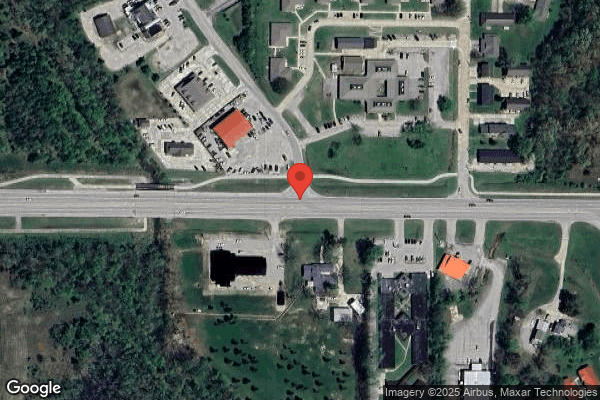

2350 KANELL BLVD, POPLAR BLUFF, MO 63901 (573) 785-0188
For profit - Limited Liability company 108 Beds Independent Data: November 2025
Trust Grade
55/100
#139 of 479 in MO
Last Inspection: May 2025

Inspected within the last 6 months. Data reflects current conditions.

Overview

CedarGate Health Care Center holds a Trust Grade of C, meaning it is average compared to other facilities, neither excelling nor failing. It ranks #139 out of 479 in Missouri, placing it in the top half, and #2 out of 5 in Butler County, indicating only one other local option is better. The facility is showing improvement, with the number of reported issues decreasing from 15 in 2024 to 9 in 2025. Staffing is a concern, with a 69% turnover rate that is higher than the state average, but it does have good RN coverage, surpassing 83% of Missouri facilities. Although there have been no fines, recent inspections revealed some issues: food was not stored under sanitary conditions, which could lead to food-borne illness, and trash containers in the kitchen were not covered, increasing the risk of pest problems. Additionally, the facility lacked a proper infection prevention protocol, which is crucial for resident safety.

Trust Score
C
55/100
In Missouri
#139/479
Top 29%
Safety Record
Low Risk
No red flags
Inspections
Getting Better
15 → 9 violations
Staff Stability
⚠ Watch
69% turnover. Above average. Higher turnover means staff may not know residents' routines.
Penalties
✓ Good
No fines on record. Clean compliance history, better than most Missouri facilities.
Skilled Nurses
○ Average
Each resident gets 34 minutes of Registered Nurse (RN) attention daily — about average for Missouri. RNs are the most trained staff who monitor for health changes.
Violations
⚠ Watch
39 deficiencies on record. Higher than average. Multiple issues found across inspections.
★★★☆☆
3.0
Overall Rating
★★★☆☆
3.0
Staff Levels
★★☆☆☆
2.0
Care Quality
★★★☆☆
3.0
Inspection Score
Stable
2024: 15 issues
2025: 9 issues

The Good

  • Full Sprinkler Coverage · Fire safety systems throughout facility
  • No fines on record

Facility shows strength in fire safety.

The Bad

3-Star Overall Rating

Above Missouri average (2.5)

Meets federal standards, typical of most facilities

Staff Turnover: 69%

22pts above Missouri avg (46%)

Frequent staff changes - ask about care continuity

Staff turnover is elevated (69%)

21 points above Missouri average of 48%

The Ugly 39 deficiencies on record

May 2025 9 deficiencies
CONCERN (D)

Potential for Harm - no one hurt, but risky conditions existed

Deficiency F0605 (Tag F0605)

Could have caused harm · This affected 1 resident

Based on interview and record review, the facility failed to attempt a gradual dose reduction (GDR) for psychotropic (medications that affect how the brain works and causes changes in mood, awareness,...

Read full inspector narrative →
Based on interview and record review, the facility failed to attempt a gradual dose reduction (GDR) for psychotropic (medications that affect how the brain works and causes changes in mood, awareness, thoughts, feelings, or behaviors) medications for three residents (Residents #4, #16, and #22), failed to provide an appropriate diagnosis for the use of an antipsychotic (medications used to treat psychosis, a mental health condition characterized by delusions, hallucinations, and disorganized thinking) medication for one resident (Resident #4), and failed to limit the use of as needed (PRN) psychotropic medication orders for 14 days for two residents (Residents #4 and #12) out of eight sampled residents and one resident (Resident #30) outside the sample. The facility census was 55. Review of the facility's policy titled, Tapering Medications and Gradual Drug Dose Reduction, last revised April 2007, showed: - Tapering that is applicable to antipsychotic medications shall be referred to as gradual dose reduction; - Residents who use antipsychotic drugs shall receive gradual dose reductions, unless clinically contraindicated, in an effort to discontinue the use of such drugs; - Within the first year after a resident is admitted on antipsychotic medication or after the resident has been started, the staff and practitioner shall attempt a GDR in two separate quarters (with at least one month between the attempts), unless clinically contraindicated. After the first year, the facility shall attempt a GDR at least annually, unless clinically contraindicated. The physician has documented the clinical rationale for why any attempted dose reduction would be likely to impair the resident's function or cause psychiatric instability by exacerbating an underlying medical or psychiatric disorder; - The policy did not address the 14-day timeframe of PRN psychotropic medication use or a rationale to increase the timeframe. 1. Review of Resident #4's May 2025 POS showed: - Diagnoses of dementia (a disorder marked by memory loss, personality changes, and impaired reasoning that interferes with daily functioning) with agitation and hospice care (health care that focuses on the quality of life of a terminally ill person); - An order for lorazepam (an anti-anxiety medication) concentrate 2 milligram (mg)/milliliter (ml) 0.5 ml by mouth every one hour PRN for anxiety/terminal restlessness or shortness of breath for 90 days, dated 02/26/25 - 05/27/25, with no rationale for the 90 day timeframe for the order; - An order for risperidone (an antipsychotic medication) 0.5 mg two times a day related to dementia, dated 04/29/24, with a black box warning of increased mortality in elderly patients with dementia-related psychosis; Elderly patients with dementia-related psychosis treated with antipsychotic medications are at an increased risk of death. Risperidone is not approved for the treatment of patients with dementia-related psychosis; - The facility failed to provide a 14 day stop date order for the lorazepam or a documented rationale for the greater than 14 day time frame; - No documentation of an appropriate diagnoses for risperidone. Review of the resident's Nurse's Note, dated 02/26/25, showed: - The consultant pharmacist recommended to reduce the risperidone to 0.25 mg every morning and 0.5 mg every evening; - The primary physician disagreed and documented the patient was doing well presently. Review of the resident's medical record showed: - The physician did not document a detailed clinical rationale for the risperidone GDR refusal; - No documentation the consultant pharmacist addressed the need for an appropriate diagnosis for the risperidone; - No documentation the primary physician addressed an appropriate diagnosis for the risperidone. 2. Review of Resident #12's May 2025 POS showed: - Diagnoses of depression and severe protein-calorie malnutrition; - An order for lorazepam concentrate 2 mg/ml 0.25 ml by mouth every 4 hours PRN for restlessness or agitation, dated 05/02/25. Review of the resident's medical record showed: - No documentation for a greater than 14 day time frame rationale for the lorazepam PRN order; - The facility failed to provide a 14 day stop date order for the lorazepam or a documented rationale for the greater than 14 day time frame. 3. Review of Resident #16's May 2025 POS showed: - Diagnoses of anxiety and bipolar; - An order for trazodone (an antidepressant medication) 150 mg two tablets at bedtime for insomnia, dated 04/29/24; - An order for lamotrigine (an anticonvulsant medication used to treat bipolar disorder) 100 mg by mouth three times a day related to bipolar disorder, dated 04/29/24; - An order for buspirone (an anti-anxiety medication) 30 mg by mouth three times a day related to schizophrenia, dated 04/29/24; - An order for lurasidone (an antipsychotic medication) 40 mg by mouth one time a day related to bipolar disorder, dated 06/24/24; - An order for amitriptyline (an antidepressant medication) 50 mg by mouth at bedtime for depression, dated 04/29/24. Review of the resident's Nurse's Notes, dated 06/04/24, showed: - The Pharmacist Consultant monthly pharmacy review performed, reviewed GDR medications; - Did not address which medications were reviewed for GDR. Review of the resident's Pharmacy's last GDR Tracking Report, dated 08/20/24, showed: - Amitriptyline for schizophrenia, with a therapy start date of 04/25/22, with next GDR evaluation due 06/08/24; - Buspirone for schizophrenia, with a therapy start date of 01/29/21, with next GDR evaluation due 06/08/24; - Lamotrigine for schizophrenia, with a therapy start date of 01/29/21, with GDR evaluation 06/08/24; - Lurasidone for bipolar disorder, with a therapy start date of 06/24/24, with GDR evaluation of 12/24/24; - Trazodone for insomnia, with a therapy start date of 01/29/21, with GDR evaluation of 06/08/24. Review of the resident's medical record showed: - No documentation of any GDR reviews after 08/20/24; - The facility failed to attempt a GDR for the amitriptyline, buspirone, lamotrigine, lurasidone, and trazodone. 4. Review of Resident #22's May POS showed: - Diagnoses of acute and chronic respiratory failure with hypoxia (a condition where there's not enough oxygen or too much carbon dioxide in your body), chronic obstructive pulmonary disease (COPD - a chronic inflammatory lung disease that causes obstructed airflow from the lungs), and bipolar disorder; - An order for buspirone 30 mg by mouth two times a day related to bipolar disorder, dated 09/25/23. Review of the resident's Pharmacy's Last GDR Tracking Report, dated 08/20/24, showed: - Buspirone for bipolar disorder, with a therapy start date of 07/05/21, with next GDR 08/09/24. Review of the resident's medical record showed: - The facility failed to attempt a GDR for the buspirone. 5. Review of Resident #30's May 2025 Physician Order Sheet (POS) showed: - Diagnoses of Alzheimer's disease (progressive mental deterioration), major depressive disorder (long-term loss of pleasure or interest in life), and anxiety disorder; - An order for alprazolam (an anti-anxiety medication) 0.25 mg by mouth every four hours PRN for anxiety, dated 04/29/24. Review of the resident's medical record showed: - No documentation for a greater than 14 day time frame rationale for the alprazolam PRN order; - The facility failed to provide a 14 day stop date order for the alprazolam or a documented rationale for the greater than 14 day time frame. During an interview on 05/21/25 at 11:30 A.M., the Director of Nursing (DON) said that the current pharmacy took over in September 2024, so there was not a lot of GDRs completed. During an interview on 05/22/25 at 1:45 P.M., the DON said psychotropic PRN medications should all have a 14 day stop when ordered, especially the anti-psychotic medications. During an interview on 05/22/25 at 2:20 P.M., the Administrator said she would expect there to be a 14 day stop order on psychotropic PRN medications or a documented rationale by the physician. Also, GDRs should be completed per the regulations.
CONCERN (D)

Potential for Harm - no one hurt, but risky conditions existed

Incontinence Care (Tag F0690)

Could have caused harm · This affected 1 resident

**NOTE- TERMS IN BRACKETS HAVE BEEN EDITED TO PROTECT CONFIDENTIALITY** Based on observation, interview, and record review, the facility failed to ensure a urinary indwelling catheter (a tube inserted...

Read full inspector narrative →
**NOTE- TERMS IN BRACKETS HAVE BEEN EDITED TO PROTECT CONFIDENTIALITY** Based on observation, interview, and record review, the facility failed to ensure a urinary indwelling catheter (a tube inserted into the bladder to drain urine) drainage bag was maintained in proper position and not above the bladder, for two residents (Residents #4 and #7) out of two sampled residents. The facility also failed to properly provide incontinent care for three residents (Residents #5, #22 and #29) out of four sampled residents. The facility census was 55. Review of the facility's policy titled, Catheter Care, revised September 2014, showed: - The urinary drainage bag must be held or positioned lower than the bladder at all times to prevent the urine in the tubing and drainage bag from flowing back into the urinary bladder. Review of the facility's policy titled, Urinary Continence and Incontinence - Assessment and Management, revised September 2010, showed: - Did not address the procedure of incontinent care. 1. Review of Resident #4's medical record showed: - admitted on [DATE]; - Diagnoses of pressure ulcer (damage to the skin and/or underlying tissue as a result of pressure) of sacral region stage 4 (full thickness tissue loss with exposed bone, tendon or muscle. Slough or eschar may be present on some parts of the wound bed. Often include undermining and tunneling), dementia (a disorder marked by memory loss, personality changes, and impaired reasoning that interferes with daily functioning), hemiplegia (paralysis of the muscles of the lower face, arm, and leg on one side of the body), cerebral vascular accident (CVA - stroke), and receive hospice care (health care that focuses on the quality of life of a terminally ill person). Review of the resident's Physician Order Sheet (POS), dated May 2025, showed: - An order to change catheter monthly on the 28th on night shift and as needed with a 22 French (Fr. - the size of the catheter) 30 milliliter (ml) bulb needed and provided by hospice, dated 04/29/24; - An order to record the Foley (a type of indwelling catheter)catheter output at the end of every shift and document, dated 04/29/24; - An order to change the Foley drainage bag weekly on Saturday night shift on the 28th of each month every night shift dated 03/28/24; - An order for Foley catheter care every shift for wound management, dated 03/04/24. Review of the resident's quarterly Minimum Data Set (MDS - a federally mandated process for clinical assessment of all residents in certified nursing homes), dated 03/15/25, showed: - Used an indwelling catheter; - Required assistance for toileting. Review of the resident's Care Plan, dated 04/02/25, showed: - Urinary catheter due to wound care management. Position the catheter bag and tubing below the level of the bladder; - Activities of daily living (ADLs) deficit and dependant for toileting. Observation on 05/20/25 at 10:34 A.M., of the resident's urinary catheter and incontinent care showed: - Certified Nurse Assistant (CNA) B unhooked the catheter drainage bag from the bed frame and placed it on the foot of the bed; - CNA B and CNA C performed incontinent and catheter care; - CNA B failed to keep the catheter drainage bag below the level of the resident's bladder. 2. Review of Resident #5's medical record showed: - admitted on [DATE]; - Diagnoses of sacral (the bottom of the spine, between the bottom of the lumbar spine and tailbone) spinal bifida (a condition that occurs when the spine and spinal cord don't form properly), and paraplegic (paralysis of the legs and lower body). Review of the resident's quarterly MDS dated [DATE], showed: - Incontinent of bowel and bladder; - Dependent for toileting. Review of the resident's Care Plan, dated 01/19/24, showed; - Assist with ADLs; - Extensive to dependent assistance for toileting and a Hoyer lift (a mechanical lift) for transfers. Observation on 05/20/25 at 9:52 A.M., of Resident #5's incontinent care showed: - CNA C provided incontinent care for the resident; - CNA C failed to clean the resident's groin, buttocks, and thigh area. 3. Review of Resident #7's medical record showed: - admitted on [DATE]; - Diagnoses of chronic kidney disease (a condition in which the kidneys are damaged and cannot filter blood as well as they should), flaccid neuropathic bladder (condition that results in lack of bladder control due to a brain, spinal cord or nerve problem), benign prostatic hyperplasia (BPH - enlargement of the prostate causing difficulty in urination) with lower urinary tract symptoms, and spinal stenosis cervical region (the narrowing of one or more spaces within the spinal canal of the neck which causes symptoms like back or neck pain and tingling in the arms or legs). Review of the resident's POS, dated May 2025, showed: - An order to change the catheter drainage bag weekly on Saturday every night shift with foley maintenance and care, dated 03/31/24; - An order for a suprapubic (a catheter surgically inserted into the bladder through a small incision in the lower abdomen) catheter care: Cleanse with soap and water every day and night shift, dated 11/06/24; - An order to flush the suprapubic catheter tubing with 50 cubic centimeters (cc) sterile water daily and as needed every night shift and every 12 hours as needed related to flaccid neuropathic bladder, dated 03/31/25. Review of the resident's quarterly MDS, dated [DATE], showed: - Used an indwelling catheter; - Dependent for toileting hygiene, shower/bath, and personal hygiene. Review of the resident's Care Plan, dated 11/27/23, showed: - Suprapubic catheter placement done on 08/01/23; - Needs supervision for some ADLs and extensive with others such as transferring due to safety. Interventions included extensive assist for his/her toileting needs. He/She had a suprapubic catheter. Observation on 05/22/25 at 9:11 A.M., of the resident's Hoyer lift transfer, incontinent care, and catheter care showed: - CNA E removed the catheter drainage bag from under the wheelchair and placed in the resident's lap; - CNA E and CNA F transferred the resident from the wheelchair to the bed with the Hoyer lift to bed. CNA E moved the catheter drainage bag from the resident's lap to the mattress handle to assist the resident to turn to the side to remove the Hoyer lift pad; - CNA E removed the catheter drainage bag from the mattress handle and lay it on the mattress near the foot of the bed; - CNA E and CNA F performed incontinent care; - CNA E picked up the catheter drainage bag, placed it though the leg of the resident's shorts and placed the catheter drainage bag on top of the resident's lower abdomen where the resident held the catheter drainage bag during the Hoyer lift transfer from the bed back to the wheelchair. CNA E retrieved the catheter drainage bag from the resident and hooked it under the wheelchair; - CNA E and CNA F failed to keep the catheter drainage bag below the level of the resident's bladder during transfers and care. 4. Review of Resident #22's medical record showed: - admitted on [DATE]; - Diagnoses of muscle weakness, trochanteric bursitis (pain that occurs on the outside of the hip) right hip, and spinal stenosis lumbar region without neurogenic claudication (narrowing of the spinal canal in the lower part of the back without pain that originates from the nerves). Review of the resident's quarterly MDS, dated [DATE], showed: - Frequently incontinent of bowel and bladder; - Dependent for toileting hygiene, shower/bath, upper and lower body dressing, and personal hygiene; - Substantial/Maximal assistance to roll left and right. Review of the resident's Care Plan, revised 04/15/25, showed; - Resident has an ADL Self Care Performance Deficit and requires assist with all ADLs related to confusion, limited mobility, spinal stenosis, and pain; - Resident has potential for pressure ulcer development related to decline in functional, cognitive abilities, and incontinent of bowel and bladder. Observation on 05/20/25 at 1:58 P.M., of the resident's incontinent care showed: - The resident's brief to be soaked with urine and fecal material; - CNA E provided incontinent care for the resident; - CNA E failed to clean the resident's pubic area, groin, and inner thighs. 5. Review of Resident #29's medical record showed: - admitted on [DATE]; - Diagnoses of cerebral infarction (a type of stroke due to a blockage in the blood vessels supplying blood to the brain), vascular dementia (a decline in thinking skills caused by conditions that block or reduce blood flow to various regions of the brain, depriving them of oxygen and nutrients), neuromuscular dysfunction of the bladder (condition that results in lack of bladder control due to a brain, spinal cord or nerve problem), seizures (a burst of uncontrolled electrical activity between brain cells that causes temporary abnormalities in muscle tone or movements like stiffness, twitching or limpness, behaviors, sensations, or states of awareness), muscle weakness, and pain. Review of the resident's quarterly MDS, dated [DATE], showed: - Always incontinent of bowel and bladder; - Upper extremity impairment to one side; - Lower extremity impairment to both sides; - Dependent for toileting hygiene, shower/bath, and upper and lower body dressing. Review of the resident's Care Plan, dated 01/09/24, showed: - Resident has an ADL self care performance deficit and requires assist with ADLS related to a history of stroke with left sided hemiparesis (a loss of strength in the arm, leg, and sometimes face on one side of the body)/hemiplegia; - Interventions of extensive to dependent assist with bed mobility, bilateral grab bars to hold him/herself on his/her side while staff provides care related to left sided hemiplegia, dependent with mechanical lift transfers, dependent with bath/showers, does not wash any part of him/herself, and dependent with toileting hygiene and brief changes. Observation on 05/20/25 at 2:12 P.M., of the resident's incontinent care showed: - The resident's brief to be soaked with urine; - CNA E provided incontinent care for the resident; - CNA E failed to clean the resident's pubic area, groin, and the perineum (area between the genitals and the anus). During an interview on 05/20/25 at 3:55 P.M., CNA E said a resident's pubic area, the perineum, and both sides of the groin should be cleaned. Everything should be cleaned during incontinent care. During an interview on 05/20/25 at 3:55 P.M., CNA B said during incontinent care that all parts should be cleaned such as the pubic area, the groin, the perineum, the buttocks, and thighs. During an interview on 05/22/25 at 9:45 A.M., CNA F said the catheter drainage bag should be lower than the the resident's bladder. The catheter drainage bag should be hooked to the bed frame or hooked under the wheelchair. During an interview on 05/22/25 at 9:49 A.M., CNA E said the catheter should allow the urine to flow down and drain so the catheter drainage bag should be below the resident's bladder. The catheter drainage bag should not touch the floor, it should be hooked on the bars under the wheelchair, on the bed frame, or on the strap on the side of the mattress. CNA E was unsure if the catheter drainage bag should be on the bed. During an interview on 05/22/25 at 9:53 A.M., the Director of Nursing (DON) said the catheter drainage bag should be hung on the bed, so many inches off the floor, and make sure the tubing was not taut. The catheter drainage bag should not be placed on the bed with the resident or in the resident's lap during transfers and it should always be below the resident's bladder so the urine could not backup into the bladder. She said all areas should be cleaned during incontinent care, such as the pubic area, groin, buttocks, thighs, and back if needed. During an interview on 05/22/25 at 2:00 P.M., the Administrator said she would expect staff to follow policy and procedures to ensure the catheter never was above the level of the bladder. She would also expect staff to follow procedures to ensure the whole resident was cleaned during incontinence care.
CONCERN (D)

Potential for Harm - no one hurt, but risky conditions existed

Deficiency F0698 (Tag F0698)

Could have caused harm · This affected 1 resident

**NOTE- TERMS IN BRACKETS HAVE BEEN EDITED TO PROTECT CONFIDENTIALITY** Based on interview and record review, the facility failed to provide documentation of on-going assessments and monitoring after ...

Read full inspector narrative →
**NOTE- TERMS IN BRACKETS HAVE BEEN EDITED TO PROTECT CONFIDENTIALITY** Based on interview and record review, the facility failed to provide documentation of on-going assessments and monitoring after dialysis (a process for removing waste and excess water from the blood) center per facility policy for one resident (Resident #27) out of one sampled resident. The facility's census was 55. Review of the facility's policy, Dialysis Services, undated showed: - This facility is committed to ensuring safe, high-quality dialysis care for residents who require dialysis services; - The goal is to promote positive health outcomes, minimize complications, and ensure resident safety and dignity throughout dialysis treatment; - Resident's receiving dialysis will have an individualized care plan in coordination with the dialysis provider; - The care plan will include access site monitoring; - Dialysis access sites will be monitored daily for signs of infection, clotting, or other contamination risks; - Facility will monitor resident's before and after dialysis for access site integrity and all observations and interventions will be documented in the resident's medical record and communicated to the dialysis provider. 1. Review of Resident #27's Physician's Order Sheet (POS), dated May 2025, showed: - admitted on [DATE]; - Diagnosis of end-stage renal disease (ESRD - the last stage of kidney failure when treatment is essential to preserve body functions and is treated by dialysis); - An order for pre-dialysis weight and vital signs every day shift on Tuesday, Thursday and Saturday; - An order for post-dialysis weight and vital signs every day shift on Tuesday, Thursday and Saturday; - No order to assess the dialysis site and/or dressing before and after dialysis. Review of the resident's admission Minimum Data Set (MDS - part of a federally mandated process for clinical assessment of all residents in certified nursing homes), dated 03/08/25, showed: - The resident received dialysis. Review of the resident's Care Plan, dated 03/24/25, showed: - Problem of at risk for complications related to diagnosis of ESRD and requiring dialysis three times a week. At risk for fluctuations in blood pressure and mental status post-dialysis; - Interventions of having dialysis three times a week as scheduled and be alert for complications such as edema, shortness of breath, abnormal heart rate, labored respirations, cough, congestion, redness and/or edema at dialysis catheter site, fever, hypotension, change in mental status or abnormal vital signs; - Send communication form to dialysis; - Check and change dressing daily at access site and document. Review of the resident's medical record showed: - No documentation of the dialysis site and/or dressing being assessed before and after dialysis. Review of the resident's Dialysis Communication Reports, dated 03/27/25 - 05/15/25, showed: - Assessment of the dialysis site/dressing after dialysis with 11 missed opportunities out of 11 opportunities. Review of the resident's Nurses Notes, dated 03/27/25 - 05/22/25, showed: - Assessment of the dialysis site/dressing after dialysis with 11 missed opportunities out of 11 opportunities; - No daily documentation of the dialysis site/dressing. During an interview on 05/19/25 at 10:15 A.M., Resident #27 said he/she went to dialysis on Tuesday, Thursday and Saturday. Facility staff did not observe his/her dialysis port , only the dialysis staff at the dialysis center. During an interview on 05/21/25 at 11:00 A.M., Licensed Practical Nurse (LPN) D said when a resident returned from dialysis, an assessment of the site should be completed and it should be documented in the nurse's notes. Resident #27's assessment and documentation didn't get done like it should. During an interview on 05/22/25 at 11:15 A.M., the Director of Nursing and Administrator said the facility didn't have documentation of the resident's dialysis site being assessed. It should be done daily and after dialysis and then documented.
CONCERN (D)

Potential for Harm - no one hurt, but risky conditions existed

Infection Control (Tag F0880)

Could have caused harm · This affected 1 resident

Based on observation, interview, and record review, facility staff failed to maintain infection control with hand hygiene and glove changes during incontinent care for four residents (Residents #4, #5...

Read full inspector narrative →
Based on observation, interview, and record review, facility staff failed to maintain infection control with hand hygiene and glove changes during incontinent care for four residents (Residents #4, #5, #7, and #105) out of four sampled residents, urinary catheter care for two residents (Residents #4 and #7) out of two sampled residents, and colostomy (an opening for the colon (large intestine) through the abdomen created by a surgery to allow feces to exit the body) care for one resident (Resident #105) out of one sampled resident. The facility also failed to correctly screen two residents (Residents #19 and #27) for tuberculosis (TB - an infectious disease characterized by the growth of nodules in the tissues, especially the lungs) out of five sampled residents required by state regulation 19 CSR 20-20.100. The facility's census was 55. Review of the facility's policy titled, Handwashing/Hand Hygiene, revised August 2014, showed: - The facility considers hand hygiene the primary means to prevent the spread of infections; - All personnel shall follow the handwashing/hand hygiene procedures to help prevent the spread of infections to other personnel, residents, and visitors; - Wash hands with soap and water when hands are visibly soiled and after contact with a resident with infectious diarrhea; - Use alcohol-based hand rub or soap and water for the following: before and after direct contact with residents, before and after handling an invasive device (urinary catheter), before moving from a contaminated body site to a clean body site during resident care, after contact with a resident's intact skin, after contact with blood or bodily fluids, after handling used dressings or contaminated equipment, after contact with objects, after removing gloves, before and after entering isolation precaution setting; - Hand hygiene is the final step after removing and disposing of personal protective equipment (PPE). Review of the facility's policy titled, PPE - Gloves, dated July 2009, showed: - Wash your hands after removing gloves. Review of the facility's policy titled, Tuberculosis (TB) Screening Residents , revised July 2013, showed: - Any resident without a documented negative TB skin test (TST) within the previous 12 months will receive a baseline two step TST or one-step blood assay for Myobacterium tuberculosis (BAMT) upon admission. If the first TST is negative, a follow-up TST will be administered one to three weeks after the initial test is read. The BAMT is a one-step test. 1. Observation on 05/20/25 at 9:52 A.M., of Resident #5's incontinent care showed: - CNA C performed hand hygiene and put on a gown and gloves; - CNA C entered the room, did not disinfect the bedside table, and placed wet wash cloths on the bedside table with no barrier; - CNA C cleaned the resident's bottom and perineal area, removed the soiled brief, did not perform hand hygiene, did not change gloves, put a clean brief under the resident, and fastened the clean brief; - CNA C did not change gloves, did not perform hand hygiene, and touched the resident's rolled blanket between his/her feet, the top blanket and the side table; - CNA C removed the gown, removed the gloves, did not perform hand hygiene, exited the room, took the trash out to the trash container in the hall, and performed hand hygiene. 2. Observation on 05/20/25 at 10:02 A.M., of Resident #105's colostomy and incontinent care showed: - CNA C performed hand hygiene, put on gown and gloves, and entered the room with supplies; - CNA C did not disinfect the bedside table, and placed wet wash cloths on the bedside table with no barrier, and cranked the head of the bed down with the hand crank; - CNA C did not change gloves, did not perform hand hygiene, touched the resident's leaking colostomy bag, removed gloves, and did not perform hand hygiene; - CNA C entered the bathroom and obtained an empty canister, did not perform hand hygiene, and put on gloves; - CNA C unfastened the soiled brief, cleaned fecal material from the resident's abdomen with a wet wash cloth, opened the colostomy bag, emptied the fecal material into the canister, did not change gloves, did not perform hand hygiene, resealed the colostomy bag, and put the canister with the fecal material in a trash bag; - CNA C did not change gloves, did not perform hand hygiene, cleaned fecal material from the resident's abdomen, removed the soiled gown from the resident, and removed the soiled blanket from the resident's bed; - CNA C removed gloves, performed hand hygiene, and put on gloves; - CNA C washed the top of the colostomy bag and the resident's abdomen again, did not perform hand hygiene, did not change gloves, and applied a patch under the colostomy site where it leaked; - CNA C did not change gloves, did not perform hand hygiene, removed the soiled brief and soiled pad, removed gloves, did not perform hand hygiene, and put on gloves; - CNA C touched the resident's thigh, cleaned the resident's right buttock and hip, did not change gloves, did not perform hand hygiene, cleaned the resident's perineal area, did not perform hand hygiene, did not change gloves, touched the colostomy bag, did not change gloves, did not perform hand hygiene, touched the resident's left thigh, the resident's clean brief, did not change gloves, did not perform hand hygiene, put on barrier cream to the resident's buttocks, did not perform hand hygiene, did not change gloves, fastened the brief, and touched the resident's gown; - CNA C did not perform hand hygiene, did not remove gloves and gown, touched the resident's door and door knob, exited the resident's room, walked down the hall with the canister of fecal material covered in a bag to the soiled utility room, and touched the soiled utility room door knob to enter; - CNA C emptied and cleaned the canister and put the canister in a new bag; - CNA C removed gloves and gown, did not perform hand hygiene, put on gloves, picked up the bagged canister, went back to the resident's room, did not perform hand hygiene, did not change gloves, touched the resident's door and bathroom door, and placed the bagged canister in the bathroom; - CNA C picked up the soiled linen and trash, did not perform hand hygiene, did not change gloves, exited the room, put the soiled linens and trash in a soiled cart out in the hall, and did not perform hand hygiene and did not change gloves; - CNA C touched the clean linen cart, removed gloves, did not perform hand hygiene, touched the hall closet door, touched the supply cart, performed hand hygiene, put on gloves and gown, and entered the resident's room; - CNA C helped the resident to roll to the right and rolled up the soiled incontinent pad and bottom sheet, did not perform hand hygiene, did not change gloves, put a clean top sheet on the bed, removed the soiled incontinent pad and bottom sheet, did not change gloves, did not perform hand hygiene, and put on a clean bottom sheet and incontinent pad on the bed; - CNA C did not perform hand hygiene, did not change gloves, touched the resident's phone, changed gloves, did not perform hand hygiene, and pulled the resident's top sheet and blanket up to the resident; - CNA C removed gown and gloves, did not perform hand hygiene, exited the room, put the bag of soiled linen and trash in in a a soiled cart out in the hall, and performed hand hygiene. 3. Observation on 05/20/25 at 10:34 A.M., of Resident #4's urinary catheter and incontinent care showed: - CNA B and CNA C performed hand hygiene and put on gowns and gloves; - CNA C did not disinfect the side rails and placed wet wash cloths on the side rails with no barrier; - CNA B unhooked the resident's catheter drainage bag and placed it on the foot of the bed; - CNA C cleaned the resident's bottom, did not change gloves, did not perform hand hygiene, and placed a clean incontinent pad on top of the bed; - CNA B removed the dirty incontinent pad, did not change gloves, did not perform hand hygiene, and placed a clean incontinent pad under the resident; - CNA C did not perform hand hygiene, did not change gloves, and touched the resident's pillow; - CNA B did not perform hand hygiene, did not change gloves, and touched the resident's wedge; - CNA C did not perform hand hygiene, did not change gloves, performed catheter care and cleaned the front peri area; - CNA C changed gloves, did not perform hand hygiene, hung the catheter drainage bag from the bed frame, went to the bathroom and obtained a clean canister, put the canister on the floor, did not change gloves, did not perform hand hygiene, emptied the catheter drainage bag into the canister, took the canister to the bathroom, emptied the canister, did not change gloves, did not perform hand hygiene, cleaned the canister, removed gloves and gown, and performed hand hygiene; - CNA B removed gloves, and gown, did not perform hand hygiene, exited the resident's room, took the dirty linen and trash out to the soiled cart in the hall, and performed hand hygiene. 4. Observation on 05/22/25 at 9:11 A.M., of Resident #7 urinary catheter and incontinent care and transfer showed: - CNA E and CNA F put on gown and gloves and did not perform hand hygiene; - CNA E did not disinfect the bedside table and placed wet wash clothes on the bedside table with no barrier; - CNA E retrieved a wash cloth from the bedside table, cleaned the fecal material from the resident's back with fecal material on top of the left gloved hand, wiped the fecal material off the glove onto the soiled wash cloth, did not change gloves, and did not perform hand hygiene; - CNA E touched the resident's bare right knee with the left gloved hand soiled with fecal material, removed the partially unattached dressing from the resident's suprapubic catheter (a hollow flexible tube that is inserted into the bladder from a small cut in the abdomen and used to drain urine) insertion site, did not change gloves, did not perform hand hygiene, touched the resident's shorts, touched the velcro straps of the resident's left shoe, removed the shoe, removed the sock from the resident's left foot, lifted the catheter drainage bag and put it through the leg of the resident's shorts, did not change gloves, did not perform hand hygiene, retrieved a wet wash cloth from the bedside table, cleaned the lower legs, did not change gloves, did not perform hand hygiene, retrieved a clean wash cloth from the bedside table, touched the catheter tubing with the left gloved hand soiled with fecal material, cleaned fecal material from the pubic area and left groin, used the same area of the wash cloth soiled with fecal material for three wipes, folded the wash cloth in half, cleaned the right groin, and used the outside of the wash cloth soiled with fecal material to clean the pubic area wiping three times with same area of the wash cloth; - CNA E did not change gloves, did not perform hand hygiene, touched the catheter tubing, rolled and tucked the Hoyer lift (a mechanical lift) pad soiled with fecal material under resident, did not change gloves, did not perform hand hygiene, cleaned fecal material from resident's left buttock, used same area of wash cloth soiled with fecal material to wipe multiple times, did not change gloves, did not perform hand hygiene, retrieved a clean wash cloth from the bedside table, cleaned fecal material from the right buttock and the back of the thigh, placed the wash cloth soiled with fecal material on a clean incontinent pad, folded the wash cloth soiled with fecal material in half, continued to clean fecal material from the back of the thigh, did not change gloves, and did not perform hand hygiene; - CNA F removed gown and gloves, did not perform hand hygiene, exited and returned to the room with a gown and gloves on with more wash cloths, dropped one wash cloth on the floor, picked up the dropped wash cloth and added it back to other wash cloths in his/her hand, did not disinfect and without a barrier on the sink counter, placed all the wash clothes on the sink counter, retrieved and placed a clean brief under the resident, and wet the wash cloths and sprayed with peri cleaner; - CNA F did not change gloves, did not perform hand hygiene, and handed CNA E a prepared wash cloth; - CNA E cleaned the resident's right buttock and gluteal cleft with a wash cloth, folded the Hoyer lift pad soiled with fecal material and removed from the bed, sat the Hoyer lift pad soiled with fecal material on the floor, removed the brief soiled with fecal material from the Hoyer lift pad and placed in a trash bag, picked up the Hoyer lift pad soiled with fecal material and put in a trash bag, changed gloves, and performed hand hygiene; - CNA F did not change gloves, did not perform hand hygiene, applied a barrier cream to the resident's buttocks, wiped the cream from the gloves onto the inside of the clean brief, changed gloves, and did not perform hand hygiene; - CNA E retrieved a prepared wash cloth from the sink area, wiped fecal material from the groin and perineal area with the same area of the wash cloth soiled with fecal material multiple times, changed gloves, and performed hand hygiene, - CNA E performed catheter care, did not change gloves, and did not perform hand hygiene; - CNA E fastened the left side of the clean brief, retrieved a clean pair of shorts, assisted the resident to place the left leg in the shorts, picked up the catheter drainage bag and placed though the leg of the shorts, CNA E's left glove tore open, did not perform hand hygiene, retrieved a new glove from his/her pant pocket, put on a glove on the left hand, retrieved a clean Hoyer lift pad and placed it under the resident; - CNA F removed gown and gloves and handed them to CNA E who placed the them in a trash bag; - CNA F did not perform hand hygiene, exited the room, performed hand hygiene, entered the resident's room with gown and gloves on; - CNA E did not change gloves, did not perform hand hygiene, touched the resident's wheelchair handles, and assisted CNA F with the resident's Hoyer lift transfer from the bed to the wheelchair; - CNA E did not change gloves, did not perform hand hygiene, touched the catheter drainage bag, retrieved the resident's lanyard from the bedside table and placed it over the resident's head, removed gloves and gown, did not perform hand hygiene, exited the room with a trash bag, placed it the soiled cart in the hall, and performed hand hygiene; - CNA F removed the glove from the right hand, did not remove the glove from the left hand, did not perform hand hygiene, exited the room with the bag of soiled linens, performed hand hygiene to the right hand, took the soiled linens to soiled utility room, sat the soiled linen bag in the floor of the soiled utility room, removed the glove from the left hand, exited the room, and performed hand hygiene. During an interview on 05/20/25 at 3:53 P.M., CNA B said he/she should perform hand hygiene at least three times during care, before starting, when going from dirty to clean care, and when care was complete. Gloves should be changed when visibly soiled too. During an interview on 05/22/25 at 9:45 A.M., CNA F said hand hygiene should be completed when entering a resident's room, put on gloves, provide care, change gloves and perform hand hygiene, then wash hands when done. Gloves should be changed if visibly soiled during care, and soiled linens should not be on the floor but should be placed in a bag. During an interview on 05/22/25 at 9:49 A.M., CNA E said there should be two people for care, one to stay dirty and one to stay clean, wipe front to back, using a new area of the wipe each time or a new wipe. Soiled items should not be placed on clean items, and surfaces should be cleaned or paper towels be put down before laying clean items on it or keep clean items in a bag. Hand hygiene should be completed and gloves changed when moving from dirty to clean tasks or area, and when gloves were visibly soiled, and again at end of care. Linens should not be placed on the floor but always in a bag. During an interview on 05/22/25 at 9:53 A.M., the Director of Nursing (DON) said staff should gather supplies, if the resident required assistance of two, then one should be dirty and one should be clean. Hand hygiene and gloves on before care starts, perform hand hygiene and change gloves when going from dirty to clean care, and change gloves if they were visibly soiled. Hand hygiene and gloves should be changed when touching any clean items after care. Pick up supplies and soiled items and then sanitize hands when leaving the room. 5. Review of Resident 19's medical record showed: - admit date of 03/05/24; - TST administered on 03/06/25, with no read date and a negative result of 0 millimeters (mm); - TST administered on 03/26/25, with no read date and a negative result of 0 mm. 6. Review of Resident #27's medical record showed: - admit date of 02/28/25; - TST administered on 03/12/25, and read 03/14/25, with a 0 mm; - No second step TST administered. During an interview on 05/22/25 at 2:00 P.M., the Administrator said she would expect resident TB to be completed and documented correctly. She would also expect staff to follow infection control during care and perform it correctly.
CONCERN (F)

Potential for Harm - no one hurt, but risky conditions existed

Food Safety (Tag F0812)

Could have caused harm · This affected most or all residents

Based on observation, interview, and record review, the facility failed to store and distribute food under sanitary conditions, increasing the risk of cross-contamination and food-borne illness. These...

Read full inspector narrative →
Based on observation, interview, and record review, the facility failed to store and distribute food under sanitary conditions, increasing the risk of cross-contamination and food-borne illness. These practices had the potential to affect all residents. The facility census was 55. Review of the facility's policy titled, Food Receiving and Storage, revised 07/2014, showed: - Foods shall be received and stored in a manner that complies with safe food handling practices, food services or other designated staff will maintain clean food storage areas at all times; -When food is delivered to the facility, it will be inspected for safe transport and quality before being accepted; - Food in designated dry storage areas shall be kept off the floor (at least 18 inches) and clear of sprinkler heads, sewage/waste disposal pipes and vents. Review of the facility's policy titled, Refrigerators and Freezers, revised 12/2014, showed: - This facility will ensure safe refrigerator and freezer maintenance, temperatures, and sanitation, and will observe food expiration guidelines; - Supervisors will inspect refrigerators and freezers monthly for gasket condition, fan condition, presence of rust, excess condensation, and any other damage or maintenance needs and necessary repairs will be initiated immediately. Maintenance schedules per manufacturer guidelines will be scheduled and followed; - Refrigerators and freezers will be kept clean, free of debris, and mopped with sanitizing solution on a scheduled basis and more often as necessary. 1. Observation on 05/19/25 at 9:34 A.M., and 10:40 A.M., of the dry food storage room showed: - Five cardboard case boxes filled with traditional stuffing mix, beef stew, rice crisps, white vinegar, and marinara sauce lay directly on the floor with all delivery items stacked above and in front of the food storage shelves; - One used hair net lay on the food shelf near the assorted spice containers. 2. Observation on 05/19/25 at 9:36 A.M., and 05/20/25 at 10:41 A.M., of the dry food storage room showed: - The ice machine interior horizontal plastic surface with a black substance above the ice, a white substance on the left and right exterior sides of the machine, and a 1/4 inch (in.) thick black substance covered the entire 6 in. exposed exterior surface of the 1 in. plastic drain; - A 15 foot (ft.) wall section below the ice machine without a baseboard and finished wall surface; - An 8 in. ceiling vent with a gray substance above the shelf with cereal containers in the dry storage; - A 12 in. x 12 in. ceiling vent with a gray substance near the ice machine; - A 6 ft. of metal ceiling tile frames with a gray substance; - A 4 ft. wall section below the fire extinguisher near the doorway without a baseboard and finished wall surface; - A 2 in. diameter (dia.) hole in the wall below the ice machine; - An opened 4 in. dia. floor drain without a strainer (a device that inserts into the floor drain and collects al debris entering the drain, preventing it from creating a clog); - Two upright deep freezers with 1/4 in. ice formation on all interior shelving; - The floor with scattered debris and a sticky film below the food shelves ; - One dented 3 quart (qt.) metal can of mandarin oranges, dated 11/10/24; - One dented 3 qt. metal can of applesauce, dated received on 05/05/25; - One dented 3 qt. metal can of diced pears in juice, dated 09/20/24; - One dented 3 qt. metal can of great northern beans, dated received on 03/24/25; - One dented 3 qt. metal can of sloppy joe sauce, dated best by 12/08/26; - One dented 7.25 ounce metal can of diced pears in juice, dated best by 02/25/27; - One metal cereal scoop lay uncovered directly on a shelf beside the plastic cereal container. 3. Observation on 05/19/25 at 9:40 A.M., and 05/20/25 at 10:45 A.M., of the walk-in refrigerator showed: - Interior baseboard area with a damp brown substance along the wall near the floor; - A gray substance between the square shaped plastic ventilation louvers; - A non-intact coated surface on two metal wire food shelves with a brown substance. 4. Observation on 05/19/25 at 9:45 A.M., and 05/20/25 at 10:50 A.M., of the kitchen showed: - The 24 in. x 24 in. ceiling vent with a brown and gray substance; - Four 12 in. x 12 in. ceiling vents with a brown and gray substance; - The steam table with a brown substance surrounding two screws through the clear glass viewing area; - The commercial electric range oven interior with a dark brown oily build-up, the floor surface below the range with food debris and an oily film, and the oven section not in working condition; - Two 4 ft. ceiling light fixture covers near the dishwashing sink and the dishwashing machine with a brown substance. During an interview on 05/19/25 at 10:16 A.M., Dietary Aide H said she needed to squeeze in between the food boxes stacked on the floor to be able to grab food items off the shelves. The night shift dietary staff that would come in to work this afternoon were supposed to put away the dry stock and the delivery truck comes every Monday morning. The day shift staff did not have time to put the boxes away, so it was left on the floor. The day shift put away the cold food items that were delivered. The night shift staff should be searching for dented cans before they stock it, but they didn't always catch all of them, so they wind up on the shelf. There was a lower shelf designated to place all of the dented cans and there were several items on the shelf. During an interview on 05/22/25 at 12:53 P.M., the Dietary Manager said he/she would expect the stand-up freezers to be free of ice build-up on the shelves and they appeared to have frost that shouldn't be there. The ice machine should not have lime build up on the exterior and the interior parts should be clean, but they seemed to have issues. Maintenance helped keep the ice machine clean. The baseboards should be in place in the dry storage room but had not been replaced yet. The walk-in refrigerator should have intact shelves but the coating was missing in some places. The appliances should be clean on all surfaces and the floor below them should be clean but there were problems. The staff signed off on what cleaning tasks they had done, and it matched the cleaning duties list. The ceiling and refrigeration vents should be clean but that was left for maintenance. The food should not be an issue on the floor when the truck delivers in the morning and it was always left for the workers that start in the afternoon. The dented cans should not have been on the upper food shelves with the non damaged food and it must have gotten overlooked. There was a separate shelf where dented cans were supposed to be placed. The commercial range oven did not work but would be useful. When it was tested, it created an oily mess in the oven that should have been cleaned. During an interview and kitchen tour on 05/22/25 at 1:15 P.M., the Administrator said the issues in the kitchen should be addressed. Food should not be allowed to be stored on the floor after the supply truck had delivered. Frozen foods should not be stored with ice buildup and freezers should be defrosted. Canned foods should not be stored on the shelves if they were dented, they should be placed together and returned. The ice machine should be clean and not have a black substance on the interior. The floor drain should be covered, and the drain pipe should be kept clean. The walls should be painted and have baseboards in place. The shelves should be clean in the dry storage and the ceiling vents should be clean. The metal shelves in the walk-in refrigerator should be in good repair and not have chipped surfaces, the ventilation louvers should be clean and should not have brown substance on the lower wall near the floor. The oven portion of the electric range should be repaired or replaced since it didn't work. It should have been kept clean and not have an oily grime build up. During an interview on 05/22/25 at 1:32 P.M., the Maintenance Director said the ice machine should be checked for cleanliness and well maintained. This was a maintenance responsibility and inspection, and cleaning was done about every two months. It was bad when he/she started in October because it was not maintained properly. Since October, he/she had cleaned the ice machine four times and the last time was in April when it was disassembled and chemicals ran through it. The drain line should be clean. Ceiling vents should be cleaned at least once per month. The dietary staff should let him/her know if there were problems with appliances or other issues. The last time the vents were cleaned was two or three weeks ago. He/She would not be able to repair the oven portion of the electric range and when the oven gets hot, grease leaks everywhere inside. The electric burners were replaced on top. He/She was not aware the wall sections in the refrigerator and dry storage area was left unpainted or without vinyl baseboards. No one from kitchen asked him/her to look into the issues. The ceiling vents were mentioned yesterday, the sheet metal can be repaired in the walk-in refrigerator near the floor, and he/she could get help called in if necessary.
CONCERN (F)

Potential for Harm - no one hurt, but risky conditions existed

Garbage Disposal (Tag F0814)

Could have caused harm · This affected most or all residents

Based on observation, interview, and record review, the facility failed to maintain a cover on the trash containers within the kitchen and failed to ensure the dumpster was maintained to keep pests ou...

Read full inspector narrative →
Based on observation, interview, and record review, the facility failed to maintain a cover on the trash containers within the kitchen and failed to ensure the dumpster was maintained to keep pests out and/or to keep the garbage contained in the dumpsters. This failure had the potential to affect all residents. The facility census was 55. Review of the facility's policy titled, Garbage and Rubbish Disposal, undated, showed: - All garbage and rubbish containers shall be provided with tight fitting lids or covers and must be kept covered when stored or not in continuous use; - Outside dumpsters provided by garbage pick up services will be kept closed and free of surrounding litter. 1. Observations of the kitchen on 05/19/25 at 9:36 A.M., and 3:31 P.M., 05/20/25 at 8:27 A.M., 9:44 A.M., and 10:45 A.M., and 05/21/25 at 8:54 A.M., showed: - One uncovered 32-gallon (gal.) gray trash receptacle partially full of refuse near the dishwashing station; - One uncovered 32-gal. gray trash receptacle partially full of refuse near the food preparation area. 2. Observations on 05/19/25 at 8:30 A.M., and 3:45 P.M., 05/20/25 at 8:13 A.M., and 3:44 P.M., 05/21/25 at 8:05 A.M., and 05/22/25 at 9:12 A.M., showed: - The outside trash dumpster area located near the rear entrance of the facility had one 6-yard dumpster partially filled with one plastic lid completely opened. During an interview on 05/20/25 at 3:10 P.M., Certified Nursing Assistant (CNA) G said he/she was trained to take the trash out of the facility using a covered rolling trash can. It was difficult to reach and close the dumpster lid and he/she was only trained to dump the trash bags into the dumpster. Dumping the trash can often was part of the job. During an interview on 05/22/25 at 1:15 P.M., the Administrator said the dumpster should be closed when it was unattended and not being filled by the facility staff. The staff should be closing the dumpster once they have taken bags out of the facility and thrown them in the dumpster. The trash cans should be covered in the kitchen food preparation area if they were not actively being filled and they should have lids available. During an interview on 05/22/25 at 1:32 P.M., the Maintenance Director said the trash dumpster should remain closed when it was not being filled. He/She was not aware of training for the staff on trash removal other than it was supposed to go out the front door and walked back to the dumpster area. The staff were expected to close the dumpster when the trash was dumped in, but it was normally left opened and the shorter staff had trouble closing the lid.
CONCERN (F)

Potential for Harm - no one hurt, but risky conditions existed

Antibiotic Stewardship (Tag F0881)

Could have caused harm · This affected most or all residents

Based on interview and record review, the facility failed to maintain an Infection Prevention and Control Program (IPCP) that included an antibiotic stewardship program to include an infection surveil...

Read full inspector narrative →
Based on interview and record review, the facility failed to maintain an Infection Prevention and Control Program (IPCP) that included an antibiotic stewardship program to include an infection surveillance program and antibiotic use protocols. This deficient practice had the potential to affect all residents in the facility. The facility census was 55. Review of the facility's policy titled, Antibiotic Stewardship, revised July 2016, showed: - Antibiotics will be prescribed and administered to the residents under the guidance of the facility's Antibiotic Stewardship Program; - The purpose of the Antibiotic Stewardship Program is to monitor the use of antibiotics in the residents. Review of the facility's Infection Reports, Antibiotics Binder, showed: - No documentation for 01/01/24 - 12/31/24, February 2025, March 2025, and April 2025; - January 2025 showed incomplete documentation related to appropriate indication of antibiotic use; - May 2025 showed incomplete documentation related to appropriate indication of antibiotic use; - Did not include lab reports/findings. Review of the facility's Matrix (a listing of all facility residents), dated 05/19/25, showed: - Eight residents currently received antibiotics. During an interview on 05/20/25 at 2:50 P.M., Registered Nurse (RN) A/Minimum Data Set (MDS - part of a federally mandated process for clinical assessment of all residents in certified nursing homes) Coordinator said the new Director Of Nursing (DON) started at the end of April 2025. The infection surveillance logs from the previous DON could not be located. The previous DON was responsible for working as the Infection Preventionist (IP) and doing the surveillance logs. During an interview on 05/20/25 at 3:00 P.M., the Administrator said the new DON was working on getting her IP certification. The previous DON left and either just didn't do the IPCP or took the records for 2024. RN A/MDS Coordinator was certified as an IP and had been the interim DON from March - April 2025, but was not made responsible for the IP duties. During an interview on 05/20/25 at 3:20 P.M., the DON said she was working on the IP certification now. She had only been the DON for less than a month. During an interview on 05/22/25 at 1:30 P.M., the Administrator said the DON was responsible as the IP to complete the antibiotic stewardship and antibiotic surveillance.
CONCERN (F)

Potential for Harm - no one hurt, but risky conditions existed

Deficiency F0882 (Tag F0882)

Could have caused harm · This affected most or all residents

Based on interview and record review, the facility failed to ensure at least one person with specialized training in infection prevention and control for the Infection Preventionist (IP - a profession...

Read full inspector narrative →
Based on interview and record review, the facility failed to ensure at least one person with specialized training in infection prevention and control for the Infection Preventionist (IP - a professional who assures healthcare workers and residents are doing everything possible to prevent infection) was responsible for the duties of the position. This had the potential to affect all residents in the facility. The facility census was 55. Review of the facility's policy titled, Antibiotic Stewardship - Staff and Clinician Training and Roles, last revised July 2016, showed: - The IP will audit and the Director of Nursing (DON) will provide feedback to providers on antibiotic prescribing practices; - The IP will monitor over time and report to the Infection Prevention and Control Committee (IPCC); - The IP will obtain, and the DON will provide to clinical providers, educational resources and materials about antibiotic resistance and opportunities for improved antibiotic use; - The IP and DON will participate in IPCC meetings on a regular basis. Review of the facility's police titled, Infection Preventionist, last revised July 2016, showed: - The Infection Preventionist is responsible for coordinating the implementation and updating of our established infection prevention and control policies and practices; - Did not address the specialized training required for the IP role. The facility did not provide documentation of the completion for the specialized training required for the IP role for assigned to the Director of Nursing (DON). During an interview on 05/20/25 at 2:50 P.M., Registered Nurse (RN) A/Minimum Data Set (MDS - part of a federally mandated process for clinical assessment of all residents in certified nursing homes) Coordinator said the new DON had started at the end of April 2025. The previous DON was responsible for working as the IP. The current DON was working on the IP certification now and was responsible for IP duties. RN A/MDS Coordinator was a certified IP but the IP duties weren't his/her responsibility. During an interview on 05/20/25 at 3:00 P.M., the Administrator said the new DON was working on getting the IP certification. RN A/MDS Coordinator was certified as an IP and had been the interim DON from March - April 2025, but was not made responsible for the IP duties. During an interview on 05/20/25 at 3:20 P.M., the DON said she was working on her IP certification now. She had only been the DON for less than a month and was responsible for the IP duties.
MINOR (C)

Minor Issue - procedural, no safety impact

Deficiency F0868 (Tag F0868)

Minor procedural issue · This affected most or all residents

Based on interview and record review, the facility failed to maintain quarterly Quality Assessment and Assurance/Quality Assurance and Improvement Program (QAA/QAPI - a written plan containing the pro...

Read full inspector narrative →
Based on interview and record review, the facility failed to maintain quarterly Quality Assessment and Assurance/Quality Assurance and Improvement Program (QAA/QAPI - a written plan containing the process that will guide the facility's efforts in assuring care and services are maintained at acceptable levels of performance and continually improved) committee meetings with the required members. The facility census was 55. Review of the facility's policy titled, Quality Assurance and Performance Improvement Program, dated April 2014, showed: - The facility shall develop, implement, and maintain an ongoing, facility-wide, data-driven QAPI program that builds on the Quality Assessment and Assurance Program to actively pursue quality of care and quality of life goals; - Establishing a QAPI committee/sub-committee that works in tandem with the facility leadership and the QAA Committee; - Did not address who the required committee members should be. Review of QAA Meetings, dated 12/24 through 5/25, showed: - A QAA Meeting, dated 12/13/24, with signatures of the Administrator, Minimum Data Set (MDS - part of a federally mandated process for clinical assessment of all residents in certified nursing homes) Coordinator, Medical Director, Social Service Designee (SSD). The facility didn't have an Infection Preventionist (IP) and the Director of Nursing (DON) in attendance; - A QAA Meeting, dated 01/17/25, with signatures of the Administrator, Medical Director, MDS Coordinator, and the DON. The facility didn't have an IP and at least one other staff member in a leadership role in attendance; - A QAA Meeting, dated 02/14/24, with signatures of the Administrator, MDS Coordinator, DON, and the Medical Director. The facility didn't have an IP and at least one other staff member in a leadership role in attendance; - A QAA Meeting, dated 03/13/25, with signatures of the Administrator, Medical Director, DON, and MDS Coordinator. The facility didn't have an IP and at least one other staff member in a leadership role in attendance; - A QAA Meeting, dated 04/11/25, with signatures of the Administrator, MDS Coordinator, Medical Director, and SSD. The facility didn't have an IP and the DON in attendance; - A QAA Meeting, dated 05/07/25, with signatures of the DON, Medical Director, and Administrator. The facility didn't have an IP and at least two other staff members in a leadership role in attendance. During an interview on 05/22/25., the Administrator said the facility didn't have anyone in the IP position at this time due to the DON was working on becoming certified as the IP. The QAA committee should include the DON, Medical Director, Administrator, IP, and at least two other staff members.
May 2024 15 deficiencies
CONCERN (D)

Potential for Harm - no one hurt, but risky conditions existed

Resident Rights (Tag F0550)

Could have caused harm · This affected 1 resident

**NOTE- TERMS IN BRACKETS HAVE BEEN EDITED TO PROTECT CONFIDENTIALITY** Based on observation, interview and record review, the facility failed to ensure staff treated residents with dignity and in a r...

Read full inspector narrative →
**NOTE- TERMS IN BRACKETS HAVE BEEN EDITED TO PROTECT CONFIDENTIALITY** Based on observation, interview and record review, the facility failed to ensure staff treated residents with dignity and in a respectful manner by leaving one resident (Resident #6) out of nine sampled residents and one resident (Resident #19) outside the sample, exposed during care. The facility census was 49. Review of the facility's policy titled, Dignity, dated August 2009, showed: - Each resident shall be cared for in a manner that promotes and enhances quality of life, dignity, respect and individuality; - Staff promote, maintain and protect resident privacy, including bodily privacy during assistance with personal care and during treatment procedures. 1. Review of Resident #6's medical record showed: - admission date of 08/30/22; - Diagnoses of diabetes mellitus (DM - a condition that affects the way the body processes blood sugar), atrial fibrillation (irregular heart rate), chronic diastolic heart failure (a condition in which your heart's main pumping chamber becomes stiff and unable to fill properly), anxiety disorder (persistent worry and fear about everyday situations), major depressive disorder long-term loss of pleasure or interest in life), and insomnia (difficulty sleeping). Review of the resident's quarterly Minimum Data Set (MDS), a federally mandated assessment instrument completed by facility staff, dated 03/19/24, showed: - Cognition intact; - Always incontinent of bladder and bowel; - Impairment to one side of upper limbs and both lower limbs; - Dependent for toileting, hygiene, and mobility. Observation of the resident on 05/08/24 at 9:20 A.M., showed: - The resident lay in bed closest to the window; - Nurse Aide (NA) E and Certified Nurse Aide (CNA) F entered the resident's room to perform incontinent care; - NA E and CNA F did not close the blinds on the window; - The back yard could be seen from the resident's window. 2. Review of Resident #19's medical record showed: - admission date of 01/02/18; - Diagnoses of dementia (a disorder marked by memory loss, personality changes, and impaired reasoning that interferes with daily functioning), contracture (damage to muscle tissue or joint that prevents normal mobility) of the hand muscle, anxiety disorder, convulsions (a burst of uncontrolled electrical activity between brain cells that causes temporary abnormalities in muscle tone or movements like stiffness, twitching or limpness, behaviors, sensations, or states of awareness), Parkinsonism (a motor syndrome that manifests as rigidity, tremors, and slowness of movement and speed), aphasia (loss of ability to understand or express speech caused by brain damage), and a history of transient cerebral ischemic attack (a neurologic deficit that produces stroke symptoms that resolve within 24 hours). Review of the resident's quarterly MDS, dated [DATE], showed: - Cognition severely impaired; - Always incontinent of bladder and bowel; - Impairment to both upper and lower limbs; - Dependent for toileting, hygiene, and mobility. Observation of the resident on 05/08/24 at 9:42 A.M., of incontinent care showed: - The resident sat in a wheelchair in his/her room; - NA E and CNA F entered the room to perform incontinent care; - NA E and CNA F did not close the blinds on the window; - NA E and CNA F transferred the resident via hoyer lift (a mechanical lift) to the bed closest to the window and provided incontinent care; - The courtyard could be seen from the resident's window. During an interview on 05/09/24 at 3:30 P.M., the Director of Nursing (DON) said the window blinds should always be closed prior to any resident care being provided. During an interview on 05/10/24 at 10:05 A.M., NA E said the door, curtain, and window blinds should always be closed prior to any care being provided for a resident. During an interview on 05/10/24 at 11:00 A.M., the Administrator said all measures of privacy should be provided prior to performing any resident care.
CONCERN (D)

Potential for Harm - no one hurt, but risky conditions existed

Safe Environment (Tag F0584)

Could have caused harm · This affected 1 resident

**NOTE- TERMS IN BRACKETS HAVE BEEN EDITED TO PROTECT CONFIDENTIALITY** Based on observation, interview, and record review, the facility failed to provide a safe, clean and comfortable homelike enviro...

Read full inspector narrative →
**NOTE- TERMS IN BRACKETS HAVE BEEN EDITED TO PROTECT CONFIDENTIALITY** Based on observation, interview, and record review, the facility failed to provide a safe, clean and comfortable homelike environment. This deficient practice had the potential to affect all residents in the facility. The facility census was 49. The facility did not provide a policy regarding the environment. Observations on 05/07/24 at 8:21 A.M., 05/08/24 at 11:18 A.M., and 05/09/24 at 08:32 A.M., showed water dripped on the floor beside a yellow caution cone beneath a heating ventilation and air conditioning (HVAC) ceiling vent near room [ROOM NUMBER] and the west wing nursing station. Observations on 05/09/24 at 9:12 A.M., 9:33 A.M. and 9:47 A.M., showed: -The east wing men's handicap shower room [ROOM NUMBER] with two 6 inch (in.) diameter piles of fecal material about 1/4 in. above the floor surface below the shower chair outside of the shower stall, the toilet with separated caulk seal and a black substance along the entire toilet base along the floor and 6 white 1 in. x 1 in. ceramic tile surfaces with a black substance; -The east wing women's shower room [ROOM NUMBER] stall floor with a thin, round, metal drain cover in the center raised one in. above the floor and the side exposed a sharp edge hazard, the toilet with separated caulk seal and a black substance along the entire toilet base along the floor; - room [ROOM NUMBER] toilet seat with an 1 in. diameter of fecal material smeared on the rim and a separated caulk seal along the toilet base near the floor with a black substance. During an interview on 05/09/24 at 9:47 A.M., the resident in room [ROOM NUMBER] said there had been a problem with fecal material smeared around the bathroom yesterday. Observations on 05/10/24 at 8:31 A.M., showed: - A 6 in. x 6 in. brown area on the ceiling tile in the corner by the exit door on the memory care hall; - A 1 in. wide stripe with a 1 foot (ft.) brown area beside the vent closest to the memory care dining room door; - A 3 in. x 6 in. brown area on the ceiling tile outside of room [ROOM NUMBER]; - A 1 ft. x 3 ft. brown area down the tile wall between the high and low ceilings in the dining room; - Eight ceiling tiles with brown areas on the lower ceiling in the dining room; - A 1 ft. x 2 ft. brown area on the ceiling tile beside the window in room [ROOM NUMBER]; - A 6 in. x 4 in. brown area on the ceiling tile outside the medical record storage on the 100 Hall; - A 6 in. x 8 in. brown area on the ceiling tile between room [ROOM NUMBER] and room [ROOM NUMBER]; - The men's shower room on the 100 Hall with the white caulk around the toilet with a black substance, 36 white tiles around the toilet with a black substance, and the separation wall between the shower and the bath with a brown substance beside the wall with a 2 ft. section of missing caulk; - Five ceiling tiles around the vent across the hall outside the janitor closet with brown areas; - A 2 in. x 6 in. brown area on the ceiling tile across the hall closest to the fire panel; - A 6 in. x 4 in. brown area and a 2 in. x 6 in. brown area on the ceiling tile beside a vent across the hall outside of room [ROOM NUMBER]; - The women's shower on the 100 Hall with caulking around the toilet with a black substance. Review of the facility's Maintenance Log showed no completed work orders since December 2023. During an interview on 05/10/24 at 11:26 A.M., the Maintenance Supervisor said he/she had received work orders on the plumbing and the electrical since starting this job three weeks ago. Work orders should be provided and he/she then completed them. During an interview on 05/10/24 at 11:30 A.M., the Administrator said staff should complete work orders for the maintenance supervisor to complete.
CONCERN (D)

Potential for Harm - no one hurt, but risky conditions existed

Transfer Notice (Tag F0623)

Could have caused harm · This affected 1 resident

**NOTE- TERMS IN BRACKETS HAVE BEEN EDITED TO PROTECT CONFIDENTIALITY** Based on interview and record review, the facility failed to notify the resident and/or the resident's representative in writing...

Read full inspector narrative →
**NOTE- TERMS IN BRACKETS HAVE BEEN EDITED TO PROTECT CONFIDENTIALITY** Based on interview and record review, the facility failed to notify the resident and/or the resident's representative in writing of a facility-initiated transfer when two residents (Residents #11 and #45) out of five sampled residents transferred to the hospital. The facility census was 49. Review of the facility's policy titled, Emergency Transfer or Discharge, revised August 2018, showed: - Emergency transfers or discharges may be necessary for the resident's welfare and the resident's needs cannot be met in the facility; - Did not address written notification to the resident or resident's representative. 1. Review of Resident #11's medical record showed: - admission date of 09/21/22; - The resident transferred to the hospital for medical evaluation on 01/11/24, and readmitted to the facility on [DATE]; - The resident transferred to the hospital for medical evaluation on 02/04/24, and readmitted to the facility on [DATE]; - The resident transferred to the hospital for medical evaluation on 04/18/24, and readmitted to the facility on [DATE]; - No documentation of the written notifications provided to the resident and/or the resident's representative for the resident's transfers to the hospital on [DATE], 02/04/24, and 04/18/24. 2. Review of Resident #45's medical record showed: - admission date of 11/20/23; - The resident transferred to the hospital for medical evaluation on 05/06/24, and readmitted to the facility on [DATE]; - No documentation of the written notification provided to the resident and/or the resident's representative for the resident's transfer to the hospital on [DATE]. During an interview on 05/09/24 at 1:45 P.M., Registered Nurse (RN) A said when a resident was transferred or discharged to the hospital, the nurse filled out the hospital transfer packet. It contained the Nursing Home to Hospital Transfer form, the Hospitalizations Worksheet and the Notice of Transfer or Discharge form. The Nursing Home to hospital Transfer form went with the resident upon the transfer. The Hospitalizations Worksheet and the Notice of Transfer went into the basket for the front office. The nurse was to notify the responsible party, if it was someone other than the resident. If the responsible party was not the resident or in the facility, the nurse would leave a message for the responsible party if there was no answer, and document everything in the nurses note. During an interview on 05/09/24 at 1:55 P.M., the Administrator said the transfer/discharge packet was done by the nurse, then it went to the business office, where it was matched with the census, then it went to medical records to be filed in the chart. She said the white copy was mailed to the resident's responsible party, and the pink copy went to medical records. During an interview on 05/09/24 at 2:00 P.M., the Social Services Designee (SSD) said he/she received the yellow copy of the Notice of Transfer or Discharge document. He/She looked in the resident's medical record to verify the family was notified, and then filed it. If there was no note stating the family was notified, he/she sometimes checked with the nurse to see if they notified the family, have them update resident's medical record, and if not, he/she would notify the family. During an interview on 05/09/24 at 3:36 P.M., the DON said the Transfer/Discharge forms were completed by the nurse and were supposed to be provided in writing to the resident, the guardian, or the legal representative. During an interview on 05/10/24 at 9:50 A.M., the Business Office Manager (BOM) said the Notice of Transfer or Discharge was a three-part form and the nurses completed it. The one page went with the resident upon the transfer. The white copy was supposed to be mailed by the nurse to the family or representative. The yellow copy went to the SSD. The pink copy went to the BOM. The nurses had envelopes and the facility used a postage machine. The nurses usually brought the envelope to him/her to run through the postage machine and for them to be sent out.
CONCERN (D)

Potential for Harm - no one hurt, but risky conditions existed

Deficiency F0625 (Tag F0625)

Could have caused harm · This affected 1 resident

**NOTE- TERMS IN BRACKETS HAVE BEEN EDITED TO PROTECT CONFIDENTIALITY** Based on interview and record review, the facility failed to provide written notification of the bed-hold policy to residents an...

Read full inspector narrative →
**NOTE- TERMS IN BRACKETS HAVE BEEN EDITED TO PROTECT CONFIDENTIALITY** Based on interview and record review, the facility failed to provide written notification of the bed-hold policy to residents and/or their representatives at the time of transfer for two residents (Resident #11 and #45) out of five sampled residents. The facility census was 49. Review of the facility's policy titled, Bed Holds and Returns, revised 03/2020, showed prior to transfers, written information will be given to the residents and the resident representatives that explain in detail: the rights and limitations of the resident regarding bed holds; the reserve bed payment policy as indicated by the state plan (Medicaid residents); the facility per diem rate required to hold a bed (non Medicaid residents), or to hold a bed beyond the state bed hold period (Medicaid residents); and the details of the transfer (per the Notice of Transfer). 1. Review of Resident #11's medical record showed: - admission date of 09/21/22; - The resident transferred to the hospital on [DATE], and readmitted to the facility on [DATE]; - The resident transferred to the hospital on [DATE], and readmitted to the facility on [DATE]; - The resident transferred to the hospital on [DATE], and readmitted to the facility on [DATE]; - No written documentation of the notification for the bed hold policy provided to the resident and/or the resident's responsible party. 2. Review of Resident #45's medical record showed: - admission date of 11/20/23 ; - The resident transferred to the hospital on [DATE], and readmitted to the facility on [DATE]; - No written documentation of the notification for the bed hold policy provided to the resident and/or the resident's responsible party. During an interview on 05/09/24 at 1:55 P.M., the Administrator said the transfer/discharge packet was done by the nurse, then it went to the business office where it was matched with the census, and then it went to medical records to be filed in the chart. The white copy was mailed to the resident's responsible party and the pink copy went to medical records. She said the facility did not charge to hold a bed. During an interview on 05/09/24 at 2:00 P.M., the Social Services Designee (SSD) said he/she received the yellow copy of the Notice of Transfer or Discharge document. He/She looked in the resident's medical record to verify the family was notified, and then filed it. If there was no note stating the family was notified, he/she sometimes checked with the nurse to see if they notified the family, had them update the resident's medical record, and if not, he/she would notify the family. During an interview on 05/09/24 at 3:36 P.M., the Director of Nursing (DON) said the Transfer/Discharge forms were completed by the nurse and were supposed to be provided in writing to the resident, the guardian, or the legal representative. The bed hold was part of the Notice of Transfer or Discharge. During an interview on 05/10/24 at 9:50 A.M., the Business Office Manager (BOM) said the Notice of Transfer or Discharge was a three-part form and the nurses completed it. The one page went with the resident upon the transfer. The white copy was supposed to be mailed by the nurse to the family or representative. The yellow copy went to the SSD. The pink copy went to the BOM. The nurses had envelopes and the facility used a postage machine. The nurses usually brought the envelope to him/her to run through the postage machine and for them to be sent out.
CONCERN (D)

Potential for Harm - no one hurt, but risky conditions existed

Comprehensive Care Plan (Tag F0656)

Could have caused harm · This affected 1 resident

Based on interview and record review, the facility failed to implement a care plan with specific interventions to meet individual needs for three residents (Resident #5, #7 and #18) out of 13 sampled ...

Read full inspector narrative →
Based on interview and record review, the facility failed to implement a care plan with specific interventions to meet individual needs for three residents (Resident #5, #7 and #18) out of 13 sampled residents. The facility census was 49. Review of the facility's policy titled, Care Plans, Comprehensive Person-Centered, dated March 2020, showed: - A comprehensive, person-centered care plan that includes measurable objectives and timetables to meet the resident's physical, psychosocial and functional needs is developed and implemented for each resident; - The Interdisciplinary Team (IDT), in conjunction with the resident and his/her family or legal representative, develops and implements a comprehensive, person-centered care plan for each resident; - The care planning process will include an assessment of the resident's strengths and needs; - The comprehensive, person-centered care plan will describe the services that are to be furnished to attain or maintain the resident's highest practicable physical, mental, and psychosocial well-being. 1. Review of Resident #5's medical record showed: - An admission date of 02/06/19; - A diagnosis of Alzheimer's (a progressive disease that destroys memory and other important mental functions) disease. Review of the resident's care plan, revised on 09/12/23, showed the care plan did not address specific interventions related to Alzheimer's disease. 2. Review of Resident #7's medical record showed: - admission date of 02/26/24; - Diagnoses of anxiety disorder (persistent worry and fear about everyday situations) and major depressive disorder (long-term loss of pleasure or interest in life). Review of the resident's care plan, last revised 3/13/24, showed: - Did not address anxiety disorder with specific interventions; - Did not address major depressive disorder with specific interventions. During an interview on 05/10/24 at 9:45 A.M., Resident #7 said anxiety and depression medicines were helping mostly to deal with his/her concerns. Depression had been a problem for many years. 3. Review of Resident #18's medical record showed: - admission date of 04/04/24; - Diagnosis of dementia (a group of thinking and social symptoms that interferes with daily functioning). Review of the resident's care plan, dated 04/18/24, showed the care plan did not address specific interventions related to dementia. During an interview on 05/10/24 at 12:20 P.M., the Social Services Designee (SSD) said it was expected that anxiety, depression, and dementia were addressed in a resident's comprehensive care plan. During an interview on 05/10/24 at 12:16 P.M., the Minimum Data Set (MDS) (a federally mandated assessment instrument completed by the facility staff) Coordinator said anxiety, depression, Alzheimer's disease and dementia should be included in a comprehensive care plan. There should be pharmacological and non-pharmacological interventions addressed. Correcting and updating the care plans had been an on-going concern. During an interview on 05/10/24 at 12:25 P.M., the Administrator said issues like dementia, anxiety, and depression should be included in the comprehensive care plan and should include pharmacological and non-pharmacological interventions.
CONCERN (D)

Potential for Harm - no one hurt, but risky conditions existed

Quality of Care (Tag F0684)

Could have caused harm · This affected 1 resident

Based on interview and record review, the facility failed to ensure one resident (Resident #4) out of three sampled residents receiving hospice (palliative care for the terminally ill with a life expe...

Read full inspector narrative →
Based on interview and record review, the facility failed to ensure one resident (Resident #4) out of three sampled residents receiving hospice (palliative care for the terminally ill with a life expectancy of six months or less) services had a complete hospice coordinated plan of care. The facility failed to provide needed care and services in accordance with professional standards of practice for one resident (Resident #23) out two sampled resident who required positioning due to an impairment. The facility census was 49. The facility did not provide a hospice policy. 1. Review of Resident #4's medical record showed: - admitted to hospice on 02/27/24; - No facility staff signatures for the hospice coordinated plan of care, dated 02/09/24; - The facility failed to provide a complete hospice coordinated plan of care for the resident. Review of the facility's policy titled, Repositioning, revised 05/2013, showed: - The purpose of this procedure is to provide guidelines for the evaluation of resident repositioning needs, to aid in the development of an individualized care plan for repositioning, to promote comfort for all bed- or chair-bound residents and to prevent skin breakdown, promote circulation and provide pressure relief for residents; - Review the resident's care plan to evaluate for any special needs of the resident; - Repositioning is critical for a resident who is immobile or dependent upon staff for repositioning; - A turning/repositioning program includes a continuous consistent program for changing the resident's position and realigning the body. A program is defined as a specific approach that is organized, planned, documented, monitored and evaluated; - Residents who are in bed should be on at least an every two hour repositioning schedule. - For residents with a Stage I (intact skin with non-blanchable redness) or above pressure ulcer (an injury to the skin and underlying tissue resulting from prolonged pressure on the skin), an every two hour repositioning schedule is inadequate; - Notify the supervisor if the resident refuses the procedure; - If the resident refuses care, an evaluation of the basis for refusal, and the identification and evaluation of potential alternatives is indicated. During an interview on 05/09/24 at 3:30 P.M., the Director of Nursing (DON) said hospice coordinated plans of care should be signed by both hospice and the facility staff. 2. Review of Resident #23 medical record showed: - An admission date of 01/16/24; - Diagnoses of cerebral ischemia (an acute brain injury resulting from an impaired blood flow to the brain), hemiplegia (paralysis of one side of the body) from a stroke affecting the left non-dominant side, muscle weakness, lack of coordination, Type 1 diabetes mellitus (a lifelong condition where the pancreas makes little or no insulin which leads to high blood sugar levels) with diabetic chronic kidney disease (a decrease in kidney function from diabetes), major depressive disorder (a mental health condition that causes a persistently low or depressed mood and a loss of interest in activities), morbid obesity, and left hand contracture (a shortening and hardening of muscles, tendons and other tissue); - Maximum assist of staff with mobility. Review of the resident's quarterly Minimum Data Set (MDS - a federally mandated process for clinical assessment of all residents in certified nursing homes), dated 03/27/24, showed: - Upper and lower extremity, impairment to one side; - Substantial/maximal assistance to roll to left and right from the back; - Always incontinent of bladder; - Diabetic foot ulcer; - At risk for pressure ulcers; - Moisture associated skin damage (MASD); - Turing/repositioning program. Review of the resident's care plan, updated on 04/11/24, showed: - Bowel and bladder incontinence; - An Activity's of Daily Living (ADL's) performance deficit and required assistance with all ADL's; - Impaired skin integrity and at risk for further impaired skin related to impaired mobility and incontinence; - Interventions of check the resident every two hours and as required for incontinence, resident required extensive assist of two staff to reposition and turn in the bed, turn and reposition every two hours and as needed, heel lift boots while in bed, and provide incontinence care after any incontinent episode followed by barrier cream. Observations of the resident showed: - On 05/07/24 at 8:57 A.M., 10:55 A.M., 12:09 P.M., 12:55 P.M., 2:00 P.M., and 3:15 P.M., the resident lay in bed on his/her back with a wedge under the left upper arm; - The resident lay in same position in the bed on his/her back for four hours and 20 minutes on 05/07/24; - On 05/08/24 at 8:15 A.M., 9:25 A.M., 10:38 A.M., 11:10 A.M., 12:15 P.M., 1:35 P.M., and 2:45 P.M., the resident lay in bed on his/her back and leaned to the left; - The resident lay in the same position in the bed on his/her and leaned to the left for six hours and 30 minutes. During an interview on 05/08/24 at 9:25 A.M., Resident #23 said staff must have two people to assist him/her to move or turn because he/she cannot move the left side since having a stroke. The staff would place a wedge under his/her left arm, but they didn't turn him/her off his/her back and bottom. He/She had wounds on his/her bottom before, and they put cream on him/her sometimes, but not always. During an interview on 05/09/24 at 2:15 P.M., Certified Nursing Assistant (CNA) I said Resident #23 was to be checked and changed every two hours since he/she was incontinent of bowel and bladder. The resident's plan of care did not show the resident on a two hour turn schedule. During an interview on 05/09/24 at 3:36 P.M., the DON said residents that can't turn themselves should be turned or repositioned every two hours.
CONCERN (D)

Potential for Harm - no one hurt, but risky conditions existed

Incontinence Care (Tag F0690)

Could have caused harm · This affected 1 resident

Based on observation, interview and record review, the facility failed to ensure placement of the Foley catheter (a tube inserted into the bladder to drain urine) tubing and drainage bags for two resi...

Read full inspector narrative →
Based on observation, interview and record review, the facility failed to ensure placement of the Foley catheter (a tube inserted into the bladder to drain urine) tubing and drainage bags for two residents (Resident #4 and #7) and failed to consistently use a dignity bag for one (Resident #7) out of 2 sampled residents. The facility census was 49. Review of the facility's policy titled, Catheter Care, Urinary, revised September 2014 showed: - The purpose of this procedure is to prevent catheter-associated urinary tract infections; -If breaks in aseptic technique, disconnection, or leakage occur, replace the catheter and collecting system using aseptic technique and sterile equipment, as ordered; - Infection Control, use standard precautions when handling or manipulating the drainage system, be sure the catheter tubing and drainage bag are kept off the floor. The facility did not provide a policy in regards to Foley catheter placement. 1. Review of Resident #4's medical record showed: - admission date of 09/12/23; - Diagnosis of unstageable (full thickness tissue loss in which actual depth of the ulcer is completely obscured by slough (yellow, tan, gray, green or brown) and/or eschar (tan, brown or black)) sacral (the bottom area of the spine) wound; - The resident's Physician Order Sheet (POS), dated May 2024, showed an order to change the catheter monthly on the 28th and as needed with an 18 French catheter for Foley catheter maintenance care, dated, 03/04/24. Observation on 05/08/24 at 11:20 A.M., showed: - Registered Nurse (RN) A used his/her foot to push the resident's bedside table away from the bed and RN A's shoe touched the catheter tubing. 2. Review of Resident #7's medical record showed: - admission date of 03/14/19; - Diagnosis of benign prostatic hyperplasia (BPH - an enlargement of the prostate causing difficulty in urination); - The resident's POS, dated May 2024, showed an order to change the resident's suprapubic (a catheter inserted into the bladder through a surgical incision) monthly on the 15th with a 16 French catheter every night shift, dated 03/31/24. Observations of the resident showed: - On 05/09/24 at 9:24 A.M., the resident lay in bed and the uncovered catheter drainage bag hung from the bed frame and the bottom of the drainage bag touched the floor; - On 05/09/24 at 1:46 P.M., and on 05/10/24 at 8:36 A.M., the resident sat in a wheelchair in his/her room and the catheter tubing touched the floor; - On 05/10/24 at 9:45 A.M., the resident lay in bed and the uncovered catheter drainage bag hung from the bed frame During an interview on 05/10/24 at 9:45 A.M., Resident #7 said the catheter drainage bag was changed on the weekends and it got placed under the bed or wheelchair. It was hard to see if the bag or tubing touched the floor since it was placed below his/her bed and wheelchair. During an interview on 05/09/24 at 3:40 P.M., the Director of Nursing (DON) said catheter bags and tubing should not touch the floor, be touched by a shoe or anything else. The catheter bags should be always in a privacy bag. During an interview on 05/10/24 at 1:00 P.M., Registered Nurse (RN) A said catheter drainage bags should be changed weekly and should be kept in dignity bags and not touching the floor. During an interview on 05/10/24 at 1:05 P.M., Licensed Practical Nurse (LPN) G said catheter drainage bags should be changed weekly and should be kept in dignity bags and not touching the floor. During an interview on 05/10/24 at 1:20 P.M., the Administrator said she would expect the catheter drainage bag to be off the floor and tubing should not be on the floor. They should be kept in dignity bags and not touching the floor.
CONCERN (D)

Potential for Harm - no one hurt, but risky conditions existed

Respiratory Care (Tag F0695)

Could have caused harm · This affected 1 resident

Based on observation, interview and record review, the facility failed to ensure proper storage of nasal cannulas when not in use for two residents (Resident #27 and #42) and failed to follow oxygen o...

Read full inspector narrative →
Based on observation, interview and record review, the facility failed to ensure proper storage of nasal cannulas when not in use for two residents (Resident #27 and #42) and failed to follow oxygen orders for one resident (Resident #42) out of four sampled residents. The facility census was 49. Review of the facility's policy titled, Oxygen Administration, revised, July 2010, showed: - Verify there is a physician's order for this procedure; - Review the physician's orders or facility protocol for oxygen administration; - Review the resident's care plan to assess for any special needs of the resident; - Assemble the equipment and supplies as needed; - The nasal cannula (plastic tubing placed in the nostrils to provide supplemental oxygen) is a tube that is placed approximately one-half inch into the resident's nose. It is held in place by an elastic band placed around the resident's head; - Check the tubing connected to the oxygen cylinder to assure that it is free of kinks; - Place appropriate oxygen device on the resident (i.e., mask, nasal cannula and/or nasal catheter); - Adjust the oxygen delivery device so that it is comfortable for the resident and the proper flow of oxygen is being administered. 1. Review of Resident #27's medical record showed: - admission date of 09/05/20; - Diagnosis of chronic obstructive pulmonary disease (COPD - a chronic inflammatory lung disease that causes obstructed airflow from the lungs). Review of the resident's Physician Order Sheet (POS), dated May 2024, showed; - An order to change the oxygen tubing on Saturdays, dated 02/26/24; - An order for oxygen at 2 liters per minute (L/min) per nasal cannula continuously, dated 02/26/24. Observation of the resident on 05/08/24 at 9:30 A.M., showed: - The resident's nasal cannula lay on the floor and the prongs touched the floor; - Certified Nurse Assistant (CNA) C pushed the resident into the room in a wheelchair, picked up the nasal cannula from the floor, and put it in the resident's nostrils. 2. Review of Resident #42's medical record showed: - admission date of 02/19/24; - Diagnoses of congestive heart failure (CHF - an inability of the heart to pump sufficient blood flow to meet the body's needs) and atherosclerotic heart disease (a buildup of cholesterol plaque in the walls of the arteries causing obstruction of blood flow). Review of the resident's POS, dated May 2024, showed; - An order to change the oxygen tubing weekly on Saturdays, dated 03/30/24; - An order for oxygen at 2 L/min per nasal cannula continuously, dated 03/30/24. Observation of the resident on 05/07/24 at 11:19 A.M., showed: - The resident lay in bed not wearing a nasal cannula and the oxygen concentrator set at 2.5 L/min at the bedside; - The nasal cannula attached to the oxygen concentrator, undated, lay in the floor without a sealed container; - The nasal cannula for the portable oxygen tank, undated, lay in the wheelchair seat without a sealed container. Observation of the resident on 05/09/24 at 1:34 P.M., showed: - The resident lay in bed and the oxygen concentrator set at 3 L/min at the bedside; - The nasal cannula, dated 05/04/24, held by the resident in bed while he/she attempted to untangle the coiled tubing and the nasal cannula hung from the resident's left ear; - The nasal cannula for the portable oxygen tank, undated, lay in the wheelchair seat without a sealed container. Observation of the resident on 05/10/24 at 8:39 A.M., showed: - The resident lay in bed and the oxygen concentrator set at 3 L/min at the bedside; - The nasal cannula, dated 05/04/24, lay under the resident's pillow near the resident's feet; - The nasal cannula for the portable oxygen tank, undated, lay in the wheelchair seat without a sealed container. During an interview on 05/09/24 at 1:35 P.M., the resident said staff changed the tubing, but he/she wasn't sure how often. The oxygen was used and was helpful, but the tubing got tangled sometimes. During an interview on 05/09/24 at 3:40 P.M., the Director of Nursing (DON) said oxygen cannulas shouldn't touch the floor ever. If it did touch the floor, it should be replaced. During an interview on 05/10/24 at 1:00 P.M., Registered Nurse (RN) A said nasal cannulas should never be left in the floor, under a pillow, or hanging from a resident's ear. The concentrator should be set according to the physician's orders. Nasal cannulas for portable oxygen tanks on the resident wheelchair should be in a sealed container when not in use by the resident. During an interview on 05/10/24 at 1:05 P.M., Licensed Practical Nurse (LPN) G said nasal cannulas should never be left in the floor, under a pillow, or hanging from a resident's ear. When they were not in use, the tubing and parts should be in a sealed container. The concentrator should be set according to the physician's orders. Nasal cannulas for portable oxygen tanks should be in a sealed container. During an interview on 05/10/24 at 1:20 P.M., the Administrator said she would expect nasal cannulas to be placed in bags for storage if not in use and the nasal cannula should be placed properly on the resident when in use. The cannula should not be in the floor, under a resident's pillow, or hanging loosely from a resident's ear. Portable tubing and accessories should also be stored in a sealed container when not in use. Concentrators should be set according to the physician's order.
CONCERN (D)

Potential for Harm - no one hurt, but risky conditions existed

Deficiency F0699 (Tag F0699)

Could have caused harm · This affected 1 resident

Based on interview, and record review, the facility failed to identify, assess and provide supportive interventions for one resident (Resident #43) with a diagnosis of post traumatic stress disorder (...

Read full inspector narrative →
Based on interview, and record review, the facility failed to identify, assess and provide supportive interventions for one resident (Resident #43) with a diagnosis of post traumatic stress disorder (PTSD - a mental health condition triggered by a terrifying event - either experiencing it or witnessing it; symptoms may include flashbacks, nightmares and severe anxiety, as well as uncontrollable thoughts about the event) out of two sampled residents. The facility's census was 49. Review of the facility's policy titled, Trauma-Informed and Culturally Competent Care (TIC), dated 2019, showed: - Trauma informed activities of the facility include, but are not limited to care planning person centered approaches and interventions in response to the universal screening and/or periodic assessment of resident survivor needs including but not limited to honoring individual preferences and routines and responding to the emotional and psychosocial needs of resident survivors; - Collaborate with the treatment team to advocate for residents and reduce barriers to recovery; - Link resident survivors with community resources as needed; - Fostering a peer support environment and culture through the code of conduct, competency processes, continuing education, and multi-level support; - Staff development activities focused on (TIC), elder abuse prevention and reporting, cultural competence, communication and behavioral health; - Implementation of monitoring the staff implementation of interventions and performing quality improvement measures in response to identified needs and/or as problems are identified. 1. Review of Resident #43's medical record showed: - admission date of 02/23/23; - Diagnoses of PTSD, bipolar disorder (a mental disorder that causes unusual shifts in mood), essential tremor (a nervous system disorder that causes rhythmic shaking), dementia (a disorder marked by memory loss, personality changes, and impaired reasoning that interferes with daily functioning) without behavioral disturbance. Review of the resident's PTSD assessment, dated 03/11/24, showed other unwanted or uncomfortable sexual experience as stressful for the resident. Review of the resident's Physician Order Sheet (POS), dated May 2024, showed: - An order for benztropine (an anti-tremor medication) 0.5 milligram (mg) by mouth once a day at bedtime for dementia, unspecified without behavioral disturbance, psychotic disturbance, mood disturbance, and anxiety, dated 02/23/23; - An order for divalproex sodium (a seizure medication) delayed release 250 mg by mouth once daily in the morning for bipolar disorder, dated 04/23/24; - An order for divalproex sodium delayed release 500 mg by mouth once daily at bedtime for bipolar disorder, dated 04/23/24; - An order for memantine (a dementia medication) 10 mg twice daily for dementia without behavioral disturbance, psychotic disturbance, mood disturbance, and anxiety, dated 02/23/23; - An order for olanzapine (an antipsychotic medication) 7.5 mg once daily in the morning for bipolar disorder, dated 10/11/23; - An order for olanzapine 10 mg once daily at bedtime for bipolar disorder, dated 10/11/23; - An order for primidone (a seizure medication) 50 mg, give 0.5 tablet by mouth at bedtime for essential tremor, dated 07/20/23. Review of the resident's Preadmission Screening and Resident Review (PASARR - a federal program to prevent inappropriate admission and retention of people with mental disabilities in nursing facilities), dated 02/21/23, showed: - Dysthymic disorder (low mood occurring for at least two years, along with at least two other symptoms of depression), anxiety disorder, major depressive disorder (MDD- long-term loss of pleasure or interest in life), personality disorder (a mental health condition where people have a lifelong pattern of seeing themselves and reacting to others in ways that cause problems), bipolar disorder and PTSD; - No behaviors documented. Review of the resident's care plan, revised 03/12/24, showed: - PTSD not addressed; - No documentation the resident had past trauma or any triggers that would cause the resident to have behaviors. During an interview on 05/09/24 at 10:05 A.M., Resident #43 said he/she didn't understand much about PTSD and said he/she wasn't sure about the diagnosis. The facility staff didn't speak with him/her about PTSD. During an interview on 05/10/24 at 12:20 P.M., the Social Services Designee said it was expected that PTSD was addressed in a resident's comprehensive care plan. During an interview on 05/10/24 at 12:16 P.M., the the Minimum Data Set (MDS - a federally mandated assessment instrument completed by the facility staff) Coordinator said PTSD should be included in the resident's comprehensive care plan. There should be pharmacological and non-pharmacological interventions. Correcting and updating care plans had been an ongoing concern. During an interview on 05/10/24 at 12:25 P.M., the Administrator said an issue like PTSD should be included in the comprehensive care plan and include pharmacological and non-pharmacological interventions.
CONCERN (D)

Potential for Harm - no one hurt, but risky conditions existed

Unnecessary Medications (Tag F0759)

Could have caused harm · This affected 1 resident

**NOTE- TERMS IN BRACKETS HAVE BEEN EDITED TO PROTECT CONFIDENTIALITY** Based on observation, interview, and record review, the facility failed to maintain an error rate of less than five percent (%) ...

Read full inspector narrative →
**NOTE- TERMS IN BRACKETS HAVE BEEN EDITED TO PROTECT CONFIDENTIALITY** Based on observation, interview, and record review, the facility failed to maintain an error rate of less than five percent (%) when medications were administered. There were 32 opportunities with two errors made, for an error rate of 6.25%. This practice affected two residents (Resident #17 and #19) outside of the seven sampled residents. The facility census was 49. Review of facility's policy titled, Insulin Administration, revised 09/2014, showed staff to check the expiration date if drawing from a multi-dose vial. Review of facility's policy titled, Storage of Medications, revised 04/2019 showed nursing staff is responsible for maintaining the medication storage. Review of Novolog (type of insulin) manufacturer's instructions, revised 02/2023, showed: - Throw away opened vials after 28 days, even if they still have insulin left in them; - Do not use insulin past 28 days after opened. 1. Review of Resident #17 medical record showed: - admitted on [DATE]; - Diagnosis of diabetes mellitus (DM - the body has trouble controlling blood sugar); - An order for Novolog per sliding scale if blood sugar 150-199 = 2 units, 200-249 = 6 units, 300-349 = 8 units, 350-400 = 10 units, greater than 400 = call the physician, subcutaneously (inject under the skin) before meals for DM, discard remainder after 28 days, dated [DATE]. Observation on [DATE] at 11:31 A.M., of the resident showed: - Certified Medication Technician (CMT) D administered 2 units of Novolog from a multi-dose vial with an opened date of [DATE], to the resident; - CMT D administered expired insulin to the resident. During an interview on [DATE] at 11:33 A.M., CMT D said he/she was aware the insulin was expired but the pharmacy had not sent any new insulin yet. He/she said insulin should be discarded after 27 days of being opened. Review of the facility's policy titled, Insulin Administration, revised 09/2014 showed: - Check the order for the amount of insulin; - Double check the order for the amount of insulin; - Re-check the amount of insulin drawn into the syringe matches the amount of insulin ordered. 2. Review of Resident #19's medical record showed: - admitted on [DATE]; - Diagnosis of DM; - An order for Novolog per sliding scale if blood sugar 150-200 = 2 units, 201-250 = 3 units, 251-300 = 6 units, 301-400 = 12 units, 401-450 = 18 units, 451-600 = call the physician, subcutaneously before meals and at bedtime for DM, dated [DATE]. Observation on [DATE] at 11:47 A.M. of the resident showed: - CMT D checked the resident's blood sugar ; - The resident with a blood sugar of 194; - Per the resident's Novolog insulin order, the resident should receive 2 units of Novolog and CMT D said he/she would give the resident 2 units of Novolog; - CMT D drew up 4 units of Novolog from the multi dose vial; - CMT D verified 4 units of Novolog in the syringe; - CMT D stopped before administration of the 4 units of Novolog. During an interview on [DATE] at 11:51 A.M., CMT D said he/she must have forgotten what the blood sugar was and the amount of insulin due per the physician's orders. During an interview on [DATE] at 10:35 A.M., the Director of Nursing (DON) said she would expect CMTs and nurses to double check the expiration dates on the insulin before administration. It was the responsibility of the CMTs and nurses who use the medication cart to check the dates and made sure the expiration dates were being followed. If insulin was expired, she would expect the CMTs and nurses to hold the insulin, and call the doctor or pharmacy to figure out an alternative as soon as possible. Insulin expired after 28 days of opening. She expected the CMTs and nurses to check the insulin dose order more than once before administration. During an interview on [DATE] at 11:31 A.M., the Administrator said she would expect the CMTs and nurses to follow expiration dates.
CONCERN (D)

Potential for Harm - no one hurt, but risky conditions existed

Deficiency F0761 (Tag F0761)

Could have caused harm · This affected 1 resident

**NOTE- TERMS IN BRACKETS HAVE BEEN EDITED TO PROTECT CONFIDENTIALITY** Based on observation and interview, the facility failed to ensure opened, multi-use vials were discarded after the opened expira...

Read full inspector narrative →
**NOTE- TERMS IN BRACKETS HAVE BEEN EDITED TO PROTECT CONFIDENTIALITY** Based on observation and interview, the facility failed to ensure opened, multi-use vials were discarded after the opened expiration date. The facility census was 49. Review of the facility's policy titled, Storage of Medications, revised 04/2019 showed the nursing staff is responsible for maintaining the medication storage. Review of Novolog (type of insulin) manufacturer's instructions, revised 02/2023, showed: - Throw away opened vials after 28 days, even if they still have insulin left in them; - Do not use insulin past 28 days after opened. Review of insulin aspart (type of insulin) manufacturer's instructions, revised 02/2023, showed: - Throw away opened vials after 28 days, even if they still have insulin left in them; - Do not use insulin past 28 days after opened. Review of Fiasp (type of insulin) manufacturer's instructions, revised 06/2023, showed: - Throw away opened vials after 28 days, even if they still have insulin left in them; - Do not use insulin past 28 days after opened. Review of lispro (type of insulin) manufacturer's instructions, revised 07/2023, showed: - Throw away opened vials after 28 days, even if they still have insulin left in them; - Do not use insulin past 28 days after opened. 1. Observation of the Certified Medication Technician (CMT) medication cart on [DATE] at 9:19 A.M., showed: - One Novolog multi-dose vial, opened and dated [DATE]; - One insulin aspart multi-dose vial, opened and dated [DATE]; - One Fiasp multi-dose vial, opened and dated [DATE]; - One lispro multi-dose vial, opened and dated [DATE]. During an interview on [DATE] at 2:20 P.M., CMT D said he/she was responsible for checking the expiration dates on the cart along with other nursing staff. He/She said insulin would expire 27 days after the opened by date. During an interview on [DATE] at 10:35 A.M. , the Director of Nursing (DON) said insulin should not be used after 28 days after the opened by date. The CMT and nurses should be checking the expiration dates before administering. She expected staff to hold the insulin if expired and call for a replacement.
CONCERN (D)

Potential for Harm - no one hurt, but risky conditions existed

Infection Control (Tag F0880)

Could have caused harm · This affected 1 resident

Based on observation, interview, and record review the facility failed to maintain proper infection control practices during incontinent care for four residents (Resident #4, #5, #6 and #43) out of si...

Read full inspector narrative →
Based on observation, interview, and record review the facility failed to maintain proper infection control practices during incontinent care for four residents (Resident #4, #5, #6 and #43) out of six sampled residents, catheter care for one resident (#4) out of two sampled residents, and wound care for two residents (Resident #4 and #303) out of three sampled residents. The facility census was 49. The facility did not provide a policy regarding infection control. Review of the facility's policy titled, Handwashing/Hand Hygiene, revised 08/2019, showed: - The facility considers hand hygiene the primary means to prevent the spread of infections; - All personnel shall follow the handwashing/hand hygiene procedures to help prevent the spread of infections to other personnel, residents, and visitors; - Use an alcohol-based hand rub or soap and water for: before moving from a contaminated body site to a clean body site during resident care, after contact with blood or bodily fluids, after contact with a resident's intact skin, after handling used dressing or contaminated equipment, after contact with objects, and after removing gloves. - The use of gloves does not replace hand washing/hand hygiene. Review of the facility's policy titled, Wound Care, revised 10/2010, showed: - Use disposable cloth to establish clean field on resident's overbed table; - Wash and dry your hands thoroughly; - Position resident, put on exam glove, loosen tape and remove dressing; - Pull glove over the dressing and discard, wash and dry hands; - Put on gloves; - Use no-touch technique for ointments and creams; - Wear exam gloves for folding gauze to catch irrigation solution; - Wear sterile gloves when physically touching the wound or holding moist surface over the wound; - Dress wound; - Remove disposable cloth next to the resident and discard; - Wipe reusable supplies with alcohol as indicated (scissor blades); - Wash and dry hands thoroughly. Record review of the facility's policy titled, Enhanced Barrier Precautions, revised 04/2024 showed Gloves and gowns are required for wound care and any skin opening requiring a dressing. 1. Observation on 05/08/24 at 11:20 A.M., of incontinent care for Resident #4 showed: - Nursing Assistant (NA) E and Certified Nurse Assistant (CNA) F failed to perform hand hygiene and put on gloves; - NA E performed incontinent care and applied barrier cream to the resident's buttocks; - NA E and CNA F removed gloves, failed to perform hand hygiene, and put new gloves on; - NA E removed the urine soaked sheet from the mattress; - NA E and CNA F failed to clean the urine soaked mattress. 2. Observation on 05/08/24 at 11:20 A.M., of wound care for Resident #4 showed: - Licensed Practical Nurse (LPN) H and Registered Nurse (RN) A failed to perform hand hygiene and put on gloves and a gown; - LPN H rolled the resident to the left side, RN A removed the soiled bandage from the sacral (the area below the spine and above the tailbone), and the incontinent pad under the resident saturated with the wound discharge; - RN A cleansed the wound with moistened gauze; - RN A removed the gloves, failed to perform hand hygiene, and put on new gloves; - RN A applied wound cleanser to Hydrofera Blue (antibacterial wound dressing) to moisten it and applied to the wound bed; - RN A applied an ABD pad (absorbent dressing) over the wound and secured with tape; - RN A removed the gloves, did not perform hand hygiene, and put on new gloves; - RN A rolled the resident to the right side and LPN H cleaned the resident's back, buttocks and thighs with peri wash; - With the same gloves, LPN H touched the resident's left hand and touched the resident's clean shirt when LPN H assisted the resident to put on the clean shirt. 3. Observation on 05/09/24 at 9:35 A.M., of catheter (tubing inserted into the bladder to drain urine) care for Resident #4 showed: - NA E performed hand hygiene and put on gloves; - NA E held the resident's leg; - NA E removed the gloves, failed to perform hand hygiene, and put on new gloves; - NA E performed peri care, removed the gloves, failed to perform hand hygiene, and put on new gloves; - NA E performed catheter care. 4. Observations on 05/08/24 at 9:50 A.M., of incontinent care for Resident #5 showed: - CNA B failed to perform hand hygiene and put on gloves; - CNA B removed the resident's soiled brief, cleaned the resident's front perineal area, removed the gloves, failed to perform hand hygiene, and put on clean gloves; - CNA B cleaned the resident's buttocks, hips, thighs and rectal area, removed the gloves, failed to perform hand hygiene, and put on clean gloves; - CNA B placed a brief on the resident and a clean incontinent pad on the bed under the resident. 5. Observation on 05/08/24 at 9:20 A.M., of incontinent care for Resident #6 showed: - NA E and CNA F performed hand hygiene and put on gloves; - NA E and CNA F removed the resident's urine soaked brief and sheet; - NA E performed incontinent care for the resident; - NA E and CNA F removed the gloves, failed to perform hand hygiene, and put on clean gloves; - NA E and CNA F failed to clean the urine soaked mattress; - NA E and CNA F put a clean sheet on the urine soaked mattress and a clean brief on the resident. 6. Observation on 05/09/24 at 10:55 A.M., of incontinent care for Resident #43 showed: - NA E and CNA F failed to perform hand hygiene and put on gloves; - CNA F removed the soiled brief with urine and blood on it from the wounds on the resident's buttocks; - CNA F performed incontinent care; - CNA F removed the gloves, failed to perform hand hygiene, put on new glove, and applied barrier cream to the resident's buttocks. 7. Observation on 05/09/24 at 11:14 A.M., of wound care for Resident #303 showed: - LPN K failed to perform hand hygiene and failed to put a gown on before entering the resident's room to perform wound care; - LPN K brought the wound care supplies into the resident's room and lay them on top of the resident's personal belongings without a clean barrier ; - LPN K opened the cotton tipped applicator package with his/her with bare hands, failed to perform hand hygiene, and put on clean gloves; - LPN K removed the gloves, failed to perform hand hygiene, and exited the room to retrieve gauze; - LPN K entered the room, failed to perform hand hygiene and failed to put a gown on, and put on clean gloves; - LPN K removed the dressing and failed to remove the gloves and perform hand hygiene; - LPN K irrigated the wound with normal saline, picked up the clean Iodoform (wound dressing) packing strip off the resident's personal belongings, and used the wooden end of the cotton tip applicator to pack the wound with the Iodoform; - LPN K applied a bordered dressing to the wound. During an interview on 05/09/24 at 3:30 P.M., the Director of Nursing (DON) said hand hygiene should be completed between glove changes and glove changes should be done when moving between tasks, body parts, or going from dirty to clean care. Gowns and gloves should be worn in all rooms with enhanced barrier precautions as well as hand hygiene when entering or exiting a resident's room. A clean barrier should be used to put wound care supplies on. During an interview on 05/10/24 at 11:30 A.M., NA E said hands should be sanitized or washed between glove changes. Gowns and gloves should be worn in all enhanced precaution rooms. During an interview on 05/10/24 at 11:45 A.M., the Administrator said hand hygiene and glove changes should be done when needed. Enhanced barrier precautions should be followed.
CONCERN (D)

Potential for Harm - no one hurt, but risky conditions existed

Deficiency F0883 (Tag F0883)

Could have caused harm · This affected 1 resident

Based on interview and record review, the facility failed to document pertinent education provided to the residents or the resident's representative regarding benefits, side effects or warnings of the...

Read full inspector narrative →
Based on interview and record review, the facility failed to document pertinent education provided to the residents or the resident's representative regarding benefits, side effects or warnings of the influenza (a viral respiratory infection) and/or the pneumococcal (an infectious lung disease) vaccine for four residents (Residents #6, #23, #43, and #44) out of five sampled residents. The facility's census was 49. The facility did not provided policy regarding the influenza and pneumonia immunizations. 1. Review of Resident #6's medical record showed: - admission date of 08/30/22; - Influenza vaccine administered on 11/20/23; - No documentation the facility provided information and education to the resident or the resident's representative of the influenza vaccine. 2. Review of Resident #23's medical record showed: - admission date of 04/10/23; - Influenza vaccine administered on 10/20/23; - Pneumococcal vaccine administered on 11/26/23; - No documentation the facility provided information and education to the resident or the resident's representative of the influenza vaccine; - No documentation the facility provided information and education to the resident or the resident's representative of the pneumococcal vaccine. 3. Review of Resident #43's medical record showed: - admission date of 02/23/23; - Influenza vaccine administered on 11/20/23; - No documentation the facility provided information and education to the resident or the resident's representative of the influenza vaccine. 4. Review of Resident #44's medical record showed: - admission date of 03/07/23; - Influenza vaccine administered on 11/20/23; - Pneumonia vaccine administered on 11/26/23; - No documentation the facility provided information and education to the resident or the resident's representative of the influenza vaccine; - No documentation the facility provided information and education to the resident or the resident's representative of the pneumococcal vaccine. During an interview on 05/09/24 at 3:30 P.M., the Director of Nursing (DON) said education should be provided prior to any vaccine being administered. The education should be documented when provided.
CONCERN (E)

Potential for Harm - no one hurt, but risky conditions existed

Accident Prevention (Tag F0689)

Could have caused harm · This affected multiple residents

**NOTE- TERMS IN BRACKETS HAVE BEEN EDITED TO PROTECT CONFIDENTIALITY** Based on observation, interview, and record review, the facility failed to ensure the environment remained free of accident haza...

Read full inspector narrative →
**NOTE- TERMS IN BRACKETS HAVE BEEN EDITED TO PROTECT CONFIDENTIALITY** Based on observation, interview, and record review, the facility failed to ensure the environment remained free of accident hazards by not maintaining water temperatures between 105 degrees Fahrenheit (F) to 120 degrees F in five occupied resident room sinks and a community shower, which put residents at an increased risk of injuries from exposure to the hot water. This practice had the potential to affect all the residents at the facility. The facility census was 49. Review of the facility's policy titled, Safety of Water Temperature, revised 12/2009, showed: - Water heaters that service resident rooms, bathrooms, common areas, and tub/shower areas shall be set to temperatures of no more than 120 degrees F; - Maintenance staff will be responsible for checking thermostats and temperature controls in the facility and recording these checks in a maintenance log; - Maintenance staff shall conduct periodic tap water temperature checks and record the water temperatures in a safety log. Review of the Burn Foundation website showed hot water caused third degree burns (full thickness burns which go through the skin and affect deeper tissue resulting in white or blackened, charred skin) at the following temperatures and time parameters: - In one second at 156 degrees F; - In two seconds at 149 degrees F; - In five seconds at 140 degrees F; - In 15 seconds at 133 degrees F; - In one minute at 127 degrees F. 1. Observation and interview on 05/09/24 at 10:40 A.M., showed: - Nursing Aide (NA ) E turned the water on at the resident' sink in room [ROOM NUMBER]; - NA E said the water got really hot. Observation on 05/09/24 at 10:40 A.M., through 11:05 A.M., of water temperatures taken at 30 and 60 seconds which ran for two minutes, with a digital thermometer showed: - room [ROOM NUMBER] water temperature recorded at 130.1 degrees F at the resident sink; - room [ROOM NUMBER] water temperature recorded at 131.5 degrees F at the resident sink; - room [ROOM NUMBER] water temperature recorded at 131.7 degrees F at the resident sink; - room [ROOM NUMBER] water temperature recorded at 129.2 degrees F at the resident sink; - room [ROOM NUMBER] water temperature recorded at 131.2 degrees F at the resident sink; - room [ROOM NUMBER] water temperature recorded at 130.1 degrees F at the resident sink; - room [ROOM NUMBER] water temperature recorded at 134.5 degrees F at the resident sink and 132.4 degrees F at the resident shower. Observation on 05/09/24 at 11:07 A.M., of the electrical room showed: - One digital hot water heater with a reading of 131 degrees F and an operational set point of 135 degrees F; - An error message that read alert occurred 11 hours and 40 minutes ago with no current detected in one or more heating circuits, will continue to heat water in this container; - Another non-digital hot water heater. Review of the facility's Weekly Temperature Check Logs showed: - Eleven rooms on the 100 Hall with a temperature range of 59 to 62 degrees F, dated 03/14/24; - Eleven rooms on the Memory Care Hall with a temperature range of 110 to 111 degrees F, dated 03/21/24; - Eleven rooms on the 200 Hall with a temperature range of 122 to 127 degrees F, dated 04/08/24; - Eleven rooms on the 200 Hall with a temperature range of 99 to 116 degrees F, dated 04/15/24; - Eleven rooms on the 200 Hall with a temperature range of 101 to 116 degrees F, dated 04/22/24; - Three rooms with a temperature range of 68.3 to 118.2 degrees F, dated 04/29/24; Review of the facility's plumbing invoices, dated 01/09/24 to 05/10/24, showed a new water heater ordered and installed on 04/03/24. During an interview on 05/09/24 at 11:30 A.M., the Administrator said the facility had water temperature issues for months. The problem had been low temperatures but never hot. They had a plumber in multiple times and even had a new water heater installed last month. During an interview on 05/09/24 at 3:46 P.M., the Maintenance Supervisor said he/she checked the water temps weekly. There were checks completed since 04/29/24. The hot water heater had been turned up to compensate because they only had one heater instead of two for a period of time. Now they were back to two hot water heaters, the temperature didn't need to be up as high.
CONCERN (F)

Potential for Harm - no one hurt, but risky conditions existed

Food Safety (Tag F0812)

Could have caused harm · This affected most or all residents

Based on observation, interview, and record review, the facility failed to store and distribute food under sanitary conditions, increasing the risk of cross-contamination and food-borne illness. These...

Read full inspector narrative →
Based on observation, interview, and record review, the facility failed to store and distribute food under sanitary conditions, increasing the risk of cross-contamination and food-borne illness. These practices had the potential to affect all residents. The facility census was 49. The facility did not provide a kitchen policy. Review of the facility's policy titled, Food Preparation and Service, revised 07/2014, showed: - Only pasteurized shell eggs will be cooked and served when residents request undercooked, soft-served or sunny side up eggs and preparing foods that will not be thoroughly cooked example (e.g.) hollandaise sauce, French toast, ice cream, et cetera (etc); - Unpasteurized eggs will be cooked until all parts of the egg (yolk and whites) are completely firm. 1. Observation on 05/07/24 at 8:38 A.M., of the walk-in refrigerator showed: - One partially full, 15 dozen case box of non-pasteurized shell eggs, received 05/06/24; - Interior surface of the door with a 3 foot (ft.) diameter (dia.) section with a brown substance. During an interview on 05/07/24 at 8:45 A.M., Dietary Aide J said eleven residents had been served eggs today that were fried over easy using the non-pasteurized shell eggs in the walk-in refrigerator. The facility did not have pasteurized eggs available to cook. Review of the resident dietary service cards, dated 05/02/24, showed eleven resident dietary service cards with an egg of choice to be fried over easy for today. During an interview on 05/07/24 at 8:50 A.M., the Dietary Manager (DM) said dietary staff cooked eggs to order using the fresh shell eggs that were non-pasteurized. The menu showed egg of choice. Several of the residents wanted fried eggs and liked them medium or over easy, so they were not always cooked well done. There were eleven residents who requested eggs fried today and they were served the non-pasteurized fried eggs with runny or medium yolks. Pasteurized eggs had not been ordered recently. During an interview on 05/07/24 at 9:56 A.M., the Administrator said she would expect eggs to be served according to the menu and the resident's choice. The menu showed egg of choice for breakfast today and some of the residents requested their eggs fried over easy. The cooks should be using only pasteurized shell eggs if they were going to serve the eggs under cooked. The eleven residents that were served non-pasteurized under cooked eggs this morning will be monitored for issues with food poisoning. The non- 2. Observation on 05/07/24 at 8:38 A.M., and 05/10/24 at 11:08 A.M., of the dry food storage room showed: - The ice machine interior horizontal plastic surface with a black substance above the ice, a 4 ft. by 6 inch (in.) vertical white substance on the entire right side of the machine and a black substance covered the entire 6 in. exposed exterior surface of the 1 in. plastic drain; - Separated floor tiles with a damp black substance below the ice machine; - Three 10-pound hamburger sticks in the upright deep freezer with 1 in. frost build up, 1/4 in. ice formation on all interior shelving and lower shelf of the freezer; - The floor with a sticky film; - A 1 ft. cabinet baseboard peeled away and exposed a black substance; - Three dented 3 quart (qt.) metal cans of chocolate pudding; - Two dented 3 qt. metal cans of mandarin oranges; - Two 50 ounce (oz.) metal cans dented of cream of mushroom soup. 3. Observation on 05/07/24 at 8:45 A.M., and 05/10/24 11:18 A.M., of the kitchen showed: - The can opener with a sticky film and black substance on the worn knife blade, base portions with black build up; - The dishwasher with white and brown build up on the exterior surfaces near the base about 1/4 in. thick; - Three 12 cup muffin pans with a brown build up on the interior surface of the cups; - Two 18 in. x 24 in. cookie sheets with brown build up; - Four 12 in. x 18 in. baking pans with brown build up; - Twelve trays of approximately 10 oz. plastic drinking cups with white build up; - Six cardboard case boxes with 6 gallon bottles of bleach liquid stacked outside the DM's office. 4. Observation on 05/10/24 at 11:24 A.M., of the walk-in refrigerator showed: - One partially full, 15 dozen case box of non-pasteurized shell eggs, received 05/06/24; - One 18 in. x 24 in. metal cookie sheet filled with round sausage patties partially covered with parchment paper; - Door interior surface with a 3 ft. dia. section with a brown substance. During an interview on 05/10/24 at 11:27 A.M., the DM said the maintenance director was supposed to keep the ice machine cleaned. The floor should be clean and in good repair, freezers should be cleaned and defrosted and were done as needed. Dented cans should be placed to the side and sent back to the supplier. The cans should be checked for dents before they were placed on the shelf. Lime scale shouldn't be on the drinking cups, weekly cleaning and brushing should be done to prevent the build up. The bleach should not be stored in the kitchen near the office door. During an interview and kitchen tour on 05/10/24 at 11:54 A.M., the Administrator said the refrigerated foods should not be stored with ice build up and refrigerators should appear defrosted. Sausage patties should not be stored in the walk in without a covered storage container. There should not be brown substance or rust in the refrigerator. There should not be canned foods on the shelves that were dented. The can opener should not have sticky film build up or brown substance along the base and the knife should appear clean. The baking pans should not have brown carbon build up. The dishwasher should appear clean and not have any build up on the exterior. The pasteurized eggs should not have been served undercooked. The ice machine should appear clean and not have a black substance on the interior. The drain should not have a black substance. During an interview on 05/10/24 at 12:19 P.M., the Maintenance Director said the ice machine should be checked for cleanliness and well maintained. This was a maintenance responsibility and inspection but it had not been checked since he/she started here three weeks ago.
Nov 2022 15 deficiencies
CONCERN (D)

Potential for Harm - no one hurt, but risky conditions existed

Deficiency F0558 (Tag F0558)

Could have caused harm · This affected 1 resident

**NOTE- TERMS IN BRACKETS HAVE BEEN EDITED TO PROTECT CONFIDENTIALITY** Based on observation, interview, and record review, facility staff failed to provide reasonable accommodations to meet the needs...

Read full inspector narrative →
**NOTE- TERMS IN BRACKETS HAVE BEEN EDITED TO PROTECT CONFIDENTIALITY** Based on observation, interview, and record review, facility staff failed to provide reasonable accommodations to meet the needs of dependent residents by failing to keep the call lights within reach for two residents (Resident #8 and #36) out of 12 sampled residents. The facility census was 40. Record review of the facility's Call Lights policy, dated 5/2013, showed: - Each resident will have a readily accessible means to obtain needed assistance; - Each resident will be provided with a call light; - Call lights will be kept within reach of residents. 1. Review of Resident #8's quarterly Minimum Data Set (MDS), a federally mandated assessment tool completed by the facility staff, dated 8/3/22, showed: - Cognitively intact; - Diagnoses of diabetes mellitus (DM) (a disorder where the body does not produce enough or respond normally to the hormone insulin), Alzheimer's disease (a progressive disease that destroys memory and other important mental functions), dementia (a loss of cognitive functioning), and chronic obstructive pulmonary disease (COPD) (a group of lung disease that block airflow and make it difficult to breathe); - Independent with bed mobility; - Supervision of staff for transfers, ambulation and locomotion in his/her room, toileting, and personal hygiene; - Wheelchair and walker used for mobility in his/her room. Observations of the resident showed: - On 11/16/22 at 9:04 A.M., the resident sat in the wheelchair with his/her bedside table between the wheelchair and the bed. The call light lay on the bed out of reach of the resident; - On 11/16/22 at 11:06 A.M., the resident sat in the wheelchair with his/her bedside table between the wheelchair and the bed. The call light lay on the bed out of reach of the resident; - On 11/17/22 at 8:32 A.M., the resident sat in the wheelchair with his/her bedside table between the wheelchair and the bed. The call light lay on the bed out of reach of the resident; - On 11/18/22 at 8:59 A.M., the resident sat in the wheelchair with his/her bedside table between the wheelchair and the bed. The call light lay on the bed out of reach of the resident. During an interview on 11/16/22 at 10:03 A.M., the resident said he/she would have to move the bedside table out of the way and roll his/her wheelchair over to the bed in order to turn on the call light. It was usually placed on the bed by the staff out of his/her reach. Staff would usually show up to check up on him/her eventually to see if he needed anything. 2. Record review of Resident #36's annual MDS, dated [DATE], showed: - Severely impaired cognitive status; - Diagnoses of seizures (a sudden, uncontrolled electrical disturbance in the brain), cerebrovascular accident (stroke), and hemiplegia (muscle weakness or partial paralysis on one side of the body); - Total assist of one to two staff for bed mobility, transfers, locomotion, dressing, eating, toileting, and personal hygiene; - Wheelchair used for mobility. Observations of the resident showed: - On 11/16/22 at 9:20 A.M., the resident lay in bed with the call light in the floor under the wheels of a medical pole. The call light lay out of reach of the resident; - On 11/17/22 at 8:32 A.M., the resident sat in a geri chair (G-chair) (a reclining chair with wheels) with the call light attached to the blanket on his/her bed. The call light lay on the bed out of reach of the resident; - On 11/18/22 at 9:03 A.M., the resident sat in a G-chair with the call light tucked in between the mattress and the headboard on the resident's bed. The call light lay out of reach of the resident; - On 11/18/22 at 11:22 A.M., the resident sat in a G-chair with the call light tucked in between the mattress and the headboard on the resident's bed. The call light lay out of reach of the resident. During an interview on 11/18/22 at 11:05 A.M., Licensed Practical Nurse (LPN) I said the resident's call light should be within reach of the resident at all times. During an interview on 11/18/22 at 11:15 AM Certified Nurse Assistant (CNA) I said a resident's call light should be within reach of the resident at all times. During an interview on 11/18/22 at 1:34 P.M., the Director of Nursing (DON) said call lights should be within reach of the residents at all times.
CONCERN (D)

Potential for Harm - no one hurt, but risky conditions existed

Deficiency F0604 (Tag F0604)

Could have caused harm · This affected 1 resident

Based on observation, interview and record review, the facility failed to complete ongoing re-evaluations for the continued need of a restraint (a device that limits a person's movement) for one resid...

Read full inspector narrative →
Based on observation, interview and record review, the facility failed to complete ongoing re-evaluations for the continued need of a restraint (a device that limits a person's movement) for one resident (Resident #4) out of one sampled resident. The facility census was 40. Record review of Resident #4's medical record showed: - Diagnoses of intellectual disability, schizophrenia (a long term mental disorder that affects a person's ability to think, feel, or behave clearly, sometimes including delusions or hallucinations), bipolar disorder (a mental disorder that causes unusual shifts in mood), and difficulty walking; -Severely impaired cognitive status; - A Physical Restraint Assessment, dated 12/20/21, with benefits outweighing the risks for the use of the merry walker (an enclosed framed wheeled walker). The staff will reevaluate quarterly and as needed; - No other documentation of quarterly assessments for the reevaluation of the use of the merry walker. Record review of the resident's care plan, dated 12/20/21, showed: - Resident used a merry walker to ambulate due to a history of multiple falls and it increased the resident's independence and safety; - Assess quarterly and as needed to ensure the merry walker to still be appropriate and acting as an enabler; - Make sure the safety belt that fits between the resident's legs, to be secured at all times. Observation of the resident showed: - On 11/15/22 at 12:32 P.M., the resident transferred into the merry walker with it latched and the safety belt on; - On 11/16/22 at 8:25 A.M., the resident sat in the merry walker in his/her room with it latched and the safety belt on. During an interview on 11/15/22 at 12:32 P.M., Certified Nurse Aide (CNA) E said the resident used the merry walker when he/she was out of the bed for his/her safety. During an interview on 11/18/22 at 10:25 A.M., the Minimum Data Set (MDS) (a federally mandated assessment tool completed by the facility staff) Coordinator said he/she was responsible for the restraint assessments and they should be done quarterly and as needed. During an interview on 11/18/22 at 10:20 A.M., the Director of Nursing said she would expect restraint assessments to be completed quarterly.
CONCERN (D)

Potential for Harm - no one hurt, but risky conditions existed

Comprehensive Assessments (Tag F0636)

Could have caused harm · This affected 1 resident

**NOTE- TERMS IN BRACKETS HAVE BEEN EDITED TO PROTECT CONFIDENTIALITY** Based on interview and record review, the facility staff failed to complete a comprehensive Minimum Data Set (MDS), a federally ...

Read full inspector narrative →
**NOTE- TERMS IN BRACKETS HAVE BEEN EDITED TO PROTECT CONFIDENTIALITY** Based on interview and record review, the facility staff failed to complete a comprehensive Minimum Data Set (MDS), a federally mandated assessment instrument completed by the facility staff, within the required timeframes for one resident (Resident #27) out of 12 sampled residents and one resident (Resident #28) outside the sample. The facility's census was 40. 1. Record review of Resident #27's MDS records showed: - admission to the facility on 9/5/20; - An annual MDS, dated [DATE]; - An annual MDS, dated [DATE], with a completion date of 9/28/22, and a submission date of 11/17/22; - The facility did not complete an annual MDS for the resident within 12 months of the last comprehensive MDS. 2. Record review of Resident #28's MDS records showed: - admission to the facility on [DATE]; - An annual MDS, dated [DATE]; - An annual MDS, dated [DATE], with a completion and accepted date of submission of 11/17/22; - The facility did not complete an annual MDS for the resident within 12 months of the last comprehensive MDS. During an interview on 11/18/22 at 10:18 A.M., the Director of Nursing (DON) said she expected all MDS's to be completed within their timeframes. During a phone interview on 11/18/22 at 10:20 A.M., the MDS Coordinator said MDS's should be done upon entry, upon admission, quarterly, annually, upon death, and with significant changes in two or more areas. He/she did not know of any not completed and submitted within the appropriate timeframes. During an interview on 11/18/22 at 10:55 A.M., the Human Resources Director said MDS's should be done upon entry, quarterly, annually, death and significant changes. The MDS Coordinator was responsible for doing them. The Administrator oversaw the MDS Coordinator. The facility did not provide a MDS policy.
CONCERN (D)

Potential for Harm - no one hurt, but risky conditions existed

Deficiency F0637 (Tag F0637)

Could have caused harm · This affected 1 resident

Based on interview and record review, the facility failed to complete a significant change Minimum Data Set (MDS), a federally mandated assessment to be completed by the facility staff, within 14 days...

Read full inspector narrative →
Based on interview and record review, the facility failed to complete a significant change Minimum Data Set (MDS), a federally mandated assessment to be completed by the facility staff, within 14 days of a discharge from hospice for one resident (Resident #22) out of three sampled residents. The facility census was 40. 1. Record review of Resident #22's medical record showed: - discharged from hospice on 4/7/22. Record review of the resident's MDS records showed: - No significant change MDS dated on or after 4/7/22; - The facility failed to complete a significant change MDS within 14 days of the resident's discharge from hospice. During a phone interview on 11/18/22 at 1:05 P.M., the MDS Coordinator said a significant change MDS should be completed within 14 days of a resident's discharge from hospice services. Resident #22 should have had a significant change MDS completed upon his/her discharge from hospice. If a significant change MDS wasn't completed, then he/she must have missed it. During an interview on 11/18/21 at 1:35 P.M., the Director of Nursing (DON) said she would expect a significant change MDS to be completed when a resident discharged from hospice or with any other type of a significant change. The facility did not provide a significant change MDS policy.
CONCERN (D)

Potential for Harm - no one hurt, but risky conditions existed

Deficiency F0638 (Tag F0638)

Could have caused harm · This affected 1 resident

**NOTE- TERMS IN BRACKETS HAVE BEEN EDITED TO PROTECT CONFIDENTIALITY** Based on interview and record review, the facility failed to complete a quarterly Minimum Data Set (MDS), a federally mandated a...

Read full inspector narrative →
**NOTE- TERMS IN BRACKETS HAVE BEEN EDITED TO PROTECT CONFIDENTIALITY** Based on interview and record review, the facility failed to complete a quarterly Minimum Data Set (MDS), a federally mandated assessment instrument completed by the facility staff, within the required timeframe for five residents (Resident #13, #21, #29, #30 and #35) outside the 12 sampled residents. The facility's census was 40. 1. Record review of Resident #13's MDS records showed: - admission to the facility on 4/21/20; - A quarterly MDS, dated [DATE]; - An incomplete quarterly MDS, dated [DATE]; - The facility did not complete a quarterly MDS for the resident within 92 days of the last MDS. 2. Record review of Resident #21's MDS records showed: - admission to the facility on 6/8/19; - A quarterly MDS, dated [DATE]; - An incomplete quarterly MDS, dated [DATE]; - The facility did not complete a quarterly MDS for the resident within 92 days of the last MDS. 3. Record review of Resident #29's MDS records showed: - admission to the facility on 2/14/22; - A significant change MDS, dated [DATE]; - An incomplete quarterly MDS, dated [DATE]; - The facility did not complete a quarterly MDS for the resident within 92 days of the last MDS. 4. Record review of Resident #30's MDS records showed: - admission to the facility on [DATE]; - A quarterly MDS, dated [DATE]; - A quarterly MDS, dated [DATE], with an accepted date of submission of 11/15/22; - The facility did not complete a quarterly MDS for the resident within 92 days of the last MDS. 5. Record review of Resident #35's MDS records showed: - admission to the facility on 7/6/21; - An annual MDS, dated [DATE]; - A quarterly MDS, dated [DATE], with an accepted date of submission of 11/17/22; - The facility did not complete a quarterly MDS for the resident within 92 days of the last MDS. During an interview on 11/18/22 at 10:18 A.M., the Director of Nursing (DON) said she expected MDS's to be completed within the required timeframe. During a phone interview on 11/18/22 at 10:20 A.M., the MDS Coordinator said MDS's should be done upon entry, upon admission, quarterly, annually, upon death, and with significant changes. He/she did not know of any MDS's not completed within the 92 day timeframe. During an interview on 11/18/22 at 10:55 A.M., the Human Resources director said MDS's should be done upon entry, quarterly, annually, upon death, and a significant change. The MDS Coordinator was responsible for doing them. The Administrator oversaw the MDS Coordinator. No MDS policy provided by the facility.
CONCERN (D)

Potential for Harm - no one hurt, but risky conditions existed

MDS Data Transmission (Tag F0640)

Could have caused harm · This affected 1 resident

**NOTE- TERMS IN BRACKETS HAVE BEEN EDITED TO PROTECT CONFIDENTIALITY** Based on interview and record review, the facility failed to electronically transmit significant change and quarterly Minimum Da...

Read full inspector narrative →
**NOTE- TERMS IN BRACKETS HAVE BEEN EDITED TO PROTECT CONFIDENTIALITY** Based on interview and record review, the facility failed to electronically transmit significant change and quarterly Minimum Data Set assessments (MDS), a federally mandated assessment instrument completed by the facility, in a timely manner and in accordance with the guidelines for four residents (Resident #21, #29, #30, and #35) outside of the 12 sampled residents. The facility's census was 40. 1. Record review of Resident #21's medical record showed: - A quarterly MDS, dated [DATE], completed and submitted; - The next scheduled quarterly MDS, dated [DATE], completed 10/23/22, and not submitted; - The facility failed to submit the resident's quarterly MDS, dated [DATE], within 14 days of the completion date. 2. Record review of Resident # 29's medical record showed: - A significant change MDS, dated [DATE], completed and submitted; - The next scheduled quarterly MDS, dated [DATE], completed on 10/18/22, with an acceptance date for submission of 11/17/22, and over 120 days from the last MDS, dated [DATE]; -The facility failed to submit the resident's quarterly MDS, dated [DATE], within 14 days of the completion date. 3. Record review of Resident #30's medical record showed: - A quarterly MDS, dated [DATE], completed and submitted; - The next scheduled quarterly MDS, dated [DATE], completed on 10/7/22, with an acceptance date for submission of 11/15/22, and over 120 days from the last MDS dated [DATE]; -The facility failed to submit the resident's quarterly MDS, dated [DATE], within 14 days of the completion date. 4. Record review of Resident #35's medical record showed: - An annual MDS, dated [DATE], completed and submitted; - The next scheduled quarterly MDS, dated [DATE], completed on 10/18/22, with a submission date of 11/17/22, and over 120 days from the last MDS dated [DATE]; - The facility failed to submit the resident's quarterly MDS, dated [DATE], within 14 days of the completion date. During an interview on 11/18/22 at 10:18 A.M., the Director of Nursing (DON) said she expected the MDS's to be completed within the required timeframes. During a phone interview on 11/18/22 at 10:20 A.M., the MDS Coordinator said MDS's should be done upon entry, upon admission, quarterly, annually, upon death, and with significant changes. He/she did not know of any MDS's not completed within 92 day required timeframe. MDS's should be transmitted within 14 days of completion. During an interview on 11/18/22 at 10:55 A.M., the Human Resources Director said MDS's should be done upon entry, quarterly, annually, upon death and a significant change. The MDS Coordinator was responsible for doing them. The Administrator oversaw the MDS Coordinator. The facility did not provide a MDS policy.
CONCERN (D)

Potential for Harm - no one hurt, but risky conditions existed

Deficiency F0655 (Tag F0655)

Could have caused harm · This affected 1 resident

**NOTE- TERMS IN BRACKETS HAVE BEEN EDITED TO PROTECT CONFIDENTIALITY** Based on interview and record review, the facility failed to ensure the baseline care plan (the initial plan for delivery of car...

Read full inspector narrative →
**NOTE- TERMS IN BRACKETS HAVE BEEN EDITED TO PROTECT CONFIDENTIALITY** Based on interview and record review, the facility failed to ensure the baseline care plan (the initial plan for delivery of care and services) included specific interventions and the resident and/or representative received a written summary of the baseline care plan for one resident (Resident #196) out of one sampled resident. The facility census was 40. Record review of the facility's Care Plans - Preliminary policy, revised 8/2006, showed: - A preliminary plan of care to meet the resident's immediate needs should be developed for each resident within 24 hours of admission; - The interdisciplinary team (team members from different disciplines working together) will review the attending physician's orders and implement a nursing care plan to meet the resident's immediate care needs; - The preliminary care plan will be used until the staff can conduct the comprehensive assessment and develop an interdisciplinary care plan. 1. Record review of Resident #196's medical record showed: - The resident admitted to the facility on [DATE]. Record review of the resident's baseline care plan, dated 11/15/22, showed: - Received oxygen with the liters per minute and the route received not documented; - No documented code status (the type of emergency treatment a person would or would not receive if their heart or breathing stopped); - No documentation the resident and/or the representative received a written summary of the baseline care plan. During an interview on 11/18/22 at 10:15 A.M., Licensed Practical Nurse (LPN) C said the Minimum Data Set (MDS) (a federally mandated assessment to be completed by the facility staff) Coordinator completed the baseline care plans for all newly admitted residents. During a phone interview on 11/18/22 at 1:07 P.M., the MDS Coordinator said he/she was responsible for completing all baseline care plans upon each resident's admission. The resident and/or the representative should receive a written summary or a copy of the baseline care plan. During an interview on 11/18/22 at 1:38 P.M., the Director of Nursing (DON) said she would expect a baseline care plan to be completed within 48 hours of admission as required and with the pertinent information to care for the resident. She would also expect the baseline care plan to be documented once it was shared with the resident and/or the representative. The MDS Coordinator was responsible for completing the baseline care plans.
CONCERN (D)

Potential for Harm - no one hurt, but risky conditions existed

Deficiency F0657 (Tag F0657)

Could have caused harm · This affected 1 resident

**NOTE- TERMS IN BRACKETS HAVE BEEN EDITED TO PROTECT CONFIDENTIALITY** Based on interview and record review, the facility failed to include the residents and/or the representatives during care plan m...

Read full inspector narrative →
**NOTE- TERMS IN BRACKETS HAVE BEEN EDITED TO PROTECT CONFIDENTIALITY** Based on interview and record review, the facility failed to include the residents and/or the representatives during care plan meetings for five residents (Resident #4, #8, #22, #33, #36) out of 12 sampled residents. The facility also failed to ensure the care plan showed the most current Activities of Daily Living (ADL) requirement for one (Resident #4) out of 12 sampled residents. The facility census was 40. Record review of the facility's Care Plans - Comprehensive, revised 9/2010, showed: - An individualized comprehensive care plan that includes measurable objectives and timetables to meet the resident's medical, nursing, mental, and psychological needs will be developed for each resident; - The care planning/interdisciplinary team (team members from different disciplines working together), in coordination with the resident, his/her family or representative, develops and maintains a comprehensive care plan for each resident that identifies the highest level of functioning the resident may be expected to attain; - The resident shall have the right to refuse to participate in the development of his/her care plan and medical and nursing treatments. With the refusal, appropriate documentation will be entered into the resident's clinical records in accordance with established policies. 1. Record review of Resident #4's annual Minimum Data Set assessment (MDS), a federally mandated assessment instrument completed by the facility staff, dated 8/23/22, showed: - The resident admitted to the facility on [DATE]; - Severely impaired cognitive status; - Required extensive assistance of two staff for transfers. Record review of the resident's care plan, dated 11/21/21, showed: - The resident required assistance of one staff for transfers; - The care plan not updated with the increase of staff assistance with transfers; - No resident and/or representative signature for attendance to a care plan meeting and no documentation by the facility staff the resident attended or refused to attend a care plan meeting. During an interview on 11/17/22 at 9:20 A.M., Licensed Practical Nurse (LPN) A said Resident #4 required assistance of one to two staff for transfers, depending on how he/she was doing at the time. During an interview on 11/17/22 at 9:25 A.M., Restorative Certified Nursing Assistant (CNA) F said Resident #4 required assistance of one to two staff. He/she was able to walk and help, but had days where he/she moved his/her arms and made it dangerous to transfer by one person. There were also days where he/she was more weak than others and required assistance of two people. During a phone interview on 11/18/22 at 10:25 A.M., the MDS Coordinator said the care plan should be changed with assessments or as needed. The facility had morning meetings and if there were changes, they should be completed after. The care plan should reflect that Resident #4 required one to two person assistance with transfers. During an interview on 11/18/22 at 10:23 A.M., the Director of Nursing (DON) said Resident #4 sometimes required two people or more for transfers. Some days he/she could do it with just one staff. The care plan should reflect that he/she required one to two person assistance. 2. During an interview on 11/16/22 at 9:59 A.M., Resident #8 said he/she had never been invited or attended a care plan meeting. Record review of the resident's medical record showed: - The resident admitted to the facility on [DATE]; - Cognitively intact; - No resident and/or representative signature for attendance to a care plan meeting and no documentation by the facility staff the resident attended or refused to attend a care plan meeting for 11/2021 through 11/2022. 3. During an interview on 11/16/22 at 9:34 A.M., Resident #22 said he/she had attended one care plan meeting but hadn't been invited or attended another one. Record review of the resident's medical record showed: - The resident admitted to the facility on [DATE]; - Cognitively intact; - No resident and/or representative signature for attendance to a care plan meeting and no documentation by the facility staff the resident attended or refused to attend a care plan meeting. 4. Record review of Resident #33's medical record showed: - The resident admitted to the facility on [DATE]; - An impaired cognitive status; - No resident and/or representative signature for attendance to a care plan meeting and no documentation by the facility staff the resident or family attended or refused to attend a care plan meeting since the resident's date of admission. During an interview on 11/15/22 at 12:42 P.M., Resident #33's representative said he/she was the resident's contact person, but had not been invited to any care plan meetings since his/her admission date. He/she would attend the meetings if he/she knew when they were scheduled, as he/she did attend the care plan meetings at the previous facility the resident lived in. 5. Record review of Resident #36's medical record showed: - The resident admitted to the facility on [DATE]; - Severely impaired cognitive status; - No resident and/or representative signature for attendance to a care plan meeting and no documentation by the facility staff the resident attended or refused to attend a care plan meeting for 11/2021 through 11/2022. During an interview on 11/17/22 at 10:15 A.M., the MDS Coordinator said he/she used to have a system set up where care plan meetings were held on a regular basis, but when the facility went on quarantine, he/she had not started those meetings back up unless a resident had problems going on, then he/she would contact the family for a meeting. During an interview on 11/17/22 at 10:20 A.M., the Director of Nursing (DON) said she had been attending the care plan meetings herself when there was an issue with a resident, but she was not aware that families were to be invited to attend the quarterly meetings. She thought that was a good idea to have regularly scheduled meetings with the resident or their family, and will work with the MDS Coordinator and Social Services to get that process going again.
CONCERN (D)

Potential for Harm - no one hurt, but risky conditions existed

Quality of Care (Tag F0684)

Could have caused harm · This affected 1 resident

**NOTE- TERMS IN BRACKETS HAVE BEEN EDITED TO PROTECT CONFIDENTIALITY** Based on observation and record review, the facility failed to coordinate a plan of care with hospice (supportive comfort care t...

Read full inspector narrative →
**NOTE- TERMS IN BRACKETS HAVE BEEN EDITED TO PROTECT CONFIDENTIALITY** Based on observation and record review, the facility failed to coordinate a plan of care with hospice (supportive comfort care to people in the final phase of a terminal illness) for one resident (Resident #196) out of two sampled residents. The facility census was 40. 1. Record review of Resident #196's medical record showed: - admitted to the facility on [DATE]; - Diagnosis of chronic respiratory failure; - admitted to hospice on 7/1/21, prior to the admission to the facility; - No documentation of a hospice coordinated plan of care to identify the specific hospice staff, the specific days for the hospice staff visits, any wound care services, any treatments with the responsible provider and the frequency provided, any medical supplies provided by the hospice, any medical equipment provided by the hospice, and communication between the facility and hospice staff. During an interview on 11/17/22 at 3:34 P.M., Licensed Practical Nurse (LPN) A said he/she did not know what a hospice coordinated of care was used for or what it looked like. He/she thought a hospice nurse had been in to see the resident after he/she was admitted to the facility, but wasn't completely sure. During an interview on 11/17/22 at 3:36 P.M., LPN B said he/she did not know what a hospice coordinated of care was or what one looked like. He/she thought a hospice nurse had been in to see the resident after he/she was admitted to the facility, but wasn't positive. During an interview on 11/17/22 at 3:35 P.M., the hospice Registered Nurse (RN) J said the resident just admitted to the facility on [DATE], and he/she didn't have everything printed off and in the resident's hospice binder at the facility. The RN did not know what a hospice coordinated plan of care was. He/she saw the resident on 11/14/22, when he admitted to the facility and brought his binder, but he/she didn't bring a hospice coordinated plan of care since he/she didn't know what one was. During an interview on 11/18/22 at 1:38 P.M., the Director of Nursing (DON) said she would expect a coordinated plan of care between the hospice and the facility to be completed upon admission to hospice or to the facility for a resident. The facility did not provide a hospice coordinated plan of care policy.
CONCERN (D)

Potential for Harm - no one hurt, but risky conditions existed

Respiratory Care (Tag F0695)

Could have caused harm · This affected 1 resident

**NOTE- TERMS IN BRACKETS HAVE BEEN EDITED TO PROTECT CONFIDENTIALITY** Based on observation, interview, and record review, the facility failed to follow the physician's order for supplemental oxygen ...

Read full inspector narrative →
**NOTE- TERMS IN BRACKETS HAVE BEEN EDITED TO PROTECT CONFIDENTIALITY** Based on observation, interview, and record review, the facility failed to follow the physician's order for supplemental oxygen therapy for one resident (Resident #196) out of three sampled residents. The facility census was 40. Record review of the facility's Oxygen Administration policy, undated, showed: - Verify the physician's order for oxygen therapy; - Review the physician's orders or the facility protocol for oxygen administration; - Document the rate of the oxygen flow, route and rationale. 1. Record review of Resident #196's medical record showed: - admitted to the facility on [DATE]; - Diagnosis of chronic respiratory failure; - admitted to hospice on 7/1/21, prior to the admission to the facility; - An order for oxygen at 2 liters/min (L/min) via nasal cannula (NC) (supplemental oxygen through tubing into the nostrils) continuously, dated 11/14/22. Observations of the resident showed: - On 11/15/22 at 9:56 A.M., the resident lay in the bed with oxygen on at 2.5 L/min per a NC that lay outside of his/her nostrils; - On 11/16/22 at 10:47 A.M., the resident lay in bed with oxygen on at 3 L/min per NC; - On 11/17/22 at 8:49 A.M., the resident sat in a recliner with oxygen on at 3.5 L/min per NC; - On 11/18/22 at 12:56 P.M., the resident lay in bed with oxygen on at 3.5 L/min per NC. During an interview on 11/18/22 at 1:12 P.M., Licensed Practical Nurse (LPN) D said the resident's oxygen order was for 3 L/min per a NC. During an interview on 11/18/22 at 1:17 P.M., LPN C said the resident's oxygen order was for 4 L/min per NC. During an interview on 11/18/22 at 1:43 P.M., the Director of Nursing said she would expect an oxygen order to be consistent for what was being applied. If the resident needed an increase in his/her oxygen, she would expect the physician to be called and the order changed to what was required by the resident.
CONCERN (D)

Potential for Harm - no one hurt, but risky conditions existed

Deficiency F0883 (Tag F0883)

Could have caused harm · This affected 1 resident

**NOTE- TERMS IN BRACKETS HAVE BEEN EDITED TO PROTECT CONFIDENTIALITY** Based on interview and record review, the facility failed to document accurate immunization status, provide information and educ...

Read full inspector narrative →
**NOTE- TERMS IN BRACKETS HAVE BEEN EDITED TO PROTECT CONFIDENTIALITY** Based on interview and record review, the facility failed to document accurate immunization status, provide information and education to each resident or the resident's representative of the pneumococcal vaccines (a vaccine used to protect against pneumonia bacteria) for five residents (Residents #6, #8, #26, and #39), and failed to provide and document the pneumococcal vaccinations for one resident (Resident #22) out of five sampled residents. The facility's census was 40. Record review of the facility's Pneumoccoccal Vaccine policy, revised 10/2014, showed: - All residents will be offered pneumococcal vaccines to aid in the prevention of pneumonia/pneumococcal infections; - Prior to or upon admission, the residents will be assessed for eligibility to receive the pneumococcal vaccine series, and when indicated, will be offered the vaccine series within 30 day of admission to the facility unless medically contraindicated or the resident previously vaccinated; - Assessments of pneumococcal vaccination status will be conducted within five working days of the resident's admission if not conducted prior to admission; - Before receiving a pneumococcal vaccine, the resident or legal representative shall receive information regarding the benefits and potential side effects of the pneumococcal vaccine. Provision of such education shall be documented in the resident's medical record; - Pneumococcal vaccines will be administered to the residents (unless medically contraindicated, already given, or refused) per the facility's physician-approved Pneumoccoccal vaccination protocol; - Residents/representatives shall have the right to refuse the vaccination. If refused, appropriate entries will be documented in each resident's medical record indicating the date of the refusal of the pneumococcal vaccination; - Administration of the pneumococcal vaccines or revaccinations will be made in accordance with current Centers for Disease Control and Prevention (CDC) recommendations at the time of the vaccination. Record review of the CDC Pneumococcal Vaccine Timing for Adults, revised on 4/1/22, showed: - The CDC recommends pneumococcal vaccination for adults [AGE] years old and older and adults 19 through [AGE] years old with certain underlying medical conditions; - The CDC recommends the administration of one dose of 15-valent pneumococcal conjugate vaccine (PCV15 or Vaxneuvance) or 20-valent pneumococcal conjugate vaccine (PCV20 or Prevnar20) for those who never received a pneumococcal vaccine or with an unknown vaccination history; - If PCV20 administered, then the pneumococcal vaccination shall be complete; - If PCV15 administered, follow with one dose of 23-valent pneumococcal polysaccharide vaccine (PPSV23, Pneumovax) at least a year apart, with a minimum interval of eight weeks for adults with an immunocompromising condition, with the pneumococcal vaccination then considered complete; - Those who previously received the PPSV23 but did not receive any other pneumococcal conjugate vaccine, should be administered one dose of PCV15 or PCV20 with a minimum interval of one year apart. 1. Record review of Resident #6's medical record showed: - admitted to the facility on [DATE]; - Age of [AGE] years old; - Diagnoses of hypertension (HTN) (high blood pressure) and congestive heart failure (CHF) (a chronic condition where the heart doesn't pump blood as well as it should); - No documentation of the resident's pneumococcal vaccination history; - No documentation of the education provided to the resident or the representative for the pneumococcal vaccinations; - No documentation of a consent/refusal form signed by the resident or the representative for the pneumococcal vaccinations. 2. Record review of Resident 8's medical record showed: - admitted to the facility on [DATE]; - Age of [AGE] years old; - Diagnoses of diabetes mellitus (DM) (a disorder where the body does not produce enough or respond normally to the hormone insulin), HTN, Alzheimer's disease (a progressive disease that destroys memory and other important mental functions), dementia (a loss of cognitive functioning), renal insufficiency (a condition where the kidneys lose the ability to remove waste and balance fluids) and chronic obstructive pulmonary disease (COPD) (a group of lung disease that block airflow and make it difficult to breathe); - No documentation of the resident's pneumococcal vaccination history; - No documentation of the education provided to the resident or the representative for the pneumococcal vaccinations; - No documentation of a consent/refusal form signed by the resident or the representative for the pneumococcal vaccinations. 3. Record review of Resident #22's medical record showed: - admitted to the facility on [DATE]; - Age of [AGE] years old; - Diagnoses of HTN, Alzheimer's disease, renal insufficiency, and DM; - No documentation of the resident's pneumococcal vaccination history; - Influenza and Pneumonia Vaccine Consent form, dated 10/28/22, with consent given by the representative for the pneumococcal vaccination; - No documentation the resident received the pneumococcal vaccination. 4. Record review of Resident #26's medical record showed: - admitted to the facility on [DATE]; - Age of [AGE] years old; - Diagnoses of HTN, Alzheimer's disease, and dementia; - No documentation of the resident's pneumococcal vaccination history; - No documentation of the education provided to the resident or the representative for the pneumococcal vaccinations; - No documentation of a consent/refusal form signed by the resident or the representative for the pneumococcal vaccinations. 5. Record review of Resident #39's medical record showed: - admitted to the facility on [DATE]; - Age of [AGE] years old; - Diagnoses of HTN, renal insufficiency, and COPD; - No documentation of the resident's pneumococcal vaccination history; - No documentation of the education provided to the resident or the representative for the pneumococcal vaccinations; - No documentation of a consent/refusal form signed by the resident or the representative for the pneumococcal vaccinations. During an interview on 11/18/22 at 1:40 P.M., the Director of Nursing (DON) said she would expect immunization education and consent to be completed for the pneumococcal vaccines. The facility should follow CDC guidelines for the pneumococcal vaccinations.
CONCERN (D)

Potential for Harm - no one hurt, but risky conditions existed

Deficiency F0947 (Tag F0947)

Could have caused harm · This affected 1 resident

Based on interview and record review, the facility failed to conduct at least twelve hours of nurse aide in-service education per year, failed to provide nurse aide's annual individual performance rev...

Read full inspector narrative →
Based on interview and record review, the facility failed to conduct at least twelve hours of nurse aide in-service education per year, failed to provide nurse aide's annual individual performance review or evaluation, and failed to provide the required annual competency of Dementia Care, (care of a resident with an impaired ability to remember, think, or make decisions). This effected two out of two sampled certified nurse aides (CNA) (CNA G and CNA L) and had the potential to effect all staff and residents. The facility's census was 40. Record review of the facility's Nurse Aide In-service Training Program, revised September 2011, showed: - All personnel required to attend regularly scheduled in-service training classes; - The facility will complete a performance review of the nurse aides at least every 12 months; - In-service training will be based on the outcome of the annual performance reviews, addressing weaknesses identified in the reviews; - Annual in-services must ensure the continuing competence of nurse aides, be no less than 12 hours per employment year, address areas of weakness as determined by nurse aide performance reviews, address the special needs of the residents as determined by facility staff, include training that addresses the care of residents with cognitive impairment, and enhance the skills of the nurse aides in providing care for residents with dementia and preventing resident abuse. 1. Record review of CNA G's in-service record showed: - A hire date of 3/3/17; - A total of eight hours of annual in-service training for November 2021 through November 2022; - Less than twelve hours of in-service education for November 2021 through November 2022; - No documentaion of annual Dementia Care training provided for November 2021 through November 2022; - No documentation of an annual performance review for 2021. 2. Record review of CNA L's in-service record showed: - A hire date of 6/10/05; - A total of five hours of annual in-service training for November 2021 through November 2022; - Less than twelve hours of in-service education for November 2021 through November 2022; - No documentation of annual Dementia Care training provided for November 2021 through November 2022; - No documentation of an annual performance review for 2021. During an interview on 11/18/22 at 9:20 A.M., the Human Resource Director said nursing staff was supposed to watch the Hand-In-Hand videos that educate on dementia care on an annual basis, but those two CNA's had not done that annual training in over a year now. He/she would inform the Director of Nursing (DON) that all CNA's were required to attend at least 12 hours of in-services per year regarding their job performance. During an interview on 11/18/22 at 1:30 P.M., the DON said she would expect the CNA's to complete the required annual hours of inservices and she will help develop a plan to keep track of each CNA's job performance and required trainings.
CONCERN (E)

Potential for Harm - no one hurt, but risky conditions existed

Safe Environment (Tag F0584)

Could have caused harm · This affected multiple residents

**NOTE- TERMS IN BRACKETS HAVE BEEN EDITED TO PROTECT CONFIDENTIALITY** Based on observation, interview, and record review, the facility failed to provide a safe, clean, and comfortable homelike envir...

Read full inspector narrative →
**NOTE- TERMS IN BRACKETS HAVE BEEN EDITED TO PROTECT CONFIDENTIALITY** Based on observation, interview, and record review, the facility failed to provide a safe, clean, and comfortable homelike environment. This deficient practice had the potential to affect all residents in the facility. The facility census was 40. Record review of the facility's Maintenance Service Policy, revised 12/2009, showed: - Maintenance service shall be provided to all areas of the building, grounds and equipment; - The Maintenance Department will be responsible for maintaining the buildings, grounds, and equipment in a safe and operable manner at all times; - Functions of the maintenance personnel include maintaining the building in good repair and maintaining the building in compliance with the regulations; - The Maintenance Director will be responsible for maintaining the work order requests. Observation on 11/18/22 at 8:45 A.M., of the Men's shower room showed: - A six inch (in) area of a black substance in the corner of the shower; - An eight in area of brown and black discolored grout between the shower tile and the wall in the shower; - A ceiling tile with one in by 18 in brown semi-circle area; - The grout around the toilet broken with a brown discoloration. Observation on 11/18/22 at 8:49 A.M., of the Women's shower room showed: - A three in by one foot (ft) broken white shower floor tile; - A ceiling tile track between two tiles with a brown discoloration; - A ceiling vent with a brown discoloration on all of the edges; - A one ft by six in of brown/black area around the ceiling vent; - A one in brown discoloration on the floor around the toilet. Observation on 11/18/22 at 8:54 A.M., of the facility showed: - Two, two in by six in areas of the wall beside the bed in room [ROOM NUMBER] with the top layer of the sheet rock missing; - Seven ceiling tiles with a brown/black discoloration ranging from three in by five in to one foot by eight in, in the hall outside the janitor closet; - Two of the four dining room vents with a black discoloration on the edges. During an interview on 11/18/22 at 10:17 A.M., Housekeeping Staff K said they use a disinfectant on the showers at the end of the day. During an interview on 11/18/22 at 10:45 A.M., the Maintenance Director said the tiles in the Women's shower room had been laid improperly and need to be patched and replaced. The roof of the front of the building had been replaced and the rest of the facility was in the process. If there were things that need to be fixed, staff were supposed to fill out a work order request and submit it, or tell him/her in person. Very work order requests were completed, as they mostly tell him/her what needs addressed. During an interview on 11/18/22 at 10:20 A.M., the Director of Nursing (DON) said she would expect the Maintenance Department to keep up with the facility and ensure items that need to be repaired to be done. The DON also said she expected all staff to follow the policy on reporting items that need repaired.
CONCERN (E)

Potential for Harm - no one hurt, but risky conditions existed

Accident Prevention (Tag F0689)

Could have caused harm · This affected multiple residents

**NOTE- TERMS IN BRACKETS HAVE BEEN EDITED TO PROTECT CONFIDENTIALITY** Based on observation, interview, and record review, the facility failed to ensure the environment remained free of accident haza...

Read full inspector narrative →
**NOTE- TERMS IN BRACKETS HAVE BEEN EDITED TO PROTECT CONFIDENTIALITY** Based on observation, interview, and record review, the facility failed to ensure the environment remained free of accident hazards by not maintaining water temperatures between 105 degrees Fahrenheit (F) to 120 degrees F in five occupied resident room sinks and a community shower, which put residents at an increased risk of injuries from exposure to the hot water. The facility also failed to ensure residents were transferred by staff with safe transfer techniques for one resident (Resident #4) out of two sampled residents, and one resident (Resident #10) outside of the sample. This practice had the potential to affect all the residents at the facility. The facility census was 40. Record review of the Safety of Water Temperatures policy, revised 12/2009, showed: - Water heaters that service resident rooms, bathrooms, common areas, and tub/shower areas shall be set to temperatures of no more than 120 degrees F; - Maintenance staff will be responsible for checking thermostats and temperature controls in the facility and recording these checks in a maintenance log; - Maintenance staff shall conduct periodic tap water temperature checks and record the water temperatures in a safety log. Record review of the Burn Foundation website showed hot water caused third degree burns (full thickness burns which go through the skin and affect deeper tissue resulting in white or blackened, charred skin) at the following temperatures and time parameters: - In one second at 156 degrees F; - In two seconds at 149 degrees F; - In five seconds at 140 degrees F; - In 15 seconds at 133 degrees F; - In one minute at 127 degrees F. 1. Observation on 11/16/22 at 3:35 P.M., showed: - Certified Nursing Assistants (CNA) G and H washing hands in room [ROOM NUMBER] and stated the water was hot. Observation on 11/16/22 at 3:42 P.M., showed a water temperature of 128.2 degrees F in room [ROOM NUMBER]. Observation on 11/16/22 from 3:56 P.M. through 4:20 P.M., of the water temperature taken at 30 and 60 seconds with a digital thermometer showed: - room [ROOM NUMBER] water temperature recorded at 129.7 degrees F at the sink; - room [ROOM NUMBER] water temperature recorded at 123.8 degrees F at the sink; - room [ROOM NUMBER] water temperature recorded at 125 degrees F at the sink; - The men's shower room water temperature recorded at 127 degrees F at the sink; - room [ROOM NUMBER] water temperature recorded at 124.2 degrees F at the sink; - room [ROOM NUMBER] water temperature recorded at 125.8 degrees F at the sink; - All rooms occupied and sinks available for resident use. Observation on 11/16/22 at 4:58 P.M., of the electrical room showed: - One digital hot water heater with a reading of 140 degrees F; - Another non-digital hot water heater; - A mixing valve above the two heaters with a reading of 130 degrees F. During an interview on 11/16/22 at 4:25 P.M., the Human Resource Director said the maintenance staff checked the water temperatures every Friday at random rooms. They document it on the logs. There should not be a water temperature above 120 degrees F and would like to keep it at 115 degrees F. During an interview on 11/16/22 at 4:55 P.M., the Maintenance Director said the facility checked the water temperatures every Friday. The results were logged in a book. The Assistant Maintenance staff was the one that checked the temperatures. The water temperature should be between 105 degrees F to 120 degrees F. During an interview on 11/16/22 at 4:55 P.M., the Maintenance Director said the mixing valve temperature was reading too high. The cold outside temperature made the hot water heaters work harder, which made the temperature go up. The mixing valve would be adjusted. Record review of the weekly temperature check logs showed: - Water temperature log, dated 10/7/22, to be blank; - Water temperature log, dated 10/14/22, with eight rooms to all be 120 degrees F; - Water temperature log, dated 10/21/22, with eight rooms to all be 120 degrees F; - Water temperature log, dated 10/28/22, with eight room to all be 120 degrees F; - Water temperature log, dated 11/4/22, with eight rooms to all be 120 degrees F; - Water temperature log, dated 11/11/22, with eight rooms to all be 120 degrees F. During observation and interview on 11/16/22 at 5:00 P.M., the Maintenance Director checked the water temperatures in room [ROOM NUMBER] and showed: - The Maintenance Assistant staff turned the hot water on at the sink and waited one minute; - With a digital thermometer, the Maintenance Assistant staff placed the thermometer under the running hot water and no temperature recorded due to the thermometer not working; - The Maintenance Director said the thermometer did not work and would go get another one; - The surveyor recorded the temperature at that time at 131.2 degrees F at the sink; - The Maintenance Director returned and both the Maintenance Director and the surveyor used their own separate thermometers, the Maintenance Director recorded 127.4 degrees F and the surveyor recorded 127.0 degrees F; - The Maintenance Director said the water temperature exceeded the maximum temperature of 120 degrees F. During an interview on 11/17/22 at 9:20 A.M., the Assistant Maintenance staff said he/she checked the water temperatures. The water temperatures were checked in random rooms and were between 118 to 122 degrees F. He/she wrote 120 degrees F down since it was the average temperature. During an interview on 11/16/22 at 4:25 P.M., the Director or Nursing said she would expect the facility's water temperature to be within the regulation guidelines. Record review of the facility's Gait Belt Transfers policy, undated, showed: - Gait belts to be provided to assist staff to safely transfer or ambulate residents; - Unless otherwise noted in the resident's care plan, a gait belt should be utilized for all residents during manual transfers. 2. Record review of Resident #4's medical record showed: - Resident readmitted on [DATE]; - Diagnoses of intellectual disabilities and difficulty in walking. Record review of the resident's care plan, dated 12/1/21, showed: - The resident to be at risk for falls; - The resident to be transferred with one person assistance. Observation of the resident on 11/15/22 at 12:31 P.M., showed: - The resident lay in bed; - CNA E assisted the resident to sit up on the side of the bed; - CNA E placed both of his/her hands around the resident's chest under his/her axilla (the space below the shoulder); - CNA E assisted the resident into a standing position and sat the resident down into a merry walker (an enclosed wheeled walker); - CNA E failed to use a gait belt during the transfer. 3. Record review of Resident #10's medical record showed: - Resident admitted on [DATE]; - Diagnoses of an other fracture and chronic obstructive pulmonary disease (COPD) (a chronic inflammatory lung disease that causes obstructed airflow from the lungs). Record review of the resident's care plan, dated 6/20/21, showed: - The resident to be transferred with one person assistance. Observation of the resident on 11/16/22 at 3:13 P.M., showed; - CNA G wrapped his/her arms around the resident's arms and torso; - CNA G assisted the resident into a standing position from the wheelchair; - The resident shuffled his/her feet to rotate to the recliner; - CNA G assisted the resident into the recliner; - CNA G failed to use a gait belt during the transfer. During an interview on 11/15/22 at 11:25 A.M., CNA E said it was difficult to use a gait belt sometimes with Resident #4 and sometimes two staff were needed for a safe transfer. He/she did not attempt to use a gait belt, but he/she should if possible. During an interview on 11/16/22 at 3:15 P.M., CNA G said a gait belt should be used with all transfers and he/she did not use one with Resident #10. During an interview on 11/18/22 at 10:20 A.M., the Director of Nursing (DON) said she would expect staff to use a gait belt during transfers.
MINOR (C)

Minor Issue - procedural, no safety impact

Grievances (Tag F0585)

Minor procedural issue · This affected most or all residents

Based on observation, interview, and record review, the facility failed to provide the complete information in their grievance policy including how to file a grievance, who to contact along with the c...

Read full inspector narrative →
Based on observation, interview, and record review, the facility failed to provide the complete information in their grievance policy including how to file a grievance, who to contact along with the contact information. The facility also failed to follow their grievance policy by not making the information on how to file a grievance or complaint visible and available to all residents residing in the facility. This had the potential to affect all residents of the facility. The facility census was 40. Record review of the facility's Filing Grievances/Complaints policy, revised 4/2008, showed: - The facility will help residents, their representatives, other interested family members, or resident advocates file grievances or complaints when requests made; - Any resident, his/her representative, family member, or appointed advocate may file a grievance or complaint concerning treatment, medical care, behavior of other residents, staff members, theft of property, etc., without fear of threat or reprisal in any form; - A copy of the grievance/complaint procedures shall be posted on the resident bulletin board; - The Administrator will review the findings with the person investigating the complaint to determine what corrective actions, if any, need to be taken; - The resident, or person filing the grievance and/or complaint on behalf of the resident, will be informed of the findings of the investigation and the actions that will be taken to correct any identified problems. A written summary of the investigation will also be provided to the resident, and a copy will be filed in the business office; - The policy did not identify or provide contact information for the person delegated the responsibility of the grievance and/or complaint investigation by the Administrator; - The policy did not identify who would investigate the allegations and submit a written report of the findings to the Administrator within five working days of receiving the grievance and/or complaint; - The policy did not identify the timeframe the Administrator, or his/her designee, would verbally notify the resident, or the person filing the grievance and/or complaint on behalf of the resident, with the findings of the investigation and the actions that will be taken to correct any identified problems. 1. During a resident group interview on 11/16/22 at 2:17 P.M., six residents, who represented the resident council, said they were not aware of what a grievance was and how to file a grievance. The residents did not know the contact information for the staff member in charge of the grievance process. Observations of the facility showed: - On 11/16/22 at 2:30 P.M., no posted information and/or instructions for the residents and/or representatives for grievances or complaints; - On 11/17/22 at 10:05 A.M., and 3:17 P.M., no posted information and/or instructions for the residents and/or representatives for grievances or complaints; - On 11/18 at 8:32 A.M. and 1:20 P.M., no posted information and/or instructions for the residents and/or representatives for grievances or complaints. During an interview on 11/17/22 at 1:49 P.M., the Social Service Designee (SSD) said the facility did not have a formal grievance process. He/she had never been told to do one. During an interview on 11/17/22 at 2:03 P.M., Licensed Practical Nurse (LPN) A said he/she did not know if the facility had a grievance process or not. If so, he/she didn't know the details. During an interview on 11/17/22 at 2:10 P.M., LPN B said he/she did not know if the facility had a grievance process or not. If so, he/she didn't know how it worked. During an interview on 11/18/22 at 1:32 P.M., the Director of Nursing (DON) said she would expect the facility to have a grievance policy and it to be followed.
Understanding Severity Codes (click to expand)
Life-Threatening (Immediate Jeopardy)
J - Isolated K - Pattern L - Widespread
Actual Harm
G - Isolated H - Pattern I - Widespread
Potential for Harm
D - Isolated E - Pattern F - Widespread
No Harm (Minor)
A - Isolated B - Pattern C - Widespread

Questions to Ask on Your Visit

  • "Why is there high staff turnover? How do you retain staff?"
  • "Can I speak with families of current residents?"
  • "What's your RN coverage like on weekends and overnight?"

Our Honest Assessment

Strengths
  • • No major safety red flags. No abuse findings, life-threatening violations, or SFF status.
  • • No fines on record. Clean compliance history, better than most Missouri facilities.
Concerns
  • • 39 deficiencies on record. Higher than average. Multiple issues found across inspections.
  • • Grade C (55/100). Below average facility with significant concerns.
  • • 69% turnover. Above average. Higher turnover means staff may not know residents' routines.
Bottom line: Mixed indicators with Trust Score of 55/100. Visit in person and ask pointed questions.

About This Facility

What is Cedargate Health's CMS Rating?

CMS assigns CEDARGATE HEALTH CARE CENTER an overall rating of 3 out of 5 stars, which is considered average nationally. Within Missouri, this rating places the facility higher than 99% of the state's 100 nursing homes. This mid-range rating indicates the facility meets federal standards but may have areas for improvement.
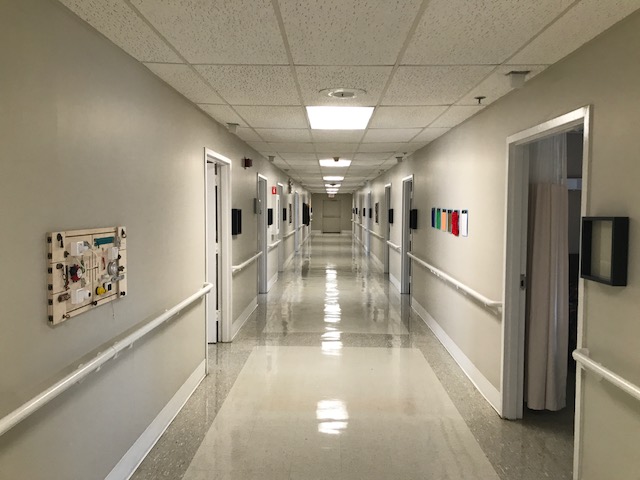
How is Cedargate Health Staffed?

CMS rates CEDARGATE HEALTH CARE CENTER's staffing level at 3 out of 5 stars, which is average compared to other nursing homes. Staff turnover is 69%, which is 22 percentage points above the Missouri average of 46%. High turnover can affect care consistency as new staff learn residents' individual needs. RN turnover specifically is 75%, which is notably high. RNs provide skilled clinical oversight, so turnover in this role can affect medical care quality.

What Have Inspectors Found at Cedargate Health?

State health inspectors documented 39 deficiencies at CEDARGATE HEALTH CARE CENTER during 2022 to 2025. These included: 37 with potential for harm and 2 minor or isolated issues.
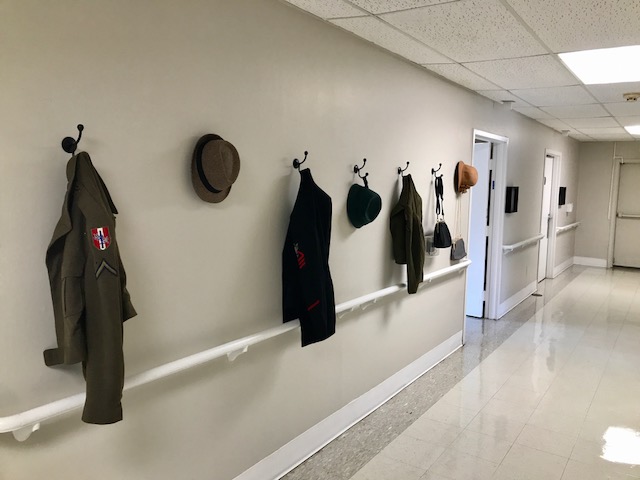
Who Owns and Operates Cedargate Health?

CEDARGATE HEALTH CARE CENTER is owned by a for-profit company. For-profit facilities operate as businesses with obligations to shareholders or private owners. The facility operates independently rather than as part of a larger chain. With 108 certified beds and approximately 55 residents (about 51% occupancy), it is a mid-sized facility located in POPLAR BLUFF, Missouri.
How Does Cedargate Health Compare to Other Missouri Nursing Homes?

Compared to the 100 nursing homes in Missouri, CEDARGATE HEALTH CARE CENTER's overall rating (3 stars) is above the state average of 2.5, staff turnover (69%) is significantly higher than the state average of 46%, and health inspection rating (3 stars) is at the national benchmark.

What Should Families Ask When Visiting Cedargate Health?

Based on this facility's data, families visiting should ask: "How do you ensure continuity of care given staff turnover, and what is your staff retention strategy?" "Can I visit during a mealtime to observe dining assistance and food quality?" "How do you handle medical emergencies, and what is your hospital transfer rate?" "Can I speak with family members of current residents about their experience?" These questions are particularly relevant given the facility's high staff turnover rate.

Is Cedargate Health Safe?

Based on CMS inspection data, CEDARGATE HEALTH CARE CENTER has a clean safety record: no substantiated abuse findings (meaning no confirmed cases of resident harm), no Immediate Jeopardy citations (the most serious violation level indicating risk of serious injury or death), and is not on the Special Focus Facility watch list (a federal program monitoring the lowest-performing 1% of nursing homes). The facility has a 3-star overall rating and ranks #1 of 100 nursing homes in Missouri. While no facility is perfect, families should still ask about staff-to-resident ratios and recent inspection results during their visit.

Do Nurses at Cedargate Health Stick Around?

Staff turnover at CEDARGATE HEALTH CARE CENTER is high. At 69%, the facility is 22 percentage points above the Missouri average of 46%. Registered Nurse turnover is particularly concerning at 75%. RNs handle complex medical decisions and coordinate care — frequent RN changes can directly impact care quality. High turnover means new staff may not know residents' individual needs, medications, or preferences. It can also be disorienting for residents, especially those with dementia who rely on familiar faces. Families should ask: What is causing the turnover? What retention programs are in place? How do you ensure care continuity during staff transitions?

Was Cedargate Health Ever Fined?

CEDARGATE HEALTH CARE CENTER has no federal fines on record. CMS issues fines when nursing homes fail to meet care standards or don't correct problems found during inspections. The absence of fines suggests the facility has either maintained compliance or corrected any issues before penalties were assessed. This is a positive indicator, though families should still review recent inspection reports for the full picture.

Is Cedargate Health on Any Federal Watch List?

CEDARGATE HEALTH CARE CENTER is not on any federal watch list. The most significant is the Special Focus Facility (SFF) program, which identifies the bottom 1% of nursing homes nationally based on persistent, serious quality problems. Not being on this list means the facility has avoided the pattern of deficiencies that triggers enhanced federal oversight. This is a positive indicator, though families should still review the facility's inspection history directly.