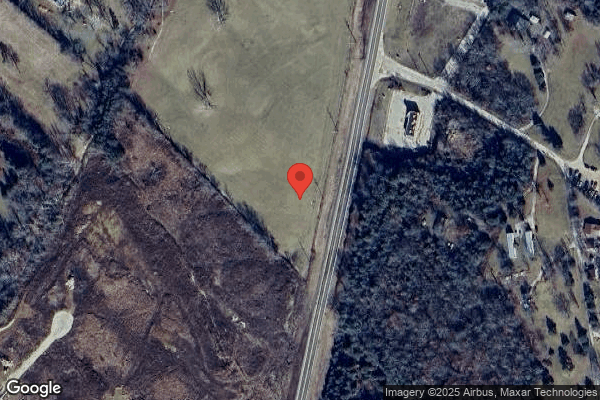

POTOSI MANOR

307 SOUTH HIGHWAY 21, POTOSI, MO 63664 (573) 438-3225
For profit - Corporation 90 Beds JAMES & JUDY LINCOLN Data: November 2025 1 Immediate Jeopardy citation
Trust Grade
26/100
#288 of 479 in MO
Last Inspection: October 2024

Within standard 12-15 month inspection cycle. Federal law requires annual inspections.

Overview

Potosi Manor has received a Trust Grade of F, indicating a poor level of care with significant concerns. It ranks #288 out of 479 facilities in Missouri, placing it in the bottom half, and is #1 of 2 in Washington County, which means there is only one other local option available. The facility is currently improving, having reduced its issues from 10 in 2023 to 8 in 2024. Staffing is a major concern here, with a low rating of 1 out of 5 stars and a high turnover rate of 72%, which is well above the state average. The facility has been fined $13,627, which is typical for Missouri, but they have faced serious incidents, including a critical finding where staff physically forced medication into a confused resident's mouth, causing distress, and a lack of a proper quality assurance program to identify and correct care deficiencies, affecting all residents. Overall, while there are some signs of improvement, the facility has serious weaknesses that families should consider.

Trust Score
F
26/100
In Missouri
#288/479
Bottom 40%
Safety Record
High Risk
Review needed
Inspections
Getting Better
10 → 8 violations
Staff Stability
⚠ Watch
72% turnover. Very high, 24 points above average. Constant new faces learning your loved one's needs.
Penalties
○ Average
$13,627 in fines. Higher than 63% of Missouri facilities. Some compliance issues.
Skilled Nurses
⚠ Watch
Each resident gets only 27 minutes of Registered Nurse (RN) attention daily — below average for Missouri. Fewer RN minutes means fewer trained eyes watching for problems.
Violations
⚠ Watch
21 deficiencies on record. Higher than average. Multiple issues found across inspections.
★★☆☆☆
2.0
Overall Rating
★☆☆☆☆
1.0
Staff Levels
★★☆☆☆
2.0
Care Quality
★★★☆☆
3.0
Inspection Score
Stable
2023: 10 issues
2024: 8 issues

The Good

  • Full Sprinkler Coverage · Fire safety systems throughout facility
  • No fines on record

Facility shows strength in fire safety.

The Bad

2-Star Overall Rating

Near Missouri average (2.5)

Below average - review inspection findings carefully

Staff Turnover: 72%

25pts above Missouri avg (46%)

Frequent staff changes - ask about care continuity

Federal Fines: $13,627

Below median ($33,413)

Minor penalties assessed

Chain: JAMES & JUDY LINCOLN

Part of a multi-facility chain

Ask about local staffing decisions and management

Staff turnover is very high (72%)

24 points above Missouri average of 48%

The Ugly 21 deficiencies on record

1 life-threatening
Oct 2024 1 deficiency 1 IJ
CRITICAL (J) 📢 Someone Reported This

A family member, employee, or ombudsman was alarmed enough to file a formal complaint

Immediate Jeopardy (IJ) - the most serious Medicare violation

Free from Abuse/Neglect (Tag F0600)

Someone could have died · This affected 1 resident

**NOTE- TERMS IN BRACKETS HAVE BEEN EDITED TO PROTECT CONFIDENTIALITY** Based on interview and record review, the facility failed to protect one confused and vulnerable resident's (Resident #1), out o...

Read full inspector narrative →
**NOTE- TERMS IN BRACKETS HAVE BEEN EDITED TO PROTECT CONFIDENTIALITY** Based on interview and record review, the facility failed to protect one confused and vulnerable resident's (Resident #1), out of four sampled residents, right to be free from physical abuse during medication administration, when facility staff held the resident's hands and forced his/her medication in his/her mouth- resulting in the resident sobbing and screaming the staff were devils. The facility census was 62. On 10/22/24 at 2:00 P.M., the Administrator was notified of the past non-compliance immediate jeopardy (IJ) which began on 10/19/24. Upon discovery, the facility immediately conducted an investigation, removed and terminated the staff involved, and inserviced staff on abuse and neglect and medication administration. The IJ was corrected on 10/21/24. Review of the facility's policy titled, Abuse Prohibition Protocol Manual, undated, showed: -Each resident will be free from abuse. Abuse can include verbal, mental, sexual, or physical abuse, misappropriation of resident property and exploitation, corporal punishment or involuntary seclusion; -Residents will be free from physical or chemical restraints imposed for purposes of discipline or convenience and that are not required to treat the resident's medical symptoms. The facility did not provide a policy for medication administration relating to handling medication refusals and/or refusals by combative residents. 1. Review of Resident #1's medical record showed: -admitted on [DATE]; -Diagnoses of anxiety disorder, dementia with severe agitation, disorientation, and severe major depressive disorder with psychotic features (depression along with a loss of touch with reality). -History of refusing medications. Review of Resident #1's quarterly Minimum Data Set (MDS), a federally mandated assessment instrument completed by facility staff, dated 08/27/24, showed the resident was severely cognitively impaired. Review of the Facility Reported Incident dated 10/21/24, showed: - On 10/21/24, the administrator received a handwritten account of an incident which occurred on 10/19/24 from Certified Nurse Aide (CNA) C; - CNA C reported on 10/19/24 he/she heard Resident #1 yelling and went to check. CNA C walked upon and observed Certified Medication Technician (CMT) A push Resident #1's head and pinch the resident's nose until the resident opened his/her mouth while Licensed Practical Nurse (LPN) B held the resident's wrists. CMT A shoved the medication and yogurt mixture into Resident #1's mouth. CMT A and LPN A released the resident and the resident stumbled into CNA C sobbing with his/her face covered in yogurt screaming the nurse and CMT were devils. CMT A told CNA C you didn't see anything. - The administrator immediately began an investigation, terminated all staff involved after receiving written statements and inserviced all staff on abuse and neglect, reporting timely and techniques and expectations from staff regarding dealing with a confused resident. During an interview on 10/22/24 at 11:06 A.M., CNA C said on 10/19/24 at 4:15 P.M. he/she heard Resident #1 yell in the 100 hallway while he/she was gathering supplies for a resident's shower. CNA C said he/she went down the 100 hallway to check on Resident #1 and observed CMT A push Resident #1's head and pinch the resident's nose until the resident opened his/her mouth while LPN B held the resident's wrists. CMT A shoved the medication and yogurt mixture into Resident #1's mouth. CMT A and LPN A released the resident and the resident stumbled into CNA C sobbing, with his/her face covered in yogurt and screaming the nurse and CMT were devils. CMT A told CNA C you didn't see anything. During an interview on 10/22/24 at 11:11 A.M. CMT A said on 10/19/24 at approximately 4:15 P.M. he/she attempted to give medications to Resident #1 and the resident refused and spit at him/her. CMT A again attempted to give medications to Resident #1 and the resident attempted to scratch him/her. CMT A called LPN B over to hold the resident's hands while CMT A held the resident's head back and pinched the resident's nose until the resident opened his/her mouth. CMT A gave the resident the medication and yogurt mixture when the resident opened his/her mouth. CMT A said he/she knows he/she should not have administered the medications in that manner. CMT A said he/she was overwhelmed from working too much and the incident should have never happened. During an interview on 10/22/24 at 12:03 P.M., LPN B said on 10/19/24 around 4:15 P.M., CMT A yelled for assistance with Resident #1. LPN B said as he/she approached CMT A, he/she observed Resident #1 attempting to scratch CMT A while the CMT was attempting to give the resident his/her medication. LPN B said he/she went over and held Resident #1's wrists so the resident couldn't scratch CMT A. CMT A proceeded to push the resident's head back and pinched the resident's nostrils until the resident opened his/her mouth then shoved the medication and yogurt mixture in. CMT A told CNA C, who had observed the medication administration, you didn't see anything and walked off. LPN B said he/she was caught off guard by CMT A pushing the resident's head back and pinching the resident's nose and it should not have happened. LPN B said he/she knew it was wrong and should have reported it, but he/she was new to the facility and was afraid to say anything. LPN B said he/she should not have held the resident's wrists. During an interview on 10/22/24 at 12:38 P.M., the resident's family member said he/she would not expect the facility to act in a physical manner when administering medications to Resident #1. He/she said the resident should have been talked to and handled with patience. During an interview on 10/22/24 at 1:45 P.M., the Quality Assurance Nurse Consultant (QA Nurse) said if a resident is agitated and refusing medications he/she would expect staff to attempt to calm and redirect the resident. QA Nurse said staff should attempt to give the medications again after the resident has calmed down or attempt to have a different staff member give medications. Residents should never be forced to take their medications. During an interview on 10/22/24 at 1:50 P.M., the Administrator said he/she would expect staff to honor the wishes of the resident if a resident refuses their medications and document the refusal. During an interview on 10/22/24 at 1:25 P.M., the Nurse Practitioner (NP) said it is unacceptable to hold a resident's nose to attempt to administer medications. Staff should redirect, try again later to administer medications, or have a different staff member administer the medications. During an interview on 10/22/24 at 2:44 P.M. the Medical Doctor (MD) said he/she was aware of the situation that occurred on 10/19/24 involving staff and Resident #1. The MD said administering medications in that manner is not acceptable. Complaint #MO243888
Oct 2024 7 deficiencies
CONCERN (D)

Potential for Harm - no one hurt, but risky conditions existed

Deficiency F0728 (Tag F0728)

Could have caused harm · This affected 1 resident

Based on observation, interview and record review, the facility failed to ensure two nurse aides (NAs) completed a nurse aide training program within four months of his/her employment at the facility....

Read full inspector narrative →
Based on observation, interview and record review, the facility failed to ensure two nurse aides (NAs) completed a nurse aide training program within four months of his/her employment at the facility. The facility's census was 62. The facility did not provide a policy related to the NA training program. 1. Review of NA A's personnel file showed: - A hire date of 02/02/24; - NA A currently enrolled in class; - The facility failed to ensure the completion of the program within four months of NA A's hire date. 2. Review of NA E's personnel file showed: - A hire date of 08/15/23; - NA E currently enrolled in class; - The facility failed to ensure the completion of the program within four months of NA E's hire date. Observation on 10/11/24 at 2:15 P.M. showed NA A provided incontinent care for Resident #36. During an interview on 10/11/24 at 11:00 A.M., the Administrator said that two NAs were still working the floor as NAs, and she knew that it would be an issue. During an interview on 10/11/24 at 3:42 P.M., the Administrator said that she would expect NAs to be certified within four months of hire and that there is a plan in place for the two NAs to get certified.
CONCERN (D)

Potential for Harm - no one hurt, but risky conditions existed

Food Safety (Tag F0812)

Could have caused harm · This affected 1 resident

Based on observation, interview, and record review, the facility failed to store food under sanitary conditions, increasing the risk of food-borne illness. This deficient practice had the potential to...

Read full inspector narrative →
Based on observation, interview, and record review, the facility failed to store food under sanitary conditions, increasing the risk of food-borne illness. This deficient practice had the potential to affect all residents. The facility census was 62. Review of the facility's policy titled, Receiving and Storage of Food, dated May 2015, showed: - The Dining Service Manager (DSM) is responsible for receiving and storing food and non-food items; - Follow the rule of First In, First Out; - Food is stored in designated areas; - Keep all foods in clean, undamaged wrappers or packages; - Reseal open boxes effectively; - Keep storage areas clean and dry. Observation on 10/08/24 at 11:35 A.M. showed: - Four unopened wrinkled boxes of salt that had become solid with a grainy substance on the outside of the boxes; - A potato chip laying on the shelf next to the salt boxes; - A package of opened marshmallows, exposed to air; - One opened gallon of pancake syrup, undated, with about one inch of syrup remaining in the bottom of the container; - One unopened gallon jug of vinegar, with black debris all over the jug; - Two unopened and undated containers of scalloped potatoes; - One unopened and undated gallon jug of lemon juice; - One opened, undated five pound container of peanut butter, with peanut butter on the edge of the lid; - Two unlabeled and undated 35 quart containers of dry cereal; - One 35-quart container, labeled crisp rice cereal, almost empty and dated 7/4; - One 35-quart container, labeled toasted oat cereal, almost full and dated 7/25; - One unopened and undated eight pound container of salsa; - One undated 35-quart tote/container of powdered milk with a golf ball sized amount of water, debris and a black, mold-like substance on the top of the lid. Observation on 10/10/24 at 10:15 A.M. showed: - Four unopened wrinkled boxes of salt that had become solid with a grainy substance on the outside of the boxes; - One opened gallon of pancake syrup, undated, with about one inch of syrup remaining in the bottom of the container; - Two unlabeled and undated 35-quart containers of dry cereal; - One 35-quart container, labeled crisp rice cereal, almost empty and dated 7/4; - One 35-quart container, labeled toasted oat cereal, almost full and dated 7/25; - One undated 35-quart tote/container of powdered milk. During an interview on 10/10/24 at 12:00 P.M., the Dietary Manager said when a shipment is received, it is labeled with the date. If it is something that needs placed in a different container, it is labeled and dated. Refrigerated items are labeled, dated and used within three days. Totes and containers containing food should also be labeled and dated. During an interview on 10/11/24 at 3:43 P.M., the Administrator said she would expect food items to be labeled, dated, and free from debris.
CONCERN (D)

Potential for Harm - no one hurt, but risky conditions existed

Infection Control (Tag F0880)

Could have caused harm · This affected 1 resident

Based on observation, interview, and record review, the facility failed to maintain proper infection control practices during incontinent care for two residents (Resident #8 and #36) outside of the 16...

Read full inspector narrative →
Based on observation, interview, and record review, the facility failed to maintain proper infection control practices during incontinent care for two residents (Resident #8 and #36) outside of the 16 sampled residents. The facility failed to ensure proper Tuberculosis (TB-a communicable disease that affects the lungs, characterized by fever, cough and difficulty breathing) screening of three residents (Resident #19, #38 and #45) out of five sampled residents. The facility's census was 62. Review of the facility's policy titled, Handwashing, undated, showed: - Purpose to reduce transmission of organisms from resident to resident, staff to resident, and resident to staff; - Use of soap, comfortably hot water, and disposable towel; - Soap hands well and briskly rub together, paying attention to areas between fingers; - Rinse hands lowered to allow soiled water to drain into sink; - Do not splash water on clothing and do not touch sink; - Use disposable towel to turn faucet off and dry hands. 1. Observation on 10/11/24 at 1:15 P.M. of incontinent care for Resident #8 showed: - Certified Nurse Assistant (CNA) C and (CNA) D did not wash or sanitize hands prior to beginning care; - CNA C and CNA D donned gloves and assisted the resident out of the wheelchair and into bed; - CNA D obtained peri-wipes from the resident's bedside drawer; - CNA C removed the resident's pants and soiled brief; - CNA C cleaned the resident with a peri-wipe front to back three times, placed soiled wipes in a trash bag, closed the wipe container, then disposed of gloves; - CNA C and CNA D repositioned the resident and covered him/her back up; - CNA C took the trash out of the room and down the hall to the soiled hold room to dispose of before sanitizing hands. During an interview on 10/11/24 at 1:30 P.M., CNA C said he/she would normally wash and or sanitize hands before and after providing peri-care on a resident. 2. Observation on 10/11/24 at 2:15 P.M. of incontinent care for Resident #36 showed: - CNA B and Nursing Assistant (NA) A donned gowns, gloves, and masks upon entry into the room; - CNA B cleaned the resident and the resident's catheter with wipes; - With the same soiled gloves, CNA B and NA A assisted the resident in rolling onto his/her right side; - With the same soiled gloves, CNA B wiped stool from the resident's buttocks and rolled the soiled bed pad underneath the resident; - With the same soiled gloves, CNA B and NA A rolled the resident onto his/her back and removed the soiled bed pad; - With the same soiled gloves, CNA B and NA A repositioned the resident and covered him/her up; - With the same soiled gloves, CNA B and NA A bagged up the trash and soiled linens, removed gowns, gloves, and masks and washed hands before leaving the room. During an interview on 10/11/24 at 2:30 P.M., CNA B said he/she should have changed gloves when he/she changed sides and after cleaning from front to back. Review of the facility's policy titled, Tuberculosis Control, undated, showed: - All residents new to long term care, who do not have documentation of a previous skin test reaction, or a history of adequate treatment of tuberculosis disease, shall have the initial test of Mantoux Purified Protein Derivative (PPD-a diagnostic test used to screen and diagnose TB) two step skin test to rule out tuberculosis within one month prior to or one week after admission; - If initial test result (measured by observing site of test for raised formation) is 0-9 millimeters (mm), the second test, which can be given after admission, should be given at least one week and no more than three weeks after the first test; - Documentation of a chest X-ray, ruling out tuberculosis within one month prior to admission, along with an evaluation to rule out signs and symptoms, may be acceptable on an interim basis until the Mantoux PPD two-step test is completed; - Residents are to be evaluated, at least annually, to assure absence of signs and symptoms for TB. 3. Review of Resident #19's medical record showed: - admission date of 06/14/24; - Screening assessment completed on 10/01/24; - First step TB test not given until 10/04/24 with no read date; - Documented refusal for second step. 4. Review of Resident #38's medical record showed: - admission date of 07/22/24; - First step given on 07/31/24, read on 08/03/24, results of 0 mm; - Second step not completed within recommended time frame; - First step repeated on 10/03/24, read on 10/05, results of 0 mm; - Second step repeated on 10/10/24. 5. Review of Resident 45's medical record showed: - admission date of 08/24/24; - Screening assessment done on 10/01/24; - No documentation of the two step testing. During an interview on 10/11/24 at 1:00 P.M., the Administrator said they waited too long to do the second step for Resident #38 and had to restart the test. During an interview on 10/11/24 at 1:10 P.M., the Quality Assurance (QA) Nurse said they would have to restart the two step for Resident #45, as it had been missed. It may have been initiated, but not completed. A screening was completed for Resident #19 on 10/01/24, due to refusal of the TB test. An audit was done and everyone in the building was screened and the tests were restarted for those that had been missed. Some did not have the proper documentation. During an interview on 10/11/24 at 3:43 P.M., the Administrator said she would expect residents' TB tests to be given and read in the recommended time frame.
CONCERN (F)

Potential for Harm - no one hurt, but risky conditions existed

Deficiency F0865 (Tag F0865)

Could have caused harm · This affected most or all residents

Based on interview and record review, the facility failed to have a Quality Assurance and Performance Improvement (QAPI, a program to improve the processes for the delivery of health care and quality ...

Read full inspector narrative →
Based on interview and record review, the facility failed to have a Quality Assurance and Performance Improvement (QAPI, a program to improve the processes for the delivery of health care and quality of life for the residents) program in place with policies and protocols describing how the facility will identify and correct its own quality deficiencies. This deficient practice had the potential to affect all residents in the facility. The facility's census was 62. The facility did not provide a policy related to the QAPI program. Review of the facility's QAPI binder showed: - The most recent QAPI Plan dated 2019; - A template showing how to create a QAPI plan; - No current QAPI plan that contained the necessary policies and protocols describing how they would identify and correct their quality deficiencies, track and measure performance, and establish goals and thresholds for performance measurement. During an interview on 10/11/24 at 10:41 A.M., the Administrator said she had no QAPI agendas for any meetings. She would expect to have an agenda for each meeting, showing what was discussed and how it's going to be addressed and monitored. She had nothing showing monitoring of any issues and no Performance Improvement Plans (PIPs) in place. She tried to deal with issues that came up in morning meetings. She spoke with another administrator in the company who said they don't have a QAPI policy and that they would just go by the regulations. She would expect the facility to have a QAPI program in place.
CONCERN (F)

Potential for Harm - no one hurt, but risky conditions existed

QAPI Program (Tag F0867)

Could have caused harm · This affected most or all residents

Based on interview and record review, the facility failed to ensure the Quality Assessment and Assurance/Quality Assurance Performance Improvement (QAA/QAPI) committee developed and implemented an app...

Read full inspector narrative →
Based on interview and record review, the facility failed to ensure the Quality Assessment and Assurance/Quality Assurance Performance Improvement (QAA/QAPI) committee developed and implemented an appropriate plan of action to correct identified quality deficiencies. This had the potential to affect all residents in the facility. The facility census was 62. The facility did not provide a QAPI plan or policy. Review of documentation provided by the Administrator showed: - A template to create a QAPI plan, but no current QAPI plan; - The most current QAPI plan dated 2019. During an interview on 10/10/24 at 3:51 P.M., the Administrator said she does not have any Performance Improvement Projects (PIPs) in place. They do have a morning stand up meeting and try to look into things that come up in those meetings. During an interview on 10/11/24 at 10:41 A.M., the Administrator said she has no QAPI agendas for any meetings, only sign in sheets. She said she should have an agenda for each meeting that has been held, showing what they have discussed and how any issues are addressed and monitored, but she currently has nothing like that in place. She would expect the facility to have a QAPI program in place.
CONCERN (F)

Potential for Harm - no one hurt, but risky conditions existed

Deficiency F0868 (Tag F0868)

Could have caused harm · This affected most or all residents

Based on interview and record review, the facility failed to maintain quarterly Quality Assessment and Assurance/Quality Assurance Performance Improvement (QAA/QAPI) committee meetings with the requir...

Read full inspector narrative →
Based on interview and record review, the facility failed to maintain quarterly Quality Assessment and Assurance/Quality Assurance Performance Improvement (QAA/QAPI) committee meetings with the required members. The facility's census was 62. The facility did not provide a QAPI policy. Review of the QAPI meeting sign in sheets, provided by the Administrator, showed: - Meetings were held in November 2023, January 2024, and July 2024; - The medical director did not attend any of the meetings. During an interview on 10/10/24 at 3:51 P.M., the Administrator said the medical director is hard to catch when he is in the building. He is so busy that it's difficult for him to come to a 30 minute meeting. She will try to go over things with him, but he doesn't come to quarterly meetings. She would expect meetings to be held quarterly and for the medical director to come to QAPI meetings.
MINOR (C)

Minor Issue - procedural, no safety impact

Garbage Disposal (Tag F0814)

Minor procedural issue · This affected most or all residents

Based on observation and interview, the facility failed to ensure the dumspters were closed at all times and maintained to keep pests out and/or keep garbage contained in the dumpster. The facility's ...

Read full inspector narrative →
Based on observation and interview, the facility failed to ensure the dumspters were closed at all times and maintained to keep pests out and/or keep garbage contained in the dumpster. The facility's census was 62. Review of the facility's policy titled, Waste Disposal, dated May 2015, showed: - Dumpster lids are to be closed at all times; - Dumpster and dumpster area are to be kept clean and free of debris. Observations of the dumpster showed: - On 10/09/24 at 2:41 P.M., the back right lid was concaved/bent, not covering the dumpster and the front left lid not closed; - On 10/10/24 at 8:17 A.M., lids on both left and right front of the dumpster not closed and trash bags overflowing; - On 10/10/24 at 1:19 P.M., lids on both left and right front of the dumpster not closed and trash bags overflowing; - On 10/11/24 at 08:37 A.M., the left front lid not closed with a trash bag resting on top of the closed right lid. During an interview on 10/11/24 at 3:43 P.M., the Administrator said she would expect dumpster lids to be closed and trash to be inside of the dumpster, and not on top.
Jul 2023 10 deficiencies
CONCERN (D)

Potential for Harm - no one hurt, but risky conditions existed

Resident Rights (Tag F0550)

Could have caused harm · This affected 1 resident

Based on observation, interview, and record review, the facility failed to ensure the dignity of three residents (Resident #4, #37, #39) out of three sampled residents with a properly covered urinary ...

Read full inspector narrative →
Based on observation, interview, and record review, the facility failed to ensure the dignity of three residents (Resident #4, #37, #39) out of three sampled residents with a properly covered urinary catheter bag (a bag for collecting urine from a tube inserted in the bladder). The facility census was 56. Review of the facility's policy titled, Resident Rights, dated March 2017, showed: - The resident has the right to a dignified existence, self-determination, and communications with and access to persons and services inside and outside the facility; - The resident has a right to confidentiality, privacy and respect. 1. Review of Resident #4's medical record showed: - admission date of 06/27/23; - Diagnoses of congestive heart failure (a condition in which the heart doesn't pump blood adequately) and obstructive and reflux uropathy (when urine cannot drain through the urinary tract); - A physician order, dated 06/27/23, to perform catheter care every shift. Observations on 07/25/23 at 10:12 A.M., and 12:29 P.M., and on 07/26/23 at 9:32 A.M., showed the resident lay in bed with an uncovered and partially full urinary drainage collection bag that hung on the side of the bedframe that faced the open doorway. Review of Resident #37's medical record showed: - admission date of 10/26/22; - Diagnoses of hemiplegia (paralysis of one side of the body and hemiparesis (one-sided muscle weakness) following a cerebral infarction (stroke) affecting the right dominant side and neuromuscular dysfunction of the bladder (nerves and muscles of bladder don't work); - A physician order, dated 04/17/23, to provide Foley catheter (an indwelling catheter) care twice a day. Observations showed: - On 07/24/23 at 8:25 P.M., the resident lay in bed with an uncovered and partially full urinary drainage collection bag that hung on the side of the bedframe that faced the open doorway; - On 07/25/23 2:41 P.M., the resident lay in bed with the uncovered and partially full urinary drainage collection bag that hung on the opposite side of the bedframe visible from the open doorway; - On 07/26/23 3:20 P.M., the resident lay in bed with the uncovered and partially full urinary drainage collection bag that hung on the opposite side of the bedframe visible from the open doorway. Review of Resident #39's medical record showed: - admission date of 11/23/21; - Diagnoses of unspecified injury of urethra (a tube that conveys urine from bladder to outside the body), urinary retention and benign prostatic hyperplasia (enlarged prostate); -A physician order, dated 06/23/23, to perform catheter care every shift and to change catheter on Friday every 3 weeks. Observations showed: - On 07/24/23 at 7:57 P.M., the resident lay in bed with the catheter bag with amber-colored urine in the urinary drainage collection bag visible from the doorway and with the resident's roommate able to visualize the bag; - On 07/25/23 at 2:52 P.M., the resident lay in bed with the urinary drainage collection bag with dark yellow urine visible from the doorway; - On 07/26/23 at 3:00 P.M., the resident lay in bed with the uncovered and partially full urinary drainage collection bag that hung on the side of the bedframe that faced the open doorway; - On 07/27/23 at 9:52 A.M., the resident lay in bed with the uncovered and partially full urinary drainage collection bag that hung on the side of the bedframe that faced the open doorway with the resident's roommate able to visualize the bag. During an interview on 07/27/23 at 11:46 A.M., Licensed Practical Nurse (LPN) B said that a dignity bag should be used to cover a urinary drainage collection bag on a resident's wheelchair and on the bed at all times. During an interview on 07/27/23 at 11:47 A.M., Certified Nurse Aide (CNA) C said that a dignity bag should be used to cover a urinary drainage collection bag on a resident's wheelchair and on the bed. During an interview on 07/27/23 at 12:31 P.M., the Director of Nursing (DON) said that a catheter bag should be placed in a dignity bag when transferred into a wheelchair and when a resident was moved back to their bed, the catheter bag should be placed in the dignity bag on the bed.
CONCERN (D)

Potential for Harm - no one hurt, but risky conditions existed

Deficiency F0582 (Tag F0582)

Could have caused harm · This affected 1 resident

Based on interview and record review, the facility failed to issue the Skilled Nursing Facility Advanced Beneficiary Notices (SNFABN) when Medicare covered services had ended for two residents (Reside...

Read full inspector narrative →
Based on interview and record review, the facility failed to issue the Skilled Nursing Facility Advanced Beneficiary Notices (SNFABN) when Medicare covered services had ended for two residents (Resident #11 and #44) out of three sampled residents. The facility census was 56. Review of the facility's policy titled, Form Instructions Skilled Nursing Facility Advanced Beneficiary Notice of Non-Coverage (SNFABN), not dated, showed: - Medicare requires SNF's to issue the SNFABN to Original Medicare, also called fee-for-service (FFS), beneficiaries prior to providing care that Medicare usually covers, but may not pay for in this instance because the care is: not medically reasonable and necessary; or considered custodial. The SNFABN provides information to the beneficiary so that he/she can decide whether or not to get the care that may not be paid for by Medicare and assume financial responsibility. 1. Review of Resident #11's Notice of Medicare Non-Coverage (NOMNC) showed: - The resident discharged from skilled services on 01/27/23, with skilled Medicare days remaining; - The resident remained in the facility; - The facility failed to provide a SNFABN to the resident. Review of Resident #44's NOMNC showed: - The resident discharged from skilled services on 12/20/22, with skilled Medicare days remaining; - The resident remained in the facility; - The facility failed to provide a SNFABN to the resident. During an interview on 07/27/23 at 9:30 A.M., the Bookkeeper said that he/she was new to his/her position and did not recall seeing the SNFABN form before. He/She did not know to provide the residents with that form. During an interview on 07/27/23 at 1:32 P.M., the Administrator said that she would expect a resident who was discharge from Medicare A, with remaining skilled Medicare days, to be given a SNFABN notice.
CONCERN (D)

Potential for Harm - no one hurt, but risky conditions existed

Comprehensive Assessments (Tag F0636)

Could have caused harm · This affected 1 resident

**NOTE- TERMS IN BRACKETS HAVE BEEN EDITED TO PROTECT CONFIDENTIALITY** Based on interview and record review, the facility failed to ensure a comprehensive Minimum Data Set (MDS), a federally mandated...

Read full inspector narrative →
**NOTE- TERMS IN BRACKETS HAVE BEEN EDITED TO PROTECT CONFIDENTIALITY** Based on interview and record review, the facility failed to ensure a comprehensive Minimum Data Set (MDS), a federally mandated assessment to be completed by the facility staff, had been completed in a timely manner, for two residents (Resident #209 and #210) out of 14 sampled residents and two residents (Resident #15 and #21) outside the sample. The facility's census was 56. The facility did not provide a MDS policy. 1. Review of Resident #15's medical record showed: - admitted on [DATE]; - A quarterly MDS, dated [DATE]; - An annual MDS, dated [DATE], 150 days late. Review of Resident #21's medical record showed: - admitted on [DATE]; - A quarterly MDS, dated [DATE]; - An annual MDS, dated [DATE], 156 days late. Review of Resident #209's medical record showed: - admitted on [DATE]; - No documentation of an admission MDS; - The facility failed to complete an admission MDS within 14 days of the resident's admission. Review of Resident #210's medical record showed: - admitted on [DATE]; - No documentation of an admission MDS; - The facility failed to complete an admission MDS within 14 days of the resident's admission. During an interview on 07/27/23 at 9:15 A.M., the MDS Coordinator said the admission MDS assessments should be completed within 14 days of admission. During an interview on 07/27/23 at 9:30 A.M., the MDS Coordinator said she had submitted the MDS's on time. During an interview on 07/27/23 at 1:00 P.M., the MDS Coordinator provided a MDS 3.0 Final Validation Report (a report documenting whether the MDS had been accepted or rejected by Centers for Medicare & Medicaid Services (CMS) showed the MDS's had been submitted on 07/27/23. She thought the MDS's had been uploaded in June 2023, however she had just completed the process and received the validation report at this time. During an interview on 07/27/23 at 1:30 P.M., the Administrator said MDS assessments should be completed within 14 days of admission. The facility did not have an MDS policy, they follow the Resident Assessment Instrument (RAI) manual. During an interview on 07/27/23 at 1:40 P.M.,the Administrator said the MDS Coordinator had informed her of the MDS's not being transmitted correctly. She would expect the MDS's to be done in a timely manner.
CONCERN (D)

Potential for Harm - no one hurt, but risky conditions existed

Deficiency F0638 (Tag F0638)

Could have caused harm · This affected 1 resident

**NOTE- TERMS IN BRACKETS HAVE BEEN EDITED TO PROTECT CONFIDENTIALITY** Based on interview and record review, the facility failed to complete a quarterly Minimum Data Set (MDS), a federally mandated a...

Read full inspector narrative →
**NOTE- TERMS IN BRACKETS HAVE BEEN EDITED TO PROTECT CONFIDENTIALITY** Based on interview and record review, the facility failed to complete a quarterly Minimum Data Set (MDS), a federally mandated assessment instrument completed by the facility staff, within the required timeframe for one resident (Resident #8) outside the 14 sampled residents. The facility's census was 56. The facility did not provide a MDS policy. 1. Review of Resident #8's medical record showed: - An admission date of 10/33/16; - A quarterly MDS, dated [DATE]; - The facility did not complete a quarterly MDS for the resident within 92 days of the last MDS. During an interview on 07/27/23 at 9:30 A.M., the MDS Coordinator said she had submitted the MDS on time. During an interview on 07/27/23 at 1:00 P.M., the MDS Coordinator provided a MDS 3.0 Final Validation Report (a report documenting whether the MDS had been accepted or rejected by Centers for Medicare & Medicaid Services (CMS) showed the MDS had been submitted on 07/27/23. She thought the MDS had been uploaded in June 2023, however she had just completed the process and received the validation report at this time. During an interview on 07/27/23 at 1:40 P.M., the Administrator said the MDS Coordinator had informed her of the MDS not being transmitted correctly and uploaded the MDS today. She would expect the MDS's to be done in a timely manner. The facility did not have an MDS policy, the facility follows the Resident Assessment Instrument (RAI) manual.
CONCERN (D)

Potential for Harm - no one hurt, but risky conditions existed

Assessment Accuracy (Tag F0641)

Could have caused harm · This affected 1 resident

**NOTE- TERMS IN BRACKETS HAVE BEEN EDITED TO PROTECT CONFIDENTIALITY** Based on interview and record review, the facility failed to accurately code the Minimum Data Set (MDS), a federally mandated as...

Read full inspector narrative →
**NOTE- TERMS IN BRACKETS HAVE BEEN EDITED TO PROTECT CONFIDENTIALITY** Based on interview and record review, the facility failed to accurately code the Minimum Data Set (MDS), a federally mandated assessment instrument completed by facility staff, for one resident (Resident #7) out of 14 sampled residents. The facility census was 56. The facility did not have a MDS policy, they follow the RAI manual. 1. Review of Resident #7's quarterly MDS, dated [DATE], showed: - The resident received an anticoagulant (a blood thinner or medications that delay blood from clotting). Record review of the resident's July 2023 Physician Order Sheet (POS) showed: - An order for aspirin enteric coated 81 milligram (mg) tablet by mouth daily, dated 2/13/23; - An order for Plavix (an antiplatelet drug used to prevent blood clots) 75 mg tablet by mouth daily, dated 2/13/23; - No order for an anticoagulant medication. During an interview on 07/27/23 at 9:15 A.M., the MDS Coordinator said aspirin and Plavix should not be coded on the MDS as an anticoagulant. Therefore, the MDS was coded incorrectly. During an interview on 07/27/23 at 1:32 P.M., the Administrator said aspirin and Plavix should not be considered an anticoagulant. The MDS was coded incorrectly.
CONCERN (D)

Potential for Harm - no one hurt, but risky conditions existed

Pressure Ulcer Prevention (Tag F0686)

Could have caused harm · This affected 1 resident

**NOTE- TERMS IN BRACKETS HAVE BEEN EDITED TO PROTECT CONFIDENTIALITY** Based on interview and record review, the facility failed to document weekly skin assessments and to document the status of the ...

Read full inspector narrative →
**NOTE- TERMS IN BRACKETS HAVE BEEN EDITED TO PROTECT CONFIDENTIALITY** Based on interview and record review, the facility failed to document weekly skin assessments and to document the status of the residents' pressure ulcers weekly for two residents (Resident #4 and #52) out of four sampled residents. The facility census was 56. Review of the facility's policy titled, Wound Care and Treatment, dated 07/2015, showed: - On-going skin assessment with weekly documentation of status. 1. Review of Resident #4's medical record showed: - An admission date of 06/27/23; - No documented skin assessment upon admission. - Diagnoses of abnormal weight loss, cerebral infarction (stroke) and neuropathy (nerve pain); - A Braden scale (a tool that was developed to help health professionals assess a patient's risk of developing a pressure ulcer) with a score of 15 (15-18 at risk), dated 06/27/23; - On 07/19/23, consent provided by the resident for a wound care consultant company; - Documentation of one weekly skin assessment with an intact dark purple area to the left heel, consult wound care for any further treatment, dated 07/12/23; - No documentation of other weekly skin assessments; - No documentation of the status of the wound such as the size, the type, the wound bed, the wound edges, signs of infection, pain, or progression/declination of the wound. Review of the resident's July 2023 Physician Order Sheet (POS) showed: - An order, dated 07/12/23, for skin prep (a protective dressing) twice daily until healed. Review of the resident's July 2023 Treatment Administration Record (TAR) showed: - An order for skin prep applied to the left heel twice a day, dated 07/12/23; - An order for skin prep applied to three areas to the right lateral (side) foot daily, dated 07/20/23. Review of the resident's shower sheets showed: - On 06/29/23, redness to the right shin and the left arm swollen; - On 07/06/23, no skin abnormalities documented; - On 07/11/23, the buttock area with redness with flaked skin and and the heels red with flaked skin. Review of the resident's progress notes showed: - On 07/12/23 at 4:20 P.M., Licensed Practical Nurse (LPN) A documented the resident with an intact dark purple area to the left heel. A new order received to apply skin prep twice a day until healed and to consult a wound care company for any further treatment; - On 07/20/23 at 5:45 P.M., LPN A documented when reviewed the resident's shower sheet, staff said the resident had three areas to the right outer foot. The right lateral foot was assessed and three deep tissue dark purple areas were found on the right foot. Skin prep was applied to the areas. Received a new order for skin prep to these areas daily; -On 07/23/23 at 3:05 P.M., Registered Nurse (RN) D documented he/she was called into the resident's room during peri-care where four open wounds were found to the resident's buttocks. Two wounds were found on the left buttock and two wounds were found on the right buttock. Received a new order to cleanse the open areas on the buttocks, apply calcium alginate (a type of wound dressing) to the wounds, cover with a dry dressing daily until healed. Review of the resident's care plan, revised 07/25/23, showed: - Potential for skin breakdown related to impaired mobility with open areas to the right and left buttocks and three areas to the right lateral foot. During an interview with on 07/27/23 at 11:50 A.M., LPN B said that once he/she was notified of a new wound, he/she took his/her treatment cart to the resident's room in order to measure and then provide treatment. Once measurements were taken, the physician was notified, he/she would chart orders and the wound measurements in the wound documentation, and would make a progress note with the orders and the measurements. Review of the wound care consultant company notes, dated 07/26/23, showed: - The resident was seen today for evaluation and management of multiple wounds; - Wound #1 was on the left buttock and was an acute unstageable pressure injury (obscured full-thickness and tissue loss) pressure ulcer with a status of not healed. The initial wound measurements were 6.5 centimeters (cm) length x 3.5 cm width x 0.2 cm depth. A moderate amount of sero-sanguineous (contains or relates to both blood and the liquid part of blood) drainage noted with a strong odor; - Wound #2 was on the right buttock and was an acute unstageable pressure injury pressure ulcer with a status of not healed. The initial wound measurements were 5 cm x 2.5 cm x 0.2 cm and no tunneling (passageways underneath the surface of the skin) or undermining (a pocket under the wound surface). A moderate amount of sero-sanguineous drainage with a strong odor; - Wound #3 was on the right lateral heel and was an acute full thickness other (damage extending below the all layers of the skin) and with a status of not healed. The initial wound measurements were 3.5 cm x 3 cm x 0.2 cm and with no undermining or tunneling noted. A moderate amount of serous drainage with no odor. Suspected deep tissue injury to the periwound (surrounding area of the wound edge); - Wound #4 was on the right mid-lateral foot and was an acute full thickness other and with a status of not healed. The initial wound measurements were 3 cm x 1.2 cm x 0.2 cm and with no tunneling or undermining. A moderate amount of serous drainage. Suspected deep tissue injury noted to the periwound; -Wound #5 was on the right lateral foot [other distal (furthest away from center of the body)] and was an acute full thickness other and with a status of not healed. The initial wound measurements were 2.1 cm x 2 cm x 0.2 cm and with no undermining or tunneling. A moderate amount of serous drainage. Review of Resident #52's medical record showed: - A re-admission date of 06/01/23; - An admission clinical assessment, dated 06/01/23, showed no skin lesions and the resident to be incontinent; - Diagnosis of unspecified open wound of the buttock; - A Braden scale score of 15 (at risk), dated 06/01/23; - On 07/19/23, phone consent provided by the resident's responsible party was obtained for a wound care consultant company; - Documentation of one weekly skin assessment with a wound to the buttocks, resident seen by consultant wound care, and treatment in place, dated 07/21/23; - No documentation of other weekly skin assessments; - No documentation of the status of the wound such as the size, the type, the wound bed, the wound edges, signs of infection, pain, or progression/declination of the wound. Review of the resident's weekly skin assessments showed: - On 06/15/23, 06/22/23, 06/29/23, and 7/6/23, the resident with 3+ pitting (occurs when excess fluid builds up int the body, causing swelling, pressure of a finger leaves an indentation of five - six millimeters that takes up to 30 seconds to rebound or bounce back in the swollen area) edema with an existing skin issue; - On 07/21/23, the resident with 3+ pitting edema, a wound to buttocks, and the resident being seen by consultant wound company. Review of the resident's July 2023 POS showed: - An order dated, 07/12/23, for Santyl (a wound debridement that removes necrotic (dead) tissue while preserving healthy tissue) ointment applied nickel thick to the open area to the gluteal fold (dead tissue separating from living tissue), applied calcium alginate with a dry dressing every day and as needed. Review of the resident's July 2023 TAR showed: - An order for Santyl, applied nickel thick to the open area to the gluteal fold, applied calcium alginate with dry dressing everyday and as needed, dated 07/12/23. Review of the resident's shower sheets showed: - On 07/3/23, the buttock area red; - On 07/06/23, no skin abnormalities documented; - On 07/10/23, no skin abnormalities documented; - On 07/13/23, an open area to the buttock area. Review of the resident's progress notes showed: - On 07/12/23 at 3:15 P.M., LPN A documented the resident with an open area to the right gluteal fold. The area was assessed and cleaned. Received a new order to clean the open area with wound cleanser and apply Santyl nickel thick, calcium alginate, and dry dressing everyday and as needed until healed; - On 07/26/23 at 6:45 P.M., LPN A documented when performing wound care to the resident's right gluteal fold wound, as compared to 07/12/23, the wound appears stable at this time. The wound was slightly larger than a half dollar with yellow slough (dead tissue separating from living tissue) to the wound bed. No drainage or foul odor noted. The wound assessed today by the outside wound consultant company. Review of the resident's care plan, revised on 07/12/23, showed: - On 07/12/23, an order to consult wound care company; - The treatment, dated 7/12/23 of Santyl nickel thick applied to the open gluteal fold, applied calcium alginate with a dressing every day and as needed. During an interview on 07/26/23 at 3:10 P.M., LPN A said he/she did not know why he/she did not measure the wound on 07/12/23. That was the first time he/she knew Resident #52 had a wound. If he/she had measured it, the measurements would have been documented in the resident's notes. The wound looked about the same today as it did on the 07/12/23. There were not any measurements except what the wound company provided today. During an interview on 07/26/23 at 4:00 P.M., the Director of Nursing (DON) said she did not have an answer why the skin assessments or measurements were not completed. However, she asked LPN A to document today on Resident #52's wound. During a telephone interview on 08/03/23 at 8:00 A.M., the DON said the resident had been a resident here at this facility prior to this admission, and re-admitted on [DATE], with no skin issues. However she said the wound was a re-occuring wound from the previous admission. The care plan had the 07/12/23 date for the wound treatment due to her getting the order for the treatment on the 07/12/23. The resident did not see the wound care company until 07/26/23. Review of the resident's wound care consultant company notes, dated 07/26/23, showed: - The resident was seen today for evaluation and management of a pressure wound; - Unspecified open wound of an unspecified buttock, initial encounter; - Wound #1 to the right buttock was an acute Stage 3 (full thickness tissue loss, subcutaneous fat may be visible, but bone, tendon, or muscle not exposed) pressure injury pressure ulcer with a status of not healed. The initial wound encounter measurements were 5 cm x 4 cm x 0.2 cm with an area of 20 square cm and a volume of 4 cubic cm and with no tunneling or undermining. A moderate amount of sero-sanguineous drainage with no odor. During a telephone interview on 08/03/23 at 10:25 A.M., the Administrator said she would expect skin assessments to be completed within two hours of admission, if a new concern was found, reporting of any change of skin condition, when shower sheets showed anything new, and check to see if there was a treatment already in place. She would expect measurements of a wound to be documented at the time any new area of concern was found, and the nurses should document weekly of any change or the status of the wound.
CONCERN (D)

Potential for Harm - no one hurt, but risky conditions existed

Safe Environment (Tag F0921)

Could have caused harm · This affected 1 resident

**NOTE- TERMS IN BRACKETS HAVE BEEN EDITED TO PROTECT CONFIDENTIALITY** Based on observation, interview, and record review, the facility failed to provide a safe environment for the residents and staf...

Read full inspector narrative →
**NOTE- TERMS IN BRACKETS HAVE BEEN EDITED TO PROTECT CONFIDENTIALITY** Based on observation, interview, and record review, the facility failed to provide a safe environment for the residents and staff by not removing miscellaneous items on top of light fixtures, using wax warmers throughout the facility, and having two broken skylight windows overhead. The deficient practice had the potential to affect all residents and staff in the facility. The facility census was 56. Review of the facility's policy titled, Environmental Safety and Health, dated May 2006, showed: - The Facility Safety and Health Committee with environmental safety in mind will work toward maintaining a safe work environment and control unsafe actions; - Will conduct periodic safety audits of specific areas of the workplace. 1. Observations on 07/24/23 at 8:00 P.M., and 07/25/23 at 10:10 A.M., of room [ROOM NUMBER] showed: - Four medium size dolls and one stuffed animal displayed on top of light fixture above the head of the resident's bed. Observation on 07/24/23 at 8:09 P.M., of room [ROOM NUMBER] showed: - Two small stuffed animals, a small plastic toy animal, and a plastic round plate displayed on top of the light fixture on the wall next to the window, and three fist-sized snowflake stickers adhered to the front of the light cover. Observation on 07/24/23 at 9:29 P.M., of room [ROOM NUMBER] showed: - One 8 inch x 10 inch (in.) glass picture frame, and an 8 in. x 10 in. cloth picture board displayed on top of the light fixture above the head of the resident's bed next to the window; - Two 8 in. x 10 in. glass picture frames, and a small plastic decoration displayed on top of the light fixture above the head of the resident's bed next to the door. Observation on 07/27/23 at 12:07 P.M., of room [ROOM NUMBER] showed: - Two ceramic trinkets displayed on top of the light fixture above the head of the resident's bed next to the window; - One cloth Christmas decoration touched the top of the light fixture above the head of the resident's bed next to the door. 2. Observations on 07/24/23 at 6:45 P.M., 07/25/23 at 9:00 A.M., and 07/26/23 at 10:00 A.M.,showed: - A scented wax warmer on a shelf in the ice cream parlor area with the light on and with liquid melted wax; - A scented wax warmer located behind a picture frame on a table in the front entrance foyer with the light on and with liquid melted wax; - A scented wax warmer located on a wicker type (flexible dried wood) end table in the 100 hall Wicker Room (commons area) with the light on and with liquid melted wax. Observation on 07/27/23 at 12:20 P.M., showed a scented wax warmer on a table located near the business office window with the light on and with liquid melted wax. 3. Observations on 07/24/23 at 9:53 P.M., and 07/25/23 at 12:36 P.M., showed: - A glass skylight overhead window located in the ceiling of the 100 hall Wicker Room with cracked glass across the bottom right section; - A glass skylight overhead window located in the ceiling of the main dining room and above a table occupied by residents, with cracked glass across the top right section. During an interview on 07/27/23 at 12:00 P.M., Certified Nurse Assistant (CNA) F said he/she was aware that residents cannot have personal decorations on top of the overbed lights and if he/she saw that, he/she would explain to the resident and then remove them. During an interview on 07/27/23 at 12:20 P.M., the Administrator said he/she would expect staff to explain to residents or family members that items cannot be put on the overbed lights for safety reasons and that scented wax warmers were not allowed in the facility also for safety reasons. He/She was not aware of the cracked glass in the skylights and would call the glass company to get those fixed right away. He/She would expect staff to report any broken glass to the maintenance staff so that it could be repaired. During an interview on 07/27/23 at 12:25 P.M., Housekeeper G said he/she was aware that items were not to be placed on top of the overbed light fixtures for safety concerns, and he/she would remove them and explain to the resident or family members that it was a safety concern and they would need to place the items somewhere else in the room. If he/she saw any wax warmers or broken glass in the facility, he/she would report that to his/her supervisor and maintenance. During an interview on 07/27/23 at 12:35 P.M., the Maintenance Supervisor said he was not aware of the broken glass, but would call someone to fix it. There were maintenance repair forms located at the Nurse's Station for staff to fill out if they saw something that needed to be fixed, but he had not received any reports of the cracked glass in the skylights.
CONCERN (F)

Potential for Harm - no one hurt, but risky conditions existed

Food Safety (Tag F0812)

Could have caused harm · This affected most or all residents

Based on observation, interview, and record review, the facility failed to store and distribute food under sanitary conditions, increasing the risk of cross-contamination and food-borne illness. These...

Read full inspector narrative →
Based on observation, interview, and record review, the facility failed to store and distribute food under sanitary conditions, increasing the risk of cross-contamination and food-borne illness. These deficient practices had the potential to affect all residents. The facility census was 56. Review of the facility's policy titled, Nutrition and Dining Services Manual Guidelines, dated April 2011, showed: - It is the responsibility of the Dining Services Manager to enforce the cleaning schedules and to monitor the completion of assigned cleaning tasks; - Daily, weekly, and monthly cleaning schedules prepared by the Dining Services Manager with all cleaning tasks listed will be posted in the Dietary Department; - The employee will initial in the column under the day the task is completed; - Purpose is to develop detailed cleaning schedules to ensure sanitation is at acceptable standards; - Cleaning schedules should be kept on file for one year; - Wash outside of dishwasher and entire dishwashing area; - Clean top and outside of dish machine; - Areas behind and under equipment must be clean and in good repair; - Pots and pans are to be free of carbon buildup, grease and food particles; - Refrigerator gaskets are to be routinely cleaned and must be free of mold and in good repair. Observations on 07/25/23 at 11:30 A.M., and 07/27/23 at 08:45 A.M., of the kitchen area showed: - A six-burner gas range cook stove with black carbon buildup and brown colored grime on all burners, metal back splash, sides and front; - A gas griddle attached to the cook stove with black carbon and brown colored grime buildup on the cooking surface and all sides, and missing one of three burner control knobs; - Two deep fryer baskets with brown grime buildup on the baskets and the handles; - Two eight inch (in.) skillets with black carbon and brown grime buildup on the inside and outside of the skillets; - Four large skillets with black carbon and brown grime buildup on the outside and the handles; - Two 24-count muffin pans with brown grime buildup inside all the baking cups; - A two-bay plate warmer oven with brown grime on the inside bays and the outside; - An Ice machine with buildup of a white substance on all four outside panels; - A three-bay metal sink with a brown colored spotty substance on the outside of each bay, and a two handle metal faucet with continuous dripping water and covered with a white colored substance; - A dish machine with a white substance buildup and grime on all four outside panels, the top two attached black colored water hoses with brown grime buildup, and two attached copper pipes with grime and a blue colored substance; - A garbage disposal attached to the dish machine with brown grime buildup on the top and sides; - Two 4 in. x 4 in. ceramic tiles pulled away from the wall by the drain pipe of the dish machine; - The wall behind the dish machine covered with brown grime buildup; - The two-bay metal sink with brown grime buildup on the outside of both bays and the attached garbage disposal covered with brown grime; - A small electrical breaker box located on the wall behind the two-bay sink with brown grime buildup on the top and sides; - A five-bay steam table with brown grime buildup on the outside of each end; - A two-door refrigerator with the right side door seal broken and hung from the top of the door, and brown grime buildup on the front and sides; - A single door refrigerator with brown grime buildup on the front and sides; - No documentation of a kitchen cleaning schedule and/or a kitchen cleaning checklist. During an interview on 07/25/23 at 11:31 A.M., the Dietary Manager said he/she knew the kitchen equipment could use a good cleaning and he/she had purchased some heavy duty cleaning supplies to work on that. During an interview on 07/27/23 at 8:45 A.M., [NAME] E said they did not have a cleaning schedule for the kitchen, but that could help keep the kitchen cleaner on a continuous basis. During an interview on 07/27/23 at 9:45 A.M., the Administrator said he/she was aware the kitchen needed a deep cleaning and they had a hard time keeping staff hired for the kitchen. They will get it cleaned and start using a cleaning schedule log sheet so that the staff will know what they were expected to clean each day.
MINOR (C)

Minor Issue - procedural, no safety impact

Deficiency F0574 (Tag F0574)

Minor procedural issue · This affected most or all residents

Based on observation, interview, and record review the facility failed to provide accessible information on the location of the State Long-Term Care Ombudsman (a person who investigates, reports on, a...

Read full inspector narrative →
Based on observation, interview, and record review the facility failed to provide accessible information on the location of the State Long-Term Care Ombudsman (a person who investigates, reports on, and helps settles complaints, and who serves as an advocate for the residents) program that was readily available to residents in the facility. The facility census was 56. Review of the facility's policy titled, Resident Rights, dated 03/2017, showed: - The facility will inform the resident and/or resident representative of his/her rights and make arrangements for compliance with all written rights. Forty federal regulations address resident rights. The resident rights are available in handouts/brochures and will be discussed with the residents on one on one basis, during resident council, during activities and with outside agencies like an Ombudsman; - Resident Rights are to be fully respected and adhered to. Public information will be displayed through-out common areas of the facility, including Area Agency on Aging Poster, Resident Rights Universal Language, Picture Posters, and other pertinent information through the Area of Aging or local Ombudsman programs; - Education process will include two - six resident rights will be discussed monthly as a set covering topics of close interest. Observation on 07/24/23 at 6:35 P.M., showed the Ombudsman information posted on the wall beside the front door of the front entrance to the facility. The Ombudsman information posted on an 11 inch by 14 inch paper with small letters regarding the Ombudsman's program and telephone number. No other postings observed for the Ombudsman in the facility. During a group interview on 07/25/23 at 11:00 A.M., six residents (Resident #21, #28, #31, #43, #53 and #209) said they did not know where the Ombudsman information was or how to contact the Ombudsman. During an interview on 07/27/23 at 10:25 A.M., the Director of Nursing (DON) said the residents could come up to the front of the building. That was the only posting she was aware of in the facility. During an interview on 07/27/23 at 10:40 A.M., the Activity Director (AD) said she had not discussed the Ombudsman's information in a while. During an interview on 07/27/23 at 1:45 P.M., the Administrator said the Ombudsman information and telephone number was posted near the front door entrance.
MINOR (C)

Minor Issue - procedural, no safety impact

Staffing Information (Tag F0732)

Minor procedural issue · This affected most or all residents

Based on observation, interview, and record review, the facility failed to post the nurse staffing data with all the required components in a clear and readable format in a prominent place readily acc...

Read full inspector narrative →
Based on observation, interview, and record review, the facility failed to post the nurse staffing data with all the required components in a clear and readable format in a prominent place readily accessible to residents and visitors on a daily basis. The facility's census was 56. The facility did not provide a nurse staffing policy. Observations showed: - On 07/24/23 at 7:30 P.M., no documentation of nurse staffing posted; - On 07/25/23 at 9:00 A.M., no documentation of nurse staffing posted; - On 07/26/23 at 10:00 A.M., no documentation of nurse staffing posted; - On 07/27/23 at 9:00 A.M., no documentation of nurse staffing posted. During an interview on 07/26/23 at 4:00 P.M., the Director of Nursing (DON) said the posting of the staff was located under the dry erase boards on both the 100 and 200 hall. Observation on 07/26/23 at 4:10 P.M., showed a clipboard containing a sign-in sheet for staff placed in a see-thru plastic like container near both nurse's station. During an interview on 07/26/23 at 4:15 P.M., Licensed Practical Nurse (LPN) A said the clipboard had a sign-in sheet so staff could sign in at the start of their shift. The dry erase board above it showed who worked what hall and their title. During an interview, on 07/27/23 at 1:35 P.M., the Administrator said she was aware the posting had requirements to be fulfilled on the sheet. She would use a new form that had all the requirements on it and place one at the front entrance and one on each hall.
Feb 2021 3 deficiencies
CONCERN (D)

Potential for Harm - no one hurt, but risky conditions existed

Deficiency F0658 (Tag F0658)

Could have caused harm · This affected 1 resident

Based on interview and record review the facility failed to provide care in accordance with standards of practice when staff failed to obtain orders for labs related to Coumadin (a blood thinning medi...

Read full inspector narrative →
Based on interview and record review the facility failed to provide care in accordance with standards of practice when staff failed to obtain orders for labs related to Coumadin (a blood thinning medication used to treat and prevent blood clots) monitoring for one resident (Resident #17). The facility census was 37. The facility did not provide a policy that addressed Coumadin use or PT/INR monitoring. Record review of Resident #17's Physician Order Sheet (POS), dated 2/1/21 through 2/28/21 showed: - An admission date of 6/29/20; - A diagnosis of coronary artery disease (major blood vessels that supply the heart are damaged or diseased); - An order, dated 6/29/20 for Coumadin 4 milligram (mg) one tablet daily at 3 P.M. - A STAT (immediate) order for PT(clotting of blood)/INR (a laboratory test that measures the time it takes for blood to clot and compares it to an average), dated 2/25/21. Record review of the resident's medical chart showed: - PT 15.5 (normal range 9.6-12.2) and INR 1.4 (normal range 0.9-1.1), dated 2/25/21, with new orders to increase Coumadin 5 mg daily and repeat PT/INR in one week; - The resident remained on the Coumadin 4 mg dose 6/29/20 through 2/25/21 with no PT/INR labs to monitor the coumadin levels. During an interview on 2/24/21 at 11:00 A.M. the Administrator said she would think there would be an order for lab when a resident is taking Coumadin. During an interview on 2/25/21 at 9:15 A.M. the Director of Nursing (DON) said if a resident is taking Coumadin there should be labs to monitor the PT/INR. During an interview on 2/25/21 at 9:50 A.M., Licensed Practical Nurse (LPN A) said PT/INR should be monitored when a resident is on Coumadin, bi-weekly or weekly depending on what they are taking it for and who the doctor is. LPN A said he/she had contacted the physician and received a new order for a STAT PT/INR and will check it weekly from now on.
CONCERN (D)

Potential for Harm - no one hurt, but risky conditions existed

ADL Care (Tag F0677)

Could have caused harm · This affected 1 resident

**NOTE- TERMS IN BRACKETS HAVE BEEN EDITED TO PROTECT CONFIDENTIALITY** Based on observation, interview and record review the facility failed to provide adequate incontinent care for one resident (Res...

Read full inspector narrative →
**NOTE- TERMS IN BRACKETS HAVE BEEN EDITED TO PROTECT CONFIDENTIALITY** Based on observation, interview and record review the facility failed to provide adequate incontinent care for one resident (Resident #9) out of two sampled residents, and one resident (Resident #21) outside the sample. The facility census was 37. 1. Record review of Resident #9's quarterly Minimum Data Set (MDS), a federally mandated assessment instrument completed by staff, dated 11/28/20 showed: - Always incontinent of bowel and bladder; - Total dependence on staff for toileting needs. Observation on 2/25/21 at 9:00 A.M., showed; - Certified Nursing Assistant (CNA) E and Licensed Practical Nurse (LPN) C entered Resident #9's room; - CNA E and LPN C put on gloves; - LPN C rolled the resident to his/her right side and removed the urine and stool soiled brief; - CNA E cleaned the residents rectal area, wiping from the rectal area to the front peri area. During an interview on 2/25/21 at 9:11 A.M., CNA E said when doing incontinent care, you should clean from front to back. 2. Record review of Resident #21's quarterly MDS, dated [DATE] showed: - Extensive assist of two staff for toileting; - Frequently incontinent of bowel and bladder. Observation on 2/24/21 at 10:05 A.M., showed: - Resident assisted up from wheel chair; - CNA B lifted resident up and forward from bedside commode; - CNA B removed the residents urine soaked brief; - CNA B and CNA A lowered the resident to sitting position on the toilet; - CNA A assisted the resident to standing position; - CNA B cleaned the residents rectal area, and placed a clean brief on him/her. - CNA A or CNA B did not wash the residents buttocks, hips, thighs or peri area. During an interview on 2/25/21 at 2:29 P.M. CNA A said when doing incontinent care the hips, buttocks, inner thighs and all areas should be washed. During an interview on 2/25/21 at 3:32 P.M. the Director of Nursing (DON) said she would expect staff to clean all areas when providing incontinent care. During an interview on 2/26/21 at 9:26 A.M. CNA B said all soiled areas should be cleaned when providing incontinent care. During an interview on 2/26/21 at 9:54 A.M. the Administrator said she would expect all areas to be cleaned during incontinent care, including the peri area, thighs, buttocks, hips, lower back anywhere that is soiled or contaminated. Review of the facility's Perineal Care Policy dated March 2015, showed: - Purpose was to cleanse the perineum and prevent infection and odor; - Put on disposable gloves; - Wash from front to back; - Rinse and pat dry.
CONCERN (D)

Potential for Harm - no one hurt, but risky conditions existed

Drug Regimen Review (Tag F0756)

Could have caused harm · This affected 1 resident

Based on interview and record review, the facility failed to ensure the pharmacy consultant identified and reported the absence of lab work related to Coumadin (a blood thinning medication used to tre...

Read full inspector narrative →
Based on interview and record review, the facility failed to ensure the pharmacy consultant identified and reported the absence of lab work related to Coumadin (a blood thinning medication used to treat and prevent blood clots) use for one resident (Resident #17) out of 12 sampled residents. The facility census was 37. 1. Record review of Resident #17's Physician Order Sheet (POS), dated 2/1/21 through 2/28/21 showed: - A diagnosis of coronary artery disease (major blood vessels that supply the heart are damaged or diseased); - An order, dated 6/29/20 for Coumadin 4 milligram (mg) one tablet daily at 3 P.M. Record review of the resident's Medications Regimen Review (MRR), dated 6/29/20 through 2/26/21 showed no irregularities or recommendations on the reviews. During an interview on 2/25/21 at 1:38 P.M., the Pharmacist Consultant (PC) confirmed no note had been written regarding the lack of lab testing on Resident #17's Coumadin use. The PC said monitoring Coumadin levels are a standard of practice when it comes to Coumadin use and a recommendation for labs should have been made. Record review of the facility's policy on Drug Regimen Review, dated January 2017 showed the pharmacist must report any irregularities to the resident's attending physician and the facility's medical director and the director of nursing.
Understanding Severity Codes (click to expand)
Life-Threatening (Immediate Jeopardy)
J - Isolated K - Pattern L - Widespread
Actual Harm
G - Isolated H - Pattern I - Widespread
Potential for Harm
D - Isolated E - Pattern F - Widespread
No Harm (Minor)
A - Isolated B - Pattern C - Widespread

Questions to Ask on Your Visit

  • "What changes have you made since the serious inspection findings?"
  • "Why is there high staff turnover? How do you retain staff?"
  • "Can I speak with families of current residents?"
  • "What's your RN coverage like on weekends and overnight?"

Our Honest Assessment

Strengths
  • • Licensed and certified facility. Meets minimum state requirements.
Concerns
  • • Multiple safety concerns identified: 1 life-threatening violation(s). Review inspection reports carefully.
  • • 21 deficiencies on record, including 1 critical (life-threatening) violation. These warrant careful review before choosing this facility.
  • • $13,627 in fines. Above average for Missouri. Some compliance problems on record.
  • • Grade F (26/100). Below average facility with significant concerns.
Bottom line: Trust Score of 26/100 indicates significant concerns. Thoroughly evaluate alternatives.

About This Facility

What is Potosi Manor's CMS Rating?

CMS assigns POTOSI MANOR an overall rating of 2 out of 5 stars, which is considered below average nationally. Within Missouri, this rating places the facility higher than 0% of the state's 100 nursing homes. A rating at this level reflects concerns identified through health inspections, staffing assessments, or quality measures that families should carefully consider.

How is Potosi Manor Staffed?

CMS rates POTOSI MANOR's staffing level at 1 out of 5 stars, which is much below average compared to other nursing homes. Staff turnover is 72%, which is 25 percentage points above the Missouri average of 46%. High turnover can affect care consistency as new staff learn residents' individual needs. RN turnover specifically is 83%, which is notably high. RNs provide skilled clinical oversight, so turnover in this role can affect medical care quality.

What Have Inspectors Found at Potosi Manor?

State health inspectors documented 21 deficiencies at POTOSI MANOR during 2021 to 2024. These included: 1 Immediate Jeopardy (the most serious level, indicating potential for serious harm or death), 17 with potential for harm, and 3 minor or isolated issues. Immediate Jeopardy findings are rare and represent the most serious regulatory concerns. They require immediate corrective action.

Who Owns and Operates Potosi Manor?

POTOSI MANOR is owned by a for-profit company. For-profit facilities operate as businesses with obligations to shareholders or private owners. The facility is operated by JAMES & JUDY LINCOLN, a chain that manages multiple nursing homes. With 90 certified beds and approximately 53 residents (about 59% occupancy), it is a smaller facility located in POTOSI, Missouri.

How Does Potosi Manor Compare to Other Missouri Nursing Homes?

Compared to the 100 nursing homes in Missouri, POTOSI MANOR's overall rating (2 stars) is below the state average of 2.5, staff turnover (72%) is significantly higher than the state average of 46%, and health inspection rating (3 stars) is at the national benchmark.

What Should Families Ask When Visiting Potosi Manor?

Based on this facility's data, families visiting should ask: "What changes have been made since the serious inspection findings, and how are you preventing similar issues?" "How do you ensure continuity of care given staff turnover, and what is your staff retention strategy?" "Can you walk me through typical staffing levels on day, evening, and night shifts?" "Can I visit during a mealtime to observe dining assistance and food quality?" These questions are particularly relevant given the facility's Immediate Jeopardy citations, the facility's high staff turnover rate, and the below-average staffing rating.

Is Potosi Manor Safe?

Based on CMS inspection data, POTOSI MANOR has documented safety concerns. Inspectors have issued 1 Immediate Jeopardy citation (the most serious violation level indicating risk of serious injury or death). The facility has a 2-star overall rating and ranks #100 of 100 nursing homes in Missouri. Families considering this facility should ask detailed questions about what corrective actions have been taken since these incidents.

Do Nurses at Potosi Manor Stick Around?

Staff turnover at POTOSI MANOR is high. At 72%, the facility is 25 percentage points above the Missouri average of 46%. Registered Nurse turnover is particularly concerning at 83%. RNs handle complex medical decisions and coordinate care — frequent RN changes can directly impact care quality. High turnover means new staff may not know residents' individual needs, medications, or preferences. It can also be disorienting for residents, especially those with dementia who rely on familiar faces. Families should ask: What is causing the turnover? What retention programs are in place? How do you ensure care continuity during staff transitions?

Was Potosi Manor Ever Fined?

POTOSI MANOR has been fined $13,627 across 1 penalty action. This is below the Missouri average of $33,215. While any fine indicates a compliance issue, fines under $50,000 are relatively common and typically reflect isolated problems that were subsequently corrected. Families should ask what specific issues led to these fines and confirm they've been resolved.

Is Potosi Manor on Any Federal Watch List?

POTOSI MANOR is not on any federal watch list. The most significant is the Special Focus Facility (SFF) program, which identifies the bottom 1% of nursing homes nationally based on persistent, serious quality problems. Not being on this list means the facility has avoided the pattern of deficiencies that triggers enhanced federal oversight. This is a positive indicator, though families should still review the facility's inspection history directly.