LUTHERAN SENIOR SERVICES AT BREEZE PARK
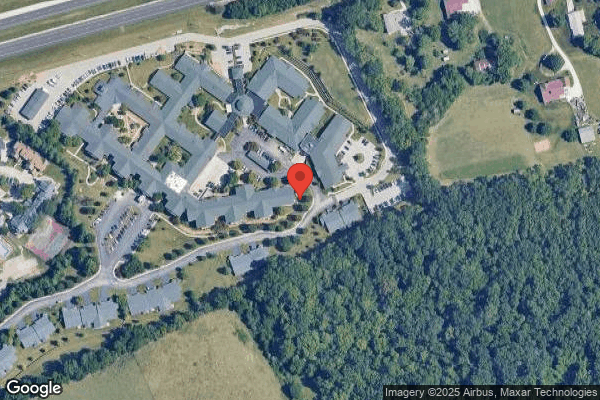
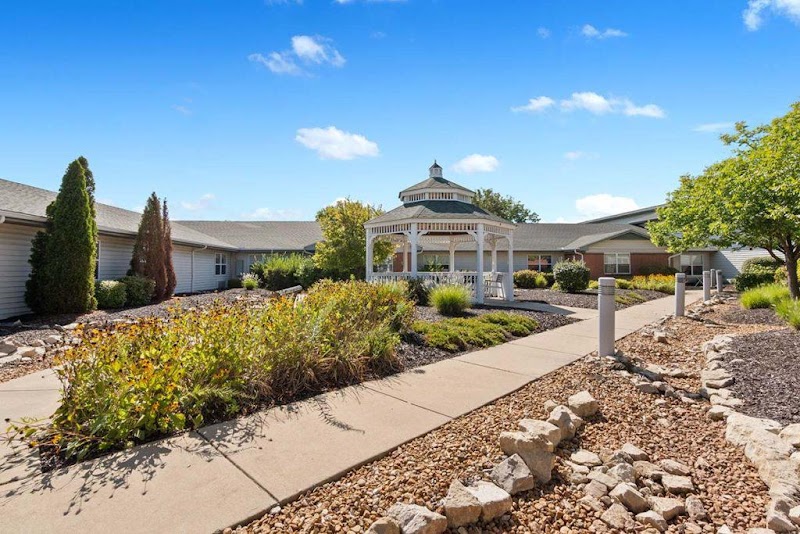
600 BREEZE PARK DRIVE, SAINT CHARLES, MO 63304 (636) 939-5223
Non profit - Church related 50 Beds EVERTRUE Data: November 2025 2 Immediate Jeopardy citations
Trust Grade
31/100
#168 of 479 in MO
Last Inspection: March 2024

Within standard 12-15 month inspection cycle. Federal law requires annual inspections.

Overview

Lutheran Senior Services at Breeze Park has received a Trust Grade of F, indicating significant concerns about the quality of care provided. Ranking #168 out of 479 facilities in Missouri places them in the top half, while their county rank of #5 out of 13 suggests there are only a few better options nearby. The facility's trend appears stable, with the same number of issues (5) reported in both 2022 and 2024. Staffing is relatively strong, with a 4 out of 5-star rating and RN coverage better than 80% of state facilities, although the turnover rate is 60%, which is average for Missouri. However, the $41,347 in fines is concerning as it is higher than 86% of other facilities, indicating potential compliance issues. Recent inspector findings reveal serious incidents, including a resident who choked during a meal without emergency services being called, resulting in their death, and lapses in updating care plans for residents with changing medical conditions. These findings highlight both strengths and serious weaknesses at the facility that families should carefully consider.

Trust Score
F
31/100
In Missouri
#168/479
Top 35%
Safety Record
High Risk
Review needed
Inspections
Holding Steady
5 → 5 violations
Staff Stability
⚠ Watch
60% turnover. Above average. Higher turnover means staff may not know residents' routines.
Penalties
⚠ Watch
$41,347 in fines. Higher than 76% of Missouri facilities, suggesting repeated compliance issues.
Skilled Nurses
✓ Good
Each resident gets 46 minutes of Registered Nurse (RN) attention daily — more than average for Missouri. RNs are trained to catch health problems early.
Violations
⚠ Watch
16 deficiencies on record. Higher than average. Multiple issues found across inspections.
★★★☆☆
3.0
Overall Rating
★★★★☆
4.0
Staff Levels
★★★★☆
4.0
Care Quality
★★★☆☆
3.0
Inspection Score
Stable
2022: 5 issues
2024: 5 issues

The Good

  • 4-Star Staffing Rating · Above-average nurse staffing levels
  • 4-Star Quality Measures · Strong clinical quality outcomes
  • Full Sprinkler Coverage · Fire safety systems throughout facility
  • No fines on record

Facility shows strength in staffing levels, quality measures, fire safety.

The Bad

3-Star Overall Rating

Above Missouri average (2.5)

Meets federal standards, typical of most facilities

Staff Turnover: 60%

14pts above Missouri avg (46%)

Frequent staff changes - ask about care continuity

Federal Fines: $41,347

Above median ($33,413)

Moderate penalties - review what triggered them

Chain: EVERTRUE

Part of a multi-facility chain

Ask about local staffing decisions and management

Staff turnover is elevated (60%)

12 points above Missouri average of 48%

The Ugly 16 deficiencies on record

2 life-threatening
Dec 2024 1 deficiency 1 IJ
CRITICAL (J) 📢 Someone Reported This

A family member, employee, or ombudsman was alarmed enough to file a formal complaint

Immediate Jeopardy (IJ) - the most serious Medicare violation

Quality of Care (Tag F0684)

Someone could have died · This affected 1 resident

Based on interview and record review, the facility failed to follow acceptable standards of practice and their Emergency First Aid policy when staff failed to call Emergency Medical Services (EMS) whe...

Read full inspector narrative →
Based on interview and record review, the facility failed to follow acceptable standards of practice and their Emergency First Aid policy when staff failed to call Emergency Medical Services (EMS) when one resident (Resident #1), in a review of eight sampled residents, began choking on food during a meal and required emergency treatment. The resident expired. The facility census was 48. The administrator was notified of the Immediate Jeopardy (IJ) on 12/2/24 at 1:28 P.M., which began on 11/26/24. The IJ was removed on 12/4/24 as confirmed by surveyor onsite verification. Review of the facility policy, titled Emergency First Aid, revised 10/23/24, showed it directs staff to contact EMS in the event emergency first aid intervention is required, including choking. Review of the American Red Cross training resources for choking showed the following: - Choking occurs when the airway becomes either partially or completely blocked by a foreign object, such as a piece of food or a small toy; by swelling in the mouth or throat; or by fluids, such as vomit or blood. A person who is choking can quickly become unresponsive and die, so it is important to act quickly. - Risk Factors- Medical conditions (such as a neurological or muscular condition that affects the person ' s ability to chew, swallow or both) can increase risk for choking. So can dental problems or poorly fitting dentures that affect the person's ability to chew food properly. - Signs and Symptoms of Choking- A person who is choking typically has a panicked, confused or surprised facial expression. Some people may place one or both hands on their throat. The person may cough (either forcefully or weakly), or he or she may not be able to cough at all. You may hear high-pitched squeaking noises as the person tries to breathe, or nothing at all. If the airway is totally blocked, the person will not be able to speak, cry or cough. The person's skin may initially appear flushed (red), but will become pale or bluish in color as the body is deprived of oxygen. - Emergency Steps: 1. Check the scene safety, form an initial impression, obtain consent and put on personal protective equipment (PPE), as appropriate. 2. Check for signs and symptoms. -Weak or no cough* - High-pitched squeaking noises or no sound* - Pale or blue skin color* - Unable to cough, speak or cry* - Panicked, confused or surprised appearance* - Holding throat with hand(s)* *Note: Signs and symptoms with a * require immediate emergency medical treatment. 3. Call 9-1-1 and get equipment if the person requires immediate emergency medical treatment. 4. Give Care. 1. Review of Resident #1's undated Face Sheet showed diagnoses of Parkinson's Disease (a chronic brain disorder that causes movement problems, mental health issues, and other health concerns) and dysphagia (difficulty swallowing). Review of footage from the camera facing the kitchen of the event that occurred in the dining room on 11/26/24 at 5:24 P.M., showed the following: -The resident choked on the evening meal; -Staff attempted to assist the resident by giving back thrusts. The resident was still visibly breathing; -At 5:26 P.M. staff took the resident to his/her room. The resident's eyes remained open and mouth closed; -At 5:28 P.M. the nurse manager brought the crash cart to the resident's room; -At 5:30 P.M. the Director of Nurses (DON) brought the vital sign machine to the resident's room; -At 5:36 P.M. the DON exited the resident's room. A staff member brought the mechanical lift to the resident's room; -At 5:42 P.M. all staff left the resident's room. Review of the written summary of events for 11/26/24 regarding the resident, completed by the administrator, showed the following: -At 5:06 P.M. staff assist the resident with the first few bites of the meal without difficulty; -At 5:22 P.M. the resident was in the dining room and appeared to be clearing his/her throat; -At 5:24 P.M. the resident continued to chew and attempted to clear his/her throat; -At 5:26 P.M. staff took the resident to his/her room; -At 5:30 P.M. the resident was still passing air and made sounds. Staff attempted abdominal thrusts; -At 5:33 P.M. staff listened for a heartbeat for one minute and no heart beat was detected. During an interview on 11/27/24 at 2:10 P.M., Certified Nurse Aide (CNA) B said the following: -On 11/26/24 CNA B fed the resident supper; -The resident was eating well and was not coughing, but appeared to be gagging; -CNA B alerted the charge nurse who began to administer back thrusts which were unsuccessful; -The charge nurse got the suction machine and CNA B took the resident to his/her room; -The charge nurse applied oxygen. The Heimlich maneuver was attempted without success; -The resident leaned forward in his/her wheelchair and became limp; -Staff placed the resident on the floor and attempted abdominal thrusts; -The resident's color changed to purple and he/she no longer had a pulse; -No one instructed CNA B to call EMS at any point. CNA B did not think any other staff called EMS. During an interview on 11/27/24 at 2:30 P.M., Licensed Practical Nurse (LPN) A said the following: -On 11/26/24 around 5:30 P.M. he/she was in his/her office; -The unit nurse came by to get the suction machine; -Staff had already attempted the Heimlich maneuver several times without success; -LPN A grabbed the crash cart. When he/she entered the resident's room, he/she was alert; -The resident's mouth was clear; -Another nurse suctioned the resident and got some small pieces of meat, but were unable to clear his/her airway; -Staff placed the resident on the floor when he/she became unresponsive and attempted abdominal thrusts without success; -Staff continued their attempts until the resident no longer had a heartbeat or respirations; -Staff did not call EMS when the resident was choking. During an interview on 11/27/24 at 4:30 P.M., the Director of Nursing (DON) said the following: -The protocol for staff to follow if a resident was choking was to start the Heimlich maneuver and call EMS; -Staff did not call EMS when Resident #1 began to choke as they were actively performing the Heimlich and all things that EMS would have done. During an interview on 11/27/24 at 4:40 P.M., the administrator said the following: -Staff should call EMS if a resident had an emergent need; -The facility policy was to call EMS in an emergent situation. During an interview on 11/27/24 at 4:20 P.M., the resident's physician said the following: -The physician received a call from the DON the resident had choked and died; -Staff should call EMS in an emergent situation. NOTE: At the time of the complaint investigation, the violation was determined to be at the immediate and serious jeopardy level J. Based on observation, interview and record review completed during the onsite visit, it was determined the facility had implemented corrective action to address and lower the violation at the time. A final revisit will be conducted to determine if the facility is in substantial compliance with participation requirements. At the time of exit, the severity of the deficiency was lowered to the D level. This statement does not denote that the facility has complied with State law (Section 198.026.1 RSMo.) requiring that prompt remedial action to be taken to address Class I violation(s). MO245768
Mar 2024 4 deficiencies
CONCERN (D)

Potential for Harm - no one hurt, but risky conditions existed

Tube Feeding (Tag F0693)

Could have caused harm · This affected 1 resident

Based on observation, record review, interview, and review of facility policy, the facility failed to follow acceptable standards of practice when they failed to follow physician orders for administer...

Read full inspector narrative →
Based on observation, record review, interview, and review of facility policy, the facility failed to follow acceptable standards of practice when they failed to follow physician orders for administering medications through one resident of two residents (Resident (R) 28) receiving enteral (tube feeding) tube from a sampled 13 residents. The nurse failed to crush medications separately and mix with the prescribed amount of water. Findings include: Review of the facility policy titled Administering Medications Through an Enteral Tube with a review date 01/20/24, indicated Flush tubing with 15-30 ml [milliliters] of water unless otherwise specified. Dilute the crushed or split medication with 15-30 ml of warm water unless otherwise specified. Administer the medication by gravity flow. If administering more than one medication flush with 15 ml, unless otherwise specified, between each medication. When last medication drains from tubing, use a final flush of 15 ml of warm water (or prescribed amount). Clamp tubing when finished, and/or reattach to pump if continuous feeding. During an observation on 03/07/24 at 08:10 AM, during medication administration, Registered Nurse (RN)1 crushed Eliquis (anticoagulant) 2.5 milligrams (mg) one tablet (tab), Vitamin D 50, units one capsule, and Escitalopram (antidepressant) five mg one tab together. RN1 mixed the crushed medications with the Lagevrio (antiviral) 200 mg capsule together. The nurse mixed the crushed medications mixture with 20 milliliters (ml) of water. RN1 also prepared a Metamucil medication with 120 ml of water. RN1 placed R28's enteral feeding on hold. RN1 did not flush the feeding tube prior to administering the medication mixture. RN1 pushed the crushed pill medication mixture through the feeding tube and then pushed the Metamucil mixture through the feeding tube. RN1 did not flush the feeding tube after administering the medications. Review of R28's Physician Orders for the month of March 2024 located in the resident's electronic medical records (EMR) under the Orders tab revealed the resident was to receive Lagevrio 200 mg capsule, Vitamin D 50, 000 units one tab, Eliquis 2.5 mg, Escitalopram five mg, and Metamucil (with sugar) one packet. The orders gave guidance to flush the feeding with 15 ml of water prior to administration of each medication; then mix each crushed medication with 15 ml of water; then flush the feeding tube with 15 ml of water after administering medications. Interview on 03/07/24 at 10:00 AM with the Interim Director of Nursing (DON) revealed it is an expectation for the nurse to crush each medication separately and mix each medication with 15 ml of water. The Interim DON stated nurses should administer each medication mixture (15 ml) through the feeding tube and after each medication mixture flush the feeding tube with 15 ml of water. During an interview on 03/07/24 at 12:45 PM, RN1 acknowledged that she did not flush the feeding tube before or after administering the medication mixture. RN1 stated that she was never told to crush the medications separately and the amount of water to mix with the medications. Also, RN1 stated she was never told the medications should flow through gravity. RN1 stated she has always slowly pushed medications through feeding tube.
CONCERN (E)

Potential for Harm - no one hurt, but risky conditions existed

Deficiency F0657 (Tag F0657)

Could have caused harm · This affected multiple residents

**NOTE- TERMS IN BRACKETS HAVE BEEN EDITED TO PROTECT CONFIDENTIALITY** Based on observation, record review, interview, and review of facility policy, the facility failed to ensure that care plans wer...

Read full inspector narrative →
**NOTE- TERMS IN BRACKETS HAVE BEEN EDITED TO PROTECT CONFIDENTIALITY** Based on observation, record review, interview, and review of facility policy, the facility failed to ensure that care plans were revised for four residents (R)6, R27, R28, and R44 that experienced changes in their conditions and/or care from a total sample of 13 residents. R6 experienced syncopal episodes (a sudden drop in heart rate and blood pressure leading to fainting) on [DATE], [DATE], and [DATE]. R27's care plan was not revised to reflect a left ankle ulcer and that the left ankle ulcer and right buttock ulcers were healed. R28's care plan was not revised to reflect the resident's suprapubic catheter was draining bloody urine and the interventions to flush the catheter as needed. R44's care plan documented the resident was a full code when the resident's Advance Directive indicated the resident was a Do Not Resuscitate (DNR). Findings include: Review of facility policy titled Care Plans - Comprehensive Person Centered with a review date of [DATE], indicated The comprehensive, person-centered care plan will: identify problem areas; .Incorporate risk factors associated with identified problems Assessments of residents are ongoing and care plans are revised based on information about the residents and the resident conditions change . The policy further stated, Interdisciplinary team must review and update the care plan when there is a change in the resident's condition. Review of the facility policy titled Advance Directives with a review date of [DATE], revealed the Advance directives will be respected in accordance with State Law and community policy. The policy further indicated, The plan of care for each resident will be consistent with their documented treatment preferences and/ or advanced directive. 1. Review of R6's admission Record located in the resident's electronic medical record (EMR) under the Admission tab revealed the resident was admitted to the facility on [DATE] with diagnoses that included Parkinson's disease and congestive heart failure. Review of R6's admission Minimum Data Set (MDS) with an Assessment Reference Date (ARD) of [DATE] located in the resident's EMR under the MDS tab revealed the resident had a Brief Interview for Mental Status (BIMS) of score of three out of 15 which indicated the resident was severely cognitively impaired. Review of R6's Nursing Notes located in the resident's EMR under the Notes tab, dated [DATE], [DATE], and [DATE] revealed resident lost consciousness for less than 45 seconds on these dates. The physician was notified of these events. Review of R6's Physician Orders located in the resident's EMR under the Orders tab revealed the following order dated [DATE], coach resident to look up and breathe when being transferred via sit to stand to help prevent syncope episodes. Review of R6's Care Plan with a revision date [DATE] located in the resident's EMR under the Care Plans tab revealed the care plan was not revised to address the physician's order dated [DATE] and the resident's syncopal episodes. During an interview on [DATE] at 12:33 PM, with Certified Medication Technician (CMT)1 revealed the resident had experienced several syncopal episodes in the past few months. During an interview on [DATE] at 3:06 PM, Registered Nurse (RN)2 stated the unit managers and the MDS nurse are routinely responsible for the care plan development and updates as needed. RN2 stated if the resident experienced any syncopal episodes, the care plan should have been revised to reflect those episodes and any interventions. 2. During an observation on [DATE] at 02:24 PM. R27 was observed to have a healing ulcer on the right buttock and no open areas on the ankles or heels. Review of R27's admission Sheet located in the resident's EMR under the Admissions tab revealed the resident was admitted with diagnoses that included dementia and venous insufficiency. Review of R27's admission MDS with an ARD of [DATE] located in the resident's EMR under the MDS tab revealed the resident had a BIMS score of six out of 15 which indicated the resident was severely cognitively impaired. Review of R27's Specialized Wound Management Notes dated [DATE] located in the resident's EMR under the Consults tab revealed the left ankle and stage III open area on the right buttocks were healed. Review of R27's Care Plan located in the resident's EMR under the Care Plans did not reflect the resident had open areas on right buttocks and left ankle (with treatment); nor was the care plan revised to reflect the areas as healed. 3. During an observation on [DATE] at 9:15 AM, R28 was seated in his wheelchair and his urinary catheter bag had blood-tinged urine in the catheter tubing. Review of R28's admission Sheet located in the resident's EMR under the Admission tab revealed the resident was admitted to the facility with diagnoses that included neuromuscular dysfunction. Review of R28's admission MDS with an ARD of [DATE] revealed the resident had a BIMS score 11 out of 15 which indicated the resident had moderately impaired cognition. Review of R28's Physicians Orders located in the resident EMR under the Orders tab included orders dated [DATE] to irrigate the supra pubic catheter with 120 milliliters of saline as needed for bladder discomfort. Review of R28's Care Plan with a revision date of [DATE] located in the resident's EMR under the Care Plan tab revealed the resident's care plan was not revised to reflect the bloody urine with clots and the physician's orders to irrigate the catheter for discomfort. During an interview on [DATE] at 09:51 AM, the Interim Director of Nursing (DON) revealed that she is currently responsible for revising/updating residents' care plans on the Lindenwood Unit. The Interim DON acknowledged R6's syncopal episodes, R27's wounds, and R28's catheter concerns, should have been addressed on the residents' care plan. 4. Review of R44's Diagnosis Sheet located under the Admission tab of the EMR revealed diagnoses of Alzheimer's disease, and type 2 diabetes mellitus. Review of the advanced directive Care Plan with an effective date of [DATE] and date of last review date of [DATE] located under the Care Plan tab of the EMR revealed R44 was a full code and the intervention stated CPR will be initiated. Review of the resident's EMR revealed she was marked as a do not resuscitate on the top of the electronic record screen and in the physician's orders. Review of a paper document titled Outside the Hospital Do-Not-Resuscitate (OHDNR) Order signed by the resident's responsible party on [DATE] and signed by the physician on [DATE] stated the resident wished to not receive cardiopulmonary resuscitation in the event of cardiac or respiratory arrest. On [DATE] at 11:40 AM, the care plan was reviewed with the DON, and she verified the care plan stated full code for the advance directive and was documented as DNR in the EMR and the OHDNR form. The DON verified the advanced directive had not been updated on the care plan to reflect R44's DNR status on the care plan. The DON stated that in the case of an emergency, the staff would have checked the Outside the Hospital Do-Not-Resuscitate Order on the paper/hard chart prior to completing CPR.
CONCERN (E)

Potential for Harm - no one hurt, but risky conditions existed

Infection Control (Tag F0880)

Could have caused harm · This affected multiple residents

**NOTE- TERMS IN BRACKETS HAVE BEEN EDITED TO PROTECT CONFIDENTIALITY** Based on observation, record review, interview, and review of facility policy, the facility failed to ensure staff's adherence t...

Read full inspector narrative →
**NOTE- TERMS IN BRACKETS HAVE BEEN EDITED TO PROTECT CONFIDENTIALITY** Based on observation, record review, interview, and review of facility policy, the facility failed to ensure staff's adherence to use of personal protective equipment (PPE) for three of four residents (Resident (R) 6, R27, and R28) on droplet precautions and enhanced precaution isolations from a total sample of 13 residents. Findings include: Review of the facility's policy titled COVID 19 Infection Control Measures reviewed 01/30/24 revealed .Post visual alerts (e.g. signs, posters) at the entrance and in strategic places (e.g. waiting areas, elevators, cafeterias). These alerts should provide instructions about current IPC [Infection Prevention and Control] recommendations. Review of droplet precautions signage posted on residents' room doors revealed staff were to wear N95 face masks, isolation gowns, gloves, and face shield, and perform hand hygiene after resident care. During an observation on 03/05/24 at 12:09 PM, Certified Nursing Assistant (CNA)1 was observed donning N95 face mask, gown, and gloves. However, CNA1 did not don a face shield. CNA1 proceeded to enter R27's room. During an observation on 03/05/24 at 12:13 PM, CNA1 was preparing to enter R6's room. CNA1 washed her hands and donned gown but was still wearing a face mask and gloves from the previous resident's room. CNA1 did not don a face shield before entering the resident's room. During an observation on 03/06/24 at 08:10 AM, Registered Nurse (RN)1 was observed to don gown, gloves, face shield and wearing a surgical mask, not a N95 face mask before entering R28's room. Review of R6's admission Record located in the resident's electronic medical records (EMR) under the Admission tab revealed the resident was admitted to the facility on [DATE] with diagnoses that included Parkinson's disease and dementia. Review of R6's COVID-19 Infection Assessment dated 03/04/24, located in the resident's EMR under the Assessment tab revealed the resident tested positive for COVID. Review of R27's admission Sheet located in the resident's EMR under the Admissions tab revealed the resident was admitted with diagnoses that included malignant neoplasm of prostate and Alzheimer's disease. Review of R27's COVID-19 Infection Assessment dated 03/03/24, located in the resident's EMR under the Assessments tab revealed the resident tested positive for COVID-19. Review of R28's admission Sheet located in the resident's EMR under the Admission tab revealed the resident was admitted to the facility with diagnoses that included cerebrovascular accident and depression. Review of R28's COVID-19 Infection Assessment dated 03/06/24 located in the resident's EMR under the Assessments tab revealed the resident tested positive for COVID-19. During an interview on 03/05/24 at 12:21 PM, RN3 revealed staff are expected to don full PPE when entering residents' rooms that are on droplet precautions for COVID-19. RN3 stated full PPE included gown, N95 face mask, face shield, and gloves. During an interview on 03/05/24 at 12:25 PM, CNA1 revealed staff are supposed to perform hand hygiene, then don gown, change from surgical face mask to N95 face, don face shield and gloves. CNA1 also stated once the resident's care has been completed, the staff member should remove the PPE in the resident's room and perform hand hygiene after leaving the resident's room. CNA1 acknowledged that she did not follow this procedure when entering R6 and R27's rooms. During an interview on 03/06/24 at 08:10 AM, RN1 revealed she felt that since she was wearing a face shield that the N95 face mask was not necessary. During an interview on 03/06/24 at 12:41 PM, Infection Preventionist (IP) revealed recent outbreak started on 03/03/24. The IP stated the staff had received retraining on 03/05/24 on donning the appropriate PPE when entering the COVID isolation rooms.
CONCERN (E)

Potential for Harm - no one hurt, but risky conditions existed

Deficiency F0909 (Tag F0909)

Could have caused harm · This affected multiple residents

Based on observation, interview, and policy and bed specifications review, the facility failed to ensure that regular inspections of bed rails, mattresses, and bed frames were conducted for 41 of 47 o...

Read full inspector narrative →
Based on observation, interview, and policy and bed specifications review, the facility failed to ensure that regular inspections of bed rails, mattresses, and bed frames were conducted for 41 of 47 occupied beds with enabler bars attached. Findings include: Review of the facility policy titled Proper Use of Bed Assistive Devices revised on 01/30/24, revealed Plant operations will inspect all beds for safety annually, when new device is installed, and as needed when notified by nursing. Review of the undated bed specifications titled SS Retractabed User Manual, Revision 03 revealed no reference to the placement or inclusion of an enabler as part of the bed system. During an observation on 03/07/24 at 9:15 AM, an enabler bar was observed on Resident(R)38's bed located in the bedroom. During an interview on 03/07/24 at 10:15 AM, the Director of Nursing verified the use of the enabler on R38's bed. During an interview 03/07/24 at 10:30 AM, the Maintenance Director verified the facility has no record of bed side rails, mattress, and bed frame inspections in the past twelve months. During an interview 03/07/24 at 11:00 AM, the Administrator indicated the facility uses bed enablers on 41 of 47 occupied resident beds. The Administrator also confirmed that plant operations had not completed bed inspections in the past 12 months.
Jun 2022 5 deficiencies
CONCERN (D)

Potential for Harm - no one hurt, but risky conditions existed

Pressure Ulcer Prevention (Tag F0686)

Could have caused harm · This affected 1 resident

Based on observation, interview, and record review, the facility failed to ensure staff followed physician orders when providing treatment to a pressure ulcer (damage to an area of the skin caused by ...

Read full inspector narrative →
Based on observation, interview, and record review, the facility failed to ensure staff followed physician orders when providing treatment to a pressure ulcer (damage to an area of the skin caused by constant pressure on the area for a long time) for one resident (Resident #1), in a review of 12 sampled residents. The facility census was 24. Review of the facility policy, Pressure Injury Treatment Protocol, reviewed 5/28/22, showed the following: -Purpose: The purpose of this procedure is to provide guidelines for the care of existing pressure injuries and the prevention of additional pressure injuries; -Interventions/Care Strategies: Pressure injury treatment requires a comprehensive approach, including, debridement, managing infections, managing systemic issues (edema, venous insufficiency, etc.), maximizing the potential for healing, and pain control; -Stage III (full thickness tissue loss; subcutaneous fat may be visible but bone, tendon or muscle is not exposed; slough may be present but does not obscure the depth of tissue loss; may include undermining and tunneling) protocol: -Protect, manage drainage, and promote moist wound healing; -Choose primary dressing from facility wound protocol or care provider orders. 1. Review of Resident #1's annual Minimum Data Set (MDS), a federally mandated assessment instrument required to be completed by facility staff, dated 6/7/22, showed the following: -Diagnoses of multiple sclerosis (disease in which the immune system eats away at the protective covering of nerves), and dementia (a group of thing and social symptoms that interferes with daily functioning); -Cognition moderately impaired; -Stage III pressure ulcer. Review of the resident's care plan, undated, showed the following: -The resident is at risk for developing pressure ulcer due to incontinence and impaired bed mobility; -Obtain and implement orders for wound care; -Treatment care as ordered. See current treatment record and add physician's orders, monitor effectiveness of response to treatment as ordered. Review of the resident's Physician Orders, dated 6/14/22, showed the following: -Cleanse wound with wound cleanser, -Apply wound gel to wound bed; -Pack wound with Aquacell rope (a hydrofiber dressing used for packing wounds); -Cover with foam dressing; -Complete once per day. Review of resident's Treatment Administration Record (TAR), dated June 2022, showed to cleanse wound with wound cleanser, apply wound gel to wound bed, pack with Aquacell rope, and cover with foam. Review of resident's Specialized Wound Management assessment, dated 6/15/22, showed the following: -Wound assessment of left buttock showed a Stage III ulcer; -Wound bed description of left buttock: 100 percent granulation (new connective tissue and blood vessels that form on the surfaces of a wound during the healing process); -Wound measurements of left buttock: length 1 centimeter (cm) by width 0.5 cm by depth 1.9 cm, with undermining 2.9 cm; -Plan of care for left buttock: cleanse with wound cleanser, apply Aquacel, lightly pack, cover with foam dressing. Change three times weekly and as needed. Observation on 6/14/22 at 2:35 P.M., showed the following: -Licensed Practical Nurse (LPN) K entered the resident's room; -LPN K removed the foam dressing from the resident's left buttock and then pulled out the packing that had been inserted into the pressure ulcer; -White purulent drainage (a thick and milky discharge from a wound that often indicates an infection) was on the packing: -The pressure ulcer on the resident's left buttock had tunneling and had pink tissue to the outside of the wound bed; -LPN K applied would cleanser spray to the pressure ulcer and wiped the wound bed with a clean gauze; -LPN K cut a piece of Adaptic dressing (a primary dressing made of knitted cellulose acetate fabric and impregnated with a specially formulated petrolatum emulsion, designed to help protect the wound while preventing the dressing from adhering to the wound), rolled it up, and inserted it into the resident's pressure ulcer with a cotton tip applicator. (LPN K did not pack the wound with Aquacell rope as ordered); -LPN K applied wound gel (used to create a moist wound environment for the treatment of partial-thickness wounds) as ordered to the outside of the wound bed with the same cotton tip applicator; -LPN K applied a padded foam adhesive dressing to the outside of the resident's pressure ulcer. During interview on 6/14/22 at 2:45 P.M., LPN K said the following: -He/She could not find the dressing he/she thought was used on the resident; -The physician order was different than what he/she applied to the resident; -He/She should have looked at the treatment administration record before he/she applied the dressing. During interview on 6/17/22 at 11:15 A.M., Director of Nursing said she expected staff to look at physician's orders in the resident's chart and follow the order.
CONCERN (D)

Potential for Harm - no one hurt, but risky conditions existed

Accident Prevention (Tag F0689)

Could have caused harm · This affected 1 resident

Based on observation, interview, and record review, facility staff failed to safely transfer one resident (Resident #20), in a review of 12 sampled residents. Staff did not properly apply or use the g...

Read full inspector narrative →
Based on observation, interview, and record review, facility staff failed to safely transfer one resident (Resident #20), in a review of 12 sampled residents. Staff did not properly apply or use the gait belt (an assistive device which can be used to help safely transfer a person from a bed to a wheelchair or assist with sitting and standing) during the transfer. The facility certified census was 24. Review of the facility policy, Safe Lifting and Movement of Residents, dated 10/14/19 and last reviewed on 5/28/21, showed the following: -Resident safety, dignity, comfort and medical condition will be incorporated into goals and decisions regarding the safe lifting and moving of residents; -Nursing staff, in conjunction with therapy staff, will assess individual resident's needs for transfer assistance on an ongoing basis. Staff will document resident's transferring and lifting needs in the care plan. Such assessment will include: a. Resident's preferences for assistance; b. Resident's mobility (degree of dependency); c. Resident's size; d. Weight-bearing ability; e. Cognitive status; f. Whether the resident is usually cooperative with staff; and g. The resident's goals for rehabilitation, including restoring and maintaining functional abilities; -Staff responsible for direct resident care will be trained in the use of manual (gait/transfer belts, slide boards) and mechanical lifting devices. Review of the Nurse Assistant in a Long-Term Care Facility student reference manual, reviewed 2001, showed the following: -CAUTION: NEVER transfer a resident by lifting him/her under the arms! This can cause nerve damage, fractures, and shoulder dislocation. -The gait belt is a special belt that is placed around the resident's waist and provides the nurse assistant with a handle to hold onto for those who require assistance during transfers; -The nurse assistant should not transfer residents by grasping their upper arms or under their arms. Such a transfer could result in skin tears, damage to nerves and arteries, and possible dislocation of the shoulder. The gait belt increases the comfort and safety of the resident during the transfer procedure and prevents injury to the resident that could be caused by pulling on his/her arms, shoulders or wrist. -The gait belt is applied snuggly around the resident's waist below the ribs so the nurse assistant's fingers may grasp the belt securely. The belt must be applied securely to prevent the belt from sliding above the resident's waist. -The nurse assistant grasps the belt on both sides of the resident's waist. -Gait belts are required for all residents when performing transfers, ambulation, or repositioning in a chair. -When transferring a resident who requires assistance from one nurse assistant, stand directly in front of the resident and grasp the back of the gait belt. Support the resident's knees and feet with your knees and feet. Have the resident lean forward on the chair/bed. On the count of three, have the resident push up as much as possible while you pull him/her up by straightening your legs and hips and holding onto the belt. Pivot your entire body as well as the resident's body. Lower the resident into the chair by bending at your knees and hips as the resident sits down. 1. Review of Resident #20's quarterly Minimum Data Set (MDS), a federally mandated assessment instrument required to be completed by facility staff, dated 4/26/22, showed the following: -Severely impaired cognition; -Required extensive assistance from one staff for transfers and toileting. Review of the resident's care plan, dated 1/31/22 and last reviewed on 6/15/22, showed the following: -The resident has activity of daily living self-care deficit related to decreased mobility and muscle weakness; -Provide adaptive/safety equipment: walker and wheelchair; -Care plan did not address how the resident was to transfer. Observation on 6/16/22 at 6:07 A.M., showed the following: -The resident lay in bed; -Certified Nurse Assistant (CNA) F assisted the resident to sit on the side of the bed and positioned the wheelchair beside the resident's bed; -CNA F applied the gait belt around the resident's waist, however, CNA F did not tighten the gait belt appropriately so the belt remained loose around the resident's waist; -The resident stood with minimal assist and transferred to the wheelchair; -CNA F did not hold onto the gait belt during the transfer; -CNA F positioned the resident's wheelchair by the toilet; -The resident held on to grab bar while CNA F assisted the resident to transfer to the toilet. CNA F pulled up on the back of the resident's pants and placed his/her forearm under the resident's right armpit during the transfer. CNA F did not use the gait belt which remained loose around the resident's waist; -CNA F transferred the resident from the toilet to his/her wheelchair. CNA F pulled up on the back of the resident's pants and placed his/her forearm under the resident's right armpit during the transfer. CNA F did not use the gait belt which remained loose around the resident's waist; During interview on 6/16/22 at 06:58 A.M., CNA F said the following: -He/She should use a gait belt during transfers and not pull on the back of the resident's pants or lift under the arms; -He/She was not sure how to get the gait belt snug around the resident. He/She was not used to the type of gait belt at the facility with the metal clasps but more familiar with the belts with plastic clips. -If he/she had questions about how to use equipment, he/she should ask the charge nurse. During interview on 6/17/22 at 11:15 A.M., the Director of Nursing (DON) said staff should apply a gait belt properly and use a gait belt during transfers. If staff are unsure how to apply the gait belt, then they should ask the charge nurse. She would not expect staff to transfer a resident but grabbing the back of the resident's pants or lifting under the resident's arm.
CONCERN (D)

Potential for Harm - no one hurt, but risky conditions existed

Incontinence Care (Tag F0690)

Could have caused harm · This affected 1 resident

Based on observation, interview, and record review, the facility failed to provide appropriate treatment and services consistent with acceptable standards of practice to prevent urinary tract infectio...

Read full inspector narrative →
Based on observation, interview, and record review, the facility failed to provide appropriate treatment and services consistent with acceptable standards of practice to prevent urinary tract infections (UTIs) for one resident (Resident #14), who had a urinary catheter (a sterile tube inserted into the bladder to drain urine), in a review of 12 sampled residents. The facility reported one resident with a urinary catheter. The facility census was 24. Review of the facility's policy, Perineal Care, dated 5/26/21, showed the following: -The purpose of this procedure is to provide cleanliness and comfort to the resident, to prevent infections and skin irritation, and to observe the resident's skin condition; -If the resident has an indwelling catheter, gently wash the juncture of the tubing from the insertion site down the catheter about three inches. If using soap and water, gently rinse and dry the area. Review of the facility's policy, dated 11/4/19 and last reviewed 5/28/21, showed the following: -The purpose of this procedure is to prevent catheter-associated urinary tract infections; -During personal care, check to make sure the resident is not lying on the catheter and to keep the catheter and tubing free of kinks; -The urinary drainage bag must be held at or positioned lower than the bladder at all times to prevent the urine in the tubing and drainage bag from flowing back into the urinary bladder; -Be sure the catheter tubing and drainage bag are kept off the floor. 1. Review of Resident #14's care plan, last revised 3/15/22, showed the following: -The resident is at risk for infection and/or skin breakdown related to a suprapubic (sterile tube inserted into the bladder through the abdominal wall) catheter; -Clean around catheter with soap and water, per policy, unless contraindicated; -Keep tubing below level of bladder and free of kinks or twists. Review of the resident's quarterly Minimum Data Set (MDS), a federally mandated assessment instrument required to be completed by facility staff, dated 5/12/22, showed the following: -Severely impaired cognition; -Required extensive assistance from two staff for toileting; -Required assistance from one staff for hygiene; -Had a urinary catheter; -Diagnosis included neurogenic bladder and paraplegia. Observation on 6/15/22 at 9:58 A.M., showed the following: -The resident lay on his/her right side in bed; -The resident's urinary drainage bag was hooked on the bed frame; the bottom of the drainage bag sat directly on the floor; -Certified Nurse Assistant (CNA) J stood on the right side of the bed, picked up the urinary drainage bag, lifted it up and over the resident, and handed the bag to Licensed Practical Nurse (LPN) G; -LPN G raised the urinary drainage bag above the level of the resident's bladder to unkink the tubing and urine flowed back towards the resident. LPN G then hooked the urinary drainage bag on the left side of the bed; -LPN G sprayed a wet washcloth with skin cleanser and wiped around the urinary catheter insertion site multiple times with the same cloth surface; -LPN G did not cleanse the catheter tubing from the insertion site outward. Observations on 6/16/22 at 5:32 A.M., 6:42 A.M., 8:00 A.M. and 8:17 A.M., showed the resident lay in a low bed. The resident's urinary drainage bag was hooked to the side of the bed frame and sat directly on the floor. During interview on 6/15/22 at 1:57 P.M., LPN G said a resident's urinary catheter should be kept below the level of the bladder and off the floor. When providing catheter care, staff should wipe around the urinary catheter insertion site and change the cloth surfaces between each wipe. Staff should not use the same surface of the cloth over and over to cleanse the insertion site. Staff should also clean the catheter tubing from the insertion site outward approximately two inches. During interview on 6/17/22 at 11:15 A.M., the Director of Nursing (DON) said when performing catheter care, staff should clean the area around the insertion site, changing the cloth surfaces with each wipe, and should cleanse the tubing from the insertion site outwards. The urinary drainage bag should be kept below the resident's bladder and off the floor. Staff should ensure no kinks in the catheter tubing. She would not expect staff to raise the catheter bag above the level of the bladder causing urine to flow back towards the resident.
CONCERN (E)

Potential for Harm - no one hurt, but risky conditions existed

ADL Care (Tag F0677)

Could have caused harm · This affected multiple residents

**NOTE- TERMS IN BRACKETS HAVE BEEN EDITED TO PROTECT CONFIDENTIALITY** Based on observation, interview, and record review, the facility failed to ensure staff provided grooming and hygiene needs for ...

Read full inspector narrative →
**NOTE- TERMS IN BRACKETS HAVE BEEN EDITED TO PROTECT CONFIDENTIALITY** Based on observation, interview, and record review, the facility failed to ensure staff provided grooming and hygiene needs for three residents (Residents #1, #8, and #20), who were unable to perform their own activities of daily living (ADLs), in a review of 12 sampled residents. The facility's certified census was 24. 1. Review of the facility's policy, Perineal Care, dated 5/26/21, showed the following: -The purpose of this procedure is to provide cleanliness and comfort to the resident, to prevent infections and skin irritation, and to observe the resident's skin condition; -For a female resident: a. Wet washcloth and apply soap or skin cleansing agent or use a perineal wipe; b. Wash perineal area, wiping front to back; c. Continue to wash the perineum moving from inside outward to and including thighs, alternating from side to side, and using downward strokes. Do not reuse the same area of the washcloth and/or perineal wipe to clean the urethra or labia; d. If using soap and water, rinse perineum thoroughly in same direction, using fresh water and a clean washcloth, then dry perineum; e. Wash rectal area thoroughly, using a washcloth or a perineal wipe, wiping from the base of the labia towards and extending over the buttocks; f. Rinse and dry thoroughly if using a washcloth; -For a male resident: a. Wet washcloth and apply soap or skin cleansing agent or use a perineal wipe; b. Wash perineal area starting with urethra and working outward. If the resident has an indwelling catheter, gently wash the juncture of the tubing from the urethra down the catheter three inches. Gently rinse and dry the area; 1. Retract foreskin of the uncircumcised male; 2. Wash using washcloth/soap or perineal wipe. Then rinse, if using a washcloth and soap, urethral area using a circular motion; 3. Continue to wash the perineal area including the penis, scrotum and inner thighs. Do not reuse the same area of the washcloth/wipe to clean the urethra; c. Gently dry perineum following same sequence; d. Reposition foreskin of the uncircumcised male; e. Wash and rinse, or use perineal wipe, the rectal area thoroughly, including the area under the scrotum, the anus and the buttocks. Review of the facility policy, Supporting Activities of Daily Living, dated 5/26/21, showed the following: -Residents will be provided with care, treatment, and services as appropriate to maintain or improve their ability to carry out activities of daily living (ADLs). -Residents who are unable to carry out activities of daily living independently will receive the services necessary to maintain good nutrition, grooming, and personal and oral hygiene. -Residents will be provided with care, treatment and services to ensure that their ADLs do not diminish unless the circumstances of their clinical condition(s) demonstrate that diminishing ADLs are unavoidable. -Appropriate care and services will be provided for residents who are unable to carry out ADLs independently, with the consent of the resident and in accordance with the plan of care. Review of the facility policy, Care of Fingernails/Toenails, reviewed 5/26/21, showed the following: -Purpose: The purposes of this procedure are to clean the nail bed, to keep nails trimmed, and to prevent infection; -Unless otherwise permitted, do not trim the nails of diabetic residents or residents with circulatory impairments; -Perform hand hygiene; -Gently, remove the dirt from around and under each nail with an orange stick; -Do not trim nails below the skin line or cut the skin; -Trim fingernails in an oval shape and toenails straight across; -Smooth the nails with a nail file or emery board, apply lotion as permitted; -Repeat the procedure for the second hand or foot; -Perform hand hygiene. 1. Review of Resident #1's quarterly Minimum Data Set (MDS), a federally mandated assessment instrument required to be completed by facility staff, dated 3/10/22, showed the following: -Diagnoses of multiple sclerosis, schizophrenia, and dementia; -Cognition moderately impaired; -Required extensive assistance from one staff for personal hygiene. Review of resident's undated care plan showed the following: -Report changes in activities of daily living (ADLs) self-performance to nurse; -Explain all procedures and purpose prior to performing task and encourage self-performance; -Identify usual patterns of behavior for ADLs to maintain familiar routines. (The resident's care plan did not provide instruction regarding assistance with nail care or grooming.) Review of resident's progress notes showed no documentation of nail care provided to the resident. Observation on 6/14/22 at 11:50 A.M. showed the following: -The resident's fingernails were long and breaking; -The resident had long facial hair on his/her chin. During interview on 6/15/22 at 2:22 P.M., Licensed Practical Nurse (LPN) K said he/she did not know why the resident did not have his/her nails trimmed and cleaned. During interview on 6/16/22 at 8:06 A.M., Certified Nurse Assistant (CNA) N said he/she did not know why the resident did not have his/her nails trimmed and cleaned. During interview on 6/17/22 at 8:45 A.M., the resident said the following: -He/She was bothered by seeing facial hair on his/her chin; -He/She would like to have his/her nails trimmed. Observation on 6/17/22 at 8:45 A.M. showed the resident continued to have long, unclean nails and facial hair on his/her chin. 2. Review of Resident #8 quarterly MDS, dated [DATE], showed the following: -Diagnoses of Alzheimer's and dementia; -Cognition severely impaired; -Required extensive assistance of one staff for personal hygiene; -Continent of bowel and bladder. Review of resident's undated care plan showed the following: -Breakdown activities into manageable segments; -Staff will provide consistency in routine care. (The resident's care plan did not provide instruction regarding assistance with nail care.) Observation on 6/15/22 at 8:45 A.M., showed the resident's fingernails were long and he/she had debris under his/her nails. Observation on 6/17/22 at 8:53 A.M. showed the resident continued to have long fingernails with debris under them. During interview on 6/15/22 at 11:28 A.M., Activities Assistant M said the following: -Nursing staff cut the residents' fingernails; -Activity staff clean and paint residents' nails as an activity once a month; -He/She can cut the residents' fingernails; -He/She had mentioned to the charge nurse and CNAs that residents' nails need to be cleaned more often. During interview on 6/15/22 at 2:22 P.M., LPN K said the following: -He/She thinks social services staff do the residents' nails; -He/She can cut residents' nails; -He/She had not been told that it was his/her responsibility to cut residents' nails. During interview on 6 /16/22 at 8:06 A.M., CNA N said the following: -CNAs can cut the residents' nails if the residents' will let them do it; -Nurses can cut the residents' nails; -Residents were more relaxed when activities staff did their nails. During interview on 6/16/22 at 8:30 A.M., LPN L said the following: -Staff were to cut the residents' nails in the shower; -Staff should remove residents' facial hair if it bothers the resident; -CNAs can cut the residents' nails unless there is a medical issue (diabetic); -He/She did not know why Resident #1 or Resident #8 did not have their nails cleaned or trimmed. During interview on 6/17/22 at 8:50 A.M., CNA O said the following: -CNAs clean the residents' nails and activities department clean the residents' nails monthly; -CNAs can shave residents' facial hair as needed or when staff see stubble growing; -He/She was not sure why Resident #1 had not had his/her facial hair trimmed. 3. Review of Resident #20's quarterly MDS, dated [DATE], showed the following: -Severely impaired cognition; -Required extensive assistance of one staff for transfers and toileting; -Frequently incontinent of bowel and bladder. Review of the resident's care plan, dated 1/31/22 and last reviewed on 6/15/22, showed the following: -The resident is occasionally incontinent; -Assist the resident to empty bladder before meals, at bedtime, and before activities; -Check for incontinence. Change if wet/soiled. Clean skin with mild soap and water. Observation on 6/16/22 at 06:07 A.M., showed the following: -The resident lay bed and had been incontinent of urine; -CNA F removed the front of the resident's incontinence brief, and wiped down the resident's groin (area between the stomach and the thigh) on both sides of his/her body; -CNA F assisted the resident to roll to his/her right side and removed the urine soaked incontinence brief; -CNA F wiped up the resident's gluteal crease; -CNA F positioned a clean incontinence brief behind the resident and secured the brief; -CNA F did not cleanse all of the resident's front genitalia or the resident's buttocks which had been in contact with the urine soiled incontinence brief. During interview on 6/16/22 at 6:58 A.M., CNA F said when providing peri-care, staff should wash the groin areas, the front genitalia, the rectal area and buttocks. 4. During interview on 6/17/22 at 11:15 A.M., Director of Nursing said the following: -CNAs could clean residents' nails; -Staff should clean nails immediately if they notice they are dirty; -Staff should remove residents' facial hair if the resident or the facility want to remove it; -Staff should clean from the pubic bone down to the front genitalia and around to the buttocks including the inside of the thighs and the rectal area when providing perineal care.
CONCERN (E)

Potential for Harm - no one hurt, but risky conditions existed

Infection Control (Tag F0880)

Could have caused harm · This affected multiple residents

**NOTE- TERMS IN BRACKETS HAVE BEEN EDITED TO PROTECT CONFIDENTIALITY** Based on observation, interview, and record review, the facility failed to use appropriate infection control procedures for hand...

Read full inspector narrative →
**NOTE- TERMS IN BRACKETS HAVE BEEN EDITED TO PROTECT CONFIDENTIALITY** Based on observation, interview, and record review, the facility failed to use appropriate infection control procedures for hand hygiene, changing gloves, and use of a barrier to prevent the spread of bacteria or other infection causing contaminants for three residents (Residents #1, #14, and #20) during personal cares and dressing changes, in a review of 12 sampled residents. The facility certified census was 24. 1. Review of the facility's policy, Handwashing/Hand Hygiene, dated last reviewed 4/28/21, showed the following: -Wash hands with soap (antimicrobial or non-antimicrobial) and water for the following situations: a. When hands are visibly soiled; b. After personal use of the toilet or conducting personal hygiene; c. After contact with a resident with infectious diarrhea including, but not limited to infections caused by Norovirus, bacillus antracis, salmonella, shigella and C. difficile; -Use an alcohol-based hand rub containing at least 62% alcohol or alternatively, soap (antimicrobial or non-antimicrobial) and water for the following situations: b. Before and after direct contact with residents; e. Before and after handling an invasive device (e.g., urinary catheters, IV access sites); f. Before donning sterile gloves; g. Before handling clean or soiled dressings, gauze pads, etc.; h. Before moving from a contaminated body site to a clean body site during resident care; i. After contact with a resident's intact skin; j. After contact with blood or bodily fluids; k. After handling used dressings, contaminated equipment, etc.; l. After contact with objects (e.g., medical equipment); m. After removing gloves; -Hand hygiene is the final step after removing and disposing of personal protective equipment. Review of the facility's policy, Linen Handling, dated last reviewed 4/28/21, showed the following: -Soiled laundry/bedding shall be handled in a manner that prevents gross microbial contamination of the air and persons handling the linen. All soiled linen is handled as contaminated linen; -All used linen is considered to be contaminated and shall be handled as little as possible and with a minimum of agitation; -All used linen shall be bagged at point of use in a leak-resistant bag and placed in a hamper or taken to the linen holding area. Review of the facility's policy, Clean and Sterile Dressings, dated 5/28/21, showed the following: -Clean bedside stand. Establish a clean field; -Place clean equipment on the clean field. Arrange the supplies so they can be easily reached; -Place a receptacle for waste products within reach; -Position resident and adjust clothing to provide access to affected area; -Perform hand hygiene; -Put on clean gloves. Loosen tape and remove soiled dressing; -Pull glove over dressing and discard into plastic or biohazard bag; -Perform hand hygiene; -Open dry, clean dressing(s); -Using clean technique, open other products; -Perform hand hygiene; -Put on clean gloves; -Assess the wound and surrounding skin for edema, redness, drainage, tissue, healing progress, and wound stage; -Cleanse the wound with ordered cleanser. If using gauze, use clean gauze for each cleansing stroke. Clean from the least contaminated area to the most contaminated area (usually, from the center outward); -Use dry gauze to pat the wound dry; -Apply the ordered dressing and secure with tape or bordered dressing per order. Label with date and initials to top of dressing; -Discard disposable items into the designated container; -Remove disposable gloves and discard into designated container; -Perform hand hygiene. 1. Review of Resident #1's annual Minimum Data Set (MDS), a federally mandated assessment instrument required to be completed by facility staff, dated 6/7/22, showed the following: -Cognition moderately impaired; -Stage III pressure ulcer (full thickness tissue loss; subcutaneous fat may be visible but bone, tendon, or muscle is not exposed; slough may be present but does not obscure the depth of tissue loss; may include undermining and tunneling). Review of the resident's Physician Orders, dated 6/14/22, showed the following: -Cleanse wound with wound cleanser; -Apply wound gel to wound bed; -Pack wound with Aquacell rope (a hydrofiber dressing used for packing wounds); -Cover with foam dressing once per day. Observation on 6/14/22 at 2:35 P.M., showed the following: -Licensed Practical Nurse (LPN) K entered the resident's room; -LPN K put on gloves without washing his/her hands; -LPN K removed the foam dressing from the resident's left buttock and then pulled out the packing that was inside the pressure ulcer; -White purulent (a fluid and might be slightly thick in texture) drainage was noted on the packing; -LPN K removed his/her gloves, and without washing his/her hands, put on another pair of gloves; -LPN K obtained a bottle of wound cleanser spray from on top of the resident's bedside table; -LPN K applied wound cleanser spray to the pressure ulcer and wiped the wound bed with a clean gauze; -LPN K touched numerous boxes of dressings with his/her gloves while cleaning the pressure ulcer; -LPN K used scissors to cut a piece of Adaptic dressing (a primary dressing mad of knitted cellulose acetate fabric and impregnated with a specially formulated petrolatum emulsion, designed to help protect the wound while preventing the dressing from adhering to the wound), rolled it up, and inserted it into the resident's pressure ulcer with a cotton tip applicator; -LPN K applied wound gel to the outside of the wound bed with the same cotton tip applicator; -LPN K applied a padded foam adhesive dressing to the outside of the pressure ulcer; -LPN K put the wound cleanser and the unused wound care supplies back on the resident's nightstand; -LPN K removed his/her gloves and left the resident's room without washing his/her hands. During interview on 6/14/22 at 2:45 P.M., LPN K said the following: -He/She did not wash his/her hands before putting on gloves or between glove changes; -He/She should have washed his/her hands when he/she changed his/her gloves; -He/She should not touch other items with soiled gloves. 2. Review of Resident #14's quarterly MDS, dated [DATE], showed the following: -Severely impaired cognition; -Required extensive assistance from two staff for bed mobility and toileting; -Required assistance from one staff for personal hygiene; -Had a urinary catheter and a colostomy (an opening in the large intestine); -Had one Stage II pressure ulcer (partial thickness skin loss involving, epidermis, dermis, or both. The ulcer is superficial and presents clinically as an abrasion, blister, or shallow crater); -Received pressure ulcer care. Review of the resident's Physician Orders Sheet, dated June 2022, showed an order to cleanse the open area on buttock and apply a foam dressing daily and as needed until healed. Observation on 6/15/22 at 9:58 A.M., showed the following: -The resident lay in bed; -LPN G entered the room with dressing supplies and laid them directly on the resident's bed without a barrier; -LPN G and Certified Nurse Assistant (CNA) J assisted the resident to roll to his/her right side; -The resident had three dressings on his/her buttocks; -The dressings were soiled with red drainage; -LPN G removed the soiled dressings, and laid the soiled dressings on soiled linen that lay directly on the resident's bed; -Wearing the same gloves, LPN G cleansed the open area with disposable wipes; -Without removing his/her soiled gloves, LPN G picked up a foam dressing and applied it to the open area on the resident's upper right buttock area; -LPN G removed his/her gloves, washed his/her hands, and left the room to get additional dressing supplies; -LPN G re-entered the room, and without washing his/her hands, put on new gloves and applied a foam dressing to the top of the resident's gluteal crease and bottom of the right buttock; -LPN G picked up the soiled dressings and put them in the trash; -Wearing the same gloves, LPN G placed a clean draw sheet on the resident's pad, placed a disposable pad behind the resident, positioned a clean incontinence brief under the resident, and assisted the resident to roll to his/her left side touching the resident's leg and hip with his/her left hand as he/she rolled the resident in bed; -The soiled linens at the foot of the resident's bed came in contact with the resident's legs as staff rolled the resident back and forth in bed; -Wearing the same gloves, LPN G picked up a wet washcloth, sprayed the cloth with skin cleanser and cleansed the resident's groin areas; -LPN G laid the soiled cloth on the pile of soiled linens at the foot of the bed (there was no barrier between the soiled linens and the resident's bed); -LPN G patted the resident's groin area dry; -Wearing the same gloves, LPN G picked up a bottle of antifungal powder, applied the powder to the resident's groin area, sat the bottle on a table and secured the resident's incontinence brief; -LPN G removed his/her gloves, and without washing his/her hands, picked up the hoyer lift (mechanical lift) sling and laid it on the bed. During interview on 6/15/22 at 1:57 P.M., LPN G said staff should wash their hands and put on gloves when going into a resident's room to do a treatment. He/She probably should have washed his/her hands and changed gloves after removing the soiled dressing before applying the new dressing, but he/she wasn't expecting what he/she found (thought there was only one open area and there were three). Staff should wash hands and change gloves before touching anything so not to spread germs. He/She laid the soiled dressings on the bed because he/she wasn't sure what else to do with them at the time. He/She usually laid clean dressing supplies on the bed or table. 3. Review of Resident #20's quarterly MDS, dated [DATE], showed the following: -Severely impaired cognition; -Required extensive assistance of one staff for transfers and toileting; -Frequently incontinent of bowel and bladder. Review of the resident's care plan, dated 1/31/22 and last reviewed on 6/15/22, showed the following: -The resident was occasionally incontinent; -Check for incontinence; change if wet/soiled. Clean skin with mild soap and water. Observation on 6/16/22 at 06:07 A.M., showed the following: -The resident lay on his/her back in bed; -CNA F entered the resident's room and without washing his/her hands, put on gloves, moved the fall mat from beside the bed and raised the resident's bed; -CNA F lowered the front of the resident's incontinence brief. The resident was incontinent of urine; -CNA F provided perineal care for the resident; -CNA F removed his/her gloves, and without washing his/her hands, put on new gloves, removed disposable wipes from the container, and assisted the resident to roll to his/her right side; -CNA F removed the soiled incontinence brief from under the resident, laid the brief at the foot of the bed directly on the resident's sheets, and provided perineal care to the resident's gluteal crease; -Wearing the same soiled gloves, CNA F picked up the clean incontinence brief and positioned it behind the resident, picked up the soiled incontinence brief (that had been on the foot of the bed) and put in it the trash; -Wearing the same gloves, CNA F assisted the resident to lay on his/her back and secured the incontinence brief; -The resident placed his/her hand on the wet top sheet (located beside the resident) and said it's damp; -Wearing the same gloves, CNA F put pants and shoes on the resident, rolled up the soiled top sheet, bottom sheet and bed pad (that lay on the bed to the right of the resident), pulled up the resident's pants, lowered the bed, assisted the resident to sit up on the side of bed, removed the resident's wet gown, dressed the resident in a shirt and positioned the resident's wheelchair beside the bed; -CNA F transferred the resident to his/her wheelchair and wheeled him/her to the bathroom; -CNA F removed his/her gloves, and without washing his/her hands, put toothpaste on the resident's toothbrush and handed the toothbrush to the resident; -The resident brushed his/her own teeth; -Without washing hands, CNA F put on gloves and place the soiled linen from on top of the resident's bed into a bag; -Wearing the same soiled gloves, CNA F applied clean linens to the bed; -CNA F removed his/her gloves, and without washing his/her hands, put on new gloves, applied the gait belt around the resident, and transferred the resident to the toilet; -CNA F removed his/her gloves, and without washing his/her hands, put on new gloves, assisted the resident to stand from the toilet and provided perineal care; -Wearing the same soiled gloves, CNA F pulled up the resident's incontinence brief and pants, transferred the resident to his/her wheelchair and buttoned the resident's pants. During interview on 6/16/22 at 6:58 A.M., CNA F said staff should change gloves when going from one body part to another and after handling trash. Staff should wash hands when going in to a room, when changing gloves and when leaving the room. Staff should not touch clean things with dirty gloves or before washing hands because of cross-contamination. During interview on 6/17/22 at 11:15 A.M., the Director of Nursing said if gloves are soiled, staff should change them and use hand sanitizer. She expected staff to at least use hand sanitizer upon entering a resident's room. Staff should change their gloves between dirty and clean tasks, and should wash their hands with glove changes, as well as before leaving the resident's room. Staff should put clean dressing supplies on a barrier on the bedside table. She would not expect staff to lay clean dressing supplies on the bed without a barrier or near soiled linen. Staff should place soiled linen in a plastic bag and should not lay the soiled linen on the end of the bed.
Oct 2019 6 deficiencies 1 IJ
CRITICAL (J)

Immediate Jeopardy (IJ) - the most serious Medicare violation

Free from Abuse/Neglect (Tag F0600)

Someone could have died · This affected 1 resident

**NOTE- TERMS IN BRACKETS HAVE BEEN EDITED TO PROTECT CONFIDENTIALITY** Based on interview and record review, the facility failed to ensure two residents, (Resident #2 and #3) remained free of physica...

Read full inspector narrative →
**NOTE- TERMS IN BRACKETS HAVE BEEN EDITED TO PROTECT CONFIDENTIALITY** Based on interview and record review, the facility failed to ensure two residents, (Resident #2 and #3) remained free of physical abuse and sexual abuse from Agency Staff CNA (Certified Nurse Aide) G, in a sample of four residents. The census was 78. The administrator was notified on 10/11/19 of the Immediate Jeopardy (IJ) Past Non-Compliance which occurred on 8/25/19. The facility immediately escorted the staff member out of the building and called the ADON (assistant director of nursing) and police. The facility assessed residents on the unit, started an investigation and began inservicing facility staff on 8/26/19 on the abuse/neglect policy and procedures. The IJ was removed and corrected on 8/26/19. Record review of the facility policy for Abuse and Neglect Prevention and Reporting dated 10/23/17 showed: -Residents and clients of the facility will live and be served in an environment that promotes dignity, respect, and strives to be free from abuse, neglect and exploitation. Allegations of potential or actual abuse, neglect or exploitation will be immediately reported to the appropriate leadership and government agency, the resident protected and the allegation investigated; -Abuse is the willful infliction of injury, unreasonable confinement, intimidation, or punishment with the resulting physical harm, pain, or mental anguish, as well as the deprivation of goods or services that are necessary to attain or maintain physical, mental or psychosocial well-being; -Sexual abuse if defined as, but not limited to sexual harassment, sexual coercion, and sexual assault; -To ensure an environment that encourages respectful and dignified treatment of residents, the facility will staff its facilities with sufficient numbers and types of personnel, so that the resident's needs will be met. The facility will provide proper supervision to insure that staff are providing care in an appropriate manner and that staff assess, care plan and monitor the care of all residents. The facility will ensure that staff pay special attention to those residents and clients with needs and behaviors that may make them more likely targets for abuse or neglect; -Staff shall immediately see to the safety of an alleged victim, upon an allegation of abuse. This includes, but is not limited to removing accused staff from contact with all residents, providing necessary medical treatment to the alleged victim, and all other actions deemed necessary by the circumstances. Record review of the facility investigation dated 8/26/19, showed the following: -At 5:00 A.M. the Assistant Director of Nurses (ADON) reported the following to the administrator: -At 11:23 P.M. (8/25/19) the ADON received a call from Licensed Practical Nurse (LPN) A, working on the unit where Resident #2 and Resident #3 resided, stating he/she sent Agency Staff CNA G home; -LPN A said Agency Staff CNA G arrived to work at 7:18 P.M. and LPN A went to another unit to pass medications; -When he/she returned to the residents' unit Agency Staff CNA G asked LPN A to go to Resident #3 (room) because he/she (the resident) was making racist comments and said that he/she was raped and hit; -When LPN A entered Resident #3's room the resident was laying on the bed and had an angry look on his/her face; -When asked if there was anything he/she could do to help the resident, the resident said no; - LPN A asked if the resident would like to go to bed and if he/she would allow his/her brief to be changed, again the resident said no; -Agency Staff CNA G left the room, Resident #3 said, He/She is not nice; -LPN A told Resident #3 the rest of the night someone else would help him/her; -LPN A completed a medication pass and went back to the other unit to do chart checks; -At 10:30 P.M. LPN A returned to the residents' unit; -Agency Staff CNA G was coming out of Resident #2's room and said LPN A needed to go talk to the resident because he/she is saying that someone hit and raped him/her; -LPN A entered the room and found Resident #2 sitting on the side of the bed; -The resident was quiet; -LPN A asked the resident what was wrong and he/she replied that nothing was wrong; -Agency Staff CNA G then left the room and LPN A asked Resident #2 if he/she could help the resident change his/her brief and go to bed, the resident replied, I don't know if I ever want to go to bed again; -The resident let LPN A help him/her lay down and change his/her brief; -LPN A noted the (resident's) right eye was purple and red; -LPN A asked the resident what happened, he/she replied, I don't know and said Agency Staff G hit him/her; -LPN A went to the common area and found Agency Staff G at the table and asked if he/she knew what happened to the resident's eye and Agency Staff CNA G said, He/She didn't look at the resident's eye, and didn't know that there was anything wrong with it; -Agency Staff CNA G said that he/she did not know what happened to the resident's eye and that he/she did not even notice the bruising; -There was no documentation of bruising to Resident #2's eye prior to this incident; -LPN A called for assistance from facility staff; -While LPN A was on the phone, Agency Staff G said, He/She almost just wanted to go home, everything here is racist; -LPN A told Agency Staff CNA G that he/she could go home and he/she asked to use facility phone; -Noticed a bruise to Resident #2's right foot around 11:30 P.M.; -Resident #2 told CNA E and CNA F that Agency Staff G hit him/her three or four times; -LPN A told Agency Staff G to go home at 11:00 P.M. and Agency Staff G exited the building at 11:15 P.M.; -LPN B, CNA E and CNA F arrived to the unit the resident resided on and the CNAs went to all the rooms and provided care for residents; -The LPNs escorted Agency Staff CNA G to the door; -CNA E and CNA F found another bruise to Resident #2's right foot around 11:30 P.M.; -LPN C brought head phones believed to be from Agency Staff G to the DON which were found in Resident #2's bed linens; the head phones were broken. 1. Record review of Resident #2's quarterly MDS dated [DATE], showed the following: -The resident had severe cognitive impairment; -The resident required extensive assistance of one staff for transfers. Record review of the resident's physician's order sheet dated August 2019, showed the resident's diagnoses included Alzheimer's disease, osteoarthritis, history of CVA (stroke) with hemiparesis (one sided weakness) and hemiplegia (paralysis). Record review of the resident's nurse note dated 8/26/19 at 2:00 A.M., showed the following: -As the nurse entered the unit the resident resided on, Agency Staff G was coming out of the resident's room and said the nurse needed to go talk to the resident because, He/She is making racist comments and is saying that someone hit him/her and raped him/her; -The nurse and Agency Staff CNA G entered the resident's room and found the resident sitting on the side of the bed; -The nurse asked the resident what was wrong and the resident said nothing; -Agency Staff G left the room and the nurse asked the resident if he/she could help the resident get in bed; -The resident said, I don't know if I will ever want to go to bed again; -While giving care the nurse noticed the resident's right eye was red and purple; -When the nurse asked what happened to the resident's eye, the resident said, I don't know, that Agency Staff G hit him/her; -The nurse went to the common area and asked Agency Staff G about the resident's eye. Agency Staff CNA G said he/she didn't look the resident in the eye and didn't know there was anything wrong with the resident's eye; -The LPN A called another unit for staff assistance; -Agency Staff CNA G said, He/She wanted to go home, everything here is racist; -LPN B, CNA C, and CNA D arrived on the unit; -Bruising was noted to the resident's right eye, right foot and left cheek. Record review of the resident's emergency room History and Physical dated 8/26/19 at 12:23 P.M., showed the following: -The resident was seen for concerns of new bruising; -The resident has a right black eye, bruise on left forearm, right thumb, right wrist and chest wall; -When the resident was asked how he/she got the bruises, the resident said, Maybe someone beat me up?; -The resident's family member who was with the resident said, The resident was found in bed last night crying, and told the nurse that he/she was beat up and raped; -The family member says the resident always sleeps in a recliner at the facility, the recliner is not in his/her room; -The family member visited the resident at the facility 8/25/19 and the resident had no bruising; -The resident had ecchymosis (bruising) to the right eye, base of right thumb and right foot. Record review of the resident's emergency room progress note dated 8/26/19 at 3:00 P.M., showed the following: -The resident reports last evening he/she was beat up and raped by an agency CNA. The resident was found in his/her room by a nurse in bed and crying; -The resident is not ambulatory and it would be unusual for the resident to be in bed as he/she could not get there by himself/herself; -The resident usually sleeps in a recliner; -The resident has bruising that was not present 8/25/19 per the resident's family member; -The resident is alert, and knows his/her name and that he/she is at the hospital; -When asked about his/her bruising the resident said, Someone beat me up, someone was standing on my foot; -The resident had bruising to his/her right eye, cheek and jaw, inner corner of his/her left eye, right wrist and thumb, breast, left forearm, top of right foot, bottom of right foot, right great toe, chest wall, left scapula (shoulder blade), and external genitalia excoriation. Record review of the resident's Skilled Nursing Facility Follow up Visit by the nurse practitioner dated 8/26/19 at 4:39 P.M., showed the following: -The resident was evaluated urgently due to allegations of physical and possible sexual abuse last evening; -The staff reports the resident was being tended to by an evening CNA; -When the nurse arrived to the unit, the CNA came out of the resident's room and said the resident was making allegations that someone hit and raped him/her; -The nurse examined the resident and noted redness and bruising to the resident's right eye, left cheek, and left foot; -Today the resident has obvious signs of injury, with right sided periorbital (around the eye) ecchymosis and edema (swelling); -Bruising was noted to the resident right chin and left cheek; -There is bruising and tenderness on the right foot; -The resident had no recollection of last night's events and does not recall the injury; -The resident is alert to self only; -The resident does not consent to a full body examination today; -The resident was sent to the hospital for evaluation and returned with no new orders. Record review of the resident's weekly skin assessment dated [DATE] at 7:00 P.M., showed the resident had bruising present on his/her face, chest, buttocks, left and right hand, right arm, right foot, right and left eye, right jaw, right foot, right forearm, right thumb, top of buttocks, and left and right chest. Observation on 8/28/19 at 12:00 P.M., showed the resident had purple bruising around the orbit (socket of the skull) of the right eye including the eye lid. During an interview on 8/28/19 at 12:40 P.M., the resident's family member said the following: -The facility contacted the family member at 2:30 A.M. on 8/26/19; -The nurse said the resident was sitting on the side of the bed and the resident was upset; -The resident said a staff member beat and raped him/her; -The resident was crying; -The resident went to the hospital at 10:00 A.M. (8/26/19); -The resident had a bruise on the right eye, the right side of his/her jaw, the right hand between the thumb and forefinger, foot, chest, and shoulders; -There were no bruises on 8/25/19 when the family member visited the resident. 2. Record review of Resident #3's quarterly MDS dated [DATE], showed the following: -The resident had moderate cognitive impairment; -The resident required extensive assistance of one staff for transfers. Record review of the resident's physician's orders dated August 2019 showed the resident's diagnoses included Alzheimer's disease and osteoarthritis. Record review of the resident's emergency room provider note dated 8/26/19 at 11:55 A.M., showed the following: -The resident presents with an alleged sexual assault; -A SANE (sexual assault nurse examiner) exam was performed. Record review of the resident's nurses note dated 8/26/19 at 1:51 P.M., showed the following: -LPN C and LPN A spoke with the resident and assessed the resident's skin; -The resident said he/she was sexually assaulted, touched inappropriately and hit; -The resident identified Agency Staff G by race and gender, and said the staff member was wearing an eye patch over one eye and a white jacket and pants; -The resident said Agency Staff G bit the resident's nipples, pulled at his/her pubic hair, pinched the resident all over the resident's body, and touched the resident's genitalia; -The resident had small fading bruises on his/her left thumb, knuckles, and left forearm. Record review of the resident's Skilled Nursing Facility follow up visit by the nurse practitioner dated 8/26/19 at 4:38 P.M., showed the following: -The resident identified the race and gender of Agency Staff G and said last evening a CNA was physically aggressive, and touched the resident inappropriately; -The resident said he/she was screaming and no one heard him/her; -The CNA slapped the resident in the face and spat on the resident; -The CNA pinched the resident's breasts, pulled the resident's pubic hair and penetrated the resident vaginally with his/her fingers; -Agency Staff CNA G told the resident the cops would never be able to prove the assault; -The resident said he/she kicked, slapped and knocked the CNA down; -The assessment of the resident showed the resident had healing bruises on the resident's left thumb and left shin. Record review of the resident's weekly skin assessment dated [DATE], showed the following: -The resident had bruising present on his/her chest, left arm, right hand, right arm, left lower leg, right thumb, left forearm and right breast; -A scratch was noted to the resident's right chin. During an interview on 8/28/19 at 3:15 P.M., CNA H said the following: -Resident #2 and Resident #3 were fine on 8/25/19 between 6:45 A.M. and 6:45 P.M.; -There were no bruises or marks and they had not complained of being hurt; -Agency Staff G came in late at 7:15 P.M.; -Agency Staff G had a band aide on the side of his/her face; -CNA H took Agency Staff G from room to room to give him/her report; -CNA H told Agency Staff G that Resident #2 slept in the chair; -When CNA H left the facility Resident #2 was in the recliner chair; -CNA H told Agency Staff CNA G that Resident #3 was able to stand with assistance; -Resident #3 had never made these allegations before; -Today Resident #3 said he/she should have screamed louder and Agency Staff G tried to rape him/her; -Resident #3 identified Agency Staff G's gender and race and said he/she had a band aide on his/her face. During interview on 8/28/19 at 3:30 P.M., CNA I said the following: -Resident #2 and Resident #3 had no complaints or bruises on 8/25/19 when CNA I worked; -When Agency Staff G came to work, he/she was late, CNA I asked Agency Staff CNA G if he/she had worked the unit before and he/she didn't answer, he/she had ear buds on and a band aide on his/her face; -CNA H made rounds with Agency Staff G; -Resident #2 is not combative with care; -Resident #3 had not made these allegations before. Review of a written statement dated 8/28/19 at 3:37 P.M. signed by CNA I showed the following: -CNA I worked on 8/25/19; -When Agency Staff CNA G arrived late, CNA H made rounds with him/her; -When CNA I left the facility the residents were fine; -The next day Resident #2 had a bruise to his/her eye. During interview on 8/28/19 at 1:10 P.M., CNA E said the following: -LPN A called for assistance at 10:59 P.M. (8/25/19); -When he/she got to the unit, the nurses were talking to Agency Staff G; -CNA E saw Resident #2 in bed; -Resident #2 had a black eye and said Agency Staff G hit him/her; -CNA E went to find the nurses who were walking Agency Staff G out of the facility a little after 11:00 P.M.; -Resident #2 usually slept in the recliner in the common area; -Resident #2 had a bruise on his/her foot. Review of the written statement dated 8/29/19 and signed by CNA E showed the following: -CNA E was asked to go to the unit to help; -When CNA E arrived, Agency Staff G sat at the table arguing with the nurses; -When CNA A went to Resident #2's room, the resident was in bed; -The resident's eye was purple; -The resident said Agency Staff G hit him/her three to four times for no reason, He/She just kept hitting me; -The resident had a big bruise on the top of his/her right foot; -Resident #3 complained of Agency Staff CNA G being mean and loud; -CNA E said Agency Staff G was gone, and the resident said, Thank God. During interview on 8/28/19 at 2:55 P.M., CNA F said the following: -CNA E and CNA F went to the unit to help when LPN A called for assistance; -CNA E and CNA F went to Resident #2; -The resident had a black eye, a bruise on his/her left foot which was purple, and CNA E saw a bruise on the resident's jaw; -The resident said Agency Staff CNA G hit him/her numerous times; -They went to find the nurse and the nurse was talking to Agency Staff G; -Resident #3 said he/she was slapped around and sexually assaulted, but there were no injuries. Record review of the written statement dated 8/28/19 at 3:14 P.M., signed by CNA F showed the following: -Around 10:30 P.M. CNA E and CNA F went to the unit to assist getting residents in bed; -Resident #2 had a black eye and bruising on his/her right foot and made allegations of physical abuse; -Resident #3 made allegations of physical and sexual abuse. During an interview on 9/13/19 at 12:43 P.M., Agency Staff G said the following: -Agency Staff CNA G did work on 8/25/19 on the unit the residents resided on, on 2nd shift; -Agency Staff CNA G was the only staff on that shift, he/she was responsible for the residents' care; -At about 6:45 P.M. Agency Staff CNA G started asking the residents who was ready to go to bed? -Agency Staff CNA G doesn't remember any of the residents by name; -Agency Staff CNA G asked one resident if he/she wanted to go to bed and rolled the resident to the resident's room and tried to transfer the resident to bed; -The resident started fighting. Agency Staff CNA G let the resident know what he/she wanted to do; -Agency Staff CNA G was rushing to finish, so he/she could have down time; -The resident was hitting Agency Staff CNA G in the face and throwing his/her hands around and being combative; -Agency Staff CNA G put his/her foot between the resident's legs to do the pivot (transfer); -He/She put his/her arms under the resident's arms and grabbed the resident's pants and got the resident in bed; -The resident was kicking and swinging; -Agency Staff CNA G told the resident he/she wanted to change the resident's brief; -Agency Staff CNA G took the resident's pants off, and the resident really got to hitting and swinging; -The resident's brief was soiled, the resident was kicking, spitting and yelling; -Agency Staff CNA G got the resident's brief changed and went to the linen room, when he/she came back the resident had put himself/ herself back in the chair and was rolling out of the room; -Agency Staff CNA G was wearing head phones. They probably did get ripped off that night because the resident was pulling on Agency Staff CNA G's clothes. During an interview on 8/28/19 at 1:30 P.M., LPN A said the following: -LPN A worked on 8/24/19 and Resident #2 had no bruises; -When LPN A arrived to work on 8/25/19 Resident #2, and #3 were sitting in the common area and had no visible injuries; -Agency Staff CNA G arrived to work at 7:18 P.M.; -LPN A was off the unit and came back to the unit and Agency Staff G said come to Resident #3's room, the resident is making racist statements and said someone hit him/her; -LPN A went into the resident's room with Agency Staff CNA G. The resident said he/she was fine; -When Agency Staff G left the room, Resident #3 said he/she didn't like Agency Staff G because he/she was mean; -LPN A again left the unit and came back at 10:30 P.M. and Agency Staff G said Resident #2 was saying someone hit and raped the resident; -When LPN A went to Resident #2's room with Agency Staff CNA G, the resident was sitting on the side of the bed with his/her pants off (wearing a brief); -LPN A talked to Resident#2, when Agency Staff CNA G left the room, the resident said I don't know if I can ever go to bed again; -LPN A said he/she felt the resident was afraid, but didn't ask why; -LPN A changed the resident's brief and saw the resident's right eye was red; -Resident #2 said Agency Staff G hit him/her; -Agency Staff G was in the dining room and said he/she didn't notice anything wrong with the resident's eye; -LPN A called for help, and CNA E, F and LPN B came to the unit; -The nurses asked Agency Staff G to leave the building. He/She made a phone call and left by cab at 11:15 P.M.; -In the morning LPN A and C assessed Resident #3's skin and the resident said that man hit him/her; -Resident #3 identified the person's gender and race, and said the person had a bandage on his/her face; -The resident said he/she was sexually abused, hit, and he/she bit the resident's nipples. During interview on 8/28/19 at 2:30 P.M., LPN C said the following: -LPN A and LPN C talked to Resident #3 on the morning of 8/26/19 at 7:00 A.M.; -The resident said he/she was sexually assaulted, someone had touched the resident's genitalia, bit his/her nipples, pulled his/her pubic hair, slapped his/her face, and pinched him/her all over; -LPN A and LPN C reported to their supervisor; -LPN A and LPN C assessed the resident's skin after the resident came back from the emergency room and the resident had bruises on the right breast (faint), the left thumb, and the left forearm; -The resident described Agency Staff G by gender and race, and said he/she wore a white jacket and had a patch over his/her eye. Record review of the written statement dated 8/28/19 at 3:00 P.M., and signed by LPN C showed the following: -LPN C and LPN A spoke with Resident #3 on 8/26/19 at 7:30 A.M.; -Resident #3 identified Agency Staff CNA G's race and gender and said he/she was sexually assaulted by Agency Staff G who was wearing a patch over one of his/her eyes, white jacket and white pants; -Resident #3 said he/she was bitten on his/her nipples, his/her pubic hair was pulled, he/she was pinched all over his/her body, and touched with fingers in his/her genital area; -Agency Staff G said he/she was touching the resident in a way that would not be tracked. During interview on 10/8/19 at 2:25 P.M., Resident #2 and #3's physician said the following: -The nurse practitioner assessed Resident #2 and Resident #3 after the allegations were made; -Resident #3 did have bruises, but refused a physical exam from the neck down; -Both residents went to the hospital for evaluation. During an interview on 9/6/19 at 3:00 P.M., the Police Detective said the following: -Agency Staff CNA G wanted to hurry up and put the residents in bed, so he/she would have no more work to do (not know the residents' names); -Agency Staff CNA G told the resident it was time to go to bed; -Agency Staff CNA G rolled the resident into his/her room, the resident kicked, hit and screamed; -The resident kicked Agency Staff G's teeth out (dentures); -Agency Staff CNA G said he/she had no sexual contact with any residents and described the residents as gross; -Agency Staff CNA G said he/she doesn't remember a lot, but thinks the resident may have hit his/her own head; -Agency Staff CNA G said he/she does have a tattoo that he/she covers. During an interview on 10/8/19 at 2:25 P.M., the Director of Nurses (DON) said the following: -The DON interviewed LPN A and LPN C at about 8:30 A.M. on 8/26/19; -The LPNs said Resident #2 had bruising on his/her right foot; -The resident's thumb, eye, and jaw were bruised; -Resident #3 had small bruises to his/her left forearm and described the assault and Agency Staff CNA G; -The DON expected staff will not abuse any resident. Record review of the written statement dated 10/8/19, and signed by the DON showed the following: -On 8/26/19 at 8:30 A.M., the DON and administrator met with LPN A and LPN C who said Resident #2 had bruising and edema (swelling) to the top of his/her right foot, bruising to the right thumb, right jaw, and both eyes; -LPN A said Resident #3 had a small bruise to the left forearm and left thumb; -Resident #3 said during the exam, He/She bit the resident's nipple, touched the resident inappropriately and it hurt; -Resident #3 said, It was sexual assault, and was able to describe Agency Staff CNA G's race and gender and he/she wore red pants, white shirt and a band aid on his/her right eye. During an interview on 8/27/19 at 12:47 P.M., the administrator said the following: -LPN A said Agency Staff G came to work at 7:18 P.M. on 8/25/19; -LPN A was passing medications on another unit until 9:00 P.M.; -When LPN A came back to the unit Agency Staff G asked LPN A to go to Resident #3's room because the resident was making racist comments and said Agency Staff G raped him/her; -LPN A found the resident in bed; -Resident #3 said Agency Staff G was not nice and nothing else; -LPN A left the unit and returned again at 10:30 P.M.; -LPN A said Agency Staff G was coming out of Resident #2's room; -Agency Staff G reported Resident #2 was racist and said Agency Staff G raped him/her; -LPN A entered the room and found the resident's pants on the floor, brief intact (wearing a brief) and the resident was sitting on the edge of the bed; -LPN A talked to the resident and observed the resident's right eye was bruised; -LPN A changed the resident's brief; -The resident said Agency Staff G hit him/her; -LPN A talked to Agency Staff G and asked how the resident's eye became bruised; -Agency Staff G said he/she didn't look at the resident's face; -LPN A contacted the ADON around 10:30 P.M. and notifications were made; -When the police officer talked to Resident #2, the resident told the police officer the same story; -Both Resident #3 and Resident #2 went to the hospital for evaluation; -Later in the day LPN C found Agency Staff G's head phones by Resident #2's bed when the linens were changed and they were broken into two pieces; -The detective took the headphones; -The residents have the right to be free from abuse and the staff should meet that expectation; -He/She and the DON felt Agency Staff G had abused Resident #2 and #3. MO# 159930
CONCERN (D)

Potential for Harm - no one hurt, but risky conditions existed

Deficiency F0637 (Tag F0637)

Could have caused harm · This affected 1 resident

**NOTE- TERMS IN BRACKETS HAVE BEEN EDITED TO PROTECT CONFIDENTIALITY** Based on interview and record review, the facility failed to recognize a significant change in status for two residents (Residen...

Read full inspector narrative →
**NOTE- TERMS IN BRACKETS HAVE BEEN EDITED TO PROTECT CONFIDENTIALITY** Based on interview and record review, the facility failed to recognize a significant change in status for two residents (Resident #6 and #31) out of 18 sampled residents. The facility census was 78. Record review of Change in Resident Condition Policy, reviewed 5/06/19, showed: - If a significant change in the resident's physical or mental conditions occurs, an assessment of the resident's condition will be conducted; - A significant change of condition is a decline or improvement in the resident's status that: - Will not normally resolve itself without intervention by staff or by implementing standard disease-related clinical interventions; - Impacts more than one area of the resident's health status; - Requires interdisciplinary review and/or revision to the care plan; and - Ultimately is based on the judgement of clinical staff and/or guidelines outlined in the Resident Assessment Instrument. 1. Record review of Resident #6's quarterly Minimum Data Set (MDS), a federally mandated assessment instrument completed by facility staff, dated 6/29/19, showed: - Bed mobility - support of one person physical assist; - Transfer - extensive assistance; - Locomotion on unit (how the resident moves between locations) - supervision - oversight, encouragement or cueing; - Toilet use (how the resident uses the toilet room) - extensive assistance. Record review of Resident #6's quarterly MDS, dated [DATE], showed: - Bed mobility - two plus person physical assist; - Transfer - total dependence of full staff; - Locomotion on unit - total dependence of full staff; - Toilet use - total dependence of full staff. A MDS significant change assessment should have been completed after 6/29/19. 2. Record review of Resident #31's quarterly MDS, dated [DATE], showed: - Verbal behavioral symptoms directed toward others (threatening others, screaming at others, cursing at others) - Behavior not exhibited; - Behavioral symptoms not directed toward other (physical symptoms such as hitting or scratching self, pacing, rummaging, public sexual acts, disrobing in public, throwing or smearing food or bodily wastes, or verbal/vocal symptoms like screaming, disruptive sounds) - Behavior not exhibited; - Rejection of care - Behavior not exhibited; - Bed mobility - support of one person physical assist; - Transfer - support of one person physical assist; - Walk in room (how resident walks between locations in his/her room) - support of one person physical assist; - Urinary continence - Occasionally incontinent; - Bowel continence - Always continent. Record review of Resident #31's quarterly MDS, dated [DATE], showed: - Verbal behavioral symptoms directed toward others - Behavior of this type occurred one to three days; - Behavioral symptoms not directed toward other - Behavior of this type occurred one to three days; - Rejection of care - Behavior of this type occurred one to three days; - Bed mobility - No setup or physical help from staff; - Transfer - No setup or physical help from staff; - Walk in room - No setup or physical help from staff; - Urinary continence - Frequently incontinent (seven or more episodes of urinary incontinence); - Bowel continence - Frequently incontinent (two or more episodes of bowel incontinence). A MDS significant change assessment should have been completed after 5/03/19. During an interview on 10/10/19 at 9:30 A.M., the Assistant Director of Nursing (ADON) said it takes two areas of decline or improvement to have a significant change. During an interview on 10/10/19 at 2:00 P.M., the Director of Nursing (DON) said she expected a significant change MDS to be completed when a resident had a significant change in two or more areas.
CONCERN (D)

Potential for Harm - no one hurt, but risky conditions existed

Comprehensive Care Plan (Tag F0656)

Could have caused harm · This affected 1 resident

Based on interview and record review, the facility failed to implement care plans with specific interventions tailored to meet individual needs for one resident (Resident #6) out of 18 sampled residen...

Read full inspector narrative →
Based on interview and record review, the facility failed to implement care plans with specific interventions tailored to meet individual needs for one resident (Resident #6) out of 18 sampled residents. The facility census was 78. Record review of the policy Care Plan - Comprehensive Person - Centered, revision date of 4/26/19 showed: - The comprehensive, person-centered care plan will include measurable objectives and timeframes; - Describe the services that are to be furnished to attain or maintain the resident's highest practicable physical, mental, and psychosocial well-being; - Incorporate identified problem areas; - Incorporate risk factors associated with identified problems; - Reflect treatment goals, timetables and objectives in measurable outcomes. 1. Record review of Resident #6's quarterly Minimum Data Set (MDS), a federally mandated assessment instrument completed by the facility staff, dated 9/25/19, showed: - Active diagnoses of dementia (a group of symptoms related to loss of memory, judgment, language, complex motor skills, and other intellectual functions caused by the permanent damage or death of the brain's nerve cells or neurons), depression, and psychotic disorder (a mental disorder characterized by a disconnection from reality); - Received antipsychotic (a major tranquilizer) medication. Record review of the resident's care plan, dated 5/26/2016 - present, showed: - Diagnosis of vascular dementia without behavioral disturbance; - No individualized interventions for dementia care; - Problem of antipsychotic medication use and interventions to monitor for adverse side effects of the medications; - No adverse side effects of the medications listed to monitor for adverse side effects; - Problem of psychotropic (any medication capable of affecting the mind, emotions, and behavior) medication use and interventions to initiate non-pharmacological intervention as needed and monitor effectiveness; - No list of non-pharmacological intervention to monitor effectiveness of the medications. During an interview on 10/10/19 at 2:50 P.M., the MDS Coordinator said the resident should have had individualized interventions for the diagnosis of dementia and a list of the adverse side effects of the medication it said to monitor on the care plan.
CONCERN (D)

Potential for Harm - no one hurt, but risky conditions existed

Deficiency F0744 (Tag F0744)

Could have caused harm · This affected 1 resident

Based on interview and record review, the facility failed to ensure residents diagnosed with dementia (a group of symptoms related to loss of memory, judgment, language, complex motor skills, and othe...

Read full inspector narrative →
Based on interview and record review, the facility failed to ensure residents diagnosed with dementia (a group of symptoms related to loss of memory, judgment, language, complex motor skills, and other intellectual function caused by the permanent damage or death of the brain's nerve cells or neurons) had a personalized plan of care to ensure services to promote the resident's highest level of functioning and psychosocial needs for one resident (Residents #6), out of three sampled residents. The facility census was 78 residents. 1. Record review of Resident #6's quarterly Minimum Data Set (MDS), a federally mandated assessment instrument completed by the facility staff, dated 9/25/19, showed: - Active diagnoses of dementia, depression, and psychotic disorder (a mental disorder characterized by a disconnection from reality); - Brief interview for mental status (BIMS) score 14 (score of 13 -15 is cognitively intact); - Received antipsychotic (a major tranquilizer) medication. Record review of Long Term Care (LTC) Progress notes, dated 5/14/19 showed: - He/she had altered mental status and hallucinations similar to past urinary tract infections (UTI). - The urinalysis and culture was done and he/she was placed on Macrobid (antibiotics) for urinary tract infection. - Psychiatry also contacted and they started Seroquel (antipsychotic) 50 milligrams (mg) at bedtime Record review of the resident's care plan, dated 5/26/2016 - present, showed: - Diagnosis of vascular dementia without behavioral disturbance; - No individualized interventions for dementia care or hallucinations; - Problem of antipsychotic medication use and interventions to monitor for adverse side effects of the medications; - No adverse side effects of the medications listed; - Problem of psychotropic (any medication capable of affecting the mind, emotions, and behavior) medication use and interventions to initiate non-pharmacological interventions as needed and monitor effectiveness; - No list of non-pharmacological interventions to monitor the effectiveness of the medications. During an interview on 10/10/19 at 2:50 P.M., the MDS Coordinator said the resident should have individualized intervention for diagnosis of the dementia.
CONCERN (D)

Potential for Harm - no one hurt, but risky conditions existed

Medication Errors (Tag F0758)

Could have caused harm · This affected 1 resident

**NOTE- TERMS IN BRACKETS HAVE BEEN EDITED TO PROTECT CONFIDENTIALITY** Based on interview and record review, the facility failed to monitor unnecessary medications or show adequate indications for us...

Read full inspector narrative →
**NOTE- TERMS IN BRACKETS HAVE BEEN EDITED TO PROTECT CONFIDENTIALITY** Based on interview and record review, the facility failed to monitor unnecessary medications or show adequate indications for use of antipsychotic (a major tranquilizer) medications for one resident (Resident #6) out of five sampled residents. The facility census was 78. Record review of the Psychotropic Medication Policy, revision date 1/28/19, showed: - The indication for any psychotropic medication will be thoroughly documented in the clinical record to include an appropriate supporting diagnosis and identification of behavioral symptoms being treated. The medical record will show documentation of adequate indication and diagnosed condition. - Residents will not receive psychotropic medications unless behavioral programming and /or environmental changes or other non-pharmacological interventions have failed to sufficiently address the resident's behavioral goals. - Antipsychotic medication may be indicated if: - Behavioral symptoms present a danger to the resident or others; - Expressions or indications of distress that are significant distress to the resident; - If not clinically contraindicated, multiple non-pharmacological approaches have been attempted, but did not relieve the symptoms which present a danger or significant distress; and/or gradual dose reduction attempted but clinical symptoms returned. - If antipsychotic medications are prescribed, documentation will show indication for the medication, attempts to implement care-planned, nonpharmacological approaches, and ongoing evaluation of the effectiveness of theses interventions. 1. Record review of Resident #6's quarterly Minimum Data Set (MDS), a federally mandated assessment instrument completed by facility staff, dated 6/29/19, showed: - Diagnoses of dementia (a group of symptoms related to loss of memory, judgment, language, complex motor skills, and other intellectual functions), depression and psychotic disorder (severe mental disorders that cause abnormal thinking and perceptions); - Brief interview for Mental status (BIMS) score 15 (score of 13 -15 is cognitively intact). - Received antipsychotic (major tranquilizer) medications; - Behavioral symptoms not exhibited; - No hallucinations (perceptual experiences in the absence of real external sensory stimuli) or delusions (misconceptions or beliefs that are firmly held, contrary to reality). Record review of Resident #6's quarterly MDS, dated [DATE], showed: - Diagnoses of dementia; - BIMS score 15; - Received antipsychotic medications; - Behavioral symptoms not exhibited; - No hallucinations or delusions. Record review of Long Term Care (LTC) Progress notes, dated 5/14/19 showed: - The resident had altered mental status and hallucinations similar to behaviors exhibited during past urinary tract infections (UTI). - A urinalysis and culture was done and he/she was placed on Macrobid (antibiotics) for urinary tract infection. - Psychiatry was also contacted and they started Seroquel (antipsychotic) 50 milligrams (mg) at bedtime. Shortly thereafter, he/she had a syncopal (fainting, or a sudden temporary loss of consciousness) episode and was sent to the emergency room. - Based on hospital work-up, the syncope was most likely due to bradycardia (slow heart rate). The new Seroquel could also lead to this so we will need to monitor that closely. - Possible hallucinations were also related to recent urinary tract infection. Record review of the Psychotropic Drug Assessment, dated 6/03/19, showed: - Antipsychotic medication -quetiapine (Seroquel) 50 mg tablet (5/08/19); - Specific behavior - hallucinations; - No psychotic symptoms (hallucinations, paranoia, delusion, etc.) cause impairment in functional capacity; - No non-pharmacological interventions tried. Record review of progress notes, dated 6/04/19, showed: - Seroquel 50 mg tablet daily at bedtime; - Diagnoses of vascular dementia without behavioral disturbance and recurrent UTI. Record review of Psych Care Consultant notes, dated 6/5/19, there are no overt hallucinations or delusions noted at this time. The staff report that other than treatment for an abscess he/she has been doing well from psychiatric standpoint. If he/she continues to do well strong consideration can be given to quetiapine reduction in the not too distant future. Record review of the Psychotropic Drug Assessment, dated 6/26/19, showed: - Antipsychotic medication - quetiapine 50 mg tablet; - Specific behavior - Depressed mood; - No psychotic symptoms that cause impairment in functional capacity; - No non-pharmacological interventions; - Abnormal involuntary movement scale (a rating scale that measure involuntary movements known as dyskinesia) (AIMS) score of 2 (a score of 2 may be borderline and should be observed more closely). Record review of progress notes, dated 7/23/19, showed: - Seroquel 50 mg daily at bedtime; - He/she has been complained of abdominal pain; - Suprapubic pain after he/she urinates; - History of frequent UTI's; - Increased hallucinations - Visit diagnoses of recurrent UTI and visual hallucinations. Record review of Mosby's 2018 Nursing Drug Reference showed: - Contraindications for geriatric patients; - Black Box warning increased mortally in the elderly patients with dementia-related psychosis. During an interview on 10/10/19 at 2:50 P.M., the Director of Nursing (DON) said she did not know why the resident was started on Seroquel if the hallucinations were from him/her having a UTI.
CONCERN (D)

Potential for Harm - no one hurt, but risky conditions existed

Deficiency F0761 (Tag F0761)

Could have caused harm · This affected 1 resident

Based on observation, interview and record review, the facility failed to ensure three resident opened and accessed multi-dose containers, had been dated when opened. The facility census was 78. Recor...

Read full inspector narrative →
Based on observation, interview and record review, the facility failed to ensure three resident opened and accessed multi-dose containers, had been dated when opened. The facility census was 78. Record review of the Storage of Medications policy, revised 9/25/19, showed: - Medication shall be administered in a safe and timely manner and as prescribed; - The expiration/beyond use date on the medication label must be checked prior to administering; - When opening a multi-dose container, the date opened shall be recorded on the container. During an observation of Sycamore Valley hall medication room on 10/10/19 at 1:10 P.M., showed: - Resident #24 - Lorazepam (anxiety medication) oral liquid 30 milliliter (ml) multi-dose container opened and no open date; - Resident #11 - Lorazepam oral 30 ml multi-dose container opened and no open date; - Resident #36 - Lorazepam oral 30 ml multi-dose container opened and no open date; - Resident #11 - Morphine sulfate (pain medication) 30 ml multi-dose container opened and no open date; - Resident #36 - Morphine sulfate 30 ml multi-dose container opened and no open date. During an interview on 10/10/19 at 1:20 P.M., Licensed Practical Nurse (LPN) A said all open bottles of medications should have the date that it was opened and did not know why they were not dated. During an interview 10/10/19 at 2:25 P.M., the Director of Nursing (DON) said the Lorazepam and Morphine containers should have been dated by the nurse when it was opened. Record review of www.fda.gov for Lorazepam oral medication showed to discard an opened bottle after 90 days.
Understanding Severity Codes (click to expand)
Life-Threatening (Immediate Jeopardy)
J - Isolated K - Pattern L - Widespread
Actual Harm
G - Isolated H - Pattern I - Widespread
Potential for Harm
D - Isolated E - Pattern F - Widespread
No Harm (Minor)
A - Isolated B - Pattern C - Widespread

Questions to Ask on Your Visit

  • "What changes have you made since the serious inspection findings?"
  • "Why is there high staff turnover? How do you retain staff?"
  • "Can I speak with families of current residents?"
  • "What's your RN coverage like on weekends and overnight?"

Our Honest Assessment

Strengths
  • • Licensed and certified facility. Meets minimum state requirements.
Concerns
  • • Multiple safety concerns identified: 2 life-threatening violation(s), $41,347 in fines. Review inspection reports carefully.
  • • 16 deficiencies on record, including 2 critical (life-threatening) violations. These warrant careful review before choosing this facility.
  • • $41,347 in fines. Higher than 94% of Missouri facilities, suggesting repeated compliance issues.
  • • Grade F (31/100). Below average facility with significant concerns.
Bottom line: Trust Score of 31/100 indicates significant concerns. Thoroughly evaluate alternatives.

About This Facility

What is Lutheran Senior Services At Breeze Park's CMS Rating?

CMS assigns LUTHERAN SENIOR SERVICES AT BREEZE PARK an overall rating of 3 out of 5 stars, which is considered average nationally. Within Missouri, this rating places the facility higher than 99% of the state's 100 nursing homes. This mid-range rating indicates the facility meets federal standards but may have areas for improvement.

How is Lutheran Senior Services At Breeze Park Staffed?

CMS rates LUTHERAN SENIOR SERVICES AT BREEZE PARK's staffing level at 4 out of 5 stars, which is above average compared to other nursing homes. Staff turnover is 60%, which is 14 percentage points above the Missouri average of 46%. High turnover can affect care consistency as new staff learn residents' individual needs. RN turnover specifically is 62%, which is notably high. RNs provide skilled clinical oversight, so turnover in this role can affect medical care quality.

What Have Inspectors Found at Lutheran Senior Services At Breeze Park?

State health inspectors documented 16 deficiencies at LUTHERAN SENIOR SERVICES AT BREEZE PARK during 2019 to 2024. These included: 2 Immediate Jeopardy (the most serious level, indicating potential for serious harm or death) and 14 with potential for harm. Immediate Jeopardy findings are rare and represent the most serious regulatory concerns. They require immediate corrective action.
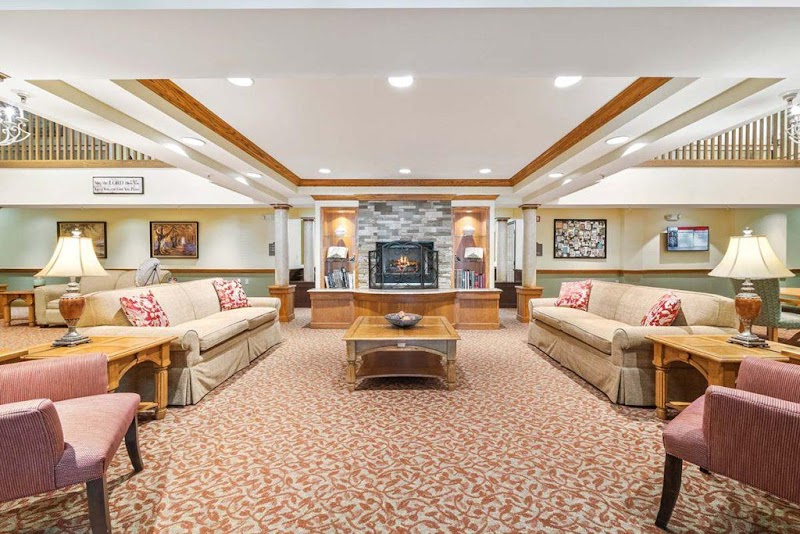
Who Owns and Operates Lutheran Senior Services At Breeze Park?

LUTHERAN SENIOR SERVICES AT BREEZE PARK is owned by a non-profit organization. Non-profit facilities reinvest revenue into operations rather than distributing to shareholders. The facility is operated by EVERTRUE, a chain that manages multiple nursing homes. With 50 certified beds and approximately 46 residents (about 92% occupancy), it is a smaller facility located in SAINT CHARLES, Missouri.
How Does Lutheran Senior Services At Breeze Park Compare to Other Missouri Nursing Homes?

Compared to the 100 nursing homes in Missouri, LUTHERAN SENIOR SERVICES AT BREEZE PARK's overall rating (3 stars) is above the state average of 2.5, staff turnover (60%) is significantly higher than the state average of 46%, and health inspection rating (3 stars) is at the national benchmark.

What Should Families Ask When Visiting Lutheran Senior Services At Breeze Park?

Based on this facility's data, families visiting should ask: "What changes have been made since the serious inspection findings, and how are you preventing similar issues?" "How do you ensure continuity of care given staff turnover, and what is your staff retention strategy?" "Can I visit during a mealtime to observe dining assistance and food quality?" "How do you handle medical emergencies, and what is your hospital transfer rate?" These questions are particularly relevant given the facility's Immediate Jeopardy citations and the facility's high staff turnover rate.

Is Lutheran Senior Services At Breeze Park Safe?

Based on CMS inspection data, LUTHERAN SENIOR SERVICES AT BREEZE PARK has documented safety concerns. Inspectors have issued 2 Immediate Jeopardy citations (the most serious violation level indicating risk of serious injury or death). The facility has a 3-star overall rating and ranks #1 of 100 nursing homes in Missouri. Families considering this facility should ask detailed questions about what corrective actions have been taken since these incidents.

Do Nurses at Lutheran Senior Services At Breeze Park Stick Around?

Staff turnover at LUTHERAN SENIOR SERVICES AT BREEZE PARK is high. At 60%, the facility is 14 percentage points above the Missouri average of 46%. Registered Nurse turnover is particularly concerning at 62%. RNs handle complex medical decisions and coordinate care — frequent RN changes can directly impact care quality. High turnover means new staff may not know residents' individual needs, medications, or preferences. It can also be disorienting for residents, especially those with dementia who rely on familiar faces. Families should ask: What is causing the turnover? What retention programs are in place? How do you ensure care continuity during staff transitions?

Was Lutheran Senior Services At Breeze Park Ever Fined?

LUTHERAN SENIOR SERVICES AT BREEZE PARK has been fined $41,347 across 1 penalty action. The Missouri average is $33,492. While any fine indicates a compliance issue, fines under $50,000 are relatively common and typically reflect isolated problems that were subsequently corrected. Families should ask what specific issues led to these fines and confirm they've been resolved.

Is Lutheran Senior Services At Breeze Park on Any Federal Watch List?

LUTHERAN SENIOR SERVICES AT BREEZE PARK is not on any federal watch list. The most significant is the Special Focus Facility (SFF) program, which identifies the bottom 1% of nursing homes nationally based on persistent, serious quality problems. Not being on this list means the facility has avoided the pattern of deficiencies that triggers enhanced federal oversight. This is a positive indicator, though families should still review the facility's inspection history directly.