ATRIUM PLACE HEALTH AND REHABILITATION
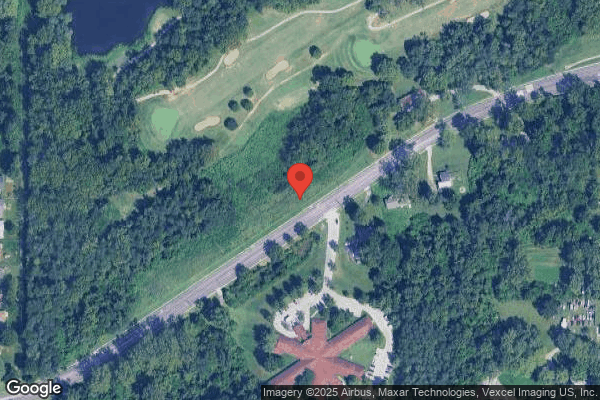
2600 REDMAN ROAD, SAINT LOUIS, MO 63136 (314) 355-8585
For profit - Limited Liability company 120 Beds VERTICAL HEALTH SERVICES Data: November 2025 1 Immediate Jeopardy citation
Trust Grade
0/100
#226 of 479 in MO
Last Inspection: August 2024

Within standard 12-15 month inspection cycle. Federal law requires annual inspections.

Overview

Atrium Place Health and Rehabilitation has received a Trust Grade of F, indicating significant concerns about its care quality. It ranks #226 out of 479 facilities in Missouri, placing it in the top half of the state, but the overall rating is still below average. The facility shows some improvement, decreasing issues from 22 in 2024 to 4 in 2025, which is a positive trend. However, it has alarming fines totaling $247,139, indicating that compliance problems are serious and frequent. Staffing is rated poorly, with a 1-star rating, but the 56% turnover rate is slightly better than the state average, suggesting some stability in staff despite the challenges. Specific incidents include a critical failure to provide CPR for a resident who was a full code, leading to death, and serious lapses in notifying physicians about critical lab results and managing pain medications effectively. While the facility has strong quality measures, the significant issues highlighted in inspections raise important concerns for families considering this home.

Trust Score
F
0/100
In Missouri
#226/479
Top 47%
Safety Record
High Risk
Review needed
Inspections
Getting Better
22 → 4 violations
Staff Stability
⚠ Watch
56% turnover. Above average. Higher turnover means staff may not know residents' routines.
Penalties
○ Average
$247,139 in fines. Higher than 51% of Missouri facilities. Some compliance issues.
Skilled Nurses
⚠ Watch
Each resident gets only 13 minutes of Registered Nurse (RN) attention daily — below average for Missouri. Fewer RN minutes means fewer trained eyes watching for problems.
Violations
⚠ Watch
55 deficiencies on record. Higher than average. Multiple issues found across inspections.
★★☆☆☆
2.0
Overall Rating
★☆☆☆☆
1.0
Staff Levels
★★★★★
5.0
Care Quality
★☆☆☆☆
1.0
Inspection Score
Stable
2024: 22 issues
2025: 4 issues

The Good

  • 5-Star Quality Measures · Strong clinical quality outcomes
  • Full Sprinkler Coverage · Fire safety systems throughout facility
  • No fines on record

Facility shows strength in quality measures, fire safety.

The Bad

2-Star Overall Rating

Near Missouri average (2.5)

Below average - review inspection findings carefully

Staff Turnover: 56%

Near Missouri avg (46%)

Frequent staff changes - ask about care continuity

Federal Fines: $247,139

Well above median ($33,413)

Significant penalties indicating serious issues

Chain: VERTICAL HEALTH SERVICES

Part of a multi-facility chain

Ask about local staffing decisions and management

Staff turnover is elevated (56%)

8 points above Missouri average of 48%

The Ugly 55 deficiencies on record

1 life-threatening 4 actual harm
Jun 2025 2 deficiencies
CONCERN (D) 📢 Someone Reported This

A family member, employee, or ombudsman was alarmed enough to file a formal complaint

Potential for Harm - no one hurt, but risky conditions existed

Deficiency F0658 (Tag F0658)

Could have caused harm · This affected 1 resident

**NOTE- TERMS IN BRACKETS HAVE BEEN EDITED TO PROTECT CONFIDENTIALITY** Based on interview and record review, the facility failed to ensure services provided met professional standards by not followin...

Read full inspector narrative →
**NOTE- TERMS IN BRACKETS HAVE BEEN EDITED TO PROTECT CONFIDENTIALITY** Based on interview and record review, the facility failed to ensure services provided met professional standards by not following physician orders and not obtaining one resident's vital signs (blood pressure, temperature, pulse rate, respirations and oxygen saturation) (Resident #1). The sample was three. The census was 100. Review of the facility's Medical Provider Orders policy, revised, [DATE], showed: -Policy: The facility shall use uniform guidelines for the ordering and following of medical provider orders; -Following of medication and/or treatment orders: -Medical provider orders should be reviewed prior to administration of medication and/or treatment to validate the orders contain all required elements; -Staff should follow all valid medical provider orders timely unless there is an emergency which would temporarily delay the implementation of the order; -If an order does not contain all the required elements, staff should contact the ordering provider for clarification of the order prior to implementation of the order. Review of Resident #1's quarterly Minimum Data Set (MDS), a federally mandated assessment instrument completed by facility staff, dated [DATE], showed: -Cognitively intact; -Dependent on staff for personal and toileting hygiene, lower and upper body dressing, and bathing; -Diagnoses included: Quadriplegia (paralysis of arms and legs), malnutrition (inadequate nutritional intake) and chronic osteomyelitis (infection of the bone); -Three, stage three pressure ulcers (a wound caused by prolonged pressure to an area of the body that has full thickness loss of skin in which underlying fat visible); -Two, stage four pressure ulcers (a wound caused by prolonged pressure to an area of the body that has full thickness skin and tissue loss which underlying muscle and bone is visible); -The resident has a suprapubic catheter (a tube that is surgically inserted in the resident's bladder through the abdomen to drain urine) and an ostomy (an opening that is surgically created through the abdomen to divert stool to the outside of the body). Review of the resident's care plan, in use while the resident was in the facility, did not address obtaining the resident's vital signs. Review of the resident's physician orders, dated [DATE], showed an order, dated [DATE], check a full set of vital signs on [DATE] and continue monthly. Review of the resident's Treatment Administration Record (TAR), dated 5/1 through [DATE], showed: -An order, start date [DATE], obtain vital signs and report abnormalities to the nurse practitioner (NP) or physician, one time on day shift; -On [DATE], blood pressure documented: not applicable (N/A); temperature documented: N/A; respirations documented: X; Oxygen saturations: N/A, day shift: 2 drug refused; -On [DATE], blood pressure: blank; temperature: blank; respirations: blank; oxygen saturation: blank; -No further documentation that vital signs were obtained. Review of the resident's progress notes show: -On [DATE] at 2:40 P.M., the resident continues to be on observation after being catheterized (a tube placed in the bladder to drain urine). Draining yellow urine without difficulty. No further concerns. Blood Pressure: 128/65 (normal is 120/80); Temperature: 98.4 Fahrenheit (normal is 98.6 ); Pulse: 93 beats per minute (normal range is 60-100); Respiratory rate per minute: 18 (normal range is 12-20). -No oxygen saturation was documented. Review of the resident's TAR, dated 6/1 through [DATE] showed: -An order, start date [DATE], obtain vital signs and report abnormalities to NP or physician, every month, starting on the fifth of the month; -On [DATE], blood pressure: blank; temperature: blank; respirations: blank; oxygen saturation: blank; -No further documentation that vital signs were obtained. Review of the resident's electronic medical record (EMR), under the vital signs tab, showed no documentation of vital signs obtained for May and [DATE]. Review of the resident's death in facility tracking MDS, dated [DATE], showed the resident expired on [DATE]. During an interview on [DATE] at 9:15 A.M., Licensed Practical Nurse (LPN) E said that vital signs are obtained every shift and as needed and placed in the resident's medical records under the vital signs section or on the TAR. Any nursing staff can obtain vital signs. During an interview on [DATE] at 9:44 A.M., Certified Nursing Assistant (CNA) B said that he/she only does vital signs when the nurse tells him/her to and was not aware of any routine or monthly orders for vital signs for this resident. During an interview on [DATE] at 11:18 A.M., the Wound Nurse said vital signs are obtained every shift for newly admitted residents for 72 hours and then monthly once the resident becomes established at the facility. The physician may have blood pressure checks with certain medications as well. During an interview on [DATE] at 11:44 A.M., the Director of Nursing (DON) said she would expect staff to follow the physician orders and obtain the resident's vital signs as ordered and document them in the resident's medical record. The facility did not have a policy related to obtaining resident vital signs. During an interview on [DATE] at 9:54 A.M., the facility's Medical Director said she would expect staff to obtain vital signs at the very minimum once a month on the resident. Vital signs include blood pressure, temperature, pulse, respirations and oxygen saturation. She would expect the vital signs to be accurate, timely, and easily accessible in the resident's medical record. MO00256438
CONCERN (D) 📢 Someone Reported This

A family member, employee, or ombudsman was alarmed enough to file a formal complaint

Potential for Harm - no one hurt, but risky conditions existed

Medical Records (Tag F0842)

Could have caused harm · This affected 1 resident

**NOTE- TERMS IN BRACKETS HAVE BEEN EDITED TO PROTECT CONFIDENTIALITY** Based on interview and record review, the facility failed to accurately document completed wound treatments or treatment refusal...

Read full inspector narrative →
**NOTE- TERMS IN BRACKETS HAVE BEEN EDITED TO PROTECT CONFIDENTIALITY** Based on interview and record review, the facility failed to accurately document completed wound treatments or treatment refusals by the resident on the treatment administration record (TAR) for one resident (Resident #1). The sample was three. The census was 100. Review of the facility's Medical Provider Orders policy, revised, [DATE], showed: -Policy: The facility shall use uniform guidelines for the ordering and following of medical provider orders; -Following of medication and/or treatment orders: -Medical provider orders should be reviewed prior to administration of medication and/or treatment to validate the orders contain all required elements; -Staff should follow all valid medical provider orders timely unless there is an emergency which would temporarily delay the implementation of the order; -If an order does not contain all the required elements, staff should contact the ordering provider for clarification of the order prior to implementation of the order. Review of Resident #1's quarterly Minimum Data Set (MDS), a federally mandated assessment instrument completed by facility staff, dated [DATE], showed: -Cognitively intact; -Dependent on staff for personal and toileting hygiene, lower and upper body dressing, and bathing; -Diagnoses included: Quadriplegia (paralysis of arms and legs), malnutrition (inadequate nutritional intake) and chronic osteomyelitis (infection of the bone); -Three, stage three pressure ulcers (a wound caused by prolonged pressure to an area of the body that has full thickness loss of skin in which underlying fat visible); -Two, stage four pressure ulcers (a wound caused by prolonged pressure to an area of the body that has full thickness skin and tissue loss with underlying muscle and bone visible). Review of the resident's care plan, used while the resident was at the facility, showed: -Focus: The resident is resistive to care by refusing treatments to be completed by nursing and causing his/her wounds to get worse; -Interventions: Allow the resident to make decisions to treatment regime to provide a sense of control; Provide the resident with opportunities for choice during care provisions. -Focus: Wound management; -Interventions: Provide wound care per treatment order. Review of the resident's Treatment Administration Record (TAR), dated 6/1 through [DATE] showed: -An order, dated [DATE], cleanse right ischium (forms part of the hip) with normal saline and wound cleaner, apply soaked gauze and cover with ABD (a large thick dressing) pad twice daily and as needed (PRN); -For 14 out of 43 opportunities, the treatment entry was blank; -An order, dated [DATE], cleanse left sacrum (tailbone) with Vashe (wound cleaner), apply soaked gauze and cover with ABD pad, twice daily and PRN; -For 14 out of 43 opportunities, the treatment entry blank; -An order, dated [DATE], cleanse right sacrum with Vashe, apply soaked gauze and cover with ABD pad twice daily and PRN; -For 14 out of 43 opportunities, the treatment entry was blank; -An order, dated [DATE], cleanse right hip with Vashe, apply soaked gauze and cover with ABD pad twice daily and PRN; -For 14 out of 43 opportunities, the treatment entry was blank; -An order, dated [DATE], cleanse left ischium with normal saline and wound cleaner, pat dry, apply Santyl (an ointment used to remove dead skin) and cover with ABD pad, twice daily and PRN; -For 14 out of 43 opportunities, the treatment entry was blank; -An order, dated [DATE], cleanse left leg with normal saline and wound cleaner, pat dry, apply Xeroform (a specialized dressing), ABD pad and dry dressing, every day; -For two out of six opportunities, the treatment entry was blank; -An order, dated [DATE], cleanse right leg with normal saline and wound cleaner, pat dry, apply moistened gauze and dry dressing, every day; -For two out of six opportunities, the treatment entry was blank. Review of the resident's death in facility tracking MDS, dated [DATE], showed the resident expired on [DATE]. During an interview on [DATE], at 9:30 A.M., Licensed Practical Nurse (LPN) A said staff should document treatments as completed or document if a resident refused on the TAR. The electronic medical record prompts you to put in a reason as to why the treatment was not completed. A box will pop up and the nurse can place a narrative reason in the documentation box. LPN A did not know what it meant when the administration times were left blank. It could be that someone just forgot to chart. During an interview on [DATE] at 11:18 A.M., the facility Wound Nurse said the resident refused wound treatments frequently. She would expect clear and accurate documentation of the resident's treatments. The staff should not leave the treatments undocumented or blank on the TAR. During an interview on [DATE] at 11:44 A.M., the Director of Nursing said she expected clear and accurate documentation of the resident's treatments on the TAR and not for the dates and times to be left blank. During an interview on [DATE] at 12:13 P.M., Nurse Practitioner (NP) D said he/she had a conversation with the resident on [DATE] and [DATE] about the resident's frequent refusals of wound dressing changes and provided education to the resident. NP D said she would expect the staff to document clear and accurate information about the resident's treatments.
Feb 2025 2 deficiencies 1 IJ
CRITICAL (J) 📢 Someone Reported This

A family member, employee, or ombudsman was alarmed enough to file a formal complaint

Immediate Jeopardy (IJ) - the most serious Medicare violation

Deficiency F0678 (Tag F0678)

Someone could have died · This affected 1 resident

**NOTE- TERMS IN BRACKETS HAVE BEEN EDITED TO PROTECT CONFIDENTIALITY** Based on interview and record review, the facility failed to provide appropriate basic life support, including cardiopulmonary r...

Read full inspector narrative →
**NOTE- TERMS IN BRACKETS HAVE BEEN EDITED TO PROTECT CONFIDENTIALITY** Based on interview and record review, the facility failed to provide appropriate basic life support, including cardiopulmonary resuscitation (CPR, a lifesaving technique that's used in emergencies in which someone's breathing or heartbeat has stopped) for one (Resident #1) of three sampled residents. Resident #1 had physician orders for a full code status. On [DATE] shortly before 7:00 A.M., staff removed the resident's oxygen when transferring the resident to bed, placed him/her on the bed in a flat position and as staff turned him/her, the resident was noted not to be breathing. Licensed Practical Nurse (LPN) A got the Nurse Manager (NM), who said the resident died. The NM told LPN A two nurses could verify a resident's death. Staff did not perform CPR. The resident expired. The facility had 89 out of 94 resident who were listed as full code. The census was 94. The administrator was informed on [DATE] of an Immediate Jeopardy (IJ), which began on [DATE]. The IJ was removed on [DATE] as confirmed by surveyor on-site verification. Review of the facility's CPR policy, revised [DATE], showed: -Policy: It is the policy of this facility to adhere to residents' rights to formulate advance directives. In accordance to these rights, this facility will implement guidelines regarding CPR; -Policy Explanation and Compliance Guidelines: -1. The facility will follow current American Heart Association (AHA) guidelines regarding CPR; -2. If a resident experiences a cardiac arrest, facility staff will provide basic life support, including CPR, prior to the arrival of emergency medical services, and: -a. In accordance with the resident's advance directives, or; -b. In the absence of advance directives or a Do Not Resuscitate order; and; -3. CPR certified staff will be available at all times; -4. Staff will maintain current CPR certification for healthcare providers through a CPR provider who evaluates proper technique through in-person demonstration of skills. CPR certification which includes an online knowledge component yet still requires in-person skills demonstrations to obtain certification or recertification is also acceptable. Review of the facility's Medical Emergency Response policy, revised [DATE], showed: -Policy: It is the policy of this facility to respond to medical emergencies for residents, staff and visitors. Policy Explanation and Compliance Guidelines: -1. The employee who first witnesses or is first on the site of a medical emergency, that are trained, will initiate immediate action, including CPR as appropriate, basic first aid and summon for assistance; -2. CPR will continue unless: -a. There is a Do Not Resuscitate (DNR) order in place; -b. There are obvious signs of clinical death (rigor mortis, dependent lividity, decapitation, transection, or decomposition); -c. Initiating CPR could cause injury or peril to the rescuer; -3. A nurse will: -a. Assess the situation and determine the severity of the emergency; -b. Stay with the resident; -c. Designate a staff member to announce a Code Blue if necessary, notify the physician and call 911 as needed; -4. A Code Blue will be announced over the intercom system, if necessary; -5. All available staff will respond to the emergency accordingly; -6. The Registered Nurse (RN) supervisor or Charge Nurse of the unit will take the Emergency Cart to the code site, ensure accurate documentation of the event and delegate any other duties or tasks needed; -7. This will continue until emergency personnel arrive and resident is transported to the emergency room (ER) by the Emergency Medical Services (EMS); -8. If the resident experiences cardiac arrest, the facility must provide basic life support, including CPR, prior to the arrival of emergency medical services, and: -a. In accordance with the resident's advance directives, or; -b. In absence of advance directives or a DNR order, and; -c. If the resident does not show obvious signs of clinical death; -9. The RN supervisor or designee will ensure emergency medications and equipment are inventoried and restocked; -10. The night shift supervisor or nurse will ensure that all emergency carts and equipment are stocked and ready to use; -11. The facility will ensure that CPR certified staff are available at all times; -12. Current certified staff must maintain CPR-Certification for Healthcare Providers through a CPR provider whose training includes hands-on skills practice and in-person assessment and demonstration of skills. Online certification is not acceptable; -13. This facility will not implement a No CPR policy. Review of the facility's Residents' Rights Regarding Treatment and Advance Directives Policy, revised [DATE], showed: -Policy: It is the policy of this facility to support and facilitate a resident's right to request, refuse and/or discontinue medical or surgical treatment and to formulate an advance directive; -Definitions: Advance directive is a written instruction, such as a living will or durable power of attorney for health care, recognized under State law (whether statutory or as recognized by the courts of the State), relating to the provision of health care when the individual is incapacitated; -Policy Explanation and Compliance Guidelines: -1. On admission, the facility will determine if the resident has executed an advance directive, and if not, determine whether the resident would like to formulate an advance directive; -2. The facility will provide the resident or resident representative information, in a manner that is easy to understand, about the right to refuse medical or surgical treatment and formulate an advance directive; -3. Upon admission, should the resident have an advance directive, copies will be made and placed on the chart as well as communicated to the staff; -4. The facility will periodically assess the resident for decision-making abilities and approach the health care proxy or legal representative if the resident is determined not to have decision making capacities; -5. The facility will identify or arrange for an appropriate representative for the resident to serve as primary decision maker if the resident is assessed as unable to make relevant health care decisions; -6. The facility will define and clarify medical issues and present them to the resident or legal representative as appropriate; -7. During the care planning process, the facility will identify, clarify, and review with the resident or legal representative whether they desire to make any changes related to any advance directives; -8. Decisions regarding advance directives and treatment will be periodically reviewed as part of the comprehensive care planning process, the existing care instructions and whether the resident wishes to change or continue these instructions; -9. Any decision making regarding the resident's choices will be documented in the resident's medical record and communicated to the interdisciplinary team and staff responsible for the resident's care; -10. The facility will not discharge or transfer a resident should they refuse treatment either through an advance directive or directly unless the criteria for transfer or discharge are otherwise met; -11. Should the resident refuse treatment of any kind, the facility will document the following in the resident's chart: -a. What the resident refused; -b. The reason for the refusal; -c. The advice given to the resident about the consequences of refusing; -d. The offering of alternative treatments; -e. The continuation of providing all other services; -12. Any services that would be otherwise required, but are refused, will be documented in the resident's comprehensive care plan; -13. The facility will not initiate or discontinue any other care based on refusal of care by the resident; -14. The facility will use the process as provided by State law for handling situations in which the facility and/or physician do not believe that they can provide care in accordance with the resident's advance directives or other wishes. Review of Resident #1's quarterly Minimum Data Set (MDS), a federally mandated assessment instrument completed by facility staff, dated [DATE], showed: -Severe cognitive impairment; -Diagnoses included high blood pressure, seizures, unsteadiness on feet, communication deficit, and muscle weakness. Review of the resident's physician orders active as of [DATE], showed an order of full code (in the event of no pulse, initiation of CPR and summoning 911) with an order start date of [DATE]. Review of the resident's current care plan, dated [DATE], showed he/she had a full code status. During an interview on [DATE] at 12:42 P.M., the Administrator said the resident did not have an advanced directive. The resident did not have the mental capacity to do an advanced directive. Residents only have advanced directives if they are admitted to the facility with one or if a resident voices they would like to have one. If a resident has an advanced directive it is reviewed in the care plan meetings to verify they have the same wishes as listed on their advanced directive. Review of the nurses notes, dated [DATE] at 7:33 A.M., showed LPN A and Certified Nurse Aide (CNA) D did a two man transfer of the resident, into bed. CNA D rolled the resident to check his/her brief, and when he/she rolled the resident onto his/her back, the resident did not appear to be breathing. LPN A called for the Nurse Manager (NM). The NM used a stethoscope and verified the resident had no heartbeat or pulse. Two nurses confirmed time of death as 6:58 A.M. Call placed to Nurse Practitioner (NP) C. During an interview on [DATE] at 7:08 A.M., CNA D said the resident was in the common area from approximately 5:00 A.M. to just before 7:00 A.M. The resident was transferred from the recliner into his/her wheelchair and taken to his/her room. The resident was transferred into his/her bed and when the resident was turned over, CNA D asked LPN A if the resident passed. LPN A got the NM, who listened with a stethoscope and said the resident passed away at 6:58 A.M. CNA D heard LPN A tell the NM several times the resident was a full code. No compressions were done. During an interview on [DATE] at 11:22 A.M., LPN A said on [DATE], he/she and CNA D transferred the resident from the wheelchair to the bed. The resident was breathing when they transferred him/her. LPN A and CNA D had to remove the oxygen so they could transfer him/her, as they didn't want the resident to get caught up in the tube. CNA D transferred the resident onto the bed. Once in bed, CNA D said he/she didn't think the resident was breathing. LPN A assessed the resident by checking for a pulse in his/her neck and arm. LPN A did not feel a pulse. The bed was flat, there was no rise and lowering of the resident's chest to indicate he/she was breathing. LPN A called the NM to confirm no heartbeat. LPN A told the NM the resident was a full code, and the NM said the resident was gone, there was no reason to do CPR, and both nurses could verify the resident expired. CPR was not done. During an interview on [DATE] at 8:30 A.M., the NM said LPN A told him/her he/she didn't think the resident was breathing. The NM checked one side of his/her neck for a pulse and LPN A checked the other side. There was no pulse. LPN A did not say anything to the NM about being a full code. The NM thought the resident was a DNR. During an interview on [DATE] at 12:51 P.M., NP C said she did not tell the NM two nurses could verify a resident's death. Staff reported to her on [DATE] at 7:04 A.M., the resident passed in his/her sleep. During interviews on [DATE] at 9:00 A.M., and [DATE] at 12:30 P.M., the Administrator said she received a phone call from the NM on [DATE] around 7:00 A.M., reporting there was a death in the facility and the resident had expired. The Administrator arrived at the facility around 7:20 A.M. and said LPN A was upset. The NM was calm and on the phone handling things regarding the resident's death. LPN A did not report any concerns to the Administrator. CNA D told the Administrator he/she and LPN A took the resident to his/her room to change him/her, put the resident in bed and when CNA D rolled the resident over, the resident was not breathing. LPN A left the room and had the NM come and check on the resident. The NM told the Administrator LPN A did not have any sense of urgency when he/she asked him/her to come to the resident's room, so the NM said he/she assumed the resident was a DNR. The Administrator's expectation is if a resident is found unresponsive, for staff to assess the resident and check the resident's code status. If the resident is a full code, CPR should be initiated, 911 called, and CPR should continue until EMS arrives and takes over care. The expectation is for staff to follow physician orders, and this includes code status. She expected staff to be knowledgeable of and to follow the facility policies. During an interview on [DATE] at 10:05 A.M., the resident's physician, who is also the Medical Director (MD), said staff should have followed the resident's wishes to be a full code. The MD said the odds of resuscitating someone is much higher if staff are there at the time the resident stops breathing. The chances of being revived if CPR was started at the time the resident stopped breathing versus finding a resident that has not been breathing for an unknown amount of time is much greater if CPR is started immediately and 911 is called at that time. Note: At the time of the survey, the violation was determined to be at the immediate jeopardy level J. Based on interview and record review completed during the on-site visit, it was determined the facility had implemented corrective action to remove the IJ violation at the time. A final revisit will be conducted to determine if the facility is in substantial compliance with participation requirements. Note: At the time of the exit, the severity of the deficiency was lowered to the D level. This statement does not denote that the facility has complied with State law (Section 198.026.1 RSMo.) requiring that prompt remedial action be taken to address Class I violation(s). MO00249747
SERIOUS (G) 📢 Someone Reported This

A family member, employee, or ombudsman was alarmed enough to file a formal complaint

Actual Harm - a resident was hurt due to facility failures

Quality of Care (Tag F0684)

A resident was harmed · This affected 1 resident

**NOTE- TERMS IN BRACKETS HAVE BEEN EDITED TO PROTECT CONFIDENTIALITY** Based on interview and record review, the facility failed to notify the physician of one resident's (Resident #1) low lab result...

Read full inspector narrative →
**NOTE- TERMS IN BRACKETS HAVE BEEN EDITED TO PROTECT CONFIDENTIALITY** Based on interview and record review, the facility failed to notify the physician of one resident's (Resident #1) low lab results and to ensure the Medical Director (MD) and other physicians had full access to lab results in the system the physicians use. The MD was not aware of lab results for seizure medications for Resident #1, and the resident sustained seizure activity 18 days later. The facility also failed to ensure the physician was notified when Resident #1 had a change of condition of new purple discoloration to the resident's fingertips at 8:30 P.M. and did not notify the on call Nurse Practitioner (NP) until approximately 4:30 A.M. after the resident had a fall. The facility failed to document the initial assessment of the change of condition in the medical record. In addition, the facility failed to check gastrostomy tube (g-tube a thin, flexible tube inserted directly into the stomach through a small incision in the abdomen) residuals (the volume of fluid remaining in the stomach) for one of three residents sampled with a g-tube (Resident #13). The sample was 3. The census was 94. Review of the facility's Notification of Changes Policy, revised [DATE], showed: -Policy: The purpose of this policy is to ensure the facility promptly informs the resident, consults the resident's physician; and notifies, consistent with his or her authority, resident's representative when there is a change requiring notification; -Definitions: -Life threatening conditions: Examples - Heart attack or stroke; -Clinical Complications: Examples - Development of Stage Two (partial thickness loss of dermis (inner layer of the two main layers of the skin) presenting as a shallow open ulcer with a red or pink wound bed, without slough (a layer of dead, non-viable tissue that accumulates on the surface of a wound that is typically yellow, white, or gray in color and may appear moist, stringy, or adherent). May also present as an intact or open/ruptured blister) pressure injury (localized area of skin and underlying tissue damage caused by prolonged pressure, shear, or friction), recurrent episodes of delirium (mental state in which a person is confused and has reduced awareness of their surroundings), recurrent urinary tract infection (UTI) or onset of depression; -Need to alter treatment significantly: means a need to stop a form of treatment because of adverse consequences (such as adverse drug reaction) or commence a new form of treatment to deal with a problem (for example, the use of any medical procedure, or therapy that has not been used on that resident before; -Right to privacy: The facility is required to inform the resident of his/her rights upon admission and during the resident's stay including the resident's right to privacy; -Compliance Guidelines: The facility must inform the resident, consult with the resident's physician and /or notify the resident's family member or legal representative when there is a change requiring such notification; -Circumstances requiring notification include: -1. Accidents; -a. Resulting in injury; -b. Potential to require physician intervention; -2. Significant change in the resident's physical, mental or psychosocial condition such as deterioration in health, mental or psychosocial status. This may include: -a. Life-threatening conditions, or; -b. Clinical complications; -3. Circumstances that require a need to alter treatment. This may include: -a. New treatment; -b. Discontinuation of current treatment due to: -i. Adverse consequences; -ii. Acute condition; -iii. Exacerbation of a chronic condition; -4. A transfer or discharge of the resident from the facility; -5. A change of room or roommate assignment; -6. A change in resident rights; -Additional considerations: -1. Competent individuals: -a. The facility must still contact the resident's physician and notify resident's representative, if known; -b. A family that wishes to be informed would designate a member to receive calls; -c. When a resident is mentally competent, such a designated family member should be notified of significant changes in the resident's health status because the resident may not be able to notify them personally, especially in the case of sudden illness or accident; -2. Residents incapable of making decisions: -a. The representative would make any decisions that have to be made; -b. The resident should still be told what is happening to him or her; -3. Death of a resident: The resident's physician is to be notified immediately in accordance with State law; -4. Notice of room changes: -5. Contact information of the resident's legal representative or family member must be recorded and periodically updated; -6. Right to privacy: -a. The facility is required to inform the resident of his/her rights upon admission and during the resident's stay including the resident's right to privacy; -b. If a resident specifies that he/she wishes to exercise this right and not notify family members in the event of a significant change as specified at this requirement, the facility should respect this request, which would obviate the need to notify the resident's interested family member or legal representative, if known; -c. If a resident specifies that he/she does not wish to exercise the right to privacy, then the facility is required to comply with the notice of change requirements. Review of the facility's Laboratory Services and Reporting Policy, revised [DATE], showed: -Policy: The facility must provide or obtain laboratory services when ordered by a physician, physician assistant, nurse practitioner, or clinical nurse specialist in accordance with state law; -Policy Explanation and Compliance Guidelines: -1. The facility must provide or obtain laboratory services to meet the needs of its residents; -2. The facility is responsible for the timeliness of the services; -3. Should the facility provide its own laboratory services, the services must meet the applicable requirement for laboratories; -4. If the laboratory chooses to refer specimens for testing to another laboratory, the referral laboratory must be certified in the appropriate specialties and subspecialties of services in accordance with the requirements; -5. Assist the resident in making transportation arrangements to and from the laboratory if necessary; -6. All laboratory reports will be dated and contain the name and address of the testing laboratory and will be filed in the resident's clinical record; -7. Promptly notify the ordering physician, physician assistant, nurse practitioner, or clinical nurse specialist of laboratory results that fall outside the clinical reference range. 1. Review of Resident #1's quarterly Minimum Data Set (MDS), a federally mandated assessment instrument completed by facility staff, dated [DATE], showed: -Severe cognitive impairment; -Diagnoses included high blood pressure, seizures, unsteadiness on feet, communication deficit, and muscle weakness. Review of the resident's undated care plan, showed: -Focus: Resident has a seizure disorder; -Interventions: -Give medications as ordered. Monitor/document for effectiveness and side effects, initiated [DATE]; -Monitor labs and report and sub therapeutic or toxic results to physician, initiated [DATE]. Review of the resident's orders, showed: -Keppra 500 milligrams (mg) give by mouth two times a day for seizures, start date [DATE], discontinue (DC) date [DATE]; -Keppra 500 mg give one tablet by mouth every morning and at bedtime related to seizures, start date [DATE], DC date [DATE]; -Dilantin tablet chewable 50 mg give three tablets by mouth two times a day for seizure, start date [DATE], DC date [DATE]; -Dilantin tablet chewable 50 mg give three tablets by mouth every morning and at bedtime for seizures, start date [DATE], DC date [DATE]; -Keppra and Dilantin levels every six months starting on the fourth, start date [DATE], DC date [DATE]. Review of the resident's lab results, showed: -Collected: [DATE] at 8:19 A.M.; -Reported [DATE] at 1:02 P.M.; -Dilantin (phenytoin, medication used to treat seizures. Measures the amount of Dilantin in the blood for therapeutic levels for treating seizures, normal therapeutic range 10-20 ug micrograms (ug) /mL); -Less than (<) 2.5 ug/mL, Low; -Keppra (levetiracetam, medication used to treat seizures. (levetiracetam, measures the amount of Keppra in the blood for therapeutic levels to treat seizures, normal therapeutic range 6-46 ug/mL); -< 2 ug/mL, Low. Review of the resident's progress notes, showed: -[DATE] at 11:02 A.M., labs reviewed, see order management; -[DATE] at 2:11 P.M., labs reviewed, see order management; -No documentation the physician was notified of the low Dilantin and Keppra levels. Review of the resident's orders, showed: -No new orders entered on [DATE]. Review of the resident's progress notes, showed: -[DATE] at 10:50 P.M., resident started to have a seizure at 10:50 P.M. lasting for five to six minutes. Emergency Medical Services (EMS) called at 11:00 P.M. EMS arrived at 11:15 P.M. and upon assessment resident was stable; -[DATE] at 4:08 A.M., resident was sitting in common area by the nurses station when this nurse noticed the resident having strange behavior. Nurse approached resident and resident was having a seizure at 4:00 A.M. lasting for five to seven minutes. On call NP notified. Review of the resident's physician progress note written by the resident's physician/Medical Director, dated [DATE], showed: -Progress Note Acute Care: -Chief Complaint: Physical acute visit: -Interval History: Resident seen and examined at bedside. Resident is reported to have had two seizures overnight earlier this week. Per resident and nursing, resident has been at baseline since seizures occurred and had no proceeding symptoms or signs of illness. Resident had recent bloodwork, but it did not include levels for his/her antiepileptic (medication used to prevent or treat seizures) medications or follow up on his/her hypothyroidism (thyroid does not produce enough thyroid hormone); -Labs: Labs listed, but did not include TSH 3 UL, Dilantin, Keppra; -Assessment/Plan: Seizures: Continue current medications and will check therapeutic levels. During an interview on [DATE] at 11:17 A.M., the MD said regarding her progress note on [DATE], she was unable to see any labs regarding the resident's Keppra levels, Dilantin levels and TSH levels. The MD said the electronic records system the facility uses, Point Click Care (PCC) and the lab system talk to the system the physicians use and those labs were not in her system. The MD logged onto PCC and went to the resident's medical record, looked under labs and opened the lab results that were collected on [DATE] and reported on [DATE]. When the MD looked at the lab results in PCC, she noticed the lab results for Keppra levels, Dilantin levels and TSH levels. The MD said she could see all the lab results were not pulled over from PCC. The MD said usually the nurse will report any abnormal lab results to the NP or herself. There was no adjustments made on the resident's seizure medication by the acting NP at that time and if the results of the Keppra and Dilantin levels were reviewed on [DATE], there would have been an adjustment made on the resident's seizure medication and an order to recheck the labs. The NPs also use the same system the MD does for reviewing resident charts. The resident ended up having two seizures after the labs were drawn and the labs showed the seizure medication was not at a therapeutic level for the resident. The resident had labs completed on [DATE] and the Keppra and Dilantin levels were in normal range at that time, so the low levels could have been because the resident was not metabolizing the medication well or the resident was not receiving the medication consistently. During an interview on [DATE] at 11:56 A.M., Licensed Practical Nurse (LPN) H said lab results are under the results tab in PCC or the nurse can call the lab to get results. The nurses are responsible for checking the results tab if a resident had labs completed to view the results. The lab will call the facility if there are critical lab results and report those critical lab results to the nurse on duty. The lab does not call if there are abnormal labs. It is the nurse's responsibility to follow up on the lab results and report them to the NP or physician. If a lab has abnormal results, LPN H sends them to the NP through fax or sends them a photo of the labs. LPN H does not look at the specific lab results prior to sending them to the NP or physician. LPN H would document in a progress note if the labs for the resident were sent to the NP or physician. During an interview on [DATE] at 12:04 P.M., LPN I said he/she goes through PCC to get lab results for residents or he/she can log into the lab portal and get the results of a resident's labs. If a resident has abnormal labs, the lab will call the facility and inform the nurse of the abnormal labs that are high or low. It does not have to be critical result. LPN I would then immediately call the physician and report the abnormal labs. With abnormal labs, the physician may want to adjust the resident's medication or send the resident to the ER depending on what labs are abnormal. If all lab results were normal, LPN I would still notify the NP or physician the labs were normal and would leave them for them to review. If there were abnormal labs, LPN I would not wait on the NP to come in and review the labs, he/she would call and notify the physician. The notification would be documented in a progress note, including if the physician had any new orders for the resident. If a resident was being checked for Keppra and Dilantin levels and the labs came back low, he/she would call the physician immediately because the physician would probably want to increase the seizure medication or may want to send the resident to the hospital. If the numbers came back low, that would increase the possibility of the resident having seizures and that is why it would be important for report it to the physician. During an interview on [DATE] at 12:30 P.M., the Administrator said the facility gets lab results electronically in PCC by the lab company. The Administrator said the lab will call the facility if there are critical results that need to be reported. It is the nurse's responsibility to look for lab results for residents who have had labs drawn. The Administrator said management also checks the lab and radiology results daily during the week when they have their clinical meetings. If a resident has abnormal labs, the expectation is the nurse will report the abnormal labs to the NP or physician. It is expected the nurse will document the notification in a progress note along with any new orders the NP or physician gives. The Administrator expected the physicians and NPs to have access to view all lab results in their system. If lab results came back as low for Keppra <2.5 and Dilantin <2, that would be a concern for that resident. The Administrator would be concerned the resident could have seizures due to the Keppra and Dilantin levels not being in a therapeutic range. The Administrator expected staff to be knowledgeable of and to follow the facility policies. During an interview on [DATE] at 1:02 P.M., the Director of Clinical Intervention (DOCI) said labs are dumped into PCC and the NP, physician, or the MD has to sign off on them. The DOCI said it is the nurse's responsibility to check the dashboard in PCC at least three times each shift and that would notify the nurse as an alert if a resident had new lab results. She expected nurses to review the labs results in PCC as they have been taught and to notify the NP or physician if there are abnormal labs. She also expected the nurse to document the notification in PCC. The DOCI said she expected the MD and NPs to be able to see all residents full lab results in their system. She would be concerned about the resident having seizures if the lab results came back low for Keppra and Dilantin, if the resident was using the medication for seizures. The DOCI expected staff to be knowledgeable of and to follow the facility policies. Review of the resident's progress notes, dated [DATE] at 4:51 A.M., showed the resident was found on the floor unable to explain how he/she got there. LPN A did full body assessment, no open areas noted upon getting resident to his/her feet. Resident unable to walk without assistance so nurse placed resident in wheelchair and brought him/her to the nurse's station to check vital signs (VS). Resident blood pressure (BP, normal 120/80) 125/92, pulse rate (P, heart beats per minute (BPM), normal range 60 - 100) 101, oxygen saturation (SpO2), 93% on room air (RA) (normal range, 95% - 100%), respiratory rate (R, breaths per minute, normal range is 12-18) 16, temperature, (T, normal 98.6 degrees Fahrenheit (F)) 98.1. Resident also has some noted blue fingertips when asked if resident was experiencing pain resident denied. Resident was placed on 2 liters (L) of oxygen for comfort resident not showing and signs or symptoms (S/S) of distress. Call placed to on call NP E. NP E stated to continue to monitor resident as normal and he/she will inform in house NP C to round on resident regarding blue fingertips. During an interview on [DATE] at 8:12 A.M., CNA F said the first time he/she worked with the resident was on [DATE] day shift (7:00 A.M. to 3:00 P.M.) and evening shift (3:00 P.M. to 11:00 P.M.). CNA F said while working the evening shift, he/she noticed the resident's fingertips were purple and that was the first time CNA F saw this and it scared her because that means no oxygen. CNA F reported the resident had purple fingertips to LPN G. During an interview on [DATE] at 11:22 A.M., LPN A said he/she worked the night shift (7:00 P.M. to 7:00 A.M.) on [DATE] and was at the facility from approximately 7:30 P.M. to 9:00 A.M. on [DATE]. LPN A said CNA F reported to him/her the resident's fingertips were purple at the start of shift change, approximately 8:30 P.M. LPN A said he/she and LPN G assessed the resident and gave the resident his/her seizure medication. The resident was in bed. LPN A said the resident was fine except his/her fingertips were purple. LPN A said the assessment he/she completed on the resident was a grip test, asked the resident if he/she was in pain, the resident denied pain, and checked the resident's SpO2 levels. It was 96% on RA. The resident was not using oxygen. LPN A said NP C was going to see the resident the next day. LPN A did not notify the on-call NP E at that time. Around 4:45 A.M., CNA D and LPN A went to the resident's room because the call light was on. When CNA D and LPN A entered the resident's room, the resident was crawling around on the floor on his/her roommate's side of the room. LPN A said he/she performed a full body assessment on the resident and found nothing abnormal. LPN A transferred the resident from the floor into a wheelchair and brought the resident up to the nurse's station in the wheelchair a little before 5:00 A.M. to take the resident's vitals. LPN A said the resident's vitals were alright. His/Her pulse was elevated, the SpO2 was kind of low at 93% and LPN A placed the resident on 2 Liters (L) of oxygen with a nasal cannula. LPN A said the resident's fingertips were still purple. LPN A wanted to send the resident to the hospital at that time to get evaluated, because he/she was a full code (in the event of no pulse, initiation of CPR and summoning 911), fell, his/her SpO2 was low, his/her pulse was elevated, and the resident had purple fingertips. LPN A said the Nurse Manager (NM) who was working the night shift said the resident's vital signs were stable, and they just needed to monitor the resident. LPN A said he/she discussed his/her concerns with NM and told the NM the resident was a full code. LPN A called NP E and notified NP E about the fall, resident's vital signs, and the purple fingertips. The NM and CNA D moved the resident to the common area in front of the nurse's station. LPN A was completing vital signs and neurological checks on the resident after the fall, and they were within normal range. The resident continued to wear oxygen during this time. When other residents began coming into the common area, LPN A and CNA D transferred the resident from the recliner into the wheelchair to take the resident back to his/her room to change the resident. The resident was breathing when he/she was transferred into the wheelchair. LPN A removed the oxygen from the resident prior to the transfer because LPN A did not want the resident to get tangled up in the oxygen tubing. The resident was not wearing oxygen when he/she was brought to his/her room. CNA D transferred the resident into his/her bed and when CNA D rolled the resident over, CNA D told LPN A, he/she did not believe the resident was breathing. LPN A assessed the resident by checking for a pulse in the resident's neck and arm, LPN A did not feel a pulse. The resident's bed was in a flat position and LPN A did not see any rising or lowering of the resident's chest. LPN A did not have a stethoscope on him/her so he/she called the NM to the resident's room to assess the resident and confirm there was no heartbeat. NM confirmed there was no heartbeat and told LPN A the resident was gone so there was no reason to perform cardiopulmonary resuscitation (CPR, a lifesaving technique that's used in emergencies in which someone's breathing or heartbeat has stopped) and two nurses could verify death. NM called NP C to report the resident's time of death. During an interview on [DATE] at 7:08 A.M., CNA D said he/she and LPN A answered the call light on [DATE] early in the morning and the resident was on the floor on his/her roommate's side of the room. The roommate said the resident walked to his/her side of the room and fell. CNA D and LPN A picked the resident up and took the resident by wheelchair to the nurse's station. CNA D said the resident's vital signs were stable, but LPN A did not like how the resident looked. CNA D said the resident's eyes were sunken in and the resident had blue fingertips. LPN A wanted to send the resident to the hospital. That was the first time CNA D noticed the resident having purplish/bluish colored fingertips. The pointer finger was discolored from the second bend to the tip and the middle finger was discolored from the first bend to tip on both hands. The resident was responsive while at the nurse's station when he/she would say the resident's name the resident would look at CNA D. When LPN A took the first set of vitals, he/she wanted to send the resident out. LPN A verbalized to NM that he/she wanted to send the resident out and NM said not to send the resident out, because the resident's vitals were stable, and the hospital complains because the facility sends residents out so frequently. NM and CNA D moved the resident onto the couch in the common area in front of the nurse's station. Then NM and CNA D moved the resident to the recliner because the resident did not look comfortable on the couch. The resident was then moved from the recliner to the wheelchair a little before 7:00 A.M. to bring the resident down to his/her room to change him/her. CNA D said the resident's eyes were closed and he/she thought the resident was just sleeping. After transferring the resident into bed, when the resident was turned over, CNA D asked LPN A if the resident passed away, because it didn't look like the resident was breathing. LPN A got the NM and the NM listened to the resident and said that the resident passed away at 6:58 A.M. CNA D said LPN A told NM the resident was a full code. The NM said the resident was already gone. During an interview on [DATE] at 8:39 A.M., the NM said he/she came into work the night shift on [DATE] around midnight and worked into the morning of [DATE]. The NM was not aware of any change of condition for the resident until around 4:40 A.M. to 4:45 A.M. when a call came to the nurse's station from the resident's roommate that the resident was on the floor. LPN A and CNA F went down to the resident's room and brought the resident up to the nurse's station in a wheelchair. LPN A used a wrist blood pressure cuff and could not get a reading on the resident, so the NM did a manual blood pressure. The blood pressure was 120/80 or 120/90. LPN A used a pulse oximeter (device that measures the oxygen saturation of the blood) on the resident's finger. The SoO2 reading was 93% on RA and his/her pulse was 101. The resident's fingertips were discolored. LPN A told the NM he/she believed the resident had Raynaud's disease (condition that causes blood vessels in the extremities (usually fingers and toes) to narrow excessively in response to cold temperatures or stress and it is often accompanied by changes in the color of the skin). NM said the resident's three fingertips, pointer finger, middle finger and ring finger on his/her right hand, were a purplish/blue color from the tips to the first bend of the finger. The resident's left hand also had the same purplish/blue discolor on the same three fingers, but it was lighter than the right hand. NM had seen the resident on [DATE] during the day with NP C and the resident's fingertips were not like that during the day. NM said the discoloration, which was not normal for the resident and was showing something acute (something that begins suddenly) and new. The NM was concerned why the resident's fingertips would be changing colors. The resident was placed on supplemental oxygen on 2L with a nasal cannula after obtaining vital signs after the resident had the fall, and before the resident was transferred onto the couch in the common area. The NM and CNA D transferred the resident onto the couch and laid him/her down and then transferred the resident into the recliner next to the couch. NM said his/her observation of the resident stopped at that time, around 5:00 A.M., because he/she began passing medications to his/her assigned residents. LPN A did not say anything about wanting to send the resident out to be evaluated at the emergency room (ER) or that the resident was a full code. LPN A was calling his/her name and said come here I think I need your help. The NM did not feel that there was any urgency when LPN A requested help. When the NM got to the resident's room, LPN A said he/she did not think the resident was breathing. The NM checked one side of the resident's neck and LPN A checked the other side. There was no pulse. LPN A did not say the resident was a full code, so the NM thought the resident was a Do Not Resuscitate (DNR, in the event no pulse no life saving measures to be taken, no CPR) because LPN A did not use any urgency when asking for assistance. LPN A told NM he/she thought the resident died in his/her sleep so the NM called NP C right then and informed NP C the resident expired in his/her sleep. The resident was pronounced expired at 6:58 A.M. NP C gave a death diagnosis of cerebrovascular accident (CVA, stroke). During an interview on [DATE] at 7:08 A.M., CNA J said he/she worked the night shift on [DATE] but was not assigned to the resident. CNA J said when the resident was brought up to the nurse's station, he/she was alright for a minute then his/her head went back, and the resident went incoherent while sitting in the wheelchair at the nurse's station. CNA J stood in front of the resident when LPN A took the resident's vital signs, and the resident went incoherent. The resident's head went back and he/she wasn't answering the nurses, LPN A and NM. The NM and CNA D transferred the resident to the couch and LPN A put oxygen on the resident. They tried to lay the resident flat on the couch, but the resident didn't look comfortable. The resident was breathing fast at first, but his/her breathing slowed down after a little while. When CNA J saw the resident next, he/she was in the recliner, the resident was on the couch maybe five to ten minutes. The resident was transferred into the wheelchair and taken to his/her room. The oxygen was removed before the resident was transferred. CNA J said the resident did not look good because the resident's jaw looked sunken in. During an interview on [DATE] at 9:38 A.M., NP E said she was on call for the facility and received a call from the facility at 4:39 A.M. on [DATE]. LPN A reported the resident had an unwitnessed fall, the resident's vital signs were stable. The resident was seen on [DATE] during the day at the facility NP C. LPN A reported the resident had purplish colored fingertips since that morning. NP E recommended to monitor and do neuro checks per facility protocol and have facility NP C round on the resident to check it ou
Sept 2024 1 deficiency
CONCERN (D) 📢 Someone Reported This

A family member, employee, or ombudsman was alarmed enough to file a formal complaint

Potential for Harm - no one hurt, but risky conditions existed

Free from Abuse/Neglect (Tag F0600)

Could have caused harm · This affected 1 resident

**NOTE- TERMS IN BRACKETS HAVE BEEN EDITED TO PROTECT CONFIDENTIALITY** Based on observation, interview and record review, the facility failed to ensure a resident's right to be free from abuse was no...

Read full inspector narrative →
**NOTE- TERMS IN BRACKETS HAVE BEEN EDITED TO PROTECT CONFIDENTIALITY** Based on observation, interview and record review, the facility failed to ensure a resident's right to be free from abuse was not violated, when two residents were involved in physical resident to resident altercation, after an argument escalated with both residents hitting each other (Residents #1 and #2). The residents were separated by staff and other nearby residents. The sample was four. The census was 91. The facility was notified of past non-compliance on 9/25/24. Facility staff notified administration, separated the residents, and provided assessment and services to the involved residents. Staff were in-serviced on the abuse and neglect prevention, intervention and de-escalation of resident arguments and disagreements. This deficiency was corrected on 9/18/24. Review of the facility's Abuse, Neglect and Exploitation, showed: -Policy: It is the policy of this facility to provide protections for the health, welfare and rights of each resident by developing and implementing written policies and procedures that prohibit and prevent abuse, neglect, exploitation and misappropriation of resident property; -The facility will have written procedures to assist staff in identifying the different types of abuse: mental/verbal abuse, sexual abuse, physical abuse, and the deprivation by an individual of goods and services. This includes staff to resident abuse and certain resident to resident altercations; -An immediate investigation is warranted when suspicion of abuse, neglect or exploitation, or reports of abuse, neglect or exploitation occur; -The facility will make efforts to ensure all residents are protected from physical and psychosocial harm, as well as additional abuse, during and after the investigation. Examples include but are not limited to: -Responding immediately to protect the alleged victim and integrity of the investigation; -Examining the alleged victim for any sign of injury, including a physical examination or psychosocial assessment if needed; -Increased supervision of the alleged victim and residents; -Room or staffing changes, if necessary, to protect the residents from the alleged perpetrator; -Protection from retaliation; -Providing emotional support and counseling to the resident during and after the investigation, as needed; -Revision of the resident's care plan if the resident's medical, nursing, physical, mental, or psychosocial needs or preferences change as a result of an incident of abuse. Review of Resident #1's quarterly Minimum Data Set (MDS), a federally mandated assessment instrument completed by facility staff, dated 8/16/24, showed: -Diagnoses included hypertension (high blood pressure), kidney failure, obstructive uropathy (urine is unable to drain through urinary tract), Parkinson's disease (chronic, progressive nervous system disorder), malnutrition, schizophrenia (disorder that affects a person's ability to think, feel, and behave clearly) and asthma; -No cognitive impairment; -No behaviors. Review of the resident's care plan, in use during survey, showed: -Focus: Resident smokes tobacco. Resident has a history of begging for cigarettes; -Goal: Resident will adhere to the tobacco/smoking policies of the facility; -Intervention: Cigarettes (or other smoking materials) and lighter at nurse's station; -Conduct smoking safety evaluation on admission and as needed (PRN); -Educate resident/ responsible party on the facility's tobacco/ smoking policy; -If a smoking facility, orient resident to smoking times and procedures; -Notify charge nurse immediately if it is suspected resident has violated facility smoking policy; -Focus: The resident has a behavior problem related to struck a resident after resident had ran over his/her foot with his/her wheelchair; -Goal: Resident will have no evidence of behavior problems; -Interventions: Anticipate and meet the resident's needs; -Nurse Practitioner (NP) assess if need for further medical attention, monitor for pain, and swelling; -Urinalysis (UA, a lab test that checks for bacteria in the urine) and culture and sensitivity (C&S) and routine labs. Review of Resident #2's quarterly MDS, dated [DATE], showed: -Diagnoses included hypertension, peripheral vascular disease (circulatory condition), hyperlipidemia (high level of lipids in the blood), depression, -Moderate cognitive impairment; -No behaviors. Review of Resident #2's care plan, in use during survey, showed: -Focus: The resident has a behavior problem. Resident has been noted smoking marijuana while in the facility; -Goal: The resident will have fewer episodes of behavior; -Interventions: Administer medications as ordered. Monitor/document for side effects and effectiveness; -Caregivers provide opportunity for positive interaction, attention. Stop and talk with him/her as passing by; -If reasonable, discuss the resident's behavior. Explain/reinforce why behavior is inappropriate and/or unacceptable to the resident; -Intervene as necessary to protect the rights and safety of others. Approach/speak in a calm manner. Divert attention, remove from situation and take to alternate location as needed; -Monitor behavior episodes and attempt to determine underlying cause. Consider location, time of day, persons involved, and situations. Document behavior and potential causes; -Praise any indication of the resident's progress/improvement in behavior; -Provide a program activities that is interest and accommodates residents status; -Focus: Resident is dependent on tobacco and requires staff supervision during smoke breaks; -Goal: The resident will have minimized risk of injury from unsafe smoking practices; -Interventions: Cigarettes (or other smoking materials) and lighter nurse's station; -Educate resident about smoking risks and hazards. Encourage resident to participate in a smoking cessation program; -Instruct resident about the facility policy on smoking: Locations, smoke times, facility rules, and safe smoking practices; -Notify social worker/administrator immediately if it is suspected resident has violated facility smoking policy; -Observe clothing and skin for signs of cigarette burns; -The resident requires supervision while smoking; -Focus: The resident has a behavior issue related to resident to resident, striking at another resident after running over his/her foot; -Goal: The resident will have no evidence of behavior issues physical aggression; -Intervention: Remove from motorized wheelchair. Therapy to re-evaluate for safe use while in motorized wheelchair for safety; -Supervise safety after separation. Review of Resident #2's progress notes, showed: -On 9/18/24 at 2:07 P.M., during smoke break residents were lined up to go outside. Resident #1 tried to rush past the other residents that were waiting which caused him/her to have his/her foot ran over by this resident's motor chair. Both residents were separated by staff. NP & Director of Nursing (DON) notified. Residents are on one on one observation this shift; -On 9/19/24 at 7:11 A.M., patient remains on observation for resident to resident. Patient has been in his/her room throughout the night resting with eye closed breathing non labored. Patient voiced no complaints of pain and no signs and symptoms of distress. Patient vital signs 128/70 (blood pressure), 68 (pulse), 18 (respirations), 98% (oxygen saturation) room air. Patient in a pleasant mood. Patient up and in chair in dining room waiting to go smoke at this time. Plan of care ongoing; -On 9/20/24 at 6:57 A.M., patient remains on observation for resident to resident. Patient has been in his/her room throughout the night resting with eye closed breathing non labored. Patient voiced no complaints of pain and no signs and symptoms of distress. Patient in a pleasant mood. Patient up and in chair in hallway talking to other resident waiting to go smoke at this time. Plan of care ongoing; -On 9/20/24 at 2:41 P.M., resident remains on observation for resident to resident altercation. No behaviors noted. Resident currently in the dining room playing cards with other residents. Will continue to monitor; -On 9/21/24 at 3:11 P.M., resident remains on follow-up observation day 2/3 due to resident to resident altercation. No behaviors were noted during the evening shift. Vitals signs are stable. Presently resting in bed with both eyes closed, breathing is non-labored; -On 9/22/24 at 1:11 A.M., resident remain on follow-up observation day 3/3 due to a resident/resident verbal altercation. No altercations noted or reported this evening, nor through the night. Presently resting in bed with both eyes closed. Respirations even and non-labored; -On 9/22/24 at 1:39 A.M., resident declined to have vital signs taken. Stated, someone else already checked them. Review of Resident #1's progress notes, showed: -On 9/18/24 at 10:27 A.M., resident reported to be in a resident-to-resident altercation. Resident seen standing near nurses station, agreeable to talk to this writer. Reports other resident ran over toe with wheelchair and he/she was pushed in chest. Agreeable to physical exam. Resident alert and appears in no distress. Slight smell of urine noted. Additionally, appears urine on floor in room. Bilateral feet dry with onychomycosis (fungal infection). Hypertrophic toenails (increase of soft tissue volume at the distal edge of the nail). No redness, cuts, bruises or pain when feet palpated. Labs ordered, UA with CS added. Discussed with resident, resident is agreeable at this time. Foot care provided, toenails trimmed and filed with Dremel (a tool used to remove excess skin and overgrown nails). Resident tolerated well; -On 9/18/24 at 2:23 P.M., resident had an altercation with another resident. At pervious smoke session this resident jumped the line of resident heading outside to smoke causing the other resident to hit his/her foot with his/her power chair. This resident then spilled some of his/her coffee. The resident began to have a verbal altercation thinking each resident did what they did on purpose. Both residents were separated and assessed. NP was present so he/she was informed of event. No new orders (NNO) or injuries received. Will continue to monitor both parties; -On 9/18/24 at 7:25 P.M., resident has UA sample in fridge. Resident tolerated procedure well. Will notify physician of results; -On 9/19/24 at 7:12 A.M., patient remains on observation for resident to resident. Patient has been in his/her room throughout the night resting with eyes closed breathing non labored. Patient voiced no complaints of pain and no signs and symptoms of distress. Patient vital signs 135/72 (blood pressure), 18 (respirations), 98.1 (temperature), 99% (oxygen saturation) room air. Patient up in a pleasant mood. Patient in dining room waiting for breakfast. Patient asked this nurse to warm up coffee, this nurse did as patient asked. Patient has no new concerns. Plan of care ongoing; -On 9/20/24 at 7:03 A.M., Patient remains on observation for resident to resident. Patient has been in his/her room throughout the night resting with eyes closed, breathing non labored. Patient voiced no complaints of pain and no signs and symptoms of distress. Patient vital signs 132/76 (blood pressure), 18 (respirations), 80 (heart rate), 97.8 (temperature), and 99% oxygen saturation room air. Patient up in a pleasant mood. Patient near nursing station watching morning news, waiting to go smoke. Patient has no new concerns, Plan of care ongoing. During an interview on 9/23/24 at 10:05 A.M., Resident #1 said he/she went out of the door to go outside to smoke, and Resident #2 got in the way. He/She ran over his/her left toe. There was a little bit a pain at the time. Resident #1 said, you ran over my toe and Resident #2 said, you were in my way and then you need to watch yourself. Resident #1 replied, I do not have to do it and Resident #2 responded I will do it again. Resident #1 and Resident #2 started to call each other names. Resident #1 repeated what he/she said to Resident #2, you no good (man/woman), you were with all those (men/women). Resident #2 said, I'll do it again and beat your ass. Resident #2 hit Resident #1 in the upper chest and Resident #1 hit Resident #2 on the back on his/her neck. Resident #2 started swinging, but Resident #1 got out of the way. Resident #1 said he/she set his/her coffee down and they started to fight, but staff broke it up. Resident #2 said you cannot whoop my ass. Resident #1 said, bitch, [NAME], you prostitute punk, you were in my way. He/She said Resident #2 was not going to do anything. Resident #1 said he/she never been in a wheelchair, so Resident #2 is not doing nothing. Resident #2 thinks he/she was going to whoop my ass. He/She needs to go back to the other table with his/her friend. Resident #1 was not hurt. The foot stung, but that was it. There was no pain, redness, bruising, or swelling to the foot. He/She had staff cut down his/her toenail. The coffee spilled a little on him/her and did spill on Resident #2. There were no in the past issues with Resident #2. He/She never saw Resident #2 in an altercation. He/She feels safe at the facility. During an interview on 9/23/24 at 9:50 A.M., Resident #2 said it was during the smoke break. He/She was sitting at the door, and Resident #1 crossed him/her and went out the door. He/She started to spill the coffee and Resident #2 said do not spill your coffee on me. Resident #1 said something, but Resident #2 did not remember what he/she said, but Resident #1 hit him/her. Resident #1 only hit him/her on the shoulder, and it did not hurt. Resident #2 did not hit Resident #1 back because after he/she hit him/her, Resident #1 ran to the door and told staff that Resident #2 rolled over his/her foot. That was a lie. Resident #2 said he/she was 200 pounds and this is a big wheelchair and if I rolled over his/her foot, he/she would not be able to walk around at all. Resident #1 always picks on other residents, but Resident #2 never witnessed Resident #1 in a physical altercation. Resident #1 thinks he/she is Sergeant of Arms around here. Resident #2 said he/she felt safe. Review of the facility's abuse investigation report, showed: -Date/time alleged incident reported: 9/18/24 at 10:18 A.M.; -Date/time alleged incident occurred: 9/18/24 at 9:20 A.M.; -Location of incident: smoke area; -Name of person who reported alleged incident: Housekeeper A -Type of abuse: physical; -Summary: Resident #2 states he/she was in the doorway waiting to go out to smoke. When the door opened, Resident #1 rushed past him/her, nearly spilling his/her coffee on Resident #2. Resident #2 states do not run in front of me before I run you over, and you almost spilled coffee on me. Resident #1 took that as a threat and began cursing at him/her and then they both went back and forth with threats of hitting. He/She states Resident #1 hit him/her and a resident jumped in to stop it before he/she could hit back; -Summary of interviews with witnesses: Witnesses state they saw residents hitting each other for a brief period before being separated. No witness was able to clearly state if it was the running over Resident #1's toe or just Resident #2's verbiage that started the verbal aggression. Witnesses agree the situation was handled quickly and appropriately; -Summary of interviews with staff: Staff agrees there was verbal altercation that proceeded physical. It is unclear if he/she rolled over his/her toe or if it was Resident #2's comment that started the verbal. Staff agrees it was handled quickly and appropriately; -Summary of investigation findings: The facility has completed investigation including interviews with residents and staff. It can be concluded that there was an altercation between Resident #2 and Resident #1. Based on interviews and assessments, the facility cannot conclude that Resident #2 ran over Resident #1's foot. Both residents have continued their normal daily routines and have had no further issues or psychosocial decline. Both stated they feel safe in facility; -Outcome of the investigation and any interventions/changes to plan of care: As a result of this incident, police were notified as well as NP and regional supervisors. Residents were separated and closely monitored by staff. They were thoroughly assessed for pain, injury, mental well-being and safety and comfort. Staff and residents have been informed that there must be a single-file line when going out to smoke. Review of Resident #3's written statement, dated 9/18/24, showed: -Did you see a resident to resident altercation: yes; -Who hit who first: Resident #2 did not run over his/her feet. Resident #1 swung on him/her first. Resident #2 was not able to swing back because they jumped in the middle. He/She was trying to go outside and Resident #1 almost run into him/her. He/She said do not run in front of me because I am able to run you over. He/She did not mean it like that, but just letting him/her know to be careful because he/she could get run over; -Was staff present? How was it stopped: The girl smoking us tried to stop it, but Resident #1 over powered him/her and he/she yelled for help. Resident and kitchen guy stopped it; -Do you continue to feel safe: Yeah I feel safe. During an interview on 9/23/24 at 9:10 A.M., Resident #3 said he/she witnessed the altercation between the two residents. He/She was outside next to Resident #2. Both residents were in the wrong on how the situation was handled. Resident #1 almost spilled his/her coffee and Resident #2 moved back in his/her wheelchair and said, you almost spilled coffee on me. Then Resident #2 went off. Resident #3 did not remember what was said, but Resident #1 started moving toward Resident #2. No coffee was spilled on the residents. When Resident #1 started moving toward Resident #2, he/she swung at him/her, and Resident #2 swung back. They both missed. Resident #3 said he/she got in between the two residents and tried to break it up. Staff was there as well. Staff was young and skinny. He/She tried to break it up, verbally and then physically by putting him/herself in between the residents. The wheelchair never rolled over Resident #1's feet. That was a motorized wheelchair and if he/she rolled over his/her foot, everyone would have known about it. That is a heavy wheelchair. You would not be able to do anything after that. Residents #1 and #2 had never been in a altercation prior to this. They do not interact with each other. They usually sit on opposite sides of the smoking area. Maybe they had a bad day, but to Resident #3's knowledge, it was a one time thing that he/she witnessed. They did not have altercations with other residents. Review of Resident #4's written statement, dated 9/18/24, showed: -Did you see a resident to resident altercation: Yeah I was right there; -Who hit who first: Both swung at the same time. I do not know what it was about; -Was staff present? How was it stopped: I tried to stop it. I rolled my chair between them. My whole point was to try to stop. I think Resident #1 almost spilled coffee on Resident #2; -Do you continue to feel safe: Yeah I feel very safe. Review of Housekeeper A's written statement, dated 9/18/24, showed: -When did you last see these residents: When we were outside smoking; -Did you observe an altercation: Yes, I got in between them to stop it; -Who hit who first: Resident #1; -How was it stopped: Me and a resident broke it up. During an interview on 9/23/24 at 10:32 A.M., Housekeeper A said it all happened in a second. He/She was at the door to go to the outside patio. Resident #2 was in line. As soon as he/she handed Resident #2 the cigarette, Resident #1 tried to get by him/her. He/She heard Resident #1 say, you can't just rush, wait a minute. Housekeeper A said Resident #1 tried to go around them. Then Housekeeper A heard, I'll beat your ass. It was basically someone jumping in front of someone over a cigarette. Housekeeper A told Resident #1 to walk around to the other side, but came back to Resident #2. Resident #2 said Resident #1 thinks he/she is special. When they got their cigarettes, they were still arguing. Both residents hit each other at the same time. They went up to each other and started hitting each other. Resident #1 was hit in his/her upper chest. Resident #2 was hit, on his/her arm. It was open handed. Housekeeper A got in between them along with another resident. Housekeeper A had Resident #1 and the other resident was keeping Resident #2 away. As soon as he/she saw the residents swing, they were separated. It happened near the door, so other residents did not get to go out because they started fighting. The residents yelled for staff. Administrator and other staff arrived, but Housekeeper A broke up the altercation and stayed until staff arrived. No one was hit in the face. Coffee had spilled, but Housekeeper A was not sure if it spilled on a person. It could have spilled on Resident #1 because he/she was holding it. Resident #1 always has a cup in his/her hand and always spills coffee. Housekeeper A was not sure if the coffee was hot, but he/she always has his/her cup. Housekeeper A never witnessed Resident #2's wheelchair run over his/her foot. Resident #2 is good and he/she flies in the wheelchair, but he/she was not moving quick in his/her wheelchair at that time. He/She was already there. Resident #1 was in a hurry and tried to get in front of the line. Housekeeper A said he/she felt the other residents pick on Resident #1 sometimes. He/She told Resident #1 to ignore Resident #2, but Resident #1 ended up walking near Resident #2 and Resident #2 moved closer to Resident #1, and that was when it happened. It happened so fast. It was about five minutes from the time they received their cigarettes, argued, started fighting, and were separated. Housekeeper A never witnessed the residents in an altercation with each other or other residents before. Since the incident, they have been to make sure the residents are separated when they are smoking. There have been no arguments. During an interview on 9/23/24 at 12:57 P.M., Certified Nurse Aide (CNA) B said he/she was there on that day. He/She witnessed it, but he/she was in the dining room. It was early in the morning and he/she believed Housekeeping was also with the residents. He/She saw Resident #2 roll over Resident #1's foot. Resident #1 said something to Resident #2. He/She said, you rolled over my foot. Resident #2 said I should have rolled over you. They were all going out the door. Resident #2 was behind Resident #1 and hit his/her foot. When Resident #2 hit Resident #1's foot, CNA B did not remember if anyone intervened. Resident #2 rolled past him/her, and he/she was outside at that point. Both residents were back and forth with the names. Resident #2 hit Resident #1 first on his/her shoulder. Resident #1 hit Resident #2 back and that was the end of it. CNA B took Resident #1 and walked around the nurse's station and then he/she went to their room. CNA B did not see Resident #1 again that morning. Resident #1 said he/she was fine. The other residents think Resident #1 is a snitch because he/she snitches on their illegal activities. CNA B thought the wheelchair incident was an accident, but then Resident #2 said, I should have rolled over you. CNA B believed Resident #2 showed off in front of his/her friend. CNA B said neither resident had a history of aggressive behavior. The other residents believe Resident #1 is a snitch, so they do not interact with him/her like that. During an interview on 9/23/24 at 7:45 A.M., the DON said both residents are still in the facility, but they do not reside on the same hall. There have been no issues since the altercation. They stay out of each other's way. The residents never had any physical altercation or verbal alteration history. During an interview on 9/23/24 at 8:50 A.M., the Administrator said Resident #1 said Resident #2 rolled over his/her foot. Resident #2 said it did not happen. There were no injuries to the resident's foot. At 1:00 P.M., the Administrator said the other residents believe Resident #1 is a snitch. The younger residents try to smoke marijuana and he/she tells staff. He/She keeps to him/herself for the most part. If someone makes fun of him/her, that does set him/her off as well. The resident is often bored, so they find activities for him/her to do. He/She was not able to purchase cigarettes in the past, so staff purchased them for him/her. The resident offered to help out with activities, but the other residents thought he/she was special or received special treatment. Resident #2 stays under the radar because he/she often did things he/she should not do. He/She plays cards and visits with another resident he/she is in a relationship with. There had been no reports of altercations and or further concerns. During an interview on 9/25/24 at 2:20 P.M., the Administrator said the in-service, dated 9/18/24, included intervening when residents are in an argument. Housekeeper A thought the argument was over; however, Resident #1 walked back around to Resident #2 and they started again. The Administrator expected staff to intervene and de-escalate arguments between residents, so it will not become a physical altercation. MO00242261
Aug 2024 10 deficiencies
CONCERN (D) 📢 Someone Reported This

A family member, employee, or ombudsman was alarmed enough to file a formal complaint

Potential for Harm - no one hurt, but risky conditions existed

Resident Rights (Tag F0550)

Could have caused harm · This affected 1 resident

Based on interview and record review, the facility failed to ensure all residents were treated in a manner to maintain dignity and respect for one sampled resident (Resident #59). The sample size was ...

Read full inspector narrative →
Based on interview and record review, the facility failed to ensure all residents were treated in a manner to maintain dignity and respect for one sampled resident (Resident #59). The sample size was 18. The census was 85. The facility was notified of past non-compliance on 8/3/24. Facility staff immediately intervened, separated the resident and staff, reported the incident, and began their investigation. The investigation consisted of written statements, interviews from witness, and other staff and residents on the unit. Staff were in-serviced on abuse and neglect prevention and promoting/maintaining resident dignity. The deficiency was corrected on 7/2/24. Review of the facility's Promoting/Maintaining Resident Dignity policy, dated 7/2/24, showed: -Policy: It is the practice of this facility to protect and promote resident rights and treat each resident with respect and dignity as well as care for each resident in a manner and in an environment, that maintains or enhances resident's quality of life by recognizing each resident's individuality; -Compliance Guidelines: All staff members are involved in providing care to residents to promote and maintain resident dignity and respect resident rights; -During interactions with residents, staff must report, document and act upon information regarding resident preferences; -Interview results will be documented; the provision of care and care plans will be revised, if appropriate, based on information obtained from resident interviews; -The resident's former lifestyle and personal choices will be considered when providing care and services to meet the resident's needs and preferences; -When interacting with a resident, pay attention to the resident as an individual; -Respond to requests for assistance in a timely manner; -Explain care or procedures to the resident before initiating the activity; -Staff members do not talk to each other while performing a task for the resident as if the resident is not there. Conversation should be resident focused and resident centered; -Groom and dress residents according to resident preference; -Speak respectfully to residents; avoid discussions about residents that may be overheard; -Respect the resident's living space and personal possessions; -Maintain resident privacy; -Assist residents to participate in activities of choice; -Each resident will be provided equal access to quality care regardless of diagnosis, severity of condition or payment source; -Random observations and/or verifications are conducted by the Director of Nursing Services (DNS), or designee, to ensure compliance with this policy. Review of Resident #59's quarterly Minimum Data Set (MDS, a federally mandated assessment instrument completed by facility staff), dated 6/27/24, showed: -Cognitively intact; -Diagnoses include neurogenic bladder (lack of bladder control due to a brain, spinal cord, or nerve problem), wound infection, quadriplegia (paralysis of all four limbs), malnutrition, and depression; -Dependent with eating, oral hygiene, toileting, shower/bath, and personal hygiene; -No behaviors. Review of the resident's care plan, in use during survey, showed: -Focus: Resident has an Activity of Daily Living (ADL) self-care performance deficit; -Goal: Resident will maintain/improve level of functioning; -Interventions: Bathing/Showering: Avoid scrubbing and pat dry sensitive skin; -The resident is totally dependent on one staff for personal hygiene and oral care. Review of the resident's progress notes, showed: -On 6/29/24 at 12:00 P.M., this nurse assisted Certified Nurse Aide (CNA) with cleaning and dressing patient for the day. Upon departure from room, this nurse went into adjacent room to wash hands. When coming out of room this nurse began to hear some yelling and cursing. He/She then approached this patient's room and CNA appeared to have been washing patient's face, but then tossed towel onto patient and proceeded to walk out of the room, stating that he/she was unable to work with patient because he/she is rude. This nurse then asked patient what occurred. Patient stated, all he/she asked him/her to do was to get the towel off of his/her bed. He/She then stated, you can at least say please. Patient states that he/she then replied, You didn't give me a chance to finish my sentence. Patient states that CNA then started saying things like You can't say anything to us, and you are so rude, while using profanity. Patient states that CNA then proceeded to wash his/her face with a washcloth but was very rough when doing so. Patient states that he/she then threw the towel on top of his/her head and walked out of the room. This nurse immediately had patient and CNA separated and informed CNA that he/she is not to return to patient's room or communicate with him/her. This nurse educated CNA on therapeutic communication and providing care with ease while caring for patients. CNA sent home pending investigation. Patient has no distress or injuries noted; -On 6/29/24 at 1:00 P.M., patient phoned his/her parent following verbal altercation informing him/her of incident. Patient's parent then arrived to the facility and came to the nursing station. This nurse spoke with patient's parent and informed that CNA was sent home, and informed him/her that there will be a full investigation conducted. Patient's parent eventually calmed down and visited with patient. Director of Nursing (DON) and administrator informed of verbal altercation. Review of the facility's investigation, showed: -Date/time alleged incident occurred: 6/29/24 at 12:15 P.M.; -Summary of interview with person(s) reporting the alleged incident: Resident reported that CNA L was cursing at him/her and while wiping his/her face with the towel was rough and smashing his/her face. He/she denies cursing at CNA L during the interaction; -Summary of interviews with witnesses: Licensed Practical Nurse (LPN) K had been assisting CNA L with the resident and had left the room to assist someone else. He/She was in the adjacent room when he/she heard cursing coming from the resident's room. LPN K states that he/she heard both CNA L and the resident say the F word but could not hear the interaction. When he/she entered the room, he/she saw CNA L toss the towel on his/her head. It was on his/her forehead/top of his/her head. Upon assessment there were no visible marks; -Summary of interviews with staff: CNA L stated that he/she and the nurse went to assist the resident and everything was fine until the nurse left the room. He/She stated that the resident became disrespectful and stated the staff is to come when he/she calls them. He/She stated that he/she was calling staff names. CNA L stated that he/she told him/her that he/she cannot talk to people like that and he/she said, F you. At which time he/she responded, F me? He/She denies ever cursing at him/her but did say she/he was only repeating what he/she said to him/her. CNA L denies ever being rough while wiping his/her face and that he/she tossed the towel onto his/her forehead/top of his/her head as he/she always has a towel around his/her head. He/She stated that he/she had never had any prior negative interactions with the resident; -Summary of investigators findings: It is the determination of the facility that abuse cannot be substantiated. A thorough investigation was completed including interviews of staff and residents. While a negative interaction occurred between resident and CNA L, it cannot be said that abuse occurred; -Outcome of the investigation and any interventions/changes to plan of care/corrective actions (if appropriate) taken: A post trauma assessment was completed with resident with no negative psychosocial impacts noted. He/She has continued his/her normal daily routine since the incident. His/her care plan has been updated as needed. Education with staff on abuse/neglect as well as resident rights/dignity to be completed. Review of CNA L's written statement, dated 6/29/24, showed: myself and LPN K was in the resident's room to change his/her dressing. As we were finishing up, he/she was being very disrespectful by saying he/she was tired of the place and we CNAs/nurses are supposed to come when he/she calls, and he/she can talk to me the way he/she wants to. He/she asked for his/her towel and I said hold up and that is when he/she responded by saying you are lazy, your job is to do whatever I ask, no matter how he/she says it. CNA L then said who are you talking to like that, you cannot talk to people like that. The resident said F you, then CNA L said, F me, really? F me? CNA L then walked out and asked the nurse to remove him/her from his/her assignment. He/She did not feel comfortable. Review of CNA L's telephone interview, dated 7/3/24, showed: -Was LPN K in there the whole time: He/She was in there until he/she finished his/her dressing and stepped out; -Was there any negative interaction between you and him/her while the nurse was in there? No, he/she was just frustrated that he/she had to wait a little while to get his/her wounds done. We got him/her up and then he/she wanted repositioned in his/her chair, so we did that and the nurse left; -Did you curse directly at him/her: No, I repeated what he/she had said to me; -Did you wash his/her face with the towel: He/she had sweat on his/her forehead, and I wiped it off; -Did he/she make any comments while you were wiping his/her forehead: No, he/she was fine and didn't say anything; -Did you wipe his/her face in a rough manner or did he/she say anything to the affect that you were hurting him/her? No; -When you were done wiping his/her face, what did you do with it: Placed it on his/her forehead because that is where he/she always has it; -Have you ever had any negative interactions with the resident: No. Review of LPN K's written statement, dated 6/29/24, showed this nurse along with CNA L had gotten the resident out of bed for the day. Once patient was in his/her wheelchair, this nurse went into adjacent room to wash hands. Upon leaving the room, I could hear loud cursing coming from this patient's room. He/She then reapproached the room and asked, What happened, what is going on? CNA L tossed the towel that he/she was using onto patient's head and proceeded to walk out the room, stating he/she cannot work with him/her, he/she is too rude. When he/she asked patient what transpired, he/she stated he/she asked him/her to get the towel off the bed and he/she said, you could at least say please. They began to go back and forth with profanities. Patient stated that he/she was wiping his/her face forcibly. I did hear patient stating you can stop now several times as I was approaching the room. When I asked CNA what occurred he/she stated that he/she thinks that he/she can talk to people any kind of way, and he/she admitted to using profanities when speaking with him/her. Review of LPN K's telephone interview, dated 7/2/24, showed: -When you entered the room, did you witness him/her toss the towel on his/her head: Yes; -Where did the towel land: Forehead/top of head; -Was it in any way covering his/her eyes, nose, or mouth: No; -Did you clearly hear what the cursing was: No, just could hear the F word from both of them; -Did you notice any agitation prior to incident while you were in the room: No. Review of the resident's follow up interview, dated 6/29/24, showed they were getting the resident up. CNA entered the room. CNA to wipe resident's face, CNA responded you could say please. Resident say you did not give me a chance and it's your job. CNA said you're rude, he/she then took the towel covered his/her face with the towel, wiped hard like smashing his/her face. The nurse walked up to the resident room in the doorway and saw the CNA had the towel over the resident's face. The nurse then took the resident outside to calm him/her down. Resident denies cursing at CNA. Review of the resident's progress notes, showed on 6/30/24 at 11:22 P.M., resident noted to be in wheelchair and in good spirits. Found to be joking with other residents. States he continues to feel safe and has not had any ill feelings since the incident. No pain or open skin in facial area. Investigation follow up (IFU) continues. During an interview on 7/31/24 at 12:41 P.M., the resident said he/she remembered the incident that occurred with the CNA. He/She did not know the CNA's name. The CNA got mad because he/she did not say please when he/she asked the CNA to clean his/her face. He/She told the CNA that he/she did not give the resident a chance, and even if I did not, it's his/her job. The aide mushed the towel on the resident's face after asking to wipe it. The resident clarified and said the aide pushed the cloth into his/her face. Instead of wiping his/her face, the aide pushed the towel in his/her face. The resident said it felt aggressive and it was an assault. The resident said the CNA continued to mush him/her. The resident said the CNA did not cuss at him/her. The aide covered the resident's face with the towel when the nurse came in. The nurse came in and asked what was going on. The CNA walked out of the room leaving the towel over the resident's face. It was the first time having interaction with the aide and first time seeing her/him. The aide told the resident he/she was demanding. The resident said he/she was not demanding but was just telling him/her what he/she needed. The resident never had problems with anyone here. Everyone gives him/her love and maybe that aide just had a bad day. During an interview on 8/5/24 at 8:28 A.M., CNA L said he/she had worked at the facility for three weeks. He/She never took care of the resident on his/her own. On that day, he/she assisted the resident, and he/she was upset with the nurse. He/She wanted to get his/her wounds done so he/she could go out to smoke. When the nurse was able to go in there it was 11:00 A.M. Nurse asked CNA L to go in and the resident was irritated. Once the resident sat in the chair, the nurse walked out of the room and the resident said these lazy Bs. CNA L could not remember exactly how it went, but the resident said, I'm so tired of these lazy Bs and these MFs. CNA L asked the resident, who he/she was talking to. The resident said I am talking to you. CNA L said you cannot talk to me like that. The resident said he/she can talk to him/her however the F he/she wants and F you. CNA L said F me, really? The resident cursed at CNA L and then asked CNA L to wipe his/her forehead. He/She wiped his/her forehead and around the same time the nurse entered the room and asked what was going on. CNA L said I cannot assist him/her. CNA L also spoke to someone from corporate. He/She reported that he/she only repeated what the resident said. He/She did not curse or hit him/her. He/She wiped the sweat from the resident's face. He/She did not do anything to him/her. CNA L wanted to be removed from the assignment. CNA L also found out they had a meeting about the resident's behavior the week before. When asked to describe how he/she wiped the resident's face, CNA L said he/she patted the resident's face. He/She patted his/her face from side to side, never smooshed his/her face into the towel. CNA L lay the towel on his/her forehead because he/she goes around the building like that since he/she sweats. During an interview on 8/01/24 at 1:18 P.M., LPN K said he/she was across the hall when he/she heard the CNA and the resident cursing. The CNA had not worked at the facility long and LPN K did not know his/her name. When LPN K entered the resident's room, the resident was overheard saying you can stop now to the CNA. The CNA stood in front of the resident and tossed a towel on top of the resident's head and said he/she could not work with the resident. The towel was not on his/her face, just on top of his/her head. After the aide tossed the towel, he/she walked out of the room. LPN K asked the CNA what happened. The resident asked her/him to wipe his/her face and he/she asked for a specific towel on the bed. The resident was rude and aggressive. There was an issue with the resident telling the CNA what to do instead of asking him/her, or it was a rude manner in the way the resident said it. The CNA told the resident, you could at least say please and they started going back and forth from there. LPN K heard the resident say don't f'ing touch me and the CNA said the F word also, but LPN K could not remember what was said. The resident was asked what happened and he/she said the same thing. He/She asked for a specific towel and the CNA started being rude and said he/she needed to talk to him/her different. The resident told the aide, you need to wash my face, but the aide was rude, so the resident started cussing at him/her. LPN K said the resident reported the aide pushed the towel into his/her face, wiping vigorously in a rough manner. The CNA denied being rough. The resident reported the aide cussed at him/her. The aide reported whatever the resident said to him/her, he/she repeated it back to the resident. LPN K said the resident has behaviors at times, but it is because he/she wanted things at a certain time. He/She can be demanding. He/She is a smoker, so he/she does not like to stay in bed. The resident becomes upset related to getting out of bed at a certain time to smoke. The CNA was new and only at the facility for a week. He/She worked with him/her on one or two shifts. There were no issues between the aide and other residents. There were no reports of physical abuse. Review of CNA L's employee file, received on 8/1/24, showed he/she was terminated on 7/1/24 for violation of policy and procedure. During an interview on 8/02/24 at 9:07 A.M., the Administrator said she would expect all residents to be treated with dignity and respect. MO00238305
CONCERN (D)

Potential for Harm - no one hurt, but risky conditions existed

Deficiency F0658 (Tag F0658)

Could have caused harm · This affected 1 resident

**NOTE- TERMS IN BRACKETS HAVE BEEN EDITED TO PROTECT CONFIDENTIALITY** Based on observation, interview and record review, the facility failed to provide services based on acceptable standards of prac...

Read full inspector narrative →
**NOTE- TERMS IN BRACKETS HAVE BEEN EDITED TO PROTECT CONFIDENTIALITY** Based on observation, interview and record review, the facility failed to provide services based on acceptable standards of practice by not obtaining a physician order for one resident who was using a Bi-level positive airway pressure (bi-pap, helps with breathing) machine (Resident #16) and for failing to complete neuro check documentation for one resident who fell (Resident #63). The sample was 18. The census was 85. Review of the facility's Medical Provider Orders Policy, dated 9/1/21, showed: -Policy: this facility shall use uniform guidelines for ordering and following medical providers orders; -Medications and/or treatments should be administered only upon the signed order of a person lawfully authorized to prescribe. Review of the facility's Fall Prevention Program Policy, dated 9/1/21, showed: -Policy: each resident will be assessed for fall risk and will receive care and services in accordance with their individualized level of risk to minimize the likelihood of falls; -Definitions: fall: an event in which an individual unintentionally comes to rest on the ground, floor, or other level, but not as result of an overwhelming external force (e.g. resident pushes another resident). The event may be witnessed, reported, or presumed when a resident is found on the floor or ground, and can occur anywhere; -When any resident experiences a fall, the facility will: -Assess the resident; -Complete a post fall assessment; -Complete an incident report; -Notify physician and family; -Review the resident's care plan and update as indicated; -Document all assessments and actions; -Obtain witness statements in case of injury. Review of the facility's neurological checks (neuro-checks, an assessment completed by nursing staff to monitor for changes in the resident's neurological (nervous system) status) flowsheet, showed: -Neuro checks should be completed for unwitnessed falls or fall in which head was hit. Complete initial, then every 15 minutes times four, every 30 minutes times two, every hour times two and every shift for 72 hours. 1. Review of Resident #16's quarterly Minimum Data Set (MDS), a federally mandated assessment instrument completed by the facility staff, dated 7/18/24, showed: -Cognitive intact; -Diagnoses included obstructed sleep apnea (OSA, when something blocks part or all your upper airway while you sleep); -Used Bi-pap on admission. Review of the care plan, in use at the time of survey, showed: -Focus: resident used a continuous positive airway pressure machine (CPAP machine, used for the treatment of sleep apnea) for sleep apnea; -Goal: The resident will use their c-pap/bi-pap nightly with minimal risk for complications; -Intervention: bi-pap/c-pap titrate pressure at settings as ordered. Provide preferred and ordered equipment. Review of the progress notes, dated 7/12/24 through 7/29/24, showed: -On 7/12/24 at 3:15 P.M., the patient arrived back to facility from hospital, accompanied by 2 transporters. The patient had a history of OSA. The nurse set up patient's bi-pap for tonight's use for patient on nightstand; -On 7/20/24 at 4:30 A.M., uses c-pap machine while sleeping. Review of the after-visit summary, dated 7/4/24 through 7/12/24, showed: -Other instructions: bi-pap with all sleep. Observation on 7/29/24 at 1:30 P.M., showed the resident lying in bed with his/her bi-pap on. Review of the physician order summary, dated 7/30/24, showed: -There was no physician order for the bi-pap. During an interview on 7/31/24 at 3:10 P.M., Central Supply Employee D said the resident used a bi-pap machine. During an interview on 8/2/24 at 9:00 A.M., the Director of Nursing (DON) said the resident should have a physician order for the bi-pap. 2. Review of Resident #63's annual MDS, dated [DATE], showed: -Severe cognitive impairment; -Diagnoses included high blood pressure, stroke with hemiplegia (paralysis of the arm, leg, and trunk on the same side of the body) or hemiparesis (slight weakness in a leg, arm, or face) and seizure disorder. Review of the care plan, in use at the time of survey, showed: -Focus: resident is at risk for falls. 6/17/24, rolled out of bed; -Goal: resident will not sustain serious injury through next review; -Intervention: Anticipate and meet the resident's needs; Be sure the resident's call light is within reach and encourage the resident to use it for assistance as needed. The resident needs prompt response to all request for assistance; follow facility fall protocol. Review of the progress notes, dated 6/17/24 through 6/20/24, showed: -On 6/17/24 at 6:21 A.M., the resident was observed lying on the floor at his/her bedside, resident states that he/she rolled out of bed. Resident observed lying on his/her back on the floor. Resident assessed for injuries, none noted. Neuro-checks within normal limits; -On 6/17/24 at 7:26 P.M., the resident observed lying in bed resting quietly at this time with his eyes closed. Neuro-checks within normal limits at this time; -On 6/19/24 at 3:26 A.M., resident observed resting quietly in bed with eyes closed. Neuro checks within normal limits. Review of the neuro check flowsheet dated 6/17/24 through 6/20/24, showed: -Level of Consciousness: six out of 18 opportunities were blank; -Movement/ROM: three out of 18 opportunities were blank; -Hand grasp: three out of 18 opportunities were blank; -PERL (pupil equal and reactive to light): three out of 18 opportunities were blank; -Pupil response right: three out of 18 opportunities were blank; -Pupil size right: three out of 18 opportunities were blank; -Pupil response left: three out of 18 opportunities were blank; -Pupil size left: three out of 18 opportunities were blank; -Speech: three out of 18 opportunities were blank; -Pain: three out of 18 opportunities were blank; -Pulse: six out of 18 opportunities were blank; -Respirations: six out of 18 opportunities were blank; -Blood pressure: six out of 18 opportunities were blank; -Nurse initials: three out 18 opportunities were blank. 3. During an interview on 8/2/24 at 7:55 A.M., Licensed Practical Nurse (LPN) G said if a resident fell, he/she would assess the resident, notify the medical doctor and the family, document the fall in risk management and do neuro checks. Post fall documentation should be done every shift for 3 days. 4. During an interview on 8/2/24 at 9:00 A.M., the Director of Nursing (DON) said if a resident fell, she expected staff to stay with the resident and call for the nurse. The nurse should assess the resident. If the resident is ok to get up, staff would assist the resident up and document the fall, notify the medical doctor and the family or if the resident needed to be sent out, the facility would send them out. For an unwitnessed fall, staff should do neuro checks per the neuro check sheet form and monitor the resident for 72 hours. The DON expected the neuro sheets to be completed. Neuro checks are not part of the facility's policy, but the facility did them because it is best nursing practice.
CONCERN (D) 📢 Someone Reported This

A family member, employee, or ombudsman was alarmed enough to file a formal complaint

Potential for Harm - no one hurt, but risky conditions existed

Deficiency F0760 (Tag F0760)

Could have caused harm · This affected 1 resident

Based on interview and record review, the facility failed to keep one resident (Resident #92) with a seizure disorder free from a significant medication error, when the facility failed to obtain Vimpa...

Read full inspector narrative →
Based on interview and record review, the facility failed to keep one resident (Resident #92) with a seizure disorder free from a significant medication error, when the facility failed to obtain Vimpat (medication used to prevent seizures) from the pharmacy timely, resulting in the medication not being administered for four and half days. The sample was 18. The census was 85. Review of the facility's Unavailable Medication Policy, dated 9/1/21, showed: -The facility maintains a contract with a pharmacy provider to supply the facility with routine, as needed (PRN), and emergency medications; -Medications may be unavailable for a number of reasons. Staff shall take immediate action when it is known that the medication is unavailable: -Determine reason for unavailability, length of time medication is unavailable, and what efforts have been attempted by the facility or pharmacy provider to obtain the medications. -Notify physician of inability to obtain medications upon notification or awareness that medication is not available. Obtain alternative treatment orders and/or specific orders for monitoring resident while medication is on hold; -If a resident misses a scheduled dose of the medication, staff shall notify physician/family and monitor the resident for adverse reactions to omission of the medication. Review of Resident #92's quarterly Minimum Data Set (MDS), a federally mandated assessment instrument completed by the facility staff, dated 6/26/24, showed: -Cognitively intact; -Diagnoses included: seizure disorder or epilepsy (a disorder in which nerve cell activity in the brain is disturbed, causing seizures). Review of the resident's care plan in use at time of the survey, showed: -Problem: Resident has a seizure disorder; -Goal: will be free from injury from seizure activity through the review date; -Intervention: give medications as ordered. Review of the resident's order summary sheet dated 7/29/24, showed an order for Vimpat tablet 200 milligrams (mg), give 200 mg two times a day for seizures. Review of the resident's Medication Administration Record (MAR), dated 6/21/24 through 6/25/24, showed an order for Vimpat tablet 200 mg two times a day for seizure: -The medication not documented as administered for the 5:00 P.M. administration on 6/21 through 6/25/24; -The medication not documented as administered for the 9:00 A.M. administration on 6/22 through 6/25/24. Review of the resident's progress notes dated 6/21/24 through 6/25/24, showed: -On 6/23/24 at 11:41 A.M., pharmacy was contacted regarding Vimpat medication. Representative verbalized they were waiting on a new script; it was requested 6/21 and a new request will be sent to the medical doctor (MD); -On 6/23/24 at 11:43 A.M., MD's office was contacted. A representative verbalized I will see if the on-call physician can get it signed. I don't know. I'll let the nurses know also. The representative was also informed of missing doses at this time. Nurse will continue to monitor request today; -On 6/24/24 at 11:32 A.M., received a fax from the pharmacy regarding the residents Vimpat requesting a signed script. The nurse faxed information over to MD office; -There was no other documentation showing the MD was made aware the resident did not receive his/her medication and/or if the MD gave orders for an alternate treatment or monitoring while the pharmacy was waiting for a new script and the facility was waiting for the medication to be delivered. During an interview on 7/31/24 at 7:35 A.M., The Director of Nursing (DON) said if a medication was not available she would expect for staff to call the pharmacy and check to see what is going on with the medication/when the medication would be at the facility and notify the MD and check to see if something else can be given or if the medication should be placed on hold until it was available. The DON would expect staff to notify the MD for each dose of medication that was missed. During an interview on 7/31/24 at 7:45 A.M., Licensed Practical Nurse (LPN) K said Certified Medication Technicians (CMTs) would report to him/her if a medication was not available and he/she would call the pharmacy, to see what was going on with the medication. If a medication needed a script, he/she would follow up with the MD. LPN K said the facility did try to contact the pharmacy and the MD to obtain the residents script for his/her Vimpat. He/She did not recall how long the resident was out of his/her medication. During an interview on 7/31/24 at 7:55 A.M., LPN J said if a medication was not available, he/she would call the pharmacy and notify the MD. The MD should be notified for each dose of medication missed and it should be documented in the progress notes. If a script was needed, staff should call the MD's office and let them know we are waiting on a script. During an interview on 7/31/24 at 8:12 A.M., CMT I said if a medication was not available, he/she would check to see if the medication was available in the overstock and call the pharmacy. Medications are reordered through the computer system. Seizure medications are important because if the resident did not get their medication they are at risk for seizures. During an interview on 7/31/24 at 8:43 A.M., Registered Nurse (RN) H said if a medication was not available, he/she would tell the pharmacy we are out of the medication, and they would rush it out. Plus, he/she would check in the computer system. Seizure medication would be considered a high importance medication. If he/she was not getting a timely response from the pharmacy, he/she would call the pharmacy and call the MD and update the MD of the situation. During an interview on 7/31/24 at 8:50 A.M., the Pharmacist said medications can be reordered by pulling the sticker off the medication label and faxing it to the pharmacy or by electronically ordering it. Medications ordered by noon will be delivered the same day. Medications ordered after noon will be delivered the next day unless staff notified the pharmacy they needed the medication the same day. If a medication needed a script, the pharmacy would reach out to the MD to obtain the script. Nurses are educated to reorder medications five days prior to running out of the medication. Vimpat required a script. The facility contacted the pharmacy on 6/21/24 at 6:21 P.M. that they needed the medication. There were no refills on the script. The MD's office was faxed on 6/21 and 6/23 to try to obtain a new script. The pharmacy obtained the script on 6/24 and the medication was sent out on 6/24/24. During an interview on 8/2/24 at 9:00 A.M., the DON said she would expect staff to refill the medication when it is the blue (color on the medication card to indicate low quantity). Both the CMTs and nurses can reorder the medication. She would expect staff to follow the facility's policy and procedures. MO00239482
CONCERN (E) 📢 Someone Reported This

A family member, employee, or ombudsman was alarmed enough to file a formal complaint

Potential for Harm - no one hurt, but risky conditions existed

Safe Environment (Tag F0584)

Could have caused harm · This affected multiple residents

**NOTE- TERMS IN BRACKETS HAVE BEEN EDITED TO PROTECT CONFIDENTIALITY** Based on observation, interview, and record review, the facility failed to provide residents a safe, clean, comfortable and home...

Read full inspector narrative →
**NOTE- TERMS IN BRACKETS HAVE BEEN EDITED TO PROTECT CONFIDENTIALITY** Based on observation, interview, and record review, the facility failed to provide residents a safe, clean, comfortable and homelike environment. One resident's air conditioning unit leaked into the room, causing puddles under the bed and a wet feel and smell in the room (Resident #78). One resident's call light indicator, above his/her room door, did not work resulting in a delay in staff answering the call light (Resident #16). In addition, staff failed to provide a homelike environment on the 300 hall when there were floor tiles chipped, baseboard and transition strips chipped and broken along the floor, and the door frame for room [ROOM NUMBER] pulled away. The census was 85. The sample was 18. Review of the facility's Nursing Home Residents' Rights, provided to residents upon admission to the facility, showed: -Residents of nursing homes have rights that are guaranteed by the federal Nursing Home Reform Law. The law requires nursing homes to promote and protect the rights of each resident and stresses individual dignity and self-determination; -Right to a dignified existence: A homelike environment, and use of personal belongings when possible. 1. Review of Resident #78's quarterly Minimum Data Set (MDS, a federally mandated assessment instrument completed by facility staff), dated 6/6/24, showed: -Cognitively intact; -Diagnoses included anxiety disorder, depression, and asthma. During an interview on 7/29/24 at 12:38 P.M., the resident said his/her air-conditioning until is leaking water. Staff are aware. It started a couple weeks ago. Maintenance staff came in, took the cover off, and said they were going to fix it. They left the room and never came back. This was a week ago. Observation showed the air-conditioning/heating unit cover leaned against the wall near the resident's head of bed. The inner workings of the unit visible. The room with a wet smell and feel. A small puddle noted near the wall under the unit. Observation and interview on 7/30/24 at 6:29 A.M., showed the resident lay in bed. The bed located on the far side of the room near the window. An air-conditioning/heating unit installed into the wall under the window. The cover of the unit leaned against the wall near the resident's head of bed. The inner workings of the unit visible. A large puddle of water pooled under the resident's bed. A wet blanket saturated, lay under the bed on the floor. The puddle extended out from under the bed. The resident said staff put the blanket down to soak up the water. Observation on 7/31/24 at 7:37 A.M., showed the resident in bed asleep. A puddle approximately a foot and a half pooled under the bed, extending from the unit. The unit cover remained off an leaned against the wall. Observation and interview on 8/1/24 at 9:28 A.M., showed a small amount of water under the bed. The unit cover remained off and leaned against the wall. A smell of moisture noted in the room. The resident said maintenance had not been by recently. 2. Review of Resident #16's quarterly MDS, dated [DATE], showed: -Cognitively intact; -Diagnoses included: heart failure, high blood pressure, diabetes, stroke, and lung disease. Observation and interview on 7/29/24 at 4:22 P.M., showed the resident lay in bed and said when he/she turned the call light on, staff do not always come timely. Staff told the resident they do not always know he/she had his/her call light on. The resident pushed the button on the call light. The red light for the call light lit up on the wall in the resident's room. The light in the hall above the door did not light up. At approximately 4:53 P.M. the residents call light remained lit in the room and no staff had responded to the light. A beeping sound was heard out in the hall by the nurse's station. An staff member at the nurses station said the beeping sound was the call bells and he/she could tell which room was ringing by looking at the call bell panel located at the nurse's station. He/She looked at the panel and named the residents room number as ringing. 3. Observation of the 300 hall, on 7/29/24 at 12:00 P.M., on 7/30/24 at 6:19 A.M., on 7/31/24 at 7:30 A.M., and on 8/1/24 at 9:20 A.M., showed scuffs and stains noted on the floor throughout the hall. An orange stain on the floor at the top end of the hall, on the right-hand side. Areas of chipped and missing tile, one area approximately the size of a softball located near the top left side of the hall. Another area of chipped tiles near the top left-hand side of the hall, approximately 4 inches by 2 inches. The cove base near the bottom of the doors throughout the hall, chipped with a buildup of a dark blackish brown substance along the edges. Paint on the wall near the medication room peeled off near the ground, an area approximately 5 inches by 4 inches and irregular shaped. An area of paint peeled on the wall in long strips near the 300 central bath, approximately 2 feet by 1 inch and 1.5 feet by 1 inch. At 6:25 A.M., room [ROOM NUMBER] room door closed. The door frame edges pulled away from the wall on the right side of the doorframe, with jagged edges. 4. During an interview on 7/31/24 at 11:35 A.M., the Maintenance Director said paper request slips are available on the wall at the nurse's station for staff to fill out if they identify maintenance issues. He picks them up when he gets to work and reviews them. He is aware of the leaking air-conditioning/heating unit. He became aware earlier this week. The drain line just needs to be cleaned out. Chipped paint, broken cove base, chipped floor tiles and broken doorframes are the responsibly of maintenance. Some hall floors were just replaced. The 300 hall was not done and it is not scheduled to be replaced at this time. He was not aware of the broken doorframe. Staff should have reported it. He was not aware of the broken call light. It is probably just a bulb that needs to be replaced. 5. During an interview on 7/30/24 at 11:04 A.M., the Administrator said when owned by the prior corporation, they started the remodel of some of the halls. Then when the current corporation purchased the facility the work was stopped. The 300 hall floor needs stripped because it does appear the stains were waxed over; therefore, housekeeping would not be able to clean it up. MO00238123
CONCERN (E)

Potential for Harm - no one hurt, but risky conditions existed

Accident Prevention (Tag F0689)

Could have caused harm · This affected multiple residents

Based on observation, interview and record review, the facility failed to ensure each resident receives adequate supervision and assistance to prevent accidents. One resident was not positioned in an ...

Read full inspector narrative →
Based on observation, interview and record review, the facility failed to ensure each resident receives adequate supervision and assistance to prevent accidents. One resident was not positioned in an upright position during meals, resulting in a coughing episode (Resident #6). In addition, staff failed to adequately monitor smoke breaks to ensure residents followed facility protocol for safe smoking for two of three smoke breaks observed (Residents #33, #82, and #41). The census was 85. The sample was 18. 1. Review of Resident #6's care plan, in use at the time of the survey, showed: -Diagnoses included dementia and dysphagia (difficulty swallowing); -Focus: Current functional performance Hoyer (mechanical lift) and new recliner wheelchair: -Goal: Will progress towards personal discharge goals; -Interventions included: Eating: independent/set-up help only. Transfer: Total assist/one-person physical assist; -Focus: Activity of daily living self-care performance/limited physical mobility deficit related to cognitive deficit with impaired safety awareness with lower extremity weakness due to spinal stenosis (when there is too little space between the bones of the spin, resulting in decreased mobility): -Goal: Activities of daily living needs will be met; -Interventions included: Requires 1-2 staff for bed mobility and transfers. Monitor for safety/positioning in wheelchair. Is able to feed self with set up assist and supervision. Review of the resident's Speech Therapy Plan, for certification period of 7/23/24 through 9/5/24, showed: -Treatment diagnoses: Dysphagia, oral phase (difficulty swallowing); -Impairments: Decreased oral motor coordination and control; -Continued skill: Reason for skilled services- Patient presents with oral dysphagia which necessitates skilled services for dysphagia to assess/evaluate for safety level of oral intake. Observation of the lunch meal service in the main dining room on 7/29/24 at 11:38 A.M., showed staff already served desert and drinks to the residents who had arrived. The resident was positioned in a tilt-back wheelchair, tilted to an approximate 60 degrees, and slid down with his/her buttocks near the end of the seat of the wheelchair. An empty desert plate sat in front of the resident. At 11:52 A.M., staff served the resident what appeared to be broccoli rice with beef and gravy. The resident remained at an approximate 60-degree angle when staff served the tray and walked away. The resident began to feed him/herself. Staff did not assist the resident to sit up. The resident fed him/herself with his/her left hand. The resident spilled his/her drink. Speech Pathologist A assisted the resident with a drink but did not assist the resident to sit up. He/She then walked away. The resident struggled to get a bite of food to his/her mouth as the food fell off the tilted fork before reaching his/her mouth. After taking a couple bites, the resident started coughing a very wet cough. Three staff rushed over, to include Speech Pathologist A, who gave the resident a drink, despite the resident actively coughing. This resulted in the resident coughing more. Staff attempted to assist the resident to sit up in his/her chair. The position of the resident's buttocks on the seat was readjusted so it was closer to the back of the chair, but the resident's wheelchair remained tilted back. Staff again went to give the resident a drink while he/she was coughing. The resident was breathing heavy and making attempts to clear his/her throat. Staff assisted the resident back up to the table, wiped food from his/her face, then went and refilled the resident's drink. The resident continued to feed him/herself with a tilted back wheelchair. During an interview at this time, Speech Pathologist A said the resident is receiving speech therapy. He/She slides down in his/her chair and will sometimes put too much food in his/her mouth. That is what speech therapy is working with him/her on. During an interview on 7/30/24 at 10:53 A.M., Speech Therapist E said the resident has difficulty swallowing and is being followed by speech therapy to make sure he/she is on the least restrictive diet. He/She should be upright, near 90 degrees, for meals. Staff should sit him/her up for meals. Nursing staff who serve the food tray or who are present in the dining room should ensure proper positioning when eating. He/She can feed him/herself once served. No one reported to him/her that the resident had a coughing episode. Review of the resident's Speech Therapy treatment encounter note, date of service 7/29/24, completed date 7/30/24, showed Speech Therapy was present in the dining room to see a different resident when this resident was noted to be coughing during the meal. Speech Therapy asked for help to reposition the resident to an upright position and was able to change position. Resident was still struggling to clear food from pharyngeal cavity (a hollow, muscular tube inside the neck that starts behind the nose and opens into the esophagus) so Speech Therapy implemented compensatory techniques including hard throat clear and coughing until no more signs and symptoms of aspiration, including wet voice, were present. Resident was instructed then to take small sips of liquids and three bites of mechanical soft food and Speech Therapy observed to ensure no more signs and symptoms of aspiration with current position. During an interview 8/2/24 at 9:06 A.M., the Administrator and Director of Nursing (DON) said residents should be in an upright position when eating. If they are not, staff should assist them to sit upright prior to serving food. 2. Review of the facility's Resident Smoking policy, last reviewed/revised on 6/25/24, showed: -It is the policy of this facility to provide a safe and healthy environment for residents, visitors, and employees, including safety as related to smoking. Safety protections apply to smoking and non-smoking residents; -Safety measures for the designated smoking area will include, but not limited to: Provision of ashtrays made of noncombustible material and safe design. Accessible metal containers with self-closing covers into which ashtrays can be emptied; -Residents who smoke will be further assisted, using the smoking assessment, to determine whether or not supervision is required for smoking, or if resident is safe to smoke at all; -All safe smoking measures will be documented on each resident's care plan and communicated to all staff, visitors, and volunteers who will be responsible for supervising residents while smoking. Supervision will be provided as indicated on each resident's care plan; -If a resident or family does not abide by the smoking policy or care plan, the plan of care may be revised to include additional safety measures; Review of the facility's Resident Smoking List, showed 26 residents identified as smokers to include Residents #33, #82, #41, and #10. Review of the posted smoke break schedule, showed scheduled cigarette times and responsible departments: -7:00 A.M. Activities; -9:00 A.M. Housekeeping; -11:00 A.M. Maintenance; -1:00 P.M. Activities; -3:00 P.M. Dietary; -5:30 P.M. Reception- Certified Nursing Assistant (CNA); -7:00 P.M. Nursing. 3. Review of Resident #33's medical record, showed: -Diagnoses included hemiplegia (paralysis on one side of the body) and hemiparesis (weakness on one side of the body) following a stroke; -A smoking assessment, dated 6/14/24, resident is a smoker, can light own cigarette, requires supervision; -A care plan in use at the time of the investigation, the resident is a smoker. The resident will follow all facility smoking rules. The resident requires supervision while smoking. Review of Resident #82's medical record, showed: -Diagnoses included high blood pressure and chronic obstructive pulmonary disease (COPD, lung disease); -A smoking assessment, dated 5/22/24, resident is a smoker, can light own cigarette, requires supervision; -A care plan in use at the time of the investigation, resident is dependent on tobacco. The resident will have minimized risk of injury from unsafe smoking practices. The resident requires supervision while smoking. Observation of the 1:00 P.M. smoke break on 7/29/24 at 1:12 P.M., showed an overhead page announcing smoking time. Approximately 16 residents sat in the smoking area. No staff were present. There was one dietary staff member cleaning the dining room, but the staff member was not in view of the smoking area. A resident sat at the door waiting to come in. The resident opened the door and exited the smoking area. He/She was followed by a resident actively smoking. As the resident approached the door, he/she flicked his/her cigarette into the grass. Another resident who smoked a cigarette also flicked the cigarette into the grass as he/she exited the smoking area. Observation of the smoking area, showed a lit cigarette lay on the ground near the facility entrance, and several other cigarette butts scattered around on the ground. A plastic trash can sat on the patio with cigarettes inside, on top of trash. A red ash can was approximately 10 percent full of cigarette butts and a wire mesh over the top and a chip bag and empty cigarette pack sat on top of the mesh. There was a second red ash can with wire mesh on top with a paper plate, napkins, empty cigarette packs, and a kitchen hair net on top of the mesh. Numerous cigarettes lay in the grass and on the patio. The Activity Director arrived to the smoking area and assisted a resident to leave by propelling his/her wheelchair. No staff remained in the smoking area after the Activity Director left. The Activity Director returned to the area as another resident prepared to leave. The resident held a cigarette and flicked the cigarette onto the grass as the Activity Director held the door. The Activity Director did not educate or redirect the resident on safe smoking practices. Resident #33 smoked with a smoking apron on throughout the observation, including during unsupervised times. Resident #82 also smoked throughout the observation, including during times of no supervision. 4. Review of Resident #41's care plan, in use during survey, showed: -Focus: Resident smokes tobacco. Resident has a history of begging for cigarettes; -Goal: Resident will adhere to the tobacco/smoking policies of the facility; -Interventions: Conduct smoking safety evaluation on admission and as needed (PRN). Educate resident/responsible party on the facility's tobacco/smoking policy(s). Review of the resident's admission smoking assessment, dated 5/22/24, showed: -Smoking status: Resident is a smoker; -Safety: Resident need for adaptive equipment: Supervision. Observation and interview on 7/29/24 at 3:19 P.M., showed the resident sat outside smoking a cigarette. There was no staff outside or in view of the smoking area. He/She said they are able to smoke every 1.5 hours. He/She did not have any issues with not being able to smoke. The resident smoked independently. 5. During an interview on 8/2/24 at 9:06 A.M., the Administrator and DON said if a resident requires supervision with smoking, staff should provide continuous supervision. The staff responsible for the smoke break is responsible to pass out cigarettes, help residents light the cigarettes if necessary, help with proper disposal of ashes and cigarettes, and ensure safety. If a resident is observed not practicing safe cigarette handling or disposal, staff should correct them. 6. During an interview on 7/31/24 at 9:51 A.M., the Activity Director said she has one other activity staff that works under her. For the scheduled smoke breaks that the activity department is responsible for, if the staff under her is not available, she will supervise the smoke break. She is responsible to pass out the cigarettes and go out with the resident as they smoke. If a resident requires a smoking apron, they assist the resident to put one on. When residents are done smoking, they let them in. If she sees a resident with unsafe smoking practices, she will inform the DON. If residents are not safely disposing the cigarettes, she will reeducate them and make sure the cigarette is completely out.
CONCERN (E)

Potential for Harm - no one hurt, but risky conditions existed

Deficiency F0727 (Tag F0727)

Could have caused harm · This affected multiple residents

Based on interview and record review, the facility failed to use the services of a registered nurse (RN) for at least 8 consecutive hours a day, 7 days a week during the most recent available quarterl...

Read full inspector narrative →
Based on interview and record review, the facility failed to use the services of a registered nurse (RN) for at least 8 consecutive hours a day, 7 days a week during the most recent available quarterly payroll-based journal (PBJ) staffing report. The sample was 18. The census was 85. Review of the facility's PBJ Staffing Data Report, dated for Quarter 2 20204 (January 1- March 31), showed: -This staffing data report identifies areas of concern that will e triggered (e.g., requires follow-up during the survey); -One star staffing rating: Triggered; -No RN hours: Triggered; -Infraction dates: Thursday 3/21, Friday 3/22, Saturday 3/23, Sunday 3/24, Saturday 3/30, Sunday 3/31. During an interview during the entrance conference, on 7/29/24 at 10:27 A.M., the Administrator said Corporate Staff B is responsible for the PBJ reports. During an interview on 7/30/24 at 7:50 A.M., Corporate Staff B said he/she had been helping with the PBJ reports and did a lot of the input. He/She verified the PBJ report is accurate and had confirmed it with the administrator at the time. He/She had suggested the facility borrow RNs from other sister facilities to get those hours covered. These are the hours they could not get coverage for.
CONCERN (E)

Potential for Harm - no one hurt, but risky conditions existed

Pharmacy Services (Tag F0755)

Could have caused harm · This affected multiple residents

Based on observation, interview and record review, the facility failed to establish a system of records of receipt and disposition of all controlled drugs in sufficient detail to enable an accurate re...

Read full inspector narrative →
Based on observation, interview and record review, the facility failed to establish a system of records of receipt and disposition of all controlled drugs in sufficient detail to enable an accurate reconciliation for two of two narcotic books reviewed. The census was 85. Review of the Facility's Controlled Substance Administration & Accountability policy, dated 9/1/21, showed: -Policy: it is the policy of this facility to promote safe, high quality patient care, compliant with state and federal regulations regarding monitoring the use of controlled substances. The facility will have safeguards in place in order to prevent loss, diversion, or accidental exposure; -Policy explanation and compliance guidelines: -Inventory Verification: for areas without automated dispensing systems, two licensed nurses or per state regulations account for all controlled substances and access keys at the end of each shift. Review of the facility's Controlled Substance Shift Change Count -Check Sheet, for the dates of 7/1/24 through 7/29/24, showed: -Station: 300; -Number of packages: -73 out of 87 opportunities were blank; -Nurse's initials on: 29 of 87 opportunities were blank; -Nurses initials off: 32 of 87 opportunities were blank; -Station: 100/700; -Number of packages: 23 out of 87 opportunities were blank; -Nurse's initials on: 19 of 87 opportunities were blank; -Nurses initials off: 25 of 87 opportunities were blank. During an interview on 7/30/24 at 7:30 A.M. and at 9:00 A.M., the Director of Nursing said the oncoming nurse should count controlled substances with the off going nurse. Both nurses should document on the controlled substance count sheet. She would expect the controlled substance change count to be completed without blanks on it. Some of the nurses work eight-hour shifts and some of the nurses work 12-hour sheets. The form is set up for eight-hour shifts and this is confusing for some of the nurses. She would expect for staff to follow the facility's policy and procedures.
CONCERN (E)

Potential for Harm - no one hurt, but risky conditions existed

Unnecessary Medications (Tag F0759)

Could have caused harm · This affected multiple residents

**NOTE- TERMS IN BRACKETS HAVE BEEN EDITED TO PROTECT CONFIDENTIALITY** Based on observation, interview and record review, the facility failed to ensure a medication rate less than 5%. Out of 27 oppor...

Read full inspector narrative →
**NOTE- TERMS IN BRACKETS HAVE BEEN EDITED TO PROTECT CONFIDENTIALITY** Based on observation, interview and record review, the facility failed to ensure a medication rate less than 5%. Out of 27 opportunities for errors, four errors occurred resulting in a 14.81% medication error rate (Residents #18, #72 and #50). The sample was 18. The census was 85. Review of the facility's Medication Administration Policy, dated 9/1/21, showed: -Policy: medications are administered by licensed nurses, or other staff who are legally authorized to do so in this state, as ordered by the physician and in accordance with professional standards of practice, in a manner to prevent contamination or infection; -Policy explanation and compliance guidelines; -Review Medication Administration Record (MAR) to identify medication to be administered; -Compare medication source (bubble pack, vial, etc.) with MAR to verify name, medication, form, dose, route, and time; -Administer medication as ordered in accordance with manufacturers specifications; -Crush medications as ordered. Do not crush medications with do not crush instructions; -Do not crush medications: enteric coated. Review of the manufacturer's instructions for use for insulin lispro (Humalog, short acting insulin) pen, showed: -Select a new needle. Push the capped needle straight onto the pen and twist the needle until it is tight; -Pull off the outer and inner needle shield; -Prime before each injection: Priming your pen means removing the air from the needle and cartridge that may collect during normal use and ensure that the pen is working correctly. If you do not prime before each injection, you may get too much or too little insulin; -To prime your pen, turn the dose knob to select 2 units; -Hold the pen with the needle pointing up. Tap the cartridge holder gently to collect air bubbles at the top; -Continue holding your pen with needle pointing up. Push the does knob until it stops and 0 is seen in the dose window. Hold the does knob in and count to 5 slowly. If you do not see insulin, repeat priming, no more than 4 times. If you still do not see insulin, change the needle and repeat. 1. Review of Resident #18's medical record, showed: -Diagnoses included diabetes; -An order dated 7/2/24, for Humalog (insulin lispro) 4 units subcutaneously (under the skin) three times a day. Scheduled administration time 8:00 A.M., 12:00 P.M., and 5:00 P.M.; -An order dated 7/2/24, for Humalog insulin per sliding scale. Administer 4 units for a blood sugar level between 251 and 300. Observation on 7/30/24 at 11:33 A.M., showed Licensed Practical Nurse (LPN) F checked the resident's blood sugar level with a result of 254. He/She obtained the resident's insulin lispro pen, applied the needle to the end, and set the insulin to administer 8 units of insulin. He/She did not prime the insulin pen. LPN F entered the resident's room and administered the insulin into the resident's right upper arm. During an interview on 7/30/24 at 1:06 P.M., the Director of Nursing (DON) said insulin pens should be primed prior to administration. 2. Review of Resident #72's quarterly Minimum Data Set (MDS), a federally mandated assessment instrument completed by the facility staff, dated 5/16/24, showed: -Should brief interview for mental status be conducted? No; -Cognitive skills for daily decision making severely impaired never/rarely made decisions; -Diagnoses included heart failure and high blood pressure. Review of the order summary, dated 6/30/24, showed: -An order for ascorbic acid (vitamin C) 500 milligrams (mg) take one by mouth twice daily for wound healing; -An order for aspirin 81 milligrams (mg) (chewable) via gastrostomy tube (g-tube, a tube surgically inserted into the stomach to give direct access for supplemental feeding, hydration, or medicine) one time daily for acute heart attack. Observation on 7/30/24 at 7:30 A.M., showed LPN N poured one tablet of Vitamin C 250 mg into a medication cup and crushed the medication. Then he/she poured one tablet of enteric coated (EC) aspirin 81 mg into another medication cup and crushed it. After the medications were crushed, LPN N administered the medications via the g-tube. 3. Review of Resident #50's annual MDS, dated [DATE], showed: -Cognitive intact; -Diagnoses included diabetes and high blood pressure. Review of the Fluorometholone ophthalmic suspension (used to help reduce swelling in the eye) manufacturer's guidelines, showed: -Tilt head back, look upward, and pull the lower eyelid to make a pouch; -Hold the dropper directly over the eye and place 1 drop into the pouch; -Look downward and gently close eyes for 1 to 2 minutes; -Place one finger at the corner of the eye (near the nose) and apply gentle pressure. Review of the physician order summary sheet, dated 6/30/24, showed: -An order for Fluorometholone ophthalmic suspension, instill 1 drop in both eyes two times a day for eyes. Observation on 7/30/24 at 8:05 A.M., showed Certified Medication Technician (CMT) M administered one Fluorometholone eye drop into each eye and handed the resident a tissue for the resident to pat his/her eye after the eye drop was administered. CMT M did not place one finger at the corner of the eye near the nose and apply gentle pressure. 4. During an interview on 8/2/24 at 7:55 A.M., LPN G said EC medications should not be crushed and when staff administers an eye drop, they should instill one eye drop at a time and the eye drop should sit in the resident's eye for 1 to 2 minutes. Staff should have a Kleenex ready in case there is any drainage. 5. During an interview on 8/2/24 at 9:00 A.M., the DON said she expected staff to follow acceptable nursing practices and follow the manufacturer's recommendations for medication administration.
CONCERN (E)

Potential for Harm - no one hurt, but risky conditions existed

Deficiency F0761 (Tag F0761)

Could have caused harm · This affected multiple residents

**NOTE- TERMS IN BRACKETS HAVE BEEN EDITED TO PROTECT CONFIDENTIALITY** Based on observation, interview and record review, the facility failed to ensure drugs and biologicals were labeled and stored i...

Read full inspector narrative →
**NOTE- TERMS IN BRACKETS HAVE BEEN EDITED TO PROTECT CONFIDENTIALITY** Based on observation, interview and record review, the facility failed to ensure drugs and biologicals were labeled and stored in accordance with currently accepted professional standards and facility policy in three of three medication carts reviewed. The census was 85. Review of the facility's Medication Storage Policy, dated [DATE], showed it is the policy of this facility to ensure all medication housed on our premises will be stored in the pharmacy and/or medication rooms according to the manufacturer's recommendations and sufficient to ensure proper sanitation, temperature, light, ventilation, moisture control, segregation, and security. Review of the facility's Medication Administration policy, dated [DATE], showed identify expiration date. If expired, notify nurse manager. 1. Observation and interview on [DATE] at 7:15 A.M., of the 100/700 nurse medication cart, showed in the top drawer, one out of three Aspart insulin (short acting insulin) pens opened and undated. The Director of Nursing (DON) said insulin should be dated when opened. She did not know when the insulin was opened. 2. Observation and interview on [DATE] at 7:20 A.M., of the 600/700 Certified Medication Technician (CMT) medication cart, showed: -In the top drawer there were 2 plastic medication cups with pre-popped medications in them. One cup had six pills in it and the other cup had four pills in it. The DON said she did not know who the medications belonged to, and staff should pop the medications when they are given; -Seven out of 16 eye drops opened and undated; -One bottle of geritussin (cough syrup) open and undated and one bottle of Levetiracetam solution (used to treat seizures) open and undated; -One bottle of allergy relief tablets with an expiration date of 5/24; -One bottle of sodium bicarb (baking soda) tablets with an expiration date of 5/24; -One bottle of multivitamin with an expiration date of 6/24. 3. Observation and interview on [DATE] at 7:30 A.M., of the 300-nurse medication cart, showed: -In the top drawer, one out of thirteen insulin pens opened and undated; -One bottle of lactulose (used to treat constipation) open and undated; -One bottle of senna plus (stool softener plus laxative) with an expiration date 10/23; -Five out of seven eye drops opened and undated. 4. During an interview on [DATE] at 7:20 A.M., the DON said both CMTs and nurses should check meds for expiration dates and remove from the cart if they are expired. Eye drops should be dated when opened and they are good for 30 to 45 days after opening. Liquid medications should be dated when opened. On [DATE] at 9:00 A.M., the DON said she would expect medications to be stored according to standards of practice and she would expect staff to follow the facility's policy and procedures.
CONCERN (E)

Potential for Harm - no one hurt, but risky conditions existed

Deficiency F0925 (Tag F0925)

Could have caused harm · This affected multiple residents

Based on observation and interview, the facility failed to maintain an effective pest control program to control the presence of flies in the kitchen. The facility census was 85. Observation of the k...

Read full inspector narrative →
Based on observation and interview, the facility failed to maintain an effective pest control program to control the presence of flies in the kitchen. The facility census was 85. Observation of the kitchen on 7/29/24 at 10:30 A.M., showed the backdoor to the outside left opened. There were several flies throughout the food prep areas of the kitchen, outside of the walk-in cooler, and inside the dry food storage room. There were flies outside of the walk-in cool. Observation of the kitchen on 7/30/24 at 6:27 A.M. and 7:05 A.M., showed multiple flies throughout the food prep areas of the kitchen. There was a swarm of flies outside of the walk-in cooler. The backdoor to the outside stood opened. Observation of the kitchen on 8/1/24 at 7:30 A.M. and 12:25 P.M., showed multiple flies throughout the food prep area of the kitchen. The backdoor to outside remained opened. During an interview on 8/2/24 at 9:07 A.M., the administrator said she would expect for the kitchen to be free of flies and for the back door to be closed.
May 2024 3 deficiencies
CONCERN (D) 📢 Someone Reported This

A family member, employee, or ombudsman was alarmed enough to file a formal complaint

Potential for Harm - no one hurt, but risky conditions existed

Resident Rights (Tag F0550)

Could have caused harm · This affected 1 resident

Based interview and record review, the facility failed to ensure residents were treated with respect and dignity for one resident (Resident #8) who was left exposed in the hall with other residents pr...

Read full inspector narrative →
Based interview and record review, the facility failed to ensure residents were treated with respect and dignity for one resident (Resident #8) who was left exposed in the hall with other residents present when Certified Nursing Assistant (CNA) F refused to get the resident a gown or blanket when he/she got finished in the shower. The census was 92. The sample was 8. The administrator was notified on 5/14/24, of the past non-compliance. Staff were in-serviced on resident rights, the resident's concerns were addressed, and the staff person responsible was terminated. The deficiency was corrected on 5/10/24. Review of the facility's Resident Rights policy, last revised 9/1/22, showed: -All residents will be treated equally regardless of age, race, ethnicity, religion, culture, language, physical or mental disabilities, socioeconomic status, sex, sexual orientation, or gender identity or expression; -The facility will ensure that all staff members are educated on the rights of residents and the responsibility of the facility to properly care for its residents; -The resident has the right to a dignified existence, self-determination, and communication with an access to persons and services inside and outside the facility; -The resident has the right to be treated with respect and dignity, including: The right to reside and receive services in the facility with reasonable accommodation of resident needs and preferences; -The resident has a right to personal privacy and confidentiality of his or her personal and medical records: Personal privacy includes accommodations, medical treatments, written and telephone communication, personal care, visits, and meetings of family and resident groups. Review of Resident #8's quarterly Minimum Data Set (MDS, a federally mandated assessment instrument completed by facility staff), dated 5/7/24, showed: -Cognitively intact; -Diagnoses included anxiety disorder and depression; -Used a wheelchair; -Partial/moderate assistance required for shower/baths -Substantial/maximal assistance required for tub/shower transfers. Review of the facility's preliminary investigation report, showed: -Incident occurred on 5/4/24 during the day shift; -Summary of interview with person(s) reporting the alleged incident: Resident #8 stated that after CNA F assisted him/her with a shower, he/she was made to sit in the hallway butt naked. Review of the facility's finalized investigation report, showed: -Summary of interview with person(s) reporting the alleged incident: Resident #8 stated that after CNA F assisted him/her with a shower, he/she was made to sit in the hallway butt naked; -CNA E came out of a room and witnessed the resident in the hall naked and assisted with getting him/her covered and back to his/her room; -Per a telephone interview, CNA F said he/she did get the resident a gown, but it was still in the shower room because it got wet. Resident was already walking to the wheelchair which was outside the shower room door. Resident was asked to sit down in the wheelchair while the aide went to get a dry gown; -Outcome of the investigation: Upon completion of the investigation, it was concluded that there was a verbal disagreement between CNA F and the resident. CNA F removed him/herself from the situation and another aide continued to provide care. Through the investigation, it was determined as well that CNA F did have the resident sit in a wheelchair unclothed. At this time, the facility has made the decision to terminate employee for poor customer service and discourteous behavior. During an interview on 5/13/24 at 3:13 P.M., Licensed Practical Nurse (LPN) D said he/she was the nurse on the date of the incident, but he/she did not witness any of the incident. To his/her knowledge, the CNA who showering the resident and a CNA who was working on the hall were the two staff involved. The CNA who was giving the shower had an issue with the resident and did not give the resident a gown. The CNA working the hall noticed the resident undressed and got him/her covered. During an interview on 5/13/24 at 3:30 P.M., the resident said on the date of the incident, he/she had finished giving him/herself a shower. CNA F came in to get him/her and he/she placed a blanket on the floor to walk on since the floor was et. He/She started to slide as soon as he/she walked over the blanket and onto the part of the floor that was not covered. He/She explained to CNA F that he/she needed to get his/her wheelchair and bring it to the bathroom because he/she was not steady. CNA F said he/she was not going to do that and told him/her to just come on. He/She was skidding on the floor and did not feel secure. CNA F opened the door to the shower room and he/she noticed CNA F did not bring any linen or gown in with him/her. CNA F said he/she thought he/she had put the linen and gown there for the resident but he/she did not have time to do it now. He/She told CNA F that he/she was not going to go into the hall naked and the CNA started to call him/her difficult. He/She was still sliding and did not want to fall, so he/she continued toward the wheelchair that was sitting in the hall. CNA F called him/her rude, said he/she could not stand him/her and then walked off. The resident said he/she had no choice but to walk into the hall naked to sit in his/her chair or he/she would fall. The resident began to cry and said there were resident's in the hall, and at least one of them was of the opposite gender. Immediately following the incident, CNA E brought him/her a gown and covered him/her up. He/She was exposed about 10 seconds. CNA E then assisted him/her to his/her room. Once to his/her room, he/she cried for about 45 min over what had happened. Once calmed down, he/she called his/her parent for comfort because no one came back to check on him/her. After talking to his/her parent, he/she put his/her call light on and CNA E responded. This is when he/she asked to talk to a manager. CNA E got the administrator on the phone and the administrator said she was headed to the facility to address the issue. He/She never saw CNA F again. During an interview on 5/13/24 at 3:52 P.M., CNA E said on the date of the incident, he/she was in another room and heard a commotion in the hall. When he/she came out, he/she saw the resident sitting in the hall naked in his/her wheelchair. He/She ran real quick to get something to cover the resident up. Once the resident told him/her what had happened, he/she immediately called the administrator. When this happened, there was a group of resident of the opposite gender sitting in the hall, but they were not paying attention. During an interview on 5/3/24 at 2:56 P.M., the Director of Nursing said the resident was left exposed in the hall after a shower. The facility completed an investigation and CNA F was terminated due to the resident's rights violation. MO00236062
CONCERN (D) 📢 Someone Reported This

A family member, employee, or ombudsman was alarmed enough to file a formal complaint

Potential for Harm - no one hurt, but risky conditions existed

Pressure Ulcer Prevention (Tag F0686)

Could have caused harm · This affected 1 resident

Based on observation, interview and record review, the facility failed to ensure a resident with pressure ulcers (injury to the skin and/or underlying tissue usually over a bony prominence, as a resul...

Read full inspector narrative →
Based on observation, interview and record review, the facility failed to ensure a resident with pressure ulcers (injury to the skin and/or underlying tissue usually over a bony prominence, as a result of pressure or friction) receives necessary treatment and services to promote healing, prevent infection and prevent new ulcers from developing, for two of three residents observed to receive pressure ulcer care (Residents #2 and #7). The census was 92. The sample was 8. Review of the facility's Wound Treatment Management policy, dated 9/1/22, showed: -Policy: To promote wound healing of various types of wounds, it is the policy of this facility to provide evidence-based treatments in accordance with current standards of practice and physician orders; -Wound treatments will be provided in accordance with physician orders, including the cleansing method, type of dressing, and frequency of dressing change; -In the absence of treatment orders, the licensed nurse will notify the physician to obtain treatment orders. This may be the treatment nurse, or the assigned licensed nurse in the absence of the treatment nurse. 1. Review of Resident #2's medical record, showed diagnoses included diabetes, morbid obesity, and need for assistance with personal care. Review of the facility's wound report, showed the resident with a left heel unstageable pressure ulcer (dead tissue (slough, wet yellowish stringy dead tissue) or eschar (black or dark brown dry dead tissue) present, the actual base and condition of the ulcer cannot be determined). Review of the resident's electronic physician order sheet (ePOS), showed no treatment orders for the left heel. No order for a barrier wipe to be applied. No order for a protective boot. Observation and interview on 5/13/24 at 7:50 A.M., showed blood on the resident's left heel. The resident's fitted sheet was bloody underneath the resident's left foot. The resident said an aide saw the blood yesterday and said he/she would get the nurse because it needed to be wrapped. The nurse never came. At 8:20 A.M., the resident continued to lay in bed with no bandage on the left heel and blood on the sheet. Observation on 5/13/24 at 11:23 A.M., showed the Wound Nurse entered the resident's room. Bloody drainage was visible on the sheet under his/her left foot and no dressing present on the heel. The wound nurse lifted the heel off the bed. Blackened tissue covered the entire heel and the edges appeared reddened. Bloody drainage drained from the area. The Wound Nurse said the resident should have a protective boot on to prevent the area from opening. She said the wound was intact and only required a protective barrier wipe. The resident said yesterday there was blood on the sheet too, and the sheet was not changed. The Wound Nurse described the heel as opened and mushy, and said the wound clinic will be arriving tomorrow, so for now she will just place a bandage over it. The Wound Nurse applied a boarder foam dressing. The resident said the staff noticed it last night. The Wound Nurse said staff should have covered the heel open area and obtained treatment orders yesterday when first noticed. 2. Review of Resident #7's medical record, showed diagnoses included pressure ulcer of the sacral region (tailbone area) stage III (full thickness tissue loss. Subcutaneous fat may be visible, but bone, tendon or muscle is not exposed) and severe protein-calorie malnutrition. Review of the facility's wound report, showed the following for the resident: -Pressure ulcer stage IV (full thickness tissue loss with exposed bone, tendon, or muscle. Slough or eschar may be present on some parts of the wound bed) to the coccyx (tailbone area); -Pressure ulcer stage III to the left ischial (area of the buttocks that meets the upper thigh; -Pressure ulcer unstageable to the right ischial. Review of the resident's ePOS, showed: -An order dated 4/25/24 to cleanse coccyx wound with Vashe (intended for cleansing wounds, available by prescription only), leave soaked gauze in place for 1 minute. Pat dry and pack open area in wound with packing strips, cover wound bed with calcium alginate (absorbent dressing that aides in wound healing) and ABD pad (large thick absorbent dressing), tape over to close. Every day shift; -An order dated 4/25/24 to cleanse the left and right ischial with Vashe, pat dry and apply Santyl (ointment used to remove dead tissue), calcium alginate and cover with border gauze. Every day shift for wound care. Observation on 5/13/24 at 11:50 A.M., showed the Wound Nurse completed the dressing change to the resident's coccyx, left ischial, and right ischial pressure ulcers. She set up the supplies and removed the coccyx and left ischial dressings. A foul odor was noted when the dressing was removed. The open area was reddened and deep and the old drainage had a large amount of brown drainage. Wound edges were irregular and loose on both wounds. The Wound Nurse cleansed the area to the coccyx and left ischial with wound cleanser spray (solution used to remove contaminates, foreign debris and drainage from the wound surface). The wound nurse said she could not find the resident's ordered Vashe, it was available on Friday when she worked, but must have gone missing during the weekend. She applied the new dressing to the left ischial and the coccyx, without the Vashe soaked gauze. The Wound Nurse then assisted the resident to reposition in bed and removed the dressing to the right ischial. She cleansed the area with wound cleanser and applied the ordered treatment. 3. During an interview on 5/13/24 at 2:56 P.M., the Director of Nursing (DON) said physician orders should be followed. Treatments should be completed as ordered. The Wound Nurse is responsible to reorder treatment supplies as needed. The correct wound cleanser formula should be used. If a resident's open to air wound opens and is draining fluid and blood, staff address this. They should notify the doctor first, get it cleaned, let the Wound Nurse know the area opened, and get new orders to address the wound. CNAs should tell the nurse if a wound opens up. It is not acceptable to leave a wound uncovered overnight until the Wound Nurse arrives the next day. MO00235117 MO00235554
CONCERN (D) 📢 Someone Reported This

A family member, employee, or ombudsman was alarmed enough to file a formal complaint

Potential for Harm - no one hurt, but risky conditions existed

Deficiency F0692 (Tag F0692)

Could have caused harm · This affected 1 resident

Based on observation, interview and record review, the facility failed to maintain acceptable parameters of nutritional status for one resident with a diagnosis of severe protein-calorie malnutrition ...

Read full inspector narrative →
Based on observation, interview and record review, the facility failed to maintain acceptable parameters of nutritional status for one resident with a diagnosis of severe protein-calorie malnutrition and who was categorized as severely underweight and who had a wound, when staff failed to accurately monitor the resident's weights, failed to timely document weights obtained, and failed to accurately document nutritional supplement administration, resulting in the registered dietician using inaccurate weights and inaccurate information to determine the resident's nutritional status and nutritional needs. In addition, the facility failed to provide the resident's physician and dietician ordered nutritional supplements to the resident (Resident #7). This resulted in weight loss of 3.9% from March to April 2024, and the resident's continued severely underweight status. The census was 92. The sample was 8. Review of the facility's Weight Monitoring policy, dated 9/1/22, showed: -Based on the resident's comprehensive assessment, the facility will ensure that all residents maintain acceptable parameters of nutrition status, such as usual body weight or desirable body weight range and electrolyte balance, unless the resident's clinical condition demonstrates that this is not possible or resident preferences indicate otherwise; -Weight can be a useful indicator of nutritional status. Significant unintended weight changes or insidious weight loss (gradual unintended loss over a period of time) may indicate nutritional problems; -The facility will utilize a systemic approach to optimize a resident's nutritional status. This process includes: -Identifying and assessing each resident's nutritional status and risk factors; -Evaluating/analyzing the assessment information; -Developing and consistently implementing pertinent approaches; -Monitoring the effectiveness of interventions and revising them as necessary; -Interventions will be identified, implemented, monitored, and modified as appropriate, consistent with the resident's assessed needs, choices, preferences, goals, and current professional standards to maintain acceptable parameters of nutritional status; -A weight monitoring schedule will be developed upon admission for all residents. Review of Resident #7's quarterly Minimum Data Set (MDS, a federally mandated assessment instrument completed by facility staff), dated 3/25/24, showed: -Cognitively intact; -Dependent for eating and oral hygiene; -Signs and symptoms of possible swallowing disorder: Loss of liquids/solids from mouth when eating or drinking; holding food in mouth/cheek or residual food in mouth after meals; coughing or choking during meals or when swallowing medications; complaints of difficulty or pain with swallowing; -Height: 62 inches; -Weight 90 pounds; -Unknown if experienced weight loss or gain; -Nutritional approach: mechanically altered diet. During an interview on 5/16/24 at 10:31 A.M., the MDS Coordinator said the weight in the quarterly MDS was not accurate. She took that information from a prior hospitalization and it was not a weight obtained at the facility. Review of the resident's care plan, in use at the time of the survey, showed: -Problem: The resident has nutritional problems or potential nutritional problems, has chronic wound, underweight; -Goal: No significant weight loss of 5% in 30 days or 10% in 180 days. The resident will maintain adequate nutritional status as evidenced by maintaining weight, no signs and symptoms of malnutrition; -Interventions included: Provide assistance with dining, such as tray setup, cutting up food, identifying items on tray, and feeding resident as needed. Registered dietician to evaluate and make diet change recommendations as needed. Review of the resident's medical diagnosis list, showed diagnoses included unspecified severe protein-calorie malnutrition, diabetes, need for assistance with personal care, dysphagia (difficulty swallowing), and lack of coordination. Review of the resident's weight log, reviewed on 5/13/24 at 7:57 A.M., showed: -On 2/1/24, a weight of 78 pounds; -On 2/8/24, a weight of 83 pounds; -On 2/15/24, a weight of 84.2 pounds; -On 3/28/24, a weight of 78 pounds; -No weight documented in April 2024. During an interview on 5/14/24 at 10:00 A.M., the administrator said the weights documented on 2/8/24 as 83 pounds and 2/15/24 of 84.2 pounds, were incorrect and a new weight log will be provided. Review of the resident's electronic physician order sheet (ePOS), showed: -An order dated 2/19/24 and discontinued 3/10/24, for regular diet, pureed texture, nectar/mildly thick consistency; -An order dated 3/18/24 and discontinued 5/2/24, for regular diet, pureed texture, nectar/mildly thick consistency -An order dated 3/25/24, for frozen/thickened nutritional supplement (dietary) three times a day for severe protein malnutrition; -An order dated 4/24/24, for ice-cream with meals; -An order dated 5/2/24, for regular diet mechanical soft texture, nectar/mildly thick consistency. Review of the resident's nutritional assessment, dated 3/1/24, showed: -Regular diet, extra sauce, double meats with lunch and dinner; -Most recent weight 84.2 pounds on 2/15/24; -Pressure ulcers (injury to the skin and/or underlying tissue usually over a bony prominence, as a result of pressure or friction) stage III's (full thickness tissue loss, fat may be visible but bone, tendon or muscle is not exposed) to coccyx (tailbone area) and right buttocks, worse; -Resident is on a pureed diet with double meat lunch and dinner and extra sauce on meat. Fair to good oral intake reported. Has treatment to stage III wounds to right buttocks and coccyx areas. Weight up slightly since admission as desired but remains underweight. Nutritional interventions are appropriate and supportive of wound healing. Monitor weights, appetite, and wound healing. Review of the resident's weight log, provided by the facility on 5/14/24, showed: -On 1/30/24, a weight of 78 pounds; -On 2/1/24, a weight of 78 pounds; -On 3/28/24, a weight of 78 pounds; -On 4/4/24, a weight of 74.1 pounds (down 3.9% since 3/28/24); -On 5/13/24, a weight of 75.7 pounds. Review of the resident's nutritional assessment, dated 4/7/24, showed: -Regular diet, pureed, nectar/mildly thick liquids; -Nutritional supplements included: Frozen nutritional treat three times a day; -Most recent weight 78 pounds on 3/28/24; -Pressure ulcer, coccyx stage IV (full thickness tissue loss with exposed bone, tendon or muscle); -See registered dietician (RD) note 4/7/24. Review of the resident's progress notes, showed the only nutrition/dietary note documented in the resident's record was an RD note, dated 4/7/24, which showed the resident as a treatment to a stage IV wound to the coccyx. On vitamin C, multivitamin, zinc fortified pudding, active liquid protein twice a day for healing. On a pureed diet with nectar thick liquids and frozen nutritional treat three times a day. Fair oral intake reported. Weight 78 pounds stable. Overall underweight. Body mass index (BMI) 14.3 (a BMI less than 18.5 indicates underweight, a BMI of less than 16 indicates severely underweight). Would discontinue fortified pudding since the facility does not offer. Continue nutritional interventions which remain appropriate. Review of the resident's diet order and communication sheet, dated 4/24/24, showed: -Diet change; -Diet regular, pureed, thickened liquids; -Start ice cream with meals. During an observation and interview on 5/13/24 at 7:10 A.M., the resident said his/her only concern with care is staff do not help him/her eat and he/she is hungry. Observation showed the resident lay in bed and appeared very thin. Review of the resident's meal ticket for the date of 5/13/24, showed: -Breakfast: Oatmeal for breakfast, only regular scrambled eggs. The meal ticket did not identify the resident to receive ice-cream or frozen nutritional supplement; -Lunch: Double meat, add ice-cream cup. The meal ticket did not identify the resident to receive a frozen nutritional supplement; -Dinner: Double meat, add ice-cream cup. The meal ticket did not identify the resident to receive a frozen nutritional supplement. Observation on 5/13/24 at 9:00 A.M., showed dietary staff delivered hall trays to the resident's hall. Nursing staff began to pass hall trays. At 9:07 A.M., nursing staff passed the resident a breakfast tray, a second staff member sat at the resident's side while the staff who passed the tray left the room and said they needed to get utensils. Staff served the resident scrambled eggs, an English muffin, oatmeal, and juice. No ice-cream or health shake provided. Staff returned with utensils. Both staff stayed in the room and closed the room door. At 9:23 A.M., staff exited the room. Observation of the resident's tray showed all food except the oatmeal consumed. Review of the scheduled mealtimes, showed: -Breakfast: 7:45 A.M.; -Lunch: 11:45 A.M.; -Dinner: 5:45 P.M. Review of the resident's May 2024 medication administration record, showed: -Frozen/thickened nutritional supplement (dietary) three times a day for severe protein malnutrition. Scheduled administration times of 9:00 A.M., 2:00 P.M., and 9:00 P.M.: Documented as administered 31 out of 36 opportunities. Blank 5 opportunities. No documentation the supplement was not provided or why; -Ice-cream with meals. Scheduled administration times of 8:00 A.M., 12:00 P.M., and 5:00 P.M. Documented as administered during the 8:00 A.M. scheduled administration time 12 out of 12 opportunities. On 5/13/24 at 12:25 P.M., Certified Medication Technician (CMT) A confirmed he/she is the resident's CMT and said supplements come from dietary on their tray. He/She looked up the resident's order and said he/she was not sure why the order for the supplement three times a day says frozen supplement, because that is just his/her thickened liquids, and it would come from dietary. He/She had never given the resident supplements. He/She does not know what that is. If an order is ordered to come out from dietary, he/she will initial it as given, but does not give it him/herself. During an observation and interview on 5/13/24 at 12:45 P.M., showed Licensed Practical Nurse (LPN) B exited the resident's room with the mechanical lift scale. He/She said he/she is the resident's nurse, and he/she just weighted him/her and he/she is 75.7 pounds. CMTs give things like protein power supplements and dietary sends out the health shakes. Observation on 5/13/24 at 12:49 P.M., showed dietary staff delivered the hall trays to the resident's hall. Trays and a drink bin were on the cart. The drink bin contained no supplements. During an interview on 5/13/24 at 12:50 P.M., Dietary Aide C said health shakes are listed on the resident's meal tickets. That is how dietary staff know who gets them. Dietary staff make sure it is in the drink bucket on the hall tray carts and nursing staff pass the tray based on the ticket. Observation on 5/13/24 at 12:51 P.M., showed nursing staff passed the resident's food tray. The nursing staff served the resident ice-cream, but no health shake. At 12:55 P.M., the resident's nurse sat at the resident's side and served the resident mashed potatoes, ground meat, mixed vegetables, juice, and ice cream. During an observation and interview on 5/13/24 at 1:07 P.M., the resident's nurse exited the resident's room. The resident said he/she got enough to eat. Observation of the resident's tray showed approximately half of the mashed potatoes, approximately a quarter of meat, a small amount of veggies, and all of the ice cream consumed. The resident smiled and said he/she liked ice cream. During an interview on 5/13/24 at 1:13 P.M., the Staffing Coordinator said he/she is a Certified Nursing Assistant (CNA)/CMT and is working as the resident's CNA today. Regarding health shakes, in the order it will say if dietary gives the supplement. If there is an order for a health shake to be given, dietary puts it on their tray. Nursing staff just pass the trays. During an interview on 5/13/24 at 1:45 P.M., the Dietary Manager said he had been at the facility a little over a year. If a health shake is ordered, the dietician usually sends an email, or staff discuss it during the risk meeting. Then it is placed on the meal ticket so when the aides see the meal tickets, they know who gets them. The frozen/thickened supplement ordered for the resident is the magic shake. The facility had been out of that supplement for several months and they are still out at the distributor. He will give ice-cream until the magic cup is back in stock because the facility does not have anything else to give in place of the supplement. The resident is just getting the ice-cream for now, twice a day. During an interview on 5/13/24 at 1:54 P.M., the RD said she had not seen the resident, as the resident is not on the list of residents she follows. She normally will see everyone with weight loss on a weekly basis, but in the system, it looks like the most recent weight documented for the resident was 75.7 and his/her baseline is 78. The prior RD would have been the person who would have ordered the supplement because the prior RD was the last person to see the resident, but that RD is no longer with the company. April 7th was the last time the prior RD saw the resident. If the resident has an order for ice-cream three times a day, he/she should receive it three times a day and could even get more if he/she enjoyed it. She was aware the distribute was out of the magic cup supplement. It began to be difficult to get that supplement around the time of COVID. The facility converted to the frozen house supplements, which are health shakes. Frozen health supplements and magic cups are not the same thing. She just took over as the dietician for this facility the first week in May and she will need to educate the dietary manger regarding what residents should be receiving if they have a supplement ordered. The resident should be receiving the frozen health supplement. During an interview on 5/13/24 at 2:56 P.M., the Director of Nursing (DON) said physician orders should be followed. The CMTs will normally administer supplements if they are on the medication administration record to be given. Supplements should not be documented as administered if they were not. If a resident has weight loss, their weights should be obtained as ordered. She was aware that the resident had experienced some weight loss. During an interview on 5/15/24 at 10:05 A.M., the administrator said regarding the weight for April 2024 that was not on the weight log the day prior, the weights were being done by the restorative aide. The April 2024 weight for the resident was obtained and documented on a piece of paper and had not yet been entered into the system. During an interview on 5/14/24 at 4:34 P.M., the Medical Director said he would expect his orders to be followed. The resident is compromised due to his/her low BMI and wounds. He ordered the ice-cream because the resident loves ice-cream and he wanted to make sure he/she was given ice-cream 3 times a day. If the dietician ordered health shakes, those should be given as well. It is important for proper nutrition. MO00235554
May 2024 2 deficiencies
CONCERN (D) 📢 Someone Reported This

A family member, employee, or ombudsman was alarmed enough to file a formal complaint

Potential for Harm - no one hurt, but risky conditions existed

Report Alleged Abuse (Tag F0609)

Could have caused harm · This affected 1 resident

**NOTE- TERMS IN BRACKETS HAVE BEEN EDITED TO PROTECT CONFIDENTIALITY** Based on interview and record review, the facility failed to immediately report an allegation of resident to resident verbal abu...

Read full inspector narrative →
**NOTE- TERMS IN BRACKETS HAVE BEEN EDITED TO PROTECT CONFIDENTIALITY** Based on interview and record review, the facility failed to immediately report an allegation of resident to resident verbal abuse, which was overheard by Licensed Practical Nurse C, involving Resident #1 and Resident #2 to facility management and to the Department of Health of Senior Services (DHSS) within the required two-hour time frame. The sample was three. The census was 95. The Administrator was notified on 5/8/24, of the past non-compliance, which began on 4/28/24. The facility had in-serviced all staff on the Abuse Policy: Reporting and Response. The deficiency was corrected on 4/29/24. Review of the facility's Abuse, Neglect and Exploitation Policy revised 8/22/22, showed: -Policy: It is the policy of the facility to provide protections for the health, welfare and rights of each resident by developing and implementing written policies and procedures that prohibit and prevent abuse, neglect, exploitation and misappropriation of resident property; -Definitions: -Abuse: Means the willful infliction of injury, unreasonable confinement, intimidation, or punishment with resulting physical harm, pain or mental anguish, which can include staff to resident abuse and certain resident to resident altercations. Instances of abuse of all residents, irrespective of any mental or physical condition, cause physical harm, pain or mental anguish. It includes verbal abuse, sexual abuse, physical abuse and mental abuse including abuse facilitated or enabled through the use of technology; -Verbal abuse: means the use of oral, written, or gestured communication or sounds that willfully includes disparaging and derogatory terms to residents or their families, or within hearing distance regardless of their age, ability to comprehend or disability; -Reporting/Response: -The facility will have written procedures that include: *Reporting of all violations to the Administrator, state agency, adult protective services and all other required agencies within specified timeframes; a. Immediately, but not later than two hours after the allegation is made, if events that cause the allegation involve abuse or result in serious bodily injury, or b. Not later than 24 hours if the events that cause the allegation do not involve abuse and do not result in bodily injury. Review of Resident #1's medical record, showed: -Able to make needs and wants known; -Diagnoses included schizophrenia (a mental disorder characterized by disruptions in thought processes, perceptions, emotional responsiveness, and social interactions), antisocial personality disorder (a particularly challenging type of personality disorder characterized by impulsive, irresponsible and often criminal behavior), unspecified psychosis (a set of symptoms characterized by hallucinations and delusions), and cognitive communication deficit. Review of the resident's progress notes, showed: -On 4/28/24 at 9:32 P.M., the nurse at the nurse's desk heard the resident talking aggressively to another resident, who was sitting in a chair eating a snack. The resident said, N***** I know it was you that went down in my room and stole my pop tart. The resident then stood up from his/her wheelchair. The staff asked the resident to please sit down and tried to redirect him/her. The resident then stated if he/she caught the other resident down there he/she was [NAME] to kill him/her; -On 4/29/24 at 10:40 A.M., the resident told the nurse at the desk, he/she wanted to apologize for his/her behavior the night before. When the nurse questioned what behavior, he/she said, I thought someone took my pop tart from my room and I told (him/her), I'll kill (his/her) mother f***ing ass. The staff educated the resident on the abuse policy and informed such an allegation would be reported to administration for further investigation. At 10:45 A.M., staff called the resident's physician to request an evaluation and treatment for the resident. The nurse practitioner gave an order for evaluation and treatment. At 10:51 A.M., staff contacted the ambulance company to request transport for the resident to the hospital. Review of a self-report called into DHSS on 4/29/24 at 3:00 P.M., showed: -Resident #1 threatened to kill Resident #2; -Staff gave Resident #1 an immediate discharge and sent him/her to the hospital in an attempt to keep residents and staff safe; -The facility reported the verbal abuse to DHSS over 17 hours after the verbal abuse occurred. Review of the facility's investigation dated 4/30/24, showed: -Resident #1 saw Resident #2 at the end of the 300 hall where Resident #1 resides. He/She did not see Resident #2 enter his/her room but because he/she was know to pick up things, Resident #1 suspected him/her of taking the items out of his/her room; -Resident #2 was eating a snack at the nurse's station but it was not the snack Resident #1 was missing; -The nurse at the nurse's station overheard Resident #1 threaten Resident #2. He/She addressed Resident #1; -Resident #2 walked away unbothered; -There was no further interaction with either resident; -Resident #1 was sent out for a psychiatric evaluation; -Resident #1 was put on one-on-one supervision for 24 hours and educated about his/her behavior. During an interview on 5/3/24 at 12:05 P.M., Licensed Practical Nurse (LPN) C said he/she was working at the desk that night and saw Resident #2 walking around the nurse's station. He/She grabbed a snack off the counter and sat in a chair. As the resident fumbled to open the snack, Resident #1 rolled up in his/her wheelchair and yelled, Give me that back mother f***er. LPN C told another staff member it sounded like Resident #1 was threatening Resident #2. Resident #1 got close to Resident #2 and said, I know you hear me mother f***er and stood up in his/her wheelchair in a threatening manner. Resident #2 did not react or say anything to Resident #1. LPN C tried to redirect Resident #1 but he/she would not calm down. He/She got Resident #2 to stand up and go to his/her room. Resident #1 kept saying That mother f***er went down to my room. I am going to kill that mother f***er. He/She was so angry. LPN C thought they were going to have to call 911 because they could not get him/her to calm down. He/She went and got Resident #1's nurse to see if he/she could reason with him/her. The other nurse was finally able to get him/her to calm down and go to his/her room. LPN C feared for Resident #2 because Resident #1 was so out of control anything could have happened. He/She did not notify anyone about the incident because he/she was in charge of Resident #2 and he/she thought Resident #1's nurse would make the notifications. During an interview on 5/3/24 at 12:30 P.M. LPN D said on the night of the incident, Resident #1 accused Resident #2 of going into his/her room and taking some sort of snack. The staff tried to tell Resident #1 it might not have been Resident #2 who took the snack, but he/she was upset and not listening. Resident #1 told them Resident #2 was fooling them and if he/she caught Resident #1 in his/her room again he/she was going to kill him/her. Resident #1 was very angry and looked very threatening. He/She did not calm down until they warned him/her they would call 911 if his/her behavior continued. They were finally able to get both of them to their rooms and everything was calm for the rest of the night. He/She did not notify anyone because he/she did not think this was abuse. During an interview on 5/3/24 at 12:55 P.M., LPN E said he/she did not call anyone when he/she came in later that night because the situation had already happened and he/she did not know it had not been reported. During an interview on 5/3/24 at 2:30 P.M., the Director of Nurses (DON) said she was out of town when the incident occurred and did not find out about it until she came back to work. Staff should have notified the Administrator or the corporate nurse when it happened. During an interview on 5/3/24 at 3:05 P.M., the Administrator said she did not find out about the incident until the next day when the nurse reported it to her. She knew abuse needed to be reported within a two hour time frame and reported it as soon as it was reported to her. Staff should have called her or the corporate nurse the night it happened. MO00235407
CONCERN (D) 📢 Someone Reported This

A family member, employee, or ombudsman was alarmed enough to file a formal complaint

Potential for Harm - no one hurt, but risky conditions existed

Deficiency F0740 (Tag F0740)

Could have caused harm · This affected 1 resident

**NOTE- TERMS IN BRACKETS HAVE BEEN EDITED TO PROTECT CONFIDENTIALITY** Based on interview and record review, the facility failed to provide necessary behavioral health care services for a resident's ...

Read full inspector narrative →
**NOTE- TERMS IN BRACKETS HAVE BEEN EDITED TO PROTECT CONFIDENTIALITY** Based on interview and record review, the facility failed to provide necessary behavioral health care services for a resident's psychosocial well-being when staff did not address the resident's behaviors, which included verbal aggression, for one sampled resident (Resident #1) out of three sampled residents. The facility census was 95 residents. Review of the facility's Behavior Management policy, revised 9/1/22, showed: -Residents who exhibit behavioral concerns may require a behavior management care plan to ensure they are receiving appropriate services and interventions to meet their needs. The interdisciplinary team, including the family member, should develop a behavioral plan for each resident with identified behaviors through the Resident Assessment Instrument (RAI, helps staff in gathering definitive information on a resident's strengths and needs, which must be addressed in an individualized care plan) process; -A behavioral plan can include a schedule of daily life events, which addresses the individuality of the resident. The plan should reflect the resident's personal preferences and usual routine to the extent possible. The plan should include the recreation schedule, non-pharmacological interventions and environmental adjustments needed to help the resident meet his/her highest practicable well being; -Policy Explanation and Compliance Guidelines: 1. Upon admission of a new resident, the unit coordinator or designee will determine if the resident's behaviors warrant a behavior management care plan; 2. Within twenty-four hours of admission, the unit coordinator or designee should develop an interim behavior management plan for use by staff, until the comprehensive assessment and plan of care are developed. Any behavioral interventions should also be included on the baseline care plan; 3. Information regarding the resident's usual routine may be gathered from the pre-screening application tool, from the resident and family members and/or the comprehensive assessment; 4. Behaviors should be documented clearly and concisely by facility staff. Documentation should include specific behaviors, time and frequencies of behaviors, observation of what may be triggering behaviors, what interventions were utilized and the outcomes of the interventions; 5. Behaviors should be identified and approaches for modification or redirection should be included in the comprehensive plan of care; 6. The plan of care and behavior management plan should be reviewed at least quarterly for continued need of behavior management and appropriate interventions. Review of Resident #1's admission Record, showed he/she was admitted to the facility on [DATE] with the following diagnoses: Schizophrenia (a mental disorder characterized by disruptions in thought processes, perceptions, emotional responsiveness, and social interactions), antisocial personality disorder (a particularly challenging type of personality disorder characterized by impulsive, irresponsible and often criminal behavior), unspecified psychosis (a set of symptoms characterized by hallucinations and delusions), and cognitive communication deficit. Review of the resident's admission screening, dated 2/16/24, showed the following: -admitted from hospital; -Oriented to person, place, time and situation; -Able to express ideas and wants; -Adjustment Concerns/Behaviors: -History of alcohol dependence; -Drug use: Never; -Mood/Behavior: No behavioral concerns; -Fall risk: -Resident on psychotic medications: No; -Tuberculosis screening: -Have you ever worked, volunteered or lived in any institution such as a jail, group home or homeless shelter? No; -AIMS (Abnormal involuntary movement scale): -Is resident on an antipsychotic medication? No; -Drug Regimen Review: -High Risk Medications: -Insulin therapy; -Psychotropic therapy; -Anticoagulant medication; -Antibiotic; -Diuretic medication; -All medications were checked; -Were there any clinically significant medication issues identified? No; -Was the physician notified of potential clinically significant medication issues? No. Review of the resident's care plan dated 2/26/24, showed: -Focus: Resident is not at risk for an elopement; -Interventions: Assess for fall risk. Communication is important: Speak clearly. Use a calm voice. Encourage the resident to verbalize his/her feelings; -Focus: Resident is at risk for drug related complications; -Interventions: Educate resident and/or family member on potential side effects of medications and encourage to report to staff. Monitor resident for adverse reactions and keep physician aware; -Focus: The resident uses psychotropic medications; -Interventions: Administer medications as ordered by physician. Monitor for side effects and effectiveness; Discuss with physician, family re on-going need for use of medication. Review behaviors/interventions and alternate therapies attempted and their effectiveness as per facility policy; -Monitor/document/report any adverse reactions such as depression, social isolation or behavior symptoms not usual to the person. Review of the resident's electronic physician's order sheet (ePOS) for 3/2024, showed Invega sustenna intramuscular suspension 156 milligrams/milliliters (mg), inject 156 mg intramuscularly one time a day starting on the 15th and ending on the 15th every month for schizophrenia. Review of the resident's progress notes, showed: -On 3/15/24 at 11:58 A.M., upon giving the resident his/her Invega shot, the resident informed the nurse he/she was supposed to get a higher dosage than the 156 mg dosage they had listed in the orders. The nurse tracked down the prescribing doctor's office, and the nurse in the office stated the resident was in fact supposed to receive 234 mg. The nurse in the office said the doctor would not be back until the following Monday and they would have the doctor correct it and call the facility; -No documentation of contact with the doctor's office the next week. Review of the resident's ePOS for 4/2024, showed Invega sustenna intramuscular suspension 156 milligrams/milliliters, inject 156 mg intramuscularly one time a day starting on the 15th and ending on the 15th every month for schizophrenia. Further review of the resident's progress notes, showed: -On 4/12/24 at 12:31 P.M., the resident is alert and oriented times three (person, place, time). He/She is able to make needs known. Per other residents, he/she is bothersome. He/She does not follow the rules. The social worker was looking for another placement. The resident had outbursts of profanity and had to be redirected. The resident would still be belligerent after staff redirected him/her; -On 4/15/24 at 5:15 P.M., the resident was on the phone speaking with the psychiatric doctor regarding the resident's Invega dosage. The Director of Nursing (DON) took over the phone call and informed the nurse the patient was supposed to be taking 234 mg of Invega instead of 156. The nurse changed the order in the system for the injection to be given tomorrow after it is delivered from the pharmacy tonight; -On 4/16/24 at 11:27 A.M., the resident received Invega injection; -On 4/28/24 at 9:32 P.M., the nurse at the nurse's desk heard the resident talking aggressively to another resident, who was sitting in a chair eating a snack. The resident said, N***** I know it was you that went down in my room and stole my pop tart. The resident then stood up from his/her wheelchair. The staff asked the resident to please sit down and tried to redirect him/her. The resident then stated if he/she caught the other resident down there, he/she was [NAME] to kill him/her; -On 4/29/24 at 10:40 A.M., the resident told the nurse at the desk, he/she wanted to apologize for his/her behavior the night before. When the nurse questioned what behavior, he/she said, I thought someone took my pop tart from my room and I told (him/her), I'll kill (his/her) mother f***ing ass. The staff educated the resident on the abuse policy and informed such an allegation would be reported to administration for further investigation. At 10:45 A.M., staff called the resident's physician to request an evaluation and treatment for the resident. The nurse practitioner gave an order for evaluation and treatment. At 10:51 A.M., staff contacted the ambulance company to request transport for the resident to the hospital. At 11:26 A.M., staff notified the resident's parole officer and left a voicemail. At 12:32 P.M., the resident was placed on immediate one on one pending transfer to the hospital. At 5:38 P.M., the Administrator spoke with the resident's parole officer. The Administrator let the parole officer know the facility was not aware of the resident's criminal past. The parole officer thought the resident's advocate had passed this information along to the facility. At 10:48 P.M., the resident returned from the hospital with a diagnosis of high risk social situation. He/She was cleared by the behavioral health therapist who said he/she did not meet the criteria for inpatient psychiatric treatment. Staff took the resident to his/her room and assisted him/her to bed with the help of the emergency medical transport officers; -On 5/1/24 at 7:11 A.M., the resident remained on observation for resident to resident altercation. The resident remained in bed throughout the night. Plan of care ongoing. Review of the resident's care plan on 5/3/24, showed: -No documentation of behaviors resident was demonstrating or interventions staff should use to de-escalate behaviors; -No interventions put in place to keep Resident #1 or other residents safe. During an interview on 5/3/24 at 10:45 A.M., Resident #1 said he/she was not going to hurt the other resident that day. He/She was just angry because the other resident went into his/her room and took his/her pop tart. They had a problem once before when the other resident took one of his/her sodas and drank it in his/her face. He/She acknowledged he/she had an anger problem. He/She had been incarcerated for many years and you did not go in each other's rooms in prison. That was how you talked to each other. He/She had seen the other resident go into other people's rooms and get into their things. He/She did not see him/her take his/her pop tart, but it was missing from his/her room and the other resident was eating a pop tart. He/She knew he/she was supposed to let staff deal with these issues, but they did not always help him/her. He/She immediately apologized to the other resident. During an interview on 5/3/24 at 12:05 P.M., Licensed Practical Nurse (LPN) C said he/she was working at the desk that night and saw Resident #2 walking around the nurse's station. He/She grabbed a snack off the counter and sat in a chair. As the resident fumbled to open the snack, Resident #1 rolled up in his/her wheelchair and yelled, Give me that back mother f***er. LPN C told another staff member it sounded like Resident #1 was threatening Resident #2. Resident #1 got close to Resident #2 and said, I know you hear me mother f***er and stood up in his/her wheelchair in a threatening manner. Resident #2 did not react or say anything to Resident #1. LPN C tried to redirect Resident #1, but he/she would not calm down. He/She got Resident #2 to stand up and go to his/her room. Resident #1 kept saying That mother f***er went down to my room. I am going to kill that mother f***er. He/She was so angry. LPN C thought they were going to have to call 911 because they could not get him/her to calm down. He/She went and got Resident #1's nurse to see if he/she could reason with him/her. The other nurse was finally able to get him/her to calm down and go to his/her room. LPN C feared for Resident #2 because Resident #1 was so out of control anything could have happened. Resident #1 had been loud and attention seeking in the past. He/She could get agitated towards other staff and residents. Staff had to address him/her several times about this behavior. Resident #1 would get angry if he/she did not get what he/she wanted fast enough. Staff had to keep their distance because he/she could turn on them and then they could have an aggressive situation. The resident could go from calm to aggressive very quickly. He/She has behaviors that are non-compliant. During an interview on 5/3/24 at 12:30 P.M. LPN D said on the night of the incident, Resident #1 accused Resident #2 of going into his/her room and taking some sort of snack. The staff tried to tell Resident #1 it might not have been Resident #2 who took the snack, but he/she was upset and not listening. Resident #1 told them Resident #2 was fooling them and if he/she caught Resident #1 in his/her room again, he/she was going to kill him/her. Resident #1 was very angry and looked very threatening. He/She did not calm down until they warned him/her they would call 911 if his/her behavior continued. They were finally able to get both of them to their rooms, and everything was calm for the rest of the night. During an interview on 5/3/24 at 12:55 P.M., LPN E said he/she was aware the resident had psychiatric issues and would get easily upset. He/She had trouble adjusting to the rules but was manageable if you approached him/her right. He/She could be volatile if approached wrong. He/She was easily angered and would get upset if he/she did not get what he/she wanted when he/she wanted it. He/She did not document this. No one had ever given him/her any special directions on how to deal with this behavior. No one told him/her to keep the residents apart or to do anything different, but he/she worked with these residents enough to know after an incident like that to keep them apart. When the resident came back from the hospital, no one told him/her to do anything differently with the residents. Resident #1 came back from the hospital and went to bed and everything was fine after that. During an interview on 5/3/24 at 2:10 P.M., the Social Worker said she sees the resident almost every day. The resident has some psychiatric issues, and this placement might not be the most suitable for him/her. The resident has a history of being incarcerated and has some behaviors which might have developed as a result of this. He/She does not like other residents going into his/her room. He/She has a problem with authority figures, especially females. These behaviors should have been documented in the resident's care plan along with interventions to recognize triggers for the behavior and methods to de-escalate it. During an interview on 5/6/24 at 9:25 A.M. the resident's probation officer said he sees the resident monthly. No one at the facility told him the resident was having any behavior issues. If the resident did not get his/her full dose of Invega in March, this definitely could have been a factor in some of the changes in his/her behavior. He would have expected the facility to have put interventions into place to handle the resident's behaviors. The resident had mental health issues and came from a prison setting. This mixed with his/her age could lead to some problems with authority. During an interview on 5/6/24 at 12:00 P.M., the resident's advocate said she placed the resident at the facility from the hospital for skilled therapy, and they agreed to keep him/her after he/she was done with therapy. The advocate was upfront with the facility about the resident's past. She let the Administrator and DON know the resident's history of being incarcerated and having behavioral issues with females. When the staff notified her about the resident not receiving his/her full dose of Invega in March, she warned them they were going to potentially see the resident develop behaviors. She encouraged them to call the resident's physician to get the rest of the dose or to send the resident to the hospital to get the rest of the dose to prevent these behaviors. At one point, she spoke to the DON and told her the resident had a problem with people who address him/her disrespectfully. The staff should have care planned these behavior issues because sometimes it was hard to de-escalate the resident if you did not know the things that set him/her off. During an interview on 5/3/24 at 2:30 P.M., the DON said she was not working the night of the incident. The staff should have separated the residents and put some type of interventions into place to keep them safe. These interventions should have also been documented in the resident's care plan. If Resident #1 was having behavior issues prior to this incident, these issues should have been documented in the progress notes, and then the care plan should have been updated to include these behaviors along with interventions for them. The resident had a problem with his/her psychiatric medication when he/she came in. The hospital sent the wrong dosage on the orders. In March, the resident told the nurse about the dosage after he/she had already received the medication. Staff called and clarified the dosage and were supposed to call the physician's office back to get the order changed. The DON thought they had done this, but since the April progress notes showed there was a problem with the dosage again, she realized it must not have been done. The resident was not getting his/her full dosage of Invega and this could have caused some of the behavior issues from March to April. She did not know if the physician was notified about the behavior changes because staff were not documenting them. The behavior changes should have been documented. There should have some kind of follow up. Staff should have notified the resident's physician the resident was administered the lower dosage. They did not know about the resident's history of problems with females prior to contacting his/her probation officer after the incident. During an interview on 5/3/24 at 3:05 P.M., the Administrator said she did not know the resident was having behavior issues because the staff did not tell her or document them. She did not know he/she had a problem with females until after the incident between the two residents occurred. Staff should have documented these behavior issues, and they should have been noted in the care plan along with interventions prior to the incident. There should have been behavior modifications put in place after the resident returned from the hospital to ensure the residents were safe. MO00235407
Apr 2024 3 deficiencies 1 Harm
SERIOUS (G) 📢 Someone Reported This

A family member, employee, or ombudsman was alarmed enough to file a formal complaint

Actual Harm - a resident was hurt due to facility failures

Deficiency F0697 (Tag F0697)

A resident was harmed · This affected 1 resident

Based on interview and record review, the facility failed to provide pain management consistent with professional standards of practice, and care plan interventions related to pain for one of six samp...

Read full inspector narrative →
Based on interview and record review, the facility failed to provide pain management consistent with professional standards of practice, and care plan interventions related to pain for one of six sampled residents (Resident #3). The facility failed to timely administer pain medications in accordance with the physician's orders. Additionally, facility staff failed to follow up with resident pain medication to ensure availability for administration and failed to implement measures, including use of medication available in the facility starter kit/emergency drug kit, when the resident's pain medications were unavailable. The census was 94. Review of the Medication Reordering policy, dated 9/1/21, showed: -It is the policy of this facility to accurately and safely provide or obtain pharmaceutical services including the provision of routine and emergency medications and biologicals in a timely manner to meet the needs of each resident; -The facility will utilize a systematic approach to provide or obtain routine and emergency medications and biologicals in order to meet the needs of each resident; -Acquisition of medications should be completed in a timely manner to ensure medications are administered in a timely manner; -Each time a nurse is administering medications and observes (6) or less doses left of one kind, that nurse will reorder the medication, time permitting; -In the event of new orders, the facility is allowed (24) hours to begin a medication unless otherwise specified by the physician; -For stat medications, a supply of medications typically used in emergency situations will be maintained in limited supply by the pharmacy in a portable, but sealed emergency box or container (may be used if applicable). Review of the facility's Physician's Orders policy, revised 4/7/22, showed: -Policy: This facility shall use uniform guidelines for the ordering and following of medical provider orders; -Policy Explanation and Compliance Guidelines: Medications and/or Treatments should be administered only upon the signed order of a person lawfully authorized to prescribe; -Verbal orders should be received only by licensed nurses, or pharmacists, and confirmed in writing by the medical provider, on the next visit to the facility; -Each medication and/or treatment order should be documented with the date, time, and signature of the person receiving the order; -If using electronic medication records, input the medication and/or treatment order according to the electronic health record (EHR) instructions and facility policy; -Call, fax, or electronically transmit the medication and/or treatment order to the provider pharmacy; -Validate newly prescribed medications and/or treatment is in the electronic Medication Administration Record (MAR)/Treatment Administration Record (TAR); -When a new order changes the dosage of a previously prescribed medication, discontinue the order as per the electronic software instructions and retype the new order; -Validate the new order is in the electronic MAR/TAR; -Notify resident's sponsor/family of new medication order; -Medical provider orders should be reviewed prior to administration of medication and/or treatment to validate the orders contains all required elements; -Staff should follow all valid medical provider orders timely unless there is an emergency which would temporarily delay the implementation of the order; -If an order does not contain all the required elements, staff should contact the ordering provider for clarification of the order prior to implementation of the order; -Handwritten Order Signed by the Medical provider: The charge nurse on duty at the time the order is received should note the order and enter it on the medical provider order sheet or electronic order format, if not written by the medical provider. If necessary, the order should be clarified before the medical provider leaves the nursing station, whenever possible; -Verbal Orders: The nurse should document an order by telephone or in person on the medical provider's order sheet or input into electronic record as per facility policy, transmit the appropriate copy to the pharmacy for dispensing, and place the signed copy on the designated page in the resident's medical records. Medical provider orders should be signed per state specific guidelines. Review of Resident #3's admission Minimum Data Set (MDS), a federally mandated assessment instrument completed by facility staff, dated 1/31/24 , showed: -Usually understood and usually understands others; -Set up or clean up assistance for eating; -Diagnoses included anemia (deficiency of red blood cells), atrial fibrillation (abnormal heart rhythm), coronary artery disease (damage in the heart's major blood vessels), heart failure, acid reflux, renal failure, diabetes, arthritis and stroke; -Been on a scheduled pain medication regimen: Yes; -Received as needed (PRN) pain medications: Yes; -Received non-medication intervention for pain: Yes; -Pain presence: Yes; -Pain frequency: Yes; -Pain Effect on Sleep: Frequently; -Pain Interference with Therapy Activities: Frequently; -Pain Interference with Day to Day Activities: Frequently; -Pain Intensity: 8 out of 10; -At risk for pressure ulcers; -Does this resident have one or more unhealed pressure ulcer at Stage 1 or higher: Yes; -Number of unstageable pressure ulcers due to coverage of wound bed by slough and/or eschar: Three; -Number of these unstageable pressure ulcers that were present upon admission/reentry; -Enter the total number of venous and arterial ulcers present: one; -Diabetic foot ulcer: yes. Review of the resident's care plan, dated 2/14/24, showed: -Focus: Resident requires assist with activities of daily living related to blindness; -Goal: Resident's Activities of Daily Living (ADL) status will improve through the review date; -Interventions: Encourage resident to participate to the fullest extent possible with each interaction; -Encourage resident to use bell to call for assistance; -Monitor for changes in status, notify interdisciplinary team as needed; -Focus: The resident has diabetes; -Goal: The resident will be free from any signs and symptoms of hyperglycemia (high blood sugar); -Interventions: Diabetes medication as ordered by doctor. Monitor/document for side effects and effectiveness; -Dietary consult for nutritional regimen and ongoing monitoring; -Monitor/document/report PRN compliance with diet and document any problems; -Focus: The resident has pain related to arthritis, depression, diabetic neuropathy; -Goal: The resident will display a decrease in behaviors of inadequate pain control: irritability, agitation, restlessness, grimacing, perspiring, hyperventilation, groaning, crying through the review date; -Interventions: Administer analgesia (pain reliever) as per orders; -Anticipate the resident's need for pain relief and respond immediately to any complaint of pain; -Identify, record and treat resident's existing conditions which may increase pain and or discomfort. Review of the resident's MAR and progress notes, dated April 2024, showed the following physician orders and administration: -An order, dated 3/5/24, Acetaminophen Oral tablet 325 milligram (mg). Give two tablets by mouth every six hours as needed for pain: was not administered 4/1/24 through 4/7/24; -An order, dated 3/27/24, Oxycodone (opioid, treatment for severe pain) HCL Immediate Release (IR). Give 5 mg by mouth three times a day for pain, showed: -On 4/1/24: -At 6:00 A.M., documented administered; -At 2:00 P.M., medication unavailable. Review of the progress notes, dated 4/1/24 at 2:16 P.M., showed medication unavailable; -At 9:00 P.M., documented administered; -On 4/2/24: -At 6:00 A.M. and 2:00 P.M., documented administered; -At 9:00 P.M. staff documented resident was sleeping; -On 4/3/24: -At 6:00 A.M., blank; -At 2:00 P.M., Absent from home without meds; -At 9:00 P.M., documented administered; -On 4/4/24: -At 6:00 A.M. and 2:00 P.M., documented administered; -At 9:00 P.M., see progress notes. Review of the progress notes, dated 4/4/24 at 9:00 P.M., showed no documentation; -On 4/5/24: -At 6:00 A.M., 2:00 P.M. and 9:00 P.M., see progress notes. Review of the progress notes, 4/5/24 at 4:23 A.M., showed no documentation; -At 5:02 A.M., no documentation; -At 1:39 P.M., medication unavailable, phoned pharmacy; -At 10:12 P.M., reordered; -On 4/6/24: -At 6:00 A.M., 6:00 P.M., see progress notes. On 4/6/24 at 5:28 A.M., not available, awaiting from pharmacy; -At 2:00 P.M., documented administered; -At 9:00 P.M., blank; -On 4/7/24 at 6:00 A.M. and 2:00 P.M., see progress notes. On 4/7/24 at 7:04 A.M., not available, physician made aware. Pharmacy needs a script to refill -At 1:13 P.M., awaiting script. Observation and interview on 4/7/24 at 1:30 P.M., showed the resident in his/her bed. The resident was covered with a blanket with his/her lower extremities outside of the blanket. The resident's legs appeared dry and cracked. He/She had a wrap on his/her left foot. The resident said he/she had an open sore on his/her foot. He/She is a diabetic. He/she had not received Oxycodone. Staff said they did not have any Oxycodone and Tylenol was not offered to him/her. He/She had pain from his/her hip to the foot due to a previous stroke. He/She rated his/her current pain as a 7 out of 10. During an interview on 4/7/24 at 2:15 P.M., Licensed Practical Nurse (LPN) B said they were waiting for the script for Oxycodone. The pharmacy sent a fax to the physician on Friday. That was the last thing he/she heard. The resident may have an order for Tylenol, but he/she would have to ask for it because it is as needed. Tylenol is available in the facility. LPN B was unsure how long the resident has been out of the Oxycodone. He/She checked the narcotic book and it showed 3/28, but he/she wanted to check the electronic medical record. During an interview on 4/27/24 at 2:20 P.M., Regional Nurse C said the last time Oxycodone was administered was on 4/1/24. The resident receives Lyrica (medication for nerve pain) for pain as well. Regional Nurse C will call the pharmacy to see what was going on. It was documented that the pharmacy was notified. At 2:25 P.M., Regional Nurse C said once the physician signs the script, it is sent to the pharmacy, and the medications are delivered on the next run. The pharmacy was awaiting a script from the doctor. At 2:45 P.M., Regional Nurse C said the physician changed the Oxycodone order from as needed to scheduled. The pharmacy sent out what was available to the resident at the time, but there was not a new order for the script. The physician knew the pharmacy would contact him/her. The pharmacy said they tried to contact the physician, but there was no communication. During an interview on 4/7/24 at 3:14 P.M., the Administrator said she expected staff to follow physician's orders. If there are blanks in the MARs and TARs, it was not done. She expected it to take approximately 48 hours from the time the medication was ordered or changed, called out to the pharmacy and receive the medication. Pharmacy said the issue was with the script. The Administrator expected staff to notify the pharmacy and the physician. She expected the medication to be pulled from Pyxis (medication dispensing machine) if it were unavailable. She expected staff to re-order medications approximately five days before they run out of the medication. There should be no lapse in medications. She expected Tylenol to have been offered to the resident as well. The Administrator said the physician did not receive anything from the pharmacy and the pharmacy only had a fax number. Pharmacy has sent the script for the physician to sign.
CONCERN (D) 📢 Someone Reported This

A family member, employee, or ombudsman was alarmed enough to file a formal complaint

Potential for Harm - no one hurt, but risky conditions existed

Quality of Care (Tag F0684)

Could have caused harm · This affected 1 resident

Based on observation, interview and record review, the facility failed to provide needed care and services to promote the healing of a foot wound for one resident sampled for wounds (Resident #3). The...

Read full inspector narrative →
Based on observation, interview and record review, the facility failed to provide needed care and services to promote the healing of a foot wound for one resident sampled for wounds (Resident #3). The sample size was six. The census was 94. Review of the facility's Wound Treatment policy, revised 9/1/24, showed: -Policy: To promote wound healing of various types of wounds, it is the policy of this facility to provide evidence-based treatments in accordance with current standards of practice and physician orders; -Wound treatments will be provided in accordance with physician orders, including the cleansing method, type of dressing, and frequency of dressing change; -In the absence of treatment orders, the licensed nurse will notify physician to obtain treatment orders. This may be the treatment nurse, or the assigned licensed nurse in the absence of the treatment nurse; -Dressing changes may be provided outside the frequency parameters in certain situations: -Feces has seeped underneath the dressing; -The dressing has dislodged; -The dressing is soiled otherwise, or is wet; -Dressings will be applied in accordance with manufacturer recommendations; -Treatment decisions will be based on: Etiology of the wound: Pressure injuries will be differentiated from non-pressure ulcers, such as arterial, venous, diabetic, moisture or incontinence related skin damage; -Surgical; -Incidental (i.e. skin tear, medical adhesive related skin injury). -Atypical (i.e. dermatological or cancerous lesion, pyoderma, calciphylaxis); -Characteristics of the wound: Pressure injury stage (or level of tissue destruction if not a pressure injury); -Size: including shape, depth, and presence of tunneling and/or undermining; -Volume and characteristics of exudate; -Presence of pain; -Presence of infection or need to address bacterial bioburden; -Condition of the tissue in the wound bed; -Condition of peri-wound skin; -Location of the wound; -Goals and preferences of the resident/representative; -Guidelines for dressing selection may be utilized in obtaining physician orders (see attached). The guidelines are to be used to assist in treatment decision making; -Due to unique needs and situations of individuals, the guidelines may not be appropriate for use in all circumstances; -The facility will follow specific physician orders for providing wound care; -Treatments will be documented on the Treatment Administration Record (TAR); -The effectiveness of treatments will be monitored through ongoing assessment of the wound. Considerations for needed modifications include: Lack of progression towards healing; -Changes in the characteristics of the wound; -Changes in the resident's goals and preferences, such as at end-of-life or in accordance with his/her rights. Review of the facility's Physician's Orders policy, revised 4/7/22, showed: -Policy: This facility shall use uniform guidelines for the ordering and following of medical provider orders; -Policy Explanation and Compliance Guidelines: Medications and/or Treatments should be administered only upon the signed order of a person lawfully authorized to prescribe; -Verbal orders should be received only by licensed nurses, or pharmacists, and confirmed in writing by the medical provider, on the next visit to the facility; -Each medication and/or treatment order should be documented with the date, time, and signature of the person receiving the order; -If using electronic medication records, input the medication and/or treatment order according to the electronic health record (EHR) instructions and facility policy; -Call, fax, or electronically transmit the medication and/or treatment order to the provider pharmacy; -Validate newly prescribed medications and/or treatment is in the electronic (Medication Administration Record)MAR/TAR; -When a new order changes the dosage of a previously prescribed medication, discontinue the order as per the electronic software instructions and retype the new order; -Validate the new order is in the electronic MAR/TAR; -Notify resident's sponsor/family of new medication order; -Medical provider orders should be reviewed prior to administration of medication and/or treatment to validate the orders contains all required elements; -Staff should follow all valid medical provider orders timely unless there is an emergency which would temporarily delay the implementation of the order; -If an order does not contain all the required elements, staff should contact the ordering provider for clarification of the order prior to implementation of the order; -Handwritten order signed by the Medical provider: The charge nurse on duty at the time the order is received should note the order and enter it on the medical provider order sheet or electronic order format, if not written by the medical provider. If necessary, the order should be clarified before the medical provider leaves the nursing station, whenever possible; -Verbal Orders: The nurse should document an order by telephone or in person on the medical provider's order sheet or input into electronic record as per facility policy, transmit the appropriate copy to the pharmacy for dispensing, and place the signed copy on the designated page in the resident's medical records. Medical provider orders should be signed per state specific guidelines. Review of Resident #3's admission Minimum Data Set (MDS), a federally mandated assessment instrument completed by facility staff, dated 1/31/24, showed: -Usually understood and usually understands others; -Set up or clean up assistance for eating; -Diagnoses included anemia (deficiency of red blood cells), atrial fibrillation (abnormal heart rhythm), coronary artery disease (damage in the heart's major blood vessels), heart failure, acid reflux, renal failure, diabetes, arthritis, and stroke; -Been on a scheduled pain medication regimen: Yes; -Received as needed (PRN) pain medications: Yes; -Received non-medication intervention for pain: Yes; -Pain presence: Yes; -Pain frequency: Yes; -Pain Effect on Sleep: Frequently; -Pain Interference with Therapy Activities: Frequently; -Pain Interference with Day to Day Activities: Frequently; -Pain Intensity: 8 out of 10; -At risk for pressure ulcers; -Does this resident have one or more unhealed pressure ulcer at Stage 1 or higher: Yes; -Number of unstageable pressure ulcers due to coverage of wound bed by slough and/or eschar: Three; -Number of these unstageable pressure ulcers that were present upon admission/reentry; -Enter the total number of venous and arterial ulcers present: one; -Diabetic foot ulcer: yes; -Skin and ulcer treatments: Pressure reducing device for chair; -Pressure reducing device for bed; -Turning/repositioning program; -Nutrition or hydration intervention to manage skin problems; -Pressure ulcer care; -Application of nonsurgical dressing (with or without topical medications) other than to feet; -Applications of ointments/medications other than to feet; -Application of dressings to feet (with or without topical medications). Review of the resident's care plan, dated 2/14/24, showed: -Focus: Resident requires assist with activities of daily living related to blindness; -Goal: Residents Activities of Daily Living (ADL) status will improve through the review date; -Interventions: Encourage resident to participate to the fullest extent possible with each interaction. Encourage resident to use bell to call for assistance. Monitor for changes in status, notify interdisciplinary team as needed; -Focus: The resident has diabetes; -Goal: The resident will be free from any signs and symptoms of hyperglycemia (high blood sugar); -Interventions: Diabetes medication as ordered by doctor. Monitor/document for side effects and Effectiveness. Dietary consult for nutritional regimen and ongoing monitoring. -Monitor/document/report PRN compliance with diet and document any problems; -Focus: The resident has pain related to arthritis, depression, diabetic neuropathy; -Goal: The resident will display a decrease in behaviors of inadequate pain control: irritability, agitation, restlessness, grimacing, perspiring, hyperventilation, groaning, crying) through the review date; -Interventions: Administer analgesia as per orders. Anticipate the resident's need for pain relief and respond immediately to any complaint of pain. Identify, record and treat resident's existing conditions which may increase pain and or discomfort (arthritis, neuropathies, cancer, osteoporosis, fractures, shingles, peripheral vascular disease, ulcers, contractures, parathesia related to stroke). Monitor/record/report to nurse loss of appetite, refusal to eat and weight loss. Monitor/record/report to Nurse resident complaints of pain or requests for pain treatment; -Focus: The resident has actual impairment to skin integrity. admitted with left shin open area, left great toe open area, and right shin open area; -Goal: The resident will have no complications related to the alteration of the skin integrity through the review date; -Interventions: Follow facility protocols for treatment of injury. Identify/document potential causative factors and eliminate/resolve where possible. Keep skin clean and dry. Use lotion on dry skin. Monitor/document location, size and treatment of skin injury. Report abnormalities, failure to heal, signs and symptoms of infection, maceration etc. to physician. Weekly skin assessment done by a licensed nurse. Weekly treatment documentation to include measurement of each area of skin breakdown's width, length, depth, type of tissue and exudate and any other notable changes or observations. Review of the resident's Physician's Orders Sheet (POS), dated April 2024, showed: -An order, dated 3/18/24, cleanse right great toe with normal saline (NS), pat dry and swab toe with betadine (antiseptic used for skin disinfection), cover with 4x4 and dry dress. Wrap with Kerlix (sterile bandage roll) gauze and tape, every 48 hours for wound care; -Discontinued on 4/4/24. -An order, dated 4/4/24, to cleanse left plantar foot with NS, pat dry and apply Silver foam non-adhesive dressing (antimicrobial foam with silver and soft silicone for treating chronic and acute wounds) then Kerlix wrap and tape. Every day shift every other day for wound care. Review of the resident's MAR, dated April 2024, showed: -On 4/1/24 and 4/3/24, staff documented the treatment administration, cleanse right great toe with NS, pat dry and swab toe with betadine, cover with 4x4 and dry dress. Wrap with Kerlix gauze and tape, every 48 hours for Wound Care; -On 4/4/24 and 4/6/24, staff documented the treatment administration to cleanse left plantar foot with NS, pat dry and apply Silver foam non-adhesive dressing then Kerlix wrap and tape. Review of the resident's physician notes, dated 3/19/24, showed: -Provider orders: Wound #1: Foot, plantar, left; -Cleanse with normal saline as instructed, every other day; -Primary dressing: PolyMem Silver Non-Adhesive dressing (non-adhesive wound dressing designed to decrease wound pain and odor): every other day; -Secondary dressing: Kerlix 4.5 x 4.1, every other day; -Secondary dressing: Sponge Curity gauze 4 x 4, every other day. Review of the resident's weekly wound assessment, dated 3/29/24, showed: -Date of onset: 3/5/24; -admitted with wound; -Wound site: Bottom left foot; -Peeled skin from bottom of left foot; -Partial thickness; -Length: 3 centimeters (cm); -Width: 2.2 cm; -Depth: 0 cm; -Wound bed color: other; -If other wound bed color, please specify: peeled first layer of skin; -Granulation: 50%; -Amount of drainage: small (less than 25% drainage); -Type of drainage: serosanguineous (thin, watery, pale, red/pink drainage); -Odor: no; -Wound edges: callous; -Periwound tissue: other; -If other periwound tissue, please specify: friable (irritated tissue); -Pain related to wound: yes; -Wound healing progression: stable; -Additional comments: continue treatment. Review of the resident's weekly wound assessment, dated 4/5/24, showed: -Date of onset: 3/5/24; -admitted with wound; -Wound site: Bottom left foot; -Peeled skin from bottom of left foot; -Partial thickness; -Length: 3 cm; -Width: 2 cm; -Depth: 0 cm; -Wound bed color: other; -If other wound bed color, please specify: peeled first layer of skin; -Granulation: 50%; -Amount of drainage: small; -Type of drainage: serosanguineous; -Odor: no; -Wound edges: callous -Periwound tissue: other; -If other periwound tissue, please specify: friable; -Pain related to wound: yes; -Wound healing progression: stable; -Additional comments: continue treatment. Review of the resident's progress notes, dated 4/2/24 at 9:00 A.M., showed the resident was escorted to his/her podiatrist appointment by an aide. Resident voiced no complaints before leaving. Observation and interview on 4/7/24 at 1:30 P.M., showed the resident in his/her bed. The resident was covered with a blanket with his/her lower extremities outside of the blanket. The resident's legs appeared dry and cracked. He/She had a wrap on his/her left foot. The resident said he/she had an open sore on his/her foot. He/She was a diabetic. Wound care was not being completed. He/She had seen the podiatrist as recent as last week. It was the last time he/she received treatment to his/her foot. He/She rated his/her current pain a 7 out of 10. Observation and interview on 4/7/24 at 1:50 P.M., showed Licensed Practical Nurse (LPN) A entered the resident's room with the treatment cart. He/She confirmed the treatment orders to the foot. LPN A said the resident was a diabetic and had an active blister at the time he/she was admitted . The resident continued to pull the skin on the bottom of his/her foot. The resident confirmed that he/she picked the skin off the foot. LPN A removed the gauze wrap from the foot and showed a dressing dated 4/4/24, with LPN A's initials written on the dressing. LPN A confirmed the date on the dressing and said the that treatment was completed by him/her. The resident's heel had open blisters that were the size of two half dollars and red in color. LPN A sprayed the heel with normal saline. The resident yelled out and said it hurt when spray was used. LPN A applied the dressing, wrote the date and his/her initials, and wrapped gauze around the resident's foot. The resident said his/her foot felt good now and he/she just needed a pain pill. The resident said he/she also had neuropathy and received Lyrica (nerve pain medication) for it, but the pain medication was for his/her foot. He/She said his/her foot hurt. The resident was always tearing dead skin off his/her foot and peeled the live tissue. It caused all the pain. During an interview on 4/7/24 at 3:14 P.M., the Administrator said she expected staff to follow physician's orders. If there were blanks in the MARs and TARs, it was not done. Staff should not document an administration of medication or treatment if it was not done. Staff should not document it was completed because it was falsifying documents. The wound treatment was a physician's order. If the wound was not cleaned, it could not promote healing. It could get worse and increase risk of the resident having an infection.
CONCERN (D) 📢 Someone Reported This

A family member, employee, or ombudsman was alarmed enough to file a formal complaint

Potential for Harm - no one hurt, but risky conditions existed

Deficiency F0804 (Tag F0804)

Could have caused harm · This affected 1 resident

**NOTE- TERMS IN BRACKETS HAVE BEEN EDITED TO PROTECT CONFIDENTIALITY** Based on observation, interview and record review, the facility failed to ensure residents (Residents #1 and #3) received room t...

Read full inspector narrative →
**NOTE- TERMS IN BRACKETS HAVE BEEN EDITED TO PROTECT CONFIDENTIALITY** Based on observation, interview and record review, the facility failed to ensure residents (Residents #1 and #3) received room trays with food that was palatable and at the required temperatures for safe consumption. The sample was six. The census was 94. Review of the facility's Record of Food Temperatures policy, dated 9/1/21, showed: -Policy: It is the policy of this facility to record food temperatures daily to ensure food is at the proper serving temperature(s) before trays are assembled; -Policy Explanation and Compliance Guidelines: Food temperatures will be checked on all items prepared in the dietary department; -Hot foods will be held at 135 degrees Fahrenheit (F) or greater; -Hot foods will be stirred during holding to redistribute heat throughout the food product; -Food containers will be kept covered to retain heat and prevent environmental contaminants from entering the food; -Measure and record the temperatures for each food product and milk at all meals. Record temperature on temperature log; -When holding hot foods for service, food temperature should be measured when placing it on the steam table line; -If the food temperature falls into an unsafe range, immediately follow procedures for reheating previously cooked food; -Potentially hazardous food that is cooked and cooled must be reheated so that all parts of the food reach and internal temperature of 165 degrees F for at least 15 seconds before holding for hot service; -Ready-to-eat foods that require heating before consumption should be taken directly from a sealed container or an intact package from an approved food processing source and heated to at least 135 degrees F for holding for hot service; -No food will be served that does not meet the food code standard temperatures; -Food will not be cooked or reheated using the steam table because it does not bring food to the proper temperature within acceptable time frame; -Food temperatures will be verified using a thermometer which is both clean, sanitized and calibrated to ensure accuracy. 1. Review of Resident #1's admission Minimum Data Set (MDS), a federally mandated assessment instrument completed by facility staff, dated 1/14/24 , showed: -Understood and understands others; -Required set up or clean up assistance for eating; -Diagnoses included anemia, high blood pressure, acid reflux, paraplegia, and depression. During an interview on 4/7/24 at 12:20 P.M., the resident said the food is cold. Breakfast was cold this morning. It is all the time. Observation on 4/7/24 at 12:37 P.M., showed the food cart arrived to the 700 unit. Staff left the cart at the front of the hall. At 12:40 P.M., staff arrived to the cart and began pouring beverages into cups for each tray. The Administrator started to assist with serving trays to resident rooms. Observation on 4/7/24 at 12:50 P.M., showed the resident was served his/her meal tray. He/She was served dressing, turkey and peas. The dressing was 122.7 degrees Fahrenheit (F), the turkey was 111.0 degrees F, and peas were 111.0 degrees F. 2. Review of Resident #3's admission MDS, dated [DATE], showed: -Usually understood and usually understands others; -Required set up or clean up assistance for eating; -Diagnoses included anemia, atrial fibrillation (irregular heartbeat), coronary artery disease, heart failure, acid reflux, renal failure, diabetes, arthritis and stroke. Observation and interview on 4/7/24 at 1:00 P.M., showed the resident eating his/her meal. He/She said lunch was cold. The food is always cold. 3. During an interview on 4/7/24 at 12:52 P.M., the Administrator said she expected the temperature to be at least 120 degrees F. Review of the dietary temperature log, dated 4/7/24, showed: -Regular entrée had a temperature of 168 degrees F; -Mechanical soft entrée showed a temperature of 168 degrees F; -Puree entree showed a temperature of 160 degrees F; -Alternate entrée showed a temperature of 192 degrees F. 4. During an interview on 4/7/24 at 3:13 P.M., the Administrator said she expected staff to ensure the food is served hot. Nursing is responsible for passing the trays after dietary drops off the cart. They do not have a heated cart to transport trays, but they have a few nurse managers who assist with passing trays timely. She expected the food at be least 120 degrees or per policy. MO00234287
Jan 2024 3 deficiencies
CONCERN (D) 📢 Someone Reported This

A family member, employee, or ombudsman was alarmed enough to file a formal complaint

Potential for Harm - no one hurt, but risky conditions existed

Infection Control (Tag F0880)

Could have caused harm · This affected 1 resident

Based on observation, interview and record review, the facility failed to maintain an infection prevention and control program to help prevent the development and transmission of communicable diseases...

Read full inspector narrative →
Based on observation, interview and record review, the facility failed to maintain an infection prevention and control program to help prevent the development and transmission of communicable diseases and infections, by staff failing to follow contact and droplet precautions during a COVID-19 outbreak in the facility for four of eight sampled residents (Residents #2, #15, and #16). The census was 81. Review of the facility's COVID-19 Prevention, Response and Reporting policy, reviewed on 5/15/23, showed: -It is the policy of the facility to ensure that appropriate interventions are implemented to prevent the spread of COVID-19 and promptly respond to any suspected or confirmed COVID-19 infections; -Healthcare providers who enter the room of a resident with suspected or confirmed SARS-CoV-2 infection should adhere to standard precautions and use a National Institute for Occupational Safety and Health (NIOSH)-approved particulate respirator (air-purifying respirators protects by filtering particles out of the air the user is breathing) with N95 filters or higher, gown, gloves and eye protection. Review of the contact precaution sign placed on COVID positive residents' doors, showed: -Everyone must: Clean their hands before entering and when leaving room; -Providers and staff must also: Put on gloves before room entry and discard gloves before room exit; Put on gown before room entry and discard gown before room exit; Do not wear the same gown and gloves for the care of more than one person; Use dedicated or disposable equipment; Clean and disinfect reusable equipment before use on another person. Review of the droplet precaution sign placed on COVID positive residents' doors, showed: -Everyone must: Clean their hands before entering and when leaving room; -Make sure their eyes, nose, and mouth are fully covered before room entry (picture shows goggles or face shield) -Remove face protection before room exit. 1. Review of Resident #2's Physician Order Sheet (POS), showed: -An order, dated 1/4/24, for COVID positive isolation precautions - droplet and contact precautions; wear N95 mask and eye protection every shift for isolation precautions. Observation on 1/8/24 at 12:09 P.M., showed Certified Nurse Assistant (CNA) F inside the resident's room wearing gloves and a surgical mask. CNA F came out of the resident's room, removed his/her gloves and sanitized his/her hands. There was a sign posted on the door showing the resident was on contact and droplet precautions and a supply cart in the hall with gowns, N95 masks, gloves and hand sanitizer was available on the wall. There were no face shields or goggles present. During an interview on 1/8/24 at 12:10 P.M. CNA F said the resident was COVID positive and he/she should have worn a gown, gloves, and a surgical mask while providing care to the resident. All items should have been removed before leaving the room and he/she should sanitize his/her hands before entering the hall. He/She should change his/her surgical mask before going out of the COVID positive room as the mask could possibly be contaminated with the COVID germ and spread to others. Not all residents on the hall were COVID positive. It was okay to wear a surgical mask, an N95 mask was not necessary. There were supplies available in the carts in the hall. CNA F proceeded to walk down the hall, wearing the same surgical mask, past the dining room, outside of the 600 hall and into the clean linen closet to gather supplies. 2. Review of Resident #15's POS, showed: -An order dated 1/5/24, for COVID positive isolation precautions - droplet and contact precautions; wear N95 mask and eye protection every shift for isolation precautions. Observation on 1/8/24 at 1:11 P.M., showed CNA G provided feeding assistance to the resident inside of his/her room. There was a sign posted on the door showing the resident was on contact and droplet precautions and a supply cart in the hall with gowns, N95 masks, gloves and hand sanitizer which was available on the wall. There were no face shields or goggles present. CNA G wore a surgical mask and one glove on his/her left hand. CNA G was not wearing a face shield/goggles, a gown or a N95 mask. CNA G left the room, removed his/her glove in the hall, took a lunch tray off of a dining cart and gave it to a resident who was in the hall seated in their wheelchair. CNA G then took a gown from a supply cart that was on the hall, re-entered Resident #15's room, applied the gown in the resident's room, put on gloves, failed to tie the gown on his/her person securely and then proceeded to assist feeding the resident. CNA G then removed his/her gown and gloves in the resident's room, took the resident's tray into the hall and placed it on the dining cart. CNA G did not sanitize his/her hands and or change his/her mask. 3. Review of Resident #16's medical record, showed he/she was not COVID positive as of 1/8/24. There were no signs on the resident's door showing the resident was on any isolation precautions and there were no orders found showing the resident was on COVID positive isolation precautions. Observation on 1/8/24 at 1:23 P.M., showed CNA G enter the resident's room without sanitizing his/hands and wearing the same mask he/she wore from Resident #2's room. CNA G came within six feet of the resident, spoke to the resident briefly, picked up the resident's lunch tray and then left the room. The resident was not wearing a mask. During an interview on 1/9/24 at 1:28 P.M., CNA G said: -Staff were expected to apply a N95 mask, gown, gloves, face shield or goggles before entering a COVID positive room and were expected to take off the gown, gloves, and face shield/goggles before exiting the COVID positive room and then sanitize hands; -It was acceptable to wear the same mask both in and out of COVID positive rooms and into other non-COVID positive areas. It was expected to remove the mask once you left the building; -He/She last had training on contact and droplet precautions last month; -He/She did not wear the appropriate personal protective equipment (PPE) because he/she wanted to assist the resident with his/her food as quickly as possible and didn't see a gown or N95 mask right away; -He/She had not seen a face shield or goggles anywhere and he/she did not ask anyone on how to get one; -He/She knew he/she could ask Central Supply for face shields/goggles, but it just didn't occur to him/her to do so; -COVID-19 was very contagious, spread by not washing hands, germs are spread in coughs and spittle during speech. 4. During an interview on 1/9/24 at 11:29 A.M., the Administrator said: -She expected staff to follow facility policies; -She expected staff to follow contact and droplet precautions as directed and to notify Central Supply, the Director of Nursing or herself if there was not enough PPE available; -She expected staff to wear N95 masks when entering a COVID positive room, tie a gown on securely, wear a face shield/goggles, and gloves and to remove all before exiting the room, including mask, then sanitize their hands; -She expected all staff to follow contact and droplet precautions and wear the appropriate PPE in order to prevent the spread of COVID-19 infection to other residents and staff; -The facility had 36 COVID positive residents present on 1/9/24. Review of an email sent on 1/10/24 at 1:21 P.M., showed the Director of Nursing stated five additional residents tested positive for COVID-19 during the facility's scheduled testing on 1/9/24, bringing the total number of COVID positive residents in the facility to 41. MO00229908
CONCERN (E) 📢 Someone Reported This

A family member, employee, or ombudsman was alarmed enough to file a formal complaint

Potential for Harm - no one hurt, but risky conditions existed

Unnecessary Medications (Tag F0759)

Could have caused harm · This affected multiple residents

Based on observation, interview and record review, the facility failed to ensure a medication error rate of less than 5% by failing to administer medications at the prescribed times to eight out of ni...

Read full inspector narrative →
Based on observation, interview and record review, the facility failed to ensure a medication error rate of less than 5% by failing to administer medications at the prescribed times to eight out of nine sampled residents, resulting in a 88% error rate (Residents #8, #2, #5, #9, #7, #3, #4 and #6 ). In addition, the facility failed to have a policy that addressed expectations when medications were not administered with 60 minutes prior to or after scheduled time. The sample was 9. The census was 81 Review of the facility's Medication Administration policy, undated, showed: -Medications were administered by licensed nurses, or other staff who were legally authorized to do so in this state, as ordered by the physician and in accordance with professional standards of practices, in a manner to prevent contamination or infection; -Administer within 60 minutes prior to or after scheduled time unless otherwise ordered by physician. 1. Observations of the 600 hall on 1/9/24, from 10:23 A.M. through 12:15 P.M., showed Certified Medication Technician (CMT) A, CMT C and CMT D passing medications to the residents on the 600 hall at various times, sharing the same medication cart. Review of the nursing assignment for 600 hall on 1/9/24 showed a CMT was not assigned to the hall to pass medications. 2. Review of Resident #8's Medication Administration Audit Report, dated 1/9/24 at 2:22 P.M., showed: -An order for Bumetanide (treats fluid retention) 2 milligrams (mg), give one tablet twice a day for fluid retention was scheduled for 8:00 A.M. and given at 11:41 A.M.; -An order for Metoprolol Succinate extended release (treats hypertension (HTN, high blood pressure) 25 mg, give once a day for HTN was scheduled for 8:00 A.M. and was given at 2:09 P.M.; -An order for Empagliflozin (treats diabetes mellitus) 10 mg, give once a day for diabetic was scheduled for 8:00 A.M. and was given at 2:09 P.M. 3. Review of Resident #2's Medication Administration Audit Report, dated 1/9/24 at 2:22 P.M., showed: -An order for Haloperidol (antipsychotic, used to treat mental disorders) 5 mg, give one tablet twice a day for anxiety was scheduled for 8:00 A.M. and given at 11:33 A.M.; -An order for Glipizide extended release 24 hour (anti-diabetic medication) 5 mg, give once a day for diabetes was scheduled for 8:00 A.M. and given at 11:33 A.M.; -An order for Risperidone (antipsychotic, used to treat mental disorders) 2 mg, give once a day for schizophrenia (disorder that affects a person's ability to think, feel and behave clearly) was scheduled for 8:00 A.M. and given at 11:34 A.M.; -An order for Spironolactone (diuretic, treats high blood pressure) 25 mg, give once a day for HTN was scheduled for 8:00 A.M. and given at 2:09 P.M. 4. Review of Resident #5's Medication Administration Audit Report, dated 1/9/24 at 2:22 P.M., showed: -An order for Levothyroxine Sodium 88 micrograms, give once a day for low thyroid hormone was scheduled for 8:00 A.M. and given at 1:09 P.M.; -An order for Divalproex Sodium delayed release (anticonvulsant) 500 mg, give one table twice a day for HTN was scheduled for 8:00 A.M. and given at 1:09 P.M.; -An order for Amlodipine Besylate (treats HTN) 5 mg, give once a day for HTN was scheduled for 8:00 A.M. and given at 1:09 P.M. 5. Review of Resident #9's Medication Administration Audit Report, dated 1/9/24 at 2:22 P.M., showed: -An order for Carvedilol (treats HTN) 3.125 mg, give one table twice a day for HTN was scheduled at 8:00 A.M. and given at 11:11 A.M.; -An order for Keppra (anticonvulsant) 1000 mg, give two tablets twice a day for seizures was scheduled for 8:00 A.M. and given at 11:13 A.M.; -An order for Aptiom (anticonvulsant) 800 mg, give once a day for seizures was scheduled for 8:00 A.M. and given at 11:38 A.M. 6. Review of Resident #7's Medication Administration Audit Report, dated 1/9/24 at 2:22 P.M., showed: -An order for Oxybutynin Chloride extended release (relaxes muscles in bladder) 5 mg, give once a day for retention was scheduled for 8:00 A.M. and given at 11:07 A.M.; -An order for Amlodipine Besylate 5 mg, give once a day for HTN was scheduled for 8:00 A.M. and given at 11:07 A.M. 7. Review of Resident #3's Medication Administration Audit Report, dated 1/9/24 at 2:22 P.M., showed: -An order for Amlodipine Besylate 10 mg, give once a day for prevention of cardiovascular event was scheduled for 8:00 A.M. and given at 10:59 A.M.; -An order for Levothyroxine Sodium (hormone replacement) 37.5 mg, give once a day for low thyroid hormone (controls energy levels), give on an empty stomach was scheduled for 8:00 A.M. and given at 10:59 A.M.; -An order for Naproxen (treats fever and pain) 500 mg, give one tablet twice a day for pain was scheduled for 8:00 A.M. and given at 10:59 A.M. 8. Review of Resident #4's Medication Administration Audit Report, dated 1/9/24 at 2:22 P.M., showed: -An order for Carvedilol 6.25 mg, give one tablet twice a day for HTN was scheduled for 8:00 A.M. and given at 10:34 A.M.; -An order for Farxiga (treats diabetes mellitus and kidney failure) 10 mg, give once a day for acute kidney failure was scheduled for 8:00 A.M. and given at 10:35 A.M.; -An order for Entresto (treats heart failure) 24-25 mg, give one tablet by mouth two times a day related to ischemic cardiomyopathy (hearts inability to pump blood properly) was scheduled for 8:00 A.M. and given at 10:35 A.M. 9. Review of Resident #6's Medication Administration Audit Report, dated 1/9/24 at 2:22 P.M., showed: -An order for Enalapril Maleate (treats HTN) 10 mg, give one tablet twice a day for HTN was scheduled for 8:00 A.M. and given at 10:24 A.M.; -An order for Fluphenazine (antipsychotic) 2.5 mg, give one tablet twice a day for schizophrenia was scheduled for 8:00 A.M. and given at 10:25 A.M. 10. During an interview on 1/9/24 at 10:10 A.M., Nurse B said: -The CMT who was scheduled to work the 600 hall had not shown up to work; -He/She was just made aware by the Administrator that there was no staff to cover 600 hall; -There was no one assigned to pass medications to the 600 hall; -Neither he/she nor the other nurse working that day had assigned CMTs to the 600 hall yet; -He/She would tell the CMTs to split the 600 hall; During an interview on 1/9/24 at 10:13 A.M., Nurse B said: -Medications were expected to be administered within an hour before or an hour after the prescribed time; -If a medication was administered out of the prescribed time frame, it could adversely affect the resident's health, particularly if it was a blood pressure, diabetic or antibiotic medication; -He/She would call the primary care physician (PCP) to see if it was ok to administer a late medication and then document in progress notes; -He/She expected CMTs to alert him/her if they were not able to administer medications to residents in the prescribed time frames so he/she could alert the PCP. During an interview on 1/9/24 at 10:34 A.M., CMT C said he/she was pulled to the floor from his/her usual position as a Social Worker to pass medications because staff did not show up to work that day. During an interview on 1/9/24 at 12:07 P.M., CMT D said: -Nurse B told him/her, around 10:00 A.M., that the nurse had assigned him/her additional residents to pass medications to in addition to his/her previous assignment, which were passed on time; -If he/she had known that he/she was also responsible for those additional rooms, he/she would have made sure the medications were passed on time; -When he/she came into work that day, at 6:30 A.M., the schedule was not done until 7:00 or 7:15 A.M.; -If he/she could not pass the medications on time, he/she would let the nurse know before administering the medications, as it could adversely affect the resident's health; -He/She did not tell Nurse B the residents' medications would be administered late because Nurse B would have already known they were late, as it was Nurse B who told CMT D to pass them late. During an interview on 1/9/24 at 12:03 P.M., Nurse B said: -He/She did not notify any PCPs that medications were administered late today; -He/She was not made aware by any CMTs that they were running behind and not able to pass 8:00 A.M. medications until after 10:00 A.M.; -He/She would have wanted to know so he/she could have called the PCP to see if it was ok to administer the medications without any adverse affects. During an interview on 1/9/24 at 12:03 P.M., Nurse E said: -He/She did not notify any PCPs that medications were administered late today; -He/She was not made aware by any CMTs that they were running behind and not able to pass 8:00 A.M. medications until after 10:00 A.M.; -He/She would have wanted to know so he/she could have called the PCP to see if it was ok to administer the medications without any adverse effects. During an interview on 1/9/24 at 11:51 A.M., the Administrator said: -She expected staff to pass medications within an hour before and an hour after the prescribed time as ordered by the PCP; -She expected CMTs and/or nurses to notify PCPs if they were unable to pass medications within the prescribed timeframe to see if it was ok to administer the medication late and to document in progress notes; -If CMTs were behind and struggling to pass medications timely, she expected them to tell nurses so they could get help.
CONCERN (E) 📢 Someone Reported This

A family member, employee, or ombudsman was alarmed enough to file a formal complaint

Potential for Harm - no one hurt, but risky conditions existed

Deficiency F0882 (Tag F0882)

Could have caused harm · This affected multiple residents

Based on interview and record review, the facility failed to designate one or more individuals with specialized training in infection prevention and control as the Infection Preventionist for the faci...

Read full inspector narrative →
Based on interview and record review, the facility failed to designate one or more individuals with specialized training in infection prevention and control as the Infection Preventionist for the facility's infection prevention control program. The census was 81. During an interview on 1/9/24 at 10:10 A.M., the Administrator said the facility's designated Infection Preventionist (IP) had resigned at the end of December 2023. Nurse B was meant to act as the facility's backup IP but the Administrator was not sure if Nurse B had finished his/her coursework from the Centers for Disease Control and Prevention (CDC) Infection Prevention training program. During an interview on 1/9/24 at 10:13 A.M., Nurse B said he/she did not complete modules and trainings for the IP program. During an interview on 1/9/24 at 10:14 A.M., the Administrator said the facility currently did not have an IP. The plan was to have either the Director of Nursing or Assistant Director of Nursing complete the course to fulfill the role. MO00229908
Dec 2023 3 deficiencies 1 Harm
SERIOUS (G) 📢 Someone Reported This

A family member, employee, or ombudsman was alarmed enough to file a formal complaint

Actual Harm - a resident was hurt due to facility failures

Deficiency F0698 (Tag F0698)

A resident was harmed · This affected 1 resident

**NOTE- TERMS IN BRACKETS HAVE BEEN EDITED TO PROTECT CONFIDENTIALITY** Based on interview and record review, the facility failed to follow their Home Dialysis Treatment policy and Notification of Cha...

Read full inspector narrative →
**NOTE- TERMS IN BRACKETS HAVE BEEN EDITED TO PROTECT CONFIDENTIALITY** Based on interview and record review, the facility failed to follow their Home Dialysis Treatment policy and Notification of Changes policy for one resident readmitted to the facility on [DATE], with an order for dialysis (a procedure to remove waste products and excess fluid from the blood when the kidneys stop working properly) three times a week. Facility staff failed to provide or attempt to provide the resident's transportation to/from dialysis on 11/8/23 and to communicate with the dialysis facility to request a different time for dialysis. Staff also failed to contact the resident's physician of the missed appointment timely and was not notified of the missed dialysis until 11/9/23. In addition, the facility failed to reassess/monitor and notify the physician of the resident's low blood pressure (BP) obtained on the evening of 11/8/23. Approximately two hours after the resident's low BP was obtained, the resident was sent to the hospital where he/she was admitted with a diagnoses of a critically high potassium level, hypotension (low BP), abdominal and chest pain, and shortness of breath. The facility identified three residents who received dialysis, and problems were found with one (Resident #4). The census was 82. Review of the facility's Home Dialysis Treatment policy, last reviewed/revised on 9/1/21, showed: -Policy: This facility will provide the necessary care and treatment, consistent with professional standards of practice, physician orders, the comprehensive person-centered care plan, and the resident's goals and preferences, to meet the special medical, nursing, mental, and psychosocial needs of residents receiving home dialysis; -Purpose: The facility will assure that each resident receives care and services for the provision of hemodialysis consistent with professional standards of practice. This includes: -The ongoing assessment of the resident's condition and monitoring for complications before and after dialysis treatments received at a certified dialysis facility; -Ongoing assessment and oversight of the resident before, during and after dialysis treatments, including monitoring of the resident's condition during treatments, monitoring for complications, implementation of appropriate interventions, and using appropriate infection control practices; -Ongoing communication and collaboration with the dialysis facility regarding dialysis care and services; -Compliance Guidelines includes: -Residents may receive chronic dialysis treatments which includes transporting the resident to and from an off-site facility for dialysis or treatments; -The facility must assist the resident to assure that arrangements are provided for safe transportation to and from the dialysis facility; -The facility will immediately contact and communicate with the attending practitioner (physician), nephrologist (kidney physician), or dialysis staff and resident/representative any significant changes in the resident's status related to clinical complications or emergent situations regarding dialysis; -The facility will communicate with the attending physician, dialysis facility and/or nephrologist of any canceled or postponed dialysis treatments and document any responses to the changes in treatment in the medical record. The facility will coordinate with the dialysis facility for rescheduling of the resident's dialysis treatment if canceled; -If dialysis is canceled or postponed, the facility and dialysis staff will provide or obtain ongoing monitoring and medical management for changes such as a fluid gain, respirator issues, review of relevant lab results, and any other complications that occur until dialysis can be rescheduled based on resident assessment, stability and need; -In the event circumstances do not allow dialysis to be provided by the designated trained and qualified individual, the facility must immediately notify the dialysis facility in order to make arrangements to assure that no dialysis treatments are missed. Review of the facility's Notification of Changes policy, last reviewed/revised on 9/1/21, showed: -Policy: The purpose of this policy is to ensure the facility promptly informs the resident, consults the resident's physician; and notifies, consistent with his or her authority, resident's representative when there is a change requiring notification; -Compliance Guidelines: The facility must inform the resident, consult with the resident's physician and/or notify the resident's family member or legal representative when there is a change requiring such notification; -Significant change in the resident's physical, mental or psychological condition such as deterioration in health, mental or psychological status. This may include life-threatening conditions, or clinical complications; -A transfer or discharge of the resident from the facility, acute (sudden change) condition, or exacerbation of a chronic condition. Review of the resident's quarterly Minimum Data Set (MDS), a federally mandated assessment instrument completed by facility staff, dated 9/7/23, showed: -Makes Self Understood: Understood; -Ability to Understand Others: Understands; -Cognitively intact; -Always incontinent of bowel; -Colostomy (a surgical opening in the large intestine): Blank; -Diagnoses of anemia (decrease in the number of red blood cells;), renal (kidney) insufficiency/renal failure or end-stage renal disease (ESRD), diabetes mellitus and malnutrition (protein or calorie); -Dialysis: Blank. Review of the resident's care plan showed: -8/7/23: Focus: Current functional performance. Goal: Resident's functional status will progress towards personal discharge goal during stay. Interventions: Functional mobility of ambulation (walking) to sink/bathroom with stand-by assistance. Bed mobility, eating, personal hygiene, transfer, and independent locomotion on/off the unit; -8/7/23: Renal insufficiency related to kidney disease. Goal: The resident will be able to resume normal daily activities of daily living. Interventions: Monitor and report changes in mental status: lethargy, tiredness, fatigue. Monitor for signs and symptoms of hypovolemia (a condition where the body loses fluid like blood or water), increased pulse, respirations, decreased blood pressure, sweating, anxiousness. Monitor/document/report the following: edema (swelling), weight gain of over two pounds a day, neck vein distention, difficulty breathing, increased heart rate, elevated blood pressure, skin temperature, lung sounds; -8/7/23: Receives dialysis related to renal failure. Goal: The resident will have no signs/symptoms of complications from dialysis. Interventions: Monitor and treat for side effects. Review of the resident's census report (admissions/discharges) showed the resident was discharged to the hospital on 9/18/23 and returned to the facility on [DATE]. Review of the resident's progress note, dated 11/5/23 at 8:47 P.M., showed the resident complained to writer he/she wanted to be sent back to the hospital after having several explosive episodes of loose stool in his/her colostomy. Writer attempted to put wound vacuum (a machine that applies intermittent suction to drain fluid from a wound) in place to help stool from getting into wound on mid abdomen. Writer called exchange (physician's exchange) spoke to Nurse Practitioner who gave ok to send resident to emergency department (ED). Writer made resident's spouse aware of hospital transport. Review of the resident's census report, located in the resident's medical record, showed the resident was readmitted to the facility on Tuesday, 11/7/23. Review of the resident's medical record/progress notes showed: -11/7/23: No documentation showing the resident was readmitted to the facility; -11/7/23: No documentation the facility attempted to make arrangements for transportation to/from dialysis scheduled on Wednesday 11/8/23 at 7:00 A.M. Review of the resident's November 2023 physician's order sheet (POS) showed: -11/8/23: Re-admit charting every shift for 72 hours; -11/8/23: Dialysis infusion every Monday-Wednesday-Friday from 7:00 A.M. until 11:00 A.M. The order provided the name/number of the dialysis facility. Review of the resident's November 2023 medical record/progress notes showed: -11/8/23: No documentation the facility attempted to make arrangements for the resident's transportation to/from dialysis. No documentation the facility communicated with the dialysis facility to determine if they could accommodate a later dialysis time on 11/8/23; -11/8/23 at 2:00 P.M.: Resident had three complete bed changes due to colostomy bag not adhering to skin due to excoriation. Colostomy bag was changed as well; -11/8/23 at 7:07 P.M., the resident had a BP of 93/56 (normal BP is 120/80); -No further assessment or monitoring of the resident's BP or physician/family notification regarding the low BP; -11/8/23 at 9:31 P.M., a progress note documented by Nurse A: Resident was being sent to hospital related to stoma (a surgical opening on the body) and abdomen excoriation. On-call exchange has been notified; -11/8/23: No documentation the resident missed dialysis, or on-going assessments, monitoring for complications due to missing dialysis (edema, lung sounds, shortness of breath, or complete vital signs (temperature, pulse, respirations, blood pressure). No documentation staff contacted the dialysis facility or the resident's physician/family were notified about the resident missing dialysis. Review of the Ambulance Patient Care Report, dated 11/8/23, showed: -9:25 P.M.: Call received from facility; -9:55 P.M.: At patient's side; -Narrative: Arrived to find patient in nursing home bed. Patient stated he/she was having chest pain, abdominal pain, shortness of breath, and weakness. Nursing home staff reported they are calling Emergency Medical Staff (EMS) due to patient issues with his/her colostomy bag. They reported leakage around the colostomy bag and excessive production of fecal material. Staff reported history of dialysis, kidney failure, chronic hypotension (low BP), colostomy, and diabetes. Patient reports he/she was having chest pain in the middle of his/her chest. Patient reported he/she had been feeling chest pain over the past few hours. He/She reported it stays in the middle of his/her chest and did not radiate anywhere else; -Blood Pressure: -At 10:00 P.M. 70/49; -At 10:01 P.M. 78/48; -At 10:09 P.M. 84/54; -10:10 P.M.: Transport to hospital; -10:33 P.M.: Arrival at hospital; -10:35 P.M.: Care transferred to hospital staff; -Run Completion: Patient condition upon arrival at facility: Critical (RED). Patient condition at the end of EMS care: Emergent (YELLOW). Review of the hospital admission records showed: -admission date/time: 11/8/23 at 10:38 P.M.; -10:38 P.M.: Arrived at ED; -10:40 P.M.: Chief complaint chest pain, shortness of breath, general weakness, and abdominal pain near ostomy (a surgical opening in the abdomen, changing the way waste exits the body); -10:41 P.M.: Immediate life saving interventions needed? Yes; -10:42 P.M.: BP 82/62; -10:46 P.M.: Patient presented with chest pain. Patient complains of midsternal (breast bone) chest pain and intermittent shortness of breath. Patient stated chest pain began a couple of hours ago. Patient stated he/she has been going to dialysis and his/her last dialysis was Monday (11/6/23). Per EMS BPs were 70s/40s. Patient appears fatigued with a soft spoken voice; -History of Present Illness: Today the resident missed dialysis. Last dialysis was on 11/6/23. Throughout the day he/she began having chest pressure and sharp upper abdominal pain with generalized weakness and increased ostomy drainage prompting him/her to call EMS. En route, resident found to have low BPs; -Medical Decision Making: Resident presented with chest pain and generalized abdominal pain centered mostly around his/her incision. Will place in intensive care unit (ICU) for dialysis and further evaluation; -Clinical Impression: Hyperkalemia (excess potassium (K)), ESRD, hypotension (low BP), chronic anemia (low red blood cell count), protein-calorie malnutrition, generalized abdominal pain, chest pain, uremia (blood poisoning resulting from the retention of waste products usually excreted as urine), and metabolic acidosis (the buildup of too much acid in the body due to kidney disease or kidney failure. Symptoms can include an accelerated heartbeat, confusion and fatigue); -Reason for ICU admission: Resident presented to the ED where he/she was noted to have hyperkalemic emergency, an abnormal EKG, and metabolic acidosis; -Hyperkalemia in patient with ESRD: Notified by Registered Nurse of severely elevated K level initially reported to the physician was 7.8 (normal range is 3.4 - 5.0), but after checking with the lab was apparently 7.4. Review of the resident's November 2023 facility progress notes showed: -11/9/23 at 11:09 A.M.: Spoke to physician notification service, notified resident missed dialysis due to no transportation. Resident returned back to our facility on 11/7/23 at 9:37 P.M.; -11/9/23 at 11:25 A.M.: Resident missed dialysis Wednesday on 11/8/23. During an interview on 11/21/23 at 9:40 A.M., Nurse A said the resident was admitted to the hospital a couple of weeks ago for stoma problems and had not returned. During an interview on 11/21/23 at 1:15 P.M., the Administrator said the resident was readmitted from the hospital on [DATE], late in the evening. The facility's transportation van was already scheduled to take another resident to an appointment on the morning of 11/8/23, and their van only accommodates one wheelchair resident at a time. She did not know if the admitting nurse attempted to contact the transportation company to see if they could transport the resident the next morning. During an interview on 11/22/23 at 8:19 A.M., a representative from the transportation company said someone was available to take calls 24 hours a day. Dialysis is considered an urgent need and would have been given priority for transportation. Had they been contacted on the night of 11/7/23, when the resident returned, they most likely would have been able to have arranged transportation to the dialysis facility. The representative could not find documentation showing the facility contacted them on the night of 11/7/23, or the morning of 11/8/23. The last time they transported the resident to the dialysis facility was 9/22/23. During an interview on 11/22/23 at 8:35 A.M., the Director of Nursing (DON) said it's very important for residents to receive dialysis as scheduled. She expected the admitting nurse on 11/7/23 to have contacted the transportation company that night to try and arrange transportation to dialysis on 11/8/23. If transportation could not be arranged, she expected staff to contact the dialysis facility to see if the resident could receive dialysis later that same day when the facility van was available. If that couldn't be arranged, she expected staff to have contacted the resident's physician to inform him of the transportation issue and find out if the resident could miss dialysis or if the physician wanted the resident sent to the hospital via ambulance for dialysis. She did not know if any attempts were made to contact the transportation company, the dialysis facility, or physician/family. If attempts were made, staff should have documented it in the progress notes. During an interview on 11/22/23 at 12:00 P.M., Certified Nursing Assistant D said he/she took care of the resident on the day and evening shift on 11/8/23. The only problem he/she was aware of was the resident's colostomy bag was not adhering and filling up quickly, and the resident complaining of pain at the stoma site. The resident did not complain of chest pain or shortness of breath to him/her. During an interview on 1/22/23 at 1:40 P.M., the Administrator said she expected the nurse who admitted the resident to contact the transportation company to see if they could take the resident to dialysis on the morning of 11/8/23. During a telephone interview on 11/29/23 at 12:45 P.M., the Charge Nurse at the dialysis facility listed on the POS, said their facility always has open chairs to accommodate patients. Had the facility notified them on the morning of 11/8/23, they would have been able to accommodate the resident at a later time on 11/8/23. Due to the resident being in and out of more than one hospital during the past few months, the last time the resident had received dialysis at their facility was in September. Their nephrologist has not been following the resident at the hospitals. Potassium is one of the electrolytes that is removed through dialysis. A potassium level of 7.4 is a critical high. After a dialysis session, potassium levels usually decrease by about 2 points. During an interview on 11/30/23 at 2:25 P.M., the DON reviewed the resident's vital sign page in the medical record that showed the resident had a BP of 93/56 on 11/8/23 at 7:07 P.M. She expected staff to re-check the resident's BP, and if it was that low, staff should have contacted the resident's physician. The staff member who recorded the BP is no longer working at the facility. During a telephone interview on 11/30/23 at 2:30 P.M., Nurse A said he/she sent the resident to the hospital on the evening of 11/8/23. The resident did not complain to him/her about chest pain or shortness of breath. The only thing the resident complained of was pain to the colostomy site, which was red, excoriated, and very tender. The staff member who recorded the 93/56 BP did not tell him/her about the BP. Had he/she been informed, he/she would have checked the BP himself/herself and if it was that low, he/she would have called the physician. During an interview on 12/4/23 at 4:00 P.M., the resident's physician and facility Medical Director said the last time he saw the resident at the facility was on 9/6/23. It would have been best for the resident to have gone to dialysis as scheduled on 11/8/23. The faciity should have contacted the transportation company and the dialysis facility to try and arrange dialysis on 11/8/23. If they were unable to make the arrangements for dialysis, they should have notified the nephrologist and/or him. In a perfect scenario, if the resident was doing ok, had no extra fluid or shortness of breath, it may be alright for the resident to have missed dialysis, but he would have expected periodic assessments of the resident until his/her next scheduled dialysis day. On 11/8/23 at 7:07 P.M., he said he expected the staff member who documented the low BP to have informed the nurse, and if the resident's BP remained low, he should have been notified. He expected staff to document their attempts to arrange dialysis, and on-going assessments in the resident's medical record. A potassium level of 7.4 is a critical high and cardiac arrhythmia may develop, which could be due to missing dialysis and why the resident complained of chest pain and shortness of breath. MO00227214
CONCERN (D) 📢 Someone Reported This

A family member, employee, or ombudsman was alarmed enough to file a formal complaint

Potential for Harm - no one hurt, but risky conditions existed

Free from Abuse/Neglect (Tag F0600)

Could have caused harm · This affected 1 resident

**NOTE- TERMS IN BRACKETS HAVE BEEN EDITED TO PROTECT CONFIDENTIALITY** Based on interview and record review, the facility failed to ensure one resident was free from physical abuse (Resident #6). On ...

Read full inspector narrative →
**NOTE- TERMS IN BRACKETS HAVE BEEN EDITED TO PROTECT CONFIDENTIALITY** Based on interview and record review, the facility failed to ensure one resident was free from physical abuse (Resident #6). On 11/27/23, Resident #11 had his/her hands around Resident #6's neck, and began to choke and hit him/her on the back of the head. The sample was 11. The census was 82. The Administrator was notified on 12/12/23 of the past non-compliance. The facility immediately intervened and separated the residents, arranged for ongoing medical care for both residents, updated the care plans of both residents and provided training for all staff regarding the facility's abuse prevention policy. Review of the facility's Abuse and Neglect, Exploitation and Misappropriation Prevention policy, updated 4/2021, showed the following: -Policy Statement: Residents have the right to be free from abuse, neglect, misappropriation of resident property and exploitation. This includes but is not limited to freedom from corporal punishment, involuntary seclusion, verbal, mental, sexual or physical abuse and physical and chemical restraint not required to treat the resident's symptoms; -Policy interpretation and Implementation: -1. Protect residents from abuse, neglect, exploitation or misappropriation of property by anyone including but not necessary limited to: a. facility staff, other residents, consultant, volunteers, staff from other agencies, family members, legal representative, friends, visitors and or any other individual; -2. Develop and implement policies and protocols to prevent and identify: a. abuse or mistreatment of residents; -8. Identify and investigate all possible incidents of abuse, neglect, mistreatment or misappropriation of resident property; -10. Protect residents from any further harm during investigations; -11. Establish and implement Quality Assurance and Performance Improvement (QAPI) review and analysis of reports, allegations or findings of abuse, neglect, mistreatment or misappropriation of property. Review of Resident #6's quarterly Minimum Data Set (MDS), a federally mandated assessment instrument completed by facility staff, dated 10/6/23, showed the following: -Diagnoses of multiple sclerosis (MS, a long-lasting (chronic) disease of the central nervous system) and seizure disorder; -No cognitive impairment; -No behaviors. Review of Resident #6's care plan, dated 11/27/23, showed the following: -Problem: Resident was physically assaulted by another resident. The resident placed his/her hands around the resident's neck, tried to choke him/her and hit hit him/her in the face; -Intervention: Neurologic checks (neuro checks, an evaluation of a person's nervous system) were initiated. Safety measures were initiated. X-ray to shoulder and neck. Review of Resident #11's admission MDS, dated [DATE], showed the following: -Diagnoses of seizure disorder, respiratory failure and metabolic encephalopathy (problem in the brain caused by a chemical imbalance in the blood); -No behaviors. Review of Resident #11's, care plan, 11/27/23, showed the following: -Problem: Resident was observed physically assaulting another resident; -Interventions : 15 minute checks for 3 days, then hourly checks for four days. Provide physical and verbal cues to alleviate anxiety, give positive feedback, assist to set goals for a more pleasant behavior. Psychotropic medication to treat Bipolar (manic depression) disease. Sent to the hospital for evaluation. When resident becomes agitated, intervene before agitation escalates. Guide resident away from source of distress. Engage in calm conversation. If response is aggressive, staff to walk away and approach later. Review of the facility's self report, dated 11/27/23, showed: -Incident dated 11/27/23; -Incident reported on 11/27/23; -On 11/27/23 at 5:15 P.M., Resident #11 propelled him/herself to Resident #6's electric wheelchair. Unprovoked, Resident #11 grabbed Resident #6 around the neck with one hand and with the other hand grabbed his/her shirt collar in an attempt to choke him/her; -The reporter was standing in the hallway; -The reporter asked Resident #11, three times to stop what he/she was doing; -Resident #11 refused to do so; -Staff pried Resident #11's hands from around Resident #6's neck and removed Resident #11 from the area; -Resident #6 was assessed and had no injury; -Staff remained with both residents, 911 was called and Resident #11 was sent to the hospital. Review of the facility's Abuse Investigation Report, dated 11/27/23, showed the following: -Resident #6 said he/she was sleeping at the TV area and was awakened by Resident #11's arm around his./her neck. The nurse called for help while asking Resident #11 to let him/her go. Resident #11 began hitting him/her in the head. The nurses were able to remove Resident #11 off of him/her; -Resident #11 was sent to the hospital for a psych evaluation. He/She returned with no new orders; -Interventions for Resident #11: He/she was placed on 15 minute checks times three days, hourly checks times four days, low bed, no glass tableware, staff with resident during meal times, maintain separation with Resident #6; -Call placed to psych physician for request to transfer to another facility; -Order received for Zyprexa (antipsychotic) 10 milligram (mg) intramuscularly (IM) every 6 hours as needed, and Seroquel (antipsychotic) 100 mg; -Scheduled psych visit on 12/1/23; -Interviews were initiated and completed with staff and other residents; -Abuse training initiated; -Care plan updated. During an interview on 12/5/23 at 11:22 A.M., Resident #6 said he/she was sleeping in the TV area. He/She was awaked by Resident #11's arm around his/her neck. The nurses came and moved him/her away from him/her. He/She hadn't known Resident #11 very long and thought they were friends. He/She has had no further interaction with him/her. The staff makes sure they keep him/her away. During an interview on 12/5/23 at 2:44 P.M., Resident #11 would not answer any questions. During an interview on 12/5/23 at 12:33 P.M., Certified Nurse Aide (CNA) F, said he/she has taken care of Resident #11, but was not there at the time of the incident. The resident hasn't shown any behaviors. The resident doesn't like to get up at times and has had words with staff. He/She doesn't like to be treated like a kid. The resident told him/her, Resident #6 was talking to him/her like they were in a relationship. He/She said he/she grabbed Resident #6 because he/she began treating him/her differently, During an interview on 12/5/23 at 1:14 P.M., CNA G said he/she wasn't working the day of the incident. The resident does have behaviors of cursing and being disrespectful to staff. He/She will knock items off the tables when he/she becomes angry. He/She will calm down with a cigarette. CNA G never knew him/her to strike out at anyone. Resident #11 and Resident #6 were friends and talked to each other. During an interview on 12/5/23 at 12:02 P.M., Nurse E said Resident #11 was recently sent to the hospital for knocking glassware off the tables in the dining room and throwing them at staff. He/She became angry because he/she wanted a cigarette. Resident #11 returned to the facility the same evening. The resident received Zyprexa for behaviors. Nurse E never saw him/her strike out at any residents before. The resident wants to go home but his/her mother is unable to provide care. During an interview on 12/5/23 at 11:00 A.M., the Director of Nurses (DON) said she was walking toward the copier when she heard Resident #6 yell out. Resident #11 had his/her arm around Resident #6's neck. She asked Resident #11 to remove his/her arm three times and he/she refused to do so. She and another nurse removed his/her arm and moved him/her away Resident #6. Resident #11 was sent to the hospital for evaluation. When he/she returned to facility, he/she was placed on one on one observation. The facility is contacting other facilities for placement. The resident's medications have been changed. MO00227985
CONCERN (E) 📢 Someone Reported This

A family member, employee, or ombudsman was alarmed enough to file a formal complaint

Potential for Harm - no one hurt, but risky conditions existed

Deficiency F0760 (Tag F0760)

Could have caused harm · This affected multiple residents

**NOTE- TERMS IN BRACKETS HAVE BEEN EDITED TO PROTECT CONFIDENTIALITY** Based on interview and record review, the facility failed to ensure staff ordered intravenous (IV) antibiotics from the pharmacy...

Read full inspector narrative →
**NOTE- TERMS IN BRACKETS HAVE BEEN EDITED TO PROTECT CONFIDENTIALITY** Based on interview and record review, the facility failed to ensure staff ordered intravenous (IV) antibiotics from the pharmacy on 11/10/23, causing one resident to miss his/her first scheduled doses of vancomycin and ceftriaxone on 11/11/23 (Resident #5). Staff failed to order seizure and sleep apnea (a potentially serious sleep disorder in which breathing repeatedly stops and starts) medication for one additional resident (Resident #11). Staff failed to notify the Director of Nurses (DON), physician and family of the missed doses of antibiotics and missed doses of seizure and sleep apnea medications. The facility failed to ensure one nurse knew how to mix another resident's antibiotic with a solution to administer the antibiotics as ordered. That nurse failed to initial the missed dose on the Medication Administration Record (MAR), failed to document the missed dose, and failed to notify the DON, physician and family of the missed dose in the progress note (Resident #10). In addition, staff failed to initial MARs on several dates/times or document an explanation in the progress notes as to why those dates/times were left blank. The facility identified two residents who received IV antibiotics and one resident who received seizure and sleep apnea medications. Problems were found with all three (Residents #5, #10 and #11). The census was 82. Review of the facility Medication Administration policy, dated 9/1/21 and last reviewed/revised on 9/1/22, included the following: -Policy: Medications are administered by licensed nurses, or other staff who are legally authorized to do so in this state, as ordered by the physician and in accordance with professional standards of practice, in a manner to prevent contamination or infection; -Policy Explanation and Compliance Guidelines: -Refer to drug reference material if unfamiliar with the medication, including its mechanism of action or common side effects; -Administer within 60 minutes prior to or after scheduled time unless otherwise ordered by physician; -Administer medication as ordered in accordance with manufacturer specifications; -Sign MAR after administered; -Report and document any adverse side effects or refusals. 1. Review of Resident #5's admission Minimum Data Set (MDS), a federally mandated assessment instrument completed by facility staff, dated 9/1/23, showed: -Makes Self Understood: Usually understood - difficulty communicating some words or finishing thoughts, but is able if prompted or given time; -Ability to Understand Others: Usually understood - misses part/intent of message, but comprehends most conversation; -Moderately impaired cognition; -Diagnoses of high blood pressure, renal insufficiency/renal failure or end stage renal disease, risk of malnutrition (protein or calorie); -Special Treatments, Procedures, and Programs: -IV Access: Central line (e.g., peripherally inserted central catheter (PICC, IV access that can be used for a prolonged period or time): Blank. Review of the resident's undated care plan, showed: -Focus: Actual impairment to skin. Left ischial (the bottom of the buttock meets the back of the upper thigh). Goal: The resident will have no complications related to the alteration of the skin integrity. Interventions: Monitor/document location, size and treatment of skin injury; -Focus: Antibiotic therapy. Goal: Resident will be free of any discomfort or adverse side effects of antibiotic therapy. Intervention: Administer antibiotic medications as ordered by physician. Review of the resident's progress notes, showed: -10/28/23 at 5:58 P.M.: Certified Nursing Assistant (CNA) on duty informed nurse that wound observed during this round of care, open area to back bottom crease of left buttock. Odor, pain and redness present, also observed gray colored fluid gushing from open area. Temperature 101.4. Resident confirms pain at site. On call physician contacted. Ok to send to hospital; -10/29/23 at 12:07 P.M.: Resident in hospital; -11/10/23 at 9:05 A.M.: The resident returned to the facility from the hospital. Spoke to Nurse Practitioner and verified orders. Review of the resident's hospital discharge records, showed: -Date of admission [DATE]; -Review of Systems: Positive for change and fever. Positive for wound; -Assessment and Plan. All diagnoses present upon admission: Bandemia (too many white blood cells (protect from infection) in the bloodstream), also had urinary tract infection. Started cefepime and vancomycin; -Start taking on 11/11/23: Ceftriaxone 2 grams daily; -Start taking on 11/11/23: Vancomycin 1 gram every 12 hours. Review of the resident's MAR, dated 11/1/23 through 11/30/23, showed: -Start Date of 11/11/23: Vancomycin per IV 1 gram every 12 hours at 6:00 A.M. and 6:00 P.M., for joint infection; -A nurse entered a code of 9 (a code of 9 showed other/see progress notes) on 11/11/23 at 6:00 A.M.; -No nurse's initials indicating the vancomycin was administered on 11/11/23 and 11/13/23 at 6:00 P.M., and 11/14/23 at 6:00 A.M.; -No documentation as to why the vancomycin times/dates were left blank; -Start Date of 11/11/23: Ceftriaxone 2 grams daily at 8:00 A.M.; -A nurse entered a code of 9 on 11/11/23 at 8:00 A.M. Review of the resident's progress notes, showed: -11/11/23 at 6:19 A.M., vancomycin 1 gram not here, script given to pharmacy; -11/11/23 at 9:13 A.M., ceftiaxone 2 grams unavailable, awaiting delivery from pharmacy; -No documentation as to why the vancomycin dates/times were left blank on 11/11/23 and 11/13/23 at 6:00 P.M. and 11/14/23 at 6:00 A.M. During an interview on 11/22/23 at 11:30 A.M., the DON said she had not been told about the resident missing the vancomycin or ceftiaxone on 11/11/23, due to it not being available. The pharmacy delivers to the facility every evening around 9:00 P.M. She would contact the pharmacy. She does not know why the vancomycin dates and times were left blank on 11/11/23, 11/13/23, and 11/14/23. During an interview on 11/22/23 at 12:47 P.M., the DON said she contacted the pharmacy. The pharmacy said they did not receive the orders for the IV ceftiaxone and vancomycin until 11/11/23. She expected the nurse admitting the resident on 11/10/23, to have called the pharmacy with the orders at the time of admission. She does not know why that was not done. During an interview on 11/28/23 at 1:15 P.M., the Administrator said she expected the nurses to have contacted the resident's physician when the IV ceftriaxone and vancomycin was not available to administer. 2. Review of Resident #10's admission face sheet, showed: -admission date of 11/4/23; -Diagnoses of human immunodeficiency virus (HIV, weakens a person's immune system by destroying important cells that fight disease and infection), diabetes mellitus, high blood pressure, cellulitis (inflammation) of the left upper limb, and chronic kidney disease. Review of the resident's undated care plan, showed: -Focus: Resident is here for short term rehabilitation related to infection. Goal: Will return home at optimal functional ability by the review date; -Focus: PICC due to infection. Goal: Resident will have no complication related to IV therapy. Interventions: Change dressing per policy. Monitor for signs and symptoms of infiltration or complications; -Focus: Resident is on antibiotic therapy. Goal: The resident will be free of any discomfort or adverse side effects of antibiotic therapy. Intervention: Administer antibiotic medications as ordered by physician. Review of the resident's MAR, dated 11/1/23 through 11/30/23, showed: -Start Date 11/9/23: Vancomycin 750 mg per IV every 12 hours at 6:00 A.M., and 6:00 P.M., for left wrist osteomyelitis (bone infection); -No nurse's initials indicating the vancomycin was administered on 11/10/23 at 6:00 P.M.; -Start Date 11/4/23: Cefepime 2 grams every 8 hours for infection at 12:00 A.M., 8:00 A.M., and 4:00 P.M.; -No nurse's initials indicating the cefepime was administered on 11/14/23 at 12:00 A.M., 11/16/23 and 11/19/23 at 4:00 P.M. Review of the resident's progress notes, showed no documentation why the MAR was left blank on 11/10/23, 11/14/23, 11/16/23 and 11/19/23. During an interview on 11/28/23 at 1:15 P.M., the Administrator said she spoke to Nurse B who failed to initial giving the resident his/her dose of cefepime on 11/14/23 at 4:00 P.M. The nurse told her he/she did not know how to reconstitute the powdered antibiotic (fluid is added to the vial of powered antibiotic, mixed, and then added to the IV piggy back (a small bag of fluid) for IV administration). She expected the nurse to have notified the DON and asked for instructions so the dose could be administered. If a dose is not administered, she expected the nurse to have initialed the MAR, added the code, and documented the reason in the progress notes. She expected the nurse to have notified the physician if the IV medication was not be administered. 3. Review of Resident #11's hospital discharge orders, dated 10/31/23, showed the following: -Diagnoses of history of seizures, acute encephalopathy (disturbance of brain function) and and sleep apnea; -Start taking these medications: Lacosamide (medication used to treat seizures) 200 milligram (mg) twice a day, last given on 10/31/23 at 9:51 A.M. and modafinil (medication used to treat sleep apnea) 0.5 mg once a day, last given on 10/31/23 at 9:45 A.M. Review of the resident's Physician's Order Sheet (POS), dated 10/23, showed the following: -Lacosamide 200 mg by mouth twice a day for seizures; -Modafinil 0.5 mg once a day for sleep apnea. Review of the resident's progress notes, showed the following: -10/31/23 at 5:00 P.M.: Resident arrived at facility at 1:00 P.M., during body assessment noted myoclonic (uncontrollable jerking movements) jerking movements. 5:54 P.M.: Physician notified to new admit and orders. Orders written in electronic medical record; -No further documentation regarding the resident's medication until 11/5/23. Review of the resident's MAR, dated 11/1 through 11/31/23, showed the following: -Lacosamide 200 mg by mouth twice a day for seizures: 8:00 A.M.: Staff documented #9 (unavailable) for 11/1. Blank for 11/2 and 11/3. Staff documented #9 for 11/4, 11/5, 11/6 and 11/7. At 5:00 P.M., staff documented #9 for 11/1, 11/2, 11/4 and 11/5. Blank for 11/3; -Modafinil 0.5 mg once a day for sleep apnea: 8:00 A.M. Staff documented #9 for 11/1, Blank for 11/2 and 11/3. Staff documented #9 for 11/4, 11/5, 11/6 and 11/7. Review of the resident's progress notes, showed the following: -11/5/23 at 1:30 P.M.: Call placed to the pharmacy to check on resident's missing seizure medication. Pharmacy waiting for a signed prescription from the physician;. No documentation the physician or responsible party was notified of the resident's missing doses; -11/6/23 at 10:03 A.M.: Call placed to the pharmacy regarding the resident's missing lacosamide and modafinil. Pharmacy will refax the prescription to the physician. No further documentation regarding the resident's missing medication; -11/7/23 through 11/9/23: No documentation to show the physician and responsible party was made aware of the missed doses of lacosamide and modafinil. Review of the resident's admission MDS, dated [DATE], showed the following: -Moderate cognitive impairment; -Diagnoses of Seizure disorder and respiratory failure; -Required extensive assistance of staff for activities of daily living. Review of the resident's care plan, undated, showed the following: -Problem: Resident has seizure disorder; -Intervention: Give seizure medications as ordered. Monitor/document side effects and effectiveness. During an interview on 12/5/23 at Nurse E said when he/she admitted the resident 10/31/23, the physician verified the orders and he/she sent the orders to the pharmacy. When he/she returned to work after several days off, he/she called the pharmacy about the resident's missing medications. During an interview on 12/5/23 at 3:26 P.M., the DON said staff did not make her aware of the resident's missing medications. She expected staff to notify the physician, family, and document in the medical record. Seizure medications are significant medications. 4. During an interview on 11/22/23 at 12:20 P.M., Nurse A and Nurse C said when a medication cannot be administered, the nurse is responsible to notify the physician/family/DON and document it in the progress note. The administration time in the MAR should not be left blank. 4. During an interview on 11/22/23 at 2:40 P.M., the DON said there should not be blanks on the MAR. If there are blank spaces on the MAR, she cannot be certain that a medication has been administered as ordered. The nurse should initial the MAR and add the proper code if a medication cannot be administered as ordered. There should be an explanation documented in the progress notes. She should be notified as well as the physician and family especially for a significant medication. IV antibiotics are considered significant medications. If a nurse does not know how to reconstitute the medication, they contact her.
Jun 2023 1 deficiency
CONCERN (D) 📢 Someone Reported This

A family member, employee, or ombudsman was alarmed enough to file a formal complaint

Potential for Harm - no one hurt, but risky conditions existed

Deficiency F0658 (Tag F0658)

Could have caused harm · This affected 1 resident

**NOTE- TERMS IN BRACKETS HAVE BEEN EDITED TO PROTECT CONFIDENTIALITY** Based on observation, interview and record review, the facility failed provide services to meet professional standards of practi...

Read full inspector narrative →
**NOTE- TERMS IN BRACKETS HAVE BEEN EDITED TO PROTECT CONFIDENTIALITY** Based on observation, interview and record review, the facility failed provide services to meet professional standards of practice when facility staff failed to complete neurological (neuro) checks (neurological assessments) for one resident who was hit in the face, resulting in a swollen eye (Resident #2). The facility also failed to ensure staff ordered medication in a timely manner, resulting in missed doses of medication for three residents (Residents #2, #1, and #3). The sample was eight. The census was 87. Review of the facility's Head Injury policy, revised 9/1/21, showed: -Policy: It is the policy of the facility to report potential head injuries to the physician and implement interventions to prevent further injury: --Assess resident following a known, suspected, or verbalized head injury. The assessment shall include, at a minimum: -a. Vital signs; -b. General condition and appearance; -c. Neurological evaluation for changes in: -i. Behavior; -ii. Cognition; -iii. Level of consciousness; -iv. Dizziness; -v. Nausea; -vi. Slurred speech or slow to answer questions; -d. Evaluation of the head, eyes, ears, and nose for significant changes in vision, hearing, smell, or bleeding; -e. Any injuries to head, neck, eyes, or face, including lacerations, abrasions, or bruising; -f. Pain assessment; --Perform neuro checks as indicated or as specified by the physician; --Continue monitoring for 72 hours following the incident or until the resident is asymptomatic for a period of time specified by the physician; --Notify family and document all assessments, actions, and notifications. Review of the facility's Medication Reordering policy, revised 4/7/22, showed: -Policy: It is the policy of this facility to accurately and safely provide or obtain pharmaceutical services including the provision of routine and emergency medications and biologicals in a timely manner to meet the needs of each resident: -Acquisition of medications should be completed in a timely manner to ensure medications are administered in a timely manner; -Each time a nurse is administering medications and observes six or less doses left of one kind, that nurse will reorder the medication, time permitting. 1. Review of Resident #2's quarterly Minimum Data Set (MDS), a federally mandated assessment instrument completed by facility staff, dated 5/13/23, showed: -Moderate cognitive impairment; -Extensive assistance of one person physical assistance required for transfers; -Use of wheelchair; -Diagnoses included kidney failure, high blood pressure, and unsteadiness on feet. Review of the resident's progress notes, showed: -On 5/28/23 at 1:50 P.M., staff documented at around 12:15 P.M., the resident was observed on the floor of the dining room, yelling he/she Sucker punched me in the face! The resident assessed for injury and swollen left eye was visible, with no other injury. Resident provided ice pack for his/her eye; -On 5/31/23 at 1:46 P.M., staff documented the resident complained of eye pain, has swelling/drainage small amount. Spoke with physician regarding incident follow up, new order to schedule eye appointment; -On 5/31/23 at 5:03 P.M., staff documented post incident assessment; resident is alert and oriented with no complaints of pain or discomfort at this time. Range of motion baseline. Resident's eyes seem to be puffy, but this is usual for him/her prior to hemodialysis (treatment for kidney failure) treatment. Continuing to monitor. Vitals noted. Review of the resident's electronic medical record (EMR), showed no further documentation regarding neurological assessments completed following the incident on 5/28/23. Review of the resident's care plan, in use at the time of survey, showed: -Focus, revised 5/30/23: 5/28/23 resident was observed on the floor in the dining room sitting on buttocks because another resident hit him/her in the face; -Focus, revised 6/1/23: 5/28/23 resident had a resident to resident altercation in the dining room; -Interventions did not include completion of neuro checks following an injury to the resident's eye. Observation on 6/1/23 at 9:07 A.M., showed clear drainage underneath the resident's left eye with slight swelling in comparison to the right eye. During an interview, the resident said he/she was punched in the eye by another resident. Staff gave him/her ice that day and his/her eye has not been assessed since then. During an interview on 6/1/23 at 10:44 A.M., Licensed Practical Nurse (LPN) A said if a resident is hit in the head, nurses should perform neuro checks on the resident for 72 hours following the incident. Neuro checks assess a resident's pupils, range of motion, cognition, and level of consciousness to make sure there is no change in consciousness or underlying head injury. Neuro checks should be documented on paper. During an interview on 6/1/23 at 11:10 A.M., the Assistant Director of Nurses (ADON) was asked to provide a copy of the resident's neuro checks. During an interview on 6/1/23 at 11:30 A.M., the ADON said she was unable to locate documentation regarding the resident's neuro checks. Until today, she did not know neuro checks were supposed to be completed for residents who were hit in the head and staff education is needed for this. When a resident is hit in the head, neuro checks should be completed by the nurse and documented on a neuro check flow sheet at various intervals for 72 hours following the incident. Neuro checks include assessing the resident's pupils, handgrip strength, range of motion, and cognitive status to ensure there is no change in mental status or head injury. During an interview on 6/1/23 at 12:30 P.M., the Administrator said she would have expected neuro checks to be completed for Resident #2, following the incident in which he/she was hit in the head by another resident. Nurses should perform neuro checks any time a resident is hit in the head. Neuro checks should be completed for the 72 hours following the incident in order to ensure there is no head injury. 2. Review of Resident #2's electronic physician order sheet (ePOS), showed an order, dated 2/4/23, for brimonidine tartrate-timolol (medication used to lower pressure in the eyes) ophthalmic solution (0.2-0.5%), instill one drop in both eyes, two times a day. Review of the resident's progress notes from March through May 20023, showed: -On 3/28/23 at 5:02 P.M. and 3/31/23 at 5:03 P.M., staff documented the medication not available; -On 4/4/23 at 4:41 P.M., 4/23/23 at 8:56 A.M., and 4/28/23 at 5:15 P.M., staff documented the medication on order; -On 5/5/23 at 5:40 P.M. and 5/6/23 at 9:30 A.M., staff documented the medication not available; -On 5/19/23 at 6:48 P.M. and 5/21/23 at 7:21 A.M., staff documented the medication on order; -On 5/24/23 at 8:16 A.M., staff documented the medication not available; -On 5/25/23 at 8:44 A.M. and 5:07 P.M., staff documented the medication on order. During an interview on 6/1/23 at 9:07 A.M., the resident said he/she is supposed to get eye drops daily but has not been getting them for a long time, weeks. 3. Review of Resident #1's EMR, showed: -Diagnoses included stroke, age-related cognitive decline, and schizophrenia (serious mental illness that affects how a person thinks, feels, and behaves); -A physician order, dated 7/1/22, for hydroxyzine (antihistamine) 10 milligrams (mg), one tablet by mouth, three times a day for anxiety; -A physician order, dated 8/6/22, for apixaban (blood thinner) 5 mg, one tablet, every 12 hours for blood clots. Review of the resident's progress notes from May 2023, showed: -On 5/3/23 at 8:52 A.M., staff documented apixaban not on hand; -On 5/3/23 at 8:53 A.M., staff documented hydroxyzine not on hand; -On 5/3/23 at 12:57 P.M., staff documented hydroxyzine on order; -On 5/5/23 at 8:25 A.M., staff documented apixaban not available; -On 5/5/23 at 8:26 A.M. and 2:05 P.M., staff documented hydroxyzine not available; -On 5/6/23 at 8:27 A.M., staff documented apixaban not available; -On 5/6/23 at 8:28 A.M., staff documented hydroxyzine not available; -On 5/7/23 at 1:01 P.M., staff documented hydroxyzine on order; -On 5/10/23 at 8:02 A.M , staff documented hydroxyzine not available; -On 5/10/23 at 1:01 P.M., staff documented hydroxyzine on order; -On 5/13/23 at 2:53 P.M., staff documented hydroxyzine unavailable; -On 5/14/23 at 11:19 A.M. and 1:44 P.M. staff documented hydroxyzine unavailable. 4. Review of Resident #3's quarterly MDS, dated [DATE], showed: -Severe cognitive impairment; -No rejection of care; -Total dependence for Activities of Daily Living (ADL); -Diagnoses included aphasia (inability to express or understand speech) following cerebrovascular disease, major depressive disorder, and chronic deep vein thrombosis (DVT, blockages in the deep veins of the extremities). Review of the resident's care plan, in use at the time of the survey, showed: -Focus: Resident has impaired cognitive function or impaired thought process; -Goal: Resident will maintain level of cognition through review date; -Interventions included: administer medications as ordered, ask yes/no questions to determine the resident's needs. Review of the resident's ePOS, showed: -An active order for Guaifenesin (a medication that makes mucous thinner and more easy to clear from the head, nose, and throat) 20 milliliters (mL) to be given twice daily; once at bedtime and once each morning; -An active order for Pyridoxine (an oral form of vitamin B-6) 20 mg to be given daily for vitamin B-6 deficiency. Review of the resident's progress notes showed: -Progress notes on 5/5/23, 5/6/23, and 5/7/23 stating the resident was not given Pyridoxine 20 mg as ordered due to the medication not being available; -A progress note from 5/8/23 at 8:59 A.M. stating the resident was not given Pyridoxine 20 mg as ordered due to the medication not being available; -A progress note from 5/10/23 at 8:53 A.M. stating the resident was not given Pyridoxine 20 mg as ordered due to the medication not being available; -A progress note from 5/11/23 at 9:40 A.M. stating the resident was not given Pyridoxine 20 mg as ordered due to the medication being on order; -A progress note from 5/13/23 at 7:28 A.M. stating the resident was not given Pyridoxine 20 mg as ordered due to the medication not yet being delivered by the pharmacy; -A progress note from 5/17/23 at 9:39 A.M. stating the resident was not given Pyridoxine 20 mg as ordered due to the medication being on order; -A progress note from 5/19/23 at 9:07 A.M. stating the resident was not given Pyridoxine 20 mg or Guaifenesin 20 mL as ordered due to both medications being on order; -A progress note from 5/23/23 at 10:08 A.M. stating the resident was not given Pyridoxine 20 mg as ordered due to the medication not being available; -A progress note from 5/24/23 at 8:42 A.M. stating the resident was not given Guaifenesin 20 mL as ordered due to the medication being on order; -A progress note from 5/24/23 at 8:44 A.M. stating the resident was not given Pyridoxine 20 mg as ordered due to the medication being unavailable; -A progress note from 5/25/23 at 11:36 A.M. stating the resident was not given Guaifenesin 20 mL as ordered due to the medication being on order; -A progress note from 5/25/23 at 8:41 P.M. stating the resident was not given Guaifenesin 20 mL as ordered due to the medication being on order; -A progress note from 5/26/23 at 9:22 A.M. stating the resident was not given Guaifenesin 20 mL as ordered due to the medication being on order. During interview on 6/1/23 at 10:28 A.M. the resident said he/she had no concerns with care provided at the facility, but had issues with his/her medications being administered as ordered. The resident said he/she was supposed to get cough medicine in the morning and before bed, but had missed multiple evening doses over the last week. The resident said he/she had not been sleeping well due to coughing in the middle of the night. 5. Observation of the medication cart on 6/1/23 at 10:29 A.M., showed: -Certified Medication Technician (CMT) B removed Resident #2's medication from the medication cart. The cart did not contain the resident's brimonidine tartrate-timolol ophthalmic solution; -CMT B removed Resident #1's medication from the medication cart. The cart did not contain the resident's hydroxyzine or apixaban; -CMT B removed Resident #3's medication from the cart. The cart did not contain the resident's Pyridoxine or Guaifenesin. During an interview on 6/1/23 at 10:37 A.M., CMT B said the medication cart should contain all non-narcotic medications for Residents #2, #1, and #3. When he/she sees a medication is not on the medication cart, he/she types a note in the resident's progress note saying the medication is not available or there is none on hand. Medications in blister packs should be reordered when the remaining pills are in the blue row, showing seven days of medication remaining, so the medication does not run out. He/She is not sure how medication gets reordered, but thinks the nurse does this. 6. During an interview on 6/1/23 at 10:44 A.M., LPN A said CMTs are responsible for administering most medications and reordering them through the EMR. During the interview, LPN A reviewed the EMR for Resident #2 and said the resident's brimonidine tartrate-timolol eye drops were last ordered on 2/3/23 and had not been reordered. LPN A reviewed the EMR for Resident #1 and said the resident's hydroxyzine and apixaban had not been reordered. He/She would expect the CMTs to reorder medications when they see the stock is running low. The pharmacy is usually able to deliver the medication to the facility within a day. If a medication is not received within a day of reordering, he/she would expect the CMTs to follow up with the pharmacy. 7. During an interview on 6/1/23 at 11:30 A.M., the ADON said she was not aware Resident #2 had not been getting his/her brimonidine eye drops. She was not aware Resident #1 had not been getting his/her hydroxyzine or apixaban. All medications should be administered as ordered by the physician. When a medication is running low, CMTs are responsible for reordering the medication through the EMR. It would not be acceptable to write a progress note about not administering a medication without reordering it. Medications are typically received by the facility the next day and if not, she would expect staff to follow up with the pharmacy. 8. During an interview on 6/1/23 at 12:30 P.M., the Administrator said she would expect CMTs to reorder medications when they are running low, with approximately seven to ten days of medication remaining. The pharmacy delivers medications to the facility daily and if staff see a medication has not been received, she would expect them to follow up with the pharmacy.
Apr 2023 1 deficiency
CONCERN (D) 📢 Someone Reported This

A family member, employee, or ombudsman was alarmed enough to file a formal complaint

Potential for Harm - no one hurt, but risky conditions existed

Deficiency F0602 (Tag F0602)

Could have caused harm · This affected 1 resident

**NOTE- TERMS IN BRACKETS HAVE BEEN EDITED TO PROTECT CONFIDENTIALITY** Based on interview and record review, the facility failed to ensure residents were free from misappropriation (unauthorized, imp...

Read full inspector narrative →
**NOTE- TERMS IN BRACKETS HAVE BEEN EDITED TO PROTECT CONFIDENTIALITY** Based on interview and record review, the facility failed to ensure residents were free from misappropriation (unauthorized, improper, or unlawful use of funds or other property) when staff misappropriated $400. 00 of resident's money from their personal account and without the resident's consent. This affected one of four sampled residents (Resident #1). The census was 95. Review of the abuse, neglect and exploitation policy, revised 9/22, showed: -Policy: it is the policy of the facility to provide protections for the health, welfare and rights of each resident by developing and implementing written policies and procedures that prohibit and prevent abuse, neglect, exploitation and misappropriation of resident property; -Definitions: -Staff: includes employees, medical director, consultants, contractors, volunteers, caregivers who provide care and services to residents on behalf of the facility, students in the facility's nurse aide training program, and students for affiliated academic institutions, including therapy, social and activity program; -Alleged Violations: is a situation or occurrence that is observed or reported by staff, resident, relative, visitor, or others but has not yet been investigated and, if verified, could be indication of noncompliance with the Federal requirements related to mistreatment, exploitation, neglect or abuse, including injuries of unknown source, and misappropriation of resident property; -Misappropriation of resident property: the deliberate misplacement, exploitation or wrongful, temporary or permanent, use of a resident's belonging of money without the resident's consent; -Policy explanation and compliance guidelines: -The facility will develop and implement written policies and procedures that: -Prohibit and prevent abuse, neglect and exploitation of residents and misappropriation of resident property; -Establish policies and procedures to investigate any such allegations; -Include training for new and existing staff on activities that constitute abuse, neglect, exploitation, and misappropriation of resident property, reporting procedures and dementia management and resident abuse prevention; -Establish coordination with the QAPI program; -The facility will designate and abuse prevention coordinator in the facility who is responsible for reporting allegations or suspected abuse, neglect, or exploitation to the state survey agency and other officials in accordance with state law; -The facility will provide ongoing oversight and supervision of staff in order to assure that its policies are implemented as written; -Components of the facility abuse prohibition plan: -Potential employees will be screened for a history of abuse, neglect, exploitation, or misappropriation of resident property: -Background, reference, and credentials' checks shall be conducted on potential employees, contracted temporary staff, students affiliated with academic institutions, volunteers, and consultants; -Screening may be conducted by the facility itself, third-party agency or academic institution; -The facility will maintain documentation of proof that the screening occurred; -Employee Training: -New employees will be educated on abuse, neglect, exploitation and misappropriation of resident property during initial orientation; -Existing staff will receive annual education through planned in-services and as needed; -Training topics will include: -Prohibiting and preventing all forms of abuse, neglect, misappropriation of resident property, and exploitation; -Identifying what constitutes abuse, neglect, exploitation and misappropriation of resident property; -Recognizing signs of abuse, neglect, exploitation and misappropriation of resident property, such as physical and psychosocial indicators; -Prevention of abuse, neglect and exploitation: -The facility will implement policies and procedures to prevent and prohibit all types of abuse, neglect, misappropriation of resident property, and exploitation that achieves: -Identifying, correcting and intervening in situations in which abuse, neglect and exploitation, and/or misappropriation of resident property is more likely occur with the deployment of trained and qualified, registered, licensed and certified staff on each shift in sufficient numbers to meet the needs of the residents, and assure that the staff assigned have knowledge of the individual residents' care needs and behavioral symptoms; -The identification, ongoing assessment, care planning for appropriate interventions, and monitoring of residents with needs and behaviors which might lead to conflict or neglect; -Providing residents, representatives, and staff information on how and to whom they may report concerns, incidents and grievances without the fear of retribution and providing feedback regarding the concerns that have been expressed; -Assigning responsibility for the supervision of staff on all shifts for identifying inappropriate staff behaviors; -Protection of the resident: the facility will make efforts to ensure all residents are protected from physical and psychosocial harm, as well as additional abuse, during and after the investigation. Examples include but are not limited to: -Responding immediately to protect the alleged victim and integrity of the investigation; -Examining the alleged victim for any signs of injury, including a physical examination or psychosocial assessment if needed; -Increased supervision of the alleged victim and residents; -Room or staffing changes, if necessary, to protect the resident from the alleged perpetrator; -Protection from retaliation; -Providing emotional support and counseling to the resident during and after the investigation, as needed; -Revision of the resident's care plan if the resident's medical, nursing, physical, mental or psychosocial needs or preferences change as a result of an incident of abuse. Review of Resident #1's medical record, showed: -admitted [DATE]; -Diagnoses included: lung disease, bipolar disorder (a mental illness that causes unusual shifts in a person's mood, energy, activity levels, and concentration), heart failure, schizophrenia (a serious mental disorder in which people interpret reality abnormally), dementia and depression. Review of the resident's MasterCard debit card transaction detail, dated 3/2023, showed on 3/31/23, a deposit of $822.60 was made into the account. Review of the progress notes, showed: -On 4/6/23 at 3:28 P.M., a social service note: the resident admitted to the facility for rehabilitation. He/She is alert and orientated times 3 (to person, place and time). The resident needs some assistance from staff for daily care; -On 4/6/23 at 7:33 P.M., a nurse note: the resident was admitted from the hospital. He/She is alert times 4 (person, place, time and situation) with some confusion. Orders verified. Review of the day shift schedule, dated 4/17/23, showed Certified Nurse Aide (CNA) A scheduled to work on the resident's hallway. During an interview on 4/19/23 at 12:48 P.M., the resident said on 4/17/23 at approximately 11:45 A.M., CNA A was in his/her room and visited with the resident. The resident received a new bank card that his/her disability money deposited into. The resident did not understand how to activate the card and asked CNA A to help. CNA A held the card and used his/her cell phone to call the number on the back of the card. CNA A did not place the call on speaker and the resident could not hear what was said. The resident told CNA A the pin he/she wanted to use and it appeared CNA A entered a pin into his/her phone. CNA A handed the debit card back to him/her. The resident told CNA A to use the debit card and pay for the ordered Chinese food. CNA A took the card and returned the card with the food about 20 minutes later. CNA A said the restaurant did not accept cards, and CNA A paid for the food himself/herself and gave the resident a receipt for $20.00. The resident told CNA A to go to the bank and withdraw $20.00 to pay himself/herself back. CNA A left with the card and returned it later with a receipt of $20.00. The next day, 4/18/23 the resident had an appointment at his/her doctor. The facility sent an escort for assistance. After the doctor appointment, the resident wanted lunch and the escort and the resident when to the cafeteria. The resident selected his/her food and the escort used the debit card to pay for the resident's food. The debit card would not work and the escort paid for both lunch meals him/herself. The resident was confused why the card did not work, as CNA A used it the day before. As the escort and the resident sat to eat lunch, the escort assisted the resident to call the customer service number on the card. The bank assistant said on 4/17/23 there was a withdrawal of $400.00 from a local grocery store, the amount reflected on 4/18/23 to the account. The resident said he/she should have had near $800.00 in the account as his/her disability check had been deposited prior to hospitalization. The escort called the facility and told someone. When the resident returned to the facility, he/she spoke to the Administrator and the Social Worker (SW). The resident said he/she trusted the aide to do the right thing and only pay herself back the $20.00. The resident never gave the aide permission to withdraw more than $20.00. He/She was hurt the aide stole from him/her. During an interview on 4/19/23 at 3:21 P.M., Concierge/Transport Aide B said he/she went with the resident to his/her doctor's appointment on 4/18/23 in the afternoon. After the appointment, the resident was hungry and the Transportation Aide took the resident to the cafeteria, where the resident selected some food. At the cashier's desk, the resident attempted to use his/her debit card. The card would not work, and the Transportation Aide paid for the resident's lunch. At the table, the resident called the bank's customer service number. The resident placed the call on speaker phone as he/she spoke to the representative. The representative said the resident's pin did not match what had been entered when the card was activated on 4/17/23 and the resident's balance was $400.00. The resident became upset and said he/she should have almost $800.00 in the account. He/she changed the pin to the card. The resident said CNA A had helped him/her activate the card on 4/17/23 and was supposed to enter the pin. He/She told CNA A to use the card to pay for Chinese food on 4/17/23, but the restaurant did not accept cards and CNA A paid cash for the food. The resident told CNA A to pay himself/herself back and gave the card to CNA A to reimburse the $20.00. The Transportation Aide called the Administrator on the way back from the doctor's appointment and told her of the incident. When the resident arrived back at the facility, he/she spoke to the management. During an interview on 4/19/23 at 9:50 A.M., the Administrator said she and the Director of Nursing were notified of the allegation from the Facility Escort on 4/18/23, after the resident's doctor appointment approximately at 3:30 P.M. The resident said on 4/17/23, CNA A was in the resident's room. CNA A assisted the resident to set up the resident's new debit card. The resident asked the aide to use the debit card to get some ordered Chinese food. The aide returned with the food and a receipt was given to the resident for $20.00. CNA A told the resident the restaurant did not accept cards and CNA A had to pay for it with cash. The resident told CNA A to use the debit card at the bank and take out $20.00 to pay himself/herself back. CNA A left and returned the card later to the resident. After the doctor's appointment on 4/18/23, the resident wanted to purchase lunch and attempted to use the debit card. The card pin was not accepted at the cafeteria. The escort purchased the lunch. At lunch, the resident asked the escort to assist in calling the number on the back of the debit card. When customer service assisted, the resident was told that over $400.00 was removed from the account on 4/17/23. The resident did not leave the building on 4/17/23. The resident showed his/her bank account from his/her cell phone. A withdraw of over $400 showed on 4/17/23 at a local grocery store. Since the resident did not leave the facility, he/she did not deduct the funds and told the escort he/she had allowed CNA A to use the debit card on 4/17/23. Review of the progress notes, dated 4/18/23 at 3:28 P.M., a social service note: the resident reported to the writer that he/she gave agency staff his/her debit card to get Chinese food. The resident said he/she gave the aide the pin number to the card for the aide to use to get $20.00 for the food. The debit card is the only card the resident had. On 4/19/23, the resident was at a doctor appointment with a facility escort. Following the doctor appointment, the resident attempted to use the debit card for lunch. The card would not function properly and the escort paid for lunch. The escort assisted the resident to call the number on the debit card. The debit card customer representative stated the resident's account balance. At that time, the resident knew the balance was incorrect and monies had been removed. On 4/17/23, the resident received a new debit card and pin number, at that time, the balance on the card was $800.00 prior to allowing the aide to use the card to pay for the Chinese food. Facility management notified and police notified. Review of the self-report, dated 4/18/23 at 4:56 P.M., showed the facility used agency staff. CNA A was the agency aide assigned to care for the resident on 4/17/23 for the day shift. CNA A assisted the resident to set up his/her new debit card on 4/17/23. The debit card is used for the resident's social security monthly deposits. The resident asked CNA A to get his/her ordered Chinese food and use the new debit card to pay for the food. The aide returned to the facility with the ordered food, but told the resident the restaurant did not accept cards, and the aide paid for the food himself/herself. The resident told CNA A to use the debit card at the bank and withdraw $20.00 for the food. CNA A took the debit card and returned it later to the resident. Review of the resident's debit card transaction detail, dated 4/2023, showed on 4/18/23 an electronic withdrawal in the amount of $403.00 was created at a grocery store. Review of the leave of absence book, showed the resident did not leave the facility on 4/17/23. During an interview on 4/19/23 at 2:19 P.M., Agency CNA A said he/she worked with the resident during the day shift of 4/17/23. The resident asked him/her to assist in activating the new bank card. He/She was not able to activate the bank card. He/She picked up Chinese food for another resident on the same hallway for lunch and CNA A paid cash for the food. The resident paid him/her back. CNA A could not recall the resident's name. He/She did not use a resident's bank card to withdraw any monies. He/She worked for a staffing agency and had worked at the facility for several weeks. The resident is alert and able to make his/her needs and wants known. Staff provide minimal assistance for daily care. During an interview on 4/21/23 at 10:39 A.M., the police officer said he/she received a call on 4/18/23 to the facility for an allegation of theft from a resident. He/She responded and spoke to the facility management and to the resident. He/She viewed the resident's bank statements and verified funds were removed from the account from a local grocery store. He/She verified the resident had not left the faciity on 4/17/23 and planned to investigate further. MO00217197
Apr 2023 1 deficiency
CONCERN (D) 📢 Someone Reported This

A family member, employee, or ombudsman was alarmed enough to file a formal complaint

Potential for Harm - no one hurt, but risky conditions existed

Deficiency F0698 (Tag F0698)

Could have caused harm · This affected 1 resident

**NOTE- TERMS IN BRACKETS HAVE BEEN EDITED TO PROTECT CONFIDENTIALITY** See the deficiency cited at Event ID BQD212. Based on interview and record review, the facility failed to ensure one resident (R...

Read full inspector narrative →
**NOTE- TERMS IN BRACKETS HAVE BEEN EDITED TO PROTECT CONFIDENTIALITY** See the deficiency cited at Event ID BQD212. Based on interview and record review, the facility failed to ensure one resident (Resident #1) had physician orders for dialysis (the clinical purification of blood as a substitute for the normal function of the kidney) and documented assessments and monitoring related to dialysis. In addition, the facility failed to maintain ongoing communication with the dialysis center for two residents (Residents #6 and #5) who receive dialysis treatment. The sample size was 14. The census was 88. Review of the facility's Hemodialysis (purification of the blood, usually done at a dialysis center) policy, revised 3/3/23, showed: -Policy: This facility will provide the necessary care and treatment, consistent with professional standards of practice, medical provider orders, the comprehensive person-centered care plan, and the resident's goals and preferences, to meet the special medical, nursing, mental, and psychosocial needs of residents receiving hemodialysis; -Purpose: -The facility will assure that each resident receives care and services for the provision of hemodialysis and/or peritoneal dialysis (daily dialysis that purifies the blood by cleansing the peritoneal cavity (abdomen)) consistent with professional standards of practice. This will include: --The ongoing assessment of the resident's condition and monitoring for complications before and after dialysis treatments received at a certified dialysis facility; --Ongoing assessment and oversight of the resident before, during and after dialysis treatments, including monitoring of the resident's condition during treatments, monitoring for complications, implementation of appropriate interventions, and using appropriate infection control practices; --Ongoing communication and collaboration with the dialysis facility regarding dialysis care and services; -Compliance Guidelines: --The facility will coordinate and collaborate with the dialysis facility to assure that: ---Documentation requirements are met to assure that treatments are provided as ordered by the nephrologist (kidney doctor), medical provider and dialysis team; ---There is ongoing communication and collaboration for the development, coordination, and implementation of the dialysis care plan by nursing home and dialysis staff. The care plan should identify both nursing home and dialysis staff responsibilities; --The licensed nurse will communicate with the dialysis facility via telephonic communication or written format, such as a dialysis communication form or other form, that will include, but not limit itself to: ---Vital signs, shunt location & status, new labs since last visit; ---Change in condition, medical provider order changes since last visit; ---Dialysis treatment provided and resident's response, including declines in functional status, falls, and the identification of symptoms that may interfere with treatments; ---Dialysis adverse reactions/complications and/or recommendations for follow up observations and monitoring, and/or concerns related to the vascular access site; --The facility shall receive a dialysis summary report from the dialysis center upon return from dialysis. If report is not received, nursing staff will contact the dialysis center to receive report; --The facility will ensure that the medical provider's orders for dialysis include: ---The type of access for dialysis (e.g. graft, arteriovenous shunt (AV shunt, a surgically created vascular access), external dialysis catheter) and location; ---The dialysis schedule; --The nurse will ensure that the dialysis access site (e.g. AV shunt or graft) is checked before and after dialysis treatments and every shift for patency (open/unobstructed) by auscultating (examination by listening to the sounds of the body) for a bruit (audible vascular sound) and palpating (examination by touch) for a thrill (vibration felt on the skin). Review of the facility's Dialysis Communication Forms, undated, showed: -Pre-dialysis information included date and time, medications administered prior to dialysis, meal/snack sent, shunt location/status, bruit/thrill present, vital signs, additional information (changes in condition, physician order changes, new labs since last visit); -Dialysis center information included pre and post-weight, dialysis start and end time, fluid removed, meal/snack intact, shunt location/status, vital signs, new physician orders/recommendations, additional information; -Post-dialysis information included date and time, shunt location/status, bruit/thrill present, bleeding, vital signs, and general condition of resident. 1. Review of Resident #1's admission Minimum Data Set (MDS), a federally mandated assessment instrument completed by facility staff, dated 2/28/23, showed: -admission date 2/24/23; -Diagnoses included kidney failure. Review of the resident's electronic medical record (EMR), showed special instructions listed as dialysis Monday, Wednesday, and Friday. Review of the resident's care plan, in use at time of survey, showed no documentation regarding the resident receiving dialysis. Review of the resident's electronic Physician Order Sheet (ePOS), showed: -No physician orders for dialysis; -No physician orders for type of access for dialysis and location; -No physician orders for assessment of dialysis access site before and after dialysis. Review of the resident's medical record, showed: -A nurse's note, dated 3/1/23 at 10:19 A.M., in which staff documented the resident on leave of absence to dialysis; -No dialysis communication sheet for 3/1/23; -No documentation of weight, vital signs, or assessments of dialysis access site, including bruit and thrill, completed before the resident left for dialysis; -A nurse's note, dated 3/1/23 at 12:49 P.M., in which staff documented the resident's Power of Attorney (POA) called and stated the resident was being sent from dialysis to the hospital in regard to be being lethargic. Informed POA that when resident left, a full set of vital signs was sent with resident along with dialysis communication sheet; -On 3/1/23, the resident discharged from the facility. 2. Review of Resident #6's quarterly MDS, dated [DATE], showed: -readmission date 1/18/23; -Brief Interview for Mental Status (BIMS) of 12 out of a possible 15, showed moderate cognitive impairment; -Diagnoses included kidney failure; -Dialysis received while a resident. Review of the resident's ePOS, showed: -An order, dated 12/7/22 through 4/1/23, for dialysis Monday, Wednesday, and Friday; -An order, dated 4/4/23, for dialysis Tuesday, Thursday, and Saturday; -No physician order for assessment of dialysis access site for bruit and thrill. Review of the resident's care plan, in use at the time of survey, showed: -Focus: Resident receives dialysis Tuesday, Thursday, and Saturday; -Interventions did not include guidance on communication with the dialysis center. Review of the resident's medical record, reviewed 4/10/23, showed no documentation of dialysis summary reports or dialysis communication forms for March or April 2023. During an interview on 4/10/23 at 9:55 A.M., the resident said he/she goes to dialysis regularly. He/She does not think the facility staff check his/her dialysis access site upon his/her return to the facility from dialysis. 3. Review of Resident #5's admission MDS, dated [DATE], showed: -admission date 2/3/23; -Diagnoses included kidney failure; -Dialysis received while a resident. Review of the resident's care plan, in use at the time of survey, showed: -Focus: Resident receives dialysis Monday, Wednesday, Friday; -Interventions did not include guidance on communication with dialysis center. Review of the resident's ePOS, showed an order, dated 2/6/23, for vital signs before and after dialysis one time a day, every Monday, Wednesday, and Friday Review of the resident's medical record, reviewed 4/10/23, showed no documentation of dialysis summary reports or dialysis communication forms for March or April 2023. 4. During an interview on 4/10/23 at 1:18 P.M., Nurse A said residents receiving dialysis should have physician orders for dialysis and dialysis access site monitoring and assessments. Before a resident is sent to dialysis, the nurse should obtain the resident's weight and a full set of vital signs. The nurse should assess the resident's dialysis access site for bruit and thrill. The nurse's assessment should be documented in the resident's medical record and on a dialysis communication form, which is sent with the resident to the dialysis center. Upon the resident's return to the facility from dialysis, the nurse should perform the same assessments completed before the resident was sent out. The dialysis communication form should return with the resident to the facility. Dialysis communication forms are the primary means of communication between the facility and dialysis center to coordinate care. Dialysis communication forms should be uploaded into the resident's EMR. During an interview on 4/10/23 at 1:21 P.M., Nurse B said residents receiving dialysis should have physician orders for dialysis and assessments related to dialysis. Before a resident is sent to dialysis, the nurse should fill out a dialysis communication form with the resident's vitals, weight, and assessment of bruit and thrill. The dialysis communication form is sent with the resident to dialysis and the nurse should document a progress note about the resident's departure for dialysis. The dialysis communication form is how the facility and dialysis center communicate and know what the resident's pre and post-dialysis assessments look like. Ideally, the dialysis communication form should come back from the dialysis center with the resident, but this does not always happen. The nurse would only call the dialysis center if there was an issue with the resident upon their return to the facility. During an interview on 4/10/23 at 1:28 P.M., the Assistant Director of Nurses (ADON) said she was unable to locate dialysis communication forms from March and April 2023 for Residents #1, #6, and #5. Dialysis communication forms are completed by the facility nurse before a resident goes out to dialysis, and should include the resident's vital signs, weights, and assessment of bruit and thrill. The form goes with the resident to the dialysis facility and staff at the dialysis facility should note their assessments on the form. The dialysis communication form should come back to the facility when the resident returns from dialysis. Dialysis communication forms are used so the facility and dialysis center know the patient's status and next steps for treatment. If a resident returns to the facility without the dialysis communication form, she would expect the nurse to reach out to the dialysis center and have them fax the form to the facility. Dialysis communication forms should be given to the ADON, who keeps them in a binder. Residents should have physician orders for dialysis and dialysis assessments, including checking the bruit and thrill at the dialysis access site. She would expect all pre and post dialysis assessments to be documented in the resident's medical record. During an interview on 4/10/23 at 2:08 P.M., the Administrator said she would expect nurses to perform pre and post-dialysis assessments in accordance with the facility's policy, the resident's physician orders, and the ADON's expectations. She would expect dialysis assessments to be documented in the resident's medical record. She would expect there to be communication between the facility and dialysis center. If a resident returned from dialysis without a dialysis communication form, she would expect the nurse to follow up with the dialysis center. MO00214775
Mar 2023 6 deficiencies 1 Harm
SERIOUS (G) 📢 Someone Reported This

A family member, employee, or ombudsman was alarmed enough to file a formal complaint

Actual Harm - a resident was hurt due to facility failures

Quality of Care (Tag F0684)

A resident was harmed · This affected 1 resident

**NOTE- TERMS IN BRACKETS HAVE BEEN EDITED TO PROTECT CONFIDENTIALITY** Based on interview and record review, the facility failed to follow their policies regarding skin assessments and wounds when th...

Read full inspector narrative →
**NOTE- TERMS IN BRACKETS HAVE BEEN EDITED TO PROTECT CONFIDENTIALITY** Based on interview and record review, the facility failed to follow their policies regarding skin assessments and wounds when they failed to immediately put interventions in place when a resident (Resident #1) with a history of amputation had a new wound develop on his/her toe. Facility staff failed to obtain physician orders or send the resident to the hospital until 24 hours after becoming aware of the wound. At the hospital, the resident was diagnosed with osteomyelitis (bone infection) and required surgery. In addition, the facility failed to follow their policy by not performing a full body skin assessment weekly by a licensed nurse (Resident #1). The sample size was seven. The census was 86. Review of the facility's Wound Treatment Management Policy dated 9/1/21, showed: Policy: -To promote wound healing of various types of wounds, it is the policy of this facility to provide evidence-based treatments in accordance with current standards of practice and physician orders; Policy Explanation and Compliance Guidelines: -Wound treatments will be provided in accordance with physician orders, including the cleansing method, type of dressing, and frequency of dressing change; -In the absence of treatment orders, the licensed nurse will notify physician to obtain treatment orders; This may be the treatment nurse, or the assigned licensed nurse in the absence of the treatment nurse; -Dressings will be applied in accordance with manufacturer recommendations. Treatment decisions will be based on: -Etiology of the wound; -Pressure injuries will be differentiated from non-pressure ulcers, such as arterial, venous, diabetic, moisture or incontinence related skin damage; -Surgical: -Incidental (i.e. skin tear, medical adhesive related skin injury); -Atypical (i.e. dermatological or cancerous lesion, pyoderma (bacterial skin infection), calciphylaxis (calcium accumulation)); -Characteristics of the wound: -Pressure injury stage (or level of tissue destruction if not a pressure injury); -Size - including shape, depth, and presence of tunneling and/or undermining; -Volume and characteristics of exudate (drainage); -Presence of pain; -Presence of infection or need to address bacterial bioburden; -Condition of the tissue in the wound bed; -Condition of peri-wound skin; -Location of the wound; -Goals and preferences of the resident/representative; Guidelines for dressing selection may be utilized in obtaining physician orders: -The guidelines are to be used to assist in treatment decision making; -Due to unique needs and situations of individuals, the guidelines may not be appropriate for use in all circumstances; -The facility will follow specific physician orders for providing wound care; -Treatments will be documented on the Treatment Administration Record; -The effectiveness of treatments will be monitored through ongoing assessment of the wound. Considerations for needed modifications include: -Lack of progression towards healing; -Changes in the characteristics of the wound (see above); -Changes in the resident's goals and preferences, such as at end-of-life or in accordance with his/her rights. Review of the facility's Skin Assessment Policy dated 9/1/21 and revised 3/3/22, showed: Policy: -It is the facility's policy to perform a full body skin assessment as part of their systematic approach to pressure injury prevention and management. This policy includes the following procedural guidelines in performing the full body skin assessment; Policy Explanation and Compliance Guidelines: A full body, or head or toe, skin assessment will be conducted by a licensed or registered nurse upon admission/ readmission and weekly thereafter. The assessment may also be performed after a change in condition or after any newly identified pressure injury. Review Resident #1's medical record, showed: -admitted to the facility from an acute care hospital on [DATE]. Review of the resident's quarterly Minimum Data Set (MDS), a federally mandated assessment instrument completed by facility staff, dated 3/2/23, showed the following: -Cognitively intact: -Understood/understands; -Adequate hearing and vision; -Clear speech - distinct intelligible words; -One person physical assist for bed mobility, dressing, toilet use, personal hygiene and bathing; -Diagnoses of diabetes, atrial fibrillation (A-Fib, irregular heart rhythm), end stage renal disease (ESRD, chronic irreversible kidney failure), stroke, coronary artery disease (CAD, sclerosis of the arterial walls) and respiratory failure. Review of the resident's undated care plan, and in use during the survey, showed: -Focus: The resident has actual skin impairment to skin integrity; -Goal: The resident will have no complications related to the alteration of the skin integrity through the next review date; -Interventions: Encourage good nutrition and hydration, in order to promote healthier skin. Follow facility protocols for treatment of injury. Identify/document potential causative factors and eliminate/resolve where possible. Keep skin clean and dry. Use lotion on dry skin. Monitor/document location, size and treatment of skin injury. Report abnormalities, failure to heal, signs and symptoms of infection, and maceration (skin break-down due to moisture), etc to physician. Obtain blood work as ordered by the Physician. Weekly skin assessments done by a licensed nurse. Weekly treatment documentation to include measurement of each area of skin breakdown's width, length, depth, type of tissue and exudate and any other notable changes or observations. -No documentation relating to skin/wound issues of the resident's toe, and/or the care of the resident's toe; -No documentation regarding refusals of skin assessments. Review of the resident's electronic physician's orders (POS) dated 3/7/23, showed: -An order dated 11/23/22 with a start date of 11/28/22, for resident shower days Monday and Thursday evening shift; -An order dated 11/23/22 with a start date of 11/30/22, for weekly skin assessment. Perform skin assessment weekly. Specify day and shift in routine every day shift every Wednesday, if there are any new skin issues, identify on skin assessment; -No orders for any skin related treatments prior to 3/3/23. Review of the resident's skin assessments from 2/1/23 to 2/28/23, showed: -An order dated 11/23/22 with a start date of 11/30/22, for weekly skin assessment. Perform skin assessments weekly. Specify day and shift in routine, every day shift every Wednesday, if there are any new skin issues, identify on skin assessment; -Documented as given one out of three opportunities; -2/1/23: Marked as given; -2/8/23: Blank; -2/15/23: Number (2) entered (meaning refused). Review of the progress notes, showed no progress note on the date of the refused treatment. Review of the resident's treatment administration record (TAR) dated 2/1/23, showed: -An order dated 11/23/22 with a start date of 11/28/22, for resident shower days Monday and Thursday evening shift; -Documented as given five out of five opportunities. Review of the resident's record, showed: -No progress notes from 1/28/23 to 2/17/23; -One shower sheet dated for 2/8/23: -No skin issues identified. Review of the resident's progress notes, showed: -On 2/18/23 at 5:43 P.M., the resident asked Licensed Practical Nurse (LPN) D for an antibiotic. When LPN D asked the resident why did he/she needed an antibiotic, the resident showed LPN D his/her left foot. On the resident's left foot, between the big toe and the third toe, LPN D observed slough (dead skin tissue) and skin peeling and the resident missing his/her second toe. The resident reported that his/her toe had been amputated for over five years. LPN D placed two calls out to Physician F and waited for a return call to the facility. LPN D made LPN C aware; -On 2/19/23 at 6:01 P.M., LPN D spoke with Physician F and obtained an order to collect a culture, with no antibiotic until the culture was complete, to apply silver sulfadiazine (wound treatment), dry dressing and triple antibiotic ointment (TAO), and the resident made aware. LPN D spoke with the regional nurse to make aware. LPN D faxed all orders to the pharmacy. Culture was collected. Waited on labs to pick up. LPN D was unable to complete treatment due to treatment cart being locked up; -On 2/19/23 at 7:01 P.M., this nurse was made aware on 2/18/23 at 4:33 P.M. while at home, by charge nurse that the resident approached him/her and asked for an antibiotic. It was also stated to LPN C that the resident showed the nurse his/her left foot, which had a wound on it. LPN C advised the charge nurse to call the Physician and get wound care orders, prophylactic antibiotic orders, as well as treatment supplies from central supply. LPN C told the charge nurse to apply a dry dressing until orders were obtained. This evening, LPN C was called by the regional nurse to come and assess the resident's foot. Upon assessment, LPN C observed an area between the left great toe and amputated second digit. Area measures 6.5 centimeters (cm) by 2.0 cm by 3.7 cm with 100% slough to wound base, moderate yellow drainage, and foul odor. Call placed to Physician to obtain orders to send resident to hospital; -On 2/19/23 at 7:55 P.M., Call was placed to Physician, times three, left message on voice mail. Call placed to the responsible party and left message to call facility. Call placed to local ambulance for transfer. Review of the resident's hospital record, showed: -admission date of 2/20/23; the resident was admitted for an infection of his/her left toe; -He/She underwent surgery and then treated with antibiotics; -The hospital course showed the resident had a history of a second toe amputation (2012) and presented with infection of the left second toe amputation site. The resident said he/she had pain two days prior to admission and noticed infection one day prior to admission. The resident underwent incision and drainage and first toe amputation; -On 2/28/23, he/she was discharged with a discharge diagnosis of osteomyelitis. During an interview on 3/6/23 at 2:15 P.M., the resident said he/she has diabetes. His/Her toe was infected and he/she didn't know it. He/She has neuropathy (weakness, numbness and pain from nerve damage). He/She already had a toe amputated four or five years ago. His/Her big toe was infected and amputated about three weeks ago. Before his/her toe was amputated, the facility had not been treating it. He/She didn't know until the last minute that it was infected. During an interview on 3/6/23 at approximately 4:45 P.M., Wound Nurse/LPN C said he/she started working at the facility on 2/13/23. He/She works Monday to Friday 6:30 A.M. to 3:30 P.M. or 7:00 A.M. to 3:30 P.M. or until he/she is finished. He/She was familiar with the resident. The resident had his/her toe amputated. LPN C thinks he/she may have been working at the facility for five days at the time the resident was sent to the hospital. LPN D called LPN C and said the resident had something on his/her foot. First, LPN D said the resident asked him/her for an antibiotic. LPN D asked the resident why and the resident said he/she had something on his/her foot. So then he/she showed LPN D his/her foot. LPN C was wondering why LPN D called him/her. LPN C did not know the resident had anything on his/her foot. LPN C was hired as the wound nurse but his/her first week at the facility, he/she worked on the floor due to the facility being short staffed. LPN C told LPN D that he/she did not know anything about a sore on the resident's foot. The next day, the corporate nurse called LPN C and asked him/her if he/she could go in and look at the resident's foot. LPN C went to work on Sunday (2/19/23) to look at the resident's toe. When he/she saw the resident's toe, he/she smelled it; it had a foul odor and was completely covered in yellow slough. LPN C was thinking the resident didn't need a pill; he/she was beyond that. He/she needed intravenous (IV) antibiotics. That particular toe was infected. LPN C called Physician F and the resident's family member. He/she could not get in touch with Physician F after calling him/her three times. He/She left a voice message with the resident's family member to call back to the facility. Per LPN C's nursing judgment, he/she sent the resident out to the hospital because he/she didn't want the resident to be septic. The resident stayed in the hospital for maybe a week or so, and then he/she returned back to the facility with his/her left great toe amputated. The digit next to it was already amputated. It looked like they debrided it when the resident went to the hospital the last time around because it was like one area now. After LPN C's first week, he/she was working at his/her full capacity as a wound nurse. LPN C never completed a wound report here because he/she didn't have a spreadsheet. He/She just got a access to a spreadsheet today (3/6/23). The administration was aware that he/she could not access the spreadsheet since he/she had been at the facility. LPN C does not know if the resident's toe was being treated at all, prior to the recent hospitalization. During an interview on 03/13/23 at 1:24 P.M., LPN D said he/she recently stopped working at the facility about two weeks ago. He/she is familiar with the resident and he/she worked all the shifts. Generally, the resident does his/her own showers with someone to oversee him/her to make sure he/she doesn't fall. In the past, LPN D was the unit manager and then became a weekend staff person. LPN D returned to work on Saturday, 2/18/23, which was his/her first day back at the facility in almost two weeks. He/she worked that weekend but he/she was not the resident's nurse. When the resident came to him/her and told him/her he/she needed antibiotic, LPN D asked the resident what did he/she need the antibiotic for. The resident told him/her, he/she needed it for his/her foot. LPN D told the resident to sit so he/she could see the foot. LPN D instantly saw slough coming out of the resident's toe. There was an odor from the resident's toe. It looked bad, so he/she looked for the wound cart but couldn't find the wound cart. LPN D called the recently hired wound nurse, LPN C. LPN C said the wound cart was locked up in his/her office. LPN C said there should be some type of treatment to clean the resident's toe with to hold him/her over until LPN C arrived. LPN C never did gave a time that he/she was going to go the facility, so LPN D called Physician F, but he didn't answer that day. LPN D called the former wound nurse, LPN M for wound supplies or where to find them so he/she could do a treatment on the resident's toe. LPN D did a treatment and wrapped up the resident's toe. LPN D said he/she worked as the resident's CNA the day the resident went to the hospital (Sunday 2/19/23) because they were short CNAs but had five nurses. They called LPN D in the kitchen and the dietary manager told him/her that the resident's treatment had fallen off so everything was exposed. LPN D went to go get the assigned nurse (not sure of the name), explained to him/her what was going on and called Physician F. Physician F said to give the resident TAO, a dry dressing and do a culture of the wound. The Physician specifically said don't put the resident on any antibiotics until the cultures come back. LPN D entered the lab into the system and charted while the assigned nurse obtained the stat (immediate) culture. Prior to this, there were never any orders for the resident's foot. The resident said he/she had been telling staff he/she needed antibiotics but no one was listening to him/her. The resident did not say who he/she told and/or how long he/she had been telling them this. After LPN D put the note in, he/she called the regional nurse, and told him/her what happened. Thirty minutes after the conversation with the regional nurse, LPN C was in the building and this was about 6:00 P.M. It was the wound nurse's job to make sure residents didn't have any skin issues. When the former administration was there, they kept a log of the showers. The CNAs would document what areas they saw and the wound nurse would sign off and make everyone aware. Now they no longer do that. Somewhere between 2/6/23 to 2/18/23 (while LPN D was not working), the resident's toe became infected. Apparently, no one was doing any skin assessments during that time. LPN C went in and charted in front of LPN D and lied. LPN D spoke to the resident's family member on Saturday (2/18/23) and Sunday (2/19/23), and he/she asked LPN D to send him/her a picture of the resident's toe on that Saturday but LPN D said he/she couldn't because of privacy laws. Everybody gets skin assessments on shower days and there are already orders put in place for that. During an interview on 3/17/23 at 2:51 P.M., LPN O said he/she was is familiar with the resident. LPN O might have worked with the resident sometime before his/her amputation, but the resident didn't mention anything about his/her toe, and neither did any other staff mention anything abnormal about the resident's toe. All the residents should be getting weekly skin assessments, Nursing is usually responsible for doing the skin assessments. He/she did not know if the resident had a treatment order in place before his/her amputation but if there was a skin issue before the amputation, he/she should have had a treatment order in place. During an interview on 3/17/23 at 3:01 P.M., LPN N said he/she had worked at the facility since October of 2022. He/she was familiar with the resident. The resident had a recent toe amputation. LPN N did not remember when he/she last worked with the resident prior to his/her toe being amputated, but the resident never mentioned any issues with his/her toe. LPN N never noticed anything abnormal about the resident's toe either. The residents gets skin assessments, usually weekly depending on the resident. Depending on the aide, they will also alert the nurse if there are any new skin issues. During an interview on 3/17/23 at 3:24 P.M. LPN H said he/she was familiar with the resident, but typically didn't work on the resident's hall. The resident is alert and oriented times four, so he/she typically doesn't need any help. Through word of mouth, LPN H heard about he resident asking for antibiotics and being sent to the hospital. Staff found out through another resident, that Resident #1 had got some shoes from another resident without washing them or anything. There was nothing wrong with the other resident's foot, but LPN H did not think the other resident was too clean. The resident went to the hospital on a Sunday night (2/19/23). The treatment nurse called for the resident to be transported. LPN C came in specifically for the resident's foot. LPN H said he/she and the Assistant Director of Nursing (ADON) were there when the ambulance came to pick up the resident. The resident didn't have any skin issues of which LPN H was aware. There was nothing abnormal about his/her foot. The resident should have been getting weekly skin assessments. Skin assessments typically happen on shower days. During an interview on 3/14/23 at 12:11 P.M. and 12:24 P.M., Physician F said if a resident had a history of amputations, and/or skin issues, he would expect weekly skin assessments to be completed as ordered and reported to him. The facility has his number, as well as the number to the exchange, so they know how to contact him. He would have expected for staff to contact him if the resident was experiencing any skin issues. The facility probably wouldn't contact him if a resident was refusing skin assessments. Physician F couldn't say that if the facility was doing regular skin assessments or calling him and obtaining orders, it would have changed the outcome of the resident's toe. Since staff sent the resident out to the hospital, someone must have assessed the resident. During an interview with Administrator B and the ADON on 3/20/23 at 3:41 P.M., Administrator B initially said they didn't have a wound report log, but they had a wound care nurse. They had a pressure wound log and the wound nurse always had access to it, but at first LPN C did not know how to access it. They have a wound report now. LPN C has a wound report that she prints out daily, and he/she charts the assessments in the electronic medical record. Skin assessments should be done weekly. The ADON said skin assessments pop up on the TAR, so it would be the nurse's responsibility to complete the skin assessments. The ADON said she does plan to complete in-servicing with the nurses on skin assessments, refusals, and how to document refusals in the electronic medical record. The ADON was unsure if Resident #1 was getting skin assessments on a regular basis or not. When this situation transpired with the resident, she was on her third day in the building. During the situation, the ADON and the wound care nurse (LPN C) came into the building about the same time. Once they came to the facility, they assessed the resident and identified any areas of concern. They found that probably no one noticed the resident had an area of concern with his/her toe. Resident #1 is one of the residents who refuses skin assessments. The resident didn't know what happened. Staff found out something was wrong with the resident's toe, and he/she was sent out to the hospital, so any orders would have been put into place after the resident returned from the hospital. The Physician was contacted and the first order was to send him/her to the hospital. She could not verify what happened in the past, but once they found out what was going on with Resident #1, they took the proper steps and proper precautions to get the resident some help. The Administrator said if they were aware that something was going on with the resident, of course an order would have been put in place. Once they found out there was something amidst, staff took care of it immediately. Administrator B said if a resident refuses skin assessments, medications, and/or treatments, or any type of care, she would expect for this to be care planned, and documented in the resident's medical record. MO00214939
CONCERN (D) 📢 Someone Reported This

A family member, employee, or ombudsman was alarmed enough to file a formal complaint

Potential for Harm - no one hurt, but risky conditions existed

Deficiency F0698 (Tag F0698)

Could have caused harm · This affected 1 resident

**NOTE- TERMS IN BRACKETS HAVE BEEN EDITED TO PROTECT CONFIDENTIALITY** Based on interview and record review, the facility failed to ensure one resident (Resident #1) had physician orders for dialysis...

Read full inspector narrative →
**NOTE- TERMS IN BRACKETS HAVE BEEN EDITED TO PROTECT CONFIDENTIALITY** Based on interview and record review, the facility failed to ensure one resident (Resident #1) had physician orders for dialysis (the clinical purification of blood as a substitute for the normal function of the kidney) and documented assessments and monitoring related to dialysis. In addition, the facility failed to maintain ongoing communication with the dialysis center for two residents (Residents #6 and #5) who receive dialysis treatment. The sample size was 14. The census was 88. Review of the facility's Hemodialysis (purification of the blood, usually done at a dialysis center) policy, revised 3/3/23, showed: -Policy: This facility will provide the necessary care and treatment, consistent with professional standards of practice, medical provider orders, the comprehensive person-centered care plan, and the resident's goals and preferences, to meet the special medical, nursing, mental, and psychosocial needs of residents receiving hemodialysis; -Purpose: -The facility will assure that each resident receives care and services for the provision of hemodialysis and/or peritoneal dialysis (daily dialysis that purifies the blood by cleansing the peritoneal cavity (abdomen)) consistent with professional standards of practice. This will include: --The ongoing assessment of the resident's condition and monitoring for complications before and after dialysis treatments received at a certified dialysis facility; --Ongoing assessment and oversight of the resident before, during and after dialysis treatments, including monitoring of the resident's condition during treatments, monitoring for complications, implementation of appropriate interventions, and using appropriate infection control practices; --Ongoing communication and collaboration with the dialysis facility regarding dialysis care and services; -Compliance Guidelines: --The facility will coordinate and collaborate with the dialysis facility to assure that: ---Documentation requirements are met to assure that treatments are provided as ordered by the nephrologist (kidney doctor), medical provider and dialysis team; ---There is ongoing communication and collaboration for the development, coordination, and implementation of the dialysis care plan by nursing home and dialysis staff. The care plan should identify both nursing home and dialysis staff responsibilities; --The licensed nurse will communicate with the dialysis facility via telephonic communication or written format, such as a dialysis communication form or other form, that will include, but not limit itself to: ---Vital signs, shunt location & status, new labs since last visit; ---Change in condition, medical provider order changes since last visit; ---Dialysis treatment provided and resident's response, including declines in functional status, falls, and the identification of symptoms that may interfere with treatments; ---Dialysis adverse reactions/complications and/or recommendations for follow up observations and monitoring, and/or concerns related to the vascular access site; --The facility shall receive a dialysis summary report from the dialysis center upon return from dialysis. If report is not received, nursing staff will contact the dialysis center to receive report; --The facility will ensure that the medical provider's orders for dialysis include: ---The type of access for dialysis (e.g. graft, arteriovenous shunt (AV shunt, a surgically created vascular access), external dialysis catheter) and location; ---The dialysis schedule; --The nurse will ensure that the dialysis access site (e.g. AV shunt or graft) is checked before and after dialysis treatments and every shift for patency (open/unobstructed) by auscultating (examination by listening to the sounds of the body) for a bruit (audible vascular sound) and palpating (examination by touch) for a thrill (vibration felt on the skin). Review of the facility's Dialysis Communication Forms, undated, showed: -Pre-dialysis information included date and time, medications administered prior to dialysis, meal/snack sent, shunt location/status, bruit/thrill present, vital signs, additional information (changes in condition, physician order changes, new labs since last visit); -Dialysis center information included pre and post-weight, dialysis start and end time, fluid removed, meal/snack intact, shunt location/status, vital signs, new physician orders/recommendations, additional information; -Post-dialysis information included date and time, shunt location/status, bruit/thrill present, bleeding, vital signs, and general condition of resident. 1. Review of Resident #1's admission Minimum Data Set (MDS), a federally mandated assessment instrument completed by facility staff, dated 2/28/23, showed: -admission date 2/24/23; -Diagnoses included kidney failure. Review of the resident's electronic medical record (EMR), showed special instructions listed as dialysis Monday, Wednesday, and Friday. Review of the resident's care plan, in use at time of survey, showed no documentation regarding the resident receiving dialysis. Review of the resident's electronic Physician Order Sheet (ePOS), showed: -No physician orders for dialysis; -No physician orders for type of access for dialysis and location; -No physician orders for assessment of dialysis access site before and after dialysis. Review of the resident's medical record, showed: -A nurse's note, dated 3/1/23 at 10:19 A.M., in which staff documented the resident on leave of absence to dialysis; -No dialysis communication sheet for 3/1/23; -No documentation of weight, vital signs, or assessments of dialysis access site, including bruit and thrill, completed before the resident left for dialysis; -A nurse's note, dated 3/1/23 at 12:49 P.M., in which staff documented the resident's Power of Attorney (POA) called and stated the resident was being sent from dialysis to the hospital in regard to be being lethargic. Informed POA that when resident left, a full set of vital signs was sent with resident along with dialysis communication sheet; -On 3/1/23, the resident discharged from the facility. 2. Review of Resident #6's quarterly MDS, dated [DATE], showed: -readmission date 1/18/23; -Brief Interview for Mental Status (BIMS) of 12 out of a possible 15, showed moderate cognitive impairment; -Diagnoses included kidney failure; -Dialysis received while a resident. Review of the resident's ePOS, showed: -An order, dated 12/7/22 through 4/1/23, for dialysis Monday, Wednesday, and Friday; -An order, dated 4/4/23, for dialysis Tuesday, Thursday, and Saturday; -No physician order for assessment of dialysis access site for bruit and thrill. Review of the resident's care plan, in use at the time of survey, showed: -Focus: Resident receives dialysis Tuesday, Thursday, and Saturday; -Interventions did not include guidance on communication with the dialysis center. Review of the resident's medical record, reviewed 4/10/23, showed no documentation of dialysis summary reports or dialysis communication forms for March or April 2023. During an interview on 4/10/23 at 9:55 A.M., the resident said he/she goes to dialysis regularly. He/She does not think the facility staff check his/her dialysis access site upon his/her return to the facility from dialysis. 3. Review of Resident #5's admission MDS, dated [DATE], showed: -admission date 2/3/23; -Diagnoses included kidney failure; -Dialysis received while a resident. Review of the resident's care plan, in use at the time of survey, showed: -Focus: Resident receives dialysis Monday, Wednesday, Friday; -Interventions did not include guidance on communication with dialysis center. Review of the resident's ePOS, showed an order, dated 2/6/23, for vital signs before and after dialysis one time a day, every Monday, Wednesday, and Friday Review of the resident's medical record, reviewed 4/10/23, showed no documentation of dialysis summary reports or dialysis communication forms for March or April 2023. 4. During an interview on 4/10/23 at 1:18 P.M., Nurse A said residents receiving dialysis should have physician orders for dialysis and dialysis access site monitoring and assessments. Before a resident is sent to dialysis, the nurse should obtain the resident's weight and a full set of vital signs. The nurse should assess the resident's dialysis access site for bruit and thrill. The nurse's assessment should be documented in the resident's medical record and on a dialysis communication form, which is sent with the resident to the dialysis center. Upon the resident's return to the facility from dialysis, the nurse should perform the same assessments completed before the resident was sent out. The dialysis communication form should return with the resident to the facility. Dialysis communication forms are the primary means of communication between the facility and dialysis center to coordinate care. Dialysis communication forms should be uploaded into the resident's EMR. During an interview on 4/10/23 at 1:21 P.M., Nurse B said residents receiving dialysis should have physician orders for dialysis and assessments related to dialysis. Before a resident is sent to dialysis, the nurse should fill out a dialysis communication form with the resident's vitals, weight, and assessment of bruit and thrill. The dialysis communication form is sent with the resident to dialysis and the nurse should document a progress note about the resident's departure for dialysis. The dialysis communication form is how the facility and dialysis center communicate and know what the resident's pre and post-dialysis assessments look like. Ideally, the dialysis communication form should come back from the dialysis center with the resident, but this does not always happen. The nurse would only call the dialysis center if there was an issue with the resident upon their return to the facility. During an interview on 4/10/23 at 1:28 P.M., the Assistant Director of Nurses (ADON) said she was unable to locate dialysis communication forms from March and April 2023 for Residents #1, #6, and #5. Dialysis communication forms are completed by the facility nurse before a resident goes out to dialysis, and should include the resident's vital signs, weights, and assessment of bruit and thrill. The form goes with the resident to the dialysis facility and staff at the dialysis facility should note their assessments on the form. The dialysis communication form should come back to the facility when the resident returns from dialysis. Dialysis communication forms are used so the facility and dialysis center know the patient's status and next steps for treatment. If a resident returns to the facility without the dialysis communication form, she would expect the nurse to reach out to the dialysis center and have them fax the form to the facility. Dialysis communication forms should be given to the ADON, who keeps them in a binder. Residents should have physician orders for dialysis and dialysis assessments, including checking the bruit and thrill at the dialysis access site. She would expect all pre and post dialysis assessments to be documented in the resident's medical record. During an interview on 4/10/23 at 2:08 P.M., the Administrator said she would expect nurses to perform pre and post-dialysis assessments in accordance with the facility's policy, the resident's physician orders, and the ADON's expectations. She would expect dialysis assessments to be documented in the resident's medical record. She would expect there to be communication between the facility and dialysis center. If a resident returned from dialysis without a dialysis communication form, she would expect the nurse to follow up with the dialysis center. MO00214775
CONCERN (E) 📢 Someone Reported This

A family member, employee, or ombudsman was alarmed enough to file a formal complaint

Potential for Harm - no one hurt, but risky conditions existed

Safe Environment (Tag F0584)

Could have caused harm · This affected multiple residents

**NOTE- TERMS IN BRACKETS HAVE BEEN EDITED TO PROTECT CONFIDENTIALITY** Based on observation, interview and record review, the facility failed to provide a comfortable environment with hot water tempe...

Read full inspector narrative →
**NOTE- TERMS IN BRACKETS HAVE BEEN EDITED TO PROTECT CONFIDENTIALITY** Based on observation, interview and record review, the facility failed to provide a comfortable environment with hot water temperatures maintained between 105 and 120 degrees Fahrenheit (F) in resident rooms throughout the facility as well as two of the residents' hallway shower rooms. The census was 86. Review of the facility's Safe Water Temperatures Policy, dated 9/21/21 and revised 5/4/22, showed: Policy: -It is the policy of this facility to maintain appropriate water temperatures in resident care areas; Policy Explanation and Compliance Guidelines: -Direct care staff will monitor residents during prolonged exposure to warm or hot water for any signs or symptoms of burns and will respond appropriately; -Staff will report abnormal findings, such as complaints of water too cold or hot, burns or redness, or any problems with water temperature (example: water is painful to touch or causes redness) to the supervisor and/or maintenance staff; -Water temperatures will be set to a temperature of no more than 120 degrees F (48 Celsius) or the state's allowable maximum water temperature; -Maintenance staff will check water heater temperature controls and the temperature of tap water in all hot water circuits weekly and as needed; -Documentation of testing will be maintained for three years and kept in the maintenance office. 1. Review of the facility's water temperature test sheets for the weeks of 11/7/22 to 2/27/22 showed: -At the top of each sheet, a space labeled inspector with the entry blank/whited out and a space labeled (weekly) date with the entry blank/whited out; -Within the log, for the weeks dated 11/7/22, 11/14/22, 11/21/22, 11/28/22, 12/5/22, 12/12/22, 12/19/22, 12/26/22, 1/2/23, 1/9/23, 1/16/23, 1/23/23, 1/30/23, 2/6/23, 2/17/23, 2/20/23 and 2/27/23, approximately 10 resident rooms' hot water measured per week with results between 105-120 degrees F; -No hot water temperatures documented from the shower rooms. 2. Observation on 3/6/23 at 1:47 P.M., of room [ROOM NUMBER], an occupied semi-private room, showed: -The surveyor used a calibrated thermometer to take the temperature of the hot water faucet at the bedroom sink; -The hot water faucet was turned on and the water ran continuously for two minutes. The water reached a temperature of 77.9 degrees F; -At 4:08 P.M., the maintenance director (MD) tested the hot water faucet and obtained a temperature of 79.5 degrees F. 3. Observation on 3/6/23 at 1:51 P.M., of room [ROOM NUMBER], an occupied semi-private room, showed: -The surveyor used a calibrated thermometer to take the temperature of the hot water faucet at the bedroom sink; -The hot water faucet was turned on and the water ran continuously for two minutes. The water reached a temperature of 87.7 degrees F; -At 4:05 P.M., the MD tested the hot water faucet and obtained a temperature of 100.0 degrees F. During an interview, on 3/7/23 at 1:09 P.M., the resident residing in the room said the MD was just in his/her room about two hours earlier and fixed the water, but prior to that, the water did not get warm enough. 4. Observation on 3/6/23 at 2:17 P.M., of room [ROOM NUMBER], an occupied semi-private room, showed: -The surveyor used a calibrated thermometer to take the temperature of the hot water at the bedroom sink; -The hot water faucet was already running when the surveyor entered the room. The water ran continuously for two minutes and reached a temperature of 101.8 degrees F. During an interview on 3/6/23 at 2:17 P.M., the resident's family member said he/she has had the water on and running for about thirty minutes or better. He/She was trying to shave the resident and used the warm water he/she had. Observation on 3/6/23 at 4:15 P.M., showed the MD tested the hot water faucet and obtained a temperature of 98.5 degrees F. 5. Observation on 3/6/23 at 2:35 P.M., of room [ROOM NUMBER], an occupied semi-private room, showed: -The surveyor used a calibrated thermometer to take the temperature of the hot water at the bedroom sink; -The hot water faucet was turned on and the water ran continuously for two minutes. The water reached a temperature of 92.6 degrees F. During an interview on 3/6/23 at 2:35 P.M., the resident residing in the room said the water in the his/her bedroom sink does not get too hot. On 3/6/23 at 4:19 P.M., the MD tested the hot water faucet and obtained a temperature of 90.0 degrees F. During an interview, on 3/7/23 at 1:36 P.M., the resident residing in the room said the maintenance director went into that room that day but he didn't say if he had fixed the issue with the water or not. The resident did not know if the water was warmer at that time or not but prior to today, he/she would have wanted the water to be hotter. 6. Observation on 3/6/23 of the 300 A Central Bathroom Shower Room, showed; -At 4:34 P.M. the surveyor used a calibrated thermometer to take the temperature of the hot water in the shower stall; -The hot water faucet was turned on and the water ran continuously for two minutes. The water reached a temperature of 97.9 degrees F; -At 4:34 P.M., the MD tested the hot water faucet and obtained a temperature of 90.0 degrees F. 7. Observation on 3/6/23 at 4:38 P.M., of room [ROOM NUMBER], an occupied semi-private room, showed: -The surveyor used a calibrated thermometer to take the temperature of the hot water at the bedroom sink; -The hot water faucet was turned on and the water ran continuously for two minutes. The water reached a temperature of 96.9 degrees F; -At 4:38 P.M., the MD tested the hot water faucet and obtained a temperature of 95.5 degrees F. 8. Observation on 3/6/23 at 4:41 P.M., of room [ROOM NUMBER], an occupied semi-private room, showed: -The surveyor used a calibrated thermometer to take the temperature of the hot water at the bathroom sink; -The hot water faucet was turned on and the water ran continuously for three minutes. The water reached a temperature of 96.9 degrees F; -At 4:41 P.M., the MD tested the hot water faucet and obtained a temperature of 103.0 degrees F. 9. During an interview on 3/7/23 at 3:50 P.M., Certified Nursing Assistant (CNA) J said he/she has worked at the facility only for the past three weeks. He/She had heard some residents complain of water taking too long to warm up in some of the bedrooms. 10. During interviews on 3/6/23 at 3:38 P.M. and 4:43 P.M. and on 3/7/23 at 4:05 P.M., the MD said he has been the Maintenance Director for almost two years. He tests the water temperatures once a week. There had been issues with the water temperatures being too cold. He had just replaced the mixing valve (temperature mix valve) on the 600 hall within the past two weeks. The mixing valve was clogged on one side and wasn't letting enough hot water in. There were no other issues that he knew of with the water temperatures, except there is a cross over sink on the 300 hall where if both faucets are left on, it will cause cold water to go into the hot water system. He in-serviced staff on making sure they keep the faucets shut off off when not using them. The residents' rooms' water temperatures are not different from the shower room water temperatures. He normally checks water temperatures weekly but had not checked water temperatures yet this week. The water temperatures should be between 105 to 120 degrees F. There is one hot water heater that controls 200/300 halls, one that controls 400/600 halls, and another one that controls 100/700 halls. When he takes the temperatures, he normally lets the water run until it gets to a stable/high temperature and then records the temperature, which usually occurs within two to three minutes. It should not take five minutes for the water to come up to temperature. 11. During an interview on 3/7/23 at 10:00 A.M., Administrator A said the MD found out what the issue was with the water temperatures. There was sediment built up in the water system and it wouldn't let the water flow through. The MD went to the local home goods store to get the part needed to fix it. 12. During an interview on 3/20/23 at 3:41 P.M., Administrator B said she would expect for the hot water temperatures to be between 105 to 120 degrees F. The MD is supposed to turn the temperature logs in to her on Mondays or on every Friday. She wants the water temperatures to be checked every three days because currently there is a challenge with the temperatures. She would expect for the water temperatures in the resident rooms and in the shower rooms to be checked and logged. MO00214939
CONCERN (E) 📢 Someone Reported This

A family member, employee, or ombudsman was alarmed enough to file a formal complaint

Potential for Harm - no one hurt, but risky conditions existed

Accident Prevention (Tag F0689)

Could have caused harm · This affected multiple residents

**NOTE- TERMS IN BRACKETS HAVE BEEN EDITED TO PROTECT CONFIDENTIALITY** Based on observation, interview and record review, the facility failed to ensure hot water temperatures remained at or below 120...

Read full inspector narrative →
**NOTE- TERMS IN BRACKETS HAVE BEEN EDITED TO PROTECT CONFIDENTIALITY** Based on observation, interview and record review, the facility failed to ensure hot water temperatures remained at or below 120 degrees Fahrenheit (F) for residents in one room [ROOM NUMBER] and two of the hallway, unlocked shower rooms. The census was 86. Review of the facility's Safe Water Temperatures Policy, dated 9/21/21 and revised 5/4/22, showed: Policy: -It is the policy of this facility to maintain appropriate water temperatures in resident care areas; Policy Explanation and Compliance Guidelines: -Direct care staff will monitor residents during prolonged exposure to warm or hot water for any signs or symptoms of burns, and will respond appropriately; -Staff will report abnormal findings, such as complaints of water too cold or hot, burns or redness, or any problems with water temperature (example: water is painful to touch or causes redness) to the supervisor and/or maintenance staff; -Water temperatures will be set to a temperature of no more than 120 degrees F (48 Celsius) or the state's allowable maximum water temperature; -Maintenance staff will check water heater temperature controls and the temperature of tap water in all hot water circuits weekly and as needed; -Documentation of testing will be maintained for three years and kept in the maintenance office. 1. Review of the facility's water temperature test sheets for the weeks of 11/7/22 to 2/27/22 showed: -At the top of each sheet, a space labeled inspector with the entry blank/whited out and a space labeled (weekly) date with the entry blank/whited out; -Within the log, for the weeks dated 11/7/22, 11/14/22, 11/21/22, 11/28/22, 12/5/22, 12/12/22, 12/19/22, 12/26/22, 1/2/23, 1/9/23, 1/16/23, 1/23/23, 1/30/23, 2/6/23, 2/17/23, 2/20/23, and 2/27/23, approximately 10 resident rooms' hot water measured per week with results between 105-120 degrees F; -No hot water temperatures documented from the shower rooms. 2. Observation on 3/6/23 at 1:29 P.M., of room [ROOM NUMBER], an occupied semi-private room, showed: -The surveyor used a calibrated thermometer to take the temperature of the hot water at the bathroom sink; -The hot water faucet was turned on and the water ran continuously for two minutes. The water reached a temperature of 123.6 degrees F. 3. Observation on 3/6/23 of the 700 A Central Bathroom Shower Room, showed; - At 2:53 P.M. The surveyor used a calibrated thermometer to take the temperature of the hot water at the bathroom sink; -The hot water faucet was turned on and the water ran continuously for two minutes. The water reached a temperature of 127.9 degrees F; - At 2:55 P.M. The surveyor used a calibrated thermometer to take the temperature of the hot water in the shower stall; -The hot water faucet was turned on and the water ran continuously for two minutes. The water reached a temperature of 124.7 degrees F; - At 2:58 P.M. The surveyor used a calibrated thermometer to take the temperature of the hot water in the tub; -The hot water faucet was turned on and the water ran continuously for two minutes. The water reached a temperature of 128.6 degrees F. Observation on 3/7/23 of the 700 A Central Bathroom Shower Room, showed; - At 3:40 P.M. The surveyor used a calibrated thermometer to take the temperature of the hot water at the bathroom sink; -The hot water faucet was turned on and the water ran continuously for two minutes. The water reached a temperature of 124.1 degrees F; - At 3:45 P.M. The surveyor used a calibrated thermometer to take the temperature of the hot water in the shower stall; -The hot water faucet was turned on and the water ran continuously for two minutes. The water reached a temperature of 122.3 degrees F; - At 3:47 P.M. The surveyor used a calibrated thermometer to take the temperature of the hot water in the tub; -The hot water faucet was turned on and the water ran continuously for two minutes. The water reached a temperature of 129.2 degrees F. 4. Observation on 3/7/23 at 3:36 P.M., of the 700 B Central Bathroom Shower Room, showed; -The surveyor used a calibrated thermometer to take the temperature of the hot water at the bathroom sink; -The hot water faucet was turned on and the water ran continuously for two minutes. The water reached a temperature of 123.2 degrees F. 5. During an interview on 3/7/23 at 3:50 P.M., Certified Nursing Assistant (CNA) K said he/she has worked at the facility since about last April. He/She gives the residents showers but was not aware of any of the residents using the tubs in the shower rooms. 6. During an interview on 3/7/23 at 3:50 P.M., CNA L said he/she gives the residents showers but was not aware of any of the residents using the tubs in the shower rooms. 7. During interviews on 3/6/23 at 3:38 P.M. and 4:43 P.M. and on 3/7/23 at 4:05 P.M., the Maintenance Director (MD) said he has been the Maintenance Director for almost two years. He tests the water temperatures once a week. There had been issues with the water temperatures being too cold. He had just replaced the mixing valve on the 600 hall within the past two weeks. The mixing valve was clogged on one side and wasn't letting enough hot water in. There were no other issues that he knew of with the water temperatures, other than there is a cross over sink on the 300 hall; so if both faucets are left on, it will cause cold water to go into the hot water system. He had in serviced staff on making sure they keep the faucets shut off off when not using them. The resident rooms water temperatures are not different from the shower room water temperatures. He normally checks the hot water temperatures once per week but had not checked water temperatures this week. The water temperatures should be between 105 to 120 degrees F. The water in the shower room should not be that high. He would have expected for the water to be within the normal range of between 105 degrees F and 120 degrees F. He wasn't getting temperatures that high in the bedrooms; 114 degrees F and/or 116 F degrees F were the highest temperatures he had found in any of the resident rooms. He will add a spot for temperatures for the shower rooms on the temperature log and will start recording the shower room hot water temperatures. There is one hot water heater that controls 200/300 halls, one that controls 400/600 halls, and another one that controls 100/700 halls. 8. During an interview on 3/7/23 at 10:00 A.M., Administrator A said the MD found out what the issue was with the water temperatures. There was sediment built up in the water system and it wouldn't let the water flow through. 9. During an interview on 3/20/23 at 3:41 P.M., Administrator B said the hot water in the shower rooms are fixed. She would expect for the hot water temperatures to be between 105 to 120 degrees F. The MD is supposed to turn the temperature logs in to her on Mondays or Fridays. She wants the water temperatures to be checked every three days because currently there is a challenge with the temperatures. She would expect for the water temperatures in the resident rooms and in the shower rooms to be checked and logged.
CONCERN (E) 📢 Someone Reported This

A family member, employee, or ombudsman was alarmed enough to file a formal complaint

Potential for Harm - no one hurt, but risky conditions existed

Menu Adequacy (Tag F0803)

Could have caused harm · This affected multiple residents

Based on observation, interview, and record review, the facility failed to ensure menus were followed and updated periodically for 6 of 13 sampled residents (Residents #4, #6, #7, #11, #5, and #10). T...

Read full inspector narrative →
Based on observation, interview, and record review, the facility failed to ensure menus were followed and updated periodically for 6 of 13 sampled residents (Residents #4, #6, #7, #11, #5, and #10). This deficient practice had the potential to affect all residents who ate meals served by the facility. The census was 93. 1. Review of the facility's Week at a Glance Menu for Week 4, showed: -Menu dated 3/3/23 through 3/11/23; -Monday breakfast: choice of hot or cold cereal, egg of choice, toast. Review of the facility's recipe binder, showed no recipes or serving size guidance for breakfast. 2. Review of Resident #4's medical record, showed an admission date of 12/9/22. During an interview on 5/1/23 at 9:20 A.M., the resident said residents are served scrambled eggs every single morning, including this morning. He/She would at least like a fried egg or something different, but doesn't get a choice. Residents are served the same meals over and over and don't get anything new. Residents have talked about the food issues in resident council meetings, but nothing has changed. It feels like a punishment to eat the food at the facility. 3. Review of Resident #6's medical record, showed an admission date of 4/6/23. During an interview on 5/1/23 at 9:09 A.M., the resident said he/she was admitted to the facility about a month ago and the food has been terrible the entire time. Residents get the same thing over and over again, like scrambled eggs at every breakfast and mashed potatoes, and he/she is tired of it. Residents can complain about the food but it won't do any good. Residents get what is served and that is it; they don't get anything else. 4. Review of Resident #7's medical record, showed an admission date of 2/10/23. During an interview on 5/1/23 at 9:51 A.M., the resident said his/her biggest complaint about the facility is the food. The facility serves the same things all the time. Residents don't get choices; they get what they get. There is no point asking for something else because whatever options there are will taste terrible, too. 5. Review of the facility's Week at a Glance Menu for Week 4, showed: -Menu dated 3/3/23 through 3/11/23; -Monday lunch: turkey potpie, seasoned broccoli, powdered sugar brownie. Review of the recipe for Turkey Potpie, dated 3/1/23, showed ingredients listed as cooked seasoned turkey thigh meat, margarine, all purpose flour, salt, black pepper, chicken broth, 2% milk, frozen sliced carrots, frozen peas, frozen green beans, biscuit mix, and water. Observation of lunch on 5/1/23 at 11:56 A.M., showed approximately 20 residents seated throughout the dining room. Residents served diced meat and carrots with peas, covered in an off-white, thin liquid and soggy saltine crackers, a scoop of light green, watery broccoli, and a scoop of pineapple chunks. Observation of the kitchen's dry storage area on 5/1/23 at 12:35 P.M., showed: -Eighteen, 5 pound (lb.) bags of biscuit mix; -Four, 5 lb. bags of brownie mix. During an interview on 5/1/23 at 12:35 P.M., [NAME] I said the facility has been using the same menu since March 2023, and they are currently on Week 4. Dietary was supposed to get a new menu, but it has not been received. The turkey potpie recipe called for biscuit mix, but the kitchen does not have a mixer to make the biscuit mix, so he/she used saltine crackers and cheese. A mixer is required to make brownies, too. Recipes for meals on the menu should be followed, but the facility does not always have the food items or equipment needed to follow the recipes. 6. Review of the facility's Week at a Glance Menu for Week 4, showed: -Menu dated 3/3/23 through 3/11/23; -Monday supper: Alpine burger, crispy French fries, sugar and spice banana slices, hamburger bun, and ketchup/mustard. Review of the recipe for Alpine Burger, dated 3/1/23, showed ingredients listed as chopped onion, margarine, beef patties, and Swiss cheese slices. Observation of the kitchen on 5/1/23 at 12:37 P.M., showed no beef patties, no onion, no bananas and five packets of mustard. During an interview on 5/1/23 at 12:38 P.M., [NAME] K said the menu for Week 4 of March 2023 is being followed at this time. Residents are supposed to receive beef patties tonight, with bananas for dessert. The facility does not have these items on hand so dietary will be serving turkey burger patties and canned fruit. 7. Review of the facility's Week at a Glance Menu for Week 4, showed: -Menu dated 3/3/23 through 3/11/23; -Tuesday breakfast: choice of hot or cold cereal, scrambled egg, sausage links, fluffy pancakes, syrup. Observation on 5/2/23 at 8:21 A.M. showed the Staffing Coordinator passed out 8 breakfast trays from a cart on the 100 hall. Plates of breakfast consisted of one piece of toast, one sausage link, and a scoop of scrambled eggs. During an interview on 5/2/23 at 8:26 A.M., the Staffing Coordinator said residents are served scrambled eggs every morning. The portions look small. When residents don't like what is served, staff can try to offer something else, but the kitchen probably won't have it because they are short on food. 8. Review of Resident #11's medical record, showed an admission date of 11/12/21. During an interview on 5/2/23 at 8:50 A.M., the resident said last night, he/she received a turkey burger patty on a bun with mashed potatoes and peaches for dinner. This morning, he/she was served one piece of toast, scrambled eggs, and one sausage link. He/She is served scrambled eggs every morning. It is rare for the facility to serve pancakes or cereal. He/She would like variety, such as cereal or French toast. 9. Review of Resident #5's medical record, showed an admission date of 5/23/22. During an interview on 5/2/23 at 8:52 A.M., the resident said last night, he/she was served a turkey burger patty on a bun with mashed potatoes and peaches for dinner. This morning, he/she was served one sausage link, one piece of toast, and scrambled eggs. Scrambled eggs are served every morning. It is rare for the facility to serve pancakes or cereal. Residents never receive breakfast items like hash browns or waffles. He/She would like to receive different types of foods, and choices at meals. 10. During an interview on 5/2/23 at 8:55 A.M., Resident #4 said he/she received a nasty turkey thing for dinner last night, with mashed potatoes and peaches. Residents are mostly given canned fruit for dessert, and never something like cake or brownies. This morning, breakfast was one piece of toast, one sausage link, and those same scrambled eggs, so he/she did not eat. 11. Review of Resident #10's medical record, showed an admission date of 11/9/22. During an interview on 5/2/23 at 10:04 A.M., the resident said last night, he/she had a turkey burger with mashed potatoes and canned fruit for dinner. Residents get canned fruit or nothing at all for dessert. Very rarely, they might get a piece of cake or a brownie. This morning, he/she got a piece of toast, a sausage link, and scrambled eggs for breakfast. He/She likes pancakes, but never gets them at the facility. The facility serves scrambled eggs every day. The food at the facility is pitiful and sad. He/She has given up hope that it will get better. 12. Review of the facility's Week at a Glance Menu for Week 4, showed: -Menu dated 3/3/23 through 3/11/23; -Tuesday lunch: cheese or sausage pizza, sautéed zucchini, strawberries and whipped topping, parmesan bread. Observations on 5/2/23, showed: -At 12:00 P.M., approximately 20 residents seated throughout the dining room. Dietary staff passed out cups of juice and packages of cookies. Residents served plates containing various sizes of meat and a scoop of mashed potatoes covered in brown gravy, and a scoop of light green broccoli; -At 12:24, a cart of trays on the 300 hall, containing 12 plates and packages of cookies. Each plate contained various portions of sliced brown and pink meat, a scoop of mashed potatoes with brown gravy, and a scoop of broccoli; -At 12:36 P.M., a cart of trays on the 200 hall, containing 17 plates and packages of cookies. Each plate contained various portions of sliced brown and pink meat, a scoop of mashed potatoes with brown gravy, and a scoop of broccoli. 13. During an interview on 5/2/23 at 12:44 P.M., [NAME] I said pizza was supposed to be served at lunch today, but the pizza dough never came in, so he/she served pork riblets to the residents in the dining room and turkey roast to the residents who eat in their rooms. There was not enough of one meat to serve all residents the same thing. There was no recipe to follow for the lunch today. There are no recipes to follow for breakfast. When the menu calls for sausage links, each resident should receive two sausage links. The facility does not have enough sausage links for everyone to get two, so this morning, he/she gave each resident one sausage link in order to stretch the food out. This morning, [NAME] J started breakfast and made toast instead of pancakes. They can't make pancakes with the mix they have anyway because the oven does not cook evenly and they don't have a flat top. The kitchen has two ovens but only one of them works, and it burns everything on the perimeter of the pan and undercooks whatever is in the middle. Dietary only has liquid eggs to make scrambled eggs. He/She knows residents like boiled eggs, but the facility does not get regular or boiled eggs anymore. 14. During an interview on 5/2/23 at 1:22 P.M., [NAME] J said the facility does not enough food to serve what is on the menu. Dietary had two boxes of sausage links to cover breakfast this morning and tomorrow morning. Residents should receive two sausage links at breakfast, but today they were served one link so the other box could be used tomorrow. They could not serve pancakes at breakfast this morning because they have pancake mix, but there is no griddle or flat top to cook them. The only way to serve pancakes is to use the frozen, pre-made pancakes, but the facility does not have those. 15. During an interview on 5/2/23 at 1:06 P.M., the Dietary Supervisor said he began working with the facility approximately three weeks ago. Dietary is currently using an old menu. Last week, he received a new set of menus to follow, but on Friday, the food vendor changed and now he is waiting on another new set of menus. Until the new menus are received, dietary staff should be following the old menus received prior to last week. He would expect dietary staff to follow the recipes that correspond with the menus. He placed a food order for this week's menu, but he found out yesterday the food order was cancelled due to an unexpected change in food vendors. The facility does not have certain menu items, like the pizza that should have been served at lunch today. He noticed issues with portion sizes going out during today's lunch and talked to dietary staff about this. There are still recipes that could have been followed for today's lunch. Prior to lunch on 5/1/23, he gave [NAME] I direction on how to make biscuits for the turkey potpie and later, saw the cook used saltine crackers instead. He would have expected the cook to talk to him if he/she had any questions about following the recipe. He was not aware that mashed potatoes were served at dinner last night instead of French fries. There are French fries in the freezer and he would have expected dietary staff to use them. The kitchen has two ovens and one of them does not work. He is aware there are issues with the other oven not cooking everything evenly. He would expect staff to monitor the food while it's in the oven and rotate the pans throughout the cook time to ensure food is cooked evenly. Residents were not served pancakes at breakfast this morning because the kitchen is not equipped with a griddle or large enough pans to use the powdered pancake mix on hand. The kitchen does not have a mixer. When a menu item has a recipe involving a powdered mix, he would expect the menu to be followed and for dietary staff to hand whisk the mix. 16. During an interview on 5/2/23 at 1:25 P.M., Administrator A verified he began working at the facility yesterday. Administrator A and the Chief Executive Officer (CEO) of the facility's management company said they were not aware of complaints regarding the facility's food. The facility's management company changed food vendors this week and until menus from the new vendor are received, dietary staff should be using the menus from the prior vendor. It would be expected for dietary to receive food orders in advance of the meals they are preparing that week. It is expected that residents receive palatable food that is prepared by following the recipes that correspond to the facility's planned menu. If a recipe cannot be followed due to the unavailability of an item, residents should receive a nutritionally comparable item of a comparable portion size. All residents should receive adequate portions in accordance with the resident's diet order and the facility's recipes. Based on the food issues observed, it sounds like education and training would be helpful with dietary staff.
CONCERN (E) 📢 Someone Reported This

A family member, employee, or ombudsman was alarmed enough to file a formal complaint

Potential for Harm - no one hurt, but risky conditions existed

Deficiency F0804 (Tag F0804)

Could have caused harm · This affected multiple residents

Based on observation, interview, and record review, the facility failed to ensure food served was attractive and palatable for 8 residents (Residents #4, #7, #8, #6, #10, #9, #5, and #11) and resident...

Read full inspector narrative →
Based on observation, interview, and record review, the facility failed to ensure food served was attractive and palatable for 8 residents (Residents #4, #7, #8, #6, #10, #9, #5, and #11) and residents who expressed concerns regarding food palatability in resident council meetings. This deficient practice had the potential to affect all residents who ate meals served by the facility. The census was 93. 1. Review of the facility's resident council meeting minutes, dated 4/6/23, showed: -15 residents in attendance; -Residents introduced to the new Dietary Supervisor. Administrator was present; -Dietary: Food needs to taste better. Food not hot. Need bigger portions. 2. Review of the facility's Week at a Glance Menu, posted in the kitchen, showed: -Monday lunch: turkey potpie, seasoned broccoli, powdered sugar brownie; -Tuesday lunch: cheese or sausage pizza, seasoned zucchini, strawberries and whipped topping, parmesan bread. 3. Review of Resident #4's medical record, showed an admission date of 12/9/22. During an interview on 5/1/23 at 9:20 A.M., the resident said the food served at the facility is terrible, disgusting, and he/she wouldn't serve it to a dog. The food tastes and looks like shit. Residents have talked about the food in resident council meetings, but nothing has changed. It feels like a punishment to eat the food at the facility. Observation on 5/1/23 at 12:20 P.M., showed the resident seated at a dining table with a plate in front of him/her, consisting of diced meat and carrots with peas, covered in an off-white, thin liquid and soggy saltine crackers, a scoop of light green, watery broccoli, and a scoop of pineapple chunks. During an interview, the resident said lunch was supposed to be chicken potpie but it sure didn't look like potpie being that it covered with cheese and crackers. The broccoli was watery. He/She questioned if the facility staff would serve their parents this type of food. As the resident asked if staff would serve their parents this type of food, Certified Nurse Aide (CNA) E walked past the resident and shook his/her head, no. Observation on 5/2/23 at 12:20 P.M., showed the resident seated at a table in the dining room with a plate in front of him/her, consisting of a 3 by 6 inch chunk of meat, a scoop of mashed potatoes covered in brown gravy, and a scoop of light green broccoli. During an interview, the resident said the meat was a nasty pork or something. The meat looks and tastes nasty and so does the broccoli. The residents just had nasty, soggy broccoli yesterday at lunch. 4. Review of Resident #7's medical record, showed an admission date of 2/10/23. During an interview on 5/1/23 at 9:51 A.M., the resident said his/her biggest complaint about the facility is the food. The food served is awful, tastes horrible, and people can tell it will taste horrible just by looking at it. There is no point asking for something else because whatever options there are will taste terrible, too. Everyone knows the food is awful, including residents and staff. Observation on 5/1/23 at 12:26 P.M., showed the resident leaving the dining room. Plates of food on tables in the dining room consisted of diced meat and carrots with peas, covered in an off-white, thin liquid and soggy saltine crackers, a scoop of light green, watery broccoli, and a scoop of pineapple chunks During an interview, the resident said he/she would not eat that fucked up food they were trying to call a potpie. Observation on 5/2/23 at 12:22 P.M., showed the resident propelling away from a dining table, on which a plate consisting of a 3 by 4 inch chunk of meat, a scoop of mashed potatoes covered in brown gravy, and a scoop of light green broccoli, appeared to be approximately 50% consumed. During an interview, the resident said he/she was not going to eat his/her food because it tastes like shit and the broccoli was soggy. He/She will have to buy food from the vending machine or order takeout. 5. Review of Resident #8's medical record, showed an admission date of 9/16/22. During an interview on 5/1/23 at 9:05 A.M., the resident said his/her main concern is the food served at the facility. The food is awful and terrible. The food served has no taste and is watery or burnt, not cooked properly. The food has been bad since he/she came to the facility. He/She has told staff about the food being terrible, and they just say they know it is and there is nothing they can do about it. Observation on 5/1/23 at 12:20 P.M., showed the resident seated at a table in the dining room with a plate in front of him/her, consisting of diced meat and carrots with peas, covered in an off-white, thin liquid and soggy saltine crackers, a scoop of light green, watery broccoli, and a scoop of pineapple chunks. During an interview, the resident said lunch was supposed to be chicken potpie but the lunch served did not look like any potpie he/she had ever seen. There are soggy crackers and cheese on top of mystery meat and vegetables. He/She questioned who would think that was a good idea. He/She was not going to finish his/her lunch. 6. Review of Resident #6's medical record, showed an admission date of 4/6/23. During an interview on 5/1/23 at 9:09 A.M., the resident said he/she was admitted to the facility about a month ago and the food has been terrible the entire time. The dietary staff cannot cook and the food they serve tastes bad and looks disgusting. Residents can complain about the food but it won't do any good. Residents get what is served and that is it; they don't get anything else. Observation on 5/1/23 at 12:22 P.M., showed the resident leaving a table in the dining room, on which a plate consisted of a scoop of mechanically altered meat and vegetables, next to a scoop of light green, watery broccoli, appeared to be approximately 50% consumed. During an interview, the resident laughed when asked if her/lunch was good. He/She said the lunch was horrible and he/she couldn't eat it. He/She did not know what the lunch was supposed to be. 7. Review of Resident #10's medical record, showed an admission date of 11/9/22. Observation on 5/1/23 at 12:20 P.M., showed the resident seated at a table in the dining room with a plate in front of him/her, consisting of diced meat and carrots with peas, covered in an off-white, thin liquid and soggy saltine crackers, a scoop of light green, watery broccoli, and a scoop of pineapple chunks. During an interview, the resident said lunch was supposed to be a chicken potpie. He/she ate a bite of the meat with vegetables and it was disgusting. Potpie should have a crust, not soggy crackers and cheese. He/She was not going to eat the rest of his/her meal. None of the food served by the facility has any taste. 8. Review of Resident #9s medical record, showed an admission date of 2/14/13. Observation on 5/1/23 at 12:28 P.M., showed the resident propelling away from a table in the dining room, on which a plate consisting of diced meat and carrots with peas, covered in an off-white, thin liquid and soggy saltine crackers, a scoop of light green, watery broccoli, and a scoop of pineapple chunks, appeared to be approximately 60% consumed. During an interview, the resident said he/she was not sure what lunch was supposed to be, but it did not taste or look good. 9. Review of Resident #5's medical record, showed an admission date of 5/23/22. During an interview on 5/1/23 at 12:58 P.M., the resident said he/she received mixed vegetables with saltine crackers at lunch and it was gross. The food served at the facility is horrible and it has been that way and will never change. During the interview, the resident became tearful and said being served the same gross food is not fair. He/She talked to the previous Administrator about his/her concerns and was told the residents have choices for what they can eat, but that is not true. Observation on 5/2/23 at 12:30 P.M., CNA G delivered a plate of food to the resident's room. When the resident asked what the meat was, CNA G said he/she was not sure and could not tell by looking at it. The plate of food consisted of a 4 by 3 by 0.5 inch piece of brown and pink meat and scoop of mashed potatoes covered in brown gravy, one broccoli floret, and 10 light green broccoli stems. During an interview, the resident said he/she could not identify what the meat was and the food did not look good at all. He/She touched the broccoli and said it was soggy. 10. Review of Resident #11's medical record, showed an admission date of 11/12/21. During an interview on 5/1/23 at 1:03 P.M., the resident said he/she received mixed vegetables with saltine crackers at lunch. The food served at the facility is not great. Residents don't get choices for what they are served, so they make due with what they get. Observation on 5/2/23 at 12:31 P.M., showed a plate of food on the resident's bedside table, consisting of a two chunks of brown and pink meat, approximately 3 by 1 by 0.5 inches, and scoop of mashed potatoes covered in brown gravy, next to a scoop of light green broccoli stems. During an interview, the resident said the food did not look appetizing. The meat tasted ok and the broccoli was overcooked with no flavor. 11. During an interview on 5/1/23 at 12:21 P.M., CNA E said the food served at lunch today did not look good and he/she was not sure what it was. Residents complain about the food they are served. 12. During an interview on 5/1/23 at 12:32 P.M., CNA F said the food served at the facility always looks horrible and residents are constantly complaining. The kitchen is always running out of things and residents can't get the foods they might like. He/She feels sorry for the residents to have to eat the food they are served. 13. During an interview on 5/1/23 at 1:17 P.M., CNA D said the lunch served today did not look good at all and he/she would not want to be served what the residents received at lunch. He/She would not eat the food served at the facility. 14. During an interview on 5/2/23 at 12:30 P.M., CNA H said the food served at the facility does not look good. He/She would not eat the food served at the facility. Residents do not finish eating all of what they get served. 15. During an interview on 5/2/23 at 8:26 A.M., the Staffing Coordinator said the lunch served yesterday looked horrible, terrible. This is how the food typically looks at the facility. When residents don't like what is served, staff can try to offer something else, but the kitchen probably won't have it because they are short on food. 16. During an interview on 5/2/23 at 8:42 A.M., the Activities Supervisor said he/she facilitates resident council meetings. She could not locate the minutes for the meeting held in February 2023, but recalls the residents had complaints about dietary in the meeting, including about how the food does not taste good. A resident council meeting was held on 4/6/23 and the new Dietary Supervisor and Administrator B were in attendance. Administrator B no longer works for the facility, as of a few days ago. During the meeting on 4/6/23, residents complained about the food and how it tastes bad and is cold. Another resident council meeting was held on 4/27/23 and the Activities Supervisor needs to find her notes and type them up. During the meeting on 4/27/23, the residents had the same complaints about the food. 17. During an interview on 5/2/23 at 12:44 P.M., [NAME] I said he/she prepared the turkey potpie for lunch on 5/1/23. The recipe called for biscuit mix, but the kitchen does not have a mixer to make the biscuit mix, so he/she used saltine crackers and cheese. Recipes for meals on the menu should be followed, but the facility does not always have enough food or the specific food items needed to follow the recipes. Pizza and strawberries were supposed to be served at lunch on 5/2/23, but the pizza dough and strawberries never came in, so he/she served pork riblets to the residents in the dining room and turkey roast to the residents who eat in their rooms. There was not enough of one meat to serve all residents the same thing. He/She was not aware of resident complaints about the food. 18. During an interview on 5/2/23 at 1:06 P.M., the Dietary Supervisor said he/she began working with the facility three weeks ago. He was made aware of the resident's complaints about the food when he started. He met with each resident to ask about their food preferences and created individual meal tickets for them. Prior to lunch on 5/1/23, he gave [NAME] I direction on how to make biscuits for the turkey potpie and later, saw the cook used saltine crackers instead, and added cheese when the recipe did not call for it. The facility does have biscuit mix and he would have expected the cook to talk to him if he/she had any questions about following the recipe. He would expect recipes to be followed for all meals on the menu. He would expect nursing staff to assist in addressing resident concerns about the food by notifying dietary when concerns are brought to staff's attention. 19. During an interview on 5/2/23 at 1:25 P.M., Administrator A verified he began working at the facility yesterday. Administrator A and the Chief Executive Officer (CEO) of the facility's management company said they were not aware of complaints regarding food palatability expressed by the residents. Concerns brought to staff's attention regarding food palatability should be communicated in the daily department head meetings. It would be expected for dietary to receive food orders in advance of the meals they are preparing that week. It is expected that residents receive palatable food that is prepared by following the recipes that correspond to the facility's planned menu. The facility changed food vendors this week and it is expected that dietary follow the menus from the previous vendor before menus from the new vendor are received. Based on the food issues observed, it sounds like education and training would be helpful for dietary staff.
Jan 2023 1 deficiency
CONCERN (D) 📢 Someone Reported This

A family member, employee, or ombudsman was alarmed enough to file a formal complaint

Potential for Harm - no one hurt, but risky conditions existed

Transfer Requirements (Tag F0622)

Could have caused harm · This affected 1 resident

**NOTE- TERMS IN BRACKETS HAVE BEEN EDITED TO PROTECT CONFIDENTIALITY** Based on interview and record review, the facility failed to follow their policy for against medical advice (AMA) discharges by ...

Read full inspector narrative →
**NOTE- TERMS IN BRACKETS HAVE BEEN EDITED TO PROTECT CONFIDENTIALITY** Based on interview and record review, the facility failed to follow their policy for against medical advice (AMA) discharges by not contacting a resident's physician and family representative prior to the resident signing an AMA discharge, and failed to thoroughly document the circumstances that led to the resident signing out AMA. In addition, the facility sent the resident to the hospital for a psychiatric evaluation, but did not inform hospital staff the resident signed out AMA until emergency medical services (EMS) brought the resident back to the facility after the resident had the psychiatric evaluation at the hospital (Resident #4). The sample size was 13. The census was 71. Review of the facility Transfer and Discharge (including AMA/against medical advice) policy, dated 9/1/2021 and last reviewed on 3/3/22, showed: Policy: It is the policy of this facility to permit each resident to remain in the facility, and not initiate transfer or discharge for the resident from the facility, except in limited circumstances; Discharge Against Medical Advice: a. The resident and family/legal representative should be informed of the risks involved, the benefits of staying at the facility, and the alternatives to both. Under no circumstances will the facility force, pressure, or intimidate a resident into leaving AMA; b. The physician should be notified of the intended AMA discharge and be encouraged to speak with the resident to encourage them to stay at the facility; c. Documentation of this notification should be entered in the nurse's notes by the nursing department. The social service designee should document any discussions held with the resident/family in the social service progress notes, if present. Review of Resident #4's medical record, showed: -admitted on [DATE]; -Personality disorder (a mental disorder in which you have a rigid and unhealthy pattern of thinking, functioning and behaving), adjustment disorder (a mental disorder defined by a maladaptive response to a psychosocial stressor) with mixed disturbance of emotions and conduct, restlessness and agitation, insomnia (sleep disorder) due to mental disorder and noncompliance with other medical treatment and regimen due to unspecified reason. Review of the resident's care plan, dated 12/1/22, showed: Focus: -Activity of daily living deficit; -Uses psychotropic medications for Bipolar/Depression (episodes of mood swings ranging from depressive lows to manic highs); -Resident wishes to stay here long-term; Interventions: -The resident requires extensive assistance of 1-2 staff to move between surfaces; -Administer psychotropic medications as ordered by the physician. Monitor for side effects and effectiveness; -Discuss with the resident and/or family/guardian any concerns that the resident might have regarding current living arrangements, or long term placement. Review of the resident's physician's order sheet, showed: -12/2/22: Trazodone 0.5 milligrams (mg) every 8 hours as needed for anxiety and insomnia. Review of the resident's progress notes, showed: -12/4/22 at 8:06 A.M.: Resident keeps calling 911. This nurse walked into room while resident on phone with 911. Resident gave this nurse the phone. 911 operator stated she will send the police department and this nurse requested ambulance for possible psychiatric evaluation; -12/4/22 at 8:20 A.M.: This nurse present at bedside with EMS service and police department. Resident alert and oriented x 2 (A&O, referred to person, place, time, situation). Resident refused to go to the hospital. States he/she does not want to leave; -12/5/22 at 2:07 P.M.: Called and spoke to resident's emergency contact about some of the behaviors the resident has been having here in the facility; -12/6/22 at 9:42 A.M.: Call placed to Nurse Practitioner (NP) because resident had been having outburst throughout the night. NP wants resident to be seen by psychiatrist and gave a new order for Buspar 5 mg twice a day; -12/6/22 at 10:45 A.M.: Went to resident's room to see why he/she was yelling out. He/she asked for a cup of coffee. The writer went to the dining room to get him/her a cup of coffee then he/she continues to yell out and he/she was asked why he/she was yelling and he/she said because he/she wants to. He/she denied pain and continues to yell out at this point. The other residents are beginning to complain about the noise and not getting enough sleep; -12/6/22 at 2:34 P.M. and completed by Nurse C: Resident displayed behaviors all shift such as yelling down the halls, calling the police x 8, threatening to use physical force towards staff and other residents. Resident completed the AMA form. Resident transferred to a local hospital for a psychiatric evaluation; -No documentation of physician notification. Review of the resident's physician's order sheet, showed: -12/6/22: Buspar (anti-anxiety) 5 mg two times a day. During an interview on 12/20/22 at 6:47 A.M., Certified Nursing Assistant/CNA E said he/she was present when the resident was sent out on 12/6/22. The resident was screaming out help. When you would go into his/her room, he/she would say he/she was wet, but then when you would check him/her, 9 times out of 10, he/she would not be wet. The resident did not like to use the bed pan and would say he/she could walk, but he/she could not walk. The screaming was constant, but once you would go in, he/she would stop and hold a conversation with you. He/she never heard the resident threaten anyone and he/she never heard the resident say he/she wanted to leave the facility. He/she was not present on the night shift and does not know if EMS tried to bring the resident back. During an interview on 1/9/23 at 12:06 P.M., CNA F said she took care of the resident on the day he/she left. The resident was constantly calling 911. He/she threw his/her lunch at him/her. The resident called him/her and other staff names, and pulled his/her hair and arm. He/she did not hear the resident threaten anyone and even if he/she did, the resident could not get out of the bed unassisted. He/she never heard the resident say he/she wanted to leave that day. He/she was present when the police arrived, but not the ambulance. During an interview on 12/20/22 at 1:30 P.M., Nurse C said the resident had been calling 911. The police came and they called the ambulance. The resident said he/she was leaving and not coming back. Nurse C had the resident sign the AMA right before EMS arrived to pick the resident up because there was no reason for the resident to go to the hospital and the resident said he/she wanted to leave. He/she did not contact the hospital about the resident signing an AMA form, but he/she thought he/she sent a copy of the AMA form. He/she called the physician and informed him about the resident signing out AMA. He/she did not notify the resident's family because the resident is his/her own responsible party. Review of the AMA form, dated 12/6/22, showed: -Handwritten: Calling 911 multiple times on this shift; -The medical risks and medical benefits sections were blank; -The physician and witness signature sections were blank; -The patient signature section showed the resident's signature. Review of the EMS patient care report, showed: -Date of service: 12/6/22; -Time Call Received: 5:20 P.M.; -Caller: Hospital; -Disposition: Discharge to facility; -Arrived at hospital to transport resident to facility at 11:11 P.M.; -Transferred from hospital to facility at 12:48 A.M.; -Narrative: While at facility: Staff said patient had signed an AMA form and was unable to be taken there. Patient was then loaded back into truck and transported back to hospital. During an interview on 12/8/22 at 7:08 A.M., Hospital Staff M said the resident was cleared from the ER and was supposed to return to the facility. The hospital set up transportation and had the resident transported back to the facility. The facility locked their door and refused to allow the resident back in. The ambulance returned the resident to the ER. Hospital Staff M called and talked to the nurse on duty, who said the resident did not want to be at the facility and signed AMA paperwork. The facility did not send any AMA paperwork with the resident. She asked them to fax over the resident's AMA/discharge paperwork, and facility staff said they couldn't find the paperwork. During an interview on 12/20/22 at 1:11 P.M., the DON said on 12/7/22 around 1:00 A.M., the night nurse texted her that the hospital wanted to send the resident back to the facility. She told the nurse to inform the hospital the resident could not come back until morning. To her knowledge, the resident was not sent back that night. During an interview on 1/9/23 at 10:00 A.M., the DON again said she received a text on 12/7/22 around 1:00 A.M. from the night nurse that the hospital wanted to send the resident back and she told the night nurse not until the morning. She was going to speak to the Administrator in the morning to discuss how to readmit the resident after signing an AMA form. She told Nurse C to have the resident sign the AMA form based on the resident wanting to go to the hospital with no medical need. There was nothing wrong with the resident. She was not present when Nurse C had the resident sign the AMA form. The facility e-mailed a copy of the AMA form to the hospital liaison at the time the resident left and said she would provide the surveyor with a copy of the e-mail. If Nurse C did speak to the physician, he/she should have documented that, but she did not think the physician was notified prior to leaving. She has not read the facility policy for AMA, but if it states they should have contacted the physician and family and have them speak to the resident, then that is what they should have done. She reviewed the AMA form and said it should have been signed by a witness when the resident signed it and the physician should have signed it by now. During an interview on 1/9/23 at 12: 15 P.M., the Administrator said staff should have documented the circumstances that led up to the resident leaving AMA. He expected the physician and family be made aware of the resident leaving AMA. During an interview on 1/18/23 at 11:55 A.M., the NP said she gave the order for Buspar and for the resident to be seen by a psychiatrist on 12/6/22 at 9:42 A.M. The facility did not notify her or the physician about the resident leaving AMA. Had they notified them and asked them to speak to them to explain to the resident why it was not in his/her best interest to leave AMA, they would have done that. The facility should always notify them when a resident has a change in condition, including behavioral problems. During an interview on 1/12/23 at 10:12 A.M., the Administrator said the facility could not find a copy of an e-mail the DON said was sent to the hospital liaison. MO00210907
Nov 2022 1 deficiency
CONCERN (F) 📢 Someone Reported This

A family member, employee, or ombudsman was alarmed enough to file a formal complaint

Potential for Harm - no one hurt, but risky conditions existed

Administration (Tag F0835)

Could have caused harm · This affected most or all residents

Based on interview and record review, the facility management company failed to ensure payments were issued or issued in a timely manner, to necessary vendors utilized to provide services for the need...

Read full inspector narrative →
Based on interview and record review, the facility management company failed to ensure payments were issued or issued in a timely manner, to necessary vendors utilized to provide services for the needs of residents, including the facility's medical director and dietician. The census was 64. 1. During an interview on 10/18/22 at 1:33 P.M., a corporate representative for Vendor F, a pharmacy service provider, said the facility's management company did not pay his/her company for their services for one and a half years. He/she offered the facility's management company various options, such as payment plans, but the management company did not issue any payments. Review of Vendor F's invoices and facility payment information, provided 10/21/22, showed: -Invoice, dated 10/31/21, amount: $4,174.62; -Invoice, dated 11/30/21, amount: $6,115.45; -Invoice, dated 12/31/21, amount: $10,579.35; -Invoice, dated 1/31/22, amount: $11,665.06; -Invoice, dated 2/28/22, amount: $13,261.50; -Invoice, dated 3/31/22, amount: $12,212.59; -Invoice, dated 4/30/22, amount: $18,123.17; -Invoice, dated 5/31/22, amount: $30,170.96; -Invoice, dated 6/30/22, amount: $21,462.86; -Invoice, dated 7/31/22, amount: $428.87; -No payments to vendor for invoices submitted October 2021 through July 2022. 2. During an interview on 10/20/22 at 11:28 A.M., a registered dietician for Vendor E said his/her company provided dietician services to the facility for over a year, until October 2022. The facility owes his/her company thousands of dollars, but he/she has not received payment from the facility since October 2021. He/she reached out to the facility's administrator and they sent emails to the facility's management company, but he/she never received a response. He/she reached out to the accounting company who issues payments, but still hasn't received payments for the past year. Review of Vendor E's invoices and facility payment information, provided 10/21/22, showed: -Invoice, dated 11/30/21, amount: $168.00, due 12/30/21; -Invoice, dated 12/13/21, amount: $1,743.48, due 1/12/22; -Invoice, dated 1/12/22, amount: $1,122.32, due 2/11/22; -Invoice, dated 2/11/22, amount: $920.00, due 3/13/22; -Invoice, dated 3/10/22, amount: $1,161.16, due 4/9/22; -Invoice, dated 4/10/22, amount: $682.32, due 5/10/22; -Invoice, dated 5/13/22, amount: $1,041.16, due 6/12/22; -Invoice, dated 6/10/22, amount: $1,422.32, due 7/10/22; -Invoice, dated 7/11/22, amount: $600.00, due 8/10/22; -Invoice, dated 8/11/22, amount: $1,442.32, due 9/10/22; -Invoice, dated 9/9/22, amount: $1,101.16, due 10/9/22; -No payments made to vendor for invoices submitted November 2021 through September 2022. 3. During an interview on 11/3/22 at 8:17 A.M., an accounts receivable representative from Vendor I said the vendor is a medical supply company that provides anything needed in a hospital setting, from linens to wheelchairs. The facility has an outstanding balance of $103,374.47. He/she would expect facilities to pay the vendor according to the payment plan indicated on their invoices. Review of Vendor I's invoices and facility payment information, provided 10/21/22., showed: -Invoices submitted by the vendor from October 2021 through May 2022; -Invoices on a 120 day payment plan; -No payments to vendor for invoices submitted October 2021 through May 2022. 4. During an interview on 11/3/22 at 10:28 A.M., a controller with Vendor G, a food service distributor, said the facility has an outstanding balance due to non-payment. The facility's management company owes the vendor thousands of dollars for services provided. Review of Vendor G's invoices and facility payment information, provided 10/21/22, showed: -Invoice, dated 7/6/22, amount: $241.21; -Invoice, dated 7/6/22, amount: $56.00; -Invoice, dated 7/6/22, amount: $23.32; -Invoice, dated 7/6/22, amount: $44.20; -Invoice, dated 7/6/22, amount: $343.99; -Invoice, dated 7/6/22, amount: $88.71; -Invoice, dated 7/11/22, amount: $169.85; -Invoice, dated 7/11/22, amount: $220.68; -Invoice, dated 7/11/22, amount: $1,517.49; -Invoice, dated 7/13/22, amount: $3,780.99; -Invoice, dated 7/13/22, amount: $290.92; -Invoice, dated 7/18/22, amount: $3,227.97; -Invoice, dated 7/19/22, amount: $358.06; -Invoice, dated 7/20/22, amount: $2,347.76; -Invoice, dated 7/25/22, amount: $2,283.97; -Invoice, dated 7/27/22, amount: $2,113.62; -Invoice, dated 8/3/22, amount: $3,217.45; -Invoice, dated 8/3/22, amount: $430.16; -Invoice, dated 8/8/22, amount: $3,389.74; -Invoice, dated 8/10/22, amount: $1,929.31; -Invoice, dated 8/15/22, amount: $827.91; -Invoice, dated 8/17/22, amount: $2,576.70; -Invoice, dated 8/22/22, amount: $2,422.19; -Invoice, dated 8/24/22, amount: $3,660.61; -Invoice, dated 8/24/22, amount: $271.91; -Invoices on 60 day payment plan; -No payments to vendor for invoices dated 7/6/22 through 8/24/22. 5. During an interview on 10/20/22 at 11:13 A.M., a billing representative for Vendor H, a laboratory service provider, said the facility has an outstanding balance of $523.75. The vendor has not received a payment from the facility since 1/27/22. Review of Vendor H's statements and facility payment information, provided 10/21/22, showed: -Statement date 4/4/22, current amount due: $28.03, past due: $495.72, total due: $523.75; -No payments made to vendor for statements submitted December 2021 through October 2022. 6. During an interview on 10/21/22 at 11:59 A.M., Vendor D said he/she was the facility's medical director for over a year, until September 2022. There were ongoing issues with him/her receiving his/her paychecks from the facility. When he/she stepped down as medical director, the administrator informed him/her that his/her last check was pulled by the management company. He/she never received a check from the facility for his/her services as medical director in July and August 2022. Review of Vendor D's invoices and facility payment information, provided 10/21/22, showed: -Invoice, dated 10/13/22, for medical director services in September 2022, total of $3,300.00; -No payment to vendor for invoice submitted 10/13/22. 7. Review of Vendor C, a wastewater company, invoices and facility payment information, reviewed 11/2/22, showed: -Invoice, dated 5/24/22, current charges: $3,367.26, due 6/14/22; -Invoice, dated 6/24/22, current charges: $3,377.60, due 7/18/22; -Invoice, dated 7/25/22, current charges: $3,325.90, due 8/15/22; -Invoice, dated 8/26/22, current charges: $3,612.87, due 9/19/22; -Invoice, dated 9/26/22, current charges: $3,602.17, outstanding balance: $13,915.32, total amount of $17,517.49 due 10/17/22; -No payments to vendor for invoices dated 5/24/22 through 9/26/22. 8. Review of Vendor A, an electric power provider, invoices and facility payment information, provided 10/21/22., showed: -Statement date 8/5/22, current charges of $5,872.84, due 8/26/22; -Statement date 9/6/22, current charges of $5,440.64, due 9/27/22; -Statement date 10/5/22, current charges of $4,707.68, prior balance of $11,313.48, total amount of $16,021.16, due 10/26/22; -No payments to vendor for invoices dated 8/5/22 through 10/5/22. 9. Review of Vendor J, a gas company, invoices and facility payment information, provided 10/21/22, showed: -Statement date 9/9/22, current charges: $937.23, due 9/19/22; -Statement date 10/20/22, current charges: $969.14, due 10/20/22; -No payments to vendor for invoices dated 9/9/22 and 10/20/22. 10. Review of Vendor B, a mobile x-ray provider, invoices and facility payment information, reviewed 11/1/22, showed: -Invoice, dated 8/31/22, current charges: $69.00, previous balance: $570.01, actual balance: $639.01, due within 30 days; -Invoice, dated 9/30/22 current charges: $79.00, previous balance: $639.01, actual balance: $718.01, due within 30 days; -No payments to vendor for invoices dated 8/31/22 and 9/30/22. 11. During an interview on 10/31/22 at 1:59 P.M., the Chief Executive Officer (CEO) and Regional Director of Operations (RDO) of the facility's management company said they became largely aware of the issue with vendor payments a month ago, at which time they both became more involved with bill pay. Issues with vendor payments has affected all facilities overseen by the management company in Missouri. Vendor invoices for each facility are uploaded into an accounts payable software. Once uploaded, the invoice should be approved by the facility administrator. The approved invoices go to an accounts payable company contracted by the facility's management company. The accounts payable company issues the check to the vendor. This is the same process used to issue payments for medical directors. The facility's management company has a Chief Financial Officer (CFO). The CFO's involvement has more so been auditing invoices, not necessarily on a daily basis. Up until this point, the accounts payable company has not had a whole lot of oversight by the management company. Each facility administrator is responsible for doing their own audits and making sure invoices are uploaded correctly and submitted to the accounts payable software timely. The facility's management company has Regional staff available as resources to support each facility and ensure quality care. The administrator should report issues with vendor payments to the management company immediately, via phone call or email. The CEO and RDO would expect the accounts payable company to issue vendor payments in a timely manner, per the timeframe indicated in the vendor's contract. The management company has started working on putting measures in place to address the issue with vendor payments. The CEO started her position with the management company a month and a half ago and met with the accounts payable company last month to discuss how things can go more smoothly. 12. During an interview on 10/25/22 at 8:20 A.M., the administrator said he was aware of an issue with vendors receiving payments from the facility. Within the past 30 days, Vendors A and J had representatives in the facility, requesting payment. Vendor D was the facility's medical director from 2021 until around 45 days ago, and had issues receiving his/her paychecks. The former dietician with Vendor E also reported concerns receiving payments. The administrator reported these concerns to the accounts payable company and he is not sure if the issues were resolved. Vendor invoices go to an accounts payable company contracted by the facility's management company. The accounts payable company is responsible for issuing payments to the vendor. He would expect all vendors to receive payments for services provided to the facility. MO00209343
Jul 2022 8 deficiencies
CONCERN (D)

Potential for Harm - no one hurt, but risky conditions existed

Investigate Abuse (Tag F0610)

Could have caused harm · This affected 1 resident

**NOTE- TERMS IN BRACKETS HAVE BEEN EDITED TO PROTECT CONFIDENTIALITY** Based on interview and record review, the facility failed to follow their policy to immediately conduct a complete investigation...

Read full inspector narrative →
**NOTE- TERMS IN BRACKETS HAVE BEEN EDITED TO PROTECT CONFIDENTIALITY** Based on interview and record review, the facility failed to follow their policy to immediately conduct a complete investigation and implement interventions to protect the resident, after an allegation of resident to resident verbal abuse. This affected two residents (Residents #14 and #55). The census was 73. Review of the facility's Abuse, Neglect and Exploitation policy, revised on 3/3/22, showed the following: -Under Section V, Investigation of Alleged Abuse, Neglect and Exploitation, showed an immediate investigation is warranted when a suspicion of abuse, neglect or exploitation, or reports of abuse, neglect or exploitation occur; -Written procedures for investigations include: -Identifying staff responsible for the investigation; -Exercising caution in handling evidence that could be used in a criminal investigation (e.g., not tampering or destroying evidence); -Investigating different types of alleged violations; -Identifying and interviewing all involved persons, including the alleged victim, alleged perpetrator, witnesses, and others who might have knowledge of the allegations; -Focusing the investigation on determining if abuse, neglect, exploitation, and/or mistreatment has occurred, the extent, and cause; -Providing complete and thorough documentation of the investigation. -Under Section VI, Protection of Resident, showed the facility will make efforts to ensure all residents are protected from physical and psychosocial harm during and after the investigation. Review of Resident #14's quarterly Minimum Data Set (MDS, a federally mandated assessment instrument completed by facility staff), dated 7/16/22, showed: -Understood and understands; -Adequate vision and hearing; -Clear speech; -Brief Interview for Mental Status (BIMS) score of 8 out of a possible score of 15; -A BIMS score of 8 to 12 suggests moderately impaired cognition; -No symptoms of mood and behavior concerns; -Independent functional status; -Occasionally incontinent of bladder and bowel; -Diagnoses included high blood pressure, diabetes, high cholesterol, stroke, muscle weakness and dementia. Review of Resident #55's significant change MDS, dated [DATE], showed: -Understood and understands; -Adequate vision and hearing; -Clear speech; -BIMS score of 11 out of a possible score of 15; -A BIMS score of 8 to 12 suggests moderately impaired cognition; -Resident mood interview, showed resident had little interest or pleasure in doing things, feeling down, depressed, or hopeless, 7-11 days frequency; -No behavior symptoms; -Requires one person physical assist for bed mobility, locomotion on and off unit, dressing, toilet use and personal hygiene; -Requires two or more personal assist for transfers; -Incontinent of both bladder and bowel; -Diagnoses included anemia (a condition that develops when your blood produces a lower-than-normal amount of healthy red blood cells), heart disease, high blood pressure, kidney disease, high cholesterol, arthritis, seizure disorder, anxiety disorder, depression and psychotic disorder. During an interview on 7/20/22 at 7:17 A.M., Resident #55 said his/her roommate (Resident #14), had been verbally abusing him/her. The last incident happened the night before. The roommate told him/her last night to get out of the way or he/she will kick him/her out. The resident said the evening shift staff was aware, and told Resident #14 to stop threatening him/her. The resident said he/she felt threatened and just wanted to leave the facility or at least move to a different room. He/she added the family was aware, and his/her spouse will discuss the situation with the administrator. The resident said the incident happened more than once and has been documented. Observation showed Resident #14 was in bed and asleep during the interview. Review of the facility's documentation, dated 6/7/22 at 3:52 P.M., showed the writer documented that at approximately 3:03 P.M., Resident #14 was observed threatening another resident. The resident stated, Don't make me get the f up and mess your nigga ass up. The writer did not document if the incident was reported or an investigation was initiated. During an interview on 7/20/22 at 8:22 A.M., the Regional Nurse Consultant (RNC) said he/she was not aware of the incident, and did not receive reports from staff, or the Director of Nursing (DON). The RNC expected staff to initiate an investigation immediately, interview both residents and all staff who were involved. He/she said they will investigate the situation immediately, and Resident #55 will be moved to another hall. During an interview on 7/21/22 at 10:25 A.M., Resident #14 said he/she was aware of roommate being moved to another hall but did not know the reason. He/she had no problems or any altercation with the roommate. He/she sleeps well at night and did not recall any problems in the room or with the roommate. Review of the facility's investigation, dated 7/20/22 and provided on 7/21/22 at approximately 7:00 A.M., showed the following: -The DON interviewed Resident #55; -The resident said he/she does not sleep well at night because he/she has to stay awake to watch his/her roommate due to talking to self and walking in and out of the room; -Pain and skin evaluation were completed with negative findings; -The DON and Assistant Director of Nursing (ADON) interviewed Resident #14; -The resident reported he/she slept well last night, treated well by staff and happy in the facility, did not report any concerns, denied any pain and was happy in the current room; -Written statements of ten staff who denied being aware of the incident between the two residents; -Completed the following: -Notified physician, DON, Administrator and family/responsible party; -Resident's room change; -Pain/Skin Evaluation; -Interviewed Resident #14; -Nurses notes reviewed; -Physician's Order reviewed; -Residents' MDS/Care Plan reviewed; -Appropriate staff interviewed; -In-service on Abuse and Neglect and Reporting Allegation of Abuse and Neglect. During an interview on 7/25/21 at 10:35 A.M., the Administrator said that approximately the beginning of last week, Resident #55 had mentioned about wanting to speak with him/her but did not provide any details or specific concerns. He/she added the resident said he/she would talk to his/her spouse regarding the issue, but would not provide detailed information to the Administrator. The Administrator expected the staff to report and investigate immediately of any suspected or witnessed resident to resident abuse.
CONCERN (E)

Potential for Harm - no one hurt, but risky conditions existed

Deficiency F0565 (Tag F0565)

Could have caused harm · This affected multiple residents

Based on interview and record review, the facility failed to schedule and organize resident council meetings for residents who wished to participate in group meetings. This deficient practice had the ...

Read full inspector narrative →
Based on interview and record review, the facility failed to schedule and organize resident council meetings for residents who wished to participate in group meetings. This deficient practice had the potential to affect all residents in the facility. The census was 73. Review of the facility's Statement of Resident Rights, provided to residents upon admission, showed: -Under federal and state laws, you have the following rights and responsibilities; -The right to participate in the resident council. During an interview on 7/20/22 at 10:19 A.M., the Activity Director said resident council meetings should be held on a monthly basis and should be scheduled by the Activity Director. The Activity Director started her position with the facility three months ago and obtained her certification for the position two weeks ago. She has not held any resident council meetings, yet. Resident council meetings are held so residents can express their opinions about the facility, their likes and dislikes, and their concerns. Any concerns noted during the meetings should be discussed with the appropriate department heads so the concerns can be addressed. During a group interview on 7/21/22 at 9:59 A.M., 10 out of 10 residents said they would like to have resident council meetings on a regular basis to discuss their concerns with staff. Resident council meetings have not been scheduled by the facility somewhere between months and a year. The residents discuss their issues among themselves, but that does not result in anything changing. During an interview on 7/21/22 at 2:45 P.M., the Consultant Administrator, Regional Nurse, and Chief Nursing Officer said resident council meetings should be held monthly. Activity staff should arrange resident council meetings and any resident who might want to come should be invited. The purpose of resident council meetings is to address any issues or concerns, to provide ideas for improvement, and to provide praise and compliments. Resident council meetings would be helpful for the facility in identifying and addressing issues that affect residents.
CONCERN (E)

Potential for Harm - no one hurt, but risky conditions existed

Safe Environment (Tag F0584)

Could have caused harm · This affected multiple residents

**NOTE- TERMS IN BRACKETS HAVE BEEN EDITED TO PROTECT CONFIDENTIALITY** Based on observation, interview and record review, the facility failed to provide residents a safe, clean, comfortable and homel...

Read full inspector narrative →
**NOTE- TERMS IN BRACKETS HAVE BEEN EDITED TO PROTECT CONFIDENTIALITY** Based on observation, interview and record review, the facility failed to provide residents a safe, clean, comfortable and homelike environment, for two of two central baths observed. Staff failed to ensure air conditioning units, light covers, vanity drawers, chairs, and dresser draws were in good repair and the facility failed to ensure water temperatures were at a comfortable level for six residents (Residents #6, #61, #55, #33, #45 and 13). The sample was 18. Then census was 73. 1. Review of the facility's housekeeping project schedule, for July 2022, showed shower rooms scheduled for deep cleaning on Thursdays. 2. Observation of the 300 A central bath, on 7/18/22 at 8:33 A.M., 7/19/22 at 6:57 A.M. and 7/20/22 at 8:25 A.M., showed: -The bottom left corner of the closet next to the sink, with water damage. The wood swollen, peeled and chipped; -The paint chipped and peeled on the bottom left corner of the sink cabinet; -A chair in the shower with a rip approximately 8 inch long with foam exposed. The foam appeared moist; -The corner of the wall, near the toilet, with the tile chipped and chunks missing. The area extended approximately 4 inches on each side of the corner and extended approximately 4 inches from the ground; -Toilet bolts exposed on both sides of the toilet, rusty and extended up approximately 1 inch. Observation on 7/19/22 at 10:46 A.M., of the maintenance log, located at the nurse station, showed no requests made to fix any environmental issues in the 300 A central bath. During an interview on 7/21/22 at 11:59 A.M., the maintenance director said it is the responsibility of the nursing staff to ensure the chair in the shower room is appropriate for shower use. The chair is broken and needs to be disposed of. He will dispose of it at this time. He was not aware of the other environmental concerns. He can fix the water damaged closet and can put covers on the exposed bolts. 3. Observation of the 300 B central bath, on 7/18/22 at 8:33 A.M., 7/19/22 at 6:57 A.M. and 7/20/22 at 8:25 A.M., showed: -The bottom corner of the wall, between the toilet area and shower area, chipped with missing tile, approximately 4 inches on either side of the corner and extended approximately 4 inches from the floor; -The toilet riser broken off the toilet and laying on the floor; -Toilet bolts exposed on both sides of the toilet, rusty and extended up approximately 1 inch. Observation on 7/19/22 at 10:46 A.M., of the maintenance log, located at the nurse station, showed no requests made to fix any environmental issues in the 300 B central bath. During an interview on 7/21/22 at 11:59 A.M., the maintenance director said staff should report the broken toilet riser and he should have noticed it during his environmental rounds. He was not aware of any of the environmental issues. He can put covers on the exposed bolts. 4. During an interview on 3/3/21 at 11:44 A.M., a visitor said an air conditioning unit in the facility has leaked for weeks and it has been reported several times without being fixed. Review of Resident #6's quarterly Minimum Data Set (MDS, a federally mandates assessment instrument completed by facility staff), dated 7/4/22, showed: -Clear speech; -Resident understood and understands; -Should the brief interview for mental status (BIMS) be completed: Yes; -BIMS, blank; -Diagnoses included anxiety and depression. During an interview on 7/19/22 at 7:59 A.M., the resident came out of his/her room and yelled this place sucks. No one knows how to fix the AC. During observation and interview on 7/19/22 at 8:00 A.M., the resident said his/her air conditioning (AC) window unit leaks into the room. Observation showed a towel and incontinence pad positioned under the AC unit, saturated with moisture. A large bag of towels and blankets sat next to the unit, saturated. The resident said the bag of linen was under the AC unit and he/she bagged them up because they were too wet. He/she is responsible to replace the towels and blankets because staff will not do it. The AC has leaked as long as he/she remembers. Further observation showed a plastic light cover propped up against the wall with a large section broken off and laying on the floor. The light on the ceiling, had long florescent lights without a cover. The resident said that fell off one night a while back and no one has fixed it. Observation showed a vanity drawer handle missing. The resident said he/she did not know when the handle went missing. Review of the facility's housekeeping floor care project schedule, for July 2022, showed: -One room selected daily for deep clean; -room [ROOM NUMBER] documented as deep cleaned the second Thursday of the month, date not specified. Review of a July 2022 calendar, showed the second Thursday of the month dated 7/14/22. Observation on 7/19/22 at 10:46 A.M., of the maintenance log, located at the nurse station, showed no requests made to fix the residents air conditioning unit, light cover or vanity drawer handle. 5. Review of resident #61's diagnoses list, included: osteomyelitis (infection of the bones), rheumatoid arthritis (a long term inflammatory disorder affecting joints), muscle weakness and difficulty walking. Observation and interview on 7/18/22 at 12:30 P.M., showed a blue recliner with the seat of the cushion torn and the cushion pad removed, located in the resident's room. A white pillow inserted into the seat of the chair to replace the chair pad. The white pillow was stained with brown spots and was ripped. The resident said he/she did not like the chair and would not dare to use it due to its condition. He/she said that the recliner needed to be taken to the dumpster. The resident's roommate said the broken recliner has been in their room for at least seven months. Further observations on 7/19/22 at 7:30 A.M. and 7/20/22 at 10:50 A.M., showed the same damaged blue recliner in the resident's room. Review on 7/19/22 at 10:46 A.M., of the maintenance log, located at the nurse station, showed no requests for the resident's chair. During an interview on 7/20/22 at 1:20 P.M., Certified Nursing Assistant (CNA) A said the damaged blue recliner had been in the resident's room for several months. There is a process of filling out a repair order sheet that is given to the maintenance director. Sometimes he/she will try to repair things him/herself or he/she will verbally inform the maintenance director. He/she did not think the recliner was in good condition and should be removed from the resident's room. 6. Review of Resident #55's most recent MDS, dated [DATE], showed: -Understood and understands; -Adequate vision and hearing; -Clear speech; -Moderately impaired cognition; -Resident mood interview showed resident had little interest or pleasure in doing things, feeling down, depressed, or hopeless, 7-11 day frequency; -No behavior symptoms; -Requires one person physical assist with bed mobility, locomotion on and off unit, dressing, toilet use and personal hygiene; -Requires two or more personal assist with transfers; -Incontinent of both bladder and bowel; -Diagnoses included heart disease, high blood pressure, kidney disease, arthritis, seizure disorder, anxiety disorder, depression and psychotic disorder. During observation and interview on 7/18/22 at 9:00 A.M., the resident said his/her night stand was useless because it was broken and did not have a lock to store belongings. Observation showed the night stand was placed at the resident's right side of the headboard. One side of the top part of the night stand was cracked, the material piece snapped off. The bottom third drawer did not stay closed all the way, and was lopsided. The resident said he/she did not feel it was a home-like environment. During an interview on 7/20/22 at 9:53 A.M., the housekeeping/laundry supervisor said he/she did not notice the broken night stand in the resident's room. He/she will report it to the maintenance staff immediately. He/she added there is a maintenance book the staff fill out to report for any maintenance issues. He/she was unable to tell and show the location of the maintenance book. He/she usually sends text messages or reports any maintenance issues to the maintenance director. During an interview on 7/21/22 at 10:11 A.M., the maintenance director said the staff fill out a maintenance log book for any maintenance issues that need to be addressed. The log book was located at the nurse station. He/she then would check the log book daily and address the issues. He/she added some residents verbally notify him of any maintenance issues in their rooms. He/she was not made aware of the night stand in Resident #55's room. During an interview on 7/21/22 at 2:24 P.M., Licensed Practical Nurse (LPN) B said he/she will remove broken items out of the resident's room immediately, especially if the items could expose a hazard to the residents. He/she would report any maintenance issues to the maintenance staff by filling out the maintenance log book, and/or verbally report to maintenance director if seen in the facility. Further observation on 7/21/22 at approximately 2:30 P.M., showed night stand remained in the resident's room. 7. Observation on 7/18/22 at 10:55 A.M., of room [ROOM NUMBER]-2, showed housekeeping staff in the room as the resident lay in bed. The bedside dresser top drawer was broken and dangled down. On 7/19/22 at 6:56 A.M., the dresser drawer remained broken. Review on 7/19/22 at 10:46 A.M., of the maintenance log, located at the nurse station, showed no requests for the dresser. 8. Review of the facility's Safe Water Temperatures policy, revised 5/4/22, showed: -Policy: It is the policy of this facility to maintain appropriate water temperatures in resident care areas; -Policy explanation and compliance guidelines: -Staff will report abnormal findings, such as complaints of water too cold or hot, burns or redness, or any problems with water temperature to the supervisor and/or maintenance staff; -Water temperatures will be set to a temperature of no more than 120 degrees Fahrenheit (F) of the state's allowable maximum water temperature; -Maintenance staff will check water heater temperature controls and temperatures of tap water in all hot water circuits weekly and as needed; -Documentation of testing will be maintained for three years and kept in the maintenance office; -The policy did not specify the allowable minimum water temperature. 9. Review of the facility's water temperature logs, from 4/1/22 through 7/11/22, showed no documented water temperatures under 105 F or over 120 F. 10. During an interview on 7/18/22 at 9:28 A.M., Resident #33 said there is no hot water in his/her sink. He/she uses the sink on a regular basis. During an interview on 7/19/22 at 8:03 A.M., Resident #45 said he/she is incontinent and staff use the water from his/her sink to wipe him/her. The water is cold and is not comfortable. He/she tells staff, but they just keep on using the water. Observation of the room shared by Residents #33 and #45, on 7/19/22 at 8:08 A.M., showed: -A calibrated digital thermometer was used to take the temperature of the hot water from the residents' sink; -The hot water faucet on the sink was turned on and ran continuously from 8:08 A.M. to 8:10 A.M. The water from the faucet reached a high temperature of 95 F. Observation of the room shared by Residents #33 and #45, on 7/20/22 at 12:19 P.M., showed: -A calibrated digital thermometer was used to take the temperature of the hot water from the residents' sink; -The hot water faucet on the sink was turned on and ran continuously from 12:19 P.M. to 12:21 P.M. The water from the faucet reached a high temperature of 94.6 F. 11. During an interview on 7/21/22 at 11:32 A.M., Resident #13 said the water in his/her sink does not get hot. It would be nice if the water got hot because he/she uses the sink. Observation of the resident's room on 7/21/22 at 11:32 A.M., showed: -A calibrated digital thermometer was used to take the temperature of the hot water from the resident's sink; -The hot water faucet on the sink was turned on and ran continuously from 11:32 A.M. to 11:34 A.M. The water from the faucet reached a high temperature of 97.1 F. 12. During an interview on 7/20/22 at 12:24 P.M., LPN F said when providing residents with personal care, staff should check water temperatures and make sure the water is a comfortable temperature, not too hot or too cold. If staff notice water is not of a comfortable temperature, they should notify maintenance of the issue by filling out the log at the nurse's station. All maintenance issues should be reported using the log at the nurse's station. 13. During an interview on 7/21/22 at 11:48 A.M., the maintenance Director said he tracks water temperatures weekly by sampling two rooms on each hall at random. No one has reported water temperature issues to him. If staff notice an issue with water temperatures, they should report it to him so he can address it. Staff can notify him verbally or use the log at the nurse's station, which he checks daily. Observation on 7/21/22 at 11:53 A.M., showed the maintenance director turned on the sink faucet in the room shared by Residents #33 and #45. The water ran continuously for two minutes. The maintenance director used his thermometer to obtain the water temperature, which showed 95 F. During an interview, the maintenance director said water temperature should be between 105 and 120 F. 14. During an interview on 7/21/22 at 2:45 P.M., the Consultant Administrator, Regional Nurse, and Chief Nursing Officer said they would expect nursing staff to make sure water temperatures are comfortable prior to providing perineal care. If nursing staff notice issues with water temperatures, they should report the issue to maintenance by using the log book at the nurse's station. The appropriate range for water temperatures is 105 to 120 F. 15. During an interview on 7/20/22 at 9:36 A.M., CNA C said there is a clip board at the nurse's station and forms to fill out if there are any maintenance needs identified. 16. During an interview on 7/20/22 at 9:51 A.M., LPN D said staff fill out the maintenance log if they identified maintenance needs, and maintenance checks it throughout the day. The log is attached to nurse's station desk. 17. During an interview on 7/21/22 at 2:45 P.M., with the Regional Nurse Consultant, the Consultant Administrator, the Chief Nursing Office, the Director of Nursing (DON) and Assistant Director of Nursing (ADON), they said chairs used in showers should be of easily cleanable surfaces. It would not be appropriate for a shower chair to have rips in the seat and exposed foam. They would expect the resident's environment to be homelike. Nursing staff should ensure water temperatures are at a comfortable level prior to providing care. If nursing staff notices issues with water temperatures, they should report it to maintenance. Appropriate water temperature range should be between 105 degrees and 120 degrees F. Nursing staff report maintenance issues using the log book at the nurse's station. MO00201712 MO00182270
CONCERN (E)

Potential for Harm - no one hurt, but risky conditions existed

Assessment Accuracy (Tag F0641)

Could have caused harm · This affected multiple residents

**NOTE- TERMS IN BRACKETS HAVE BEEN EDITED TO PROTECT CONFIDENTIALITY** Based on observation, interview and record review, the facility failed to ensure the resident assessment accurately reflected th...

Read full inspector narrative →
**NOTE- TERMS IN BRACKETS HAVE BEEN EDITED TO PROTECT CONFIDENTIALITY** Based on observation, interview and record review, the facility failed to ensure the resident assessment accurately reflected the resident's status, by failing to ensure all required sections of the residents Minimum Data Set (MDS, a federally mandated assessment instrument completed by facility staff) were assessed for seven residents (Residents #47, #39, #45, #30, #22, #6 and #46). The sample was 18. The census was 73. 1. Resident #47 admission MDS, dated [DATE], showed: -Severe cognitive impairment; -Interview for activity preferences, blank; -Staff assessment of daily and activity preferences, blank. Review of the resident's quarterly MDS, dated [DATE], showed: -Should the brief interview for mental status (BIMS) be conducted: Yes; -BIMS, blank; -Should the resident mood interview be conducted: Yes; -Resident mood interview, blank. Observation on 7/19/22 at 7:03 A.M., showed the resident lay in bed, asleep. At 12:01 P.M., the resident said he/she liked to get out of his/her room, but he/she does not get to do that much. He/she is not very social, but would love to visit with someone 1:1. He/she would like to talk, do nails or anything. During an interview on 7/20/22 at 8:31 A.M., the MDS Coordinator said his/her quarterly MDS dated [DATE], indicated the BIMS and mood interview should be completed, but then it was left blank because the MDS was likely done after the assessment reference date (ARD). It should be done with every MDS assessment. Even with a BIMS of 7 on admission, the resident is alert enough to complete the activity preference interview. 2. Review of Resident #39's quarterly MDS, dated [DATE], showed: -Cognitively intact; -Should resident mood interview be conducted: Yes; -Resident mood interview, blank. During an interview on 7/20/22 at 8:31 A.M., the MDS Coordinator said the recent quarterly MDS indicated his/her mood interview should be completed, but it was left blank. It should it have been completed. 3. Review of Resident #45's annual MDS, dated [DATE], showed: -Cognitively intact; -Should the interview for daily and activity preferences be conducted: Blank; -Interview for daily preferences, blank; -Interview for activity preferences, blank; -Staff assessment of daily and activity preferences, blank. Review of the resident's quarterly MDS, dated [DATE], showed: -Should the BIMS be conducted: Yes; -BIMS, blank; -Should the resident mood interview be conducted: Yes; -Resident mood interview, blank. During an interview on 7/20/22 at 8:31 A.M., the MDS Coordinator said the resident's recent quarterly MDS indicated the BIMS and mood interviews should be completed, but they were left blank. They should it have been completed. The annual MDS activity assessment was not done and should have been. 4. Review of Resident #30's quarterly MDS, dated [DATE], showed: -Should the BIMS be conducted: Yes; -BIMS, blank; -Should the resident mood interview be conducted: Yes; -Resident mood interview, blank. 5. Review of Resident #22's admission MDS, dated [DATE], showed: -Should the BIMS be conducted: Yes; -BIMS, blank; -Should the resident mood interview be conducted: Yes; -Resident mood interview, blank; -Should the interview for daily and activity preferences be conducted: Yes; -Interview for daily preferences, blank. 6. Review of Resident #6's quarterly MDS, dated [DATE], showed: -Should the BIMS be conducted: Yes; -BIMS, blank; -Should the resident mood interview be conducted: Yes; -Resident mood interview, blank. 7. Review of Resident #46's admission MDS, dated [DATE], showed: -Cognitively intact; -Should interview for daily and activity preferences be conducted: Yes; -Interview for daily preferences, blank. 8. During an interview on 7/20/22 at 8:31 A.M., the MDS Coordinator said when she first started at the facility, the facility was behind on completing MDS assessments. If the MDS were completed after the ARD date, and the interviews needed for the assessment had not been completed, she could only use what she had. She left them blank, otherwise, it would not be accurate. She is the only full time MDS staff but there is an as needed MDS staff who comes in one to two times a month to help with whatever needs done. She would expect MDS to be both complete and accurate.
CONCERN (E)

Potential for Harm - no one hurt, but risky conditions existed

Comprehensive Care Plan (Tag F0656)

Could have caused harm · This affected multiple residents

**NOTE- TERMS IN BRACKETS HAVE BEEN EDITED TO PROTECT CONFIDENTIALITY** Based on observation, interview and record review, the facility failed to develop and implement a comprehensive person-centered ...

Read full inspector narrative →
**NOTE- TERMS IN BRACKETS HAVE BEEN EDITED TO PROTECT CONFIDENTIALITY** Based on observation, interview and record review, the facility failed to develop and implement a comprehensive person-centered care plan for four residents (Residents #30, #7, #6 and #39) to include smoking needs that matched the smoking assessment and transfer status. The sample was 18. The census was 73. Review of the facility's Resident Smoking policy, dated 9/1/21, showed: -This facility provides a safe and healthy environment for residents, visitors and employees, including safety as related to smoking. Safety protections apply to smoking and non-smoking residents; -Safe smoking measures will be documented on each resident's care plan and communicated to staff, visitors, and volunteers, who will be responsible for supervising residents while smoking. Supervision will be provided as indicated on each resident's care plan. 1. Review of Resident #30's quarterly Minimum Data Set (MDS, a federally mandated assessment instrument completed by facility staff) dated 6/7/22, showed: -Understood and understands; -Impaired vision; -Should the brief interview for mental status (BIMS) be completed (used to determine a resident's cognitive status): Yes; -BIMS assessment left blank; -Limited assistance required for transfers, dressing and personal hygiene; -Independent but required set up help for walking in the room and corridor, locomotion on and off the unit; -Used a wheelchair; -Primary medical condition category: Debility, cardiopulmonary condition; -Diagnoses included diabetes, seizure disorder, anxiety, depression, psychotic disorder and schizophrenia. Review of the resident's care plan, in use at the time of the survey, showed: -Focus: The resident is a smoker and is at risk for complications; -Goal: Have minimized risk of injury from unsafe smoking practices; -Interventions: Instruct about the facility policy on smoking: Locations, times, facility rules, safe smoking practices. Observe clothing and skin for signs of cigarette burns; -Intervention dated 4/4/20 and revised on 10/24/20: The resident can smoke unsupervised. Review of the resident's Smoking Assessment, dated 4/12/22, showed: -Does the resident have vision deficit: Yes; -Can resident light own cigarette: Yes; -Resident need for adaptive equipment: Smoking apron; -Plan of care is used to assure resident is safe while smoking: Yes. Further review of the resident's care plan, showed the care plan not updated to include the need for a smoking apron. Observation on 7/19/22 at 3:30 P.M., showed no staff present in the smoking area. Resident #30, with no smoking apron on, held his/her own cigarette and actively smoked. 2. Review of Resident #7's quarterly MDS, dated [DATE], showed: -Moderately impaired cognition; -Primary medical condition category: Debility, cardiopulmonary condition; -Diagnoses included diabetes, depression and lung disease. Review of the resident's care plan, in use at the time of the survey, showed smoking not included in the resident's care plan. Review of the resident's Smoking Assessment, dated 4/15/22, showed: -Can resident light own cigarette: Yes; -Resident need for adaptive equipment: Supervision; -Plan of care is used to assure resident is safe while smoking: Yes. During an interview on 7/18/22 at 9:26 A.M., the resident said he/she uses smoking as his/her social hour. He/she can smoke whenever he/she wants. He/she can maintain his/her own smoking supplies. Observation on 7/19/22 at 12:07 P.M., showed the resident walked down the hall to the smoking area, sat in a chair, pulled cigarettes and a lighter out of his/her pocket and lit a cigarette. No staff were present. 3. Review of Resident #6's quarterly MDS, dated [DATE], showed: -Understood and understands; -Should the BIMS be completed: Yes; -BIMS assessment left blank; -Supervision required for personal hygiene; -Primary medical condition category: Medically complex conditions; -Diagnoses included Alzheimer's disease, dementia, anxiety and depression. Review of the resident's care plan, in use at the time of the survey, showed: -Focus: The resident is a current everyday cigarette smoker; -Goal: Will not suffer injury from unsafe smoking practices; -Interventions: Instruct about facility policy on smoking: Locations, times, safety concerns; -Interventions dated 6/23/18 and updated 10/24/20: The resident can smoke unsupervised. Review of the resident's Smoking Assessment, dated 4/12/22, showed: -Can resident light own cigarette: Yes; -Resident need for adaptive equipment: Supervision; -Plan of care is used to assure resident is safe while smoking: Yes. Further review of the resident's care plan, showed the need for supervision not updated on the care plan. Observation on 7/18/22 at 11:02 A.M., of the smoking area outside of the dining room, showed the resident sat outside and smoked with no staff present. The resident said staff never come out when they are out there. Occasionally, they see staff, but they are usually bringing medications to someone or looking for a resident. 4. During an interview on 7/20/22 at 9:36 A.M., Certified Nursing Assistant (CNA) C said he/she does not know how to determine the level of supervision residents require to smoke. 5. During an interview on 7/21/22 at 2:45 P.M., with the Regional Nurse Consultant, the Consultant Administrator, the Chief Nursing Office, the Director of Nursing (DON) and Assistant Director of Nursing (ADON), they said If a resident's smoking assessment determines they require supervision, they would expect the care plan to reflect it. 6. Review of Resident #39's quarterly MDS, dated [DATE], showed: -Cognitively intact; -Total dependence, full staff performance every time of two staff for transfers; -Diagnoses included kidney disease, heart failure and high blood pressure. Review of the resident's progress notes, showed: -On 7/10/21 at 6:54 P.M., the resident had a fall incident. Aides reported that while they were transferring him/her to the wheelchair, the mechanical lift tilted over and he/she fell on the floor. The resident complained of right leg pain. The resident was sent to the hospital; -On 7/18/22 at 5:25 P.M., the resident reemitted back to the facility from the hospital with diagnoses of fall and right femur (long bone of the leg, in the thigh) fracture. Review of the facility's investigation into the fall, dated 7/15/21, showed: -On 7/10/21, the resident had a fall from the Hoyer (mechanical lift) while being transferred from his/her bed to the wheelchair; -After thorough evaluation and investigation, it has been determined that the Hoyer lift was in proper working order and the CNAs were indeed using the Hoyer lift correctly. The following information will support this finding as well as a plan to prevent further occurrences: -The resident weighs 432 pounds and staff transferred the resident using a 600 pound Hoyer lift; -To prevent further incidents from occurring, the 600 pound Hoyer lift used during the transfer and subsequent fall of the resident will not be used for anyone above 300 pounds and will be labeled for use of such. Review of the resident's weight log, showed a weight of 417.3 pounds on 7/18/22. Review of the resident's care plan, in use at the time of the survey, showed: -Focus: Activity of daily living performance deficit related to obesity. Requires supervision/limited assistance with activities of daily living; -Interventions: Transfer: Requires supervision/limited assistance of one staff to move between surfaces every shift and as necessary; -The care plan failed to identify the resident as a two person total dependence to transfer; -The care plan failed to identify the resident's need for a Hoyer lift or what weight/size Hoyer lift to use. Observation on 7/19/22 at 8:13 A.M., showed CNA E and CNA C transferred the resident from the wheelchair to bed with the use of a 600 pound Hoyer lift. During an interview on 7/19/22 at 5:00 P.M., with the administrator and Regional Nurse Consultant, they said staff know a resident's transfer status based on the plan of care. The resident transfers with a mechanical lift, they would expect this to be included in the care plan.
CONCERN (E)

Potential for Harm - no one hurt, but risky conditions existed

Deficiency F0679 (Tag F0679)

Could have caused harm · This affected multiple residents

**NOTE- TERMS IN BRACKETS HAVE BEEN EDITED TO PROTECT CONFIDENTIALITY** Based on observation, interview and record review, the facility failed to provide an ongoing program to support residents in the...

Read full inspector narrative →
**NOTE- TERMS IN BRACKETS HAVE BEEN EDITED TO PROTECT CONFIDENTIALITY** Based on observation, interview and record review, the facility failed to provide an ongoing program to support residents in their choice of activities. The facility failed to offer activities in the evenings or weekends. A group of residents said they wanted evening and weekend activities and activities that were more meaningful to them. One resident (Resident #46) reported feeling bored. In addition, the facility failed to ensure resident activity preferences were assessed and/or document activity participation (Residents #8 and #47). The sample was 18. The census was 73. Review of the facility's Activity Evaluation policy, revised June 2018, showed: -In order to promote the physical, mental and psychosocial well-being of residents, an activity evaluation is conducted and maintained for each resident at least quarterly and with any change of condition that could affect his/her participation in planned activities; -An activity evaluation is conducted as part of the comprehensive assessment to help develop an activities plan that reflects the choices and interests of the resident; -The resident's activity evaluation is conducted by activity department personnel, in conjunction with other staff who evaluate related factors such as functional level, cognition and medical conditions that may affect activities participation; -The activities director is responsible for completing, directing and/or delegating the completion of the activities component of the comprehensive assessment; -The resident's lifelong interests, spirituality, life rolls, goals, strengths, needs and activity pursuit patterns and preferences are included in the evaluation; -The activity evaluation is used to develop an individual activities care plan that will allow the resident to participate in activities of his/her choice and interests; -The completed activity evaluation is part of the resident's medical record and is updated as necessary, but at least quarterly. Review of the facility's May, June, and July 2022 activity calendars, showed: -No activity scheduled later than 2 P.M. on week days, Monday through Friday; -No activities scheduled on the weekends, Saturday and Sunday. During a group interview on 7/21/22 at 9:59 A.M., 10 residents said they would like evening and weekend activities. There are no activities provided on the evening or weekends. Everyone would like outings. Nine of the 10 residents said they were bored. One resident said all they have is nail polish and broken bingo games. 1. Review of Resident #46's admission Minimum Data Set (MDS, a federally mandated assessment instrument completed by facility staff), dated 6/8/22, showed: -Cognitively intact; -Should interview for daily and activity preferences be conducted: Yes; -Interview for daily preferences, blank; -Interview for activity preferences, blank; -Extensive assistance required for transfers; -Total dependence for locomotion on and off the unit; -Primary medical condition category: Medically complex conditions; -Diagnoses included stroke, seizure disorder and depression. Review of the resident's care plan, in use at the time of the survey, showed: -Activity preferences not included on the care plan; -Has an activity of daily living (ADL) self-care deficit related to weakness; -Staff assistance to the extent needed to accomplish task. Review of the resident's medical record, reviewed on 7/21/22, showed no activity preference assessment completed and no activity participation notes documented. During an interview on 7/21/22 at 11:38 A.M., the resident said he/she felt depressed being in the room all the time. He/she likes to participate in activities but nobody would take him/her. He/she added the staff do not like to spend time to get him/her ready because he/she requires maximum care assistance, such as getting dressed, hygiene and transfer. The activities staff would tell him/her about the activities at times, but would never come back. He/she would enjoy any activities as long as he/she could get out of the room. 2. Review of Resident #8's admission MDS, dated [DATE], showed: -Moderately impaired cognition; -Interview for activity preferences: -How important is it to you to have books, newspapers and magazines to read: Somewhat important; -How important is it to you to listen to music you like: Somewhat important; -How important is it to you to keep up with the news: Somewhat important; -How important is it to you to do things with groups of people: Very important; -How important is it to you to do your favorite activities: Very important; -How important is it to you to go outside to get fresh air when the weather is good: Very important; -How important is it to you to participate in religious services or practices: Somewhat important; -Total dependence to transfer and locomotion on and off the unit; -Primary medical condition category: Stroke; -Diagnoses included: Anxiety disorder. Review of the resident's care plan, in use at the time of the survey, showed the resident's activity preferences not included on the care plan. Review of the resident's medical record, reviewed on 7/19/22, showed no activity preference assessment completed and no activity participation notes documented. Review of the list of residents who receive one on one activities, showed the resident listed. During an interview on 7/19/22 at 1:30 P.M., documentation of one on one activities provided for the resident was requested from the administrator. As of survey exit on 7/21/22, no documentation provided. During an interview on 7/18/22 at 9:41 A.M., the resident said he/she does not do anything except lay in bed and watch television. There are no activities that he/she knew of. If he/she knew of some, he/she would go. Observation of the resident's room at this time, showed no activity calendar posted. The resident lay in bed with the television on. Observation on 7/19/22 at 10:39 A.M., showed a BINGO activity took place in the main dining room. The resident lay in bed. At 2:39 P.M., the resident sat in a Geri chair (medical reclining chair) in the television area at the nurse's station and watched television. Observation of the resident's room at this time, showed an activity schedule for July 2022, now posted. During an interview on 7/20/22 at 10:19 A.M., the activity director said the resident loves music, so listening to music is a good activity for the resident. Sometimes he/she will bring him/her to the activity room and he/she likes to try to participate and loves to be there to socialize. 3. Review of Resident #47's admission MDS, dated [DATE], showed: -Severe cognitive impairment; -Interview for activity preferences, blank; -Staff assessment of daily and activity preferences, blank; -Extensive assistance required for bed mobility; -Total dependence for locomotion on and off the unit; -Primary medical condition category: Medically complex conditions; -Diagnoses included kidney disease, stroke and vision problems. Review of the resident's care plan, in use at the time of the survey, showed: -Focus: Limited physical mobility; -Goal: Will demonstrate the appropriate use of to increase mobility through the review date; -Interventions included: Activities: Invite the resident to activity programs that encourage physical activity, physical mobility, such as exercise group, walking activities to promote mobility. Review of the resident's activity participation notes, showed 12/25/21 at 12:01 P.M., the resident participated in today's Christmas party. No other activity participation notes documented. Review of the resident's medical record, reviewed on 7/19/22, showed no activity preference assessment completed. Review of the list of residents who receive one on one activities, showed the resident listed. During an interview on 7/19/22 at 1:30 P.M., documentation of one on one activities provided was requested from the administrator. As of the survey exit on 7/21/22, no documentation provided. Observation on 7/18/22 at 9:40 A.M., of the resident's room, showed no activity calendar posted. On 7/19/22 at 7:03 A.M., the resident lay in bed, asleep. At 12:01 P.M., the resident said he/she liked to get out of his/her room, but he/she does not get to do that much. He/she is not very social, but would love to visit with someone 1:1. He/she would like to talk, do nails or anything. The activity calendar posted in the room is new. He/she never saw it before today. During an interview on 7/20/22 at 10:19 A.M., the activity director said the resident does not like to come out of the room. He/she will listen to music and watches television in the room. Staff will bring him/her snacks. 4. During an interview on 7/20/22 at 10:19 A.M., the activity director said he/she just finished the activity director classes online July 7, 2022. He/she is also a certified nursing assistant (CNA) and has worked at the facility since February, 2022 and has worked as the activity director for three months. Residents are made aware of activities via the monthly activity calendars posted in each resident room and on the big calendar in the hall. Staff also tell residents verbally, daily. To get residents to activities, she will ask other CNAs to help bring them, or she will get them herself. She has one activity assistant who also passes ice to residents and does vital signs. The activity assistant is also a CNA. She is learning as she goes. She really didn't start documenting activities until she finished her training. She makes notes in the progress notes every now and then. If she is busy working the floor, the activity assistant fills in to help with scheduled activities. With room visits, these happen daily. She walks the halls and goes into rooms to visit. She is scheduled to work Monday through Friday 7:30 A.M. to 4:30 P.M. Sometimes on Sundays, a church comes in and she will pop in every other weekend to see what is going on. There are no other activities on the evenings or weekends. 5. During an interview on 7/21/22 at 2:45 P.M., with the Regional Nurse Consultant, the Consultant Administrator, the Chief Nursing Office, the Director of Nursing (DON) and Assistant Director of Nursing (ADON), they said they would expect residents to be offered activities on the evenings and weekends and that the activities be meaningful for the residents.
CONCERN (E)

Potential for Harm - no one hurt, but risky conditions existed

Accident Prevention (Tag F0689)

Could have caused harm · This affected multiple residents

**NOTE- TERMS IN BRACKETS HAVE BEEN EDITED TO PROTECT CONFIDENTIALITY** Based on observation, interview and record review, the facility failed to ensure the resident environment remains as free of acc...

Read full inspector narrative →
**NOTE- TERMS IN BRACKETS HAVE BEEN EDITED TO PROTECT CONFIDENTIALITY** Based on observation, interview and record review, the facility failed to ensure the resident environment remains as free of accident hazards as is possible and that each resident receives adequate supervision and assistive devices to prevent accidents when the facility staff failed to provide oversight to residents who smoked as required per their smoking assessment, failed to ensure one resident had a smoking apron on when smoking per their smoking assessment, and failed to ensure the smoking blanket was available in the event of an emergency, for four residents sampled for smoking safety (Residents #30, #7, #22 and #6). The facility identified 11 residents who smoked. The survey team identified two additional residents who smoked. The census was 73. Review of the facility's Resident Smoking policy, dated 9/1/21, showed: -This facility provides a safe and healthy environment for residents, visitors and employees, including safety as related to smoking. Safety protections apply to smoking and non-smoking residents; -Safety measures for the designated smoking areas will include, but not limited to: -Provision of ashtrays made of noncombustible material and safe design; -Accessible metal containers with self-closing covers into which ask trays can be emptied; -Residents who smoke will be further assessed to determine whether or not supervision is required for smoking, or if resident is safe to smoke at all; -Safe smoking measures will be documented on each resident's care plan and communicated to staff, visitors, and volunteers, who will be responsible for supervising residents while smoking. Supervision will be provided as indicated on each resident's care plan; -Smoking materials of residents requiring supervision with smoking will be maintained by community staff. Review of the facility's list of residents who smoke, dated 6/30/22 and provided on 7/18/22 as a current list of residents who smoke, showed 11 residents identified, to include Residents #30, #7 and #6. Resident #22 was not identified as a resident who smoked. Review of the facility's scheduled cigarette times, showed smoking scheduled at 9:00 A.M., 1:30 P.M., 5:30 P.M. and 8:00 P.M. The schedule did not identify which department or staff was responsible to oversee the smoke break. 1. Review of Resident #30's quarterly Minimum Data Set (MDS, a federally mandated assessment instrument completed by facility staff) dated 6/7/22, showed: -Understood and understands; -Impaired vision; -Should the brief interview for mental status (BIMS) be completed (used to determine a resident's cognitive status): Yes; -BIMS assessment left blank; -Limited assistance required for transfers, dressing and personal hygiene; -Independent but required set up help for walking in the room and corridor, locomotion on and off the unit; -Used a wheelchair; -Primary medical condition category: Debility, cardiopulmonary condition; -Diagnoses included diabetes, seizure disorder, anxiety, depression, psychotic disorder and schizophrenia. Review of the resident's care plan, in use at the time of the survey, showed: -Focus: The resident is a smoker and is at risk for complications; -Goal: Have minimized risk of injury from unsafe smoking practices; -Interventions: Instruct about the facility policy on smoking: Locations, times, facility rules, safe smoking practices. Observe clothing and skin for signs of cigarette burns; -Intervention dated 4/4/20 and revised on 10/24/20: The resident can smoke unsupervised. Review of the resident's Smoking Assessment, dated 4/12/22, showed: -Does the resident have vision deficit: Yes; -Can resident light own cigarette: Yes; -Resident need for adaptive equipment: Smoking apron; -Plan of care is used to assure resident is safe while smoking: Yes. Observation on 7/19/22 at 3:30 P.M., showed no staff present in the smoking area. Resident #30, with no smoking apron on, held his/her own cigarette and actively smoked. 2. Review of Resident #7's quarterly MDS, dated [DATE], showed: -Moderately impaired cognition; -Primary medical condition category: Debility, cardiopulmonary condition; -Diagnoses included diabetes, depression and lung disease. Review of the resident's care plan, in use at the time of the survey, showed smoking not included in the resident's care plan. Review of the resident's Smoking Assessment, dated 4/15/22, showed: -Can resident light own cigarette: Yes; -Resident need for adaptive equipment: Supervision; -Plan of care is used to assure resident is safe while smoking: Yes. During an interview on 7/18/22 at 9:26 A.M., the resident said he/she uses smoking as his/her social hour. He/she can smoke whenever he/she wants. He/she can maintain his/her own smoking supplies. Observation on 7/19/22 at 12:07 P.M., showed the resident walked down the hall to the smoking area., sat in a chair, pulled cigarettes and a lighter out of his/her pocket and lit a cigarette. No staff were present. 3. Review of Resident #22's admission MDS, dated [DATE], showed: -Understood and understands; -Should the BIMS be completed: Yes; -BIMS assessment left blank; -Limited assistance required for bed mobility and locomotion on and off the unit; -Extensive assistance required for transfers, dressing, toilet use and personal hygiene; -Primary medical condition category: Debility, cardiopulmonary condition; -Diagnoses included seizure disorder, anxiety and depression. Review of the resident's care plan, in use at the time of the survey, showed: -Focus: Resident is dependent on tobacco; -Goal: Have minimized risk of injury from unsafe smoking practices; -Interventions: Educate about smoking risk and hazards. Instruct about the facility policy on smoking, location, times, facility rules and safe smoking practices; -Intervention dated 5/13/22: The resident can smoke unsupervised. Review of the resident's medical record, showed no smoking assessment completed. 4. Review of Resident #6's quarterly MDS, dated [DATE], showed: -Understood and understands; -Should the BIMS be completed: Yes; -BIMS assessment left blank; -Supervision required for personal hygiene; -Primary medical condition category: Medically complex conditions; -Diagnoses included Alzheimer's disease, dementia, anxiety and depression. Review of the resident's care plan, in use at the time of the survey, showed: -Focus: The resident is a current everyday cigarette smoker; -Goal: Will not suffer injury from unsafe smoking practices; -Interventions: Instruct about facility policy on smoking: Locations, times, safety concerns; -Interventions dated 6/23/18 and updated 10/24/20: The resident can smoke unsupervised. Review of the resident's Smoking Assessment, dated 4/12/22, showed: -Can resident light own cigarette: Yes; -Resident need for adaptive equipment: Supervision; -Plan of care is used to assure resident is safe while smoking: Yes. 5. Observations and interviews, on 7/18/22 at 11:02 A.M., showed a resident sat in the dining room, in front of the smoking area and said residents sit outside, unsupervised all day, even with it being so hot outside. Observation of the smoking area outside of the dining room, showed two residents in wheelchairs and Resident #6 with a rollator (a wheeled walker with seat), smoking. No staff were present. Resident #6 said staff never come out when they are out there. Occasionally, they see staff, but they are usually bringing medications to someone or looking for a resident. There is a trash can staff do not empty. 6. Observation of the smoking area, showed: -On 7/18/22 at approximately 11:40 A.M., showed at the door to go outside to the smoking area, a fire blanket case empty, with no fire blanket inside; -On 7/19/22 at 7:57 A.M., in the television area near the nurse's station, showed the smoking policy posted and dated September 2021. At this time a resident asked a nurse at the nurse's station if the smoking hours have changed or if they are still not having to following them. A staff person responded still not; -During an interview on 7/19/22 at 8:05 A.M., a resident said he/she smokes but does not know what the smoking times are because there is not anything posted. Observation at this time, showed no smoking times posted visibly in the facility; -Observation on 7/19/22 at 9:40 A.M., showed seven residents sat outside. Three actively smoked, including Resident #6. No staff were present; -Observation on 7/19/22 at 11:51 A.M., of the smoking area, showed three residents outside. Two residents, Resident #22 and #6, smoked. Resident #22 said staff have an alarm on the door to the smoking area. They turn if off in the morning and on at night. Other than that, residents can smoke when they want; -Observation on 7/19/22 at 3:30 P.M., showed six residents outside in the smoking area. No staff were present. Resident #22 actively smoked a cigarette. Resident #30 with no smoking apron on, held his/her own cigarette and actively smoked. 7. During an interview on 7/20/22 at 9:36 A.M., Certified Nursing Assistant (CNA) C said he/she does not know how to determine the level of supervision residents require to smoke. He/she usually works the 100 hall and he/she only knows of one resident who smokes on that hall. He/she though it was a rule of thumb that someone should be outside with the residents when smoking. He/she thinks it is the nurses who keep the cigarettes and residents have to ask for them. 8. During an interview on 7/20/22 at 9:39 A.M., Licensed Practical Nurse (LPN) D said when residents are admitted , the staff have to do a smoking assessment. Admissions should have a questionnaire, if not done, nursing completes it. Some of the residents get to keep their cigarettes based on their assessment. The facility does not have any residents that require supervision. He/she believes the activities department is responsible for passing out cigarettes. 9. During an interview on 7/21/22 at 2:45 P.M., with the Regional Nurse Consultant, the Consultant Administrator, the Chief Nursing Office, the Director of Nursing (DON) and Assistant Director of Nursing (ADON), they said staff are assigned to monitor smoke breaks. There is a schedule for the different departments to show who is responsible. Cigarettes should not be thrown on the ground. They would expect the fire blanket to be available and were not aware that it was missing. Staff know how much assistance or supervision residents require while smoking based on their smoking assessment. They were not aware if any residents required a smoking apron. If there is a person who required a smoking apron, it would be the responsibility of the staff supervising residents to ensure it is used. The resident's care plan should identify if the resident smokes and the level of supervision/assistance required. The care plan and smoking assessment should match. MO00194993
CONCERN (F)

Potential for Harm - no one hurt, but risky conditions existed

Food Safety (Tag F0812)

Could have caused harm · This affected most or all residents

Based on observation and interview, the facility failed to serve food in accordance with professional standards for food service safety by failing to wear hair restraints to fully cover their hair and...

Read full inspector narrative →
Based on observation and interview, the facility failed to serve food in accordance with professional standards for food service safety by failing to wear hair restraints to fully cover their hair and/or facial hair and by failing to perform hand hygiene after touching contaminated surfaces. Additionally, staff failed to ensure the floors in the dry storage area were free from grime and debris, and to ensure trashcans were covered while not in use. These deficient practices had the potential to affect all residents who ate meals at the facility. The census was 73. 1. Review of the facility's Handwashing Guidelines for Dietary Employees policy, revised 9/1/21, showed: -Policy: Handwashing is necessary to prevent the spread of bacteria that may cause foodborne illnesses; -Compliance Guidelines included: -Dietary employees shall keep their hands and exposed portions of their arms clean; -Frequency of Handwashing: Dietary employees shall clean their hands and exposed portions of their arms immediately before engaging in food preparation including working with exposed food, clean equipment and utensils, and unwrapped single service and single use articles and also in the following situations: -Every time an employee enters the kitchen; at the beginning of the shift; after returning from break; after using the toilet; -After hands have touched anything unsanitary i.e., garbage, soiled utensils/equipment, dirty dishes, etc.; -After hands have touched bare human body parts other than clean hands (such as face, nose, hair etc.); -After coughing, sneezing, or blowing your nose, using tobacco, eating or drinking; -While preparing food, as often as necessary to remove soil and contamination and to prevent cross contamination when changing tasks; -Before donning gloves for working with food; -After doffing gloves; -After engaging in any activity that may contaminate the hands. Review of the facility's Maintaining a Sanitary Tray Line policy, revised 4/7/22, showed: -Policy: This facility prioritizes tray assembly to ensure foods are handled safely and held at proper temperatures in order to prevent the spread of bacteria that may cause food borne illness; -Compliance Guidelines included: During tray assembly, staff shall: -Wear gloves when handling food items, particularly when direct contact between the hands and food occurs or when handling ready-to-eat foods such as salads, fruits, sandwiches, breads, etc.; -Use gloves that fit properly; -Wash hands before and after wearing or changing gloves; -Change gloves when activities are changed, or when the type of food being handled is changed, or when leaving the work station; -Change gloves after sneezing, coughing or touching face, hands, or hair with gloved hand; -Wear hair restraints (bonnets, caps, nets, to cover hair) when preparing or handling food. Observation on 7/18/22 at 8:26 A.M., showed the head cook stood in front of a steam table and placed biscuits on plates. He/she wore a hair restraint on his/her head with one inch of hair uncovered at the front and sides of his/her head. Observations of the kitchen on 7/19/22 from 9:53 A.M. to 12:30 P.M., showed the following: -At 9:53 A.M., the head cook wore a hair restraint on his/her head with approximately a half-inch of hair uncovered at the front and sides of his/her head as he/she prepared pureed sweet potatoes, mechanical soft chicken, and baked chicken for lunch; -At 10:57 A.M., Dietary Aide (DA) G wiped both ungloved hands on his/her shirt. He/she used plastic wrap to cover 10 cups of juice, touching the underside of the plastic wrap covering the rims of each cup. Using both hands, he/she pulled his/her the shoulders of his/her shirt up. He/she used plastic wrap to cover another 5 cups of juice, touching the underside of the plastic wrap that covered the rims of the cups. Using his/her left hand, he/she pulled his/her surgical mask down to his/her chin, exposed a half-inch long beard, then pulled the mask back over his/her nose and mouth. Using both hands, he/she used plastic wrap to cover another eight cups of juice, with his/her left hand touching the rim of one cup. He/she leaned on the prep counter with his/her right hand. He/she wrapped another five cups of juice, with his/her right hand touching the rims of two cups; -At 11:14 A.M., DA I removed his/her gloves. He/she placed a piece of parchment paper on the prep counter where DA G previously leaned with his/her right hand. With ungloved hands, DA I moved plates of cake from one cart to another and his/her left thumb grazed the side of one piece of cake. He/she moved the piece of parchment paper from the prep counter to cover the tops of the cakes, with the side that touched the prep counter on top of the pieces of cake; -At 12:10 P.M., DA G stood at the prep counter with a surgical mask over his/her chin, and left his/her half-inch long beard exposed. He/she picked up a glove, blew inside of the glove, and put the glove on his/her right hand. He/she ripped the bottom of the glove as he/she pulled it over his/her hand. He/she picked up another glove, blew inside of the glove, and put the glove on his/her left hand. Using his/her right gloved hand, he/she pulled his/her surgical mask up so it covered his/her nose and mouth. The head cook began to scoop food from the steam table onto plates, while he/she wore a hair restraint on his/her head with a half-inch of hair uncovered at the front and sides of his/her head; -At 12:21 P.M., DA G brought a cart of plates to the dining room. While he/she wore the same pair of gloves, DA G passed plates from the cart to residents seated in the dining room. Observation on 7/20/22 at 10:37 A.M., showed the head cook wore a hair restraint on his/her head with one inch of hair uncovered at the front and sides of his/her head as he/she handled chicken tenders for lunch. Observations of the kitchen on 7/21/22., showed the following: -At 7:12 A.M., DA G wore a surgical mask over his/her chin and left his/her half-inch long beard exposed as he/she stood over a pan of gelatin dessert and stirred the mixture. The head cook wore a hair restraint on his/her head with one inch of hair uncovered at the front and sides of his/her head as he/she prepared a pureed meal for breakfast; -At 7:18 A.M., DA G stood by the coffee pot with a surgical mask over his/her chin and drank from a Styrofoam cup, with ungloved hands. He/she covered the cup with plastic wrap and left the cup on the counter by the coffee maker. With his/her right hand, he/she pulled his/her surgical mask up so it covered his/her nose and mouth. With his/her right hand, he/she touched the front of the surgical mask, over the mouth. He/she walked over to the prep table and began handling diet slips with both hands. DA G pulled at the front of his/her surgical mask, over the mouth, with his/her left hand. DA G washed his/her hands, dried them with a paper towel, wiped them on the front of his/her shirt, put on a pair of gloves, and removed the gloves. He/she put his/her left hand in his/her pocket and used his/her right hand to adjust his/her surgical mask. Using his/her right hand, DA G placed wrapped jelly containers on several plates on the serving cart, and exited the kitchen with the serving cart; -At 7:42 A.M., DA G entered the kitchen and leaned on the prep counter, placing both palms flat on the prep table. Using his/her left hand, he/she touched his/her left ear and pulled his/her surgical mask down over his/her chin, leaving his/her beard exposed. Using his/her right hand, he/she pulled his/her surgical mask further down his/her chin, wiped the front of his/her face and mouth, and pulled the surgical mask back up over his/her nose and mouth. Using both hands, he/she pushed a cart of trays out to the dining room. 2. Review of the July 2022 cleaning schedule, posted in the kitchen on the office window, showed: -Instructions: Complete cleaning assignments according to the cleaning procedures of each type of equipment. Place your initial in the block for day and each assignment was completed; -Equipment/job duties included mats/floors; -No initials next to mats/floors, from 7/1/22 through 7/21/22. Review of the July 2022 cleaning schedule, posted in the kitchen on the bulletin board, showed: -Cleaning schedule for Tuesdays and Thursdays; -Equipment/job duties included mats/floors; -Mats/floors initialed as completed 7/5/22, 7/7/22, and 7/13/22; -No initials next to mats/floors, from 7/15/22 through 7/21/22. Observation of the dry food storage area on 7/18/22 at 8:44 A.M., 7/19/22 at 10:30 A.M., 7/20/22 at 10:37 A.M. and 7/21/22 at 8:33 A.M., showed streaks of dark gray grime across the floors, except underneath the wire shelving units along the perimeter of the room. A nickel-sized red, sticky substance in the middle of the dry storage area floor. A smashed dead spider and a dead moth lay on the floor by the dry storage room door. 3. Observations of the kitchen on 7/19/22, from 9:53 A.M. to 12:30 P.M., showed the following: -A trashcan uncovered and not in use by the cooler, contained a brown substance and trash, including an empty juice container, with gnats flying above the trashcan; -A trashcan uncovered and not in use by the dish machine, contained a beige, creamy substance and trash, including an empty juice container. A fly flew around the trashcan; -The head cook swatted a fly away from the blender as he/she pureed chicken; -A fly crawled on a regular plate by the steam table; -DA H pulled the trashcan by the cooler to the back door and added garbage to the trashcan. He/she pulled the trashcan back over the cooler and left it uncovered; -Two flies flew throughout the kitchen; -A fly crawled on a divided plate by the steam table. Observation of the kitchen on 7/20/22 at 10:37 A.M., showed a trashcan uncovered and not in use by the dish machine, contained food debris, empty juice containers, and wrappers. A trashcan uncovered and not in use by the cooler, contained empty food wrappers and trash. Gnats flew and crawled in the trashcan. A fly crawled on a plate at the steam table. Observation of the kitchen on 7/21/22 at from 7:22 A.M. to 8:30 A.M., showed a trashcan uncovered and not in use by the cooler, half full of trash, with gnats that flew and crawled inside the trashcan. 4. During an interview on 7/21/22 at approximately 8:40 A.M., DA G said trashcans should be covered while not in use to help with pest control. Hair should be covered by hairnets and beards should be covered by beard guards while in the kitchen to prevent cross contamination. The facility does not have beard guards. Surgical masks are being worn in the kitchen at this time, and they should be worn over the mouth and beard. Dietary staff should wash their hands every time they touch their mask, face, clothing, or any contaminated surface to prevent the spread of germs. It is not considered hygienic to blow gloves in order to open them. He/she blew into his/her gloves the other day to make them bigger so he/she could fit his/her hands inside. The kitchen does have a cleaning schedule that should be followed. The dry storage area floor is dirty, not clean, and needs to be mopped. 5. During an interview on 7/21/22 at 8:54 A.M., DA H said trashcans should be covered while not in use to prevent contamination and it also helps with the bugs and pests. Mopping the dry storage area is on the cleaning schedules. Observation of the two posted cleaning schedules, showed floors/mats listed, but did not specify the dry storage area. DA H said it is common sense for staff to clean the floors in the dry storage area. He/she mopped the dry storage area this week. He/she might not have gotten to the area of the floor with dead insects. 6. During an interview on 7/21/22 at 11:59 A.M., the head cook said trashcans should be covered while not in use to keep flies and pests out of the kitchen. The pest control company treats the kitchen twice a month and dietary staff do their part to help with pest control by keeping the kitchen clean and trashcans covered. The dry storage area should be mopped every Monday, Wednesday, and Friday. Dietary staff are expected to follow the cleaning schedules posted. When dietary staff touch their mouths, surgical masks, clothing, or other potentially contaminated areas, they should remove their gloves, wash their hands, and put on new gloves for sanitation purposes. When putting on new gloves, it is not sanitary to blow the gloves before putting them on. Hair and facial hair should be fully covered while in food preparation/handling areas. 7. During an interview on 7/21/22 at 2:45 P.M., with the Regional Nurse Consultant, the Consultant Administrator, the Chief Nursing Officer, the Director of Nursing (DON) and Assistant Director of Nursing (ADON), they said dietary staff should keep their hair and facial hair fully covered while in food handling/preparation areas. After dietary staff touch their face, facemask, clothing, or other potentially contaminated surfaces, they should sanitize their hands for infection control purposes. Trashcans should be covered while not in use for infection control and pest control purposes. Dietary staff should adhere to a routine cleaning schedule to keep floors, walls, and surfaces clean and free of debris.
Oct 2019 7 deficiencies
CONCERN (D)

Potential for Harm - no one hurt, but risky conditions existed

Quality of Care (Tag F0684)

Could have caused harm · This affected 1 resident

**NOTE- TERMS IN BRACKETS HAVE BEEN EDITED TO PROTECT CONFIDENTIALITY** Based on observation, interview and record review, the facility failed to promptly notify the physician of abnormal lab results ...

Read full inspector narrative →
**NOTE- TERMS IN BRACKETS HAVE BEEN EDITED TO PROTECT CONFIDENTIALITY** Based on observation, interview and record review, the facility failed to promptly notify the physician of abnormal lab results and failed to ensure nursing staff tracked a resident's bowel movements during the month preceding a hospitalization in which the resident (Resident #58) was found to have a fecal impaction, urinary tract infection and sepsis (blood infection). Additionally, the facility failed to assess and document a resident's vital signs in the resident's medical record, preceding the resident's hospitalization for a change in condition (Resident #16). The census was 63. 1. Review of Resident #58's 5-day Minimum Data Set (MDS), a federally mandated assessment instrument completed by facility staff, dated 9/27/19, showed: -admission date 9/1/11; -Severe cognitive impairment; -Rejection of care not exhibited; -Extensive assistance of one person required for bed mobility and transfers; -Total dependence of one person required for toilet use; -Indwelling catheter; -Always incontinent of bowel; -Diagnoses include high blood pressure, neurogenic bladder (lack of bladder control due to brain, spinal cord, or nerve problem), dementia, multiple sclerosis, cognitive communication deficit, muscle weakness, muscle wasting and atrophy to left upper arm and left hand. Review of the resident's physician order sheets (POS) for August, September, and October 2019, showed: -An order, dated 3/4/19, for Bisacodyl (a laxative) 10 milligram (mg) suppository, inserted once daily as needed (PRN) for constipation; -An order, undated, for Miralax 17 gram (gm) by mouth, as needed for constipation; -An order, undated, to check bowel movement book every shift. If no bowel movement in three days, administer bowel laxative; Review of the resident's Certified Nurse Aide (CNA) Activities of Daily Living (ADL) tracking forms, showed the following: -August 2019: -7:00 A.M. to 3:00 P.M. shift: Staff documented the resident's toilet use on 8/27/19. All other days of the month blank; -3:00 P.M. to 11:00 P.M. shift: Staff documented the resident's toilet use on 8/12, 8/20, 8/21, and 8/24/19. All other days of the month blank; -11:00 P.M. to 7:00 A.M. shift: Staff documented the resident's toilet use on 8/1, 8/2, 8/5 through 8/12, 8/14, 8/15, 8/20, and 8/21/19. All other days of the month blank; -September 2019: -7:00 A.M. to 3:00 P.M. shift: No documentation of the resident's toilet use; -3:00 P.M. to 11:00 P.M. shift: No documentation of the resident's toilet use. Staff documented the resident's hospitalization on 9/14, 9/17, 9/18, 9/21 and 9/22/19; -11:00 P.M. to 7:00 A.M. shift: Staff documented the resident's toilet use on 9/4/19. Documentation showed the resident hospitalized on [DATE]. Staff documented the resident's toilet use 9/21 through 9/25/19. No documentation after 9/25/19. Review of the resident's medication administration records (MAR) showed the resident's PRN order for Bisacodyl 10 mg suppository not administered in August or September 2019. The resident's PRN order for Miralax 17 gm not listed on the August MAR and not administered in September 2019. Review of the resident's lab report, dated 8/26/19, showed: -Abnormal findings of elevated blood urea nitrogen (BUN) to creatinine (Waste product filtered out of the blood by the kidneys. Increased concentrations in the blood may indicate a temporary or chronic decrease in kidney function) ratio and uric acid; -No documentation on lab report regarding notifying the physician. During an interview on 10/22/19 at 8:20 A.M., the resident's physician, Physician I, said he/she was reviewing the resident's chart on that day. He/she could not recall if he had reviewed the resident's labs from 8/26/19 and said he/she assumed the facility must have faxed them to his/her office. During an interview on 10/21/19 at 10:20 A.M., the administrator and Director of Nurses (DON) said the physician should be notified when a resident's labs are abnormal. Upon review of the resident's chart, they agreed there was no documentation to show the resident's physician was notified of the abnormal lab results from 8/26/19. Review of the resident's nurse's notes, showed: -A note, dated 7/22/19, in which staff documented the resident's catheter flushed; -A note, dated 9/20/19, in which staff documented the resident arrived by stretcher with emergency medical technicians (EMTs). Vitals obtained. Orders faxed to pharmacy and verified by physician; -No documentation in the nurse's notes between 7/22/19 and 9/20/19. Review of the resident's care plan, updated 9/10/19, showed: -Focus: Potential of fluid deficit due to extensive assist with ADLs, multiple sclerosis and dementia; -Interventions/tasks included: -Administer medications as ordered. Monitor/document for side effects and effectiveness; -Monitor/document bowel sounds and frequency of bowel movements. Provide medication per order; -Obtain and monitor lab/diagnostic work as ordered. Report results to physician and follow up as needed; -A handwritten note, dated 9/10/19, showed the resident sent to the emergency room, non-responsive, admitted for UTI and renal stones. Review of the resident's hospital record, dated 3/4/19, showed: -admitted to hospital from [DATE] through 3/2/19; -Chief complaints of fever and altered mental status; -Assessment/Plan: CT chest/abdomen/pelvis shows possible aspiration pneumonia and fecal impaction. Recurrent UTI. Suprapubic catheter replaced twice due to leakage Review of the resident's hospital record, dated 9/20/19, showed: -admitted to hospital from [DATE] through 9/20/19; -Assessment/Plan included: -Acute metabolic encephalopathy (abnormal brain chemistry) with lethargy; -Sepsis; -UTI; -Low blood pressure; -Acute kidney injury; -Lactic acidosis (buildup of lactic acid in bloodstream); -Large fecal impaction; -Leaking suprapubic catheter, replaced 9/17/19. During an interview on 10/22/19 at 6:36 A.M., the DON said the resident has an order for staff to check his/her bowel movements during each shift. If a bowel movement does not occur in three days, staff should administer a laxative. CNAs are supposed to chart the resident's bowel movements in the ADL binder at the nurse's station. If they notice the resident has not had a bowel movement in three days, they should notify the nurse. The nurse should be checking the binder during every shift. If a resident requires a laxative and still does not produce a bowel movement, the nurse should notify the physician in case new orders are needed. During an interview on 10/22/19 at 8:49 A.M., the administrator and Assistant Director of Nurses (ADON) said the resident went unresponsive on 9/10/19, resulting in him/her being sent out to the hospital. The charge nurse who was on duty that day was responsible for documenting what happened; however, he/she failed to do so. The nurse has since been terminated from the facility for poor job performance. The administrator and ADON agreed the charge nurse should have documented his/her findings and the resident's vitals before the resident was sent out to the hospital on 9/10/19. Documentation to show what led to the resident's hospitalization is missing from the resident's medical record, and it should be there. During an interview on 10/23/19 at 8:50 A.M., the DON said CNAs should be documenting resident's bowel movements, per the POS. Review of the ADL tracking forms, showed staff failed to document bowel movements in the days preceding the resident's hospitalization on 9/10/19. If the bowel movements had been tracked and it was discovered the resident had not been having any bowel movements, the nurse could have administered a laxative and notified the physician. The resident was previously hospitalized in February 2019 for a fecal impaction, so nursing staff should be monitoring the situation. 2. Review of Resident #16's Hospital Discharge summary, dated [DATE], showed the following: -Call provider or seek immediate medical attention if you experience any of the following; -Temperature greater than 101 degrees; -Difficulty breathing; -Persistent nausea or vomiting; -Persistent or increased pain. Review of the resident's readmission POS, dated 10/1/19, showed the following: -Diagnoses of chronic respiratory failure, anemia, vegetative state, convulsion (seizure) and dysphasia (difficulty swallowing); -No documentation to check the resident's vital signs or temperature. Review of the resident's admission MDS, dated [DATE], showed the following: -Diagnoses of traumatic brain injury, paraplegia and tracheotomy (surgical incision through the throat into the trachea); -Persistent vegetative state; -Required total care for all activities of daily living; -Urinary catheter; -Incontinent of bowel and bladder. Observation on 10/17/19 at 12:53 P.M., showed the resident lay in bed with head of bed elevated. Helmet on, tube feeding of Jevity 1.5 at 75 milliliters (ml) per hour per continuous pump. High humidity trachea collar intact. Review of the resident nurse's notes, dated 10/18/19 at 4:00 A.M., showed the following: -First note documented on 10/18/19; -Temperature 102.1 (normal temp. 98.6), pulse 135 (normal heart rate 60 - 100), respiration 30 (normal 12-20), blood pressure 107/75 (normal 120/80), Oxygen saturation 90 to 91% (normal O 2 SATs: 95- 100%); -Note an emesis episode; -Lung sounds: coarse (popping sound); -Order received to send to hospital for evaluation. Review of the resident's care plan, updated 10/22/19, showed the following: -Focus: Has a tracheotomy related to chronic respiratory failure; -Intervention: Monitor for restlessness, agitation, confusion, increased heart rate (tachycardia) and bradycardia (decreased heart rate). Monitor respiratory rate, depth and quality. During an interview on 10/18/19 05:19 A.M., Nurse A said he/she was sending the resident to the hospital. In report at the change of shift, the evening charge nurse reported the resident's heart rate was elevated at 124 (normal heart rate 60 to 100 beats per minute). He/she checked the resident's heart rate at midnight, it was 117 and his/her O 2 Sat was 93 or 94%. He/she did a visual check at 2:00 A.M., didn't observe any problems and didn't check the resident's vital signs. At 4:00 A.M., the resident's heart rate was 135 to 145, temperature was 102.1 with an O 2 Sat of 90-91 %. He/she had a small emesis and his/her lung sounds were coarse. The resident has an history of elevated heart rate and was recently in the hospital. He/she doesn't know if the evening shift had obtained the resident's temperature. The temperature of 102.1 was the first temperature of the night. During an interview on 10/18/19 at 5:31 A.M., CNA B said his/her shift started at 11:00 P.M. He/she did his/her first round at 11:00 A.M. to make sure residents were ok. He/she saw the resident during the first round and he/she seemed fine. At approximately 2:00 A.M., he/she notified the nurse the resident had vomited and was breathing fast. He/she normally doesn't breath that fast. The nurse thanked him/her for reporting the information. Nurse A said he/she had checked the resident and his/her vital signs were good. Observation on 10/18/19 at 5:45 A.M., showed the resident lay in bed with head of bed raised. He/she had rapid breathing with visual rise and fall of his/her abdomen. During an interview on 10/18/19 at 2:30 P.M., the DON said whenever there is a change in a condition, she would expect the nurses to assess and document in the resident's medical record. If the evening shift reported an increase in the resident's heart rate, she would have expected to see the assessment in the nurse's note. She would have expected the night nurse to monitor and assess the vital signs at 2:00 A.M. and document them. During an interview on 10/23/19 at 12:07 P.M., the facility's Medical Director and the resident's physician said she would expect the staff to notify him/her of a heart rate of 120 and above if the resident has chronic elevated heart rate. He/she would have expected staff to at least check his/her vital signs at 2:00 A.M. If the resident normally runs high, then she would expect the staff to notify her when they go above 120.
CONCERN (D)

Potential for Harm - no one hurt, but risky conditions existed

Pressure Ulcer Prevention (Tag F0686)

Could have caused harm · This affected 1 resident

**NOTE- TERMS IN BRACKETS HAVE BEEN EDITED TO PROTECT CONFIDENTIALITY** Based on observation, interview and record review, the facility failed to provide adequate treatment and documentation consisten...

Read full inspector narrative →
**NOTE- TERMS IN BRACKETS HAVE BEEN EDITED TO PROTECT CONFIDENTIALITY** Based on observation, interview and record review, the facility failed to provide adequate treatment and documentation consistent with professional standards of practice for pressure ulcers acquired and after pressure ulcers were identified for one resident (Resident #41). The facility also failed to ensure dressings were replaced after being soiled or removed by the resident (Resident #6). The facility identified six residents with pressure ulcers. All six were sampled and problems were found with two. The census was 63. Review of the facility's Pressure Ulcer/Injury Risk Assessment Policy, revised July 2017, showed: -Purpose: The purpose of this procedure is to provide guidelines for the structured assessment and identifications of residents at risk of developing pressure ulcers/injuries; -General Guidelines: Risk factors that increase a resident's susceptibility to develop or to not heal pressure ulcers include, but are not limited to: -Impaired/decreased mobility and decreased functional ability; -The presence of previously healed pressure ulcers; -Exposure of skin to urinary and fecal incontinence; -Co-morbid conditions; -Cognitive impairment; -Documentation: The following information should be recorded in the resident's medical record utilizing facility forms: -The type of assessment conducted; -The date and time and type of skin care provided, if appropriate; -The name and title of the individual who conducted the assessment; -Any change in the resident's condition, if identified; -Documentation in medical record addressing MD notification if any new skin alteration noted with change of plan of care, if indicated; -Reporting: Report other information in accordance with facility policy and professional standards of practice and notify attending MD if new skin alteration noted. 1. Review of Resident #41's admission Record, showed: -admitted on [DATE]; -Diagnoses included frontal lobe and execution function deficit following cerebral infarction (brain injury following stroke), cerebral aneurysm, encephalopathy (a broad term for any brain disease that alters brain function or structure), flaccid hemiplegia (a neurological condition characterized by weakness or paralysis and reduced muscle tone) affecting right dominant side, contracture of muscle, left hand and unspecified lack of coordination. Review of the resident's admission Nursing Evaluation, dated 6/4/19, showed: -Required assistance of two staff for bed mobility, transfers, dressing, toileting and personal hygiene; -Feeding tube; -Skin Condition: area to the right ear and right clavicle. Review of the resident's Pressure Sore Risk Assessment, dated 6/4/19, showed the resident was a very high risk for developing pressure ulcers. Review of the resident's admission Minimum Data Set, (MDS), a federally mandated assessment instrument completed by facility staff, dated 6/11/19, showed: -Required total dependence of one staff for bed mobility and personal hygiene; -Transfers did not occur; -Always incontinent; -At risk for pressure ulcers; -One stage two pressure ulcer. Review of the resident's treatment record, showed: -On 6/13/19, a new open area to the left buttock began as a fluid filled blister, then opened. Wound bed pink/red. Small drainage. Skin peeled back. Edges dark in color. Measurement: 1.5 centimeters (cm) by 1.4 cm by 0.1 cm (1.5 X 1.4 X 0.1). Review of the resident's Physician's Order Sheet (POS), showed an order, dated 6/13/19, to cleanse the left buttock with normal saline and apply ointment, foam and dressing daily. Review of the facility's Weekly Wound Tracking Worksheet, dated 6/14/19, showed a broken blister to the left buttock, moist and red, measuring 6.0 X 7.5 X 0.1. During an interview on 10/23/19 at 10:27, the Assistant Director of Nurses (ADON) said the measurements she documented on the 14th on the wound report, were actually taken on the 17th. The first measurements were taken on the 13th. The following were taken on the 17th. Review of the resident's care plan, initiated on 6/16/19, showed: -Focus: The resident had an activity's of daily living self care performance deficit related to stroke and immobility; -Goal: The resident would have no complications due to immobility through the review date; -Interventions/Tasks: Resident was bedfast and required skin inspections daily by the certified nursing assistant (CNA). Observe for redness, open areas, scratches, cuts, bruises and report changes to the nurse. Further review of the resident's treatment record, showed: -On 6/17/19, open area extended from the left buttock to left and right buttock. Excess dark skin peeled back. Pink/red wound bed. Small drainage. Measurement: 6.0 X 7.5 X 0.1. Review of the resident's nurse's notes, showed: -On 6/17/19, a late entry for 6/14/19. Liquid filled blister noted to right buttock. Intact. Protective cream applied. Further review of the resident's POS, showed an order, dated 6/17/19, to cleanse left and right buttock with normal saline. Apply wound treatment cream to wound bed and cover with foam dressing daily and as needed. Further review of the resident's nurse's notes, showed: -On 6/18/19, a late entry for 6/13/19. Resident noted having open area (new) to left buttocks. Area began as a fluid filled blister now open area and measures 1.5 X 1.4 X 0.1. Wound bed pink/red with small drainage. Top layer of skin peeled back. Edges dark in color with undermining around edges. Perineal wound moist. Treatment applied. Physician made aware; -On 6/18/19, a late entry for 6/17/19. Resident's left and right buttocks observed open and new area. Excess dark top layer of skin peeled back and distributed throughout pink/red wound bed. Heavy drainage noted to dressing removed. Small drainage remained on skin. Moist. Measured 6.0 X 7.5 X 0.1. Review of the resident's Weekly Wound Characteristics, showed: -Wound Type: Pressure Ulcer to the Coccyx acquired on 6/12/19; -6/20/19: Length 5.7 cm, Width 8 cm, Depth 0.2 cm. Stage: Full Thickness; -6/27/19: 3.2 X 5.6 X 1.7. Stage Full Thickness; Review of the resident's CNA Shower Sheet, dated 6/28/19, showed no areas of concern. Further review of the medical record, showed no shower sheets prior to 6/28/19. Further review of the resident's Weekly Wound Characteristics, showed: -No information the week of 7/4/19. -7/11/19: 3.5 X 2.5 X 1.7. Undermining 3.5 cm. Stage three pressure injury (Full thickness tissue loss. Subcutaneous fat may be visible but bone, tendon or muscle is not exposed. Slough may be present but does not obscure the depth of tissue loss. May include undermining or tunneling). During an interview on 10/22/19 at 3:05 P.M., CNA F said he/she worked the evening shifts and worked the day the resident arrived. He/she noticed a small red blister on the resident's buttock. There was no treatment on the blister. He/she informed Nurse H, who was the admitting nurse. Less than a week after the resident's admission, he/she noticed the blister getting bigger. There was also a patch on the blister. After 6/17/19, he/she noted the blister became big. During an interview on 10/23/19 at 11:15 A.M., Nurse H said he/she became aware of the blister the second week in June. After he/she was made aware of it, there was already an order in place. A CNA told him/her about the blister, but he/she could not recall which CNA it was. He/she was the admitting nurse and did a skin assessment. The resident had areas to the clavicle and ear. There was nothing on the resident's bottom and the aide did not inform him/her of an area to the bottom. During an interview on 10/22/19 at 2:53 P.M., the ADON said Nurse D discovered the blister on 6/12/19. One of the CNAs told Nurse D about the blister. Nurse D did not inform her of the blister. The CNA told her when she returned to the facility. Nurse D did not contact the physician or obtain an order. When she discovered the blister from the CNA, the ADON told Nurse D to write a late entry note in the medical record. During an interview on 10/23/19 at 10:32 A.M., CNA G said he/she worked the day shift and weekends. Approximately a week after the resident was admitted , he/she noticed a half dollar sized blister on the resident's buttock. Nurse D was not present when he/she discovered the blister. She told Nurse D about the blister and later told the ADON. During an interview on 10/23/19 at 1:44 P.M., Nurse D said he/she discovered the intact liquid filled blister a few days after the resident was admitted . He/she was assisting an aide with rounds when it was discovered. He/she could not recall which aide assisted but was present with the aide when it was discovered. After the blister was discovered, she informed the ADON the same day. He/she was not sure if an order was obtained the same day. He/she recorded a late entry note regarding the blister because he/she forgot to document it the day it was discovered. During an interview on 10/23/19 at 3:09 P.M., the administrator, ADON and regional nurse said the nurses should have informed the ADON after the CNAs discovered the blister. The area should have been assessed and the proper orders should have been received upon discovery of the blister. The information should have been properly documented. During an interview on 10/23/19 at 12:29 P.M., the Medical Director said when the CNA told the nurse about the blister, the nurse should have contacted her. The area had gotten worse. She would have expected the nurse to monitor the area and document the findings. 2. Review of Resident #6's quarterly MDS, dated [DATE], showed the following: -Diagnoses of high blood pressure, hepatitis, malnutrition and depression; -Short/Long term memory loss; -Required total staff assistance for all activities of daily living; -Incontinent of bowel. Review of the resident's care plan, updated 7/15/19, showed: -Focus: Resident has several pressure ulcers. At risk for further skin breakdown/pressure injury development, continued weight loss; -Approach: Administer treatments as ordered and monitor for effectiveness. Review of the resident's POS, dated 10/1/19 through 10/31/19, showed the following: -Treatments: coccyx: Clean with normal saline or wound cleaner, apply polymem silver (special antimicrobial dressing used to treat infectious wounds) and foam dressing daily and as needed; -Treatment: Right hip: Clean with normal saline or wound cleaner, apply polymem silver and foam dressing daily and as needed. Observation on 10/22/19 at 8:30 A.M., during a skin assessment and treatment observation showed the resident lay on his/her right side. Nurse C (treatment nurse) and Nurse D turned the resident to his/her left side, revealing two pressure ulcers, one to the right hip and coccyx without a dressing. Both pressure ulcers were dark pink and the wound bed appeared dry. No dressings were observed in the resident's bed or on the floor. Nurse C said no one reported the resident's dressings were off. The resident does scratch and pull off his/her dressings and they must be replaced. Nurse D said no one reported to him/her the dressings were off. Both nurses said they would expect staff to report to the nurse when the dressings come off or are pulled off by the resident. During an interview on 10/23/19 at 3:15 P.M., the ADON said she would expect staff to notify the nurse when dressings come off a wound.
CONCERN (D)

Potential for Harm - no one hurt, but risky conditions existed

Incontinence Care (Tag F0690)

Could have caused harm · This affected 1 resident

Based on observation, interview and record review, the facility failed to ensure staff maintained proper placement of an indwelling urinary catheter (a tube inserted into the bladder for purpose of co...

Read full inspector narrative →
Based on observation, interview and record review, the facility failed to ensure staff maintained proper placement of an indwelling urinary catheter (a tube inserted into the bladder for purpose of continual urine drainage) and ensure a resident received the correct catheter size, as ordered by the physician. The facility identified four residents with indwelling urinary catheters. Of those four, all were selected for the sample and problems were found with one (Resident #58). The census was 63. Review of Resident #58's 5-day Minimum Data Set (MDS), a federally mandated assessment instrument completed by facility staff, dated 9/27/19, showed: -admission date 9/1/11; -Severe cognitive impairment; -Rejection of care not exhibited; -Extensive assistance of one person required for bed mobility and transfers; -Total dependence of one person required for toilet use; -Indwelling catheter; -Always incontinent of bowel; -Diagnoses included high blood pressure, neurogenic bladder (lack of bladder control due to brain, spinal cord, or nerve problem), dementia, multiple sclerosis, cognitive communication deficit, muscle weakness, dysphagia (difficulty swallowing), muscle wasting and atrophy to left upper arm and left hand; -No urinary tract infections (UTI) within the last 30 days; Review of the resident's physician order sheet (POS) for October 2019, showed: -Diagnoses included fever, recurrent UTI, difficulty swallowing, neurogenic bladder, suprapubic catheter (catheter inserted directly in the bladder), high blood pressure, chronic kidney disease, multiple sclerosis and malnutrition; -Catheter orders, dated 4/1/19, to change urinary suprapubic catheter every two weeks and as needed, size #20 with 30 milliliters (ml) syringe for neurogenic bladder; -An order, dated 3/9/19, to flush suprapubic catheter with 10 ml saline every shift and as needed. Review of the resident's urinary continence evaluation, dated 9/20/19, showed: -Always incontinent; -Catheter currently in use: Indwelling #18 french (FR, catheter size) 10 ml bulb; -Factors/conditions impacting urinary continence status: UTI. Review of the resident's hospital after visit summary, dated 3/4/19, showed: -admitted to hospital 2/23/19 through 3/4/19; -Hospital problems included: fever, recurrent UTI, neurogenic bladder, suprapubic catheter; -Urinalysis obtained 2/23/19, positive for UTI. Review of the resident's hospital after visit summary, dated 9/20/19, showed: -admitted to hospital 9/10/19 through 9/20/19; -Assessment/Plan: -E coli bacteremia, secondary to UTI. Continue antibiotics; -E coli UTI, suprapubic catheter changed on admission; -Septic shock (significant drop in blood pressure due to blood infection) secondary to e coli bacteremia and e coli UTI; -Cholelithiasis (gallstones) with possible choledocholithiases (gallstone in bile duct) and acute cholecystitis (inflammation of the gallbladder); -Acute metabolic encephalopathy (abnormal brain chemistry) secondary to sepsis; -Acute kidney injury; -Lactic acidosis (buildup of lactic acid in bloodstream) secondary to septic shock; -Leaking suprapubic catheter, replaced 9/17/19. Review of the resident's care plan, updated 9/10/19, showed: -Sent to emergency room nonresponsive, admitted with UTI, renal stones; -Focus: Has indwelling suprapubic catheter due to neurogenic bladder; -Interventions/Tasks: Change catheter every two weeks and as needed, size #20, 10 cubic centimeter (cc) catheter flush. Check tubing for kinks each shift. Monitor/document for pain/discomfort due to catheter. Monitor/record/report to physician for signs and symptoms of UTI. Observation on 10/21/19 at 6:53 A.M., showed the resident lay on his/her back in a low bed. The resident's catheter bag placed in a protective covering, lay on the floor underneath the resident's bed. Approximately 5 inches of catheter tubing, containing amber-colored urine, lay directly on the floor. Observation on 10/22/19 at 2:27 P.M., showed the resident lay on his/her back in a low bed. The resident's catheter bag lay on the floor, near the middle of the bed, while the protective covering lay on the floor, by the foot of the bed. Approximately 6 inches of catheter tubing, containing amber-colored urine, lay directly on the floor. Certified Nurse Aide (CNA) E entered the room and observed the resident's catheter bag and tubing on the floor. CNA E said the catheter bag should have been in a protective covering to preserve dignity, and the bag and tubing should not be on the floor due to infection control. When a resident is laid down in bed, nursing staff should have hung the catheter bag on the side of the resident's bed, and should have ensured the tubing was not on the floor. During an interview on 10/22/19 at around 2:29 P.M., Nurse D said catheter bags should be in protective coverings for dignity purposes. Catheter bags and tubing should not be on the floor because of contamination. If a resident's catheter tubing is on the floor, it should be cleansed with an alcohol swab to prevent infections. The resident is prone to UTIs, with a history of repeated UTIs. Observation on 10/23/19 at 6:45 A.M., showed the resident lay in a low bed. His/her catheter bag lay on the floor, inside a protective covering. Observation of the catheter showed it was a size #16 with a 30 ml bulb. Observation on 10/23/19 at 7:41 A.M., showed the resident lay in bed. His/her catheter bag lay on the floor, inside a protective covering. Approximately 5 inches of catheter tubing lay directly on the floor. Nurse C entered the room and observed the resident's catheter bag and tubing on the floor. He/she said the bag and tubing should have been hung on the side of the bed, off of the floor, in order to prevent infections. Observation of one of the facility's supply closets, showed catheter tubing in sizes #16-30, 18, 24, and 20-30. Nurse C said if a resident has orders for a size #20 catheter, then that is the type of tubing the resident should have. If larger catheter tubing is required, nursing staff should obtain orders for a larger size. During an interview on 10/23/19 at 8:50 A.M., the Director of Nurses (DON) reviewed the resident's POS from September 2019 and October 2019, which showed orders for the resident to have a size #20 catheter. The DON said a resident's catheter tubing should match what is on their POS. If the resident was ordered to have a change in catheter size, the POS should reflect that change. The resident has a history of catheter leakage. Catheter bags should be in protective coverings, and catheter bags and tubing should not be on the floor due to infection control. When a CNA assists the resident to bed, the CNA should ensure the catheter bag and tubing are hung on the side of the bed, off the floor. If the tubing or bag touches the floor, the CNA should notify the nurse so the equipment can be cleansed. Review of the facility's Catheter Care, Urinary policy, revised September 2014, showed: -Purpose: To prevent catheter-associated urinary tract infections; -Preparation: Review the resident's care plan to assess for any special needs of the resident. Assemble the equipment and supplies as needed; -Infection Control: -Maintain clean technique when handling or manipulating the catheter, tubing, or drainage bag; -Be sure the catheter tubing and drainage bag are kept off the floor.
CONCERN (D)

Potential for Harm - no one hurt, but risky conditions existed

Unnecessary Medications (Tag F0759)

Could have caused harm · This affected 1 resident

**NOTE- TERMS IN BRACKETS HAVE BEEN EDITED TO PROTECT CONFIDENTIALITY** Based on observation, interview and record review, the facility failed to ensure medication error rates are not 5 percent or gre...

Read full inspector narrative →
**NOTE- TERMS IN BRACKETS HAVE BEEN EDITED TO PROTECT CONFIDENTIALITY** Based on observation, interview and record review, the facility failed to ensure medication error rates are not 5 percent or greater. Out of 31 opportunities observed, there were two errors, resulting in a 6.45% medication error rate (Residents #34 and #17). The census was 63. 1. Review of Resident #34's quarterly Minimum Data Set (MDS), a federally mandated assessment instrument completed by facility staff, dated 9/6/19, showed the following: -Extensive assistance for bed mobility; -Diagnoses of high blood pressure, paraplegia (paralysis in the lower half of the body), anxiety and depression. Review of the resident's physician order sheet (POS), dated 10/1/19 through 10/31/19, showed medication orders that included clonidine (medication given to treat high blood pressure) 0.25 milligrams (mg) as needed when the systolic blood pressure is greater than 150 (normal 120) or the diastolic blood pressure is greater than 90 (normal 80). Observation on 10/17/19 at 9:06 A.M., showed Certified Medication Technician (CMT) N stood at the medication cart preparing the resident's medications. The CMT obtained the resident's blood pressure which was 153/74. The CMT said the resident did not have any clonidine on the medication cart so he/she went to the emergency drug kit and obtained two 0.1 mg scored (a line through the pill so the pill can be broken in half) tablets. The CMT administered the two 0.1 mg tablets equaling .2 mg. During an interview on 10/17/19 at 11:07 A.M., the CMT reviewed the resident's cloidine order on the POS and the medication administration record (MAR). The CMT said he/she thought he/she gave the correct dose. He/she did not realize he/she should have broke a third tablet in half and administered two and one half tablets to equal .25 mg. During an interview on 10/17/19 at 11:50 A.M., the administrator said she expects staff to follow physician orders and administer the correct dose. 2. Review of Resident #17's quarterly MDS, dated [DATE], showed the following: -Supervision required for bed mobility and transfers; -Diagnoses of osteoarthritis, high blood pressure and depression. Review of the resident's POS, dated 10/1/19 through 10/31/19, showed the resident's medications included an order for meloxicam (arthritis medication) 7.5 mg daily. Observation on 10/17/19 at 9:37 A.M., showed CMT O prepared the resident's medications that included meloxicam 7.5 mg. Instructions located on the meloxicam package showed the medication should be administered with food. The resident sat in a wheelchair in his/her room and the CMT administered the medications. the CMT did not offer the resident any food at the time of the administration. During an interview at that time, the resident said he/she ate breakfast over a couple of hours ago. During an interview on 10/17/19 at 11:25 A.M., CMT O said he/she had not noticed the pharmacy recommendations to give the medication with food. During an interview on 10/17/19 at 11:50 A.M., the administrator said if the medication should be given with food, the staff should offer it with food.
CONCERN (E)

Potential for Harm - no one hurt, but risky conditions existed

Deficiency F0658 (Tag F0658)

Could have caused harm · This affected multiple residents

**NOTE- TERMS IN BRACKETS HAVE BEEN EDITED TO PROTECT CONFIDENTIALITY** Based on observation, interview and record review, the facility failed to follow physician orders and/or facility policy by fail...

Read full inspector narrative →
**NOTE- TERMS IN BRACKETS HAVE BEEN EDITED TO PROTECT CONFIDENTIALITY** Based on observation, interview and record review, the facility failed to follow physician orders and/or facility policy by failing to obtain blood pressures on dialysis days for one of five residents receiving dialysis, failed to ensure one resident's protein supplement, recommended by the Registered Dietician, was ordered timely and failed to ensure one resident had their wanderguard discontinued and ensure another resident with a wanderguard had their wanderguard assessment completed (Residents #210, #4, #57 and #11). The census was 63. 1. Review of Resident #210's admission record, dated 9/6/19, showed: -admitted on [DATE]; -Diagnoses included diabetes, end stage renal disease and dependence on renal dialysis. Review of the resident's physician's order sheet (POS), dated 9/1/19 through 9/30/19, showed: -An order, dated 2/8/19, for dialysis on Tuesdays, Thursdays and Saturdays; -An order, dated 2/8/19, to check and record blood pressure on dialysis days. Review of the resident's nursing medication administration record (MAR), dated September 2019, showed: -An order, dated 2/8/19 to check and record blood pressure on dialysis days during the 7:00 A.M. to 3:00 P.M. shift; -No recordings for blood pressure on dialysis days. Review of the resident's entry Minimum Data Set (MDS), a federally mandated assessment instrument completed by facility staff, dated 10/8/19, showed: -No rejection of care; -Required limited assistance for personal care. During an interview on 10/23/19 at 1:54 P.M., Nurse D said the nurses document the blood pressure for every dialysis resident. The documentation is recorded on the nurse's MAR. Resident #210 returns from dialysis during the evening shift. They were supposed to change the MAR to reflect this. He/she would not be able to have his/her blood pressure taken during the days if he/she arrived during the evening shift. When shown that the September MAR was blank, Nurse D said he/she did not know why it was not filled out. During an interview on 10/23/19 at 3:09 P.M., the administrator, Assistant Director of Nurses and Regional Nurse said the blood pressure should have been documented. It was possible the resident may have gone to the hospital right after dialysis and when he/she returned, it was not documented. If the resident did not have his/her blood pressure recorded due to having to go to the hospital, it should have also been documented. 2. Review of Resident #4's quarterly MDS, dated [DATE], showed the following: -Diagnoses of diabetes mellitus, anxiety and depression; -At risk of developing pressure ulcers. Review of the Registered Dietician's (RDs) progress note, dated 9/3/19, showed a recommendation to add 30 milliliters (ml) of liquid protein four times a day (QID) back into the residents regimen due to wound and increased protein needs. Review of the resident's MAR dated 9/1/19 through 9/30/19, showed no order for liquid protein. Review of the RD's progress note, dated 9/17/19, showed the RD repeated the recommendations to add liquid protein. Review of the resident's POS, dated 9/1/19 through 9/30/19, showed an order dated 9/17/19 for 30 ml of liquid protein QID. Review of the resident's MAR, dated 9/1/19 through 9/30/19, showed the liquid protein QID started on 9/17/19. During an interview on 10/23/19 at 3:16 P.M., the administrator said when the RD leaves, she leaves her recommendations with the her, the Director of Nurses and the dietary manager. She did not know why the RD recommendation was not followed up on the first time. 3. Review of Resident #57's significant change MDS, dated [DATE], showed: -Severe cognitive impairment; -Wandering behavior exhibited daily; -Diagnoses include high blood pressure, Alzheimer's disease, dementia and depression Review of the resident's POS for September 2019, showed a handwritten note documenting the resident's wander alert bracelet discontinued on 7/23/19. Review of the resident's POS for October 2019, showed no orders or documentation regarding a wander alert bracelet. Review of the resident's Elopement/Wandering Reviews, completed 5/20/19 and 9/20/19, showed: -Resident is cognitively impaired with poor decision-making skills; -Resident has a pertinent diagnosis of dementia, organic brain syndrome, Alzheimer's, delusions, hallucinations, anxiety disorder, depression, manic depression, or schizophrenia; -Resident has hearing, vision, or communication problems; -Resident is not at risk for elopement/wandering at this time; -No interventions for elopement/wandering documented. Review of the resident's care plan, revised 10/8/19, showed: -Focus: Elopement risk/wanderer due to disoriented to place, impaired safety awareness. Resident wanders aimlessly; -Interventions included application of wander alert bracelet to the left ankle. Observations on 10/17/19 at 7:06 A.M., 10/22/19 at 1:27 P.M., and 10/23/19 at 7:23 A.M., showed the resident wore a wander alert bracelet on his/her left ankle. 4. Review of Resident #11's quarterly MDS, dated [DATE], showed: -Cognitively intact; -Delusions exhibited; -Wandering behavior not exhibited; -Diagnoses include high blood pressure, diabetes, seizure disorder or epilepsy, anxiety disorder, depression, manic depression and schizophrenia. Review of the resident's POS for October 2019, showed no orders or documentation regarding a wander alert bracelet. Review of the resident's Elopement/Wandering Reviews, completed 1/28/19, 5/3/19, and 7/24/19, showed: -Resident is cognitively impaired with poor decision-making skills; -Resident has a pertinent diagnosis of dementia, organic brain syndrome, Alzheimer's, delusions, hallucinations, anxiety disorder, depression, manic depression, or schizophrenia; -Resident does ambulate independently; -Resident's wandering is a pattern, goal-directed, or routine tied; -Summary of elopement assessment: all fields blank. No determination the resident is at risk for elopement, or interventions for elopement/wandering documented. Review of the resident's care plan, updated 10/9/19, showed: -Focus: Elopement risk due to history of attempts to leave facility, unattended; -Interventions included application of a wander alert bracelet to the left ankle. Observation on 10/22/19 at 1:31 P.M., showed the resident wore a wander alert bracelet on his/her left ankle. 5. During an interview on 10/23/19 at 7:23 A.M., Nurse D said Resident #57 wears a wander alert bracelet because he/she is an elopement risk. The resident likes to open exit doors and look outside; however, he/she has never tried to elope from the facility. Resident #11 also wears a wander alert bracelet because he/she is an elopement risk. Nurse D was responsible for completing the elopement assessments until July 2019. The back of the assessments should be filled out to indicate whether or not a resident is an elopement risk and to document any interventions in place, such as a wander alert bracelet. During an interview on 10/23/19 at 3:48 P.M., the Administrator said there are five residents in the facility with wander alert bracelets. The elopement assessment should be accurately completed by nursing staff. If a wander alert bracelet is applied to a resident, this should be reflected as an intervention on their elopement assessment.
CONCERN (E)

Potential for Harm - no one hurt, but risky conditions existed

Deficiency F0761 (Tag F0761)

Could have caused harm · This affected multiple residents

Based on observation and interview, the facility failed to ensure three of three unopened insulin pens were stored in the refrigerator until in use. The facility had two medication carts containing in...

Read full inspector narrative →
Based on observation and interview, the facility failed to ensure three of three unopened insulin pens were stored in the refrigerator until in use. The facility had two medication carts containing insulin. The census was 63. Review of the facility Storage of Medications policy, revised in April of 2007, showed the following: Policy Statement: -The facility shall store all drugs and biologicals in a safe, secure, and orderly manner; Policy Interpretation and Implementation: -Medications requiring refrigeration must be stored in a refrigerator located in the drug room at the nurse's station or other secured location. Medications must be stored separately from food and must be labeled accordingly. Observation on 10/17/19 at 12:06 P.M. of the 100/700 medication cart, showed five insulin pens. Three of the pens had been opened and were dated with the opening date. Two of the pens, belonging to two current residents, had not been opened. CMT O said he/she was not sure if unopened insulin pens should be stored in the refrigerator or not. Observation on 10/17/19 at 12:16 P.M., showed the 300 medication cart in the mediation room. The Minimum Data Set (MDS) coordinator opened the medication cart that contained one unopened insulin pen belonging to a current resident. The MDS coordinator said the unopened insulin pen should be stored in the refrigerator until opened. During an interview on 10/23/19 at 3:16 P.M., the Regional Nurse said the unopened insulin pens should be stored in the refrigerator until they are opened.
CONCERN (E)

Potential for Harm - no one hurt, but risky conditions existed

Infection Control (Tag F0880)

Could have caused harm · This affected multiple residents

**NOTE- TERMS IN BRACKETS HAVE BEEN EDITED TO PROTECT CONFIDENTIALITY** Based on observation, interview and record review, the facility failed to ensure one resident admitted with reverse isolation pr...

Read full inspector narrative →
**NOTE- TERMS IN BRACKETS HAVE BEEN EDITED TO PROTECT CONFIDENTIALITY** Based on observation, interview and record review, the facility failed to ensure one resident admitted with reverse isolation precautions had a sign placed on the door alerting staff and or visitors to inquire with a nurse prior to entering the room (Resident #110). In addition, the facility failed to ensure staff followed their policy for infection control during two of three observations of residents receiving perineal care and one of one observation of staff completing a blood sugar check (accu-check) (Residents #10 and #41). The census was 63. 1. Review of the facility Isolation - Initiating Transmission-Based Precautions policy, revised on January 2012, showed the following: Transmission-Based Precautions may include Contact Precautions, Droplet Precautions, or Airborne Precautions; Policy Interpretation and Implementation; -When Transmission-Based Precautions are implemented, ensure that protective equipment (i.e., gloves, gowns, masks, etc.) is maintained near the resident's room so that everyone entering the room can access what they need; -Post the appropriate notice on the room entrance door and on the front of the resident's chart so that all personnel will be aware of precautions, or be aware that they must first see a nurse to obtain additional information about the situation before entering the room. 2. Review of Resident #110's medical record, showed the following: -admission date of 10/16/19; -Full code (if the resident is found without signs of life, cardiopulmonary resuscitation should be started); -Multiple brain lesions; -Chemotherapy (cancer treatment for the brain lesions) has left the resident with a weakened immune system, reverse isolation precautions. Observation from 10/17/19 through 10/22/19, during the survey process, showed a three drawer plastic container sat outside the resident's room. The container contained masks, gowns and gloves. There was no sign on the resident's door directing visitors to the nurse's station before entering. During an interview on 10/22/19 at 6:45 A.M., Certified Nursing Assistant (CNA) E said he/she thought the resident was on isolation due to cancer treatment. No sign for staff or visitors to report to the nurse or nurse's station was on the door. During an interview on 10/22/19 at 6:50 A.M., Laundry Aide L said he/she did not know why the resident was on isolation or reverse isolation. No one had told him/her. During an interview on 10/22/19 at 6:52 A.M. the Housekeeping/Laundry Supervisor said he was aware the resident was on reverse isolation and gowns, masks and gloves were required prior to entering the resident's room. He was responsible to ensure all his staff are notified. During an interview on 10/22/19 at 6:57 A.M., Nurse M said the resident's white blood cell count was low and staff/visitors should wear gowns, gloves and masks prior to entering the resident's room to protect the resident. A sign alerting staff and visitors to report to the nurse's station should be on the door. He/she went to the resident's room and said there was no sign, but there should be. Observation on 10/22/19 at 7:01 A.M., showed the day shift nurse placed a sign on the resident's door for anyone to see the nurse before entering the room. During an interview on 10/23/19 at 1:55 P.M., Nurse D said he/she had admitted the resident on 10/16/19. The resident was on reverse isolation precautions due to a weakened immune system. He/she did not place a sign on the resident's door for staff or visitors to inquire at the nurse's station prior to entering because he/she thought it would be in violation of the resident's privacy/dignity rights. Observation on 10/23/19 at 7:00 A.M., showed the resident's door was open and the plastic drawer with isolation supplies had been removed. During an interview Nurse D said the resident was admitted to Hospice yesterday evening and the reverse isolation precautions had been discontinued. Review of the resident's physician's order sheet, showed an order to discontinue the reverse isolation precautions, full code status and chemotherapy. During an interview on 10/23/19 at 3:16 P.M., the Administrator said the nurse that admitted the resident was responsible to ensure there was a sign placed on the door alerting staff and visitors not to enter the room until they reported to the nurse's station. There was no excuse for the sign not to be placed on the door as they are kept in the plastic containers that are kept in the hall outside the room. 3. Review of Resident #10's care plan, updated 4/23/19, showed the following: -Focus: Required total assist for all activities of daily living (ADL), related to (r/t) a motorcycle accident/quadriplegic; -Approach: Totally dependent on staff for all toileting needs. Incontinent of bowel and bladder. Review of the resident's quarterly MDS, dated [DATE], showed the following: -Diagnoses of quadriplegia, depression and malnutrition; -No short/long term memory loss; -Required total staff assistance for all ADL; -Incontinent of bowel and bladder. Observation on 10/17/19 at 1:09 P.M., showed the resident lay in bed as Certified Nursing Assistants (CNAs) J and K provided perineal care. After assisting the resident onto his/her right side, CNA J washed the resident's buttocks. Prior to removing his/her gloves, CNA J touched the resident's clean incontinence pad and new incontinence brief. During an interview at that time, CNA J said he/she should have removed his/her gloves prior to touching the clean objects to prevent spreading infection. Observation on 10/18/19 at 4:52 A.M., showed the resident lay in bed with an wet incontinent brief. After washing the resident's perineal area, CNA B turned the resident to his/her right side and washed the resident's buttocks. Without changing his/her gloves, he/she applied a clean incontinent brief. During an interview on 10/18/19 at 5:00 A.M., CNA B said he/she should have changed his/her gloves before touching clean items. 4. Review of the facility Glucometer Decontamination policy, revised on July 2016, showed the following: Purpose: To implement a safe and effective process for decontaminating glucometers (blood glucose machine) after use on each resident; Policy: The glucometer shall be decontaminated with the facility approved wipes following use on each resident. Gloves will be worn and the manufacturers recommendations will be followed; Procedure: The nurse will obtain the glucometer along with the wipes and place the glucometer on the overbed table table or on a clean surface, e.g., paper towel, wax paper; Cleaning and disinfecting the glucometer: After performing the glucometer testing, the nurse shall perform hand hygiene, don gloves, and use the disinfectant wipe to clean all external parts of the glucometer. The clean glucometer will be placed on another paper towel. 5. Review of Resident #41's POS, dated 10/2019, showed an order to administer sliding scale insulin every six hours. Observation on 10/18/19 at 6:00 A.M. showed the blood glucose machine lay on the medication cart without an barrier. Nurse A washed his/her hands, applied gloves and without cleaning the blood glucose machine, placed it on the resident's bed. After completing the blood glucose check, Nurse A placed the blood glucose machine on the medication cart. He/she failed the clean the blood glucose machine after use. There were no bleach wipes on the top on the medication cart. During an interview on 10/23/19 at 6:30 A.M., Nurse A said he/she should have cleaned the blood glucose machine before and after use. During an interview on 10/23/19 at 3:16 P.M., the Assistant Director of Nurses said she would expect the staff to clean the blood glucose machine before and after use.
Understanding Severity Codes (click to expand)
Life-Threatening (Immediate Jeopardy)
J - Isolated K - Pattern L - Widespread
Actual Harm
G - Isolated H - Pattern I - Widespread
Potential for Harm
D - Isolated E - Pattern F - Widespread
No Harm (Minor)
A - Isolated B - Pattern C - Widespread

Questions to Ask on Your Visit

  • "What changes have you made since the serious inspection findings?"
  • "Why is there high staff turnover? How do you retain staff?"
  • "Can I speak with families of current residents?"
  • "What's your RN coverage like on weekends and overnight?"

Our Honest Assessment

Strengths
  • • Licensed and certified facility. Meets minimum state requirements.
Concerns
  • • Multiple safety concerns identified: 1 life-threatening violation(s), 4 harm violation(s), $247,139 in fines, Payment denial on record. Review inspection reports carefully.
  • • 55 deficiencies on record, including 1 critical (life-threatening) violation. These warrant careful review before choosing this facility.
  • • $247,139 in fines. Extremely high, among the most fined facilities in Missouri. Major compliance failures.
  • • Grade F (0/100). Below average facility with significant concerns.
Bottom line: Trust Score of 0/100 indicates significant concerns. Thoroughly evaluate alternatives.

About This Facility

What is Atrium Place's CMS Rating?

CMS assigns ATRIUM PLACE HEALTH AND REHABILITATION an overall rating of 2 out of 5 stars, which is considered below average nationally. Within Missouri, this rating places the facility higher than 0% of the state's 100 nursing homes. A rating at this level reflects concerns identified through health inspections, staffing assessments, or quality measures that families should carefully consider.
How is Atrium Place Staffed?

CMS rates ATRIUM PLACE HEALTH AND REHABILITATION's staffing level at 1 out of 5 stars, which is much below average compared to other nursing homes. Staff turnover is 56%, which is 10 percentage points above the Missouri average of 46%. High turnover can affect care consistency as new staff learn residents' individual needs.

What Have Inspectors Found at Atrium Place?

State health inspectors documented 55 deficiencies at ATRIUM PLACE HEALTH AND REHABILITATION during 2019 to 2025. These included: 1 Immediate Jeopardy (the most serious level, indicating potential for serious harm or death), 4 that caused actual resident harm, and 50 with potential for harm. Immediate Jeopardy findings are rare and represent the most serious regulatory concerns. They require immediate corrective action.
Who Owns and Operates Atrium Place?

ATRIUM PLACE HEALTH AND REHABILITATION is owned by a for-profit company. For-profit facilities operate as businesses with obligations to shareholders or private owners. The facility is operated by VERTICAL HEALTH SERVICES, a chain that manages multiple nursing homes. With 120 certified beds and approximately 100 residents (about 83% occupancy), it is a mid-sized facility located in SAINT LOUIS, Missouri.
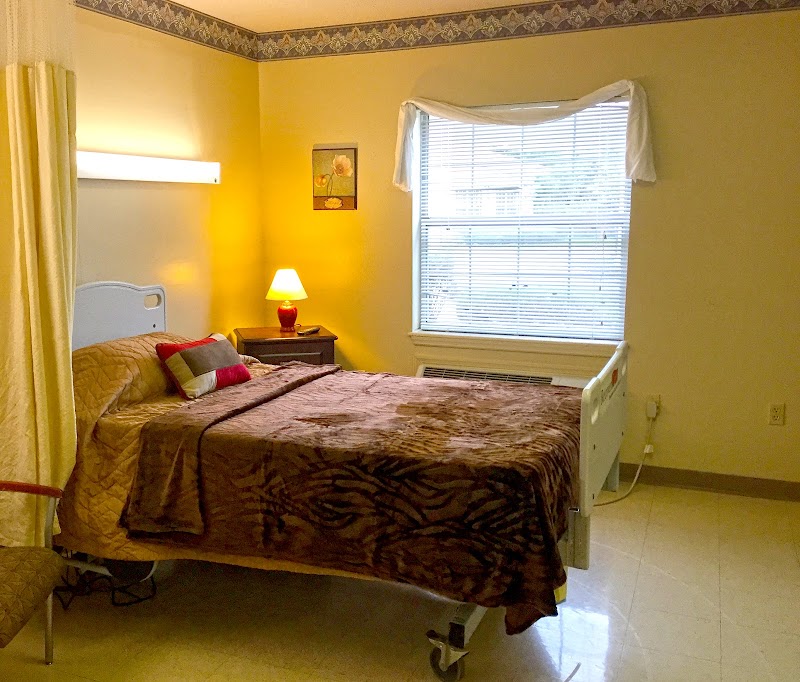
How Does Atrium Place Compare to Other Missouri Nursing Homes?

Compared to the 100 nursing homes in Missouri, ATRIUM PLACE HEALTH AND REHABILITATION's overall rating (2 stars) is below the state average of 2.5, staff turnover (56%) is near the state average of 46%, and health inspection rating (1 stars) is much below the national benchmark.

What Should Families Ask When Visiting Atrium Place?

Based on this facility's data, families visiting should ask: "What changes have been made since the serious inspection findings, and how are you preventing similar issues?" "How do you ensure continuity of care given staff turnover, and what is your staff retention strategy?" "Can you walk me through typical staffing levels on day, evening, and night shifts?" "Can I visit during a mealtime to observe dining assistance and food quality?" These questions are particularly relevant given the facility's Immediate Jeopardy citations, the facility's high staff turnover rate, and the below-average staffing rating.

Is Atrium Place Safe?

Based on CMS inspection data, ATRIUM PLACE HEALTH AND REHABILITATION has documented safety concerns. Inspectors have issued 1 Immediate Jeopardy citation (the most serious violation level indicating risk of serious injury or death). The facility has a 2-star overall rating and ranks #100 of 100 nursing homes in Missouri. Families considering this facility should ask detailed questions about what corrective actions have been taken since these incidents.

Do Nurses at Atrium Place Stick Around?

Staff turnover at ATRIUM PLACE HEALTH AND REHABILITATION is high. At 56%, the facility is 10 percentage points above the Missouri average of 46%. High turnover means new staff may not know residents' individual needs, medications, or preferences. It can also be disorienting for residents, especially those with dementia who rely on familiar faces. Families should ask: What is causing the turnover? What retention programs are in place? How do you ensure care continuity during staff transitions?

Was Atrium Place Ever Fined?

ATRIUM PLACE HEALTH AND REHABILITATION has been fined $247,139 across 8 penalty actions. This is 7.0x the Missouri average of $35,550. Fines at this level are uncommon and typically indicate a pattern of serious deficiencies, repeated violations, or failure to correct problems promptly. CMS reserves penalties of this magnitude for facilities that pose significant, documented risk to resident health or safety. Families should request specific documentation of what issues led to these fines and what systemic changes have been implemented.

Is Atrium Place on Any Federal Watch List?

ATRIUM PLACE HEALTH AND REHABILITATION is not on any federal watch list. The most significant is the Special Focus Facility (SFF) program, which identifies the bottom 1% of nursing homes nationally based on persistent, serious quality problems. Not being on this list means the facility has avoided the pattern of deficiencies that triggers enhanced federal oversight. This is a positive indicator, though families should still review the facility's inspection history directly.