

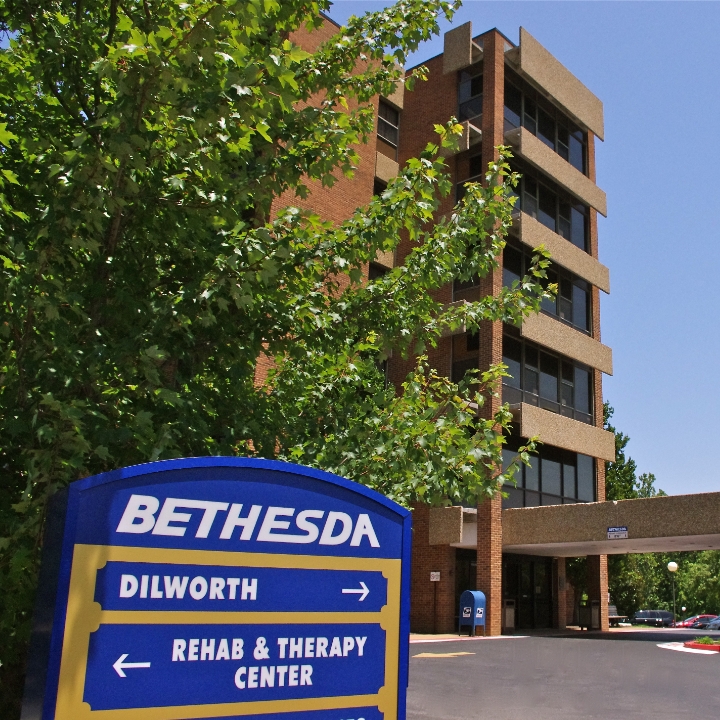

BETHESDA DILWORTH

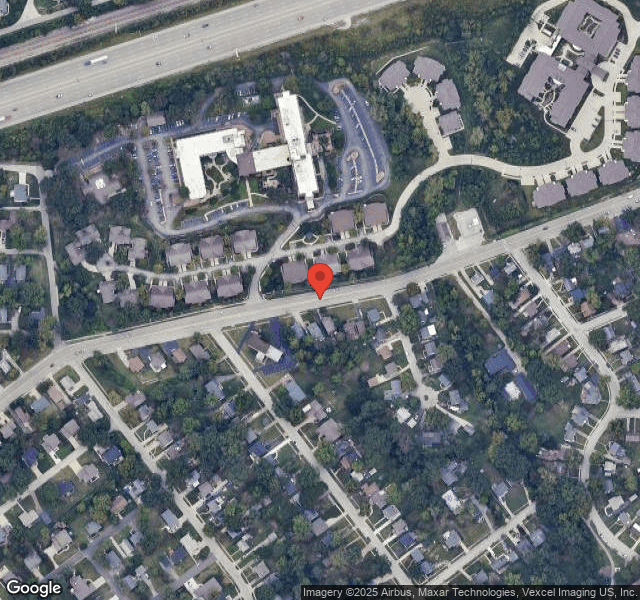
9645 BIG BEND BLVD, SAINT LOUIS, MO 63122 (314) 968-5460
Non profit - Other 350 Beds Independent Data: November 2025 1 Immediate Jeopardy citation
Trust Grade
13/100
#230 of 479 in MO
Last Inspection: September 2023

Over 2 years since last inspection. Current conditions may differ from available data.

Overview

Bethesda Dilworth has received a Trust Grade of F, indicating significant concerns about the quality of care provided. Ranked #230 out of 479 facilities in Missouri, they fall in the top half, but this is still concerning given their poor performance. The facility's situation is worsening, with the number of issues increasing from 4 in 2024 to 5 in 2025. Staffing is relatively strong, with a 4 out of 5 rating and a turnover rate of 46%, which is better than the state average, but there are still concerning incidents. For example, a resident suffered a serious injury due to inadequate supervision during a transfer, and there were critical failures regarding wound care management that led to worsening conditions for residents. Additionally, the facility has incurred $145,420 in fines, which is higher than many other facilities in Missouri, reflecting ongoing compliance problems.

Trust Score
F
13/100
In Missouri
#230/479
Top 48%
Safety Record
High Risk
Review needed
Inspections
Getting Worse
4 → 5 violations
Staff Stability
⚠ Watch
46% turnover. Above average. Higher turnover means staff may not know residents' routines.
Penalties
⚠ Watch
$145,420 in fines. Higher than 76% of Missouri facilities, suggesting repeated compliance issues.
Skilled Nurses
○ Average
Each resident gets 36 minutes of Registered Nurse (RN) attention daily — about average for Missouri. RNs are the most trained staff who monitor for health changes.
Violations
⚠ Watch
36 deficiencies on record. Higher than average. Multiple issues found across inspections.
★★☆☆☆
2.0
Overall Rating
★★★★☆
4.0
Staff Levels
★★★★☆
4.0
Care Quality
★★☆☆☆
2.0
Inspection Score
Stable
2024: 4 issues
2025: 5 issues

The Good

  • 4-Star Staffing Rating · Above-average nurse staffing levels
  • 4-Star Quality Measures · Strong clinical quality outcomes
  • Full Sprinkler Coverage · Fire safety systems throughout facility
  • No fines on record

Facility shows strength in staffing levels, quality measures, fire safety.

The Bad

2-Star Overall Rating

Near Missouri average (2.5)

Below average - review inspection findings carefully

Staff Turnover: 46%

Near Missouri avg (46%)

Higher turnover may affect care consistency

Federal Fines: $145,420

Well above median ($33,413)

Significant penalties indicating serious issues

The Ugly 36 deficiencies on record

1 life-threatening 2 actual harm
Sept 2025 1 deficiency
CONCERN (D) 📢 Someone Reported This

A family member, employee, or ombudsman was alarmed enough to file a formal complaint

Potential for Harm - no one hurt, but risky conditions existed

Grievances (Tag F0585)

Could have caused harm · This affected 1 resident

Deficiency Text Not Available

Read full inspector narrative →
Deficiency Text Not Available
Apr 2025 2 deficiencies 1 IJ
CRITICAL (J) 📢 Someone Reported This

A family member, employee, or ombudsman was alarmed enough to file a formal complaint

Immediate Jeopardy (IJ) - the most serious Medicare violation

Pressure Ulcer Prevention (Tag F0686)

Someone could have died · This affected 1 resident

Based on observation, interview and record review, the facility failed to ensure an acceptable skin management program was maintained to prevent pressure injury development and to report changes timel...

Read full inspector narrative →
Based on observation, interview and record review, the facility failed to ensure an acceptable skin management program was maintained to prevent pressure injury development and to report changes timely to the physician. The facility failed to complete wound assessments, including assessment and documentation of the location, stage, size, wound characteristics, periwound (the area around the wound) and wound edge description for two residents. (Residents #1 and #2). In addition, the facility failed to follow their policy for wound photographs and measurements for three residents (Resident #1, #2, and #3). The facility failed to contact Resident #1's physician prior to entering an order for a treatment. Additionally, the facility failed to follow their policy and complete a Situation, Background, Assessment, and Recommendation (SBAR) when new and/or worsening wounds were observed and failed to notify the physician and family for three residents (Resident #1, #2, and #3). Resident #1's pressure ulcer worsened, developing drainage and a foul odor. The resident required emergency surgery and was diagnosed with sepsis. Treatment orders were not followed for two of four sampled residents (Residents #1 and #2). The sample was 4. The census was 151. The Administrator was notified on 4/9/25 of an Immediate Jeopardy (IJ), which began on 3/29/25. The IJ was removed on 4/9/25 as confirmed by surveyor on-site verification. Review of the facility's policy, Wounds: Treatment of Pressure and Non-Pressure Injuries, including Staging and Documentation, revised 10/23, showed: -Purpose: To provide guidelines for use in wound assessment, treatment, and documentation; -Responsibility: It is the responsibility of the Director of Nursing (DON) to oversee this policy and procedure; -Policy: The facility Wound Product Selection Guide will be used as guidelines to determine appropriate treatments. A physician's order is required for all wound treatment; -A. General Principles of Wound Care: -1. Before choosing an intervention or treatment for a wound, it is important to identify the type of wound. Review the following documentation (attached) to determine the wound type and treatment protocol: -Pressure Injuries; -2. Keep the wound clean. Cleanse with wound cleanser or normal saline. Wound cleanser is preferable since it has the necessary pressure (8 pounds per square inch (psi)) to cleanse the wound properly. Use of betadine or hydrogen peroxide on open wounds is not recommended as they have been shown to be toxic to wound tissue; -3. For dry wounds add moisture and for wet wounds add absorbent dressing; -4. Protect the wound with appropriate dressing (See attached facility Health Group Wound Product Selection Guide. If the integrity of the dressing is compromised either by drainage/exudates or movement, it should be changed; -5. Maceration (softening and breakdown of skin tissue due to prolonged exposure to moisture) - Protect peri wound with products that prevent moisture to wound edges such as skin prep, cavilon, zinc oxide. Refer to facility formulary; -6. Interventions should be taken to reduce edema and pressure related to the wound such as offloading heels and repositioning; -7. Individualize turning schedule; -8. Evaluate mattress type and add specialized mattress if indicated. Refer to Support Surfaces Algorithm; -B. Assessment/Documentation: -1. Any wound is to be assessed by a licensed nurse or licensed practitioner. The location, stage, size, odor, undermining (separation of wound edges from the surrounding healthy tissue, creating a space or pocket under the wound surface), tunneling (channel or passageway that extends from a wound or ulcer deep into the underlying tissues), exudates (fluid that leaks out of blood vessels into nearby tissues), necrotic tissue (tissue that is dead or dying), and presence of absence of granulation tissue (tissue that forms during the wound healing process), peri-wound and wound edge description should be noted and documented in the resident's medical record at least weekly. Wound assessment documentation should be completed for pressure Injuries and recommended for any other skin issues of concern; -a. Location: Describe the precise location of the wound in anatomical terms; -b. Staging: (Pressure Injuries): -1. Suspected Deep Tissue Injury (DTI): Persistent non-blanchable (skin condition where redness or discoloration does not fade or disappear when pressed upon) deep red, maroon, or purple discoloration. Intact or non-intact skin with localized area of persistent non-blanchable deep red, maroon, purple discoloration or epidermal separation revealing a dark wound bed or blood filled blister. Pain and temperature change often precede skin color changes. Discoloration may appear differently in darkly pigmented skin. This injury results from intense and/or prolonged pressure and shear forces at the bone-muscle interface. The wound may evolve rapidly to reveal the actual extent of tissue injury or may resolve without tissue loss. If necrotic (tissue that is dead or dying) tissue, subcutaneous (area below the skin) tissue, granulation (process of forming new tissue and blood vessels as part of the healing process of a wound) tissue, fascia (connective tissue that surrounds and connects various structures within the body, including muscles, bones, nerves, and organs), muscle, or other underlying structures are visible, this indicates a full thickness pressure injury (Unstageable (Slough (dead tissue) is present, the actual base and condition of the ulcer cannot be determined), Stage 3 (Full thickness tissue loss. Subcutaneous fat may be visible, but bone, tendon or muscle is not exposed. Slough may be present but does not obscure the depth of tissue loss. May include undermining or tunneling) or Stage 4 (Full thickness tissue loss with exposed bone, tendon or muscle. Slough or eschar (thick, dry, and leathery crust of dead tissue that forms over a wound or burn. It is typically black, brown, or gray in color) may be present on some parts of the wound bed. Often includes undermining or tunneling.). Do not use deep tissue pressure injury to describe vascular, traumatic, neuropathic, or dermatologic conditions; -2. Stage 1 Pressure injury: Non-blanchable erythema of intact skin. Intact skin with a localized area of non-blanchable redness which may appear differently in darkly pigmented skin. Presence of blanchable erythema or changes in sensation, temperature or firmness may precede visual changes. Color changes do not include purple or maroon discoloration as these may indicate deep tissue pressure injury; -3. Stage 2 Pressure Injury: Partial thickness skin loss with exposed dermis. The wound bed is viable, pink, red, moist and may also present as an intact or ruptured serum-filled blister. Adipose (fat) is not visible and deeper tissues are not visible. Granulation tissue, slough (dead tissue, typically appearing as a yellow, tan, or white fibrous material, that may be present in a wound bed) and eschar are not present. These injuries commonly result from adverse microclimate (specific climatic conditions, including temperature, humidity, and airflow, immediately surrounding the skin's surface) and shear in the skin over the pelvis and shear in the heel. This stage should not be used to describe moisture associated skin damage (MASD) including incontinence associated dermatitis (IAD), This stage should not be used to describe skin tears, tape burns, abrasions, perinea I dermatitis (inflammation of the skin in the perineal area, the region between the anus and genitals), maceration, or excoriation (abrasion or wearing away of the skin's surface, resulting in raw, irritated, or red patches); -4. Stage 3 Pressure Injury: Full thickness tissue loss. Full-thickness loss of skin in which adipose (fat) is visible in the ulcer and granulation tissue and epibole (rolled wound edges) are often present. Slough and/or eschar may be visible. The depth of tissue damage varies by anatomical location; areas of significant adiposity (having excess body fat or being obese) can develop deep wounds. The bridge of the nose, ear, occipital (posterior, or back, region of the head) and malleolus (bony protuberance (bulge, lump, or projection on a body surface) on either side of the ankle joint) do not have subcutaneous tissue and Stage 3 Injuries can be shallow. Undermining and tunneling may occur. Fascia, muscle, tendon, ligament, cartilage and/or bone are not exposed. If slough or eschar obscures the extent of tissue loss, this is an Unstageable Pressure Injury; -5. Stage 4 Pressure Injury: Full thickness skin and tissue loss. Full-thickness skin and tissue loss with exposed or directly palpable (capable of being felt by touch) fascia, muscle, tendon, ligament, cartilage, or bone in the ulcer. Slough and/or eschar may be visible. Epibole (rolled edges), undermining and/or tunneling often occur. Depth varies by anatomical location. If slough or eschar obscures the extent of tissue loss, this is an Unstageable Pressure Injury; -6. Unstageable Pressure Injury: Visualization of the wound bed is necessary for accurate staging. Full thickness tissue loss in which the base of the injury is covered by slough (yellow, tan, gray, green or brown) and/or eschar (tan, brown or black) in the wound bed. Until enough slough and/or eschar is removed to expose the base of the wound, the true depth, and therefore stage, cannot be determined. However, stable (dry, adherent, intact without erythema or fluctuance (wave-like sensation or movement that is felt when palpating (examining by touch) a fluid-filled area of the body)) eschar on the heels serves as the body's natural (biological) cover and should not be softened or removed; -c. Size: -Measure the wound in centimeters (cm) including the length, width, and depth. Measure wound from healed margins to healed margins vs. edge to edge. Use clock coordinates when measuring depth with 12 o'clock representing toward the head. Using clock coordinates measure and document any tunneling or undermining using a cotton tip applicator. Tunneling is a passageway of tissue destruction under the skin surface that has an opening at the skin level from the edge of the wound. Undermining is the destruction of tissue or injury extending under the skin edges (margins) so that the pressure injury is larger at its base than at the skin surface; -d. Odor: Describe the odor of the wound as none, mild, or foul (after cleaning); -e. Color: Describe the color of the involved area. Note options for documentation here include describing the wound bed (including granulation tissue, slough, or eschar) in terms of color such as pink, red, yellow, white, black, or brown and estimate percentage of colors; -f. Surrounding tissue (Periwound): Assess the surrounding tissue and document the involved areas i.e., inflammation, maceration or wet wound edges, tenderness, warm or cool to touch, skin turgor, hypertrophic (abnormally enlarged)/callused/thickened, or any other finding; -g. Drainage: Describe the type, amount, and color of the drainage (exudates). Examples: yellowish green, gray, serosanguinous (fluid that contains both serum (clear, watery part of blood) and blood typically appears as a pinkish-red or yellowish fluid), etc.-amount: zero, small, moderate, and large; -h. Pain: Describe pain related to the wound and incorporate interventions to reduce pain in the care plan. Document interventions and outcomes in the medical record. -C. Monitoring of Wounds: Weekly wound rounds will be made by the DON or designee to assess all wounds (Pressure and Non-Pressure Injuries); -Monitor wounds for signs and symptoms of infection such as purulent (containing or producing pus) exudates, peri-wound warmth, swelling, induration, or erythema (erythema may not be easily determined in residents with dark skin pigmentation), increased pain or tenderness around the site or delayed wound healing. Findings such as elevated white blood cell (WBC), bacteremia, sepsis, or fever may signal an infection related to a pressure injury area or co-existing infection from a different source. -If any of the above symptoms develop, intervene appropriately, including notification of the physician and obtaining orders. Update the Plan of Care as appropriate; -If the wound fails to show some evidence of progress toward healing within 2 weeks, the wound and the resident's overall clinical condition should be reassessed, and the treatment plan reevaluated. The decision to change, modify or remain with the same treatment plan should be documented. Rationale for continuing with the same treatment should be well documented; -When a wound is present monitoring should include the following: -An evaluation of the injury if no dressing is present: -An evaluation of the status of the dressing, if present (whether it is intact, if there is drainage, is it or is it not leaking). If the dressing is leaking, it must be changed; -The condition of the area surrounding the injury can be observed without removing the dressing; -The presence of complications, such as signs of increasing area of ulceration or soft tissue infection, increased redness or swelling around the wound or increased drainage from the wound; -If pain is present, and if so, assess it is being adequately controlled; -See Assessment section of this policy and procedure regarding weekly assessment and documentation; -Although the above information refers to pressure injury monitoring, the same should apply for all wounds, including heels with eschar; -In addition, it is recommended monitoring be completed on all healed wound sites and documented weekly during skin assessments. Remember that the skin of healed wounds and surrounding area are always more susceptible to breaking down again; -Based on assessment, the resident's clinical condition, choices and identified needs, basic or routine care should include: -Turning and positioning, protecting heels; -Keep clean and dry; -Provide appropriate support surface; -Monitor and maintain nutrition and hydration status, where feasible; -Evaluate drug regimen; -Incorporate interventions into Plan of Care and revise as condition of the resident indicates; -F. Documentation: -It is critical that all caregivers document their observations and activities. For example, CNAs are critical to the process by reporting abnormal skin observations, documenting nutrition and hydration aspects, turning and positioning, peri-care, etc.; -Nurses also have a variety of documentation responsibilities as indicated throughout and are critical to the process of documenting interventions that have been taken to avoid pressure injuries; -G. Use of Wound photography: Photography will include wounds that are pressure injuries, arterial or venous wounds. -Wound photographs will be taken upon admission or readmission to the community, weekly, upon discovery, as needed and upon discharge; Review of the facility's policy, Skin integrity, Assessment and Prevention of Wounds/Other Skin Conditions, revised 9/22, showed: -Purpose: To prevent avoidable skin breakdown and pressure injuries, provide guidelines for the treatment of impaired skin and guidelines for documentation; -Policy: All residents will be assessed for the risk of skin breakdown. Risk factors identified will be evaluated. Interventions will be developed and implemented to minimize or stabilize the risk. Interventions will be care planned; -I. Assessment: -A. The admitting nurse will complete a head to toe skin assessment (body check) and risk assessment (Braden Score) to determine the absence, presence, any existing skin impairment or risk for skin impairment and document accordingly. If there, are existing impairments, implement appropriate interventions, including notification of the physician and obtaining treatment orders. If there are no existing impairments, document there are none; -B. For residents who do not already have skin impairment, utilize the Braden score and the Pressure Injury Prevention Points from the National Pressure Injury Advisory Panel (NPIAP) to assist in identification of preventative measures; -Document these measures on the residents care plan: -Severe risk: Braden of less than 9; -High risk: Braden of 10-12; -Moderate Risk: Braden of 13-14; -Mild Risk: Braden of 15-18; -C. The Braden Scale is to be completed: -On admission; -Weekly for the first four weeks after admission; -Quarterly; -Significant change in condition; -II. Prevention: The following are guidelines, which should be implemented based on medical history and physical assessment using an interdisciplinary team approach. Note: On admission, the facility Skin Prevention Protocol will be implemented if ordered by the physician; -A. Residents at risk should be monitored, paying particular attention to bony prominences and pressure caused by ill-fitting shoes or medical devices such as splints, braces, casts, compression stockings, oxygen cannulas, pommel cushions, etc. certified nurse aide (CNA) will report any abnormal findings to a nurse. Some examples of reportable observations are: -Reddened skin; -Blanching (skin turns pale or white when pressure is applied, and then returns to its normal color when the pressure is released); -Bluish or purple skin mark; -Black or red heel; -Rashes; -Swelling or change in skin temperature; -Denuded (worn away) or raw skin; -Skin tears; -Pain; -Other unusual conditions; -Abnormal findings will be assessed by a licensed nurse and appropriate interventions and documentation completed by that nurse; -D. Using results of the most recent risk assessment, implement the following interventions: -1. Sensory/Perception: -If the resident has sensory perception/cognition impairment, pay particular attention to any moaning or signs of restlessness. Change of position on a routine schedule will reduce pressure and aid in providing comfort. An individualized turning/positioning schedule is advised and must be communicated to the CNA; -Encourage the cognitive resident to change positions frequently if able to do independently and/or alert staff immediately if he/she has incontinent episodes or needs assistance to change position; -2. Moisture: -Minimize skin exposure to moisture, including urine and feces; -Keep residents clean and dry. Establish a bowel and bladder program, when appropriate; -Cleanse perineal area with perineal wash after each incontinent episode per facility protocol. Perineal wash is preferable to soap and water; if soap and water are used, gently rinse well and pat dry. Avoid using hot water; -Apply moisture barrier product to exposed skin surfaces to provide protection from future incontinent episodes; -3. Activity and Mobility: -Note any limitations in mobility or activity; -For limited mobility, implement the following; -a. For bed and chair bound residents turning and repositioning and the use of support surfaces should be individualized (refer to the Support Surfaces Algorithm); -e. Avoid positioning the resident on bony prominences; -4. Pressure Reduction: -Appropriate pressure reducing positioning devices should be used; -Special attention should be given to heels, ankles, and between bony prominences (knees, ankles, etc.) as well as to the coccyx; -Heels should be elevated off the bed surface. Example: Place a pillow under the legs and knees and calves. Heels are then suspended or floating off the end of the pillow. Heel lift devices may also be used; &nbs
CONCERN (D) 📢 Someone Reported This

A family member, employee, or ombudsman was alarmed enough to file a formal complaint

Potential for Harm - no one hurt, but risky conditions existed

Notification of Changes (Tag F0580)

Could have caused harm · This affected 1 resident

**NOTE- TERMS IN BRACKETS HAVE BEEN EDITED TO PROTECT CONFIDENTIALITY** Based on interview and record review, the facility failed to notify three residents physician and the representative/appropriate...

Read full inspector narrative →
**NOTE- TERMS IN BRACKETS HAVE BEEN EDITED TO PROTECT CONFIDENTIALITY** Based on interview and record review, the facility failed to notify three residents physician and the representative/appropriate family member after the residents had a change in condition (Resident #1, #2, and #3). The sample was 4. The census was 151. Review of the facility's policy, Reporting of Condition Changes, incidents and injuries, revised 1/23, showed: -Purpose: To provide an orderly process for reporting changes in condition, incident or injuries involving residents; -Responsibility: It will be the responsibility of the licensed nurses to know and follow this policy; -Policy: It is the facility policy to report condition changes, incidents or injuries involving residents; -Practice: When reporting changes in condition or incidents, the following procedure should be followed: -1. Evaluate symptoms and/or injury. Complete overall head to toe assessment including taking vital signs, temperature and neuro checks as indicated. Document assessment and findings on SBAR (communication tool- Situation, Background, Assessment, Recommendation); -3. Serious incidents, i.e., fractures, head injuries, uncontrolled bleeding or acute changes in resident conditions are reported to the physician at the time of occurrence. Be prepared, such as using SBAR format, to report to the physician results of the assessment, including pertinent information relative to items such as medications, lab results, etc. Per individual physician's order, any non-emergent issues may be reported to the physician at a later time, such as the next business day, if so specified within their order; -5. The resident representative/appropriate family member should be notified of any change in physician orders, including a change in diet, medications, treatments, etc.; -Documentation: -1. If an incident occurred, chart the incident in the resident's medical record; -2. Document objective details of incident and nursing interventions/corrective measures taken; -4. All charting should include notification of doctor and resident representative/appropriate family member. 1. Review of Resident #1's admission Minimum Data Set (MDS), a federally mandated assessment instrument completed by facility staff, dated 3/14/25, showed: -admission date: 3/7/25; -Severe cognitive impairment; -Diagnoses included high blood pressure, weakness, acute kidney injury, and altered mental status. Review of the resident's face sheet, showed: -Emergency contact and next of kin (NOK) contact information including phone numbers. Review of the resident's skin assessment, dated 3/8/25 at 10:38 A.M., showed the coccyx (small triangular bone at the base of the spinal column) with erythema (redness of the skin). Review of the resident's medical record, dated 3/8/25, showed no notification to the physician or family member. Review of the resident's skin assessment, dated 3/13/25 at 12:49 P.M., showed the coccyx with pressure ulcer and blister to right heel. Review of the resident's medical record, dated 3/13/25, showed no notification to the physician or the family regarding coccyx pressure ulcer. Review of the resident's physician orders, dated 3/13/25 at 8:00 A.M., showed: -Pressure ulcer, coccyx, BID (twice a day), clean with soap water, apply Calvida (treats discomfort associated with wet skin, urine, and stool), BID and as needed (PRN) for soiling; -Blister, heel, right, BID, skin prep BID to heel. Please float (elevating the foot off the bed reducing or eliminating pressure on the heel to promote healing and protect from injury) heels at all times. During an interview on 4/9/25 at 10:19 A.M., Registered Nurse (RN) D said the SBAR he/she filled out for the resident on 3/13/25 listed the coccyx at the beginning of the SBAR, but in the appearance and evaluation findings, he/she only listed the finding of the blister to right heel and orders for skin prep BID to the right heel. RN D said he/she spoke to the Nurse Practitioner (NP) about the right heel. He/she stated the Nurse Manager (NM) was aware of the coccyx wound, and he/she asked RN D put in the order for the coccyx. RN D put the order in for BID so the nurses would look at the coccyx twice a day. RN D did not speak to a physician prior to entering the order for the coccyx. Review of the eKare (a mobile wound measurement and documentation system collecting information at the point of care and supporting the management of wounds) wound assessment, coccyx pressure ulcer measurements, dated 3/26/25, showed: -Wound 2: Coccyx: -Etiology: Pressure injury: Stage 1 (Non-blanchable erythema of intact skin. Intact skin with a localized area of non-blanchable redness); -Onset date: 3/26/25; -Measurements: 4.5 centimeters (cm) x 2.4 cm x 0.6 cm; -Color: Red (R, granulated tissue, tissue that forms during the healing process of wounds): 29%, Yellow (Y, slough, yellow, tan, gray, green or brown): 43%, Black (B, eschar (thick, dry, and leathery crust of dead tissue that forms over a wound or burn. It is typically black, brown, or gray in color)): 28%; -Wound 3: Right buttock: -Etiology: Pressure injury: Stage 1; -Onset date: 3/26/25. Review of the eKare wound assessment, right buttock pressure ulcer measurements, dated 3/29/25 at 11:10 A.M., showed: -Wound 2: Coccyx (photo and measurements are of right buttocks): -Measurements: 4.0 X 3.0 X 0.3 cm; -Drainage: Minimum: Clear, thin watery (serous); -Odor: Malodorous (unpleasant smell) Review of the resident's medical record, dated 3/29/25, showed no notification to the physician or family. During an interview on 4/4/25 at 2:24 P.M., Licensed Practical Nurse (LPN) B said he/she worked on 3/30/25. He/She applied Calvida around the foam dressing. The resident had drainage and a foul odor. He/She did not contact the physician. 2. Review of Resident #2's admission MDS, dated [DATE], showed: -admission date: 2/20/25; -Moderate cognitive impairment; -Diagnoses included high blood pressure, hemiplegia (paralysis of one side of the body) or hemiparesis (weakness or paralysis on one side of the body), peripheral vascular disease (PVD, blood vessels outside the heart and brain narrow, become blocked, or spasm) or peripheral arterial disease (PAD, arteries in the arms and legs narrow due to the buildup of plaque, on the artery walls) and diabetes mellitus. Review of the resident's face sheet, showed: -Emergency contact and NOK contact information including phone numbers. Review of the resident's eKare Wound assessment reports, dated 3/3/25 - 3/11/25, showed: Wound 3: Left buttocks: -Etiology: Pressure injury, stage 1; -Onset date: 3/11/25; -Assessment: No odor or drainage; -Stage 2 (Partial thickness skin loss with exposed dermis. The wound bed is viable, pink, red, moist and may also present as an intact or ruptured serum-filled blister. Adipose (fat) is not visible and deeper tissues are not visible. Granulation tissue, slough (dead tissue, typically appearing as a yellow, tan, or white fibrous material, that may be present in a wound bed) and eschar are not present); -Measurements: 3.7 cm x 2.3 cm x 0.1 cm. Review of resident's medical record showed no notification to the physician or family completed for Wound #3 that was identified on 3/11/25. Review of the resident's eKare Wound assessment reports, dated 3/18/25, showed: -Wound #4: Right heel, calcaneus (heel); -Etiology: Pressure injury, stage 1; -Onset date: 3/11/25; -Last assessment date: 3/18/25; -Assessment: -No odor; -Drainage minimum: Clear, thin, watery (serous); -Stage 2; -Measurements: 7.3 cm x 6.8 cm x 1.0 cm; -Wound #5: Left heel, calcaneus; -Etiology: Pressure injury, stage 1; -Onset date: 3/18/25; -Assessment: No odor or drainage; -Stage 2; -Measurements: 7.0 cm x 6.4 cm x 0.6 cm; Review of resident's medical record showed no notification to physician or family completed for Wound #4 and Wound #5 that were identified on 3/18/25. 3. Review of Resident #3's admission MDS, dated [DATE], showed: -admission date: 3/7/25; -Cognitively intact. Review of the resident's face sheet, showed: -Emergency contact and NOK contact information including phone numbers. Review of the resident's eKare wound assessment, dated 3/10/25, showed: -Wound #5: Coccyx: -Etiology: Pressure injury: Stage 1; -Onset date: 3/10/25; -Measurements: 3.7 cm x 6.0 cm x 0.1 cm. Review of the resident's medical record, dated 3/10/25, showed no notification to the physician or family. Review of the resident's medical record, showed: -3/11/25 at 4:26 P.M.: -Skin abnormalities general: None; -3/19/25 at 1:32 P.M.: -Skin integrity general: Intact; -Skin abnormalities general comment: reddened buttocks; Review of the resident's medical record, dated 3/19/25, showed no notification to the physician or family. 4. During an interview on 4/3/25 at 10:14 A.M., LPN E said if a resident has a new or worsening wound, he/she notifies the nurse manager (NM) and she will look at the wound and take photos of the wound. The NM then notifies the wound physician (WP) and/or the physician. Changes are documented on the SBAR and the nurse or the NM will complete the SBAR. LPN E said on the weekends, the nurse on the floor is responsible for making notifications and documenting any changes but during the week, the nurse manager takes care of it. During an interview on 4/3/25 at 9:41 A.M., the NM said she is responsible for the weekly wound report for her floor. While rounding with the wound physician, if a resident has a decline in a wound, he/she does not call and inform the resident's family. If an order is changed for a wound, he/she does not call and notify the resident's family. With new admissions and new consults, he/she contacts the wound physician so she can start to follow the resident. On 4/3/25 at 2:19 P.M., the NM said if a resident has a new or worsening wound, the CNA reports it to the nurse. The nurse completes an assessment, fills out an SBAR and is responsible for notification to the physician and family. During an interview on 4/9/25 at 8:37 A.M., the Administrator and Director of Nurses said they expected staff to notify the physician and family if a resident has a new or worsening wound and for it to be documented in an SBAR. They expected the physician to be notified if a treatment needed to be changed because that is a change in condition and an SBAR should be completed. They expected staff to be knowledgeable of and follow the facility's policy and procedures. MO00252102 MO00252195
Jan 2025 2 deficiencies
CONCERN (D) 📢 Someone Reported This

A family member, employee, or ombudsman was alarmed enough to file a formal complaint

Potential for Harm - no one hurt, but risky conditions existed

Deficiency F0660 (Tag F0660)

Could have caused harm · This affected 1 resident

**NOTE- TERMS IN BRACKETS HAVE BEEN EDITED TO PROTECT CONFIDENTIALITY** Based on interview and record review, the facility failed to develop and implement an effective discharge planning process that ...

Read full inspector narrative →
**NOTE- TERMS IN BRACKETS HAVE BEEN EDITED TO PROTECT CONFIDENTIALITY** Based on interview and record review, the facility failed to develop and implement an effective discharge planning process that focused on the resident's discharge goals and needs, desire to be discharged , the resident's capacity for discharge, including caregiver support availability, capacity, and capability to perform required care, and failed to involve the resident, family member, and the interdisciplinary team (IDT) in developing a discharge plan, with interventions to meet the resident's discharge goals and needs to ensure a smooth and safe transition to the post-discharge setting and reduce factors leading to preventable readmissions. The facility failed to document and include the evaluation of the resident's discharge needs and failed to discuss the results of the evaluation with the resident and family, and incorporate it into the discharge plan, which is a part of the comprehensive care plan. The facility failed to discuss with the resident, and the family member, and document the implications and/or risks of being discharged to a location that is not equipped to meet the resident's needs and attempt to ascertain why the resident chose to return home, failed to document that other, more suitable, options of locations that are equipped to meet the needs of the resident were presented and discussed, failed to document that despite being offered other options that could meet the resident's needs, the resident refused those other more appropriate settings, and failed to determine if a referral to Adult Protective Services or other state entity charged with investigating abuse and neglect is necessary. The facility failed to identify changes in the resident's conditions, which impacted the discharge plan, and warranted revisions to interventions. The facility failed to identify post-discharge needs for nursing services for wound care, possible modifications to the home, and activities of daily living (ADL) assistance. The resident was discharged to home, alone, without required home health care services, and without education or instructions of how to care for the coccyx/sacral wound. Five residents were sampled, and problems were identified with one (Resident #5). The census was 149. Review of the facility's policy for Discharge of a Resident, affecting the Social Services Department, revised 7/2022, showed: -Purpose: A recapitulation of the resident's stay at the facility will be part of the permanent medical record when the resident is discharged from the facility; -Responsibility: It is the responsibility of the assigned Social Worker to document a discharge summary; -Policy: A discharge summary must be documented for a resident that discharges without an anticipated return to the facility; -Practice: -The discharge summary will include but is not limited to the following: -Statement of reason for admission to the facility; -Reason for discharge; -Psychosocial concerns or special arrangements regarding the resident's condition; -Resident's response to the discharge plan; -Resident/family involvement, including any advance notice of the discharge and notification of the right to appeal a Medicare or Medicare Advantage discharge; -Date and time for the discharge; -Discharge destination and transportation arrangements; -The discharge summary is a permanent part of the medical record. Review of the facility policy's for Discharge/Transfer of a Resident, revised 12/2022, showed: -Purpose: To provide guidelines when discharging or transferring a resident to another health care residence, another bed within the residence, or when leaving against medical advice; -Responsibility: It is the responsibility of all departments to see that the resident's transfer/discharge plans are complete and appropriate. For residents who receive care covered by Medicare A, it is their responsibility to see that the resident has utilized his/her Medicare A benefits to the fullest within the guidelines established by CMS; -Policy: Bethesda communities comply with federal regulations to permit each resident to remain in the community, and not transfer or discharge the resident unless the transfer or discharge is appropriate because the resident's health has improved sufficiently so the resident no longer needs the services provided by the community; -Non-emergency discharges, initiated by the community, return not anticipated: -Document the reasons for the transfer or discharge in the resident's medical record, and in the case of necessity for the resident's welfare and the resident's needs cannot be met in the community; -Contents of the transfer/discharge notice must include: -The reason for transfer or discharge; -The effective date of transfer or discharge; -The location to which the resident is transferred or discharged ; -An explanation of the right to appeal the transfer or discharge; -Orientation for transfer or discharge must be provided in a form and manner that the resident can understand and documented to see that a safe and orderly transfer is affected; -Assist with transportation arrangements and any other arrangements as needed; -Assist with any appeals as desired by the resident; -When a resident exercises his or her right to appeal a transfer or discharge, the facility will not transfer or discharge the resident while the appeal is pending, unless the failure to discharge or transfer would be endangering the health or safety of the resident or other individuals in the facility; -The physician shall document medical reasons for transfer or discharge in the medical record, when the reason for transfer or discharge is for any reason other than nonpayment of the stay or the community ceasing to operate; -Anticipated Discharges: -Obtain physicians' orders for discharge and instructions or precautions for ongoing care; -A member of the interdisciplinary team completes relevant sections of the Discharge Summary; -The nurse caring for the resident at the time of discharge is responsible for seeing that the Discharge Summary is complete; -A recap of the resident's stay that includes the diagnosis, course of illness/treatment or therapy, and pertinent lab, radiology, and consultation results; -A final summary of the resident's status; -Reconciliation of all pre-discharge medications with the resident's post-discharge medications (both prescribed and over the counter); -A post-discharge plan of care that is developed with the participation of the resident to adjust to his or her new living environment; -Education for discharge must be provided and documented to see that a safe and orderly transfer occurs, in a form and manner that the resident can understand. Depending on the circumstances, this education may be provided by various members of the interdisciplinary team; -The nurse/designee will assist with transportation arrangements and any other arrangements as needed; -The comprehensive, person-centered care plan shall contain the resident's goals for admission and desired outcomes and shall be in alignment with the discharge; -Specific to rehabilitation and therapy center for discharge to home or another facility: -Discharge planning will be established and discussed through the Utilization Review meeting and the discharge date established when the report indicates plateauing and/or the resident has met goals; -If necessary, rehabilitation services will make a home visit prior to discharge to assess physical environment, making recommendations as necessary; -Once the resident has utilized his/her Medicare A benefits to the fullest within the guidelines established by CMS, it is the responsibility of the discharging residence to notify the resident of the determination of discharge in writing, within 48 hours prior to discharge, that the resident has met his/her established rehabilitative goals and/or that the qualifying medical necessity for a skilled stay in a Medicare A bed has been met or exhausted and the need for discharge planning is eminent; -The Social Service Staff/Designee will obtain the signature of the resident/resident representative on the notice as stated above; -The residence will keep the copy of the notice in the medical record in the Social Services section; -The resident/resident representative will be given the original notice; -The Social Worker will consult with resident/resident representative regarding discharge plans and their choice of Home Health Care and durable medical equipment (DME) provider and alert the IDT to upcoming discharge via email; -Nursing will obtain physician orders including any Home Health Care, DME providers or equipment, and medications to be sent home with resident; -Social Services will send a Discharge Notification letter with attached discharge orders to the resident's Primary Care Physician via fax, mail, or electronically; -A copy of the Discharge Notification letter and the fax confirmation, if applicable, will be placed in the medical record; -Day of discharge: -Nursing will assist to pack belongings (reference Inventory sheet to be sure all belongings are sent with the resident); -Nursing will send medications with the resident per contract pharmacy policy and procedures; -Complete the discharged Resident Medication Transfer Record. Print only the necessary discharge information. Have resident/resident representative sign the form. Make a copy of the form and give the original to the resident; -Fax the signed discharged Resident Medication Transfer Record to the pharmacy. Place the copy and fax confirmation in the medical record; -Nursing will prepare resident for discharge; -Nursing will complete a Discharge/Transfer progress note, complete and print Discharge Instructions, and have the resident/resident representative sign and date the Discharge Instruction sheet and receive a copy; Discharge to home: -Social Worker will consult with Resident/Resident Representative regarding discharge plans and choice of home health care and DME provider that is certified; -Nursing will obtain a physician order including any home health care of DME and medications to be sent home with resident. Nursing will notify Social Services that the discharge order has been obtained; -Nursing will obtain order from physician; -Social Worker will arrange/assist with transportation as necessary; -Social Services and Nursing will provide pertinent medical information. Review of the facility's policy for Return to Home, affecting all Nursing, Social Service, and Rehabilitation (Rehab) Staff, revised 5/2023, showed: -Purpose: All residents returning home from The Rehab and Therapy Center should be at the highest possible level of function in order to promote a safe return home and reduce the risk of injury or re-hospitalization; -Responsibility: It is the responsibility of all Nursing, Social Service, Dietary and Rehab staff to promote that all residents achieve their maximum level of function prior to discharge from the Rehab and Therapy Center; -Policy: All residents will be observed for a designated amount of time prior to discharge from the Rehab and Therapy Center to a home setting to see that they are able to function at and maintain the highest level of independence that they achieved during their rehab stay; -Practice: -Within one week of admission, the Interdisciplinary team will set care plan goals with resident and/or family based upon their prior level of function; -Interventions will be implemented by IDT members to help resident achieve these goals during their stay; -It is communicated to the resident and their family, that the resident will be observed for a designated period of time to monitor they are safe to return home; -Therapy will provide Nursing with recommendations that indicate what ADLs the resident is able to perform independently and what ADLs the resident requires assistance with. Nursing will encourage the resident to perform all ADLs as independently as possible and only provide assistance when necessary; -The resident will be provided with the appropriate DME to use during their therapeutic stay, in order to achieve the highest level of independence, in the Rehab Center. However, DME brought from home is preferred if that is what the resident will be using upon return to home; -The resident's room will be adapted to simulate the home setting as much as possible while maintaining safety. Example: the resident's bed will remain at the height of the bed at home; -When it is determined that the resident has met all goals or plateaued in therapy and at their highest level of function, therapy will set a last covered day for therapy; -An indicator will be placed next to the resident's name plate on the room to indicate that the resident is in the return to home phase of rehab. The return to home phase of rehab includes not only ADL independence tasks but could include disease knowledge and management if applicable. The indicator will alert staff that the resident will be discharging soon and should be encouraged to be as independent and knowledgeable as possible to promote a safe return home. This will also be communicated to the resident and their caregivers; -Nursing staff is responsible for documenting in the resident's medical record, their ability to perform ADL tasks to the highest level of function, the amount of assistance or cues required as well as education and response to learning as applicable; -Nursing and Therapy staff will review documentation and residents level of function to verify that the resident is maintaining their highest level of function. If a decline is noted, discharge plan will be re-evaluated to see if additional services are required. Review of Resident #5's undated facility face sheet (first page of a medical record with the resident's demographics, medical diagnoses, family contacts, and physician contacts) showed: -No admission date; -Diagnoses of: -Diabetes mellitus with insulin use; -Chronic (long-term/ongoing) congestive heart failure (CHF, heart unable to pump enough blood to meet the body's needs); -Permanent atrial fibrillation (an arrhythmia/irregularity in heartbeat); -Atherosclerotic heart disease (plaque buildup inside of arteries of the heart); -Transient ischemic attack (TIA, a brief neurological dysfunction caused by blocked or reduced blood flow to a part of the brain); -Cerebral infarction (stroke) without residual deficits; -Major depressive disorder; -Chronic kidney disease stage 3 (moderate kidney damage with loss of half the kidney's function, causing high blood pressure, anemia, and bone disease); -Peripheral vascular disease (PVD, a narrowing of the blood vessels that restricts blood flow and mostly occurs in the legs); -Hypothyroidism (low thyroid hormone production, resulting in slowing the speed of the life-sustaining chemical activity/metabolism of the body); -Gastro-esophageal reflux disease (GERD, a digestive disorder that occurs when stomach acid flows back into the esophagus, also called acid reflux); -Inappropriate diet and eating habits. Review of the resident's undated Care of Resident Profile (CORP, plan of care) report, showed: -Resident's goal was to return home after short term rehabilitation; -Resident received significant medications: antidepressants, diuretic (water pill), antiplatelets (blood thinner), hypoglycemics (lower blood sugar) and anticonvulsants (prevent seizures); -Required one person assistance with transfers, use of front wheeled walker with ambulation, bed mobility, bathing, grooming and dressing; -Resident at risk for falls due to weakness: -Ensure personal items are within reach; -Make frequent rounds to ensure safety; -Goal-To reduce the risk factors that contribute to fall risk and to minimize injury related to falls throughout this review period; -Resident always wore protective briefs to protect clothing and dignity: -Staff to assist with changing when soiled; -Staff to assist with peri-care as needed and requested; -Goal-To maintain the current level of continence, remain clean and dry, and minimize the risk of skin breakdown through this next review period; -Resident required no assistance with eating and the goal was to improve/maintain current nutritional status: -Was on a pureed diet (no reason for pureed diet given); -Required encouragement to eat meals and drink fluids; -Staff to monitor meal intake and report anything below 50% to the nurse; -Resident was diabetic and required sliding scale insulin; -Goal-To manage diabetes through good food choices and monitoring of blood sugar; -Received a routine antidepressant, for diagnosis of depression: -Staff to monitor for unwanted side effects such as mood swings, or aggressive behaviors; -Goal-To maintain a stable mood with reduced anxiety and be free of unwanted side effects; -Staff to check skin daily, during care, and inform the nurse of any skin issues: -Staff to reposition frequently; -Staff to let the nurse know if there were any new areas of redness or skin impairment; -Standard pressure reducing mattress and wheelchair cushion in place; -Goal-To reduce the risk factors that could contribute to skin impairment or optimize wound healing through next review period; -Resident had a pressure wound on the coccyx (no date): -Staff to monitor area for signs and symptoms of infection and alert the nurse of any changes; -Staff to keep the dressing clean, dry, and intact; -Staff to ensure the low air loss mattress (LAL, a medical-grade mattress that helps prevent and treat pressure ulcers by using air cells to distribute body weight and circulate air to keep skin dry) was working, before helping the resident into bed; -The resident was at risk for bleeding due to anticoagulant use: -Monitor for any signs of bleeding and notify my nurse immediately; -Goal-To minimize my risk for bruising and bleeding related to these medications through the next review period; -Resident was at risk for pain due to recent hospital stay: -Resident had pain medication and non-pharmacological interventions to help relieve pain; -Goal-To maintain a comfort level that does not interfere with ADLs through the next review period; -Persons who participated in developing this plan: There were no electronic or handwritten signatures, signifying who or whom wrote this plan of care. -No documentation of the resident's learning disability, due to a mild intellectual impairment, and no further documentation of detailed discharge planning. Review of the resident's nurse admission electronic checklist assessment, dated 10/16/24, with no time of admission, showed: -Living situation, listed as independent at home; -No evident barriers to learning; -Resident used wheelchair for mobility; -Skin integrity, localized abnormality (no additional information provided); -Preventative skin care, barrier cream (a topical product that creates a physical barrier between the skin and moisture/irritants from loss of bowel/bladder control); -Edema location, generalized (generalized edema-fluid accumulates throughout the entire body); -History of fall last three months; -Weak gait (walk); -Independent with ADLs, but required one person partial/moderate assistance to: -Move from a bed to chair transfer; -To go from lying to sitting on side of the bed; -To go from sitting on side of the bed to lying; -To safely move from a bed to chair transfer; -To go from sitting to standing; -Transfer on and off the toilet; -To roll left to right in bed; -Transfer in and out of a car; -To pick up an object. Review of the resident's Social Worker (SW) E note, dated 10/17/24 at 10:07 A.M., showed the SW was familiar with the resident as the resident was at the facility not long ago. The resident lived alone, and his/her goal was to return back home, once he/she was done with therapy. Review of the resident's physician's assessment, dated 10/17/24 (no time), showed: -The resident had a history of severe aortic valve stenosis (a heart valve disease that occurs when the aortic valve becomes so narrow that it cannot fully open, thereby reducing blood flow from the heart to the body), permanent atrial fibrillation, diabetes, and coronary artery disease (CAD, the coronary/heart arteries narrow or become blocked); -The resident re-admitted to the hospital after a recent discharge to home, from rehabilitation services at the facility, because he/she fell the next day, on 10/12/24, at home; -The resident was seen that morning, up in the chair, and the resident said he/she was not ready to go home (referring to his/her discharge from the facility to home on [DATE]), got dizzy and fell; -Past medical history showed the resident had a learning disability, due to a mild intellectual impairment; -Impression/Plan: -Chronic coccygeal wound; -Wound care team to follow while at facility. Review of the resident's physiatry (specializing in maximizing physical function, through physical therapy, to foster independence and improve quality of life) Nurse Practitioner (NP) A history and physical evaluation, dated 10/17/24 at 8:53 A.M., showed: -Chief complaint: Mobility deficit (a disability that limits a person's ability to move) and ADL deficits, secondary to frequent falls; -The resident had been getting short of breath and dizzy and was hospitalized for falls; -The hospital diagnosed the resident with CHF exacerbation (a worsening or flare-up of a pre-existing chronic condition), which was the likely cause of the resident's dizziness and shortness of breath; -The resident had a [NAME] procedure (a minimally invasive surgery that implants a device in the heart to reduce the risk of stroke) for his/her diagnosis of atrial fibrillation; -The resident reported a poor appetite and said he/she just wanted tomato soup; -The resident lived in a home alone, with a Life Alert device (a device worn, with a button, that connects users to a monitoring center in the event of an emergency); -Gait-Not attempted at this visit; -The resident's assessment showed: -ADL and mobility dysfunction, secondary to frequent falls; -Deconditioning (the physical and mental changes that occur when someone is inactive for a period) and gait instability: The resident was at high risk for functional impairment without therapy; -The resident's full physical and occupational therapy (OT) evaluations were still pending. Review of NP A's history and physical evaluation, dated 10/24/24 at 8:31 A.M., showed: -Chief complaint: Mobility deficit and ADL deficits, secondary to frequent falls; -The resident returned from the hospital after having the transcatheter aortic valve replacement (TAVR, a minimally invasive procedure that replaces a diseased aortic valve with a man-made valve) and the hospital recommended the right groin site be watched; -The resident's assessment showed: -ADL dysfunction and mobility dysfunction secondary to frequent falls; -Deconditioning and gait instability: The resident was at high risk for functional impairment without therapy; -The resident's full physical and OT evaluations were still pending. Review of the resident's physician order sheets (POS), no date, showed: -For wound care Treatment Administration Record (TAR): -10/24/24 at 8:38 P.M., pressure ulcer, buttock, foam dressing (a wound covering made of polyurethane or silicone foam that absorbs fluid, helps wounds heal, and are used to treat wounds with moderate to heavy drainage), twice daily, peri-wash (a perineal cleanser), and cleanse with commercial wound cleanser, apply foam dressing twice daily, and as needed; -10/24/24 at 8:44 P.M., pressure ulcer, coccyx, apply foam dressing, twice daily, peri-wash, and apply Calvida cream (a skin protectant/barrier cream with zinc oxide) twice daily, and as needed. Review of the resident's physician's assessment, dated 10/25/24 (no time), showed: -Primary diagnosis of aortic valve stenosis; -The resident was seen that morning, after completion of TAVR; -There were no reports of shortness of breath or dizziness since having the procedure; -The resident asked for something for pruritus (itching/scratching your skin); -Generalized excoriation (no locations given); -No acute (new) concerns reported per the resident's nurse; -Visit diagnoses: -Debility and generalized weakness: -Able to ambulate with the use of a walker without difficulty; -Continue physical therapy (PT) and OT; -Pruritus (no location given): -New order given to nurse to start hydroxyzine (medication used as an antihistamine to stop itching and as a tranquilizer); -Chronic coccygeal wound: -Wound care team to follow while at facility. Review of the resident's physician's assessment, dated 10/28/24 (no time), showed: -Primary diagnosis of pruritus; -The resident was in bed that morning, admitted to being tired, and not received his/her pruritus medication; -The resident was ambulating well; -Visit diagnoses: -Debility and generalized weakness: -Able to ambulate with the use of a walker without difficulty; -Continue PT and OT; -Pruritus (no location given): -New order given to nurse to start hydroxyzine twice daily again, for three days, then change to as needed; -Chronic coccygeal wound: -Wound care team to follow while at f
CONCERN (D) 📢 Someone Reported This

A family member, employee, or ombudsman was alarmed enough to file a formal complaint

Potential for Harm - no one hurt, but risky conditions existed

Pressure Ulcer Prevention (Tag F0686)

Could have caused harm · This affected 1 resident

**NOTE- TERMS IN BRACKETS HAVE BEEN EDITED TO PROTECT CONFIDENTIALITY** Based on interview and record review, the facility failed to provide pressure ulcer treatments as ordered and failed to notify t...

Read full inspector narrative →
**NOTE- TERMS IN BRACKETS HAVE BEEN EDITED TO PROTECT CONFIDENTIALITY** Based on interview and record review, the facility failed to provide pressure ulcer treatments as ordered and failed to notify the physician when the ulcer developed drainage and a foul odor, shortly before the resident was discharged . The resident was discharged to home, alone, without home health registered nursing care services, and without education or instructions of how to care for the coccyx/sacral wound. Five residents were sampled, and problems were identified with one (Resident #5). The census was 149. Review of the facility policy for Skin Integrity, Assessment, and Prevention of Wounds/Other Skin Conditions, revised on 9/2022, showed: -Purpose: -To prevent avoidable skin breakdown and pressure injuries; -Provide guidelines for the treatment of impaired skin; -Provide guidelines for documentation. -Policy: -All residents will be assessed for the risk of skin breakdown; -Risk factors identified will be evaluated; -Interventions will be developed and implemented to minimize or stabilize risk; -Interventions will be care planned. -Assessment: -The admitting nurse will complete a head-to-toe skin assessment and Braden risk assessment (an assessment tool used to determine a resident's risk for developing pressure ulcers) to determine the absence, or presence, of any existing skin impairment or risk for skin impairment and document accordingly; -If there are existing impairments, implement appropriate interventions, including notification of the physician and obtaining treatment orders; -If there are no existing impairments, document there are none; -For residents who do not already have skin impairment, utilize the Braden score to assist in identification of preventative measures; -Document these measures on the resident's care plan; -Severe risk: Braden of less than 9; -High risk: Braden of 10-12; -Moderate risk: Braden of 13-14; -Mild risk: Braden of 15-18; -The Braden Scale is to be completed: -On admission; -Weekly for the first four weeks after admission; -Quarterly; -Significant change in condition. -Examples of other risk factors, which should be considered, are: -Previous history of pressure injuries; -Diagnoses such as diabetes, thyroid disease, congestive heart failure, peripheral vascular disease, and cardiovascular disease; -Poor intake of protein; -Resident's refusal of care and treatment. -Prevention: -Residents at risk should be monitored; -An individualized turning and positioning schedule is advised and must be communicated to the Certified Nurse Assistant (CNA), to reduce pressure and aid in providing comfort; -Keep residents clean and dry to minimize skin exposure to moisture from urine and feces; -Apply a moisture barrier product to provide protection from incontinent episodes; -Note any limitations in mobility or activity; -For residents who are at severe risk, additional pressure reducing devices should be considered; -For residents who are at severe risk, skin care preventative measures are in place, such as skin prep, Cavilon cream, or other protective ointment; -Consult the dietitian for nutritional concerns; -Offer supplemental nutrition such as fortified foods, vitamin and mineral supplements when applicable, and monitor, evaluate and document; -CNA will report any abnormal findings to a nurse; -Abnormal findings will be assessed by a licensed nurse and appropriate interventions and documentation completed by that nurse; -All assessments, interventions, and outcomes must be documented in the medical record. Review of the facility's policy for Treatment of Pressure and Non-Pressure Injuries, Staging and Documentation, revised on 10/2023, showed: -Purpose: To provide guidelines for use in wound assessment, treatment, and documentation. -Policy: -The Wound Product Selection Guide will be used as guidelines to determine appropriate treatments; -A physician's order is required for all wound treatment. -Practice: -General Principles of Wound Care: -Before choosing an intervention or treatment, it is important to identify the type of wound; -Keep the wound clean; -For wet wounds add absorbent dressing; -For dry wounds add moisture; -Protect wound with the appropriate dressing; -Protect periwound (the outside skin area surrounding the wound) with products to prevent maceration (skin softening and break down because of prolonged exposure to moisture) with products such as skin prep (protective wipes, that form a protective barrier film, which help to shield the skin from moisture and friction), Cavilon cream (a transparent skin protectant that creates a protective barrier from bodily fluids, friction, and adhesives) or zinc oxide (topical ointment to protect and treat the periwound area); -Interventions should be taken to reduce edema (swelling) and pressure, such as off-loading (reduce or eliminate pressure) the heels and repositioning; -Individualize a turning schedule; -Evaluate mattress type and add specialized mattress if indicated; -Assessment and Documentation: -Any wound is to be assessed by a licensed nurse or licensed practitioner; -Weekly documentation, at least, of the wound location, stage (a classification system used to categorize the severity of a wound based on the depth of tissue damage and the extent of tissue loss), size, odor, undermining (the wound area that lies beneath the wound opening is larger than the hole or entrance of the wound; like a cavity or cavern), tunneling (when a chronic wound forms a channel or tract that extends from the skin's surface into deeper tissue), exudates (the fluid that leaks out of blood vessels into a wound), necrotic tissue (dead or dying tissue in a wound, prevents healing, can appear dry, black, leathery, or discolored, swollen, and smelly), presence or absence of granulation tissue (new connective tissue that forms in a healing wound and is red, bumpy, and moist), periwound, and wound edge description; -Location: Describe the precise location of the wound in anatomical terms; -Staging: -Suspected deep tissue injury-persistent non-blanchable (when pressure applied to the reddened skin area, the area does not turn lighter color, or blanch, indicating a problem with capillary blood flow to the area) deep red, maroon, or purple discoloration; -Stage I pressure injury-non-blanchable erythema (reddened skin) of intact skin; -Stage II pressure injury-partial skin loss (damage to the epidermis/top layer of skin, and possibly the dermis/second layer of skin, but not the subcutaneous tissue (layer of fatty tissue underneath the skin), appearing as a shallow, open wound, with red or pink base, or an intact or ruptured serum-filled blister) with exposed dermis; -Stage III pressure injury-full-thickness (wound that extends past the top two layers of skin) loss of skin in which adipose (fat) tissue is visible, granulation tissue may be visible, slough (white, yellow, tan, gray or green dead tissue) or eschar (layer of dead, hardened tissue that forms over a wound, appearing as a dry crust of scab) may be visible but does not obscure the depth of tissue loss, undermining and tunneling may be present, but there is no exposed/visible fascia (a thin layer of connective tissue that surrounds and supports every organ, muscle, bone, and nerve in the body), tendon (a fibrous connective tissue that attaches a muscle to a bone or other structure), ligament (a band of connective tissue that connects bones to other bones), cartilage (a flexible, tough, connective tissue that protects bones and joints, and gives structure to parts of the body like the ears and nose), muscle or bone; -Stage IV pressure injury-full thickness skin and tissue loss with exposed, or directly palpable, fascia, bone, tendon, muscle, cartilage in the ulcer. Slough and/or eschar may be visible. Epibole (rolled edges), undermining, and/or tunneling often occur; -Unstageable-When the wound bed is covered by slough and/or eschar, not allowing the true depth to be visualized. Until enough slough and/or eschar is removed to expose the base of the wound, the true depth, and therefore stage, cannot be determined. -Size: -Measure the wound in centimeters (cm), including the length, width, and depth; -Measure from the healed margins to the healed margins; -Use clock coordinates to measure and document any tunneling or undermining. -Odor: -Describe the odor of the wound as none, mild, or foul, after cleaning. Color: -Describe the color of the involved area, and wound bed, in terms of color such as pink, red, yellow, white, black, or brown and estimate percentage of colors; -Surrounding Tissue (periwound): Assess the tissue surrounding the wound and document the involved areas, such as inflammation, maceration, wet wound edges, tenderness, warm or cool to touch, skin turgor (ability of the skin to return to its original shape after being pinched or pulled), hypertrophic (overgrown), callused, thickened, or any other finding; -Drainage: Describe the type, amount, and color of the drainage; -Pain: -Describe pain related to the wound; -Incorporate interventions to reduce pain in the care plan; -Document interventions and outcomes in the medical record. -Monitoring of wounds: -Weekly wound rounds will be made by the Director of Nursing or designee to assess all wounds (pressure and non-pressure); -Monitor wounds for signs and symptoms of infection such as purulent exudates, periwound warmth, swelling, induration (hardening), erythema, delayed wound healing, or increased pain or tenderness around the site; -Blood work with elevated white blood cells, bacteremia (bacteria present in the blood), sepsis (a life-threatening condition that occurs when the body's immune system has an extreme response to an infection, and can lead to organ failure, shock, and death if not treated promptly) or fever, may signal an infection related to the pressure ulcer; -If any of the above symptoms develop, intervene appropriately, including notification of the physician and obtaining orders and update the plan of care as appropriate; -If the wound fails to show some evidence of progress toward healing within two weeks, the wound and resident's overall clinical conditions should be reassessed, and the treatment plan re-evaluated; -The decision to change, modify, or remain with the same treatment plan should be documented; -The rationale for continuing with the same treatment should be well documented; Documentation: -It is critical that all caregivers document their observations and activities. For example, CNAs are critical to the process by reporting abnormal skin observations, documenting nutrition and hydration, turning and positioning, peri-care, etc.; -Nurses also have a variety of documentation responsibilities as indicated throughout and are critical to the process of documenting interventions that have been taken to avoid pressure injuries; -The definition of Avoidable means that the resident developed a pressure injury, and the facility did not do one or more of the following: -Evaluate the resident's clinical condition and pressure injury risk factors; -Define and implement interventions consistent with resident's needs and goals, and consistent with recognized standard of practice; -Monitor and evaluate the impact of the interventions; -Revise the interventions as appropriate. -Document presence or absence of skin impairment of any kind on admission, transfer, and discharge. If present, describe the condition or wound thoroughly; -Skin condition should be assessed within two hours of admission, re-admission or return from LOA and documented; -The residents' skin conditions are to be documented at least weekly; -Documentation encompasses, at a minimum, all assessments, interventions, including prevention measures taken, monitoring of nutrition and hydration, and interventions taken to address underlying diseases that might impact risk for skin breakdown or wound healing; -Documentation is key to show that everything is being done to prevent those avoidable pressure injuries and heal pressure injuries. Review of Resident #5's undated facility face sheet (first page of a medical record with the resident's demographics, medical diagnoses, family contacts, and physician contacts), showed: -No admission date; -Diagnoses: -Diabetes mellitus with insulin use; -Chronic (long-term/ongoing) congestive heart failure (CHF, heart unable to pump enough blood to meet the body's needs); -Permanent atrial fibrillation (an arrhythmia/irregularity in heartbeat); -Atherosclerotic heart disease (plaque buildup inside of arteries of the heart); -Transient ischemic attack (TIA, a brief neurological dysfunction caused by blocked or reduced blood flow to a part of the brain); -Cerebral infarction (stroke) without residual deficits; -Major depressive disorder; -Chronic kidney disease stage 3 (moderate kidney damage with loss of half the kidney's function, causing high blood pressure, anemia, and bone disease); -Peripheral vascular disease (PVD, a narrowing of the blood vessels that restricts blood flow and mostly occurs in the legs); -Hypothyroidism (low thyroid hormone production, resulting in slowing the speed of the life-sustaining chemical activity/metabolism of the body); -Gastro-esophageal reflux disease (GERD, a digestive disorder that occurs when stomach acid flows back into the esophagus, also called acid reflux); -Inappropriate diet and eating habits. Review of the resident's nurse admission electronic checklist assessment, dated 10/16/24, with no time of admission, showed: -Skin integrity, localized abnormality (no additional information provided); -Preventative skin care, barrier cream (a topical product that creates a physical barrier between the skin and moisture/irritants from loss of bowel/bladder control); -Edema location, generalized (generalized edema-fluid accumulates throughout the entire body); -History of fall last three months; -Weak gait; -Living situation, independent at home; -Independent with activities of daily living; -Required one person partial/moderate assistance to move from a bed to chair transfer; -Required one person partial/moderate assistance to go from lying to sitting on side of the bed; -Required one person partial/moderate assistance to go from sitting on side of the bed to lying; -Required one person partial/moderate assistance to safely move from a bed to chair transfer; -Required one person partial/moderate assistance to go from sitting to standing; -Required one person partial/moderate assistance for toilet transfer; -Resident uses wheelchair for mobility; -Required one person partial/moderate assistance to roll left to right in bed; -Required one person partial/moderate assistance for car transfer; -Required one person partial/moderate assistance to pick up an object; -No evident barriers to learning. Review of the resident's nurse admission skin assessment, dated 10/16/24 at 7:08 P.M., showed: -Skin color, general: Usual for ethnicity; -Skin temperature: Warm; -Skin moisture, general: Dry; -Skin turgor, general: Elastic; -Skin integrity, general: Localized abnormality; -Mucous membrane color: Pink; -Mucous membrane description: Moist; -Preventative skin care: Barrier cream; -Sensory perception Braden: Slightly limited. Review of the resident's weekly nurse skin flowsheet, showed: -10/16/24 at 7:08 P.M.: -Skin color general: Usual for ethnicity; -Skin temperature: Warm; -Skin moisture general: Dry; -Skin turgor general: Elastic; -Mucous membrane color: Pink; -Mucous membrane description: Moist; -Preventative skin care: Barrier cream; -Sensory perception Braden: Slightly limited. Review of the resident's Braden scores, showed: -10/16/24 at 7:08 P.M., slightly limited (no other information or score listed). Review of the resident's Braden scores, showed: -10/17/24 at 7:50 P.M.: -Sensory Perception: Slightly limited; -Moisture: Occasionally moist; -Activity: Chairfast; -Mobility: Very limited; -Nutrition: Adequate; -Friction and shearing: Problem; -Braden Score: 14 (moderate risk). Review of the resident's physician's assessment, dated 10/17/24 (no time), showed: -Primary diagnosis of orthostatic hypotension (a sudden significant drop in blood pressure when one stands up, or sits up from a lying position); -The resident had a history of severe aortic valve stenosis (a heart valve disease that occurs when the aortic valve becomes so narrow that it cannot fully open, thereby reducing blood flow from the heart to the body), permanent atrial fibrillation, diabetes, and coronary artery disease (CAD, the coronary/heart arteries narrow or become blocked); -The resident re-admitted to the hospital after a recent discharge to home, from rehabilitation services at the facility, because he/she fell the next day, on 10/12/24, at home; -The hospital found the resident had positive orthostats (referring to orthostatic hypotension); -Cardiology, in the hospital, scheduled surgery for a transcatheter aortic valve replacement (TAVR, a minimally invasive procedure that replaces a diseased aortic valve with a new one, and is most often used in older adults who are not healthy enough for regular valve surgery), on 10/22/24, for severe aortic stenosis; -The physician documented the resident was seen that morning, up in the chair, and the resident said he/she was not ready to go home (referring to his/her discharge from the facility to home on [DATE]), got dizzy and fell; -Past medical history showed the resident had a learning disability, due to a mild intellectual impairment; -Medications listed, as received during the recent hospitalization: -Hydrophilic wound dressing (a sterile paste applied to wounds to absorb exudate and promote healing), to affected area twice daily (affected area not listed); -Physical examination: -Skin warm and dry with no rash or jaundice; -Impression/Plan: -Chronic coccygeal (tailbone area) wound; -Wound care team to follow while at facility. Review of the resident's physiatry (specializing in maximizing physical function, through physical therapy, to foster independence and improve quality of life) Nurse Practitioner (NP A) history and physical evaluation, dated 10/17/24 at 8:53 A.M., showed: -Chief complaint: Mobility deficit (a disability that limits a person's ability to move) and activities of daily living (ADL, basic self-care tasks performed independently to maintain daily life, like getting in and out of bed, chairs, or vehicles, dressing, bathing, toileting, mobility, and managing bladder and bowel functions) deficits, secondary (a result of) to frequent falls; -The resident had been getting short of breath and dizzy and was hospitalized for falls; -The hospital diagnosed the resident with CHF exacerbation (a worsening or flare-up of a pre-existing chronic condition), which was the likely cause of the resident's dizziness and shortness of breath; -The resident had a [NAME] procedure (a minimally invasive surgery that implants a device in the heart to reduce the risk of stroke) for his/her diagnosis of atrial fibrillation; -The resident reported a poor appetite and said he/she just wanted tomato soup; -The resident lived in a home alone, with a Life Alert device (a device worn, with a button, that connects users to a monitoring center in the event of an emergency); -Gait-Not attempted at this visit; -The resident's assessment showed: -ADL and mobility dysfunction, secondary to frequent falls; -Deconditioning (the physical and mental changes that occur when someone is inactive for a period) and gait instability: The resident was at high risk for functional impairment without therapy; -The resident's full physical and occupational therapy (OT) evaluations were still pending. Review of the resident's weekly nurse skin flowsheet, showed: -10/17/24 at 7:50 P.M.: -Skin color general: Usual for ethnicity; -Skin temperature: Warm; -Skin moisture general: Dry; -Skin turgor general: Elastic; -Mucous membrane color: Pink; -Mucous membrane description: Moist; -Preventative skin care: Barrier cream; -Sensory perception Braden: Slightly limited; -Moisture Braden: Occasionally moist; -Activity Braden: Chairfast; -Mobility Braden: Very limited; -Nutrition Braden: Adequate -Friction and shear Braden: Problem -Braden score: 14. -10/18/24 at 9:29 P.M.: -Skin color general: Usual for ethnicity; -Skin temperature: Warm; -Skin moisture general: Dry; -Skin turgor general: Elastic; -Mucous membrane color: Pink; -Mucous membrane description: Moist; -Preventative skin care: Barrier cream; -Sensory perception Braden: Slightly limited; -Moisture Braden: Occasionally moist; -Activity Braden: Chairfast; -Mobility Braden: Very limited; -Nutrition Braden: Adequate -Friction and shear Braden: Problem -Braden score: 14; -10/19/24 at 11:39 P.M.: -Skin color general: Usual for ethnicity; -Skin temperature: Warm; -Skin moisture general: Dry; -Skin turgor general: Elastic;  
Sept 2024 1 deficiency
CONCERN (D) 📢 Someone Reported This

A family member, employee, or ombudsman was alarmed enough to file a formal complaint

Potential for Harm - no one hurt, but risky conditions existed

Quality of Care (Tag F0684)

Could have caused harm · This affected 1 resident

**NOTE- TERMS IN BRACKETS HAVE BEEN EDITED TO PROTECT CONFIDENTIALITY** Based on observation, interview and record review, the facility failed to ensure residents received care consistent with profess...

Read full inspector narrative →
**NOTE- TERMS IN BRACKETS HAVE BEEN EDITED TO PROTECT CONFIDENTIALITY** Based on observation, interview and record review, the facility failed to ensure residents received care consistent with professional standards. Staff failed to ensure a resident admitted from the hospital with a peripherally inserted central catheter (PICC, a thin, flexible tube that is inserted into a vein in the upper arm and guided (threaded) into a large vein above the right side of the heart, used to administer long term antibiotics and other medications) line, had orders for the PICC line including PICC line maintenance. Staff failed to verify why the PICC line was in place and failed to obtain and ensure continuity of antibiotic administration from the hospital related to a bacterial infection. The resident was not administered antibiotic medication for two days after admission into the facility (Resident #1). In addition, the facility failed to ensure a resident admitted with a PICC line placed at the hospital on 8/23/24, when admitted to the facility received PICC line orders including PICC line maintenance and dressing change orders (Resident #2). The facility identified 3 residents whom had intravenous (IV) or PICC lines in place. Resident #2 was not included on that list. The census was 152. Review of the facility's central vascular access device (CVAD) dressing change policy, dated 2021, showed: -To be performed by: the nurse is responsible and accountable for obtaining and maintaining competence with infusion therapy within the scope of practice; -Considerations: -CVADs include PICC; -The catheter insertion site is a potential entry site for bacteria that may cause a catheter related infection; -A transparent (clear) dressing is the preferred dressing; -The preferred skin antiseptic agent is below 0.5 percent (%) chorhexidine (used to prevent infection) in alcohol solution; -Nurses caring for patients receiving infusion therapies must adhere to aseptic non-touch technique (ANTT, the practice of avoiding contamination by not touching key elements, the inside surface of a sterile dressing where it will be in contact with a wound) for all infusion related procedures as a critical aspect of infection prevention; -Guidance: -Performing sterile dressing changes using ANTT: -Upon admission, if transparent dressing is dated, clean, dry and intact the admission dressing change may be omitted and scheduled for 7 days from the date on the dressing label. Ensure orders are in place; -Upper arm circumference with PICC, and external catheter length measurements must still be completed as part of the initial assessment; -At least weekly; -If the integrity of the dressing has been compromised (wet, loose or soiled); -Assessment of the vascular access site is performed: -Upon admission and during dressing changes; -Before and after administration of intermittent infusion; -At least once a shift when not in use; -Routinely for signs and symptoms of infusion related complications; -Assessment of vascular site and the entire arm with PICC, for infusion related complications include the absence or present of: -Erythema (redness); -Drainage; -Swelling in induration (compare arm circumferences to baseline measurement to detect possible catheter-associated venous thrombosis (clot), a 3 centimeter (cm) increase in arm circumference and edema were associated with upper-arm deep vein thrombosis (DVT, a clot lodged in a deep vein or artery blocking blood flow); -Change in the skin temperature or tenderness at the site; -Integrity of transparent dressing; -Numbness or tingling; -Length of external catheter is obtained: -Upon admission; -During dressing changes; -Upon suspicion in change of length; -If signs or symptoms of complication are present; -PICCs, upper arm circumference (10 cm above antecubital space elbow joint) is obtained: -Upon admission if no insertion measurement is available, then weekly; -If signs or symptoms of complications are present; -Compare to baseline measurement to detect possible catheter associated thrombosis is present. Review of the prescribing and ordering medication policy, dated 4/2002, showed: -Purpose: to establish guidelines for properly obtaining physician orders and processing the orders; -Policy: -There must be evidence of a diagnosis, condition, or indication for use on the medical record for medications; -admission orders: -Obtain admission orders from the physician. Note: check the transfer sheet from the discharging facility as a reference. Transfer orders may only be used as a guide. They may not be used as admission orders. Check with the resident and/or family also to determine what medications they resident may have been on; -When obtaining admission orders from the physician, review the list of medication they resident has been on and clarify what the physician wants to be discontinued and what medications the resident should remain on. 1. Review of Resident #1's hospital attending physician note, dated 8/8/24, showed: -History of Present illness (HPI): the patient suspected of seizure activity. In the emergency department the patient noted to have a fever, elevated heart rate and irregular laboratory results. He/She met sepsis (blood infection) criteria. IV fluids and antibiotics started. Due to patient difficulty in communication, health information gathered from next of kin at bedside; -Assessment and plan: -Sepsis with septic shock and organ dysfunction suspect due to bacterial infection: -Plan: -Admit to intensive care unit (ICU) for further therapy and treatment; -Begin IV vancomycin (antibiotic) or IV ceftriaxone (antibiotic). Review of the hospital interventional radiology nurse note, dated 8/13/24, showed: PICC placed to the left brachial vein. Review of the hospital Discharge summary, dated [DATE], showed: -Hospital course: the blood culture tested positive for and grew group B strep (infection) and started on IV ceftriaxone. The patient improved and transferred out of the ICU for step down monitoring. He/She had a PICC line placed in the left upper extremity on 8/13/24 and will be discharged to a nursing facility with plans to receive a once a day ceftriaxone until 8/25/24 and weekly laboratory values per infectious disease (ID); -Medication list: did not include antibiotic orders; -Antibiotic surveillance labs: complete blood count (CBC, tests for general overall health), Chemistry 7 (chem 7, monitors various chemicals and minerals in the blood), and c-reactive protein (CRP, tests for inflammation). Review of the facility's admission flow sheet, dated 8/16/24, showed: -IV: yes. Review of the admission Physician Order Sheet (POS), showed no admission orders regarding PICC or IV antibiotics. Review of the progress notes, showed no documented attempts to contact the resident's physician or the discharging hospital regarding the PICC line. Review of the facility's Nurse Practitioner's progress note, dated 8/19/24, showed: -HPI: resident history of Down syndrome (a condition in which a person has an extra copy of chromosome 21) and seizure disorder. The resident had a recent hospital stay related to bacterial septicemia. He/She was discharged to the skilled nursing facility for skilled therapy and IV antibiotics; -Interval history: NOK is at bedside and reported the resident did not get his/her IV antibiotics over the past weekend. The NOK stated the concerns were expressed to weekend nursing staff and no changes occurred. The facility Assistant Director of Nursing (ADON) and the hospital ID contacted. Orders were obtained. The hospital discharge paperwork did not include orders for IV antibiotics; -IV ABT not on DC list, added this morning; -Ceftriaxone 2g (2,000 mg) once every 24 hours. Review of the POS, showed: -On 8/19/24: Change IV tube every 24 hours; -On 8/19/24: Ceftriaxone 2 g/50 milliliter (ml) osomotic dexrose IV solution, first dose: 8/19/24 and stop: 8/28/24 for strep bacterium; -On 8/19/24: Heparin flush 10 units/ml. For PICC line maintenance every 12 hours. Review of the Medication Administration Record (MAR), showed: -On 8/19/24, administration of Ceftriaxone 2G completed. During an interview on 9/12/24 at 3:58 P.M., the Director of Nursing (DON) said the resident was admitted with a PICC line in place. Staff attempted to contact the physician for orders regarding the PICC line and the physician did not return the call over the weekend. The nurse should have called the discharging hospital for additional orders for the PICC line. The hospital discharge paperwork showed the resident was receiving antibiotics through a PICC line and the antibiotics were to continue, but the discharge medication list did not list the antibiotic. On the following Monday, the ADON called the hospital ID physician and obtained the order for continued antibiotics. The resident did not receive the antibiotics over the weekend. 2. Review of Resident #2's hospital transfer orders, dated 8/27/24, showed: -Discharge diagnoses: pyelonephrisis (kidney infection) and renal abscess; -PICC line placed left brachial vein on 8/23/24; -Additional instructions: Osteomyelitis on left hip. ID was consulted and recommended to continue antibiotics for 8 weeks. Meropenem (antibiotic) 1 G (1,000 mg) in 0.9 percent (%) normal saline in 50 ml for 49 days; -Insertion site above antecubital: 11 cm; -Initial limb circumference: 23 cm; -Catheter length: 43 cm. Review of the resident's POS, showed: -Admit to facility: 8/27/24; -An order, dated 8/28/24: Meropenem 1, 000 mg per IV every 8 hours for 49 days. First dose: 8/29/24, Stop date: 10/16/24. Indication: antibiotic for abscess; -No orders were noted for PICC line maintenance or dressing changes. Review of the facility admission flow sheet, dated 8/27/24, showed: -IV: yes. During observation and interview on 9/12/24 at 12:55 P.M., the resident said he/she had an infection in his/her kidney and needed antibiotics for 30 days. He/She pulled up his/her left shirt sleeve and exposed a PICC to the left brachial vein. The dressing was undated. The edges of the transparent dressing were rolled up and appeared gray in color. The resident said the dressing had not been changed since he/she admitted into the facility. The staff administer the antibiotic every day. The access site is not painful. During an interview on 9/12/24 at 2:58 P.M., Registered Nurse (RN) F said when a resident is admitted to the facility with an intact IV or PICC line, it is the admitting nurse's responsibility to verify why the access line is in place. All IVs and PICC lines should have orders for dressing changes and maintenance. If an access line dressing or the line itself is not maintained, the resident could develop an infection or the line could become blocked and unusable. During an interview on 9/12/24 at 3:58 P.M., the DON said if a resident is admitted with an IV or PICC line in place, the admitting nurse is responsible to verify why the line is present. If the hospital discharge paperwork does not address the reason for the IV or PICC, the nurse should call the hospital or the physician for additional information. All IVs and PICCs should have corresponding orders for dressing changes and maintenance. All PICC line dressings should be dated, timed and changed every 7 days. MO00241346
May 2024 2 deficiencies 1 Harm
SERIOUS (G) 📢 Someone Reported This

A family member, employee, or ombudsman was alarmed enough to file a formal complaint

Actual Harm - a resident was hurt due to facility failures

Accident Prevention (Tag F0689)

A resident was harmed · This affected 1 resident

**NOTE- TERMS IN BRACKETS HAVE BEEN EDITED TO PROTECT CONFIDENTIALITY** Based on interview and record review, the facility failed to provide adequate supervision for one resident (Resident #1) who req...

Read full inspector narrative →
**NOTE- TERMS IN BRACKETS HAVE BEEN EDITED TO PROTECT CONFIDENTIALITY** Based on interview and record review, the facility failed to provide adequate supervision for one resident (Resident #1) who required staff assistance with transfers and mobility when going to bed. On [DATE], after the resident became adamant about staff putting him/her to bed, staff removed the resident from a sit to stand lift (a medical device that assists individuals with limited mobility in standing up from a seated position) and performed a 2-person assist transfer. The resident's right foot was caught under the bed during the transfer and sustained a comminuted tibial plateau fracture (a break in the lower bone below the knee that breaks into the knee joint and is displaced and not aligned) involving the medial (the bony surface on the top of the shin bone that corresponds to the big toe) and lateral (the surface that corresponds to the pinky toe) tibial plateau without significant displacement. The sample size was 3. The census was 149. Review of the facility's Mechanical Lifts, Use of policy and procedure, revised 3/2024, showed: -Purpose: To establish proper guidelines for safely moving or transferring a resident from one place to another; -Responsibility: It is the responsibility of all nursing personnel to follow this policy; -Policy: Resident's transfer needs should be assessed upon admission, quarterly and PRN (as needed). Review of the facility's Condition Changes, Incidents, Injuries-Reporting of policy and procedure, revised 1/2023, showed: -Purpose: To provide an orderly process for reporting changes in condition, incident or injuries involving residents; -Policy: It is the facility's policy to report condition changes, incidents or injuries involving residents; -Practice: -Serious incidents, i.e., fractures, head injuries, uncontrolled bleeding or acute changes in resident conditions are reported to the physician at the time of occurrence. Review of Resident #1's quarterly Minimum Data Set (MDS), a federally mandated assessment instrument completed by facility staff, dated [DATE], showed: -Moderate cognitive impairment; -Sit to Stand: Substantial/Maximal assistance; -Chair/bed to chair transfer (The ability to transfer to and from a bed to a chair or wheelchair): Substantial/Maximal assistance; -Diagnosis included: Seizure Disorder (Nerve cell activity in the brain is disturbed) or Epilepsy (A chronic neurological disorder that causes a person to have two or more unprovoked seizures that occur more than twenty-four (24) hours apart), Muscle weakness (generalized), weakness. Review of the resident's physical therapy plan of care, dated [DATE], showed: -Treatment Diagnosis: Weakness; -Precautions: Transfers with standup lift or pivot (the person bears at least some weight on one or both legs and spins to move their bottom from one surface to another). Review of the resident's care plan, last updated on [DATE], showed: -Focus: At risk for falls related to decreased mobility; -Goal: Maintain independence and have needs met to resident's satisfaction with assistance; -Intervention: Require extensive two (2) person assistance with transfers using stand up lift. Review of the resident's physician orders, showed no order for transfer status. Review of the emergency resident encounter documentation, dated [DATE] at 12:41 P.M., showed: -Lower extremity problem (from nursing home-was being transferred to bed and right leg got caught; concerned for tibial fracture); -Resident being evaluated for a complaint of fall with resultant right lower extremity pain, especially right knee pain, which occurred last night; -Findings: -Severe bony demineralization. Acute, nondisplaced intra-articular tibial plateau fracture. Fracture lines involve both the medial and lateral tibial plateaus and extending anteriorly through the midline; -Final Impression: -Closed fracture of right tibial plateau; -Fall, initial encounter; -Acute pain of right knee. Review of SBAR (Situation, Background, Assessment, Recommendation, assessment tool), dated [DATE], showed: -Situation - Pain -New Pain Evaluation: Yes; -Pain Present: Yes, actual, or suspected pain; -Primary Pain Location: Knee; -FACES Pain Scale (A self-report measure of pain intensity) Rating: 6 = Hurts even more; -FACES Pain Score Rating: 6; -Appearance and Evaluation Findings: Appearance, Evaluation Comments: Resident had rung call light and asked for something for pain. When asked about his/her pain, resident stated he/she has pain in his/her right knee. Resident stated that when being transferred into bed, his/her right foot was caught under the bed and then he/she felt a pain in his/her right knee. Upon assessing resident, his/her right knee is warm and appears slightly swollen; -11:40 A.M., x-ray returned with possible tibia (shin bone) fracture. New orders to send the resident to ER (emergency room). Review of the facility's investigation, showed: -On [DATE], the DON (Director of Nursing) spoke with Certified Nurse Assistant A. CNA A said he/she and CNA B had finished the resident's shower on the evening of [DATE]. When they went to transfer the resident to bed, the sit to stand battery did not have charge. The resident was upset when they asked him/her to wait, so they did an assist of two transfer; -Performance management conference form, dated [DATE], showed: -CNA A; Reason for conference: Failure to render a service within the scope of duties as defined by the employee job description; -On [DATE], the DON spoke with CNA B. CNA B said after the resident's shower, they attempted to get the sit to stand for a transfer and the battery would not work. The resident was upset when asked to wait so they did an assist of two transfer. He/She went to LPN (Licensed Practical Nurse) C to tell him/her they transferred the resident with a two person assist; -Performance management conference form, dated [DATE], showed: -CNA B; Reason for conference: Failure to render a service within the scope of duties as defined by the employee job description. -On [DATE], the Administrator spoke with the resident regarding the incident on [DATE]. The resident reported he/she wanted to go to bed and told the CNA. The CNA told him/her the battery died during a shower he/she was giving, and the resident had to wait for it to charge. The resident stated he/she told the CNA he/she wanted to go to bed, and he/she didn't want to wait. The resident stated that he/she asked the CNA if he/she would just put him/her to bed. The CNA left the room and came back with another CNA, and they transferred him/her to bed. The resident stated when he/she was in bed, he/she started to feel his/her leg was hurting. The resident said he/she told the nurse. During an interview on [DATE] at 1:05 P.M., the resident said his/her leg got caught under the bed. He/She kept screaming and telling them his/her leg was stuck but they kept putting him/her to bed. He/She was hurt. His/Her right knee was hurt. Observation showed the resident pointed to his/her right knee. The resident said staff usually used the lift, so he/she didn't know why they picked him/her up and tried to put him/her in bed. He/She said the staff didn't realize his/her foot was caught until after he/she was in bed. The resident said CNA B was one staff, but he/she didn't know the other staff's name. He/She said CNA B wasn't there and he/she usually worked evenings. During an interview on [DATE] at 12:51 P.M., the DON said she didn't have a sit to stand assessment form for the resident. She said therapy was going to send over whatever notes they had. She saw the facility's policy said the resident must be assessed initially before using the sit to stand and routine intervals thereafter. Therapy makes a recommendation and they can follow it, but as a nurse, she can down grade the recommendations but can not ever go above the recommendations and the same thing for hospital recommendations. During an interview on [DATE] at 3:07 P.M., the Administrator and DON said the resident was hurt during a fall and had a fracture just above the knee. The Administrator said the resident could use a sit to stand or pivot for transfers. During an interview on [DATE] at 10:42 A.M., CNA A said he/she and CNA B didn't drop the resident. He/She said the resident used a sit to stand lift. They used the sit stand lift that day, but the battery went dead. CNA A and CNA B charged the battery, but it didn't work. He/She told the resident the battery was dead, but the resident demanded to be put in bed. CNA A got another staff to help transfer the resident. They angled the resident towards his/her bed and put on the gait belt. No sit stand was used. He/She had the resident's upper body and stood on the left side of the bed. CNA B was on the right side. Once the resident was sitting on the bed, CNA B pivoted his/her shoulders, and he/she pivoted the resident's legs into bed. Once the resident sat on the bed, CNA A said the resident said, Oh you hurt my leg. The resident didn't scream or yell. CNA A said he/she didn't see what the resident's leg was caught on. The CNA's looked at the resident's legs and didn't see anything. He/She asked if the resident was ok and then told the nurse after the transfer that the resident said his/her leg hurt. CNA B went to tell LPN C. CNA A didn't understand what happened and didn't get vital signs because he/she didn't think it was severe. CNA A asked the resident again if he/she was ok and the resident said yes. The resident didn't show any indications that anything was wrong. When he/she came in to work the next day, the resident had told the night nurse, LPN E, that his/her leg was hurt. The resident told LPN E because he/she was afraid to tell them. The resident told LPN E his/her leg hurt. LPN E called the physician to get orders for an x-ray because the resident was in pain. CNA A said he/she didn't talk to LPN C directly. He/She said the resident didn't fall. If he/she had fallen, it would have taken more than the two of them to get the resident up because the resident was dead weight. During an interview on [DATE] at 11:02 A.M., LPN C said he/she knew the resident and was familiar with his/her care. He/She said the resident used a sit to stand. LPN C said he/she didn't talk to CNA A that day about the resident at all on [DATE]. CNA B came up to him/her and said they had to transfer the resident like a two person. LPN C asked CNA B, why they transferred the resident without the sit to stand. When he/she again asked CNA B why they did the transfer without the sit to stand again, CNA B threw up his/her hands and walked away. LPN C said the facility had a lot of sit to stand lifts in the building and staff could have gotten one from somewhere else. LPN C told CNA B he/she shouldn't have picked the resident up without the sit to stand. CNA B never told him/her what happened to resident or anything about pain. The resident told him/her that CNA B two personed me. LPN C asked the resident why he/she would let someone do that. It's not safe. LPN C and the Staffing Coordinator, who was working as a Certified Medication Technician (CMT) that shift, said CNA B never came back to tell the resident had been hurt. During an interview on [DATE] at 11:50 A.M., the Staffing Coordinator said he/she worked over as a CMT on the evening the event happened with the resident. He/She was sitting at the desk with LPN C ordering medications. CNA B walked to the desk. LPN C was doing an admission. CNA B said he/she and CNA A two person the resident into bed. LPN C asked CNA B what did he/she say. CNA B repeated him/her and CNA A performed a two person transfer to put the resident in bed. CNA B said the battery was dead. That didn't make since because they could have gotten a battery from another floor. CNA B got mad at them for telling him/her he/she could have gotten a battery from another floor. CNA B huffed and walked off. He/She didn't come back to the desk to tell the resident was hurt or had an injury. CNA B transferred the resident with CNA A because the resident was adamant about getting into bed. When the Staffing Coordinator went to pass medications on a different day he/she saw the resident with a knee immobilizer (device used to maintain stability of the knee). The resident told him/her CNA B and CNA A transferred him/her with a two-person transfer. He/She didn't know why the resident had it on. The Staffing Coordinator said he/she went to tell LPN C about the immobilizer on the resident's leg. LPN C went to look at the log and saw the resident went out over the weekend to the hospital and came back with that on his/her leg. During an interview on [DATE] at 2:21 P.M., the Administrator said she expected staff to follow the mechanical lift and all other policies. She expected staff to follow the resident's plan of care and use a sit to stand lift during transfers. The Administrator expected staff to tell the nurse if the resident said he/she was hurt and if there was an incident, with or without injury. If nursing had been aware of the resident's injury, she expected staff to complete the required assessments. The Administrator said she felt like staff thought they provided care for the resident's needs. The DON said she had told staff many times to go to other floors to get batteries. The Administrator and DON said they were told the battery was dead and staff checked another battery for the sit to stand lift but it didn't work. They both said staff told them the resident was adamant about going to bed, so they put him/her to bed. If the resident would have had to sit in the wheelchair, he/she would have been upset. Once he/she became adamant about getting into bed, staff put the resident to bed. The Administrator could not say whether it would have been safer for the resident to sit and wait until the battery charged or to get one from another floor because either way, the resident would have been upset. MO00234994
CONCERN (D) 📢 Someone Reported This

A family member, employee, or ombudsman was alarmed enough to file a formal complaint

Potential for Harm - no one hurt, but risky conditions existed

Report Alleged Abuse (Tag F0609)

Could have caused harm · This affected 1 resident

**NOTE- TERMS IN BRACKETS HAVE BEEN EDITED TO PROTECT CONFIDENTIALITY** Based on interview and record review, the facility failed to follow their abuse and neglect policy by not reporting timely after...

Read full inspector narrative →
**NOTE- TERMS IN BRACKETS HAVE BEEN EDITED TO PROTECT CONFIDENTIALITY** Based on interview and record review, the facility failed to follow their abuse and neglect policy by not reporting timely after an incident involving one resident (Resident #1) and two staff, who performed an improper transfer which resulted in the resident sustaining a comminuted tibial plateau fracture (a break in the lower bone below the knee that breaks into the knee joint and is displaced and not aligned) involving the medial (the bony surface on the top of the shin bone that corresponds to the big toe) and lateral (the surface that corresponds to the pinky toe) tibial plateau without significant displacement. The sample size was 3. The census was 149. Review of the facility's Resident Abuse, Neglect, and Exploitation policy and procedure, revised 7/2023, showed: -Purpose: To provide guidelines for identifying, investigating, and reporting resident abuse, neglect, and exploitation, (which includes misappropriation of the resident's personal property) including any reasonable suspicion of a crime directed toward the resident; -Responsibility: It is the responsibility of the Administrator of each residence to monitor compliance of this policy. Department Managers and Supervisors must know, understand, and enforce this policy. All employees of the facility must know, understand, and abide by this policy; -Abuse Definitions: Serious bodily injury: An injury involving extreme physical pain; involving protracted loss (serious bodily harm that results either in a diminished quality of life for the victim or their death); requiring medical intervention such as surgery, hospitalization physical rehabilitation; -Covered individual: Anyone who is an owner, operator, employee, manager, agent, or contractor of the facility; -The following procedure for investigation and reporting a suspected or actual abuse/neglect situation will be adhered to by all employees; -Procedure for complaint of/or suspected/observed resident abuse/neglect/exploitation or who discovers, and unexplained incident/injury should make an immediate report to his/her Administrator and disrupt any acts of abuse; -An investigation shall be initiated immediately. Any allegation must be fully investigated and self-reported to an appropriate state agency; -Each covered individual shall report immediately, but not later than two hours after forming the suspicion, if the events that cause the suspicion involve abuse or result in serious bodily injury, or not later than twenty-four (24) hours if the events that cause the suspicion do not result in serious bodily harm; -Upon completion of the investigation, the following actions may be warranted: -Appropriated disciplinary action of the responsible employee, up to and including discharge, shall be taken. Any disciplinary action taken shall be fully documented; -The final results of the investigation shall be reported within five (5) working days of the initial notification of DHSS (Department of Health and Senior Services). Review of Resident #1's quarterly Minimum Data Set (MDS), a federally mandated assessment instrument completed by facility staff, dated [DATE], showed: -Moderate cognitive impairment; -Sit to Stand: Substantial/Maximal assistance; -Chair/bed to chair transfer (The ability to transfer to and from a bed to a chair or wheelchair): Substantial/Maximal assistance; -Diagnosis included: Seizure Disorder (Nerve cell activity in the brain is disturbed) or Epilepsy (A chronic neurological disorder that causes a person to have two or more unprovoked seizures that occur more than twenty-four (24) hours apart), Muscle weakness (generalized), weakness. Review of the resident's care plan, revised [DATE], showed: -Intervention: Require extensive two (2) person assistance with transfers using stand up lift; -Goal: Maintain independence and have needs met to my satisfaction with assistance; -Focus/Problem: At risk for falls related to decreased mobility. Review of the emergency resident encounter documentation, dated [DATE] at 12:41 P.M., showed: -Lower extremity problem (from nursing home-was being transferred to bed and right leg got caught; concerned for tibial fracture); -Resident being evaluated for a complaint of fall with resultant right lower extremity pain, especially right knee pain, which occurred last night; -Findings: Severe bony demineralization. Acute, nondisplaced intra-articular tibial plateau fracture. Fracture lines involve both the medial and lateral tibial plateaus and extending anteriorly through the midline; -Final Impression: -Closed fracture of right tibial plateau; -Fall, initial encounter; -Acute pain of right knee. Review of the facility's investigation, showed: -On [DATE], the DON (Director of Nursing) spoke with Certified Nurse Assistant (CNA) A who said he/she and CNA B had finished the resident's shower on the evening of [DATE]. When they went to transfer the resident to bed, the sit to stand battery did not have a charge. The resident was upset when they asked him/her to wait, so they did an assist of two transfer; -Performance management conference form, dated [DATE], showed: -CNA A; Reason for conference: Failure to render a service within the scope of duties as defined by the employee job description; -On [DATE], the DON spoke with CNA B. CNA B said after the resident's shower, they attempted to get the sit to stand for a transfer and the battery would not work. The resident was upset when asked to wait so they did an assist of two transfer. He/She went to LPN (Licensed Practical Nurse) C to tell him/her they transferred the resident with a two person assist; -Performance management conference form, dated [DATE], showed: -CNA B; Reason for conference: Failure to render a service within the scope of duties as defined by the employee job description; -On [DATE], the Administrator spoke with the resident regarding the incident on [DATE]. The resident reported he/she wanted to go to bed and told the CNA. The CNA told him/her the battery died during a shower he/she was giving, and the resident had to wait for it to charge. The resident stated he/she told the CNA he/she wanted to go to bed, and he/she didn't want to wait. The resident stated that he/she asked the CNA if he/she would just put him/her to bed. The CNA left the room and came back with another CNA, and they transferred him/her to bed. The resident stated when he/she was in bed, he/she started to feel his/her leg was hurting. The resident said he/she told the nurse; -No documentation to show the facility notified DHSS of the incident or injury. During an interview on [DATE] at 1:05 P.M., the resident said while staff were transferring him/her back to bed, the resident said CNA B and another staff put him/her back to bed by picking him/her up together. The resident said CNA B was one staff, but he/she didn't know the other staff name. The resident said his/her leg got caught under the bed as he/she was being turned into the bed. He/She kept screaming and telling CNA B and the other staff member his/her leg was stuck, but they continued to put him/her to bed. The resident was hurt. His/Her right knee was hurt. Observation showed the resident pointed to his/her right knee. The resident said staff usually used the lift, so he/she didn't know why they picked him/her up and tried to put him/her in bed. He/She said the staff didn't realize his/her foot was caught until after he/she was in bed. During an interview on [DATE] at 10:42 A.M., CNA A said he/she and CNA B didn't drop the resident. He/She said the resident used a sit to stand lift. They used the sit stand lift that day, but the battery went dead. CNA A and CNA B charged the battery, but it didn't work. He/She told the resident the battery was dead, but the resident demanded to be put in bed. Once the resident sat on the bed, CNA A said the resident said, Oh you hurt my leg. The resident didn't scream or yell. CNA A said he/she didn't see what the resident's leg was caught on. The CNA's looked at the resident's legs and didn't see anything. He/She asked if the resident was ok and then told the nurse after the transfer that the resident said his/her leg hurt. CNA A said he/she didn't talk to the nurse directly about what took place. During an interview on [DATE] at 11:02 A.M., Licensed Practical Nurse (LPN) C said he/she knew the resident and was familiar with his/her care. He/She said the resident used a sit to stand. CNA B came up to him/her and said they had to transfer the resident like a two person. LPN C asked CNA B why they transferred the resident without the sit to stand. When he/she again asked CNA B why they did the transfer without the sit to stand again, CNA B threw up his/her hands and walked away. CNA B never came back to say the resident had been hurt. During an interview on [DATE] at 3:07 P.M., the Administrator and DON said the resident was hurt during a transfer. He/She had a fracture just above the knee. They said the resident got x-rays and was sent out to the hospital. The Administrator said the resident was a sit to stand transfer at the time of the fall. The staff involved received disciplinary action. She didn't report it to DHSS because the incident was witnessed, and it was not an unknown injury. MO00234994
Mar 2024 1 deficiency
CONCERN (D) 📢 Someone Reported This

A family member, employee, or ombudsman was alarmed enough to file a formal complaint

Potential for Harm - no one hurt, but risky conditions existed

Transfer Notice (Tag F0623)

Could have caused harm · This affected 1 resident

Based on interview and record review, the facility failed to provide an appropriate immediate discharge letter to one of four sampled residents (Resident #1). The letter failed to contain the effectiv...

Read full inspector narrative →
Based on interview and record review, the facility failed to provide an appropriate immediate discharge letter to one of four sampled residents (Resident #1). The letter failed to contain the effective date of discharge, specific location to where the resident was transferred and discharged , failed to provide information on how to obtain an appeal form and assistance in completing the form and submitting the appeal hearing request, along with the failure to inform the resident he/she can return to the facility if an appeal is filed. Additionally, the Long-Term Care Ombudsman's office address was incorrect, and no email address was listed. The census was 147. Review of the facility's Discharge/Transfer of a Resident policy, dated 12/2022, showed: -The facility complies with federal regulations to permit each resident to remain in the community, and not transfer or discharge the resident unless: -The transfer or discharge is necessary for the resident's welfare and the resident's needs cannot be met in the community; -The safety of the individuals in the community are endangered due to the clinical or behavioral status of the resident; -Contents of the transfer/discharge notice must include: -The reason for transfer or discharge; -The effective date of transfer or discharge; -The location to which the resident is transferred or discharged ; -An explanation of the right to appeal the transfer or discharge to the State, including: -The name; -The address (mailing and email); -The telephone number of the State entity which receives such requests; -The information on how to obtain an appeal form and assistance in completing the form and submitting the appeal hearing request; -The name, address (mailing and email), and telephone number of the Office of the State Long-Term Care Ombudsman. Review of Resident #1's face sheet, showed his/her diagnoses included unspecified dementia, unspecified severity, without behavioral disturbance, psychotic disturbance, mood disturbance, anxiety and osteoarthritis left shoulder replaced with left artificial shoulder joint and admission for orthopedic aftercare. Review of the resident's Discharge Assessment-Return Anticipated, Minimum Data Set (MDS), a federally mandated assessment instrument completed by facility staff, dated 2/13/24, showed: -Intact cognition; -No behavioral symptoms; -No rejection of care; -Pain intensity, on scale of 0-10, was 8; -High risk opioid drug class; -Diagnoses included orthopedic condition, hypertension (high blood pressure), dementia and anxiety disorder. Review of the resident's undated Resident Profile Report (plan of care), showed it did not identify the resident had a history of psychotic disturbance, mood disturbance, anxiety, or aggressive behavior. It showed the resident had periods of agitation regarding his/her pain medication changes made by the physician. The resident had periods of trying to block people from entering his/her room. Staff were to remind the resident to keep his/her room accessible for safety. Review of the resident's Situation-Background-Assessment-Recommendation (SBAR, a form completed by nurses, regarding important resident information/condition, to facilitate and increase the probability of effective, accurate, communication between health care professionals), dated 2/13/23 at 12:53 P.M., showed: -At 8:15 A.M., the resident was barricading his/her door and said he/she only wanted to talk to his/her physician. The resident's facility physician was called and said he would be at the facility shortly. The resident was told his/her physician would be there shortly to talk with him/her. The resident said he/she was leaving and called a taxi. The resident refused to open the door. The resident's physician arrived and they (the nurse and the physician) visited with the resident. The resident said he/she was leaving against medical advice (AMA). The resident's ex-spouse was called and informed the resident wanted to leave. The ex-spouse said neither he/she, nor any other family member, was going to pick the resident up. The resident then stated he/she wanted to leave with the police, because he/she was mad and did not want to pay for the taxi, so the resident called the police. The police arrived, were informed of the resident's behaviors, and shown the sharp object that was in resident's hand while he/she was lying in bed and demanding the lights stay off. The sharp object was later found in the resident's sink. The resident was up and walking around his/her room the entire morning. The resident's physician gave the order for a psychiatric evaluation and for transport to a psychiatric hospital. The resident was escorted out of the building by the police, and the Emergency Medical Technicians (EMTs), to ensure the safety of the other residents in the facility. Discharge paperwork was sent with the EMTs. The resident got onto the stretcher willingly, was taken to the ambulance, and was transported off campus; -Behaviors Exhibited at 8:15 A.M.: Agitated, delusional, disruptive social interaction, reckless, uncooperative, and verbally aggressive toward others; -Behaviors Exhibited at 9:15 A.M.: Agitated, anxious, hallucinating, inappropriate, verbally aggressive toward others; -Behaviors Exhibited at 9:30 A.M.: Delusional, destructive, reckless, and restless; -Behaviors Exhibited at 10:00 A.M.: Destructive, hostile, inappropriate, and uncooperative. During an interview on 3/7/24 at 12:30 P.M., the Administrator and Director of Nursing said the resident was admitted to their rehabilitation unit for physical therapy on 2/7/24, after having his/her left shoulder replaced with an artificial shoulder. They later discovered the resident had a history of substance abuse. The facility physician discontinued the resident's oxycodone (a strong narcotic for pain control) on 2/12/24. There were remaining pain control orders for Tramadol and Tylenol. The next morning, the resident wanted his/her oxycodone and became increasingly agitated, aggressive, and erratic, demanding to speak with the physician. The resident tried to throw a chair at staff and broke his/her plastic incentive spirometer (a handheld medical device that measures the volume of your breath), thereby obtaining a small shard of the plastic to use as a weapon. The resident kept saying he/she had his/her own stuff (medications) to take and called a cab to take him/her home. The resident then called the police and his/her ex-spouse to take him/her home. The resident's behavior was erratic and symptomatic of acute psychosis. Five police officers ended up on the scene. The facility physician did a direct, involuntary admission to the psychiatric hospital. The resident was admitted to the hospital. Review of the resident's hospital behavioral health intake assessment, dated 2/13/24 at 5:00 P.M., showed the resident presented to the hospital from the nursing home's rehabilitation facility for a psychological evaluation. The resident was alert, oriented, and accompanied by an adult offspring. Chart review showed the resident had a history of anxiety, depression, alcohol abuse, and recent left shoulder replacement. Nursing home staff reported to EMS the resident had barricaded him/herself in his/her room and was found in possession of a sharpened piece of plastic. The resident denied having a sharp piece of plastic and said it was a broken spirometer piece with a sharp edge that he/she noticed in the room. Nursing home staff said the resident picked up a chair to throw at staff, which the resident denied. The nursing home was not allowing the resident to return. The hospital assessment showed the resident was agitated, with flat affect and poor eye contact. The resident answered with one or two words unless talking about how the nursing home staff did not give medications to him/her when asked. The resident's family member said the resident was not formally diagnosed with dementia but had similar episodes of agitation and confusion over the past year, seemingly worst after hospitalizations for other medical concerns. The family member said the resident was also ordering medicine off the internet and had some pink pills at his/her house, which he/she wanted to obtain. The family member said the resident had prescriptions for Tramadol and other medications, was not taking Lyrica (a prescription medication for nerve pain) as prescribed, and was not taking his/her antidepressant. The family member said the resident slept all day, was awake all night, and would take six Tylenol P.M. pills, all at once, to sleep. The longer the resident stayed in a healthcare setting, the more uncooperative and worse he/she would get. The family member said the resident was not safe at home. The resident's emergency department physician agreed to admit the resident due to imminent danger to him/herself and others. Review of the facility's undated discharge form, used for the resident's immediate discharge, showed it did not include the following: -A title, indicating it was a discharge notice; -The effective date of discharge; -The location, which the resident was discharged to; -Information on how to obtain an appeal form; -Information on how to obtain assistance with completing the appeal form; -Information on how to submit the appeal form for a hearing request; -Information informing the resident he/she could return to the facility if an appeal was filed; -The correct office address, and email address, of the Long-Term Care Ombudsman's office. During an interview on 3/13/24 at 3:23 P.M., the Administrator said the location which the resident was discharged to was not applicable because the resident was going to the hospital. The resident was there for therapy and was not in need of long-term care. The information on how to appeal, to stay in the facility, was not applicable because it was not safe to keep the resident in the facility. The Administrator did not know, at the time of the resident's discharge, that the Ombudsman's office address had changed. MO00231866
Sept 2023 5 deficiencies
CONCERN (D)

Potential for Harm - no one hurt, but risky conditions existed

Deficiency F0678 (Tag F0678)

Could have caused harm · This affected 1 resident

**NOTE- TERMS IN BRACKETS HAVE BEEN EDITED TO PROTECT CONFIDENTIALITY** Based on interview and record review, the facility failed to follow one resident's (Resident #222) wishes of Do Not Resuscitate ...

Read full inspector narrative →
**NOTE- TERMS IN BRACKETS HAVE BEEN EDITED TO PROTECT CONFIDENTIALITY** Based on interview and record review, the facility failed to follow one resident's (Resident #222) wishes of Do Not Resuscitate (DNR, instructs health care providers not to do cardiopulmonary resuscitation (CPR, a lifesaving technique useful in which someone's breathing or heartbeat has stopped) if a patient's breathing or heartbeat has stopped). On [DATE] at 6:00 A.M., the resident was found on the floor, unresponsive and without a pulse. The nurse obtained the wrong chart and performed CPR on the resident for approximately 15 minutes prior to realizing the error. In addition, five out 26 residents reviewed for code status had code status/physician's orders for code status sheets not signed by the physician (Residents #102, #19, #99, #372, and #371). The census was 148 with 129 in certified beds. Review of the facility's Life Sustaining Treatment policy, last reviewed [DATE], showed: -Purpose: It is the purpose of this policy to help the facility honor a resident's wishes and comply with federal and state laws concerning the resident's right to make decisions relating to his or her own medical care, including the right to accept, refuse or limit life-sustaining treatment; -Responsibility: It is the direct responsibility of the nurse responding to the imminent situation requiring the implementation of this policy to know and comply with such policy. The Director of Nursing (DON) is responsible for monitoring the policy. It is the ultimate responsibility of the Administrator to ensure compliance with the policy; -Policy included: -The facility recognizes the rights of its residents to make informed decisions about their medical care, including the right to accept, refuse or limit medical treatment, including life-sustaining care, and the right to formulate advance directives; -It is the policy of the facility to comply with the applicable law and to promote patient self-determination by encouraging the use of advance directives and honoring the treatment preferences expressed by the residents in their advance directives; -The following are guidelines for requests from the resident or legal representative for withholding or withdrawing life-sustaining treatment; -When a competent resident, after consultation with the attending physician, voluntarily and knowingly decides that no life-sustaining treatment should be provided, and documents this decision; -When a resident who can no longer make decisions for him/herself has an advance directive that directs that life-sustaining treatment is to be withheld or withdrawn and the legal representative or surrogate family member document this decision on the CPR/Treatment Directive, form; -The requests will be honored until the facility receives a written or oral notification from the appropriate decision-maker of a change of the decision, an oral decision must be followed up in writing and a physician order obtained; -If there is neither an advance directive nor any of the above stated requests, the physician's order will reflect that CPR will be initiated and 911 will be called in the event of a cardiac arrest; -The physician cannot order no CPR until the appropriate documentation is received from the resident and/or legal representative; -Practice included: -Upon admission the resident will be made aware of his/her right to make informed decisions through the information contained in the Resident Handbook and other materials furnished by Social Services and/or the Business Office; -Should a resident have an advance directive, it will be filed in the front of the resident's medical record; -In Missouri, a CPR/Treatment Directive order form will be completed according to the advance directive and signed by the physician and the resident or his/her legal representative or surrogate family member. In order to facilitate obtaining a physician order, the form may be faxed for the physician signature or a nurse may take a telephone order; -NOTE: In Missouri, if the directive indicates the resident has chosen not to be resuscitated (No CPR), an Out of Hospital Do-Not-Resuscitate (OHDNR) form must also be completed. This is the purple form. If a resident has chosen to be resuscitated or not to be resuscitated, staff need to quickly know whether to initiate CPR or not. The CPR/Treatment Directive in the resident's medical record needs to be quickly reviewed if resident is requiring emergent treatment as this directive supersedes other forms of code information if conflicting; -If there is no advance directive, the CPR/Treatment Directive form will be completed to reflect CPR will be initiated and 911 will be called. If the CPR directive is not filled out with preference, CPR should be initiated; -The physician's signature on the monthly order will constitute a renewal of the CPR/Treatment Directive. The order will remain in effect unless the decision is rescinded. If this occurs, the physician will immediately be notified and a new CPR/Treatment Directive order will be obtained reflecting the new decision; -Social Services staff is responsible for reviewing and documenting this review of the CPR Treatment Directive on an annual basis in the medical record and on the back of the CPR/Treatment Directive Form. A new CPR/Treatment Directive only needs to be initiated if their directives change; -The CPR/Treatment Directive will be maintained in the medical record directly behind the OHDNR form, if applicable. Otherwise, the CPR/Treatment Directive form will be maintained directly behind the face sheet. Be sure only the current CPR/Treatment Directive form is in the medical record. 1. Review of Resident #222's admission Minimum Data Set (MDS), a federally mandated assessment instrument completed by facility staff, dated [DATE], showed: -admission date [DATE]; -Cognitively intact; -Diagnoses included Parkinson's disease (movement disorder), metabolic encephalopathy (brain dysfunction), dementia and repeated falls. Review of the resident's care plan, undated, showed: -Resident was alert and oriented times 3 to 4; -No documentation related to code status. Review of the resident's electronic medical record (EMR), showed no documented signed code status. Review of the resident's electronic physician order sheet (ePOS), showed an order, dated [DATE], to follow CPR/Treatment Directives with no specific code status indicated. Review of the resident's Post Fall Evaluation, dated [DATE], showed: -Fall occurrence date, time of fall: [DATE], 6:00 A.M.; -Description of fall: Unknown, found on floor; -Post Fall Evaluation Findings: -Orientation Assessment: Not oriented to person. Not oriented to place. Not oriented to situation. Not oriented to time; -Post Fall Injury: -Injury Type: Laceration to right side of forehead with visible bruising. Noticeable deformity to nose; -Family member notified; -Team Meeting Notes: Around 6:00 A.M., resident was found unresponsive by Certified Nurse Aide (CNA). When observing resident's body, the resident had a noticeable laceration to his/her right forehead. There was a small amount of blood. Resident was cool to the touch and his/her skin was pale. Resident was absent of a pulse. Resident's nose was noticeably deformed, crooked to the side. A STAT (immediate response) was called and CPR was rendered and continued after realizing that he/she was a DNR. Paramedics stopped CPR at 7:00 A.M. Review of the resident's Use of Automated External Defibrillator (AED, portable, life-saving devices used to treat people experiencing sudden cardiac arrest, a medical condition in which the heart stops beating suddenly and unexpectedly) Event Summary Form, dated [DATE], showed: -Date of event: [DATE]; -Established that patient is a Full Code resident: Yes; -By whom: Licensed Practical Nurse (LPN) H; -Was CPR given before the AED arrived: Yes; -If yes, by whom: LPN F; -Time AED applied: 6:13 A.M.; -Were shocks given: No; -Name of person completing form: LPN F. Further review of the resident's EMR, showed a handwritten statement from the facility's Corporate Physician, dated [DATE], in which the physician documented a review of the code on resident that occurred on [DATE]. The resident was found unresponsive with no pulse and a noticeable laceration on right forehead due to a recent fall. It was initially thought that the resident was a full code so 911 was called and CPR rendered. After starting CPR, the AED was applied but no shock was given. It was subsequently realized that the resident was not a full code (DNR) and then the paramedics stopped giving CPR and the code was stopped. In my opinion, no code should have been called, no CPR should have been performed. The DNR status was eventually realized and the code was stopped. Review of the facility's incident report, dated [DATE], showed: -Date and time of incident: [DATE] at 6:00 A.M.; -Select the type of incident: Other; -What was the other issue: Nurse grabbed wrong chart and verified resident code status incorrectly. Resident DNR and nurse initiated and performed full code status measures (CPR). EMS arrived and ended code once current status was verified. Review of the facility's investigation, showed: -The resident's hospital discharge summary, printed [DATE], with code status listed as comfort care only - DO NOT Resuscitate, documented under a physician note, dated [DATE]; -A handwritten statement from CNA G, dated [DATE], showed CNA documented the resident was last checked on around 4:00 A.M. He/She was alert and stated that he/she did not want to be changed. CNA G was able to change him/her. Did rounds later and found him/her on the floor, it was around 6:00 A.M. He/She was unresponsive. CNA G notified the nurse immediately. CPR was began; -A handwritten statement from LPN F dated [DATE], showed LPN F documented around 5:50 A.M., during morning med pass, the resident's CNA informed LPN F that the resident appeared deceased . LPN F went to the nurse's station to grab his/her chart to verify code status. LPN F read full code status. Later on when the paramedics arrived, LPN F realized he/she accidentally grabbed the chart of the resident across the hall. He/She instructed CNA G to call a STAT while LPN F grabbed necessary materials and headed to the room. LPN F, the nursing supervisor, and both assigned CNAs were present for the code. When LPN F entered the room, resident was lying in front of the chairs near his/her nightstand. He/She was lying on his/her right side in a fetal position. He/She was cool to the touch, with a laceration to the right side of his/her forehead. His/Her skin lacked of color. LPN F instructed the CNAs to assist in getting the resident on the board and instructed CNA G to start CPR while LPN F got the AED ready. LPN ended up taking over CPR for the aide while the Nursing Supervisor was able to assist. CPR was administered for approximately 15 minutes before paramedics arrived. During an interview on [DATE] at 11:22 A.M., the resident's family member said the facility called him/her on the day the resident passed away. The resident's code status was DNR. He/She would have expected staff to honor the resident's wishes by not performing CPR when the resident was found to have no signs of life. During an interview on [DATE] at 7:44 A.M., LPN F said a resident's code status is documented in the front of the resident's paper chart, which is located at the nurse's station. On [DATE] at approximately 5:15 A.M., CNA G told LPN F the resident was on the floor, dead. LPN F entered the resident's room and saw the resident on his/her side on the floor with blood on the ground. The resident was cold to touch and had no pulse. LPN F went to the nurse's station to get the resident's chart and while he/she was in a state of shock and panic, he/she accidentally grabbed the chart for the resident in the room across the hall. The incorrect chart showed full code, so LPN F started performing compressions on the resident. The AED was used and LPN F and LPN H took turns performing compressions for approximately 20 minutes. When EMS arrived, they told him/her the resident was supposed to be DNR. When LPN F looked at the chart for the physician's phone number, he/she realized he/she had the wrong chart. He/She retrieved the correct chart from the nurse's station and saw the resident's code status form showed he/she was supposed to be DNR. During an interview on [DATE] at 4:54 P.M., LPN H said on [DATE], he/she was the nurse supervisor on the night shift. Around shift change, between 5:00 A.M. and 6:30 A.M., CNA G said something to alert LPN F and LPN H to go to the resident's room. The nurses responded and found the resident on the floor. It was immediately obvious the resident was deceased . LPN H assessed the resident and the resident did not have a pulse, respirations, or any signs of life. LPN F grabbed the resident's chart while LPN H stayed with the resident. LPN F said the resident was full code and the nurses started CPR. The AED was used and compressions were performed. CPR was attempted for approximately 10 to 15 minutes before EMS arrived. EMS made staff aware that the resident was DNR, not full code. During an interview with the Administrator, DON, and Corporate Director of Clinical Services (CDCS) on [DATE] at 8:38 A.M., the CDCS said she was the facility's DON in [DATE], when the resident was found unresponsive. The resident was found on the floor and it was assumed he/she had an unwitnessed fall. Someone grabbed the wrong chart and initiated CPR because the chart they looked at said full code. The AED was used. At some point, staff realized they had the wrong chart and the resident was supposed to be DNR. Staff sense of emergency likely contributed to why the wrong chart was retrieved. An in-service was completed with staff to review the facility's Life Sustaining Treatment policy and to ensure staff have the correct chart when a resident is found unresponsive. The resident's paper chart should have been located and searched for a signed code status. Review of the facility's in-services, showed: -In [DATE], training topic: Code Status, CPR vs. DNR, Rapid Response; -15 nurses in attendance, not including LPN F; -The facility's Life Sustaining Treatment policy attached; -Supplemental Rights of CPR in-service record, showed on [DATE] and [DATE], the following topics: -Right chart: Do you have the right chart?; -Check code status: Are they DNR or full code?; -Right patient: Visually verified by two staff; -Team member gets AED if full code. During an interview on [DATE] at 8:43 A.M., the DON said she looked everywhere through the resident's paper chart and could not find a signed code status. 2. Review of Resident #102's paper chart, showed: -Diagnoses included coronary artery disease (CAD, a disease caused by plaque buildup in the wall of the arteries that supply blood to the heart), heart failure (a condition that develops when the heart doesn't pump enough blood for the body's needs) and dementia; -A CPR/Treatment Directive Physician Order (CPR/TDPO) sheet, showed CPR was to be withheld in the event of a medical emergency per the resident's wishes. The document was signed by the resident's representative on [DATE], and was not signed by a physician; -An OHDNR Order sheet, showed CPR was to be withheld in the event of a medical emergency per the resident's wishes. The document was signed by the resident's representative on [DATE], and was not signed by a physician. During an interview on [DATE] at 9:37 A.M., the resident's representative said the family and resident had made the decision to change the resident's resuscitation status to DNR this year due to decline in cognitive status and advanced age. The resident's representative had not been notified whether or not the DNR order had been signed by a physician. 3. Review of Resident #19's quarterly MDS, dated [DATE], showed: -Cognitively intact: -Diagnoses included high blood pressure, renal insufficiency (partial kidney function failure characterized by less than normal urine excretion), diabetes and high cholesterol. Review of the resident's paper chart on [DATE] at 7:25 A.M., located on the second floor nurse's station, showed: -A CPR/TDPO sheet showed: -Cardiac or respiratory arrest, select status A or B in the event of cardiac arrest. If no option is chosen, CPR protocol will be initiated; -Option B, no CPR protocol will be initiated was marked; -The line for the resident's/resident's representative signature showed handwritten: Verbal consent via phone [DATE] at 11:50 A.M. with a family member's name; -The line for print name of resident/resident representative was signed by the facility Social Worker; -There was no physician signature; -An OHDNR sheet, showed: -The line for resident's/resident's representative signature showed handwritten: Verbal consent via phone [DATE] at 11:50 A.M. and signed by the facility Social Worker, dated [DATE]; -There was no physician signature. Review of the paper chart on [DATE] at 8:00 A.M., showed the MD signed the CPR/TDPO sheet and the OHDNR on [DATE]. During an interview on [DATE] at 1:58 P.M., the resident said he/she had been at the facility for three and half years and no one had talked with him/her about code status preference. He/she wanted to be revived (CPR). During an interview on [DATE] at 9:05 A.M. and [DATE] at 11:15 A.M., the Social Worker (SW) said she reviewed a resident's code status upon admission the facility, yearly, and during care plan meetings. After the code status form was completed, it was placed in front of the resident's paper chart until the physician came to the facility. Then, the SW removed the form from the chart for the physician to sign. There was no tracking system or list of sheets that required physician signature. She only went by memory or made a few notes on her desk. If the resident was alert and orientated times four (person, place, time and situation), staff would usually ask the resident what their code status was. If the resident was alert and orientated times two or three, staff would usually ask a family member what the code status was, but it varied case by case. Resident #19 was alert and oriented times three but had some developmental delays, so the SW called the resident's family regarding the resident's code status. If a code status sheet was not signed by the physician, it was nursing staff's decision on how to intervene if the resident was found unresponsive. 4. Review of Resident #99's admission MDS, dated [DATE], showed: -Moderately impaired cognition; -Diagnoses included anemia (decrease in number of red blood cells), atrial fibrillation (a-fib, irregular heart rhythm), high blood pressure, renal insufficiency, arthritis and dementia. Review of the resident's paper chart, located on the second floor nurse's station, on [DATE] at 7:00 A.M., showed: - A CPR/TDPO sheet, showed: -Option B, no CPR protocol will be initiated; -The line for the resident's/resident representative's signature was signed by the family and dated [DATE]; -There was no physician signature; -The OHDNR order sheet, showed: -The line for the resident's/resident's representative showed handwritten: Verbal consent via phone [DATE] at 10:15 A.M. and signed by the facility Social Worker, dated [DATE]; -There was no physician signature. Review of the resident's paper chart on [DATE] at 8:00 A.M., showed: -The physician signed the CPR/TDPO sheet; -The OHDNR did not have a physician signature. 5. Review of Resident #372's EMR, showed: -admitted on [DATE]; -Diagnoses included right shoulder rotator cuff tear, high blood pressure, glaucoma (eye conditions that can cause blindness), diabetes and high cholesterol. Review of the resident's paper chart, showed: -An admission Report Sheet, with Code Status as DNR; -A CPR/TDPO sheet, showed checked No CPR protocol will be initiated, signed by the resident's representative, dated [DATE], not signed by physician; -A purple OHDNR sheet signed by the resident's representative, not dated and not signed by the physician. During an interview on [DATE] at 1:33 P.M., the resident said he/she signed DNR sheets upon admission and would like to continue his/her code status preference. 6. Review of Resident #373's EMR, showed: -admitted on [DATE]; -Diagnoses included altered mental status, high blood pressure and dysphagia (difficulty swallowing). Review of the resident's paper medical record, showed: -An admission Report Sheet, with Code Status as Full Code; -A CPR/TDPO sheet, showed CPR protocol will be initiated, signed by the resident or representative, not dated and not signed by physician. During an interview on [DATE] at 8:06 A.M., the resident's representative said a Full Code status for the resident was signed, and he/she wanted to continue CPR protocol to be initiated if the resident stopped breathing. During an interview on [DATE] at 8:44 A.M., LPN E said a resident's code status was filed in their paper charts only, not in the electronic record. Facility staff did not rely on the admission Report Sheet located in the front of a resident's chart because it only contained information from the previous facility from where the resident lived. The information was not updated. The resident or their representative was asked for their code status preference and would sign the CPR/TDPO sheet provided by the facility. If the resident preferred DNR, the purple OHDNR sheet would be added to the CPR/TDPO sheet. The sheets were to be placed in the resident's chart. After the resident signed the sheets, they were placed in the resident's chart. Copies were provided for the physician to sign during their next visit to the facility. LPN E did not know where those copies were placed for the physician to sign. The code status sheets for Residents #372 and #373 were not signed by the physician because the residents were newly admitted to the facility. 7. During an interview on [DATE] at 7:25 A.M. and [DATE] at 8:20 A.M., LPN C said if a resident was unresponsive, he/she would check the resident for signs of life. If the resident had no signs of life, he/she would call for help. He/She knew all the residents' code statuses. If staff did not know a resident's code status, they could check the resident's paper chart. If the resident was a full code, LPN C would grab the crash cart and start CPR. If the resident was a DNR, no CPR would be started. Nursing staff and the SW were responsible for obtaining the resident's code status. Once the form was signed by the resident/resident representative, the form went to the physician folder for the physician to sign the next time they are at the facility. Or the nurse might fax the form to the physician to have them sign and fax it back. Residents needed a physician order for code status. If the resident was alert and oriented times four and the resident said they wanted to be a DNR, but the code status sheet was not signed by the physician, LPN C would not do CPR if the resident coded. He/She had to honor the resident's wishes. If LPN C did not know the resident or the resident's family, he/she would do CPR. During an interview on [DATE] at 7:36 A.M., LPN I said if a resident was found unresponsive, he/she would stay with the resident and have another employee immediately pull the resident's chart from the nurse's station. A resident's code status was only documented in the resident's paper chart, not the EMR. If a resident's code status sheet was not in the paper chart, staff would assume the resident was full code. During an interview on [DATE] at 8:20 A.M., LPN I said if a resident who was alert and oriented times four signed a DNR form, but the form was not signed by the physician, he/she would not do CPR if the resident was found unresponsive. 8. During an interview on [DATE] at 8:45 A.M., Nurse Manager D said the code status forms were completed when a resident was admitted . Code status forms were reviewed annually or if the resident or resident representative came to staff and requested a change. If the resident was a full code, the physician did not need to sign the form. If the resident was a DNR, the physician needed to sign the order forms. Staff were responsible to have the physician sign the CPR/TDPO sheet and the OHDNR sheet. These forms were signed by the physician, usually within a few days from when the resident/resident representative signed them. If a resident was found unresponsive, staff would yell out and Nurse Manager D would respond to the code. They would pull the resident's paper chart to check the resident's code status. If the resident was a full code, they would begin CPR and if the resident was a DNR, they would assess the resident and notify the physician and family. If the physician did not sign the code status sheet, staff would follow their policy. 9. During an interview with the Administrator, DON, and CDCS on [DATE] at 8:38 A.M., the CDCS said a resident's code status was listed on a CPR/TDPO sheet, which would be in the front of a resident's paper chart. Paper charts were located at each nurse's station. A resident's code status was not listed in the EMR or any other location. Code status was listed in one place, the paper chart, to ensure less room for error. It was unknown if nursing report sheets indicated a resident's code status. Report sheets were updated by the unit secretary. If a resident was found unresponsive, staff would consult the resident's paper chart and follow the facility's Life Sustaining Treatment policy. Staff would ensure they had the correct paper chart by looking at the name on the outside of the chart, not just the room number. The CPR/TDPO sheet indicated whether a resident was full code or DNR. This document also served as a physician order for code status. All CPR/TDPO sheets needed to be signed by the physician. The CPR/TDPO sheet was provided to residents or their representatives by the nurse upon admission and would be signed by the physician within the timeframe indicated in the Life Sustaining Treatment policy. The SW reviewed code status with residents annually, during care plan conferences and as desired by the resident. If a CPR/TDPO sheet indicated the resident wished to be DNR, but the order was not signed by the physician, staff were expected to follow the policy and treat the resident as full code. If a CPR/TDPO sheet had not been filled out by the resident, it would be expected for staff to treat the resident as full code. Staff were expected to follow the facility's policy for resident code status preference.
CONCERN (D)

Potential for Harm - no one hurt, but risky conditions existed

Pharmacy Services (Tag F0755)

Could have caused harm · This affected 1 resident

Based on interview and record review, the facility failed to follow their Inventory Control of Controlled Substances policy when staff failed to count/document daily controlled substances. 26 controll...

Read full inspector narrative →
Based on interview and record review, the facility failed to follow their Inventory Control of Controlled Substances policy when staff failed to count/document daily controlled substances. 26 controlled substance shift change count sheets (narcotic sheets) were reviewed and issues were found with 18. The census was 148 with 129 in certified beds. Review of the facility's Inventory Control of Controlled Substances policy, last reviewed 8/2022, showed Community should ensure that incoming and outgoing nurses count all Scheduled II-V controlled substances (a drug or chemical whose manufacture, possession and use is regulated by a government) and Tramadol (medication used to treat pain) daily with both (staff) documenting verification on the Controlled Substance Log. 1. Review of the July 2023 Controlled Substance Shift Change Count sheet for the 2 Rehab Unit, showed 10 out of 31 opportunities had only one staff member's initials. Review of the July 2023 Controlled Substance Shift Change Count sheet for the 2 Rehab Unit (second sheet), showed 15 out of 31 opportunities had only one staff member's initials. Review of the July 2023 Controlled Substance Shift Change Count Sheet for the North Unit, showed: -Three out of 31 opportunities had only one staff member's initials; -Two out of 31 opportunities had no staff initials. Review of the July 2023 Controlled Substance Shift Change Count Sheet for the South Unit, showed two out of 31 opportunities had only one staff member's initials; Review of the July 2023 Controlled Substance Emergency Drug Supply Shift Change Record for the 1 Rehab Unit, showed: -Seven out of 31 opportunities had only one staff member's initials; -Six out of 31 opportunities had no staff initials. Review of the July 2023 Controlled Substance Emergency Drug Supply Shift Change Record for the 1 Rehab Unit (second sheet), showed: -Seven out of 31 opportunities had only one staff member's initials; -Six out of 31 opportunities had no staff initials. 2. Review of the August 2023 Controlled Substance Emergency Drug Supply Shift Change Record for the 2 Rehab Unit, showed: -Eight out of 31 opportunities had only one staff member's initials; -One out of 31 opportunities had no staff initials. Review of the August 2023 Controlled Substance Shift Change Count sheet for the 2 Rehab Unit, showed four out of 31 opportunities had only one staff member's initials. Review of the August 2023 Controlled Substance Shift Change Count Sheet for the 2 Rehab Unit, showed: -6 out of 31 opportunities had only one staff member's initials; -Two out of 31 opportunities had no staff initials. Review of the August 2023 Controlled Substance Shift Change Count Sheet for the North Unit, showed: -Four out of 31 opportunities had only one staff member's initials; -Two out of 31 opportunities had no staff initials. Review of the August 2023 Controlled Substance Shift Change Count Sheet for the South Unit, showed three out of 31 opportunities had only one staff member's initials. Review of the August 2023 Controlled Substance Emergency Drug Supply Shift Change Record (no location was noted on the form), showed: -Three out of 31 opportunities had only one staff member's initials; -Two out of 31 opportunities had no staff initials. Review of the August 2023 Controlled Substance Emergency Drug Supply Shift Change for the 1 Rehab Unit, showed: -Five out of 31 opportunities had one staff member's initials; -Three out of 31 opportunism had no staff initials. 3. Review of the September 2023 Controlled Substance Shift Change Count Sheet for the 2 Rehab Unit, showed: -Four out of 28 opportunities had only one staff member's initials; -One out of 28 opportunities had no staff initials. Review of the September 2023 Controlled Substance Shift Change Count Sheet for 2 Rehab Unit, showed four out of 28 opportunities had only one staff member's initials; Review of the September 2023 Controlled Substance Shift Change Count Sheet for the Front Hall, showed: -Six out of 28 opportunities had only one staff member's initials; -Two out of 28 opportunities had no staff initials. Review of the September 2023 Controlled Substance Shift Change Count sheet for the back hall, showed five out of 28 opportunities had only one staff member's initials. Review of the September 2023 Controlled Substance Emergency Drug Supply Shift Change Record (no location was noted on the form), showed: -Five out of 28 opportunities had only one staff member's initials; -Three out of 28 opportunities had no staff initials. 4. During an interview on 9/26/23 at 11:01 A.M., Registered Nurse O said he/she would follow the facility's policy for counting controlled substances. Two nurses, one on coming and one off going, would count the controlled substances and sign the narcotic book. If one of the nurse was not available to count, he/she would get another nurse to count and sign the book with him/her. 5. During an interview on 9/29/23 at approximately 7: 50 A.M., Certified Medication Technician (CMT) J said the CMT and nurses count controlled substances at the beginning and end of each shift. He/She counted the number of packages and then they count the number of pills on each card and compare that to the number on the sheet. Once they verified the count was correct they both signed the sheet in the front of the narcotic book. You had to count before you left, and you had to sign the book at the beginning and the end of each shift. If the nurse was not available you had to get another nurse to count with you. 6. During an interview on 9/29/23 at 7:55 A.M. Licensed Practical Nurse (LPN) Q said two nurses counted control substances. One nurse who was leaving and one nurse who was coming on the shift counted at the beginning and at the end of their shifts. The counts were documented on the sheet in front of the narcotic book. If another nurse was not available to count controlled substances he/she would get a supervisor or a manager to count with him/her. A blank on the count sheet meant the count was not done. 7. During an interview on 9/29/23 at 8:03 A.M., Nurse Manager D said the process for staff to count controlled substances was for one staff member, either the nurse or the CMT, from the oncoming shift and one nurse or CMT from the off going shift count the controlled substances and document them on the controlled substance shift change count sheet located in the front of the narcotic book at the change of each shift. If one nurse/CMT was not available to count, the staff member would ask a Nurse Manager or a supervisor to count with them. There was always someone there to count with staff. A blank on the controlled substance shift change sheet could have been because the staff member worked over onto the next shift. The staff member could have worked 12 or 16 hour shifts in place of eight hour shifts. 8. During an interview on 8/29/23 at 8:35 A.M., LPN R said either two nurses or one nurse and one CMT could count controlled substances. They were counted at the beginning and at the end of each shift and documented on the sheet in the front of the narcotic book. Both staff members documented on the sheet. If a nurse or CMT was not available to count with LPN R, he/she would ask a supervisor to count with him/her. 9. During an interview on 8/29/23 at 11:00 A.M. the Director of Nursing said controlled substances only needed to be counted once daily. Staff could count the controlled substances more but not less than daily. She expected staff to follow the facility policy for counting and documenting controlled substances.
CONCERN (D)

Potential for Harm - no one hurt, but risky conditions existed

Deficiency F0761 (Tag F0761)

Could have caused harm · This affected 1 resident

Based on observation, interview and record review, the facility failed to ensure drugs and biologicals were labeled and stored per acceptable standards of practice. The facility identified five medica...

Read full inspector narrative →
Based on observation, interview and record review, the facility failed to ensure drugs and biologicals were labeled and stored per acceptable standards of practice. The facility identified five medication rooms, 10 medication carts, five treatment carts and one respiratory cart. Three of five medication rooms, two of five treatment carts, five out of ten medication carts and one of one respiratory carts were checked for medication storage. Issues were found with one medication room when staff failed to date one opened vial of purified protein derivative (PPD, used in skin test to help diagnose silent (latent) tuberculosis (TB) infection) and one treatment cart, when staff failed to date six out of 10 opened insulin pens and one medication cart and when staff failed to date one out of two opened insulin pens and stored one vial of PPD on the medication cart. The census was 148 with 129 in certified beds. Review of the facility's Storage and Expiration Dating of Medications, Biologicals, Syringes and Needles policy, revised on 10/31/16, showed; -Once any medication or biological package is opened, facility staff should follow manufacturer/supplier guidelines with respect to expiration dates for opened medications. Facility staff should record the date opened on the medication container when the medication has a shortened expiration date once opened; -Facility staff may record the calculated expiration date based on date opened on the medication container; -Facility staff should ensure that medications and biologicals are stored at their appropriate temperatures according to the United States Pharmacopeia guidelines for temperature ranges. Facility Staff should monitor the temperature of vaccines twice a day. Refrigeration temperature ranges: 36° to 46° Fahrenheit (F). Review of the facility's Insulin Administration and Storage policy, revised 8/2022, showed: The nurse who opens the vial of insulin/insulin pen will be responsible for checking the manufacturer's expiration date and will date the bottle indicating the expiration date once opened. This will be 14 to 42 days after opening for most products or the manufacturer's expiration date, whichever comes first. Observation and interview on 9/26/23 at 10:45 A.M., showed the second floor medication room refrigerator contained one vial of PPD , opened with no date on the vial or on the box. Licensed Practical Nurse (LPN) C looked at the vial and asked LPN I if he/she knew when the vial was opened. LPN I said the vial was opened yesterday (9/25/23) because there was a new admission. LPN C said the PPD vial was good for 30 days and wrote OD (open date) 9/25/23 and DD (discard date) 10/25/23 on the box. Observation and interview on 9/26/23 at 10:50 A.M., showed the second floor treatment cart, contained six out of 10 insulin pens with no date. Nurse Manager D for Unit 200 said all the insulin were dated on Friday (9/22/23), and staff must have recently refilled the insulin. Insulin should be dated when it was opened. Whomever opened the insulin was responsible for dating the insulin. The Nurse Manager said the insulin should have been dated when it was opened. Observation and interview of the first floor front rehab medication cart on 9/26/23 at 11:01 A.M., showed one of two insulin pens without a date. Registered Nurse (RN) O said he/she did not know when the insulin pen was opened. Certified Medication technician (CMT) P said the insulin was in a clear bag yesterday (9/25/23) and he/she thought the insulin pen had a sticker on it. The sticker was not on the insulin today and he/she did not know where the clear bag the insulin was in yesterday was. In the top drawer of the medication cart was one vial of PPD. The directions on the box of PPD showed the medication should be stored between 36 to 46 degrees F. RN O said the PPD was started yesterday. They had three new vials of PPD in the refrigerator yesterday and today there were only two. The PPD should have been stored in the refrigerator and it should have been dated 9/25/23. During an interview on 9/27/23 at 10:41 A.M., the Director of Nursing said she expected staff to follow the facility's policy for storing PPD vials and dating insulin.
CONCERN (E) 📢 Someone Reported This

A family member, employee, or ombudsman was alarmed enough to file a formal complaint

Potential for Harm - no one hurt, but risky conditions existed

Unnecessary Medications (Tag F0759)

Could have caused harm · This affected multiple residents

**NOTE- TERMS IN BRACKETS HAVE BEEN EDITED TO PROTECT CONFIDENTIALITY** Based on observation, interview and record review, the facility failed to ensure a medication error rate of less than 5%. Out of...

Read full inspector narrative →
**NOTE- TERMS IN BRACKETS HAVE BEEN EDITED TO PROTECT CONFIDENTIALITY** Based on observation, interview and record review, the facility failed to ensure a medication error rate of less than 5%. Out of 28 opportunities for errors, three errors occurred, resulting in a 10.71% medication error rate (Residents #11, #7 and #272). The sample was 26. The census was 148 with 129 in certified beds. Review of the facility's Medication Administration-General Guidelines Policy, revised 6/2023, showed: -Policy: Only a licensed nurse or Certified Medication Technician (CMT) may prepare, administer and/or record the administration of medications. Medications must be administered in accordance with a physician's order (i.e., the right resident, the right medication, the right dosage, the right route and the right time). Medications must always be prepared, administered and recorded by the same nurse/CMT; -Administration: -Each resident will have his/her own supply of medications, excluding stock medications; -Initial on Medication Administration Record (MAR) after each dose is administered; -After medication pass, check to see that all medications were administered; -Reorder when three (3) to five (5) day supple remains; -Reordering and refilling is a daily task for the nurse/CMT at the end of each medication pass. The day shift shall have the primary responsibility for re-ordering medications. Other shifts need to reorder medications that might be given only on their shift and as needed (PRN) medications as needed; -If the medication is unavailable any time, the Nursing Supervisor should be contacted and may obtain medication from the emergency drug supply or contact the physician to try to obtain an alternate order; -Medications must be passed within one (1) hour before or after the scheduled time unless specified otherwise; -General Guidelines: -There are five (5) storage areas for oral medication: a. Active working (routine cards); b. Routine liquids; c. PRNs; d. Backup (refills); e. Refrigerator for medications requiring refrigeration. 1. Review of Residents #11 quarterly Minimum Data Set (MDS), a federally mandated assessment instrument completed by facility staff, dated 6/30/23, showed: -Diagnoses included high blood pressure and edema (swelling); -Cognitively intact. Review of the resident's electronic physician order sheet (ePOS) showed an order dated 3/2/20, for Lasix (water pill) 20 milligram (mg) 1 tablet daily for edema (swelling). During a Medication administration observation on 9/26/23 at 7:30 A.M., CMT B administered and verified the resident's medications scheduled for 8:00 A.M., five medications administered. Lasix was not one of the medications administered or verified. CMT B failed to administer the resident's ordered Lasix. During an interview and observation on 9/26/23 at 10:52 A.M., CMT B said medications for the resident were verified and administered this morning. Lasix was not one of the medications administered or verified. He/She pulled the medication routine card out the drawer while saying he/she thought he/she gave it. No pills were missing from the unused card. He/She said he/she did not give it. During an interview on 9/27/23 at 10:41 A.M., the Director of Nursing (DON) said she would expect staff to follow the five rights for medication administration, the right resident, the right medication, the right route, the right time and the right dose of medication. Staff is expected to document medications accurately. She would expect staff to follow the doctor orders, facility's policy and procedures if a documentation error occur. 2. Review of Resident #7's quarterly MDS, dated [DATE], showed: -Diagnoses included high blood pressure and chronic obstructive pulmonary disease (COPD, lung disease); -Cognitively intact. Review of the resident's ePOS, showed an order dated 12/23/21, for Lisinopril (treats high blood pressure) 20 mg 1 tablet daily. During observation and interview on 9/26/23 at approximately 7:40 A.M., CMT B administered eight of nine medications ordered. Lisinopril was not administered. He/She said Lisinopril was not available on the medication cart. He/She went to the medication room to check the supply and the medication was not available. CMT B said the medication should be at the facility later today at 12:00 P.M. or 3:00 P.M. During an Interview on 9/26/23 at 10:50 A.M., CMT B said medication had not come in yet and was not administered. Review of the medication administration record (MAR) with CMT B, showed that the medication was documented as given at 7:42 A.M. He/She looked in the computer on the medication cart and said I must have accidentally pushed the button to say I gave it, I will change it. During an Interview on 9/28/23 at 07:49 A.M., Licensed Practical Nurse (LPN) C said when medications are not on the medication cart the staff should check the medication room emergency medication dispenser. Staff should notify the charge nurse and they will call the pharmacist and notify the doctor. If the charge nurse is not available the nurse manager will call the pharmacist or check the emergency medication dispenser. The charge nurse should follow up with the nurse manager. Documentation should be located on the MAR. The CMT/nurse should document not available. During an Interview on 9/28/23 at 07:57 A.M., Nurse Manager D said documentation on the MAR should say not given. A note stating physician was notified should go into the electronic chart. Nurses and CMTs are expected to document that information. The staff is expected to follow policy. There should be training on the medication administration process. During an Interview on 9/29/23 at 9:41 A.M., with the Administrator and DON, they said when staff administer medications they are expected to follow the facility policy. The emergency medication dispenser is for emergency medications or if staff need medication or items that are not on their cart. Nursing/CMT staff both have access. If a resident does not have a medication on the medication cart the staff is expected to check the emergency medications. The emergency medication dispenser will let you know if the tablets are on hand or not. Currently, the emergency medication dispenser showed ten Lisinopril 10 mg tablets available. Staff is expected to document medications accurately when given and to follow policy. If medication is unavailable staff is expected to follow policy. If a medication documentation error is made staff should follow policy and procedures. 3. Review of Resident #272's admission MDS, dated [DATE], showed: -Cognitively intact; -Diagnoses included: diabetes. Review of the resident's ePOS, dated 9/28/23, showed; -An order for: Degludec insulin (long acting insulin) flex pen 200 units/milliliter (ml) subcutaneous (under the skin) solution, inject 56 units subcutaneous daily, start date was 9/19/23. Observation on 9/26/23 at 8:15 A.M., showed Certified Medication Technician (CMT) J, prepared medications for Resident #272. CMT J reached into the top drawer of the medication cart and grabbed a bag with an insulin pen in it. He/She turned the dial on the insulin pen to prime two units of insulin. Then, he/she turned the dial to 56 units of insulin. The surveyor observed the insulin pen and bag and noted it was for a different resident. The name on the insulin pen and on the medication bag label was for Resident #372. CMT J said he/she grabbed the wrong insulin. He/She looked in the drawer and did not see Resident #272's insulin. He/she went to the refrigerator and obtained a new insulin pen for the resident and administered the insulin. During an interview on 9/27/23 at 10:41 A.M., the DON said she would expect staff to follow the five rights for medication administration, the right resident, the right medication, the right route, the right time and the right dose of medication and she would expect staff to follow physician orders and the facility's policies and procedures.
CONCERN (E)

Potential for Harm - no one hurt, but risky conditions existed

Deficiency F0804 (Tag F0804)

Could have caused harm · This affected multiple residents

**NOTE- TERMS IN BRACKETS HAVE BEEN EDITED TO PROTECT CONFIDENTIALITY** Based on observation, interview and record review, the facility failed to ensure residents who lived on the Rehab Unit were serv...

Read full inspector narrative →
**NOTE- TERMS IN BRACKETS HAVE BEEN EDITED TO PROTECT CONFIDENTIALITY** Based on observation, interview and record review, the facility failed to ensure residents who lived on the Rehab Unit were served hot foods at appropriate temperatures of at least 120 degrees Fahrenheit (F) at the time of service. Three residents were interviewed about food temperatures and all three said hot foods were frequently too cold (Residents #14, #172 and #173). The census was 148 with 129 in certified beds. Review of the facility's Meal Temperature policy, dated 1/21/21, showed the following: -Policy: All food items are evaluated for proper food temperature, taste and appearance prior to meal service. Food and drinks should be palatable, attractive and served at a safe and appetizing temperature, as determined by the type of food, to ensure patients'/residents' satisfaction; -Procedure: -When food is transported to a remote serving location such as a household, neighborhood, etc., final cook temperatures are taken and recorded in the kitchen; temperatures are taken and recorded again once transported to service location and prior to serving. If temperatures are not optimal at the receiving location, respond accordingly to correct. Record ending temperatures or at one hour intervals during service; -Temperatures below or above standards may indicate procedural and/or equipment problems. 1. Review of Resident #14's quarterly Minimum Data Set (MDS) a federally mandated assessment completed by facility staff, dated 9/2/23, showed the resident had severe cognitive impairment. Observation on 9/25/23 at 1:03 P.M., showed the resident seated at a dining room table with a tray plate containing meat, peas, potatoes, cornbread, and a cup of soup. During an interview, the resident said the food was not good and was cold. 2. Review of Resident #172's admission MDS, dated [DATE], showed the resident was cognitively intact. During an interview on 9/25/23 at approximately 10:30 A.M., the resident said the food was terrible. It was often served cold. He/She ate meals in his/her room and the meals were often delivered cold. 3. Review of Resident #173's admission MDS, dated [DATE], showed the resident was cognitively intact. During an interview on 9/25/23 at 11:07 A.M., the resident said the food was okay, but since the unit he/she resided on was served last, food was often cold when served. 4. Observation on 9/26/23 at 1:06 P.M., showed meal trays were delivered to the 1000 unit. A test tray was observed and showed: -The meal consisted of sausages, potatoes, green beans, potato soup and rolls; -The sausage measured a temperature at 109 degrees F and was lukewarm to the touch; -The potatoes measured a temperature at 112.2 degrees F; -The green beans measured a temperature at 114.2 degrees F; -The hot roll measured a temperature at 108.3 degrees F; -The potato soup measured a temperature at 103.4 degrees F and was lukewarm to the touch. 5. Observation on 9/28/23 at 12:50 P.M., showed meal trays were delivered to the 1000 unit. A test tray was observed and showed: -The meal consisted of glazed chicken, peas, lentil soup and rolls; -The peas measured a temperature at 112 degrees F; -The bread measured a temperature at 116 degrees F; -The lentil soup measured a temperature at 111.5 degrees F and was lukewarm to the touch. 6. Observation on 9/29/23 at 8:13 A.M., showed meal trays were delivered to the 1000 unit. A test tray was observed and showed: -The meal consisted of oatmeal and eggs; -The first bowl of oatmeal temperature measured at 109 degrees F and was cold to the touch; -The second bowl of oatmeal temperature measured at 102 degrees F and was cold to touch; -The egg temperature measured at 112 degrees F and was lukewarm to touch. 7. During an interview on 9/29/23 at 8:27 A.M. Certified Medication Technician K said food should be delivered to residents at the safe and proper temperature. He/She said if food was not at the proper temperature the food could spoil or not taste good. He/She could not remember what the appropriate temperatures were for cold and hot food. 8. During an interview on 9/29/23 at 8:33 A.M. Registered Nurse L said food should be delivered to residents at a safe and proper temperature. He/She said if food was delivered too cold it was not safe for consumption. He/She said staff were supposed to check the food temperatures before they gave the room tray to residents. He/She estimated hot food should be delivered at 98.6 degrees F. 9. During an interview on 9/29/23 at 8:38 A.M. Dietary Aide (DA) M said food was expected to be delivered to residents at a safe and proper temperature. He/She said hot food should have a temperature of 165 degrees F or higher. Cold food should be at 45 degrees F or lower. 10. During an interview on 9/29/23 at 8:38 A.M. the Dietary Manager said she expected food to be delivered to the residents at the proper temperature. She said once the food left the kitchen, nursing staff were responsible to take food temperatures before residents were given their meal tray to ensure the food was at the proper temperature. 11. During an interview on 9/29/23 at 9:21 A.M. DA N said food was expected to be delivered to residents at the proper temperature. He/ She said hot food should be 140 degrees F or higher and cold food should be 40 degrees F or lower when delivered to residents. 12. During an interview on 9/29/23 at 9:50 A.M. the Administrator said she expected food to be delivered to residents at the proper temperature. She expected staff to follow the facility's policy and procedures to ensure proper food temperatures.
Feb 2023 1 deficiency
CONCERN (D) 📢 Someone Reported This

A family member, employee, or ombudsman was alarmed enough to file a formal complaint

Potential for Harm - no one hurt, but risky conditions existed

Accident Prevention (Tag F0689)

Could have caused harm · This affected 1 resident

**NOTE- TERMS IN BRACKETS HAVE BEEN EDITED TO PROTECT CONFIDENTIALITY** Based on observation, interview and record review, the facility failed to ensure one resident's bed was in the lowest position p...

Read full inspector narrative →
**NOTE- TERMS IN BRACKETS HAVE BEEN EDITED TO PROTECT CONFIDENTIALITY** Based on observation, interview and record review, the facility failed to ensure one resident's bed was in the lowest position prior to the resident falling out of the bed and complaining of left leg pain. The resident, who had a diagnosis of dementia, did not walk, and required a Hoyer lift (a mechanical lift used to transfer a resident who cannot bear weight) to transfer, complained of pain in the left leg after the fall. After notifying the physician of the fall, the facility failed to update the physician after they noticed swelling around the resident's left knee and failed to document the swelling. An x-ray confirmed the resident sustained a distal (the point furthest away) femur (the bone between the hip and the knee) fracture of the left leg and the resident was sent to the hospital. After returning to the facility from the hospital, the facility failed to ensure staff followed new interventions put into place to prevent the resident from being injured in the event of another fall. Three residents were sampled for falls, and problems were identified with one (Resident #30). The census was 156. Review of the facility's Fall Management/Reduction Program, last revised 3/2019, showed: -Purpose: -To provide guidelines to manage and attempt to reduce the incidence of resident falls; -Responsibility: -It is the responsibility of all staff to know and follow this policy; -Policy: -All residents will be assessed upon admission, quarterly and as needed for fall risk utilizing the MORSE Fall Risk Scale (a rapid and simple method of assessing a patient's likelihood of falling). Appropriate safety interventions, including potentially being placed in a Fall Reduction Program, will be implemented. A fall interdisciplinary team (IDT) will consist of nursing, therapy and other disciplines as appropriate; -Definition (includes): -When a resident is found on the floor, the facility is obligated to investigate and try to determine how he or she got there, and to put into place an intervention to prevent this from happening again; -The distance to the next lower surface (i.e., the floor) is not a factor in determining whether a fall occurred. If a resident rolled off a bed or mattress that was close to the floor, this is a fall; -Practice: -Upon admission to the facility, all residents will be assessed using the MORSE Fall Risk Scale; -A score of 0-45 will trigger the resident to be identified as a low to moderate risk for falls and standard precautions as well as identified individualized fall prevention interventions will be put into place. The following are standard precautions for all residents: -a. Orientation/re-orientation to room, bathroom, neighborhood; -b. Remind resident to use call light for assistance; -c. Monitor environment to maximize safely; -d. Eliminate clutter, debris and monitor for spills; -e. Keep needed items in reach; -f. Provide adequate lighting; -g. Monitor use of safe footwear; -i. Monitor for changes in resident's safety awareness; -A score above 45, the resident is identified at a high risk of falls. A fall reduction program will be initiated; -When a resident falls or is found on the floor, the resident must be assessed by a nurse before the resident is moved; -Neuro Checks (neurological assessment) will be completed with any fall; -Nurses will document in the medical record routinely for 72 hours after the fall to describe the post-fall condition, injury, interventions, etc.; -The resident's care plan will be reviewed and updated as needed to reflect initiation or discontinuance of the Fall Program, including documentation of any fall and any safety measures used for the resident. Review of the resident's quarterly Minimum Data Set (MDS), a federally mandated assessment instrument completed by facility staff, dated 1/6/23, showed: -Severely impaired cognition; -Bed Mobility - how resident moves to and from lying position, turns side to side, and positions body while in bed. Extensive assistance of two (+) persons - resident involved in activity, staff provide weight-bearing support; -Transfer - how resident moves between surfaces including to or from: bed, chair, wheelchair, standing position. Extensive assistance of two (+) persons - resident involved in activity, staff provide weight-bearing support; -Walk in room - how resident walks between locations in his/her room. Activity did not occur - activity (or any part of the activity of daily living (ADL)) was not performed by resident or staff at all over the entire 7-day period; -Walk in corridor - how resident walks in corridor on unit. Activity did not occur - activity (or any part of the ADL) was not performed by resident or staff at all over the entire 7-day period; -Moving from seated to standing position: Not steady, only able to stabilize with human assistance; -Walking (with assistive device if used): Activity did not occur; -Turning around and facing the opposite direction while walking: Activity did not occur; -Surface-to-surface transfer (transfer between bed and chair or wheelchair): Not steady, only able to stabilize with human assistance; -Mobility Devices: Wheelchair; -Diagnoses of dementia and anxiety; -At any time in the last 5 days, has the resident been on a scheduled pain medication regimen, received PRN (as necessary) pain medication or received non-medication intervention for pain? No; -Pain Presence? No; -Has the resident had any falls since admission or the prior assessment? No; -Has not received any minutes of physical or occupational individual or group therapy in the last 7 days; -Number of days each of the following restorative programs (completed by the nursing department) was performed for at least 15 minutes a day, in the last 7 calendar days: range of motion (ROM, how far you can move a joint or muscle) - passive (the joint or muscle is moved by someone else), ROM active (the joint or muscle is moved by the individual), bed mobility, transfer or walking: 0 days; -Bed rail: Not used. Review of the Resident Profile Report (care plan) located in the electronic health record, last updated on 1/9/23, showed: -General Information: -Alert and oriented x 1-2 (orientation is defined as being oriented to one or more of the following: person, place, time and situation); -Able to make needs known at times; -Mood and Behaviors: -Cooperative and calm usually, but occasionally has anxiety; -Vitals and Pain: -At risk for pain related to immobility and lymphedema (swelling in various areas of the body); -Pain medication and non-pharmacological pain interventions available; -ADLs: -Extensive assistance with ADLs dressing, toileting, grooming, bathing and bed mobility; -Hoyer lift for transfers; -At risk for falls related to my need for assistance and my use of high risk medications, plus my diagnosis of dementia. Goal: to reduce the risk factors that contribute to fall risk through the next review period; -2/5/23: Fall mats next to the bed. Review of the resident's MORSE Fall Risk Scale, dated 1/17/23, showed: -History of fall in the last 3 months: No; -Secondary diagnosis: Yes; -Use of ambulatory aid: None, bed rest; -Gait (ambulation/walking): Impaired; -Morse fall score: 35. Review of the resident's Assessment Forms dated 1/31/23 at 1:50 P.M. and completed by the day shift nurse, Nurse H, showed: -Team Meeting Notes: Resident denies hitting his/her head, but complained of pain to his/her left leg. No other injuries or complaints noted. Range of motion, neuro checks and vital signs done. Review of the facility Post Fall Evaluation form dated 1/31/23 at 1:52 P.M. and completed by Nurse H, showed: Fall Occurrence: -Date, Time of Fall: 1/31/23 1:50 P.M.; -Fall Witness: Unwitnessed; -Day of Week Fall: Tuesday; Mechanism of Fall: -Location of fall: Resident room; -Description of Fall Activity: From hi/low bed; -Assistive Device: Wheelchair; Post Fall Evaluation Findings (included): -Orientation Assessment: Identifies self; -Pain Present: Yes, actual or suspected pain; -Numeric Pain Scale Rating (pain rating is based on a scale of 1-10): 6; Post Fall Injury: -Injury Type: Suspected fracture; -Treatment Type and Location: X-Ray in facility; Neurological Evaluation (included): -Evidence-Change Level of Consciousness: No; -Evidence-Change in lower extremity strength: No; Post Fall Notification (included): -Time Physician Notified: 1/31/23 at 2:30 P.M.; -Outcome of Physician Notification: Orders received for treatment; -Date, Time Family Notified: 1/31/23 at 2:30 P.M.; Morse Fall Risk (included): -Use of Ambulatory Aid: None, bed rest, wheelchair, nurse; -Mental Status: Forgets limitations; -MORSE Fall Risk Score: 50; Team Meeting Notes: -Certified Nursing Assistant (CNA) notified nurse that resident was on the floor. Resident assessment by this nurse. Resident was lying on the floor on his/her right side between the bed and his/her roommate's bed. His/her head toward the foot of the bed. Resident stated he/she was trying to get up. Resident denies hitting head. Resident assisted back to bed by two staff using a Hoyer lift. The Administrator, resident representative and physician notified. Will continue to monitor; Interdisciplinary Team Note: X-ray ordered. Confirmation of left distal (furthest) femur (the bone located between the hip and the knee) fracture noted on findings. Resident sent to hospital emergency room for evaluation and treatment. Review of a form titled Flowsheet Print Request, a flowsheet of the resident's neurological assessments, and completed by both Nurse H and the evening shift nurse, Nurse N, showed neurological assessments completed on the following dates and times: -1/31/23 at 1:50 P.M., 2:05 P.M., 2:20 P.M., 2:35 P.M., 3:00 P.M., 3:30 P.M., 5:00 P.M., 6:00 P.M. and 7:00 P.M. (last assessment completed) ; -The assessment included the following question: Change in lower extremity strength, equality of pedal pushes (placing your hands under the resident's feet and asking them to push down like they are pushing on a gas pedal, noting whether they have equal strength)? Staff answered no on each assessment; -The assessment and/or resident's progress notes did not show or identify edema/swelling around the resident's left knee. Review of a mobile X-ray company report, dated 1/31/23, signed by the physician at 8:02 P.M., showed the following results: Procedure: -Left radiological examination, femur; Findings: -Indication: Pain; -Findings: Impacted fracture at the distal femoral metaphysis (change); Impression: -Acute (sudden) fracture of the distal femur. Review of the Situation/Background/Appearance/Response (SBAR, a communication form), dated 1/31/23 at 11:46 A.M. and completed by Nurse N, showed: -X-ray of the left lower extremity was done at 6:30 P.M. At 9:50 P.M., X-ray company was called (by Nurse N) and received results of an acute fracture of the left distal femur. Evening supervisor notified. Called family representative and physician. Resident sent to hospital. During an interview on 2/15/23 at 10:05 A.M., CNA F said he/she had worked with the resident several times prior to the resident's fall on 1/31/23. The resident is confused, does not normally complain of pain, and is not able to stand independently. He/She was not aware of any previous falls or attempts by the resident to get up unassisted. The resident did not have an order for mats on the floor or to keep the bed in the lowest position prior to the fall that he/she is aware of. The resident was assigned to him/her on the day shift on 1/31/23. CNA F had been in the resident's room a few times prior to the fall. The resident was confused, but in a good mood and not complaining of pain. He/She did not leave the resident's bed in the lowest position prior to the fall. The bed was high enough that if the resident sat on the side of the bed, his/her feet would touch the floor. The CNA stood up and estimated the height of the resident's bed by placing his/her hand against his/her leg, which showed a height of approximately 18 inches to 24 inches. Later that day, he/she heard the resident yelling for help. CNA F entered the room and found the resident lying on the floor. The resident said he/she tried to get up by holding onto an armrest of a chair next to the bed. He/She called Nurse H who came to the room. The resident was complaining of pain all over and oddly, was complaining of pain in the right leg, which was not the leg that was fractured. The resident kept trying to turn around while on the floor and they were trying to keep him/her calm. After the nurse assessed the resident, they transferred the resident back to bed using the Hoyer lift. During an interview on 2/15/23 at 11:22 A.M., the Director of Nurses (DON) said the resident Profile Report is the care plan. Interventions on the care plan may or may not have the date they were added. The resident's mats were not added to the care plan until after the resident's fall. The bed the resident is in now is the same bed he/she fell from on 1/31/23. The resident is confused, but had not had any falls prior to the fall on 1/31/23. She was told the resident's bed was lower than a standard height when the resident fell. Just because the resident can't transfer himself/herself does not necessarily mean the bed should be kept in the lowest position when unattended. Because the resident had no previous falls or attempts to get up unassisted, she would not have expected staff to keep the resident's bed in the lowest position. During an interview on 2/16/23 at 10:00 A.M., Nurse H said prior to 1/31/23, the resident did not have a history of falls or attempting to get out of bed which he/she was aware of. On 1/31/23, he/she was called to the resident's room. The resident was lying on the floor between his/her bed and his/her roommate's bed, with his/her head pointing toward the foot of the bed. CNA F sat next to the resident. He/She did not recall the exact height of the bed, but it is normally at a standard height. The resident was in pain, but could not tell him/her exactly where the pain was. Nurse H assessed the resident by lightly lifting the resident's legs. The resident's legs did not have any shortening, rotation or swelling. The resident did not guard the left leg or exhibit facial grimacing when he/she lifted it. He/She and the CNA transferred the resident back to bed using the Hoyer lift. After they transferred the resident to bed, the resident began to complain of pain in the left leg. The Certified Medication Technician (CMT) gave the resident Tylenol, and he/she called the resident's physician who ordered x-rays from the mobile unit. During an interview on 2/16/23 at 2:51 P.M., CNA M said he/she had worked with the resident several times prior to 1/31/23. The resident is confused, cannot stand or transfer himself/herself without assistance, and did not usually complain of pain. He/She always leaves the resident's bed at the lowest height when he/she is not in the room because he/she has seen the resident, on more than one occasion, attempting to either get out of bed or out of his/her chair and into bed unassisted. CNA M had told the nurses the resident tries to get out of bed unassisted. During an interview on 2/17/23 at 1:45 P.M., Nurse N said he/she worked the evening shift on 1/31/23, and received report from Nurse H around 3:30 P.M. This was the first time he/she worked with the resident so he/she did not know if the resident had a history of falls or attempting to get out of bed unassisted. Nurse H told him/her the resident fell out of bed earlier that day and mobile x-ray would be in soon to complete the x-rays. He/She thought Nurse H said the resident's leg had swelling, but was not sure. Nurse N completed the resident's neuro checks on his/her shift. The only time he/she assessed the resident's leg was during the neuro checks around 4:00 P.M. or 4:30 P.M. He/She noticed the resident's left knee had swelling at that time, but he/she did not document the swelling or notify the resident's physician. Nurse N does not usually document changes like swelling in the medical record. The resident was not complaining of pain during his/her shift, so he/she did not give the resident pain medication. During an interview on 2/17/23 at 2:10 P.M., CNA O said he/she had worked with the resident several times prior to the resident falling out of bed on 1/31/23. He/She had never seen the resident attempting to get out of bed prior to the fall on 1/31/23. Usually the resident wants to stay in bed. CNA O was assigned to care for the resident on the evening shift on 1/31/23. The resident's left leg was swollen, but he/she did not complain of pain that evening. During an interview on 2/22/23 at 1:17 P.M., the resident's physician, who is also the facility Medical Director, was informed of the information on the resident's MDS dated [DATE], that showed: The resident required extensive assistance of two staff for bed mobility and transfers, is not steady moving from a seated to standing position and only able to stabilize with human assistance, and had no history of previous falls. Based on the MDS information, the Medical Director expected the resident's bed to have been in the lowest position when unattended. The facility notified him after the resident fell on 1/31/23. He was told the resident was having some pain and received Tylenol. He ordered x-rays of the left leg. He does not recall being told about the left knee swelling. They should have notified him about the swelling, but as long as the resident was not having increased pain, he would have been ok waiting on the x-ray results before sending the resident to the hospital. He expected staff to complete on-going assessments of the leg and document any changes. During an interview on 2/22/23 at 1:55 P.M., the Administrator and Corporate Director of Clinical Services said they expected CNA M to have reported the resident attempting to get out of bed unassisted. That information might have changed the MORSE fall score which could have prompted them to implement additional interventions. At the least, it would have prompted further discussion as to whether additional interventions were warranted. Review of the resident's hospital progress notes, showed: -2/1/23 at 2:28 A.M.: Resident presented to hospital after sustaining a fall at the nursing facility. Resident presents with left knee pain. Per family, resident suffers from severe dementia, and the resident has been non-ambulatory and wheelchair bound for at least 2 years. Symptoms are aggravated by movement. Symptoms improve with rest. Resident denies numbness. No other known injuries known at this time; -Left lower extremity: -Appearance: Skin intact, knee effusion (swollen joint) present, left lower extremity slightly shortened with rotational deformity; -Tenderness: Non-tender to palpation of knee; -Range of Motion: Tender to passive range of motion; -Imaging: -X-rays of left femur demonstrated displaced and rotated distal femur fracture; -Assessment/Plan: -Weight bearing Status: Non-weight bearing left lower extremity; -Knee immobilizer applied; -Continue pain control with Tylenol, Norco (narcotic pain medication), and morphine (narcotic pain medication) for mild, moderate and severe pain respectfully; -2/1/23 at 8:10 A.M.: Exam reveals knee immobilizer in place. Moderate swelling. We will likely transition to a long leg cast as per nursing staff overnight the resident attempts to remove the knee immobilizer and the cast will allow for more rigid support for fracture healing and pain relief; -2/4/23 at 11:45 A.M.: Resident was placed in a left long leg cast. Plan for non-operative treatment of left distal femur fracture with casting. Review of a facility Admit/Transfer/Discharge Information form, dated 2/5/23 at 8:16 A.M. (readmission to facility), showed: -Falls Information: -History of Fall in Last 3 months: Yes; -Mental Status Fall Risk MORSE: Forgets limitations; -Mobility: Dependent; -Short Term Memory: Impaired; -Environmental Safety Implemented: -Adequate room lighting, bed in low position, call device and personal items within reach, night light, and non-slip footwear; -General Safety Measures: -Controlled access area, frequent checks on rounds, and mattress on floor. Review of the resident's MORSE Fall Scale, dated 2/5/23, no time noted, showed a score of 75. A score of 51 or greater indicates a high risk, implement high risk fall prevention interventions. Review of the resident's care team meeting, dated 2/10/23 at 1:11 P.M., showed: -Attendance: -Family, Nurse Practitioner, DON, nurse and social services; -Family is concerned about resident having a fall. Discussed fall mats and having mattresses on the side of the bed. Discussed the protocol process for the falls and emergencies. Observations and interviews on the following dates and times, showed: -2/14/23 at 6:52 A.M.: The resident lay in bed (the same bed the resident was in prior to being sent to the hospital). The bed was in the lowest position possible, and mats were on both sides of the resident's bed; -2/14/23 at 7:35 A.M.: CNA P was in the resident's room. The CNA used the resident's control and said the bed was in the lowest possible position. A measurement was obtained at that time, showing the distance from the top of the mattress to the floor was 14 inches; -2/14/23 at 7:44 A.M.: The resident lay in bed. The bed was in the lowest position possible. Mats were on both sides of the resident's bed; -2/14/23 at 11:45 A.M.: The resident lay in bed. The bed was in the lowest position possible. Mats were on both sides of the resident's bed; -2/15/23 at 7:39 A.M.: The resident lay in bed. The bed was in the lowest position possible. Mats were on both sides of the resident's bed; -2/22/23 at 8:35 A.M.: The resident lay in bed yelling out help me. Observation at that time showed the resident sat in the bed with the head of the bed up. The resident's bed was not in its lowest position as the top of the mattress was 21 inches off the floor. A breakfast tray sat on top of the resident's bed table directly in front of the resident. The resident was not feeding himself/herself, and there were no staff in the room. The mat between the resident's bed and his/her roommate's bed lay on the floor. The mat between the resident's bed and the room door had been propped onto its side and leaned against the wall leaving a gap of approximately two feet of bare floor. During an interview on 2/22/23 at 8:45 A.M. CNA F said he/she was not assigned to the resident today. Fall interventions included keeping the resident's bed low to the floor and a mat on each side of the bed unless staff are in the room. At 8:50 A.M., the CNA entered the resident's room. No other staff were in the room. He/She saw the mat propped up against the wall and said the mat should be on the floor, not propped up on its side. The resident should not be left alone if the bed is not in its lowest position. During an interview on 2/22/23 at 9:00 A.M., the Administrator said she would assume the resident's mat should be on the floor next to the bed and not propped up against the wall unless staff were in the room. When the bed table is pushed under the bed, the bed cannot be in the lowest possible position. They probably need someone to assist the resident while eating. During an interview on 2/22/23 at 9:19 A.M., CNA A said he/she was aware the resident had a fall with a fracture on 1/31/23. The resident would not be able to stand up or transfer without staff helping. He/She set the resident up for breakfast this morning. The bed had to be raised in order to fit the bed table under it. The resident can normally feed himself/herself, but does require assistance at times. CNA A propped the mat up so he/she could walk from the resident's room to other resident rooms then back again to the resident's room without having to pick the mat up each time. During an interview on 2/22/23 at 1:17 P.M., the resident's physician, who is also the facility Medical Director, said he expected staff to follow whatever safety protocols they have in place. MO00213582
Jan 2023 3 deficiencies 1 Harm
SERIOUS (G) 📢 Someone Reported This

A family member, employee, or ombudsman was alarmed enough to file a formal complaint

Actual Harm - a resident was hurt due to facility failures

Free from Abuse/Neglect (Tag F0600)

A resident was harmed · This affected 1 resident

Based on interview and record review, the facility failed to ensure one resident (Resident #14), who resided on a secured unit, remained free from abuse. Certified Nursing Assistant (CNA) H was observ...

Read full inspector narrative →
Based on interview and record review, the facility failed to ensure one resident (Resident #14), who resided on a secured unit, remained free from abuse. Certified Nursing Assistant (CNA) H was observed throwing a cup of water onto the resident's face. Two additional staff members were present and did not intervene after witnessing CNA H throw water on the resident. CNA H continued to work and provided unsupervised, direct care to Resident #14, and nine additional residents after throwing water on the resident. The sample size was 14. The census was 159. Review of the facility's Client/Resident Mistreatment, Neglect and Abuse Prohibition/Prevention Corporate Policy and Procedure, revised September 2022, showed: -Purpose: To provide guidelines regarding the identification, investigation and handling of potential/possible client/resident abuse situations; -Policy: The facility is committed to the prohibition of all forms of abuse, neglect and misappropriation of resident property. The dynamic process for pursuing that goal is having in place procedures that address the screening of potential hires, training staff and families in the identification and reporting of suspected/actual abuse, investigative activities related to abuse, protective interventions for the resident and preventative measures that continue to optimize the process; -Statutory Definitions: -Abuse: means the willful infliction of injury, unreasonable confinement, intimidation, or punishment with resulting physical harm, pain or mental anguish. This also includes the deprivation by an individual, including a caretaker of goods or services that are necessary to attain or maintain physical, mental and psychosocial wellbeing. This presumes that instances of abuse of all residents, even those in a coma, cause physical harm, pain or mental anguish; -Physical Abuse: includes hitting, slapping, pinching and kicking. It also includes controlling behavior through corporal punishment; -Mental Abuse: includes but is not limited to, humiliation, harassment and threats of punishment or deprivation; -Training: The facility trains covered individuals (Anyone who is an owner, operator, employee, manager, agent or contractor of the facility), through initial orientation, annual education and periodic drills on; -Prevention, identification, investigation, and obligation of reporting of abuse, neglect, mistreatment, and misappropriation of property; -Appropriate interventions to deal with aggressive and or catastrophic reactions of residents; -How staff should intervene when witnessing any perceived abuse and report their knowledge related to allegations without fear of retaliation; -What constitutes abuse, neglect and misappropriation of patient property; -Prevention: The facility provides residents, families and covered individuals' information on how and to whom they may report concerns, incidents and grievances without fear of retribution; and provide feedback regarding the concerns that have been expressed. Covered individuals should identify, correct and intervene in situations in which abuse, neglect and or misappropriation of resident property is more likely to occur. This includes an analysis of: -The supervision of staff to identify inappropriate behaviors, such as using derogatory language, rough handling; -If a covered individual has an allegation that abuse, neglect or exploitation has occurred or is occurring by the action or inaction of a covered individual, the covered individual shall immediately disrupt any perceived or observed abusive situations and the administrator is notified. The facility should take appropriate steps to remediate the noncompliance and protect the resident from additional abuse. During an interview on 12/21/22 at approximately 10:30 A.M., the administrator and Director of Nursing (DON) reported on 12/20/22 at approximately 6:45 P.M., CNA H threw water on Resident #14 during the evening meal service. The incident was witnessed by other staff members. After CNA H threw water on the resident, the nurse involved separated CNA H from the resident. The incident was reported to the administrator or DON on 12/21/22 around 10:15 A.M. by Nurse K, manager for the unit the resident resided on. The administrator suspended all staff involved and began her investigation. Review of Resident #14's quarterly Minimum Data Set (MDS), a federally mandated assessment instrument completed by facility staff, dated 11/10/22, showed: -Severe cognitive impairment; -Exhibited no behaviors; -Required extensive assistance of one staff for locomotion on the unit and dressing; -Mobility device included the use of a wheelchair; -Diagnoses included dementia, anxiety and depression. Review of the resident's undated Resident Profile Report, in use during the time of the investigation, showed: -General Information: The resident is confused related to his/her diagnosis of dementia. The resident has been known to hit staff and throw things. The resident has a history of anxiety and depression. He/she is on medications for these diagnoses and associated behaviors. The resident is at risk for decline in mood. These medications may cause daytime sleepiness, unusual tics or movements, tremors and may increase risk for falls; -Interventions: Notify the nurse of any signs of increased sadness, withdrawal or any other mood changes. The resident has a hard time letting staff help with Activities of Daily Living (ADLs), toileting, transfers related to decline in dementia. Educate resident about safety/fall precaution, redirect/reorient resident, and insist on helping/assist resident with ADLs even when resident refuses. Review of the facility's CNA Assignments, dated 12/20/22 for the 3:00 P.M. to 11:00 P.M. shift, showed CNA H was assigned to the resident, along with nine other residents. Observation on 12/21/22 at 11:45 A.M., showed the resident sat in his/her room in a wheelchair. The resident's body leaned to the right of the wheelchair. When asked about the incident that occurred, the resident was unable to respond coherently. During an interview on 1/3/23 at 2:25 P.M., the resident's representative said he/she was made aware of the incident by the facility. The resident would have been upset that water was thrown in his/her face. During an interview on 12/21/22 at 11:18 A.M., CNA I said around 6:30 P.M. on 12/20/22, they were feeding residents on the secured dementia unit. Resident #14 had just finished eating his/her meal and was asleep at the table. CNA H woke the resident and tried to remove his/her tray. The resident did not like when people touched his/her food. His/her normal behavior was to react if staff tried taking his/her food. The resident was upset when CNA H took the tray. The resident grabbed a cup of water and threw it on CNA H. CNA H took a cup of water off of another tray and threw water onto the resident's face. The incident was witnessed by the nurse. The nurse was administering medication to another resident at the time and said, Wow! I can't believe (he/she) just did that. CNA I said the nurse continued to administer medication to the other resident and did not separate Resident #14 and CNA H. The nurse did not assess the resident after the incident occurred. CNA H did walk away from the resident for a short time, but returned and continued his/her assignments. Later during the shift, CNA I saw CNA H interact with the resident. CNA I did not report the incident and said he/she should have done so immediately, but thought the nurse would report the incident. During an interview on 12/21/22 at 11:50 A.M., Nurse J said the resident was at the dining room table asleep and had not eaten his/her food. CNA H tried to wake the resident up to take his/her tray. The resident became upset and threw his/her cup of water onto CNA H. CNA H turned around, retrieved a cup of water from another tray and threw the water onto the resident's face. CNA H walked away and went to the nurse's station. Nurse J said he/she removed the resident from the area, took him/her to his/her room and changed his/her clothes. Nurse J then brought the resident back to the dining room to lay eyes on him/her. CNA H returned and said, You all saw (him/her) throw water on me, right? CNA H was assigned to the resident and continued to work with the resident. Nurse J was not sure if CNA H provided any direct care to the resident. The resident was in bed when the shift ended so CNA H may have put the resident in bed. Nurse J did not separate the resident and CNA H, nor did he/she report the incident immediately, but should have. During an interview on 12/22/22 at 8:15 A.M., CNA H said the resident's tray was brought to him/her and he/she gave the resident the cup of water. The resident dashed water onto the CNA's face. CNA H took the water from the resident and dashed it back onto the resident's face. He/she was not trying to hurt the resident. CNA H realized what he/she did was wrong and took the resident to his/her room, changed his/her clothes, hugged the resident and apologized. The resident apologized to CNA H. He/she continued his/her shift. During an interview on 1/4/23 at approximately 1:00 P.M., Nurse K said Nurse J reported the incident to him/her, and he/she reported the incident to the administrator and DON. The resident was only oriented to self and could not ambulate without a wheelchair. What CNA H did to the resident was considered abuse and he/she should not have continued to work with the resident after the incident occurred. During interviews on 12/21/22 at approximately 10:45 A.M., 1/3/23 at 8:48 A.M., and 1/4/23 at approximately 2:45 P.M., the administrator and DON said after the incident occurred, CNA H should have been removed from his/her assignment and the nurse should have reported the incident immediately after the occurrence. CNA H was terminated. Nurse J and CNA I were suspended and in-serviced upon their return to their assignments. All staff were in-serviced on abuse, reporting and customer service following the incident with the resident. The administrator and DON felt the CNA was not trying to harm the resident and exhibited poor customer service. MO00211498
CONCERN (D) 📢 Someone Reported This

A family member, employee, or ombudsman was alarmed enough to file a formal complaint

Potential for Harm - no one hurt, but risky conditions existed

Report Alleged Abuse (Tag F0609)

Could have caused harm · This affected 1 resident

Based on interview and record review, the facility failed to follow their abuse policy by not reporting an incident of abuse immediately after the incident occurred, and within the required time frame...

Read full inspector narrative →
Based on interview and record review, the facility failed to follow their abuse policy by not reporting an incident of abuse immediately after the incident occurred, and within the required time frame. Certified Nurse Aide (CNA) H continued to work and provided unsupervised direct care to Resident #14, and nine additional residents after throwing water on the resident. The sample size was 14. The census was 159. Review of the facility's Client/Resident Mistreatment, Neglect and Abuse Prohibition/Prevention Corporate Policy and Procedure, revised September/2022, showed: -Purpose: To provide guidelines regarding the identification, investigation and handling of potential/possible client/resident abuse situations; -Policy: The facility is committed to the prohibition of all forms of abuse, neglect and misappropriation of resident property. The dynamic process for pursuing that goal is having in place procedures that address the screening of potential hires, training staff and families in the identification and reporting of suspected/actual abuse, investigative activities related to abuse, protective interventions for the resident and preventative measures that continue to optimize the process; -Statutory Definitions: -Abuse: means the willful infliction of injury, unreasonable confinement, intimidation, or punishment with resulting physical harm, pain or mental anguish. This also includes the deprivation by an individual, including a caretaker of goods or services that are necessary to attain or maintain physical, mental and psychosocial wellbeing. This presumes that instances of abuse of all residents, even those in a coma, cause physical harm, pain or mental anguish; -Physical Abuse: includes hitting, slapping, pinching and kicking. It also includes controlling behavior through corporal punishment; -Mental Abuse: includes but is not limited to, humiliation, harassment and threats of punishment or deprivation; -Training: The facility trains covered individuals (Anyone who is an owner, operator, employee, manager, agent or contractor of the facility), through initial orientation, annual education and periodic drills on; -Prevention, identification, investigation, and obligation of reporting of abuse, neglect, mistreatment, and misappropriation of property; -Appropriate interventions to deal with aggressive and or catastrophic reactions of residents; -How staff should intervene when witnessing any perceived abuse and report their knowledge related to allegations without fear of retaliation; -What constitutes abuse, neglect and misappropriation of patient property; -Prevention: The facility provides residents, families and covered individuals' information on how and to whom they may report concerns, incidents and grievances without fear of retribution; and provide feedback regarding the concerns that have been expressed. Covered individuals should identify, correct and intervene in situations in which abuse, neglect and or misappropriation of resident property is more likely to occur. Review of the facility's Resident Abuse/Neglect/Exploitation Policy and Procedure, revised September/2022, showed: -Purpose: To provide guidelines for identifying, investigating and reporting resident abuse/neglect and exploitation, including any reasonable suspicion of a crime directed toward the resident; -Policy: Every resident has the right to be free from verbal, sexual, physical, and mental abuse, corporal punishment and involuntary seclusion. Residents must not be subject to abuse by anyone, including but not limited to residence staff, other residents, consultants or volunteers, other agencies serving the individual, family members or legal guardians, friends or other individuals; -Any covered individual who receives an allegation or suspects that there is a situation of abuse, neglect, or exploitation of a resident including a potential or actual crime shall immediately disrupt all perceived or observed abusive situations and immediately report such to the administrator; -Procedure for complaint of/or suspected/observed resident abuse/neglect/exploitation; -Any covered individual receiving a complaint or observing an act of suspected resident abuse/neglect/exploitation or who discovers an unexplained incident/injury (i.e., bruise-any size, fracture, skin tear, allegation of any type) should make an immediate report to his/her administrator and disrupt any acts of observed abuse; -An investigation shall be initiated immediately. Any allegations of abuse must be fully investigated and self-reported to appropriate state agency; -Each covered individual shall report immediately, but not later than two hours after forming the suspicion, if the events that cause the suspicion result in serious bodily injury, or not later than 24 hours if the events that cause the suspicion do not result in serious bodily harm; -Upon receiving any allegation of abuse, the alleged perpetrator will be suspended/removed immediately from the residence, pending the investigation. During an interview on 12/21/22 at approximately 10:30 A.M., the administrator and Director of Nursing (DON) reported on 12/20/22 at approximately 6:45 P.M., CNA H threw water on Resident #14 during the evening meal service. The incident was witnessed by other staff members. The incident was not reported to the administrator or DON until 12/21/22 at around 10:15 A.M. by Nurse K, who was the manager for the resident's unit. Review of Resident #14's quarterly Minimum Data Set (MDS), a federally mandated assessment instrument completed by facility staff, dated 11/10/22, showed: -Severe cognitive impairment; -Exhibited no behaviors; -Required extensive assistance of one staff for locomotion on the unit and dressing; -Mobility device included the use of a wheelchair; -Diagnoses included dementia, anxiety and depression. Review of the facility's CNA Assignments, dated 12/20/22 for the 3:00 P.M. to 11:00 P.M. shift, showed CNA H was assigned to Resident #14, along with nine other residents. During an interview on 12/21/22 at 11:18 A.M., CNA I said around 6:30 P.M. on 12/20/22, they were feeding residents on the secured dementia unit. The resident had just finished eating his/her meal and was asleep at the table. CNA H woke the resident and tried to remove his/her tray. The resident grabbed a cup of water and threw it on CNA H. CNA H took a cup of water off of another tray and threw water onto the resident's face. The incident was witnessed by the nurse. CNA I did not report the incident. He/she said he/she should have done so immediately, but thought the nurse would report the incident. During an interview on 12/21/22 at 11:50 A.M., Nurse J said the resident was at the dining room table asleep and had not eaten his/her food. CNA H tried to wake the resident up to take his/her tray. The resident became upset and threw his/her cup of water onto CNA H. CNA H turned around, retrieved a cup of water from another tray and threw the water onto the resident's face. CNA H was assigned to the resident and continued to work with the resident. Nurse J said he/she did not separate the resident and CNA H or immediately report the incident, but should have. During an interview on 12/22/22 at 8:15 A.M., CNA H said the resident's tray was brought to him/her and he/she gave the resident the cup of water. The resident dashed water onto his/her face. CNA H took the water from the resident and dashed it back onto his/her face. He/she was not trying to hurt the resident. CNA H realized what he/she did was wrong. He/she took the resident to his/her room, changed his/her clothes, hugged the resident and apologized. The resident apologized to CNA H. He/she continued his/her shift. During an interview on 1/4/23 at approximately 1:00 P.M., Nurse K said Nurse J reported the incident to him/her on 12/21/22, and he/she reported the incident to the administrator and DON. What CNA H did to the resident was considered abuse and he/she should not have continued to work with the resident after the incident occurred. Nurse J should have reported the incident to the DON and administrator immediately. During interviews on 12/21/22 at approximately 10:45 A.M., 1/3/23 at 8:48 A.M., and 1/4/23 at approximately 2:45 P.M., the administrator and DON said after the incident occurred, CNA H should have been removed from his/her assignment and the nurse should have reported the incident immediately after the occurrence. CNA H was terminated. Nurse J and CNA I were suspended and in-serviced upon their return to their assignments. All staff were in-serviced on abuse, reporting and customer services following this incident. MO00211498
CONCERN (D) 📢 Someone Reported This

A family member, employee, or ombudsman was alarmed enough to file a formal complaint

Potential for Harm - no one hurt, but risky conditions existed

Deficiency F0658 (Tag F0658)

Could have caused harm · This affected 1 resident

Based on observation, interview and record review, the facility failed to ensure services meet professional standards by failing to follow physician orders regarding a wound treatment and inaccurately...

Read full inspector narrative →
Based on observation, interview and record review, the facility failed to ensure services meet professional standards by failing to follow physician orders regarding a wound treatment and inaccurately charted the completion of two treatments based on the date observed on the resident's dressing for one resident (Resident #18). The sample size was 14. The census was 159. Review of Resident #18's admission Minimum Data Set (MDS), a federally mandated assessment instrument completed by facility staff, dated 12/16/22, showed: -Moderate cognitive impairment; -Extensive assistance with bed mobility; -Limited assistance with transfers, dressing, toilet use and personal hygiene; -Diagnoses include chronic obstructive pulmonary disease (COPD, lung disease), malnutrition, high blood pressure and urinary tract infection (UTI). Review of the resident's care plan, undated, showed: -Problem: Resident has skin tear to right elbow and is at risk for skin breakdown due to weakness and decreased mobility; -Interventions: Complete dressing changes as ordered, check skin daily and report changes to the nurse, keep skin clean and dry, encourage resident to reposition and help to offload pressure areas. Review of the resident's electronic physician order sheet (ePOS), showed an order, dated 12/28/22 at 4:00 P.M., to cleanse right elbow skin tear with wound cleanser. Apply foam dressing and Aquacel ag (antimicrobial dressing) every three days until healed. Review of the resident's electronic treatment administration record (TAR), showed: -An entry electronically signed by Nurse M, dated 12/29/22 at 12:08 A.M., showed the treatment was completed; -An entry electronically signed by Nurse N, dated 12/31/22 at 8:24 P.M., showed the treatment was completed; -An entry electronically signed by Nurse M, dated 1/3/23 at 7:18 P.M., showed the treatment was completed. Observation and interview on 1/4/23 at 12:30 P.M., showed the resident sat on his/her bed. The resident said he/she had a skin tear on his/her right elbow. The resident said he/she reported this to the nurse last week and the nurse placed a dressing on it. The resident pulled up his/her sweatshirt sleeve. The resident had a foam dressing, dated 12/27/22, on his/her right elbow. On 1/4/23 at 12:45 P.M., the interim Director of Nursing (DON) provided a copy of the TAR. The TAR showed the completed entries by Nurse M and Nurse N for 12/29/22, 12/31/22, and 1/3/23. During an interview on 1/4/23 at 1:05 P.M., Nurse L said he/she had not been informed of any treatment orders for this resident and he/she did not remember seeing any treatment orders in the resident's electronic medical record. Nurse L went into the resident's medical record and verified the treatment order for the resident. The nurse said he/she did not see the treatment order because the treatment was not due today. Nurse L verified the order was entered in the medical record on 12/28/22. Nurse L said the dressing treatment should have been completed on 12/31/22 and 1/3/22. Observation on 1/4/23 at 1:10 P.M., showed Nurse L entered the resident's room. The resident showed the nurse his/her dressing. The nurse confirmed the date on the dressing as 12/27/22. During an interview on 1/4/23 at 2:00 P.M., the interim Director of Nursing said Nurse L had now completed the treatment for the resident. She talked to Nurse M and Nurse N and they said they had not completed the treatments, but had charted as completed. The interim DON said she would expect staff only mark completed if the treatment was completed. She said the resident should have had two treatments completed since the order was entered. MO00211806
Nov 2022 3 deficiencies
CONCERN (D) 📢 Someone Reported This

A family member, employee, or ombudsman was alarmed enough to file a formal complaint

Potential for Harm - no one hurt, but risky conditions existed

Resident Rights (Tag F0550)

Could have caused harm · This affected 1 resident

**NOTE- TERMS IN BRACKETS HAVE BEEN EDITED TO PROTECT CONFIDENTIALITY** Based on observation, interview and record review, the facility failed to ensure staff treated residents with dignity and in a r...

Read full inspector narrative →
**NOTE- TERMS IN BRACKETS HAVE BEEN EDITED TO PROTECT CONFIDENTIALITY** Based on observation, interview and record review, the facility failed to ensure staff treated residents with dignity and in a respectful manner by leaving one resident exposed after staff left the resident's room (Resident #8), spoke with residents in a disrespectful manner and stood over the resident while assisting with a meal (Resident #3) and failed to ensure one resident remained free from overgrown facial hair (Resident #6). The sample size was eight. The census was 160 with 140 in certified beds. Review of the facility's Resident Rights and Responsibilities policy and procedure, revised June 2022, showed: -Purpose: To provide an awareness to all staff of the rights and responsibilities of each resident; -Policy: The 1987 Nursing Home Reform law requires that each nursing home provide care for its residents in a manner that promotes and enhances the quality of life for each resident, ensuring dignity, choice and self-determination; -Each resident has a right to: -Right to Dignity, Respect and Freedom: -To be treated with consideration, respect and dignity. 1. Review of Resident #8's admission Minimum Data Set (MDS), a federally mandated assessment instrument completed by facility staff, dated 10/19/22, showed: -Memory okay; -Exhibited no behaviors such as rejection of care; -Required extensive assistance of one staff for bed mobility, dressing, toilet use and personal hygiene; -Required total dependence of one staff for bathing; -Frequently incontinent of bladder; -Always incontinent of bowel; -Diagnoses included stroke and diabetes. Review of the resident's care plan, in use at the time of the investigation, showed: -Activities of Daily Living (ADL): -Requires assist of 1 for ADL's and 2 for transfers; -Requires assist of 1 with personal hygiene; -Risk for falls related to decreased mobility; -Goal: Reduce risk factors that contribute to my fall risk and to minimize the risk of injury related to my falls through this admission; -Interventions: Assist me with ADL's as needed, frequent observations, provide adequate lighting, make sure call light and personal items are in reach. Observation on 11/7/22 at 10:10 A.M. showed the resident lay in bed. The resident's door was halfway open and the resident was fully visible from the hallway. A Hoyer lift (a mechanical lift) was in the room. The resident's shirt was pulled up, exposing the resident's stomach and chest. The resident's pants were pulled halfway down, exposing the resident's incontinence brief and upper thigh. At 10:15 A.M., Certified Nursing Assistant (CNA) G walked down the hallway toward the resident's room. CNA G entered the room, said loudly to the resident, What are you doing? then slammed the resident's door. During an interview on 11/7/22 at 10:30 A.M., CNA G said he/she was in the process of getting the resident out of bed. CNA G realized the resident's Hoyer pad was not in the room and went to get the resident's Hoyer pad from the laundry room. CNA G said that is why the resident was laying in bed. CNA G said he/she was not gone long. During an interview on 11/8/22 at 7:55 A.M., the resident said he/she has been at the facility for almost a month. The resident said he/she always feels rushed by the staff. He/she likes to know what is his/her daily schedule. The resident said he/she receives therapy and would like at least a window of time to expect them so he/she can be ready. The resident has requested this but it still does not happen and then he/she feels rushed to get up. The resident said his/her left side is weak and he/she gets sore when he/she has to sit up a long time to wait. 2. Review of Resident #3's significant change MDS, dated [DATE], showed: -Cognitively intact; -Exhibited no behaviors such as rejection of care; -Required extensive assistance of two staff for bed mobility; -Required extensive assistance of one staff for dressing, toilet use and personal hygiene; -Required total dependence of one staff for bathing; -Always incontinent of bowel and bladder; -Diagnoses included heart failure, stroke and depression. Review of the resident's care plan, dated 10/19/22, included: -ADL's: Extensive assist to total for transfers and toileting with Hoyer lift (2 person); -Extensive assist for one person for dressing, grooming and bathing; -Assist of one for meals. Observation on 11/8/22 at 8:05 A.M., showed CNA B in the resident's room, standing over the resident and feeding him/her. CNA B was not talking to the resident. The resident's call light was clipped to the drawer handle of the bedside table, out of reach of the resident. At 8:10 A.M., CNA B left the resident's room with the breakfast tray. He/she said the resident consumed all of his/her breakfast. Observation on 11/9/22 at 9:15 A.M., showed the resident lay in bed. Two of the resident's sippy drink cups were empty and across the room by the resident's television. The resident had nothing to drink on his/her bedside table. The resident held a mini candy bar in his/her right hand. The resident tried to open the wrapper with his/her right hand. CNA B was informed the resident needed assistance. CNA B stomped into the room, said loudly to the resident, What you want, you want something?. The resident replied no. CNA B turned towards the surveyors who were in the hallway and said, Did you all hear that, (he/she) said (he/she) don't need nothing. The surveyor said to CNA B, the resident has candy in his/her hand and is struggling to open it. We were not sure if the resident could have that so we requested staff assistance. CNA B then turned back towards the resident and opened the candy in the resident's hand. CNA B then turned and left the room without speaking to the resident. During observation and interview on 11/9/22 at 9:55 A.M., the resident lay in bed. The resident had an empty cup on his/her bedside table and his/her breakfast tray. The resident said the staff do not normally assist except for sometimes with his/her cup. The resident said he/she does not normally get fed. At 10:00 A.M., a CNA entered the resident's room and grabbed the tray. The CNA said the resident only touched about 20% of his/her meal and said the resident does not eat hardly at all. The CNA did not offer to feed the resident and did not talk to the resident while in the room before leaving with the breakfast tray. 3. Review of Resident #6's quarterly MDS, dated [DATE], showed: -Cognitively intact; -Exhibited no behaviors such as rejection of care; -Required supervision and set up for dressing and bathing; -Diagnoses included high blood pressure, renal disease and diabetes. Review of the resident's care plan, in use during the time of the investigation, showed: -ADLs: The resident needs one person assistance with ADL care. He/she is assist of one for bathing. The resident calls multiple departments on shower days reminding them of shower days. If the resident does not like the assigned staff member, he/she will refuse the assist with bathing. During an observation and interview on 11/8/22 at 8:19 A.M., the resident said he/she had not received a shower in weeks and could not recall the last time he/she had a shower. He/she said a staff member said he/she was beginning to smell because he/she hasn't had a shower. The resident did not want to name the staff member because he/he didn't want to get him/her in trouble. The resident had facial hairs on his/her chin. During an interview on 11/9/22 at 1:50 P.M., the resident said he/she was upset because he/she did not get a shower or bed bath on 11/8/22. The resident had facial hairs on his/her chin. 4. During an interview on 11/9/22 at 2:55 P.M., the administrator and Director of Nursing (DON) said they expected staff to treat each resident with dignity and respect. Staff should not have left Resident #8 exposed after leaving the room. Staff should not have spoken to residents in a rude tone. Resident #6 may have refused to have his/her facial hair shaved but staff should attempt and offer. MO00206170 MO00206245
CONCERN (D) 📢 Someone Reported This

A family member, employee, or ombudsman was alarmed enough to file a formal complaint

Potential for Harm - no one hurt, but risky conditions existed

ADL Care (Tag F0677)

Could have caused harm · This affected 1 resident

**NOTE- TERMS IN BRACKETS HAVE BEEN EDITED TO PROTECT CONFIDENTIALITY** Based on observation, interview and record review, the facility failed to ensure residents who were unable to carry out activiti...

Read full inspector narrative →
**NOTE- TERMS IN BRACKETS HAVE BEEN EDITED TO PROTECT CONFIDENTIALITY** Based on observation, interview and record review, the facility failed to ensure residents who were unable to carry out activities of daily living (ADL, self-care) received the necessary services to maintain good personal hygiene and grooming for four of eight sampled residents (Residents #3, #8, #5 and #6). The census was 160 with 140 in certified beds. Review of the facility's Nursing A.M. and P.M. Care policy and procedure, revised October 2022, showed: -Purpose: To provide grooming and hygiene for each resident, assisting with bathing, dressing and elimination as needed; -Responsibility: All nursing staff shall be responsible for assisting with ADLs; -Policy: It shall be the policy of the facility that each resident receives assistance with ADLs as needed throughout each day. Consideration will be given to making the experience as home-like and individual as possible; -Procedure: -A.M. Care-do the following; -Assist each resident to toileting upon arising; -Incontinent residents receive a partial bed bath before getting up. This includes face, hands, perineum (the patch of skin between your genitals (vaginal opening or scrotum) and anus) and buttocks; -Assist each resident with grooming; -Comb or brush hair; -Shave; -On the designated day, assist the resident with their bath or shower; -Give nail care as needed. 1. Review of Resident #3's significant change Minimum Data Set (MDS), a federally mandated assessment instrument completed by facility staff, dated 10/18/22, showed: -Cognitively intact; -Exhibited no behaviors such as rejection of care; -Required extensive assistance of two staff for bed mobility; -Required extensive assistance of one staff for dressing, toilet use and personal hygiene; -Required total dependence of one staff for bathing; -Always incontinent of bowel and bladder; -Diagnoses included heart failure, stroke and depression. Review of the resident's care plan, dated 10/9/22, showed: Problem: Resident is at risk for skin breakdown and gets recurrent excoriation to his/her groin and perineal area related to moisture; Interventions: Reposition resident often, keep resident clean and dry, resident has a palm roll in left hand at all times except for skin checks and cleansing, Shower days are Mondays and Thursdays. Goal: Minimize the risk factors that contribute to skin breakdown this evaluation period. Monitor my skin for those adverse effects and report to nurse if seen. Review of the resident's care plan, dated 10/19/22, showed: -Problem: Resident is at risk for skin breakdown due to his/her lack of mobility. Resident is on a water pill that makes him/her urinate more frequently-report any signs/symptoms of fluid overload or dehydration. Please check and reposition often to prevent skin breakdown. Report all skin concerns to nurse promptly; -Interventions: Extensive assist of one person for dressing, grooming, and bathing, Assist of one for meals; -Goal: Resident's ADL needs met and maintain current level of physical functioning through this next evaluation period. -Problem: Resident is incontinent of bowel and bladder. Resident is at risk for skin breakdown related to incontinence; Resident has frequent urinary tract infections (UTIs) and will report when having abdominal discomfort and pain while urinating. Resident takes diuretics (water pills) daily which may make the resident need to toilet more urgently and/or frequently. Review of the hospice progress notes, showed: -10/11/22, Assessment found moisture damage around the resident's perineum, a rash in bilateral armpits, and green drainage in the right armpit. Called physician for treatment. The resident denied pain at first and while being turned, the resident verbalized pain when the raw skin in his/her perineum was cleaned; -10/21/22, Resident awake denied pain and shortness of breath. Resident armpits were a little pink. There was a blister on her left thigh from the diaper, skin prepped the area. Floor nurse manager was aware of it already. Resident told me, he/she got short of breath (SOB) earlier when someone was feeding him/her. Aide informed and suggested to the aide that they feed the resident more slowly if possible; -10/26/22, Report received from floor nurses. Resident was awake in his/her bed. Resident was fairly lucid and answers sometimes delayed. Hospice nurse began to change the resident's brief before the aide arrived. Resident said his/her back hurt when the nurse was lowering his/her head and legs of bed. The resident said it was uncomfortable but not painful when she/he was fully flat. The hospice aide said the resident does not usually complain of pain when the aide works on the resident. The aide also said their bath today was pain free. The blister is now just a red streak, no blister. The resident's armpits are pink but not draining. Perineum is red and pink, but no skin breakdown observed except for the blister; -11/2/22, Resident denied pain except for reporting burning on the back of his/her legs during and right after perineal care, where the resident has moisture damage. Certified nursing assistant (CNA) helped clean up the resident and change his/her brief then barrier cream was applied; -11/8/22, Chaplain did routine visit with the resident. Resident was in bed in a reclined position. The Chaplain asked the resident if he/she would like to visit. The resident said yes, but he/she smelled. The chaplain did not notice an odor, but put the call light on at the resident's request. Observation and interview on 11/7/22 at 10:30 A.M., showed the resident lay in bed. The resident's face appeared dirty and the resident's hair looked uncombed and matted. The resident's family member said the resident has painful excoriation to his/her thighs. The resident had his/her left hand closed into a fist with the fingers in his/her palm. The family member opened up the resident's hand and the resident had a red horizontal line along the entire middle of his/her palm. The family member said he/she had just cut the resident's nails but this still must be from the way the resident keeps his/her hand closed due to paralysis on the left side. The resident is unable to move his/her left arm or left leg without assistance. During an interview on 11/9/22 at 10:35 A.M., the resident's hospice nurse said the resident is in the first certification period for hospice. The nurse is scheduled to see the resident once a week for four weeks and the aide is scheduled to see the resident twice a week. The nurse said the CNA changed the resident and said the resident was a little red but they are used to seeing diaper rash. The nurse said he/she would assume it is known by the facility about the skin issue since the resident was put on hospice. He/she said hospice is supposed to provide two baths a week so the resident should get a total of four baths a week. The hospice baths are supposed to be extra but hospice is the only ones doing any baths for this resident. 2. Review of Resident #8's admission MDS, dated [DATE], showed: -Exhibited no behaviors such as rejection of care; -Required extensive assistance of one staff for bed mobility, dressing, toilet use and personal hygiene; -Required total dependence of one staff for bathing; -Frequently incontinent of bladder; -Always incontinent of bowel; -Diagnoses included stroke and diabetes. Review of the resident's care plan, in use during the time of the investigation, showed: -Problem: Resident is at risk for falls related to limited mobility; -Goal: Reduce the risk factors that contribute to my fall risk and to minimize the lack of injury related to falls through this admission; -Interventions: Assist resident with meeting ADLs as needed, provide accurate lighting, frequent observation, make sure personal items and call light are within reach. Review of the resident's bath/shower sheets for October and November 2022, showed the resident's baths on the following dates: -10/17/22, 10/24/22, 10/30/22 and 11/7/22. During an interview on 11/7/22 at 10:25 A.M., the resident said he/she would like to get at least two baths a weeks but that has not happened since he/she was admitted on [DATE]. 3. Review of Resident #5's medical record, showed: -admitted on [DATE]; -Diagnoses included chronic obstructive pulmonary disease (COPD, a group of diseases that cause airflow blockage and breathing-related problems), abnormalities of gait and mobility and muscle weakness. Review of the resident's care plan, in use during the time of the investigation, showed: -ADLs: Requires assistance of one with ADLs and tasks; -Bowel and Bladder: Incontinent of bowel and bladder. The goal is to minimize incontinent episodes and remain clean and dry; -Skin: At risk of skin breakdown due to decreased mobility. The goal is to remain clean and dry. Review of the resident's shower sheets, showed he/she received showers on 10/29/22, 10/31/22 and 11/7/22. During an interview on 11/7/22 at approximately 10:15 A.M., the resident sat in a chair in his/her room. The resident said he/she did not want the surveyor coming close because he/she had not had a bed bath or shower since his/her admission to the facility. He/she wanted a bath or shower at least every other day. During an interview on 11/8/22 at 7:50 A.M., the resident said he/she had his/first bed bath on 11/7/22. This was the first bed bath he/she received since his/her admission to the facility. 4. Review of Resident #6's quarterly MDS, dated [DATE], showed: -Cognitively intact; -Exhibited no behaviors such as rejection of care; -Required supervision and set up for dressing and bathing; -Diagnoses included high blood pressure, renal disease and diabetes. Review of the resident's care plan, in use during the time of the investigation, showed: -ADLs: The resident needs one person assistance with ADL care. He/she is assist of one for bathing. The resident calls multiple departments on shower days reminding them of shower days. If the resident does not like the assigned staff member, he/she will refuse the assist with bathing Review of the resident's shower sheet log, showed he/she last received a shower on 10/25/22. During an observation and interview on 11/8/22 at 8:19 A.M., the resident said he/she had not received a shower in weeks and could not recall the last time he/she had a shower. Today was his/her shower day and he/she was hoping to have a shower soon. The staff member said he/she was beginning to smell because he/she hadn't had a shower. The resident did not want to name the staff member because he/she didn't want to get him/her in trouble. The resident had facial hairs on his/her chin. During an interview on 11/9/22 at 1:50 P.M., the resident said he/she was upset because he/she did not get a shower or bed bath on 11/8/22. He/she would prefer a bath or shower at least twice per week. 5. During an interview on 11/9/22 at 9:55 A.M., CNA A said the expectation was for residents to receive at least two showers per week. Staff had not completed two showers a week on residents due to staffing issues and lack of time. They also ran out of clean towels on 11/8/22, so no resident received a shower on 11/8/22. During an interview on 11/9/22 at 9:57 A.M., CNA B said residents were supposed to receive two showers per week. They currently do not have enough staff for residents to receive two showers per week. 6. During an interview on 11/9/22 at 2:55 P.M., the administrator and Director of Nursing (DON) said the expectation was for residents to receive at least two showers per week. Staff had not informed them residents were not receiving two showers per week due to staffing and time constraints. Resident #6 will call the administrator and DON on shower days to remind them when he/she needed a shower. The resident would also refuse showers. It was not acceptable for a resident to smell or have facial hair. The nurse manager is responsible for making sure showers are completed. MO00206170 MO00208006 MO00208278
CONCERN (D) 📢 Someone Reported This

A family member, employee, or ombudsman was alarmed enough to file a formal complaint

Potential for Harm - no one hurt, but risky conditions existed

Quality of Care (Tag F0684)

Could have caused harm · This affected 1 resident

Based on observation, interview and record review, the facility failed to ensure residents receive treatment and care in accordance with professional standards of practice by not ensuring the physicia...

Read full inspector narrative →
Based on observation, interview and record review, the facility failed to ensure residents receive treatment and care in accordance with professional standards of practice by not ensuring the physician or appropriate certified staff were notified timely for a worsening chronic excoriation to a resident's groin and perineal area (the are including and between the genitals (vaginal opening or scrotum) and anus) for one resident (Resident #3). The facility also failed to address expressed pain experienced during the resident's care and skin assessment. The census was 160 with 140 in certified beds. Review of the facility's Skin Integrity, Assessment, Prevention of Wounds/Other Skin Conditions policy, revised September 2022, included: -Purpose: To prevent avoidable skin breakdown and pressure injuries, provide guidelines for the treatment of impaired skin and guidelines or documentation; -Responsibility: It is the responsibility of all caregivers (Nursing, Dietitians, Therapists, etc.) to know and assist in implementation of the policy and applicable procedures; -Policy: All residents will be assessed for the risk of skin breakdown. Risk factors identified will be evaluated. Interventions will be developed and implemented to minimize or stabilize the risk. Interventions will be care planned; -Prevention: -Residents at risk should be monitored, paying particular attention to bony prominence and pressure caused by ill-fitting shoes or medical devices such as splints, braces, casts, compression stocking, oxygen cannulas, pommel cushions, etc .Certified Nursing Assistants (CNAs) will report any abnormal findings to a nurse -Some examples of reportable observations are: -Reddened skin; -Blanching; -Bluish or purple skin mark; -Black or red heel; -Rashes; -Swelling; -Denuded or raw skin; -Skin tears; -Pain; -Other unusual conditions; -Abnormal findings will be assessed by a licensed nurse and appropriate interventions and documentation completed by that nurse; -Excessively dry skin should be treated with a moisturizing lotion; -Do not massage skin over bony prominence. Do not massage red skin; -Moisture: -Minimize skin exposure to moisture, including urine and feces; -Keep residents clean and dry. Establish a bowel and bladder program, when appropriate; -Cleanse perineal area with perineal wash after each incontinent episode per facility protocol. Perineal wash is preferable to soap and water; if soap and water are used, gently rinse well and pat dry. Avoid using hot water; -Apply moisture barrier product to exposed skin surfaces to provide protection from future incontinent episodes; -Monitor environmental temperatures to avoid dampness caused by perspiration or dryness due to lack of humidity. Review of Resident #3's significant change Minimum Data Set (MDS), a federally mandated assessment instrument completed by facility staff, dated 10/18/22, showed: -Cognitively intact; -Exhibited no behaviors such as rejection of care; -Required extensive assistance of two staff for bed mobility; -Required extensive assistance of one staff for dressing, toilet use and personal hygiene; -Required total dependence of one staff for bathing; -Always incontinent of bowel and bladder; -Diagnoses included heart failure, stroke and depression. Review of the resident's care plan, dated 10/9/22, showed: -Problem: Resident is at risk for skin breakdown and gets recurrent excoriation to his/her groin and perineal area related to moisture; -Interventions: Reposition resident often, Keep resident clean and dry, resident has a palm roll in left hand at all times except for skin checks and cleansing, Shower days are Mondays and Thursdays; -Goal: Minimize the risk factors that contribute to skin breakdown this evaluation period. Monitor my skin for those adverse effects and report to nurse if seen; -Problem: Resident is at risk for skin breakdown due to his/her lack of mobility. Resident is on a water pill that makes him/her urinate more frequently-report any signs/symptoms of fluid overload or dehydration. Please check and reposition often to prevent skin breakdown. Report all skin concerns to nurse promptly; -Interventions: Extensive assist of one person for dressing, grooming, and bathing, Assist of one for meals; -Goal: Resident's ADL needs met and maintain current level of physical functioning through this next evaluation period; -Problem: Resident is incontinent of bowel and bladder. Resident is at risk for skin breakdown related to incontinence; Resident has frequent urinary tract infections and will report when having abdominal discomfort and pain while urinating. Resident takes diuretics (water pills) daily which may make the resident need to toilet more urgently and/or frequently. Review of the resident's skin assessment flowsheet, showed the following: -10/2/22: Skin dry, warm, and intact. No skin abnormalities. Barrier cream, lotion for preventative skin care; -10/3/22: Skin dry, warm, and intact. No skin abnormalities. Barrier cream for preventative skin care; -10/10/22: Skin dry, warm, and localized abnormality. Redness noted under folds, excoriated perineal area; -10/17/22: Skin dry, warm, and intact. No skin abnormalities; -10/24/22: Skin dry, warm, and intact. No skin abnormalities except red under folds; -10/31/22: Skin dry, warm, and intact. No skin abnormalities. Review of the hospice progress notes, showed: -10/11/22, Assessment found moisture damage around the resident's perineum, a rash in bilateral armpits, and green drainage in the right armpit. Called physician for treatment. The resident denied pain at first and while being turned, the resident verbalized pain when the raw skin in his/her perineum was cleaned; -10/21/22, Resident awake denied pain and shortness of breath. Resident armpits were a little pink. There was a blister on her left thigh from the diaper, skin prepped the area. Floor nurse manager was aware of it already. Resident told me, he/she got short of breath (SOB) earlier when someone was feeding him/her. Aide informed and suggested to the aide that they feed the resident more slowly if possible; -10/26/22, Report received from floor nurses. Resident was awake in his/her bed. Resident was fairly lucid and answers sometimes delayed. Hospice nurse began to change the resident's brief before the aide arrived. Resident said his/her back hurt when the nurse was lowering his/her head and legs of bed. The resident said it was uncomfortable but not painful when she/he was fully flat. The hospice aide said the resident does not usually complain of pain when the aide works on the resident. The aide also said their bath today was pain free. The blister is now just a red streak, no blister. The resident's armpits are pink but no draining. Perineum is red and pink, but no skin breakdown observed expect for the blister; -11/2/22, Resident denied pain except for reporting burning on the back of his/her legs during and right after perineal care, where the resident has moisture damage. CNA helped clean up the resident and change his/her brief then barrier cream was applied; -11/8/22, Chaplain did routine visit with the resident. Resident was in bed in a reclined position. The Chaplain asked the resident if he/she would like to visit. The resident said yes, but he/she smelled. The chaplain did not notice an odor, but put the call light on at the resident's request. Review of the resident's skin assessment flowsheet, showed the following: -11/7/22: Skin dry, warm, and intact. No skin abnormalities. Barrier cream, lotion for preventative skin care. Observation and interview on 11/7/22 at 10:30 A.M., showed the resident lay in bed. The resident's face appeared dirty and the resident's hair looked uncombed and matted. The resident's family member said the resident has painful excoriation to his/her thighs. The resident had his/her left hand closed into a fist with the fingers in his/her palm. A hand roll was not in place. The family member opened up the resident's hand and the resident had a red horizontal line along the entire middle of his/her palm. The area looked like a scratch and was not bleeding. The family member said he/she had just cut the resident's nails but this still must be from the way the resident keeps his/her hand closed due to paralysis on the left side. The resident is unable to move his/her left arm or left leg without assistance. During an interview on 11/822 at 8:10 A.M., Licensed Practical Nurse (LPN) C said only Registered Nurses (RNs) assess wounds. There is a wound doctor that also comes in every afternoon. LPN C said as far as he/she knew, the resident did not have any open areas. Observation on 11/8/22 at 8:10 A.M., showed the resident had left thigh scratches and excoriation. The nurse and CNA D did not open the resident's left hand or look under the resident's chin. The resident's buttocks area appeared excoriated. The resident said ow and jumped when CNA D wiped the resident's excoriated area with a washcloth. As a result, the area started to bleed. LPN C told the resident, it is ok, the CNA is almost done. The nurse did not look at the area. The CNA went to the resident's dresser and said he/she was looking for the resident's barrier cream. CNA D said to the nurse that he/she could not find it so he/she just grabbed a petroleum based skin protectant and put that on the resident's bottom area. During an interview on 11/8/22 at 9:30 A.M., CNA D said he/she only tells the nurse if the area is bad, like open or bleeding. He/she said if it is just red, then he/she would just put cream on the area. If area is actively bleeding, he/she lets the nurse know first. During an interview on 11/9/22 at 12:05 P.M., the nurse manager/RN F said the resident needs new barrier cream. It is a skin protectant and only needs to be applied once every 7 days. However due to the resident's skin condition and incontinence, the wound nurse and nurse manager thought it would be better every five days. The nurse manager assisted with the resident's care and said this has been an ongoing problem for over a week. During an interview on 11/9/22 at 11:30 A.M., RN F said the DON sent him/her a referral note for the wound nurse to assess the resident. The note was put in on 11/8/22 at 1:30 P.M. RN F said he/she had not noticed it before this date because it was not in orders, just in RN's electronic mailbox. During an interview on 11/9/22 at 11:05 A.M., LPN C said CNA D made him/her aware of the skin issues for the resident after the skin assessment on 11/8/22. LPN C was asked why CNA D did not say anything or have the nurse come around to assess while CNA D was assisting with skin assessment and after CNA D performed perineal care. LPN C said it is in the computer and the nursing staff has been aware. LPN C said everyone knew about the resident's open areas and skin issues. Observation on 11/9/22 at 12:00 P.M., showed the nurse manager and LPN C entered the resident's room with new skin protectant for the resident's excoriated areas. LPN C showed the skin protectant and explained that it is purple and it gets painted on the skin. It becomes like a second layer of skin and can last up to 7 days. LPN C said since the resident is incontinent and wet a lot, the wound nurse put the order in to apply this every 5 days instead of every 7 days. The resident was lying in bed. The resident said, This is not going to hurt, is it? The nurse manager said it will be a little sore. The nurse manager and floor nurse commented they thought the area appeared to be better. The area was still very red and excoriated in appearance. The nurse manager and nurse rolled the resident to his/her left side. LPN C applied the new skin protectant. The resident says, It is sore as hell. The nurse washed the resident's buttocks with soap. The resident said, Oh that is sore. Why do we always let things go this far? During an interview on 11/9/22 at 2:55 P.M., the interim DON said this is the second time the resident has had redness/excoriation for a week to a week and a half. They have tried to manage the resident's skin and did not think a referral to wound care was needed until the skin assessment on 11/8/22. Nursing is supposed to do weekly skin assessments. The corporate nurse said the resident is a picker and the area is not getting better. MO00208006
Feb 2020 5 deficiencies
CONCERN (D)

Potential for Harm - no one hurt, but risky conditions existed

Deficiency F0554 (Tag F0554)

Could have caused harm · This affected 1 resident

Based on observation, interview and record review, the facility failed to ensure residents were able to self-administer medication only if the interdisciplinary team has determined that this practice ...

Read full inspector narrative →
Based on observation, interview and record review, the facility failed to ensure residents were able to self-administer medication only if the interdisciplinary team has determined that this practice is clinically appropriate, for one resident found to have medications left on the dining room table in front of the resident (Resident #73). The census was 201 with 164 in certified beds. Review of the facility's self-administration of medication policy, revised 8/2018, showed: -Policy: Medications may be self-administered only after the resident has been evaluated by an interdisciplinary team to determine that the resident can safely self-administer medications and with administrator/executive director approval; -An evaluation will be completed and documented prior to allowing self-administration of medications, quarterly, with any change of condition or for any route not previously evaluated to be given; -The evaluation will be documented in the resident's medical record on the form; -If the evaluation indicates the resident may self-administer medications, the resident's or community member's physician must also give an order allowing the self-administration; -Self-administration will be addressed in the resident's care plan. Review of Resident #73's electronic physician order sheet, showed: -An order dated 11/24/19 for Sitagliptin (Januvia, used to treat diabetes) 25 milligrams (mg) take one tablet daily for diabetes; -No orders noted for the resident to self-administer medications. Review of the resident's quarterly Minimum Data Set (MDS), a federally mandated assessment instrument completed by facility staff, dated 12/11/19, showed: -Moderate cognitive impairment; -No mood or behaviors; -Diagnoses included dementia. Review of the residents care plan, updated on 12/24/19, showed the care plan did not address self-administration of medications. Observations on 2/6/20, showed: -At 8:00 A.M., the resident sat at the breakfast table. A small pink circular tablet on the table next to his/her glass; -At 8:23 A.M., a certified nurse aide (CNA) placed the resident's breakfast plate in front of the resident. The CNA slid the tablet over on the table with the plate when he/she placed the plate on the table. The CNA did not notify the nurse of the tablet on the table; -At 8:25 A.M., Licensed Practical Nurse (LPN) E said the certified medication technician (CMT) should have remained with the resident until the resident took all of his/her medications. Generally the resident takes the medication after eating some food. LPN E obtained a paper medication cup and the resident placed the medication into the cup. LPN E placed the medication into the top drawer of the medication cart. LPN E informed the resident that CMT F would bring the medication back to him/her after he/she had eaten some breakfast. Medications should not be left unless the resident has been assessed and approved to self-administer their own medications. The resident had not been assessed to self-administer and is often confused; -At 8:34 A.M., CMT F said that the medication on the table was the resident's ordered Januvia. He/she should have remained with the resident to observe that the resident took the medication or brought it back to the resident after he/she had eaten some breakfast. During an interview on 2/6/20 at 9:30 A.M., the Director of Nursing said that staff should not leave medications. Residents who can self-administer medications receive an evaluation before that resident is allowed to self-administer medications. Leaving medications exposed could allow the risk for other residents to accidentally take that medication.
CONCERN (D)

Potential for Harm - no one hurt, but risky conditions existed

Comprehensive Care Plan (Tag F0656)

Could have caused harm · This affected 1 resident

**NOTE- TERMS IN BRACKETS HAVE BEEN EDITED TO PROTECT CONFIDENTIALITY** Based on observation, interview and record review, the facility failed to ensure resident comprehensive care plans were implemen...

Read full inspector narrative →
**NOTE- TERMS IN BRACKETS HAVE BEEN EDITED TO PROTECT CONFIDENTIALITY** Based on observation, interview and record review, the facility failed to ensure resident comprehensive care plans were implemented when staff failed to place fall mats beside a resident's bed and ensure Styrofoam plates were provided for a resident who threw plates, for two residents (Residents #99 and Resident #12) out of 32 sampled residents. The census was 201 with 164 in certified beds. 1. Review of Resident #99's quarterly Minimum Data Set (MDS), a federally mandated assessment instrument completed by facility staff, dated 12/4/19, showed: -Severe cognitive impairment; -One staff assist for bed mobility, transfers, dressing, toileting and personal hygiene; -Pain, yes; -Falls, yes, two or more; -Diagnoses included stroke. Review of the resident's care plan, in use during the survey, showed: -Focus: At risk for falls related to unsteady gait, surgical boot, weakness in legs, and overall increased assistance needed for activities of daily living related to end stage disease. Resident is on hospice, he/she sometimes forgets to ask for assistance and attempts to do things on his/her own; -Approach: Remind to ask for assistance. Low bed with fall mats on both sides. Review of the resident's nurse's notes, showed: -On 1/17/20 at approximately 3:55 A.M., the certified nurse's aide (CNA) assigned to resident reported to this nurse that resident was on the floor. Upon entering resident's room, resident was noted to be lying on the floor in somewhat a fetal position, alongside of the bed and facing the window. Bed in low position, call light attached to resident's gown. Bedside table was located next to bed towards the head of bed. Resident stated he/she rolled over in his/her sleep and rolled out of the bed onto the floor. He/she stated he/she hit his/her head, hematoma (bleed under the skin) noted to right side of forehead. Full head to toe assessment performed, neuro assessment within normal range of resident's baseline and vital signs stable. Review of the resident's post fall evaluations, showed: -On 1/17/20 at 4:56 A.M., unwitnessed fall from hi/low bed, at approximately 3:55 A.M., CNA assigned to resident reported the resident was on the floor; -On 1/24/20 at 10:28 A.M., unwitnessed fall from regular bed, resident found on floor mat upon entering room by CNA. Nurse assessed. No apparent injuries. Resident denies any complaints of pain or discomfort; -On 1/24/20 at 2:17 P.M., witnessed fall from wheelchair. Team meeting notes: Resident sitting in wheelchair when he/she attempted to reach forward, resulting in his/her falling forward. Resident assisted into bed, bed in low position, safety mats on the floor. Observation of the resident during the survey, showed: -On 2/4/20 at 12:50 P.M., the resident lay in bed, a bruise on the right side of his/her face. A fall mat folded between the resident's night stand and his/her bed. No fall mat observed on the floor, either on the right or left side of the resident's bed; -On 2/4/20 at 1:29 P.M., the resident lay in bed. A fall mat folded between the night stand and his/her bed. No fall mat observed on the floor, either on the right or left side of the resident's bed; -On 2/6/20 at 3:07 P.M., the resident lay in bed. A fall mat on floor on his/her right side, a second fall mat folded up beside the window. No fall mat on the floor on the resident's left side; -On 2/7/20 at 8:53 A.M., the resident lay in bed. A fall mat on floor on his/her right side, a second fall mat folded up beside the window. No fall mat on the floor on the resident's left side; -On 2/7/20 at 12:05 P.M., the resident lay in bed. A fall mat on floor on his/her right side, a second fall mat folded up beside the window. No fall mat on the floor on the resident's left side. 2. Review of Resident #12's quarterly MDS, dated [DATE], showed: -Resident is rarely/never understood; -Two staff assist for bed mobility, transfers and dressing; -One staff assist for eating, toileting and personal hygiene; -Wheelchair for mobility; -Behaviors, verbal behavior towards others, 1-3 days a week; -Behaviors, other than physical, 1-3 days a week; -Diagnoses included heart failure, high blood pressure, diabetes, dementia, bipolar disorder and asthma. Review of the resident's care plan, in use during the survey, showed: -Focus: Moods and behaviors. He/she needs Styrofoam plates, bowls and cups because he/she will throw them when he/she gets agitated. He/she tends to eat with fingers, and he/she will scream out at times. Redirect able at times, if not please leave him/her alone and reproach after some time; -Approach: Please serve food on Styrofoam dishes to prevent injury to self and others. He/she will do best when placed in a quiet area away from everyone else at meals. Resident will throw his/her food when he/she does not want it, please use plastic ware during meals. Observation of the resident during the survey, showed: -On 2/3/20 at 12:23 P.M., he/she was removed from the dining room during lunch after yelling out, put in room, and seated in a wheelchair facing his/her window; -On 2/3/20 at 12:50 P.M., he/she was seated in his/her wheelchair, inside his/her room, the call light pinned to his/her shirt, which ran across his/her left arm. On the bedside table in front of the resident, a tray with a regular plate. On the plate, a hot dog, fries, and slice of cake. Also on the tray, a plastic cup filled with a red drink. His/her roommate lay in the bed adjacent to the resident; -On 2/4/20 at 8:14 A.M., he/she lay in his/her bed, the bedside table across his/her lap. On the table, a tray with a regular plate, beside the plate, a silver lid. The resident's roommate lay in the bed adjacent to the resident. During an interview on 2/7/20 at 8:47 A.M., Certified Medication Technician (CMT) G said the resident ate well this morning. The resident will throw everything, he/she used to throw the hard plates, but dietary brings up Styrofoam plates for his/her safety and the safety of others. Observation and interview on 2/7/20 at 8:59 A.M., showed Dietary Aide I dodged a kick by the resident as he/she collected empty plates and utensils from the tables. Dietary Aide I said the kitchen didn't send any Styrofoam plates along with the food. The resident needs one. He/she threw his/her drink the minute he/she gave him/her a plastic glass of orange juice this morning. During an interview on 2/7/20 at 9:18 A.M., Licensed Practical Nurse (LPN) H said the resident does have behaviors. He/she will throw, mainly his/her plates, at mealtime and it is care planned. If he/she throws his/her plate, staff will move him/her by the window and give him/her another plate. Sometimes it's due to over stimulation. 3. During an interview on 2/7/20 at 12:05 P.M., the Director of Nursing said she would expect staff to follow the resident's care plan to ensure safety.
CONCERN (D)

Potential for Harm - no one hurt, but risky conditions existed

Deficiency F0658 (Tag F0658)

Could have caused harm · This affected 1 resident

Based on observation, interview and record review, the facility failed to ensure staff provided treatment in accordance with professional standards of care, when the facility administered a tube feedi...

Read full inspector narrative →
Based on observation, interview and record review, the facility failed to ensure staff provided treatment in accordance with professional standards of care, when the facility administered a tube feeding for one resident (Resident #148) while the resident lay flat in the bed. The sample was 32. The census was 201 with 164 in certified beds. Review of Resident #148 admission Minimum Data Set (MDS), a federally mandated assessment instrument completed by facility staff, dated 1/15/20, showed the following: -The resident had severe cognitive impairment; -The resident needed extensive to total assistance with grooming, dressing and bathing; -Nutritional approach was marked for feeding tube; -Diagnoses included high blood pressure, hemiplegia and hemiparesis (paralysis of the arm, leg and trunk on the same side of the body) following cerebral infarction (stroke) affecting left non-dominant side, dysphasia (deficiency on the generation of speech), dysphagia (swallowing difficulties), apraxia (inability to perform learned movement on command) following cerebral infarction, diabetes, and gastrostomy tube (G-tube, a tube is placed into the abdomen into the stomach to provide nutrition, hydration and medication). Review of the resident's electronic physician order sheet (ePOS), dated 2/5/20, showed: -Tube feeding water bolus (water given through the g-tube) 125 milliliters (mL) every four hours; -Nothing by mouth (NPO); -Tube feeding, Diabetasource 1.2 (formula for diabetic tube feeding) given by G-tube pump (a pump that delivers fluid at a set rate) give 70 mL an hour/24 hours a day. Review of the residents comprehensive care plan, in use at time of the survey, showed: -NPO: Nutrition/hydration risk because of advanced age, difficulty making needs known, inability to take foods orally and reliance on enteral nutrition (G-tube feedings); -Enteral nutrition is meeting 100% of nutrition goals; -Please provide with Diabeticsource AC at 70 mL/hour continuous with 125 mL water flush every four hours. Observation of the resident during the survey, showed the following: -On 2/6/20 at 7:56 A.M., the resident lay flat in bed. The tube feeding ran at 70 mL. A dry erase board, located inside the resident s room, with NPO, with an arrow pointing to have ice chips and thin liquids, dated 2/5/20 and always keep at 30 degrees in bed, hand written on it; -On 2/6/20 at 8:10 A.M., the resident continued to lay flat in bed with the tube feeding running. During an interview on 2/6/20 at 8:15 A.M., the Licensed Practical Nurse (LPN) D said residents who have a G-tube should have the head of bed elevated at 45 degrees when in bed. The resident is elevated at 10 degrees at this time and the resident should be elevated at 45 degrees. LPN D raised the head of the bed to 45 degrees. During an interview on 2/6/20 at 3:15 P.M., the Director of Nursing (DON) said the resident should be positioned with the head of bed elevated when in bed.
CONCERN (D)

Potential for Harm - no one hurt, but risky conditions existed

Incontinence Care (Tag F0690)

Could have caused harm · This affected 1 resident

**NOTE- TERMS IN BRACKETS HAVE BEEN EDITED TO PROTECT CONFIDENTIALITY** Based on observation, interview and record review, the facility failed to follow the facility policy and ensure an indwelling ur...

Read full inspector narrative →
**NOTE- TERMS IN BRACKETS HAVE BEEN EDITED TO PROTECT CONFIDENTIALITY** Based on observation, interview and record review, the facility failed to follow the facility policy and ensure an indwelling urinary catheter (a tube that collects urine from the bladder and leads to a drainage bag) drainage bags remained off the floor for multiple days of the survey. The facility also failed to ensure a catheter drainage bag remained covered and unexposed to the hallway. This affected two of the five residents identified by the facility as having an indwelling urinary catheter (Residents #317 and #155). The census was 201 with 164 in certified beds. Review of the facility's catheter care policy, revised 4/2019, showed: -Purpose: To provide guidelines for proper care of the indwelling catheter and drainage bag to prevent complications; -Responsibility: It is the responsibility of all nursing staff to know and follow the procedure; -Policy: Catheter care is performed each shift and as needed to keep the catheter clean; -Catheter care practice: -Check the catheter drainage and tubing at the beginning of the shift; -Privacy bags or dignity flap should be used for all urinary drainage bags. Privacy bags should be positioned so the bag does not touch the floor. If the resident is in a low bed, a bath basin may be used to place the drainage or privacy bag. 1. Review of Resident #317's admission Minimum Data Set (MDS), a federally mandated assessment instrument completed by facility staff, dated 1/23/20, showed: -Used a urinary catheter; -Diagnoses included benign prostatic hyperplasia (BPH, enlarged prostate and can cause blocked urinary flow), anxiety, respiratory failure and cancer. Review of the resident's electronic physician order sheet (ePOS), showed: -An order dated 1/31/20 for an indwelling urinary catheter size 16 French (FR, size) drain to gravity for BPH and provide catheter care each shift. Review of the resident's care plan, dated 1/31/20, showed: -Problem: The resident used a catheter and also has bowel incontinence; -Interventions: Staff to keep the catheter bag off the floor and below the level of the bladder without dependent loops. Make sure catheter is secured and covered; -Goal: Staff prevent infection and maintain privacy and dignity when in public area and also remain free of adverse reactions. During an interview on 2/3/20 at 10:45 A.M., the resident's family member said the resident had been recently readmitted into the facility. The resident currently received hospice services for cancer and had been readmitted to the facility with a catheter. Observation at this time, showed the resident's catheter drainage bag lay directly on the floor, not in a privacy bag and no barrier noted between the floor and the drainage bag. Further observations of the resident's drainage bag during the survey, showed the drainage bag on the bare floor, not in a privacy bag and no barrier between the drainage bag and the floor on 2/4/20 at 7:36 A.M., 10:44 A.M. and 2:22 P.M., on 2/5/20 at 7:35 A.M. and 10:50 A.M., and on 2/6/20 at 6:45 A.M. 2. Review of Resident #155's ePOS, showed: -An order dated 9/12/19, for indwelling 16 FR catheter for obstructive uropathy (occluded urinary tract), may change as needed for infection, obstruction or when closed system is compromised; -An order dated 11/6/19, for daily catheter care at bedtime. Review of the resident's quarterly MDS, dated [DATE], showed: -Moderate cognitive impairment; -Extensive staff assistance needed for eating, toileting and hygiene; -Used an indwelling catheter; -Diagnoses of dementia and malnutrition. Review of the resident's care plan, updated on 1/2/20, showed: -Problem: The resident has a urinary catheter for obstructive uropathy; -Goal: Remain free from potential complications related to catheter use; -Interventions: Ensure that the tubing for the catheter and catheter bag is off the floor, ensure the tubing for the catheter and bag is hanging lower than the bladder. Perform catheter care daily and as needed. Observations during the survey, showed the catheter drainage bag exposed to the hallway and not in a privacy bag on 2/3/20 at 2:20 P.M. and 3:18 P.M., on 2/4/20 at 12:40 P.M., and on 2/5/20 at 6:40 A.M. 3. During an interview on 2/6/20 at 1:43 P.M., the Director of Nursing said that she expected staff to follow the policy. Catheter drainage bags should be kept in a privacy bag at all times. The drainage bag should be kept off the floor. If the resident is in a low bed, staff should place the drainage bag into a bath basin. If staff allowed the drainage bag to lay on the floor, the risk of infection would increase. Drainage bags should be covered for resident privacy.
CONCERN (D)

Potential for Harm - no one hurt, but risky conditions existed

Unnecessary Medications (Tag F0759)

Could have caused harm · This affected 1 resident

Based on observation, interview and record review, the facility failed to ensure a medication error rate of less than 5%. Out of 25 opportunities observed, three errors occurred resulting in a 12% err...

Read full inspector narrative →
Based on observation, interview and record review, the facility failed to ensure a medication error rate of less than 5%. Out of 25 opportunities observed, three errors occurred resulting in a 12% error rate (Resident #417). The census was 201 with 164 in certified beds. Review of the Resident #417's electronic physician order sheet (ePOS), showed: -An order dated 1/27/20, for amiloride (diuretic) 5 milligram (mg) daily; -An order dated 1/28/20, for Losartan (used to treat high blood pressure) 100 mg daily; -An order dated 2/3/20, for prednisone (steroid) 5 mg. Administer one tablet daily. During a medication administration observation on 2/5/20 at 8:18 A.M., Certified Medication Technician (CMT) B administered medications to the resident. He/she administered prednisone 5 mg, four tablets to equal 20 mg. He/she failed to administer amiloride and Losartan to the resident. Review of the resident's medication administration record, reviewed on 2/5/20 at 10:50 A.M., showed the resident's morning medications documented as administered at 8:20 A.M. Staff documented the resident's amiloride and Losartan administered at the same time as the other medications administered during the medication administration observation. During an interview on 2/6/20 at 9:33 A.M., the Director of Nursing said she would expect medications be administered as ordered.
Jan 2019 10 deficiencies
CONCERN (D)

Potential for Harm - no one hurt, but risky conditions existed

Safe Environment (Tag F0584)

Could have caused harm · This affected 1 resident

Based on observations and interviews, the facility failed to provide a clean, safe, and comfortable homelike environment when staff failed to adequately clean the floors in the dining areas, patch wal...

Read full inspector narrative →
Based on observations and interviews, the facility failed to provide a clean, safe, and comfortable homelike environment when staff failed to adequately clean the floors in the dining areas, patch walls with paint scratches, replace missing cove bases on the 5th and 6th floors dining rooms. In addition, staff failed to maintain the 5th and 6th floor kitchenettes in a clean manner. The census was 216 with 168 residents in certified beds. 1. During interviews on 1/22/19 at 11:00 A.M., and 1/29/19 at 9:33 A.M., family members complained the floors on the 5th floor were never clean. Visible spills and crumbs were regularly observed by the family members. Observations of the 5th floor dining room on 1/23/19 at 6:57 A.M., 1/24/19 at 8:49 A.M., 1/25/19 at 12:04 P.M., and 1/28/19 at 7:19 A.M., showed the following: -A build up of crumbs and dust along the cove base and numerous black spots under the cork board where the ice cart and dietary cart were stored; -Reddish and brown dried spills on the floor and dried drip marks on the wall by the juice station in the kitchenette; -Numerous nicks and scrapes in the paint approximately chair height along the north and south walls and column; -Build up of food particles and crumbs under the legs of the tables throughout the dining room; -Two pieces of cove base missing from the column by the windows in the dining room. Further observation of the 5th floor on 1/24/19 at 6:52 A.M., showed housekeeping staff mopped the green tile around the dining room area. Visible black spots and dried spills remained. 2. Observations of the 6th floor dining room on 1/22/19 at 2:43 P.M., 1/23/19 at 6:42 A.M., 1/24/19 at 12:15 P.M., and 1/28/19 at 7:25 A.M., showed the following: -Sticky floors throughout the dining room; -All four sides of the column by the windows with missing cove bases; -Numerous nicks and scrapes in the paint approximately chair height along the north and south walls and column; -A build up of crumbs and dust along the cove base and numerous black spots under the cork board where the ice cart and dietary cart were stored; -Reddish and brown dried spills on the floor and dried drip marks on the wall by the juice station in the kitchenette. 3. During an interview on 1/28/19 at 7:30 A.M. with the Director of Housekeeping said the floors on the 5th and 6th floors are spot swept and mopped daily after breakfast and lunch. The dietary department spot sweeps and mops after dinner and clean the kitchenettes. Housekeeping staff should report any repairs needed on their daily task sheets, which are turned into the Director of Housekeeping. Staff run a scrubber once a week for a deeper cleaning of the floors. He was aware of the missing cove bases and said new pieces were on order and haven't arrived yet. 4. During an interview on 1/28/19 at 8:10 A.M., the administrator said he was aware of the floor issues and wall issues on the 5th and 6th floors. He would expect staff to clean up spots and spills when noticed. Staff should report any repairs. Maintenance were in process of replacing the cove bases that morning. 5. During an interview on 1/28/19 at 8:34 A.M. the Director of Dietary Services said the dietary department is responsible for cleaning the kitchenettes and spot sweeping and moping the dining room floors after dinner.
CONCERN (D)

Potential for Harm - no one hurt, but risky conditions existed

Respiratory Care (Tag F0695)

Could have caused harm · This affected 1 resident

**NOTE- TERMS IN BRACKETS HAVE BEEN EDITED TO PROTECT CONFIDENTIALITY** Based on observation, interview and record review, the facility failed ensure that residents who needed respiratory care were pr...

Read full inspector narrative →
**NOTE- TERMS IN BRACKETS HAVE BEEN EDITED TO PROTECT CONFIDENTIALITY** Based on observation, interview and record review, the facility failed ensure that residents who needed respiratory care were provided such care, consistent with professional standards of practice, by allowing a resident to self-administer nebulizer treatments, failing to obtain physician's orders for the use of oxygen and failing to ensure oxygen was administered as ordered, for three (Residents #174, #121 and #285) of 33 sampled residents. The census was 213 with 168 in certified beds. 1. Review of Resident #174's significant change Minimum Data Set (MDS) a federally required assessment instrument completed by facility staff, dated 12/17/18, showed: -Cognitively intact; -Extensive assistance required for bed mobility, transfer, locomotion on and off the unit, and toilet use; -Diagnoses included heart failure, pneumonia, and respiratory failure; -Special treatment marked for oxygen therapy. Review of the resident's physician order sheet, dated January 2019, showed: -An order for Levalbuterol (Xopenex, medication used to treat lung disease) 1.25 milligram (mg) per 3 milliliter (ml) nebulizer (machine used for breathing treatments) three times a day; -No order for the resident to self-administer the nebulizer treatment. Observation on 1/23/19 at 8:33 A.M., showed the resident in his/her room in his/her recliner, nebulizer mask on and he/she held the nebulizer pipe (device used to administer the nebulized medication) to his/her mouth. The nebulizer machine turned on. No staff in the room or in the hall outside the resident's room. Nurse L stood with the medication cart down the hall, approximately 4 doors down, and passed medications to a different resident. At 8:41 A.M., Nurse L entered a different resident's room and closed the door. At 8:45 A.M., the resident observed to hold the nebulizer pipe away from his/her mouth. The nebulizer machine sounded like it is had completed the dose of the nebulized medication. The resident said staff always leave the room when administering his/her nebulizer treatment. At 8:48 A.M., Nurse L entered the resident's room and turned off the nebulizer. Review of the facility's Nebulizer policy, revised March 2014, showed: -Purpose: To provide guidelines for staff to administer nebulizer treatments; -The nurse or certified medication technician (CMT) administering the treatment should remain with the resident throughout the entire treatment unless there is a physician order that specifies otherwise. During an interview on 1/28/19 at 11:00 A.M., the Director of Nursing (DON) said she would you expect staff follow the nebulizer policy. The person administering the nebulizer treatment should be present throughout the treatment. 2. Review of Resident #121's admission MDS, dated [DATE], showed: -Diagnoses included lung disease; -Received oxygen therapy. Review of the resident's physician order sheet (POS), showed no order for the administration of oxygen vial nasal cannula. Observation on 1/22/19 at 1:00 P.M., showed the resident sat in his/her room in a wheelchair. Oxygen on per nasal cannula. On 1/23/19 at 6:38 A.M., the resident lay in his/her room in bed. Oxygen on per nasal cannula. 1/23/19 at 10:54 A.M., the resident sat in his/her room in a wheelchair. Oxygen on at 3.5 liters per nasal cannula. During an interview on 1/28/19 at 11:00 A.M., the DON said residents who receive oxygen should have orders on the physician order sheet. 3. Review of Resident #285's baseline care plan, dated 1/18/19, showed he/she was admitted to the facility on [DATE], with no diagnoses shown. Review of the resident's POS, dated 1/18/19, showed the following: -An order, dated 1/18/19 for oxygen therapy at 4 liters via nasal cannula; -No diagnoses shown on the POS. During an interview on 1/22/19 at 1:31 P.M., the resident lay in bed, wore osygen at 3 liters via nasal cannuala and said he/she used oxygen continuously. Review of the resident's physician history and physical note, dated 1/19/19, showed a diagnosis of Stage IV lung cancer. Review of the resident's progress notes showed the following: -1/19/19 at 4:00 P.M., resident is resting comfortably in bed, currently on 3 liters of oxygen via nasal cannula; -1/22/19 at 4:49 P.M., Oxygen worn at all times via nasal cannula at 3 liters. Patient has shortness of breath with all activity; -1/24/19 at 3:15 P.M., On 4 liters of oxygen; -1/25/19 at 1:39 P.M., Continuous oxygen via nasal cannula at 3 liters; -1/25/19 at 2:14 A.M., oxygen is on at all times on 3 liters. Observation of the resident showed the following: -On 1/22/19 at 1:31 P.M., he/she lay in bed, wore oxygen at 3 liters via nasal cannuala and said he/she used oxygen continuously. -On 1/25/19 at 11:23 A.M., the resident lay in bed, wore oxygen at 3.5 liters via nasal cannula and said he/she never changed the oxygen rate but the nurses did. He/she was on 2 liters at home. The hospital came up with using 3 liters; -On 1/28/19 at 9:58 A.M., the resident lay in bed, said he had a rough night with pain and wore oxygen at 3 liters via nasal cannula. During an interview on 1/28/19, the DON said she expected staff to follow physician orders. The resident's oxygen should administered as ordered.
CONCERN (D)

Potential for Harm - no one hurt, but risky conditions existed

Deficiency F0698 (Tag F0698)

Could have caused harm · This affected 1 resident

**NOTE- TERMS IN BRACKETS HAVE BEEN EDITED TO PROTECT CONFIDENTIALITY** Based on observation, interview and record review, the facility failed to ensure a resident who recieved dalysis services had cu...

Read full inspector narrative →
**NOTE- TERMS IN BRACKETS HAVE BEEN EDITED TO PROTECT CONFIDENTIALITY** Based on observation, interview and record review, the facility failed to ensure a resident who recieved dalysis services had current dialysis orders and failed to ensure dialyisis services had been addressed on the resident's care plan. The facility also failed to obtain a signed contract with the dialysis center. The facility identified one resident on dialysis (Resident #166) and problems were found with the resident. The census was 213 with 168 in certified beds. Review of the facility's policy and procedure for the care of a dialysis resident, dated February 2018, showed the following: -Policy guidelines: The community will see that residents who are receiving hemodialysis and/or peritoneal dialysis receive care and services that are consistent with professional standards of practice including: -Ongoing assessment of the resident's condition and monitoring for complications before and after dialysis treatments received at a certified dialysis facility; -Ongoing assessment and oversight of the resident before and after dialysis treatments, including monitoring for complications, implementing appropriate interventions and using appropriate infection control practices; -Ongoing communication and collaboration with the dialysis facility regarding dialysis care and services. -Practice: It is important that there is a collaboration of care between the community and the dialysis center. This includes a collaborative care plan and use of the Dialysis Communication form. Nursing will initiate the Dialysis Communication form by completing pre-dialysis section. The form is sent with the resident to the dialysis center. The dialysis center is reponsible for filling out the section entitled Dialysis Center Information and returning the form with the resident upon completion of the treatment visit. Upon the resident's return, nursing will immediately assess the resident by completing vital signs, assessing the resident's stability and monitor for post-dialysis complications and symptoms, such as, but not limited to dizziness, nausea, vomiting, fatique and hypotension. Nursing will complete the post-dialysis information section of the Dialysis communication form andonce complete, enter it into the resident's medical record. Review of Resident #166's baseline care plan, dated 1/19/19, showed the following: -admitted to the facility on [DATE]; -Diagnosis of hypertension; -No information regarding dialysis. During an observation and interview on 1/23/19 at 8:00 A.M., showed the resident lay on his/her bed and a clear bandage covered an arteriovenous fistula (AV fistula-a blood vessel made wider and stronger by a surgeon to handle the needles that allow blood to flow out to and return from a dialysis machine) on his/her left forearm. The resident said he/she received dialysis on Monday, Wednesday and Friday. Review of the resident's physician's order sheet (POS), dated 1/19/19, showed the following: -No order for dialysis; -No order for the pre-dialysis or post-dialysis care of the fistula; -No diagnosis to support the need for dialysis. Review of the resident's care plan, dated 1/20/19, showed the following: -Height/weights, At risk for weight changes due to hemodialysis three times a week; -No further mention of dialysis, or pre-dialysis or post-dialysis care of the resident, found on the care plan. Review of the resident's progress notes, showed the following: -1/24/19 at 1:56 P.M., Resident continues to be skilled for after care of chest pains. No urine output noted due to dialysis patient; -No further mention of dialysis, or pre-dialysis or post-dialysis care of the resident found in the progress notes, from 1/19/19 through 1/24/19. Further review of the resident's medical record found no documentation of a collaboration with the dialysis center, including completed Dialysis Communication forms. During an interview on 1/25/19 at 11:08 A.M., Nurse G said the resident went to dialysis and had a 10:15 A.M., chair time. They provided care to the resident before dialysis by getting him/her up and dressed, made sure he/she was clean and had breaksfast. The resident was provided with a sack lunch. Then the resident would sit down by the receptionist because he/she liked to visit with him/her. Nurse G thought the resident's fistula was in the left forearm but would check the computer. Nurse G looked at the computer and then asked Nurse H where the resident's fistula was. Nurse H took the resident's hard chart, left the area, then returned and said the fistula was in the resident's left upper arm. Nurse G said the resident did not return from dialysis with any paperwork. The facility did the resident's labs unless the dialysis center did not like what they sent with him. When asked if anything was done to the fistula, Nurse G replied the bruit (audible vacular sound) and thrill (vibratory sensation) was checked each shift. The information was documented in the computer, but the corporate nurse would have to show the surveyor where it could be found. Review of handwritten worksheets, completed by the charge nurses on the resident's hall, showed the following: -1/19/19, time not noted, positive bruit and thrill; -1/20/19, time not noted, audible bruit and positive thrill; -1/21/19, time not noted, audible bruit and positive thrill; -1/23/19, time not noted, positive bruit and thrill; -1/25/19, time not noted, positive bruit and thrill. During an interview on 1/28/19 at approximately 11:00 A.M., the Director of Nursing said she expected the facility's policy regarding the care of dialysis residents to be followed. The POS should include an order for dialysis and the care of the access site. The Administrator said they had obtained a contract with the resident's dialysis center, but did not have one until it was requested by the survey team.
CONCERN (D)

Potential for Harm - no one hurt, but risky conditions existed

Deficiency F0757 (Tag F0757)

Could have caused harm · This affected 1 resident

**NOTE- TERMS IN BRACKETS HAVE BEEN EDITED TO PROTECT CONFIDENTIALITY** Based on observation, interview and record review, the facility failed to have adequate indications for resident's medications t...

Read full inspector narrative →
**NOTE- TERMS IN BRACKETS HAVE BEEN EDITED TO PROTECT CONFIDENTIALITY** Based on observation, interview and record review, the facility failed to have adequate indications for resident's medications to support their use. This affected two out of 33 sampled residents (Residents #71 and #289). The census was 213 with 168 in certified beds. 1. Review of Resident #71's quarterly Minimum Data Set (MDS), a federally mandated assessment instrument completed by facility staff, dated 12/1/18, showed the following: -Severe cognitive impairment; -No behaviors; -Required extensive assistance from staff for activities of daily living such as dressing, personal hygiene and transfers; -Diagnoses included dementia, anxiety, depression and psychosis; -No diagnoses for seizure disorder or epilepsy (A disorder in which nerve cell activity in the brain is disturbed, causing seizures) -Received antipsychotic (medications used as a short-term treatment for bipolar disorder to control psychotic symptoms such as hallucinations, delusions, or mania symptoms), and antidepressant medications for 7 of 7 days assessed. -Review of the resident's medical record, showed the following: -Additional diagnoses included anorexia, unspecified dementia without behavioral disturbances, high blood pressure, chronic obstructive pulmonary disease (a group of lung diseases that block airflow and make it difficult to breathe), generalized anxiety and major depression disorder; -Staff did not include a diagnosis for seizure disorder or epilepsy; -An order, dated 12/11/18 for Keppra (medication used to treat seizures) 500 milligrams (mg) to be given every 12 hours; -Review of the resident's December 2018 and January 2019 physician order sheet (POS), showed staff documented the administration of Keppra as ordered; -A nurse's note, dated 12/15/18, showed staff called the resident's physician for a one time dose of Xanax (medication used to treat anxiety and panic disorder) 0.25 mg because the resident was leaving the facility with family; -Staff did not document any interventions attempted prior to administering the one time dose of Xanax or any behaviors to necessitate the one time dose. Review of the resident's care plan, last revised on 1/27/19 and in use during the survey, showed staff did not document the resident's family or leaving the facility as a trigger for increased anxiety or any non-pharmaceutical interventions to attempt prior to administering Xanax. During an interview on 1/28/19 at approximately 11:00 A.M., the Director of Nursing (DON) said she would expect all medications to have a corresponding diagnosis. She would find out why the resident received Keppra. Nursing staff or the pharmacist would be responsible to identify this problem. The DON said it was odd the resident would receive a one time dose of Xanax, but it was possible it would upset the resident to go out. She agreed if it upset the resident to go out, it should be on his/her care plan. Staff should attempt and document interventions prior to providing a one time dose of Xanax. 3. Review of Resident #289's baseline care plan, dated 1/15/19, showed the following: -admitted to the facility on [DATE]; -Diagnoses included urinary tract infection (UTI), heart disease, anxiety, amenia, dementia, high blood pressure, high cholesterol, blood clots, vitamin D deficiency, osteoarthritis and fall history; -No diagnosis of seizures. Review of the resident's POS, dated 1/14/19, showed the following: -An order, dated 1/15/19, for Depakote (anti-seizure medication) 125 mg, once a day at bedtime; -An order, dated 1/15/19, for Keppra 500 mg every twelve hours. Review of the medication administration record (MAR), dated January 2019, showed the following: -Depakote 125 mg, once a day at bedtime, administed as ordered; -Keppra 500 mg every twelve hours, administered as ordered. Review of the resident's care plan, last updated on 1/21/19, showed no mention of seizures. During an interview on 1/28/19 at 11:00 A.M., the DON said diagnoses for the use of Depakote and Keppra should be on the POS.
CONCERN (D)

Potential for Harm - no one hurt, but risky conditions existed

Deficiency F0849 (Tag F0849)

Could have caused harm · This affected 1 resident

**NOTE- TERMS IN BRACKETS HAVE BEEN EDITED TO PROTECT CONFIDENTIALITY** Based on interview and record review, the facility failed to collaborate with hospice in the development of a coordinated plan o...

Read full inspector narrative →
**NOTE- TERMS IN BRACKETS HAVE BEEN EDITED TO PROTECT CONFIDENTIALITY** Based on interview and record review, the facility failed to collaborate with hospice in the development of a coordinated plan of care for residents receiving hospice care. The facility identified 12 residents on hospice care and six of those residents were selected for the sample of 33. Problems were found with all six of those residents (Residents #11, #33, #6, #167, #104 and #94 ). The census was 213 with 168 residents in certified beds. 1. Review of Resident #11's significant change Minimum Data Set (MDS), a federally mandated assessment instrument completed by facility staff, dated 10/19/18, showed the following: -Severe cognitive impairment; -Required extensive assistance from staff for activities of daily living (ADLs) such as personal hygiene, eating, dressing, bathing, mobility and dressing; -Diagnoses included: high blood pressure, Parkinson's disease (A disorder of the central nervous system that affects movement, often including tremors), dementia, seizure disorder and depression; -Special services received while a resident: Hospice Care. Review of the resident's medical record, showed the following: -An order, dated 10/12/18, for the resident to receive hospice services due to worsening Parkinson's disease and dementia; -A care plan, last reviewed on 1/17/19 and in use during the survey, showed the following: -Resident is currently followed by hospice; -Facility caregivers will work with hospice staff to meet the resident's needs over the next review period. Please monitor for charges, keep informed of care; provide assistance with ADLs as necessary; -Staff did not show a collaboration with hospice to show what services would be provided. 2. Review of Resident #33's admission MDS, dated [DATE], showed the following: -Severe cognitive impairment; -Required extensive assistance from staff for ADLs such as personal hygiene, eating, dressing, bathing, mobility and dressing; -Diagnoses included high blood pressure, depression, history of falling and hallucinations; -Special services received while a resident: Hospice Care. Review of the resident's medical record, showed the following: -An order, dated 5/9/18 for hospice services; -A care plan, last reviewed on 1/17/19 and in use during the survey, showed the following: -Resident currently followed by hospice; -Facility caregivers will work with hospice staff to meet the resident's needs over the next review period. Nursing home staff will work with hospice staff to meet the resident's needs; keep family informed of care; monitor for decline/change; -Staff did not show a collaboration with hospice to show what services would be provided. During an interview on 1/28/19 at 11:00 A.M., the Director of Nursing (DON) said the facility hospice team is very involved and attend care plan meetings. She did not know the need to show collaboration between hospice services and facility services provided to the resident. 3. Review of Resident #6's significant change MDS, dated [DATE], showed the following: -No cognitive impairment; -Unable to ambulate; -Dependent on staff for all mobility and personal hygiene; -Diagnoses included stroke, muscular sclerosis (MS, a disabling disease of the brain and spinal cord), depression and anxiety; -A condition or chronic disease that may result in a life expectancy of less than six months. Review of the hospice/long term care (LTC) task plan of care, produced by the hospice company, showed the following: -admitted to hospice services on 1/11/19, with a diagnosis of MS with weight loss; -Names of the hospice team which included a registered nurse (RN), nurse aide, chaplain and social worker; -RN visits scheduled on Mondays and Thursdays; -Hospice aide, social worker and chaplain days and or frequency of visits blank. Review of the facility's undated care plan, in use during the survey, showed the resident received hospice services and to contact hospice regarding any pain or discomfort. The care plan was not specific to the resident's care needs and did not specify what tasks would be performed by hospice services. Further review of the medical record, showed visit notes written by the hospice RN in the nurse's notes/progress notes but no documentation by a hospice aide, chaplain or social worker. 4. Review of Resident #167's quarterly MDS, dated [DATE], showed the following: -Severe cognitive impairment; -Unable to ambulate; -Dependent on staff for all mobility and personal hygiene; -Diagnoses included heart disease and dementia; -Did not have a condition or chronic disease that may result in a life expectancy of less than six months. Review of the hospice/LTC task plan of care, showed the following: -admitted to hospice services on 9/15/18 with a diagnosis of end stage dementia; -Hospice RN and aide to visit resident twice a week; -Hospice chaplain and social worker to visit resident once every 28 days and as needed (PRN). Review of the facility's electronic chart, showed no notes by any employees of the hospice team. Review of the undated care plan, in use during the survey, showed that resident received hospice services and the facility and hospice would work together to make the resident comfortable. The care plan was not specific to the resident's care needs and did not specify what tasks would be performed by the hospice provider. During an interview on 1/28/19 at 10:00 A.M., registered nurse (RN) E, said he/she really had no idea where the hospice staff recorded their visit notes and/or how they relay information to the facility staff. He/she said he/she has to constantly keep up with them regarding updates and orders. 5. Review of Resident #104's quarterly MDS, dated [DATE], showed the following: -Severe cognitive impairment; -Ambulated independently; -Extensive assistance required for dressing, toileting and personal hygiene; -Diagnoses included dementia and anxiety; -Did not have a condition or chronic disease that may result in a life expectancy of less than six months. Review of the hospice/LTC task plan of care, showed the following: -admitted to hospice services on 9/22/18 with a diagnosis of anorexia with weight loss and advanced dementia -Hospice RN and aide to visit resident twice a week; -Hospice chaplain and social worker to visit resident one to four times every 30 days and PRN. Review of the facility's undated care plan, in use during the survey, showed that resident received hospice services and the facility and hospice would work together to make the resident comfortable. The care plan was not specific to the resident's care needs and did not specify what tasks would be performed by the hospice provider. Further review of the medical record, showed visit notes written by the hospice RN in the nurse's notes/progress notes but no documentation by a hospice aide, chaplain or social worker. 6. Review of Resident #94's quarterly MDS dated [DATE], showed: -Severe cognitive impairment; -Extensive staff assistance needed for hygiene, transfers, dressing, bathing and eating; -Received hospice services; -Diagnoses of heart failure, vascular disease, stroke and dementia. Review of the hospice admission care plan, updated 11/12/18, showed: -admitted to hospice services on 9/13/18; -Registered Nurse to visit weekly on Thursdays; -Hospice aide to visit every Monday and Thursday; -Hospice admission diagnoses anorexia (loss of appetite) with abnormal weight loss and dementia; -Hospice provided equipment included oxygen and a low air loss mattress. Review of the resident's facility care plan, updated 11/18/18, showed: -Followed by hospice; -The facility caregivers will work with the hospice staff to meet the resident's needs over the next review period; -The nursing home staff will work with hospice staff to meet the resident needs, keep the family informed of care and to monitor for the resident's decline or change in condition; -The facility care plan did not address the elected hospice provider or specific collaboration of individual hospice services between the facility and the elected hospice provider. Review of the resident's medical record, showed no documentation regarding hospice staff care, progress notes or hospice staff visits. During an interview on 1/28/19 at 7:15 A.M., Registered Nurse (RN) D, said the resident received hospice services. He/she did not know where the hospice staff placed any of the hospice visit information. Hospice employees should place visit notes and documentation into the resident's paper chart. During an interview on 1/28/19 at 11:00 A.M., the DON said the hospice staff usually give a verbal report to the facility staff nurse after the hospice visit with the resident. Hospice documented in a separate charting system and the facility electronic system does not collaborate with the hospice charting system. She did not know if the hospice companies provided paper copies of the hospice visits or if the visit documentation had been available to staff.
CONCERN (E)

Potential for Harm - no one hurt, but risky conditions existed

Assessment Accuracy (Tag F0641)

Could have caused harm · This affected multiple residents

**NOTE- TERMS IN BRACKETS HAVE BEEN EDITED TO PROTECT CONFIDENTIALITY** Based on interview and record review, the facility failed to assure that each resident received an accurate assessment, reflecti...

Read full inspector narrative →
**NOTE- TERMS IN BRACKETS HAVE BEEN EDITED TO PROTECT CONFIDENTIALITY** Based on interview and record review, the facility failed to assure that each resident received an accurate assessment, reflective of the resident's status for six of 33 sampled residents (Residents #11, #33, #177, #121, #135 and #168). The facility census was 213 with 168 residents in certified beds. 1. Review of Resident #11's significant change Minimum Data Set (MDS) a federally mandated assessment instrument completed by facility staff, dated 10/19/18, showed the following: -Severe cognitive impairment; -Required extensive assistance from staff for activities of daily living (ADLs) such as person hygiene, eating, dressing, bathing, mobility and dressing; -Diagnoses included: high blood pressure, Parkinson's disease (A disorder of the central nervous system that affects movement, often including tremors), dementia, seizure disorder and depression; -Special services received while a resident: Hospice Care; -Does the resident have a condition or chronic disease that may result in life expectancy less than six months: No; -Staff failed to accurately document the resident's condition resulted in a a life expectancy of less than six months necessitating hospice services. 2. Review of Resident #33's admission MDS, dated [DATE], showed the following: -Severe cognitive impairment; -Required extensive assistance from staff for ADLs such as personal hygiene, eating, dressing, bathing and mobility; -Diagnoses included high blood pressure, depression, history of falling and hallucinations; -Special services received while a resident: Hospice Care; -Does the resident have a condition or chronic disease that may result in life expectancy less than six months: No; -Staff failed to accurately document the resident's condition resulted in a a life expectancy of less than six months necessitating hospice services. 3. Review of Resident #177's progress notes, showed the following: -He/she arrived on 11/25/18 by ambulance at 4:00 P.M. He/she was receiving services for an amputation. He/she required assist of two staff and had pressure ulcers on his/her coccyx and heel. He/she had diagnosis of diabetes, osteomyleolitis (infection of the bone), vascular disease, prostate cancer and high blood pressure; -On 12/4/18, his/her family member called and stated resident would like to be transferred to another facility; -On 12/6/18, transportation from the other facility arrived. Review of the residents discharge MDS dated [DATE], showed he/she was discharged to an acute hospital. 4. Review of Resident #121's admission MDS, dated [DATE], showed: -Diagnoses included hip fracture and stroke; -Extensive assistance of two persons required for transfers. Review of the resident's physical therapy progress and updated plan of care notes, dated 1/20/19, showed minimum assist required for transfers. During an interview on 1/28/19 at 9:27 A.M., Physical Therapist F said initially the resident transferred with standby assist of one for bed to wheelchair transfers. The most assistance the resident required during his/her stay was a minimum assist of one. 5. Review of Resident #135's admission MDS, dated [DATE], showed: -Diagnoses included hip fracture and dementia; -At risk of pressure ulcers (injury to the skin and/or underlying tissue, as a result of pressure or friction) -One stage II (a partial thickness loss of dermis presenting as a shallow open ulcer with a red-pink wound bed without slough, may also present as an intact or open/ruptured blister) pressure ulcer present on admission; -No stage III (full thickness tissue loss, subcutaneous fat may be visible but the bone, tendon or muscle is not exposed) pressure ulcers indicated. Review of the resident's admission progress note, dated 12/30/18, showed the resident arrived to the facility via ambulance. Assessment completed. Stage III wound noted to the coccyx (tail bone). 6. Review of Resident #168's admission corrected MDS, dated [DATE], showed: -Active diagnoses, cancer: No; -Functional limitation in range of motion (ROM): No impairment to the upper extremities. Review of the resident's care plan, in use at the time of the survey, showed: -Left side flaccid (unable to move); -At risk of pain related to diagnosis of cancer. 7. During an interview on 1/28/19 at 11:00 A.M., the Director of Nursing (DON) said she would expect the resident's MDS be accurate. Residents who are flaccid on one side would have limited range of motion on the affected side, this should be reflected on the MDS. Cancer diagnoses, transfer status and wounds on admission should be accurately reflected on the admission MDS.
CONCERN (E)

Potential for Harm - no one hurt, but risky conditions existed

Comprehensive Care Plan (Tag F0656)

Could have caused harm · This affected multiple residents

**NOTE- TERMS IN BRACKETS HAVE BEEN EDITED TO PROTECT CONFIDENTIALITY** Based on observation, interview and record review, the facility failed to develop and implement a comprehensive person-centered ...

Read full inspector narrative →
**NOTE- TERMS IN BRACKETS HAVE BEEN EDITED TO PROTECT CONFIDENTIALITY** Based on observation, interview and record review, the facility failed to develop and implement a comprehensive person-centered care plan for each resident to meet a resident's medical, nursing, and mental and psychosocial needs, for five of 33 sampled residents (Resident #121, #135, #174, #276 and #285). The facility census was 213 with 168 residents in certified beds. 1. Review of Resident #121's admission Minimum Data Set (MDS), a federally mandated assessment instrument completed by facility staff, dated 12/29/18, showed: -Diagnoses included hip fracture and stroke; -Extensive assistance of two persons required for transfers. Review of the resident's care plan, in use at the time of the survey, showed: -Activity of daily living: Extensive assistance of two required for transfers; -At risk for falls; -Goal to have no falls with injury through discharge. Review of the resident's physical therapy progress and updated plan of care notes, dated 1/20/19, showed minimum assist required for transfers. During an interview on 1/28/19 at 9:27 A.M., Physical Therapist F said initially the resident transferred with standby assist of one for bed to wheelchair transfers. The most assistance the resident required during his/her stay was a minimum assist of one. During an interview on 1/28/19 at 11:00 A.M., the Director of Nursing (DON) said she would expect the resident's care plan to accurately reflect the resident's transfer status. 2. Review of Resident #135's admission MDS, dated [DATE], showed: -Diagnoses included hip fracture and dementia; -At risk of pressure ulcers (injury to the skin and/or underlying tissue, as a result of pressure or friction); -One stage II (a partial thickness loss of dermis presenting as a shallow open ulcer with a red-pink wound bed without slough, may also present as an intact or open/ruptured blister) pressure ulcer present on admission; -No stage III (full thickness tissue loss, subcutaneous fat may be visible but the bone, tendon or muscle is not exposed) pressure ulcers indicated; -Extensive assistance required for bed mobility, transfer, dressing, toilet use and personal hygiene; -Weight 98 pounds; -Skin and ulcer treatments: Pressure reducing device for the bed, pressure ulcer care; -Care area assessment summary (CAAS): Triggered and care planned for nutritional status and pressure ulcers. Review of the resident's admission progress note, dated 12/30/18, showed the resident arrived to the facility via ambulance. Assessment completed. Stage III wound noted to the coccyx (tail bone). Review of the resident's nutrition evaluation, dated 12/31/18, showed hospital weight 98 pounds on 12/21/18. Review of the resident's facility weight log, showed: -The first weight obtained at the facility on 1/9/19, measured 88.9 pounds; -On 1/21/19, weight measured 87.2 pounds. Observation on 1/24/19 at 6:13 A.M., showed the resident lay in bed on his/her back, asleep. An air mattress was on the bed and in use. On 1/25/19 at 6:24 A.M., the resident sat in his/her room in a wheelchair. A cushion was behind his/her back and on the seat of the wheelchair. Review of the resident's care plan, in use at the time of the survey, showed: -Height/weight: At risk for weight loss due to diuretics, advanced age and confusion related to dementia; -Goal: Weight gain of 1-3 pounds over the next month; -Refused admission weight. Nursing to work with physical therapy to obtain weights; -Skin: Skin break down on mid back from rubbing on the wheelchair and stage III pressure area to the coccyx: -Staff continue to monitor skin for changes; -The use of cushions on the wheelchair and/or air mattress not listed on the care plan; -The care plan not updated to include the resident's weight loss with new interventions to prevent further weight loss. During an interview on 1/28/19 at 11:00 A.M., the DON said she would expect interventions to prevent the development or worsening of pressure ulcers be listed on the care plan. If a resident experiences weight loss, the care plan should be updated to include the weight loss and updated interventions. 3. Review of Resident #174's significant change MDS, dated [DATE], showed: -Cognitively intact; -Diagnoses included heart failure, pneumonia, and respiratory failure; -Special treatment marked for oxygen therapy. Review of the resident's physician order sheet, dated January 2019, showed: -An order for Levalbuterol (Xopenex, medication used to treat lung disease) 1.25 milligram (mg) per 3 milliliter (ml) nebulizer (machine used for breathing treatments) three times a day; -An order dated 1/5/19, for oxygen at 5 liters per nasal cannula. Observation on 1/23/19 at 8:33 A.M., showed the resident in his/her room in his/her recliner and received medications via nebulizer. Oxygen on at 5 liters per nasal cannula. Review of the resident's care plan, in use at the time of the survey, showed: -Keep informed of care being provided, encourage to be involved in care planning as well as activities, monitor for any changes or decline in cognition and notify physician of any changes. Able to make wants and needs known; -The care plan did not address the resident's use of oxygen therapy, lung conditions or the use of nebulized medications for lung conditions. During an interview on 1/28/19 at 11:00 A.M., the DON said she would expect for residents who receive oxygen therapy and the use of nebulized medications for lung conditions, she would expect this be listed on the care plan. 4. Review of Resident #276's baseline care plan, dated 1/14/19, showed the following: -admitted on [DATE]; -Diagnoses included displaced fracture of the second cervical (C2) vertebra, fracture of phalanx (a bone of the finger or toe) of unspecified finger, fracture of right pubis (either of a pair of bones forming the two sides of the pelvis); -No mention of Miami J collar (a neck brace used to prevent head and neck movement after a spinal cord injury or surgery) or right thumb (A brace that restricts thumb movement). Review of the resident's physician's order sheet (POS), dated 1/14/19, showed the following: -No order for the use of the Miami J collar or the right thumb brace; -An order, dated 1/14/19, for a pain evaluation every 12 hours; -An order, dated 1/14/19, for acetaminophen (pain reliever) 325 mg every 6 hours as needed for pain. Review of the resident's progress notes, showed the following: -1/15/19 at 6:12 A.M., resident is being skilled for after care for closed head injury and C2 fracture with Miami J collar on at all times; -1/16/19 at 1:42 P.M., resident is being skilled for C2 fracture, is wearing a collar at all times, right hand brace on; -1/17/19 at 12:01 P.M., patient wears a Miami J collar at all times, has right thumb fracture and wears a brace to the right thumb with no weight bearing or range of motion to the thumb; -1/22/19 at 4:48 P.M., Miami J collar to be worn at all times, brace to right hand and wrist to be worn at all times. Review of the resident's care plan, dated 1/22/19, showed the following: -Meals/snacks/fluids, Right thumb is injured and may need assist with cutting tough foods; -No mention of C2 fracture, right thumb fracture or right pubis fracture; -No mention of Miami J collar or right thumb brace; -No mention of at risk for pain due to injuries. During an interview on 1/24/19 at 6:50 A.M., the resident lay in bed, wore a Miami J collar and said he/she didn't have a good night. He/she had pain, requested something from staff and it relieved the pain. 5. Review of Resident #285's face sheet, showed he/she was admitted to the facility on [DATE], with no diagnoses shown. Review of the resident's POS, dated 1/18/19, showed the following: -An order, dated 1/18/19, for morphine (narcotic pain medication) 60 mg, every 12 hours; -An order, dated 1/18/19, for oxycodone-acetaminophen (narcotic pain medication) 10 mg-325 mg, one tablet every four hours as needed for pain. Further review of physician's progress notes, dated 1/21/19, showed additional diagnoses of fracture of the first thoracic (mid-section) vertebrae (T1-the uppermost of the twelve thoracic vertebrae of the spine) and fracture of the fifth lumbar (lower back) vertebrae (L 5) of the spine. Review of the resident's history and physical physician's note, dated 1/19/19, showed a diagnosis of Stage IV lung cancer. Review of the resident's care plan, dated 1/19/19, showed the following: -No mention of the resident's diagnoses of lung cancer, T1 or L5 fractures; -No mention of the resident's pain or use of narcotic pain medication; -No mention of the resident's preference to remain in bed during the day due to pain. Review of the resident's progress notes, showed the following: -1/21/19 at 4:54 A.M., resident is receiving scheduled morphine to manage pain, states he/she has no pain when lying down but does have pain upon rising; -1/22/19 at 4:49 P.M., Complaint of pain with as needed medication given and some relief noted; -1/22/19 at 11:23 P.M., Resident reported pain and on routine morphine. Oxycodone given as needed and effective; -1/23/19 at 2:30 A.M., Resident receiving pain medication to manage pain, complained of hot flashes after taking morphine, states it is about 2 hours after the morphine that he/she gets hot flashes and this continues off and on throughout the day; -1/24/19 at 6:52 A.M., Resident had uncontrolled pain in the morning, extended release and as needed medications given to achieve relief of debilitating pain; -1/25/19 at 2:14 A.M., Resident complains of a lot of pain, asks for pain medication constantly, refused to go to physician's appointment due to pain of sitting in wheelchair or recliner; -1/25/19 at 1:39 P.M., Complaint of pain during start of shift with as needed medication given and relief noted; -1/26/19 at 12:13 P.M., Resident stays in bed during the day due to pain, receiving pain medication every 4 hours and pain is becoming more tolerable. Observation of the resident, showed the following: -On 1/24/19 at 1:31 P.M., the resident lay in bed on his/her back, said he/she was doing as well as possible and it was painful to get out of bed; -On 1/25/19 at 11:23 A.M., the resident lay in bed on his/her back and said he/she got pain medication every four hours; -On 1/28/19 at 9:58 A.M., the resident lay in bed on his/her back and said he/she had a rough night with pain. 6. During an interview on 1/28/19 at 11:00 A.M., the DON said she expected facility polices to be followed and care plans to reflect the current condition and needs of the residents.
CONCERN (E)

Potential for Harm - no one hurt, but risky conditions existed

Deficiency F0657 (Tag F0657)

Could have caused harm · This affected multiple residents

**NOTE- TERMS IN BRACKETS HAVE BEEN EDITED TO PROTECT CONFIDENTIALITY** Based on observation, interview and record review the facility failed to ensure staff provided timely updates and revisions to i...

Read full inspector narrative →
**NOTE- TERMS IN BRACKETS HAVE BEEN EDITED TO PROTECT CONFIDENTIALITY** Based on observation, interview and record review the facility failed to ensure staff provided timely updates and revisions to individual resident care plans used to guide staff to provide resident care to include falls, clothing choices and shaving preferences. The facilty also failed to implement the provided care plan interventions. This practice affected six (Residents #11, #34, #71, #63, #3 and #94) out of 33 sampled residents. The facility census was 213 with 168 residents in certified beds. 1. Review of Resident #11's significant change Minimum Data Set (MDS), a federally mandated assessment instrument completed by facility staff, dated 10/19/18, showed the following: -Severe cognitive impairment; -Required extensive assistance from staff for activities of daily living (ADLs, level of support needed to provide self care tasks) for hygiene, eating, dressing, bathing, mobility and dressing; -Diagnoses included: high blood pressure, Parkinson's disease (a disorder of the central nervous system that affects movement, often including tremors), dementia, seizure disorder and depression; -Falls since last assessment? Yes, one without injury and one with non-major injury. Observation of the resident's room on 1/22/19 at 11:55 A.M., showed two stacks of two folded gray fall mats each, approximately 6 inches in depth, folded up on each side of the resident's bed. Observation of the resident at 12:00 P.M., showed him/her sitting in a broda chair (special reclining chair) placed up against a wall near the nurses's station. Review of the resident's medical record, showed the following: -On 12/3/18, the resident had a fall in his/her room from his/her wheelchair, without injury; -On 12/23/18, the resident had a fall in the dining room, without injury. Review of the resident's care plan, last revised on 1/26/19 and in use during the survey, showed the following: -On 10/7/18, the resident found on floor next to the bed and wheelchair with a laceration and swelling next to the left eye. The resident sent out to the emergency room, which confirmed a facial fracture. The resident returned with hospice orders and no further treatment; -Interventions: The resident should be in constant view of nursing staff while up in the wheelchair. While in bed to be monitored frequently to see any unmet needs; -On 10/12/18, the resident stood up while in dining room and fell into a seated position on the wheelchair pedal with no injury. The resident appeared very anxious and agitated at times related to disease prognosis; -Intervention: Hospice obtained orders to help be more comfortable related to pain and anxiety; -Resident has a history of falls due to poor safety awareness related to diagnoses of Parkinson's disease and dementia. His/her last fall was on 11/14/18, when he/she rolled out of bed onto the floor mat; -On 1/26/19 the resident rolled out of his/her bed onto the fall mattress and continued to scoot off the fall mattress. The resident sustained a skin tear to his/her elbow; -Staff did not document the resident's falls from 12/13/18 or 12/23/18 or any new interventions put into place. 2. Review of Resident #34's significant change MDS, dated [DATE], showed the following: -Severe cognitive impairment; -Required total assistance from staff for ADLs; -Diagnoses included dementia, Alzheimer's, depression, anxiety and seizures. Observations of the resident while in bed, showed the following: -On 1/22/19 at 10:58 A.M., resident lay in a low bed with fall mats on both sides of the bed; -On 1/25/19 at 6:38 A.M., resident lay in a low bed facing the window. One mat placed on the floor on the left side of the bed. No fall mat between the bed and window. Review of the resident's medical record, showed the following: -A post fall evaluation, dated 12/26/18 at 11:51 P.M., showed the following: -Fall occurrence: 12/26/18 at 11:30 P.M.; -Location of the fall: resident room; -Post fall injury: laceration with treatment in the facility; -Post fall analysis: Interventions in place to prevent falls: frequent observations, low bed with mat, room free of clutter; -Team meeting notes: During report with off going nurse at 11:30 P.M., a certified nurse aide (CNA) came to the nurse's station stating the resident was on his/her hands and knees on the mat next to a low bed. The resident was noted to have a small laceration to the left of his/her forehead. Resident was unable to state what happened or what he/she was trying to do. No further injury noted. Neurological assessment within normal limits. Review of the resident's care plan, last reviewed on 11/24/18 and in use during the survey, showed the following: -Resident is at risk for falls related to seizures and seizure medications; -Monitor for hiccups and waking hours lethargy which indicate oncoming seizures; -Staff did not document the resident's 12/26/18 fall with injury on the care plan; -Staff did not document new or existing fall interventions on the care plan. 3. Review of Resident #71's quarterly MDS dated [DATE], showed the following: -Severe cognitive impairment; -No behaviors; -Required extensive assistance from staff for activities of daily living such as dressing, personal hygiene and transfers; -Diagnoses included dementia, anxiety, depression and psychosis; -No diagnoses for seizure disorder or epilepsy (A disorder in which nerve cell activity in the brain is disturbed, causing seizures) -Falls since last assessment: Yes, two without injury and one without major injury. Observations of the resident's bed on 1/23/19 at 1:41 P.M., 1/24/19 at 6:32 A.M., 1/25/19 at 12:07 P.M., and 1/28/19 at 6:45 A.M., showed the resident's bed with a regular mattress. Review of the resident's care plan, last reviewed on 1/27/19 and in use during the survey, showed the following: -On 1/2/19, Resident found on floor next to his/her bed on the fall mat without injury. The fall mat was free and clear and resident's bed was in low position; -Intervention: Continue to keep bed in low position with fall mat free from clutter and frequent checks from nursing staff; -On 1/11/19, Resident had rolled from his/her bed multiple times during the night. Staff report resident is not trying to get up, but just rolling around in bed and often ended up on the floor; -Intervention: For residents safety, he/she needs a lipped mattress (a mattress with a raised perimeter to help minimize risk of falls from bed); -On 1/27/19, Resident rolled out of his/her low bed and landed on his/her buttocks, without injury. Please continue to do frequent rounds on resident; -Staff did not implement the lipped mattress intervention. During an interview on 1/28/19 at 11:00 A.M., the Director of Nursing (DON) said she expected the care plan to reflect the resident's current needs. She expected staff to be aware of any interventions put into place. Per their policy, the care plan should be updated every time a resident sustains a fall and reflect if a new intervention is put in place or if they will continue with existing interventions. 4. Review of Resident #63's quarterly MDS, dated [DATE], showed the following: -Severe cognitive impairment; -Required staff supervision with all mobility; -Extensive assistance required for personal hygiene and toileting; -Frequently incontinent of bowel and bladder; -Diagnoses included Alzheimer's disease and anxiety. Review of the care plan, last updated on 12/13/18, showed the following: -ADL's: -Fall risk; -Walks independently with no need for assistance or devices. Monitor for safety and assist as needed; -Supervision needed with bed mobility and transfers; -General information: -Increased risk of falls due to mental function; -On the falling star program; -Falls recorded on 3/6/18, 6/10/18, 7/8/18 and 11/11/18; -Staff to continue to check footwear through out the shifts for safety; -Keep the height of the bed at the appropriate height at all times. Review of the nurse's note, dated 9/25/18 at 1:15 P.M., showed he/she fell in his/her room and sustained a golf ball size knot on his/her forehead and a skin tear to the left hand. Further review of the nurse's note, dated 10/27/18 at 1:45 P.M., showed staff him/her found on the floor on his/her buttocks. Staff applied non skid socks. Further review of the nurse's notes, dated 1/15/19 at 9:21 P.M., showed the resident suffered a fall and awaited arrival of the ambulance for transport to the hospital for evaluation. Further review of the care plan, showed no documentation regarding the falls on 9/25/18, 10/27/18 or 1/15/19 and did not show any interventions initiated by staff. 5. Review of Resident #3's admission MDS, dated [DATE], showed the following: -Moderate cognitive impairment; -Unable to ambulate; -Extensive assistance required for toileting, dressing and personal hygiene; -Always incontinent of bowel and bladder; -Diagnoses included stroke, seizures and schizophrenia (chronic severe mental disorder that affects how a person thinks, feels and behaves). Observation on 1/23/19 at 10:55 A.M., showed the resident seated on the toilet dressed in a bra and pull up brief. Further observation on 1/23/19 at 12:56 P.M., showed the resident in the bathroom, seated in the wheelchair, dressed only in a bra and pull up brief. Observation on 1/24/19 at 7:01 A.M., showed the resident seated in her room, seated in a wheelchair, dressed only in a sweater. Further observation on 1/24/19 at 12:53 P.M., showed the resident remained in her room, seated in the wheelchair, dressed in a bra and pull up brief. She said that she does not particularly care for clothes. Observation on 1/28/19 at 7:18 A.M., showed the resident in her room, dressed in a bra and pull up brief. Review of the rewsident's care plan, last updated on 1/25/19, showed the following: -Activities of daily living (ADL)'s: -Required assistance of one to toilet, pull up slacks and perform incontinence care; -Required assistance of one with dressing and personal care; -The care plan did not address the resident's desire to not wear clothes. During an interview on 1/28/19 at 11:00 A.M., the DON said the resident does not like to wear clothes, however that information should be addressed on the care plan. 6. Review of Resident #94's quarterly MDS, dated [DATE], showed: -Severe cognitive impairment; -Extensive staff assistance needed for transfers, bed mobility, hygiene, dressing and toileting; -No falls since last review; -Diagnoses of dementia, heart failure, vascular disease and stroke. Review of the progress notes, showed on 1/18/19, the nurse called to resident's room by the CNA. The CNA found the resident lying on his/her back on the floor next to his/her bed. The resident's bed had been in low position and the call light in reach. Neurological assessment completed with normal results. Review of the facility's MORSE (rapid and simple method of assessing a person's likelihood of falling) fall assessment, completed 1/18/19, showed a score of 75, a high fall risk. Review of the resident's care plan, showed: -ADL: Fall risk related to poor safety awareness: -Fall will no injury on 8/18/18. No new fall interventions added to the care plan. Observations of the resident during the survey, showed: -On 1/23/19 at 7:15 A.M., the resident lay in his/her bed. The bed in low position, no fall mats present and a star sticker placed next to the resident's name outside the resident's door; -On 1/24/19 at 6:15 A.M., 10:45 A.M., 2:03 P.M., and 3:18 P.M., the resident lay in a low bed, no fall mats present. Observation on 1/25/19 at 6:45 A.M., 12:19 P.M., and 2:20 P.M., showed the resident lay in a low bed. No fall mats present. Further review of the care plan on 1/28/19, showed an updated entry on 1/25/19 for a fall with no injury on 1/18/19, current intervention of low bed successful in preventing injury. Will add fall mats. During an interview on 1/28/19 at 6:45 A.M., CNA C said he/she thought the star sticker on the name outside of the bedroom door meant that resident could be at risk for falling. He/she had cared for the resident over the weekend and no fall mats had been in place during that time. The staff lower the bed when the resident is in it. The fall mats were on the floor when he/she came onto shift today.
CONCERN (E)

Potential for Harm - no one hurt, but risky conditions existed

Accident Prevention (Tag F0689)

Could have caused harm · This affected multiple residents

**NOTE- TERMS IN BRACKETS HAVE BEEN EDITED TO PROTECT CONFIDENTIALITY** Based on observation, interview and record review, the facility failed to ensure the residents environment remains as free of ac...

Read full inspector narrative →
**NOTE- TERMS IN BRACKETS HAVE BEEN EDITED TO PROTECT CONFIDENTIALITY** Based on observation, interview and record review, the facility failed to ensure the residents environment remains as free of accident hazards as possible and each resident receives adequate supervision and assistive devices to prevent accidents by failing to follow their fall policy for the identification of high fall risk residents. The facility failed to update residents' care plans after falls, document and implement new interventions after falls, complete neurological checks per the facility policy and assure visual identifiers were used to identify high fall risk residents per the facility policy. In addition, the facility failed to follow their Hoyer mechanical lift policy during the transfer of one resident observed during a Hoyer transfer. For four of 33 sampled residents (Resident #121, #168, #33 and #72). The census was 216 with 168 residents in certified beds. Review of the facility's Fall Prevention/Reduction Program policy, revised November 2018, showed: -Purpose: To provide guidelines to prevent/reduce the incidence of resident falls; -Responsibility: It is the responsibility of all staff to know and follow this policy; -All residents admitted to Long Term Care will be assessed upon admission, quarterly and as needed for fall risk utilizing the MORSE Fall Risk Scale. Appropriate safety interventions, including potentially being placed in a Fall Reduction Program, will be implemented. A fall interdisciplinary team will consist of nursing, therapy and other disciplines as appropriate. This team will meet at least weekly to review and make appropriate recommendations for residents who have fallen; -Definition: An episode where a resident lost his or her balance and would have fallen, were it not for staff intervention, is a fall. In other words, an intercepted fall is still a fall: -When a resident is found on the floor, the facility is obligated to investigate and try to determine how he or she got there, and to put into place an intervention to prevent this from happening again; -The distance to the next lower surface is not a factor in determining whether a fall occurred. If a resident rolled off a bed or mattress that was close to the floor, this is a fall; -Upon admission to the facility, all residents will be assessed using the MORSE Fall Risk Scale; -A score of 0-45 will trigger the resident to be identified as a low to moderate risk for falls; -At a score above 45, the resident is identified at a high risk of falls. A full Fall Prevention/Reduction Program will be initiated including placement of identifiers; -If, at any time, the MORSE fall risk assessment receives a total score of above 45 and the resident is not already in the Fall Prevention/Reduction Program, the nurse will place the resident in the program and update the care plan; -The full Fall Prevention/Reduction Program requires the following: -To alert staff to the increased fall risk, the resident will be identified with a visual identifier selected by the community (a falling leaf/start); -The identifier will be placed outside the resident room door on the name plate and on the resident's wheelchair or assistive device; -Other safety interventions specific to the individual resident will be implemented as deemed appropriate by the nurse or supervisor and added to the care plan. Post fall assessment for care plan interventions; -The wheelchair/assistive device tag will be updated as needed by the charge nurse or nursing supervisor; -Once a fall occurs, it is important that an immediate assessment and investigation occur to determine possible cause of the fall utilizing the designated form within the resident's medical record; -A post fall evaluation is to be completed after any resident fall. Additionally, neuro (neurological) checks per neuro check policy will also be completed; -Neuro checks are to be completed with any fall at the following intervals, all unwitnessed falls or witnessed falls in which the head was struck: -Initial assessment; -Then every 15 minutes times four; -Then every 30 minutes times two; -Then every hour times two; -All falls witnessed and head not struck: -Initial assessment; -Then once per shift for 72 hours; -Nurses will document in the medical record every shift for 72 hours after the fall to describe the post-fall condition, injury, interventions, etc.; -The resident's care plan will be reviewed and updated as needed to reflect initiation or discontinuance of the fall program, including documentation of any fall and any safety measures used for the resident. Changes in the care plans should always be communicated to all caregivers. Review of the facility's MORSE Fall Scale, showed: -The MORSE Fall Scale is a rapid and simple method of assessing a resident's likelihood of falling. The MORSE Fall Scale is used widely in acute care settings; -No Risk: Score 0-24; action, good basic nursing care; -Low to moderate risk: Score 25-45; action, implement standard fall prevention interventions using the falling leaf program; -High risk: Score 46+; action, implement high-risk fall prevention interventions using the falling leaf program. 1. Review of Resident #121's face sheet, showed diagnoses included aftercare following joint replacement surgery, muscle weakness, gait and mobility abnormalities, fractured left femur, fall and presence of left artificial hip joint. Review of the resident's physician order sheet (POS), dated 1/1/19 through 1/28/19, showed: -An order dated 12/22/18, admit to rehab and therapy; -An order dated 12/28/18, for MORSE Fall Risk Assessment every Friday. Review of the resident's MORSE Fall Risk Assessment, showed scores included the following: -On 12/22/18, score of 55; -On 1/11/19, score of 80; -On 1/22/19, score of 75; -On 1/23/19, score of 60. Review of the resident's admission Minimum Data Set (MDS), a federally required assessment instrument completed by facility staff, dated 12/29/18, showed: -Brief Interview of Mental Status (BIMS) score of 13; -A BIMS score of 13-15, showed the resident cognitively intact; -Extensive assistance of two person physical assistance required for bed mobility and transfer; -Moving from seated to standing positon, walking, turning around and facing the opposite direction while walking, moving on and off toilet: Not steady; -Functional limitation in range of motion: Impairment on one side lower extremity; -Mobility devices: [NAME] and wheelchair; -Did the resident have a fall any time in the last month prior to admission: Yes; -Did the resident have a fall any time in the last 2-6 months prior to admission: No; -Did the resident have any fractures related to a fall in the 6 months prior to admission: Yes; -No falls since admission; -Care Area Assessment Summary (CAAS): The falls care area triggered and indicated as care planned by the facility. Review of the resident's fall occurrence report, dated 1/11/19 at 7:25 P.M., showed: -Location of fall: Resident bathroom; -Description of fall activity: (blank); -No apparent injury; -Interventions currently in place: Consult with family; -Additional intervention to prevent future falls: Consult with family (no new interventions listed); -Note: This writer was called into the room by the certified nursing assistant (CNA). Resident noted lying on his/her back on the floor, assessment completed. No symptoms of respiratory distress noted. Resident denies any pain at this time. Range of motion was performed without pain and limitation neuro check started. Resident was encouraged to use call light for help. Review of the resident's fall occurrence report, dated 1/20/19 at 2:00 P.M., showed: -Location of fall: Resident room; -Description of fall activity: Fall from wheelchair. Pain to left elbow, aching; -Skin tear, treatment in facility; -Interventions currently in place: Adequate lighting, assistive device evaluation for safety, attended while in bathroom, brake check and encourage use, consult with family, gait belt when assist provided, hook call light to clothing, low bed with mat, room free of clutter, sleep time assistance at night, staff interaction when passing resident, toilet seat evaluation, toileting schedule to meet needs, wheelchair seat to prevent sliding; -Additional interventions to prevent future fall: (No new interventions identified); -Note: This nurse was called to the resident's room and observed the resident sitting on his/her buttocks on the floor between his wheelchair and beside chair. The resident said he/she stood from the wheelchair unassisted to get crumbs from eating off his/her lap. Call light was in reach. Resident is able to move all extremities without grimacing or verbal complaints and pain remains alert and oriented. Vital signs stable, neuro checks in normal limits. Obtained several injuries during fall, including reopening skin tear to left elbow, discolored area to left cheek, scrapes around the mouth area, approximately 0.5 centimeter (cm) abrasion to chin area, right index finger tip has scratch approximately 0.5 cm. Left knee area skin tear approximately 1.5 cm by 1.5 cm, placed foam dressing to left knee area every three days and as needed. Resident complains of mild pain to left elbow area and received effective as needed Tylenol. Placed icepack to left elbow area per family request. Review of the resident's flow sheet, showed the following neuro checks completed after the resident's fall on 1/20/19 at 2:00 P.M.: -No initial neuro checks documented; -No 15 minute neuro check documented at 2:15 P.M.; -Neuro check completed at 2:25 P.M.; -No 15 minute neuro check documented at 2:45 P.M. and 3:00 P.M.; -No 30 minute neuro check documented at 3:30 P.M. and 4:00 P.M.; -Neuro check completed at 4:13 P.M., 4:19 P.M., and 10:36 P.M; -No one hour neuro check documented at 5:00 P.M. and 6:00 P.M. Review of the resident's physical therapy progress and updated plan of care, dated 1/20/19, showed: -Medical diagnosis: Aftercare following joint replacement surgery; -Treatment diagnosis: Other abnormalities of gait and mobility; -Analysis of functional outcome/clinical impression: Since last report, resident has shown significant decline in mobility and activity tolerance. Resident has increased lower extremity edema (swelling), excessive wheezing and reports a fall in his/her room over the weekend. Requires minimum assistance. Transfers regressed from stand by assist to minimum assistance for bed to wheelchair transfer. Review of the resident's care plan, in use at the time of the survey, showed: -The resident at the facility for therapy and had a goal of increasing his/her independence; -Requires extensive assist of two for transfers; -Updated for fall: The resident fell when he/she tried to stand by him/herself and brush some crumbs. New intervention added to help the resident clean crumbs off him/herself after eating; -At risk for falls. Goal to have no falls with injury through discharge. Interventions to keep the height of the bed at the appropriate height at all times; -No further fall interventions listed; -The fall on 1/11/19 not updated on the care plan with new interventions to prevent future falls; -The resident's MORSE Fall Risk Assessment score of above 45 and participation in the Fall Prevention/Reduction Program not listed on the care plan. Observation on 1/22/19 at 1:00 P.M., showed the resident in his/her room in a wheelchair with a visitor in the room. No high risk fall star identifier visible on the resident's name plate outside the room. On 1/23/19 at 6:38 A.M., the resident lay in his/her room in bed, asleep. Bed low, fall mat on both sides of the bed. No high risk fall star identifier visible on the resident's name plate outside the room or on the resident's wheelchair. On 1/23/19 at 10:54 A.M., the resident sat in a wheelchair in his/her room with a visitor at his/her side. No high risk fall star identifier visible on the resident's name plate outside the room or on the resident's wheelchair. The visitor and resident said they are working on discharge planning. Observation showed the resident's right hand pointer finger wrapped in gauze. The visitor said Sunday the resident fell, hit his/her face and received a skin tear. Review of the resident's progress notes, showed: -On 1/24/19 at 6:26 A.M., this writer was called into the resident's room by the CNA. Upon entering the room, the resident was noted sitting in his/her chair, bleeding from his/her left arm and right leg. The resident was noted with a 20 cm laceration to his/her left mid lateral (side) upper extremity and abrasion to the left mid upper leg. First aid was applied. Physician notified, order was received to send to the emergency room; -Addendum documented 1/24/19 at 6:30 P.M.: On 1/24/19 at 7:35 A.M., resident transferred to hospital emergency room per physician order; -On 1/25/19 at 3:03 P.M., the resident was sent out on 1/24/19 at approximately 7:30 A.M., following incident that caused two skin tears. This nurse contacted the staff responsible for getting the resident up, by phone and conducted phone interview. CNA states that he/she gets resident up every morning and they have a routine. CNA states that he/she entered the resident's room, assisted the resident to sit on the side of the bed, placed a gait belt around the resident and, using the gait belt, assisted the resident to stand. Upon standing, resident's knees buckled. CNA stated he/she swiftly pivoted the resident into the wheelchair to keep the resident from falling. CNA believes the resident banged his/her left arm and right leg on wheelchair or bedside table, causing the skin tears. This nurse followed up with the resident's first contact this day at approximately 3:00 P.M. who stated that the resident was admitted to the hospital and they are attempting to rule out pneumonia. The skin tear to the resident's left arm was repaired with stitches and dermal glue and the skin tear to the right leg was treated with a dressing. The resident will not likely return to the facility and is unable to return to assisted living, so the family is trying to decide on a long term care facility for 24 hour skilled care. Further review of the resident's POS, showed an order dated 1/24/19, transfer to hospital for evaluation of left arm skin tear. Review of the resident's hospital records, showed: -Date of service, 1/24/19 at 7:59 A.M.; -The resident presented to the emergency department for evaluation of skin tear to left arm. The resident was at rehab this morning where he/she had been doing strengthening exercises status post left hip surgery. Slipped, but was caught by staff so he/she did not fall to the ground. He/she sustained laceration skin tear to left forearm. Per family the resident had generalized weakness for several weeks and seemed to be getting weaker; -Physical examination: left arm 18 cm L-shaped laceration, left arm skin tear. 10 cm abrasion/skin tear to right lower leg; -Laceration repair: Seven sutures, tissue adhesive. During an interview on 1/25/19 at 9:12 A.M., the corporate nurse said no post fall occurrence report was completed for the resident because the resident did not fall. Staff was transferring him/her and he/she started to slide, this resulted in the arm skin tear. During a telephone interview on 1/28/19 at 8:22 A.M., Nurse M said he/she was the nurse for the resident the morning he/she was sent to the hospital. He/she was not in the room at the time of the incident. CNA N called him/her to the room. He/she said he/she was transferring the resident and the resident almost fell. He/she tried to grab the resident's hip and he/she is not sure what the resident's arm hit. The resident was in a wheelchair when he/she entered the room, the wheelchair was at the bedside. CNAs know how to care for residents based on shift report and they can look on the resident's profile in the computer. During a telephone interview on 1/28/19 at 8:36 A.M., CNA N said he/she went to get the resident up. The resident wanted to go to the bathroom. He/she sat the resident up and put a gait belt on him/her. The resident normally pivots. He/she had a gait belt up around the resident and he/she stood behind the resident. The resident started to fall forward away from him/her. He/she stopped the resident from falling and the resident hit the bedside table or night stand. He/she lowered the resident to his/her chair and then got the nurse. During an interview on 1/28/19 at 9:27 A.M., Physical Therapist F said initially the resident transferred with standby assist of one for bed to wheelchair transfers. The most assistance the resident required during his/her stay was a minimum assist of one. During an interview on 1/28/19 at 11:00 A.M., the Director of Nursing (DON) said she would expect the resident's care plan to accurately reflect the resident's transfer status. She would consider the resident to be a high fall risk and would have considered him/her a high fall risk on admission because he/she had a history of falls. The resident should have been on the fall prevention/reduction program. This is identified with the use of the star visual identifier. The incident on 1/24/19 would have been considered a fall because the resident would have fallen to the floor if not for staff intervention. The fall policy should have been followed and post fall occurrence report should have been completed. He/she was not sure what other fall interventions the resident had in place. She would expect any interventions used be listed on the care plan. 2. Review of Resident #168 admission MDS, dated [DATE], showed: -Resident is rarely/never understood; -Extensive assistance required for bed mobility, transfer, dressing, toilet use and personal hygiene; -Falls since admit/reentry: Yes, one with injury and one with no injury; -CAAS: Falls triggered and care planned. Review of the resident's face sheet, showed diagnoses included brain cancer and neurological muscle weakness. Review of the resident's POS, dated 1/1/19 through 1/31/19, showed an order dated, 11/5/18, for MORSE Fall Risk Assessment every Saturday. Review of the resident's MORSE Fall Risk Assessment, showed scores including the following: -On 11/5/18, score 55; -On 11/13/18, score 55, history of falls in the last 3 months: No; -On 12/8/18, score 40, history of falls in the last 3 months: No; -On 12/20/18, score 95; -On 1/21/19, score 55. Review of the resident's post fall occurrence report, dated 11/10/18 at 8:45 P.M., showed: -Location of fall, resident's room; -Found on floor, disoriented x4, suspected facture, x-ray in facility; -Interventions currently in place: low bed with mat, room free of clutter; -Additional interventions to prevent future fall (no new interventions listed). Review of the resident's flow sheet, showed the following neuro checks completed after the resident's fall on 11/10/18 at 8:45 P.M., showed: -Date range of report ran: 11/10/18 through 12/11/18; -No initial neuro checks documented; -No 15 minute neuro checks documented at 9:00 P.M., 9:15 P.M., 9:30 P.M. and 9:45 P.M.; -No 30 minute neuro checks documented at 10:15 P.M. and 10:45 P.M.; -No hourly neuro checks documented at 11:45 P.M. and 12:45 P.M.; -Neuro checks documented as completed on 11/11/18 at 1:00 A.M., 1:30 A.M., and 2:00 A.M. Review of the resident's post fall occurrence report, dated 11/11/18 at 4:30 A.M., showed: -Location of fall, resident's room; -Found on floor. Assistive device wheelchair. No apparent injury; -Interventions currently in place: adequate light, frequent observation, low bed with mat, mat placed on floor next to bed, room free of clutter; -Additional interventions to prevent future fall: (no new interventions listed). Review of the resident's flow sheet, showed the following neuro checks completed after the resident's fall on 11/11/18 at 4:30 A.M., showed: -Initial neuro checks completed at 4:39 A.M.; -The 15 minute neuro checks completed at 4:44 A.M., 4:51 A.M., and 5:14 A.M.; -No 15 minute neuro check documented at 5:30 A.M.; -No 30 minute neuro check documented at 6:00 A.M.; -A 30 minute neuro check documented at 6:22 A.M.; -No hourly neuro check documented at 7:30 A.M. and 8:30 A.M. Review of the resident's progress notes, showed: -On 11/11/18 at 2:02 A.M., this nurse heard the resident's trash can fall over at approximately 21:45 P.M. on 11/10/18. Upon entering room, resident observed on fall mat lying on left side. Resident's bed lowered but not in lowest position. His/her left arm is pinned behind him/her, his/her tubing from tube feeding pump extending up from the top of abdominal binder with tube around resident's neck. At this time resident was pulling at the tipped over trash with right hand (unsure if resident aware the tubing from tube feeding pump was in his/her right hand) causing the tubing to become tighter. This nurse immediately unwrapped tube feeding tubing from resident's neck and disconnected tubing. Resident never lost consciousness. He/she did not appear to be in respiratory distress nor was there any perioral (around the mouth) cyanosis (blue discoloration caused by lack of oxygen). Assessment completed. Resident's left side flaccid (unable to move) left arm appears to be asymmetrical (not symmetrical) near distal humorous (long bone of the arm) and elbow. Resident also has small amount of blood on his/her face and lips with linear red areas across left side of nose consistent with the rim of trash can near his/her bed. This nurse attempted to assess oral cavity but resident made multiple attempts to bite. Resident did moan slightly but unable to determine resident's pain level. He/she is nonverbal. Resident has slight red area where tubing was around his/her neck. New orders to complete stat (immediate) facial x-ray and left shoulder humorous and forearm x-ray. CNA one on one (1:1) at this time. X-rays completed, assessed vital signs and neuro checks; -On 11/11/18 at 4:30 A.M., got called again about resident, nurse found him/her on floor, no apparent injury, resident was brought out in wheelchair close to nurses station so they could keep an eye on him/her; -On 11/11/18 at 6:48 A.M., approximately 4:30 A.M., resident observed lying on the floor on fall mat supine next to bed. Bed placed in low position. Head to toe body and range of motion assessment completed. No apparent injury present. Resident displays signs of pain. Resident's family to sit with the resident. He/she has been on 1:1 with staff or family since 4:30 A.M. Review of the resident's post fall occurrence report, dated 12/7/18 at 4:45 P.M., showed: -Location of fall, resident's room; -Roll from low bed to mat, no injury; -Interventions currently in place: bed low, call device in reach, resident specific safety measures, wheels locked, frequent observations, low bed with mat, mat placed on floor next to bed, mechanical lift implemented, room free of clutter, staff interaction when passing resident, wheelchair foot rests, 1:1 at all times, wheelchair kept unlocked for propelling, wheelchair seat angled to prevent sliding; -Additional intervention to prevent future fall: (no new interventions selected); -Notes: This nurse passing room and noted resident not in bed. This nurse found resident on right side of bed, on fall mat, on abdomen. No apparent injury. Review of the resident's flow sheet, showed the following neuro checks completed after the resident's fall on 12/7/18 at 4:45 P.M., showed: -Initial neuro check completed at 4:51 P.M.; -No 15 minute neuro check completed at 5:00 P.M., 5:15 P.M., 5:30 P.M. and 5:45 P.M.; -No 30 minute neuro check completed at 6:15 P.M. and 6:45 P.M.; -Neuro checks completed at 7:05 P.M., 7:40 P.M. and 8:35 P.M. Review of the resident's care plan, in use at the time of the survey, showed: -The resident unable to ambulate and requires dependent assistance for transfers; -On 11/10/18, found on floor from bed. Now has fall mats. Please observe frequently for restlessness. Notify nurse for changes; -On 11/11/18, found on floor from bed. If staff notice the resident is restless or grimacing, please have the nurse assess for pain or discomfort; -On 12/7/18, found on the fall mat. Has wedges for pressure relieve and positioning. Please continue to check frequently. Check for proper alignment, pain, body temperature, wet/soiled briefs; -No further fall interventions listed; -The resident's MORSE Fall Risk Assessment score of above 45 and participation in the Fall Prevention/Reduction Program not listed on the care plan. Observation on 1/22/19 at 1:07 P.M., showed the resident's sat in a wheelchair in the television area with a slight tilt to the right side. His/her lower extremities were elevated on foot rests. A lift pad was under the resident. No fall risk star identifier on the wheelchair. At 1:54 P.M., staff transferred the resident to bed with the use of a mechanical lift. his/her bed low, fall mats on both sides of the bed. No fall risk star identifier on the name plate outside the resident's room. On 1/23/19 at 6:41 A.M., the resident in room in bed, asleep. No fall risk star identifier on the name plate outside the resident's room or on the resident's wheelchair located in the resident's bathroom. On 1/24/19 at 6:11 A.M., the resident lay in bed. No fall risk star identifier on the name plate outside the resident's room or on the resident's wheelchair located in the resident's bathroom. On 1/25/19 at 6:22 A.M the resident in room in bed. No fall risk star identifier on the name plate outside the resident's room or on the resident's wheelchair located in the resident's bathroom. On 1/28/19 at 6:55 A.M., the resident in room in bed. No fall risk star identifier on the name plate outside the resident's room or on the resident's wheelchair located in the resident's bathroom. During an interview on 1/28/19 at 11:00 A.M., the DON said she would consider the resident to be a high fall risk. The resident's MORSE fall assessment should accurately reflect if the resident had a fall in the past three months. The resident should have been on the fall prevention/reduction program. This is identified with the use of the star visual identifier. She would expect staff to complete neuro checks per the facility's policy. 3. Review of Resident #33's admission MDS, dated [DATE], showed: -Severe cognitive impairment; -Required extensive assistance from staff for ADLs such as person hygiene, eating, dressing, bathing, mobility and dressing; -Diagnoses included high blood pressure, depression, history of falling and hallucinations. Observation of the resident on 1/22/19 at 11:42 A.M., 1/23/19 at 6:30 A.M., 1/24/19 at 12:42 P.M., 1/25/19 at 6:23 P.M., showed the resident with significant bruising under both eyes and over the bridge of his/her nose. Review of the resident's medical record, showed the following: -A MORSE Fall Risk Scale completed on 12/31/18, showed a score of 60; -A nurse's note, dated 1/13/19 at 8:15 A.M., Nurse made aware of resident having hematoma to right side of forehead measuring 2 cm by 1.5 cm with purple bruising to area. Resident observed with head close to railing. Resident able to make needs known, voiced no complaint of pain at the moment; -Review of the resident's care plan, last reviewed on 1/14/19, and in use during the survey, showed the following: -Resident found hanging out of bed and to have face against the frame of the bed. The bridge of his/her nose and forehead reddened and bruised. Staff to monitor skin for changes; -Staff did not include an interventions to prevent this type of injury from occurring again. Review of the Incident Report, provided by the facility on 1/24/19, showed the following: -Date and time of incident: 1/14/19 at 7:00 A.M.; -Who was the staff member that last had visual and/or physician contact with the resident: Nurse Manager J; -Location of incident: Resident's room; -Type of incident: Skin issues, skin tear, laceration, abrasion, bruise, etc.; -Describe the skin issue: Redness noted across bridge of nose. Resident found hanging off of bed with face towards bed frame; -Staff did not list any interventions to address the resident's safety or future prevention of the injury. During an interview on 1/24/19 at 1:10 P.M., Nurse Manager J said he/she did not see the resident in the position that caused the injury. It was reported to him/her by the night nurse. All he/she knows about the incident was reported to him/her. Normally, the nurse on duty when an incident occurred would fill out an incident report. He/she did not know if staff were interviewed regarding the resident's injury. Observation of the resident's bed with Nurse Manager J on 1/24/19 at 1:19 P.M., showed small metal brackets on four corners of the bed. A blue low air loss mattress (provides alternating pressure) hung over the top of the brackets by at least one inch. The air mattress slid easily across the bed frame when pushed. Nurse Manager J attempted to tie the mattress down to the frame, using straps attached to the bottom of the mattress. He/she said the brackets did not keep the mattress in place even when he/she tied it down. Further observation of the resident on 1/25/19 at 6:23 A.M., showed the resident in a low bed, on top of the low air loss mattress. The mattress was pushed over to the left side of the bed, with at least 6 inches of the frame visible at top by the resident's head. Further observation of the resident's room at 12:02 P.M., showed the low air loss mattress up against the wall outside the resident's room. A smaller, maroon colored mattress laid on the bed and fit inside the brackets. The mattress did not slide when pushed. Further review of the resident's care plan, provided by the facility on 1/28/19, showed a revision on 1/25/19, air mattress was exchanged for winged mattress so mattress does not slide around bed frame. During an interview on 1/28/19 at 11:00 A.M., the DON said if a staff member notices a safety risk for a resident, they are responsible to ensure it is addressed promptly. She did not consider the resident's injury the result of a fall. The resident should have a proper fitting mattress. Interventions should be listed on the care plan. 4. Review of Resident #72's quarterly MDS, dated [DATE], showed the following: -No cognitive impairment; -Unable to ambulate; -Extensive assistance required for mobility and personal hygiene; -Diagnoses included left leg below the knee amputation. Observation on 1/23/19 at 11:56 A.M., showed CNA A and CNA B placed a Hoyer (mechanical lift) sling under the resident and connected the sling to the mechanical lift. CNA A operated the lift and CNA B guided the resident's legs. CNA A did not spread the legs on the base of the lift under the bed and did not spread the legs of the mechanical lift when he/she pulled the lift from under the bed. With the resident lifted approximately 4 feet from the floor, CNA A rolled the mechanical lift approximately 8 to 10 feet across the room to the locked wheelchair. He/she then spread the legs of the Hoyer, guided the sling over the wheelchair and lowered him/her to the wheelchair while CNA B guided his/her legs. During an interview on 1/23/19 at 12:10 P.M., CNA A and CNA B said that the legs should be open on the mechanical lift when the lift is near the wheelchair. During an interview on 1/28/19 at 11:00 A.M., the DON said staff should always follow the facility's policy to a T. If the policy indicates the chair is next to the bed and it was not, then the policy was not followed. The policy needs to be followed because there is a reason it was written that way. Review of the facility's Use of Mechanical Lifts policy, dated 9/1998 and last updated 11/2017, showed the following: -Purpose: To establish guidelines for safely moving or transferring a[TRUNCA
MINOR (C)

Minor Issue - procedural, no safety impact

Deficiency F0577 (Tag F0577)

Minor procedural issue · This affected most or all residents

Based on observation and interview the facility failed to notify residents of the current availability and location of the most recent survey results and facility plan of correction. This had the pote...

Read full inspector narrative →
Based on observation and interview the facility failed to notify residents of the current availability and location of the most recent survey results and facility plan of correction. This had the potential to affect all the residents. The facility census was 213 with 168 residents in certified beds. Observations throughout the survey on 1/22/19, 1/23/19, 1/24/19, 1/25/19, and 1/28/19 showed: -A survey binder at the receptionist desk at the main entrance and the rehab entrance; -One sign, outside of the administrative offices on the first floor indicating the location of the survey result binder at the main entrance; -Staff did not provide easily accessible notice of the location of the survey results to residents on the 200, 300, 500, 600, 1000 and 2000 floors. During a resident group meeting on 1/24/19 at 11:05 A.M., eight of the residents attended did not know where to find the survey results. One resident said he/she knew there was a book downstairs but did not know where that was. They said they would like to know what the resullts were. They wanted to know who all knew what the results where and if it was public. During an interview on 1/28/19 at 11:00 A.M., the administrator said the notifications and results needed to be in easily accessible locations for residents. To his knowledge, there was only one sign posted to inform of the whereabouts of the survey results.
Understanding Severity Codes (click to expand)
Life-Threatening (Immediate Jeopardy)
J - Isolated K - Pattern L - Widespread
Actual Harm
G - Isolated H - Pattern I - Widespread
Potential for Harm
D - Isolated E - Pattern F - Widespread
No Harm (Minor)
A - Isolated B - Pattern C - Widespread

Questions to Ask on Your Visit

  • "What changes have you made since the serious inspection findings?"
  • "Can I speak with families of current residents?"
  • "What's your RN coverage like on weekends and overnight?"

Our Honest Assessment

Strengths
  • • Licensed and certified facility. Meets minimum state requirements.
Concerns
  • • Multiple safety concerns identified: 1 life-threatening violation(s), 2 harm violation(s), $145,420 in fines. Review inspection reports carefully.
  • • 36 deficiencies on record, including 1 critical (life-threatening) violation. These warrant careful review before choosing this facility.
  • • $145,420 in fines. Extremely high, among the most fined facilities in Missouri. Major compliance failures.
  • • Grade F (13/100). Below average facility with significant concerns.
Bottom line: Trust Score of 13/100 indicates significant concerns. Thoroughly evaluate alternatives.

About This Facility

What is Bethesda Dilworth's CMS Rating?

CMS assigns BETHESDA DILWORTH an overall rating of 2 out of 5 stars, which is considered below average nationally. Within Missouri, this rating places the facility higher than 0% of the state's 100 nursing homes. A rating at this level reflects concerns identified through health inspections, staffing assessments, or quality measures that families should carefully consider.

How is Bethesda Dilworth Staffed?

CMS rates BETHESDA DILWORTH's staffing level at 4 out of 5 stars, which is above average compared to other nursing homes. Staff turnover is 46%, compared to the Missouri average of 46%. This relatively stable workforce can support continuity of care.

What Have Inspectors Found at Bethesda Dilworth?

State health inspectors documented 36 deficiencies at BETHESDA DILWORTH during 2019 to 2025. These included: 1 Immediate Jeopardy (the most serious level, indicating potential for serious harm or death), 2 that caused actual resident harm, 32 with potential for harm, and 1 minor or isolated issues. Immediate Jeopardy findings are rare and represent the most serious regulatory concerns. They require immediate corrective action.

Who Owns and Operates Bethesda Dilworth?

BETHESDA DILWORTH is owned by a non-profit organization. Non-profit facilities reinvest revenue into operations rather than distributing to shareholders. The facility operates independently rather than as part of a larger chain. With 350 certified beds and approximately 131 residents (about 37% occupancy), it is a large facility located in SAINT LOUIS, Missouri.

How Does Bethesda Dilworth Compare to Other Missouri Nursing Homes?

Compared to the 100 nursing homes in Missouri, BETHESDA DILWORTH's overall rating (2 stars) is below the state average of 2.5, staff turnover (46%) is near the state average of 46%, and health inspection rating (2 stars) is below the national benchmark.

What Should Families Ask When Visiting Bethesda Dilworth?

Based on this facility's data, families visiting should ask: "What changes have been made since the serious inspection findings, and how are you preventing similar issues?" "Can I visit during a mealtime to observe dining assistance and food quality?" "How do you handle medical emergencies, and what is your hospital transfer rate?" "Can I speak with family members of current residents about their experience?" These questions are particularly relevant given the facility's Immediate Jeopardy citations.

Is Bethesda Dilworth Safe?

Based on CMS inspection data, BETHESDA DILWORTH has documented safety concerns. Inspectors have issued 1 Immediate Jeopardy citation (the most serious violation level indicating risk of serious injury or death). The facility has a 2-star overall rating and ranks #100 of 100 nursing homes in Missouri. Families considering this facility should ask detailed questions about what corrective actions have been taken since these incidents.

Do Nurses at Bethesda Dilworth Stick Around?

BETHESDA DILWORTH has a staff turnover rate of 46%, which is about average for Missouri nursing homes (state average: 46%). Moderate turnover is common in nursing homes, but families should still ask about staff tenure and how the facility maintains care continuity when employees leave.

Was Bethesda Dilworth Ever Fined?

BETHESDA DILWORTH has been fined $145,420 across 2 penalty actions. This is 4.2x the Missouri average of $34,533. Fines at this level are uncommon and typically indicate a pattern of serious deficiencies, repeated violations, or failure to correct problems promptly. CMS reserves penalties of this magnitude for facilities that pose significant, documented risk to resident health or safety. Families should request specific documentation of what issues led to these fines and what systemic changes have been implemented.

Is Bethesda Dilworth on Any Federal Watch List?

BETHESDA DILWORTH is not on any federal watch list. The most significant is the Special Focus Facility (SFF) program, which identifies the bottom 1% of nursing homes nationally based on persistent, serious quality problems. Not being on this list means the facility has avoided the pattern of deficiencies that triggers enhanced federal oversight. This is a positive indicator, though families should still review the facility's inspection history directly.