BLUEBIRD WELLNESS AND REHABILITATION
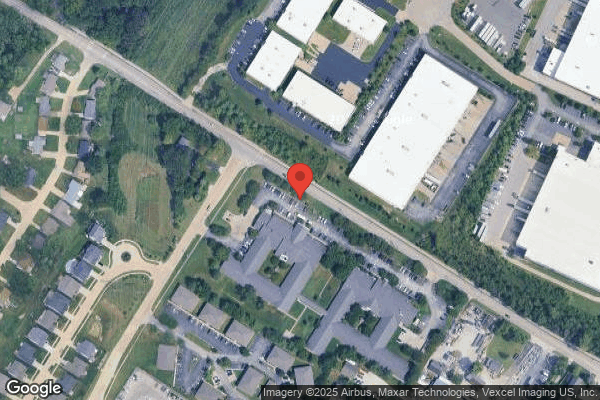
9350 GREEN PARK ROAD, SAINT LOUIS, MO 63123 (314) 845-0900
For profit - Corporation 188 Beds OPCO SKILLED MANAGEMENT Data: November 2025 5 Immediate Jeopardy citations
Trust Grade
0/100
#349 of 479 in MO
Last Inspection: February 2024

Within standard 12-15 month inspection cycle. Federal law requires annual inspections.

Overview

Bluebird Wellness and Rehabilitation has received a Trust Grade of F, indicating significant concerns and poor overall quality. It ranks #349 out of 479 facilities in Missouri, placing it in the bottom half, and #48 out of 69 in St. Louis County, meaning there are many better options nearby. Although the facility is currently improving, with issues decreasing from 41 in 2024 to 8 in 2025, there are still alarming areas of concern. Staffing is a major weakness, with a turnover rate of 71%, far exceeding the state average, and the facility has been fined $253,679, which is higher than 91% of Missouri facilities. Specific incidents include failures to complete prescribed treatments for residents, leading to serious health risks, and a lack of proper skin assessments for residents, resulting in hospitalizations for severe injuries. While the facility shows some signs of improvement, potential residents and their families should weigh these alarming issues carefully.

Trust Score
F
0/100
In Missouri
#349/479
Bottom 28%
Safety Record
High Risk
Review needed
Inspections
Getting Better
41 → 8 violations
Staff Stability
⚠ Watch
71% turnover. Very high, 23 points above average. Constant new faces learning your loved one's needs.
Penalties
○ Average
$253,679 in fines. Higher than 66% of Missouri facilities. Some compliance issues.
Skilled Nurses
⚠ Watch
Each resident gets only 9 minutes of Registered Nurse (RN) attention daily — below average for Missouri. Fewer RN minutes means fewer trained eyes watching for problems.
Violations
⚠ Watch
129 deficiencies on record. Higher than average. Multiple issues found across inspections.
★☆☆☆☆
1.0
Overall Rating
★☆☆☆☆
1.0
Staff Levels
★★★☆☆
3.0
Care Quality
★☆☆☆☆
1.0
Inspection Score
Stable
2024: 41 issues
2025: 8 issues

The Good

  • Full Sprinkler Coverage · Fire safety systems throughout facility
  • No fines on record

Facility shows strength in fire safety.

The Bad

1-Star Overall Rating

Below Missouri average (2.5)

Significant quality concerns identified by CMS

Staff Turnover: 71%

24pts above Missouri avg (46%)

Frequent staff changes - ask about care continuity

Federal Fines: $253,679

Well above median ($33,413)

Significant penalties indicating serious issues

Chain: OPCO SKILLED MANAGEMENT

Part of a multi-facility chain

Ask about local staffing decisions and management

Staff turnover is very high (71%)

23 points above Missouri average of 48%

The Ugly 129 deficiencies on record

5 life-threatening 4 actual harm
Aug 2025 5 deficiencies
CONCERN (D) 📢 Someone Reported This

A family member, employee, or ombudsman was alarmed enough to file a formal complaint

Potential for Harm - no one hurt, but risky conditions existed

Deficiency F0567 (Tag F0567)

Could have caused harm · This affected 1 resident

**NOTE- TERMS IN BRACKETS HAVE BEEN EDITED TO PROTECT CONFIDENTIALITY** Based on interview and record review, the facility failed to honor one resident's Durable Power of Attorney (DPOA, a legal docum...

Read full inspector narrative →
**NOTE- TERMS IN BRACKETS HAVE BEEN EDITED TO PROTECT CONFIDENTIALITY** Based on interview and record review, the facility failed to honor one resident's Durable Power of Attorney (DPOA, a legal document that allows a person to appoint another person to manage their financial and/or healthcare matters) to act on their behalf on financial matters (Resident #174). The facility failed get signed authorization from the resident's DPOA to open a resident trust account and to have his/her Social Security directly deposited into the resident trust account. In addition, the facility failed to notify the resident and his/her DPOA of a debited care cost at the time the resident was discharged from the facility. The census was 165. Review of Resident #174's face sheet, showed:-admitted on [DATE];-discharged on 7/11/25. Review of the resident's medical record, showed:-A Durable Power of Attorney (DPOA, a legal document that allows someone to appoint another person to act on their behalf in financial and/or medical matters), signed on 4/22/23, showed:-The DPOA was designated to act as initialed below, in the resident's name and for the resident's benefit, benefit, hereby revoking any and all financial powers of attorney resident may have executed in the past;-Resident grant attorney-in-fact the powers set forth herein immediately upon the execution of this document. These powers shall not be affected by any subsequent disability or incapacity resident may experience in the future;-Resident's attorney-in-fact shall exercise powers in the resident's best interest and for his/her welfare, as a fiduciary. His/Her attorney-in-fact shall have the following powers: -Banking: To receive and deposit funds in any financial institution, and to withdraw funds by check or otherwise to pay for goods, services, and any other personal and business expenses for resident's benefit. If necessary to effect my attorney-in-fact's powers, my attorney-in-fact is authorized to execute any document required to be signed by such banking institution. Review of the resident's Fund Authorization and Agreement, showed:-Transferring account (automatic care cost payments due to the facility) with a $50 monthly allowance;-Direct deposit: Social Security;-Signed by the resident on 8/15/24;-No signature from resident's DPOA;-No signature from witness. Review of the resident's benefit status, showed a monthly benefit in the amount of $1,512.47. Review of the resident's cash receipt report, showed:-On 3/24/24, a patient liability payment in the amount of $675.00;-On 4/1/24, a patient liability payment in the amount of $675.00;-On 5/1/24, a patient liability payment in the amount of $675.00;-On 6/26/24, a patient liability payment in the amount of $761.00. Review of the resident's progress notes, showed:-On 12/16/24, sent Social Security letter of income to County O for budget review;-On 12/19/24, resident does get his/her money when he/she asks for it. He/She has not been in lately to ask so I will also remind him/her that he/she can come in anytime and get money if his/her account shows it available. The invoices are old invoices from the facility. His/Her money comes into Resident Fund Management Service (RFMS) and the invoice gets care costed. I am also currently working with Medicaid to get his/her surplus adjusted because they have him/her paying more then he/she actually receives. I have sent Medicaid an email with supporting documentation;-On 5/1/25, sent another email to County O asking if they can tell me where resident's pension is coming from;-On 5/6/25, pension is coming from Company P. That is the only information we have;-On 6/3/25, resident tried calling Company P and unfortunately, they are not able to give him/her any info as resident could not remember any info about where/or which company the pension is coming from. They did give a fax number and also an email address to send request to;-On 6/25/25, call placed to resident's DPOA. He/She stated that he/she has all the paperwork from Company P for the pension. He/She stated he/she has concerns about the things that go on around at the facility. He/She asked that we hold a care plan meeting to discuss these concerns and to also ask resident if he/she would like to go live with him/her. Social Services aware and will set this up.During an interview on 7/10/25 at 11:41 A.M., the resident's DPOA said the facility did not respect his/her Power of Attorney (POA) status. They did not notify him/her of anything or give the DPOA any information. He/She did not want the resident's money switched to the facility because the resident had dementia. The DPOA asked the Business Office Manager (BOM) who gave the BOM the authority to call Social Security and have the resident's check moved? The BOM said the resident understood the question. The BOM was the bookkeeper. The BOM started asking where the resident's pension was. During an interview on 8/7/25 at 9:30 A.M., the BOM said the facility was not the representative payee for the resident's Social Security. The resident opened a new resident trust account at a new bank. He/She enrolled in direct deposit, so the Social Security was deposited into the resident trust. The resident's DPOA was contacted but refused to answer. He/She never answered the phone and did not give the resident's full Social Security payment. The DPOA finally made credit card payments after not paying for a long time. He/She never paid full payments. The DPOA had not contacted the facility about the resident's Social Security or payments. The credit card payments were all he/she made. The DPOA said that was all the resident had and that was not true. The BOM doubted any billing was mailed to the resident's DPOA because there was no address on file. The BOM confirmed the resident signed the authorization and agreement for a resident trust account. The DPOA was not contacted. The invoices were sent off by a third party. The BOM would also call residents and/or a responsible party if there were concerns. The resident wanted his/her money to come to the facility because his/her DPOA was not giving him/her money. The resident saw everyone else get their money, so he/she asked if he/she could have money. The BOM was asked if he/she was aware the resident had a DPOA. He/She said it would not take effect until the resident's death. Review of the resident's trust statement, showed:-On 8/21/24, an open transfer;-On 10/2/24, a Social Security deposit in the amount of $2,976.00;-Monthly care costs were debited from the account from 10/2/24 through 7/11/25;-Monthly Social Security deposits were credited to the account from 10/2/24 through 7/11/25. Review of the resident's progress notes, dated 7/7/25, showed staff had a meeting with resident's DPOA and resident. The DPOA now states that he/she knows nothing about the resident's pension and has no idea where it is going. The DPOA said that he/she has lots of concerns about the facility and the way that some things are handled. He/She stated that he/she will be taking the resident home with him/her on Friday, 7/11/25. He/She states that he/she has home health (HH) set up and a room just for the resident. During an interview on 7/11/25 at 5:48 P.M., the DPOA said he/she was presented with a check for money the resident had saved. The check was only for $260.00, and should have been for $490.04. During the care meeting held on 7/7/25, he/she was informed the resident would receive $490.04. He/She saw this figure on the computer. He/She was told the money was for insurance. Review of the resident's July 2025 resident trust statement, showed:-On 7/1/25, a balance of $490.02;-On 7/11/25, $20.00 was debited from the account for personal needs. The remaining balance was $470.02;-On 7/11/25, $260.00 was debited from the account for care cost payment. The remaining balance was $210.02;-Account was closed on 7/11/25. During an interview on 8/7/25 at 9:30 A.M., the BOM confirmed the money debited from the trust account on 7/11/25 was a care cost. The resident was being discharged from the facility and the care cost was debited from the resident trust. The DPOA was not contacted or informed about the care cost. During an interview on 8/8/25 at 8:57 A.M., the Administrator said she was aware the DPOA was upset about the resident's trust. She would expect staff to know if a resident had a DPOA for financial if it had been provided. The billing statements were mailed from the corporate office. She would expect documentation if a bill was sent or if there were call attempts regarding the resident's liability. She would expect the resident and/or responsible party to be notified if funds were debited from the trust account. 256072316764101676426
CONCERN (D) 📢 Someone Reported This

A family member, employee, or ombudsman was alarmed enough to file a formal complaint

Potential for Harm - no one hurt, but risky conditions existed

PASARR Coordination (Tag F0644)

Could have caused harm · This affected 1 resident

**NOTE- TERMS IN BRACKETS HAVE BEEN EDITED TO PROTECT CONFIDENTIALITY** Based on interview and record review, the facility failed to ensure recommendations from a Level two Pre-admission Screening and...

Read full inspector narrative →
**NOTE- TERMS IN BRACKETS HAVE BEEN EDITED TO PROTECT CONFIDENTIALITY** Based on interview and record review, the facility failed to ensure recommendations from a Level two Pre-admission Screening and Resident Review (PASARR) were incorporated into the plan of care for 1 of 3 residents reviewed for PASARR (Resident #119). This failure had the potential to negatively affect the resident's mental and psychosocial well-being. The census was 165.Review of Resident #119's medical record, showed:-The resident was admitted on [DATE];-The resident resided in a Medicaid certified bed;-A PASARR Level II Evaluation, Section II, dated 6/25/25, showed diagnoses included cerebral palsy (disorder of movement, muscle tone, or posture), learning disorder, and paraplegia (paralysis of both legs);-A PASARR Level II Summary of Findings, dated 6/27/25, showed:-The PASARR Level II Evaluation indicated the following supports and services are to be provided by the facility;-Medication therapy;-Crisis intervention services;-Discharge planning;-Structured development;-Personal support network. Review of the resident's care plan in use at the time of survey, did not address the resident's PASARR Level II recommendations. During an interview on 8/7/25 at 12:56 P.M., the Social Worker Assistant in the Long-Term Care (LTC) unit said he/she was not involved in following-up with the residents' PASARRs. The Social Services Director (SSD) in the Rehab side would have the information, including for the LTC residents. During an interview on 8/7/25 at 1: 49 P.M., the SSD said he/she was not responsible for following-up the residents' PASARRs recommendations and findings. He/She just made sure they were completed and filed in the residents' record but had no part to complete them. The admission Director was responsible for completing the residents' PASARR. During an interview on 8/7/25 at 2:53 P.M., the admission Coordinator said the residents' PASARR should always be included in the residents' record during admission. If the resident triggered for Level II, their liaison was responsible for completing it. Levels I and II need to be part of the admission process. Social Services would be responsible to make sure PASARRs are complete. The Minimum Data Set (MDS) staff will do their part, then will be filed in the medical records. During an interview on 8/7/25 at 3:27 P.M., the MDS Rehab nurse said he/she completes the second half or the nursing part of the residents' PASARR. He/She verified the resident had a Level II evaluation, and the recommendations were not included in the care plan. He/She said the care plan should reflect the resident's individual care and needs. During an interview on 8/8/25 at 10:58 A.M., the Director of Nursing (DON) said she expected the resident's Level II PASARR recommendations to be incorporated into the plan of care.
CONCERN (D) 📢 Someone Reported This

A family member, employee, or ombudsman was alarmed enough to file a formal complaint

Potential for Harm - no one hurt, but risky conditions existed

Quality of Care (Tag F0684)

Could have caused harm · This affected 1 resident

Based on observation, interview, and record review, the facility failed to provide treatment and care in accordance with acceptable standards of practice, for one resident who had a fall. Staff failed...

Read full inspector narrative →
Based on observation, interview, and record review, the facility failed to provide treatment and care in accordance with acceptable standards of practice, for one resident who had a fall. Staff failed to follow their fall policy and failed to document the circumstances of the fall, assessment of the resident, and/or complete neurological checks on the shift that the fall occurred. In addition, the staff present at the time of the fall failed to report the fall to the physician or the oncoming shift. During the next shift, approximately 8 hours after the fall, the resident was found with significant facial bruising of unknown origin that was only determined to be a fall after interview with the resident and the resident's roommate (Resident #22). The census was 165. The sample was 33. Review of the facility's undated Fall Management Program policy, showed:-Purpose: To prevent resident falls and minimize complications associated with falls through the development of a fall management program;-The facility will provide the highest quality care in the safety environment for the residents residing in the facility. The facility has developed a fall management program that strives to prevent resident halls through meaningful assessments, interventions, education, and reevaluation;-Post-fall: -Following a resident's fall, the licensed nurse will complete an incident report and a post-fall assessment and investigation within 24 hours or as soon as practicable. Review of the facility's Fall Evaluation and Prevention policy, dated 8/2020, showed:-Purpose: To ensure that the resident's environment remains as free of accident hazards as is possible, and that each resident receives adequate supervision and assistance to prevent accidents;-Following a fall, the following steps should be undertaken: -Evaluate the resident promptly in order to identify and treat injuries. The resident should not be moved until the licensed nurse has evaluated their condition, unless absolutely necessary. The evaluation should include vital signs and neurological status; -If there was a loss of conscious or the fall was unwitnessed, neurological signs should be initiated and checked for at least 72 hours (refer to the procedure on neurological checks); -Following the resident's evaluation, transfer the resident to the appropriate surface and evaluate further if indicated. Monitor closely for indications of pain or discomfort in any area, reddened or discolored areas, or other signs of an injury; -Ask the resident what happened prior to the fall or what may have caused the fall. Root cause analysis; -Complete the accident/incident report and notify the physician and responsible party. Document the physician orders and/or response from the physician and responsible party; -If the fall was un-witnessed, initiate the investigation including witness statement from staff and residents. Try to determine who was the last person to see the resident prior to the fall and the resident's condition at that time. Review of the facility's Neurological Assessment policy, dated 2, 2019, showed:-Purpose: To provide guidelines for the performance of neurological assessment on residents;-Nursing staff will perform a neurological assessment in the following circumstances: Following an unwitnessed fall;-Neurological checks will be performed as follows or otherwise as ordered by the attending physician: every 30 minutes x4, then every hour x4, then every 4 hours x4, then every shift for a combined total of 72 hours;-The following information will be documented in the resident's medical record: -The date and time the procedure was performed; -The name and title of the individual(s) who performed the procedures; -All assessment data obtained during the procedure, including: Eye opening, verbal response, motor response, pupillary response, limb response. Review of Resident #22's admission Minimum Data Set (MDS, a federally mandated assessment instrument completed by facility staff), dated 5/26/25, showed:-Resident is rarely/never understood;-Roll left and right, sit to lying, lying to sitting, sit to stand: Substantial/maximal assistance;-Chair/bed-to-chair transfer: Dependent;-Unable to determine fall history. Review of the resident's medical record, showed diagnoses included generalized weakness, repeated falls, abnormalities of gait and mobility, and dementia. Review of the resident's care plan, in use at the time of the investigation, showed:-Focus: At risk for falls related to confusion, incontinence, poor communication/comprehension, repeated fall history;-Goal: Not sustain serious injury;-Interventions included: Educate the resident/family/caregivers about safety reminders and what to do if a fall occurs. Review of the resident's medical record, showed a progress note dated 8/5/25 at 8:30 A.M., certified nursing assistant (CNA)reported to this nurse that the resident has some bruising noted to the face. Upon assessment, noted resident's face to have a purple bruising. No distress noted. Sitting in a wheelchair at the dining room table eating with assist of one staff member. The physician was notified. New order received for a full facial x-ray. Administrator and the DON made aware. Call placed to the x-ray company. Statements from staff collected at this time regarding this incident. Observation on 8/5/25 at 9:41 A.M., showed the resident in bed on his/her right side. The bed in the low position. Visible bruising to his/her forehead and over both eyes. The bruising extended up to his/her hair line and down below his/her eyes to his/her cheek bones, on both sides of his/her face. The bruising was dark blackish blue in color. There was a slightly elevated lump on the right side of the resident's forehead. The resident appeared to be awake but did not open his/her eyes to verbal stimulation. His/Her eyelids appeared swollen. During an interview on 8/5/25 at 9:42 A.M., Licensed Practical Nurse (LPN) C said the aide noticed today that the resident's face was bruised. He/She was the resident's nurse yesterday and the resident's face was not bruised at that time. He/She first noticed it today. The night shift nurse did not report any fall to him/her at shift change. During an interview on 8/5/25 at 9:44 A.M., CNA D said the last time he/she took care of the resident was a long time ago, so he/she cannot speak as to when the bruising occurred, but he/she is the one who noticed it this morning and reported it to the nurse. He/She is not the resident's CNA, he/she only passed the breakfast tray and saw it. The resident does not speak English and night shift did not say anything about it to his/her knowledge. The resident would not be able to get him/herself up on his/her own if he/she were to fall. During an interview on 8/5/25 at 9:47 A.M., CNA E said he/she was off yesterday. He/She did work over the weekend but did not have the resident's assignment. He/She did not notice any bruising over the weekend, but the bruising is really bad, and he/she thinks that he/she would have noticed it if it had been there at that time. It is very noticeable. During an interview on 8/5/25 at 11:10 A.M., Assistant Director of Nursing (ADON) F said he/she was here yesterday and cannot say that he/she saw the resident. He/She did not work over the weekend. If the resident had a fall, he/she does not believe the resident could get him/herself back into bed on his/her own. Someone would have to help him/her up. The resident could not say what happened. He/She has no idea how the bruising happened. During an interview on 8/5/25 at 11:13 A.M., Certified Medication Technician (CMT) G said he/she speaks Bosnian and the resident speaks Polish. They are not the same language, but many words are similar, so he/she can communicate with the resident and can understand a lot of what he/she said. He/She talked to the resident today when he/she put him/her in bed this morning after breakfast. Yesterday, there was no bruising. This morning when he/she started to pass medications, he/she saw the resident's face and it looked horrible. The resident was more confused this morning as well. He/She asked the resident what happened, and he/she said he/she fell. At first, the resident said he/she fell from the chair and then he/she said from bed, so it is unclear exactly what happened. The resident pointed to his/her head and said pain. CMT G used a translator application on his/her phone to help better communicate with the resident and asked the resident how he/she fell, and he/she said he/she could not remember. He/She nodded when asked if he/she fell from the bed and said it was yesterday evening. The resident would not be able to get him/herself up on his/her own if he/she fell, so he/she is not sure if someone helped him/her up. If staff were to find a resident on the ground, staff are to find the charge nurse. He/She was shocked to see the resident's face and noticed the right side of the head had a bump on it. During an interview on 8/5/25 at 11:21 A.M., the resident's CNA, CNA H said he/she worked yesterday but the resident was not on his/her assignment. He/She did not remember seeing the resident the day prior so he/she cannot say if there was bruising at that time. No staff reported the resident had a fall, so he/she is not aware what happened. During an interview on 8/5/25 at 12:27 P.M., the resident's roommate said last night he/she was sleeping, and he/she woke up to go to the bathroom. The curtain was pulled between the two beds. The bathroom is on Resident #22's side of the room. When he/she went to the door of the bathroom, he/she looked over and saw Resident #22 was on the floor, on his/her side, and wrapped in his/her blanket. The pillow had fallen off the bed too and Resident #22 was laying there awake. He/She asked Resident #22 what happened and turned the call light on to get staff. Staff came in and soon there were 3 or 4 staff in the room. Staff got the resident off the floor and into bed. He/She cannot remember any of the staff names. He/She knows exactly what time it was because he/she looked. It was 12:30 A.M. Resident #22's bed was low when he/she fell. During an interview on 8/5/25 at 3:06 P.M., CMT I said he/she worked the evening shift on 8/4/25 and the resident did not have any falls on his/her shift. He/She arrived at work yesterday and gave the resident his/her medication around 4:30 P.M. At that time, there was no bruising. Review of the resident's medical record, showed: -A progress note dated 8/5/25 at 10:04 A.M., noted resident with facial bruising. No complaints of pain or discomfort. The resident reported that he/she had fallen out of his/her wheelchair. He/She was asked how he/she got to the floor, he/she said I forgot, I'm cuckoo;-A facial x-ray, dated 8/5/25 at 11:30 A.M., showed no fracture seen;-No documentation of the fall, a resident assessment, vital signs, neurological checks, or physician/family notification at or around 12:30 A.M. on 8/5/25. During an interview on 8/6/25 at 9:08 A.M., the Director of Nursing (DON) said the facility concluded their investigation into the bruising and was not able to determine which staff placed the resident back in bed after the fall. At 9:45 A.M., the DON said there is no documentation of the fall completed at the time of the fall, no assessment, and no neurological checks documented on night shift. According to the staff interviewed as part of the investigation, the resident was just put back to bed with no assessment. She is not sure if the doctor was notified prior to the morning shift when staff noticed the bruising. The resident should have been assessed at the time of the fall, neurological checks completed, and physician notified. Neurological checks were started in the morning; at the time the injuries were first noted by day shift. During an interview on 8/6/25 at 11:35 A.M., the Medical Director, who is also the resident's physician, said the facility notified him of the resident's facial bruising due to a fall. He ordered an x-ray. He received lots of calls and cannot recall if the facility called on Monday night or Tuesday morning, but they did notify him of the resident's fall. Staff is expected to follow their policies regarding falls and neurological checks. Observation of the resident on 8/6/25 at 2:41 P.M., showed the resident sat in a wheelchair near the North Hall nurse's station. The bruising extended down the right side of the resident's face, down to his/her neck, and to his/her collar bone. Bruising visible over the lower left outer arm. The resident's right eye appeared swollen, and the eye appeared to be squinting. The resident's entire forehead, both eyes, the right side of the face and cheek, and right side of the neck appeared black and blue. The resident's left eye was blood shot. 1676424
CONCERN (D) 📢 Someone Reported This

A family member, employee, or ombudsman was alarmed enough to file a formal complaint

Potential for Harm - no one hurt, but risky conditions existed

Deficiency F0698 (Tag F0698)

Could have caused harm · This affected 1 resident

Based on observation, interview and record review, the facility failed to follow their policy for dialysis (a procedure that cleanses the blood of its impurities) when staff failed to document pre/pos...

Read full inspector narrative →
Based on observation, interview and record review, the facility failed to follow their policy for dialysis (a procedure that cleanses the blood of its impurities) when staff failed to document pre/post dialysis assessments. The facility identified five residents who received dialysis services. Two residents were sampled, and issues was found with one (Resident #150). The sample was 33. The census was 165. Review of the facility's Dialysis Care Policy, revised 6/20, showed:-Policy: the facility will be responsible for the overall care delivered to the resident, monitoring of the resident prior to and after the completion of each dialysis treatment, and providing for all non-­ dialysis needs of the resident including during the time period when the resident is receiving dialysis;-Arteriovenous (AV) Shunt/Fistula (surgically created by connecting an artery and vein to provide a stable access point for dialysis), inspect shunt site area for color, warmth, redness, tenderness, pain, edema, drainage, and bruit (a pulsation felt of blood flow anastomosis (connection made surgically between adjacent blood vessels) once per shift;-To check for a bruit place fingertip slightly over the vein and feel for the thrill. Place the stethoscope over the vein and listen for the buzz or bruit. Document the findings in the medical record;-All documentation concerning dialysis services and care of the dialysis resident will be maintained in the resident's medical record. Review of Resident #150's admission Minimum Data Set (MDS), a federally mandated assessment instrument completed by facility staff, dated 6/20/25, showed:-Severe cognitive impairment;-No behaviors or rejection of care;-Diagnoses included end stage renal disease (ESRD, chronic irreversible kidney failure);-Dialysis while a resident was not checked. Review of the care plan, in use at the time of survey, showed:-Focus: resident needs dialysis (hemodialysis, a medical procedure used to remove waste products and excess fluid from the blood when the kidneys are unable to perform this function adequately) related to renal failure;-Goal: will have no signs and symptoms of complications from dialysis through the review date;-Interventions: monitor/document/report to MD as needed any signs and symptoms of infection to access site: redness, swelling, warmth or drainage;-Monitor/document/report to MD as needed for signs and symptoms of renal insufficiency: changes in level of consciousness, changes in skin turgor, oral mucosa, changes in heart and lung sounds;-Obtain vital signs and weight per protocol. Report significant changes in pulse, respirations and blood pressure immediately;-The care plan failed to show the location of the access site and failed to show staff should document the bruit and thrill once per shift. Review of the physician order sheet, in use at the time of survey, showed:-A physician order for pre-dialysis assessment to be completed and sent with patient to dialysis every Tuesday, Thursday and Saturday,-A physician order for dialysis every Tuesday, Thursday, Saturday. Review of the Treatment Administration Record, dated 7/1/25 through 7/31/25, showed:-A physician order for pre-dialysis assessment to be completed and sent with patient to dialysis every Tuesday, Thursday and Saturday; -Documentation showed 7/8 and 7/19 were blank;-No documentation the access site was assessed for color, warmth, redness, tenderness, pain, edema, drainage and bruit once per shift. Review of the Dialysis Communication Forms, dated 7/1 through 8/7/25, showed:-12 forms were provided;-Two out of 12 nursing facility pre-dialysis documentation for thrill and bruit, dressing clean, dry, intact were blank;-Eight out of 12 nursing facility post-dialysis documentation, most recent temperature, pulse, respiration, blood pressure, oxygen saturation, location of access site, thrill and bruit, dressing clean, dry and intact, any new orders and assessment were blank;-Two out of four remaining nursing facility post-dialysis documentation, location of access site, thrill and bruit, dressing clean, dry and intact, any new orders and assessment were blank. Review of the progress notes, showed:-On 7/31/25, pre-dialysis assessment completed and sent with resident, bruit and thrill present, dressing remains clean and intact to right forearm, vital signs within normal limits (VSWNL); returned form dialysis, resident noted congestion with cough. MD made aware and stat chest x-ray ordered; -On 8/2/25, returned from dialysis, dialysis access site remains intact;-No other documentation the access site was assessed for color, warmth, redness, tenderness, pain, edema, drainage and bruit once per shift. During an interview on 8/8/25 at 7:45 A.M., Assistant Director of Nursing (ADON) L said the facility completed a pre and post dialysis assessment. The pre assessment would include the vital signs, weight, if the resident had pain, if they have eaten, any medications given and their Covid status. The post assessment would include vital signs and how the resident was feeling after dialysis. The assessment should be documented on the dialysis communication sheet or in the computer. During an interview on 8/8/25 at 11:00 A.M., the Director of Nursing (DON) said the physician's order should include the dialysis access site location. The bruit and thrill should be documented on the Nurse Administration Record (NAR). She expected the dialysis pre/post assessments to be completed.
CONCERN (E) 📢 Someone Reported This

A family member, employee, or ombudsman was alarmed enough to file a formal complaint

Potential for Harm - no one hurt, but risky conditions existed

Accident Prevention (Tag F0689)

Could have caused harm · This affected multiple residents

**NOTE- TERMS IN BRACKETS HAVE BEEN EDITED TO PROTECT CONFIDENTIALITY** Based on observation, interview, and record review, the facility failed to ensure resident's were free from accident hazards dur...

Read full inspector narrative →
**NOTE- TERMS IN BRACKETS HAVE BEEN EDITED TO PROTECT CONFIDENTIALITY** Based on observation, interview, and record review, the facility failed to ensure resident's were free from accident hazards during resident smoking and in the smoking areas. The smoking area showed evidence of unsafe smoking practices such as trash in the ash bins and cigarette butts on the ground. Residents who smoke were not accurately and completely assessed for their ability to smoke safely. In addition, the facility did not follow their smoking policy as it relates to assessment, supervision, and securing smoking materials for three of four residents investigated for safe smoking practices (Residents #94, #4, and #16). The census was 165. The sample was 33. Review of the facility's Smoking by Residents policy, dated 6, 2020, showed:-To respect resident choices to smoke and to maintain a safe healthy environment for both smokers and non-smokers;-The facility permits smoking only in area(s) designated by the facility's safety committee;-The facility discourages smoking by residents and ensures that those residents who choose to smoke do so safely;-Residents who want to smoke will be assessed for their ability to smoke safely prior to being allowed to smoke in these areas;-Residents who are not able to smoke safely will be accompanied by facility staff while smoking;-Smokers shall be identified at the time of admission;-A licensed nurse will complete a safe smoking assessment for residents who wish to smoke. The assessment will be completed in the electronic medical record system;-The interdisciplinary team shall create a smoking care plan for the resident;-All smoking materials will be stored in a secure area to ensure they are kept staff;-All smoking sessions will be supervised by facility staff members;-Cigarette butts are disposed of only in provided receptacles. 1. Observation on 8/5/25 at 9:23 A.M., of the smoking area on the Long-Term Care (LTC) side of the facility, showed a sign on the door that no oxygen is allowed in the smoking area. There are two separate areas, a covered and screened-in porch and an open-air area. A sign posted near the entrance to the smoking area read: LTC and rehab smoke times 8a, 10a, 2p, 4p, and 8p. [NAME] Zone designated smoke area. Observation of the open-air area of the smoking area showed two self-closing red ash bins stuck in the open position. One with two packs of cigarettes and one with one cigarette pack in it. Cigarette butts also in the ash bins along with the trash. Multiple cigarette butts scattered around the grounds, in the grass, on the mulched areas, and on the concrete walkways. On the ground near the building, there are approximately 2-4 cigarette butts per square foot of Random cigarette butts on the concrete. Two residents smoke in the screened-in area of the smoke area. There was a door from the outside to the screened-in area. No staff present. At 9:37 A.M., a resident walked out to the outdoors smoking area with a cigarette that hung out of his/her mouth. He/She sat down and lit the cigarette. 2. Review of Resident #94's medical record, showed:-Diagnoses included chronic obstructive pulmonary disease (COPD, lung disease);-A Safe Smoking Evaluation, dated 5/23/25: Does the resident smoke: No. Review of the resident's care plan, in use at the time of the investigation, showed:-Focus: The resident smokes. Has been advised of the facility smoking policy. The resident requires supervision with smoking;-Goal: The resident will be compliant with the facility smoking policy;-Interventions included: Observe the resident during smoking for unsafe smoking. Reassess the resident's smoking ability quarterly and after reports of unsafe practices. Remind the resident and family that all cigarettes, lights, matches, and smoking paraphernalia must be kept at the nurse's station. During an interview on 8/4/25 at 9:42 A.M., the resident said when he/she smokes, he/she can go by him/herself. There are other residents who require staff assistance. He/She can go out whenever he/she wants. He/She is able to keep his/her own smoking supplies, lighters, and cigarettes. Observation on 8/5/25 at 8:09 A.M., showed the resident in his/her scooter, propelled away from the smoking area and said he/she just got done smoking. At 11:42 A.M., the resident propelled him/herself outside to the smoking area in his/his scooter. He/She grabbed cigarettes and a lighter out of his/her pocket and began to smoke with no staff present. 3. Review of Resident #4's medical record, showed:-Diagnoses included complete paraplegia (paralysis of both legs), COPD, and asthma;-A Safe Smoking Evaluation, dated 6/6/25: Does the resident smoke: No. During an interview on 8/4/25 at 9:40 A.M., the resident said he/she smokes. He/She prefers to go every two hours, he/she keeps his/her own cigarettes and lighter. He/She did not require staff assistance compared to the other residents. Observation on 8/6/25 at 12:15 P.M., showed the resident in his/her motorized chair, propelled to the smoking area. The resident was upset because he/she was instructed to come back inside because his/her chair tilted all the way back in a supine position and was unable to return to a sitting position. The staff assisted the resident back in the room to have the chair fixed. The resident said he/she just needed to smoke. During an interview on 8/7/25 at 12:56 P.M., the Social Worker Assistant said the admitting nurse was responsible for the initial smoking assessment. The social services will follow-up and make sure the assessments were completed correctly and timely. He/She said Resident #4 was a smoker but was not observed to have his/her smoking materials in the room. All the residents' smoking materials were kept in the nurses' stations. The resident was admitted prior to his/her employment and was not aware of the inaccurate initial assessment. 4. Review of Resident #16's medical record, showed:-Cognitively intact;-Diagnoses included: end stage renal failure (a condition where the kidneys lose their ability to adequately filter waste and excess fluids from the blood, and maintain proper chemical balance), anxiety, and depression;-A Safe Smoking Eval, dated 5/6/25, showed, does the resident smoke: no. Review of the care plan, in use at the time of survey, showed:-Focus: Resident smokes. They have been advised of the facility smoking policy. The resident requires supervision with smoking. Date Initiated: 12/11/2024;-Goal: will be compliant with facility smoking policy through review date;-Interventions: observe resident during smoking for unsafe smoking (dropping cigarette, hold to close to body, etc.) and report to nurse; offer and encourage use of safety devices (smoking apron, holder) when smoking; provide assistance as needed to assist resident to and from smoking area; reassess resident smoking ability quarterly and reports of unsafe practice. During an observation and interview on 8/5/25 at 1:45 P.M., showed the resident lay in bed and watched TV. The resident said he/she was a smoker. On 8/6/25 at 6:00 P.M., the resident sat in his/her wheelchair propelled him/herself in the hall and said he/she was going outside to smoke. On 8/7/25 at approximately 10:49 A.M., the resident sat outside in the smoking area with a cigarette in his/her right hand. Review of the safe smoking evaluation provided by facility on 8/7/25 showed a smoking assessment dated [DATE], showed:-Does the resident smoke: Yes;-Summary: This resident is safe to smoke with minimal supervision. During an interview on 8/8/25 at 7:45 A.M., Assistant Director of Nursing (ADON) L said the hospitality aide takes the residents outside to smoke. Smoking assessments are completed every quarter or if the residents' condition changed. The smoking assessment and the care plan should match. ADON L said she did not have a list of residents who smoked, and she has not seen the resident smoke. 5. During an interview on 8/7/25 at 8:26 A.M., the Director of Nursing (DON) said if the smoking assessment says no, that means they do not smoke. Smoking assessments should be accurate. She was not sure who is responsible to complete the smoking assessments. Smoking assessments should be done on admission and quarterly. She believes maintenance staff are responsible for maintaining the smoking area. There should be no trash in the ash cans. Cigarettes should be in ash cans and not on the ground. If staff notice this is an issue this should be reported so it can be addressed. Residents assessed safe to smoke independently should be occasional observed to ensure they are properly disposing of their cigarettes and to ensure they are following safe smoking practices. If staff notice cigarette butts scattered on the grounds, this should prompt staff to evaluate who is not properly disposing their cigarette butts.
Mar 2025 3 deficiencies
CONCERN (D) 📢 Someone Reported This

A family member, employee, or ombudsman was alarmed enough to file a formal complaint

Potential for Harm - no one hurt, but risky conditions existed

Deficiency F0658 (Tag F0658)

Could have caused harm · This affected 1 resident

Based on observation, interview and record review, the facility failed to provide services per acceptable standards of practice for one resident (Resident #8) when a Certified Medication Technician (C...

Read full inspector narrative →
Based on observation, interview and record review, the facility failed to provide services per acceptable standards of practice for one resident (Resident #8) when a Certified Medication Technician (CMT) administered a medication without a physician's order. The sample size was 8. The census was 174. Review of the facility's Medication Administration policy, undated, showed: -Purpose: To provide practice standards for safe administration of medications for residents in the facility; -Policy: Medication will be administered by a licensed nurse per the order of the attending physician or licensed independent practitioner, or as consistent with state law; -Procedure: Compare the licensed practitioner's prescription/order with the medication administration record (MAR); -Compare the licensed practitioner's order with the pharmacy label on the medication package; -Compare the pharmacy label and MAR; -The licensed nurse will chart the drug, time administered, and initial his/her name with each medication administration and sign full name and title on each page of the MAR; -PRN (As needed) medication documentation: When a PRN medication is given, it will be documented on the medication administration record. The nurse will document the date, time, and reason for giving the medication; -The result or effectiveness of the PRN medication will be charted by the responsible nurse on the back of the MAR or in the nursing notes. Review of Resident #8's medical record, showed: -An admission date of 3/21/25; -Diagnoses included benign neoplasm (non-cancerous mass) of colon, diabetes, depression, and left foot abscess During an interview on 3/26/25 at 11:45 A.M., the resident said he/she had been at the facility since Friday 3/21/25. Since he/she has been at the facility he/she has had bad diarrhea to the point that he/she cannot always make it to the bathroom and had to change his/her clothes. He/She thinks it is related to the intravenous (IV) antibiotic he/she is administered for his/her foot wound. He/She received Imodium (medication used to treat diarrhea) this morning. The CMT told him/her that he/she must ask for it but that he/she can have it twice a day. Once in the morning and once at night. Review of the resident's electronic physician order sheet (ePOS), showed no order for Imodium. Review of the resident's March 2025 MAR, showed no order and no documentation of Imodium administered to the resident. During an interview on 3/26/25 at 2:00 P.M., CMT H said he/she gave the resident Imodium this morning because the resident reported he/she was having bad diarrhea. He/She told the resident that the resident could have one in the morning and one in the evening but the resident needed to ask for it. CMT H was asked about the resident having an order for Imodium. CMT H said everyone has a standing order for Imodium right now and pulled up the resident's electronic MAR. CMT H then said, the resident does not have an order for Imodium. CMT H said he/she informed the nurse this morning and the nurse was supposed to call the physician and put the order in the electronic ePOS. Observation at this time showed the CMT entered the medication room. During an observation and interview on 3/26/25 at 2:10 P.M., CMT H and Registered Nurse (RN) B exited the medication room. RN B said the CMT did not inform him/her about the Imodium this morning. The CMT actually just informed RN B. RN B told the CMT he/she would call the physician and get an order. RN B said he/she expected CMT H to tell the nurse before CMT H gave the medication and not to give a resident mediation if there is no order for it. During an interview on 3/26/25 at 2:15 P.M. the Director of Nursing (DON) said she expected the CMT to notify the nurse before administering medication. Medication should not be given without a physician order, even stock medication like Tylenol or Imodium. The nurse should have been notified immediately and the physician should have been called. MO00251254
CONCERN (D) 📢 Someone Reported This

A family member, employee, or ombudsman was alarmed enough to file a formal complaint

Potential for Harm - no one hurt, but risky conditions existed

Laboratory Services (Tag F0770)

Could have caused harm · This affected 1 resident

Based on interview and record review, the facility failed to provide or obtain laboratory services to meet the needs of residents for one of eight sampled residents (Resident #2). The census was 174. ...

Read full inspector narrative →
Based on interview and record review, the facility failed to provide or obtain laboratory services to meet the needs of residents for one of eight sampled residents (Resident #2). The census was 174. Review of the facility's Refusal of Treatment policy, revised 8/2020, showed: -Purpose: To ensure that residents are able to exercise their right to refuse treatment; -Policy: Facility will honor a resident's request not to receive medical treatment as prescribed by his/her attending physician, as well as care services outlined on the resident's assessment and care plan. treatment is defined as care provided for purposes of maintaining/restoring health, improving functional level, or relieving symptoms; -Procedure: The resident is not forced to accept any medical treatment and may refuse or request to discontinue of a specific treatment even though it is prescribed by his/her attending physician. When a resident refuses or discontinues treatment, the charge nurse or Director of Nursing (DON) interviews the resident to determine what and why the resident is refusing or discontinuing treatment. The charge nurse or DON will attempt to address the resident's concerns and explain the consequences of the refusal or discontinuance of treatment; -The charge nurse or DON will document information relating to the refusal/discontinuance in the resident's medical record. Documentation will include at least the following: --The date and time nursing staff tried to give a medication or treatment was attempted; --The medication or treatment refused/discontinued; --The resident's response and reason(s) for refusal/discontinuance; --The name of the person attempting to administer the treatment; --That the resident was informed (to the extent of their ability to understand) of the purpose of the treatment and the consequences of not receiving the medication/or treatment; --The resident's condition and any adverse effects due to such refusal/discontinuance; --The date and time the Attending Physician was notified and his or her response; --Other pertinent observations; and --The signature and title of the charge nurse or DON documenting the refusal/discontinuance; -The Attending Physician will be notified of refusal or discontinuance of treatment in time frame determined by the resident's condition and potential serious consequences of the refusal or discontinuance; -The interdisciplinary team (IDT) will assess the resident's needs and offer the resident alternative treatments if available while continuing to provide other services in the care plan. -When the resident's refusal or discontinuance brings about a significant change in the resident's condition, a reassessment is made, and new information is incorporated into the resident's care plan. Review of Resident #2's medical record, showed diagnoses included diabetes, stroke, acid reflux, and major depressive disorder. Review of the resident's medical record, showed an after-visit summary dated 12/30/24 at 9:30 A.M., labs ordered calprotectin, fecal (measures the amount of calprotectin, a protein, in a stool sample) and elastase, pancreatic, fecal (stool test that measures the amount of elastase, an enzyme produced by the pancreas, in the stool). Next appointment 3/18/25 at 9:30 A.M. Review of the resident's Medication Administration Record (MAR)/Treatment Administration Record (TAR), showed: -An order, dated 12/30/24, for elastase pancreatic fecal to be done at an outside lab; -No order for the calprotectin fecal test noted in the MAR/TAR. Review of the resident's medical record, showed: -A progress note (late entry), dated 12/30/24 at 3:20 P.M. and entered on 2/14/25 at 4:22 P.M., Resident receives orders to have labs done at an outside lab; -An electronic MAR note (late entry), dated 12/30/24 at 3:20 P.M. but entered on 2/14/25, at 4:22 P.M., resident received orders to have labs done at an outside laboratory; -A progress note, dated 2/12/25 at 11:29 A.M., the resident representative calls this nurse today with questions regarding resident's medications and labs which were ordered to be done on 12/30/24. This nurse emailed medication list to resident representative and notified him/her that resident did make this nurse aware that he/she had gone out to an outside lab already and had labs done. Representative asks that follow up be done with the lab to ensure labs were done. Representative also asked about a diagnosis list on resident's chart for stage 3 kidney disease and states that he/she was not aware of that diagnosis. Physician ordered complete blood count (CBC, common blood test that measures various components of the blood) and comprehensive metabolic panel (CMP, blood test that measures various substances in the body to assess overall metabolic health and organ function) which were entered into lab orders to be done tomorrow. -A progress note, dated 2/18/25 at 7:56 A.M., call received from resident representative. Resident had labs done at an outside lab company, but results were inconclusive and must be done over. This nurse tries to encourage resident to allow for the facility lab company to complete lab testing at this time; -A progress note, dated 2/18/25 at 9:02 A.M., resident has refused to give stool specimen for ordered test; -A progress note dated 2/18/25 at 9:03 A.M., Resident refuses to give stool specimen for ordered test. Physician/Resident representative notified at this time; -A progress note, dated 2/24/25 at 3:55 P.M., Lab results received and reported to physician. No new orders at this time. -A progress note, dated 2/25/25 at 4:47 P.M., Resident states he/she would like to go to an outside lab to have his/her lab done that was prescribed by physician at specialist clinic on 12/30. This nurse schedules appointment with the outside lab. Transportation request filled out and turned into BB Transportation. Copy placed in yellow transportation binder at nurse's station. -A progress note, dated 2/27/25 at 4:21 P.M., labs reported to physician with no new orders at this time; -A progress note (late entry), dated 3/3/25 at 9:46 A.M., Resident refused to go to appointment at the outside lab; -A progress note, dated 3/7/25 at 8:46 A.M., Resident noted to have increased aggression. Resident forcefully opens Assistant Director of Nursing (ADON) door and demands paperwork. This nurse lets the resident know that he will receive any requested paperwork after 10 A.M Resident then refuses to close the door and elevates his voice to yelling, demanding that his needs be tended to now. This nurse redirects resident and floor nurse also redirects resident to his/her room, assuring him/her that he/she will receive any paperwork requested. -No progress note dated 3/18/25 related to the missed appointment, reason the appointment was refused, education to the resident or documentation of risk of missing appointment; -A progress note, dated 3/24/25 at 5:06 P.M., Resident has an appointment scheduled for the outside lab on 3/28/25 at 10:30 A.M. Transportation sheet filled out and turned into transportation and copy placed in yellow transportation binder at nurses station; -A progress note, dated 3/24/25 at 5:07 P.M., this is an appointment to go and have stool sample collected for labs ordered on 12/30 at physician clinic. Review of the resident's care plan, dated 3/18/25, showed: -Focus: Resident is non-compliant with getting labs done. The resident makes appointments and does not go. Refuses and reschedules; -Goal: Resident needs will be met during the next 90 days; -Interventions/Tasks: Notify family and physician of behavior/refusal of care. During an interview on 3/26/25 at 9:40 A.M., the resident said the facility will not take him/her to get their physician ordered laboratory test done. The resident has tried to talk to the Social Worker (SW). He/She went to the doctor in December and laboratory tests were ordered to be completed. The resident is worried about his/her diarrhea because he/she has now had the diarrhea for nine months. He/She has tried medications for the diarrhea, but they do not do any good. The transportation is not consistent, and they will just cancel last minute which is hard because some appointments are hard to reschedule. There was an appointment last week that he/she missed. The resident thinks there was some kind of meeting with the manager and SW that may be happening soon but not sure when that will take place. He/She just wants to get the laboratory test done. During an interview on 3/26/25 at 12:25 P.M., the SW said the facility has scheduled and he/she refuses. The resident gives different reasons, sometimes he/she says it is because he/she does not feel like going. Staff have tried to use the facility lab company, but the resident only wants it done at his/her preferred laboratory. Staff are trying to accommodate the resident, and he/she keeps rescheduling. The facility is planning to have an IDT/Care Plan Meeting with the resident. During an interview on 3/26/25 at 1:36 P.M., the DON said she will have to check to see if physician was called on the appointment the resident missed on 3/18/25. She is not sure why the resident missed the appointment. During an interview on 3/26/25 at 1:45 P.M., the medical assistant at the physician office said the resident was a no-show to the clinic appointment scheduled for 3/18/25. The facility or the resident had not called prior to the appointment to cancel and have not called since the missed appointment to reschedule. The office staff is not aware of the facility calling the provider regarding the missed laboratory appointments. The resident was last seen in clinic on 12/30/24. There was a sample dropped off at the lab sometime after that. The sample was not labeled so it was placed in storage. Once they realized that was the sample, the sample was no longer any good. The medical assistant put in a new order for the laboratory tests on 3/6/25 and talked to the resident about the appropriate label. The medical assistant is not sure when the first test was done, it was just dropped off with no label. The medical assistant was not working with the provider at that time so does not know exact date. During an interview on 3/26/25 at 2:15 P.M., the DON said there should have been documentation that the resident did not go to his/her appointment, and she is not sure why he/she did not go. The resident does have an appointment to complete the laboratory test on Friday. MO00250942
CONCERN (D) 📢 Someone Reported This

A family member, employee, or ombudsman was alarmed enough to file a formal complaint

Potential for Harm - no one hurt, but risky conditions existed

Infection Control (Tag F0880)

Could have caused harm · This affected 1 resident

Based on observation, interview and record review, the facility failed to ensure staff used acceptable infection control procedures during blood sugar testing and insulin administration for one sample...

Read full inspector narrative →
Based on observation, interview and record review, the facility failed to ensure staff used acceptable infection control procedures during blood sugar testing and insulin administration for one sampled resident (Residents #5). The census was 174. Review of the facility's Handwashing/Hand Hygiene policy, revised August 2019, showed: -Policy Statement: This facility considers hand hygiene the primary means to prevent the spread of infections; -Policy Interpretation and Implementation: All personnel shall be trained and regularly in-serviced on the importance of hand hygiene in preventing the transmission of healthcare-associated infections; -All personnel shall follow the handwashing/hand hygiene procedures to help prevent the spread of infections to other personnel, residents, and visitors; -Hand hygiene products and supplies (sinks, soap, towels, alcohol-based hand rub, etc.) shall be readily accessible and convenient for staff use to encourage compliance with hand hygiene policies; -Wash hands with soap (antimicrobial or non-antimicrobial) and water for the following situations: -When hands are visibly soiled; and -After contact with a resident with infectious diarrhea; -Use an alcohol-based hand rub containing at least 62% alcohol; or, alternatively, soap (antimicrobial or non-antimicrobial) and water for the following situations: -Before and after coming on duty; -Before and after direct contact with residents; -Before preparing or handling medications; -Before performing any non-surgical invasive procedures; -Before and after handling an invasive device; -Before donning sterile gloves; -Before handling clean or soiled dressings, gauze pads, etc.; -Before moving from a contaminated body site to a clean body site during resident care; -After contact with a resident's intact skin; -After contact with blood or bodily fluids; -After handling used dressings, contaminated equipment, etc.; -After contact with objects (e.g., medical equipment) in the immediate vicinity of the resident; -After removing gloves; -Hand hygiene is the final step after removing and disposing of personal protective equipment; -The use of gloves does not replace hand washing/hand hygiene. Integration of glove use along with routine hand hygiene is recognized as the best practice for preventing healthcare-associated infections. -Single-use disposable gloves should be used: -before aseptic procedures; -when anticipating contact with blood or body fluids; and -when in contact with a resident, or the equipment or environment of a resident, who is on contact precautions; -Applying and Removing Gloves: -Perform hand hygiene before applying non-sterile gloves; -Perform hand hygiene. Review of Resident #5's electronic medical record, showed diagnoses of diabetes, acid reflux, and anxiety. Review of the resident's electronic Physician Order Sheet (ePOS), showed an order dated 2/26/25, for insulin lispro (fast acting insulin). Inject 5 units subcutaneously (layer of tissue beneath the skin) with meals for diabetes. Observation on 3/26/25 at 11:39 A.M., showed Certified Medication Technician (CMT) H in front of the medication cart. CMT H said he/she is going to check Resident #5's blood sugar and entered the resident's room with the blood glucose machine and insulin syringe in his/her hands. CMT H did not perform hand hygiene when he/she entered the resident's room. CMT H did not place on gloves. The CMT walked over to the resident and wiped the resident's finger with an alcohol wipe. He/She stuck the resident's finger and obtained a sample of blood. Blood sugar results measured 257. CMT H drew up 5 units of insulin in a syringe, no hand hygiene performed, and no gloves worn. CMT H raised the resident's shirt and injected the 5 units of insulin into the resident's abdomen. He/She did not perform hand hygiene, place on gloves or wipe the resident's abdomen with an alcohol wipe prior to administering the insulin. CMT H capped the syringe and left the resident's room without performing hand hygiene upon exiting the room. During an interview on 3/26/25 at 1:36 P.M., the Director of Nursing (DON) said she would expect staff to follow facility policy. She would expect nursing staff to perform hand hygiene when entering a resident's room prior to providing care. She would expect staff to place on gloves prior to obtaining a blood sugar level. She would also expect nursing staff to clean the resident's skin prior to injecting medication due to the risk of infection and safety for both the resident and the nursing staff. MO00251254
Oct 2024 2 deficiencies 1 IJ
CRITICAL (J) 📢 Someone Reported This

A family member, employee, or ombudsman was alarmed enough to file a formal complaint

Immediate Jeopardy (IJ) - the most serious Medicare violation

Pressure Ulcer Prevention (Tag F0686)

Someone could have died · This affected 1 resident

Deficiency Text Not Available

Read full inspector narrative →
Deficiency Text Not Available
CONCERN (D) 📢 Someone Reported This

A family member, employee, or ombudsman was alarmed enough to file a formal complaint

Potential for Harm - no one hurt, but risky conditions existed

Deficiency F0602 (Tag F0602)

Could have caused harm · This affected 1 resident

Deficiency Text Not Available

Read full inspector narrative →
Deficiency Text Not Available
Aug 2024 7 deficiencies 1 IJ
CRITICAL (J) 📢 Someone Reported This

A family member, employee, or ombudsman was alarmed enough to file a formal complaint

Immediate Jeopardy (IJ) - the most serious Medicare violation

Pressure Ulcer Prevention (Tag F0686)

Someone could have died · This affected 1 resident

See Event ID 56TT13. This deficiency is uncorrected. For previous examples, refer to the Statement of Deficiencies dated 7/12/24. Based on observation, interview and record review, the facility failed...

Read full inspector narrative →
See Event ID 56TT13. This deficiency is uncorrected. For previous examples, refer to the Statement of Deficiencies dated 7/12/24. Based on observation, interview and record review, the facility failed to ensure staff followed facility policies by failing to ensure nurses assessed and notified the physician of Resident #29's right buttock/right ischium (lower and back part of the hip bone) when Certified Nursing Assistants (CNAs) alerted the nurses of issues for the resident's skin and documented open areas on bath sheets. The resident also requested the facility's former Wound Nurse (WN) assess his/her bottom, but she refused. The resident's request was witnessed by CNA N. The resident was later hospitalized for assessment and treatment of an unstageable pressure injury (slough (yellow or white tissue that adheres to the ulcer bed in strings or thick clumps, or is mucinous) and/or eschar (black, brown, or tan tissue that adheres firmly to the wound bed or ulcer edges, may be softer or harder than surrounding skin) to the right ischium that was infected and required intravenous (IV) antibiotics and surgical debridement (a procedure that removes dead, infected, or nonviable tissue from a wound to promote healing). The facility also failed to ensure the wound care company communicated new treatment orders to the facility prior to leaving on the days they made rounds. Two residents (Residents #42 and #35) had treatment order changes that were not implemented timely. One of those residents, Resident #42, was also observed to not have had his/her dressing changed as ordered. In addition, the facility failed to ensure the wound care company provided their progress notes timely to the facility for all three residents. The facility identified 14 residents with pressure ulcers. Six residents were sampled and failures were found with three of the sampled residents. The census was 156.
SERIOUS (G) 📢 Someone Reported This

A family member, employee, or ombudsman was alarmed enough to file a formal complaint

Actual Harm - a resident was hurt due to facility failures

Quality of Care (Tag F0684)

A resident was harmed · This affected 1 resident

See Event ID 56TT13. Based on observation, interview, and record review, the facility failed to follow their policies by failing to promptly assess one resident's right hip wound after a Certified Nur...

Read full inspector narrative →
See Event ID 56TT13. Based on observation, interview, and record review, the facility failed to follow their policies by failing to promptly assess one resident's right hip wound after a Certified Nursing Assistant (CNA) reported the wound to a Licensed Practical Nurse (LPN) the day before it was assessed and a treatment had been started (Resident #36). Another resident said he/she had reported his/her bottom was sore to staff and no one assessed his/her bottom until two days later when a wound was identified (Resident #39). Both residents complained the facility's largest incontinent briefs were too small and caused the wounds. In addition, staff failed to promptly assess and treat one resident with a right palm laceration. After waiting approximately one hour for staff to treat the laceration, the resident returned to his/her room without receiving treatment (Resident #3). The census was 156.
SERIOUS (G) 📢 Someone Reported This

A family member, employee, or ombudsman was alarmed enough to file a formal complaint

Actual Harm - a resident was hurt due to facility failures

Respiratory Care (Tag F0695)

A resident was harmed · This affected 1 resident

See Event ID 56TT13. Based on interview and record review, the facility failed to provide appropriate nursing assessments per facility policy for residents with a tracheostomy (a procedure to help air...

Read full inspector narrative →
See Event ID 56TT13. Based on interview and record review, the facility failed to provide appropriate nursing assessments per facility policy for residents with a tracheostomy (a procedure to help air and oxygen reach the lungs by creating an opening into the trachea (windpipe) from outside the neck), diagnosed with respiratory infection and vomiting. The facility identified seven residents with tracheostomy, three were sampled and failures were found with two (Resident #6 and #44). The census was 156.
CONCERN (D) 📢 Someone Reported This

A family member, employee, or ombudsman was alarmed enough to file a formal complaint

Potential for Harm - no one hurt, but risky conditions existed

Deficiency F0658 (Tag F0658)

Could have caused harm · This affected 1 resident

See Event ID 56TT13. Based on observation, interview and record review, the facility failed to ensure services provided met professional standards of practice when staff failed to ensure one resident ...

Read full inspector narrative →
See Event ID 56TT13. Based on observation, interview and record review, the facility failed to ensure services provided met professional standards of practice when staff failed to ensure one resident wore a compression suit (applied to reduce edema (swelling) and increase circulation) on the lower extremities every night for one hour (Resident #28). In addition, staff failed to ensure one resident received a glucose monitoring device as ordered (Resident #6). The sample size was 28. The census was 156.
CONCERN (D) 📢 Someone Reported This

A family member, employee, or ombudsman was alarmed enough to file a formal complaint

Potential for Harm - no one hurt, but risky conditions existed

Deficiency F0760 (Tag F0760)

Could have caused harm · This affected 1 resident

See Event ID 56TT13. Based on interview and record review, the facility failed to ensure residents were free from significant medication errors. Staff failed to administer seizure medication for three...

Read full inspector narrative →
See Event ID 56TT13. Based on interview and record review, the facility failed to ensure residents were free from significant medication errors. Staff failed to administer seizure medication for three residents (Residents #45, #6, and #16). Staff failed to administer two antibiotics to one resident (Resident #6). Staff failed to administer an anticoagulant (medication used to prevent blood clots) to one resident (Resident #45). The facility staff failed to notify the physician and resident representative (RR) of the medication errors. This failure put the residents at risk for significant medication errors that go unreported to the physician, resulting in potential for compilations related to missed doses. The sample was 28. The census was 156.
CONCERN (D) 📢 Someone Reported This

A family member, employee, or ombudsman was alarmed enough to file a formal complaint

Potential for Harm - no one hurt, but risky conditions existed

Medical Records (Tag F0842)

Could have caused harm · This affected 1 resident

See Event ID 56TT13. This deficiency is uncorrected. For previous examples, refer to the Statement of Deficiencies dated 6/18/24 and 7/12/24. Based on interview and record review, the facility failed ...

Read full inspector narrative →
See Event ID 56TT13. This deficiency is uncorrected. For previous examples, refer to the Statement of Deficiencies dated 6/18/24 and 7/12/24. Based on interview and record review, the facility failed to maintain complete and accurate resident records and follow their policy for resident change in condition. On 8/4/24, one resident had a change in condition and went to the hospital where he/she was admitted . The resident's electronic health record (EHR) showed no documentation on 8/4/24, regarding the resident's change in condition, physician notification, and/or the time the resident eventually went to the hospital (Resident #29). In addition, the facility failed to ensure two residents' electronic Medication Administration Record (eMAR) and electronic Treatment Administration Record (eTAR) were completed per facility policies and procedures. Both residents' eMAR and eTAR had numerous blanks with no documentation as to why there were blanks (Residents #3 and #24). The sample size was 28. The census was 156.
CONCERN (E) 📢 Someone Reported This

A family member, employee, or ombudsman was alarmed enough to file a formal complaint

Potential for Harm - no one hurt, but risky conditions existed

Deficiency F0725 (Tag F0725)

Could have caused harm · This affected multiple residents

See Event ID 56TT13. Based on observation, interview and record review, the facility failed to ensure a sufficient number of skilled licensed nurses were on duty each shift to provide nursing care to ...

Read full inspector narrative →
See Event ID 56TT13. Based on observation, interview and record review, the facility failed to ensure a sufficient number of skilled licensed nurses were on duty each shift to provide nursing care to all residents in accordance with resident care plans and per the facility assessment. The facility failed to ensure a licensed nurse was on duty each shift, for the rehab building. This resulted in four residents (Residents #16, #44, #6, and #45) not receiving tube feedings (enteral nutrition, used to give medicines and liquids, including liquid nutrition, through a small tube placed through abdomen into the stomach) and not receiving medication as ordered. Three residents (Residents #16, #44, and #6) did not receive tracheostomy (trach, a procedure to help air and oxygen reach the lungs by creating an opening into the trachea (windpipe) from outside the neck) care. The sample was 28. The census was 156.
Jul 2024 3 deficiencies 1 IJ (1 affecting multiple)
CRITICAL (K) 📢 Someone Reported This

A family member, employee, or ombudsman was alarmed enough to file a formal complaint

Immediate Jeopardy (IJ) - the most serious Medicare violation

Pressure Ulcer Prevention (Tag F0686)

Someone could have died · This affected multiple residents

See Event ID 56TT12. Based on observation, interview, and record review, the facility failed to ensure treatments were completed as ordered by the physician for three residents (Resident #19, #21, and...

Read full inspector narrative →
See Event ID 56TT12. Based on observation, interview, and record review, the facility failed to ensure treatments were completed as ordered by the physician for three residents (Resident #19, #21, and #22). Facility nursing staff documented the treatments as completed, although they were not completed. The facility identified 15 residents with pressure ulcers. Four were sampled and problems were found with three. The census was 164.
CONCERN (D) 📢 Someone Reported This

A family member, employee, or ombudsman was alarmed enough to file a formal complaint

Potential for Harm - no one hurt, but risky conditions existed

Unnecessary Medications (Tag F0759)

Could have caused harm · This affected 1 resident

See Event ID 56TT12. This deficiency is uncorrected. For previous examples, refer to the Statement of Deficiencies dated 6/18/24. Based on observation, interview and record review, the facility failed...

Read full inspector narrative →
See Event ID 56TT12. This deficiency is uncorrected. For previous examples, refer to the Statement of Deficiencies dated 6/18/24. Based on observation, interview and record review, the facility failed to ensure a medication error rate of less than 5%. Out of 25 opportunities for errors, two errors occurred, resulting in an 8.0% medication error rate (Residents #15). The census was 164.
CONCERN (D) 📢 Someone Reported This

A family member, employee, or ombudsman was alarmed enough to file a formal complaint

Potential for Harm - no one hurt, but risky conditions existed

Medical Records (Tag F0842)

Could have caused harm · This affected 1 resident

See Event ID 56TT12. This deficiency is uncorrected. For previous examples, refer to the Statement of Deficiencies dated 6/18/24. Based on observation, interview and record review, the facility failed...

Read full inspector narrative →
See Event ID 56TT12. This deficiency is uncorrected. For previous examples, refer to the Statement of Deficiencies dated 6/18/24. Based on observation, interview and record review, the facility failed to ensure staff accurately documented on the treatment administration record (TAR) when pressure ulcer (localized damage to the skin caused by prolonged pressure) treatments were not completed as ordered for three residents (Residents #19, #21 and #22). In addition, one resident (Resident #15) requested and received pain medication without staff documenting the medication was given, including where the resident's pain was located, and the intensity of the resident's pain. The census was 164.
Jun 2024 9 deficiencies 1 IJ
CRITICAL (J) 📢 Someone Reported This

A family member, employee, or ombudsman was alarmed enough to file a formal complaint

Immediate Jeopardy (IJ) - the most serious Medicare violation

Pressure Ulcer Prevention (Tag F0686)

Someone could have died · This affected 1 resident

**NOTE- TERMS IN BRACKETS HAVE BEEN EDITED TO PROTECT CONFIDENTIALITY** Based on observation, interview, and record review, the facility failed to ensure treatments were completed as ordered by the ph...

Read full inspector narrative →
**NOTE- TERMS IN BRACKETS HAVE BEEN EDITED TO PROTECT CONFIDENTIALITY** Based on observation, interview, and record review, the facility failed to ensure treatments were completed as ordered by the physician for three residents (Resident #19, #21, and #22). Facility nursing staff documented the treatments as completed, although they were not completed. The facility identified 15 residents with pressure ulcers. Four were sampled and problems were found with three. The census was 164. Review of the facility's undated Skin Care & Wound Management Overview policy and procedure, included the following: -Definitions: Pressure ulcer is defined as a localized injury to skin and/or underlying tissue usually over a bony prominence, as a result of pressure in combination with shear and/or friction; -Policy: -The facility staff strives to prevent resident skin impairment and to promote the healing of existing wounds. The interdisciplinary team works with the resident and/or family/responsible party to identify and implement interventions to prevent and treat potential skin integrity issues. The interdisciplinary team evaluates and documents identified skin impairments and pre-existing signs to determine the type of impairment, underlying conditions(s) contributing to it and description of impairment to determine appropriate treatment; -Skin care and wound management program includes, but is not limited to: Application of treatment protocols based on clinical best practice standards for promoting wound healing. Daily monitoring of existing wound; -Treatment: Review and select the appropriate treatment for the identified skin impairment. Obtain a physician's order. Communicate interventions to the care giving team. Document treatment on the Treatment Administration Record (TAR). Monitor and document progress. Evaluate effectiveness of interventions during clinical meeting. Communicate changes to the care giving team. 1. Review of Resident #19's admission Minimum Data Set (MDS), a federally mandated assessment instrument completed by facility staff, dated 6/17/24, showed: -Adequate hearing; -Speech Clarity: Clear speech - distinct intelligible words; -Makes Self Understood: Understood; -Ability to Understand Others: Understands - clear comprehension; -Cognitively intact; -Rejection of Care: Behavior not exhibited; -Diagnoses of paraplegia (impairment in motor or sensory function of the lower extremities), manic depression (bipolar disorder, causes extreme mood swings) and schizophrenia (a mental disorder that affects the way a person thinks, acts, expresses emotions, and perceives reality); -Unhealed Pressure Ulcer(s): Yes; -Number of Stage 4 pressure ulcers (Full thickness tissue loss with exposed bone, tendon or muscle. Slough (yellow or white tissue that adheres to the ulcer bed in strings or thick clumps, or is mucinous) or eschar (black, brown, or tan tissue that adheres firmly to the wound bed or ulcer edges, may be softer or harder than surrounding skin) may be present on some parts of the wound bed. Often includes undermining (caused by erosion under the wound edges resulting in a large wound with a small opening) and tunneling (a narrow passageway under the skin in a wound): 4. Review of the resident's care plan located in the electronic healthcare record (EHR), review date of 6/17/24, showed: -Focus: Activities of daily living (ADL) self care performance related to paraplegia. Goal: Will improve current level of function. Intervention/Tasks: Partial/moderate assistance required for toilet hygiene, shower/bathe, and chair/bed to chair transfers; -Focus: Wound infection/osteomyelitis (bone infection). Goal: Will be free of signs/symptoms of complications related to infection. Interventions/Tasks: Administer antibiotics per providers orders. Evaluate for signs/symptoms of skin infection: drainage, heat, redness, swelling and report abnormal findings to medical provider; -Focus: Impaired skin integrity related to Stage 4 pressure ulcer to right heel, sacrum (the area between the bottom of the small of the back and the center upper buttocks) and left ischium (the area between the lower buttock and back of the upper thigh). Review of the resident's Physician's Order Sheet (POS), located in the EHR, showed: -Start Date: 6/12/24 End Date: 7/23/24: Ceftolozane-tazobactam/brand name Zerbaxa (antibiotic for osteomyelitis) 1.5 grams (1500 milligrams (mg) intravenous (IV)); -6/13/24: Right heel. Cleanse with wound cleanser, apply silver alginate (an antimicrobial dressing), cover with bordered dressing daily and as necessary (PRN); -7/10/24: Sacrum. Clean with wound cleanser, apply Dakins (diluted bleach solution) moist gauze, cover with dry dressing. Change daily every day shift; -7/11/24: Left ischium. Clean with wound cleanser, apply Dakins moist gauze, cover with dry dressing. Change daily. Review of the resident's TAR, dated 7/1/24 through 7/31/24, showed: -6/13/24: Right heel. Cleanse with wound cleanser, apply silver alginate, cover with bordered dressing daily and PRN; -7/10/24: Sacrum. Clean with sound cleanser, apply Dakins moist gauze, cover with dry dressing. Change daily every day shift; -7/11/24: Left ischium. Clean with wound cleanser, apply Dakins moist gauze, cover with dry dressing. Change daily. Review of the resident's wound company progress notes, dated 7/10/24, showed: -Wound/Ulcer #2; -Location: Right Heel; -Type: Pressure Ulcer/Injury: Stage 3 (Full thickness tissue loss. Subcutaneous (situated under the skin) fat may be visible but bone, tendon or muscle is not exposed. Slough may be present but does not obscure the depth of tissue loss. May include undermining and tunneling); -Wound Bed Description: 100% pink epithelial tissue (New skin growing in superficial ulcer. It can be light pink and shiny); -Measurements: 1.1 centimeters (cm) (length) x 0.5 cm (width) x 0.2 cm (depth); -Peri-Wound (the area around the wound opening): Normal - No signs of infection noted; -Exudate (drainage): Moderate; -Color: Sero-sanguineous (a thin watery fluid with a light red or pink hue); -Debridement (tissue removal) that has been completed at this site: Mechanical debridement completed via normal saline (NS) and 4x4s (gauze squares); -Goal: Adequate offloading (pressure relief) to alleviate pressure for optimal wound healing and display healing by reduction in measurement/characteristic every 2 weeks; -Wound Status: Improved - continue current treatment plan; -Treatment: Cleanse with wound cleanser, apply Silver Alginate, wrap with Kerlix and secure with tape daily and PRN; -Wound/Ulcer #4; -Location: Sacrum; -Type: Pressure Ulcer/Injury: Stage 4; -Wound Bed Description: 80% granulation tissue (pink or red tissue with shiny, moist, granular appearance) and 20% slough tissue; -Measurements: 6.0 cm x 7.3 cm x 1.2 cm; -Undermining: 1.3 cm from 3 o'clock to 5 o'clock (undermining and tunneling is associated with a clock face); -Exudate: Moderate; -Color: Sero-sanguineous; -Debridement that has been completed at this site: Mechanical debridement completed via NS and 4x4s; -Goal: Adequate offloading to alleviate pressure for optimal wound healing and display healing by reduction in measurement/characteristic every 2 weeks; -Wound Status: Declined; -Treatment: Cleanse with wound cleanser, apply Dakins moist Kerlix, then cover with dry dressing daily and PRN; -Wound/Ulcer #5; -Location: Left ischium; -Type: Pressure Ulcer/Injury: Stage 4; -Wound Bed Description: 90% granulation tissue and 10% slough; -Measurements: 3.6 cm x 3.5 cm x 2.0 cm; -Undermining: 12-12 greatest at 12 o'clock of 5.4 cm; -Peri-Wound: Normal - No signs of infection noted; -Exudate: Moderate; -Color: Sero-sanguineous; -Debridement that has been completed at this site: Mechanical debridement completed via NS and 4x4s; -Goal: Adequate offloading to alleviate pressure for optimal wound healing and display healing by reduction in measurement/characteristic every 2 weeks; -Wound Status: Declined; -Treatment: Cleanse with wound cleanser, apply Dakins moist Kerlix, then cover with dry dressing. Change daily and PRN. Observation and interview on 7/11/24 at 10:55 A.M., showed the resident lay in bed. He/She said facility staff change his/her pressure ulcer dressing daily most of the time, but not always. The resident said he/she is receiving IV antibiotics for his/her pressure ulcers; Observation and interview on 7/12/24 at 9:33 A.M., showed the resident lay in bed. The facility Wound Nurse (WN) assisted the resident onto his/her right side and prepared to change the resident's pressure ulcer dressings. The dressings on the resident's sacrum, right heel, and left ischium were intact and dated 7/10/24. The facility WN said all of the pressure ulcers should have been changed yesterday, 7/11/24. He/She was doing paperwork yesterday and had asked the floor nurses to complete the treatments. She measured the resident's pressure ulcers: Sacrum 8.0 cm x 6.3 cm x 3.6 cm. 75% yellow slough and 20% granulation tissue. Right heel 1.2 cm x 0.4 cm x 0.1 cm. 100% granulation tissue. Left ischium 3.7 cm by 4.0 cm x 1.6 cm. 15% yellow slough and 85% granulation tissue. Review of the resident's TAR on 7/12/24, showed the floor nurse had initialed the resident's treatments had been completed as ordered on 7/11/24. 2. Review of Resident #21's admission MDS, dated [DATE], showed: -Adequate hearing; -Speech Clarity: Clear speech - distinct intelligible words; -Makes Self Understood: Understood; -Ability to Understand Others: Understands - clear comprehension; -Cognitively Intact; -Rejection of Care: Behavior not exhibited; -Diagnoses of paraplegia and diabetes mellitus; -Unhealed Pressure Ulcers: Yes; -Number of Stage 2 pressure ulcers (Partial thickness loss of dermis (middle layer of the skin) presenting as a shallow open ulcer with a red or pink wound bed, without slough. May also present as an intact or open/ruptured blister): 3; -Number of Stage 4 pressure ulcers: 1. Review of the resident's care plan located in the EHR, a review date of 6/19/24, showed: -Focus: ADL self care performance. Goal: Will improve current level of function. Interventions/Tasks: Partial/Moderate assist required for toileting/hygiene, and showers/baths; -Focus: Impaired skin integrity related to Stage 4 pressure ulcer of the sacrum. Goal: Will have improved current skin status. Interventions/Tasks: Encourage resident to turn and reposition. Complete weekly skin assessment. Review of the resident's POS located in the EHR and TAR, dated 7/1/24 through 7/31/24, showed: -6/25/24: Sacrum, clean with Vashe (wound cleanser), gently pack with 1 inch iodoform rope (an antiseptic), cover with pad and secure with dry dressing. Change every shift and PRN. Review of the resident's weekly wound care company progress notes, dated 7/10/24, showed: -Wound/Ulcer #4; -Location: Sacrum; -Type: Pressure Ulcer/Injury: Stage 4; -Wound Bed Description: 90% granulation tissue and 10% slough; -Measurements: 4.0 cm x 3.5 cm x 0.9 cm with undermining from 10 to 7 at 3 o'clock of 1.9 cm; -Peri-Wound: Normal - No signs of infection noted; -Exudate: Moderate; -Color: Serosanguineous; -Debridement that has been completed at this site: Mechanical debridement completed via NS and 4x4s; -Goal: Adequate offloading to alleviate pressure for optimal wound healing; -Wound Status: Unchanged; -Treatment: Clean with Vashe, gently pack with 1 inch iodoform rope, cover with pad and secure with dry dressing. Change every shift and PRN. Observation and interview on 7/12/24 at 7:55 A.M., showed the resident lay in bed. He/She said he/she could not recall if his/her treatment was done the previous day, but he/she does not think they did. Certified Nursing Assistant (CNA) G and CNA H assisted the resident onto his/her left side. The resident had an intact dressing on his/her sacrum. The dressing was dated 7/10/24. Both CNAs confirmed the date written on the dressing. Observation and interview on 7/12/24 at 11:06 A.M. showed the resident lay in bed. The facility WN assisted the resident onto his/her left side to administer the resident's treatment. The dressing dated 7/10/24, remained on the resident's sacrum. The facility WN said nurses work 12 hour shifts so the resident's treatment should have been done twice on 7/11/24. The sacrum pressure ulcer measured 3.7 cm x 3.6 cm x 1.2 cm and was 10% yellow slough and 90% granulation tissue. Review of the resident's TAR on 7/12/24, showed the floor nurses initialed the treatment had been completed as ordered on the day and night shift on 7/11/24. 3. Review of Resident #22's quarterly MDS, dated [DATE], showed: -Adequate hearing; -Speech Clarity: Clear speech - distinct intelligible words; -Makes Self Understood: Usually understood - difficulty communicating some words or finishing thoughts but is able if prompted or given time; -Ability to Understand Others: Understands - clear comprehension; -Rejection of Care: Behavior not exhibited; -Diagnoses of malnutrition and depression; -Unhealed Pressure Ulcers: Yes; -Number of Stage 4 Pressure Ulcers: 1. Review of the resident's current care plan showed: -Focus: At risk of infection related to wound. Goals: Resident will be free of signs/symptoms of infection. Interventions/Tasks: Administer treatments per medical provider's orders; -Focus: ADL self care performance. Goals: Will maintain current level of function. Interventions/Tasks: Totally dependent for toileting/hygiene and showering/bathing. Review of the resident's TAR, dated 7/1/24 through 7/31/24, showed the following order: -6/26/24: Wound care sacrum. Clean with Vashe, Blastx (wound gel) and collagen powder, cover with calcium alginate, secure with bordered dressing daily and PRN. Review of the resident's weekly wound care company progress notes, dated 7/10/24, showed: -Wound/Ulcer #1; -Location: Sacrum; -Type: Pressure Ulcer/Injury: Stage 4; -Wound Bed Description: 100% granulation tissue; -Measurements: 2.8 cm x 1.0 cm x 0.4 cm; -Undermining: None; -Peri-Wound: Normal - No signs of infection noted; -Exudate: Moderate; -Color: Serosanguineous; -Debridement that has been completed at this site: Mechanical debridement completed via NS and 4x4s and autolytic (uses the body's own enzymes and moisture beneath a dressing to liquefy non-viable tissue); -Goal: Adequate offloading to alleviate pressure for optimal wound healing; -Wound Status: Improved; -Treatment: Clean with Vashe, apply collagen powder (a protein), apply calcium alginate (an absorbent dressing), cover with bordered dressing. Change daily and PRN. During an interview on 7/12/24 at 8:55 A.M., showed the resident said he/she thought staff had completed his/her sacrum treatment the previous day, on 7/11/24. He/She then said, you know, now that he/she thought about it, staff did not do his/her sacrum treatment yesterday; Observation on 7/12/24 at 9:03 A.M. the resident lay in bed. Licensed Practical Nurse (LPN) H assisted the resident onto his/her left side showing a pressure ulcer with no dressing on the resident's sacrum. The pressure ulcer had a red floor and no slough. The LPN said he/she was not aware there was not a dressing on the resident's sacrum and did not know how long the pressure ulcer did not have a dressing. Review of the resident's TAR on 7/12/24, showed the floor nurse initialed the resident's treatment had been completed as ordered on 7/11/24. 4. During an interview on 7/12/24 at 9:00 A.M., Registered Nurse (RN) G said the facility WN is responsible to do the treatments Monday through Friday in both buildings. The floor nurses do the treatments on the weekends or when the facility WN is not here. 5. During an interview on 7/12/24 at 9:14 A.M., the facility WN said she worked the previous day, 7/11/24. She did the treatments in the long term care building, but then she had paperwork to do. She asked the floor nurses in the rehab building, where Residents #19, #21 and #22 reside, to do the treatments. She did not know why they did not do the treatments. 6. During an interview on 7/12/24 at 12:06 P.M., the Director of Nursing said treatments should be completed as ordered. If a treatment cannot be done as ordered, she expected that to be communicated to the next shift so the treatment could be completed. No one told her the previous day the treatments were not completed. She was not aware the facility WN had told the nurses to do the treatments in the rehab building. The floor nurse who worked in the rehab building is not in the facility today, so she did not know if the facility WN told him/her to do the treatments or not. The facility's policy is current and she expected staff to follow that policy. MO00238714
SERIOUS (G) 📢 Someone Reported This

A family member, employee, or ombudsman was alarmed enough to file a formal complaint

Actual Harm - a resident was hurt due to facility failures

Quality of Care (Tag F0684)

A resident was harmed · This affected 1 resident

**NOTE- TERMS IN BRACKETS HAVE BEEN EDITED TO PROTECT CONFIDENTIALITY** Based on observation, interview, and record review, the facility failed to follow their policies by failing to promptly assess o...

Read full inspector narrative →
**NOTE- TERMS IN BRACKETS HAVE BEEN EDITED TO PROTECT CONFIDENTIALITY** Based on observation, interview, and record review, the facility failed to follow their policies by failing to promptly assess one resident's right hip wound after a Certified Nursing Assistant (CNA) reported the wound to a Licensed Practical Nurse (LPN) the day before it was assessed and a treatment had been started (Resident #36). Another resident said he/she had reported his/her bottom was sore to staff and no one assessed his/her bottom until two days later when a wound was identified (Resident #39). Both residents complained the facility's largest incontinent briefs were too small and caused the wounds. In addition, staff failed to promptly assess and treat one resident with a right palm laceration. After waiting approximately one hour for staff to treat the laceration, the resident returned to his/her room without receiving treatment (Resident #3). The census was 156. Review of the facility Wound Management policy, revised on 6/2020, showed the following: -Purpose: To provide a system for the treatment and management of residents with wounds including pressure and non-pressure injury (pressure injury, a localized area of skin damage that occurs when there is prolonged pressure on the skin or underlying tissue); -Policy: A resident who has a wound will receive necessary treatment and services to promote healing, prevent infection and prevent new pressure injuries from developing; -Definitions: Skin Tears, Lacerations, Cuts, and Abrasions: Wounds that usually result from impact (or related incidents) to extremely fragile skin; -Assessment: a Licensed Nurse will perform a skin assessment upon admission, readmission, weekly, and as needed for each resident; upon identification of a new wound the Licensed Nurse will: measure the wound (length, width, depth); initiate a Wound Monitoring Record sheet; a Wound Management Record will be completed for each wound; implement a wound treatment per physician's order; -Wound Management: the attending physician will be notified to advise on appropriate treatment promptly; the Licensed Nurse will notify the responsible party of the presence of a pressure injury; the attending physician and interdisciplinary team (IDT) will be notified of: new pressure injuries or wounds; pressure injuries or wounds that do not respond to treatment; pressure injuries or wounds that worsen or increase in size; complaints of increased pain, discomfort or decrease in mobility by a resident; signs of ulcer sepsis (infections), presence on exudates (drainage), odor or necrosis (necrotic/dead/non-viable tissue), if not already noted by the Attending Physician; residents refusing treatment; -Documentation: new pressure injuries or wounds will be documented on the 24 hour log; wound documentation will occur at a minimum of weekly until the wound is healed; -Documentation will include: location of wound; length, width, and depth measurements recorded in centimeters; direction and length of tunneling and undermining (if applicable); appearance of the wound base; drainage amount and characteristics including color, consistency, and odor; appearance of wound edges; description of the peri-wound (skin around the wound) condition or evaluation of the skin adjacent to the wound; presence or absence of new epithelium at the wound rim; presence of pain; -IDT will document discussion and recommendations for: pressure injury and wounds that do not respond to treatment; pressure injuries and wounds that worsen or increase in size; complaints of increased pain, discomfort or decrease in mobility by a resident; signs of ulcer sepsis, presence on exudates, odor or necrosis; residents refusing treatment; -Licensed Nurses will document effectiveness of current treatment in the resident's medical record on a weekly basis; -Update the resident's care plan as necessary. Review of the facility Documentation Nursing Policy, revised on 6/20, showed: -Purpose: To provide documentation of resident status and care given by nursing staff; -Policy: Nursing documentation will be concise, clear, pertinent, accurate and evidence based. Narrative charting, as outlined in specific policies and procedures, will be used for initial treatments or procedures. Documentation for subsequent and/or routine care and procedures may be completed by exception. Checklists, flow charts, and other documentation tools will be used as appropriate. Nursing staff will not falsify or improperly correct nursing documentation; -Procedure: -I. Nursing documentation: -C. The Licensed Nurse will review the Plan of Care on a weekly basis and document the resident's response and progress towards the goal; -D. Any communications with family, durable power of attorney (DPOA), or physician is to be noted in nurse's notes; -F. Nurse's notes are dated, timed, and signed when written; -H. Medication administration records and treatment administration records are completed with each medication or treatment completed; -I. Glucose measuring is documented as per physician's order; -J. Treatments completed and documented as per physician's order; -K. Documentation will be completed by the end of the assigned shift; -II. Alert Charting: -A. Alert charting is documentation done to track a medical event for a period of 72 hours or longer; -B. Alert charting is completed by professional staff rather than non-professional staff; -C. Events may include but are not necessarily limited to: -(a) New physician orders; -(b) Suspected or actual change in condition; -(c) Initiation of new medical treatment; -(d) Fall with or without injury; and/or; -(e) Resident-to-resident event. -D. Alert charted describes what is going on: -(a) Describe the resident's condition, include what you see, hear, smell, feel, etc.; -(b) Use the resident's own words if needed; -(c) Describe what you have done in response to what is going on with the resident; -(d) Describe how the resident responded to the actions; -III. Activities of daily living (ADLs, activities related to personal care bathing, toileting, dressing, etc.) Documentation: -A. The CNA will document the care provided on the facility's method of documentation, manually or electronic; -B. The CNA will sign each entry on the ADL Flow Sheet in the appropriate area of the record according to the date and shift that services were performed; -C. Documentation will be completed by the end of the assigned shift. Review of the facility LPN job description, revised 12/2023, showed: -Position Description: Responsible for ensuring the delivery of efficient and effective nursing care while achieving positive clinical outcomes and resident/family satisfaction in accordance with accepted standards of practice, state and federal regulations and licensing requirements. Responsible for resident care and direction of nursing care during assigned shift; includes staff assignments, mentoring and educating nursing personnel, working with physicians and other medical professional; -Direct Care Responsibilities: charts progress notes in an informative, factual manner that reflects the care administered as well as the resident's response to care; follows established procedure for charting and reporting all reports on incident/accidents; identifies and reports changes in condition to supervisor, physician, and family; accurately identifies skin changes and follows the company skin management protocols. 1. Review of Resident #36's quarterly Minimum Data Set (MDS), a federally mandated assessment instrument completed by facility staff, dated 7/16/24, showed: -Adequate hearing; -Makes Self Understood: Understood; -Ability To Understand Others: Understands - clear comprehension; Cognitively intact; -Rejection of Care: Behavior not exhibited; -Other Ulcers, Wounds and Skin Problems: Blank. Review of the resident's care plan, located in the electronic heath record (EHR), showed: -1/14/24: Focus: ADL Self-care performance deficit. Goal: Will maintain current level of function. Interventions: Requires a sit-to-stand lift (a machine that transfers residents capable of bearing weight) with two person support; -1/18/24: Focus: Incontinent of urine. Goal: Will remain free of skin break down due to incontinence. Interventions: Apply barrier creams as needed. Check resident for incontinence. Resident uses XXL disposable briefs, change as needed; -6/21/21: At risk for impaired skin integrity. Goal: Will be without impaired skin integrity. Interventions: Complete weekly skin checks. Review of the resident's weekly skin check, dated 8/16/24, showed: -Does the resident have any skin impairments? Yes. Under bilateral breasts/abdominal folds/groin - redness; -No documentation regarding the resident's right hip. During an interview on 8/19/24 at 8:15 A.M., CNA D said there were a few bariatric residents that needed larger incontinent briefs. They were breaking down between their legs because staff had to squeeze the briefs on the bariatric residents. During an interview on 8/19/24 at 8:23 A.M., the resident said he/she thought he/she had an open area on his/her right hip because the incontinent brief was too tight. During an interview on 8/19/24 at 8:31 A.M., CNA C said the resident had on open area on his/her right hip. He/She noticed it that morning and told LPN O. He/She thought the open area was because the resident's incontinent briefs were too small to fit. Review of the resident's physician's progress notes, physician's order sheets (POS), and treatment administration record (TAR) on 8/19/24 and located in the EHR, showed no documentation or treatment order for an open area on the resident's right hip. Observation on 8/20/24 at 7:00 A.M., showed the resident lay in bed. Unit Manager (UM) M removed the resident's cover and unfastened the resident's incontinent brief, revealing an open area on the resident's right hip that had a small amount of yellow slough (yellow or white layer of dead skin or tissue in a wound that can slow down or prevent healing) with a scant amount of drainage. There was no dressing on the open area. The resident said the open area was there yesterday. He/She thought the Certified Medication Technician (CMT) was aware of it and told the nurse. He/She thought his/her incontinent briefs caused the open area because they were too tight. He/She had been told by staff the facility no longer had his/her size of incontinent briefs. UM M said if the open area was there yesterday and reported to the nurse on duty, that nurse should have assessed the open area, called the physician and obtained a treatment order. It should be documented in the progress notes and added to the POS and TAR. Observations and interviews on 8/20/24 at 7:30 A.M., showed the resident lay in bed. The facility Wound Nurse (WN) measured the open area and said it was 0.8 centimeters (cm) by 1.6 cm by 0.3 cm with 10% yellow slough. The WN also found an open area that measured 0.4 cm by 0.8 cm by 0.2 cm on the resident's left posterior (back) knee, and an open area that measured 3.8 cm by 0.1 cm on the resident's right posterior thigh. She identified all the open area as trauma related, not pressure. If the nurse on duty was told about the open area on the right hip, he/she should have assessed it, called the physician and got a treatment started. The nurse should have filled out the form at the nurse's station so the WN would have known about it today. She did not work yesterday and did not receive a completed form today. Review of the resident's progress note, dated 8/20/24 at 4:45 P.M. and completed by the WN, showed: Reddened area noted to right hip measuring 0.8 cm by 1.6 cm by 0.3 cm. Wound bed with 10% slough noted. Area to right posterior thigh measuring 3.8 cm by 0.1 cm. Area to left posterior knee, red without odor measuring 0.4 cm by 0.8 cm by 0.2 cm. Antifungal cream applied. During an interview on 8/20/24 at 7:40 A.M., LPN O said he/she worked yesterday. He/She did not recall CNA C telling him/her the resident had an open area on the right hip, but he/she was very busy yesterday so it was possible CNA C did tell him/her and he/she forgot. Any new open area should be assessed, the physician should be notified and any new treatment should be documented in the progress notes, POS and TAR. During an interview on 8/20/24 at 9:15 A.M., the Director of Nursing (DON) said she would have expected LPN O to have assessed the resident's right hip when CNA C told him/her about it. The nurse should have notified the resident's physician, and documented any new treatment order in the progress notes, MAR and TAR. LPN O should have let the facility WN know about the new area. During an interview on 8/22/24 at 7:48 A.M., the facility WN said the resident was seen by the wound company on 8/21/24. The open area on the right hip was trauma related caused by the resident's brief. The wound company ordered calcium alginate (dressing which absorbs wound fluid) daily. Review of the resident's POS and TAR, showed an order dated 8/22/24, to cleanse the right hip with wound cleanser, apply a small piece of calcium alginate and cover with a border dressing daily and PRN. 2. Review of Resident #39's annual MDS, dated [DATE], showed: -Adequate hearing; -Makes Self Understood: Usually understood - difficulty communicating some words of finishing thoughts but is able if prompted or given time; -Ability To Understand Others: Understands - clear comprehension; -Cognitively intact; -Rejection of Care: Behavior not exhibited; -Dependent for toileting hygiene, shower/bathing, upper/lower dressing and personal hygiene; -Frequently incontinent of bowel and bladder; -Diagnoses of diabetes mellitus (high blood glucose/sugar) and renal (kidney) insufficiency; -Other Ulcers, Wounds and Skin Problems: Blank. Review of the resident's care plan, located in the EHR, showed: -11/11/21: Focus: Is at risk for altered skin integrity. Goal: Will be without impaired skin integrity. Interventions: Complete skin assessment upon admission/readmission, quarterly, and as needed; -11/11/21: Focus: ADL self-care performance deficit. Goal: Will maintain current level of function. Interventions: Totally dependent on one staff for lower body dressing, personal hygiene and shower and bathing; -11/29/21: Focus: Incontinent of bladder and bowel. Goal: Will remain free of skin break down due to incontinence. Interventions: Apply barrier creams as needed. Check resident for incontinence. Review of the resident's progress notes, POS and TAR on 8/22/24, showed no documentation or treatment order for the right buttock/ischium (the lower and posterior part of the hip bone). Observations and interviews on 8/22/24 at 11:00 A.M., showed the resident lay in bed wearing an incontinent brief. The resident said it was too small and had been cutting into his/her skin. CNA DD told the resident there were not any larger incontinent briefs. The resident had a sore on his/her buttock for a couple of days. He/She told the nurse yesterday and the day before, but no one had come to look at his/her bottom. The WN said she worked the last two days and no one had told her the resident's bottom was sore. Had she known, she would have assessed the resident. The WN assisted the resident to turn onto his/her side and noted an open area at the top of the posterior right thigh and bottom of the buttock where the resident's incontinent brief fit between the legs. The WN said the open area was 0.5 cm by 2.5 cm by 0.1 cm, was non-pressure and located where the incontinent brief wrapped around the leg. 3. During an interview on 8/20/24 at 8:59 A.M., CNA/Central Supply Clerk DD said the facility had small, medium, large, X-large and XX-large incontinent briefs in stock. Prior to the facility being sold to the new company on 8/1/24, he/she was able to order incontinent briefs that were larger than the XX-large briefs. The new company had an Amazon account that would not allow him/her to purchase the larger incontinent briefs. The larger incontinent briefs were still available, but the system wouldn't allow him/her to purchase more. He/She discussed this with the Administrator a couple of weeks ago, but he/she still could not order those incontinent briefs. Resident #36 and Resident #39 used the larger incontinent briefs he/she could no longer order. During an interview on 8/20/24 at 8:59 A.M., CNA EE said there were about 15 residents, including Resident #36 and Resident #39. who needed the briefs they no longer had. They had not had those incontinent briefs since the facility changed ownership. The residents that need the larger incontinent briefs said the largest ones available were uncomfortable and cut into their skin. During an interview on 8/22/24 at 1:32 P.M., the DON said she started at the facility on 8/12/24. No on had informed her the the largest incontinent briefs the facility had were too small for some of the residents. She was unaware the residents had been complaining the incontinent briefs were too small and cutting into their skin. She would make sure the previous incontinent briefs the resident felt were comfortable were ordered. 4. Review of Resident #3's quarterly MDS, dated [DATE], showed: -Cognitively intact; -Upper and lower extremity impairment on one side; -Toileting: Substantial/maximal assistance; -Transfer: Partial/moderate assistance; -Dressing upper body: Set up or clean up; -Dressing lower body: Partial/moderate assistance; -Diagnosis included diverticulitis (inflammation of the intestine) of large intestine without perforation (a hole in the intestine causing contents to leak into the abdomen) or abscess without bleeding, hemiplegia (severe or complete loss of strength) and hemiparesis (mild or partial weakness on one side of the body) following cerebral infarction (stroke) affecting unspecified side, high blood pressure and weakness. Review of the resident's care plan, in use during the survey, showed: -Focus: ADL self-care performance related to hyperlipidemia (high cholesterol), weakness, iron deficiency, anemia (body does not have enough red blood cells), history of hemiplegia and hemiparesis following cerebral infarction; -Goal: The resident will exhibit improved function at discharge; -Interventions: -Assistance required with ADLs may fluctuate based on time of day, mood, pain, or fatigue. Adjust and document as indicated. Report significant changes to charge nurse; -Chair to bed transfer: Totally dependent of two, two or more helpers do all the effort. Resident does none of the effort; -Identify tasks events that cause frustration. Provide assistance as needed; -Observe and anticipate resident's needs: thirst, food, body positioning, pain toileting needs; -Place call light within reach. Remind resident to call for assistance if cognitively intact; -Focus: Resident has impaired skin integrity, or at risk for altered skin integrity; -Goal: Resident will maintain current skin status through next review date; -Interventions: -Complete skin at risk assessment upon admission, readmission, quarterly, and as needed; -Complete weekly skin checks. Review of the resident's progress notes, dated 8/26/24 through 8/27/24, showed, no progress note related to a laceration on the palm of the right hand. Review of the resident's electronic physician order summary (ePOS), dated 8/27/24 at 12:49 P.M., showed no order for wound care to the palm of right hand. During an observation and interview on 8/26/24 at 6:34 A.M., the resident sat up in his/her wheelchair and propelled up the hall to the nurse's station. When the resident reached the nurse's station, he/she said his/her hand was bleeding. The resident held up his/her right hand that showed a laceration on the right palm between the thumb and index finger. It measured approximately one cm in length and was lightly bleeding. The resident was holding a washcloth in his/her right hand to absorb the bleeding from the laceration. The resident said his/her armrest on the right side of the wheelchair was broken and caused the laceration when he/she was adjusting himself/herself in the wheelchair that morning. The resident showed the area on the right armrest under the padding towards the front of the armrest where the plastic was broken that caused the laceration. The resident said there was no nurse last night and that was why he/she could not get help with the cut on his/her hand. The resident said he/she just needed a Band-Aid so he/she didn't bleed everywhere. The resident was worried about getting blood on his/her clothing. Observation and interview on 8/26/24 at 6:49 A.M., showed the Minimum Data Set Coordinator (MDSC) walked up to the nurse's station and the resident showed her his/her right hand and said it was bleeding and he/she needed help. The MDSC said she would go and find the nurse and left the nurse's station. The MDSC returned to the nurse's station at 7:04 A.M. The resident asked for help again and the MDSC said she did not have keys to the nurse's cart. Around 7:20 A.M. the day shift nurse, Registered Nurse (RN) L walked to the nurse's station and was attempting to make the schedule. The resident continued to ask for assistance with his/her hand to any staff around the nurse's station. The staff at the nurse's station included one CNA, four nursing assistants (NA), one CMT, and one RN. None of the staff assisted the resident when the resident asked. At 7:33 A.M. the resident propelled himself/herself down the hallway to his/her room. He/She said he/she needed to finish getting ready to go to therapy. The resident went to his/her room without receiving any assistance to the laceration to his/her right hand. During an interview on 8/27/24 at 10:21 A.M., CMT V said the resident was at the nurse's station yesterday morning requesting assistance for the cut on his/her right hand. CMT V said the resident came up to the nurse's station again yesterday afternoon and was going off and upset because nobody helped him/her with the cut on his/her hand. CMT V said RN L was sitting at the nurse's station with him/her when the resident came up to the nurse's station. RN L gave CMT V the nurses' keys to the treatment cart and CMT V went to the treatment cart and got wound cleanser and gauze. CMT V said he/she cleaned the cut on the resident's right hand at the nurse's station with wound cleanser and then wrapped the resident's hand with gauze. During an interview on 8/27/24 at 10:31 A.M., the resident said CMT V cleaned his/her hand with wound cleanser and then wrapped it with gauze yesterday afternoon after he/she went to the nurse's station and asked again. The resident's hand did not have a dressing. The resident said he/she removed the gauze wrap from his/her hand this morning because it was getting caught on everything. A nurse did not look at the cut yesterday or today. The resident said he/she and all the other residents did not get enough attention when it was needed; especially without a nurse there. It took all day to get his/her hand taken care of and he/she had to go and request help with it again in the afternoon because he/she could not get help yesterday morning. The resident said he/she showed the broken armrest on his/her wheelchair to therapy, and the therapy person placed black tape around the broken area of the wheelchair. The resident said it was scary that residents could not get care when they need it. The resident then said, What if something worse happened and there wasn't a nurse over here? The resident said it was a very scary thought. The resident said he/she was at the facility to try and get better so he/she could leave and go to an independent living. That was why he/she was working so hard in therapy. During an interview on 8/27/24 at 10:53 A.M., RN W said if a resident reported they had a laceration to the right hand, he/she would first assess the hand and ask how it happened. RN W said if he/she determined the laceration was caused by the resident's wheelchair, RN W would get the resident another wheelchair and give the broken wheelchair to maintenance to repair. RN W would call the physician and get a treatment order and notify the resident representative (RR) if the resident had one. RN W would then enter the treatment order into the Electronic Medical Record (EMR), fill out an incident report in the EMR and make a progress note in the EMR that covered the assessment of the wound and new order. RN W said the resident would be monitored for 72 hours after the incident and a progress note would be entered each shift that would discuss if there were any changes with the resident, how the area looked, if the treatment was in place and vital signs (temperature, blood pressure, oxygen saturation, and pulse). RN W said he/she would not give the nurses' keys for the treatment cart to a CMT and allow a CMT to clean and dress a wound on a resident. During an interview on 8/27/24 at 1:33 P.M., the DON said if a resident reported they had a laceration on their hand, she expected a nurse to assess the laceration and determine how it occurred. If it was determined the laceration was caused by the wheelchair, she expected the nurse to contact therapy and have the wheelchair repaired. The DON expected the nurse to call the physician and get a treatment order and notify the RR. The nurse should document a progress note in the EMR that included the assessment of the laceration, how it happened, any interventions that were put in place, the notifications to the physician and RR, and the new treatment order. Follow up documentation should be completed by a nurse on each shift in a progress note that included assessment of the wound and vital signs for 72 hours. The DON said it was not acceptable for a nurse to give a CMT the treatment cart keys and have a CMT clean and apply a dressing to the wound.
SERIOUS (G) 📢 Someone Reported This

A family member, employee, or ombudsman was alarmed enough to file a formal complaint

Actual Harm - a resident was hurt due to facility failures

Respiratory Care (Tag F0695)

A resident was harmed · This affected 1 resident

**NOTE- TERMS IN BRACKETS HAVE BEEN EDITED TO PROTECT CONFIDENTIALITY** Based on interview and record review, the facility failed to provide appropriate nursing assessments per facility policy for res...

Read full inspector narrative →
**NOTE- TERMS IN BRACKETS HAVE BEEN EDITED TO PROTECT CONFIDENTIALITY** Based on interview and record review, the facility failed to provide appropriate nursing assessments per facility policy for residents with a tracheostomy (a procedure to help air and oxygen reach the lungs by creating an opening into the trachea (windpipe) from outside the neck), diagnosed with respiratory infection and vomiting. The facility identified seven residents with tracheostomy, three were sampled and failures were found with two (Resident #6 and #44). The census was 156. Review of the facility's Tracheostomy (Trach) Care policy, dated 6/2020, showed: -Tracheostomy care will be performed as ordered by the Attending Physician. -Licensed Nurses or a Respiratory Therapist (RT) may perform tracheostomy care. -Report any unusual observations to the Attending Physician immediately. -Document the care provided, the resident's response, any unusual observations, and physician notification as indicated in the medical record. Monitor vital signs and report abnormal findings to the medical provider. Review of the facility's Change of Condition policy, undated, showed the following: -Policy: An acute change of condition is a sudden, clinically important deviation from the a patient's baseline in physical, cognitive, behavioral or functioning domains. Clinically important means a deviation that, without intervention, may result in complications or death; -Procedure: The licensed nurse will notify the resident's Attending Physician when there is: C. A significant change in the resident's physical, mental psychosocial status, deterioration health, mental or psychosocial status, life threatening conditions or clinical complications; -Documentation: A licensed nurse will document the following: A. Date, time, and pertinent details of the incident and the subsequent assessment in the nurses notes. Review of the facility Documentation Nursing Policy, revised on 6/2020, showed: -Purpose: To provide documentation of resident status and care given by nursing staff; -Policy: Nursing documentation will be concise, clear, pertinent, accurate and evidence based. Narrative charting, as outlined in specific policies and procedures, will be used for initial treatments or procedures. Documentation for subsequent and/or routine care and procedures may be completed by exception. Checklists, flow charts, and other documentation tools will be used as appropriate. Nursing documentation will not contain error-prone abbreviations. See Error -Prone Abbreviations. Abbreviations identified in industry accepted standards such as Steadman's Medical Dictionary or Taber's Cyclopedic Medical Dictionary that are not specifically excluded by the list in Error Prone Abbreviations are acceptable abbreviations. Nursing staff will not falsify or improperly correct nursing documentation; -Procedure: -I. Nursing documentation: -C. The Licensed Nurse will review the Plan of Care on a weekly basis and document the resident's response and progress towards the goal; -D. Any communications with family, durable power of attorney (DPOA), or physician is to be noted in nurse's notes; -F. Nurse's notes are dated, timed, and signed when written; -H. Medication administration records and treatment administration records are completed with each medication or treatment completed; -I. Glucose measuring is documented as per physician's order; -J. Treatments completed and documented as per physician's order; -K. Documentation will be completed by the end of the assigned shift; -II. Alert Charting: -A. Alert charting is documentation done to track a medical event for a period of 72 hours or longer; -B. Alert charting is completed by professional staff rather than non-professional staff; -C. Events may include but are not necessarily limited to: -(a) New physician orders; -(b) Suspected or actual change in condition; -(c) Initiation of new medical treatment; -(d) Fall with or without injury; and/or; -(e) Resident-to-resident event. -D. Alert charted describes what is going on: -(a) Describe the resident's condition, include what you see, hear, smell, feel, etc.; -(b) Use the resident's own words if needed; -(c) Describe what you have done in response to what is going on with the resident; -(d) Describe how the resident responded to the actions; -III. Activities of daily living (ADLs, activities related to personal care bathing, toileting, dressing, etc.) Documentation: -A. The Certified Nurse Aide (CNA) will document the care provided on the facility's method of documentation, manually or electronic; -B. The CNA will sign each entry on the ADL Flow Sheet in the appropriate area of the record according to the date and shift that services were performed; -C. Documentation will be completed by the end of the assigned shift. 1. Review of Resident #6's physician orders, showed the following: -Order dated 6/1/24, for trach care every shift and as needed (PRN); -Titrate (adjust or lower amount) oxygen to room air, oxygen at 3 Liters PRN every shift; -No order for Respiratory Therapy Care. Review of the resident's annual Minimum Data Set (MDS), a federally mandated assessment instrument completed by facility staff, dated 7/13/24, showed the following: -Diagnoses of respiratory failure, seizures, diabetes and seizures; -Totally dependent on staff for all Activities of Daily Living (ADLs); -No antibiotic use; -Oxygen use; -Trach care. Review of the resident's care plan, dated 7/13/24, showed the following: -Problem: Trach Care; -Goal: Will be free of signs/symptoms (s/sx) of complications from trach use. Will have clear and equal breath sounds bilaterally; -Interventions: Administer medications as ordered. Evaluate changes in mental status, agitation, restlessness and confusion. Report abnormal findings to medical provider. Evaluate lung sounds, and respiratory status. Observe for s/sx of pulmonary infection: fever, tachycardia (rapid heartbeat), discolored sputum, foul order, increased secretions, thick secretions, abnormal lung sounds. Report abnormal findings to medical provider, resident/resident representative. Monitor vitals. Review of the progress notes, showed the following: -7/15/24 at 11:38 A.M. completed by the RT: Oxygen Saturation (O2 Sat) 97% (normal 95% to 100%), via 6 liters per minute (LPM) oxygen trach collar mask, heart rate (HR) 80 (normal HR, 60 to 100), respiratory rate (RR) 18 (normal rate, 12 to 18), Breath Sounds (BS) coarse (normal: smooth, soft sound), Suction moderate amount of cream thick mucus (normal secretions, white or clear); -No other nurses notes regarding respiratory status or respiratory assessment notes until 7/16/24; -No documentation staff notified the physician of cream thick secretions; -7/16/24 at 11:01 A.M., completed by the RT: O2 Sat 97%, via 6 LPM per oxygen trach collar mask, HR 88, RR 16, BS coarse. Suction moderate amount of cream thick secretions; -No other nurses notes regarding respiratory status or respiratory assessment notes until 7/17/24; -No documentation staff notified the physician of cream thick secretions -7/17/24 at 11:17 A.M., completed by the RT: O2 Sat 97%, via 5 LPM per oxygen trach collar mask, HR 75, RR 16, BS coarse. Suction moderate amount of thick cream mucus; -No other nurses notes or respiratory assessment notes until 7/22/24; -No documentation whether staff notified the physician of the thick cream colored secretions; -7/22/22 at 11:32 A.M., completed by the RT: O2 Sat 99%, HR 78, RR 18, BS decreased. Suction moderate amount of cream thick mucus; -No other nurses notes regarding respiratory status or respiratory assessment notes until 7/23/24; -No documentation whether staff notified the physician of cream thick secretions; -7/23/24 at 11:21 A.M., completed by RT: O2 Sat 98% via room air, trach capped, HR 78, RR 16, BS decreased. Oral suction clear; -7/24/24 at 11:21 A.M., completed by RT: O2 Sat 98% via room air, trach capped, HR 76, RR 16, BS coarse. Suction moderate amount of thick pale mucus;. -No other nurses notes regarding respiratory status or respiratory assessment notes until 7/29/24; -No documentation whether staff notified the physician of thick pale secretions; -7/29/24 at 11:34 A.M., completed by RT: O2 Sat 98% via room air (RA), trach capped with Heat Moisture Exchanger (HME, special trach cap to help provide moisture to trach) HR 86, RR 18, BS decreased. Suction small amount of thick pale mucus;. -No other nurses notes regarding respiratory status or respiratory assessment notes until 7/30/24; -No documentation whether staff notified the physician of thick pale mucus; -7/30/24 at 11:02 A.M., completed by RT: O2 Sat 99% via room air (RA), trach capped with HME on, HR 80, RR 18, BS coarse. Suction scant amount of thin tan secretions;. -No other nurses notes regarding respiratory status or respiratory assessment notes; -No documentation whether RT notified the nurse of the thin tan secretions; -No documentation whether the physician was notified of the thin tan secretions; -No further documentation regarding the resident's respiratory status until 8/8/24; -8/8/24 at 8:22 P.M., completed by the nurse: [NAME] mucus with a foul smell coming from tracheostomy; -MD notified and ordered Bactrim DS (a combination of two antibiotics) for 7 days; -No further notes of the resident's respiratory status were entered until 8/14/24 at 11:29 P.M. Review of the Medication Administration Record (MAR), showed the following orders: -Bactrim DS, documented as administered from 8/9 through 8/15/24; -Vital signs every shift while on antibiotics every shift for antibiotic monitoring for 7 days (start date 8/9/24). Vital signs not recorded on the second shift for 8/9, 8/10, 8/11, 8/14 and 8/15/24; -Trach Care every shift and as needed: Day shift: Documented as completed: 8/7, 8/8, 8/10 through 8/16/24. Nightshift: 8/6 through 8/16/24. Day shift: Blank 8/1 through 8/6, 8/9/24, Night shift: Blank 8/1 through 8/5/24. Review of the progress notes, showed the following: -8/14/24 at 11:29 A.M., completed by the RT: O2 Sats 98% on room air, HME on, HR 74, RR 18, BS decreased, suctioned small amount of thick tan mucus; -No other nurses notes regarding respiratory status or respiratory assessment notes from 8/14/24 at 11:29 A.M. until 8/16/24; -8/16/24 at 10:22 P.M., (First note of the day) showed staff noted the family said the resident has not responded properly/normally since 8/12 when they visited and demanded hospitalization. Resident's physician notified. New order received to send to the hospital. Review of hospital admission notes, showed the following: -8/16/24 at 9:13 P.M.: the resident presented with altered mental status, green sputum coming from the trach, tachycardia and tachypenia (rapid breathing); -Blood pressure: 106/75, Heart Rate:108, Respirations: 15, Pulse:107, Temperature: 100.6 degrees Fahrenheit (F); -Review of the resident's blood work results showed a white blood count of 10.7, (normal 4.5 to 11.0) blood urea nitrogen (BUN, measures how much urea nitrogen is in the blood) of 80 (normal 7 to 20), Glucose 256 (normal blood sugar (70 to 100); -Workup in the emergency department concerning for sepsis (life threatening complication of an infection), particularly urinary tract infection (UTI); -Started on broad-spectrum antibiotics; -Labs also concerning for dehydration, hypernatremia (high concentration of sodium in the blood); -Diagnosis: Sepsis, UTI, tracheitis (inflammation of the trachea) hypernatremia, dehydration, acute kidney injury; -Computed Tomography (CT) scan of chest and abdomen showed suspected right lower lobe pneumonia; -Plan to admit for additional workup and monitoring. Review of the resident's hospital discharge notes, dated 8/20/24, showed the following: -Discharge diagnoses of Acute Metabolic Encephalopathy (caused by a deficiency of vitamins, oxygen or glucose), pneumonia and sepsis; -Discharge medications: amoxicillin-clavulante (antibiotic) 250-62.5 mg/5 milliliter (ml) 10 ml per gastrostomy (g-tube, flexible tube surgically inserted through the abdomen into the stomach. Used to administer nourishment and medications) every 8 hours for 5 days and doxycycline hyclate (antibiotic) 100 mg every 12 hours for 5 days. Review of the resident's Physician Order Sheet (POS), showed the following: -Doxycycline Hyclate 100 mg via g-tube every 12 hours for pneumonia for 5 days; -Amoxicillin 10 ml via g-tube every 8 hours for pneumonia for 5 days. Review of the MAR, showed the following orders: -Doxycycline Hyclate 100 mg via g-tube every 12 hours for pneumonia for 5 days. Administration not documented for the second dose on 8/25/24 and the last dose 8/26/24. -Amoxicillin 10 ml via g-tube every 8 hours for pneumonia for 5 days. Administration documented three times on 8/22/24, two times on 8/23/24, three times on 8/24/24, two times on 8/25/24 and one time on 8/26/24; -Vital signs every shift for antibiotic use monitoring every shift for 5 days. Vitals were not documented on the day shifts of 8/23/24, 8/24/24 and not documented on either shift of 8/25/24. During an interview on 8/20/24 at 1:37 P.M., CNA E said he/she has taken care of the resident and assisted other CNAs with the resident. The resident required total care. Several days prior to the resident going to the hospital, the resident was very sleepy and had smelly brown mucus coming from his/her trach. This had been going on awhile. CNA E knew the resident was on an antibiotic but the drainage wasn't getting any better. He/She thought the resident's sleepiness was due to him/her being on antibiotics. CNA E would report the trach drainage to the charge nurse. The nurses knew about the drainage and would go in to suction. During early morning rounds, the resident's trach would be full of brown secretions. When Registered Nurse (RN) B was off, the other nurses would not check on the resident. During an interview on 8/27/24 at 10:15 A.M., CNA W said he/she frequently takes care of the resident on the day shift. The resident normally is awake, looking around while up in his/her wheelchair at the nurses station. Prior to the resident going to the hospital, he/she had a lot of thick white, brown and green drainage from his/her trach. CNA W reported the drainage to the charge nurse so he/she could be suctioned. The resident was tired and very sleepy, which was unusual for him/her. CNA W said the CNAs would report their concerns to nursing staff but some nurses, RN L would ignore these concerns so he/she would stop saying anything. During an interview on 8/27/24 at 10:08 A.M., Certified Medication Technician (CMT) V said he/she did the resident's blood glucose fingersticks three times per day. Prior to him/her going to the hospital, the resident was coughing up a lot of slimy mucus. CMT V doesn't recall an odor. The nurse, RN B would hear him/her coughing and go in to suction. CMT V didn't report the drainage because the nurse would hear the resident coughing and go into the room. During an interview on 8/21/24 at 10:34 AM, RN B said he/she could hear from the nursing station if the resident was gurgling and needed suctioning. RT did not report any changes or concerns. On 8/8/24, the physician was notified of foul smelling brown mucus coming from the resident's trach. Orders were obtained for an antibiotic. RN B said staff nurses should assess the resident every shift and document the findings in the progress notes. He/She should have documented his/her assessment in the nurse's notes. During a second interview on 8/27/24 at 10:55 A.M., RN B said trach care included suctioning as needed, breath sounds, O2 Sats, vital signs and changing the trach collar ties. Staff nurses are to document what the secretion color was, consistency and whether their was any odor. RN B said the nurses needed an inservice on what to do because not enough is being documented regarding trach residents' conditions. The change in the resident's secretions should have been reported to the physician and documented in the nurses notes. The RT must report any findings to the charge nurse so that he/she can notify the physician. No one reported any changes in the resident's condition on 8/16/24. The family came in later that evening and requested for the resident to be sent to the hospital. During an interview on 8/20/24 at 10:58 A.M., the RT said he/she must report to the nurse any changes in the resident's condition. This would include breath sounds, color of secretions, decreased O2 saturations and increase in heart rate. He/She reported changes to the charge nurse but was unable to say which charge nurse he/she spoke to. He/She failed to document it because he/she had no access to the electronic record. The RT said he/she documented the changes on paper notes but was unable to produce the documentation. He/She would assess the resident once a shift, usually on Monday, Wednesday and Friday. The charge nurse is responsible to assess the resident during the rest of the shift and on the days he/she is not at the facility. He/She doesn't recall any changes in the resident's condition but he/she was off several days between 7/30/24 and 8/16/24. He/She noted the different consistency of the trach secretions but failed to document that he/she notified the charge nurse. During an interview on 8/27/24 at 1:33 P.M., the Director of Nurses (DON) said trach care consists of lung sounds, appearance of trach secretions, odor if any, changing of trach ties, and should be completed every shift and documented in the nurses notes. If the nurse observes odor, changes in color of secretions and change in mental status, he/she should notify the physician. When receiving antibiotics, the nurse should document the resident's response to the medication. If the resident does not improve or the condition changes, he/she should document and notify the physician. Staff should have administered the antibiotics as ordered. During an interview on 8/20/24 at 12:07 P.M., the resident's physician and Medical Director said he expected staff to follow the facility's policy and assess the resident's condition and document while he/she was receiving antibiotic therapy. The nurses should notify him of any changes in the resident's condition. 2. Review of Resident #44's quarterly MDS, dated [DATE], showed: -Severe cognitive impairment; -Dependent on staff for all ADLs; -Received 51% or more of nutrition by tube feeding (used to give medicines and liquids, including liquid nutrition, through a small tube placed through abdomen into the stomach) -Trach care; -Oxygen therapy; -Diagnosis included respiratory failure, tracheostomy, gastrostomy (g-tube, surgical procedure used to insert a tube through the abdomen and into the stomach used for medication, liquids and liquid nutrition), contracture (condition of shortening and hardening of muscles, tendons, or other tissue, often leading to deformity and rigidity of joints) of left and right hand, shortness of breath (SOB), venous thrombosis (blood clots in the veins) and embolism (obstruction or blockage in a blood vessel), sudden cardiac arrest (the heart stops beating suddenly), high blood pressure, muscle weakness, and obstructive sleep apnea (sleep related breathing disorder. The throat muscles relax and block the airway). Review of the resident's care plan, in use during the survey, showed: -Focus: Resident is receiving tracheostomy care; -Goal: -Trach site will remain patent (open and unobstructed) through review date; -Resident will be free of s/sx of complications from tracheostomy, through review date; -Resident will have clear and equal breath sounds bilaterally, through review date; -Interventions: - Administer medications per medical provider's orders. Observe for side effects and effectiveness. Report abnormal findings to medical provider, resident/resident representative (RR); -Administer treatments per medical provider's orders. Observe for side effects and effectiveness. Report abnormal findings to medical provider, resident/RR; -Evaluate lung sounds, and respiratory status. Observe for s/sx of pulmonary infection: fever, tachycardia, discolored sputum, foul order, increased secretions, thick secretions, abnormal lung sounds. Report abnormal findings to medical provider, resident/RR; -Focus: Resident requires, tube feeding; -Goal: Resident will remain free of complications through review date; -Interventions: -Administer medications via tube, per orders; -Administer flushes per medical provider's order; -Check for placement and residuals per policy; -Head of bed elevated 30 degrees or higher; -Monitor intake of enteral tube feeding; -Focus: Resident is at risk of nutritional decline related to: obesity, wound, high blood pressure, hypothyroid (thyroid doesn't create and release enough thyroid hormone into your bloodstream), fluid retention (swelling, edema). Current nothing by mouth (NPO) diet, receives tube feeding of Jevity 1.5 (liquid balanced nutrition) at 65 milliliters (ml) per (/) hour (hr) for 20 hours. Weight loss is desired; -Goal: Receive/tolerate diet as ordered; -Interventions: Observe for s/sx of aspiration (when something enters your lungs by accident), dysphagia (difficulty swallowing) i.e. choking, coughing, pocketing food, loss of liquids, solids from mouth when eating, drinking, difficulty, pain when swallowing. Review of the resident's progress notes, showed: -8/22/24 at 12:54 P.M., Nurses note: resident has vomiting. Primary care physician (PCP) notified, received new order for Zofran (used to prevent nausea and vomiting) three times daily. -8/22/24 at 1:38 P.M., eMAR note: resident had metoclopramide (used to treat nausea and vomiting) scheduled; -8/22/24 at 1:41 P.M., eMAR note: guaifenesin-DM (used to relieve cough and loosen mucus) liquid 100-10 mg/5 ml, give 5 ml via g-tube every six hours as needed for congestion: given for cough; -8/22/24 at 5:38 P.M., eMAR note: clonidine HCL (used to treat high blood pressure) 0.2 mg, give one tablet via g-tube three times a day for high blood pressure, hold for systolic blood pressure (First number of blood pressure, measures the force of the blood flow when blood is pumped out of the heart) of less than 100 or heart rate less than 50: was not given due to low blood pressure and vomiting; -8/23/24 at 7:50 A.M., electronic medication record note: COVID testing as needed: Result negative; During an interview on 8/27/24 at 10:53 A.M., RN B said if he/she has patient with a trach and tube feeding who was vomiting, he/she would make sure the head of the bed was elevated, he/she would stop the tube feeding, wait until the resident stopped vomiting and would take vital signs and do an assessment. The assessment of the resident would consist of how much vomited, what it looked like, how many times the resident vomited, listen to lung sounds, and what the vital signs are. RN B said he/she would then call the doctor and explain the resident assessment to the PCP. RN B said the PCP might want to order a chest x-ray and go from there to ensure the resident did not aspirate while vomiting. RN B said he/she would follow the orders the PCP gave. RN B would the notify the RR of the change in condition and any new orders. The full assessment and notifications to the PCP and RR would be documented in the progress notes. RN B said the facility used to have a change of condition assessment, but it is not available anymore so he/she would document the change of condition and full assessment in a progress note. RN B would automatically ask for an x-ray to make sure the resident did not aspirate. RN B said the resident would need to be assessed each shift for five days. The assessment each shift would be documented in the progress note with vital signs and lung assessments. RN B would pass information about the resident and change of condition to the next nurse during shift-to-shift report. During an interview on 8/26/24 at 2:33 P.M., the DON said if a resident with a trach and tube feeding was vomiting, she expected the nurse to complete an assessment for change of condition. The change of condition assessment includes taking all vital signs, that also includes listening to lung sounds. When the nurse calls the PCP, the nurse should inform the PCP of the change in condition, vital signs, assessment of lungs and describing the vomiting such as color, how much, and how many times the resident vomited and see what orders the PCP gives. The nurse should request an x-ray to ensure the resident did not aspirate. If the PCP gave an order for Zofran for nausea and vomiting and the nurse noticed that the resident was already on a medication for nausea and vomiting, the nurse should call the PCP back and get clarification on the order. She expected the nurse to complete the change of condition assessment, document the orders received in the orders and a progress note, notify the RR and document all notifications and what was said in a progress note. The DON also expected the nurses to complete follow up documentation on that resident each shift for 72 hours in the progress notes, that would include vital signs, lung sounds, and if it was noted the resident was not at baseline, the nurse should be notifying PCP and RR of any changes.
CONCERN (D) 📢 Someone Reported This

A family member, employee, or ombudsman was alarmed enough to file a formal complaint

Potential for Harm - no one hurt, but risky conditions existed

Deficiency F0602 (Tag F0602)

Could have caused harm · This affected 1 resident

**NOTE- TERMS IN BRACKETS HAVE BEEN EDITED TO PROTECT CONFIDENTIALITY** Based on interview and record review, the facility failed to protect one resident from misappropriation of property when a Certi...

Read full inspector narrative →
**NOTE- TERMS IN BRACKETS HAVE BEEN EDITED TO PROTECT CONFIDENTIALITY** Based on interview and record review, the facility failed to protect one resident from misappropriation of property when a Certified Nurse Aide (CNA) took the resident's debit card and used it without the resident's permission. The debit card charges amounted to $3,051.32 (Resident #46). The sample was 5. The census was 160. The facility was notified of past non-compliance on 10/15/24. Facility staff notified administration, contacted the police and suspended the employee. The employee was terminated on 9/17/24. Staff were in-serviced on 8/30/24. This deficiency was corrected on 9/17/24. Review of the facility's Theft/Loss Prevention policy, dated 8/2020, showed: -Purpose: To assist residents in safeguarding their personal property; -Policy: The Facility is committed to preventing the misappropriation of resident property. The Facility will exercise reasonable care for the protection of the resident's property from theft or loss. The Facility investigates all reports of stolen items, makes reports to authorities as required by law, and maintains documentation of all reports of lost or stolen property. Upon admission, Facility staff provides the resident and/or his/her representative with the Facility's policy regarding theft prevention and the relevant sections of the state law relating to theft and loss. All inquiries regarding lost or stolen items are reported to the Administrator; -B. When an alleged or suspected case of misappropriatior of resident property is reported, the Administrator, or designee, notifies the following persons or agencies within twenty-four (24).hours of such incident:, -i. Department of,Public Health/Aging; -ii. Ombudsman; -iii. Resident's Representative; -iv. Adult Protective Services; and -v. Law Enforcement Officials. -While the investigation is being conducted: -ii.Facility staff who are the subject of the investigation are reassigned to non-resident contact duties or suspended without pay until the investigation is complete, the results of the investigation are reviewed by the Administrator, and the Administrator has made a determination of disciplinary action to be taken. -D. If the Administrator is not personally con.ducting the investigation,, results of the investigation must be reported to the Administrator promptly. -E. Upon completion of the investigation, the Administrator or designee is responsible for notifying the resident and/or the resident's representative of the results of the investigation and for taking corrective action in a timely manner. -F. The Administrator reports the results of the investigation to the local police department, the Ombudsman, and to the Department of Public Health/Aging in a timely manner, as indicated, or as consistent with state law. Review of the Certified Nursing Assistant Job Description, signed by Certified Nurse Aide CNA F, dated 8/5/24, showed: -Residents Rights: -Understands, upholds, and promotes the rights of the residents. - Ensures residents can exercise rights without interference, coercion, discrimination, or reprisal from the facility. -Ensures protected health information is kept confidential. Ensures resident concerns/complaints are responded to with tact and urgency. -Reports allegations of resident abuse, neglect and/or misappropriation of resident property. Coordinates effective communication with Residents and Companions by assuring all arrangements for providing interpreters and/ or other auxiliary aids and services needed by Residents and Responsible Party are made, including scheduling interpreters through outside agencies and scheduling staff interpreters, if any; and ensuring appropriate maintenance, repair, replacement and distribution of auxiliary aids. Review of the facility's investigation, showed the following: -Resident admitted on [DATE]. He/She was alert and oriented. Resident's family member reported to staff on 8/30/24 that after reviewing financial records, he/she noticed that an excessive amount of money was missing. The resident stated that he/she usually keeps his/her card in a purse and couldn't remember the last time he/she had seen it. -Facility Action after the incident: Staff members reported the incident to the police as well as the Administrator and Director of Nurses (DON). Police officer stated that he would investigate. Family member reported it to the police as well. Social Services and DON worked with the officer to investigate the alleged misappropriation. Facility awaited report from Police. On 9/17/24, Officer came to the facility and reported that the identity of the thief had been determined and he/she was in fact an employee of our facility. Video proof was received by police from several stores. Charges have been brought against the previous staff member, CNA F. Staff member was terminated on 9/16/24. Resident's money was returned to him/her by his/her bank. Staff education was completed on Abuse Prevention, Reporting Abuse, Customer Service and Misappropriation. -Future Preventative/Corrective Action for resident(s) health and safety: Social Services completed a safe survey questionnaire on resident and he/she felt that the facility was good to him/her and this incident was out of our control. -Conclusion: The investigation determined: Staff member, CNA F, did steal money from the resident. It was reported to the police and his/her money was returned to his/her account by his/her bank. -The investigation concluded the resident was a very nice alert and oriented man/woman that had been taken advantage of by a staff member whose care he/she had entrusted. CNA F was caught on video by multiple stores using the resident's card. The facility acted appropriately and reported to the police and terminated the employee. The resident's money was returned to him/her by his/her bank. Resident and his/her family member were happy with the outcome. -If allegations of abuse/neglect/exploitation: Substantiated. Review of inservices, titled Abuse, Neglect and Misappropriation, showed staff were inserviced on 8/30/24. During an interview on 8/31/24 at 12:33 P.M., the DON said the resident was not sure if he/she had the debit card when he/she was admitted , but it is not in his/her possession. The first charge was on 8/5/24 and the last charge was on 8/26/24. The card was used at various stores such as Walmart, Ross, Wing Stop, and a gas station. Review of the police report, showed the following: -Police were contacted on 8/30/24 for the report of a fraud; -Family reported a stolen debit card belonging to the resident; -Review of the fraudulent transactions amounted to $3,051.32; -Police cropped photos obtained from businesses where some of the transactions occurred; -On 9/17/24 and 9/18/24, the DON identified CNA F; -On 10/4/24, the police took custody of CNA F and booked for Stealing a Credit Device and Fraudulent Use of a Credit Device. During an interview on 10/22/24 at 12:51 P.M., the DON said the police showed at least five pictures from video surveillance at stores where the card was used. She could tell it was CNA F in every picture. The pictures were clear and she could see CNA F's face. Some of the transactions were also from the vending machines in the facility. During an interview on 10/22/24 at 12:53 P.M., the Human Resources Manager said the pictures were very clearly CNA F. She could clearly see CNA F's face and in one of the pictures, CNA F looked into the camera. The Human Resources Manager knows CNA F well enough to identify him/her. CNA F came to the Human Resources Manager's office a lot. CNA F denied it was him/her in the pictures. Review of a corrective action memo, dated 9/17/24 and signed by the DON, showed: -Type of Violation: Violation of Policy or Procedure and Unsatisfactory Customer Service; -Employer Statement: Police followed up with facility about a resident's missing debit card and the leads on the case. Police provided videos and photos of CNA F using the resident's missing debit card at several store locations, spending thousands of dollars; -Action being taken: Termination. MO00241375
CONCERN (D) 📢 Someone Reported This

A family member, employee, or ombudsman was alarmed enough to file a formal complaint

Potential for Harm - no one hurt, but risky conditions existed

Deficiency F0658 (Tag F0658)

Could have caused harm · This affected 1 resident

**NOTE- TERMS IN BRACKETS HAVE BEEN EDITED TO PROTECT CONFIDENTIALITY** Based on observation, interview and record review, the facility failed to ensure services provided met professional standards of...

Read full inspector narrative →
**NOTE- TERMS IN BRACKETS HAVE BEEN EDITED TO PROTECT CONFIDENTIALITY** Based on observation, interview and record review, the facility failed to ensure services provided met professional standards of practice when staff failed to ensure one resident wore a compression suit (applied to reduce edema (swelling) and increase circulation) on the lower extremities every night for one hour (Resident #28). In addition, staff failed to ensure one resident received a glucose monitoring device as ordered (Resident #6). The sample size was 28. The census was 156. 1. Review of Resident #28's quarterly Minimum Data Set (MDS), a federally mandated assessment instrument completed by facility staff, dated 8/24/24, showed: -Adequate hearing; -Makes Self Understood: Understood; -Ability To Understand Others: Understands - clear comprehension; -Moderately impaired cognition; -Rejection of Care: Behavior not exhibited; -Diagnosis of high blood pressure. Review of the resident's Physician's Order Sheet (POS), showed: -5/30/24: Apply compression suit to the bilateral lower extremities at hour of sleep (HS). Stockings are to be worn for one hour and assist resident to remove stocking after one hour at bed time. For edema to bilateral lower extremities. Review of the resident's current care plan, showed: -2/15/24: Focus: Communication Problem. Goal: Will maintain/improve current level of communication. Interventions: Allow resident time to respond, repeat as necessary. Do not rush. Request feedback; -The care plan did not identify the resident's compression suit to be applied to the bilateral lower extremities, including the reason why it should be applied, when it should be applied or who was responsible to apply it. Review of the resident's Medication Administration Record (MAR), showed: -7/8/24: Bumetanide (diuretic/water pill) 2 milligrams (mg) one tablet daily two times a day. Review of the resident's Treatment Administration Record (TAR), dated 8/1/24 through 8/31/24, showed: -5/30/24: Apply compression suit to bilateral lower extremities at HS. Stockings are to be worn for one hour and assist resident to remove stocking after one hour at bedtime for edema to bilateral lower extremity. Remove compression stocking in one hour; -Review of the TAR showed staff initialed (an initial is an indication a treatment was completed as ordered) the compression suit was worn as ordered. During an interview on 8/19/24 at 12:10 P.M., the resident said he/she is supposed to wear a compression suit for one hour every night. He/She is unable to put the compression suit on by himself/herself. He/She has never worn it because no one ever helps him/her to put it on. During observation and interview on 8/20/24 at 6:39 A.M., the resident was dressed and sat in a wheelchair in his/her room. He/She said no one came in last night to help him/her put the compression suit on. During an interview on 8/20/24 at 7:20 A.M., Licensed Practical Nurse (LPN) H, (7:00 P.M. - 7:00 A.M. shift), said he/she did not put the resident's compression suit on last night because the resident was sleeping. He/She did not wake the resident to see if he/she wanted to put the compression suit on. Review of the resident's TAR, showed LPN H documented 9 (other - see nurse's note) on 8/19/24. Review of the resident's progress notes, showed no documentation as to why LPN H documented 9 on 8/19/24. During an interview on 8/26/24 at 6:58 A.M., the resident said staff are still not putting his/her compression suit on. He/She would not refuse to wear the compression suit. The best time for staff to put the compression suit on him/her would be any time after he/she finished dinner. Review of the resident's TAR, dated 8/23/24 through 8/25/24, showed LPN Z initialed he/she applied the resident's compression suit as ordered. During an interview on 8/26/24 at 7:00 A.M., LPN Z said he/she worked 7:00 P.M. - 7:00 A.M. on 8/23/24, 8/24/24, and 8/25/24. He/She is not aware of any compression suit the resident should wear. He/She reviewed the resident's orders in the Electronic Health Record and said he/she thought the order was ace wraps (an elastic wrap) which the wound clinic puts on him/her once a week. He/She went to the resident's room. The compression suit lay on a chair next to the resident's bed. He/She said he/she had never put the compression suit on the resident. During an interview on 8/27/24 at 8:17 A.M., the Director of Nursing (DON) said she expected staff to apply the resident's compression suit as ordered. LPN Z should not have initialed he/she applied the compression suit if he/she did not. 2. Review of the resident's annual MDS, dated [DATE], showed the following: -Diagnoses of respiratory failure, seizures, diabetes and seizures; -Totally dependent on staff for all activities of living (ADLs); -Received insulin injections seven days per week. Review of the resident's care plan, dated 7/13/24, showed the following: -Problem: Diabetes with insulin use; -Goal: Will be free of signs/symptoms of high/low blood sugar; -Interventions: Administer insulin as ordered. Obtain blood sugars as ordered. Administer medications as ordered. Report abnormal findings to medical provider, resident/resident representative. Review of the resident's After Visit Summary, dated 7/17/24, showed the following; -The following issues were addressed: Uncontrolled diabetes mellitus and hyperglycemia (high blood sugar); -Start continued glucose monitoring (CGM, a device used to monitor blood glucose 24/7) . Review of the resident's POS, showed no order for the continued glucose monitoring device. During an interview on 8/21/24 at 10:34 A.M., Registered Nurse (RN) B said he/she received the order for the continuous glucose monitoring device on 7/17/24. The order was entered into the electronic medical record, but was rejected. He/she didn't call the pharmacy. During an interview on 8/21/24 at 11:50 A.M., the pharmacist said they had not received an order for the glucose monitoring device for the resident. Orders are sent electronically to the pharmacy. They have the device in stock. The system would have alerted them if the device required prior authorization and they would have contacted the resident's physician for the authorization. During an interview on 8/21/24 at 1:59 P.M., the DON said the pharmacy has been contacted and the glucose monitor will be sent as ordered. She would have expected the nurse to call the pharmacy in regards to the order. The nurse inserted the order, but it failed to go through. He/she should have called the pharmacy at that time to ensure the resident received the device.
CONCERN (D) 📢 Someone Reported This

A family member, employee, or ombudsman was alarmed enough to file a formal complaint

Potential for Harm - no one hurt, but risky conditions existed

Deficiency F0760 (Tag F0760)

Could have caused harm · This affected 1 resident

**NOTE- TERMS IN BRACKETS HAVE BEEN EDITED TO PROTECT CONFIDENTIALITY** Based on interview and record review, the facility failed to ensure residents were free from significant medication errors. Staf...

Read full inspector narrative →
**NOTE- TERMS IN BRACKETS HAVE BEEN EDITED TO PROTECT CONFIDENTIALITY** Based on interview and record review, the facility failed to ensure residents were free from significant medication errors. Staff failed to administer seizure medication for three residents (Residents #45, #6, and #16). Staff failed to administer two antibiotics to one resident (Resident #6). Staff failed to administer an anticoagulant (medication used to prevent blood clots) to one resident (Resident #45). The facility staff failed to notify the physician and resident representative (RR) of the medication errors. This failure put the residents at risk for significant medication errors that go unreported to the physician, resulting in potential for compilations related to missed doses. The sample was 28. The census was 156. 1. Review of the facility's Facility Assessment Tool, last reviewed on 8/2/24, showed: -Requirement: Nursing facilities will conduct, document, and annually review a facility-wide assessment, which includes both their resident population and the resources the facility needs to care for their residents; -Average daily census: 146; -Staff type, included: -Licensed nurses providing direct care: six per day; -Nurses aides: 30 per day; -Other nursing personnel (e.g., those with administrative duties): 11 per day weekdays; -Respiratory care services staff: one; -Administrator, Director of Nursing (DON), two Assistant Director of Nursing (ADON), Wound Nurse, Registered Nurse (RN), Licensed Practical Nurse (LPN), Certified Medication Technicians (CMTs) and Certified Nursing Assistants (CNAs); -Staffing plan: Total number needed, average, or range: -DON: one; -RN or LPN, ADON: two ADON; -RN or LPN wound/treatment nurse: one for five days a week; -Licensed nurse and CMTs to residents: 2 (licensed/certified staff):30 residents; -Licensed nurse ratio evenings/nights: 1:30; -Licensed nurse ratio nights: 1:50; -Direct care staff (total licensed or certified (CNAs or CMTs): -5:30 ratio days; -2:30 ratio evenings; -2.5:30 ratio nights. Review of the census per hall, dated 8/25/24, showed: -Rehab building: -Memory care unit: 29; -Rehab hall: 34; -Total residents in rehab building: 63; -Long term care (LTC) building: -North hall: 39; -South hall: 56; -Total residents in the LTC building: 95. Review of the facility tube feeding, total parenteral nutrition (TPN, IV-administered nutrition) policy, revised 12/2020, showed: -Purpose: To ensure that the Facility meets the nutritional guidelines and resident's nutritional requirements per physician orders; -Policy: A physician order is required to administer tube feedings/TPN/Commercial formula tube feedings will only be used for residents as prescribed; -Procedure: -I. The physician's order for tube feedings and TPN are considered diet orders and should be communicated by the nursing staff to the Nutrition Services Department utilizing Diet Order & Communication Form; -II. The physician order and information communicated to the Nutrition Services Department should include: -A. Type of formula; -B. Amount of formula and fluid; and; -C. Frequency and amount of feeding. Review of the facility's Documentation Nursing Policy, revised 6/2020, showed: -Purpose: To provide documentation of resident status and care given by nursing staff; -Policy: Nursing documentation will be concise, clear, pertinent, accurate and evidence based. Narrative charting, as outlined in specific policies and procedures, will be used for initial treatments or procedures. Documentation for subsequent and/or routine care and procedures may be completed by exception. Checklists, flow charts, and other documentation tools will be used as appropriate. Nursing documentation will not contain error-prone abbreviations. See Error -Prone Abbreviations. Abbreviations identified in industry accepted standards such as Steadman's Medical Dictionary or Taber's Cyclopedic Medical Dictionary that are not specifically excluded by the list in Error Prone Abbreviations are acceptable abbreviations. Nursing staff will not falsify or improperly correct nursing documentation; -Procedure: -I. Nursing documentation: -C. The Licensed Nurse will review the Plan of Care on a weekly basis and document the resident's response and progress towards the goal; -D. Any communications with family, durable power of attorney (DPOA), or physician is to be noted in nurse's notes; -F. Nurse's notes are dated, timed, and signed when written; -H. Medication Administration Records (MAR) and Treatment Administration Records (TAR) are completed with each medication or treatment completed; -I. Glucose measuring is documented as per physician's order; -J. Treatments completed and documented as per physician's order; -K. Documentation will be completed by the end of the assigned shift. Review of the facility staffing sheet, dated 8/25/24, showed: -Rehab: -Night nurse: LPN FF: Walked out; -Night nurse: LPN GG: Called out sick; -No nurse listed on the schedule for night shift on rehab. 2. Review of Resident #45's quarterly Minimum Data Set (MDS, a federally mandated assessment instrument completed by facility staff), dated 6/7/24, showed: -Severe cognitive impairment; -Dependent on staff for all activities of daily living (ADLs, activities related to personal care); -Received 51% or more of nutrition by tube feeding (used to give medicines and liquids, including liquid nutrition, through a small tube placed through abdomen into the stomach); -Diagnosis included gastrostomy (g-tube, surgical procedure used to insert a tube through the abdomen and into the stomach used for medication, liquids and liquid nutrition), seizures, high blood pressure, muscle weakness, need for assistance with personal care and protein calorie malnutrition. Review of the resident's care plan, in use during the survey, showed: -Focus: Resident is at risk for abnormal bleeding or hemorrhage due to anticoagulant (used to prevent blood clots) use; -Goal: Will be free from abnormal bleeding through review date; -Interventions: -Monitor for signs and symptoms of bleeding (bruising, petechiae (tiny round brown-purple spots due to bleeding under the skin), epistaxis (bleeding from the nose), gastrointestinal (GI) bleeding, hematuria (blood in your urine), nose bleeds, tarry/black stools, bleeding gums). Notify medical provider, Resident/RR; -Provide anticoagulant, antiplatelet (used to prevent blood clots) medication per medical provider order. Monitor for effectiveness, and side effects (bleeding, embolism (obstruction or blockage in a blood vessel). Report abnormal findings to medical provider, resident/RR. Review of the resident's electronic MAR (eMAR) and TAR (eTAR), dated 8/25/24 through 8/26/24, showed: -Eliquis (Apixaban, anticoagulant, used to prevent blood clots) medication used to treat and prevent blood clots and to prevent stroke) tablet 5 milligrams (mg), give one tablet via g-tube two times a day for deep vein thrombosis (DVT, is a blood clot in a vein, usually in the leg), start 3/2/24 at 9:00 A.M.: -8/25/24: 6:00 P.M.: Blank; -Gabapentin (used to treat seizures and nerve pain) capsule 100 mg, give one capsule via g-tube two times a day for pain, start 3/2/24 at 9:00 A.M.: -8/25/24: 6:00 P.M.: Blank: -Keppra oral solution 100 milligrams (mg) per (/) milliliters (ml), give 10 ml via g-tube two times a day for seizures, start 3/2/24 at 5:00 P.M.: -8/25/24: PM: Blank. Review of the resident's progress notes, dated 8/25/24 through 8/27/24, showed no progress notes related to medication that was not administered, medication errors, physician or RR notifications. 3. Review of Resident #6's annual MDS, dated [DATE], showed the following: -Severe cognitive impairment; -Dependent on staff for all ADLs; -Received 51% or more of nutrition by tube feeding; -Trach care; -Oxygen therapy; -Diagnoses included respiratory failure, tracheostomy (trach, a procedure to help air and oxygen reach the lungs by creating an opening into the trachea (windpipe) from outside the neck), gastrostomy, seizures, diabetes and high blood pressure. Review of the resident's care plan, dated 7/13/24, showed the following: -Focus: Resident has poor neurological function (how the brain receives and sends information to the rest of the body) and history of seizures; -Goals: Resident will not have increased signs and symptoms (s/sx) of neurologic complications, through target date; -Interventions: Administer medications per medical providers orders. Observe for side effects and effectiveness. Report abnormal findings to medical provider, resident/RR; Review of the resident's eMAR and eTAR, dated 8/25/24 through 8/26/24, showed: -Doxycycline Hyclate (antibiotic) 100 mg via g-tube every 12 hours for pneumonia for 5 days, start 8/21/24 at 8:00 P.M.: -8/25/24: 8:00 P.M.: Blank; -Lacosamide (used to treat seizures) 10 mg/ml, give 200 mg via g-tube every 12 hours for seizures, start 6/13/24 at 8:00 P.M.: -8/25/24: 8:00 P.M.: Blank; -Amoxicillin-Pot Clavulanate (antibiotic) 250-62.5 mg/5 ml, give 10 ml via g-tube every eight hours for pneumonia for 5 days, start 8/22/24 at 6:00 A.M.: -8/25/24: 10:00 P.M.: Blank; -8/26/24: 6:00 A.M.: Blank. Review of the resident's progress notes, dated 8/25/24 through 8/27/24, showed no progress notes related to medication that was not administered, medication errors, physician or RR notifications. 4. Review of Resident #16's quarterly MDS, dated [DATE], showed: -Severe cognitive impairment; -Dependent on staff for all ADLs; -Received 51% or more of nutrition by tube feeding; -Trach care; -Suctioning; -Oxygen therapy; -Diagnoses included respiratory failure, tracheostomy, unspecified tracheostomy complication, gastrostomy, contracture (condition of shortening and hardening of muscles, tendons, or other tissue, often leading to deformity and rigidity of joints) of right and left shoulder, right and left elbow, right and left wrist, right and left hand, right and left knee, quadriplegia (paralysis (the loss of the ability to move) of all four limbs), sudden cardiac arrest (the heart stops beating suddenly), high blood pressure, muscle weakness, and persistent vegetative state (state of brain dysfunction in which a person shows no signs of awareness). Review of the resident's eMAR and eTAR, dated 8/25/24 through 8/27/24, showed: -Levetiracetam (Keppra, used to treat seizures) tablet 500 mg, give 1000 mg via g-tube two times a day for seizures, start 3/7/24 at 7:00 A.M.: -8/25/24: Mid-day/Evening medication pass 4:00 P.M. through 8:00 P.M. (PM): Code 9 (other/see progress note); -8/26/24: PM: Code 3 (Absent from home). Review of the resident's progress notes, dated 8/25/24 through 8/27/24, showed: -8/26/24 at 5:42 P.M., eMAR administration note: Change trach every three months and PRN every day shift every three months starting on the 6th for 84 days: Trach does not need changing; -8/25/24 at 6:02 P.M.: eMAR administration note: Clotrimazole Cream 1%, apply to coccyx topically two times a day for skin infection, leave of absence (LOA); -8/25/24 at 6:00 P.M.: eMAR administration note: LOA; -No progress notes entered showing when resident left for LOA or when resident returned from LOA; -No progress notes related to medication errors, physician or RR notifications. 5. During an interview on 8/21/4 at 9:49 A.M., the DON said if there is not documentation, such as a blank on the eMAR or eTAR, that means it wasn't done. On 8/22/24 at 1:32 P.M., the DON said she expected staff to be knowledgeable of and follow the facility policies. The DON expected physician orders to be followed and staff to complete the documentation showing the orders were followed. She expected if coding was used in the documentation, the coding should be used correctly. If code 9 was used, a progress note would be entered explaining why the medication was not given. She expected if medication or treatments were not completed as ordered, the nurse should notify the physician and RR and document the notifications and any new orders in a progress note. During an interview on 8/26/24 at 7:35 A.M., RN L said there was not a nurse who worked on the rehab floor last night, 8/25/24. RN L said CMT U said he/she worked the rehab building by himself/herself last night. RN L said none of the residents who were scheduled to receive medication through g-tubes last night had medication because CMTs cannot administer medications through g-tubes. During an interview on 8/26/24 at 8:29 A.M., CMT U said he/she worked as a CMT on night shift last night on the memory care unit and passed medication to the rehab hall. CMT U said there were two nurses in the other building. CMT U said the Staffing Coordinator (SC) was aware there was not a nurse in the rehab building and she was trying to find someone to come in. CMT U said he/she informed the two nurses in the LTC building knew there was not a nurse on the rehab floor, and they were supposed to reach out to the SC. CMT U said he/she did not give medication through the g-tube or hang the tube feedings for the four residents with g-tubes. During an interview on 8/26/24 at 9:11 A.M., LPN HH said he/she was told late in the shift that there was not a nurse in the rehab building. LPN HH said the SC sent a group text to him/her and LPN Z that a nurse needed to go over to the rehab building. LPN HH said he/she responded to the text and said he/she was passing medication on the North hall and was the nurse and the CMT and had been working since 3:00 P.M. LPN HH told the SC that he/she could not go to the rehab building. LPN Z did not reply to the text and LPN HH was not sure if LPN Z went over to the rehab building. LPN HH did not go over to the rehab building during the shift. During an interview on 8/26/24 at 9:30 A.M , LPN Z said he/she did not go to the rehab building overnight. LPN Z said nobody reached out to him/her to go over to the rehab building to give medication to the residents with g-tubes, hang the tube feedings, or to go and provide trach care. LPN Z said nobody called him/her. During an interview on 8/26/24 at 10:23 A.M., the SC said on nights for the rehab building, there are two or three CNAs scheduled on the rehab floor and one nurse. In the memory care hall (located in the rehab building), there are two CNAs and one CMT scheduled for nights. The SC said last night, she had two nurses scheduled for the rehab building, LPN GG called off sick and the other nurse, LPN FF, ended up walking out. The SC said she gave direction to the two nurses working in the LTC building that she needed someone to go over to the rehab building by sending a group text. The SC said LPN HH responded to the text that he/she had been working on North Hall since 3:00 P.M. and he/she did not have a CMT. The SC said the South Hall was supposed to have two CMTs but one called out sick and the other one was sent home because that CMT was on orientation. The SC said she did not get a response from LPN Z through the group text. The SC said she just sent the group text, and she did not notify anyone else that there was not a nurse in the rehab building. The SC thought one of the nurses from the LTC building would go over to the rehab building. The SC said someone was supposed to be on call, but she did not have an updated on-call schedule, so she did not know who was supposed to be on call. The SC said she did send a text to the DON at 8:50 P.M. informing her that there was no nurse in the rehab building. The DON responded and asked who was going to be on rehab and the SC texted the DON that she gave direction to the LTC building nurses that one needed to go over to the rehab building. When LPN HH responded to the group text, the SC was already asleep. The SC said she did not follow up with LPN HH or LPN Z this morning to see who went to the rehab building. The SC said the MDS Coordinator informed her this morning that there was not a nurse in the rehab building this morning when she did rounds. During an interview on 8/26/24 at 11:46 A.M., the DON said she was aware that one nurse called out who was scheduled for the rehab building last night and the other nurse who was scheduled left around 9:30 P.M. The DON said she was told by the SC that she had reached out to the nurses in the LTC building to go to the rehab building to do trach care and g-tube medication and tube feedings. CMT U told the SC that both nurses LPN HH and LPN Z refused to go over to the rehab building. The DON expected the SC to confirm who was going to the rehab building prior to going to sleep. The DON expected the SC to call and talk to the nurses if she did not receive a response from the nurses through text. The DON said she expected the SC to reach out to the nurse on call and she expected the SC to have an updated on call schedule. If the SC did not have an updated on call schedule, the SC should have reached out to the DON. The DON said the CMT who was on the memory care unit and passing medications to the rehab could not do trach care, medications through g-tubes or hang tube feedings. The DON expected physician orders to be followed and for a nurse to be in the rehab building on every shift. During an interview on 8/27/24 at 1:33 P.M., the DON said if medication is not administered to residents per the physician's orders, that would be a medication error. If a medication error occurs, the DON expected the nurse to notify the physician and the RR. The nurse should follow any new orders given by the physician. The medication error, new orders, and notifications to the physician and RR should be entered in a progress note. The DON said there was not adequate staffing in the rehab building on Sunday night 8/25/24, and due to the staffing, residents who had g-tubes did not receive medications. The DON said the physicians and RRs had not been notified of the medication errors that occurred but they would be notified today. The DON said after the physician and RR are notified, the medication errors and notifications would be documented in the progress notes in the residents' medical records.
CONCERN (E) 📢 Someone Reported This

A family member, employee, or ombudsman was alarmed enough to file a formal complaint

Potential for Harm - no one hurt, but risky conditions existed

Deficiency F0725 (Tag F0725)

Could have caused harm · This affected multiple residents

**NOTE- TERMS IN BRACKETS HAVE BEEN EDITED TO PROTECT CONFIDENTIALITY** Based on observation, interview and record review, the facility failed to ensure a sufficient number of skilled licensed nurses ...

Read full inspector narrative →
**NOTE- TERMS IN BRACKETS HAVE BEEN EDITED TO PROTECT CONFIDENTIALITY** Based on observation, interview and record review, the facility failed to ensure a sufficient number of skilled licensed nurses were on duty each shift to provide nursing care to all residents in accordance with resident care plans and per the facility assessment. The facility failed to ensure a licensed nurse was on duty each shift, for the rehab building. This resulted in four residents (Residents #16, #44, #6, and #45) not receiving tube feedings (enteral nutrition, used to give medicines and liquids, including liquid nutrition, through a small tube placed through abdomen into the stomach) and not receiving medication as ordered. Three residents (Residents #16, #44, and #6) did not receive tracheostomy (trach, a procedure to help air and oxygen reach the lungs by creating an opening into the trachea (windpipe) from outside the neck) care. The sample was 28. The census was 156. 1. Review of the facility's Facility Assessment Tool, last reviewed on 8/2/24, showed: -Requirement: Nursing facilities will conduct, document, and annually review a facility-wide assessment, which includes both their resident population and the resources the facility needs to care for their residents; -Average daily census: 146; -Staff type, included: -Licensed nurses providing direct care: six per day; -Nurses aides: 30 per day; -Other nursing personnel (e.g., those with administrative duties): 11 per day weekdays; -Respiratory care services staff: one; -Administrator, Director of Nursing (DON), two Assistant Director of Nursing (ADON), Wound Nurse, Registered Nurse (RN), Licensed Practical Nurse (LPN), Certified Medication Technicians (CMTs) and Certified Nursing Assistants (CNAs); -Staffing plan: Total number needed, average, or range: -DON: one; -RN or LPN, ADON: two ADON; -RN or LPN Wound/Treatment Nurse: one for five days a week; -Licensed nurse and CMTs to residents: 2 (licensed/certified staff):30 residents; -Licensed nurse ratio evenings/nights: 1:30; -Licensed nurse ratio nights: 1:50; -Direct care staff (total licensed or certified (CNAs or CMTs): -5:30 ratio days; -2:30 ratio evenings; -2.5:30 ratio nights. Review of the census per hall, dated 8/25/24, showed: -Rehab building: -Memory care unit: 29; -Rehab hall: 34; -Total residents in rehab building: 63; -Long term care (LTC) building: -North hall: 39; -South hall: 56; -Total residents in the LTC building: 95. Review of the facility tube feeding, total parenteral nutrition (TPN, IV-administered nutrition) policy, revised 12/2020, showed: -Purpose: To ensure that the Facility meets the nutritional guidelines and resident's nutritional requirements per physician orders; -Policy: A physician order is required to administer tube feedings/TPN/Commercial formula tube feedings will only be used for residents as prescribed; -Procedure: -I. The physician's order for tube feedings and TPN are considered diet orders and should be communicated by the nursing staff to the Nutrition Services Department utilizing Diet Order & Communication Form; -II. The physician order and information communicated to the Nutrition Services Department should include: -A. Type of formula; -B. Amount of formula and fluid; and; -C. Frequency and amount of feeding. Review of the facility Nursing Care of Tracheostomy policy, revised 6/2020, showed: -Purpose: -I. To ensure airway patency by keeping the tube free from mucous build-up; -II. To maintain mucous membrane and skin integrity; -Policy: -I. Tracheostomy care will be performed as ordered by the Attending Physician; -II. Licensed Nurses or a Respiratory Therapist may perform tracheostomy care; -III. In addition to routine care, stoma dressings and trach ties will be changed when wet or soiled; -Procedure: -XV. Report any unusual observations to the Attending Physician immediately; -XVI. Document the care provided, the resident's response, any unusual observations, and physician notification as indicated in the medical record. Review of the facility Documentation Nursing Policy, revised on 6/20, showed: -Purpose: To provide documentation of resident status and care given by nursing staff; -Policy: Nursing documentation will be concise, clear, pertinent, accurate and evidence based. Narrative charting, as outlined in specific policies and procedures, will be used for initial treatments or procedures. Documentation for subsequent and/or routine care and procedures may be completed by exception. Checklists, flow charts, and other documentation tools will be used as appropriate. Nursing documentation will not contain error-prone abbreviations. See Error -Prone Abbreviations. Abbreviations identified in industry accepted standards such as Steadman's Medical Dictionary or Taber's Cyclopedic Medical Dictionary that are not specifically excluded by the list in Error Prone Abbreviations are acceptable abbreviations. Nursing staff will not falsify or improperly correct nursing documentation; -Procedure: -I. Nursing documentation: -C. The Licensed Nurse will review the Plan of Care on a weekly basis and document the resident's response and progress towards the goal; -D. Any communications with family, durable power of attorney (DPOA), or physician is to be noted in nurse's notes; -F. Nurse's notes are dated, timed, and signed when written; -H. Medication administration records and treatment administration records are completed with each medication or treatment completed; -I. Glucose measuring is documented as per physician's order; -J. Treatments completed and documented as per physician's order; -K. Documentation will be completed by the end of the assigned shift. Review of the facility staffing sheet dated 8/25/24, showed: -Rehab: -Night nurse: LPN FF: Walked out; -Night nurse: LPN GG: Called out sick; -No nurse listed on the schedule for night shift on rehab. 2. Review of Resident #16's quarterly Minimum Data Set (MDS), a federally mandated assessment instrument completed by facility staff, dated 7/10/24, showed: -Severe cognitive impairment; -Dependent on staff for all activities of daily living (ADLs, activities related to personal care); -Received 51% or more of nutrition by tube feeding (used to give medicines and liquids, including liquid nutrition, through a small tube placed through abdomen into the stomach); -Trach care; -Suctioning; -Oxygen therapy; -Diagnoses included respiratory failure, tracheostomy, unspecified tracheostomy complication, gastrostomy (g-tube, surgical procedure used to insert a tube through the abdomen and into the stomach used for medication, liquids and liquid nutrition), contracture (condition of shortening and hardening of muscles, tendons, or other tissue, often leading to deformity and rigidity of joints) of right and left shoulder, right and left elbow, right and left wrist, right and left hand, right and left knee, quadriplegia (paralysis (the loss of the ability to move) of all four limbs), sudden cardiac arrest (the heart stops beating suddenly), high blood pressure, muscle weakness, and persistent vegetative state(state of brain dysfunction in which a person shows no signs of awareness). Review of the resident's care plan, in use during the survey, showed: -Focus: Resident has ADL self-care performance deficit, requires assistance with ADL, traumatic brain injury (TBI), quadriplegia, persistent vegetative state, contractures; -Goal: Resident will maintain current level of function; -Interventions: -Eating via g-tube: Totally dependent of one = one Helper does all the effort. Resident does none of the effort; -Personal hygiene: Totally dependent of two = two or more Helpers do all the effort. Resident does none of the effort; -Toileting hygiene: Totally dependent of two = two or more Helpers do all the effort. Resident does none of the effort; -Focus: Resident requires enteral nutrition related to dysphagia (difficulty swallowing). Receives Jevity 1.5 at 80 milliliters (ml) per (/) hour (hr) with 200 ml water flushes every four hours for 20 hours daily; -Goal: Resident will be maintain adequate nutrition and hydration status though review date; -Interventions: -Administer flushes per medical provider's order; -Check for placement and residuals per policy; -Head of bed elevated 30 degrees or higher; -Monitor intake of enteral tube feeding; -Provide tube feeding per medical provider orders; -Focus: Resident is currently receiving tracheostomy care for respiratory failure; -Goal: -Resident will be free of signs and symptoms (s/sx) of complications from tracheostomy, through review date; -Resident will have clear and equal breath sounds bilaterally (both sides), through review date; - Trach site will remain patent through review date; -Interventions: -Administer medications per medical provider's orders. Observe for side effects and effectiveness. Report abnormal findings to medical provider, resident/resident representative (RR); -Administer treatments per medical provider's orders. Observe for side effects and effectiveness. Report abnormal findings to medical provider, resident/RR; -Evaluate lung sounds, and respiratory status. Observe for s/sx of pulmonary infection: fever, tachycardia (increased heart rate), discolored sputum, foul order, increased secretions, thick secretions, abnormal lung sounds. Report abnormal findings to medical provider, resident/RR; -Provide humidified oxygen per medical providers orders; -Provide trach care and suctioning per orders; -Focus: Resident is at risk for aspiration (when something enters your lungs by accident), related to gastrostomy status; -Goal: Resident will exhibit no s/sx of aspiration through the review date; -Interventions: -Crush pills as needed per medical providers order; -Position resident properly for eating/swallowing; -Suction equipment at bedside. Suction as needed; -Focus: Resident is at risk for nutritional decline related to high blood pressure, history of malnutrition (lack of sufficient nutrients in the body), wound, and nothing by mouth (NPO) status; receives enteral nutrition to meet estimated needs; -Goal: -Maintain weight without significant change; -Receive/tolerate diet as ordered; -Exhibit no signs/symptoms (s/sx) of aspiration through the review date; -Interventions: -Provide meals per diet order; -Observe for s/sx of aspiration/dysphagia i.e. choking, coughing, pocketing food, loss of liquids/solids from mouth when eating /drinking, difficulty/pain when swallowing; -Focus: Oxygen Therapy related to respiratory failure, hypoxia (low levels of oxygen in your body tissues); -Goal: Will have no s/sx of poor oxygen absorption through the review date; -Interventions: -Four liters (L) by trach collar route for hypoxia and respiratory failure; -Monitor for s/sx of respiratory distress and report to medical provider as needed (PRN): Respirations, pulse oximetry, increased heart rate, restlessness, diaphoresis (excessive sweating), headaches, lethargy (fatigue), confusion, atelectasis (complete or partial collapse of a lung), hemoptysis (coughing up blood or bloody mucus), cough, pleuritic pain (sharp chest pain that worsens during breathing), accessory muscle usage (contraction of any muscle other than the diaphragm (muscle below the lungs and heart that separates the chest from the abdomen) during breathing), skin color. Review of the resident's electronic Medication Administration Record (eMAR) and electronic Treatment Record (eTAR), dated 8/25/24 through 8/27/24, showed: -Juven (nutritional support for wound healing) two times a date for wound healing via g-tube. Mix with 120 milliliters (ml) of water, start 3/19/24 at 5:00 P.M.: -8/25/24: Mid-day/Evening medication pass 4:00 P.M. through 8:00 P.M. (PM): coded 3 (Absent from home); -8/26/24: PM: coded 3; -Enteral feed order at bedtime, closed system container (prefilled container that comes in a sterile, prefilled formula container) is used: change feeding administration with each new bottle, start 6/25/24 at 9:00 P.M.: -8/25/24: Hour of sleep (HS) medication pass 8:00 P.M. through 12:00 A.M. (HS): Blank; -8/26/24: HS: Blank; -Enteral Feed Order at bedtime. Label the formula container, syringe, and administration set with resident's name, date, time and nurse's initials, start 6/25/24 at 9:00 P.M.: -8/25/24: HS: Blank; -8/26/24: HS: Blank; -Enteral feed order every shift for enteral tube flush (water flushes for resident hydration and to prevent g-tube from clogging), flush enteral tube with 200 ml of water every four hours, start 6/25/24 at 7:00 P.M.: -8/25/24: Night (NOC) medication pass 7:00 P.M. through 7:00 A.M., Blank, ml administered: Blank; -8/25/24: NOC: Blank, ml: Blank; -8/26/24: NOC: Blank, ml: Blank; -Enteral feed order every shift for formula intake 20 hours total, start 6/25/24 at 7:00 P.M.: -8/25/24: NOC: Blank; -8/26/24: NOC: Blank; -Enteral feed order every shift for formula intake each shift with 24 hour total, start 3/19/24 at 7:00 P.M.: -8/25/24: NOC: Blank, ml: Blank; -8/26/24: NOC: Blank, ml: Blank; -Enteral feed order every shift on at 2:00 P.M., off at 10:00 A.M. Enteral Pump Jevity 1.5 at 80 ml/hr for 20 hours per day, start 3/19/54 at 7:00 P.M.: -8/25/24: NOC: Blank; -8/26/24: NOC: Blank; -Enteral feed order every shift for placement of tube prior to tube feed, medication administration or flush, check placement of tube by aspiration (to pull contents from stomach with a syringe attached to the tube to observe color and consistency) of content or auscultation (sound generated by air blown through the tube is used to determine tube placement in the gastrointestinal tract), start 6/25/24 at 7:00 P.M.: -8/25/24: NOC: Blank; -8/26/24: NOC: Blank; -Enteral feed order every shift for tube flush tube with at least 30 ml of water before and after each medication pass and feeding, start 6/25/24 at 7:00 P.M.: -8/25/24: NOC (total of 16 NOC shift spaces to be documented per night): All 16 spaces blank; -8/26/24: NOC: All 16 spaces blank; -Enteral feed order every shift for tube flush tube with at least 5 ml with each medication administration, start 6/25/24 at 7:00 P.M.: -8/25/24: NOC: All 16 spaces blank; -8/26/24: NOC: All 16 spaces blank; -Enteral feed order every shift head of bed (HOB) elevated at least 30 degrees or higher while receiving tube feeding, start 6/25/24 at 7:00 P.M.: -8/25/24: NOC: All 16 spaces blank; -8/26/24: NOC: All 16 spaces blank; -Enteral feed order every shift mouth care every shift, start 6/25/24 at 7:00 P.M.: -8/25/24: NOC: Blank; -8/26/24: NOC: Blank; -Full personal protective equipment (PPE) donning (put on), which includes the N-95 (disposable filtering facepiece respirator mask) mask with aerosolized treatments (mist that delivers medication directly into airway) and trach care every shift for nebulizer (small machine that turns liquid medicine into a mist that can be easily inhaled) and trach care, start 3/14/24 at 7:00 P.M.: -8/25/24: NOC: Blank; -8/26/24: NOC: Blank; -HOB maintained at 30 degrees or greater, if not contraindicated every shift, start 3/7/24 at 7:00 A.M.: -8/25/24: NOC: Blank; -8/26/24: NOC: Blank; -Levetiracetam (Keppra, used to treat seizures) tablet 500 MG, give 1000 mg via g-tube two times a day for seizures, start 3/7/24 at 7:00 A.M.: -8/25/24: PM: Code 9 (other/see progress note); -8/26/24: PM: Code 3; -Monitor for Pain every shift, start 3/7/24 at 7:00 A.M.: -8/25/24: NOC: Blank; -8/26/24: NOC: Blank; -Oxygen 6 LPM via trach collar (used to hold a tracheostomy tube in place) mask/may titrate to maintain oxygen saturation (spO2, percentage of oxygen in the blood) above 90% every shift, start 3/8/24 at 7:00 P.M.: -8/25/24: NOC: Blank; -8/26/24: NOC: Blank; -Pulse oximeter (used to measure the spo2) every shift and PRN to maintain spo2 above 90%, start 5/1/24 at 7:00 P.M.: -8/25/24: NOC: Blank; -8/26/24: NOC: Blank; -Respiratory/COVID Screener: Any of the following signs or symptoms noted: Fever/chills, shortness of breath (SOB), body aches, cough dry/ productive, diarrhea, nausea/vomiting, congestion, headache, loss of appetite/smell/taste, fatigue, sore throat. If any signs or symptoms noted, complete the Respiratory/COVID symptoms evaluation user defined assessment (UDA) every shift for screener, start date 3/30/24 at 7:00 A.M.: -8/25/24: NOC: Blank, s/sx: Blank, Night: Blank, s/sx: Blank; -8/26/24: Day: Blank, s/sx: Blank, NOC: Blank, s/sx: Blank; -Senna-S (used to treat constipation) tablet 8.6-50 mg, give two tablets via g-tube two times a day for constipation, start 3/7/24 at 7:00 A.M.: -8/25/24: PM: Code 9; -8/26/24: PM: Code 3; -Suction and PRN lung sounds (LS) before (pre) and after (post), O2 (spo2) pre and post) every shift for trach care, start 3/7/24 at 7:00 A.M.: -8/25/24: NOC, Pre LS: Blank, Pre O2: Blank, Post LS: Blank, Post O2: Blank; -8/26/24: NOC, Pre LS: Blank, Pre O2: Blank, Post LS: Blank, Post O2: Blank; -Trach care every shift and PRN, start 3/7/24 at 1:59 A.M.: -8/25/24: NOC: Blank; -8/26/24: NOC: Blank; -Trach: Ambu Bag (device known as a bag valve mask (BVM), which is used to provide respiratory support to patients who are not breathing or not breathing adequately) at bedside every shift, start 3/8/24 7:00 P.M.: -8/25/24: NOC: Blank; -8/26/24: NOC: Blank; -Enteral feed order every eight hours for tube patency (openness and lack of blockage), check for residual (the volume of fluid remaining in the stomach at a point in time during enteral nutrition feeding) every eight hours during continuous feeding; If greater than or equal to 100 cubic centimeter (cc), hold tube feeding. Check residual again in two hours. Notify physician and/or nurse practitioner (NP) when appropriate, start 6/25/24 at 2:00 P.M.: -8/25/24: 10:00 P.M.: Blank; -8/26/24: 10:00 P.M.: Blank; -Guaifenesin (used to relieve chest congestion) liquid 100 mg/5 ml, give 15 ml via g-Tube three times a day for congestion, start 3/7/24 at 7:00 A.M.: -8/25/24: HS: Blank; -8/26/24: HS: Blank; -Ritalin (Schedule II substance under the controlled substance act. Schedule II drug have a high potential for abuse. Methylphenidate HCl, used to treat attention-deficit/hyperactivity disorder (ADHD) and narcolepsy (excessive uncontrollable daytime sleepiness)) tablet 20 mg, give 20 mg via g-tube three times a day related to hypoxic ischemic encephalopathy (HIE, brain damage caused by lack of oxygen), start 4/8/24 at 1:00 P.M.: -8/25/24: HS: Blank; -8/26/24: HS: Blank; -Catheter (CATH, tube that is inserted into the bladder to drain the urine from bladder into a collection bag outside of the body): Indwelling urinary (Foley) catheter care: cleanse with soap and water every shift for Foley CATH care, start 3/7/24 at 7:00 A.M.: -8/25/24: NOC: Blank; -8/26/24: NOC: Blank; -CATH: Indwelling urinary catheter: measure and record output every shift for Foley catheter care, start 3/7/24 at 7:00 A.M.: -8/25/24: NOC, ml: Blank; -8/26/24: NOC, ml: Blank; -Clotrimazole Cream 1 % (used to treat fungal infections) apply to coccyx (tailbone) topically two times a day for skin infection, start 3/7/24 at 7:00 A.M.: -8/25/24: PM: code 9; -8/26/24: PM: code 3; -Foley catheter care every shift and PRN with soap and water. Secure straps if applicable, document output every shift every shift for Foley catheter care, start 3/7/24 at 7:00 A.M.: -8/25/24: NOC: Blank; -8/26/24: NOC: Blank; -Once Foley catheter is removed - If no void within six hours, notify MD every shift, start 3/7/24 at 7:00 A.M.: -8/25/24: NOC: Blank; -8/26/24: NOC: Blank. Review of the resident's progress notes dated 8/25/24 through 8/27/24, showed: -8/26/24 at 5:42 P.M., eMAR administration note: Change trach every three months and PRN every day shift every three months starting on the 6th for 84 days: Trach does not need changing; -8/25/24 at 6:02 P.M.: eMAR administration note: Clotrimazole Cream 1%, apply to coccyx topically two times a day for skin infection, leave of absence (LOA); -8/25/24 at 6:00 P.M.: eMAR administration note: LOA; -No progress notes entered showing when resident left for LOA or when resident returned from LOA. 3. Review of Resident #44's quarterly MDS, dated [DATE], showed: -Severe cognitive impairment; -Dependent on staff for all ADLs; -Received 51% or more of nutrition by tube feeding; -Trach care; -Suctioning; -Oxygen therapy; -Diagnosis included respiratory failure, tracheostomy, gastrostomy, contracture (condition of shortening and hardening of muscles, tendons, or other tissue, often leading to deformity and rigidity of joints) of left and right hand, SOB, venous thrombosis (blood clots in the veins) and embolism (obstruction or blockage in a blood vessel), sudden cardiac arrest (the heart stops beating suddenly), high blood pressure, muscle weakness, and obstructive sleep apnea (sleep related breathing disorder. The throat muscles relax and block the airway). Review of the resident's care plan, in use during the survey, showed: -Focus: Resident is receiving tracheostomy care; -Goal: -Trach site will remain patent (open and unobstructed) through review date; -Resident will be free of s/sx of complications from tracheostomy, through review date; -Resident will have clear and equal breath sounds bilaterally, through review date; -Interventions: - Administer medications per medical provider's orders. Observe for side effects and effectiveness. Report abnormal findings to medical provider, resident/RR; -Administer treatments per medical provider's orders. Observe for side effects and effectiveness. Report abnormal findings to medical provider, resident/RR; -Evaluate lung sounds, and respiratory status. Observe for s/sx of pulmonary infection: fever, tachycardia, discolored sputum, foul order, increased secretions, thick secretions, abnormal lung sounds. Report abnormal findings to medical provider, resident/RR; -Focus: Resident requires, tube feeding; -Goal: Resident will remain free of complications through review date; -Interventions: -Administer medications via tube, per orders; -Administer flushes per medical provider's order; -Check for placement and residuals per policy; -Head of bed elevated 30 degrees or higher; -Monitor intake of enteral tube feeding; -Focus: Resident is at risk of nutritional decline related to: obesity, wound, high blood pressure, hypothyroid (thyroid doesn't create and release enough thyroid hormone into your bloodstream), fluid retention (swelling, edema). Current NPO diet, receives tube feeding of Jevity 1.5 at 65 ml/hr for 20 hours. Weight loss is desired; -Goal: Receive/tolerate diet as ordered; -Interventions: Observe for s/sx of aspiration, dysphagia i.e. choking, coughing, pocketing food, loss of liquids, solids from mouth when eating, drinking, difficulty, pain when swallowing. Review of the resident's eMAR and eTAR, dated 8/25/24 through 8/27/24, showed: -Monitor for Pain every shift, start 3/28/24 at 7:00 A.M.: -8/25/24: NOC: Blank; -Pulse oximeter every shift and PRN to maintain SPO2 above 90%, start 4/11/24 at 7:00 P.M.: -8/25/24: NOC: Blank; -Enteral feed order every night shift, closed system container is used: change feeding administration with each new bottle, start 3/28/24 at 7:00 P.M.: -8/25/24: NOC: Blank; -Enteral feed order every night shift for tube patency change enteral feeding tubing and flushing syringe daily, start 3/28/24 at 7:00 P.M.: -8/25/24: NOC: Blank; -Enteral feed order every night shift label the formula container, syringe, and administration set with resident's name, date, time and nurse's initials, start 3/28/24 at 7:00 P.M.: -8/25/24: NOC: Blank; -Terazosin HCl (used to treat high blood pressure) capsule 2 MG, giv
CONCERN (E) 📢 Someone Reported This

A family member, employee, or ombudsman was alarmed enough to file a formal complaint

Potential for Harm - no one hurt, but risky conditions existed

Unnecessary Medications (Tag F0759)

Could have caused harm · This affected multiple residents

**NOTE- TERMS IN BRACKETS HAVE BEEN EDITED TO PROTECT CONFIDENTIALITY** Based on observation, interview and record review, the facility failed to ensure a medication error rate of less than 5%. Out of...

Read full inspector narrative →
**NOTE- TERMS IN BRACKETS HAVE BEEN EDITED TO PROTECT CONFIDENTIALITY** Based on observation, interview and record review, the facility failed to ensure a medication error rate of less than 5%. Out of 43 opportunities for errors, seven errors occurred, resulting in an 16.28% medication error rate (Residents #11, #3, #8, #10 and #9). The medication pass sample size was five, and problems were found with all five. The census was 157. Review of the facility's Physician Orders policy, undated, included the following: -Policy: It is the policy of this facility to provide resident centered care that meets the psychosocial, physical and emotional needs and concerns of the residents. The safety of residents, staff and visitors is of primary importance. The purpose of this policy is to provide guidance for licensed nurses and licensed therapist to accurately document physician and provider orders as determined by the licensee's Scope of Practice; -Procedure: I. Medical Orders Transcription; II. Taking the order: a. Write down the order as stated; f. Place orders in electronic Medical Record (EMR); h. Contact pharmacy for changes; III. Execution of Order and Notifications: a. The nurse that takes the physician order will be responsible for executing the order or provide for the safe hand-off to the next nurse; ii. The medication administration record (MAR) should automatically be updated with the new orders if a schedule has been assigned; 9. If a medication is not available in the emergency kit, then contact pharmacy, resident representative, and notify provider (physician); 11. Sign off medication after administration of each drug to resident. Review of the facility's Medication Administration policy, undated, included the following: -Policy: It is the policy of this facility to provide resident centered care that meets the psychosocial, physical and emotional needs and concerns of the residents. The safety of residents, visitors and employees is top priority of care. The purpose of this policy is to provide guidance for general medication administration to be provided by personnel recognized as legally able to administer; -Procedure: General Procedures: a. Administer medication only prescribed by provider; b. A resident-centered, individualized approach to medication administration will be used for administering medications as possible; e. Licensed or authorized personnel may administer prescribed medication; f. Observe the five rights in giving each medication: The right resident, the right time, the right medicine, the right dose and the right route; j. Full attention should be given during preparation of medications; l. Read medication label three times before administering medication: First when pulling the medication from the drawer. Second, when comparing the label to the MAR. Third, when preparing to administer the medication; x. Report medication errors; dd. Medications will be charted when given; gg. Medications that are refused or withheld or not given will be documented; IV. Documentation: a. Documentation of medication will be current for medication administration; b. Documentation of medications will follow accepted standards of nursing practice. Review of the facility's Missed Medication/Medication Error policy, undated, included the following: -Definitions: Medication error/incident: any physician/provider prescribed medication that is not administered to the resident as prescribed regardless of the category or the reason for not providing the medication. Medication errors/incidents may include medications: a. Given incorrectly (wrong dose, wrong resident, wrong time, wrong route, wrong drug); -Policy: It is the policy of this facility to provide resident centered care that meets the psychosocial, physical and emotional needs and concerns of the residents. The purpose of this policy is to provide guidance for the process for providing monitoring that all medications are received and administered in a timely manner; -Resident's rights compliance includes providing for timely medical needs in which the physician has the opportunity to adjust and/or change medication(s) for the resident, including an awareness of risk factors when a resident does not receive medication in an appropriate time frame; -Procedure: For any medication(s) not available during a routine medication pass: 1. The Charge Nurse will check the emergency kit to attempt to offer medication in a timely a manner; 3. In the event the medication is not available from the emergency kit, the Charge Nurse will notify the Physician immediately and receive guidance on how to proceed; 4. The Charge Nurse will notify the pharmacy and attempt to obtain the medication; 5. The Charge Nurse will notify the Director of Nurses (DON) of any medication that is not available: a. Failure to administer a prescribed medication as ordered is considered a medication error regardless of reason or drug category and provided new orders; b. Medication error rates will be monitored by the QAPI (Quality Assurance Performance Improvement) committee for benchmarking and process improvement. 1. Review of Resident #11's medical record, showed: -Diagnoses included chronic bronchitis (inflammation of the lining of bronchial tubes, which carry air to and from the lungs) and chronic obstructive pulmonary disease (COPD, chronic inflammatory lung disease that makes it difficult to breathe); -An order, dated 12/30/22, for fluticasone propionate nasal suspension (steroid nasal spray used for the management of COPD) 50 micrograms (MCG) 2 sprays into each nostril in the morning; -An order, dated 9/21/23, Symbicort Inhalation Aerosol 160-4.5 MCG/MCG (used for the treatment of COPD) 1 puff orally twice a day. Review of the resident's quarterly Minimum Data Set (MDS), a federally mandated assessment instrument completed by facility staff, dated 4/6/24, showed the resident: -Was cognitively impaired; -Had no refusal of care. During a medication administration observation on 6/17/24 at 8:57 A.M., Certified Medication Technician (CMT) B: -Did not administer fluticasone propionate nasal suspension; -Did not administer the Symbicort inhaler. Review of the resident's medication administration record (MAR), dated 6/17/24, showed the fluticasone propionate nasal spray and the Symbicort inhaler had been administered. 2. Review of Resident #3's medical record, showed: -admitted to facility on 4/26/24; -A order dated 4/27/24 for fluticasone propionate inhalation aerosol powder (inhaler used to treat COPD) 50 MCG, 2 sprays inhale orally in the morning. An admission MDS, dated [DATE], showed the resident was cognitively intact. During a medication administration observation on 6/17/24 at 9:12 A.M., CMT B did not administer fluticasone propionate inhaler 2 puffs. Review of the resident's MAR, dated 6/17/24, showed the fluticasone propionate inhaler had been administered. 3. Review of Resident #8's medical record, showed: -admitted to facility on 5/10/24; -A order dated 5/11/24 for multivitamin with minerals, (used to treat or prevent vitamin deficiency due to poor diet or certain illnesses. An admission MDS, dated [DATE], showed the resident was cognitively intact. During a medication administration observation on 6/17/24 at 8:33 A.M., CMT B administered a multivitamin. He/She did not administer a multivitamin with minerals. Review of the resident's MAR, dated 6/17/24, showed the multivitamin with minerals had been administered. 4. During an interview on 6/17/24 at 1:14 P.M., CMT B said he/she did not administer the medications to Resident #11 and #3 because the nasal spray and inhaler were out of stock. He/She would order the medications today. He/She thought he/she had administered Resident #8 a multivitamin with minerals. He/She did not read the label thoroughly. He/She should not have documented the medications were provided when they were not. 5. Review of Resident #10's quarterly MDS, dated [DATE], showed diagnoses of anemia (low red blood cell count), malnutrition and depression. Review of the resident's physician's order sheets (POS), located in the electronic EMR, included the following medications: -An order dated 11/28/23 for Pyridoxine HCI (Vitamin B6) 200 mg. Give one tablet in the morning; -An order dated 12/4/23 for Lactinex (A bacteria that exists naturally in the body and used to prevent diarrhea. May also be used to treat lactose intolerance.). Give one packet three times a day for health maintenance. Review of the resident's care plan, located in the EMR, showed: -8/8/23, Focus: At risk for nutritional decline related to malnutrition and anemia. Lactose intolerant. Interventions: Provide supplements per medical provider's orders; -11/28/23, Focus: Activity of daily living (ADL, self-care) deficit. Observation on 6/17/24 at 8:30 A.M., showed CMT A prepared the resident's medications. He/She said he/she could not find the Lactinex or pyridoxine HCI in the medication cart. He/She just reordered the Lactinex from the pharmacy through the facility computer system. The pyridoxine HCL should be available in the facility medication stock room. He/She locked the medication cart and went to look for the pyridoxine HCL. He/She returned and said there was none available in the medication stock room so he/she would not give the pyridoxine HCL. During an interview on 6/18/24 at 12:08 P.M., CMT A said he/she reordered the pyridoxine HCL yesterday from the pharmacy. He/She did not know if it had been reordered prior to him/her reordering it. He/She did not usually work that floor. 6. Review of Resident #9's annual MDS, dated [DATE], showed diagnoses of renal failure (kidney insufficiency), diabetes mellitus (high blood glucose/sugar levels), and dementia. Review of the resident's care plan, located in the EMR, showed: -10/6/20, Focus: Impaired thought processes related to dementia; -6/6/22, Focus: ADL self-care deficit. Requires assistance with ADLs. Review of the resident's POS, located in the EMR, included an order dated 8/18/22 for Normal saline (mixture of sodium chloride (salt) and water) eye drops (used to reduce swelling of the cornea (the front surface of the eye)) instill one drop in the right eye in A.M. Observation on 6/17/24 at 8:58 A.M., showed CMT A prepared the resident's morning medications. He/She could not find the resident's normal saline in the medication cart. CMT A said the medication was an over the counter (OTC) medication. He/She went to the facility medication stock room to look for a new bottle of normal saline eye drops. CMT A returned to the medication cart and said he/she could not find a replacement bottle of the normal saline eye drops and he/she would tell the charge nurse. 7. During an interview on 6/18/24 at 10:55 A.M., the Interim Director of Nurses (DON) said she expected staff to follow facility policies. Prescription medications should be reordered from the pharmacy within 7 days prior to running out. The central supply clerk was responsible to ensure OTC were ordered and available in the medication supply room. There was no reason why residents should run out of prescription or OTC medications unless the medications were on back order and could not be obtained. MO00236225 MO00236238
CONCERN (E) 📢 Someone Reported This

A family member, employee, or ombudsman was alarmed enough to file a formal complaint

Potential for Harm - no one hurt, but risky conditions existed

Medical Records (Tag F0842)

Could have caused harm · This affected multiple residents

**NOTE- TERMS IN BRACKETS HAVE BEEN EDITED TO PROTECT CONFIDENTIALITY** Based on interview and record review, the facility failed to ensure staff did not document medications as provided on the medica...

Read full inspector narrative →
**NOTE- TERMS IN BRACKETS HAVE BEEN EDITED TO PROTECT CONFIDENTIALITY** Based on interview and record review, the facility failed to ensure staff did not document medications as provided on the medication administration record when the medications were not actually provided. Staff failed to document why the medications were not provided for 5 of 6 sampled residents that were observed for a medication administration pass (Residents #11, #3, #8, #9, #10). The census was 157. Review of the facility Physician Orders policy, undated, included the following: -Policy: It is the policy of this facility to provide resident centered care that meets the psychosocial, physical and emotional needs and concerns of the residents. The safety of residents, staff and visitors is of primary importance. The purpose of this policy is to provide guidance for licensed nurses and licensed therapist to accurately document physician and provider orders as determined by the licensee's Scope of Practice; -Procedure: I. Medical Orders Transcription; II. Taking the order: a. Write down the order as stated; f. Place orders in electronic Medical Record (EMR); h. Contact pharmacy for changes; III. Execution of Order and Notifications: a. The nurse that takes the physician order will be responsible for executing the order or provide for the safe hand-off to the next nurse; ii. The medication administration record (MAR) should automatically be updated with the new orders if a schedule has been assigned; 9. If a medication is not available in the emergency kit, then contact pharmacy, resident representative, and notify provider (physician); 11. Sign off medication after administration of each drug to resident. Review of the facility's Medication Administration policy, undated, included the following: -Policy: It is the policy of this facility to provide resident centered care that meets the psychosocial, physical and emotional needs and concerns of the residents. The safety of residents, visitors and employees is top priority of care. The purpose of this policy is to provide guidance for general medication administration to be provided by personnel recognized as legally able to administer; -Procedure: General Procedures: a. Administer medication only prescribed by provider; b. A resident-centered, individualized approach to medication administration will be used for administering medications as possible; e. Licensed or authorized personnel may administer prescribed medication; f. Observe the five rights in giving each medication: The right resident, the right time, the right medicine, the right dose and the right route; j. Full attention should be given during preparation of medications; l. Read medication label three times before administering medication: First when pulling the medication from the drawer. Second, when comparing the label to the MAR. Third, when preparing to administer the medication; x. Report medication errors; dd. Medications will be charted when given; gg. Medications that are refused or withheld or not given will be documented; IV. Documentation: a. Documentation of medication will be current for medication administration; b. Documentation of medications will follow accepted standards of nursing practice. Review of the facility's Missed Medication/Medication Error policy, undated, included the following: -Definitions: Medication error/incident: any physician/provider prescribed medication that is not administered to the resident as prescribed regardless of the category or the reason for not providing the medication. Medication errors/incidents may include medications: a. Given incorrectly (wrong dose, wrong resident, wrong time, wrong route, wrong drug); -Policy: It is the policy of this facility to provide resident centered care that meets the psychosocial, physical and emotional needs and concerns of the residents. The purpose of this policy is to provide guidance for the process for providing monitoring that all medications are received and administered in a timely manner; -Resident's rights compliance includes providing for timely medical needs in which the physician has the opportunity to adjust and/or change medication(s) for the resident, including an awareness of risk factors when a resident does not receive medication in an appropriate time frame; -Procedure: II. For any medication(s) not available during a routine medication pass: 1. The Charge Nurse will check the emergency kit to attempt to offer medication in a timely a manner; 3. In the event the medication is not available from the emergency kit, the Charge Nurse will notify the Physician immediately and receive guidance on how to proceed; 4. The Charge Nurse will notify the pharmacy and attempt to obtain the medication; 5. The Charge Nurse will notify the Director of Nurses (DON) of any medication that is not available: a. Failure to administer a prescribed medication as ordered is considered a medication error regardless of reason or drug category and provided new orders; b. Medication error rates will be monitored by the QAPI (Quality Assurance Performance Improvement) committee for benchmarking and process improvement. 1. Review of Resident #11's medical record, showed: -Diagnoses included chronic bronchitis (inflammation of the lining of bronchial tubes, which carry air to and from the lungs) and chronic obstructive pulmonary disease (COPD-chronic inflammatory lung disease that makes it difficult to breathe); -An order, dated 12/30/22, for fluticasone propionate nasal suspension (steroid nasal spray used for the management of COPD) 50 micrograms (MCG) 2 sprays into each nostril in the morning; -An order, dated 9/21/23, Symbicort Inhalation Aerosol 160-4.5 MCG/MCG (used for the treatment of COPD) 1 puff orally twice a day. A quarterly Minimum Data Set (MDS), a federally mandated assessment instrument completed by facility staff, dated 4/6/24, showed the resident: -Was cognitively impaired; -Had no refusal of care. During a medication administration observation on 6/17/24 at 8:57 A.M., Certified Medication Technician (CMT) B: -Did not administer fluticasone propionate nasal suspension; -Did not administer the Symbicort inhaler. Review of the resident's medication administration record (MAR), dated 6/17/24, showed staff documented the fluticasone propionate nasal spray and the Symbicort inhaler had been administered. 2. Review of Resident #3's medical record, showed: -admitted to facility on 4/26/24; -An order dated 4/27/24, for fluticasone propionate inhalation aerosol powder (inhaler used to treat COPD) 50 MCG, 2 sprays inhale orally in the morning. An admission MDS, dated [DATE], showed the resident was cognitively intact. During a medication administration observation on 6/17/24 at 9:12 A.M., CMT B did not administer fluticasone propionate inhaler 2 puffs. Review of the resident's MAR, dated 6/17/24, showed staff documented the fluticasone propionate inhaler had been administered. 3. Review of Resident #8's medical record, showed: -admitted to facility on 5/10/24; -A order dated 5/11/24, for multivitamin with minerals, (used to treat or prevent vitamin deficiency due to poor diet or certain illnesses). An admission MDS, dated [DATE], showed the resident was cognitively intact. During a medication administration observation on 6/17/24 at 8:33 A.M., CMT B administered a multivitamin, he/she did not administer a multivitamin with minerals. Review of the resident's MAR, dated 6/17/24, showed staff documented the multivitamin with minerals had been administered. 4. During an interview on 6/17/24 at 1:14 P.M., CMT B said he/she did not administer the medications to Residents #11 and #3 because the nasal spray and inhaler were out of stock. He/She would order the medications today. He/She thought he/she had administered a multivitamin with minerals to Resident #8. CMT B did not read the label thoroughly. The MAR had codes staff needed to use if a medication was unavailable. He/She should not have documented the medications were provided when they were not. 5. Review of Resident #9's annual MDS, dated [DATE], showed a diagnoses of renal disease (kidney insufficiency), diabetes mellitus (high blood glucose/sugar levels), and dementia. Review of the resident's care plan, located in the EMR, showed: -10/6/20, Focus: Impaired thought processes related to dementia; -6/6/22, Focus: ADL self care deficit. Requires assistance with ADLs. Review of the resident's POS, located in the EMR, included the following medication: -A order dated 8/18/22, for Normal saline eye drops instill one drop in the right eye in A.M.; -A order dated 5/28/24, Start Date: 5/29/24 for Gabapentin 400 mg two times a day for neuropathy (nerve damage) for 10 days (medication to be administered 5/29/24 through 6/7/24). Observation on 6/17/24 at 8:58 A.M., showed CMT A prepared the resident's morning medications. He/She could not find the resident's normal saline eye drop in the medication cart. He/She said the medication was an OTC medication and they should have it in the medication stock room. He/She went to the facility medication stock room to look for a new bottle of the normal saline eye drops. CMT A returned to the medication cart and said he/she could not find a replacement bottle of the normal saline eye drops. He/She looked for the resident's gabapentin on the medication cart and could not find it. CMT A said he/she would reorder it from the pharmacy and tell the charge nurse. Review of the resident's MAR on 6/17/24 at 12:22 P.M., showed CMT A initialed he/she administered the normal saline eye drop on 6/17/24. Review of the gabapentin showed staff initialed the medication had been administered on 6/8, 6/9, 6/10, 6/11, 6/12, 6/13, 6/14, 6/15, 6/16, and CMT A initialed he/she administered it on 6/17/24. During an interview on 6/18/24 at 12:08 P.M., CMT A said since he/she did not administer the normal saline eye drop as ordered, CMT A should have coded the MAR as a 9 for Other See/Nurses Note. He/She did not document a 9 code because he/she was nervous about passing medications with the surveyor observing. He/She did not notice the order on the MAR for the gabapentin to be completed in 10 days (6/7/24). He/She thought the resident should have received the gabapentin but ran out. CMT A did not notify the resident's physician or resident representative about the resident missing the saline eye drop. During an interview on 6/18/12 at 10:55 A.M. and 12:08 P.M., the Interim DON reviewed the resident #9's POS and MAR. She said the gabapentin should have been discontinued on 6/7/24. The nurse who entered the original order did not put the order in for a 10 day duration, so there was not a stop date. She said CMT A should not have initialed the medications as administered. The CMT should have added the 9 code and documented the reason why the medication was not administered. 6. Review of Resident #10's quarterly MDS, dated [DATE], showed diagnoses of anemia (low red blood cell count), malnutrition and depression. Review of the resident's physician's order sheet (POS), located in the EMR, included the following medications: -A order dated 11/28/23, for Pyridoxine HCI 200 mg. Give one tablet in the morning; -A order dated 12/4/23, for Lactinex. Give one packet three times a day for health maintenance. Review of the resident's care plan, located in the EMR, showed: -8/8/23, Focus: At risk for nutritional decline related to malnutrition and anemia. Lactose intolerant. Interventions: Provide supplements per medical provider's orders; -11/28/23, Focus Activity of daily living (ADL) self care deficit. Observation on 6/17/24 at 8:30 A.M., showed CMT A prepared the resident's medications. He/She could not find the resident's Lactinex or pyridoxine HCI in the medication cart. He/She said he/she just reordered the Lactinex from the pharmacy through the facility computer system. The pyridoxine HCL was an over the counter (OTC) medication and should be available in the facility medication storage room. He/She locked the medication cart and went to look for the pyridoxine HCL. CMT A returned and said there was none available in the medication storage room so he/she would not be give the Lactinex or pyridoxine HCL. Review of the resident's MAR on 6/17/24 at 12:22 P.M., showed CMT A initialed he/she had administered the Lactinex and pyridoxine HCL as ordered. During an interview on 6/18/24 at 12:08 P.M., CMT A said since he/she did not administer the medication as ordered, he/she should have coded the MAR as a 9 for Other See/Nurses Note. He/She did not document the 9 code on the MAR because he/she was nervous about passing medications with the surveyor. He/She did not notify the resident's physician or representative about the resident missing the medications yesterday. During an interview on 6/18/12 at 10:55 A.M. the Interim DON reviewed the resident's MAR. She said CMT A should not have initialed the medications as administered. The CMT should have added the 9 code and documented the reason why the medication was not administered. 7. During an interview on 6/18/24 at 10:55 A.M., the Interim DON said she expected staff to follow facility policies. If a medication could not be administered, whether it was an OTC medication or prescription medication, she expected staff to document on the MAR why the medication could not be administered. Then, contact the resident's representative and physician to inform them the medication was not administered. This should all be documented. MO00236225 MO00236238
Feb 2024 20 deficiencies
CONCERN (D)

Potential for Harm - no one hurt, but risky conditions existed

Resident Rights (Tag F0550)

Could have caused harm · This affected 1 resident

**NOTE- TERMS IN BRACKETS HAVE BEEN EDITED TO PROTECT CONFIDENTIALITY** Based on observation, interview and record review, the facility failed to uphold the rights to a dignified existence and self de...

Read full inspector narrative →
**NOTE- TERMS IN BRACKETS HAVE BEEN EDITED TO PROTECT CONFIDENTIALITY** Based on observation, interview and record review, the facility failed to uphold the rights to a dignified existence and self determination were honored for two residents when a resident with contracted (a fixed tightening of muscle, tendons, ligaments, or skin) hands was not assisted with eating, resulting in the resident eating off of the table (Resident #27). In addition, staff failed to ensure a visually impaired resident knew the location of his/her utensils, resulting in the resident eating with his/her hands (Resident #13). This had the potential to affect all residents who required assistance with eating. The sample was 27. The census was 137. 1. Review of Resident #27's quarterly Minimum Data Set (MDS), a federally mandated assessment instrument completed by facility staff, dated 12/10/23 showed: -Cognitively impaired; -Eating: Independent, completes the activity by himself/herself with no assistance; -Weight stable; -Diagnoses included arthritis, dementia, and malnutrition. Review of the resident's care plan, undated and in use during the survey, showed: -Focus: Nutritional problem, underweight due to self-feeding difficulty, chewing difficulty; -Interventions: Offer adequate fluids to maintain good hydration status. Provide and serve supplements as ordered; -Focus: Rheumatoid arthritis (a chronic (long-lasting) autoimmune disease that mostly affects joints, causing pain, swelling, stiffness, and loss of function in joints); -Interventions: Encourage adequate nutrition and hydration. Evaluate the effectiveness of pain interventions; -Focus: Impaired cognitive function/dementia or impaired thought processes due to dementia; -Interventions: Promote dignity. Observation of the resident on 2/8/24 at 8:10 A.M., showed the resident sat at the assist dining room table located in the main dining room. No staff sat at the table. Both of the resident's hands were contracted closed into a fist position. The resident pressed a plastic spoon between his/her thumb and contracted index finger to spoon cereal to his/her mouth. The cereal fell from the spoon, either onto his/her lap or the edge of the table. The resident positioned his/her mouth next to the table and used the spoon to push the cereal from the edge of the table into his/her open mouth. Certified Nurse Aide (CNA) S assisted other residents while the resident attempted to eat without assistance. Scrambled eggs fell from the resident's spoon onto the table. He/She used his/her tongue and spoon to scoop the food into his/her mouth. Some of the eggs fell onto his/her lap. The resident's health shake carton had did not have a straw. The resident used his/her knuckles to hold the drink. With a closed hand on both sides of the carton, the resident tilted his/her head back to drink the shake. The resident's head and chin stayed in a forward position, making it impossible to tilt the carton upward and drink the entire contents. While the resident ate, staff cleaned the table around him/her and took the health shake carton without asking if he/she was finished. Staff did not offer the resident more to drink. The resident continued to eat cereal off the table and made multiple attempts to spoon food into his/her mouth. Staff never provided or offered the resident assistance. During an interview on 2/8/24 at 8:41 A.M., Nurse O stood in the main dining room and said didn't the resident do a great job eating?. He/She doesn't like assistance with meals, but staff should attempt to assist. Nurse O didn't see if staff assisted, but he/she was sure they did because they were supposed to. During an interview on 2/9/24 at 10:31 A.M., CNA A said sometimes if he/she saw a resident was having trouble, he/she would assist them with eating. CNA A was made aware during report of residents who need eating assistance. A resident who has contracted hands would require assistance and he/she would help them eat. CNA A said You can't allow people to eat off the table. CNA A would jump in and attempt to help them. He/She would still ask them if they needed help, and if they refused, let the nurse know. 2. Review of Resident #13's quarterly MDS, dated [DATE], showed: -Cognitively impaired; -Dependent on staff for all activities of daily living; -Eating: Dependent, helper does all the effort. Resident does none of the effort to complete activity; -Vision: Blank; -Weight: Stable; -Diagnoses included heart disease, heart failure, diabetes and dementia. Review of the resident's care plan, undated, and in use during the survey, showed: -Focus: Impaired visual function due to blindness (both eyes); -Interventions: Monitor/document/report to the physician the following signs/symptoms of acute eye problems: Change in ability to perform ADLs, decline in mobility; -Focus: At risk for nutritional decline due to diabetes; receives a regular diet with risk for weight changes; -Interventions: Identify resident's food/beverage preferences. Monitor meal intake. Notify medical provider and resident representative of unplanned weight changes. Nutritional consult on admission, quarterly, and as needed (PRN). Observe for signs/symptoms of choking, coughing, pocketing food, loss of liquids, solids from mouth when eating, drinking, difficulty/pain when swallowing. Observation of the resident on 2/5/24 at 12:47 P.M., showed the resident sat in the dining room and ate his/her lunch. He/She wore dark glasses. The resident used his/her hands to feel around the plate to locate food. He/She lightly touched all his/her food. The resident felt around the table until he/she was able to locate his/her utensils. Staff did not offer or provide assistance. Observation and interview on 2/7/24 at 1:01 P.M., showed the resident sat in the dining room and wore dark glasses. While he/she ate lunch, he/she used his/her fingers to scoop pureed peas from a bowl into his/her mouth. The resident said he/she would prefer to have assistance to eat. The resident would have used a spoon to eat, but was unable to locate it on the table. Observation on 2/8/24 at 8:08 A.M., showed the resident sat in the dining room and wore dark glasses. An unknown Dietary Aide (DA) served the resident his/her breakfast tray. The DA used the hands on a clock to tell the resident where his/her food was located on the plate. The DA then walked away without telling the resident where his/her utensils or beverages were located. The resident ate breakfast without staff offering assistance during the meal. During an interview on 2/13/24 at 11:13 A.M., Nurse L said if the resident's food was placed in front of him/her, he/she can figure it out. Staff should tell the resident where his/her food was, open any containers, and keep an eye on him/her in case the resident needed assistance. During an interview on 2/9/24 at 10:31 A.M., CNA A said sometimes if he/she saw a resident was having trouble, he/she would assist them with eating. CNA A was made aware during report of residents who need eating assistance. If a resident was blind, he/she would let them know where everything was located. It would not be acceptable to let the resident eat with their fingers. CNA A would let the resident know where their utensils were and ask if they would like assistance. 3. During an interview on 2/13/24 at 4:32 P.M., with the Administrator and Director of Nursing (DON), the DON said she expected staff to assist residents with meals. Staff were expected to attempt to assist even if the resident had a history of refusing. She expected staff to watch for residents who needed assistance during meals.
CONCERN (D) 📢 Someone Reported This

A family member, employee, or ombudsman was alarmed enough to file a formal complaint

Potential for Harm - no one hurt, but risky conditions existed

Notification of Changes (Tag F0580)

Could have caused harm · This affected 1 resident

Based on interview and record review, the facility failed to notify the physician when one resident's blood sugar level was outside the parameters as ordered (Resident #282). The census was 137. Revie...

Read full inspector narrative →
Based on interview and record review, the facility failed to notify the physician when one resident's blood sugar level was outside the parameters as ordered (Resident #282). The census was 137. Review of the facility's undated Physician Orders policy, showed to notify the attending or other providers as appropriate. Document contacts in the medical record. Review of Resident #282 admission Minimum Data Set (MDS, a federally mandated assessment instrument completed by facility staff) dated 2/8/23, showed: -Cognitively intact; -Diagnoses included: diabetes, kidney insufficiency, malnutrition, and depression; Review of the resident's care plan, in use at the time of survey, showed: -Focus: Resident has diabetes, type 2 (adult on-set) diabetes mellitus; -Goal: Will be free from any signs of symptoms of hypoglycemia (low blood sugar)/ hyperglycemia (high blood sugar) through next review; -Interventions: Administer insulin injections per orders. Obtain blood sugars per orders. Report abnormal findings to medical provider. Review of the Resident's facility admission communication, dated 2/2/23, showed: -The resident was discharged from the hospital on 2/2/23; -Current Medications: Insulin Lispro (fast acting insulin) 100 unit/milliliter (ml) if pre-meal glucose (blood sugar) less than 140, call the on-call physician and over 400 notify physician for adjustments of insulin orders. Review of the resident's progress notes, dated 2/2/23 at 7:41 P.M., showed the resident admitted to the facility. Call placed to Medical Doctor (MD) and medications verified. Review of the resident's medication administration record (MAR), dated 2/2/23 through 2/28/23, showed: -An order for: Insulin lispro injection solution 100 unit/ml, if pre-meal glucose was less than 140, call the on-call physician and over 400 notify physician for adjustment of insulin orders; -On 2/3/23 at 12:00 P.M., blood sugar measured 133; -On 2/10/24 at 12:00 P.M., blood sugar measured 112; -On 2/12/23 at 5:00 P.M., blood sugar measured 133; -On 2/15/23 at 5:00 P.M., blood sugar measured 111; -On 2/24/23 at 8:00 A.M., blood sugar measured 431. Review of the progress notes dated 2/9/23 through 2/28/23 showed no documentation the physician was notified when the blood sugar levels measured below 140 or above 400. During an interview on 2/13/24 at 4:32 P.M., the Administrator, Director of Nursing and Regional Director of Clinical Operations said they would expect for staff to follow the facility's policies and procedures and for staff to follow the physician orders. MO00229268
CONCERN (D)

Potential for Harm - no one hurt, but risky conditions existed

Deficiency F0645 (Tag F0645)

Could have caused harm · This affected 1 resident

**NOTE- TERMS IN BRACKETS HAVE BEEN EDITED TO PROTECT CONFIDENTIALITY** Based on interview and record review, the facility failed to ensure the Pre-admission Screen and Resident Review (PASARR) Level ...

Read full inspector narrative →
**NOTE- TERMS IN BRACKETS HAVE BEEN EDITED TO PROTECT CONFIDENTIALITY** Based on interview and record review, the facility failed to ensure the Pre-admission Screen and Resident Review (PASARR) Level II screen was completed prior to admission for one of 27 sampled residents (Resident #69). This created a potential failure to identify what specialized or rehabilitative services the resident needed and whether placement in the facility was appropriate prior to admission. The census was 137. Review of the facility's PASRR policy, dated 8/11/2020 and reviewed on 8/14/2020, showed: -PASRR is a federal requirement to help ensure that individuals are not inappropriately placed in nursing homes for long term care. PASRR requires that Medicaid-certified nursing facilities develop the PASRR program to prevent inappropriate admission and retention of people with mental disabilities in nursing facilities; -Policy: All individuals who apply for admission to a Medicaid certified nursing facility must be screened for a PASRR disability whether they have such a disability and, if so, whether they need specialized services to address their PASRR-related needs. Offer all applicants the most appropriate setting for their needs. Utilize state specific requirements evaluate all applicants for serious mental illness (SEMI) and/or intellectual disability (ID); -Procedure: The PASRR process requires that all applicants to Medicaid-certified nursing facilities regardless of payer source and regardless of the individual's or resident's known diagnosis be given a preliminary assessment to determine whether they might have SMI or ID. The regulations states administer a PASRR program with two steps; -Step one is called a Level I screen: It is the nursing facilities responsibility to make sure that a Level I screen has been completed prior to admission; -Individuals who do or may have mental illness/ID and test positive at the Level I are referred for a Level II PASRR evaluation. Level II is Step 2 of the process; -The Level II should be completed prior to admission if the Level I referred for a Level II review. Review of Resident #69's quarterly Minimum Data Set (MDS), a federally mandated assessment instrument completed by facility staff, dated 11/14/23, showed: -admitted to the facility on [DATE]; -Diagnoses included schizoaffective disorder (a psychiatric disorder in which either a major depressive or a manic episode develops concurrently), dementia, seizure disorder and anxiety. Review of the resident's medical record, showed: -A referral for a Level II screening, dated 3/18/20, due to the resident having substantiated dementia or related condition; -No PASARR Level II screen found. Review of the facility Sunshine Request for the resident's previous Level II screening, dated 2/7/24, showed: -Date of screening: Blank; -Does the facility have a copy of the Level II: No. During an interview on 2/9/24 at 9:46 A.M., the Assistant Business Office Manager said the resident had a Level II screening in 2020. The facility did not have a copy of the screening and had submitted a request for the Level II. During an interview on 2/13/24 at 5:00 P.M., the Director of Nursing said she would expect PASARRs to be completed when identified as needed.
CONCERN (D) 📢 Someone Reported This

A family member, employee, or ombudsman was alarmed enough to file a formal complaint

Potential for Harm - no one hurt, but risky conditions existed

Quality of Care (Tag F0684)

Could have caused harm · This affected 1 resident

Based on interview and record review, the facility failed to provide wound care per acceptable standards of practice for one closed record sampled resident (Resident #282) investigated for wounds when...

Read full inspector narrative →
Based on interview and record review, the facility failed to provide wound care per acceptable standards of practice for one closed record sampled resident (Resident #282) investigated for wounds when staff failed to obtain treatment orders and/or transcribe physician orders accurately or timely after a resident was admitted with wounds. The census was 137. The administrator was notified on 2/13/24, of the past non-compliance. The facility hired a full-time wound nurse in May of 2023. The facility identified an issue with wounds in June 2023. The facility did a full facility audit and obtained a contract for a new wound company. The new wound company started in July 2023. Staff was in-serviced on the new practices and the new practice was posted at the nurse's station. The deficiency was corrected on 7/23/23. Review of the facility's undated Skin Care and Wound Management Overview, showed: -The facility staff strive to prevent resident skin impairment and to promote the healing of existing wounds; -Review and select the appropriate treatment for the identified skin impairment; -Obtain a physician order. Review of the facility's undated admission Evaluation Policy, showed: -Complete the admission initial User Defined Assessment (UDA, eliminates paper assessment and puts the information in the resident's electronic health record) and appropriately triggered assessments electronically as soon as feasible but within 24 hours. It is possible for multiple nurses to complete this assessment; -Prioritize resident needs with appropriate interventions to include but not limited to complete medication reconciliation; -Inform physician of the resident's care needs. Review of Resident #282's facility admission communication form, dated 2/2/23, showed: -The resident was discharged from the hospital on 2/2/23; -There were no treatment orders for his/her wounds. Review of the resident's admission Minimum Data Set (MDS, a federally mandated assessment instrument completed by facility staff), dated 2/8/23, showed: -Cognitively intact; -Diagnoses included: diabetes, kidney insufficiency, malnutrition, and depression; -The resident had skin tears. Review of the resident's admission initial evaluation, dated 2/2/23 showed: -Any skin areas noted? Yes; -Document all skin areas of concern: Site: right thigh, type: unknown, 2.0 X 1.5 X 0.1; -Treatment order in place for each skin area noted: No. Review of the Resident's progress notes, dated 2/2/23 at 7:41 P.M., showed the resident was admitted to the facility. Skin warm and dry with the exception of multiple wounds to head and body. Call placed to Medical Doctor (MD) and medications verified. Review of the resident's care plan, in use at the time of survey, showed: -Focus: Trauma to scalp, date initiated: 2/3/23: -Goal: Will show signs of healing by next review date; -Interventions: Administer treatments as ordered by medical provider; -Focus: Has altered skin integrity related to a non-pressure (area) to right thigh: -Goal: Will not exhibit complications from altered skin integrity (i.e., infection) through next review; -Interventions: Administer treatments as ordered by medical provider. Review of the resident's skin grids, dated 2/3/23, showed: -Description: scalp-top, wound improving with current treatment order and was recommended to continue current treatment order. The current treatment order was triple antibiotic ointment (TAO) and leave open to air (OTA); -No skin grid for the right thigh wound. Review of the resident's electronic Medication Administration Record (eMAR) and electronic Treatment Administration Record (eTAR), dated 2/2/23 through 2/9/23, showed: -An order dated 2/3/23, for right thigh daily wound assessment. Document abnormalities in progress notes. Two times a day for right thigh; -No treatment ordered for the right thigh wound; -An order dated 2/3/23, for scalp daily wound assessment. Document in progress notes. Two times a day for scalp; -No treatment ordered for the scalp wound. During an interview on 2/9/24 at 11:42 A.M., the Wound Nurse said if a resident had a wound and no orders for a treatment, the nurse should notify the physician to obtain wound orders. The physician order should include cleaning the wound, if any medication/ointments should be applied, type of dressing and how frequently the treatment should be done. She expected for treatment orders to be entered into the system correctly. Review of the wound team notes dated 2/9/23, showed new wound evaluation: -Wound location: right thigh; dressing order: cleanse wound with wound cleanser, skin prep daily; -Wound location: scalp; pre-debridement (removal of dead, damaged, or infected tissue) measurements: length: 11.0 X width: 8.0 X depth: 0.1, dressing order: cleanse wound with wound cleanser, open to air. Review of the resident's eMAR and eTAR, showed: -An order dated 2/18/23, to apply skin prep to right thigh daily and as needed; -The wound team's order to cleanse the wound with wound cleanser not transcribed; -The wound team's order for skin prep daily not ordered until 2/18/23, nine days after originally documented; -The wound team's order for the scalp cleanse with wound cleanser and leave open to air not transcribed. During an interview on 2/8/24 at 2:35 P.M. and 2/9/24 at 11:42 A.M., the Wound Nurse said the she rounded with the wound team when they visit the facility. The Wound Nurse entered any new orders given by the wound team into the computer. When she received the wound team notes, she verified the orders and if the orders did not match what was in the computer, she wound call the wound care team to clarify the orders. The wound nurse was not at the facility when the resident was admitted . When she saw the resident, he/she only had wounds on the scalp. During the interview on 2/9/24 at 3:35 P.M., the Regional Director of Clinical Operations said the treatment order should include: the cleansing solution, if a medication was ordered, and the dressing and the frequency the treatment should be done. There should be one treatment for each wound. During an interview on 2/13/24 at 10:20 A.M., the Director of Nursing (DON) said the Wound Nurse rounded with the wound team when they visited the facility. The Wound Nurse documented the measurements, and was responsible for entering the new orders into the computer. The DON expected for new orders to be entered into the computer within 24 hours after the wound team's visit. Sometimes the orders in the wound team's notes were different from what they discussed at the bedside, so the facility only went off the wound team notes. If a resident had an order to clean an area with wound cleanser and leave OTA, the order should be on the eTAR. When residents are admitted to the facility, the nurse completed a skin assessment. The nurses have been taught to put down everything they saw. Sometimes when the DON checked the residents' wounds, what the nurse may have called a wound, may have been scar tissue or the area may not have even been open. During an interview on 2/13/24 at 4:32 P.M., the Administrator, DON and Regional Director of Clinical Operations said if a resident had a wound, they expected staff to obtain orders for treatments and place the orders on the TAR. They expected staff to follow the facility's policies and procedures and for staff to follow physician orders. MO00230993 MO00230811
CONCERN (D) 📢 Someone Reported This

A family member, employee, or ombudsman was alarmed enough to file a formal complaint

Potential for Harm - no one hurt, but risky conditions existed

Pressure Ulcer Prevention (Tag F0686)

Could have caused harm · This affected 1 resident

Based on interview and record review, the facility failed to provide pressure ulcer (injury to the skin and/or underlying tissue, as a result of pressure or friction) care and assessment per acceptabl...

Read full inspector narrative →
Based on interview and record review, the facility failed to provide pressure ulcer (injury to the skin and/or underlying tissue, as a result of pressure or friction) care and assessment per acceptable standards of practice for one closed record sampled resident (Resident #282) investigated for wounds when staff failed to obtain treatment orders and/or transcribe physician orders accurately or timely after the resident was admitted with pressure ulcers. The census was 137. The administrator was notified on 2/13/24, of the past non-compliance. The facility hired a full-time wound nurse in May of 2023. The facility identified an issue with wounds in June 2023. The facility did a full facility audit and obtained a contract for a new wound company. The new wound company started in July 2023. Staff was in-serviced on the new practices and the new practice was posted at the nurse's station. The deficiency was corrected on 7/23/23. Review of the facility's undated Skin Care and Wound Management Overview, showed: -The facility staff strive to prevent resident skin impairment and to promote the healing of existing wounds; -Review and select the appropriate treatment for the identified skin impairment; -Obtain a physician order. Review of the facility's undated admission Evaluation Policy, showed: -Complete the admission initial User Defined Assessment (UDA, eliminates paper assessment and puts the information in the resident's electronic health record) and appropriately triggered assessments electronically as soon as feasible but within 24 hours. It is possible for multiple nurses to complete this assessment; -Prioritize resident needs with appropriate interventions to include but not limited to complete medication reconciliation; -Inform physician of the resident's care needs. Review of Resident #282's facility admission communication form, dated 2/2/23, showed: -The resident was discharged from the hospital on 2/2/23; -There were no treatment orders for his/her wounds. Review of the resident's admission Minimum Data Set (MDS, a federally mandated assessment instrument completed by facility staff), dated 2/8/23, showed: -Cognitively intact; -Diagnoses included: diabetes, kidney insufficiency, malnutrition, and depression; -Number of Stage II pressure ulcers (partial thickness loss of dermis presenting as a shallow open ulcer with a red or pink wound bed without slough (moist dead tissue). May also present as an intact or open/ruptured blister): 3; -Number of Stage II pressure ulcers present on admission: 3; -Number of Stage III pressure ulcers (full thickness tissue loss. Subcutaneous fat may be visible, but bone, tendon or muscle is not exposed. Slough may be present but does not obscure the depth of tissue loss): 2; -Number of Stage III pressure ulcers present on admission: 2; -The resident received pressure ulcer care. Review of the resident's admission initial evaluation, dated 2/2/23, showed: -Any skin areas noted: Yes; -Type of skin area noted: Pressure; -Document all skin areas of concern: -Site: right elbow, type: pressure, length: 3.0 X width 2.5 X depth 0.1, Stage II; -Site: left elbow, type: pressure, 3.5 X 3.5 X 1.0, Stage III; -Site: left shoulder, type: pressure, 1.1 X 1.1 X 0.1, Stage: II; -Site: left scapula (back side of the shoulder blade), type: pressure, 0.5 x 1.0 X 0.1, Stage II; -Site: left iliac crest (the area where arching bones sit on either side of pelvis), type: pressure, 1.1 X 1.1 X 0.1, Stage II; -Treatment order in place for each skin area noted: No. Review of the Resident's progress notes, dated 2/2/23 at 7:41 P.M., showed the resident was admitted to the facility. Skin warm and dry with the exception of multiple wounds to head and body. Call placed to Medical Doctor (MD) and medications verified. Review of the resident's care plan, in use at the time of survey, showed: -Focus: Has altered skin integrity related to right elbow, Stage II, date initiated: 2/3/23: -Goal: Will not exhibit complications from altered skin integrity (i.e., infection) through next review; -Interventions: Administer treatments as ordered by medical provider; -Focus: Has a Stage IV (full thickness tissue loss with exposed bone, tendon, or muscle. Slough or eschar (dry dead tissue) may be present on some parts of the wound bed) to left elbow: -Goal: Will not exhibit complications from altered skin integrity (i.e., infection) through next review; -Interventions: Administer treatments as ordered by medical provider. Review of the skin grids- pressure, dated 2/3/23, showed: -Description: iliac crest -Left, scapula-left, elbow-left, and elbow-right all showed, the wounds were improving with the current treatment and to continue the current treatment orders. The current treatment order was for triple antibiotic ointment (TAO) and bordered dressing (an absorptive dressing and a non-woven adhesive tape holds the dressing in place and maintains a moist wound environment); -No skin grid for the left shoulder pressure ulcer. Review of the resident's electronic Medication Administration Record (eMAR) and electronic Treatment Administration Record (eTAR), dated February 2023, showed: -Left Scapula: -An order dated 2/3/23 and discontinued 2/10/23, for left scapula daily wound assessment. Document abnormalities in progress notes. Document drainage Y (yes) or N (no), dressing dry and intact Y or N, infection Y or N, necrotic tissue present Y or N, odor Y or N, surrounding skin N (normal) or A (abnormal), wound pain- document level of pain at wound site. Two times a day for left scapula. TAO and dry dressing daily and as needed, scheduled for the AM and PM: -No box to prompt staff to change the dressing or document if the dressing was changed; -No documentation of the left scapula dressing change ordered for the month of February 2023; -Left Shoulder: -An order dated 2/3/23 and discontinued 2/10/23, for left shoulder daily wound assessment. Document abnormalities in progress notes. Document drainage Y or N, dressing dry and intact Y or N, infection Y or N, necrotic tissue present Y or N, odor Y or N, surrounding skin N or A, wound pain- document level of pain at wound site. Two times a day for left shoulder. TAO and dry dressing daily and as needed, scheduled for the AM and PM: -No box to prompt staff to change the dressing or document if the dressing was changed; -No documentation of the left shoulder dressing change ordered for the month of February 2023; -Left Iliac Crest: An order dated 2/3/23 and discontinued 2/10/23, for left iliac crest daily wound assessment. Document abnormalities in progress notes. Document drainage Y or N, dressing dry and intact Y or N, infection Y or N, necrotic tissue present Y or N, odor Y or N, surrounding skin N or A, wound pain- document level of pain at wound site. Two times a day for left iliac crest. TAO and dry dressing daily and as needed, scheduled for the AM and PM: -No box to prompt staff to change the dressing or document if the dressing was changed; -No documentation of the left iliac crest dressing change ordered for the month of February 2023; -Left Elbow: -An order dated 2/3/23, for left elbow daily wound assessment. Document abnormalities in progress notes. Document drainage Y or N, dressing dry and intact Y or N, infection Y or N, necrotic tissue present Y or N, odor Y or N, surrounding skin N or A, wound pain- document level of pain at wound site. Scheduled for the AM and PM: -An order dated 2/18/23, to cleanse area to left elbow with wound cleanser and pat dry. Apply Xeroform (non-adherent dressing) dressing and Kerlix (gauze wrap), tape, applied daily and as needed in the AM; -No documentation of the left elbow dressing ordered or changed until 2/18/23; -Right Elbow: -An order dated 2/3/23, for right elbow daily wound assessment. Document abnormalities in progress notes. Document drainage Y or N, dressing dry and intact Y or N, infection Y or N, necrotic tissue present Y or N, odor Y or N, surrounding skin N or A, wound pain- document level of pain at wound site. Scheduled for the AM and PM: -An order dated 2/18/23, to cleanse area to right elbow with wound cleanser and pat dry. Apply Xeroform dressing and Kerlix, tape, applied daily and as needed in the AM; -No documentation of the right elbow dressing ordered or changed until 2/18/23. During an interview on 2/9/24 at 11:42 A.M., the Wound Nurse said if a resident had a wound and no orders for a treatment, the nurse should notify the physician to obtain wound orders. The physician order should include cleaning the wound, if any medication/ointments should be applied, type of dressing and how frequently the treatment should be done. A wound tracker was the observation of the wound for the week. The wound tracker included: drainage, dressing, infection, necrotic (dead) tissue, odor, surrounding tissue, and wound pain. The nurse should answer yes or no to the questions. The wound tracker should be completed twice a day. If the wound tracker showed a treatment order within the body of the tracker, that order should be broken into two separate orders. The nurse who entered the treatment within the body of the wound tracker needed more education. If the treatment was included within the body of the tracker, staff could not tell if the nurse documented the wound observation or if the treatment was completed. The Wound Nurse expected the wound tracker and the treatment orders to be separate. She expected for treatment orders to be entered into the system correctly. Review of the wound team notes dated 2/9/23, showed new wound evaluation: -Wound location: right elbow; dressing order: cleanse wound with wound cleanser, Xeroform, Kerlix, tape, every 24 hours, and as needed; -Wound location: left elbow, wound type: pressure ulcer Stage IV; pre-debridement measurements: 7.0 X 3.5 X 0.3, dressing order: cleanse wound with wound cleanser, Xeroform, Kerlix, tape, every 24 hours, and as needed; -No wound evaluation for the left iliac crest; -No wound evaluation for the left scapula; -No wound evaluation for the left shoulder. Review of the eMAR and eTAR, for February 2023, showed the new orders for the left elbow and right elbow documented on 2/9/23 not transcribed until 2/18/23. During an interview on 2/8/24 at 2:35 P.M. and 2/9/24 at 11:42 A.M., the Wound Nurse said if a resident had a new area, the wound nurse assessed and measured the wound, notified the medical doctor. If the resident was seen by the wound team, she would also notify them and obtain treatment orders and document it in the progress notes. If the Wound Nurse was not in the facility when a new wound was found, she left a packet of information at the desk along with her phone number for the nurses to use as a reference. The nurse on the unit should follow the same steps the Wound Nurse would do and obtain an order for the wound until the resident can be seen by the wound nurse or the physician. The Wound Nurse rounded with the wound team when they visited the facility. She entered any new orders given by the wound team into the computer. When she received the wound team notes, she verified the orders. If the orders did not match what was in the computer, she called the wound care team to clarify the orders. She was not at the facility when the resident was admitted . When she saw the resident, he/she only had wounds on the scalp. During an interview on 2/9/24 at 12:31 P.M., Licensed Practical Nurse (LPN) D said if the resident was admitted with wounds and had no treatment orders, he/she would call the physician and get short term orders and put the orders into the computer. Both the nurse on the floor or the Wound Nurse could enter the wound tracking into the computer. The treatment order and the wound tracking should be two separate orders. During the interview on 2/9/24 at 3:35 P.M., the Regional Director of Clinical Operations said the treatment order should include: the cleansing solution, if a medication was ordered, and the dressing and the frequency the treatment should be done. There should be one treatment for each wound. The wound tracking was the observation part of the documentation. If the treatment orders were included in the body of the wound tracking, it showed what treatment was being provided to that area. When the nurse documented on the wound tracker it meant they acknowledged the area. Even if they nurse did not do the treatment, they still needed to monitor the wound twice a day and document on the wound tracker. If a resident was admitted and did not have treatment orders, she expected for the nurse to call the physician, obtain orders and document them in the medical record. There was a wound guide at the nurse station to help the nurse if they needed it. Or the nurse could use telehealth and telehealth could see the wound and provide wound orders. During an interview on 2/13/24 at 10:20 A.M., the Director of Nursing (DON) said the Wound Nurse rounded with the wound team when they visited the facility, documented the measurements, and was responsible for entering the new orders into the computer. The DON expected the new orders to be entered into the computer within 24 hours after the wound team's visit. Sometimes the orders in the wound team's notes were different from what they discussed at the bedside, so the facility only goes off the wound team notes. When residents admitted to the facility, the nurse completed a skin assessment. The nurses have been taught to put down everything they saw. During an interview on 2/13/24 at 10:55 A.M., LPN T said if a resident admitted with no treatment orders, staff should call the physician and they will recommend something until the resident can be seen by wound management. Whomever obtained the orders was responsible for entering the orders into the computer. When the resident admitted he/she had quite a few wounds, a lot of the areas appeared to have healed. During an interview on 2/13/24 at 4:32 P.M., the Administrator, DON and Regional Director of Clinical Operations said if a resident had a wound, they expected staff to obtain orders for treatments and place the orders on the eTAR. They expected staff to follow the facility's policies and procedures and for staff to follow the physician orders. MO00230763 MO00229268 MO00230811
CONCERN (D)

Potential for Harm - no one hurt, but risky conditions existed

Deficiency F0688 (Tag F0688)

Could have caused harm · This affected 1 resident

**NOTE- TERMS IN BRACKETS HAVE BEEN EDITED TO PROTECT CONFIDENTIALITY** Based on observation, interview and record review, the facility failed to ensure residents with limited mobility received approp...

Read full inspector narrative →
**NOTE- TERMS IN BRACKETS HAVE BEEN EDITED TO PROTECT CONFIDENTIALITY** Based on observation, interview and record review, the facility failed to ensure residents with limited mobility received appropriate services, equipment and assistance to maintain or improve mobility for two residents (Residents #30 and #117). The census was 137. Review of the facility's undated Restorative Programs policy, showed: -It is the policy of this facility to provide resident centered care that meets the psychosocial, physical and emotional needs and concerns of the residents; -Safety is a primary concern for the residents, staff and visitors; -The purpose of this policy is to provide direction and guidance to the clinical team to assess and implement a plan of action for resident-specific care to maintain or improve mobility with the maximum practicable independence unless a reduction in mobility is demonstrably unavoidable; -Resident evaluation for consideration of the restorative treatment plan will include but is not limited to: -Cognitive abilities to participate independently or with assistance; -Medical conditions to participate independently or with assistance; -Based upon the assessment/evaluation: -Provision of necessary equipment, services necessary, adaption of the environment to meet resident needs, use of equipment for bed mobility, walkers, canes, splints or braces, other rehabilitative equipment as prescribed by the physician; -Treatment options that may include but are not limited to active and passive range of motion (ROM), active assisted ROM. 1. Review of the facility's undated Restorative List, showed Resident #30 on the list to receive restorative services. Review of the resident's Physical Therapy Discharge summary, dated [DATE], showed: -Patient discharged to reside in the facility; -Prognosis good with consistent staff follow through; -Discharge Recommendations: Discharge to Restorative Nursing Program for lower extremities range of motion and functional maintenance program for lower extremities passive range of motion. Review of the resident's care plan, updated 12/14/23, in use during the time of the investigation, showed: -Focus: The resident is on a restorative program for passive range of motion; -Goal: The resident will be without further decline of ROM by review date; -Interventions: Complete restorative assessment. Reassess quarterly, and as needed. Provide range of motion restorative program. Physical and occupational evaluation and treat per orders. Participate in use of omnicycle (therapeuric exercise equipment) to bilateral lower extremities to maintain range of motion 15 minutes, three times a week for 12 weeks. Set resident up on bike. Review of the resident's quarterly Minimum Data Set (MDS), a federally mandated assessment instrument completed by facility staff, dated 1/11/24, showed: -Rarely Understood; -Exhibited physical behaviors, such as hitting, kicking, pushing and grabbing one to three days per week; -Rejection of care occurred one to three days per week; -Dependent on staff for all mobility. Helper does all of the efforts; -Diagnoses included diabetes and seizures; -Physical therapy started 11/14/23 and ended 12/6/23; -Restorative therapy not indicated. During an interview on 2/5/24 at 1:35 P.M., the resident's family member said the resident received physical therapy a couple of months ago and had not received any since. The resident was supposed to have a brace on his/her left hand, but the facility misplaced it and they could not locate it. The resident's right hand was contracted (a fixed tightening of muscle, tendons, ligaments, or skin) and staff had not done any therapy with the resident. The resident was strong and could benefit from restorative or physical therapy. Staff told the family member the resident refused services, but the family member felt the facility had not offered the resident restorative therapy. Observation on 2/6/24 at 10:11 A.M., showed the resident sat in his/her wheelchair at the nurse's station. No restorative therapy was observed. During an observation and interview on 2/7/24 at 7:31 A.M., the resident lay on his/her side in bed. Certified Nursing Assistant (CNA) R said the resident was supposed to receive restorative therapy, but had not received it at all this year. His/Her hands were extremely contracted and he/she had a brace but they could not locate it. CNA R offered to assist the resident with range of motion, but was told he/she was overstepping. The resident was strong and could benefit from restorative therapy. CNA R mostly worked the unit and had not seen the resident receive any restorative therapy. Observation on 2/8/24 at 8:13 A.M., showed the resident sat in his/her wheelchair at the nurse's station. No restorative therapy was observed. Observation on 2/9/24 at 8:55 A.M., showed the resident lay in bed. No restorative therapy was observed. During an interview on 2/13/24 at 11:38 A.M., Restorative Aide (RTA) P said the resident was listed on the restorative list to receive services, but he/she had not done any restorative with the resident. The resident was supposed to receive services for a hand splint, palm protector (made from closed-cell foam combined with soft [NAME] fabric) and a bike. When a resident was to receive restorative services, the therapy department discharged the resident and wrote a recommendation for restorative therapy. The Restorative Nurse would go over the recommendations with the Therapy Director and obtain the orders. After the Restorative Nurse obtained and entered the orders, RTA P began services. The Restorative Nurse had not entered information, so the resident was not picked up for restorative therapy. During an interview on 2/13/24 at 11:54 A.M. and 1:39 P.M., the Therapy Director said the resident was discharged from physical therapy on 12/6/23 and was to start restorative therapy immediately thereafter. The resident was supposed to have range of motion training, a splint and was to ride the omnicycle. 2. Review of Resident #117's medical record, showed: -Initial admission date of 11/22/23; -Diagnoses included acute respiratory failure (condition in which blood doesn't have enough oxygen), high blood pressure, left and right hand contractures, history of sudden cardiac arrest (the sudden loss of all heart activity due to an irregular heart rhythm), history of venous thrombosis and embolism (blood clots). Review of the resident's care plan, revised on 2/7/24, in use during the time of survey, showed: -Focus: Activities of Daily Living (ADL) self-care performance deficit due to impaired mobility, obesity, tracheostomy (surgically created hole in the windpipe that provides an alternative airway for breathing), gastrostomy tube (G-tube, tube inserted through the belly that brings nutrition directly to the stomach), contractures to left and right hands, and muscle weakness; -Goal: Resident will be without decline in ROM; -Interventions: ADLs perform with resident dependent with staff; -The care plan did not address restorative therapy for the resident. Review of the resident's progress notes, showed the resident was sent back to the hospital on [DATE] and returned to the facility on [DATE]. The physical therapy (PT) discharge notes showed resident received PT services from 12/11/23-12/14/23. On 12/14/23, the PT note showed the resident would be discharged to the restorative nursing program for lower extremities passive range of motion, positioning device and proper use of heel protectors. The resident was re-hospitalized on [DATE], returned on 12/21/23. The resident was sent out again and re-admitted on [DATE]. He/She was sent out again on 12/28/23 then returned on 1/4/24. No PT notes were provided following the most recent admission. Review of occupational therapy (OT) notes dated 2/2/24, showed the resident tolerates bilateral upper extremities passive ROM, massage bilateral hands, and tolerates repositioning. OT will initiate splint and glove wearing tolerance and train restorative therapy once splint and glove tolerance schedules are established. Observation on 2/5/24 at 2:22 P.M., showed contractures to both of the resident's hands. They were bent inwards from the wrists. The resident was unable to move his/her extremities independently. Multi-podus boots (used to prevent skin breakdown to feet or heels) were applied to both feet. There were no braces or splints applied to the resident's hands. During an interview on 2/13/24 at 9:50 A.M., CNA R said the resident was to have hand splints but he/she had never seen them. He/She did not answer when asked if the resident received restorative therapy. During an interview on 2/13/24 at 11:54 A.M. and 1:39 P.M., the Therapy Director said the resident had been discharged and was supposed to receive restorative therapy. She added the resident was discharged from OT on 2/2/24. The resident would receive hand splints and edema gloves. Once items were received, therapy would then start the trial and place orders once tolerated. The Therapy Director added, when a resident was discharged from skilled physical therapy, she reviewed the plan of care with the Restorative Nurse. The Restorative Nurse wrote the orders for the physician to sign. She was not sure why the nurse did not enter the orders or begin restorative with the resident. 3. During an interview on 2/13/24 at 2:33 P.M., the Director of Nursing (DON) said the Restorative Nurse was not available for an interview. However, the Restorative Nurse was responsible for ensuring residents who received recommendations for restorative therapy received those services. Both residents were on the list to receive restorative services and had not received them. The nurse may have forgotten to enter the recommendations into the system for the physician to sign off on the orders. 4. During an interview on 2/13/24 at 4:32 P.M., the Administrator, DON and Regional Director of Clinical Operations said residents on the restorative list should receive restorative services. Resident #30 was supposed to have a brace on his/her left hand. The facility had ordered multiple braces for the resident but they kept getting lost. Resident #117 was supposed to receive restorative services after his/her discharge from skilled physical therapy.
CONCERN (D)

Potential for Harm - no one hurt, but risky conditions existed

Deficiency F0692 (Tag F0692)

Could have caused harm · This affected 1 resident

Based on observation, interview and record review, the facility failed to provide one resident with a therapeutic tube feeding (a tube inserted directly into the stomach to provide food, fluids, and m...

Read full inspector narrative →
Based on observation, interview and record review, the facility failed to provide one resident with a therapeutic tube feeding (a tube inserted directly into the stomach to provide food, fluids, and medications when one cannot eat or drink safely by mouth) diet as ordered for one resident (Resident #281) investigated for nutrition via a gastric tube (g-tube) of six residents identified by the facility as receiving tube feedings. The census was 137. Review of the facility's Enteral General Nutritional Guidelines policy, dated 9/21, showed: -Definitions: Feeding Tube: for the purpose of this policy, a feeding tube is an external device surgically placed through an artificial opening in the abdominal wall for the purpose of nutrition, hydration and/or medication delivery; -Policy: Enteral feedings are provided by bolus (intermittent), or continuous delivery. Continuous nutritional meals will utilize an electronic programmable pump to deliver the required amount of solution over time unless the physician and/or Registered Dietitian determine that the specific needs for a resident would require gravity with manual control instead of automated delivery using a pump. A physician/provider order is required to include type of feeding and its caloric value, volume, rate, duration, and mechanism of administration i.e., pump or bolus syringe, and water flushes. The licensed competent nurse will provide enteral meals, provide oversight for the pump if used, and connect and/or disconnect g-tubes from pump or bolus meals and supplements; -Procedure: Enteral tube feeding via electronic pump: Verify the practitioner's order, including the resident's identifiers; prescribed route based on the enteral tube location; enteral feeding device; prescribed formula; administration method, volume, and rate; type, volume, and frequency of water flushes. Review of Resident #281's quarterly Minimum Data Set (MDS, a federally mandated assessment instrument completed by facility staff), dated 1/31/24, showed: -The resident had a feeding tube while a resident; -Diagnoses included: traumatic brain dysfunction (caused by an outside force, usually a violent blow to the head), quadriplegia (paralysis of all four limbs), seizure disorder and anxiety disorder. Review of the resident's order summary report for active orders as of 2/5/24, showed: -An order dated 1/26/24, for enteral feed orders every shift for continuous 2:00 P.M. to 10:00 A.M. (off between 10:00 A.M. and 2:00 P.M. for gut rest), enteral pump at 65 milliliters (ml)/hour; -An order dated 1/29/24, for enteral feed orders every shift, enteral pump at 55 ml/hour, 13300 calories/20 hours per day; -An order for flush enteral tube with 185 ml of water every four hours; -The order failed to show which tube feeding formula to use. Review of the resident's electronic medication administration record (eMAR), dated 2/1/24 through 2/6/24, showed: -An order for enteral feed orders every shift, enteral pump at 55 ml/hour, 13300 calories/20 hours per day: -Days: -65 ml/hour documented on 2/1/24, 2/5 /24 and 2/6/24; -NA documented on 2/2/24, 2/3/24 and 2/4/24; -Nights: -12 ml/hour documented on 2/1/24; -55 ml/hour documented on 2/3/24; -NA documented on 2/2/24, 2/4/24 and 2/5/24; -An order for: enteral feed orders every shift for continuous 2:00 P.M. through 10:00 A.M. (off between 10:00 A.M. through 2:00 P.M. for gut rest) enteral pump at 65 ml/hour 20 hours/day between 2:00 P.M. and 10:00 A.M. Documentation showed on staff documented administered for 2/1/24 through 2/6/24; -An order for enteral feed orders every shift for enteral tube flush, flush enteral tube with 185 ml of water every 4 hours. Documented as administer on 2/1/24 through 2/6/24. Observation on 2/5/24 at 4:16 P.M., showed the resident sat up in a chair. A bag of Jevity (type of tube feeding formula) 1.5 calorie infused at 55 ml/hour with a 15 ml flush every one hour. Review of the resident's eMAR, dated 2/7/24 through 2/8/24, showed: -An order for enteral feed orders every shift, enteral pump at 55 ml/hour, 13300 calorie/20 hours per day, discontinued on 2/7/24; -An order dated 2/7/24 for enteral feed orders every shift for nutrition Jevity 1.5 at 65 ml/hour for 20 hours with 200 ml free water flush every 4 hours; -An order for enteral feed orders every shift for enteral tube flush, flush enteral tube with 185 ml of water every 4 hours. Observation on 2/7/24 at 6:00 A.M. and 7:35 A.M. and on 2/8/23 at 1:55 P.M., showed Jevity 1.5 calorie infused at 55 ml/hour and the flush was 15 ml every 1 hour. During an interview on 2/9/24 at 12:31 P.M., Licensed Practical Nurse (LPN) D said the resident should have a physician's order for tube feeding and flushes. The physician order in the computer and what was being administered by pump should match. If an order was changed, the nurse who obtained the order was responsible for changing the rate on the pump. During an interview on 2/13/24 at 12:15 P.M., LPN F said the resident's feeding pump showed the resident getting Jevity 1.5 calorie at 55 ml/hour and the flush was 15 ml every one hour. LPN F checked the resident's care card (sheet of paper showing information about the resident) and said the feeding was Jevity 1.5 calorie at 65 ml/hour. On 2/9/24 The resident's flush was increased to 200 ml every four hours. LPN L said the order in the computer showed the resident was receiving Jevity 1.5 calorie at 65 ml/hour for 20 hours a day and the flush was 185 ml every four hours. LPN F said the feeding order should be 65 ml/hour for 20 hours a day and the flush was 200 ml every four hours. The physician orders and what was being administered were not the same. Observation on 2/13/24 at 2:45 P.M., showed the tube feeding infused at 65 ml/hour and 200 ml flush every four hours. During an interview on 2/13/24 at 11:13 A.M., LPN L said the orders in the computer and the feeding pump should match. If the orders did not match, he/she would look through the old paperwork to see what the old order was or he/she would call the physician and verify the order. During an interview on 2/9/24 at 12:58 P.M., Registered Nurse (RN) E said the resident needed a physician order for tube feeding and flushes. The tube feeding order should match the rate on the feeding pump. The nurse was responsible for setting the rate on the feeding pump. If the rate on the pump did not match the physician order on the eMAR, he/she would verify the order with the doctor. During an interview on 2/9/24 at 3:35 P.M., the Regional Director of Clinical Operations said she would expect for the residents to have only one order for tube feeding and for the physician order to match what was on the feeding pump. During an interview on 2/13/24 at 4:32 P.M., The Director of Nursing (DON), said the resident should only have one physician order for tube feedings. The physician order and the rate on the feeding pump should match. She would expect for staff to follow physician orders and the facility's policy and procedures.
CONCERN (D)

Potential for Harm - no one hurt, but risky conditions existed

Medication Errors (Tag F0758)

Could have caused harm · This affected 1 resident

**NOTE- TERMS IN BRACKETS HAVE BEEN EDITED TO PROTECT CONFIDENTIALITY** Based on interview and record review, facility staff failed to obtain stop dates of 14 days or less, on PRN (as needed) psychot...

Read full inspector narrative →
**NOTE- TERMS IN BRACKETS HAVE BEEN EDITED TO PROTECT CONFIDENTIALITY** Based on interview and record review, facility staff failed to obtain stop dates of 14 days or less, on PRN (as needed) psychotropic medications (a chemical substance that changes brain function and results in alterations in perception, mood, consciousness or behavior) for two residents (Resident #5 and Resident #69). The sample was 27. The census was 137. Review of the facility's Medication Regimen Review Policy, undated, showed: -Definitions: Non-urgent medication irregularities: items that will be addressed with the attending physician in a manner that meets the needs of the resident, but no later than their next routine visit to assess the resident or 60 days whichever is sooner; -Unnecessary drug: Any drug when used: 1) in excessive dose (including duplicative therapy), 2) in excessive duration 3) without adequate monitoring, 4) without adequate indications for its use 5) in the presence of adverse consequences 6) any combination of the reasons stated; -Psychotropic medication: Any drug that affects brain activities associated with mental processes and behavior. These drugs include, but are not limited to, anti-psychotics, anti-depressants, antianxiety, and hypnotics; -Procedure: The consultant pharmacist shall conduct a monthly medication regimen review for each resident in the facility; -Any medication irregularities noted by the consultant pharmacist during the monthly review shall be documented on a separate, written report; -The written report shall be sent to the resident's attending physician, the Director of Nursing (DON) via fax, printed or email according to the pharmacy process. The DON contact the Medical Director; -The DON or designee will be responsible for addressing all medication irregularity reports with the attending physicians in a manner that meets the needs of the resident. The consultant pharmacist shall review the reports with the director of nursing each month; -The resident's attending physician must document in the medical record that the identified irregularity has been reviewed, and what, if any action has been taken to address it. 1. Review of Resident #5's quarterly Minimum Data Set (MDS), a federally mandated assessment instrument completed by facility staff, dated 1/18/24, showed: -Cognitively intact; -Diagnoses included anxiety disorder. Review of the resident's order summary report, Dated: active orders as of 2/5/24, showed: -An order dated 12/14/23 for Lorazepam 2 milligrams (mg)/milliliter (ml), give 0.5 ml by mouth every 4 hours as needed (PRN) for anxiety. The end date was blank. Review of the progress notes, dated 2/1/24 through 2/12/24, showed: -On 2/3/24 at 9:01 P.M., Lorazepam 2 mg/ml was administered; -On 2/5/24 at 12:07 P.M., Lorazepam 2 mg/ml was administered; -On 2/6/24 at 1:40 P.M., Lorazepam 2 mg/ml was administered; -On 2/11/24 at 9:45 A.M., Lorazepam 2 mg/ml was administered; -On 2/12/24 at 5:43 P.M., Lorazepam 2 mg/ml was administered. During an interview on 2/9/24 at 1:39 P.M., Licensed Practical Nurse (LPN) F said there should be a stop date on PRN antianxiety medications. The medication could be given for 14 days unless there was a justification for longer use. The nurse who entered the order into the computer was responsible for putting the stop date for the medication. After 14 days, the nurse would need to obtain a new order to renew the medication if it was to continue. The order should fall off after 14 days, per protocol. The resident had an order for PRN antianxiety medication, with no stop date. He/She was on hospice services and seen by pain management. During an interview on 2/13/24 at 11:13 A.M., LPN L said he/she had not seen a stop date on the PRN Lorazepam. Staff just reorder the medication when it ran low. The resident used his/her medication. The pharmacy reviews went to the unit manager, and they took care of it. 2. Review of Resident #69's quarterly MDS, dated [DATE], showed: -Cognitively impaired; -Diagnoses included schizoaffective disorder (a psychiatric disorder in which either a major depressive or a manic episode develops concurrently), dementia, seizure disorder and anxiety. Review of the resident's physician's orders, showed an active order dated 1/24/24, for Lorazepam, oral tablet, give 1 mg by mouth every 12 hours as needed for anxiety. No documented stop date. Review of the resident's Medication Administration Record (MAR), showed an order dated 1/24/24, for Lorazepam, give 1 mg by mouth every 12 hours as need for anxiety; -Administered on 1/26/24 at 8:21 A.M., on 1/27/24 at 9:32 A.M., on 2/1/24 at 8:59 A.M., and on 2/3/24 at 11:19 P.M. During an interview on 2/13/24 at 11:12 A.M., LPN L said there were no stop dates for PRN Lorazepam. Staff just reordered when there were 10 doses left. 3. During an interview on 2/13/24 at 4:32 P.M., The Administrator, DON and the Regional Director of Clinical Operations said, they did not administer PRN Lorazepam at the facility. There are a few exceptions, such as if the resident had seizures or if the resident was on hospice.
CONCERN (D) 📢 Someone Reported This

A family member, employee, or ombudsman was alarmed enough to file a formal complaint

Potential for Harm - no one hurt, but risky conditions existed

Deficiency F0760 (Tag F0760)

Could have caused harm · This affected 1 resident

Based on observation, interview and record review, the facility failed to ensure residents were free from significant medication errors, when staff failed to administer one resident's nicotine patch, ...

Read full inspector narrative →
Based on observation, interview and record review, the facility failed to ensure residents were free from significant medication errors, when staff failed to administer one resident's nicotine patch, which caused the resident discomfort (Resident #72). The sample was 27. The census was 137. Review of the facility's Medication Administration Policy, undated, showed: -It is the policy of this facility to provide resident centered care that meets the psychosocial, physical and emotional needs and concerns of the residents; -The purpose of this policy is to provide guidance for general medication administration to be provided by personnel recognized as legally able to administer; -Administer medication only as prescribed by the provider. Review of Resident #72's admission Minimum Data Set (MDS, a federally mandated assessment instrument completed by facility staff), dated 1/8/24, showed: -Mild cognitive impairment; -Exhibited no behaviors; -Walking and Wheelchair use not attempted due to medical condition or safety concerns; -Diagnoses included traumatic spinal cord dysfunction and asthma. Review of the resident's physician orders, dated 1/26/24 through 2/25/24, showed an order dated 1/3/24, for nicotine Transdermal patch, 21 milligram (mg) every 24 hours. Review of the resident's electronic Medication Administration Review (eMAR), dated February 2024, showed nicotine transdermal (skin) patch administered on 2/2/24, 2/3/24, 2/4/24, 2/5/24 and 2/6/24 only. Review of the resident's progress note, dated 2/6/24 at 9:40 A.M., showed an eMAR note to apply one patch transdermal one time a day for smoking cessation and remove per schedule. During an interview on 2/5/24 at 1:40 P.M., 2/6/24 at 10:14 A.M. and 12:49 P.M., the resident said he/she was a smoker but stopped once he/she was admitted into the facility. He/She was not comfortable getting up and going outside to smoke. His/Her physician ordered the nicotine patch. He/She had not received the patch since 2/2/24. The staff told the resident they ran out of patches. Staff gave the resident nicotine gum, but it was not working. The resident said he/she was shaking and needed the nicotine patch. During an interview on 2/6/24 at 1:02 P.M., Certified Medication Technician (CMT) J said he/she documented he/she administered the patch because CMT J gave the resident the nicotine gum. CMT J then said he/she did not actually administer the gum because the resident had two pieces from the day before. CMT J went to the resident's room and offered to open the gum for the resident and gave the resident the gum from the prior day. He/She was not sure how long they had been out of the nicotine patch because this was CMT J's first time working the floor on his/her own. He/She ordered more patches but was not sure when they would arrive. Later during the interview, CMT J said he/she did not document he/she administered the resident the patch and only documented that it was ordered. During an interview on 2/6/24 at 1:36 P.M., the resident said staff gave him/her two pieces of nicotine gum on 2/5/24. He/she had not received any today. The CMT did come to his/her room and offer to open the gum from yesterday. The resident confirmed he/she had not had a patch since Friday, 2/2/24. Observation of the Rehab Medication cart on 2/6/24 at 1:42 P.M., showed: -No nicotine patches; -A 100 piece pack of nicotine gum, 4 mg per piece; -83 pieces of gum left in the pack. During an interview on 2/6/24 at 1:45 P.M., Nurse I confirmed there were no nicotine patches in the medication cart. He/She said the resident had an order for a nicotine patch, 21 mg. There was no order for nicotine gum. A dose of 4 mg of nicotine gum was not equivalent of the 21 mg nicotine patch. It should not have been administered without a physician's order. During an interview on 2/13/24 at 4:32 P.M., the Administrator and Director of Nursing said physician's orders should be followed. They did have nicotine patches in the facility in Central Supply. There was no order for nicotine gum and staff should have obtained an order for the gum prior to administering it. Staff should not have documented the resident received a nicotine patch if he/she had not received it. MO00228397
CONCERN (E)

Potential for Harm - no one hurt, but risky conditions existed

Deficiency F0568 (Tag F0568)

Could have caused harm · This affected multiple residents

Based on record review and interview, the facility failed to maintain an accurate accounting of all monies held in the resident trust fund account by not reconciling each month. The facility managed f...

Read full inspector narrative →
Based on record review and interview, the facility failed to maintain an accurate accounting of all monies held in the resident trust fund account by not reconciling each month. The facility managed funds for 95 residents. The facility census was 137. Record review of the facility maintained bank statements for months 01/2023 through 12/2023, showed no documentation of complete reconciliations with a zero balance. Record review of the facility maintained reconciliation forms, dated 01/2023 through 12/2023, showed the attempted reconciliations did not reconcile to the residents' current balance at the time of reconciliation. During an interview on 2/07/24 at 9:15 A.M., the Business Office Assistant said they were working on clearing out old checks that went back at least two years. The Business Office Manager (BOM) said she'd received an email a few weeks ago to resolve the issue with the outstanding checks, but had not gotten to it. The BOM could void and reissue the outstanding checks. The bank account and the resident trust fund account could not be reconciled due to the outstanding checks. -
CONCERN (E) 📢 Someone Reported This

A family member, employee, or ombudsman was alarmed enough to file a formal complaint

Potential for Harm - no one hurt, but risky conditions existed

Grievances (Tag F0585)

Could have caused harm · This affected multiple residents

Based on observation and interview, the facility failed to follow their policy by not maintaining grievances for three years. The sample was 27. The census was 137. Review of the facility's Resident G...

Read full inspector narrative →
Based on observation and interview, the facility failed to follow their policy by not maintaining grievances for three years. The sample was 27. The census was 137. Review of the facility's Resident Grievance Policy, dated 9/2/16, showed: -Grievance: an official statement of a complaint over something believed to be wrong or unfair; -Grievance Official: The person designated by the Administrator to receive all grievances to be investigated by the grievance committee. This role defaults to the Director of Social Services unless otherwise designated differently by the Administrator; -Policy: This facility will provide a venue for residents, and others involved in patient care, to voice concerns, complaints, or grievances to facility leadership and external parties; -Procedure: Upon receipt of an oral, written, or anonymous grievance submitted by a resident, the Grievance Official will take immediate action to prevent further potential violations of any resident right while the alleged violation is being investigated, if indicated; - The Grievance Committee/Grievance Official shall complete an investigation of the resident's grievance; -The grievance review will be completed in a reasonable time frame consistent with the type of grievance (e.g., a concern regarding resident conduct will be addressed more quickly than a concern that involves activity programming or meals), but in no event will the review exceed thirty days; - Upon completion of the review, the Grievance Official will complete a written grievance decision; - The Grievance Official will meet with the resident and inform the resident of the results of the investigation and how the resident's grievance was resolved or will be resolved, if applicable; -Documentation: The facility will keep evidence of the resolution of all grievances for a period of three years from the date the grievance decision is issued. During an interview on 2/8/24 at 5:20 P.M. and 2/13/24 at 2:49 P.M., the Social Service Director said the usual turnaround time for a resident to hear something back on a grievance was a week. During an interview on 2/13/24 at 3:46 P.M., Social Services Designee said he/she had grievance logs for 2019 and August 2023 to current. He/She could not find the grievance logs for 2020 to August 2023. Grievance logs should be kept for three years. During an interview on 2/13/24 at 4:32 P.M., The Administrator said grievance logs should be kept for few years under normal circumstances. The facility has had a lot of changes within the community. There are two new Social Workers, a new Director of Nursing and he was new. MO00218748
CONCERN (E)

Potential for Harm - no one hurt, but risky conditions existed

Abuse Prevention Policies (Tag F0607)

Could have caused harm · This affected multiple residents

Based on interview and record review, the facility failed to follow their policy and ensure newly hired employees were screened to determine the presence of a federal indicator with the Nurse Aide Reg...

Read full inspector narrative →
Based on interview and record review, the facility failed to follow their policy and ensure newly hired employees were screened to determine the presence of a federal indicator with the Nurse Aide Registry (NA) check for three of 10 sampled employees hired since the last survey. The facility hired at least 648 new employees since the last survey. The census was 137. Review of the facility's undated Missouri Abuse, Neglect and Misappropriation Policies and Standard Procedures, showed: -Policy: It is the intent of this facility to prevent the abuse, mistreatment, or neglect of residents or the misappropriation of their property and to provide guidance to direct staff to manage any concerns or allegations of abuse, neglect or misappropriation of their property. Furthermore, it is the intent of this facility to employ only properly screened persons as a part of the resident's care team by the applicable requirements; -Procedure for Screening: Licensure/registry check will also be performed, as applicable, after the interview to verify: -The Nurse Aide Registry; -State Board of Nursing; -Other professional registries. 1. Review of Employee A's employment file, showed: -Hire date of 10/23/23; -No NA registry check. 2. Review of Employee B's employment file, showed: -Hire date of 1/17/24; -No NA registry check. 3. Review of Employee C's employment file, showed: -Hire date of 8/14/23; -No NA registry check. During an interview on 2/9/24 at 12:21 P.M., the Human Resources Manager said she was catching up with updating employee files and at one point, did not have access to the NA Registry check. She now has access to them and will have NA checks for all staff going forward. She was aware NA checks should have been done for non-nursing staff. During an interview on 2/13/24 at 4:32 P.M., the Administrator, Director of Nursing and Regional Director of Clinical Operations said NA registry checks should have been conducted prior to employment.
CONCERN (E)

Potential for Harm - no one hurt, but risky conditions existed

Comprehensive Care Plan (Tag F0656)

Could have caused harm · This affected multiple residents

**NOTE- TERMS IN BRACKETS HAVE BEEN EDITED TO PROTECT CONFIDENTIALITY** Based on observation, interview and record review, the facility failed to ensure residents had complete, accurate and individual...

Read full inspector narrative →
**NOTE- TERMS IN BRACKETS HAVE BEEN EDITED TO PROTECT CONFIDENTIALITY** Based on observation, interview and record review, the facility failed to ensure residents had complete, accurate and individualized care plans to address specific needs of the residents for 12 of 27 sampled residents (Residents #100, #63, #104, #72, #30, #91, #281, #117, #20, #69, #79 and #109). In addition, the facility also failed to hold care plan meetings in a timely manner. The census was 137. Review of the facility's undated Plan of Care Overview Policies and Standard Procedures, showed: -Definitions: The plan of care, also care plan is the written treatment provided for a resident that is resident-focused and provides for optimal personalized care; -Policy: It is the policy of this facility to provide resident centered care that meets the psychosocial, physical and emotional needs and concerns of the residents; -Procedure: General Care Planning Goals and Guidelines; -Resident/representatives will have the right to participate in the development and implementation of his/her own plan of care including but not limited to; -Right to request meetings; -Right to request revisions to care plan; -The facility will: -Provide a registered nurse assessment of the resident as an on-going, periodic review that provides the foundation for resident focused care and the care planning process; -Review care plans quarterly and/or with significant changes in care. Review of the facility's Safe Use of Bed Rails Policy, undated, showed: Documentation: Care plan for the use/need for bed rails. 1. Review of Resident #100's admission Minimum Data Set (MDS), a federally mandated assessment instrument completed by facility staff, dated 11/27/23, showed: -Cognitively intact; -Diagnoses included: high blood pressure, arthritis, other fracture, and anxiety. During an interview on 2/5/24 at 2:37 P.M., the resident said he/she used the top side rails for turning and repositioning. Review of the care plan, in use at the time of survey, did not show the resident used side rails. Review of the facility's care plan calendar, provided by the facility, dated 8/1/23 through 2/7/24, showed the resident was not on the calendar. 2. Review of Resident #63's quarterly MDS, dated [DATE], showed: -Cognitively intact; -Diagnoses included: coronary artery disease (CAD, plaque buildup in the wall of the arteries that supply blood to the heart), heart failure, high blood pressure, diabetes, high cholesterol, anxiety disorder, depression, bipolar (a mental health condition that causes extreme mood swings that include emotional highs (mania or hypomania) and lows (depression)). Observation and interview on 2/5/24 at 3:24 P.M., showed the resident lay in bed, with both top rails up. The resident said he/she used the siderails for turning and positioning. Also, the resident said he/she had not had a care plan meeting in quite a while. Review of the care plan, in use at the time of survey, did not show the resident used side rails. Review of the social services progress notes, showed, the last social service note entered was dated 8/29/23. Review of the facility's care plan calendar, provided by the facility, dated 8/1/23 through 2/7/24, showed the resident was not on the calendar. During an interview on 2/9/24 at approximately 12:00 P.M., Licensed Practical Nurse (LPN) O said the resident's family attended the care conference by phone, then after the meeting they talked to the resident about the meeting. 3. Review Resident #104's quarterly MDS, dated [DATE], showed: -Mild cognitive impairment; -No behaviors; -Independent with mobility; -Required supervision/touching assistance for transfers; -Diagnoses included anemia, heart failure and kidney disease. Observations on 2/6/24 at 10:03 A.M. and 2/8/24 at 8:27 A.M., showed the resident lay in bed on his/her back. Quarter-length bed rails were raised on both sides of the bed. Review of the resident's undated care plan, in use during the time of the investigation, showed no information regarding the use of side rails. 4. Review Resident #72's quarterly MDS, dated [DATE], showed: -Rarely understood; -No behaviors; -Dependent on staff for all mobility and transfers; -Diagnoses included traumatic brain dysfunction and seizures. Observations on 2/5/24 at 3:09 P.M., 2/6/24 at 10:18 A.M., 2/8/24 at 8:15 A.M. and 2/9/24 at 8:56 A.M., showed the resident lay in bed on his/her back. Quarter-length bed rails were raised on both sides. Review of the resident's undated care plan, in use during the time of the investigation, showed no information regarding the use of side rails. 5. Review of Resident #30's admission MDS, dated [DATE], showed: -Mild cognitive impairment; -No behaviors; -Required partial/moderate assistance with mobility; -Diagnoses included asthma, traumatic spinal cord dysfunction and fracture. Observations on 2/5/24 at 1:40 P.M., 2/6/24 at 10:14 A.M. and 1:36 P.M., 2/7/24 at 7:43 A.M., 2/8/24 at 8:17 A.M. and 2/9/24 at 8:59 A.M., showed the resident lay in bed on his/her back. Half-length side rails were raised on both sides. Review of the resident's undated care plan, in use during the time of the investigation, showed no information regarding the use of side rails. 6. Review Resident #91's of the resident's quarterly MDS, dated [DATE], showed: -Rarely understood; -Physical behaviors such as hitting, kicking and grabbing occurred one to three days per week; -Dependent on staff for all mobility and transfers; -Diagnoses included diabetes, seizures and respiratory failure. Review of the resident's undated care plan, in use during the time of the investigation, showed no information regarding the use of side rails. Observations of the resident on 2/5/24 at 1:35 P.M., 2/7/24 at 7:31 A.M. and 2/9/24 at 8:55 A.M., showed the resident lay in bed on his/her side. Quarter-length bed rails were raised on both sides. The resident leaned against the left rail. 7. Review of Resident #281's quarterly MDS, dated [DATE], showed: -No cognition assessment; -Diagnoses included: traumatic brain dysfunction (caused by an outside force, usually a violent blow to the head), quadriplegia (paralysis of all four limbs), seizure disorder and anxiety disorder. Observations on 2/5/24 at 11:12 A.M., 2/6/24 at 12:20 P.M., and on 2/7/24 at 6:00 A.M., showed the resident lay in bed with both top rails up. Review of the care plan, in use at the time of survey, did not show the resident used side rails. Review of the progress notes, showed the last care plan meeting completed on 2/28/23 at 1:00 P.M. Review of the facility's care plan calendar, provided by the facility, dated 8/1/23 through 2/7/24, showed the resident's care plan was completed on 9/7/23. During an interview on 2/9/24 at approximately 12:00 P.M., LPN O said the resident's family attended the most recent care plan meeting. 8. Review of Resident #117's medical record, showed: -Initial admission date of 11/22/23; -Diagnoses included acute respiratory failure (condition in which your blood doesn't have enough oxygen), high blood pressure, left and right hand contractures (fixed tightening of muscle, tendons, ligaments, or skin), history of sudden cardiac arrest (the sudden loss of all heart activity due to an irregular heart rhythm), history of venous thrombosis and embolism (blood clots); -No physician orders for bedrails; -Bed Safety Evaluation, dated 12/21/23, showed no device in use for bed mobility or support for the resident; -The care plan in use at the time of survey did not address the use of bedrails. Observations on 2/5/24 at 2:22 P.M., 2/7/24 at 10:50 A.M., 2/8/24 at 3:29 P.M., 2/9/24 at 3:16 P.M., and on 2/13/24 at 9:50 A.M., showed U-rails placed to both sides of the resident's bed. On 2/9/24 at 2:49 P.M., Certified Nurse Assistant (CNA) R said the U-rails were used to assist the staff for turning and repositioning the resident. 9. Review of Resident #20's medical record showed: -Initial admission date of 10/21/11; -Diagnoses included anemia, high blood pressure, dementia, anxiety disorder, dizziness and giddiness, repeated falls; -No physician orders for bedrails; -No Bed Safety Evaluation reviewed; -The care plan in use at the time of survey did not address the use of bedrails. Observations on 2/5/24 at 1:49 P.M., 2/7/24 at 2:18 P.M., and on 2/9/24 at 2:51 P.M., showed quarter side rails placed to both sides of the resident's bed. On 2/9/24 at 2:54 P.M., CNA B did not know why the resident had bedrails. He/She said the resident did not use them. 10. Review of Resident #69's medical record, showed: -Diagnoses included schizoaffective disorder (a psychiatric disorder in which either a major depressive or a manic episode develops concurrently), dementia, seizure disorder and anxiety; -No physician orders for bedrails; -Bed Safety Evaluation, dated 1/26/24, showed side rails in use for bed mobility or support for the resident; -The care plan in use at the time of survey did not address the use of bedrails. Observations on 2/5/24 11:47 A.M., on 2/5/24 at 3:00 P.M., on 2/6/24 at 10:17 A.M., on 2/7/24 11:30 A.M., on 2/9/24 at 9:07 A.M., and on 2/13/24 12:35 P.M., showed the resident lay on his/her back in his/her bed, both side rails were raised. During an interview on 2/13/24 at 10:30 A.M., Nurse T, said the resident used to use the side rails. Initially he/she was able to use them to help roll from side to side, now since he/she had an injury, Nurse T was not sure if he/she can use it. The resident can't use them to pull him/herself. 11. Review of Resident #79's annual MDS, dated [DATE], showed: -Diagnoses included high blood pressure, kidney failure, stroke and anxiety disorder; -No physician orders for bedrails; -Bed Safety Evaluation, dated 2/9/24, showed side rails in use for bed mobility or support for the resident; -The care plan in use at the time of survey did not address the use of bedrails. Observations of the resident on 2/5/24 at 11:33 A.M., on 2/6/24 10:06 A.M., on 2/7/24 at 11:12 A.M. and 11:34 A.M., on 2/9/24 9:04 A.M., and on 2/13/24 at 11:45 A.M., the resident lay on his/her back in in his/her bed, the rails raised. During an interview on 2/5/24 11:27 A.M., the resident said he/she held on to the side rails when he/she rolled over for care. During an interview on 2/13/24 at 10:35 A.M., Nurse T said the resident uses the rails for bed mobility when staff are changing him/her and to roll over. He/She did not appear to use them for mobility on his/her own. 12. Review of Resident #109's medical record, showed: -admission date of 9/22/23; -Diagnoses included dementia, chronic kidney disease, inflammatory spondylopathy lumbar region (swelling of the spine); -An admission nurse notes dated, 9/22/23 at 11:05 A.M., showed the resident arrived at the facility with hearing aids on; -The care plan in use at the time of survey did not address any of the resident's communication concerns related to hard of hearing, and the use of hearing aids. Review of the resident's quarterly MDS, dated [DATE], showed: -Short and long term memory problem; -Adequate hearing; -No hearing aid or other hearing appliance use. During an interview and observation on 2/5/24 at 3:09 P.M., the resident had difficulty understanding questions. He/She repeatedly adjusted the right hearing which was observed to be ringing intermittently. He/She said the hearing aids were very essential to him/her and always needed to be worn. 13. During an interview on 2/9/24 at approximately 12:00 P.M., LPN O, said care plans started on admission, along with the nursing assessments. Care plans were updated every quarter, annually and as needed for whatever came up. Care plans were completed by the interdisciplinary team, nursing, social services, wound nurse, dietary and the MDS nurse. He/She found out about changes in the resident condition/orders during the morning stand up meeting. Care plans should include falls, side rails, changes in the resident's condition, tube feedings, etc. Care plans should be individualized, and an accurate reflection of the care the residents needed. Care plans were important because they showed staff how to care for the resident and meet their needs. He/She was still in the process of updating all the care plans. LPN O said he/she should have made it more of a priority, but he/she thought he/she could just update as a care plan came along. The facility had care plan meetings at least quarterly. Social Services was responsible for setting up the meetings and inviting the resident and/or families. He/She had not signed in on a sign in sheet for a care conference. 14. During an interview on 2/13/24 at 11:13 A.M. LPN L said the Social Worker started the care plan. When he/she completed an assessment, there was a question that asked if the care plan needed updated and he/she would mark yes or no. LPN L did not know who actually updated the care plan. 15. During an interview on 2/13/24 at 2:49 P.M., the Social Services Director said he was responsible for scheduling and getting everyone together and leading the care plan meetings. Care plan meetings should be done annually, quarterly, after an admission/readmission and for a change in condition. Currently the facility was doing care plan meetings twice a week and as needed. Generally, there was a sign in sheet when a care plan meeting was held, but the facility had not used a sign in sheet since he had been at the facility (August of 2023). There are some residents here who have not had a care plan meeting in two years. Currently, he was scheduling care plan meetings for residents with the oldest care plans, admissions, and residents on the rehab hall. Care plan meetings were documented in the progress notes. 16. During an interview on 2/13/24 at 4:32 P.M., The Administrator, Director of Nursing and the Regional Corporate Nurse said care plans should be individualized, accurate and a reflection of the current level of care the resident needs. Side rails and hearing issues should be on the care plan. Care plan meetings should be done quarterly. The Administrator said the facility had regular care plan meetings.
CONCERN (E) 📢 Someone Reported This

A family member, employee, or ombudsman was alarmed enough to file a formal complaint

Potential for Harm - no one hurt, but risky conditions existed

Deficiency F0658 (Tag F0658)

Could have caused harm · This affected multiple residents

**NOTE- TERMS IN BRACKETS HAVE BEEN EDITED TO PROTECT CONFIDENTIALITY** Based on observation and interview the facility failed to ensure services provided met professional standards of practice when s...

Read full inspector narrative →
**NOTE- TERMS IN BRACKETS HAVE BEEN EDITED TO PROTECT CONFIDENTIALITY** Based on observation and interview the facility failed to ensure services provided met professional standards of practice when staff failed to discard expired intravenous (IV, medical technique that administers fluids, medication, and nutrients directly into the vein) therapy supplies, in two of two medication rooms checked. The facility had four medication rooms. The census was 137. Observation of the cabinets in the Rehab Hall medication room, on [DATE] at 10:16 A.M., showed: -IV therapy supplies placed in a black storage bin with a yellow lid. The contents of the storage bin included: -DermaView II Transparent Film dressing (a moisture-vapor permeable transparent dressing that aids in the prevention of bacterial contamination), 14 pieces, expired [DATE]; -Ultrasite Valve connectors (a needleless connector that can be used anywhere a standard injection cap is used), 7 pieces, expired 5/2021; -BD Vacutainer Safety-Lok Butterfly Blood collection kit (a safety mechanism that can be activated immediately after the blood draw to help protect users against needlestick injury), 4 pieces, expired [DATE]. Observation of the Dementia Unit medication room on [DATE] at 11:00 A.M., showed the following expired IV therapy supplies placed in a black storage bin with a yellow lid: -BD Vacutainer Safety-Lok Butterfly Blood collection kit, 6 pieces, expired [DATE]; -Sodium Chloride Pre-Filled Flush syringes (used to clean out an IV catheter), 4 pieces, expired [DATE]; -Heparin Lick Flush syringes (used to keep IV catheters open and flowing freely), 3 pieces, expired [DATE]; -DermaView II Transparent Film dressing, 14 pieces, expired [DATE]; -Stradis Dressing Change kits, 2 pieces, expired [DATE]; -Stradis IV Starter kits, 3 pieces, [DATE]. During an interview on [DATE] at 12:35 P.M., Nurse N said nurses were responsible for checking expiration dates on supply items such as dressing and IV supplies. During an interview on [DATE] at 3:37 P.M., the Director of Nursing said Central Supply stocked the medication room with supplies and they should check the supplies for expiration dates.
CONCERN (E) 📢 Someone Reported This

A family member, employee, or ombudsman was alarmed enough to file a formal complaint

Potential for Harm - no one hurt, but risky conditions existed

ADL Care (Tag F0677)

Could have caused harm · This affected multiple residents

**NOTE- TERMS IN BRACKETS HAVE BEEN EDITED TO PROTECT CONFIDENTIALITY** Based on observation, interview and record review, the facility failed to ensure residents who required assistance with activiti...

Read full inspector narrative →
**NOTE- TERMS IN BRACKETS HAVE BEEN EDITED TO PROTECT CONFIDENTIALITY** Based on observation, interview and record review, the facility failed to ensure residents who required assistance with activities of daily living (ADLs), were provided adequate assistance during meals (Resident #27 and Resident #13). The facility also failed to ensure one resident (Resident #72) received assistance with personal care, hygiene and showers to meet the resident's needs. The sample was 27. The census was 137. Review of the facility's Routine Resident Care policy, undated, showed: -It is the policy of this facility to promote resident centered care by attending to the total medical, nursing, physical, emotional, mental, social, and spiritual needs and honor resident lifestyle preferences while in the care of this facility; -Definition: Routine Resident Care: Care that is not necessarily medically or clinically based but necessary for quality of life promoting dignity and independence, as appropriate; -Provide routine daily care by a certified nursing assistant with specialized training in rehabilitation/restorative care under the supervision of a licensed nurse including but not limited to: -Encouraging maximum function for each resident; -Maintaining adequate fluid and nutritional intake; -Implementing and maintaining program for skin care; -Providing therapeutic interventions for cognitively impaired residents; -Providing an environment that contributes to a positive self-image, preserves dignity and promotes privacy; -Provide routine daily care by a certified nursing assistant under the supervision of a licensed nurse; -Routine care by a nursing assistant includes, but is not limited to the following: -Assisting or provides for personal care, bathing, dressing, eating and hydration. 1. Review of Resident #27's quarterly Minimum Data Set (MDS), a federally mandated assessment instrument completed by facility staff, dated 12/10/23, showed: -Cognitively impaired; -Eating: Independent, completes the activity by himself/herself with no assistance; -Weight stable; -Diagnoses included arthritis, dementia, and malnutrition. Review of the resident's care plan, undated and in use during the survey, showed: -Focus: Nutritional problem, underweight due to self-feeding difficulty, chewing difficulty; -Interventions: Offer adequate fluids to maintain good hydration status. Provide and serve supplements as ordered; -Focus: Rheumatoid arthritis (a chronic (long-lasting) autoimmune disease that mostly affects joints, causing pain, swelling, stiffness, and loss of function in joints); -Interventions: Encourage adequate nutrition and hydration. Evaluate the effectiveness of pain interventions; -Focus: Impaired cognitive function/dementia or impaired thought processes due to dementia; -Interventions: Promote dignity. Observation of the resident on 2/8/24 at 8:10 A.M., showed the resident sat at the assist dining room table located in the main dining room. Staff did not assist the resident. Both of the resident's hands were contracted (a fixed tightening of muscle, tendons, ligaments, or skin) closed in a fist position. The resident pressed a plastic spoon between his/her thumb and contracted index finger to spoon cereal to his/her mouth. The cereal fell from the spoon, either onto his/her lap or the edge of the table. The resident positioned his/her mouth next to the table and used the spoon to push the cereal from the edge of the table into his/her open mouth. Certified Nurse Aide (CNA) S assisted other residents while the resident attempted to eat without assistance. Scrambled eggs fell from the resident's spoon onto the table. He/She used his/her tongue and spoon to scoop the food into his/her mouth. Some of the eggs fell onto his/her lap. The resident's health shake carton had no straw. The resident used his/her knuckles to hold the drink. With a closed hand on both sides of the carton, the resident tilted his/her head back to drink the shake. The resident's head and chin stayed in a forward position, making it impossible to tilt the carton upward and drink the entire contents. While the resident ate, staff cleaned the table around him/her and took the health shake carton without asking if he/she was finished. Staff did not offer the resident more to drink. The resident continued to eat cereal off the table and made multiple attempts to spoon food into his/her mouth. Staff never provided or offered the resident assistance. During an interview on 2/8/24 at 8:41 A.M., Nurse O stood in the main dining room and said didn't the resident do a great job eating?. He/She doesn't like assistance with meals, but staff should attempt to assist. Nurse O didn't see if staff assisted, but he/she was sure they did because they were supposed to. During an interview on 2/9/24 at 10:31 A.M., CNA A said sometimes if he/she saw a resident was having trouble, he/she would assist them with eating. CNA A was made aware during report of residents who need eating assistance. A resident who has contracted hands would require assistance and he/she would help them eat. CNA A said You can't allow people to eat off the table. CNA A would jump in and attempt to help them. He/She would still ask them if they needed help, and if they refused, let the nurse know. 2. Review of Resident #13's quarterly MDS, dated [DATE], showed: -Cognitively impaired; -Dependent on staff for all ADLs; -Eating: Dependent, helper does all the effort. Resident does none of the effort to complete activity; -Vision: Blank; -Weight: Stable; -Diagnoses included heart disease, heart failure, diabetes and dementia. Review of the resident's care plan, undated and in use during the survey, showed: -Focus: Impaired visual function due to blindness (both eyes); -Interventions: Monitor/document/report to the physician the following signs/symptoms of acute eye problems: Change in ability to perform ADLs, decline in mobility; -Focus: At risk for nutritional decline due to diabetes; receives a regular diet with risk for weight changes; -Interventions: Identify resident's food/beverage preferences. Monitor meal intake. Notify medical provider and resident representative of unplanned weight changes. Nutritional consult on admission, quarterly, and as needed. Observe for signs/symptoms of choking, coughing, pocketing food, loss of liquids, solids from mouth when eating, drinking, difficulty/pain when swallowing. Observation of the resident on 2/5/24 at 12:47 P.M., showed the resident sat in the dining room and ate his/her lunch. He/She wore dark glasses. The resident used his/her hands to feel around the plate to locate food. He/She lightly touched all his/her food. The resident felt around the table until he/she was able to locate his/her utensils. Staff did not offer or provide assistance. Observation and interview on 2/7/24 at 1:01 P.M., showed the resident sat in the dining room and wore dark glasses. While he/she ate lunch, he/she used his/her fingers to scoop pureed peas from a bowl into his/her mouth. The resident said he/she would prefer to have assistance to eat. The resident would have used a spoon to eat, but was unable to locate it on the table. Observation on 2/8/24 at 8:08 A.M., showed the resident sat in the dining room and wore dark glasses. An unknown Dietary Aide (DA) served the resident his/her breakfast tray. The DA used the hands on a clock to tell the resident where his/her food was located on the plate. The DA then walked away without telling the resident where his/her utensils or beverages were located. The resident ate breakfast without staff offering assistance during the meal. During an interview on 2/13/24 at 11:13 A.M., Nurse L said if the resident's food was placed in front of him/her, he/she can figure it out. Staff should tell the resident where his/her food was, open any containers, and keep an eye on him/her in case the resident needed assistance. During an interview on 2/9/24 at 10:31 A.M., CNA A said sometimes if he/she saw a resident was having trouble, he/she would assist them with eating. CNA A was made aware during report of residents who need eating assistance. If a resident was blind, he/she would let them know where everything was located. It would not be acceptable to let the resident eat with their fingers. CNA A would let the resident know where their utensils were and ask if they would like assistance. 3. Review of Resident #72's admission MDS, dated [DATE], showed: -Mild cognitive impairment; -Exhibited no behaviors; -Required substantial/maximal assistance with personal hygiene. Helper does more than half the effort; -Dependent on staff for shower/bath; -Diagnoses included traumatic spinal cord dysfunction, fracture and asthma. Review of the resident's care plan, revised 1/9/24 and in use during the survey, showed: -Focus: ADL self care performance due to fracture; -Goal: The resident will exhibit improved function at discharge; -Interventions: Tub/shower transfer not attempted due to medical condition or safety concerns. Substantial/maximal assist for personal hygiene. Helper does more than half the effort. Review of the resident's Bath Sheets, showed showers/baths were provided on 1/2/24, 1/6/24, 1/10/24 (refused), 1/13/24, 1/17/24, 1/20/24, 1/24/24, 1/27/24, 1/31/24 and 2/3/24. During an observation and interview on 2/5/24 at approximately 2:10 P.M., the resident said he/she had been at the facility for approximately six weeks and had not had a shower or bath. He/She received a sponge bath on occasions if he/she was wet. The resident would have liked a shower or bath at least twice per week. The resident lay on his/her back in bed. His/Her hair appeared greasy. The resident's facial hair was long and disheveled. His/Her fingernails were long and dirty. During an observation and interview on 2/6/24 at 1:36 P.M., the resident lay on his/her back in bed. His/Her hair appeared greasy, facial hair was disheveled and fingernails were long and dirty. He/She said staff never offered to clip his/her nails or shave and cut his/her hair. Someone did offer to shower him/her earlier that morning, but never returned. He/She called a neighbor and asked them to bring a fingernail clipper to clip his/her nails. During an observation and interview on 2/7/24 at 7:43 A.M., the resident lay in bed on his/her back. The resident's hair appeared greasy, facial hair long and disheveled and fingernails were long and dirty. The resident said he/she still had not received a shower. He/She said, I wish I could just get up and walk out of here. The resident said he/she would not refuse to be groomed. During an interview on 2/7/24 at 8:41 A.M., CNA R said the resident would not refuse ADL care. CNA R was supposed to give the resident a shower on Sunday or Monday but did not have the chance to get to the resident. Review of the resident's Bath Sheet, showed a shower was provided on 2/7/24. During an observation and interview on 2/8/24 8:17 A.M., the resident said he/she had a bath, shave and haircut. He/She felt better. His/Her nails were still long and dirty. He/She said the aide did not offer to cut his/her nails and the resident wanted them cut. During an interview on 2/8/24 at 8:19 A.M., CNA R said he/she gave the resident a shower on 2/7/24. He/She did not cut the resident's nails because the resident said he/she wanted to keep his/her nails long in order to scratch his/her back. During an observation and interview on 2/9/24 at 8:59 A.M., the resident lay in bed. His/Her nails were cut. He/She said staff came and cut them yesterday. The resident never told staff he/she wanted to keep his/her nails long to scratch his/her back. He/She could not reach his/her back and attempted to demonstrate, and was unsuccessful. The resident denied receiving showers, baths or bed baths, as listed on the shower sheets provided by the facility. The resident said 2/7/24 was the first time he/she received a shower in the six weeks he/she had been at the facility. During an interview on 2/9/24 at 10:09 A.M., CNA A said residents should receive at least two showers per week. If a resident wanted an additional shower, they could receive it. When showering or bathing residents, personal hygiene included washing the resident's hair, shaving and if not a diabetic, nail care. The resident was not a diabetic and could receive nail care from CNAs. The resident had not refused care and would allow staff to shower, shave and clip his/her nails. During an interview on 2/9/24 at 1:00 P.M., Nurse E said residents should receive at least two showers per week. Showers included hair care, facial grooming and nail care, if the resident was not diabetic. The resident was not a diabetic and could receive nail care from CNAs. The resident would not refuse ADL care. 5. During an interview on 2/13/24 at 4:32 P.M., the Administrator and Director of Nursing (DON) said residents were expected to receive at least two showers per week. Showers included nail and hair care and facial grooming. It was not acceptable to leave a resident's fingernails long and dirty. The DON said she expected staff to assist residents with meals. Staff should attempt to assist residents even if they have a history of refusing. Staff should watch for anyone who needed assistance during meals. MO00230529 MO00218748 MO00230763
CONCERN (E)

Potential for Harm - no one hurt, but risky conditions existed

Deficiency F0700 (Tag F0700)

Could have caused harm · This affected multiple residents

Based on observation, interview and record review, the facility failed to ensure bed rails were accurately assessed as a necessary device prior to installation and use for three sampled residents (Res...

Read full inspector narrative →
Based on observation, interview and record review, the facility failed to ensure bed rails were accurately assessed as a necessary device prior to installation and use for three sampled residents (Residents #72, #117 and #20). The facility also failed to document usage in the residents' care plans. The sample was 27. The census was 139. Review of the facility's undated Safe Use of Bed Rails Policies and Standard Procedures, showed: -Definitions: Bed rails are adjustable metal or rigid plastic bars that attach to the bed. They are available in a variety of type, shapes and sizes ranging from one-half, one-quarter, or one-eighth lengths. Bed rails are intended to provide assistance to the bed occupant in moving on the bed surface, or in entering or exiting the bed, to minimize the possibility of falling out of bed while moving on the bed surface or transferring out of bed, assist individuals who are disabled, injured or recovering from surgery to reposition or transfer in and out of bed, or to mitigate the risk of falling due to the effects of balance or other medical conditions; -Policy: It is the policy of this facility to provide resident centered care that meets the safety, psychosocial, physical and emotional needs and concerns of the residents. The facility will assess the resident's cognition and therapeutic need of the bed rail to assist the resident in reaching their highest potential of independence. A physician's order is required to implement the use of bed rails; -Procedure: -Assessment of the resident's bed rails include; -Level of independence with bed mobility; -Review of prior interventions and outcomes prior to the installation of bed rails; -Medical diagnoses and conditions should be evaluated prior to installation; -Monitoring: A Bed Safety Evaluation is completed upon admission, quarterly and as needed such as a significant change in condition; -Documentation: -A physician's order is required; -Completion of Bed Safety Evaluation; -Consent obtained for bed rail use; -Education provided to the resident or resident representative; -Care plan for the use/need for bed rails. 1. Review of Resident #72's admission Minimum Data Set (MDS), a federally mandated assessment instrument completed by facility staff, dated 1/8/24, showed: -Mild cognitive impairment; -Exhibited no behaviors; -Required partial/moderate assistance with chair to bed transfers. Helper does less than half the effort; -Diagnoses included spinal cord dysfunction and fractures. Review of the resident's Bed Safety Evaluation, dated 1/2/24, showed no device in use. Review of the resident's undated care plan, in use during the time of the survey, showed no information regarding the use of bed rails. Observations on 2/5/24 at approximately 2:30 P.M., 2/6/24 at 10:14 A.M., 2/7/24 at 7:43 A.M., 2/8/24 at 8:17 A.M. and 2/9/24 at 8:59 A.M., showed the resident lay in bed on his/her back. Half length side rails were raised on both sides. During an interview on 2/13/24 at 9:49 A.M., the resident said he/she used the rails to assist with repositioning. He/She did not recall anyone coming in and assessing him/her for the use of bed rails. During an interview on 2/9/24 at 10:09 A.M., Certified Nursing Assistant (CNA A) said side rails were used for mobility and positioning. Resident #72 used side rails for safety reasons. During an interview on 2/9/24 at 1:00 P.M., Nurse E said he/she was not sure if the resident had side rails. 2. Review of Resident #117's medical record, showed: -Initial admission date of 11/22/23; -Diagnoses included acute respiratory failure (condition in which blood doesn't have enough oxygen), left and right hand contractures (fixed tightening of muscle, tendons, ligaments, or skin); -Physician orders showed no order for siderails; -Bed Safety Evaluation, dated 12/21/23, showed no device in use for bed mobility or support for the resident; -The care plan in use at the time of survey did not address the use of siderails. Observations on 2/5/24 at 2:22 P.M., 2/7/24 at 10:50 A.M., 2/8/24 at 3:29 P.M., 2/9/24 at 3:16 P.M., and on 2/13/24 at 9:50 A.M., showed U-rails placed to both sides of the resident's bed. On 2/9/24 at 2:49 P.M., CNA R said the U-rails were used to assist the staff for turning and repositioning the resident. 3. Review of Resident #20's medical record, showed: -Diagnoses included anemia, high blood pressure, dementia, anxiety disorder, dizziness and giddiness, repeated falls; -No physician orders for side rails; -No Bed Safety Evaluation; -The care plan in use at the time of survey did not address the use of siderails. Observations on 2/5/24 at 1:49 P.M., 2/7/24 at 2:18 P.M., and on 2/9/24 at 2:51 P.M., showed quarter side rails placed to both sides of the resident's bed. During an interview on 2/9/24 at 2:54 P.M., CNA B said he/she did not know why the resident had side rails. He/She said the resident did not use them. 4. During an interview on 2/9/24 at 1:00 P.M., Nurse E said therapy was responsible for assessing residents for the use of side rails. Therapy was responsible for assessing residents quarterly and as needed. The use of side rails should be documented in the resident's care plan. 5. During an interview on 2/9/24 at 12:31 P.M., Nurse O said the nurses were responsible for assessing residents for the use of side rails. He/She had never assessed a resident for the use of side rails but thought they should be done upon admission. He/She was not familiar with how often side rails should be assessed after admission. 6. During an interview on 2/9/24 at 1:42 P.M., Nurse F said nurses were responsible for assessing residents for the use of side rails. The side rail assessments should be accurate and assessed upon admission, quarterly and as needed. Care plans should address the use of side rails. 7. During an interview on 2/13/24 at 11:23 A.M., Nurse L said nurses were responsible for assessing for the use of side rails. Bed rails were assessed upon admission and monthly. 8. During an interview on 2/13/24 at 1:42 P.M., the Therapy Director said nurses were responsible for assessing residents for the use of side rails. 9. During an interview on 2/13/24 at 4:32 P.M., the Administrator and Director of Nursing said side rails were to be assessed upon admission, quarterly and as needed. The Charge Nurse recommended side rails and sent the recommendation to therapy. Therapy evaluated the resident, then sent a request to maintenance. The nurses were responsible for assessing residents quarterly and as needed. The use of side rails should be documented in the resident's care plan.
CONCERN (E)

Potential for Harm - no one hurt, but risky conditions existed

Deficiency F0761 (Tag F0761)

Could have caused harm · This affected multiple residents

Based on observation, interview and record review, the facility failed to ensure drugs and biologicals were labeled and stored per acceptable standards of practice. The facility identified 11 medicati...

Read full inspector narrative →
Based on observation, interview and record review, the facility failed to ensure drugs and biologicals were labeled and stored per acceptable standards of practice. The facility identified 11 medication/treatment carts and four medication rooms. Six of the 11 carts and two medication rooms were checked for medication storage. Issues were found in the medication rooms and in the medication carts. Staff failed to separate medications and food storage in the medication room refrigerators, date an opened vial of tuberculin purified protein derivative (PPD, used to diagnose silent (latent) tuberculosis (TB) infection) solution and insulin solution (used to treat high blood sugar) vials and pens. Staff failed to keep Lorazepam (used to treat anxiety) liquid medication in the refrigerator. and place two locks on the substance controlled medication storage. The census was 137. Review of the facility's Storage of Medication Policy, dated 9/2018, showed: -Policy: Medications and biologicals are stored safely, securely, and properly, following manufacturer's recommendations or those of the supplier. The medication supply is accessible only to licensed nursing personnel, pharmacy personnel, or staff members lawfully authorized to administer medications; -General guidelines: All medications dispensed by the pharmacy are stored in the pharmacy container with the pharmacy label; -All medications are maintained within the temperature ranges noticed in the United States Pharmacopeia (USP) and by the Centers for Disease Control (CDC). Room Temperature: 59°Fahrenheit (F) to 77°F. Refrigerated: 36°F to 46°F; -Medications requiring refrigeration are kept in a refrigerator at temperatures between 36° F and 46°-Controlled substances that require refrigeration are stored within a locked box within the refrigerator that is attached to the inside of the refrigerator or in accordance with state regulations and facility policy; -When the original seal of a manufacturer's container or vial is initially broken, the container or vial will be dated. The nurse shall place a date opened sticker on the medication and record the date opened and the new date of expiration. The expiration date of the vial or container will be 30 days from opening unless the manufacturer recommends another date or regulations/guidelines require different dating. Review of the manufacturer guidelines for PPD, showed: a vial which has been entered and in use for 30 days should be discarded. Do not use after expiration date. Review of the manufacturer guidelines for Lorazepam Concentrate (liquid), showed: Store medication at 36 degrees F to 46 degrees F. 1. Observation of the white refrigerator in the Rehab Hall medication room on 2/6/24 at 10:16 A.M., showed: -A plastic bag with a restaurant logo on the bag. Inside the bag was a container of food. There was no name on the bag or the container of food; -An uncovered bowl of ice cream and frozen bottle of tea drink in the freezer. The items were not labeled; -A syringe with medication placed in the refrigerator door shelf labeled with influenza vaccine and a resident's name, using a sticky note paper. The medication was undated; -A rainbow-colored half-gallon size water bottle with no name on it. During an interview on 2/6/24 at 10:16 A.M., Nurse I said the food in the refrigerator did not have a name. If the food was for a resident, it should have their name on it. The nurse did not know who the food belonged to. The water bottle belonged to a staff member. Observation of the cabinets in the Rehab Hall medication room on 2/6/24 at 10:16 A.M., showed: -Seven boxes of heparin lock flush (medication used to keep the intravenous (IV) catheter open and flowing freely) single use syringes; -Two out of the seven boxes did not have a name on them; -Two out of the five boxes with a name on it showed the medication had been discontinued. During an interview on 2/6/23 at 10:16 A.M., Nurse I said he/she did not know who the medication belonged to. If a medication was discontinued, the nurse should send the medication back to the pharmacy. If the medication could not be sent back to the pharmacy, the Unit Manager and the Director of Nursing (DON) would destroy it. During an interview on 2/6/24 at 12:00 P.M., Licensed Practical Nurse (LPN) H said the once a medication was discontinued it should be sent back to the pharmacy. Heparin flushes could be sent back to the pharmacy after they were discontinued. All prescription medications should have the resident's name on it. If a medication did not have a resident's name on it, he/she would talk to the Unit Manager and send the medication back to the pharmacy to have it replaced. 2. Observation the Dementia Unit on 2/6/24 at 10:41 A.M., showed: -On the top drawer of the medication cart: -Three vials of insulin and three insulin pens; -All the insulin was opened, with no open date; -Inside the locked box on the medication cart, was one box with liquid Lorazepam. A Refrigerate sticker was on the outside of the box and on the medication bottle; -The medication room refrigerator contained two boxes of Tuberculin PPD solution, both boxes had an open vial of PPD solution; -One box had no date on the box to show when the medication was opened; -The other box had a date that was smudged and hard to read. During an interview on 2/6/24 at 10:41 A.M. Certified Medication Technician (CMT) M said the date on the box was 1/2/24. Also in the refrigerator were two insulin vials. Both vials were open and had no date to show when the medication was opened. CMT M said he/she did not know when the insulin was opened. The person who opened the insulin should date the insulin. The lorazepam was always kept on the medication cart. During an interview on 2/6/24 at 12:00 P.M., LPN H said Lorazepam should be stored in the refrigerator. When a staff member needed to administer a medication that was stored in the refrigerator, the staff member should remove the medication from the refrigerator, administer the medication, then put it back into the refrigerator. Lorazepam should not be stored on the medication cart. Nursing administration usually checked the medication carts and if a medication needed to be refrigerated was left in the drawer, they would put it back in the refrigerator. Insulin and PPD solution should be dated when opened by the person who opened it. 3. Observation of the North Hall medication cart on 2/6/24 at 11:16 A.M., showed the medication cart had three 8 ounce cartons of Jevity 1.2 cal (supplement) with an expiration date of 11/1/23. During an interview on 2/6/24 at 11:16 A.M., LPN Q said the date of the Jevity was 11/1/23 and anyone who worked over there was responsible to check expiration dates. 4. During an interview on 2/6/24 at 12:35 P.M., Nurse N said insulin and PPD should be dated when opened by whomever opened it. Insulin was good for 28 days after it was opened, but it varied depending on the insulin. PPD was good for 30 days after it is opened. If the medication was not dated when it was opened, there was no way to tell when it was opened. He/She would discard the medication and reorder it from the pharmacy. A single syringe with a medication already drawn up should not be placed in the refrigerator, even if it had the resident's name on it because staff wouldn't know what it was. Staff should not store their personal belongings or food in the medication rooms/refrigerators. The nurse was responsible for checking expiration dates on medications and supplements. When a medication was discontinued it should be sent back to the pharmacy. Heparin flushes could be sent back to the pharmacy. Liquid lorazepam should be stored in the refrigerator. If the medication was not stored in the refrigerator, it would not be as effective. If a medication was not stored properly, the nurse or CMT should reach out to the pharmacy to get a refill. 5. During an interview on 2/7/24 at 3:37 P.M., the DON said insulin and PPD should be dated when opened by whomever opened it. If there was not an open date on the medication, staff would not know when the medication was opened. Insulin was good for 28 to 30 days after opening. Open dates on the medication should be legible. Lorazepam should be stored in the refrigerator. If the medication was not stored in the refrigerator, staff should discard the medication and reorder it from the pharmacy. If a medication was discontinued, staff should leave the medication on the cart for management to pick it up. The nurse should return heparin flushes back to the pharmacy if the resident was no longer using the medication. Staff should not store personal items or food in the medication rooms/refrigerators. Central Supply stocked the medication room with supplies and they should check the supplies for expiration dates. Staff should not draw up medications in a syringe and store it in the refrigerator. The DON would expect staff to follow the facility's policy and procedures.
CONCERN (E)

Potential for Harm - no one hurt, but risky conditions existed

Menu Adequacy (Tag F0803)

Could have caused harm · This affected multiple residents

Based on observation, interview and record review, the facility failed to follow the pureed (cooked food that has been ground, pressed, blended or sieved to the consistency of a creamy paste or liquid...

Read full inspector narrative →
Based on observation, interview and record review, the facility failed to follow the pureed (cooked food that has been ground, pressed, blended or sieved to the consistency of a creamy paste or liquid) diet recipe, and ensure residents on pureed diets were served a pureed diet. This practice affected 7 residents with pureed diets. The census was 137. Review of the Therapeutic Diets Policy, undated, showed: -Policy Statement: All residents have a diet order, including regular, therapeutic, and texture modification, that is prescribed by the attending physician, physician extender, or credentialed practitioner in accordance with applicable regulatory guidelines. -Definitions: Therapeutic diet is defined as a diet ordered by a physician, or delegated registered or licensed dietitian, as part of the treatment for a disease or clinical condition. The purpose of a therapeutic diet is to eliminate or decrease specific nutrients in the diet (sodium), or to increase specific nutrients in the diet (potassium), or to provide food that a resident is able to eat (mechanically altered diet.); -Mechanically altered diet means one in which the texture of the diet is altered. When the texture is modified, the type of texture must be specific and part of the physicians' or delegated registered or licensed dietitian's order; -Procedure: Diets are prepared in accordance with the guidelines in the approved Diet Manual and the individualized plan of care. Review of the puree recipe for Broccoli Florets, undated, showed; -Procedure: [NAME] broccoli in boiling water or steamer until desired tenderness is reached. Drain off excess liquid; -Toss lightly with margarine; -Follow directions on food thickener guidelines of specific product used in your facility for liquid and thickener measurements; -Note: Liquid and thickener measurements are approximate and slightly more or less may be required to achieve desired pureed consistency. Observation and interview during the puree preparation on 2/9/24, showed: -At 11:20 A.M., Dietary Aide (DA) V poured a pan of cooked broccoli and chicken broth into a blender and pureed the contents. He/She spooned the contents into a clean empty pan. The surveyor requested a spoon to sample the puree. The surveyor was unable to swallow the puree, due to the puree having long pieces of what appeared stems, approximately ¼ inch long in slivers. DA V poured the contents back into the blender, added a cup of chicken broth and blended. He/She then poured the contents into a pan, the broccoli looked liquidity, and once again the surveyor tasted the puree and found long slivers. The Dietary Manager (DM) tasted the puree and removed the slivers from her tongue and said the puree was unacceptable and could cause a potential choking hazard; -At 11:26 A.M., the dietary Regional Manager tasted the puree and pulled particles from his mouth, and said they will fix it. This was caused by the cheap broccoli and they would substitute with green peas; -At 11:27 A.M., DA V placed an unmeasured amount of cooked fish in the blender and pureed it. DA V poured the contents into a pan. DA V said he/she did not taste the purees prior to serving. The surveyor requested a spoon to taste the contents and felt there were tiny bits of fish present. The DM tasted the pureed fish and said the puree was not smooth, there are small bits present and needs to have the consistency of baby food. DA V needed to put it back in the blender. During an interview on 2/13/24 at 3:46 P.M., the DM said she expected the purees to have a consistency of baby food, and expected staff to taste the puree to check the consistency prior to serving. During an interview on 2/13/24 at 4:10 P.M., the Director of Nursing said she expected staff to use the puree recipes and to taste to ensure proper consistency.
CONCERN (E)

Potential for Harm - no one hurt, but risky conditions existed

Food Safety (Tag F0812)

Could have caused harm · This affected multiple residents

Based on observation and interview, the facility failed to serve food under sanitary conditions by not ensuring staff followed proper hand hygiene techniques, by not changing gloves and washing hands,...

Read full inspector narrative →
Based on observation and interview, the facility failed to serve food under sanitary conditions by not ensuring staff followed proper hand hygiene techniques, by not changing gloves and washing hands, touching the surface of plates and utensils with soiled gloved and bare hands, and touching food items with soiled gloved hands. These deficient practices had the potential to affect all residents who ate at the facility. The census was 137. Review of the Facility Handwashing Procedure for Dining Services Policy, undated, showed: -Purpose: To provide personnel with a simple, practical and easy-to-implement procedure for hand washing on the units, in the kitchen, or in the dining room; -The following is a list of some situations that require hand hygiene: -When coming on duty; -After handling soiled equipment or utensils; -After removing gloves or aprons; -In between glove changes (for example, when changing tasks); -After removing gloves (for example, when exiting the kitchen or at the end of your shift) Before putting on a fresh pair of gloves (for example, when beginning your shift); -After handling dishes or trash; -After blowing your nose, coughing, sneezing, or touching your hair, face, or clothes. Remember, if you are wearing gloves, you must change them after blowing your nose, coughing, sneezing and change them after touching your hair, face, or clothes; -After handling soiled or used linens; -When you take one step away from your workstation; -Between tasks (for example, when switching between cutting chicken and culling onions). Observation of the kitchen meal preparation on 2/5/24, showed: -At 10:53 A.M., Dietary Aide (DA) X added lids to individualized salad dressing cups with bare hands, touching the prep table in between applications of the cup lids, his/her fingers touched the inside lids prior to closing the cups, without washing his/her hands prior to touching the lids after touching the prep table; -At 10:54 A.M., DA V used a gloved hand to touch the top of a baked cake, holding the cake in place while cutting each individualized slice, without washing hands prior to donning gloves; -At 10:56 A.M., DA V held frozen uncooked meat into his/her gloved hands, placing the meat in a pan. He/She used the same gloved hand to pour a box of rice into pan, and touched the rice, pushing it down flat into pan. He/She went to the sink and used his/her gloved hand to turn on the faucet and collected water in a container. He/She poured the water into the rice, applied a clear plastic wrap over the rice and placed the rice in the oven, touching the oven handle with his/her gloved hands. He/She then closed the box top on rice and returned the rice to the dry storage room, without washing his/her hands and changing his/her gloves prior to touching the rice and after touching the sink faucet; -At 10:59 A.M., DA V removed the cooked pork loin from the oven, touching the oven handle with his/her gloved hand. He/She took the temperature of the pork loin, placing one hand on top of the pork loin with his/her gloved hand and used his/her opposite hand to insert the thermometer. He/She then placed the pork loin back into the oven, without washing his/her hands and changing his/her gloves after touching the oven handle and touching the cooked pork loin. Observation of the kitchen meal preparation on 2/6/24, showed: -At 10:30 A.M., DA X, with gloved hands, placed raw chicken into a pan to cook, he/she walked over to the sink and shut off the running water. He/She then removed his/her gloves and donned new gloves, without washing his/her hands. He/She then returned to placing the chicken into the pan, and placed the chicken into the oven, without washing his/her hands and changing his/her gloves prior to returning to prep the chicken for cooking. Observation of the kitchen meal service on 2/13/24, showed: -At 12:13 P.M., DA X, while plating food at the meal service table, used his/her gloved hand to keep the cooked meatballs from rolling off the plate, he/she then retrieved a clean plate from a stack of clean plates. He/She continued to plate meatballs onto the plates and used his/her left gloved hand to hold meatballs in place while plating the food. He/She used his/her glove hand to hold the meatballs, while he/she shook the serving spoon, removing additional fluid from the spoon, and spooned the meatballs onto a clean plate. He/She frequently used his/her gloved hands to touch and move the meatballs in place on the plates prior to serving without washing his/her hands and changing his/her gloves prior to and after he/she touched the meatballs and retrieved clean plates; -At 12:21 P.M., DA Y touched the oven handles with gloved hands, returned to the prep table and picked up rolls which had fallen off the plate onto the prep table, and plated the rolls without washing his/her hands and changing gloves after he/she touched the oven handle; -At 12:23 P.M., DA Y, with gloved hands, touched the stove knobs, then the refrigerator handle, removed two slices of cheese, then opened a loaf of bread and removed two slices of bread, without washing his/her hands and changing gloves prior to touching the stove knob, refrigerator handle, touching the cheese, and removing the bread. He/She then changed gloves, without washing his/her hands and picked up a roll and positioned the roll on a plate to be served; During an interview on 2/13/24 at 3:46 P.M., the Dietary Manager said she expected staff to not touch the food without washing their hands and expected staff to wash their hands between touching contaminated surfaces. She expected staff to wash their hands when changing gloves.
CONCERN (E)

Potential for Harm - no one hurt, but risky conditions existed

Deficiency F0909 (Tag F0909)

Could have caused harm · This affected multiple residents

**NOTE- TERMS IN BRACKETS HAVE BEEN EDITED TO PROTECT CONFIDENTIALITY** Based on observation, interview and record review, the facility failed to ensure staff completed routine and resident specific i...

Read full inspector narrative →
**NOTE- TERMS IN BRACKETS HAVE BEEN EDITED TO PROTECT CONFIDENTIALITY** Based on observation, interview and record review, the facility failed to ensure staff completed routine and resident specific inspections of bed frames, mattresses and bed rails as part of a routine maintenance program, to identify possible areas of entrapment for 12 of 27 sampled residents (Residents #281, #3, #63, #100, #117, #20, #30, #91, #104, #72, #79 and #69). The census was 137. Review of the facility's Safe Use of Bed Rails Policy, undated, showed: -Definition: Bed Rails: are adjustable metal or rigid plastic bars that attach to the bed. They are available in a variety of type, shapes, and sizes ranging from full to one-half, one-quarter, or one-eighth lengths. Also, some bed rails are not designed as part of the bed by the manufacturer and may be installed on or used along the side of a bed. Examples of bed rails include but are not limited to side rails, bed side rails, and safety rails; grab bars and assist bars. Bed rails are intended to provide assistance to the bed occupant in moving on the bed surface, or in entering or exiting the bed, to minimize the possibility of falling out of bed while moving on the bed surface or transferring out of bed; assist individuals who are disabled, injured, or recovering from surgery to reposition or transfer in and out of bed, or to mitigate the risk of falling due to the effects of balance disorders or other medical conditions; -A physician order is required to implement the use of bed rails; -Procedure: Assessment of residents with bed rails include: -Bed meets manufacturer's recommendations and specifications pertaining to resident's height and weight; -Monitoring: Bed safety evaluation is completed upon admission, quarterly, and as needed, such as a significant change in condition. 1. Review of the bed safety evaluation for Resident #281's bed, dated 9/2/23, showed: - Measure the distance between the headboard and the top of the mattress (no greater than 2.5 inches), findings: 2.0; - Measure the distance between the side of the mattress and the side rail where the rail and headboard meet (no greater than 4.5 inches), findings 4.0; - Measure the distance between the foot board and the end of the mattress (no greater than 2.5 inches), findings: wnl (within normal limits); -Bed assist rails present? Yes. Review of the resident's quarterly Minimum Data Set (MDS), a federally mandated assessment instrument completed by the facility staff, dated 1/31/24, showed: - Brief Interview for mental status (BIMS, a screen for cognitive impairment) score: was blank; -Should the staff assessment for mental status be conducted? Left blank; -Short-term memory okay: Left blank; -Long term memory okay: Left blank. -Limitation in functional Range of Motion (ROM): both upper extremities (ue) and lower extremities (le); -Roll left to right: Dependent on staff; -Chair/bed to chair transfer: Dependent on staff; -Diagnoses included: traumatic brain dysfunction (caused by an outside force, usually a violent blow to the head), quadriplegia (paralysis of all four limbs), seizure disorder and anxiety disorder. Review of the bed safety evaluation, dated 1/26/24, showed: -What is currently in use for bed mobility or support for the resident? (Check all that apply). Other was marked, bilateral one fourth upper assist bar; -No maintenance assessment. Observation on 2/5/24 at 11:12 A.M., 2/6/24 at 12:20 P.M., and on 2/7/24 at 6:00 A.M., showed the resident lay in bed with both quarter rails up, near the head of the bed 2. Review of the bed safety evaluation for Resident #3's bed, dated 10/24/23, showed: - Measure the distance between the headboard and the top of the mattress (no greater than 2.5 inches), findings: 2.0; - Measure the distance between the side of the mattress and the side rail where the rail and headboard meet (no greater than 4.5 inches), findings 4.0; - Measure the distance between the foot board and the end of the mattress (no greater than 2.5 inches), findings: wnl (within normal limits); -Bed assist rails present? Yes. Review of the resident's significant change MDS, dated [DATE], showed: -Severe cognitive impairment; -Functional limitation in ROM: impairment to both lower extremities; -Roll left to right: dependent on staff; -Chair/bed to chair transfer: Dependent on staff; -Diagnoses included: high blood pressure, arthritis, hip fracture, anxiety depression, bipolar, psychotic disorder (severe mental disorders that cause abnormal thinking and perceptions) and schizophrenia serious mental illness that affects how a person thinks, feels, and behaves). Review of the progress notes, showed on 12/22/23, the resident was unable to transfer from bed independently; bed rail assessment has been completed. Review of the bed safety evaluation, dated 12/22/23, showed: -What is currently in use for bed mobility or support for the resident? Bilateral assist upper bars; -No maintenance assessment. Observation and interview on 2/5/24 at 4:08 P.M., showed the resident lay in bed with both quarter length side rails up near the head of the bed. The resident said he/she used the side rails to keep from falling. 3. Review of the bed safety evaluation for Resident #63's bed, dated 12/27/23, showed: - What is currently in use for bed mobility or support for the resident? Bilateral assist upper bars. -No maintenance assessment. Review of the resident's quarterly MDS, dated [DATE], showed: -Cognitively intact; -Functional limitation in ROM: No impairment; -Roll left to right: Substantial/maximal assistance needed; -Chair/bed to chair transfer: Dependent on staff; -Diagnoses included: coronary artery disease (CAD, plaque buildup in the wall of the arteries that supply blood to the heart), heart failure, high blood pressure, diabetes, high cholesterol, anxiety disorder, depression, bipolar disorder (a mental health condition that causes extreme mood swings that include emotional highs (mania or hypomania) and lows (depression)). Observation and interview on 2/5/24 at 3:24 P.M., showed the resident lay in bed, with both quarter length side rails near the head of the bed up. The resident said he/she used the siderails for turning and positioning. 4. Review of Resident #100's admission MDS, dated [DATE], showed: -Cognitively intact; -Limitation in functional ROM: Both lower extremities; -Roll left to right: Independent; -Chair/bed to chair transfer: Independent; -Diagnoses included: High blood pressure, arthritis, other fracture, and anxiety. Review of the bed safety evaluation, dated 1/5/24, showed: - What is currently in use for bed mobility or support for the resident? Bilateral assist upper bars; -No maintenance assessment. Observation and interview on 2/5/24 at 2:37 P.M., showed the resident up in his/her wheelchair in his/her room. Quarter-length side rails were attached to the resident's bed by the head of the bed. The resident said he/she used the side rails for turning and repositioning. 5. Review of Resident #117's medical record, showed: -Initial admission date of 11/22/23; -Diagnoses included acute respiratory failure (condition in which your blood doesn't have enough oxygen), left and right hand contractures (fixed tightening of muscle, tendons, ligaments, or skin); -Physician orders showed no order for bed rails; -Bed Safety Evaluation, dated 12/21/23, showed no device in use for bed mobility or support for the resident; -The care plan in use at the time of survey did not address the use of bed rails. Observation on 2/5/24 at 2:22 P.M., 2/7/24 at 10:50 A.M., 2/8/24 at 3:29 P.M., 2/9/24 at 3:16 P.M., and on 2/13/24 at 9:50 A.M., showed U-rails (assist bars) placed to both sides of the resident's bed. On 2/9/24 at 2:49 P.M., Certified Nurse Assistant (CNA) R said the U-rails were used to assist the staff with turning and repositioning the resident. 6. Review of Resident #20's medical record showed: -Initial admission date of 10/21/11; -Diagnoses included anemia, high blood pressure, dementia, anxiety disorder, dizziness and giddiness, repeated falls; -Physician orders showed no order for bed rails; -No Bed Safety Evaluation; -The care plan in use at the time of survey did not address the use of bed rails. Observation on 2/5/24 at 1:49 P.M., 2/7/24 at 2:18 P.M., and on 2/9/24 at 2:51 P.M., showed quarter length side rails placed to both sides of the resident's bed. During an interview on 2/9/24 at 2:54 P.M., CNA B said he/she did not know the reasons for the resident having bed rails. He/She said the resident does not use them. 7. Observation on 2/7/24 at 7:31 A.M., showed Resident #30 lay on his/her side, leaned against the right, quarter-length, raised bed rail. Quarter-length rails were raised on both sides of the bed. Observation on 2/9/24 at 8:55 A.M., showed the resident lay in bed on his/her back, with quarter-length bed rails raised on both sides of the bed. Review of the resident's medical record, showed no resident specific maintenance assessment for the use of bed rails. 8. Observation on 2/5/24 at 2:38 P.M., 2/6/24 at 10:03 A.M. and 2/8/24 at 8:27 P.M., showed Resident #91 lay in bed on his/her back, with quarter-length side rails raised on both sides of the bed. Review of the resident's medical record, showed no resident specific maintenance assessment for the use of bed rails. 9. Observation on 2/5/24 at 3:09 P.M., 2/6/24 at 10:18 A.M., 2/8/24 at 8:15 A.M. and 2/19/24 at 8:56 A.M., showed Resident #104 lay in bed on his/her back, with quarter-length side rails raised on both sides of the bed. Review of the resident's medical record, showed no resident specific maintenance assessment for the use of bed rails. 10. Observation on 2/5/24 at approximately 2:30 P.M., 2/6/24 at 10:14 A.M., 2/7/24 at 7:43 A.M., 2/8/24 at 8:17 A.M. and 2/9/24 at 8:59 A.M., showed Resident #72 lay in bed on his/her back, with one-half length side rails raised on both sides of the bed. Review of the resident's medical record, showed no resident specific maintenance assessment for the use of bed rails. 11. Review of Resident #79's annual MDS, dated [DATE], showed: -Cognitively intact; -Upper extremity/impairment on both sides; -Roll left to right: Blank; -Sit to stand: Blank; -Diagnoses included high blood pressure, kidney failure, stroke and anxiety disorder. During an interview on 2/5/24 11:27 A.M., the resident said he/she used the side rails to hold on to when rolled over for care. Observation on 2/5/24 at 11:33 A.M., on 2/6/24 10:06 A.M., on 2/7/24 at 11:12 A.M. and 11:34 A.M., on 2/9/24 9:04 A.M., and on 2/13/24 at 11:45 A.M., showed the resident lay in his/her bed with the side rails raised. Review of the resident's bed safety evaluation, dated 2/9/24, showed; -What is currently in use for bed mobility or support for the resident? Quarter rails; -Has the resident expressed the desire to have bed rails or assist device, No; -No maintenance assessment. During an interview on 2/13/24 at 10:35 A.M., Nurse T said the resident used the rails for bed mobility when staff were changing him/her; for being able to roll over. The resident did not appear to use them for mobility on his/her own. 12. Review of Resident #69's quarterly MDS, dated [DATE], showed: -Cognitively impaired; -Limitation in functional ROM: Upper/lower, no impairment; -Roll left to right: Blank; -Chair/bed to chair transfer: Blank; -Diagnoses included schizoaffective disorder (a psychiatric disorder which includes symptoms of schizophrenia and mood disorder), dementia, seizure disorder and anxiety. Review of the resident's bed safety evaluation, dated 1/26/24, showed: -What is currently in use for bed mobility or support for the resident? Side rails; -Has the resident expressed the desire to have bed rails or assist device, No; -No maintenance assessment. Observation on 2/5/24 at 11:47 A.M., on 2/5/24 at 3:00 P.M., on 2/6/24 at 10:17 A.M., on 2/7/24 11:30 A.M., on 2/9/24 at 9:07 A.M., and on 2/13/24 12:35 P.M., showed the resident in bed with the side rails raised. During an interview on 2/13/24 at 10:30 A.M., Nurse T, said the resident used to use the side rails. Initially, the resident used the side rails to help roll from side to side. Now, since he/she had an injury, Nurse T was not sure if the resident could still use the side rails. The resident can't use them to position him/herself. 13. During an interview on 2/8/24 at 3:08 P.M. and 4:11 P.M., the Maintenance Director said during the morning meeting, they discuss who needed side rails placed on their bed. Maintenance is responsible for installing the side rails on the bed and measures the gap between the mattress and the bed. The gap between the mattress and bed should be one fourth of an inch or less. The measurements are done for the mattress and the bed, they are not resident specific, so if a room was empty, maintenance would measure the mattress and the bed so it would be ready for the next resident to come in. Measurements were done on admission and monthly. The Maintenance Director said his paperwork did not show the resident's names or the measurements for each bed. The paperwork showed the room number and bed number and if the bed was compliant or not. The Maintenance Director said he did not have any paperwork for Residents #63, #3, #100, #30, #91, #104, #72 or #281's bed to show the maintenance assessment for side rails was completed. 14. During an interview on 2/9/24 at 3:35 P.M., the Regional Director of Clinical Operations said maintenance assessments for bed rails should be resident specific because each resident had a different weight. 15. During an interview on 2/13/24 at 4:32 P.M., The Administrator, Director of Nursing (DON) and the Regional Director of Clinical Operations said if a resident needed or wanted side rails, the nurse would assess the resident and submit the information to therapy. After therapy evaluated the resident, maintenance staff would place the side rails on the bed. The maintenance assessment should be specific for each resident. The assessment should be done when the side rails were placed on the bed and quarterly.
Aug 2023 5 deficiencies
CONCERN (D) 📢 Someone Reported This

A family member, employee, or ombudsman was alarmed enough to file a formal complaint

Potential for Harm - no one hurt, but risky conditions existed

Deficiency F0760 (Tag F0760)

Could have caused harm · This affected 1 resident

**NOTE- TERMS IN BRACKETS HAVE BEEN EDITED TO PROTECT CONFIDENTIALITY** See Event ID 2CK112 Based on interview and record review, the facility failed to ensure residents who were currently diagnosed a...

Read full inspector narrative →
**NOTE- TERMS IN BRACKETS HAVE BEEN EDITED TO PROTECT CONFIDENTIALITY** See Event ID 2CK112 Based on interview and record review, the facility failed to ensure residents who were currently diagnosed and treated with antibiotics for respiratory infection received ordered breathing treatments by nebulizer (a small machine that turns liquid medicine into a mist that can be easily inhaled) (Resident #7) and by inhaler (a small, handheld device that delivers medication directly to the lungs) (Resident #11). Staff did not access the emergency kit. The sample was 11. The census was 116. Review of the undated Physician Order Policy, showed: -Policy: to provide resident centered care that meets the psychosocial, physical and emotional needs and concerns of the residents. The safety of residents, staff and visitors is of primary importance. The policy is to provide guidance for licensed nurses and licensed therapist to accurately documented physician and provider orders as determined by the licensee's scope of practice; -Procedure: Execution of the order: The nurse that takes the physician order will be responsible for executing the order or provide for the safe hand-off to the next nurse; -Contact pharmacy services as required to execute the medical order; -The medication administration record (MAR) or treatment administration record (TAR) should automatically be updated with the new orders if a schedule has been assigned; -Notify internal staff or changes/updates as appropriate; -Notify the resident/resident representative of changes of new orders; -Notify attending or other providers; -Document contacts in the medical record. Review of the Medication Administration Policy, revised 4/20/17, showed: -Policy: to provide resident centered care that meets the psychosocial, physical and emotional needs and concerns of the residents; -Provide guidance for the process for providing monitoring that all medications are received and administered in a timely manner; -Procedure: Administration preparedness: Medication will be administered as prescribed. Review of the facility's emergency medication supply (e-kit) list, showed: -Albuterol HFA inhaler (used to treat or prevent bronchospasm (narrowed airways) for individuals with various lung diseases); -Ipratropium-albuterol 0.5 milligram (mg)-3 mg (2.5 mg base)/3 milliliter (ml) nebulizer (used to help treat airway narrowing that happens with chronic obstructive pulmonary disease (COPD) for those that need to use more than one bronchodilator medicine (drugs that cause widening of airways) . 1. Review of Resident #7's quarterly Minimum Data Set (MDS), a federally mandated assessment instrument completed by facility staff, dated 5/23/23, showed: -Cognitively intact; -Required staff supervision for care tasks; -Diagnoses included: anxiety, depression, respiratory failure and COPD; -Experienced shortness of breath (SOB) when lying flat; -Used oxygen at the facility. Review of the progress notes, showed: -On 8/12/23 at 10:00 P.M., the resident noted to be very fatigued and slow to respond. Upon assessment, the resident's hand noted to be cold and nails were purple in color. Oxygen saturation (PSo2, level of oxygen in the blood) at 68 (normal 90-100 percent) at 4 liters per minute (LPM) nasal cannula (NC). The resident remains alert. Emergency services called and arrived to transport the resident to the hospital; -On 8/13/23 at 12:04 P.M., hospital called to inquire about the resident. The resident admitted into the intensive care unit (ICU) related to respiratory distress. The resident is intubated (insertion of a tube into the lungs to maintain an open airway) and stable. Review of the hospital's after visit summary, dated 8/22/23, showed: -admission: [DATE]; -discharge: [DATE]; -Diagnosis: Bronchitis (a condition that develops when the airways in the lungs, called bronchial tubes, become inflamed and cause coughing, often with mucus production); -Order: ipratropium-albuterol 0.5 mg/3 ml solution for nebulization (Duoneb, a combination medication used to expand lungs to allow for better oxygenation and breathing). Take 3 ml by inhalation three times daily; -Order: Doxycycline (antibiotic) 100 mg tablet. Take one tablet twice a day for three days for bronchitis. Review of the re-admission electronic physician order sheet (ePOS), showed: -An order, dated 8/1/23, showed: oxygen 1-6 LPM NC as needed to keep the SP02 above 90%; -An order, dated 8/22/23, showed: Doxycycline 100 mg tablet. Take one tablet twice a day for three days for bronchitis; -An order, dated 8/22/23, showed: ipratropium-albuterol 0.5 mg/3 ml give one vial three times a day for COPD. Review of the progress notes, showed on 8/22/23 at 4:13 P.M., the resident re-admitted to the facility. All orders verified with the physician. During an interview on 8/23/23 at 9:50 A.M., the resident said he/she re-admitted to the facility on [DATE] in the evening. He/She had been in the hospital and was treated for respiratory infection and received nebulizer treatments. Since he/she had been re-admitted back to the facility, the nurses had not administered his/her ordered nebulizer treatments. He/She did not have a nebulizer machine in his/her room. He/She was ordered to have the nebulizer treatments several times a day. He/She did not receive a breathing treatment last night or this morning with the medication pass. Review of the August MAR, on 8/23/23 at 10:15 A.M., showed: -An order, dated 8/22/23, showed: ipratropium-albuterol 0.5 mg/3 ml give one vial three times a day. Scheduled daily at AM (morning), Aftn (afternoon) and HS (evening). Documented as administered on 8/22/23 at HS and 8/23/23 at AM. During an observation and interview on 8/24/23 at 12:49 P.M., Licensed Practical Nurse (LPN) G observed in the resident's room. The resident lay in bed and oxygen observed in use. LPN G said he/she was the resident's assigned nurse for the day shift. He/She verified the resident did not have a nebulizer machine in his/her room. LPN G verified the ordered medication was not administered since the resident did not have a nebulizer machine at the bedside. He/She documented the resident was administered the ordered nebulizer treatment in the MAR that morning before he/she realized the resident did not have a nebulizer machine. He/She was called to another resident and forgot to obtain the nebulizer machine. He/She incorrectly documented the medication was administered, when it was not given. The dose documented on 8/22/23 in the evening was likely not given, as the resident did not have a nebulizer machine in his/her room. At 1:20 P.M., LPN G was observed to obtain a nebulizer machine from the supply room behind the nurses station, placed the machine in the resident's room and administered the resident his/her ordered nebulizer treatment. During an interview on 8/24/23 at 2:05 P.M., the resident said when he/she did not get his/her breathing treatments he/she became short of breath more frequently. When the treatments were given, he/she felt better. 2. Review of Resident #11's quarterly MDS, dated [DATE], showed: -Rarely understood; -Required extensive staff assistance for care; -Diagnoses included stroke, paralysis and difficulty swallowing. Review of the nurse progress notes, showed on 8/13/23 at 4:18 P.M., the resident noted to have increased coughing. Lung sounds noted as course, crackles over lung bases. Expiratory wheezes noted. PS02 at 97 % on room air. Physician notified and new order given for chest x-ray and antibiotic. Review of the August 2023 TAR, showed: -An order, dated 8/13/23 for Albuterol sulfate inhalation nebulization solution 1.25 mg/3 ml. Take 2 puffs orally, three times daily for 5 days for wheezing. Scheduled daily for AM, Afternoon x 2 and HS; -Staff documented as administered on 8/13/23 at HS. -On 8/14/23, 8/15/23, 8/16/23 and 8/17/23, staff documented as X on the TAR; -On 8/18/23 at AM, initialed by the nurse, and documented as 9 or other, see the nurse note; -On 8/18/23 at AFTN, documented as given; -On 8/18/23 at AFTN, #2-documented and initialed as 5 or hold/see nurse note; -On 8/18/23 at HS, initialed and documented as given. Review of the progress note, showed on 8/18/23 at 11:59 A.M., and 12:59 P.M., a MAR note: Albuterol sulfate inhalation nebulizer solution 1.25 mg/3 ml, inhale 2 puffs three times a day for 5 days for wheezing. Not available. Observation and interview on 8/24/23 at 9:22 A.M. showed, LPN F opened the rehabilitation unit nurse treatment cart and removed an albuterol inhaler with Resident #11's name. The label was dated 8/21/23 and included the order of Albuterol sulfate inhalation. Administer two puffs, three times a day as needed for wheezing. LPN F said the date on the inhaler showed when the inhaler was delivered to the facility. LPN F verified the resident did not receive the inhaler as ordered upon review of the MAR. During an interview on 8/25/23 at 1:28 P.M., the Director of Nursing said physician orders should be followed. If a medication was not available or the facility was waiting for the pharmacy delivery, the nurse should check the e-kit to see if the medication was available. If the medication was available in the e-kit, that supply should be used until the pharmacy delivered the medication. Staff should only document a medication as given if the medication was given. If a medication was not administered, staff should document in the progress note as to why the medication was not given. Staff should not initial a medication as administered if the medication was not given. MO00223403
CONCERN (E) 📢 Someone Reported This

A family member, employee, or ombudsman was alarmed enough to file a formal complaint

Potential for Harm - no one hurt, but risky conditions existed

Safe Environment (Tag F0584)

Could have caused harm · This affected multiple residents

**NOTE- TERMS IN BRACKETS HAVE BEEN EDITED TO PROTECT CONFIDENTIALITY** See Event ID 2CK112 Based on observation and interview, the facility failed to provide a homelike environment by failing to prov...

Read full inspector narrative →
**NOTE- TERMS IN BRACKETS HAVE BEEN EDITED TO PROTECT CONFIDENTIALITY** See Event ID 2CK112 Based on observation and interview, the facility failed to provide a homelike environment by failing to provide a dining room at meal time for residents who resided in the Rehabilitation Building. The facility had a dining room in the Rehabilitation Building which had been closed since the beginning of the COVID epidemic. Residents ate all meals in their rooms. In addition, residents who resided in the Rehabilitation Building said they often were served plastic utensils at meals rather than metal. Twenty residents resided in the Rehabilitation Building and seven of seven interviewed all said they wanted to eat in the dining room, and preferred to use metal utensils (Residents #8, #9, #5, #10, #7, #6 and #4). The census was 116. Review of the Dining Services Department Policy and Procedure Manual revised 9/2017, showed: Policy Statement: Professional Staffing: The dining service department will employ sufficient staff to carry out the functions of food and nutrition services, taking into consideration the resident assessments, individual plans of care and the number, acuity and diagnosis of the resident population; Policy Statement: Dining and Food Preferences; -Individual dining, food, and beverage preferences are identified for all residents; -The Dining Services Director (Dietary Manager (DM)) will interview the resident or resident representative to complete a Food Preference Interview. The purpose of identifying individual preferences for dining location, meal times, food, and beverage preferences. 1. Review of the facility Resident Council Meeting, dated 6/16/23, showed: -Eleven residents in attendance; -Resident concern: Open rehab (Rehabilitation Building) dining up. 2. Review of Resident #8's quarterly Minimum Data Set (MDS) a federally mandated assessment instrument completed by facility staff, dated 6/14/23, showed: -Adequate hearing and vision; -Speech Clarity: Clear speech, distinct intelligible words; -Makes Self Understood: Understood; -Ability to Understand Others: Understands, clear comprehension; -Eating (how the resident eats and drinks): Limited assistance, resident highly involved in activity; staff provided guided maneuvering of limbs or other non-weight bearing assistance, one person physical assistance. During an interview on 8/23/23 at 9:57 A.M., the resident said the dining room on his/her unit closed when COVID started and had not been reopened. The dining room in the Long Term Care building had been open and residents from that building could eat in that dining room. The residents in the Rehabilitation Building had to eat all their meals in their rooms. Staff did not offer to take them to the Long Term Care building for meals. During an interview on 8/24/23 at 11:34 A.M., the resident said if he/she had a choice between eating in his/her room or the dining room, he/she wanted to eat in the dining room. He/she got tired of sitting in his/her room by himself/herself. He/She preferred to socialize with other residents when he/she ate. The resident heard the dining room was not open because the Dietary Department was understaffed. About one year ago, residents were allowed to eat in the Rehab Building dining room but that stopped after a couple of days. He/She received plastic utensils sometimes. He/She prefers metal utensils. The resident said, You can't cut the pork with a plastic knife. 3. Review of Resident #9's annual MDS dated [DATE], showed: -Adequate hearing and vision; -Speech Clarity: Clear speech, distinct intelligible words; -Makes Self Understood: Understood; -Ability to Understand Others: Understands, clear comprehension; -Eating: Independent, no set-up or physical help from staff. During an interview on 8/23/23 at 9:57 A.M., the resident said he/she had to eat meals in his/her room since COVID started. Residents still ate in their rooms even though the dining room in the Long Term Care building had been open for quite some time. When they asked why their dining room was not open, staff said there was not enough dietary staff. Residents got tired of eating alone in their rooms. If the dining room in the Rehab building could be opened, that would be great. The resident received plastic utensils sometimes. Yesterday at lunch he/she got a metal knife and a plastic fork. He/She was not sure why. He/She preferred metal utensils because they are easier to use. 4. Review of Resident #5's quarterly MDS dated [DATE], showed: -Adequate hearing and vision; -Speech Clarity: Clear speech, distinct intelligible words; -Makes Self Understood: Understood; -Ability to Understand Others: Understands, clear comprehension; -Locomotion on/off the unit: Independent; -Mobility Device: Wheelchair; -Eating: Supervision, oversight, encouragement or cueing, set-up help only. During an interview on 8/24/23 at 8:28 A.M., the resident sat in a wheelchair in his/her room and ate breakfast. He/She had been at the facility since February of this year. The facility had served all meals in his/her room since moving in. He/She and another resident went to the Long Term Care building independently occasionally just so they would not have to eat in their rooms. The dining room in the Long Term Care building was a long way to go. Not all the resident's could go that far independently. He/She would have much rather eaten in the dining room in the Rehabilitation building where he/she resided. Sometimes he/she was given metal utensils and sometimes plastic. He/She did not know why. It was difficult to use the plastic utensils; especially if you needed to cut meat. A plastic knife just didn't work well. He/She preferred metal utensils at all meals. 5. Review of Resident #10's quarterly MDS dated [DATE], showed: -Adequate hearing and vision; -Speech Clarity: Clear speech, distinct intelligible words; -Makes Self Understood: Understood; -Ability to Understand Others: Understands, clear comprehension; -Locomotion on/off the unit: Independent; -Eating: Supervision, oversight, encouragement or cueing, set-up help only. During an interview on 8/23/23 at 9:57 A.M., the resident said he/she got tired of eating in his/her room. He/She would prefer to eat in the dining room. Staff did not offer to take him/her to the dining room in the Long Term Care building. He/She preferred metal utensils. 6. Review of Resident #7's quarterly MDS dated [DATE], showed: -Adequate hearing and vision; -Speech Clarity: Clear speech, distinct intelligible words; -Makes Self Understood: Understood; -Ability to Understand Others: Understands, clear comprehension; -Eating: Supervision, oversight, encouragement or cueing, set-up help only. One person physical assist. During an interview on 8/23/23 at 11:23 A.M., the resident said he/she had to eat all meals alone in his/her room. It had been that way for a long time. He/She would prefer to eat in the dining room. He/She did not like the plastic utensils he/she received sometimes. He/She preferred metal utensils. 7. Review of Resident #6's quarterly MDS dated [DATE], showed: -Hearing: Minimal difficulty, difficulty in some environments; -Adequate vision; -Speech Clarity: Clear speech, distinct intelligible words; -Makes Self Understood: Understood; -Ability to Understand Others: Understands, clear comprehension; -Eating: Supervision, oversight, encouragement or cueing, set-up help only. During an interview on 8/24/23 at 8:35 A.M., the resident sat in a recliner in his/her room and ate breakfast. He/She did not mind eating in his/her room, but would have also enjoyed eating in the dining room sometimes. 8. Review of Resident #4's quarterly MDS dated [DATE], showed: -Adequate hearing and vision; -Speech Clarity: Clear speech, distinct intelligible words; -Makes Self Understood: Understood; -Ability to Understand Others: Understands, clear comprehension; -Eating - how the resident eats and drinks: Supervision, oversight, encouragement or cueing, set-up help only. During an interview on 8/23/232 at 9:30 A.M., the resident said the facility frequently gave him/her plastic utensils to eat with. Plastic utensils were hard to hold and didn't work as well as metal utensils. He/She preferred metal utensils. 9. Observations of the dining room in the Rehabilitation building on 8/23/23, 8/24/23 and 8/25/23, showed: -Unoccupied at breakfast and lunch; -All residents were served breakfast and lunch in their rooms; -8/23/23 at 12:22 P.M., the meal cart had all resident lunch trays with plastic utensils. 10. During an interview on 8/24/23 at 8:05 A.M., the Director of Nurses said she spoke to other management in the past about why the dining room in the Rehabilitation building could not be opened. She was told there was not enough dietary staff to open the kitchen in the Rehabilitation building. She thought the food could still be prepared in the Long Term Care building and brought over to the steam table in the Rehabilitation building. That would only require one dietary staff. 11. During an interview on 8/25/23 at 8:10 A.M., the DM said she started at the facility as the DM about four or five months ago. She did not know how long the dining room in the Rehabilitation building had been closed. It had not been open since she had been there. She was told the Rehabilitation dining room was not open due to a lack of dietary staff. She did not know why residents could not eat in the dining room even if the Rehabilitation building's kitchen was not staffed. They are already sent the trays over on a cart so the residents could be served in the dining room at a table in a social environment instead of their rooms. She received a new box of metal silverware about two weeks ago. Some of the resident's hoard the silverware and they run out and have to use plastic silverware. She ordered another box of metal silverware. 12. During an interview on 8/24/23 at 8:43 A.M., Certified Nursing Assistant (CNA) A and CNA B said the last time the dining room in the Rehabilitation building was open was right before COVID. If it was open several of the resident would want to use it and it would be easier on staff to serve the residents. Residents preferred metal utensils to eat with, but plastic utensils were given to the residents a lot. The problem with plastic utensils was they were difficult for the residents to use especially if they needed to cut food. 13. During an interview on 8/25/23 at 9:37 A.M., the Activity Director said she had been at the facility for a couple of months. She reviewed a copy of the 6/16/23 Resident Council minutes which showed one of the concerns as open the Rehabilitation dining room up. She did not know if that was addressed because she was not employed at that time. She sat in on the Resident Council meetings in July and August. She recorded the residents' concerns and gave them to the different managers to be addressed. She did not know how the responses were tracked or relayed back to the residents. She received complaints about the dining room in the Rehabilitation building being closed from about four or five residents. The residents felt if it should have been opened. 14. During an interview on 8/25/23 at 1:40 P.M., the Regional Director of Clinical Operations said the dining room in the Rehabilitation building had been closed since COVID began. The kitchen in the Rehabilitation building did not have to be staffed for the residents to be able to eat in the dining room. MO00222972
CONCERN (E) 📢 Someone Reported This

A family member, employee, or ombudsman was alarmed enough to file a formal complaint

Potential for Harm - no one hurt, but risky conditions existed

Deficiency F0802 (Tag F0802)

Could have caused harm · This affected multiple residents

**NOTE- TERMS IN BRACKETS HAVE BEEN EDITED TO PROTECT CONFIDENTIALITY** See Event ID 2CK112 Based on observation, interview and record review, the facility failed to ensure dietary staffing was suffic...

Read full inspector narrative →
**NOTE- TERMS IN BRACKETS HAVE BEEN EDITED TO PROTECT CONFIDENTIALITY** See Event ID 2CK112 Based on observation, interview and record review, the facility failed to ensure dietary staffing was sufficient to open the dining room located in the Rehabilitation Building where 20 residents resided. All meals were prepared in the Long Term Care kitchen and brought to the Rehabilitation Building where residents ate in their rooms. Two residents said they had been told the facility lacked the dietary staff to open the Rehabilitation Building dining room. (Resident #8 and #9). The census was 116. Review of the Dining Services Department Policy and Procedure Manual revised 9/2017, showed: -Policy Statement: Professional Staffing; -The dining service department will employ sufficient staff to carry out the functions of food and nutrition services, taking into consideration the resident assessments, individual plans of care and the number, acuity and diagnosis of the resident population; Policy Statement: Dining and Food Preferences; -Individual dining, food, and beverage preferences are identified for all residents; -The Dining Services Director (Dietary Manager) will interview the resident or resident representative to complete a Food Preference Interview. The purpose of identifying individual preferences for dining location, meal times, food, and beverage preferences. 1. Review of the facility Resident Council Meeting minutes, dated 6/16/23, showed: -Eleven residents in attendance; -Resident concern: Open rehab (Rehabilitation Building) dining up. 2. Review of Resident #8's quarterly Minimum Data Set (MDS), a federally mandated assessment completed by facility staff, dated 6/14/23, showed: -Adequate hearing and vision; -Speech Clarity: Clear speech, distinct intelligible words; -Makes Self Understood: Understood; -Ability to Understand Others: Understands, clear comprehension. During an interview on 8/23/23 at 9:57 A.M., the resident said the dining room on his/her unit, the Rehabilitation Building, closed when COVID started and had not reopened. The dining room in the Long Term Care building was open and residents from that building could eat in that dining room. The residents in the Rehabilitation Building had to eat all meals in their rooms. Staff did not offer to take them to the Long Term Care building for meals. During an interview on 8/24/23 at 11:34 A.M., the resident said he/she heard the dining room was not open because the dietary department was understaffed. 3. Review of Resident #9's annual MDS, dated [DATE], showed: -Adequate hearing and vision; -Speech Clarity: Clear speech, distinct intelligible words; -Makes Self Understood: Understood; -Ability to Understand Others: Understands, clear comprehension During an interview on 8/23/23 at 9:57 A.M., the resident said he/she had to eat all meals in his/her room since COVID started. Residents were still eating in their rooms even though the dining room in the Long Term Care building had been open for quite some time. When the resident asked why the Rehabilitation Building dining room was not open, staff said there were not enough dietary staff to open that dining room. He/She got tired of eating alone in his/her room. If the dining room in the Rehab Building could be opened that would be great. 4. Observations of the Rehabilitation Building on 8/23/23, 8/24/23 and 8/25/23, showed: -The dining room at breakfast and lunch was unoccupied; -All residents were served breakfast and lunch in their rooms. 5. During an interview on 8/24/23 at 8:05 A.M., the Director of Nurses said she had spoken to other management in the past about why the dining room in the Rehabilitation Building could not be opened. She was told there was not enough dietary staff to open the kitchen in the Rehabilitation Building. 6. During an interview on 8/25/23 at 8:10 A.M., the Dietary Manager (DM) said she started at the facility as the DM about four or five months ago. She did not know how long the dining room in the Rehabilitation Building had been closed. It had not been open since she started. She was told the Rehabilitation dining room had not been open due to a lack of dietary staff. She hired three more staff a couple of weeks ago. There were now 13 dietary staff excluding her. Three were cooks and 10 were servers. She needed more than 13 staff to open the kitchen in the Rehabilitation Building. With the staff she had now, she should have been able to staff the steam table in the Rehabilitation dining room. She was waiting for the three new staff to finish training. 7. During an interview on 8/25/23 at 1:40 P.M., the Regional Director of Clinical Operations said it was her understanding the Rehabilitation dining room had been closed since COVID began. The Long Term Care dining room was re-opened last year. She said the Rehabilitation kitchen did not have to be open to allow residents to eat in the dining room. They already brought the meal trays to the Rehabilitation Building and they could be given to the residents in the dining room rather than their rooms.
CONCERN (E) 📢 Someone Reported This

A family member, employee, or ombudsman was alarmed enough to file a formal complaint

Potential for Harm - no one hurt, but risky conditions existed

Deficiency F0804 (Tag F0804)

Could have caused harm · This affected multiple residents

**NOTE- TERMS IN BRACKETS HAVE BEEN EDITED TO PROTECT CONFIDENTIALITY** See Event ID 2CK112 Based on observation and interview, the facility failed to ensure residents were served hot foods at appropr...

Read full inspector narrative →
**NOTE- TERMS IN BRACKETS HAVE BEEN EDITED TO PROTECT CONFIDENTIALITY** See Event ID 2CK112 Based on observation and interview, the facility failed to ensure residents were served hot foods at appropriate temperatures of at least 120 degrees Fahrenheit (F), and cold foods at no more than 41 degrees F upon serving. Seven residents were interviewed about food temperatures and all seven said hot foods were frequently too cold and/or cold foods/drinks were frequently too warm (Residents #4, #5, #6, #7 #8, #9 and #10). The census was 116. Review of the Dining Services Department Policy and Procedure Manual revised 9/2017, showed: -Food: Quality and Palatability: Policy Statement: Food will be prepared by methods that conserve nutritive value, flavor and appearance. Food will be palatable, attractive and served at a safe and appetizing temperature; -Proper (safe and appetizing) temperature: Food should be at the appropriate temperature as determined by the type of food to ensure residents' satisfaction and minimizes the risk for scalds and burns; -Meal Distribution: Policy Statement: Meals are transported to the dining locations in a manner that ensures proper temperature maintenance, protects against contamination, and are delivered in a timely and accurate manner; -Procedures: -All food items will be transported promptly for appropriate temperature maintenance; -The nursing staff will be responsible for verifying meal accuracy and the timely delivery of meals to residents; -Food: Preparation: Policy Statement: All foods are prepared in accordance with the Food and Drug Administration food code; Procedures: All foods will be held at appropriate temperatures, greater than 135 degrees F (or as state regulation requires) for hot holding , and less than 41 degrees F for cold food handling. 1. Review of the facility's Week-At-A-Glance menu for lunch on 8/23/23 and 8/24/23, showed: -8/23/23: Encrusted pork loin, oven browned potatoes, braised cabbage, dinner roll/bread and mandarin oranges; -8/24/23: Chicken soft taco with flour tortilla, cilantro rice, Mexican corn and watermelon cubes. 2. Review of the Resident Council minutes, dated 5/19/23, showed the following resident concerns: -Five residents attended; -Concern: Food temperatures. 3. Review of Resident #4's quarterly Minimum Data Set (MDS) a federally mandated assessment instrument completed by facility staff, dated 7/20/23, showed: -Adequate hearing and vision; -Speech Clarity: Clear speech, distinct intelligible words; -Makes Self Understood: Understood; -Ability to Understand Others: Understands, clear comprehension; -Eating (how the resident eats and drinks): Supervision, oversight, encouragement or cueing, set-up help only. During an interview on 8/23/23 at 9:30 A.M., the resident said the food was frequently served cold. 4. Review of Resident #5's quarterly MDS dated [DATE], showed: -Adequate hearing and vision; -Speech Clarity: Clear speech, distinct intelligible words; -Makes Self Understood: Understood; -Ability to Understand Others: Understands, clear comprehension. During an interview on 8/23/23 at 8:56 A.M., the resident said the food was often cold by the time it was served and cold items were warm. He/She preferred hot foods served hot and cold foods/beverages served cold. 5. Review of Resident #6's quarterly MDS dated [DATE], showed: -Hearing: Minimal difficulty, difficulty in some environments; -Adequate vision; -Speech Clarity: Clear speech, distinct intelligible words; -Makes Self Understood: Understood; -Ability to Understand Others: Understands, clear comprehension; -Eating: Supervision, oversight, encouragement or cueing, set-up help only. During an interview on 8/24/23 at 11:23 A.M., the resident said the food was often served cold. 6. Review of Resident #7's quarterly MDS dated [DATE], showed: -Adequate hearing and vision; -Speech Clarity: Clear speech, distinct intelligible words; -Makes Self Understood: Understood; -Ability to Understand Others: Understands, clear comprehension; -Eating: Supervision, oversight, encouragement or cueing, set-up help only. One person physical assist. During an interview on 8/23/23 at 11:23 A.M., the resident said food was always served cold. 7. Review of Resident #8's quarterly MDS dated [DATE], showed: -Adequate hearing and vision; -Speech Clarity: Clear speech, distinct intelligible words; -Makes Self Understood: Understood; -Ability to Understand Others: Understands, clear comprehension. During an interview on 8/23/23 at 9:57 A.M., the resident said the food was cold when he/she received it. 8. Review of Resident #9's annual MDS dated [DATE], showed: -Adequate hearing and vision; -Speech Clarity: Clear speech, distracted intelligible words; -Makes Self Understood: Understood; -Ability to Understand Others: Understands, clear comprehension. During an interview on 8/23/23 at 9:57 A.M., the resident said the food was cooked in the kitchen in the long term care building then brought on meal carts to the rehabilitation building where he/she resided. By the time it got to the rehabilitation building and staff served it, it was often cold. 9. Review of Resident #10's quarterly MDS dated [DATE], showed: -Adequate hearing and vision; -Speech Clarity: Clear speech, distinct intelligible words; -Makes Self Understood: Understood; -Ability to Understand Others: Understands, clear comprehension; -Locomotion on/off the unit: Independent; -Eating: Supervision, oversight, encouragement or cueing, set-up help only. During an interview on 8/23/23 at 9:57 A.M., the resident said sometimes the food temperatures were ok and sometimes the food was cold. 10. Observation on 8/23/23, showed the facility sent a test tray on the meal cart to the rehabilitation building where 20 residents resided. The cold items were noted on the trays and inside the meal cart. At 1:02 P.M., the last resident tray was served from the meal cart and the temperature of the food on the test tray were obtained: -Encrusted pork loin 96 degrees F; -Oven browned potatoes 101 degrees F; -Mandarin oranges 66 degrees F; -Milk 54 degrees F; -Lemonade 60 degrees F. 11. During an interview on 8/23/23 at 1:15 P.M., Certified Nurse Aide (CNA) A and CNA B said the food for the rehab building was cooked in the kitchen in the long term care building. The meal carts were not heated. By the time the food was brought over and served, it was not uncommon for the residents to complain about the food not being hot enough when they received it. 12. On 8/24/23 the facility sent a test tray on the meal cart sent to the rehabilitation building where 20 residents resided. The cold items were noted on the trays inside the meal cart. At 12:22 P.M., the last resident tray was served from the meal cart and the temperatures of the food on the test tray were obtained: -Chicken soft taco with flour tortilla 110 degrees F; -Watermelon 66 degrees F; -Lemonade 64 degrees F. 13. During an interview on 8/25/23 at 8:10 A.M., the Dietary Manger (DM) said the facility cooked the food in the kitchen in the long term care building. Staff plated the food and placed the trays on the meal cart for transport to the rehabilitation building. This may have caused the variations in the food/beverage temperatures. She was told to put the cold food and beverages on the meal trays and then into the meal carts. They should place the cold food/beverage items in ice on top of the carts until ready to serve. She was not sure why the hot foods were not holding their temperatures. 14. During an interview on 8/25/23 at 9:37 A.M., the Activity Director said she had been at the facility for a couple of months and attended the July and August Resident Council meetings. There were a lot of complaints about the food temperatures. Both she and the DM told the residents the problems with the hot foods getting cold may have been because the trays on the meal carts were sitting for too long before staff served the trays. She did not know if there had been any attempts to monitor the meal carts and serving times. 15. During an interview on 8/25/23 at 1:40 P.M., the Regional Director of Clinical Operations said food and beverages should be served at the appropriate temperatures. MO00222206
CONCERN (E) 📢 Someone Reported This

A family member, employee, or ombudsman was alarmed enough to file a formal complaint

Potential for Harm - no one hurt, but risky conditions existed

Deficiency F0806 (Tag F0806)

Could have caused harm · This affected multiple residents

**NOTE- TERMS IN BRACKETS HAVE BEEN EDITED TO PROTECT CONFIDENTIALITY** See Event ID 2CK112 Based on interview and record review, the facility failed to provide a menu identifying appealing options of...

Read full inspector narrative →
**NOTE- TERMS IN BRACKETS HAVE BEEN EDITED TO PROTECT CONFIDENTIALITY** See Event ID 2CK112 Based on interview and record review, the facility failed to provide a menu identifying appealing options of similar nutritive value (an alternate meal) to residents who did not want the primary meal being served. Four of four residents interviewed said the facility did not have a system in place to advise them of the alternate meal option (Residents #9, #8, #5 and #7). This had the potential to affect all residents. The census was 116. Review of the Dining Services Department Policy and Procedure Manual revised 9/2017, showed: -Menu Policy Statement: Menus will be planned in advance to meet the nutritional needs of the residents/patients in accordance with established national guidelines. Menus will be developed to meet the criteria through the use of an approved menu planning guide; -Procedures: -Menu cycles will be developed and tailored to the needs and requirements of the facility; -Menus will be periodically presented for resident review, including Resident Council, menu review meetings or other review board as indicated by center. The menu will identify the primary meal, the alternate meal, and any always offered food and beverage items; -A Registered Dietician or other clinically qualified nutrition professional will adjust the individual meal plan to meet the individual requests, including cultural, religious, or ethnic preferences, as appropriate; -Menus will be served as written, unless a substitution is provided in response to preference, unavailability of an item or a special meal; -Menus will be posted in the dining service department, dining rooms and resident care areas; -Dining and Food Preferences Policy Statement: Individual dining, food, and beverage preferences are identified for all residents; -Procedures: -The Dining Services Director (Dietary Manager) will interview the resident to complete a Food Preference Interview. The purpose of identifying individual preferences for dining location, meal times, food and beverage preferences; -Upon meal service, any resident with expressed or observed refusal of food and/or beverages will be offered an alternative selection of comparable nutrition value; -The alternative meal and/or beverage selection will be provided in a timely manner. 1. Review of the facility Resident Council Meeting minutes, showed: -On 5/19/23: -Thirteen residents in attendance; -Resident concern: Same food choices; -On 7/7/23: -Fourteen residents in attendance; -Menu not being followed. 2. Review of Resident #9's annual Minimum Data Set (MDS), a federally mandated assessment instrument completed by facility staff, dated 8/18/23, showed: -Adequate hearing and vision; -Speech Clarity: Clear speech, distinct intelligible words; -Makes Self Understood: Understood; -Ability to Understand Others: Understands, clear comprehension. During an interview on 8/23/23 at 9:57 A.M., the resident said the facility had a daily menu posted on the wall by the dining room, but it only showed the meal, not an alternative meal. Prior to a meal, residents did not know if there were other choices available. There have been several times he/she called the kitchen to find out what the alternative meal was and no one picked up the phone, which was annoying. 3. Review of Resident #8's quarterly MDS dated [DATE], showed: -Adequate hearing and vision; -Speech Clarity: Clear speech, distinct intelligible words; -Makes Self Understood: Understood; -Ability to Understand Others: Understands, clear comprehension. During an interview on 8/23/23 at 9:57 A.M., the resident said there was a daily menu posted by the dining room but it did not show what the alternative meal was. The facility did not provide a menu with an alternative meal. You could get an alternative meal but you wouldn't know what it was until you got it. Residents couldn't call the kitchen to ask because no one answered the phone. 4. Review of Resident #5's quarterly MDS dated [DATE], showed: -Adequate hearing and vision; -Speech Clarity: Clear speech, distinct intelligible words; -Makes Self Understood: Understood; -Ability to Understand Others: Understands, clear comprehension. During an interview on 8/24/23 at 8:28 A.M., the resident sat in a wheelchair in his/her room. The resident said the facility did not provide a menu with an alternative meal option. If you asked for something other than what was served, you got whatever they chose to bring you. 5. Review of Resident #7's quarterly MDS dated [DATE], showed: -Adequate hearing and vision; -Speech Clarity: Clear speech, distinct intelligible words; -Makes Self Understood: Understood; -Ability to Understand Others: Understands, clear comprehension. During an interview on 8/23/23 at 11:23 A.M., the resident said if you didn't like what you were served at a meal, there was not an alternate meal to choose from. 6. Observation of the daily menu posted by the dining room in the Rehabilitation Building on 8/25/23 at 10:00 A.M., showed a menu dated 8/25/23, for breakfast, lunch and dinner. No alternative meal was posted for breakfast, lunch or dinner. 7. Review of the facility's Week-At-A-Glance menu (Week 1, 2, 3, and 4), showed alternative meals for lunch and dinner each day of the week. There was no alternatives listed for breakfast. 8. During an interview on 8/24/23 at 8:43 A.M., Certified Nurse Aide (CNA) A and CNA B said residents asked what the alternative meal was, but they did not know what it was. They would call the kitchen to find out or tell dietary staff a resident wanted a second helping of the planned meal; however either no one would answer the phone or they were told they had stopped serving. 9. During an interview on 8/25/23 at 8:10 A.M., the Dietary Manager (DM) said she started at the facility as the DM about four or five months ago. The facility had a preplanned menu that was developed with the Registered Dietician. The kitchen had a phone, but the ring was not loud, which may be why her staff did not answer. When she first started, the alternative meal was on the daily menu posted outside the dining room. She was told by the dietary company to take it off. The alternative meal was on the Week-At-A-Glance menu. She made copies of that menu and either activity staff or one of her staff was responsible to give each resident a copy every Saturday for the following week. If a resident wanted an alternative choice, the CNAs would usually relay the alternative choice to the kitchen. If a resident wanted a second helping, it was almost always available. The CNAs just had to let dietary staff know. No one told her the dietary staff told the CNAs they were finished serving and would not provide a second helping. 10. During an interview on 8/25/23 at 9:37 A.M., the Activity Director said she had been at the facility for a couple of months. No one told her activity staff were supposed to hand out weekly menus with alternatives to all the residents. MO00222972 MO00222450
Jul 2023 6 deficiencies
CONCERN (D) 📢 Someone Reported This

A family member, employee, or ombudsman was alarmed enough to file a formal complaint

Potential for Harm - no one hurt, but risky conditions existed

Resident Rights (Tag F0550)

Could have caused harm · This affected 1 resident

**NOTE- TERMS IN BRACKETS HAVE BEEN EDITED TO PROTECT CONFIDENTIALITY** Based on interview and record review, the facility failed to ensure one sampled resident's body, who passed away on [DATE], was ...

Read full inspector narrative →
**NOTE- TERMS IN BRACKETS HAVE BEEN EDITED TO PROTECT CONFIDENTIALITY** Based on interview and record review, the facility failed to ensure one sampled resident's body, who passed away on [DATE], was released to Funeral Home A, where the resident had a prepaid, prearranged funeral plan for cremation since [DATE]. The facility failed to ensure Funeral Home A's information was entered on the resident's face sheet to contact in the event of the resident's death. Instead, the facility released the resident's body to Funeral Home B, a funeral home the facility uses when a resident has no pre-existing funeral arrangements and no representative to inform the facility which funeral home to release a body. The resident's body remained at Funeral Home B until [DATE], when the facility contacted them and requested the resident's body be sent to Funeral Home A (Resident #9). The census was 120. Review of Resident #9's annual Minimum Data Set, a federally mandated assessment instrument completed by facility staff, dated [DATE], showed: -admission date of [DATE]; -Makes Self Understood: Understood; -Ability to Understand Others: Understands; -Diagnoses of anemia (a deficiency of oxygen carrying red blood cells), diabetes mellitus (insufficient production of insulin characterized by increased blood sugar levels), anxiety, depression and post traumatic stress disorder (PTSD, a mental health disorder that's triggered by a terrifying event). Review of the resident's file located in the business office, showed: -A preplanned, prepaid funeral agreement with Funeral Home A, purchased and signed by the resident on [DATE]; -Services to be rendered: Cremation; -Balance Due: $0.00. Review of the resident's electronic health record (EHR), showed a Do-Not-Resuscitate Order (DNR/the resident did not wish for cardiopulmonary resuscitation (CPR) to be initiated in the event he/she was found without respirations/pulse) signed by the resident and dated [DATE], showed the resident did not want any attempts to revive him/her in the event of his/her death. Review of the resident's admission face sheet, showed: -One friend listed as an emergency contact; -No family listed as an emergency contact; -Prepaid funeral arrangements are with?: This section had no information listed; -Prepaid funeral arrangement?: This section had no information listed; -Pre-paid funeral: This section had no information listed. Review of the resident's progress notes, showed: -[DATE] at 1:37 P.M.: Resident was last observed at about 12:00 Noon sitting on the side of his/her bed. Resident alert and oriented x 4 (person, place, time, situation). During next rounds this nurse was notified of resident being unresponsive in room. Resident is DNR. Resident did not respond to verbal or painful stimuli. Heart and lung sounds are absent. No spontaneous respiratory activity. Second nurse verified no respirations or pulse at 12:48 P.M. Unable to make contact with emergency contact due to voicemail (VM) not being set up. Will continue to try and contact. Medical examiner notified and release given; -[DATE] at 4:00 P.M.: Several attempts have been made to notify emergency contact and still no answer and unable to leave VM because it is not set up. Resident's cell phone has been at the nurse's station in hopes that someone would attempt to contact him/her. No phone calls received; -[DATE] at 5:24 P.M.: Funeral Home B here to pick up the body; -[DATE] at 3:36 P.M.: This facility nurse placed call to emergency contact reporting resident's expiration, also notifying that resident body was transported to Funeral Home B (address and phone number was given). Emergency contact reports gratitude. Call ended; -[DATE] at 3:50 P.M.: This facility nurse contacted resident's mother to make aware of resident expiration and location of resident's body (with address and phone number). Gratitude and appreciation given. Call ended. Review of an itemized statement of goods and services from Funeral Home B, dated [DATE], showed a total bill of $1045.95. During an interview on [DATE] at 1:40 P.M., Business Office Assistant (BOA) D said the resident had approximately $300 in his/her account and that money was going toward the resident's cremation. BOA D did not say anything about the resident having prearranged funeral plans with Funeral Home A. During an interview on [DATE] 1:13 P.M., a family member of the resident said he/she contacted Funeral Home B, and learned the facility told them the resident had no family. The resident's body is still at Funeral Home B waiting instructions. During an interview on [DATE] at 9:00 A.M., the Director of Nurses (DON) said the resident did not have any family listed on his/her admission face sheet. There was one emergency contact and that was a friend. When they were able to reach the emergency contact, the emergency contact said he/she did not want anything to do with the process. He/She did not say anything about the resident having a prearranged funeral agreement with Funeral Home A. When they spoke to the resident's mother, she did not say anything about the resident having a prearranged funeral agreement. The DON acknowledged the resident might not have informed the emergency contact or mother about the prearranged funeral agreement. The facility uses Funeral Home B when a resident does not have prearranged funeral plans, which is why they released the resident's body to them. During an interview on [DATE] at 10:00 A.M., BOA D said he/she reviewed the resident's file in the office on [DATE] and found the resident's preplanned funeral arrangement with Funeral Home A. He/She did not know if the funeral arrangement had been in the resident's file. He/She did not know how long the funeral arrangement had been in the resident's file. When a resident has a funeral arrangement, the Business Office Manager (BOM) is supposed to enter the information on the resident's admission face sheet so the nursing staff will know who to contact to pick up the body. The BOM, who was present at the time of the interview, said he/she just started in the past few days. BOA D contacted both funeral homes today to tell them what happened and gave each funeral home the others numbers. During an interview on [DATE] at 10:34 A.M., the DON said the facility kept the resident's phone at the nurse's station in case someone called. The cell phone was locked and staff were unable to access the phone to search for family contacts. On [DATE], the resident's mother called the resident's cell phone and staff informed her of the resident's passing. She does not recall BOA D telling her about the resident's prearranged funeral plans with Funeral Home B on [DATE]. It is possible BOA D did tell her and it just did not register. Had she known, she would have contacted Funeral Home A and B to inform them so proper arrangements could be made. Since the facility did have the resident's preexisting funeral home arrangements, the details should have been added to resident's admission face sheet so staff would have known who to call to release the resident's body to. The facility's Regional Nurse, present at the time of the interview, said the facility has made arrangements to pay all expenses billed by Funeral Home B. During an interview on [DATE] at 11:30 A.M., the facility Medical Director said he expected the information regarding the resident's preplanned funeral arrangement to have been documented. The facility should have followed the resident's wishes to have his/her body sent to Funeral Home A. During an interview on [DATE] at 8:35 A.M., a representative from Nursing Home B said they picked the resident's body up on [DATE]. They were waiting on the physician to complete paperwork so the resident's body could be cremated. He was not aware the facility knew about a preplanned funeral arrangement with Nursing Home A, or the resident had a family contact on [DATE]. Had he been aware at the time, he would have reached out to both Funeral Home A and the family to determine what to do with the resident's body. When he was made aware, arrangements were made and the resident's body was transported to Funeral Home A.
CONCERN (D) 📢 Someone Reported This

A family member, employee, or ombudsman was alarmed enough to file a formal complaint

Potential for Harm - no one hurt, but risky conditions existed

Deficiency F0760 (Tag F0760)

Could have caused harm · This affected 1 resident

**NOTE- TERMS IN BRACKETS HAVE BEEN EDITED TO PROTECT CONFIDENTIALITY** Based on interview and record review, the facility failed to ensure residents who were currently diagnosed and treated with anti...

Read full inspector narrative →
**NOTE- TERMS IN BRACKETS HAVE BEEN EDITED TO PROTECT CONFIDENTIALITY** Based on interview and record review, the facility failed to ensure residents who were currently diagnosed and treated with antibiotics for respiratory infection received ordered breathing treatments by nebulizer (a small machine that turns liquid medicine into a mist that can be easily inhaled) (Resident #7) and by inhaler (a small, handheld device that delivers medication directly to the lungs) (Resident #11). Staff did not access the emergency kit. The sample was 11. The census was 116. Review of the undated Physician Order Policy, showed: -Policy: to provide resident centered care that meets the psychosocial, physical and emotional needs and concerns of the residents. The safety of residents, staff and visitors is of primary importance. The policy is to provide guidance for licensed nurses and licensed therapist to accurately documented physician and provider orders as determined by the licensee's scope of practice; -Procedure: Execution of the order: The nurse that takes the physician order will be responsible for executing the order or provide for the safe hand-off to the next nurse; -Contact pharmacy services as required to execute the medical order; -The medication administration record (MAR) or treatment administration record (TAR) should automatically be updated with the new orders if a schedule has been assigned; -Notify internal staff or changes/updates as appropriate; -Notify the resident/resident representative of changes of new orders; -Notify attending or other providers; -Document contacts in the medical record. Review of the Medication Administration Policy, revised 4/20/17, showed: -Policy: to provide resident centered care that meets the psychosocial, physical and emotional needs and concerns of the residents; -Provide guidance for the process for providing monitoring that all medications are received and administered in a timely manner; -Procedure: Administration preparedness: Medication will be administered as prescribed. Review of the facility's emergency medication supply (e-kit) list, showed: -Albuterol HFA inhaler (used to treat or prevent bronchospasm (narrowed airways) for individuals with various lung diseases); -Ipratropium-albuterol 0.5 milligram (mg)-3 mg (2.5 mg base)/3 milliliter (ml) nebulizer (used to help treat airway narrowing that happens with chronic obstructive pulmonary disease (COPD) for those that need to use more than one bronchodilator medicine (drugs that cause widening of airways) . 1. Review of Resident #7's quarterly Minimum Data Set (MDS), a federally mandated assessment instrument completed by facility staff, dated 5/23/23, showed: -Cognitively intact; -Required staff supervision for care tasks; -Diagnoses included: anxiety, depression, respiratory failure and COPD; -Experienced shortness of breath (SOB) when lying flat; -Used oxygen at the facility. Review of the progress notes, showed: -On 8/12/23 at 10:00 P.M., the resident noted to be very fatigued and slow to respond. Upon assessment, the resident's hand noted to be cold and nails were purple in color. Oxygen saturation (PSo2, level of oxygen in the blood) at 68 (normal 90-100 percent) at 4 liters per minute (LPM) nasal cannula (NC). The resident remains alert. Emergency services called and arrived to transport the resident to the hospital; -On 8/13/23 at 12:04 P.M., hospital called to inquire about the resident. The resident admitted into the intensive care unit (ICU) related to respiratory distress. The resident is intubated (insertion of a tube into the lungs to maintain an open airway) and stable. Review of the hospital's after visit summary, dated 8/22/23, showed: -admission: [DATE]; -discharge: [DATE]; -Diagnosis: Bronchitis (a condition that develops when the airways in the lungs, called bronchial tubes, become inflamed and cause coughing, often with mucus production); -Order: ipratropium-albuterol 0.5 mg/3 ml solution for nebulization (Duoneb, a combination medication used to expand lungs to allow for better oxygenation and breathing). Take 3 ml by inhalation three times daily; -Order: Doxycycline (antibiotic) 100 mg tablet. Take one tablet twice a day for three days for bronchitis. Review of the re-admission electronic physician order sheet (ePOS), showed: -An order, dated 8/1/23, showed: oxygen 1-6 LPM NC as needed to keep the SP02 above 90%; -An order, dated 8/22/23, showed: Doxycycline 100 mg tablet. Take one tablet twice a day for three days for bronchitis; -An order, dated 8/22/23, showed: ipratropium-albuterol 0.5 mg/3 ml give one vial three times a day for COPD. Review of the progress notes, showed on 8/22/23 at 4:13 P.M., the resident re-admitted to the facility. All orders verified with the physician. During an interview on 8/23/23 at 9:50 A.M., the resident said he/she re-admitted to the facility on [DATE] in the evening. He/She had been in the hospital and was treated for respiratory infection and received nebulizer treatments. Since he/she had been re-admitted back to the facility, the nurses had not administered his/her ordered nebulizer treatments. He/She did not have a nebulizer machine in his/her room. He/She was ordered to have the nebulizer treatments several times a day. He/She did not receive a breathing treatment last night or this morning with the medication pass. Review of the August MAR, on 8/23/23 at 10:15 A.M., showed: -An order, dated 8/22/23, showed: ipratropium-albuterol 0.5 mg/3 ml give one vial three times a day. Scheduled daily at AM (morning), Aftn (afternoon) and HS (evening). Documented as administered on 8/22/23 at HS and 8/23/23 at AM. During an observation and interview on 8/24/23 at 12:49 P.M., Licensed Practical Nurse (LPN) G observed in the resident's room. The resident lay in bed and oxygen observed in use. LPN G said he/she was the resident's assigned nurse for the day shift. He/She verified the resident did not have a nebulizer machine in his/her room. LPN G verified the ordered medication was not administered since the resident did not have a nebulizer machine at the bedside. He/She documented the resident was administered the ordered nebulizer treatment in the MAR that morning before he/she realized the resident did not have a nebulizer machine. He/She was called to another resident and forgot to obtain the nebulizer machine. He/She incorrectly documented the medication was administered, when it was not given. The dose documented on 8/22/23 in the evening was likely not given, as the resident did not have a nebulizer machine in his/her room. At 1:20 P.M., LPN G was observed to obtain a nebulizer machine from the supply room behind the nurses station, placed the machine in the resident's room and administered the resident his/her ordered nebulizer treatment. During an interview on 8/24/23 at 2:05 P.M., the resident said when he/she did not get his/her breathing treatments he/she became short of breath more frequently. When the treatments were given, he/she felt better. 2. Review of Resident #11's quarterly MDS, dated [DATE], showed: -Rarely understood; -Required extensive staff assistance for care; -Diagnoses included stroke, paralysis and difficulty swallowing. Review of the nurse progress notes, showed on 8/13/23 at 4:18 P.M., the resident noted to have increased coughing. Lung sounds noted as course, crackles over lung bases. Expiratory wheezes noted. PS02 at 97 % on room air. Physician notified and new order given for chest x-ray and antibiotic. Review of the August 2023 TAR, showed: -An order, dated 8/13/23 for Albuterol sulfate inhalation nebulization solution 1.25 mg/3 ml. Take 2 puffs orally, three times daily for 5 days for wheezing. Scheduled daily for AM, Afternoon x 2 and HS; -Staff documented as administered on 8/13/23 at HS. -On 8/14/23, 8/15/23, 8/16/23 and 8/17/23, staff documented as X on the TAR; -On 8/18/23 at AM, initialed by the nurse, and documented as 9 or other, see the nurse note; -On 8/18/23 at AFTN, documented as given; -On 8/18/23 at AFTN, #2-documented and initialed as 5 or hold/see nurse note; -On 8/18/23 at HS, initialed and documented as given. Review of the progress note, showed on 8/18/23 at 11:59 A.M., and 12:59 P.M., a MAR note: Albuterol sulfate inhalation nebulizer solution 1.25 mg/3 ml, inhale 2 puffs three times a day for 5 days for wheezing. Not available. Observation and interview on 8/24/23 at 9:22 A.M. showed, LPN F opened the rehabilitation unit nurse treatment cart and removed an albuterol inhaler with Resident #11's name. The label was dated 8/21/23 and included the order of Albuterol sulfate inhalation. Administer two puffs, three times a day as needed for wheezing. LPN F said the date on the inhaler showed when the inhaler was delivered to the facility. LPN F verified the resident did not receive the inhaler as ordered upon review of the MAR. During an interview on 8/25/23 at 1:28 P.M., the Director of Nursing said physician orders should be followed. If a medication was not available or the facility was waiting for the pharmacy delivery, the nurse should check the e-kit to see if the medication was available. If the medication was available in the e-kit, that supply should be used until the pharmacy delivered the medication. Staff should only document a medication as given if the medication was given. If a medication was not administered, staff should document in the progress note as to why the medication was not given. Staff should not initial a medication as administered if the medication was not given. MO00223403
CONCERN (E) 📢 Someone Reported This

A family member, employee, or ombudsman was alarmed enough to file a formal complaint

Potential for Harm - no one hurt, but risky conditions existed

Safe Environment (Tag F0584)

Could have caused harm · This affected multiple residents

**NOTE- TERMS IN BRACKETS HAVE BEEN EDITED TO PROTECT CONFIDENTIALITY** Based on observation and interview, the facility failed to provide a homelike environment by failing to provide a dining room at...

Read full inspector narrative →
**NOTE- TERMS IN BRACKETS HAVE BEEN EDITED TO PROTECT CONFIDENTIALITY** Based on observation and interview, the facility failed to provide a homelike environment by failing to provide a dining room at meal time for residents who resided in the Rehabilitation Building. The facility had a dining room in the Rehabilitation Building which had been closed since the beginning of the COVID epidemic. Residents ate all meals in their rooms. In addition, residents who resided in the Rehabilitation Building said they often were served plastic utensils at meals rather than metal. Twenty residents resided in the Rehabilitation Building and seven of seven interviewed all said they wanted to eat in the dining room, and preferred to use metal utensils (Residents #8, #9, #5, #10, #7, #6 and #4). The census was 116. Review of the Dining Services Department Policy and Procedure Manual revised 9/2017, showed: Policy Statement: Professional Staffing: The dining service department will employ sufficient staff to carry out the functions of food and nutrition services, taking into consideration the resident assessments, individual plans of care and the number, acuity and diagnosis of the resident population; Policy Statement: Dining and Food Preferences; -Individual dining, food, and beverage preferences are identified for all residents; -The Dining Services Director (Dietary Manager (DM)) will interview the resident or resident representative to complete a Food Preference Interview. The purpose of identifying individual preferences for dining location, meal times, food, and beverage preferences. 1. Review of the facility Resident Council Meeting, dated 6/16/23, showed: -Eleven residents in attendance; -Resident concern: Open rehab (Rehabilitation Building) dining up. 2. Review of Resident #8's quarterly Minimum Data Set (MDS) a federally mandated assessment instrument completed by facility staff, dated 6/14/23, showed: -Adequate hearing and vision; -Speech Clarity: Clear speech, distinct intelligible words; -Makes Self Understood: Understood; -Ability to Understand Others: Understands, clear comprehension; -Eating (how the resident eats and drinks): Limited assistance, resident highly involved in activity; staff provided guided maneuvering of limbs or other non-weight bearing assistance, one person physical assistance. During an interview on 8/23/23 at 9:57 A.M., the resident said the dining room on his/her unit closed when COVID started and had not been reopened. The dining room in the Long Term Care building had been open and residents from that building could eat in that dining room. The residents in the Rehabilitation Building had to eat all their meals in their rooms. Staff did not offer to take them to the Long Term Care building for meals. During an interview on 8/24/23 at 11:34 A.M., the resident said if he/she had a choice between eating in his/her room or the dining room, he/she wanted to eat in the dining room. He/she got tired of sitting in his/her room by himself/herself. He/She preferred to socialize with other residents when he/she ate. The resident heard the dining room was not open because the Dietary Department was understaffed. About one year ago, residents were allowed to eat in the Rehab Building dining room but that stopped after a couple of days. He/She received plastic utensils sometimes. He/She prefers metal utensils. The resident said, You can't cut the pork with a plastic knife. 3. Review of Resident #9's annual MDS dated [DATE], showed: -Adequate hearing and vision; -Speech Clarity: Clear speech, distinct intelligible words; -Makes Self Understood: Understood; -Ability to Understand Others: Understands, clear comprehension; -Eating: Independent, no set-up or physical help from staff. During an interview on 8/23/23 at 9:57 A.M., the resident said he/she had to eat meals in his/her room since COVID started. Residents still ate in their rooms even though the dining room in the Long Term Care building had been open for quite some time. When they asked why their dining room was not open, staff said there was not enough dietary staff. Residents got tired of eating alone in their rooms. If the dining room in the Rehab building could be opened, that would be great. The resident received plastic utensils sometimes. Yesterday at lunch he/she got a metal knife and a plastic fork. He/She was not sure why. He/She preferred metal utensils because they are easier to use. 4. Review of Resident #5's quarterly MDS dated [DATE], showed: -Adequate hearing and vision; -Speech Clarity: Clear speech, distinct intelligible words; -Makes Self Understood: Understood; -Ability to Understand Others: Understands, clear comprehension; -Locomotion on/off the unit: Independent; -Mobility Device: Wheelchair; -Eating: Supervision, oversight, encouragement or cueing, set-up help only. During an interview on 8/24/23 at 8:28 A.M., the resident sat in a wheelchair in his/her room and ate breakfast. He/She had been at the facility since February of this year. The facility had served all meals in his/her room since moving in. He/She and another resident went to the Long Term Care building independently occasionally just so they would not have to eat in their rooms. The dining room in the Long Term Care building was a long way to go. Not all the resident's could go that far independently. He/She would have much rather eaten in the dining room in the Rehabilitation building where he/she resided. Sometimes he/she was given metal utensils and sometimes plastic. He/She did not know why. It was difficult to use the plastic utensils; especially if you needed to cut meat. A plastic knife just didn't work well. He/She preferred metal utensils at all meals. 5. Review of Resident #10's quarterly MDS dated [DATE], showed: -Adequate hearing and vision; -Speech Clarity: Clear speech, distinct intelligible words; -Makes Self Understood: Understood; -Ability to Understand Others: Understands, clear comprehension; -Locomotion on/off the unit: Independent; -Eating: Supervision, oversight, encouragement or cueing, set-up help only. During an interview on 8/23/23 at 9:57 A.M., the resident said he/she got tired of eating in his/her room. He/She would prefer to eat in the dining room. Staff did not offer to take him/her to the dining room in the Long Term Care building. He/She preferred metal utensils. 6. Review of Resident #7's quarterly MDS dated [DATE], showed: -Adequate hearing and vision; -Speech Clarity: Clear speech, distinct intelligible words; -Makes Self Understood: Understood; -Ability to Understand Others: Understands, clear comprehension; -Eating: Supervision, oversight, encouragement or cueing, set-up help only. One person physical assist. During an interview on 8/23/23 at 11:23 A.M., the resident said he/she had to eat all meals alone in his/her room. It had been that way for a long time. He/She would prefer to eat in the dining room. He/She did not like the plastic utensils he/she received sometimes. He/She preferred metal utensils. 7. Review of Resident #6's quarterly MDS dated [DATE], showed: -Hearing: Minimal difficulty, difficulty in some environments; -Adequate vision; -Speech Clarity: Clear speech, distinct intelligible words; -Makes Self Understood: Understood; -Ability to Understand Others: Understands, clear comprehension; -Eating: Supervision, oversight, encouragement or cueing, set-up help only. During an interview on 8/24/23 at 8:35 A.M., the resident sat in a recliner in his/her room and ate breakfast. He/She did not mind eating in his/her room, but would have also enjoyed eating in the dining room sometimes. 8. Review of Resident #4's quarterly MDS dated [DATE], showed: -Adequate hearing and vision; -Speech Clarity: Clear speech, distinct intelligible words; -Makes Self Understood: Understood; -Ability to Understand Others: Understands, clear comprehension; -Eating - how the resident eats and drinks: Supervision, oversight, encouragement or cueing, set-up help only. During an interview on 8/23/232 at 9:30 A.M., the resident said the facility frequently gave him/her plastic utensils to eat with. Plastic utensils were hard to hold and didn't work as well as metal utensils. He/She preferred metal utensils. 9. Observations of the dining room in the Rehabilitation building on 8/23/23, 8/24/23 and 8/25/23, showed: -Unoccupied at breakfast and lunch; -All residents were served breakfast and lunch in their rooms; -8/23/23 at 12:22 P.M., the meal cart had all resident lunch trays with plastic utensils. 10. During an interview on 8/24/23 at 8:05 A.M., the Director of Nurses said she spoke to other management in the past about why the dining room in the Rehabilitation building could not be opened. She was told there was not enough dietary staff to open the kitchen in the Rehabilitation building. She thought the food could still be prepared in the Long Term Care building and brought over to the steam table in the Rehabilitation building. That would only require one dietary staff. 11. During an interview on 8/25/23 at 8:10 A.M., the DM said she started at the facility as the DM about four or five months ago. She did not know how long the dining room in the Rehabilitation building had been closed. It had not been open since she had been there. She was told the Rehabilitation dining room was not open due to a lack of dietary staff. She did not know why residents could not eat in the dining room even if the Rehabilitation building's kitchen was not staffed. They are already sent the trays over on a cart so the residents could be served in the dining room at a table in a social environment instead of their rooms. She received a new box of metal silverware about two weeks ago. Some of the resident's hoard the silverware and they run out and have to use plastic silverware. She ordered another box of metal silverware. 12. During an interview on 8/24/23 at 8:43 A.M., Certified Nursing Assistant (CNA) A and CNA B said the last time the dining room in the Rehabilitation building was open was right before COVID. If it was open several of the resident would want to use it and it would be easier on staff to serve the residents. Residents preferred metal utensils to eat with, but plastic utensils were given to the residents a lot. The problem with plastic utensils was they were difficult for the residents to use especially if they needed to cut food. 13. During an interview on 8/25/23 at 9:37 A.M., the Activity Director said she had been at the facility for a couple of months. She reviewed a copy of the 6/16/23 Resident Council minutes which showed one of the concerns as open the Rehabilitation dining room up. She did not know if that was addressed because she was not employed at that time. She sat in on the Resident Council meetings in July and August. She recorded the residents' concerns and gave them to the different managers to be addressed. She did not know how the responses were tracked or relayed back to the residents. She received complaints about the dining room in the Rehabilitation building being closed from about four or five residents. The residents felt if it should have been opened. 14. During an interview on 8/25/23 at 1:40 P.M., the Regional Director of Clinical Operations said the dining room in the Rehabilitation building had been closed since COVID began. The kitchen in the Rehabilitation building did not have to be staffed for the residents to be able to eat in the dining room. MO00222972
CONCERN (E) 📢 Someone Reported This

A family member, employee, or ombudsman was alarmed enough to file a formal complaint

Potential for Harm - no one hurt, but risky conditions existed

Deficiency F0802 (Tag F0802)

Could have caused harm · This affected multiple residents

**NOTE- TERMS IN BRACKETS HAVE BEEN EDITED TO PROTECT CONFIDENTIALITY** Based on observation, interview and record review, the facility failed to ensure dietary staffing was sufficient to open the din...

Read full inspector narrative →
**NOTE- TERMS IN BRACKETS HAVE BEEN EDITED TO PROTECT CONFIDENTIALITY** Based on observation, interview and record review, the facility failed to ensure dietary staffing was sufficient to open the dining room located in the Rehabilitation Building where 20 residents resided. All meals were prepared in the Long Term Care kitchen and brought to the Rehabilitation Building where residents ate in their rooms. Two residents said they had been told the facility lacked the dietary staff to open the Rehabilitation Building dining room. (Resident #8 and #9). The census was 116. Review of the Dining Services Department Policy and Procedure Manual revised 9/2017, showed: -Policy Statement: Professional Staffing; -The dining service department will employ sufficient staff to carry out the functions of food and nutrition services, taking into consideration the resident assessments, individual plans of care and the number, acuity and diagnosis of the resident population; Policy Statement: Dining and Food Preferences; -Individual dining, food, and beverage preferences are identified for all residents; -The Dining Services Director (Dietary Manager) will interview the resident or resident representative to complete a Food Preference Interview. The purpose of identifying individual preferences for dining location, meal times, food, and beverage preferences. 1. Review of the facility Resident Council Meeting minutes, dated 6/16/23, showed: -Eleven residents in attendance; -Resident concern: Open rehab (Rehabilitation Building) dining up. 2. Review of Resident #8's quarterly Minimum Data Set (MDS), a federally mandated assessment completed by facility staff, dated 6/14/23, showed: -Adequate hearing and vision; -Speech Clarity: Clear speech, distinct intelligible words; -Makes Self Understood: Understood; -Ability to Understand Others: Understands, clear comprehension. During an interview on 8/23/23 at 9:57 A.M., the resident said the dining room on his/her unit, the Rehabilitation Building, closed when COVID started and had not reopened. The dining room in the Long Term Care building was open and residents from that building could eat in that dining room. The residents in the Rehabilitation Building had to eat all meals in their rooms. Staff did not offer to take them to the Long Term Care building for meals. During an interview on 8/24/23 at 11:34 A.M., the resident said he/she heard the dining room was not open because the dietary department was understaffed. 3. Review of Resident #9's annual MDS, dated [DATE], showed: -Adequate hearing and vision; -Speech Clarity: Clear speech, distinct intelligible words; -Makes Self Understood: Understood; -Ability to Understand Others: Understands, clear comprehension During an interview on 8/23/23 at 9:57 A.M., the resident said he/she had to eat all meals in his/her room since COVID started. Residents were still eating in their rooms even though the dining room in the Long Term Care building had been open for quite some time. When the resident asked why the Rehabilitation Building dining room was not open, staff said there were not enough dietary staff to open that dining room. He/She got tired of eating alone in his/her room. If the dining room in the Rehab Building could be opened that would be great. 4. Observations of the Rehabilitation Building on 8/23/23, 8/24/23 and 8/25/23, showed: -The dining room at breakfast and lunch was unoccupied; -All residents were served breakfast and lunch in their rooms. 5. During an interview on 8/24/23 at 8:05 A.M., the Director of Nurses said she had spoken to other management in the past about why the dining room in the Rehabilitation Building could not be opened. She was told there was not enough dietary staff to open the kitchen in the Rehabilitation Building. 6. During an interview on 8/25/23 at 8:10 A.M., the Dietary Manager (DM) said she started at the facility as the DM about four or five months ago. She did not know how long the dining room in the Rehabilitation Building had been closed. It had not been open since she started. She was told the Rehabilitation dining room had not been open due to a lack of dietary staff. She hired three more staff a couple of weeks ago. There were now 13 dietary staff excluding her. Three were cooks and 10 were servers. She needed more than 13 staff to open the kitchen in the Rehabilitation Building. With the staff she had now, she should have been able to staff the steam table in the Rehabilitation dining room. She was waiting for the three new staff to finish training. 7. During an interview on 8/25/23 at 1:40 P.M., the Regional Director of Clinical Operations said it was her understanding the Rehabilitation dining room had been closed since COVID began. The Long Term Care dining room was re-opened last year. She said the Rehabilitation kitchen did not have to be open to allow residents to eat in the dining room. They already brought the meal trays to the Rehabilitation Building and they could be given to the residents in the dining room rather than their rooms.
CONCERN (E) 📢 Someone Reported This

A family member, employee, or ombudsman was alarmed enough to file a formal complaint

Potential for Harm - no one hurt, but risky conditions existed

Deficiency F0804 (Tag F0804)

Could have caused harm · This affected multiple residents

**NOTE- TERMS IN BRACKETS HAVE BEEN EDITED TO PROTECT CONFIDENTIALITY** Based on observation and interview, the facility failed to ensure residents were served hot foods at appropriate temperatures of...

Read full inspector narrative →
**NOTE- TERMS IN BRACKETS HAVE BEEN EDITED TO PROTECT CONFIDENTIALITY** Based on observation and interview, the facility failed to ensure residents were served hot foods at appropriate temperatures of at least 120 degrees Fahrenheit (F), and cold foods at no more than 41 degrees F upon serving. Seven residents were interviewed about food temperatures and all seven said hot foods were frequently too cold and/or cold foods/drinks were frequently too warm (Residents #4, #5, #6, #7 #8, #9 and #10). The census was 116. Review of the Dining Services Department Policy and Procedure Manual revised 9/2017, showed: -Food: Quality and Palatability: Policy Statement: Food will be prepared by methods that conserve nutritive value, flavor and appearance. Food will be palatable, attractive and served at a safe and appetizing temperature; -Proper (safe and appetizing) temperature: Food should be at the appropriate temperature as determined by the type of food to ensure residents' satisfaction and minimizes the risk for scalds and burns; -Meal Distribution: Policy Statement: Meals are transported to the dining locations in a manner that ensures proper temperature maintenance, protects against contamination, and are delivered in a timely and accurate manner; -Procedures: -All food items will be transported promptly for appropriate temperature maintenance; -The nursing staff will be responsible for verifying meal accuracy and the timely delivery of meals to residents; -Food: Preparation: Policy Statement: All foods are prepared in accordance with the Food and Drug Administration food code; Procedures: All foods will be held at appropriate temperatures, greater than 135 degrees F (or as state regulation requires) for hot holding , and less than 41 degrees F for cold food handling. 1. Review of the facility's Week-At-A-Glance menu for lunch on 8/23/23 and 8/24/23, showed: -8/23/23: Encrusted pork loin, oven browned potatoes, braised cabbage, dinner roll/bread and mandarin oranges; -8/24/23: Chicken soft taco with flour tortilla, cilantro rice, Mexican corn and watermelon cubes. 2. Review of the Resident Council minutes, dated 5/19/23, showed the following resident concerns: -Five residents attended; -Concern: Food temperatures. 3. Review of Resident #4's quarterly Minimum Data Set (MDS) a federally mandated assessment instrument completed by facility staff, dated 7/20/23, showed: -Adequate hearing and vision; -Speech Clarity: Clear speech, distinct intelligible words; -Makes Self Understood: Understood; -Ability to Understand Others: Understands, clear comprehension; -Eating (how the resident eats and drinks): Supervision, oversight, encouragement or cueing, set-up help only. During an interview on 8/23/23 at 9:30 A.M., the resident said the food was frequently served cold. 4. Review of Resident #5's quarterly MDS dated [DATE], showed: -Adequate hearing and vision; -Speech Clarity: Clear speech, distinct intelligible words; -Makes Self Understood: Understood; -Ability to Understand Others: Understands, clear comprehension. During an interview on 8/23/23 at 8:56 A.M., the resident said the food was often cold by the time it was served and cold items were warm. He/She preferred hot foods served hot and cold foods/beverages served cold. 5. Review of Resident #6's quarterly MDS dated [DATE], showed: -Hearing: Minimal difficulty, difficulty in some environments; -Adequate vision; -Speech Clarity: Clear speech, distinct intelligible words; -Makes Self Understood: Understood; -Ability to Understand Others: Understands, clear comprehension; -Eating: Supervision, oversight, encouragement or cueing, set-up help only. During an interview on 8/24/23 at 11:23 A.M., the resident said the food was often served cold. 6. Review of Resident #7's quarterly MDS dated [DATE], showed: -Adequate hearing and vision; -Speech Clarity: Clear speech, distinct intelligible words; -Makes Self Understood: Understood; -Ability to Understand Others: Understands, clear comprehension; -Eating: Supervision, oversight, encouragement or cueing, set-up help only. One person physical assist. During an interview on 8/23/23 at 11:23 A.M., the resident said food was always served cold. 7. Review of Resident #8's quarterly MDS dated [DATE], showed: -Adequate hearing and vision; -Speech Clarity: Clear speech, distinct intelligible words; -Makes Self Understood: Understood; -Ability to Understand Others: Understands, clear comprehension. During an interview on 8/23/23 at 9:57 A.M., the resident said the food was cold when he/she received it. 8. Review of Resident #9's annual MDS dated [DATE], showed: -Adequate hearing and vision; -Speech Clarity: Clear speech, distracted intelligible words; -Makes Self Understood: Understood; -Ability to Understand Others: Understands, clear comprehension. During an interview on 8/23/23 at 9:57 A.M., the resident said the food was cooked in the kitchen in the long term care building then brought on meal carts to the rehabilitation building where he/she resided. By the time it got to the rehabilitation building and staff served it, it was often cold. 9. Review of Resident #10's quarterly MDS dated [DATE], showed: -Adequate hearing and vision; -Speech Clarity: Clear speech, distinct intelligible words; -Makes Self Understood: Understood; -Ability to Understand Others: Understands, clear comprehension; -Locomotion on/off the unit: Independent; -Eating: Supervision, oversight, encouragement or cueing, set-up help only. During an interview on 8/23/23 at 9:57 A.M., the resident said sometimes the food temperatures were ok and sometimes the food was cold. 10. Observation on 8/23/23, showed the facility sent a test tray on the meal cart to the rehabilitation building where 20 residents resided. The cold items were noted on the trays and inside the meal cart. At 1:02 P.M., the last resident tray was served from the meal cart and the temperature of the food on the test tray were obtained: -Encrusted pork loin 96 degrees F; -Oven browned potatoes 101 degrees F; -Mandarin oranges 66 degrees F; -Milk 54 degrees F; -Lemonade 60 degrees F. 11. During an interview on 8/23/23 at 1:15 P.M., Certified Nurse Aide (CNA) A and CNA B said the food for the rehab building was cooked in the kitchen in the long term care building. The meal carts were not heated. By the time the food was brought over and served, it was not uncommon for the residents to complain about the food not being hot enough when they received it. 12. On 8/24/23 the facility sent a test tray on the meal cart sent to the rehabilitation building where 20 residents resided. The cold items were noted on the trays inside the meal cart. At 12:22 P.M., the last resident tray was served from the meal cart and the temperatures of the food on the test tray were obtained: -Chicken soft taco with flour tortilla 110 degrees F; -Watermelon 66 degrees F; -Lemonade 64 degrees F. 13. During an interview on 8/25/23 at 8:10 A.M., the Dietary Manger (DM) said the facility cooked the food in the kitchen in the long term care building. Staff plated the food and placed the trays on the meal cart for transport to the rehabilitation building. This may have caused the variations in the food/beverage temperatures. She was told to put the cold food and beverages on the meal trays and then into the meal carts. They should place the cold food/beverage items in ice on top of the carts until ready to serve. She was not sure why the hot foods were not holding their temperatures. 14. During an interview on 8/25/23 at 9:37 A.M., the Activity Director said she had been at the facility for a couple of months and attended the July and August Resident Council meetings. There were a lot of complaints about the food temperatures. Both she and the DM told the residents the problems with the hot foods getting cold may have been because the trays on the meal carts were sitting for too long before staff served the trays. She did not know if there had been any attempts to monitor the meal carts and serving times. 15. During an interview on 8/25/23 at 1:40 P.M., the Regional Director of Clinical Operations said food and beverages should be served at the appropriate temperatures. MO00222206
CONCERN (E) 📢 Someone Reported This

A family member, employee, or ombudsman was alarmed enough to file a formal complaint

Potential for Harm - no one hurt, but risky conditions existed

Deficiency F0806 (Tag F0806)

Could have caused harm · This affected multiple residents

**NOTE- TERMS IN BRACKETS HAVE BEEN EDITED TO PROTECT CONFIDENTIALITY** Based on interview and record review, the facility failed to provide a menu identifying appealing options of similar nutritive v...

Read full inspector narrative →
**NOTE- TERMS IN BRACKETS HAVE BEEN EDITED TO PROTECT CONFIDENTIALITY** Based on interview and record review, the facility failed to provide a menu identifying appealing options of similar nutritive value (an alternate meal) to residents who did not want the primary meal being served. Four of four residents interviewed said the facility did not have a system in place to advise them of the alternate meal option (Residents #9, #8, #5 and #7). This had the potential to affect all residents. The census was 116. Review of the Dining Services Department Policy and Procedure Manual revised 9/2017, showed: -Menu Policy Statement: Menus will be planned in advance to meet the nutritional needs of the residents/patients in accordance with established national guidelines. Menus will be developed to meet the criteria through the use of an approved menu planning guide; -Procedures: -Menu cycles will be developed and tailored to the needs and requirements of the facility; -Menus will be periodically presented for resident review, including Resident Council, menu review meetings or other review board as indicated by center. The menu will identify the primary meal, the alternate meal, and any always offered food and beverage items; -A Registered Dietician or other clinically qualified nutrition professional will adjust the individual meal plan to meet the individual requests, including cultural, religious, or ethnic preferences, as appropriate; -Menus will be served as written, unless a substitution is provided in response to preference, unavailability of an item or a special meal; -Menus will be posted in the dining service department, dining rooms and resident care areas; -Dining and Food Preferences Policy Statement: Individual dining, food, and beverage preferences are identified for all residents; -Procedures: -The Dining Services Director (Dietary Manager) will interview the resident to complete a Food Preference Interview. The purpose of identifying individual preferences for dining location, meal times, food and beverage preferences; -Upon meal service, any resident with expressed or observed refusal of food and/or beverages will be offered an alternative selection of comparable nutrition value; -The alternative meal and/or beverage selection will be provided in a timely manner. 1. Review of the facility Resident Council Meeting minutes, showed: -On 5/19/23: -Thirteen residents in attendance; -Resident concern: Same food choices; -On 7/7/23: -Fourteen residents in attendance; -Menu not being followed. 2. Review of Resident #9's annual Minimum Data Set (MDS), a federally mandated assessment instrument completed by facility staff, dated 8/18/23, showed: -Adequate hearing and vision; -Speech Clarity: Clear speech, distinct intelligible words; -Makes Self Understood: Understood; -Ability to Understand Others: Understands, clear comprehension. During an interview on 8/23/23 at 9:57 A.M., the resident said the facility had a daily menu posted on the wall by the dining room, but it only showed the meal, not an alternative meal. Prior to a meal, residents did not know if there were other choices available. There have been several times he/she called the kitchen to find out what the alternative meal was and no one picked up the phone, which was annoying. 3. Review of Resident #8's quarterly MDS dated [DATE], showed: -Adequate hearing and vision; -Speech Clarity: Clear speech, distinct intelligible words; -Makes Self Understood: Understood; -Ability to Understand Others: Understands, clear comprehension. During an interview on 8/23/23 at 9:57 A.M., the resident said there was a daily menu posted by the dining room but it did not show what the alternative meal was. The facility did not provide a menu with an alternative meal. You could get an alternative meal but you wouldn't know what it was until you got it. Residents couldn't call the kitchen to ask because no one answered the phone. 4. Review of Resident #5's quarterly MDS dated [DATE], showed: -Adequate hearing and vision; -Speech Clarity: Clear speech, distinct intelligible words; -Makes Self Understood: Understood; -Ability to Understand Others: Understands, clear comprehension. During an interview on 8/24/23 at 8:28 A.M., the resident sat in a wheelchair in his/her room. The resident said the facility did not provide a menu with an alternative meal option. If you asked for something other than what was served, you got whatever they chose to bring you. 5. Review of Resident #7's quarterly MDS dated [DATE], showed: -Adequate hearing and vision; -Speech Clarity: Clear speech, distinct intelligible words; -Makes Self Understood: Understood; -Ability to Understand Others: Understands, clear comprehension. During an interview on 8/23/23 at 11:23 A.M., the resident said if you didn't like what you were served at a meal, there was not an alternate meal to choose from. 6. Observation of the daily menu posted by the dining room in the Rehabilitation Building on 8/25/23 at 10:00 A.M., showed a menu dated 8/25/23, for breakfast, lunch and dinner. No alternative meal was posted for breakfast, lunch or dinner. 7. Review of the facility's Week-At-A-Glance menu (Week 1, 2, 3, and 4), showed alternative meals for lunch and dinner each day of the week. There was no alternatives listed for breakfast. 8. During an interview on 8/24/23 at 8:43 A.M., Certified Nurse Aide (CNA) A and CNA B said residents asked what the alternative meal was, but they did not know what it was. They would call the kitchen to find out or tell dietary staff a resident wanted a second helping of the planned meal; however either no one would answer the phone or they were told they had stopped serving. 9. During an interview on 8/25/23 at 8:10 A.M., the Dietary Manager (DM) said she started at the facility as the DM about four or five months ago. The facility had a preplanned menu that was developed with the Registered Dietician. The kitchen had a phone, but the ring was not loud, which may be why her staff did not answer. When she first started, the alternative meal was on the daily menu posted outside the dining room. She was told by the dietary company to take it off. The alternative meal was on the Week-At-A-Glance menu. She made copies of that menu and either activity staff or one of her staff was responsible to give each resident a copy every Saturday for the following week. If a resident wanted an alternative choice, the CNAs would usually relay the alternative choice to the kitchen. If a resident wanted a second helping, it was almost always available. The CNAs just had to let dietary staff know. No one told her the dietary staff told the CNAs they were finished serving and would not provide a second helping. 10. During an interview on 8/25/23 at 9:37 A.M., the Activity Director said she had been at the facility for a couple of months. No one told her activity staff were supposed to hand out weekly menus with alternatives to all the residents. MO00222972 MO00222450
Apr 2023 4 deficiencies
CONCERN (D) 📢 Someone Reported This

A family member, employee, or ombudsman was alarmed enough to file a formal complaint

Potential for Harm - no one hurt, but risky conditions existed

Quality of Care (Tag F0684)

Could have caused harm · This affected 1 resident

**NOTE- TERMS IN BRACKETS HAVE BEEN EDITED TO PROTECT CONFIDENTIALITY** See Event ID BMOD13 This deficiency is uncorrected. For previous examples, refer to the statement of deficiencies, dated 1/27/23...

Read full inspector narrative →
**NOTE- TERMS IN BRACKETS HAVE BEEN EDITED TO PROTECT CONFIDENTIALITY** See Event ID BMOD13 This deficiency is uncorrected. For previous examples, refer to the statement of deficiencies, dated 1/27/23. Based on observation, interview, and record review, the facility failed to ensure residents received treatment and care in accordance with professional standards of practice, when staff failed to contact the physician following a resident's podiatry (a branch of medicine devoted to the treatment of of the foot, ankle and leg) procedure for a partial nail avulsion (a procedure to remove the nail plate and excision (removal) of a perlungual granuloma (a noncancerous, raised tumor on the skin or mucous membranes)) of the right hallux (big toe), for treatment orders, ensuring wound treatments were applied as ordered, and treatments were not applied without an order, for one of 31 sampled residents (Resident #18). The census was 135. Review of the facility Skin Care & Wound Management Policy, undated, showed: -Policy: The facility staff strives to prevent resident/patient skin impairment and to promote the healing of existing wounds. The interdisciplinary team works with the resident/patient and/or family/responsible party to identify and implement interventions to prevent and treat potential skin integrity issues. The interdisciplinary team evaluates and documents identified skin impairments and pre-existing signs to determine the type of impairment, underlying condition(s) contributing to it and description of impairment to determine appropriate treatment; -Each resident/patient is evaluated upon admission and weekly thereafter for changes in skin condition. Resident/patient skin condition is also re-evaluated with change in clinical condition, prior to transfer to the hospital and upon return from the hospital; -Skin care and wound management program includes, but is not limited to: -Application of treatment protocols based on clinical best practice standards for promoting wound healing; -Daily monitoring of existing wounds. Review of Resident #18's quarterly Minimum Data Set (MDS), a federally mandated assessment instrument completed by facility staff, dated 1/18/23, showed: -Cognitively intact; -Independent with all activities of daily living; -Ambulatory; -Diagnoses included high blood pressure, depression and schizophrenia (serious mental illness that affects how a person thinks, feels, and behaves). Review of the resident's nurse's progress notes showed: -On 4/7/2023 at 4:17 P.M., Late Entry: Note Text: resident was seen at podiatry clinic today returning with return appointment 6/16/23 at 9:00 A.M., with the hospital, transportation scheduled for pickup. Physician and responsible party aware. Review of the resident's podiatry outpatient clinic progress note, dated 4/7/23, showed: -Patient presents to clinic with chief complaint of painful elongated thickened toenails as well painful calluses. Patient denies any constitutional symptoms at this time. Denies any recent trauma to the foot or ankle. Patient states their toenails have been especially painful in certain shoe gear and they would like to have them trimmed down. Patient states he/she also had noticed calluses building up on the bottom of his/her feet that recently have been starting to give him/her pain. States he/she would like to have the callus lesions trimmed down, as he/she was unable to care for them on his/her own. Denies any other pedal (foot) complaints at this time; -Plan: Patient evaluated and chart reviewed; -Procedure: -Aseptic (germ-free) debridement (removal of dead, damaged, or infected tissue to improve the healing potential of the remaining healthy tissue) of thickened callus lesions (thick, hardened layers of skin that develop when the skin tries to protect itself against friction or pressure) to bilateral foot (two sides) using #15 blade; -Partial nail avulsion with excision of a perlungual granuloma performed to right big toe lateral (side) nail border use of [NAME] elevator (an orthopedic instrument that can be used as a multipurpose tool in many procedures) and English avil (designed for splitting ingrown toenails to help remove the severed portion of the nail from the soft tissue); -Patient tolerated procedure well with no complaints; -Continue use of compression to bilateral lower extremity; -Return 6/16/23 at 9:00 A.M.; -No direction for care provided following the big toe/nail removal and excision of the raised tumor. Review of the resident's treatment administration record (TAR), dated 4/7/23 through 4/12/23, showed no orders for a wound treatment and/or documented treatments. Review of the resident's weekly skin assessment, dated 4/11/23, showed; -Are there any skin areas noted, Yes; -Is this area new since last documented skin assessment, No. During an interview on 4/12/23 at 8:30 A.M., the resident said he/she had a procedure on his/her foot at a clinic on 4/7/23. He/She was told at the clinic he/she was supposed to soak his/her foot in Epsom salt and change the dressing daily. The resident said staff had not changed his/her dressing daily. Someone finally changed his/her dressing last night at 6:00 P.M. Review of the resident's nurse's progress notes, dated 4/12/23 at 8:59 A.M., showed the podiatry clinic notified this facility nurse the resident was supposed to soak his/her right foot in Epsom salt and water 20 minutes daily, pat dry, cover right great toe with border dressing daily. Physician and responsible party aware. Review of the resident's physician's orders showed: -On 4/13/23, an order for wound care: soak right great toe in Epsom salt and water daily for 7 days for swelling, 20 minutes daily, pat dry, cover right great toe with border dressing daily. During an interview on 4/13/23 at 9:17 A.M., Nurse B said the resident told him/her about the procedure yesterday. The resident returned from the procedure with no dressing instructions. For direction of care, staff go off the follow up paperwork. The paperwork did not have follow up instructions. Nurse B expected the nurse to have called to get orders for care after the resident returned from the procedure. Sometimes they have to educate the resident on the importance of providing the information, especially if it is important. The resident handles a lot of his/her business on his/her own. The resident needs to let the facility know if there are any orders for him/her. During an interview on 4/13/23 at 9:35 A.M., the resident said Nurse J changed his/her dressing on Saturday, 4/8/23, but he/she went Sunday, Monday and Tuesday without it being changed. He/She kept asking staff to change it, but no one wanted to do it. The physician took three fourths of his/her toenail off and a piece of tissue. Observation on 4/13/23 at 10:37 A.M., showed the resident's right foot great toe, a partial nail removed, slight redness, swelling and no drainage noted. During an interview on 4/13/23 at 9:49 A.M., Nurse J said he/she noticed the resident had a bandage on his/her toe so he/she changed the resident's bandage on Saturday, 4/8/23, and it had a piece of 4 inch by 4 inch gauze with an elastic wrap covering it. Nurse J cleaned the toe. It was a little bloody. He/She cleaned the wound with wound cleanser and put some border gauze on it. Nurse J did not put the elastic bandage back on because the foot appeared swollen, which he/she believed to have been caused by the elastic bandage. It was busy on Saturday and it just slipped his/her mind to call the physician for an order. Nurse J did not document the wound and/or bandage change. He/She just treated it and went on. Nurse J was the resident's nurse on 4/9/23, but could not recall if he/she changed the bandage that day. During an interview on 4/13/23 at 9:56 a.m., the Director of Nursing said the resident returned from the procedure with no treatment orders. She said she wasn't aware the resident had a dressing on his/her foot. During an interview on 4/13/23 at 11:17 A.M., the Medical Director said if the resident had a procedure, he expected staff to get an order for the resident's care and dressing changes. MO00215540
CONCERN (D) 📢 Someone Reported This

A family member, employee, or ombudsman was alarmed enough to file a formal complaint

Potential for Harm - no one hurt, but risky conditions existed

Medical Records (Tag F0842)

Could have caused harm · This affected 1 resident

**NOTE- TERMS IN BRACKETS HAVE BEEN EDITED TO PROTECT CONFIDENTIALITY** See Event # BMOD13. Based on observation, interview, and record review, the facility failed to accurately document completed wo...

Read full inspector narrative →
**NOTE- TERMS IN BRACKETS HAVE BEEN EDITED TO PROTECT CONFIDENTIALITY** See Event # BMOD13. Based on observation, interview, and record review, the facility failed to accurately document completed wound treatments on the treatment administration record (TAR) for one resident (Resident #102). The sample was 31. The census was 135. Review of the facility's skin care and wound management overview policy, undated, showed: Policy: the facility staff strives to prevent resident skin impairment and to promote the healing of existing wounds. The interdisciplinary team works with the resident and/or family responsible party to identify and implement interventions to prevent and treat potential skin integrity issues. The interdisciplinary team evaluates and documents identified skin impairments and pre-existing signs to determine the type of impairment, underlying conditions contributing to it and description of impairment to determine appropriate treatment; Skin care and wound management program includes, but is not limited to: Application of treatment protocol based on clinical best practice standard for promoting wound healing; Daily monitoring of existing wounds. Procedure: Evaluate for consistent implementation of interventions and effectiveness at clinical meeting; Modify and document goals and interventions as indicated; Communicate changes to the care giving team; Treatment: Review and select the appropriate treatment for the identified skin impairment; obtain a physician's order; Communicate interventions to the caregiving team; Document treatment on the TAR; Monitor effectiveness of interventions during the clinical meeting; Modify goals and interventions as indicated; Communicate changes to the caregiving team. Review of the resident's quarterly minimum data set (a federally mandated assessment tool completed by facility staff (MDS), dated [DATE], showed: -Cognitively intact; -Requires extensive assistance with bed mobility, transfers and dressing; -Resident has more than one unhealed pressure ulcer (injury to the skin and underlying tissue resulting from prolonged pressure of the skin) stage one (ulcers that have not broken the skin)or higher: yes; -Diagnosis that included neurogenic bladder ( lack of bladder control due to spinal cord or nerve damage) and paraplegia (paralysis of the lower body and legs). Review of the resident's care plan, in use at the time of survey, showed: Problem: Wound management of the resident's stage four (deep wounds that may impact muscle, tendons, ligaments and bone) pressure ulcer; Interventions: Provide wound care as per treatment orders; monitor for signs of decline or improvement; measure pressure ulcer at regular intervals. Review of the residents physician order sheets (POS), dated 3/1/23 through 3/31/23, showed: -An order, dated 2/21/23, change dressing to left ischium (hip area) cleanse with wound cleanser or normal saline (NS), pack with collagen (a specialized dressing to absorb excessive wound drainage), cover with a border gauze (a specialized dressing that covers the wound) and change daily and as needed (PRN) if soiled or dislodged; -An order, dated 2/18/23, change dressing to sacrum (tailbone area) cleanse with wound cleanser or NS, pack with collagen, cover with a border gauze and change daily and PRN if soiled or dislodged; Review of the resident's POS, dated 4/1/23 through 4/10/23, showed: -An order, dated 3/27/23, cleanse wound to left ischium, pack with Dakin's (a solution made from bleach that is used to prevent and treat skin and tissue infections) soaked gauze, cover with border gauze, change daily and PRN if soiled; -An order, dated 2/18/23, change dressing to sacrum cleanse with wound cleanser or NS, pack with collagen, cover with a border gauze and change daily and PRN if soiled or dislodged. Review of the resident's TAR, dated 3/1/23 through 3/31/23, showed: -An order, dated 2/21/23, change dressing to left ischium cleanse with wound cleanser or NS, pack with collagen, cover with a border gauze and change daily and PRN if soiled or dislodged; -For seven out of 27 opportunities, the treatment was not documented as administered; -An order, dated 2/18/23, change dressing to sacrum cleanse with wound cleanser or NS, pack with collagen, cover with a border gauze and change daily and PRN if soiled or dislodged; -For seven out of 31 opportunities, the treatment was not documented as completed/administered. Review of the resident's TAR, dated 4/1/23 through 4/12/23, showed: -An order, dated 3/27/23, cleanse wound to left ischium, pack with Dakin's soaked gauze, cover with border gauze, change daily and PRN if soiled; -For four out of 12 opportunities, the treatment was not documented as completed/administered; -An order, dated 2/18/23, change dressing to sacrum cleanse with wound cleanser or NS, pack with collagen, cover with a border gauze and change daily and PRN if soiled or dislodged; -For two out of 12 opportunities, the treatment was not documented as completed/administered. During an observation on 4/11/23 at 10:50 A.M., the resident's dressing to his/her left ischium and scrum was dated 4/10/23. During an interview at that time, the resident said staff completed his/her dressing changes. During an observation on 4/13/23 at 9:44 A.M., the resident's dressing to his/her left ischium and sacrum was dated 4/12/23. During an interview on 4/12/23 at 8:15 A.M., Nurse A said the TAR is expected to have complete documentation of the treatment when it is completed/administered. During an interview on 4/13/23 at approximately 2:00 P.M., the Director of Nursing (DON) and the Regional Corporate Nurse said it is expected for staff to complete the TAR by signing off the treatment once it is completed.
CONCERN (E) 📢 Someone Reported This

A family member, employee, or ombudsman was alarmed enough to file a formal complaint

Potential for Harm - no one hurt, but risky conditions existed

Investigate Abuse (Tag F0610)

Could have caused harm · This affected multiple residents

**NOTE- TERMS IN BRACKETS HAVE BEEN EDITED TO PROTECT CONFIDENTIALITY** See Event ID BMOD13. Based on interview and record review, the facility failed to conduct thorough investigations into one resid...

Read full inspector narrative →
**NOTE- TERMS IN BRACKETS HAVE BEEN EDITED TO PROTECT CONFIDENTIALITY** See Event ID BMOD13. Based on interview and record review, the facility failed to conduct thorough investigations into one resident's missing debit card which had an unauthorized charge for $125 (Resident #64) and three residents who reported missing money (Residents #100, #97, and #67). Review of all the facility investigations, showed the facility failed to ensure staff who gave statements signed those statements per the facility policy, failed to consistently interview staff from various shifts, and failed to consistently include interviews from non-nursing staff who are frequently in and out of resident rooms, such as housekeeping staff, activity staff and maintenance staff. The sample size was 31. The census was 135. Review of the facility Abuse, Neglect and Misappropriation, policy approved on 1/30/23, showed: -Definitions: Misappropriation of resident property: deliberate misplacement, exploitation, or wrongful, temporary, or permanent use of a resident's belongings or money without the resident's consent; -Policy: It is the policy of this facility to provide resident centered care that meets the psychosocial, physical and emotional needs and concerns of the residents. It is the intent of this facility to prevent the abuse, mistreatment, or neglect of the residents or the misappropriation of their property, corporal punishment and/or involuntary seclusion and to provide guidance to direct staff to manage any concerns or allegations of abuse, neglect or misappropriation of their property; -Identification of incidents and allegations: -Each occurrence of resident incident, bruise, abrasion, or injury of unknown source; or report of alleged abuse, neglect or misappropriation of funds will be identified and reported to the supervisor and investigated timely; -The Executive Director (ED)/Administrator or designee will direct the investigation; -Investigation of Incidents: -Neglect or misappropriation investigation report will be initiated by the Director of Nursing (DON) or designee; -Statements will be obtained from staff related to the incident, including victim, person reporting incident, accused perpetrator, and witnesses; -This statement should be in writing, signed, and dated at the time it is written. Supervisors may write for a person giving a statement about the incident to them and the person giving the statement must sign and date it, or third party may witness the statements; -Statements should include the following: -First-hand knowledge of the incident; -A description of what was witnessed, seen or heard; -By the fifth day, the alleged abuse investigation form is completed and reviewed for completeness and accuracy by the ED or designee and submitted to the state; -Investigation files are kept in a confidential file located in the ED's office; -This file will be accessible for follow-up and state or local police review of the investigation. -The facility will have evidence that all alleged violations are thoroughly investigated. 1. Review of Resident #64's quarterly Minimum Data Set (MDS), a federally mandated assessment instrument completed by facility staff, dated 12/22/23, showed: -Adequate hearing and vision; -Speech Clarity: Clear speech - distinct intelligible words; -Makes Self Understood: Understood; -Ability To Understand Others: Understands; -Cognitively intact. Review of facility documentation provided to the Department of Health and Senior Services (DHSS) on 4/1/23 (Saturday) at 2:38 P.M., showed: -The resident's wallet was accidentally thrown away. Staff went to the dumpster and found the wallet. Resident states his/her debit card is missing. Resident is currently on the phone with the bank to cancel card and ensure no fraudulent charges were made; -On 4/1/23 at 4:15 A.M., the DON said the last time the resident saw his/her wallet was yesterday (Friday - 3/31/23). He/She is a dialysis patient and when he/she returned from dialysis on 3/31/23, his/her wallet was there. He/She reported it missing today. He/She canceled the debit card and there was a charge on it yesterday for $125. The resident does not want to press charges. The facility will still pursue. Anyone on duty on the evening shift will be interviewed. There are no cameras outside. Review of an e-mail to DHSS from the DON, dated 4/17/23 at 4:16 P.M., showed the resident receives dialysis on Mondays, Wednesdays, and Fridays. The resident typically leaves the facility at 9:00 A.M. and returns at 3:00 P.M. Review of the resident's progress notes showed: -4/1/23 at 4:21 P.M. and documented by the DON: Resident reported debit card missing, housekeeper heard about staff looking for it. Housekeeper had seen a bag sitting out by the dumpster, went to the dumpster and retrieved it. Resident states debit card was missing. Resident currently on phone with the bank to cancel and ensure no fraudulent charges. ED, representative, physician and police made aware. Resident does not want to press charges. Social Service to follow up daily for 72 hours to ensure no psychosocial upset; -4/3/23 at 9:15 A.M. and documented by the Social Service Director (SSD): Met with resident related to report of missing debit card. He/She was upset and does not wish to speak about it. Mood was agitated. Will continue to monitor for changes in mood and follow up as needed; -4/5/23 at 4:30 P.M. documented by the SSD: Psychosocial follow up with resident today. No new concerns noted. Will continue to monitor for changes in mood. Resident will continue to follow up with psych and behavioral health as needed. Review of the facility investigation showed: -Completed questionnaires for 13 residents; -Nurse C's typed statement with no signature, dated 4/1: Resident reported missing his/her wallet. It was found by housekeeping by the dumpster outside. Resident stated he/she was missing his/her debit card. DON made aware, police called, but a report was not made because the resident does not want to press charges or talk about it any further; -Certified Nursing Assistant (CNA) D's typed statement with no signature, dated 4/1: I did not see anything; -CNA E's typed statement with no signature, dated 4/1: I did not see anything; -Housekeeper F's e-mail sent to the DON on 4/3/23 at 11:03 A.M.: I am a housekeeper. I came to clean the resident's room. I was talking to the resident, grabbed his/her trash and didn't pay attention; -A five day summary statement completed/signed by the DON on 4/4/23: Resident followed up with SSD for 3 days with no new concerns. When following up with the resident, he/she did not want to talk about it, he/she did not want to press charges or look any further in to it. No other residents were affected; -The facility investigation did not include: -Staff interviews from the evening shift of 3/31/23, or the night shift of 4/1/23; -No interviews from non-nursing staff except for Housekeeper F. During an interview on 4/10/23 at 1:00 P.M., the SSD said she was not sure where they are with this investigation. The resident did tell her his/her debit card was missing and she was aware someone used the debit card. During an interview on 4/11/23 at 9:42 A.M., the resident said someone had taken his/her wallet. He/She was not sure how long his/her wallet had been missing before he/she noticed it missing. He/She did not see anyone take it. A housekeeper found the wallet in the dumpsters and brought it to him/her. The resident's debit card was missing. He/She called his/her bank and was told someone had made a $125 purchase. The bank canceled the card and reimbursed his/her account the $125. The resident does not know if the police looked at any video at the store where his/her debit card was used. During an interview on 4/13/23 at 7:15 A.M., the DON said on 4/1/23, the resident said the last time he/she saw his/her wallet was 3/31/23. The staff she obtained statements from all worked the day shift on 4/1/23, when the resident reported the wallet missing. Housekeeper F was the only non-nursing staff she obtained a statement from. She said she did ask police if they could see the video of the person who used the debit card and was told since the resident did not want to press charges they were not going to pursue it. 2. Review of Resident #100's quarterly MDS, dated [DATE], showed: -Adequate hearing and vision; -Speech Clarity: Clear speech - distinct intelligible words; -Makes Self Understood: Understood; -Ability To Understand Others: Understands; -Cognitively intact. Review of the facility report to DHSS on 3/9/23 at 2:56 P.M., showed the resident reported $65 and a hat are missing from his/her room. A search was conducted but nothing was found. During an interview on 3/10/23 at 11:55 A.M., the ED said the resident reported he/she is missing $65 and a hat. The resident did withdraw money from his/her account and a family member had given the resident additional funds. The resident did not have a lock box in his/her room. The resident nor the facility have identified a perpetrator at this time. Review of the resident's progress notes showed: -3/9/23 at 12:55 P.M. and completed by the SSD: Resident reported today, that he/she is missing a total of $65 and a hat valued at $25 per his/her statement. He/She states he/she took money out of the business office last week ($50) and a couple of days ago ($50). Business office confirmed resident took out money and printed a statement from his/her trust account. Resident reported having money hidden in night stand with a lock but states he/she does not have the key. Per his/her statement, $30 was missing last week and $35 was missing this week. Resident educated on reporting missing items immediately so incident can be investigated; -3/10/23 at 2:46 P.M. and completed by the SSD: Items have not been recovered and resident aware ED and SSD are currently working on situation. He/She is alert and oriented and able to communicate needs. Review of the facility investigation showed: -Completed questionnaires for 13 residents; -Nurse R's typed statement with no signature, dated 3/9: I did not see the resident have any cash and I have not seen the hat; -CNA P's typed statement with no signature, dated 3/9: I did not see any cash in resident's room and I don't know when I last saw the hat; -CNA E's typed statement with no signature, dated 3/9: I didn't have that assignment and didn't see anything; -A five day summary statement completed/signed by the DON on 3/12/23: Resident was interviewed by SSD daily follow up for three days with no new concerns. Resident was given a lock box with key for personal belongings and facility replaced missing money and the cost of the hat; -The facility investigation did not include: -Staff interviews from the previous week when the resident claimed $35 was missing; -Interviews with non-nursing staff. During an interview on 4/10/23 at 1:00 P.M., the SSD said the resident did not see anyone take his/her money or hat. The facility has not been able to find either. The resident had a lot of other residents who come in and out of his/her room visiting. During an interview on 4/11/23 at 9:25 A.M., the resident said he/she is missing $65 and a hat. He/She said he/she did not care that much about the money, but he/she would like the hat back. The resident did not see anyone take the money or the hat and did not suspect anyone. During an interview on 4/13/23 at 7:54 A.M., the DON said she obtained statements of staff working on the day shift the day the resident reported the money and hat missing. She did not interview staff from previous shifts and did not interview non-nursing staff. 3. Review of Resident #97's admission MDS, dated [DATE], showed: -Adequate hearing and vision; -Speech Clarity: Clear speech - distinct intelligible words; -Makes Self Understood: Understood; -Ability To Understand Others: Understands; -Cognitively intact. Review of facility documentation provided to DHSS on 2/28/23 at 5:22 P.M., showed on 2/28/23, the resident informed a DHSS employee that he/she is missing $50. The resident said the money must have been taken while he/she slept. He/she did not see anyone enter his/her room, but thought housekeeping staff had been in his/her room. He/She also thought maybe another resident may have taken the money. The DHSS employee informed the DON who said they would start an investigation. Review of the facility investigation showed: -Completed questionnaires for 10 residents; -Nurse O's typed statement with no signature, dated 2/28: I did not see any money of the resident on this shift and did not find anything during the search; -CNA P's typed statement with no signature, dated 2/28: Wasn't on that run; -CNA Q's typed statement with no signature, dated 2/28: I did not see anything; -A five day summary statement completed/signed by the DON on 3/3/23: Confirmed with family that resident did have $50 bill that was given to him/her for Christmas. Laundry and room were searched with no findings. Residents interviewed and asked if they were missing any items with no findings. Business office went in report to replace resident's $50. SSD has completed the daily follow up with no new concerns or issues; -The investigation did not include: -Staff interviews from staff working the night shift; -Interviews from non-nursing staff. During an interview on 4/13/23 at 7:15 A.M., the DON said all three statements were from 2/28/23 day shift staff. She did not interview staff from any department other than nursing. During an interview on 4/13/23 at 8:42 A.M., the resident said the money was missing and had not been found. He/She did not know who took the money. 4. Review of Resident #67's quarterly MDS, dated [DATE], showed: -Adequate hearing and vision; -Speech Clarity: Clear speech - distinct intelligible words; -Makes Self Understood: Understood; -Ability To Understand Others: Understands; -Cognitively intact. Review of facility documentation provided to DHSS on 3/21/23 (Tuesday) at 6:48 A.M., showed: -Resident reported missing $22 from his/her bag. Staff immediately helped him/her search the bag and room with no findings. Resident representative, ED, physician and police made aware. During an interview on 3/22/23 at 8:03 A.M., the DON said there seems to be a problem with residents missing cash. The resident reports he/she is missing $22. Review of the resident's funds statement, printed on 4/10/23, (a list of debits and credits from the resident's personal account), showed: -Date opened: 12/18/2018; -Current balance 167.88; -3/13/23: Debit of $50 for personal needs items; -3/16/23: Debit of $10 for personal needs items; -3/20 23: Debit of $10 for personal needs items. Review of the resident's progress notes showed: -3/20/23 (Monday) at 5:28 P.M.: Patient reported to this writer that he/she is missing $22 from his/her bag that hangs on the arm of his/her wheelchair. When resident first reported this, he/she stated he/she saw the money this A.M., but then in the afternoon he/she couldn't find it. Later this evening when staff double checked resident's room, the resident stated that it was a few days ago when he/she last saw it; -3/20/23 at 6:42 P.M. and completed by the SSD as a late entry: Met with resident who reports missing money from his/her bag. Per resident statement, his/her bag is usually on his/her chair and he/she always has it there. Resident reports he/she noticed it missing today, but hadn't checked it in three days. Room and bag searched with resident's permission, unable to locate. ED and DON made aware; -3/21/23 (Tuesday) at 10:20 A.M. and completed by the SSD: Psychosocial follow up with the resident today related to incident from yesterday. He/She is up in power chair (electric wheelchair) with bag on his/her chair arm. He/She states he/she went and retrieved $9 from his/her trust account. Resident asked if his/her money is secured, he/she stated yes, it is in his/her bag. He/She was educated to lock money and personal belongings when not in use. Resident alert and oriented but continues to change the timeline of when he/she believes money went missing. Resident's initial report was yesterday evening. Will continue follow up as needed. Review of the facility investigation showed: -Completed questionnaires for 13 residents; -Nurse J's typed statement with no signature, dated 3/21: I did not see the resident with cash. I helped search the room but did not find anything; -CNA K's typed statement with no signature, dated 3/21: I didn't see any money and didn't find any when I helped look; -CNA L's typed statement with no signature, dated 3/21: Didn't have that assignment; -A five day summary statement completed/signed by the DON on 3/24/23: Residents followed up with SSD for three days with no new concerns. Resident received lock box and was educated to keep valuable belongings locked up. No other residents were effected; -The investigation did not include: -Interviews with staff who worked 3/19/23 or 3/20/23 (the evening the resident reported the money missing); -No interviews with staff from any department other than nursing. During an interview on 4/10/23 at 1:00 P.M., the SSD said the resident said he/she had the money in his/her shoulder bag on his/her power chair. The resident did not see anyone take the money. During an interview on 4/12/23 at 12:10 P.M., the resident sat in his/her electric wheelchair with a canvas bag hanging on it. The resident said he/she had $22 in $1 bills and some change in his/her bag, and pointed to the bag on his/her wheelchair. He/She withdrew the money from his/her account at the facility. They always give you $1 bills when you withdraw money. He/She thinks the money may have been missing the day before he/she reported it missing, but he/she is not sure. The resident left the bag hanging on his/her bathroom door handle and he/she went to the dining room. When he/she returned to his/her room, the money was gone. He/She did not see anyone take the money. The resident has lived at the facility for about four years and this is the first time anyone had taken his/her money. During an interview on 4/13/23 at 7:15 A.M., the DON said she did not interview staff from any department other than nursing. 5. During an interview on 4/13/23 at 11:12 A.M., the Medical Director said the facility should follow their abuse and neglect policy regarding investigating misappropriation of property. MO00214729 MO00215191 MO00215738 MO00216361 MO00216618
CONCERN (E) 📢 Someone Reported This

A family member, employee, or ombudsman was alarmed enough to file a formal complaint

Potential for Harm - no one hurt, but risky conditions existed

Food Safety (Tag F0812)

Could have caused harm · This affected multiple residents

See Event ID BMOD13 Based on observation, interview, and record review, the facility failed to implement sanitary practices and conditions within the dietary department to prevent the potential for co...

Read full inspector narrative →
See Event ID BMOD13 Based on observation, interview, and record review, the facility failed to implement sanitary practices and conditions within the dietary department to prevent the potential for contamination of food during storage, preparation, and distribution when staff failed to keep the kitchen equipment covered and free of crumbs, dust, and splashes from the handwashing sink, and to record temperatures for two standard refrigerators and a standard freezer. In addition, staff failed to document food temperatures to ensure they were suitably cooked to lessen the chance of bacterial contamination. These deficient practices had the potential to affect all residents who consumed food from the facility's kitchen. The census was 135. Review of the facility Food Storage: Cold Foods Policy Statement, dated 5/2014, Revised 4/2018, showed: -All Time/Temperature Control for Safety (TCS) foods, frozen and refrigerated, will be appropriately stored in accordance with guidelines of the Federal Drug Administration (FDA) Food Code; -All perishable foods will be maintained at a temperature of 41 degrees Fahrenheit (F) or below, except during necessary periods of preparation and service; -Freezer temperatures will be maintained at a temperature of 0 degrees F or below. -An accurate thermometer will be kept in each refrigerator and freezer. A written record of daily temperatures will be recorded; -All foods will be stored wrapped or in covered containers, labeled and dated, and arranged in a manner to prevent cross contamination; -Food: Preparation Procedures, all foods are prepared in accordance with the FDA Food Code; -All staff will practice proper handwashing techniques and glove use; -The Cook(s) will prepare all cooked food items in a fashion that permits rapid heating to appropriate minimum internal temperature; -All utensils, food contact equipment, and food contact surfaces will be cleaned and sanitized after every use; -All foods will be held at appropriate temperatures, greater than 135° F (or as state regulation requires) for hot holding, and less than 41°F for cold food holding; -Temperature for foods will be recorded at time of service, and monitored periodically during meal service periods; -All staff will use serving utensils appropriately to prevent cross contamination. -Environment: All food preparation areas, food service areas, and dining areas will be maintained in a clean and sanitary condition. Observation of the kitchen on 4/10/23 at 8:55 A.M., showed the following: -Immediately adjacent to the handwashing sink, an open rack of clean dishes, with no barrier between the clean dishes and potential splashes from the sink; -The three door refrigerator across from the handwashing sink, with no recorded temperatures; -The three door freezer across from the ice machine, with no recorded temperatures; -The three door refrigerator beside the stove, with no recorded temperatures; -Inside the refrigerator across from the handwashing sink, a box of chocolate and vanilla health shakes, a count of 75 stamped on the exterior of each box, the boxes undated with a thaw date or discard date; -A large food slicer, uncovered and covered with crumbs and debris. Observation of the kitchen on 4/11/23 at 6:52 A.M., 7:07 A.M. and 10:38 A.M., showed the following: -Immediately adjacent to the handwashing sink, an open rack of clean dishes, with no barrier between the clean dishes and potential splashes from the sink; -The three door refrigerator across from the handwashing sink, with no recorded temperatures; -The three door freezer across from the ice machine, on the door, a sheet marked April temperatures, with 4/10 the only recorded temperature; -The three door refrigerator beside the stove, a sheet marked April temperatures, 4/1 through 4/4 were the only temperatures recorded; -Inside the refrigerator across from the handwashing sink, a box of chocolate and vanilla health shakes, a count of 75 stamped on the exterior of each box, the boxes undated with a thaw date or discard date; -At 7:07 A.M., [NAME] G removed a large pan of cooked cheesy eggs, no temperatures were taken and/or recorded; -A large food slicer, uncovered and covered with crumbs and debris. Observation of the kitchen on 4/12/23 at 12:03 P.M., and 12:18 P.M., showed the following: -Immediately adjacent to the handwashing sink, an open rack of clean dishes, with no barrier between the clean dishes and potential splashes from the sink; -A large food slicer, uncovered and covered with crumbs and debris; -The three door refrigerator across from the handwashing sink, with no recorded temperatures; -The three door freezer across from the ice machine, on the door, a sheet marked April temperatures, with 4/10 as the only recorded temperature; -The three door refrigerator beside the stove, a sheet marked April temperatures, 4/1 through 4/4 as the only temperatures recorded; -Inside the refrigerator across from the handwashing sink, a box of chocolate and vanilla health shakes, a count of 75 stamped on the exterior of each box, the boxes undated with a thaw date or discard date; -Cook H, with gloved hands, opened a package of cooked rolls and placed the rolls on a large baking sheet. He/She then used a ladle and poured melted butter on top of the cooked rolls. [NAME] H then used his/her gloved hand to spread the butter on top of all of the rolls. He/She then removed his/her gloves, discarded the gloves and donned (applied) a new pair of gloves without washing his/her hands after doffing the soiled gloves. [NAME] H then, using his/her gloved hand, unscrewed a large tub of seasoned parsley and reached into the tub, pinched out an unmeasured amount of seasoned parsley, and sprinkled the seasoned garlic on the tops of the buttered rolls. He/She opened a large tub of granulated garlic, and used his/her gloved hand to pinch an unmeasured amount of granulated garlic and sprinkled the granulated garlic on top of the buttered rolls; -Cook I, while plating food, used a utensil to remove cooked pork loin from a large container of cooked pork loin on the warming table and dropped a piece of cooked pork loin onto the prep table. He/She used his/her gloved hand, picked up the piece of cooked pork loin, and threw the piece back into the large container of cooked pork loin; -Cook G, while plating food, used his/her gloved hand to pick up a piece of toast and placed the toast onto a plate. He/She used his/her gloved hand, reached into the large container of cooked pork loin in the warmer, picked up a piece of cooked pork loin and placed the pork loin on the piece of toast. During an interview on 4/13/22 at 9:09 A.M., [NAME] I said the food temperatures are taken following cooking, but did not know where the food temperatures were recorded. [NAME] H said the temperature log is in a red binder, he/she then retrieved a red binder from behind the large food slicer. Review of the red binder/food temperatures log, of temperatures taken after cooking, showed the following: -3/1/23, dinner temperatures only; -3/2/23, dinner temperatures only; -3/3/23, lunch and dinner temperatures only; -3/11/23, dinner temperatures only; -4/6/23, breakfast milk temperature and dinner temperatures only; -No other food temperatures were documented. During an interview on 4/13/23 at 9:11 A.M., the Dietary Manager said she expected staff to follow the facility polices. She expected staff to take food temperatures and record the temperatures of the food following cooking. Health shakes, once thawed, have a 14 day discard date and she expected staff to document the thaw date and discard date. The Dietary Manager expected staff to use utensils while plating food. Staff should have moved the dish rack from beside the handwashing sink to avoid possible cross contamination. She expected the refrigerator and freezer temperatures to be taken and recorded daily.
Mar 2023 1 deficiency 1 IJ
CRITICAL (J) 📢 Someone Reported This

A family member, employee, or ombudsman was alarmed enough to file a formal complaint

Immediate Jeopardy (IJ) - the most serious Medicare violation

Free from Abuse/Neglect (Tag F0600)

Someone could have died · This affected 1 resident

**NOTE- TERMS IN BRACKETS HAVE BEEN EDITED TO PROTECT CONFIDENTIALITY** Based on observation, interview, and record review, the facility failed to ensure one resident was free from abuse when Certifie...

Read full inspector narrative →
**NOTE- TERMS IN BRACKETS HAVE BEEN EDITED TO PROTECT CONFIDENTIALITY** Based on observation, interview, and record review, the facility failed to ensure one resident was free from abuse when Certified Nursing Assistant (CNA) Y and CNA X confronted and yelled at resident #85 regarding money they thought the resident stole and when CNA X struck the resident at least twice, with one time being in the face. In addition, prior to CNA X striking the resident, the facility's Staffing Coordinator (SC) entered the resident's room with the resident, CNA X, CNA Y and CNA Z. The SC reported the resident appeared terrified, but left the resident in the room with the CNAs without supervision and/or without removing the resident from the room and away from the CNAs. The sample size was six. The census was 137. The administrator was notified on 3/23/23 at 12:08 P.M., of the Immediate Jeopardy (IJ) Past Non-Compliance which occurred on 3/19/23. On 3/19/23, the facility's Executive Director/Administrator became aware of the violation. The facility inserviced staff on the abuse policy and procedures. The IJ was corrected on 3/19/23. Review of the facility's Missouri Abuse, Neglect & Misappropriation policy, approved on 1/30/23, included the following: -Scope: This policy is applicable to all adult living centers; -Definitions: -Abuse: Is the willful infliction of injury, unreasonable confinement, intimidation, or punishment with resulting physical harm, pain or mental anguish; -Covered individual is anyone who is an owner, operator, employee, manager, agent or contractor of the facility; -Crime: Examples of situations that would likely be considered crimes in all subdivisions would include: Assault and battery; -Law enforcement is the full range of potential responders to elder abuse, neglect, and exploitation including police; -Verbal Abuse: any use of oral, written or gestured language that willfully includes disparaging and derogatory terms to residents; -Physical Abuse: includes hitting, slapping, pinch, kick or flicking with fingers or striking in any manner that is demeaning; -Mental Abuse: includes, but is not limited to, humiliation, harassment, and threats of punishment or deprivation; -Willful: as used in the definition of abuse, means the individual must have acted deliberately, not that the individual must have intended to inflict injury; -Policy: It is the policy of this facility to provide resident centered care that meets the psychosocial, physical and emotional needs and concerns of the residents. It is the intent of this facility to prevent the abuse, mistreatment, or neglect of residents and provide guidance to direct staff to manage any concerns or allegations of abuse. Employees will receive abuse prevention training as required as part of their orientation, as needed/indicated and annually thereafter. In the event an allegation is made, the facility will take measures to protect residents from harm during an investigation. The facility will be alert for conspicuous activity that may indicate abuse activities by visitors, contractors, volunteers, or others that may be in the facility and have direct contact with residents regardless of resident voicing such incidents. Such activities may include but is not limited to fearfulness of resident or bruises; -Procedure: -Prevention: The physical environment has been designed to prevent seclusion of residents in areas of the facility which are not easily viewed or within hearing of the supervisory staff. Each resident room is accessed by the resident call system (call light) which allows the resident to call easily if he/she feels uncomfortable with any situation; -An employee who is alleged or accused of being a party to abuse, neglect, misappropriation of property will be immediately removed from the areas of resident care, interviewed by facility leadership for a written statement and not left alone; -If multiple employees are involved, the employees will be separated until individual statements are completed. The employees will not be permitted to be alone in the facility at any time until the investigation is completed; -After completing the statements, the employee(s) will be asked to vacate the facility until further investigation of the incident is completed; -Identification of incidents and allegations: -The accurate and timely identification of any event which would place residents at risk is a primary concern of the facility; -Protection from Abuse: -In the event a staff member has been accused, they will be interviewed by the Executive Director or designee and be immediately escorted from the facility. Review of the facility report to the Department of Health and Senior Services from the facility Administrator, dated 3/19/23 at 10:44 A.M., showed: -The manager on duty walked into the resident's room (Resident #85) and witnessed two or three staff members in the room punching the resident in the face. The police were called. The resident does have some swelling around the eye. Review of the police report, dated 3/19/23 at 8:37 A.M., showed: -Victim Information: Resident #85; -Subject Information: CNA X. Physical State Emotions (CNA X): Angry, crying; -On 3/19/23 at approximately 8:39 A.M., police officer was dispatched to the facility. Upon arrival the admission Director (AD) stated he witnessed an employee assault a resident who was later identified as Resident #85. The AD advised he was called into the resident's room and as he walked into the room he saw CNA X punch the resident on the right side of the face. The AD separated CNA X from Resident #85; -The police contacted Resident #85. The resident stated he/she returned to the facility at approximately 11:30 P.M. on 3/18/23 and went to his/her room. He/She went to sleep and was awakened by CNA X and an additional staff member (CNA Y). CNA X and CNA Y asked him/her about some missing items and then ransacked his/her room searching for the items they were accusing him/her of taking. The resident said he/she then was punched in the right eye by CNA X while the SC and AD were inside of the room. The resident's right eye was red in color and watery; -He contacted CNA Y. CNA Y said he/she believed the resident heard him/her speaking to CNA X about the car being unlocked. CNA X advised that the resident had disappeared from the facility at the time he/she noticed the money was missing; -CNA X informed the police officer that he/she and CNA Y had entered the resident's room and awakened the resident and ransacked the resident's room. CNA X advised he/she could not locate the resident's bag and he/she punched the resident in the right eye at approximately 7:00 A.M. This concluded the conversation; -CNA X provided the following nonverbatim statements: He/she and CNA Y had arrived at the facility at approximately 7:00 A.M. on 3/19/23. CNA X stated the he/she and CNA X proceeded to the resident's room. CNA X advised he/she tapped the resident's leg and ripped the cover off the resident to awaken the resident. CNA X stated that then he/she pulled on the resident's shirt to locate his/her bag as he/she asked the resident about his/her missing money. CNA X advised that he/she knew the resident had taken the money, because he/she begged for cigarettes prior to his/her disappearance from the facility on 3/18/23. CNA X advised he/she had a total of $2800 inside a bank envelope at the time he/she arrived to the facility on 3/18/23 with CNA Y. CNA X advised $1000 in $100 dollar denominations was missing from the envelope. CNA X advised that the missing money was his/her money and CNA Y was not missing money. CNA X said that while inside the resident's room he/she blacked out and the AD escorted him/her from the resident's room. CNA X advised that he/she did not assault the resident and only remembered blacking out. CNA X refused to make a written statement. Review of Resident #85's quarterly Minimum Data Set (MDS), a federally mandated assessment instrument completed by facility staff, dated 2/8/23, showed: -Adequate hearing/vision; -Clear speech - distinct intelligible words; -Makes Self Understood: Understood; -Ability to Understand Others: Understands; -Brief Interview for Mental Status (a cognitive assessment) score of 15, indicating the resident is cognitively intact; -Physical, verbal or other behaviors: Behaviors not exhibited; -Setup help only required for bed mobility and transfers; -Walk in room/corridor: Activity did not occur; -Locomotion on/off the unit: Independent; -Mobility Devices: Wheelchair; -Diagnosis of paraplegia (complete paralysis of the lower half of the body). Review of the resident's progress notes, located in the electronic health records showed: -3/19/23 at 9:40 A.M.: Two CNAs entered the resident's room to ask if he knew anything about one of the CNAs missing personal belongings. This was reported and the receptionist immediately called 911 and the AD entered the resident room. Words were exchanged and one CNA made contact with the resident's face. The AD immediately intervened and separated resident and staff. The AD stayed with resident to ensure safety until police arrived. Pain and skin assessment completed with scratch noted to resident's right eye. Resident refused to be sent to emergency department; -3/19/23 at 10:46 A.M.: Social Service met with resident today related to physical altercation with staff. Resident states he/she was in his/her room around 9:00 A.M. when two staff members approached his/her room asking about items they alleged he/she stole from them. He/she states he/she had no idea what they were referring to. Resident states they began to search his/her room, going through his/her drawers and accusing him/her and flipping him/her out of his/her bed. The two staff returned back shortly later with another staff member accusing both him/her and the other staff member of stealing from them. Resident states staff member (CNA X) charged at him/her and punched him/her in the face. AD in room immediately separated staff from resident; -3/19/23 at 10:58 A.M.: Resident right eye noted to be red in color; -3/19/23 at 3:00 P.M.: Social Service follow-up with resident to check on well-being. Resident states he/she is ok, just shocked by the incident from earlier this morning. He/she was given time to vent and express concerns. Resident notified psychiatry will follow-up with him/her and he/she was encouraged to have a behavioral health consult. Resident states he/she is alright and doesn't need that. At this time he/she has no complaints. Resident expressed he/she will go LOA (leave of absence) for a week. Review of the resident's written statement, dated 3/19/23, showed around 7:00 A.M., CNA X and CNA Y claimed I stole some money and other items from their vehicle. They came in very aggressive. In my face, searching my room, flipped me out of the bed, claiming I took a bag and saying where is the bag. My whole room was searched then they left. The two CNAs then came back with a third person (CNA Z) who CNA X and CNA Y thought did it and confronted CNA Z in front of me. CNA X reached out and punched me in the right eye. During an interview on 3/22/23 at 11:20 A.M., the resident said on 3/19/23 around 7:00 A.M., he/she was in bed sleeping. CNA X and CNA Y woke him/her up by yelling in his/her face, pulling on his/her shirt, threatening him/her, saying they were going to beat his/her ass and get the money back in blood. They were asking where the money was that was in CNA X's car. He/She did not know what they were talking about and denied taking any money. They began flipping him/her around in his/her bed, lifting up his/her mattress looking for the money. In the process, he/she fell out of bed. He/She was not injured, but they startled him/her and scared him/her a little bit. They didn't stop to ask if he/she was okay or if he/she needed help. They just kept searching his/her room, tossing everything on the floor. He/She was not hurt and was able to get himself/herself into his/her wheelchair. They both left his/her room and he/she got himself/herself off the floor and into his/her wheelchair. He/She did not tell anyone about what had happened. A short time later, he/she was in his/her room gathering his/her belongings off the floor when CNA X and CNA Y returned with CNA Z. He/She did not know why CNA Z was there. CNA X and CNA Y began screaming and threatening him/her, saying they were going to take it back in blood and beat his/her ass. CNA Z was defending himself/herself from CNA X and CNA Y, because they were accusing him/her of taking the money too. CNA Z made no attempt to defend him/her or tell CNA X and CNA Y to leave the room. CNA Z did not threaten him/her or say much. CNA Z did not do anything to diffuse the situation and allowed the situation to escalate. It was about this time that the Staffing Coordinator (SC) entered the room. Both CNA X and CNA Y were still yelling at him/her. He/She had a phone in his/her hands and CNA X and CNA Y told the SC he/she had stolen the phone from Resident #90 and told the SC to go ask that resident if it was stolen. He/She did not borrow the phone from Resident #90, he/she borrowed it from another resident. The SC left the room for about two or three minutes. He/She was concerned about the SC leaving the room with everything that was going on, but everyone just stood around the room waiting on the SC to return. The SC returned and said Resident #90 said the phone did not belong to him/her, which seemed to upset CNA X and CNA Y. CNA X and CNA Y began yelling at the SC and that is when CNA X hit the resident in the right eye. The SC called for the admission Director (AD) who came in the room. CNA X had a can of [NAME] in his/her hand. He/She was not sure where it came from and CNA X did not use it or point it at him/her. When the AD entered, CNA X hit him/her again, he/she thinks in the arm. The AD was able to get everyone out of the room and he/she went with the SC to the front office while the AD stayed with all three CNAs. It wasn't long before the police showed up and eventually took CNA X with them. CNA Y and CNA Z left the building as well. When he/she went back to his/her room, the can of [NAME] that CNA X had was on the floor and the Social Service Director (SSD) confiscated it. The entire incident left him/her stressed and shocked and a bit scared and worried. He/She did not want to be there so he/she made arrangements with a friend to leave for a few days. He/She just needed to step away from it all. Later that day, he/she was sitting in the library area across from the front office, waiting for his/her friend. He/She was looking out the window and saw CNA X and CNA Y coming into the facility carrying balloons. CNA X and CNA Y walked right by him/her. They did not say or do anything to him/her but they gave him/her a little side eye as they walked by. He/She went to the office doors and knocked. The SSD came to the door and he/she told her CNA X and CNA Y were back at the facility. The SSD went into an office and called 911. He/She left with his/her friend. As he/she was getting into the car, the SSD came out and asked where the CNAs went and he/she told her they headed down the 400 hall. As he/she was leaving, the police passed him/her and entered the parking lot. Review of CNA Z's typed statement, dated 3/19/23, showed the two CNAs (CNA X and CNA Y) confronted CNA Z at the beginning of our shift regarding someone breaking into their car and stealing their personal items. I told them I didn't know what they were talking about and went about my business. The two CNAs seen me later and demanded I stop by the resident's room (Resident #85) where they again confronted me about someone stealing their personal items. I again told them I didn't know anything about it. While in the room with the resident and the two CNAs, the SC arrived looking for the CNAs. At that time I witnessed CNA X hit the resident and yelled for CNA X to stop. The SC never left and called 911 to report to the police. She (SC) waved down and yelled the AD's name while she was still in the room and on the phone with the police. Upon the AD's arrival into the resident's room, he (AD) witnessed CNA X hit the resident again at which time he intervened and removed the two CNAs from the room escorting them to the break room and I exited the room. During an interview on 3/22/23 at 4:22 P.M., CNA Z said on Sunday 3/19/23, he/she was about 30 minutes late getting to work. It was about 7:30 A.M. when he/she parked in the facility's parking lot. Before he/she could get out of his/her car, CNA X and CNA Y drove up to his/her car and barricaded him/her in so he/she could not leave. CNA X and CNA Y got out of their car. CNA X was holding a crow bar and was walking around his/her car, tapping the crow bar against his/her windows, threatening to bust his/her car up. CNA Y was standing at his/her door trying to open it, screaming and cursing, and saying they had been robbed and he/she (CNA Z) had stolen the money. He/She had no idea what CNA X and CNA Y were saying or what was going on. After a few minutes, he/she got out of his/her car to try to reason with them and to calm them down. They wouldn't listen to anything he/she said. CNA X got into CNA Z's car and began going through everything in his/her car. He/She thought about calling 911, but when CNA X got into his/her car, he/she took his/her phone. Their behavior scared him/her a bit and they were intimidating because, in his/her mind, he/she wondered if they had a gun. He/She opened the trunk of his/her car so they could search it because he/she was afraid if he/she didn't, they would bust his/her car up with the crow bar. CNA X and CNA Y said they were going to the resident's room, he/she better not be lying about taking the money. CNA X and CNA Y entered the building in the back. He/She entered through the front lobby. SC was in the front office, calling him/her, wanting to know why he/she was not at work. He/She spoke to the SC for a moment, but he/she did not tell the SC what had happened in the parking lot or that CNA X and CNA Y were on their way to the resident's room. He/She really did not think of them threatening the resident, because in the past they were all close and he/she did not want them going after his/her car. He/She got to the resident's room and found CNA X and CNA Y standing in the hall outside the resident's room. They were still angry. They all three went into the resident's room. He/She thought they were going to discuss the missing money civilly. CNA X or CNA Y shut the room door. The resident was in his/her room, sitting in his/her wheelchair. The resident's room had all kinds of stuff thrown around on the floor. He/She did not know CNA X and CNA Y had already been in the resident's room that morning. CNA X and CNA Y began yelling at him/her and the resident as well. CNA Y was using his/her body to bump him/her up against the wall. He/She was scared and he/she could tell the resident was scared as well. He/She was not sure if CNA X or CNA Y were threatening the resident at the time, because there was so much commotion going on and CNA X and CNA Y were screaming at both of them. CNA X was searching the resident's room. After a few minutes in the resident's room, the SC came in. CNA X and CNA Y were angry and loud. They were getting in the SC's face. Somehow CNA X came up with a phone that he/she said the resident took from another resident. CNA X told the SC to go and ask the other resident if the phone was his/hers. He/She could not recall if the SC left the room, because there was so much commotion going on at the time. He/She saw CNA X punch the resident in the face. CNA X may have hit the resident more than once, but he/she was not sure because everything was going so fast. Review of the SC's typed statement, dated 3/19/23, showed I went to look for the two CNAs (CNA X and CNA Y), to see why they were not on their assignments yet. I went to the nurse's station to check, but they were not at the nurse's station. I asked one of the CNAs that was sitting at the nurse's station if he/she had seen them and he/she said they're in Resident #85's room. I went to the room and they stated they were confronting the resident, because someone had broken into their car and took their money. I witnessed one of the CNAs (CNA X) hit the resident and I called immediately 911 to report the situation to the police. As I was on the phone with the police, the AD was walking down the hall and I waved him down to come assist with the situation. The AD entered the room and witnessed the CNA (CNA X) hit the resident and he placed himself between the CNAs and the resident to deescalate the situation and protect the resident. The AD then escorted the CNAs to the break room and awaited police arrival. During an interview on 3/20/23 at 9:25 A.M., the SC said on 3/19/23 around 7:30 A.M. or 7:40 A.M., CNA AA came to her and said CNA X and CNA Y were here and walking around mad, but not at their assigned work places. She went looking for the CNAs at that time to tell them to go to their assigned work places. She went to the nurse's station and CNA AA said CNA X and CNA Y were in the resident's room. She did not hear any fighting when she was approaching the resident's room. The door was shut. She knocked and no one said come in. She opened the door and entered the room. CNA X and CNA Y seemed shocked that she had come in. She asked CNA X, CNA Y, and CNA Z why they were not at their assignments. CNA X and CNA Y asked her why she wanted to know. And said, What's it to you? All three of the CNAs were trying to talk to her at the same time. She was telling them to calm down. CNA X and CNA Y were speaking in loud voices when they spoke to her. They were irritated. CNA X and CNA Y told her someone had robbed their car while they were working. They said the resident was always watching their car and he/she knows they leave their car unlocked. The resident was not saying anything about wanting the CNAs out of his/her room, or that CNA X and CNA Y were threatening him/her. The resident did look terrified, like he/she had a wounded face. The resident was holding a phone and CNA Y asked her if she knew if the phone belonged to the resident. CNA Y then accused the resident of stealing the phone from another resident. The resident said the phone did not belong to the resident CNA Y accused him/her of stealing it from, the phone belonged to another resident that loaned it to him/her. She left with the phone to go speak to the resident CNA Y accused Resident #85 stealing it from. Her thinking at the time was to confirm if the phone had been stolen or not. In hindsight, she probably should have not left the room. That resident said the phone did not belong to him/her. She went back to Resident #85's room and told CNA X and CNA Y the phone did not belong to the resident they accused Resident #85 from stealing it from. Then CNA X began to be aggressive with the resident, calling him/her a liar and hit the resident in the right eye. CNA Y was trying to stop CNA X from hitting the resident. The SC had her cell phone and called 911 as soon as CNA X hit the resident. She stepped outside the room, because the 911 operator said she could not hear what she was saying with all the yelling going on. All three CNAs followed her out into the hall. She saw the AD in the hall and motioned for him to come over. The resident came out of his/her room and was behind her. She and the resident went to the front office to get out of the situation, leaving the AD with the CNAs. When they got to the front office, she closed the door and the police arrived about 10 minutes later. During an interview on 3/23/23 at 5:18 P.M., the SC said she remembered CNA Z coming into the facility on 3/19/23. CNA Z was late for work that day and she was calling CNA Z to see where he/she was. CNA Z did not tell her anything about about CNA X and CNA Y threatening him/her on the parking lot or that CNA X and CNA Y were on there way to the resident's room to find out about the missing money. Had CNA Z told her, she would have notified the building manager and called the police at that time. Review of the AD's typed statement, undated, showed on 3/19/23 at approximately 8:40 A.M., the SC asked me to come to Resident #85's room. She (the SC) appeared distressed. When entering the room, I witnessed CNA X strike the resident with a closed hand (fist) to the right side of his/her face (his/her right eye). I stepped between the resident and CNA X and removed CNA X from the room. CNA X was accompanied by CNA Y. I proceeded to take CNA X to the break area by the laundry. The police was called and CNA X was arrested. During an interview on 3/20/23 at 10:45 A.M., the AD said on 3/19/23, he was coming from the dining area and walking down the hall. He saw the SC standing in Resident #85's doorway and the SC waved him over to the room. The SC appeared visibly distressed. He got to the doorway and saw CNA X , CNA Y and CNA Z in the resident's room. The resident's room looked completely torn up, not by fighting but by CNA X and CNA Y ransacking the room looking for something. CNA Y was going through the resident's jacket that was on the floor. The resident said CNA X and CNA Y had ransacked his/her room, not CNA Z. CNA X was standing by the resident's bed and the resident was sitting in his/her wheelchair. The resident was not saying much of anything. Then suddenly, CNA X turned around and punched the resident in the face. It happened too quickly for him to stop it. As far as what he saw, CNA X hit the resident one time. The resident acted shocked and surprised that CNA X hit him/her. The resident asked, why did you hit me? He was able to stop CNA X from punching the resident again. He thinks CNA X would have punched the resident more than once as he/she said he/she wanted to see the resident bleed and was swinging, but he stood in between CNA X and the resident, preventing any more punches. He did not see CNA Y or CNA Z attempt to hit the resident, only CNA X. CNA Y was threatening the resident, saying he/she was going to get the resident because he/she stole his/her money. CNA Z was not threatening the resident. He was able to get CNA X, CNA Y, and CNA Z out of the room and he ushered them down the hall toward the administrative offices. As CNA X and CNA Y were screaming and cursing in the hall, he only saw one resident, the same resident the CNA X and CNA Y accused Resident #85 of stealing the phone from. That resident did not seem upset, just wondering what was going on. He was present when the police arrived. The resident was in the administrative offices behind a locked door. The police separated CNA X and CNA Y and questioned them. During observation and interview on 3/20/23 at 11:35 A.M., the SC and AD went to the resident's room to demonstrate where everyone was when the altercation occurred. The SC said she entered the room and the three CNAs and resident were inside the room. The SC walked the distance from the resident's room to Resident #90's, where she asked that resident about the phone. The SC walked 50-60 feet down the hall to the nurse's station then turned right down another hall approximately 40 feet to where the resident's room was located. When she returned to Resident #85's room, she said she was inside the room until CNA X hit the resident, then she moved back to the doorway to call 911. The AD was not in the room when she saw CNA X hit the resident. The AD said he was close to the laundry room doors (approximately 20-30 feet away from the resident's room) when he saw the SC standing in the resident's room doorway and motioning him to there. As the SC stood in the doorway, he moved around her and into the room. That was when he saw CNA X hit the resident. He placed his body between the CNAs and the resident and ushered them all out of the room back toward the laundry room doors away from the resident's room. During an interview on 3/20/23 at 12:10 P.M., CNA AA said yesterday, 3/19/23, he/she and CNA HH were in the hall when the AD, CNA X, CNA Y and CNA Z were in the hall. CNA X and CNA Y were mad, loud and cursing. He/She heard CNA X say he/she was going to get it back in blood, referring to the resident and the missing money. He/She tried to reason with CNA X but there was no reasoning with him/her. CNA Y was not saying too much. Review of the SSD's typed statement, dated 3/19/23, showed message received from SC stating CNA attacked a resident at approximately 8:45 A.M. Spoke with her and AD and instructed them to contact the police immediately. This writer immediately notified the Administrator and Director of Nurses of the incident. Resident reported he/she was on leave from the facility around 5:00 P.M. yesterday and returned around midnight last night. He/She was laying in the bed when CNA X physically assaulted him/her in his/her room. The resident stated CNA X and CNA Y came into his/her room accusing him/her of stealing a bag. CNA searched his/her room, dumping out his/her wallet, closet and drawers. Per resident, staff flipped him/her out of his/her bed. The CNAs left his/her room and he/she got dressed and into his/her chair. Both CNAs returned back to his/her room with CNA Z. The resident said CNA X and CNA Y cornered CNA Z as well accusing CNA Z of stealing as well. They began roughing/holding CNA Z and then CNA X stated it was the resident who did it and began to punch him/her in the right eye. The AD entered the room and separated them while the SC called the police. The resident also said CNA X tried to [NAME] him/her but CNA X dropped the [NAME] on the floor underneath his/her chair. This writer took the [NAME] to the Administrator. During an interview on 3/20/23 at 1:16 P.M., the SSD said she had worked at the facility for about 5 years. She did not know of any previous problems with CNA X, CNA Y or CNA Z prior to yesterday, 3/19/23. She was present yesterday but did not know what was going on until after the police were called and in the building. When CNA X and CNA Y left with the police, the police told them not to return to the facility. Later yesterday evening, around 6:00 P.M., after CNA X and CNA Y were removed from the building by the police, they came back to the facility. The resident was in the library waiting for his/her ride to arrive. The resident told her that CNA X and CNA Y were back in the building. The resident seemed startled at that time. She immediately called 911 and escorted the resident to the parking lot with his/her friend. She went back into the building and located the CNAs and told them they were not allowed on the property. She escorted them out and by that time the police had arrived and told them not to return. During an interview on 3/28/23 at 8:40 A.M., CNA Y said he/she and CNA X went into the resident's room on 3/19/23 around 7:00 A.M. They told the resident about the missing money and he/she denied taking it. The resident gave them permission to search his/her room. They didn't cause the resident to fall out of the bed. They were not threatening or cursing at the resident. The resident said CNA Z took their money. They left the resident's room and found CNA Z on the parking lot as he/she was arriving to work. CNA Z gave them permission to search his/her car. They were not threatening or cursing at CNA Z. When they had finished on the parking lot, they told CNA Z they were going to the resident's room. He/She and CNA X entered the facility through the back. When they got to the resident's room, CNA Z was already in the resident's room. They were all talk[TRUNCATED]
Mar 2023 2 deficiencies
CONCERN (D) 📢 Someone Reported This

A family member, employee, or ombudsman was alarmed enough to file a formal complaint

Potential for Harm - no one hurt, but risky conditions existed

Report Alleged Abuse (Tag F0609)

Could have caused harm · This affected 1 resident

Based on observation, interview and record review, the facility failed to follow their policy, and state and federal regulations by not notifying the Department of Health and Senior Services (DHSS) im...

Read full inspector narrative →
Based on observation, interview and record review, the facility failed to follow their policy, and state and federal regulations by not notifying the Department of Health and Senior Services (DHSS) immediately or within the required two hour time-frame, after being made aware of an allegation of resident abuse for one of 14 sampled residents (Resident #1). The census was 152. Review of the facility's abuse, neglect and misappropriation policy dated 2/22/23, showed the following: -Accurate and timely reporting of incidents, both alleged and substantiated, will be sent to officials in accordance with the state law; -Facility staff members, upon hire, are in-serviced on how and to whom they may report concerns, incidents and grievances without the fear of retribution; -The accurate and timely identification of any event which would place residents at risk is a primary concern of the facility; -The following procedure will assist the staff in the identification of incidents and direct them to appropriate steps of intervention: -Each occurrence of resident incident, bruise, abrasion, or injury of unknown source; or report of alleged abuse, neglect or misappropriation of funds will be identified and reported to the supervisor and investigated timely; -The supervisor or designee will notify the Director of Nursing and Executive Director (ED) of the incident or allegation immediately and no later than twenty four hours after being notified of incident or allegation and direct required notification of agencies, physician, family and resident representative; -The Executive Director or designee will direct the investigation; -Suspected Abuse, Neglect or Misappropriation: -An investigation report will be initiated by the Director of Nursing or designee; -Initial findings will be reported to the Executive Director, the physician (except in case of misappropriation of funds/property) and the resident representative; -The Executive Director, Director of Nursing, or designee will report immediately to the appropriate agencies, and document the time and date of that report on the investigation form; -Reporting of Incidents and Facility Response: -All alleged violations involving abuse, neglect, exploitation or mistreatment, including injuries of unknown source and misappropriation of resident property, are reported immediately, but not later than 2 hours after the allegation is made, if the events that cause the allegation involve abuse or result in serious bodily injury; -If the events that cause the allegations involve abuse and/or serious bodily injury the self-report must be made immediately, but not later than two (2) hours after the allegation is made. The self-report will be made by the ED to Adult Protective Services, and State Survey Agency and other local authorities including but not limited to, local police, if appropriate; -The ED/designee will report appropriate incidents to the Adult Protective Services and the Division of Licensing and Regulation as required by state law and other regulatory agencies as required; -The results of the facility's investigation must be reported to the survey agency, the ED/designee and other officials in accordance with state law, within five working days of the incident; -Filing a Self-Report: -During normal business hours (Monday - Friday between 8:00 a.m. and 5:00 p.m.) Missouri facilities are encouraged to call their regional office directly to report incidents that may require a self-report to be generated. Regional office staff will then determine whether the information meets the self-reporting criteria. Regional office staff will verify whether the caller is making the report on behalf of the facility; -After hours and on weekends facilities must call the Missouri Elder Abuse & Neglect Hotline (1-800-392-0210) to report an incident that meets the self-reporting criteria in lieu of calling the regional office; -In addition to calling the hotline, a report may also be faxed to the regional office in order to meet mandatory reporting timeframes. Faxed reports clearly indicate the facility and reporter name and shall include a specific description of the incident, the resident(s) affected, the name staff person(s) involved, and any action taken by the facility as a result of the allegation; -Missouri also has an online reporting portal that can be used in addition for reports; -Initial Report: For alleged violations of abuse or if there is resulting serious bodily injury, the facility must report the allegation immediately, but no later than 2 hours after the allegation is made. For alleged violations of neglect, exploitation, misappropriation of resident property, or mistreatment that do not result in serious bodily injury, the facility must report the allegation no later than 24 hours. The facility must provide in its report sufficient information to describe the alleged violation and indicate how residents are being protected [see §483.12(c)(3)]. It is important that the facility provide as much information as possible, to the best of its knowledge at the time of submission of the report, so that State agencies can initiate action necessary to oversee the protection of nursing home residents. Review of Resident #1's face sheet, showed the facility admitted the resident on 1/17/23, with diagnoses which included Alzheimer's disease, asthma, epilepsy and vision loss. Review of the resident's physician's order dated 1/19/23, showed an order for the resident to participate in speech therapy to address diagnoses of oropharyngeal dysphagia (swallowing problems) and cognitive communication deficit. Review of the resident's admission Minimum Data Set (MDS), a federally mandated assessment instrument completed by facility staff, dated 1/23/23, showed the following: -Severely impaired vision, only able to see light, colors and shapes; -Severely impaired cognition; -Total dependence on staff for assistance with activities of daily living; two person physical assist required for transfers; -History of falls; -Displayed signs and symptoms of a swallowing disorder; -Received speech, occupational and physical therapy. Review of the resident's care plan, last revised on 1/29/23, showed the following: -Impaired cognitive function related to Alzheimer's disease; -Impaired visual function due to vision loss; -Communication problem related to rupture of left eardrum; -Risk for falls related to difficulty walking. Review of the resident's nurse's notes, showed the following: -On 2/19/23 at 3:58 P.M. and 4:22 P.M., staff noted the resident was anxious and was picking at him/herself. Staff noted a scratch to the left side of the resident's nose, likely from him/her scratching and picking at him/herself. The resident's physician was made aware of the scratch; -On 2/20/23 at 1:00 P.M., Unit Manager B called Social Services down, to talk to the resident's family member regarding their complaint. When Social Services arrived to the resident's room, the resident's family member was not present; -On 2/20/23 at 1:20 P.M., the resident's family member complained about the spot and redness located on the resident's nose. The family member requested a facial x-ray for the resident. Staff notified the resident's physician and received an order for a facial x-ray for the resident. Review of the facility's investigation summary dated 2/20/23, showed Resident #1's family member came to the Director of Nursing (DON) yelling and saying Resident #1 had been hit in the face and had a black eye and broken nose. The family member stated he/she would call the police. The DON notified the unit manager and went to assess the resident. The police arrived at the facility and the DON met with the officer. The police officer also assessed the resident and stated, to the family member, that he/she did not note any bruising or a broken nose to the resident. DON and police officer noted a small scratch to the left side of the resident's nose. The police officer did not make a report. Documentation in the resident's medical record noted he/she had been picking at his/her nose. The resident's physician was aware of the scratch on the resident's nose, from the weekend. The resident's physician ordered a facial x-ray for the resident, during a telehealth visit with him/her on 2/20/23. During an interview on 2/21/23 at 1:50 P.M., the DON said on 2/20/23, there was an incident with the resident's family member and the police were called. The resident's family member was upset, yelled at the DON and said the resident had a black eye and a broken nose. She and the family member walked over together, to see the resident. There was a small spot/scab on the side of the resident's nose and staff notified the resident's physician on 2/19/23. Staff observed the resident picking at his/her face, and he/she cut his/her nose by scratching it. The police arrived at the facility, looked at the resident and agreed with the DON's assessment that the resident did not have a black eye or a broken nose. They did obtain an order for a facility x-ray for the resident. The resident is mostly blind and nonverbal. The family member made an allegation that someone hit the resident. The family member could not provide any other specific details, such as if the alleged perpetrator was a staff person or resident. The only information the family member was able to provide was that the resident said a man hit him/her. They do have male residents and staff at the facility but they were not aware of any male staff who cared for the resident or any male residents who interacted with him/her. The police and the DON tried to interview the resident, but he/she was not able say anything about the injury. The family member was present when the police and DON were interviewing the resident and said, to the resident, Tell them what happened. A man hit you, didn't he? The resident was not able to say anything in response and did not verbalize or acknowledge that anyone hit him/her. During an interview on 2/21/23 at 2:15 P.M., Unit Manager B said on 2/19/23, a nurse witnessed and documented the resident was picking at his/her nose and had a red spot on the side of his/her nose. On 2/20/23, the resident's family member said the resident told him/her that he/she got punched in the eye by a man. The family member just said a man but he/she didn't know who the person was or when the incident allegedly occurred. The family member said the resident had a black eye, but the area he/she was referring to was just the red mark to the side of the resident's nose. The resident is total assist with care, legally blind and has garbled speech. He/she hasn't heard the resident make coherent statements and never heard the resident say anyone hit him/her. Observations of the resident on 2/21/23 between 2:30 P.M. and 4:00 P.M., showed the resident was not able to communicate or respond verbally to the surveyor's questions. The resident's face showed a small, yellowish colored spot between the side of the resident's nose and the corner of his/her left eye. Review of the DHSS system for reporting alleged violations, showed no facility self-report regarding the family member's allegation. During an interview on 2/24/23 at 12:55 P.M., the Regional Director of Clinical Operations said the allegation reported by the resident's family member should have been reported to DHSS. The facility should have followed their policy regarding reporting allegations of abuse and called state. The DON and/or the ED/Administrator are responsible for making reports to DHSS and they should have called this in. The current ED/Administrator was licensed but in the position on an interim basis, and the DON was newer to the facility and to being a DON in a facility. During an interview on 2/24/23 at 1:10 P.M., the DON said it is her and/or the ED/Administrator's responsibility to report allegations of abuse to DHSS. She didn't report the allegation to DHSS because the police were called; they investigated the allegation and they did not suspect abuse. She felt like the issue was resolved. She did understand now that all allegations of abuse needed to be reported to DHSS and she should have called to report the family's allegations. She was aware of the facility policy and the procedure for making reports to DHSS. MO00214309
CONCERN (D) 📢 Someone Reported This

A family member, employee, or ombudsman was alarmed enough to file a formal complaint

Potential for Harm - no one hurt, but risky conditions existed

Accident Prevention (Tag F0689)

Could have caused harm · This affected 1 resident

**NOTE- TERMS IN BRACKETS HAVE BEEN EDITED TO PROTECT CONFIDENTIALITY** Based on observation, interview and record review, the facility failed to ensure all cleaning products were properly secured and...

Read full inspector narrative →
**NOTE- TERMS IN BRACKETS HAVE BEEN EDITED TO PROTECT CONFIDENTIALITY** Based on observation, interview and record review, the facility failed to ensure all cleaning products were properly secured and out of residents reach when one resident consumed Pine-Sol (household cleaner and disinfectant) that the resident found at the nurses station (Resident #11). The sample was 14. The census was 152. Review of the facility's undated Hazardous Materials Storage policy, showed: -It is the policy of this facility to provide resident centered care that meets the psychosocial, physical and emotional needs and concerns of the residents. Safety is a primary concern for our residents, staff and visitors. The purpose of this policy is to provide guidance for the use of the handling and storage of hazardous materials on the nursing unit including ancillary rooms such as gift shops, beauty shops, activity areas and administrative offices. Safe hazard storage in the provision of care and services by staff may include but is not limited to proper handling/disposal of hazardous materials, chemicals and waste. Supervision and/or containment of hazards are needed to protect residents from harm caused by environmental hazards; -Hazardous materials: Hazardous materials include any item (chemical, physical, or radiological) that poses a threat and/or potential harm to humans or the environment; -Hazardous materials may include but are not limited to chemicals: Cleaning and disinfecting products (wipes, liquids, sprays); -Secured storage: When not in immediate use, the hazardous material should be stored in a secured storage unit or container; -Staff Training and Education: Educate staff upon hire for safe storage and handling of hazardous materials and devices when appropriate to their area or job duties; -Discussion will include limiting cognitively impaired resident access to areas that contain potentially dangerous materials and the need for locked storage for safety. Review of Resident #11's quarterly Minimum Data Set (MDS), a federally mandated assessment instrument completed by facility staff, dated 12/26/22, showed: -Rarely/never understood; -Diagnoses included hyperlipidemia (high level of lipids or fat in the blood), dementia and anxiety disorder; -Has other behavior symptoms not directed at others; -Wandering occurred in the last 1 to 3 days; -Independent with bed mobility, transfers, dressing and toileting; -Supervision with eating and personal hygiene. Review of the resident's care plan, in use during the survey, showed: -Focus: Resident has a behavior problem. Resident has been noted to go through his/her roommates drawers; -Goal: Resident will have fewer episodes of behaviors; -Interventions: Administer medications as ordered. Observe and document signs and symptoms effectiveness and side effects. Educate resident/resident representative to medication effectiveness and side effects. Minimize potential for disruptive behaviors by offering tasks that divert attention. Observe and anticipate resident's needs: thirst, food, body positioning, pain, toileting needs; -Focus: Resident has impaired cognitive function dementia; -Goal: Resident will maintain current level of cognitive function; -Interventions: Keep routine as consistent as possible in order to decrease confusion. Observe/document /report to medical provider any changes in cognitive function, specifically changes in: decision-making ability, memory, recall and general awareness, difficulty expressing self, difficulty understanding others, level of consciousness, mental status. Review of the resident's progress notes, showed: -On 2/28/23 at 2:50 P.M., informed resident had drank Pine-Sol cleaning solution. Approximately 30-60 cubic centimeters (cc) of solution was drank at this time. Immediately gave resident tall cup of water to drink. Resident unable to state why he/she drank Pine-Sol. Call immediately placed to physician and was informed to call Poison Control. Call placed to Poison Control to inform of incident. Informed to provide oral care encourage resident to swish and spit then give resident another 6-8 oz of milk or water. Informed to send resident to the emergency room for evaluation and treatment if resident starts vomiting, difficulty swallowing, stomach pain, mouth pain, or irritation of oral cavity. Assisted resident with oral care. No redness or swelling noted at this time while providing oral care. Resident denies stomach or mouth pain at this time; -On 2/28/23 at 6:17 P.M., call placed to resident's power of attorney (POA) to inform of incident. Unable to get a hold of POA due to wrong number listed in the chart. Call placed to next contact to inform of incident. Spoke with him/her and informed him/her of incident and of possible transfer. Call placed to Poison Control to update on resident status. Encouraged to push fluids and monitor for emesis and pain. Appetite poor for dinner. Resident up ad lib (as desired), fluids encouraged, and no emesis noted at this time. Resident unable to voice pain. No bleeding noted. Call placed to ambulance for transfer. Resident transferred to hospital for evaluation and treatment. Resident's family made aware of transfer to hospital. No concerns at this time; -On 3/1/23 at 7:00 A.M., resident returned from the hospital in stable condition with new orders for Pepcid (antacid) 20 milligram (mg), twice a day (BID) for 10 days. New orders noted at this time. Review of the resident's hospital Discharge summary, dated [DATE], showed the resident was seen for abdominal pain. The diagnosis was accidental ingestion of substance. Observation and interview on 3/1/23 at 11:00 A.M., showed the resident sat in his/her room. He/She was alert and oriented x 1. He/She was able to communicate; however, difficult to understand. The resident said he/she drank bleach or something that he/she found at the nurses station. The resident said he/she got sick and went to the hospital. Resident was unable to explain why he/she drank it. During an interview on 3/1/23 at 11:10 A.M., Licensed Practical Nurse (LPN) E confirmed that the resident went to the hospital. He/she drank Pine-Sol that was left at the nurse's station. LPN E said cleaning supplies should not be left at the nurse's station. During an interview on 3/1/23 at 11:20 A.M., Housekeeper F said they do not use Pine-Sol in the facility. The facility orders the cleaning products they are supposed to use. If Pine-Sol was found in the facility, it was not purchased by the facility nor used by housekeeping staff. Cleaning supplies should not kept at the nurse's station. There had not been any conversations recently regarding cleaning supplies left out at the nurse's station. During an interview on 3/1/23 at 11:30 A.M., the Administrator and Director of Nursing (DON) said they were not aware the resident drank Pine-Sol and was transported to the hospital. It was not reported and they would expected it to be reported. Due to not being notified, there was nothing in place to ensure that it would not happen again. The Administrator and DON said they would not have let the resident return to the facility without interventions in place. Observation on 3/1/23 at 11:46 A.M., showed the resident ambulated in the hallway. He/She had an unsteady gait as he/she walked to the nurse's station. He/She began to walk behind the nurse's station when staff redirected him/her from behind the nurses station and into his/her room. During an interview on 3/1/23 at 11:50 A.M., Certified Nurse Aide (CNA) G said he/she was informed that the resident consumed Pine-Sol; however, he/she only caught the tail end of the conversation. He/She was not aware Pine-Sol was at the nurse's station. During an interview on 3/1/23 at 11:55 A.M., LPN H said he/she saw the resident drinking Pine-Sol at the nurse's station. He/She immediately grabbed the bottle from the resident. He/She saw Pine-Sol dripped onto the resident's shirt and the bottle was up to the resident's lips. LPN H was not sure if the resident consumed it or how much, but he/she could smell the Pine-Sol. LPN H notified the physician and the resident's nurse. LPN E was assigned to the resident during that shift. The resident was later transported to the hospital. LPN H said there had been no discussions regarding interventions. The resident just came back from the hospital. They are monitoring the resident at this time. Observation and interview on 3/1/23 at 12:00 P.M., showed the resident walked behind the nurse's station. LPN H said, this is what he/she does. LPN H was at the medication cart; however, no other staff was nearby. LPN H redirected the resident. LPN H said it was the resident's normal behavior. He/she always grabbed drinks that were at the nurse's station too. During an interview on 3/1/23 at 12:06 P.M., CNA I said he/she works for outside agency. He/She worked with the resident prior to the incident and the resident moves around. He/She was never informed about the resident wandering; however, confirmed that when the resident was observed walking in the hallway or behind the nurse's station, that was his/her normal behavior. He/She never seen any cleaning supplies out at the nurse's station or cleaning supplies not used by housekeeping. During an interview on 3/1/23 at 12:10 P.M., Housekeeper J said they do not use Pine-Sol. The facility would not purchase Pine-Sol for them to use. Observation and interview on 3/1/23 at 12:12 P.M., showed Housekeeper K deep cleaning an empty resident's room. Housekeeper G said Pine-Sol is a product that is not used in the facility. During an interview on 3/1/23 at 1:52 P.M., LPN E said the incident occurred at approximately 3:00 P.M. When LPN E arrived to the nurse's station, the resident was against the wall and the Pine-Sol was already gone. The resident was able to say he/she drank the Pine-Sol. The resident would not be able to explain why or the reasoning behind drinking the Pine-Sol. He/She did not vomit; however, LPN E called Poison Control and he/she was told to give milk and water to the resident and monitored him/her. After they noticed he/she did not eat dinner, the resident was sent out to the hospital at approximately 6:00 P.M. He/She was monitored in the hospital and they did not have to pump his/her stomach. The resident came back with orders for Pepcid. LPN A said that when the resident walks up and down the halls and picks up things, that is his/her baseline behavior. He/She will pick up drinks that are at the nurse's station. During an interview on 3/1/23 at 2:48 P.M., the Administrator and DON said a CNA or nurse could have brought the Pine-Sol from home to correct a smell. Every room has been checked at this time. The DON was aware that the resident likes to grab anything he/she could, but they did not consider him/her a wanderer. They would expect cleaning supplies to be locked up, not at the nurse's station, and not within a resident's reach. MO00214732
Jan 2023 12 deficiencies
CONCERN (D) 📢 Someone Reported This

A family member, employee, or ombudsman was alarmed enough to file a formal complaint

Potential for Harm - no one hurt, but risky conditions existed

Deficiency F0561 (Tag F0561)

Could have caused harm · This affected 1 resident

See event ID BM0D12 Based on observation, interview and record review, the facility failed to promote and facilitate resident self-determination through support of resident choice for two residents wh...

Read full inspector narrative →
See event ID BM0D12 Based on observation, interview and record review, the facility failed to promote and facilitate resident self-determination through support of resident choice for two residents who voiced the desire to get up and required the use of a Hoyer lift (mechanical lift) when the lift's battery was dead and no other lift was obtained for use (Resident's #17 and #72. The sample was 18. The census was 150. 1. Review of Resident #17's annual Minimum Data Set (MDS, a federally mandated assessment instrument completed by facility staff), dated 10/26/22, showed: -Cognitively intact; -Extensive assistance of two person physical assist required for bed mobility and toilet use; -Extensive assistance of one person physical assist required for dressing and personal hygiene; -Transfer did not occur during the look back period. Resident required two person physical assist; -Diagnoses included anxiety disorder, depression, and high blood pressure. Review of the resident's care plan, for admission date of 12/22/22, showed: -Focus: Activity of daily living (ADL) self-care performance deficit, requires assistance with ADL: -Goal: Will maintain current level of function; -Interventions/tasks included: Eating set up, toileting dependent, and bath dependent. Wheel chair mobility not attempted. Place call light in reach and encourage to use. Identify tasks/events that cause frustration and provide assistance as needed. Observe and anticipate resident's needs: Thirst, food, body positioning, pain, toileting needs; -Focus: The resident has indicated individual preferences, would like to remain in bed, and would like to open his/her own mail: -Goal: Preferences will be honored and reviewed; -Interventions/tasks included: Allow the resident to express his/her feelings related to preferences. Observation and interview on 1/24/23 at 7:23 A.M., showed the resident lay in bed and said he/she does want to get up, but staff will not get him/her up. He/she has stopped asking, but will be asking today. Observation and interview on 1/24/23 at 8:52 A.M., showed Certified Medication Technician (CMT) I entered the resident's room to administer medications. The resident asked where the certified nursing assistant (CNA) was so he/she can get up and CMT I said he/she is busy with a resident because the Hoyer lift is broken. The resident said, well, I guess I am not getting up today then. Observation on 1/24/23 at 10:50 A.M., showed the Hoyer lift sat in the hall with the battery removed. At 1:55 P.M. and 2:45 P.M., the Hoyer lift continued to sit in the hall without the battery. 2. Review of Resident #72's care plan, in use at the time of the survey, showed: -Focus: The resident indicated preferences. Would like to choose when he/she gets out of bed: -Goal: Preferences will be honored; -Interventions/tasks: Please ask if he/she would like to get up daily; -Focus: ADL self-care performance deficit related to limited mobility and disease process arthritis: -Goal: Maintain current level of function; -Interventions/tasks included: Requires total assistance of two via Hoyer lift with transfers. Observation on 1/24/23 at 7:53 A.M., showed CNA H and CMT I went in the resident's room with the Hoyer lift, but when they came out, the resident remained in bed. During an interview on 1/24/23 at 10:50 A.M., the resident said staff were in his/her room earlier to get him/her up because he/she wanted to get in his/her chair, but they said the Hoyer lift was dead and needed a new battery, so they did not get him/her up. That upset him/her because he/she wanted up. He/she still wants to get up. Observation at this time, showed the Hoyer lift sat in the hall outside the residents room with the battery removed. At 1:55 P.M. and 2:45 P.M., the Hoyer lift continued to sit in the hall without the battery. 3. During an interview on 1/24/23 at 12:12 P.M., CNA H said the Hoyer lift battery is dead. He/she gave the battery to the charge nurse who has to charge it. He/she cannot get people up until he/she gets the battery back. 4. During an interview on 1/24/23 at 12:16 P.M., Licensed Practical Nurse (LPN) K said he/she is the charge nurse. Hoyer lift batteries are charged in a room behind the nurse's station. He/she believes there is only one Hoyer in this building and no extra batteries. They Hoyer lifts cannot be used when charging. 5. During an interview with the Director of Nursing (DON), corporate nurse and Administrator, on 1/26/23 at 2:10 P.M., they said residents have the right to make choices about their care. This includes when to get up. The DON said she was not sure how many Hoyer lifts there are in the building where Resident #17 and #72 reside. MO00211197
CONCERN (D) 📢 Someone Reported This

A family member, employee, or ombudsman was alarmed enough to file a formal complaint

Potential for Harm - no one hurt, but risky conditions existed

ADL Care (Tag F0677)

Could have caused harm · This affected 1 resident

See event ID BM0D12 Based on observation, interview and record review, the facility failed to ensure residents receive the necessary services to maintain good personal hygiene for one resident observe...

Read full inspector narrative →
See event ID BM0D12 Based on observation, interview and record review, the facility failed to ensure residents receive the necessary services to maintain good personal hygiene for one resident observed during perineal care (cleansing of the area between the legs to include the buttocks and genitals) who was left soiled for an extended period of time and then not completely cleaned (Resident #17). The sample was 18. The census was 150. Review of the facility's Perineal Care policy, undated, showed: -The purpose of this procedure is to provide cleanliness and comfort to residents, to prevent infection and skin irritation, and to observe the residents' skin condition; -Perineal care is performed on residents who are unable or unwilling to maintain body cleanliness and/or who are incontinent of bowel and bladder. Review of Resident #17's annual Minimum Data Set (MDS, a federally mandated assessment instrument completed by facility staff), dated 10/26/22, showed: -Cognitively intact; -Extensive assistance of two person physical assist required for bed mobility and toilet use; -Extensive assistance of one person physical assist required for dressing and personal hygiene; -Occasionally incontinent of urine; -Frequently incontinent of bowel movements; -Diagnoses included anxiety disorder, depression and high blood pressure. Review of the resident's care plan, for admission date of 12/22/22, showed: -Focus: Activity of daily living (ADL) self-care performance deficit, requires assistance with ADL: -Goal: Will maintain current level of function; -Interventions/tasks included: Eating set up, toileting dependent, and bath dependent. Wheel chair mobility not attempted. Place call light in reach and encourage to use. Identify tasks/events that cause frustration and provide assistance as needed. Observe and anticipate resident's needs: Thirst, food, body positioning, pain, toileting needs; -Focus: At risk for altered skin integrity related to immobility and incontinence: -Goal: Will be without impaired skin integrity, will not exhibit complications from altered skin integrity; -Interventions/tasks included: Administer treatments as ordered by the medical provider. Apply barrier crease post incontinent episodes. Provide diet as ordered. Provide perineal care as needed to avoid skin breakdown due to incontinence; -Focus: Incontinent of bowel, risk of incontinence of urine: -Goal: Remain free of skin break down due to incontinence; -Interventions/tasks included: Check resident for incontinence. Wash, rinse and dry. Observation on 1/24/23 at 10:07 A.M., showed the resident's call light on. Certified Nursing Assistant (CNA) H entered the room. The resident asked to be pulled up in bed. The CNA said he/she needed to get help, turned off the light, and left the room. At 10:10 A.M., CNA J and CNA H entered the room. The resident requested to be pulled up in bed. Staff assisted the resident to be pulled up in bed. The resident said he/she hoped they could change him/her too because he/she feels wet and the sheets are bunched up under him/her. The staff said they would be back to do that. Both staff left the room. During an interview on 1/24/23 at 11:02 A.M., the resident verified he/she had still not received perineal care. At 11:07 A.M., Licensed Practical Nurse (LPN) K and CNA H entered the room. LPN K stood on the left side of the bed and CNA H stood on the right. Staff placed gloves on and assisted the resident to turn to his/her right side. The resident's buttocks were soiled with bowel movement that appeared dried in places. The bowel movement a pasty consistency. LPN K cleansed the resident by wiping the left buttocks and gluteal fold. Bowel movement visible on his/her gloves. Areas around the edges of the buttocks, where the bowel movement had dried to the skin, required scrubbing. LPN K grabbed a tube of barrier cream from the residents TV stand with his/her soiled gloves and squeezed the contents on his/her soiled gloves. He/she wiped the barrier cream onto the resident's buttocks with the part of the glove that also contained stool and then used the back side of his/her gloved hand to rub it in. Staff assisted the resident to turn to his/her back. CNA H obtained cleansing wipes and wiped the resident's abdominal folds and genital area. Staff assisted the resident to his left side. CNA H removed the soiled brief from under the resident and disposed of it, but failed to clean the resident's right buttocks. CNA H cleaned the used supplies while LPN K removed his/her gloves and washed his/her hands. During an interview on 1/26/23 at 2:10 P.M., with the Director of Nursing (DON), corporate nurse and Administrator, they said if a resident requests to be cleaned up, this request be honored immediately. An hour is too long. All areas of the buttocks should be cleaned during care. MO00211197 MO00211448
CONCERN (D) 📢 Someone Reported This

A family member, employee, or ombudsman was alarmed enough to file a formal complaint

Potential for Harm - no one hurt, but risky conditions existed

Incontinence Care (Tag F0690)

Could have caused harm · This affected 1 resident

**NOTE- TERMS IN BRACKETS HAVE BEEN EDITED TO PROTECT CONFIDENTIALITY** See event ID BM0D12 Based on observation, interview and record review, the facility failed to ensure staff maintained proper pos...

Read full inspector narrative →
**NOTE- TERMS IN BRACKETS HAVE BEEN EDITED TO PROTECT CONFIDENTIALITY** See event ID BM0D12 Based on observation, interview and record review, the facility failed to ensure staff maintained proper positioning and placement of catheter tubing and drainage bags on residents with an indwelling catheter (a tube inserted into the urinary bladder to drain the bladder), failed to follow physician's orders for care and monitoring of an indwelling catheter, failed to care plan catheters including type, size, care and monitoring, and failed to ensure catheter drainage bags were covered at all times for privacy for one resident (Resident #75) who was at risk for urinary tract infections (UTI); failed to follow physician's orders for care and monitoring of a suprapubic catheter (a hollow flexible tube inserted into the bladder through a cut in the abdomen to drain urine), failed to care plan catheters including type, size, care and monitoring and failed to ensure catheter drainage bags were covered at all times for privacy for one resident (Resident #74) who was at risk for UTI ; and failed to follow physician's ordered care and monitoring of a suprapubic catheter, and failed to ensure catheter drainage bags were covered at all times for privacy for one resident (Resident #73) who was at risk for UTI, out of three sampled residents with catheters. The census was 150. Review of the facility's Catheter Care Policy, dated 7/25/14, showed: -It is the policy of this facility to provide resident care that meets the psychosocial, physical and emotional needs and concerns of the residents; -Catheter care is performed at least twice daily on residents that have indwelling catheters, for as long as the catheter is in place. CAUTI (Catheter Associated Urinary Tract Infections) is the most common adverse event associated with indwelling urinary catheters, including those that are asymptomatic; -The risk of bacteremia in residents with indwelling catheters is 3-36 times more likely than residents without an indwelling catheter; -Biofilm (organic material consisting of micro-organisms that grow in colonies on the surface of the device; seen as a thin, slimy film of bacteria that begins growing immediately on the interior and exterior surface of the catheter following insertion) is the most important cause of bacteriuria (bacteria in the urine) in residents with catheters. Reducing the biofilm by performing daily care may help prevent symptomatic infections and incorporate antibiotic stewardship recommendations to reduce unnecessary drugs and antibiotics to reduce resistant strains of infections, as well as maintain the dignity and hygiene of the resident; -Catheter care at the bedside is performed to promote cleanliness and dignity and is performed by the nursing staff twice daily for residents who have an indwelling catheter; -Check that collection bag is not on the floor and is draining properly and secured allowing for no reflux of urine back to the bladder. 1. Review of Resident #75's admission Record, showed the resident admitted to the facility on [DATE], with diagnoses including left femur (large bone in upper leg) fracture, stroke, Cirrhosis of the liver (a late-stage liver disease in which healthy liver tissue is replaced with scar tissue and the liver is permanently damaged), acute respiratory failure with hypoxia (low levels of oxygen in your body tissues) and weakness. Review of the resident's care plan, dated 8/5/22, and in use during the investigation, showed: -Focus: Incontinent of urine; -Goal: Will remain free of skin break down due to incontinence; -Interventions: Check resident for incontinence. Wash, rinse and dry perineum (the region between the thighs). Change clothing as needed after incontinent episodes. Uses disposable briefs. Change as needed. Apply barrier cream as needed; -No care plan noted for indwelling catheter use, monitoring or care. Review of the resident's quarterly Minimum Data Set (MDS, a federally mandated assessment instrument completed by facility staff), dated 12/20/22, showed: -Moderate cognitive impairment; -Required extensive physical assistance of one staff member for toileting; -Indwelling catheter. Review of the resident's electronic physician order sheet (ePOS), in use at the time of investigation, showed: -Foley (a flexible tube that passes through the urethra and into the bladder to drain urine) catheter care every shift and as needed with soap and water. Secure straps if applicable, and document output every shift every shift for urinary retention, dated 1/19/23; -Foley Coude (specifically designed to maneuver around obstructions or blockages in the urethra) catheter 16 French (Fr, size) with 10 milliliters (ml) balloon to continuous drainage for urinary retention, dated 1/19/23. Review of the resident's January 2023 Treatment Administration Record (TAR), showed: -Foley catheter care every shift and PRN (as needed) with soap and water. Secure straps if applicable, and document output every shift for urinary retention, not signed off as completed by staff for one out of 10 opportunities. Review of the resident's medical record, showed no intake and output sheets were documented. Observation on 1/23/23 at 1:14 P.M., showed the resident sat in the recliner in his/her room. The resident leaned to the right with a Hoyer (mechanical lift) pad underneath him/her. The resident's catheter bag was attached to the bottom of the recliner and the bottom of the bag lay directly on the floor. The catheter bag not covered and visible from the doorway. Observation and interview on 1/24/23 at 9:38 A.M., showed the resident lay in his/her back in his/her room, and leaned to the left. The resident's pillow under his/her left arm with his/her head off the pillow. The resident's catheter bag attached to the bottom of the bed frame and the bottom of the bag lay directly on the floor. The catheter bag not covered. When asked if the facility staff ever cover or place the catheter bag into a privacy bag, the resident said no. When asked if he/she would prefer the catheter bag to be placed into a privacy bag, the resident said yes. When asked if staff clean his/her catheter tubing and insertion site with soap and water each shift, the resident said no. Observation on 1/26/23 at 11:42 A.M., showed the resident lay in bed, a fall mat on the left side of the bed. The resident's catheter bag lay directly on the mat. The catheter bag not covered. 2. Review of Resident # 74's admission Record, showed the resident admitted to the facility on [DATE] with diagnoses including type II diabetes, Spina Bifida (a condition that causes an abnormal closure of the spinal cord), congestive heart failure and partial paraplegia (loss of function in one or more limbs). Review of the resident's care plan, dated 1/27/21, and in use during the investigation, showed: -Focus: Neurogenic bladder (loss of bladder control due to brain, spine, or nerve problems); -Goal: Will show no signs or symptoms of UTI or catheter related trauma through review date; -Interventions: Observe and document for pain/discomfort due to catheter. Observe, record and report to the physician signs or symptoms of UTI: pain, burning, blood tinged urine, cloudiness, no output, deepening of urine color, increased pulse, increased temperature, urinary frequency, foul smelling urine, fever, chills, altered mental status, change in behavior, and/or change in eating patterns. Observe for signs and symptoms of discomfort on urination and frequency. Provide catheter care every shift and as needed. Notify medical provider if urine is of abnormal color, consistency, or odor. -The resident has a catheter. Position catheter bag and tubing below the level of the bladder and provide a privacy bag. Secure catheter to the leg with security device. Review of the resident's quarterly MDS, dated [DATE], showed: -Cognitively intact; -Required extensive physical assistance of two staff members for toileting; -Indwelling catheter. Review of the resident's POS, in use at the time of investigation, showed: -Change Foley catheter every 30 days and as needed at bedtime, dated 4/18/22; -Foley catheter #16 french with 5 ml balloon to continuous drainage. Provide privacy bag, dated 8/19/22; -Foley catheter care every shift and as needed with soap and water. Secure straps if applicable, document output every shift every shift, dated 4/18/22; Review of the resident's January 2023 treatment administration record (TAR), showed: -Foley catheter care every shift and as needed with soap and water. Secure straps if applicable, document output every shift every shift, not signed off as completed by staff for 17 out of 23 opportunities. Observation and interview on 1/23/23 at 12:59 P.M., showed the resident sat on the side of his/her bed. The resident's catheter drainage bag lay on the resident's wheelchair seat with no cover and visible from the hallway. The resident said that staff does not provide catheter care each shift. The facility does not offer dignity bags for the catheters. He/She would like to have a dignity bag on his/her catheter bag. It is embarrassing not to have a cover on the catheter bag. Observation on 1/23/23 at 10:04 A.M., showed the resident ambulated in his/her wheelchair down the hallway towards his/her room. An uncovered catheter bag hung on the side of the wheelchair. 3. Review of Resident #73's admission Record, showed the resident admitted to the facility on [DATE] with diagnoses including paraplegia (paralysis of lower portion of the body and of both legs), multiple sclerosis (MS, a disease in which the immune system eats away at the protective covering of nerves), contractures (a shortening and hardening of muscles, tendons, or other tissue, often leading to deformity and rigidity of joints) of the left and right hands and major depressive disorder. Review of the resident's care plan, dated 10/6/20 and in use during the investigation, showed: -Focus: Has a suprapubic (SP) catheter related to neuromuscular dysfunction of the bladder, which puts him/her at risk for a UTI; -Goal: Will show no signs or symptoms of new UTI through review date. Will be/remain free from catheter-related trauma through review date; -Interventions: Ensure SP catheter tubing is below level of bladder, coiled to gravity, not touching the floor and privacy bag in use, date initiated 10/06/20. Change suprapubic catheter bag once monthly and as needed. Monitor and document output as per facility policy. Monitor/record/report to physician for signs and symptoms of UTI: pain, burning, blood tinged urine, cloudiness, no output, deepening of urine color, increased pulse, increased temperature, urinary frequency, foul smelling urine, fever, chills, altered mental status, change in behavior, and/or change in eating patterns. Suprapubic catheter 20 fr, 30 ml balloon related to neuromuscular dysfunction of the bladder, to be changed by urologist. Suprapubic catheter care: clean site with soap and water. Review of the resident's quarterly MDS, dated [DATE], showed: -Moderate cognitive impairment; -Required physical assistance of one staff member for toileting; -Indwelling catheter. Review of the resident's ePOS, in use at the time of investigation, showed: -Change suprapubic catheter 24 fr with 30 ml balloon every month and as needed as per physician order every day shift starting on the 14th and ending on the 14th every month for neurogenic bladder, dated 3/1/21; -Suprapubic catheter: measure and record output every shift for monitoring, dated 4/6/22; -Suprapubic catheter 24 fr with 30 ml balloon to continuous drainage for neurogenic bladder. Provide privacy bag every day and night shift, dated 2/14/21; -Suprapubic catheter care every shift and as needed with soap and water. Secure straps if applicable, as needed, dated 6/28/22. Review of the resident's January 2023 TAR, showed: -Measure and record SP catheter output every shift for monitoring, not signed off as completed by staff for six out of 46 opportunities; -Suprapubic catheter care every shift and as needed with soap and water. Secure straps if applicable, as needed, not signed off as completed by staff for six out of 46 opportunities. Review of the resident's medical record, showed no intake and output sheets were documented. Observation on 1/23/23 at 1:17 P.M., showed the resident in bed with his/her eyes closed and made a soft snoring sound. The resident's catheter drainage bag hung on the resident's bed frame. The catheter bag not covered and visible from the doorway. Observation and interview on 1/24/23 at 9:43 A.M., showed the resident sat up in bed with the head of the bed elevated. The resident leaned to the left. The resident's catheter bag hung on the resident's bed frame. The catheter bag not covered and visible from the doorway. When asked if the facility staff ever covered or place the catheter bag into a privacy bag, the resident said no. When asked if he/she would prefer the catheter bag to be placed into a privacy bag, the resident said yes. When asked if staff clean his/her SP catheter tubing and insertion site with soap and water each shift, the resident said no. Observation of 1/24/23 at 2:53 P.M., showed the resident supine in bed with his/her eyes closed and making a soft snoring sound. The resident's catheter bag hung on the resident's bed frame. The catheter bag not covered and visible from the doorway. 4. During an interview on 1/24/22 at 10:36 A.M., Certified Nursing Assistant (CNA) H said: -Staff should provide catheter care and empty the urine collection bag as needed but at least once each shift; -The CNA is responsible for catheter care and recording the output; -Catheter bags should remain covered and not visible at all times. During an interview on 1/27/23 at 11:30 A.M., Licensed Practical Nurse (LPN) M said: -The catheter tubing should be positioned where it could drain and the urine collection bag should be below the bladder; -The catheter urine collection bag should be emptied at least once a shift and as needed; -The CNA is responsible for this when providing care and documenting output; -Catheter care should be performed each shift; -The catheter collection bags should remain covered and not visible from the hallway for resident privacy; -There should be orders for catheters including type and size, care and monitoring; -There should be a catheter care plan including type and size, care and monitoring. During an interview on 1/27/23 at 1:32 P.M., the Director of Nursing (DON) said: -She expected CNAs to provide catheter care with each episode of personal care and empty the resident's urine collection bag as needed, but at least once a shift; -Licensed nursing staff are responsible for changing out the catheter monthly and monitoring the skin around the suprapubic catheter insertion site; -She expected to have detailed physician orders for the resident's catheter to include the type and size of catheter, catheter care and skin care; -She expected physician's orders on TAR to be checked by nursing staff every shift; -Catheters should be addressed in the resident's care plan and should match physician orders; -It is not acceptable for the urine collection bag to be laying on the floor or fall mat; -The catheter tubing should be positioned where it could drain and the urine collection bag should be below the bladder; -If the catheter is not positioned below the bladder, it cannot drain correctly and will back up in the bladder, causing a UTI; -Catheter collection bags should remain covered and not visible from the hallway for resident privacy. MO00211260
CONCERN (D) 📢 Someone Reported This

A family member, employee, or ombudsman was alarmed enough to file a formal complaint

Potential for Harm - no one hurt, but risky conditions existed

Deficiency F0691 (Tag F0691)

Could have caused harm · This affected 1 resident

**NOTE- TERMS IN BRACKETS HAVE BEEN EDITED TO PROTECT CONFIDENTIALITY** See event ID BM0D12 Based on observation, interview and record review, the facility failed to ensure there were physician orders...

Read full inspector narrative →
**NOTE- TERMS IN BRACKETS HAVE BEEN EDITED TO PROTECT CONFIDENTIALITY** See event ID BM0D12 Based on observation, interview and record review, the facility failed to ensure there were physician orders for colostomy (ostomy, an alternative exit from the colon created to divert waste through a hole in the colon and through the wall of the abdomen stoma) care to include the type of appliances, skin barriers and skin care, failed to ensure there were detailed care plans for colostomy care, failed to ensure colostomy care was provided and failed to ensure residents who provide colostomy self-care are assessed prior to self-care for three out of three sampled resident (Residents #73, #74 and #83). The census was 150. Review of the facility's undated Colostomy Policy, showed: -It is the policy of this facility to promote resident centered care by providing care to maintain the proper function of the colostomy and provide a comfortable and hygienic environment. 1. Review of Resident # 73's admission Record, showed the resident was admitted to the facility on [DATE] with diagnoses including paraplegia (paralysis of lower portion of the body and of both legs), multiple sclerosis (MS,a disease in which the immune system eats away at the protective covering of nerves) , dysphagia (difficulty swallowing foods or liquids, arising from the throat or esophagus, ranging from mild difficulty to complete and painful blockage), contractures (a shortening and hardening of muscles, tendons, or other tissue, often leading to deformity and rigidity of joints) of the left and right hands, anxiety disorder and major depressive disorder. Review of the resident's quarterly Minimum Data Set, (MDS), a federally mandated assessment instrument completed by facility staff, dated 11/23/22, showed: -Moderate cognitive impairment; -Required physical assistance of one staff member for toileting; -Had a colostomy. Review of the resident's care plan, dated 10/6/20 and in use during the investigation, showed: -Focus: Has alteration in bowel elimination related to need for: Colostomy/Ileostomy (the small intestine is diverted through an opening in the abdomen); -Goal: Will have bowel movement via ostomy at least every three days though next review date. Will have no signs of excoriation at stoma site through the next review date; -Interventions: -- Monitor bowel movements; -- Provide assistance with ostomy care as needed; -Did not address the colostomy appliance type and size, for staff to check colostomy bag routinely, to monitor the stool in colostomy bag and what to do if it becomes loose or changes in color, or to monitor the stoma site and what to do if the area becomes reddened. Review of the resident's Physician Order Sheets (POS), in use at the time of investigation, showed: -Ostomy care every shift and as needed (PRN). Cleanse site with soap and water, change every three days and PRN, dated 8/19/22; -No physician's order for a colostomy, including the type or size of colostomy supplies needed; -No physician's order to monitor ostomy site. Review of the resident's December 2022 Treatment Administration Record (TAR), showed: -Ostomy care every shift and PRN. Cleanse site with soap and water, change every three days and PRN not signed off as completed by staff for ten out of 62 opportunities. Review of the resident's January 2023 TAR, showed: -Ostomy care every shift and PRN. Cleanse site with soap and water, change every three days and PRN not signed off as completed by staff for twelve out of 46 opportunities. 2. Review of Resident # 74's admission Record, showed the resident was admitted to the facility on [DATE] with diagnoses including type II diabetes, spina bifida (a condition that causes an abnormal closure of the spinal cord), congestive heart failure (CHF, weakened heart condition that causes fluid buildup in the feet, arms, lungs, and other organs), peripheral vascular disease (PVD, a slow and progressive circulation disorder), partial paraplegia (loss of function in one or more limbs) and generalized osteoarthritis. Review of the resident's care plan, in use during the investigation, showed: -Focus: Has alteration in bowel elimination related to need for: Colostomy / Ileostomy; -Goal: Will have bowel movement via ostomy at least every three days though next review date. Will have no signs of excoriation at stoma site through the next review date; -Interventions: -- Monitor bowel movements; -- Provide assistance with ostomy care as needed; -Did not address the colostomy appliance type and size, for staff to check colostomy bag routinely, to monitor the stool in colostomy bag and what to do if it becomes loose or changes in color, or to monitor the stoma site and what to do if the area becomes reddened; -Did not address resident colostomy self-care of the colostomy site, monitoring for signs and symptoms of infection, or changing the colostomy bag. Review of the resident's quarterly MDS, dated [DATE], showed: -Cognitively intact; -Required extensive physical assistance of two staff members for toileting; -Had a colostomy. Review of the resident's POS, in use at the time of investigation, showed: -Change ostomy bag 4 times per month, dated 4/18/22; -Clean ostomy site with soap and water, dated 4/18/22; -Monitor ostomy site for discoloration. Change ostomy bag PRN, dated 4/18/22; -Monitor ostomy site for irritation/infection; -No physician's order for colostomy self-care, including cleaning ostomy site, monitoring for sign and symptoms of infection and changing colostomy bag. Review of the resident's December 2022 TAR, showed: -Change ostomy bag 4 times per month, not noted; -Clean ostomy site with soap and water, not noted; -Monitor ostomy site for discoloration. Change ostomy bag PRN, not noted; -Monitor ostomy site for irritation/infection, not noted. Review of the resident's January 2023 TAR showed: -Change ostomy bag 4 times per month, not noted; -Clean ostomy site with soap and water, not noted; -Monitor ostomy site for discoloration. Change ostomy bag PRN, not noted; -Monitor ostomy site for irritation/infection, not noted. During observation and interview on 1/23/23 at 10:04 A.M., the resident propelled in his/her wheelchair down the hallway towards his/her room. An uncovered colostomy bag lay on his/her lap. The colostomy bag was filled with bowel. The resident said he/she asked for supplies to change his/her colostomy bag at 9:15 A.M. and was still waiting. Staff always took a long time to provide him/her with supplies. He/She always changed his/her own colostomy bag. 3. Review of Resident # 83's admission Record, showed the resident was admitted to the facility on [DATE] with diagnoses including surgical aftercare following surgery on the digestive system and malignant neoplasm (a cancerous tumor) of the anus (the opening where the gastrointestinal tract ends and exits the body). Review of the resident's care plan, in use during the investigation, showed: -Focus: Has alteration in bowel elimination related to need for colostomy due to anal cancer; -Goal: Will have bowel movements via ostomy at least every three days through the next review date; -Interventions: --Educate resident/resident representative on ostomy care, management of ostomy site, signs and symptoms of infection, skin integrity complications and diet; --Encourage resident to express feelings regarding body image due to ostomy. Provide emotional support; --Monitor bowel movements; --Provide assistance with ostomy care as needed; --Provide diet as tolerated; -Did not address the colostomy appliance type and size, for staff to check colostomy bag routinely, what to do if it becomes loose or changes in color, or to monitor the stoma site and what to do if the area becomes reddened; -Did not address resident colostomy self-care of the colostomy site, monitoring for signs and symptoms of infection, or changing the colostomy bag. Review of the resident's admission MDS, dated [DATE], showed: -Cognitively intact; -Independent for toilet use; -Had a colostomy. Review of the resident's POS, in use at the time of investigation, showed: -No physician's order for a colostomy, including the type or size of colostomy supplies needed and how often to change the colostomy; -No physician's order for colostomy care, scheduled or PRN; -No physician's order for colostomy self-care, including cleaning ostomy site, monitoring for sign and symptoms of infection and changing colostomy bag. Review of the resident's December 2022 TAR, showed: -No physician's order for a colostomy, including the type or size of colostomy supplies needed and how often to change the colostomy; -No physician's order for colostomy care, scheduled or PRN. Review of the resident's January 2023 TAR, showed: -No physician's order for a colostomy, including the type or size of colostomy supplies needed and how often to change the colostomy; -No physician's order for colostomy care, scheduled or PRN. Review of the resident's electronic medical record, in use during the time of the investigation, showed no assessment for self-care of the colostomy, including cleaning ostomy site, monitoring for signs and symptoms of infection and changing colostomy bag. During an interview on 1/24/23 at 1:25 P.M., the resident said staff does not assist him/her with colostomy care, does not monitor the ostomy site and does not change his/her colostomy bag. He/She does all colostomy care himself/herself. He/She was not assessed for self-care of the colostomy. He/She had self-changed his/her colostomy bag at approximately 10:00 P.M., the night before. He/She used the last supplies he/she had. He/She had asked staff for more supplies at that time, and again the next morning. He/She still had not received any supplies at the time of the interview. The facility will only provide him/her with enough supplies for one or two changes at a time. He/She has had to go without supplies for long periods of time. He/She has had blowouts and not had supplies to take care of the situation. 4. During an interview on 1/24/22 at 10:36 A.M., Certified Nurse Aide (CNA) H said: -Staff should provide colostomy care and empty the bowel collection bag as needed but at least once each shift; -The nurse is responsible for monitoring the colostomy site; -He/She does not know if any residents had been assessed for colostomy self-care; -Residents #74 and #83 perform their own colostomy care. During an interview on 1/27/23 at 11:30 A.M., Licensed Practical Nurse (LPN) M said: -Residents #74 and #83 perform their own colostomy care; -He/She does not know if Residents #74 or #83 were assessed for colostomy self-care; -Resident #75 requires staff to provide colostomy care; -The colostomy collection bag should be emptied at least once a shift and as needed; -The CNA is responsible for emptying colostomy bags; -Ostomy care should be performed as needed; -There should be orders for a colostomy including type and size, care and monitoring; -There should be a colostomy care plan including type and size, care and monitoring. During an interview on 1/27/23 at 1:32 P.M., the Director of Nursing (DON) said: -He/She expected CNAs to provide colostomy care as needed, and empty the resident's colostomy collection bag as needed, but at least once a shift; -Licensed nursing staff and CNAs are responsible for changing out the colostomy bag and monitoring the skin around the ostomy site; -He/She expected to have detailed physician orders for the resident's colostomy to include the type and size of colostomy, ostomy/stoma care and skin care; -He/She expected physician's orders on the MAR and TAR to be checked by nursing staff every shift; -Colostomy should be addressed in the resident's care plan and should match physician orders; -Residents should be assessed for colostomy self-care by nursing if they want to provide self-care. MO00211260
CONCERN (D) 📢 Someone Reported This

A family member, employee, or ombudsman was alarmed enough to file a formal complaint

Potential for Harm - no one hurt, but risky conditions existed

Deficiency F0692 (Tag F0692)

Could have caused harm · This affected 1 resident

**NOTE- TERMS IN BRACKETS HAVE BEEN EDITED TO PROTECT CONFIDENTIALITY** See event ID BM0D12 Based on observation, interview and record review, the facility failed to follow the Registered Dietician's ...

Read full inspector narrative →
**NOTE- TERMS IN BRACKETS HAVE BEEN EDITED TO PROTECT CONFIDENTIALITY** See event ID BM0D12 Based on observation, interview and record review, the facility failed to follow the Registered Dietician's (RD) recommendation for laboratory blood work after a resident experienced discrepancies in weights. The facility also failed to notify the RD and/or physician after the resident experienced a significant weight loss (Resident #62). In addition, the facility failed to ensure double portions were provided at meals, per RD recommendation, to one resident who experienced a significant weight loss (Resident #75). The sample size was 18. The census was 150. Review of the facility's Weight Monitoring Policy, revised 7/11/18, showed: -Policy Statement: To identify residents who are at nutritional risk. Resident's weight will be monitored weekly upon admission/readmission for four weeks and monthly thereafter or as indicated by the resident's condition or physician's order; Guideline: -Each resident will be weighed monthly. Monthly weights will be completed and recorded. For residents on weekly weights the weekly weights will be recorded; -Dietary/nutritional recommendations and interventions will be implemented as ordered by health care provider, including the registered or licensed dietician, in accordance with state law; -Weights will be monitored weekly for four weeks or until stable as determined by the Registered Dietician (RD) or Interdisciplinary Team (IDT); -The resident's condition and preferences will be taken into consideration for obtaining a weight. For example, if a resident is on hospice or palliative care; the resident and/or the resident representative has the right to refuse obtaining a weight. If the resident or resident representative express the preferences to not have the weight obtained, the documentation in the medical record will include the resident/resident representative informed of the risks and benefits of obtaining the weight and the notification to the provider of the decision to not have a weight obtained. Parameters for Evaluating Significant Weight Loss: -5% weight loss/gain in one month; -7.5% weight loss/gain in three months; -10% weight loss/gain in six months; -Weight changes will be compared to the resident's usual weight and the resident's current diagnoses and conditions will be included in the review; -Interventions for Weight Management: -If significant weight change is identified, the nurse will complete the Situation-Background-Assessment-Recommendation (SBAR, provides a framework for communication between members of the health care team about a patient's condition) and the health care provider and resident and or resident representative will be notified; -The RD will be notified as appropriate, for any recommendations. This will include consulting for food preferences. Residents will be weighed weekly times four and reviewed until the resident's weight has stabilized or the issue is resolved through other parameters. The type of scale utilized to weigh each resident will remain consistent, unless the resident's condition warrants the use of a different scale; -Lab work will be monitored as ordered by the attending physician and implemented according to each clinical assessment; -The scale will be checked for proper functioning every month by maintenance. 1. Review of Resident #62's weight, dated 9/13/22, showed a weight of 154 pounds (lbs). Review of the resident's dietary progress note, dated 9/14/22 at 1:18 P.M., showed new admit. 154 pounds at 60 inches has him/her well above ideal body weight. No skin breakdown is indicated. Chart reviewed as well as documentation from prior facility. The dietician did note per the prior facility's documentation the resident had fairly significant weight trend up from 145 lbs to 154 lbs. The meal he/she had reported indicated 51-75% consumed which is pretty good. Resident isn't presenting with any significant issues per his/her initial meals, seems like he/she has a good appetite. For these reasons, will monitor as needed with no recommendations at this time. Review of the resident's admission Minimum Data Set (MDS), a federally mandated assessment instrument completed by facility staff, dated 9/18/22, showed: -admitted on [DATE]; -Mild cognitive impairment; -Required set up only with eating; -Diagnoses included heart failure, high blood pressure and depression; -Weight of 154 lbs. Review of the resident's weight summary, dated 9/23/22, showed a weight of 167 lbs. Review of the resident's dietary progress note, dated 9/26/22 at 1:38 P.M., showed resident is indicating a 16 lbs. weight gain in two days. Resident is receiving a regular diet. Limited intake data; that recorded indicates 51 to 100% intake. The RD believes there are weighing discrepancies. Recommendation to calibrate scales to assess for possible discrepancies. If weight loss is confirmed, add to weekly weights for four weeks to monitor and establish a reliable baseline. Obtain prealbumin (a protein that's made in the liver and helps carry thyroid hormones and vitamin A through the bloodstream. It also helps control how the body uses energy), C-reactive protein test, (CRP, a protein made by the liver. The level of CRP increases when there's inflammation in the body), lipid panel (a panel of blood tests used to find abnormalities in lipids, such as cholesterol and triglycerides), comprehensive metabolic panel (CMP, gives information about the body's fluid balance, levels of electrolytes like sodium and potassium, and how well the kidneys and liver are working) and Brain Natriuretic Peptide (BNP, measures levels of protein made by the heart and blood vessels. BNP levels are higher than normal when a person has heart failure) due to a strong heart failure history. Review of the resident's medical record, showed no prealbumin, CRP, lipid panel, CMP or BNP levels obtained. Review of the resident's progress notes, reviewed on 1/24/23 at 1:37 P.M., showed no further dietary progress notes as of 9/26/22. During an interview on 2/2/23 at 9:53 A.M., the Director of Nursing (DON) said the labs were not done, as ordered by the RD after 9/26/22. The scales were not calibrated until 1/23/23. Review of the resident's weight summary, showed: -10/4/22, weight of 140.6 lbs.; -10/5/22, weight of 139.2 lbs.; -11/16/22, weight of 136.4 lbs. Review of the resident's care plan, revised on 12/2/22, showed: -Focus: The resident is at risk for nausea with vomiting; -Goal: The resident will not have significant weight loss through the review; -Interventions: Dietary consult for recommendations and teaching. Educate resident/resident representative on the importance of fluid intake, dietary concerns, weight management and importance of compliance with treatment recommendations. Observe for signs and symptoms of weight loss. Obtain and monitor labs, as ordered; -Focus: The resident has indicated individual preferences. The resident likes oatmeal, coffee and orange juice for breakfast; -Goal: The resident's preferences will be honored and reviewed through the next review date; -Interventions: Allow the resident to discuss feelings and update preferences as needed; -Focus: The resident has potential for altered nutritional status/nutrition related problems due to obesity with comorbidities related to excess calorie consumption with likely minimal to no physical activity; -Goal: Resident will maintain adequate nutritional status through review date; -Interventions: Monitor meal intake. Nutritional consult on admission, quarterly and as needed. Review of the resident's weight summary, showed a 12/5/22 weight of 137 lbs. Review of the resident's quarterly MDS, dated [DATE], showed: -Mild cognitive impairment; -Required set up only with eating; -Weight of 137 lbs. Review of the resident's weight summary, showed a 1/10/23 weight of 135.4 lbs. Review of the resident's physician's order sheet (POS), showed an order dated 1/19/23, for weekly weights for four weeks. Review of the resident's weight summary, showed a 1/25/23 weight of 135.6 lbs., indicating an 11.95% weight loss since 9/13/22. Review of the resident's medical record, showed staff did not complete an SBAR. During an interview on 1/23/23 at 9:40 A.M., the resident said he/she was waiting on breakfast. The breakfast was always late and they never served what was on the meal ticket. He/She was supposed to get oatmeal with breakfast and never received it. He/She did not like the food because it was horrible and he/she rarely ate what was served. Observation and interview on 1/26/23 at 9:31 A.M., showed the resident sat in his/her wheelchair and ate breakfast. The breakfast consisted of scrambled eggs, toast, one sausage patty and apple juice. The resident said he/she was upset because he/she did not get oatmeal, coffee or orange juice. He/She complained to staff on several occasions about the food, but nothing has been done about it. Review of the resident's meal ticket, dated 1/27/23, showed: -Egg and cheese bake; -Sausage patty; -Oatmeal cereal; -Toast, jelly and margarine; -Milk; -Orange juice; -Coffee or hot tea. Observation and interview on 1/27/23 at 10:06 A.M., showed the resident received his/her breakfast tray. The meal consisted of one piece of toast, a serving of scrambled eggs, one piece of bacon and orange juice. No coffee or tea, milk or oatmeal was included. Jelly and margarine were not included. The eggs did not include cheese. The resident said he/she was upset about the breakfast and did not receive oatmeal or coffee. During an interview on 1/27/23 at 12:48 P.M., the resident said he/she lost about 20 lbs because the food was inedible and staff didn't serve what was listed on the meal ticket. He/She was hungry and would eat if the facility provided meals he/she liked. He/She never got oatmeal or coffee with breakfast. During an interview on 1/27/23 at 1:16 P.M., Nurse V said restorative aides (certified nursing assistants) obtained weights, as ordered. After they obtained the weights, they notified the nurse and the nurse would notify the DON if there were concerns with weights. The DON would then contact the RD and physician and interventions would be put into place. He/She was familiar with the resident and said the resident had a weight loss. Nurse V weighed the resident on 12/5/22 and told the DON the resident experienced a weight loss. He/She could not recall what interventions were put into place after the weight loss was identified. The resident was needy and went through periods of time where he/she would not eat. The resident liked sweets and would eat them if he/she had them. The resident had no issues feeding him/herself. During an interview on 1/27/23 at 1:32 P.M., the administrator and DON said nursing was responsible for obtaining and documenting weights. If there was a discrepancy in the weights, the resident would be re-weighed, and the nurse would notify the RD and physician. The charge nurse was responsible for communicating with the RD and physician after the CNA obtained the weight. The DON was not sure if the resident's weight loss was communicated with the RD or physician. During an interview on 1/27/23 at 11:15 A.M., the RD said she was somewhat familiar with the resident and never received information from facility staff that the resident experienced a significant weight loss. An 11.95% weight loss was considered significant and she expected the facility staff to notify her or the physician if the resident experienced a weight loss. She also expected any interventions or lab work to be carried out. The RD recommended the scales to be calibrated in September. 2. Review of Resident #75's admission Record, showed the resident was admitted to the facility on [DATE], with diagnoses including left femur (large bone in upper leg) fracture, cerebral infarction (stroke, damage to tissues in the brain due to a loss of oxygen to the area), cirrhosis of the liver (a late-stage liver disease in which healthy liver tissue is replaced with scar tissue and the liver is permanently damaged), acute respiratory failure (the lungs can't get enough oxygen into the blood) with hypoxia (low levels of oxygen in your body tissues) and weakness. Review of the resident's care plan, dated 8/5/22 and in use during the investigation, showed: -Focus: At risk of malnutrition related to a history of inadequate oral intake, as evidenced by a body mass index (BMl) below 20. Eating difficulty related to a diagnosis of oropharyngeal dysphagia (difficulty initiating a swallow) as evidenced by the need for dysphagia mechanical soft texture foods and pudding thick liquids. Review of the resident's weight log, showed: -9/15/22, 144.2 lbs; -11/15/22, 143.0 lbs. Review of the resident's quarterly MDS, dated [DATE], showed: -Moderate cognitive impairment; -Required supervision, encouragement, queuing, and set-up with meals; -No signs or symptoms of a possible swallowing disorder; -Had a weight loss of 5% or more in the last month or loss of 10% or more in the last six months. Review of the resident's weight log, showed: -12/21/22, 130.0 lbs; -1/12/23, 133.0 lbs; -1/20/23, 133.0 lbs. Review of the resident's nutritional assessment, dated 1/23/23, showed: -Nutrition assessment: Recommend double portions to ensure current needs are being met; -Recommendations: Double portions, honor preferences and encourage intake. Review of the resident's medical record, showed no documentation the resident and/or his/her representative refused weights. In addition, staff did not complete an SBAR. Observation on 1/23/23 at 1:14 P.M., showed the resident sat in the recliner in his/her room. The resident's tray arrived to the resident's room. No double portions were noted on the tray. Observation on 1/24/23 at 8:17 A.M., showed the resident tray sat in the resident's room. The resident had eaten a few bites. Double portions were not noted on the tray. Observation on 1/26/23 at 1:40 P.M., showed the resident's tray arrived to the resident's room. No double portions were noted on the tray. During an interview on 1/24/22 at 10:36 A.M., CNA H said he/she was not aware the resident was supposed to receive double portions at meals. During an interview on 1/27/23 at 11:30 A.M., Nurse M said restorative aides were responsible for obtaining weights. If the resident experienced a weight loss, they would inform the DON and come up with a plan. He/She was familiar with the resident. The resident experienced a weight loss and was supposed to receive double portions at meals. Nurse M never saw the resident receive double portions. During an interview on 1/27/23 at 11:15 A.M., the RD said she was familiar with the resident. After the resident experienced weight loss, she recommended the resident receive double portions. She expected staff to provide the resident with double portions. During an interview on 1/27/23 at 1:32 P.M., the DON said she was not sure if the resident was still receiving double portions since he/she was now on hospice services. If double portions are the RD's current recommendation, she expected the resident to receive double portions with each meal. She does not know if the resident needs assistance with meals. MO00212252 MO00211260
CONCERN (D) 📢 Someone Reported This

A family member, employee, or ombudsman was alarmed enough to file a formal complaint

Potential for Harm - no one hurt, but risky conditions existed

Deficiency F0697 (Tag F0697)

Could have caused harm · This affected 1 resident

See event ID BM0D12 Based on observation, interview and record review, the facility failed to provide pain management to residents consistent with their goals and preferences for one resident who requ...

Read full inspector narrative →
See event ID BM0D12 Based on observation, interview and record review, the facility failed to provide pain management to residents consistent with their goals and preferences for one resident who requested pain medication from staff and was not provided the medication (Resident #17). The sample was 18. The census was 150. Review of Resident #17's annual Minimum Data Set (MDS, a federally mandated assessment instrument completed by facility staff), dated 10/26/22, showed: -Cognitively intact; -Extensive assistance of two person physical assist required for bed mobility and toilet use; -Extensive assistance of one person physical assist required for dressing and personal hygiene; -Diagnoses included anxiety disorder, depression and high blood pressure. Review of the resident's care plan, for admission date of 12/22/22, showed: -Focus: Activity of daily living (ADL) self-care performance deficit, requires assistance with ADL: -Goal: Will maintain current level of function; -Interventions/tasks included: Eating set up, toileting dependent, and bath dependent. Wheel chair mobility not attempted. Place call light in reach and encourage to use. Identify tasks/events that cause frustration and provide assistance as needed. Observe and anticipate resident's needs: Thirst, food, body positioning, pain, toileting needs; -Focus: Complaints of acute/chronic pain, cirrhosis (chronic liver damage), and disease of spinal cord: -Goal: The resident will be able to verbalize relief of pain; -Interventions/tasks included: administer non-pharmacological interventions (reposition, diversion activities, snacks and fluids relaxation techniques). Notify medical provider, resident representative if interventions are unsuccessful or if current complaint is a significant change from the residents past experience of pain. Observe for pain every shift. Provide medication per order. Evaluate effectiveness of medication. Review of the resident's physician order sheet, showed and order dated 1/6/23, for oxycodone HCL (narcotic pain medication) 10 milligram (mg). Give one tablet by mouth every 6 hours as needed for severe pain. During an interview on 1/24/23 at 12:38 P.M., the resident said he/she is having pain rating an 8 to his back and voiced concern that staff take a long time to answer call lights. The resident put his/her call light on and said he/she was going to request pain medication. The call light alarm was audible at the nurse's station. Four staff sat at the nurse's station, to include the resident's nurse, Licensed Practical Nurse (LPN) K and no staff responded to the light. Observation on 1/24/23 at 1:48 P.M., showed the resident's call light on. The resident said he/she never got ahold of the nurse to ask for a pain pill and never got a lunch tray. Staff N came in the resident's room and said he/she is getting him/her a lunch tray now. The resident told Staff N he/she needed a pain pill too. Observation and interview on 1/26/23 at 8:43 A.M., showed the resident lay in bed. Certified Nursing Assistant (CNA) H in the room. The resident said on 1/24/23, when asking for pain medication, it was late in the evening before it was ever brought in. He/she told several people he/she needed pain medication, but the nurse never came in. The CNA H verified that the resident had asked him/her on 1/24/23 and he/she told the nurse on the day shift. The resident said the whole day he/she was uncomfortable and had back pain because the mattress was broken and he/she kept sliding down, causing him/her to be in a bad position. The mattress is still broken but should be fixed today. When the nurse did come in that night, he/she said no one told him/her the resident needed pain medication. The resident said it is not his/her fault if staff do not pass on the message to the nurse. He/she had trouble sleeping that night because of the pain and the broken mattress. He/she hurt bad and was uncomfortable. Review of the resident's medication administration record, for the date of 1/24/23, showed no documentation oxycodone 10 mg as needed administered. Review of the resident's progress notes for the date of 1/24/23, showed no documentation of the resident's pain, interventions attempted, medications administered or the effectiveness of interventions or medications used to reduce pain. Review of the facility's narcotic book, showed oxycodone 10 mg tablets documented as administered on 1/24/23 at 6:00 A.M. and not documented as administered again until 9:00 P.M. During an interview on 1/26/23 at 2:10 P.M., with the Director of Nursing (DON), Administrator and corporate nurse, they said if a resident is requesting an as needed pain pill that is due, it should be administered immediately. If staff do not answer the call light, this could result in extended periods of time when the resident has pain. If the resident reports pain to someone who is not qualified to administer medication, they should inform the nurse. Staff should document the pain level, location and description of the pain when pain is reported and document the administration of pain medication on the medication administration record. MO00211197
CONCERN (D) 📢 Someone Reported This

A family member, employee, or ombudsman was alarmed enough to file a formal complaint

Potential for Harm - no one hurt, but risky conditions existed

Infection Control (Tag F0880)

Could have caused harm · This affected 1 resident

See event ID BM0D12 Based on observation, interview and record review, the facility failed to follow acceptable standards of practice for infection control for one resident observed during personal ca...

Read full inspector narrative →
See event ID BM0D12 Based on observation, interview and record review, the facility failed to follow acceptable standards of practice for infection control for one resident observed during personal care (Resident #17). Staff failed to change their gloves or sanitize their hands after touching soiled surfaces, prior to touching the resident and his/her personal items. The sample was 18. The census was 150. Review of the facility's Standard Precautions policy, last revised 4/1/17, showed: -It is the policy of this facility to provide resident centered care that meets the psychosocial, physical and emotional needs and concerns of the residents. Practicing hand hygiene is a simple but effective way to prevent the spread of infections by breaking the chain of infection. Proper cleaning of hands can prevent the spread of germs, including those that are resistant to antibiotics and are becoming resistant to antibiotics; -When hands are not visibly soiled, alcohol based hand sanitizers are the preferred method for cleaning hands in the healthcare setting; -Use soap and water method for cleaning hands when hands are visibly dirty or soiled; -When to perform hand hygiene: -After contact with blood, body fluids or excretions, mucus membranes, non-intact skin, or wound dressings; -When hands move from a contaminated body site to a clean body site during patient care; -After glove removal. Review of Resident #17's annual Minimum Data Set (MDS, a federally mandated assessment instrument completed by facility staff), dated 10/26/22, showed: -Cognitively intact; -Extensive assistance of two person physical assist required for bed mobility and toilet use; -Extensive assistance of one person physical assist required for dressing and personal hygiene; -Occasionally incontinent of urine; -Frequently incontinent of bowel movements. Review of the resident's care plan, for admission date of 12/22/22, showed: -Focus: Activity of daily living (ADL) self-care performance deficit, requires assistance with ADL: -Goal: Will maintain current level of function; -Interventions/tasks included: Toileting dependent, bath dependent, wheel chair mobility not attempted. Place call light in reach and encourage to use. Identify tasks/events that cause frustration and provide assistance as needed. Observe and anticipate resident's needs: Thirst, food, body positioning, pain, toileting needs; -Focus: At risk for altered skin integrity related to immobility and incontinence: -Goal: Will be without impaired skin integrity, will not exhibit complications from altered skin integrity; -Interventions/tasks included: Administer treatments as ordered by the medical provider. Apply barrier cream post incontinent episodes. Provide diet as ordered. Provide perineal care (cleansing of the area between the legs to include the buttocks and genitals) as needed to avoid skin breakdown due to incontinence; -Focus: Incontinent of bowel, risk of incontinence of urine: -Goal: Remain free of skin break down due to incontinence; -Interventions/tasks included: Check resident for incontinence. Wash, rinse and dry. Observation on 1/24/23 at 11:07 A.M., showed Licensed Practical Nurse (LPN) K and Certified Nursing Assistant (CNA) H entered the resident's room to provide care. Staff placed gloves on and assisted the resident to turn to his/her right side. The resident's buttocks were soiled with bowel movement that appeared dried in places. LPN K cleansed the resident by wiping the left buttocks and gluteal fold several times with disposable wipes. Bowel movement was visible on his/her gloves in the area of the fingers of both hands and outer edge of the left hand. While wearing the soiled gloves, LPN K grabbed a tube of barrier cream from the resident's TV stand, squeezed the contents on his/her soiled gloves on top of visible stool on the left hand, and wiped the barrier cream onto the resident's buttocks. He/she then used the back side of his/her gloved left hand to rub it all round the buttocks. When done, LPN K's left glove was covered with smeared barrier cream and bowel movement on the front and the back. LPN K, with the same gloves on, assisted the resident to turn to his/her back by grabbing onto his/her hip area with both hands. CNA H obtained cleansing wipes and wiped the resident's abdominal folds and genital area. CNA H then grabbed a container of baby powder from the resident's bedside table and applied powder to the abdominal folds while wearing the same gloves used to cleanse the resident. Staff assisted the resident to his/her left side while wearing the same gloves. LPN K placed his/her soiled gloved hands on the resident's right hip and leg to assist to reposition the resident. CNA H removed the soiled brief from under the resident and disposed of it. Both staff assisted the resident to his/her back while wearing the same soiled gloves. Both CNA H and LPN K used their soiled gloves to cover the resident with his/her blankets. CNA H cleaned the used supplies while LPN K removed his/her gloves and washed his/her hands. CNA H then removed his/her gloves and washed his/her hands before exiting the room. During an interview on 1/24/23 at 12:12 P.M., CNA H said during perineal care, staff should remove gloves and wash their hands if their gloves become soiled. During an interview on 1/26/23 at 2:10 P.M., with the Director of Nursing, Administrator, and corporate nurse, they said if gloves become soiled with stool during perineal care, staff should get new gloves. They should sanitize their hands between glove changes.
CONCERN (E) 📢 Someone Reported This

A family member, employee, or ombudsman was alarmed enough to file a formal complaint

Potential for Harm - no one hurt, but risky conditions existed

Deficiency F0558 (Tag F0558)

Could have caused harm · This affected multiple residents

**NOTE- TERMS IN BRACKETS HAVE BEEN EDITED TO PROTECT CONFIDENTIALITY** See event ID BM0D12 Based on observation, interview and record review, the facility failed to ensure resident needs were met by ...

Read full inspector narrative →
**NOTE- TERMS IN BRACKETS HAVE BEEN EDITED TO PROTECT CONFIDENTIALITY** See event ID BM0D12 Based on observation, interview and record review, the facility failed to ensure resident needs were met by failing to ensure call lights were obtainable and in reach at all times for two residents (Residents #73 and #75); Additionally, the facility failed to ensure resident needs were met by failing to ensure a resident's bed frame and mattress were in working, usable order (Resident #82). The sample was 18. The census was 150. 1. Review of Resident # 73's admission Record, showed the resident was admitted to the facility on [DATE] with diagnoses including paraplegia (paralysis of lower portion of the body and of both legs), multiple sclerosis (MS, a disease in which the immune system eats away at the protective covering of nerves) , dysphagia (difficulty swallowing foods or liquids, arising from the throat or esophagus, ranging from mild difficulty to complete and painful blockage), contractures (a shortening and hardening of muscles, tendons, or other tissue, often leading to deformity and rigidity of joints) of the left and right hands, anxiety disorder and major depressive disorder. Review of the resident's care plan, dated 10/6/20 and in use during the investigation, showed: -Focus: High risk for falls related to MS, weakness and deconditioning; -Goal: Will be free of falls through the review date; -Interventions: Ensure call light is within reach and encourage resident to use it for assistance as needed. Provide prompt response to all requests for assistance; -Focus: Has Activities of Daily Living (ADL, essential and routine self-care tasks that most healthy individuals can perform without assistance) self-care performance deficit, requires assistance with ADL. Diagnoses of MS, diabetes mellitus (DM), pressure ulcer, and cerebral palsy (CP, a congenital disorder of movement, muscle tone, or posture); -Goal: Will be without decline in range of motion (ROM, the extent or limit to which a part of the body can be moved around a joint or a fixed point); -Interventions: --Place call light within reach. Remind resident to call for assistance; --Bed mobility: Requires (X2) staff participation to reposition and turn in bed. Review of the resident's quarterly Minimum Data Set, (MDS), a federally mandated assessment instrument completed by facility staff, dated 11/23/22, showed: -Moderate cognitive impairment; -Required physical assistance of two staff members for bed mobility; -Required physical assistance of one staff member for toileting and hygiene. Observation on 1/23/23 at 1:17 P.M., showed the resident supine (on his/her back, facing upward) in bed with his/her eyes closed and making a soft snoring sound. The resident's bed was against the wall. The call light was on the floor, under the bed and out of the reach of the resident. The call light was located between the bed and wall with the bed pushed against the call light cord, locking it between the bed and the wall. Observation and interview on 1/24/23 at 9:43 A.M., showed the resident sitting up in bed with the head of the bed elevated. The resident was leaning to the left. The resident's bed was against the wall. The call light was on the floor, under the bed and out of the reach of the resident. The call light was located between the bed and wall with the bed pushed against the call light cord, locking it between the bed and the wall. When asked if he/she could reach the call light, the resident said no. When asked if staff ensure the call light was in reach, the resident said no. When asked if the call light was still on the floor since the day before, the resident said yes. When asked if he/she was able to use the call light to request assistance in the last 24 hours, the resident said no. Observation of 1/24/23 at 2:53 P.M., showed the resident supine in bed with his/her eyes closed and making a soft snoring sound. The resident's bed was against the wall. The call light was on the floor, under the bed and out of the reach of the resident. The call light was located between the bed and wall with the bed pushed against the call light cord, locking it between the bed and the wall. 2. Review of Resident #75's admission Record, showed the resident was admitted to the facility on [DATE], with diagnoses including left femur (large bone in upper leg) fracture, cerebral infarction (stroke, damage to tissues in the brain due to a loss of oxygen to the area), cirrhosis of the liver (a late-stage liver disease in which healthy liver tissue is replaced with scar tissue and the liver is permanently damaged), acute respiratory failure (the lungs can't get enough oxygen into the blood) with hypoxia (low levels of oxygen in your body tissues) and weakness. Review of the resident's care plan, dated 8/5/22, and in use during the investigation, showed: -Focus: Has an ADL self-care performance deficit and requires assistance with ADLs related to cardiovascular accident (CVA, stroke) and muscle weakness; -Goal: Will demonstrate increased dependence with ADL completion; -Interventions: --Requires two person assist with Hoyer (mechanical lift) lift for transfers; --Requires assistance of one staff with bed mobility, personal hygiene, dressing, toileting and bathing; -Focus: Risk for falls related to CVA, dementia and difficulty walking. Resident had an actual fall on 4-14-22; -Goal: Will be free from falls; -Interventions: Ensure call light is available to resident; -Focus: Impaired physical mobility related to CVA; -Goal: Will be free of complications of immobility; -Interventions: Ensure call light is available to resident. Review of the resident's quarterly MDS, dated [DATE], showed: -Moderate cognitive impairment; -Required extensive physical assistance of one staff member for bed mobility, toileting, dressing, bathing and personal hygiene. Observation on 1/23/23 at 1:14 P.M., showed the resident sitting in the recliner in his/her room. Resident was leaning to the right with a Hoyer pad underneath him/her. Resident's call light was on the floor behind the recliner, clipped to its own cord, out of reach of the resident. Observation and interview on 1/24/23 at 9:38 A.M., showed the resident lay supine in his/her room, leaning to the left. Resident's pillow was under his/her left arm with his/her head off the pillow. The resident's call light was on the floor behind the recliner, clipped to its own cord, out of reach of the resident. When asked if he/she was uncomfortable, the resident said yes. When asked if he/she would like the pillow under his/her head, the resident said yes. When asked if he/she was able to reach the call light, the resident said no. When asked if he/she would like the call light in reach, he/she said yes. When asked if he/she was able to use the call light to ask for assistance, the resident said yes. When asked how long his/her head was hanging off the pillow, he/she said a long time and added that it made his/her neck and head hurt. Observation of 1/24/23 at 2:59 P.M., showed the resident lay supine in bed, eyes closed and leaning to the right. The resident lay against the right edge of the bed. The pillow was above the resident's head. The resident's call light was on the floor beside the recliner, out of reach of the resident. During an interview on 1/24/22 at 10:36 A.M., Certified Nursing Aide (CNA) H said call lights should always be kept within reach of all residents. 3 Review of Resident #82's admission Record, showed the resident was admitted to the facility on [DATE] with diagnoses including polyneuropathy (the simultaneous malfunction of the peripheral nerves throughout the body, affecting the nerves in the skin, muscles, and organs), surgical aftercare following surgery on the nervous system, altered mental status and depression. Review of the resident's care plan, dated 5/30/22, and in use during the investigation, showed: -Focus: At risk for altered skin integrity related to immobility and incontinence; -Goal: Will be without impaired skin integrity through review date; -Interventions: Provide appropriate off-loading mattress. Review of the resident's quarterly MDS, dated [DATE], showed: -Moderate cognitive impairment; -At risk for pressure ulcers; -Pressure reducing device for bed. Observation and interview on 1/23/23 at 9:43 A.M., showed the resident stood beside his/her bed. The mattress had a large round indention in the center of the mattress. Also noted, was a small hole in the mattress at approximately the area the resident's shoulders would lay. The resident's left bed railing was lying in the floor next to the bed. The resident said the mattress and broken the bed railing had been like that for a long time. He/She had asked staff for a new bed, but had not received one. Observation and interview on 1/24/23 at 10:13 A.M., showed the resident's mattress had a large round indention in the center of the mattress. Also noted, was a small hole in the mattress at approximately the area the resident's shoulders would lay. The resident's left bed railing was lying in the floor next to the bed. During an interview on 1/24/22 at 10:36 A.M., CNA H said: -He/she was not aware of the resident's mattress and broken side rail; -There should have been a maintenance request placed in the computerized system; -Anyone can place a maintenance order; -The resident should not have to sleep on a broken down mattress. During an interview on 1/27/23 at 9:50 A.M., the Maintenance Director said: -Maintenance was responsible for changing out damaged mattresses and fixing broken side rails; -Nursing is supposed to use the computerized maintenance log to report any issues; -He/she checks the log daily and takes care of the issue; -He/She was not aware the resident needed a new mattress or that the railing was lying in the floor; -The bed needed to be replaced. 4. During an interview on 1/27/23 at 10:31 A.M., the Director of Nursing (DON) said: -She was not aware the resident's mattress needed replacing or that the side rail was missing. It is the responsibility of any staff member who sees an issue with a mattress or bed to notify maintenance by using the computerized system to place a work order, or at least let the nurse know so he/she can place the work order; -CNAs are responsible for ensuring call lights are within resident reach at all times. It is not acceptable for call lights to be on the floor behind a recliner or on the floor under the resident bed. She expected any staff that noted a resident without a call light in reach, to place the call light in reach and make sure it is secured. It is not acceptable for any resident to not have access to the call light at any time. MO00211197 MO00211448 MO00211411
CONCERN (E) 📢 Someone Reported This

A family member, employee, or ombudsman was alarmed enough to file a formal complaint

Potential for Harm - no one hurt, but risky conditions existed

Safe Environment (Tag F0584)

Could have caused harm · This affected multiple residents

**NOTE- TERMS IN BRACKETS HAVE BEEN EDITED TO PROTECT CONFIDENTIALITY** See event ID BM0D12 Based on observation, interview and record review, the facility failed to provide a clean, comfortable, home...

Read full inspector narrative →
**NOTE- TERMS IN BRACKETS HAVE BEEN EDITED TO PROTECT CONFIDENTIALITY** See event ID BM0D12 Based on observation, interview and record review, the facility failed to provide a clean, comfortable, homelike environment for the residents. This includes the failure to clean resident bathrooms, resident bedrooms with dirty air conditioning/heating vents, missing vent covers and knobs, and missing hooks for bedroom curtains, and maintaining shower rooms in working order. The sample was 18. The census was 150. 1. Observations on 1/23/23 at 1:20 P.M., 1/24/23 at 10:18 A.M., and 1/26/23 at 9:26 A.M., of Resident #79's bathroom, showed an unlabeled and uncovered urinal on the railing in the bathroom. An unlabeled and uncovered fracture pan sat on top of the toilet tank with a dried reddish brown substance on the inside and outside surfaces. An unlabeled and uncovered wash basin lay on the floor beside the toilet. The wash basin had dried white spots on the inside and outside surfaces. During an interview on 1/24/23 at 10:18 A.M., the resident said he/she does use the bathroom. The bathroom is always dirty and staff never clean it. He/she would prefer to have the bathroom clean. 2. Observations on 1/23/23 at 12:59 P.M., 1/24/23 at 3:06 P.M., and 1/26/23 at 9:50 A.M., of Resident #74's bathroom, showed an unlabeled and uncovered graduate on the back of the toilet with a dried yellow substance in the bottom. The floor was sticky and the surveyor's shoes stuck to the floor when walking in the bathroom. During an interview on 1/24/23 at 3:06 P.M., the resident said he/she does use the bathroom and it is always disgusting. He/she would prefer to have the bathroom clean. 3. Observations on 1/23/23 at 1:06 P.M., 1/24/23 at 10:04 A.M., and 1/27/23 at 11:26 A.M., of Resident #77's bathroom, showed dried yellow substance in several spots on the toilet seat and on the floor around the toilet. An unlabeled and uncovered urinal was sitting on the floor beside the toilet. The resident's heating/air conditioning unit's (AC) casing was falling off the unit, it had dirty vents and knobs/buttons for heat, AC, temperature and fan speed were missing. The on/off button was the only working button/knob. The resident was unable to adjust the temperature. During an interview on 1/24/23 at 10:04 A.M., the resident said he/she does use the bathroom and staff never cleans it. He/she would prefer to have the bathroom clean. The resident said he/she would like to be able to adjust the temperature in the room. The room temperature can get uncomfortable at times. Staff was aware of the missing knob, broken and dirty unit. 4. Observations on 1/23/23 at 1:14 P.M., 1/24/23 at 9:43 A.M., and 1/26/23 at 11:50 A.M., of Resident #73's bathroom, showed an unlabeled and uncovered urinal, with a dried brown substance in the bottom, sitting inside a wash basin on top of the toilet tank. Dried fecal material was visible on the toilet seat base. No toilet paper was noted in the bathroom or bedroom. The resident's heating/AC unit had dirty vents and knobs were missing. The resident was unable to adjust the temperature. 5. Observations on 1/23/23 at approximately 9:45 A.M., 1/24/23 at 9:17 A.M. and 1/26/23 at 8:37 A.M. of Resident #81's bathroom, showed fecal matter covering approximately one half of the toilet seat. Fecal matter was also present on the walls of the toilet bowl. During an interview on 1/26/23 at 9:53 A.M., Housekeeping Aide (HK) W said he/she cleaned resident rooms once per day. Nursing staff was responsible for cleaning toilets and removing fecal matter from around the toilet. 6. Observations on 1/23/23 at 12:41 P.M., 1/24/23 at 10:18 A.M., and 1/26/23 at 9:26 A.M., of Resident #17's bathroom, showed an unlabeled and uncovered urinal on the railing in the bathroom, an unlabeled and uncovered fracture pan, covered with fecal matter top of the toilet tank. A larger unlabeled and uncovered fracture pan lay on the floor behind the toilet with toilet paper inside of the pan. A smaller unlabeled and uncovered fracture pan lay on the floor next to the toilet. A plunger sat inside of the smaller fracture pan. During an interview on 1/26/23 at 9:53 A.M., HK W said nursing staff was responsible for removing fracture pans and urinals. He/She was only responsible for cleaning the resident rooms. During an interview on 1/26/23 at 9:31 P.M., Certified Nursing Assistant (CNA) H said CNAs were responsible for removing urinals and fracture pans. They were also responsible for cleaning fecal matter and urine off toilets and on the floors if they observed it. 7. Observations on 1/23/23 at 9:40 A.M., 1/24/23 at 9:02 A.M., 1/26/23 at 8:33 A.M. and 1/27/23 at 9:56 A.M. of Resident #62's room, showed curtains above the resident window, on which curtain panels were held by one curtain hook on each side of the window, leaving the remainder of the curtain hanging loosely and unable to shut. The resident sat by the window. During an interview on 1/23/23 at 9:40 A.M., 1/24/23 at 9:02 and 1/27/23 at 9:56 A.M., the resident said he/she complained about the curtains on several occasions and nothing had been done. Sometimes the sun shines through the window, making it difficult to see. The curtains were horrible to look at. During an observation and interview on 1/27/23 at 9:56 A.M., the Maintenance Director said the curtains were not homelike and should have been repaired. He planned to replace the curtains with blinds. 8. Observations on 1/23/23 at 9:40 A.M., 1/24/23 at approximately 12:30 P.M., 1/26/23 at approximately 9:30 A.M. and 1/27/23 at 10:00 A.M., showed an Out of Order sign on the door outside of the shower room on the North Hall, across from room [ROOM NUMBER]. During an interview on 1/26/23 at approximately 9:30 A.M., CNA H said the shower room had been out of order for a long time. If a resident on the unit needed a shower, they would have to wait to be taken to a shower room on another unit. 9. During an interview on 1/27/23 at 9:51 A.M., the Maintenance Director said he had been employed at the facility for about two weeks and was not aware the shower room was out of order. It should have been repaired. He was not sure why it was out of order and did not have access to the shower room. The resident's heating/AC units should be repaired, to include the AC units with working knobs. 10. During an interview on 1/27/23 at 10:32 A.M., the Administrator and Director of Nursing (DON) said all staff were responsible for notifying maintenance when they observed an issue with resident rooms or equipment. They use a computerized system to submit any concerns. Resident #62's curtains should have been replaced. The shower room on the North unit should have been repaired. They were going to contact a plumber. CNAs were responsible for removing urinals and fracture pans. The urinal and fracture pans should be covered and labeled. The out of order shower room, the broken curtains and the uncovered and unlabeled urinal and fracture pans was not considered homelike. MO00211357 MO00211057 MO00212134 MO00211197 MO00211712
CONCERN (E) 📢 Someone Reported This

A family member, employee, or ombudsman was alarmed enough to file a formal complaint

Potential for Harm - no one hurt, but risky conditions existed

Quality of Care (Tag F0684)

Could have caused harm · This affected multiple residents

**NOTE- TERMS IN BRACKETS HAVE BEEN EDITED TO PROTECT CONFIDENTIALITY** See event ID BM0D12 Based on observation, interview and record review, the facility failed to ensure that residents receive trea...

Read full inspector narrative →
**NOTE- TERMS IN BRACKETS HAVE BEEN EDITED TO PROTECT CONFIDENTIALITY** See event ID BM0D12 Based on observation, interview and record review, the facility failed to ensure that residents receive treatment and care in accordance with professional standards of practice. One resident had a new wound identified during care and the nurse failed to assess the wounds, notify the physician, and obtain treatment orders. After brought to the facility's attention, treatment orders were obtained and applied; however, the order was not transcribed onto the treatment record. As a result, the treatment was not applied the following day for one resident (Resident #17). Three other residents identified as having wounds did not have treatments applied as ordered (Resident's #73, #75 and #74). The sample was 18. The census was 150. Review of the facility's Wound Care Skin Care and Wound Management policy, dated 7/1/16, showed residents admitted with or develop skin integrity issues will receive treatment as indicated based on location, stage and drainage. 1. Review of Resident #17's annual Minimum Data Set (MDS), a federally mandated assessment instrument completed by facility staff, dated 10/26/22, showed: -Cognitively intact; -Required extensive assistance of two person physical assist for bed mobility and toilet use; -Required extensive assistance of one person physical assist for dressing and personal hygiene; -Diagnoses included anxiety disorder, depression and high blood pressure. Review of the resident's care plan, for admission date of 12/22/22, showed: -Focus: Activity of daily living (ADL) self-care performance deficit, requires assistance with ADL: -Goal: Will maintain current level of function; -Interventions/tasks included: Eating set up, toileting dependent, and bath dependent. Wheel chair mobility not attempted. Place call light in reach and encourage to use. Identify tasks/events that cause frustration and provide assistance as needed. Observe and anticipate resident's needs: Thirst, food, body positioning, pain, toileting needs; -Focus: At risk for altered skin integrity related to immobility and incontinence: -Goal: Will be without impaired skin integrity, will not exhibit complications from altered skin integrity; -Interventions/tasks included: Administer treatments as ordered by the medical provider. Apply barrier crease post incontinent episodes. Provide diet as ordered. Provide perineal care (cleansing of the area between the legs to include the buttocks and genitals) as needed to avoid skin breakdown due to incontinence; -Focus: Incontinent of bowel, risk of incontinence of urine: -Goal: Remain free of skin break down due to incontinence; -Interventions/tasks included: Check resident for incontinence. Wash, rinse and dry. Observation on 1/24/23 at 11:07 A.M., showed Licensed Practical Nurse (LPN) K and Certified Nursing Assistant (CNA) H entered the room. Staff uncovered the resident. LPN K stood on the left side of the bed and CNA H stood on the right. Staff placed gloves on and assisted the resident to turn to his/her right side. A dressing was visible on the left upper, posterior (further back in position; of or nearer the rear or hind end) leg and an open area, approximately the size of a half dollar, with the skin rolled, visible on the posterior left posterior leg near the knee. Blood was visible on the sheet and on the mattress. The resident's buttocks were soiled with bowel movement. LPN K cleansed the resident and applied barrier cream to the resident's buttocks. Staff assisted the resident to turn to his/her back. He/She left the open wound uncovered and it lay directly on the mattress that had not been wiped down and still had blood smears. CNA H obtained cleansing wipes and wiped the resident's abdominal folds. When wiping the right abdominal fold, the resident yelled out ouch and grimaced. When CNA H pulled the wipe out from the abdominal fold, a moderate amount of blood was visible on the wipe. CNA H observed the wipe closely, separated the abdominal skin folds to expose the crease and examined the area. The skin appears reddened and peeled. CNA H grabbed a container of baby powder from the resident's bedside table and applied powder to the abdominal folds. LPN K never examined the abdominal fold with the blood. Staff assisted the resident to his/her left side, CNA H removed the soiled brief from under the resident, and disposed of it. Both staff assisted the resident to his/her back before cleaning up the supplies and exiting the room. During an interview on 1/24/23 at 2:58 P.M., the Director of Nursing (DON) said the facility does not have a wound nurse. The nurses completed the treatments. If during care, a wound is open and bleeding, this should be addressed immediately. If a bloody rag is noticed after cleaning an abdominal fold, this should be addressed immediately. Observation on 1/24/23 at 3:02 P.M. of the resident's skin, with the DON and corporate nurse, showed the right abdominal fold was red, excoriated and inflamed. Staff assisted the resident to turn to his/her right side and exposed the opened, red, and bloody area to the left posterior knee area, open to air. The dried blood was still visible on the mattress. The resident said the area is 2-3 days old. The DON said she will talk with the nurse and have him/her call the doctor immediately and they will get a treatment ordered. Observation showed the resident seemed frustrated. Review of the resident's medical record, reviewed on 1/26/23, showed: -An order dated 1/24/23, cleanse area behind left knee with normal saline, pat dry and apply calcium alginate (absorbent dressing that creates a protective gel layer) to area and cover with border gauze (gauze with a self-adhesive border) daily; -An order dated 1/24/23, cleanse right pannus (abdominal fold) with normal saline and pat dry. Apply calmoseptine ointment (barrier cream) to the area twice a day and as needed; -A progress note with created date of 1/25/23 at 11:31 A.M., and backdated for 1/24/23 at 10:23 A.M., showed discovered this A.M. resident noted with two new areas of concern to right pannus fold (abdomen) and left posterior leg. Both signs and symptoms of moisture associated areas. Resident denies experiencing any physical complaints to either area affected. Both areas measured with skin grids in place. Wound physician made aware reporting new treatment orders for both areas in place; -The current electronic treatment administration record (TAR), showed the order for the behind left knee and right pannus not transcribed onto the TAR. No documentation the treatments completed as ordered on 1/25/23. Observation and interview on 1/26/23 at 8:43 A.M., showed the resident lay in bed. CNA H was in the room cleaning up supplies from care that was provided. Observation of the resident's right abdominal fold, showed a reddened open area in the crease. The CNA said he/she just added powder to the abdominal fold. The resident said the nurse never came in and put cream on it yesterday. The last time anything was done with it was the date of the surveyor's last onsite visit, 1/24/23. The resident said the nurse never came in yesterday to do the wound treatment either. He/She was not sure if there was a dressing currently in place. The area burns. At 8:50 A.M., several staff entered the room to assist with turning the resident to the right side. The left posterior knee dressings were dated 1/24/23. During an interview on 1/26/23 at 2:10 P.M., with the DON, Administrator and corporate nurse, they said orders are placed on the physician order sheet as soon as they are obtained. They were not aware the orders were not transcribed onto the TAR. They expected treatment be completed as ordered. 2. Review of Resident # 73's admission Record, showed the resident was admitted to the facility on [DATE] with diagnoses including paraplegia (paralysis of lower portion of the body and of both legs), multiple sclerosis (MS,a disease in which the immune system eats away at the protective covering of nerves), dysphagia (difficulty swallowing foods or liquids, arising from the throat or esophagus, ranging from mild difficulty to complete and painful blockage), contractures (a shortening and hardening of muscles, tendons, or other tissue, often leading to deformity and rigidity of joints) of the left and right hands, anxiety disorder and major depressive disorder. Review of the resident's current Physician Order Sheet (POS), showed: -Clean wound to left lateral hip with wound cleanser and cover with border dressing daily every day shift for wound care, dated 1/13/23; -Clean wound to left lateral hip with wound cleanser and cover with border dressing daily every day shift for wound care, dated 1/3/23; -Clean wound to right fourth toe with wound cleanser and cover with border dressing daily in the morning for wound to right toe, dated 1/6/23; -Clean wound to coccyx ( small triangular bone at the base of the spinal column) daily with wound cleanser and apply border gauze daily until healed every day shift for wound care, dated 11/17/22; -Clean wound with wound cleanser, pat dry, apply border foam gauze dressing daily until healed every day shift for wound to left foot, dated discontinued on 1/13/23. Review of the resident's January 2023 TAR, showed: -Clean wound to left lateral hip with wound cleanser and cover with border dressing daily every day shift for wound care was not signed off as completed by staff for two out of 10 opportunities; -Clean wound to left lateral hip with wound cleanser and cover with border dressing daily every day shift for wound care was not signed off as completed by staff for six out of 20 opportunities; -Clean wound to right fourth toe with wound cleanser and cover with border dressing daily in the morning for wound to right toe, not signed off as completed by staff for five out of 16 opportunities; -Clean wound to coccyx daily with wound cleanser and apply border gauze daily until healed every day shift for wound care, not signed off as completed by staff for seven out of 23 opportunities; -Clean wound with wound cleanser, pat dry, apply border foam gauze dressing daily until healed every day shift for wound to left foot, not signed off as completed by staff for six out of 13 opportunities. Observation and interview on 1/24/23 at 9:43 A.M., showed the resident sat up in bed with the head of the bed elevated. The resident was leaning to the left. When asked if staff change his/her wound dressings daily, the resident said no. When asked how often staff does change his/her wound dressings, the resident said sometimes. No dressing was noted to the left foot. 3. Review of Resident #75's admission Record, showed the resident was admitted to the facility on [DATE], with diagnoses including left femur (large bone in upper leg) fracture, cerebral infarction (stroke; damage to tissues in the brain due to a loss of oxygen to the area), cirrhosis of the liver (a late-stage liver disease in which healthy liver tissue is replaced with scar tissue and the liver is permanently damaged), acute respiratory failure (the lungs can't get enough oxygen into the blood) with hypoxia (low levels of oxygen in your body tissues) and weakness. Review of the resident's current POS, showed: -Clean area to buttocks with wound cleaner, pat dry, apply Medihoney (medical-grade honey) and cover with dry dressing every day shift for wound care, dated 1/12/22; -Cleanse area to left shoulder with wound cleaner and apply a bordered dressing every day shift until healed, dated 1/13/23. Review of the resident's January 2023 TAR, showed: -Clean area to buttocks with wound cleaner, pat dry, apply Medihoney and cover with dry dressing every day shift for wound care, not signed off as completed by staff for two out of 11 opportunities; -Cleanse area to left shoulder with wound cleaner and apply a bordered dressing every day shift until healed, not signed off as completed by staff for two out of 10 opportunities. Observation and interview on 1/24/23 at 9:38 A.M., showed the resident lying supine (on his/her back, facing upward) on his/her bed and in his/her room, leaning to the left. The resident's pillow was under his/her left arm with his/her head off the pillow. The dressing on the resident's left shoulder had no initials or date of when last changed. The resident said staff does not change his/her dressings often. He/She wishes staff would change his/her dressing daily. Observation on 1/26/23 at 11:42 A.M., showed the resident lay supine (on the back, facing up) on his/her bed. There was no dressing on the left outer shoulder with an ulceration approximately the size of a tennis ball. The wound bed was pink. 4. Review of Resident #74's medical record on 1/26/23 at 8:53 A.M., showed: -An initial admission date of 2/15/12; -Medical diagnoses included type II diabetes, spina bifida (a condition that causes an abnormal closure of the spinal cord), congestive heart failure, peripheral vascular disease (PVD, a slow and progressive circulation disorder), partial paraplegia (loss of function in one or more limbs) and generalized osteoarthritis. Review of the resident's POS on 1/26/23 at 8:53 A.M., showed: -An active order entered on 7/28/22, for the resident to utilize a pressure-reducing mattress; -An active order entered on 12/14/22, to apply silver alginate (antimicrobial wound dressing) to the resident's coccyx wound and cover with dry border gauze daily; -An active order entered on 12/14/22, to apply silver alginate to the resident's right buttock wound and cover with dry border gauze daily. Review of the resident's TAR, dated January 2023, showed: -Wound care to the resident's coccyx wound was signed off as completed by staff on 1/1/23, 1/8/23, 1/10/23, 1/15/23, 1/17/23 and 1/23/23; -No other dates with wound care to the coccyx signed off as completed by staff. Observation of the resident's wound care treatment on 1/26/23 at 9:50 A.M. showed LPN M with necessary supplies at the bedside prior to removing the resident's existing bandage. LPN M donned gloves after washing his/her hands and removed the resident's brief with gloved hands. Upon removal of the brief, the resident's existing wound covering was observed to be intact and minimally soiled, with a date of 1/24/23 written on the bandage and signed by LPN M. LPN M confirmed the date on the soiled bandage before removing it. The dressing was removed to show a significant wound to the coccyx about the size of a tennis ball with tunneling just under the edges at both the 3 o'clock and 9 o'clock positions on the wound. LPN M applied silver alginate to the wound and covered with a new border gauze bandage. LPN M signed and dated the wound dressing. During an interview on 1/26/23 at 9:35 A.M., the resident said he/she has multiple pressure wounds, including a wound on the coccyx. Facility staff often forget to change the dressings on this wound, estimating that wound care is performed maybe 3 out of 7 days of the week. During an interview on 1/26/23 at 10:09 A.M., LPN M said he/she has been working as an LPN at the facility since 12/20/22 and since that time has been taking care of the resident. He/She performs wound care for the resident. He/She confirmed he/she completed wound care on 1/24/23, as evidenced by his/her date and signature on the old dressing, but he/she did not work on 1/25/23 and was unable to state why wound care was not done on the resident's coccyx on that date. LPN M said the resident's orders for wound care should be provided daily to the resident, and said the soiled bandage removed during wound care was dated 1/24/23. On 1/27/23 at 11:30 A.M., LPN M said all dressings/wound care should be administered per physician order. If a treatment is not signed out, it means it was not performed. All dressings should be initialed and dated. 5. During an interview on 1/26/23 at 2:11 P.M., the DON said she expected all treatment orders to be completed as ordered by the physician, and expected all staff to mark treatment as completed on the resident's medication administration record (MAR)/TAR after completion. On 1/27/23 at 1:32 P.M., the DON said he/she expected all physician ordered treatments to be performed as ordered. If a treatment is not signed out, then the treatment is considered as not administered. She expected all dressings to be marked with the nurse's initials and date performed. MO00211197
CONCERN (E) 📢 Someone Reported This

A family member, employee, or ombudsman was alarmed enough to file a formal complaint

Potential for Harm - no one hurt, but risky conditions existed

Menu Adequacy (Tag F0803)

Could have caused harm · This affected multiple residents

See event ID BM0D12 This deficiency is uncorrected. For previous examples, refer to the statement of deficiencies, dated 12/9/22. Based on observation, interview and record review, the facility failed...

Read full inspector narrative →
See event ID BM0D12 This deficiency is uncorrected. For previous examples, refer to the statement of deficiencies, dated 12/9/22. Based on observation, interview and record review, the facility failed to ensure residents received what was listed on their individualized meal tickets (Residents # 62 and #80). The facility failed to serve what was listed on the menu during a meal service. In addition, the facility failed to honor food preferences for two residents (Resident #67 and #70). The sample size was 18. The census was 150. 1. Review of Resident #62's care plan, revised on 12/2/22, showed: -Focus: The resident has indicated individual preferences. The resident likes oatmeal, coffee and orange juice for breakfast; -Goal: The resident's preferences will be honored and reviewed through the next review date; -Interventions: Allow the resident to discuss feelings and update preferences as needed. Review of the resident's meal ticket, dated 1/24/23, showed: -Scrambled eggs with cheese; -Breakfast ham; -Oatmeal cereal; -Toast, jelly and margarine; -Milk; -Orange Juice; -Coffee or hot tea. Observation and interview on 1/24/23 at approximately 10:00 A.M., showed the resident's breakfast consisted of a serving of scrambled eggs, toast and a cup of juice. No meat, coffee or condiments were included on the breakfast tray. The resident said the kitchen never served what was on the ticket and the food was inedible. He/she wanted coffee and asked for it several times. Review of the resident's breakfast meal ticket, dated 1/27/23, showed: -Eggs and cheese bake; -Sausage patty; -Oatmeal cereal; -Toast, jelly and margarine; -Milk; -Orange juice; -Coffee or hot tea. Observation on 1/27/23 at 10:06 A.M., showed the resident's breakfast delivered to his/her room. The breakfast consisted of one serving of scrambled eggs, one piece of toast, one slice of bacon and a cup of orange juice. No oatmeal, condiments, milk, coffee or hot tea was included on the tray. 2. Observation of Resident #80's lunch meal ticket, dated 1/24/23, showed: -Regular diet with no gravy; -Vegetable quiche; -Roasted Brussels sprouts; -Dinner roll/bread with margarine; -Butterscotch pudding parfait; -Iced Tea; -No sauce/gravy on the food; -Put sauce/gravy in the bowl/cup. Observation on 1/24/23 at 1:15 P.M., showed the resident's tray consisted of a serving of chopped meat with what appeared to be barbeque sauce on the meat, peas and carrots and baked beans. No fruit, juice or dessert included on the tray. During an interview on 1/24/23 at 1:31 P.M., the Dietary Manager (DM) said their food truck delivery did not come today so the meal was a substitute. However, the resident should have received fruit, bread and a drink to go with the meal. Resident #80 should not have been served barbeque sauce on the chopped pork. During an interview on 1/27/23 at 10:24 A.M., the resident said he/she was a picky eater and rarely ate the food at the facility. The resident received a tray of food on 1/24/23 but did not eat it because it had sauce on it. He/she was not supposed to have sauce or gravy on his/her food but the kitchen staff included it with his/her meals. 3. Review of the facility's Week-At-A-Glance Lunch Menu, dated 1/26/23, showed: -Thin Crust Cheese Pizza; -Turkey Burger on a Bun; -Lettuce and Tomato, Pickle Spear, Mayonnaise; -Tator Tots; -Ketchup; -Tossed Salad with Dressing; -Roasted Brussel sprouts; -Garlic Bread; -Fruit Cocktail. Observation of the lunch meal service on 1/26/23 at 11:24 A.M., showed Dietary Aide (DA) B placed cheese pizza in the oven. During an interview on 1/26/23 at 11:35 A.M., the DM said their truck came on 1/25/23 and delivered all the food items. The residents should receive everything listed on the menu. Observation on 1/26/23 at 12:52 P.M., showed the DM observed the meal service. DA B removed a pizza from the oven. A tray of white bread, sliced in half pieces sat in a tray on the meal preparation table. DA P removed a pan of turkey burger patties from the oven and placed them on the prep table. He/She began slicing turkey breast for the salad. He/She looked into the refrigerator and said no cheese was available for the salad. He/she placed a bag of lettuce into a bowl and added approximately one and a half cups of chopped turkey. He/she then placed the bowl of lettuce with chopped turkey into individual bowls. DA O placed plates on the preparation table. DA B placed a squared small slice of pizza, and a half of a piece of the white bread onto a plate and covered the plate. DA O removed the plate from the prep table and placed the plate onto a tray on the serving cart and added the bowl of lettuce and a cup of fruit cocktail to the tray. DA P placed a turkey burger on a plate with a hamburger bun. He/she added a scoop of spinach to the plate. The plate was covered and placed on the tray located on a serving cart. A bowl of lettuce with salad dressing and a bowl of fruit cocktail was added to the tray. Observation of a resident's lunch meal on 1/26/23 at 1:16 P.M. showed a meal consisted of one turkey burger, one portion of cooked spinach, a side salad, and butterscotch pudding. The turkey burger contained no toppings, condiments, or additional ingredients aside from the ground turkey patty and a plain bun. Both the turkey burger and cooked spinach measured 116 degrees Fahrenheit. No toppings or dressing were served with the side salad, which consisted of iceberg lettuce and carrot strips. No additional items were served with the lunch meal. Observation and interview on 1/26/23 at 1:28 P.M., showed Resident #67 received a plate with one small slice of cheese pizza, a half slice of white bread, a bowl of lettuce with no meat and fruit cocktail. The resident said the pizza was edible but the portion was really small. He/she did not want the bread because it was plain and would not eat the salad because it only contained lettuce. Observation on 1/26/23 at 1:19 P.M., showed DA P removed another bag of lettuce from the refrigerator and placed it in a large bowl. He/she placed the lettuce mix into small serving bowls and placed the bowls on individual trays. At 1:36 P.M., all trays were served. Some trays received one small slice of cheese pizza, one half slice of white bread, a cup of fruit cocktail, bowl of lettuce (the first 30 trays received chopped turkey with the lettuce), salad dressing and lemonade. Others trays received a turkey patty on a hamburger bun, a scoop of spinach, a cup of fruit cocktail, a bowl of lettuce with salad dressing and lemonade. During an interview on 1/26/23 at 1:42 P.M., Resident #70 said he/she contacted the kitchen earlier today and was told they ran out of items to make a chef salad. Whenever he/she requested a salad, the kitchen never had the items to make a salad. During an interview on 1/26/23 at 2:38 P.M., the DM said they did not run out of cheese and staff could have used mozzarella cheese if they ran out of cheddar cheese for the salad. The chef salad was an always available option and included cheese, lettuce, cucumbers, tomatoes, ham and/or turkey. They had the items to make a chef salad for residents requesting a chef salad. The tossed salad served on today's meal should have included lettuce, tomatoes, cucumbers and cheese. The items were available. The turkey burgers should have included tomatoes, lettuce, pickles and mayo. Tator tots were available and should have been served. 4. During an interview on 1/26/23 at 2:12 P.M., the Administrator said staff should have served what was on the menu and residents should receive their preferences. The kitchen supplies were delivered this week and there was no excuse for items to be left off the menu. MO00212296 MO00211712 MO00212134 MO00211411 MO00211896
CONCERN (F) 📢 Someone Reported This

A family member, employee, or ombudsman was alarmed enough to file a formal complaint

Potential for Harm - no one hurt, but risky conditions existed

Deficiency F0802 (Tag F0802)

Could have caused harm · This affected most or all residents

See event ID BM0D12 Based on observation, interview and record review, the facility failed to ensure kitchen staff was sufficient and competent to serve meals in a timely manner for one resident (Resi...

Read full inspector narrative →
See event ID BM0D12 Based on observation, interview and record review, the facility failed to ensure kitchen staff was sufficient and competent to serve meals in a timely manner for one resident (Resident #17), and failed to ensure meals were served in a timely manner for one meal service observed. In addition, the facility failed to meet the preferences of residents who wanted to eat in the dining room within the times listed for meal services (Residents #67 and #84). This had the potential to affect all residents who ate meals at the facility. The sample size was 18. The census was 150. 1. Review of Resident #17's annual Minimum Data Set (MDS), a federally mandated assessment instrument completed by facility staff, dated 10/26/22, showed: -Cognitively intact; -Extensive assistance of two person physical assist required for bed mobility and toilet use; -Supervision and setup help required for eating; -Frequently incontinent of bowel movements; -Diagnoses included anxiety disorder, depression and high blood pressure. Review of the resident's care plan, for admission date of 12/22/22, showed: -Focus: Activity of daily living (ADL) self-care performance deficit, requires assistance with ADL; -Goal: Will maintain current level of function; -Interventions/tasks included: Eating set up, toileting dependent, and bath dependent. Wheel chair mobility not attempted. Place call light in reach and encourage to use. Identify tasks/events that cause frustration and provide assistance as needed. Observe and anticipate resident's needs: Thirst, food, body positioning, pain, toileting needs; -Focus: The resident has indicated individual preferences, would like to remain in bed, and would like to open his/her own mail; -Goal: Preferences will be honored and reviewed; -Interventions/tasks included: Allow the resident to express his/her feelings related to preferences; -Focus: Nutritional problem/potential nutrition problem related to disease process, recent hospitalization; -Goal: Will maintain adequate nutritional status; -Interventions/tasks included: Identify food/beverage preferences. Monitor meal intake. Observation and interview on 1/24/23, showed: -At 12:50 P.M., hall trays arrived to the resident's hall. One staff member assisted with passing the trays on this hall. The last tray passed on that end of the hall was at 1:08 P.M.; -At 1:48 P.M., the resident turned on his/her call light. The resident said he/she never received lunch; -Observation of the hall, showed no remaining trays. A staff person came into the resident's room and said he/she was getting the resident a tray now; -At 1:50 P.M., Certified Nurse Aide (CNA) H left the resident's room with a tray that contained two cold sandwiches still wrapped in plastic and went down to the kitchen; -At 2:02 P.M., the Dietary Manager (DM) stood in the resident's room and talked to the resident. The resident still did had not been served lunch. The resident said staff did not ask what he/she wanted for lunch, they just brought in the sandwiches and he/she did not want them. During an interview on 1/24/23 at 2:34 P.M., the DM said she talked with the resident and the resident ordered a hamburger. During an interview on 1/24/23 at 2:45 P.M., the resident said he/she just received the hamburger and had not eaten yet. During an interview on 1/26/23 at approximately 2:38 P.M., the DM said the kitchen initially brought a tray to the resident's room, but he/she did not want what was on the tray. The resident was told staff would return with an alternate meal. If a resident does not want what is served, an acceptable time for a replacement tray was 45 minutes. 2. Review of the facility's Week-at-a-Glance Lunch Menu, dated 1/26/23, showed: -Thin Crust Cheese Pizza; -Turkey Burger on a Bun; -Lettuce and Tomato, Pickle Spear, Mayonnaise; -Tator Tots; -Ketchup; -Tossed Salad with Dressing; -Roasted Brussel Sprouts; -Garlic Bread; -Fruit Cocktail. Review of the Facility Meal Times, showed: -Breakfast: 7:30 A.M. to 9:30 A.M.,dining room served 8:00 A.M. to 9:00 A.M.; -Lunch: 11:30 A.M. to 1:30 P.M., dining room served 12:00 P.M. to 1:00 P.M.; -Dinner: 4:30 P.M. to 6:30 P.M., dining room served 5:00 P.M. to 6:00 P.M. During an interview on 1/26/23 at 10:00 A.M., the DM said she had enough staff working in the kitchen. There were 13 total staff, including three cooks. Observation of the lunch meal service on 1/26/23, between 11:24 A.M. through 1:32 P.M., showed Dietary Aide (DA) B prepared cheese pizza at 11:24 A.M He/she placed a tray of the pizza in the oven. DA O washed dishes. DA R prepared lemonade. DA T stood at the main prep table and scooped fruit cocktail into bowls. DA S placed trays on the serving cart. DA Q wrapped utensils in napkins. The DM observed staff and looked at meal tickets. At 12:12 P.M., DA S placed cups of fruit cocktail and salad dressing onto the trays on the serving cart. DA O said they ran out of napkins. DA O and DA B left the kitchen to go to the store to purchase napkins. At 12:20 P.M., DA P entered the kitchen and began cutting meat for salads and sandwiches. The DM began to assist DA P and wrapped mayonnaise packets into sandwich wrap to go along with the sandwiches. At approximately 12:48 P.M., DA B and DA O returned from the store with napkins and personal items. DA O entered the kitchen prep area. DA U entered the kitchen and began assisting in the dishwashing area. At 12:49 P.M., there was a total of nine staff, including the DM in the kitchen during lunch service. At 12:52 P.M., DA P placed a bag of lettuce in a large bowl. He/she added approximately one and a half cups of chopped turkey into the bowl, then checked the refrigerator. He/she said they were out of cheese. He/she began plating bowls of lettuce with the chopped turkey. At 12:53 P.M., DA B took a pizza out of the oven. DA Q continued with wrapping utensils and placed them on serving carts. DA R placed pitchers of lemonade on trays for delivery to the resident halls. DA T scooped pudding into bowls and placed them on a serving tray. At 12:55 P.M., DA B and DA O began plating food. The DM observed and said she had to leave to place orders but stayed and observed. At 12:57 P.M., DA R left with the first set of trays to be delivered to the secured unit. At 12:58 P.M., DA O, DA B and DA P began plating for the rehabilitation unit. DA P took another bag of lettuce from the refrigerator and placed it into a big bowl. He/she began placing the lettuce into bowls. At 1:09 P.M., the second set of trays was delivered to a unit. At 1:15 P.M., the third set of trays was delivered to a unit. At 1:19 P.M., the fourth set of trays was delivered to a unit. At 1:22 P.M., five residents sat in the dining room waiting for lunch to be served. At 1:26 P.M. the fifth set of trays was delivered to a unit. During an observation and interview on 1/26/23 at 1:28 P.M., Resident #67 said he/she sat in the dining room for over an hour waiting on lunch. He/She received a tray with one small slice of pizza, a half a piece of white bread, a bowl of lettuce and a bowl of fruit cocktail. He/She said the food was always late. Observation on 1/26/23 at 1:29 P.M., showed the sixth set of trays was delivered to a unit. During an observation and interview on 1/26/23 at 1:30 P.M., Resident #84, who was seated in the dining room, said he/she was waiting on lunch and had waited for over an hour. He/she had not received lunch yet. Observation on 1/26/23 at 1:32 P.M., showed the last set of lunch trays delivered to a unit. At 1:36 P.M., approximately four residents remained in the dining room and were then served lunch. During an interview on 1/26/23 at 2:38 P.M., the DM said the kitchen was adequately staffed and there was no reason for food to be served late. The food was late because DA B left with DA O to get napkins. The kitchen staff were not cooperating today. During an interview on 1/26/23 at 2:12 P.M., the Administrator and Director of Nursing said meals should be served in a timely manner and there was no excuse for food being late and residents in the dining room having to wait for meals. MO00211197 MO00212134 MO00211896
Dec 2022 19 deficiencies
CONCERN (D) 📢 Someone Reported This

A family member, employee, or ombudsman was alarmed enough to file a formal complaint

Potential for Harm - no one hurt, but risky conditions existed

Deficiency F0558 (Tag F0558)

Could have caused harm · This affected 1 resident

**NOTE- TERMS IN BRACKETS HAVE BEEN EDITED TO PROTECT CONFIDENTIALITY** Based on observation, interview and record review, the facility failed to ensure resident needs were met by failing to ensure ca...

Read full inspector narrative →
**NOTE- TERMS IN BRACKETS HAVE BEEN EDITED TO PROTECT CONFIDENTIALITY** Based on observation, interview and record review, the facility failed to ensure resident needs were met by failing to ensure call lights were obtainable and in reach at all times for two residents (Residents #73 and #75); Additionally, the facility failed to ensure resident needs were met by failing to ensure a resident's bed frame and mattress were in working, usable order (Resident #82). The sample was 18. The census was 150. 1. Review of Resident # 73's admission Record, showed the resident was admitted to the facility on [DATE] with diagnoses including paraplegia (paralysis of lower portion of the body and of both legs), multiple sclerosis (MS, a disease in which the immune system eats away at the protective covering of nerves) , dysphagia (difficulty swallowing foods or liquids, arising from the throat or esophagus, ranging from mild difficulty to complete and painful blockage), contractures (a shortening and hardening of muscles, tendons, or other tissue, often leading to deformity and rigidity of joints) of the left and right hands, anxiety disorder and major depressive disorder. Review of the resident's care plan, dated 10/6/20 and in use during the investigation, showed: -Focus: High risk for falls related to MS, weakness and deconditioning; -Goal: Will be free of falls through the review date; -Interventions: Ensure call light is within reach and encourage resident to use it for assistance as needed. Provide prompt response to all requests for assistance; -Focus: Has Activities of Daily Living (ADL, essential and routine self-care tasks that most healthy individuals can perform without assistance) self-care performance deficit, requires assistance with ADL. Diagnoses of MS, diabetes mellitus (DM), pressure ulcer, and cerebral palsy (CP, a congenital disorder of movement, muscle tone, or posture); -Goal: Will be without decline in range of motion (ROM, the extent or limit to which a part of the body can be moved around a joint or a fixed point); -Interventions: --Place call light within reach. Remind resident to call for assistance; --Bed mobility: Requires (X2) staff participation to reposition and turn in bed. Review of the resident's quarterly Minimum Data Set, (MDS), a federally mandated assessment instrument completed by facility staff, dated 11/23/22, showed: -Moderate cognitive impairment; -Required physical assistance of two staff members for bed mobility; -Required physical assistance of one staff member for toileting and hygiene. Observation on 1/23/23 at 1:17 P.M., showed the resident supine (on his/her back, facing upward) in bed with his/her eyes closed and making a soft snoring sound. The resident's bed was against the wall. The call light was on the floor, under the bed and out of the reach of the resident. The call light was located between the bed and wall with the bed pushed against the call light cord, locking it between the bed and the wall. Observation and interview on 1/24/23 at 9:43 A.M., showed the resident sitting up in bed with the head of the bed elevated. The resident was leaning to the left. The resident's bed was against the wall. The call light was on the floor, under the bed and out of the reach of the resident. The call light was located between the bed and wall with the bed pushed against the call light cord, locking it between the bed and the wall. When asked if he/she could reach the call light, the resident said no. When asked if staff ensure the call light was in reach, the resident said no. When asked if the call light was still on the floor since the day before, the resident said yes. When asked if he/she was able to use the call light to request assistance in the last 24 hours, the resident said no. Observation of 1/24/23 at 2:53 P.M., showed the resident supine in bed with his/her eyes closed and making a soft snoring sound. The resident's bed was against the wall. The call light was on the floor, under the bed and out of the reach of the resident. The call light was located between the bed and wall with the bed pushed against the call light cord, locking it between the bed and the wall. 2. Review of Resident #75's admission Record, showed the resident was admitted to the facility on [DATE], with diagnoses including left femur (large bone in upper leg) fracture, cerebral infarction (stroke, damage to tissues in the brain due to a loss of oxygen to the area), cirrhosis of the liver (a late-stage liver disease in which healthy liver tissue is replaced with scar tissue and the liver is permanently damaged), acute respiratory failure (the lungs can't get enough oxygen into the blood) with hypoxia (low levels of oxygen in your body tissues) and weakness. Review of the resident's care plan, dated 8/5/22, and in use during the investigation, showed: -Focus: Has an ADL self-care performance deficit and requires assistance with ADLs related to cardiovascular accident (CVA, stroke) and muscle weakness; -Goal: Will demonstrate increased dependence with ADL completion; -Interventions: --Requires two person assist with Hoyer (mechanical lift) lift for transfers; --Requires assistance of one staff with bed mobility, personal hygiene, dressing, toileting and bathing; -Focus: Risk for falls related to CVA, dementia and difficulty walking. Resident had an actual fall on 4-14-22; -Goal: Will be free from falls; -Interventions: Ensure call light is available to resident; -Focus: Impaired physical mobility related to CVA; -Goal: Will be free of complications of immobility; -Interventions: Ensure call light is available to resident. Review of the resident's quarterly MDS, dated [DATE], showed: -Moderate cognitive impairment; -Required extensive physical assistance of one staff member for bed mobility, toileting, dressing, bathing and personal hygiene. Observation on 1/23/23 at 1:14 P.M., showed the resident sitting in the recliner in his/her room. Resident was leaning to the right with a Hoyer pad underneath him/her. Resident's call light was on the floor behind the recliner, clipped to its own cord, out of reach of the resident. Observation and interview on 1/24/23 at 9:38 A.M., showed the resident lay supine in his/her room, leaning to the left. Resident's pillow was under his/her left arm with his/her head off the pillow. The resident's call light was on the floor behind the recliner, clipped to its own cord, out of reach of the resident. When asked if he/she was uncomfortable, the resident said yes. When asked if he/she would like the pillow under his/her head, the resident said yes. When asked if he/she was able to reach the call light, the resident said no. When asked if he/she would like the call light in reach, he/she said yes. When asked if he/she was able to use the call light to ask for assistance, the resident said yes. When asked how long his/her head was hanging off the pillow, he/she said a long time and added that it made his/her neck and head hurt. Observation of 1/24/23 at 2:59 P.M., showed the resident lay supine in bed, eyes closed and leaning to the right. The resident lay against the right edge of the bed. The pillow was above the resident's head. The resident's call light was on the floor beside the recliner, out of reach of the resident. During an interview on 1/24/22 at 10:36 A.M., Certified Nursing Aide (CNA) H said call lights should always be kept within reach of all residents. 3 Review of Resident #82's admission Record, showed the resident was admitted to the facility on [DATE] with diagnoses including polyneuropathy (the simultaneous malfunction of the peripheral nerves throughout the body, affecting the nerves in the skin, muscles, and organs), surgical aftercare following surgery on the nervous system, altered mental status and depression. Review of the resident's care plan, dated 5/30/22, and in use during the investigation, showed: -Focus: At risk for altered skin integrity related to immobility and incontinence; -Goal: Will be without impaired skin integrity through review date; -Interventions: Provide appropriate off-loading mattress. Review of the resident's quarterly MDS, dated [DATE], showed: -Moderate cognitive impairment; -At risk for pressure ulcers; -Pressure reducing device for bed. Observation and interview on 1/23/23 at 9:43 A.M., showed the resident stood beside his/her bed. The mattress had a large round indention in the center of the mattress. Also noted, was a small hole in the mattress at approximately the area the resident's shoulders would lay. The resident's left bed railing was lying in the floor next to the bed. The resident said the mattress and broken the bed railing had been like that for a long time. He/She had asked staff for a new bed, but had not received one. Observation and interview on 1/24/23 at 10:13 A.M., showed the resident's mattress had a large round indention in the center of the mattress. Also noted, was a small hole in the mattress at approximately the area the resident's shoulders would lay. The resident's left bed railing was lying in the floor next to the bed. During an interview on 1/24/22 at 10:36 A.M., CNA H said: -He/she was not aware of the resident's mattress and broken side rail; -There should have been a maintenance request placed in the computerized system; -Anyone can place a maintenance order; -The resident should not have to sleep on a broken down mattress. During an interview on 1/27/23 at 9:50 A.M., the Maintenance Director said: -Maintenance was responsible for changing out damaged mattresses and fixing broken side rails; -Nursing is supposed to use the computerized maintenance log to report any issues; -He/she checks the log daily and takes care of the issue; -He/She was not aware the resident needed a new mattress or that the railing was lying in the floor; -The bed needed to be replaced. 4. During an interview on 1/27/23 at 10:31 A.M., the Director of Nursing (DON) said: -She was not aware the resident's mattress needed replacing or that the side rail was missing. It is the responsibility of any staff member who sees an issue with a mattress or bed to notify maintenance by using the computerized system to place a work order, or at least let the nurse know so he/she can place the work order; -CNAs are responsible for ensuring call lights are within resident reach at all times. It is not acceptable for call lights to be on the floor behind a recliner or on the floor under the resident bed. She expected any staff that noted a resident without a call light in reach, to place the call light in reach and make sure it is secured. It is not acceptable for any resident to not have access to the call light at any time. MO00211197 MO00211448 MO00211411
CONCERN (D) 📢 Someone Reported This

A family member, employee, or ombudsman was alarmed enough to file a formal complaint

Potential for Harm - no one hurt, but risky conditions existed

Deficiency F0561 (Tag F0561)

Could have caused harm · This affected 1 resident

Based on observation, interview and record review, the facility failed to promote and facilitate resident self-determination through support of resident choice for two residents who voiced the desire ...

Read full inspector narrative →
Based on observation, interview and record review, the facility failed to promote and facilitate resident self-determination through support of resident choice for two residents who voiced the desire to get up and required the use of a Hoyer lift (mechanical lift) when the lift's battery was dead and no other lift was obtained for use (Resident's #17 and #72. The sample was 18. The census was 150. 1. Review of Resident #17's annual Minimum Data Set (MDS, a federally mandated assessment instrument completed by facility staff), dated 10/26/22, showed: -Cognitively intact; -Extensive assistance of two person physical assist required for bed mobility and toilet use; -Extensive assistance of one person physical assist required for dressing and personal hygiene; -Transfer did not occur during the look back period. Resident required two person physical assist; -Diagnoses included anxiety disorder, depression, and high blood pressure. Review of the resident's care plan, for admission date of 12/22/22, showed: -Focus: Activity of daily living (ADL) self-care performance deficit, requires assistance with ADL: -Goal: Will maintain current level of function; -Interventions/tasks included: Eating set up, toileting dependent, and bath dependent. Wheel chair mobility not attempted. Place call light in reach and encourage to use. Identify tasks/events that cause frustration and provide assistance as needed. Observe and anticipate resident's needs: Thirst, food, body positioning, pain, toileting needs; -Focus: The resident has indicated individual preferences, would like to remain in bed, and would like to open his/her own mail: -Goal: Preferences will be honored and reviewed; -Interventions/tasks included: Allow the resident to express his/her feelings related to preferences. Observation and interview on 1/24/23 at 7:23 A.M., showed the resident lay in bed and said he/she does want to get up, but staff will not get him/her up. He/she has stopped asking, but will be asking today. Observation and interview on 1/24/23 at 8:52 A.M., showed Certified Medication Technician (CMT) I entered the resident's room to administer medications. The resident asked where the certified nursing assistant (CNA) was so he/she can get up and CMT I said he/she is busy with a resident because the Hoyer lift is broken. The resident said, well, I guess I am not getting up today then. Observation on 1/24/23 at 10:50 A.M., showed the Hoyer lift sat in the hall with the battery removed. At 1:55 P.M. and 2:45 P.M., the Hoyer lift continued to sit in the hall without the battery. 2. Review of Resident #72's care plan, in use at the time of the survey, showed: -Focus: The resident indicated preferences. Would like to choose when he/she gets out of bed: -Goal: Preferences will be honored; -Interventions/tasks: Please ask if he/she would like to get up daily; -Focus: ADL self-care performance deficit related to limited mobility and disease process arthritis: -Goal: Maintain current level of function; -Interventions/tasks included: Requires total assistance of two via Hoyer lift with transfers. Observation on 1/24/23 at 7:53 A.M., showed CNA H and CMT I went in the resident's room with the Hoyer lift, but when they came out, the resident remained in bed. During an interview on 1/24/23 at 10:50 A.M., the resident said staff were in his/her room earlier to get him/her up because he/she wanted to get in his/her chair, but they said the Hoyer lift was dead and needed a new battery, so they did not get him/her up. That upset him/her because he/she wanted up. He/she still wants to get up. Observation at this time, showed the Hoyer lift sat in the hall outside the residents room with the battery removed. At 1:55 P.M. and 2:45 P.M., the Hoyer lift continued to sit in the hall without the battery. 3. During an interview on 1/24/23 at 12:12 P.M., CNA H said the Hoyer lift battery is dead. He/she gave the battery to the charge nurse who has to charge it. He/she cannot get people up until he/she gets the battery back. 4. During an interview on 1/24/23 at 12:16 P.M., Licensed Practical Nurse (LPN) K said he/she is the charge nurse. Hoyer lift batteries are charged in a room behind the nurse's station. He/she believes there is only one Hoyer in this building and no extra batteries. They Hoyer lifts cannot be used when charging. 5. During an interview with the Director of Nursing (DON), corporate nurse and Administrator, on 1/26/23 at 2:10 P.M., they said residents have the right to make choices about their care. This includes when to get up. The DON said she was not sure how many Hoyer lifts there are in the building where Resident #17 and #72 reside. MO00211197
CONCERN (D) 📢 Someone Reported This

A family member, employee, or ombudsman was alarmed enough to file a formal complaint

Potential for Harm - no one hurt, but risky conditions existed

ADL Care (Tag F0677)

Could have caused harm · This affected 1 resident

Based on observation, interview and record review, the facility failed to ensure residents receive the necessary services to maintain good personal hygiene for one resident observed during perineal ca...

Read full inspector narrative →
Based on observation, interview and record review, the facility failed to ensure residents receive the necessary services to maintain good personal hygiene for one resident observed during perineal care (cleansing of the area between the legs to include the buttocks and genitals) who was left soiled for an extended period of time and then not completely cleaned (Resident #17). The sample was 18. The census was 150. Review of the facility's Perineal Care policy, undated, showed: -The purpose of this procedure is to provide cleanliness and comfort to residents, to prevent infection and skin irritation, and to observe the residents' skin condition; -Perineal care is performed on residents who are unable or unwilling to maintain body cleanliness and/or who are incontinent of bowel and bladder. Review of Resident #17's annual Minimum Data Set (MDS, a federally mandated assessment instrument completed by facility staff), dated 10/26/22, showed: -Cognitively intact; -Extensive assistance of two person physical assist required for bed mobility and toilet use; -Extensive assistance of one person physical assist required for dressing and personal hygiene; -Occasionally incontinent of urine; -Frequently incontinent of bowel movements; -Diagnoses included anxiety disorder, depression and high blood pressure. Review of the resident's care plan, for admission date of 12/22/22, showed: -Focus: Activity of daily living (ADL) self-care performance deficit, requires assistance with ADL: -Goal: Will maintain current level of function; -Interventions/tasks included: Eating set up, toileting dependent, and bath dependent. Wheel chair mobility not attempted. Place call light in reach and encourage to use. Identify tasks/events that cause frustration and provide assistance as needed. Observe and anticipate resident's needs: Thirst, food, body positioning, pain, toileting needs; -Focus: At risk for altered skin integrity related to immobility and incontinence: -Goal: Will be without impaired skin integrity, will not exhibit complications from altered skin integrity; -Interventions/tasks included: Administer treatments as ordered by the medical provider. Apply barrier crease post incontinent episodes. Provide diet as ordered. Provide perineal care as needed to avoid skin breakdown due to incontinence; -Focus: Incontinent of bowel, risk of incontinence of urine: -Goal: Remain free of skin break down due to incontinence; -Interventions/tasks included: Check resident for incontinence. Wash, rinse and dry. Observation on 1/24/23 at 10:07 A.M., showed the resident's call light on. Certified Nursing Assistant (CNA) H entered the room. The resident asked to be pulled up in bed. The CNA said he/she needed to get help, turned off the light, and left the room. At 10:10 A.M., CNA J and CNA H entered the room. The resident requested to be pulled up in bed. Staff assisted the resident to be pulled up in bed. The resident said he/she hoped they could change him/her too because he/she feels wet and the sheets are bunched up under him/her. The staff said they would be back to do that. Both staff left the room. During an interview on 1/24/23 at 11:02 A.M., the resident verified he/she had still not received perineal care. At 11:07 A.M., Licensed Practical Nurse (LPN) K and CNA H entered the room. LPN K stood on the left side of the bed and CNA H stood on the right. Staff placed gloves on and assisted the resident to turn to his/her right side. The resident's buttocks were soiled with bowel movement that appeared dried in places. The bowel movement a pasty consistency. LPN K cleansed the resident by wiping the left buttocks and gluteal fold. Bowel movement visible on his/her gloves. Areas around the edges of the buttocks, where the bowel movement had dried to the skin, required scrubbing. LPN K grabbed a tube of barrier cream from the residents TV stand with his/her soiled gloves and squeezed the contents on his/her soiled gloves. He/she wiped the barrier cream onto the resident's buttocks with the part of the glove that also contained stool and then used the back side of his/her gloved hand to rub it in. Staff assisted the resident to turn to his/her back. CNA H obtained cleansing wipes and wiped the resident's abdominal folds and genital area. Staff assisted the resident to his left side. CNA H removed the soiled brief from under the resident and disposed of it, but failed to clean the resident's right buttocks. CNA H cleaned the used supplies while LPN K removed his/her gloves and washed his/her hands. During an interview on 1/26/23 at 2:10 P.M., with the Director of Nursing (DON), corporate nurse and Administrator, they said if a resident requests to be cleaned up, this request be honored immediately. An hour is too long. All areas of the buttocks should be cleaned during care. MO00211197 MO00211448
CONCERN (D) 📢 Someone Reported This

A family member, employee, or ombudsman was alarmed enough to file a formal complaint

Potential for Harm - no one hurt, but risky conditions existed

Incontinence Care (Tag F0690)

Could have caused harm · This affected 1 resident

**NOTE- TERMS IN BRACKETS HAVE BEEN EDITED TO PROTECT CONFIDENTIALITY** Based on observation, interview and record review, the facility failed to ensure staff maintained proper positioning and placeme...

Read full inspector narrative →
**NOTE- TERMS IN BRACKETS HAVE BEEN EDITED TO PROTECT CONFIDENTIALITY** Based on observation, interview and record review, the facility failed to ensure staff maintained proper positioning and placement of catheter tubing and drainage bags on residents with an indwelling catheter (a tube inserted into the urinary bladder to drain the bladder), failed to follow physician's orders for care and monitoring of an indwelling catheter, failed to care plan catheters including type, size, care and monitoring, and failed to ensure catheter drainage bags were covered at all times for privacy for one resident (Resident #75) who was at risk for urinary tract infections (UTI); failed to follow physician's orders for care and monitoring of a suprapubic catheter (a hollow flexible tube inserted into the bladder through a cut in the abdomen to drain urine), failed to care plan catheters including type, size, care and monitoring and failed to ensure catheter drainage bags were covered at all times for privacy for one resident (Resident #74) who was at risk for UTI ; and failed to follow physician's ordered care and monitoring of a suprapubic catheter, and failed to ensure catheter drainage bags were covered at all times for privacy for one resident (Resident #73) who was at risk for UTI, out of three sampled residents with catheters. The census was 150. Review of the facility's Catheter Care Policy, dated 7/25/14, showed: -It is the policy of this facility to provide resident care that meets the psychosocial, physical and emotional needs and concerns of the residents; -Catheter care is performed at least twice daily on residents that have indwelling catheters, for as long as the catheter is in place. CAUTI (Catheter Associated Urinary Tract Infections) is the most common adverse event associated with indwelling urinary catheters, including those that are asymptomatic; -The risk of bacteremia in residents with indwelling catheters is 3-36 times more likely than residents without an indwelling catheter; -Biofilm (organic material consisting of micro-organisms that grow in colonies on the surface of the device; seen as a thin, slimy film of bacteria that begins growing immediately on the interior and exterior surface of the catheter following insertion) is the most important cause of bacteriuria (bacteria in the urine) in residents with catheters. Reducing the biofilm by performing daily care may help prevent symptomatic infections and incorporate antibiotic stewardship recommendations to reduce unnecessary drugs and antibiotics to reduce resistant strains of infections, as well as maintain the dignity and hygiene of the resident; -Catheter care at the bedside is performed to promote cleanliness and dignity and is performed by the nursing staff twice daily for residents who have an indwelling catheter; -Check that collection bag is not on the floor and is draining properly and secured allowing for no reflux of urine back to the bladder. 1. Review of Resident #75's admission Record, showed the resident admitted to the facility on [DATE], with diagnoses including left femur (large bone in upper leg) fracture, stroke, Cirrhosis of the liver (a late-stage liver disease in which healthy liver tissue is replaced with scar tissue and the liver is permanently damaged), acute respiratory failure with hypoxia (low levels of oxygen in your body tissues) and weakness. Review of the resident's care plan, dated 8/5/22, and in use during the investigation, showed: -Focus: Incontinent of urine; -Goal: Will remain free of skin break down due to incontinence; -Interventions: Check resident for incontinence. Wash, rinse and dry perineum (the region between the thighs). Change clothing as needed after incontinent episodes. Uses disposable briefs. Change as needed. Apply barrier cream as needed; -No care plan noted for indwelling catheter use, monitoring or care. Review of the resident's quarterly Minimum Data Set (MDS, a federally mandated assessment instrument completed by facility staff), dated 12/20/22, showed: -Moderate cognitive impairment; -Required extensive physical assistance of one staff member for toileting; -Indwelling catheter. Review of the resident's electronic physician order sheet (ePOS), in use at the time of investigation, showed: -Foley (a flexible tube that passes through the urethra and into the bladder to drain urine) catheter care every shift and as needed with soap and water. Secure straps if applicable, and document output every shift every shift for urinary retention, dated 1/19/23; -Foley Coude (specifically designed to maneuver around obstructions or blockages in the urethra) catheter 16 French (Fr, size) with 10 milliliters (ml) balloon to continuous drainage for urinary retention, dated 1/19/23. Review of the resident's January 2023 Treatment Administration Record (TAR), showed: -Foley catheter care every shift and PRN (as needed) with soap and water. Secure straps if applicable, and document output every shift for urinary retention, not signed off as completed by staff for one out of 10 opportunities. Review of the resident's medical record, showed no intake and output sheets were documented. Observation on 1/23/23 at 1:14 P.M., showed the resident sat in the recliner in his/her room. The resident leaned to the right with a Hoyer (mechanical lift) pad underneath him/her. The resident's catheter bag was attached to the bottom of the recliner and the bottom of the bag lay directly on the floor. The catheter bag not covered and visible from the doorway. Observation and interview on 1/24/23 at 9:38 A.M., showed the resident lay in his/her back in his/her room, and leaned to the left. The resident's pillow under his/her left arm with his/her head off the pillow. The resident's catheter bag attached to the bottom of the bed frame and the bottom of the bag lay directly on the floor. The catheter bag not covered. When asked if the facility staff ever cover or place the catheter bag into a privacy bag, the resident said no. When asked if he/she would prefer the catheter bag to be placed into a privacy bag, the resident said yes. When asked if staff clean his/her catheter tubing and insertion site with soap and water each shift, the resident said no. Observation on 1/26/23 at 11:42 A.M., showed the resident lay in bed, a fall mat on the left side of the bed. The resident's catheter bag lay directly on the mat. The catheter bag not covered. 2. Review of Resident # 74's admission Record, showed the resident admitted to the facility on [DATE] with diagnoses including type II diabetes, Spina Bifida (a condition that causes an abnormal closure of the spinal cord), congestive heart failure and partial paraplegia (loss of function in one or more limbs). Review of the resident's care plan, dated 1/27/21, and in use during the investigation, showed: -Focus: Neurogenic bladder (loss of bladder control due to brain, spine, or nerve problems); -Goal: Will show no signs or symptoms of UTI or catheter related trauma through review date; -Interventions: Observe and document for pain/discomfort due to catheter. Observe, record and report to the physician signs or symptoms of UTI: pain, burning, blood tinged urine, cloudiness, no output, deepening of urine color, increased pulse, increased temperature, urinary frequency, foul smelling urine, fever, chills, altered mental status, change in behavior, and/or change in eating patterns. Observe for signs and symptoms of discomfort on urination and frequency. Provide catheter care every shift and as needed. Notify medical provider if urine is of abnormal color, consistency, or odor. -The resident has a catheter. Position catheter bag and tubing below the level of the bladder and provide a privacy bag. Secure catheter to the leg with security device. Review of the resident's quarterly MDS, dated [DATE], showed: -Cognitively intact; -Required extensive physical assistance of two staff members for toileting; -Indwelling catheter. Review of the resident's POS, in use at the time of investigation, showed: -Change Foley catheter every 30 days and as needed at bedtime, dated 4/18/22; -Foley catheter #16 french with 5 ml balloon to continuous drainage. Provide privacy bag, dated 8/19/22; -Foley catheter care every shift and as needed with soap and water. Secure straps if applicable, document output every shift every shift, dated 4/18/22; Review of the resident's January 2023 treatment administration record (TAR), showed: -Foley catheter care every shift and as needed with soap and water. Secure straps if applicable, document output every shift every shift, not signed off as completed by staff for 17 out of 23 opportunities. Observation and interview on 1/23/23 at 12:59 P.M., showed the resident sat on the side of his/her bed. The resident's catheter drainage bag lay on the resident's wheelchair seat with no cover and visible from the hallway. The resident said that staff does not provide catheter care each shift. The facility does not offer dignity bags for the catheters. He/She would like to have a dignity bag on his/her catheter bag. It is embarrassing not to have a cover on the catheter bag. Observation on 1/23/23 at 10:04 A.M., showed the resident ambulated in his/her wheelchair down the hallway towards his/her room. An uncovered catheter bag hung on the side of the wheelchair. 3. Review of Resident #73's admission Record, showed the resident admitted to the facility on [DATE] with diagnoses including paraplegia (paralysis of lower portion of the body and of both legs), multiple sclerosis (MS, a disease in which the immune system eats away at the protective covering of nerves), contractures (a shortening and hardening of muscles, tendons, or other tissue, often leading to deformity and rigidity of joints) of the left and right hands and major depressive disorder. Review of the resident's care plan, dated 10/6/20 and in use during the investigation, showed: -Focus: Has a suprapubic (SP) catheter related to neuromuscular dysfunction of the bladder, which puts him/her at risk for a UTI; -Goal: Will show no signs or symptoms of new UTI through review date. Will be/remain free from catheter-related trauma through review date; -Interventions: Ensure SP catheter tubing is below level of bladder, coiled to gravity, not touching the floor and privacy bag in use, date initiated 10/06/20. Change suprapubic catheter bag once monthly and as needed. Monitor and document output as per facility policy. Monitor/record/report to physician for signs and symptoms of UTI: pain, burning, blood tinged urine, cloudiness, no output, deepening of urine color, increased pulse, increased temperature, urinary frequency, foul smelling urine, fever, chills, altered mental status, change in behavior, and/or change in eating patterns. Suprapubic catheter 20 fr, 30 ml balloon related to neuromuscular dysfunction of the bladder, to be changed by urologist. Suprapubic catheter care: clean site with soap and water. Review of the resident's quarterly MDS, dated [DATE], showed: -Moderate cognitive impairment; -Required physical assistance of one staff member for toileting; -Indwelling catheter. Review of the resident's ePOS, in use at the time of investigation, showed: -Change suprapubic catheter 24 fr with 30 ml balloon every month and as needed as per physician order every day shift starting on the 14th and ending on the 14th every month for neurogenic bladder, dated 3/1/21; -Suprapubic catheter: measure and record output every shift for monitoring, dated 4/6/22; -Suprapubic catheter 24 fr with 30 ml balloon to continuous drainage for neurogenic bladder. Provide privacy bag every day and night shift, dated 2/14/21; -Suprapubic catheter care every shift and as needed with soap and water. Secure straps if applicable, as needed, dated 6/28/22. Review of the resident's January 2023 TAR, showed: -Measure and record SP catheter output every shift for monitoring, not signed off as completed by staff for six out of 46 opportunities; -Suprapubic catheter care every shift and as needed with soap and water. Secure straps if applicable, as needed, not signed off as completed by staff for six out of 46 opportunities. Review of the resident's medical record, showed no intake and output sheets were documented. Observation on 1/23/23 at 1:17 P.M., showed the resident in bed with his/her eyes closed and made a soft snoring sound. The resident's catheter drainage bag hung on the resident's bed frame. The catheter bag not covered and visible from the doorway. Observation and interview on 1/24/23 at 9:43 A.M., showed the resident sat up in bed with the head of the bed elevated. The resident leaned to the left. The resident's catheter bag hung on the resident's bed frame. The catheter bag not covered and visible from the doorway. When asked if the facility staff ever covered or place the catheter bag into a privacy bag, the resident said no. When asked if he/she would prefer the catheter bag to be placed into a privacy bag, the resident said yes. When asked if staff clean his/her SP catheter tubing and insertion site with soap and water each shift, the resident said no. Observation of 1/24/23 at 2:53 P.M., showed the resident supine in bed with his/her eyes closed and making a soft snoring sound. The resident's catheter bag hung on the resident's bed frame. The catheter bag not covered and visible from the doorway. 4. During an interview on 1/24/22 at 10:36 A.M., Certified Nursing Assistant (CNA) H said: -Staff should provide catheter care and empty the urine collection bag as needed but at least once each shift; -The CNA is responsible for catheter care and recording the output; -Catheter bags should remain covered and not visible at all times. During an interview on 1/27/23 at 11:30 A.M., Licensed Practical Nurse (LPN) M said: -The catheter tubing should be positioned where it could drain and the urine collection bag should be below the bladder; -The catheter urine collection bag should be emptied at least once a shift and as needed; -The CNA is responsible for this when providing care and documenting output; -Catheter care should be performed each shift; -The catheter collection bags should remain covered and not visible from the hallway for resident privacy; -There should be orders for catheters including type and size, care and monitoring; -There should be a catheter care plan including type and size, care and monitoring. During an interview on 1/27/23 at 1:32 P.M., the Director of Nursing (DON) said: -She expected CNAs to provide catheter care with each episode of personal care and empty the resident's urine collection bag as needed, but at least once a shift; -Licensed nursing staff are responsible for changing out the catheter monthly and monitoring the skin around the suprapubic catheter insertion site; -She expected to have detailed physician orders for the resident's catheter to include the type and size of catheter, catheter care and skin care; -She expected physician's orders on TAR to be checked by nursing staff every shift; -Catheters should be addressed in the resident's care plan and should match physician orders; -It is not acceptable for the urine collection bag to be laying on the floor or fall mat; -The catheter tubing should be positioned where it could drain and the urine collection bag should be below the bladder; -If the catheter is not positioned below the bladder, it cannot drain correctly and will back up in the bladder, causing a UTI; -Catheter collection bags should remain covered and not visible from the hallway for resident privacy. MO00211260
CONCERN (D) 📢 Someone Reported This

A family member, employee, or ombudsman was alarmed enough to file a formal complaint

Potential for Harm - no one hurt, but risky conditions existed

Deficiency F0691 (Tag F0691)

Could have caused harm · This affected 1 resident

**NOTE- TERMS IN BRACKETS HAVE BEEN EDITED TO PROTECT CONFIDENTIALITY** Based on observation, interview and record review, the facility failed to ensure there were physician orders for colostomy (osto...

Read full inspector narrative →
**NOTE- TERMS IN BRACKETS HAVE BEEN EDITED TO PROTECT CONFIDENTIALITY** Based on observation, interview and record review, the facility failed to ensure there were physician orders for colostomy (ostomy, an alternative exit from the colon created to divert waste through a hole in the colon and through the wall of the abdomen stoma) care to include the type of appliances, skin barriers and skin care, failed to ensure there were detailed care plans for colostomy care, failed to ensure colostomy care was provided and failed to ensure residents who provide colostomy self-care are assessed prior to self-care for three out of three sampled resident (Residents #73, #74 and #83). The census was 150. Review of the facility's undated Colostomy Policy, showed: -It is the policy of this facility to promote resident centered care by providing care to maintain the proper function of the colostomy and provide a comfortable and hygienic environment. 1. Review of Resident # 73's admission Record, showed the resident was admitted to the facility on [DATE] with diagnoses including paraplegia (paralysis of lower portion of the body and of both legs), multiple sclerosis (MS,a disease in which the immune system eats away at the protective covering of nerves) , dysphagia (difficulty swallowing foods or liquids, arising from the throat or esophagus, ranging from mild difficulty to complete and painful blockage), contractures (a shortening and hardening of muscles, tendons, or other tissue, often leading to deformity and rigidity of joints) of the left and right hands, anxiety disorder and major depressive disorder. Review of the resident's quarterly Minimum Data Set, (MDS), a federally mandated assessment instrument completed by facility staff, dated 11/23/22, showed: -Moderate cognitive impairment; -Required physical assistance of one staff member for toileting; -Had a colostomy. Review of the resident's care plan, dated 10/6/20 and in use during the investigation, showed: -Focus: Has alteration in bowel elimination related to need for: Colostomy/Ileostomy (the small intestine is diverted through an opening in the abdomen); -Goal: Will have bowel movement via ostomy at least every three days though next review date. Will have no signs of excoriation at stoma site through the next review date; -Interventions: -- Monitor bowel movements; -- Provide assistance with ostomy care as needed; -Did not address the colostomy appliance type and size, for staff to check colostomy bag routinely, to monitor the stool in colostomy bag and what to do if it becomes loose or changes in color, or to monitor the stoma site and what to do if the area becomes reddened. Review of the resident's Physician Order Sheets (POS), in use at the time of investigation, showed: -Ostomy care every shift and as needed (PRN). Cleanse site with soap and water, change every three days and PRN, dated 8/19/22; -No physician's order for a colostomy, including the type or size of colostomy supplies needed; -No physician's order to monitor ostomy site. Review of the resident's December 2022 Treatment Administration Record (TAR), showed: -Ostomy care every shift and PRN. Cleanse site with soap and water, change every three days and PRN not signed off as completed by staff for ten out of 62 opportunities. Review of the resident's January 2023 TAR, showed: -Ostomy care every shift and PRN. Cleanse site with soap and water, change every three days and PRN not signed off as completed by staff for twelve out of 46 opportunities. 2. Review of Resident # 74's admission Record, showed the resident was admitted to the facility on [DATE] with diagnoses including type II diabetes, spina bifida (a condition that causes an abnormal closure of the spinal cord), congestive heart failure (CHF, weakened heart condition that causes fluid buildup in the feet, arms, lungs, and other organs), peripheral vascular disease (PVD, a slow and progressive circulation disorder), partial paraplegia (loss of function in one or more limbs) and generalized osteoarthritis. Review of the resident's care plan, in use during the investigation, showed: -Focus: Has alteration in bowel elimination related to need for: Colostomy / Ileostomy; -Goal: Will have bowel movement via ostomy at least every three days though next review date. Will have no signs of excoriation at stoma site through the next review date; -Interventions: -- Monitor bowel movements; -- Provide assistance with ostomy care as needed; -Did not address the colostomy appliance type and size, for staff to check colostomy bag routinely, to monitor the stool in colostomy bag and what to do if it becomes loose or changes in color, or to monitor the stoma site and what to do if the area becomes reddened; -Did not address resident colostomy self-care of the colostomy site, monitoring for signs and symptoms of infection, or changing the colostomy bag. Review of the resident's quarterly MDS, dated [DATE], showed: -Cognitively intact; -Required extensive physical assistance of two staff members for toileting; -Had a colostomy. Review of the resident's POS, in use at the time of investigation, showed: -Change ostomy bag 4 times per month, dated 4/18/22; -Clean ostomy site with soap and water, dated 4/18/22; -Monitor ostomy site for discoloration. Change ostomy bag PRN, dated 4/18/22; -Monitor ostomy site for irritation/infection; -No physician's order for colostomy self-care, including cleaning ostomy site, monitoring for sign and symptoms of infection and changing colostomy bag. Review of the resident's December 2022 TAR, showed: -Change ostomy bag 4 times per month, not noted; -Clean ostomy site with soap and water, not noted; -Monitor ostomy site for discoloration. Change ostomy bag PRN, not noted; -Monitor ostomy site for irritation/infection, not noted. Review of the resident's January 2023 TAR showed: -Change ostomy bag 4 times per month, not noted; -Clean ostomy site with soap and water, not noted; -Monitor ostomy site for discoloration. Change ostomy bag PRN, not noted; -Monitor ostomy site for irritation/infection, not noted. During observation and interview on 1/23/23 at 10:04 A.M., the resident propelled in his/her wheelchair down the hallway towards his/her room. An uncovered colostomy bag lay on his/her lap. The colostomy bag was filled with bowel. The resident said he/she asked for supplies to change his/her colostomy bag at 9:15 A.M. and was still waiting. Staff always took a long time to provide him/her with supplies. He/She always changed his/her own colostomy bag. 3. Review of Resident # 83's admission Record, showed the resident was admitted to the facility on [DATE] with diagnoses including surgical aftercare following surgery on the digestive system and malignant neoplasm (a cancerous tumor) of the anus (the opening where the gastrointestinal tract ends and exits the body). Review of the resident's care plan, in use during the investigation, showed: -Focus: Has alteration in bowel elimination related to need for colostomy due to anal cancer; -Goal: Will have bowel movements via ostomy at least every three days through the next review date; -Interventions: --Educate resident/resident representative on ostomy care, management of ostomy site, signs and symptoms of infection, skin integrity complications and diet; --Encourage resident to express feelings regarding body image due to ostomy. Provide emotional support; --Monitor bowel movements; --Provide assistance with ostomy care as needed; --Provide diet as tolerated; -Did not address the colostomy appliance type and size, for staff to check colostomy bag routinely, what to do if it becomes loose or changes in color, or to monitor the stoma site and what to do if the area becomes reddened; -Did not address resident colostomy self-care of the colostomy site, monitoring for signs and symptoms of infection, or changing the colostomy bag. Review of the resident's admission MDS, dated [DATE], showed: -Cognitively intact; -Independent for toilet use; -Had a colostomy. Review of the resident's POS, in use at the time of investigation, showed: -No physician's order for a colostomy, including the type or size of colostomy supplies needed and how often to change the colostomy; -No physician's order for colostomy care, scheduled or PRN; -No physician's order for colostomy self-care, including cleaning ostomy site, monitoring for sign and symptoms of infection and changing colostomy bag. Review of the resident's December 2022 TAR, showed: -No physician's order for a colostomy, including the type or size of colostomy supplies needed and how often to change the colostomy; -No physician's order for colostomy care, scheduled or PRN. Review of the resident's January 2023 TAR, showed: -No physician's order for a colostomy, including the type or size of colostomy supplies needed and how often to change the colostomy; -No physician's order for colostomy care, scheduled or PRN. Review of the resident's electronic medical record, in use during the time of the investigation, showed no assessment for self-care of the colostomy, including cleaning ostomy site, monitoring for signs and symptoms of infection and changing colostomy bag. During an interview on 1/24/23 at 1:25 P.M., the resident said staff does not assist him/her with colostomy care, does not monitor the ostomy site and does not change his/her colostomy bag. He/She does all colostomy care himself/herself. He/She was not assessed for self-care of the colostomy. He/She had self-changed his/her colostomy bag at approximately 10:00 P.M., the night before. He/She used the last supplies he/she had. He/She had asked staff for more supplies at that time, and again the next morning. He/She still had not received any supplies at the time of the interview. The facility will only provide him/her with enough supplies for one or two changes at a time. He/She has had to go without supplies for long periods of time. He/She has had blowouts and not had supplies to take care of the situation. 4. During an interview on 1/24/22 at 10:36 A.M., Certified Nurse Aide (CNA) H said: -Staff should provide colostomy care and empty the bowel collection bag as needed but at least once each shift; -The nurse is responsible for monitoring the colostomy site; -He/She does not know if any residents had been assessed for colostomy self-care; -Residents #74 and #83 perform their own colostomy care. During an interview on 1/27/23 at 11:30 A.M., Licensed Practical Nurse (LPN) M said: -Residents #74 and #83 perform their own colostomy care; -He/She does not know if Residents #74 or #83 were assessed for colostomy self-care; -Resident #75 requires staff to provide colostomy care; -The colostomy collection bag should be emptied at least once a shift and as needed; -The CNA is responsible for emptying colostomy bags; -Ostomy care should be performed as needed; -There should be orders for a colostomy including type and size, care and monitoring; -There should be a colostomy care plan including type and size, care and monitoring. During an interview on 1/27/23 at 1:32 P.M., the Director of Nursing (DON) said: -He/She expected CNAs to provide colostomy care as needed, and empty the resident's colostomy collection bag as needed, but at least once a shift; -Licensed nursing staff and CNAs are responsible for changing out the colostomy bag and monitoring the skin around the ostomy site; -He/She expected to have detailed physician orders for the resident's colostomy to include the type and size of colostomy, ostomy/stoma care and skin care; -He/She expected physician's orders on the MAR and TAR to be checked by nursing staff every shift; -Colostomy should be addressed in the resident's care plan and should match physician orders; -Residents should be assessed for colostomy self-care by nursing if they want to provide self-care. MO00211260
CONCERN (D) 📢 Someone Reported This

A family member, employee, or ombudsman was alarmed enough to file a formal complaint

Potential for Harm - no one hurt, but risky conditions existed

Deficiency F0692 (Tag F0692)

Could have caused harm · This affected 1 resident

**NOTE- TERMS IN BRACKETS HAVE BEEN EDITED TO PROTECT CONFIDENTIALITY** Based on observation, interview and record review, the facility failed to follow the Registered Dietician's (RD) recommendation ...

Read full inspector narrative →
**NOTE- TERMS IN BRACKETS HAVE BEEN EDITED TO PROTECT CONFIDENTIALITY** Based on observation, interview and record review, the facility failed to follow the Registered Dietician's (RD) recommendation for laboratory blood work after a resident experienced discrepancies in weights. The facility also failed to notify the RD and/or physician after the resident experienced a significant weight loss (Resident #62). In addition, the facility failed to ensure double portions were provided at meals, per RD recommendation, to one resident who experienced a significant weight loss (Resident #75). The sample size was 18. The census was 150. Review of the facility's Weight Monitoring Policy, revised 7/11/18, showed: -Policy Statement: To identify residents who are at nutritional risk. Resident's weight will be monitored weekly upon admission/readmission for four weeks and monthly thereafter or as indicated by the resident's condition or physician's order; Guideline: -Each resident will be weighed monthly. Monthly weights will be completed and recorded. For residents on weekly weights the weekly weights will be recorded; -Dietary/nutritional recommendations and interventions will be implemented as ordered by health care provider, including the registered or licensed dietician, in accordance with state law; -Weights will be monitored weekly for four weeks or until stable as determined by the Registered Dietician (RD) or Interdisciplinary Team (IDT); -The resident's condition and preferences will be taken into consideration for obtaining a weight. For example, if a resident is on hospice or palliative care; the resident and/or the resident representative has the right to refuse obtaining a weight. If the resident or resident representative express the preferences to not have the weight obtained, the documentation in the medical record will include the resident/resident representative informed of the risks and benefits of obtaining the weight and the notification to the provider of the decision to not have a weight obtained. Parameters for Evaluating Significant Weight Loss: -5% weight loss/gain in one month; -7.5% weight loss/gain in three months; -10% weight loss/gain in six months; -Weight changes will be compared to the resident's usual weight and the resident's current diagnoses and conditions will be included in the review; -Interventions for Weight Management: -If significant weight change is identified, the nurse will complete the Situation-Background-Assessment-Recommendation (SBAR, provides a framework for communication between members of the health care team about a patient's condition) and the health care provider and resident and or resident representative will be notified; -The RD will be notified as appropriate, for any recommendations. This will include consulting for food preferences. Residents will be weighed weekly times four and reviewed until the resident's weight has stabilized or the issue is resolved through other parameters. The type of scale utilized to weigh each resident will remain consistent, unless the resident's condition warrants the use of a different scale; -Lab work will be monitored as ordered by the attending physician and implemented according to each clinical assessment; -The scale will be checked for proper functioning every month by maintenance. 1. Review of Resident #62's weight, dated 9/13/22, showed a weight of 154 pounds (lbs). Review of the resident's dietary progress note, dated 9/14/22 at 1:18 P.M., showed new admit. 154 pounds at 60 inches has him/her well above ideal body weight. No skin breakdown is indicated. Chart reviewed as well as documentation from prior facility. The dietician did note per the prior facility's documentation the resident had fairly significant weight trend up from 145 lbs to 154 lbs. The meal he/she had reported indicated 51-75% consumed which is pretty good. Resident isn't presenting with any significant issues per his/her initial meals, seems like he/she has a good appetite. For these reasons, will monitor as needed with no recommendations at this time. Review of the resident's admission Minimum Data Set (MDS), a federally mandated assessment instrument completed by facility staff, dated 9/18/22, showed: -admitted on [DATE]; -Mild cognitive impairment; -Required set up only with eating; -Diagnoses included heart failure, high blood pressure and depression; -Weight of 154 lbs. Review of the resident's weight summary, dated 9/23/22, showed a weight of 167 lbs. Review of the resident's dietary progress note, dated 9/26/22 at 1:38 P.M., showed resident is indicating a 16 lbs. weight gain in two days. Resident is receiving a regular diet. Limited intake data; that recorded indicates 51 to 100% intake. The RD believes there are weighing discrepancies. Recommendation to calibrate scales to assess for possible discrepancies. If weight loss is confirmed, add to weekly weights for four weeks to monitor and establish a reliable baseline. Obtain prealbumin (a protein that's made in the liver and helps carry thyroid hormones and vitamin A through the bloodstream. It also helps control how the body uses energy), C-reactive protein test, (CRP, a protein made by the liver. The level of CRP increases when there's inflammation in the body), lipid panel (a panel of blood tests used to find abnormalities in lipids, such as cholesterol and triglycerides), comprehensive metabolic panel (CMP, gives information about the body's fluid balance, levels of electrolytes like sodium and potassium, and how well the kidneys and liver are working) and Brain Natriuretic Peptide (BNP, measures levels of protein made by the heart and blood vessels. BNP levels are higher than normal when a person has heart failure) due to a strong heart failure history. Review of the resident's medical record, showed no prealbumin, CRP, lipid panel, CMP or BNP levels obtained. Review of the resident's progress notes, reviewed on 1/24/23 at 1:37 P.M., showed no further dietary progress notes as of 9/26/22. During an interview on 2/2/23 at 9:53 A.M., the Director of Nursing (DON) said the labs were not done, as ordered by the RD after 9/26/22. The scales were not calibrated until 1/23/23. Review of the resident's weight summary, showed: -10/4/22, weight of 140.6 lbs.; -10/5/22, weight of 139.2 lbs.; -11/16/22, weight of 136.4 lbs. Review of the resident's care plan, revised on 12/2/22, showed: -Focus: The resident is at risk for nausea with vomiting; -Goal: The resident will not have significant weight loss through the review; -Interventions: Dietary consult for recommendations and teaching. Educate resident/resident representative on the importance of fluid intake, dietary concerns, weight management and importance of compliance with treatment recommendations. Observe for signs and symptoms of weight loss. Obtain and monitor labs, as ordered; -Focus: The resident has indicated individual preferences. The resident likes oatmeal, coffee and orange juice for breakfast; -Goal: The resident's preferences will be honored and reviewed through the next review date; -Interventions: Allow the resident to discuss feelings and update preferences as needed; -Focus: The resident has potential for altered nutritional status/nutrition related problems due to obesity with comorbidities related to excess calorie consumption with likely minimal to no physical activity; -Goal: Resident will maintain adequate nutritional status through review date; -Interventions: Monitor meal intake. Nutritional consult on admission, quarterly and as needed. Review of the resident's weight summary, showed a 12/5/22 weight of 137 lbs. Review of the resident's quarterly MDS, dated [DATE], showed: -Mild cognitive impairment; -Required set up only with eating; -Weight of 137 lbs. Review of the resident's weight summary, showed a 1/10/23 weight of 135.4 lbs. Review of the resident's physician's order sheet (POS), showed an order dated 1/19/23, for weekly weights for four weeks. Review of the resident's weight summary, showed a 1/25/23 weight of 135.6 lbs., indicating an 11.95% weight loss since 9/13/22. Review of the resident's medical record, showed staff did not complete an SBAR. During an interview on 1/23/23 at 9:40 A.M., the resident said he/she was waiting on breakfast. The breakfast was always late and they never served what was on the meal ticket. He/She was supposed to get oatmeal with breakfast and never received it. He/She did not like the food because it was horrible and he/she rarely ate what was served. Observation and interview on 1/26/23 at 9:31 A.M., showed the resident sat in his/her wheelchair and ate breakfast. The breakfast consisted of scrambled eggs, toast, one sausage patty and apple juice. The resident said he/she was upset because he/she did not get oatmeal, coffee or orange juice. He/She complained to staff on several occasions about the food, but nothing has been done about it. Review of the resident's meal ticket, dated 1/27/23, showed: -Egg and cheese bake; -Sausage patty; -Oatmeal cereal; -Toast, jelly and margarine; -Milk; -Orange juice; -Coffee or hot tea. Observation and interview on 1/27/23 at 10:06 A.M., showed the resident received his/her breakfast tray. The meal consisted of one piece of toast, a serving of scrambled eggs, one piece of bacon and orange juice. No coffee or tea, milk or oatmeal was included. Jelly and margarine were not included. The eggs did not include cheese. The resident said he/she was upset about the breakfast and did not receive oatmeal or coffee. During an interview on 1/27/23 at 12:48 P.M., the resident said he/she lost about 20 lbs because the food was inedible and staff didn't serve what was listed on the meal ticket. He/She was hungry and would eat if the facility provided meals he/she liked. He/She never got oatmeal or coffee with breakfast. During an interview on 1/27/23 at 1:16 P.M., Nurse V said restorative aides (certified nursing assistants) obtained weights, as ordered. After they obtained the weights, they notified the nurse and the nurse would notify the DON if there were concerns with weights. The DON would then contact the RD and physician and interventions would be put into place. He/She was familiar with the resident and said the resident had a weight loss. Nurse V weighed the resident on 12/5/22 and told the DON the resident experienced a weight loss. He/She could not recall what interventions were put into place after the weight loss was identified. The resident was needy and went through periods of time where he/she would not eat. The resident liked sweets and would eat them if he/she had them. The resident had no issues feeding him/herself. During an interview on 1/27/23 at 1:32 P.M., the administrator and DON said nursing was responsible for obtaining and documenting weights. If there was a discrepancy in the weights, the resident would be re-weighed, and the nurse would notify the RD and physician. The charge nurse was responsible for communicating with the RD and physician after the CNA obtained the weight. The DON was not sure if the resident's weight loss was communicated with the RD or physician. During an interview on 1/27/23 at 11:15 A.M., the RD said she was somewhat familiar with the resident and never received information from facility staff that the resident experienced a significant weight loss. An 11.95% weight loss was considered significant and she expected the facility staff to notify her or the physician if the resident experienced a weight loss. She also expected any interventions or lab work to be carried out. The RD recommended the scales to be calibrated in September. 2. Review of Resident #75's admission Record, showed the resident was admitted to the facility on [DATE], with diagnoses including left femur (large bone in upper leg) fracture, cerebral infarction (stroke, damage to tissues in the brain due to a loss of oxygen to the area), cirrhosis of the liver (a late-stage liver disease in which healthy liver tissue is replaced with scar tissue and the liver is permanently damaged), acute respiratory failure (the lungs can't get enough oxygen into the blood) with hypoxia (low levels of oxygen in your body tissues) and weakness. Review of the resident's care plan, dated 8/5/22 and in use during the investigation, showed: -Focus: At risk of malnutrition related to a history of inadequate oral intake, as evidenced by a body mass index (BMl) below 20. Eating difficulty related to a diagnosis of oropharyngeal dysphagia (difficulty initiating a swallow) as evidenced by the need for dysphagia mechanical soft texture foods and pudding thick liquids. Review of the resident's weight log, showed: -9/15/22, 144.2 lbs; -11/15/22, 143.0 lbs. Review of the resident's quarterly MDS, dated [DATE], showed: -Moderate cognitive impairment; -Required supervision, encouragement, queuing, and set-up with meals; -No signs or symptoms of a possible swallowing disorder; -Had a weight loss of 5% or more in the last month or loss of 10% or more in the last six months. Review of the resident's weight log, showed: -12/21/22, 130.0 lbs; -1/12/23, 133.0 lbs; -1/20/23, 133.0 lbs. Review of the resident's nutritional assessment, dated 1/23/23, showed: -Nutrition assessment: Recommend double portions to ensure current needs are being met; -Recommendations: Double portions, honor preferences and encourage intake. Review of the resident's medical record, showed no documentation the resident and/or his/her representative refused weights. In addition, staff did not complete an SBAR. Observation on 1/23/23 at 1:14 P.M., showed the resident sat in the recliner in his/her room. The resident's tray arrived to the resident's room. No double portions were noted on the tray. Observation on 1/24/23 at 8:17 A.M., showed the resident tray sat in the resident's room. The resident had eaten a few bites. Double portions were not noted on the tray. Observation on 1/26/23 at 1:40 P.M., showed the resident's tray arrived to the resident's room. No double portions were noted on the tray. During an interview on 1/24/22 at 10:36 A.M., CNA H said he/she was not aware the resident was supposed to receive double portions at meals. During an interview on 1/27/23 at 11:30 A.M., Nurse M said restorative aides were responsible for obtaining weights. If the resident experienced a weight loss, they would inform the DON and come up with a plan. He/She was familiar with the resident. The resident experienced a weight loss and was supposed to receive double portions at meals. Nurse M never saw the resident receive double portions. During an interview on 1/27/23 at 11:15 A.M., the RD said she was familiar with the resident. After the resident experienced weight loss, she recommended the resident receive double portions. She expected staff to provide the resident with double portions. During an interview on 1/27/23 at 1:32 P.M., the DON said she was not sure if the resident was still receiving double portions since he/she was now on hospice services. If double portions are the RD's current recommendation, she expected the resident to receive double portions with each meal. She does not know if the resident needs assistance with meals. MO00212252 MO00211260
CONCERN (D) 📢 Someone Reported This

A family member, employee, or ombudsman was alarmed enough to file a formal complaint

Potential for Harm - no one hurt, but risky conditions existed

Deficiency F0697 (Tag F0697)

Could have caused harm · This affected 1 resident

Based on observation, interview and record review, the facility failed to provide pain management to residents consistent with their goals and preferences for one resident who requested pain medicatio...

Read full inspector narrative →
Based on observation, interview and record review, the facility failed to provide pain management to residents consistent with their goals and preferences for one resident who requested pain medication from staff and was not provided the medication (Resident #17). The sample was 18. The census was 150. Review of Resident #17's annual Minimum Data Set (MDS, a federally mandated assessment instrument completed by facility staff), dated 10/26/22, showed: -Cognitively intact; -Extensive assistance of two person physical assist required for bed mobility and toilet use; -Extensive assistance of one person physical assist required for dressing and personal hygiene; -Diagnoses included anxiety disorder, depression and high blood pressure. Review of the resident's care plan, for admission date of 12/22/22, showed: -Focus: Activity of daily living (ADL) self-care performance deficit, requires assistance with ADL: -Goal: Will maintain current level of function; -Interventions/tasks included: Eating set up, toileting dependent, and bath dependent. Wheel chair mobility not attempted. Place call light in reach and encourage to use. Identify tasks/events that cause frustration and provide assistance as needed. Observe and anticipate resident's needs: Thirst, food, body positioning, pain, toileting needs; -Focus: Complaints of acute/chronic pain, cirrhosis (chronic liver damage), and disease of spinal cord: -Goal: The resident will be able to verbalize relief of pain; -Interventions/tasks included: administer non-pharmacological interventions (reposition, diversion activities, snacks and fluids relaxation techniques). Notify medical provider, resident representative if interventions are unsuccessful or if current complaint is a significant change from the residents past experience of pain. Observe for pain every shift. Provide medication per order. Evaluate effectiveness of medication. Review of the resident's physician order sheet, showed and order dated 1/6/23, for oxycodone HCL (narcotic pain medication) 10 milligram (mg). Give one tablet by mouth every 6 hours as needed for severe pain. During an interview on 1/24/23 at 12:38 P.M., the resident said he/she is having pain rating an 8 to his back and voiced concern that staff take a long time to answer call lights. The resident put his/her call light on and said he/she was going to request pain medication. The call light alarm was audible at the nurse's station. Four staff sat at the nurse's station, to include the resident's nurse, Licensed Practical Nurse (LPN) K and no staff responded to the light. Observation on 1/24/23 at 1:48 P.M., showed the resident's call light on. The resident said he/she never got ahold of the nurse to ask for a pain pill and never got a lunch tray. Staff N came in the resident's room and said he/she is getting him/her a lunch tray now. The resident told Staff N he/she needed a pain pill too. Observation and interview on 1/26/23 at 8:43 A.M., showed the resident lay in bed. Certified Nursing Assistant (CNA) H in the room. The resident said on 1/24/23, when asking for pain medication, it was late in the evening before it was ever brought in. He/she told several people he/she needed pain medication, but the nurse never came in. The CNA H verified that the resident had asked him/her on 1/24/23 and he/she told the nurse on the day shift. The resident said the whole day he/she was uncomfortable and had back pain because the mattress was broken and he/she kept sliding down, causing him/her to be in a bad position. The mattress is still broken but should be fixed today. When the nurse did come in that night, he/she said no one told him/her the resident needed pain medication. The resident said it is not his/her fault if staff do not pass on the message to the nurse. He/she had trouble sleeping that night because of the pain and the broken mattress. He/she hurt bad and was uncomfortable. Review of the resident's medication administration record, for the date of 1/24/23, showed no documentation oxycodone 10 mg as needed administered. Review of the resident's progress notes for the date of 1/24/23, showed no documentation of the resident's pain, interventions attempted, medications administered or the effectiveness of interventions or medications used to reduce pain. Review of the facility's narcotic book, showed oxycodone 10 mg tablets documented as administered on 1/24/23 at 6:00 A.M. and not documented as administered again until 9:00 P.M. During an interview on 1/26/23 at 2:10 P.M., with the Director of Nursing (DON), Administrator and corporate nurse, they said if a resident is requesting an as needed pain pill that is due, it should be administered immediately. If staff do not answer the call light, this could result in extended periods of time when the resident has pain. If the resident reports pain to someone who is not qualified to administer medication, they should inform the nurse. Staff should document the pain level, location and description of the pain when pain is reported and document the administration of pain medication on the medication administration record. MO00211197
CONCERN (D) 📢 Someone Reported This

A family member, employee, or ombudsman was alarmed enough to file a formal complaint

Potential for Harm - no one hurt, but risky conditions existed

Medical Records (Tag F0842)

Could have caused harm · This affected 1 resident

**NOTE- TERMS IN BRACKETS HAVE BEEN EDITED TO PROTECT CONFIDENTIALITY** Based on observation, interview, and record review, the facility failed to accurately document completed wound treatments on the...

Read full inspector narrative →
**NOTE- TERMS IN BRACKETS HAVE BEEN EDITED TO PROTECT CONFIDENTIALITY** Based on observation, interview, and record review, the facility failed to accurately document completed wound treatments on the treatment administration record (TAR) for one resident (Resident #102). The sample was 31. The census was 135. Review of the facility's skin care and wound management overview policy, undated, showed: Policy: the facility staff strives to prevent resident skin impairment and to promote the healing of existing wounds. The interdisciplinary team works with the resident and/or family responsible party to identify and implement interventions to prevent and treat potential skin integrity issues. The interdisciplinary team evaluates and documents identified skin impairments and pre-existing signs to determine the type of impairment, underlying conditions contributing to it and description of impairment to determine appropriate treatment; Skin care and wound management program includes, but is not limited to: Application of treatment protocol based on clinical best practice standard for promoting wound healing; Daily monitoring of existing wounds. Procedure: Evaluate for consistent implementation of interventions and effectiveness at clinical meeting; Modify and document goals and interventions as indicated; Communicate changes to the care giving team; Treatment: Review and select the appropriate treatment for the identified skin impairment; obtain a physician's order; Communicate interventions to the caregiving team; Document treatment on the TAR; Monitor effectiveness of interventions during the clinical meeting; Modify goals and interventions as indicated; Communicate changes to the caregiving team. Review of the resident's quarterly minimum data set (a federally mandated assessment tool completed by facility staff (MDS), dated [DATE], showed: -Cognitively intact; -Requires extensive assistance with bed mobility, transfers and dressing; -Resident has more than one unhealed pressure ulcer (injury to the skin and underlying tissue resulting from prolonged pressure of the skin) stage one (ulcers that have not broken the skin)or higher: yes; -Diagnosis that included neurogenic bladder ( lack of bladder control due to spinal cord or nerve damage) and paraplegia (paralysis of the lower body and legs). Review of the resident's care plan, in use at the time of survey, showed: Problem: Wound management of the resident's stage four (deep wounds that may impact muscle, tendons, ligaments and bone) pressure ulcer; Interventions: Provide wound care as per treatment orders; monitor for signs of decline or improvement; measure pressure ulcer at regular intervals. Review of the residents physician order sheets (POS), dated 3/1/23 through 3/31/23, showed: -An order, dated 2/21/23, change dressing to left ischium (hip area) cleanse with wound cleanser or normal saline (NS), pack with collagen (a specialized dressing to absorb excessive wound drainage), cover with a border gauze (a specialized dressing that covers the wound) and change daily and as needed (PRN) if soiled or dislodged; -An order, dated 2/18/23, change dressing to sacrum (tailbone area) cleanse with wound cleanser or NS, pack with collagen, cover with a border gauze and change daily and PRN if soiled or dislodged; Review of the resident's POS, dated 4/1/23 through 4/10/23, showed: -An order, dated 3/27/23, cleanse wound to left ischium, pack with Dakin's (a solution made from bleach that is used to prevent and treat skin and tissue infections) soaked gauze, cover with border gauze, change daily and PRN if soiled; -An order, dated 2/18/23, change dressing to sacrum cleanse with wound cleanser or NS, pack with collagen, cover with a border gauze and change daily and PRN if soiled or dislodged. Review of the resident's TAR, dated 3/1/23 through 3/31/23, showed: -An order, dated 2/21/23, change dressing to left ischium cleanse with wound cleanser or NS, pack with collagen, cover with a border gauze and change daily and PRN if soiled or dislodged; -For seven out of 27 opportunities, the treatment was not documented as administered; -An order, dated 2/18/23, change dressing to sacrum cleanse with wound cleanser or NS, pack with collagen, cover with a border gauze and change daily and PRN if soiled or dislodged; -For seven out of 31 opportunities, the treatment was not documented as completed/administered. Review of the resident's TAR, dated 4/1/23 through 4/12/23, showed: -An order, dated 3/27/23, cleanse wound to left ischium, pack with Dakin's soaked gauze, cover with border gauze, change daily and PRN if soiled; -For four out of 12 opportunities, the treatment was not documented as completed/administered; -An order, dated 2/18/23, change dressing to sacrum cleanse with wound cleanser or NS, pack with collagen, cover with a border gauze and change daily and PRN if soiled or dislodged; -For two out of 12 opportunities, the treatment was not documented as completed/administered. During an observation on 4/11/23 at 10:50 A.M., the resident's dressing to his/her left ischium and scrum was dated 4/10/23. During an interview at that time, the resident said staff completed his/her dressing changes. During an observation on 4/13/23 at 9:44 A.M., the resident's dressing to his/her left ischium and sacrum was dated 4/12/23. During an interview on 4/12/23 at 8:15 A.M., Nurse A said the TAR is expected to have complete documentation of the treatment when it is completed/administered. During an interview on 4/13/23 at approximately 2:00 P.M., the Director of Nursing (DON) and the Regional Corporate Nurse said it is expected for staff to complete the TAR by signing off the treatment once it is completed.
CONCERN (D) 📢 Someone Reported This

A family member, employee, or ombudsman was alarmed enough to file a formal complaint

Potential for Harm - no one hurt, but risky conditions existed

Infection Control (Tag F0880)

Could have caused harm · This affected 1 resident

Based on observation, interview and record review, the facility failed to follow acceptable standards of practice for infection control for one resident observed during personal care (Resident #17). S...

Read full inspector narrative →
Based on observation, interview and record review, the facility failed to follow acceptable standards of practice for infection control for one resident observed during personal care (Resident #17). Staff failed to change their gloves or sanitize their hands after touching soiled surfaces, prior to touching the resident and his/her personal items. The sample was 18. The census was 150. Review of the facility's Standard Precautions policy, last revised 4/1/17, showed: -It is the policy of this facility to provide resident centered care that meets the psychosocial, physical and emotional needs and concerns of the residents. Practicing hand hygiene is a simple but effective way to prevent the spread of infections by breaking the chain of infection. Proper cleaning of hands can prevent the spread of germs, including those that are resistant to antibiotics and are becoming resistant to antibiotics; -When hands are not visibly soiled, alcohol based hand sanitizers are the preferred method for cleaning hands in the healthcare setting; -Use soap and water method for cleaning hands when hands are visibly dirty or soiled; -When to perform hand hygiene: -After contact with blood, body fluids or excretions, mucus membranes, non-intact skin, or wound dressings; -When hands move from a contaminated body site to a clean body site during patient care; -After glove removal. Review of Resident #17's annual Minimum Data Set (MDS, a federally mandated assessment instrument completed by facility staff), dated 10/26/22, showed: -Cognitively intact; -Extensive assistance of two person physical assist required for bed mobility and toilet use; -Extensive assistance of one person physical assist required for dressing and personal hygiene; -Occasionally incontinent of urine; -Frequently incontinent of bowel movements. Review of the resident's care plan, for admission date of 12/22/22, showed: -Focus: Activity of daily living (ADL) self-care performance deficit, requires assistance with ADL: -Goal: Will maintain current level of function; -Interventions/tasks included: Toileting dependent, bath dependent, wheel chair mobility not attempted. Place call light in reach and encourage to use. Identify tasks/events that cause frustration and provide assistance as needed. Observe and anticipate resident's needs: Thirst, food, body positioning, pain, toileting needs; -Focus: At risk for altered skin integrity related to immobility and incontinence: -Goal: Will be without impaired skin integrity, will not exhibit complications from altered skin integrity; -Interventions/tasks included: Administer treatments as ordered by the medical provider. Apply barrier cream post incontinent episodes. Provide diet as ordered. Provide perineal care (cleansing of the area between the legs to include the buttocks and genitals) as needed to avoid skin breakdown due to incontinence; -Focus: Incontinent of bowel, risk of incontinence of urine: -Goal: Remain free of skin break down due to incontinence; -Interventions/tasks included: Check resident for incontinence. Wash, rinse and dry. Observation on 1/24/23 at 11:07 A.M., showed Licensed Practical Nurse (LPN) K and Certified Nursing Assistant (CNA) H entered the resident's room to provide care. Staff placed gloves on and assisted the resident to turn to his/her right side. The resident's buttocks were soiled with bowel movement that appeared dried in places. LPN K cleansed the resident by wiping the left buttocks and gluteal fold several times with disposable wipes. Bowel movement was visible on his/her gloves in the area of the fingers of both hands and outer edge of the left hand. While wearing the soiled gloves, LPN K grabbed a tube of barrier cream from the resident's TV stand, squeezed the contents on his/her soiled gloves on top of visible stool on the left hand, and wiped the barrier cream onto the resident's buttocks. He/she then used the back side of his/her gloved left hand to rub it all round the buttocks. When done, LPN K's left glove was covered with smeared barrier cream and bowel movement on the front and the back. LPN K, with the same gloves on, assisted the resident to turn to his/her back by grabbing onto his/her hip area with both hands. CNA H obtained cleansing wipes and wiped the resident's abdominal folds and genital area. CNA H then grabbed a container of baby powder from the resident's bedside table and applied powder to the abdominal folds while wearing the same gloves used to cleanse the resident. Staff assisted the resident to his/her left side while wearing the same gloves. LPN K placed his/her soiled gloved hands on the resident's right hip and leg to assist to reposition the resident. CNA H removed the soiled brief from under the resident and disposed of it. Both staff assisted the resident to his/her back while wearing the same soiled gloves. Both CNA H and LPN K used their soiled gloves to cover the resident with his/her blankets. CNA H cleaned the used supplies while LPN K removed his/her gloves and washed his/her hands. CNA H then removed his/her gloves and washed his/her hands before exiting the room. During an interview on 1/24/23 at 12:12 P.M., CNA H said during perineal care, staff should remove gloves and wash their hands if their gloves become soiled. During an interview on 1/26/23 at 2:10 P.M., with the Director of Nursing, Administrator, and corporate nurse, they said if gloves become soiled with stool during perineal care, staff should get new gloves. They should sanitize their hands between glove changes.
CONCERN (E) 📢 Someone Reported This

A family member, employee, or ombudsman was alarmed enough to file a formal complaint

Potential for Harm - no one hurt, but risky conditions existed

Safe Environment (Tag F0584)

Could have caused harm · This affected multiple residents

**NOTE- TERMS IN BRACKETS HAVE BEEN EDITED TO PROTECT CONFIDENTIALITY** Based on observation, interview and record review, the facility failed to provide a clean, comfortable, homelike environment for...

Read full inspector narrative →
**NOTE- TERMS IN BRACKETS HAVE BEEN EDITED TO PROTECT CONFIDENTIALITY** Based on observation, interview and record review, the facility failed to provide a clean, comfortable, homelike environment for the residents. This includes the failure to clean resident bathrooms, resident bedrooms with dirty air conditioning/heating vents, missing vent covers and knobs, and missing hooks for bedroom curtains, and maintaining shower rooms in working order. The sample was 18. The census was 150. 1. Observations on 1/23/23 at 1:20 P.M., 1/24/23 at 10:18 A.M., and 1/26/23 at 9:26 A.M., of Resident #79's bathroom, showed an unlabeled and uncovered urinal on the railing in the bathroom. An unlabeled and uncovered fracture pan sat on top of the toilet tank with a dried reddish brown substance on the inside and outside surfaces. An unlabeled and uncovered wash basin lay on the floor beside the toilet. The wash basin had dried white spots on the inside and outside surfaces. During an interview on 1/24/23 at 10:18 A.M., the resident said he/she does use the bathroom. The bathroom is always dirty and staff never clean it. He/she would prefer to have the bathroom clean. 2. Observations on 1/23/23 at 12:59 P.M., 1/24/23 at 3:06 P.M., and 1/26/23 at 9:50 A.M., of Resident #74's bathroom, showed an unlabeled and uncovered graduate on the back of the toilet with a dried yellow substance in the bottom. The floor was sticky and the surveyor's shoes stuck to the floor when walking in the bathroom. During an interview on 1/24/23 at 3:06 P.M., the resident said he/she does use the bathroom and it is always disgusting. He/she would prefer to have the bathroom clean. 3. Observations on 1/23/23 at 1:06 P.M., 1/24/23 at 10:04 A.M., and 1/27/23 at 11:26 A.M., of Resident #77's bathroom, showed dried yellow substance in several spots on the toilet seat and on the floor around the toilet. An unlabeled and uncovered urinal was sitting on the floor beside the toilet. The resident's heating/air conditioning unit's (AC) casing was falling off the unit, it had dirty vents and knobs/buttons for heat, AC, temperature and fan speed were missing. The on/off button was the only working button/knob. The resident was unable to adjust the temperature. During an interview on 1/24/23 at 10:04 A.M., the resident said he/she does use the bathroom and staff never cleans it. He/she would prefer to have the bathroom clean. The resident said he/she would like to be able to adjust the temperature in the room. The room temperature can get uncomfortable at times. Staff was aware of the missing knob, broken and dirty unit. 4. Observations on 1/23/23 at 1:14 P.M., 1/24/23 at 9:43 A.M., and 1/26/23 at 11:50 A.M., of Resident #73's bathroom, showed an unlabeled and uncovered urinal, with a dried brown substance in the bottom, sitting inside a wash basin on top of the toilet tank. Dried fecal material was visible on the toilet seat base. No toilet paper was noted in the bathroom or bedroom. The resident's heating/AC unit had dirty vents and knobs were missing. The resident was unable to adjust the temperature. 5. Observations on 1/23/23 at approximately 9:45 A.M., 1/24/23 at 9:17 A.M. and 1/26/23 at 8:37 A.M. of Resident #81's bathroom, showed fecal matter covering approximately one half of the toilet seat. Fecal matter was also present on the walls of the toilet bowl. During an interview on 1/26/23 at 9:53 A.M., Housekeeping Aide (HK) W said he/she cleaned resident rooms once per day. Nursing staff was responsible for cleaning toilets and removing fecal matter from around the toilet. 6. Observations on 1/23/23 at 12:41 P.M., 1/24/23 at 10:18 A.M., and 1/26/23 at 9:26 A.M., of Resident #17's bathroom, showed an unlabeled and uncovered urinal on the railing in the bathroom, an unlabeled and uncovered fracture pan, covered with fecal matter top of the toilet tank. A larger unlabeled and uncovered fracture pan lay on the floor behind the toilet with toilet paper inside of the pan. A smaller unlabeled and uncovered fracture pan lay on the floor next to the toilet. A plunger sat inside of the smaller fracture pan. During an interview on 1/26/23 at 9:53 A.M., HK W said nursing staff was responsible for removing fracture pans and urinals. He/She was only responsible for cleaning the resident rooms. During an interview on 1/26/23 at 9:31 P.M., Certified Nursing Assistant (CNA) H said CNAs were responsible for removing urinals and fracture pans. They were also responsible for cleaning fecal matter and urine off toilets and on the floors if they observed it. 7. Observations on 1/23/23 at 9:40 A.M., 1/24/23 at 9:02 A.M., 1/26/23 at 8:33 A.M. and 1/27/23 at 9:56 A.M. of Resident #62's room, showed curtains above the resident window, on which curtain panels were held by one curtain hook on each side of the window, leaving the remainder of the curtain hanging loosely and unable to shut. The resident sat by the window. During an interview on 1/23/23 at 9:40 A.M., 1/24/23 at 9:02 and 1/27/23 at 9:56 A.M., the resident said he/she complained about the curtains on several occasions and nothing had been done. Sometimes the sun shines through the window, making it difficult to see. The curtains were horrible to look at. During an observation and interview on 1/27/23 at 9:56 A.M., the Maintenance Director said the curtains were not homelike and should have been repaired. He planned to replace the curtains with blinds. 8. Observations on 1/23/23 at 9:40 A.M., 1/24/23 at approximately 12:30 P.M., 1/26/23 at approximately 9:30 A.M. and 1/27/23 at 10:00 A.M., showed an Out of Order sign on the door outside of the shower room on the North Hall, across from room [ROOM NUMBER]. During an interview on 1/26/23 at approximately 9:30 A.M., CNA H said the shower room had been out of order for a long time. If a resident on the unit needed a shower, they would have to wait to be taken to a shower room on another unit. 9. During an interview on 1/27/23 at 9:51 A.M., the Maintenance Director said he had been employed at the facility for about two weeks and was not aware the shower room was out of order. It should have been repaired. He was not sure why it was out of order and did not have access to the shower room. The resident's heating/AC units should be repaired, to include the AC units with working knobs. 10. During an interview on 1/27/23 at 10:32 A.M., the Administrator and Director of Nursing (DON) said all staff were responsible for notifying maintenance when they observed an issue with resident rooms or equipment. They use a computerized system to submit any concerns. Resident #62's curtains should have been replaced. The shower room on the North unit should have been repaired. They were going to contact a plumber. CNAs were responsible for removing urinals and fracture pans. The urinal and fracture pans should be covered and labeled. The out of order shower room, the broken curtains and the uncovered and unlabeled urinal and fracture pans was not considered homelike. MO00211357 MO00211057 MO00212134 MO00211197 MO00211712
CONCERN (E) 📢 Someone Reported This

A family member, employee, or ombudsman was alarmed enough to file a formal complaint

Potential for Harm - no one hurt, but risky conditions existed

Deficiency F0602 (Tag F0602)

Could have caused harm · This affected multiple residents

Based on interview and record review, the facility failed to assure residents were free from misappropriation when staff misappropriated personal funds from four of 22 sampled residents. Receptionist ...

Read full inspector narrative →
Based on interview and record review, the facility failed to assure residents were free from misappropriation when staff misappropriated personal funds from four of 22 sampled residents. Receptionist A did not follow the facility policy and signed for resident funds (Residents #17, #20, #68, #71 and #67). The census was 137. Review of the facility's policy Resident Trust Fund, revised 10/19/17, showed: -Purpose: To hold, safeguard, manage, control and reconcile the personal needs funds deposited with the facility by the residents, as authorized, in a manner and in compliance with all laws and regulations to provide the residents with accurate and timely information regarding their personal funds; -Maintaining documentation: 3. All withdrawals require the resident's and/or their legal representative's signature. If the resident is unable to sign and their legal representative is not available, two witness signatures are required for the withdrawal. Review of an acknowledgement form, dated 9/15/22, signed by Receptionist A and the Business Office Manager (BOM), showed the receptionist received and read a copy of the Resident Trust Policy, would comply with the guidelines of the policy and understood his/her role within the policy. During an interview on 12/8/22 at 9:00 A.M., the BOM said when she returned from time off, after Thanksgiving, the receipt for one of the residents (Resident #71) alerted her to a possible problem. The resident never withdrew money. She called the resident's adult child, who said he/she did not withdraw any money. The BOM questioned Receptionist A, who said the adult child did request the money and Receptionist A left the money in the resident's room. Receptionist A denied taking the money. The receptionist was suspended and the police were called. The BOM verified the signatures as belonging to the receptionist as the witness on five receipts. She also verified the signatures did not belong to the residents on those receipts. The BOM had inserviced the receptionist the week prior to have residents sign the receipt, and if they did not or refused to sign, two staff were to witness the withdrawal of money by the resident. Review of withdrawal receipt #20130, dated 11/15/22, showed Resident #17 signed with his/her first and last name for $50. The signature was printed in all lower cased letters. It was witnessed by Receptionist A. A note on the receipt showed Per resident, did not receive money this day. During an interview on 12/8/22 at 9:30 A.M., Resident #17 said when he/she signed receipts, he/she always used a capital letter for his/her first name. He/She would not sign with a lower case letter. Review of withdrawal receipt #20140, dated 11/15, showed Resident #20 signed with his/her first name and last initial for $30. It was witnessed by Receptionist A. A note on the receipt showed Resident states (he/she) did not get money this day. Review of withdrawal receipt #20160, dated 11/16/22, showed Resident #20 signed with his/her first and last name for $20. It was witnessed by Receptionist A. A note on the receipt showed Resident states (he/she) did not get money this day. During an interview on 12/7/22 at 1:45 P.M., Resident #20 said he/she hadn't asked anyone to sign a receipt for him/her. He/She did not sign the receipt. Review of withdrawal receipt #20230, dated 11/25/22, showed Resident #68 signed with his/her first and last name for $50. It was witnessed by Receptionist A. A note on the receipt showed Resident states (he/she) did not get money this day. During an interview on 12/7/22 at 2:00 P.M., Resident #68 said sometimes staff sign for him/her. He/she did not know how much money he/she had. Review of withdrawal receipt #20245, dated 11/25/22, showed Resident #71 signed with his/her first name and last initial for $20. It was witnessed by Receptionist A. A note on the receipt showed BOM spoke to resident daughter 11/29/22. No money was taken out on this date. Review of withdrawal receipt #19865, dated illegibly, showed Resident #67 signed with his/her first and last name for $15. It was witnessed by Receptionist A. A note on the receipt showed Resident states (he/she) did not receive money on this day. During an interview on 12/7/22 at 1:53 P.M., Resident #67 said he/she had not asked anyone to sign a receipt for him/her. The facility brought it to his/her attention. During an interview on 12/15/22 at 1:10 P.M., Receptionist A said he/she signed for Resident #21's money, at the request of family. Receptionist A said the facility did not give him/her proper training. The BOM had him/her sign something, which he/she did without reading it. Receptionist A said the facility picked on him/her. Review of a statement, dated 12/3/22, signed by the former administrator, showed four residents were found to be affected. The alleged perpetrator was suspended pending investigation and then terminated on 12/3/22. All resident funds were returned immediately to their trust account. MO00210570
CONCERN (E) 📢 Someone Reported This

A family member, employee, or ombudsman was alarmed enough to file a formal complaint

Potential for Harm - no one hurt, but risky conditions existed

Investigate Abuse (Tag F0610)

Could have caused harm · This affected multiple residents

**NOTE- TERMS IN BRACKETS HAVE BEEN EDITED TO PROTECT CONFIDENTIALITY** Based on interview and record review, the facility failed to conduct thorough investigations into one resident's missing debit c...

Read full inspector narrative →
**NOTE- TERMS IN BRACKETS HAVE BEEN EDITED TO PROTECT CONFIDENTIALITY** Based on interview and record review, the facility failed to conduct thorough investigations into one resident's missing debit card which had an unauthorized charge for $125 (Resident #64) and three residents who reported missing money (Residents #100, #97, and #67). Review of all the facility investigations, showed the facility failed to ensure staff who gave statements signed those statements per the facility policy, failed to consistently interview staff from various shifts, and failed to consistently include interviews from non-nursing staff who are frequently in and out of resident rooms, such as housekeeping staff, activity staff and maintenance staff. The sample size was 31. The census was 135. Review of the facility Abuse, Neglect and Misappropriation, policy approved on 1/30/23, showed: -Definitions: Misappropriation of resident property: deliberate misplacement, exploitation, or wrongful, temporary, or permanent use of a resident's belongings or money without the resident's consent; -Policy: It is the policy of this facility to provide resident centered care that meets the psychosocial, physical and emotional needs and concerns of the residents. It is the intent of this facility to prevent the abuse, mistreatment, or neglect of the residents or the misappropriation of their property, corporal punishment and/or involuntary seclusion and to provide guidance to direct staff to manage any concerns or allegations of abuse, neglect or misappropriation of their property; -Identification of incidents and allegations: -Each occurrence of resident incident, bruise, abrasion, or injury of unknown source; or report of alleged abuse, neglect or misappropriation of funds will be identified and reported to the supervisor and investigated timely; -The Executive Director (ED)/Administrator or designee will direct the investigation; -Investigation of Incidents: -Neglect or misappropriation investigation report will be initiated by the Director of Nursing (DON) or designee; -Statements will be obtained from staff related to the incident, including victim, person reporting incident, accused perpetrator, and witnesses; -This statement should be in writing, signed, and dated at the time it is written. Supervisors may write for a person giving a statement about the incident to them and the person giving the statement must sign and date it, or third party may witness the statements; -Statements should include the following: -First-hand knowledge of the incident; -A description of what was witnessed, seen or heard; -By the fifth day, the alleged abuse investigation form is completed and reviewed for completeness and accuracy by the ED or designee and submitted to the state; -Investigation files are kept in a confidential file located in the ED's office; -This file will be accessible for follow-up and state or local police review of the investigation. -The facility will have evidence that all alleged violations are thoroughly investigated. 1. Review of Resident #64's quarterly Minimum Data Set (MDS), a federally mandated assessment instrument completed by facility staff, dated 12/22/23, showed: -Adequate hearing and vision; -Speech Clarity: Clear speech - distinct intelligible words; -Makes Self Understood: Understood; -Ability To Understand Others: Understands; -Cognitively intact. Review of facility documentation provided to the Department of Health and Senior Services (DHSS) on 4/1/23 (Saturday) at 2:38 P.M., showed: -The resident's wallet was accidentally thrown away. Staff went to the dumpster and found the wallet. Resident states his/her debit card is missing. Resident is currently on the phone with the bank to cancel card and ensure no fraudulent charges were made; -On 4/1/23 at 4:15 A.M., the DON said the last time the resident saw his/her wallet was yesterday (Friday - 3/31/23). He/She is a dialysis patient and when he/she returned from dialysis on 3/31/23, his/her wallet was there. He/She reported it missing today. He/She canceled the debit card and there was a charge on it yesterday for $125. The resident does not want to press charges. The facility will still pursue. Anyone on duty on the evening shift will be interviewed. There are no cameras outside. Review of an e-mail to DHSS from the DON, dated 4/17/23 at 4:16 P.M., showed the resident receives dialysis on Mondays, Wednesdays, and Fridays. The resident typically leaves the facility at 9:00 A.M. and returns at 3:00 P.M. Review of the resident's progress notes showed: -4/1/23 at 4:21 P.M. and documented by the DON: Resident reported debit card missing, housekeeper heard about staff looking for it. Housekeeper had seen a bag sitting out by the dumpster, went to the dumpster and retrieved it. Resident states debit card was missing. Resident currently on phone with the bank to cancel and ensure no fraudulent charges. ED, representative, physician and police made aware. Resident does not want to press charges. Social Service to follow up daily for 72 hours to ensure no psychosocial upset; -4/3/23 at 9:15 A.M. and documented by the Social Service Director (SSD): Met with resident related to report of missing debit card. He/She was upset and does not wish to speak about it. Mood was agitated. Will continue to monitor for changes in mood and follow up as needed; -4/5/23 at 4:30 P.M. documented by the SSD: Psychosocial follow up with resident today. No new concerns noted. Will continue to monitor for changes in mood. Resident will continue to follow up with psych and behavioral health as needed. Review of the facility investigation showed: -Completed questionnaires for 13 residents; -Nurse C's typed statement with no signature, dated 4/1: Resident reported missing his/her wallet. It was found by housekeeping by the dumpster outside. Resident stated he/she was missing his/her debit card. DON made aware, police called, but a report was not made because the resident does not want to press charges or talk about it any further; -Certified Nursing Assistant (CNA) D's typed statement with no signature, dated 4/1: I did not see anything; -CNA E's typed statement with no signature, dated 4/1: I did not see anything; -Housekeeper F's e-mail sent to the DON on 4/3/23 at 11:03 A.M.: I am a housekeeper. I came to clean the resident's room. I was talking to the resident, grabbed his/her trash and didn't pay attention; -A five day summary statement completed/signed by the DON on 4/4/23: Resident followed up with SSD for 3 days with no new concerns. When following up with the resident, he/she did not want to talk about it, he/she did not want to press charges or look any further in to it. No other residents were affected; -The facility investigation did not include: -Staff interviews from the evening shift of 3/31/23, or the night shift of 4/1/23; -No interviews from non-nursing staff except for Housekeeper F. During an interview on 4/10/23 at 1:00 P.M., the SSD said she was not sure where they are with this investigation. The resident did tell her his/her debit card was missing and she was aware someone used the debit card. During an interview on 4/11/23 at 9:42 A.M., the resident said someone had taken his/her wallet. He/She was not sure how long his/her wallet had been missing before he/she noticed it missing. He/She did not see anyone take it. A housekeeper found the wallet in the dumpsters and brought it to him/her. The resident's debit card was missing. He/She called his/her bank and was told someone had made a $125 purchase. The bank canceled the card and reimbursed his/her account the $125. The resident does not know if the police looked at any video at the store where his/her debit card was used. During an interview on 4/13/23 at 7:15 A.M., the DON said on 4/1/23, the resident said the last time he/she saw his/her wallet was 3/31/23. The staff she obtained statements from all worked the day shift on 4/1/23, when the resident reported the wallet missing. Housekeeper F was the only non-nursing staff she obtained a statement from. She said she did ask police if they could see the video of the person who used the debit card and was told since the resident did not want to press charges they were not going to pursue it. 2. Review of Resident #100's quarterly MDS, dated [DATE], showed: -Adequate hearing and vision; -Speech Clarity: Clear speech - distinct intelligible words; -Makes Self Understood: Understood; -Ability To Understand Others: Understands; -Cognitively intact. Review of the facility report to DHSS on 3/9/23 at 2:56 P.M., showed the resident reported $65 and a hat are missing from his/her room. A search was conducted but nothing was found. During an interview on 3/10/23 at 11:55 A.M., the ED said the resident reported he/she is missing $65 and a hat. The resident did withdraw money from his/her account and a family member had given the resident additional funds. The resident did not have a lock box in his/her room. The resident nor the facility have identified a perpetrator at this time. Review of the resident's progress notes showed: -3/9/23 at 12:55 P.M. and completed by the SSD: Resident reported today, that he/she is missing a total of $65 and a hat valued at $25 per his/her statement. He/She states he/she took money out of the business office last week ($50) and a couple of days ago ($50). Business office confirmed resident took out money and printed a statement from his/her trust account. Resident reported having money hidden in night stand with a lock but states he/she does not have the key. Per his/her statement, $30 was missing last week and $35 was missing this week. Resident educated on reporting missing items immediately so incident can be investigated; -3/10/23 at 2:46 P.M. and completed by the SSD: Items have not been recovered and resident aware ED and SSD are currently working on situation. He/She is alert and oriented and able to communicate needs. Review of the facility investigation showed: -Completed questionnaires for 13 residents; -Nurse R's typed statement with no signature, dated 3/9: I did not see the resident have any cash and I have not seen the hat; -CNA P's typed statement with no signature, dated 3/9: I did not see any cash in resident's room and I don't know when I last saw the hat; -CNA E's typed statement with no signature, dated 3/9: I didn't have that assignment and didn't see anything; -A five day summary statement completed/signed by the DON on 3/12/23: Resident was interviewed by SSD daily follow up for three days with no new concerns. Resident was given a lock box with key for personal belongings and facility replaced missing money and the cost of the hat; -The facility investigation did not include: -Staff interviews from the previous week when the resident claimed $35 was missing; -Interviews with non-nursing staff. During an interview on 4/10/23 at 1:00 P.M., the SSD said the resident did not see anyone take his/her money or hat. The facility has not been able to find either. The resident had a lot of other residents who come in and out of his/her room visiting. During an interview on 4/11/23 at 9:25 A.M., the resident said he/she is missing $65 and a hat. He/She said he/she did not care that much about the money, but he/she would like the hat back. The resident did not see anyone take the money or the hat and did not suspect anyone. During an interview on 4/13/23 at 7:54 A.M., the DON said she obtained statements of staff working on the day shift the day the resident reported the money and hat missing. She did not interview staff from previous shifts and did not interview non-nursing staff. 3. Review of Resident #97's admission MDS, dated [DATE], showed: -Adequate hearing and vision; -Speech Clarity: Clear speech - distinct intelligible words; -Makes Self Understood: Understood; -Ability To Understand Others: Understands; -Cognitively intact. Review of facility documentation provided to DHSS on 2/28/23 at 5:22 P.M., showed on 2/28/23, the resident informed a DHSS employee that he/she is missing $50. The resident said the money must have been taken while he/she slept. He/she did not see anyone enter his/her room, but thought housekeeping staff had been in his/her room. He/She also thought maybe another resident may have taken the money. The DHSS employee informed the DON who said they would start an investigation. Review of the facility investigation showed: -Completed questionnaires for 10 residents; -Nurse O's typed statement with no signature, dated 2/28: I did not see any money of the resident on this shift and did not find anything during the search; -CNA P's typed statement with no signature, dated 2/28: Wasn't on that run; -CNA Q's typed statement with no signature, dated 2/28: I did not see anything; -A five day summary statement completed/signed by the DON on 3/3/23: Confirmed with family that resident did have $50 bill that was given to him/her for Christmas. Laundry and room were searched with no findings. Residents interviewed and asked if they were missing any items with no findings. Business office went in report to replace resident's $50. SSD has completed the daily follow up with no new concerns or issues; -The investigation did not include: -Staff interviews from staff working the night shift; -Interviews from non-nursing staff. During an interview on 4/13/23 at 7:15 A.M., the DON said all three statements were from 2/28/23 day shift staff. She did not interview staff from any department other than nursing. During an interview on 4/13/23 at 8:42 A.M., the resident said the money was missing and had not been found. He/She did not know who took the money. 4. Review of Resident #67's quarterly MDS, dated [DATE], showed: -Adequate hearing and vision; -Speech Clarity: Clear speech - distinct intelligible words; -Makes Self Understood: Understood; -Ability To Understand Others: Understands; -Cognitively intact. Review of facility documentation provided to DHSS on 3/21/23 (Tuesday) at 6:48 A.M., showed: -Resident reported missing $22 from his/her bag. Staff immediately helped him/her search the bag and room with no findings. Resident representative, ED, physician and police made aware. During an interview on 3/22/23 at 8:03 A.M., the DON said there seems to be a problem with residents missing cash. The resident reports he/she is missing $22. Review of the resident's funds statement, printed on 4/10/23, (a list of debits and credits from the resident's personal account), showed: -Date opened: 12/18/2018; -Current balance 167.88; -3/13/23: Debit of $50 for personal needs items; -3/16/23: Debit of $10 for personal needs items; -3/20 23: Debit of $10 for personal needs items. Review of the resident's progress notes showed: -3/20/23 (Monday) at 5:28 P.M.: Patient reported to this writer that he/she is missing $22 from his/her bag that hangs on the arm of his/her wheelchair. When resident first reported this, he/she stated he/she saw the money this A.M., but then in the afternoon he/she couldn't find it. Later this evening when staff double checked resident's room, the resident stated that it was a few days ago when he/she last saw it; -3/20/23 at 6:42 P.M. and completed by the SSD as a late entry: Met with resident who reports missing money from his/her bag. Per resident statement, his/her bag is usually on his/her chair and he/she always has it there. Resident reports he/she noticed it missing today, but hadn't checked it in three days. Room and bag searched with resident's permission, unable to locate. ED and DON made aware; -3/21/23 (Tuesday) at 10:20 A.M. and completed by the SSD: Psychosocial follow up with the resident today related to incident from yesterday. He/She is up in power chair (electric wheelchair) with bag on his/her chair arm. He/She states he/she went and retrieved $9 from his/her trust account. Resident asked if his/her money is secured, he/she stated yes, it is in his/her bag. He/She was educated to lock money and personal belongings when not in use. Resident alert and oriented but continues to change the timeline of when he/she believes money went missing. Resident's initial report was yesterday evening. Will continue follow up as needed. Review of the facility investigation showed: -Completed questionnaires for 13 residents; -Nurse J's typed statement with no signature, dated 3/21: I did not see the resident with cash. I helped search the room but did not find anything; -CNA K's typed statement with no signature, dated 3/21: I didn't see any money and didn't find any when I helped look; -CNA L's typed statement with no signature, dated 3/21: Didn't have that assignment; -A five day summary statement completed/signed by the DON on 3/24/23: Residents followed up with SSD for three days with no new concerns. Resident received lock box and was educated to keep valuable belongings locked up. No other residents were effected; -The investigation did not include: -Interviews with staff who worked 3/19/23 or 3/20/23 (the evening the resident reported the money missing); -No interviews with staff from any department other than nursing. During an interview on 4/10/23 at 1:00 P.M., the SSD said the resident said he/she had the money in his/her shoulder bag on his/her power chair. The resident did not see anyone take the money. During an interview on 4/12/23 at 12:10 P.M., the resident sat in his/her electric wheelchair with a canvas bag hanging on it. The resident said he/she had $22 in $1 bills and some change in his/her bag, and pointed to the bag on his/her wheelchair. He/She withdrew the money from his/her account at the facility. They always give you $1 bills when you withdraw money. He/She thinks the money may have been missing the day before he/she reported it missing, but he/she is not sure. The resident left the bag hanging on his/her bathroom door handle and he/she went to the dining room. When he/she returned to his/her room, the money was gone. He/She did not see anyone take the money. The resident has lived at the facility for about four years and this is the first time anyone had taken his/her money. During an interview on 4/13/23 at 7:15 A.M., the DON said she did not interview staff from any department other than nursing. 5. During an interview on 4/13/23 at 11:12 A.M., the Medical Director said the facility should follow their abuse and neglect policy regarding investigating misappropriation of property. MO00214729 MO00215191 MO00215738 MO00216361 MO00216618
CONCERN (E) 📢 Someone Reported This

A family member, employee, or ombudsman was alarmed enough to file a formal complaint

Potential for Harm - no one hurt, but risky conditions existed

Quality of Care (Tag F0684)

Could have caused harm · This affected multiple residents

**NOTE- TERMS IN BRACKETS HAVE BEEN EDITED TO PROTECT CONFIDENTIALITY** Based on observation, interview and record review, the facility failed to ensure that residents receive treatment and care in ac...

Read full inspector narrative →
**NOTE- TERMS IN BRACKETS HAVE BEEN EDITED TO PROTECT CONFIDENTIALITY** Based on observation, interview and record review, the facility failed to ensure that residents receive treatment and care in accordance with professional standards of practice. One resident had a new wound identified during care and the nurse failed to assess the wounds, notify the physician, and obtain treatment orders. After brought to the facility's attention, treatment orders were obtained and applied; however, the order was not transcribed onto the treatment record. As a result, the treatment was not applied the following day for one resident (Resident #17). Three other residents identified as having wounds did not have treatments applied as ordered (Resident's #73, #75 and #74). The sample was 18. The census was 150. Review of the facility's Wound Care Skin Care and Wound Management policy, dated 7/1/16, showed residents admitted with or develop skin integrity issues will receive treatment as indicated based on location, stage and drainage. 1. Review of Resident #17's annual Minimum Data Set (MDS), a federally mandated assessment instrument completed by facility staff, dated 10/26/22, showed: -Cognitively intact; -Required extensive assistance of two person physical assist for bed mobility and toilet use; -Required extensive assistance of one person physical assist for dressing and personal hygiene; -Diagnoses included anxiety disorder, depression and high blood pressure. Review of the resident's care plan, for admission date of 12/22/22, showed: -Focus: Activity of daily living (ADL) self-care performance deficit, requires assistance with ADL: -Goal: Will maintain current level of function; -Interventions/tasks included: Eating set up, toileting dependent, and bath dependent. Wheel chair mobility not attempted. Place call light in reach and encourage to use. Identify tasks/events that cause frustration and provide assistance as needed. Observe and anticipate resident's needs: Thirst, food, body positioning, pain, toileting needs; -Focus: At risk for altered skin integrity related to immobility and incontinence: -Goal: Will be without impaired skin integrity, will not exhibit complications from altered skin integrity; -Interventions/tasks included: Administer treatments as ordered by the medical provider. Apply barrier crease post incontinent episodes. Provide diet as ordered. Provide perineal care (cleansing of the area between the legs to include the buttocks and genitals) as needed to avoid skin breakdown due to incontinence; -Focus: Incontinent of bowel, risk of incontinence of urine: -Goal: Remain free of skin break down due to incontinence; -Interventions/tasks included: Check resident for incontinence. Wash, rinse and dry. Observation on 1/24/23 at 11:07 A.M., showed Licensed Practical Nurse (LPN) K and Certified Nursing Assistant (CNA) H entered the room. Staff uncovered the resident. LPN K stood on the left side of the bed and CNA H stood on the right. Staff placed gloves on and assisted the resident to turn to his/her right side. A dressing was visible on the left upper, posterior (further back in position; of or nearer the rear or hind end) leg and an open area, approximately the size of a half dollar, with the skin rolled, visible on the posterior left posterior leg near the knee. Blood was visible on the sheet and on the mattress. The resident's buttocks were soiled with bowel movement. LPN K cleansed the resident and applied barrier cream to the resident's buttocks. Staff assisted the resident to turn to his/her back. He/She left the open wound uncovered and it lay directly on the mattress that had not been wiped down and still had blood smears. CNA H obtained cleansing wipes and wiped the resident's abdominal folds. When wiping the right abdominal fold, the resident yelled out ouch and grimaced. When CNA H pulled the wipe out from the abdominal fold, a moderate amount of blood was visible on the wipe. CNA H observed the wipe closely, separated the abdominal skin folds to expose the crease and examined the area. The skin appears reddened and peeled. CNA H grabbed a container of baby powder from the resident's bedside table and applied powder to the abdominal folds. LPN K never examined the abdominal fold with the blood. Staff assisted the resident to his/her left side, CNA H removed the soiled brief from under the resident, and disposed of it. Both staff assisted the resident to his/her back before cleaning up the supplies and exiting the room. During an interview on 1/24/23 at 2:58 P.M., the Director of Nursing (DON) said the facility does not have a wound nurse. The nurses completed the treatments. If during care, a wound is open and bleeding, this should be addressed immediately. If a bloody rag is noticed after cleaning an abdominal fold, this should be addressed immediately. Observation on 1/24/23 at 3:02 P.M. of the resident's skin, with the DON and corporate nurse, showed the right abdominal fold was red, excoriated and inflamed. Staff assisted the resident to turn to his/her right side and exposed the opened, red, and bloody area to the left posterior knee area, open to air. The dried blood was still visible on the mattress. The resident said the area is 2-3 days old. The DON said she will talk with the nurse and have him/her call the doctor immediately and they will get a treatment ordered. Observation showed the resident seemed frustrated. Review of the resident's medical record, reviewed on 1/26/23, showed: -An order dated 1/24/23, cleanse area behind left knee with normal saline, pat dry and apply calcium alginate (absorbent dressing that creates a protective gel layer) to area and cover with border gauze (gauze with a self-adhesive border) daily; -An order dated 1/24/23, cleanse right pannus (abdominal fold) with normal saline and pat dry. Apply calmoseptine ointment (barrier cream) to the area twice a day and as needed; -A progress note with created date of 1/25/23 at 11:31 A.M., and backdated for 1/24/23 at 10:23 A.M., showed discovered this A.M. resident noted with two new areas of concern to right pannus fold (abdomen) and left posterior leg. Both signs and symptoms of moisture associated areas. Resident denies experiencing any physical complaints to either area affected. Both areas measured with skin grids in place. Wound physician made aware reporting new treatment orders for both areas in place; -The current electronic treatment administration record (TAR), showed the order for the behind left knee and right pannus not transcribed onto the TAR. No documentation the treatments completed as ordered on 1/25/23. Observation and interview on 1/26/23 at 8:43 A.M., showed the resident lay in bed. CNA H was in the room cleaning up supplies from care that was provided. Observation of the resident's right abdominal fold, showed a reddened open area in the crease. The CNA said he/she just added powder to the abdominal fold. The resident said the nurse never came in and put cream on it yesterday. The last time anything was done with it was the date of the surveyor's last onsite visit, 1/24/23. The resident said the nurse never came in yesterday to do the wound treatment either. He/She was not sure if there was a dressing currently in place. The area burns. At 8:50 A.M., several staff entered the room to assist with turning the resident to the right side. The left posterior knee dressings were dated 1/24/23. During an interview on 1/26/23 at 2:10 P.M., with the DON, Administrator and corporate nurse, they said orders are placed on the physician order sheet as soon as they are obtained. They were not aware the orders were not transcribed onto the TAR. They expected treatment be completed as ordered. 2. Review of Resident # 73's admission Record, showed the resident was admitted to the facility on [DATE] with diagnoses including paraplegia (paralysis of lower portion of the body and of both legs), multiple sclerosis (MS,a disease in which the immune system eats away at the protective covering of nerves), dysphagia (difficulty swallowing foods or liquids, arising from the throat or esophagus, ranging from mild difficulty to complete and painful blockage), contractures (a shortening and hardening of muscles, tendons, or other tissue, often leading to deformity and rigidity of joints) of the left and right hands, anxiety disorder and major depressive disorder. Review of the resident's current Physician Order Sheet (POS), showed: -Clean wound to left lateral hip with wound cleanser and cover with border dressing daily every day shift for wound care, dated 1/13/23; -Clean wound to left lateral hip with wound cleanser and cover with border dressing daily every day shift for wound care, dated 1/3/23; -Clean wound to right fourth toe with wound cleanser and cover with border dressing daily in the morning for wound to right toe, dated 1/6/23; -Clean wound to coccyx ( small triangular bone at the base of the spinal column) daily with wound cleanser and apply border gauze daily until healed every day shift for wound care, dated 11/17/22; -Clean wound with wound cleanser, pat dry, apply border foam gauze dressing daily until healed every day shift for wound to left foot, dated discontinued on 1/13/23. Review of the resident's January 2023 TAR, showed: -Clean wound to left lateral hip with wound cleanser and cover with border dressing daily every day shift for wound care was not signed off as completed by staff for two out of 10 opportunities; -Clean wound to left lateral hip with wound cleanser and cover with border dressing daily every day shift for wound care was not signed off as completed by staff for six out of 20 opportunities; -Clean wound to right fourth toe with wound cleanser and cover with border dressing daily in the morning for wound to right toe, not signed off as completed by staff for five out of 16 opportunities; -Clean wound to coccyx daily with wound cleanser and apply border gauze daily until healed every day shift for wound care, not signed off as completed by staff for seven out of 23 opportunities; -Clean wound with wound cleanser, pat dry, apply border foam gauze dressing daily until healed every day shift for wound to left foot, not signed off as completed by staff for six out of 13 opportunities. Observation and interview on 1/24/23 at 9:43 A.M., showed the resident sat up in bed with the head of the bed elevated. The resident was leaning to the left. When asked if staff change his/her wound dressings daily, the resident said no. When asked how often staff does change his/her wound dressings, the resident said sometimes. No dressing was noted to the left foot. 3. Review of Resident #75's admission Record, showed the resident was admitted to the facility on [DATE], with diagnoses including left femur (large bone in upper leg) fracture, cerebral infarction (stroke; damage to tissues in the brain due to a loss of oxygen to the area), cirrhosis of the liver (a late-stage liver disease in which healthy liver tissue is replaced with scar tissue and the liver is permanently damaged), acute respiratory failure (the lungs can't get enough oxygen into the blood) with hypoxia (low levels of oxygen in your body tissues) and weakness. Review of the resident's current POS, showed: -Clean area to buttocks with wound cleaner, pat dry, apply Medihoney (medical-grade honey) and cover with dry dressing every day shift for wound care, dated 1/12/22; -Cleanse area to left shoulder with wound cleaner and apply a bordered dressing every day shift until healed, dated 1/13/23. Review of the resident's January 2023 TAR, showed: -Clean area to buttocks with wound cleaner, pat dry, apply Medihoney and cover with dry dressing every day shift for wound care, not signed off as completed by staff for two out of 11 opportunities; -Cleanse area to left shoulder with wound cleaner and apply a bordered dressing every day shift until healed, not signed off as completed by staff for two out of 10 opportunities. Observation and interview on 1/24/23 at 9:38 A.M., showed the resident lying supine (on his/her back, facing upward) on his/her bed and in his/her room, leaning to the left. The resident's pillow was under his/her left arm with his/her head off the pillow. The dressing on the resident's left shoulder had no initials or date of when last changed. The resident said staff does not change his/her dressings often. He/She wishes staff would change his/her dressing daily. Observation on 1/26/23 at 11:42 A.M., showed the resident lay supine (on the back, facing up) on his/her bed. There was no dressing on the left outer shoulder with an ulceration approximately the size of a tennis ball. The wound bed was pink. 4. Review of Resident #74's medical record on 1/26/23 at 8:53 A.M., showed: -An initial admission date of 2/15/12; -Medical diagnoses included type II diabetes, spina bifida (a condition that causes an abnormal closure of the spinal cord), congestive heart failure, peripheral vascular disease (PVD, a slow and progressive circulation disorder), partial paraplegia (loss of function in one or more limbs) and generalized osteoarthritis. Review of the resident's POS on 1/26/23 at 8:53 A.M., showed: -An active order entered on 7/28/22, for the resident to utilize a pressure-reducing mattress; -An active order entered on 12/14/22, to apply silver alginate (antimicrobial wound dressing) to the resident's coccyx wound and cover with dry border gauze daily; -An active order entered on 12/14/22, to apply silver alginate to the resident's right buttock wound and cover with dry border gauze daily. Review of the resident's TAR, dated January 2023, showed: -Wound care to the resident's coccyx wound was signed off as completed by staff on 1/1/23, 1/8/23, 1/10/23, 1/15/23, 1/17/23 and 1/23/23; -No other dates with wound care to the coccyx signed off as completed by staff. Observation of the resident's wound care treatment on 1/26/23 at 9:50 A.M. showed LPN M with necessary supplies at the bedside prior to removing the resident's existing bandage. LPN M donned gloves after washing his/her hands and removed the resident's brief with gloved hands. Upon removal of the brief, the resident's existing wound covering was observed to be intact and minimally soiled, with a date of 1/24/23 written on the bandage and signed by LPN M. LPN M confirmed the date on the soiled bandage before removing it. The dressing was removed to show a significant wound to the coccyx about the size of a tennis ball with tunneling just under the edges at both the 3 o'clock and 9 o'clock positions on the wound. LPN M applied silver alginate to the wound and covered with a new border gauze bandage. LPN M signed and dated the wound dressing. During an interview on 1/26/23 at 9:35 A.M., the resident said he/she has multiple pressure wounds, including a wound on the coccyx. Facility staff often forget to change the dressings on this wound, estimating that wound care is performed maybe 3 out of 7 days of the week. During an interview on 1/26/23 at 10:09 A.M., LPN M said he/she has been working as an LPN at the facility since 12/20/22 and since that time has been taking care of the resident. He/She performs wound care for the resident. He/She confirmed he/she completed wound care on 1/24/23, as evidenced by his/her date and signature on the old dressing, but he/she did not work on 1/25/23 and was unable to state why wound care was not done on the resident's coccyx on that date. LPN M said the resident's orders for wound care should be provided daily to the resident, and said the soiled bandage removed during wound care was dated 1/24/23. On 1/27/23 at 11:30 A.M., LPN M said all dressings/wound care should be administered per physician order. If a treatment is not signed out, it means it was not performed. All dressings should be initialed and dated. 5. During an interview on 1/26/23 at 2:11 P.M., the DON said she expected all treatment orders to be completed as ordered by the physician, and expected all staff to mark treatment as completed on the resident's medication administration record (MAR)/TAR after completion. On 1/27/23 at 1:32 P.M., the DON said he/she expected all physician ordered treatments to be performed as ordered. If a treatment is not signed out, then the treatment is considered as not administered. She expected all dressings to be marked with the nurse's initials and date performed. MO00211197
CONCERN (E) 📢 Someone Reported This

A family member, employee, or ombudsman was alarmed enough to file a formal complaint

Potential for Harm - no one hurt, but risky conditions existed

Menu Adequacy (Tag F0803)

Could have caused harm · This affected multiple residents

**NOTE- TERMS IN BRACKETS HAVE BEEN EDITED TO PROTECT CONFIDENTIALITY** Based on observation, interview and record review, the facility failed to ensure enough food was prepared so all residents recei...

Read full inspector narrative →
**NOTE- TERMS IN BRACKETS HAVE BEEN EDITED TO PROTECT CONFIDENTIALITY** Based on observation, interview and record review, the facility failed to ensure enough food was prepared so all residents received what was on the menu for one of three meals observed, and the residents received food of choice for two of 22 sampled residents (Residents #64 and #18). The census was 137. 1. Review of the facility's Resident Council Meeting minutes, dated 9/2/22, showed: -13 residents in attendance; -Dietary Concerns; -Not receiving dessert; -Not always receiving a drink; Review of the facility's Resident Council Meeting minutes, dated 10/7/22, showed: -17 residents in attendance; -Dietary Concerns; -Menu not correct; -Not being served what is on the ticket; Review of the facility's Resident Council Meeting minutes, dated 10/14/22, showed: -6 residents in attendance; -Dietary Concerns; -Meal ticket does not match what is served; 2. Review of the facility's Week-At-A-Glance menu for breakfast, dated 12/9/22, showed Western scrambled eggs, toast, margarine, jelly and bacon. 3. Observation on 12/9/22 at 7:49 A.M., showed Dietary Aide (DA) B placed a folded egg with cheese, 2 pieces of bacon and toast on plates. At 8:41 A.M., he/she removed a pan of bacon from the oven and placed it on plates. At 8:59 A.M., DA B began plating 24 other trays of the folded egg with cheese and a scoop of scrambled eggs and toast. No bacon was observed on the plates. During an interview on 12/9/22 at 9:09 A.M., DA B said they ran out of bacon and did not have any other breakfast meat available. 24 residents would not receive bacon for breakfast. DA B gave the 24 residents an extra helping of eggs. 4. Review of Resident #64's quarterly Minimum Data Set (MDS), a federally mandated assessment instrument completed by facility staff, dated 9/21/22, showed: -Cognitively intact; -Exhibited no behaviors. Review of the resident's meal ticket, dated 12/9/22, showed: -No dairy products, except milk at breakfast. Resident was to receive two percent milk and orange juice; -Bacon, oatmeal cereal, toast, diet jelly and margarine; -Two percent milk and orange juice. Observation on 12/9/22 at 9:23 A.M., showed the resident's breakfast tray consisted of a folded egg with cheese, scrambled eggs and toast. No bacon, orange juice, milk, cereal or oatmeal was included on the tray. During an interview on 12/9/22 at 9:24 A.M., the resident said he/she was supposed to get bacon but it was not included on his/her tray. The resident was also supposed to get oatmeal or cream of wheat and it was not included on his/her tray. This was an ongoing problem and the kitchen staff ignored his/her preferences and sometimes said they ran out of food. He/she was not going to ask for bacon because they would ignore his/her request. 5. Review of Resident #18's quarterly MDS, dated [DATE], showed: -Cognitively intact; -Exhibited no behaviors. Review of the resident's meal ticket, dated 12/9/22, showed: -Oatmeal cereal, toast, jelly and margarine; -Two percent milk and orange juice. Observation on 12/9/22 at 9:11 A.M., showed the resident's breakfast tray consisted of a folded egg with cheese, scrambled eggs and one piece of toast, milk, and apple juice; -No oatmeal cereal and no orange juice was included on the tray; -The resident refused his/her breakfast tray because it never has the right thing on it. 6. During an interview on 12/9/22 at 9:28 A.M., DA B said there have been other occasions when the kitchen ran out of food. Residents have complained. There was a lack of organization in the kitchen. 7. During an interview on 12/9/22 at approximately 9:45 A.M., the dietary manager said she started at the facility on 12/5/22. She does not have computer access and has not ordered any food as of yet. Going forward, she would make the purchases for the kitchen. Residents should receive what is on their tickets. Staff should accommodate each resident's request. 8. During an interview on 12/9/22 at 10:51 A.M., the administrator said there should be enough food for all residents. It was unacceptable to run out of food. MO00210589 MO00209748 MO00210924
CONCERN (E) 📢 Someone Reported This

A family member, employee, or ombudsman was alarmed enough to file a formal complaint

Potential for Harm - no one hurt, but risky conditions existed

Deficiency F0804 (Tag F0804)

Could have caused harm · This affected multiple residents

**NOTE- TERMS IN BRACKETS HAVE BEEN EDITED TO PROTECT CONFIDENTIALITY** Based on observation, interview and record review, the facility failed to ensure food was palatable and served at a safe and app...

Read full inspector narrative →
**NOTE- TERMS IN BRACKETS HAVE BEEN EDITED TO PROTECT CONFIDENTIALITY** Based on observation, interview and record review, the facility failed to ensure food was palatable and served at a safe and appetizing temperature during meal services for four of 22 sampled residents (Resident #63, #24 #18 and #20). This deficient practice affected all residents who ate meals at the facility. The census was 137. 1. Review of the facility's Resident Council Meeting minutes, dated 9/2/22, showed: -13 residents in attendance; -Dietary Concerns; -Food cold, mainly breakfast but true for all meals. Review of the facility's Resident Council Meeting minutes, dated 9/9/22, showed: -13 residents in attendance; -Dietary Concerns; -Food served cold. Review of the facility's Resident Council Meeting minutes, dated 10/7/22, showed: -17 residents in attendance; -Dietary Concerns; -Ice cream served completely melted; -Served undercooked meals and vegetables; -Food is cold. Review of the facility's Resident Council Meeting minutes, dated 10/14/22, showed: -6 residents in attendance; -Dietary Concerns; -Food served cold; 2. Review of the facility's Week-At-A-Glance lunch menu, dated 12/8/22, showed rotisserie chicken, cheesy mashed potatoes, broccoli florets, dinner roll and banana parfait pudding. 3. Review of Resident #63's quarterly Minimum Data Set (MDS), a federally mandated assessment instrument completed by facility staff, dated 10/21/22, showed: -Cognitively intact; -Exhibited no behaviors. Review of the resident's lunch meal ticket, dated 12/8/22, showed: -Rotisserie chicken, broccoli florets, cheesy mashed potatoes, dinner roll/bread, margarine, tossed salad with dressing, banana pudding parfait and two eight ounce cups of whole milk. Observation on 12/8/22 at 12:57 P.M., showed the resident's lunch tray consisted of a chicken breast patty, mashed potatoes with a yellow substance on top of the potatoes, broccoli, a roll and chocolate ice cream. No salad or milk was included on the tray. The tray was taken from the lunch cart. Temperatures of the meal was taken using a digital thermometer. The temperature of the chicken was 107.7 degrees. The broccoli had a soft texture and lacked seasoning. The temperature of the broccoli was 97.6 degrees. The mashed potatoes lacked seasoning and had a yellow substance on top of the potatoes. Upon picking up the dinner roll, the texture was extremely hard and difficult to bite into. The ice cream was melted. The temperature of the ice cream was 34.3 degrees. During an interview on 121/9/22 at 7:19 A.M., the resident said meals usually arrive cold due to staff delivering room trays late. He/she recalled yesterday's lunch and said the chicken was hard and chewy. The dinner roll was also very hard. He/she did not eat the chicken and roll. 4. Review of Resident #24's quarterly MDS, dated [DATE], showed: -Cognitively intact; -Exhibited no behaviors. Observation on 12/9/22 at 8:57 A.M., showed the resident sat in the dining room eating breakfast. His/her plate consisted of approximately five pieces of bacon, all stuck together, and toast. The bacon was light brown and flapped as the resident picked it up. During an interview on 12/9/22 at 8:58 A.M., the resident said he/she could not eat the bacon. The bacon was undercooked and unappetizing. This was an on-going problem. He/she complained to the dietary manager (DM). 5. Review of Resident #18's quarterly MDS, dated [DATE], showed: -Cognitively intact; -Exhibited no behaviors. Review of the resident's meal ticket, dated 12/9/22, showed: -Oatmeal cereal, toast, jelly and margarine; -Two percent milk and orange juice. Observation on 12/9/22 at 9:11 A.M., showed the resident's breakfast tray consisted of a folded egg with cheese, scrambled eggs and one piece of toast, milk, and apple juice. The tray was taken from the breakfast cart after the resident refused the tray. Temperatures of the meal were taken using a digital thermometer. The temperature of the scrambled eggs was 103.6 degrees. The temperature of the folded eggs with cheese was 99.8 degrees. The toast was toasted on one side only, chewy and cool to the touch. The temperature of the toast was 95.4 degrees. 6. Review of Resident #20's quarterly MDS, dated [DATE], showed: -Cognitively intact; -Exhibited no behaviors. During an interview on 12/7/22 at 9:42 A.M., the resident said the breakfast was not good and meals are usually delivered late and cold. He/she said milk and juice were not on the tray as requested. He/she said the issue has been ongoing no matter how many times he/she had raised concerns to the staff. During an observation and interview on 12/7/22 at 1:32 P.M., the resident's lunch tray consisted of spinach, Salisbury steak, mashed potato, a cookie, and grape juice. The food was placed by section in a regular plate which caused the liquid of spinach soaking the potato and steak. The resident showed an unpleasant facial expresion. He/she said the facility's food reminded him/her of school food. He/she said no condiments were added to the meal trays. No packets of condiments were observed on the resident's lunch tray. 7. During an interview on 12/9/22 at 9:28 A.M., Dietary Aide (DA) B said residents often complain about the taste of the food and food being cold. He/she encouraged staff to use the plate warmers when delivering food to the units. This does not always happen. 8. During an interview on 12/9/22 at approximately 9:45 A.M., the dietary manager said she started at the facility on 12/5/22. The meal on 12/8/22 was not palatable. The residents should receive hot and palatable food choices. She was aware of Resident #24's complaints about the bacon. 9. During an interview on 12/9/22 at 10:51 A.M., the administrator said he expected meals to be served hot and palatable. MO00210589 MO00209794 MO00209579 MO00210924 MO00210865
CONCERN (E) 📢 Someone Reported This

A family member, employee, or ombudsman was alarmed enough to file a formal complaint

Potential for Harm - no one hurt, but risky conditions existed

Deficiency F0806 (Tag F0806)

Could have caused harm · This affected multiple residents

**NOTE- TERMS IN BRACKETS HAVE BEEN EDITED TO PROTECT CONFIDENTIALITY** Based on observation, interview and record review, the facility failed to provide residents with alternative food choices. In ad...

Read full inspector narrative →
**NOTE- TERMS IN BRACKETS HAVE BEEN EDITED TO PROTECT CONFIDENTIALITY** Based on observation, interview and record review, the facility failed to provide residents with alternative food choices. In addition, the facility failed to serve beverages listed on meal tickets or as requested for eight of 22 sampled residents (Residents #70, #64, #63, #24, #69, #20, #17 and #62). The census was 137. 1. Review of the facility's Resident Council Meeting minutes, dated 9/2/22, showed: -13 residents in attendance; -Dietary Concerns; -Not receiving dessert; -Not always receiving a drink; -Meals always served on paper plates; -Food cold, mainly breakfast but true for all meals. Review of the facility's Resident Council Meeting minutes, dated 10/7/22, showed: -17 residents in attendance; -Dietary Concerns; -Staff say no alternate meal is available; -Order alternatives and still receive the original; -Ice cream served completely melted; -Not receiving napkins; -Menu not correct; -Not being served what is on the ticket; -Served under cooked meals and vegetables; -Not receiving full set of utensils; -Food is cold. Review of the facility's Resident Council Meeting minutes, dated 10/14/22, showed: -6 residents in attendance; -Dietary Concerns; -Food served cold; -Meal ticket does not match what is served; -Not getting a full set of utensils. Review of the facility's Resident Council Meeting minutes, dated 11/4/22, showed: -18 residents in attendance; -Dietary Concerns; -One resident voiced they did not receive a full set of silverware and was served chicken with only a spoon. 2. Review of Resident #70's quarterly Minimum Data Set (MDS), a federally mandated assessment instrument completed by facility staff, dated 9/3/22, showed: -Cognitively intact; -Exhibited no behaviors. During an interview on 12/8/22 at approximately 10:00 A.M., the resident said he/she always requested the chef salad on the Always Available menu and never received it. He/she attempted to contact the kitchen area and no one answered. He/she said he/she would walk to the kitchen and request a chef salad. The resident went to the kitchen and informed staff he/she wanted a chef salad for lunch. During an interview on 12/9/22 at 10:45 A.M., the resident said he/she did not receive the requested chef salad. When he/she did not receive the salad for lunch, he/she requested the salad for dinner. The resident never received his/her salad for dinner. This was an ongoing problem and he/she felt as if staff were not concerned. 3. Review of Resident #64's quarterly MDS, dated [DATE], showed: -Cognitively intact; -Exhibited no behaviors. Review of the resident's meal ticket, dated 12/9/22, showed: -No dairy products, except milk at breakfast, Resident was to receive two percent milk and orange juice; -Bacon, oatmeal cereal, toast, diet jelly and margarine; -Two percent milk and orange juice. Observation on 12/9/22 at 9:23 A.M., showed the resident's breakfast tray consisted of a folded egg with cheese, scrambled eggs and toast. No orange juice, milk, cereal or oatmeal were included on the tray. During an interview on 12/9/22 at 9:24 A.M., the resident said he/she was supposed to get bacon but it was not included on his/her tray. The resident was also supposed to get oatmeal or cream of wheat and it was not included on his/her tray. He/She said he/she was on a renal diet and was not supposed to get orange juice. There was no drink on his/her tray. This was an ongoing problem and the kitchen staff ignored his/her preferences. He/She was not going to ask for juice, milk, oatmeal or bacon because they would ignore his/her request. During an interview on 12/9/22 at 9:28 A.M., Dietary Aide (DA) B said they ran out of bacon so some residents received two portions of eggs. They had no meat substitute to provide residents. 4. Review of Resident #63's quarterly MDS, dated [DATE], showed: -Cognitively intact; -Exhibited no behaviors. Review of the resident's lunch meal ticket, dated 12/8/22, showed: -Rotisserie chicken, broccoli florets, cheesy mashed potatoes, dinner roll/bread, margarine, tossed salad with dressing, banana pudding parfait and two eight ounce cups of whole milk. Observation on 12/8/22 at 12:57 P.M., showed the resident's lunch tray consisted of a chicken breast patty, mashed potatoes with a yellow substance on top of the potatoes, broccoli, a roll and chocolate ice cream. No salad or milk were included on the tray. During an interview on 121/9/22 at 7:19 A.M., the resident said meals usually arrive cold due to staff delivered room trays late. He/She said beverages were often not included in the tray, especially milk. He/She had to get milk on his/her own. The resident recalled yesterday's lunch and said the chicken was hard and chewy. The dinner roll was also very hard. He/She had requested fried eggs for a while, but continued to receive scrambled eggs. Observation on 12/9/22 at 8:15 A. M., showed the resident did not receive fried eggs as requested. The meal ticket also showed cereal, but no cereal was included in the tray. 5. Review of Resident #24's quarterly MDS, dated [DATE], showed: -Cognitively intact; -Exhibited no behaviors; -Diagnoses included anemia and dementia. During an interview on 12/8/22 at 9:00 A.M., the resident said he/she had problem at every meal. This morning, staff served him/her oatmeal, which he/she doesn't eat, and thin bacon and burned pancakes. Observation at that time showed two pancakes, approximately 3 inches in diameter and broken pieces of bacon. The pancakes were dark brown. The social worker offered him/her fried eggs, and the resident declined. During an interview on 12/8/22 at 9:05 A.M., the Business Office Manager (BOM) said the resident doesn't eat eggs. The resident complains about every meal. The previous day, the resident brought a tray of mashed potatoes, spinach and ravioli with no sauce. There is no way the resident is eating. The BOM tried to bring the resident food at times. 6. Review of Resident #69's annual MDS, dated [DATE], showed: -Moderate cognitive impairment; -No verbal behavioral symptoms; -Diagnoses included Alzheimer's disease and depression. Observation on 12/7/22 from 11:50 A.M. to 12:19 P.M., showed approximately 20 residents, seated in the special care unit dining room. There were no drinks or food served. At 12:19 P.M., the resident asked for coffee. Staff told the resident there was no coffee. At 12:26 P.M., the resident asked what was for lunch. Staff told the resident they did not know. At 12:35 P.M., the resident asked for coffee again. Staff told the resident there was no coffee. At 12:43 P.M., dietary staff delivered the food cart. At 12:50 P.M., the resident asked for coffee. Staff told the resident none was sent. At 1:00 P.M., the resident went to his/her room, slammed the door and started yelling. During an interview at that time, the resident said he/she wanted one cup of coffee. He/she didn't want it with every meal, but wanted it today. 7. Review of Resident #20's quarterly MDS, dated [DATE], showed: -Cognitively intact; -Exhibited no behaviors. During an interview on 12/7/22 at 9:42 A.M., the resident said the breakfast was not good and meals are usually delivered late and cold. He/She said milk and juice were not on the tray as requested. The issue has been ongoing no matter how many times he/she raised concerns to the staff. During interview and observation on 12/8/22 at 9:19 A.M., the resident just received the breakfast tray. There were no beverages observed on the tray. The meal ticket showed orange juice and milk. Notified Certified Nurse Assistant (CNA) C per resident's request. The CNA said they will bring the beverages to the resident. The resident said most of the time, staff ignore his/her request or concerns, so he/she would not ask anymore. He/She said that was very uncommon that the staff responded quickly. 8. Review of Resident #17's annual MDS, dated [DATE], showed: -Cognitively intact; -Exhibited no behaviors. Observation on 12/7/22 at 1:30 P.M., showed the resident sitting up in bed. The resident's tray was placed on the resident's lap with Salisbury steak, mashed potatoes and gravy, spinach, a chocolate chip cookie and Kool-aid. The resident ate everything but the spinach. The resident's meal ticket had two milks listed. The resident did not have any milk on his/her tray. During an interview on 12/7/22 at 1:32 P.M., the resident said the spinach was cold and he/she was unable to eat it. The resident said he/she is supposed to get two milks with his/her meal but staff never bring milk with the tray. They usually only get Kool-aid to drink. The resident was finished with his/her meal and asked for staff to pick up his tray. Observation on 12/7/22 at 1:55 P.M., showed the resident sitting in bed with the lunch tray still sitting on his/her lap. During an interview on 12/7/22 at 1:56 P.M., the resident said he/she had asked staff to pick up his/her tray. Staff said they would be back, but had not returned. Review of the resident's breakfast meal ticket, dated 12/8/22, showed scrambled eggs, oatmeal cereal and two containers of 2% milk. Observation on 12/8/22 at 8:58 A.M., showed the resident's breakfast tray consisted of two small, dark brown, thin pancakes, two slices of bacon that were slightly cooked and floppy when the resident picked it up. No scrambled eggs or milk were included on the tray. During an interview on 12/8/22 at 8:58 A.M., the resident said the pancakes were hard and overcooked. The bacon was barely cooked and too raw for him/her to eat. Meals are usually unappetizing and hard to eat, but if you don't eat it, you will go hungry. He/She does not know why there were no scrambled eggs on his/her tray. The menu and meal ticket usually do not match what they are served. The resident did not get milk with his/her meal. The resident had requested two milks with every meal and only gets a milk every once in a while. He/She would like to have milk with every meal, but it is never served with the trays. On several occasions, he/she requested milk at the time of meal service and staff do not provide the milk. They either ignore his/her request or tell him/her there is no milk. 9. Review of Resident #62's admission MDS, dated [DATE], showed: -Moderate cognitive impairment; -Exhibited no behaviors. Observation on 12/7/22 at 1:23 P.M., showed the resident sitting in his/her wheelchair in the hallway outside of his/her room. The resident appeared anxious, turning his/her head and looking up and down the hallway repeatedly. During an interview on 12/7/22 at 1:23 A.M., the resident said he/she was very hungry and was waiting on his/her meal tray. He/She never eats in the main dining room, preferring to have his/her meals in his/her room. He/She will go down to the dining room to get a cup of coffee daily, because he/she will not get any otherwise. Staff refuses to bring coffee with meal trays. Staff never provide milk with meals either. Eating utensils are not always on the meal trays, or it is just a spoon. 10. During an interview on 12/9/22 at 9:28 A.M., DA B said when the trays leave the kitchen, he/she told staff to include everything listed on the tickets onto the trays. Staff have not consistently done so and residents complain constantly. When a resident has a request, the kitchen staff were supposed to honor the request. There was a lack of organization in the kitchen. 11. During an interview on 12/9/22 at approximately 9:45 A.M., the dietary manager said she started at the facility on 12/5/22. She does not have computer access and was unable to view the tickets before they are placed on the lunch trays. Residents should receive what is on their tickets, including drinks and salads. Staff should accommodate each resident's request. 12. During an interview on 12/9/22 at 10:51 A.M., the administrator said he expected meal preferences to be honored. What is listed on a resident's meal ticket should be included on the resident's tray. MO00209794 MO00209579 MO00210865
CONCERN (E) 📢 Someone Reported This

A family member, employee, or ombudsman was alarmed enough to file a formal complaint

Potential for Harm - no one hurt, but risky conditions existed

Deficiency F0810 (Tag F0810)

Could have caused harm · This affected multiple residents

Based on observation, interview and record review, the facility failed to ensure eating utensils were made available for meals for one of 22 sampled residents (Resident #63). The census was 137. 1. Re...

Read full inspector narrative →
Based on observation, interview and record review, the facility failed to ensure eating utensils were made available for meals for one of 22 sampled residents (Resident #63). The census was 137. 1. Review of the facility's Resident Council Meeting minutes, dated 9/9/22, showed: -Seven residents in attendance; -Dietary Concerns; -Food served on a paper plate; -If you receive utensils, they are plastic and not a full set; Review of the facility's Resident Council Meeting minutes, dated 10/7/22, showed: -17 residents in attendance; -Dietary Concerns; -Not receiving napkins; -Not receiving full set of utensils; Review of the facility's Resident Council Meeting minutes, dated 10/14/22, showed: -6 residents in attendance; -Dietary Concerns; -Not getting a full set of utensils. Review of the facility's Resident Council Meeting minutes, dated 11/4/22, showed: -18 residents in attendance; -Dietary Concerns; -One resident voiced they did not receive a full set of silverware and was served chicken with only a spoon. Review of the facility's Resident Council Meeting minutes, dated 11/11/22, showed: -Six residents in attendance; -Dietary Concerns; -One resident voiced they did not receive a full set of silverware and was served chicken with only a spoon. 2. Review of Resident #63's quarterly Minimum Data Set (MDS), a federally mandated assessment instrument completed by facility staff, dated 10/21/22, showed: -Cognitively intact; -Exhibited no behaviors. Observation on 12/8/22 at 12:57 P.M., showed the resident's lunch tray consisted of a chicken breast patty, mashed potatoes with a yellow substance on top of the potatoes, broccoli, a roll and chocolate ice cream. A plastic spoon lay next to the tray on top of one napkin. No fork or knife was available. During an interview on 12/8/22 at 12:58 P.M., Certified Nursing Assistant (CNA) F said there were no other utensils available. The kitchen staff did not send forks or knives. This was an on-going issue. During an interview on 12/9/22 at 9:28 A.M., Dietary Aide (DA) B said he/she told staff who deliver meals to the units to include eating utensils on each resident's tray. Several residents complained about not receiving a full set of utensils. There was a lack of organization in the kitchen. 3. During an interview on 12/9/22 at 10:51 A.M., the administrator said a full set of utensils should be included with every meal.
CONCERN (F) 📢 Someone Reported This

A family member, employee, or ombudsman was alarmed enough to file a formal complaint

Potential for Harm - no one hurt, but risky conditions existed

Deficiency F0802 (Tag F0802)

Could have caused harm · This affected most or all residents

Based on observation, interview and record review, the facility failed to ensure kitchen staff was sufficient and competent to serve meals in a timely manner for one resident (Resident #17), and faile...

Read full inspector narrative →
Based on observation, interview and record review, the facility failed to ensure kitchen staff was sufficient and competent to serve meals in a timely manner for one resident (Resident #17), and failed to ensure meals were served in a timely manner for one meal service observed. In addition, the facility failed to meet the preferences of residents who wanted to eat in the dining room within the times listed for meal services (Residents #67 and #84). This had the potential to affect all residents who ate meals at the facility. The sample size was 18. The census was 150. 1. Review of Resident #17's annual Minimum Data Set (MDS), a federally mandated assessment instrument completed by facility staff, dated 10/26/22, showed: -Cognitively intact; -Extensive assistance of two person physical assist required for bed mobility and toilet use; -Supervision and setup help required for eating; -Frequently incontinent of bowel movements; -Diagnoses included anxiety disorder, depression and high blood pressure. Review of the resident's care plan, for admission date of 12/22/22, showed: -Focus: Activity of daily living (ADL) self-care performance deficit, requires assistance with ADL; -Goal: Will maintain current level of function; -Interventions/tasks included: Eating set up, toileting dependent, and bath dependent. Wheel chair mobility not attempted. Place call light in reach and encourage to use. Identify tasks/events that cause frustration and provide assistance as needed. Observe and anticipate resident's needs: Thirst, food, body positioning, pain, toileting needs; -Focus: The resident has indicated individual preferences, would like to remain in bed, and would like to open his/her own mail; -Goal: Preferences will be honored and reviewed; -Interventions/tasks included: Allow the resident to express his/her feelings related to preferences; -Focus: Nutritional problem/potential nutrition problem related to disease process, recent hospitalization; -Goal: Will maintain adequate nutritional status; -Interventions/tasks included: Identify food/beverage preferences. Monitor meal intake. Observation and interview on 1/24/23, showed: -At 12:50 P.M., hall trays arrived to the resident's hall. One staff member assisted with passing the trays on this hall. The last tray passed on that end of the hall was at 1:08 P.M.; -At 1:48 P.M., the resident turned on his/her call light. The resident said he/she never received lunch; -Observation of the hall, showed no remaining trays. A staff person came into the resident's room and said he/she was getting the resident a tray now; -At 1:50 P.M., Certified Nurse Aide (CNA) H left the resident's room with a tray that contained two cold sandwiches still wrapped in plastic and went down to the kitchen; -At 2:02 P.M., the Dietary Manager (DM) stood in the resident's room and talked to the resident. The resident still did had not been served lunch. The resident said staff did not ask what he/she wanted for lunch, they just brought in the sandwiches and he/she did not want them. During an interview on 1/24/23 at 2:34 P.M., the DM said she talked with the resident and the resident ordered a hamburger. During an interview on 1/24/23 at 2:45 P.M., the resident said he/she just received the hamburger and had not eaten yet. During an interview on 1/26/23 at approximately 2:38 P.M., the DM said the kitchen initially brought a tray to the resident's room, but he/she did not want what was on the tray. The resident was told staff would return with an alternate meal. If a resident does not want what is served, an acceptable time for a replacement tray was 45 minutes. 2. Review of the facility's Week-at-a-Glance Lunch Menu, dated 1/26/23, showed: -Thin Crust Cheese Pizza; -Turkey Burger on a Bun; -Lettuce and Tomato, Pickle Spear, Mayonnaise; -Tator Tots; -Ketchup; -Tossed Salad with Dressing; -Roasted Brussel Sprouts; -Garlic Bread; -Fruit Cocktail. Review of the Facility Meal Times, showed: -Breakfast: 7:30 A.M. to 9:30 A.M.,dining room served 8:00 A.M. to 9:00 A.M.; -Lunch: 11:30 A.M. to 1:30 P.M., dining room served 12:00 P.M. to 1:00 P.M.; -Dinner: 4:30 P.M. to 6:30 P.M., dining room served 5:00 P.M. to 6:00 P.M. During an interview on 1/26/23 at 10:00 A.M., the DM said she had enough staff working in the kitchen. There were 13 total staff, including three cooks. Observation of the lunch meal service on 1/26/23, between 11:24 A.M. through 1:32 P.M., showed Dietary Aide (DA) B prepared cheese pizza at 11:24 A.M He/she placed a tray of the pizza in the oven. DA O washed dishes. DA R prepared lemonade. DA T stood at the main prep table and scooped fruit cocktail into bowls. DA S placed trays on the serving cart. DA Q wrapped utensils in napkins. The DM observed staff and looked at meal tickets. At 12:12 P.M., DA S placed cups of fruit cocktail and salad dressing onto the trays on the serving cart. DA O said they ran out of napkins. DA O and DA B left the kitchen to go to the store to purchase napkins. At 12:20 P.M., DA P entered the kitchen and began cutting meat for salads and sandwiches. The DM began to assist DA P and wrapped mayonnaise packets into sandwich wrap to go along with the sandwiches. At approximately 12:48 P.M., DA B and DA O returned from the store with napkins and personal items. DA O entered the kitchen prep area. DA U entered the kitchen and began assisting in the dishwashing area. At 12:49 P.M., there was a total of nine staff, including the DM in the kitchen during lunch service. At 12:52 P.M., DA P placed a bag of lettuce in a large bowl. He/she added approximately one and a half cups of chopped turkey into the bowl, then checked the refrigerator. He/she said they were out of cheese. He/she began plating bowls of lettuce with the chopped turkey. At 12:53 P.M., DA B took a pizza out of the oven. DA Q continued with wrapping utensils and placed them on serving carts. DA R placed pitchers of lemonade on trays for delivery to the resident halls. DA T scooped pudding into bowls and placed them on a serving tray. At 12:55 P.M., DA B and DA O began plating food. The DM observed and said she had to leave to place orders but stayed and observed. At 12:57 P.M., DA R left with the first set of trays to be delivered to the secured unit. At 12:58 P.M., DA O, DA B and DA P began plating for the rehabilitation unit. DA P took another bag of lettuce from the refrigerator and placed it into a big bowl. He/she began placing the lettuce into bowls. At 1:09 P.M., the second set of trays was delivered to a unit. At 1:15 P.M., the third set of trays was delivered to a unit. At 1:19 P.M., the fourth set of trays was delivered to a unit. At 1:22 P.M., five residents sat in the dining room waiting for lunch to be served. At 1:26 P.M. the fifth set of trays was delivered to a unit. During an observation and interview on 1/26/23 at 1:28 P.M., Resident #67 said he/she sat in the dining room for over an hour waiting on lunch. He/She received a tray with one small slice of pizza, a half a piece of white bread, a bowl of lettuce and a bowl of fruit cocktail. He/She said the food was always late. Observation on 1/26/23 at 1:29 P.M., showed the sixth set of trays was delivered to a unit. During an observation and interview on 1/26/23 at 1:30 P.M., Resident #84, who was seated in the dining room, said he/she was waiting on lunch and had waited for over an hour. He/she had not received lunch yet. Observation on 1/26/23 at 1:32 P.M., showed the last set of lunch trays delivered to a unit. At 1:36 P.M., approximately four residents remained in the dining room and were then served lunch. During an interview on 1/26/23 at 2:38 P.M., the DM said the kitchen was adequately staffed and there was no reason for food to be served late. The food was late because DA B left with DA O to get napkins. The kitchen staff were not cooperating today. During an interview on 1/26/23 at 2:12 P.M., the Administrator and Director of Nursing said meals should be served in a timely manner and there was no excuse for food being late and residents in the dining room having to wait for meals. MO00211197 MO00212134 MO00211896
CONCERN (F) 📢 Someone Reported This

A family member, employee, or ombudsman was alarmed enough to file a formal complaint

Potential for Harm - no one hurt, but risky conditions existed

Food Safety (Tag F0812)

Could have caused harm · This affected most or all residents

Based on observation, interview, and record review, the facility failed to implement sanitary practices and conditions within the dietary department to prevent the potential for contamination of food ...

Read full inspector narrative →
Based on observation, interview, and record review, the facility failed to implement sanitary practices and conditions within the dietary department to prevent the potential for contamination of food during storage, preparation, and distribution when staff failed to keep the kitchen equipment covered and free of crumbs, dust, and splashes from the handwashing sink, and to record temperatures for two standard refrigerators and a standard freezer. In addition, staff failed to document food temperatures to ensure they were suitably cooked to lessen the chance of bacterial contamination. These deficient practices had the potential to affect all residents who consumed food from the facility's kitchen. The census was 135. Review of the facility Food Storage: Cold Foods Policy Statement, dated 5/2014, Revised 4/2018, showed: -All Time/Temperature Control for Safety (TCS) foods, frozen and refrigerated, will be appropriately stored in accordance with guidelines of the Federal Drug Administration (FDA) Food Code; -All perishable foods will be maintained at a temperature of 41 degrees Fahrenheit (F) or below, except during necessary periods of preparation and service; -Freezer temperatures will be maintained at a temperature of 0 degrees F or below. -An accurate thermometer will be kept in each refrigerator and freezer. A written record of daily temperatures will be recorded; -All foods will be stored wrapped or in covered containers, labeled and dated, and arranged in a manner to prevent cross contamination; -Food: Preparation Procedures, all foods are prepared in accordance with the FDA Food Code; -All staff will practice proper handwashing techniques and glove use; -The Cook(s) will prepare all cooked food items in a fashion that permits rapid heating to appropriate minimum internal temperature; -All utensils, food contact equipment, and food contact surfaces will be cleaned and sanitized after every use; -All foods will be held at appropriate temperatures, greater than 135° F (or as state regulation requires) for hot holding, and less than 41°F for cold food holding; -Temperature for foods will be recorded at time of service, and monitored periodically during meal service periods; -All staff will use serving utensils appropriately to prevent cross contamination. -Environment: All food preparation areas, food service areas, and dining areas will be maintained in a clean and sanitary condition. Observation of the kitchen on 4/10/23 at 8:55 A.M., showed the following: -Immediately adjacent to the handwashing sink, an open rack of clean dishes, with no barrier between the clean dishes and potential splashes from the sink; -The three door refrigerator across from the handwashing sink, with no recorded temperatures; -The three door freezer across from the ice machine, with no recorded temperatures; -The three door refrigerator beside the stove, with no recorded temperatures; -Inside the refrigerator across from the handwashing sink, a box of chocolate and vanilla health shakes, a count of 75 stamped on the exterior of each box, the boxes undated with a thaw date or discard date; -A large food slicer, uncovered and covered with crumbs and debris. Observation of the kitchen on 4/11/23 at 6:52 A.M., 7:07 A.M. and 10:38 A.M., showed the following: -Immediately adjacent to the handwashing sink, an open rack of clean dishes, with no barrier between the clean dishes and potential splashes from the sink; -The three door refrigerator across from the handwashing sink, with no recorded temperatures; -The three door freezer across from the ice machine, on the door, a sheet marked April temperatures, with 4/10 the only recorded temperature; -The three door refrigerator beside the stove, a sheet marked April temperatures, 4/1 through 4/4 were the only temperatures recorded; -Inside the refrigerator across from the handwashing sink, a box of chocolate and vanilla health shakes, a count of 75 stamped on the exterior of each box, the boxes undated with a thaw date or discard date; -At 7:07 A.M., [NAME] G removed a large pan of cooked cheesy eggs, no temperatures were taken and/or recorded; -A large food slicer, uncovered and covered with crumbs and debris. Observation of the kitchen on 4/12/23 at 12:03 P.M., and 12:18 P.M., showed the following: -Immediately adjacent to the handwashing sink, an open rack of clean dishes, with no barrier between the clean dishes and potential splashes from the sink; -A large food slicer, uncovered and covered with crumbs and debris; -The three door refrigerator across from the handwashing sink, with no recorded temperatures; -The three door freezer across from the ice machine, on the door, a sheet marked April temperatures, with 4/10 as the only recorded temperature; -The three door refrigerator beside the stove, a sheet marked April temperatures, 4/1 through 4/4 as the only temperatures recorded; -Inside the refrigerator across from the handwashing sink, a box of chocolate and vanilla health shakes, a count of 75 stamped on the exterior of each box, the boxes undated with a thaw date or discard date; -Cook H, with gloved hands, opened a package of cooked rolls and placed the rolls on a large baking sheet. He/She then used a ladle and poured melted butter on top of the cooked rolls. [NAME] H then used his/her gloved hand to spread the butter on top of all of the rolls. He/She then removed his/her gloves, discarded the gloves and donned (applied) a new pair of gloves without washing his/her hands after doffing the soiled gloves. [NAME] H then, using his/her gloved hand, unscrewed a large tub of seasoned parsley and reached into the tub, pinched out an unmeasured amount of seasoned parsley, and sprinkled the seasoned garlic on the tops of the buttered rolls. He/She opened a large tub of granulated garlic, and used his/her gloved hand to pinch an unmeasured amount of granulated garlic and sprinkled the granulated garlic on top of the buttered rolls; -Cook I, while plating food, used a utensil to remove cooked pork loin from a large container of cooked pork loin on the warming table and dropped a piece of cooked pork loin onto the prep table. He/She used his/her gloved hand, picked up the piece of cooked pork loin, and threw the piece back into the large container of cooked pork loin; -Cook G, while plating food, used his/her gloved hand to pick up a piece of toast and placed the toast onto a plate. He/She used his/her gloved hand, reached into the large container of cooked pork loin in the warmer, picked up a piece of cooked pork loin and placed the pork loin on the piece of toast. During an interview on 4/13/22 at 9:09 A.M., [NAME] I said the food temperatures are taken following cooking, but did not know where the food temperatures were recorded. [NAME] H said the temperature log is in a red binder, he/she then retrieved a red binder from behind the large food slicer. Review of the red binder/food temperatures log, of temperatures taken after cooking, showed the following: -3/1/23, dinner temperatures only; -3/2/23, dinner temperatures only; -3/3/23, lunch and dinner temperatures only; -3/11/23, dinner temperatures only; -4/6/23, breakfast milk temperature and dinner temperatures only; -No other food temperatures were documented. During an interview on 4/13/23 at 9:11 A.M., the Dietary Manager said she expected staff to follow the facility polices. She expected staff to take food temperatures and record the temperatures of the food following cooking. Health shakes, once thawed, have a 14 day discard date and she expected staff to document the thaw date and discard date. The Dietary Manager expected staff to use utensils while plating food. Staff should have moved the dish rack from beside the handwashing sink to avoid possible cross contamination. She expected the refrigerator and freezer temperatures to be taken and recorded daily.
Mar 2021 20 deficiencies
CONCERN (D)

Potential for Harm - no one hurt, but risky conditions existed

Resident Rights (Tag F0550)

Could have caused harm · This affected 1 resident

**NOTE- TERMS IN BRACKETS HAVE BEEN EDITED TO PROTECT CONFIDENTIALITY** Based on observation, interview and record review, the facility failed to treat each resident with respect and dignity and care ...

Read full inspector narrative →
**NOTE- TERMS IN BRACKETS HAVE BEEN EDITED TO PROTECT CONFIDENTIALITY** Based on observation, interview and record review, the facility failed to treat each resident with respect and dignity and care for each resident in a manner and in an environment that promotes maintenance or enhancement of his or her quality of life when staff failed to honor a resident's request (Resident #68) for the removal of an indwelling catheter (a sterile tube inserted into the bladder to drain urine) after expressing it was embarrassing to have and remained in place without a diagnosis, refused to provide a resident as needed (PRN) pain medication when requested (Resident #147), refused to assist a resident to the bathroom when requested (Resident #64), failed to provide assistance with grooming and dressing for a dependent resident who remained in soiled clothing (Resident #82) and remained on a personal cell phone while discussing a resident's protected health information (Resident #87). The sample was 38. The census was 181. 1. Review of Resident #68's admission Minimum Data Set (MDS), a federally mandated assessment instrument completed by facility staff, dated 12/24/2020, showed: -admitted [DATE]; -Indwelling catheter; -Diagnosis included manic depression. Review of the resident's medical record, showed no medical diagnosis for a urinary catheter. Review of the resident's physician's handwritten progress note, dated 12/21/20, showed no medical diagnosis for a urinary catheter. Observation of the resident on 2/23/2021 at 1:35 P.M., showed the resident with a urinary catheter in place, draining clear yellow urine. During an interview on 2/24/2021 at 1:05 P.M., the resident said he/she never had issues urinating in his/her entire life. He/she told everyone at the facility for a couple of weeks that he/she wanted the urinary catheter out and is very embarrassed by the urinary catheter. The resident said the catheter hurts his/ her insides and genitals when he/she moved around. Observation and interview of the resident on 3/1/2021 at 9:45 A.M., showed the resident no longer had a urinary catheter in place and he/she said he/she urinated without difficulty. Review of the facility's Male and Female Indwelling Catheterization policy, revised 4/18/2017, showed: -Indwelling catheters may be inserted for specific needs under the direct order of the physician, and usually are for short duration unless extenuating circumstances are documented including palliative care (specialized medical care for residents living with a serious illness), wound management or other disease management. During an interview with on 3/3/2021 at 3:15 P.M., the Director of Nursing (DON) said she expected staff to call the physician and obtain orders for a voiding trial or catheter removal when there is no medical diagnosis for the urinary catheter and/or if resident requested it to be removed. 2. Review of Resident #147's admission MDS, dated [DATE], showed: -admission date: 1/6/21; -Cognitively intact; -Required total staff assistance for toileting and transfers. Required limited staff assistance with personal hygiene and dressing; -Diagnoses included stroke, hemiparesis (paralysis on one side) and osteoporosis; -Pain management: At any time in the past five days has the resident: -Been on scheduled pain medication regimen? Yes; -Received PRN pain medication? Yes; -Received non-medication interventions for pain? No. During an interview on 3/2/21 at 8:16 A.M., the resident said he/she got a shower that morning. This was the first shower he/she has received since admission to the nursing home. The resident was in a great deal of pain due to moving around so much. He/she felt like his/her back was breaking. The resident said the level of pain was at an 8 on a scale of 1 to 10. The resident was visibly grimacing and appeared very rigid as he/she lay in bed. He/she told the nurse he/she needed a pain pill, but the nurse hadn't done anything yet. During an interview on 3/2/21 at 8:18 A.M., Licensed Practical Nurse (LPN) GG said he/she was aware the resident was in pain, but he/she was in the middle of checking blood glucoses. When he/she was finished, he/she would then help the resident. During an interview on 3/2/21 at 10:20 A.M., the resident said he/she did receive a PRN pain pill, but was still in pain. LPN GG was very rude when administering the pain pill. The resident puts on makeup every day to feel better. Since all the resident could do was lay in bed in pain, he/she decided to try to distract himself/herself by putting on makeup. LPN GG said the resident could not be in too much pain if he/she could put on makeup. The resident said this pissed him/her off. What the resident chose to do was none of the nurse's business. The nurse is always rude and the resident had no idea what he/she did to deserve this kind of treatment. The nurse had all the power and all the resident could do was put on makeup to feel better. During an interview on 3/2/21 at 11:00 A.M., the DON said she expected staff to stop what they were doing and assess and provide pain medication if a resident requested pain medication. Staff should not speak to residents rudely. She expected staff to treat residents with respect and dignity. 3. Review of Resident #64's quarterly MDS, dated [DATE], showed: -No cognitive impairment; -Required extensive assistance from staff for transfers, walking, dressing, toileting and personal hygiene; -Frequently incontinent of bowel and bladder; -Diagnoses included Alzheimer's disease, anxiety, depression, repeated falls and legal blindness. Observation on 2/26/21 at 8:53 A.M., showed Certified Nurse Aide (CNA) D took a tray of breakfast food to the resident who sat on the side of his/her bed. While CNA D set up the resident's tray, he/she could be overheard saying Eat first and then walked out of the room. During an interview on 2/26/21 at 8:55 A.M., the resident said he/she needed to go to the bathroom, but the aide said he/she had to eat first. The resident said he/she didn't think that was going to work and really needed to go. During an interview at 8:57 A.M. and 9:05 A.M., the corporate nurse said she would address the situation. She then got another nurse and went into the resident's room to assist him/her to the bathroom. The corporate nurse said when staff passed trays and someone was assigned to answer lights, she expected that person to help the resident. Otherwise, staff should stop what they were doing and help the resident. 5. Review of Resident #82's quarterly MDS, dated [DATE], showed: -Cognitively impaired; -Required set up only for transfers, meals, personal hygiene, dressing and toileting; -Diagnoses included heart failure, kidney disease, depression and chronic lung disease. Observations of the resident, showed: -On 2/23/21 at 9:20 A.M., seated in his/her wheelchair in the hallway with the bottom of his/her yellow socks blackened and the front of his/her shirt was soiled; -On 2/24/21 at 12:51 P.M., seated in his/her wheelchair in the hallway, his/her hair matted in a rubber band behind his/her head. The bottom of the yellow socks were blackened and the front of his/her shirt was soiled; -On 2/25/21 at 9:08 A.M., the front of his/her shirt was soiled, his/her hair matted and the bottom of his/her yellow socks were blackened; -On 3/01/21 at 10:21 A.M., the bottom of his/her yellow socks blackened; -On 3/2/21 at 9:10 A.M., seated in his/her wheelchair, his/her yellow socks were blackened on the bottom and sides; -On 3/3/21 at 9:20 A.M., seated in his/her wheelchair, the bottom of his/her yellow socks were blackened. 6. Review of Resident #87's annual MDS, dated [DATE], showed: -admitted [DATE]; -Cognitively intact; -Diagnosis included depression; -Ostomy (surgically created opening in the abdomen that allows waste or urine to leave the body) present. Observation on 2/25/21 at 9:09 A.M., showed CNA D exited a resident room while speaking in a quiet tone. He/she wore a blue earpiece in his/her right ear. He/she pushed a cart of food trays down the North hall toward the dining room and continued to speak in a quiet voice. Next to the central supply room, Resident #87 approached CNA D and asked for several ostomy bags. CNA D said, Hold on, in a quiet voice and in a regular speaking voice, asked Resident #87 to clarify his/her request. Resident #87 discussed his/her need for a specific ostomy bag because he/she had none left, and said he/she requested some from a different employee the day before, but had not received new bags yet. CNA D entered the supply room and upon exiting, he/she handed several ostomy bags to the resident. CNA D continued to walk down the hall toward the dining room while speaking in a low voice. During an interview, CNA D said he/she was on a personal phone call using his/her earpiece. He/she was not supposed to be on his/her phone while working in resident areas and it was inappropriate to take personal phone calls while speaking to residents about their personal health information. During an interview on 2/25/21 at 9:13 A.M., LPN E said facility staff cannot be on their cell phones in resident care areas. Staff should make personal phone calls in the employee breakroom. It is inappropriate to be on a personal phone call while speaking to a resident about their personal care due to the Health Insurance Portability and Accountability Act (HIPAA). It would also be a dignity issue to discuss a resident's personal health information while on a personal phone call. During an interview on 3/3/21 at 9:27 A.M., the resident said facility staff are on their cell phones all the time, including while providing care. On one occasion, two or three employees were in his/her room and all of them were on their cell phones at the same time. It is rude when staff is on their cell phones while residents are trying to speak to them about their health or care needs. It makes the resident feel like many of the staff are only working at the facility for a paycheck, and not for the residents. No employee should be allowed on their cell phone while working because they should be taking care of the residents. During an interview on 3/3/21 at 7:08 A.M., the DON said staff should not be on their personal cell phones when they are in the facility's halls or resident care areas. If an employee is on their cell phone and a resident approaches them to discuss their personal care needs, the employee should hang up their phone before having a discussion with the resident. It is inappropriate to be on a personal phone call when discussing a health information with a resident because their health information is private and protected. MO00169442 MO00172816 MO00173657 MO00170128
CONCERN (D)

Potential for Harm - no one hurt, but risky conditions existed

Deficiency F0561 (Tag F0561)

Could have caused harm · This affected 1 resident

**NOTE- TERMS IN BRACKETS HAVE BEEN EDITED TO PROTECT CONFIDENTIALITY** Based on observation, interview and record review, the facility failed to promote and facilitate resident self-determination thr...

Read full inspector narrative →
**NOTE- TERMS IN BRACKETS HAVE BEEN EDITED TO PROTECT CONFIDENTIALITY** Based on observation, interview and record review, the facility failed to promote and facilitate resident self-determination through support of resident choice, by failing to facilitate a resident's right to make choices about aspects of his/her life that are significant to the resident, when the facility staff opened a resident's package without the resident's permission (Resident #86). Staff also failed to honor a resident's choice to get out of bed, resulting in the resident remaining in bed all day (Resident #133). The sample size was 38. The census was 181. 1. Review of Resident #86's quarterly Minimum Data Set (MDS), a federally mandated assessment instrument completed by facility staff, dated 12/17/20, showed the following: -Cognitively intact; -Makes self understood and is able to understand others; -Independent with all activities of daily living (ADLs, self care activities); -Diagnoses included diabetes, anxiety, depression and difficulty walking. Review of the resident's care plan, last revised on 10/6/20, showed the following: -Focus: Resident refused to allow staff to inventory or help inventory his/her belongings. Resident states that it is because of a lack of trust due to items being removed from his/her room; -Goal: Continue to follow up with resident for inventorying items through next review date; -Interventions: Resident has completed two of two inventory sheets. Provide resident with inventory sheets to complete on his/her own. During an interview on 3/2/21 at 2:13 P.M., the resident said he/she used to go out with friends to shop and eat. The resident has not been outside since February 2020 due to the pandemic. Over the past year, friends have dropped off items at the nursing home for him/her, which he/she always looked forward to. In mid January of 2021, a friend met the resident at the front door to drop off a bag of gifts. The receptionist at the front door grabbed the bag and said he/she had to search it. The receptionist said everything inside the bag had to be inspected to prevent contraband from being brought into the nursing home. The resident said this felt like an invasion of privacy and felt like he/she was being treated like a criminal and a seven year old. The resident would never have his/her friends bring in anything that would be harmful. He/she no longer feels like he/she has privacy because staff now know the resident's business. The resident asked to see a policy that shows the nursing home's right to search personal belongings without probable cause, but hasn't been given anything. He/she was not made aware of the new policy to inspect personal items. He/she wants to be able to have friends drop off gifts or requested items and not have his/her property inspected. The resident feels like you have to give up a lot when living in a nursing home, which includes no longer having privacy. He/she will no longer allow friends to bring in anything due to the risk of invasion of privacy. The resident has depression and really looked forward to these drop-offs and now doesn't even have that to look forward to. During an interview on 3/2/21 at 3:20 P.M., the administrator said he did not recall the incident. The resident has a lot of stuff dropped off. He agreed the situation the resident described would be an invasion of privacy. What someone gives someone is none of his business. The administrator contacted the administrative assistant who said she was there when the incident occurred. The friend brought in a bag with items in it. It was explained to the resident at that time, bags were being checked to make sure liquor or cigarettes were not being brought in. Staff looked through the resident's bag. The administrator said at the time, other residents had family members dropping off bottles of whiskey. They never suspected this resident was doing this. He believed this change in policy was shared with the residents at a resident council meeting. During an interview on 3/2/21 at 3:30 P.M., the activity director said they never discussed the change in policy in resident council. During an interview on 3/2/21 at 3:33 P.M., the facility social worker said the resident told her staff never told him/her of the change in policy. At the time of the incident, the resident was told he/she could refuse to allow staff to search his/her property. The resident typically emails the social worker and administrator when there's an issue, but never emailed about this incident. Review of the resident's medical record, showed a social services note, dated 3/2/21 at 6:06 P.M., which showed the social worker met with the resident and discussed the resident's privacy and packages being delivered at the nursing home. The resident was informed staff may ask to look through grocery delivery items, but residents have the right to refuse to have their items looked through. Understanding was given. The resident said he/she feels safe with having friends bring packages to the facility. During an interview on 3/3/21 at 6:45 A.M., the administrative assistant said she remembered the incident happened on a Sunday. She heard a commotion and went out to the front door to see what was going on. The resident made his/her friend take back the bag of gifts because the receptionist wanted to search it. The resident was very worked up over this. Staff have been trained to always ask to look into residents' bags because alcohol and homemade cigarettes were being brought in. She knew the resident emailed the administrator about this matter several times. She did not know if the resident was made aware of the policy change prior to the incident. During an interview on 3/3/21 at 7:16 A.M., the resident said he/she discussed the incident with the administrator and social worker the previous day. His/her understanding is that no one is allowed to touch his/her belongings without his/her permission. In January, the resident's friend brought in two bags. The receptionist took the bag and did not ask permission prior to searching it. The resident told his/her friend to take everything home. The receptionist told the resident he/she was told by the administrator that all bags had to be searched, otherwise the receptionist would lose his/her job. This made the resident feel like he/she was being bullied. The resident wrote the administrator about this several times and had never received a response. He/she hopes it is because his/her emails went to the spam folder. The resident has been very upset about this and has been dealing with pandemic depression because he/she no longer had anything to look forward to and couldn't see his/her friends. 2. Review of Resident #133's quarterly MDS, dated [DATE], showed the following: -No cognitive impairment; -Required extensive staff assistance for bed mobility, transferring and dressing; -Surface to surface transfer (bed to chair or wheelchair): Not steady, only able to stabilize with human assistance; -Always incontinent of bladder and frequently incontinent of bowel; -Weight: 187 pounds; -Diagnoses included chronic kidney disease, diabetes, depression and difficulty walking. During observation and interview on 2/22/21 at 5:14 P.M., the resident was observed in bed under the blanket. He/she said he/she likes to get in bed early so staff can do what they need to do and not worry about him/her. Usually, he/she has to be up by 6:45 A.M., but that's okay because then he/she is up and ready for breakfast. Sometimes staff do not get the resident up because there isn't a male certified nurse aide (CNA) working that day. Staff told him/her there has to be a male CNA assigned to the hall to transfer him/her in the Hoyer (mechanical lift) because he/she is too heavy. The resident said he/she weighs 187 pounds, per the notes on his/her calendar he/she keeps to track things. He/she does not know why it has to be this way, but that is just what he/she has been told. He/she wants to get up every day. Review of the resident's calendar, showed the resident documented every day he/she got up and every day he/she did not get up. The resident documented not up on 1/10 and 1/17/21 which were Sundays, and also on 2/3, 2/4, 2/7, 2/9 and (Sunday) 2/20/21. Observation and interview on Sunday, 2/28/21 at 9:32 A.M., showed the resident lay in bed. The resident wanted to get up, but no one told him/her why he/she could not get up. At 9:48 A.M., the resident put his/her call light on to ask to get up. At 9:58 A.M., the resident's call light was off. The resident said staff told him/her they would come back later to get him/her up. During an interview on 3/1/21 at 8:00 A.M., the resident said staff never got him/her up yesterday, 2/28/21. He/she was mad as hell that he/she had to stay in bed all day. During an interview on 3/1/21 at 10:23 A.M., CNA D said he/she was assigned to the resident on 2/28/21. He/she knows the resident likes to get up Mondays through Saturdays. If the resident does not say he/she wants to get up, then staff won't get the resident up. CNA D was not aware of a rule about a male CNA needing to be present for the resident to get up. He/she did not know why staff did not get the resident up yesterday. Sometimes if they are short staffed on weekends, they can only get up so many residents. There is enough staff to get everyone up about half the time. During an interview on 3/2/21 at 8:17 A.M., the Director of Nursing (DON) said if the resident wanted to get up, staff should have assisted him/her out of bed. She was not aware of a rule that a male CNA had to be present and did not know why staff would say that. 3. Observation of the resident rights poster, Your Rights which hung near the front door of the facility on all days of the survey from 2/18 through 2/19, 2/22 through 2/26 and 3/1 through 3/3/21, showed: Have Privacy and Respect. You have the right to privacy in medical treatment, personal care, telephone and mail communications, visits of family and meetings of resident groups. You should be treated with consideration and respect, with full recognition of your dignity and individuality. You should not be required to do things against your will.
CONCERN (D)

Potential for Harm - no one hurt, but risky conditions existed

Notification of Changes (Tag F0580)

Could have caused harm · This affected 1 resident

Based on interview and record review, the facility failed to notify a family member timely of a resident's fall and laboratory results, for one expanded sample resident (Resident #323). The census was...

Read full inspector narrative →
Based on interview and record review, the facility failed to notify a family member timely of a resident's fall and laboratory results, for one expanded sample resident (Resident #323). The census was 181. Review of Resident #323's admission Minimum Data Set (MDS), a federally mandated assessment tool completed by facility staff dated 3/2/20, showed the following: -Brief Interview of Mental Status, (BIMS, a brief screen of cognitive status) score of 3 (severe cognitive impairment); -Delusions; -Diagnoses included atrial fibrillation (A-fib, an irregular, often rapid heart rate that commonly causes poor blood flow), heart failure, arthritis and dementia. Review of the resident's progress notes, dated 3/28/20, showed the following: -At 2:45 A.M., the nurse heard a bump, went to observe, and noticed the resident on his/her knees in front of the toilet. Range of motion was performed, skin assessment was performed and noted the resident to have a laceration across the bridge of his/her nose. The nurse called the physician, who ordered a stat x-ray of the resident's nose; -At 3:06 A.M., nurse will inform oncoming shift to notify family; -At 3:33 A.M., x-ray technician at facility to perform x-ray; -At 12:30 P.M., x-ray results reported to physician. No new orders. Review of the resident's prothrombin time/international normalized ratio (PT/INR, PT measures the time it takes for a clot to form in a blood sample. An INR is a calculation based on the results of a PT) laboratory results, collected on 3/31/20 at 1:58 P.M., showed the results were reported to the facility on 3/31/20 at 9:05 A.M. The results were high. Further review of the resident's nurses notes, showed no documentation of family notification of the lab results, dated 3/31/20. During an interview on 4/6/20 at 9:00 A.M., the resident's power of attorney said the facility did not notify him/her of the resident's fall on 3/28/20 which resulted in a black eye and swollen wrist. He/she visited the resident on 3/31/20, and the resident's right arm and wrist were bruised, he/she had a black eye on the right side, and his/her nose was scraped. It was apparent the resident had fallen and the staff failed to inform him/her. The resident was on blood thinners and bruised very easily. During an interview on 2/25/21 at 1:18 P.M., the administrator said it is his expectation that staff notified the family, and it is documented. MO00168692
CONCERN (D)

Potential for Harm - no one hurt, but risky conditions existed

Safe Environment (Tag F0584)

Could have caused harm · This affected 1 resident

**NOTE- TERMS IN BRACKETS HAVE BEEN EDITED TO PROTECT CONFIDENTIALITY** Based on interview and record review, the facility failed to provide evidence that residents' personal possessions had been retu...

Read full inspector narrative →
**NOTE- TERMS IN BRACKETS HAVE BEEN EDITED TO PROTECT CONFIDENTIALITY** Based on interview and record review, the facility failed to provide evidence that residents' personal possessions had been returned to the resident or resident representative upon discharge or death. The Inventory of Personal Effects forms of three discharged residents were reviewed and problems were found with all three. (Residents #575, #226 and #223). The census was 181. 1. Review of Resident #575's medical record, showed: -The resident was admitted to the facility [DATE]; -Diagnosis included: traumatic brain injury (brain dysfunction caused by an outside force, usually a violent blow to the head), atrial fibrillation (a-fib, irregular heart rhythm) dementia, repeated falls, and high blood pressure; -The resident expired on [DATE]. Review of the Resident's Inventory of Personal Effects, showed: -Items acquired after original entry, dated 7/20, an echo hub was listed; -The section labeled on discharge, for resident or resident representative to sign was blank. Review of the resident's progress notes, dated [DATE] through [DATE], showed: -On [DATE], the resident expired at the facility. The family was called and made aware; -The progress notes did not address resident's personal belongings; -On [DATE] at 11:00 A.M., received notification, there was Google review stating the resident was missing an echo device; -At 12:01 P.M., a call was placed to family regarding allegations listed. No answer; -No other attempts to contact the family was documented. During an interview on [DATE] at 3:45 P.M., family member G, said the facility called to notify him/her, the resident had expired. The facility never offered to give back any of the resident's belongings. He/she wanted the echo hub device. He/she had made multiple attempts to get in contact with the facility. He/she has called and texted the facility, but all communications had stopped. During an interview on [DATE] at 8:15 A.M., Social Worker (SW) F, said families will usually call him/her when they bring items into the facility. He/she will leave an inventory sheet at the desk to be completed when the items are brought into the facility so the item can be added to the inventory sheet. The family signs the inventory sheet and they are given a copy. The facility will staple a copy of the new inventory sheet to the original inventory sheet, if the item was not added to the original inventory sheet. If a resident/family member reported something was missing, a grievance form would be completed. If the item cannot be located, the item is replaced. For residents who expire, social services will contact the family, regarding what the family would like to do with the resident's belonging. Items are usually kept 14 days. The facility will keep items longer in the storage room, if the family lets the facility know. SW F said he/she has texted the resident's family several times and he/she did not hear back from the family. SW F is not sure if the resident's items are in the storage room or not. During an interview on [DATE] at 2:16 P.M., with administrator and Regional Director of Operations, the administrator said, when a resident is discharged , the facility holds their items for quite a long time, more time than he wants to. He has held items for discharged residents for months and months. He has staff call and follow up with the resident's family regarding picking up the resident's items. Staff should document their ongoing efforts in the electronic medical record. He has never received a complaint from a family member for not holding items for them. 2. Review of Resident #226's discharge assessment Minimum Data Set (MDS), a federally mandated assessment completed by facility staff, dated [DATE], showed: -admission date of [DATE] -discharge date of [DATE]; -discharged to a hospital. Review of the resident's Inventory of Personal Effects form, dated [DATE] and signed by the resident and a facility certified nurses aide(CNA), showed, the resident had belongings he/she was admitted with including multiple clothing items. The clothing items had been itemized (how many: pants, shirts, etc .). Review of the resident's progress notes, showed: -[DATE] at 9:07 A.M., completed by SW F, showed all clothing items picked up on [DATE]. Family left with three bags of clothing. The progress note did not identify or itemize the clothing items that were returned in the bags or if the items were reviewed with the family member at the time of receiving the bags of clothing. Family placed call to facility stating the resident is still missing items; -[DATE] at 10:51 A.M. and completed by the SW F, showed the last of resident's belongings picked up today. Inventory sheet provided to family with items listed. Family verbalized that items are still missing. These items are not listed on the inventory list. During an interview on [DATE] at 3:32 P.M., the resident's representative stated the resident was discharged from the facility on [DATE], to a hospital and was admitted to another facility after his/her discharge from the hospital. The resident still had clothing the facility had not returned. Review of the resident's Inventory of Personal Effects form dated [DATE], showed: -No check marks in the column next to the belongings indicating the items had been accounted for and returned upon discharge; -The on discharge section of the form was blank with no resident, resident representative or staff member signature indicating all the resident's personal items had been accounted for and returned. 3. Review of Resident #223's discharge MDS, dated [DATE], return not anticipated, showed: -admission date of [DATE]; -discharge date of [DATE]; -discharged to a hospital. Review of the resident's Inventory of Personal Effects form, undated and signed by the resident but no staff signature, showed the resident had: One coat, one jacket, one pair of bed slippers and eyewear. During an interview on [DATE] at 12:20 P.M., the resident's representative said the resident had not been given his/her belongings from the facility. Review of the resident's Inventory of Personal Effects form, undated, showed: -No check marks in the column next to the belongings indicating the items had been accounted for and returned upon discharge; -The On Discharge section of the form was blank with no resident, resident representative or staff member signature indicating all the resident's personal items had been accounted for and returned. 4. Review of the facility's admission Agreement, undated, showed: Personal Belongings: -The admitting staff will review with the resident and or family any personal belongings being brought into the facility. An inventory sheet will be completed upon admission, verified by the staff member, resident and/or family member. The resident and/or family member will agree to notify staff when further items are brought into the facility and the inventory sheet will be updated. Items such as electronics (i.e televisions, phones, laptops and music devices), if listed on the inventory sheet, the facility will replace the item at comparable value or upon receipt. Items such as clothing, the staff will search the laundry and facility for 72 hours to locate the item. If the items are located on the inventory sheet, the facility will replace the items at a comparable value or upon receipt. Items such as furniture or adaptive equipment, staff will search the facility for 72 hours to locate the item. If the items are listed on the inventory sheet, the facility will replace at comparable value or upon receipt. Items such as jewelry, if listed on the inventory sheet, and the facility is unable to locate the item, the facility will replace the item at comparable value or upon receipt; -When a resident notifies the staff that a personal property item is missing, the following will be performed: A grievance form will be completed, listing the items that are missing or broke and given to the appropriate staff member. The personal inventory sheet will be reviewed, looking for the object in question,. Staff will discuss with the resident and/or family steps to either repair or replace. 5. Review of the facility's admission Policy, undated, showed: -Policy: It is the policy of this facility to provide resident centered care that meets the psychosocial, physical and emotional needs and concerns of the residents. Safety is a primary concern for our residents, staff and visitors. The facility will have an established admission policy to be provided to the resident/representative that comply with the federal requirements and the Centers of Medicare and Medicaid Services; - Procedure: The facility will not request or require resident /potential residents to: -Waive potential facility liability for losses of personal property; -Such waivers effectively take away the residents' right to use personal possessions and relieve the facility from the responsibility to exercise due care with respect to residents' personal property. 6. Review of the facility's Transfer and Discharge Policy, dated [DATE], showed, the topic of Residents' personal belongings was not addressed. 7. Review of the Inventory of Personal Effects form (used to catalog a resident's personal belongings upon admission), showed: Instructions: -At the time of admission, record the resident's personal belongings by indicating quantity of those items listed. Use the space provided to write in additional items as necessary. The original copy shall be kept in the resident's medical record. The copy is given to the resident or resident representative. Update as needed throughout the resident's stay by using the space provided. Upon discharge, use the check columns to indicate that all personal belongings are accounted for. 8. During an interview on [DATE] at 9:34 A.M., SW F said upon admission or as close as possible, Social Services or the CNAs are responsible to take inventory of residents' personal possessions and write them on theInventory of Personal Effects form. A copy of the form should be given to the resident or resident representative. The form should be dated and signed by the resident, resident representative and CNA or Social Services. Upon discharge, the Inventory of Personal Effects form should be used to account for all of the resident's possessions. The discharge portion of the form should be dated and signed by the resident, resident representative and the CNA or Social Services. Items that cannot be found should be reimbursed. He/she did not know why the inventory forms were not dated and signed upon discharge for Residents #571, #226 and #223. MO00171163 MO00177472 MO00181547
CONCERN (D)

Potential for Harm - no one hurt, but risky conditions existed

Abuse Prevention Policies (Tag F0607)

Could have caused harm · This affected 1 resident

Based on interview and record review, the facility failed to ensure newly hired employees had complete criminal background checks and were screened to rule out the presence of a Federal Indicator with...

Read full inspector narrative →
Based on interview and record review, the facility failed to ensure newly hired employees had complete criminal background checks and were screened to rule out the presence of a Federal Indicator with the Certified Nurse Aide (CNA) Registry for three of eleven employee files reviewed. Furthermore, the facility failed to have a policy to address routine reviews of the employee disqualification list (EDL, a listing maintained by the Department of Health and Senior Services (DHSS) of individuals who have been determined to have abused or neglected a resident, patient, client, or consumer or misappropriated funds or property belonging to a resident, patient, client, or consumer) to ensure no current employees have been added to the EDL. The census was 181. According to the DHSS, Section for Long Term Care Long-Tern Care (LTC) Bulletin Volume 6, winter of 2008, showed providers are required to check the registry before hiring any individual and may not continue to employ a person whose name appears on the registry with a federal indicator. Providers must seek verification from all states believed to have information on the individual. Review of EDL checking requirements on the DHSS website, showed in addition to the pre-employment EDL checks, entities must also check all their current employees against each quarterly EDL update to assure that no one employed, in any capacity has been added to the EDL since the initial EDL check. Monthly EDL checks on all employees are not required. Review of the facility's Abuse, Neglect and Misappropriation policy, last revised on 3/21/19, showed: Policy included: It is the policy of this facility to provide resident centered care that meets the psychosocial, physical and emotional needs and concerns of the residents. It is the intent of this facility to prevent the abuse, mistreatment, or neglect of residents or the misappropriation of their property, corporal punishment and/or involuntary seclusion and to provide guidance to direct staff to manage any concerns or allegations of abuse, neglect or misappropriation of their property. Furthermore, it is the intent of this facility to employ only properly screened persons as a part of the resident care team by the applicable requirements. Procedure: -Screening included: -A pre-hire criminal background check will be performed for all potential Missouri staff including, but not limited to: -Federally mandated Health and Human Services Office of Inspector General's List of Excluded Individuals/Entities; -Criminal state, criminal federal, sex offender, Federal and State Excluding screening and Elder Abuse screenings; -Criminal state background checks; -Criminal federal background checks; -Sex offender background screens; -Federal and State Exclusion screenings; -Elder Abuse screening; -The facility will not employ individuals who have had a disciplinary action taken against their professional license by a state licensure body as a result of a finding of abuse, neglect, mistreatment of residents or misappropriation of their property; -All above checks will be managed by the facility human resources (HR) manager/designee and results will be reviewed with the appropriate department head and administration; -The policy did not address quarterly checks of the EDL for current employees. 1. Review of the HR manager's employee file, showed the following: -Hire date 6/29/20; -CNA registry checked 9/24/20. 2. Review of the Respiratory Therapist's employee file, showed the following: -Hire date 5/26/20; -CNA registry checked 5/30/20; 3. Review of Assistant Director of Nursing's employee file, showed the following: -Hire date 6/9/20; -CNA registry checked 9/24/20; -EDL checked 9/24/20; -Family Care Safety Registry checked 9/24/20 4. Review of CNA R's employee file, showed the following: -Hire date: 3/28/19; -EDL checked 3/22/19; -Staff failed to document checking the EDL on a quarterly basis. 5. During interviews on 2/23/21 at 11:40 A.M. and 3/3/21 at 2:05 P.M., the HR manager said she is responsible for completing all background checks for new hires. These checks should be completed before the employee is hired. If they hear something about a current employee, an additional background check will be completed to make sure the status has not changed. She plans to check EDLs annually. She started in June. She has not completed a facility wide EDL check since she started. There is not a policy regarding annual checks. 6. During an interview on 3/3/21 at 2:17 P.M., the administrator said the HR manager is responsible to ensure all required background checks are completed in a timely manner. He is aware that EDL checks need to be completed on current employees at least annually. He will look to see if they have a policy regarding annual EDL checks.
CONCERN (D)

Potential for Harm - no one hurt, but risky conditions existed

Investigate Abuse (Tag F0610)

Could have caused harm · This affected 1 resident

Based on interview and record review, the facility failed to follow their policy by thoroughly investigating a resident's allegation of physical abuse by a facility staff member and submit to the Depa...

Read full inspector narrative →
Based on interview and record review, the facility failed to follow their policy by thoroughly investigating a resident's allegation of physical abuse by a facility staff member and submit to the Department of Health and Senior Services (DHSS) their investigation (Resident #424). This deficient practice had the potential to affect all residents residing in the facility. The sample was 38. The census was 181. Review of the facility's Abuse, Neglect and Misappropriation Policy, dated 10/14/14, revised on 10/12/18 and 3/21/19, showed: -Abuse: The willful infliction of injury, unreasonable confinement, intimidation, or punishment with resulting physical harm, pain or mental anguish. Abuse also includes the deprivation by an individual, including a caretaker, or good or services that are necessary to attain or maintain physical, mental and psychosocial well-being. Unauthorized disclosure of resident photographs or images could be mental, physical or sexual abuse, depending on how the images were used; -Physical abuse: Includes hitting, slapping, pinch, kick or flicking with fingers or striking in any manner that is demeaning. It also includes controlling behavior through corporal punishment; -Mental Abuse: Includes, but is not limited to, humiliation, harassment, and threats of punishment or deprivation; -An employee who is alleged or accused of being a party to abuse, neglect, misappropriation of property will be immediately removed from the area of resident care, interviewed by facility leadership for a written statement and not left alone; -If multiple employees are involved, the employees will be separated until individual statements are completed; -The employees will not be permitted to be alone in the facility at any time until the investigation is complete; -After completing the statements, the employees will be asked to vacate the facility until further investigation of the incident is completed; -Reporting of Incidents and Facility Response: -The results of the facility's investigation must be reported to the survey agency, the executive director (ED)/designee and other officials in accordance with state law, within five working days of the incident; -Alleged violations are reported immediately to the ED of the facility; -The ED/designee will report appropriate incidents as required by state law; -The facility will report all alleged violation of mistreatment, neglect or abuse, injuries of unknown source, and misappropriation of resident property immediately to the facility administrator and other officials in accordance with state law through established procedures; -The facility will have evidence that all alleged violations are thoroughly investigated; -Measures will be put in place to prevent further potential abuse while the investigation is in progress; -The results of all investigations must be reported to the administrator/designated representative and to other officials in according to State law within five working days of the incident. Review of Resident #424's quarterly Minimum Data Set (MDS), a federally mandated assessment instrument completed by facility, dated 7/26/20, showed: -Cognitively impaired; -No behaviors; -No history of falls; -Required one staff person's assistance for bed mobility, transfers, dressing, toilet use and personal hygiene; -Eating, set up only; -Impairment on one side, upper and lower extremity; -Wheelchair for mobility; -Diagnoses included high blood pressure, stroke, depression and psychotic disorder (a mental disorder characterized by a disconnection from reality). Review of the resident's care plan, dated 11/16/2020, showed: -Focus: At risk for falls due to brain injury, incontinence, need for assist with all mobility, use of psychotropic medications, confusion, anoxic (complete lack of oxygen being provided to the brain) brain injury. Slid out of his/her wheelchair/ (undated), fall from bed due to reaching to clean up water on floor (undated). Fall in room (undated). Fall from w/c with minor injury (undated). Fall trying to go to bathroom- fracture of left femur (undated); -Interventions: Will not sustain serious injury through the review date. Offer toileting more frequently while awake. Night shift to offer toileting even when sleeping. Assess risk for falls-complete the assessment that will identify risk for falls, wandering, bed safety, full nursing assessment, bladder, pain per policy and procedure. Be sure the call light is within reach and encourage to use it for assistance as needed. Educate on the importance of using the call light when in need for assistance due to ongoing non-compliance with call light. Ensure appropriate footwear i.e. leather shoes, non-skid socks when ambulating or mobilizing in wheelchair. Low bed while in bed. Monitor medication for side effects that may increase risk for falls. Notify physician as appropriate; -Focus: Has testicular cancer and is at risk for pain; -Interventions: Dignity and autonomy will be maintained at highest level through the review date. Adjust provision of activities of daily living (ADLs) to compensate for resident's changing abilities. Encourage participation to the extent the resident wishes to participate. Work with nursing staff to provide maximum comfort for the resident. Review of the resident's nurse's progress notes, showed: -On 7/27/20 at 4:16 P.M., the resident's scrotum has reopened from surgery site. Wound nurse also looked at scrotum and agreed the resident to go out. Call placed to the physician, made aware. Physician ordered to resident to the hospital; -On 7/27/20 at 4:19 P.M., the resident's family member made aware, ambulance transported the resident to the hospital. Review of the resident's hospital record, dated 7/27/20, showed: -admission date of 7/27/20; -History of present illness, history of testicular tumor, status post-surgery and tumor removal recently. After surgery, the patient was sent back to the facility, the patient returned with testicular pain. The patient stated that, in the facility, the patient had a small fall and the pain started. In the emergency room, the patient was found to have some bleeding from the testicle and a computerized tomography (CT, series of x-ray images) scan of the testicle was ordered and showed a left scrotal hematoma (injury to the wall of a blood vessel, prompting blood to seep out of the blood vessel into the surrounding tissues) with active hemorrhage (bleeding from a ruptured blood vessel, either inside or outside the body). Pressure bandage applied. During an interview on 7/28/20 at 7:15 A.M., the hospital nurse stated the resident was admitted due to a hemorrhaging scrotum after he was pushed by a nurse at the facility. The resident had a previous surgery and had stitches which came out when he was pushed. The nurse said it is pretty nasty and the resident would be having surgery to repair the injury and stated the resident is alert and oriented times two (person and place) to three (person, place and time). During an interview on 7/28/20 at 7:24 A.M., the resident said he was in the hospital because his scrotum was messed up. He said he was getting up yesterday and some nurse said he wasn't doing it fast enough and grabbed at him. He said he has two broken legs and hips, so he doesn't move very fast. When the nurse grabbed at him, the nurse pushed him and he fell against the railing of the bed, which caused significant pain in his scrotum area. During an interview on 7/28/20 at 9:08 A.M., the Director of Nurses (DON) said she was aware the resident went to the hospital on 7/26/20, but was not aware of an allegation of staff being rough with him. She said she would look into the situation and contact the regional office with any updates or findings she had, as well an email was received, stating she would investigate and contact the office with the findings. Further review of the resident's nurse's progress notes, showed: -On 7/28/20 at 7:20 P.M., the resident admitted to the hospital with a diagnosis of malignant neoplasm of the left testicle (testicular cancer); -On 7/30/30 at 1:17 P.M., received report on the resident from the hospital, resident admitted due to dehiscence (when a surgical incision reopens, either internally or externally) area of the testicle. Resident had Irrigation and Debridement (the removal of infected or diseased tissue to promote wound healing of the area). Cleaned out hematoma, wound vac (vacuum-assisted closure of a wound) to area running at continuous 125 mmhg (a unit of pressure equal to the pressure exerted by a column of mercury 1 millimeter high at 0°C and under the acceleration of gravity). Physician aware of resident returning today. Review of facility investigation, dated 8/1/20 and signed by the DON, showed: -Date of incident, 7/27/20; -Witnesses: See attached statements; -Statements received from the witnesses: Marked not applicable; -Statements received from the affected person/s: No, in hospital and made allegation of abuse; -A copy of the resident's nurse's notes attached, Yes; -Supportive Intervention documentation attached, Yes; -Guardian/Family notified of incident by Assistant Director of Nursing(ADON)/charge nurse: Yes; -Physician notified of incident by ADON/charge nurse, Yes, Medical Director made aware; -Documentation of incident completed by ADON/charge nurse, Yes; -Disciplinary Action required, No; -Criteria for Self-Reporting; -Was this a result of abuse, No; -Was this a result of neglect, No; -Is this an injury of unknown source that cannot be explained, but is serious in nature, No; -Was this observed, Yes; -Can the resident give an explanantion of events, No; -Is there a suspicous injury, No; -Was there a phsycial altercation, No; -Was the event accidental, not prevatable and is not an ongoing problem, Yes; -List the steps that have been taken to prevent further occurrence of the issue, Monitoring; -In conslusion of this investigation, it is reasonable to believe that this injury was not caused by abuse or neglect and was not preventable and is not a previous ongoing problem that the facility could have foressen due to prior history, Yes; -Has the management team been notified, Yes. -On 7/27/20, during routine care with certified nurses assistant (CNA) R and the ADON, the resident was turned and repositioned and noted his scrotum surgical site had opened back up. Immediate contact to the physician, with new orders to transfer out to the emergency room for evaluation and treatment. The resident had no complaints of pain or discomfort. The area was thin in nature due to his cancer and previous surgery. The facility received report the resident had stated he had a small fall and that is why his scrotum site opened back up. Later at the hospital, the resident reported he was pushed in bed, causing him to fall and his area opened up. Staff interviews completed with CNA R and ADON, who both reported he/she was not pushed down. The area was thin and had opened back up during changing and repositioning. Both employees have never had an allegation of abuse or roughness in the past by a resident or family member. Resident is being evaluated at the hospital for a change in treatment to the cancerous area to prevent future dehiscence. Police aware of the resident's allegations voiced at the hospital. Physician, psych, resident, responsible party and administrator made aware of allegation in the hospital, sent to DHSS; -Further review of the facility's investigation, showed it did not include witness statements, a documented interview with the resident upon his return to the facility, document family/next of kin notification regarding an allegation of abuse, and did not provide the police officer's name and/or contact information in regard to the alleged incident. The facility's investigation was not submitted to DHSS. During an interview on 3/9/21 at 1:03 P.M., the resident's family member and power of attorney, said he/she had not been contacted in regards to the allegation of abuse. During an interview on 3/3/21 at 12:15 P.M., the DON said the investigative process entailed removing the alleged perpetrator. If it was abuse, they would call the police, physician and DHSS, they would conduct an in-house investigation and interviews, then write a summary of what happened and whether it was substantiated or unsubstantiated along with interventions. The investigation would be completed by the DON, the social worker and the interdisciplinary team. During an interview on 3/3/21 at 2:16 P.M., the administrator said he expected staff to investigate all abuse complaints. When allegations of abuse are investigated, they complete an investigative summary, based upon facts, and interviews obtained from the investigation. MO00173228
CONCERN (D)

Potential for Harm - no one hurt, but risky conditions existed

Accident Prevention (Tag F0689)

Could have caused harm · This affected 1 resident

**NOTE- TERMS IN BRACKETS HAVE BEEN EDITED TO PROTECT CONFIDENTIALITY** Based on observation, interview and record review, the facility failed to ensure one resident of 38 sampled residents was monito...

Read full inspector narrative →
**NOTE- TERMS IN BRACKETS HAVE BEEN EDITED TO PROTECT CONFIDENTIALITY** Based on observation, interview and record review, the facility failed to ensure one resident of 38 sampled residents was monitored and interventions were implemented to ensure his/her safety, and the safety of other residents in the facility, related to the resident's illicit drug use in the facility (Resident #71). This deficient practice had the potential to affect all residents admitted to the facility. The census was 181. 1. Review of Resident #71's quarterly Minimum Data Set (MDS), a federally mandated assessment tool completed by facility staff, dated 12/12/20, showed: -admission date of 9/4/20; -Mild cognitive impairment; -No behaviors affecting self or others; -Diagnoses included anxiety disorder, bipolar disease and schizophrenia (a serious mental illness that affects how a person thinks, feels, and behaves). Review of the resident's care plan, dated 10/6/20, showed the facility identified the resident's risk for falls, risk for nutritional problems, and use of antipsychotic and antianxiety medications. The care plan did not address the resident's use of illicit drugs in the facility. Review of the resident's nurse's note, dated 1/13/21 at 11:48 A.M., showed the resident was noted to have odor coming from his/her room. A room search was completed and green-like substance contraband was found. Items seized and police notified. No report being filed. Items taken by the police for discard. Resident educated on drug and alcohol policy. Resident denies having any substances. On-going education being completed with resident. Physician notified. No new orders given. Responsible party and DHSS made aware. Review of the resident's social services note, dated 1/13/21 at 12:15 P.M., showed social services to follow up with resident related to finding contraband in his/her room. Resident is aware that the facility is alcohol and drug free. Policy reiterated to resident. Resident is aware that continued violation may result in 30 day discharge. Resident in agreement and has no additional concerns at this time. Will continue to monitor and follow up as needed. Review of the resident's social services note, dated 1/14/21 at 8:31 A.M., showed social services follow up with resident today related to the incident from yesterday. Resident mood is calm and pleasant. He/she reassures that he/she will comply with policy and not be in possession of illegal substances. Copy of the drug and alcohol policy given to the resident. He/she has signed copy and notice will go in file. No questions or concerns at this time. Will continue to monitor. Review of the facility's Resident Substance Abuse in Facility policy with a revised date of 8/20/18, and signed by the resident on 1/13/21, showed: -Safety is a primary concern for our residents, staff and visitors. -A facility may admit a resident who has a history or diagnosis or substance abuse. However, residents may not possess, use or provide any illicit drugs or abuse drugs in any manner, and may not have drug-related paraphernalia in their possession while a resident in the facility. -Being under the influence of illicit or illegal drugs or alcohol places the resident at risk for overdose, falls, and respiratory depression and places other residents at risk for injury by a resident under the influence of illicit or illegal drugs or alcohol. -Proactively notify the Executive Director (ED)/Director of Nursing (DON) in the event a resident is suspected of having or possessing illicit/illegal substances or drug paraphernalia on their person, room or otherwise in the vicinity of themselves during their stay or appears under the influence of drugs. -In the event a resident is found to be under the influence of abused substances: --provide a clinical assessment for presence of respirations and heartbeat; --Provide one on one (1:1) monitoring at a safe distance until the resident is transported or until the resident is no longer exhibiting signs and symptoms of being under the influence; --Transport to acute care for a follow up; --In the event the resident refuses transportation for follow up care, document refusal in the medical record and document emergency medical services response to the refusal; --In the event a resident refused transfer, continue to 1:1 supervision until law enforcement arrives. -Confiscate drug paraphernalia only if able to do so in a safe manner; -Contac the ED and DON as soon as feasible and safe to do so; -The ED/designee will contact the local police; -Provide an observation for other residents for their well-being and safety as substance abusers do not always abuse alone; -Follow up care for a resident abusing substances: When feasible and when the resident is medically and mentally stable, the nurse will provide education to the resident/responsible party including but not limited to: --Safety of self and others during abuse episodes; --Possession of drugs and/or paraphernalia is not permitted while a resident in the facility; --Resident may be given a 30 day discharge notice upon first offense; Review of the resident's social services note, dated 1/15/21 at 11:07 A.M., showed social services follow up with resident related to the previous incident. Resident mood is pleasant and he/she has no additional questions at this time. Resident assures he/she is being safe and compliant with facility alcohol and drug policy. No additional concerns at this time and will continue to follow up as needed. Review of the resident's medical record, including nursing progress notes, dated 1/12/21 through 3/2/21, showed: -No documentation of a medical assessment, monitoring or follow up related to resident drug abuse and impaired state; -No documentation of resident being placed on monitoring by staff. Observation on 2/23/21 at 1:43 P.M., showed the resident in his/her room with the door closed and the smell of marijuana in the hallway outside his/her room down to room [ROOM NUMBER]. No other doors on the hallway were closed at that time. Observation on 2/24/21 at 8:54 A.M., showed a marijuana odor in the hall, outside of room [ROOM NUMBER]; however, room [ROOM NUMBER] door was open and no odor directly in room. Only one door was closed in this area (room [ROOM NUMBER], the resident's room). Observation on 2/24/21 at 6:39 P.M., showed the resident in his/her room with the door closed. Mild marijuana odor noted in the hallway between rooms [ROOM NUMBERS], all doors closed on the hallway except 184, which was open with no odors. Observation on 2/25/21 at 6:35 A.M., showed a marijuana odor noted immediately upon entering rehab side from bridge. Odor noted throughout hall down to room [ROOM NUMBER]. All doors in this area closed at this time. During an interview on 2/24/21 at 1:25 P.M., housekeeper MM said: -He/she cleans the 180 hall and the resident's room daily; -He/she had not noted a strange or marijuana odor on the hallway or in the resident's room; -He/she has not noted any type of drugs or paraphernalia in the resident's room; -If he/she noted anything, he/she would immediately notify his/her supervisor; -Management had not told him/her to monitor for drugs or paraphernalia in any resident rooms. During an interview on 2/24/21 at 1:28 P.M., the rehab activities leader said: -Rehab was his/her area and she would do one on one (1:1) activities and deliver activity sheets on this hall daily; -He/she could not recall smelling any odors or smells related to drugs/marijuana; -He/she would go into the resident's room daily and had not noted any type of drugs or paraphernalia out in sight; -He/she has not noted any time the resident appeared chemically impaired; -If he/she noted anyone appearing impaired, smelled or noted drugs or paraphernalia, he/she would report it to the administrator immediately; -He/she was not aware of any residents using drugs in the facility; -Management had not told him/her to monitor for drugs or paraphernalia in any resident rooms. During an interview on 3/2/21 at 10:01 A.M., licensed practical nurse (LPN) C said: -No one notified him/her that the resident was noted with drugs and/or paraphernalia in his/her room; -To his/her knowledge, the resident was not placed on staff monitoring for safety or additional drug usage in the facility after the incident; -He/she was not personally notified to monitor the resident; -He/she has smelled marijuana odor on the hall the resident resides on numerous times; -He/she has reported the marijuana odor to the DON and executive director every time he/she has smelled the marijuana odor in the facility. During an interview on 3/2/21 at 10:20 A.M., certified nurse aide (CNA) K said: -He/she has never smelled a marijuana odor in the facility; -He/she would report any marijuana odors to the charge nurse and assistant director of nursing (ADON) immediately; -No one notified him/her that the resident was noted with drugs and/or paraphernalia in his/her room; -He/she was not notified to monitor the resident for safety or additional drug usage in the facility. During an interview on 3/2/21 at 12:18 P.M., the Rehab social services assistant said: -The resident was found smoking marijuana in his/her room in January 2021; -The resident was educated on safety and the facility drug abuse policy; -The resident had to sign the drug abuse policy after going over it with him/her to show that he/she received the education and understood that he/she would receive an immediate discharge if this behavior continued; -The police were called and the drugs were confiscated; -The resident would not tell the facility where he/she got the drugs; -The resident was not placed on monitoring by staff; -Generally, staff will bring marijuana odors to the facility's attention, but were not notified of this incident in particular and were not notified to monitor the resident for further non-compliant behaviors or safety; -The resident denied using the drug so social services provided 1:1 visits with the resident on the following 2 days with no further issues or complaints by the resident. During an interview on 3/2/21 at 1:28 P.M., the resident said: -He/she has never used drugs in the facility; -He/she has never had to sign a policy for using marijuana in the facility; -The police have never confiscated narcotics or paraphernalia out of his/her room; -He/she does not know what the odor is in the hallway; -He/she is aware of the drug and alcohol policy. During an interview on 3/3/21 at 8:44 A.M., the Rehab Unit manager said: -To his/her knowledge, he/she was not made of aware of any residents using marijuana/drugs in the facility; -He/she is not aware of any staff who have reported marijuana odors in the resident's room or the hallway outside his/her room; -He/she expected staff to report marijuana odors at all times; -Marijuana odors should be reported to the unit manager, social worker, assistant director of nursing (ADON) and DON. During an interview on 3/03/21 at 9:19 A.M., CNA R said: -The facility management does not tell staff if a resident has been found with or using drugs or alcohol; -No one notified him/her that the resident was noted with drugs and/or paraphernalia in his/her room; -Staff is just told a general keep an eye out and look for signs of drug use; -He/she has smelled marijuana odor on the end of the hall outside the resident's room on numerous occasions; -He/she has reported the marijuana odor to his/her nurse, supervisor, everybody; -The facility doesn't do anything unless they get a complaint and then the supervisor will get two CNAs to go with him/her to the room and search it. During an interview on 3/3/21 at 9:48 A.M., the DON said: -The resident was caught smoking marijuana in his/her room in January 2021; -The police were called, the drugs were confiscated by the police and no charges were filed; -The resident's physician and the medical director were notified; -The medical director is involved in all investigations related to drug use in the facility; -If a resident is caught using drugs in the facility, it is talked about in morning clinical and then in huddle on the floor; -No other residents on the 180's hall has been observed using illicit drugs in the facility; -Interventions put in place were social services met with the resident to go over the drug abuse policy, the resident signed the drug abuse policy and was notified if it happened again, the resident would receive a 30 day discharge letter; -These are the interventions that are put in place for any resident found abusing drugs or alcohol in the facility; -No one had reported any marijuana odors in the facility since the incident in January; -He/she expected staff to report any suspicions of drug abuse, including odors, to her immediately. MO00178354 MO00178614
CONCERN (D)

Potential for Harm - no one hurt, but risky conditions existed

Deficiency F0726 (Tag F0726)

Could have caused harm · This affected 1 resident

Based on observation, interview and record review, the facility failed to ensure nursing staff had training and maintained appropriate competencies and skill sets to provide oversight and care of one ...

Read full inspector narrative →
Based on observation, interview and record review, the facility failed to ensure nursing staff had training and maintained appropriate competencies and skill sets to provide oversight and care of one resident admitted with an insulin pump (Resident #156). The sample was 38. The census was 181. Review of Resident #156's medical record, showed: -admission date of 1/16/21; -Diagnosis included diabetes; -An order dated, 2/22/21; resident may manage personal insulin pump. Observations showed the resident had an insulin pump secured to the left side of his/her abdomen at various times during the survey on 3/1 through 3/3/21. During an interview on 3/1/21 at 10:00 A.M., the resident said he/she has had an insulin pump since 1998. He/she is able to fill the insulin cartridge, change the insulin pump tubing and manage the settings of the pump without difficulty. He/she has been asked multiple times during his/her stay at the facility by nursing staff as to what the insulin pump was and if the insulin pump was a pager or beeper. The resident is worried if the facility staff would be able to take over if he/she is becomes unable to manage the pump. During an interview on 3/1/21 at 10:30 A.M., Licensed Practical Nurse (LPN) C said he/she was not given training by the facility on insulin pumps. Review of the in-service training report dated 1/2021, showed: -Topic: Medication Administration: Insulin/ Insulin Pumps; -The facility policy of Medication Administration with no information about insulin pumps; -A signature sheet not dated, and had nine signatures. Review of facility policies, showed no insulin pump policy/procedure. The insulin pump policy was requested, but was not provided. During an interview on 3/3/2021 at 3:15 P.M., the Director of Nursing (DON) said an in-service was done in January 2021, with some nursing staff and it was just letting the nursing staff know that there was a resident in the facility with an insulin pump. No education about the insulin pump was given to nursing staff. The DON said more educational in-servicing on the insulin pump is needed. Even if a resident is managing the insulin pump themselves staff is expected to know what an insulin pump is and provide oversight especially if at some point resident would not be able to manage it.
CONCERN (D)

Potential for Harm - no one hurt, but risky conditions existed

Unnecessary Medications (Tag F0759)

Could have caused harm · This affected 1 resident

Based on observation, interview and record review, the facility failed to administer medications with a less than five percent medication error rate. Out of 31 opportunities for error, two errors occu...

Read full inspector narrative →
Based on observation, interview and record review, the facility failed to administer medications with a less than five percent medication error rate. Out of 31 opportunities for error, two errors occurred, resulting in a 6.45% medication error rate (Resident #166). The facility census was 181. 1. Review of Resident #166's admission Minimum Date Set (MDS), a federally mandated assessment instrument completed by staff, dated 1/18/21, showed the following: -Alert and oriented and able to make decisions; -Diagnoses included atrial fibrillation (an irregular, often rapid heart rate that commonly causes poor blood flow), heart failure (chronic condition in which heart does not pump blood as well as it should) and septicemia (a life-threatening complication of an infection). Review of the resident's physician orders (POS), dated 2/22/21, showed the following: -An order dated 1/9/21 for Metoprolol Succinate (medication used to treat high blood pressure, chest pain and heart failure); Extended Release 24 Hour 100 milligrams (mg); Give one tablet by mouth every 12 hours for high blood pressure; -No order noted for Metronidazole 500 mg (antibiotic used to treat various infections). Observation on 2/22/21 at 7:24 A.M., showed Licensed Practical Nurse (LPN) S administered one tablet of Metoprolol 25 mg and one tablet of Metronidazole 500 mg to the resident. Review of the resident's medical administration record (MAR) dated 2/1/21 through 2/28/21, showed the following: -Metoprolol Succinate Tablet Extended Release 24 hour 100 mg, Give one tablet by mouth every 12 hours for high blood pressure at 8:00 A.M. and at 8:00 P.M. ; -Documentation showed LPN S documented he/she administered 100 mg to the resident at 8:00 A.M.; -Order for Metronidazole 500 mg, give one tablet every eight hours for osteomyelitis (infection in the bone) was discontinued on 2/18/21; -There was no documentation showing LPN S administered 500 mg to the resident at 8:00 A.M. Review of the facility's medication administration policy, revised on 12/14/17, showed the following: -Administer medication only as prescribed by the provider; -Observe the five rights in giving each medication: The right resident; The right time; The right medicine; The right dose; The right route; -Medications will be charted when given. During an interview on 3/2/21 at 7:46 A.M., the Director of Nursing (DON) said the following: -Nursing staff were expected to follow the physician orders when administering medications and to follow the five rights of medication administration (the right patient, the right drug, the right dose, the right route and the right time); -Nursing staff were expected to document medication administration in real time to ensure accuracy of what was given and what time it was given; -Nursing staff were expected to follow the facility policy and procedures. MO00171185
CONCERN (D)

Potential for Harm - no one hurt, but risky conditions existed

Deficiency F0925 (Tag F0925)

Could have caused harm · This affected 1 resident

**NOTE- TERMS IN BRACKETS HAVE BEEN EDITED TO PROTECT CONFIDENTIALITY** Based on observation and interview, the facility failed to maintain an effective pest control program to prevent gnats in one re...

Read full inspector narrative →
**NOTE- TERMS IN BRACKETS HAVE BEEN EDITED TO PROTECT CONFIDENTIALITY** Based on observation and interview, the facility failed to maintain an effective pest control program to prevent gnats in one resident's room on the South hall (Residents #83), throughout the facility's South hall and near the South hall nurse's station, where staff provided feeding assistance to one resident (Resident #121) and one resident's room on the North hall (Resident #139). The sample was 38. The census was 181. 1. Review of Resident #83's quarterly Minimum Data Set (MDS), a federally mandated assessment instrument completed by facility staff, dated 12/17/20, showed: -admitted on [DATE]; -Cognitively intact; -Diagnoses included anxiety and depression. Observations on 2/19/21 at 12:35 P.M. and on 2/23/21 at 1:25 P.M., showed several gnats flying throughout the resident's room, on the South hall. No odors were present in the room. During an interview on 2/23/21 at 1:25 P.M., the resident said he/she spends most of his/her time in bed in his/her room, and the gnats are always there. He/she has never seen facility staff or an outside agency spray the room to address the gnats. 2. Review of Resident #121's quarterly MDS, dated [DATE], showed: -Resident is rarely/never understood; -Extensive assistance of two (+) person physical assist required for eating; -Upper extremity impairment on both sides. Observation on 2/26/21 at 8:50 A.M., showed the resident reclined in a chair next to the nurse's station on the facility's South hall. Certified Nurse Aide (CNA) O fed the resident breakfast and swatted gnats away from the resident's plate twice. During an interview, CNA O said there are always gnats in the facility. Observation on 3/2/21 at 8:36 A.M., showed the resident reclined in a chair next to the nurse's station on the facility's South hall. CNA P fed the resident breakfast and swatted a gnat away from the resident's plate. During an interview, CNA P said he/she has been employed with the facility for several years and there have been gnats in the facility for just as long. All staff is aware of the gnat issue; it's just the way it has been at the facility. 3. Observations on 2/19/21 at 12:43 P.M., on 2/24/21 at 12:50 P.M., and on 3/1/21 at 10:54 A.M., showed gnats flying throughout the facility's South hall and at the South hall nurse's station. 4. Review of Resident #139's quarterly MDS, dated [DATE], showed: -admitted on [DATE]; -Cognitively intact; -Diagnoses included high blood pressure and elevated cholesterol. Observation and interview on 3/3/21 at 10:30 A.M., showed the resident sat inside his/her room, on the North hall, in his/her wheelchair. The resident said he/she always has gnats in his/her sink and they bother him/her when he/she eats his/her meals. A small cluster of gnats sat on a dampened wash cloth beside his/her sink. On the resident's bedside table, a partially filled urinal, with gnats flying around both inside the urinal and above the opening. 5. Observation and interview on 3/2/21 at 9:35 A.M., showed maintenance/CNA HH pushed a three tiered cart down the South hall, on the cart sat a can of Hot Shot, flying insect spray. He/she was aware of gnats in the building and the last time he/she sprayed for gnats was a couple weeks ago, the gnats were located primarily in the soiled utility room. Inside the soiled utility room were red bags marked Biohazard. He/she said the gnats were a problem and the residents have been complaining about them. 6. During an interview on 3/3/21 at 9:38 A.M., the Environmental Services Director (ESD) said he has seen some gnats on the facility's South hall, but mostly in resident rooms. He was unaware of gnats throughout the hall or by the nurse's station. The gnats are usually present in rooms where the resident has plants or a wound. When housekeeping staff sees gnats in resident rooms, they pour bleach down the drains to try and treat the issue. They do not keep documentation of how often or where they do this. Housekeeping and maintenance coordinate their efforts to address pest control issues. The Maintenance Director (MD) has a pest control log; he is the one responsible for contacting the pest control company. The MD just retired and now Maintenance Technician (MT) Q is in charge of contacting the pest control company. 7. During an interview on 3/3/21 at 9:48 A.M., MT Q said he/she does not have a log regarding pest control. A pest control company used to spray treatment inside the facility, but they have not been inside the facility since the COVID-19 pandemic began approximately one year ago. 8. During an interview on 3/3/21 at 2:16 P.M., the administrator said the facility does receive pest control services, but they have not been allowing vendors inside the facility since around March 2020, when the COVID-19 pandemic began. Since March 2020, the maintenance department has been responsible for pest control and they treat issues as they arise. On 2/22/21, the administrator identified gnats were present in one resident's room on the facility's South hall, and he asked the Maintenance Director to treat the room. He has not seen any gnats in the facility since 2/22/21. If nursing staff identifies issues with pests, they should notify the Director of Nurses (DON) and administrator. If staff is swatting gnats away from a resident's food while providing feeding assistance, pests are an issue that should be addressed. MO00169442 MO00174197
CONCERN (E)

Potential for Harm - no one hurt, but risky conditions existed

Deficiency F0569 (Tag F0569)

Could have caused harm · This affected multiple residents

**NOTE- TERMS IN BRACKETS HAVE BEEN EDITED TO PROTECT CONFIDENTIALITY** Based on interview and record review, the facility failed to ensure third party liability (TPL) forms were completed within 30 d...

Read full inspector narrative →
**NOTE- TERMS IN BRACKETS HAVE BEEN EDITED TO PROTECT CONFIDENTIALITY** Based on interview and record review, the facility failed to ensure third party liability (TPL) forms were completed within 30 days for the final accounting for residents who expired. This affected nine of 11 residents reviewed, who expired and had money in their account (Residents #700, #701, #702, #703, #704, #705, #706, #707 and #708). The census was 181. 1. Review of Resident #700's resident fund account, showed the following: -He/she expired on [DATE]; -He/she had a balance of $1,676.26; -TPL completed [DATE]. 2. Review of Resident #701's resident fund account, showed the following: -He/she expired on [DATE]; -He/she had a balance of $46.03; -TPL completed [DATE]. 3. Review of Resident #702's resident fund account, showed the following: -He/she expired on [DATE]; -He/she had a balance of $1,537.16; -TPL completed [DATE]. 4. Review of Resident #703's resident fund account, showed the following: -He/she expired on [DATE]; -He/she had a balance of $544.86; -TPL completed [DATE]. 5. Review of Resident #704's resident fund account, showed the following: -He/she expired on [DATE]; -He/she had a balance of $1,192.08; -TPL completed [DATE]. 6. Review of Resident #705's resident fund account, showed the following: -He/she expired on [DATE]; -He/she had a balance of $57.18; -TPL completed [DATE]. 7. Review of Resident #706's resident fund account, showed the following: -He/she expired on [DATE]; -He/she had a balance of $1,462.99; -TPL completed [DATE]. 8. Review of Resident #707's resident fund account, showed the following: -He/she expired on [DATE]; -He/she had a balance of $511.63; -TPL completed [DATE]. 9. Review of Resident #708's resident fund account, showed the following: -He/she expired on [DATE]; -He/she had a balance of $108.19; -TPL completed [DATE]. 10. During an interview on [DATE] at 12:15 P.M., the business office manager said she started at the facility on [DATE]. Once she realized the TPL forms for the prior months had not been completed timely, she completed the forms. The date on the forms is the date they were sent to the state.
CONCERN (E)

Potential for Harm - no one hurt, but risky conditions existed

Comprehensive Care Plan (Tag F0656)

Could have caused harm · This affected multiple residents

**NOTE- TERMS IN BRACKETS HAVE BEEN EDITED TO PROTECT CONFIDENTIALITY** Based on observation, interview and record review, the facility failed to ensure residents had complete, accurate and individual...

Read full inspector narrative →
**NOTE- TERMS IN BRACKETS HAVE BEEN EDITED TO PROTECT CONFIDENTIALITY** Based on observation, interview and record review, the facility failed to ensure residents had complete, accurate and individualized care plans, to address specific needs of the residents, for seven of 38 sampled residents (Residents #156, #12, #71, #133, #64, #2 and #323). The census was 181. 1. Review of Resident #156's admission Minimum Data Set (MDS), a federally mandated asessment instrument completed by facility staff, dated 1/25/2021, showed: -admission date of 1/16/2021; -Cognitively intact; -Diagnosis included diabetes. Observations on 3/1/2021 at 10:00 A.M., 3/2/2021 at 8:20 A.M., and 3/3/2021 at 1:30 P.M., showed the resident had an insulin pump connected to his/her abdomen. During an interview on 3/1/2021 at 10:00 A.M., the resident said he/she had an insulin pump since 1998 and is able to manage it by him/herself. He/she has had an insulin pump since admission to the facility. Review of the resident's medical record, showed: -An order dated, 02/22/2021, resident may manage personal insulin pump. Review of resident's care plan, dated 1/18/2021, showed it did not address the insulin pump. During an interview on 3/3/2021 at 3:15 P.M., the Director of Nurses (DON) said she expected the insulin pump was documented on the resident's care plan. 2. Review of Resident #12's quarterly MDS, dated [DATE], showed: -admission date of 7/23/20; -Cognitively intact; -No behaviors affecting self or others; -Receiving oxygen therapy; -Diagnoses included chronic obstructive pulmonary disease (COPD, causes obstructed airflow from the lungs), bipolar disease (causes extreme mood swings that include emotional highs and lows) and anxiety disorder (psychiatric disorders that involve extreme fear or worry). Review of the resident's care plan, dated 10/6/20, showed: -Focus: has COPD with recent exacerbation requiring hospitalization. Requires oxygen; -Goal: Will display optimal breathing pattern daily; -Interventions included: Give oxygen therapy as ordered by the physician; -Staff did not address resident's refusal to transport portable oxygen tanks safely; -Staff did not address the resident changing the portable oxygen tanks without staff assistance. Observation on 2/18/21 at 12:58 P.M., 2/19/21 at 11:06 A.M., 2/22/21 at 2:27 P.M., 2/24/21 at 12:15 P.M., and 2/24/21 at 6:38 P.M., showed the resident with an unsecured oxygen tank lying on its side across the top of his/her roller walker. Observation on 2/24/21 3:05 P.M., and 2/24/21 3:14 P.M., showed the resident ambulating halls with his/her roller walker, with an unsecured oxygen tank lying on its side across the top of his/her roller walker. The oxygen tubing was hanging down onto floor between walker and resident, with the resident kicking the tubing as he/she walked. Observation on 2/25/21 8:25 A.M., and 2/25/21 12:17 P.M., showed the resident ambulating the halls with his/her roller walker, with an unsecured oxygen tank lying on its side across the top of his roller walker. The resident was holding the oxygen tubing in his/her hand as he/she ambulated. During an interview on 3/2/21 at 10:01 A.M., licensed practical nurse (LPN) C said: -The respiratory therapist was responsible for changing out the resident's oxygen tank; -He/she had noted the resident ambulating the halls with his/her oxygen tank lying unsecured across the top of his/her roller walker, but was not sure why he/she was putting it on top of the roller walker like that; -The resident has an oxygen tank bag attached to the roller walker and should have the tank placed inside of that or in a portable oxygen cart that he/she could pull with him/her; -He/she does not know if the resident had been educated on the safety of carrying his/her oxygen tank unsecured, across the top of his/her roller walker; -He/she was not aware the resident was changing out his/her own oxygen tanks. He/she expected staff to do that for the resident. During an interview on 3/2/21 at 10:20 A.M., certified nurse aide (CNA) K said: -The resident takes care of his/her own oxygen; -The resident will let staff know if he/she needs a new oxygen tank and staff will get it for him/her. He/she never saw the resident change out his/her own oxygen tank; -The resident has an oxygen tank holder on his/her roller walker, but will not use it and places the oxygen tank on top of the roller walker because it easier for him/her. During an interview on 3/2/21 at 11:52 A.M., the resident said he/she was told he/she could not carry the oxygen tank across the top of his/her walker because it was not safe to do that. But, he/she did it anyway because it is too hard for him/her to change out his/her own tank with it in the holder bag and the bag hangs too low and the tank drags on the ground as he/she walks. He/she will just go to the oxygen storage room and get his/her own full tank when the one he/she has is empty. He/she is not supposed to do it, but he/she does it anyway. During an interview on 3/2/21 at 12:18 P.M., the Rehab social services assistant said: -He/she was not aware the resident had been carrying his/her oxygen tank unsecured, across the top of his/her roller walker until it was just brought to her attention; -He/she just ordered the resident a side piece bracket for the resident's roller walker. It should arrive by Friday. The bracket will attach to the side of the roller walker and hold the tank off the floor and in an upright position; -He/she believes the resident's non-compliance and refusal to properly transport and refusal to ask for assistance to change out a portable oxygen tank should have been care planned. During an interview on 3/3/21 at 8:44 A.M., the Rehab Unit manager said: -He/she was not aware the resident was transporting his/her oxygen tank unsecured, across the top of his/her roller walker until yesterday; -The resident was educated on using the holder/bag instead of placing it on top of the roller walker due to safety; -This should have been care planned. During an interview on 3/3/21 at 8:52 A.M., the interim MDS coordinator said: -The resident should have had a care plan for non-compliance, but the facility did not care plan for safety; -Nurses were responsible for updating care plans; -He/she was the interim MDS coordinator and did not know anything about this particular resident. During an interview on 3/321 at 9:48 A.M., the Director of Nursing said: -The resident prefers to carry the portable oxygen tank across the top of his/her roller walker; -The resident was educated on proper placement and storage; -Staff should change out the resident's empty tank, not the resident; -The resident's care plan should have been updated by social services to include this behavior; -The facility does care plan for safety. 3. Review of Resident #71's quarterly MDS, dated [DATE], showed: -admission date of 9/4/20; -Mild cognitive impairment; -No behaviors affecting self or others; -Diagnoses included anxiety disorder, bipolar disease and schizophrenia (a serious mental illness that affects how a person thinks, feels, and behaves). Review of the resident's care plan, dated 10/6/20, showed the facility identified the resident's risk for falls, risk for nutritional problems, and use of antipsychotic and antianxiety medications. The care plan did not address the resident's use of illicit drugs in the facility. Review of the resident's nurse's note, dated 1/13/21 at 11:48 A.M., showed the resident was noted to have odor coming from his/her room. A room search was completed and green-like substance contraband was found. Items seized and police notified. No report being filed. Items taken by the police for discard. Resident educated on drug and alcohol policy. Resident denies having any substances. On-going education being completed with resident. Physician notified. No new orders given. Responsible party and DHSS made aware. Review of the resident's social services note, dated 1/13/21 at 12:15 P.M., showed social services follow up with resident related to finding contraband in his/her room. Resident is aware that the facility is alcohol and drug free. Policy reiterated to resident. Resident is aware that continued violation may result in 30 day discharge. Resident in agreement and has no additional concerns at this time. Will continue to monitor and follow up as needed. Review of the facility's Resident Substance Abuse in Facility policy, with a revised date of 8/20/18, and signed by the resident on 1/13/21, showed: -Safety is a primary concern for our residents, staff and visitors. -A facility may admit a resident who has a history or diagnosis or substance abuse. However, residents may not possess, use or provide any illicit drugs or abuse drugs in any manner, and may not have drug-related paraphernalia in their possession while a resident in the facility. -Being under the influence of illicit or illegal drugs or alcohol places the resident at risk for overdose, falls, and respiratory depression and places other residents at risk for injury by a resident under the influence of illicit or illegal drugs or alcohol. -Care plan and education: --Provide options for treatment available to resident/representative including but not limited to psychological evaluation and/or counseling, and medical evaluation and/or counseling; --Care plan resident specific triggers for abusing drugs, if known. -Residents found to be under the influence of drugs/substances or in possession of drug paraphernalia after repeated episodes will be subject to a 30 day notice of discharge provided to the resident and/or responsible party. -Documentation: --Education to the resident and responsible party regarding substance abuse policy; --Provide information regarding potential 30 day discharge for repeat episodes; --Provide education and document regarding safety of self and others including staff; --Of any drug/drug paraphernalia including quantity of each given to the police upon arrival - create a list and the nurse and police sign and date and place in medical record. Observation on 2/23/21 at 1:43 P.M., showed the resident in his/her room with the door closed and the smell of marijuana in the hallway outside his/her room down to room [ROOM NUMBER]. No other doors on the hallway were closed at that time. Observation on 2/24/21 at 8:54 A.M., showed a marijuana odor in the hall, outside of room [ROOM NUMBER]; however, room [ROOM NUMBER]'s door was open and no odor was directly in the room. Only one door was closed in this area (room [ROOM NUMBER], the resident's room). Observation on 2/24/21 at 6:39 P.M., showed the resident in his/her room with the door closed. Mild marijuana odor noted in the hallway between rooms [ROOM NUMBERS], all doors were closed on the hallway except 184, which was open with no odors. Observation on 2/25/21 at 6:35 A.M., showed a marijuana odor noted immediately upon entering rehab side from bridge. Odor noted throughout hall down to room [ROOM NUMBER]. All doors in this area were closed at this time. During an interview on 3/2/21 at 10:01 A.M., LPN C said: -No one notified him/her that the resident was noted with drugs and/or paraphernalia in his/her room; -To his/her knowledge, the resident was not placed on staff monitoring for safety or additional drug usage in the facility after the incident; -He/she was not personally notified to monitor the resident; -He/she has smelled marijuana odor on the hall the resident resides on numerous times; -He/she has reported the marijuana odor to the DON and executive director every time he/she has smelled the marijuana odor in the facility. During an interview on 3/2/21 at 12:18 P.M., the Rehab social services assistant said: -The resident was found smoking marijuana in his/her room in January 2021; -The resident was educated on safety and the facility drug abuse policy; -The resident had to sign the drug abuse policy after going over it with him/her to show that he/she received the education and understood that he/she would receive an immediate discharge if this behavior continued; -The police were called and the drugs were confiscated; -The resident would not tell the facility where he/she got the drugs; -The Rehab social services has been off for a couple months due to COVID and does not remember if a care plan was generated. He/she would have to look and would bring a copy to this surveyor if it had been care planned. (As of 3/11/21, no care plan was provided); -The resident was not placed on monitoring by staff; -Generally, staff will bring marijuana odors to the facility's attention, but were not notified of this incident in particular and were not notified to monitor the resident for further non-compliant behaviors or safety; -The resident denied using the drugs so social services provided 1:1 visits with the resident on the following 2 days with no further issues or complaints by the resident. During an interview on 3/2/21 at 1:28 P.M., the resident said: -He/she has never used drugs in the facility; -He/she has never had to sign a policy for using marijuana in the facility; -The police have never confiscated narcotics or paraphernalia out of his/her room; -He/she does not know what the odor is in the hallway; -He/she is aware of the drug and alcohol policy. During an interview on 3/3/21 at 8:44 A.M., the Rehab Unit manager said: -To his/her knowledge, he/she was not made of aware of any residents using marijuana/drugs in the facility; -The incident should have been care planned and interventions put in place to monitor the resident for his/her safety and the safety of others. During an interview on 3/3/21 at 8:52 A.M., the interim MDS coordinator said: -The resident should have had a care plan for non-compliance, but the facility did not care plan for safety; -The social worker was responsible for updating care plans related to drug use in the facility; -He/she was the interim MDS coordinator and did not know anything about this particular resident. During an interview on 3/03/21 at 9:19 A.M., CNA R said: -The facility management does not tell staff if a resident has been found with or using drugs or alcohol; -No one notified him/her that the resident was noted with drugs and/or paraphernalia in his/her room. During an interview on 3/3/21 at 9:48 A.M., the DON said: -The resident was caught smoking marijuana in his/her room in January 2021; -Social services is responsible for updating care plans related to drug abuse in the facility; -The resident's care plan should have been updated to include monitoring for safety and the resident's non-compliance with the facility drug abuse policy; -Interventions put in place were social services met with the resident to go over the drug abuse policy, the resident signed the drug abuse policy and was notified if it happened again, the resident would receive a 30 day discharge letter; -These are the interventions that are put in place for any resident found abusing drugs or alcohol in the facility. 4. Review of Resident #133's quarterly MDS, dated [DATE], showed: -No cognitive impairment; -Required extensive staff assistance for bed mobility, transferring and dressing; -Surface to surface transfer (bed to chair or wheelchair): Not steady, only able to stabilize with human assistance; -Diagnoses included chronic kidney disease, diabetes, depression and difficulty walking. Review of the resident's care plan, last updated on 10/16/20, showed: -Focus: Resident has an activities of daily living (ADL, self care activities) self-care performance deficit related to activity intolerance, impaired balance and limited mobility secondary to recent urinary tract infection (UTI); -Goal: Resident will improve current level of function in bed mobility, transfers, dressing, toilet use and personal hygiene, through the review date. Resident will be able to perform ADLs independently as before he/she was admitted to the hospital; -Interventions included physical therapy (PT)/occupational therapy (OT) evaluation and treatment as per physician orders and resident requires one staff participation with transfers. Review of the resident's therapy Discharge summary, dated [DATE], showed a transfer status of Hoyer lift (mechanical lift). Review of the resident's physician order sheet (POS), showed no order for the resident's transfer status. During observation and interview on 2/24/21 at 5:00 P.M., the resident sat in his/her wheelchair on top of a hoyer pad. The resident said he/she used a hoyer lift to transfer in and out of bed. During an interview on 3/3/21 at 9:47 A.M., the DON said the care plan should reflect the resident's current status and needs. The MDS nurse and the charge nurse can update the care plan as well as the interdisciplinary team. 5. Review of Resident #64's quarterly MDS, dated [DATE], showed: -No cognitive impairment; -Required extensive assistance from staff for transfers, walking, dressing, toileting and personal hygiene; -Frequently incontinent of bowel and bladder; -Oral/dental status: Left blank; -Diagnoses included Alzheimer's disease, anxiety, depression, repeated falls and legal blindness. Review of the resident's care plan, last updated on 10/6/20, showed: -Focus: Resident has impaired visual function related to blindness; -Goal: Resident will express feelings regarding loss of vision. Resident will be safe and comfortable in environment; -Interventions included: Alter the environment for visual assistance (Adequate lightening: open curtains/blinds during the day). Introduce self by name and explain all procedures prior to initiation. Keep Call light within reach; -Staff did not address the resident's individual needs related to impaired vision; -Staff did not address the resident's edentulous status. During an interview on 2/23/21 at 1:02 P.M., the resident said staff did not inform him/her of the placement of food on the lunch tray. Observation of the lunch plate, showed the resident was served a plate with regular textured baked chicken, green beans, baked potato and a bowl of sliced apples. He/she said he/she was not aware of the bowl of apple slices on the tray. Food was served on a plate. The resident did not know if he/she preferred to have someone feed him/her or feed him/herself, but said It would make it a lot easier if someone helped. No one asked him/her if he/she needed more help. The resident doesn't have teeth and that is part of the problem. He/she can't chew everything he/she is served, especially meat. 6. Review of Resident #2's quarterly MDS, dated [DATE], showed: -Severe cognitive impairment; -Total dependence on staff for eating, hygiene and mobility; -Nutrition approach: Feeding tube (a medical device used to provide nutrition to people who cannot obtain nutrition by mouth, are unable to swallow safely, or need nutritional supplementation); -Diagnoses included stroke, brain bleed, malnutrition, depression, respiratory failure, dysphagia (difficulty with swallowing food or liquids) and tracheotomy (a surgical procedure which consists of making an incision on the anterior aspect of the neck and opening a direct airway through an incision in the trachea). Review of the resident's February and March 2021 POS, showed an order, dated 2/16/21 for enteral feed order (refers to any method of feeding that uses the gastrointestinal (GI) tract to deliver part or all of a person's caloric requirements) every day and night shift for diet. Formula: Nepro (type of tube feeding formula) at 37 milliliters (ml) an hour (hr) with 40 ml/hr of water via tube feeding. Review of the resident's care plan, last revised on 10/6/20, showed: -Focus: Resident is at risk for falls related to; -Staff did not individualize the resident's care plan to identify causes for potential falls; -Focus: Resident requires tube feeding, Osmolite 1.2 (type of tube feeding formula) at 55 ml/hr for 24 hours a day with water flush at 25 ml/hr; -Staff did not update the resident's care plan to reflect his/her current diet orders. During an interview on 3/3/21 at 9:47 A.M., the DON said the care plan should reflect the resident's current care needs. The care plan should match the physician orders. 7. Review of Resident #323's medical record, showed the physician history and physical, dated 2/27/20, with diagnoses including Alzheimer's disease, major depressive disorder, arteriosclerotic heart disease (ASHD, a thickening and hardening of the walls of the coronary arteries), emphysema (a lung condition that causes shortness of breath) and peripheral vascular disease (PVD, circulatory condition in which narrowed blood vessels reduce blood flow to the limbs). Review of the resident's care plan, dated 2/24/20, showed the facility identified the resident's moderate risk for falls, gait and balance problems, and impaired skin integrity. The care plan did not address the use of Jantoven. Review of the Medication Administration Record (MAR), showed staff administered Jantoven (warfarin, treats blood clots and lowers the chance of blood clots forming) 12 milligrams (mg) daily, from 3/1 through 3/30/20. During an interview on 2/24/21 at 11:10 P.M., the DON said she was not aware if staff monitored for bleeding signs and symptoms. Review of the facility's policy, reviewed 5/29/19, titiled Warfarin Monitoring, showed the following: -Policy: It is the policy of this facility to provide resident centered care that meets the psychosocial, physical and emotional needs and concerns of the residents. The safety of residents, staff and visitors is of primary importance. The purpose of this policy is to provide guidance for management of the administration of the anticoagulant drug warfarin due to the high risk of adverse events and requirements for additional monitoring of laboratory values. Warfarin can be a safe and effective drug to reduce the risk of cerebrovascular accidents (strokes), myocardial infarctions (heart attacks) and other disease process associated with reduced bleeding time/increase clotting. Warfarin requires additional monitoring of INR labs that is not required as frequently as other anticoagulants, in order to adjust the dose to remain within the required therapeutic range. The facility will have a process to review and communicate the laboratory results to the provider for dose adjustments and monitoring; -Assessments: The nurse will monitor the resident for signs/symptoms that may include but are not limited to: unusual or excessive bleeding: hematuria-red or pink-tinged urine, red sclera (the white outer layer of the eyeball, epistaxis (nose bleed), dark, tarry, sticky stools-blood not related to hemorrhoids or polyps, abdominal pain-firm abdomen indicative of internal bleeding, pale, cool skin, unexplained restlessness or just not feeling right, new or excessive bleeding from wounds, unusual or excessive bruising of the skin; -Care plan: -Information regarding anticoagulant therapy is placed on the care plan for the purpose of monitoring excessive bruising, or bleeding in the event of a fall, head injury or other injury; -The reason for the anticoagulation therapy and the INR therapeutic range, if known. MO00168692 MO00178614
CONCERN (E)

Potential for Harm - no one hurt, but risky conditions existed

Deficiency F0658 (Tag F0658)

Could have caused harm · This affected multiple residents

**NOTE- TERMS IN BRACKETS HAVE BEEN EDITED TO PROTECT CONFIDENTIALITY** Based on observation, interview and record review, the facility failed to ensure care and services were provided according to ac...

Read full inspector narrative →
**NOTE- TERMS IN BRACKETS HAVE BEEN EDITED TO PROTECT CONFIDENTIALITY** Based on observation, interview and record review, the facility failed to ensure care and services were provided according to accepted standards of clinical practice by not administering medications per their medication administration policies for 15 residents (Residents #12, #25, #33, #35, #71, #73, #78, #83, #94, #98, #110, #126, #139, #156, and #322.) The facility failed to document the provision of restorative therapy services, correctly label tube feeding bottles, obtain orders for a hand splint, and/or follow physician's orders for two additional residents (Resident #2 and #323). The facility also failed to develop and implement an admissions procedure which included timely initial assessement, verification of orders and initiation of a baseline care plan. This affected one resident (Resident #800), who was admitted to the facility. The sample size was 38. The census was 181. 1. Review of Resident #12's February physician's order sheet (POS) showed: -Diagnoses included: chronic obstructive pulmonary disease (COPD, a group of lung diseases that block airflow and make it difficult to breath, atrial fibrillation (A-Fib, irregular heart beat that can lead to blood clots, strokes or heart failure), hypertension (HTN, high blood pressure), anxiety disorder, bipolar disorder (a disorder with episodes of mood swings ranging from depressive lows to manic highs), chronic pain syndrome. -An order dated 7/24/20, for gabapentin (anti-seizure and nerve pain medication) 600 milligrams (mg), give one tablet by mouth three times a day for chronic pain. -An order dated 9/2/20, for topamax (anti-seizure and nerve pain medication) 50 mg, give one tablet by mouth two times a day related to anxiety disorder. -An order dated 10/20/20, for DuoNeb Solution (a combination of two medications used to open the airways in the lungs, used to treat COPD) 0.5-2.5 (3) mg/3 milliliters (ml)-3 ml, inhale two puffs orally four times a day for shortness of breath. Review of the gabapentin package insert leaflet, showed: If you miss a dose of this medicine, take it as soon as possible. However, if it is almost time for your next dose, skip the missed dose and go back to your regular dosing schedule. Do not double doses. Review of the DuoNeb package insert leaflet, showed: The action of DuoNeb should last up to five hours. DuoNeb should not be used more frequently than recommended. Patients should be instructed not to increase the dose or frequency of DuoNeb without consulting their healthcare provider. Review of the resident's medication administration audit report, dated 2/11/21 through 2/17/21, showed, for gabapentin 600 mg: -Administered outside of the parameter of one hour prior and one hour after the scheduled time of 8:00 A.M., on the following days: --2/11/21, 2/12/21, 2/14/21, 2/15/21, 2/16/21 and 2/17/21. -Administered outside of the parameter of one hour prior and one hour after the scheduled time of 12:00 P.M., on the following days: --2/11/21, 2/12/21 and 2/14/21. -Administered outside of the parameter of one hour prior and one hour after the scheduled time of 4:00 P.M., on the following days: --2/11/21, 2/12/21, 2/13/21, 2/15/21 and 2/16/21. -The 8:00 A.M. and 12:00 P.M. doses were administered at the same time on the following days: -2/14/21 and 2/16/21. Further review of the resident's medication administration audit report, dated 2/11/21 through 2/17/21, showed, for topamax 50 mg: -Administered outside of the parameter of one hour prior and one hour after the scheduled time of 8:00 A.M., on the following days: --2/11/21, 2/12/21, 2/14/21, 2/15/21, 2/16/21 and 2/17/21. -Administered outside of the parameter of one hour prior and one hour after the scheduled time of 4:00 P.M., on the following days: --2/11/21, 2/12/21, 2/13/21, 2/15/21 and 2/16/21. Further review of the resident's medication administration audit report, dated 2/11/21 through 2/17/21, showed, for DuoNeb Solution 0.5-2.5 (3) mg/3 ml: -Administered outside of the parameter of one hour prior and one hour after the scheduled time of 8:00 A.M., on the following days: --2/11/21, 2/13/21, 2/14/21, 2/15/21, 2/16/21 and 2/17/21. -Administered outside of the parameter of one hour prior and one hour after the scheduled time of 12:00 P.M., on the following days: --2/11/21, 2/12/21, 2/14/21, 2/15/21, 2/16/21 and 2/17/21. -Administered outside of the parameter of one hour prior and one hour after the scheduled time of 4:00 P.M., on the following days: --2/12/21, 2/13/21, 2/15/21, 2/16/21 and 2/17/21. -Administered outside of the parameter of one hour prior and one hour after the scheduled time of 8:00 P.M., on the following days: --2/11/21, 2/12/21, 2/13/21, 2/14/21 and 2/17/21. -The 8:00 A.M. and 12:00 P.M. doses were administered at the same time on 2/14/21. -The 12:00 P.M. and 4:00 P.M. doses were administered at the same time on 2/16/21. 2. Review of Resident #25's POS, dated 3/1/21, showed: -Diagnoses included: anemia (decrease in number of red blood cells), major depressive disorder, hypokalemia (low levels of potassium in the blood), urinary retention (an inability to completely empty the bladder); -An order dated 11/12/20, for gabapentin capsule 300 mg, give one capsule by mouth three times a day, for neuropathy (weakness, numbness, and pain from nerve damage, usually in the hands and feet.) Review of the resident's medication administration audit report, dated 2/28/21 through 3/3/21, showed gabapentin 300 mg was administered, outside of the 8:00 A.M. medication pass period, on 3/1/21 and 3/2/21. Review of the resident's progress notes, dated 2/22/21 through 3/9/21, showed: -On 3/1/21 at 11:01 A.M., PCP (primary care physician)/resident/RP (responsible party) made aware of late administration of AM medications. Hold noon medications and then continue plan of care (POC); -No other documentation showed the PCP was aware medications were administered late. 3. Review of Resident #33's POS, dated 3/2/21, showed: -Diagnoses included cognitive communication deficit; -An order for memantine (cognition-enhancing medication) 10 mg, give one tablet twice a day, in the morning and evening for altered mental status; Review of the resident's medication administration audit report, dated 2/22/21 through 2/28/21, showed memantine 10 mg, give one tablet during the P.M. med pass, was administered late on the following days: -2/22/21 administered at 8:00 P.M.; -2/23/21 administered at 8:54 P.M.; -2/25/21 administered at 11:24 P.M.; -2/26/21 administered at 7:00 P.M.; -2/28/21 administered on 3/1/21 at 6:43 A.M. Review of the resident's progress notes, dated 2/22/21 through 3/2/21, showed no documentation that staff alerted the physician to administering the medications late. 4. Review of Resident #35's POS, dated 3/2/21, showed: -Diagnoses included diabetes mellitus (DM); -An order for glipizide (anti-diabetic medication) 5 mg, give one tablet twice a day, in the morning and evening, for DM; -An order for metformin (ant-diabetic medication) 500 mg, give one tablet twice a day, in the morning and evening, for DM; Review of the resident's medication administration audit report, dated 2/22/21 through 2/28/21, showed glipizide 5 mg, give one tablet during the P.M. med pass, was administered late on the following days: -2/26/21 administered at 11:21 P.M.; -2/28/21 administered on 3/1/21 at 6:41 A.M. Further review of the resident's medication administration audit report, dated 2/22/21 through 2/28/21, showed metformin 500 mg, give 1 tablet twice a day, during the A.M. and P.M. med pass, was administered late on the following days: -2/26/21 administered at 11:21 P.M.; -2/28/21 administered on 3/1/21 at 6:41 A.M. Review of the resident's progress notes, dated 2/22/21 through 2/28/21, showed no documentation that staff alerted the resident's physician to the late medications. 5. Review of Resident #71's February 2021 POS showed: -Diagnoses included: schizophrenia (mental illness that affects how a person thinks, feels, and behaves), anxiety disorder, and bipolar disorder. -An order dated 9/4/20, for benztropine mesylate (used to treat symptoms of Parkinson's disease or involuntary movements due to the side effects of certain psychiatric drugs) 0.5 mg give one tablet by mouth two times a day for Schizophrenia. Review of the resident's medication administration audit report, dated 2/11/21 through 2/17/21 showed, benztropine mesylate 0.5 mg: -Administered outside of the parameter of one hour prior and one hour after the scheduled time of 8:00 A.M., on the following days: --2/11/21, 2/14/21, 2/15/21, 2/16/21, and 2/17/21. -Administered outside of the parameter of one hour prior and one hour after the scheduled time of 4:00 P.M., on the following days: --2/12/21, 2/13/21, and 2/16/21. -The 8:00 A.M. and 4:00 P.M. doses were administered within two hours of each other on 2/14/21. 6. Review of Resident #73's POS, dated 3/1/21, showed: -Diagnoses included hypothyroidism (the thyroid is not making enough thyroid hormone), gastroesophageal reflux disease (GERD, digestive disease in which the stomach acid or bile irritates the food pipe lining), major depression; -An order dated 6/4/20 for famotidine (a medication used to treat ulcers, GERD, and conditions that cause excess stomach acid) 20 mg, give one tablet by mouth two times a day, for GERD; -An order dated 6/4/20 for levetiracetam (anticonvulsant, used to treat seizures) 500 mg, give one tablet two times a day, for seizures; -An order dated 6/4/21 for propranolol (a medication used to treat high blood pressure, irregular heartbeats, shaking (tremors), and other conditions) hydrochloride (hcl, the most common salt used to formulate medication) 10 mg, give one tablet by mouth two times a day for HTN. Review of the resident's medication administration audit report, dated 2/28/21 through 3/3/21, showed famotidine tablet 20 mg was administered outside of the 8:00 A.M. medication pass period on 3/1/21, 3/2/21 and 3/3/21. Review of the resident's progress notes, dated 2/22/21 through 3/9/21, showed: -On 3/1/21 at 10:56 A.M., PCP/resident/RP made aware of late administration of AM medications. Hold noon medications and then continue POC; -No other documentation, showed the PCP was aware medications were administered late. Further review of the resident's medication administration audit report, dated 2/28/21 through 3/3/21, showed famotidine tablet 20 mg was administered outside of the 4:00 P.M. medication pass period on 3/1/21. Further review of the resident's medication administration audit report, dated 2/28/21 through 3/3/21, showed levetiracetam tablet 500 mg was administered outside of the 8:00 A.M. medication pass period on 3/1/21, 3/2/21 and 3/3/21. Further review of the resident's medication administration audit report, dated 2/28/21 through 3/3/21, showed levetiracetam tablet 500 mg was administered outside of the 4:00 P.M. medication pass period on 3/2/21. Further review of the resident's medication administration audit report, dated 2/28/21 through 3/3/21, showed propranolol hcl 10 mg was administered outside of the 8:00 A.M. medication pass period on 3/1/21, 3/2/21 and 3/3/21. Further review of the resident's medication administration audit report, dated 2/28/21 through 3/3/21, showed propranolol hcl 10 mg was administered outside of the 4:00 P.M. medication pass period on 3/1/21. 7. Review of Resident #78's POS, dated 3/2/21, showed: -Diagnoses included seizures, chronic pain and encephalopathy (damage or disease that affects the brain); -An order for levetiracetam 1000 mg, give one tablet by mouth two times a day for seizures. Review of the resident's medication administration audit report, dated 2/22/21 through 2/28/21, showed for levetiracetam 1000 mg, give one tablet by mouth two times a day for seizures, scheduled at 8:00 A.M. and 4:00 P.M., was administered late on the following days: -2/22/21 the 4:00 P.M. dose was administered at 8:01 P.M.; -2/23/21 the 8:00 A.M. dose was administered at 10:13 A.M. and the 4:00 P.M. dose was administered at 8:46 P.M.; -2/24/21 the 4:00 P.M. dose was administered at 6:00 P.M.; -2/25/21 the 8:00 A.M. dose was administered at 10:24 A.M. and the 4:00 P.M. dose was administered at 11:33 P.M. Review of the resident's progress notes, showed: -On 2/26/21 at 11:04 A.M. and at 5:36 P.M. the medication was not administered because it was not available; -On 2/28/21 at 11:31 A.M., pharmacy called regarding the medication stating it would arrive the facility on the evening run. Physician and resident aware of any missed doses; -No documentation showing the physician and resident were made aware of the late medications on 2/22/21 through 2/25/21. 8. Review of Resident #83's POS, dated 3/2/21, showed: -Diagnoses included heart failure, A-Fib; anxiety, diabetes mellitus, and poly neuropathy (condition in which all nerves beyond the brain and spinal cord are damaged) cognitive communication deficit; -An order for apixaban (Eliquis, anticoagulant used to treat and prevent blood clots) 5 mg, give one tablet twice a day in the morning and evening, for A-Fib; -An order for clonazepam (sedative used to treat seizures, panic disorder and anxiety) 0.5 mg, give one tablet twice a day for anxiety related to cognitive communication deficit; -An order for topamax 25 mg, give one tablet twice a day in the morning and evening for nerve pain. Review of the resident's medication administration audit report, dated 2/22/21 through 2/28/21, showed clonazepam 0.5 mg, give one table twice a day, at 8:00 A.M. and 4:00 P.M., was administered late on the following days: -2/22/21 the 4:00 P.M. dose was administered at 8:09 P.M.; -2/23/21 the 8:00 A.M. dose was administered at 10:17 A.M. and the 4:00 P.M. was administered at 7:07 P.M.; -2/24/21 the 8:00 A.M. dose was administered at 9:51 A.M. and the 4:00 P.M. was administered at 6:16 P.M.; -2/25/21 the 8:00 A.M. dose was administered at 10:11 A.M. and the 4:00 P.M. dose was administered at 11:25 P.M.; -2/26/21 the 8:00 A.M. dose was administered at 11:10 A.M. and the 4:00 P.M. dose was administered at 5:40 P.M.; -2/27/21 the 8:00 A.M. dose was administered at 10:31 A.M. and the 4:00 P.M. dose was administered at 6:54 P.M.; -2/28/21 the 8:00 A.M. dose was administered at 10:56 A.M. and the 4:00 P.M. dose was administered on 3/1/21 at 5:43 A.M. Further review of the resident's medication administration audit report, dated 2/22/21 through 2/28/21, showed, topamax 25 mg, give one tablet twice a day, during the A.M. and P.M. med pass, was administered late on the following days: -2/22/21 the P.M. dose was administered at 8:09 P.M.; -2/23/21 the A.M. dose was administered at 10:21 A.M. and the P.M. dose was administered at 7:07 P.M.; -2/25/21 the P.M. dose was administered at 11:25 P.M.; -2/26/21 the A.M. dose was administered at 11:10 A.M.; -2/27/21 the A.M. dose was administered at 10:31 A.M. and the P.M. dose was administered at 6:54 P.M.; -2/28/21 the A.M. dose was administered at 10:56 A.M. and the P.M. dose was administered on 3/1/21 at 5:43 A.M. Further review of the resident's medication administration audit report, dated 2/22/21 through 2/28/21, showed apixaban 5 mg, give one tablet twice a day, during the A.M. and P.M. med pass, was administered late on the following days: -2/22/21 the P.M. dose was administered at 8:11 P.M.; -2/23/21 the P.M. dose was administered at 7:07 P.M. -2/25/21 the P.M. dose was administered at 11:25 P.M.; -2/26/21 the A.M. dose was administered at 11:09 A.M., -2/27/21 the A.M. dose was administered at 10:31 A.M. and the P.M. dose was administered at 6:54 P.M.; -2/28/21 the A.M. dose was administered at 10:56 A.M. and the P.M. dose was administered on 3/1/21 at 5:43 A.M. Review of the resident's progress notes, dated 2/22/21 through 2/28/21, showed no documentation that staff alerted the resident's physician to the late medications. 9. Review of Resident #94's POS, dated 3/1/21, showed the following: -Diagnoses included: HTN, hyperlipidemia (HLD, high cholesterol), diabetes, neuropathy, and COPD; -An order dated 2/22/21 for gabapentin 300 mg, give one capsule three times a day, for neuropathy; -An order dated 2/22/21 for Tylenol (acetaminophen) 325 mg, give two tablets three times a day, for pain in both lower legs (BLL). Review of the resident's medication administration audit report, dated 2/28/21 through 3/3/21, showed gabapentin capsule 300 mg was administered outside of the 8:00 A.M. medication pass period on 3/1/21 and 3/2/21. Review of the residents progress notes, dated 2/22/21 through 3/9/21, showed: -On 3/1/21 at 11:04 A.M., PCP/resident/RP made aware of late administration of AM medications. Hold noon medications and then continue POC; -No other documentation, showed the PCP was aware medications were administered late. Further review of the resident's medication administration audit report, dated 2/28/21 through 3/3/21, showed Tylenol tablet 325 mg was administered outside of the 8:00 A.M. medication pass period on 3/1/21 and 3/2/21. 10. Review of Resident #98's POS, dated 3/2/21, showed: -Diagnoses included scoliosis (curvature of the spine), cardiomegaly (enlarged heart) and bipolar disorder; -An order for depakoke sprinkles (used to treat seizures and bipolar disorder) delayed release 126 mg, give one capsule three times a day in the morning, evening and bedtime for seizures related to scoliosis. Review of the resident's medication administration audit report, dated 2/22/21 through 2/28/21, showed depakote sprinkles delayed release 126 mg, give three times a day, during A.M., P.M. and HS med passes was administered late on the following days: -2/23/21 the P.M. dose was administered at 8:22 P.M. and the HS dose was administered on 2/24/21 at 12:16 A.M.; -2/24/21 the P.M. dose was administered at 11:26 P.M., and the HS dose was administered on 2/25/21 at 12:00 A.M.; -2/25/21 the HS dose was administered on 2/26/21 at 2:34 A.M.; -2/27/21 the HS dose was administered on 2/28/21 at 2:55 A.M.; -2/28/21 the A.M. dose was administered at 11:27 A.M., the P.M. dose was administered on 3/1/21 at 5:43 A.M. and the HS dose was administered on 2/28/21 at 9:37 P.M. Review of the resident's progress notes, dated 2/22/21 through 2/28/21, showed no documentation that staff alerted the resident's physician to the late medications. 11. Review of Resident #110's POS, dated 3/1/21, showed: -Diagnoses included: anemia, HTN, paranoid schizophrenia, muscular dystrophy (a genetic disease that cause progressive weakness and loss of muscle mass); -An order dated 1/7/21, for famotidine tablet 20 mg, give one tablet two times a day, for GERD; -An order dated 1/7/21, for gabapentin capsule 300 mg, give one capsule two times a day, for neuropathy; -An order dated 1/7/21, for ziprasidone hcl (a medication used to treat schizophrenia and bipolar disorder) 40 mg, give one capsule two times a day, for schizophrenia. Review of the resident's medication administration audit report, dated 2/28/21 through 3/3/21, showed famotidine tablet 20 mg was administered outside of the 8:00 A.M. medication pass period on 3/1/21 and 3/2/21. Further review of the resident's medication administration audit report, dated 2/28/21 through 3/3/21, showed ziprasidone hcl capsule 40 mg was administered outside of the 8:00 A.M. medication pass period on 3/1/21 and 3/2/21. Further review of the resident's medication administration audit report, dated 2/28/21 through 3/3/21, showed gabapentin capsule 300 mg was administered outside of the 8:00 A.M. medication pass period on 3/1/21 and 3/2/21. 12. Review of Resident #126's POS, dated 3/1/21, showed: -Diagnoses included major depressive disorder (a mood disorder that causes a persistent feeling of sadness and loss of interest and can interfere with daily functioning), dementia with behavioral disturbances, acute kidney failure (a condition in which the kidneys suddenly can't filter waste from the blood), epilepsy (seizure disorder), schizoaffective disorder (a mental condition that causes both psychosis (a loss of contact with reality) and mood problems); -An order dated 8/20/20, for dicyclomine (a medication used to help to reduce the symptoms of stomach and intestinal cramping) hcl, capsule 10 mg, give one tablet three times a day, for irritable bowel syndrome (IBS, an intestinal disorder causing pain in the belly, gas, diarrhea, and constipation); -An order dated 8/20/20, for divalproex sodium tablet (Depakote, treats manic episodes associated with bipolar disorder, epilepsy, and migraine headaches)) delayed release (DR, designed to dissolve later, and bypass the stomach to the small intestine, where the nutrient can be easily absorbed) 500 mg, give two tablets by mouth twice daily, for seizures; -An order dated 8/20/20, for levetiracetam, 1000 mg, give 1 tablet by mouth two times a day, for seizure; -An order dated 2/15/21, for olanzapine tablet (a medication used to treat certain mental/mood conditions (such as schizophrenia, bipolar disorder) 5 mg, give one tablet by mouth three times a day, for schizoaffective disorder; -An order dated 8/20/20, for topiramate (topamax) 200 mg, give one tablet by mouth two times a day, for seizure. Review of the resident's medication administration audit report, dated 2/28/21 through 3/3/21, showed dicyclomine hcl capsule 10 mg, was administered outside of the 8:00 A.M. medication pass period (7:00 A.M. through 9:00 A.M.) on 2/28/21, 3/1/21, 3/2/21, and 3/3/21. Review of the resident's progress notes, dated 2/22/21 through 3/9/21, showed: -On 3/1/21 at 10:42 A.M., PCP/resident/RP made aware of late administration of AM medications. Hold noon medications and then continue POC; -No other documentation, showed the PCP was aware medications were administered late. Further review of the resident's medication administration audit report, dated 2/28/21 through 3/3/21, showed dicyclomine hcl capsule 10 mg was administered outside of the 4:00 P.M. medication pass period (3:00 P.M. through 5:00 P.M.) on 3/1/21. Further review of the resident's medication administration audit report, dated 2/28/21 through 3/3/21, showed divalproex sodium tablet DR 500 mg was administered outside of the 8:00 A.M. medication pass period on 2/28/21, 3/1/21, 3/2/21, and 3/3/21. Further review of the resident's medication administration audit report, dated 2/28/21 through 3/3/21, showed divalproex sodium tablet DR 500 mg was administered outside of the 4:00 P.M. medication pass period on 3/1/21. Further review of the resident's medication administration audit report, dated 2/28/21 through 3/3/21, showed levetiracetam tablet 1000 mg was administered outside of the 8:00 A.M. medication pass period on 2/28/21, 3/1/21, 3/2/21, and 3/3/21. Further review of the resident's medication administration audit report, dated 2/28/21 through 3/3/21, showed levetiracetam tablet 1000 mg was administered outside of the 4:00 P.M. medication pass period on 3/1/21. Further review of the resident's medication administration audit report, dated 2/28/21 through 3/3/21, showed olanzapine tablet 5 mg was administered outside of the 8:00 A.M. medication pass period on 2/28/21, 3/1/21, 3/2/21, and 3/3/21. Further review of the resident's medication administration audit report, dated 2/28/21 through 3/3/21, showed olanzapine tablet 5 mg was administered outside of the 4:00 P.M. medication pass period on 3/1/21. Further review of the resident's medication administration audit report, dated 2/28/21 through 3/3/21, showed topiramate tablet 200 mg was administered outside of the 8:00 A.M. medication pass period on 2/28/21, 3/1/21, 3/2/21, and 3/3/21. Further review of the resident's medication administration audit report, dated 2/28/21 through 3/3/21, showed topiramate tablet 200 mg was administered outside of the 4:00 P.M. medication pass period on 3/1/21. 13. Review of Resident #139's POS, dated 3/1/21, showed: -Diagnoses included: hypothyroid, HLD, HTN, bipolar disorder, cerebral infarction (stroke), hemiplegia (paralysis of the arm, trunk and leg on the same side of the body) -An order dated 1/26/21 for baclofen tablet (a medication used to treat muscle spasms) 10 mg, give one tablet three times a day, for pain; -An order dated 1/26/21 for divalproex sodium capsule delayed release sprinkle 125 mg, give four capsules three times a day, for anti-seizure medication. Review of the resident's medication administration audit report, dated 2/28/21 through 3/3/21, showed baclofen tablet 10 mg was administered outside of the 8:00 A.M. medication pass period on 2/28/21, 3/1/21, 3/2/21 and 3/3/21. Review of the resident's progress notes dated 2/22/21 through 3/9/21, showed: -On 3/1/21 at 10:27 A.M., PCP/resident/RP made aware of late administration of AM medications. Hold noon medications and then continue POC; -No other documentation, showed the PCP was aware medications were administered late. Further review of the resident's medication administration audit report, dated 2/28/21 through 3/3/21, showed divalproex sodium capsule delayed release 125 mg was administered outside of the 8:00 A.M. medication pass period on 2/28/21, 3/1/21, 3/2/21 and 3/2/21. 14. Review of Resident #156's admission MDS, dated [DATE], showed: -admission date of 1/16/21; -Cognitively intact; -Diagnoses that included: anemia, diabetes, hypertension, hip fracture, and manic depression. Review of the resident's POS, showed an order, dated 1/16/21, Insulin Aspart (short acting) insulin before meals and administration times of 7:30 A.M., 11:30 A.M., and 4:30 P.M. Observations of the resident on 2/28/21 at 9:00 A.M., showed an agency nurse, working the Rehab Unit, came into room to check the resident's blood glucose and apologized for being late. During an interview on 3/1/2021 at 10:00 A.M., the resident said his/her blood sugars are mostly checked after meals by facility staff. Review of the resident's medication administration audit report, dated 3/8/2021, provided by the facility, showed for February 2021, showed the facility documented the resident's blood sugar was checked one hour late or more, 51 out of 84 opportunities. Observation and interview on 2/28/2021 at 9:52 A.M., showed on the bedside table in the resident's room, a medicine cup that contained six pills. The resident said they were left by the staff giving out medications that morning for him/her to take. Observation and interview on 3/1/22021 at 10:00 A.M., showed a bottle of glucose tablets at the bedside. The resident said he/she uses the glucose tabs when he/she feels like his/her blood sugar is low. A vial of Humalog (short acting) insulin a quarter full stored in a plastic grocery bag was also at the resident's bedside. The resident said he/she uses the insulin to fill his/her insulin pump and does not refrigerate it at home. Review of the resident's POS, updated 2/23/2021, showed no order for the resident to have glucose tabs, Humalog insulin at bedside or to self-administer medications. Review of the facility's policy for Blood Glucose Point of Care Testing, revised 5/23/18, showed: -Is performed as ordered by a physician. Review of the facility's Resident Self-Administration of Medications, revised 8/1/16, showed: -If only some medications will be self-administered clearly indicate which drug(s) including time and route, by physician order. During an interview on 3/3/2021 at 3:15 P.M., the Director of Nurses (DON) said the resident's medication should never be left at the bedside for them to take. Staff need to ensure that the resident swallows the medication. Blood glucose testing should be completed 15 to 30 minutes prior to the meal and staff are expected to follow physician's orders. Physician orders should be obtained for the resident to keep insulin and glucose tabs at bedside and to self-administer. The resident had a Self-Administration Assessment completed and is capable to take his/her own medications if he/she desires. 15. Review of Resident #322's closed record, showed the most recent MDS, dated [DATE], included: -Cognitively intact; -Independent with all activities of daily living (ADLs, self care) except required limited staff assistance for bed mobility and supervision for personal hygiene; -Diagnoses included anxiety, depression, post traumatic stress disorder, chronic pain syndrome, COPD, shoulder pain and fibromyalgia (a disorder characterized by widespread musculoskeletal pain). During interviews on 8/10/20 at 8:32 A.M. and on 8/19/20 at 12:55 P.M., the resident said there are times when night medications are not delivered until 11:50 P.M., although they are supposed to be given at 8:00 P.M. or 9:00 P.M. Morning medications were supposed to be delivered between 6:00 A.M. and 8:00 A.M., but sometimes it is noon before residents get their medications. The facility is so understaffed. The resident can never find staff to ask to give him/her medications. When a staff person is found they say things like, I'm taking care of 90 people, I'll get to you when I get to you. Review of the resident's August 2020 POS, showed: -An order, dated 4/24/20, for gabapentin 300 mg, give two capsules by mouth three times a day at 8:00 A.M., 12:00 P.M., and 4:00 P.M.; -An order, dated 3/10/20, for budesonide formoterol fumarate aerosol (Symbicort, a maintenance treatment of airflow obstruction in COPD) 160 micrograms (mcg)/4.5 mcg two puffs inhale orally twice a day at 8:00 A.M., and 4:00 P.M., related to COPD; -An order, dated 3/11/20, for tiotropium bromide monohydrate capsule (Spiriva, a once-daily, maintenance treatment of bronchospasm associated with COPD) 18 mcg, one puff inhale orally one time a day at 8:00 A.M. Review of the resident's August 2020 medication administration audit report, showed: -On 8/2/20, staff documented administration of the 8:00 A.M. dose of gabapentin at 10:05 A.M., the 8:00 A.M. dose of Symbicort at 10:05 A.M., and the 8:00 A.M. dose of Spiriva at 10:05 A.M.; -On 8/3/20, staff documented administration the 8:00 A.M. doses of gabapentin, Symbicort and Spiriva at 12:30 P.M., the 12:00 P.M. dose of gabapentin at 12:30 P.M., and administration of the 4:00 P.M. doses of gabapentin and Symbicort at 6:03 P.M.; -On 8/5/20, staff documented administration of the 8:00 A.M. doses of gabapentin, Symbicort and Spiriva at 11:31 A.M. and the 12:00 P.M. dose of gabapentin at 11:31 A.M ; -On 8/6/20, staff documented administration of the 8:00 A.M. doses of gabapentin, Symbicort and Spiriva at 10:44 A.M. and the 12:00 P.M. dose of gabapentin at 11:51 A.M.; -On 8/7/20 staff documented administration of the 8:00 A.M. doses of gabapentin, Symbicort and Spiriva at 11:26 A.M. and the 12:00 P.M. dose of gabapentin at 11:25 A.M.; -On 8/8/20, staff documented administration of the 8:00 A.M. doses of gabapentin, Symbicort and Spiriva at 11:16 A.M., the 12:00 P.M. dose of gabapentin at 11:16 A.M. and the 4:00 P.M. doses of gabapentin and Symbicort at 7:36 P.M.; -On 8/9/20, staff documented administration of the 8:00 A.M. doses of gabapentin, Symbicort and Spiriva at 11:04 A.M. and the 12:00 P.M. dose of gabapentin at 11:04 A.M.; -On 8/11/20, staff documented administration of the 8:00 A.M. doses of gabapentin, Symbicort and Spiriva at 10:55 A.M., the 12:00 P.M. dose of gabapentin at 11:35 A.M. and the 4:00 P.M. doses of gabapentin and Symbicort at 5:20 P.M.; -On 8/13/20, staff documented administration of the 4:00 P.M. doses of gabapentin and Symbicort at 7:47 P.M.; -On 8/14/20, staff documented administration of the 8:00 A.M. doses of gabapentin, Symbicort and Spiriva at 9:56 A.M. and the 12:00 P.M. dose of gabapentin at 1:30 P.M.; -On 8/15/20, staff documented administration of the 8:00 A.M. doses of gabapentin, Symbicort and Spiriva at 10:13 A.M., the 12:00 P.M. dose of gabapent[TRUNCATED]
CONCERN (E)

Potential for Harm - no one hurt, but risky conditions existed

ADL Care (Tag F0677)

Could have caused harm · This affected multiple residents

**NOTE- TERMS IN BRACKETS HAVE BEEN EDITED TO PROTECT CONFIDENTIALITY** Based on observation, interview and record review, the facility failed to provide necessary services, care or assistance for dep...

Read full inspector narrative →
**NOTE- TERMS IN BRACKETS HAVE BEEN EDITED TO PROTECT CONFIDENTIALITY** Based on observation, interview and record review, the facility failed to provide necessary services, care or assistance for dependent residents who were unable to perform activities of daily living (ADLs). The facility failed to ensure three residents received necessary services to maintain good nutrition (Residents #91, #93 and #121) and failed to maintain grooming and personal/oral hygiene for four sampled residents (Residents #31, #65, #147 and #326). The sample was 38. The census was 181. 1. Review of Resident #91's significant change Minimum Data Set (MDS), a federally mandated assessment instrument completed by facility staff, dated 2/1/21, showed: -Diagnoses of dementia, Parkinson's disease and high blood pressure; -Short/long term memory loss; -Extensive staff assistance with bed mobility, dressing, eating and personal hygiene; -Total staff assistance for transfers; -Feeding tube; -Hospice care. Review of the resident's physician's order sheet (POS), dated 2/21, showed: -Regular mechanically altered diet with thickened liquids; -Continuous tube feeding of Isosource 1.5 at 55 cubic centimeters (cc)/hour. Review of the resident's care plan, updated, 2/15/21, showed: Problem: Nutrition problem as evidenced by inadequate oral intake related to (r/t) Parkinson's disease, dementia, difficulty swallowing as evidence by unintended weight loss and the need for tube feeding. Eating difficulty r/t difficulty swallowing as evidence by the need for mechanically altered diet and thickened liquids. Risk of malnutrition r/t infection as evidence by Covid-19 positive; -Interventions: Identify resident food/beverage preferences. Nutritional consult on admission, quarterly and as needed. Observe for signs and symptoms of choking, coughing, pocketing foods, loss of liquids and solids from mouth, difficulty eating and drinking. Provide assistance with meals as needed. Provide meals as ordered. Provide tube feeding as ordered speech and occupational therapy as needed. Observation, showed: -2/24/21 at 8:27 A.M.: The resident lay in bed turned toward the door sleeping; -2/24/21 at 8:46 A.M.: The resident lay in bed, turned toward the door sleeping. On the over bed table sat a pureed breakfast of meat, pancakes and oatmeal, in an unopened disposable container. No staff in the room at this time. The resident remained in the same position, dozing; -2/24/21 at 9:19 A.M.: Certified Nursing Assistant (CNA) H entered room and removed the unopened breakfast tray without offering the meal to the resident. The unopened thickened juice was left at the bedside; -2/24/21 at 12:53 P.M.: The resident lay in bed resting. An unopened lunch tray of pureed chicken, mashed potatoes, gravy and a cup of thickened liquids sat on the over bed table next to his/her bed. CNA H entered the room, picked up the unopened tray and liquids, without offering the resident any of the meal. His/her utensil bag was unopened; -2/26/21 at 8:36 A.M.: CNA K entered the room and placed the resident's tray at the bedside. The resident lay awake, turned toward window facing away from the tray. The thickened water sat on the tray unopened; -2/26/21 at 9:30 A.M.: CNA K positioned the resident in bed and turned him/her toward the door. The tray remained at the bedside unopened; -2/26/21 at 9:40 A.M.: The facility dietitian entered the room and checked the resident's tube feeding. She said the resident has a history of poor intake and is why he/she receives a tube feeding. When asked about the resident's meal at the bedside, she said would expect for staff to offer the resident the meal. She was unaware of staff not offering the meal. He/she said the resident receives 100% of his/her nutrition from the tube feeding. She left the room to speak to staff regarding the resident. Review of the resident's progress notes, dated 2/26/21, showed: -9:57 A.M.: Staff reported the resident coughs with small bites of food. Immediate staff intervention. Resident afebrile (no temperature), lungs clear, head of bed elevated. New orders from from primary care physician to discontinue foods by mouth. Strict nothing by mouth (NPO) status per dietary recommendation. Administer all medication through G-tube (gastrostomy tube- a tube surgically placed through the abdomen into the stomach, used to supply nutrients, fluids and medication). Hospice and responsible party made aware; -10:07 A.M.: Registered dietitian note: RD note for wounds and tube feeding. Weight: 120 pounds. Regular/mechanical soft texture, honey thick liquid. Meal intake: 0 to one bite. Nursing staff reported resident coughed if he/she tried to eat. Current tube feeding 100% of estimated calorie, protein and fluid needs. Recommends: NPO. During an interview on 3/2/21 at 12:57 P.M., Nurse C said he/she was unaware of the resident coughing during meals. Staff should report to the charge nurse whenever the resident has difficulty swallowing. During an interview on 3/3/21 at 7:44 A.M., CNA R said he/she works the day shift. He/she took care of the resident in the past when he/she resided on the COVID unit. He/she has attempted to feed the resident in the past but the resident coughs when he/she takes a bite of food. The CNA has not feed him/her in the last week. The staff member on the assignment was from the agency and was not working on this day. He/she was not aware of staff not trying to feed him/her. He/she reported the resident coughing during meals to the nurse. During an interview on 3/3/21 at 8:45 A.M., the Rehab Unit Manager said 2/26/21 was the first time he/she knew of the resident coughing during meal time. No one had reported it to him/her. He/she would expect the staff to notify the charge nurse so the resident could be assessed. Staff should not make the decision to not feed the resident without first talking to the charge nurse. During an interview on 3/3/21 at 11:59 A.M., Assistant Director of Nurses (ADON) said staff reported the resident coughed during meal time. He/she immediately assessed the resident's lungs sounds which were clear. Staff did not make her aware of the resident coughing during meals prior to 2/26/21. She was unaware staff had not offered the resident any of the meal tray. She would expect staff to attempt to feed the resident. If the resident has problems consuming the meal or coughs when swallowing, staff should report it to the charge nurse. 2. Review of Resident #93's admission MDS, dated [DATE], showed: -Diagnoses of dementia and Parkinson's disease; -Short/long term memory loss; -Required staff supervision with eating; -Required extensive staff assistance with bed mobility, transfers, dressing, toilet use, personal hygiene and bathing. Review of the resident's care plan, updated 1/12/21, showed: Problem: Has potential nutritional problem related to diagnosis of Parkinson's and dementia as evidence by inconsistent intake; -Approach: Monitor meal intake, provide assistance with meals as needed. Observation, showed: -2/19/21 at 1:07 P.M.: The resident lay in bed with the head of the bed up feeding self lunch. Tray consisted of shrimp Alfredo, ice cream, and a strawberry shake. Part of the meal was in the resident's lap. He/she asked this surveyor to help him/her eat. No staff were in room to assist at this time; -2/24/21 at 8:34 A.M.: The resident was eating breakfast with the head of the bed up. Pancakes, bacon, oatmeal, milk, strawberry shake not opened, juice unopened. No water on the tray. Food spilled on the resident's chest; -2/26/21 at 8:38 A.M.: CNA K went in with a breakfast tray. Set resident sat in a recliner; -2/26/21 at 8:43 A.M.: Resident sat in a recliner, feeding self breakfast, eating toast. He/she had spilled most of the bacon, eggs and oatmeal in his/her lap. -2/26/21 at 8:59 A.M.: NA K in room with resident. Resident had spilled his/her food in recliner. During an interview on 2/26/21 at 9:02 A.M., CNA K said the resident is able to feed him/herself but will waste/spill the food. He/she tries to catch him/her before he/she wastes the food. During an interview on 3/3/21 at 7:44 A.M., CNA R said the resident has to be fed at times depending on what he/she is eating. If it is a sandwich he/she can hold it without wasting it. If not he/she will waste the food. During an interview on 3/3/21 at 8:45 A.M., the Rehab Unit Manager said staff should have notified the nurse regarding the resident wasting food so he/she could do an assessment and notify therapy for an evaluation. During an interview on 3/3/21 at 3:12 P.M., the Director of Nursing (DON) said she would expect the staff to assist the resident during meal times. In addition, staff should notify the charge nurse if they notice the resident wasting food. 3. Review of Resident #121's speech therapy evaluation and plan of treatment dated 2/15/20, showed the following: -History of significant aspiration risk. Resident's swallow has not been determined to be safe with nutritional intake by mouth (PO) with history of speech therapy evaluations recommending nothing by mouth; Currently has a puree consistency diet, honey thick liquids, significant weight loss and severe swallowing difficulties; -Assessment summary: Due to documented physical impairments and associated functional deficits, the resident is at risk for aspiration; -Recommendations: Close supervision for oral intake. Recommend NPO status, however resident is being fed pureed diet with honey thickened liquids per father's informed choice. Review of the resident's quarterly MDS, dated [DATE], showed the following; -Rarely or never understood; -Long and short term memory problems; -Severely impaired cognitive skills; -Required extensive assistance of two or more persons for bed mobility, transfers, and eating; -Impairment on both sides of the upper and lower body. Review of the resident's POS dated February 2021, showed the following: -Diagnoses included traumatic brain injury, altered mental status, mild cognitive impairment, seizures, abnormal posture and cerebral palsy (a group of disorders that affect movement and muscle tone or posture); -An order, dated 1/28/20, for Regular diet with puree texture food, honey consistency liquids, and double portions at all meals; -An order, dated 4/16/20, for post meal/snack assessment; -An order, dated 4/16/20, for fortified cereal; -An order, dated 4/16/20, for two frozen nutritional treats for lunch and dinner. Review of the resident's care plan, active during the time of survey, showed the following: -Nutritional problem: Swallowing difficulty related to dysphagia (difficulty swallowing foods or liquids) as evidenced by resident losing food/fluids from his/her moth when eating and drinking; The resident often cough/chokes when eating and drinking. Risk of malnutrition related to poor intake as evidenced by unintended weight loss. Potential of dehydration; -Interventions: Offer adequate fluids to maintain good hydration status. Monitor/record/report to Medical Director (MD) as needed the signs and symptoms of dehydration; Provide and serve diet as ordered; -Problem: The resident's power of attorney (POA) signed a Dining Informed Choice Form requesting that the resident's diet included pureed diet, honey thickened liquids, and feed self without father's supervision. Both the resident and the POA have been educated by dietitian on the risks of this diet decision; -Interventions included: All staff to be informed of resident's special dietary and safety needs; The resident to be educated/encouraged to alternate small bites and sips. Use a teaspoon for eating; Instruct the resident to eat in an upright position, to eat slowly, and to chew each bite thoroughly; Keep head of bed elevated 45 degrees during meal and thirty minutes afterwards; Monitor/document/report to nurse/dietitian and MD as needed for difficulty swallowing, holding food in mouth, prolonged swallowing time, repeated swallows per bite, coughing, throat clearing, drooling, pocketing food in mouth; -Problem: The resident is at risk for aspiration and coughing; -Interventions included: Staff will ensure the resident is kept comfortable and safe; Complete lung assessment will be done after all meals daily; Ensure the resident is sitting at a 90 degree angle when being fed. Observations on 2/19/21, showed the following: -At 12:48 P.M., the resident lying in bed, with the head of the bed raised at approximately 25 degrees, the resident's left arm was contracted up the left side of his/her bed. A tray was located on a table outside of the resident's reach with a covered plate, a glass of liquid and two frozen nutritional treats. The resident opened and closed his/her mouth while pointed at his/her outstretched tongue. The resident's tongue was white and appeared dry; -At 12:59 P.M., CNA T entered the room, assisted the resident's roommate and left the room; -At 1:12 P.M., CNA T entered the resident's room, adjusted the resident's blanket and removed his/her shirt, then left the room; -At 1:15 P.M., CNA T entered the resident's room, raised the resident's bed, and adjusted his/her blanket. The resident opened and shut his/her mouth while sticking out his/her tongue and pointing at his/her open mouth. CNA T did not respond to the resident and went to assist the resident's roommate. The resident covered his/her head with the blanket; -At 1:31 P.M., the ADON entered the room, saw the untouched food tray and told CNA T she would get the resident a new tray of food and then feed the resident. CNA T said the resident already had lunch as CNA O had fed the resident. The ADON removed the untouched food tray, left the room and said she was going to get the resident a new tray of food; -At 1:38 P.M., the ADON entered the room with a new tray of food. The resident reached over to the tray trying to grab at the food. The ADON put the food on a table behind and to the right of the resident's bed out of his/her reach and then left the room. The resident grabbed the surveyor's arm and pointed to his/her opened mouth with outstretched white tongue. The resident then pulled the sheet over his/her head; -At 1:44 P.M., CNA T entered the resident's room and then walked out of the room; -At 1:46 P.M., CNA O entered the resident's room. CNA O said CNA T told him/her that CNA T had already fed the resident. CNA T entered the room and said he/she had assumed CNA O had fed the resident. CNA O denied he/she had fed the resident lunch and said he/she did feed the resident breakfast. The resident continued to point to his/her open mouth with outstretched tongue and stared at the meal tray that was out of his/her reach. CNA T and CNA O transferred the resident to his/her geri-chair (padded recliner); -At 1:57 P.M., CNA T began to feed the resident from the new meal tray. The meal tray consisted of three different small scoops of pureed food on a plate, with a cup of thickened liquid and two frozen nutritional supplements. There was no food ticket on the tray identifying the contents of the meal. CNA T gave the resident large bites of food which the resident quickly swallowed and then choked and coughed. The resident was sitting in his/her geri-chair with the back of the chair raised to approximately a 60 degree angle, with the resident's buttocks approximately 6 inches from the edge of the chair seat, and his/her upper body slumped down over the left side of the chair's arm rest. The resident's head was positioned over the left side of the chair's arm rest. After CNA T finished feeding the resident the entire contents of the resident's tray, he/she did not ask the resident if he/she wanted more to eat or drink. During an interview on 2/19/21 at 2:30 P.M., CNA O said the following: -CNA T was responsible for feeding the resident today per the staffing assignment list; -CNA T never asked CNA O to feed the resident lunch. Before CNA O entered the resident's room, CNA T and another CNA told CNA O to tell the surveyor he/she had fed the resident both breakfast and lunch; -CNA O did not feed the resident breakfast or lunch and lied to the surveyor because he/she was afraid; -CNA O reported the incident to the unit manager, Licensed Practical Nurse (LPN) S. CNA O expected LPN S to report to the Administrator and DON that the resident did not receive breakfast and that CNA O lied saying he/she had fed the resident breakfast and lunch; -The resident seemed 'frantic' to get food when CNA O saw him/her around lunch time. The resident did not behave normally. During an interview on 2/19/21 at 2:49 P.M., LPN S said the following: -Staffing sheets located at the nurse's stations show which staff was responsible for assisting dependent residents with meals; -CNA O did not report to him/her that the resident did not receive his/her breakfast. During an interview on 2/19/21 at 3:05 P.M., the Dietary Manager said the following: -At approximately 1:30 P.M., staff came back for additional trays of pureed food for two residents. One of the residents was Resident #121; -Resident #121 did not receive three lunch trays of pureed foods. Observations on 2/22/21, showed the following: -At 8:10 A.M., the resident was in his/her room, sitting in his/her geri-chair. The resident's body was leaning to the right side of the chair, his/her upper body was slumped over the right chair arm and his/her buttocks had slipped down to the edge of the chair pad. The back of the chair was elevated approximately five degrees and the resident's feet were elevated flush with the back of the chair; -CNA U was feeding the resident from his/her breakfast tray. There were three small scoops of pureed food on the resident's plate, with a bowl of super cereal and a cup of thickened liquids; -The resident choked and coughed while the CNA fed the resident breakfast. The CNA did not reposition the resident into an upright position and did not offer the resident additional food or drink after completion of the meal; -At 12:07 P.M., the resident was in his/her room, sitting in his/her geri-chair. The resident's body was leaning to the right side of the chair, his/her upper body was slumped over the right chair arm and his/her buttocks had slipped down to the edge of the chair pad. The back of the chair was elevated approximately five degrees and the resident's feet were elevated flush with the back of the chair; -CNA V was observed feeding the resident lunch which consisted of a plate of three small scoops of pureed food, two nutritional frozen treats, one thickened nutritional shake, and one cup of thickened liquids. The resident choked and coughed while the CNA fed him/her; -The CNA did not reposition the resident into an upright position before feeding him/her and did not offer the resident more food or drink after completion of the meal. Observation on 2/23/21 at 8:34 A.M., showed the following: -The resident was in the hall, sitting in his/her geri-chair. The resident's body was leaning over to the right side of the chair with his/her head hanging over the right arm rest. The back of the chair was raised approximately 25 degrees and the foot of the chair was elevated so it was flush with the back of the chair; -LPN S sat down next to the resident with his/her breakfast tray. The breakfast tray consisted of a thickened nutritional shake, a bowl of super cereal, thickened whole milk, thickened coffee, thickened orange juice, large scoops of four different pureed foods; -LPN S fed the resident from the breakfast tray without repositioning the resident into an upright position. The resident coughed and choked throughout the meal. During an interview on 2/23/21 at 8:40 A.M., LPN S said the following: -The resident needed assistance with feeding due to his/her contractures and diagnosis of dysphagia; -It was apparent that the resident had double portions of pureed food on his/her tray because the scoops were so large; -Staff were expected to alert the dining aides if the resident did not receive double portions of the meal. Observation on 2/24/20, showed the following: -At 12:10 P.M., CNA EE prepared the feed the resident his/her lunch; -The resident's lunch tray consisted of three large scoops of pureed food, one frozen nutritional supplement, one cup of thickened liquid and one carton of regular consistency whole milk; -CNA EE discarded the carton of whole milk. During an interview on 2/24/21 at 2:37 P.M., LPN W said the following: -He/she did not assess the resident's lungs after lunch today; -He/she charted on the resident's medication and treatment administration record that the resident was given two frozen nutritional supplements for lunch; -He/she did not check the resident's tray to see if the resident had the appropriate diet order or the correct amount of frozen nutritional supplements before charting; -He/she does not always check resident's tray before charting because he/she does not have the time. During an interview on 2/24/21 at 2:56 P.M., LPN S said the following: -Staff were expected to ensure the resident was safe from aspiration (inhaling food or food into the lungs) by feeding the resident in an upright position and making sure the resident took a breath between bites and ate slowly; -Nurses were expected to follow orders as written; -It was not appropriate for nursing staff to document they did a task unless they actually did it; -Expected staff to be honest and reliable; -The facility expected staff to document accurately because inaccurate documentation in a resident's medical file could lead to a misdiagnosis, improper care, and incorrect medication administration; -Medical records were used when calling a doctor, creating care pans, anytime the facility staff were trying to manage resident care and must be accurate for the safety of the residents. Observations on 2/26/21 at 8:23 A.M., showed the following: -The resident sat in his/her geri-chair, in a reclined position with the back of the chair raised approximately 65 degrees. The resident's head was resting on the chair's right arm rest, with his/her buttocks slipped down the edge of the chair seat; -CNA O was feeding the resident breakfast without repositioning the resident to an upright position; -The resident's breakfast consisted of three small scoops of pureed food and one large scoop of pureed bread. The resident also had a cup of thickened milk and juice. During an interview on 2/26/21 at 8:38 A.M., the ADON said the following: -She observed the resident's breakfast tray and could tell that he/she did not have double portions because the scoops of food were so small. She also noticed the resident was missing the fortified cereal; -She was going back to the kitchen to get the appropriate diet order for the resident. Observation on 3/2/21 at 8:36 AM, showed the following: -The resident was reclined in his/her geri-chair with the back of the chair only raised approximately 20 degrees. The foot rest of the chair was raised slightly higher than the seat of the chair. The resident's body was positioned to the very edge of the right side of the chair, with his/her torso leaning past the edge of the top of the chair; -CNA X fed the resident without repositioning him/her into an upright position; -When the resident was ready for another bite of food, he/she opened his/her mouth and pointed to his/her outstretched tongue with his/her right hand. During an interview on 3/2/21 at 8:40 A.M., CNA X said the resident communicated by pointing at things and he/she could say water. During an interview on 3/2/21 at 10:27 A.M., the Speech Therapy Director, said the following: -Staff were expected to report when residents were coughing with eating or drinking or if they had any complaints of swallowing as those were signs and symptoms of aspiration; -No one had reported that the resident choked and coughed when they were feeding him/her; -She would expect the resident to cough and choke less if he/she was fed upright in his chair, centered in the chair; -If the resident was fed with the back of the chair reclined, his/her upper body draped over the side of the chair, with his/her feet elevated above his/her head, it would increase his/her chance of aspiration; -Staff were trained on how to care for a resident once the resident was released from speech therapy services; -The unit manager or charge nurse were responsible to make sure nursing staff were feeding residents -It would benefit the resident to receive lung assessments after meals and snacks since he/she was such a high risk for aspiration; -Staff were expected to notify therapy if a resident was coughing or choking while eating so they could go and assess; -Staff were expected to feed the resident in an upright position, decreased rate of intake, and offer small bites and small sips. During an interview on 3/2/21, at 11:15 A.M., the Dietician said the following: -The resident needed feeding assistance; If he/she was still hungry, he/she would hit his/her chair for more; -After assessing the resident for weight loss, she ordered double portions at all meals with additional supplements; -She was not sure why the resident was not gaining weight; -It was very important that staff gave the resident all of his/her ordered diet and supplements; -She expected staff to notify her when dining didn't give the residents double portions of his/her meals or all supplements so she could address the issue with dining or nursing; -The resident needed all the ordered food and supplements in order to maintain his/her weight; - Staff were expected to get him/her more food from dining when the resident gestured he/she wanted more to eat; -If staff did not feed the resident, they were expected to report it to the unit manager and DON so the administration staff could investigate why the resident did not get his/her meal; -It was a basic human right to receive food and water; -Physical signs of dehydration dry skin, lowered urine, oral mucosa dry, and tongue would be white. During an interview on 3/3/21, at 8:30 A.M., the DON said the following: -Nursing staff were expected to know the signs and symptoms of aspirations; -If a resident was at a higher risk of aspiration, staff were expected to feed the resident in an upright position; -Nursing staff were expected to give residents every meal and to assist those who need it during meal times to prevent weight loss; -Nursing staff were expected to notify the charge nurse or unit manager if a resident was not offered a meal and to document in the medical record; -Nursing staff were expected to know the signs and symptoms of dehydration which included dry skin, dry mouth, dry, cracked and/or discolored tongue; -Nursing staff were expected to offer a resident additional fluid if the resident shows signs of dehydration. If dehydration continued to be an issue with the resident, nursing staff were expected to follow up with the physician, the dietician and the responsible party and to document in the progress notes; -Care plans were resident specific to their personal needs and corresponding interventions; -Nursing staff were expected to know residents' care plans and to follow them when providing care. During an interview on 3/3/21, at 11:42 A.M., the DON said the facility provided the survey team with its nutritional policy, which did not include guidance on feeding assistance. 4. Review of Resident #31's, medical record showed: -admitted to the facility on [DATE]; -Diagnoses included: high blood pressure, anxiety, bipolar (a mental health condition that causes extreme mood swings that include emotional highs (mania or hypomania) and lows (depression)), diabetes, stroke and anoxic brain injury (brain damage caused by complete lack of oxygen being provided to the brain for four minutes or longer, which results in the death of brain cells). Review of the resident's annual MDS, dated [DATE], showed: -Brief interview of mental status (BIMS, a screen for cognitive impairment), the resident was unable to be interviewed; -Needed extensive assistance of staff for bed mobility, transfers, toilet use and personal hygiene; -Was always incontinent of bowel and bladder. Review of the resident's care plan, in use at time of the survey, showed: -Problem: ADL self-care performance deficit related to confusion, impaired balance, limited mobility. Resident cannot make his/her needs known to staff. He/she requires total assistance from staff. Incontinent of bowel and bladder. -Goal: will maintain current level of function in bed mobility, transfers, eating, dressing, toilet use and personal hygiene; All needs will be anticipated and met. Interventions: Toilet use: totally dependent on staff for toilet use; personal hygiene: Required total assistance with personal hygiene care. Observations on 3/1/21, showed the following: -At 9:15 A.M., the resident sat in a Geri chair, in the middle of his/her room, facing the door. The resident was yelling out. He /she yelled out once or twice then stop for a few minutes, then yelled out again. There was a puddle of light colored liquid on the floor under the resident's chair. The resident was dressed in pink colored pants; -At 9:35 A.M., the resident was in the same position and continued to yell out. Multiple staff walked by the resident's room. Staff continued to look straight ahead as they walked by the resident's room; -At 11:40 A.M., the resident remained in the Geri chair, the chair was moved and now faced the bed. The resident was positioned in the chair with his/her head resting on the armrest of the chair, where the arm rest and the back of the chair met, with his/her feet over the left side of the arm rest. The resident continued to yell out. The puddle under the chair had been cleaned up. The resident had pink pants on, there was a dark spot noted on the pants in the perineal area (area from the anus to the genitals)/buttocks area; -At 12:17 P.M., the resident's door was mostly closed, a staff member knocked on the resident's door, opened the door, looked in and walked out of the room. The staff member headed down the hall towards the nurse's station; -At 12:20 P.M., the resident still had the same pink pants on; -At 1:00 P.M., the resident sat in the Geri-chair, facing the window. The resident was dressed in black pants. During an interview on 3/2/21 at 9:20 A.M., CNA A, said he/she makes rounds every two to two and half hours. Rounds included turning and repositioning residents, assisting residents to go to the bathroom or changing residents who needed changing; During an interview on 3/2/21 at 9:45 A.M., CNA B, said he/she made rounds on the residents before and after breakfast and lunch. Rounds included taking the resident to the bathroom or changing residents who need to be changed. Resident #31 is incontinent of urine a regular amount. If there was a puddle under the resident's chair, it would be unusual. During an interview on 3/3/21 at 12:15 P.M., the DON said staff make rounds on the residents every two hours. The rounds included a face check and taking residents to the bathroom. For residents who are incontinent, staff change them every two hours and as needed. The DON expected staff to change the resident's clothes if they needed to be changed. 5. Review of Resident #65's annual MDS, dated [DATE], showed the following: -Moderate cognitive impairment; -Able to understand others and be understood; -Required extensive assistance from staff with dressing, toileting and personal hygiene; -Diagnoses included heart failure, diabetes, anxiety, depression, bipolar and blindness. Observations and interviews on 2/25/21 at 7:55 A.M., and 3/3/21 at 7:07 A.M., showed the resident in his/her wheelchair in his/her room. The resident said he/she is completely blind and has to ask for help quite often. He/she did not know where the call light was, but would use it if he/she did. Observation of the resident's call light showed it was wrapped around t
CONCERN (E)

Potential for Harm - no one hurt, but risky conditions existed

Deficiency F0761 (Tag F0761)

Could have caused harm · This affected multiple residents

Based on observation, interview and record review, the facility failed to ensure all open insulin pens/vials and inhalers had an open date written on it for four out of eight observed open insulin pen...

Read full inspector narrative →
Based on observation, interview and record review, the facility failed to ensure all open insulin pens/vials and inhalers had an open date written on it for four out of eight observed open insulin pens/vials and two of two observed open inhalers; failed to ensure all emergency swing kits (portable emergency medication kits provided by the pharmacy) and the medications inside of the emergency swing kits were not expired; and failed to ensure all medications and treatment supplies were not expired in three of four observed medication rooms. This deficient practice has the potential to affect all residents admitted to the facility. The sample size was 38. The census was 181. 1. Observation on 2/24/21 at 5:21 P.M., showed the Special Care Unit medication cart contained one open Symbicort inhalers (used to treat asthma) with no open date and one open Albuterol Sulfate Aerosol Powder Breath Activated 90 microgram (mcg) inhaler (used to treat asthma) with no open date. 2. Observation on 2/24/21 at 5:48 P.M., showed the Special Care Unit medication room contained the following: -Emergency Swing Kit (tag #00709463) with an expiration date of 12/31/20. Expired medications inside the expired kit included one Epinephrine 0.3 milligram (mg)/0.3 milliliter (ml) pen (used to treat someone experiencing a severe allergic reaction) with an expiration date of 12/21/20; -Dermaview II transparent film dressing (a transparent and waterproof dressing used to prevent wound contamination), one box of 50 with 39 dressings in the box, and an expiration date of 11/20/18; -Two (2) boxes of Dermafilm hydrocolloid dressings (a protective wound dressing that helps keep a wound moist): --Box #1 of 10 dressings with 5 dressings remaining in the box, and an expiration date of 4/7/19; --Box #2 of 10 dressings with 6 dressings remaining in the box, and an expiration date of 9/23/19; -One saline laxative enema, 4.5 fluid ounces, with an expiration date of 9/20; -One opened, half full gallon of purified water, with no resident name or no open date. 3. Observation of the North Unit medication room on 2/26/21 at 11:04 A.M., showed the refrigerator Insulin emergency swing kit (no tag on the kit) contained the following insulin: -One vial of Humulin 70/30 (short acting insulin) with an expiration date of 11/2020; -One vial of Humulin R (short acting insulin) with an expiration date of 10/2020; -Two Basaglar pens (long acting insulin) with an expiration date of 7/2020; -One Basaglar pen with an expiration date of 1/2021. 4. Observation of the South Unit medication room on 2/26/21 at 11:48 A.M., showed: -The emergency kit contained the following expired medications: --Three bottles of Sodium Polystyrene Sulfonate 15 gm/60 ml suspension (used to treat high levels of potassium in the blood) with expiration dates of 1/28/21; -One saline laxative enema, 4.5 fluid ounces, with an expiration date of 9/20. 5. Observations of South Rehab Cart #2 on 2/23/2021 at 7:45 A.M., showed: -One Novolog (short acting) pen open and not dated; -One Levimir (long acting) pen open and not dated. 6. Observations of South Rehab Cart #1 on 2/23/2021 at 8:05 A.M., showed: -One Lantus (long acting) vial open and not dated. 7. Review of the facility's Emergency Swing Kit policy, dated revised 1/2018, showed: -Purpose: To have a selection of medications available in the facility for immediate use; -The expiration date of the first medication due to expire with the kit is notated on the form affixed to the outside of the kit. The expiration dates should be checked by the pharmacy consultant or Director of Nursing designee at least monthly. Kits due to expire within the next month should be returned to the pharmacy for replacement of the expiring medication. 8. Review of the facility's undated Storage of Medication policy, showed: -When the original seal of a manufacturer's container or vial is initially broken, the container or vial will be dated; -The nurse shall place a date opened sticker on the medication and enter the date opened; -If a vial or container is found without a date opened, the date opened will automatically default to the date dispensed and the expiration date will be calculated accordingly. 9. Review of the Symbicort inhaler package insert, showed the inhaler expires and must be replaced 3 months after removal from foil pouch. 10. Review of the Albuterol Sulfate powder inhaler, showed the inhaler expires and must be replaced 3 months after removal from foil pouch. 11. Review of the manufacturer's guidelines for insulin storage, showed: -Novolog insulin pen is stable for 28 days after opening; -Levimir insulin pen is stable for 42 days after opening; -Lantus insulin vial is stable for 28 days after opening. 12. During an interview on 2/24/21 at 6:23 P.M., Certified Medication Technician (CMT) II said: -Open dates should be placed on all medications and supplies when opened, including inhalers. -If he/she found a medication without an open date or expired date, he/she would not use/administer the item and notify the charge nurse. -The facility did not have a log to monitor the emergency swing kits. -The tag # or expiration date on emergency swing kits were not checked at shift change. -He/she did not know who was responsible for monitoring expiration dates on emergency swing kits. 13. During an interview on 2/23/2021 at 8:00 A.M., Licensed Practical Nurse (LPN) Y said all insulins are good for 30 days after opening and the nurse is responsible for dating the insulin vials and pens when they are first opened. 14. During an interview on 3/3/21 at 10:44 A.M., the Director of Nursing said: -Pharmacy is responsible monitoring and updating the emergency swing kits. They should be monitoring the emergency kits monthly when in the facility. They did not come into the facility when COVID was hot and heavy, but believe they are coming in now; -The unit managers are responsible for monitoring the expiration dates on facility medications and treatment supplies; -Nurses and CMTs are responsible for placing an open date on insulins and inhalers when they are opened, because they have various expiration dates after opening; -She expected nurses and CMTs to place open dates on opened medications including insulin and inhalers, and she expected unit managers to monitor for and ensure dates are placed.
CONCERN (E)

Potential for Harm - no one hurt, but risky conditions existed

Deficiency F0806 (Tag F0806)

Could have caused harm · This affected multiple residents

**NOTE- TERMS IN BRACKETS HAVE BEEN EDITED TO PROTECT CONFIDENTIALITY** Based on observation, interview and record review, the facility failed to provide residents with a nourishing, well-balanced die...

Read full inspector narrative →
**NOTE- TERMS IN BRACKETS HAVE BEEN EDITED TO PROTECT CONFIDENTIALITY** Based on observation, interview and record review, the facility failed to provide residents with a nourishing, well-balanced diet, taking into consideration each resident's preferences. The facility failed to respect each resident's right to make choices about his/her diet and be provided with acceptable alternative choices or substitutions for four sampled residents (Residents #61, #28, #133 and #86). The sample was 38. The facility census was 181. 1. Review of Resident #61's Minimum Data Set (MDS), a federally mandated assessment completed by facility staff, dated 12/11/20, showed the following: -Cognitively intact; -Independent with with activities of daily living (ADLs, self care activities); -Diagnoses included depression, high blood pressure, muscle weakness; -Mobility device: None used. During an interview on 2/25/21 at 8:05 A.M., the resident said the facility does not put alternate meals/options on the daily menus. It is only posted at the Long Term Care (LTC) dining room. The facility stopped providing alternates when residents had to stop eating in the dining room due to the pandemic. The facility only started offering alternate options this week during the survey. Review of the Week at a Glance Menu, provided to the resident, for the months of November, December, January and February, showed no alternate or always available menu options included. 2. Review of Resident #28's quarterly MDS, dated [DATE], showed the following: -Cognitively intact; -Independent with ADL's; -Mobility device: Wheelchair; -Diagnoses included diabetes, depression and muscle weakness. Review of the menu posted outside of the LTC dining room, showed the lunch menu for 2/26/21 included an alternate meal menu. During an interview on 2/26/21 at 9:20 A.M., the resident said he/she was not aware of the alternate menu options or that they were posted outside the dining room. Usually, if you don't like what's on the menu, then you can ask for a salad or grilled cheese, or go to the dining room and ask for something else. The alternate menu options are not on the printed weekly menu he/she received. 3. Review of Resident #133's MDS, dated [DATE], showed the following: -Required extensive staff assistance for bed mobility, transferring and dressing; -Surface to surface transfer (bed to chair or wheelchair): Not steady, only able to stabilize with human assistance; -Diagnoses included chronic kidney disease, diabetes, depression and difficulty walking. During an interview on 2/26/21 at 9:00 A.M., the resident said he/she was not aware of any alternate menu options. He/she gets what they serve him/her and will eat as much as he/he can. If you don't like something, you just have to eat around it, or not eat at all. 4. Review of Resident #86's quarterly MDS, dated [DATE], showed the following: -Cognitively intact; -Independent with ADLs; -Diagnoses included diabetes, anxiety, depression and difficulty walking; -Mobility device: None used. During an interview on 3/2/21 at 2:13 P.M., the resident said the facility stopped having alternate meal options about six months ago. When it was posted, it was only outside of the dining room. The resident would have to ask nursing staff what was being served and they wouldn't know what was on the menu or the alternate option. The resident was aware of the Always Available menu. The resident has diabetes and does not feel the facility offers a variety of food that helps him/her to sustain a healthy diet. 5. Review of the Resident Council Meeting minutes, dated November 13, 2020, showed the following: -An entry for a dietary department concern. Residents requested alternate menu options, but then receive the regular menu item; -The dietary manager was present at the meeting; -No documentation on how the facility addressed the concern. 6. Review of the menus served during the survey, from 2/18/21 through 3/3/21, showed no alternate meals or menu for any meals. 7. Review of the facility's Food Preferences policy, last revised 9/2017, showed the following: -Policy statement: Menus will be planned in advance to meet the nutritional needs of the residents/patients in accordance with established national guidelines. Menus will be developed to meet the criteria through the use of an approved menu planning guide; -Procedures included: -Upon meal service, any resident/patient with expressed or observed refusal of food and/or beverage will be offered an alternate selection of comparable nutrition value; -The alternate meal and/or beverage selection will be provided in a timely manner; -The policy failed to address how residents who were on transmission based precautions, bed bound or required to eat meals in their room would be notified of alternate meal options. 8. Review of the facility's Menus policy, last revised 9/2017, showed the following: -Policy statement: Menus will be planned in advance to meet the nutritional needs of the residents/patients in accordance with established national guidelines. Menus will be developed to meet the criteria through the use of an approved menu planning guide; -Procedures included: Menus will be posted in the Dining Services department, dining rooms and resident/patient care areas; -The policy failed to address how residents who were on transmission based precautions, bed bound or required to eat meals in their room would be notified of alternate meal options 9. During interviews 2/26/21 at 11:00 A.M. and on 3/3/21 at 2:17 P.M., the administrator said alternate options had been on the menus when residents were allowed to eat in the dining room. There is also an Always Available menu which includes grilled cheese, peanut butter and jelly sandwiches, salad and one other option. Nursing and hospitality staff are aware of what is on the menus. It is not acceptable for residents to feel like they have to eat around what they don't like or not eat at all. After a resident complained to a nurse about not knowing what the alternate options were on 2/26/21, they began a new plan to ensure all residents were aware of the alternate menu choices. MO00172816 MO00174285
CONCERN (E)

Potential for Harm - no one hurt, but risky conditions existed

Food Safety (Tag F0812)

Could have caused harm · This affected multiple residents

Based on observation and interview, the facility failed to store and prepare food in accordance with professional standards for food service by failing to ensure thawed foods were correctly dated to p...

Read full inspector narrative →
Based on observation and interview, the facility failed to store and prepare food in accordance with professional standards for food service by failing to ensure thawed foods were correctly dated to prevent the use of outdated food items, by failing to ensure utensils were not placed on contaminated surfaces in between use, ensure equipment was air dried, and ensure staff properly wore hair restraints to cover their hair while in the kitchen. In addition, the facility failed to ensure there was an air gap between the ice machine's drain and the floor drain, in one of two kitchens, to potentially prevent sewer water from backing up into the industrial ice maker. The census was 181. 1. Observation of the south kitchen on 2/18/21, showed: -At 11:25 A.M., on the exterior of the refrigerator, located behind the hand washing sink, a sign which read, open date, use by date, blank; -Inside the middle refrigerator, an egg crate filled with vanilla health shakes, undated. 2. Observation of the rehab kitchen on 2/23/21, showed dietary staff preparing lunch at 10:29 A.M. Dark crust was noted on the gas range's burners, where one pot of green beans and one pot of cabbage were being heated. [NAME] L used tongs to stir the cabbage and placed the tongs on an unlit burner, which was coated with dark crust and debris. At approximately 10:46 A.M., dietary aide (DA) M placed a large pot of water on the food prep counter. He/she wore a hair restraint with 3 inch-long sections of hair sticking out of the hair restraint on both sides of his/her face. DA M leaned over the pot while whisking in instant mashed potatoes. [NAME] L picked up the tongs from the unlit burner and used them to stir the cabbage. He/she placed the tongs back on the unlit burner. DA M poured more instant potatoes into the pot, while leaning over the pot and hair on both sides of his/her face was uncovered. At 10:50 A.M., [NAME] L used a spatula to stir the pot of green beans. He/she rinsed them under water at the 3-vat sink for less than five seconds, and placed the tongs at the end of the dish line, next to a red bucket and a green bucket containing chemical solutions. At 10:52 A.M., the Healthcare Services Supervisor (HSS) entered the kitchen from the back door, not wearing a hair restraint, leaving shoulder-length hair uncovered. He/she approached the food prep counter in the center of the kitchen, walked to the back door, and returned to the kitchen wearing a hair restraint. At approximately 10:55 A.M., [NAME] L retrieved the spatula from the dish line and stirred the pot of cabbage on the gas range. He/she rinsed the spatula at the 3-vat sink and placed the spatula back on the dish line. 3. Observation of the south kitchen on 2/25/21 at 10:52 A.M., showed dining plates stacked on the warmer, visibly wet. 4. Observation of the rehab kitchen on 2/25/21, showed: -At 10:59 A.M., two large pans filled with food next to the right of a two vat prep sink. [NAME] L spread cheese over the food inside two large pans. On the left side of the two vat prep sink, was a large pan of cauliflower, uncovered; -At 11:02 A.M., staff were observed washing their hands in the handwashing sink, the uncovered cauliflower pan sat approximately 10 inches from the handwashing sink; -At 11:03 A.M., no air gap observed on the rear of the ice machine; -At 11:06 A.M., individual fruit cups, located on the top shelf of the refrigerator behind ice machine, were undated; -At 11:11 A.M., [NAME] L stood at the two vat prep sink, and used a green cloth to wipe the counter off attached to the right side of the two vat sink. He/she then placed the cloth behind the faucet. He/she then sprayed four large pans with cooking spray and sat the pans, two on each side, of the prep sink. One pan had a large whitish smear down the inside of the pan. [NAME] L removed a green cloth located on the sink behind the faucet and wiped off the smear, then poured scrambled egg mix into the pan; -A dietary aide returned from emptying trash and washed his/her hands next to an uncovered pan of egg batter, which sat approximately 10 inches from the sink. 5. Observation of the south kitchen on 2/26/21 at 9:02 A.M., showed health shakes inside a large pan of ice, sitting on a serving cart. An unidentified dietary aide said the health shakes do not have a date and are sitting in the pan of ice to be passed to the residents. He/she said around 16 health shakes are passed on one side of the hall and about 7 are passed on the other side. 6. Observation of the south kitchen on 2/28/21, showed DA N preparing breakfast at 7:23 A.M. He/she retrieved a green cloth from a crate next to the sink and used it to dry a pan for the steam table. With ungloved hands, he/she placed three muffins on trays. He/she did not wash his/her hands before he/she put on a pair of gloves. He/she continued to place muffins on trays, and placed 24 muffins in the pan he/she wiped out with the green cloth. At 7:35 A.M., three stacks of warming lids were observed, upside down on a cart with pooled water on the inside with droplets. 7. Observation of the rehab kitchen on 2/28/21, showed dietary staff preparing breakfast at 7:53 A.M. A baking sheet of 12 pork chops, uncovered, were on the counter next to the handwashing sink. At approximately 7:54 A.M., [NAME] L put the pan of pork chops in the reach-in cooler, uncovered. At 8:00 A.M., [NAME] L washed his/her hands and began chopping potatoes without wearing gloves. 8. During observation of the south kitchen on 3/1/21 at 10:08 A.M., the District Building Manager said she knew where the health shakes were stored and walked over to the refrigerator. Inside the refrigerator, stored on the bottom shelf, was an egg crate filled with health shakes, undated. The District Building Manager said the shakes should be dated, and are kept for 14 days after thawing. Staff usually label the outside of the box of the health shakes. She then directed a dietary aide to put a dated label on the egg crate and said she brought the health shakes over earlier in the morning. 9. During an interview on 3/2/21 at 10:00 A.M., the Dietary Manager said dietary staff is expected keep their hair covered with hair restraints at all times when in the kitchen for sanitary food preparation. Utensils should be placed on clean surfaces in between use in order to prevent cross contamination. It would not be appropriate to place utensils on an encrusted range burner, or on a dish line next to the red and green buckets. The red and green buckets on the dish line contain chemicals, and utensils being used should not be placed next to them due to risk of contamination. 10. During an interview on 3/3/21 at 1:29 P.M., the Dietary Manager said there should be at least a 2 inch gap between the ice machine drain and the floor drain, and stored food, including health shakes, should be dated. Staff should not use a soiled cloth to wipe clean items due to the possibility of cross contamination.
CONCERN (E)

Potential for Harm - no one hurt, but risky conditions existed

Deficiency F0909 (Tag F0909)

Could have caused harm · This affected multiple residents

**NOTE- TERMS IN BRACKETS HAVE BEEN EDITED TO PROTECT CONFIDENTIALITY** Based on observation, interview, and record review, the facility failed to ensure staff completed routine inspection of bed fram...

Read full inspector narrative →
**NOTE- TERMS IN BRACKETS HAVE BEEN EDITED TO PROTECT CONFIDENTIALITY** Based on observation, interview, and record review, the facility failed to ensure staff completed routine inspection of bed frames, mattresses, and bed rails as part of a regular maintenance program to identify areas of possible entrapment for five residents (Residents #121, #326, #71, #108, #87) with side rails to reduce the risks of accidents. The facility identified 124 residents with side rails in use. The census was 181. 1. Review of Resident #121's quarterly Minimum Date Set (MDS), a federally mandated assessment instrument completed by staff, dated 1/9/21, showed the following; -Rarely or never understood; -Long and short term memory problems; -Severely impaired cognitive skills; -Required extensive assistance of two or more persons for bed mobility, transfers, and eating; -Impairment on both sides of the upper and lower body; -Bed rails not used. Review of the resident's bed safety review, dated 1/29/21, showed staff documented the resident will have quarter-length side rails to both sides of the bed. Bed measurements not documented. Review of the resident's physician order sheet (POS) dated February 2021, showed the following: -Diagnoses included repeated falling, traumatic brain injury, altered mental status, mild cognitive impairment, seizures and cerebral palsy (a group of disorders that affect movement and muscle tone or posture), -Did not include the use of side rails. Review of the resident's care plan, active during time of the survey, did not include the use of side rails. Review of the resident's medical record, showed no documentation of a maintenance inspection to include an entrapment assessment for the use of siderails. Observation on 2/19/21 at 12:48 P.M., showed the following: -The resident lay in his/her bed with his/her left arm contracted and his/her t-shirt pulled up over his/her head; -The left side of the bed pushed up against the wall; -Two quarter-length side rails raised, one on each side of the head of the bed. Observation on 2/24/21 at 11:41 A.M., showed the following: -The resident lay in his/her bed on top of a sheet and Hoyer (mechanical lift) pad; -The resident's left arm was contracted and a sheet was covering up over his/her head; -The left side of the bed pushed up against the wall; -Two quarter-length side rails raised, one on each side of the head of the bed. 2. Review of Resident #326's admission MDS, dated [DATE], showed the following: -Cognitively intact; -Extensive assistance of two (+) person physical assist required for bed mobility and transfers; -Diagnoses included mild cognitive impairment, generalized muscle weakness, difficulty walking, and unsteadiness on feet; -Bed rails not used. Review of the resident's bed safety review, dated 2/18/21, showed staff documented the resident will have quarter-length side rails to both sides of the bed. Bed measurements not documented. Review of the resident's medical record, showed no documentation of a maintenance inspection to include an entrapment assessment for the use of siderails. Observations on 2/19/21 at 9:07 A.M., 2/24/21 at 1:00 P.M., 3/1/21 at 9:23 A.M. and 3/3/21 at 8:00 A.M., showed the resident in bed with two half-length side rails raised, one on each side of the head of the bed. 3. Review of Resident #71's quarterly MDS, dated [DATE], showed the following: -Cognitively intact; -Diagnoses included intellectual disability, mild cognitive impairment, generalized muscle weakness, difficulty walking, unsteadiness on feet, and repeated falls; -Bed rails not used. Review of the resident's bed safety review, dated 12/4/20, showed staff documented no bed rails present. Bed measurements not documented. Review of the resident's medical record, showed no documentation of a maintenance inspection to include an entrapment assessment for the use of siderails. Observations on 2/18/21 at 1:01 P.M., and 3/3/21 at 1:17 P.M., showed the resident in bed with two quarter-length side rails raised, one on each side of the head of the bed. 4. Review of Resident #108's annual MDS, dated [DATE], showed the following: -Cognitively intact; -Bed rails not used. Review of the resident's bed safety review, dated 12/24/20, showed staff documented no bed rails present. Bed measurements not documented. Review of the resident's medical record, showed no documentation of a maintenance inspection to include an entrapment assessment for the use of siderails. Observations on 2/22/21 at 10:11 A.M., 3/3/21 at 11:15 A.M., and 3/3/21 at 1:21 P.M., showed the resident in bed with two quarter-length side rails raised, one on each side of the head of the bed. 5. Review of Resident #87's annual MDS, dated [DATE], showed the following: -Cognitively intact; -Upper extremity impaired on one side; -Diagnoses included dementia, generalized muscle weakness, difficulty walking, unsteadiness on feet, and abnormal posture; -Bed rails not used. Review of the resident's bed safety review, dated 1/1/21, showed staff documented the resident will have bed assist rails present on both sides of the bed. Device type not specified. Bed measurements not documented. Review of the resident's medical record, showed no documentation of a maintenance inspection to include an entrapment assessment for the use of siderails. Observation on 2/23/21 at 7:50 A.M., showed the resident in bed with two quarter-length siderails raised, one on each side of the head of the bed. 6. Review of the FDA (Federal Drug Administration) documents, Hospital Bed System Dimensional and Assessment Guidance to Reduce Entrapment, dated 3/10/06, showed bed rails, also called side rails, may be used as a restraint, reminder, or assistive device. Evaluating the gaps in hospital beds is one component of a mitigation strategy to reduce entrapment. Hospital beds have seven potential entrapment zones. The neck, head, and chest are the key body parts at risk for life-threatening entrapment. Elderly residents are among the most vulnerable for entrapment, particularly those who are frail, confused, restless, or who have uncontrolled body movement. 7. During an interview on 3/3/21 at 8:47 A.M., the Maintenance Director said the therapy department submits work orders to maintenance for residents to receive side rails. The work order specifies what type of device is used and the quantity. Most beds in the facility have side rails that come with them, and the older beds have side rails that can be pulled from the storage room. Maintenance is responsible for installing the side rails and ensuring the devices are secure. They do not measure the gap in between the side rails and mattresses. Nursing staff is responsible for determining what type of mattress a resident uses. If a resident's mattress changes from standard to another type, such as a contoured mattress, maintenance does not obtain new measurements between the mattress and side rails. Maintenance only inspects the side rails if concerns are brought to their attention. The facility's corporate office has maintenance staff conduct weekly inspections of four resident rooms on the long-term care side of the building, and four resident rooms on the rehabilitation side of the building. The weekly inspections have not included side rails. He was unaware the facility should be conducting routine inspection of side rails. 8. During an interview on 3/3/21 at 12:27 P.M., the Director of Nurses (DON) said bed safety reviews are completed by the admitting nurse upon admission and quarterly. The assessment should accurately reflect the type of device in use. Maintenance staff should obtain and document bed measurements to assess the risk of entrapment. 9. During an interview on 3/3/21 at 2:16 P.M., the administrator said maintenance staff should be conducting routine inspections of side rails. The inspections to assess side rails for the risk of entrapment should be documented. He could not locate a facility policy regarding maintenance inspections of side rails, or documentation of side rail inspections conducted on a routine basis over the past year, but would continue to look for additional information. (As of the exit date, no additional information was provided.)
CONCERN (E)

Potential for Harm - no one hurt, but risky conditions existed

Deficiency F0914 (Tag F0914)

Could have caused harm · This affected multiple residents

Based on observation and interview, the facility failed to ensure residents had privacy curtains that provided full visual privacy for residents. This had the potential to affect 20 residents residing...

Read full inspector narrative →
Based on observation and interview, the facility failed to ensure residents had privacy curtains that provided full visual privacy for residents. This had the potential to affect 20 residents residing in 10 semi-private rooms on one of five halls/wings. The census was 181. During the initial facility tour on 2/18/21 at 11:43 A.M., resident rooms: 47, 48, 50, 52, 54, 56, 63, 65, 67 and 69, all semi-private rooms with all beds occupied, were observed to have one privacy curtain, approximately 8 feet long between each bed. The privacy curtains were attached to one tract on the ceiling that ended at the foot of the two beds. The tracts did not curve around either bed in the room to provide full privacy to either resident for their own personal use, or when staff provided personal care. During an interview on 3/2/21 at 7:04 A.M., the central supply clerk said he/she had worked at the facility for five years. He/she was helping out on the floor that day. The curtains in those 10 rooms had always been like that as far as he/she was aware. During an interview on 3/2/21 at 8:30 A.M., the administrator observed the semi-private rooms. He said that's the way it had been since he had been there and no one really noticed before. He understood there were times when residents were exposed and full privacy would be needed.
MINOR (C)

Minor Issue - procedural, no safety impact

Deficiency F0575 (Tag F0575)

Minor procedural issue · This affected most or all residents

Based on observation and interview, the facility failed to ensure the state abuse/neglect hotline phone number and the Medicare/Medicaid contact information was posted in a prominent location for resi...

Read full inspector narrative →
Based on observation and interview, the facility failed to ensure the state abuse/neglect hotline phone number and the Medicare/Medicaid contact information was posted in a prominent location for residents, visitors and staff. The sample was 38. The census was 181. 1. Observations of the halls in the rehabilitation building, the north and south halls in the long-term care building, and resident common areas in both buildings, on all days of the survey from 2/18-19, 2/22 through 2/26, and 2/28 through 3/3/21, showed no posted information for the state abuse/neglect hotline or Medicare/Medicaid contact information. 2. During the Resident Council interview on 2/23/21 at 8:19 A.M., three out of three residents said they did not know where the state abuse/neglect hotline or Medicare/Medicaid contact information was posted. 3. During an interview on 3/3/21 at 2:15 P.M., the administrator said the abuse/neglect hotline phone number and the Medicare/Medicaid contact information was posted at the front entrance for Long Term Care. Two weeks ago, a resident tore down the signage. The administrator was not aware the signage had not been replaced. It is his responsibility to ensure this information is posted.
Oct 2019 11 deficiencies
CONCERN (D)

Potential for Harm - no one hurt, but risky conditions existed

Deficiency F0558 (Tag F0558)

Could have caused harm · This affected 1 resident

**NOTE- TERMS IN BRACKETS HAVE BEEN EDITED TO PROTECT CONFIDENTIALITY** Based on observation, interview, and record review, the facility failed to provide reasonable accommodations of individual needs...

Read full inspector narrative →
**NOTE- TERMS IN BRACKETS HAVE BEEN EDITED TO PROTECT CONFIDENTIALITY** Based on observation, interview, and record review, the facility failed to provide reasonable accommodations of individual needs and preferences by failing to ensure residents moved to a different room had access to a working call light, had a bathroom large enough to accommodate his/her wheelchair, and had bed rails used for positioning independence for three residents (Residents #7, #141, and #210) of 31 sampled residents. The facility census was 158. 1. Review of the Resident #7's quarterly Minimum Data Set (MDS) a federally mandated assessment instrument completed by facility staff, dated 9/24/19, showed: -Brief Interview for Mental Status (BIMS) score of 15 out of 15; -A BIMS score of 15 shows the resident is cognitively intact; -Required limited assistance with bed mobility, dressing, toileting and hygiene; -Required extensive assistance with transfers. Review of the facility's Notification of Room change, dated 10/4/19, showed: -Notification: Verbal; -Date of notification: 10/1/19; -Room change reason: Moving to hallway with more staffing for his/her care needs; -Resident satisfied: (blank); -Resident roommate satisfied: (blank). Review of the resident's progress notes, showed: -On 10/1/19, met with resident related to room move. Consent given and he/she is being moved to Rehab South with more 1:1 staff care. Significant other present during conversation with residents consent; -On 10/3/19, follow up with resident today related to room move. He/she was made aware room move should occur tomorrow. If anything changes, he/she will be made aware. Resident's significant other present for conversation. Will continue to follow up as needed. Observations and interview, showed: -On 10/2/19 and 10/3/19, the resident's room located on Rehab North; -On 10/4/19 at 11:39 A.M., the resident and his/her belongings not in the room on Rehab North; -On 10/7/19 at 4:09 P.M., the resident in a room on Rehab South. He/she said the move did not go over well. The television was not working and the call light was not working on 10/4/19 and 10/5/19. The call light was fixed on 10/6/19. Someone from maintenance fixed the call light. He/she told staff that the call light did not work; however, he/she went two days without it. During an interview on 10/8/19 at 3:22 P.M., the Director of Maintenance confirmed that the he sent out another maintenance staff to the facility on Sunday and that he/she replaced the call light switch in the resident's room. 2. Review of Resident #141's admission MDS, dated [DATE], showed: -A BIMS score of 15 out of 15; -A BIMS score of 15 shows the resident is cognitively intact; -Required limited assistance with bed mobility, toileting and hygiene; -Required extensive assistance with transfers and dressing. Review of the resident's medical record, showed -Progress notes, showed no documentation of the resident moving out of Rehab North; -No documentation of a Notification of Room Change. Observations and interviews, showed: -On 10/2/19 at 12:00 P.M., the resident's room located on Rehab North. The resident said he/she is 100% blind in the right eye. He/she could see items one or two feet away, but could not see beyond that. The resident had a cast on his/her right leg. He/she sat in a wheelchair; -On 10/7/19 at 11:25 A.M. and 5:48 P.M., the resident said he/she was moved over the weekend. He/she was in therapy when staff informed him/her that he/she was in a new room. He/she was initially told he/she would move to a different room than the one he/she was moved to. At the last minute, he/she was moved in a completely different room on Rehab South. His/her belongings were moved while he/she was in therapy. He/she did not see the room prior to moving. His/her personal paperwork which included his/her medical information, was left in the old room. His/her toiletries were left in the old bathroom and his/her family member had purchased new toiletries. His/her walker was not sent with his/her belongings and he/she did not have possession of the walker until today. Staff also forgot his/her bed pan, so he/she had to ambulate to the bathroom. The bathroom in the new room was a lot smaller than the bathroom in the room on Rehab North. He/she had a hard time walking into the bathroom. The resident said he/she could get around better in the bathroom on Rehab North. He/she can use the wheelchair to transport his/herself inside the bathroom on Rehab North. He/she cannot have both him/herself and the wheelchair at the same time in the bathroom in the room on Rehab South. 3. Review of Resident #210's admission MDS, dated [DATE], showed: -A BIMS score of 15 out of 15; -A BIMS score of 15 shows the resident is cognitively intact; -Required limited assistance with bed mobility, transfers, dressing, toileting and hygiene. Review of the resident's medical record, showed -He/she was admitted [DATE]; -Progress notes, showed no documentation of the resident moving out of Rehab North; -No documentation of a Notification of Room Change. Observations and interviews, showed: -On 10/3/19 at 10:43 A.M., the resident's room located on Rehab North. He/she lay in bed with quarter bed rails on both sides of the bed; -On 10/4/19 at 11:06 A.M., the resident said he/she was told he/she was moving to another room. He/she was told it would happen yesterday, but staff said he/she was not moving. He/she was told by staff this morning that he/she would switch rooms; -On 10/7/19 at 4:19 P.M., the resident was in a different room on Rehab South. The resident said he/she was not asked if he/she wanted to move. Staff entered his/her room and said, you're being moved. The resident complained that there were no bed rails in the new room on Rehab South. He/she used the bed rails to assist with transferring him/herself out of bed and to assist with repositioning him/herself. He/she can do it, but the bed rails help him/her hold on; -On 10/9/19 at 11:04 A.M., the resident said he/she did not have the bed rails to assist with positioning and to get out of the bed. 4. During an interview on 10/3/19 at 2:27 P.M., License Practical Nurse (LPN) F said the facility is shutting the whole hall down on Rehab North. Some residents are going to the nursing home side and some residents went to Rehab South. 5. During an interview on 10/9/19 at 9:59 A.M., the Director of Social Services said residents moved from Rehab North because the unit closed down. They consolidated the residents that needed more help and moved them to the nursing home side for more assistance. The residents who were on Rehab North were moved to Rehab South. They spoke to the residents a week prior about the move; however, they were unsure who would move at the time. The residents were notified the day before they were moving and they had the option of refusing. The residents saw their rooms prior to moving. The new rooms were inspected to ensure they were appropriate for the residents. Maintenance staff inspected the call lights and beds. If a resident had side rails, maintenance would be notified to move the the bed rails or install them based on need. Space inside the bathroom was taken into consideration by staff. The Director of Social Services confirmed that the bathroom in the rooms on Rehab North were bigger than the bathrooms on Rehab South. 6. During an interview on 10/9/19 at 11:02 A.M., the Maintenance Director said prior to the resident moving to another room, the maintenance staff complete a room readiness. He did not know if it was completed prior to the resident's moving from Rehab North to Rehab South. Housekeeping could have completed it. 7. During an interview on 10/9/19 at 12:02 P.M., the Administrator and the Director of Nursing (DON) said they would expect the residents to be notified in a timely manner that they were moving to another room. They would expect the call lights to be functioning properly. Maintenance is responsible for checking the call lights and to ensure the call lights are on a regular system. The administrator would expect staff to assess the resident's new room and to ensure the bed rails were installed if needed and the resident had enough room to move around the room and the bathroom.
CONCERN (D)

Potential for Harm - no one hurt, but risky conditions existed

Free from Abuse/Neglect (Tag F0600)

Could have caused harm · This affected 1 resident

Based on interview and record review, the facility failed to ensure the resident's right to remain free of abuse was not violated when Certified Nursing Assistant (CNA) D verbally abused and threatene...

Read full inspector narrative →
Based on interview and record review, the facility failed to ensure the resident's right to remain free of abuse was not violated when Certified Nursing Assistant (CNA) D verbally abused and threatened physical harm on one resident (Resident #14) during morning care. This resulted in the resident being afraid. The sample was 31. The census was 158. Review of the facility's abuse, neglect and misappropriation policy, reviewed 3/21/19, showed: -Definitions: Abuse is the willful infliction of injury, unreasonable confinement, intimidation or punishment with resulting physical harm, pain or mental anguish. Abuse also includes the deprivation by an individual, including a caretaker, or good or services that are necessary to attain or maintain physical, mental and psychosocial well-being. Unauthorized disclosure of resident photographs of images could be mental, physical or sexual abuse depending on how the images were used; -Nurse aide: Any individual providing nursing or nursing related services to residents in a facility. This term may also include an individual who provides these services through an agency or under a contract with the facility, but is not a licensed health professional, registered dietician or someone who volunteers to provide such services without pay. Nurse aides do not include those individuals who furnish services to residents only as a paid feeding assistant; -Verbal abuse: Any use of oral, written or gestured language that willfully includes disparaging and derogatory terms to residents or their families, or within their hearing distance, to describe residents, regardless of their age, disability, or the ability to comprehend; -Policy: It is the policy of the facility to provide resident centered care that meets the psychosocial, physical and emotional needs and concerns of the residents. It is the intent of the facility to prevent the abuse, mistreatment, or neglect of residents or the misappropriation of their property, corporal punishment and/or involuntary seclusion and to provide guidance to direct staff to manage any concerns or allegations of abuse, neglect or misappropriation of their property. Review of Resident #14's quarterly Minimum Data Set (MDS, a federally mandated assessment instrument completed by facility staff, dated 7/6/19, showed: -Cognitively intact, able to make needs and wants known; -No behaviors; -Extensive staff assistance with daily care; -Diagnoses of anoxic brain injury (brain injury related to low oxygen), respiratory failure, stroke and depression. Review of the resident's current care plan, in use at the time of the survey, showed: -Focus: The resident has a potential to demonstrate verbally abusive behavior related to poor impulse control; -Goal: The resident will have less than one episode, or fewer than three through the next review date. He/she will verbalize understanding of the need to control verbally abusive behavior through the review date; -Interventions/Tasks: Staff assess and anticipate the resident's needs. Offer food, drinks, toileting needs, comfort levels and body positioning. Assess the resident's understanding of the situation, and allow the resident time to express him/herself any feelings toward the situation. Review of a hand written and signed witness statement, dated 9/29/19, showed Licensed Practical Nurse (LPN) E stated he/she had been asked by CNA D to accompany him/her into the resident's room as he/she got the resident up. LPN E sat in the resident's room and observed CNA D ask the resident what he/she wanted to wear for the day. The resident stated that he/she could wear whatever the hell he/she wanted to. CNA D obtained clothing from the resident's closet and told the resident that he/she should not talk to others in that manner when staff are helping him/her. The resident replied he/she could talk to others however he/she wanted and the resident held up his/her fist toward CNA D. CNA D replied to the resident I wish you would hit me and I would knock the fuck out of you. CNA D then removed his/her gloves and left the resident's room. Review of the resident's progress notes, showed: -On 9/29/19 at 11:20 A.M., The resident expressed concerns regarding patient care. A written statement completed, and Assistant Director of Nursing (ADON) and social worker informed. The social worker to follow up on resident concerns; -On 9/29/19 at 12:22 P.M., The resident interviewed by the supervisor and the Director of Nursing (DON). The resident stated he/she felt safe in the building and added he/she had concerns with an aide. The resident notified the alleged staff had been suspended and the investigation started. The resident added no physical altercation occurred. During an interview on 10/2/19 at 9:37 A.M., the resident said CNA D entered his/her room to assist him/her to get dressed. LPN E entered his/her room and sat in the chair as CNA D asked him/her what he/she wanted to wear for the day. The resident told CNA D that he/she could wear what he/she wanted and the CNA brought a pair of pants over to him/her. CNA D told the resident that he/she should not talk that way to others. The resident raised his/her fist to CNA D, and CNA D told him/her to go ahead and hit him/her and he/she would knock the resident out. LPN E told CNA D that was not nice and CNA D left the resident's room. He/she felt afraid for his/her life. The resident did not see CNA D after the incident. During an interview on 10/3/19 at 3:36 P.M., the DON said that CNA D had been suspended and after the findings of the investigation, CNA D had been terminated from the facility. There had been a witness to the verbal abuse of the resident. MO00161349
CONCERN (D)

Potential for Harm - no one hurt, but risky conditions existed

Report Alleged Abuse (Tag F0609)

Could have caused harm · This affected 1 resident

Based on interview and record review the facility failed to ensure that all alleged violations involving abuse are reported immediately, but not later than 2 hours after the allegation is made, if the...

Read full inspector narrative →
Based on interview and record review the facility failed to ensure that all alleged violations involving abuse are reported immediately, but not later than 2 hours after the allegation is made, if the events that cause the allegation involve abuse, when a staff member witnessed a certified nursing assistant (CNA) verbally abuse one of 31 sampled residents (Resident #14). The census was 158. Review of the facility's abuse, neglect and misappropriation policy, reviewed 3/21/19, showed: -Definitions: Abuse is the willful infliction of injury, unreasonable confinement, intimidation or punishment with resulting physical harm, pain or mental anguish; -Verbal abuse: Any use of oral, written or gestured language that willfully includes disparaging and derogatory terms to residents or their families, or within their hearing distance, to describe residents, regardless of their age, disability, or the ability to comprehend; -Each report of alleged abuse will be identified and reported to the supervisor and investigated timely; -Reporting of incidents and facility response: All alleged violations involving abuse are reported immediately, but no later than two hours after the allegation is made, if the events that cause the allegation involve abuse. If the events that cause the allegations involve abuse the self- report must be made immediately, but no later than two hours after the allegation is made. Review of Resident #14's quarterly Minimum Data Set (MDS), a federally mandated assessment instrument completed by facility staff, dated 7/6/19, showed: -Cognitively intact and able to make needs and wants known; -Diagnoses of anoxic brain injury (brain injury related to low oxygen), respiratory failure, stroke and depression. During an interview on 10/2/19 at 9:37 A.M., the resident said CNA D entered his/her room to assist him/her to get dressed. Licensed Practical Nurse (LPN) E entered his/her room and sat in the chair as CNA D asked him/her what he/she wanted to wear for the day. The resident told CNA D that he/she could wear what he/she wanted and brought a pair of pants over to him/her. CNA D told the resident that he/she should not talk that way to others. The resident raised his/her fist to CNA D, and CNA D told him/her to go ahead and hit him/her and he/she would knock the resident out. LPN E told CNA D that was not nice and CNA D left the resident's room. During an interview on 10/3/19 at 3:02 P.M., LPN E said on the morning of 9/29/19 at approximately 6:45 A.M., he/she entered the resident's room with CNA D. LPN E greeted the resident and sat in a chair in the resident's room. CNA D stood at the resident's closet and asked the resident what he/she wanted to wear for the day. The resident told CNA D that he/she would wear what he/she wanted to wear. CNA D replied to the resident that he/she should not talk to people who are trying to help him/her that way. The resident replied to CNA D that he/she could talk to people however he/she wanted. CNA D appeared frustrated as he/she approached the resident with clothing. The resident sat on the edge of his/her bed and raised his/her fist at CNA D. CNA D said to the resident he/she wished the resident would hit him/her and he/she will knock him/her out into next week. CNA D finished getting the resident dressed, removed his/her gloves and left the room. LPN E assisted the resident into the hallway in the wheelchair. He/she walked toward the front of the building and saw CNA D speaking with LPN H. LPN H walked CNA D out of the building. LPN E did not report the verbal abuse to any other staff or members of management. LPN E did not immediately intervene during the verbal abuse and allowed CNA D to finish assisting the resident to get dressed. LPN E found out later in the day that CNA D had been suspended related to poor documentation. During an interview on 10/3/19 at 3:36 P.M., The Director of Nursing (DON) said that LPN H had called him/her on the morning of 9/29/19 around 6:45 A.M., and told him/her that CNA D had been disrespectful to other staff and had refused to complete required daily shift documentation. The DON instructed LPN H to suspend CNA D and walk him/her out of the building. At approximately 11:20 A.M., the DON received a phone call from Social Worker (SW) P that the resident had told SW P about the incident that had occurred between the resident and CNA D earlier that morning. The DON immediately started an investigation. During an interview on 10/3/19 at 3:45 P.M., LPN H said that on the morning of 9/29/19, he/she had been on the south rehabilitation unit hallway and noted call lights were sounding. He/she could not locate CNA D for several minutes. He/she asked CNA D to answer the call lights before he/she went off duty and asked CNA D to complete his/her shift charting. CNA D refused to complete the charting and told LPN H that it was the end of his/her shift and he/she was going home. LPN H informed CNA D that he/she would be suspended for refusing to complete job duties. LPN H walked CNA D out of the building. LPN H was never told about the witnessed incident between the resident and CNA D earlier in the shift. He/she did not find out about the incident between the resident and CNA D until after 11:45 A.M., when he/she was asked to assist in the investigation. Review of the facility's self-report information, sent to the Department of Health and Senior Services, showed the report of alleged abuse made 9/29/19 at 2:50 P.M. During an interview on 10/09/19 at 12:25 P.M., the DON said that LPN E should have notified the manager on duty or him/herself right away of the witnessed abuse. CNA D still would have been suspended. It just so happened that the manager on duty was dealing with the aide regarding a different topic and that is why CNA D was suspended and not related to the witnessed abuse. The investigation did not get started until over four hours after the witnessed abuse occurred. The resident is who notified upper management of the abuse and not the LPN who witnessed the abuse.
CONCERN (D)

Potential for Harm - no one hurt, but risky conditions existed

Deficiency F0688 (Tag F0688)

Could have caused harm · This affected 1 resident

Based on observation, interview and record review, the facility failed to ensure ordered restorative therapy was being provided to one of six residents investigated for position/ mobility concerns (Re...

Read full inspector narrative →
Based on observation, interview and record review, the facility failed to ensure ordered restorative therapy was being provided to one of six residents investigated for position/ mobility concerns (Resident #3) of 31 sampled residents. The census was 158. Review of the facility's undated Restorative Therapy Overview Policy, showed: -Definitions: -Active range of motion (AROM, measurement of the amount of movement around a specific joint or body part): the performance of an exercise to move a joint without any assistance or effort of another person to the muscles surrounding the joint; -Active Assisted range of motion (ROM): means the use of the muscles surrounding the joint to perform the exercise but requires some help from the therapist or equipment; -Mobility: refers to all types of movement, including walking, movement in a bed, transferring from a bed to a chair, all with or without assistance or moving about an area either with or without an appliance (chair, walker, cane, crutches); -Muscle atrophy: the wasting or loss of muscle tissue; -Passive ROM (PROM): the movement of a joint through the range of motion with no effort from the patient; -ROM: the full movement potential of a joint; -Policy: It is the policy of this facility to provide resident centered care that meets the psychosocial, physical and emotional needs and concerns of the residents. Safety is a primary concern for our residents, staff and visitors. The purpose of this policy is to provide direction and guidance to the clinical team to assess and implement a plan of action for resident-specific care to maintain or improve mobility with the maximum practicable independence unless a reduction in mobility is demonstrably unavoidable; -Staff: -Trained and competent in rehabilitative/restorative care; -May involve a variety of levels of care, both licensed and unlicensed personnel; -Sufficient to meet the needs of the program and resident care. Review of Resident #3's quarterly Minimum Data Set (MDS), a federally mandated assessment instrument completed by facility staff, dated 6/3/19, showed: -Persistent vegetative state; -Total staff assistance needed for all care needs; -Does not use assistive devices such as wheelchair or walker; -Diagnoses included traumatic brain injury (TBI) and respiratory failure; -Received no restorative, physical, occupational or speech therapies. Review of the resident's care plan, reviewed 9/9/19 and in use at the time of the survey, showed: -Focus: The resident has an alteration in musculoskeletal status related to contractures (rigidity and loss of ROM) of both wrists, hands and legs: -Goal: The resident will remain free from pain through the review date and will not develop a deep vein thrombosis (DVT, blood clot); -Tasks and interventions: Apply heat and cold applications as ordered and as tolerated, change his/her position frequently, alternate periods of rest with activity out of bed. Provide ROM exercises twice a day; -Focus: The resident requires a PROM restorative nursing program to prevent contractures and increase his/her strength: -Goal: He/she will be able to perform PROM to both upper and lower extremities 15 repetitions for two sets at three a week for 12 weeks, he/she will remain free from skin breakdown, he/she will maintain activities of daily living function, he/she will wear his/her palm protectors to both palms daily; -Interventions and Task: Allow the resident to perform the activity at their own pace, do not rush him/her. Encourage independent activity as tolerated, assess any emotional response to disability and limitations, encourage participation to the fullest extent possible with each interaction, teach him/her the PROM and strengthening exercises. Review of the resident's October 2019 physician order sheet (POS), showed and order dated 10/3/19 to discontinue skilled occupational therapy related to the resident had met goals. Restorative therapy program set up. Will continue to monitor. Observations of the resident, showed: -On 10/2/19 at 10:44 A.M., 1:06 P.M. and 3:53 P.M., the resident lay in bed. He/she wore hand splints to both hands; -On 10/7/19 at 7:15 A.M., 12:10 P.M. and 2:44 P.M., the resident lay in bed. No braces noted to be in place; -On 10/8/19 at 6:45 A.M. and 1:56 P.M., no braces noted to be in place. Review of the resident's 14 day look back review of the electronic certified nurse aide (CNA) assigned daily tasks, showed: -Restorative: Provide assistance with splint or brace: the resident will wear splints to both hands daily throughout next review date. Completed 10/4/19 at 10:59 P.M. for three minutes and on 10/7/19 at 8:28 P.M., for 15 minutes. On 10/4/19 at 10:41 A.M., 10/5/19 at 2:41 P.M. and 8:20 P.M., 10/6/19 at 1:59 P.M. and 8:09 P.M., noted all areas as not applicable; -Restorative PROM: The resident will be able to perform PROM to both upper extremities for 15 repetitions for two sets for three times a week for 12 weeks. Noted as not applicable on 10/4/19 at 10:41 A.M. Review of the resident's Restorative Program Record, dated 10/2019 and reviewed on 10/8/19 at 2:44 P.M., showed: -Goal: Increase splint carrier and PROM; -Interventions: Ensure both splints are in place, perform gentle PROM at both of the resident's elbows, wrists and fingers for contracture management; -Type of program: Therapy exercises and splints; -Completed on 10/4/19 for 15 minutes. No further documentation of restorative therapy preformed or offered to the resident. During an interview on 10/9/19 at 8:24 A.M., the Director of Nursing said the facility has two restorative therapy aides and they work Monday through Friday. In the last two weeks they have been pulled to the floor more often to work as CNAs. The facility has hired several more aides and the restorative therapy aides should be back providing full time restorative therapy to residents. CNAs should be providing restorative therapy when giving care as often as the resident is ordered to have it regardless if the restorative therapy aides are working on the floor. Restorative therapy can be provided by any nursing staff and residents who are bed bound should receive restorative therapy frequently during each shift.
CONCERN (D)

Potential for Harm - no one hurt, but risky conditions existed

Accident Prevention (Tag F0689)

Could have caused harm · This affected 1 resident

**NOTE- TERMS IN BRACKETS HAVE BEEN EDITED TO PROTECT CONFIDENTIALITY** Based on observation, interview and record review, the facility failed to ensure the resident environment remains as free of acc...

Read full inspector narrative →
**NOTE- TERMS IN BRACKETS HAVE BEEN EDITED TO PROTECT CONFIDENTIALITY** Based on observation, interview and record review, the facility failed to ensure the resident environment remains as free of accident hazards as is possible by failing to ensure a resident transferred with the use of a gait belt was able to assist in the transfer and failed to ensure the resident's care plan clearly specified the resident's transfer status (Resident #86). In addition, staff left medications at a resident's bedside without staff supervision for one resident (Resident #360). The sample was 31. The census was 158. 1. Review of the facility's undated Proper use of a Gait Belt competency form, provided as the gait belt transfer policy, showed: -Gait belts are used for safe transfers and ambulation; -The gait belt should be tightly fastened around the upper chest area; -To assist the resident to standing position, grasp under the arms of the resident to gently assist to stand; -Using the gait belt, grasp the belt on each side and talk through the process with the resident. Review of Resident #86's care plan, in use at the time of the survey, showed: -Activities of daily living, self-care performance deficit related to confusion, impaired balance, limited mobility. Resident requires total assistance from staff; -All needs will be anticipated and met; -Approach: Requires extensive assist x 2 of staff participation with transfers. Requires Hoyer (mechanical lift) for transfers at times. Review of the resident's quarterly Minimum Data Set (MDS), a federally mandated assessment instrument completed by facility staff, dated 8/16/19, showed: -Rarely/never understood; -Extensive assistance, two person physical assist required for transfers; -Diagnoses included dementia, seizures, anoxic brain injury (brain damage caused by lack of oxygen) and repeated falls. Observation on 10/3/19 at 1:08 P.M., showed Licensed Practical Nurse (LPN) A and Certified Nursing Assistant (CNA) B entered the resident's room. Staff assisted the resident to sit up straight in his/her reclining chair. LPN A told CNA B that yesterday the resident was slipping when he/she tried to transfer him/her. CNA B placed a gait belt around the resident's waste. CNA B stood on the left side of the resident, between the chair and bed, while LPN A stood on the right side of the resident. Both staff placed their arms under the resident's arms and lifted the resident without the use of the gait belt. The resident's feet touched the floor, but the resident's knees remained bent and the resident did not bear weight. Staff turned the resident and placed him/her on the bed and his/her feet drug the floor. During an interview on 10/9/19 at 7:40 A.M., the Director of Nursing (DON) said that the CNAs should check the resident's [NAME] daily. The [NAME] is driven from the care plan. The resident's transfer status is also noted on the resident's plan of care charting. The care plan should clearly show what the transfer status of the resident is. A resident's transfer status is not to be downgraded from Hoyer to gait belt unless the resident is assessed first. If a resident is a gait belt transfer, staff should apply the gait belt snuggly to the resident's waist and use the gait belt to lift the resident. Staff should never lift the resident under the arms, this could cause damage or injury to the resident. If a resident is a gait belt transfer, the resident should be able to assist in the transfer and bear weight. If the resident is unable to bear weight, the resident should be a mechanical lift at all times. 2. Review of Resident #360's admission MDS, dated [DATE], showed: -Cognitively intact; -Medications received during the last 7 days: -Antipsychotics: 5 days; -Antianxiety: 7 days; -Antidepressants: 7 days; -Anticoagulants: 7 days; -Diuretics: 7 days; -Opioids: 7 days; -Diagnoses included dementia (non-Alzheimer's dementia), depression (other than bipolar), manic depression (bipolar disease), hyperlipidemia (high cholesterol), hemiplegia (paralysis on one side of the body), chronic obstructive pulmonary disorder (COPD, lung disease), and thyroid disorder. Observation on 10/2/19 at approximately 11:00 A.M., showed a medication cup contained seven pills sat on the resident's bedside table next to the resident. In addition, there was three and half-additional pills that sat on the bedside table, outside of the medication cup. The resident said he/she was waiting on something to drink so that he/she could take his/her medications. He/she had been admitted to the facility about three weeks prior and had been self-administering his/her own medications most of the time. During an interview on 10/9/19 at 1:30 P.M., the DON said she did not believe there are any residents in the facility who have been physician ordered and/or care planned to self-administer their own medications. She would expect for medications to not be left at the resident's bedside.
CONCERN (D)

Potential for Harm - no one hurt, but risky conditions existed

Tube Feeding (Tag F0693)

Could have caused harm · This affected 1 resident

Based on observation, interview and record review, the facility failed to ensure a resident who is fed by enteral means receives the appropriate treatment and services to prevent complications of ente...

Read full inspector narrative →
Based on observation, interview and record review, the facility failed to ensure a resident who is fed by enteral means receives the appropriate treatment and services to prevent complications of enteral feeding by checking placement of the gastrostomy tube (g-tube, a tube placed through the abdomen into the stomach to provide nutrition, hydration and medication) with an air bolus, which is against standard of practice. In addition, staff failed to dilute medications during medication administration which resulted in the staff person having to use the plunger to force the medications into the g-tube for one resident observed during g-tube medication administration (Resident #3). The facility identified six residents as receiving tube feedings. The census was 158. Review of Resident #3's medical record, showed diagnoses included anoxic brain damage (brain damage caused by lack of oxygen to the brain), gastro-esophageal reflux disease (GERD, heart burn), pneumonia, high blood pressure, anxiety disorder, major depressive disorder and presence of a g-tube. Review of the resident's physician order sheet (POS), showed: -An order dated 9/6/19, for saccharomyces boulardi (natural flora found in the gut), give 250 milligram (mg) via g-tube every morning and at bedtime for infection; -An order dated 9/7/19, for famotidine (used to treat heart burn) 20 mg tablet, take one tablet per g-tube twice daily; -An order dated 9/10/19, for clonazepam (used to treat seizure disorder or anxiety) 1 mg, take one tablet per g-tube twice daily for anxiety; -An order dated 9/16/19, for Keppra (levocetram, used to treat seizures) solution 100 mg per milliliter (ml), give 750 mg via g-tube every morning and at bedtime related to major depressive disorder; -An order dated 9/25/19, for gabapentin (used to treat nerve pain) 300 mg, one capsule per g-tube every 12 hours for nerve pain; -An order dated 10/3/19, for metoprolol tartrate (used to treat high blood pressure) solution 10 mg per ml, give 25 mg via g-tube every 12 hours related to high blood pressure. During observation and interview on 10/4/19 at 8:50 A.M., Licensed Practical Nurse (LPN) C said he/she would administer the resident's medications. He/she drew up levocetram 100 mg per ml solution 7.5 ml, clonazepam 1 mg tablet, famotidine 20 mg tablet and gabapentin 300 mg one capsule and placed each medication on its own medication cup. He/she crushed the pills and opened the capsule and poured the contents into the medication cup. He/she said he/she could not find the resident's liquid metoprolol so he/she will give the medications he/she had available and then look for the missing medication. LPN C asked another nurse to follow up on the missing metoprolol. LPN C went to the resident's room, set the supplies on the bed side table and placed gloves on. He/she placed the resident's tube feeding on hold. Placement checked with a 30 ml air bolus and then with a residual check. LPN C connected the syringe to the g-tube and administered the liquid medication per gravity and flushed with approximately 10 ml of water. He/she then mixed the next medication in 10 ml water, administered the medication per gravity and followed it with at 10 ml flush. He/she administered the third medication, still in powder form, directly into the syringe and then added approximately 20 ml of water and swirled the syringe until the medication administered per gravity. LPN C administered the fourth medication in powder form to the syringe, added approximately 10 ml water and swirled the syringe. Pill residue stuck in the tip of the syringe and LPN C had to use the plunger to push the administration of the medication into the g-tube. He/she then removed the plunger and flushed the g-tube with approximately 30 ml of water per gravity. At 9:05 A.M., LPN C said the other nurse got an order that the metoprolol can be in pill form and crushed. He/she obtained one metoprolol 25 mg tablet and crushed the pill in its own medication cup. He/she then obtained the resident's saccharomyces boulardi and placed the contents in its own medication cup. He/she entered the resident's room and set up the supplies. He/she checked placement with a 30 ml air bolus and then a residual check. The tube feeding remained off from the prior medication administration. The first pill was administered in powder form and 20 ml of water added to the syringe. He/she swirled the syringe but the pill residue stuck in the tip of the syringe. LPN C had to use the plunger to push the medication into the g-tube. He/she removed the plunger and added a 20 ml water flush per gravity. He/she then administered the second pill in powder from into the syringe and followed it with approximately 10 ml of water per gravity. He/she flushed the tube with approximately 20 ml of water, reconnected the tube feeding and cleaned the supplies. Review of the facility's Medication Administration by Enteral Tube policy, last revised on 4/5/19, showed: -The purpose of this policy is to provide guidance for the delivery of medication via a g-tube and not intended to be a step-by-step procedure; -Check placement of the tube before administering medications and/or fluids; -Dilute liquid medications with 10-30 ml of water; -Remove plunger from the syringe and connect syringe to clamped tubing; -Place approximately 30 ml of water in syringe and flush tubing using gravity flow; -Clamp tubing after the syringe is empty; -Pour dissolved/diluted medication in syringe and unclamp tubing, allowing medication to flow by gravity to slight pressure. During an interview on 10/4/19 at 3:06 P.M., the Director of Nursing said she would expect the g-tube policy be followed. Medications should be diluted prior to administration. She is aware of the standard of practice that g-tube placement should not be checked with an air bolus and she would expect staff to follow standards of practice.
CONCERN (D)

Potential for Harm - no one hurt, but risky conditions existed

Deficiency F0698 (Tag F0698)

Could have caused harm · This affected 1 resident

Based on observation, interview and record review, the facility failed to ensure that residents who require dialysis (the process of filtering toxins from the blood in individuals with kidney failure)...

Read full inspector narrative →
Based on observation, interview and record review, the facility failed to ensure that residents who require dialysis (the process of filtering toxins from the blood in individuals with kidney failure) receive such services, consistent with professional standards of practice, the comprehensive person-centered care plan and the residents' goals and preferences, by failing to obtain and follow physician orders for one resident (Resident #115). The facility identified eight residents as receiving dialysis, five were included in the sample of 31. The census was 158. Review of Resident #115's quarterly Minimum Data Set (MDS), a federally mandated assessment instrument completed by facility staff, dated 9/6/19, showed: -Moderate cognitive impairment; -Special treatment: dialysis; -Diagnoses included diabetes mellitus and stroke; -Diagnoses did not show end stage renal disease (ESRD, chronic irreversible kidney failure). Review of the resident's care plan, dated 10/1/19 and in use during the survey, showed: -Focus: The resident needs dialysis related to renal failure. Attends dialysis at a local dialysis center; -Goal: Will have no signs or symptoms of complications from dialysis through the review date. He/she will not have a dialysis related infection to shunt to the extent possible through the next review period; -Interventions: Educate him/her on the importance of going to dialysis, and dangers of refusals. Encourage him/her to go for the scheduled dialysis appointments. The Resident receives dialysis on Monday, Wednesday and Saturday. EMT will transport him/her. Chair time is 6:15 A.M. Do not draw blood or take blood pressure in arm with graft (dialysis access site). Review of the resident's physician order sheet (POS), dated October 2019, showed: -An order for carbohydrate consistent diet (CCD)/renal diet, mechanical soft texture, thin consistency, dated 9/29/19; -An order to obtain pre-dialysis and post dialysis weights on dialysis days of Mondays, Wednesdays, and Fridays day and evening shifts, dated 9/18/19; -No order for the resident to receive dialysis or where to attend dialysis. Review of the resident's medical record, showed the resident's blood pressures had been obtained in both arms. During an interview on 10/9/19 at 2:30 P.M., the director of nursing (DON) said the blood pressures are not being taken in the same arm as the dialysis access site. It is a documentation an issue. She clarified the order for dialysis for Resident # 115 today, so they now have an order for dialysis.
CONCERN (D)

Potential for Harm - no one hurt, but risky conditions existed

Medication Errors (Tag F0758)

Could have caused harm · This affected 1 resident

Based on observation, interview and record review, the facility failed to ensure each resident's drug regimen was free from unnecessary psychotropic drugs by failing to discontinue Xanax (medication u...

Read full inspector narrative →
Based on observation, interview and record review, the facility failed to ensure each resident's drug regimen was free from unnecessary psychotropic drugs by failing to discontinue Xanax (medication used to treat anxiety) as ordered. The Xanax was administered after it should have been discontinued for one of five residents investigated for unnecessary medications (Resident #121). The sample size was 31. The census was 158. Review of Resident #121's quarterly Minimum Data Set (MDS), a federally mandated assessment instrument completed by facility staff, showed: -Cognitively intact; -Diagnoses included heart failure, high blood pressure, anxiety, depression and respiratory failure; -No behaviors; -Required supervision with bed mobility, transfers, dressing and hygiene; -Anti-anxiety and anti-depressant medications administered in the past seven days. Review of the resident's care plan, dated 9/10/19 and in use at the time of the survey, showed: -Focus: Takes antidepressant and antianxiety medications; -Goals: He/she will remain free of increased signs and symptoms of distress, symptoms of depression, anxiety or sad mood; -Interventions: Administer medications as ordered. Monitor/document for side effects and effectiveness. Provide time to talk daily when checking on overall needs. Encourage to express feelings. Review of the resident's physician orders sheet (POS), dated 10/1/19 through 10/31/19, showed: -An order, dated 7/17/19, for Xanax tablet 0.5 milligram (mg). Give one tablet by mouth every eight hours as needed (PRN) for anxiety. Discontinue when lorazepam (medication used to treat anxiety) is available; -An order, dated 9/13/19, for lorazepam 1 mg tablet. Give 1 mg by mouth every eight hours related to generalized anxiety disorder; -Further review of the POS, showed the Xanax order not discontinued when the lorazepam was available. Review of the resident's Medication Administration Record (MAR), dated 9/1/19 through 9/30/19, showed: -Lorazepam 1 mg tablet administered on 9/13/19 through 9/30/19 at 6:00 A.M., 2:00 P.M., and 10:00 P.M.; -Xanax 0.5 mg tablet administered on 9/12/19 and 9/15/19. Observation and interview on 10/7/19 at 3:00 P.M., showed the resident was in bed. The resident said he/she felt jittery, but he/she always felt that way since he/she was diagnosed with heart disease in the past. During an interview on 10/4/19 at 9:59 A.M., the Director of Nursing (DON) said the nurse is responsible for verifying the orders and the physician signs off on the POS at the end of the month. Staff could also add a stop date on a medication. At 1:01 P.M., the DON clarified the order with the physician and confirmed that the Xanax should have been discontinued.
CONCERN (E)

Potential for Harm - no one hurt, but risky conditions existed

Deficiency F0559 (Tag F0559)

Could have caused harm · This affected multiple residents

**NOTE- TERMS IN BRACKETS HAVE BEEN EDITED TO PROTECT CONFIDENTIALITY** Based on observation, interview and record review, the facility failed to ensure residents received written notice, including th...

Read full inspector narrative →
**NOTE- TERMS IN BRACKETS HAVE BEEN EDITED TO PROTECT CONFIDENTIALITY** Based on observation, interview and record review, the facility failed to ensure residents received written notice, including the reason for the change, before the resident's room or roommate changed, for five of 31 sampled residents (Resident #141, #146, #119, #48, and #210). In addition, the facility failed to allow the residents to see their new room and meet their new roommate prior to the move. The facility census was 158. Review of the facility's undated admission policy, showed: The facility complies with resident's right concerning a room change before his/her roommate is changed. The resident acknowledges that it may be necessary for the facility to change the resident's room or roommate during the resident's stay at the facility. The facility will give the resident as much notice as possible in the event of such change in accordance with applicable law. While the facility makes every attempt to provide a compatible roommate at the time of admission, occasional room changes may be unavoidable, due to the nature of some of the conditions with which residents are diagnosed. 1. Review of Resident #141's medical record, showed -admitted on [DATE]; -Progress notes, showed no documentation of the resident to be moving out of Rehab North; -No documentation of a written Notification of Room Change. During an interview on 10/7/19 at 11:25 A.M. and 5:48 P.M., the resident said he/she was moved over the weekend. He/she was in therapy when staff informed him/her that he/she was in a new room. He/she was initially told he/she would move to a different room. At the last minute, he/she was moved in a completely different room on Rehab South. He/she did not see the room prior to moving. 2. Review of Resident #146's medical record, showed: -admitted on [DATE]; -Review of the resident's progress notes, showed: -On 10/1/19, met with resident today related to room move. Consent received and resident is transitioning to long term care with more 1:1 staff; -On 10/2/19, resident refused to take his/her medication until his/her suitcase and furniture were in his/her room. Physician made aware; -On 10/3/19, met with the resident to follow up with how he/she is doing after a room move. He/she states that the only thing that is missing from his/her room is a television. Writer was able to locate a TV for both him/her and his/her roommate to watch and placed it in the room. Maintenance aware that it will need to be hooked to the cable. No additional concerns at this time. Will continue to monitor. During an observation and interview on 10/9/19 at 11:27 A.M., showed the resident's room located in the skilled nursing building. The resident confirmed his/her previous room was on Rehab South in another building. The resident said he/she did not like the new room. He/she did not know where he/she fit in because the residents in the skilled nursing building cannot walk, talk, or were bed ridden. He/she did not see the new room prior to being moved and he/she did not met the roommate. He/she was not told the new room did not have a television or telephone. 3. Review of Resident #119's medical record, showed: -admitted on [DATE]; -No documentation of a written Notification of Room Change. Review of the resident's progress notes, showed: -On 10/1/19, met with resident today related to room move. Consent received and resident is transitioning to long term care with more 1:1 staff; -On 10/3/19, met with the resident to follow up to his/her room move. His/her additional items have been moved over as well. He/she states that he/she is adjusting to the move as this side is much different than the other side. The resident states that he/she is going to reach out to family about getting a TV for his/her room. No additional issues at this time. Will continue to follow up; -On 10/5/19, met with resident, he/she states that things are much better now. A TV has been installed in his room. No supportive services needed at this time. Will continue to follow up. During an interview on 10/4/19 at 9:00 A.M., The resident said he/she was moved over to the skilled nursing side on Monday and had not received his/her belongings. During an interview on 10/7/19 at 5:26 P.M., the resident said he/she received some of his/her items yesterday around 3:00 P.M. There were many items he/she still had not received. Observation of his/her belongings at this time showed some clothing items along with a few miscellaneous items inside a white mesh hamper that sat on a chair. 4. Review of Resident #48's medical record, showed: -admitted on [DATE]; -No documentation of a written Notification of Room Change. Review of the resident's progress notes, showed: -On 10/1/19, met with resident today related to room move. Consent received and resident is transitioning to long term care with more 1:1 staff. Resident aware he/she will have a roommate. He/she would like a private room; -On 10/2/19, placed call to physician in regards to resident wanting pill for anxiety for being moved out of his/her room to other side of the building; -On 10/3/19, follow up with resident related to room move. At this time, resident remains in current room. He/she has been made aware of transition to long term care. Will continue to follow up as needed. During an interview on 10/3/19 at 2:41 P.M. and 10/4/19 at 2:25 P.M., the resident said there were still plans for him/her to move to the skilled nursing building. He/she had anxiety about it. He/she told the nurse and they called the physician. He/she said someone from corporate said he/she would be able to stay in the room; however, staff at the facility that he/she was moving. The resident said he/she cannot deal with the door being open let alone having a roommate. Staff initially told him/her on 9/30/19 at 10:00 A.M., that he/she was moving at 11:00 A.M., and his/her items were packed. He/she did not move out of the room, but his/her belongings are still packed. He/she did not see the new room prior to staff packing his/her belongings. He/she did not met the roommate. He/she contacted an advocacy agency to assist him/her, but prior to that, facility staff did not give him/her an opportunity to refuse or appeal switching rooms. 5. Review of Resident #210's medical record, showed: -admitted on [DATE]; -Progress notes, showed no documentation of the resident moving out of Rehab North; -No documentation of a written Notification of Room Change. Observation and interview on 10/4/19 and 10/7/19, showed: -On 10/4/19 at 11:06 A.M., the resident said he/she was told he/she was moving to another room. He/she was told it would happen yesterday, but staff said he/she was not moving. He/she was told by staff this morning that he/she would switch rooms; -On 10/7/19 at 4:19 P.M., the resident located in a different room on Rehab South unit. The resident said he/she was not asked if he/she wanted to move. Staff entered his/her room and said, you're being moved. He did not see the new room prior to moving. 6. During an interview on 10/4/19 at 2:32 P.M., Social Services Designee P said residents were moved from Rehab North because they wanted to put residents in an area that was more centralized with more staff. If the resident needed more care, they were moved to the skilled nursing building. The residents who were more independent and receiving rehab therapy will stay in Rehab South. He/she was not aware of resident's refusing to leave. He/she documented in the computer that the residents were told about the move. He/she made sure the residents were ok with the move. They had the right to refuse. There was one resident who refused to be moved. It was Resident #48, so they are going to wait for the care plan meeting. Resident #48 does not want a roommate and he/she was not receiving therapy, so that was the reason he/she would move to the skilled nursing building. He/she did not know if the residents had an opportunity to see their new room or met their new roommate prior to moving. He/she was not sure how much notice the resident or the roommate received. 7. During an interview on 10/3/19 at 3:36 P.M., the Director of Nursing (DON) said there were care concerns regarding the residents who were on Rehab North. There were concerns related to residents receiving their showers, receiving care, and staff taking a while to answer call lights. Due to the layout of the building, the residents were more spread apart, so they were moved to a more centralized location. The skilled nursing building had more residents. She was not sure how much notice the residents received prior to moving, but they could refuse to move. Their families were notified as well. The residents did meet their new roommate and there were residents that had a personality conflict, so they were moved to a different room. Social services talked to the roommate prior to the resident's moving; however, she did not know how much notice the roommate received. 8. During a group interview on 10/8/19 at 10:00 A.M., residents said there was an influx of residents from rehab that move over to skilled nursing building. Resident #146 has been very vocal about the move and is terrified to be there. There was no explanation to the move, staff just moved them over. It was not very respectful for staff or the facility to treat the residents this way. 9. During an interview on 10/9/19 at 9:59 A.M., the Director of Social Services said the facility closed down Rehab North. They consolidated the residents that needed more help and moved them to the skilled nursing home side. The residents on Rehab North were moved to Rehab South, and some residents from Rehab South moved to the skilled nursing building. Social services spoke to the residents about the move a week before; however, they were unsure who would move at the time. The residents were notified the day before the move with the option of refusing. He/she did not know if the resident's received explanation in writing, but some residents saw their new rooms that were on the skilled nursing side. The roommates received one day notice prior to the resident moving in the room. 10. During an interview on 10/9/19 at 12:02 P.M., the administrator said he would expect the residents to be notified of the room change in a timely manner. He would expect the residents to have an opportunity to see the new room and the roommate. MO00161500
CONCERN (E)

Potential for Harm - no one hurt, but risky conditions existed

Deficiency F0620 (Tag F0620)

Could have caused harm · This affected multiple residents

**NOTE- TERMS IN BRACKETS HAVE BEEN EDITED TO PROTECT CONFIDENTIALITY** Based on observation, interview and record review, the facility failed to ensure the admission policy did not require residents ...

Read full inspector narrative →
**NOTE- TERMS IN BRACKETS HAVE BEEN EDITED TO PROTECT CONFIDENTIALITY** Based on observation, interview and record review, the facility failed to ensure the admission policy did not require residents to waive potential facility liability for losses of personal property. The facility failed to have an inventory system in place for three residents who had belongings that were moved to another room (Residents #48, #146, and #141). In addition, the facility failed to maintain records of residents' personal possessions for 9 additional residents (Residents #15, #81, #7, #119, #106, #130, #210, #155, and #37). The resident sample was 31. The census was 158. 1. Review of the facility's undated admission policy, showed: -While it is encouraged for resident's to bring items that will create a more home like environment, the facility discourages residents from bringing any money or valuables. The facility shall not be responsible for any loss or damaged valuables, personal effects, or money brought in, unless such loss or damaged is caused by the willful or gross negligence of the facility. During an interview on 10/9/19 at 2:27 P.M., the administrator said he was not aware that the facility's admission policy cannot include that the facility is not responsible for any loss or damaged items. The facility's Corporate Nurse G said she was aware, but did not know it continued to be printed in the admission policy. 2. Review of Resident #48's medical record, showed: -admitted on [DATE]; -Personal property inventory sheet, dated 1/28/19, showed no documentation of DVDs. Observation and interview of the resident, showed: -On 10/3/19 at 2:41 P.M., there were several boxes and large bags with items inside on the floor in the resident's room on Rehab South. The resident said there were plans to move him/her to another room in the skilled nursing building. Staff moved three boxes of DVDs to his/her new room. When it was decided he/she would stay on Rehab South, two boxes were returned. The administrator told him/her only two boxes of DVDs were brought over. The resident was afraid that he/she had items missing. His/her name was not on the boxes and they were not sealed. An inventory list was not filled out when his/her belongings were packed; -On 10/7/19 at 4:03 P.M., the resident in his/her room on Rehab South and said he/she believed that there was one missing box of DVDs. He/she was missing DVD collections that were the full series of two television shows. During an interview on 10/4/19 at 3:06 P.M., the Director of Nursing (DON) said to her knowledge, all of Resident #48's items were moved back to his/her room. During an interview on 10/9/19 at 12:02 P.M., the administrator said he did not receive any complaints from residents regarding their belongings except for Resident #48. Resident #48 is an inconsistent historian. The administrator made staff stop moving his/her items because he/she had a lot of items. Resident #48 said there were missing DVDs, but they were returned. The administrator saw three boxes and the housekeeping director returned them to the resident. Staff would not have counted the DVDs. The boxes were not sealed or secured. The resident had not told staff there were series collection DVDs not accounted for. 3. Review of Resident #146's medical record, showed: -admitted on [DATE]; -An inventory sheet, dated 3/22/19 and 7/10/19; -Jewelry is in a safe. Review of the resident's progress notes, showed: -On 10/2/19, resident refused to take his/her medication until his/her suitcase and furniture were in his/her room. Physician made aware; -On 10/3/19, met with the resident to follow up with how he/she is doing after a room move. He/she states that the only thing that is missing from his/her room is a television. The writer was able to locate a TV for both him/her and his/her roommate to watch and placed it in the room. Maintenance aware that it will need to be hooked to the cable. No additional concerns at this time. Will continue to monitor. During an observation and interview on 10/9/19 at 11:27 A.M., showed the resident's room in the skilled nursing building. The resident confirmed his/her previous room was on Rehab South in another building. He/she went without his/her belongings after the move. Some items were missing or stolen such as shampoo, hair oil, toothpaste, and some jewelry. There were different staff moving his/her belongings, some he/she did not know. There was no inventory list completed at the time his/her belongings were packed by staff. The resident was told to write down the items that were missing. Staff tried to replace the shampoo, but it was the wrong one. He/she needed a special shampoo and the shampoo staff purchased burned his/her scalp. 4. Review of Resident #141's medical record, showed: -admitted on [DATE]. -Personal property inventory sheet, blank. During an interview on 10/7/19 at 11:25 A.M. and 5:48 P.M., the resident said he/she was moved over the weekend. He/she was in therapy when staff informed him/her that he/she was in a new room. At the last minute he/she was moved to a completely different room on Rehab South from Rehab North. His/her belongings were moved while he/she was in therapy. His/her personal paperwork, which included his/her medical information, was left in the old room. His/her toiletries were left in the old bathroom and his/her family member had purchased new toiletries. His/her walker was not sent with his/her belongings and he/she did not have possession of the walker until today. 5. During an interview on 10/4/19 at 2:32 P.M., Social Services Designee P said he/she was unaware if an inventory sheet was completed for residents who moved rooms or planned to move rooms. Maintenance staff and nurse managers were responsible for packing the resident's belongings. 6. During an interview on 10/4/19 at 3:06 P.M., the Director of Nursing (DON) said each department head received one resident they were responsible for. They were responsible for packing their items and unpacking their items in the new room. 7. During an interview on 10/9/19 at 9:59 A.M., the Director of Social Services said the resident's clothing were packed by the Certified Nurse Aides (CNAs), social services, activities, and housekeeping. Maintenance moved the items from point A to point B. There were no inventory sheet list completed by the resident and staff prior to packing and moving items. There was one resident that moved without his/her belongings, but staff went back to the room to ensure there were no items left in the room. The inventory sheets are updated every time items are brought in. 8. During an interview on 10/9/19 at 12:02 P.M., the administrator said he would expect the resident's belongings to be moved when the resident moved. The staff assigned to move the belongings would depend on the move and who was available at the time. An inventory sheet was not filled out for residents who moved. It is not a standard of practice. They were not receiving new inventory. There were specific staff that helped with the move. They asked the residents to ensure if anything else was left in the previous room. 9. Review of Resident #15's medical record, showed the following: -admitted to the facility on [DATE]; -No personal property inventory sheet found. 10. Review of Resident #81's medical record, showed the following: -admitted to the facility on [DATE]; -No personal property inventory sheet found. 11. Review of Resident #7's medical record, showed the following: -admitted to the facility on [DATE]; -No personal property inventory sheet found. 12. Review of Resident #119's medical record, showed the following: -admitted to the facility on [DATE]; -No personal property inventory sheet found. 13. Review of Resident #106's medical record, showed the following: -admitted to the facility on [DATE]; -No personal property inventory sheet found. 14. Review of Resident #130's medical record, showed the following: -admitted to the facility on [DATE]; -Personal property inventory sheet was blank. 15. Review of Resident #210's medical record, showed the following: -admitted to the facility on [DATE]; -No personal property inventory sheet found. 16. Review of Resident #155's medical record, showed the following: -admitted to the facility on [DATE]; -No personal property inventory sheet found. 17. Review of Resident #37's medical record, showed the following: -admitted to the facility on [DATE]; -Personal property inventory sheet was blank. 18. During an interview on 10/9/19 at 12:02 P.M., the administrator said he would expect all residents to have a completed inventory sheet at the time of admission and updated as residents purchase new items. MO00161500
CONCERN (F)

Potential for Harm - no one hurt, but risky conditions existed

Food Safety (Tag F0812)

Could have caused harm · This affected most or all residents

Based on observation and interview, the facility failed to store, prepare, distribute and serve food in accordance with professional standards for food service safety by failing to cover food. In addi...

Read full inspector narrative →
Based on observation and interview, the facility failed to store, prepare, distribute and serve food in accordance with professional standards for food service safety by failing to cover food. In addition, the facility failed to ensure that expired food items and nutritional supplement were discarded. These deficient practices had the potential to affect all residents who consumed food from the facility kitchen. The census was 158. 1. Observations of kitchen one (the main kitchen), showed the following: -In the cooler inside of the pantry: -On 10/2/19 at 8:53 A.M., 10/3/19 at 12:42 P.M. and 10/7/19 at 6:59 P.M., a box contained a plastic bag with breakfast turkey patties, opened and exposed to the air; -On 10/3/19 at 12:42 P.M., a plastic bag with Lasagna pieces, opened and exposed to the air; -In the cooler inside the kitchen: -On 10/2/19 at 8:53 A.M., 10/3/19 at 12:42 P.M. and 10/7/19 at 6:59 P.M., a crate of milk that contained several cartons of 2% milk, expired on 10/1/19 and a package of bacon, opened and exposed to the air; -On 10/7/19 at 7:06 P.M., a crate of chocolate milk, expired on 10/1/19 and a large container with sweet pea soup, dated 10/4/19 and not completely covered by plastic, exposed to the air; -In the cooler by the stove on 10/3/19 at 12:57 P.M.: -Two aluminum roast pans that contained two turkeys in each, dated 10/3, with a use by date of 10/7/19, uncovered and exposed to the air; -An aluminum pan that contained an unidentified food item with aluminum foil on top, with the aluminum foil torn in several spots and exposed the food item to the air. 2. Observations on 10/2/19 at 12:55 P.M., and 10/7/19 at 4:32 P.M., of kitchen two (by the skilled services dining room), showed: -In the cooler inside the kitchen: Two gallons of whole milk, expired 9/30/19 and several cartons (more than 8) of 2% milk inside a crate, expired 9/30/19; -In the cooler by the stove: A plastic container with applesauce, with plastic wrap over it dated 7/25/19 with a use by date of 7/28/19; -In the food Pantry: On the left metal shelf, two boxes of med plus 2.0 (nutritional supplement), dated 3/24/19 with expiration date of 7/8/19; -In the freezer: An Eggo buttermilk pancake box contained several packages of pancakes and the box dated 1/26/17. Further observation on 10/7/19 at 6:59 P.M., of kitchen twp, showed the cooler by the stove with two roast pans that contained two roasts in each, uncovered and exposed to the air. 3. During an interview on 10/9/19 at 12:00 P.M., the corporate dietary manager said he/she would expect for all food items to be properly labeled, dated and stored. Typically when staff find something that is not labeled, dated, or properly stored, they throw it out. Everyone in the department is responsible for checking, double checking, and quality checks.
Understanding Severity Codes (click to expand)
Life-Threatening (Immediate Jeopardy)
J - Isolated K - Pattern L - Widespread
Actual Harm
G - Isolated H - Pattern I - Widespread
Potential for Harm
D - Isolated E - Pattern F - Widespread
No Harm (Minor)
A - Isolated B - Pattern C - Widespread

Questions to Ask on Your Visit

  • "What changes have you made since the serious inspection findings?"
  • "Why is there high staff turnover? How do you retain staff?"
  • "Can I speak with families of current residents?"
  • "What's your RN coverage like on weekends and overnight?"

Our Honest Assessment

Strengths
  • • Licensed and certified facility. Meets minimum state requirements.
Concerns
  • • Multiple safety concerns identified: 5 life-threatening violation(s), 4 harm violation(s), $253,679 in fines, Payment denial on record. Review inspection reports carefully.
  • • 129 deficiencies on record, including 5 critical (life-threatening) violations. These warrant careful review before choosing this facility.
  • • $253,679 in fines. Extremely high, among the most fined facilities in Missouri. Major compliance failures.
  • • Grade F (0/100). Below average facility with significant concerns.
Bottom line: This facility has 5 Immediate Jeopardy findings. Serious concerns require careful evaluation.

About This Facility

What is Bluebird Wellness And Rehabilitation's CMS Rating?

CMS assigns BLUEBIRD WELLNESS AND REHABILITATION an overall rating of 1 out of 5 stars, which is considered much below average nationally. Within Missouri, this rating places the facility higher than 0% of the state's 100 nursing homes. A rating at this level reflects concerns identified through health inspections, staffing assessments, or quality measures that families should carefully consider.

How is Bluebird Wellness And Rehabilitation Staffed?

CMS rates BLUEBIRD WELLNESS AND REHABILITATION's staffing level at 1 out of 5 stars, which is much below average compared to other nursing homes. Staff turnover is 71%, which is 24 percentage points above the Missouri average of 46%. High turnover can affect care consistency as new staff learn residents' individual needs. RN turnover specifically is 80%, which is notably high. RNs provide skilled clinical oversight, so turnover in this role can affect medical care quality.

What Have Inspectors Found at Bluebird Wellness And Rehabilitation?

State health inspectors documented 129 deficiencies at BLUEBIRD WELLNESS AND REHABILITATION during 2019 to 2025. These included: 5 Immediate Jeopardy (the most serious level, indicating potential for serious harm or death), 4 that caused actual resident harm, 119 with potential for harm, and 1 minor or isolated issues. Immediate Jeopardy findings are rare and represent the most serious regulatory concerns. They require immediate corrective action.

Who Owns and Operates Bluebird Wellness And Rehabilitation?

BLUEBIRD WELLNESS AND REHABILITATION is owned by a for-profit company. For-profit facilities operate as businesses with obligations to shareholders or private owners. The facility is operated by OPCO SKILLED MANAGEMENT, a chain that manages multiple nursing homes. With 188 certified beds and approximately 168 residents (about 89% occupancy), it is a mid-sized facility located in SAINT LOUIS, Missouri.

How Does Bluebird Wellness And Rehabilitation Compare to Other Missouri Nursing Homes?

Compared to the 100 nursing homes in Missouri, BLUEBIRD WELLNESS AND REHABILITATION's overall rating (1 stars) is below the state average of 2.5, staff turnover (71%) is significantly higher than the state average of 46%, and health inspection rating (1 stars) is much below the national benchmark.

What Should Families Ask When Visiting Bluebird Wellness And Rehabilitation?

Based on this facility's data, families visiting should ask: "What changes have been made since the serious inspection findings, and how are you preventing similar issues?" "How do you ensure continuity of care given staff turnover, and what is your staff retention strategy?" "Can you walk me through typical staffing levels on day, evening, and night shifts?" "Can I visit during a mealtime to observe dining assistance and food quality?" These questions are particularly relevant given the facility's Immediate Jeopardy citations, the facility's high staff turnover rate, and the below-average staffing rating.

Is Bluebird Wellness And Rehabilitation Safe?

Based on CMS inspection data, BLUEBIRD WELLNESS AND REHABILITATION has documented safety concerns. Inspectors have issued 5 Immediate Jeopardy citations (the most serious violation level indicating risk of serious injury or death). The facility has a 1-star overall rating and ranks #100 of 100 nursing homes in Missouri. Families considering this facility should ask detailed questions about what corrective actions have been taken since these incidents.

Do Nurses at Bluebird Wellness And Rehabilitation Stick Around?

Staff turnover at BLUEBIRD WELLNESS AND REHABILITATION is high. At 71%, the facility is 24 percentage points above the Missouri average of 46%. Registered Nurse turnover is particularly concerning at 80%. RNs handle complex medical decisions and coordinate care — frequent RN changes can directly impact care quality. High turnover means new staff may not know residents' individual needs, medications, or preferences. It can also be disorienting for residents, especially those with dementia who rely on familiar faces. Families should ask: What is causing the turnover? What retention programs are in place? How do you ensure care continuity during staff transitions?

Was Bluebird Wellness And Rehabilitation Ever Fined?

BLUEBIRD WELLNESS AND REHABILITATION has been fined $253,679 across 3 penalty actions. This is 7.1x the Missouri average of $35,616. Fines at this level are uncommon and typically indicate a pattern of serious deficiencies, repeated violations, or failure to correct problems promptly. CMS reserves penalties of this magnitude for facilities that pose significant, documented risk to resident health or safety. Families should request specific documentation of what issues led to these fines and what systemic changes have been implemented.

Is Bluebird Wellness And Rehabilitation on Any Federal Watch List?

BLUEBIRD WELLNESS AND REHABILITATION is not on any federal watch list. The most significant is the Special Focus Facility (SFF) program, which identifies the bottom 1% of nursing homes nationally based on persistent, serious quality problems. Not being on this list means the facility has avoided the pattern of deficiencies that triggers enhanced federal oversight. This is a positive indicator, though families should still review the facility's inspection history directly.