CHESTNUT REHAB AND NURSING
10954 KENNERLY ROAD, SAINT LOUIS, MO 63128 (314) 843-4242
For profit - Limited Liability company 166 Beds Independent Data: November 2025 3 Immediate Jeopardy citations
Trust Grade
0/100
#363 of 479 in MO
Last Inspection: April 2025

Within standard 12-15 month inspection cycle. Federal law requires annual inspections.

Overview

Chestnut Rehab and Nursing has received a Trust Grade of F, indicating significant concerns about the quality of care provided. They rank #363 out of 479 facilities in Missouri, placing them in the bottom half, and #49 out of 69 in St. Louis County, meaning there are very few options that are worse. The facility's performance is worsening, with issues increasing from 11 in 2024 to 13 in 2025. Staffing is a major concern, with a low rating of 1 out of 5 stars and a troubling turnover rate of 80%, far above the state average of 57%, indicating instability among caregivers. Additionally, they have accumulated $119,588 in fines, which is higher than 84% of Missouri facilities, signaling ongoing compliance issues. There have been critical incidents reported, including a resident falling and sustaining fractures because staff failed to use the required mechanical lift during a transfer, and another resident, who had swallowing difficulties, was served food that led to choking and ultimately resulted in their death. While there are some average quality measures, the overall picture suggests serious deficiencies in care that families should consider carefully.

Trust Score
F
0/100
In Missouri
#363/479
Bottom 25%
Safety Record
High Risk
Review needed
Inspections
Getting Worse
11 → 13 violations
Staff Stability
⚠ Watch
80% turnover. Very high, 32 points above average. Constant new faces learning your loved one's needs.
Penalties
✓ Good
$119,588 in fines. Lower than most Missouri facilities. Relatively clean record.
Skilled Nurses
⚠ Watch
Each resident gets only 9 minutes of Registered Nurse (RN) attention daily — below average for Missouri. Fewer RN minutes means fewer trained eyes watching for problems.
Violations
⚠ Watch
75 deficiencies on record. Higher than average. Multiple issues found across inspections.
★☆☆☆☆
1.0
Overall Rating
★☆☆☆☆
1.0
Staff Levels
★★★☆☆
3.0
Care Quality
★☆☆☆☆
1.0
Inspection Score
Stable
2024: 11 issues
2025: 13 issues

The Good

  • Full Sprinkler Coverage · Fire safety systems throughout facility
  • No fines on record

Facility shows strength in fire safety.

The Bad

1-Star Overall Rating

Below Missouri average (2.5)

Significant quality concerns identified by CMS

Staff Turnover: 80%

34pts above Missouri avg (46%)

Frequent staff changes - ask about care continuity

Federal Fines: $119,588

Well above median ($33,413)

Significant penalties indicating serious issues

Staff turnover is very high (80%)

32 points above Missouri average of 48%

The Ugly 75 deficiencies on record

3 life-threatening 3 actual harm
Apr 2025 12 deficiencies
CONCERN (D)

Potential for Harm - no one hurt, but risky conditions existed

Deficiency F0554 (Tag F0554)

Could have caused harm · This affected 1 resident

**NOTE- TERMS IN BRACKETS HAVE BEEN EDITED TO PROTECT CONFIDENTIALITY** Based on observation, interview and record review the facility failed to follow acceptable nursing practice when the facility's ...

Read full inspector narrative →
**NOTE- TERMS IN BRACKETS HAVE BEEN EDITED TO PROTECT CONFIDENTIALITY** Based on observation, interview and record review the facility failed to follow acceptable nursing practice when the facility's staff left medication in two residents' room (Resident #194 and Resident #44), who did not have a physician order for self-administration or medications to be left at the bedside. The sample was 20. The census was 89. Review of the facility's Bedside Medication Storage policy, revised January 2018, showed: -Policy: Bedside medication storage is permitted for residents wish to self-administer medications, upon the written order of the prescriber and once self-administration skills have been assessed and deemed appropriate in the judgement of the facility's interdisciplinary resident assessment team; -Procedures: A written order for the bedside storage of medications is present in the resident's medical record; Bedside storage of medications in indicated on the resident Medication Administration Record (MAR) and in the care plan for the appropriate medications; The resident is instructed in the proper use of bedside medications; The nursing staff checks for usage of the medications by the resident; All nurses and aides are required to report to the Charge Nurse on duty any medications found on the bedside not authorized for bedside storage. Review of the facility's Medication Administration policy, reviewed January 2024, showed staff is to remain with the resident until all medication is taken. 1. Review of Resident #194's admission Minimum Data Set, (MDS),a federally mandated assessment instrument completed by facility staff, dated 4/7/25, showed: -Cognitively intact; -Diagnoses include diabetes, high blood pressure, kidney failure and atrial fibrillation (an irregular heartbeat). Review of the resident's care plan did not address if the resident is identified as being able to self-administer medications or medications can be left at the resident's bedside. Review of the resident's medical record, showed: -No self-administration of medication assessment completed. Review of the resident's Physician Order Sheet (POS), dated 4/21/25, showed; -No order the resident can self-administer medications; -No order for any medication to be left at the bedside; Observation and interview on 4/23/25 at 6:21 A.M., showed the resident lay in bed. Next to the bed was the resident's bedside table that had a clear medicine cup with 2 large round white pills, one white capsule, one half of a white tablet, and a small white round tablet. The resident said the medications were his/her 4/22/25 evening medications. The resident thought he/she took them but must have fallen asleep. The resident said staff leave medications at his/her bedside all the time. This will happen even when the resident is sleeping. During an interview on 4/23/25 at 6:40 A.M., Licensed Practical Nurse (LPN) W said the resident did not receive any morning medications and the medication in the medicine cup was from 4/22/25. The resident did not have an order to self-administer his/her own medications or for medications to be left at bedside. 2. Review of Resident #44's quarterly MDS, dated [DATE], showed: -Cognitively intact; -Diagnoses included anemia (blood that is low in iron), heart disease, high blood pressure, kidney failure, seizure disorder, anxiety, major depressive disorder (a mood disorder) and depression. Review of the resident's care plan did not address if the resident is identified as being able to self-administer medications or medications can be left at the resident's bedside. Review of the resident's medical record showed: -No self-administration of medication assessment completed. Review of the resident's POS, dated 4/21/25, showed; -No order the resident can self-administer medications; -No order for any medication to be left at the bedside; -An order, dated, 4/21/25, azithromycin 250 milligrams (mgs) (antibiotic), give two tablets, daily; -An order, dated, 12/3/24, Zofran (medication to treat nausea) 4 mg, give one tablet every 6 hours as needed; -An order, dated, 12/3/24, aspirin 81 mg, give one tablet daily; -An order, dated, 12/3/24, cetirizine 10 mg, (medication used to treat allergy symptoms) give one tablet daily; -An order, dated, 12/3/24, pramipexole 0.125 mg (medication used to treat restless legs), give one tablet daily; -An order, dated, 2/17/25, duloxetine 30 mg (medication used to treat depression) give one tablet, twice daily; -An order, dated, 12/3/24, buspirone 10 mg (medication used to treat major depressive disorder), give one tablet, twice daily; -An order, dated, 12/9/24, gabapentin 300 mg (medication used to treat nerve pain) give two capsules, twice a day; -An order, dated, 4/21/25, guaifenesin 600 mg (cough medicine), give 2 tablets, every twelve hours; -An order, dated, 12/3/24, levetiracetam 750 mg (medication used to prevent seizures), give one tablet, every twelve hours; -An order, dated, 2/3/25, metoprolol tartrate 75 mg (medication used to treat high blood pressure), give one tablet, twice a day; -An order, dated, 12/3/24, lorazepam 0.5 mg, (medication used to treat anxiety), give one tablet, twice a day; -An order, dated, 12/9/25, ferrous sulfate 325 mg, (a supplement used to treat anemia), give one tablet, daily. -An order, dated, 12/4/25, allopurinol 100 mg, (a medication used to treat inflammation of the joints), give one tablet, daily; -An order, dated, 12/3/24, magnesium oxide 400 mg (a supplement), give one tablet, daily. Observation on 4/22/25 at 8:13 A.M., showed Certified Medication Technician (CMT) T prepared the resident's medication at the medication cart, including azithromycin, Zofran, aspirin, cetirizine, pramipexole, duloxetine, buspirone, gabapentin, guaifenesin, levetiracetam, metoprolol tartrate, lorazepam, ferrous sulfate, allopurinol, and magnesium oxide. CMT T entered the resident's room and set the cup of oral medication on the resident's bedside table and left the room. CMT T did not observe the resident take his/her medication. CMT T only administered only one capsule of gabapentin. During an interview on 4/23/25 at 6:40 A.M., LPN W said when medications are administered to the resident, the staff member is required to watch the resident take all their medication. Medications should not be left in the resident's room to take later. There is an assessment that is completed by the nurses to determine if the resident can safely take their own medications. There should be physician orders for the medications to left at bedside and the resident can self-administer. During an interview on 4/23/25 at 9:15 A.M., CMT S said there are no residents in the building who self-administer their own medication. It is required to have a physician order to leave medications at bedside and for residents to self-administer. The staff member administering the medication should watch the resident take their medications in case they choke on it or they don't throw it away. 3. During an interview on 4/24/25 at 11:27 A.M., the Director of Nursing said she expected staff to watch the resident take all of their medication and not leave it for the resident to take later. She expected the appropriate assessment to be completed for residents who desire to self-administer. There are no residents in the building who self-administer their own medications.
CONCERN (D) 📢 Someone Reported This

A family member, employee, or ombudsman was alarmed enough to file a formal complaint

Potential for Harm - no one hurt, but risky conditions existed

Deficiency F0658 (Tag F0658)

Could have caused harm · This affected 1 resident

Based on interview and record review, the facility failed to ensure services provided met professional standards by not performing accurate and timely skin assessments for one resident, in accordance ...

Read full inspector narrative →
Based on interview and record review, the facility failed to ensure services provided met professional standards by not performing accurate and timely skin assessments for one resident, in accordance with the facility's policy (Resident #96). The sample size was 20. The census was 89. Review of the facility's Skin Program Policy and Procedure, revised, 1/15/25, showed: -Purpose: The purpose of the skin program is to ensure that every resident's skin condition is observed and evaluated on admission and comprehensive and interdisciplinary care plan is developed and maintained to treat actual and or prevent potential skin problems. -Policy: All residents are observed and evaluated upon admission and as needed for actual and/or potential skin problems. All residents will receive an individualized preventive skin plan of care at the time of admission. -Procedure: The nurse assesses and evaluates all residents upon admission; The initial skin observation and evaluation is a full body audit and completion of the Braden Scale (an assessment to determine if a resident is at risk for developing a pressure ulcer (a wound that occurs with prolonged pressure)); Residents admitted to the facility with skin areas and pressure ulcers will have treatment orders initiated upon admission and re-admission; The Director of Nursing (DON) or designee is to review all residents weekly with skin ulcers for condition of wound, treatment changes, and additional barriers to healing will be documented weekly using the Wound-Weekly Observation Tool in the electronic medical record and/or refer to the wound care specialist progress notes in the electronic medical record; Each resident will be assessed and evaluated a minimum of weekly by the Skin Observation Tool in the electronic medical record. Review of Resident #96's admission Minimum Data Set (MDS), a federally mandated assessment instrument completed by facility staff, dated 3/3/25, showed: -admission date, 2/27/25; -Cognitively intact; -Skin conditions: Is the resident at risk for developing a pressure ulcer?: Yes; Does the resident have a Stage 1 (skin is unbroken but red and inflamed) or higher unhealed pressure ulcer?: No. Review of the resident's medical record, showed: -discharge date , 3/28/25; -Diagnoses included muscle weakness, dementia, diabetes and help with personal care. Review of the resident's care plan, in use while the resident resided at the facility, showed: -Focus: The resident has a potential for skin impairment due to diabetes; -Interventions: Follow the facility's procedures and protocol for the prevention and treatment of skin breakdown. Review of the resident's Treatment Administration Record (TAR), dated 2/27/25 through 2/28/25 and 3/1 through 3/28/25, showed no order for skin assessments. Review of the resident's weekly skin observations, showed: -On 2/27/25 at 8:15 P.M., Pressure ulcer; Location not identified; Stage 2 (skin is broken on the top layers of skin only); Measurements: 2 centimeters (cm) length, 2 cm width, and 0.2 cm depth; -On 3/13/25 at 11:47 A.M., A newly identified pressure to the sacrum (tailbone area) 2 cm length and 2 cm width; -On 3/24/25 at 12:28 P.M., Pressure ulcer to coccyx (tailbone); Stage 3 (injury that extends down to the tissue under the skin): Appearance: slough (non-viable tissue that is yellow or tan in color) present; Measurements: length 1.6 cm, width 1.8 cm, depth 1.5 cm, moderate amount of serosanguinous (pink, clear) drainage, odor present. -No further skin assessments were available for review. During an interview on 4/22/25 at 12:47 P.M., the Wound Nurse said all residents get a weekly skin assessments completed by the floor nurse. It should be on the resident's TAR to be completed. The Wound Nurse said she did the first observation on admission and the resident had a Stage 2 pressure wound to his/her coccyx. The assessment on 3/13/25 was not accurate as the wound being newly identified. She expected staff to be timely on the weekly skin assessment since the resident had an open area on admission. During an interview on 4/24/25 at 11:27 A.M., the DON said she expected staff to complete accurate skin assessments weekly and as needed. The wound assessments are expected to be completed to ensure the wound is responding to the current treatment orders and to check for anything that has newly developed. MO00250419
CONCERN (D) 📢 Someone Reported This

A family member, employee, or ombudsman was alarmed enough to file a formal complaint

Potential for Harm - no one hurt, but risky conditions existed

ADL Care (Tag F0677)

Could have caused harm · This affected 1 resident

**NOTE- TERMS IN BRACKETS HAVE BEEN EDITED TO PROTECT CONFIDENTIALITY** Based on observation, interview and record review, the facility failed to ensure dependent residents received activities of dail...

Read full inspector narrative →
**NOTE- TERMS IN BRACKETS HAVE BEEN EDITED TO PROTECT CONFIDENTIALITY** Based on observation, interview and record review, the facility failed to ensure dependent residents received activities of daily living (ADL) care (Residents #195, #194 and #58). The sample was 20. The census was 89. Review of the facility's personal care needs policy, dated 1/24, showed: -Protocol: the facility strives to promote a healthy environment and prevent infection by meeting the personal care needs of the residents. The facility also provides the needed support when the resident performs their ADLs. The Interdisciplinary Plan of Care (IPOC) will address the individual needs and preferences of the resident. Personal care and ADL support will be provided according to the resident Plan of Care. Personal care and support include but is not limited to the following: ambulation, assistance with meals, bath/shower, catheter care, denture care, grooming/dressing, mouth care, nail care, peri care, repositioning, shampoo, shaving, and toileting; -Procedure: develop and implement individualized interventions. Communicate interventions to the staff and provide training as needed. Document in the progress notes if an exception to the established plan of care occurs: refusals. 1. Review of Resident #195's medical record, showed: -admission date of 2/20/25; -Diagnoses included fournier gangrene (a type of necrotizing fasciitis or gangrene affecting the external genitalia or perineum), necrotizing fasciitis (a bacterial infection that destroys tissue under the skin), dependence on renal (kidney) dialysis (a medical procedure that cleanses the blood of its impurities), muscle weakness, obesity, assistance with personal care and hygiene. Review of the resident's baseline care plan, dated 2/20/25 showed the resident requires set up or clean up assistance with bathing, showering and shower transfers. Review of the Rehab Assignment Sheet, showed the resident's scheduled shower days as Monday and Thursday on the evening shift. Review of the resident's Comprehensive Certified Nursing Assistant (CNA) Shower Review sheets, showed: -On 4/3/25, the resident was in dialysis, signed by CNA and the Charge Nurse; -On 4/7/25, type of hygiene care provided by staff was not addressed, signed by CNA; -On 4/10/25, the resident received a bed bath, signed by CNA; -On 4/11/25, the resident received a bed bath, signed by the CNA and the Charge Nurse; -On 4/14/25, the resident received a bed bath, signed by the CNA; -On 4/17/25, the resident received a bed bath, signed by CNA; -No further shower sheets were provided. Review of the resident's progress notes, showed: -On 4/14/25 at 2:34 P.M., the resident is being sent to the hospital for right arm swelling; -On 4/20/25 at 3:51 P.M., the resident returned to the facility by ambulance. During observation and interview on 4/21/25 at 11:10 A.M., and 4/23/25 at 7:26 A.M., the resident said he/she had not had a shower the entire time he/she has been at the facility. He/She occasionally gets wiped down but never a shower. The resident had an unshaven face with approximately one half inch beard hair length and his/her face was oily. The resident's feet and legs had flakes of dry skin. The resident said he/she has lots of folds and crevices to his/her skin and gets yeast rashes. The resident said he/she needs a good shower. The resident said he/she sweats a lot and can smell him/herself. The resident thinks because of his/her size, the facility cannot accommodate him/her in the shower and he/she requires a Hoyer lift (a specialized machine used for resident transfers) for transfers. 2. Review of Resident #194's admission Minimum Data Set (MDS), a federally mandated assessment instrument completed by facility staff, dated 4/7/25, showed: -admission date of 4/7/25; -Cognitively intact; -Requires maximum assist from staff for bathing and showering. Review of the resident's medical record, showed diagnoses included end stage renal disease, dependence on renal dialysis, diabetes, absences of right and left leg below the knee. Review of the resident's care plan, in use at the time of survey, showed: -Focus: the resident has an ADL performance and/or mobility deficit related to amputations, balance impairment and chronic medical conditions; -Interventions: staff is to provide assistance with ADLs as needed or by the resident's request; ADL self performance and mobility may fluctuate due to medical conditions. Review of the Rehab Assignment Sheet, showed the resident's scheduled shower days as Tuesday and Friday on the day shift. Review of the resident's Comprehensive CNA Shower Review sheets, showed: -On 4/8/25, the type of hygiene care provide by staff was not addressed, signed by the CNA and Charge Nurse; -On 4/11/25, the type of hygiene care provide by staff was not addressed, signed by the CNA and Charge Nurse; -On 4/15/25, the resident received a bed bath, signed by the CNA and Charge Nurse; -On 4/18/25, the type of hygiene care provided by staff was not addressed, signed by the CNA; -On 4/22/25, the resident received a bed bath, signed by the CNA and Charge Nurse. During observation and interview on 4/21/25 at 10:55 A.M., the resident said he/she received one bed bath and no showers since he/she has been at the facility. The resident said his/her hair and beard is longer than he/she would like and is having his/her own barber come in and groom his/her beard and cut his/her hair. The resident said there is no reason that he /she cannot get in the shower. The resident shares a bathroom with a resident next door and the resident next door does not want Resident #194 to use the shower. The resident is told by facility staff that he/she has to use the shower room down the hall but they currently do not have any shower chairs with wheels. The resident does not want bed baths. He/She only wants showers. He/She has told staff that multiple times. Observation on 4/23/25 at 9:00 A.M., showed the Rehab Hall shower room had one shower chair with wheels. At 9:03 A.M., Fountain Hall had one shower chair with wheels. At 9:43 A.M., Complex Hall shower room had two shower chairs with wheels. During an interview on 4/23/25 at 6:21 A.M., the resident said staff came into his/her room on 4/22/25 and offered the resident a shower but the staff member never returned to give the resident a shower. During an interview on 4/24/25 at 6:40 A.M., the resident said he/she was incontinent of diarrhea the night before and his/her bottom smelled so bad that he/she stood up at the sink in the bathroom and cleaned his/her bottom him/herself. The resident said he/she needs to take a shower. During an interview on 4/24/25 at 8:37 A.M., CNA R said residents should get showers or bed baths twice a week. Shower sheets are filled out and are given to the nurse to sign once the shower is completed. Resident #195 would need to go the shower room down the hall to receive a shower due to his/her size. CNA R was not aware the resident was only receiving bed baths. The resident moves around well and could easily take a shower. The facility has always had a shower chair in the building. Staff should honor what the resident requests. 3. Review of Resident #58's quarterly MDS, dated [DATE], showed: -Severe cognitive impairment; -Personal hygiene: dependent on staff; -Shower/bathing: maximum assistance from staff; -Diagnoses included dementia and chronic obstructive pulmonary disease (COPD). Review of the resident's care plan, in use at the time of the survey, showed: -Focus: resident is at risk for ADL self-care performance deficit; -Goal: resident will maintain or improve current level of function through the review date; -Interventions: know that assistance with ADLs may vary. Assist with ADLs as needed. Encourage resident to discuss feelings about self-care deficit. Encourage resident to participate to the fullest extent possible with each interaction. Encourage resident to use bell to call for assistance. Monitor/document/report any changes, any potential for improvement, reasons for self-care deficit, expected course, declines in function. Review of the Rehab Assignment Sheet, showed the resident's scheduled shower days as Monday and Thursday on the day shift. Review of the resident's April shower sheets, showed: -On 4/14/25, the resident was given a bed bath; -On 4/17/25, the resident was given a bed bath. Observation on 4/21/25 at 11:32 A.M., showed the resident in his/her bed awake. The resident's hair was oily. The resident's nails had matter underneath. Observation on 4/21/25 at 12:42 P.M., showed the resident was seated on his/her bed. The tray table was up to the resident's shoulders. The resident was eating meat with his/her hands. The resident did not have cutlery. Observation on 4/22/25 at 7:20 A.M., showed the resident in his/her bed. The resident's hair was oily. The resident's nails had matter underneath. The resident's hands had caked on substance. Observation on 4/22/25 at 7:46 A.M., showed the resident seated on his/her bed. The resident did not have cutlery and ate cream of wheat with his/her hands. Observation on 4/23/25 at 6:28 A.M., showed the resident in his/her bed awake. The resident's hair was oily. The resident's nails had matter underneath. The resident's hands had caked on substance. 4. During an interview on 4/24/25 at 9:19 A.M., Licensed Practical Nurse (LPN) L said the residents' showers or bed baths are to be provided twice a week. That includes shaving and nail care. Dialysis residents can get showers. The dialysis ports just need to be covered with plastic. The CNA and the Charge Nurse are required to sign the shower sheets when the task is completed. If the resident refuses bathing or showering, staff should have another staff member, or the Charge Nurse reapproach the resident and offer the shower again. If a resident continues to refuse, then the resident should sign the shower sheet that they refused. Residents' hands should be cleaned after meals. Staff should assist residents with opening up silverware and ensure meals are set up on the side tables so residents can reach their plates. 5. During an interview on 4/24/25 at 11:27 A.M., the Administrator and the Director of Nursing said they expected staff to provide showers or bed baths twice a week. The CNA is expected to fill out the shower sheets clearly and accurately. When the bath or shower is complete, the CNA is expected to have the Charge Nurse sign it. Nail care and shaving is expected to be provided with the residents' bath or shower. Staff are expected to honor the resident's request for a shower instead of a bed bath. Staff are expected to wash resident's hands after meals. Staff are expected to set up resident meals and ensure residents have cutlery to use. M00250419
CONCERN (D)

Potential for Harm - no one hurt, but risky conditions existed

Unnecessary Medications (Tag F0759)

Could have caused harm · This affected 1 resident

Based on observation, interview and record review, the facility failed to ensure a medication error rate less than 5%. Out of 27 opportunities observed, four errors occurred, resulting in a 14.81% err...

Read full inspector narrative →
Based on observation, interview and record review, the facility failed to ensure a medication error rate less than 5%. Out of 27 opportunities observed, four errors occurred, resulting in a 14.81% error rate (Resident #44 and Resident #58). The census was 89. Review of the facility's Medication Administration policy, reviewed January 2024, showed: -Purpose: -To administer the following: -Right medication; -Right dose; -Right dosage form; -Right route; -Right resident; -Right time; -Procedure: -Read the Medication Administration Record (MAR) for the ordered medication, dose, dosage form, route, and time; -Review the resident's allergies; -Verify the pharmacy prescription on the drug and the manufacturer's identification system matches the MAR; -Verify that any further medication identifiers match the label and the medication; Identifiers may include, but are not limited to -Drug size; -Shape; -Color. -Verify the correction medications , expiration date, dose, dosage form, route and time again by comparing to MAR before administering; -Administer oral medications with a full glass of water unless otherwise ordered; -Remain with the resident until all medication is taken. 1. Review of Resident #44's medical record, showed his/her diagnoses included chronic pain, neuropathy (pain and numbness to the extremities), dementia, muscle weakness and chronic kidney disease. Review of the resident's Physician Order Sheets (POS), dated 4/22/25, showed: -An order dated 12/9/24, gabapentin (medication to treat neuropathy) 300 milligrams (mgs), give two capsules, twice a day; -An order dated 12/3/24, Cholecalciferol (Vitamin D) 1000 units, give one tablet, once a day; -An order dated 12/3/24, Cyanocobalamin (Vitamin B12) 100 micrograms (mcgs), give one tablet, once a day. Observation on 4/22/25 at 8:13 A.M., showed Certified Medication Technician (CMT) T prepared the resident's medication at the medication cart. CMT T entered the resident's room and set the cup of oral medication on the resident's bedside table and left the room. CMT T administered only one cap of gabapentin. CMT T did not administer Cholecalciferol and Cyanocobalamin. 2. Review of Resident #58's medical record, showed his/her diagnoses included high blood pressure, dementia and heart disease. Review of the resident's POS, dated 4/22/25, showed an order, dated 12/20/23, hydralazine (medication used to treat high blood pressure), give 100 mg by mouth, one time a day. Observation on 4/22/24 at 8:24 A.M., showed CMT T prepared the resident's medication at the medication cart. CMT T removed one tablet from a medication card containing hydralazine 50 mg with instructions to give 2 tablets. CMT T crushed the resident's medication and mixed it with applesauce. CMT entered the resident's room and administered the medication to the resident. CMT T administered only one of the hydralazine 50 mg tablets. During an interview on 4/24/25 at 9:15 A.M., CMT U said medications should be given as directed by the physician orders. All medication should be doubled checked by following the six rights of medication administration. The medication card should be compared to the physician orders on the MAR. There are stickers provided by pharmacy that staff can place on the medication card with additional instructions to ensure the correct dose is given. 3. During an interview on 4/24/25 at 11:27 A.M., the Administrator and the Director of Nurses said they expected staff to follow the physician orders accurately and completely when administering the residents' medications.
CONCERN (D)

Potential for Harm - no one hurt, but risky conditions existed

Deficiency F0804 (Tag F0804)

Could have caused harm · This affected 1 resident

**NOTE- TERMS IN BRACKETS HAVE BEEN EDITED TO PROTECT CONFIDENTIALITY** Based on observation, interview and record review, the facility failed to ensure food was served at a palatable, safe, and appet...

Read full inspector narrative →
**NOTE- TERMS IN BRACKETS HAVE BEEN EDITED TO PROTECT CONFIDENTIALITY** Based on observation, interview and record review, the facility failed to ensure food was served at a palatable, safe, and appetizing temperature during tray service by failing to maintain the temperature of hot food at least at 120 degrees Fahrenheit (F). This affected 2 of 20 sampled residents (Residents #15 and #34). The census was 89. Review of the facility's meal service temperature policy, dated 1/2019, showed: -Purpose: to ensure appropriate food temperatures during meal service and to ensure appropriate food holding temperatures. To comply with federal and state regulations governing food meal service; -Policy: foods shall be provided at point of service to support resident/patient satisfaction. Temperatures of hot food shall be supported to promote service temperatures of hot foods to about 120 degrees F and cold foods to below 50 degrees F. 1. Review of Resident #15's quarterly Minimum Data Set (MDS), a federally mandated assessment instrument completed by facility staff, dated 3/14/25, showed: -Cognitively intact; -Receives dialysis while a resident; -Diagnoses included type 2 diabetes and kidney failure. During an interview on 4/21/25 at 11:07 A.M., the resident said sometimes food is delivered cold. 2. Review of Resident #15's quarterly MDS, dated [DATE], showed: -Cognitively intact; -Diagnoses included type 2 diabetes and muscle weakness, During an interview on 4/21/25 at 11:58 A.M., the resident said food is often served too cold. 3. Observation on 4/22/25 at 12:52 P.M., of lunch trays on the 200 hallway, showed: -Chicken measured at 108.1 degrees F and was lukewarm; -Potato casserole measured at 105 degrees F and was lukewarm. 4. During an interview on 4/24/25 at 9:39 A.M., Dietary Aide E said food should be delivered at a safe and palatable temperature. 5. During an interview on 4/24/25 at 9:42 A.M., the Dietary Manager said food should be delivered at a safe and palatable temperature to prevent illness. If food is too cold, staff should reheat the food. He said temperature logs were not completed once the room trays left the kitchen. 6. During an interview on 4/24/25 at 12:01 P.M., the Administrator said food should be delivered at a safe and palatable temperature. She expected staff to check to ensure the food is at a safe and palatable temperature before delivering it to the residents. 7. During an interview on 5/1/25 at 12:21 P.M., the Administrator said temperature logs for the room trays were not completed by staff, after the trays left the kitchen. She expected staff to check to ensure the food is at a safe and palatable temperature before delivering it to the residents.
CONCERN (D)

Potential for Harm - no one hurt, but risky conditions existed

Deficiency F0809 (Tag F0809)

Could have caused harm · This affected 1 resident

**NOTE- TERMS IN BRACKETS HAVE BEEN EDITED TO PROTECT CONFIDENTIALITY** Based on observation, interview and record review, the facility failed to ensure residents receiving dialysis (medical procedure...

Read full inspector narrative →
**NOTE- TERMS IN BRACKETS HAVE BEEN EDITED TO PROTECT CONFIDENTIALITY** Based on observation, interview and record review, the facility failed to ensure residents receiving dialysis (medical procedure that filters blood when the kidneys are unable to) received breakfast before dialysis. The facility identified 11 residents as receiving dialysis. Of the 11, four were included in the sample of 20 and issues were identified with two residents (Residents #15 and #80). The census was 89. 1. Review of Resident #15's quarterly Minimum Data Set (MDS), a federally mandated assessment instrument completed by facility staff, dated 3/14/25, showed: -Cognitively intact; -Receives dialysis while a resident; -Diagnoses included type 2 diabetes and kidney failure. Review of the resident's Physician Order Sheet (POS), dated 4/21/25, showed an order, dated 2/13/25, in house dialysis Tuesday, Thursday and Saturday. During an interview on 4/22/25 at 12:23 P.M., the resident said he/she never gets breakfast before he/she goes to in-house dialysis and has to wait until dialysis is over to eat. He/She said by the time dialysis is over, he/she is starving. During observation and interview on 4/24/25 at 6:48 A.M., the resident sat in a recliner at the facility's dialysis center. The resident was connected to the dialysis machine. The resident said he/she did not receive breakfast prior to coming to dialysis. 2. Review of Resident #80's admission MDS, dated [DATE], showed: -Cognitively intact; -Receives dialysis while a resident; -Diagnoses included diabetes and kidney failure. Review of the resident's POS, dated 4/21/25, showed an order, dated 1/28/25, in house dialysis Tuesday, Thursday and Saturday. During an interview on 4/22/25 at 11:41 A.M., the resident said he/she never receives breakfast before he/she leaves for dialysis. He/She generally is taken to dialysis between 5:00 A.M. to 5:30 A.M. The resident would like to eat prior to dialysis because he/she is very hungry in the morning. During observation and interview on 4/24/25 at 6:15 A.M., the resident sat in a recliner at the facility's dialysis center. The resident was not connected to the dialysis machine. The resident said he/she did not receive breakfast prior to coming to dialysis. The resident said he/she was very hungry and wanted some pancakes. During an interview on 4/24/25 at 6:20 A.M., the Dialysis Center Registered Nurse (RN) V said the residents are not provided a breakfast meal prior to coming to dialysis and did not think the kitchen staff were in the building yet when the residents left for dialysis. Dialysis Center RN V also said dialysis residents are not allowed to eat during dialysis. During an interview on 4/24/25 at 7:15 A.M., Licensed Practical Nurse (LPN) W said there are no staff in the kitchen by the time the residents are sent to dialysis. Breakfast is never provided to the dialysis residents prior to their treatments. He/She thinks a meal should be provided prior to dialysis so the residents' blood sugars do not drop. The residents who have early morning dialysis should not have to wait until lunch to eat. During an interview on 4/24/25 at 9:50 A.M., the Dietary Manager said dietary staff do not come into work until around 6:00 A.M. Breakfast does not get cooked until them. Residents who go to dialysis in the morning should get breakfast. During an interview on 4/24/25 at 11:27 A.M., the Administrator said she expected the dietary staff to prepare breakfast for the residents who have early morning dialysis.
CONCERN (D)

Potential for Harm - no one hurt, but risky conditions existed

Deficiency F0919 (Tag F0919)

Could have caused harm · This affected 1 resident

**NOTE- TERMS IN BRACKETS HAVE BEEN EDITED TO PROTECT CONFIDENTIALITY** Based on observation, interview and record review the facility failed to ensure call lights were accessible for two residents (R...

Read full inspector narrative →
**NOTE- TERMS IN BRACKETS HAVE BEEN EDITED TO PROTECT CONFIDENTIALITY** Based on observation, interview and record review the facility failed to ensure call lights were accessible for two residents (Residents #15 and #58). The sample was 20. The census was 89. Review of the facility's call light protocol policy, dated 1/2022, showed: -Purpose: to respond to resident/patient's request and needs; -Procedure: answer call light in a reasonable amount of time. Respond to request. When unable to meet request, obtain assistance from caregiver that can meet request. Assist resident/patient as needed to a comfortable position with call light within reach. 1. Review of Resident #15's quarterly Minimum Data Set (MDS), a federally mandated assessment instrument completed by facility staff, dated 3/14/25, showed: -Cognitively intact; -Diagnoses included type 2 diabetes, kidney failure, and hemiplegia (muscle weakness) and hemiparesis(partial paralysis) following cerebral infarction(stroke) affecting left non-dominant side. Review of the resident's care plan, in use at the time of the survey, showed: -Focus: the resident has left side hemiplegia; -Goal: the resident will maintain optimal status and quality of life within limitations imposed by hemiplegia/hemiparesis through review date; -Interventions: educate the resident to use scanning (move eyes across affected side) to prevent neglect/injury to affected side. Give medications as ordered. Monitor/document for side effects and effectiveness. Observation on 4/22/25 at 11:13 A.M., showed the resident in his/her room seated in his/her wheelchair. The resident was awake. The resident's call light was out of reach. During an interview on 4/22/25 at 11:27 A.M., the resident said his/her call light is not always in his/her reach. He/She said staff will put his/her call bell on his/her paralyzed side. He/She has been waiting to be put in bed. He/She has been in a chair all day at dialysis (medical procedure that filters blood) and said his/her bottom hurt. Observation on 4/22/25 at 11:47 A.M., showed Certified Nursing Assistant (CNA) J walked into the resident's room to assist the resident after the resident called out when he/she walked by the resident's room. 2. Review of Resident #58's quarterly MDS, dated [DATE], showed: -Severe cognitive impairment; -Diagnoses included dementia and chronic obstructive pulmonary disease (COPD, an ongoing lung condition caused by damage to the lungs). Review of the resident's care plan, in use at the time of the survey, showed: -Focus: resident is at risk for activities of daily living (ADL) self-care performance deficit; -Goal: resident will maintain or improve current level of function through the review date; -Interventions: encourage resident to use call bell for assistance. Observation on 4/21/25, showed: -At 11:31 A.M., the resident lay in bed, awake. His/Her call light was on the ground out of reach. The resident said he/she was thirsty and hungry; -At 12:42 P.M., an unidentified nursing staff walked into the resident's room to deliver his/her lunch. He/She put the resident's call light in reach before leaving the room. Observation on 4/22/25, showed: -At 8:21 A.M., Certified Medication Technician (CMT) T was in the resident's room, taking resident's blood pressure. The resident's call light was on the ground out of reach; -At 8:22 A.M., CMT T walked out of the room and back to medication cart to document the blood pressure reading and to get the resident's medication. He/She walked back into the room and administered the resident's medication and walked back out to the medication cart; -At 8:33 A.M., CMT T went into resident's room and closed the door to provide care; -At 8:35 A.M., CMT T walked out of resident's room, leaving the door open. The resident's call light was on the ground, out of reach; -At 8:40 A.M., CNA J walked past the resident's room, peering into the resident's room; -At 9:01 A.M., the resident's call light was still on the ground and out of reach. The resident was awake in his/her bed, struggling to reposition himself/herself; -At 9:11 A.M., CNA K walked into room and gave the resident his/her call light and repositioned the resident. During an interview on 4/24/25 at 9:36 A.M., CNA G said call lights should be in reach of the resident. Staff should ensure call lights are in reach of residents before leaving the resident's room. If a resident has paralysis, staff should ensure the resident's call light is in reach of the resident's dominant side. During an interview on 4/24/25 at 12:01 P.M., the Administrator and Director of Nursing (DON) said the call light should be in reach of the resident. Staff should ensure call lights are in reach of residents before leaving the resident's room. If a resident has paralysis, staff should ensure the resident's call light is in reach of the resident's dominant side.
CONCERN (E) 📢 Someone Reported This

A family member, employee, or ombudsman was alarmed enough to file a formal complaint

Potential for Harm - no one hurt, but risky conditions existed

Safe Environment (Tag F0584)

Could have caused harm · This affected multiple residents

**NOTE- TERMS IN BRACKETS HAVE BEEN EDITED TO PROTECT CONFIDENTIALITY** Based on observation, interview and record review, the facility failed to maintain resident rooms and resident-use areas in the ...

Read full inspector narrative →
**NOTE- TERMS IN BRACKETS HAVE BEEN EDITED TO PROTECT CONFIDENTIALITY** Based on observation, interview and record review, the facility failed to maintain resident rooms and resident-use areas in the facility in a clean and homelike manner. Concerns were noted with three of 18 sampled residents' rooms (Residents #9, #195 and #194), and multiple resident-use areas on the Fountain Hall. The facility census was 89. Review of the facility's Cleaning and Disinfecting of Environmental Surfaces and Equipment policy, revised July 2024 showed: -Reusable items such as durable medical equipment shall be disinfected after each use and between residents; -Housecleaning surfaces (e.g. floors, tabletops) will be cleaned on a regular basis, when spills occur, and when the area is visibly soiled; -Environmental surfaces will be disinfected (or cleaned) on a regular basis (e.g. daily, three times per week) and when surfaces are visibly soiled; -Walls, blinds, and window curtains in resident care areas will be cleaned when these surfaces are visibly soiled. Review of the facility's Housekeeping Aide Job Description, revised 1/27/09, showed: -Responsibilities including dusting furniture, light fixtures, window ledges, vacuuming and wet mopping of all floors, and cleaning and storing equipment properly; -All housekeeping staff assigned to a designated area should ensure the entire area is clean, safe, orderly, and attractive at all times. 1. Review of Resident #9's quarterly Minimum Data Set (MDS), a federally mandated assessment instrument completed by facility staff, dated 3/13/25, showed: -Cognitively intact; -Wheelchair for mobility; -Diagnoses included anxiety, depression, and schizophrenia (serious mental illness that affects how a person thinks, feels, and behaves). Observation and interview on 4/21/25 at 11:57 A.M., showed the resident sat in bed in his/her room. The bed was positioned against the wall and the resident leaned against the wall. The wall had fingerprints and smears along the length of the bed. A hand sanitizer dispenser was located near the foot of the bed, with drips visible on the wall. A clothing hanger lay on the floor in front of the closet and a pair of used medical gloves lay on the floor in front of the vanity. Small debris and dirt lay along the edges of the walls. Crumpled paper trash lay under the bed along with small debris and dust. The resident said housekeeping does clean the room, but they do not move anything or get into the edges, they just sweep and mop the easy to reach areas of the floor. He/She did not know the last time his/her wall was wiped down. Observation on 4/23/25 at 7:00 A.M., and 4/24/25 at 6:59 A.M., of the resident's room, showed the resident's bed positioned against the wall. The wall had fingerprints and smears along the length of the bed. A hand sanitizer dispenser was located near the foot of the bed and drips were visible on the wall. Small debris and dirt lay along the edges of the walls. Crumpled paper trash lay under the bed along with small debris and dust. 2. Review of Resident #195's medical record showed: -An admission date of 2/20/25; -Diagnoses included: Fournier gangrene (a flesh-eating disease that and infection that affects the genitals), necrotizing fasciitis (a bacterial infection that destroys tissue under the skin), dependence on renal (kidney) dialysis (a medical procedure that cleanses the blood of its impurities), muscle weakness, obesity, assistance with personal care and hygiene. Observations and interviews on 4/21/25 at 11:10 A.M., 4/22/25 at 7:04 A.M., and 4/24/25 at 10:12 A.M., in the resident's room, showed the floor was dark grey had clear film with a dried liquid spill. While walking in the resident's room, the floor felt sticky. The resident room has an air vent on the in the wall near the floor. The air vent was dented and missing pieces. The pieces that remained of the vent were covered with approximately one half an inch of dust. The resident had small pieces of trash and crumbs behind his/her bed and nightstand. The resident said the housekeeper mops the floors daily, but multiple staff members complain about the floors being sticky when they enter his/her room. The air vent has been in that condition since he/she was admitted to the facility. The resident said he/she thinks it is as clean as it is going to get. 3. Review of Resident #194's medical record showed: -An admission dated of 4/7/25; -Diagnoses included end stage renal disease, dependence on renal dialysis, diabetes, absences of right and left leg below the knee. Observations and interviews on 4/21/25 at 10:55 A.M., 4/23/25 at 6:35 A.M., and 4/24/25 at 10:15 A.M., in the resident's room, showed dust and small pieces of dry wall were behind the bed on the floor, nightstand and recliner. The baseboards around the room had dust and crumb particles. The wall behind the resident's bed had paint chipped and small pieces of dry wall missing. While walking in the residents' room, the floors felt sticky. The resident said the housekeeper comes in and mops the floors daily. The resident has not observed housekeeping staff move furniture or sweep behind the bed. The walls have been chipped since he/she was admitted to the facility. The resident said the room could use some improvements. 4. Observations on 4/21/25 at 12:05 P.M. and on 4/22/25 at 7:03 A.M., showed a shower room at the end of the Fountain Hall located near the nurse's station. A foul odor was noted at the doorway of the shower room, and observation of the toilet showed it was filled with urine and blocked from use by a rolling shower chair. 5. Observation on 4/21/25 at 12:18 P.M. showed an activity room on the Fountain Hall containing four dining tables with chairs and two mechanical lifts parked along the west wall. A smashed piece of bread and a number of smashed candy pieces were under the dining tables. Observation on 4/22/25 at 7:20 A.M. showed an activity room on the Fountain Hall containing four dining tables with chairs and two mechanical lifts parked along the west wall. A smashed piece of bread and a number of smashed candy pieces were noted under the dining tables. A corrugated cardboard coffee cup sleeve and other plastic trash were on the floor in the southeast corner of the room. Observation on 4/23/25 at 7:20 A.M. showed an activity room on the Fountain Hall containing four dining tables with chairs and two mechanical lifts parked along the west wall. A smashed piece of bread and a number of smashed candy pieces were under the dining tables. 6. Observations of the facility elevator on 4/21/25 at 11:38 A.M. and on 4/22/25 at 9:04 A.M., showed the lower third of the walls on the elevator with carpeting in place. There were numerous holes, scrapes, and cuts were noted in the walls' carpeting. An overhead vent inside the elevator cab was loaded with dust and debris. 7. Observation on 4/22/25 at 7:31 A.M., of room [ROOM NUMBER], showed food debris on the floor surrounding the resident's bed. Food debris was caked on the resident's fall mat. Observation on 4/23/25 at 6:27 A.M., of room [ROOM NUMBER], showed food debris on the floor surrounding the resident's bed. Food debris was caked on the resident's fall mat. 8. Observation on 4/22/25 at 5:55 A.M., of room [ROOM NUMBER], showed trash and food debris on the ground surrounding the resident's bed. The floor and the resident's fall mat were sticky. Observation on 4/23/25 at 6:26 A.M., of room [ROOM NUMBER], showed trash and food debris on the ground surrounding the resident's bed. The floor and the resident's fall mat were sticky. 9. Observation on 4/23/25 at 8:12 A.M., of room [ROOM NUMBER], showed the floor in the room was sticky and had trash in various areas. Observation on 4/24/25 at 9:22 A.M., of room [ROOM NUMBER], showed the floor in the room was sticky and had trash in various areas. 10. During interview on 4/24/25 at 8:51 A.M. Housekeeper P said housekeeping staff are instructed to clean resident rooms and resident-use areas in the facility every day, including removal of trash and food items that may have been left by residents after use. The housekeeping department is fully staffed and each housekeeper is designated to an area or hall for each day of the week. 11. During an interview on on 4/24/25 at 9:55 A.M., Housekeeper Q said he/she cleans the rooms daily by sweeping the floors, cleaning the baseboards, wipes the bedside table and cleans the bathroom. He/She will move the furniture to clean behind it when needed. If the floors seem sticky Housekeeper Q will clean the floor with bleach water. If there are any issues with the walls or equipment in the room, he/she will notify someone in maintenance department. 12. During an interview at 4/24/25 at 10:25 A.M., the Housekeeping Supervisor said the housekeeping staff are responsible for cleaning the resident rooms daily. Floors are mopped and swept, trash is removed, tables and counters are wiped down with a disinfectant. If the resident's floors are sticky, then the resident's room needs to be mopped with clear water, or the cleaner used for the floor needs to be diluted. The housekeeper is to spend fifteen to twenty minutes a day in each room cleaning. A room that is not clean is not homelike. The residents should all have a clean and tidy room. 13. During an interview on 4/24/25 at 10:34 A.M., the Maintenance Director said he was not aware of Resident #195's broken air vent. The nurses should have reported that to him and he would have taken care of it. He said Resident #194's walls need to be painted and patched. He was aware of the chipped areas on the walls but had not gotten to it yet. Resident rooms should be in clean and in good repair. 14. During an interview on 4/24/25 at 11:27 A.M., the Administrator said she would expect the housekeeping staff to clean the all the resident rooms to the best of their ability and whatever the resident will allow them to clean. Rooms are expected to be clean and in good repair. Resident-use areas in the facility are also expected to be maintained in a clean and homelike manner. MO00251317 MO00253121
CONCERN (E)

Potential for Harm - no one hurt, but risky conditions existed

Pharmacy Services (Tag F0755)

Could have caused harm · This affected multiple residents

Based on interview and record review, the facility failed to establish a system of record for all controlled drugs with sufficient detail to enable an accurate reconciliation for one out of three narc...

Read full inspector narrative →
Based on interview and record review, the facility failed to establish a system of record for all controlled drugs with sufficient detail to enable an accurate reconciliation for one out of three narcotic books reviewed. The census was 89. Review of the facility's Controlled Substance Storage policy, revised January 2018, showed: -Policy: Medications included in the Drug Enforcement Administration (DEA) classifications as controlled substances are subject to special handling, storage, disposal, and recordkeeping in the facility in accordance with federal, state, and other applicable laws and regulations; -At each shift change, or when keys are transferred, a physical inventory of all controlled substances, including refrigerated items is conducted by two licensed nurses and is documented on the shift verification of controlled substance count. 1. Review of the Complex Hall Controlled Substance Shift change count sheet, dated 3/1 through 3/31/25, showed: -Eight out of 62 shifts have no nurse signature on the shift change count; -Twenty-two out of 62 shifts only have one nurse signature on the shift change count; 2. Review of the Complex Hall Controlled Substance Shift change count sheet, dated 4/1 through 4/21/25, showed twenty-three out of 42 shifts only have one nurse signature on the shift change count. 3. During an interview on 4/23/25 at 9:15 A.M., Certified Medication Technician (CMT) S said most of the nursing staff work twelve-hour shifts. The narcotic sheets are to be signed by one oncoming and one off-going nursing staff member every shift, every day. 4. During an interview on 4/24/25 at 11:27 A.M., the Director of Nursing said she expected the nurses and CMTs to count narcotics with one oncoming staff member and one off-going staff member every shift, every day. She expected the count to be clear and accurate and indicate if the staff member worked twelve or eight hour shifts.
CONCERN (E)

Potential for Harm - no one hurt, but risky conditions existed

Food Safety (Tag F0812)

Could have caused harm · This affected multiple residents

Based on observation, interview and record review, the facility failed to keep the kitchen equipment clean and floors free of trash and grime. The census was 89. Review of the facility's kitchen depar...

Read full inspector narrative →
Based on observation, interview and record review, the facility failed to keep the kitchen equipment clean and floors free of trash and grime. The census was 89. Review of the facility's kitchen department sanitation policy, dated 1/2021, showed: -Purpose: to ensure a clean and sanitary work environment; to promote and protect food safety; and, to maintain compliance with federal, state, and local guidelines and regulations governing food sanitation and safety; -Policy: the department sanitation shall be maintained in a manner to support procedures for food safety. Staff shall be responsible for daily and weekly cleaning assignments as determined by the Dietary Manager and/or his/her designee. Cleaning assignments shall include all equipment, storage areas, walls, floors and refrigeration units. Cleaning of equipment condensers, lighting fixtures, vents, etc. shall be completed by the Maintenance Department as determined by the Administrator. Review of the facility's kitchen cleaning schedule, undated, showed: -Daily Cleaning: oven, deep fryer, floors, and refrigerators. 1. Observation on 4/21/25 of the kitchen, showed: -At 10:47 A.M., the refrigerator labeled 1 had a liquid spill on the ground inside the refrigerator; -At 10:50 A.M., the deep fryer had a caked on sticky substance; -At 10:51 A.M., the oven/stove top had food debris and build up. The side of the oven closest to the deep fryer had a caked on sticky substance. The floor underneath the oven/stovetop had a black liquid build up; -At 10:55 A.M., the floor behind the ice machine had trash and grime build up. 2. Observation on 4/23/25 of the kitchen, showed: -At 6:42 A.M., the deep fryer had caked on sticky substance; -At 8:48 A.M., the refrigerator labeled 1 had a liquid spill on ground inside the refrigerator; -At 8:50 A.M., the oven/stove top had food debris and build up. The side of the oven closest to the deep fryer had a caked on sticky substance. The floor underneath the oven/stovetop had a black liquid build up; -At 8:51 A.M., the floor behind the ice machine had trash and grime build up. 3. During an interview on 4/24/25 at 9:39 A.M., Dietary Aide E said the floors should be swept and mopped after each meal service. The deep fryer, oven, and stove are to be cleaned by the cook. Walk-in floors are to be cleaned by all staff. 4. During an interview on 4/24/25 at 9:42 A.M., the Dietary Manager said all staff are expected to clean the kitchen. He said kitchen cleaning has not been getting done appropriately. The daily cleaning logs were also not signed off by staff. He expected the kitchen floors and appliances to be clean. Cooking appliances and floors are to be cleaned daily. 5. During an interview on 4/24/25 at 12:01 P.M., the Administrator said she expected the kitchen and kitchen appliances to be clean. She expected the dietary staff to sign off on the daily cleaning logs. 6. During an interview on 5/1/25 at 12:21 P.M., the Administrator said the daily cleaning logs were not signed off by the dietary staff. She expected the cleaning tasks to be completed and the cleaning logs to be initialed by the staff member who cleaned.
CONCERN (E)

Potential for Harm - no one hurt, but risky conditions existed

Infection Control (Tag F0880)

Could have caused harm · This affected multiple residents

**NOTE- TERMS IN BRACKETS HAVE BEEN EDITED TO PROTECT CONFIDENTIALITY** Based on observation, interview and record review, the facility failed to follow acceptable infection control standards by not i...

Read full inspector narrative →
**NOTE- TERMS IN BRACKETS HAVE BEEN EDITED TO PROTECT CONFIDENTIALITY** Based on observation, interview and record review, the facility failed to follow acceptable infection control standards by not implementing Enhanced Barrier Precautions (EBP, an infection control intervention designed to reduce the transmission of multidrug-resistant organisms (MDROs) that employs targeted gown and glove use during high contact resident care activities) as recommended by the Centers for Disease Control and Prevention (CDC) and required by the Centers for Medicare and Medicaid Services (CMS), for thee residents (Residents #195, #15, and #24) who required EBP for wounds requiring treatment or centrally inserted devices used for dialysis (the process of filtering the blood for individuals with kidney failure). In addition, the facility failed to ensure newly admitted residents were provided a two-step Mantoux Purified Protein Derivative (PPD, used to test for tuberculosis (TB) infection) tuberculin test per facility policy, for four of five residents sampled for TB testing (Resident's #80, #195, #1, #84). The census was 89. 1. Review of the facility's EBP policy, revised February 2025, showed: -EBP are used in conjunction with standard precautions and expands the use of personal protective equipment (PPE) to donning (application) of gown and gloves during high contact resident care activities that provide opportunities for transfer of MDROs to staff and clothing; -EBP are indicated for residents with any of the following: -Infection or colonization (presence or growth of bacteria without showing signs of illness) with a CDC targeted MDRO when contact precautions do not otherwise apply; -Wounds and or indwelling medical devices even if the resident is not known to be infected or colonized with MDRO; -Chronic wounds include, but are not limited to, unhealed pressure wounds (a wound cause by prolong pressure), diabetic foot ulcers (wound), unhealed surgical wounds, and venous stasis ulcers (wounds that are cause by damaged veins in the legs); -Indwelling medical devices that examples include central lines (a surgically inserted thin tube inserted into a large vein), urinary catheters (a tube that drains the bladder), feeding tubes (a surgically inserted tube that is placed in the abdomen and is used for medications and liquid nutrition), and tracheostomies (a surgically inserted tube that is placed in the windpipe to assist with breathing); -EBP should be used for any residents who meet the above criteria, whenever they reside in the facility; -For residents whom EBP are indicated, EBP is employed when performing the following high-contact resident care activities: -Dressing; -Bathing or showering; -Transferring; -Providing hygiene; -Changing linens; -Changing briefs or assisting with toileting; -Device care or use: central line, urinary catheter, feeding tube, and tracheostomy; -Wound care: any skin opening requiring a dressing; -The facility has discretion on how to communicate to staff which residents require the use of EBP; -PPE for EBP is only necessary when performing high-contact care activities and may not need to be donned prior to entering the room. Review of the facility's EBP sign, placed outside resident rooms who require EBP, showed: -Stop, EBP; -Everyone must clean their hands before and after leaving the room; -Wear gloves and gown for the following high contact resident care areas: dressing, bathing, showering, transferring, changing linens, providing hygiene, changing briefs or assisting with toileting, device care or use, central line, urinary catheter, feeding tube and tracheostomy. 2. Review of Resident #195's medical record, showed: -Diagnoses included: Fournier gangrene (a flesh-eating disease and infection that affects the genitals), necrotizing fasciitis (a bacterial infection that destroys tissue under the skin), dependence on renal (kidney) dialysis, muscle weakness, and assistance with personal care and hygiene. -No care plan available for review; -An order dated 3/27/25, for EBP related to dialysis port and wound to genitals. Observation and interview on 4/21/25 at 11:32 A.M., showed an EBP sign posted outside of the resident's door. The resident sat in his/her wheelchair in his/her room. A Hoyer (full body mechanical lift) pad was positioned underneath the resident. The resident said he/she received dialysis and has a wound that requires a dressing located to his/her genitals that the nurses changed every day. The resident informed Certified Medicine Technician (CMT) I that he/she need to be move up into the wheelchair and felt as though he/she was slipping. CMT I and Licensed Practical Nurse (LPN) F attached the Hoyer pad to the Hoyer lift and repositioned the resident in the wheelchair. The resident said he/she still was not comfortable. LPN F and CMT I placed the resident onto his/her bed by using the Hoyer lift. LPN F said the resident required a larger Hoyer pad. At 11:50 A.M., the resident lay in bed, Certified Nursing Assistant (CNA) G, CNA H and LPN F removed the smaller Hoyer pad and applied the larger Hoyer pad underneath the resident by turning the resident side to side. The resident's abdomen and legs touched CNA G's, CNA H's and LPN F's uniform top and bottoms. The resident was then placed into his/her wheelchair by CNA G, CNA H and LPN F using the Hoyer lift. Staff did not wear an isolation gown while providing direct care to the resident. 3. Review of Resident #15's medical record, showed: -Diagnoses included: Dependence on renal dialysis, diabetes, hemiparesis (numbness to one side of the body), and hemiplegia (paralysis to one side of the body) and assistance with personal care and hygiene; -The resident's care plan, used at the time of survey, did not address EBP; -An order dated 2/13/25, EBP related to central line dialysis access. Observation on 4/22/25 at 11:59 A.M., showed an EBP sign posted outside the resident's door. The resident sat in a recliner with a Hoyer pad underneath him/her, in his/her room. The resident requested to be placed in bed. CNA J and CNA K entered the resident's room with a Hoyer lift and attached the Hoyer pad to the Hoyer lift. The resident was placed in his/her bed. While the resident lay in bed, CNA J and CNA K removed the resident's Hoyer pad by turning the resident side to side. CNA J and CNA K then removed the resident's soiled brief and provided perineal care (cleansing of the genitals and rectum). Staff did not wear an isolation gown while providing direct care to the resident. 4. During an interview on 4/24/25 at 9:19 A.M., LPN L and CNA G said staff should be wearing an isolation gown, mask, and gloves when providing care to the residents that have the EBP sign on their door. EBP is for residents that have dialysis, wounds, urinary catheters and central lines. Staff should be wearing EBP while providing care to Resident #195 and Resident #15. 5. Review of Resident #24's medical record, showed diagnoses included hemiplegia and hemiparesis following intracranial hemorrhage (bleeding in the brain), aphasia (inability to accurately form spoken words) following cerebral infarction (stroke), and high blood pressure. Review of the resident's active physician orders, showed: -Orders to cleanse the resident's right lower leg with soap and water, apply calcium alginate (a natural, absorbent dressing used for managing wounds with heavy drainage), and cover with bordered gauze once per day for the resident's wound; -Orders for EBP to be utilized due to the presence of a wound. Observation on 4/22/25 at 7:50 A.M. showed CNA M and CNA N entered Resident #24's room in order to transfer the resident from bed into his/her wheelchair via a Hoyer lift. Neither CNA donned a gown or gloves prior to providing care for the resident during the transfer. Neither CNA cleaned the mechanical lift after the resident had been safely transferred into his/her wheelchair. During interview on 4/24/25 at 8:53 A.M., CNA M said staff are expected to follow the EBP sign placed on resident doors when applicable based on the resident's treatment. CNA M said a gown and gloves are required for all direct care including emptying a urinary catheter, providing a bed bath, assisting with wound care, or transferring the resident. During interview on 4/24/25 at 10:18 A.M. LPN O said he/she had never really been in-serviced on EBP, but that it applies to direct care provided to residents with a wound, catheter, dialysis port, or similar open areas on the body. Staff should wear a gown and gloves when providing direct care to residents, including transfers. 6. During an interview on 4/24/25 at 11:27 A.M., the Administrator and the Director of Nursing (DON) said they would expect staff to follow the signs on the resident's door for EBP. Staff are expected to wear an isolation gown and gloves when providing direct care to the residents that meet the EBP criteria. 7. Review of the facility's TB Testing and Screening- Residents policy, dated 10/18/01, showed: -Residents will be screened for TB through use of the tuberculin skin test (TST), obtaining a chest x-ray, or through completion of the TB symptom screening/risk assessment; -Initial testing situations for TST: No TST result: Perform a two-step baseline TST; -Upon admission, when a TST is indicated, a nurse will administer the PPD intradermally (under the skin); -If a two-step is required and the first step TST result is negative, then the second step TST should be administer 1-3 weeks after the first step TST was read; -The results of all test should be read within 48-72 hours. 8. Review of Resident #80's medical record, showed: -admitted on [DATE]; -No two-step PPD available for review. 9. Review of Resident #195's medical record, showed: -admitted on [DATE]; -A first and second step PPD administer on the same day, on 2/20/25, and documented as read negative on the same day. 10. Review of Resident #1's medical record, showed: -admitted on [DATE]; -No two-step PPD available for review. 11. Review of Resident #84's medical record, showed: -admitted on [DATE]; -No two-step PPD available for review. 12. During an interview on 4/24/25 at 11:26 A.M., the Administrator and DON said nursing staff are responsible for resident admission PPDs. They would expect staff to follow the facility policy on resident PPDs.
MINOR (C)

Minor Issue - procedural, no safety impact

Deficiency F0577 (Tag F0577)

Minor procedural issue · This affected most or all residents

Based on observation, interview and record review, the facility failed to make accessible for examination, the results of the most recent survey, certifications, and complaint investigations of the fa...

Read full inspector narrative →
Based on observation, interview and record review, the facility failed to make accessible for examination, the results of the most recent survey, certifications, and complaint investigations of the facility conducted by Federal or State surveyors and any plan of correction in effect with respect to the facility available to residents, visitors, and resident representatives. The sample was 20. The census was 89. Review of the facility's Resident [NAME] of Rights, showed the facility shall retain and make available for public inspection at the facility to facility personnel, residents, their families or legal representatives and the general public, a list of names, addresses and occupations of all individuals who have a property interest in the facility as well as a complete copy of each official notification from the division of aging of violations, deficiencies, licensure approval, disapprovals, or a combination of these, and responses. This includes, as a minimum, statements of deficiencies, copies of plans of correction, acceptance or rejection notice regarding the plans of correction and revisit inspection reports. Observation on 4/23/25 at 10:29 A.M., of the two survey binders, located in the front entrance, showed: -The most recent annual survey statement of deficiencies (SOD) dated 10/13/23 with no corresponding plan of correction (POC); -The interim inspection SOD dated 2/20/24 with no corresponding POC; -The interim inspection SOD dated 7/23/24 with no corresponding POC; -No SOD or POC for the interim inspection completed on 10/21/24; -The interim inspection SOD dated 12/3/24 with no corresponding POC. During an interview on 4/23/25 at 1:52 P.M., with nine residents who represent the resident council, one resident said he/she was aware of the location of the survey results binder. All other residents said they were not sure where they would look to review the survey results from the prior annual survey and interim inspections. During an interview on 4/24/25 at 11:26 A.M., the Administrator said she would expect the statement of deficiencies and plans of correction from the prior survey, to include any interim inspections completed in that time frame, to be available to the residents.
Jan 2025 1 deficiency 1 IJ
CRITICAL (J) 📢 Someone Reported This

A family member, employee, or ombudsman was alarmed enough to file a formal complaint

Immediate Jeopardy (IJ) - the most serious Medicare violation

Quality of Care (Tag F0684)

Someone could have died · This affected 1 resident

See deficiency cited at Event ID #172413 Based on interview and record review, staff failed to implement a system to ensure facility staff communicated a report on residents' conditions to agency staf...

Read full inspector narrative →
See deficiency cited at Event ID #172413 Based on interview and record review, staff failed to implement a system to ensure facility staff communicated a report on residents' conditions to agency staff prior to their shifts and failed to direct agency staff where to find the binder containing instructions on residents' care needs. The facility failed to ensure one resident's (Resident #18) care plan instructions for staff reflected the resident's assessed needs, including use of mechanical lift for transfers. On 12/17/24 around 12:00 P.M., an unknown nurse directed Certified Nurse Aide (CNA) C to transfer the resident from his/her bed without communication of the resident's need for mechanical lift transfer. CNA C utilized a gait belt, instead of using a Hoyer lift (mechanical lift). The resident fell during the transfer and sustained fractures to his/her ribs, legs, and left ankle. The resident's physician said staff failed to notify him/her of the incident until later in the evening. EMS did not transfer the resident to the hospital until 10:08 P.M. and reported the resident was hard to arouse. Additionally, the facility failed to appropriately respond to a resident's (Resident #17) change of condition and failed to contact the resident's physician. The resident had multiple falls between 12/6/24 and 12/10/24. The sample was 2. The census was 96.
Dec 2024 2 deficiencies
CONCERN (D) 📢 Someone Reported This

A family member, employee, or ombudsman was alarmed enough to file a formal complaint

Potential for Harm - no one hurt, but risky conditions existed

Abuse Prevention Policies (Tag F0607)

Could have caused harm · This affected 1 resident

**NOTE- TERMS IN BRACKETS HAVE BEEN EDITED TO PROTECT CONFIDENTIALITY** See Event 172412 Based on interview and record review, the facility failed to follow their abuse policy by thoroughly investigat...

Read full inspector narrative →
**NOTE- TERMS IN BRACKETS HAVE BEEN EDITED TO PROTECT CONFIDENTIALITY** See Event 172412 Based on interview and record review, the facility failed to follow their abuse policy by thoroughly investigating in a timely manner allegations of resident to resident altercations (Residents #15 and Resident #16, and Residents #10 and Resident #11). The sample was 10. The census was 98. Review of the facility Abuse, Neglect, Exploitation or Mistreatment Policy, dated 5/1/2018, showed the following: -Policy: -The facility's leadership prohibits neglect, mental, physical and/or verbal abuse, use of a physical and/or chemical restraint not required to treat a medical condition, involuntary seclusion, corporal punishment and misappropriation of a resident's property and/or funds and ensures that alleged violations involving abuse, neglect, exploitation or mistreatment, including injuries of unknown source and misappropriation of resident property, and are reported immediately; -The facility's leadership will conduct a prompt investigation of any allegation received of suspected abuse, neglect or exploitation or mistreatment and will implement immediate action to safeguard resident; -The facility's leadership will provide notification to the proper authorities, and, when required, the release of information to those agencies, pursuant to applicable federal and/or state law. -Component: Identification: -Staff members will identify and assess suspected or alleged reports of abuse or neglect, focusing on objective and observable evidence, such as suspicious bruising, witness reports regarding unusual occurrences or patterns or trends of potential abuse or neglect; -Physical assault/abuse: 1. Hitting; 2. Slapping; 3. Pinching; 4. Kicking; 5. Controlling behavior through corporal punishment. -Investigation: -The facility maintains that all allegations of abuse, neglect, misappropriation of property, etc. are thoroughly investigated and appropriate actions are taken. If the alleged abuse or neglect involves serious physical harm to the resident, please contact the Regional [NAME] President of Operations. You may be directed to contact the Legal Department. The Legal Department will determine whether to direct an investigation so as to protect the results of such investigation from third-party discovery. In the event another resident, a family member or visitor is accused of abuse against a resident, the facility will intervene and take appropriate steps to safeguard the patient/resident during and after the investigation; -The facility conducts an internal investigation through the Legal Department, if applicable, and reports the results to enforcement agencies within five working days or as prescribed by state law. Enforcement agencies include but are not limited to the state's survey and certification agency; -Investigations are prompt, comprehensive and responsive to the situation and contain founded conclusions; -The investigation may include but is not limited to the following: -Identification and removal of the alleged perpetrator; -Identification of the alleged victim; -Type of alleged abuse; -Where and when the incident occurred; -Written summaries of interviews with individuals having first-hand knowledge of the incident. NOTE: Employees/witnesses are not to write out statements. Employees/witnesses will be interviewed by designated facility staff and the interviewer will record all witness accounts in a document, written, dated and signed by the interviewer. -Resolution/outcome; -Measures taken to prevent future incidents; -All documents pertaining to the investigation must be complied and stored in the administrator's office; -Notify and release the results of the investigation as prescribed by law. Contact the Legal Department with any questions regarding what can and cannot by produced (If the investigation was privileged by an attorney in the Legal Department, consult with the attorney before any investigation documents are provided to the authorities); -Refer patients/residents to private or public community agencies/hospitals/medical centers that provide or arrange for the evaluation/examination of abuse victims as prescribed by law; such examinations should be conducted for any allegation of rape, sexual assault/molestation or coercion. Take measures to protect materials, items that may be needed for investigation, such as clothing sheets; -Take measures to ensure confidentiality to the extent practicable. 1. Review of Resident #15's admission Minimum Data Set (MDS), a federally mandated assessment instrument completed by facility staff, dated 11/26/24, showed the following: -No cognitive impairment; -Other symptoms of behaviors not directed towards others: one to three days; -Supervision to moderate assistance with activities of daily living (ADLs); -Congestive heart failure, high blood pressure and dementia. Review of the resident nurse's note, dated 11/30/24 at 2:18 P.M., showed this nurse was at desk and heard yelling. The nurse stood up and seen this resident hit another resident with an open hand. The resident was up ambulating in hallway. This resident stopped in middle of hall and stated I will break your neck to another resident. At this time other resident pushed this resident back and this resident hit the other resident with an open hand. There was no injury noted. A call was placed to the resident's family. The resident's physician was notified with report of resident to resident altercation. A new order was received to send the resident to the hospital for evaluation. During an interview on 12/3/24 at 10:05 A.M., the resident said he/she was fine and did not remember the altercation. Review of Resident #16's quarterly MDS, dated [DATE], showed the following: -Moderate cognitive impairment; -Delusions; -Supervision with ADLs; -Diagnoses of high blood pressure, end stage renal disease and hip fracture. Review of the resident's nurse's notes, date 11/30/24 at 2:24 P.M., showed the nurse was at nurse's station and heard two residents yelling. The nurse stood up and seen this resident being hit with an open handed on chin. There were no injury noted. The resident refused to go to hospital. The resident's physician was notified of the altercation. During an interview on 12/3/24 at 9:59 A.M., the resident said he/she was fine and had no concerns. The resident said he/she did not remember the altercation. During an interview on 12/4/24 at 12:06 P.M., Licensed Practical Nurse (LPN) A said Resident #15 was walking down the hall and Resident #16 said something like, I will break your neck. Resident #15 hit Resident #16 with an open hand across the face. The residents were separated. LPN A said he/she contacted Director of Nursing (DON), and both residents' physicians. LPN A said he/she did not know if an investigation was started or if the state agency was contacted. Review of the residents' medical records, showed no documentation of the Administrator, DON, or ADON being notified regarding the altercation. 2. Review of Resident #10's admission MDS, dated [DATE], showed the following: -No cognitive impairment; -No moods or behaviors; -Dependent with ADLs; -Diagnosis of stroke. Review of the resident's nurse's notes, dated 12/1/24 at 11:17 A.M., showed this nurse heard screaming coming from resident's room. Upon entering the room, the resident's roommate (Resident #11) was assaulting him/her by hitting him/her in the face several times causing his/her glasses to break. After separating the residents, this resident was visibly upset but otherwise no apparent injuries. The resident's family was notified and wanted him/her evaluated in the emergency room. The resident's physician was notified and the ambulance was notified of need for transport to the hospital. During an interview on 12/2/24 at 8:41 A.M., the resident said yesterday, 12/1/24, he/she was laying in his/her bed and his/her roommate (Resident #11) came over and asked did he/she want to fight. The resident said he/she said no. Resident #11 came over and started hitting him/her in his/her upper left arm and in his/her face with a fist. The resident said the staff came in to stop him/her. Review of Resident #11's quarterly MDS, dated [DATE], showed the following: -Severe cognitive impairment; -No moods or behaviors; -Partial to moderate assistance with ADLs; -Diagnoses of high blood pressure and dementia. Review of the resident's nurse's notes, date 12/1/24 at 3:29 P.M., showed the nurse was called to resident's room due to screams for help. Upon entering room, the nurse found this resident hitting his/her roommate (Resident #10) in the face and trying to pull him/her out of the bed. This resident was brought out of the room to nurses station and the resident's physician was called. An order was received to transfer to the resident to the hospital for evaluation. The ambulance was notified of need for transport. The resident's representative was notified and messages were left for a return call. During an interview on 12/2/24 at 11:19 A.M. Certified Medication Technician (CMT) B said he/she just left the resident's room and he/she was fine. CMT B said about five minutes later, he/she heard Resident #10 screaming and went into the room. Resident #10 was half off the bed and his/her roommate (Resident #11) was in his/her wheelchair hitting Resident #10 with his/her fist. The charge nurse came to assist with separating the residents. Resident #11 was taken to the nurse's station and Resident #10 was assessed by the charge nurse. CMT B said he/she was not asked to write a statement until today. CMT B said she just wrote the statement. CMT B said the charge nurse notified the receptionist and he/she sent a group chat to management. CMT B said in his/her experience, an investigation should have been started immediately. During an interview on 12/3/24 at 12:05 P.M., Licensed Practical Nurse (LPN) C said he/she went to the residents' room after hearing screaming. LPN C said he/she found the two residents doing a tug of war with a cane. LPN C asked what happened and Resident #10 said Resident #11 asked him/her if he/she wanted to fight. Resident #10 said Resident #11 starting hitting him/her in the face with his/her fist and broke his/her glasses. LPN C said the broken glasses were found in the bed. LPN C said he/she did not have the phone numbers of the Administrator, DON, or ADON. LPN C told the receptionist and the receptionist sent a group chat to them. LPN B did not write a statement or start an investigation. He/She was told management does the investigations. During an interview on 12/3/24 at 12:24 P.M., Receptionist D said LPN C called him/her and said the residents were being sent out to the hospital. Receptionist D said he/she sent a group text message at 10:46 A.M. on 12/1/24. The text went to the Administrator, DON, ADON and other management. The ADON responded back at 11:16 A.M. and said it needed to be reported to the state agency. Receptionist D said he/she told LPN C. LPN C said he/she does not report incidents. During an interview on 12/3/24 at 12:38 P.M., the ADON said on 12/1/24 at 11:15 A.M., he/she got a text message regarding the incident. The ADON said he/she responded the incident needed to be reported to the state agency. The ADON said the Administrator or the Social Service Director (SSD) would start the investigation and report to the state agency. The ADON said an investigation and a report to the state agency was not started until 12/2/24 when the surveyor entered the building and asked about the altercation. During an interview on 12/3/24 at 12:51 P.M., the SSD said he/she received a text message from Receptionist D saying there was a resident to resident altercation. SSD said he/she suggested Resident #11 be brought up to the second floor to keep the residents separated. Both of the residents were sent to the hospital. The SSD said at 11:16 A.M., the ADON sent a text message saying the Administrator or the SSD would start the investigation and report the altercation to the state agency. SSD said he/she did not start an investigation and did not know how to report it to the state agency. Review of the residents' medical records, showed no documentation of the Administrator, DON, or ADON being notified regarding the altercation. 3. During an interview on 12/3/24 at 1:27 P.M., the DON said she did not start the investigations of the resident to resident altercations until 12/2/24. The DON said she did not remember getting a call regarding the altercations. At that time, the new Administrator said she has only been with the facility less that 24 hours, however she expected the facility's policy to be followed as written. MO00245921 MO00245984 MO00245986
CONCERN (D) 📢 Someone Reported This

A family member, employee, or ombudsman was alarmed enough to file a formal complaint

Potential for Harm - no one hurt, but risky conditions existed

Report Alleged Abuse (Tag F0609)

Could have caused harm · This affected 1 resident

**NOTE- TERMS IN BRACKETS HAVE BEEN EDITED TO PROTECT CONFIDENTIALITY** See Event 172412 Based on interview and record review, the facility failed to ensure allegations of abuse were reported to the D...

Read full inspector narrative →
**NOTE- TERMS IN BRACKETS HAVE BEEN EDITED TO PROTECT CONFIDENTIALITY** See Event 172412 Based on interview and record review, the facility failed to ensure allegations of abuse were reported to the Department of Health and Senior Services (DHSS) within the required time after residents were involved in resident to resident altercations (Residents #15 and Resident #16, and Residents #10 and Resident #11) The sample size was 10. The census was 98. Review of the facility Abuse, Neglect, Exploitation or Mistreatment Policy, dated 5/1/2018, showed the following: -Policy: -The facility's leadership prohibits neglect, mental, physical and/or verbal abuse, use of a physical and/or chemical restraint not required to treat a medical condition, involuntary seclusion, corporal punishment and misappropriation of a resident's property and/or funds and ensures that alleged violations involving abuse, neglect, exploitation or mistreatment, including injuries of unknown source and misappropriation of resident property, and are reported immediately; -The facility shall report immediately, but not later than two hours after the allegation is made, if the events that cause the allegation involve abuse or result in serious bodily injury, or not later than 24 hours if the events that cause the allegation do not result in serious bodily injury to the administrator of the facility and to other officials (including to the state survey agency and adult protective services where state law provides for jurisdiction in long-term care facilities) in accordance with state law through established procedures. -The facility's leadership will provide notification to the proper authorities, and, when required, the release of information to those agencies, pursuant to applicable federal and/or state law. -Component: Reporting/Response: -All alleged violations concerning abuse, neglect, or misappropriation of property are reported verbally immediately to the Facility Abuse Coordinator, the Administrator and to other officials in accordance with state law including the State Survey and Certification Agency (nurse aide registry or licensing authorities); -An analysis is completed to determine what changes are needed, if appropriate, to prevent further occurrences; -Complete the Investigation Summary Log, maintained by the Administrator or his/her designee; -Employees always have the right to report allegations directly to the state agency for elder abuse prevention. 1. Review of Resident #15's admission Minimum Data Set (MDS), a federally mandated assessment instrument completed by facility staff, dated 11/26/24, showed the following: -No cognitive impairment; -Other symptoms of behaviors not directed towards others: one to three days; -Supervision to Moderate assistance with activities of daily living (ADLs); -Diagnoses of congestive heart failure, high blood pressure and dementia. Review of the resident nurse's note, dated 11/30/24 at 2:18 P.M., showed this nurse was at desk and heard yelling. The nurse stood up and seen this resident hit another resident with an open hand. The resident was up ambulating in hallway. This resident stopped in middle of hall and stated I will break your neck to another resident. At this time other resident pushed this resident back and this resident hit the other resident with an open hand. There was no injury noted. A call was placed to the resident's family. The resident's physician was notified with report of resident to resident altercation. A new order was received to send the resident to the hospital for evaluation. During an interview on 12/3/24 at 10:05 A.M., the resident said he/she was fine and did not remember the altercation. Review of Resident #16's quarterly MDS, dated [DATE], showed the following: -Moderate cognitive impairment; -Delusions; -Supervision with ADLs; -Diagnoses of high blood pressure, end stage renal disease and hip fracture. Review of the resident's nurse's notes, date 11/30/24 at 2:24 P.M., showed the nurse was at nurse's station and heard two residents yelling. The nurse stood up and seen this resident being hit with an open handed on chin. There were no injury noted. The resident refused to go to hospital. The resident's physician was notified of the altercation. During an interview on 12/3/24 at 9:59 A.M., the resident said he/she was fine and had no concerns. The resident said he/she did not remember the altercation. During an interview on 12/4/24 at 12:06 P.M., Licensed Practical Nurse (LPN) A said Resident #15 was walking down the hall and Resident #16 said something like, I will break your neck. Resident #15 hit Resident #16 with an open hand across the face. The residents were separated. LPN A said he/she contacted the Director of Nursing (DON), and both residents' physicians. LPN A did not know if an investigation was started or if the state agency was contacted. 2. Review of Resident #10's admission MDS, dated [DATE], showed the following: -No cognitive impairment; -No moods or behaviors; -Dependent with ADLs; -Diagnosis of stroke. Review of the resident's nurse's notes, dated 12/1/24 at 11:17 A.M., showed this nurse heard screaming coming from resident's room. Upon entering the room, the resident's roommate (Resident #11) was assaulting him/her by hitting him/her in the face several times causing his/her glasses to break. After separating the residents, this resident was visibly upset but otherwise no apparent injuries. The resident's family was notified and wanted him/her evaluated in the emergency room. The resident's physician was notified and the ambulance was notified of need for transport to the hospital. During an interview on 12/2/24 at 8:41 A.M., the resident said yesterday, 12/1/24, he/she was laying in his/her bed and his/her roommate (Resident #11) came over and asked did he/she want to fight. The resident said he/she said no. Resident #11 came over and started hitting him/her in his/her upper left arm and in his/her face with a fist. The resident said the staff came in to stop him/her. Review of Resident #11's quarterly MDS, dated [DATE], showed the following: -Severe cognitive impairment; -No moods or behaviors; -Partial to moderate assistance with ADLs; -Diagnoses of high blood pressure and dementia. Review of the resident's nurse's notes, date 12/1/24 at 3:29 P.M., showed the nurse was called to residents' room due to screams for help. Upon entering room, the nurse found this resident hitting his/her roommate (Resident #10) in the face and trying to pull him/her out of the bed. This resident was brought out of the room to nurses station and the resident's physician was called. An order was received to transfer to the resident to the hospital for evaluation. The ambulance was notified of need for transport. The resident's representative was notified and messages were left for a return call. Resident is currently in the hospital for evaluation. During an interview on 12/2/24 at 11:19 A.M. Certified Medication Technician (CMT) B said he/she just left the resident's room and he/she was fine. CMT B said about five minutes later, he/she heard Resident #10 screaming and went into the room. Resident #10 was half off the bed and his/her roommate (Resident #11) was in his/her wheelchair hitting Resident #10 with his/her fist. The charge nurse came to assist with separating the residents. Resident #11 was taken to the nurse's station and Resident #10 was assessed by the charge nurse. CMT B said he/she was not asked to write a statement until today. CMT B just wrote the statement. CMT B said the charge nurse notified the receptionist and he/she sent a group chat to management. CMT B said in his/her experience, an investigation should have been started immediately. During an interview on 12/3/24 at 12:05 P.M., Licensed Practical Nurse (LPN) C said he/she went to the resident's room after hearing screaming. LPN C said he/she found the two residents doing a tug of war with a cane. LPN C asked what happened and Resident #10 said Resident #11 asked him/her if he/she wanted to fight. Resident #10 said Resident #11 starting hitting him/her in the face with his/her fist and broke his/her glasses. LPN C said the broken glasses were found in the bed. LPN C said he/she did not have the phone numbers of the Administrator, DON, or ADON. LPN C said he/she told the receptionist and the receptionist sent a group chat to them. LPN B said he/she did not write a statement or start an investigation. He/She was told management does the investigations. During an interview on 12/3/24 at 12:24 P.M., Receptionist D said LPN C called him/her and said the residents were being sent out to the hospital. Receptionist D said he/she sent a group text message at 10:46 A.M. on 12/1/24. The text went to the Administrator, DON, ADON and other management. The ADON responded back at 11:16 A.M. and said it needed to be reported to the state agency. Receptionist D said he/she told LPN C. LPN C said he/she does not report incidents. During an interview on 12/3/24 at 12:38 P.M., the ADON said on 12/1/24 at 11:15 A.M., he/she got a text message regarding the incident. The ADON said he/she responded the incident needed to be reported to the state agency. The ADON said the Administrator or the Social Service Director (SSD) would start the investigation and report to the state agency. The ADON said an investigation and a report to the state agency was not started until 12/2/24 when the surveyor entered the building and asked about the altercation. During an interview on 12/3/24 at 12:51 P.M., the SSD said he/she received a text message from Receptionist D saying there was a resident to resident altercation. SSD said he/she suggested Resident #11 be brought up to the second floor to keep the resident separated. Both of the residents were sent to the hospital. The SSD said at 11:16 A.M., the ADON sent a text message saying the Administrator or the SSD would start the investigation and report the altercation to the state agency. SSD said he/she did not start an investigation and did not know how to report it to the state agency. 3. During an interview on 12/3/24 at 1:27 P.M., the DON said she was told only the Administrator will report to the state agency. At that time, the new Administrator said she has only been with the facility less that 24 hours, however she expected the facility's policy to be followed as written which includes reporting to the state agency in a timely manner. MO00245921 MO00245984 MO00245986
Oct 2024 4 deficiencies 1 IJ
CRITICAL (J) 📢 Someone Reported This

A family member, employee, or ombudsman was alarmed enough to file a formal complaint

Immediate Jeopardy (IJ) - the most serious Medicare violation

Quality of Care (Tag F0684)

Someone could have died · This affected 1 resident

**NOTE- TERMS IN BRACKETS HAVE BEEN EDITED TO PROTECT CONFIDENTIALITY** Based on interview and record review, staff failed to implement a system to ensure facility staff communicated a report on resid...

Read full inspector narrative →
**NOTE- TERMS IN BRACKETS HAVE BEEN EDITED TO PROTECT CONFIDENTIALITY** Based on interview and record review, staff failed to implement a system to ensure facility staff communicated a report on residents' conditions to agency staff prior to their shifts and failed to direct agency staff where to find the binder containing instructions on residents' care needs. The facility failed to ensure one resident's (Resident #18) care plan instructions for staff reflected the resident's assessed needs, including use of mechanical lift for transfers. On 12/17/24 around 12:00 P.M., an unknown nurse directed Certified Nurse Aide (CNA) C to transfer the resident from his/her bed without communication of the resident's need for mechanical lift transfer. CNA C utilized a gait belt, instead of using a Hoyer lift (mechanical lift). The resident fell during the transfer and sustained fractures to his/her ribs, legs, and left ankle. The resident's physician said staff failed to notify him/her of the incident until later in the evening. EMS did not transfer the resident to the hospital until 10:08 P.M. and reported the resident was hard to arouse. Additionally, the facility failed to appropriately respond to a resident's (Resident #17) change of condition and failed to contact the resident's physician. The resident had multiple falls between 12/6/24 and 12/10/24. The sample was 2. The census was 96. The Administrator was notified on 1/14/25 at 5:32 P.M., of an immediate jeopardy (IJ) which began on 12/17/24. The IJ was removed on 1/16/25 as confirmed by surveyor on-site verification. Review of the facility's Change in Condition and When to Notify the Physician policy (undated), showed: -Purpose: To provide nursing staff with guidelines for making decisions regarding appropriate and timely notification of medical staff regarding changes in a resident's condition; -When there is a change in condition, the physician must be notified. Below are examples of what is considered a change in condition: -Altered mental status: Includes sudden change in mental status or loss of consciousness; -Edema: Abrupt onset or increased amount; -Falls: All falls; -Nurses must assess residents frequently for change in condition. If a change is observed, check vital signs and note anything different with the resident. Relay the information to the physician.; -Make sure to document physician called, signs and symptoms observed, family notification and all interventions taken. Review of the facility's Fall programs policy and procedure, reviewed 1/2023, showed: -Purpose: To identify all resident who have a high risk for falls and to ensure adequate interventions are in place to prevent major injury; -Policy: An investigation of all falls will be completed by the Director of Nursing (DON)/designee and submitted to the interdisciplinary team (IDT) committee for review; -Fall risk evaluation (UDA) will be completed on every resident upon admission/re-admission by the nurse on shift the resident is admitted on ; -When a resident is identified as being at a high risk for falls, this will be identified on the baseline care plan upon admission and the fall intervention notes on the [NAME] (gives a brief overview of each resident); -When a resident within the facility falls, the nurse will assess/evaluate the resident and document in the electronic medical record. Neuro checks will be initiated for all un-witnessed falls, residents who hit their head. 1. Review of Resident #18's PT Discharge summary, dated [DATE], showed: -Total assistance/Hoyer (mechanical transfer) on 6/6/23, resident refused on 6/19/23, and unable to complete on 6/29/23; -Instructed nursing caregivers in positioning maneuvers and safety precautions. Review of the resident's quarterly Minimum Data Set (MDS), a federally mandated assessment instrument completed by facility staff, dated 11/17/24, showed: -admitted [DATE]; -Moderate cognitive impairment; -Diagnoses included stroke, major depressive disorder and repeated falls; -Upper and lower extremity impairment on one side; -Substantial to maximum assistance with mobility; -Transfers: Dependent on staff for lying to sitting on the side of the bed. Sit to stand not attempted due to medical condition or safety concerns; -No falls since admission. Review of the resident's care plan, in use at the time of survey, showed: -Focus: The resident had an activities of daily living (ADL) self-care performance deficit due to activity intolerance; -Interventions: The resident required extensive assistance by one staff to turn and reposition in bed and move between surfaces; -Focus: The resident was at risk for falls due to deconditioning, stroke, and right-side weakness; -Interventions: Anticipate and meet the resident's needs. Educate the resident/family/caregivers about safety reminders and what to do if a fall occurs; -The care plan did not instruct staff to utilize the Hoyer lift for transfers. Review of the resident's progress notes, showed: -On 12/9/24 at 7:12 P.M., resident seen by physician for chronic pain. New order for tramadol (used for short term relief of chronic pain) 50 milligram (mg), twice daily (BID) given; -On 12/17/24 at 5:30 P.M., staff monitored the resident for pain to ankle. He/She complained of pain to ankle this morning. At 8:40 P.M., the resident said his/her ankle was hurting. He/She was being assisted from bed and heard a pop. Oncoming nurse notified. At 8:56 P.M., the nurse received report the CNA on day shift attempted to transfer the resident and heard a pop. The resident had been in severe pain in bilateral lower extremities. The areas were painful to touch, and right leg appeared swollen. He/She complained of pain to left leg, but no bruising present in either extremities. The resident rated pain ten out of ten. Resident's physician notified of events. He/She gave orders to increase tramadol 50 mg BID to 100 mg BID and obtain three view x-ray of right ankle to rule out fracture/dislocation. X-ray technician said he/she would come out on 12/18/24. The resident remained in bed. His/Her vitals were stable with no acute distress noted. At 9:40 P.M., order received from physician to send resident to hospital. The resident responded to painful stimuli but did not answer questions. Resident transported to hospital by Emergency Medical Services (EMS). Review of the resident's EMS report, dated 12/17/24, showed: -At 10:08 P.M., EMS responded to the facility for a resident with an altered mental status. The resident was laying in his/her bed. Staff said the resident heard a loud pop during a transfer earlier in the day. He/She had been lethargic since. The resident was lethargic and hard to arouse. The resident was very large and an additional EMS personnel were called to transfer resident from bed. The resident was given oxygen. He/She became hypotensive (having low blood pressure) during transport to hospital. At 10:43 P.M., the resident's blood pressure was 58/33. Review of the resident's hospital records, showed -admitted on [DATE] at 10:46 P.M.; -According to EMS, the resident had a history of stroke, alert and oriented times three and almost completely bedbound; -The resident was given vasopressor (used to treat low blood pressure shock); -The resident said he/she fell. He/She could not remember what happened before or after the fall; -Right and left lower extremity range of motion decreased due to pain; -X-rays revealed both femurs (thigh bones) were fractured in the wider part, near the middle of the bone. The bone was broken in multiple pieces due to significant trauma. Fractures of the distal left tibia and fibula (break in the lower leg bone which requires immediate medical attention. Usually caused by a fall or hard blow to the leg, or sudden twist of the leg). Fracture of left calcaneal (heel bone), bruise on right thigh and rib fractures of the left first rib, right third, fifth and sixth ribs; -The resident had brittle bones; -The resident was admitted to the intensive care unit until blood pressure stabilized. Review of the facility's investigation dated 12/20/24, showed: -On 12/17/24 at approximately 12:00 P.M., agency CNA C reported he/she went into the resident's room to provide incontinence care. He/She changed the resident and cleaned him/her up. CNA C put the gait belt on the resident and sat him/her up on the side of the bed. The wheelchair was adjacent to the bed. CNA C told the resident he/she was going to stand him/her up. The resident said okay. They stood for a split second and CNA C heard a pop from down below. He/She thought it was the resident's knee or ankle. CNA C helped the resident back into bed with the gait belt; -The resident was transferred to the hospital later in the evening; -The resident was diagnosed with multiple bone fractures; -Nursing staff was in-serviced on safe transfers; -No documented conclusion to the investigation. During an interview on 1/10/25 at 12:00 P.M., CNA C said the nurse (he/she didn't know the nurse's name) told him/her to get the resident out of bed on 12/17/24. The nurse said the resident was going to say he/she could not walk or stand, but get him/her up anyway. The nurse did not provide the agency CNA with instruction on the appropriate method to transfer the resident. CNA C entered the resident's room around 12:00 P.M. The resident said he/she did not get out of bed. He/She did not want to get up. CNA C told the resident the nurse said he/she had to get up. CNA C lowered the resident's bed then put the wheelchair next to it. He/She used the gait belt to sit the resident up on the side of the bed. The resident stood up and said Oh. CNA C heard a pop and used the gait belt to sling the resident back on the bed. CNA C retrieved a Hoyer pad and was going to get help to transfer the resident. The resident did not want to be transferred. He/She was complaining of pain in his/her legs. CNA C went to get the nurse. The Assistant Director of Nursing (ADON) and Licensed Practical Nurse (LPN) F assessed the resident's legs. They said they would wait and see how it looked later. CNA C was transferred to another hall. The nurse did not tell CNA C if the resident was a one or two person assist. CNA C did not ask anyone how the resident should be transferred. Agency staff are supposed to get report from the Charge Nurse at the start of their shift. Sometimes the facility is short staffed, and they do not give report. He/She did not get report on the day of the incident. LPN F asked the resident why he/she did not tell CNA C he/she was a Hoyer lift transfer. The resident's legs buckled when he/she stood up. CNA C grabbed the resident with the gait belt, quickly. The resident's legs did not look out of place. CNA C did not know about the binder at the nurse's station. During an interview on 1/9/25 at 2:27 P.M., LPN A said he/she was assisting another resident when CNA C told him/her he/she was transferring the resident and heard a pop. The resident was complaining of pain. He/She told CNA C to ask the ADON to assist him/her. The ADON and LPN F said the resident did not need x-rays. They instructed the Certified Medication Technician (CMT) to give the resident pain medication. The ADON and LPN F said they notified the physician. LPN A assessed the resident. He/She is not sure what time he/she assessed the resident. During shift change, the evening nurse and LPN A assessed the resident for pain. He/She complained of pain in his/her left and right ankle. His/Her pain was a ten. The oncoming nurse contacted the physician. The physician increased the resident's tramadol to 100 mg and ordered an x-ray. The x-ray technician could not come out until the following day. The physician gave an order to send the resident to the hospital. He/She was bedbound. The resident was a two person assist with a Hoyer lift. During an interview on 1/10/25 at 11:11 P.M., the ADON said CNA C said he/she sat the resident up on the side of the bed. When the resident stood up, CNA C heard a pop. The resident complained of pain in his/her right ankle. When the ADON entered the resident's room, the resident was laying in bed and LPN F was assessing his/her right ankle. He/She had range of motion (ROM) in his/her right ankle. The ADON left the room to get the charge nurse. She is not sure if the physician was notified immediately after the incident. She is certain he was contacted later in the evening. The physician ordered an x-ray. She thinks the resident was a two person assist with a Hoyer lift. She did not see a Hoyer lift in the resident's room when she entered. She remembered seeing a gait belt on the bed or in CNA C's hand. She is not sure if the resident could bear weight prior to this incident. Agency staff are supposed to get report prior to shift change. Review of the binder containing care instructions for residents, dated 1/14/25, showed for Resident #18: -Transfer: The resident required extensive assist by 1 staff to move between surfaces. Upon return from hospital, use mechanical lift and two staff assist (updated 12/19/24). During an interview on 1/10/25 at 12:55 P.M., LPN F said he/she was stopped in the hall by CNA C. He/She entered the resident's room and the resident was laying in the bed. The resident complained of pain in his/her right ankle. He/She had ROM in his/her right ankle. The CNA attempted to transfer the resident by him/herself. LPN F did not ask the resident if he/she fell. He/She cannot remember if the resident was a one or two person assist. He/She did not remember seeing a gait belt or Hoyer lift in the resident's room. He/She does not remember if the resident's physician was notified. The nurse assigned to the resident would have been responsible for notifying the physician. The facility used agency staff often. Agency staff were supposed to view the binder at the nurse's station. The binder contained information about the residents. There was not a system in place to verify if they reviewed the binder. During an interview on 1/10/25 at 1:33 P.M., the resident's physician said staff notified him of the incident later in the evening. He/She gave an order to increase pain medication to 100 mg and obtain an x-ray. Staff said the resident was still complaining of pain and he/she told them to send the resident to the hospital. He/She is not sure what time staff contacted him/her. He/She tried to figure out severity based on the report from the staff. Staff said the resident was in pain. He/She was not aware of the severity of the injuries. He/She did not think a simple fall would cause the resident's injuries. The gait belt could have caused the rib fractures. Maybe he/she fell, twisted his/her legs, causing the femur fractures. The resident's injuries are not consistent with the CNA's story. He/She expected staff to give him a thorough report. The resident was bedbound and he/she did not know why they got him/her up. During an interview on 1/13/25 at 9:51 A.M., the Staffing Coordinator said CNA C was sent to another hall, because someone was sick and had to leave. Agency staff are supposed to get report from the Charge Nurse at the start of their shift. She does not know if they receive any training. During an interview on 1/13/25 at 10:23 A.M., the DON said agency staff are supposed to get a verbal report from the Charge Nurse about their assignments. There is a binder at each nurse's station with the residents' [NAME], which includes the residents' ADL needs. It is updated as needed or with a change of condition. There is not a system in place to ensure agency staff are getting report and reviewing the binder. During an interview on 1/13/25 at 1:04 P.M., the Administrator and ADON said the fractures occurred when CNA C attempted to transfer the resident. The resident stayed in bed most of the time. Agency staff should get report prior to their shift. 2. Review of Resident #17's admission MDS, dated [DATE], showed: -Cognitively intact; -Diagnoses included rectal cancer, cirrhosis of the liver, depression and muscle weakness; -History of falls; -No falls in two-six months prior to admission; -Independent with transfers; -Supervision with personal hygiene and toileting; -Partial to moderate assistance with showers; -He/She used a walker. Review of the resident's care plan, in use at the time of the survey, showed: -Focus: The resident had an ADL self-care performance deficit due to impaired mobility, weakness, chronic health conditions. He/She was often non-compliant with asking for assistance prior to moving about; -Interventions: Staff discussed with resident/family/power of attorney any concerns related to loss of independence, decline in function. Encouraged the resident to discuss feelings about self-care deficit. Encouraged the resident to participate to with each interaction. Encouraged the resident to use call light for assistance. Monitored/documented/reported as needed (PRN) any changes, potential for improvement, reasons for self-care deficit, expected course, and declines in function; -Focus: The resident is at risk for falls due to cirrhosis, cancer, non-compliance, incontinence with generalized weakness, impulsivity, and impaired safety awareness; -Interventions: Resident educated on proper use of call light for assistance. Resident educated on rising slowly and using grab bars when transitioning from sitting to standing. Educated the resident/family/caregivers about safety reminders and what to do if fall occurred. Reviewed information on past falls and attempted to determine cause of falls. Recorded possible root causes. Altered/removed any potential causes if possible. Review of the resident's post fall evaluation, dated 12/6/24, showed: -Fall details: The fall occurred on 12/06/2024 at 5:30 A.M. in the resident's bathroom. The fall was unwitnessed. The resident was in a hurry to grab something to get back on the toilet. The resident had a skin tear and said his/her head hurt. The resident's physician notified on 12/6/24; -Contributing Factors: The lighting was poor and there was fluid spilled on floor. He/She was not using cane/walker as instructed; -Vitals: Temperature 97.9, blood pressure 118/71, pulse 80, respirations 18; -Pain: The resident complained of head pain. Pain indicated via facial expressions and non-verbal sounds. Pain level was an eight out of ten. Review of the resident's progress notes, showed: -On 12/6/24 at 8:38 A.M., the resident fell in his/her bathroom. He/She had a skin tear to left front knee with head injury and pain to left side of head. Family notified. At 9:43 A.M., the resident refused vital signs. He/She said he/she was fine. He/She denied pain to head and/or knee. Skin tear cleansed and dressing applied. His/Her knee was slightly swollen. No shortening noted. He/She was able to move his/her knee without discomfort; -On 12/7/24 at 6:00 A.M., the resident was continued on incident follow up (IFU). His/Her vital signs were stable and strong at baseline. He/She was neurologically alert and oriented. He/She was educated to ask for help when moving around; -On 12/8/24 at 6:08 P.M., the resident was on IFU following a fall. He/She fell to left side had a skin tear to his/her left knee. He/She denied pain. Discoloration noted to area near left eye. He/She said it happened a while ago; -On 12/9/24 at 10:37 A.M., the resident denied pain and discomfort related to fall. The resident was assessed. Both eyes were black in color. Neuro checks and hand grips were equal. He/She continued to be on the toilet. At 12:57 P.M., the resident refused peri care and clothes change. At 3:13 P.M., staff assisted the resident to bed. He/She remained in bed for 45 minutes, then got up and sat on the toilet all shift; -On 12/10/24 at 5:20 A.M., resident on IFU due to fall. Both eyes were almost swollen shut. He/She denied pain. Neuro checks were within normal limits. His/Her vitals were temperature 97.5, pulse 72, respirations 16, blood pressure 110/68. At 10:04 A.M., the resident was seated on the floor in his/her room. He/She said he/she was seeing dogs and cats. He/She was assisted to stand and sit in chair. He/She demanded to use the bathroom. Two staff assisted the resident to the toilet. He/She was weak and confused/delusional due to falls. Both eyes were swollen shut. He/She needed assistance of two staff to stand up. The resident's physician and family were notified. At 12:55 P.M., the resident was assessed after morning meeting for facial swelling. He/She was on the floor in his/her room. He/She said he/she was tripped by the dogs or cats running around in his/her room. CNAs assisted the resident off the floor. He/She fell two more times within ten minutes. His/Her facial and leg swelling were noticeable. He/She often sat on the toilet with his/her head between his/her legs. Staff called 911. Review of the resident's EMS report, dated 12/10/24 at 10:12 A.M., showed: On arrival, staff said the resident had multiple falls over the last week. He/She had increased weakness the last few days. The resident was usually up walking around. He/She was not able to walk the last four to five days. Staff noticed his/her eyes swollen shut this morning. The resident complained of pain in his/her face, neck, genitals, and leg. He/She was transported to the hospital. EMS personnel observed the resident on the toilet in his/her room. He/She complained of pain all over. He/She said he/she had fallen and hit his/her head multiple times. He/She was weak the last three days. EMS personnel observed major facial swelling and bruising in multiple stages on his/her face. His/Her eyes were swollen shut. The resident said he/she had been unable to see for two days. A mass the size of a golf ball protruded from his/her abdomen. His penis and testicles were extremely swollen and infected. He/She had pitted edema in his/her lower extremities. The resident was transported to the hospital. Review of the resident's hospital records, showed: -admitted on [DATE] at 10:44 A.M.; -Scalp swelling/hematoma. No facial fractures. The resident was unkept. Penis and testicle swelling due to cirrhosis. No traumatic injuries found. Review of the facility's investigation, dated 12/10/24, showed: -LPN G's written statement, undated: The resident refused vitals. He/She was sitting on the toilet. LPN G informed the night shift to monitor the resident's knee. He/She had a skin tear. The nurse said it looked red and swollen. The resident denied pain. LPN G said I believed (his/her) word although not completely sure. I believe I spoke to family. The second day the resident said he/she was fine. He/She was up in the hallway talking to himself. Staff assisted the resident with a shower. He/She should have documented these things; -CNA H's written statement: On 12/6/24 he/she was assigned to the resident. He/She checked on the resident several times during his/her shift. The resident sat on the toilet the entire shift. He did not eat his meals. He declined assistance. He/She checked on the resident prior to end of shift at 6:30 P.M. and he was still on the toilet. On 12/8/24, when CNA H entered the resident's room, he was sitting on the toilet. The resident was very confused. He thought he was at the hospital; -No documented conclusion. During an interview on 1/9/25 at 2:28 P.M., LPN B said he/she worked with the resident on 12/9/24 and 12/10/24. The resident fell often. He had a fall the weekend before 12/10/24 and sustained two black eyes. He/She did not know if the fall was witnessed. On 12/9/24, the resident had a fall around 9:00 A.M. He/She entered the resident's room to obtain vitals. The resident's eyes were black and blue. He was on the toilet. He refused to let LPN B change his clothes. LPN B and two other staff assisted the resident from the toilet to bed. The resident stayed in bed for 45 minutes, then sat back on the toilet. He was on the toilet the entire shift. On 12/10/24 at approximately 9:00 A.M., he/she entered the resident's room to obtain vitals. He was weak, and his eyes were swollen shut. LPN B notified the DON. When LPN B returned to the resident's room, he was on the floor, by the recliner. The resident said the cats and dogs made him fall. He could not stand up without assistance. Two CNAs assisted him off the floor. The resident requested to use the bathroom. The CNAs cleaned the resident up and he/she was sent to the hospital. The resident had rectal cancer and would sit on the toilet with his head between his legs. Sometimes, the resident sat on the toilet for an entire 12-hour shift. Prior to 12/10/24, the resident was mobile and walked around the facility. The resident often refused care and medication. The physician was aware the resident refused care, had falls and was sitting on the toilet for hours every day. During an interview on 1/13/25 at 11:21 A.M., CNA E said the resident was very weak and confused on 12/9/24. His eyes were black and swollen. He could not see. CNA E told him, he/she had to assist him because he could not see. The resident kept getting up and trying to go to the bathroom. He would not let staff help him. The resident was not combative. He was delusional. The resident would not let staff clean him up. CNA E removed the resident's dirty clothes and he put them back on. The resident has cancer and is embarrassed about it. Staff tried to get the resident to use briefs and he refused. He is not sure if the resident's doctor was notified of his change in condition. During an interview on 1/14/25 at 11:20 A.M., CMT D said he/she usually passed meds and provided care sometimes. The resident received his/her stool medication at 12:00 P.M. On 12/7/24, CMT D noticed the resident's face was red. On 12/8/24, the resident was confused and did not want to lay down. His eyes were black and blue. CMT D told LPN G the resident's face was getting worse. LPN G said the resident fell earlier in the morning. LPN G did not assess the resident or notify the physician. On 12/9/24, the resident's eyes were swollen shut. CMT D notified LPN B. LPN B assessed the resident. The resident was sitting on the toilet with his head between his legs. The resident was weak and could not open his eyes. CMT D, LPN B and a CNA helped the resident from the toilet to the bed. The resident stayed in bed for 45 minutes then returned to the toilet. The resident was alert and oriented times three (to person, place and time) at baseline. He could ambulate and transfer without assistance. During an interview on 1/13/25 at 9:23 A.M., the physician's social worker said according to the physician's notes, he/she saw the resident on 11/12/24. The physician went to see the resident on 12/11/24 and he was not at the facility. The physician received a voicemail on 12/6/24 at 7:46 A.M., from LPN A. LPN A said the resident fell, hit his head, and had a skin tear on his knee. On 12/10/24 at 12:05 P.M., LPN B informed the physician the resident was being sent out to the hospital. The physician was not notified of falls on 12/8/24 and 12/9/24. The physician was not aware the resident refused care and sat on the toilet for hours. During an interview on 1/13/25 at 1:10 P.M., the Administrator and ADON said when a resident falls and hits their head, the physician is notified, and neuro checks are completed for 72 hours. The nurses complete the neuro checks. She does not know when Resident #17's swelling started. They were aware of the falls on 12/10/24 but were not informed of the other falls. 3. During an interview on 1/13/25 at 1:10 P.M. and 1/14/25 at 7:00 P.M., the Administrator said nursing staff are responsible for updating the care plans. Resident #18's care plan should have been updated. If Resident #17's eyes were swollen, the physician should have been notified and he/she should have been sent out. NOTE: At the time of the abbreviated survey, the violation was determined to be at the immediate jeopardy level J. Based on observation, interview and record review completed during the onsite visit, it was determined the facility had implemented corrective action to remove the IJ violation at the time. A final revisit will be conducted to determine if the facility is in substantial compliance with participation requirements. At the time of the exit, the deficiency was lowered to the G level. This statement does not denote the facility has complied with state law (section 198.026.1 RSMO) requiring that prompt remedial action to be taken to address Class I violation(s). MO00246395 MO00246450 MO00246460 MO00246790 MO00246791 MO00246793 MO00246843
CONCERN (D) 📢 Someone Reported This

A family member, employee, or ombudsman was alarmed enough to file a formal complaint

Potential for Harm - no one hurt, but risky conditions existed

Abuse Prevention Policies (Tag F0607)

Could have caused harm · This affected 1 resident

**NOTE- TERMS IN BRACKETS HAVE BEEN EDITED TO PROTECT CONFIDENTIALITY** Based on interview and record review, the facility failed to follow their abuse policy by thoroughly investigating in a timely m...

Read full inspector narrative →
**NOTE- TERMS IN BRACKETS HAVE BEEN EDITED TO PROTECT CONFIDENTIALITY** Based on interview and record review, the facility failed to follow their abuse policy by thoroughly investigating in a timely manner allegations of resident to resident altercations (Residents #15 and Resident #16, and Residents #10 and Resident #11). The sample was 10. The census was 98. Review of the facility Abuse, Neglect, Exploitation or Mistreatment Policy, dated 5/1/2018, showed the following: -Policy: -The facility's leadership prohibits neglect, mental, physical and/or verbal abuse, use of a physical and/or chemical restraint not required to treat a medical condition, involuntary seclusion, corporal punishment and misappropriation of a resident's property and/or funds and ensures that alleged violations involving abuse, neglect, exploitation or mistreatment, including injuries of unknown source and misappropriation of resident property, and are reported immediately; -The facility's leadership will conduct a prompt investigation of any allegation received of suspected abuse, neglect or exploitation or mistreatment and will implement immediate action to safeguard resident; -The facility's leadership will provide notification to the proper authorities, and, when required, the release of information to those agencies, pursuant to applicable federal and/or state law. -Component: Identification: -Staff members will identify and assess suspected or alleged reports of abuse or neglect, focusing on objective and observable evidence, such as suspicious bruising, witness reports regarding unusual occurrences or patterns or trends of potential abuse or neglect; -Physical assault/abuse: 1. Hitting; 2. Slapping; 3. Pinching; 4. Kicking; 5. Controlling behavior through corporal punishment. -Investigation: -The facility maintains that all allegations of abuse, neglect, misappropriation of property, etc. are thoroughly investigated and appropriate actions are taken. If the alleged abuse or neglect involves serious physical harm to the resident, please contact the Regional [NAME] President of Operations. You may be directed to contact the Legal Department. The Legal Department will determine whether to direct an investigation so as to protect the results of such investigation from third-party discovery. In the event another resident, a family member or visitor is accused of abuse against a resident, the facility will intervene and take appropriate steps to safeguard the patient/resident during and after the investigation; -The facility conducts an internal investigation through the Legal Department, if applicable, and reports the results to enforcement agencies within five working days or as prescribed by state law. Enforcement agencies include but are not limited to the state's survey and certification agency; -Investigations are prompt, comprehensive and responsive to the situation and contain founded conclusions; -The investigation may include but is not limited to the following: -Identification and removal of the alleged perpetrator; -Identification of the alleged victim; -Type of alleged abuse; -Where and when the incident occurred; -Written summaries of interviews with individuals having first-hand knowledge of the incident. NOTE: Employees/witnesses are not to write out statements. Employees/witnesses will be interviewed by designated facility staff and the interviewer will record all witness accounts in a document, written, dated and signed by the interviewer. -Resolution/outcome; -Measures taken to prevent future incidents; -All documents pertaining to the investigation must be complied and stored in the administrator's office; -Notify and release the results of the investigation as prescribed by law. Contact the Legal Department with any questions regarding what can and cannot by produced (If the investigation was privileged by an attorney in the Legal Department, consult with the attorney before any investigation documents are provided to the authorities); -Refer patients/residents to private or public community agencies/hospitals/medical centers that provide or arrange for the evaluation/examination of abuse victims as prescribed by law; such examinations should be conducted for any allegation of rape, sexual assault/molestation or coercion. Take measures to protect materials, items that may be needed for investigation, such as clothing sheets; -Take measures to ensure confidentiality to the extent practicable. 1. Review of Resident #15's admission Minimum Data Set (MDS), a federally mandated assessment instrument completed by facility staff, dated 11/26/24, showed the following: -No cognitive impairment; -Other symptoms of behaviors not directed towards others: one to three days; -Supervision to moderate assistance with activities of daily living (ADLs); -Congestive heart failure, high blood pressure and dementia. Review of the resident nurse's note, dated 11/30/24 at 2:18 P.M., showed this nurse was at desk and heard yelling. The nurse stood up and seen this resident hit another resident with an open hand. The resident was up ambulating in hallway. This resident stopped in middle of hall and stated I will break your neck to another resident. At this time other resident pushed this resident back and this resident hit the other resident with an open hand. There was no injury noted. A call was placed to the resident's family. The resident's physician was notified with report of resident to resident altercation. A new order was received to send the resident to the hospital for evaluation. During an interview on 12/3/24 at 10:05 A.M., the resident said he/she was fine and did not remember the altercation. Review of Resident #16's quarterly MDS, dated [DATE], showed the following: -Moderate cognitive impairment; -Delusions; -Supervision with ADLs; -Diagnoses of high blood pressure, end stage renal disease and hip fracture. Review of the resident's nurse's notes, date 11/30/24 at 2:24 P.M., showed the nurse was at nurse's station and heard two residents yelling. The nurse stood up and seen this resident being hit with an open handed on chin. There were no injury noted. The resident refused to go to hospital. The resident's physician was notified of the altercation. During an interview on 12/3/24 at 9:59 A.M., the resident said he/she was fine and had no concerns. The resident said he/she did not remember the altercation. During an interview on 12/4/24 at 12:06 P.M., Licensed Practical Nurse (LPN) A said Resident #15 was walking down the hall and Resident #16 said something like, I will break your neck. Resident #15 hit Resident #16 with an open hand across the face. The residents were separated. LPN A said he/she contacted Director of Nursing (DON), and both residents' physicians. LPN A said he/she did not know if an investigation was started or if the state agency was contacted. Review of the residents' medical records, showed no documentation of the Administrator, DON, or ADON being notified regarding the altercation. 2. Review of Resident #10's admission MDS, dated [DATE], showed the following: -No cognitive impairment; -No moods or behaviors; -Dependent with ADLs; -Diagnosis of stroke. Review of the resident's nurse's notes, dated 12/1/24 at 11:17 A.M., showed this nurse heard screaming coming from resident's room. Upon entering the room, the resident's roommate (Resident #11) was assaulting him/her by hitting him/her in the face several times causing his/her glasses to break. After separating the residents, this resident was visibly upset but otherwise no apparent injuries. The resident's family was notified and wanted him/her evaluated in the emergency room. The resident's physician was notified and the ambulance was notified of need for transport to the hospital. During an interview on 12/2/24 at 8:41 A.M., the resident said yesterday, 12/1/24, he/she was laying in his/her bed and his/her roommate (Resident #11) came over and asked did he/she want to fight. The resident said he/she said no. Resident #11 came over and started hitting him/her in his/her upper left arm and in his/her face with a fist. The resident said the staff came in to stop him/her. Review of Resident #11's quarterly MDS, dated [DATE], showed the following: -Severe cognitive impairment; -No moods or behaviors; -Partial to moderate assistance with ADLs; -Diagnoses of high blood pressure and dementia. Review of the resident's nurse's notes, date 12/1/24 at 3:29 P.M., showed the nurse was called to resident's room due to screams for help. Upon entering room, the nurse found this resident hitting his/her roommate (Resident #10) in the face and trying to pull him/her out of the bed. This resident was brought out of the room to nurses station and the resident's physician was called. An order was received to transfer to the resident to the hospital for evaluation. The ambulance was notified of need for transport. The resident's representative was notified and messages were left for a return call. During an interview on 12/2/24 at 11:19 A.M. Certified Medication Technician (CMT) B said he/she just left the resident's room and he/she was fine. CMT B said about five minutes later, he/she heard Resident #10 screaming and went into the room. Resident #10 was half off the bed and his/her roommate (Resident #11) was in his/her wheelchair hitting Resident #10 with his/her fist. The charge nurse came to assist with separating the residents. Resident #11 was taken to the nurse's station and Resident #10 was assessed by the charge nurse. CMT B said he/she was not asked to write a statement until today. CMT B said she just wrote the statement. CMT B said the charge nurse notified the receptionist and he/she sent a group chat to management. CMT B said in his/her experience, an investigation should have been started immediately. During an interview on 12/3/24 at 12:05 P.M., Licensed Practical Nurse (LPN) C said he/she went to the residents' room after hearing screaming. LPN C said he/she found the two residents doing a tug of war with a cane. LPN C asked what happened and Resident #10 said Resident #11 asked him/her if he/she wanted to fight. Resident #10 said Resident #11 starting hitting him/her in the face with his/her fist and broke his/her glasses. LPN C said the broken glasses were found in the bed. LPN C said he/she did not have the phone numbers of the Administrator, DON, or ADON. LPN C told the receptionist and the receptionist sent a group chat to them. LPN B did not write a statement or start an investigation. He/She was told management does the investigations. During an interview on 12/3/24 at 12:24 P.M., Receptionist D said LPN C called him/her and said the residents were being sent out to the hospital. Receptionist D said he/she sent a group text message at 10:46 A.M. on 12/1/24. The text went to the Administrator, DON, ADON and other management. The ADON responded back at 11:16 A.M. and said it needed to be reported to the state agency. Receptionist D said he/she told LPN C. LPN C said he/she does not report incidents. During an interview on 12/3/24 at 12:38 P.M., the ADON said on 12/1/24 at 11:15 A.M., he/she got a text message regarding the incident. The ADON said he/she responded the incident needed to be reported to the state agency. The ADON said the Administrator or the Social Service Director (SSD) would start the investigation and report to the state agency. The ADON said an investigation and a report to the state agency was not started until 12/2/24 when the surveyor entered the building and asked about the altercation. During an interview on 12/3/24 at 12:51 P.M., the SSD said he/she received a text message from Receptionist D saying there was a resident to resident altercation. SSD said he/she suggested Resident #11 be brought up to the second floor to keep the residents separated. Both of the residents were sent to the hospital. The SSD said at 11:16 A.M., the ADON sent a text message saying the Administrator or the SSD would start the investigation and report the altercation to the state agency. SSD said he/she did not start an investigation and did not know how to report it to the state agency. Review of the residents' medical records, showed no documentation of the Administrator, DON, or ADON being notified regarding the altercation. 3. During an interview on 12/3/24 at 1:27 P.M., the DON said she did not start the investigations of the resident to resident altercations until 12/2/24. The DON said she did not remember getting a call regarding the altercations. At that time, the new Administrator said she has only been with the facility less that 24 hours, however she expected the facility's policy to be followed as written. MO00245921 MO00245984 MO00245986
CONCERN (D) 📢 Someone Reported This

A family member, employee, or ombudsman was alarmed enough to file a formal complaint

Potential for Harm - no one hurt, but risky conditions existed

Report Alleged Abuse (Tag F0609)

Could have caused harm · This affected 1 resident

**NOTE- TERMS IN BRACKETS HAVE BEEN EDITED TO PROTECT CONFIDENTIALITY** Based on interview and record review, the facility failed to ensure allegations of abuse were reported to the Department of Heal...

Read full inspector narrative →
**NOTE- TERMS IN BRACKETS HAVE BEEN EDITED TO PROTECT CONFIDENTIALITY** Based on interview and record review, the facility failed to ensure allegations of abuse were reported to the Department of Health and Senior Services (DHSS) within the required time after residents were involved in resident to resident altercations (Residents #15 and Resident #16, and Residents #10 and Resident #11) The sample size was 10. The census was 98. Review of the facility Abuse, Neglect, Exploitation or Mistreatment Policy, dated 5/1/2018, showed the following: -Policy: -The facility's leadership prohibits neglect, mental, physical and/or verbal abuse, use of a physical and/or chemical restraint not required to treat a medical condition, involuntary seclusion, corporal punishment and misappropriation of a resident's property and/or funds and ensures that alleged violations involving abuse, neglect, exploitation or mistreatment, including injuries of unknown source and misappropriation of resident property, and are reported immediately; -The facility shall report immediately, but not later than two hours after the allegation is made, if the events that cause the allegation involve abuse or result in serious bodily injury, or not later than 24 hours if the events that cause the allegation do not result in serious bodily injury to the administrator of the facility and to other officials (including to the state survey agency and adult protective services where state law provides for jurisdiction in long-term care facilities) in accordance with state law through established procedures. -The facility's leadership will provide notification to the proper authorities, and, when required, the release of information to those agencies, pursuant to applicable federal and/or state law. -Component: Reporting/Response: -All alleged violations concerning abuse, neglect, or misappropriation of property are reported verbally immediately to the Facility Abuse Coordinator, the Administrator and to other officials in accordance with state law including the State Survey and Certification Agency (nurse aide registry or licensing authorities); -An analysis is completed to determine what changes are needed, if appropriate, to prevent further occurrences; -Complete the Investigation Summary Log, maintained by the Administrator or his/her designee; -Employees always have the right to report allegations directly to the state agency for elder abuse prevention. 1. Review of Resident #15's admission Minimum Data Set (MDS), a federally mandated assessment instrument completed by facility staff, dated 11/26/24, showed the following: -No cognitive impairment; -Other symptoms of behaviors not directed towards others: one to three days; -Supervision to Moderate assistance with activities of daily living (ADLs); -Diagnoses of congestive heart failure, high blood pressure and dementia. Review of the resident nurse's note, dated 11/30/24 at 2:18 P.M., showed this nurse was at desk and heard yelling. The nurse stood up and seen this resident hit another resident with an open hand. The resident was up ambulating in hallway. This resident stopped in middle of hall and stated I will break your neck to another resident. At this time other resident pushed this resident back and this resident hit the other resident with an open hand. There was no injury noted. A call was placed to the resident's family. The resident's physician was notified with report of resident to resident altercation. A new order was received to send the resident to the hospital for evaluation. During an interview on 12/3/24 at 10:05 A.M., the resident said he/she was fine and did not remember the altercation. Review of Resident #16's quarterly MDS, dated [DATE], showed the following: -Moderate cognitive impairment; -Delusions; -Supervision with ADLs; -Diagnoses of high blood pressure, end stage renal disease and hip fracture. Review of the resident's nurse's notes, date 11/30/24 at 2:24 P.M., showed the nurse was at nurse's station and heard two residents yelling. The nurse stood up and seen this resident being hit with an open handed on chin. There were no injury noted. The resident refused to go to hospital. The resident's physician was notified of the altercation. During an interview on 12/3/24 at 9:59 A.M., the resident said he/she was fine and had no concerns. The resident said he/she did not remember the altercation. During an interview on 12/4/24 at 12:06 P.M., Licensed Practical Nurse (LPN) A said Resident #15 was walking down the hall and Resident #16 said something like, I will break your neck. Resident #15 hit Resident #16 with an open hand across the face. The residents were separated. LPN A said he/she contacted the Director of Nursing (DON), and both residents' physicians. LPN A did not know if an investigation was started or if the state agency was contacted. 2. Review of Resident #10's admission MDS, dated [DATE], showed the following: -No cognitive impairment; -No moods or behaviors; -Dependent with ADLs; -Diagnosis of stroke. Review of the resident's nurse's notes, dated 12/1/24 at 11:17 A.M., showed this nurse heard screaming coming from resident's room. Upon entering the room, the resident's roommate (Resident #11) was assaulting him/her by hitting him/her in the face several times causing his/her glasses to break. After separating the residents, this resident was visibly upset but otherwise no apparent injuries. The resident's family was notified and wanted him/her evaluated in the emergency room. The resident's physician was notified and the ambulance was notified of need for transport to the hospital. During an interview on 12/2/24 at 8:41 A.M., the resident said yesterday, 12/1/24, he/she was laying in his/her bed and his/her roommate (Resident #11) came over and asked did he/she want to fight. The resident said he/she said no. Resident #11 came over and started hitting him/her in his/her upper left arm and in his/her face with a fist. The resident said the staff came in to stop him/her. Review of Resident #11's quarterly MDS, dated [DATE], showed the following: -Severe cognitive impairment; -No moods or behaviors; -Partial to moderate assistance with ADLs; -Diagnoses of high blood pressure and dementia. Review of the resident's nurse's notes, date 12/1/24 at 3:29 P.M., showed the nurse was called to residents' room due to screams for help. Upon entering room, the nurse found this resident hitting his/her roommate (Resident #10) in the face and trying to pull him/her out of the bed. This resident was brought out of the room to nurses station and the resident's physician was called. An order was received to transfer to the resident to the hospital for evaluation. The ambulance was notified of need for transport. The resident's representative was notified and messages were left for a return call. Resident is currently in the hospital for evaluation. During an interview on 12/2/24 at 11:19 A.M. Certified Medication Technician (CMT) B said he/she just left the resident's room and he/she was fine. CMT B said about five minutes later, he/she heard Resident #10 screaming and went into the room. Resident #10 was half off the bed and his/her roommate (Resident #11) was in his/her wheelchair hitting Resident #10 with his/her fist. The charge nurse came to assist with separating the residents. Resident #11 was taken to the nurse's station and Resident #10 was assessed by the charge nurse. CMT B said he/she was not asked to write a statement until today. CMT B just wrote the statement. CMT B said the charge nurse notified the receptionist and he/she sent a group chat to management. CMT B said in his/her experience, an investigation should have been started immediately. During an interview on 12/3/24 at 12:05 P.M., Licensed Practical Nurse (LPN) C said he/she went to the resident's room after hearing screaming. LPN C said he/she found the two residents doing a tug of war with a cane. LPN C asked what happened and Resident #10 said Resident #11 asked him/her if he/she wanted to fight. Resident #10 said Resident #11 starting hitting him/her in the face with his/her fist and broke his/her glasses. LPN C said the broken glasses were found in the bed. LPN C said he/she did not have the phone numbers of the Administrator, DON, or ADON. LPN C said he/she told the receptionist and the receptionist sent a group chat to them. LPN B said he/she did not write a statement or start an investigation. He/She was told management does the investigations. During an interview on 12/3/24 at 12:24 P.M., Receptionist D said LPN C called him/her and said the residents were being sent out to the hospital. Receptionist D said he/she sent a group text message at 10:46 A.M. on 12/1/24. The text went to the Administrator, DON, ADON and other management. The ADON responded back at 11:16 A.M. and said it needed to be reported to the state agency. Receptionist D said he/she told LPN C. LPN C said he/she does not report incidents. During an interview on 12/3/24 at 12:38 P.M., the ADON said on 12/1/24 at 11:15 A.M., he/she got a text message regarding the incident. The ADON said he/she responded the incident needed to be reported to the state agency. The ADON said the Administrator or the Social Service Director (SSD) would start the investigation and report to the state agency. The ADON said an investigation and a report to the state agency was not started until 12/2/24 when the surveyor entered the building and asked about the altercation. During an interview on 12/3/24 at 12:51 P.M., the SSD said he/she received a text message from Receptionist D saying there was a resident to resident altercation. SSD said he/she suggested Resident #11 be brought up to the second floor to keep the resident separated. Both of the residents were sent to the hospital. The SSD said at 11:16 A.M., the ADON sent a text message saying the Administrator or the SSD would start the investigation and report the altercation to the state agency. SSD said he/she did not start an investigation and did not know how to report it to the state agency. 3. During an interview on 12/3/24 at 1:27 P.M., the DON said she was told only the Administrator will report to the state agency. At that time, the new Administrator said she has only been with the facility less that 24 hours, however she expected the facility's policy to be followed as written which includes reporting to the state agency in a timely manner. MO00245921 MO00245984 MO00245986
CONCERN (D) 📢 Someone Reported This

A family member, employee, or ombudsman was alarmed enough to file a formal complaint

Potential for Harm - no one hurt, but risky conditions existed

Deficiency F0692 (Tag F0692)

Could have caused harm · This affected 1 resident

Based on interview and record review, the facility failed to address a recommendation from the Registered Dietitian (RD) for a resident with a significant weight loss, to prevent further weight loss (...

Read full inspector narrative →
Based on interview and record review, the facility failed to address a recommendation from the Registered Dietitian (RD) for a resident with a significant weight loss, to prevent further weight loss (Resident #2). The sample was six. The census was 101. Review of Resident #2's quarterly Minimum Data Set (MDS), a federally mandated assessment instrument completed by facility staff, dated 7/1/24, showed the following: -Severe cognitive impairment; -Dependent with activities of daily living (ADLs); -Diagnoses of a stroke; -Weight 157 pounds (lbs); -Gastronomy tube (g-tube, flexible, hollow tube that is inserted through the stomach wall and skin to deliver food and medicine directly to the stomach); -Risk for pressure ulcers(a localized area of damaged skin or tissue that occurs when pressure is applied to the skin for a prolonged period of time). Review of the resident's care plan, dated 7/5/24, showed the following: -Focus: G-tube: Alteration in nutritional status related to g-tube placement; -Intervention: Check g-tube for placement prior to administering medication or anything via g-tube per house policy; -Focus: Potential for impaired nutritional status regards to use of enteral feeding, weight loss variable intake and diagnosis of dysphasia (a communication disorder that affects a person's ability to understand and produce language) and depression; -Goal: Maintain healthy body weight plus or minus 10 lbs; -Interventions: Monitor changes in weight. Assess nutrition status quarterly and with significant changes in weight. Review of the resident's weight summary, showed the following: -07/09/2024, 151.7 lbs; -08/09/2024, 139.6 lbs. Review of the resident's Nutrition/Dietary Note, dated 8/29/24, showed the resident is at 139.6 lbs with significant weight loss. The resident receives med pass supplement (supplement for calories and protein) twice a day, g-tube feeding: Jevity (calorically dense, fiber-fortified therapeutic nutrition that provides complete, balanced nutrition for long- or short-term tube feeding) 1.5 240 ml bolus if he/she does not eat 50% of his/her meal and at bed time. The resident is on a regular diet. The resident by mouth intake appears poor. Would discontinue the med pass supplement and recommend to change g-tube feeding to 240 ml scheduled bolus three times a day between meals and at night with 250 ml of water flushed every four hours. Review of the resident's medical record, showed no documentation of notification to the resident's physician, hospice nurse or the resident's family regarding this recommendation. Review of the resident's medical record, showed documentation of an order for this recommendation. Review of the resident's weight summary, showed the following: -9/30/2024, 132.1 lbs; -10/01/2024, 132.1 lbs. -12.2% weight loss in three months. During an interview on 10/11/24 at 2:20 P.M., the RD said the recommendation was based on the resident's significant weight loss. The additional protein would assist with weight gain and wound healing. This is a typical recommendation for significant weight loss. The RD said he/she expected the facility to recommend the change to the resident's physician for consideration. During an interview on 10/9/24 at 1:04 P.M., the Hospice Nurse said he/she was not aware of the RD's recommendation. The Hospice Nurse said if he/she would have known about the recommendation, he/she would have contacted the family and if they would agree, he/she would have approved the recommendation. The Hospice Nurse said he/she should have been notified about the recommendation. During an interview on 10/15/24 at 9:50 A.M., the Wound Nurse Practitioner (WNP) said he/she was not aware of the RD's recommendation. The WNP said he/she would have approved the recommendation to assist with the resident's wound healing. During an interview on 10/9/24 at 12:29 P.M., the Director of Nursing (DON) said she started with the facility on 8/12/24. She was not made aware of the recommendation. The DON said the previous Assistant Director of Nursing (ADON) was responsible to follow of the recommendations. The DON said once the recommendation is received, it should go to the Charge Nurse. The Charge Nurse should contact the resident's physician and if necessary, the hospice nurse for approval. The DON and Administrator did not know why the recommendation was not followed. During an interview on 10/16/24 at 8:11 A.M., Physician A said the facility did not make him/her aware of the recommendation. Physician A said the purpose of the recommendation would assist in healing the resident's wounds. Physician A said he/she should have been made aware of the significant weight loss and the recommendation. Had he/she known about the recommendation, he/she would have approved it. During an interview on 10/25/24 at 8:48 A.M., the Administrator said the facility did not have a nutritional policy. MO00243244 MO00243545
Jul 2024 2 deficiencies 1 Harm
SERIOUS (G) 📢 Someone Reported This

A family member, employee, or ombudsman was alarmed enough to file a formal complaint

Actual Harm - a resident was hurt due to facility failures

Pressure Ulcer Prevention (Tag F0686)

A resident was harmed · This affected 1 resident

**NOTE- TERMS IN BRACKETS HAVE BEEN EDITED TO PROTECT CONFIDENTIALITY** Based on observation, interview, and record review, the facility failed to ensure one resident (Resident #3) received care consi...

Read full inspector narrative →
**NOTE- TERMS IN BRACKETS HAVE BEEN EDITED TO PROTECT CONFIDENTIALITY** Based on observation, interview, and record review, the facility failed to ensure one resident (Resident #3) received care consistent with professional standards and facility policy to prevent and/or treat pressure ulcers (a localized injury to skin and/or underlying tissue usually over a bony prominence, as a result of pressure or friction). The facility identified small break down on the resident's buttocks on 5/25/24. The area was not staged at that time. No treatment order was obtained and treatments were documented as provided from 5/25/23 until 7/3/24. Licensed nursing staff failed to complete weekly skin assessments between the dates of 6/15/24 and 7/3/24. On 7/3/24, a stage III pressure ulcer (full thickness tissue loss, subcutaneous fat may be visible, but the bone, tendon or muscle is not exposed) was discovered. Staff failed to identify and treat the pressure ulcer until it had already progressed to a stage III. The sample size was 4. The census was 92. Review of the facility's Skin Program Policy and Procedure, implemented April 2023, showed: -Purpose: The purpose of the skin program is to ensure that every resident's skin condition is assessed on admission and a comprehensive and interdisciplinary care plan is developed and maintained to treat actual and/or prevent potential skin problems; -Policy: All residents are assessed upon admission and as needed (PRN) for actual and/or potential skin problems. All residents will receive an individualized preventative skin plan of care at the time of admission. All residents with skin problems will receive an active skin plan of care at admission. Skin Care team meetings will be held weekly to address all ulcers and any other pertinent skin problems; -Procedure: -The nurse assesses/evaluates all residents upon admission. The initial skin assessment is a full body audit and completion of the Braden Skin Risk Assessment (standardized assessment to determine risk for skin breakdown) in the electronic medical record. After admission the Braden Skin Risk Assessment will be completed weekly x 3 weeks and then a minimum of quarterly, a significant change of condition and annually; -Residents admitted to the facility with skin areas/pressure ulcers will have treatment orders initiated upon admission/re-admission. -Director of Nursing (DON)/Designee to review all residents weekly with skin ulcers for condition of wound, treatment changes, and additional barriers to healing and will document weekly using the Wound-Weekly Observation Tool (Licensed Nurse) in the electronic medical record; -State Tested Nurse Aide (STNA) will complete the Bath/Shower Report Sheet with each resident's scheduled bath/shower. Each resident will be assessed/evaluated a minimum of weekly by the nurse using the Skin Observation Tool in the electronic medical record; -The Nurse/Designee will notify the resident's responsible party if the resident is admitted /readmitted from the hospital or another healthcare facility with a skin ulcer and document notification in the clinical record. The nurse/designee will continue to notify/update the physician, resident/sponsor weekly of progress/lack of progress of healing of all stage III and IV (full thickness tissue loss with exposed bone, tendon, or muscle. Slough or eschar may be present on some parts of the wound bed. Often includes undermining and tunneling) ulcers, and surgical wounds. Resident/Sponsor will be educated by the nurse on skin care and the prevention of skin injury PRN. All education as well as the resident/sponsor response will be documented in the clinical record. Review of the Resident #3's annual Minimum Data Set (MDS), a federally mandated assessment instrument completed by the facility staff, dated 6/13/24, showed: -admitted [DATE] and readmitted on [DATE]; -Cognitively intact; -Upper and lower extremity impairment on one side; -Incontinent of bladder and has a colostomy (a surgical procedure that brings one end of the large intestine out through the abdominal wall); -Diagnoses include: anemia (decrease in number of red blood cells), diabetes, hemiplegia (paralysis on one side of the body), seizures, and malnutrition; -Determination of Pressure Ulcer Risk: Clinical assessment. Risk of Pressure Ulcers: Yes; -Does resident have one or more unhealed pressure ulcers at Stage 1 or higher: No. Review of the resident's Braden skin risk assessment, completed on 11/23/23, showed high risk. No further Braden skin risk assessments were completed. Review of the resident's electronic Physicians Order Sheet (ePOS) showed an order, dated 3/2/24, for weekly skin assessment every week on (day). Please complete weekly skin assessment. Review of the resident's care plan, in use at the time of the investigation, showed: -Focus dated 5/2/24: Resident has potential impairment to skin integrity related to hemiplegia, Below Knee Amputation (BKA), and diabetes; -Goals: Resident will maintain or develop clean and intact skin by the review date; -Interventions: Follow facility protocols for treatment of injury, educate resident/family/caregivers of causative factors and measures to prevent skin injury, identify/document potential causative factors and eliminate/resolve where possible; -Focus, undated: Resident has functional bladder incontinence related to physical limitations; -Goals: Resident will remain free from skin breakdown due to incontinence and brief use through the review date; -Interventions: Clean perineal area with each incontinence episode; -The presence of pressure ulcers not included in the care plan. Review of the resident's shower sheets, reviewed for the month of May 2024, showed perform a visual assessment of a resident's skin when giving the resident a shower. Report any abnormal looking skin to the charge nurse immediately. Forward any problems to the DON for review. Use this form to show the exact location and description of the abnormality. Using the body chart below, describe and graph all abnormalities: -On 5/2/24, refused hand written on the form; -On 5/6/24, no skin areas identified as abnormal looking; -On 5/8/24, bed bath written on the form. No skin areas identified as abnormal looking; -On 5/13/24, bed bath written on the form. No skin areas identified as abnormal looking; -On 5/15/24, no skin areas identified as abnormal looking; -On 5/18/24, no skin areas identified as abnormal looking; -On 5/23/24, refused shower and bed bath written on the form; -On 5/29/24, bed bath written on the form. A hand drawn star over the buttocks area of the body chart. Barrier cream applied, hand written on the form. The form was signed by the Certified Nursing Assistant (CNA) and charge nurse. Neither signature legible. The signature line for the DON was not signed. Review of the resident's skin assessments for May 2024, showed: -A skin assessment, dated 5/19/24, No new skin issues noted by this nurse; -A skin assessment, dated 5/25/24, Site: Sacrum (buttocks area), small break down on the sacrum. New suspected pressure ulcer/Deep tissue Injury (DTI, Intact or non-intact skin with localized area of persistent non-blanchable deep red, maroon, purple discoloration or epidermal separation revealing a dark wound bed or blood filled blister). Applied triad cream (barrier cream) and foam dressing to sacrum. Review of the resident's progress notes, dated May 2024, showed: -A note, dated 5/25/24 at 11:23 A.M., showed CNA notified charge nurse of skin break down on sacrum. Charge nurse applied triad cream and covered with foam dressing; -No further documentation of wound care or assessment; Review of the resident's ePOS, dated May 2024, showed: -No physician order for the triad cream and/or foam dressing documented; -No treatment order obtained for the sacrum. Review of the resident's shower sheets, reviewed for the month of June 2024, showed perform a visual assessment of a resident's skin when giving the resident a shower. Report any abnormal looking skin to the charge nurse immediately. Forward any problems to the DON for review. Use this form to show the exact location and description of the abnormality. Using the body chart below, describe and graph all abnormalities: -On 6/4/24, no skin areas identified as abnormal looking; -On 6/8/24, no skin areas identified as abnormal looking; -On 6/11/24, no skin areas identified as abnormal looking; -On 6/14/24, no skin areas identified as abnormal looking; -On 6/18/24, no skin areas identified as abnormal looking; -On 6/22/24, no skin areas identified as abnormal looking; -On 6/25/24, no skin areas identified as abnormal looking; -On 6/29/24, no skin areas identified as abnormal looking. Review of the resident's skin assessments, for the month of June 2024, showed: -A skin assessment, dated 6/1/24, barrier cream applied to buttock and offered turning and repositioning during rounds; -A skin assessment, dated 6/8/24, no new skin issues; -A skin assessment, dated 6/15/24, skin intact; -No skin assessments documented for 6/22/24 or 6/29/24 and no further skin assessments documented in June. Review of the resident's ePOS, dated June 2024, showed no treatment orders for the buttocks/sacrum wound. Review of the resident's shower sheets, reviewed for the dates of July 1 through 20, 2024, showed perform a visual assessment of a resident's skin when giving the resident a shower. Report any abnormal looking skin to the charge nurse immediately. Forward any problems to the DON for review. Use this form to show the exact location and description of the abnormality. Using the body chart below, describe and graph all abnormalities: -On 7/2/24, no skin areas identified as abnormal looking; -On 7/6/24, no skin areas identified as abnormal looking; -On 7/9/24, no skin areas identified as abnormal looking; -On 7/13/24, no skin areas identified as abnormal looking; -On 7/16/24, no skin areas identified as abnormal looking; -On 7/20/24, no skin areas identified as abnormal looking. Review of the resident's progress notes, for the dates of July 1 through 19, 2024, showed: -A progress note, dated 7/3/24 at 2:58 P.M., the resident had an open area to his/her coccyx (buttocks area), plan of care ongoing. Measurements: 3 x 6 x 0.2. The resident expressed no other needs at this time. Physician and family notified; -No other progress notes regarding the wound were documented. Review of the resident's ePOS, dated for the dates of July 1 through 19, 2024, showed: -An order, dated 7/4/24, Santyl (collagenase, a topical medication used for removing damaged or burned skin) external ointment 250 unit/gram (gm) (Collagenase). Apply to coccyx topically one time a day for wound care. Clean the area with soap and water, Normal saline/pat dry, apply Santyl ointment with calcium alginate (absorbent dressing) to the wound base, do not put on skin, skin prep the perineal area, cover with border foam dressing daily and as needed until resolved. Review of the resident's skin assessments, for the dates of July 1 through 19, 2024, showed: -A skin assessment, dated 7/6/24, no new issues to report. -No further skin assessments documented. Review of the facility's Wound Rounds report, for the dates of July 3 through 16, 2024, showed the following for the resident: -On 7/3/24 at 2:47 P.M., facility acquired Stage III pressure ulceration on coccyx measures 3 cm by 6 cm by 0.30 cm; -On 7/9/24 at 8:04 A.M., facility acquired Stage III pressure ulcer 3 cm by 6 cm by 0.30 cm; -On 7/16/24 at 8:04 A.M., facility acquired Stage III pressure ulcer. 1 cm x 1.0 x 0.30 cm; -No documentation the resident had a pressure ulcer identified prior to 7/3/24. Observation on 7/19/24 at 1:00 P.M., showed Licensed Practical Nurse (LPN) E completed a skin assessment. A bordered dressing was present and intact on his/her sacrum dated 7/19/24. During an interview on 7/19/24 at 1:15 P.M., LPN E said resident skin assessments are correlated with their shower days and completed by the assigned nurse or the wound nurse. During an interview on 7/19/24 at approximately 2:00 P.M., LPN G said he/she is the wound care nurse while the primary wound care nurse is out of town. The resident had a small pressure ulcer on his/her sacrum. The dressing was changed today and it was almost healed. The wound company Nurse Practitioner (NP) comes in on Monday. LPN G said he/she was not sure what happened or how the resident got the open area. During an interview on 7/23/24 at 9:45 A.M., the Administrator said she would have expected staff to complete and document skin assessments as ordered. Regarding when the area was identified in May, the treatment would depend on if the area was opened. It was just a red area and barrier cream was applied until it was later identified as a pressure ulcer and a treatment was ordered. There should have been a skin assessment completed and documented between 6/15/24 and 7/3/24. The staff are educated to document any red, open areas, and scars. She would expect the area to be identified and treated prior to being classified as a Stage III pressure ulcer. The wound nurse is currently not available to answer any questions. During an interview on 7/23/24 at 12:48 P.M., the wound care company NP said their company does not currently see the resident. He/She would expect by the time an open area becomes a Stage III that the facility would have the wound care company help them manage it. On 7/23/24 at 1:00 P.M., an attempt to interview the physician was made. No call back from the physician received. MO00237180
CONCERN (D) 📢 Someone Reported This

A family member, employee, or ombudsman was alarmed enough to file a formal complaint

Potential for Harm - no one hurt, but risky conditions existed

Deficiency F0602 (Tag F0602)

Could have caused harm · This affected 1 resident

Based on observation, interview and record review, the facility failed to prevent the diversion (the unauthorized removal) of Schedule II controlled medications (medication with higher potential of de...

Read full inspector narrative →
Based on observation, interview and record review, the facility failed to prevent the diversion (the unauthorized removal) of Schedule II controlled medications (medication with higher potential of dependency and abuse) for two residents (Resident #1 and Resident #2) of 4 sampled residents. This had the potential to affect all residents in the facility. The census was 92. The Administrator was notified on 7/23/24, of the past non-compliance which began on 7/4/24. The facility began an investigation, counted the medication carts, added a corrected count to all controlled substance logs, interviewed staff and residents, notified the police, the residents affected and their physician, in-serviced staff on abuse and misappropriation of resident property (including drug diversion) and terminated Licensed Practical Nurse (LPN) A. The deficiency was corrected on 7/10/24. Review of the facility's Abuse, Neglect, Misappropriation of Resident Property, Injury of Unknown Origin Policy, revised 8/1/22, included: Prevention and Reporting: -The Administrator has primary responsibility in the facility for implementation of the abuse/neglect program. -The facility will follow all state and federal guidelines on preventing abuse, neglect, mistreatment, exploitation and misappropriation of property. Abuse shall include physical harm, pain, mental anguish, verbal abuse, sexual abuse, or involuntary seclusion. -The facility encourages and supports all residents, staff and families in feeling free to report any suspected acts of abuse, neglect, misappropriation or injury of unknown origin. The facility takes all measures possible to ensure that residents, staff and families are free from fear of retribution if reports or incidents are filed with the facility. -Reports of abuse will be promptly reported and thoroughly investigated. Additionally the facility should immediately report all such allegations to Administrator/designee and to the Department of Health and Senior Services. In cases where a crime is suspected staff should also report the same to local law enforcement. -Residents, interested family members or other persons may contact any member of the administration or the facility's nursing staff at any time with concerns relating to the Abuse, Neglect, Exploitation of a resident, or Misappropriation of resident Property, or concerns about a resident injury. In addition, such persons may file a grievance with the Grievance Official (Social Services) or with the Department of Health concerning any instance or suspicion of resident Abuse, Neglect, Exploitation of a resident or Misappropriation of a Resident Property. -The facility prohibits the mistreatment, neglect, and abuse of residents/patients and misappropriation of resident/patient property by anyone including staff, family, friends, etc. -The facility has designed and implemented processes, which strive to ensure the prevention and reporting of suspected or alleged resident/patient abuse, neglect, mistreatment, and/or misappropriation of property. -The facility has implemented the following processes in an effort to provide residents/patients and staff a safe and comfortable environment. -The Shift Supervisor (Charge Nurse, Nurse Manager or Administrator) is identified as responsible for immediate initiation of the reporting process. Review of the facility's Initial Investigation, dated 7/5/24, showed: -Date of incident: 7/4/24; -Type of incident: Suspected Crime; -Person involved: LPN A, Resident #1 and Resident #2; -Witnesses: LPN B; -Narrative Note: LPN B was counting cart with LPN A. LPN B noted the count to be accurate. However, several areas on two cards noted to have holes with a pill in it taped to the back. LPN B called the Director of Nursing (DON). When the DON arrived at the facility at 1:30 A.M. she discovered a total of 13 oxycodone (an opioid pain medication used to treat moderate to severe pain) missing and replaced with Claritin (Over the counter allergy medication. Used to treat allergy symptoms and hives): -LPN A suspended pending investigation; -Police Department notified-Report filed; -Board of nursing notified; -Pharmacy notified to replace missing medications; -Witness statement obtained. -Review of the facility's follow up investigation report, dated 7/10/24, showed: -No additional information at this time; -Incident reported to both residents; -Allegation reported to State Board of Nursing on 7/8/24, awaiting response; -Both residents were unaware of incident. Neither residents had a lapse in pain medication administration; -Called LPN A several times for a statement. LPN A never responded; -Summary: LPN B noted tampering with narcotic card. Notified DON immediately. LPN B noted several areas of tape on back of narcotic card; -Both residents unaffected by incident; -Police department report filed. Camera footage obtained and sent to police department. Board of Nursing notified of incident; -Conclusion: Verified; -LPN A was termed (terminated). In-services on narcotic count/card discrepancies; -DON/Assistant Director of Nursing (ADON) to do routine audits of medication carts. DON/ADON to do continued education. 1. Review of Resident #1's quarterly Minimum Data Set (MDS), a federally mandated assessment instrument completed by facility staff, dated 6/7/24, showed: -Cognitively intact; -Diagnoses of end stage renal disease (ESRD), heart failure, depression, and high blood pressure; -The resident was on a scheduled pain medication regimen. Review of the resident's electronic Physician Order Sheet (ePOS), showed an order dated 6/12/23, for Oxycodone 10 milligram (mg). Give one tablet every 6 hours as needed for pain. Review of the resident's pharmacy replacement record, showed: Quantity 4, replaced. Two-day supply drug price $21.33. Price per day $10.67. 2. Review of Resident #2's quarterly MDS, dated , showed: -Cognitively intact; -Diagnoses of diabetes, hemiplegia (paralysis on one side of the body), quadriplegia (paralysis from the neck down), anxiety, and depression; -The resident was on a scheduled pain medication regimen. Review of the resident's ePOS, showed an order dated 4/23/24, for Oxycodone 10 mg. Give one tablet four times a day. Review of the resident's pharmacy replacement record showed: Quantity 10, replaced. Two-day supply drug price $26.66. Price per day $13.33. 3. Review of video footage provided by facility, showed LPN A on the rehab unit with the Certified Medication Technician's (CMT) cart open. He/She has a phone propped up to block part of camera view. LPN A is observed getting several pieces of tape. At one point, he/she is observed taking his/her keys out of his/her left pocket and 3 round small white objects fall out onto top of the cart. LPN A looks around and quickly picks them up and puts them back in his/her pocket. LPN A is also observed going off camera with a medication card and then coming back to the cart. He/She slips a small white object into his/her right scrub pocket. He/She is also observed opening up the top drawer of the med cart and opening and examining the different over the counter stock medications. 4. During an interview on 7/19/24 at 10:00 A.M., the DON said the oncoming nurse, LPN B, came in for his/her shift at 11:00 P.M. on 7/3/24. When he/she was doing end of shift counts with LPN A, he/she noticed the cards appeared to be tampered with and called the DON. The DON told LPN B to report it to the supervisor which was LPN A. LPN B told the DON that LPN A was the concern. The DON said she came up to the facility right away. She looked at the narcotics and looked at the pills. She contacted the Administrator and spoke with LPN A who said he/she did not know anything. The DON said she did not send LPN A home because after counts were done, LPN A no longer had keys or access to pills. Once LPN B came in, LPN A was just overseeing staff. The DON said LPN A left about 7:00 A.M. The DON said when she arrived at the facility that night, LPN B told her that LPN A did not give up the medication cart keys right away. LPN A worked as the floor nurse from 7:00 P.M. to 11:00 P.M. because the facility had messed up staffing. They confused LPN B's start time and did not have a nurse so LPN A worked until LPN B came in for his/her shift. When LPN B came in at 11:00 P.M. and asked LPN A if he/she was ready to count, LPN A said no he/she was cleaning. At that point, LPN B went upstairs and then came back down. The video showed LPN B on the camera waiting. As soon as LPN A got done, the video showed LPN B and LPN A counting well after midnight at approximately 12:45 A.M. LPN B took the medication cart keys and called at approximately 1:00 A.M. after LPN A walked away. The DON said she came up to the facility at around 1:00 A.M. and left around 3:30 or 4:00 A.M. For the rest of the shift, LPN A did not have keys. He/She had access from 7:00 P.M. to 12:45 A.M. Both LPN B and LPN A left the facility around 7:00 A.M. The DON said she did a full audit the morning after the incident. She went back and did an audit on all cards/sheets. Most narcotics are located on the CMT cart. The nurse cart has overflow, liquid morphine (opioid narcotic medication used to treat moderate to severe pain) and liquid Ativan (used to treat anxiety). There are six carts in the facility. There are three CMT carts and three nurse medication carts. There are also three medication rooms. The DON said LPN A reported to her that she left her previous facility because he/she felt that they were bullying her and were not supporting him/her as a supervisor. The DON said she did not get a statement from LPN A. The DON said she called the police and State Board of Nursing. LPN A was scheduled to work on 7/7/24. The facility called LPN on 7/5/24 to suspend him/her pending investigation. LPN A asked why and they told him/her because of an issue with narcotics. LPN A said he/she did not know anything was wrong. Then on the evening of 7/5/24, LPN A texted the DON because he/she did not know why the police was calling. The DON said they terminated LPN A on 7/9/24. The DON and Administrator both attempted several times to notify LPN A he/she was terminated. LPN A never answered. The facility changed all door codes and they are considering sending LPN A a certified letter for proof that LPN A knows he/she is terminated. 5. During an interview on 7/19/24 at 11:05 A.M., the Administrator said there was no harm done to the residents. The charge nurse has the keys, not the manager. LPN A would not have had the keys and she does not think any of the nurses that worked that night would have given LPN A the medication cart keys. The Administrator said after the incident they did in services, audits, contacted pharmacy, and did risk management assessments. Pharmacy came in and reviewed guidelines with all nurses/CMTs. 6. During an interview on 7/19/24 at 11:14 A.M., the DON said the nurses who were there that night on overnights would have not have given LPN A the medication cart keys. 7. During an interview on 7/19/24 at 12:35 P.M., LPN D said he/she also worked the night shift on 7/3/24 but on a different unit. He/She saw LPN A in passing but other than that he/she did not talk to LPN A that night. LPN D said LPN A just seemed tired. LPN D said he/she would not give anyone his/her keys, even a manager. It would not seem right, no one should ask for your medication cart keys. 8. During an interview on 7/19/24 at 1:40 P.M., LPN B said he/she came in at 11:00 P.M. on 7/3/24. He/She went straight to the unit and told LPN A he/she was ready to count. LPN A said just give me a minute, he/she said he/she was straightening out the cart. LPN A had the big drawer on the medication cart open and the narcotic box open. LPN B did not see any narcotic cards out; just the box was open. LPN B said he/she walked away and came back after a few minutes. LPN A was still with the cart. LPN B said he/she then went upstairs for approximately 10 minutes. Around 11:30 P.M., LPN B went back downstairs to see if LPN A was done. LPN A was still messing with the cart so LPN B walked away to complete other tasks. At approximately 12:30 A.M., LPN B said he/she texted the upstairs nurse out of frustration that he/she still did not have the medication cart keys. At about 12:45 A.M., LPN A told LPN B he/she was ready. LPN B said everything was put back that LPN A had out. LPN B said he/she noticed a piece of tape stuck to the top of the medication cart and thought that was odd. He/She did not ask LPN A about it because he/she did not know anything was going on that would be a concern. LPN A then told LPN B that his/her allergies were horrible and he/she needed Benadryl (antihistamine used to relieve symptoms of allergy, hay fever, and the common cold). LPN B watched LPN A put four 25 mg Benadryl tablets in a cup and put it on top of the cart. LPN B said they counted both the CMT cart and the nurse cart. The count appeared to be correct. LPN B said he/she regularly works on that unit and when you work down there you do not normally need to touch the nurse cart. He/She said when they were counting the nurse cart, a piece of tape got stuck to his/her finger. LPN B flipped the card over and saw several missing. LPN B said he/she did not say anything though at this point. Then LPN B and LPN A went back to the CMT cart. LPN B said he/she knew several residents who never ask for medications have several cards taped. After LPN A walked away, LPN B said he/she called the on-call phone and got the DON. The DON asked LPN B to confront LPN A. LPN B said he/she said yes at first but then called the DON back and said no that he/she was not comfortable doing that. The DON came up to the facility. LPN A was still upstairs when the DON got there. LPN B and the DON noticed there were three or four cards messed with for a total of 15 pills. All the cards tampered with were for Oxycodone 5mg. Resident #1's card on the CMT cart was messed with, Resident #2's regular card was missing pills. What should have been a full card on the overflow cart was also missing pills. LPN B said Resident #1 rarely asks for pain pills. LPN B showed the DON what he/she found. The DON said we have to correct the count. LPN B saw the DON talking to LPN A but it did not seem like LPN A was in trouble. The DON left the facility at around 330 or 4:00 A.M. that morning. LPN A did not say anything to LPN B the rest of the night. LPN B said he/she looked at the pills under the tape. They said G and were thinner. When he/she googled it, it said it was Claritin. LPN B said he/she never asked LPN A why or about the tape. LPN B said he/she was not comfortable because LPN A was a staff nurse and supervisor while LPN B is an agency nurse. LPN B said he/she did not really know LPN A and had not seen or worked with him/her prior to this incident. 9. On 7/19/24, two attempts were made to call LPN A, with no answer. On 7/22/24, a certified and non-certified letter was sent to LPN A, requesting him/her to call the surveyor. MO00238558
Feb 2024 1 deficiency
CONCERN (D) 📢 Someone Reported This

A family member, employee, or ombudsman was alarmed enough to file a formal complaint

Potential for Harm - no one hurt, but risky conditions existed

Transfer Requirements (Tag F0622)

Could have caused harm · This affected 1 resident

**NOTE- TERMS IN BRACKETS HAVE BEEN EDITED TO PROTECT CONFIDENTIALITY** Based on interview and record review, the facility failed to provide an appropriate immediate discharge letter to one of three s...

Read full inspector narrative →
**NOTE- TERMS IN BRACKETS HAVE BEEN EDITED TO PROTECT CONFIDENTIALITY** Based on interview and record review, the facility failed to provide an appropriate immediate discharge letter to one of three sampled residents (Resident #2). The letter failed to contain the location to where the resident was being transferred and discharged , failed to disclose the appeal rights and the correspondence information and the name, address and telephone number of the designated regional long-term care ombudsman office. In addition, the facility failed to readmit the resident when the discharge was dismissed. The census was 93. Review of the facility's Room Changes, Transfers, and Discharges policy, dated 7/2022, showed: -The resident/patient's physician must document evidence in the resident/ patient's clinical record that a discharge is necessary for the following: -The facility determines that the discharge is necessary for the resident/patient's welfare and the resident/patient's needs cannot be met in the facility; -The safety of individuals in the facility is endangered. -The facility will provide resident/patients with a 30-day written notice of an impending discharge from the facility. Except in an emergency or where otherwise exempted by statue. The notice will include: -The reason for discharge; -Effective date of discharge; -The location to which the resident/patient will be discharged ; - A statement that the resident/patient has the right to appeal the action to the state within 10 days after receipt of the notice of the proposed action to the State's legal services office to which the appeal should be sent; -The name, address, and telephone number of the State's Long-Term-Care Ombudsman; -The address and the telephone number of the State Legal Rights Services for residents/patients who are developmentally disabled and /or mentally ill. Review of Resident #2's Minimum Data Set (MDS), a federally mandated assessment instrument completed by facility staff, dated 1/12/24, showed: -Moderate cognitive impairment; -No behavioral symptoms; -No rejection of care; -Diagnoses included cardiovascular accident (CVA, stroke), coronary artery disease (reduction of blood flow to the heart muscle), hypertension (high blood pressure), renal disease (condition affecting the kidney), diabetes mellitus (high blood sugar levels in the blood), hyperlipidemia (high cholesterol), hemiplegia (one sided paralysis), anxiety disorder, major depressive disorder (a state of intense sadness or despair that has advanced to the point of being disruptive to an individual's social functioning and/or activities of daily living). Review of the resident's care plan, in use at the time of the survey, showed it did not identify the resident had aggressive behavior. Review of the facility form used for discharge notices, did not include the following: -The form does not state that it is a discharge notice; -Effective date of the discharge is not on the form; -Location to which the resident/patient will be discharged ; -Resident appeal rights; -The name, address, and telephone number of the State's Long-Term-Care Ombudsman is incorrect. Review of the resident's electronic medical record (EMR), showed: -Progress notes, dated 2/1/24 at 2:47 P.M., discharged to the hospital due to aggressive/combativeness; -The letter was addressed to the resident and stated on the form was the facility's notice of an emergency transfer; -The letter dated 2/1/24, was hand delivered to the resident; -The discharge or transfer is necessary for the resident's welfare and the facility cannot meet the resident's needs. (unable to return to facility-handwritten on the form); -The resident's clinical or behavior status endangers the health of individuals in the facility; -Resident was sent to the hospital on 2/1/24; -Prior to discharge date [DATE], no previous aggressive or combative behavior was documented in EMR, -No physician orders dated 2/1/24 for emergency discharge; -Appeal information was not provided on the discharge notice. During an interview on 2/14/24 at 2:02 P.M., the hospital social worker said the hospital contacted the Ombudsman and were told the immediate discharge was dismissed, because the facility failed to include information about the appeals process. The hospital liaison faxed the dismissal letter to the facility today and the Director of Nurses (DON) refused to take the resident back. Review of the Missouri Department of Health and Senior Services (DHSS) Decision and Order of Dismissal of the Discharge Notice dated February 1, 2024, showed the following: -Decision letter signed by the DHSS hearing officer on 2/14/24; -Decision letter with faxed date and time of 2/14/24 at 9:46 A.M., to the Administrator's attention; -The notice failed to meet the requirements for a discharge notice; -The discharge is dismissed; -Petitioner (resident) may remain at the facility. If Petitioner has been discharged , based upon the defective notice, Respondent is directed to proceed in accordance with 19 CSR S30-82.050 (14), for Petitioner's return to Respondent's facility. During an interview on 2/20/24 at 10:11 A.M., the Administrator said she will not take the resident back due to his/her combativeness. The resident's family member was made aware of the immediate discharge. The hospital said the facility did not do a proper discharge. She feels she did a proper discharge. She felt the need to protect the staff and other residents. The Administrator said she will take the tag if she has to. She said she does not have the staff to do one on one. MO00231873
Jan 2024 2 deficiencies
CONCERN (D) 📢 Someone Reported This

A family member, employee, or ombudsman was alarmed enough to file a formal complaint

Potential for Harm - no one hurt, but risky conditions existed

Abuse Prevention Policies (Tag F0607)

Could have caused harm · This affected 1 resident

Based on observation, interview and record review, the facility failed to follow its policy when an injury of unknown origin was discovered and not reported, assessed, or investigated for one resident...

Read full inspector narrative →
Based on observation, interview and record review, the facility failed to follow its policy when an injury of unknown origin was discovered and not reported, assessed, or investigated for one resident (Resident #1). The census was 92. Review of the facility's Accident and Incident Protocol, reviewed 7/2022, included: -The facility strives to ensure that residents/patients, visitors, and/or volunteers will not experience undue discomfort and/or have their health and safety placed in jeopardy due to an unusual occurrence (accident/incident); -The facility defines an accident/incident as an event, occurrence, or happening that may produce an actual or potential undesirable outcome; -The event may be an accident or a situation that could result in an accident. Accidents/incidents may include, but are not limited to the following: 1. Unexplained bruises/skin tears; 2. Injuries of unknown origin; 3. Injury to resident/patient during handling; -Should an accident/incident occur, the facility strives to prevent such an occurrence from happening again; -A thorough investigation and follow-up will be completed. A summary of the accident/incident will be documented; -All occurrences will be reviewed by the administrator, director of nursing, and quality assurance and performance improvement (QAPI); -Accident/incident reports are initiated by a clinician as soon as the occurrences is discovered or reported; -All unusual occurrences will be reported immediately to the manager/supervisor on call and incident report completed. -Procedure: -Report the accident/incident to the physician, responsible person/family, and immediate supervisor; -Report all accidents/incidents to the administrator. Notify the administrator immediately if a medical device is suspected to have caused or contributed to an injury; -Complete an accident/incident report if the accident occurred to any of the following persons: Resident/patient -Obtain and record vital signs including neurological checks, as applicable, for minimum of 72 hours on the resident/patient. Enter the final assessment on the incident follow up and summary; -Document the occurrence in the nurse's notes of the resident/patient. Document objective facts such as: -Date; -Time; -Person involved; -Where accident/incident occurred; -Who first noticed accident/incident; -Where involved person positioned; -Assistance given; -Objective findings of the physical examination; -Names of person notified; -Document response of the family/significant other at the time of notification; Review of the accident/incident report will be completed by the director of nursing and/or nurse manager within 24 hours (72 hours on weekends and/or holidays); -Initiate an investigation of the unusual occurrence to determine cause; -Examples may include, but are not limited to: -Interview affected person, if possible; -Interview all potential witnesses, to include roommate, and other residents, and visitors, and family members; -Observe the immediate surrounding environment; -Provide follow-up and resolution to the investigation; -Record the disposition on the incident report; -Review the incident report with individual responsible for retraining the staff member(s), if staff retraining is required; -Present and discuss incident report(s), investigation, action taken, and possible required actions. Review of the facility's Abuse, Neglect, Misappropriation of Resident Property, injury of unknown origin policy and procedure, revised 8/1/22, showed: -Prevention and Reporting: The Administrator has primary responsibility in the facility for implementation of the abuse/neglect program; -The facility will follow all state and federal guidelines on preventing abuse, neglect, mistreatment, exploitation, and misappropriation of property. Abuse shall include physical harm, pain, mental anguish, verbal abuse, sexual abuse, or involuntary seclusion; -The facility encourages and supports all residents, staff, and families in feeling free to report any suspected acts of abuse, neglect, misappropriation, or injury of unknown origin. The facility takes all measures possible to ensure that residents, staff, and families are free from fear of retribution if reports or incidents are filed with the facility; -The facility prohibits the mistreatment, neglect, and abuse of residents/patients and misappropriation of resident/patient property by anyone including staff, family, friends, etc.; -The facility has designed and implemented processes, which strived to ensure the prevention and reporting of suspected or alleged resident/patient abuse, neglect, mistreatment, and/or misappropriation of property; -The facility has implemented the following processes in an effort to provide residents/patients and staff a safe and comfortable environment: -The shift supervisor (Charge Nurse, Nurse Manager, or Administrator) is identified as responsible for immediate initiation of the reporting process; -The Administrator and Director of Nursing (DON) are responsible for investigation and reporting. They are also ultimately responsible for the following as they relate to abuse, neglect, and/or misappropriation of property standards and procedures: -Implementation: -Reporting; -Investigation; -Implementation and ongoing monitoring includes of the following: -Identification; -Protection; -Investigation; -Reporting/Response; -Definitions included: Injury of unknown origin, an injury is classified as an injury of unknown origin when the following conditions are met: 1. The origin of the injury was not observed by any person, is not explained by the resident and; 2. The injury is suspicious because of the extent of the injury, the location of the injury, the number of injuries observed at one particular point in time, or the incidence of injuries over time; -Prevention: 1. Ensure that prevention techniques are implemented in the facility including, but not limited to, ongoing supervision of employees through visual observation of care delivery and recognition of signs of burnout, frustration, and stress. It is the responsibility of all staff to promote a safe environment for the residents. 2. Identify, correct, and intervene in situations where abuse, neglect, and/or mistreatment are more likely to occur. This includes, but is not limited to, identification/analysis of assigned staff demonstrating knowledge of individual resident's needs. Instruct staff that they are required to report concerns, incidents, and grievances. -Identification: Resident/Patient concerns report; -Incident Entry Process: -Incident Report -Follow-up/Incident report summary; -Initiate an incident entry immediately upon identification of alleged, actual or suspected abuse, neglect, mistreatment, and/or misappropriation of property; -Upon completion of an investigation the facility will determine if modifications are needed to prevent similar incidents or injuries from occurring in the future. The quality assurance investigative materials will be reviewed by the quality assurance committee at its next regularly scheduled meeting. -Investigation: 1. When an incident or suspected incident of abuse or neglect is reported, the administrator or designee investigates the incident with the assistance of appropriate personnel; 2. Initiate the investigation, the investigation should be thorough with witness statements from staff, residents, family members who may be interview able and have information regarding the allegation; 3. The investigation may consist of an interview with the person reporting the incident and witnesses, and interview with the resident and other residents, if possible, a review of the resident's medical record, an interview with staff members having contact with the resident during the period of the alleged incident, interviews with resident's roommate, family members and visitors, a review of all circumstances surrounding the incident; -Reporting/Response: -Any person witnessing or having knowledge of alleged violation involving abuse, neglect, misappropriation, or injury of unknown origin are to notify the administrator or director of nursing immediately. -Notify the appropriate State agency(s) immediately of allegations or suspicion of abuse, neglect or injury of unknown by fax or telephone after identification of alleged/suspected incident. -Person(s) initially identifying potential abuse, neglect, mistreatment, and/or misappropriation of property may, by State law, be accountable to make initial call; -Notify the legal guardian, spouse, or responsible family members/significant other of the alleged or suspected abuse, neglect, mistreatment, and/or misappropriation of property immediately (within 24 hours.); -Notify the physician immediately (within 24 hours). Review of Resident #1's admission Minimum Data Set (MDS), a federally mandated assessment instrument completed by facility staff, dated 9/13/23, showed: -Cognitively intact; -Chair/bed to chair transfer: partial to moderate assistance; wheelchair; -Diagnoses included: congestive heart failure (CHF, a chronic condition in which the heart doesn't pump blood as well as it should), edema (swelling caused by too much fluid trapped in the body's tissues) and vitamin D deficiency. Observation of the resident on 1/4/24 at 10:55 A.M., showed a white square bandage, with brownish colored stain around the top and side edges, affixed to the resident's right lower leg. The bandage was dated 1/2/24 and initialed by staff. During an interview on 1/4/24 at 10:55 A.M., the resident said he/she got the cut because an aide had hit his/her leg with the foot pedal from his/her wheelchair. He/She guessed staff were supposed to change the dressing on his/her leg one time a day but didn't know. He/She said either staff had been careless or it was an accident. Review of the resident's progress notes, showed no documentation related to an injury of unknown origin, assessment, accident/incident report initiation, or notification of the responsible party or physician. Observation on 1/4/24 at 11:30 A.M., showed the Assistant Director of Nursing (ADON) looked up the resident's physician order, nurse's note, progress notes and assessments in the resident's medical record. The ADON said there was not documentation available from any of those sources and the staff member's initials on the resident's dressing was the Director Of nursing (DON). She said there was nothing to find so she'd wrap up the search for information on the injury because the incident wasn't documented. Observation on 1/4/24 at 1:27 P.M., showed the resident's right lower leg dressing changed with staff initials, dated 1/4/24. During an interview on 1/4/24 at 11:18 A.M., Certified Nursing Assistant (CNA) B said if he/she saw a resident with an unknown injury, he/she would report it to the nurse and ask the resident what happened. During an interview on 1/4/24 at 11:30 A.M., the ADON said if a resident had an unknown injury, it would be reported to the physician, family/responsible party, DON, and the Administrator. An assessment would be completed, an incident report started and a resident interview of what happened if they were able to say. She said all actions taken should be documented in the resident's nursing and/or progress notes. During an interview on 1/4/24 at 11:49 A.M., Certified Medication Technician D said he/she would ask the resident what happened if he/she saw an injury on a resident and tell the nurse. During an interview on 1/4/24 at 11:55 A.M. Nurse E said if he/she discovered an injury of unknown origin or an injury of unknown origin was reported to him/her, he/she would assess the resident, ask the resident what happened, notify the physician, family/responsible party, and the Administrator. Nurse E said he/she would have provided whatever treatment the physician told him/her to do and document the incident in the resident's progress notes. During an interview on 1/4/24 at 1:45 P.M., the Administrator said she didn't know what happened to the resident's leg, but the ADON had made her aware today. She said it would need to be reviewed by the Risk Management team. She would have expected the DON to have documented what happened to the resident's leg, any interventions, skin assessment, and anyone she had notified. The Administrator expected the dressing would have been changed since 1/2/24 and staff to follow the Accident and Incident policy. She said in-service training should have been completed related to providing care and not rushing the removal of wheelchair legs. She expected to have been notified herself and would discuss with the DON what happened with the resident's leg. She said a treatment program would be implemented related to the resident's wound. MO00229621
CONCERN (D) 📢 Someone Reported This

A family member, employee, or ombudsman was alarmed enough to file a formal complaint

Potential for Harm - no one hurt, but risky conditions existed

Quality of Care (Tag F0684)

Could have caused harm · This affected 1 resident

Based on observation, interview and record review, the facility failed to follow its policy by not obtaining a physician's order for a skin tear of unknown origin for one resident (Resident #1), there...

Read full inspector narrative →
Based on observation, interview and record review, the facility failed to follow its policy by not obtaining a physician's order for a skin tear of unknown origin for one resident (Resident #1), thereby potentially increasing the risk of a negative outcome related to the healing process due to a diagnoses of Type 2 diabetes mellitus with diabetic chronic kidney disease. The census was 92. Review of the facility's Physician Orders policy, last revised 5/1/11, showed: -Protocol: At the time each resident/patient is admitted , the facility will have physician orders for their immediate care. Physician's orders will be verified by the attending physician at the facility. All physician orders will be dated and signed according to State and Federal regulations; -All clinicians may take verbal and/or telephone orders as permitted by their state licensure board; Procedures included: -Obtain one on the following types of physician orders: -Verbal; -Telephone order; -Transmitted by facsimile machine (fax); -Written by the physician; -Assure physician's orders include the drug or treatment and a correlating medical diagnosis or reason; -Assure medication orders include: -Route; -Dosage; -Frequency; -Strength; -Reason for administration; -Assure appropriate departments are aware of applicable orders. Review of the facility's Medication Administration General Guidelines policy, dated 11/2021, showed: -Policy: Medications are administered as prescribed in accordance with good nursing principles and practices and only by persons legally authorized to do so. Personnel authorized to administer medications do so only after they have been properly oriented to the facility's medication distribution system (procurement, storage, handling, and administration). The facility has sufficient staff and a medication distribution system to ensure safe administration of medications without unnecessary interruptions; -Administration: Medications are administered in accordance with written orders of the prescriber; -Documentation (including electronic): -The individual who administers the medication dose records the administration on the resident's MAR/Electronic Medication Administration (eMAR) directly after the administration is given. At the end of each medication pass, the person administering the medications reviews the MAR/eMAR to ensue necessary doses were administered and documented. In no case should the individual who administered the medications report off-duty without first recording the administration of any medications; -Topical medications used in treatments are listed on the treatment administration record TAR/Electronic Treatment Administration Record (eTAR); -The resident's MAR/eMAR is initialed by the person administering the medication, in the space provided under the date, and on the line for that specific medication dose administration. If hardcopy of MAR is used, initials on each MAR are cross referenced to a full signature in the spaces provided. Review of Resident #1's admission Minimum Data Set (MDS), a federally mandated assessment instrument completed by facility staff, dated 9/13/23, showed: -Cognitively intact; -Chair/bed to chair transfer: partial to moderate assistance; wheelchair; -Diagnoses included: congestive heart failure (CHF, a chronic condition in which the heart doesn't pump blood as well as it should), edema (swelling caused by too much fluid trapped in the body's tissues), Vitamin D deficiency. Observation of the resident on 1/4/24 at 10:55 A.M., showed a white square bandage, with brownish colored stain around the top and side edges, affixed to the resident's right lower leg. The bandage was dated 1/2/24 and initialed by staff. During an interview on 1/4/24 at 10:55 A.M., the resident said he/she got the cut because an aide had hit his/her leg with the foot pedal from his/her wheelchair. He/She guessed staff were supposed to change the dressing on his/her leg one time a day but didn't know. He/She said either staff had been careless or it was an accident. Review of the resident's physician orders, showed no wound care or treatment order. Review of the resident's progress notes, showed no documentation related to an injury of unknown origin or otherwise, assessment, accident/incident report initiation, or notification of the responsible party or physician. Observation on 1/4/24 at 11:30 A.M., showed the Assistant Director of Nursing (ADON) looked up the resident's physician orders, nurse's note, progress notes, and assessments in the resident's medical record. The ADON said there was no documentation available from any of those sources. The staff member's initials on the resident's dressing was the Director of Nursing (DON). The ADON said there was nothing to find so she'd wrap the search up for documentation. The incident wasn't documented. The resident should have been assessed, the physician notified and an order obtained for treatment. All of this should had been documented. Observation on 1/4/24 at 1:27 P.M., showed the resident's right lower leg dressing changed with staff initials, dated 1/4/24. During an interview on 1/4/24 at 11:55 A.M. Nurse E said if he/she discovered an injury of unknown origin or an injury of unknown origin was reported, he/she would have assessed the resident, asked the resident what happened, notified the physician, family/RP, and the administrator. Nurse E said he/she would have provided whatever treatment the physician told him/her to do and document the incident in the resident's progress notes. During an interview on 1/4/24 at 1:45 P.M., the Administrator said she didn't know what happened to the resident's leg, but the ADON had made her aware today. She said she would have expected the DON to have documented what happened to the resident's leg, any interventions, skin assessment, and anyone she had notified. The Administrator expected the dressing would had been changed since 1/2/24 and for staff to follow the accident and incident policy. The incident should had been discussed with risk management and the team. She said in-service training should have been completed related to providing care and not rushing the removal of wheelchair legs. She expected to have been notified herself and would discuss with the DON what happened with the resident's leg. She said a treatment program would be implemented related to the resident's wound. MO00229621
Dec 2023 1 deficiency 1 IJ
CRITICAL (J) 📢 Someone Reported This

A family member, employee, or ombudsman was alarmed enough to file a formal complaint

Immediate Jeopardy (IJ) - the most serious Medicare violation

Accident Prevention (Tag F0689)

Someone could have died · This affected 1 resident

Based on interview and record review, the facility failed to ensure one resident (Resident #104) with a diagnosis of dysphagia (difficulty swallowing) was served food in the proper consistency to prev...

Read full inspector narrative →
Based on interview and record review, the facility failed to ensure one resident (Resident #104) with a diagnosis of dysphagia (difficulty swallowing) was served food in the proper consistency to prevent choking. Staff reported the resident was routinely served a whole, hardboiled egg for breakfast. On 12/17/23, the resident was found unresponsive in the first-floor dining room. Cardio Pulmonary Resuscitation (CPR, a lifesaving technique used when breathing or heartbeat has stopped) was started and a piece of hard boiled egg, approximately 2 inches in diameter, was removed from the resident's mouth. The resident expired at the facility. The census was 97. The Administrator was notified on 12/21/23 at 4:00 P. M., of an Immediate Jeopardy (IJ) past noncompliance which began on 12/17/23. The facility implemented a process and inserviced staff on ensuring food is served from the kitchen matching the food tickets, the requirement that eggs must be cut up, setting up resident trays, and cutting food for the residents. Nursing is to read the ticket when passing trays and ensure the food is the correct consistency before serving. The IJ was corrected on 12/17/23. Review of Resident #104's quarterly Minimum Data Set (MDS), a federally mandated assessment instrument completed by the facility staff, dated 9/8/23, showed: -Brief Interview for mental status (BIMS, a screen for cognitive impairment) score: 12 out of a possible 15. A BIMS score of 8-12, showed the resident had moderately impaired cognition; -Eating: required partial/moderate assistance. Helper does less than half of the effort; -Swallowing disorders: none checked; -Diagnoses included: non-traumatic brain dysfunction (injuries to the brain that was not caused by an external physical force to the head), stroke, seizure disorder, traumatic brain injury (TBI, is an injury that affects how the brain works), and lung disease. Review of the resident's care plan, in use at the time of the survey, showed: -Focus: Resident was at risk of impaired nutritional status related to dysphagia with texturized diet order and history of significant weight loss with malnutrition diagnosis; -Goal: Resident will maintain nutritional sufficiency by eating greater than 50% of meals with no swallowing difficulties through next review date; -Interventions: provide diet/supplements as ordered; observe resident during mealtimes for chewing and or swallowing difficulties. Review of the physician order sheet, in use at the time of survey, showed: -Regular diet, mechanical soft texture (a type of texture-modified diet for people who have difficulty chewing and swallowing. Foods may be pureed, ground, finely chopped, or blended to make eating safer) regular consistency. Review of the nutrition/dietary progress note dated 12/8/23, showed regular diet, mechanical soft; no citrus (orange juice, oranges, limes, lemons, grapefruit, or blueberries), dislikes pork. Review of the resident's progress notes, showed: -On 12/17/23 at 2:05 P.M., late entry for 12/17/2023 at 8:25 A.M., Certified Nurse Aide (CNA) was in the hallway outside the dining area waving his/her arms. The nurse went to dining room to assess why the CNA was obtaining the nurse's attention, noted resident bluish in color and without a pulse. The resident was taken to his/her room quickly while code blue and 911 was called. Resident was transferred to floor via two staff members. CPR was started until a faint pulse noted. Emergency Medical Service (EMS) arrived at facility while resident had faint thready pulse. EMS took and controlled the scene upon their arrival; -On 12/17/23 at 2:40 P.M., resident was found unresponsive. Code was called over head by Certified Medication Technician (CMT). The nurse and other nursing staffed ran to assist with the code. CPR was started by nursing staff. EMS arrived 10 minutes after the call was made. EMS began life saving measures. Time of death was called at 9:01 A.M. Review of the handwritten statement, written by [NAME] A, dated 12/17/23, showed the resident was served toast, hot cereal, and boiled eggs. Yesterday, the resident asked [NAME] A if he/she could get boiled eggs again. That is what he/she was served, as the resident requested it. Review of a handwritten statement, written by CNA B, dated 12/17/23, showed CNA D asked CNA B to get the nurse, so CNA B waved his/her hands at the nurse. The nurse asked if it was Resident #104. CNA B and CNA D took the resident to his/her room. The nurse cleaned food out of the resident's mouth after he/she was in bed. Then, the resident was moved to the floor. Staff started CPR and checked his/her code status, did the code page, and called an ambulance for the resident. During an interview on 12/21/23 at 10:20 A.M., CNA B said on 12/17/23 he/she took the resident's tray into the dining room and there were two hard boiled eggs on his/her tray. CNA B said he/she did not cut up the eggs. The resident always had hard boiled eggs and he/she normally picked up the eggs and ate them him/herself. Review of a handwritten statement, written by CNA D, dated 12/17/23, showed CNA D passed the trays in the dining room, and he/she saw the resident feeding him/herself. He/she noticed the resident was leaned over to the left side of the wheelchair. CNA D called the resident's name a few times and the resident did not respond. CNA D checked and the resident's pulse was faint. CNA D looked out the dining room door and saw CNA B in the hall and told him/her to get the nurse. CNA D pushed the resident back in his/her wheelchair so it would be easier to run/push him/her to his/her room. As CNA D pushed/ran down the hall to the resident's room, the nurse told the Certified Medication Technician (CMT) to call a code and 911. CNA D helped the day and night nurse get the resident into bed, by that time nurses from all the floors were coming in to assist. During an interview on 12/21/23 at 9:26 A.M., CNA D said the resident was on a mechanical soft diet. He/She would ask for and get hard boiled eggs. The resident usually picked up the whole egg and ate it. When CNA D went around to collect the trays, he/she noted the resident leaned to the left side. His/Her color was pale and he/she had a faint pulse. CNA D went to the doorway and called CNA B to get the nurse. Review of the handwritten statement, written by CMT E, dated 12/17/23, showed CMT E was at the nurse's station around 8:20 A.M., listening to report about the residents. CNA B was at the end of the hallway by the dining room, waving his/her hands. Licensed Practical Nurse (LPN) C went down the hallway asking, what's wrong? Is it Resident #104?. CNA B replied yes. LPN C yelled down the hall to check the code status. CMT replied he/she was a full code. LPN C told CMT E to call a code and 911. LPN C and other staff performed CPR until EMS arrived. During an interview on 12/21/23 at 9:00 A.M., CMT E said the meal trays arrive to the floor on a cart. Nursing passes the trays out to the residents. If a resident was on a mechanical soft diet, the food will come on a divided plate or a regular plate, it depends on the resident's preference. The meal ticket will say mechanical soft diet. Resident #104 was on a mechanical soft diet. Review of a typed statement by LPN C dated 12/17/23, showed LPN C arrived on the floor at 8:15 A.M., while receiving report, CNA B was at the end of the hall near the dining room, waving his/her hands. LPN C stood up and started to go towards CNA B. LPN C asked what was wrong, then asked if it was Resident #104. CNA B replied yes. LPN C started to run towards the CNA and resident. Another nurse was behind LPN C with the crash cart. The resident appeared blue and unresponsive. LPN C turned to CMT and said, call a code and 911. Staff took the resident into his/her room. LPN C swept the resident's mouth and removed all visible food. Staff transferred the resident to bed then to the floor. Other nurses, supervisor, and staff started to arrive and assist with code. CPR was started immediately and continued until EMS arrived. EMS and police arrived in 10 minutes. During an interview on 12/21/23 at 10:38 A.M., LPN C said he/she did not know if the resident ate breakfast or not. He/She did have food on his/her face and clothing. He/She checked the resident's mouth and there was no food or particles. He/She was in the hall when staff were bringing the resident into his/her room from the dining room. Staff placed the resident into bed. LPN C went to the resident's room and he/she had a pulse at that time. Staff then moved the resident from bed to the floor to start CPR when, shortly thereafter, a pulse was no longer noted. Review of the handwritten statement, written by LPN G, dated 12/17/23, showed at 8:20 A.M. LPN G was giving report to the oncoming nurse, LPN C. While giving report, CNA B waved his/her hands in the air to get our attention. The oncoming nurse yelled, is it Resident #104? The aides wheeled the resident down the hall, as LPN G and the other nurse ran to the resident. LPN G stopped immediately and grabbed the crash cart, while CMT E called the code and called 911. When staff got to the room, LPN G, LPN C and CNA B moved the resident to the bed and then immediately to the floor. Staff began CPR and ambu bagged (disposable mask used for resuscitation) the resident. While performing CPR, LPN G observed what looked like a piece of egg come out of the resident's mouth. Staff continued CPR until the EMS arrived and took over. Review of the written statement, written by LPN F, dated 12/17/23, showed the Manager on Duty (MOD) and a CNA walked onto the unit and asked for the crash cart. LPN F asked what was going on. MOD stated that a code blue was called. LPN F and MOD immediately left the unit with the crash cart. Once they arrived on the unit where the code was called, the nurse said they had begun CPR. Upon entering the room, LPN F observed the resident on the floor, pale and the chest was not rising and falling. LPN F asked staff who was performing CPR what happened. They said they did not know. LPN F asked if the resident was eating and if he/she aspirated. Nurses performing CPR stated he/she was eating breakfast. One of the nurses was relieved of CPR by LPN F. After 30 compressions, instructed the other nurse to give two breathes. Performed second set of compressions, asked for two breathes to be given and noticed the chest did not expand. The other nurse stated that they had checked the resident's mouth and there was nothing. Another nurse at this point relieved LPN F from chest compressions, and during the nurses second set of compressions, LPN F noticed something white in the ambu mask and a piece of egg flew out. The mask was removed from resident's mouth and there was a boiled egg that was broken in half in the resident's mouth. Another nurse swept egg out of the resident's mouth and they re-started CPR. EMS arrived and took over the code. The resident expired at 9:00 A.M. During an interview on 12/21/23 at 12:06 P.M., LPN F said at first nothing was in the resident's mouth, after the third set of compressions, something white was noted in the mask. It had half of a hard-boiled egg and egg yolk. The resident was on a mechanical soft diet. During an interview on 12/21/23 at 2:17 P.M., Registered Nurse (RN) N said, he/she heard the code called and ran towards the elevator to go to the other unit. When he/she got to the room, there were two people in the room, they were in the process of putting the resident on the floor. Once the resident was on the floor, staff started CPR. When staff pressed down to give compressions, the resident had egg in his/her mouth. This happened about three times. The first time, there was a large amount, the second and third time it was a small amount; two to three small fragments, it looked like chewed deviled eggs. The resident did not vomit the eggs up, there was no salvia, the egg was just there. RN N removed the egg from the resident's mouth, and they continued with CPR. During an interview on 12/21/23 at 2:40 P.M., RN O said he/she heard the code called and ran towards the elevator to go to the other unit. When he/she got to the room, the resident was on the floor. The resident's color was grayish. RN N started compressions. When they switched and RN O started compressions; big hunks of egg came out of the resident's mouth. One piece of white was whole and was approximately two inches in diameter. Staff wiped the resident's mouth to get the egg out. RN O felt the resident was choking on egg. The resident may have vomited some of the egg up, but RN O said his/her impression was the egg may have been in the resident's trachea and with the compressions and bagging, it may have just come out. At one point there was a pulse on the pulse ox. When EMT got there they said they had a pulse, and they took over. Review of the ambulance run report, showed: -The unit was notified on 12/17/23 at 8:30 A.M.; -The unit was dispatched to the facility, for a resident with a chief complaint of cardiac arrest. When EMS arrived on the scene and entered the facility, were directed to the patient's room. When we entered the room, observed the patient lying supine (on back) on the floor while staff was performing chest compression as well as ventilations via Bag Valve Mask (BVM, disposable mask used for resuscitation). The patient's skin color was extremely pale, and his/her overall appearance was extremely poor. We were informed the arrest was witnessed but staff could not give a specific account of events leading to the arrest. Separate staff members stated different times regarding how long the patient had been in cardiac arrest, but it was ultimately determined that he/she had been in this state for approximately 15 minutes. Another staff member stated they believed the patient had choked on food causing him/her to asphyxiate (choke) which led to his/her cardiac arrest. Staff had little additional information regarding the patient. We then relieved staff of their CPR efforts. CPR was reinstated and the cardiac fast patches were placed onto his/her torso. The initial cardiac rhythm observed by EMS was asystole (flat line, when the heart's electrical system fails, causing the heart to stop pumping) Cardiac resuscitation efforts were initiated per protocol. Multiple attempts at securing an advanced airway were unsuccessful due to the amount of food lodged in the patient's airway. The food appeared to be a hard boiled egg. Suctioning was performed multiple times and a significant amount of food was removed from the airway. Ultimately, it was determined to secure the patient's airway using an I-Gel 4 (airway). At no point during our resuscitative efforts did the patient present with a cardiac rhythm other than asystole. When we approached the 20-minute mark of resuscitation efforts, medical control at the hospital was contacted and informed of our current code status. After that was determined, resuscitation effort was discontinued, and the time of death was called at 9:00 A.M. During an interview on 12/21/23 at 10:00 A.M., the Director of Dietary Services said dietary is made aware of the resident's diet by the diet communication form. The nursing staff will complete the form and give it to dietary. Sometimes staff or a resident will stop her in the hall or call dietary if the resident is on a special diet or has a request. Dietary is responsible for assembling the food on the trays and checking the meal tickets. The trays are placed on the cart and delivered to the units. Nursing staff deliver the trays to the residents, and they should check the meal ticket with the plate being served. They are the second set of eyes. If nursing serves a tray without reading the ticket, and there was a problem, it will fall on nursing. If a resident was on a mechanical soft diet, dietary would smash hard boiled eggs, or split the egg and nursing would set it up from there. During an interview on 12/21/23 at 3:20 P.M., the Administrator said hard boiled eggs should be served cut up or chopped for a mechanical soft diet. MO00229010
Nov 2023 2 deficiencies
CONCERN (D) 📢 Someone Reported This

A family member, employee, or ombudsman was alarmed enough to file a formal complaint

Potential for Harm - no one hurt, but risky conditions existed

Deficiency F0602 (Tag F0602)

Could have caused harm · This affected 1 resident

**NOTE- TERMS IN BRACKETS HAVE BEEN EDITED TO PROTECT CONFIDENTIALITY** See the deficiency cited at Event J2L412. Based on observation, interview and record review, the facility failed to protect one ...

Read full inspector narrative →
**NOTE- TERMS IN BRACKETS HAVE BEEN EDITED TO PROTECT CONFIDENTIALITY** See the deficiency cited at Event J2L412. Based on observation, interview and record review, the facility failed to protect one resident (Resident #400) from misappropriation of property when a staff member took a resident's baseball cap, which he/she received during a trip to the baseball game. The resident said he/she wanted his/her baseball cap back, and not having it made him/her feel bad and sad. The sample size was 14. The census was 94. Review of the Abuse, Neglect, Misappropriation of Resident Property, Injury of Unknown Origin Policy, revised August 1, 2022, included the following: -Prevention and Reporting: -The facility prohibits the mistreatment, neglect and abuse of residents and misappropriation of resident property by anyone including staff, family, friends, etc; -Definitions: -Misappropriation of Resident Property (Includes but is not limited to): Deliberate misplacement, exploitation, or wrongful, temporary or permanent use of a resident's belongings or money without the resident's consent. Review of Resident #400's annual Minimum Data Set (MDS), a federally mandated assessment instrument completed by facility staff, showed the following: -Moderate cognitive impairment; -No behaviors; -Diagnoses: Stroke, dementia, seizure disorder and depression; -Adequate hearing and vision; -Understands others. Review of the resident's progress notes, late entry dated 11/16/23 at 1:56 P.M., showed the social services staff spoke with the resident about the completion of the investigation about his/her missing Cardinals hat. The resident and social services staff went through an online shopping company website and ordered a hat to replace the one taken from him/her by an employee. The resident was happy with the hat chosen. Social Services will continue to check on the resident and see how he/she is feeling. During an interview on 11/15/23 at 2:46 P.M., the Administrator said the resident told the Social Worker yesterday afternoon that a Housekeeper took his/her hat from his/her room last week. The resident is alert and oriented times two (person, place) with language difficulty due to a past stroke. The resident communicated with short words and pointing. The Administrator reviewed the video camera footage and saw on 11/8/23 at 1:08 P.M., Housekeeper B walked into the resident's room wearing a black hoodie and on a cell phone. Housekeeper B came out of the resident's room wearing a red St. Louis Cardinals hat and sucking on a lollipop. The facility staff were stripping the floors on the unit where the resident resided on 11/8/23, and the resident was not in his/her room at the time. Review of the facility's investigation, final report submission date 11/20/23, showed the following: -The resident told social services staff that last week a Housekeeper came to his/her room and took a Cardinals baseball hat and food from his/her room. The resident was mad and wanted his/her hat back. The resident wanted to press charges; -A grievance form, initial date 11/14/23, showed the resident reported a missing Cardinals baseball hat and sunflower seeds. The resident said he/she thought a staff member took the items last week; -Review of camera footage with the police officer showed Housekeeper B leaving the resident's room with the hat in question; -Housekeeper B said the hat was his/hers, and he/she was just retrieving it; -The facility's investigation conclusion showed the allegation was verified. During observation and interview on 11/27/23 at 10:29 A.M., the resident said he/she had three Cardinals baseball caps, and one of them was missing. He/She pointed to an area to the side of his/her pillow on the bed, where there were two baseball caps and said that was where the other baseball cap was located before it went missing. He/She did not see anybody take the baseball cap. He/She was also missing sunflowers seeds and a sucker. The resident got the baseball cap when he/she went to the Cardinals game with the facility activity program. The missing hat made him/her feel sad and bad. The resident reported the missing baseball cap to a staff member (gestured to Certified Medication Technician (CMT) E who sat at the nurses' station). Management talked to the resident about replacing the missing ball cap. During an interview on 11/28/23 at 9:50 A.M., Nurse C said a couple weeks ago, the resident reported to him/her and a CMT that the resident was missing a baseball cap. The CMT knew which baseball hat the resident was referring to. The resident was aphasic (a language disorder that affects expression and comprehension) and spoke in one-word answers. Although the resident's communication was limited, his/her answers were usually reliable and the resident was very alert. During an interview on 11/27/23 at 10:40 A.M., CMT E said the resident reported to him/her and the Nurse that his/her hat was gone. The resident pointed to his/her head and said gone. The Nurse told the Director of Nursing (DON) and the Administrator that day. CMT E remembered that a while back, the resident went to the baseball game and got a hat while at the game. Nurse C went into the resident's room to look for the hat, to see if it was possibly just misplaced, but it was not found. There was a group of people around that day, and somebody said they had seen someone with the hat, but CMT E did not remember the name of who was seen with the hat. The resident has difficulty saying what he/she wants to say, but he/she is alert and knows what he/she wants to say. During an interview on 11/27/23 at 10:50 A.M., Housekeeper D said on the day they were buffing the floors on the resident's unit, he/she saw Housekeeper B walk out of the resident's room with the baseball cap. Housekeeper D knew the cap that Housekeeper B had in his/her hand was not his/hers. Housekeeper D said he/she was aware of what all was in the resident's room. The resident knew who took his/her baseball cap because Housekeeper B was also eating the resident's sunflower seeds in the hallway. Housekeeper B said he/she did not talk with the resident about the incident. During an interview on 11/28/23 at 10:10 A.M., Housekeeper B said he/she wore baseball caps all day long, every day, and everyone knew that. One day, Housekeeper B was getting warm while working, so he/she took off his/her baseball cap in another resident's room, a couple rooms down from Resident #400. A couple of days later, Housekeeper B asked the other resident if he/she had seen his/her baseball cap. The other resident said to try looking in Resident #400's room. Housekeeper B went to Resident #400's room, saw the hat, and knew it was his/hers, so he/she took it and walked out with it. Housekeeper B said he/she did nothing wrong and was just taking back what he/she had left in a resident's room a couple of days earlier. Housekeeper B denied taking any food from Resident #400's room. Housekeeper B would have explained this to the Administrator, but they just called the police, instead of talking to him/her about it first. Housekeeper B showed a picture of him/her to the police with him/her wearing the baseball cap back in 2021. Housekeeper B wanted the Administrator to back up the video footage to two days prior, to show him/her walking into the other resident's room with the ball cap on, but they said they could not back up the video footage that far. Review of the Social Service Director's written statement, dated 11/16/23, showed on 11/14/23 at approximately 4:00 P.M., the resident said his/her hat, that she got at a Cardinals game last summer, was missing. The resident said he/she noticed the hat and sunflower seeds missing from his/her room on 11/8/23. The resident said that other residents and a staff member had seen the Housekeeper with the resident's hat. When the Social Service Director spoke with said worker (Housekeeper D), he/she confirmed that he/she saw Housekeeper B with the resident's hat. Social Services, the Administrator and the resident viewed the video footage that showed Housekeeper B enter the resident's room and remove the hat. During an interview on 11/27/23 at 9:00 A.M., the Social Service Director said she heard via word of mouth from residents and other staff that a staff member had come out of Resident #400's room with a baseball cap. She heard about the allegation about a week after the alleged event. Housekeeper D did not want to write a statement and said that everything could be seen on the video. The Administrator, the Social Service Director and Resident #400 reviewed the video footage and saw Housekeeper B coming out of the resident's room with the baseball cap. The resident said he/she wanted to press charges. The police were called, and they also reviewed the video footage. The resident received the baseball cap when he/she went to the baseball game as part of the facility's activity program. The Rehabilitation Coordinator (RC) accompanied the residents to the baseball game. During an interview on 11/27/23 at 11:00 A.M., the RC said she chaperoned the facility outing to the Cardinals baseball game. The resident had a good day at the game. He/She ate snacks and received several [NAME] items, including the hat, from another resident who attended the game. The RC said Resident #400 used to receive therapy, so she is familiar with the resident. The resident can tell you what's what. During an interview on 11/27/23 at 8:00 A.M., the Administrator said the video footage of the day the incident occurred can no longer be viewed because it has been too long since the incident. The recordings only last for a certain amount of days. The Administrator viewed it at the time the allegations were made and saw Housekeeper B walk into Resident #400's room without the ball cap, and he/she walked out of the room with the ball cap. The police also reviewed the video footage of that day. Review of the police report, dated 11/15/23, showed: -The resident estimated the cost of the baseball cap at $85.00; -The resident wanted to press charges; -The Police Officer reviewed the video footage from 11/8/23 at 1:09 P.M. and saw Housekeeper B enter the resident's room with nothing in his/her hands and moments later, returned out of the room holding a red St. Louis Cardinals hat; -On 11/16/23 at 9:15 A.M., Police Officer F spoke with Housekeeper B who said he/she had left the hat in the resident's room and just went back in to retrieve it. Housekeeper B said it was his/her hat and described some features of the hat; -Police Officer F informed Housekeeper B the case would be forwarded to the local municipal court for consideration. During an interview on 11/29/23 at 4:30 P.M., Police Officer F said he/she viewed the video footage of Housekeeper B coming out of the resident's room with the ball cap. Housekeeper B was charged with petty larceny, and the local courts will determine if the charges proceed. MO00227445
CONCERN (D) 📢 Someone Reported This

A family member, employee, or ombudsman was alarmed enough to file a formal complaint

Potential for Harm - no one hurt, but risky conditions existed

Report Alleged Abuse (Tag F0609)

Could have caused harm · This affected 1 resident

See the deficiency cited at Event J2L412. Based on observation, interview and record review, the facility failed to ensure an allegation of misappropriation was reported to the facility Administrator ...

Read full inspector narrative →
See the deficiency cited at Event J2L412. Based on observation, interview and record review, the facility failed to ensure an allegation of misappropriation was reported to the facility Administrator and the state agency in a timely manner, when a staff member, Housekeeper B, removed a resident's baseball cap from the resident's room without his/her knowledge or consent (Resident #400). Another staff member, Housekeeper D, saw Housekeeper B with the resident's baseball cap but did not report the allegation to management until a week later when management asked him/her about the incident. The incident of misappropriation occurred on 11/8/23. The incident was reported to the Administrator on 11/14/23 and to the state agency on 11/15/23. The sample size was 14. The census was 94. Review of the Abuse, Neglect, Misappropriation of Resident Property, Injury of Unknown Origin Policy, revised August 1, 2022, included the following: -Prevention and Reporting: -The facility encourages and supports all residents, staff and families in feeling free to report any suspected acts of abuse, neglect, misappropriation or injury of unknown origin. -The facility prohibits the mistreatment, neglect and abuse of residents and misappropriation of resident property by anyone including staff, family, friends, etc; -Definitions: -Misappropriation of Resident Property (Includes but is not limited to): Deliberate misplacement, exploitation, or wrongful, temporary or permanent use of a resident's belongings or money without the resident's consent. -Reporting/Response: -Any person witnessing or having knowledge of an alleged violation involving abuse, neglect, misappropriation or injury of unknown origin are to notify the Administrator or Director of Nursing immediately; -Allegations or suspicion of misappropriation of resident property or exploitation are to be reported to the state agency immediately and no later than 24 hours after discovery. Review of Resident #400's annual Minimum Data Set (MDS), a federally mandated assessment instrument completed by facility staff, showed the following: -Moderate cognitive impairment; -No behaviors; -Diagnoses included: Stroke, dementia, seizure disorder and depression; -Adequate hearing and vision; -Understands others. Review of the resident's progress notes, late entry dated 11/16/23 at 1:56 P.M., showed the social services staff spoke with the resident about the completion of the investigation of his/her missing Cardinals hat. The resident and social services staff went through an online shopping company website and ordered a hat to replace the one taken from him/her by an employee. The resident was happy with the hat chosen. Social Services will continue to check on the resident and see how he/she is feeling. During an interview on 11/15/23 at 2:46 P.M., the Administrator said the resident told Social Services yesterday afternoon that a Housekeeper took his/her hat from his/her room last week. The resident is alert and oriented times two (person, place) with language difficulty due to a past stroke. The resident communicated with short words and pointing. The Administrator reviewed the video camera footage and saw on 11/8/23 at 1:08 P.M., Housekeeper B walked into the resident's room wearing a black hoodie and on a cell phone. Housekeeper B came out of the resident's room wearing a red St. Louis Cardinals hat and sucking on a lollipop. The facility staff were stripping the floors on the unit where the resident resided on 11/8/23, and the resident was not in his/her room at the time. Review of the facility's investigation, final report submission date 11/20/23, showed the following: -The resident told social services staff that last week a Housekeeper came to his/her room and took a Cardinals baseball hat and food from his/her room. -A grievance form, initial date 11/14/23, showed the resident reported a missing Cardinals baseball hat and sunflower seeds. The resident said he/she thought a staff member took the items last week; -Review of camera footage with the police officer showed Housekeeper B leaving the resident's room with the hat in question; -Housekeeper B said the hat was his/hers, and he/she was just retrieving it; -The facility's investigation conclusion showed the allegation was verified. During observation and interview on 11/27/23 at 10:29 A.M., the resident said he/she had three Cardinals baseball caps, and one of them was missing. He/She pointed to an area to the side of his/her pillow on the bed, where there were two baseball caps and said that was where the other baseball cap was located before it went missing. He/She did not see anybody take the baseball cap. He/She was also missing sunflowers seeds and a sucker. The resident reported the missing baseball cap to a staff member (gestured to certified medication technician E who sat at the nurses' station). During an interview on 11/28/23 at 9:50 A.M., Nurse C said a couple weeks ago, the resident reported to him/her and a certified medication technician (CMT) that the resident was missing a baseball cap. The CMT knew which baseball hat the resident was referring to. The resident was aphasic (a language disorder that affects expression and comprehension) and spoke in one-word answers. Although the resident's communication was limited, his/her answers were usually reliable and the resident was very alert. During an interview on 11/27/23 at 10:40 A.M., CMT E said the resident reported to him/her and the Nurse that his/her hat was gone. The resident pointed to his/her head and said gone. The Nurse told the Director of Nursing (DON) and the Administrator that day. There was a group of people around that day, and somebody said they had seen someone with the hat, but CMT E did not remember the name of who was seen with the hat. The resident has difficulty saying what he/she wants to say, but he/she is alert and knows what he/she wants to say. During an interview on 11/27/23 at 10:50 A.M., Housekeeper D said about a month ago, on the day they were buffing the floors on the resident's unit, he/she saw Housekeeper B walk out of the resident's room with the baseball cap. Housekeeper D knew the cap that Housekeeper B had in his/her hand was not his/hers. Housekeeper D said he/she was aware of what all was in the resident's room. The resident knew who took his/her baseball cap because Housekeeper B was also eating the resident's sunflower seeds in the hallway. Housekeeper D said he/she did not talk with the resident about the incident. Housekeeper D said he/she did not report the information to management until the Social Worker asked him/her about it weeks later. Housekeeper D kept the information to him/herself because the cameras tell everything. During an interview on 11/28/23 at 10:10 A.M., Housekeeper B said one day, Housekeeper B was getting warm while working, so he/she took off his/her baseball cap in another resident's room, a couple rooms down from Resident #400. A couple of days later, Housekeeper B asked the other resident if he/she had seen his/her baseball cap. The other resident said to try looking in Resident #400's room. Housekeeper B went to Resident #400's room, saw the hat, and knew it was his/hers, so he/she took it and walked out with it. Housekeeper B wanted the Administrator to back up the video footage to two days prior, to show him/her walking into the other resident's room with the ball cap on, but they said they could not back up the video footage that far. Review of the Social Service Director's written statement, dated 11/16/23, showed on 11/14/23 at approximately 4:00 P.M., the resident said his/her hat, that she got at a Cardinals game last summer, was missing. The resident said he/she noticed the hat and sunflower seeds missing from his/her room on 11/8/23. The resident said that other residents and a staff member had seen the housekeeper with the resident's hat. When the Social Service Director spoke with said worker (Housekeeper D), he/she confirmed that he/she saw Housekeeper B with the resident's hat. Social Services, the Administrator and the resident viewed the video footage that showed Housekeeper B entered the resident's room and removed the hat. During an interview on 11/27/23 at 9:00 A.M., the Social Service Director said she heard via word of mouth from residents and other staff that a staff member had come out of Resident #400's room with the resident's baseball cap. She heard about the allegation about a week after the alleged event. Housekeeper D did not want to write a statement and said that everything could be seen on the video. The Administrator, the Social Service Director and Resident #400 reviewed the video footage and saw Housekeeper B coming out of the resident's room with the baseball cap. During interviews on 11/27/23 at 8:00 A.M., 11:22 A.M. and at 2:00 P.M., the Administrator said the video footage of the day the incident occurred can no longer be viewed because it has been too long since the incident. The recordings only last for a certain amount of days. The Administrator viewed it at the time the allegations were made and saw Housekeeper B walk into Resident #400's room without the ball cap, and he/she walked out of the room with the ball cap. Staff should report any allegations of misappropriation to management immediately. Prior to today, the Administrator was not aware Housekeeper D was aware of the incident prior to the resident reporting it on 11/14/23. All staff, including Housekeeper D, were educated on the facility's Abuse/Neglect policy in August 2023, and he/she should have known to report any allegations immediately. MO00227445
Oct 2023 17 deficiencies
CONCERN (D) 📢 Someone Reported This

A family member, employee, or ombudsman was alarmed enough to file a formal complaint

Potential for Harm - no one hurt, but risky conditions existed

Deficiency F0602 (Tag F0602)

Could have caused harm · This affected 1 resident

**NOTE- TERMS IN BRACKETS HAVE BEEN EDITED TO PROTECT CONFIDENTIALITY** Based on observation, interview and record review, the facility failed to protect one resident (Resident #400) from misappropria...

Read full inspector narrative →
**NOTE- TERMS IN BRACKETS HAVE BEEN EDITED TO PROTECT CONFIDENTIALITY** Based on observation, interview and record review, the facility failed to protect one resident (Resident #400) from misappropriation of property when a staff member took a resident's baseball cap, which he/she received during a trip to the baseball game. The resident said he/she wanted his/her baseball cap back, and not having it made him/her feel bad and sad. The sample size was 14. The census was 94. Review of the Abuse, Neglect, Misappropriation of Resident Property, Injury of Unknown Origin Policy, revised August 1, 2022, included the following: -Prevention and Reporting: -The facility prohibits the mistreatment, neglect and abuse of residents and misappropriation of resident property by anyone including staff, family, friends, etc; -Definitions: -Misappropriation of Resident Property (Includes but is not limited to): Deliberate misplacement, exploitation, or wrongful, temporary or permanent use of a resident's belongings or money without the resident's consent. Review of Resident #400's annual Minimum Data Set (MDS), a federally mandated assessment instrument completed by facility staff, showed the following: -Moderate cognitive impairment; -No behaviors; -Diagnoses: Stroke, dementia, seizure disorder and depression; -Adequate hearing and vision; -Understands others. Review of the resident's progress notes, late entry dated 11/16/23 at 1:56 P.M., showed the social services staff spoke with the resident about the completion of the investigation about his/her missing Cardinals hat. The resident and social services staff went through an online shopping company website and ordered a hat to replace the one taken from him/her by an employee. The resident was happy with the hat chosen. Social Services will continue to check on the resident and see how he/she is feeling. During an interview on 11/15/23 at 2:46 P.M., the Administrator said the resident told the Social Worker yesterday afternoon that a Housekeeper took his/her hat from his/her room last week. The resident is alert and oriented times two (person, place) with language difficulty due to a past stroke. The resident communicated with short words and pointing. The Administrator reviewed the video camera footage and saw on 11/8/23 at 1:08 P.M., Housekeeper B walked into the resident's room wearing a black hoodie and on a cell phone. Housekeeper B came out of the resident's room wearing a red St. Louis Cardinals hat and sucking on a lollipop. The facility staff were stripping the floors on the unit where the resident resided on 11/8/23, and the resident was not in his/her room at the time. Review of the facility's investigation, final report submission date 11/20/23, showed the following: -The resident told social services staff that last week a Housekeeper came to his/her room and took a Cardinals baseball hat and food from his/her room. The resident was mad and wanted his/her hat back. The resident wanted to press charges; -A grievance form, initial date 11/14/23, showed the resident reported a missing Cardinals baseball hat and sunflower seeds. The resident said he/she thought a staff member took the items last week; -Review of camera footage with the police officer showed Housekeeper B leaving the resident's room with the hat in question; -Housekeeper B said the hat was his/hers, and he/she was just retrieving it; -The facility's investigation conclusion showed the allegation was verified. During observation and interview on 11/27/23 at 10:29 A.M., the resident said he/she had three Cardinals baseball caps, and one of them was missing. He/She pointed to an area to the side of his/her pillow on the bed, where there were two baseball caps and said that was where the other baseball cap was located before it went missing. He/She did not see anybody take the baseball cap. He/She was also missing sunflowers seeds and a sucker. The resident got the baseball cap when he/she went to the Cardinals game with the facility activity program. The missing hat made him/her feel sad and bad. The resident reported the missing baseball cap to a staff member (gestured to Certified Medication Technician (CMT) E who sat at the nurses' station). Management talked to the resident about replacing the missing ball cap. During an interview on 11/28/23 at 9:50 A.M., Nurse C said a couple weeks ago, the resident reported to him/her and a CMT that the resident was missing a baseball cap. The CMT knew which baseball hat the resident was referring to. The resident was aphasic (a language disorder that affects expression and comprehension) and spoke in one-word answers. Although the resident's communication was limited, his/her answers were usually reliable and the resident was very alert. During an interview on 11/27/23 at 10:40 A.M., CMT E said the resident reported to him/her and the Nurse that his/her hat was gone. The resident pointed to his/her head and said gone. The Nurse told the Director of Nursing (DON) and the Administrator that day. CMT E remembered that a while back, the resident went to the baseball game and got a hat while at the game. Nurse C went into the resident's room to look for the hat, to see if it was possibly just misplaced, but it was not found. There was a group of people around that day, and somebody said they had seen someone with the hat, but CMT E did not remember the name of who was seen with the hat. The resident has difficulty saying what he/she wants to say, but he/she is alert and knows what he/she wants to say. During an interview on 11/27/23 at 10:50 A.M., Housekeeper D said on the day they were buffing the floors on the resident's unit, he/she saw Housekeeper B walk out of the resident's room with the baseball cap. Housekeeper D knew the cap that Housekeeper B had in his/her hand was not his/hers. Housekeeper D said he/she was aware of what all was in the resident's room. The resident knew who took his/her baseball cap because Housekeeper B was also eating the resident's sunflower seeds in the hallway. Housekeeper B said he/she did not talk with the resident about the incident. During an interview on 11/28/23 at 10:10 A.M., Housekeeper B said he/she wore baseball caps all day long, every day, and everyone knew that. One day, Housekeeper B was getting warm while working, so he/she took off his/her baseball cap in another resident's room, a couple rooms down from Resident #400. A couple of days later, Housekeeper B asked the other resident if he/she had seen his/her baseball cap. The other resident said to try looking in Resident #400's room. Housekeeper B went to Resident #400's room, saw the hat, and knew it was his/hers, so he/she took it and walked out with it. Housekeeper B said he/she did nothing wrong and was just taking back what he/she had left in a resident's room a couple of days earlier. Housekeeper B denied taking any food from Resident #400's room. Housekeeper B would have explained this to the Administrator, but they just called the police, instead of talking to him/her about it first. Housekeeper B showed a picture of him/her to the police with him/her wearing the baseball cap back in 2021. Housekeeper B wanted the Administrator to back up the video footage to two days prior, to show him/her walking into the other resident's room with the ball cap on, but they said they could not back up the video footage that far. Review of the Social Service Director's written statement, dated 11/16/23, showed on 11/14/23 at approximately 4:00 P.M., the resident said his/her hat, that she got at a Cardinals game last summer, was missing. The resident said he/she noticed the hat and sunflower seeds missing from his/her room on 11/8/23. The resident said that other residents and a staff member had seen the Housekeeper with the resident's hat. When the Social Service Director spoke with said worker (Housekeeper D), he/she confirmed that he/she saw Housekeeper B with the resident's hat. Social Services, the Administrator and the resident viewed the video footage that showed Housekeeper B enter the resident's room and remove the hat. During an interview on 11/27/23 at 9:00 A.M., the Social Service Director said she heard via word of mouth from residents and other staff that a staff member had come out of Resident #400's room with a baseball cap. She heard about the allegation about a week after the alleged event. Housekeeper D did not want to write a statement and said that everything could be seen on the video. The Administrator, the Social Service Director and Resident #400 reviewed the video footage and saw Housekeeper B coming out of the resident's room with the baseball cap. The resident said he/she wanted to press charges. The police were called, and they also reviewed the video footage. The resident received the baseball cap when he/she went to the baseball game as part of the facility's activity program. The Rehabilitation Coordinator (RC) accompanied the residents to the baseball game. During an interview on 11/27/23 at 11:00 A.M., the RC said she chaperoned the facility outing to the Cardinals baseball game. The resident had a good day at the game. He/She ate snacks and received several [NAME] items, including the hat, from another resident who attended the game. The RC said Resident #400 used to receive therapy, so she is familiar with the resident. The resident can tell you what's what. During an interview on 11/27/23 at 8:00 A.M., the Administrator said the video footage of the day the incident occurred can no longer be viewed because it has been too long since the incident. The recordings only last for a certain amount of days. The Administrator viewed it at the time the allegations were made and saw Housekeeper B walk into Resident #400's room without the ball cap, and he/she walked out of the room with the ball cap. The police also reviewed the video footage of that day. Review of the police report, dated 11/15/23, showed: -The resident estimated the cost of the baseball cap at $85.00; -The resident wanted to press charges; -The Police Officer reviewed the video footage from 11/8/23 at 1:09 P.M. and saw Housekeeper B enter the resident's room with nothing in his/her hands and moments later, returned out of the room holding a red St. Louis Cardinals hat; -On 11/16/23 at 9:15 A.M., Police Officer F spoke with Housekeeper B who said he/she had left the hat in the resident's room and just went back in to retrieve it. Housekeeper B said it was his/her hat and described some features of the hat; -Police Officer F informed Housekeeper B the case would be forwarded to the local municipal court for consideration. During an interview on 11/29/23 at 4:30 P.M., Police Officer F said he/she viewed the video footage of Housekeeper B coming out of the resident's room with the ball cap. Housekeeper B was charged with petty larceny, and the local courts will determine if the charges proceed. MO00227445
CONCERN (D) 📢 Someone Reported This

A family member, employee, or ombudsman was alarmed enough to file a formal complaint

Potential for Harm - no one hurt, but risky conditions existed

Report Alleged Abuse (Tag F0609)

Could have caused harm · This affected 1 resident

Based on observation, interview and record review, the facility failed to ensure an allegation of misappropriation was reported to the facility Administrator and the state agency in a timely manner, w...

Read full inspector narrative →
Based on observation, interview and record review, the facility failed to ensure an allegation of misappropriation was reported to the facility Administrator and the state agency in a timely manner, when a staff member, Housekeeper B, removed a resident's baseball cap from the resident's room without his/her knowledge or consent (Resident #400). Another staff member, Housekeeper D, saw Housekeeper B with the resident's baseball cap but did not report the allegation to management until a week later when management asked him/her about the incident. The incident of misappropriation occurred on 11/8/23. The incident was reported to the Administrator on 11/14/23 and to the state agency on 11/15/23. The sample size was 14. The census was 94. Review of the Abuse, Neglect, Misappropriation of Resident Property, Injury of Unknown Origin Policy, revised August 1, 2022, included the following: -Prevention and Reporting: -The facility encourages and supports all residents, staff and families in feeling free to report any suspected acts of abuse, neglect, misappropriation or injury of unknown origin. -The facility prohibits the mistreatment, neglect and abuse of residents and misappropriation of resident property by anyone including staff, family, friends, etc; -Definitions: -Misappropriation of Resident Property (Includes but is not limited to): Deliberate misplacement, exploitation, or wrongful, temporary or permanent use of a resident's belongings or money without the resident's consent. -Reporting/Response: -Any person witnessing or having knowledge of an alleged violation involving abuse, neglect, misappropriation or injury of unknown origin are to notify the Administrator or Director of Nursing immediately; -Allegations or suspicion of misappropriation of resident property or exploitation are to be reported to the state agency immediately and no later than 24 hours after discovery. Review of Resident #400's annual Minimum Data Set (MDS), a federally mandated assessment instrument completed by facility staff, showed the following: -Moderate cognitive impairment; -No behaviors; -Diagnoses included: Stroke, dementia, seizure disorder and depression; -Adequate hearing and vision; -Understands others. Review of the resident's progress notes, late entry dated 11/16/23 at 1:56 P.M., showed the social services staff spoke with the resident about the completion of the investigation of his/her missing Cardinals hat. The resident and social services staff went through an online shopping company website and ordered a hat to replace the one taken from him/her by an employee. The resident was happy with the hat chosen. Social Services will continue to check on the resident and see how he/she is feeling. During an interview on 11/15/23 at 2:46 P.M., the Administrator said the resident told Social Services yesterday afternoon that a Housekeeper took his/her hat from his/her room last week. The resident is alert and oriented times two (person, place) with language difficulty due to a past stroke. The resident communicated with short words and pointing. The Administrator reviewed the video camera footage and saw on 11/8/23 at 1:08 P.M., Housekeeper B walked into the resident's room wearing a black hoodie and on a cell phone. Housekeeper B came out of the resident's room wearing a red St. Louis Cardinals hat and sucking on a lollipop. The facility staff were stripping the floors on the unit where the resident resided on 11/8/23, and the resident was not in his/her room at the time. Review of the facility's investigation, final report submission date 11/20/23, showed the following: -The resident told social services staff that last week a Housekeeper came to his/her room and took a Cardinals baseball hat and food from his/her room. -A grievance form, initial date 11/14/23, showed the resident reported a missing Cardinals baseball hat and sunflower seeds. The resident said he/she thought a staff member took the items last week; -Review of camera footage with the police officer showed Housekeeper B leaving the resident's room with the hat in question; -Housekeeper B said the hat was his/hers, and he/she was just retrieving it; -The facility's investigation conclusion showed the allegation was verified. During observation and interview on 11/27/23 at 10:29 A.M., the resident said he/she had three Cardinals baseball caps, and one of them was missing. He/She pointed to an area to the side of his/her pillow on the bed, where there were two baseball caps and said that was where the other baseball cap was located before it went missing. He/She did not see anybody take the baseball cap. He/She was also missing sunflowers seeds and a sucker. The resident reported the missing baseball cap to a staff member (gestured to certified medication technician E who sat at the nurses' station). During an interview on 11/28/23 at 9:50 A.M., Nurse C said a couple weeks ago, the resident reported to him/her and a certified medication technician (CMT) that the resident was missing a baseball cap. The CMT knew which baseball hat the resident was referring to. The resident was aphasic (a language disorder that affects expression and comprehension) and spoke in one-word answers. Although the resident's communication was limited, his/her answers were usually reliable and the resident was very alert. During an interview on 11/27/23 at 10:40 A.M., CMT E said the resident reported to him/her and the Nurse that his/her hat was gone. The resident pointed to his/her head and said gone. The Nurse told the Director of Nursing (DON) and the Administrator that day. There was a group of people around that day, and somebody said they had seen someone with the hat, but CMT E did not remember the name of who was seen with the hat. The resident has difficulty saying what he/she wants to say, but he/she is alert and knows what he/she wants to say. During an interview on 11/27/23 at 10:50 A.M., Housekeeper D said about a month ago, on the day they were buffing the floors on the resident's unit, he/she saw Housekeeper B walk out of the resident's room with the baseball cap. Housekeeper D knew the cap that Housekeeper B had in his/her hand was not his/hers. Housekeeper D said he/she was aware of what all was in the resident's room. The resident knew who took his/her baseball cap because Housekeeper B was also eating the resident's sunflower seeds in the hallway. Housekeeper D said he/she did not talk with the resident about the incident. Housekeeper D said he/she did not report the information to management until the Social Worker asked him/her about it weeks later. Housekeeper D kept the information to him/herself because the cameras tell everything. During an interview on 11/28/23 at 10:10 A.M., Housekeeper B said one day, Housekeeper B was getting warm while working, so he/she took off his/her baseball cap in another resident's room, a couple rooms down from Resident #400. A couple of days later, Housekeeper B asked the other resident if he/she had seen his/her baseball cap. The other resident said to try looking in Resident #400's room. Housekeeper B went to Resident #400's room, saw the hat, and knew it was his/hers, so he/she took it and walked out with it. Housekeeper B wanted the Administrator to back up the video footage to two days prior, to show him/her walking into the other resident's room with the ball cap on, but they said they could not back up the video footage that far. Review of the Social Service Director's written statement, dated 11/16/23, showed on 11/14/23 at approximately 4:00 P.M., the resident said his/her hat, that she got at a Cardinals game last summer, was missing. The resident said he/she noticed the hat and sunflower seeds missing from his/her room on 11/8/23. The resident said that other residents and a staff member had seen the housekeeper with the resident's hat. When the Social Service Director spoke with said worker (Housekeeper D), he/she confirmed that he/she saw Housekeeper B with the resident's hat. Social Services, the Administrator and the resident viewed the video footage that showed Housekeeper B entered the resident's room and removed the hat. During an interview on 11/27/23 at 9:00 A.M., the Social Service Director said she heard via word of mouth from residents and other staff that a staff member had come out of Resident #400's room with the resident's baseball cap. She heard about the allegation about a week after the alleged event. Housekeeper D did not want to write a statement and said that everything could be seen on the video. The Administrator, the Social Service Director and Resident #400 reviewed the video footage and saw Housekeeper B coming out of the resident's room with the baseball cap. During interviews on 11/27/23 at 8:00 A.M., 11:22 A.M. and at 2:00 P.M., the Administrator said the video footage of the day the incident occurred can no longer be viewed because it has been too long since the incident. The recordings only last for a certain amount of days. The Administrator viewed it at the time the allegations were made and saw Housekeeper B walk into Resident #400's room without the ball cap, and he/she walked out of the room with the ball cap. Staff should report any allegations of misappropriation to management immediately. Prior to today, the Administrator was not aware Housekeeper D was aware of the incident prior to the resident reporting it on 11/14/23. All staff, including Housekeeper D, were educated on the facility's Abuse/Neglect policy in August 2023, and he/she should have known to report any allegations immediately. MO00227445
CONCERN (D)

Potential for Harm - no one hurt, but risky conditions existed

Deficiency F0637 (Tag F0637)

Could have caused harm · This affected 1 resident

**NOTE- TERMS IN BRACKETS HAVE BEEN EDITED TO PROTECT CONFIDENTIALITY** Based on interviews, record review, and review of the facility policy, the facility failed to ensure a comprehensive Minimum Dat...

Read full inspector narrative →
**NOTE- TERMS IN BRACKETS HAVE BEEN EDITED TO PROTECT CONFIDENTIALITY** Based on interviews, record review, and review of the facility policy, the facility failed to ensure a comprehensive Minimum Data Set (MDS) assessment was completed in a timely manner after a significant change in status was identified for one of 20 residents [Resident (R) #64] reviewed. The findings include: Review of the facility's policy title, MDS Process, dated 1/2022, revealed: Policy: The facility will complete the MDS/RAI [Resident Assessment Instrument] process according to and in compliance with Federal and State Mandates. Procedure: The MDS Nurse/Coordinator and team members contributing to the MDS process will complete the MDS/RAI process and all related functions in compliance with Federal and State mandates, utilizing guidelines established in the Federal RAI manual. R #64 was admitted to the facility on [DATE] with diagnoses including, but not limited to, Alzheimer's disease, degenerative disease of nervous systems (neurodegenerative diseases affects the body's activities such as balance, movement, talking, breathing, and heart function), heart failure, and acute kidney failure. Review of R #64's significant change in status MDS assessment with an Assessment Reference Date (ARD) of 9/26/23 revealed the resident had a Brief Interview for Mental Status (BIMS) score of 7, which indicated R #64 had moderate cognitive impairment. Review of R #64's electronic health record (EHR) revealed a Certification of Terminal Prognosis dated 8/31/23. Further review of the EHR revealed the resident started receiving hospice services on 8/31/23. During an interview with the MDS Coordinator on 10/12/23 at 8:55 a.m., the MDS Coordinator revealed Resident #64's significant change MDS should have been completed within 14 days of the resident's starting hospice services. The MDS Coordinator stated she had only been in her position for one month and noticed the significant change MDS had not been in progress.
CONCERN (D)

Potential for Harm - no one hurt, but risky conditions existed

Assessment Accuracy (Tag F0641)

Could have caused harm · This affected 1 resident

**NOTE- TERMS IN BRACKETS HAVE BEEN EDITED TO PROTECT CONFIDENTIALITY** Based on interviews, record review, and review of the facility policy, the facility failed to ensure the accuracy of a Minimum D...

Read full inspector narrative →
**NOTE- TERMS IN BRACKETS HAVE BEEN EDITED TO PROTECT CONFIDENTIALITY** Based on interviews, record review, and review of the facility policy, the facility failed to ensure the accuracy of a Minimum Data Set (MDS) assessment for one of 20 residents [Resident (R) #64] reviewed. The findings include: Review of the facility's policy titled MDS Process, dated 1/2022, revealed: Policy: The facility will complete the MDS/RAI [Resident Assessment Instrument] process according to and in compliance with Federal and State Mandates. Procedure: The MDS Nurse/Coordinator and team members contributing to the MDS process will complete the MDS/RAI process and all related functions in compliance with Federal and State mandates, utilizing guidelines established in the Federal RAI manual. R #64 was admitted to the facility on [DATE] with diagnoses including, but not limited to, Alzheimer's disease, degenerative disease of nervous systems (neurodegenerative diseases affects the body's activities such as balance, movement, talking, breathing, and heart function), heart failure, and acute kidney failure. Review of R #64's significant change in status MDS assessment with an Assessment Reference Date (ARD) of 9/26/23 revealed the resident had a Brief Interview for Mental Status (BIMS) score of 7, which indicated R #64 had moderate cognitive impairment. Further review of the MDS revealed Item J1400 Prognosis was coded as No, which represented the resident did not have a condition or chronic disease that may result in a life expectancy of less than six months. Review of R #64's Physician Orders revealed an order for Hospice dated 8/31/23. Further review of R #64's electronic health record revealed a Certification of Terminal Prognosis dated 8/31/23. The document noted R #64 had life expectancy of six months or less if the terminal illness ran its normal course. Interview with the MDS Coordinator on 10/12/23 at 8:55 a.m., revealed R #64's MDS assessment was coded incorrectly. The MDS Coordinator revealed Item J1400 Prognosis should have been coded Yes. The MDS Coordinator revealed she would have to revise R #64's MDS assessment and resubmit it.
CONCERN (D)

Potential for Harm - no one hurt, but risky conditions existed

Deficiency F0657 (Tag F0657)

Could have caused harm · This affected 1 resident

**NOTE- TERMS IN BRACKETS HAVE BEEN EDITED TO PROTECT CONFIDENTIALITY** Based on interview and record review, the facility failed to ensure the plan of care was reviewed and revised after a fall for o...

Read full inspector narrative →
**NOTE- TERMS IN BRACKETS HAVE BEEN EDITED TO PROTECT CONFIDENTIALITY** Based on interview and record review, the facility failed to ensure the plan of care was reviewed and revised after a fall for one of 20 residents whose care plans were reviewed (Resident (R) #7). The findings include: Review of facility policy titled Falls Programs Policy and Procedure, with a review date of 1/2023, revealed the purpose of the policy was to identify all residents who have a high risk for falls and to ensure adequate interventions are in place to prevent a major injury. The procedure section noted, 3. The MDS (Minimum Data Set) nurse will be responsible for completing the Comprehensive Plan of Care for falls. The policy does not identify to review and revise the plan of care after each fall to ensure interventions identified were effective or needed revision. Review of facility policy titled Policy for Comprehensive Care Planning, with a review date of January 2022, revealed, the purpose was to develop and maintain an individualized care plan for residents residing in the facility. The procedure identified, The comprehensive care plan, once completed, will be reviewed and updated as appropriate/determined by IDT (Interdisciplinary Team). Review of the medical record for R #7 revealed he was admitted to the facility on [DATE]. Diagnoses included acute respiratory failure, hyperlipidemia, anxiety, anemia, benign prostatic hyperplasia, gastro-esophageal reflux disease, vitamin B-12 deficiency, pressure ulcers, pain, aphasia, chronic hepatitis, and glaucoma. Review of the Progress Notes for R #7 revealed he had a fall on 9/23/23. The Progress Notes stated R #7 rolled out of bed at approximately 12:45 a.m. Neuro checks were completed, and no injury occurred as a result of the fall. The physician and responsible party were notified as required. Review of the Comprehensive Care Plan for R #7 identified falls as a problem area. This plan of care was initiated on 3/27/22 and was updated in October 2022. The plan of care identified interventions to anticipate and meet the needs of R #7, keep call light within reach and encourage him to use it for assistance with prompt response to all requests for assistance, fall mat at bedside when in bed, and remove any potential causes of the fall if possible. There was no documentation that the care plan was reviewed or revised after R #7 fell on 9/23/23, to ensure interventions were effective or needed revision. On 10/12/23 at 12:45 p.m., during an interview with the Director of Nursing, she confirmed there was no documentation that the plan of care for R#7 for falls had been reviewed or revised after he fell on 9/23/23.
CONCERN (D)

Potential for Harm - no one hurt, but risky conditions existed

Deficiency F0661 (Tag F0661)

Could have caused harm · This affected 1 resident

**NOTE- TERMS IN BRACKETS HAVE BEEN EDITED TO PROTECT CONFIDENTIALITY** Based on interviews, record review, and review of the facility policy, the facility failed to ensure one of three residents revi...

Read full inspector narrative →
**NOTE- TERMS IN BRACKETS HAVE BEEN EDITED TO PROTECT CONFIDENTIALITY** Based on interviews, record review, and review of the facility policy, the facility failed to ensure one of three residents reviewed received a final summary of the resident's status prior to being discharged from the facility [Resident (R) #99]. The findings include: Review of the facility policy titled, Room Changes, Transfers, and Discharges, last reviewed 4/2022, revealed: Protocol . Transfers and discharges will be conducted according to State and Federal regulations. Review of R #99's face sheet revealed the resident was admitted to the facility on [DATE] and discharged on 8/27/23 with diagnoses including, but not limited to, osteoarthritis of knee, pain, and presence of right artificial knee joint. Further review of R #99's Electronic Health Record (EHR) revealed the resident discharged herself from the facility Against Medical Advice (AMA). Review of R #99's Voluntary Discharge Against Medical Advice and Release of Liability form, dated 8/27/23, revealed the resident was discharged and taken home by her representative. The form was signed by the representative and facility staff. On 10/12/23 at 11:29 a.m., the Social Service Director (SSD) stated it was normally the nursing department that completed any discharge summary or recapitulation of stay. The SSD reviewed R #99's EHR, in the presence of the surveyor, and revealed R #99 was discharged on a weekend. The SSD stated she would not have been in the building but was unable to verify if the Director of Nursing or Assistant Director of Nursing was in the building the day R #99 was discharged . On 10/12/23 at 11:45 a.m., the Administrator revealed it was her expectation that a completed discharge summary was conducted for all residents who were discharged from the facility. The Administrator revealed that R #99 was discharged AMA; however, someone should have completed a full discharge summary and recapitulation of her stay.
CONCERN (D)

Potential for Harm - no one hurt, but risky conditions existed

Respiratory Care (Tag F0695)

Could have caused harm · This affected 1 resident

**NOTE- TERMS IN BRACKETS HAVE BEEN EDITED TO PROTECT CONFIDENTIALITY** Based on observation, interview, record review, and facility policy review, the facility failed to ensure emergency equipment wa...

Read full inspector narrative →
**NOTE- TERMS IN BRACKETS HAVE BEEN EDITED TO PROTECT CONFIDENTIALITY** Based on observation, interview, record review, and facility policy review, the facility failed to ensure emergency equipment was available at the bedside for immediate access in the event of an unplanned decannulation for one of three residents reviewed for tracheostomy care [Resident (R) #90]. The findings include: Review of the facility's policy titled Tracheostomy and Tracheostomy Tube Care (undated) found no mention of the need to maintain sterile emergency equipment at the bedside for immediate access in the event of unplanned extubation or decannulation. The Centers for Medicare and Medicaid Services identified the following: . the facility must determine whether it has the capability and capacity to provide the needed respiratory care/services for a resident with a respiratory diagnosis or syndrome that requires specialized respiratory care and/or services. This includes, at a minimum, sufficient numbers of qualified professional staff, established resident care policies and staff trained and knowledgeable in respiratory care before admitting a resident that requires those services. The policies and procedures, based on the type of respiratory care and services provided, may include, but are not limited to .: - Delineation for all aspects of the provision of mechanical ventilation/tracheostomy care, including monitoring, oversight and supervision of mechanical ventilation, tracheostomy care and suctioning, and how to set, monitor and respond to ventilator alarms; - Emergency care which includes staff training and competency for implementation of emergency interventions for, at a minimum, cardiac/respiratory complications, and include provision of appropriate equipment at the resident's bedside for immediate access, such as for unplanned extubation/decannulation. Record review revealed R #90 was admitted to the facility on [DATE], and diagnoses included: anoxic brain damage, acute respiratory failure with hypoxia, dysphagia, and encounter for attention to tracheostomy. Review of R #90's admission Minimum Data Set (MDS) assessment dated [DATE] revealed R #90 was unable to participate in a Brief Interview for Mental Status (BIMS), and his cognitive skills for daily decision-making were assessed to be severely impaired. The resident required total assistance from one or more persons for all activities of daily living, including bed mobility, transfers, dressing, bathing, and personal hygiene. R #90's Physician Orders included the following: - 8/17/23 - Change Trach [Tracheostomy] Size: 7 Type:Bivona Monthly and PRN [as needed] by RT [Respiratory Therapist]/Nurse every day shift starting on the 17th and ending on the 18th every month Document Trach change in Progress Notes [sic] - 8/17/23 - Suction Trach every shift and PRN unless otherwise ordered Record O2 Sats [oxygen saturation levels] every shift [sic] - 8/24/23 - Changes trach ties daily and PRN one time a day [sic] - 8/29/23 - Change Corrugated Tubing Weekly and PRN Change trach mask weekly and PRN Change humidification system weekly and PRN every evening shift every Sun [Sunday] Date Tubing changes [sic] On 10/13/23 at 9:10 a.m., during observation of tracheostomy care for R #90, observation of emergency equipment at the bedside with the Assistant Director of Nursing (ADON) found a suction machine stored on a bedside stand to the right side of the resident's bed and a three-drawer plastic cart to the left side of the bed. The three-drawer cart contained suction kits and various supplies, but it did not contain an obturator (a stopper or plug) or any replacement tracheostomy tubes of any kind or size. Hanging in a plastic storage bag to the left side of the resident's bed was an Ambu bag; the storage bag did not contain scissors to remove trach ties or any Bivona replacement tracheostomy tubes. A replacement tracheostomy tube of the same type and size ordered (#7 Bivona), and a replacement tracheostomy tube of the same type and one size smaller than the current tracheostomy tube (#6 Bivona) should be readily available for emergency use if R #90 had an unplanned decannulation and the current tube could not be reinserted. On 10/13/23 at 9:12 a.m., the ADON reviewed of the emergency supplies in the drawers of the crash cart stored by the nursing station outside of the resident's room. Observation revealed the cart did not contain obturators or Bivona tracheostomy tubes of any size, although there were Shiley tracheostomy tubes in the cart. During an interview on 10/13/23 at 11:06 a.m., the Administrator agreed that emergency replacement supplies, including tracheostomy tubes of the correct type and size as well as the next size smaller, should be kept available at the resident's bedside.
CONCERN (D)

Potential for Harm - no one hurt, but risky conditions existed

Medical Records (Tag F0842)

Could have caused harm · This affected 1 resident

**NOTE- TERMS IN BRACKETS HAVE BEEN EDITED TO PROTECT CONFIDENTIALITY** Based on interview and record review, the facility failed to document in the medical record the circumstances leading up to a re...

Read full inspector narrative →
**NOTE- TERMS IN BRACKETS HAVE BEEN EDITED TO PROTECT CONFIDENTIALITY** Based on interview and record review, the facility failed to document in the medical record the circumstances leading up to a resident's transfer to the hospital and details of the resident's return to the facility, for one of four residents reviewed for rehospitalizations [Resident (R) #18]. The findings include: Record review revealed R #18 was readmitted to the facility on [DATE], and diagnoses included: acute and chronic respiratory failure with hypoxia, heart failure, and encounter for attention to tracheostomy. Review of R #18's Annual Minimum Data Set (MDS) assessment dated [DATE] revealed a Brief Interview for Mental Status (BIMS) score of 15, which indicated intact cognition. The resident required extensive to total assistance from one or more persons for most activities of daily living, including bed mobility, transfers, dressing, bathing, and personal hygiene. Review of R #18's care plan revealed the following Focus Area (last revised on 3/16/23): - BREATHING DIFFICULTY: [R #18] has potential for difficulty breathing r/t [related to] chronic condition of c/o [complaint of] shortness of breath, CHF [congestive heart failure], COPD [chronic obstructive pulmonary disease], OSA [obstructive sleep apnea], obesity, chronic respiratory failure, tracheostomy. Res [Resident] has been self-suctioning with reused suction catheters. He is alert/oriented and has been educated on risks associated with his choices. He is also attempting to complete tracheostomy care without assistance, has been advised to allow staff to provide trach care. The Goals associated with this Focus Area were: - Breathing will be adequate to allow ADLS [activities of daily living] with minimal to no difficulty. - [R #18] will be maintained at respiratory baseline with a patent airway and unlabored respirations through next review. Interventions included: - Educate res PRN [as needed] on importance of sterile suctioning/using a new catheter each time he self-suctions. - Encourage res to allow nurses to provide trach care. If he insists on completing himself, continue to educate on proper technique. [sic] According to R #18's census information and MDS records, the resident was transferred to the hospital on 4/11/23 and re-entered the facility on 4/14/23. Review of the resident's electronic medical record found no documentation from 4/6/23 at 8:53 a.m. to 4/15/23 at 3:27 a.m. There was no documentation describing when, where, or why the resident was transferred to the hospital, nor was there any documentation that reflected the date and time the resident returned and/or the condition of the resident upon return. This was confirmed by the Director of Nursing (DON) during an interview at approximately 11:55 a.m. on 10/12/23. Review of the Physician's History and Physical Examination report, dated 4/17/23, revealed R #18 was admitted to the hospital on [DATE] for SOB, a clogged tracheostomy tube, and possible exacerbation of COPD and CHF. In an email dated 10/12/23 at 1:59 p.m., the DON stated: [R #18] was transferred out on 4/11/2023, there appears to be no nurse's note regarding transfer. Record review notes possible new dx. [diagnosis] of CHF. Resident appears to have returned on 4/14/2023 no readmission documentation appears to have been completed. It is the expectation that upon discharge, the Nurse will complete a detailed nurse note regarding reason for discharge and/or complete a discharge summary assessment. It is the expectation that upon readmission, the nurse will complete readmission documentation. [sic]
CONCERN (E) 📢 Someone Reported This

A family member, employee, or ombudsman was alarmed enough to file a formal complaint

Potential for Harm - no one hurt, but risky conditions existed

Resident Rights (Tag F0550)

Could have caused harm · This affected multiple residents

**NOTE- TERMS IN BRACKETS HAVE BEEN EDITED TO PROTECT CONFIDENTIALITY** Based on observations, record review, interviews, and review of the facility policy, the facility failed to protect the dignity ...

Read full inspector narrative →
**NOTE- TERMS IN BRACKETS HAVE BEEN EDITED TO PROTECT CONFIDENTIALITY** Based on observations, record review, interviews, and review of the facility policy, the facility failed to protect the dignity of three of six residents reviewed for urinary catheters [Resident (R) #9, R #18, and R #24]. The findings include: Review of the facility policy titled Resident Rights revealed: The facility will address ethical issues and respect resident rights in providing care. The facility recognizes the resident right to a quality of life that supports privacy, confidentiality, independent expression, choice, and decision making, consistent with State law and Federal regulation. [sic] 1. On 10/10/23 at 11:00 a.m., 11:53 a.m., and 1:00 p.m., observations of R #9's foley catheter bag was visible to staff and visitors. The catheter bag was observed to contain a yellow substance and was not covered to protect the resident's dignity. Staff were not observed to ask the resident if they could empty the catheter bag, nor were staff observed to provide the resident with a privacy cover. R #9 was admitted to the facility on [DATE] and readmitted on [DATE] with diagnoses that included, but were not limited to, paraplegia, stage III pressure ulcer right buttock, neuromuscular dysfunction of bladder, encounter for attention to other artificial opening of urinary tract and need for assistance with personal care. Review of annual Minimum Data Set (MDS) with an Assessment Reference Date (ARD) of dated 7/1/23 revealed R #9 had a Brief Interview for Mental Status (BIMS) score of 15, which indicated the resident was cognitively intact. Review of Section H (bladder/bowel) of the MDS indicated yes for indwelling catheter (including suprapubic catheter and nephrostomy). During an interview on 10/11/23 at 9:37 a.m., R #9 stated staff usually did not put his catheter bag inside of a privacy bag. R #9 revealed the only time staff placed the privacy cover on the catheter bag was when the State came into the building. R #9 revealed that not having the privacy bag did not bother him too much; however, he did prefer staff to use it. R #9 revealed he had not had any issues with his catheter other than the staff not placing the privacy bag on after care. On 10/10/23 at 1:55 p.m., Licensed Practical Nurse (LPN) GG was asked if residents were provided any type of privacy covers for their catheter bags. LPN GG stated she was an agency nurse and could not comment yes or no because she was unsure. LPN GG revealed she had seen privacy covers before at other facilities; however, not many of the residents used them here. LPN GG stated she would have to ask one of the facility's Certified Nursing Assistants (CNAs). On 10/10/23 at 2:00 p.m., LPN FF revealed she was an agency nurse. LPN FF stated all residents who have Foley catheters should have a privacy bag to protect their dignity. LPN FF stated she was unsure if R #9 had a privacy bag for his catheter. On 10/12/23 at 11:53 a.m., during an interview with the Assistant Director of Nursing (ADON), the ADON stated all residents with a catheter were provided privacy bags to protect their dignity. The ADON stated sometimes the catheter privacy bags were in place and sometimes staff forgot to place them back after care. The ADON stated it had been a challenge to continue to have staff ensure the privacy bags were always in place. The ADON stated she expected staff to protect the residents' rights and dignity. The ADON further stated she must provide additional education on the importance of privacy bags. c. Review of the medical record for R #24 revealed she was admitted to the facility on [DATE]. Diagnoses included dementia without behaviors, wedge compression fracture of the lumbar vertebra, weakness, osteoporosis, overactive bladder, difficulty walking, cognitive deficit, adult failure to thrive, Alzheimer's disease, hypertension, and a history of falls. Review of the medical record for R #24 revealed she was hospitalized from [DATE] and returned to the facility on [DATE]. Upon return from hospital, R #24 had a Foley catheter in place. On 10/10/23 at approximately 11:15 a.m., observation of R #24 revealed she was up in her wheelchair at the bedside. A Foley catheter drainage bag was observed connected to the cross bars underneath the seat of the wheelchair and contained yellow liquid with tubing extending from the bottom of her pant leg. A second observation of R #24 at 11:29 a.m. on 10/10/23 revealed she self-propelled in her wheelchair and was at the Nurses' Station. Her Foley catheter bag remained uncovered with a yellow liquid in the bag easily visible to anyone who might see R #24. A third observation of R #24 at 3:45 p.m. on 10/10/23 revealed her Foley catheter had been discontinued. b. Record review revealed R #18 readmitted to the facility on [DATE], and diagnoses included: neurogenic bladder and retention of urine. R #18's Annual MDS dated [DATE] revealed a BIMS score of 15, which indicated intact cognition. The resident was dependent on staff for toilet use and personal hygiene, and he had an indwelling catheter for urinary continence. Observation of R #18 on 10/10/23 at 10:53 a.m. found the resident had a urinary catheter drainage bag hooked to the top of his bed's footboard. The catheter drainage bag contained yellow liquid, which was visible from the hallway. Follow-up observations made on 10/10/23 at 11:11 a.m., 12:30 p.m., and 2:15 p.m. found the catheter drainage bag remained uncovered and visible from the hallway. Observation of R #18 on 10/11/23 at 7:53 a.m. found the resident's urinary catheter drainage bag hooked to the top of his bed's footboard. The catheter drainage bag contained yellow liquid, which was visible from the hallway. A repeat observation made at 8:02 a.m. on 10/11/23 found the drainage bag was now in a privacy cover.
CONCERN (E) 📢 Someone Reported This

A family member, employee, or ombudsman was alarmed enough to file a formal complaint

Potential for Harm - no one hurt, but risky conditions existed

Safe Environment (Tag F0584)

Could have caused harm · This affected multiple residents

Based on observations, interviews, and review of the facility policy, the facility failed to provide the residents with a safe, sanitary, and comfortable homelike environment for two of three units ob...

Read full inspector narrative →
Based on observations, interviews, and review of the facility policy, the facility failed to provide the residents with a safe, sanitary, and comfortable homelike environment for two of three units observed during the survey. The findings include: Review of the facility policy titled Cleaning and Disinfecting, last updated 7/2022, revealed: Purpose - The purpose of this procedure is to provide guidelines for cleaning and disinfecting. General Guidelines 1. Housekeeping surfaces (e.g., floors, tabletops) will be cleaned on a regular basis, when spills occur, and when these surfaces are visibly soiled. 2. Environmental surfaces will be disinfected (or cleaned) on a regular basis (e.g., daily, three [3] times per week) and when surfaces are visibly soiled. Further review of the policy revealed an adendum [sic], dated 10/11/23, stating: All common areas (lobbies, hallways, day room etc.) will be cleaned daily and as needed including sweeping, mopping, dusting, vacuuming, etc. Dining rooms will be swept and mopped after every meal and as needed. [sic] 1. On 10/10/23 at 10:42 a.m., 12:50 p.m., and 2:12 p.m. and 10/11/23 at 7:55 a.m., 10:17 a.m., and 12:59 p.m., observation of the 1st floor community shower and bathroom revealed the following: - A soiled rag with blackish stains was located under a bedside commode. - Several used bottles of soap and/or conditioner laid on the floor. - A dried, brownish substance was smeared on the floor near the sink, bedside commode and drain. The brownish substance was also observed inside of the shower area and on the walls behind the toilet. - A dried, blackish substance surrounded the surface around the bottom of the toilet. - The baseboard under the sink was missing, which left a small hole in the wall under the sink. - The light fixture was missing a cover. A heavy accumulation of brownish dried spots were around the outer edge of the light fixture. - The baseboards that surrounded the perimeter of the bathroom were heavy accumulated with a black substance. - The wall behind the toilet was in need of repair in several different areas. During an interview with Resident (R) #72 on 10/10/23 at 10:55 a.m., the resident stated the shower room was nasty. The resident stated he did not like to use the shower room because staff did not clean it. The resident pointed toward the restroom in his room and stated, See, there is a tub in there, but we cannot use it. The resident stated the last time his roommate tried to use the shower in their shared room, nasty stuff came up through the faucet R #72 stated staff told him and his roommate the bath rub in their shared room was unsafe, therefore, he had to use the community shower which was always cluttered and dirty. During an interview with R #67 on 10/10/23 at 11:15 a.m., the resident stated the shower room nasty as hell. The resident stated he had not seen any housekeeping staff clean the shower room in a while. R #67 revealed to the surveyor that he tried to clean areas of the shower room before he used the shower, just so he doesn't feel dirty after he washes his body. R #67 stated, I hope since you're here (referring to the surveyor), they will finally clean up this nasty ass place. During an interview with R #60 on 10/10/23 at 11:35 a.m., the resident stated the community shower room was horrible. The resident asked the surveyor, Did you see it? It's not homelike; it's like a prison. R #60 stated she normally tried to give herself bed baths just so she does not have to use the community shower room. The resident stated, I hope something is done about this. I never see anyone cleaning that bathroom and it is the only shower room for us residents to use. During an interview with R #58 on 10/10/23 at 11:47 a.m., the resident stated the shower room was always dirty; he did not like to use the shower room due to the lack of cleanliness. The resident stated he used the shower room four to five times a week and it was always disgusted using the shower room. He reported he had asked staff to clean the shower room, and he had not seen any changes or improvement. During an interview with R #37 on 10/10/23 at 11:55 a.m., the resident stated the shower room was usually dirty. The resident stated it was not homelike and it seemed as if staff did not care to clean it. The resident stated he did not remember staff ever cleaning the shower room and it was the only shower room on the unit for resident use. The resident stated he preferred to wash in his room at the sink. During an interview with R #9 on 10/11/23 at 9:24 a.m., the resident stated he did not use the shower room because it was nasty. He stated the last time he used the shower room, he broke out in hives and a rash. R #9 stated he was not sure if staff cleaned the shower room, but from the looks of it he would say they do not. On 10/10/23 at 2:35 p.m., during an interview with Housekeeping Staff OO, he revealed he was assigned to housekeeping on all units today (10/10/23), because the other housekeeping staff were scheduled off. Housekeeping Staff OO revealed he had not had a chance to clean the bathroom downstairs (referring to the 1st floor); however, he usually cleaned it when he was told by the supervisor. Housekeeping Staff OO could not confirm the last time he or any other staff members had fully cleaned the shower and bathroom on the 1st floor. During an interview on 10/11/23 at 1:21 p.m., the Housekeeping Supervisor stated it was her expectation for staff to scrub shower room floors and deep clean all areas of the shower room on each unit. The Housekeeping Supervisor stated she agreed with the surveyor that the bath and shower room on the 1st floor did not look clean (clarified that it did not look decent). The Housekeeping Supervisor revealed she had a staff shortage of housekeepers. The Housekeeping Supervisor stated that she went to the shower room on the 1st floor and stated it looked horrible. The Housekeeping Supervisor stated she sent staff in to clean the shower room today (10/11/23). The Housekeeping Supervisor revealed she did not have any documentation to provide to the survey team that detailed when her staff last cleaned the shower room. The Housekeeping Supervisor provided a blank copy of a cleaning schedule sheet and stated from now on she expected staff to use the cleaning sheet to indicate areas that were cleaned on a daily basis. 2. Observations on the Rehab Unit on the 2nd floor of the facility revealed the following: a. Observations of the room of R #90, beginning at 7:52 a.m. on 10/11/23 found: - Trash on the floor under the bed; - Wall marring (e.g., vertical gouges through the paint and into the dry wall, consistent with scrapes caused by raising and lowering the bed frame and headboard) the behind the head of the resident's bed; and - A dried puddle of a brown substance on the floor under the right side of the head of the resident's bed. A repeat observation of R #90's room, at 11:13 a.m. on 10/12/23 in the company of Licensed Practical Nurse (LPN) AA, found a dried puddle of brown substance, which LPN AA tested while wearing an examination glove. She confirmed the substance was dry and stated looked like a dried food spill, such as chocolate ice cream. b. Observations of R #151's room, beginning at 8:00 a.m. on 10/11/23, found: - Extensive wall marring behind the head of R #151's bed; - Trash on floor between left side of the bed and the bedside stand, as well as a red neck pillow and inverted exam gloves under the left side of the head of the bed; - The floor mat on the left side of bed was unclean with breaks in its vinyl covering; - The armrest and seat of the wheelchair parked by the window to left of the foot of R #151's bed were unclean with food debris present; and - The base of IV pole holding R #151's feeding pump was unclean with dried spills on the base and wheels. c. Observations of R #78's beginning at 8:16 a.m. on 10/11/23 found: - Trash, food debris, bottle of personal hygiene product, and rigid splint for right hand on floor on right side of bed between bed and mini refrigerator; - Dried spills on the top and side of the mini refrigerator; - Dried spills on the top and face of the feeding pump next to R #151's bed; - A plastic disposable cup, with thickened yellow liquid and a straw in it, on the bedside stand to the left of R #151's bed with the bodies of two small insects floating on top of the liquid; - Trash on the floor at the head of the bed on the left side; and - An empty plastic cup on floor in front of the open corridor door; the cup had red liquid in it, and the floor was sticky in doorway d. Observations of R #153's room beginning at 11:04 a.m. on 10/12/23 found: - Wall marring behind the head of R #153's bed, as well as wall marring on the wall below the overbed light where a second bed would have been if there were a second bed present.
CONCERN (E) 📢 Someone Reported This

A family member, employee, or ombudsman was alarmed enough to file a formal complaint

Potential for Harm - no one hurt, but risky conditions existed

Infection Control (Tag F0880)

Could have caused harm · This affected multiple residents

**NOTE- TERMS IN BRACKETS HAVE BEEN EDITED TO PROTECT CONFIDENTIALITY** 1. During medication administration observations on 10/11/23 at 7:52 a.m., CMT BB removed a portable blood pressure cuff from th...

Read full inspector narrative →
**NOTE- TERMS IN BRACKETS HAVE BEEN EDITED TO PROTECT CONFIDENTIALITY** 1. During medication administration observations on 10/11/23 at 7:52 a.m., CMT BB removed a portable blood pressure cuff from the top of the medication cart and entered the room of Resident (R) #12. CMT BB attached the blood pressure monitor cuff to R #12's upper arm and measured his blood pressure. CMT BB then placed the blood pressure monitor to the top of the medication cart. CMT BB then proceeded to prepare and administer R #12 his medications. After administering R #12 his medications, CMT BB returned to the medication cart and retrieved the blood pressure machine and entered the room of R #13. CMT BB attached the blood pressure monitor cuff to the upper arm of R #13 and proceeded to measure her blood pressure. After CMT BB removed the cuff from R #13's arm, CMT BB returned the blood pressure monitor to the top of the medication cart. CMT BB then proceeded to open the medication cart; at that time this surveyor paused the observation. During an interview 10/11/23 at 8:00 a.m., CMT BB was asked if she had missed any steps in preparing and administration of medications. CMT BB paused for a moment then stated that she should have washed her hands before pulling her medications. When asked if she missed any other steps CMT BB replied she should have washed her hands after taking a resident's blood pressure and she should have wiped the blood pressure monitor down after using it and before she used it on another resident. During an interview with LPN AA on 10/11/23 at 8:40 a.m., LPN AA stated that she used the blood pressure monitor on her residents who needed their blood pressure results before receiving a medication. LPN AA stated that she was the only one who used the blood pressure monitor, and she didn't know that she needed to clean it before or after using it on one of her assigned residents. During an interview on 10/11/23 at 10:20 a.m., the DON stated that the portable blood pressure monitors were used on multiple residents and should be wiped down with the Sani-Wipes (a germicidal disposable wipe) between uses. Review of the facility's Hand Hygiene policy updated 7/2022 indicated, Policy Interpretation and Implementation 2. All personnel shall follow the handwashing/hand hygiene procedures to help prevent the spread of infections to other personnel, residents, and visitors .7. Use an alcohol-based hand rub containing at least 62% alcohol; or, alternatively, soap (antimicrobial or non-antimicrobial) and water for the following situations: .b. Before and after direct contact with residents .c. Before preparing or handling medications .l. After contact with objects (e.g., medical equipment) in the immediate vicinity of the resident. Based on observation, interview, record review, and policy review, the facility failed to establish and maintain an effective infection control program by: 1. Failing to ensure one Certified Medication Technician (CMT) performed hand hygiene during administration of medications; and one CMT and one Licensed Practical Nurse (LPN) cleaned a portable blood pressure cuff before or after using it on different residents; and 2. Failing to develop and implement written policies and procedures in accordance with accepted national standards and guidelines for the use of personal protective equipment (PPE) when suctioning during tracheostomy care. The findings include: 2. Review of the facility's policy titled Tracheostomy and Tracheostomy Tube Care (undated) found the following: 1. Definition - A tracheostomy is a surgical opening in the trachea, which is indicated in certain respiratory emergencies. As a temporary life-saving measure, a tracheostomy provides a patent airway and a means for mechanical ventilation and clearance of secretions. In some clinical situations, a permanent tracheostomy is indicated, such as the patient who is chronically unable to clear secretions due to neuromuscular weakness or poor cough maneuver . Regardless of whether the tracheostomy is temporary or permanent, meticulous tracheostomy and trach tube care is mandatory to prevent complications. 2. Goals of therapy - A. Maintain optimal patency of the airway. 1. Provide a mechanism for removal of secretions (sterile suction technique). 2. Clean inner cannula regularly. B. Minimize the potential hazard of tracheostomy wound (stoma) infection. 1. Cleanse the wound area regularly. 2. Use sterile technique at all times. C. Minimize the potential hazard of acute bronchopulmonary infection due to contamination of the artificial airway. 1. Clean the inner cannula regularly. 2. Use sterile technique at all times. D. Maintain security of tube placement. Secure tracheostomy tube with holder properly. 3. Tracheostomy Care Procedure Equipment - A. Equipment required - 1. Sterile trach care kit OR a) 4x4's [gauze] b) Split dressing or drain sponge c) Cotton swabs d) Inner cannula e) Trach brush if permanent inner cannula is used f) Hydrogen peroxide g) Sterile H2O [water] h) Bedside suction with suction catheters i) Sterile gloves j) Container for mixing hydrogen peroxide and H2O k) Additional container for soaking and cleaning if permanent inner cannula is used. The policy then listed steps to be performed, including 2. Suction the tube and oropharynx using sterile technique. Then remove secretions above the cuff. While the policy identified that sterile gloves were part of the Equipment required for performing this procedure, the procedure itself did not specify when the sterile gloves were to be worn/changed and hand hygiene performed. The procedure also did not identify when the use of personal protective equipment (PPE) was indicated beyond the wearing of gloves (e.g., mask, protective eyewear, gown). The Centers for Medicare and Medicaid Services identified the following with respect to written standards, policies and procedures for the facility's infection prevention and control program [IPCP]: - 'Standard precautions' refer to the infection prevention practices that apply to all residents, regardless of suspected or confirmed diagnosis or presumed infection status. Standard precautions is based on the principle that all blood, body fluids, secretions except sweat, regardless of whether they contain visible blood, non-tact skin, and mucous membranes may contain transmissible infectious agents. Standard precautions include hand hygiene, proper selection and use of personal protective equipment, safe injection practices, respiratory hygiene/cough etiquette, environmental cleaning and disinfection, and reprocessing of reusable resident medical equipment. The Centers for Medicare and Medicaid Services further stated: The IPCP must follow accepted national standards and guidelines. The CDC provided the following publication on their website: Recommendations for Application of Standard Precautions for the Care of All Patients in All Healthcare Settings - Guideline for Isolation Precautions: Preventing Transmission of Infectious Agents in Healthcare Settings (2007). Review of Appendix A: Table 4 of the CDC guidelines found the following: Personal protective equipment (PPE) - Mask, eye protection (goggles), face shield were recommended During procedures and patient-care activities likely to generate splashes or sprays of blood, body fluids, secretions, especially suctioning, endotracheal intubation. Record review revealed R #90 was admitted to the facility on [DATE], and diagnoses included: anoxic brain damage, acute respiratory failure with hypoxia, dysphagia, and encounter for attention to tracheostomy. Review of R #90's admission Minimum Data Set (MDS) assessment dated [DATE] revealed R #90 was unable to participate in a Brief Interview for Mental Status (BIMS), and his cognitive skills for daily decision-making were assessed to be severely impaired. The resident required total assistance from one or more persons for all activities of daily living, including bed mobility, transfers, dressing, bathing, and personal hygiene. R #90's Physician Orders included the following: - 8/17/23 - Change Trach [Tracheostomy] Size: 7 Type:Bivona Monthly and PRN [as needed] by RT [Respiratory Therapist]/Nurse every day shift starting on the 17th and ending on the 18th every month Document Trach change in Progress Notes [sic] - 8/24/23 - Changes trach ties daily and PRN one time a day [sic] - 8/29/23 - Change Corrugated Tubing Weekly and PRN Change trach mask weekly and PRN Change humidification system weekly and PRN every evening shift every Sun [Sunday] Date Tubing changes [sic] - 8/17/23 - Suction Trach every shift and PRN unless otherwise ordered Record O2 Sats [oxygen saturation levels] every shift [sic] During observation of tracheostomy care for R #90, on 10/13/23 beginning at 8:39 a.m., the ADON and LPN GG wore sterile and non-sterile gloves at various times during the procedure. Neither nurse wore a mask or protective eyewear at any time during the procedure, to include when the ADON was suctioning R #90's tracheostomy. During an interview at 9:08 a.m. on 10/13/23, when asked about the use of additional PPE beyond gloves when providing tracheostomy care, the ADON stated she was not aware of any requirement to wear goggles (protective eyewear), mask, or gown. During an interview at 11:06 a.m. on 10/13/23, when asked what her expectations were for use of PPE when suctioning a resident, the Administrator (who was also a Registered Nurse) stated she would wear a mask and goggles or a face shield when performing suctioning, but that the need to wear a gown may not always be indicated. At 11:58 a.m. on 10/13/23, the surveyor requested from the Administrator the facility's procedure for performing suctioning. No such procedure was provided prior to the survey team exiting the facility at approximately 4:35 p.m. on 10/13/23.
CONCERN (F)

Potential for Harm - no one hurt, but risky conditions existed

Deficiency F0727 (Tag F0727)

Could have caused harm · This affected most or all residents

Based on observation, staff interview, and facility documentation review, the facility failed to staff a Registered Nurse (RN) for at least eight (8) hours a day, seven (7) days a week and failed to e...

Read full inspector narrative →
Based on observation, staff interview, and facility documentation review, the facility failed to staff a Registered Nurse (RN) for at least eight (8) hours a day, seven (7) days a week and failed to ensure the Director of Nursing (DON) worked as a charge nurse only when the facility had a census of 60 or less. The census upon the entrance of the survey team was 102. The findings include: At approximately 12:40 p.m. on 10/11/23, the surveyor asked Receptionist RR for the location of the facility's posting of daily nurse staffing information. Receptionist RR pointed to a plastic sign holder located on the reception desk. In the plastic holder was a sheet of paper titled CHESTNUT REHAB. The date on the top of the form was 10/10/23, and the census was 103. The form included hours worked by Licensed Practical Nurses (LPNs), Certified Medication Technicians (CMTs), and Certified Nursing Assistants (CNAs) on the day shift and the evening shift, as well as hours worked by LPNs and CNAs on the night shift. Documentation on the form indicated there were no hours worked on any shift by Registered Nurses (RNs) for 10/10/23. In an interview at 12:45 p.m. on 10/11/23, Staffing Coordinator TT reported the nurses generally worked 12-hour shifts, and she scheduled four nurses on each shift daily, with the goal of having an RN work one of those shifts each day. When asked what actions were implemented if a nurse on the schedule called in, Staffing Coordinator TT stated, When there is a call-in, they [staff on the floor] will call me. If I can't get a nurse shift covered, I'll call the Nursing Managers and one of them will come in. When asked who constituted a Nursing Manager, Staffing Coordinator TT identified the DON, Assistant Director of Nursing (ADON), Nurse Manager SS, and Wound Care Nurse EE. In an interview at 12:57 p.m. on 10/11/23, the DON, when shown the daily nurse staffing information posted at the reception desk dated 10/10/23, confirmed the posting did not contain any hours worked by an RN for the whole 24 hours period. Review of personnel information revealed the DON was an RN, and the ADON, Nurse Manager SS, and Wound Care Nurse EE were LPNs. The Director of Business Development and the Administrator were also identified as being RNs, but both individuals routinely performed administrative tasks. Review of the facility's Punched In and Out records for all RNs who worked during the time period of 9/27/23 through 10/9/23 revealed there were no hours worked by an RN on 9/27/23, 9/30/23, 10/1/23, or 10/6/23. Review of census records revealed the census on each of these dates was as follows: - 9/27/23 - 104 - 9/30/23 - 101 - 10/1/23 - 100 - 10/6/23 - 102 The Punched In and Out records indicated all RN coverage was provided by contracted staffing agencies on 9/28/23, 9/29/23, 10/2/23 through 10/5/23, and 10/7/23 through 10/9/23. In an interview at 2:12 p.m. on 10/11/23, when shown the Punched In and Out records for RNs for the period of 9/27/23 through 10/9/23 and informed that no RN had worked on five out of the last 14 days (9/27/23, 9/30/23, 10/1/23, 10/6/23, and 10/10/23), the DON stated she was the RN in the facility on those dates. The DON reported, in addition to occasionally being the only RN on duty in the facility, she also covered the floor when there were call-ins. During the interview, the DON said she had been employed in this role at the facility for approximately six weeks. She was not aware the DON could not work as a charge nurse if the facility had 60 or more residents.
CONCERN (F)

Potential for Harm - no one hurt, but risky conditions existed

Deficiency F0761 (Tag F0761)

Could have caused harm · This affected most or all residents

**NOTE- TERMS IN BRACKETS HAVE BEEN EDITED TO PROTECT CONFIDENTIALITY** Based on observation, interview, and record review, the facility failed to ensure medication carts were securely locked, failed ...

Read full inspector narrative →
**NOTE- TERMS IN BRACKETS HAVE BEEN EDITED TO PROTECT CONFIDENTIALITY** Based on observation, interview, and record review, the facility failed to ensure medication carts were securely locked, failed to ensure medication rooms were securely locked, failed to ensure medications contained opened and expiration dates, failed to ensure medication refrigerators were free from spills, and failed to ensure temperature monitoring was documented. The findings include: Review of the facility's policy and procedures titled Medication Storage in The Facility, dated November 2021, indicated: . ID1: Storage of Medications . Policy - Medications and biologicals are stored safely, securely, and properly, following manufacturer's recommendations or those of the supplier. The medication supply is accessible only to licensed nursing personnel, pharmacy personnel or staff members lawfully authorized to administer medications. Procedures . B. Only licensed nurses, pharmacy personnel and those lawfully authorized to administer medications (such as medication aides) permitted to access medications. Medication rooms, carts, and medication supplies are locked when not attended by persons with authorized access. D. Orally administered medications are kept separately from externally used medications and treatments such as suppositories, ointments, creams, vaginal products, etc. Eye medications are stored separately per facility policy.F. Medications labeled for induvial residents are stored separately from floor stock medications when not in the medication cart. G. Potentially harmful substances such as . household poisons, cleaning supplies, disinfectants are clearly Identified and stored in a locked area separately from medications. J. Medication storage conditions are monitored on a regular basis by the facility and pharmacy and corrective actions taken if problems are identified. L. All medications are maintained within the temperature ranges noted in the United States Pharmacopeia (USP) and by the Centers for Disease Control (CDC). 1) Room temperature 59 degrees F [Fahrenheit] to 77 degrees F (15 degrees C [Celsius] to 25 degrees C). 2) Controlled Room Temperature (the temperature maintained thermostatically) 68 degrees F to 77 degrees F (20 degrees C to 25 degrees C) 3) Refrigerated 36 degrees F to 46 degrees F (2 degrees C to 8 degrees C) with a thermometer to aloe temperature monitoring. E. The facility should maintain a temperature log in the storage area to record temperatures at least once a day. Expiration Dating (Beyond-use dating) . D. The nurse shall place a 'date opened' sticker on the medication and enter the date opened and the new date of expiration, if applicable. 1. On 10/10/23 at 10:38 a.m., an observation of the medication cart outside of room [ROOM NUMBER] revealed that the top drawer was wide open and contained multiple over the counter (OTC) medications. This medication cart was unlocked and unattended by facility staff. At approximately 10:45 a.m., Licensed Practical Nurse (LPN) AA exited room [ROOM NUMBER] and stated she was administering medication from this cart and had stepped in the room to give medications. She then proceeded to lock the cart and, when asked about the unlocked and open medication cart, she just said OK. On 10/10/23 at 10:48 a.m., a treatment cart located by the nurses' station was observed unlocked. This cart contained multiple medications including antifungal powder and hydrocortisone cream. LPN AA stated that the cart was a storage cart and not really a treatment cart. When asked why the cart was unlocked, LPN AA stated, We don't have a key. It's just a storage cart so it doesn't need to be locked. When asked about the medications in the cart, LPN AA again stated, It's just a storage cart and we don't have a key to lock it. On 10/10/23 at 10:59 a.m., a treatment cart on the Complex Care-Back Hall observed near the nurses' station was unattended and unlocked. When the Certified Med Tech (CMT) approached the desk and was asked about the unlocked treatment cart, she locked it and walked away without responding. On 10/11/23 at 8:33 a.m., an unlocked medication cart was observed sitting in front of room [ROOM NUMBER]. LPN AA was observed at the bed closest to the window with the curtain pulled blocking the view from the door. During an interview with LPN AA on 10/11/23 at 8:35 a.m., LPN AA stated that she understood that the med cart could be unlocked as long as it was at the door of the room she was in. When asked if she could see the medication cart while she was behind the curtain LPN AA stated no. During a medication administration observation on 10/11/23 at 8:43 a.m., LPN AA poured a capful of Clean-Lax from a 17-ounce multidose floor stock bottle. When asked about the expiration date of the floor stock bottle, LPN AA stated that she opened the Clean-Lax yesterday [10/10/23] but was in a hurry and forgot to date the bottle. 2. On 10/11/23 at 9:00 a.m., a tour of the medication rooms was accompanied by the Director of Nursing (DON) and the following was observed: On the first floor, Fountain Hall Unit, the area behind the nurses' station desk was identified as the medication room for the unit. The area contained six cabinets above a sink and countertop. All six cabinet doors were unlocked and contained stock and resident medications. - Cabinet 1, located over the sink, contained 40 medication blister packs, each pack with 30 tablets of medications such as Buspirone (a medication to treat anxiety disorder) 5 mg tablets; Divalproex Sodium (a medication to treat seizures disorders and bipolar disease) 125 mg tablets; Duloxetine (a medication to treat depression and anxiety) 30 mg tablets; and Metoprolol Tartrate (a medication to treat high blood pressure) 25 mg tablets. - Cabinet 2, located over the countertop, contained 175 blister packs each with 30 tablets containing medications such as Metformin (a medication to treat type 2 diabetes)1000 mg tablets; Tamsulosin (a medication to treat urinary retention) 0.4 mg tablets; Acyclovir (a medication used to treat a viral infection) 200 mg tablets; and Gabapentin (a medication used to treat nerve pain). - Cabinet 4, located over the countertop had 17 bottles of over-the-counter medications such as Vitamin D 50 mg tablets, Aspirin 81 mg tablets, Multivitamins, Melatonin 3 mg tablets and Folic Acid 400 mg tablets. The middle shelf contained three (3) bottles of Nystatin Powder (a medication to treat fungi or yeast infections), one (1) tube of Santyl Ointment (an ointment to remove deed skin from a wound) and a box of Ipratropium and albuterol combination ( a medication used to help control the symptoms of lung diseases) 0.5mg and 0.3 mg per 3 ml inhalant solution. The top shelf contained a box of Ipratropium and albuterol combination 0.5 mg and 0.3 mg per 3 ml inhalant solution and a box of Cholestyramine Oral Suspension powder (a treatment to help lower cholesterol in the blood). - Cabinet 5 contained 16 blister packs of 30 tablets each with medications such as Buspirone 5 mg tablets, Levothyroxine (a medication to treat an under active thyroid) 75 mg tablets, Phenytoin (a medication used to prevent seizures) 100 mg tablets, Metoprolol 75 mg tablets, Kapspargo sprinkles (a medication used to treat chest pain, heart failure and high blood pressure), Lactulose (medication to treat constipation) 16 ounce bottle and a bottle of Latanoprost Optic solution (eye drops used to treat glaucoma). During a concurrent interview with the DON, the DON stated that all the cabinets should be locked except for Cabinets 3 and 6, which contained binders and gauze respectively. 3. On 10/11/23 at 10:00 a.m. on the second-floor main medication room, located across from room [ROOM NUMBER], the door was unlocked. The DON stated, The door should be locked, it has a keypad. A test of the door function of the door to main medication room revealed that the keypad clicked but did not prevent the door from opening. The DON tested the lock and confirmed the door opened without entering a code. The main medication room contained the PYXIS, stock medication and an unlocked medication refrigerator with an emergency drug container (e-Kit). The E-Kit did not have a label listing the medication stored inside or the expiration dates of the medications. The DON stated that she did not know what medications were in the E-Kit and did not see a list for the E-Kit. Additionally, there was no thermometer observed in the refrigerator and the temperature log for the month of October was blank. The DON stated that the refrigerator was new, to replace the old one. The first shelf in the cabinet over the sink contained a combination of oral medications, eye drops and nasal sprays such as Clear Lax Powder (a laxative), Acetaminophen Liquid (a medication to treat minor aches and pains, and reduces fever), Ultra Lubricant eye drops and Deep-Sea nasal spray. The DON stated that she did not know if the above medications needed to be stored on separate shelves. When asked about the temperature in the medication room the DON stated that she did not see a thermometer in the room. 4. On 10/11/23 at 10:20 a.m., on the second-floor, Rehab Hall Medication Room, the door was opened with paper taped over the door plate. The DON stated that the door should be locked. The DON stated that she was not aware that paper was taped over the door plate or how long it had been that way. The Rehab Hall Medication Room contained stock and residents' medications stored in the cabinets and on the countertops. Sitting on the countertop closet, there was a wash basin with 14 single dose bags of Cefazolin (an antibiotic), each bag contained two grams of Cefazolin mixed with 50 ml of Dextrose 5% (a fluid for intravenous infusion) labeled for a resident; three 30 ml vials of Acetylcysteine (a medication used to loosen sputum) and 15 four ml vials; one 30 ml vial of Acetylcysteine opened and labeled for a discharged resident with directions on the opened vial stated refrigerate after opening. Also sitting in the basin where two vials of Ceftazidime (an antibiotic) 2 gm and one vial of Ertapenem (an antibiotic) 1 gm. Next to the basin, sitting on the countertop was a 16 oz bottle of Dakin's Solution (an antiseptic), one bottle of Sucralfate Oral Solution (an antacid), one 8 oz bottle of [NAME] tartar sauce (a food item), and one bottle of Total Bath Skin and Hair Cleaner. Another basin, on the other side of the item on the counter, there were two blister packs of Quetiapine (a medication to treat schizophrenia, bipolar disorder, and depression) one pack contained 30 tablets and one pack contained 21 tablets both were labeled for a resident. The DON stated that the medications should not be stored next to topical solutions or cleaning products. The DON stated food items should not be stored with medications. The DON stated that the Quetiapine was discontinued and should have been put in a bag for discontinued and discharged medications. When asked about the temperature in the medication room, the DON stated that she did not see a thermometer in the room. 4. On 10/11/23 at 10:40 a.m. on the second floor Complex Hall Medication Room, the door was unlocked and slightly opened. The Complex Hall Medication Room contained stock and residents' medications and two refrigerators - one for medications and one for laboratory specimens. The Medication refrigerator thermometer read 48 degrees F, while the temperature log indicated that the temperature was 40 degree F at 6:00 am. The DON stated that the temperature should be between 36 degrees F and 46 degrees F. The refrigerator contained stock supplies of different types of insulin including Lantus, Humalog and Levemir. A brown liquid substance was observed on the bottom shelf of the refrigerator. The DON stated that she would put in a work order. The laboratory specimen refrigerator had ice surrounding the freezer. There was no thermometer in the refrigerator, nor was a temperature log present. The DON stated she would put in a work order. When asked about the temperature in the medication room the DON stated that she did not see a thermometer in the room. 5. On 10/11/23 at 2:00 p.m., observation found the door to the room labeled Infection Control opened with a treatment cart sitting just inside the room. The treatment cart was unlocked and contained multiple containers of Santyl Ointment (medicine that removes dead tissue from wounds), Zinc Oxide ointment (medicine to treat skin irritation), Baza Cleaners (solution to treat skin infections), Dakin's Solution (an antiseptic) and Povidone-Iodine (an antiseptic). During an interview on 10/11/23 at 2:05 p.m., LPN EE stated that the Infection Control room is her office and where she stores her wound care treatment and supplies. LPN EE acknowledged that the room and her treatment cart should have been locked, because prescription ointments, medicated creams and antiseptics cleaners are kept on the cart and in the room. LPN EE stated that she only stepped away for a few minutes and acknowledged the room should be locked whenever she leaves the room.
CONCERN (F) 📢 Someone Reported This

A family member, employee, or ombudsman was alarmed enough to file a formal complaint

Potential for Harm - no one hurt, but risky conditions existed

Food Safety (Tag F0812)

Could have caused harm · This affected most or all residents

Based on observations, interviews, and review of the facility policy, the facility failed to store and prepare food in accordance with professional standards for food service safety for one of one mai...

Read full inspector narrative →
Based on observations, interviews, and review of the facility policy, the facility failed to store and prepare food in accordance with professional standards for food service safety for one of one main kitchen. The findings include: 1. Review of the facility policy titled, Food Storage - Refrigeration last revised 1/2016, revealed: 4 - All refrigeration units shall have temperatures monitored on a daily basis by the Manager and/or his/her designee. Temperatures shall be recorded daily and the monthly record shall be maintained in the Managers office for a period of two (2) years. Internal thermometers shall be placed in the front section of each unit and shall be large enough for easy visibility visibility. Refrigeration temperatures shall be maintained below 40 degrees but with a preferred temperature of 36-38 degrees for maximum chilling. [sic] On 10/10/23 at 9:45 a.m., the reach-in refrigerator (near the handwashing sink) did not have a thermometer inside of the unit. The Certified Dietary Manager (CDM) stated that when she last checked, there was a thermometer in the refrigerator. The CDM was asked if staff recorded the temperatures inside of the refrigerator to ensure the preferred temperature was maintained. The CDM stated yes. The CDM stated she would provide the survey team with the recorded temperature logs. The CDM further stated she would have to order a thermometer for the reach-in refrigerator near the handwashing sink. On 10/13/23, the final day of the survey, the Refrigerator Temperature logs were not provided to the survey team for review on 10/10/23. The CDM was unable to locate the previous temperatures recorded for two of two reach-in refrigerators. 2. Review of the facility policy titled, Food Storage - Refrigeration, last revised 1/2016, revealed: Foods shall be stored in an organized manner and shall be maintained in their original containers unless they are considered a leftover. All leftovers shall be labelled and dated with expiration dates. Refrigerators shall be checked daily by the Manager and/or his/her designee to ensure leftovers are discarded and all food is properly stored. On 10/10/23 at 9:50 a.m., in the presence of the CDM, the following were observed: - Fourteen clear pitchers of unknown liquids, without labels and dates; the CDM confirmed they were assorted juices, however, she did not confirm when the juices were removed from the original containers and put into the clear pitchers. The CDM confirmed each pitcher should have been labeled and dated per facility policy. - One (1) gallon size bag of sliced swiss cheese was not labeled and dated. The CDM confirmed the cheese was removed from its original package and should have been labeled and dated once it was placed into the gallon size zip lock bag. - One (1) piece of breaded or fried chicken breast was stored in a metal 1/4 steam table pan. The CDM could not confirm how long the piece of chicken had been stored in the refrigerator. The CDM stated, This [referring to the chicken] should have been labeled. I have to throw this away. - One (1) gallon size bag of unknown deli meat. The CDM confirmed the deli meat was turkey and stated she did not know when it was removed from its original package. The CDM further revealed the turkey should have been labeled and dated once it was removed from its original package. 3. Review of the facility policy titled Food Storage - Refrigeration, last revised 1/2016, revealed: Foods being thawed, other than those in single service containers, must be placed on a pan or container which enfolds the entire product. Items must be thawed separately and must be held in separate pans or containers. Cooked meats such as ham, lunchmeats, etc. must be thawed in pans/containers above storage of raw foods. [sic] On 10/11/23 at 9:50 a.m., during a follow up visit in the kitchen, raw, boneless chicken breasts were observed in the preparation sink. The chicken breasts sat in standing warm water. An interview with Dietary Staff JJ revealed the chicken breasts were placed in the sink to thaw. Dietary Staff JJ was asked how long had the chicken been thawing in the sink, to which Dietary Staff JJ stated about 15-20 minutes. At this time, Dietary Staff JJ was observed with a mop bucket as she prepared to mop several areas of the kitchen floor. On 10/12/23 at 12:15 p.m., during an interview with the Registered Dietitian (RD), the RD was made aware of the surveyor's observations in the kitchen. The RD revealed if raw meat was frozen, it was to be removed from its original packaging, placed in a pan, and stored in the refrigerator to thaw. The RD revealed that staff may have had the chicken in the sink to clean before it was prepared for lunch. At this time, the surveyor conveyed to the RD what Dietary Staff JJ mentioned in the above interview. The RD stated she would have to look over the policy, however, she believed the raw chicken should not have been thawing in the sink with standing water.
CONCERN (F) 📢 Someone Reported This

A family member, employee, or ombudsman was alarmed enough to file a formal complaint

Potential for Harm - no one hurt, but risky conditions existed

Garbage Disposal (Tag F0814)

Could have caused harm · This affected most or all residents

Based on observations and interviews, the facility failed to maintain the dumpster area in a manner to keep the area clean and free of waste. This affected two of two dumpsters used to serve the facil...

Read full inspector narrative →
Based on observations and interviews, the facility failed to maintain the dumpster area in a manner to keep the area clean and free of waste. This affected two of two dumpsters used to serve the facility. The findings include: On 10/10/23 at 9:57 a.m., 10/10/23 at 2:50 p.m., 10/11/23 at 7:48 a.m., and 10/11/23 at 11:49 a.m., the ground surrounding the dumpsters had a heavy accumulation of trash, cigarette butts, and debris. There were two trash compactors, and the lid of one of the trash compactors was open. Staff were not observed taking out any trash. During an interview with the Certified Dietary Manager (CDM) on 10/10/23 at 10:00 a.m., the CDM stated the dumpsters are used by all departments of the facility, including nursing. The CDM stated she expected all departments that utilized the dumpsters to keep the area clean. The CDM stated everyone should be pitching in to keep it clean, not just dietary. The CDM revealed she and other dietary staff had seen wildlife (racoons, possums, deer, and rodents) near the dumpster area because of the heavy accumulation of waste and trash on the ground. The Administrator was asked to provide the survey team with a policy/procedure that addressed maintaining the trash in the dumpster area. The Administrator stated the facility did not have a policy available for review.
MINOR (C)

Minor Issue - procedural, no safety impact

Transfer Notice (Tag F0623)

Minor procedural issue · This affected most or all residents

**NOTE- TERMS IN BRACKETS HAVE BEEN EDITED TO PROTECT CONFIDENTIALITY** Based on staff interview, interview with the Regional Ombudsman, and record review, the facility failed to provide a notice of t...

Read full inspector narrative →
**NOTE- TERMS IN BRACKETS HAVE BEEN EDITED TO PROTECT CONFIDENTIALITY** Based on staff interview, interview with the Regional Ombudsman, and record review, the facility failed to provide a notice of transfer/discharge to one of four residents reviewed for rehospitalization [Resident (R) #87]. The facility also failed to provide copies of transfer/discharge notices to the Regional Ombudsman for all four residents reviewed for rehospitalization (R #18, R #87, R #90, and R #97), as well as 131 additional residents who were transferred/discharged between 5/1/23 and 10/12/23. The findings include: The facility policy titled ROOM CHANGES, TRANSFERS,AND DISCHARGES [sic], reviewed April 2022, stated: PROTOCOL - Transfers and discharges will be conducted according to State and Federal regulations. PROCEDURE - Notification: The facility will provide residents/patients with a 30-day written notice of an impending discharge from the facility, except in an emergency or where otherwise exempted by statue [sic], rule, or regulation wherein notice will be given as soon as practicable. The Notice of Discharge will be given to the resident/patient or sent certified mail, return receipt requested, to the resident/patient's legal guardian. a. Record review revealed R #87 was admitted to the facility on [DATE], and diagnoses included: intraparenchymal hemorrhage with extensive intraventricular hemorrhage and hydrocephalus, acute respiratory failure with hypoxia, weight loss, malnutrition, and dysphagia. Review of the Quarterly Minimum Data Set (MDS) assessment dated [DATE] revealed R #87 was unable to participate in a Brief Interview for Mental Status (BIMS), and his cognitive skills for daily decision-making were assessed to be moderately impaired. The resident required extensive to total assistance from one or more persons for all activities of daily living, including bed mobility, transfers, dressing, bathing, and personal hygiene. This MDS also indicated the resident received nutrition via a feeding tube. Further record review revealed R #87 was hospitalized on [DATE] and 7/2/23. On 10/12/23 at 10:23 a.m., the Director of Nursing (DON) produced a stack of transfer/discharge notices. The stack contained a transfer/discharge notice for R #87 dated 5/16/23; however, there was no transfer/discharge notice for R #87's transfer on 7/2/23. b. Record review revealed R #18 was readmitted to the facility on [DATE], and diagnoses included: acute and chronic respiratory failure with hypoxia, heart failure, and encounter for attention to tracheostomy. Review of R #18's Annual MDS dated [DATE] revealed a BIMS score of 15, which indicated intact cognition. The resident required extensive to total assistance from one or more persons for most activities of daily living, including bed mobility, transfers, dressing, bathing, and personal hygiene. Further record review revealed R #18 was hospitalized on [DATE], 5/19/23, 7/6/23, and 7/31/23. Review of transfer/discharge notices provided by the DON found notices corresponding with each of these hospitalizations. c. Record review revealed R #90 was admitted to the facility on [DATE], and diagnoses included: anoxic brain damage, acute respiratory failure with hypoxia, dysphagia, encounter for attention to tracheostomy, and encounter for attention to gastrostomy. Review of R #90's admission MDS dated [DATE] revealed R #90 was unable to participate in a BIMS, and his cognitive skills for daily decision-making were assessed to be severely impaired. The resident required total assistance from one or more persons for all activities of daily living, including bed mobility, transfers, dressing, bathing, and personal hygiene. This MDS indicated the resident received nutrition via a feeding tube. Further record review revealed R #90 was hospitalized on [DATE] and was transferred to the Emergency Department on 10/11/23. Review of transfer/discharges notices provided by the DON found notices corresponding with each of these transfer/discharges. d. Review of R #97's facesheet revealed the resident was admitted to the facility on [DATE] and readmitted on [DATE], and diagnoses included: diffuse traumatic brain injury with loss of consciousness, anxiety disorder, insomnia, dysphagia, and encounter for attention to gastrostomy. Review of documents uploaded to the R #97's Electronic Health Record revealed a hospital Discharge summary dated [DATE]. Review of the 9/25/23 discharge summary revealed the resident was admitted to the hospital for an apparent suicide attempt at the facility. The resident was hospitalized from [DATE] through 9/25/23. Review of transfer/discharge notices provided by the DON found a transfer/discharge notice corresponding with this hospitalization. e. In a telephone interview on 10/12/23 at 9:30 a.m., the Regional Ombudsman reported the facility had not sent any notifications of resident transfers or discharges to her since March 2023. On 10/12/23 at 9:50 a.m., the Administrator confirmed the Social Services Director (SSD) had not been notifying the Regional Ombudsman of resident transfers/discharges as required, and that the SSD had been inserviced on this requirement. At that time, the Administrator provided a copy of an inservice training record dated 10/12/23 at 8:48 a.m. Attached to the inservice training record was a copy of an email sent by the SSD to the Regional Ombudsman at 8:35 a.m. on 10/12/23, which included a list of 135 residents who had been transferred or discharged from the facility between 5/1/23 to 10/12/23. This list included the names of R #18, R #87, R #90, and R #97.
MINOR (C)

Minor Issue - procedural, no safety impact

Deficiency F0625 (Tag F0625)

Minor procedural issue · This affected most or all residents

**NOTE- TERMS IN BRACKETS HAVE BEEN EDITED TO PROTECT CONFIDENTIALITY** Based on interview, record review, and policy review, the facility failed to provide a notice of the facility's Bedhold Policy a...

Read full inspector narrative →
**NOTE- TERMS IN BRACKETS HAVE BEEN EDITED TO PROTECT CONFIDENTIALITY** Based on interview, record review, and policy review, the facility failed to provide a notice of the facility's Bedhold Policy at the time of transfer to four of four residents reviewed for rehospitalization [Resident (R) #18, R #87, R #90, and R #97]. The findings include: The facility's undated policy titled Bed Hold Policy, undated, stated: When a resident goes on a temporary leave of absence from the facility due to a hospital stay or an approved therapeutic leave; the resident has an option to 'hold the bed' either through the Medicaid system, if applicable, or with private pay funds. If a resident chooses not to pay a bed-hold, they will be considered 'discharged .' As determined by the facility, the 'discharged ' resident may be directed to remove and/ or have their personal property stored; thereby making the resident's room available for another admission. If a Medicaid resident does not privately pay for a bed-hold day after the depletion of such days, they will be readmitted to the first available Medicaid bed in a semi-private room. [sic] a. Record review revealed R #18 was readmitted to the facility on [DATE], and diagnoses included: acute and chronic respiratory failure with hypoxia, heart failure, and encounter for attention to tracheostomy. Review of R #18's Annual Minimum Data Set (MDS) dated [DATE] revealed a Brief Interview for Mental Status (BIMS) score of 15, which indicated intact cognition. The resident required extensive to total assistance from one or more persons for most activities of daily living, including bed mobility, transfers, dressing, bathing, and personal hygiene. Further record review revealed R #18 was hospitalized on [DATE], 5/19/23, 7/6/23, and 7/31/23. b. Record review revealed R #87 was admitted to the facility on [DATE], and diagnoses included: intraparenchymal hemorrhage (IPH) with extensive intraventricular hemorrhage (IVH) and hydrocephalus, acute respiratory failure with hypoxia, weight loss, malnutrition, and dysphagia. Review of the Quarterly MDS assessment dated [DATE] revealed R #87 was unable to participate in a BIMS, and his cognitive skills for daily decision-making were assessed to be moderately impaired. The resident required extensive to total assistance from one or more persons for all activities of daily living, including bed mobility, transfers, dressing, bathing, and personal hygiene. This MDS also indicated the resident received nutrition via a feeding tube. Further record review revealed R #87 was hospitalized on [DATE] and 7/2/23. c. Record review revealed R #90 was admitted to the facility on [DATE], and diagnoses included: anoxic brain damage, acute respiratory failure with hypoxia, dysphagia, encounter for attention to tracheostomy, and encounter for attention to gastrostomy. Review of R #90's admission MDS dated [DATE] revealed R #90 was unable to participate in a BIMS, and his cognitive skills for daily decision-making were assessed to be severely impaired. The resident required total assistance from one or more persons for all activities of daily living, including bed mobility, transfers, dressing, bathing, and personal hygiene. This MDS indicated the resident received nutrition via a feeding tube. Further record review revealed R #90 was hospitalized on [DATE] and was transferred to the Emergency Department on 10/11/23. Review of transfer/discharges notices provided by the DON found notices corresponding with each of these transfer/discharges. d. Review of R #97's facesheet revealed the resident was admitted to the facility on [DATE] and readmitted on [DATE], and diagnoses included: diffuse traumatic brain injury with loss of consciousness, anxiety disorder, insomnia, dysphagia, and encounter for attention to gastrostomy. Review of documents uploaded to the R #97's Electronic Health Record revealed a hospital Discharge summary dated [DATE]. Review of the 9/25/23 discharge summary revealed the resident was admitted to the hospital for an apparent suicide attempt at the facility. The resident was hospitalized from [DATE] through 9/25/23. On 10/1/12 at 9:45 a.m., during an interview with R #97's representative, the representative stated he did not think he received a bedhold notification when R #97 was admitted to the hospital. e. At 7:40 a.m. on 10/12/23, the surveyor sent an email to the Administrator and requested copies of all bed hold notices for select sampled residents. At 12:06 p.m. on 10/12/23, the Administrator responded in an email stating, We typically do not send bed hold forms with discharge forms when a resident goes to the hospital, unless our capacity reaches 90%. Our residents belongings stay in their rooms while they are gone,when our residents return they go back into their original room. [sic]
Aug 2023 4 deficiencies 2 Harm
SERIOUS (G) 📢 Someone Reported This

A family member, employee, or ombudsman was alarmed enough to file a formal complaint

Actual Harm - a resident was hurt due to facility failures

Free from Abuse/Neglect (Tag F0600)

A resident was harmed · This affected 1 resident

Based on interview and record review, the facility failed to follow their abuse policy to protect all residents from harm when management staff failed to suspend an employee, per facility policy, afte...

Read full inspector narrative →
Based on interview and record review, the facility failed to follow their abuse policy to protect all residents from harm when management staff failed to suspend an employee, per facility policy, after an allegation of abuse was made. The resident called his/her family, crying, on the evening of 8/2/23 and reported the disrespectful comments made by Certified Medication Technician (CMT) D. The family then reported this information to Nurse B who reported the incident to the administrator. The facility investigation was started on 8/2/83 by the Director of Nursing and completed on 8/3/23. CMT D was not suspended per policy until Certified Nursing Assistant (CNA) H and CNA I were finally interviewed on 8/8/23 and the administrator learned the resident had been upset and crying when the incident occurred and refused to take medications from CMT D. CMT D continued to work at the facility on 8/3/23, 8/5/23, 8/6/23, and 8/7/23. The facility census was 90. Review of the facility Abuse, Neglect, Misappropriation of Resident Property, and Injury of Unknown Origin policy, dated 8/17/16 and last revised on 8/1/22, showed: Prevention and Reporting: 1. The Administrator has primary responsibility in the facility for implementation of the abuse/neglect program; a. The facility will follow all state and federal guidelines on preventing abuse, neglect program; b. The facility encourages and supports all residents, staff and families in feeling free to report any suspected acts of abuse, neglect, misappropriation or injury of unknown origin. The facility takes all measures possible to ensure that residents, staff and families are free from fear of retribution if reports or incidents are filed with the facility; c. Reports of abuse will be promptly reported and thoroughly investigated. Additionally the facility should immediately report all such allegations to Administrator/designee and to the DHSS. In cases where crime is suspected staff should also report the same to local law enforcement; 2. The facility prohibits the mistreatment, neglect, and abuse of residents by anyone including staff, family, friends, etc.; 3. The facility has designed and implemented processes, which strive to ensure the prevention and reporting of suspected or alleged resident abuse, neglect and/or mistreatment; 4. The facility has implemented the following processes in an effort to provide residents a safe and comfortable environment; 5. The Shift Supervisor (Charge Nurse, Nurse Manager or Administrator) is identified as responsible for immediate initiation of the reporting process; 6. The Administrator and Director of Nursing (DON) are responsible for investigation and reporting. They are also ultimately responsible for the following: a. Implementation; b. Ongoing monitoring; c. Reporting; d. Investigation; e. Tracking and trending; 7. Implementation and ongoing monitoring consists of the following: a. Screening; b. Training; c. Prevention; d. Identification; e. Protection; f. Investigation; g. Reporting/Response; Definitions: Abuse includes: -Intimidation with resulting physical harm or mental anguish; -Verbal Abuse: Oral, written, or gestured language that includes disparaging and derogatory terms to the resident or their families or within their hearing distance, to describe resident, regardless of their age, ability to comprehend or disability; -Mental Anguish: Psychosocial outcomes resulting from the willful action including, but not limited to: Fear of a person, depression and crying; Mental and Emotional Abuse: Includes, but is not limited to, humiliation, harassment, and threats of punishment; Prevention: -Staff members, residents, family members and others are encouraged to report concerns, incidents, and grievances without fear of retribution; Protection: -Provide for the immediate safety of the resident upon identification of suspected abuse, neglect, and mistreatment. Means of protection include, but are not limited to: -Immediate suspension of suspected employee(s) pending outcome of the investigation; Investigation: -Employees Suspension from Duty: -Any time an allegation is made involving abuse, neglect or mistreatment of a resident which names a specific employee, laws and regulations are specific about protecting all residents from harm, which means suspending the employee until the completion of the investigation; -The employee is not to remain on duty, and is not to be assigned to any other area of the facility; -The Administrator, or in his/her absence, the DON, Assistant Director of Nursing, or Charge Nurse, in that order, must relieve the employee of his/her duties until the investigation is completed. If the allegation is substantiated the employee will be terminated immediately; Reporting/Response: -Any person witnessing or having knowledge of alleged violation involving abuse or neglect are to notify the Administrator or DON immediately. Review of Resident #3's quarterly Minimum Data Set (MDS), a federally mandated assessment instrument completed by facility staff, dated 5/19/23, showed: -Moderately impaired cognition; -Rejection of Care: Behavior not exhibited; -Extensive assistance of one person required for bed mobility, dressing, and toilet use; -Extensive assistance of two (+) persons required for personal hygiene and bathing; -Diagnoses of anemia (a deficiency of oxygen-carrying components in the blood), high blood pressure, renal (kidney) insufficiency, hemiplegia (paralysis affecting one side of the body)/hemiparesis (weakness affecting one side of the body) and malnutrition; -Medications: Received antidepressants 7 of the last 7 days. During an interview on 8/7/23 at 9:07 A.M., the resident said he/she only had a problem with one staff member regarding abuse and/or neglect, and that was CMT D. One day last week the CMT was saying rude and disrespectful things to the resident and threatened him/her. The CMT said things like CMT D could wipe and clean his/her own ass, but the resident could not. The CMT told the resident he/she was never going home. CMT D could take out the resident by giving the wrong medication. After the interaction, the resident refused to take medication from CMT D. All of this upset the resident, and he/she was crying when he/she called his/her family to tell them what happened. He/She had not seen the CMT since that day and did not know if CMT D still worked at the facility. He/She said CMT D better never come in his/her room again because after what CMT D said, the resident will never take any medication from him/her again. The resident did not know if other employees heard what CMT D said to him/her. Review of the facility's investigation on 8/7/23, showed: -A written statement from CMT D dated 8/2/23: -About 4:30 P.M., he/she asked staff if the resident had been touched all day because the resident said he/she had not been cleaned all day. CMT D was told the resident had been cleaned up, and the staff who cleaned him/her up were still there. CMT D and the staff who had cleaned the resident up went to the resident's room and told him/her he/she had been cleaned up. The resident flipped out, began cursing, called them names and threatened to kick their assess. Around 6:30 P.M., the resident's family came in and the resident said something to them. The family asked CMT D what happened. He/She began to tell the family what happened, when the resident began yelling a curse word at him/her. The resident's family said the resident told them CMT D said he/she was going to put something in his/her pills. The CMT denied saying anything of the nature; -A written statement from Nurse B dated 8/2/23: -Resident expressed to this nurse that CMT D was disrespectful to him/her. Resident said the CMT said, I will give you something to take you out of here. When asked what provoked this, resident said CMT D is always disrespectful like this. Resident did admit to going off on CMT D. The CMT had said other hurtful and disrespectful things like CMT D could wash (his/her) ass, but could the resident? or CMT D could use the restroom, but could the resident? No, the resident couldn't even move. Resident said he/she didn't want the CMT to give him/her pills any more; -Resident statements taken on 8/3/23 and documented by the DON showed: -Six residents, including the resident and his/her roommate were interviewed. Only Resident #3 said he/she had a problem with CMT D; -The DON's investigation conclusion statement, dated 8/3/23, showed: -Resident #3 expressed concern that CMT D was disrespectful. Interviewed several residents that resided on the same division as Resident #3. No concerns were verbalized. CMT D was permanently removed from that assignment. Resident had history of refusing medications and showers and then call family and to inform them staff were not offering to shower him/her. No other residents had any issues with CMT D. Most residents interviewed enjoyed his/her personality; -Conclusion: possible personality conflict between resident and CMT D. CMT D would be placed on a permanent assignment on another unit; -No other staff interviews were conducted as part of the facility investigation. During an interview on 8/7/23 at 10:15 A.M., the Administrator said she was not made aware of the resident's allegations until 7:14 P.M., on 8/2/23. CMT D called her and said the resident was going off on him/her and he/she was going upstairs. At 7:19 P.M. Nurse B called and reported the resident's family came in upset because the resident said CMT D had made disrespectful remarks to the resident. She had Nurse B speak to the resident and put the phone on speaker so she could hear what the resident said. All she remembered was the resident said CMT D was disrespectful to him/her. She was not aware about the specific remarks that Nurse B documented on 8/2/23 in his/her written report. There were never any previous complaints regarding the CMT. The CMT was not sent home or temporarily suspended. It was close to shift change when she found out. At the time, she was not aware the resident said anything other than the CMT was disrespectful. The DON began an investigation the next day and has since completed her investigation. She is not aware of any problems that were found, other than the resident said the CMT disrespected him/her. They scheduled CMT D to work on a different floor since this occurred to avoid any more confrontations. During an interview on 8/7/23 at 10:55 A.M., with the Administrator the facility investigation was reviewed. She was not aware of CMT D's alleged remarks in Nurse B's written statement. She had not reviewed the investigation until now and had she been aware of those alleged remarks, she would have directed staff to immediately obtain the CMT's statement then send him/her home with instructions to not return pending the outcome of the investigation. She is responsible to ensure investigations are completed timely, thoroughly and follow the facility policy. She is also responsible to review the completed investigations. During an interview on 8/7/23 at 11:13 A.M., CMT D said on 8/2/23, he/she was assigned to administer medications on the resident's floor. Around 4:30 P.M., the resident told CNA H he/she had not been cleaned up all day. CMT D knew CNA I had cleaned the resident up a few hours prior. He/She found CNA I and CNA H and CMT D went to the resident's room so CNA I could remind the resident he/she had been cleaned up. When they got there to tell the resident about being cleaned up earlier, the resident began calling CMT D all kinds of names, and cursed at him/her. Later at about 6:30 P.M., he/she was speaking to the resident's family outside the resident's room. The family said the resident said CMT D had not cleaned the resident up all day and was going to give the resident pills to take him/her out. He/She found CNA I again to verify to the family members they had cleaned the resident up. He/She never yelled at the resident, never said anything about the resident not being able to wipe (his/her) own ass, never said anything disrespectful and never threatened to give the resident pills to take him/her out. The resident had a history of yelling and cursing at staff. When the resident was like that, CMT D just walked away until he/she calmed down. CMT D did not get into confrontations with the resident. During an interview on 8/8/23 at 6:43 A.M., Nurse B said he/she was the building supervisor on 8/2/23. Around 6:45 P.M. or 7:00 P.M., Nurse F brought the resident's family member to him/her. The family member had a complaint and wanted to let Nurse B know about it. The family said the resident had called them and said CMT D told the resident he/she was going to give the resident something to take the resident out of here. Nurse B took that to mean CMT D was going to give the resident a medication to take him/her out. When Nurse B spoke to the resident, the resident said the same thing. The resident said CMT D made all kinds of derogatory remarks including remarks about not being able to take care of himself/herself. Nurse B said he/she spoke to CMT D that day. CMT D said it all began around 4:00 P.M. CMT D gave Nurse B a written statement. CMT D did not say anything about CNA H and CNA I being present. He/She did not interview Nurse F, CNA H or CNA I. During an interview on 8/8/23 at 7:01 A.M.,, CNA H said he/she worked 7:00 P.M. to 7:00 A.M., but came in on 8/2/23 around 3:00 P.M. He/She was assigned to care for the resident. Around 4:30 P.M. or 5:00 P.M., the resident was mad, because staff had not cleaned up the resident that day. He/She told CMT D who said CNA I had cleaned the resident up earlier that day. He/She, CNA I and CMT D went to speak to the resident to remind the resident CNA I had cleaned him/her earlier that day. The resident did not seem upset at the time. Later that evening the family came in, but he/she was on break when they arrived. When he/she spoke to the family they said the resident was upset. The resident was crying. He/She saw the resident get emotional before, but never saw the resident cry. The resident did not say exactly what happened. He/She did not see CMT D get into an altercation with the resident. He/She was only in the resident's room with CMT D when CNA I came in to remind the resident he/she had been cleaned earlier that day. No one interviewed CNA H until yesterday. Review of CNA H's written statement dated 8/7/23, showed he/she did not hear CMT D talk to the resident in a bad manner. However, on 8/2/23, he/she did witness the resident to be very upset. During an interview on 8/8/23 at 7:15 A.M., CNA I said he/she worked on 8/2/23. Between 4:00 P.M. and 5:00 P.M., he/she heard CMT D say the resident refused to take his/her medications. CNA I did not know why at that time. Later, the resident was rowdy and said he/she did not like CMT D. He/She asked the resident why, but the resident did not say at that time. Around 5:30 P.M. or 6:00 P.M., he/she heard CMT D and the resident arguing. They were yelling at each other. He/She heard CMT D tell the resident he/she could wipe his/her ass, but the resident could not wipe his/her own ass. He/She did not hear CMT D say anything about giving the resident anything to take the resident out. He/She did not report this to Nurse F who was on duty, because Nurse F was right there too. He/She assumed Nurse F heard it. He/She was present when the resident's family came in and heard the family accuse CMT D of telling the resident he/she was going to give the resident something to take him/her out. No one interviewed CNA I until yesterday. Review of CNA I's written statement dated 8/7/23, showed he/she did not hear the it (the interaction between CMT D and the resident). He/She heard what the resident told his/her family. On 8/8/23, CNA I added to the initial statement he/she heard CMT D tell the resident, At least I can wipe my own ass. Review of the resident's medication administration record dated 8/1/23 through 8/7/23, showed the resident took all of his/her medications each day at each administration time with the exception of six of six scheduled evening medications on 8/2/23: -Four at 4:00 P.M.; -One at 5:00 P.M.; -One at 6:00 P.M.; -CMT D coded these medications as 2 (drug refused). Review of CMT D's time card, showed the CMT worked the following dates and times: -8/2/23: In at 7:05 A.M., out at 7:33 P.M.; -8/3/23: In at 6:59 A.M., out at 5:32 P.M.; -8/4/23: Was not scheduled; -8/5/23: In at 7:11 A.M., out at 8:35 P.M.; -8/6/23: In at 7:04 A.M., out at 8:35 P.M.; -8/7/23: In at 7:02 A.M., out at 8:40 P.M. During an interview on 8/7/23 at 1:15 P.M., the Administrator said he/she did not know CNA H and CNA I were present during some or all of the alleged altercation that occurred between the resident and CMT D. CNA H and CNA I should have been interviewed as part of the facility investigation. During a telephone interview on 8/10/23 at 12:32 P.M., the Medical Director said he expected the facility to follow their abuse and neglect policy. During a telephone interview on 8/10/23 at 1:00 P.M., the Administrator and DON said the facility did not know about the alleged incident between CMT D and the resident until the resident's family came in. CNA I should have immediately reported hearing CMT D tell the resident he/she could not wipe his/her own ass immediately. He/She should not have assumed Nurse F overheard the interaction. Had they both been made aware they would have sent CMT D home immediately. He/She would have been removed from the schedule until the investigation had been completed. CMT D was terminated on 8/8/23 after they were aware of what CNA I had heard CMT D say.
SERIOUS (G) 📢 Someone Reported This

A family member, employee, or ombudsman was alarmed enough to file a formal complaint

Actual Harm - a resident was hurt due to facility failures

Quality of Care (Tag F0684)

A resident was harmed · This affected 1 resident

Based on interview and record review, staff failed to assess a resident with aphagia and a continuous tube feeding when the resident had emesis and a change of behavioral/physical changes. Review of t...

Read full inspector narrative →
Based on interview and record review, staff failed to assess a resident with aphagia and a continuous tube feeding when the resident had emesis and a change of behavioral/physical changes. Review of the resident's progress notes showed no documentaion regarding an assessment, monitoring or physician notification of the resident's change of condition and emesis. Three residents with changes in condition were sampled and problems were found with one (Resident #2). The census was 90. Review of the facility's Enteral Feedings (tube feeding) policy, dated 1/2018 and last reviewed on 1/2022, showed: -Protocol: To minimize the risk of aspiration (inhaling food/fluid into the lungs), the head of a resident/patient's bed will be elevated 30 to 45 degrees while enteral feeding is infusing; -Procedure: Continuous Feeding/Infusion Pump: -Notify the Physician if gastric residual (aspiration of the stomach contents at intervals is recommended to ensure the feeding is not backing up due to a possible obstruction) is greater that 50 cubic centimeters (cc, one cc is equivalent to one ounce) or as ordered by Physician; -Document the following: -Tube feeding placement verification; -Time tube feeding initiated; -Resident/patient tolerance; -Amount of gastric residual, as applicable. Review of Resident #2's admission Minimum Data Set (MDS), a federally mandated assessment instrument completed by facility staff, dated 6/27/23, showed: -Short and long term memory problem; -Extensive assistance of one person required for bed mobility and dressing; -Extensive assistance of two (+) persons required for transfers, toilet use, personal hygiene and bathing; -Total dependence on one person required for eating; -Diagnoses of stroke, high blood pressure, aphasia (loss of the power of speech, or of appropriate use of words), hemiplegia (paralysis affecting one side of the body)/hemiparesis (weakness affecting one side of the body); -Nutritional Approach: Feeding tube -Proportion of total calories received through feeding tube: 51% or more; -Average fluid intake per day by feeding tube: 501; -Individual minutes resident received skilled speech therapy in the last 7 days: 45 minutes. Review of the resident's care plan, showed; -No focus or interventions identified regarding gastrostomy tube (g-tube)/gastrostomy tube feeding. Review of the resident's physician's order sheet showed: -6/20/23: Jevity 1.5 (liquid nutritional supplement/tube feeding) at 75 cc's an hour via pump (tube feeding pump). Flush with 100 cc's of water every 6 hours; -6/20/23: Nothing by mouth. Review of the resident's medication administration record (MAR) and treatment administration record (TAR), dated 7/1/23 through 7/6/23, showed: -MAR: -No start date: Jevity 1.5 at 75 cc's an hour on days and nights; -On 7/6/23 at night showed Nurse M initialed the tube feeding was administered; -TAR: -Check and record residuals every day and night shift. On 7/6/23, day shift, Nurse M initialed the residual had been checked, but the amount of residual, if any, had not been documented on the TAR -On 7/6/23 for night shift, the initials showed AG2 (agency nurse) had checked for residual, but the amount, if any, had not been documented on the TAR; -A routine daily blood pressure at 7:00 A.M. On 7/6/23, showed the resident's blood pressure was 87/56. Review of the resident's progress notes showed the following: -No Nurse's progress notes on 7/6/23, until Nurse E documented a late entry progress note at 8:53 P.M.; --7/7/23 at 7:23 A.M., late entry documented by Nurse E for 7/6/23 at 8:53 P.M.: This Nurse called to patient's room. CNA stated Resident #2 doesn't look right. Upon entering the room this Nurse noted patient to be sitting in his/her bed with head of bed at a 90 degree angle. Resident's eyes were open, unable to visualize rise or fall of chest or abdomen. No audible breath sounds detected. Able to detect faint left carotid artery pulse. Sternum rub (using the fingers to vigorously rub the sternum (breast bone in the center of the chest). Upon sternum rub resident noted to take in a deep inhalation, resident did not exhale. CNA that called resident to bedside instructed to have CNA in hallway call overhead code to room. Supervising Nurse was on his/her way to hall when he/she brought the crash cart (contains equipment to perform CPR). By the time Supervising Nurse entered the room the resident had been transferred to the floor to start CPR immediately. 911 was called immediately by Supervising Nurse. This nurse with two CNAs continued CPR until EMS arrived. CPR taken over by EMS and continued to perform all life saving measures until 9:34 P.M. when final time of death was pronounced. Supervising Nurse placed call to family and physician to make aware of death. DON aware of death. Review of the resident's EMS report, showed: -The facility notified the EMS unit on 7/6/23 at 8:54 P.M.; -Response Times: -At scene (facility) 9:00 P.M.; -At patient 9:01 P.M.; -Narrative: -Upon arrival, staff found to be providing CPR on patient; -Staff is switched out of compression and ventilations (EMS staff took over CPR); -Patient noted to have orange vomit coming out of mouth and is noted on patient's clothes and chest; -Staff states patient found to be unresponsive and barely breathing just before calling EMS; -Nurse states that around 5-6 (5:00 P.M. or 6:00 P.M.) patient was noted to have aspirated and was suctioned and patient was doing better; -Nurse states the patient is not verbal and has a g-tube (feeding tube) due to inability to swallow after a stroke; -Decision was made to terminate recession attempts at 9:31 P.M. Review of the resident's MDS tracking record, showed the resident died on 7/6/23. During an interview on 8/8/23 at 10:30 A.M., CNA K said he/she worked on the day shift and evening shift on 7/6/23. That morning he/she helped CNA G take care of the resident. The resident had not thrown-up, but he/she noticed a difference in the resident. The resident was not showing any emotion and was not fidgety like he/she normally was. Normally when staff tried to turn the resident, he/she would resist by pushing against the bed rail. He/She did not do that. CNA K and CNA G told Nurse M something was not right with the resident. Nurse M did go in and check on the resident who was acting a bit more his/her normal self at that time. He/She was not asked to take any vitals. He/She went back to his/her own group after helping CNA G. Later that day, between 5:00 P.M. and 6:00 P.M., CNA J told him/her the resident had vomited. He/She did not see it. That was only what CNA J told him/her. Nurse M was still on duty at the time and CNA J said he/she told Nurse M about the resident vomiting. About an hour after CNA J told CNA K about the resident vomiting, the resident's roommate had turned on his/her call light for Resident #2. He/She went in and the roommate said the resident was gurgling. He/She checked the resident and he/she was kind of dry heaving, like he/she was going to throw-up. He/She yelled down the hall for Nurse E who came to the room and told him/her to go and call a code (an event involving cardiopulmonary arrest (heart stops beating) to a patient requiring staff to rush to the specific location and begin immediate resuscitative efforts) on the intercom. During an interview on 8/8/23 at 8:54 A.M., CNA J said he/she worked on the resident's hall on the evening of 7/6/23. He/She was not assigned to the resident that evening. An hour or two hours prior to the resident being coded, the resident's roommate had turned on the call light. The roommate said Resident #2 had thrown-up. He/She did not know where the resident's CNA was so he/she answered the call light and began to clean the resident up. The resident's head of bed was up and he/she had a moderate amount of emesis in his/her mouth and on his/her chest and gown. CNA J put the resident's tube feeding pump on hold while he/she cleaned him/her. The resident did not look good and seemed to be kind of out of it. Normally the resident never talked, but seemed to be alert to what was going on and he/she would resist being turned and repositioned. This time he/she was just awake and did not resist being turned and repositioned. The day shift nurse (7:00 A.M. to 7:00 P.M.) came in while he/she was cleaning the resident. He/She told the nurse about the emesis and the resident just did not seem right. He/She had not worked there long and he/she did not know the nurse's name. He/She did not see the nurse assess the resident and the nurse did not give him/her any directives to turn the tube feeding pump off or obtain vitals. CNA G (CNA assigned to the resident) came in and took over and he/she left. He/She did not see the resident again until later when the resident coded. When he/she got to the room the resident was not breathing and not responding at all. The resident had a small amount of emesis on his/her mouth and gown. He/She can't recall if the head of the bed was up or down at that time. CNA J, CNA G and Nurse E, the night shift nurse (7:00 P.M. to 7:00 A.M.), placed the resident onto the floor. Nurse E started CPR. They continued the CPR until EMS arrived. During a telephone interview on 8/9/23 at 12:00 P.M., Nurse L said he/she worked on 7/6/23 from 7:00 A.M. to 7:00 P.M., and the resident was assigned to him/her. He/She did not recall CNA G or CNA K saying anything was abnormal about the resident. No one told him/her the resident had an emesis. Had they told him/her, Nurse L would have turned off the tube feeding pump, obtained vitals, listened to the resident's bowel and lung sounds and told the Nurse Supervisor to determine if the resident needed to go to the hospital. He/She would have documented this in the progress notes. He/She did not notice anything unusual about the resident except the resident was not kicking his/her legs around the bed, which he/she normally did. During a telephone interview on 8/9/23 at 8:05 A.M., Nurse E said he/she came to work on 7/6/23 around 7:00 P.M. He/She received report from Nurse L. Nurse L did not tell him/her anything about the resident having a change in condition or emesis and neither did the CNAs. It would have been very pertinent to have known that during report. Had he/she been made aware, he/she would have immediately checked on the resident. If his/her tube feeding pump was on, Nurse E would have turned it off and placed the resident's head of bed at 90 degrees. He/She would have assessed the resident by getting a set of vitals, listening to the resident's lungs, obtaining an O2 sat (a device that measures the oxygen in the blood) and calling the physician to see if an x-ray was needed to determine if the resident aspirated. He/She would have document his/her actions in the progress notes. Later that shift, CNA J motioned him/her to the resident's room, telling him/her the resident did not look right. There was no rise/fall in the resident's chest and no carotid pulse. The tube feeding pump was on. He/She turned it off and disconnected it so they could transfer the resident onto the floor to start CPR. He/She did not see any emesis in the resident's mouth, chest or gown. He/she did not suction the resident, but EMS did when they arrived. He/She wrote the progress note for 7/6/23 at 8:53 P.M. During a telephone interview on 8/14/23 at 6:00 A.M., the EMS report was reviewed with Nurse E. The nurse said he/she recalled the resident having his/her stomach contents come up after they began chest compressions. He/She suctioned the resident, but did not document it. He/She did not recall telling EMS the resident had an emesis between 5:00 P.M. and 6:00 P.M., was suctioned, and doing better. He/She said no one told him/her at shift change about any change in condition with the resident. It was possible CNA J told him/her about the emesis between 5:00 P.M. and 6:00 P.M. At that time, he/she was called to the room and CPR was initiated and then reported it to EMS. He/She did not recall doing that, but it is possible. During an interview on 8/8/23 at 6:43 A.M., Nurse B, the Nurse Manager, said he/she was in the building on the evening of 7/6/23. At the shift change no one reported to him/her the resident had an emesis between 5:00 P.M. and 6:00 P.M., or that the resident was suctioned as a result. He/She made facility rounds when he/she came to work. When he/she rounded he/she walked the halls and looked in every room to make sure everyone was ok. He/She made rounds on the resident's hall around 7:45 P.M. He/She did not go into the resident's room, but recalls the resident being in bed with the head of the bed up. He/she appeared to be sleeping. He/She did not see any emesis on the resident and could not say if the resident's tube feeding pump was on or off. Later that evening, Nurse E called him/her and said they had initiated a code. He/She immediately went to the unit got the crash cart and took it to the resident's doorway. Nurse E and CNAs J and K had the resident on the floor performing CPR. He/She did not go into the room so he/she did not know if the resident had another emesis or not. During a telephone interview on 8/10/23 at 12:32 P.M., the Medical Director, who was also the resident's assigned physician, said he did not recall anyone contacting him about the resident having a change in condition including an emesis. He would have expected staff to stop the tube feeding and assess the resident. The assessment should have included vitals, lung and bowel sounds, O2 sat, assessment of the abdomen for distention (bloating and swelling in the abdomen area), and check for tube feeding residual. Had they contacted him, he would have ordered the tube feeding to remain off and ordered a KUB (kidney, ureters and bladder x-ray) to determine if the resident had an ileus (intestinal obstruction, symptoms include abdominal distention, sick stomach and vomiting). He would have expected this to have been documented in the progress notes. During an interview on 8/10/23 at 1:58 P.M., the Director of Nursing said if a CNA reported a change in condition she expected the Physician to be notified and the nurse should complete an assessment and document it in the progress notes. If the resident had an emesis, she would have expected staff to immediately turn off the tube feeding pump, keep the head of the bed raised, assess the resident's bowel sounds, obtain vitals and call the physician and family. This should all be documented in the progress notes. The resident's care plan should have addressed the resident's tube feeding. Anything above 60 cc's of tube feeding residual would require turning off the tube feeding pump and notifying the physician, but she was not sure. She did not know why staff were not recording residual amounts. She would check with the Medical Director about residual amounts and when to turn off the tube feeding pump and contact the physician. MO00221105
CONCERN (D) 📢 Someone Reported This

A family member, employee, or ombudsman was alarmed enough to file a formal complaint

Potential for Harm - no one hurt, but risky conditions existed

Report Alleged Abuse (Tag F0609)

Could have caused harm · This affected 1 resident

Based on interview and record review, the facility failed to follow their abuse policy when staff failed to report an allegation of abuse to the state agency. On the evening of 8/2/23, the facility wa...

Read full inspector narrative →
Based on interview and record review, the facility failed to follow their abuse policy when staff failed to report an allegation of abuse to the state agency. On the evening of 8/2/23, the facility was made aware Resident #3 said Certified Medication Technician (CMT) D made disrespectful remarks which included CMT told the resident he/she would give the resident something to take (him/her) out of here. This caused the resident to refuse his/her medications that evening. The facility failed to make an initial report and failed to submit a completed investigation of the resident's allegations to the Department of Health and Senior Services within the required time-frames. Fourteen residents were sampled and problems were found with one. The census was 90. Review of the facility Abuse, Neglect, Misappropriation of Resident Property, and Injury of Unknown Origin policy, dated 8/17/16 and last revised on 8/1/22, included the following: Prevention and Reporting: 1. The Administrator has primary responsibility in the facility for implementation of the abuse/neglect program; a. The facility will follow all state and federal guidelines on preventing abuse, neglect program; c. Reports of abuse will be promptly reported and thoroughly investigated. Additionally the facility should immediately report all such allegations to Administrator/designee and to the Department of Health and Senior Services. In cases where crime is suspected staff should also report the same to local law enforcement; 5. The Shift Supervisor (Charge Nurse, Nurse Manager or Administrator) is identified as responsible for immediate initiation of the reporting process; 6. The Administrator and Director of Nursing (DON) are responsible for investigation and reporting. They are also ultimately responsible for the following: a. Implementation; c. Reporting; 7. Implementation and ongoing monitoring consist of the following: g. Reporting/Response; Prevention: -Staff members, residents, family members and others are encouraged to report concerns, incidents, and grievances without fear of retribution; Protection: Reporting/Response: -Any person witnessing or having knowledge of alleged violation involving abuse or neglect are to notify the Administrator or DON immediately; -Notify the appropriate State agency(s) immediately of allegations or suspicion of abuse or neglect after identification of alleged/suspected incident; -Reports of abuse and neglect are to be made to the state agency immediately, but no later than 2 hours from the allegation being made, if the events that cause the allegation involve abuse or result in serious bodily injury; -The results of a thorough investigation of the allegation will be reported to the Department of Senior Services within 5 working days of the incident and in accordance with state and federal law. Review of the Resident #3's quarterly Minimum Data Set (MDS), a federally mandated assessment instrument completed by facility staff, dated 5/19/23, showed: -Hearing and Vision: Adequate; -Speech Clarity: Clear speech, distinct intelligible words; -Ability to express ideas and wants, consider both verbal and non-verbal expression: Understood; -Understanding verbal content, however able: Usually understands - misses some part/intent of message but comprehends most conversation; -Moderately impaired cognition; -Feeling down, depressed, or hopeless: No; -Physical, verbal or other behavioral symptoms: Behaviors not exhibited; -Significantly disrupts care or living environment: Blank; -Rejection of Care: Behavior not exhibited; -Extensive assistance of one person required for bed mobility, dressing and toilet use; -Extensive assistance of two (+) persons required for personal hygiene and bathing; -Setup help only required for eating; -Diagnoses of anemia (a deficiency of oxygen-carrying components in the blood), high blood pressure, renal (kidney) insufficiency, hemiplegia (paralysis affecting one side of the body)/hemiparesis (weakness affecting one side of the body) and malnutrition; -Medications: Received antidepressants 7 of the last 7 days. During an interview on 8/7/23 at 9:07 A.M., the resident said he/she only had a problem with one staff member regarding abuse and/or neglect, and that was CMT D. One day last week the CMT was rude and said disrespectful things to him/her and threatened the resident. The CMT said things like he/she could wipe and clean his/her own ass, but the resident could not. The CMT told the resident he/she was never going home. CMT D could take the resident out by giving him/her the wrong medication. After that statement, the resident refused to take the medication from the CMT. All of this upset him/her. The resident cried when he/she called his/her family to tell them what happened. He/She had not seen the CMT since that day and did not know if he/she still worked at the facility. The resident said the CMT better never come in his/her room again because after what he/she said the resident would never again take any medication from CMT D. He/She did not know if other employees heard what CMT D said to him/her. During an interview on 8/7/23 at 10:15 A.M., the Administrator said she was not made aware of the resident's allegations until 7:14 P.M., when CMT D called her and said the resident was going off on him/her and he/she was going upstairs. At 7:19 P.M. Nurse B called and reported the allegation. She had Nurse B speak to the resident and put the phone on speaker so she could hear what the resident said. All she remembered was the resident said CMT D is disrespectful to him/her. There were no previous complaints about the CMT. The CMT was not sent home or temporarily suspended. It was close to shift change when the Administrator found out. At the time, she was not aware the resident said anything other than the CMT was disrespectful. The DON began an investigation the next day and had since completed it. She was not aware of any problems found from the investigation other than the resident said the CMT disrespected him/her. They scheduled CMT D to work on a different floor since this occurred to avoid any more confrontations. Review of the facility's investigation on 8/7/23, showed: -A written statement from CMT D dated 8/2/23: -About 4:30 P.M., he/she asked staff if the resident had been touched all day because the resident said he/she had not been cleaned all day. CMT D was told the resident had been cleaned up, and the staff who cleaned him/her up were still there. CMT D and the staff who had cleaned the resident up went to the resident's room and told him/her he/she had been cleaned up. The resident flipped out, began cursing, called them names and threatened to kick their assess. Around 6:30 P.M., the resident's family came in and the resident said something to them. The family asked CMT D what happened. He/She began to tell the family what happened, when the resident began yelling a curse word at him/her. The resident's family said the resident told them CMT D said he/she was going to put something in his/her pills. The CMT denied saying anything of the nature; -A written statement from Nurse B dated 8/2/23: -Resident expressed to this nurse that CMT D was disrespectful to him/her. Resident said the CMT said, I will give you something to take you out of here. When asked what provoked this, resident said CMT D is always disrespectful like this. Resident did admit to going off on CMT D. The CMT had said other hurtful and disrespectful things like CMT D could wash (his/her) ass, but could the resident?, or CMT D could use the restroom, but could the resident? No, the resident couldn't even move. Resident said he/she didn't want the CMT to give him/her pills any more; -Resident statements taken on 8/3/23, and documented by the DON, showed: -Six residents, including the resident and his/her roommate were interviewed. Only Resident #3 said he/she had a problem with CMT D; -The DON's investigation conclusion statement dated 8/3/23, showed: -Resident #3 expressed concern that CMT D was disrespectful. Interviewed several residents that resided on the same division as Resident #3. No concerns were verbalized. CMT D was permanently removed from that assignment. Resident had history of refusing medications and showers and then call family and inform them staff were not offering to shower him/her. No other residents had any issues with CMT D. Most residents interviewed enjoyed his/her personality; -Conclusion: possible personality conflict between resident and CMT D. CMT D would be placed on a permanent assignment on another unit; -No other staff interviews were conducted as part of the facility investigation. During an interview on 8/7/23 at 10:55 A.M., the facility investigation was reviewed with the Administrator who said she was not aware of CMT D's alleged remarks in Nurse B's written statement. Had she been aware of those alleged remarks she would have immediately reported the allegation to DHSS. She was responsible to ensure investigations were completed timely, thoroughly and followed the facility policy. She was also responsible to review the completed investigations. During a telephone interview on 8/10/23 at 12:32 P.M., the Medical Director said he expected the facility to follow their abuse and neglect policy.
CONCERN (D) 📢 Someone Reported This

A family member, employee, or ombudsman was alarmed enough to file a formal complaint

Potential for Harm - no one hurt, but risky conditions existed

Investigate Abuse (Tag F0610)

Could have caused harm · This affected 1 resident

**NOTE- TERMS IN BRACKETS HAVE BEEN EDITED TO PROTECT CONFIDENTIALITY** Based on interview and record review, the facility failed to follow their abuse policy by failing to complete a thorough investi...

Read full inspector narrative →
**NOTE- TERMS IN BRACKETS HAVE BEEN EDITED TO PROTECT CONFIDENTIALITY** Based on interview and record review, the facility failed to follow their abuse policy by failing to complete a thorough investigation for an allegation of abuse. On the evening of 8/3/23, Resident #3 said Certified Medication Technician (CMT) D made disrespectful remarks, and told the resident he/she would give the resident something to take (him/her) out of here. This caused the resident to refuse his/her medications that evening. The facility failed to interview three staff who worked on the unit with CMT D and the resident. Two of the three staff were interviewed by the surveyor. Both said the resident was upset and emotional on the evening of 8/2/23. Certified Nursing Assistant (CNA) H confirmed the resident cried and CNA I overheard CMT say a disrespectful remark to the resident. This had the potential to affect all residents. The census was 90. Review of the facility Abuse, Neglect, Misappropriation of Resident Property, and Injury of Unknown Origin policy, dated 8/17/16 and last revised on 8/1/22, showed: Prevention and Reporting: 1. The Administrator has primary responsibility in the facility for implementation of the abuse/neglect program; a. The facility will follow all state and federal guidelines on preventing abuse, neglect program; b. The facility encourages and supports all residents, staff and families in feeling free to report any suspected acts of abuse, neglect, misappropriation or injury of unknown origin. The facility takes all measures possible to ensure that residents, staff and families are free from fear of retribution if reports or incidents are filed with the facility; c. Reports of abuse will be promptly reported and thoroughly investigated. Additionally the facility should immediately report all such allegations to Administrator/designee and to the Department of Health and Senior Services. In cases where crime is suspected staff should also report the same to local law enforcement; 6. The Administrator and Director of Nursing (DON) are responsible for investigation and reporting. They are also ultimately responsible for the following: a. Implementation; b. Ongoing monitoring; c. Reporting; d. Investigation; e. Tracking and trending; 7. Implementation and ongoing monitoring consist of the following: a. Screening; b. Training; c. Prevention; d. Identification; e. Protection; f. Investigation; g. Reporting/Response; Abuse includes: -Intimidation with resulting physical harm or mental anguish; -Verbal Abuse: Oral, written, or gestured language that includes disparaging and derogatory terms to the resident or their families or within their hearing distance, to describe resident, regardless of their age, ability to comprehend or disability; -Mental Anguish: Psychosocial outcomes resulting from the willful action including, but not limited to: Fear of a person, depression and crying; Mental and Emotional Abuse: Includes, but is not limited to, humiliation, harassment, and threats of punishment; Investigation: -When an incident or suspected incident of abuse or neglect is reported, the Administrator or designee investigates the incident with the assistance of appropriate personnel; -Initiate the investigation. The investigation should be thorough with witness statements from staff, residents, family members who may be interviewable and have information regarding the allegation; -The investigation may consist of an interview with the person reporting the incident and witnesses, an interview with the resident and other residents if possible, an interview with staff members having contact with the resident during the period of the alleged incident; -Conclusion must include whether the allegation was substantiated or not and what information supported the decision; -The results of a thorough investigation of the allegation will be reported to the Department of Senior Services within 5 working days of the incident and in accordance with state and federal law. Review of the Resident #3's quarterly Minimum Data Set (MDS) dated [DATE], showed: -Hearing and Vision: Adequate; -Speech Clarity: Clear speech, distinct intelligible words; -Ability to express ideas and wants, consider both verbal and non-verbal expression: Understood; -Understanding verbal content, however able: Usually understands, misses some part/intent of message but comprehends most conversation; -Moderately impaired cognition; -Feeling down, depressed, or hopeless: No; -Physical, verbal or other behavioral symptoms: Behaviors not exhibited; -Significantly disrupts care or living environment: Blank; -Rejection of Care: Behavior not exhibited; -Extensive assistance of one person required for bed mobility, dressing, toilet use; -Extensive assistance of two (+) persons required for personal hygiene and bathing; -Setup help only required for eating; -Diagnoses of anemia (a deficiency of oxygen-carrying components in the blood), high blood pressure, renal (kidney) insufficiency, hemiplegia (paralysis affecting one side of the body)/hemiparesis (weakness affecting one side of the body) and malnutrition; -Medications: Received antidepressants 7 of the last 7 days. During an interview on 8/7/23 at 9:07 A.M., the resident said he/she only had a problem with one staff member regarding abuse and/or neglect, and that was CMT D. One day last week the CMT was saying rude and disrespectful things to the resident and threatened him/her. The CMT said things like CMT D could wipe and clean his/her own ass, but the resident could not. The CMT told the resident he/she was never going home. CMT D could take out the resident by giving the wrong medication. After the interaction, CMT D said the resident refused to take medication from him/her. All of this upset the resident, and he/she was crying when he/she called his/her family to tell them what happened. He/She had not seen the CMT since that day and did not know if CMT D still worked at the facility. He/She said CMT D better never come in his/her room again because after what CMT D said, the resident will never take any medication from him/her again. The resident did not know if other employees heard what CMT D said to him/her. During an interview on 8/7/23 at 10:15 A.M., the Administrator said she was not made aware of the resident's allegations on 8/2/23, until 7:14 P.M., when CMT D called her and said the resident was going off on him/her. At 7:19 P.M., Nurse B, the building supervisor, called and reported the allegation. She had Nurse B speak to the resident and put his/her phone on speaker so she could hear what the resident said. All she remembered was the resident said CMT D was disrespectful to him/her. There had not been any previous complaints regarding the CMT. The CMT was not sent home. It was close to shift change when the Administrator found out and she did not hear the resident say anything more than the CMT was disrespectful. Nurse B started the investigation and the DON took over the next day. She was not aware of any problems found during the investigation. Only the resident said the CMT disrespected him/her. The CMT had been working on a different floor ever since to avoid any confrontations. Review of the facility's investigation on 8/7/23, showed: -A written statement from CMT D dated 8/2/23: -About 4:30 P.M., he/she asked staff if the resident had been touched all day because the resident said he/she had not been cleaned all day. CMT D was told the resident had been cleaned up, and the staff who cleaned him/her up were still there. CMT D and the staff who had cleaned the resident up went to the resident's room and told him/her he/she had been cleaned up. The resident flipped out, began cursing, called them names and threatened to kick their assess. Around 6:30 P.M., the resident's family came in and the resident said something to them. The family asked CMT D what happened. He/She began to tell the family what happened, when the resident began yelling a curse word at him/her. The resident's family said the resident told them CMT D said he/she was going to put something in his/her pills. The CMT denied saying anything of the nature; -A written statement from Nurse B dated 8/2/23: -Resident expressed to this nurse that CMT D was disrespectful to him/her. Resident said the CMT said, I will give you something to take you out of here. When asked what provoked this, resident said CMT D is always disrespectful like this. Resident did admit to going off on CMT D. The CMT had said other hurtful and disrespectful things like CMT D could wash (his/her) ass, but could the resident?, or CMT D could use the restroom, but could the resident? No, the resident couldn't even move. Resident said he/she didn't want the CMT to give him/her pills any more; -Resident statements taken on 8/3/23, and documented by the DON, showed: -Six residents, including the resident and his/her roommate were interviewed. Only Resident #3 said he/she had a problem with CMT D; -The DON's investigation conclusion statement dated 8/3/23, showed: -Resident #3 expressed concern that CMT D was disrespectful. Interviewed several residents that resided on the same division as Resident #3. No concerns were verbalized. CMT D was permanently removed from that assignment. Resident had history of refusing medications and showers and then call family to inform them staff were not offering to shower him/her. No other residents had any issues with CMT D. Most residents interviewed enjoyed his/her personality; -Conclusion: possible personality conflict between resident and CMT D. CMT D would be placed on a permanent assignment on another unit; -No other staff interviews were conducted as part of the facility investigation. During an interview on 8/7/23 at 10:55 A.M., the facility investigation was reviewed with the Administrator. She was not aware about CMT D's alleged remarks in Nurse B's written statement. Had she been aware of those alleged remarks, she would have directed staff to immediately obtain the CMT's statement and send him/her home with instructions to not return pending the outcome of the investigation. She is responsible to ensure investigations are completed timely, thoroughly and follow the facility policy. She is also responsible to review the completed investigations. She did not know why there were no interviews from staff that worked with CMT D and the resident that evening. She would have expected the investigation to have included those staff. During an interview on 8/7/23 at 11:13 A.M., CMT D said on 8/2/23, he/she was assigned to administer medications on the resident's floor. Around 4:30 P.M., the resident told CNA H he/she had not been cleaned up all day. CMT D knew CNA I had cleaned the resident up a few hours prior. He/She found CNA I and CNA H and CNA D went to the resident's room so CNA I could remind the resident he/she had been cleaned up. When they got there to tell the resident about being cleaned up earlier, the resident began calling CMT D all kinds of names, and cursed at him/her. Later at about 6:30 P.M., he/she was speaking to the resident's family outside the resident's room. The family said the resident said CMT D had not cleaned the resident up all day and was going to give the resident pills to take him/her out. He/She found CNA I again to verify to the family members they had cleaned the resident up. He/She never yelled at the resident, never said anything about the resident not being able to wipe his/her own ass, never said anything disrespectful and never threatened to give the resident pills to take him/her out. The resident had a history of yelling and cursing at staff. When the resident was like that, CMT D just walked away until he/she calmed down. CMT D did not get into confrontations with the resident. During an interview on 8/8/23 at 6:43 A.M., Nurse B said he/she was the building supervisor on 8/2/23. Around 6:45 P.M. or 7:00 P.M., Nurse F brought the resident's family member to him/her. The family member had a complaint and wanted to let Nurse B know about it. The family said the resident had called them and said CMT D told the resident he/she was going to give the resident something to take the resident out of here. Nurse B took that to mean CMT D was going to give the resident a medication to take him/her out. When Nurse B spoke to the resident, the resident said the same thing. The resident said CMT D made all kinds of derogatory remarks including remarks about not being able to take care of himself/herself. Nurse B said he/she spoke to CMT D that day. CMT D said it all began around 4:00 P.M. CMT D gave Nurse B a written statement. CMT D did not say anything about CNA H and CNA I being present. He/She did not interview Nurse F, CNA H or CNA I. During an interview on 8/8/23 at 7:01 A.M., CNA H said he/she worked 7:00 P.M. to 7:00 A.M., but came in on 8/2/23 around 3:00 P.M. He/She was assigned to care for the resident. Around 4:30 P.M. or 5:00 P.M., the resident was mad because staff had not cleaned up the resident that day. He/She told CMT D who said CNA I had cleaned the resident up earlier that day. He/She, CNA I and CMT D went to speak to the resident to remind the resident CNA I had cleaned him/her earlier that day. The resident did not seem upset at the time. Later that evening the family came in, but he/she was on break when they arrived. When he/she spoke to the family they said the resident was upset. The resident was crying. He/She saw the resident get emotional before, but never saw the resident cry. The resident did not say exactly what happened. He/She did not see CMT D get into an altercation with the resident. He/She was only in the resident's room with CMT D when CNA I came in to remind the resident he/she had been cleaned earlier that day. No one interviewed CNA H until yesterday. Review of CNA H's written statement dated 8/7/23, showed he/she did not hear CMT D talk to the resident in a bad manner. However, on 8/2/23, he/she did witness the resident to be very upset. During an interview on 8/8/23 at 7:15 A.M., CNA I said he/she worked on 8/2/23. Between 4:00 P.M. and 5:00 P.M., he/she heard CMT D say the resident refused to take his/her medications. CNA I did not know why at that time. Later, the resident was rowdy and said he/she did not like CMT D. He/She asked the resident why, but the resident did not say at that time. Around 5:30 P.M. or 6:00 P.M., he/she heard CMT D and the resident arguing. They were yelling at each other. He/She heard CMT D tell the resident he/she could wipe his/her ass but the resident could not wipe his/her own ass. He/She did not hear CMT D say anything about giving the resident anything to take the resident out. He/She did not report this to Nurse F who was on duty because Nurse F was right there too. He/She assumed Nurse F heard it. He/She was present when the resident's family came in and heard the family accuse CMT D of telling the resident he/she was going to give the resident something to take him/her out. No one interviewed CNA I until yesterday. Review of CNA I's written statement dated 8/7/23, showed he/she did not hear it (the interaction between CMT D and the resident). He/She heard what the resident told his/her family. On 8/8/23, CNA I added to the initial statement he/she heard CMT D tell the resident, At least I can wipe my own ass. Review of the resident's medication administration record dated 8/1/23 through 8/7/23, showed the resident took all of his/her medications each day at each administration time with the exception of six of six scheduled evening medications on 8/2/23: -Four at 4:00 P.M.; -One at 5:00 P.M.; -One at 6:00 P.M.; -CMT D coded these medications as 2 (drug refused). During an interview on 8/7/23 at 1:15 P.M., the Administrator said she did not know CNA H and CNA I were present during some or all of the alleged altercation between the resident and CMT D. CNA H and CNA I should have been interviewed as part of the facility investigation. During a telephone interview on 8/10/23 at 12:32 P.M., the Medical Director said he expected the facility to follow their abuse and neglect policy. During a telephone interview on 8/10/23 at 1:00 P.M., the Administrator and DON said the facility did not know about the alleged incident between CMT D and the resident until the resident's family came in. CNA I should have immediately reported hearing CMT D tell the resident he/she could not wipe his/her own ass. He/She should not have assumed Nurse F overheard the interaction. Had they both been made aware, they would have sent CMT D home immediately. He/She would have been removed from the schedule until the investigation had been completed. CMT D was terminated on 8/8/23 after they were aware of what CNA I had heard CMT D say. The DON said the facility investigation failed to include Nurse F, CNA H and CNA I, all of whom were working that evening with CMT D. They should have been part of the investigation.
Sept 2020 27 deficiencies
CONCERN (D)

Potential for Harm - no one hurt, but risky conditions existed

Resident Rights (Tag F0550)

Could have caused harm · This affected 1 resident

**NOTE- TERMS IN BRACKETS HAVE BEEN EDITED TO PROTECT CONFIDENTIALITY** Based on observation, interview and record review, the facility failed to treat each resident with respect and dignity and care ...

Read full inspector narrative →
**NOTE- TERMS IN BRACKETS HAVE BEEN EDITED TO PROTECT CONFIDENTIALITY** Based on observation, interview and record review, the facility failed to treat each resident with respect and dignity and care for each resident in a manner to protect and promote the rights of the resident when staff failed to provide assistance with a transfer to bed per the resident's request (Resident #114). The sample size was 31. The census was 85. Review of Resident #114's medical record, showed: -Newly admitted to the facility on [DATE]; -Diagnoses included stroke, high blood pressure, depression, and dysphagia (difficulty swallowing). Observation and interview on 9/21/20 at 2:00 P.M., showed the resident lay in bed. The resident said a Certified Nursing Assistant (CNA) had refused to help him/her. He/she forgot the CNA's name. That day started out well. The CNA assisted him/her with getting cleaned up and dressed. He/she did not have any issues. He/she was transferred from the bed to the wheelchair around 9:00 A.M. He/she was given orders from therapy that he/she could sit in the wheelchair as long as he/she could tolerate it. Around 12:00 P.M., he/she turned on his/her call light and asked the CNA if he/she could help him/her with getting back in bed. The CNA said, no, not until after dinner and he/she cannot eat in bed. The resident said he/she did not know why the CNA would not do it, but he/she decided to turn on the call light again an hour or two later. The CNA entered the room and still refused to assist him/her. The resident said he/she became angry and started to yell at the CNA. He/she knew he/she said some things that were not nice to the CNA, but he/she could not remember what. They argued back and forth until the CNA left the room. Review of Social Service Director CC's undated written statement, showed he/she was in a resident's room speaking with a resident regarding discharge planning when he/she overheard voices in another room. He/she went to the room to discuss what was going on. Resident #114 stated, I want to go to bed and nurse said he/she won't put him/her to bed until after lunch. The resident said, I am still waiting. I keep putting the call light on and the aide keeps shutting it off. The resident also stated, my back, neck, and butt hurts. I told the aide this. Social Service Director CC saw the aide throw up his/her arms and say, he/she will not take care of the resident while the resident is talking to him/her like that. During an interview on 9/18/20 at 1:55 P.M., Social Service Director CC said he/she reported the incident that occurred on 9/17/20 at approximately 2:00 P.M. He/she was in the room next to Resident #114 and he/she heard loud voices back and forth. He/she could not make out what they were saying. After he/she was done assisting the other resident, he/she interviewed Resident #114. The resident said he/she wanted to go back to his/her bed, but the CNA refused. He/she continued to turn the call light on and CNA BB would enter the room and turn it off without assisting him/her. Social Service Director CC remembered around lunch time, he/she heard the resident and CNA BB talking about putting him/her back to bed, but did not hear anything else. They were not arguing at the time. When they were arguing at 2:00 P.M., he/she heard CNA BB say, you're yelling at me and I am done. Review of the CNA V's written statement, dated 9/17/20, showed CNA V witnessed Resident #114 call CNA BB several names. The resident's behavior had been poor since his/her arrival to the facility. Even the social worker walked passed and heard him/her. CNA V immediately asked if he/she could talk to the resident because he/she was being impolite, bad mouthing, and name calling his/her aide. He/she even screamed at CNA BB a few times as well. The resident is also more confused every day. During an interview on 10/1/20 at 10:00 A.M., CNA BB said he/she was assigned to Resident #114 on 9/17/20 during the day shift. When CNA BB entered the resident's room in the morning, he/she began to yell at him/her about incidents that occurred the day before. CNA BB said he/she had not worked with the resident before, so he/she informed the resident that this was the first time he/she worked with him/her. CNA BB transferred the resident from the bed to the wheelchair. Twenty minutes later, the resident said he/she was in pain and wanted to go back to bed. CNA BB adjusted the resident's foot and he/she was comfortable after that. Prior to lunch, the resident told the CNA BB that he/she wanted to go back to bed. CNA BB told the resident that he/she needed to stay in the wheelchair for two hours. CNA BB said from his/her experiences as a CNA, residents need to stay at least two hours seated in the wheelchair. CNA BB did not find this information in the resident's medical record because it was not available, so he/she did not know any of the resident's medical diagnoses. The electronic medical record was also not available. CNA BB said he/she had been a CNA since 2013 and to his/her knowledge, residents needed to be in the wheelchair for two hours. Around 2:00 P.M., CNA BB heard the resident yelling, so he/she went to the room. The resident yelled at him/her and started calling him/her a bitch because he/she wanted to go back to bed. CNA BB said they began arguing because he/she was called a name and the resident had yelled at him/her all day. CNA BB said he/she did not yell at the resident, but they were talking over each other. At that time, another CNA entered the room to assist with transferring the resident. CNA BB said, I can't deal with this and left the resident's room because the resident continued to yell at him/her. CNA BB could not find the charge nurse, so he/she sat at the nurse's station. CNA BB did not notify the Director of Nursing (DON) or the administrator. He/she continued to work and clocked out at 4:00 P.M. without reporting the incident. He/she was notified by the DON that he/she would be suspended pending the investigation. He/she was notified eight days later that he/she was terminated because he/she did not report the incident to the nurse or DON. During an interview on 9/18/20 at 2:00 P.M., the DON said Social Services Director CC reported the incident to him. If a resident expressed being in pain or wanted to go back to bed, he would expect staff to assist them. If there were issues, he would expect staff to report it immediately. MO00170864 MO00170057 MO00174015 MO00175576
CONCERN (D)

Potential for Harm - no one hurt, but risky conditions existed

Deficiency F0554 (Tag F0554)

Could have caused harm · This affected 1 resident

**NOTE- TERMS IN BRACKETS HAVE BEEN EDITED TO PROTECT CONFIDENTIALITY** Based on observation, interview and record review, the facility failed to assess a resident's ability to safely self-administer ...

Read full inspector narrative →
**NOTE- TERMS IN BRACKETS HAVE BEEN EDITED TO PROTECT CONFIDENTIALITY** Based on observation, interview and record review, the facility failed to assess a resident's ability to safely self-administer their own medications for two residents when staff left medications at the bedside (Residents #111 and #152). The sample was 31. The census was 85. 1. Review of Resident #111's quarterly Minimum Data Set (MDS), a federally mandated assessment instrument completed by facility staff, dated 7/13/20, showed: -Cognitively intact; -Diagnoses included anemia, high blood pressure, renal (kidney) failure, stroke, dementia, malnutrition, anxiety, and asthma; -Required extensive assistance with bed mobility, transfers, dressing, eating, toileting, and hygiene. Review of the resident's care plan, dated 4/15/20, showed: -Focus: Dependent on staff for meeting emotional, intellectual, physical, and social needs related to impaired mobility; -Focus: Impaired cognitive function/dementia or impaired thought processes related to impaired decision making; -Interventions: Administer medications as ordered. Monitor/document for side effects and effectiveness; -No documentation regarding the resident's ability to self-administer medications. Review of the resident's physician's orders sheet (POS), dated September 2020, showed no orders for the resident to self-administer medications. Review of the resident's medical record, showed no documentation the facility assessed the resident's ability to self-administer medications. Observation on 9/14/20 at 10:12 A.M., showed the resident in bed with the bedside table in front of him/her. The resident was not alert and oriented and could not answer questions. There were two small, slightly dissolved pills stuck on the bedside table. One pill was pink and the other pill was white. At 10:30 A.M., Certified Nurse Aide (CNA) Y entered the resident's room and put on gloves. He/she picked up the both pills and put them inside the gloved hand. During an interview on 9/14/20 at 10:30 A.M., CNA Y said that he/she saw the pills and picked them up to show the nurse. Review of the resident's progress notes, dated 9/14/20, showed no documentation of the medications found on the bedside table and if the charge nurse or Director of Nursing (DON) was notified. 2. Review of Resident #152's quarterly MDS, dated [DATE], showed: -Cognitively intact; -Independent with ADLs; -Wheelchair/walker for mobility; -Oxygen therapy; -Diagnoses included heart disease, high blood pressure, lung disease, and depression. Review of the resident's care plan, in use during the survey, showed: -Focus: Emphysema, a lung condition that causes shortness of breath; -Interventions: Give aerosol or bronchodilators (type of medication used to treat a variety of breathing conditions) as ordered. Monitor/document any side effects and effectiveness. Monitor for difficulty breathing on exertion. Monitor for signs/symptoms of acute respiratory insufficiency: anxiety, confusion, restlessness, shortness of breath. Oxygen settings: Oxygen via nasal prongs per physician orders. Review of the resident's physician's orders, dated 9/1/20 through 9/30/20, showed an order for an albuterol (medication used to treat asthma) inhaler, dated 6/18/20, dosage of 108 microgram (mcg)/act, inhale two puffs by mouth every four hours, as needed. Review of the resident's treatment administration record, dated 9/1/20 through 9/30/20, showed albuterol inhaler, two puffs by mouth as needed, with no documentation of administration. Further review of the resident's medical record, showed no order to self-administer medication or assessment documentation the facility assessed the resident's ability to self-administer medications. Observation and interview on 9/14/20 at 11:58 A.M., showed the resident sat on his/her bed. On the bedside table sat an Albuterol inhaler. The resident said he/she uses the inhaler when he/she needs it. The inhaler remained on his/her bedside table throughout the survey. 3. During an interview on 9/22/20 at 10:19 A.M., the DON said the facility does not have a policy that address self-administering medications, but he would expect the facility to implement one. If a resident was interested in self-administering their medications, they would complete an assessment to ensure the resident was capable of understanding their medications, what it is for, and if they are physically able to take it. They would obtain physician's orders. Once the assessment is completed, he would expect it to be maintained in the medical record. He would expect the nurse to stay with the resident to ensure their medications were administered properly. If pills were found on the bedside table, he would expect staff to document it in the medical record and notify the charge nurse and DON.
CONCERN (D)

Potential for Harm - no one hurt, but risky conditions existed

Deficiency F0692 (Tag F0692)

Could have caused harm · This affected 1 resident

**NOTE- TERMS IN BRACKETS HAVE BEEN EDITED TO PROTECT CONFIDENTIALITY** Based on observation, interview and record review, the facility failed to maintain acceptable parameters of nutritional status t...

Read full inspector narrative →
**NOTE- TERMS IN BRACKETS HAVE BEEN EDITED TO PROTECT CONFIDENTIALITY** Based on observation, interview and record review, the facility failed to maintain acceptable parameters of nutritional status to prevent weight loss for one resident (Resident #154) when staff failed to follow the facility's weight protocol, dietician recommendations and physician orders for weight monitoring and administration of tube feeding. The resident was dependent on staff to be fed via gastrostomy tube. The sample was 31. The census was 85. Review of the facility's Weight Protocol, undated, last reviewed on 5/28/19, showed: -Purpose: To provide a permanent, accessible record of resident weights; -Procedure: Residents will be weighted within 24 hours upon admission/re-admission by the certified nurse assistant (CNA). Residents will be weighed weekly for four weeks and then monthly ongoing by designated staff; -Monthly weights will be completed by the 5th of the month. Weights will be given to the Director of Nursing (DON) or assistant DON (ADON) to input into the electronic medical record (EMR) within 48 hours. The Certified Dietary Manager (CDM)/Registered Dietician (RD)/Licensed Dietician (LD), will verify the next business day after the DON/ADON has entered the weights in the EMR. Residents will be re-weighed as needed at the direction of the DON/ADON to verify accuracy; -The CDM/RD/LD reviews weights and will follow up as indicated; -Monthly weights will be reviewed by the RD/LD during their monthly visit and will make recommendations to the physician, documents in the EMR and reviews and updates the resident's physicians order sheet as indicated; -The RD assesses each resident with a significant weight change (following minimal data sheet (MDS) criteria of 5% in 30 days, 7.5% in 90 days and 10% in 180 days) and makes recommendations to physicians and updates the resident's plan of care; -If weekly weights are indicated based upon the RD assessment the physician will be notified by the nurse and an order obtained and responsible party notified. Weekly weights will continue until the RD assessment determines the resident's weight is stable. During the entrance conference on 9/14/20 at 9:48 A.M., the administrator said the only information in the EMR are resident demographics and facility census information. Review of the facility bolus tube feeding policy, undated, showed: -Document administration of feeding on flow record. Include any pertinent information in the resident record. Notify physician of any significant abnormalities. Review of Resident 154's pre-admission screening form, undated, showed: -Tube feeding, yes, Jevity 1.5 (complete nutritional supplement for tube feeding), four times daily; -Weight loss, yes; -Height, 5 feet (') 10 inches (), current weight, 122 pounds (lbs). On 9/28/20 at 10:44 A.M., the admissions director said the weight on the pre-admission screening form was collected from the hospital discharge summary. Review of the resident's hospital Discharge summary, dated [DATE], showed physical exam at discharge: -Discharge condition: Fair; -Discharge details, weight 147 lbs; -Cognition: Eyes closed, opens eyes to moderate voice and regards examiner. Closes eyes immediately afterwards. Does not follow commands or speak. Review of the resident's medical record, showed: -admitted on [DATE]; -No clarification between the weight of 122 lbs documented by the admissions director and the weight of 147 lbs documented on the resident's hospital records. Review of the facility resident's vital signs and weight record, showed: -Height on admission, 70 inches (5' 10); -On 8/18/20, weight on admission, 147 lbs; -No additional weights documented. Review of CDC.gov, adult body mass index (BMI, a measurement of body fat based on height and weight) calculator, showed: -Height 5 feet, 10 inches; -Weight 147 pounds; -BMI of 21.1, indicating weight is in the normal category for adults. Review of the resident's physician's orders, showed: -A diet order for nothing by mouth; -An order for weights, checked and recorded weekly on weight day for four weeks, check and record monthly on weight day; -An order dated 8/20/20, for Jevity 1.5, administer 270 milliliters (ml) via gastrostomy tube (g-tube, a surgically placed device used to give direct access to the stomach for supplemental feeding and/or hydration), via bolus (a single dose of a drug or other medicinal preparation given all at once), four times a day; -An order dated 8/24/20, to flush g-tube with 250 ml water, four times daily; -Diagnoses included stroke, cerebral edema (fluid builds up around the brain, causing an increase in pressure known as intracranial pressure), kidney injury, diabetes, anemia (lack enough healthy red blood cells to carry adequate oxygen to your body's tissues) and dysphagia (swallowing difficulties). Review of the resident's Treatment Administration Record (TAR), dated 8/18/20 through 8/31/20, showed: -Jevity 1.5, give 270 ml via g-tube four times daily; -On 8/28/20 at 4:00 P.M. and 8:00 P.M., not documented as administered; -Flush g-tube with 250 ml water four times daily; -On 8/28/20 at 4:00 P.M. and 8:00 P.M., not documented as administered; -Weight: Check and record weekly for four weeks, check and record monthly on weight day: Blank. Review of the RD's request for diet changes, dated 8/26/20, showed: -Obtain a height and weight, no data; -Draw complete metabolic panel (CMP, ordered to give information about the current status of the liver, kidneys, and electrolyte and acid/base balance), prealbumin (a blood test that used to be used frequently to see assess if there is sufficient nutrition in the diet), phosphorus (a mineral the body needs to build strong bones and teeth), and Magnesium (important for many processes in the body, including regulating muscle and nerve function, blood sugar levels, and blood pressure and making protein, and bone), to further assess nutritional status with current tube feeding. Further review of the resident's medical record, showed: -No new weights obtained; -No CMP, prealbumin, phosphorus, or magnesium completed. During an interview on 9/30/20 at 10:44 A.M., the medical records director said there were no labs completed for the resident, other than his/her COVID-19 test. Review of the resident's Medication Administration Record (MAR), dated 9/1/20 through 9/22/20, showed: -Jevity 1.5, give 270 ml via g-tube four times daily; -On 9/6/20 at 12:00 P.M., 9/11/20 at 8:00 A.M. and 12:00 P.M., and 9/13/20 at 5:00 P.M. and 8:00 P.M., not documented as administered; -Flush g-tube with 250 ml water four times daily; -On 9/6/20 at 12:00 P.M., 9/11/20 at 8:00 A.M., and 12:00 P.M., 9/12/20 at 8:00 P.M., and 9/13/20 at 5:00 P.M. and 8:00 P.M., not documented as administered. Review of the resident's current weight, provided by the facility on 9/24/20, showed a current weight measured 119.3 lbs. Further review of CDC.gov BMI calculator, showed: -Height 5 feet, 10 inches; -Weight 119.3 pounds; -BMI of 17.1, indicating weight is in the underweight category for adults. Observation of the resident on 9/14/20 at 10:15 A.M., showed he/she lay on a pressure reducing mattress. He/she looked around the room, but did not speak. He/she appeared slim and frail. Four containers of Jevity 1.5 located in the room. Observation during a skin assessment on 9/17/20 at 9:00 A.M., showed the resident lay in bed. A wound to the buttocks. The resident appeared thin. The resident required total assistance of two staff to reposition in bed. During an interview on 9/18/20 at 7:30 A.M., the DON said CNAs are responsible to obtain weights on residents and the nurse documents the weight in the chart. Newly admitted residents are weighed daily times three days then monthly unless the physician orders differently. Weights are documented on the vital sign sheet. The RD reviews the weights. The DON is ultimately responsible to ensure weights are obtained and documented. During an interview on 9/23/20 at 2:41 P.M., the RD said she had been working remotely since March due to COVID-19, and she did not have a current weight for the resident and would need a current weight to determine if there was weight loss. She documents her recommendations in the EMR. On 9/30/20 at 11:37 A.M., the RD said she did not have a weight for the resident. She would have expected the facility to have gotten the resident's weights and labs as recommended on 8/26/20, because the labs guide the tube feeding recommendations based upon their results. During an interview on 9/28/20 at approximately 9:30 A.M., the DON said he did not know anything besides resident demographics or census information was in the EMR. During an interview on 9/28/20 10:48 A.M., the DON said the facility has an admission protocol to complete weekly weights for four weeks and then weigh monthly. During an interview on 9/22/20 at 10:46 A.M., the administrator said the facility had a RD and his/her recommendation were in the charts, he was not aware when the last time the RD had been in the facility was.
CONCERN (D)

Potential for Harm - no one hurt, but risky conditions existed

Respiratory Care (Tag F0695)

Could have caused harm · This affected 1 resident

**NOTE- TERMS IN BRACKETS HAVE BEEN EDITED TO PROTECT CONFIDENTIALITY** Based on observation, interview and record review, the facility failed to ensure respiratory services provided were consistent w...

Read full inspector narrative →
**NOTE- TERMS IN BRACKETS HAVE BEEN EDITED TO PROTECT CONFIDENTIALITY** Based on observation, interview and record review, the facility failed to ensure respiratory services provided were consistent with professional standards of practice when staff failed to obtain a physician order for oxygen and medication used for breathing and failed to ensure physician orders matched the medication and treatment administration records and failed to care for oxygen concentrators and supplies consistent with professional standards of practice for two residents (Residents #104 and #152). The sample was 31. The census was 85. 1. Review of Resident #104's quarterly Minimum Data Set (MDS), a federally mandated assessment instrument completed by facility staff, dated 4/11/20, showed: -Cognitively intact; -Diagnoses include high blood pressure, peripheral vascular disease (PVD, circulatory disorder), anxiety, depression and asthma. Review of the resident's care plan, dated 4/14/20, showed: -Focus: Resident has emphysema (lung disease)/chronic obstructive pulmonary disease (COPD, lung disease) related to smoking; -Goal: The resident will be free of signs and symptoms of respiratory infections through review date; -Interventions: Monitor for difficulty breathing on exertion. Remind resident not to push beyond endurance. Monitor for signs and symptoms of acute respiratory insufficiency: anxiety, confusion, restlessness, shortness of breath at rest, cyanosis (blue discoloration of the skin), and somnolence (excessive sleepiness). Monitor/document/report any signs and symptoms of respiratory infection. Review of the resident's hospital record medication list, dated 8/4/20 through 8/11/20, showed: -Albuterol (medication used to treat asthma) 1.25 milligram (mg)/3 milliliter (ml) solution for nebulization. Take 3 ml by inhalation every six hours as needed for shortness of breath; -Handwritten note, discontinued on the order. Review of the resident's physician order sheet (POS), dated September 2020, showed: -An updated oxygen order, oxygen at 2 liters (L)/min via nasal cannula as needed for COPD; -No physician's orders for nebulizer medication. Review of the resident's Medication Administration Record (MAR), dated 9/1/20 through 9/21/20, showed no documentation oxygen 2 L/min as needed administered. Observation and interview, showed: -On 9/14/20 at 10:50 A.M. and 12:44 P.M., an oxygen concentrator in the resident's room. The resident had a nebulizer machine on his/her bed; -On 9/16/20 at 9:00 A.M., the resident said ever since he/she returned from the hospital, the medications had not been right. He/she is supposed to have the nebulizer, but the hospital discontinued it and the facility did not follow up. Observation, showed he/she had a nebulizer in the room with the mask and tubing uncovered on the bed. The resident said he/she had two nebulizer solutions in the room from prior to the last hospitalization, but he/she used it all. He/she also used oxygen. Observation, showed the resident had oxygen next to his/her bed. The oxygen machine turned on, but not in use. The oxygen tubing lay on the floor. The resident said he/she uses the oxygen and administers it him/herself. Staff rarely take oxygen saturation levels (sats, percentage of oxygen in the blood) and his/her oxygen sats were in the 80s at some point; -On 9/21/20 at 11:57 A.M., the resident in his/her room with the nebulizer on the resident's bed. Mask was uncovered, and no date on the tubing. The oxygen tubing was on the floor, uncovered. The resident said he/she had not used the nebulizer or oxygen since last week. He/she used to have his/her own solution for the nebulizer, but it was used up. It was given to him/her by the nurse. 2. Review of Resident #152's quarterly MDS, dated [DATE], showed: -Cognitively intact; -Wheelchair/walker for mobility; -Oxygen therapy; -Diagnoses included heart disease, high blood pressure, lung disease and depression. Review of the resident's POS, dated 9/1/20 through 9/30/20, showed: -An order for albuterol 108 mcg/act, inhale two puffs by mouth every four hours, as needed; -No orders for continuous oxygen or L per minute. Review of the resident's treatment administration record, dated 9/1/20 through 9/30/20, showed: -Oxygen at 2 L/minute via nasal cannula, continuously, initialed as completed; -Change oxygen and nebulizer tubing weekly on Sundays, blank. Review of the resident's care plan, in use during the survey, showed: -Focus: Emphysema, a lung condition that causes shortness of breath; -Interventions: Give aerosol or bronchodilators (type of medicine used to treat asthma) as ordered. Monitor/document any side effects and effectiveness. Monitor for difficulty breathing on exertion. Monitor for signs/symptoms of acute respiratory insufficiency: anxiety, confusion, restlessness, shortness of breath. Oxygen settings: Oxygen via nasal prongs per physician's orders. Observation and interview on 9/14/20 at 11:58 A.M., showed the resident sat on his/her bed, his/her oxygen concentrator connected to his/her nasal cannula, the tubing undated. The oxygen setting showed the oxygen at 4 ½ liters per minute. The resident said the facility never changes the filter on the oxygen concentrator, he/she pulled the filter out from the concentrator, the filter appeared grayish and dirty. He/she did not know how often his/her oxygen tubing was changed. The resident's oxygen tubing remained undated throughout the survey. Further review of the resident's medical records, showed no documentation of oxygen tubing changed. 3. During an interview on 9/22/20 at 10:20 A.M., the Director of Nursing said he would expect there to be physician's orders for the resident's nebulizer if he/she is using it and it is in the resident's room. The oxygen tubing and masks are expected to be changed weekly. Changing the tubing and mask does not have to have physician's orders because it standard care. If the oxygen is not in use, the tubing and mask is expected to be covered and dated.
CONCERN (D)

Potential for Harm - no one hurt, but risky conditions existed

Deficiency F0806 (Tag F0806)

Could have caused harm · This affected 1 resident

Based on observation, interview and record review, the facility failed to provide alternate meals for residents which accommodated resident preference and religious restrictions (Residents #151 and #1...

Read full inspector narrative →
Based on observation, interview and record review, the facility failed to provide alternate meals for residents which accommodated resident preference and religious restrictions (Residents #151 and #153). In addition, residents were not offered or served an alternate for breakfast. This had the potential to affect all residents who had alternate preferences for the breakfast meal. The sample was 31. The census was 85. Observations of meal service during the survey, showed: -On 9/14/20 at 10:10 A.M., Dietary Aide Z said there are no breakfast alternates; -On 9/15/20 at 9:00 A.M., the breakfast main entree was biscuits and gravy: -Resident #151 was given only a biscuit, he/she said he/she had no gravy because he/she could not eat pork as part of his/her religious beliefs, no substitute was given or offered; -Resident #153, unable to eat pork as part of his/her religious beliefs, was provided oatmeal. No meat alternate given or offered; -On 9/22/20 at 9:08 A.M., the breakfast meal had a main entree of biscuits and gravy. Resident #151 was given a biscuit only with no gravy. No substitute given or offered. He/she said he/she had a biscuit, just a biscuit, not even given any butter or jelly. Review of the facility's menus for the days of the survey, showed no alternative breakfast option listed. During an interview on 9/23/20 at 2:41 P.M., the registered dietician said staff should offer gravy and omit the sausage if residents cannot eat the sausage, something else could be offered as opposed to just a biscuit. During an interview on 9/22/20 at 12:04 P.M., the dietary manger said currently, no alternates are offered at breakfast. He would expect staff to provide an exchange, such as a protein for a protein. MO00168545
CONCERN (D)

Potential for Harm - no one hurt, but risky conditions existed

Medical Records (Tag F0842)

Could have caused harm · This affected 1 resident

Based on interview and record review, the facility failed to keep resident records that were complete, readily accessible and systematically organized when the facility administration failed to be awa...

Read full inspector narrative →
Based on interview and record review, the facility failed to keep resident records that were complete, readily accessible and systematically organized when the facility administration failed to be aware that weights, medication regimen reviews, dietary recommendations, and assessments were included in the resident's electronic medical record (EMR). This resulted in a failure to follow-up on recommendations, failure to properly monitor weights for one resident (Resident #154) and failure to ensure assessments and pharmacy reviews were completed as indicated for all residents sampled. The sample was 31. The census was 85. 1. During an interview on 9/14/20 at 9:48 A.M., the Director of Nursing (DON) and administrator said the only information that is in the EMR were the census and resident demographics. They had not had the chance to document any resident information in the electronic medical record. All resident information is found in the hard chart at the nurse's station. 2. Review of Resident #154's hard chart, showed no registered dietician notes or recommendations. During an interview on 9/23/20 at 2:41 P.M., the registered dietician said she had been working remotely since March due to COVID-19, and she did not have a current weight for the resident and would need a current weight to determine if there was weight loss. She documents her recommendations in the EMR. Review of the resident's registered dietician request for diet changes, dated 8/26/20 and provided by the facility after being informed by the survey team that recommendations form the dietician were located in the electronic medical record, showed: -Obtain a height and weight, no data; -Draw complete metabolic panel (CMP, ordered to give information about the current status of the liver, kidneys, and electrolyte and acid/base balance), prealbumin (a blood test that used to be used frequently to see assess if there is sufficient nutrition in the diet), phosphorus (a mineral the body needs to build strong bones and teeth), and Magnesium (important for many processes in the body, including regulating muscle and nerve function, blood sugar levels and blood pressure and making protein and bone), to further assess nutritional status with current tube feeding. Further review of the resident's medical record, showed: -No new weights obtained; -No CMP, prealbumin, phosphorus, or magnesium completed. During an interview on 9/30/20 at 10:44 A.M., the medical records director said there were no labs completed for the resident, other than his/her COVID-19 test. 3. During an interview on 9/18/20 at 7:43 A.M., the DON said pharmacy was supposed to come in and review the medications and make recommendations. He has not seen any recommendations, nor contacted them. The nurse practitioner and physician review medications as well. He would expect them to be reviewed monthly. If the reviews are not in the medical record, they were not done. 4. During an interview on 9/24/20 at 10:50 A.M., the administrator was informed that there was resident information in the EMR. He said he will confirm with the DON whether or not the pharmacy medication regimen reviews were completed and documented in the EMR for residents in the facility. He had not logged on to the EMR. He went by what the DON said about it only having census and demographic information. 5. During an interview on 9/28/20 at 9:35 A.M., the DON confirmed that there were weights, pharmacy reviews, and other assessments in the electronic medical record. 6. During an interview on 10/1/20 at 10:00 A.M., Certified Nursing Assistant (CNA) BB said the electronic medical record was not available and not used at the time of the survey.
CONCERN (D)

Potential for Harm - no one hurt, but risky conditions existed

Deficiency F0849 (Tag F0849)

Could have caused harm · This affected 1 resident

**NOTE- TERMS IN BRACKETS HAVE BEEN EDITED TO PROTECT CONFIDENTIALITY** Based on interview and record review, the facility failed to designate a member of the facility's interdisciplinary team who is ...

Read full inspector narrative →
**NOTE- TERMS IN BRACKETS HAVE BEEN EDITED TO PROTECT CONFIDENTIALITY** Based on interview and record review, the facility failed to designate a member of the facility's interdisciplinary team who is responsible for working with hospice representatives to coordinate care. In addition, the facility failed to maintain the most recent hospice plan of care, hospice election form, physician certification and recertification of the terminal illness, the names and contact information for hospice personnel involved in hospice care of each resident and failed to ensure that each resident's written plan of care includes both the most recent hospice plan of care and a description of the services furnished by the facility to attain or maintain the resident's highest practicable physical, mental, and psychosocial well-being, for one resident not identified by the facility as receiving hospice services (Resident #155). The sample was 31. The census was 85. Review of Resident #155's face sheet, showed admitted on [DATE]; Review of the resident's physician order sheet (POS), showed: -Dated 7/1/20 through 7/31/20, full code, no hospice order; -Dated 8/1/20 through 8/31/20, no code status ordered, no hospice order; -Dated 9/1/20 through 9/30/20, no code status ordered, no hospice order; -Diagnoses included anxiety, heart failure, dementia, and central nervous degenerative disease (a term used to encompass any of the diseases or disorders which are due to a loss in the function or structure of neurons of the brain or spinal cord). Review of the resident's baseline care plan, dated 7/21/20, showed: -Objective: Resident is a new admission admitted from hospice; -Goals: Discharge to community, target date, 10/21/20; -Interventions and approaches checked: Encourage use of call light, orient to room and bathroom, safety device (none identified), offer fluids between meals. Review of the resident's nurse's notes, showed: -On 7/21/20, resident arrived via private vehicle from home. Resident is alert to self only, he/she is receiving care from hospice. History of falls, is a full code and receiving hospice services, this needs to be addressed as well as the power of attorney; -On 9/9/20, a call received from hospice via nurse, stating to start Lasix (water pill) 20 milligram (mg) by mouth daily for five days, with noted blood pressure. Review of the resident's physician's history and physical, dated 7/28/20, showed a history of dementia of Alzheimer's type, on hospice for this. Review of the resident's medical record, showed no hospice plan of care, hospice election form, physician certification and recertification of the terminal illness, the names and contact information for hospice personnel involved in hospice care of the resident and no description of the services furnished by the hospice company. Review of the hospice binder, showed no hospice plan of care, hospice election form, physician certification and recertification of the terminal illness, the names and contact information for hospice personnel involved in hospice care of the resident and no description of the services furnished by the hospice company. During an interview on 9/22/20 at 9:15 A.M., Licensed Practical Nurse (LPN) Q identified him/herself as the nurse on the floor, he/she was aware the resident was on hospice, but was not aware of any communication between nursing staff at the facility and hospice. During an interview on 9/22/20 at 11:07 A.M., the Director of Nursing (DON) said communication with hospice should be in the nurse's notes. He was not aware Resident #155 was receiving hospice care. During an interview on 9/22/20 at 11:46 A.M., the administrator said he did not know who at the facility is responsible to ensure communication between the facility and hospice and would think it was the charge nurse.
CONCERN (E)

Potential for Harm - no one hurt, but risky conditions existed

Deficiency F0568 (Tag F0568)

Could have caused harm · This affected multiple residents

**NOTE- TERMS IN BRACKETS HAVE BEEN EDITED TO PROTECT CONFIDENTIALITY** Based on interview and record review, the facility failed to follow general acceptable accounting principles by not knowing wher...

Read full inspector narrative →
**NOTE- TERMS IN BRACKETS HAVE BEEN EDITED TO PROTECT CONFIDENTIALITY** Based on interview and record review, the facility failed to follow general acceptable accounting principles by not knowing where the money for closed resident accounts were dispersed to (Residents #301 and #302) and by having negative balances in resident's accounts (Residents #108, #303 and #304). In addition, the facility did not provide quarterly statements to residents (Residents #107, #153, #152, #106 and #207). The facility held funds for at least 44 residents. The census was 85. 1. Record review of Resident #301's trust account, showed he/she expired on [DATE]. The balance in his/her account at that time was $2685.41. During an interview on [DATE] at 1:32 P.M., the business office manager (BOM) said he was not sure where the resident's money went. The balance showed zero. There was no record to show where it went. He was newer in the position and recently started overseeing the resident trust account. When he took over, he noticed there were frozen accounts for residents who had expired, so he closed them out. 2. Review of Resident #302's trust account, showed he/she expired on [DATE]. The balance in his/her account at that time was $2847.79. Review of the resident's statement, showed on [DATE] his/her account was closed. During an interview on [DATE] at 1:32 P.M., the BOM said he was not sure where the resident's money went. The balance showed zero. There was no record to show where it went. He was newer in the position and recently started overseeing the resident trust account. 3. Review of Resident #108's bank balance on [DATE] and [DATE], showed a negative balance of $1186.43. 4. Review of Resident #303's bank balance on [DATE] and [DATE], showed a negative bank balance of $1599.77. 5. Review of Resident #304's bank balance on [DATE] and [DATE], showed a negative bank balance of $549.63. 6. During an interview on [DATE] at 10:54 A.M, the BOM said he made a deposit and the Resident Fund Management Services (RFMS) contacted him yesterday and said there was a scanning error. He said they told him they would re-deposit it yesterday and they did not do it. 7. During an interview on [DATE] at 10:30 A.M., a representative from RFMS said negative balances occurred because the accounts were withdrawn for care cost twice. There is an automatic care cost withdrawal and then the facility sent over another withdrawal and that placed the residents account into a negative balance. He/she did not see where the facility had corrected it. It would be the facility's responsibility to correct the issue by reimbursing the residents account. It was apparently a duplicate withdrawal. The facility would have to reimburse the residents account for it not to be in a negative amount. 8. Review of the residents quarterly statements dated April through [DATE], showed a print date of [DATE]. During an interview on [DATE], the BOM manager said he has not sent out quarterly statements yet. During a further interview at 11:52 A.M., he said the corporate office sends out the quarterly statements. 9. During an interview on [DATE] at 3:01 P.M., Resident #107 said he/she has not received quarterly statements. He/she wished he/she did so he/she would know how much money was in his/her account. Review of the resident's account, showed as of [DATE], he/she had $2117.28 in his/her account. 10. During an interview on [DATE] at 11:45 A.M., Resident #153 said he/she has money in the trust account. He/she does not receive quarterly statements. Review of the resident's account, showed as of [DATE], he/she had $932.28 in his/her account. 11. During an interview on [DATE] at 10:22 A.M., Resident #152 said he/she has not received a statement since the new owner took over. Review of the residents account, showed as of [DATE] he/she had $916.08 in his/her account. 12. During an interview on [DATE] at 10:17 A.M., Resident #106 said he/she has money in the trust account. He/she does not receive quarterly statements and has no idea how much money he/she had. Review of the resident's account, showed as of [DATE], he/she had $2,768.90 in his/her account. 13. During an interview on [DATE] at 11:45 A.M., Resident #207 said he/she does not receive any statements regarding what is in his/her account. He/she asked last week and they said he/she had $600.00 in his/her account and this week he/she asked and they told him/her, he/she had $300.00 in his/her account. He/she did not get a statement as to where the money went. Review of the resident's account, showed as of [DATE], he/she had $366.42 in his/her account. 14. Review of the Resident Fund Authorization and Agreement to handle resident funds form, undated, showed the following: -The resident may have recurring checks direct deposited into his/her account. The resident may make deposits to and withdrawals from his/her resident fund account at the facility and he/she would receive a statement of any account he/she has at least quarterly.
CONCERN (E)

Potential for Harm - no one hurt, but risky conditions existed

Deficiency F0569 (Tag F0569)

Could have caused harm · This affected multiple residents

**NOTE- TERMS IN BRACKETS HAVE BEEN EDITED TO PROTECT CONFIDENTIALITY** . Based on interview and record review, the facility failed to notify the resident and/or their parties when a resident's fund r...

Read full inspector narrative →
**NOTE- TERMS IN BRACKETS HAVE BEEN EDITED TO PROTECT CONFIDENTIALITY** . Based on interview and record review, the facility failed to notify the resident and/or their parties when a resident's fund reached within $200 of the SSI limit ($4,800), for one resident (Resident #308) and failed to ensure a third party liability (TPL), forms were completed for the final accounting for residents who expired. This affected five residents who expired and had money in their account (Resident's #301, #302, #305, #306 and #307). The census was 85. 1. Review of Resident #308's trust account, showed the following: -[DATE], a balance of $7105.24; -[DATE], a balance of $7105.71. During an interview on [DATE] at 10:54 A.M., the Business Office Manager (BOM) said he knew the resident was over the limit. He gave the resident a letter but did not keep a copy. He did this the first week he was given the responsibility of overseeing the resident funds in [DATE]. The letter said the resident was over the limit. During an interview on [DATE] at 11:25 A.M., the resident said he/she was not aware of how much he/she had in his/her account. He/she has never received a letter regarding the amount in the account from the facility. 2. Review of Resident #301's resident fund account, showed the following: -He/she expired on [DATE]; -On [DATE] he/she had a balance of $2685.41; -Account closed on [DATE]; -No TPL completed. 3. Review of Resident #302's resident trust account, showed the following: -He/she expired on [DATE]; -On [DATE] he/she had a balance of $2847.79 in his/her account; -Account closed on [DATE]; -No TPL completed. 4. Review of Resident #305's resident fund account, showed the following: -He/she expired on [DATE]; -On [DATE] he/she had a balance of $295.53 in his/her account; -Account closed on [DATE]; -No TPL completed. 5. Review of Resident #306's resident fund account, showed the following: -He/she expired on [DATE]; -On [DATE], he/she had a balance of $2043.74 in his/her account, and his/her account showed it was frozen; -On [DATE], his/her account, showed a balance of $2043.92; -No TPL completed. 6. Review of Resident #307's resident fund account, showed the following: -He/she expired on [DATE]; -On [DATE] he/she had a balance of $2,699.17 in his/her account; -Account closed on [DATE], which showed the money was sent back to social security; -No TPL completed. 7. During an interview on [DATE] at 1:32 P.M., the BOM said he saw Resident #306's balance that day and needed to figure it out and complete a TPL. Resident's #305's and #307's money was sent back to social security but no TPL was completed. He had no idea where Resident #302's money went. He has not completed TPL's for expired residents. He was given the responsibility of overseeing the resident funds in [DATE].
CONCERN (E)

Potential for Harm - no one hurt, but risky conditions existed

Deficiency F0578 (Tag F0578)

Could have caused harm · This affected multiple residents

**NOTE- TERMS IN BRACKETS HAVE BEEN EDITED TO PROTECT CONFIDENTIALITY** Based on interview and record review, the facility staff failed to ensure the resident's code status listed on the current physi...

Read full inspector narrative →
**NOTE- TERMS IN BRACKETS HAVE BEEN EDITED TO PROTECT CONFIDENTIALITY** Based on interview and record review, the facility staff failed to ensure the resident's code status listed on the current physician order sheet (POS) matched the advance directive wishes for 12 of 31 residents sampled (Residents #113, #155, #203, #204, #207, #104, #107, #108, #109, #110, #253, and #151). The census was 85. 1. Review of the facilities Advanced Directives policy, revised [DATE], showed: -Advanced Care Directive Policy Statement: Subject to our overall philosophy, the facility will comply with a resident's advanced care directives in pre-determining their health care future, whenever possible, should they become terminally ill and unable to communicate, be in a permanently unconscious state and/or in an emergency situation. The facility will actively seek to obtain information regarding Advanced Directive wishes from each resident. Any existing directive will be reviewed and copied at the time of admission. If none exists, the facility will attempt to determine the wishes of the resident, with speaking directly with them, or if that is not possible, to an agent of the resident such as an individual holding legal guardianship, Durable Power of Attorney for Health Care or a family member; -In the absences of an Advanced Care Directive and in the event that the resident is unable to communicate their wishes and no one with legal authority exists to speak for them, the facility will assume that the resident wants all possible measures taken to sustain life; -It is the facilities policy to recognize and implement the resident's right under state law to make decisions concerning medical care, including the right to accept or refuse medical treatment, and the right to formulate Advanced Directives; -Facility agrees to honor decisions concerning medical care, including the right to accept or refuse treatment, when made in accordance with state law; -If the resident has an invalid Advanced Directive or no Advanced Directive and the resident or the representative wished to refuse, withhold, or withdrawal life-sustaining medical treatment, such decisions shall be made consistent with state law and in conjunction with the facility staff, management staff and attending physician. -Types of Advance Directives: An advanced directive contains your written instructions about what actions should be taken for your health care treatment if you no longer able to make decisions due to illness or incapacity; -Durable Power of Attorney for Health Care (DPOA-HC):A DPOA-HC is a document that allows a resident to designate another person to take over and make health care decisions if the resident is unable to do so. 2. Review of Resident #113's medical record, showed: -A face sheet, with an admission date of [DATE]; -No code status form prior to [DATE]; -A code status form, dated [DATE], showed a Do Not Resuscitate (DNR, no life saving measures to be performed) code status. The physician signed the code status form on [DATE]; -An order, dated [DATE], for DNR; -A progress notes, dated [DATE], showed the resident expired on [DATE]. During an interview on [DATE] at 8:30 A.M., the Director of Nursing (DON) said he would have expected the resident to have a signed code status at the time of admission. During an interview on [DATE] at 10:47 A.M., the hospice nurse said the resident's code status was a DNR. The resident's family member signed it on [DATE]. 3. Review of Resident #155's face sheet, showed: -admitted on [DATE]; -Diagnosis, blank; -Advance directive, blank. Review of the resident's physician's order sheets (POS), showed: -Dated [DATE] through [DATE], full code; -Dated [DATE] through [DATE], no code status listed; -Dated [DATE] through [DATE], no code status listed; -Diagnoses included anxiety, heart failure, dementia, and central nervous degenerative disease (a term used to encompass any of the diseases or disorders which are due to a loss in the function or structure of neurons of the brain or spinal cord). Review of the resident's baseline care plan, dated [DATE], showed: -Care plan objective: Resident is a new admission admitted from hospice; -(Code status not addressed). Review of the resident's medical record, showed no signed code status form. Review of the hospice binder, showed no documentation for the resident. 4. Review of Resident #203's code status form, located in the front of the medical record and undated, showed the resident wished to be a full code. Review of the facilities Acknowledgement Form, located under the Advanced Directive Tab, of the medical record, dated [DATE], showed the resident wished to be a DNR. Review of the resident's care plan, in use at the time of survey, showed: -Problem: Edited date: [DATE], resident has chosen to be Do Not Resuscitate; -Goal: Resident's wishes will be followed; -Interventions: Do not initiate Cardio Pulmonary Resuscitate (CPR) if found without heart beat or respirations; -Problem: Edited [DATE], advanced care planning: Resident is DNR; -Goal: Resident will be informed of his/her right to complete advanced directive to direct medical care and make his/her values and treatment goals known. Residents stated desires will be honored; -Interventions: Advanced directive of residents choice completed and placed on medical record under advanced directive tab; -Resident has completed the following advanced directive: DNR. Review of the resident's POS, dated [DATE] through [DATE], showed full code status. 5. Review of Resident #204's code status form, located in front of the medical record and undated, showed the resident wished to be a full code. Review of the resident's POS, dated [DATE] through [DATE], showed no order for a code status. 6. Review of Resident #207's medical record, showed an outside the hospital do not resuscitate (DNR) form, dated [DATE], located in the front of the medical record. Review of the resident's care plan, in use at time of survey, showed: -Problem: start date: [DATE]: code status full code; -Goal: Resident's wishes will be carried out; -Interventions: In the event of respiratory or cardiac arrest, initiate CPR and call 911. Review of the resident's physician's order sheet dated [DATE] through [DATE], showed an order for a full code status. 7. Review of Resident #104's medical record, showed: -A face sheet, with a re-admission date of [DATE]; -A blank code status sheet; -A POS, dated [DATE], showed a full code status. 8. Review of Resident #107's medical record, showed: -A face sheet, with an admission date of [DATE]; -A POS, dated [DATE], showed a full code status; -No code status form in the medical record. 9. Review of Resident #108's medical record, showed: -A face sheet, with an admission date of [DATE]; -A code status sheet, dated [DATE], showed the resident as DNR; -A POS, dated [DATE], showed a full code status. 10. Review of Resident #109's medical record, showed: -A face sheet, with a re-admission date of [DATE]; -A code status sheet, dated [DATE], showed the resident as a DNR; -A POS, dated [DATE], showed a DNR code status; -No annual updated code status sheet or documentation that showed resident's code status was reviewed with the resident and/or representative. 11. Review of Resident #110's medical record, showed: -A face sheet, with an admission date of [DATE]; -A POS, dated [DATE], showed no code status listed; -No code status form in the medical record. 12. Review of Resident #253 medical record showed: -A face sheet, with admission date of [DATE]; -A code sheet, dated [DATE], showed the resident as a DNR; -A POS dated [DATE], showed full code status. 13. Review of Resident #151's medical record, showed: -A signed out of the hospital Do-Not-Resuscitate (OHDNR) order, dated [DATE], authorizing medical services to withhold or withdraw cardiopulmonary resuscitation in the event the resident suffered cardiac (heart stops beating) or respiratory (not breathing) arrest; -A POS, dated [DATE] through [DATE], full code status; -A care plan, in use during the survey, showed it did not address the resident's code status. 14. During an interview on [DATE] at 7:43 A.M. and [DATE] at 10:30 A.M., the DON said if a resident was admitted from the hospital, they would receive their code status from the hospital record. When the resident arrives, the charge nurse is responsible for ensuring the code status sheet is signed and on the POS. The Out of Hospital DNR (OHDNR) form is signed regardless if the resident's choice is full code or DNR. The code status is also on the POS. The DON would expect the code status on the POS to match the code status sheet or OHDNR form. The charge nurse is initially responsible, but the social worker reviews it during the care plan meeting. If there is no change to the code status, he would expect staff to document it the medical record. The code status should match the care plan. It would be a combined responsibility of the nurse admitting the resident and social services to verify the code status.
CONCERN (E)

Potential for Harm - no one hurt, but risky conditions existed

Deficiency F0582 (Tag F0582)

Could have caused harm · This affected multiple residents

Based on interview and record review, the facility failed to issue a Notice of Medicare Non-Coverage (NOMNC) for two of three sampled residents, one who remained in the facility (Resident #118) and on...

Read full inspector narrative →
Based on interview and record review, the facility failed to issue a Notice of Medicare Non-Coverage (NOMNC) for two of three sampled residents, one who remained in the facility (Resident #118) and one who went home (Resident #117) after discharge from Medicare Part A rehabilitation services. The facility census was 85. 1. Review of the Centers for Medicare and Medicaid Services Survey and Certification memo (S&C-09-20), dated 1/9/09, showed the following: -The Notice of Medicare Provider Non-Coverage (NOMNC, form CMS-10123) is issued when all covered Medicare services end for coverage reasons; -If the skilled nursing facility (SNF) believes on admission or during a resident's stay that Medicare will not pay for skilled nursing or specialized rehabilitative services and the provider believes that an otherwise covered item or service may be denied as not reasonable or necessary, the facility must inform the resident or his/her legal representative in writing why these specific services may not be covered and the beneficiary's potential liability for payment for the non-covered services. The SNF's responsibility to provide notice to the resident can be fulfilled by the use of either the SNFABN (form CMS-10055) or one of the five uniform denial letters: -The SNFABN provides an estimated cost of items or services in case the beneficiary had to pay for them him/herself or through other insurance they may have; and -If the SNF provides the beneficiary with either the SNFABN or a denial letter at the initiation, reduction, or termination of Medicare Part A benefits, the provider has met is obligation to inform the beneficiary of his/her potential liability for payment and related standard claim appeal rights. Issuing the NOMNC to a beneficiary only conveys notice to the beneficiary of his/her right to an expedited review of a service termination. 2. Review of the facility's beneficiary notice list, provided on 9/15/20, showed Resident #118 had a Medicare Part A discharge date of 8/18/20. He/she remained in the facility. Review of the resident's beneficiary protection notification review, showed: -No documentation of the SNF ABN form or denial letter issued to the resident; -No documentation of the NOMNC form issued to the resident. 3. Review of the facility's beneficiary notice list, provided on 9/15/20, showed Resident #117 had a Medicare Part A discharge date of 5/13/20. He/she was discharged home. Review of the resident's beneficiary protection notification review, showed no documentation of the NOMNC form issued to the resident. 4. During an interview on 9/17/20 at 1:43 P.M., the social worker said he/she had been at the facility for one month. The previous social worker left a binder of copies of resident documents, so he/she was able to find the NOMNC and SNF ABN for one of the sampled residents, but not the other. He/she did not know where the information was or if it was issued to the resident, but moving forward he/she will learn how to complete the forms. 5. During an interview on 9/22/20 at 10:20 A.M., the administrator said the social worker is responsible for completing the beneficiary notice documents. He would expect it to be completed in the timely manner and maintained in the record.
CONCERN (E)

Potential for Harm - no one hurt, but risky conditions existed

Safe Environment (Tag F0584)

Could have caused harm · This affected multiple residents

**NOTE- TERMS IN BRACKETS HAVE BEEN EDITED TO PROTECT CONFIDENTIALITY** Based on observation, interview and record review, the facility failed to maintain resident rooms, walls, floors, and shower ro...

Read full inspector narrative →
**NOTE- TERMS IN BRACKETS HAVE BEEN EDITED TO PROTECT CONFIDENTIALITY** Based on observation, interview and record review, the facility failed to maintain resident rooms, walls, floors, and shower rooms in good repair to ensure a safe, clean, comfortable and homelike environment. In addition, the facility failed to provide effective pest control and eliminate offensive odors in a resident use elevator. The census was 85. 1. Observation on all days of survey, from 9/14/20 through 9/18/20, 9/21/20 and 9/22/20, of the resident use elevator located closest to the facility entrance, showed it smelled strongly of mold and gnats were observed on the ceiling. During an interview on 9/16/20 at 8:20 A.M., Resident #151 said the elevator smelled so bad, like you could die taking it. He/she believed the smell was sewage. He/she said the smell is really bad and the elevator shouldn't be used, especially by people with breathing problems. Sometimes, the smell would linger all the way down the hall. During an interview on 9/17/20 at 10:15 A.M., the housekeeping supervisor said she was not aware of the cause of the elevator's smell, but it needed to be taken care of. She was not aware of any complaints of bugs. 2. Observation on 9/14/20 at 10:00 A.M., of Resident #201's room, showed behind the head of the bed, an unfinished board approximately 3 feet long by 6 inches wide by 1/2 inch thick, positioned diagonally across the wall. The board, positioned higher on the door side, appeared to be pulled away and slid down the wall. Observation on 9/21/20 at 9:50 A.M., showed the board remained unchanged. During an interview on 9/14/20 at 10:00 A.M., the resident was unable to give details regarding the board and how long the wall had been like that. 3. Observation on 9/16/20 at 10:55 A.M., of Resident #251's room, showed three large holes in the wall that measured approximately 12 inches long by 8 inches wide, located behind the bed. Observation on 9/17/20 at 7:30 A.M., showed the holes remained present behind bed. During an interview on 9/16/20 at 10:55 A.M., the resident said he/she was not aware of the holes in the walls but did not like that they were there. During an interview on 9/16/20 at 11:00 A.M., Licensed Practical Nurse (LPN) B said he/she has been coming to the facility for a few weeks and the holes in the walls had been there. He/she was unaware of how the holes got there. There is a form to complete to report repairs to maintenance, every time he/she sees a hole in the wall, he/she tells maintenance. Maintenance told LPN B, they already know about the holes in the walls. 4. Observation on 9/14/20 at 10:10 A.M., of room [ROOM NUMBER], showed the entire left side of the large picture frame window covered with spots, which were in between the interior and exterior glass, and covered an area approximately 4 feet long by 4 feet wide, making visibility possible only through the right side of the window. 5. Observation on 9/14/20 at 10:11 A.M., of Resident #152's room, showed dead cockroaches lay on their backs outside the resident's restroom door. Above the resident's bed, a ceiling tile covered with black/reddish stains. Inside the restroom, paper hung from small holes in the wall. The resident said the bugs come out of the ceiling in the restroom and he/she shoves paper into the holes to keep the bugs from coming into the room. The bathroom has been like that for weeks. 6. Observation on 9/14/20 at 10:15 A.M., of room [ROOM NUMBER], showed multiple torn areas of various sizes on the wall above the resident's headboard, located above the middle bed and the bed next to the window. 7. Observation on 9/14/20 at 10:25 A.M., of Resident #153's room, showed the entrance to the room covered with dirt. Inside the room, the resident sat in his/her wheelchair with a partially filled urinal located on the beside table. A fly strip covered with bugs hung from the ceiling next to the resident's bathroom. Bugs were observed flying around outside the bathroom. The handle to the restroom door hung loose from the door. Inside the bathroom, a white trash can sat on the floor, next to the bathtub. The trash can filled with black water and debris. Inside the bathtub sat a shop vac, and the floor was covered with towels. A towel covered the sink and a sheet covered the toilet. The resident said if he/she needed to use the toilet, he/she had to go down the hall to the shower room by the nurse's station. During an interview on 9/16/20 at 11:12 A.M., the social worker said she was moving Resident #153, per his/her request to a different room. The resident would like a bigger room. She did not know how long the bathroom had been broken. 8. Observation on 9/14/20 at 10:30 A.M. and on 9/18/20 at 9:35 A.M., and of Resident #106's room, showed the large picture window curtain lay on the floor between the window and the resident's bed. The room's threshold covered with dirt and the threshold strip was missing. On 9/22/20 at 9:08 A.M., the window curtain was removed from the floor and no curtain hung on window. During an interview on 9/17/20, the resident said the curtain had been on the floor for a while, he/she would like some blinds put up. He/she has seen lots of bugs and spiders in the hallway and cockroaches come out at night. 9. Observation on 9/16/20 at 11:20 A.M., of the Spectrum hall shower room, showed a hole in the wall behind the entrance, approximately 12 inches wide by 6 inches long. The tub covered with a reddish stain and ceramic tiles were missing from the floor and walls. 10. Observation on 9/17/20 at 10:33 A.M., of the Fountain hall shower room, showed a fly strip hung next to the sink, covered with bugs. A shower chair seat, covered with reddish/brown smears. A dirty washcloth lay in the sink. The toilet had a black/brown stain around the base with the seal missing. The shower had multiple missing tiles, which covered an area approximately 2 feet wide by 3 feet long. 11. During an interview on 9/17/20 at 10:29 A.M., Resident #151 said the cockroaches are really bad, especially at night. 12. During an interview on 9/22/20 at 9:15 A.M., LPN Q said he/she had seen gnats and water bugs in the facility. 13. During an interview on 9/22/20 at 10:15 A.M., the maintenance director said he completes a walk-through of the facility every two days. Damages to the walls/ceilings, etc., should be put in a binder at the nurse's station. He was aware the bathroom was not working in Resident #153's room, but did not have the parts to fix it. He was aware of the damages to the walls on the Fountain level, but was not going to repair them because the facility was going to be doing some remodeling. The facility did have a pest control company which came out twice a month, but did not have a log of any of their findings. 14. During an interview on 9/22/20 at 11:20 A.M., the administrator said the smell in elevator was caused by internal grease build-up, which had been cleaned out. He was not aware of any moisture accumulating underneath the elevator, the odor has been present for about two weeks. He was not aware of a pest control contract, and not aware if they routinely come to the facility. He was not aware of pests in the building and he would expect the facility to be kept clean comfortable and homelike condition. MO00168545 MO00175868
CONCERN (E)

Potential for Harm - no one hurt, but risky conditions existed

Deficiency F0620 (Tag F0620)

Could have caused harm · This affected multiple residents

**NOTE- TERMS IN BRACKETS HAVE BEEN EDITED TO PROTECT CONFIDENTIALITY** Based on observation, interview and record review, the facility failed to develop an admission policy or implement an admission ...

Read full inspector narrative →
**NOTE- TERMS IN BRACKETS HAVE BEEN EDITED TO PROTECT CONFIDENTIALITY** Based on observation, interview and record review, the facility failed to develop an admission policy or implement an admission protocol to ensure accurate accounting of resident's personal belongings to prevent resident liability for possessions if items were missing or stolen, when the facility failed complete and update an inventory list for eight of 31 sampled residents (Residents #104, #110, #201, #204, #251, #256, #253, and #254). The census was 85. 1. Review of the facility's undated admission contract, showed: -The responsible party and/or resident agree as follows: -To be fully responsible for all financial obligations incurred by the Resident, including not limited to, all medical, dental, hospital, and ambulance charges, and any other miscellaneous charges incurred by the Resident; -To provide all necessary personal clothing and effects necessary for good grooming and well-being of the resident; -To provide all spending money for the resident; -To pay such additional monthly charge of the following services as may be in effect at the time such services are rendered; -The policy did not address the process for the facility to document and track personal items brought into the facility by the resident. 2. Review of the facility's undated grievance policy and procedure, showed: -The grievance committee is established for the sole purpose of resolving complaints, which are referred to the committee by residents, sponsors, family members or other interested parties on behalf of the resident. The resident and/or the responsible party has the right to file a grievance anonymously, orally, or in writing; -Further review showed the policy did not address residents lost/stolen items. 3. Review of Resident #104's medical record, showed: -admitted on [DATE] and re-admitted on [DATE]; -Inventory sheet was blank. Observation during the survey, showed the resident wore personal clothing. 4. Review of Resident #110's medical record, showed: -admitted on [DATE] and re-admitted on [DATE]; -No inventory sheet in the medical record. Observation during the survey, showed the resident wore personal clothing. 5. Review of Resident #201's medical record, showed: -admitted on [DATE]; -No Personal property inventory sheet was in the medical record. Observation on 9/21/20 at 2:00 P.M. showed the resident had several pairs of pants and shirts that hung in his/her closet. The resident was dressed in shirt, pants and had socks and shoes on. 6. Review of Resident #204's medical record, showed: -admitted on [DATE]; -Personal property inventory sheet, dated 9/10/20, blank. Observation on 9/14/20 through 9/18/20, 9/21/20 and 9/22/20, showed the resident dressed in a shirt, jeans, socks and shoes. 7. Review of Resident #251's medical record, showed: -A face sheet, with an admission date 8/13/20; -No inventory list of personal effects. Observation on 9/17/20 at 11:00 A.M., showed the resident had a personal hairbrush and body lotion in the room. 8. Review of Resident #256's medical record, showed: -A face sheet, with an admission date of 8/12/20; -Inventory list of personal effects dated 8/12/20. Observation on 9/22/20 at 9:00 A.M., showed the resident's room had a large brown box filled with personal belongings, two plastic bags filled with clothing and a green stuffed frog. During an interview with the resident on 9/22/20 at 9:00 A.M., he/she said that his/her family member cleaned his/her apartment out and brought the items into facility on 9/20/20. Further review of the medical record, showed no additional personal effects added to list since 8/12/20. 9. Review of Resident #253's medical record showed: -A face sheet, with an admission date of 8/29/19; -No inventory list of personal effects. Observation on 9/22/20 at 9:15 A.M., showed in the resident's room a pair of gray shoes and small tan personal pillow. 10. Review of Resident #254's medical record, showed: -A face sheet, with an admission date of 12/21/09; -Inventory list of personal effects dated 12/22/16. During an interview on 9/22/20 at 9:30 A.M., the resident said that his/her family member sends him/her items from out of state all the time. Further review of the medical record, showed no additional personal effects were added to list since 12/22/16. 11. During an interview with Licensed Practical Nurse (LPN) M on 9/21/20 at 12:53 P.M., he/she said that the resident inventory list should be completed by staff on admission and needs to be updated when resident brings additional items into facility. 12. During an interview on 9/21/20 at 12:55 P.M., LPN L said that he/she was not really sure who completes the resident inventory list but thinks it should be done on admission. 13. During an interview on 9/22/20 at 10:20 A.M., the Director of Nursing said the Certified Nurse Aide (CNA) is responsible for completing the resident's inventory sheet at the time of admission. He would expect it to be updated if the resident or family brings in new items. He would expect all residents to have a completed and updated inventory sheets. At this time, the residents can address lost and stolen items through the grievance process. MO00175868
CONCERN (E)

Potential for Harm - no one hurt, but risky conditions existed

Deficiency F0655 (Tag F0655)

Could have caused harm · This affected multiple residents

**NOTE- TERMS IN BRACKETS HAVE BEEN EDITED TO PROTECT CONFIDENTIALITY** Based on observation, interview and record review, the facility failed to develop and implement a baseline care plan within 48 h...

Read full inspector narrative →
**NOTE- TERMS IN BRACKETS HAVE BEEN EDITED TO PROTECT CONFIDENTIALITY** Based on observation, interview and record review, the facility failed to develop and implement a baseline care plan within 48 hours of admission for three of four sampled newly admitted residents (Residents #251, #204, and #206). The sample was 31. The census was 85. 1. Review of Resident #251's medical record, showed: -A face sheet, with an admission date of 8/13/20; -Physician progress notes, dated 9/1/20 with diagnoses that included: seizures, osteomyelitis (inflammation of bone and bone marrow) to coccyx (tail bone area) wound, multiple strokes with left hemiparesis (weakness or inability to move one side of the body), high blood pressure and urinary catheter; -No baseline care plan. During an interview on 9/15/20 at 10:40 A.M., the resident said that he/she required assistance going to bathroom and moving around in bed. He/she uses the call light for when he/she needs help because he/she cannot move the left side very good. Observation on 9/15/20 at 9:35 A.M., showed the resident required two staff members to assist with readjusting and turning in bed. 2. Review of Resident #204's medical record, showed: -admitted [DATE]; -Diagnosis included: Hyperlipidemia (HLD, high cholesterol), neuropathy (weakness, numbness and pain from nerve damage), non-rheumatic aortic valve stenosis status post aortic valve replacement (AVR, heart surgery to replace or repair a valve in the heart), coronary artery disease (CAD, narrowing of the arteries that supply oxygen and nutrients to the heart) status post coronary artery bypass graft surgery (CABG, procedure used to treat CAD), congestive heart failure (CHF, impaired heart function), Chronic Obstructive Pulmonary Disease (COPD, lung disease), and diabetes; -A baseline care plan, dated 9/10/20, showed it was blank. 3. Review of Resident #206 medical record, showed: -admitted [DATE]; -Diagnosis included: COPD, Right upper lobe pneumonia, sepsis (systemic infection), hyponatremia (low sodium level), and cardiomyopathy (heart disease). Review of the resident's baseline care plan, dated: 9/3/20, showed: -The back side of the form Baseline Care Plan 2 was blank, which included: resident's functional status, activities of daily living, pre-admission screening and resident review (PASARR) recommendations, discharge planning and baseline care distribution. 4. During an interview on 9/22/20 at 10:30 A.M., the Director of Nursing said that it is expected for the charge nurse to complete the base line care plan within 48 hours of admission and that there was no facility policy to address this, but the facility would follow state regulations.
CONCERN (E)

Potential for Harm - no one hurt, but risky conditions existed

Comprehensive Care Plan (Tag F0656)

Could have caused harm · This affected multiple residents

**NOTE- TERMS IN BRACKETS HAVE BEEN EDITED TO PROTECT CONFIDENTIALITY** Based on observation, interview and record review, the facility failed to develop and/or implement, accurate and individualized ...

Read full inspector narrative →
**NOTE- TERMS IN BRACKETS HAVE BEEN EDITED TO PROTECT CONFIDENTIALITY** Based on observation, interview and record review, the facility failed to develop and/or implement, accurate and individualized care plans completed within 21 days of admission, to address the specific needs of the residents, for seven of 31 sampled residents (Residents #108, #153, #155, #154, #202, #251 and #254). The census was 85. 1. Review of Resident #108's admission Minimum Data Set (MDS), a federally mandated assessment tool completed by facility staff, dated [DATE], showed: -Cognitively intact; -Diagnoses included atrial fibrillation (irregular heart rate), high blood pressure, Alzheimer's disease, dementia, and anxiety; -No behaviors; -Independent with bed mobility; -Required supervision with transfers, dressing, eating, toileting, and hygiene; -Continent of bowel and bladder; -Anti-psychotic, anti-depressant, anti-coagulant, and antibiotics administered in the last seven days. Review of the resident's care plan, dated [DATE], showed: -Focus: Chose to be a Do Not Resuscitate (DNR, no life saving measures to be performed); -Goal: Resident's wishes will be followed; -Interventions: Do not initiate CPR if found without heart beat or respirations, notify physician/family of resident's status; -No further documentation of the resident's mental, physical, and psychosocial interventions tailored to meet the resident's needs. 2. Review of Resident #153's quarterly MDS, dated [DATE], showed: -Cognitively intact; -One staff person assist for bed mobility, transfers, dressing, bathing, toileting, and personal hygiene; -Set up only for meals; -Wheelchair for mobility; -Diagnoses included peripheral artery disease (a circulatory problem in which narrowed arteries reduce blood flow to your limbs), kidney failure, dementia, seizure disorder and traumatic brain injury. Review of the resident's care plan, showed: -Problem: Required extensive assistance with activities of daily living (ADLs) at times due to seizure disorder, generalized weakness, developmentally delayed due to traumatic brain injury; -Approach: Bath/shower resident per schedule and as needed. Staff to provide assistance required for completion of ADLs; -Problem: Had a medical diagnosis of intellectual disability due to history of traumatic brain injury as a child. Exhibits short/long term memory deficits, poor decision making skills, poor insight and judgement. Cognition is expected to decline as the disease progresses; -Approach: Assist when making everyday choices by giving him/her options such as: Would you like to wear your blue or brown shirt today. Observation of the resident during the survey, showed: -On [DATE] at 10:20 A.M., he/she sat in a wheelchair in his/her room, he/she wore one shoe, and on the other foot, a blue sock. The rim of his/her mask soiled, and he/she had a hole in the front of his/her soiled shirt, approximately 3 inches long by 4 inches wide; -On [DATE] at 10:21 A.M., and throughout the survey, his/her fingernails were long and dirty. 3. Review of Resident #155's medical record, showed: -admitted on [DATE]; -Diagnoses included anxiety, heart failure, dementia, and central nervous degenerative disease (a term used to encompass any of the diseases or disorders which are due to a loss in the function or structure of neurons of the brain or spinal cord); -A progress note on [DATE], resident alert to self only, he/she is receiving care from hospice. History of falls. He/she is a full code and receiving hospice services, this needs to be addressed as well as the power of attorney; -A physician's history and physical, dated [DATE], showed a history of dementia of Alzheimer's type and on hospice. Review of the resident's baseline care plan, dated [DATE], showed: -Care plan objective: Resident is a new admission admitted from hospice; -Goals: Discharge to community, target date, [DATE]; -Interventions and approaches checked: Encourage use of call light, orient to room and bathroom, safety device (none identified), offer fluids between meals; -Elopement risk, no. Observation of the resident during the survey, showed: -The resident periodically wandered the hallways, his/her gait unsteady, and with a wander guard attached to his/her left ankle. Further review of the resident's medical record, showed no comprehensive care plan. 4. Review of Resident #154's medical record, showed: -admitted on [DATE]; -A diet order for nothing by mouth; -An order dated [DATE], for Jevity 1.5 (a calorically dense, fiber-fortified therapeutic nutrition that provides complete, balanced nutrition for long- or short-term tube feeding) 270 milliliters (ml) via gastronomy tube (g-tube, a surgically placed device used to give direct access to the stomach for supplemental feeding and/or hydration), via bolus (a single dose of a drug or other medicinal preparation given all at once), four times a day; -An order for weights, checked and recorded weekly on weight day for four weeks, check and record monthly on weight day; -Diagnoses included stroke, cerebral edema (fluid builds up around the brain, causing an increase in pressure known as intracranial pressure), kidney injury, diabetes, anemia, and dysphagia (swallowing difficulties). Further review of the resident's medical record, showed no comprehensive care plan. 5. Review of Resident #202's medical record, showed: -admitted [DATE]; -Diagnoses included: Quadriplegia (paralysis of all four limbs), anxiety, high blood pressure, tracheostomy (tube surgically inserted into the trachea for the purpose of breathing) and colostomy (a surgical procedure that brings one end of the large intestine out through the abdominal wall); -Diet: General diet; -A progress note on [DATE], arrived from the hospital, started on regular diet, and may take meds orally or through the peg tube (a type of g-tube). Colostomy present. During an interview on [DATE] at 9:10 A.M., the resident said he/she had his/her trach removed about a month ago. Observation on [DATE] at 12:55 P.M., showed a staff member in the resident's room and fed the resident lunch. Review of the resident's care plan, in use during survey, showed: -Problem, dated [DATE], resident has nutritional problem or potential nutritional problem. Received all nutrition/hydration via g-tube; -Problem, dated [DATE], resident has a tracheostomy; -Problem, dated [DATE], has ADL self-care performance deficit related to quadriplegia; -Goal: the residents ADL needs will be anticipated and met through the review date; -Interventions: Toilet use: The resident is totally dependent on 1 staff for toilet use; -Care plan did not address the resident's diet change or ability to eat by mouth or colostomy care; -Care plan not updated when the residents trach had been removed. 6. Review of Resident #251's medical record showed: -A face sheet, with an admission date of [DATE]; -Physician progress notes, dated [DATE], with diagnoses of: seizures, osteomyelitis (inflammation of bone and bone marrow) to coccyx (tail bone area) wound, multiple strokes with left hemiparesis (weakness or inability to move one side of the body), high blood pressure and urinary catheter. Further review of the resident's medical record, showed no comprehensive care plan. Observation of the resident on [DATE] at 9:35 A.M., showed resident required two staff members to assist with readjusting and turning resident in bed. During an interview on [DATE] at 10:40 A.M., the resident said that he/she required assistance going to bathroom and moving around in bed. He/she uses the call light for when he/she needs help because he/she cannot move his/her left side very good. 7. Review of Resident's #254's medical record showed: -A face sheet, with an admission date of [DATE]; -Physician progress notes, dated [DATE], with diagnoses: non-pressure chronic ulcer right calf, iron deficiency, and weakness of both lower extremities. Further review of the resident's medical record, showed no comprehensive care plan. Observation of the resident on [DATE] at 12:20 P.M., showed the resident in bed and a therapy staff member assisted the resident to get out of bed and use a walker. During an interview on [DATE] at 12:20 P.M., the resident said he/she needed assistance with his/her wounds on his/her right leg, he/she cannot change the dressings or shower by him/herself. He/she will use the call light when he/she needs assistance getting out of bed. 8. During an interview on [DATE] at 10:15 A.M., the Director of Nursing (DON) said there was no policy for care plans and updating care plans. The facility would follow the state regulations. 9. During an interview on [DATE] at 10:20 A.M., the administrator said he would expect all residents to have a comprehensive care plan within 30 days of admission. The admitting nurse and the MDS coordinator are responsible for completing the care plan. The care plan is expected to be updated as needed and if there are significant changes. He would expect the care plans to address all areas of medical, nursing, mental, and psychosocial. He was not aware if the facility held care plan meetings recently.
CONCERN (E)

Potential for Harm - no one hurt, but risky conditions existed

Deficiency F0658 (Tag F0658)

Could have caused harm · This affected multiple residents

**NOTE- TERMS IN BRACKETS HAVE BEEN EDITED TO PROTECT CONFIDENTIALITY** Based on observation, interview and record review, the facility failed to ensure services provided met professional standards of...

Read full inspector narrative →
**NOTE- TERMS IN BRACKETS HAVE BEEN EDITED TO PROTECT CONFIDENTIALITY** Based on observation, interview and record review, the facility failed to ensure services provided met professional standards of practice by failing to obtain physician orders for a catheter and a colostomy. In addition, the facility failed to ensure all physician orders were followed by not obtaining weights as indicated and ensuring treatment and therapy orders were followed. For six of 31 sampled residents (Residents #202, #203, #106, #251, #253, and #254). The census was 85. 1. Review of Resident #202's medical record, showed: -admitted [DATE]; -Diagnoses included: Quadriplegia (paralysis of all four limbs), anxiety, high blood pressure, tracheostomy (tube surgically inserted into the trachea for the purpose of breathing) and colostomy (a surgical procedure that brings one end of the large intestine out through the abdominal wall). Review of the resident's physician order sheet (POS), dated 9/1/20 through 9/30/20, showed: -No order for an indwelling urinary catheter (a tube inserted into the bladder) or urinary catheter care; -No order for colostomy or colostomy care; -No restorative or occupational therapy orders. Observation on 9/14/20 at 11:40 A.M., showed the resident lay in bed. An indwelling urinary catheter drained yellow urine to gravity. During an interview on 9/17/20 at 3:00 P.M., the resident said he/she had a colostomy bag and sometimes the staff forget about it. Review of the facilities colostomy and Ileostomy care policy, dated 8/31/17, showed: -Procedure included: record treatment, condition of skin, character and amount of drainage. Include all pertinent observations. Review of the resident's Treatment Administration Record (TAR), showed: -July 2020, indwelling urinary catheter care every shift (may be completed by nursing assistant) and may change indwelling urinary catheter for obstruction or dislodging as needed. Colostomy care every shift as needed; -Dated August 2020, no catheter or colostomy care indicated; -Dated September 2020, no catheter or colostomy care indicated. During an interview on 9/17/20 at 7:30 A.M., Registered Nurse (RN) C said indwelling urinary catheters used to have a standing order to change monthly, but now a lot of the catheters are being changed by urology, so staff are changing out the orders to say change as needed (prn). There should be an order on the POS and there should be an indication for indwelling urinary catheter care on the TAR. The resident should have orders written on the POS and TAR. The resident recently went to the hospital and the orders were not carried over for the catheter, catheter care or the colostomy care upon his/her return. The orders should have been written on the new POS and TAR. During an interview on 9/21/20 at 10:30 A.M., Occupational Therapy Aide N said he/she sees the resident three times a week for neck exercises. He/she did not know if the resident should have orders on the POS for the therapy. That would come from someone higher up. Review of the Nursing rehab/restorative plan of care, reviewed on 9/15/20, showed: -August 2020: duration of program: three to five times a week: -Six days had initials with number of minutes therapy was provided, recorded. No further documentation of restorative care; -September 2020: duration of program: three to five times a week; two days had initials with number of minutes therapy was provided, recorded. No further documentation of restorative care. Review of the facilities Monthly changeover of Medication Administration Record Sheets (MAR's) and TAR's Guidelines, dated: 3/04, showed: -Purpose: To ensure consistency with changeover of monthly medical records; -Policy: All facilities are to follow this established procedure; -Procedure: Check MAR's: -Compare residents new MAR with their current MAR to verify all orders are present and accurate. (This includes meals, diet, Oxygen, restraints, etc.); -Verify that new POS has all current orders on it; -Check residents chart to make sure any new orders are on the current and new MAR; -Adding New Orders: -If new telephone orders need to be added you must write the new order on both the new MAR and the POS; -Completed MAR's: -Once MAR's are completed and signed, place on unit with attached note stating changeover is completed (date). It is now the charge nurse's responsibility to add any new orders to the new MAR and POS; -New Resident's/Re-admits: -If late prints arrive after changeover is complete on your hall/unit, the charge nurse is responsible for verifying orders and placing new MAR in book for new month; -Changing over to the new MAR's: -The first day of the new month, the third shift nurse will need to do a quick check to make sure all orders have been transferred to MAR's and checking for errors; -Make any corrections as needed; -Treatment Record change over: -Follow same procedure as for MAR's; -Check facility policy as treatment nurse is responsible to do treatment change overs. This may be facility specific for treatment nurse to do change over for TAR's. Further review of the resident's September TAR on 9/22/20, showed no orders had been hand written on the TAR for indwelling catheter care or colostomy care. During an interview on 9/22/20 at 10:15 A.M., the Director of Nursing (DON) said he/she would expect for urinary catheters, colostomies and therapy orders to be on the POS. Catheter orders should include the size of the catheter. The TAR should have orders for catheter care and colostomy care. The recapping/monthly changeover is completed by the nurse manager, Minimum Data Set (MDS) nurse and charge nurse. 2. Review of Resident #203's medical record, showed: -admitted : 10/31/14; -Diagnosis included: hemiplegia and hemiparesis (paralysis on one side of the body) following a cerebrovascular disease affecting the right side, obesity, depression, dementia, and diabetes. Review of the resident's POS, dated 9/16/20 through 9/30/20, showed: -Diet: nothing by mouth (NPO), Glucerna (nutrition formula) 75 milliliters (ml) continuous and free water flush through the gastronomy (g-tube a tube placed through the abdomen into the stomach to provide nutrition, hydration and medication) with 50 ml of water four times a day. Review of the resident's progress note, created by the Nurse Practitioner (NP), dated 9/4/20, showed: -The resident was admitted to hospital on [DATE], while at the hospital the resident was found to have suspected silent aspiration. The resident was made strict nothing by mouth and a G-tube was placed. Review of the resident's progress notes, dated 9/2/20 through 9/17/20, showed: -On 9/2/20, re-admitted to the facility; -On 9/15/20, went to the hospital; -On 9/16/20, returned to the facility. Review of the resident's weights, showed: -April 2020, weight 302.2 pounds; -May 2020, weight 304.4 pounds; -June 2020, weight 300.0 pounds; -July 2020, weight 308.0 pounds; -August 2020, no weight documented; -September 2020, no weight documented. During an interview on 9/18/20 at 8:00 A.M., the DON said the CNAs obtain the weights, the nurse document the weights in the medical record. New admissions are weighed daily for three days. Then monthly, unless the doctor orders something different. The registered dietician reviews the weights. Ultimately the DON is responsible to ensure the weights are obtained and documented. 3. Review of Resident #106's Minimum Data Set (MDS), a federally mandated assessment instrument completed by facility staff, dated 5/14/20, showed: -Cognitively intact; -One staff person assist for transfers, personal hygiene, toileting and dressing; -Set up only for eating; -Frequently incontinent of bowel and bladder; -Lower extremity impairment on both sides; -Two, [NAME]/arterial ulcer (wound on the leg or ankle caused by abnormal or damaged veins); -Wheelchair/walker for mobility; -Diagnoses included cancer, heart failure, peripheral artery disease (PAD, fatty deposits and calcium building up in the walls of the arteries, reducing the blood flow), kidney failure, diabetes, dementia, asthma and depression. Review of the resident's physician's orders, dated 9/1/20 through 9/30/20, showed: -A treatment order, undated, to cleanse bilateral (both) lower extremities (BLE) with normal saline, apply calcium alginate (absorbent dressing) to wound bed and wrap with Kerlix (gauze wrap) daily; -An order, dated 6/30/20 for weights, check and record daily. Review of the resident's care plan, in use during the survey, showed: -Focus: Activity of daily living (ADL) self-care performance deficit due to activity intolerance, fatigue; -Transfer: The resident requires assistance by staff to move between surfaces as needed; -No direction to staff in regard to wound care; -No direction for staff to obtain daily weights. Review of the resident's treatment administration record, dated 8/1/20 through 8/31/20, showed: -Skin assessment weekly on Wednesday, initialed as completed on 8/5/20, 8/12/20 and 8/19/20, not initialed as completed on 8/26/20; -An order, dated 8/7/20, to cleanse BLE with normal saline, apply calcium alginate to wound bed and wrap with Kerlix daily, not initialed as completed on 8/8/20, 8/17/20 and 8/24/20. Review of the resident's weekly skin integrity review, showed: -On 8/5/20, skin condition: ulcers, both front lower extremities marked with an X as well as the left rear lower extremity; -On 8/9/20, skin condition: BLE scaly, old. Squiggle marks documented on a picture of the front of his/her BLE; -On 8/14/20, skin condition: scabs to BLE, open to foot, old, squiggle marks to front of a picture of his/her left foot; -No addition reviews documented. Review of the resident's treatment administration record, dated 9/1/20 through 9/30/20, showed: -Skin assessment weekly on Wednesday, initialed as completed on 9/2/20, 9/9/20 and 9/16/20; -An order, dated 8/7/20, to cleanse BLE with normal saline, apply calcium alginate to wound bed and wrap with Kerlix daily, not initialed as completed on 9/6/20 and 9/14/20. Review of the resident's weekly skin integrity review, showed: -On 9/2/20, skin condition, open area, old; -On 9/9/20, skin condition, dry, open area, old; -On 9/16/20, skin condition, dry, open area, old. Further review of the resident's medical record, showed no recorded daily weights. Observation of the resident on 9/14/20 at 10:30 A.M., showed he/she sat in the hallway in a wheelchair, his/her BLE wrapped in bandages, dated 9/13/20. He/she wore a shoe on his/her right foot and a soiled sock on his/her left foot. A gown tied behind his/her neck and hung in front of him/her, between his/her legs. An incontinence pad hung off the side of the wheelchair, underneath the resident's bottom. He/she said his/her bandages were supposed to be changed daily, but staff don't do. Observation of the resident on 9/21/20 at 10:16 A.M., showed he/she lay in bed. His/her BLE were wrapped with gauze, no date noted. Flies observed on both of the resident's BLE and his/her bare feet. Observation of the resident on 9/22/20 at 9:15 A.M., showed he/she lay in bed. His/her BLE were wrapped in ace bandages, undated, he/she said the bandages are supposed to be gauze. During an interview on 9/22/20 at 9:16 A.M., Licensed Practical Nurse (LPN) Q said the resident's bandages should be dated. 4. Review of Resident #251's physician progress notes, dated 9/9/20, showed diagnoses included multiple strokes, diabetes, chronic kidney disease, coccyx (tail bone area) wound and high blood pressure. Review of the resident's face sheet, showed an original admission date of 8/13/20 and readmit date of 8/25/20. Review of the resident's POS, showed an order dated 9/1/20, for edema (swelling) sleeve for his/her left arm. Observation of the resident, showed: -On 9/15/20 at 10:40 A.M., no edema sleeve to the left arm; -On 9/16/20 at 11:30 A.M., no edema sleeve to the left arm; -On 9/17/20 at 10:55 A.M., no edema sleeve to the left arm. During an interview with Physical Therapy Assistant (PTA) DD on 9/16/20 at 1:30 P.M., he/she said that he/she wasn't aware of the edema sleeve order and will speak with his/her director about it. During an interview on 9/17/20 at 10:55 A.M., the resident said that the doctor told him/her that he/she was supposed to get a sleeve for his/her left arm because his/her arm was swollen and hurt real bad. Further review of the resident's POS, showed an order dated 9/11/20, for a complete 2-view x-ray. Further review of the resident's medical record, showed no x-ray result report. During an interview on 9/17/20 at 2:00 P.M., LPN B said he/she wasn't aware of an edema sleeve order and the x-ray was not completed. The x-ray would be done that day and edema sleeve needed to be ordered. He/she said the reason for the x-ray was for tuberculosis screening. The resident had recently moved to Fountain hall from Spectrum hall on 9/15/20, and thinks the orders got missed due to resident being moved and poor communication of the staff between floors. During an interview on 9/22/20 at 10:30 A.M., the DON said physician orders are expected to be completed and followed through in a timely manner. 5. Review of Resident #253's medical admission record, showed the following diagnoses: -Morbid (severe) obesity; congestive heart failure; diabetes mellitus (metabolic disease); severe protein-calorie malnutrition. Review of the resident's monthly weight report dated, January 2020 through December 2020, showed: -January 277.4 pounds (lbs); -April 231.2 lbs, 234.8 lbs, and 235.5 lbs; -June 224.8 lbs; -August 231.6 lbs; -No further weights documented. 6. Review of Resident #254's care plan, dated 3/24/20, showed: -Venous stasis ulcers bilateral lower legs; -Limited physical mobility related to weakness, cognitive impairments, impaired vision, and chronic pain. Review of the resident's POS dated August 2020, showed an order dated 8/14/20, for Ace wraps on in A.M. off every H.S. (hour of sleep). Observation on 9/14/20 at 8:45 A.M., showed the resident in a wheelchair in his/her room. The Ace wraps were on both lower legs and were soiled with dark brown and black spots. The resident said his/her wraps to his/her legs have not been washed out in two weeks. He/she is unable to wash the wraps him/herself. Observation on 9/15/20 at 10:00 A.M., showed the resident in a wheelchair in the hallway with Ace wraps to both lower legs. The Ace wraps were soiled with dark brown and black spots. LPN L said the night shift applies the wraps and the wraps should be washed out if soiled or dirty. 7. During an interview on 9/18/20 at 7:50 A.M., the DON said treatments should be documented. Wounds should be measured and documented weekly and on admission by charge nurse. Weights should be obtained as ordered or per facility policy. MO00169518 MO00174015 MO00174190 MO00175868
CONCERN (E)

Potential for Harm - no one hurt, but risky conditions existed

Accident Prevention (Tag F0689)

Could have caused harm · This affected multiple residents

**NOTE- TERMS IN BRACKETS HAVE BEEN EDITED TO PROTECT CONFIDENTIALITY** Based on observation, interview, and record review, the facility failed ensure each resident receives adequate supervision and a...

Read full inspector narrative →
**NOTE- TERMS IN BRACKETS HAVE BEEN EDITED TO PROTECT CONFIDENTIALITY** Based on observation, interview, and record review, the facility failed ensure each resident receives adequate supervision and assistance devices to prevent accidents by failing to ensure wanderguards (an electronic device used to manage residents who wander by either setting off an alarm when the person wearing the device gets too close to an exit, or locking the exit door) were functioning properly for two of four sampled residents with a wanderguard. In addition, the facility failed to ensure one resident who wandered was assessed for elopement/wandering risk (Residents #115, #108, and #155). The sample was 31. The census was 85. During an interview on 9/22/20 at 10:20 A.M., the administrator and Director of Nursing (DON) said the facility did not have a policy that addressed residents that are elopement risks and the use of the WanderGuard. 1. Review of Resident #115's annual Minimum Data Set (MDS), a federally mandated assessment instrument completed by facility staff, dated 5/9/20, showed: -Severe cognitive impairment; -Diagnoses included Alzheimer's disease, dementia, and psychotic disorder; -Has the resident wandered: Behavior of this type occurred daily; -Does the wandering place the resident at significant risk of getting to a potentially dangerous place: No; -Does the wandering significantly intrude on the privacy of activities of others: No; -Wander/elopement alarm: Not used. Review of the resident's care plan, dated 2/11/20, showed: -Problem: Required the use of a wanderguard and at risk for injury from wandering in an unsafe environment. He/she has a history of trying to exit the facility repeatedly questioning staff, when am I going home, and stating I'm leaving and getting an apartment, etc. He/she was found outside of the facility front entrance with a visitor on 12/2/17. Staff were able to redirect him/her back inside without incident, and 15 minute elopement checks were started for safety; -Goal: Dignity will be maintained and the resident will be able to wander in a safe environment without occurrence of injury; -Approach: Assess quarterly for continued necessity of the wanderguard. Document any attempts made by resident to leave facility. Encourage activities throughout the day. Monitor for proper functioning of the wanderguard. Monitor resident's whereabouts in facility. Monitor the wander guard for placement every shift. Review of the resident's most recent risk of elopement/wandering assessment, dated February 2020, showed: -Is the resident cognitively impaired with poor decision-making skills: yes; -Does the resident have pertinent diagnosis of dementia, organic brain syndrome (OBS), Alzheimer's, delusions, hallucinations, anxiety disorder, depression, manic depression, or schizophrenia: yes; -Has the resident verbally expressed the desire to go home, packed belongings to go home or stayed near exit door: yes; -Does the resident wander aimlessly or non-goal-directed without purpose, may enter others' rooms and explored others' belongings: yes; -Resident is at risk for elopement/wandering as evidenced by: Blank. Review of the resident's physician order sheet (POS), dated September 2020, showed an undated treatment order to check the wanderguard function every shift. Observation and interview on 9/18/20 at 11:45 A.M., the DON asked nursing on the second floor if they knew where the wanderguard checker was located. Nursing said it was in the medication cart. The DON checked the cart, but the wanderguard checker was not there. He looked inside the treatment cart and it was not there. The DON and surveyor went downstairs to the first floor. The charge nurse on the first floor located the checker and gave it to the DON; -At 12:03 P.M., the resident observed walking down the hall way. The DON stopped the resident at his/her room to check the wanderguard. The wanderguard was located on the resident's left ankle. The wanderguard checker was placed on top of the wandeguard. The device did not light, indicating it was not functioning. The DON confirmed that the resident's wanderguard was not working. Review of the facility elopement risk book, updated 6/23/20, showed Resident #115 listed as an elopement risk. 2. Review of Resident #108's admission MDS, dated [DATE], showed: -Cognitively intact; -Diagnoses included Alzheimer's disease, dementia, and anxiety; -No behaviors; -Has the resident wandered: Behavior of this type occurred 1 to 3 days; -Wander impact: Does the wandering place the resident at significant risk of getting to a potentially dangerous place: No; -Does the wandering significantly intrude on the privacy of activities of others: No; -Wander/elopement alarm: Not used. Review of the resident's medical record, showed: -No completed elopement/wander assessment; -A care plan, dated 6/23/20, showed no documentation of the resident's elopement risk or use of a wanderguard; -A POS, dated September 2020, showed no orders for a wanderguard. Observation and interview on 9/18/20 at 12:15 P.M., showed the DON entered the resident's room. A wanderguard was located on the resident's right ankle. The wanderguard checker was placed on top of the wandeguard. The device did not light up, indicating it was not functioning properly. The DON confirmed that the resident's wanderguard was not working. Review of the facility elopement risk book, updated 6/23/20, showed Resident #108 listed as an elopement risk. 3. Review of Resident #155's medical record, showed: -admitted on [DATE]; -Diagnoses included anxiety, dementia, and central nervous degenerative disease (a term used to encompass any of the diseases or disorders which are due to a loss in the function or structure of neurons of the brain or spinal cord); -No order for a wanderguard; -No comprehensive care plan. Review of the resident's baseline care plan, dated 7/21/20, showed: -Objective: Resident is a new admission; -Goals: Discharge to community, target date, 10/21/20; -Interventions and approaches checked: Encourage use of call light, orient to room and bathroom, safety device (none identified), offer fluids between meals; -Elopement risk, no; -An entry on 7/23/20, the resident is non-compliant with mask, roams the halls daily. Observation of the resident on all days of the survey, from 9/14/20 through 9/18/20, 9/21/20 and 9/22/20, showed the resident periodically wandered the hallways, his/her gait unsteady, and a wanderguard attached to his/her left ankle. Observation and interview on 9/18/20 at 11:55 A.M., showed the DON entered the resident's room. A wanderguard located on the resident's left ankle. The wanderguard checker was placed on top of the wanderguard. The device began to light up and showed the wanderguard had proper function. The words displayed on the checker, said in area and very near. Review of the facility elopement risk book, updated 6/23/20, showed Resident #155 was not listed as an elopement risk. 4. During an interview on 9/22/20 at 10:20 A.M., the administrator and Director of Nursing (DON) said the facility did not have a policy that addressed residents that are elopement risks and the use of the wanderguard. They would expect residents have current and updated elopement/wander assessments. They should be updated quarterly and with a change in behavior. Staff should check the wanderguard every shift to ensure it is working properly. He would expect there to be a checker on the second floor so staff could have access to it. The charge nurse is responsible for checking the placement and function of the wanderguard every shift. There is no way to find out when Resident #115's and #108's wanderguard stopped working.
CONCERN (E)

Potential for Harm - no one hurt, but risky conditions existed

Deficiency F0698 (Tag F0698)

Could have caused harm · This affected multiple residents

Based on observation, interview and record review, the facility failed to have a system in place to routinely assess, monitor and document on resident's receiving dialysis (process for removing toxins...

Read full inspector narrative →
Based on observation, interview and record review, the facility failed to have a system in place to routinely assess, monitor and document on resident's receiving dialysis (process for removing toxins from the blood for individuals with kidney failure). In addition, the facility failed to have a policy to address the care for residents who require dialysis. The facility identified two residents as receiving routine dialysis treatments, one resident was sampled (Resident #207). The sample was 31. The census was 85. Review of Resident #207's medical record, showed: -admitted : 9/28/17; -Diagnoses included chronic congestive heart failure (CHF, impaired heart function), end stage renal disease (ESRD, chronic irreversible kidney disease), diabetes and high blood pressure. During an interview on 9/14/20 at 11:15 A.M., the resident said he/she goes out for dialysis three times a week. Review of the resident's physician order sheet (POS), dated 9/1/20 through 9/30/20, showed no order for dialysis treatments and no orders for pre and post dialysis assessments. Review of the resident's care plan, in use at the time of survey, showed: -Problem: Resident needs dialysis related to renal failure; -Goal: The resident will have no signs and symptoms of complications from dialysis through the review date; -Interventions: Do not draw blood, start intravenous lines or take blood pressure in arm with graft (dialysis access site). Listen for bruit (a swishing sound) and thrill (vibration) every shift and as needed. Monitor labs and report to doctor as needed. Monitor/document/report to Medical doctor signs and symptoms of depression. Obtain order for mental health consult if needed. Monitor/document/report as needed signs and symptoms of renal insufficiency: change in level of consciousness, change in skin turgor, oral mucosa, changes in heart and lung sounds. Monitor/document/report as needed signs and symptoms of the following: bleeding, hemorrhage (bleeding), bacteremia (blood infection), septic shock. Monitor/document/report as needed new or worsening peripheral edema (swelling in extremities). Work with resident to relieve discomfort for side effects of the disease and treatment: Cramping, fatigue, headaches, itching, anemia, bone demineralization, body image change and role disruption; -The care plan did not address the location for dialysis services nor did it address how the resident would get to and from dialysis. Review of the Resident's treatment administration records (TARs), showed: -Dated July 2020, check bruit/thrill plus/minus (+/-) every shift; if absent call physician as soon as possible (ASAP), 13 of 93 spaces blank; -Dated August 2020, check for +/- AV fistula (surgical procedure to connect an artery and vein for dialysis) bruit/thrill to left upper extremity (LUE) every shift, if absent notify physician ASAP, 48 of 93 spaces blank; -Dated September 2020 and reviewed on 9/17/20, no documentation to check bruit/thrill every shift. Review of the resident's Daily Skilled Nurse's Notes, located in the paper chart, not in chronological order, and mixed in with other papers, showed the only forms located for the dates of 9/1/20 through 9/16/20, showed: -On 9/1/20: night shift documented bruit and thrill was present; -On 9/2/20: dialysis was left blank; -On 9/3/20: dialysis was left blank; -On 9/5/20; dialysis was checked, location left upper are (LUA), bruit and thrill present was checked for days and nights; -On 9/6/20; dialysis was left blank; -On 9/7/20; dialysis was left blank; -On 9/8/20; dialysis was checked for days and evenings and note was made, leave of absence (LOA) to dialysis, no signs and symptoms of acute distress, 2:00 P.M., returned with no change in condition noted. (No mention of assessing for bruit/thrill); -On 9/9/20, dialysis shunt was checked, bruit and thrill present, was checked for all three shifts; -On 9/10/20; bruit/thrill was checked for day shift; -On 9/12/20; dialysis shunt was checked, bruit and thrill present, was checked for evening and night shift; -On 9/13/20; dialysis shunt was checked, bruit and thrill present, was checked for evening and night shift; -On 9/14/20; dialysis was checked, bruit and thrill, was checked all three shifts; -Undated note, dialysis was checked and bruit and thrill present, was checked for day shift. Observation on 9/15/20 at 10:50 A.M., showed the resident not in his/her room. A staff member said the resident was out for dialysis. During observation and an interview on 9/18/20 at 8:50 A.M., the resident said the nurse is supposed to write in the book before he/she leaves for dialysis. But, he/she did not think the nurses on this side of the building know anything about it. When he/she returns from dialysis, staff don't check on him/her or say or do anything at all. He/she still has the dressing on his/her arm from yesterday. Observation at this time, showed a dressing on the resident's left upper arm. Review of the Resident's Dialysis Resident Communication Report, showed: -Nursing home staff to complete this information below on the day of dialysis and send to the dialysis center with the resident, included: vital signs, if resident has had a fever in the past 24 hours, edema, bruit and thrill present, lung sounds, and any problems or concerns; -The bottom half of the form, the dialysis center should complete and return with the resident, included: vital signs, before and after dialysis weights, if dressing was changed, medications given, if dialysis was completed. Explain problems; -On 9/1/20, pre and post assessment were completed; -On 9/15/20, a temperature recorded for the pre assessment, the rest of the pre assessment blank. The post assessment completed; -On 9/17/20, pre and post assessments were completed; -Two undated assessments, with only the post assessment completed. During an interview on 9/21/20 at 10:30 A.M., Licensed Practical Nurse (LPN) L said the facility communicates with dialysis by a communication book. Each resident has a binder on the back of his/her wheelchair in a pouch. The facility completes the top portion of the paper and dialysis completes the bottom half of the paper. When the resident returns from dialysis, there are no special assessments to do, unless dialysis says something. It would be the nurse who is on duty who would be responsible for completing the form before the resident leaves. Then, the nurse on duty when the resident returns from dialysis, would be responsible to check the book to see if any special instructions were on the paper. During an interview on 9/22/20 at 10:15 A.M., the Director of Nursing (DON) said he would expect for dialysis to be on the physician order sheet. The facility communicates with dialysis by the binder on the back of the resident's wheelchair. An e-mail received on 9/28/20 at 12:00 P.M., from the DON showed the facility does not have a policy for dialysis. If a resident needs dialysis the facility would set up dialysis with a local provider, if the dialysis services have not already been set up, and the facility would send the resident for treatment.
CONCERN (E)

Potential for Harm - no one hurt, but risky conditions existed

Pharmacy Services (Tag F0755)

Could have caused harm · This affected multiple residents

Based on interview and record review, the facility failed to establish a system of record for all controlled drugs with sufficient detail to enable an accurate reconciliation, for five out of five nar...

Read full inspector narrative →
Based on interview and record review, the facility failed to establish a system of record for all controlled drugs with sufficient detail to enable an accurate reconciliation, for five out of five narcotic books reviewed. The census was 85. Review of the facility's controlled drug administration policy, dated 10/2/08, showed controlled substances shall be counted every shift by two licensed personnel to ensure adequate control. When there is a discrepancy in the records, nursing administration shall be notified as soon as possible. 1. Review of the Spectrum/rehab medication cart on 9/15/20 at 9:00 A.M., showed: -A control substance shift change count sheet dated July 2020, which contained the following information: -27 out of 93 shifts with only one nurse signature of the shift change count; -26 out of 93 shifts with no count of narcotics; -A control substance change count dated August 2020, which contained the following information: -27 out of 93 shifts with only one nurse signature of the shift change count; -41 out of 93 shifts with no count of narcotics; -A control substance change count dated September 2020, which contained the following information: -Ten out of 43 shifts with only one nurse signature of the shift change count; -27 out of 43 shifts with no count of narcotics. 2. Review of the Complex front medication cart on 9/15/20 at 9:15 A.M., showed: -A control substance shift change count sheet dated July 2020, which contained the following information: -34 out of 93 shifts with only one nurse signature of the shift change count; -One out of 93 shifts with no count of narcotics; -A control substance count dated August 2020, which contained the following information: -44 out of 93 shifts with only one nurse signature of the shift change count; -Ten out of 93 shifts with no count of narcotics; -A control substance count dated September 2020, which contained the following information: -15 out of 46 shifts with only one nurse signature of the shift change count; -Four out of 43 shifts with no narcotic count. 3. Review of the Complex back medication cart on 9/15/20 at 9:30 A.M., showed: -A control substance shift change count sheet dated July 2020, which contained the following information: -32 out of 93 shifts with only one nurse signature of the shift change count; -Six out of 93 shifts with no narcotic count; -A control substance count dated August 2020, which contained the following information: -53 out 93 shifts with only one nurse signature of the shift change count; -Five out of 93 shift with no narcotic count; -A control substance count dated September 2020, which contained the following information: -16 out of 46 shifts with only one nurse signature of the shift change count; -Six out of 43 shifts with no narcotic count. 4. Review of the Fountain front medication cart on 9/15/20 at 9:40 A.M., showed: -A control substance shift change count sheet dated July 2020, which contained the following information: -21 out of 93 shifts with only one nurse signature of the shift change count; -Three out of 93 shifts with no count of narcotics; -A control substance shift change count sheet dated August 2020 which contained the following information: -18 out of 93 shifts with only one nurse signature of the shift change count; -Ten out of 93 shifts with no count of narcotics; -A control substance shift change count sheet dated September 2020 which contained the following information: -Ten out of 43 shifts with only one nurse signature of the shift change count; -Two out of 43 shifts with no count of narcotics. 5. Review of the Fountain back medication cart on 9/15/20 at 9:40 A.M., showed: -A control substance shift change count sheet dated July 2020 which contained the following information: -22 out of 93 shifts with only one nurse signature of the shift change count; -One out of 93 shifts with no count of narcotics; -A control substance shift change count sheet dated August 2020, which contained the following information: -18 out of 93 shifts with only one nurse signature of the shift change count; -Six out of 93 shifts with no count of narcotics; -A control substance shift change count sheet dated September 2020, which contained the following information: -Seven out of 43 shifts with only one nurse signature of the shift change count; -Two out of 43 shifts with no count of narcotics. 6. During an interview on 9/15/20 at 3:15 P.M., the Director of Nursing said controlled substances should be counted every shift by two different staff members.
CONCERN (E)

Potential for Harm - no one hurt, but risky conditions existed

Drug Regimen Review (Tag F0756)

Could have caused harm · This affected multiple residents

**NOTE- TERMS IN BRACKETS HAVE BEEN EDITED TO PROTECT CONFIDENTIALITY** Based on interview and record review, the facility failed to ensure resident medication regimen reviews (MRR) were completed by ...

Read full inspector narrative →
**NOTE- TERMS IN BRACKETS HAVE BEEN EDITED TO PROTECT CONFIDENTIALITY** Based on interview and record review, the facility failed to ensure resident medication regimen reviews (MRR) were completed by a licensed pharmacist on a monthly basis, for 4 out of 4 residents reviewed for completed MRR (Resident #104, #203, #253, and #151). In addition, the Director of Nursing (DON), who is required to receive a copy of all pharmacy recommendations, failed to have knowledge of where pharmacy recommendations were documented. The sample was 31. The census was 85. Review of facility's pharmacy review policy, revised November 2002, showed: -Purpose: To ensure that all pharmacy recommendations are forwarded to the physician for a response in a timely manner; -Policy: All pharmacy recommendations will be forwarded to the physician. A response must be documented within 30 days. Copies of the recommendations will be kept in a separate notebook on each nurse's station for reference; -Procedure: Pharmacy recommendations will be forwarded to the nursing supervisor by the DON when they are received from the pharmacy; -The nursing supervisor will notify the physician regarding pharmacy recommendations; -The physician must indicate if they wish to follow the pharmacy's recommendations or not within 30 days; -Pharmacy recommendations will be kept in a separate notebook at each nurse's station for the physician to review; -After the physician reviews the pharmacy recommendations, it is the responsibility of the nursing supervisor to write the correct order and return the indicated paperwork to pharmacy; -The copy of the pharmacy recommendations will be left in the notebook. Do not file in the resident's chart. 1. Review of Resident #104's quarterly Minimum Data Set (MDS), a federally mandated assessment instrument completed by facility staff, dated 4/11/20, showed: -Diagnoses included high blood pressure, anemia, peripheral vascular disease (PVD, disease of the circulatory system), anxiety, depression and asthma; -Administered antipsychotic, antianxiety, hypnotic (medication used to aide is sleep), anticoagulant (blood thinning medication), antibiotic, and opioid (narcotic pain medication) medications in the last seven days; -Medication follow-up: not addressed/no information. Review of the resident's care plan, updated 4/14/20, and in use at the time of survey, showed: -Problem: Resident is at risk for falls related to weakness, bilateral (both side) lower extremity amputations, side effects of medications; -Problem: Resident has constipation related to narcotic use, diet choices, and limited mobility; -Problem: Resident is on anticoagulant therapy; -Problem: Resident uses anti-anxiety medication related to anxiety disorder; -Problem: Resident uses anti-depressant medication related to bipolar; -Problem: Resident uses psychotropic medications related to bipolar and anxiety; -Problem: Resident has mood problem related to bipolar and anxiety. Review of the resident's medical record, showed no documentation of an MRR completed March 2020 through August 2020. 2. Review of Resident #203's medical record, showed: -admitted : 10/31/14; -Diagnosis included hemiplegia and hemiparesis (paralysis on one side of the body) following a cerebrovascular disease affecting the right side, obesity, depression, dementia and diabetes. Review of the Resident's pharmacy consultation notes, dated 6/27/20 through 9/22/20, showed: -On 6/27/20, medical record review completed, Medical Doctor (MD) request. No further documentation of the request made and/or a physician response; -On 7/26/20, medical record review completed, no new recommendations; -August 2020, no report provided; -On 9/22/20, medical record review completed, no new recommendations. 3. Review of Resident #253's face sheet, showed: -Diagnosis included high blood pressure, diabetes mellitus, major depressive disorder, seizures, high cholesterol and congestive heart failure. Review of the resident's care plan, updated 4/27/20, and in use at time of survey showed: -Problem: Resident has diabetes mellitus; -Problem: Resident has depression; -Problem: Resident has seizure disorder. Review of resident's medical record, reviewed from April 2020 through September 2020, showed documentation of an MRR on 8/24/20 and 9/24/20 only. 4. Review of Resident #151's quarterly MDS, dated [DATE], showed: -admitted [DATE]; -Diagnoses included viral hepatitis and wound infection; -Antipsychotic medications administered 7 of the last 7 days; -No gradual dose reduction (GDR) attempted; -No GDR has been documented by the physician as clinically contraindicated; -Medication follow-up: not assessed. Review of the medical record, showed the following: -An MRR dated 9/22/20; -No further MRR documented. 5. During an interview on 9/18/20 at 7:43 A.M., the DON said pharmacy was supposed to come in and review the medications and make recommendations. He has not seen any recommendations, nor contacted them. The nurse practitioner and physician review medications as well. He would expect medications to be reviewed monthly. 6. During an interview on 9/24/20 at 10:50 A.M., the administrator said he was told that there was resident information in the electronic medical record. He will confirm with the DON whether or not the MRR was completed and documented in the electronic medical record. 7. During an interview on 9/28/20 at 9:35 A.M., the DON said he had not been aware that MMRs were kept in the electronic medical record and provided the MMRs that were available.
CONCERN (E)

Potential for Harm - no one hurt, but risky conditions existed

Medication Errors (Tag F0758)

Could have caused harm · This affected multiple residents

**NOTE- TERMS IN BRACKETS HAVE BEEN EDITED TO PROTECT CONFIDENTIALITY** Based on observation, interview and record review, the facility failed to ensure each resident's drug regimen is free from unnec...

Read full inspector narrative →
**NOTE- TERMS IN BRACKETS HAVE BEEN EDITED TO PROTECT CONFIDENTIALITY** Based on observation, interview and record review, the facility failed to ensure each resident's drug regimen is free from unnecessary psychotropic drugs by failing to thoroughly assess, monitor and document the use of non-pharmacological approaches prior to administration of a psychotropic drug. In addition, the facility failed to ensure as needed (PRN) orders for psychotropic drugs are limited to 14 days for 5 of 5 residents reviewed for unnecessary medications (Residents #104, #108, #206, #204 and #106). The resident sample was 31. The facility census was 85. 1. Review of Resident #104's quarterly Minimum Data Set (MDS), a federally mandated assessment instrument completed by facility staff, dated 4/11/20, showed: -Cognitively intact; -Diagnoses included anemia, high blood pressure, peripheral vascular disease (PVD, circulatory disorder), anxiety, depression, manic depression and asthma; -Resident mood interview: -Trouble falling or staying asleep, or sleeping too much: yes; -Feeling tired or having little energy: yes; -Anti-psychotic, anti-anxiety, anti-depressant, hypnotic (sedatives used for sleep) and opioid (narcotic pain medication) medications administered in the last seven days. Review of the resident's care plan, dated 4/14/20, showed no documentation of the resident's insomnia, non-pharmacological interventions, or use of Ambien (sleeping pill). Review of the resident's physician order sheet (POS), dated September 2020, showed an order dated 8/21/20, to change Ambien to 10 milligram (mg). One tablet by mouth at bedtime as needed. The order did not include a 14 day stop date. Review of the resident's medication administration record (MAR), dated September 2020, showed Ambien 10 mg PRN administered on the following dates and times: -On 9/1/20 at 8:00 P.M., staff documented the administration of Ambien; -Reason: complaints of restlessness/can't sleep; -Results: effective; -On 9/2/20 and 9/3/20, staff documented the administration of Ambien. No documentation of reason or effectiveness; -On 9/4/20 at 8:00 P.M., staff documented the administration of Ambien; -Reason: complaints of sleep; -Results: effective; -On 9/5/20, staff documented the administration of Ambien. No documentation of reason or effectiveness; -On 9/6/20 at 8:25 P.M., staff documented the administration of Ambien; -Reason: complaints of restlessness; -Results: effective; -On 9/7/20, staff documented the administration of Ambien. No documentation of reason or effectiveness; -On 9/8/20 at 8:00 P.M., staff documented the administration of Ambien; -Reason: complaints of restlessness; -Results: effective; -On 9/9/20 and 9/13/20, staff documented the administration of Ambien. No documentation of reason or effectiveness; -On 9/15/20 at 8:00 P.M., staff documented the administration of Ambien; -Reason: complaints of restlessness; -Results: effective; -On 9/20/20 at 8:00 P.M., staff documented the administration of Ambien; -Reason: complaints of restlessness; -Results: effective. Review of the resident's medical record, showed: -No documentation of a diagnosis of insomnia, difficulty sleeping, and non-pharmacological interventions used prior to administration of Ambien; -No monthly pharmacy reviews prior to 9/22/20. Observation and interview on 9/14/20 at 10:40 A.M., showed the resident lay bed with the blanket over his/her face. He/she said to return later because he/she was still sleeping. On 9/16/20 at 9:00 A.M., the resident said the medications are often late. When he/she needs to sleep, he/she asks for Ambien. The resident said there are no non-pharmacological interventions attempted before the Ambien is administered. 2. Review of Resident #108's admission MDS, dated [DATE], showed: -Cognitively intact; -Diagnoses included atrial fibrillation (irregular heart rate), high blood pressure, Alzheimer's disease, dementia and anxiety; -No behaviors; -Continent of bowel and bladder; -Anti-psychotic and anti-depressant medications administered in the last seven days. Review of the resident's care plan, dated 6/23/20, showed no documentation of the resident's mental, physical and psychosocial interventions tailored to meet the resident's needs. Review of the resident's POS, dated September 2020, showed an order, dated 7/17/20 for Hydroxyzine (antihistamine with sedative qualities) tablet 25 mg. Take one tablet by mouth every 6 hours as needed for anxiety. The order did not include a 14 day stop date. Review of the resident's MAR, dated September 2020, showed: -On 9/1/20, 9/4/20, 9/8/20, 9/10/20, 9/11/20, and 9/12/20, staff documented the administration of Hydroxyzine. No documentation of reason or effectiveness; -On 9/2/20 at 8:00 A.M., 9/5/20 at 8:00 A.M., 9/9/20 at 6:35 A.M., 9/13/20 at 9:00 A.M., 9/15/20 at 8:50 A.M. and 2:00 P.M., 9/17/20 at 9:00 A.M., and 9/18/20 at 9:00 A.M.; staff documented the administration of Hydroxyzine; -Reason: anxiety increase; -Results: effective. Review of the resident's progress notes, dated 7/15/20 through 9/22/20, showed; -On 7/15/20 at 8:30 A.M., increase anxiety, crying at times. Patient able to redirect and denies pain. Will continue to monitor for change in status; -No further documentation of the resident's anxiety, non-pharmacological interventions, or notification of physician. 3. Review of Resident #206's medical record, showed: -admitted : 9/3/20; -Diagnosis included: chronic obstructed pulmonary disease (COPD, lung disease), pneumonia, sepsis (infection in the blood) and hyponatremia (low sodium level). Review of the resident's POS, dated 9/3/20, showed lorazepam (medication used to treat anxiety) 1 mg by mouth every 6 hours as needed for anxiety/agitation. The order did not include a 14 day stop date. Review of the resident's progress notes, dated 9/3/20 through 9/21/20, showed no documentation of lorazepam use reevaluated. 4. Review of Resident #204's medical record, showed: -admitted : 9/10/20; -Diagnosis included: High blood pressure, atrial fibrillation (a-fib, irregular heart rate) and stroke. Review of the resident's POS, dated 9/1/20, showed lorazepam intensol 2 mg/milliliter (mL) concentrate, take 0.25 mL (0.5 mg) sublingually (under the tongue) every four hours as needed for anxiety. The order did not include a 14 day stop date. Review of the resident's pharmacy consults, dated: 11/19 through 11/22/19, showed: -The pharmacy recommended the medical doctor to review the lorazepam medication. Hand written on the form, dated 12/3/19, on hospice; -No further review of lorazepam documented. 5. Review of Resident #106's MDS, dated [DATE], showed: -Cognitively intact; -Diagnoses included cancer, heart failure, kidney failure, diabetes, dementia, asthma and depression. Review of the resident's POS, dated 9/1/20 through 9/30/20, showed: -An order dated 7/13/20, for Trazodone (antidepressant and sedative) 50 mg, take ½ tablet (25 mg) by mouth at bedtime as needed; -No diagnoses for use; -The order did not include a 14 day stop date. Review of the resident's care plan, in use during the survey, showed: -Focus: Activities of daily living self-care performance deficit due to activity intolerance, fatigue; -Transfer: The resident required assistance by staff to move between surfaces as needed; -No documented instruction for staff in regard to PRN psychotropic medications or non-pharmacological interventions to attempt prior to administration. Further review of the resident's medical record, showed no current pharmacy reviews. 6. During an interview on 9/22/20 at 10:20 A.M., the Director of Nursing (DON) said the psychiatric doctor comes in, but he had not seen any information regarding PRN medications that were ordered more than 14 days ago. He would expect PRN medications to be reviewed after 14 days and documented in the medical record. If a resident had insomnia and administered Ambien, he would expect there to be documentation in the progress notes. He would expect staff to try non-pharmacological interventions before administering PRN medications. The certified medication technician (CMT) and nurse are expected to monitor the psychotropic medications. Psychotropic medications that are PRN are expected to be monitored within the required timeframe. He would expect staff to follow up with the ordering physician and it be documented in the medical record and POS. The facility does not have a policy that addresses the use of PRN medications.
CONCERN (E)

Potential for Harm - no one hurt, but risky conditions existed

Deficiency F0761 (Tag F0761)

Could have caused harm · This affected multiple residents

Based on observation, interview and record review, the facility failed to ensure drugs and biologicals were labeled and stored per acceptable standards of practice. The facility failed to properly lab...

Read full inspector narrative →
Based on observation, interview and record review, the facility failed to ensure drugs and biologicals were labeled and stored per acceptable standards of practice. The facility failed to properly label medications and vaccinations once opened, ensure the medication rooms were locked and controlled medications were locked behind two locks, monitor the medication refrigerator temperature to assure it is maintained at a safe temperature and ensure employee food was not stored in a medication refrigerator for two out of three medication storage rooms and two out of five medication carts observed. The census was 85. Review of the facility's medication storage policy, dated 12/2018, showed: -Policy: Medications and biologicals are stored safely, securely, and properly following the manufacture or supplier recommendations; -Procedure: -Medication rooms, carts, and medication supplies are locked or attended by person with authorize access: licensed nurses; -External medications including ointments for skin irritations and medication for application to wounds should be kept in treatment cart, or in a separate drawer in the medication cart which is labeled as such; -All drugs classified as Schedule II of the Controlled Substances Act will be stored under double locks. Schedule II-V medications must be maintained in a separately locked, permanently affixed compartment and cannot be stored with other nonscheduled medications; -Medications requiring refrigeration or temperatures between 36 degrees Fahrenheit (F) and 46 degrees F are kept in refrigerator. Medications requiring storage in 'in a cool place' are refrigerated unless otherwise directed on the label; -Refrigerated medications are to be stored away from other foods such as employee lunches; -Outdated, contaminated, or deteriorated drugs and those in containers, which are cracked, soiled or without secure closure will be immediately withdrawn from stock by the facility. They will be disposed of according to drug disposal procedures. 1. Review of the manufacturer's guidelines for insulin storage showed: -Lantus (long acting) insulin, Aspart (short acting) insulin, Lispro (short acting) insulin pens and vials are stable for 28 days after opening; -Triesiba (long acting) insulin stable for 56 days after opening; -Trulicity (long acting) insulin stable for 14 days after opening; -Novolin N (intermediate acting) insulin vial stable for 42 days after opening; -Basgalar (long acting) insulin should not be used if frozen. Review of the manufacturer's guidelines for hepatitis B vaccine storage showed: stable for 28 days after opening. 2. Observation of the Spectrum hall medication storage room on 9/15/20 at 2:30 P.M., showed: -Medication storage room unlocked and unsupervised; -Five bottles of expired medications labeled with a resident's name; -One card of ten Modafinil 100 milligrams (Schedule IV control substance, used for extreme sleepiness) tablets on counter; -No temperature log on the medication refrigerator; -Aspercream (used for pain relief) ointment with seal broken and not labeled with a resident name or date opened; -Medication refrigerator contained bottled water, two protein packs in a plastic bag and an unopened Basaglar (long acting) insulin pen coated with ice. Observation on 9/16/20 at 2:30 P.M., showed the Spectrum hall medication room unlocked. During an Interview on 9/15/20 at 2:30 P.M., Licensed Practical Nurse (LPN) P said that he/she has no clue where the key for the medication room is located. He/she stated that the medication room on Spectrum hall has always been unlocked since he/she had been working at the facility. Controlled substances should be under two locks, no employee food should be in the refrigerator, he/she didn't know the policy for destruction of expired medications and all ointments should be labeled with a resident's name. 3. Observation of the Complex hall medication room on 9/15/20 at 2:50 P.M., showed: -The medication refrigerator contained a Hepatitis B vaccine opened and not dated, a Novolin N insulin vial opened and not dated; -A bottle of Acidophilus (probiotic) with an expiration date of 4/2020; -One bottled water; -No temperature log on the refrigerator. 4. Observation of the Complex hall medication cart on 9/15/20 at 7:58 A.M., showed: -One Lantus insulin pen opened and not dated; -One Lispro insulin vial opened and not dated. 5. Observation of the Fountain hall med cart on 9/15/20 at 1:30 P.M. showed: -Three Lantus insulin pens opened and not dated; -One Trisheba insulin pen opened and not dated; -One Aspart insulin pen opened and not dated; -One Trulicity insulin pen opened and not dated; -One Lispro insulin pen opened and not dated. 6. During an interview with LPN L on 9/15/20 at 7:58 A.M. he/she said that all insulin should be dated when opened and he/she wasn't sure when insulin expired after opening but at other places he/she worked it is 28 days after opening. 7. During an interview with the Director of Nursing (DON) on 9/15/20 at 3:15 P.M., he said medication room doors are expected to be locked. Controlled substances should be locked under two locks. Employee food should not be in medication refrigerators and temperatures should be taken of the medication refrigerators daily by the charge nurse and placed on the log sheet posted on the refrigerator. All expired meds should be destroyed with the DON or another nurse. All insulin expires after 28 days when opened. He wasn't sure when hepatitis vaccines expired after opening. Whoever opens the insulin or vaccine should date the medication. Keys for the med rooms are on the key ring that the charge nurse carries. All treatment creams should be labeled with resident's name.
CONCERN (E)

Potential for Harm - no one hurt, but risky conditions existed

Infection Control (Tag F0880)

Could have caused harm · This affected multiple residents

**NOTE- TERMS IN BRACKETS HAVE BEEN EDITED TO PROTECT CONFIDENTIALITY** Based observation, interview and record review, and in accordance with the Centers for Disease Control and Prevention (CDC) guid...

Read full inspector narrative →
**NOTE- TERMS IN BRACKETS HAVE BEEN EDITED TO PROTECT CONFIDENTIALITY** Based observation, interview and record review, and in accordance with the Centers for Disease Control and Prevention (CDC) guidelines for COVID-19, the facility failed to protect residents in the facility by not following acceptable infection control practices for COVID-19. In addition, the facility failed to have a process for monitoring and tracking infections (Residents #114 and #119). The resident sample was 31. The census was 85. 1. Review of the CDC, Preparing for COVID-19 in Nursing Homes, updated June 2, 2020, showed: -Given their congregate nature and resident population served (e.g., older adults often with underlying chronic medical conditions), nursing home populations are at high risk of being affected by respiratory pathogens like COVID-19 and other pathogens. As demonstrated by the COVID-19 pandemic, a strong infection prevention and control (IPC) program is critical to protect both residents and healthcare personnel (HCP); -Regularly review CDC's Infection Control Guidance for Healthcare Professionals about COVID-19 for current information and ensure staff and residents are updated when this guidance changes; -Reinforce adherence to standard IPC measures including hand hygiene and selection and correct use of personal protective equipment (PPE); -Provide Supplies Necessary to Adhere to Recommended Infection Prevention and Control Practices; -These recommendations supplement the CDC's Interim Infection Prevention and Control Recommendations for Patients with Suspected or Confirmed Coronavirus Disease 2019 (COVID-19) in Healthcare Settings and are specific for nursing homes, including skilled nursing facilities; -Create a plan for managing new admissions and readmissions whose COVID-19 status is unknown: -Depending on the prevalence of COVID-19 in the community, this might include placing the resident in a single-person room or in a separate observation area, so the resident can be monitored for evidence of COVID-19. HCP should wear a N95 or higher-level respirator (or facemask if a respirator is not available), eye protection (i.e., goggles or a face shield that covers the front and sides of the face), gloves, and gown when caring for these residents. Residents can be transferred out of the observation area to the main facility if they remain afebrile and without symptoms for 14 days after their admission. Testing at the end of this period can be considered to increase certainty that the resident is not infected; -Evaluate and manage residents with symptoms of COVID-19: -Ask residents to report if they feel feverish or have symptoms consistent with COVID-19; -Actively monitor all residents upon admission and at least daily for fever (temperature equal to or above 100.0 degrees Fahrenheit) and symptoms consistent with COVID-19. Ideally, include an assessment of oxygen saturation via pulse oximetry (percentage of oxygen in the blood). 2. Review of the facility's Infection Control Standard Precaution Handout, undated, showed: -All employees must be continually aware of the possible contact with communicable disease because nursing homes are required by law to admit residents who are suffering from communicable diseases. Often these communicable diseases are not detected, and employees may be at risk or exposure unknowing. Therefore, standard precautions should be taken with all residents. Standard precautions are those precautions used in caring for residents in the facility. Standard precautions consider all blood and bodily fluids as potentially infectious. It is mandatory that all staff follow these precautions in order to prevent the development and transmission of infectious diseases; -Precautions: -Handwashing: this facility requires all employees to wash their hands for the appropriate 20-25 seconds; -Gloves: all employees must wear gloves for contact with bodily substances, non-intact skin, and mucous membranes; -Gowns: all employees must wear gowns when there is a potential for soiling clothing with bodily substances; -Mask and eyewear: all employees must wear a mask and protective eyewear when there is a potential for splashing of bodily substances or an aerosol procedure is being performed; -Respiratory Precautions: -Some diseases which may require the use of respiratory precautions are as follows: influenza, measles, meningitis, mumps, whooping cough, chicken pox; -If respiratory precautions are indicated: masks are indicated for those who come close to the patient (within three feet), gowns not indicated, and gloves as per policy, handwashing per policy. 3. Review of Resident #114's medical record, showed: -admitted [DATE]; -Diagnoses included stroke, high blood pressure and depression; -The resident resided on Spectrum Hall. Observation on 9/21/20 at 1:59 P.M., showed no sign on Resident #114's room door and the door was open. No sign posted to indicate what PPE was required upon entering the room. A large box with a red biohazard bag located just inside the resident's room. The resident confirmed that he/she just arrived to the facility. He/she was placed in the room and was on isolation precaution. During an interview on 9/15/20 at 7:15 A.M., Certified Nurse Aide (CNA) R said today was his/her first day and he/she did not know where anything was. He/she wore a surgical facemask because he/she did not have an N95 mask and knew what PPE to use in different rooms by the signs on the resident doors. During an interview on 9/15/20 at 8:20 A.M., Licensed Practical Nurse (LPN) P said staff knew what PPE to use because of the signs on the doors. The nurse on the floor would be responsible for supervising CNAs to ensure they are following infection control protocol. The nursing supervisor, Assistant Director of Nursing (ADON), and the nurse educator are also responsible for ensuring staff are utilizing the correct PPE. Staff have enough PPE to do their job. 4. Review of Resident #119's medical record, showed: -On 9/10/20, re-admitted to the facility; -Diagnoses included high blood pressure, dementia and stenosis (narrowing) of the larynx (throat). Observation on 9/16/20 at 11:45 A.M., showed LPN L entered the resident's room, there was no sign on the resident's door to indicate isolation precautions and no isolation cart located outside the resident's door. Located inside the resident's room were two large boxes with red biohazard bags. LPN L wore a surgical mask, gown, gloves and goggles. While in the room LPN L needed assistance, LPN L doffed his/her PPE and returned to the room with Registered Nurse (RN) S. Both of the staff members wore gowns, gloves, eye protection and a mask. During an interview on 9/16/20 at 12:50 P.M., RN S said the resident's room should have a sign on the door. The signs were taken down because they were making new signs, the old sign said to wear a N95 mask and that is being changed. 5. Observation on 9/14/20 at 10:30 A.M., of rooms 212 through 223 on the Spectrum (rehab) hall, showed: -All rooms except for room [ROOM NUMBER] and 223 had a sign on the door that read: droplet precautions 14 day quarantine. Wear N95 mask, gown, gloves, and face shield when providing direct patient care. Three drawer isolation containers were located outside rooms 213, 216, 219, 221 and 220; -On 9/16/20 at 1:00 P.M., all signs for droplet precautions had been removed; -On 9/17/20 at 6:40 A.M. and on 9/21/20 at 7:15 A.M., there continued to be no droplet or other isolation precaution signs posted. During an interview on 9/17/20 at 6:45 A.M., a night shift staff member said he/she knew what PPE to wear by the sign on the door. The signs on the doors were taken down because of HIPAA (health insurance portability and accountability act). He/she knew what PPE to wear because he/she worked on the floor. During an interview on 9/21/20 at 12:15 P.M., LPN L said some of the residents are on quarantine and some are not. It depended on the resident's admission date. He/she knew which residents were on quarantine because this information is given in report. LPN L said he/she took the signs down because they were wrong, the sign said N95 mask; making new signs was on his/her list of things to do. During an interview on 9/21/20 at 12:15 P.M., CNA W said today was his/her first day at the facility. He/she would know what PPE to use because there usually is something outside the resident's door, plus this information is given at report. The facility was supposed to do walk through rounds at the beginning of the shift, but this morning, he/she did not get a walk through round, nor was he/she told what PPE to use. During an interview on 9/21/20 at 12:20 P.M., CNA V said he/she knew what PPE to use because there should be a sign on the door. Currently, he/she is using PPE for the residents who have a cart outside their door. During report this morning, he/she was not told what PPE to use. During an interview on 9/21/20 at 12:30 P.M., the infection control preventionist (ICP) said she was unaware the rooms on Spectrum hall did not have a sign on the door, all rooms on the Spectrum hall should have a sign. The ICP said she would get signs made. Observation on 9/21/20 at 1:00 P.M., showed all the rooms on the Spectrum hall had a sign that read: please see the nurse before entering. The signs did not indicate what PPE was required when entering the room. During an interview on 9/22/20 at 10:15 A.M., the DON said residents who are on quarantine should have a sign on their door. A sign that reads, please see the nurse before entering, was not an acceptable sign. 6. During an interview on 9/18/20 at 1:00 P.M., the ICP said he/she had been at the facility for five days. There are no positive cases of COVID-19 for staff or residents at the facility. All the residents on the Spectrum (rehab) hall were on a 14 day quarantine. The residents are quarantined because they were either a new admissions or re-admissions. Staff should utilize surgical mask, gown, gloves and eye protection when entering the residents' rooms. All PPE is expected to be worn by all staff when they enter a resident's room. Staff have been in-serviced on what PPE to wear. The signs on the residents' doors have been taken down because staff does not need to wear a N95 mask, they can wear a surgical mask, and the guidance had changed. There should be signs on the doors. He/she did not know the policy and procedure for discontinuing someone on quarantine. 7. Review of the facility's COVID-19 Resident Screenings, a form used to screen all residents on the Complex/Spectrum/Fountain halls and divided into the day/evening/night shifts, dated 9/14/20 through 9/20/20, showed: -On 9/14/20, on the Complex hall, no night shift documentation; Spectrum hall, no evening or night shift documentation; -On 9/15/20, on the Fountain hall, no night shift documentation; Spectrum hall, no night shift documentation; -On 9/16/20, on the Fountain hall, no night shift documentation; -On 9/17/20, on the Fountain hall, no night shift documentation; Complex Hall, no evening or night shift documentation; Spectrum hall, no shifts documentation; -On 9/18/20, on the Fountain hall, no evening or night shift documentation; Spectrum hall no evening or night shift documentation; -On 9/19/20, on the Fountain hall, no day shift documentation for rooms 1123 through 1153 only and no night shift documentation; Spectrum hall no night shift documentation; -On 9/20/20, on the Complex hall, day shift no documentation for rooms 238-2 through 243-2 only and no night shift documentation; Spectrum hall, no day or night shift documentation. During an interview on 9/17/20 at 2:30 P.M., CNA V said he/she takes the residents' temperatures. All the residents' temperatures are recorded on the screening sheet. The paper is kept on a clip board at the nurse's station. When the form is completed, the sheet is given to the ADON. During an interview on 9/18/20 at 1:00 P.M., the ICP said COVID-19 assessments for the residents are done every shift. The assessment included a questionnaire and the resident's temperature. After the form is completed, the information should be documented in the nurse's notes. The nurse on the floor would be responsible for documenting the assessments. The assessments are kept in a binder at the desk. 8. Review of the facility's Infection Control Policy/Procedure Manual, dated as last revised 11/28/17, showed: -Subject: Infection Control-Infection Surveillance: -Policy: A system of surveillance is utilized for prevention, identifying, reporting, investigating, and controlling infection and communicable disease for all residents, staff, volunteers, visitors, and other individuals providing services under a contractual arrangement based upon a facility assessment and accepted national standards. -Procedure: -All resident infections will be tracked. Separate, site-specific measures may be tracked as prioritized from the infection control risk assessment. Outbreaks will be investigated. During an interview on 9/15/20 at 10:45 A.M., the DON said there were no infection logs. During an interview on 9/18/20 at 1:00 P.M., the ICP said he/she had been at the facility for five days. He/she will be responsible for the infection control surveillance.
CONCERN (F)

Potential for Harm - no one hurt, but risky conditions existed

Deficiency F0726 (Tag F0726)

Could have caused harm · This affected most or all residents

Based on observation, interview and record review, the facility failed to ensure all staff, including agency staff, were adequately trained and informed of facility policies and expectations per accep...

Read full inspector narrative →
Based on observation, interview and record review, the facility failed to ensure all staff, including agency staff, were adequately trained and informed of facility policies and expectations per acceptable nursing standards. In addition, key management staff in the facility failed to be knowledgeable about the location of and process for medical record documentation. This failure has the potential to affect all resident in the facility. The census was 85. 1. Review of the State Operations Manual appendix PP, section 483.70(e) revised 11/22/17, Facility Assessment showed: -An assessment of the resident population is the foundation of the facility assessment and determination of the level of sufficient staff needed; -The assessment of the resident population should drive staffing decisions; -Inform the facility about what skills and competencies staff must possess in order to deliver the necessary care required by the residents being served; -The facility's assessment must address/include: -An evaluation of staff competencies that are necessary to provide the level and types of care needed for the resident population; -Additionally, staff are expected to demonstrate competency with the activities listed in the training requirements per §483.95, such as: -Preventing and reporting abuse, neglect; -Exploitation; -Dementia management; -Infection control. -Nurse aides are expected to demonstrate competency with the activities and components that are required to be part of an approved nurse aide training and competency evaluation program; -Competency in skills and techniques necessary to care for residents' needs includes but is not limited to competencies in areas such as: -Resident Rights; -Person centered care; -Communication; -Basic nursing skills; -Basic restorative services; -Skin and wound care; -Medication management; -Pain management; -Infection control; -Identification of changes in condition; -Cultural competency; -The facility must review and update the assessment, as necessary, and at least annually; -The facility must also review and update this assessment whenever there is, or the facility plans for, any change that would require a substantial modification to any part of this assessment. During an interview on 9/22/20 at 10:20 A.M., the administrator said he could not locate the old facility assessment and the facility, since new ownership does not have one. The facility is under new ownership as of April 2020 and he has been at the facility for less than one month. 2. Review of the training records provided by the facility, showed: -Nine certified nurse aides (CNAs) worked at the facility for over a year; -CNA D hired 4/19/11, with 1 hour and 30 minutes of in-service education in the past year; -CNA I hired 9/26/12, with 1 hour of in-service education in the past year; -CNA G hired 9/4/15, with 8 hours and 30 minutes of in-service education in the past year; -CNA F hired 9/5/15, with 8 hours and 15 minutes of in-service education in the past year; -CNA H hired 5/31/17, with 4 hours and 45 minutes of in-service education in the past year; -CNA E hired 6/4/18, with 2 hours and 30 minutes of in-service education in the past year; -CNA K hired 5/1/19, with 5 hours and 15 minutes of in-service education in the past year; -CNA J hired 7/2/19, with 30 minutes of in-service education in the past year. During an interview on 9/22/20 at 10:20 A.M., the Director of Nursing (DON) said the new infection control/staff development coordinator will be responsible for ensuring the required CNA 12 hour training is completed. He would expect all CNAs to have at least 12 hours of in-service training. 3. During an interview on 9/15/20 at 2:20 P.M. Licensed Practical Nurse (LPN) P, said he/she works for agency and did not get orientation prior to coming to facility and he/she has no idea about the facility policies. 4. During an interview on 9/16/20 at 9:00 A.M. LPN L, said he/she works for agency and does not get orientation or any type of training before starting employment at facility. 5. During an interview on 9/21/20 at 9:18 A.M. LPN M said he/she works for agency and has not received any training or orientation prior to coming to work at facility. 6. During an interview on 10/1/20 at 10:00 A.M., CNA BB said he/she did not know the residents' diagnosis or other medical information because he/she did not know where it was. He/she was not educated or in-serviced on how to take care of the resident. 7. During an interview on 9/14/20 at 9:48 A.M., the DON and administrator said the only information that is in the electronic medical record was the census and resident demographics. They had not had the chance to document any resident information in the electronic medical record. All resident information is found in the hard chart at the nurse's station. 8. During an interview on 9/22/20 at 10:20 A.M., the DON said he would expect the agency to ensure the CNAs and nurses have the training and credentials before starting work at the facility, but they will start a facility orientation program. He would expect agency staff to have orientation to be familiar with the facility's expectations and policies. They will also receive electronic medical records training when it starts.
CONCERN (F)

Potential for Harm - no one hurt, but risky conditions existed

Deficiency F0730 (Tag F0730)

Could have caused harm · This affected most or all residents

Based on interview and record review, the facility failed to ensure certified nurse aides received the required 12 hours of training per year and have a system to track the hours for eight of nine emp...

Read full inspector narrative →
Based on interview and record review, the facility failed to ensure certified nurse aides received the required 12 hours of training per year and have a system to track the hours for eight of nine employees reviewed who worked at the facility for over a year. The census was 85. Review of the training records provided by the facility, showed: -Nine certified nurse aides (CNAs) worked at the facility for over a year; -CNA D hired 4/19/11, with 1 hour and 30 minutes of in-service education in the past year; -CNA I hired 9/26/12, with 1 hour of in-service education in the past year; -CNA G hired 9/4/15, with 8 hours and 30 minutes of in-service education in the past year; -CNA F hired 9/5/15, with 8 hours and 15 minutes of in-service education in the past year; -CNA H hired 5/31/17, with 4 hours and 45 minutes of in-service education in the past year; -CNA E hired 6/4/18, with 2 hours and 30 minutes of in-service education in the past year; -CNA K hired 5/1/19, with 5 hours and 15 minutes of in-service education in the past year; -CNA J hired 7/2/19, with 30 minutes of in-service education in the past year. During an interview on 9/22/20 at 10:20 A.M., the Director of Nursing said the new infection control/staff development coordinator will be responsible for ensuring the required CNA 12 hour training is completed. He would expect all CNAs to have at least 12 hours of in-service training.
CONCERN (F)

Potential for Harm - no one hurt, but risky conditions existed

Food Safety (Tag F0812)

Could have caused harm · This affected most or all residents

Based on observation and interview, the facility failed to store and prepare food in accordance with professional standards for food service safety by failing to label and date food. The facility fail...

Read full inspector narrative →
Based on observation and interview, the facility failed to store and prepare food in accordance with professional standards for food service safety by failing to label and date food. The facility failed to check and record refrigerator temperatures and dishwasher chemical levels. In addition, the facility failed to ensure the ice machine had an air gap, to prevent backflow from the drain pipe into the ice machine, potentially contaminating the contents of the ice machine. These deficient practices had the potential to affect all residents. The census was 85. Observations of the kitchen, showed: -On 9/14/20 at 10:31 A.M.: -Fifteen health shakes in the refrigerator, undated. Dietary Aide Z, said the heath shakes come in frozen and were thawed in the fridge, they should be dated; -A package of hamburger patties, opened and undated; -Two pitchers of tea uncovered; -Three sandwiches with Cheetos, wrapped in plastic wrap, undated, sitting on a tray marked 12/13; -The refrigerator temperature log located on front of the refrigerator, showed dates of 4/2020, the 1st through the 8th, with documented temperatures, no other temperatures documented; -The ice machine drainage pipe met the grate covering the drain, without an air gap between the drain and the drainage pipe; -On 9/15/20 at 7:38 A.M., the refrigerator temperature log, located on front of the refrigerator, with recorded temperatures for 9/1/20 through 9/15/20, completed. The dietary manager (DM) said he had not been keeping a log of the refrigerator temperatures; -On 9/21/20 at 10:15 A.M.: -Inside the refrigerator, a large block of cheese, opened to air and undated; -Dietary Aide AA prepared to test the dish machine sanitization levels and said he/she did not know where the dishwasher test strips were located. The DM told him/her they were located beside the dishwasher and he/she tested the dishwasher. The test strip registered 0, the temperature recorded on the mercury thermometer as 96 degrees Fahrenheit. The DM said the dishwasher was new, and he had not been testing it. During an interview on 9/22/20 at 12:04 P.M., the DM said the dishwasher sanitizes with chemicals. The chemical level of the dishwasher should be checked to ensure sanitization and that bacteria is killed. The potential harm would be dishes would not be sanitized correctly. He did not check the ice machine to see if it had an air gap, which ensures the water would not come back up into the machine. The contaminated water would ruin the ice and make people very sick. Dates should be placed on frozen health shakes when placed inside the refrigerator to thaw. Then they are good for 14 days in the refrigerator. Food should be dated when opened, and should be kept closed when storing to ensure nothing could potentially contaminate the food.
CONCERN (F)

Potential for Harm - no one hurt, but risky conditions existed

Deficiency F0838 (Tag F0838)

Could have caused harm · This affected most or all residents

Based on interview and record review, the facility failed to have a Facility Assessment to determine what resources were necessary to care for residents competently during both day-to-day operations a...

Read full inspector narrative →
Based on interview and record review, the facility failed to have a Facility Assessment to determine what resources were necessary to care for residents competently during both day-to-day operations and in emergencies, as required. The lack of a Facility Assessment has the potential to affect the entire resident population. The facility census was 85. Review of the State Operations Manual appendix PP, section 483.70(e) revised 11/22/17, Facility Assessment, showed: -An assessment of the resident population is the foundation of the facility assessment and determination of the level of sufficient staff needed; -It must include the number of residents and the facility's resident capacity; -It must include an evaluation of: -Diseases; -Conditions; -Physical, functional or cognitive limitations of the resident population's; -Acuity (the level of severity of residents' illnesses, physical, mental and cognitive limitations and conditions); -And any other pertinent information about the residents that may affect the services the facility must provide; -The assessment of the resident population should drive staffing decisions; -Inform the facility about what skills and competencies staff must possess in order to deliver the necessary care required by the residents being served; -The facility's assessment must address/include: -An evaluation of staff competencies that are necessary to provide the level and types of care needed for the resident population; -Additionally, staff are expected to demonstrate competency with the activities listed in the training requirements per §483.95, such as: -Preventing and reporting abuse, neglect; -Exploitation; -Dementia management; -Infection control. -Nurse aides are expected to demonstrate competency with the activities and components that are required to be part of an approved nurse aide training and competency evaluation program; -Competency in skills and techniques necessary to care for residents' needs includes but is not limited to competencies in areas such as: -Resident Rights; -Person centered care; -Communication; -Basic nursing skills; -Basic restorative services; -Skin and wound care; -Medication management; -Pain management; -Infection control; -Identification of changes in condition; -Cultural competency; -The facility must review and update the assessment, as necessary, and at least annually; -The facility must also review and update this assessment whenever there is, or the facility plans for, any change that would require a substantial modification to any part of this assessment. During an interview on 9/22/20 at 10:20 A.M., the administrator said he could not locate the old facility assessment and the facility, since new ownership does not have one. The facility is under new ownership as of April 2020 and he has been at the facility for less than one month.
Understanding Severity Codes (click to expand)
Life-Threatening (Immediate Jeopardy)
J - Isolated K - Pattern L - Widespread
Actual Harm
G - Isolated H - Pattern I - Widespread
Potential for Harm
D - Isolated E - Pattern F - Widespread
No Harm (Minor)
A - Isolated B - Pattern C - Widespread

Questions to Ask on Your Visit

  • "What changes have you made since the serious inspection findings?"
  • "Why is there high staff turnover? How do you retain staff?"
  • "Can I speak with families of current residents?"
  • "What's your RN coverage like on weekends and overnight?"

Our Honest Assessment

Strengths
  • • Licensed and certified facility. Meets minimum state requirements.
Concerns
  • • Multiple safety concerns identified: 3 life-threatening violation(s), 3 harm violation(s), $119,588 in fines, Payment denial on record. Review inspection reports carefully.
  • • 75 deficiencies on record, including 3 critical (life-threatening) violations. These warrant careful review before choosing this facility.
  • • $119,588 in fines. Extremely high, among the most fined facilities in Missouri. Major compliance failures.
  • • Grade F (0/100). Below average facility with significant concerns.
Bottom line: This facility has 3 Immediate Jeopardy findings. Serious concerns require careful evaluation.

About This Facility

What is Chestnut Rehab And Nursing's CMS Rating?

CMS assigns CHESTNUT REHAB AND NURSING an overall rating of 1 out of 5 stars, which is considered much below average nationally. Within Missouri, this rating places the facility higher than 0% of the state's 100 nursing homes. A rating at this level reflects concerns identified through health inspections, staffing assessments, or quality measures that families should carefully consider.
How is Chestnut Rehab And Nursing Staffed?

CMS rates CHESTNUT REHAB AND NURSING's staffing level at 1 out of 5 stars, which is much below average compared to other nursing homes. Staff turnover is 80%, which is 34 percentage points above the Missouri average of 46%. High turnover can affect care consistency as new staff learn residents' individual needs. RN turnover specifically is 100%, which is notably high. RNs provide skilled clinical oversight, so turnover in this role can affect medical care quality.

What Have Inspectors Found at Chestnut Rehab And Nursing?

State health inspectors documented 75 deficiencies at CHESTNUT REHAB AND NURSING during 2020 to 2025. These included: 3 Immediate Jeopardy (the most serious level, indicating potential for serious harm or death), 3 that caused actual resident harm, 66 with potential for harm, and 3 minor or isolated issues. Immediate Jeopardy findings are rare and represent the most serious regulatory concerns. They require immediate corrective action.
Who Owns and Operates Chestnut Rehab And Nursing?

CHESTNUT REHAB AND NURSING is owned by a for-profit company. For-profit facilities operate as businesses with obligations to shareholders or private owners. The facility operates independently rather than as part of a larger chain. With 166 certified beds and approximately 93 residents (about 56% occupancy), it is a mid-sized facility located in SAINT LOUIS, Missouri.
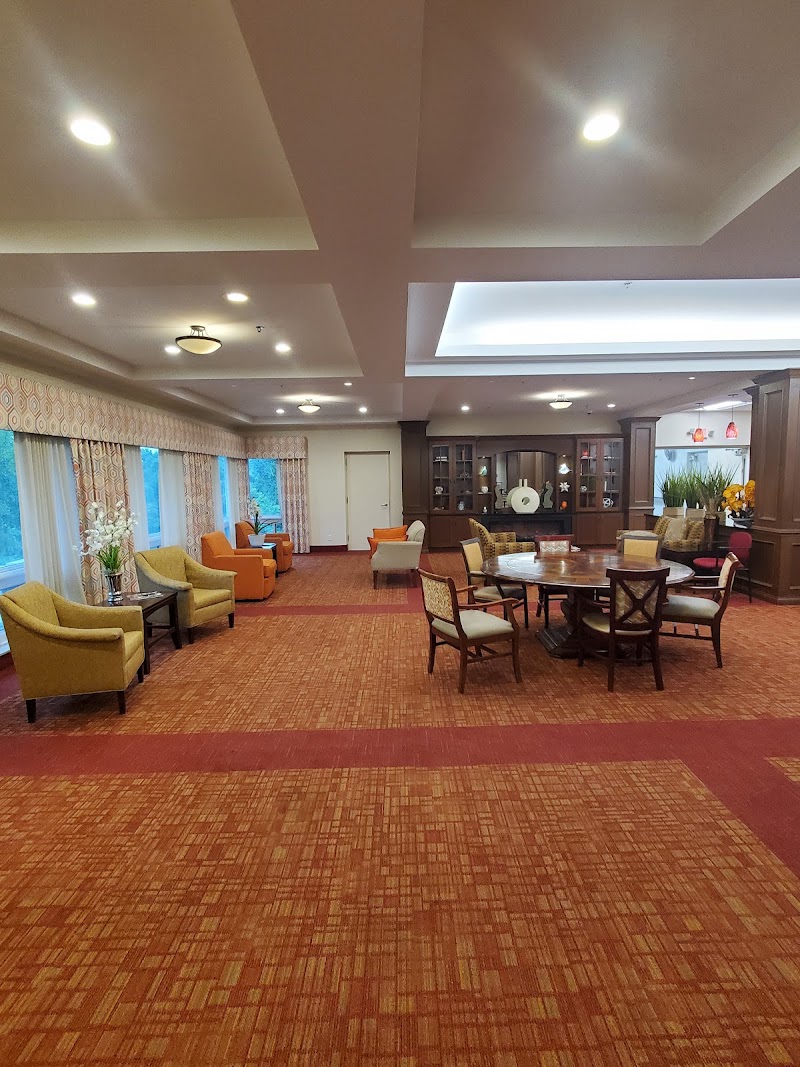
How Does Chestnut Rehab And Nursing Compare to Other Missouri Nursing Homes?

Compared to the 100 nursing homes in Missouri, CHESTNUT REHAB AND NURSING's overall rating (1 stars) is below the state average of 2.5, staff turnover (80%) is significantly higher than the state average of 46%, and health inspection rating (1 stars) is much below the national benchmark.

What Should Families Ask When Visiting Chestnut Rehab And Nursing?

Based on this facility's data, families visiting should ask: "What changes have been made since the serious inspection findings, and how are you preventing similar issues?" "How do you ensure continuity of care given staff turnover, and what is your staff retention strategy?" "Can you walk me through typical staffing levels on day, evening, and night shifts?" "Can I visit during a mealtime to observe dining assistance and food quality?" These questions are particularly relevant given the facility's Immediate Jeopardy citations, the facility's high staff turnover rate, and the below-average staffing rating.

Is Chestnut Rehab And Nursing Safe?

Based on CMS inspection data, CHESTNUT REHAB AND NURSING has documented safety concerns. Inspectors have issued 3 Immediate Jeopardy citations (the most serious violation level indicating risk of serious injury or death). The facility has a 1-star overall rating and ranks #100 of 100 nursing homes in Missouri. Families considering this facility should ask detailed questions about what corrective actions have been taken since these incidents.

Do Nurses at Chestnut Rehab And Nursing Stick Around?

Staff turnover at CHESTNUT REHAB AND NURSING is high. At 80%, the facility is 34 percentage points above the Missouri average of 46%. Registered Nurse turnover is particularly concerning at 100%. RNs handle complex medical decisions and coordinate care — frequent RN changes can directly impact care quality. High turnover means new staff may not know residents' individual needs, medications, or preferences. It can also be disorienting for residents, especially those with dementia who rely on familiar faces. Families should ask: What is causing the turnover? What retention programs are in place? How do you ensure care continuity during staff transitions?

Was Chestnut Rehab And Nursing Ever Fined?

CHESTNUT REHAB AND NURSING has been fined $119,588 across 4 penalty actions. This is 3.5x the Missouri average of $34,275. Fines at this level are uncommon and typically indicate a pattern of serious deficiencies, repeated violations, or failure to correct problems promptly. CMS reserves penalties of this magnitude for facilities that pose significant, documented risk to resident health or safety. Families should request specific documentation of what issues led to these fines and what systemic changes have been implemented.

Is Chestnut Rehab And Nursing on Any Federal Watch List?

CHESTNUT REHAB AND NURSING is not on any federal watch list. The most significant is the Special Focus Facility (SFF) program, which identifies the bottom 1% of nursing homes nationally based on persistent, serious quality problems. Not being on this list means the facility has avoided the pattern of deficiencies that triggers enhanced federal oversight. This is a positive indicator, though families should still review the facility's inspection history directly.