CHRISTIAN EXTENDED CARE & REHABILITATION
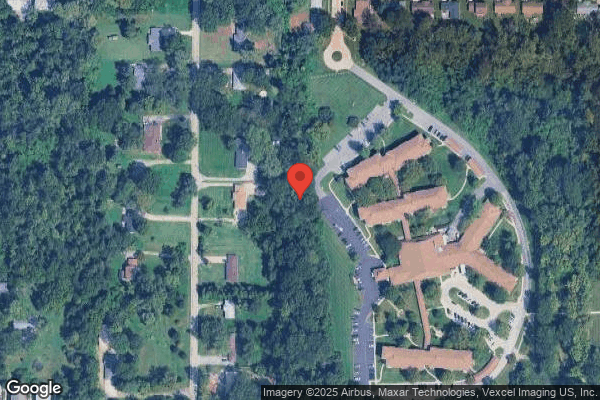
11160 VILLAGE NORTH DRIVE, SAINT LOUIS, MO 63136 (314) 355-8010
Non profit - Corporation 60 Beds BJC HEALTHCARE Data: November 2025
Trust Grade
85/100
#8 of 479 in MO
Last Inspection: March 2025

Within standard 12-15 month inspection cycle. Federal law requires annual inspections.

Overview

Christian Extended Care & Rehabilitation in Saint Louis, Missouri holds a Trust Grade of B+, indicating it is above average and recommended for families considering long-term care. It ranks #8 out of 479 facilities in Missouri, placing it in the top half, and #3 out of 69 in St. Louis County, meaning there are only two local options that are better. The facility is improving, as issues found during inspections decreased from 7 in 2023 to just 2 in 2025. However, staffing is a concern with a rating of 2 out of 5 stars and a turnover rate of 52%, which is better than the state average but still indicates instability. There were no fines reported, which is positive, and while RN coverage is average, it is essential for catching potential issues. Specific incidents noted include the failure to properly label and cover opened food packages, which could risk food safety, and incomplete tuberculosis testing for some staff, raising concerns about infection control. Overall, while there are strengths, such as a solid trust score and no fines, the facility has areas requiring improvement, particularly in staffing and adherence to health protocols.

Trust Score
B+
85/100
In Missouri
#8/479
Top 1%
Safety Record
Low Risk
No red flags
Inspections
Getting Better
7 → 2 violations
Staff Stability
⚠ Watch
52% turnover. Above average. Higher turnover means staff may not know residents' routines.
Penalties
✓ Good
No fines on record. Clean compliance history, better than most Missouri facilities.
Skilled Nurses
○ Average
Each resident gets 31 minutes of Registered Nurse (RN) attention daily — about average for Missouri. RNs are the most trained staff who monitor for health changes.
Violations
⚠ Watch
14 deficiencies on record. Higher than average. Multiple issues found across inspections.
★★★★★
5.0
Overall Rating
★★☆☆☆
2.0
Staff Levels
★★★☆☆
3.0
Care Quality
★★★★★
5.0
Inspection Score
Stable
2023: 7 issues
2025: 2 issues

The Good

  • Full Sprinkler Coverage · Fire safety systems throughout facility
  • No fines on record

Facility shows strength in fire safety.

The Bad

Staff Turnover: 52%

Near Missouri avg (46%)

Higher turnover may affect care consistency

Chain: BJC HEALTHCARE

Part of a multi-facility chain

Ask about local staffing decisions and management

The Ugly 14 deficiencies on record

Mar 2025 2 deficiencies
CONCERN (D) 📢 Someone Reported This

A family member, employee, or ombudsman was alarmed enough to file a formal complaint

Potential for Harm - no one hurt, but risky conditions existed

ADL Care (Tag F0677)

Could have caused harm · This affected 1 resident

Based on observation, interview and record review, the facility staff failed to provide the required assistance with activities of daily living (ADLs, bathing, dressing, hygiene, grooming, and toileti...

Read full inspector narrative →
Based on observation, interview and record review, the facility staff failed to provide the required assistance with activities of daily living (ADLs, bathing, dressing, hygiene, grooming, and toileting) for three residents to maintain adequate personal hygiene (Resident #270, Resident #169, and Resident #19). The sample was 12. The census was 47. Review of the facility's Skin Integrity policy, revised, September, 2022, showed: -Policy: All residents will be assessed for the risk of skin breakdown; Risk factors identified will be evaluated; Interventions will be developed and implemented to minimize or stabilize the risk; Interventions will be care planned; -Prevention: Excessively dry skin should be treated with a moisturizing lotion. Review of the facility's A.M. and P.M. Care policy, revised October, 2022, showed: -Purpose: To provide grooming and hygiene to each resident, assisting with bathing, dressing, elimination as needed; -Responsibility: All nursing staff shall be responsible for ADLs; -Policy: It shall be the policy of the facility, that each resident receives assistance with ADLs as needed throughout each day; -A.M. care procedure: Give nail care as needed; Care for the residents feet and toenails as necessary. Review of the facility's Foot and Nail Care policy, revised, February, 2024, showed: -Policy: To provide proper foot and nail care; -Responsibility: It is the responsibility of nursing staff to follow this policy; -Policy: Fingernail and toenail care will be provided by staff or a podiatrist (foot doctor); Only a licensed nurse or a podiatrist should cut toenails of diabetic residents; -Practice: -Fingernail and toenail care should be provided after a bath or shower when cuticles are soft; -Basic foot care: -Good nursing care includes routine care, early recognition of problems and referrals to the podiatrist when necessary; -The elderly are especially susceptible as circulation becomes poorer as one ages; -Bathe and examine feet regularly; -Observe feet for cracks, redness, blisters, corns, cuts, sores or discoloration of the skin; -Moisturize feet with lotion; -Keep the skin clean, dry and well lubricated; -Shoes and socks must be always clean and dry; -Document any changes in the resident's medical record. 1. Review of the Resident #270's face sheet, undated, showed: -An admission date: 3/4/25; -Diagnoses that included: Lymphedema (swelling that creates excess fluid of upper and lower extremities), spinal stenosis (narrowing of the spinal canal that can cause pain and immobility), heart failure, obesity, and leukemia (cancer that develops in the bloodstream). Review of the resident's care plan, in use at the time of survey, showed: -ADLs: The resident requires minimum to moderate assistance with dressing, grooming, hygiene, and bathing; -Skin: Check the resident's skin daily; The resident has a history of lymphedema and chronic (long term) skin issues with his/her legs and feet; Please let the nurse know of any concerns. Review of the resident's skin assessments showed: -On 3/27/25 at 3:07 P.M., skin abnormalities: Flaking and scales; Preventive skin care: barrier cream; -The skin assessment did not address the location of skin abnormality. Review of the resident's Bathing Detailed Report showed: -On 3/19/25 at 12:25 A.M. and 10:40 P.M., the resident declined bathing activity. Review of the resident's shower sheets showed: -On 3/22/25, the resident's lower extremities were circled and labeled psoriasis (a skin condition that causes a scaly rash) on the body graph; Does the resident need his/her toenails cut?: Blank; Signed by Certified Nursing Assistant (CNA); Charge Nurse signature: Blank. -On 3/26/25, the resident's lower extremities were circled and labeled abnormal skin on the body graph; Does the resident need his/her toenails cut?: Blank; Signed by the CNA; Charge Nurse signature: Blank; -No other shower sheets were available for review. Observation on 3/26/25 at 8:28 A.M., showed the resident lay in bed. Certified Medication Technician (CMT) A gave the resident his/her morning medication. The resident's feet and lower legs were exposed. The resident's feet were extremely dry with large flakes of skin. Both feet had approximately one half of an inch nails, which were jagged. The resident's fifth toenail on his/her right foot was long and curled under. On both hands, the resident's fingernails were long, at approximately one fourth of an inch. Observation and interview on 3/27/25 at 7:40 A.M., showed the resident lay in bed and his/ her feet were exposed. The resident's feet were extremely dry with large flakes of skin. Both feet had approximately one half of an inch nails, which were jagged. The resident's fifth toenail on his/her right foot was long and curled under. On both hands, the resident's fingernails were long, at approximately one fourth of an inch. The resident said he has only received two showers since he/she was admitted . He/She did not know when his/her shower days were and just gets in the shower when the staff come in and offer him/her one. The resident said he/she is unable to care for his/her feet and requires assistance. He/She has never been seen by a podiatrist and no staff member has trimmed his/her toenails, and his/her feet looked rough. The resident also said his/her fingernails have never been trimmed by staff and they are longer than he/she would like. During an interview on 3/27/25 at 10:30 A.M., CNA H said the resident's toenails and feet looked pretty bad. The resident's toe nails were really long and his/her feet were dry. The resident did not refuse care. CNA H didn't think that nursing would be able to trim the resident's toenails, and that the podiatrist would have to do it. During an interview on 3/27/25 at approximately 12:00 P.M., Registered Nurse (RN) J said he/she was aware of the resident's long toenails but didn't think that the nail clippers they use would work on the resident because the nail clippers are flimsy. 2. Review of Resident #169's face sheet, undated, showed: -An admission date, 3/8/25; -Diagnoses that include: polyneuropathy (a condition that affects multiple nerve endings), hemiplegia (paralysis of one side of the body), hemiparesis (numbness to one side of the body), and stroke. Review of the resident's baseline care plan, dated, 3/8/25, showed: -Plan of care: Functions at optimal level with ADLs; -Interventions: Provide assistance to support level of need. Review of the resident's skin assessments showed: -On 3/26/25 at 9:49 A.M., skin abnormalities: Flaking and scars; Preventive skin care: Lotion; -On 3/26 25 at 9:00 P.M.: skin abnormalities: None; -The skin assessment did not address the location of the skin abnormality. Review of the resident's Bathing Detail Report showed: -On 3/18/25 at 5:19 P.M., the resident received a sponge bath and no skin issues were observed. Review of the resident's shower sheets showed: -On 3/14/25, there were no identified skin issues listed on the body graph; Does the resident need his/her toenails cut?: No; Signed by CNA; Charge Nurse signature: Blank. -No other shower sheets were available for review. Observation and interview on 3/26/25 at 9:05 A.M. showed the resident lay in bed. The Nurse Manager removed the resident's socks and large flakes of dry skin came out of the sock. The resident's feet were extremely dry with small cracks on the bottom of both of his/her feet. The resident's toenails on both feet were thick, jagged and approximately one fourth of an inch long. On the resident's right heel, there was a thick-skinned area, which the Nurse Manager said looked like a callus. Both of the resident's hands had long fingernails, approximately one fourth of an inch long, with dark matter underneath. Observation and interview 3/27/25 at 9:40 A.M., showed the resident lay in bed. CNA G removed the resident's socks. The resident's feet were extremely dry with small cracks on the bottom of both of his/her feet. The resident's toenails on both feet were thick, jagged and approximately one fourth of an inch long. On the resident's right heel, there was a thick-skinned area. Both of the resident's hands had long fingernails, approximately one fourth of an inch long, with dark matter underneath. CNA G said that the resident should have lotion applied to his/her feet. 3. Review of Resident #19's admission minimum data set (MDS), a federally mandated assessment instrument completed by facility staff, dated 2/5/25, showed: -Diagnoses included spinal stenosis and trigeminal neuralgia (chronic pain condition affecting nerve in face); -Cognitively intact; -Partial/moderate assistance with taking shoes on and off. Review of the resident's care plan, in use at the time of the survey, showed: -Focus: Resident is currently dependent and needs assistance with all transfers and ADLs; -Goal: Increasing resident's independence; -Interventions: Resident has skin breakdown and a goal of healing. Please follow physician instructions on daily wound care to help resident heal prior to discharge. Review of the facility's podiatry list, dated, 2/27/25 at 11:05 A.M., showed: -The resident is not on the list to be seen by the podiatrist. Review of the resident's most recent skin assessment, dated 3/26/25, showed: -Skin temperature: Warm; -Skin moisture: Dry; -Skin abnormalities: Flaking; -The skin assessment did not address the location of the skin abnormality. Observation and interview on 3/26/25 at 11:25 A.M., showed the resident's left foot had thick dry skin with flakes. The resident's right foot had dry, thick, flaky skin. Dry skin flakes were observed on the resident's white bedding near his/her feet. The resident's toenails were various lengths and jagged. The resident said staff had not trimmed his/her toenails since he/she admitted to the facility. He/She said staff put lotion on his/her wounds but not on his/her feet. Observation and interview on 3/27/25 at 10:28 A.M., showed CNA F took the resident's socks off to perform a skin assessment of the resident's feet. When CNA F pulled the resident's right sock off, dry skin flakes flew through the air. CNA F said Sorry if any skin got on you. The resident's left foot had thick dry skin with flakes. The resident's right foot had dry, thick, flaky skin. Dry skin flakes were observed on the resident's bedding near his/her feet. The resident's toe nails were various lengths and jagged. During an interview on 3/27/25 at 12:05 P.M., Licensed Piratical Nurse (LPN) E said he/she was aware of the dry skin on the resident's feet. He/She would expect any skin concerns to be documented on the resident's skin assessments. He/She would expect staff to inform the resident's nurse of any skin concerns. Staff wash the resident's feet with soap and water and apply lotion to them. 4. During an interview on 3/27/25 at 10:30 A.M., CNA H said that the CNAs are expected to address any skin issues or nail issues on the shower sheets. Showers are to be provided to the residents twice a week. Shower sheets are filled out even when the resident refuses. The CNA and the Charge Nurse are to sign the shower sheets. The CNAs can provide fingernail grooming and foot care but cannot trim toenails. The nurses or the foot doctor can only trim resident toenails. 5. During an interview on 3/27/25 at approximately 12:00 P.M., RN J said that the CNAs can address any skin or nail issues on the shower sheets. The CNA and the Charge Nurse should sign the shower sheets. CNAs can provide fingernail care and trimming on bathing days and as needed. The nurses are allowed to trim the resident's toenails if the resident is not diabetic. RN J did not think that the rehabilitation residents can be seen by the podiatrist due to the payer source. Those residents would have to go to a podiatrist in the community. The podiatrist only sees long term care residents. The facility has a thick moisturizing cream that is used facility wide for any dry skin and can be applied to the resident's feet when needed. Skin assessments are completed weekly or more frequently as needed. Dry skin and nail issues can be documented by the nurses on the resident's skin assessment. There is a box on the skin assessment that will let the nurse describe the skin abnormality, where it is located on the resident and if there are any interventions in place. 6. During an interview on 3/28/25 at 9:34 A.M., the Administrator and the Corporate Director of Clinical Services said skin assessments should be completed in accordance with the facility's policy. Skin assessments for rehabilitation residents are completed weekly by the nurse. When nursing staff provide care, they should follow the policy and report any skin areas of concern to the nurse. If they notice any change with the resident's skin, they should report it to the nurse. If they notice dry skin, the CNAs should provide lotion. Nursing staff should provide ADL care in accordance with the policy. The shower schedule is posted at the nurses' station. It is expected that staff follow the shower schedule. Nursing staff are expected to provide showers, bed baths, and personal care in accordance with the resident's needs and preferences. Staff are expected to document showers and bed baths on shower sheets and in the electronic charting record. The staff are expected to follow the policy for reporting toenail and fingernail issues. Areas of concern are expected to be addressed on the shower sheet by circling the area. The shower sheets are expected to be signed by the nurse and the CNA. Refusal of showers are expected to be documented on the shower sheets and in the electronic charting record. CNAs can provide basic nail fingernail care. If they feel as though it is beyond their scope, they are expected to report to the nurse. The nurse should follow the nail care policy and if they feel it is warranted make a podiatry referral for the resident. MO00249504 MO00248446 MO00246253
CONCERN (E)

Potential for Harm - no one hurt, but risky conditions existed

Infection Control (Tag F0880)

Could have caused harm · This affected multiple residents

Based on interview and record review, the facility failed to ensure employee two-step tuberculin skin tests were completed in accordance with guidelines from the Centers for Disease Control and Preven...

Read full inspector narrative →
Based on interview and record review, the facility failed to ensure employee two-step tuberculin skin tests were completed in accordance with guidelines from the Centers for Disease Control and Prevention (CDC) and State health department, as per the facility policy, for four out of nine employees reviewed. The census was 47. Review of the facility's Employee Health policy, last reviewed July 2022, showed: -Purpose: To provide specific directions for consistent processing of all employee health-related concerns within the corporation's residences; -Policy: -Employment History and Physical Examinations: --All newly hired employees must be medically certified to be free from communicable disease before there is contact with any resident; -Tuberculosis Control Program: --The first step of the two-step Mantoux tuberculin test (TST) will be administered with negative results confirmed pre-resident contact and on an annual basis thereafter; --A Tuberculosis (TB) control program based upon guidelines from the CDC, American Lung Society, and the Public Health Department will be in effect in all resident care facilities of the corporation. Review of the CDC guidance for Clinical Testing Guidance for TB: TST, dated 1/31/25, showed: -Background: The TB skin test is a test used to determine if a person is infected with TB bacteria. In this test, a standardized solution made with purified protein derivative (PPD), which is derived from tuberculin, is injected under the skin; -Determining an approach: -Two-step testing is a strategy used to reduce the likelihood that a boosted reaction will be misinterpreted as a recent infection if the person has to be tested again. Two-step testing should be used for the initial (baseline) skin testing of persons who will be retested periodically. If the TB skin test is used for baseline testing of U.S. health care personnel, use two-step testing; -If the first TB skin test result is negative, a second TB skin test should be done one to three weeks later. Review of the Department of Health and Senior Services (DHSS) TB Screening for Long Term Care Employees flowchart, updated 3/11/14, showed: -Employee accepts position (the hire date); -If no documentation of prior two-step TST, administer TST first step prior to employment. Can coincide reading the results with the employee start date by administering TST two to three days prior to the employee start date; -Read results of first step TST within 48 to 72 hours of administration. Results must be read and documented in millimeters (mm) prior to or on the employee start date; -If negative, administer second step within one to three weeks; -Read results within 48 to 72 hours of administration. 1. Review of Employee D's personnel file, showed: -Hire date 3/18/24; -A first step TB test administered on 3/15/24 and read on 3/18/24 with a negative result; -A second step TB test administered on 10/28/24 and read on 10/31/24 with a negative result; -The second step TB test administered late, not within three weeks of the first step TB test. 2. Review of Employee A's personnel file, showed: -Hire date 12/26/24; -A first step TB test administered on 12/23/24 and read on 12/26/24 with a negative result; -A second step TB test administered on 2/5/25 and read on 2/7/25 with a negative result; -The second step TB test administered late, not within three weeks of the first step TB test. 3. Review of Employee C's personnel file, showed: -Hire date 1/21/25; -A first step TB test administered 1/17/25 and read 1/20/25 with a negative result; -A second step TB test administered 3/19/25 and read 3/21/25 with a negative result; -The second step TB test administered late, not within three weeks of the first step TB test. 4. Review of Employee B's personnel file, showed: -Hire date 9/16/24; -A first step TB test administered 9/13/24 and read 9/16/24 with a negative result; -A second step TB test administered 10/15/24 and read 10/18/54 with a negative result; -The second step TB test administered late, not within three weeks of the first step TB test. 5. During an interview on 3/26/25 at 10:16 A.M., the Human Resources (HR) Manager said employee TB test documentation should be located in their personnel files. Employees come in for their first TB test on the Friday before they start orientation. They bring a form with them to orientation, where the TB test is reviewed by the nurse. Afterward, the form goes to the Infection Preventionist (IP). The HR Manager does not see the form after it goes to the IP. There is a lack of communication regarding TB test tracking and he sees where they need to strengthen the process for this. 6. During an interview on 3/27/25 at 10:46 A.M., the IP said she started in her role with the facility in September 2024 and she is responsible for ensuring employee TB tests are completed. HR provides the IP with a list of new hires. On the Friday before they start orientation, new hires present to the facility for their first TB test, which is administered by the IP or the nurse on duty. The employee is given a TB test form, and the carbon copy of the form remains with the IP. The employee's first step TB test is read by the instructor at orientation on Monday. The instructor signs off on the TB test form and sends it back to the IP. Sometimes the IP has issues getting the form back from the orientation instructor. For example, a new hire that just started on 3/7/25 had orientation on 3/10/25, and the IP still has not received that employee's TB test form from orientation. After the first step TB test is read, the IP tells the employee they have to come back to see her for the second step TB test in seven to 21 days after their first step TB test is administered. She does not schedule a time for the employee to come in for their second step TB test and she leaves it open to the employee to come back and see her. She checks her file periodically and when she sees the employee's window closing for the second step TB test, she will put a note by the time clock for the employee to come see her. Sometimes the new hires do not come back to see her for their second step TB test within the timeframe. 7. During an interview on 3/26/25 at 12:34 P.M., the Executive Director said after the employee's first step TB test is read at orientation, the form to track their TB testing gets scanned to HR and should be placed in the employee's file. The second step TB test should be completed within 21 days of the first step TB test. The IP oversees completion of the second step TB test. There is a miscommunication with the steps in between the first and second TB tests, which is why some second step TB tests are late.
Oct 2023 5 deficiencies
CONCERN (D)

Potential for Harm - no one hurt, but risky conditions existed

Deficiency F0761 (Tag F0761)

Could have caused harm · This affected 1 resident

Based on observation, interview and record review, the facility failed to ensure medications kept in the facility medication room were within the date of expiration and to ensure a medication in the m...

Read full inspector narrative →
Based on observation, interview and record review, the facility failed to ensure medications kept in the facility medication room were within the date of expiration and to ensure a medication in the medication cart was labeled when it was opened and with the expiration date from opening. These practices affected one out of one medication room and one out two medication/treatment carts reviewed. The census was 48. Review of the facility's Storage and Expiration Dating of Medications, Biologicals policy, last revision on 8/7/23, showed: -Facility should ensure that medications and biologicals that have an expired date on the label, have been retained longer than recommended by the manufacturer or supplier guidelines, are stored separate from other medications until destroyed or returned to the pharmacy or supplier; -Once any medication or biological package is opened, facility should follow manufacturer/supplier guidelines with respect to expiration dates for opened medications. Facility staff should record the date opened on the primary medication container (vial, bottle, inhaler) when the medication has a shortened expiration date once opened. 1. Observation of the facility medication room on 10/11/23 at 8:53 A.M., showed: -One bag of Vancomycin (used to treat and prevent various bacterial infections), 750 milligrams (mg)/150 milliliter (ml) intravenous (IV) solution, expired 10/7/23; -Three bags of Vancomycin, 750 mg/150 ml IV solution, expired 10/9/23. During an interview on 10/11/23 at approximately 9:00 A.M., Licensed Practical Nurse (LPN) G said the four observed IV medications were expired and should be returned to the pharmacy. 2. Observation of the South hall medication cart on 10/11/23 at 9:30 A.M., showed a bottle of Lactulose (used to treat constipation) 10 grams/15 ml, opened and undated. 3. During an interview on 10/12/23 at 2:18 P.M., the Interim Director of Nursing (DON) said the nurses in charge of administering the medications were responsible for checking expiration dates and expired medications should be discarded immediately. She expected staff to label multiple-dose medications when opened. She expected staff to follow the facility policy in medication storage, including how to discard expired medications.
CONCERN (E)

Potential for Harm - no one hurt, but risky conditions existed

MDS Data Transmission (Tag F0640)

Could have caused harm · This affected multiple residents

Based on interview and record review, the facility failed to electronically transmit resident Minimum Data Sets (MDS), a federally mandated assessment instrument completed by facility staff, in a time...

Read full inspector narrative →
Based on interview and record review, the facility failed to electronically transmit resident Minimum Data Sets (MDS), a federally mandated assessment instrument completed by facility staff, in a timely manner for four of four months reviewed. The census was 48. Review of the Centers for Medicare and Medicaid Services (CMS) Long-Term Care Facility Resident Assessment Instrument (RAI) manual, version 1.18.11 dated October 2023, showed: -All Medicare and/or Medicaid-certified nursing homes and swing beds, or agents of those facilities, must transmit required MDS data records to CMS' Internet Quality Improvement and Evaluation System; -Transmitting Data: Providers must transmit all sections of the MDS 3.0 required for their State-specific instrument and all tracking or correction information; -Comprehensive assessments must be transmitted electronically within 14 days of the care plan completion date. All other MDS assessments must be submitted within 14 days of the MDS completion date; -For entry and death in facility tracking records, information must be transmitted within 14 days of the event date; -The manual includes a submission timeframe table for MDS record types. Review of the facility's CMS submission, MDS final validation report, dated 7/3/23 at 3:30 P.M., showed: -20 records processed; -Two records submitted late. Review of the facility's CMS submission, MDS final validation report, dated 7/3/23 at 3:40 P.M., showed: -48 records processed; -Five records submitted late. Review of the facility's CMS submission, MDS final validation report, dated 8/14/23 at 5:30 P.M., showed: -19 records processed; -Two records submitted late. Review of the facility's CMS submission, MDS final validation report, dated 8/20/23 at 6:33 P.M., showed: -20 records processed; -Three records submitted late. Review of the facility's CMS submission, MDS final validation report, dated 9/4/23 at 1:23 P.M., showed: -20 records processed; -Three records submitted late. Review of the facility's CMS submission, MDS final validation report, dated 9/4/23 at 1:24 P.M., showed: -20 records processed; -Four records submitted late. Review of the facility's CMS submission, MDS final validation report, dated 9/12/23 at 10:38 P.M., showed: -21 records processed; -One record submitted late. Review of the facility's CMS submission, MDS final validation report, dated 9/18/23 at 11:43 A.M., showed: -27 records processed; -Three records submitted late. Review of the facility's CMS submission, MDS final validation report, dated 10/10/23 at 11:09 A.M., showed: -20 records processed; -20 records submitted late. Review of the facility's CMS submission, MDS final validation report, dated 10/10/23 at 11:11 A.M., showed: -Seven records processed; -Seven records submitted late. Review of the facility's CMS submission, MDS final validation report, dated 10/10/23 at 11:16 A.M., showed: -20 records processed; -Seven records submitted late. During an interview on 10/12/23 at 2:16 P.M., the MDS Coordinator said she is the only MDS Coordinator for the facility and she is responsible for completing and submitting all resident MDS. MDS data should be submitted within 14 days in accordance with the timeframes outlined in the RAI and the facility's policy. There have been issues submitting MDS information due to the facility's name changing. Review of the facility's history, showed the facility's name last changed in 2019. During an interview on 10/13/23 at 8:34 A.M., the Administrator said the facility has one MDS coordinator, who is responsible for completing and transmitting the MDS for all residents. He would expect the MDS to be completed within the timeframes outlined in the RAI manual. He would expect MDS information be transmitted within 14 days, in accordance with the timeframes for each MDS type, as outlined in the RAI manual.
CONCERN (F)

Potential for Harm - no one hurt, but risky conditions existed

Food Safety (Tag F0812)

Could have caused harm · This affected most or all residents

Based on observation and interview, the facility failed to label and cover opened food packages, keep the kitchen floor and ceiling clean, and failed to ensure staff followed the facility hairnet/bear...

Read full inspector narrative →
Based on observation and interview, the facility failed to label and cover opened food packages, keep the kitchen floor and ceiling clean, and failed to ensure staff followed the facility hairnet/beard net policy. This had the potential to affect all residents who consumed food prepared by the facility. The census was 48. 1. Observation on 10/10/23 at 9:35 A.M. of the bulk storage room, showed the following: -An opened, undated jug of syrup on the shelf with dry pasta; -An undated, opened package of sandwich cookie pieces, with no covering on the far back storage rack. Observation on 10/11/23 at 7:56 A.M. of the dry storage room, showed the following: -An opened, undated jug of syrup on the shelf with dry pasta; -An undated, an opened package of sandwich cookie pieces, with no covering on the far back storage rack; -An opened, undated bag of chocolate chips, half full on the top shelf of the rack in the middle of the room. Observation on 10/12/23 at 6:41 A.M., showed an opened, undated package of chocolate chips in the dry storage room. During an interview on 10/12/23 at 1:42 P.M., the Dietary Manager said he expected open food to be stored properly and dated. 2. Review of the facility's undated kitchen weekly cleaning responsibilities showed no instructions regarding the upkeep/cleaning of floors or the ceiling. Observation on 10/10/23 at 8:31 A.M., showed the floor in front and behind the fryer and stove had a brownish black liquid substance spill with food debris mixed in. Observation on 10/11/23 at 7:41 A.M., of the kitchen, showed the following: -The floor in between the stove and oven appliances had a dark liquid, grease build up; -The floor under the stove and fryer had a brown liquid spill. Observation on 10/11/23 at 8:05 A.M., showed an accumulation of dust hanging from the ceiling above the dishwashing sink. Observation on 10/11/23 at 10:06 A.M., showed an accumulation of dust above the dish machine room, with a large fan blowing on clean dishes. Observation on 10/11/23 at 10:06 A.M., showed a dust build up on the ceiling light above the recipe screen station. Observation on 10/11/23 at 10:07 A.M., showed a dust build up on the ceiling above the prep station next to the ice machine. Observation on 10/11/23 at 10:08 A.M., showed an accumulation of dust on the ceiling above the steam table and the prep area. Observation on 10/12/23 at 6:45 A.M. of the kitchen, showed the following: -Accumulation of dust on the ceiling above the steam table; -Accumulation of dust hanging on the ceiling above the dishwashing sink area; -Accumulation of dust on the ceiling in the dishwashing room. During an interview on 10/12/23 at 1:42 P.M., the Dietary Manager said he expected ceilings to be free of dust and the floors to be clean. 3. Review of the facility's uniform policy, dated January 2016, showed the following: -Mandatory uniform standards for every scheduled shift with no exceptions: -All long hair will be pulled into a pony tail and covered by a hairnet; -Approved hair restraints must be worn; -Beards/mustaches must be kept neat, trimmed and may not be grown at work. All team members with a beard/mustache working in production areas must wear a beard guard required by local health department code. Observations on the following dates and times, showed: -10/10/23 at 12:54 P.M., Dietary Staff L in the kitchen walking around with no hairnet. His/Her hair was approximately six inches long; -10/10/23 at 6:24 P.M., a male staff member in the kitchen working at the steam cart. The staff member did not have a beard net on. The staff member's beard length was approximately an inch; -10/11/23 at 7:44 A.M., Dietary Staff L walked through the kitchen in a food preparation area with no hairnet. His/Her hair was approximately six inches long; -10/11/23 at 8:05 A.M., Dietary Staff H walking through the kitchen with clean dishes with a hairnet on, with hair sticking out the sides of the hairnet. The hair sticking out was approximately three inches long; -10/11/23 at 8:07 A.M., Dietary Staff K wearing his/her hairnet improperly while at the steam cart, preparing breakfast plates. He/She was plating food for room trays. His/Her hair stuck out of the hairnet. His/Her hair sticking out of the hairnet was approximately three inches long; -10/11/23 at 8:13 A.M., a contracted employee walked through the kitchen in the food preparation area where pizza was being prepped. He/She did not wear a hairnet. His/Her hair was approximately four inches long; -10/11/23 at 8:36 A.M., Dietary Staff H scooping ice from the machine. His/Her hairnet was falling off. One inch long hair was coming out of his/her hairnet; -10/11/23 at 9:07 A.M., Dietary Staff L walking around the kitchen with his/her beard net hanging down. His/Her beard was approximately one inch long. His/Her hair was in a locked hair style approximately six inches long; -10/11/23 at 9:26 A.M., Dietary Staff J walked into the kitchen and up to the steam cart where salad toppings were located, He/She did not wear a hairnet. His/Her hair was approximately eight inches long; -10/11/23 at 9:28 A.M., Dietary Staff H walked into the main part of the kitchen with no beard net on. His/Her beard was approximately an inch long; -10/11/23 at 10:13 A.M., Dietary Staff H in the dishwashing area with his/her beard net not on properly, and his/her beard was exposed. The beard was approximately one inch long; -10/12/23 at 6:43 A.M., Dietary Staff I in the kitchen at the steam table which held breakfast food. He/She did not wear a hair net. His/Her hair was approximately seven inches long. During an interview on 10/12/23 at 1:34 P.M., Dietary Staff K said beard nets and hairnets are required any time staff are in the kitchen. He/She expected staff to wear their hairnets and beard nets properly. During an interview on 10/12/23 at 1:42 P.M., Dietary Staff J said hairnets should be worn every time staff go into the kitchen to prevent hair from getting in the residents' food. During an interview on 10/12/23 at 1:42 P.M., the Dietary Manager said he expected staff to wear a hair net or beard net any time they are in the kitchen in order to keep the kitchen and food sanitary to ensure residents' health. 4. During an interview on 10/12/23 at 1:50 P.M., the Administrator said he expected kitchen staff to follow facility policies on hairnets and beard nets. He expected for the kitchen to be clean and free from dust build up on the ceiling and spills/grease build up on the floors. He expected staff to follow the cleaning schedule and procedures.
MINOR (C)

Minor Issue - procedural, no safety impact

Deficiency F0575 (Tag F0575)

Minor procedural issue · This affected most or all residents

Based on observation and interview, the facility failed to post, in a form and manner accessible and understandable to residents and resident representatives, the name, address, and telephone number f...

Read full inspector narrative →
Based on observation and interview, the facility failed to post, in a form and manner accessible and understandable to residents and resident representatives, the name, address, and telephone number for the State Survey Agency, and a statement that the resident may file a complaint with the State Survey Agency concerning any suspected violation of state or federal nursing facility regulation, including but not limited to resident abuse, neglect, exploitation, and misappropriation of resident property. The census was 48. Observations throughout the survey from 10/10/23 through 10/13/23, showed no contact information for the State Survey Agency posted. During a group interview on 10/11/23 at 11:00 A.M., six out of six residents, whom the facility identified as alert and oriented, said they did not know where contact information for the State Survey Agency was posted in the facility. During an interview on 10/13/23 at 9:02 A.M., the Administrator said the State Survey Agency contact information should be prominently displayed in a manner that is accessible and understandable for all residents. A statement that residents may file a complaint with the State Survey Agency should be also be posted.
MINOR (C)

Minor Issue - procedural, no safety impact

Transfer Notice (Tag F0623)

Minor procedural issue · This affected most or all residents

Based on interview and record review, the facility failed to notify a representative of the State Long-Term Care (LTC) Ombudsman of resident transfers and discharges. The census was 48. Review of the...

Read full inspector narrative →
Based on interview and record review, the facility failed to notify a representative of the State Long-Term Care (LTC) Ombudsman of resident transfers and discharges. The census was 48. Review of the facility's Discharge/Transfer of a Resident, Including Against Medical Advice policy, revised December 2022, showed: -Purpose: To provide guidelines when discharging or transferring a resident to another health care residence, another bed within the residence, or when leaving against medical advice (AMA); -Non-emergency transfers of discharges - initiated by the community, return not anticipated; --A copy of the discharge notice shall be provided to a representative of the Office of the State LTC Ombudsman. This copy must be sent at the same time notice is provided to the resident and resident representative; --In these exceptional cases, the notice must be provided to the resident, resident's representative if appropriate, and LTC Ombudsman as soon as practicable before the transfer or discharge; --The community will maintain evidence that the notice was sent to the Ombudsman; -Emergency transfers/discharges - for medical reasons, or for the immediate safety and welfare of a resident, initiated by the community; --Social Services personnel/designee shall provide notice of transfer to a representative of the State LTC Ombudsman via a monthly list that is submitted; --**NOTE** In situations where the community has decided to discharge the resident while the resident is still hospitalized , the community must send a notice of discharge to the resident and resident representative before the discharge, AND must also send a copy of the discharge notice to a representative of the Office of the State LTC Ombudsman. Notice to the Office of the State LTC Ombudsman must occur at the same time the notice of discharge is provided to the resident and resident representative, even though, at the time of initial emergency transfer, sending a copy of the transfer notice to the Ombudsman only needed to occur as soon as practicable as described above under Emergency Transfers. Contents of the notice must contain all the elements described previously in Non-emergency Transfers initiated by the community. During an interview on 10/4/23 at 3:13 P.M., the Ombudsman said he/she did not receive monthly notices of transfers and discharges from the facility. Review of the facility's Ombudsman notification documentation from June 2023 through October 2023, provided 10/12/23, showed: -On 10/12/23, the Social Services Coordinator (SSC) emailed the Ombudsman's office a list of transfers and discharges from March 2023 through September 2023; -No documentation the facility notified the Ombudsman's office of transfers and discharges prior to 10/12/23. During an interview on 10/12/23 at 1:56 P.M., the SSC said she had been employed with the facility for less than three months. She had not notified the Ombudsman's office of resident transfers and discharges until today, 10/12/23, as she was unaware that was her role. The Ombudsman's office should be notified of all resident transfers and discharges from the facility. The facility should provide this notification to the Ombudsman on a monthly basis, on the first business day of the month. During an interview on 10/13/23 at 8:34 A.M., the Administrator said he expected the Ombudsman's office to receive notification of resident transfers and discharges on a monthly basis. The SSC was responsible for notifying the Ombudsman's office of resident transfers and discharges. The current SSC was new to the facility and was trained by the previous SSC. The previous SSC went on leave earlier this year and while on leave, their designee might not have been tasked with notifying the Ombudsman's office.
Apr 2023 2 deficiencies
CONCERN (D) 📢 Someone Reported This

A family member, employee, or ombudsman was alarmed enough to file a formal complaint

Potential for Harm - no one hurt, but risky conditions existed

Deficiency F0658 (Tag F0658)

Could have caused harm · This affected 1 resident

**NOTE- TERMS IN BRACKETS HAVE BEEN EDITED TO PROTECT CONFIDENTIALITY** Based on interview and record review, the facility failed to confirm physician's orders and administer insulin for one resident ...

Read full inspector narrative →
**NOTE- TERMS IN BRACKETS HAVE BEEN EDITED TO PROTECT CONFIDENTIALITY** Based on interview and record review, the facility failed to confirm physician's orders and administer insulin for one resident with a diagnosis of diabetes (Resident #1) for six days until the resident was discharged from the facility. After the resident was discharged , he/she returned to the hospital after showing a blood sugar of 376 (normal pre meal blood sugar range is 80-130, or less than 180 after eating). The sample size was five. The census was 40. Review of Resident #1's medical record, showed: -Diagnoses included chronic kidney disease, type 2 diabetes with hyperglycemia (high blood sugar) and hypertension (high blood pressure); -discharged on 10/22/22. Review of the resident's baseline care plan, updated 10/10/22, showed -admission date: 10/7/22; -Clinical diagnoses: Type 2 diabetes mellitus with other specified complication; -Type 2 diabetes mellitus with hyperglycemia; -Type 2 diabetes mellitus with diabetic neuropathy (weakness, numbness, and pain from nerve damage); -Confirmation: confirmed; -Type: admitting; -Status date: 10/9/22; -Clinical diagnosis: Type 2 diabetes mellitus with ketoacidosis (occurs when there is not enough insulin in the body) without coma; -Confirmation: confirmed: -Type: admitting; -Status date: 10/11/22. Review of the resident's Nurse Practitioner's progress notes, dated 10/10/22, showed: -Diagnoses and all orders for this visit: Type 2 diabetes with stage III chronic kidney disease, with long term current use of insulin; -Assessment and plan: Continue glargine (long-acting insulin); -History of present illness (HPI): This is a patient with a past medical history of Alzheimer's disease, coronary artery disease (CAD, heart disease), high blood pressure, peripheral artery disease (circulatory condition), thyroid disease, dementia, and coronary stent who had been admitted to the hospital from [DATE] through 10/7/22, where he/she had presented with complaint of lethargy (lack of energy), was sent to the hospital by family due to lethargy. Patient was found to have and was treated for diabetic ketoacidosis (DKA) with hyperkalemia (high potassium) with acute kidney injury (AKI). Insulin drip with improvement. I reviewed his/her medications and will continue these per hospital discharge orders. Patient to take part in physical therapy and occupational therapy. Will monitor blood glucose reading and adjust insulin for optimal glycemic control; -Medication list: Insulin glargine 100 unit/milliliter (mL) vial for injection. Inject 35 units under the skin nightly, subcutaneous. Review of the resident's history and physical, dated 10/11/22, showed: -Assessment/plan: Diabetic ketoacidosis without coma associated with type 2 diabetes mellitus; -HPI: Patient was admitted to the hospital on [DATE]th with a presentation of lethargy. He/She was sent to the hospital by his/her family. At that time was found to have elevated blood sugars and was treated with DKA and hyperkalemia and acute kidney injury. Patient was placed on insulin drip as well as intravenous (IV) fluids with improvement; -Medication list at end of visit: insulin glargine 100 unit/mL. Inject 35 units under the skin nightly; -Visit diagnoses: Diabetic ketoacidosis without coma associated with type 2 diabetes mellitus. Review of the resident's Nurse Practitioner's progress notes, dated 10/13/22, showed: -Diagnoses and all orders for this visit: Diabetic ketoacidosis without coma associated with type 2 diabetes mellitus; -Assessment and plan: Glargine 35 units daily; -HPI: On 10/13/22, patient has been doing well on insulin glargine and I reviewed recent glucose readings which have been optimal, but he/she did have a blood sugar of 379 last night. Will continue to reinforce dietary adherence to low concentrated sweets/carb consistent diet; -Medication list: Insulin glargine 100 unit/mL vial for injection. Inject 35 units under the skin nightly, subcutaneous. Review of the resident's Physician's Orders Sheet (POS), dated 10/7/22 through 10/16/22, showed: -An order, dated 10/7/22, for blood glucose monitoring as needed (PRN). When signs and symptoms of hypo/hyperglycemia (low/high blood sugar) are present; -An order, dated 10/7/22, for insulin glargine 100 units/mL 35 units, subcutaneous injection. Once a day at bedtime. High Risk. Review of the resident's medication administration record (MAR), dated October 2022, showed an order, dated 10/7/22, for insulin glargine 100 units/mL, 35 units, injection, subcutaneous. Once a day at bedtime was administered on 10/7 through 10/15/22. Review of the resident's blood glucose results, showed: -On 10/8/22, his/her blood glucose was 89; -On 10/9/22, his/her blood glucose was 142; -On 10/10/22, his/her blood glucose was 167; -On 10/11/22, his/her blood glucose was 189; -On 10/12/22, his/her blood glucose was 379; -On 10/13/22, his/her blood glucose was 211; -On 10/14/22, his/her blood glucose was 198; -On 10/15/22, his/her blood glucose was 272. Review of the resident's medical record, showed the resident discharged to the hospital on [DATE] for aggressive behaviors. Review of the resident's hospital discharge record, dated 10/16/22, showed: -Reason for visit: Aggressive behavior; -Diagnosis: Aggressive behavior; -Take these medications: blood glucose meter, use to check blood sugar daily; -Ask your doctor about these medications: Glucose blood strip, use to check blood sugar daily; -Insulin glargine 100 unit/mL vial for injection. Inject 35 units under the skin nightly. Review of the resident's Nurse Practitioner's progress notes, dated 10/17/22, showed: -Diagnoses and all orders for this visit: Late onset Alzheimer's dementia with behavior disturbance; -Diabetic ketoacidosis without coma associated with type 2 diabetes mellitus; -HPI: Patient was sent out to the emergency department yesterday reportedly for aggressive behavior towards staff during care, and refusing care. Unsure etiology patient was sent back with no new orders. He/She does have cognitive decline related to his/her dementia, but had not had any behavior disturbances until now. I saw and examined patient today and he/she was at his/her baseline without any issues and was pleasant; -Medication list: Insulin glargine 100 unit/mL vial for injection. Inject 35 units under the skin nightly, subcutaneous. Review of the resident's Nurse Practitioner's progress notes, dated 10/19/22, showed: -Diagnoses and all orders for this visit: Late onset Alzheimer's dementia with behavior disturbance; -HPI: Patient has not had any aggressive behaviors reported. I did review his/her urinalysis and did not show any infection and had no culture indicated. Will monitor for changes; -Medication list: Insulin glargine 100 unit/mL vial for injection. Inject 35 units under the skin nightly, subcutaneous. Review of the resident's medical record, showed no documentation to discontinue insulin glargine or blood glucose monitoring. Review of the resident's POS, dated 10/17/22 through 10/24/22, showed: -An order, dated 10/22/22, to discharge resident home; -No orders for insulin glargine or blood glucose monitoring. Review of the resident's MAR, dated 10/17/22 through 10/24/22, showed insulin glargine 100 unit/mL. Inject 35 units was not administered. During an interview on 10/28/22 at 8:30 A.M., the resident's family member said the resident was extremely weak when he/she discharged from the facility. Last night, the resident's blood sugar was 376 and he/she was sent to the emergency room. During an interview on 4/20/23 at 3:14 P.M., the Administrator said the nurse is responsible for re-capping after a resident is re-admitted from the hospital. The Assistant Director of Nursing (ADON) or Nurse Manager completes the audit to ensure orders are entered correctly. She expected staff to follow physician's orders. She expected the resident's insulin to be on the POS unless it was not included in the hospital discharge orders upon re-admission. MO00209081
CONCERN (D) 📢 Someone Reported This

A family member, employee, or ombudsman was alarmed enough to file a formal complaint

Potential for Harm - no one hurt, but risky conditions existed

Deficiency F0660 (Tag F0660)

Could have caused harm · This affected 1 resident

Deficiency Text Not Available

Read full inspector narrative →
Deficiency Text Not Available
Sept 2020 5 deficiencies
CONCERN (D)

Potential for Harm - no one hurt, but risky conditions existed

Deficiency F0658 (Tag F0658)

Could have caused harm · This affected 1 resident

**NOTE- TERMS IN BRACKETS HAVE BEEN EDITED TO PROTECT CONFIDENTIALITY** Based on observation, interview and record review, the facility failed to ensure one of one resident sampled with a hand brace r...

Read full inspector narrative →
**NOTE- TERMS IN BRACKETS HAVE BEEN EDITED TO PROTECT CONFIDENTIALITY** Based on observation, interview and record review, the facility failed to ensure one of one resident sampled with a hand brace received assistance to wear the left hand brace per skilled therapy instructions (Resident #5). The total sample was 12. The census was 45. Review of Resident #5's significant change in status Minimum Data Set (MDS), a federally mandated assessment instrument completed by facility staff, dated 5/25/20, showed: -admission date of 2/14/15; -Diagnoses of dementia and depression. Review of a restorative care program form, dated 6/30/20 with an effective date of 7/1/20, showed: -Patient will tolerate application of left hand splint following meals; -Place splint on after meals, leaving thumb out. Allow resident to wear as tolerated. He/she may remove the splint or ask staff to remove the splint; -Notify therapy of any redness or skin breakdown if it occurs. Review of the resident's quarterly MDS, dated [DATE], showed: -Makes self understood: Usually understood; -Ability to understand others: Sometimes understood; -Does not reject care; -Extensive assistance of one required for dressing; -Functional limitations in range of motion: Impairment of one upper extremity (shoulder, elbow, wrist or hand); -Occupation Therapy end date: 7/1/20. Observations on the following dates and times, showed: -9/16/20 at 10:40 A.M., the resident sat in a wheelchair in his/her room. His/her left had appeared contracted. He/she had no splint on; -9/17/20 at 10:27 A.M., the resident sat in a wheelchair in his/her room without a left hand splint on; -9/18/20 at 10:54 A.M., the resident sat in a wheelchair in his/her room without a left hand splint on. Observation on 9/22/20 at 8:33 A.M., after breakfast, showed the resident sat in his/her room in a wheelchair without a left hand splint on. Certified Nursing Assistant (CNA) H, assigned to care for the resident, said he/she had taken care of the resident several times before today. The CNA said the resident will usually not leave the hand splint on. The CNA found the hand splint in a drawer in the resident's room and placed it on upside down on the resident's right hand. He/she had just secured the last Velcro strap on the splint when CNA I came to the door. CNA I told CNA H the splint was on upside down. CNA H unstrapped the splint, turned it around and placed it back on the right hand and left the room. At 8:40 A.M., the surveyor asked the CNA to check the splint order on the restorative care program sheet. The CNA then checked the care tracker (electronic system CNAs access that shows what type of care a resident requires). The same order from the restorative care program sheet was in the the care tracker system. The CNA said he/she had not noticed it before and he/she did not know the splint was for the left hand, but is finding out now. The CNA went to the resident and moved the splint from the resident's right hand to the left hand. During an interview on 9/22/20 at 8:58 A.M., the therapy program director said the splint is to address the resident's contracture. The resident does take the splint off at times, but will usually wear it 40 to 60 minutes before he/she removes it, which is why she wrote the order for after meals. If the resident wears it about an hour each time then that's about three hours a day which would still be beneficial. She did not know why CNA H did not know how to apply the splint or which hand to wear it on because she recalls in-servicing CNA H about the splint. Observation on 9/22/20 at 11:10 A.M., showed the resident sat in the dining room with the left hand splint on. The resident did appear as if he/she was attempting to remove it at that time. During an interview on 9/22/20 at 1:00 P.M., the Director of Nurses said she expects staff to follow skilled therapy instructions for splints. If a resident refuses their splint, it should be documented.
CONCERN (D)

Potential for Harm - no one hurt, but risky conditions existed

Accident Prevention (Tag F0689)

Could have caused harm · This affected 1 resident

**NOTE- TERMS IN BRACKETS HAVE BEEN EDITED TO PROTECT CONFIDENTIALITY** Based on observation, interview and record review, the facility failed to have systems in place to ensure one resident received ...

Read full inspector narrative →
**NOTE- TERMS IN BRACKETS HAVE BEEN EDITED TO PROTECT CONFIDENTIALITY** Based on observation, interview and record review, the facility failed to have systems in place to ensure one resident received proper care and staff assistance while turning and positioning during incontinence care. The resident rolled from the bed, landed on the floor and sustained a left arm fracture (Resident #182). The sample was 12. The census was 45. Review of Resident #182's admission face sheet, showed an admission date of 9/1/20. Review of a document titled CORP-One-Click (MDS 3.0, (Minimum Data Set, a federally mandated assessment instrument completed by facility staff)) Report (a seven day look back assessment completed by direct care staff showing the level of care a resident required during the assessment period and used by the facility MDS Coordinator to complete the residents MDS assessment. The assessment period for this report was 9/2/20 through 9/8/20. The report showed 17 entries, each entry represented a different date and shift. For bed mobility, the resident required: No setup or physical help from staff one time, set-up help only one time, one person physical assistance 13 times and two (+) person physical assistance two times. Review of the resident's admission MDS, dated [DATE], showed: -Makes self understood: Understood; -Understands others: Understands; -Brief Interview for Mental Status score of 03 out of 15 (a score of 00-07 indicates severe impairment); -Extensive assistance of two (+) persons required for bed mobility and transfers; -One person physical assistance required for bathing; -Impairment of one upper extremity; -Mobility device: Wheelchair; -Diagnoses of anemia (low number of red blood cells), arthritis and high blood pressure; -Receiving skilled physical therapy (PT), occupational therapy (OT), speech therapy and respiratory therapy; -Height of 4'10; -Weight of 238 pounds. During an interview on 9/22/20 at 12:06 P.M., the MDS Coordinator said the seven day look back assessment is completed by the certified nursing assistants (CNA)s. She is required to code the level of assistance on the MDS based on the highest amount of assistance the resident received during that look back period. Review of the resident's last PT progress note, completed by Physical Therapy Assistant (PTA) D and dated 9/14/20, showed: -Prior level of function 9/13/20: Patient is able to roll and supine (on back) to sit with maximum assist (75%); -Current level of function: The patient is able to roll and transition sit to supine with near total dependence (90% to 95% assist) and with initiation cue and with 90%. The patient is able to roll and transition sit to supine with visual and tactile instruction/cues; -Skilled services provided since last report: Instructed patient in proper technique with bed mobility to reduce caregiver burden and improve patient independence; -Patient training: Patient education and training provided for bed mobility and the patient was able to follow with 10% accuracy; -Precautions: Falls. Review of a facility investigation for fall with injury report, dated 9/20/20, showed: -The resident requires assistance of one or two persons for bed mobility, depending upon her level of self-performance at the time care is rendered. He/she requires a mechanical lift (device that transfers a resident not capable of bearing weight) and two staff for transfers. On 9/20/20 at 6:00 A.M., resident was being assisted with incontinence care when he/she rolled from the bed onto the floor. Pain noted with range of motion to the left upper extremity. Physician was contacted and an order was obtained for an x-ray of the left arm. X-ray showed a left humeral (upper arm) fracture. Resident sent to hospital for evaluation and treatment. Resident returned from hospital with a sling in place, new orders for pain medication and an orthopedic evaluation; -Resident interview on 9/21/20: The resident stated he/she remembered falling, but not how he/she fell; -Interview with CNA E said during care of the resident (9/20/20 at 6:00 A.M.), he/she reached for an incontinence brief to put on the resident. The resident moved his/her leg forward and it went off the bed. The resident then rolled forward and off the bed landing on his/her left arm complaining of pain. The CNA said the resident could be handled by one staff member as other instances of assistance of one have been successful to maintain the highest level of independence. He/she did turn the resident while providing care. On 9/21/20 at 9345 A.M., the Director of Nurses (DON) and administrator reported to the survey team the resident's accident from 9/20/20. The DON said the resident required one to two persons for bed mobility and sustained a left humerus fracture. During an interview on 9/21/20 at 10:10 A.M., CNA E said he/she was providing care to the resident the morning of 9/20/20, when the resident rolled off the bed. That was the first day he/she provided care for the resident. Prior to providing care, he/she checked the care tracker system (an electronic system used by CNAs that shows what type of care a resident requires) which showed one or two staff for bed mobility. He/she asked the resident before beginning care if he/she could assist with turning and repositioning, the resident said yes. He/she raised the bed to about the height of his/her hips. The resident was on a bath sheet, which he/she pulled on to turn the resident onto his/her right side. The resident was positioned in the middle of the bed. He/she kept his/her left hand on the resident and reached for an incontinence brief with his/her right hand. It was at that time he/she thinks the resident's left leg shifted or he/she swung his/her leg out causing him/her to roll forward and off the bed. He/she was unable to stop the resident from falling. Review of the resident's care tracker system, showed the facility changed the resident's bed mobility and toileting assistance to two persons on 9/21/20. During observation and interview on 9/22/20 at 10:58 A.M., the resident lay in bed with a sling on his/her left arm/shoulder. The resident said he/she really could not recall what happened the day he/she fell out of bed. One minute he/she was on the bed and the next he/she ended up on the floor. During an interview on 9/22/20 at 11:40 A.M., the therapy program manager said the resident had been discharged from skilled therapy services on 9/17/20. Nursing staff should be constantly assessing residents to determine if more care is required and let them know. She reviewed the last skilled therapy progress note, dated 9/14/20, and said PTA D completed the note. During an interview on 9/22/20 at 11:45 A.M., Occupational Therapist F said he/she had worked with the resident and felt for nursing staff, the resident definitely needed two staff for bed mobility due to the resident's weight. During an interview on 9/22/20 at 11:50 A.M., PTA D said for him/her, the resident was a maximum assistance of one for bed mobility and transfers. He/she felt it was ok for one nursing staff to provide bed mobility. During an interview on 9/22/20 at 12:00 P.M., the DON said the resident's care plan showed he/she needed bed mobility assistance of one or two staff when the resident fell out of bed and sustained the fracture. A resident may need one assist at times and two assist at other times depending on the resident's ability at the time of care. It is up to the CNA to make that determination. MO00175745
CONCERN (D)

Potential for Harm - no one hurt, but risky conditions existed

Deficiency F0761 (Tag F0761)

Could have caused harm · This affected 1 resident

Based on observation, interview and record review, the facility failed to ensure insulin pens were dated when opened for one of four medication carts. The census was 45. Review of the facility's Insul...

Read full inspector narrative →
Based on observation, interview and record review, the facility failed to ensure insulin pens were dated when opened for one of four medication carts. The census was 45. Review of the facility's Insulin Administration and Storage policy, updated 10/2018, showed: -Purpose: To provide guidelines for proper administration of insulin and establish safe practices for storage of insulin agents; -Policy: Insulin will be stored and administered according to pharmacy and manufacturer's guidelines; -Practice: Safety Storage Guidelines for insulin: A) All parenteral insulin agents should be stored in the refrigerator until opened and are good until the expiration date if the temperature is maintained at 36-46 Fahrenheit. B) After opening, insulin vials should be stored on the medication cart as long as the temperature does not exceed the recommended temperatures for the particular insulin. Insulin pens must be stored at room temperature after opening. D) The nurse who opens the vial of insulin/pen will be responsible for checking the manufacturer's expiration date and will date the bottle indicating the expiration date once opened. This will be 14-42 days after opening for most products or the manufacturer's date, whichever comes first. Observation on 9/17/20 at 7:28 A.M., of medication cart #2 on the quarantine hall, showed seven of eight opened insulin pens without expiration/discard dates. During an interview on 9/17/20 at 7:32 A.M., Nurse C said it is the facility's policy to date insulin pens when opened. During an interview on 9/17/20 at 7:34 A.M., the Director of Nurses said insulin pens should be dated when opened.
CONCERN (E)

Potential for Harm - no one hurt, but risky conditions existed

Infection Control (Tag F0880)

Could have caused harm · This affected multiple residents

Based on observation, interview, and record review, the facility failed to ensure staff used acceptable infection control procedures by wearing the appropriate Personal Protective Equipment (PPE) whil...

Read full inspector narrative →
Based on observation, interview, and record review, the facility failed to ensure staff used acceptable infection control procedures by wearing the appropriate Personal Protective Equipment (PPE) while providing personal care on the COVID-19 quarantine unit for one resident (Resident #183) and not ensuring staff washed their hands and changed gloves appropriately during wound care for one resident (Resident #232). In addition, staff failed to follow infection control practices regarding mask usage while preparing food and failed to ensure an ice scoop remained covered to prevent contamination. The census was 45. Review of the facility's policy on Infection Control Novel Coronavirus Prevention and Response, updated 7/30/20, showed: -Purpose: To provide direction for the prevention of the novel Coronavirus disease and guidelines should Coronavirus (COVID-19) affect any facility resident or employee; -Policy: The facility will respond promptly upon suspicion of illness associated with a novel Coronavirus in efforts to identify, treat and prevent the spread of the virus; -Definitions: Coronavirus is a virus that causes mild to severe respiratory illness; -Resident Care: When COVID-19 status is unknown: Options include placement in a single room or in a separate observation area so the resident can be monitored for evidence of COVID-19. All recommended COVID-19 PPE should be worn during care of residents under observation, which includes use of an N95 (a particle filtering facepiece respirator) or higher-level respirator (or facemask if a respirator is not available), eye protection (i.e. goggles or a disposable face shield that covers the front and sides of the face), gloves, and gown (if anticipating droplet exposure during resident care task). 1. Review of Resident #183's entry tracking Minimum Data Set (MDS), a federally mandated assessment instrument completed by facility staff, dated 9/10/20, showed an admission date of 9/10/20. Observation on 9/18/20 at 5:32 A.M., showed the resident lay in bed on the quarantine hall. Certified Nursing Assistant (CNA) B entered the room wearing goggles and an N95 mask. After washing his/her hands and applying gloves, he/she provided personal care. He/She failed to apply a disposable isolation gown prior to providing care. During an interview on 9/18/20 at 6:10 A.M., CNA B said he/she should have had a isolation gown on while providing care. During an interview on 9/22/20 at 1:00 P.M., the Director of Nurses (DON) said she would expect the staff to don (apply) an isolation gown prior to providing personal care. 2. Review of the facility's policy on Standard and Transmission Based Precautions, updated 6/2018, showed the following: -Standard Precautions are based on the principle that all blood and body on the principle that all blood and fluids, secretions, excretions, (except) non-intact skin and mucus membrane may contain transmissible infection agents; -Hand hygiene: Remains the single most effective means preventing infections and controlling disease transmission. Wash hands whenever they are soiled with body substance, before starting starting work, before food preparations, before eating, after using the toilet, before and after removing gloves or other protective equipment, before passing medications or performing treatments and when each resident's care is completed. When in doubt, wash your hands; -Gloves: Wear gloves when it can be reasonable to be anticipated that hands will be in contact with mucous membranes, non-intact skin, any moist body substances, blood, urine, feces, wound drainage, oral secretions, sputum, vomit or items/surfaces soiled with these substances and or persons with a rash. Review of Resident #232's entry tracking MD'S, dated 9/10/20, showed an admission date of 9/10/20. Observation on 9/22/20 at 7:00 A.M., showed the resident lay in bed. After washing hands and applying gloves, Nurse C and the DON turned the resident to his/her left side and removed the wet and soiled brief, revealing a dressing to the coccyx. Nurse C cleaned the wound twice with wound cleaner and without changing his/her gloves, or washing his/her hands applied medihoney (a honey impregnated gel used to remove dead tissue) and a foam dressing. During an interview on 9/22/20 at 7:15 A.M., Nurse C said he/she should have washed his/her hands and changed his/her gloves after cleaning the wound and before applying the treatment. During an interview on 9/22/20 at 7:20 A.M., the DON said she would expect the nurse to remove gloves, clean hands, and reapply clean gloves prior to applying treatment and dressing. 3. Review of the CDC Using PPE, updated August 19, 2020, showed the following: -Facemasks Do's and Don'ts for HCP (Health Care Provider): -When putting on your facemask, clean your hands and put on your facemask so it fully covers your mouth and nose; -Don't wear your facemask under your nose or mouth. Observation on 9/18/20 at 11:33 A.M., showed, [NAME] G prepared food in the kitchen with a mask on his/her mouth. The mask did not cover his/her nose. Observation on 9/22/20 at 10:50 A.M., showed [NAME] G prepared food in the kitchen with a mask on his/her mouth. The mask did not cover his/her nose. During an interview on 9/22/20 at 7:18 A.M., the Dietary Manager said kitchen staff should have on masks at all times. The mask should be worn properly, covering the mouth and nose. During an interview on 9/22/20 at 1:10 P.M., the Administrator and DON said masks should be worn properly, covering the mouth and the nose. 4. Observations of the dining room on 9/16/20 through 9/18/20 from 6:30 A.M. to 3:00 P.M. and 9/21/20 from 6:30 A.M. to 3:00 P.M. and 9/22/20 at 7:18 A.M., showed an uncovered ice scoop in a tray next to the sink. During an interview on 9/22/20 at 7:18 A.M., the Dietary Manager said the ice scoop should not be next to the sink, uncovered. Staff could wash their hands and water could splatter onto the ice tray, spreading germs.
MINOR (B)

Minor Issue - procedural, no safety impact

Transfer Notice (Tag F0623)

Minor procedural issue · This affected multiple residents

Based on interview and record review, the facility failed to issue written emergency transfer/discharge notices to residents and/or residents' representatives when the residents were transferred to a ...

Read full inspector narrative →
Based on interview and record review, the facility failed to issue written emergency transfer/discharge notices to residents and/or residents' representatives when the residents were transferred to a hospital for various medical reasons, and failed to send a copy of the notice to a representative of the State Long-Term Care (LTC) Ombudsman, for three residents (Residents #7, #60, and #58). The sample was 12. The census was 45. 1. Review of Resident #7's Minimum Data Set (MDS), a federally mandated assessment instrument completed by facility staff, admission and discharge assessments, showed: -admission date of 1/1/15; -discharged to the hospital 4/25/20; -readmission to the facility 6/2/20. Review of the resident's medical record, showed no documentation the resident and/or their representative were provided a written notice of the resident's transfer to the hospital. 2. Review of Resident #60's MDS admission and discharge assessments, showed: -admission date of 8/19/20; -discharged to the hospital 8/25/20; -readmission to the facility 8/28/20. Review of the resident's medical record, showed no documentation the resident and/or their representative were provided a written notice of the resident's transfer to the hospital. 3. Review of Resident #58's medical record, showed: -admission date of 8/27/20; -discharged to the hospital 9/6/20; -readmission to the facility 9/7/20; -No documentation the resident and/or their representative were provided a written notice of the resident's transfer to the hospital. 4. During an interview on 9/21/20 at 9:47 A.M., Nurse A said when a resident goes out to the hospital for a medical issue, the nurse is responsible for sending the red folder with the resident. The red folder has a checklist of documentation to send for the resident's transfer, such as physician orders, code status, and history and physical. To his/her knowledge, the red folder does not include a written notice regarding the resident's right to appeal the transfer or discharge. 5. Review of the facility's Acute Care transfer Checklist, revised 8/30/13, showed: -No statement of the resident's appeal rights, including the name, address, and telephone number of the entity which receives such requests; -No information on how to obtain an appeal form and assistance in completing the form and submitting the hearing request; -No name, address, and telephone number of the state LTC Ombudsman. 6. During an interview on 9/22/20 at 10:09 A.M., the administrator said residents are provided with a packet upon admission which includes the facility's bed hold policy and contact information for the Ombudsman and local state survey agency. When a resident goes out to the hospital, the nurse sends a red transfer checklist folder with the resident. The red folder does not contain a written notice of transfer/discharge including a statement of the resident's right to appeal, or the contact information for the Ombudsman and local state survey agency since this information was provided to the resident upon admission. To his/her knowledge, the facility was not sending a copy of transfer/discharge notices to the Ombudsman. 7. During an interview on 9/22/20 at 1:10 P.M., the administrator confirmed she could not locate documentation to show Residents #7, #60, and #58 and/or their representatives were provided with written notice of transfer/discharge, including the resident's rights to appeal. The facility is expected to follow the regulatory requirements for providing written notices of transfer/discharge.
Understanding Severity Codes (click to expand)
Life-Threatening (Immediate Jeopardy)
J - Isolated K - Pattern L - Widespread
Actual Harm
G - Isolated H - Pattern I - Widespread
Potential for Harm
D - Isolated E - Pattern F - Widespread
No Harm (Minor)
A - Isolated B - Pattern C - Widespread

Questions to Ask on Your Visit

  • "Can I speak with families of current residents?"
  • "What's your RN coverage like on weekends and overnight?"

Our Honest Assessment

Strengths
  • • Grade B+ (85/100). Above average facility, better than most options in Missouri.
  • • No major safety red flags. No abuse findings, life-threatening violations, or SFF status.
  • • No fines on record. Clean compliance history, better than most Missouri facilities.
Concerns
  • • 14 deficiencies on record. Higher than average. Multiple issues found across inspections.
Bottom line: Generally positive indicators. Standard due diligence and a personal visit recommended.

About This Facility

What is Christian Extended Care & Rehabilitation's CMS Rating?

CMS assigns CHRISTIAN EXTENDED CARE & REHABILITATION an overall rating of 5 out of 5 stars, which is considered much above average nationally. Within Missouri, this rating places the facility higher than 99% of the state's 100 nursing homes. This rating reflects solid performance across the metrics CMS uses to evaluate nursing home quality.
How is Christian Extended Care & Rehabilitation Staffed?

CMS rates CHRISTIAN EXTENDED CARE & REHABILITATION's staffing level at 2 out of 5 stars, which is below average compared to other nursing homes. Staff turnover is 52%, compared to the Missouri average of 46%.

What Have Inspectors Found at Christian Extended Care & Rehabilitation?

State health inspectors documented 14 deficiencies at CHRISTIAN EXTENDED CARE & REHABILITATION during 2020 to 2025. These included: 11 with potential for harm and 3 minor or isolated issues.
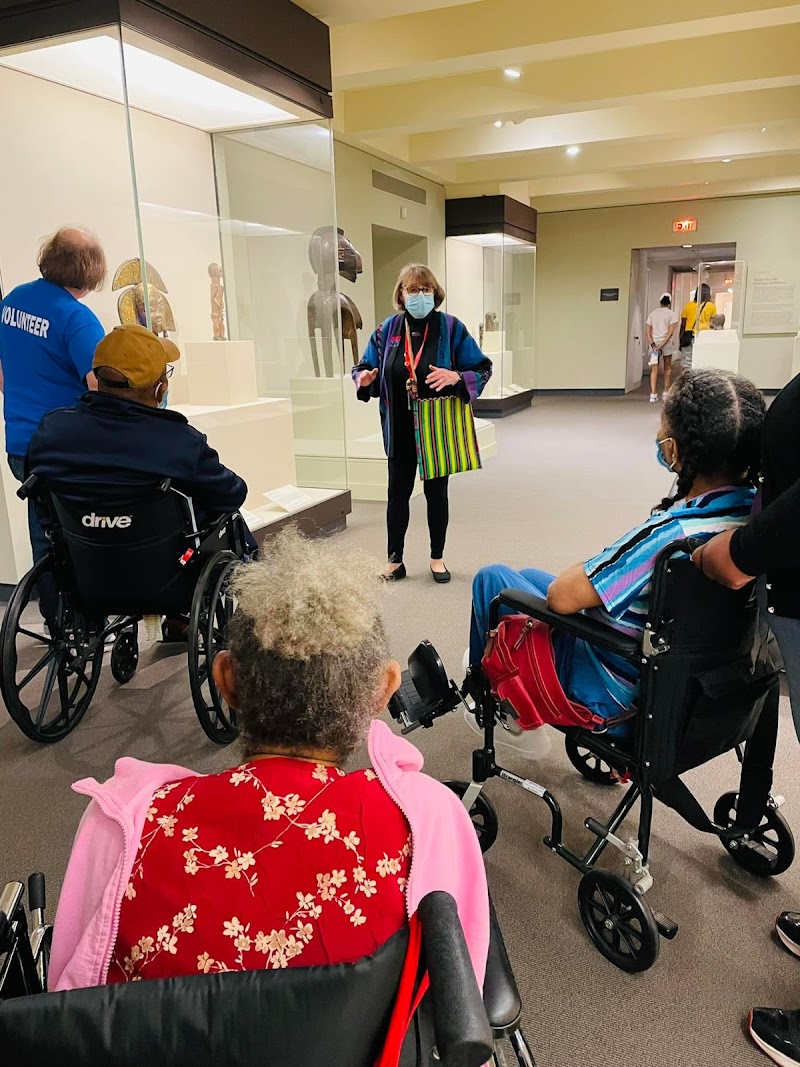
Who Owns and Operates Christian Extended Care & Rehabilitation?

CHRISTIAN EXTENDED CARE & REHABILITATION is owned by a non-profit organization. Non-profit facilities reinvest revenue into operations rather than distributing to shareholders. The facility is operated by BJC HEALTHCARE, a chain that manages multiple nursing homes. With 60 certified beds and approximately 52 residents (about 87% occupancy), it is a smaller facility located in SAINT LOUIS, Missouri.

How Does Christian Extended Care & Rehabilitation Compare to Other Missouri Nursing Homes?

Compared to the 100 nursing homes in Missouri, CHRISTIAN EXTENDED CARE & REHABILITATION's overall rating (5 stars) is above the state average of 2.5, staff turnover (52%) is near the state average of 46%, and health inspection rating (5 stars) is much above the national benchmark.

What Should Families Ask When Visiting Christian Extended Care & Rehabilitation?

Based on this facility's data, families visiting should ask: "Can you walk me through typical staffing levels on day, evening, and night shifts?" "Can I visit during a mealtime to observe dining assistance and food quality?" "How do you handle medical emergencies, and what is your hospital transfer rate?" "Can I speak with family members of current residents about their experience?" These questions are particularly relevant given the below-average staffing rating.

Is Christian Extended Care & Rehabilitation Safe?

Based on CMS inspection data, CHRISTIAN EXTENDED CARE & REHABILITATION has a clean safety record: no substantiated abuse findings (meaning no confirmed cases of resident harm), no Immediate Jeopardy citations (the most serious violation level indicating risk of serious injury or death), and is not on the Special Focus Facility watch list (a federal program monitoring the lowest-performing 1% of nursing homes). The facility has a 5-star overall rating and ranks #1 of 100 nursing homes in Missouri. While no facility is perfect, families should still ask about staff-to-resident ratios and recent inspection results during their visit.

Do Nurses at Christian Extended Care & Rehabilitation Stick Around?

CHRISTIAN EXTENDED CARE & REHABILITATION has a staff turnover rate of 52%, which is 6 percentage points above the Missouri average of 46%. Moderate turnover is common in nursing homes, but families should still ask about staff tenure and how the facility maintains care continuity when employees leave.

Was Christian Extended Care & Rehabilitation Ever Fined?

CHRISTIAN EXTENDED CARE & REHABILITATION has no federal fines on record. CMS issues fines when nursing homes fail to meet care standards or don't correct problems found during inspections. The absence of fines suggests the facility has either maintained compliance or corrected any issues before penalties were assessed. This is a positive indicator, though families should still review recent inspection reports for the full picture.

Is Christian Extended Care & Rehabilitation on Any Federal Watch List?

CHRISTIAN EXTENDED CARE & REHABILITATION is not on any federal watch list. The most significant is the Special Focus Facility (SFF) program, which identifies the bottom 1% of nursing homes nationally based on persistent, serious quality problems. Not being on this list means the facility has avoided the pattern of deficiencies that triggers enhanced federal oversight. This is a positive indicator, though families should still review the facility's inspection history directly.