DELMAR GARDENS SOUTH
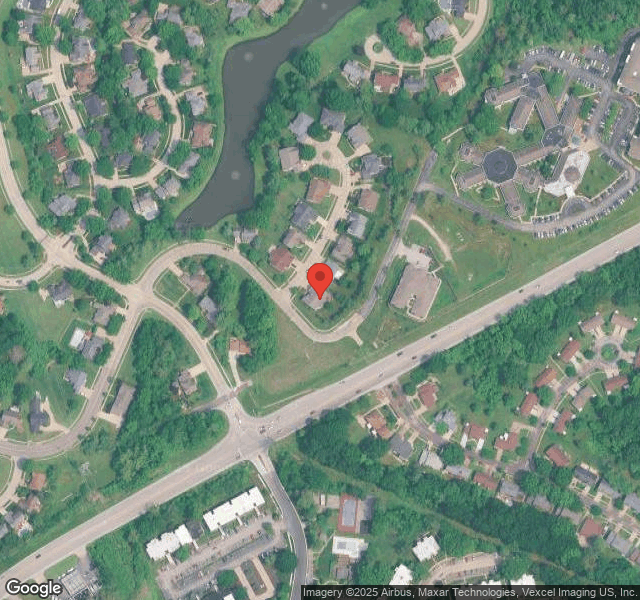

5300 BUTLER HILL ROAD, SAINT LOUIS, MO 63128 (314) 842-0588
For profit - Corporation 184 Beds DELMAR GARDENS Data: November 2025
Trust Grade
80/100
#14 of 479 in MO
Last Inspection: September 2024

Within standard 12-15 month inspection cycle. Federal law requires annual inspections.

Overview

Delmar Gardens South has a Trust Grade of B+, which means it is above average and recommended for potential residents. It ranks #14 out of 479 nursing homes in Missouri, placing it in the top half of facilities statewide, and #4 out of 69 in St. Louis County, indicating only three local options are better. The facility's performance has been stable, with the number of reported issues remaining consistent over the last two years. Staffing is rated at 4 out of 5 stars, but turnover is at 59%, which is average for Missouri, meaning some staff may not stay long-term. Notably, there have been no fines, which is a positive sign, but the facility has less RN coverage than 81% of others in the state, which can impact the level of care. However, there have been some concerning incidents. For example, one resident fell and sustained a serious spinal fracture because staff did not provide adequate supervision during toileting. Additionally, the facility has faced issues with food safety, such as failing to properly label and date food items, and has not consistently stored medications according to acceptable standards, including not properly labeling insulin pens and ensuring narcotics were securely stored. Overall, while Delmar Gardens South has some strengths, such as its strong trust grade and no fines, these recent incidents highlight areas needing improvement.

Trust Score
B+
80/100
In Missouri
#14/479
Top 2%
Safety Record
Moderate
Needs review
Inspections
Holding Steady
4 → 4 violations
Staff Stability
⚠ Watch
59% turnover. Above average. Higher turnover means staff may not know residents' routines.
Penalties
✓ Good
No fines on record. Clean compliance history, better than most Missouri facilities.
Skilled Nurses
⚠ Watch
Each resident gets only 25 minutes of Registered Nurse (RN) attention daily — below average for Missouri. Fewer RN minutes means fewer trained eyes watching for problems.
Violations
⚠ Watch
11 deficiencies on record. Higher than average. Multiple issues found across inspections.
★★★★★
5.0
Overall Rating
★★★★☆
4.0
Staff Levels
★★☆☆☆
2.0
Care Quality
★★★★★
5.0
Inspection Score
Stable
2023: 4 issues
2024: 4 issues

The Good

  • 4-Star Staffing Rating · Above-average nurse staffing levels
  • Full Sprinkler Coverage · Fire safety systems throughout facility
  • No fines on record

Facility shows strength in staffing levels, fire safety.

The Bad

Staff Turnover: 59%

13pts above Missouri avg (46%)

Frequent staff changes - ask about care continuity

Chain: DELMAR GARDENS

Part of a multi-facility chain

Ask about local staffing decisions and management

Staff turnover is elevated (59%)

11 points above Missouri average of 48%

The Ugly 11 deficiencies on record

1 actual harm
Sept 2024 3 deficiencies
CONCERN (D)

Potential for Harm - no one hurt, but risky conditions existed

Accident Prevention (Tag F0689)

Could have caused harm · This affected 1 resident

Based on observation, interview and record review, the facility failed to ensure each resident receives adequate supervision and assistance to prevent accidents when a Certified Nursing Assistant (CNA...

Read full inspector narrative →
Based on observation, interview and record review, the facility failed to ensure each resident receives adequate supervision and assistance to prevent accidents when a Certified Nursing Assistant (CNA) failed to ensure two staff were present before providing care, which resulted in a fall where the resident suffered a skin tear to the left upper extremity (LUE), a purple bruise purple above his/her left eye with a laceration on top of the bruise (Resident #33). The census was 240 residents, with 184 in certified beds. Review of the facility's Transfer and Lift Policy (butterfly), dated February 2020, Reviewed on May 2021, showed: -Policy: To provide communication to staff about resident transfer abilities and to assure we take all precautions necessary to maintain the safety of our residents including acknowledgment that this facility has adopted a NO LIFT policy for residents requiring a mechanical means of transfer. Upon admission each resident will be assessed by the inter-disciplinary team on the capabilities of how the resident transfers; this will be re-assessed with changes in condition and at the quarterly care plan; -A butterfly magnet will be placed inside of the resident's room on the overhead light or door frame of resident's rooms indicating how the resident transfers. The butterfly will be coded to inform the staff of transfer ability. An additional red dot sticker will be placed on the magnets to indicate two people for ALL MEANS OF TRANSFER AND BED MOBILITY; -A teal butterfly indicates that NO ASSISTANCE REQUIRED; -An orange butterfly indicates a ONE PERSON TRANSFER with gait belt; -A purple butterfly indicates a TWO PERSON TRANSFER with gait belt; -An aqua butterfly indicates that a MECHANICAL FULL BODY LIFT IS Required; -A Red dot indicates TWO people required for ALL MEANS OF TRANSFERS AND BED MOBILITY; -The resident's transfer ability will be indicated in the resident's orders and included on the resident profile and care plan, as well as the butterfly; -All staff involved in the transfer of Residents will be trained on each lift including return competency demonstration; -Any change in resident condition will immediately be reported to the charge nurse if that change in condition affects the resident's current ability to assist in transfers; -When using a mechanical lift to transfer Residents. two employees are required to assist in the transfer without exception; -All staff involved in the transfer of Residents will be responsible for knowing how to identify transfer status of each resident; -All assisted transfers and ambulation of a resident require the use or a gait belt. Proper placement of the gait belt should be ensured before assisting Resident; -Any infraction of this policy will be reported to the Director of Nursing/Nurse Manager and/or the Administrator. Review of Resident #33's quarterly Minimum Data Set (MDS), a federally mandated assessment instrument completed by facility staff, dated 7/2/24, showed: -Moderately cognitively impaired; -Upper extremity/Lower extremity, impairment on one side; -Dependent on staff for all activities of daily living (ADL, self care); -Mobility, rolling left to right; Dependent on staff; -Falls since admission or prior assessment, no; -Diagnoses included stroke, heart disease, kidney disease, respiratory failure, hemiplegia (paralysis of one side of the body), anxiety and depression. Review of the resident's care plan, in use during the survey, showed: -Problem: ADLs, requires full body lift with large cloth full body sling with transfers and mobility. Requires assist of TWO for ALL bed mobility. Dependent with dressing bathing and toileting provided. He/She is not able to ambulate at this time; -Goal: Will demonstrate increasing strength, safety and independence in ADLs by next review date -Approach: Therapy to evaluate. Likes to go to bed early at night, to recline in his/her Broda (a wheelchair for comfortable long-term seating, reduces the number of falls that residents face. Broda chairs offers tilt, recline and adjustments that are operated by gas cylinders) if he/she is not in bed and prefers to be in his/her room. -Problem: Incontinence, Bowel and/or bladder, is incontinent and requires dependent assistance with mobility and hygiene. Requires assist of two with bed mobility; -Goal: Will not exhibit skin breakdown, urinary tract infection (UTI), impaired social interaction, lowered self-esteem secondary to incontinence through next review; -Approach: Answer call light promptly. Keep call bell within reach. Offer toilet upon risking, after meals, evenings, every time when making rounds at night, and as needed. Check for incontinence; -Problem: Falls, is at risk for falling due to history of falls, psychotropic (drugs that affect a person's mental state), hemiplegia (paralysis of one side of the body), weakness, decreased safety awareness, non-compliance with waiting/asking for assist and unsteadiness. Soft touch call light. Ensure proper alignment and positioning during transfers; Bariatric bed (plus sized) with bolster (raised wedges on either side of the bed); Goal: Will not have falls/injuries through next review; -Approach: CNA changing resident, while providing care resident began shaking and rolled out of bed. Bariatric bed with bolster. Review of the resident's nurse's progress notes, showed: -On 7/6/24 at 6:59 P.M., this nurse was alerted by CNA that resident rolled out of bed while being cleaned up, he/she said he/she was shaking while being cleaned which was confirmed by other CNAs that resident always shakes while being cleaned up. Neuro check (a routine neurological exam), performed and all normal range (WNR). Resident received a skin tear to Left shin and a bruise to the forehead along with a scratch. Resident's Responsible Party and Physician were notified; -On 7/6/24 at 7:33 P.M., physician gave orders to send to hospital since resident hit his/her head. 911 notified and here to pick resident up. Family notified and is not very happy due to fall. This nurse explained what was told by CNA, he/she was shaking and rolled out of bed during care. Family still unhappy. Resident being sent the hospital for evaluation; -On 7/7/24 at 6:24 A.M., received call from the hospital. Resident has no broken bones, a CT scan(computed tomography scan medical imaging procedure that uses X-rays and a computer to create detailed images of the inside of the body) of the head and spine, chest x-ray, and urinalysis (UA) all came back negative resident is on his/her way back to the facility; -On 7/7/24 at 7:50 A.M., resident returned from hospital about 7:15 A.M., via stretcher. Resident currently denies pain but kept asking questions related to fall yesterday. Vitals and neuro check both WNR. No distress noted. Skin assessment complete. Skin tear to left upper extremity (LUE), bruise purple in color noted to left side of face above left eye, and a laceration above left eye on top of bruise. Safety measures in place. Bed low to ground. Frequent rounds made. Review of the facility Post Fall Assessment, dated 7/6/24, completed at 6:51 P.M., showed -Location of fall, resident room; -What was resident doing just prior to fall, laying in bed; -Witnessed fall, yes; -Description of incident; CNA was changing resident and said when he/she was wiping the resident, the resident was shaking and rolled out of bed; -Immediate interventions taken to promote resident's safety, pain management assessment; -Was there an injury? Yes, skin tear to left shin, bruise to forehead with a scratch; -Did the resident hit their head; Yes; -Fall with Suspected head trauma, Neuro checks, skin assessment q shift x 72 hours. Observation and interview on 9/17/24 at 11:03 A.M., showed on the resident's room entrance door frame, an aqua butterfly with a red dot. The resident was seated in his/her Broda chair watching television. He/she remembered when he/she fell out of his/her bed. The resident said he/she had to go to the hospital. He/She said a staff person was taking care of him/her and the staff person rolled him/her out of his/her bed. The resident said the ambulance came and they picked him/her up off the floor and took the resident to the hospital. He/She said he/she hit his/her head, and it was hurting. He/She said they did a CT scan at the hospital to see if his/her neck was broken, but nothing was broken, it just hurt. During an interview on 9/19/24 at 11:08 A.M., CNA F said he/she was in the process of cleaning the resident after the resident had a bowl movement. CNA F said the resident was on his/her side in the bed and he/she was wiping him/her, when the resident started shaking and ended up rolling out of the bed. He/She said the resident did have the bumpers on the side of the bed, but he/she shook a little too hard and went over the bumper. The resident ended up hitting his/her head on the oxygen concentrator beside his/her bed. CNA F said he/she asked the resident if he/she was okay and the resident said he/she bumped his/her head and it was going leave a bad bruise. CNA F went and found the nurse and the nurse assessed the resident. The ambulance came and took the resident to the hospital. He/she said he/she was an agency employee and was not sure if just agency received the assignment sheets or if everyone got an assignment sheet when they arrived. He/She did receive an assignment sheet upon arrival to the facility and was not aware of the meaning about the butterflies. During an interview on 9/17/24 at 11:11 A.M., CNA E, said the resident was a two assist with all ADL care and a two assist with bed mobility. He/she said a red dot on the butterfly above their doorway means a two-assist bed mobility. He/She said when CNAs started their shift, they were given an assignment sheet. The assignment sheet had the butterflies on it and beside each butterfly, it said what the butterflies meant. The butterflies basically told you how to care for the resident. During an interview on 9/17/24 at 11:15 A.M., Registered Nurse G said he/she was not working the day the resident fell. He/She said the resident was a two assist with all bed mobility. The red dot on the butterfly meant two assist for bed mobility. Agency staff were provided an assignment sheet, and the butterflies were on the assignment sheets along with the definitions for the butterflies. During an interview on 9/17/24 at 11:20 A.M., CNA H said the assignment sheet gives you a low down on your hall. It's basically a whole packet, it tells you how they eat, transfer, lift, it has butterflies on it and tells you the meanings of the butterflies and dots. Basically, it you walk in and don't know anything, it gives you a run down on the resident and how to provide care. During an interview on 9/17/24 at 11:27 A.M., the MDS Coordinator said the resident was a two-person bed mobility, which meant a two person assist providing care in the bed. During an interview on 9/17/24 at 11:30 A.M., the Director of Nursing said the resident was a two person assist at the time of the incident and the CNA was sent home following the incident. The CNA was suspended pending the investigation. She believed the CNA was made a Do Not Return (DNR) for not following transfer policy/protocol. During an interview on 9/17/24 at 1:04 P.M., the Administrator said she expected staff to follow the transfer policy and the resident's care plan.
CONCERN (E)

Potential for Harm - no one hurt, but risky conditions existed

Deficiency F0761 (Tag F0761)

Could have caused harm · This affected multiple residents

**NOTE- TERMS IN BRACKETS HAVE BEEN EDITED TO PROTECT CONFIDENTIALITY** Based on observation, interview and record review, the facility failed to label and store medications according to acceptable st...

Read full inspector narrative →
**NOTE- TERMS IN BRACKETS HAVE BEEN EDITED TO PROTECT CONFIDENTIALITY** Based on observation, interview and record review, the facility failed to label and store medications according to acceptable standards of practice, for two of seven medication carts reviewed. The facility failed to date insulin pens when removed from the refrigerator and placed in the medication cart. In addition, the facility failed to ensure narcotic medications were always maintained under double lock when not under direct supervision. The facility identified 14 medication/treatment carts. The census was 240 with 184 in certified beds. Review of the facility's Insulin Administration via Pen Devices Policy, reviewed on 5/21, showed: -Purpose: To safely administer insulin via pen devices according to physician orders and the facility's Policy and Procedure recommendations; -Procedure: Insulin pens containing multiple doses of insulin are meant for use on a single person only and should never be used for more than one person, even when the needle is changed. Insulin pens should be clearly labeled with the person's name or other identifying in information to ensure that the correct pen is used only on the correct individual. Insulin pen needles are also intended only for a single person; they will be provided in a baggie or box labeled with the individual resident's name. They should be kept separate from other resident's needles and stored in the treatment cart; -Check the expiration date. If a new pen is being utilized for first time, date the pen on the label. Please refer to chart for pen expiration dates. Pens should be stored in the refrigerator prior to use and kept in the labeled Ziploc bag in which they were delivered. Once used, they must be kept at room temperature in the treatment cart. Review of the facility's Quick Reference for Insulin Pens, last updated [DATE], showed expiration days after first use on the following type of insulin: -Humalog Kwikpen (same as Insulin Lispro, short-acting, pre-filled, disposable insulin pen that helps control blood sugar spikes after eating) - expires in 28 days; -Tresiba FlexTouch Pen (insulin degludec, a long-acting, man-made version of human insulin) - expires in 56 days; -Lantus SoloStar pen (a long-acting man-made-insulin used to control high blood sugar in adults and children with diabetes) - expires in 28 days. Review of Insulin Lispro pen instructions for use, showed: -Do not use your pen past the expiration date printed on the label or for more than 28 days after you first start using the pen; -Store unused pens in the refrigerator; -In-use pens: Store the pen you are currently using at room temperature; -Throw away the Insulin Lispro pen you are using after 28 days, even if it still has insulin left in it. Review of insulin degludec pen guide for patients, showed: -Before first use: Store in a refrigerator; -After first opening: Keep it at room temperature or in a refrigerator up to 8 weeks. Review of the Lantus insulin pen how to use instructions, showed: -Before opening, store Lantus in the refrigerator; -Always store unopened Lantus in the refrigerator; -Always check the expiration date of the pen; -Never refrigerate the pen after opening it; -After its first use, keep at room temperature. After 28 days, throw your opened Lantus pen away, even if it has insulin in it. Review of the facility's Controlled Drug Medications Policy, reviewed 2/2023, showed: -All controlled medications must be stored in a separately locked area that requires a different key; -Scheduled II (drugs can cause severe psychological or physical dependence, include certain narcotics, stimulants, and depressant drugs) medications remain in a double locked cabinet in the med room or in a locked container on the nurses- treatment cart; -Scheduled III (Opioid analgesics in this schedule include products containing not more than 90 milligrams of codeine per dosage unit and buprenorphine), IV (drugs with a low potential for abuse and low risk of dependence.), and V (drugs with lower potential for abuse and consist of preparations containing limited quantities of certain narcotics) routine medications be placed in a locked box on the medication cart; -Schedule III, IV, and V PRN (as needed) medications will be stored in a locked cabinet inside the medication room if there is not adequate separately locked storage available on the medication cart. 1. Observation on [DATE] at 9:08 A.M., of the Division 400 nurse cart, showed: -11 insulin pens, stored in individual containers for each resident; -One insulin lispro pen with no date removed from refrigeration or expiration date labeled on the pen; -One insulin degludec pen with no date opened or expiration date labeled on the pen; -One insulin Lantus with no date removed from refrigeration or expiration date labeled on the pen. During an interview on [DATE] at 9:08 A.M., Licensed Practical Nurse (LPN) A said staff should label the insulin pens when they are removed from refrigeration. He/She wrote the date on the pharmacy label, but some staff will label the pen itself. He/She looked at the three pens and verified no dates were written on the pens. 2. Observation on [DATE] at 9:25 A.M., of the Division 500 Certified Medication Technician (CMT) cart, showed no staff at the cart or in direct view of the cart. At 9:30 A.M., CMT B said the medication cart was for residents who resided in rooms a 520-544. He/She unlocked the cart. Observation showed a narcotic box inside the cart unlocked. Multiple cards with narcotic medications were inside the box. CMT B said staff had to push down on the top of the lock box until it clicked, to get the narcotic box to lock. It should be locked anytime staff were away from the cart. 3. During an interview on [DATE] at 8:08 A.M., LPN C said insulin pens should be dated and labeled once opened and removed from the refrigerator, using a permanent marker or pen. The expiration dates would depend on the type of insulin. The Quick Reference Sheets were available in the medication room and carts for staff to refer to determine the expiration dates. The insulins should be discarded after date of expiration. LPN C said if insulin pens were not labeled, he/she would find out who opened the pen and it would be discarded immediately if no sufficient information was gathered. LPN C said narcotics should be locked at all times. 4. During an interview on [DATE] at 9:03 A.M., Registered Nurse (RN) D said once insulin pens were opened and removed from the refrigerator, they should be dated and initialed by the staff who opened the pen. Expiration dates would depend on the type of insulin. The Quick Reference sheets for insulin pens were available in the nurses' carts. RN D said the narcotic medications should always be locked in the drawer in the medication cart. 5. During an interview on [DATE] at 11:30 A.M., the Director of Nursing (DON) said she expected insulin pens to be labeled and dated when opened and removed from the refrigerator. Expired insulin pens should be discarded. The narcotic medications box should be locked at all times.
MINOR (C)

Minor Issue - procedural, no safety impact

Deficiency F0577 (Tag F0577)

Minor procedural issue · This affected most or all residents

Based on observation and interview, the facility failed to post in a place readily accessible to residents, family members, legal representatives of residents and visitors the results of the most rece...

Read full inspector narrative →
Based on observation and interview, the facility failed to post in a place readily accessible to residents, family members, legal representatives of residents and visitors the results of the most recent survey and complaint investigations. The census was 240 with 184 in certified beds. Observations on 9/11, 9/12, 9/13 and 9/16/24, showed no visible survey results maintained at the entrance of the building, in the lobby of the building or at the desk with the receptionist. No visible signs were posted for the location of the survey results and/or availability of the last survey or complaint investigations. During a group interview on 9/13/24 at 10:54 A.M., nine residents, who the facility identified as alert and oriented, attended the group meeting. Eight residents said they did not know where the survey binder was located and had never viewed it. One resident said the binder and a sign used to be maintained at the receptionist desk at the front lobby, but he/she had not seen it over the last few weeks. Observation and interview on 9/17/24 at 9:12 A.M., showed no visible sign or survey binder maintained at the front lobby desk. The receptionist said the binder was usually kept at the desk, but she could not locate it, or the sign indicating the results were available. The receptionist said It was just here last week. As she looked for the binder, the surveyor located the binder on the desk, underneath a glass shelf, with two other binders on top of it. The receptionist then located the sign underneath another sign. The receptionist said the binder and sign had been there the entire time, but were not accessible to residents, visitors and family members. The survey sign somehow got stuck underneath another sign. During an interview on 9/17/24 at 1:10 P.M., the Administrator said the binder was kept in the front lobby near the receptionist area, along with the sign indicating results were available. It had been there the entire time and was accessible to residents, families and visitors. When told it was not there during observations, she said it was available.
Feb 2024 1 deficiency 1 Harm
SERIOUS (G) 📢 Someone Reported This

A family member, employee, or ombudsman was alarmed enough to file a formal complaint

Actual Harm - a resident was hurt due to facility failures

Accident Prevention (Tag F0689)

A resident was harmed · This affected 1 resident

**NOTE- TERMS IN BRACKETS HAVE BEEN EDITED TO PROTECT CONFIDENTIALITY** Based on interview and record review, the facility failed to provide adequate supervision for one resident (Resident #1) who req...

Read full inspector narrative →
**NOTE- TERMS IN BRACKETS HAVE BEEN EDITED TO PROTECT CONFIDENTIALITY** Based on interview and record review, the facility failed to provide adequate supervision for one resident (Resident #1) who required staff assistance with transfers and mobility when toileting. On 1/15/24, after the resident asked for privacy in the bathroom, staff did not ensure the resident was in a safe position. The resident fell and sustained an L2 (second lumbar spinal vertebrae in the human body) compression fracture (the fracture occurs when the bone collapses, and the front (anterior) part of the vertebral body forms a wedge shape). The sample size was 3. The census was 229 with 171 in certified beds. Review of the facility's Following Physician Orders policy and procedure, dated 6/29/21, showed: -Purpose: It is the policy of the community to ensure that all Licensed Professional Nurses (Registered Nurse (RN)/Licensed Practical Nurse (LPN)/Licensed Vocational Nurse (LVN) and other healthcare professionals follow physician orders in accordance with State, Federal regulations and their respective practice acts; Procedure: All physician orders will be followed as prescribed and if not followed, the reason shall be recorded on the resident's medical record. Review of the facility's Post-Fall Assessment Policy, revised 10/2021, showed: -Purpose: All falls are investigated to determine the reasons for the fall and to develop interventions to minimize or eliminate future falls. Residents at risk for falls are identified on the resident banner in the electronic medical record; Falls Definition Guidelines: Current Centers of Medicare and Medicaid Services (CMS) policy regarding falls include: -The presence or absence of a resultant injury is not a factor in the definition of a fall. A fall without injury is still a fall; -The point of accurately capturing occurrences of falls on the assessment is to identify and communicate resident problems/potential problems, so that staff will consider and implement interventions to prevent falls and injuries from falls. Review of Resident #1's admission Minimum Data Set (MDS), a federally mandated assessment instrument completed by facility staff, date 1/19/24, showed: -Cognitively intact; -Toilet transfer: Partial/Moderate assistance; -Diagnosis included: Anxiety, depression. Review of the physician orders, showed: -An order, dated 1/12/24, transfer needs: assist of one; -An order, dated 1/13/24, for walking club 1 assist with wheeled walker, every shift day and evenings. Review of the resident's care plan, in use at the time of the survey, showed: -Problem: Resident requires assist of one with transfers and mobility. Assist with dressing, bathing and toileting provided; -Goal: Will demonstrate increasing strength, safety and independence in activity of daily living (ADLs) by next review date; -Approach: Walking club 1 assist with wheeled walker and wheelchair follow; -Problem: Resident at risk for falling related to weakness, decreased mobility, and medication use; -Goal: Will remain free from falls/injuries through next review; -Approach: Fall risk tag to assistive device(s). Give verbal reminders and cues as needed. Monitor for safe use of wheelchair and walker. Review of the resident's progress note, dated 1/16/24 at 1:32 A.M., showed Certified Nurse Assistant (CNA) B assisted the resident to the bathroom. Once in the bathroom, the resident wanted privacy. While the resident was closing the door, he/she started to pull down his/her brief when he/she lost his/her balance and fell on his/her bottom on the bathroom floor. The CNA immediately alerted this nurse (Nurse A). Nurse A assessed the resident and found no skin issues from the fall. The resident denied pain or discomfort at this time. CNA B stated that the fall was witnessed, and the resident did not hit his/her head. Vital signs and neurological checks within normal limits. The resident was assisted back up and put onto the toilet. This nurse encouraged the resident to have assistance pulling pants down going forward until he/she gets stronger. The resident agreed. Nurse A ensured the resident had call light within reach before leaving the room. Will continue to monitor. Review of the resident's post-fall assessment, dated 1/16/24, showed: -Resident was helped into bathroom but wanted privacy, so CNA B removed himself/herself from the bathroom but before the door was shut, CNA B witnessed the resident try to pull his/her pants down and lost his/her balance and fell on his/her bottom in the bathroom; -Standing still, unsteady gait, and attempting to use the toilet; -Immediate interventions taken to promote resident's safety: Encouraged resident to receive help pulling pants down. Review of the resident's Social Service Rehab care plan observation, dated 1/17/24, showed: -Diagnosis: muscle weakness; -Resident's progress and participation in rehab: some decline since recent fall. Review of the resident's progress notes, showed a note on 1/24/24 at 4:24 P.M., stat x-ray ordered related to lumbar spine pain and decreased mobility post fall. During an interview on 2/6/24 at 5:53 P.M., the resident's family member said the resident fell on the second night he/she was at the facility in the bathroom. The resident was at the facility for rehab and needed assistance to the bathroom. He/She was upset because the resident had complained to about having back pain. The family member asked a therapist at the facility about getting an x-ray of the resident's back. The family member really wanted the resident to get an x-ray. The family member said he/she was told the resident's back was fractured. The facility let the resident be in pain for nine days. The family member felt the facility had been [NAME] and was hiding what happened to the resident in the bathroom. He/She was told the facility investigated what happened but the stories didn't add up. He/She said asked the Social Worker about getting the x-ray. It was completed the day the resident discharged from the facility. Review of the resident's x-ray results, dated 1/24/24, showed: -Findings: No comparison studies available. Examination was technically limited. There was generalized osteopenia (a loss of bone mass or bone mineral density). There was mild anterior compression (the fracture occurs when the bone collapses, and the front (anterior) part of the vertebral body forms a wedge shape) of the L2 (second lumbar spinal vertebrae in the human body) vertebral body of indeterminate acuity. S1 (referred to as the sacral base, is the upper and wider end of the triangular-shaped sacrum) decreased disc space height with spondylosis (a painful condition of the spine resulting from the degeneration of the intervertebral disks). Sacroiliac joints (articulates surfaces of the sacrum and the ilium and functions as the transition between the spine and the pelvis) are symmetric; -Impressions: Limited examination with mild L2 compression fracture and L5-S1 disc degenerative changes. During a telephone interview on 2/14/24 at 8:53 A.M., CNA B said he/she was familiar with the resident's care and resident's level of assistance could be found on the outside of resident room doors. That was the first night he/she worked with the resident. He/She said there was an assignment sheet and assignment binder explaining resident's care needs. CNA B said the resident put his/her call light on, he/she went into the resident's room and sat him/her up on the side of the bed. He/She placed a gait belt around the resident and helped the resident stand, using his/her walker. They walked to the bathroom and after the door was opened, the resident turned around to back up against the toilet. CNA B said the resident started to push the door closed but he/she told the resident he/she was one person assist, so he/she needed to stay to make sure he/she sat down. CNA B said the resident told him/her to leave because he/she wanted privacy. CNA B said he/she could not deny the resident his/her privacy. CNA B said he/she stepped out of the bathroom, the resident shut the door and then he/she fell. CNA B said he/she did not see the resident fall but heard him/her fall. He/She opened the bathroom door and saw the resident on the floor. He/She said it was a slide down to the floor. He/She heard the walker get pushed over. You can hear if the legs on the toilet rise (has adjustable legs with an open toilet set that fits over the regular toilet. It makes the toilet higher) move if something hits it too hard. CNA B said he/she thought the resident was standing inside the frame of the walker and slide down to the floor in front of the toilet. He/She didn't know what made the resident unbalanced because while they walked to the toilet, he/she was ok. Maybe he/she became unbalanced when pulling his/her pants down. CNA B said the resident was one person assist and had not refused care on that night. During a telephone interview on 2/16/24 at 9:22 A.M., LPN A said the resident put his/her call light on and CNA B went into the resident's room to help him/her to the bathroom. Once in the bathroom, at that point, CNA B said the resident told him/her that he/she wanted privacy. LPN A said CNA B told the resident he/she had to wait until he/she was seated on the toilet before leaving him/her. LPN A said CNA B told him/her the resident was practically pushing him/her out of the bathroom and he/she tried to follow the resident's rights. The aide left the bathroom, and the door was closed. CNA B heard a noise in the bathroom, went back in, and that's when he/she saw the resident on the bathroom floor. LPN A completed an assessment and followed the fall policy from there. He/She encouraged the resident to get set up help when he/she went to the bathroom and the resident agreed. During an interview on 2/6/24 at 4:20 P.M., CNA E said it was not ok to leave a resident who needed help going to the bathroom in the bathroom. CNA E pulled a care sheet out of his/her pocket to show what care his/her residents needed. During an interview on 2/6/24 at 4:26 P.M., Certified Medication Technician (CMT) F said he/she knew what care residents needed by looking at their care plans. During an interview on 2/6/24 at 4:32 P.M., CNA G said residents shouldn't be left in the bathroom, the level of resident care was listed on the residents' door frames. The information listed on the door frame told staff if a resident was one or two people assist or mechanical lift, etc. During an interview on 2/6/24 at 5:43 P.M., the Assistant Director of Nursing said she would have expected staff not to have left the resident in the bathroom alone. During an interview on 2/6/24 at 6:13 P.M., The Director of Nursing said she would have expected staff to have waited until the resident was seated on the toilet before giving him/her privacy. MO00230852
Dec 2023 1 deficiency
CONCERN (D) 📢 Someone Reported This

A family member, employee, or ombudsman was alarmed enough to file a formal complaint

Potential for Harm - no one hurt, but risky conditions existed

Deficiency F0919 (Tag F0919)

Could have caused harm · This affected 1 resident

**NOTE- TERMS IN BRACKETS HAVE BEEN EDITED TO PROTECT CONFIDENTIALITY** Based on observation and interview, the facility failed to follow their policy when staff failed to acknowledge audible and visu...

Read full inspector narrative →
**NOTE- TERMS IN BRACKETS HAVE BEEN EDITED TO PROTECT CONFIDENTIALITY** Based on observation and interview, the facility failed to follow their policy when staff failed to acknowledge audible and visual call light signals located above the resident's door or answer call lights promptly for three residents (#1, #4 and #7). The census was 224. Review of the facility's Call Lights Answering policy, reviewed 6/2021, showed: -Purpose: To get to the resident when he/she calls for assistance; -To assist the nurse in meeting the resident's request; -Procedure: 1. Go to the resident as soon as he/she calls. Answer within 5-15 minutes. Emergency lights should be responded to immediately to prevent injury; 2. Ask the resident, in friendly manner, what he/she needs; 3. Turn off the call light so that others will know that it has been answered; 4. If you can, do what the resident asks you. Be sure that what he/she wants is permitted; 5. If he/she needs a nurse, give his/her request to the nurse immediately. It may be very important that you do this; 6. Before leaving the resident, tell him/her you will do what was asked. Review of Nurse Aides, Quick Reference of Things to Know, revised 5/2021, showed: Call lights must be answered promptly. Review of in-service training dated 01/23/23, showed: Topic/Objective: Do not leave residents alone in the restroom. 1. Review of Resident #1's admission Minimum Data Set, (MDS) a federally mandated assessment instrument completed by facility staff, dated 12/12/23, showed: -Resident cognitively intact; -Required staff assistance with bed mobility, sit to standing and getting on and off the toilet or commode; -Diagnoses included: Acute kidney failure, acute peptic ulcer, generalized edema (swelling) and unspecified osteoarthritis (a degeneration of joint cartilage and the underlying bone). Review of the resident's care plan, in use at the time of the investigation, showed: -Problem: Falls, the resident is at risk for falling related to weakness, decreased mobility, and medication use; -Goal: The resident will remain free from falls/injury through next review; -Approaches included: Give verbal reminders and cues as needed. Keep call light in reach at all times. Keep personal items and frequently used items within reach. Observation of the resident's room on 12/27/23 at 9:37 A.M., showed the resident's call light was illuminated yellow on the panel located on the wall. The light above his/her room door was illuminated and made an audible beeping sound. Observations of the resident's room on 12/27/23 at 9:48 A.M., 9:57 A.M., 10:03 A.M., 10:10 A.M., and 10:41 A.M., showed the resident's call light remained illuminated above the resident's door. Observation of the hall outside the resident's room on 12/27/23 at 9:57 A.M., showed nursing staff sat at the nursing station at each end of the hallway. Staff walked past the resident's room with the call light on. During an interview on 12/27/23 at 9:37 A.M., the resident said he/she has had accidents of incontinence because staff took too long to answer his/her call light. In those instances, staff would tell him/her they were busy with other residents. Or, were giving showers to other residents, and they could not leave that resident to answer a call light. The resident said he/she was embarrassed because staff had to clean him/her up. 2. Review of Resident #4's annual MDS, dated [DATE], showed: -Moderate cognitive impairment; -Self Care: -Toileting hygiene: Supervision or touching assistance. Helper provides verbal cues or touching/steadying assistance as resident completes activity; -Toileting transfers: Partial/moderate assistance; Helper does less than half the effort; -Diagnoses included heart failure. Observation on 12/28/23 at 8:26 A.M., showed the resident in tears. The resident said he/she had sat up in his/her wheelchair all morning and wanted to lie down in his/her bed. The resident sat in his/her wheelchair, in the middle of the doorway of his/her room. The call light was on and visible from the hall. The resident was waiting on someone to make his/her bed. Certified Nursing Assistant (CNA) B walked past the resident while his/her call light was illuminated above the resident's room door. The resident asked the aide to make up his/her bed so he/she could get back into it. The resident told the aide he/she had been up a while and wanted to lie down. Observation showed the aide never broke his/her stride and told the resident someone would be back to make his/her bed. The resident became more tearful and held himself/herself. Observation of the resident's room on 12/28/23 at 8:30 A.M., showed CNA B went into the resident's room and turned off his/her call light without making the resident's bed. CNA B told the resident as he/she was leaving the room and someone would be back to make his/her bed. Observation of the resident's room on 12/28/23 at 8:50 A.M., showed CNA B turned off the call light in the resident's room and left without making the resident's bed. Observation of the resident's room on 12/28/23 at 8:50 A.M. showed CNA A took bed linen into the room and made his/her bed. The resident kept saying thank you to the staff for making the bed. CNA A did not acknowledge the resident. As CNA A was leaving the room, the resident asked if he/she could go to bed now. CNA A said, If you want to. The resident propelled himself/herself into his/her room and put himself/herself to bed. 3. Review of Resident #7's admission MDS, dated [DATE], showed: -Moderate cognitive impairment; -Toileting hygiene - partial/moderate assistance, helper does less than half the effort; -Cognitive communication deficit; -Diagnoses included Syncope (fainting) and muscle weakness. Review of the resident's care plan, in use at the time of the investigation, showed: -Problem: The resident is at risk for falling related to history of falls, weakness, decreased mobility, and medication use. -Goal: The resident will remain free from falls/injuries through the next review; Give verbal reminders and cues as needed; Keep call light in reach at all times; Keep personal items and frequently used items within reach. During an interview on 12/27/23 at 10:10 A.M., the resident said recently, he/she had a couple of staff who didn't want to help him/her and were angry. The resident said he/she was crying, and the staff asked what he/she was crying about. The resident told the staff that he/she had been left in his/her wheelchair all day and he/she had lymphedema (swelling in the arm or leg). The resident said he/she was really upset, and staff shouldn't work this job if they didn't have compassion. He/She said when the aide helped him/her into bed, the aide just threw his/her legs into the bed and that was painful because he/she had sat in the chair all day. The resident put his/her call light on one night around 8:30 P.M. and waited until a quarter after 9 P.M. for staff to come help him/her. He/She took a water pill but had not had an accident yet because he/she was able to hold it until staff came. 4. During an interview on 12/28/23 at 9 A.M., CNA G said residents put their call light on when they need help. It was not appropriate for staff to pass by a resident's room whose call light was on or turn off the resident's call light without helping them. 5. During an interview on 12/28/23 at 9:50 A.M., CNA I said staff should not walk past a resident's room when the call light was on. The call light should be answered promptly, and staff should not sit at or around the nurse desk when resident call lights were on. 6. During an interview on 12/28/23 at 8:49 A.M., Nurse F said if a resident needed help, the resident would put on their call light. He/She said it was not appropriate for any staff to walk past a resident's room when the call light was on or flashing above the resident's room door. Nurse F said it was not appropriate for any staff to not assist or acknowledge a resident who asked for assistance, and it was not appropriate to turn off the call light without assisting the resident. 7. During an interview on 12/28/23 at 3:20 P.M., the Administrator said the procedure for staff answering call lights was that staff were expected to finish the task they were engaged in before moving on to the next task. The Administrator said if staff were in the process of helping someone else, walking past the room with a call light on was the expectation. After completing the original task, staff should go back and answer the call light. She said call lights should be answered within 10 to 15 minutes. MO00228318
Aug 2023 1 deficiency
CONCERN (D) 📢 Someone Reported This

A family member, employee, or ombudsman was alarmed enough to file a formal complaint

Potential for Harm - no one hurt, but risky conditions existed

Accident Prevention (Tag F0689)

Could have caused harm · This affected 1 resident

Based on interview and record review, the facility failed to follow their policy in regards to reporting a fall when a Nurse Aide (NA) in Training completed an inappropriate transfer and lowered the r...

Read full inspector narrative →
Based on interview and record review, the facility failed to follow their policy in regards to reporting a fall when a Nurse Aide (NA) in Training completed an inappropriate transfer and lowered the resident to the floor (Resident #2). The NA reported the inappropriate transfer to the nurse who did not report the incident as a fall. The fall was not reported until the next day when reported by the resident. The sample size was 7. The census was 226. Review of the facility's Post-Fall Assessment Policy, revised 10/2021, showed: -Purpose: All falls are investigated to determine the reasons for the fall and to develop interventions to minimize or eliminate future falls. Residents at risk for falls are identified on the Resident Banner in Matrix Care (electronic medical record); -Procedure: 1. The nurse on duty will complete a Post-Fall Assessment Event for each fall; 2. Physician and resident representative must be notified of all falls; 3. Neurological Assessment should be initiated with all falls; 4. The charge nurse will implement any immediate interventions necessary to minimize risk of future fall; 5. Therapy will complete the Rehab Multidisciplinary Screening Observation Form within 24 to 72 hours after a fall; 6. Nurses must assess the resident's condition following the fall and document every shift for 72 hours after a fall; 7. The Interdisciplinary Fall Review Team will meet at least weekly and formally address each resident that has fallen during the previous week. Discussion will focus on interventions that have been implemented and other interventions that may be required to reduce falls and meet the resident's needs. Interventions are to be updated on the resident's care plan; -Fall Definition Guidelines: -An episode where a resident lost his/her balance and would have fallen, were it not for staff intervention, is a fall. In other words, an intercepted fall is still a fall;* (*Clarification: If a resident is lowered to the floor by a staff member, it is also considered a fall.); -The presence or absence of a resultant injury is not a factor in the definition of a fall. A fall without injury is still a fall; -When a resident is found on the floor, the facility is obligated to investigate and try to determine how he/she got there, and to put into place an intervention to prevent this from happening again. Unless there is evidence suggesting otherwise, the most logical conclusion is that a fall has occurred; -The distance to the next lower surface (in this case, the floor) is not a factor in determining whether or not a fall occurred. If a resident fell off a bed or mattress that was close to the floor, this is a fall. Review of Resident #2's admission Minimum Data Set (MDS), a federally mandated assessment instrument completed by facility staff, dated 7/24/23, showed: -Cognitively intact; -Total dependence (two or more physical assist) with transfer, dressing, and toilet use; -Limited assistance with bed mobility; -Moving seating to standing: Not steady, only able to stabilize with human assistance; -Moving on and off toilet: Not steady, only able to stabilize with human assistance; -Surface to surface transfer: Not steady, only able to stabilize with human assistance; -Lower extremity impairment on one side, uses wheelchair for mobility; -Frequently incontinent of bowel and bladder; -Diagnoses include right fibula (the outer and usually smaller of the two bones between the knee and the ankle) fracture, cirrhosis (scarring of the liver caused by continuous, long-term liver damage), acid reflux, diabetes, and Chronic Obstructive Pulmonary Disease (COPD, lung disease). Review of the resident's Treatment Administration Record (TAR), dated July 2023, showed: -Skin assessment completed on 7/26/23; -Impaired skin to right shin: Scabbed areas; -Treatment as ordered. Review of the resident's care plan, edited 7/26/23, showed: -Problem: Resident requires assist of two with transfers and mobility; -Goal: Will demonstrate increased strength, safety, and independence in activities of daily living (ADLs) by next review date; -Approach: Provide assistance as needed to diffuse frustrations with morning and afternoon care, weight bearing 50% to right lower extremity, and physical therapy/occupational therapy evaluation/treat, completed 6/8/23. Review of the resident's care plan, edited 7/28/23, showed: -Problem: The resident is at risk for falling related to history of falls, weakness, decreased mobility, and medication use; -Goal: Will remain free from fall/injuries through next review; -Approach: Give verbal reminders and cues as needed, provide an environment free of clutter, gather and assess information on past falls. Review of the resident's progress notes, showed: -7/24/23 7:38 P.M., (Recorded as late entry on 7/25/23 at 1:38 P.M.) Resident was lowered to the floor by aide during transfer. No injury was noted at time and range of motion was within the resident's baseline. No vital signs were taken at time of event. Aide did not understand the butterfly signs (facility's system to indicate ADLs assistance) on the door and was educated on the matter; -7/25/23 12:55 A.M., Resident continues on observation for new admission. Able to make needs known. Resting in room with call light in reach; -7/27/23 at 2:16 P.M., Physician has been called and waiting on call back to report that resident has swelling on the right side of his/her back along with some redness. This nurse asked resident and spouse about going out to the hospital due to pain medication not being here yet due to pharmacy going through another party along with waiting on the doctor signature. Resident refused and said he/she did not want to lose his/her bed; -7/28/23 at 8:12 A.M., Resident's spouse came to nurses' station requesting he/she be sent to the hospital for pain management. This nurse called the front office to notify of the spouse's request. Spouse then came back and said not to send resident to hospital at this time. The spouse wanted to talk to the resident and front office before he/she makes a decision; -7/28/23 at 8:30 A.M., Spouse came back to the nurses' station and asked to send resident to the emergency department. Call placed to Physician through exchange; -7/28/23 at 9:50 A.M., Return call from Physician with orders to send resident to the emergency department. Awaiting emergency medical services (EMS) arrival. Review of the facility's investigation, dated 7/26/23, showed: -On 7/24/23, NA A alerted Nurse B that he/she had to lower the resident to the floor as the resident's legs gave out while standing. At that time, the resident told the nurse that he/she did not have any injuries. On the morning of 7/25/23, the resident stated his/her back hurt and needed x-rays. The resident's physician and family were notified. A full body assessment was completed and revealed no new findings on 7/27/23; -This writer contacted NA A who was assigned to the resident. The NA said the resident told him/her that the resident could stand up by himself/herself. Therefore NA A went ahead and stood the resident to help him/her get ready for bed. NA A said while he/she assisted the resident with a gait belt, the resident's legs buckled and the NA could not hold the resident up, so he/she slid the resident to the ground down his/her leg and had his/her knee braced against the resident for support. NA A said he/she got Nurse B to come help and assess the resident; -NA A was questioned about the facility lift policy, the butterfly magnets, and the care needs assignment sheet. All showed the resident was a 2 person transfer. NA A said he/she did not look at these because he/she thought the resident was alert and oriented. NA A had been trained on the transfer policy which was included with this report. The NA's position was terminated for an improper transfer resulting in potential injury of a resident; -The x-rays of the hips and pelvis showed no fractures. X-rays of the spine showed multiple old compression fractures (occurs when one or more bones in the spine weaken and crumple) including a post-surgical fusion (surgery to permanently join together two or more bones in the spine so there is no movement between them) of the Lumbar vertebrae 5 (L5). In April 2022, a CT scan showed compression deformity of L4; -The results report the compression fractures are of uncertain age. A bone scan would be needed to determine if they are of recent origin. Nursing contacted the resident's pain management physician at the resident's request. There is an appointment set up and a medication ordered that will accommodate the resident's end stage liver disease. During an interview on 8/9/23 at 3:45 P.M., NA A said he/she was terminated over the incident so he/she would not talk to anyone. NA A then said it did not make sense to keep talking about the incident and hung up. During an interview on 8/10/23 at 9:58 A.M., the resident's previous roommate said the resident was not dropped. The resident was being transferred with just one staff member and the chair moved out from under the resident. During an interview on 8/9/23 at 8:50 P.M., Nurse B said he/she was the nurse assigned to the resident and NA A was the assigned aide for the evening shift on 7/24/23. Nurse B said the aide reported that he/she had just completed an unsafe transfer with the resident. Nurse B said he/she went to the resident's room and the resident was on the floor. Nurse B said he/she assessed the resident and the resident did not report any pain. The resident said he/she was lowered to the floor. Nurse B said he/she did not consider it a fall so he/she did not notify the physician or the family. Nurse B said NA A was not sent home but was assigned to a different unit. Nurse B said he/she was not sure why the aide attempted the transfer without assistance. Nurse B said he/she spoke to the roommate who was also alert and oriented and the roommate reported the resident was lowered as well. During an interview on 8/10/23 at 11:45 A.M., the Administrator said Nurse B talked to the resident and put in a progress note, but did not write a statement. The Administrator said she would have the nurse write up a statement. She said Nurse B was also counseled that the incident was a fall and should have been reported as a fall. She would not expect a call to the oncall supervisor for every fall if there was no injury even if it was an improper transfer. The Administrator she expected staff to do a report and leave a message with the oncall supervisor. The resident said he/she was not injured then reported it the next day as a fall with injury. She said an improper transfer that required the resident to be lowered to the floor would be considered a fall. That was why the facility had these policies and procedures in place as well as transfer status in multiple areas. MO00221971
Jul 2023 1 deficiency
CONCERN (D)

Potential for Harm - no one hurt, but risky conditions existed

Quality of Care (Tag F0684)

Could have caused harm · This affected 1 resident

Based on interviews, record review, and facility policy review, the facility failed to monitor and manage administration of intravenous (IV) vancomycin (used to treat serious bacterial infections) for...

Read full inspector narrative →
Based on interviews, record review, and facility policy review, the facility failed to monitor and manage administration of intravenous (IV) vancomycin (used to treat serious bacterial infections) for 1 (Resident #103) of 1 residents reviewed for IV vancomycin. Findings included: Review of a facility policy titled, Intravenous Fluids (I.V.), Administration of, with a reviewed date of 05/2021, revealed the policy did not address specific monitoring/management procedures for vancomycin. In an interview on 07/08/2023 at 1:23 PM, the Administrator stated there was no facility policy specific to vancomycin. A review of a Resident Face Sheet, revealed the facility admitted Resident #103 on 06/18/2023 with diagnoses that included infection of right hip prosthesis and chronic kidney disease. The admission Minimum Data Set (MDS), with an Assessment Reference Date (ARD) of 06/21/2023, revealed Resident #103 had a Brief Interview for Mental Status (BIMS) score of 15, which indicated the resident was cognitively intact. The resident required extensive assistance from staff with bed mobility, transfers, dressing, toileting, and locomotion off the unit. Resident #103 required physical help from staff with parts of bathing. Resident #103 required limited assistance from staff with walking and was independent with eating. The MDS revealed the resident had received antibiotics on two days since their admission. Review of Resident #103's Care Plan revealed a problem area, with a start date of 06/25/2023, that indicated Resident #103 required monitoring related to IV/PICC [peripherally inserted central catheter] line. The Care Plan instructed staff to monitor for signs and symptoms of infection and to notify the physician of any possible infection or of difficulty or inability to flush the PICC line. The Care Plan included a problem area, with a start date of 06/25/2023, that indicated Resident #103 was at risk for complications related to a recent surgical/wound infection. The Care Plan indicated the resident was on IV vancomycin for 17 doses. The Care Plan did not include any additional information or instructions for staff addressing the vancomycin. In an interview on 07/06/2023 at 8:48 AM, Resident #103 stated they received IV antibiotics. The resident was unable to state the type of infection being treated. Review of Resident #103's hospital admission record revealed the resident had a surgical site infection and had undergone an incision and drainage procedure of the right hip. An Infectious Disease Consultation report, dated 06/10/2023, indicated Resident #103 would require an extended course of IV antibiotic therapy for six weeks followed by several months of oral antibiotic suppression. Review of Resident #103's hospital After Visit Summary, dated 06/18/2023, revealed the resident was to follow up with the Infectious Disease Medical Doctor (ID MD). There was no date specified for follow up. The summary included an order to infuse vancomycin, 250 milliliters (mL) (1250 milligrams [mg] total), every other day for 17 doses beginning on 06/19/2023. The last date of administration at the hospital was documented as 06/17/2023. Review of Resident #103's Physician Order Report, dated 06/06/2023-07/06/2023, revealed the following orders to be started on 06/19/2023: - Vancomycin in 0.9 % sodium chloride solution, 1.25 gram/250 mL; amt [amount]: 250 mL; intravenous. Special instructions indicated 17 doses to be given, once each morning every other day at 5:00 AM. - Basic metabolic panel (BMP) to include glomerular filtration rate (GFR) (a measure of kidney function). - CBC (complete blood count) with differential (a check of white blood cell levels). Resident #103's Physician Order Report included a laboratory order for a vancomycin trough (a measure of the lowest concentration of the drug in the patient's bloodstream, collected just prior to administration of the drug) to be collected on 07/03/2023. The ordering provider was identified as the Medical Director (MD). Review of a Licensed Nurse Administration History, dated 06/18/2023-07/07/2023, revealed Resident #103 received their prescribed dose of vancomycin on 07/03/2023 at 5:00 AM. Review of a laboratory result, with a reported date of 07/03/2023 at 2:59 PM, revealed the specimen was collected from Resident #103 on 07/03/2023 at 11:10 AM. The resulting vancomycin trough level was documented as 28.6 micrograms (ug)/mL. The report indicated the result was higher than the normal range identified as 10-20 ug/mL. Review of Resident #103's Resident Progress Notes revealed Licensed Practical Nurse (LPN) #1 placed a call on 07/06/2023 at 4:54 PM to the ID MD to discuss laboratory results for the previous CBC, BMP and CRP (C-reactive protein, a protein made by the liver whose presence can indicate an infection). LPN #1 was unable to contact the ID MD and contacted the MD. On 07/06/2023 at 7:23 PM the MD said if the nursing staff were unable to make contact with the ID MD, to obtain orders in the morning from the MD. The progress notes indicated the MD left an order on 07/07/2023 at 9:39 AM for Stat [immediate] vancomycin level and CBC BMP today. During an interview on 07/07/2023 at 10:31 AM, LPN #2 stated she had worked in the building approximately seven months and when a resident was admitted on vancomycin the nursing staff would make sure there was a corresponding order to obtain a vancomycin trough level. LPN #2 further stated the vancomycin trough specimen was to be collected each week and had to be drawn within an hour prior to the next scheduled dose. LPN #2 stated when the results were received from the laboratory, they were reported to the infectious disease physician identified on the resident's chart. LPN #2 stated nursing staff should not administer any doses of vancomycin until the physician gave the order after reviewing the laboratory results. During an interview on 07/07/2023 at 10:39 AM, LPN #3 stated she was from an agency but had worked at the facility on and off for a year and was familiar with the facility's protocols regarding the administration of vancomycin. LPN #3 stated residents would have an order for a vancomycin trough level to be obtained at least every two weeks. When the trough results were received the nursing staff would notify the physician to determine any necessary dosage changes. During an interview on 07/07/2023 at 12:14 PM, the Pharmacist stated the pharmacy would only calculate vancomycin doses for residents if the pharmacy had a signed protocol with the physician. The Pharmacist further stated there were some physicians who preferred to calculate doses themselves, and the vancomycin trough levels were dependent on the resident's condition as it was a renally dosed drug (a drug for which current kidney functioning plays a role in dosage calculations). The Pharmacist stated a vancomycin trough level using a specimen collected following a recent administration of vancomycin would not be valid and would not be used to guide therapy as it would give a false high. The Pharmacist confirmed the pharmacy was not calculating vancomycin dosages for Resident #103. During an interview on 07/07/2023 at 1:45 PM, the MD stated that most of the time the infectious disease physician would follow the laboratory results for someone on vancomycin. The MD stated sometimes the infectious disease physician would be difficult to reach and, in those cases, he would take over and refer the resident to the pharmacy for dosing. The MD stated more than 90 percent of the time the infectious disease physician followed the resident's care. The MD stated admission orders would be sent by the hospital and the attending physician would approve. If the hospital did not include vancomycin trough levels in the orders the facility would add the orders. The MD further stated the standard for a resident with poor kidney function would require a vancomycin trough level to be obtained every couple of doses. The MD confirmed a vancomycin trough level specimen should be collected immediately preceding the next dose to determine the lowest concentration of the drug in the blood stream at the time of the collection. The MD stated he was not made aware of Resident #103's vancomycin trough level until 07/05/2023 and at that time instructed the nursing staff to contact the ID MD as he was managing the vancomycin for Resident #103. The MD stated the staff were not able to reach the ID MD and he provided an order for the staff to draw the vancomycin trough specimen on 07/07/2023 and to hold the scheduled dose for that morning. During an interview on 07/07/2023 at 2:39 PM, the ID MD stated when one of his patients is sent to a skilled nursing facility the attending physician at that facility takes over the clinical management of that patient. The ID MD stated the vancomycin trough level should have been obtained each week. The ID MD stated when Resident #103 was discharged from the hospital, orders had been provided to the hospital case manager to be sent to the facility that indicated a vancomycin trough level was to be obtained every six days. The ID MD said the resident should have had three vancomycin trough levels obtained by this date. The ID MD stated he was not made aware of Resident #103's vancomycin trough level of 28.6 ug/mL prior to this interview. During an interview on 07/08/2023 at 9:38 AM, the Director of Nursing (DON) stated the process for residents admitted on vancomycin was that the nurse would enter the orders from the hospital discharge instructions, contact the physician for approval of the orders, and adjust as ordered by the physician at that time. The DON stated she would expect a nurse to question the physician if there were no laboratory orders for a resident admitted on vancomycin. The DON stated there were orders for laboratory tests at the time Resident #103 was admitted , but the vancomycin trough level was not ordered until 07/01/2023, to be collected on 07/03/2023. The DON further stated she had asked the MD why the vancomycin trough level was not ordered until 14 days following admission and the MD stated it should have been ordered following the third or fourth dose of vancomycin. The DON stated the vancomycin trough level specimen collected on 07/03/2023 was collected incorrectly and should have been collected prior to the administration of the 07/03/2023 dose and not after, which caused a false high level. The DON stated the staff faxed the MD with the lab results but there was no response. The DON stated the nursing staff should have ensured the MD was made aware of the laboratory result prior to administering the next dose on 07/05/2023 and that was not done. The DON further stated the MD instructed the staff to contact the ID MD to make him aware of the laboratory results and if they were unable to reach the ID MD to call the MD back to obtain orders. Orders were received from the MD on 07/07/2023 to hold the next dose of vancomycin and to obtain a stat vancomycin trough level. During an interview on 07/08/2023 at 11:03 AM, the Administrator stated she expected the assigned attending physician would manage the care of any new admission and the nurses were expected to contact the attending physician with any concerns. If there was no response from the attending physician, the nurse should contact the MD to get a response. The Administrator further stated all attempts to contact the physician should be documented and any laboratory value outside of normal should be reported within a 24-hour period of receiving the result.
Mar 2023 1 deficiency
CONCERN (D) 📢 Someone Reported This

A family member, employee, or ombudsman was alarmed enough to file a formal complaint

Potential for Harm - no one hurt, but risky conditions existed

Quality of Care (Tag F0684)

Could have caused harm · This affected 1 resident

**NOTE- TERMS IN BRACKETS HAVE BEEN EDITED TO PROTECT CONFIDENTIALITY** Based on observation, interview and record review, the facility failed to ensure two residents (Resident #1 and #5) received car...

Read full inspector narrative →
**NOTE- TERMS IN BRACKETS HAVE BEEN EDITED TO PROTECT CONFIDENTIALITY** Based on observation, interview and record review, the facility failed to ensure two residents (Resident #1 and #5) received care consistent with professional standards by not following physician orders to obtain urinalysis (UA, a urine test to detect a urinary tract infection (UTI)) and a urine culture and sensitivity (a urine test to determine if bacteria or fungus is present) in an acceptable time frame. One resident (Resident #1) had physician orders for antibiotics once the UA, culture and sensitivity results returned, and the facility staff failed to administer the resident's antibiotics in an acceptable time frame. The sample was five. The census was 210. Review of the facility's policy, Following Physician Orders, dated 6/29/21, showed: Purpose: It is the policy of the community to ensure all Licensed Professional Nurses (Registered nurse (RN)/ Licensed Practical Nurse (LPN) and other Healthcare Professionals, follow physician orders in accordance with State, Federal regulations and their respective practice acts; Procedure: All physician orders will be followed as prescribed and if not followed, the reason shall be recorded on the resident's medical record; All physician or health care professional's verbal, telephone or written orders will be immediately entered in the electronic medical record (EMR) by the nurse obtaining the order. 1. Review of the Resident #1's significant change Minimum Data Set (MDS), a federally mandated assessment instrument completed by facility staff, dated 2/14/23, showed: -Dependent on staff for transfers and toilet use; -Required extensive assistance from staff for bed mobility and personal hygiene; -Always incontinent of bowel and bladder; -Diagnoses included: heart failure, high blood pressure, renal (kidney) failure and urinary tract infection in the last 30 days. Review of the resident's care plan, in use at the time of survey, showed: -Problem: Incontinence of bowel and or bladder; -Interventions: Monitor lab work per physician orders; Report any signs of a UTI, acute (short duration) confusion, urgency, frequency, bladder spasms, nocturia (getting up at night on a regular basis to urinate), burning pain, difficulty urinating, low back pain, malaise (tiredness), nausea, vomiting, fever, foul odor, concentrated urine and blood in the urine. Review of the resident's progress notes, showed on 12/26/22 at 12:26 P.M.: The resident's family member called the facility concerned that the resident may have a UTI due to confusion and having changes in orientation. A request from the family member for a UA was made. Spoke with resident's physician during rounds and he/she was made aware of the family concerns. New orders for UA, culture and sensitivity; orders entered into the EMR; will continue to monitor. Review of the resident's medication administration record (MAR), dated 12/1/22 through 12/31/22, showed: -An order to obtain urine specimen, start date 12/27/22, showed: -On 12/27/22 and 12/28/22, documented as not administered; -On 12/29/22 and 12/30/22, documented as administered. Review of the resident's final UA, culture and sensitivity result, showed: -Specimen collected on 12/30/22 at 5:10 A.M.; -Reported 1/3/23 at 10:15 A.M.; -Positive for white blood cells (WBCs, cells in the body that fight infection) and bacteria. Review of the resident's progress notes, showed: -No documentation the physician was notified about the specimen not being obtained as ordered; -On 1/3/22 at 4:25 P.M., Ceftriaxone (antibiotic) 1 gram (gm), intramuscular (IM), for five days as ordered by the Nurse Practitioner (NP) after results of UA. Review of the resident's MAR, dated 1/1/23 thorough 1/31/23 showed: -An order for Ceftriaxone 1 gm IM, once a day, for five days, start date: 1/4/23, morning pass 7:15 A.M. - 11:15 A.M.; -On 1/4/23, documented as not administer, drug not available; -Ceftriaxone 1 gm, IM, documented as administered daily on 1/5/23, 1/6/23, 1/7/23, 1/8/23, 1/9/23, and 1/10/23. 2. Review of Resident #5's admission MDS, dated [DATE], showed: -Cognitively intact; -No refusals of care; -Required extensive assistance from staff with bed mobility, transfers, dressing and toilet use; -Occasional urinary incontinence; -Diagnoses included: high blood pressure, diabetes and depression. Review of the resident's care plan, in use at the time survey, showed: -Incontinence of bowel and or bladder; -Interventions: Report any signs of a UTI, acute confusion, urgency, frequency, bladder spasms, nocturia, burning pain, difficulty urinating, low back pain, malaise, nausea, vomiting, fever, foul odor, concentrated urine and blood in the urine. Review of the resident's physician order sheets (POS), dated 12/1/22 through 12/31/22, showed an order, dated 12/26/22, for UA and culture if indicated. Review of the resident's progress notes, showed: -On 12/26/22 at 4:00 P.M.,the resident is in his/her room resting; UA ordered, will collect specimen this evening; -On 12/29/22 at 5:04 A.M., the resident refused for nurse to collect urine; The resident prefers to have it collected during the day; Will pass on to the day shift; -On 12/31/22 at 5:23 A.M., UA collected via straight catheterization (a sterile tube that is inserted temporarily to drain the bladder); The resident tolerated procedure well. -No documentation that the physician was notified about the specimen not being obtained as ordered. Review of the residents final UA result, showed: -Specimen collected 12/31/22 at 5:00 A.M.; -Negative for for WBC's and bacteria; -No culture indicated. During an interview on 3/2/23 at 2:00 P.M., the resident said he/she had a urine test and was aware the test came back negative. He/She never refused to have a urine specimen obtained. He/She was having burning on urination and that is the reason the UA was obtained. 3. During an interview on 3/2/23 at 11:55 A.M., LPN A said all UAs are collected on night shift because the lab will come early morning the next day to pick up the specimens. If the order was obtained on day shift, the urine should be obtained that night. It may take longer if the resident refuses, but the physician should be notified if that specimen could not be obtained. There are antibiotic starters located on the 100 hall. If antibiotics are ordered, the nurse should administer the medication as soon as possible. If the antibiotic is not in the building, the nurse can call the pharmacy and they will send it out normally within a few hours. 4. During an interview on 3/2/22 at 12:45 P.M., the Director of Nursing (DON) and the Assistant Director of Nursing (ADON) verified that the Ceftriaxone was in the antibiotic starter kit and should have been given to Resident #1 when the order was received, especially since Resident #1 was having symptoms of a UTI and had a positive UA. They prefer not to have the staff document medication not available and to reach out to pharmacy or a member of management to be able to get the medication to the resident in a timely manner. The UA's, culture and sensitivity are expected to be completed within 24 hours. Any refusals or delays with obtaining the specimen is expected to be reported to the physician and a member of management. The delays in the staff obtaining the urine specimens and administering the antibiotic were unacceptable. Staff is expected to follow all physician orders. MO00214252
Oct 2019 3 deficiencies
CONCERN (D)

Potential for Harm - no one hurt, but risky conditions existed

ADL Care (Tag F0677)

Could have caused harm · This affected 1 resident

Based on observation, interview and record review, the facility failed to ensure a resident who is unable to carry out activities of daily living received services to maintain good personal hygiene by...

Read full inspector narrative →
Based on observation, interview and record review, the facility failed to ensure a resident who is unable to carry out activities of daily living received services to maintain good personal hygiene by failing to provide complete perineal care (peri-care, cleansing from the front of the hips, between the legs and buttocks to the back of the hips) for one of two perineal care observations (Resident #77) in certified beds. The census was 215 with 127 in certified beds. Review of the facility's perineal policy, revised 1/2017, showed: -Purpose: To establish routine practices for providing perineal care, which will cleanse to prevent skin breakdown, prevent infection and prevent odors. All residents will receive perineal care as needed, in the morning before breakfast, every evening with evening care at bedtime, as needed after bowel movement or urination, and each time the resident is incontinent; -Procedure: Position the resident on his/her back and separate the resident's legs. Make a mitten with the wash cloth, wet the wash cloth and apply peri-wash. Cleanse the peri area thoroughly. Separate the groin folds and wash the entire surface area from the front of the groin to the back. Review of Resident #77's annual Minimum Data Set (MDS) a federally mandated assessment instrument completed by facility staff, dated 8/27/19, showed: -Severe cognitive impairment; -Total staff assistance needed for all care needs; -Always incontinent of bladder; -Frequently incontinent of bowel; -Diagnoses included diabetes, stroke and dementia. Review of the resident's care plan, revised on 9/18/19, showed: -Problem: The resident has bowel and bladder incontinence and required assistance from staff for hygiene; -Goal: The resident will not exhibit skin breakdown, urinary tract infection (UTI), impaired social interaction or lowered self-esteem secondary to incontinence; -Approach: Apply moisture barrier to skin. Encourage fluids between meals and at medication passes. Encourage fluid intake. Monitor bowel elimination. Offer the toilet upon rising, after meals, at bedtime, every time when making rounds at night, and as needed. Check for incontinence. Provide incontinence care after each incontinent episode. During observation and interview on 10/22/19 at 1:17 P.M., Certified Nurse Aides (CNA) B and C washed their hands, applied gloves and explained care to the resident. CNAs B and C removed the resident's urine saturated pants, the urine saturated mechanical lift pad and brief. The resident's urine had a strong odor. CNA C applied no-rinse foam cleanser to a wet towel. CNA C wiped the outside of the resident's right thigh fold in a downward motion. He/she used the same section of the towel and cleansed under the abdominal fold. CNA C changed sections of the towel and wiped the outside of the resident's left groin. CNA B assisted the resident onto his/her side and exposed the buttocks, with a small amount of stool noted between the buttocks. CNA C used a new section of the towel and cleansed the stool in a front to back motion. He/she obtained a clean wet towel and cleaned in between the buttocks in a back and forth motion. CNA C failed to separate the skin folds and cleanse between the legs or cleanse the hips or buttocks. CNAs B and C said that all skin folds should be separated and cleansing provided in a front to back motion. During an interview on 10/24/19 at 7:51 AM the Director of Nursing said that perineal care should be done in a front to back manner, groin skin folds should be separated and cleansing completed between the folds. Hips and buttocks should be cleaned completely, especially if a resident is wet or experienced a bowel movement. If perineal care is not completed correctly, the resident could develop an infection.
CONCERN (E)

Potential for Harm - no one hurt, but risky conditions existed

Assessment Accuracy (Tag F0641)

Could have caused harm · This affected multiple residents

**NOTE- TERMS IN BRACKETS HAVE BEEN EDITED TO PROTECT CONFIDENTIALITY** Based on observation, interview and record review, the facility staff failed to accurately code the Minimum Data Set regarding ...

Read full inspector narrative →
**NOTE- TERMS IN BRACKETS HAVE BEEN EDITED TO PROTECT CONFIDENTIALITY** Based on observation, interview and record review, the facility staff failed to accurately code the Minimum Data Set regarding the use of oxygen, indwelling urinary catheter (a tube inserted into the bladder for purpose of continual urine drainage) use, falls, diagnoses, and discharge status for five of 25 sampled residents including two closed records (Residents #49, #31, #64, #69 and #115). The census was 215 with 127 in certified beds. 1. Review of Resident #49's electronic physician order sheet (ePOS), showed orders dated 8/11/19 for oxygen per nasal cannula (NC) at 3 liters per minute (LPM), continuous. Staff may adjust the amount to keep oxygen saturations (percentage of oxygen in the blood) above 90 percent (%). Review of the admission Minimum Data Set (MDS), a federally mandated assessment instrument completed by facility staff, dated 8/23/19, showed: -Cognitively intact; -Diagnoses of arthritis and chronic obstructive pulmonary disease (COPD, lung disease); -Section O 0100 C: oxygen use noted as blank. Review of the resident's care plan, revised on 8/24/19, showed: -Problem: Diagnosis of COPD; -Goal: The resident will not exhibit signs of respiratory distress such as: restlessness, wheezing, shortness of breath, sweating, crackles, blue tinged skin or lips or decreased breath sounds; -Interventions: Administer the oxygen at 3 LPM NC, observe oxygen precautions, assess for change in level of consciousness, and cognition changes, report changes, encourage activities and self-care as tolerated, keep room cool and free of irritants such as smoke, dust and cleaning agents, monitor and report signs of respiratory distress such as: restlessness, wheezing, shortness of breath, difficulty with coughing, sweating, crackles, blue tinged skin or lips, decreased breath sounds, and monitor oxygen saturation. Observations of the resident during the survey, showed: -On 10/21/19 at 10:19 A.M., awake in his/her room and used oxygen at 3 LPM NC; -On 10/23/19 at 6:47 A.M., awake in bed, he/she wore oxygen at 3 LPM NC. At 12:54 P.M., he/she sat in his/her wheelchair in the dining room and wore oxygen at 3 LPM NC; -On 10/24/19 at 7:04 A.M., asleep in bed, he/she received oxygen at 3 LPM NC. 2. Review of Resident #31's significant change MDS, dated [DATE], showed: -admission date 6/10/19; -Any falls since admission: No; -Diagnoses included hypertension (high blood pressure), dementia, and anxiety disorder. Review of the nurses progress notes, showed: -On 6/24/19 at 3:10 P.M., the resident was observed on the floor at the foot of the bed, lying on left hip. Observed large hematoma (bleed under the skin) to left side of head. Upon assessment, he/she expressed extreme pain in left hip upon attempting to use scoop transfer lift. Emergency medical service called for further assessment and evaluation. Review of the resident's medical record, showed the resident obtained a hip fracture related to the fall on 6/24/19. 3. Review of Resident #64's quarterly MDS, dated [DATE], showed: -Diagnosis included heart failure, high blood pressure, cerebrovascular accident (CVA, stroke), depression and asthma; -Always continent of bladder; -Administered anti-anxiety medications in the last seven days; -Section H 0100 A: Indwelling catheter use noted as blank; -Section I 5700: Anxiety disorder noted as blank. Review of the resident's ePOS, showed: -An order dated 5/24/19, for 16 French (size) indwelling urinary catheter with 30 cubic centimeter (cc) balloon (portion of the catheter inflated to keep the catheter in the bladder). Inserted on 5/24/19; -An order dated 7/5/19, for Lorazepam (medication used to treat anxiety) 2 milligram (mg)/milliliter (ml), administer 0.5 mg by mouth at bedtime. Observations on 10/22/19 at 7:23 A.M. and 12:49 P.M., 10/23/19 at 11:42 A.M. and 2:50 P.M., and 10/24/19 at 7:47 A.M., showed the resident had an indwelling urinary catheter. 4. Review of Resident #69's discharge MDS, dated [DATE], showed: -Section A0310 G: Type of discharge (planned or unplanned) noted as blank; -Section A2100: Discharge status noted as blank; -Section A2000: discharge date noted as 9/11/19. Review of the resident's progress notes, showed: -On 10/10/19, he/she plans to discharge to the hospital on [DATE] for back surgery; -On 10/14/19, out of facility to hospital for planned surgery. Family to follow. Family has all belongings. Medications secured to be sent back to pharmacy. Resident discharged to hospital at this time. 5. Review of Resident #115's discharge MDS, dated [DATE], showed: -admission: [DATE] from an acute hospital; -Entry/discharge reporting: Discharge assessment- return not anticipated; -Section A0310 G: Type of discharge noted as planned; -Section A2100: Discharge status to an acute hospital on 8/24/19. Review of the resident's progress notes, showed: -On 8/24/19, the resident discharged home per private vehicle with his/her family member. All discharge instructions and medications reviewed with his/her family member and faxed to primary care physician as well as home care. All belongings and medications sent home with the resident. 6. During an interview on 10/24/19 at 11:41 A.M., MDS Coordinator D said he/she is responsible for completing the skilled assessments. MDS coordinator E completes the long term care assessments and assists with the skilled assessments. They obtain the information from the hospital records and records from the primary doctors. If there are medications without a diagnosis, they contact the physician. He/she would expect a resident's use of a catheter and use of oxygen to be included in the MDS. If a resident had a diagnosis of anxiety and received anti-anxiety medications, it is expected to be on the MDS. He/she would expect the discharge MDS to be coded accurately to reflect when the resident was discharged and where they were discharged to. The Director of Nursing would expect the MDS to be accurate and reflect the overall picture of the resident.
CONCERN (F)

Potential for Harm - no one hurt, but risky conditions existed

Food Safety (Tag F0812)

Could have caused harm · This affected most or all residents

Based on observation and interview, the facility failed to store food in accordance with professional standards for food service safety by failing to label and date food. In addition, the facility fai...

Read full inspector narrative →
Based on observation and interview, the facility failed to store food in accordance with professional standards for food service safety by failing to label and date food. In addition, the facility failed to ensure that expired food items were discarded. These deficient practices had the potential to affect all residents who consumed food from the facility kitchen. The census was 215 with 127 in certified beds. 1. Observations of the kitchen on 10/21/19 at 8:56 A.M., 10/22/19 at 11:23 A.M., and 10/24/19 at 10:56 A.M., showed the following: -Walk in cooler: A plastic gallon container, one fourth filled, with garlic. Best if used by 10/20/19, labeled on the container; -Walk in freezer: A brown paper bag wrapped in plastic wrap, not labeled and without a date; -Storage room downstairs: -A gallon of Kens Supreme Honey Mustard, dated 12/5/18, with a manufactured date of October 2018; -Nabisco Oreo cookie crumbs, wrapped in plastic wrap, without a date; -Potato Spuds wrapped in plastic, without a date; -Cornbread stuffing mix, wrapped in plastic wrap, without a date; -Two packages of powdered sugar, not dated. One sat inside of an open box on the shelf and faced the door and the other package sat on the back shelf and faced the back wall. 2. Observation of the kitchen walk-in freezer on 10/21/19 at 8:56 A.M. and 10/22/19 at 11:23 A.M., showed the following: -A blue plastic bag contained chicken nuggets, tied at the end of the bag, and without a date; -Chicken strips, wrapped in plastic, and without a date. 3. During an interview on 10/24/19 at 10:40 A.M., the food services director said dating food is always the hardest thing to keep up with. When using food, staff should use the first in, first out method. Sometimes staff may leave food in the box and use what is already out. He would expect for food items to be properly labeled, dated, and stored properly. Everyone is responsible for ensuring food items are labeled, dated, and stored properly.
Understanding Severity Codes (click to expand)
Life-Threatening (Immediate Jeopardy)
J - Isolated K - Pattern L - Widespread
Actual Harm
G - Isolated H - Pattern I - Widespread
Potential for Harm
D - Isolated E - Pattern F - Widespread
No Harm (Minor)
A - Isolated B - Pattern C - Widespread

Questions to Ask on Your Visit

  • "Why is there high staff turnover? How do you retain staff?"
  • "Can I speak with families of current residents?"
  • "What's your RN coverage like on weekends and overnight?"

Our Honest Assessment

Strengths
  • • Grade B+ (80/100). Above average facility, better than most options in Missouri.
  • • No fines on record. Clean compliance history, better than most Missouri facilities.
Concerns
  • • 11 deficiencies on record, including 1 serious (caused harm) violation. Ask about corrective actions taken.
  • • 59% turnover. Above average. Higher turnover means staff may not know residents' routines.
Bottom line: Generally positive indicators. Standard due diligence and a personal visit recommended.

About This Facility

What is Delmar Gardens South's CMS Rating?

CMS assigns DELMAR GARDENS SOUTH an overall rating of 5 out of 5 stars, which is considered much above average nationally. Within Missouri, this rating places the facility higher than 99% of the state's 100 nursing homes. This rating reflects solid performance across the metrics CMS uses to evaluate nursing home quality.

How is Delmar Gardens South Staffed?

CMS rates DELMAR GARDENS SOUTH's staffing level at 4 out of 5 stars, which is above average compared to other nursing homes. Staff turnover is 59%, which is 13 percentage points above the Missouri average of 46%. High turnover can affect care consistency as new staff learn residents' individual needs.

What Have Inspectors Found at Delmar Gardens South?

State health inspectors documented 11 deficiencies at DELMAR GARDENS SOUTH during 2019 to 2024. These included: 1 that caused actual resident harm, 9 with potential for harm, and 1 minor or isolated issues. Deficiencies causing actual harm indicate documented cases where residents experienced negative health consequences.
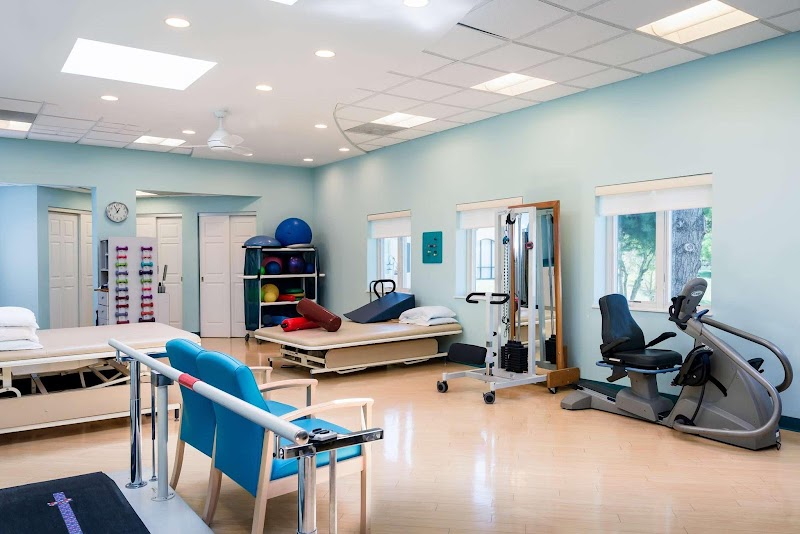
Who Owns and Operates Delmar Gardens South?

DELMAR GARDENS SOUTH is owned by a for-profit company. For-profit facilities operate as businesses with obligations to shareholders or private owners. The facility is operated by DELMAR GARDENS, a chain that manages multiple nursing homes. With 184 certified beds and approximately 173 residents (about 94% occupancy), it is a mid-sized facility located in SAINT LOUIS, Missouri.
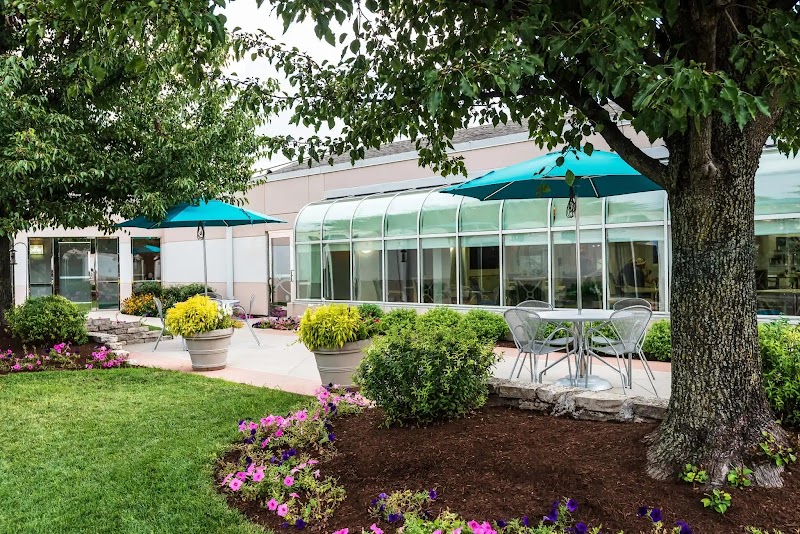
How Does Delmar Gardens South Compare to Other Missouri Nursing Homes?

Compared to the 100 nursing homes in Missouri, DELMAR GARDENS SOUTH's overall rating (5 stars) is above the state average of 2.5, staff turnover (59%) is significantly higher than the state average of 46%, and health inspection rating (5 stars) is much above the national benchmark.

What Should Families Ask When Visiting Delmar Gardens South?

Based on this facility's data, families visiting should ask: "How do you ensure continuity of care given staff turnover, and what is your staff retention strategy?" "Can I visit during a mealtime to observe dining assistance and food quality?" "How do you handle medical emergencies, and what is your hospital transfer rate?" "Can I speak with family members of current residents about their experience?" These questions are particularly relevant given the facility's high staff turnover rate.

Is Delmar Gardens South Safe?

Based on CMS inspection data, DELMAR GARDENS SOUTH has a clean safety record: no substantiated abuse findings (meaning no confirmed cases of resident harm), no Immediate Jeopardy citations (the most serious violation level indicating risk of serious injury or death), and is not on the Special Focus Facility watch list (a federal program monitoring the lowest-performing 1% of nursing homes). The facility has a 5-star overall rating and ranks #1 of 100 nursing homes in Missouri. While no facility is perfect, families should still ask about staff-to-resident ratios and recent inspection results during their visit.

Do Nurses at Delmar Gardens South Stick Around?

Staff turnover at DELMAR GARDENS SOUTH is high. At 59%, the facility is 13 percentage points above the Missouri average of 46%. High turnover means new staff may not know residents' individual needs, medications, or preferences. It can also be disorienting for residents, especially those with dementia who rely on familiar faces. Families should ask: What is causing the turnover? What retention programs are in place? How do you ensure care continuity during staff transitions?

Was Delmar Gardens South Ever Fined?

DELMAR GARDENS SOUTH has no federal fines on record. CMS issues fines when nursing homes fail to meet care standards or don't correct problems found during inspections. The absence of fines suggests the facility has either maintained compliance or corrected any issues before penalties were assessed. This is a positive indicator, though families should still review recent inspection reports for the full picture.

Is Delmar Gardens South on Any Federal Watch List?

DELMAR GARDENS SOUTH is not on any federal watch list. The most significant is the Special Focus Facility (SFF) program, which identifies the bottom 1% of nursing homes nationally based on persistent, serious quality problems. Not being on this list means the facility has avoided the pattern of deficiencies that triggers enhanced federal oversight. This is a positive indicator, though families should still review the facility's inspection history directly.