ESTATES OF SPANISH LAKE, THE
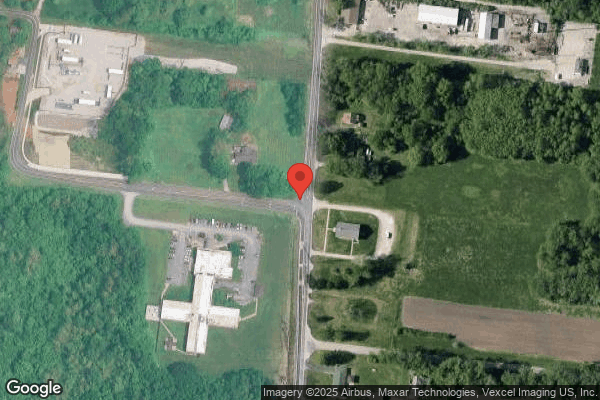
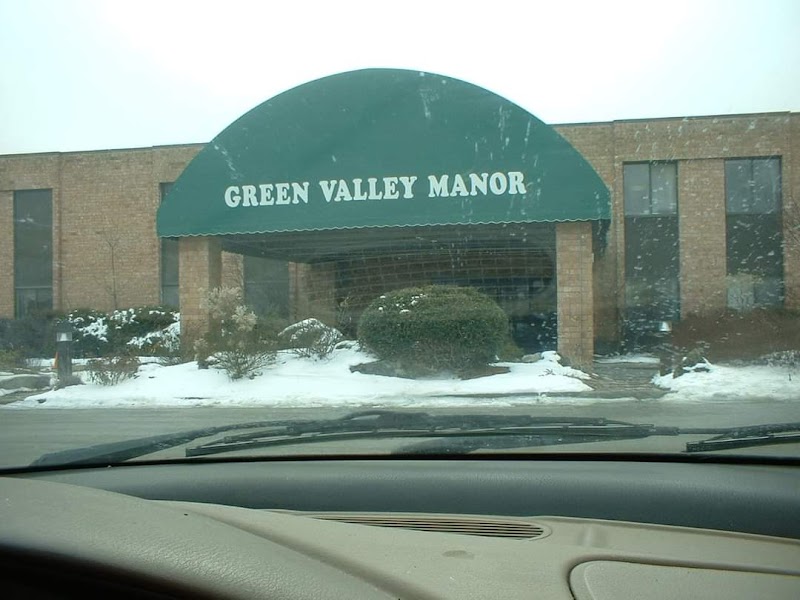
610 PRIGGE ROAD, SAINT LOUIS, MO 63138 (314) 741-9393
For profit - Limited Liability company 150 Beds Independent Data: November 2025 2 Immediate Jeopardy citations
Trust Grade
0/100
#246 of 479 in MO
Last Inspection: April 2025

Within standard 12-15 month inspection cycle. Federal law requires annual inspections.

Overview

Families considering Estates of Spanish Lake in Saint Louis should be aware that it has received an F grade, indicating significant concerns about the facility's quality of care. It ranks #246 out of 479 facilities in Missouri, placing it in the bottom half, and #31 out of 69 in St. Louis County, where only a few local options are better. The facility is showing signs of improvement, as the number of issues decreased from 27 in 2024 to 15 in 2025. However, staffing is a major concern with a low rating of 1 out of 5 stars and a high turnover rate of 69%, which exceeds the state average. Additionally, fines totaling $144,049 are alarming, indicating ongoing compliance issues. Although the facility has more quality measures rated 5 out of 5, specific incidents raise red flags, such as residents being exposed to excessively high temperatures and a failure to prevent a resident with a history of self-harm from accessing dangerous substances. Overall, while there are some strengths, the weaknesses are significant and warrant careful consideration.

Trust Score
F
0/100
In Missouri
#246/479
Bottom 49%
Safety Record
High Risk
Review needed
Inspections
Getting Better
27 → 15 violations
Staff Stability
⚠ Watch
69% turnover. Above average. Higher turnover means staff may not know residents' routines.
Penalties
⚠ Watch
$144,049 in fines. Higher than 78% of Missouri facilities, suggesting repeated compliance issues.
Skilled Nurses
⚠ Watch
Each resident gets only 3 minutes of Registered Nurse (RN) attention daily — below average for Missouri. Fewer RN minutes means fewer trained eyes watching for problems.
Violations
⚠ Watch
70 deficiencies on record. Higher than average. Multiple issues found across inspections.
★★☆☆☆
2.0
Overall Rating
★☆☆☆☆
1.0
Staff Levels
★★★★★
5.0
Care Quality
★☆☆☆☆
1.0
Inspection Score
Stable
2024: 27 issues
2025: 15 issues

The Good

  • 5-Star Quality Measures · Strong clinical quality outcomes
  • Full Sprinkler Coverage · Fire safety systems throughout facility
  • No fines on record

Facility shows strength in quality measures, fire safety.

The Bad

2-Star Overall Rating

Near Missouri average (2.5)

Below average - review inspection findings carefully

Staff Turnover: 69%

23pts above Missouri avg (46%)

Frequent staff changes - ask about care continuity

Federal Fines: $144,049

Well above median ($33,413)

Significant penalties indicating serious issues

Staff turnover is elevated (69%)

21 points above Missouri average of 48%

The Ugly 70 deficiencies on record

2 life-threatening 3 actual harm
Jul 2025 1 deficiency
CONCERN (D) 📢 Someone Reported This

A family member, employee, or ombudsman was alarmed enough to file a formal complaint

Potential for Harm - no one hurt, but risky conditions existed

Deficiency F0658 (Tag F0658)

Could have caused harm · This affected 1 resident

Based on interview and record review, the facility failed to administer medications as ordered for two of three sampled residents (Resident #1 and #2). The census was 144.Review of the Administering M...

Read full inspector narrative →
Based on interview and record review, the facility failed to administer medications as ordered for two of three sampled residents (Resident #1 and #2). The census was 144.Review of the Administering Medication Policy, reviewed date 1/24/24, showed the following:Policy: Medications will be administered in a safe and timely manner, and as prescribed.Procedure included:-Medications must be administered in accordance with the orders, including any required timeframe;-Medications are to be administered within one hour of their prescribed time, unless otherwise specified;-If a medication is withheld, refused or given at a time other than the scheduled time, the individual administering the medication will document the rationale;-While residents have the right to refuse medications, it is vital to notify the appropriate physician of the resident's refusal after three days to allow for a medication review;-If a medication is unavailable, the Certified Medication Technician (CMT)/Nurse will look in the First Dose Cabinet and/or Central Supply for over the counter medications, and administer the medication. If the medication is still unavailable, the CMT/Nurse will re-order the medication by either faxing or calling the request into the pharmacy;-If a medication is missing, and the pharmacy has not sent the requested medication the following day, the Director of Nursing (DON) or designee is to be notified to assist in removing barriers and obtaining the medication in a timely manner, whether the issue lies within the pharmacy or a new prescription needs to be updated. 1. Review of Resident #1's medical record, showed the following:-Severely impaired cognition;-No behaviors;-Diagnoses included: Schizophrenia (serious mental illness that affects how a person thinks, feels, and behaves), anxiety, insomnia, hallucinations, bipolar (mood disorder that can cause intense mood swings). Review of the resident's care plan in use at the time of the investigation, showed the following:-Problem: The resident has impaired cognitive function or impaired thought process related to schizophrenia;--Approaches included: Administer medications as ordered;-Problem: The resident uses psychotropic medications related to schizophrenia;--Approaches included: Administer psychotropic medications as ordered by the physician;-Problem: The resident has a severe mental illness;-Approaches included: Medication administration by staff and monitor compliance with prescription medication. Review of the resident's current physician's orders sheet (POS), showed the following:-Quetiapine fumarate (Seroquel) 400 milligrams (mg) at bedtime for schizophrenia;-Seroquel 200 mg at bedtime, give with 400 mg to equal 600 mg for bipolar. Review of the resident's July 2025 Medication Administration Record (MAR), showed the following:-Seroquel 400 mg at bedtime, entries marked as a 9 on 7/8, 7/9, 7/10 and 7/11/25;-Seroquel 200 mg at bedtime, entries marked as a 9 on 7/8, 7/9, 7/10 and 7/11/25;-Chart Code of 9 defined as Other/see progress note. Review of the resident's progress notes, showed the following:-7/8/25 at 9:27 P.M., Seroquel 200 mg, not available;-7/10/25 at 6:31 P.M., 400 mg and 200 mg, order;-No documentation between 7/8 to 7/10/25 regarding attempts to obtain the resident's ordered Seroquel; -7/11/25 at 6:18 P.M., pharmacy contacted about medications being sent out tonight for delivery;-7/11/25 at 10:39 P.M., Seroquel 200 mg, on order. During an Interview on 7/16/25 at 10:45 A.M., the resident said he/she was currently receiving all of his/her medications, but there was a time recently where he/she did not receive his/her medications for about five days. Not receiving all of his/her medications occurs on a monthly basis. During an Interview on 7/16/25 at 2:35 P.M., CMT A said when he/she was working on the medication cart (as a CMT), there were never problems with the resident's medications not being available. There was a day where he/she worked on the floor (as a nursing assistant) when the resident told CMT A he/she was missing his/her Seroquel. CMT A informed a Nurse, whom CMT A had never seen before. During an interview on 7/16/25 at 2:10 P.M., Nurse B said the resident had concerns last week about his/her medications. Earlier in the month, the resident went on a leave of absence (LOA) at the same time as the medication change over occurred for the next month, so they pulled some of the medications the resident needed for his/her LOA from the next month's supply. The resident's medications ran out sooner than expected. Staff contacted the pharmacy, but the insurance would not allow a refill so soon. Staff can pull from the emergency kit for some medications, but the resident takes a high dose of Seroquel that was not available in the emergency supply. 2. Review of Resident #2's medical record, showed the following:-Cognitively intact;-Experienced delusions;-Diagnoses included: Schizophrenia, major depressive disorder, anxiety, sleep terrors, insomnia, diarrhea, irritable bowel syndrome with diarrhea. Review of the resident's care plan in use at the time of the investigation, showed the following:-Problem: The resident has a behavior problem related to serious mental illness;--Approaches included: Administer medications as ordered;-Problem: The resident has impaired cognitive function or impaired thought process related to schizophrenia;--Approaches included: Administer medications as ordered;-Problem: The resident has an alteration in gastrointestinal status ;--Approaches included: Saccharomyces boulardi (type of probiotic), give one capsule by mouth two times per day related to irritable bowel syndrome with diarrhea;-Problem: The resident uses psychotropic medications for mood/behavior management/disease process/nightmares;-Approaches included: Latuda (medication to treat schizophrenia), give one tablet in the evening for mood with dinner. Review of the resident's July 2025 POS, showed the following:-Latuda 60 mg, give one tablet in the evening for mood with dinner;:-Saccharomyces boulardi 250 mg, give one capsule two times per day for supplement related to irritable bowel syndrome with diarrhea. Review of the resident's July 2025 MAR, showed the following:-Latuda 60 mg, entries marked as 9 on 7/12, 7/13 and 7/14;- Saccharomyces boulardi 250 mg, the following entries marked as 9:--7/2, evening dose--7/4, morning and evening dose;--7/8, evening dose;--7/9, morning dose;--7/10, morning dose;--7/11, evening dose;--7/12, evening dose;--7/13, evening dose;--7/15, morning dose. Review of the resident's progress notes, showed the following:-7/2/25 at 7:19 P.M., Saccharomyces boulardi 250 mg, medication not on medication cart or in medication room;-7/4/25 at 9:17 A.M., Saccharomyces boulardi 250 mg, on order;-7/4/25 at 4:45 P.M., Saccharomyces boulardi 250 mg, medication not on medication cart or in medication room;-7/8/25 at 5:55 P.M., Saccharomyces boulardi 250 mg, medication not on medication cart nor in medication room;-7/8/25 at 5:59 P.M., Latuda 60 mg, medication on order because none is in or on cart;-7/9/25 at 9:14 A.M., Saccharomyces boulardi 250 mg, on order;-7/10/25 at 10:00 A.M., Saccharomyces boulardi 250 mg, on order;-7/11/25 at 5:16 P.M., Saccharomyces boulardi 250 mg, medication not on medication cart nor in medication room;-7/12/25 at 6:24 P.M., Saccharomyces boulardi 250 mg, medication not on cart;-7/13/25 at 5:59 P.M., Latuda 60 mg, medication not on cart nor in medication room;-7/13/25 at 8:15 P.M., Saccharomyces boulardi 250 mg, medication not on cart;-7/14/25 at 10:52 P.M., Latuda 60 mg, awaiting on medication;-7/15/25 at 9:58 A.M., Saccharomyces boulardi 250 mg, on order. During an interview on 7/16/25 at 1:45 P.M., the resident said his/her medications run out at times, and he/she recently went without his/her Latuda for a couple of days. 3. During interviews on 7/16/25 at 3:30 P.M. and 4:00 P.M., the second floor Assistant Director of Nursing (ADON) said Resident #1's Seroquel was delivered on 7/11/25, and the problem with it not being delivered earlier was an insurance issue. The resident's dosage of Seroquel was not available in their emergency kit. Resident #2's Latuda is delivered from the pharmacy on its own, they do not have to order it, and sometimes, it is a day or two late. Latuda is not available in the emergency kit. The Saccharomyces boulardi is a probiotic, and it is in the house stock. It should not be unavailable. The ADON spoke to the CMTs when the probiotic was marked as a 9 on the MAR, and they said they were unaware the facility had the probiotic in stock. The ADON would plan a staff education regarding medication administration. 1469537
Apr 2025 14 deficiencies
CONCERN (D)

Potential for Harm - no one hurt, but risky conditions existed

Deficiency F0578 (Tag F0578)

Could have caused harm · This affected 1 resident

**NOTE- TERMS IN BRACKETS HAVE BEEN EDITED TO PROTECT CONFIDENTIALITY** Based on interview and record review, the facility failed to ensure one resident (Resident #342) had a code status (a legal docu...

Read full inspector narrative →
**NOTE- TERMS IN BRACKETS HAVE BEEN EDITED TO PROTECT CONFIDENTIALITY** Based on interview and record review, the facility failed to ensure one resident (Resident #342) had a code status (a legal document or instructions that outlines a patient's wishes regarding medical care, particularly if they experience cardiac or respiratory arrest) and another resident's code status was accurate (Resident #32). The sample was 29. The census was 140. Review of the facility's Advanced Directive Policy & Procedure, dated [DATE], showed: -Purpose: The facility aims to support a resident's self-determination and respects each individual's right to have their choices related to healthcare planning, advanced directives, and end-of-life care preferences throughout their stay; -At the time a resident is admitted into the facility, it must be determined if a resident has existing advanced directives or wishes to establish advanced directives. The following steps are taken as part of the admission process: -The facility admissions coordinator and/or a Social Service Worker (SW) will supply the resident and/or their representative with a copy of the facility's advanced directive policy, as well as, educational materials and explanation of the resident's rights regarding formulating an advanced directive. If the resident has existing advance directives, the admissions coordinator and/or SW will document in the medical record what documentation was provided by the resident and/or their representative; -The staff is to offer and assist the resident and/or representative in the completion of the paperwork, related to: -Identifying the primary decision-maker(resident and/or legal representative); -Identifying situations where healthcare decision-making is needed, including life sustaining treatments, such as: Cardiopulmonary Resuscitation, also known as: CPR (full code, all life saving measures wanted); Do Not Resuscitate, also known as: DNR, No Code, or No CPR Artificial Ventilation, also known as: breathing machine, respirator or ventilator; -Communication of the resident's and/or resident representative choices to the interdisciplinary team, through: -Emergency code status and if a resident has a legal representative will be reflected on the resident's face sheet in the medical record; completion of code status form; Physician's order to be obtained to reflect the resident and/or representatives advance directive wishes; comprehensive care plan established to reflect advance directive decisions; -If you choose to not establish an advance directive, no preference for end of-life decisions, and/or if a resident unexpectedly goes into cardiac and/or respiratory arrest CPR will be initiated and attempted, resident will be considered to have an emergency code status of: full code; -The facility SW and/or designee will review the currently established advanced directive wishes and goals of care with the resident and/or their representative during quarterly and annual care plan conferences, which will be documented in the medical record. If a resident's advance directive wishes change: face sheet will be modified, the care plan will be modified; the code status form will be modified; the physician order will be modified. 1. Review of Resident #342's admission Minimum Data Set (MDS), a federally mandated assessment instrument completed by facility staff, dated [DATE], showed: -admission date of [DATE]; -Cognitively intact; -Diagnoses included high blood pressure, hemiplegia or hemiparesis (weakness or paralysis on one side of the body), traumatic brain injury, malnutrition, anxiety disorder, manic depression, schizophrenia (a disorder that affects a person's ability to think, feel, and behave clearly) and post-traumatic stress disorder. Review of the resident's electronic medical records (EMR) showed no code status indicated, and no physician's order for code status under order summary. During an interview on [DATE] at 10:07 A.M., the Director of Nursing (DON) said the SW was responsible for completing the initial code status sheet. The facility did not have a SW during the resident's admission and the resident's code status was not completed. Code status order should be obtained from the physician and the form should be signed and completed upon admission. The DON said the staff were expected to apply full code until the resident's code status was completed. 2. Review of Resident #34's annual MDS, dated [DATE], showed: -Cognitively intact; -Diagnoses included heart failure, high blood pressure, renal insufficiency or renal failure, diabetes, stroke, seizure disorder, anxiety, depression, asthma or chronic lung disease. Review of the medical record, showed: -On the ribbon in the computer the resident was a full code; -The order summary report dated [DATE], the resident was a full code, start date was [DATE]; -The care plan in use at the time of survey, showed, the resident chooses to be full code. Review of the Code Status Decision Form, dated [DATE], showed: In the event of cardiac or respiratory arrest, I do request the following: DNR-Do not perform measures that will keep me alive, was checked. During an interview on [DATE] at 9:20 A.M. Licensed Practical Nurse (LPN) A said the code status could be found in the computer on the ribbon and on the face sheet. The SW was responsible for completing the code status form. Then, the SW will tell the nurse and the nurse will enter the code status in the computer. LPN A checked the chart and said the ribbon in the computer showed the resident was full code and the code status form showed the resident was DNR. If the resident was not breathing, he/she would treat the resident as a DNR. LPN A said he/she would clarify the code status order. 3. During an interview on [DATE] at 2:50 P.M., the DON said she expected for the code status to be completed and for the code status to be accurate.
CONCERN (D)

Potential for Harm - no one hurt, but risky conditions existed

Deficiency F0582 (Tag F0582)

Could have caused harm · This affected 1 resident

Based on interview and record review, the facility failed to provide a Skilled Nursing Facility Advance Beneficiary Notice (SNFABN-form CMS-10055) or a denial letter at the initiation, reduction, or t...

Read full inspector narrative →
Based on interview and record review, the facility failed to provide a Skilled Nursing Facility Advance Beneficiary Notice (SNFABN-form CMS-10055) or a denial letter at the initiation, reduction, or termination of Medicare Part A benefits for three of three sampled residents who remained in the facility upon discharge from Medicare Part A services (Residents #39, #36 and #6). The sample size was 29. The census was 140. Review of the Centers for Medicare and Medicaid Services Survey and Certification memo (S&C-09-20), dated 1/9/09, showed the following: -If the skilled nursing facility (SNF) believes on admission or during a resident's stay that Medicare will not pay for skilled nursing or specialized rehabilitative services and the provider believes that an otherwise covered item or service may be denied as not reasonable or necessary, the facility must inform the resident or his/her legal representative in writing why these specific services may not be covered and the beneficiary's potential liability for payment for the non-covered services. The SNF's responsibility to provide notice to the resident can be fulfilled using either the SNFABN (form CMS-10055) or one of the five uniform denial letters; -The SNFABN provides an estimated cost of items or services in case the beneficiary had to pay for them him/herself or through other insurance they may have; and -If the SNF provides the beneficiary with either the SNFABN or a denial letter at the initiation, reduction, or termination of Medicare Part A benefits, the provider has met its obligation to inform the beneficiary of his/her potential liability for payment and related standard claim appeal rights. 1. Review of Resident #39's medical record, showed: -Medicare Part A skilled services start date of 1/17/25 and end date of 2/25/25; -No SNFABN form issued. 2. Review of Resident #36's medical record, showed: -Medicare Part A skilled services start date of 12/25/24 and end date of 1/7/25; -No SNFABN form issued. 3. Review of Resident #6's medical record, showed: -Medicare Part A skilled services start date of 3/20/25 and end date of 4/18/25; -No SNFABN form issued. 4. During an interview on 4/23/25 at 7:31 A.M., the Minimum Data Set (MDS) Nurse said Social Services used to be responsible for issuing SNFABN's upon a resident's discharge. She is currently responsible for issuing notification. She was not aware the SNFABN's were not done for all of the residents. 5. During an interview on 4/25/25 at 2:50 P.M., the Administrator and Director of Nursing (DON), said they expected for the beneficiary SNFABN to be completed after a resident discharged from Medicare Part A.
CONCERN (D)

Potential for Harm - no one hurt, but risky conditions existed

Safe Environment (Tag F0584)

Could have caused harm · This affected 1 resident

Based on observation, interview and record review, the facility failed to maintain a homelike environment for residents at the facility, by not ensuring ceilings and water spots in resident bathrooms ...

Read full inspector narrative →
Based on observation, interview and record review, the facility failed to maintain a homelike environment for residents at the facility, by not ensuring ceilings and water spots in resident bathrooms were repaired during three of five days of the survey (Residents #27 and #129). In addition, the facility failed to ensure the bedroom door in one resident's room was in proper working condition and functional (Resident #69). The sample was 29. The census was 140. Review of the facility's Maintain a Safe, Clean, Comfortable, and Homelike Environment policy, reviewed 1/24/24 showed: -Policy: This facility will accommodate, to the extent possible, a personalized, homelike environment that recognizes the individuality and autonomy of each resident, while maintaining the safety of all residents and staff; -Policy Explanation and Compliance Guidelines: - Report any furniture in disrepair to maintenance promptly; -Maintain a clean, comfortable and homelike environment (I.e., ceiling tiles, wallpaper, floor tiles); -Report any unresolved environmental concerns to the Administrator. 1. Review of Resident #27's medical record, showed: -Moderate impaired cognition; -Diagnoses of hypertension (high blood pressure), diabetes, hyperlipidemia (high cholesterol) and stroke. Review of Resident #129's medical record, showed: -Cognitively intact; -Diagnoses of hypertension, heart failure, anxiety disorder, depression, and schizophrenia. Observations of Residents #27's and #129's bathroom on 4/22/25 at 9:26 A.M., 4/23/25 at 12:23 P.M., and 4/24/25 at 4:17 P.M., showed: -A damaged spot on the left side of the ceiling over the commode which measured approximately 6 inches wide and approximately 8 inches in length. The ceiling plaster/paint was observed torn away and hanging down from the ceiling; -A water stain, approximately a little larger than a basket ball was on the wall in the top left hand corner adjacent to the peeled ceiling, that had the old paint hanging down. During an interview on 4/22/25 at 9:26 A.M. with Residents #27 and #129, Resident #27 said he/she had been at the facility for approximately four or five months. The ceiling had been like that. Staff told the resident they were going to fix the ceiling in the bathroom but they had not. Resident #129 said sometimes the ceiling in the bathroom leaked, and sometimes it didn't. The maintenance people checked it and said were they going to fix it but they had not. 2. Review of Resident #69's quarterly Minimum Data Set (MDS), a federally mandated assessment instrument completed by facility staff, dated 4/11/25, showed; -Cognitive impairment; -No behaviors; -Ambulates with a walker; -Diagnoses included anxiety and depression. Observations of the resident's room, showed: -On 4/21/25 at 11:14 A.M., the resident's door was closed upon approach. When the surveyor opened the door, the door slammed shut extremely loud. The door would not remain open; -On 4/23/25 at 5:35 A.M., the resident's door was closed upon entry. The surveyor opened the door and it closed loudly afterwards. The door would not remain open; -On 4/23/25 at 11:44 A.M., the resident sat in bed. The resident said the door bothered him/her. The resident's roommate opened the door and left the room. Upon the roommate leaving, the door slammed shut. During an interview on 4/22/25 at 8:30 A.M., the resident sat in his/her bed. The door had been like this for awhile. He/She said it was extremely loud and sometimes woke him/her out of his/her sleep. Staff were aware of the door, but had not addressed it. During an interview on 4/25/25 at 8:47 A.M., Certified Nursing Assistant I said the resident's door would not remain open and had slammed when shut for a long time. The loud noise was annoying. Staff were aware the door did not function properly. During an interview on 4/25/25 at 1:58 P.M., the Maintenance Director and Corporate Maintenance Director said they just heard about the door the day before and removed the door closure. The door was currently working. The door started malfunctioning recently, because they walked the units weekly. When told the door was not functioning properly since at least 4/21/25, the Maintenance Director said he was not aware. Staff would usually make him aware of any maintenance issues in the facility. 3. During an interview on 4/25/25 at 2:50 P.M., the Administrator and Director of Nursing said the facility should be homelike and in good repair. Doors slamming and stains were not considered homelike.
CONCERN (D) 📢 Someone Reported This

A family member, employee, or ombudsman was alarmed enough to file a formal complaint

Potential for Harm - no one hurt, but risky conditions existed

Report Alleged Abuse (Tag F0609)

Could have caused harm · This affected 1 resident

**NOTE- TERMS IN BRACKETS HAVE BEEN EDITED TO PROTECT CONFIDENTIALITY** Based on interview and record review, the facility failed to notify the State Survey Agency (Department of Health and Senior Ser...

Read full inspector narrative →
**NOTE- TERMS IN BRACKETS HAVE BEEN EDITED TO PROTECT CONFIDENTIALITY** Based on interview and record review, the facility failed to notify the State Survey Agency (Department of Health and Senior Services-DHSS) no later than two hours after one resident made an allegation of sexual abuse (Resident #191). The sample size was 29. The census was 140. Review of the facility's Abuse, Neglect and Exploitation policy, dated 4/8/24, showed: -Policy explanation and compliance guidelines: the abuse coordinator in the facility is the Administrator or facility appointed designee. -Report allegations or suspected abuse, neglect, or exploitation immediately to: Administrator; -State Survey and Certification agency through established procedures; -Sexual abuse includes, but is not limited to, sexual harassment, sexual coercion, sexually inappropriate interactions, or sexual assault; -Response and Reporting of abuse, neglect and exploitation: anyone in the facility can report suspected abuse to the abuse agency hotline. When abuse, neglect or exploitation is suspected, the Licensed Nurse should: -Respond to the needs of the resident and protect them from further incident (document); -Notify the Administrator and Director of Nursing (document); -Contact the State Agency to report the alleged abuse; -The Administrator should follow up with government agencies, during business hours, to confirm the report was received, and to report the results of the investigation when final, as required by state agencies. Review of Resident #191's annual Minimum Data Set (MDS), a federally mandated assessment instrument completed by facility staff, dated 2/14/25, showed: -Cognitively intact; -Clear speech-distinct intelligible words; -Ability to express ideas and wants with verbal or non-verbal expression-understood; -Understanding verbal consent, however able understands-clear comprehension; -Diagnoses included high blood pressure, seizure disorder, anxiety, depression, bipolar disease (mood disorder that can cause intense mood swings), psychotic disorder (severe mental illness characterized by loss of contact with reality, marked by abnormal thinking and perceptions), schizophrenia (serious mental illness that affects how a person thinks, feels, and behaves) and post-traumatic stress disorder (PTSD, a disorder in which a person has difficulty recovering after experiencing or witnessing a terrifying event). Review of Resident #131's quarterly MDS, dated [DATE], showed: -Cognitively intact; -Clear speech-distinct intelligible words; -Ability to express ideas and wants with verbal or non-verbal expression-understood; -Understanding verbal consent, however able understands-clear comprehension; -Required supervision or touching assistance for eating and oral hygiene and for sit to stand transfers and for walking at least 150 feet; -Diagnoses included dementia, anxiety, depression, psychotic disorder and schizophrenia. During an interview on 4/22/25 at 10:30 A.M., Resident #191 said the Saturday before last (4/12/25), he/she was sleeping in his/her bed, between 10:30 P.M. and 12:00 A.M. Resident #131 came into his/her room and grabbed his/her package (genitalia). When he/she opened their eyes, Resident #131 had one hand on his/her package and was making a shhh motion by placing a finger over his/her mouth with his/her other hand. Once Resident #191's eyes were open, Resident #131 left the room. Resident #191 went out into the hall and reported the incident to the worker, and they reported it to the nurse. During an interview on 4/24/25 at 8:35 A.M., Certified Nurse Aide (CNA) G said Resident #191 came to him/her and reported Resident #131 came into his/her room and tried to give him/her oral sex and CNA G reported it to the nurse. Review of the facility's investigation showed: -Date and time of alleged incident: 4/13/25, no time was listed; -Summary of alleged incident: staff reported Resident #191 woke up and stated he/she had a dream that peer was in his/her room holding his/her genitalia, and it was similar to a situation that occurred at another facility; -A handwritten statement, written by Licensed Practical Nurse (LPN) H, on 4/12/25 around 11:40 P.M., Resident #191 was walking in the hallway, approached the CNA and had a conversation. Following the conversation both the CNA and the resident approached the nurse. Resident began describing an event he/she believed to have just happened but was unsure because beforehand he/she was sleeping (per resident). Resident stated that he/she was in a deep sleep, and he/she was awakened by movement on his/her blanket. Resident stated that it felt like someone was touching his/her blanket. He/She opened his/her eyes to see another resident touching his/her blanket. The resident stated shhh. The other resident believed to be Resident #131, went to pull back his/her covers and said shhh again and then abruptly stopped and ran out of the room. Since the event was so strange resident was not sure if it had occurred. Resident went into the hall, and no one was there but Resident #131's room was across the hall, so it had to be Resident #131. Resident stated that he/she was unsure if he/she was mixing this event with the event at previous home and it was causing his/her distress because if this had occurred then it would be the second time this happened to him/her in an establishment owned by the same people, and they must be in on it and it was causing him/her great distress. Also, after resident initially told the nurse his/her original version, the nurse asked if the person was successful in getting to his/her privates. He/She said no. Then, he/she changed it and said the person had it in their hands. By the time 911 arrived, it had changed again. Before 911 arrived he/she was unsure. By the time 911 arrived he/she switched again. He/She left (went to the hospital). Review of the self-report filed by the facility showed the incident was reported on 4/13/25 at 9:56 A.M. During an interview on 4/25/25 at 2:50 P.M., the Director of Nursing (DON) said allegations of abuse should be reported to the state within two hours. The DON was responsible for reporting allegations to the State. The DON was made aware of the allegation on 4/13/25 at approximately 8:30 A.M. and 9:00 A.M. She reported within two hours after she was made aware of the incident. MO00252707 MO00252889 MO00252909 MO00252695 MO00252688
CONCERN (D)

Potential for Harm - no one hurt, but risky conditions existed

Deficiency F0645 (Tag F0645)

Could have caused harm · This affected 1 resident

**NOTE- TERMS IN BRACKETS HAVE BEEN EDITED TO PROTECT CONFIDENTIALITY** Based on interview and record review, the facility failed to ensure a resident with a mental disorder had a DA-124 Level II eval...

Read full inspector narrative →
**NOTE- TERMS IN BRACKETS HAVE BEEN EDITED TO PROTECT CONFIDENTIALITY** Based on interview and record review, the facility failed to ensure a resident with a mental disorder had a DA-124 Level II evaluation (Pre-admission Screening and Resident Review (PASRR), a comprehensive assessment conducted on individuals identified by a Level I PASARR screening as potentially having a mental impairment or developmental disability) as required, for one resident investigated for PASRR requirement (Resident #106). The census was 140. Review of the facility's Pre-admission Screening and Resident Review Process, reviewed on 1/24/24, showed: -Purpose: Our facility will follow the Missouri Department of Health and Senior Services in obtaining the PASARR to determine the psychological needs they require based on their past history, allowing the facility to provide individualized care; -Process: -Prior to admission the DA 124 is completed while in the hospital; -The code is verified on the Central Office Medical Review Unit (COMRU) website to ensure it has been filled out completely; -COMRU website will alert the facility if a Level Il was triggered and when the assessment will be completed; -Once the Level Il has been completed and reviewed, the facility determines if they are able to meet the needs of the potential new resident; -Once accepted and admitted , the Level II/PASRR are placed in the resident's medical record; -An individualized care plan will be developed based on the resident's Level II/PASARR, care plan meetings, interview with resident/family/guardian and staff observations. Review of Resident #106's quarterly Minimum Data Set (MDS), a federally mandated assessment instrument completed by facility staff, dated 2/21/25, showed: -re-admission on [DATE]; -Cognitively intact; -Diagnoses included depression and schizophrenia (a disorder that affects a person's ability to think, feel, and behave clearly); -Received antidepressant and antipsychotic medications routinely. Review of the resident's DA-124 Level I (PASARR, used to evaluate for the presence of psychiatric conditions to determine if a PASRR Level II screen is required), dated 9/1/21, showed a Level II was indicated for serious mental illness. During an interview on 4/24/25 at 11:05 A.M., the Administrator said she was new to the facility and had to request the DA-124 Level II from their corporate office. The Administrator provided a copy of the Level I and said it was all they had for the resident. During an interview on 4/25/25 at 2:50 P.M., the Administrator and Director of Nursing said they expected the resident's DA-124 Level II to be completed as required.
CONCERN (D)

Potential for Harm - no one hurt, but risky conditions existed

Comprehensive Care Plan (Tag F0656)

Could have caused harm · This affected 1 resident

**NOTE- TERMS IN BRACKETS HAVE BEEN EDITED TO PROTECT CONFIDENTIALITY** Based on observation, interview and record review, the facility failed to ensure resident care plans were updated and accurate t...

Read full inspector narrative →
**NOTE- TERMS IN BRACKETS HAVE BEEN EDITED TO PROTECT CONFIDENTIALITY** Based on observation, interview and record review, the facility failed to ensure resident care plans were updated and accurate to reflect resident needs. This failure affected three residents, whose care plans did not address recent self-harming behaviors, dialysis and discharge planning (Residents #43, #121 and #120). The sample size was 29. The census was 140. Review of the facility's Care Plan and Care Plan Conference Policy, dated 8/24/24, showed: -Policy: A care plan shall be used in developing the resident's daily care routine and will be available to the team for review to ensure the best person-centered care is provided to our residents. Every quarter, an attempt will be made to schedule a care plan conference with the resident, family and/or responsible party to allow the staff to provide the best person-centered care; -Procedure; -An interim care plan will be completed by the Nursing Deportment within 24 hours of admission and provided to the responsible party within 48 hours of admission; -The Minimum Data Set (MDS) Coordinator will review resident medical records and complete appropriate assessments needed to obtain information to complete the admission MDS; -A comprehensive care plan will be generated through collaboration with the interdisciplinary team, resident and responsible party, to be completed by the 21st day of admission; -The care plan will reflect a problem, goal and interventions to guide the interdisciplinary team to assist the resident in achieving the desired outcome for a specific problem; -The care plan will be accessible to team members for review at any time; -The care plan will be reviewed quarterly and updated as needed; -Care plan meetings will be held quarterly with the interdisciplinary team, resident and responsible party or guardian. 1. Review of Resident #43's care plan, revised 1/21/24, in use during the time of the investigation, showed: -Problem: Suicide: The resident reports he/she was sad at the time and attempted to overdose while living at home with his/her parent. This attempt was more than four years ago; -Goal: Resident will remain safe and will not harm self through next review date; -Approaches/Tasks: If resident poses a potential threat to injure self or others, notify physician for behaviors and keep power of attorney informed. If wandering or pacing, initiate visual supervision during acute episodes. Monitor for cognitive, emotional or environmental factors that may contribute to violent behaviors. Monitor resident for signs/symptoms of agitation. Redirect to activities, socials, groups. Review of the resident's progress note, showed: -On 3/16/24 at 2:30 P.M., the nurse heard a loud yelling from the hall. The resident was crying and stated that he/she wants to harm him/herself as this nurse walked toward the unit could see resident with a belt that he/she began to wrap around his/her neck. Staff intervened immediately and remained with resident. This nurse placed a call to 911 for assistance and transport to the emergency room for evaluation. Staff continued to remain with resident until Emergency Medical Technicians (EMT) arrived. Physician notified, agreed to send resident out for an evaluation; -On 3/21/25 at 10:01 A.M., resident returned to the facility from the hospital. Review of the resident's care plan, viewed 4/22/25 at 12:10 P.M., showed no information regarding the resident's hospitalization for suicide ideation on 3/16/25. Review of the resident's progress notes, showed: -On 4/4/25 at 5:00 P.M., resident on unit screaming and yelling because he/she was escorted back to his/her unit after yelling at another resident in activities; -On 4/5/25 at 9:44 P.M., resident pushed his/her way off the locked down unit and refused to go back. Resident was yelling profanities and walking up on staff and other residents threatening to hit them. Call was placed to his/her guardian and explained to him/her what resident was doing and agreed with this nurse to send resident to the hospital for evaluation and treatment. Call was placed to 911 to have resident transported to the hospital for treatment. Call will be placed to the nurse practitioner; -On 4/14/25 at 3:43 P.M., the resident returned to the facility from the hospital. Review of the resident's Hospital After Visit Summary, dated 4/14/24, showed: -Reason for Admission; -Suicide attempt by drinking hand sanitizer times one and wrapping a belt around his/her neck times two. Review of the resident's care plan, viewed 4/22/25 at 12:10 P.M., showed no information regarding the resident's hospitalization for suicide ideation on 4/5/25. During an interview on 4/24/25 at 2:41 P.M., Social Services Designee (SSD) E said the resident's recent suicide attempts should have been on the care plan. 2. Review of Resident #121's admission Minimum Data Set (MDS), a federally mandated assessment instrument completed by facility staff, dated 10/31/24, showed: -Cognitively intact; -Diagnoses included stroke and end stage renal disease (ESRD, chronic irreversible kidney failure); -Received dialysis (procedure to remove waste products and excess fluid from the blood when the kidneys are not working properly), while a resident. Review of the order summary report, dated 4/21/25, showed a physician order, may attend dialysis on Monday, Wednesday and Friday. Review of the care plan, in use at the time of survey, showed there was no focus area for monitoring dialysis such as the access site or what to do in case of an emergency. During an interview on 4/25/25 at 9:20 A.M., Licensed Practical Nurse (LPN) A said dialysis should be on the care plan. During an interview on 4/25/25 at 2:15 P.M., LPN B said he/she was responsible for completing the MDS and updating the care plans. Dialysis should be a focus area on the care plan. LPN B was aware the resident was on dialysis. LPN B said dialysis was not on the resident's care plan, he/she was must have been moving too fast. 3. Review of Resident #120's quarterly MDS, dated [DATE], showed: -Moderately impaired cognition; -Diagnoses included high blood pressure, anxiety disorder, schizophrenia (a serious mental illness that affects how a person thinks, feels, and behaves) and chronic obstruction pulmonary disease (COPD, lung disease). Review of the resident's progress notes, showed no information regarding the resident's plan to discharge. Review of the care plan, in use at the time of survey, showed there was no focus area for discharge planning. 4. During an interview on 4/25/25 at 2:17 P.M., the MDS Nurse said care plans were updated quarterly, and with a significant change. Information regarding care plans and resident behaviors were discussed with the interdisciplinary team, and the team decides the interventions. The care plan should be complete and accurate and reflect each resident individually. Information regarding dialysis, discharge planning and suicide ideations should be listed on the care plans. She was not aware the information was not on the care plans for Residents #43, #121 and #120. 5. During an interview on 4/25/25 at 2:50 P.M., the Administrator and DON said care plans should be accurate and reflect the resident's current needs. Dialysis, discharges and suicide ideation should have been included in the care plans.
CONCERN (D) 📢 Someone Reported This

A family member, employee, or ombudsman was alarmed enough to file a formal complaint

Potential for Harm - no one hurt, but risky conditions existed

Deficiency F0658 (Tag F0658)

Could have caused harm · This affected 1 resident

**NOTE- TERMS IN BRACKETS HAVE BEEN EDITED TO PROTECT CONFIDENTIALITY** Based on observation, interview and record review, the facility failed to ensure services provided met acceptable professional s...

Read full inspector narrative →
**NOTE- TERMS IN BRACKETS HAVE BEEN EDITED TO PROTECT CONFIDENTIALITY** Based on observation, interview and record review, the facility failed to ensure services provided met acceptable professional standards of care when staff failed to transcribe one resident's new order into the computer, resulting in the resident's urine analysis (UA, urine to check for signs of disease or infection) and culture and sensitivity (C/S, a lab test to attempt to grow bacteria, viruses, or fungi. and then test which medications will effectively work to stop the infection) not being obtained (Resident #68). Staff also failed to obtain a physician order for one resident's oxygen (Resident#31). The sample was 29. The census was 140. Review of the facility's Physician Orders policy, dated 8/24/24, showed: -Purpose: The purpose of this policy is to ensure our residents receive the care prescribed by their physician; -The Registered Nurse (RN)/Licensed Practical Nurses (LPN) and Certified Medication Technicians (CMT) are to follow the orders as written. 1. Review of Resident #68's significant change Minimum Data Set (MDS), a federally mandated assessment instrument completed by the facility staff, dated 3/20/25, showed: -Moderately impaired cognition; -Required partial/moderate assistance (helper does less than half the effort) for toileting and personal hygiene; -Always incontinent of bowel and bladder; -Diagnoses included anemia (low red blood cell count), high blood pressure, dementia, anxiety, depression and bipolar disorder (a mental health condition that causes extreme mood swings). Review of the care plan in use at the time of survey, showed: -Problem: Is on antibiotic therapy (Macrobid) related to infection (urinary tract infection, UTI). He/She was prone to UTls. On 3/1/24 Macrobid x 10 days; -Goal: Will be free of any discomfort or adverse side effects of antibiotic therapy through next review date; -Interventions: Administer antibiotic medication as ordered by physician. Monitor/document side effects and effectiveness every shift. Review of the resident's physician routine visit note, dated 4/15/25, showed: -Reason for visit: Physician visit for medical management I have pelvic pain, and it burns; -Chief complaint: Resident today complained of dysuria (painful or difficult urination) and suprapubic (above the pubic bone) pain; -Assessment overview: Get UA and C/S to evaluate for possible UTI. Further recommendations to follow once these results are known. Review of the resident's order summary report, dated 4/21/25, showed no physician order for the UA and C/S. Review of the progress notes, dated 4/14/25 through 4/21/25, showed no documentation the urine had been collected or the physician was notified of the results. During an interview on 4/25/25 at 11:05 A.M., the Director of Nursing (DON) said the facility had four to five different lab companies in the past year. Sometimes the facility received the test results and sometimes they did not. The facility got access to the current lab's portal on 1/7/25. The resident had a history of UTIs, but they were far and few in between. When the physician visited the facility, he/she wrote new orders on a physician order sheet and nursing transcribed the order into the computer. The DON said the facility did not have the UA and C/S results from 4/15/25 and she would have to investigate who transcribed the order to see what happened. The DON expected new orders to be transcribed into the computer and the urine obtained. 2. Review of Resident #31's significant change MDS, dated [DATE], showed: -Cognitively intact; -Required supervision for eating, dressing and personal hygiene; -Diagnoses included thyroid disorder, anxiety, depression, asthma or chronic lung disease; -Oxygen therapy while a resident. Review of the resident's order summary report, dated 4/21/25, showed no physician order for oxygen. Observation on 4/22/25 at 9:25 A.M., showed the resident lay on top of the bed with oxygen on via nasal cannula (NC, a medical device consisting of lightweight, flexible tube with two prongs designed to be inserted into the nose) at three liters (L)/minute (m). Observation on 4/24/25 at 11:35 A.M. and at 2:20 P.M., showed the resident in bed with oxygen on at 4L/m. Review of the progress notes, from 3/18/25 through 4/21/25, showed: -On 3/21/25 at 1:00 P.M., at 11:41 A.M., Emergency Medical Technician (EMT) arrived in the unit stating resident had called 911, wanting to be transferred to the hospital. Upon assessment, resident complained of chest pain (elephant sitting on his/her chest and unable to breath). Oxygen saturation (amount of oxygen in the blood) was 94% (normal 95 through 100%) on 1 L/m. Concentrator was adjusted to 3L/m; -On 3/27/25 at 7:07 P.M., resident in bed resting quietly with oxygen going continuously via NC; -On 4/10/25 at 11:30 A.M., EMT arrived on the unit, resident called 911 stating he/she can't breathe, had just came in from smoking outside, staff put oxygen on resident per NC; -On 4/21/25 at 9:00 A.M., resident came from outside and went directly into the resident's phone room. Resident called 911 stating he/she was having difficulty breathing. EMT arrived at facility to perform assessment. The nurse attempted to obtain resident's vitals and provide oxygen prior to EMT arrival and resident refused; -On 4/21/25 at 3:08 P.M., resident returned from hospital. No new orders. Refused oxygen upon arrival. During an interview on 4/25/25 at 9:20 A.M., Licensed Practical Nurse (LPN) A said the resident used oxygen all the time except for when he/she was smoking. There should be a physician order for oxygen. LPN A checked the chart and said the resident did not have an order for oxygen. During an interview on 4/25/25 at 2:50 P.M., the DON said residents should have a physician order for oxygen. MO00251490 MO00250134
CONCERN (D)

Potential for Harm - no one hurt, but risky conditions existed

Deficiency F0698 (Tag F0698)

Could have caused harm · This affected 1 resident

**NOTE- TERMS IN BRACKETS HAVE BEEN EDITED TO PROTECT CONFIDENTIALITY** Based on interview and record review, the facility failed to ensure staff followed their policy for dialysis (a procedure that c...

Read full inspector narrative →
**NOTE- TERMS IN BRACKETS HAVE BEEN EDITED TO PROTECT CONFIDENTIALITY** Based on interview and record review, the facility failed to ensure staff followed their policy for dialysis (a procedure that cleanses the blood of its impurities) when staff failed to assess/document the dialysis catheter (a catheter used for exchanging blood to and from a hemodialysis machine and a patient) or arteriovenous fistula, (AV, a surgical connection between an artery and a vein, usually in the arm, that's used for dialysis) site every shift and failed to fully complete the dialysis communication forms for two out of two residents who were receiving dialysis services (Residents #121 and #104). In addition, the facility failed to have a physician order for dialysis for one resident (Resident #104) and failed to have a contract with the dialysis companies. The sample was 29. The census was 140. Review of the facility's Management of a Resident Receiving Dialysis policy, dated 2/22/25, showed: -General guidelines: monitor the resident for the following problems associated with renal failure and/or dialysis: fluid and electrolyte imbalance; cardiovascular/hemodynamic instability; pain; infection; altered nutrition and immobility; -Assess dialysis catheter or AV fistula every shift and document; -The nursing staff should work in conjunction with the resident's dialysis center to schedule transportation, have open communication, and provide adequate/appropriate care for the resident; -A care plan should be initiated to determine the needs of the resident and to monitor effective/ineffective interventions for the resident. 1. Review of Resident #121's admission Minimum Data Set (MDS), a federally mandated assessment instrument completed by the facility staff, dated 10/31/25, showed: -Cognitively intact; -Diagnosis included end stage renal disease (ESRD, chronic irreversible kidney failure); -Received dialysis while a resident. Review of the order sheet report, dated 4/21/25, showed a physician order: may go to dialysis on Monday (M), Wednesday (W) and Friday (F). Review of the Medication/Treatment Administration Record (MAR/TAR) dated 4/1/25 through 4/21/25, showed there were no documentation the dialysis catheter or AV fistula was assessed every shift. Review of the dialysis communication sheets, dated 4/2/25 through 4/23/25, showed pre-dialysis: the weight and site were blank 8 out of 8 opportunities; post dialysis: weight was blank seven out of eight opportunities and site was blank eight out of eight opportunities. Review of the progress notes, dated 3/21/25 through 4/21/25 showed: -On 3/25/25 at 2:30 P.M., resident returned from his/her outpatient procedure. A new port was placed into his/her left upper arm, dressing clean dry and intact. Old port in place until new port heals; -On 4/16/25 at 2:13 P.M., hemodialysis on M-W-F at dialysis center; -There were no post dialysis vital signs documented and no documentation showing the dialysis catheter or AV fistula was assessed every shift and there was no documentation showing the resident refused to be assesses. 2. Review of Resident #104's admission MDS, dated [DATE], showed: -Cognitively intact; -Diagnosis included ESRD; -Received dialysis while a resident. Review of the resident's care plan, in use at the time of survey showed: -Problem: resident needs hemodialysis related to ESRD. He/She has had multiple complications from ESRD, in example, blindness, left lower leg amputation, impaired circulation, impairment skin integrity, kidney transplant recipient. He/She was at risk for alterations in psychosocial wellbeing related to progress, quality of life; -Goal: will have no signs and symptoms of complications from dialysis through the review date; -Interventions: monitor for dry skin and apply lotion as needed; monitor labs and report to doctor as needed. No blood pressure in left arm. Left lower leg prosthesis. Blind. Dialysis on Tuesday, Thursday and Saturday at the dialysis center at 10:45 A.M., No orange juice, bananas, no potatoes/tomatoes. Limit milk to eight ounces daily. Review of the order sheet report, dated 4/21/25, showed: -A physician order to check the bruit (swishing sound that is heard with a stethoscope indicates patency) and thrill (vibration that indicates arterial and venous blood flow and patency) every shift and as needed for hemodialysis; -There was no physician order for dialysis. Review of the MAR/TAR, dated 4/1/25 through 4/21/25, showed no documentation of the bruit and thrill was assessed. Review of the dialysis communication form, dated 4/1/25 through 4/17/25, showed pre-dialysis: weight and site were blank for six out of six opportunities and post-dialysis: weight was blank four out of six opportunities, site was blank three out of six opportunities. Review of the progress notes, dated 3/21/25 through 4/21/25, showed there were no post dialysis vital signs documented and no documentation the bruit and thrill was assessed There was no documentation the resident refused to be assessed. 3. During an interview on 4/25/25 at 9:20 A.M., Licensed Practical Nurse (LPN) A said residents who receive dialysis services should have a physician order and dialysis should be on their care plan. He/She checked the residents' vital signs pre-dialysis and documented it on the dialysis communication form. The weight was checked if he/she had time to get it completed before the resident left. If the weight was obtained, it would be documented on the communication form. The post dialysis section on the dialysis communication form was completed by the dialysis center. Once the resident returned from dialysis, LPN A said he/she checked the resident's vital signs and the access site. This information was not documented anywhere. It would be documented in the progress notes if something was abnormal, and the physician would be called. Neither resident needed to have a bruit and thrill checked because their access sites were in their chest. Resident #121 also had a port in his/her upper arm. The dialysis center has not accessed that port yet, so he/she did not need to do anything with it yet. He/She asked the resident every day if dialysis used that port because once they do, he/she will need to check the bruit and thrill. The dressing on the access sites is checked daily to be sure they are intact. 4. During an interview on 4/25/25 at 2:50 P.M., the Director of Nursing (DON) said residents who receive dialysis services should have physician orders for dialysis. Dialysis should be addressed on the care plan and staff should monitor the resident's bruit and thrill, the dressing covering the access site and document it on the TAR. The days the resident went for dialysis, they should have vital signs and weight checked before going out and documented on the dialysis communication form. The post dialysis section on the communication form was documented by the dialysis center. When the resident returned from dialysis, the nurse should check the residents' vital signs, bruit and thrill and observe for any changes. This should be documented in the progress notes. If the residents' access site was in their chest, staff should monitor their dressing. The facility should have dialysis contracts. The DON expected staff to follow the facility's policy and procedures.
CONCERN (D) 📢 Someone Reported This

A family member, employee, or ombudsman was alarmed enough to file a formal complaint

Potential for Harm - no one hurt, but risky conditions existed

Medical Records (Tag F0842)

Could have caused harm · This affected 1 resident

**NOTE- TERMS IN BRACKETS HAVE BEEN EDITED TO PROTECT CONFIDENTIALITY** Based on interview and record review, the facility failed to ensure staff accurately administered/documented medications, weekly...

Read full inspector narrative →
**NOTE- TERMS IN BRACKETS HAVE BEEN EDITED TO PROTECT CONFIDENTIALITY** Based on interview and record review, the facility failed to ensure staff accurately administered/documented medications, weekly skin assessments, pain and behavior monitoring, as well as blood pressure, per physician orders for two residents (Resident #31 and #62). The sample was 29. The census was 140. Review of the facility's Administering Medication policy, dated 1/24/24, showed: -Policy: Medications will be administered in a safe and timely manner, and as prescribed; -Only persons licensed or permitted by the state of Missouri to prepare, administer and document the administration of medications and/or have related functions can administer medications; -The Director of Nursing (DON) or designee will supervise and direct all nursing personnel who administer medications and/or have related functions; -Medications must be administered in accordance with the orders, including any required time frame; -If a medication is withheld, refused or given at a time other than the scheduled time the individual administering the medication will document the rationale; -While residents have the right to refuse medications, it's vital to notify the appropriate physician of the resident's refusal after three days to allow for a medication review; -It is best practice to document medication administration in the moment, prior to moving on to the next resident; -If a medication is unavailable, the Certified Medication Technician (CMT)/Nurse will look in the first dose cabinet and/or central supply for over-the-counter medications and administer the medication. If the medication is still unavailable, the CMT/Nurse will reorder the medication by either faxing or calling the request into the pharmacy; -If a medication is missing, and the pharmacy has not sent the requested medication the following day, the DON or designee is to be notified to assist in removing barriers and obtaining the medication in a timely manner, whether the issue lies within the pharmacy, or a new prescription needs to be updated. Review of the facility's Charting and Documentation policy, undated, showed: -Policy: All services provided to the resident, or any changes in the resident's medical or mental condition will be documented in the resident's medical record; -Procedure: -All observations, medications administered, services performed, etc., will be documented in the resident's medical record; -All incidents, accidents, or changes in the resident's condition must be recorded; -To ensure consistency in charting and documentation of the resident's medical record, only facility approved abbreviations and symbols may be used when recording entries in the resident's medical record; -Documentation of procedures and treatments will include care specific details and at a minimum, will include: -Date and time procedure/treatment was provided; -Name and title of the individual(s) who provided the care; -Assessment data and/or any unusual findings obtained during the procedure/treatment; -How the resident tolerated the procedure/treatment; -Whether the resident refused the procedure/treatment; -The signature and title of the individual documenting. 1. Review of Resident #31's significant change Minimum Data Set (MDS), a federally mandated assessment instrument completed by facility staff, dated 3/20/25, showed: -Cognitively intact; -Diagnoses included anxiety, depression, asthma or chronic lung disease and thyroid disorder. Review of the order summary report, dated 4/21/25, showed a physician order for alprazolam (Xanax, antianxiety) disintergrating 0.5 milligrams (mg), give one tablet three times a day for anxiety. During an interview on 4/22/25 at 1:55 P.M., the resident said he/she did not always receive his/her medications. When he/she went to the hospital in March, he/she was not receiving his/her Xanax like he/she was supposed to. The facility was trying to blame it on the pharmacy. Review of the alprazolam (Xanax) tab 0.5 mg, one tablet three times daily, controlled drug (a drug or other substance that is tightly controlled by the government because it may be abused or cause addiction) receipt record/disposition form (control log) dated received on 3/10/25, showed: -On 3/11/25 the medication was signed as administered three out of three opportunities; -On 3/14/25, the medication was signed as administered two out of three opportunities; -On 3/15/25, the medication was signed as administered one out of three opportunities; -On 3/16/25, the medication was signed as administered zero out of three opportunities; -On 3/17/25, the medication was signed as administered two out of three opportunities; -On 3/18/28, the medication was signed as administered zero out of three opportunities; -On 3/20/25, the medication was signed as administered one out of three opportunities; -On 3/21/25, the medication was signed as administered three out of three opportunities; -On 3/25/25, the medication was signed as administered one out of three opportunities. Review of the Medication Administration Record (MAR), dated 3/11/25 through 3/26/25, showed: -A physician order for alprazolam disintegrating 0.5 mg give one tablet three times a day for anxiety; -On 3/11/25, the medication was documented administered two out of three opportunities; -On 3/14/25, the medication was documented administered three out of three opportunities. -On 3/15/25, two out of three opportunities were documented as refused and one opportunity was documented with a nine (other, see progress notes); -On 3/16/25, two out of three opportunities were documented as refused and one opportunity was documented with a five (hold, see progress notes); -On 3/17/25, the medication was documented as administered one out of three opportunities; -On 3/18/25, the medication was documented as administered three out of three opportunities; -On 3/20/25, the medication was documented as administered three out of three opportunities; -On 3/21/25, the medication was documented as administered two out of three opportunities; -On 3/25/25, the medication was documented as administered zero out of three opportunities. Review of the progress notes, dated 3/11/25 through 3/25/25, showed: -On 3/21/25 at 1:00 P.M., at 11:41 A.M., resident was transferred to the hospital; -On 3/26/25 at 6:34 P.M., resident returned from hospital; -There was no documentation showing the resident refused his/her medication or the medication was on hold or showing why the medication was not administered as ordered. 2. Review of Resident #62's quarterly MDS, dated [DATE], showed the following: -admitted on [DATE] and readmitted on [DATE]; -Severe cognitive impairment; -Substantial/maximal assistance required eating; -Dependent on staff for bathing, transfer, dressing, toileting, personal hygiene, and transfers; -Diagnoses include hypertension (high blood pressure) hyperlipidemia (high cholesterol), stroke, hemiplegia (paralysis of the arm, leg, and trunk on the same side of the body), dementia, and depression (other than bipolar). Review of the resident's physician order sheet (POS), dated 4/22/25 showed: -An order dated 4/26/24 for Artificial tears ophthalmic solution 1%, instill 1 drop in both eyes two times a day for dry eyes; -An order dated 5/22/23, Senna-Docusate Sodium oral tablet, give 1 tablet by mouth two times a day for constipation; -An order dated 11/12/20, to assess and monitor resident for pain, four times daily with med pass; -An order dated 7/24/23, for weekly skin checks on Monday 7:00 P.M. to 7:00 A.M., document under skin only assessment every Monday for skin assessment; -An order dated 12/4/23, to monitor Behaviors: Has the resident demonstrated any behaviors during that shift? Made any inappropriate comments and pushed boundaries with female staff, refusals of medications, and any other behaviors, every shift; -An order dated 10/5/24, to monitor blood pressure every shift for hypertension; Review of the MAR, dated 3/1/25 through 3/31/25, showed: -An order dated 4/26/24, for Artificial tears ophthalmic solution 1%, instill 1 drop in both eyes two times a day for dry eyes; -Documentation showed five out of 31 opportunities left bank; -An order dated 5/22/23, Senna-Docusate Sodium oral tablet, give 1 tablet by mouth two times a day for constipation; -Documentation showed five out of 31 opportunities left bank. -An order dated 11/12/20, to assess and monitor resident for pain, four times daily with med pass; -Documentation showed twelve out of 124 opportunities left bank; Review of the Treatment Administration Record (TAR), dated 3/1/25 to 3/31/25, showed: -An order dated 7/24/23, for weekly skin checks on Monday 7:00 P.M. to 7:00 A.M., document under skin only assessment every Monday for skin assessment; -Documentation showed one out of 5 opportunities left blank. -An order dated 12/4/23, to monitor Behaviors: Has the resident demonstrated any behaviors during that shift? Made any inappropriate comments and pushed boundaries with female staff, refusals of medications, and any other behaviors, every shift; -Documentation showed two out of 93 opportunities left blank. -An order dated 10/5/24, to monitor blood pressure every shift for hypertension; -Documentation showed two out of 93 opportunities left blank; Review of the MAR, dated 4/1/25 through 4/30/25, showed: -An order dated 11/18/20, Atorvastatin 20 mg tablet, give 1 tablet orally at bedtime related to hyperlipidemia; -Documentation showed two out of 24 opportunities left bank; -An order dated 4/26/24, for Artificial tears ophthalmic solution 1%, instill 1 drop in both eyes two times a day for dry eyes; -Documentation showed one out of 24 opportunities left bank; -An order dated 5/22/23, Senna-Docusate Sodium oral tablet, give 1 tablet by mouth two times a day for constipation; -Documentation showed one out of 24 opportunities left bank. -An order dated 11/12/20, to assess and monitor resident for pain, four times daily with med pass; -Documentation showed four out of 72 opportunities left bank; Review of the TAR, dated 4/1/25 to 4/30/25, showed: -An order dated 7/24/23, for weekly skin checks on Monday 7:00 P.M. to 7:00 A.M., document under skin only assessment every Monday for skin assessment; -Documentation showed one out of 3 opportunities left blank. -An order dated 12/4/23, to monitor Behaviors: Has the resident demonstrated any behaviors during that shift? Made any inappropriate comments and pushed boundaries with female staff, refusals of medications, and any other behaviors, every shift; -Documentation showed two out of 72 opportunities left blank. -An order dated 10/5/24, to monitor blood pressure every shift for hypertension; -Documentation showed two out of 72 opportunities left blank; 3. During an interview on 4/25/25 at 9:20 A.M., Licensed Practical Nurse (LPN) A said all medications should be documented on the MAR/TAR when given. If the medication was a controlled substance, the medication would also be signed out on the control log. A blank on the MAR would indicate the medication was not signed out or the medication was not given. There should be no blanks on the MAR/TAR. If a resident refused a medication or a medication was not given, staff should document a code in the box. If a resident was in the hospital, it should be documented. The control log would be more accurate as compared to the MAR. 4. During an interview on 4/25/25 at 2:50 P.M., the Director of Nursing (DON) said medications should be documented when they are administered. If the medication was a controlled substance, it should also be documented on the control log. The MAR and the control log should match. If a resident refused a medication or if the medication was not administered staff should document a code showing the reason the medication was not administered. If the code showed see progress note she would expect there to be a corresponding progress note. The DON expected staff to follow the facility's policy and procedures and to follow physician orders. MO00251490
CONCERN (E)

Potential for Harm - no one hurt, but risky conditions existed

Transfer Notice (Tag F0623)

Could have caused harm · This affected multiple residents

**NOTE- TERMS IN BRACKETS HAVE BEEN EDITED TO PROTECT CONFIDENTIALITY** Based on interview and record review, the facility failed to send a copy of the notice of transfer or discharge to the represent...

Read full inspector narrative →
**NOTE- TERMS IN BRACKETS HAVE BEEN EDITED TO PROTECT CONFIDENTIALITY** Based on interview and record review, the facility failed to send a copy of the notice of transfer or discharge to the representative of the Office of the State Long-Term Care (LTC) Ombudsman. In addition, the facility failed to maintain evidence of the submission of sent notices, including Resident #140. The census was 140. Review of Resident #140's medical record, showed: -admitted to the facility on [DATE]; -re-admitted to the facility on [DATE]. -discharged from the facility to home on 2/20/25 Review of the facility's admissions and discharge report, dated 1/1/25 to 4/11/25, showed the resident was discharged home on 2/20/25. Additionally, the discharge report showed 71 residents had been transferred or discharged during this time period. Review of the facility records, showed a fax cover sheet: -To: The Ombudsman; -Date: 4/14/25; -Phone: a local phone number; -Re: SSD and a local phone number and extension number; -Notes: January through April transfers and discharges. Further review of the facility record, showed no confirmation or verification of the submission of the January through April transfers and discharges to the Ombudsman. During an interview on 4/17/25 at 10:20 A.M., the Ombudsman said they had not received any transfer notifications since December, 2024. During an interview on 4/24/25 at 9:15 A.M., the Social Service Director (SSD) said he/she had been at the facility for one week and could not produce a tracking mechanism to verify when discharge summaries and transfer notices are sent to the Ombudsman.
CONCERN (E) 📢 Someone Reported This

A family member, employee, or ombudsman was alarmed enough to file a formal complaint

Potential for Harm - no one hurt, but risky conditions existed

Deficiency F0741 (Tag F0741)

Could have caused harm · This affected multiple residents

**NOTE- TERMS IN BRACKETS HAVE BEEN EDITED TO PROTECT CONFIDENTIALITY** Based on observation, interview and record review, the facility failed to immediately intervene when one resident (Resident #43)...

Read full inspector narrative →
**NOTE- TERMS IN BRACKETS HAVE BEEN EDITED TO PROTECT CONFIDENTIALITY** Based on observation, interview and record review, the facility failed to immediately intervene when one resident (Resident #43), who was recently hospitalized for suicidal ideation, indicated he/she wanted to commit suicide. In addition, the facility failed to address one resident's behavior when he/she became agitated and left the secured unit he/she resided on (Resident #105). The sample size was 29. The census was 140. Review of the facility's Suicidal Ideations policy, updated 1/24/25, showed: -Definition: Suicidal ideation refers to wanting to take one's own life or thinking about suicide. Should a resident have a history of or begin to show signs of suicidal ideation, the following steps must be implemented: -When a resident is observed by a team member to exhibit verbally and/or physically suicidal tendencies, the following measures should be taken in an effort to prevent an attempt or further attempt by the resident from harming him/herself; -The resident is not to be left unattended until the resident's intent is evaluated. The team member observing the resident that exhibits verbal and/or physical suicidal tendencies should notify another team member. Review of the facility's Supervision and Management of Residents with Behaviors, updated 1/24/25, showed: -Policy: To provide support to team members to maintain safety and security when providing care to our residents who may exhibit behaviors, while treating our residents with dignity, respect and compassion; -Protocol: -De-escalation education will be provided to team members; -The best way to manage resident behaviors is to provide care in a dignified, respectful and compassionate manner; -When a resident is exhibiting anxiety, paranoia, defensive or risky behaviors, staff will respond by using de-escalation techniques: -Use a clear voice tone; -Be active in helping; -Build hope-resolution if possible; -Present yourself as a calming influence; -Remove distractions, disruptive or upsetting influences; -Validate their feelings and accept them; -Recognize that a mentally ill person may be overwhelmed by sensations, thoughts, frightening beliefs, sounds, environment-provide careful explanations and instructions; -Determine need for basic needs; -Use active listening skills. 1. Review of the resident #43's care plan, revised 1/21/24, in use during the time of the investigation, showed: -Problem: Suicide: The resident reports he/she was sad at the time and attempted to overdose while living at home with his/her parent. This attempt was more than four years ago; -Goal: Resident will remain safe and will not harm self through next review date; -Approaches/Tasks: If resident poses a potential threat to injure self or others, notify physician for behaviors and keep power of attorney informed. If wandering or pacing, initiate visual supervision during acute episodes. Monitor for cognitive, emotional or environmental factors that may contribute to violent behaviors. Monitor resident for signs/symptoms of agitation. Redirect to activities, socials, groups. Review of the resident's annual Minimum Data Set (MDS), a federally mandated assessment instrument completed by facility staff, dated 2/14/5, showed: -Cognitively intact; -Little interest or pleasure in doing things occurred nearly every day; -Feeling down, depressed and hopeless occurred nearly every day; -Exhibited physical behaviors directed toward others four to six days out of the week; -Exhibited verbal behaviors directed toward others daily; -Exhibited other behaviors not directed towards others such as hitting, scratching and disruptive sounds four to six days out of the week; -Diagnoses included anxiety and schizophrenia (a disorder that affects a person's ability to think, feel and behave clearly). Review of the resident's progress note, showed: -On 3/16/24 at 2:30 P.M., the nurse heard a loud yelling from the hall. The resident was crying and stated that he/she wants to harm himself/herself as this nurse walked toward the unit could see resident with a belt that he/she began to wrap around his/her neck. Staff intervened immediately and remained with resident. This nurse placed a call to 911 for assistance and transport to the emergency room for evaluation. Staff continued to remain with resident until emergency medical technicians (EMT) arrived. Physician notified, agreed to send resident out for an evaluation; -On 3/21/25 at 10:01 A.M., resident returned to the facility from the hospital; -On 3/21/25 at 10:30 A.M., resident was one to one to discuss behaviors and his/her needs. Resident was educated on the positive ways of communicating and expressing self and allow staff to assist when feeling upset. followed up with resident on 15-minute checks. Review of the resident's progress notes, showed no further Social Services or psychosocial notes until 4/4/25. Review of the resident's progress notes, showed: -On 4/4/25 at 5:00 P.M., resident on unit screaming and yelling because he/she was escorted back to his/her unit after yelling at another resident in activities; -On 4/5/25 at 9:44 P.M., resident pushed his/her way off the locked down unit and refused to go back. Resident was yelling profanities and walking up on staff and other residents threatening to hit them. Call was placed to his/her guardian and explained to him/her what resident was doing and agreed with this nurse to send resident to the hospital for evaluation and treatment. Call was placed to 911 to have resident transported to the hospital for treatment. Call will be placed to the Nurse Practitioner; -On 4/14/25 at 3:43 P.M., the resident returned to the facility from the hospital. Review of the resident's Hospital After Visit Summary, dated 4/14/24, showed: -Reason for admission: Suicide attempt by drinking hand sanitizer times one and wrapping a belt around his/her neck times two; -Presenting Problem: Recent suicide attempt; -Duration of Problem: Past one month; -Reason for admission: Danger to self. Three recent suicide attempts; -Key Factors: Stressors of getting along with peers. He/She feels the peers at the nursing home pick on him/her. Review of the resident's psychosocial note, dated 4/15/25 at 9:54 A.M., showed Therapy Talk: Resident states he/she wants to go to a group home. Resident was educated on the positive ways of communicating and expressing self and allow staff to assist when feeling upset. Social Services for support. Review of the progress notes, showed no further behavioral, psychosocial or Social Services notes as of 4/22/24 at 12:08 P.M. Observation on 4/23/25 at 12:05 P.M., showed Environmental Aide (EA) C sat on the secured unit with another resident, conducting a 15-minute check of the resident. A Housekeeper was also present on the unit. At 12:06 P.M., the resident was observed laying in bed on his/her back in his/her room. The resident said he/she was not doing well and began to cry loudly. He/She said he/she had not seen his/her psychiatrist, and when he/she did see them, they cut the visits short. He/She denied receiving group or individual counseling but wanted to receive both. He/She said he/she had been in bed all day. The resident began to cry and yelled, I want to kill myself. This surveyor and another surveyor were present. The other surveyor remained with the resident as this surveyor told EA C the resident said he/she wanted to kill himself/herself. EA C said he/she would inform the nurse and left the secured unit. The resident receiving the 15-minute checks paced up and down the hallway. At 12:13 P.M., EA C returned to the unit and said he/she informed the nurse. The nurse was on a phone call and would assess the resident when he/she was done. EA C sat down and continued monitoring the resident receiving the 15-minute checks. The resident remained in his/her room, in the bed, crying. He/She mentioned drinking hand sanitizer and wrapping a housecoat belt and shoestrings around his/her neck, while crying. At 12:16 P.M., no staff had come to check on the resident. At 12:22 P.M., this surveyor went to the hallway and observed Social Services Designee (SSD) E walking down the hallway. This surveyor informed SSD E of the resident's statements and said no one has checked on the resident as of yet. SSD E said he/she did not know and was training at the time. The surveyor asked if someone would check the resident. SSD E said he/she would get the nurse and left the unit without checking the resident. The surveyor asked EA C to get the nurse he/she spoke with earlier. At 12:24 P.M., Licensed Practical Nurse (LPN) D arrived in the resident's room and asked what was wrong. LPN D then told the resident to get up. The resident began to cry and said, I want to kill myself. At 12:27 P.M., LPN D said he/she would get someone to help and left the resident's room. The resident continued to cry loudly. At 12:29 P.M., EA C entered the room and said he/she would be doing one on one monitoring with the resident. EA C said when the surveyor informed him/her about the resident, he/she told LPN D immediately. At the time, LPN D was on the phone and said he/she would check on the resident after he/she was done with the phone call. At 12:33 P.M., LPN D returned and said he/she would send the resident to the hospital. During an interview on 4/23/25 at 12:34 P.M., LPN D said the resident always exhibited behaviors. However, the threats of suicide was a new behavior. LPN D was not sure how often the resident received visits from the psychiatrist or Nurse Practitioner. He/She did not know if the resident received one on one counseling or behavioral health services. Observation on 4/23/25 at 12:59 P.M., showed the resident leaving the facility with Emergency Medical Services (EMS). During an interview on 4/24/25 at 2:41 P.M., SSD E said he/she does group and one on one therapy with residents. Therapy consisted of how to cope with anxiety, depression, coping skills and going over medications. When a resident was suicidal, staff were to let the team know immediately and the resident would be placed on one-on-one monitoring. The resident was always in his/her feelings and wanted to be liked. The resident yelled, screamed and cried on a regular basis. When this happened, SSD E provided therapy to the resident. Yesterday was the first time she heard the resident say he/she was suicidal. If the resident said it in the past, he/she could not recall. When told the resident had episodes on 3/16/25 and 4/5/25, SSD E said he/she did one on one therapy with the resident upon his/her return from the hospital. He/She did not document the notes in the medical record. The resident was not receiving any additional services. When asked about SSD E's qualifications, he/she said he/she had the SSD certification and was a Certified Nursing Assistant (CNA). During an interview on 4/25/25 at 12:12 P.M., CNA I said he/she was familiar with the resident and the resident always displayed suicidal ideations and behaviors. If a resident would express suicide, you immediately checked the resident to ensure their safety. If no one was available on the hallway, you took the resident with you and informed the nurse. The resident should not be left alone. The resident would be brought to the nurse's station if no one else was available. During an interview on 4/25/25 at 12:37 P.M., CNA J said if a resident said they wanted to commit suicide, the resident should not be left alone. At times, there was one person on the locked unit, and they could not leave the resident alone. During those times, they would take the resident with them to the nurse's station. If the resident was not able to get to the nurse's station, staff would yell out until someone came to check the resident. The resident should not be left alone. During an interview on 4/24/25 at 5:49 P.M., the Social Services Director (SSD) said he had worked at the facility since 4/14/25. His duties included overseeing the psychosocial needs of the resident population. When a resident displayed behaviors, staff would try to deescalate the behaviors and find out what triggers the emotions and work backwards from there. If a resident said they were suicidal, staff should intervene immediately and make the resident safe. The resident was placed on one to one monitoring until they were deemed safe to be taken off one on one. Facility staff could determine whether the resident was considered safe, based of observation and judgement. If the threat is credible, staff would send the resident to the hospital for an evaluation. Resident #43 was reaching out for some kind of connection. The behavior was not new. When asked if appropriate interventions were put into place for the resident, SSD said there were interventions put into place for the resident. The interventions depended on the outcome. There was no specific box for the resident. He/She was provided the opportunity to express himself/herself. The resident could manipulate the situation. When you all (surveyors) comes in, you save the day (residents get their way) and they know it. When a resident was in an immediate crisis, there should be an immediate response. When asked if staff responded immediately and or appropriately to the resident's crises, the SSD said he was not familiar with the policy. Going forward, staff would be expected to respond immediately. He was not sure what services were in place for the resident and could not say if SSD E was able to provide therapy or determine if a resident was safe to take off of one-on-one monitoring. The resident could use additional services if he/she had a history of suicidal ideations, but he was not sure what was in place and said, there was no structure to determine the needs of the resident. During an interview on 4/25/25 at 2:50 P.M., the Administrator and Director of Nursing (DON) said when the resident expressed he/she wanted to kill himself/herself, staff should have immediately intervened and laid eyes on the resident. EA C should have stayed with the resident and/or took the resident with him/her until the nurse arrived. The nurse should have arrived immediately after EA C informed him/her the resident was suicidal. They would expect qualified professionals to provide services to the resident. 2. Review of Resident #105's quarterly MDS, dated [DATE], showed: -Cognitively intact; -Behavioral Symptoms, Presence and Frequency: verbal and others, occurred 1-3 days; -Wandering Presence and Frequency: occurred 1-3 days; -No impairment to both upper and lower extremities; -No mobility device used; -Required supervision and verbal cues with self-care and mobility. -Diagnoses included dementia, anxiety disorder, and manic depression; -Current tobacco use. Review of the resident's care plan in use at time of survey, showed: -Problem: Resident is a smoker. He/She fixates on cigarette times. He/She used to bum cigarettes from strangers on a regular basis; -Goal: Resident will not smoke without supervision; -Approaches/Tasks: Instruct the resident about the facility policy on smoking; locations, times, safety concerns. Requires supervision while smoking; -Problem: Resident is an elopement risk, wanderer/wanders aimlessly, significantly intrudes on the privacy or activities, decreased cognition, repeats his/her questions consecutively, and unable to retain education, and redirection; -Goal: Resident will not leave the facility unattended; -Approaches/Tasks: Distract from wandering by offering pleasant diversions, structured activities, food, conversation, television, book. Prefers smoking to activity room. Identify pattern of wandering: Is wandering purposeful, aimless, or escapist? Is the resident looking for something? Does it indicate the need for more exercise? Intervene as appropriate. Remind resident of structured or scheduled activity or smoke times. Observation on 4/22/25 at approximately 9:45 A.M., showed the resident paced back and forth to the locked door of second floor D-Hall. The resident repeatedly said he/she wanted to go out smoking. The resident ran towards the locked doors leading out into the nurse's station in the hallway and pushed his/her way out of the door. Certified Medication Technician (CMT) F yelled out the resident's name when he/she managed to go out the door. EA C chased the resident and redirected him/her back to the locked unit. EA C then took five residents out to smoke and left the resident on the unit. No other activities were offered or explanations provided by the staff. The resident continued to pace and said he/she wanted to go outside to smoke. During an interview on 4/25/25 at 2:50 P.M., the Administrator and DON said when the resident became agitated, staff should have allowed him/her to go outside for a supervised smoking session with staff. They should not have taken other residents and left residents on the unit while he/she displayed agitation from not being able to go outside to smoke. MO00252342 MO00252437
CONCERN (E)

Potential for Harm - no one hurt, but risky conditions existed

Deficiency F0745 (Tag F0745)

Could have caused harm · This affected multiple residents

Based on observation, interview and record review, the facility failed to ensure a resident received appropriate person-centered care to meet his/her highest practical psychosocial well-being when the...

Read full inspector narrative →
Based on observation, interview and record review, the facility failed to ensure a resident received appropriate person-centered care to meet his/her highest practical psychosocial well-being when the facility failed to provide medically related social services for one resident with a known history of suicidal ideation (Resident #43). The sample size was 29. The census was 140. The Administrator was notified on 4/25/25 of the past non-compliance. The facility has hired a Social Services Director on 4/14/25. The deficiency was corrected on 4/14/25. Review of the facility's Supervision and Management of Residents with Behaviors policy, updated 1/24/25, showed: -Policy: To provide support to team members to maintain safety and security when providing care to our residents who may exhibit behaviors, while treating our residents with dignity, respect and compassion; -Protocol: -De-escalation education will be provided to team members; -The best way to manage resident behaviors is to provide care in a dignified, respectful and compassionate manner; -When a resident is exhibiting anxiety, paranoia, defensive or risky behaviors, staff will respond by using de-escalation techniques: -Use a clear voice tone; -Be active in helping; -Build hope-resolution is possible; -Present yourself as a calming influence; -Remove distractions, disruptive or upsetting influences; -Validate their feelings and accept them; -Recognize that a mentally ill person may be overwhelmed by sensations, thoughts, frightening beliefs, sounds, environment-provide careful explanations and instructions; -Determine need for basic needs; -Use active listening skills. Review of Resident #43's care plan, revised 1/21/24, in use during the time of the investigation, showed: -Problem: Suicide: The resident reports he/she was sad at the time and attempted to overdose while living at home with his/her parent. This attempt was more than four years ago; -Goal: Resident will remain safe and will not harm self through next review date; -Approaches/Tasks: If resident poses a potential threat to injure self or others, notify physician for behaviors and keep power of attorney informed. If wandering or pacing, initiate visual supervision during acute episodes. Monitor for cognitive, emotional or environmental factors that may contribute to violent behaviors. Monitor resident for signs/symptoms of agitation. Redirect to activities, socials, groups. Review of the resident's annual Minimum Data Set (MDS), a federally mandated assessment instrument completed by facility staff, dated 2/14/5, showed: -Cognitively intact; -Little interest or pleasure in doing things occurred nearly every day; -Feeling down, depressed and hopeless occurred nearly every day; -Exhibited physical behaviors directed toward others four to six days out of the week; -Exhibited verbal behaviors directed toward others daily; -Exhibited other behaviors not directed towards others such as hitting, scratching and disruptive sounds four to six days out of the week; -Diagnoses included anxiety and schizophrenia (a disorder that affects a person's ability to think, feel and behave clearly). Review of the resident's progress note, showed: -On 3/16/24 at 2:30 P.M., the nurse heard a loud yelling from the hall. The resident was crying and stated that he/she wants to harm himself/herself as this nurse walked toward the unit could see resident with a belt that he/she began to wrap around his/her neck. Staff intervened immediately and remained with resident. This nurse placed a call to 911 for assistance and transport to the emergency room for evaluation. Staff continued to remain with resident until emergency medical technicians (EMT) arrived. Physician notified, agreed to send resident out for an evaluation; -On 3/21/25 at 10:01 A.M., resident returned to the facility from the hospital; -On 3/21/25 at 10:30 A.M., resident was one to one to discuss behaviors and his/her needs. Resident was educated on the positive ways of communicating and expressing self and allow staff to assist when feeling upset. followed up with resident on 15-minute checks. Review of the resident's progress notes, showed no further Social Services or psychosocial notes until 4/4/25. Review of the resident's progress notes, showed: -On 4/4/25 at 5:00 P.M., resident on unit screaming and yelling because he/she was escorted back to his/her unit after yelling at another resident in activities; -On 4/5/25 at 9:44 P.M., resident pushed his/her way off the locked down unit and refused to go back. Resident was yelling profanities and walking up on staff and other residents threatening to hit them. Call was placed to his/her guardian and explained to him/her what resident was doing and agreed with this nurse to send resident to the hospital for evaluation and treatment. Call was placed to 911 to have resident transported to the hospital for treatment. Call will be placed to the Nurse Practitioner; -On 4/14/25 at 3:43 P.M., the resident returned to the facility from the hospital. Review of the resident's Hospital After Visit Summary, dated 4/14/24, showed: -Reason for admission: Suicide attempt by drinking hand sanitizer times one and wrapping a belt around his/her neck times two; -Presenting Problem: Recent suicide attempt; -Duration of Problem: Past one month; -Reason for admission: Danger to self. Three recent suicide attempts; -Key Factors: Stressors of getting along with peers. He/She feels the peers at the nursing home pick on him/her. Review of the resident's psychosocial note, dated 4/15/25 at 9:54 A.M., showed Therapy Talk: Resident states he/she wants to go to a group home. Resident was educated on the positive ways of communicating and expressing self and allow staff to assist when feeling upset. Social Services for support. Review of the progress notes, showed no further behavioral, psychosocial or Social Services notes as of 4/22/24 at 12:08 P.M. Observation on 4/23/25 at 12:06 P.M., showed the resident laying in bed on his/her back in his/her room. The resident said he/she was not doing well and began to cry loudly. He/She said he/she had not seen his/her psychiatrist, and when he/she did see them, they cut the visits short. He/She denied receiving group or individual counseling but wanted to receive both. He/She said he/she had been in bed all day. The resident began to cry and yelled, I want to kill myself. This surveyor informed Social Services Designee (SSD) E of the resident's statements and said no one has checked on the resident as of yet. SSD E said he/she did not know and was training at the time. The surveyor asked if someone would check the resident. SSD E said he/she would get the nurse and left the unit without checking the resident. At 12:24 P.M., Licensed Practical Nurse (LPN) D arrived in the resident's room and asked what was wrong. LPN D then told the resident to get up. The resident began to cry and said, I want to kill myself. At 12:27 P.M., LPN D said he/she would get someone to help and left the resident's room. The resident continued to cry loudly. At 12:29 P.M., Environmental Aide (EA) C entered the room and said he/she would be doing one on one monitoring with the resident. At 12:33 P.M., LPN D returned and said he/she would send the resident to the hospital. During an interview on 4/23/25 at 12:34 P.M., LPN D said the resident always exhibited behaviors. However, the threats of suicide was a new behavior. LPN D was not sure how often the resident received visits from the psychiatrist or Nurse Practitioner. He/She did not know if the resident received one on one counseling or behavioral health services. During an interview on 4/24/25 at 2:41 P.M., SSD E said he/she does group and one on one therapy with residents. Therapy consisted of how to cope with anxiety, depression, coping skills and going over medications. When a resident was suicidal, staff were to let the team know immediately and the resident would be placed on one-on-one monitoring. The resident was always in his/her feelings and wanted to be liked. The resident yelled, screamed and cried on a regular basis. When this happened, SSD E provided therapy to the resident. Yesterday was the first time she heard the resident say he/she was suicidal. If the resident said it in the past, he/she could not recall. When told the resident had episodes on 3/16/25 and 4/5/25, SSD E said he/she did one on one therapy with the resident upon his/her return from the hospital. He/She did not document the notes in the medical record. The resident was not receiving any additional services. When asked about SSD E's qualifications, he/she said he/she had the SSD certification and was a Certified Nursing Assistant (CNA). During an interview on 4/24/25 at 4:12 P.M., SSD L said he/she has been a Social Services Designee since August 28, 2024 and will be taking the SSD class next month. As a Designee, he/she was not a Social Worker or Therapist, but conducted groups, wrote Social Services progress notes and completed various other duties. The facility had a Social Worker in August 2024, but they left the following September. They had another Social Worker in December 2024, who left in January 2025. The facility had been without a Social Worker since January 2025. SSD L said they had not received any formal training on how to deal with residents expressing suicidal ideations. They have received paperwork and review it regularly. The facility also used to offer an outside mental health therapist, but they no longer have those services. Outside behavioral services would be beneficial for residents exhibiting behaviors. They had not had any outside services since August 2024. During an interview on 4/24/25 at 5:49 P.M., the Social Services Director said he has worked at the facility since 4/14/25. He was not sure how long the facility had been without a social worker. Duties included overseeing the psychosocial needs of the resident population. When a resident displays behaviors, staff will try to deescalate the behaviors and find out what triggers the emotions and work backwards from there. If a resident says they are suicidal, staff should intervene immediately and make the resident safe. The resident is placed on one-to-one monitoring until they are deemed safe to be taken off one on one. Facility staff can determine whether the resident is considered safe. Based off observation and judgment. If the threat is credible, staff would send the resident to the hospital for an evaluation. The resident was reaching out for some kind of connection. The behavior was not new. When asked if appropriate interventions were put into place for the resident, SSD said there were interventions put into place for the resident. The interventions depended on the outcome. There was no specific box for the resident. He/She was provided the opportunity to express himself/herself. When a resident is in an immediate crisis, there should be an immediate response. When asked if staff responded immediately and or appropriately to the resident's crises, SSD said he was not familiar with the facility's policy. Going forward, staff would be expected to respond immediately. He was not sure what services were in place for the resident and could not say if Social Services Designee's were able to provide therapy or determine if a resident was safe to take off of one-on-one monitoring. The resident could use additional services if he/she has a history of suicidal ideations, but he was not sure what was in place and said, there was no structure to determine the needs of the resident. During an interview on 4/25/25 at 2:50 P.M., the Administrator and Director of Nursing (DON) said they expected qualified professionals to provide services to the resident. Social Service Designees were not qualified to provide medically related social services to residents. The facility has since hired a Social Services Director.
CONCERN (E)

Potential for Harm - no one hurt, but risky conditions existed

Deficiency F0761 (Tag F0761)

Could have caused harm · This affected multiple residents

**NOTE- TERMS IN BRACKETS HAVE BEEN EDITED TO PROTECT CONFIDENTIALITY** Based on observation, interview and record review, the facility failed to ensure drugs and biologicals were labeled and stored i...

Read full inspector narrative →
**NOTE- TERMS IN BRACKETS HAVE BEEN EDITED TO PROTECT CONFIDENTIALITY** Based on observation, interview and record review, the facility failed to ensure drugs and biologicals were labeled and stored in accordance with acceptable standards of practice. The facility identified six medication carts and two medication rooms. Three of the six carts and both medication rooms were checked for medication storage. Issues were found in both medication rooms, and all three medication carts. In addition, a non-licensed staff had access to one medication room using a key located at the nurses' station. The census was 140. Review of the facility's Storage and Labeling of Medications policy, dated [DATE], showed: -Policy: Medications and biologicals are stored safely, securely, and properly, following manufacturer's recommendations or those of the supplier. The medication supply is accessible only to licensed nursing personnel, pharmacy personnel, or staff members lawfully authorized to administer medications; -Only licensed nurses, pharmacy personnel, and those lawfully authorized to administer medications are permitted to access medications. Medication rooms, carts and medication supplies are locked when not attended by persons with authorized access; -Medications labeled for individual residents are stored separately from floor stock medications when not in the medication cart; -Temperature: Medications and biologicals are stored at their appropriate temperatures and humidity according to the USP guidelines for temperature ranges; -Medications requiring storage at room temperature are kept at temperatures ranging from 59°Fahrenheit (F) to 77°F; -Medications requiring refrigeration are kept in a refrigerator at temperatures between 36°F and 46°F with a thermometer to allow temperature monitoring; -A temperature log is kept in the storage area to record temperatures at least once a day; -Certain medications or package types, such as, multiple dose injectable vials, ophthalmic, nitroglycerin tablets, blood sugar testing solutions and strips, once opened, require an expiration date shorter than the manufacturer's expiration date to insure medication purity and potency; -When the original seal of a manufacturer's container or vial is initially broken, the container or vial will be dated; -The nurse shall place a date opened sticker on the medication and enter the date opened and the new date of expiration (NOTE: the best stickers to affix contain both a date opened and expiration notation line). The expiration date of the vial or container will be 30 days unless the manufacturer recommends another date or regulations/guidelines require different dating. Review of the manufacturer's insert for Tuberculin Purified Protein Derivative (PPD, (Mantoux) is a skin test to aid in diagnosis of tuberculosis infection (TB) in persons at increased risk of developing active disease); -Store at 35° to 46°F. A vial of PPD (tubersol) which has been entered and in use for 30 days should be discarded. Do not use after expiration date. 1. Observation and interview on [DATE] at 10:00 A.M., showed inside the top drawer of the first floor nurse cart, one opened, undated and unlabeled vial of Levemir (long-acting medication used to treat diabetes) insulin. Licensed Practical Nurse (LPN) A said he/she did not know who the insulin belonged to, and the insulin was expired. LPN A removed the insulin from the cart. Observation and interview on [DATE] at 11:14 A.M., showed in the top drawer of the second floor Certified Medication Technician's (CMT) cart, one opened and undated Lantus (long-acting medication used to treat diabetes) insulin pen, and one opened, and undated Lispro (short-acting medication used to treat diabetes) insulin pen. The Assistant Director of Nursing (ADON) said the labels may have fallen off the pens. He/She expected the insulin pens to be dated once opened. The insulins were good for 28 days. 2. Observation and interview on [DATE] at approximately 10:05 A.M., showed the first floor medication room had one opened and undated vial of PPD. The date on the bag, in which the vial of medication was located, had a dispense date of [DATE]. LPN A said he/she did not know when the medication was opened. Whomever opened the medication was responsible for dating it. The medication was good for 30 days after it was opened. Observation and interview on [DATE] at 11:10 A.M., showed in the top drawer of the second floor nurse cart, one opened and undated vial of PPD. LPN M said he/she did not know when the medication was opened. Whomever opened the medication should date it. The medication was good for 30 days after it was opened. PPD should be stored in the refrigerator. 3. Observation and interview on [DATE] at 10:55 A.M., showed: -Inside the second floor medication room, on a shelf above the sink, was a plastic bag with a Lispro insulin pen inside it. The ADON said insulin should be stored in the refrigerator until it was opened. After insulin was opened, it could be stored on the medication cart. The ADON said the insulin was probably put on the shelf because it looked like the other injectable medications that were stored on the shelf. There was one bottle of fungi care (an over the counter liquid antifungal) that was open and unlabeled. The expiration date of the medication was 3/25. The ADON said the medication probably came from a new admission, but she could not recall who the resident was; -The medication refrigerator's temperature log sheet showed multiple dates with no documentation of temperature readings and staff signatures: -[DATE], [DATE], [DATE], [DATE] to [DATE], [DATE] to [DATE]; -[DATE] to [DATE], [DATE] to [DATE], [DATE] to [DATE], and [DATE] to [DATE]; -[DATE] to [DATE], [DATE], [DATE] to [DATE], [DATE] and [DATE]; -The ADON said the housekeepers were responsible for monitoring the temperatures of the medication refrigerator. He/She said they may not have a pen with them when they checked the temperatures on those days mentioned above. The ADON said only nurses and CMTs had access to the medication rooms. 4. Observation on [DATE] at 9:49 A.M., showed Environmental Aide (EA) C obtained a set of keys from one of the drawers in the second floor nurses' station and opened the medication room. There were no nurses or CMTs in the station or accompanying EA C. He/She came out of the room after a few seconds with a box which contained the residents' cigarettes. He/She then returned the keys to the drawer where he/she removed them from. During an interview on [DATE] at 12:36 P.M., EA C said the residents' cigarettes were stored in the locked medication room. He/She would enter the medication room when assigned to monitor and provide cigarettes to the residents who smoked. He/She said the medication room keys had always been in the nurses' station. He/She used them without supervision since his/her employment in [DATE]. The nurses told him/her to obtain and use the keys when needed. During an interview on [DATE] at 1:15 P.M., LPN A said the cigarettes for residents in the locked units were kept in the medication rooms. Nurses, CMTs, CNAs and EAs could supervise the residents who smoked, but only nurses and CMTs had access to the medication rooms. CNAs and EAs had to ask the nurses or CMTs to obtain the cigarettes for them. 8. During an interview on [DATE] at 2:50 P.M., the Director of Nursing (DON) said she expected medication to be stored per manufacturer's recommendations. She said the nurses and CMTs were responsible for monitoring and documenting the medication refrigerator temperature. Non-licensed staff should not have access to the medication rooms. She expected staff to follow the facility's policies and procedures.
CONCERN (F)

Potential for Harm - no one hurt, but risky conditions existed

Deficiency F0727 (Tag F0727)

Could have caused harm · This affected most or all residents

Based on interview and record review, the facility failed to use the services of a Registered Nurse (RN) for at least 8 consecutive hours a day, 7 days a week. This had the potential to affect all res...

Read full inspector narrative →
Based on interview and record review, the facility failed to use the services of a Registered Nurse (RN) for at least 8 consecutive hours a day, 7 days a week. This had the potential to affect all residents at the facility. The census was 140. Review of the facility's Nursing Staffing Policy, reviewed 12/22/21, showed: -Policy: This facility will maintain nursing staffing ratios to ensure appropriate care is provided; -Procedure: -A copy of the Nursing Staffing Information form will be posted daily; -The facility's charge nurse and/or designee will update the number of Certified Nurse Assistants (CNAs), Nurse Assistants (NAs), Certified Medication Technicians (CMTs), Environmental Aides (EAs), Licensed Practical Nurses (LPNs), and RNs that are in the facility at the beginning of each shift throughout each 24-hour period; -The completed copies of the Nursing Staffing Information forms will be maintained in a binder by the Staffing Coordinator; -We will have an RN 8 hours a day 7 days a week. Review of the facility's daily assignment sheets, dated 3/20/25 through 4/25/25, showed no RNs were scheduled. During an interview on 04/22/25 at 12:50 P.M., the Director of Nursing said the facility did not have an RN at least eight hours a day, seven days a week. She was the only RN in the facility and was on-call as needed. During an interview on 04/25/25 at 4:14 P.M., the Administrator said she expected to have an RN in the facility at lest eight hours a day, seven days a week.
Oct 2024 1 deficiency
CONCERN (D) 📢 Someone Reported This

A family member, employee, or ombudsman was alarmed enough to file a formal complaint

Potential for Harm - no one hurt, but risky conditions existed

Investigate Abuse (Tag F0610)

Could have caused harm · This affected 1 resident

**NOTE- TERMS IN BRACKETS HAVE BEEN EDITED TO PROTECT CONFIDENTIALITY** Based on interview and record review, the facility failed to follow their policy and ensure staff reported an allegation of sexu...

Read full inspector narrative →
**NOTE- TERMS IN BRACKETS HAVE BEEN EDITED TO PROTECT CONFIDENTIALITY** Based on interview and record review, the facility failed to follow their policy and ensure staff reported an allegation of sexual abuse, resulting in a delayed abuse investigation regarding two residents (Resident #1 and Resident #2). The sample was six. The census was 132. Review of the facility's Abuse, Neglect, and Exploitation policy, undated, showed the following: -Policy: Each resident has the right to be free from verbal, sexual, physical and mental abuse, corporal punishment and involuntary seclusion. The resident has the right to be free from mistreatment, neglect and misappropriation of property. -Resident must not be subject to abuse by anyone, including, but not limited to: Facility staff, other residents, consultants or volunteers, staff of other agencies serving the resident, family members, legal guardians, friends or other individuals; -When suspicion of abuse, neglect, or exploitation, or reports of abuse, neglect or exploitation occur, it must be communicated to the facility's Administrator, department head, or supervisor and the Administrator and/or designee must initiate an investigation. Review of Resident #1's quarterly Minimum Data Set (MDS), a federally mandated assessment instrument completed by facility staff, dated 9/23/24, showed: -Cognitively intact; -Diagnoses included bipolar disorder (characterized by extreme mood swings from depressive lows to manic highs), anxiety, major depressive disorder, and paranoid schizophrenia (mental disorder characterized by hallucinations, delusions, disorganized thinking and behavior). Review of the resident's care plan, dated 10/6/24, showed: -Problem: Behaviors: Resident became upset about concerns about his/her brother and punched a wall. He/She fixates on his/her brother, and can be overprotective, even if there is no sustained reason for concern. He/She accuses others of being rude/or mistreating his/her brother, even if the brother never voices any concern himself. Co- dependent on brother; -Goal: Resident will verbalize thoughts and feelings through the next review date; -Interventions: Allow resident to talk to his/her brother for support. Re-direct resident to an activity that he/she can enjoy with his/her brother. Call resident's guardian for support. Allow time outside if feasible. Put resident in a quiet room and allow resident to verbalize his/her concerns freely. Refer to counselor for support. When resident is feeling upset, encourage resident to take a walk to release his/her frustrations. Review of Resident #2's quarterly MDS, dated [DATE], showed the following: -Moderately impaired cognition; -Diagnoses included mild intellectual disabilities, bipolar disorder, and schizophrenia; -No behavior concerns. During an interview on 10/10/24 at 10:30 A.M., the Social Service Designee said on 10/9/24 at an unknown time, she was informed by Certified Nursing Assistant (CNA) D that in the morning, he/she had walked into the bathroom and witnessed Resident #1 and Resident #2 performing sexual intercourse with each other. The Social Service Designee spoke with the resident's counselor but did not inform her supervisor or the Administrator. She said she should have reported the abuse allegation immediately. Review on 10/10/24 at 9:45 A.M., of Resident #1's progress notes, showed: - No notes about the alleged abuse allegation made on 10/9/24. Review on 10/10/24 at 10:00 A.M., of Resident #2's progress notes, showed: - No notes about the alleged abuse allegation made on 10/9/24. During an interview on 10/10/24 at 10:13 A.M., the Director of Social Services said he heard a rumor of the alleged sexual abuse between Resident #1 and Resident #2 from the Social Service Designee this morning. He said he thought the abuse allegation had already been reported to the Administrator and to the Department of Health and Senior Services. He expected any abuse or neglect of a resident to be reported immediately. During an interview on 10/10/24 at 11:13 A.M., CNA D said the residents are siblings so they are close. He/She said he/she did not walk in on the residents in the shower and did not witness the alleged abuse. During an interview on 10/10/24 at 10:42 A.M., the Administrator said she was not aware of the alleged sexual abuse that occurred between Resident #1 and Resident #2. No investigation had been started. She said the Social Service Designee should have reported this abuse allegation to her supervisor or her, immediately upon being informed by CNA D. MO00243311
Sept 2024 4 deficiencies
CONCERN (D) 📢 Someone Reported This

A family member, employee, or ombudsman was alarmed enough to file a formal complaint

Potential for Harm - no one hurt, but risky conditions existed

Quality of Care (Tag F0684)

Could have caused harm · This affected 1 resident

Based on interview and record review, the facility failed to ensure pain medications were given as ordered for one of three sampled residents (Resident #14). The census was 127. Review of the facility...

Read full inspector narrative →
Based on interview and record review, the facility failed to ensure pain medications were given as ordered for one of three sampled residents (Resident #14). The census was 127. Review of the facility's Administering Medication Policy, reviewed on 1/24/24, showed: -Policy: Medications will be administered in a safe and timely manner, and as prescribed; -Medications must be administered in accordance with the orders, including any required time frame; -If a medication is unavailable, the Certified Medication Technician (CMT)/Nurse will look in the First Dose Cabinet and/or central supply for over-the-counter medications, and administer the medication. If the medication is still unavailable, the CMT/Nurse will reorder the medication by either faxing or calling the request into the pharmacy; -If a medication is missing, and the pharmacy has not sent the requested medication the following day, the Director of Nursing or designee is to be notified to assist in removing barriers and obtaining the medication in a timely manner, whether the issue lies within the pharmacy or a new prescription needs to be updated. Review of Resident #14's annual Minimum Data Set (MDS), a federally mandated assessment instrument completed by facility staff, dated 7/26/24, showed: -Cognitively intact; -Continually in an altered level of consciousness; -Scheduled pain medication regime present; -Pain was present occasionally; -Pain interfered with day-to-day activities occasionally; -Diagnoses included anxiety, depression, schizophrenia (breakdown in relation between thought, emotion and behavior leading to faulty perception, inappropriate actions, and feelings), post-traumatic stress disorder (PTSD), Parkinson's disease (disorder of central nervous system that affects movement) and chronic pain due to trauma. Review of the resident's care plan, undated, showed: -Problem: The resident fixates on pain medications/narcotics (used to treat severe pain); -Interventions included give medications as ordered. Review of the resident's Medication Administration Record (MAR), dated August 2024, showed: -An order, dated 7/2/24, for Lidocaine patch, no strength noted, (prevents pain by blocking the signals at the nerve endings in the skin), apply to neck and back topically, give one time a day for pain; -Documentation showed the Lidocaine patch was not given on the following days due to not available: 8/3, 8/6, 8/8, 8/12, 8/18, 8/20 and 8/22/24. Review of the resident's progress notes, showed no documentation the facility ordered the Lidocaine patches or informed the Primary Care Physician (PCP) of the missing medication. Review of the facility's emergency (e) kit medication list, undated, showed: -Lidocaine 4% patch, five per box, were kept in stock. During an interview on 8/24/24 at 7:56 P.M., the resident said he/she was told by nursing staff that his/her medications were misplaced when the resident went to get them. The resident did not know what happened to his/her medications. During an interview on 8/23/24 at 1:13 P.M., Licensed Practical Nurse (LPN) G said: -The CMTs were responsible for re-ordering medications; -He/She expected CMTs to inform their nurse immediately if a medication was missing; -He/She would look in the medication room for a missing medication or see if the facility had the missing medication in the e-kit; -Nurses had access to the e-kit; -He/She expected CMTs to tell their nurse if they were not able to get a medication for the resident, so the nurse could call the pharmacy to determine the hold-up and/or call the PCP to see if they wanted an alternative medication ordered; -Nurses were expected to document in the progress notes when a resident was missing a medication, what they did to try to resolve the issue, who they notified and how they followed up to resolve the issue. During an interview on 9/11/24 at 2:02 P.M., the Administrator said: -She expected staff to have knowledge of and follow policies; -She expected nurses to follow physician orders; -When a resident was missing a medication, she expected staff to see if there was medication in the medication room, call pharmacy in regards to re-ordering medication, call the PCP to see if the medication was correct, if needed a script to re-order to pharmacy, or if the medication needed changed, then document all they did in the resident's progress notes and update the resident on the status of their medication; -Lidocaine patches were in the facility's e-kit; -She expected CMTs to notify the nurse when they found the resident was missing Lidocaine patches; -She expected the nurses to get the Lidocaine patches out of the e-kit to use for the resident; -Nursing staff not following physician orders was adverse to quality of care; -The resident was at risk of increased pain due to missing medication. MO00241056 MO00240725
CONCERN (D) 📢 Someone Reported This

A family member, employee, or ombudsman was alarmed enough to file a formal complaint

Potential for Harm - no one hurt, but risky conditions existed

Pressure Ulcer Prevention (Tag F0686)

Could have caused harm · This affected 1 resident

**NOTE- TERMS IN BRACKETS HAVE BEEN EDITED TO PROTECT CONFIDENTIALITY** Based on observation, interview and record review, the facility failed to ensure nurses completed weekly skin assessments, weekl...

Read full inspector narrative →
**NOTE- TERMS IN BRACKETS HAVE BEEN EDITED TO PROTECT CONFIDENTIALITY** Based on observation, interview and record review, the facility failed to ensure nurses completed weekly skin assessments, weekly wound assessments and to ensure treatments were applied as ordered to pressure ulcers (localized injury to the skin and/or underlying tissue usually over a bony prominence, as a result of pressure, or pressure in combination with shear and/or friction), for one resident (Resident #5) out of three sampled residents. The facility also failed to ensure facility wound reports were accurate. This had the potential to affect all residents at risk for skin breakdown. The census was 127. Review of the National Pressure Ulcer Advisory Panel (NPUAP), prevention and treatment of pressure ulcers: Quick Reference Guide, Washington DC: National Pressure Ulcer Advisory Panel 2014 showed the following: -Assess the pressure ulcer initially and re-assess it at least weekly; -With each dressing change, observe the pressure ulcer for signs that indicate a change in treatments as required (e.g., wound improvement, wound deterioration, more or less exudate, signs of infection, or other complications); -Address the signs of deterioration immediately. Review of the Long Term Care Facility Resident Assessment Instrument User's Manual, Version 3.0, Chapter 3, Section M, showed the definitions of different stages of pressure ulcers as follows: -Stage II: Partial thickness loss of dermis (the inner layer that makes up skin) presenting as a shallow open ulcer with a red-pink wound bed, without slough (necrotic (dead)/avascular tissue in the process of separating from the viable portion of the body, usually light colored, soft, moist and stringy). May also present as an intact or open/ruptured blister; -Unstageable pressure ulcers (known but unstageable due to coverage the wound bed by slough and or eschar (thick leathery, frequently black or brown in color, necrotic tissue). Until enough slough and/or eschar is removed to expose the base of the wound, the true depth, and therefore stage, cannot be determined. Review of the NPUAP, Prevention and Treatment of Pressure Ulcers; Quick Reference Guide, Washington DC: National Pressure Ulcer Advisory Panel: 2009, showed ongoing assessment of the skin is necessary to detect early signs of pressure. Review of the facility's Pressure Ulcer Prevention and Management policy, reviewed date of 1/24/24, showed: -Policy: This facility is committed to the prevention of avoidable pressure ulcers and the promotion of healing of existing pressure ulcer(s); -Policy Explanation and Compliance Guidelines: The facility shall establish and utilize a systematic approach for pressure ulcer prevention and management, starting with prompt assessment and treatment, including efforts to identify risk, stabilize, reduce or remove underlying risk factors, monitor the impact of the interventions, and modify the interventions as appropriate; -Licensed nurses will conduct a full body skin assessment on all residents upon admission, readmission and weekly; -Assessments of pressure ulcers will be performed by a licensed nurse or physician and documented daily with treatments and weekly wound report; -Evidence-based treatments, in accordance with current standards of practice will be provided for all residents who have a pressure ulcer present; -The Director of Nursing (DON), the Assistant Director of Nursing (ADON), Wound Nurse or designee will review all relevant documentation regarding skin assessment, pressure ulcer risks progression towards healing and compliance at least weekly and discussed at the weekly Interdisciplinary Team (IDT) meeting; -The attending physician will be notified of the presence, progressions toward healing or lack of healing of any pressure ulcers upon identification of the ulcers. Review of Resident #5's admission Minimum Data Set (MDS), a federally mandated assessment instrument completed by facility staff, dated 6/14/24, showed: -admitted on [DATE]; -Cognitively intact; -Impairment on one side of upper and lower body; -Always incontinent of bladder; -Frequently incontinent of bowel; -Dependent on staff for toileting and transfers from the bed/chair; -Required moderate assistance for rolling left and right in the bed; -Required maximal assistance to transfer from a lying to sitting position and from a sitting to lying position; -At risk for pressure ulcers; -No unhealed pressure ulcers; -Diagnoses included heart failure, stroke, diabetes, respiratory failure, kidney disease, muscle weakness and seizure disorder. Review of the facility's wound report, dated 6/2/24 through 6/29/24, showed no documentation found for the resident. Review of the resident's progress notes, showed: -On 7/5/24 at 4:52 P.M., the resident was evaluated to be at high risk for pressure ulcers; -On 7/12/24 at 1:23 P.M., the resident refused to allow the primary care physician (PCP) to assess his/her wound. Review of the facility's wound reports, showed: -On the 7/7/24 through 7/13/24 wound report, the resident was admitted on [DATE] with a pressure ulcer (stage not noted) on his/her buttock, no stage noted, no measurement noted, no wound assessment noted. The resident refused the physician visit; -On the 7/21/24 through 7/27/24 wound report, the resident was noted as admitted on [DATE] with a Stage II pressure ulcer on his/her buttock, measured on 7/24/24, with slough tissue present. There was no documentation found of the resident's wound measurement. Review of the facility's wound report, dated 7/28/24 through 8/3/24, showed the resident had a pressure ulcer to his/her buttock, stage not noted, no measurement noted, resident refused to be seen by PCP. Review of the resident's progress notes, showed: -On 7/31/24 at 3:57 P.M., the resident was sent out to the hospital due to chest pains; -On 8/6/24 at 3:15 P.M., the resident returned from the hospital. Review of the resident's care plan, undated, showed: -Problem: The resident had actual impairment to his/her skin integrity related to a Stage II pressure ulcer (PU) to his/her buttocks and unstageable PU to his/her left heel noted on 8/6/24; Interventions included: On 8/6/24, apply barrier cream to buttocks as ordered and apply skin prep to left heel as ordered. Review of the resident's assessments found in the electronic medical record (EMR), showed: -No documentation found of a skin evaluation completed upon admission on [DATE]; -No documentation found showing any wound assessments. Review of a dietary note in the resident's progress notes, dated 8/8/24 at 1:06 P.M., showed the resident had no skin concerns. Review of the facility's wound reports, showed: -On the 8/4/24 through 8/10/24 wound report, the resident had a Stage II pressure ulcer on his/her left buttock, measuring 0.5 centimeters (cm) by 0.5 cm on 8/8/24, with granulation tissue (healthy, red tissue) present, treat with barrier cream twice a day and as needed; the resident had a Stage II pressure ulcer on his/her left heel, measuring 4.0 cm by 3.5 cm on 8/8/24, with granulation tissue present, treat with skin prep daily; -On the 8/12/24 wound report, the resident had a Stage II pressure ulcer on his/her left buttock measuring 0.5 cm by 0.5 cm, the tissue type was scab, treat with barrier cream twice a day and as needed. The resident had a pressure ulcer, not staged, measuring 4.0 cm by 3.5 cm, the tissue type was scab, treat with skin prep daily. Review of the resident's skin evaluations, showed: -A skin evaluation, dated 8/15/24, showed the resident did not have any current skin issues; -There were no other skin evaluations found. Review of the resident's Treatment Administration Record (TAR), dated August 2024, showed: -An order, dated 7/25/24, for a weekly skin assessment every Thursday day shift. Documentation showed left blank on 8/8 and 8/22; -An order, dated 8/21/24, to cleanse left buttock with soap and water, apply barrier cream twice a day and as needed until healed. Documentation showed on 8/21/24 during day shift, the entry was left blank; -An order, dated 8/22/24, to cleanse the resident's left heel with soap and water, then apply skin prep daily until healed. Documentation showed the order was followed; -There was no documentation found for treatment to the resident's buttock prior to 8/21/24; -There was no documentation found for treatment to the resident's left heel prior to 8/22/24. Review of the facility's wound reports, dated 8/18/24 through 8/23/24, showed no documentation found for the resident. Review of the resident's progress notes, showed: -On 8/23/24, at 1:21 P.M., a dietary note : The resident's care plan showed the resident had a Stage II Pressure Ulcer on his/her buttocks and an unstageable pressure ulcer on his/her left heel. -No documentation found showing when the wounds were found on the resident's buttocks or left heel, who was notified, if new orders were obtained and how the facility was following up on the resident's care. Observation on 8/23/24 at 9:47 A.M., showed the resident received perineal care (peri-care, washing the front and back of the hips, genitals, anal area and buttocks) from a Certified Nurse Assistant (CNA). The resident's brief and paper chuck were soaked with urine and fecal matter. The CNA cleaned the resident. The CNA did not apply barrier cream to the resident's left buttock. There was no pressure ulcer observed. During an interview on 8/23/24 at 10:19 A.M., the resident said: -The nursing staff did not put any type of cream on his/her buttocks; -He/She was in pain related to his/her buttocks; -The nursing staff did not apply anything to his/her left heel. During an interview on 8/23/24 at 1:13 P.M., Licensed Practical Nurse (LPN) G said: -He/She was the nurse assigned to the resident; -The resident did not have any treatments ordered for wounds; -Nurses were responsible for completing treatments listed on the TAR during their shift; -Nurses were responsible for completing skin assessments listed on the TAR during their shift; -If there were any skin issues, nurses were expected to document the location of the wound, what was done, when they contacted the PCP and what orders were put in place. Review of the PCP's wound report, dated 8/26/24, showed: -The resident had a Stage II pressure ulcer on his/her left buttock, measuring 0.8 cm by 0.5 cm, tissue present scab, stable, treat with barrier cream twice a day and as needed; -The resident had a pressure ulcer (unstaged) on his/her left heel, measuring 1.0 cm by 1.0 cm, tissue present scab, improving, treat with skin prep daily. During an interview on 8/23/24 at 3:13 P.M., the DON said: -She expected nurses to complete weekly skin assessments; -She expected nurses to assess any new skin issues, describe the wound, plus the location, contact the PCP, get new orders and document all in a progress note; -She was responsible for completing weekly wound assessments for each resident and entering the information into their individual EMR; -She was responsible for completing the facility wound reports. She used the information from her own wound assessment and from the wound assessments she received from the PCP, who did rounds on each resident, completing weekly wound assessments; -The wound assessments from the PCP did not have complete assessments of the wounds, did not show drainage, peri-wound (skin around wound) status, tissue type in wound bed or the percentage of different tissue types; -The facility wound reports were not accurate; -She expected accurate wound assessments both in the residents' EMR and on the facility wound report, so the IDT could adequately monitor if residents' wounds were healing or declining; -Inaccurate or lack of assessment increased the risk of residents' wounds not healing and could affect the plan of care. During interviews on on 8/23/24 at 2:26 P.M. and on 9/11/24 at 2:02 P.M., the Administrator said: -She expected staff to have knowledge of and follow policies; -The DON was responsible for completing the facility wound report; -The DON was responsible for completing residents' weekly wound assessments with the PCP or by herself; -She expected the DON to update residents' weekly wound assessment in their EMR, documented in either a wound assessment or in the progress notes; -Nurses were responsible for completing physician orders; -The DON was responsible for checking TARs for completeness on a daily basis; -Wound reports were not accurate if the information was repeated from week to week, using the same measurements from the week before; -Inaccurate wound reports increased the risk of delayed wound healing, of infection, and prohibited the facility from determining if a wound was healing or declining and ultimately affected residents' plans of care; -Lack of weekly wound assessments in a resident's EMR would affect their plan of care since clinicians could not see the progression of the wound, would not be able to determine if the treatment was appropriate or if changes were needed. It would also make the EMR incomplete; -The DON was responsible for putting orders in as soon as she got them from the PCP; -Wounds were at increased risk of deterioration and increased risk of infection if orders were not put in when given by the PCP; -She expected nurses to report any new skin issues to the DON and the PCP, get a treatment order and document a full assessment on the wound in the skin evaluation and progress note; -Nurses were expected to complete skin assessments on admission, readmission, weekly and at discharge and were documented on skin evaluation forms; -She expected the DON and the ADON to audit residents' charts for skin assessment completions on a weekly basis. If they were not done, she expected the DON and ADON to tell the nurse who would then complete the skin assessment; -Residents were at risk of having undetected skin issues with increased risk of infection and wound healing delayed if skin assessments were not completed. MO00238790
CONCERN (D) 📢 Someone Reported This

A family member, employee, or ombudsman was alarmed enough to file a formal complaint

Potential for Harm - no one hurt, but risky conditions existed

Deficiency F0691 (Tag F0691)

Could have caused harm · This affected 1 resident

**NOTE- TERMS IN BRACKETS HAVE BEEN EDITED TO PROTECT CONFIDENTIALITY** Based on observation, interview and record review, the facility failed to ensure residents who required colostomy (a surgical pr...

Read full inspector narrative →
**NOTE- TERMS IN BRACKETS HAVE BEEN EDITED TO PROTECT CONFIDENTIALITY** Based on observation, interview and record review, the facility failed to ensure residents who required colostomy (a surgical procedure that brings one end of the large intestine out through the abdominal wall) services received such care consistent with professional standards of practice, the comprehensive person-centered care plan and the resident's goals and preferences for one resident (Resident #7) out of three sampled residents. The census was 127. Review of the facility's Administering Medication Policy, reviewed on 1/24/24, showed: -Policy: Medications will be administered in a safe and timely manner, and as prescribed; -Only persons licensed or permitted by the state of Missouri to prepare, administer and document the administration of medications and/or have related functions can administer medications; -Medications must be administered in accordance with the orders, including any required time frame; -Topical medications used in treatments will be documented on the Treatment Administration Record (TAR); -Residents may self-administer their own medications only if the attending physician and nursing personnel has determined they have the decision-making capacity to do so safely. Review of Resident #7's quarterly Minimum Data Set (MDS), a federally mandated assessment instrument completed by facility staff, dated 7/19/24, showed: -admitted on [DATE]; -re-admitted on [DATE] from an inpatient psychiatric facility; -Cognitively intact; -No behaviors noted; -Moderately impaired eyesight; -No corrective lenses; -Supervision or touching assistance needed for all activities of daily living (ADLs); -Colostomy present; -Diagnoses included anxiety, depression, bipolar disease (psychiatric illness characterized by both manic and depressive episodes, or manic ones only), psychotic disorder (mental disorder characterized by a disconnection from reality) and post-traumatic stress disorder (PTSD). Review of care plan, undated, showed: -Problem: The resident had impaired cognitive function/dementia or impaired thought process. Interventions included administer medications as ordered. Monitor/document for side effects and effectiveness; -No documentation found for a plan of care for colostomy status. Review of the resident's skin evaluation, dated 7/30/24 at 5:41 P.M., showed no current skin issues. Review of the resident's progress notes, showed: -On 8/6/24 at 3:23 P.M., a skin evaluation note showed irritation and redness was noted to the colostomy peri-skin (skin surrounding the stoma); -There was no documentation found showing when the resident went out to the emergency department (ED); -On 8/6/24 at 8:45 P.M., the resident returned from the ED for colostomy site irritation. Review of the resident's hospital discharge documents, dated 8/6/24, showed: -Diagnosis: Colostomy complication, unspecified; -There were no medications prescribed. Review of the resident's progress notes, showed: -On 8/11/24 at 4:51 P.M., the resident called 911 to escort him/her to the ED for colostomy complications; -On 8/11/24 at 11:59 P.M., the resident returned from the ED with a discharge diagnosis of ostomy care. The Primary Care Provider (PCP) was notified and there were no new orders. Review of the resident's hospital discharge documents, dated 8/11/24, showed: -Chief complaint: the resident has a colostomy, complains the facility was out of bags and he/she was in severe pain at the site; site was red and inflamed; -Skin surrounding ostomy has mild erythema (redness), no drainage noted, mild tenderness, nontoxic appearance -Wound care was provided by the Registered Nurse (RN) and ostomy bag was replaced. Resident sent back with ostomy supplies. Review of the resident's PCP progress note, dated 8/13/24, showed: -The resident complained of irritation around the colostomy stoma (an opening in the body). The resident had previously been to the ED and was provided some zinc (barrier cream) protection; -The resident was not wearing a colostomy bag when examined; -The resident complained the colostomy bags fell off because they were not the right size; -The Director of Nursing (DON) and staff said the resident was exhibiting a behavior and intentionally removing the colostomy bags. The bags should last three days but the resident's bag did not last one day; -Assessment plan for colostomy complication showed the resident was stable, colostomy supplies were ordered, hopefully the resident was not removing them. Continue barrier cream. Review of the resident's skin evaluation, dated 8/12/24 at 7:20 P.M., showed the resident had redness and irritation around the colostomy area. Review of the resident's Treatment Administration Record (TAR), dated August 2024, showed: -An order dated 8/14/24, to apply a barrier ring (used to fill uneven skin contours near stoma) to affected area, one time a day every other day, for colostomy care. Documentation showed the nursing staff left 8/14, 8/16 and 8/20 blank. -An order dated 8/14/24, to apply stoma adhesive (protective skin barrier) paste to affected area one time a day, every other day related to colostomy status. Documentation showed the nursing staff left 8/14, 8/16 and 8/20 blank; -An order dated 8/14/24, to apply skin prep barrier wipes, once a day every other day, related to colostomy status. Documentation showed the nursing staff left 8/14, 8/16 and 8/20 blank; -An order dated 8/14/24, to change the [NAME]-plus 2 border barrier opening (stoma site flange, adhesive plate to secure an ostomy pouch to the body) every other day, one time a day for colostomy status. Documentation showed the nursing staff left 8/14, 8/16 and 8/20 blank; -An order, dated 8/14/24, for a two-piece drainable pouch to get changed every other day, one time a day, for colostomy status. Documentation showed the nursing staff left 8/14, 8/16 and 8/20 blank. Review of the resident's progress notes, showed: -On 8/19/24 at 11:31 A.M., a skin evaluation note showed irritation was noted to ostomy site. Review of the resident's Physician Order Sheet, active as of 8/23/24, showed: -There was no order found for the resident to complete his/her own colostomy care. Observation on 8/23/24 at 11:41 A.M., showed the resident in his/her room, laying on his/her bed fully clothed. The resident lifted his/her shirt to show his/her colostomy bag. The colostomy bag was intact. The skin under the colostomy flange was not visible. During an interview on 8/23/24 at 11:42 A.M., the resident said: -He/She had to ask nursing staff for colostomy supplies to change his/her flange and bag; -He/She changed his/her entire colostomy apparatus, including the flange and bag when needed; -He/She was told by the Director of Nursing (DON) the nurses were expected to change and care for his/her ostomy site; -The nurses did not change or care for his/her ostomy site; -Nursing staff did not put any ointments on the skin surrounding his/her stoma; -The skin surrounding his/her stoma was red and painful. During an interview on 8/23/24 at 1:35 P.M., Licensed Practical Nurse (LPN) A said: -The resident changed his/her own colostomy apparatus and bag; -Nurses were expected to apply the stoma adhesive, skin prep and flange to the resident's colostomy site as ordered; -He/She was not sure if he/she had ever followed the orders; -The resident had to get the colostomy supplies to change the stoma site flange and bag from nursing staff as they were stored in the nurses' treatment cart; -Nurses were expected to document when they followed physician orders on the MAR/TAR. During an interview on 9/11/24 at 2:02 P.M., the Administrator said: -She expected staff to have knowledge of and follow policies; -The facility did not have a policy on ostomy care; -Nurses were responsible for ostomy care to residents, include changing ostomy apparatus and topical treatments; -She expected nurses to assess the site during treatments to note any changes, irritation, make sure skin was still intact; -She expected nurses to document any skin changes to ostomy site, inform DON, call PCP and get any new orders; -The nurses were responsible for providing ostomy care to the resident, including changing ostomy apparatus, due to the resident changing his/her ostomy apparatus too often and causing irritation to the ostomy site. Prior to 8/13/24, the resident was allowed to do it on his/her own; -Nurses were responsible for completing all orders on the TAR; -Blanks in a TAR/MAR meant the nurses failed to document or the resident was out of the building; -She could not confirm if an order was followed if there was a blank in the MAR/TAR; -She expected the resident's care plan and order to reflect if the resident was able to change his/her own ostomy site; -The MDS care plan team was responsible for updating care plans; -Nurses were responsible for putting in orders; -She expected nurses to chart honestly and accurately to maintain accurate medical records; -The resident was at risk of delayed healing of the ostomy site and increased risk of skin irritation if the resident was changing his/her own ostomy site and the nurses were not applying the topical cream per the physician order. MO00239083 MO00240867
CONCERN (E) 📢 Someone Reported This

A family member, employee, or ombudsman was alarmed enough to file a formal complaint

Potential for Harm - no one hurt, but risky conditions existed

Deficiency F0919 (Tag F0919)

Could have caused harm · This affected multiple residents

**NOTE- TERMS IN BRACKETS HAVE BEEN EDITED TO PROTECT CONFIDENTIALITY** Based on observation, interview and record review, the facility failed to ensure call lights were accessible to residents while ...

Read full inspector narrative →
**NOTE- TERMS IN BRACKETS HAVE BEEN EDITED TO PROTECT CONFIDENTIALITY** Based on observation, interview and record review, the facility failed to ensure call lights were accessible to residents while in their rooms for five out of five sampled residents (Resident #5, #11, #12, #13 and #15). This had a potential to affect all residents. The census was 127. 1. Review of Resident #5's admission Minimum Data Set (MDS), a federally mandated assessment instrument completed by facility staff, dated 6/14/24, showed: -Cognitively intact; -Had impaired vision; -Impairment on one side of upper and lower body; -Always incontinent of bladder; -Frequently incontinent of bowel; -Dependent on staff for toileting and transfers from the bed/chair; -Required moderate assistance for rolling left and right in the bed; -Required maximal assistance to transfer from a lying to sitting position and from a sitting to lying position; -Used a wheelchair for mobility; -Diagnoses included heart failure, stroke, diabetes, respiratory failure, muscle weakness, cognitive communication deficit and seizure disorder. Observation on 8/23/24 at 9:46 A.M., showed the resident lay in his/her bed. A short call light string hung off the wall, out of reach of the resident. During an interview on 8/23/24 at 10:14 A.M., the resident said he/she could never use the call light because it was not in reach. The resident would scream for help from his/her bed if he/she needed something from staff, in hopes they would hear him/her. It did not make him/her feel safe. 2. Review of Resident #11's quarterly MDS, dated [DATE], showed: -Moderately impaired cognitive skills; -Occasionally incontinent of bladder; -Required moderate assistance with hygiene; -Used a cane/crutch for mobility; -Wore corrective lenses for impaired vision; -Had incidents of hallucinations and delusions; -Diagnoses included stroke, end stage renal disease (where the kidneys permanently stop functioning and require dialysis or a kidney transplant to stay alive) and schizophrenia (breakdown in relation between thought, emotion and behavior leading to faulty perception, inappropriate actions and feelings). During an observation and interview on 8/23/24 at 10:11 A.M., the resident lay supine in bed. His/Her call light was a single piece of string hanging down at the wall and out of reach of the resident. He/She would have to lean out over the side of the bed and reach for the call light if needed. He/She said he/she could not reach the call light. Staff rarely made sure the call light was in reach. He/She would get up and take himself/herself to the bathroom during the day and at night. He/She has had falls going to the bathroom. During an interview on 8/23/24 at 4:30 P.M., Certified Nurse Assistant (CNA) E said that call lights should be in reach of all residents, at all times. It is dangerous for the resident; anything can happen, if they do not have a call light in reach. The resident cannot get to the call light in the dark at night and has an increased risk of falling. 3. Review of Resident #12's admission MDS, dated [DATE], showed: -Rarely/never understood others; -Long term memory problem; -Severely impaired eyesight; -No corrective lenses; -Could not recall current season, location of own room, or staff names and faces; -Moderately impaired cognitive skills for daily decision making; -Required moderate assistance for rolling left and right in the bed, to transfer from a lying to sitting position and from a sitting to lying position; -Required maximal assistance for toileting, from sit to stand position and chair/bed-to-chair transfers; -Dependent on staff to pick up objects; -Used a wheelchair for mobility; -Frequently incontinent of bowel; -Diagnoses included diabetes, schizophrenia and dementia. Observation on 8/23/24 at 4:07 P.M., showed the resident sat in a wheelchair, in the middle of his/her private room, watching television. The call light string was on the resident's bed, out of reach of the resident. The Director of Nursing (DON) walked into the room, picked up the call light string off of the resident's bed and tried to secure it to the resident's wheelchair. The call light string did not extend far enough to reach the resident. During an interview on 8/23/24 at 4:08 P.M., the DON said the resident could not reach the call light from where he/she was sitting in the room. The resident could not walk. The resident could call out for help if needed. During an interview on 8/23/24 at 4:30 P.M., CNA E said the resident could not propel him/herself in the wheelchair to get to the call light. 4. Review of Resident #13's annual MDS, dated [DATE], showed: -Cognitively intact; -Required maximal assistance with dressing, personal hygiene, rolling to left or right in bed, going from a sitting to lying position, going from a lying to sitting position, going from sitting to standing position, bed to chair and chair to chair transfers, transfers on and off the toilet and in/out of the shower; -Used a manual wheelchair for mobility; -Had occasional bladder incontinence; -Had frequent bowel incontinence; -Diagnoses included debility (physical weakness), gastroesophageal reflux disease (GERD, a condition in which stomach acid repeatedly flows back up into the tube connecting the mouth and stomach), arthritis, schizophrenia and anxiety. During an observation and interview on 8/23/24 at 11:18 A.M., the resident sat in his/her wheelchair in front of the television in his/her room. His/Her call light was a single piece of string hanging down at the wall and out of reach of the resident. He/She said he/she could not reach the call light. Staff do not make sure the call light is in reach most of the time. He/She has had to yell out for help on several occasions. 5. Review of Resident #15's quarterly MDS, dated [DATE], showed the following: -Diagnoses of schizophrenia, major depressive disorder and seizures; -Cognitively intact. Observation on 9/17/24 at 8:07 A.M., showed the call light box in the resident's room had only one pull cord. The pull cord was positioned towards the resident's roommate. During an interview on 9/17/24 at 2:14 P.M., the resident said if he/she needed staff assistance in his/her room, he/she had to ask his/her roommate to pull the cord for him/her. During an interview on 9/17/24 at 2:11 P.M., Licensed Practical Nurse (LPN) A said he/she was aware the resident's room does not have two pull cords for the call light. The resident does not need a call light, so staff kept the one pull cord positioned for the resident's roommate. 6. Review of an email, sent on 9/10/24 at 12:54 P.M., showed the Administrator said the facility did not have a call light policy. 7. During an interview on 8/23/24 at 10:02 A.M., CNA B said: -Residents would use call lights when they needed help from staff; -Nursing staff were alerted when call lights were activated by an audible bell sound and a light would come on over the resident's room. During an interview on 8/23/24 at 4:30 P.M., CNA E said: -Each resident should have a call light available at all times; -The call light should be in reach of all residents at all times; -Each time staff enters a room, they should verify that the call light was in reach of the resident; -The call lights in the facility were a single string; -Not all strings had a clip on them to clip it to the resident or bedding; -It was dangerous, anything can happen, for the resident if they did not have a call light in reach; -The resident could fall trying to get to the call light; -If the resident was in a wheelchair and could not propel themselves to the call light, they could yell out, but that was dependent on people hearing them yell. During an interview on 8/23/24 at 4:16 P.M., the DON said: -She expected staff to ensure call lights were in reach of residents before they left the room; -She expected nursing staff to round on residents at least every two hours to ensure residents had their needs met and call lights were in reach; -She was not sure why the call lights were made out of a thin string; there was risk of the call light string breaking when pulled for use; -Residents were at risk of serious injury and/or danger if they could not access their call lights to use when they needed help; -Some residents were not able to yell loud enough for staff to hear them if they were in need of assistance; -Residents were at a higher risk of falling if they tried to get up out of their chair/wheelchair to get to a call light; -Residents were at higher risk of falling out of bed if they tried to lean over to retrieve a call light that was out of reach or stuck behind them. During an interview on 9/17/24 at 2:47 P.M., the Maintenance Associate said he was not employed at this facility, but he worked at a sister facility and was at the facility helping out. He expected for a room with two residents to have a call light box with two pull cords. He expected staff to let him know if a resident's room was missing a call light pull cord. During interviews on 9/11/24 at 2:02 P.M. and on 9/17/24 at 2:49 P.M., the Administrator said: -Nursing staff were expected to make sure call lights were in reach and working properly. -She expected nursing staff to notify maintenance if call lights were too short or not working. -There was a risk to residents if call lights were not in reach, as they couldn't notify staff of an emergency and would not get their basic needs met. -She expected each room to have a call light box with two pull cords. -She expected each resident to have their own pull cord. MO00241652
Jan 2024 22 deficiencies 1 IJ
CRITICAL (J)

Immediate Jeopardy (IJ) - the most serious Medicare violation

Accident Prevention (Tag F0689)

Someone could have died · This affected 1 resident

**NOTE- TERMS IN BRACKETS HAVE BEEN EDITED TO PROTECT CONFIDENTIALITY** Based on observation, interview, and record review, the facility failed to ensure a safe environment for one resident (Resident ...

Read full inspector narrative →
**NOTE- TERMS IN BRACKETS HAVE BEEN EDITED TO PROTECT CONFIDENTIALITY** Based on observation, interview, and record review, the facility failed to ensure a safe environment for one resident (Resident (R) 203), who resided on a secured unit, out of a total of 14 residents reviewed for accidents. The facility failed to ensure R203, who had a known history of drinking hand sanitizer and making statements indicating he/she wanted to kill himself/herself, did not have access to hand sanitizer and antimicrobial wipes. R203 reported he/she obtained and drank hand sanitizer on the night of 01/17/24 and that he/she obtained the hand sanitizer from the unit. Direct care staff were unaware of R203's previous behaviors or how to interact with R203 related to his/her behaviors. R203 had the potential for significant physical harm up to, and potentially including, death related to staff's failure to monitor the resident and provide basic psychosocial/behavioral interventions related to his/her behaviors. The census was 118. On 01/18/24 at 7:20 PM, the Administrator, Director of Nursing (DON), and Assistant Director of Nursing (ADON) were notified of immediate jeopardy (IJ). On 01/20/24, the Administrator, was notified that the IJ was removed. The deficient practice remained at a D scope and severity following the removal of the immediate jeopardy. The findings include: The facility's ''Chemical Storage Policy'' dated 01/30/22 read, in pertinent part, ''Policy: To ensure chemicals are kept in a secure location and residents do not have access to chemicals;'' and ''3. Chemicals are kept in a secured area and out of reach of residents;'' and ''5. Staff are educated to report resident who has ingested or has been in close contact with chemicals to the charge nurse immediately.'' The facility's ''15-Minute Rounds Protocol'' dated 02/05/23 read, in pertinent part, ''The facility recognizes that residents require individualized care and may require more oversight based on their behaviors and thought processes;'' and ''1. Residents that require more supervision will be placed on 15-minute rounds;'' and ''3. The CNA [Certified Nursing Assistant] and/or designees must visually monitor the location and status of any and all residents assigned to the team member's 15-minute round list;'' and ''4. These rounds must be documented on the 15-minute round sheets.'' Review of the Poison Control website showed: Hand sanitizers usually contain alcohols that have been FDA approved for topical use. These can be hazardous in larger quantities. Some people abuse hand sanitizer to try to become intoxicated or drunk. If someone you know is abusing hand sanitizer, get help. While it is never safe to intentionally drink hand sanitizer, if a person is abusing a contaminated hand sanitizer, this behavior could be deadly. Review of R203's ''Face Sheet'' indicates R203 was admitted to the facility on [DATE] with diagnoses including history paranoid schizophrenia, history of traumatic brain injury (TBI), major depression, history of alcohol abuse, psychoactive, abuse, post traumatic stress disorder (PTSD), mild intellectual disabilities, epilepsy, and violent behavior. R203's quarterly Minimum Data Set (MDS)'' assessment with an Assessment Reference Date (ARD) of 11/18/23 indicated a ''Brief Interview for Mental Status (BIMS)'' of 8 out of 15 (moderately cognitively impaired). R203's ''Behavior Care Plan,'' found in the EMR under the Care Planning tab and initiated on 10/02/23 and then most recently updated on 11/23/23, read, ''BEHAVIORS/ PSYCHOSOCIAL WELLBEING: [R203] shows aggressive behaviors by punching items, walls, and mailbox. He/She has dx [diagnosis] of Intellectual Disabilities, Malingering, PTSD, Factitious D/o [disorder], Suicidal Ideations. He/She has drunk hand sanitizer because he/she is 'just tired of it all.' He/She has made statements that he/she hurts himself/herself because it gets him/her out of the facility. Poor interpersonal skills. Insomnia. H/o [history of] suicidal ideations secondary to schizoaffective d/o & MDD [major depressive disorder]. Recently lost his/her adoptive mother. At risk of Mood Disturbances. He/She has been observed attempting to concoct fermented drinks with his/her leftover foods and states he/she will not stop. Destructive to furniture, has broken the window to his/her room. H/o self-inflicted intentional injury to wrist to harm self.'' R203's ''Incident/Accident Note,'' dated 12/03/21 at 12:03 PM and found in the EMR under the ''Notes'' tab, read, ''Note Text: nurse called to floor because pt [patient] had swallowed 2 quarters. Breathing normal. Pt stated 'I thought it was my medicine' redirected and educated patient on difference between medication and money. Verbalized understanding. Denies chest pain or abdominal pain, no sig [significant] bleeding on initial assessment. 97.9 [temperature in Fahrenheit], 87 [pulse], 138/74 [blood pressure], 97RA [oxygen saturations on room air] 16R [respirations]. Palpated and inspected throat. With normal limits, normal mucosa, no redness or bleeding. No drainage or difficulty swallowing present on shift. Attending physician called with orders to send pt to hospital . R203's ''Alert Note,'' dated 02/06/22 and found in the EMR under the ''Notes'' tab, read, ''Text: CNA nurse aware resident noted to be cutting wrists. Found him/her with butter knife cutting on himself/herself redirected with no success pt becoming more aggravated standing up out of chair charging at nurse, nurse again tried to redirect pt and reroute behavior. Pt told this nurse his/her exact plan on how he/she would kill himself/herself and this was through cutting wrist until he/she would bleed out. 911 contacted and updated pt transported to [hospital] via stretcher.'' R203's ''Incident/Accident Note,'' dated 09/15/22 and found in the EMR under the ''Notes'' tab, read, ''Text: Resident observed having suicidal ideations. Object observed in use with trying to self-harm. Resident states he/she is going to harm himself/herself and further states he/she will do the same every time he/she returns to the facility. Call placed to 911. EMS [emergency medical services] arrived and transported the resident per stretcher as appropriate. Nursing supervisor made aware.'' R203's ''Behavior Note,'' dated 04/19/23 at 8:49 PM and found in the EMR under the ''Notes'' tab, read, ''Note Text: Res. [resident] was witnessed by staff member drinking hand sanitizer from dispenser, when asked by this nurse res. admitted that he/she had drank from dispenser several times, call was placed to physician gave info of res.'s behavior gave order to send to [hospital] for eval. [evaluation] and treat, call also placed to guardian [name redacted] gave all info of res.'s behavior and doctor's order to send to hosp. for eval. said he/she would be available for consent to treat at hospital. A call was placed to [ambulance] for transport to hospital. eta-30 minutes, res. is on 15-minute checks until EMS arrives.'' R203's ''Behavior Note,'' dated 05/04/23 at 9:55 PM and found in the EMR under the ''Notes'' tab, read, ''Text: res. has been having loud outburst during day, being very argumentative with staff and other residents, reported to this nurse by resident that he/she was hearing voices in his/her head telling him/her to harm himself/herself and others around him/her, was asked by this nurse if he/she had a plan to harm himself/herself he/she replied with a cable cord, call was placed to physician gave order to send to [hospital] for eval. and treat, call was also placed to [ambulance] eta-20 minutes, call was also placed to POA [power of attorney] left message with answering service.'' R203, Behavior Note,'' dated 06/21/23 at 6:27 PM and found in the EMR under the ''Notes'' tab, read, ''Note Text: staff brought resident to nurses station where this nurse observed superficial scratches to right inner wrist, resident had a tobacco can with the lid split in half, resident stated he/she used the lid to cut his/her wrist when this nurse asked why resident stated that he/she didn't like himself/herself and wants to harm him/her self, resident kept and nurse station with staff . received orders to send resident to [emergency room], call then paced to guardian after hours number and made aware .'' R203's ''Incident/Accident Note,'' dated 07/16/23 at 11:15 AM and found in the EMR under the ''Notes'' tab, read, ''Text: One of the residents on D-Hall came to the door and summoned this nurse and then advised that res was on the floor. This nurse entered res's room and saw res laying on the floor on his back with his eyes open. Res was lying in a pool of brown fluid and there was a jug with brown fluid in it beside the res. VS [vital signs] taken and WNL [within normal limits]. Res got up from the floor by himself with standby assist. Res replied that he hit his head on the floor and displayed signs of pain with touch to the back of his head. Skin was intact and appeared normal at that time. Neuro checks were initiated. VM [voicemail] left for PCP [primary care physician] and guardian. DON [Director of Nursing] advised via telephone.'' R203's ''Alert Note,'' dated 08/18/23 at 12:15 PM and found in the EMR under the ''Notes'' Tab, read, ''Note Text: Resident tried to wrap a sheet around his/her neck attempting to hang himself/herself, attempt not successful. Resident was sent to [Adult behavior unit.]'' R203's ''Behavior Note,'' dated 09/08/23 at 2:57 PM and found in the EMR under the ''Notes'' tab, read, ''Note Text: resident had c/o [complaints of] feeling suicidal stated that he/she had a plan, call placed to [physician] and received orders to send to [emergency room] for eval, call placed to [transport service] to request transport, resident remained under supervision of staff until emt came to transport to ER .'' R203's ''Health Status Note,'' dated 01/18/24 at 9:53 AM and found in the EMR under the ''Notes'' tab, read, ''Text: Staff informed this writer that resident stated he/she drank hand sanitizer last night. Upon assessing resident while in bed resident stated, 'I am angry, so I drank a half of a bottle of hand sanitizer.' Resident was asked where this occurred, he/she replied in his/her room, unwitnessed alone. Resident also stated he/she just wanted to get high, because this is just a feeling 'I get.' Resident states he/she rather smoke some marijuana. Resident educated on the risk of drinking hand sanitizer, and the importance of letting staff know when he/she begins to feel this way.'' R203's ''Health Status Note,'' dated 01/18/24 at 10:57 AM and found in the EMR under the ''Notes'' tab, read, ''Text: 1010 [10:10 AM]- Call placed to 911 for transport to hospital per physician order.'' R203's ''15 Minute Check'' Documentation,'' dated 01/18/24 and provided directly to the surveyor on the unit, was reviewed and indicated 15-minute checks for R203 beginning at 7:00 AM on 01/18/24. The documentation for entries from 01/18/24 at midnight through 01/18/24 at 6:45 AM were blank. Staff were not observed to check on R203 or note the location of the resident for 9:30 AM check until after 9:45 (the 9:30 AM check was observed to be missed). The 9:30 AM and 9:45 AM checks were documented by the staff member on the form at 9:46 AM. The location of the resident was documented on the form, however no additional information was documented on the 15-minute check documents. Additional 15-minute check documentation for R203 was requested for 12/24/23 through 01/18/24. No documentation was provided to indicate R203 was checked every 15 minutes on 01/01/24, 01/06/24, 01/13/24, or 01/14/24 through 01/17/24. Documentation of 15-minute checks for 01/02/24 through 01/05/24, 01/07/24 through 01/12/24, and 01/15/23 through 01/16/24 revealed incomplete documentation of 15 minute checks. Observations were made of R203 on the secured unit or seated in the activities room on 01/15/24 between 9:45 AM and 1:00 PM and between 2:30 PM and 3:00 PM, on 01/16/24 between 8:30 AM and 9:00 AM, 11:00 AM and 11:30 AM, and 1:00 PM and 2:45 PM, on 01/17/24 between 8:15 AM and 8:45 AM, 11:00 and 11:30 AM, and 1:15 and 1:45 PM, and on 1/18/24 at between 9:15 AM and 10:20 AM. Staff was continuously present in the activities room when R203 was seated at the large common table in the facility's activities room (not on the secured unit), however 1:1 supervision was not provided in the activities room. Observations of R203 in the secured unit revealed the resident was wandering throughout the unit or in his/her room with his/her door closed about half of the time and in the smoking area or seated in the dining room at the table with intermittent staff supervision the rest of the time. Staff was not observed to be supervising the resident 1:1 at any time during the observations. During the continuous observations conducted of R203 on 01/18/24 between 9:15 AM and 9:48 AM, the resident was not observed to be checked by any staff (the 9:30 AM check was not observed to be conducted). During an interview on 01/18/24 at 9:21 AM, R203 stated to the surveyor, ''I wasn't ok last night. I drank hand sanitizer, and it made me sick.'' The surveyor asked R203 why he/she drank the hand sanitizer and he/she stated, ''I don't know. I just do. I drink hand sanitizer sometimes.'' When R203 was asked where he/she got the hand sanitizer, he/she stated, ''I just took it from out here, pointing to the overbed table in the hallway.'' R203 then pointed at two packages of ''CleanCide Wipes'' sitting on the overbed table in the hallway and stated, ''I drink that, too.'' When R203 was asked how he/she was able to drink the sanitizing wipes, he/she stated, ''I put those wipes in a cup and add water and drink it. I don't know why.'' No staff was observed to be in the hallway monitoring residents during the interview. One staff member (CNA 3) was observed monitoring smokers in the outdoor smoking area on the unit and the other staff member on the unit (CNA27) was observed in the unit dining room playing cards with two residents while R203 and other residents were observed walking about throughout the unit hallway and in and out of their rooms. After the interview, R203 was observed returning to his/her room and closing the door behind him/her, where he/she stayed with no observed 15-minute checks of him/her until 9:46 AM after the surveyor notified CNA3 R203 reported he/she drank hand sanitizer the night before. The label on the ''CleanCide Wipes'' read, ''Active Ingredients: Citric Acid,'' and ''Keep Out Of Reach Of Children; and'' Precautionary Statements: Hazard to humans and domestic animals.'' The label on the ''Purell Advanced Hand Sanitizer'' read, in pertinent part, ''Active Ingredient: Ethyl Alcohol 70% . Antimicrobial;'' and ''Warnings: For external use only;'' and ''Keep out of reach of children. If swallowed, get medical help, or call Poison Control Center right away.'' During an interview on 01/18/24 at 9:34 AM, CNA3 was informed of R203's report of drinking hand sanitizer. CNA3 stated he/she was familiar with residents on hall and worked regularly on the unit. CNA3 confirmed he/she was supposed to monitor R203 every 15 minutes and provided the current 1:1 monitoring form to the surveyor. CNA3 stated he/she usually had to start a new 1:1 monitoring form in the morning when he/she started his/her shift because he/she was not able to find a 1:1 monitoring sheet from the night shift when he/she arrived. When asked what R203 was monitored for, he/she stated he/she did not know. CNA3 stated, ''I don't know if [R203] had a behavior or not, I was just told to monitor [R203]. The aides from last night just told me I only had to monitor [R203 and two other residents]. I'm just making sure they are not doing anything they are not supposed to, like trying to fight or smoking in their rooms. The night shift is supposed to monitor too, but when I come in, I don't see the [monitoring] sheets from them, so I just make new ones. There is nothing I am aware of that we are supposed to be monitoring [R203] for. I get him/her up and get him/her dressed and he/she is normal throughout the day. No-one reported anything to me about him/her drinking hand sanitizer last night.'' CNA3 stated R203 was normally forthcoming and would tell staff when he/she had a behavior. When asked how R203 was able to access hand sanitizer, CNA 3 stated, ''That is a good question. Normally there is one in the bathroom up here in the dining room. Unless someone left a container out.'' When asked if CNA3 had ever received training on how to provide behavioral interventions for residents on the unit, he/she stated he/she used to work at another behavioral health unit and had been trained there but had never received any sort of training related to behavioral interventions at this facility. CNA3 stated, ''We just have to wing it here.'' CNA3 stated, ''The [CleanCide] cleaning wipes are left there [on the overbed table in the hallway] are left there all the time and they get used for residents. I like to clean up [with the wipes] after smoking [times]. I didn't know [R203] might drink the wipes with water. No one has said anything about that. CNA3 stated if R203 had consumed hand sanitizer on the night shift he should have been told about that in report so he could monitor the resident for it. During an interview on 01/18/24 at 9:46 AM, CNA27 stated this was his/her second shift on the unit, he/she was a new CNA in the building, and was not familiar with the residents on the unit. CNA27 stated, ''No one told me [R203] drank hand sanitizer. I didn't hear about that.'' CNA27 stated he/she had not received any training on how to provide behavioral health services or how to interact with residents having behaviors in the facility. CNA27 stated R203 was supposed to be monitored every 15 minutes and CNA3 was doing that on this shift. When asked what behaviors R203 should be monitored for, he/she stated he/she did not know. CNA27 stated, ''Behaviors, but nothing specific. I don't know what we are specifically checking for.'' During an interview on 01/18/24 at 10:02 AM, Licensed Practical Nurse (LPN) 7 stated he/she was in charge of the D100 Secured unit and two additional units on the first floor. LPN7 stated he/she rounded on the D100 secured unit about once every two hours and was not always back on that unit since she had two additional units to take care of. LPN7 stated no one had reported anything to him/her about R203 drinking hand sanitizer prior to the surveyor reporting the incident to staff. LPN7 said, ''If he/she said he/she [R203] did it, he/she probably did. LPN7 stated the resident's physician was being contacted and the resident was going to be sent to the Emergency Department at the hospital for evaluation. When asked how R203 was able to access hand sanitizer, he/she stated, ''Hand sanitizer . I have no idea. I don't know if they have the [hand sanitizer] dispensers on the wall back there? Or maybe he/she got it out of the bathroom sanitizer in the dining room.'' When asked if any training had been provided to him/her regarding behavioral interventions for residents or de-escalation techniques when residents were exhibiting behaviors, he/she stated he/she had not. LPN7 stated he/she was unaware of R203's behaviors and stated, ''[Hand Sanitizer and sanitizer wipes] is not supposed to be out and available [on the D100 Secured Unit].'' During an interview on 01/18/24 at 10:12 AM, Social Services Designee (SS) 2 stated she had not finished her training related to being a social services provider on the unit but had been an Environmental Aide (EA) in the facility prior to becoming the SS2 on the D100 Secured Unit. She stated she started her position as a social services designee on the unit on 06/01/23, was responsible for three units total and floated between the units and did a walk-through of the unit about four times per day while she was at work (between 9:00 AM and 5:30 PM.) SS2 stated her responsibilities included ''Being the heart of the building'' and getting everyone's concerns collected and redirecting residents if there were concerns. She stated if an incident occurred with a resident, someone would normally get on the phone and call the front desk or send someone out of the unit to ask for a nurse and/or 911 to come. She stated she had not received any training related to de-escalation techniques or behavioral health. She stated she was not aware of R203 being monitored for any specific behaviors and was not aware of the resident having a history of drinking hand sanitizer but stated ''R3 ''tries to make hooch (a mixture of bread and other foods and liquids mixed together)'' and had a history of drug and alcohol abuse and could be drug seeking. During an interview on 01/18/24 at 4:19 PM, CNA18 confirmed he/she was the staff member working on the D100 Secured Unit on the night of 01/17/24 through 01/18/24 and stated he/she had been told R203 drank hand sanitizer when he/she arrived for his/her shift at approximately 11:00 PM on 01/17/24. CNA18 stated he/she was told to keep a close eye on R24 but was given no details about what to look for regarding R203's behavior or physical signs or symptoms of potential poisoning. CNA18 stated he/she was not able to keep a close eye on R203 continuously because, though two CNAs had been scheduled on the unit, the other CNA was pulled from the unit due to staffing issues and so he/she had been on the unit by himself/herself through the night shift with nursing staff check-ins from other nursing staff about every two hours throughout the night. CNA18 stated he/she did not report the incident to oncoming staff at shift change on the morning of 01/18/24. CNA18 stated he/she had never been told of R203's prior history of drinking hand sanitizer or potential suicide attempts prior to the incident on 01/17/24. During an interview on 01/18/24 at 1:44 PM, the Administrator stated she had been told about R203 drinking the hand sanitizer after the survey team identified the concern. The Administrator stated, ''The hand sanitizer and CleanCide Wipes should not be available to residents on that unit. I was not aware the wipes were even on the hall. Sanitizer should be secured, and the wipes shouldn't be back there at all. The last time [R203] did something like that was last year . maybe in April . and that is why the hand sanitizer and hand wipes shouldn't be back there. Its care planned for him/her.'' The Administrator stated all residents on the D100 Secured unit were expected to be monitored at least every 15 minutes and any resident exhibiting harmful and or/suicidal behaviors was expected to either be placed on 1:1 monitoring or every 5-minute checks. The documentation should include the location of the resident and what the resident was engaged in and whether any behaviors were being exhibited or not.
SERIOUS (G) 📢 Someone Reported This

A family member, employee, or ombudsman was alarmed enough to file a formal complaint

Actual Harm - a resident was hurt due to facility failures

Free from Abuse/Neglect (Tag F0600)

A resident was harmed · This affected 1 resident

**NOTE- TERMS IN BRACKETS HAVE BEEN EDITED TO PROTECT CONFIDENTIALITY** Based on record review, staff interview, and facility policy review, the facility failed to ensure residents were free from abus...

Read full inspector narrative →
**NOTE- TERMS IN BRACKETS HAVE BEEN EDITED TO PROTECT CONFIDENTIALITY** Based on record review, staff interview, and facility policy review, the facility failed to ensure residents were free from abuse, for seven of nine sampled residents (Resident (R) 4, R77, R84, R30, R62, R350, and R83) reviewed. Examples include: R4 struck R77 in the mouth, resulting in a cut to the inner right lip where the resident's tooth hit it, a contusion to the upper lip and a transfer to the hospital for assessment. In a second incident, R4 pulled up the shirt of one resident with impaired decision making and cognition related to intellectual disability (R84), reaching underneath R84's shirt and touching his/her chest. In a third incident, staff entered the hallway and observed R4 being punched in the face by R30 after R4 spit on R30 and threw a cup of juice on him/her. R30 hit R4 in the face several times, resulting in a laceration under the right eye and a transfer to the hospital for a medical evaluation. A fourth incident showed R4 in the hallway sitting in his/her wheelchair, when R62 ran towards the resident. R4 ducked, however, R62 hit R4 in the back of the head, and falling out of his/her wheelchair. R4 and R350 had at least two altercations that included F350 grabbing R4 by the hair and hitting him/her in the face and then the next day getting into another fight. Last, R30 hit R83 in the leg while R30 was exhibiting sexually aggressive and verbal behaviors. The facility failed to make any changes to the residents' plans of care following the incidents. The census was 118. Findings include: Review of the facility's undated policy titled, ''Abuse, Neglect and Exploitation'' revealed, ''. each resident has the right to be free from verbal, sexual, physical, mental abuse, corporal punishment, and involuntary seclusion. The resident has the right to be free from mistreatment, neglect, and misappropriation of property. Residents must not be subject to abuse by anyone, including but not limited to; facility staff, other residents' consultants or volunteers, staff or other agencies serving the resident .'' 1. Review of R4's ''admission Record,'' located in the ''Profile'' tab of the electronic medical record (EMR), revealed he/she was initially admitted to the facility on [DATE] and was readmitted on [DATE] with diagnoses including cognitive communication deficit, schizophrenia, bipolar disorder, major depressive disorder, generalized anxiety disorder, altered mental status, high risk bisexual behavior, traumatic brain injury, and schizoaffective disorder. Review of R4's annual ''Minimum Data Set (MDS),'' located under the ''MDS'' tab of the EMR, with an Assessment Reference Date (ARD) of 12/08/23, revealed he/she scored 15 out of 15 on the ''Brief Interview for Mental Status (BIMS),'' indicating no cognitive impairment. Review of R4's care plan,' located under the ''Care Plan'' tab of the EMR and dated 02/11/23, revealed, ''The resident has behaviors as evidenced by poor interpersonal skills. R4 is manipulative and has had verbal and physical altercations with other residents.'' Review of R77's ''admission Record,'' located in the ''Profile'' tab of the EMR, revealed he/she was initially admitted to the facility on [DATE] with diagnoses including schizoaffective disorder, cognitive communication deficit, altered mental status, bipolar disorder, anxiety disorder, and difficulty in walking. Review of R77's quarterly ''MDS,'' located under the ''MDS'' tab of the EMR, with an ARD of 06/01/23, revealed he/she scored 15 out of 15 on the ''BIMS,'' indicating no cognitive impairment. Review of R77's care plan, located under the ''Care Plan'' tab of the EMR and dated 11/16/23, revealed, ''The resident has impaired cognitive function due to a diagnosis of schizophrenia.'' Review of a ''Nurse's Note,'' located under the ''Notes'' tab of the EMR written by the Director of Nursing (DON) and dated 07/20/23 at 1:02 PM, indicated, ''[R4] was in the dining area with peers when he/she struck [R77] in the mouth. [R4] stated he/she was upset because his/her sodas were being stolen, and the person he/she struck did not know how to shut up, so he/she hit [R77] in the mouth. [R4] also stated, 'I was going to punch another resident for stealing too.'. [R4] was transported to hospital due to aggressive behaviors. Physician and guardian were notified.'' Review of a ''Health Status Note,'' located under the ''Notes'' tab of the EMR dated 07/20/23 at 8:46 PM indicated that R77 returned from the hospital and was diagnosed with a facial contusion. Review of a ''Physician encounter,'' located under the ''Notes'' tab of the EMR and dated 07/20/23 at 12:00 AM, indicated, ''physician followed up with [R77] post emergency room [ER] visit and observed that [R77] had a cut to the inner right lip where the resident's tooth hit it and a contusion to the upper lip. [R77] reported it was still painful but was getting better. During an interview on 01/17/24 at 11:52 AM, the DON stated she did not remember the specifics of the incident but what was documented in the nurses' notes was what occurred. She said both residents were separated, and she thought R4 may have been given a ''PRN (as needed)'' and sent out to the hospital. The DON stated there were no updates made to the resident's care plan or plan of care after the incident. During an interview on 01/18/24 at 6:22 PM, R77 said R4 accused him/her of calling R4 a punk and the R4 ''sucker punched'' R77. R77 said he/she was not afraid of R4 but was leery of him/her because R4 could hit him/her again. 2. Review of R84's ''admission Record,'' located in the ''Profile'' tab of the EMR, revealed he/she was initially admitted to the facility on [DATE] with diagnoses including major depressive disorder, intellectual disabilities, drug induced subacute dyskinesia, and unspecified mood disorder. Review of R84's quarterly ''MDS,'' located under the ''MDS'' tab of the EMR, with an ARD of 10/05/23, revealed he/she scored 99 out of 15 on the ''BIMS,'' indicating he/she was unable to complete the assessment. Review of R84's care plan, located under the ''Care Plan'' tab of the EMR and dated 07/12/23, revealed, ''The resident has impaired decision making and cognition due to the resident having intellectual disabilities.'' Review of a ''Nurse's Note,'' located under the ''Notes'' tab of the EMR written by Licensed Practical Nurse (LPN) 7 and dated 07/31/23 at 2:23 PM, indicated, ''[R4] was observed by staff to have [R84]'s shirt pulled up and touching the other resident's nipple. The two were separated and are on 15-minute checks. Staff educated [R4] on consent and inappropriate behaviors. Physician and Responsible party were made aware.'' During an interview on 01/16/24 at 11:16 AM, Certified Nurse Aide (CNA) 44 said he/she was in the C unit dining room putting trays away when he/she observed R4 reaching back to R84 and pulling up R84's shirt and R4 reached underneath R84 shirt touching his/her chest and he/she told R4 to stop. He/She said R84 finished eating and then he/she walked R84 down to his/her room to wash the resident's hands and face. He/She said R4 denied the incident and remained in the dining room at that time. He/She said he/she reported the incident to LPN7. He/she said he/she was not instructed to do anything different about supervising either resident after the incident occurred. During an interview on 01/16/23 at 11:58 AM, LPN7 said staff reported to him/her that R4 was in the dining room when he/she raised R84's shirt up and touched R84's nipple and staff separated both residents. LPN7 said when he/she spoke with R4, he/she stated he/she was playing with the other resident. He/She said he/she attempted to talk to R84, but he/she did not say anything. LPN7 said he/she was not aware of any changes made to R4's care other than 15-minute checks but that was standard for all the residents on C unit. LPN7 said he/she reported this incident to the MDS coordinator. 3. Review of R30's ''admission Record,'' located in the ''Profile'' tab of the EMR, revealed he/she was initially admitted to the facility on [DATE] and was readmitted on [DATE] with diagnoses of auditory hallucinations, antisocial personality, paranoid schizophrenia, bipolar disorder, and personality disorder. Review of R30's quarterly ''MDS,'' located under the ''MDS'' tab of the EMR, with an ARD of 10/24/23, revealed he/she scored 03 out of 15 on the ''BIMS,'' indicating severe cognitive impairment. Review of R30's care plan, located under the ''Care Plan'' tab of the EMR and dated 10/11/23, revealed, ''The resident has behaviors as evidenced by aggression towards family, argues with himself/herself loudly, resident to resident altercation and requires a secured unit.'' Review of a ''Nurse's Note,'' located under the ''Notes'' tab of the EMR written by agency nurse dated 10/11/23 at 2:45 AM, indicated, ''Staff was made aware that [R4] and [R30] were in the hallway fighting. Staff entered the hallway and observed [R4] being punched in the face by [R30]. [R4] said he/she spit on [R30] resident and threw a cup of juice on him/her and then [R30] hit him/her in the face several times. Both residents were immediately separated. [R4] was taken into the activity room on the unit. 911 was called and requested EMTs [Emergency Medical Technician] with police assistance. [R4] was transferred to the hospital for a medical evaluation. All parties were notified via telephone.'' It was noted that R4 had a laceration under the right eye. During an interview on 01/18/24 at 10:44 AM, the Assistant Director of Nursing (ADON) revealed she was in the office when she heard a loud commotion and looked up and saw R30 and R4 in the hall. R30 was cursing and accused R4 of throwing juice on him/her. The ADON said R30 was difficult to redirect and suddenly jumped out his/her wheelchair and punched R4 in the face. The ADON stated she immediately grabbed R4 and pushed him/her into the dining room and closed the door. The ADON stated she went outside the door and that was when the police arrived and spoke with R30 who was still cussing. The ADON stated she left after that. 4. Review of R62's ''admission Record,'' located in the ''Profile'' tab of the EMR, revealed he/she was initially admitted to the facility on [DATE] and was readmitted on [DATE] with diagnoses including schizoaffective disorder, bipolar disorder, and intellectual disabilities. Review of R62's annual ''MDS,'' located under the ''MDS'' tab of the EMR, with an ARD of 12/08/23, revealed he/she scored 15 out of 15 on the ''BIMS,'' indicating no cognitive impairment. Review of R62's care plan, located under the ''Care Plan'' tab of the EMR and dated 05/16/23, revealed, ''The resident has behaviors as evidenced by resistive to care, susceptible to being manipulated, and makes false allegations.'' Review of an ''Incident/Accident note,'' located under the ''Notes'' tab of the EMR dated 12/25/23 at 4:30 PM, revealed R4 was approached by R62. R4 was struck by R62 and fell to the floor. R4 said he/she was okay, and he/she wasn't struck that hard. R4 was assisted up by staff and separated from R62. There were no injuries noted. The residents' guardian and physician were notified. During an interview on 01/16/24 at 11:27 AM, CNA24 said R62 was upset after coming back from a visit with family. He/She said R4 was in the hallway sitting in his/her wheelchair when R62 ran towards him/her and R4 ducked, but R62 hit R4 in the back of the head. Staff ran over and grabbed R62 while he/she and another staff helped R4 up off the floor and back into his/her wheelchair. R62 was still aggressive after he/she hit R4, and staff called police. He/She said that R62 has had these types of behaviors before, and staff only gave him/her a PRN or would send him/her out to the hospital. He/She said staff would just move the more aggressive residents to another locked unit and that staff kept an eye on them, but there was really nothing done to address the aggressive behaviors. During an interview on 01/17/204 at 5:48 AM, LPN6 said R62 was upset on 12/25/23 about a recent visit with his/her family and was threatening staff and yelling. LPN6 said he/she walked off the unit briefly to call 911 and while he/she was on the phone, he/she could see R62 running down the hall. LPN6 stated he/she hung up the phone and went back onto unit and saw staff helping R4 up and back into his/her wheelchair. He/She said staff told him/her that R62 ran at R4 and hit him/her. R62 was changed to another unit but there was no change in either of the residents' care. 5. Review of R350's ''admission Record,'' located in the ''Profile'' tab of the EMR, revealed he/she was initially admitted to the facility on [DATE] with diagnoses including cognitive communication deficit, moderate intellectual disabilities, bipolar disorder, major depressive disorder, disruptive mood disorder, anxiety disorder, and disorder of adult personality and behavior. Review of R350's annual ''MDS,'' located under the ''MDS'' tab of the EMR, with an ARD of 12/08/23, revealed he/she scored 15 out of 15 on the ''BIMS,'' indicating no cognitive impairment. Review of R350's care plan, located under the ''Care Plan'' tab of the EMR and dated 12/08/23, revealed ''The resident has behaviors as evidenced by making false allegations, and has been involved in a resident-to-resident altercation.'' Review of a ''Behavior Note,'' located under the ''Notes'' tab of the EMR dated 01/10/24 at 10:30 AM, revealed, ''at about 9:30 AM [R4] said [R350] grabbed [R4] by the hair and hit him/her in the face and then [R4] hit [R350] back in the face. This writer informed [R4] that if he/she has a problem with another resident to report it to staff and not to be fighting. [R4] said that he/she was only defending himself/herself.'' During an interview on 01/15/24 at 11:13 AM, R350 said that R4 and himself/herself were roommates and R4 had stolen some of his/her personal belongings. He/She said that R4 got smart and that he/she beat him up. R350 did not explain what ''beat him up'' meant. During an interview on 01/15/24 at 11:51 AM, R4 said R350 was his/her roommate but he/she kept accusing R4 of stealing his/her stuff. He/She said there was several altercations between the two of them. R4 said on one occasion R350 was blocking the doorway to room, so he/she kicked the wheel on R350's wheelchair to get his/her attention. R350 started kicking R4 in the leg and they both ended up in the hallway and staff intervened and broke up the fight. About a week later R350 was sitting in his/her wheelchair in the middle of the hallway, blocking R4 from getting past. He tapped R350 on the shoulder, but he/she ignored him/her so R4 kicked R350's wheelchair. R4 said R350 told him/her if he/she did it again, R350 would kick his/her ass, but staff separated them again and they stayed away from one another the rest of the day. The next day R4 wheeled past R350 in the hallway and R350 grabbed him/her by the hair and hit him/her in the face and bit his/her arm so R4 said he/she slapped R350 in the face and staff came and broke it up. R350 was moved downstairs, and there had not been any more issues. During an interview on 01/16/24 at 11:27 AM, R4 told staff that he/she and R350 had got into a fight and R350 was moved to another floor. He/She said R4 told him/her that R350 bit and scratched R4's arm. He/She said they were roommates but that R350 was moved off the unit after the fight occurred. He/She said there was no change in their plan of care or any increase in supervision for either resident after the incident occurred. During an interview on 01/17/24 at 11:30 AM, the ADON said that on 01/10/24, staff came and got her and told her there was an incident between R4 and R350. The ADON stated she spoke with both residents who stated R350 pulled R4's hair and hit him/her and that R350 admitted to doing this because R4 was taunting him/her about his/her sexual orientation. The ADON stated both residents were separated and R350 was transferred downstairs. The ADON stated there were no injuries and that R4 reported that R350 ''hit like a girl,'' but there were no changes to either residents' plan of care. During an interview on 01/17/24 at 11:52 AM, the DON stated due to the resident population and all the behaviors, they had started an outside therapy group. The DON stated she was unsure of the specifics but stated it would be run by the Social Services (SS) department. The DON confirmed that services in the facility were not being integrated together, and that the nursing department was not aware of what services SS was doing to address residents' behaviors. The DON said R4 had become increasingly difficult to manage behaviorally, but he/she did get along with some peers and some staff. The DON stated that R4 was medication seeking and had a substance abuse issue, but the facility had no drug and alcohol services to provide. The DON confirmed there was a need for services related to drug and alcohol abuse. The DON stated they have spoken about the need for therapy services for residents during IDT (interdisciplinary team) meetings and stated the facility should be doing more for residents with behaviors. During an interview on 01/17/24 at 10:40 AM, the Social Services Director (SSD) said there are two behavior techs that assist residents with activities, provide encouragement, support, talking to them, and de-escalation, but they do not have specialized training to do their job and they were not hired for a particular unit. The SSD said they also have aides that help monitor on the halls and report concerns but they are not trained to intervene or prevent incidents from occurring. She said the facility had just gotten one counselor that started in December 2023, but the facility did not have any providers prior to December 2023 to provide any mental health services to any of the residents to address their behaviors. 6. R30's ''admission Record,'' dated 01/20/24 and found in the EMR under the ''Admissions'' tab, indicated the resident was admitted to the facility on [DATE] with diagnoses including antisocial personality disorder, bipolar disorder, and paranoid schizophrenia. R30's quarterly ''MDS,'' with an ARD of 10/24/23 and found in the EMR under the ''MDS'' tab, indicated a ''BIMS'' score of 3 out of 15 (severely cognitively impaired). The assessment indicated R30 experienced hallucinations and delusions during the assessment reference period and exhibited verbal behavioral symptoms toward others on 4 to 6 of the days during the assessment reference period. R30's ''Oder Summary Report,'' dated 01/11/24 and found in the EMR under the ''Orders'' Tab, indicated an order for medroxyprogesterone (a hormone) 10 MG (milligrams) one time daily for hypersexuality. R30's ''Behavior Progress Note,'' dated 01/07/24 and found in the EMR under the ''Notes'' Tab, read ''Resident [R30] up in w/c [wheelchair] on D-hall unit. Agitation with aggressive behavior. A/H & V/H [auditory hallucinations and visual hallucinations]. Delusion [s]. Yelling and cussing at other residents. Staff attempted to redirect. No success. Resident propelled self toward staff making threats. Resident took off clothes in hallway, started masturbating stating, 'I'm going to rape one of these [expletive].' Resident [R83] walked passed [sic] this resident [R30] who proceeded to punch the other resident [R83] in his leg. Staff separated residents. This resident's [R30's] behaviors continued to escalate. MD [Medical Doctor] aware. New order received. 911 notified. Police and EMT's [Emergency Medical Technicians] arrived to [sic] facility. Resident [R30] transported to [Local Emergency Department] for eval/tx [evaluation and treatment]. Call placed to [R30's Legal Guardian], left a message [sic] to contact facility ASAP [As Soon As Possible] for an update. Call placed to [R30's Family Member], left a message to contact facility. On call nurse [ADON] notified. ADM [Administrator] made aware of situation.'' R30's care plan was reviewed and indicated no care plan related to the resident exhibiting any type of abusive behavior toward others. No documentation was found to show the resident's plan of care had been updated related to the 01/07/24 incident of potential sexual and physical abuse. R30 was not able to be interviewed by the survey team due to his cognitive/mental health status (BIMS of 3). Review of R30's record indicated R30 was sent to the local emergency department on 01/07/24 (the afternoon of the above incident) and remained hospitalized for one night (through 01/08/24). R30's ''24 Hour-15 Minute Checks'' documentation was requested on 01/17/24; however, the facility was unable to provide any documentation of 15-minute checks for the resident as the resident had not been receiving the monitoring at any time during the month of January 2024. Comprehensive review of the facility's ''Reportable Occurrences and Incident Log'' on 01/16/24 and 01/17/24 revealed an incident of potential physical/sexual abuse occurred involving R30 on 01/07/24. Review of the facility's investigation of the 01/07/24 incident involving R30 indicated a summary of the above referenced progress note dated 01/07/234. Nothing could be found in the record to indicate that either R30 or R83 were ever assessed by a licensed nurse related to the incident. The investigation documentation indicated the investigation was complete on 01/10/24 and indicated that neither sexual nor physical abuse had been substantiated for either resident related to this incident. During an interview on 01/16/24 at 2:17 PM, LPN8 confirmed he/she was present at the time of the 01/07/24 incident, confirmed he/she was the author of the above referenced progress note, and stated, ''About two weeks ago [R30] was having psychotic events [audio and visual hallucinations]. He/She was yelling and cussing out other residents. He/She stripped his/her clothes off in the hallway and was masturbating and saying he/she was going to rape everyone back there [on the secured D Unit]. I was present and did witness most of it. We [staff] tried to get [R30] to go in his/her room but there was no redirecting him/her. We tried. It actually made [the situation] worse. At first there were other residents in the hall, but we had them go in their rooms or in the dining room. I was there and two aides [CNA6 and CNA7] were there [during the incident]. I did call our psych doctor at the beginning [of the incident] and he either gave me an order or [R30] had an order for a Haldol [an anti-psychotic medication] injection. I drew it up but was unable to give it. We don't have an in-house response team so have to call the police [when an incident occurs]. It took them [the police] 5 to 7 minutes to get here. At the beginning of [the incident] a resident [R83] walked past [R30] and [R30] hit [R83] in the leg and then [R83] turned around and hit [R30] twice in the face.'' LPN8 indicated R30 was placed back in his original room (in close proximity to R30) upon his/her return from the hospital on [DATE]. He/She stated no changes had been made to R30's plan of care since the incident occurred to ensure his/her safety or the safety of any of the other residents residing on the unit (including R83). During an interview on 01/16/24 at 3:02 PM, CNA6 confirmed he/she was present at the time of the incident on 01/07/24 and stated R30 could get kind of aggressive and angry. He/She stated, ''That day [the day of the incident] I think he/she [R30] was a little off and he/she acted out and it was a bad day for him/her. I came into hall and he/she exploded and he/she was yelling and cursing and smacked [R83] on his/her butt and [R83] did turn around and hit [R30] back and I had to go get the other staff working with me [CNA7] because when they [residents on the unit] get started [with behaviors] it can be a chain reaction and then we got [LPN8] and we had to get him/her [R30] sent out [to the ED].'' CNA6 stated, ''[R30] stood up and was playing with himself/herself [masturbating] and other residents were in the hallway.'' CNA6 stated R30 was still residing on the same secured unit, and he/she was not aware of any changes to his/her plan of care after the incident occurred. During an interview on 01/17/24 at 12:14 PM, the Administrator stated she had not been able to substantiate any abuse related to the incident; however, she confirmed she was unaware of the physical altercation that occurred between R30 and R83 and stated had she known the physical altercation occurred, she would have substantiated physical abuse related to the incident, and one or both of the residents involved would have been moved to a different location in the building to ensure both residents' safety. MO000230064
CONCERN (D)

Potential for Harm - no one hurt, but risky conditions existed

Deficiency F0554 (Tag F0554)

Could have caused harm · This affected 1 resident

**NOTE- TERMS IN BRACKETS HAVE BEEN EDITED TO PROTECT CONFIDENTIALITY** Based on observation, interview, and record review, the facility failed to ensure two of two sampled residents (Resident (R) 21 ...

Read full inspector narrative →
**NOTE- TERMS IN BRACKETS HAVE BEEN EDITED TO PROTECT CONFIDENTIALITY** Based on observation, interview, and record review, the facility failed to ensure two of two sampled residents (Resident (R) 21 and R209) reviewed for self-administration of medication were safe to self-administer their own medications. R21 had an unlabeled respiratory inhaler medication at her bedside and R209 had expired topical and oral medications at his bedside. Neither resident had orders to self-administer the observed medications. The census was 118. Findings include: The facility's ''Self-Administration of Medications Protocol'' dated [DATE] read, in pertinent part: ''Purpose: To address a resident's expressed interest in increasing their independence with medication administration, by being able to keep medications at bedside or being able to self-administer medications, as well as, to determine if they are safe/capable to do so;''; ''2. The Charge Nurse will complete a Self-Administration of Medication Assessment on the resident;'' 4. The Director of Nursing and/or Assistant Director of Nursing/Supervisor will contact the resident's primary care physician, provide the results of the Self-Administration of Medication Assessment, along with the resident's request for self-administration of medications, and obtain the self-administration of medications order or document in the nurse's notes why the physician will not provide orders;'' ''6. If the resident is approved to self-administer medications, the care plan will be updated;'' and ''7. The Self-Administration Medication Assessment will be updated with a change in condition and quarterly.'' 1. R21's ''admission Record,'' dated [DATE] and found in the electronic medical record (EMR) under the ''Admissions'' Tab, indicated R21 was admitted to the facility on [DATE] with diagnoses including chronic obstructive pulmonary disease (COPD). R21's quarterly Minimum Data Set (MDS) assessment with an Assessment Reference Date (ARD) of [DATE], located in the EMR under the ''MDS'' tab, indicated a Brief Interview for Mental Status (BIMS) score of 15 out of 15 (cognitively intact). R21's ''Order Summary Report,'' dated [DATE] and found in the EMR under the ''Orders'' tab, did not indicate any orders for R21 to receive any type of Metered Dose Inhaler (MDI) medications nor did it indicate any orders for the resident to self-administer her own medication. R21's undated care plan, located in the EMR under the Care Plan tab, was reviewed and indicated no care plan related to the resident self-administering her own medications. R21's most recent quarterly ''Self-Administration of Medication Assessment,'' dated [DATE] and found in the EMR under the ''Assessments'' tab, indicated R21 was fully capable of administering her own inhaled medication. R21's Medication Administration Record (MAR), dated [DATE] through [DATE] and found in the EMR under the ''Orders'' Tab, indicated nothing to show either R21 or any staff member had administered any type of MDI medication. R21 was observed in his/her room on [DATE] at 10:45 AM. A Symbicort MDI (an inhaled medication used to treat COPD) was observed on the resident's bedside table. The MDI had no label on it to indicate the resident's name, the date the MDI was opened, or instructions for the use of the medication on it. R21 was asked if he/she had been administering the medication, he/she stated, ''I'm supposed to.'' R21 indicated he/she did not remember when he/she had last used the MDI inhaler and stated he/she had never documented any self-administered doses of the medication. During an interview on [DATE] at 10:50 AM, the Corporate Nurse observed the resident's MDI on his/her bedside, removed the inhaled medication, and stated the inhaler was expected to be ordered by a physician and should be labeled, dated, and kept in a secured location. 2. R209's ''admission Record,'' dated [DATE] and found in the EMR under the ''Admissions'' tab, indicated R209 was admitted to the facility on [DATE] with diagnoses including type 2 diabetes, cognitive communication deficit, and glaucoma. R209's Minimum Data Set (MDS) assessment information was not available to the survey team. R209's ''Order Summary Report,'' dated [DATE] and found in the EMR under the ''Orders'' tab, indicated orders for Vitamin D 50,000 units (U) by mouth once daily every week on Monday. The resident's physician's orders did not include an order for any type of topical anti-fungal solution or for Vitamin D 1,000 Unit capsules and did not indicate an order for the resident to self-administer any topical or oral medication. R209's undated care plan, located in the EMR under the Care Plan tab, was reviewed and indicated no care plan related to the resident self-administering medication. R209's most recent quarterly ''Self-Administration of Medication Assessment,'' dated [DATE] and found in the EMR under the ''Assessments'' tab, indicated R209 was fully capable of administering his/her own medication as of that date. R209's MAR, dated [DATE] through [DATE] and found in the EMR under the ''Orders'' tab, indicated nothing to show R209 was receiving any topical antifungal medication. The MAR indicated the resident was receiving 50,000 units of Vitamin D once weekly as administered by nursing staff. R209 was observed in his/her room on [DATE] at 11:05 AM. A bottle of anti-fungal liquid was observed on the resident's bedside table. The antifungal solution indicated an expiration date of 09/2022. R209 was observed in his/her room on [DATE] at 9:14 AM. The anti-fungal solution was still on the resident's bedside table. In addition, a bottle of Vitamin D3 1,000 Unit tablets was observed on the resident's bedside table. The vitamin D3 indicated an expiration date of 02/2022. During an interview with R209, he/she stated he/she thought he/she took the vitamin D3 every few days and only used the anti-fungal solution every once in a while. R209 stated he/she did not document the administration of either medication anywhere and he/she did not notify staff when he/she administered the medications. R209 stated he/she was unaware the medications were both expired. During an interview with Licensed Practical Nurse (LPN 1) on [DATE] at 11:03 AM, he/she stated he/she was unaware R209 had been administering any of his/her own medication. LPN1 confirmed there was not an order for the resident to receive Vitamin D 1000 Units or any type of antifungal solution. He/She stated, ''[R203] is not supposed to have these [medications].'' During an interview on [DATE] at 11:16 AM, the Corporate Nurse stated the Vitamin D and the antifungal solution should not have been in the resident's room. She stated she expected a current assessment to be in place for any resident self-administering their medications to ensure that resident was safe to do so. She stated all medication, self-administered or administered by staff, was expected to be documented in the resident's record.
CONCERN (D)

Potential for Harm - no one hurt, but risky conditions existed

Deficiency F0569 (Tag F0569)

Could have caused harm · This affected 1 resident

Based on interview and record review, the facility failed to ensure residents and/or responsible parties were notified in a timely manner when a resident's account was within the $200.00 Social Securi...

Read full inspector narrative →
Based on interview and record review, the facility failed to ensure residents and/or responsible parties were notified in a timely manner when a resident's account was within the $200.00 Social Security (SSI) limit ($5,726.00) or when the resident's account was over the SSI limit. This affected three residents reviewed who received Medicaid benefits (Residents #104, #14 and #16). The census was 118. Review of the facility's Management/Protection of Resident Funds Policy, dated 4/3/19, showed the following: -If the resident receives Medicaid benefits, the Facility shall notify the resident when the amount in his/her account has reached $200.00 less than the Social Security Income (SSI) resource limit for one person, and that if the amount in the account in addition to the value of the resident's other non-exempt resources reaches the SSI resource limit for one person, the resident may lose eligibility for Medicaid or SSI. 1. Review of Resident #104's Resident Trust Statement, dated 12/31/23, showed the following: -10/31/23, ending monthly balance of $20,398.87; -11/30/23, ending monthly balance of $21,136.57; -12/31/23, ending monthly balance of $21,874.26. Review of the resident's fund documentation, showed no Resident Fund Notifications to the resident or his/her representative. 2. Review of Resident #14's Resident Trust Statement, dated 12/31/23, showed the following: -10/31/23, ending monthly balance of $11,852.75; -11/30/23, ending monthly balance of $11,848.14; -12/31/23, ending monthly balance of $11,818.51. Review of the resident's fund documentation, showed no Resident Fund Notifications to the resident or his/her representative. 3. Review of Resident #16's Resident Trust Statement, dated 12/31/23, showed the following: -10/31/23, ending monthly balance of $9,865.84; -11/30/23, ending monthly balance of $10,037.14; -12/31/23, ending monthly balance of $10,146.43. Review of the resident's fund documentation, showed no Resident Fund Notifications to the resident or his/her representative. 4. During an interview on 1/25/24 at 3:02 P.M., the Social Service Director (SSD) said he/she would be notified by the Business Office Manager (BOM) regarding the high balances. The SSD said he/she would contact the resident and/or the resident representative to get a plan of action to do a spend down for the resident. The SSD was not aware the residents needed a spend down. During an interview on 1/25/24 at 2:55 P.M., the Director of Operations said the BOM would identify the need for a resident spend down, send a notification letter and notify the SSD to contact the resident and/or resident representative to plan a spend down of the resident's funds. The Director of Operations said these resident accounts must have been overlooked.
CONCERN (D)

Potential for Harm - no one hurt, but risky conditions existed

Transfer Notice (Tag F0623)

Could have caused harm · This affected 1 resident

**NOTE- TERMS IN BRACKETS HAVE BEEN EDITED TO PROTECT CONFIDENTIALITY** Based on record review, facility policy review, and interview, the facility failed to ensure the Ombudsman was notified of hospi...

Read full inspector narrative →
**NOTE- TERMS IN BRACKETS HAVE BEEN EDITED TO PROTECT CONFIDENTIALITY** Based on record review, facility policy review, and interview, the facility failed to ensure the Ombudsman was notified of hospital transfers for one resident of four residents (Resident (R) 88) reviewed for hospitalizations. Findings include: Review of facility policy, titled Estates Notice of Transfer or Discharge of Nursing Home Resident, dated 04/10/21, revealed, Residents/Resident's Legal Representative shall receive written notification if a resident is temporarily discharged /transferred to the hospital due to an urgent medical need. Procedure . 7. The admission Coordinator will retain a copy of the form and notify the Ombudsman of all discharges, including temporary discharges, on a monthly basis. Review of Face Sheet, provided by the facility, revealed R88 was readmitted on [DATE] with a diagnosis of cirrhosis of the liver, malignant neoplasm of colon, dementia, and chronic obstructive pulmonary disease (COPD). Review of Progress Note, dated 07/15/23 and provided by the facility, revealed [R88] had a fall while outside in the smoking area. Resident was lifted to his/her feet by staff but was unable to stand. [R88] displayed signs of muscle weakness . 911 was called and [R88] was sent to the [emergency room] for evaluation/treatment for change in condition. Review of facility provided Bed Hold Policy, dated 07/15/23, revealed no evidence the Ombudsman was notified of R88's transfer to the hospital. Review of Progress Note, dated 12/26/23 and provided by the facility, revealed [R88] was having flu-like symptoms, coughing, feverish and low sats [oxygen saturations]. Call was placed to [name of physician] to give information of [R88's] change in condition. R88 requested to be seen at [name of hospital]. Review of facility provided Bed Hold Policy, dated 12/26/23 and provided by the facility, revealed no evidence the Ombudsman was notified of R88's transfer to the hospital. During an interview on 01/17/24 at 11:28 AM, the Social Service Director (SSD) confirmed the Ombudsman was not notified of hospitalizations.
CONCERN (D)

Potential for Harm - no one hurt, but risky conditions existed

Deficiency F0637 (Tag F0637)

Could have caused harm · This affected 1 resident

**NOTE- TERMS IN BRACKETS HAVE BEEN EDITED TO PROTECT CONFIDENTIALITY** Based on record review, interview, and review of the Resident Assessment Instrument (RAI) manual, the facility failed to ensure ...

Read full inspector narrative →
**NOTE- TERMS IN BRACKETS HAVE BEEN EDITED TO PROTECT CONFIDENTIALITY** Based on record review, interview, and review of the Resident Assessment Instrument (RAI) manual, the facility failed to ensure one resident out of two residents (Resident (R) 58) reviewed for hospice had a significant change in status Minimum Data Set (MDS) assessment completed within 14 days of being admitted to hospice. The census was 118. Findings include: Review of Center for Medicare and Medicaid Services (CMS) Long-term Care Facility Assessment Instrument 3.0 User's Manual, version 1.18.11, dated October 2023, revealed, Chapter 2: Assessments for the Resident Assessment Instrument, 2.6: Required OBRA Assessments for the MDS .RAI OBRA-required assessment summary for significant change in status . Assessment Reference Date (ARD) no later than 14th calendar day after determination that significant change in resident's status occurred (determination date + 14 calendar days). Review of facility provided Face Sheet revealed R58 was re-admitted to the facility on [DATE] with a diagnosis including malignant neoplasm of the bladder. Review of facility provided Facility Notification of Hospice Admission/Change, dated 04/11/23, revealed R58 was being admitted to hospice. Review of MDS, listed under ''MDS'' tab in the facility's electronic medical record (EMR), revealed no evidence of a significant change in status assessment, after R58 was admitted to hospice. During an interview on 01/19/24 at 3:28 PM, the MDS Coordinator confirmed there was not a significant change in status assessment completed, stating that must have been her oversight. She said that she received her information about hospice in the morning meetings that occur with all department heads.
CONCERN (D)

Potential for Harm - no one hurt, but risky conditions existed

PASARR Coordination (Tag F0644)

Could have caused harm · This affected 1 resident

**NOTE- TERMS IN BRACKETS HAVE BEEN EDITED TO PROTECT CONFIDENTIALITY** Based on observation, interview, record review, and policy review, the facility failed to incorporate the recommendations from t...

Read full inspector narrative →
**NOTE- TERMS IN BRACKETS HAVE BEEN EDITED TO PROTECT CONFIDENTIALITY** Based on observation, interview, record review, and policy review, the facility failed to incorporate the recommendations from the PASRR (Pre-admission and resident review) Level II determination and the PASRR evaluation report for two of 24 resident's (R) 46 and R61) plan of care. Specifically, the coordination did not occur as the PASRR Level II evaluation reports were not part of the residents' electronic medical record. The census was 118. Findings include: Review of the facility's ''Pre-admission Screening and Resident Review'' policy, dated 06/18/23, revealed the facility will follow the State Survey Agency and Senior [NAME] in obtaining the Pre-admission Screening and Resident Review (PASRR) to determine the psychological needs they require based on their past history, allowing the facility to provide individualized care. The Central Office Medical Review Unit (COMRU) website will alert the facility if a Level Il was triggered and when the assessment will be completed. Once the Level 2 has been completed and reviewed, the facility determines if they are able to meet the needs of the potential new resident. Once accepted and admitted , the Level II/PASRR are processed in the resident's medical record.An individualized care plan will be developed based on the resident's Level II/PASSR, care plan meetings, interview with resident/family/guardian and staff. 1. Review of R46's electronic medical record (EMR) revealed R46 was admitted to the facility on [DATE] with diagnoses that included schizoaffective disorder unspecified, schizoaffective disorder bipolar type, paranoid schizophrenia, major depressive disorder, and anxiety disorder. Review of R46's's quarterly ''Minimum Data Set (MDS),'' dated 11/09/23, revealed R46 had a ''Brief Interview for Mental Status (BIMS)'' score of 15 out of 15 indicating he/she was cognitively intact. Neither the PASRR Level I nor PASRR Level II was available for review in R46's EMR. The Social Service Director (SSD) was interviewed on 01/16/24 at 8:40 AM and stated, ''we don't have it.'' On 01/19/24, the SSD provided a copy of the PASRR Level II for R46 stating, ''it was in my email.'' Prior to 01/19/24, the PASARR Level II recommendations were not known to staff for implementation. Review of R46's PASRR Level II, dated 03/03/21, revealed the following: ''NF [nursing facility] to establish a behavior plan to address any physical aggression directed toward others. Plan should include signs to watch for indicating rising anxiety or fear, such as increased physical activity, pacing, angry facial expression. Plan to address techniques to decrease anxiety, diffuse anger, by calmly redirecting [R46], removal of items that he/she could throw at others, use of quiet room, 1:l support, reorientation to surroundings, use of prn [as needed] medications. Plan to address when/how to access physician, EMs, law enforcement if needed for agitation or aggressive behaviors.'' Observations of R46 throughout the survey of 01/15/24 through 01/20/24 revealed R46 resided on a secured hall. R46 was observed to go off the unit, supervised, for smoking times and activities. In an interview with R46, on 01/19/24 at 12:05 PM, he/she stated he/she did not have a therapist. R46 stated ''I get sent out,'' referencing emergency psychiatric care. 2. Review of R61's medical record showed R61 admitted to the facility on [DATE] with diagnoses that included schizophrenia, Tourette's disorder, post-traumatic stress disorder, generalized anxiety disorder, irritability and anger, bipolar disorder current episode manic, paranoid schizophrenia, unspecified intellectual difficulties, and autistic disorder. Review of R61's quarterly ''Minimum Data Set (MDS),'' with an ARD of 10/10/23 showed R61 had a ''BIMS'' score of 15 out of 15 indicating he/she was cognitively intact. Review of R61's PASARR Level I, completed 11/20/20, revealed R61 has a serious mental illness, has ID/DD/RC (intellectual disability/developmental disability/related conditions) as defined in PASARR, needs nursing facility level services, and secured placement. Previous PASARR evaluations were noted on 02/25/20 and 03/20/20. A PASARR Level II was identified to be required. The PASRR Level II was not available for review in R61's EMR. The Social Service Director (SSD) was interviewed on 01/16/24 at 8:40 AM and stated, ''we don't have it.'' On 01/19/24, the SSD provided a copy of the PASRR Level II for R46 stating, ''it was in my email.'' Prior to 01/19/24, the PASARR Level II recommendations were not known to staff for implementation. Review of R61's PASARR Level II, update to the 03/20/20 evaluation, dated 12/14/20 revealed ''NF (nursing facility) to establish a behavioral plan to address verbal and physical aggression. Behavior plan should include signs of rising anxiety/frustration/mood intensity which may predict risk of aggression responses. Plan should include how to reduce stimulation, how to redirect behaviors in a calm manner, when to administer prn medications, use of quiet room, distraction to other topics, supportive 1:1 with staff members.'' Observations of R61 throughout the survey of 01/15/24 through 01/20/24 revealed R61 resided on a secured hall. R61 was observed to go off the unit for smoking times only and brief visits with his/her mother who resided on the first floor. In an interview with R61 on 01/15/24 at 9:52 AM, he/she stated ''I think it would be good to talk to someone, for my PTSD, but I don't have anyone.'' In an interview with the SSD on 01/18/24 at 12:32 PM, she said ''the admissions coordinator is responsible for making sure that a Level 1 PASARR is completed either from the hospital and/or sending facility. If the Level 1 triggers a Level II then corporate gets a notice then she will get a notice from corporate and a time and date will be set up for the Level II assessment of the resident. After the resident is assessed for a Level II, the assessor will speak either with her and/or one of the social service designees, whoever works with the resident the most. Then the Level II is put together, usually two weeks, emailed to corporate office, and corporate is responsible for placing in the EMR system. She is unaware of a check and balance system at the corporate level. In a telephone interview with the Accounts Receivable (AR) manager on 01/19/24 at 1:36 PM, she stated that the ''admissions coordinator was supposed to get the Level I, and if she can't then I get it. (SSD) is responsible for getting the Level II.''
CONCERN (D)

Potential for Harm - no one hurt, but risky conditions existed

Deficiency F0698 (Tag F0698)

Could have caused harm · This affected 1 resident

**NOTE- TERMS IN BRACKETS HAVE BEEN EDITED TO PROTECT CONFIDENTIALITY** Based on record review, interview, and policy review, the facility failed to ensure that one resident of one resident reviewed f...

Read full inspector narrative →
**NOTE- TERMS IN BRACKETS HAVE BEEN EDITED TO PROTECT CONFIDENTIALITY** Based on record review, interview, and policy review, the facility failed to ensure that one resident of one resident reviewed for dialysis (Resident (R) 50) had communication between the facility and dialysis. In addition, the facility failed to ensure that R50's dialysis port was being assessed for signs and symptoms of infection as per facility policy. The census was 118. Findings include: Review of the facility policy titled, Management of a Resident Receiving Dialysis, reviewed 03/22/23, revealed, General Guidelines: 1. Monitor the resident for the following problems associated with renal failure and/or dialysis: a. Fluid and electrolyte imbalance b. Cardiovascular/hemodynamic instability c. Pain d. Infection e. Altered nutrition f. Immobility 2. Assess dialysis catheter or Arteriovenous (AV) fistula every shift and document. 3. Cover dialysis catheter before resident bathes or showers. Ensure catheter dressing is dry and intact. 4. A care plan should be initiated to determine the needs of the resident and to monitor effective/ineffective interventions for the resident. 5. The nursing staff should work in conjunction with the resident's dialysis center to schedule transportation, have open communication, and provide adequate/appropriate care for the resident. 6. The physician will determine the need for fluid and weight monitoring if he/she feels it is appropriate and set parameters in which to be notified of a change in the dialysis resident's condition. Review of facility dialysis contract, titled Long Term Care Facility Outpatient Dialysis Services Coordination Agreement, dated 04/19/18, revealed . B. Obligations of Long-Term Care Facility and/or Owner: .2. Interchange of Information: The Long-Term Care Facility will provide for the Interchange of information useful or necessary for the care of the ESRD residents, including a contact person at the Long-Term Care Facility whose responsibilities include assisting with the coordination of renal dialysis for ESRD residents. Review of facility provided Face Sheet revealed R50 was re-admitted to the facility on [DATE] with a diagnosis of end stage renal disease (ESRD). Review of R50's quarterly Minimum Data Set (MDS)'' with an Assessment Reference Date (ARD) of 11/02/23 revealed a Brief Interview for Mental Status (BIMS) score of 14 out of 15 indicating intact cognition. During an interview on 01/17/24 at 10:58 AM, R50 confirmed he/she did not bring any paperwork to dialysis, nor did he/she bring any paperwork back from dialysis. During a further interview on 01/18/24 at 3:00 PM, R50 stated that either the dialysis center faxed orders to the facility or communication would go through him/her. R50 stated the nurses did not ever look at his/her dialysis port, indicating he/she let the nurses know when the bandage needed to be changed. Review of the Progress notes, located under the electronic medical record (EMR) tab ''Notes,'' revealed no evidence of communication between facility and dialysis center. Review of facility provided Treatment Administration Record (TAR) for December 2023 and January 2024 revealed no evidence of R50's dialysis port being assessed. During an interview on 01/16/23 at 2:18 PM, Licensed Practical Nurse (LPN) 8 confirmed the facility did not send communication sheets with R50 to dialysis. LPN8 stated sometimes he/she would write a note. LPN8 stated sometimes when R50's dressing was soiled, he/she would change it, otherwise R50's port was not assessed. During an interview on 01/17/24 at 1:15 PM, the Director of Nursing (DON) confirmed there were no dialysis communication sheets for R50. The DON stated she would expect staff to communicate with the dialysis center using the communication sheets available in the EMR. During a follow-up interview on 01/18/24 at 6:20 PM, the DON stated she did not know much about dialysis ports, but confirmed since the dialysis policy stated the dialysis port should be assessed every shift and documented, she expected her nurses to be doing this; however, indicated that this was not being completed.
CONCERN (D)

Potential for Harm - no one hurt, but risky conditions existed

Drug Regimen Review (Tag F0756)

Could have caused harm · This affected 1 resident

**NOTE- TERMS IN BRACKETS HAVE BEEN EDITED TO PROTECT CONFIDENTIALITY** Based on record review, interview, and policy review, the facility failed to ensure that physician follow-up to the pharmacist r...

Read full inspector narrative →
**NOTE- TERMS IN BRACKETS HAVE BEEN EDITED TO PROTECT CONFIDENTIALITY** Based on record review, interview, and policy review, the facility failed to ensure that physician follow-up to the pharmacist recommendations was implemented for two of five residents (Resident (R) 9 and 21) reviewed for unnecessary medications. The census was 118. Findings include: 1. Review of facility provided Face Sheet revealed R9 was re-admitted to the facility on [DATE] with a diagnosis of Alzheimer's disease and major depressive disorder (MDD). Review of facility provided Medication Regimen Review Prescriber Recommendation (the document utilized by the facility to indicate the monthly pharmacist's recommendations and subsequent review by the resident's physician), dated 06/29/23, revealed This resident is receiving Aripiprazole [Abilify, anti-psychotic medication] 5 mg [milligrams] PO [by mouth] once daily for dementia with behavioral disturbance (started 01/07/23), and mirtazapine [Remeron, anti-depressive medication] 45 mg PO at bedtime [HS] for depression (started 01/06/23). Please consider one of the following: condition stable. Will attempt dose reduction of the current regimen to: [left blank]. Physician/Prescriber Response: abilify discontinued, and Remeron decreased to 30 mg for 14 days, then Remeron down to 15 mg for 14 days, then it will be discontinued. Review of facility provided Medication Regimen Review Prescriber Recommendation, dated 11/30/23, revealed [R9] has been taking mirtazapine 45 mg at bedtime along with citalopram 10 mg for depression. His/her weight has consistently been over 200 pounds, which is well above his/her recommended weight range. Please consider decreasing his/her dose of mirtazapine to 30 mg at bedtime with the eventual goal of discontinuation. Accept recommendation. Physician/Prescriber Response: Remeron discontinued to 30 mg for 14 days, then Remeron down to 15 mg for 14 days, then it will be discontinued. Review of facility provided Order Summary Report dated active orders as of 01/19/24 revealed Aripiprazole tablet 5 mg, give one tablet PO, one time a day for behavioral disorder, starting 01/07/23, and mirtazapine tablet 45 mg, give one tablet by mouth at HS for MDD, starting date 01/06/23. Review of facility provide Medication Administration Record (MAR) dated November 2023 through January 2024 revealed R9 received Aripiprazole tablet 5 mg, give one tablet PO, one time a day for behavioral disorder and mirtazapine tablet 45 mg give one tablet PO, at HS for MDD during this time. During an interview on 01/20/24 at 10:40 AM, the Director of Nursing (DON) confirmed the recommendations from the pharmacy for R9 were not addressed. 2. R21's ''admission Record,'' dated 01/20/24 and found in the EMR under the ''Admissions'' tab, indicated R21 was admitted to the facility on [DATE] with diagnoses including anxiety disorder, bipolar disorder, and major depression. R21's quarterly Minimum Data Set (MDS) assessment with an Assessment Reference (ARD) Date of 10/07/23, located in the EMR under the ''MDS'' tab, indicated a Brief Interview for Mental Status (BIMS) score of 15 out of 15 (cognitively intact). The assessment indicated R21 was receiving antipsychotic, anti-anxiety, and antidepressant medication during the assessment reference period. The assessment indicated R21 was not exhibiting any behaviors during the reference period. R21's ''Prescriber Recommendations Pending a Response'' document, dated 07/31/23, indicated a recommendation by the pharmacist to initiate a gradual dose reduction of R21's psychotropic medication. The provider's response, handwritten on the form, indicated R21's condition was stable and indicated a dose reduction of R21's Risperdal (an antipsychotic medication) would be attempted. An order on the form indicated R21's Risperdal dose was to be reduced from two milligrams twice daily to two milligrams once daily at bedtime. Nothing could be found in R21's EMR to indicate the provider's order related to the pharmacy recommendation had ever been transcribed into the resident's physician's orders. R21's ''Order Summary Report,'' dated 01/20/24 and found in the EMR under the ''Orders'' tab, indicated an order initiated on 04/03/23 for the resident to receive 2 mg by mouth two times daily related to her diagnosis of bipolar disorder. R21's MAR, dated 01/01/24 through 01/20/24 and found in the EMR under the ''Orders'' tab, indicated R21 received Risperdal 2 mg by mouth twice daily during this time. During an interview on 01/20/24 at 10:40 AM, the DON confirmed the 07/31/23 order to reduce R21's Risperdal to once daily had not been initiated prior to 01/19/24 after the survey team brought the concern to the facility's attention. During an interview on 01/20/24 at 10:50 AM, the Corporate Nurse stated her expectation was follow up to any recommendation made by the pharmacist was to be done by the month after the recommendation was made.
CONCERN (D)

Potential for Harm - no one hurt, but risky conditions existed

Deficiency F0847 (Tag F0847)

Could have caused harm · This affected 1 resident

**NOTE- TERMS IN BRACKETS HAVE BEEN EDITED TO PROTECT CONFIDENTIALITY** Based on record review and interviews, the facility failed to ensure that the copy of the signed agreement for binding arbitrati...

Read full inspector narrative →
**NOTE- TERMS IN BRACKETS HAVE BEEN EDITED TO PROTECT CONFIDENTIALITY** Based on record review and interviews, the facility failed to ensure that the copy of the signed agreement for binding arbitration for three residents (Resident (R) 30, 78, and 354) did not include if the resident revokes the agreement the facility may terminate agreement and have resident vacate the facility within 60 days. The census was 118. Findings include: 1. Review of facility provided Face Sheet revealed R30 was re-admitted on [DATE]. Review of R30's facility provided Exhibit A Arbitration Agreement, signed by R30's guardian and dated 04/17/23, revealed, .Section 8. Freedom of Choice/Right to Revoke a. The resident is under no obligation to reside at the facility. There are other long term care facilities which are available to resident in the event this arbitration agreement is unacceptable to resident. b. This arbitration agreement may be revoked by resident upon written notice delivered to the administrator of facility within 30 days of the original execution by resident. If resident revokes this arbitration agreement, then facility may terminate the resident agreement and resident will vacate the facility within 60 days. 2. Review of facility provided Face Sheet revealed R78 was re-admitted on [DATE]. Review of R78's facility provided Exhibit A Arbitration Agreement, signed by R78's guardian and dated 09/16/21, revealed, .Section 8. Freedom of Choice/Right to Revoke a. The resident is under no obligation to reside at the facility. There are other long term care facilities which are available to resident in the event this arbitration agreement is unacceptable to resident. b. This arbitration agreement may be revoked by resident upon written notice delivered to the administrator of facility within 30 days of the original execution by resident. If resident revokes this arbitration agreement, then facility may terminate the resident agreement and resident will vacate the facility within 60 days. 3. Review of facility provided Face Sheet revealed R354 was re-admitted on [DATE]. Review of R354's facility provided Exhibit A Arbitration Agreement, signed by the resident and dated 05/23/22, revealed, .Section 8. Freedom of Choice/Right to Revoke a. The resident is under no obligation to reside at the facility. There are other long term care facilities which are available to resident in the event this arbitration agreement is unacceptable to resident. b. This arbitration agreement may be revoked by resident upon written notice delivered to the administrator of facility within 30 days of the original execution by resident. If resident revokes this arbitration agreement, then facility may terminate the resident agreement and resident will vacate the facility within 60 days. During an interview on 01/20/24 at 11:45 AM, the Administrator indicated it was the responsibility of the admission coordinator and/or Social Service Director (SSD), depending on the time the resident admitted , to have either the resident and/or RP sign the arbitration agreement. The Administrator indicated these agreements were old agreements that the facility used, not sure when corporate started using the new agreements. The Administrator confirmed the arbitration agreement form should not include if a resident revokes the arbitration the resident would be discharged 60 days afterwards. During an interview on 01/20/24 at 12:30 PM, the SSD said she has only helped admissions with having residents and/or RP sign admission paperwork a few times and indicated the current admission package did not have arbitration agreements in there. The SSD indicated she was unsure what an arbitration agreement was until she completed the list of residents who signed a binding agreement for survey.
CONCERN (E)

Potential for Harm - no one hurt, but risky conditions existed

Deficiency F0565 (Tag F0565)

Could have caused harm · This affected multiple residents

Based on interview, record review, and facility policy review, the facility failed to provide or help arrange resident council meetings on a regular basis for five of five sampled residents (Resident ...

Read full inspector narrative →
Based on interview, record review, and facility policy review, the facility failed to provide or help arrange resident council meetings on a regular basis for five of five sampled residents (Resident (R) 355, R16, R85, R35, and R67) who attended the resident council meeting. The census was 118. Findings include: Review of the facility's policy and procedures titled, ''Resident Council Policy,'' dated 12/21/20, revealed, ''. The Resident Council is a meeting that is held one time per month in a designated location in facility .'' During a meeting with the resident council on 01/16/24 at 11:00 AM, R355, R16, R85, R35, and R67 all stated there were no resident council meetings on a regular basis. Review of R355's quarterly ''Minimum Data Set (MDS)'' with an Assessment Reference Date (ARD), located under the ''MDS'' tab of the electronic medical record (EMR), revealed R355 had a ''Brief Interview for Mental Status (BIMS)'' score of 14 out of 15, which indicated R355 was cognitively intact. Review of R16's quarterly ''MDS'' with an ARD of 12/08/23 and located under the ''MDS'' tab of the EMR, revealed R16 had a ''BIMS'' score of 15 out of 15 on the ''BIMS,'' which indicated R16 was cognitively intact. Review of R85's quarterly ''MDS'' with an ARD of 12/13/23, located under the ''MDS'' tab of the EMR, revealed R85 had a ''BIMS'' score of 13 out of 15, which indicated R85 was cognitively intact. Review of R35's quarterly ''MDS'' with an ARD of 12/27/23, located under the ''MDS'' tab of the EMR, revealed R35 had a ''BIMS'' score of 15 out of 15, which indicated R35 was cognitively intact. Review of R67's quarterly ''MDS,'' with an ARD of 11/28/23, located under the ''MDS'' tab of the EMR, revealed R67 had a ''BIMS'' score of 15 out of 15, which indicated R67 resident was cognitively intact. In an interview on 01/16/24 at 2:00 PM, the facility's Administrator stated there was a high turnover with activity staff prior to the present Activity Director. The Administrator stated her expectations were for the facility to have resident council meetings on a regular basis and minutes should be documented and put in the binder for resident council meetings.
CONCERN (E)

Potential for Harm - no one hurt, but risky conditions existed

Deficiency F0567 (Tag F0567)

Could have caused harm · This affected multiple residents

Based on interview and record review, the facility failed to have a system in place to ensure residents were not allowed to spend another resident's money without written authorization, causing indivi...

Read full inspector narrative →
Based on interview and record review, the facility failed to have a system in place to ensure residents were not allowed to spend another resident's money without written authorization, causing individual resident trust fund accounts to go into a negative balance. The facility managed funds for 93 residents. A sample of 13 were chosen and the practice affected all 13 residents (Residents #102, #91, #1, #87, #3, #13, #97 #101, #103, #8, #6, #78 and #2). The census was 118. Review of the facility's Management/Protection of Resident Funds Policy, dated 4/3/19, showed the following: -A record of all transactions regarding the resident's funds shall be maintained by the facility in accordance with the generally accepted accounting principles; -The facility has a surety bond to assure the security of the president's personal fund deposited with the facility; -All residents' personal funds shall be deposited in a passbook type interest bearing account and shall be subject to the terms and the conditions imposed by the financial institution where such account is located; -There was no documentation regarding negative balances. Review of the October, 2023 Resident Trust Statements, showed the following: -Resident #102: 10/1/23, opening negative balance of ($16.80) through 10/4/23, negative balance increased to ($26.80) through 10/11/23, negative balance increased to ($36.80), through 10/18/23; -Resident #91: 10/3/23, starting negative balance ($192.00) through 11/3/23: -Resident #1: 10/4/23, starting negative balance ($24.55) through 10/9/23; -Resident #87: 10/4/23, starting negative balance ($19.97) through 10/9/23 negative balance ($29.97); -Resident #3: 10/18/23, starting negative balance ($22.99) through 11/3/23; -Resident #13:10/18/23, starting negative balance ($29.79) through 11/10/23; -Resident #97: 10/18/23, starting negative balance ($20.00) through 10/24/23; -Resident #101: 10/20/23, starting negative balance ($50.00) through 10/23/23; -Resident #103: 10/23/23, starting negative balance ($20.00) through closing balance date, 12/31/23; -Resident #8: 10/25/23, starting negative balance ($2.41), through 11/10/23 negative balance ($9.41); Review of the November, 2023 Resident Trust Statements, showed the following: -Resident #6: 11/9/23, starting negative balance ($5.00) through 12/1/23; -Resident #97: -11/15/23, starting negative balance ($20.00) through 11/16/23; -11/22/23, starting negative balance ($3.00) through closing date of 12/31/23. Review of the December, 2023 Resident Trust Statements, showed the following: -Resident #78: 12/5/23, starting negative balance ($142.00) through 12/5/23 closing balance ($273.00); -Resident #87: 12/13/23, starting negative balance ($22.97) through 12/14/23; -Resident #2: 12/13/23, starting negative balance ($5.00) through 12/14/23. During an interview on 1/24/24 at 11:23 A.M., the Corporate Accountant (CA) said a resident's trust account should not go into the negative. The CA said if a resident has a deposit coming in soon, the resident will be allowed to access funds from the account, to keep the resident happy. During an interview on 1/25/24 at 2:47 P.M., the BOM said she was not a 100% sure, but she is probably ultimately responsible to ensure the resident trust account does not go negative. During an interview on 1/25/24 at 2:48 P.M., the Administrator said the resident trust accounts should not go negative and she did not know the facility's resident trust policy did not address negative balances (resident overspending from the account).
CONCERN (E)

Potential for Harm - no one hurt, but risky conditions existed

Safe Environment (Tag F0584)

Could have caused harm · This affected multiple residents

Based on observation, interview, and record review, the facility failed to provide a safe, clean, comfortable, and homelike environment on two of seven halls in ten resident rooms (Resident (R) 84, R5...

Read full inspector narrative →
Based on observation, interview, and record review, the facility failed to provide a safe, clean, comfortable, and homelike environment on two of seven halls in ten resident rooms (Resident (R) 84, R58, R53, R44, R25, R76, R61, R78, R87 and R46). The census was 118. Findings include: 1. During observational tour of the facility on the first floor B-hall on 01/15/24 between 09:50 AM-10:50 AM the following environmental concerns were identified: In R84's room the overbed table had one side with chipped off wood. The one side of the overbed table appeared as it was chewed off. R58's closet door had no knobs. R53's bedroom door had peeling paint on the bottom left side of the door, peeling paint on the wall in the upper left corner of the wall near door frame, and bathroom wall next to the toilet, has peeling paint. R44's closet door was off the track, leaning on the wall, which was on the right side of the room after entering. During an interview on 01/18/24 at 3:00 PM, R44 stated the door had been off the track and leaning for a long time, he/she could not remember how long. 2. During observational tour of the facility on the second floor D hall, on 01/15/24 from 9:47 AM to 10:55 AM, the following environmental concerns were identified: R25's room had a broken window shade missing most of the slats, no bar in the closet to hang clothes, and chipped/splintered/gouged wood on the bathroom and bedroom doors. R25 stated, they need to fix that and give me my outlet back pointing to a wall. R76's room had holes/splintered/gouged wood on the bathroom and bedroom doors, a missing toilet paper holder in the bathroom. R61's room had no outlet cover over a television outlet, and the bedroom door was difficult to open or close due to scraping the floor tile. R78 and 87's room had a broken closet bar for hanging clothes, a hole in the wood of the bathroom and bedroom doors, and no closet doors. Both R78 and 87 said it's been like that. R46's room had wall damage, a hole in the wall from the door handle and chipped/gouged wood on the bedroom door. R46 stated, don't tell anyone, but I put gloves in the hole in the wall. The exit door, at the end of the secured D hall, was blocked by a dining table and two chairs. During an interview on 01/15/24 at 10:47 AM, with the two staff members on duty, Certified Nursing Assistant (CNA) 26 and Social Service Designee (SS) 1, stated maintenance repair forms are filled out for the maintenance director (MD) when something needed to be fixed. When asked about the table and chairs blocking the exit door, SS1 stated, we know, it's to keep a resident from eloping. During an environmental tour, on 01/20/24 from 11:15 AM through 11:50 AM, the maintenance director (MD) confirmed the observations on both the first floor B hall and the second floor locked D hall. The maintenance work orders were reviewed with the MD. He/She stated, I collect them each day from the nurses' stations and prioritize what has to be done. The MD stated that he/she was part time in two facilities, I am half a day in each, until help can be hired. When asked about the exit door being blocked, the MD stated, they know better than that, it can't be there.
CONCERN (E) 📢 Someone Reported This

A family member, employee, or ombudsman was alarmed enough to file a formal complaint

Potential for Harm - no one hurt, but risky conditions existed

Grievances (Tag F0585)

Could have caused harm · This affected multiple residents

**NOTE- TERMS IN BRACKETS HAVE BEEN EDITED TO PROTECT CONFIDENTIALITY** Based on interview, record review, and facility policy review, the facility failed to address a verbal grievance related to miss...

Read full inspector narrative →
**NOTE- TERMS IN BRACKETS HAVE BEEN EDITED TO PROTECT CONFIDENTIALITY** Based on interview, record review, and facility policy review, the facility failed to address a verbal grievance related to missing clothing for one of 32 sampled residents (Resident (R) 85) and failed to ensure five of five residents interviewed in the resident council (Resident (R) 355, R16, R85, R35, and R67) had knowledge of the facility's grievance process. The census was 118. Findings include: Review of the facility's undated Abuse and Neglect Policy revealed, ''. Prevention of Abuse, Neglect, and Exploitation The facility will consider utilization of the following tips for prevention of abuse, neglect, and exploitation of residents: Provide feedback to residents, staff and family members who voice grievances .'' Review of the facility's policy and procedure titled, ''Resident Rights'' dated 12/01/19, revealed, ''. Residents have the right to voice grievances .'' 1. Review of R85's ''Face Sheet,'' provided by the facility, revealed an admission date of 09/08/21. Review of R85's quarterly ''Minimum Data Set (MDS)'' with an Assessment Reference Date (ARD) of 12/13/23, located in the electronic medical record (EMR) under the ''MDS'' tab, revealed R85 had a ''Brief Interview for Mental Status (BIMS)'' score of 13 out of 15, which indicated R85 was cognitively intact. In an interview on 01/15/24 at 12:41 PM, R85 stated he/she had a [NAME] coat that had been missing for approximately two years. R85 stated he/she spoke to the facility's Social Service Director (SSD) about the coat and had not received a response. R85 stated he/she did not fill out a grievance form for the coat. Review of R85's ''Inventory Sheet,'' dated 02/24/22 and located under the ''Miscellaneous'' tab of the EMR, revealed R85 had two coats. Review of the facility's ''Grievances'' binder revealed no grievance form for R85's missing coat. In an interview on 01/17/24 at 9:30 AM, the Social Services Director (SSD) stated grievance forms should be completed when residents complain of missing laundry items. In an interview on 01/17/24 at 9:46 AM, Laundry Aide (LA) stated he/she had never received a grievance form for missing laundry items. LA stated staff or residents would verbally give him/her a description of missing laundry items, and if he/she found the item, he/she would give it to the resident. In an interview on 01/17/24 at 10:00 AM, the Administrator stated she remembered having a conversation with R85 about his/her missing [NAME] coat. The Administrator stated she did not know for sure if the coat was a [NAME] coat. The Administrator stated she offered to replace the coat two years ago, but R85 declined the offer. The Administrator stated she would talk to R85 about the missing coat again. 2. During a resident council meeting on 01/16/24 at 11:00 AM, R355, R16, R85, R35, and R67 all agreed and stated they did not know how to complete a grievance form. The residents stated they were never informed of the grievance process or where to locate a grievance form. Review of R355's quarterly ''Minimum Data Set (MDS)'' with an Assessment Reference Date (ARD), located under the ''MDS'' tab of the electronic medical record (EMR), revealed R355 had a ''Brief Interview for Mental Status (BIMS)'' score of 14 out of 15, which indicated R355 was cognitively intact. Review of R16's quarterly ''MDS'' with an ARD of 12/08/23 and located under the ''MDS'' tab of the EMR, revealed R16 had a ''BIMS'' score of 15 out of 15 on the ''BIMS,'' which indicated R16 was cognitively intact. Review of R85's quarterly ''MDS'' with an ARD of 12/13/23, located under the ''MDS'' tab of the EMR, revealed R85 had a ''BIMS'' score of 13 out of 15, which indicated R85 was cognitively intact. Review of R35's quarterly ''MDS'' with an ARD of 12/27/23, located under the ''MDS'' tab of the EMR, revealed R35 had a ''BIMS'' score of 15 out of 15, which indicated R35 was cognitively intact. Review of R67's quarterly ''MDS,'' with an ARD of 11/28/23, located under the ''MDS'' tab of the EMR, revealed R67 had a ''BIMS'' score of 15 out of 15, which indicated R67 resident was cognitively intact. MO00229374
CONCERN (E)

Potential for Harm - no one hurt, but risky conditions existed

Abuse Prevention Policies (Tag F0607)

Could have caused harm · This affected multiple residents

Based on interview and record review, the facility failed to ensure newly hired employees were screened to rule out the presence of a Federal Indicator, with the Certified Nurse Aide (CNA) Registry, f...

Read full inspector narrative →
Based on interview and record review, the facility failed to ensure newly hired employees were screened to rule out the presence of a Federal Indicator, with the Certified Nurse Aide (CNA) Registry, for four of 10 sampled employees hired since the last survey. The facility hired at least 200 new employees since the last survey. The census was 118. Review of the facility's Abuse, Neglect and Exploitation Policy, undated, showed the following: -Policy: Each resident has the right to be free from verbal, sexual, physical and mental abuse, corporal punishment and involuntary seclusion. The resident has the right to be free from mistreatment, neglect and misappropriation of property. Residents must not be subject to abuse by anyone, including, but not limited to; facility staff, other residents, consultants or volunteers, staff of other agencies serving the resident, family members, legal guardians, friends or other individuals; -Facility Abuse Prevention Plan: -Employee Screening: Background, reference and credentials' checks should be conducted on employees prior to or at the time of employment, by facility administration/business office managers, in accordance with applicable state and federal regulations. Any person having knowledge that an employee's license or certification is in question should report such information to the Administrator and Leadership Team. 1. Review of Receptionist A's employee file, showed the following: -Hire date: 6/6/23; -No CNA registry check performed. 2. Review of Employee B's employee file, showed the following: -Hire date: 7/5/23; -No CNA registry check performed. 3. Review of Social Service C's employee file, showed the following: -Hire date: 8/16/23; -No CNA registry check performed. 4. During an interview on 1/25/24 at 9:25 A.M., the Human Resource Manager (HRM) said he/she was responsible for checking the CNA registry. The previous receptionist would take out the CNA registry check from the employee's file and replace them with a current CNA registry check. During an interview on 1/25/24 at 9:26 A.M., the Administrator said she was aware the CNA registry needed to be checked for all employees, but she was not aware the previous receptionist was taking out the initial CNA registry check. The initial CNA registry check should be maintained in the employee record for proof the registry was checked.
CONCERN (E) 📢 Someone Reported This

A family member, employee, or ombudsman was alarmed enough to file a formal complaint

Potential for Harm - no one hurt, but risky conditions existed

Report Alleged Abuse (Tag F0609)

Could have caused harm · This affected multiple residents

**NOTE- TERMS IN BRACKETS HAVE BEEN EDITED TO PROTECT CONFIDENTIALITY** Based on interview, record review, and facility policy review, the facility failed to report allegations of resident-to-resident...

Read full inspector narrative →
**NOTE- TERMS IN BRACKETS HAVE BEEN EDITED TO PROTECT CONFIDENTIALITY** Based on interview, record review, and facility policy review, the facility failed to report allegations of resident-to-resident physical abuse, sexual abuse, and violent behaviors to the facility's Abuse Coordinator and the state survey agency for four of nine sampled residents (Resident (R) 59, R73, R84, and R4) reviewed for abuse. These failures presented a potential for continued abuse. The census was 118. Findings include: Review of the facility's undated policy titled ''Abuse, Neglect and Exploitation,'' revealed, ''. anyone in the facility can report suspected abuse to the abuse hotline. The facility Administrator/designee must ensure that all alleged violations, involving abuse are, or have a result in a significant injury, are reported immediately, but no later than 2 hours after the allegation is made .'' 1. Review of R59's ''admission Record,'' located in the ''Profile'' tab of the electronic medical record (EMR), revealed he/she was initially admitted to the facility on [DATE] and was readmitted on [DATE] with diagnoses including chronic obstructive pulmonary disease, hypertension, sexual disorder, dementia, unspecified psychosis, and mood disorder. Review of R59's quarterly ''Minimum Data Set (MDS),'' located under the ''MDS'' tab of the EMR, with an Assessment Reference Date (ARD) of 02/11/23, revealed he/she scored 03 out of 15 on the ''Brief Interview for Mental Status (BIMS),'' indicating severe cognitive impairment. Review of R59's care plan, located under the ''Care Plan'' tab of the EMR and dated 02/11/23, revealed, ''The resident has behaviors as evidenced by intrusive behaviors towards peers such as entering other resident room and their private spaces especially during the night.'' Review of R73's ''admission Record,'' located in the ''Profile'' tab of the EMR, revealed he was initially admitted to the facility on [DATE] and was readmitted on [DATE] with diagnoses including schizophrenia, anxiety disorder, unspecified psychosis, and insomnia. Review of R73's quarterly ''MDS,'' located under the ''MDS'' tab of the EMR, with an ARD of 03/01/23, revealed he/she scored 08 out of 15 on the ''BIMS,'' indicating moderate cognitive impairment. Review of R73's care plan, located under the ''Care Plan'' tab of the EMR and dated 05/03/23, revealed, ''The resident has a mood disorder is hypersexual and requires a locked unit.'' A ''Nurse's Note,'' written by Licensed Practical Nurse (LPN) 8, dated 03/07/23 at 12:28 PM, and located under the ''Notes'' tab of the EMR, indicated, ''[R73] reported to CNA [Certified Nurse Aide] that roommate is touching [R73] inappropriately. Resident did not go into details per CNA. SS [Social Services] aware. Changed roommates' room #.'' During an interview on 01/16/2024 at 2:08 PM, LPN8 stated staff completed abuse training abuse twice a month, and they are expected to immediately report any concerns they become aware of. LPN8 said he/she did not remember R73 reporting being touched inappropriately by R59 but did recall the incident after reading his/her nurses' note. LPN8 stated he/she reported the incident to the Social Services Director (SSD) because that was what he/she documented he/she did. LPN8 said that maybe he/she reported it to the SSD because he/she may have been the manager on duty at that time. LPN8 confirmed the SSD was not the abuse coordinator, and that all abuse allegations were supposed to be reported to the Administrator. During an interview on 01/17/24 at 10:40 AM, the Social Services Director (SSD) said that R73 had never made any allegations of being touched inappropriately by R59 that she was aware of. The SSD stated she did not remember LPN8 reporting this incident to her. She said this was the first time she had heard about this, and it should have been reported to the Administrator. 2. Review of R84's ''admission Record,'' located in the ''Profile'' tab of the EMR, revealed he/she was initially admitted to the facility on [DATE] with diagnoses including major depressive disorder, intellectual disabilities, dysphagia, drug induced subacute dyskinesia, unspecified mood disorder, and insomnia. Review of R84's quarterly ''MDS,'' located under the ''MDS'' tab of the EMR, with an ARD of 10/05/23, revealed he/she scored 99 out of 15 on the ''BIMS,'' indicating he/she was unable to complete the assessment. Review of R84's care plan, located under the ''Care Plan'' tab of the EMR and dated 07/12/23, revealed, ''The resident has impaired decision making and cognition due to the resident having intellectual disabilities.'' Review of R4's ''admission Record,'' located in the ''Profile'' tab of the EMR, revealed he/she was initially admitted to the facility on [DATE] and was readmitted on [DATE] with diagnoses including chronic obstructive pulmonary disease, morbid obesity, cognitive communication deficit, schizophrenia, bipolar disorder, major depressive disorder, generalized anxiety disorder, altered mental status, high risk bisexual behavior, traumatic brain injury, and schizoaffective disorder. Review of R4's annual ''MDS,'' located under the ''MDS'' tab of the EMR, with an ARD of 12/08/23, revealed he/she scored 15 out of 15 on the ''BIMS,'' indicating no cognitive impairment. Review of R4's care plan, located under the ''Care Plan'' tab of the EMR and dated 02/11/23, revealed, ''The resident has behaviors as evidenced by poor interpersonal skills. [R4] is manipulative and has had verbal and physical altercations with other residents.'' A ''Nurse's Note,'' written by LPN7, dated 07/31/23 at 2:23 PM, and located under the ''Notes'' tab of the EMR, indicated, ''[R4] was observed by staff to have [R84] shirt pulled up and touching on the other resident nipple, the two were separated and is on 15-minute checks. Staff educated [R4] on consent and inappropriate behaviors. Physician and Responsible party were made aware.'' During an interview on 01/16/24 at 11:16 AM, CNA44 said he/she was in the C unit dining room putting trays away when he/she observed R4 reaching back to R84 pulling up R84's shirt and R4 reached underneath R84's shirt touching his/her chest and he/she told R4 to stop. He/She said R84 finished eating and then he/she walked R84 down to his/her room to wash the resident's hands and face. He/She said R4 denied the incident and remained in the dining room at that time. He/She said he/she reported the incident to the LPN7. He/She said he/she was not instructed to do anything different about supervising either resident after the incident occurred. During an interview on 01/16/23 at 11:58 AM, LPN7 said staff reported to him/her that R4 was in the dining room when he/she raised R84's shirt up and touched R84's nipple and staff separated both residents. He/She said when he/she spoke with R4 he/she stated he/she was playing with the other resident. LPN7 said he/she attempted to talk to R84, but he/she did not say anything. He/She said he/she was not aware of any changes made to R4's care other than 15-minute checks but that was standard for all the residents on C unit. LPN7 said he/she reported this incident to the MDS Coordinator. During an interview on 01/17/24 at 3:32 PM, the Minimum Data Set Coordinator (MDSC) said the incident that occurred between R4 and R84 was never reported to her and that she was unaware of the incident. She said that incident should have been reported to the Administrator. A ''Nurse's Note,'' written by an agency nurse, dated 08/04/23 at 9:07 PM, and located under the ''Notes'' tab of the EMR, indicated, ''[R4] was being very aggressive towards another resident. R4 stated he/she hit the resident three times, and he/she wants him off the unit. 911 called and R4 was transported to hospital. A message was left for guardian.'' During an interview on 01/16/24 at 12:37 PM, LPN9 stated he/she did not recall that incident that occurred on 08/04/23 when R4 was aggressive and hit another resident in the face multiple times. He/She said she was an agency nurse and worked at a lot of different facilities. During an interview on 01/16/24 at 4:29 PM, CNA22 stated he/she was unable to recall the incident that occurred on 08/04/23. CNA22 stated that R4 was always starting fights with other residents and then getting beat up. CNA22 stated that all resident-to-resident abuse should be reported to a supervisor immediately. Comprehensive review of R73, R84 and R4's clinical records, the facility's Reportable Occurrences, Incident Log, and Grievance Log revealed nothing to indicate the potential abuse allegations had been reported to the facility's Abuse Coordinator (Administrator) or the state survey agency. During an interview with the Administrator/Abuse Coordinator on 01/17/23 at 1:07 PM, the Administrator reviewed the facility's reportable occurrences and confirmed that the potential abuse incidents that occurred on 03/07/23, 07/31/23, and 08/04/23 had not been reported to her or the state survey agency. The Administrator stated the facility offers abuse training on the 7th of each month and after any allegation. The Administrator stated that any allegation or suspected abuse should be reported immediately and that all staff should follow their chain of command.
CONCERN (E) 📢 Someone Reported This

A family member, employee, or ombudsman was alarmed enough to file a formal complaint

Potential for Harm - no one hurt, but risky conditions existed

Investigate Abuse (Tag F0610)

Could have caused harm · This affected multiple residents

**NOTE- TERMS IN BRACKETS HAVE BEEN EDITED TO PROTECT CONFIDENTIALITY** Based on interview, record review, and facility policy review, the facility failed to investigate allegations of resident-to-res...

Read full inspector narrative →
**NOTE- TERMS IN BRACKETS HAVE BEEN EDITED TO PROTECT CONFIDENTIALITY** Based on interview, record review, and facility policy review, the facility failed to investigate allegations of resident-to-resident physical and sexual abuse and violent behaviors for seven of nine sampled residents (Resident (R) 59, R73, R4, R77, R84, R30, and R83) reviewed for abuse. The census was 118. Findings include: Review of the facility's undated policy titled, ''Abuse, Neglect and Exploitation'' revealed, ''. Investigation of alleged abuse, Neglect and Exploitation. When suspicion of abuse, neglect, or exploitation or reports of abuse occur, it must be communicated to the facility's Administrator, Department Head or Supervisor and the Administrator/designee must initiate an investigation. Interview all residents involved and all witnesses separately. Document the entire investigation chronologically .'' 1. Review of R59's ''admission Record,'' located in the ''Profile'' tab of the electronic medical record (EMR), revealed he/she was initially admitted to the facility on [DATE] and was readmitted on [DATE] with diagnoses including sexual disorder, dementia, unspecified psychosis, and mood disorder. Review of R59's quarterly ''Minimum Data Set (MDS),'' located under the ''MDS'' tab of the EMR, with an Assessment Reference Date (ARD) of 02/11/23, revealed he/she scored 03 out of 15 on the ''Brief Interview for Mental Status (BIMS),'' indicating severe cognitive impairment. Review of R59's care plan, located under the ''Care Plan'' tab of the EMR and dated 02/11/23, revealed ''The resident has behaviors as evidenced by intrusive behaviors towards peers such as entering other resident room and their private spaces especially during the night. Review of R73's ''admission Record,'' located in the ''Profile'' tab of the electronic medical record (EMR) revealed he/she was initially admitted to the facility on [DATE] and was readmitted on [DATE] with diagnoses including schizophrenia, anxiety disorder, unspecified psychosis, and insomnia. Review of R73's quarterly ''MDS,'' located under the ''MDS'' tab of the EMR, with an ARD of 03/01/23, revealed he/she scored 08 out of 15 on the ''BIMS,'' indicating moderate cognitive impairment. Review of R73's care plan, located under the ''Care Plan'' tab of the EMR and dated 05/03/23, revealed ''The resident has a mood disorder is hypersexual and requires a locked unit.'' A ''Nurse's Note,'' written by Licensed Practical Nurse (LPN) 8, dated 03/07/23 at 12:28 PM, and located under the ''Notes'' tab of the EMR, indicated, ''[R73] reported to CNA [Certified Nurse Aide] that roommate is touching [R73] inappropriately. Resident did not go into details per CNA. SS [Social Services] aware. Changed roommates' room #.'' During an interview on 01/16/2024 at 2:08 PM, LPN8 stated staff completed abuse training abuse twice a month, and they are expected to immediately report any concerns they become aware of. LPN8 said he/she did not remember R73 reporting being touched inappropriately by R59 but did recall the incident after reading his/her nurses' note. LPN8 stated he/she reported the incident to the Social Services Director (SSD) because that was what he/she documented he/she did. LPN8 said that maybe he/she reported it to the SSD because he/she may have been the manager on duty at that time. LPN8 confirmed that the SSD was not the abuse coordinator, and that all abuse allegations were supposed to be reported to the Administrator. During an interview on 01/17/24 at 10:40 AM, the Social Services Director (SSD) said that R73 had never made any allegations of being touched inappropriately by R59 that she was aware of. The SSD stated she did not remember LPN8 reporting this incident to her. She said this was the first time she had heard about this, and it should have been reported to the Administrator. 2. Review of R4's ''admission Record,'' located in the ''Profile'' tab of the EMR, revealed he/she was initially admitted to the facility on [DATE] and was readmitted on [DATE] with diagnoses including chronic obstructive pulmonary disease, morbid obesity, cognitive communication deficit, schizophrenia, bipolar disorder, major depressive disorder, generalized anxiety disorder, altered mental status, high risk bisexual behavior, traumatic brain injury, and schizoaffective disorder. Review of R4's annual ''MDS,'' located under the ''MDS'' tab of the EMR, with an ARD of 12/08/23, revealed he/she scored 15 out of 15 on the ''BIMS,'' indicating no cognitive impairment. Review of R4's care plan, located under the ''Care Plan'' tab of the EMR and dated 02/11/23, revealed, ''The resident has behaviors as evidenced by poor interpersonal skills. [R4] is manipulative and has had verbal and physical altercations with other residents.'' Review of a ''Nurse's Note,'' written by the DON and dated 07/20/23 at 1:02 PM indicated, ''R4 was in the dining area with peers when he struck R77 in the mouth. R4 stated he/she was upset because his/her sodas were being stolen, and the person he/she struck did not know how to shut up, so he/she hit R77 in the mouth. R4 also stated, ''I was going to punch another resident for stealing too''. R4 was transported to hospital due to aggressive behaviors. Physician and guardian were notified.'' This incident was not reported by the facility to the State Agency. During an interview on 01/17/24 at 11:52 AM, the DON stated she did not remember the specifics of the incident but what was documented in the nurses' notes was what occurred. She said both residents were separated, and she thinks R4 may have been given a PRN and sent out to the hospital. And she said there were no updates made to the resident's care plan or plan of care after incident. During an interview on 01/18/24 at 6:22 PM, R77 said R4 accused him/her of calling R4 a punk and the R4 ''sucker punched'' R77. R77 said he/she was not afraid of R4 but was leery of him/her because R4 could hit him/her again. Review of R84's ''admission Record,'' located in the ''Profile'' tab of the electronic medical record (EMR) revealed he/she was initially admitted to the facility on [DATE] with diagnoses including major depressive disorder, intellectual disabilities, dysphagia, drug induced subacute dyskinesia, unspecified mood disorder, and insomnia. Review of R84's quarterly ''Minimum Data Set (MDS)'' assessment under the ''MDS'' tab of the EMR, with an Assessment Reference Date (ARD) of 10/05/23, revealed he/she scored 99 out of 15 on the ''Brief Interview for Mental Status (BIMS),'' indicating he/she was unable to complete the assessment. Review of R84's care plan, located under the ''Care Plan'' tab of the EMR and dated 07/12/23, revealed ''The resident has impaired decision making and cognition due to the resident having intellectual disabilities. A ''Nurse's Note,'' written by LPN7, dated 07/31/23 at 2:23 PM, and located under the ''Notes'' tab of the EMR, indicated, ''[R4] was observed by staff to have [R84] shirt pulled up and touching on the other resident nipple, the two were separated and is on 15-minute checks. Staff educated [R4] on consent and inappropriate behaviors. Physician and Responsible party were made aware.'' During an interview on 01/16/24 at 11:16 AM, CNA44 said he/she was in the C unit dining room putting trays away when he/she observed R4 reaching back to R84 pulling up R84's shirt and R4 reached underneath R84's shirt touching his/her chest and he/she told R4 to stop. He/She said R84 finished eating and then he/she walked R84 down to his/her room to wash the resident's hands and face. He/She said R4 denied the incident and remained in the dining room at that time. He/She said he/she reported the incident to the LPN7. He/She said he/she was not instructed to do anything different about supervising either resident after the incident occurred. During an interview on 01/16/23 at 11:58 AM, LPN7 said staff reported to him/her that R4 was in the dining room when he/she raised R84's shirt up and touched R84's nipple and staff separated both residents. He/She said when he/she spoke with R4 he/she stated he/she was playing with the other resident. LPN7 said he/she attempted to talk to R84, but he/she did not say anything. He/She said he/she was not aware of any changes made to R4's care other than 15-minute checks but that was standard for all the residents on C unit. LPN7 said he/she reported this incident to the MDS Coordinator. During an interview on 01/17/24 at 3:32 PM, the Minimum Data Set Coordinator (MDSC) said the incident that occurred between R4 and R84 was never reported to her and that she was unaware of the incident. She said that incident should have been reported to the Administrator. A ''Nurse's Note,'' written by an agency nurse, dated 08/04/23 at 9:07 PM, and located under the ''Notes'' tab of the EMR, indicated, ''[R4] was being very aggressive towards another resident. R4 stated he/she hit the resident three times, and he/she wants him/her off the unit. 911 called and R4 was transported to hospital. A message was left for guardian.'' During an interview on 01/16/24 at 12:37 PM, LPN9 stated he/she did not recall that incident that occurred on 08/04/23 when R4 was aggressive and hit another resident in the face multiple times. He/She said she was an agency nurse and worked at a lot of different facilities. During an interview on 01/16/24 at 4:29 PM, CNA22 stated he/she was unable to recall the incident that occurred on 08/04/23. CNA22 stated that R4 was always starting fights with other residents and then getting beat up. CNA22 stated that all resident-to-resident abuse should be reported to a supervisor immediately. Comprehensive review of R73, R84 and R4's clinical records, the facility's Reportable Occurrence Investigations, Incident Log, and Grievance Log by the survey team on 01/17/23 revealed nothing to indicate the potential abuse allegations had ever been investigated by the facility's Abuse Coordinator (Administrator). During an interview with the Administrator/Abuse Coordinator on 01/17/23 at 1:07 PM, she reviewed the facility's reportable occurrences and confirmed the potential abuse incidents that occurred on 03/07/23, 07/20/23, 07/31/23, and 08/04/23, had never been reported to her or the state survey agency; therefore, none of these incidents were investigated but they all should have been. 3. R30's ''admission Record,'' dated 01/20/24 and found in the EMR under the ''Admissions'' tab, indicated the resident was admitted to the facility on [DATE] with diagnoses including antisocial personality disorder, bipolar disorder, and paranoid schizophrenia. R30's quarterly ''Minimum Data Set (MDS)'' assessment, with an Assessment Reference Date (ARD) of 10/24/23 and found in the EMR under the ''MDS'' tab, indicated a ''Brief Interview for Mental Status (BIMS)'' score of 3 out of 15 (severely cognitively impaired). The assessment indicated R30 experienced hallucinations and delusions during the assessment reference period and exhibited verbal behavioral symptoms toward others on 4 to 6 of the days during the assessment reference period. R30's ''Behavior Progress Note,'' dated 01/07/24 and found in the EMR under the ''Notes'' Tab, read, ''Resident [R30] up in w/c [wheelchair] on D-hall unit. Agitation with aggressive behavior. A/H & V/H [auditory hallucinations and visual hallucinations]. Delusion [s]. Yelling and cussing at other residents. Staff attempted to redirect. No success. Resident propelled self toward staff making threats. Resident took off clothes in hallway, started masturbating stating, '' I'm going to rape one of these [expletive].'' Another resident [R83] walked passed [sic] this resident [R30] who proceeded to punch the other resident[(R83] in his/her leg. staff separated residents. This resident's [R30's] behaviors continued to escalate. MD [Medical Doctor] aware. New order received. 911 notified. Police and EMT's [Emergency Medical Technicians] arrived to facility. Resident [R30] transported to [Local Emergency Department] for eval/tx [evaluation and treatment]. Call placed to [R30's Legal Guardian], left a message [sic] to contact facility ASAP [As Soon As Possible] for an update. Call placed to [R30's Family Member], left a message to contact facility. On call nurse [ADON] notified. ADM [Administrator] made aware of situation.'' R30, who had a BIMS of 3 out of 15, was not able to be interviewed by the survey team due to his cognitive/mental health status. Comprehensive review of the facility's ''Reportable Occurrences and Incident Log'' on 01/16/24 and 01/17/24 revealed an incident of potential physical/sexual abuse occurred involving R30 on 01/07/24. Review of the facility's investigation related to the 01/07/24 incident involving R30 indicated a summary of the above referenced progress note dated 01/07/234. There was documentation to show two staff members who were present on the unit at the time of the incident (CNA 6 and CNA 7) had provided statements related to the incident. There was no documentation to indicate LPN8 provided a statement or was interviewed related to the incident. No documentation could be found to show staff attempted to interview R30 or R83 during the investigation. No documentation could be found to show R30 or R83 were assessed (physically or psychologically/emotionally) related to the incident. No documentation could be found to show any additional staff had been interviewed or had provided statements related to the incident. No documentation could be found to show any residents present at the time of the incident or who were in close contact with R30 and/or R83 had been interviewed related to the incident or their general feelings of safety and security. The investigation documentation indicated the investigation was complete on 01/10/24 and indicated neither sexual nor physical abuse had been substantiated for either resident related to this incident. During an interview on 01/16/24 at 2:17 PM, LPN8 confirmed he/she was present at the time of the 01/07/24 incident and confirmed he/she was the author of the above referenced progress note. LPN 8 stated he/she witnessed the incident and stated two CNAs (CNA6 and CNA7) were also present and witnessed the incident. LPN 8 confirmed he/she witnessed R30 and R83 hit each other, and he/she witnessed R30 masturbating in the hallway, stating he/she was going to rape somebody. LPN 8 stated he/she reported the incident to the Administrator. He/She stated he/she had not been interviewed or asked to write a statement about the incident and confirmed no documentation had been made of an assessment of either resident after the incident occurred. During an interview on 01/16/24 at 3:02 PM, CNA6 confirmed he/she was present and witnessed the incident on 01/07/24. He/She confirmed he/she saw R30 and R83 hit each other, and he/she saw R30 masturbating in the hallway. CNA6 stated he/she was asked to write a statement related to the incident. During an interview with the Administrator on 01/17/24 at 12:14 PM, she confirmed the investigation provided to the survey team was complete and had been closed by the facility with no substantiated abuse. She stated CNA6 and CNA7 had provided statements and those were included in the investigation. She stated LPN8 had been asked to provide a statement related to the incident on 01/07/24 and had not provided a statement as of 01/17/24. The Administrator stated she had a verbal conversation with LPN 8 and she did not remember LPN8 making any statements about physical abuse during the conversation. She stated she reviewed the Statements provided by CNA 6 and CNA 7 related to the incident but did not realize physical abuse had occurred (as indicated in the statements received from both CNA6 and CNA7). She stated if she realized physical abuse had occurred, she would have substantiated abuse and would have moved one or both of the residents to different units. She confirmed no additional residents were interviewed related to the incident and stated she was not able to get statements from either R30 or R83 due to their cognition. She stated her expectation was that investigations be thorough, residents be free from abuse, and the facility policies related to abuse be followed.
CONCERN (E)

Potential for Harm - no one hurt, but risky conditions existed

Deficiency F0645 (Tag F0645)

Could have caused harm · This affected multiple residents

**NOTE- TERMS IN BRACKETS HAVE BEEN EDITED TO PROTECT CONFIDENTIALITY** 5. Review of R63's ''Face Sheet,'' provided by the facility, revealed an admission date of 12/02/21 with diagnoses that included...

Read full inspector narrative →
**NOTE- TERMS IN BRACKETS HAVE BEEN EDITED TO PROTECT CONFIDENTIALITY** 5. Review of R63's ''Face Sheet,'' provided by the facility, revealed an admission date of 12/02/21 with diagnoses that included suicidal ideations and bipolar disorder. Review of R63's annual ''MDS'' with an ARD of 11/05/23, located under the ''MDS'' tab of the EMR, revealed R63 had a ''BIMS'' score of 11 out of 15, which indicated R63 was moderately cognitively impaired. Review of R63's entire EMR revealed no PASRR. During an interview on 01/16/24 at 5:15 PM, the SSD confirmed R63 did not have a PASSR level 1. The SSD stated she received PASSRs from the Admissions Department and filed them in her office. The SSD also stated the facility had numerous turnovers with the Admissions Department, and she believed that was the reason she did not have any more PASSRs on file. The SSD stated when a resident did not have a PASSR on admission, the Corporate Accounts Receivable was responsible for requesting the PASSRs. Based on record review, interviews, and policy review, the facility failed to ensure that seven residents from a sample of 42 (Resident (R) 53, 59, 62, 63, 82, 90 and 209), had a Level 1 Preadmission Screening Resident Review (PASRR) prior to admission into the facility. This failure had the potential for residents with mental disorders to go unidentified and not to receive specialized services. The census was 118. Findings include: Review of facility policy, titled PASRR, dated 06/18/23, revealed, Our facility will follow the [name of the State Survey Agency (SSA)] in obtaining the PASRR to determine the psychological needs they require based on their past history, allowing the facility to provide individualized care. Process: 1. Prior to admission the DA 124 is completed while in the hospital. 2. The code is verified on the COMRU website to ensure it has been filled out completely. 3. Central Office Medical Review Unit (COMRU) website will alert the facility if a Level 2 was triggered and when the assessment will be completed. 4. Once the Level 2 has been completed and reviewed, the facility determines if they are able to meet the needs of the potential new resident. 5. Once accepted and admitted , the Level 2/PASRR are placed in the resident's medical record. 6. An individualized care plan will be developed based on the resident's Level 2/PASRR, care plan meetings, interview with resident/family/guardian and staff observations. 1. Review of facility provided Face Sheet revealed that R53 was readmitted to the facility on [DATE] with a diagnosis including post-traumatic stress disorder (PTSD), diffuse traumatic brain injury (TBI), paranoid schizophrenia, generalized anxiety disorder (GAD), and major depressive disorder (MDD). Review of facility provided Care Plan, dated 11/20/23, revealed [R53] has potential to be physically aggressive related to his/her diagnosis of schizophrenia. [R53] has physically harmed a woman from his/her past, cutting his/her neck with a knife. [R53] suffers from PTSD due to his/her schizophrenia and aggressions . Review of R53's admission Minimum Data Set (MDS) assessment with Assessment Reference Date (ARD) 08/30/23 revealed R53 had not had a level 2 PASRR with diagnoses of schizophrenia, PTSD, and TBI. Review of R53's electronic medical record, revealed no evidence of a level 1 and/or level 2 PASRR. During an interview on 01/16/24 at 5:15 PM, the Social Service Director (SSD) confirmed R53 did not have a level 2 PASRR. When asked about a level 1, the SSD stated she would have to check to see if R53 had one. Review of facility provided by SSD R53's Level One Nursing Facility Pre-admission Screening for Mental Illness, Intellectual Disability, or Related Condition, dated 08/21/23, revealed, [R53] shows signs or symptoms of a major mental illness with a current, suspected or history of a major mental illness as defined by the diagnostic and statistical manual of mental disorders (DSM) current edition, such as schizophrenia, psychotic disorder, schizoaffective disorder, PTSD, and personality disorder. [R53] has serious difficulty in adapting to typical changes in circumstances associated with work, school, family, or social interactions, agitation, exacerbated signs and symptoms associated with the illness or withdrawal from situations, self-injurious, self-mutilation, suicidal (ideation, gestures, threats, or attempts), physical violence or threats, appetite disturbance, delusions, hallucinations, serious loss of interest, tearfulness, irritability, or requires intervention by mental health or judicial system. [R53] has a substance related disorder with unknown recent substance abuse occurring. No diagnosis of major neurocognitive disorder (MNCD) i.e., dementia or Alzheimer's. [R53] does have a suspected diagnosis or history of an intellectual disability/related condition such as head injury/traumatic brain injury, and epilepsy/seizure/convulsions. Unknown if the other related condition developed before age [AGE]. Likely to continue indefinitely. No evidence that this is an original level 1, but evidence that this is a replacement form. During an interview on 01/18/24 at 12:32 PM, the SSD, when she brought in R53's level 1 PASARR, said the admission coordinator was responsible for making sure that level 1s were completed either from the hospital and/or sending facility. The SSD indicated that if the level 1 triggers a level 2 then corporate gets notice and she will get notice from corporate, and a time and date will be set up for a level 2 assessment to be completed. After the resident is assessed for a level 2, the assessor will either speak with her and/or one of the social service designees, whoever works closely with the resident. After the level 2 is put together, usually around two weeks, it is emailed to the corporate office, and corporate is responsible for placing into the EMR system. Stated that she is unaware of a check and balance system. Said that R53's level 1 just got placed into her lap. She stated that she was unsure what happened so that is why she did a replacement form but indicated that the form had to be sent back several times because the information was not detailed enough. She was unaware of how many times but confirmed that R53 did not have an approved level 1 currently. During an interview on 01/19/24 at 1:40 PM, Account Receivable (AR) Manager confirmed that a replacement form for R53's level 1 PASSR was completed by the facility because the facility that he came from did not send a level 1. Stated that R53's replacement form has had to be re-completed and submitted twice now due to not having all the information. Said that the admission coordinator at the time that R53 was admitted should have been the one that received his level 1 and for whatever reason the facility did not. Indicated that normally the facility does not accept a resident without a level 1. She indicated that R53 had vendor coverage but could not explain what that meant. She indicated that there is a check and balance system between herself and the SSD to ensure that a level 1 was completed on a resident. 2. R203's ''Face Sheet,'' dated 01/20/24, indicated R203 was admitted to the facility on [DATE] with diagnoses including paranoid schizophrenia, history of TBI, major depression, history of alcohol abuse, psychoactive, abuse, PTSD, mild intellectual disabilities, epilepsy, and violent behavior. R203's quarterly MDS'' assessment with an ARD of 11/18/23 indicated a ''BIMS'' of 8 out of 15 (moderately cognitively impaired). The assessment indicated the resident experienced delusions and exhibited verbal aggression toward others frequently during the assessment reference period. R203's ''Behavior Care Plan,'' found in the EMR under the ''Care Planning'' tab and dated initiated on 10/02/23 and then most recently updated on 11/23/23 read, ''BEHAVIORS/ PSYCHOSOCIAL WELLBEING: [R203] shows aggressive behaviors by punching items, walls, and mailbox. He has dx [diagnoses] of Intellectual Disabilities, Malingering, PTSD, Factitious D/o [disorder], Suicidal Ideations. He has drunk hand sanitizer because he is 'just tired of it all.' He has made statements that he hurts himself because it gets him out of the facility. Poor interpersonal skills. Insomnia. H/o [history of] suicidal ideations secondary to schizoaffective d/o & MDD [major depressive disorder]. Recently lost his adoptive mother. At risk of Mood Disturbances. He has been observed attempting to concoct fermented drinks with his leftover foods and states he will not stop. Destructive to furniture, has broken the window to his room. h/o Self-inflicted intentional injury to wrist to harm self.'' R203's record revealed nothing to show a ''Level 1 PASARR Screening Form'' had ever been obtained by the facility to determine the need for a Level 2 PASARR evaluation. During an interview on 01/19/24 at 1:50 PM, the facility's AR Manager stated she was not able to find any PASARR screenings or assessments for R203 in the facility's EMR system of in the resident's paper record. During an interview on 01/19/24 at 3:48 PM, the SSD confirmed no PASARR information had been found for R203. 3. Review of R62's ''Face Sheet,'' dated 01/20/24 , indicated the resident was admitted to the facility on [DATE] with diagnoses including schizoaffective disorder, bipolar disorder, and major depression. R62's quarterly MDS'' assessment dated [DATE], showed a BIMS'' of 14 out of 15 (cognitively intact). The assessment indicated the resident did not exhibit any behaviors during the assessment reference period. R62's undated ''Behavior Care Plan,'' found in the EMR under the ''Care Planning'' tab, indicated the resident was resistive to care related to Schizophrenia and Intellectual disabilities and the resident exhibited behaviors such as selling personal items to peers and then attempting to get the items back, having unauthorized cigarettes on his person, threatening to pull the facility's fire alarm, and attempting to exit secure doors. Interventions included allowing the resident to make decisions about his treatment regime, to provide him with a sense of control, discouraging the resident from keeping large amounts of money on his person, and educating the resident about the possible outcome(s) of not complying with treatment or care. R62's record did not contain a ''Level 1 PASARR Screening Form'' to determine the need for a Level 2 PASARR evaluation. During an interview on 01/19/24 at 1:50 PM, the facility's AR Manager she stated she was not able to find any PASARR screenings or assessments for R62 in the facility's EMR system of in the resident's paper record. During an interview on 01/19/24 at 3:48 PM, the SSD confirmed no PASARR information had been found for R62. 4. R59's ''Face Sheet'' indicated he was admitted to the facility on [DATE] with diagnoses including unspecified psychosis and unspecified mood disorder. R59's quarterly MDS'' assessment dated [DATE] indicated a BIMS'' assessment could not be completed due to the resident's poor cognition. The assessment indicated the resident did not exhibit any behaviors during the assessment reference period. R59's ''Physician's Orders,'' dated 01/20/24 and found in the EMR under the ''Orders'' tab, indicated orders for risperidone (an antipsychotic medication) give 0.5 mg (milligrams) by mouth one time a day and 1 MG at bedtime for mood stabilization and Depakote Delayed Release Sprinkles (a mood stabilizing drug) give 125 MG by mouth two times a day for mood stabilization/seizure disorder. R59's undated ''Behavior Care Plan,'' found in the EMR under the ''Care Plan'' Tab, indicated the resident had behaviors secondary to his mood disorder. The care plan indicated R59 was on a secured unit due to him exhibiting intrusive behaviors toward his peers, such as entering their rooms/private spaces, especially during the night. Interventions included patient teaching on inappropriate behavior & attire required, praise positive behavior, medications per order, psychiatric consultation as needed. R59's record revealed nothing to show a ''Level 1 PASARR Screening Form'' had ever been obtained by the facility to determine the need for a Level 2 PASARR evaluation. During an interview on 01/19/24 at 1:50 PM, the facility's AR Manager she stated she was not able to find any PASARR screenings or assessments for R62 in the facility's EMR system of in the resident's paper record. During an interview on 01/19/24 at 3:48 PM, the SSD confirmed no PASARR information had been found for R62.
CONCERN (E)

Potential for Harm - no one hurt, but risky conditions existed

Deficiency F0742 (Tag F0742)

Could have caused harm · This affected multiple residents

**NOTE- TERMS IN BRACKETS HAVE BEEN EDITED TO PROTECT CONFIDENTIALITY** 3. R209's ''admission Record,'' dated 01/20/24 and found in the EMR under the ''Admissions'' tab, indicated R209 was admitted to...

Read full inspector narrative →
**NOTE- TERMS IN BRACKETS HAVE BEEN EDITED TO PROTECT CONFIDENTIALITY** 3. R209's ''admission Record,'' dated 01/20/24 and found in the EMR under the ''Admissions'' tab, indicated R209 was admitted to the facility on [DATE] with diagnoses including cognitive communication deficit, bipolar disorder, and depression. R209's MDS assessment information was not available to the survey team. R209's ''Order Summary Report,'' dated 01/20/24 and found in the EMR under the ''Orders'' tab, indicated orders for bupropion (an antidepressant medication) ER (Extended Release) give 450 mg (milligrams) by mouth one time a day for anti-depressant and Latuda (an atypical antipsychotic used to stabilize mood) give 60 mg by mouth in the evening related to bipolar disorder. R209's undated care plan, found in the EMR under the ''Care Planning'' tab, indicated the resident was receiving psychotropic medications related to his/her diagnosis of depression. Interventions included administer medications as ordered and arrange for psychiatric consult and/or follow up as indicated. R209's most recent quarterly ''PHQ-9 (Patient Health Questionnaire) Assessment,'' dated 11/30/23 and found in the EMR under the ''Assessments'' tab, indicated a score of 15 (moderately severe depression). Review of R209's comprehensive record revealed R209's most recent mental health provider/counseling visit had been conducted on 02/17/20. During an interview on 01/16/24 at 11:10 AM, R209 stated, ''I'm depressed. Definitely. Very depressed. R209 stated he/she would like to be seen by a mental health counselor, however those services were not offered by the facility. R209 stated he/she had repeatedly told staff about his/her depression and desire for counseling services, but he/she had never received a response. R209 stated, ''There is no one here to talk to about it [my depression].'' During an interview on 01/16/24 at 2:51 PM, the Director of Operations (DOO) confirmed the facility had not had access to mental health services for residents until December of 2023 when an outside company had been retained for mental health services. She stated mental health services had not been offered since the COVID Pandemic began. During an interview on 01/18/24 at 2:15 PM, the Consultant Counselor, who began providing counseling services to residents in the facility in December 2023, stated R209 had not been referred to her and was not on her caseload. Based on observation, interview, and record review, the facility failed to provide treatment and services for mental and psychosocial concerns for three of 24 residents (Resident (R) 61, R78, and R209). Specifically, the facility failed to provide appropriate treatment and services to correct the assessed problem or to attain the highest practicable mental and psychosocial well-being for the residents with diagnosed mental disorders and post-traumatic stress disorder. The census was 118. Findings include: A policy and procedure for providing the residents with psychiatric services was requested on 01/19/24 at 10:59 AM. No policy or procedure was provided as of 01/20/24 at the time of exit. 1. Review of R61's ''Census'' located under the ''Clinical'' tab in the electronic medical record (EMR) revealed R61 was admitted to the facility on [DATE] with diagnoses that included schizophrenia, Tourette's disorder, post-traumatic stress disorder (PTSD), generalized anxiety disorder, irritability and anger, bipolar disorder current episode manic, paranoid schizophrenia, unspecified intellectual difficulties, and autistic disorder. Review of R61's quarterly ''Minimum Data Set (MDS)'' with an Assessment Reference Date (ARD) of 10/10/23, located under the EMR ''Clinical'' tab, revealed R61 had a ''Brief Interview for Mental Status (BIMS)'' score of 15 out of 15 indicating he/she was cognitively intact. Review of R61's PASARR Level II, updated to the 03/20/20 evaluation dated 12/14/20, revealed ''NF [nursing facility] to establish a behavioral plan to address verbal and physical aggression. Behavior plan should include signs of rising anxiety/frustration/mood intensity which may predict risk of aggression responses. Plan should include how to reduce stimulation, how to redirect behaviors in a calm manner, when to administer prn [as needed] medications, use of quiet room, distraction to other topics, supportive 1:1 with staff members.'' Review of R61's ''comprehensive care plan'' with an ARD of 12/31/23, located under the ''Clinical'' tab in the EMR, revealed ''BEHAVIORS [R61] has a behavior problem. He/She has delusions and anxiety. Wants to smoke in her room because does not like to be around people and gets easily anxious. Manipulative behavior. Made reports of contracting STD [sexually transmitted disease] during night shift one day but refused to provide urine sample when asked. Became inconsolable and unreasonable when it explained that he/she could not get an I/D [sic] to her toe for c/o [complaints of] discoloration/swelling. Declined to go to the hospital, however. Afterward, obs [observed] socializing with peers w/o [without] s/s [signs/symptoms] discomfort. Aggressive toward others d/t [due to] not being moved to hall with mother. States she will continue negative behaviors.'' The interventions were listed as, ''Administer medications as ordered. Monitor/document for side effects and effectiveness. Anticipate and meet [R61's] needs. Monitor [R61's] behavior for s/s of increased anxiety/fixation.'' The comprehensive care plan did not include ''triggers'' for R61's identified behaviors; did not identify R61's needs regarding his/her diagnosis of post-traumatic stress disorder; did not identify therapeutic counseling; and did not address R61's needs regarding his/her diagnosis of intellectual difficulties and autistic disorder. Observations of R61 throughout the survey of 01/15/24 through 01/20/24 revealed R61 resided on the locked D hall. R61 was observed to go off the unit for smoking times only and brief visits with her mother who resided on the first floor. During an interview on 01/15/24 at 9:52 AM, R61 stated ''I think it would be good to talk to someone, for my PTSD, but I don't have anyone.'' 2. Review of R78's ''Census'' located under the ''Clinical'' tab in the EMR revealed R78 was admitted to the facility on [DATE] with diagnoses that included schizoaffective disorder depressive type, anxiety disorder, suicide attempt initial encounter, paranoid personality disorder, unspecified mood (affective) disorder, major depressive disorder, disorganized schizophrenia, manic episode, impulse disorder, and opioid abuse. Review of R78's quarterly ''MDS'' with an ARD of 11/29/23, located under the ''Clinical'' tab in the EMR, revealed R78 had a ''BIMS'' score of 15 out of 15 indicating he/she was cognitively intact. Review of R78's PASARR Level I, updated 09/02/21, revealed R78 was given a ''Validation for a Special admission Category (SAC) For Skilled Nursing Facility Placement.'' Observations and interviews with R78 on 01/15/24 at 9:57 AM, 01/15/24 at 12:37 PM, 01/18/24 at 9:40 AM, and 01/19/24 at 12:10 PM, revealed R78 was anxious to move to a less restrictive environment, yet had not been allowed to move off the secured unit since June 2023 when he/she had his/her last ''behavior problem.'' R78 said ''I don't know what I'm supposed to do to get off of here, I've tried, I haven't had a problem since June.'' In an interview with R78's Social Service Designee (SS) 3 on 01/19/24 at 12:39 PM, she stated ''we were just given the green light to move forward with revoking the resident's guardianship, but we need to take it slow. When asked what the resident's responsibilities were for moving from the secured to the unsecured unit before discharging from the facility, SS3 said, ''well we need to get specific.'' When asked where R78 was going to discharge on [DATE] as he/she expects following his/her court hearing, SS3 said, ''I don't think he/she's ready, but I know he/she's worried about that.'' Review of R78's ''comprehensive care plan'' with an ARD of 11/26/23, located under the ''Clinical'' tab in the EMR did not address R78's desire to move to a less restrictive living environment; did not address R78's court date of 02/07/24 to revoke his/her guardianship; did not address R78's opioid addiction and determination to remain sober; did not address R78's desire to move off the secured unit to an open unit prior to discharge specific to his/her responsibilities to reach that goal; and did not provide an individual therapist prior to December 2023. In an interview with the Social Service Director on 01/18/24 at 12:26 PM, she stated, ''we provide groups and have a counseling service as of 12/23. When asked about following the recommendations from the PASARR Level II's, the SSD stated, ''we watch them, encourage them.'' When asked about specific therapeutic needs of each resident, triggers for behaviors, specific interventions being identified, the SSD did not respond. In an interview with three staff members (certified nursing assistant CNA26; certified medication technician CMT1; and CMT4) on the secured D hall on 01/19/24 at 11:59 AM, the three staff stated that the ''group'' had stopped during COVID and had been sporadic the past two months. The groups were noted to be initiated by the social service staff. In an interview with R78 on 01/19/24 at 12:05 PM, while waiting for CNA26 to escort the residents for their smoke time, R78 stated, ''Oh, I loved those groups, they were really helpful, especially when we talked about psych stuff.''
CONCERN (F)

Potential for Harm - no one hurt, but risky conditions existed

Deficiency F0575 (Tag F0575)

Could have caused harm · This affected most or all residents

Based on observation, interview, and policy review, the facility failed to post contact information for Adult Protective Services (APS) and the Medicaid Fraud Control Unit. This had the potential to n...

Read full inspector narrative →
Based on observation, interview, and policy review, the facility failed to post contact information for Adult Protective Services (APS) and the Medicaid Fraud Control Unit. This had the potential to negatively affect the residents' right to contact the agencies for 118 of 118 residents who resided at the facility. The census was 118. Findings include: Review of the facility's policy and procedure titled, Agency Postings, dated December 2022, revealed, . This policy covers the posting of Agencies and ensures their contact information is made available to residents, staff and family members to report alleged concerns or questions to ensure the highest quality of care. 2. Department of Health and Senior Services Abuse and Neglect contact Information . On 01/17/24 at 3:14 PM, observation and review of the facility's required posting of contact information for pertinent State agencies and advocacy groups revealed no contact information for Adult Protective Services or the local contact agency for Medicaid was posted. In an interview on 01/17/24 at 3:14 PM, the Director of Operations (DOO) confirmed the postings should have been placed in the facility. During a facility tour on 01/17/24 at 3:20 PM with the Administrator, the Administrator confirmed the facility did not have the required contact information posted for APS or Medicaid.
CONCERN (F)

Potential for Harm - no one hurt, but risky conditions existed

Deficiency F0727 (Tag F0727)

Could have caused harm · This affected most or all residents

Based on record review, interviews, and policy review, the facility failed to provide eight hours of Registered Nurse (RN) coverage on 31 out of 109 days reviewed for staffing. This had the potential ...

Read full inspector narrative →
Based on record review, interviews, and policy review, the facility failed to provide eight hours of Registered Nurse (RN) coverage on 31 out of 109 days reviewed for staffing. This had the potential to cause unmet health needs for 118 of 118 residents who resided at the facility. Findings include: Review of facility provided policy titled, Nursing Staffing Policy, dated 12/22/21, revealed, . This facility will maintain nursing staffing ratios to ensure appropriate care is provided . We will have a registered nurse 8 hours a day 7 days a week . Review of the facility's Daily Staffing Sheets, provided by the facility and dated 10/01/23 through 01/17/24, revealed no evidence of RN coverage for an eight-hour shift for the following dates: 10/01/23, 10/08/23, 10/14/23, 10/15/23, 10/21/23, 10/22/23, 10/28/23, 10/29/23, 11/04/23, 11/05/23, 11/11/23, 11/12/23, 11/18/23, 11/19/23, 11/25/23, 11/26/23, 12/03/23, 12/09/23, 12/10/23, 12/16/23, 12/23/23, 12/24/23, 12/25/23, 12/30/23, 12/31/23, 01/01/24, 01/06/24, 01/07/24, 01/13/24, 01/14/23, and 01/17/24. During an interview on 01/19/24 at 11:27 AM, the Staffing Coordinator (SC) confirmed the facility had no nursing waivers and that there was no RN coverage for these dates. The SC stated she did not know RN coverage was required seven days a week, for eight hours every day. The SC stated all dates where there was no RN coverage were either weekends or holidays when the facility's only RN was off duty. Review of the facility's staffing report from 10/01/23 through 01/17/24 revealed all dates without RN coverage on the staffing reports were on weekends and holidays. During an interview on 01/19/24 at 1:40 PM, the Director of Operations stated she was trying to hire another RN and would try to use a staffing agency for RN coverage.
CONCERN (F)

Potential for Harm - no one hurt, but risky conditions existed

Deficiency F0868 (Tag F0868)

Could have caused harm · This affected most or all residents

Based on record review, interview, and policy review, the facility failed to ensure the required staff members (Director of Nursing (DON), Infection Preventionist (IP), and Medical Director) of the Qu...

Read full inspector narrative →
Based on record review, interview, and policy review, the facility failed to ensure the required staff members (Director of Nursing (DON), Infection Preventionist (IP), and Medical Director) of the Quality Assurance (QA) Committee attended at least the quarterly QA meetings for one of four quarters. Additionally, the IP failed to attend at least quarterly QA meetings for four of four quarters. The total census was 118. Findings include: Review of facility policy titled, The Estates Quality Assurance Performance Improvement (QAPI), revised March 2022, revealed Our QAPI represent our facility's commitment to continuous quality improvement. The program ensures a systematic performance evaluation, problem analysis and implementation of improvement strategies to achieve our performance goals. Policy Explanation and Compliance Guidelines . 2. The facility shall establish an interdisciplinary QAPI committee. The committee shall consist of, at a minimum, Administrator, Director of Nursing Services (DNS), physician, and three other facility staff members. Additional staff members may be included when their expertise is needed. Review of facility provided monthly Quality Assurance (QA)/QAPI Sign in Sheets for 2023 revealed from January to March 2023, there was no evidence of a committee meeting including the DON, MD, and IP; three required members. There was no evidence of the IP attending any of the monthly meetings for 2023. During an interview on 01/20/24 at 2:10 PM, the Administrator confirmed the sign-in sheets had holes where key staff were to attend. The Administrator stated the corporate nurse holds the IP certification and was the facility's acting IP for 2023. The Administrator confirmed the corporate nurse was not on these sign-in sheets. The Administrator stated the QA committee met monthly with the department heads and the medical director attends quarterly.
Oct 2023 3 deficiencies
CONCERN (D) 📢 Someone Reported This

A family member, employee, or ombudsman was alarmed enough to file a formal complaint

Potential for Harm - no one hurt, but risky conditions existed

Free from Abuse/Neglect (Tag F0600)

Could have caused harm · This affected 1 resident

See the deficiency cited at Event 3XlJ12. Based on interview and record review, the facility failed to keep residents free from physical abuse when Resident #1 and a staff member had a verbal altercat...

Read full inspector narrative →
See the deficiency cited at Event 3XlJ12. Based on interview and record review, the facility failed to keep residents free from physical abuse when Resident #1 and a staff member had a verbal altercation, which escalated into the staff member smacking a cigarette out of the resident's mouth during a smoke break. The staff member also cursed at the resident and used threatening language and posture. The staff member intentionally broke the resident's cigar in half, threw it on the ground and told the resident to pick it up. The sample was three. The census was 114. The Administrator was notified on 10/17/23, of the past non-compliance. Upon learning of the incident, facility management removed the alleged staff member from the building. The facility in-serviced staff on the abuse/neglect policy, with a special emphasis on verbal abuse on 9/22/23. The deficiency was corrected on 9/22/23. Review of the facility's Abuse, Neglect and Exploitation policy, updated 11/30/17, showed the following: -Each resident has the right to be free from verbal, sexual, physical and mental abuse, corporal punishment and involuntary seclusion. The resident has the right to be free from mistreatment, neglect and misappropriation of property. Resident must not be subject to abuse by anyone, including, but not limited to facility staff, other residents, consultants or volunteers, staff of other agencies serving the resident, family members, legal guardians, friends or other individuals; -Policy Explanation and Compliance Guidelines: -Abuse means the willful infliction of injury, unreasonable confinement, intimidation, or punishment with resulting physical harm, pain or mental anguish. This also includes the depravation by an individual, including a caretaker, of goods or services that are necessary to attain or maintain, physical, mental and psychosocial well-being; -Verbal Abuse means the use of oral, written or gestured language that willfully includes derogatory and disparaging terms towards residents or their families, or within their hearing regardless of their age, ability to understand, or disability; -Physical Abuse includes, but not limited to hitting, slapping, pinching and kicking. It also includes controlling behavior through corporal punishment; -Mental Abuse includes, but is not limited to, humiliation, harassment, threats of punishment, or deprivation; -Neglect means failure to provide goods and services necessary to avoid physical harm mental anguish, or mental illness; -Facility Abuse Prevention Plan: -Employee Training: New employees should be educated on abuse, neglect and exploitation during initial orientation. Annual education and training is provided to all existing employees. Front line supervisors or other department heads should provide education as situation arise; -Prevention of Abuse, Neglect, and Exploitation; -The facility will consider utilization of the following tips for prevention of abuse, neglect, and exploitation of residents: -Train staff in appropriate interventions to deal with aggressive and/or catastrophic reactions by residents; -Observe resident behavior and their reaction to other residents, roommates, and/or tablemates. Place residents in accommodations and environments that keep them calm; -Provide education on what constitutes abuse, neglect and misappropriation of property; -React to all allegations or questions of abuse by residents, family members, employees or visitors; -Take appropriate actions when abuse, neglect or exploitation is suspected; -Supervise staff to identify inappropriate behaviors, such as using derogatory language, rough handling, ignoring resident while providing care, directing residents that require toileting assistance to relieve their bowels or bladder in their beds; -Assess, monitor and develop appropriate plans of care for residents with needs and behaviors which might lead to conflict or neglect. Utilize facility's abuse/neglect risk assessment and develop care needs according to findings; -Identification of Abuse, Neglect, and Exploitation: The facility will consider factors indicating possible abuse, neglect, and/or exploitation of residents, including, but not limited to, the following factors: -Resident, staff or family report of abuse; -Verbal abuse of a resident overheard; -Physical abuse of a resident witnessed; -Psychological abuse of a resident observed. Review of Resident #1's quarterly Minimum Data Set (MDS), a federally mandated assessment instrument completed by facility staff, dated 9/9/23, showed the following: -Cognitively intact; -Verbal behaviors exhibited; -Diagnoses included schizophrenia (a disorder that affects a person's ability to think, feel and behave clearly), manic depression, bipolar (a disorder associated with mood swings ranging from depressive lows to manic highs), anxiety, malnutrition, diabetes and high blood pressure. Review of the resident's care plan in effect on 10/8/23, showed the following: -The resident has a behavior problem related to schizophrenia. He/She is labile (easily altered), impulsive and difficult to redirect. He/She yells loudly and threateningly when he/she is unhappy. He/She requires one on one attention, multiple times per day, sometimes requiring several staff members to redirect him/her from threatening others. He/She makes threats toward staff and residents, and he/she is accusatory of staff and others. He/She uses profane language to try to achieve goals, which can be to merely cause disruption. He/She is unreceptive to interventions to help him/her feel calm. He/She has a tendency to bully others. He/She fixates on smoking and his/her debit card; -The resident is dependent on staff for meeting his/her emotional, intellectual, physical and social needs, related to his/her diagnosis of schizophrenia; -The resident is a smoker and requires staff supervision while smoking. Review of the resident's progress notes on 10/8/23, showed the following: -On 9/20/23 at 2:13 P.M., late entry, staff met with the resident, who had been expressing inappropriate behaviors towards staff and other residents. The resident was upset when a staff member was distributing house cigarettes and declined to give a house cigarette to the resident because he/she had his/her own cigars and cigarettes. The resident was yelling, using profanity and threatening staff. Staff was immediately separated from the resident. The resident was educated on his/her behavior, appropriate boundaries and smoking policies. Resident has a history of making accusations towards others, challenging staff and threatening to Beat them up. Resident was educated on expressing him/herself and his/her guardian was notified of his/her behaviors; -On 9/20/23 at 5:23 P.M., staff spoke with the resident's guardian through the public administrator's office, regarding an incident that occurred involving a staff member. The Administrator handled the matter swiftly and immediate action was taken. Staff spoke with the resident to assure him/her that he/she is safe and that no form of abuse will be tolerated at the facility. Staff will continue to speak to the resident regarding the incident and to make sure the resident knows his/her safety is a priority. Review of Certified Nurse Aide (CNA) A's handwritten statement dated 9/19/23, showed the following: -The resident wanted his/her own cigarettes but he/she did not like the cigarettes he/she bought. CNA A told the resident No, you have to smoke the cigarettes that you got; -The resident Got all loud. CNA A and the resident went back and forth. The resident was yelling and CNA A told him/her to Chill out; -As CNA A was passing cigarettes, the resident grabbed a cigarette and CNA A grabbed the cigarette back; -The resident turned his/her back towards CNA A and went about his/her business. During an interview on 10/8/23 at 4:45 P.M., CNA B said on the day of the incident, he/she came out to the smoking area and CNA A brought the residents out to smoke. The resident asked CNA A for one cigarette and one cigar. CNA A gave the resident one cigarette, but he/she did not give the resident a cigar. CNA A was dealing with another resident, when Resident #1 asked if he/she could get the cigar he/she asked for. CNA A told the resident to Get the fuck out of his/her face. The resident said What do you mean, I bought those with my own money. CNA A said, to the resident, Bitch, I am not going to give you shit. The resident said to CNA A, that he/she can't talk to him/her like that. CNA A then smacked the cigarette the resident had in his/her mouth, out of his/her mouth and the smack made contact with the resident. The smack grazed the resident's lips and the resident said Don't put your hands on me. The resident said Don't hit me and CNA A said What you want to do, what you want to do? Then CNA A ran up in the resident's face. The resident said to CNA A, I'm not scared of you and You got the right one, I'm telling on you. CNA A then said, Bitch, you got the wrong one, you just talking shit. CNA B immediately went to the front and reported the incident to the Administrator, the Director of Nursing (DON) and the Assistant Administrator. They asked CNA B who all was outside and they had him/her write a statement. Housekeeper C was also outside and witnessed the incident. The DON came outside, immediately and they walked CNA A out of the building. CNA B said he/she had never witnessed anything like what happened that day, in person, as long as he/she has been working in nursing facilities. CNA A was acting like he/she was going to fight the resident and was calling him/her all kinds of names like Bitch. After CNA A knocked the cigarette out of the resident's mouth, he/she took the cigar the resident asked for, broke it in half, threw it on the ground and told the resident Go get it. CNA B did not know why CNA A targeted the resident but when he/she came out to the smoking area that day, he/she already had a bad attitude. CNA B had never been around CNA A before so he/she did not know what he/she was usually like. The way CNA A acted towards the resident made CNA B feel like it was not the first time he/she may have done something like that because he/she seemed comfortable doing what he/she did, when he/she ran up on the resident and started calling him/her a Bitch and smacking the cigarette in the resident's mouth out and onto the ground. After that day, CNA B had not seen CNA A at the facility. CNA B said he/she told the DON and the Administrator everything that happened, including the part where CNA A smacked the cigarette out of the resident's mouth. Review of CNA B's typed statement, provided by the facility on 10/9/23, showed the following: -He/She was outside on the patio when CNA A came out with the residents to supervise the smoke break. The resident asked CNA A for one cigarette and one cigar. CNA A gave the resident one cigarette and then started passing cigarettes out to the other residents; -The resident then asked for his/her cigar again and CNA A told the resident to Get the fuck out of his/her face. The resident told CNA A he/she couldn't talk to him/her like that. The resident said, to CNA A, Give me my cigar, I paid for them with my own money. CNA A then smacked the cigarette the resident was smoking out of the resident's mouth and said Bitch, what's up? I'm tired of your mouth. CNA A then walked up to the resident, got in his/her face and started calling him/her Bitch and asked the resident, What's up? and asked what he/she wanted to do about it. The resident told CNA A that he/she was not scared of him/her and that he/she Got the right one. CNA A then told the resident And bitch, you got the wrong one. CNA A sat back down, went in the resident's cigar pack, took out one cigar, broke it and threw it on the ground. CNA A then told the resident to go get it; -CNA B immediately told the charge nurse, who then told the DON. The DON went outside immediately and got the resident to make sure he/she was okay. After checking on the resident, the DON and Administrator immediately escorted CNA A off the premises. During an interview on 10/8/23 at 1:30 P.M., Housekeeper C said if he/she saw a staff member abuse a resident, he/she would make sure the resident was safe, and he/she would report it to the DON. A few weeks ago, he/she observed an incident in the smoking area and he/she reported it to the DON immediately. CNA A slapped Resident #1 and knocked the cigarette out of his/her mouth. The incident occurred out in the smoking area, while the resident was seated in his/her wheelchair. CNA B was also present and saw what happened. The resident had been yelling at CNA A and they were having some type of verbal disagreement before CNA A slapped the resident. After CNA A knocked the cigarette out of the resident's mouth, the two continued arguing and calling each other Bitches. Things calmed down and the two were separated by the time the DON came out to the smoking area. Housekeeper C and CNA B wrote statements about what they observed. Review of Housekeeper C's undated handwritten statement, provided by the facility on 10/9/23, showed the following: -On 9/19/23, CNA A brought the resident outside for a smoke break; -Housekeeper C witnessed the resident and CNA A get into an argument about the resident's cigars and cigarettes. CNA A got upset and smacked the resident's cigarette out of his/her mouth, as the resident was trying to get his/her cigars; -The resident and CNA A got into another argument about what CNA A did. CNA A said, I ain't giving you nothing bitch, to the resident. The resident continued to scream he/she was not a Bitch and to not call him/her one; -After that, CNA A jumped up, got in the resident's face and screamed at him/her. Then everything calmed down and Housekeeper C went and told the nurse on duty, and he/she reported it to management. Review of the resident's handwritten statement dated 9/19/23, showed the following: -While sitting outside for a cigarette break, CNA A was passing out cigarettes and the resident asked for a House cigarette. CNA A called the resident a Bitch and said he/she was going to kick the resident's Ass because he/she asked for a House cigarette; -Other residents witnessed the situation. During an interview on 10/8/23 at 5:00 P.M., the resident said CNA A was a close friend of his/hers. On 9/19/23, the resident went out to smoke and CNA A was passing out cigarettes. He/She asked CNA A for one of his/her cigars and also asked for a house cigarette. CNA A said No, fuck you and he/she slapped the cigar the resident was smoking out of his/her mouth. The slap swiped across his/her face but he/she was not injured. It all happened so fast and it surprised him/her. CNA A called the resident a Punk for not hitting him/her back. CNA A was acting like he/she was going to fight the resident, but he/she was crying and was not going to fight CNA A. There were two other staff members outside when it happened. Staff went inside and got the Administrator. The resident was surprised by CNA A's behavior because he/she was close to CNA A and referred to him/her as a family member. The incident hurt the resident's feelings. It seemed like CNA A was in the wrong line of work with the way he/she treated him/her. The Administrator and DON made the resident sign a statement about what happened, but the resident didn't tell them CNA A smacked him/her. They asked him/her about it when they brought him/her to the office, but he/she did not tell them CNA A slapped him/her because CNA A had already been sent home and they handled it. When the Assistant Administrator had the resident come down to the office, the resident kind of shrugged the incident off because he/she didn't want to get CNA A fired. CNA A lied and said he/she did not slap the resident. The facility staff told the resident he/she should not feel like he/she did anything wrong. Review of the resident's typed statement dated 10/8/23 and provided by the facility on 10/9/23, showed the following: -CNA A took the residents outside to smoke. The resident was smoking a cigar. It was his/her last cigar, and he/she asked CNA A for a house cigarette and he/she said No. The resident asked another staff member if he/she could have a cigarette and CNA A stood up, got in the resident's face and said We finna do something about this. The resident said A snake ass bitch would get me killed in the street and I ain't fucking with you; -The resident was still smoking his/her cigar and that is when CNA A smacked the cigar out of the resident's mouth. Then he/she broke the house cigarette the resident asked for; -The resident did not tell the Administrator or staff who interviewed him/her after the incident that CNA A slapped him/her because he/she didn't want to get CNA A fired. He/She knew CNA A had bills to pay. He/She and CNA A had a close relationship before the incident, and he/she referred to CNA A as his/her family member. He/She knew CNA A was having a bad week. Review of the facility's investigation dated 9/19/23, showed the investigation included handwritten statements from three residents who were in the smoking area during the alleged incident. None of the statements noted any wrongdoing on CNA A's part. Review of the Administrator's handwritten statement dated 9/19/23, showed the following: -She met with CNA A immediately after staff reported an alleged verbal altercation, between the resident and CNA A; -CNA A provided a statement, See attached. The resident also provided a statement; -She discussed the alleged incident with the resident and he/she admitted to cursing at CNA A; -Residents who were also outside during the incident were interviewed; -CNA A was suspended immediately, pending investigation. During an interview on 10/8/23 at 6:15 P.M., the DON said CNA A was suspended pending investigation, following an incident with the resident out in the smoking area. CNA A was distributing house cigarettes and the resident wanted his/her cigarettes and one of the house cigarettes. CNA A tried to Educate the resident on why he/she could not have a house cigarette. There was a Commotion, then CNA A and the resident were going back and forth, arguing with each other. Staff can't be going back and forth, arguing with a resident like that. CNA A was suspended pending investigation. The resident said he/she called CNA A a Bitch and CNA A Got loud with the resident. She thought that was where it ended. When the incident occurred, CNA B came inside and told the DON she needed to come outside. The fact that CNA A smacked the resident was not reported to her, at the time of the incident. CNA B did not say CNA A smacked the resident. During an interview on 10/8/23 at 6:30 P.M., the Administrator said the resident had a history of making allegations towards staff and telling staff he/she is going to get them fired. CNA A was suspended pending investigation, after getting into a verbal altercation with the resident on 9/19/23. The Administrator was never told there was an allegation of physical abuse made by the resident on 9/19/23. MO00225781
CONCERN (D) 📢 Someone Reported This

A family member, employee, or ombudsman was alarmed enough to file a formal complaint

Potential for Harm - no one hurt, but risky conditions existed

Report Alleged Abuse (Tag F0609)

Could have caused harm · This affected 1 resident

See the deficiency cited at Event 3XlJ12. Based on interview and record review, the facility failed to follow their policy, and state and federal regulations, by not notifying the Department of Health...

Read full inspector narrative →
See the deficiency cited at Event 3XlJ12. Based on interview and record review, the facility failed to follow their policy, and state and federal regulations, by not notifying the Department of Health and Senior Services (DHSS) immediately or within the required two hour time-frame, after being made aware of an allegation of employee to resident abuse for one of three residents reviewed for abuse and neglect investigations (Resident #1). The census was 114. Review of the facility's Abuse, Neglect and Exploitation policy, updated 11/30/17, showed the following: -Each resident has the right to be free from verbal, sexual, physical and mental abuse, corporal punishment and involuntary seclusion. The resident has the right to be free from mistreatment, neglect and misappropriation of property. Resident must not be subject to abuse by anyone, including, but not limited to facility staff, other residents, consultants or volunteers, staff of other agencies serving the resident, family members, legal guardians, friends or other individuals; -Policy Explanation and Compliance Guidelines: -The Abuse Coordinator in the facility is the Administrator or facility appointed designee. Report allegations or suspected abuse, neglect, or exploitation immediately to: -Administrator; -Other Officials in accordance with State Law; -State Survey and Certification agency through established procedures; -Abuse means the willful infliction of injury, unreasonable confinement, intimidation, or punishment with resulting physical harm, pain or mental anguish. This also includes the depravation by an individual, including a caretaker, of goods or services that are necessary to attain or maintain, physical, mental and psychosocial well-being; -Verbal Abuse means the use of oral, written or gestured language that willfully includes derogatory and disparaging terms towards residents or their families, or within their hearing regardless of their age, ability to understand, or disability; -Physical Abuse includes, but not limited to hitting, slapping, pinching and kicking. It also includes controlling behavior through corporal punishment; -Mental Abuse includes, but is not limited to, humiliation, harassment, threats of punishment, or deprivation; -Neglect means failure to provide goods and services necessary to avoid physical harm mental anguish, or mental illness; -Facility Abuse Prevention Plan: -Employee Training: New employees should be educated on abuse, neglect and exploitation during initial orientation. Annual education and training is provided to all existing employees. Front line supervisors or other department heads should provide education as situation arise; -Prevention of Abuse, Neglect, and Exploitation; -Provide education on what constitutes abuse, neglect and misappropriation of property; -React to all allegations or questions of abuse by residents, family members, employees or visitors; -Take appropriate actions when abuse, neglect or exploitation is suspected; -Supervise staff to identify inappropriate behaviors, such as using derogatory language, rough handling, ignoring resident while providing care, directing residents that require toileting assistance to relieve their bowels or bladder in their beds; -Identification of Abuse, Neglect, and Exploitation: The facility will consider factors indicating possible abuse, neglect, and/or exploitation of residents, including, but not limited to, the following factors: -Resident, staff or family report of abuse; -Verbal abuse of a resident overheard; -Physical abuse of a resident witnessed; -Psychological abuse of a resident observed; -Investigation of Alleged Abuse, Neglect, and Exploitation: When suspicion of abuse, neglect, or exploitation, or reports of abuse, neglect or exploitation occur, it must be communicated to the facility's Administrator, Department Head, or Supervisor and the Administrator and/or designee must initiate an investigation. Once the resident is cared for and initial reporting has occurred, an investigation should be conducted. -Response and Reporting of Abuse, Neglect and Exploitation: -Anyone in the facility can report suspected abuse to the abuse agency hotline; -When abuse, neglect or exploitation is suspected, the Licensed Nurse should: -Respond to the needs of the resident and protect them from further incident (document); -Notify the Administrator and Director of Nursing (DON) (document); -Contact the State Agency to report the alleged abuse; -Document actions taken in steps above in the medical record; -The facility administrator and/or designee must ensure that all alleged violations, involving abuse or have a result of significant injury are reported immediately, but not later than two hours after the allegation is made. Reports must be made to the appropriate officials, including to the State Agency, in accordance with State law through established procedures; -The Administrator should follow-up with government agencies, during business hours, to confirm the report was received, and to report the results of the investigation when final, as required by state agencies. Review of Resident #1's quarterly Minimum Data Set (MDS), a federally mandated assessment instrument completed by facility staff, dated 9/9/23, showed the following: -Cognitively intact; -Verbal behaviors exhibited; -Diagnoses included schizophrenia (a disorder that affects a person's ability to think, feel and behave clearly), manic depression, bipolar (a disorder associated with mood swings ranging from depressive lows to manic highs), anxiety, malnutrition, diabetes and high blood pressure. ,Review of the resident's progress notes on 10/8/23, showed the following: -On 9/20/23 at 2:13 P.M., Late entry, staff met with the resident, who had been expressing inappropriate behaviors towards staff and other residents. The resident was upset when a staff member was distributing house cigarettes and declined to give a house cigarette to the resident because he/she had his/her own cigars and cigarettes. The resident was yelling, using profanity and threatening staff. Staff was immediately separated from the resident. The resident was educated on his/her behavior, appropriate boundaries and smoking policies. Resident has a history of making accusations towards others, challenging staff and threatening to Beat them up. Resident was educated on expressing him/herself and his/her guardian was notified of his/her behaviors; -On 9/20/23 at 5:23 P.M., staff documented they spoke with the resident's guardian through the public administrator's office, regarding an incident that occurred involving a staff member. The Administrator handled the matter swiftly and immediate action was taken. Staff spoke with the resident to assure him/her that he/she is safe and that no form of abuse will be tolerated at the facility. Staff will continue to speak to the resident regarding the incident and to make sure the resident knows his/her safety is a priority. Review of Certified Nurse Aide (CNA) A's handwritten statement dated 9/19/23, showed the following: -The resident wanted his/her own cigarettes, but he/she did not like the cigarettes he/she bought. CNA A told the resident No you have to smoke the cigarettes that you got; -The resident Got all loud. CNA A and the resident went back and forth. The resident was yelling and CNA A told him/her to Chill out; -As CNA A was passing cigarettes, the resident grabbed a cigarette, and CNA A grabbed the cigarette back; -The resident turned his/her back towards CNA A and went about his/her business. During an interview on 10/8/23 at 4:45 P.M., CNA B said on the day of the incident, he/she came out to the smoking area and CNA A brought the residents out to smoke. The resident asked CNA A for one cigarette and one cigar. CNA A gave the resident one cigarette but he/she did not give the resident the cigar. CNA A was dealing with another resident, when Resident #1 asked if he/she could get the cigar he/she asked for. CNA A told the resident to Get the fuck out of his/her face. The resident said What do you mean, I bought those with my own money. CNA A said, to the resident, Bitch, I am not going to give you shit. The resident said, to CNA A, that he/she can't talk to him/her like that. CNA A then smacked the cigarette the resident had in his/her mouth, out of his/her mouth and the smack made contact with the resident. The smack grazed the resident's lips and the resident said Don't put your hands on me. The resident said Don't hit me and CNA A said What you want to do, what you want to do? Then CNA A ran up in the resident's face. The resident said, to CNA A, I'm not scared of you and You got the right one, I'm telling on you. CNA A then said, Bitch, you got the wrong one, you just talking shit. After CNA A knocked the cigarette out of the resident's mouth, he/she took the cigar the resident asked for, broke it in half, threw it on the ground and told the resident Go get it. CNA B immediately went to the front and reported the incident to the Administrator, the DON and the Assistant Administrator. They asked CNA B who all was outside, and they had him/her write a statement. Housekeeper C was also outside and witnessed the incident. The DON came outside, immediately and they walked CNA A out of the building. When CNA B saw any form of abuse, such as physical, verbal or emotional or saw use of restrains, he/she was supposed to report it to management. He/She would then write a statement about what he/she saw. He/She would only call and report an incident to the state if he/she felt like nothing was done about it. He/She knew the facility was supposed to report allegations of abuse to DHSS, and he/she thought they had a two hour window for reporting. He/She would have expected the DON or the Administrator to report the incident to DHSS. CNA B said he/she told the DON and the Administrator everything that happened, including the part where CNA A smacked the cigarette out of the resident's mouth. During an interview on 10/8/23 at 1:30 P.M., Housekeeper C said if he/she saw a staff member abuse a resident he/she would make sure the resident was safe and he/she would report it to the DON. A few weeks ago, he/she observed an incident in the smoking area and he/she reported it to the DON immediately. CNA A slapped Resident #1 and knocked the cigarette out of his/her mouth. The incident occurred out in the smoking area, while the resident was seated in his/her wheelchair. CNA B was also present and saw what happened. The resident had been yelling at CNA A and they were having some type of verbal disagreement before CNA A slapped the resident. After CNA A knocked the cigarette out of the resident's mouth, the two continued arguing and calling each other Bitches. Things calmed down and the two were separated by the time the DON came out to the smoking area. Housekeeper C and CNA B wrote statements about what they observed. Housekeeper C knew to report incidents to the DON, but he/she was not responsible for making a report the DHSS. He/She assumed the DON or Administrator would have reported the incident to DHSS. Review of the resident's written statement dated 9/19/23, showed the following: -While sitting outside for a cigarette break, CNA A was passing out cigarettes and the resident asked for a house cigarette. CNA A called him/her a Bitch and said that he/she was going to kick his/her Ass because he/she asked for a house cigarette; -The resident felt like CNA A was mad because he/she went to the store and bought the resident some hygiene products, and CNA A said the resident didn't pay him/her all of the money. During an interview on 10/8/23 at 5:00 P.M., the resident said CNA A was a close friend of his/hers. On 9/19/23, the resident went out to smoke and CNA A was passing out cigarettes. He/She asked CNA A for one of his/her cigars and also asked for a house cigarette. CNA A said No, fuck you and he/she slapped the cigar the resident was smoking out of his/her mouth. The slap swiped across his/her face but he/she was not injured. It all happened so fast and it surprised him/her. CNA A called the resident a Punk for not hitting him/her back. CNA A was acting like he/she was going to fight the resident but he/she was crying and was not going to fight CNA A. There were two other staff members outside when it happened. Staff went inside and got the Administrator. The Administrator and DON made the resident sign a statement about what happened, but the resident didn't tell them CNA A smacked him/her. They asked him/her about it when they brought him/her to the office, but he/she did not tell them CNA A slapped him/her because CNA A had already been sent home and they handled it. He/she was not sure if the incident was reported to the state, but he/she felt it should have been reported by the facility. When the Assistant Administrator had the resident come down to the office, the resident kind of shrugged the incident off because he/she didn't want to get CNA A fired. Review of the resident's typed statement dated 10/8/23 and provided by the facility on 10/9/23, showed the following: -CNA A took the residents outside to smoke. The resident was smoking a cigar. It was his/her last cigar, and he/she asked CNA A for a house cigarette and he/she said No. The resident asked another staff member if he/she could have a cigarette, and CNA A stood up, got in the resident's face and said We finna do something about this. The resident said A snake ass bitch would get me killed in the street and I ain't fucking with you; -The resident was still smoking his/her cigar and that is when CNA A smacked the cigar out of the resident's mouth. Then he/she broke the house cigarette the resident asked for; -The resident did not tell the Administrator or staff who interviewed him/her after the incident that CNA A slapped him/her because he/she didn't want to get CNA A fired. She knew CNA A had bills to pay. He/She and CNA A had a close relationship, before the incident and he/she referred to CNA A as his/her family member. He/she knew CNA A was having a bad week. Review of the Administrator's handwritten statement dated 9/19/23, showed the following: -She met with CNA A immediately after staff reported an alleged verbal altercation, between the resident and CNA A; -CNA A provided a statement, see attached. The resident also provided a statement; -She discussed the alleged incident with the resident and he/she admitted to cursing at CNA A; -Residents who were also outside during the incident were interviewed; -CNA A was suspended immediately, pending investigation. Review of the facility's investigation on 10/8/23, showed no information documented regarding a report being made to DHSS, regarding the incident between the resident and CNA A on 9/19/23. Review of the DHSS system for reporting alleged violations on 10/8/23, showed no facility self-report regarding the incident. During an interview on 10/8/23 at 6:15 P.M., the DON said CNA A was suspended pending investigation, following an incident with the resident out in the smoking area. CNA A was distributing house cigarettes and the resident wanted his/her cigarettes and one of the house cigarettes. CNA tried to Educate the resident on why he/she could not have a house cigarette. There was a Commotion, then CNA A and the resident were going back and forth, arguing with each other. Staff can't be going back and forth, arguing with a resident like that. CNA A was suspended pending investigation. The resident said he/she called CNA A a Bitch and CNA A Got loud with the resident. She thought that was where it ended. When the incident occurred, CNA B came inside and told the DON she needed to come outside. The fact that CNA A smacked the resident was not reported to her, at the time of the incident. CNA B did not say CNA A smacked the resident. She was aware allegations of abuse were supposed to be reported to DHSS. She or the Administrator were responsible for making those reports. Even though she was not aware of the allegation regarding CNA A smacking the resident, she would consider the verbal altercation between the resident and CNA A as an allegation of verbal abuse. They addressed the issue immediately and removed CNA A, so she did not really think about reporting the incident to DHSS. During an interview on 10/8/23 at 6:30 P.M., the Administrator said the resident had a history of making allegations towards staff and telling staff he/she is going to get them fired. CNA A was suspended pending investigation, after getting into a verbal altercation with the resident on 9/19/23. The Administrator was never told there was an allegation of physical abuse made by the resident on 9/19/23. She agreed, the verbal altercation between the resident and CNA A would be considered verbal abuse. Staff were inserviced regularly, usually on a monthly basis, regarding the facility policy regarding abuse and neglect, including reporting allegations to management. It is her or the DON's responsibility to report allegations of abuse to DHSS. She was concerned with addressing the incident and removing CNA A. She did not really think about reporting the allegation to DHSS because she handled the issue so quickly. She understood even if they addressed the issue, allegations of abuse still needed to be reported. She was not sure why she did not end up reporting the incident, but it was not necessarily intentional, she just didn't think about it at the time. MO00225781
CONCERN (D) 📢 Someone Reported This

A family member, employee, or ombudsman was alarmed enough to file a formal complaint

Potential for Harm - no one hurt, but risky conditions existed

Investigate Abuse (Tag F0610)

Could have caused harm · This affected 1 resident

See the deficiency cited at 3XlJ12. Based on interview and record review, the facility failed to follow their policy to thoroughly investigate an allegation of employee to resident abuse for one of th...

Read full inspector narrative →
See the deficiency cited at 3XlJ12. Based on interview and record review, the facility failed to follow their policy to thoroughly investigate an allegation of employee to resident abuse for one of three residents reviewed for abuse and neglect investigations (Resident #1). The census was 114. Review of the facility's Abuse, Neglect and Exploitation policy, updated 11/30/17, showed the following: -Each resident has the right to be free from verbal, sexual, physical and mental abuse, corporal punishment and involuntary seclusion. The resident has the right to be free from mistreatment, neglect and misappropriation of property. Resident must not be subject to abuse by anyone, including, but not limited to facility staff, other residents, consultants or volunteers, staff of other agencies serving the resident, family members, legal guardians, friends or other individuals; -Policy Explanation and Compliance Guidelines: -The Abuse Coordinator in the facility is the Administrator or facility appointed designee. Report allegations or suspected abuse, neglect, or exploitation immediately to: -Administrator; -Other Officials in accordance with State Law; -State Survey and Certification agency through established procedures; -Abuse means the willful infliction of injury, unreasonable confinement, intimidation, or punishment with resulting physical harm, pain or mental anguish. This also includes the depravation by an individual, including a caretaker, of goods or services that are necessary to attain or maintain, physical, mental and psychosocial well-being; -Verbal Abuse means the use of oral, written or gestured language that willfully includes derogatory and disparaging terms towards residents or their families, or within their hearing regardless of their age, ability to understand, or disability; -Physical Abuse includes, but not limited to hitting, slapping, pinching and kicking. It also includes controlling behavior through corporal punishment; -Mental Abuse includes, but is not limited to, humiliation, harassment, threats of punishment, or deprivation; -Neglect means failure to provide goods and services necessary to avoid physical harm mental anguish, or mental illness; -Facility Abuse Prevention Plan: -React to all allegations or questions of abuse by residents, family members, employees or visitors; -Take appropriate actions when abuse, neglect or exploitation is suspected; -Identification of Abuse, Neglect, and Exploitation: The facility will consider factors indicating possible abuse, neglect, and/or exploitation of residents, including, but not limited to, the following factors: -Resident, staff or family report of abuse; -Verbal abuse of a resident overheard; -Physical abuse of a resident witnessed; -Psychological abuse of a resident observed; -Investigation of Alleged Abuse, Neglect, and Exploitation: When suspicion of abuse, neglect, or exploitation, or reports of abuse, neglect or exploitation occur, it must be communicated to the facility's Administrator, Department Head, or Supervisor and the Administrator and/or designee must initiate an investigation. Once the resident is cared for and initial reporting has occurred, an investigation should be conducted. Components of the investigation may include: -Interview the involved resident, if possible, and document all responses. If resident is cognitively impaired, interview the resident several times to compare responses; -Interview all witnesses separately. Include roommates, residents in adjoining rooms, staff members in the area and any noted visitors in the area. Obtain witness statements, according to appropriate policies. All statements should be signed and dated by the person making the statement; Document the entire investigation chronologically; -Notify the Administrator and Director of Nursing (DON) (document); -Initiate an investigation immediately; -Notify the attending physician, resident's family/legal representative and Medical Director; -Obtain witness statements, following appropriate policies. Review of Resident #1's quarterly Minimum Data Set (MDS), a federally mandated assessment instrument completed by facility staff, dated 9/9/23, showed the following: -Cognitively intact; -Verbal behaviors exhibited; -Diagnoses included schizophrenia (a disorder that affects a person's ability to think, feel and behave clearly), manic depression, bipolar (a disorder associated with mood swings ranging from depressive lows to manic highs), anxiety, malnutrition, diabetes and high blood pressure. Review of the resident's progress notes on 10/8/23, showed the following: -On 9/20/23 at 2:13 P.M., Late entry, staff documented they met with the resident, who had been expressing inappropriate behaviors towards staff and other residents. The resident was upset when a staff member was distributing house cigarettes and declined to give a house cigarette to the resident because he/she had his/her own cigars and cigarettes. The resident was yelling, using profanity and threatening staff. Staff was immediately separated from the resident. The resident was educated on her behavior, appropriate boundaries and smoking policies. Resident has a history of making accusations towards others, challenging staff and threatening to Beat them up. Resident was educated on expressing him/herself and his/her guardian was notified of his/her behaviors; -On 9/20/23 at 5:23 P.M., staff documented they spoke with the resident's guardian through the public administrator's office, regarding an incident that occurred involving a staff member. The Administrator handled the matter swiftly and immediate action was taken. Staff spoke with the resident to assure him/her that he/she is safe and that no form of abuse will be tolerated at the facility. Staff will continue to speak to the resident regarding the incident and to make sure the resident knows his/her safety is a priority. Review of Certified Nurse Aide (CNA) A's handwritten statement dated 9/19/23, showed the following: -The resident wanted his/her own cigarettes but he/she did not like the cigarettes he/she bought. CNA A told the resident No you have to smoke the cigarettes that you got; -The resident Got all loud. CNA A and the resident went back and forth. The resident was yelling and CNA A told him/her to Chill out; -As CNA A was passing cigarettes, the resident grabbed a cigarette and CNA A grabbed the cigarette back; -The resident turned his/her back towards CNA A and went about his/her business. Review of the facility's investigation on 10/8/23, showed the investigation file did not include a written statement from CNA B. During an interview on 10/8/23 at 4:45 P.M., CNA B said on the day of the incident, he/she came out to the smoking area and CNA brought the residents out to smoke. The resident asked CNA A for one cigarette and one cigar. CNA A gave the resident one cigarette but he/she did not give the resident the cigar. CNA A was dealing with another resident, when Resident #1 asked if he/she could get the cigar he/she asked for. CNA A told the resident to Get the fuck out of his/her face. The resident said What do you mean, I bought those with my own money. CNA A said, to the resident, Bitch, I am not going to give you shit. The resident said, to CNA A, that he/she can't talk to him/her like that. CNA A then smacked the cigarette the resident had in his/her mouth, out of his/her mouth and the smack made contact with the resident. The smack grazed the resident's lips and the resident said Don't put your hands on me. The resident said Don't hit me and CNA A said What you want to do, what you want to do? Then CNA A ran up in the resident's face. The resident said, to CNA A, I'm not scared of you and You got the right one, I'm telling on you. CNA A then said, Bitch, you got the wrong one, you just talking shit. After CNA A knocked the cigarette out of the resident's mouth, he/she took the cigar the resident asked for, broke it in half, threw it on the ground and told the resident Go get it. CNA B immediately went to the front and reported the incident to the Administrator, the DON and the Assistant Administrator. CNA B told them CNA A smacked the cigarette out of the resident's mouth. They asked CNA B who all was outside, and they had him/her write a statement. Housekeeper C was also outside and witnessed the incident. The DON came outside, immediately and they walked CNA A out of the building. CNA B wrote all of the details in his/her statement, including the part where CNA A smacked the resident and gave the statement to management. He/She was not sure why the facility did not have a copy of the statement he/she wrote on 9/19/23. Review of CNA B's typed statement, provided by the facility on 10/9/23, showed the following: -He/she was outside on the patio when CNA A came out with the residents for the residents' smoke break. The resident asked CNA A for one cigarette and one cigar. CNA A gave the resident one cigarette and then started passing cigarettes out to the other residents; -The resident then asked for his/her cigar again and CNA A told the resident to Get the fuck out of his/her face. The resident told CNA A he/she couldn't talk to him/her like that. The resident said, to CNA A, Give me my cigar, I paid for them with my own money. CNA A then smacked the cigarette the resident was smoking out of the resident's mouth and said Bitch, what's up? I'm tired of your mouth. CNA A then walked up to the resident, got in his/her face and started calling him/her Bitch and asked the resident, What's up? and asked what he/she wanted to do about it. The resident told CNA A that he/she was not scared of him/her and that he/she Got the right one. CNA A then told the resident And bitch, you got the wrong one. CNA A sat back down, went in the resident's cigar pack, took out one cigar, broke it and threw it on the ground. CNA A then told the resident to go get it; -CNA B immediately told the charge nurse, who then told the DON. The DON went outside immediately and got the resident to make sure he/she was okay. After checking on the resident, the DON and Administrator immediately escorted CNA A off the premises. Review of the facility's investigation on 10/8/23, showed the investigation file did not include a statement from Housekeeper C. During an interview on 10/8/23 at 1:30 P.M., Housekeeper C said if he/she saw a staff member abuse a resident she would make sure the resident was safe and he/she would report it to the DON. A few weeks ago, he/she observed an incident in the smoking area and he/she reported it to the DON immediately. CNA A slapped Resident #1 and knocked the cigarette out of his/her mouth. The incident occurred out in the smoking area, while the resident was seated in his/her wheelchair. CNA B was also present and saw what happened. The resident had been yelling at CNA A and they were having some type of verbal disagreement before CNA A slapped the resident. After CNA A knocked the cigarette out of the resident's mouth, the two continued arguing and calling each other Bitches. Things calmed down and the two were separated by the time the DON came out to the smoking area. Housekeeper C and CNA B wrote statements about what they observed. He/She told the DON about CNA A smacking the resident, and Housekeeper C wrote about it in his/her statement that he/she gave to the DON. Housekeeper C was not sure why the facility did not have a copy of the statement he./she wrote on 9/19/23. Review of Housekeeper C's undated handwritten statement, provided by the facility on 10/9/23, showed the following: -On 9/19/23, CNA A brought resident outside for a smoke break; -Housekeeper C witnessed the resident and CNA A get into an argument about the resident's cigars and cigarettes. CNA A got upset and smacked the resident's cigarette out of his/her mouth, as the resident was trying to get his/her cigars; -The resident and CNA got into another argument about what CNA A did. CNA said, I ain't giving you nothing bitch, to the resident. The resident continued to scream he/she was not a Bitch and to not call him/her one; -After that, CNA A jumped up, got in the resident's face and screamed at him/her. Then everything calmed down and Housekeeper C went and told the nurse on duty, and he/she reported it to management. Review of the resident's written statement dated 9/19/23, showed the following: -While sitting outside for a cigarette break, CNA A was passing out cigarettes and the resident asked for a house cigarette. CNA A called him/her a Bitch and said that he/she was going to kick his/her Ass because he/she asked for a house cigarette; -The resident felt like CNA A was mad because he/she went to the store and bought the resident some hygiene products and CNA A said the resident didn't pay him/her all of the money. During an interview on 10/8/23 at 5:00 P.M., the resident said CNA A was a close friend of his/hers. On 9/19/23, the resident went out to smoke and CNA A was passing out cigarettes. He/She asked CNA A for one of his/her cigars and also asked for a house cigarette. CNA A said No, fuck you and he/she slapped the cigar the resident was smoking out of his/her mouth. The slap swiped across his/her face but he/she was not injured. It all happened so fast and it surprised him/her. CNA A called the resident a Punk for not hitting him/her back. CNA A was acting like he/she was going to fight the resident, but he/she was crying and was not going to fight CNA A. There were two other staff members outside when it happened. Staff went inside and got the Administrator. The Administrator and DON made the resident sign a statement about what happened, but the resident didn't tell them CNA A smacked him/her. They asked him/her about it when they brought him/her to the office, but he/she did not tell them CNA A slapped him/her because CNA A had already been sent home and they handled it. When the Assistant Administrator had the resident come down to the office, the resident kind of shrugged the incident off because he/she didn't want to get CNA A fired. CNA A lied and said he/she did not slap the resident. The facility staff told the resident he/she should not feel like he/she did anything wrong. Review of the resident's typed statement dated 10/8/23 and provided by the facility on 10/9/23, showed the following: -CNA A took the residents outside to smoke. The resident was smoking a cigar. It was his/her last cigar, and he/she asked CNA A for a house cigarette, and he/she said No. The resident asked another staff if he/she could have a cigarette, and CNA A stood up, got in the resident's face and said We finna do something about this. The resident said A snake ass bitch would get me killed in the street and I ain't fucking with you; -The resident was still smoking his/her cigar, and that is when CNA A smacked the cigar out of the resident's mouth. Then he/she broke the house cigarette the resident asked for; -The resident did not tell the Administrator or staff who interviewed him/her after the incident that CNA A slapped him/her because he/she didn't want to get CNA A fired. He/She knew CNA A had bills to pay. He/She and CNA A had a close relationship, before the incident and he/she referred to CNA A as his/her family member. He/She knew CNA A was having a bad week. Review of the Administrator's handwritten statement dated 9/19/23, showed the following: -She met with CNA A immediately after staff reported an alleged verbal altercation, between the resident and CNA A; -CNA A provided a statement, See attached. The resident also provided a statement; -She discussed the alleged incident with the resident and he/she admitted to cursing at CNA A; -Residents who were also outside during the incident were interviewed; -CNA A was suspended immediately, pending investigation. Review of the facility's investigation on 10/8/23, showed the following: -No written statements from CNA B or Housekeeper C; -No documented summary or conclusion of the investigation; -No documentation of steps taken following the incident, such as actions taken against CNA A; -No documentation regarding a report being made to the Department of Health and Senior Services (DHSS) regarding the allegations; -None of the statements included in the investigation file identified any allegation of physical abuse between CNA A and the resident. During an interview on 10/8/23 at 6:15 P.M., the DON said CNA A was suspended pending investigation, following an incident with the resident out in the smoking area. CNA A was distributing house cigarettes and the resident wanted his/her cigarettes and one of the house cigarettes. CNA tried to Educate the resident on why he/she could not have a house cigarette. There was a Commotion, then CNA A and the resident were going back and forth, arguing with each other. Staff can't be going back and forth, arguing with a resident like that. CNA A was suspended pending investigation. The resident said he/she called CNA A a Bitch and CNA A Got loud with the resident. She thought that was where it ended. When the incident occurred, CNA B came inside and told the DON she needed to come outside. The fact that CNA A smacked the resident was not reported to her, at the time of the incident. CNA B did not say CNA A smacked the resident. CNA B and Housekeeper C apparently witnessed the incident and were asked to write statements. She was not sure why their statements from 9/19/23 were not included in the investigation file. She was responsible for gathering staff statements and making sure they were included in the investigation file. The original statements should have been in the investigation file. She was not sure why they were not or where they were located. During an interview on 10/8/23 at 6:30 P.M., the Administrator said the resident had a history of making allegation towards staff and telling staff he/she is going to get them fired. CNA A was suspended pending investigation, after getting into a verbal altercation with the resident on 9/19/23. The Administrator was never told there was an allegation of physical abuse made by the resident on 9/19/23. Staff should have made her or the DON aware of any allegation of physical abuse. The allegation regarding CNA A smacking the resident did not come up during the course of the investigation, and she was not made aware until the surveyor brought the issue to his/her attention on 10/8/23. She was not sure why the resident did not disclose CNA A smacked him/her. CNA A was not formally terminated, but he/she did not respond to attempts made by the facility to contact him/her, and he/she never returned to work at the facility. The Administrator's written statement was what he/she would have considered the investigation summary. All staff statements written on 9/19/23 should have been in the investigation file. She was not sure why CNA B and Housekeeper C's statements they wrote on 9/19/23 were not in the file. She would have to get CNA B and Housekeeper C to write new statements. All witness statements should be kept in the investigation file for any incident. It was her and the DON's responsibility to ensure allegations were investigated in accordance with facility policy. MO00225781
Aug 2023 4 deficiencies 1 IJ (1 affecting multiple)
CRITICAL (K) 📢 Someone Reported This

A family member, employee, or ombudsman was alarmed enough to file a formal complaint

Immediate Jeopardy (IJ) - the most serious Medicare violation

Safe Environment (Tag F0584)

Someone could have died · This affected multiple residents

**NOTE- TERMS IN BRACKETS HAVE BEEN EDITED TO PROTECT CONFIDENTIALITY** Based on observation, interview and record review, the facility failed to maintain temperatures in resident accessible areas at ...

Read full inspector narrative →
**NOTE- TERMS IN BRACKETS HAVE BEEN EDITED TO PROTECT CONFIDENTIALITY** Based on observation, interview and record review, the facility failed to maintain temperatures in resident accessible areas at or below 81 degrees and/or meet the comfort needs of residents for one of two resident floors. On [DATE], temperatures in the facility on the second floor exceeded 81 degrees Fahrenheit (F) up to 92.3 degrees F in resident use areas and resident rooms. Resident #1, whose diagnosis includes seizure disorder, sat by the air conditioning unit and reported he/she was hot and uncomfortable. His/Her room temperature registered 91.2 degrees F. Resident #2, whose diagnoses included asthma/chronic obstructive pulmonary disease (COPD)/chronic lung disease and seizure disorder, was in his/her room where the air blew out and the code flashed E8. He/She said the air conditioning unit was replaced yesterday. The temperature registered 89.3 degrees F. Staff reset the unit to turn on the cold air. Two residents were in the C hall dining room, where the temperature registered 91.8 degrees F. Temperatures on the D hall, showed temperatures exceeding 81 degrees F and temperatures on the B hall exceeded 85 degrees F (Residents #1, #2, #3, #4, #5, #6, #7, #8, #9, #11, #12 and #14). The census was 116. The administrator was informed on [DATE] at 5:56 P.M. of an Immediate Jeopardy (IJ), which began on [DATE]. The IJ was removed on [DATE], as confirmed by surveyor on-site verification. Review of the facility's Maintaining Temperatures Comfortable for Residents Policy, revised 3/2022, showed: -Policy: -This facility will be monitoring temperatures to ensure residents are kept comfortable and safe; -Policy explanation and compliance guidelines: -1. Maintenance or designee will keep records of environmental temperatures; -2. Facility temperatures will range between 71 degrees F and 81 degrees F; -3. Residents' packaged terminal air conditioner (PTAC, commercial grade heating, ventilation, and air conditioning (HVAC) units installed through a wall) in their rooms will be cleaned and maintained monthly; -4. When temperatures exceed 81 degrees F residents will stay in their rooms on a short term bases; -5. The area affected will be shut off from residents for their safety; -6. Staff will conduct hydration rounds to ensure residents are receiving adequate fluids; -7. Meals may have to be served in residents' rooms; -8. In the event temperatures cannot be kept within range residents may be moved to another location to ensure they are safe; -9. Outside vendor will be contacted to correct problem and bring facility to a comfortable level. Review of the facility's Emergency Preparedness Excessive Heat Event Policy, undated, showed: -Preparedness before an excessive heat event (remember the following guidelines if an excessive heat event is likely to occur in the area of the facility): -Insulate around personal HVAC units and that there is minimal gapping; -Install weather stripping around the windows; -Keep storm windows up, if available; -Replace PTACs after initial repair if unable to fix; -What to do during an Excessive Heat Event: -Monitor local radio or television reports and other media source for information about current status and changes in weather/temperatures; -Maintenance or Designee will keep records of environmental temperatures; -Stay indoors as much as possible and limit exposure to the sun. If a heat index/heat warning has been issued for the facility's local area, residents should remain indoors, until the warning has been cleared by the National Weather Service; -Residents' PTAC in their rooms will be cleaned and maintained monthly if residents identify PTAC E8 Code, staff will follow procedures to reset (power off, unplug for 15 seconds, plug back up and turn on to 67 F); -Use exhaust fans when needed; -When temperatures exceed 81 F, residents will be encouraged to stay in their rooms on a short term basis or removed from the affected area; -Drink plenty of water. Individuals with epilepsy or heart, kidney or liver disease, are on fluid restricted diets or who have problems with fluid retention should consult with a physician before increasing fluid intake; -Dress in light weight, loose fitting, and light colored clothing that cover the skin as much as possible; -Use sunscreen, when going outdoors; -Keep curtains, shades, and/or blinds closed on all windows; -Conduct routine ambient temperature checks to ensure that it remains in a safe, comfortable zone for the residents; -Portable A/C units will be utilized to cool affected areas; -If air conditioning becomes disabled during the severe heat event: -Open all windows in the early morning hours; -Closed windows and curtains/blinds after early morning hours and until dusk; -Use floor fans to circulate air; -The area affected will be shut off for residents and their safety; -Limit use of appliances that give off heat, as much as possible; -Routinely monitor temperatures and document; -Monitor residents and staff for signs of excessive heat exposure or hyperthermia; -Staff will conduct hydration rounds to ensure residents are receiving adequate fluids; -Outside vendors will be conducted to correct problem and bring facility to a comfortable level; -Implement evacuation plan if needed to ensure safety of all residents affected. Review of local weather from [DATE] through [DATE], as found on https://world.weather.info, showed the following: -On [DATE], the average temperature during the day was 97 degrees F, humidity (the amount of water vapor in the air) of 60%, and a heat index (a measure indicating the level of discomfort the average person is thought to experience as a result of the combined effects of the temperature and humidity of the air) of 118 degrees F. The average temperature during the evening was 95 degrees F, humidity of 71%, and a heat index of 124 degrees F. The average temperature during the night was 82 degrees F, humidity of 91%, and a heat index of 93 degrees F; -On [DATE], the average temperature during the day was 97 degrees F, humidity of 57%, and a heat index of 117 degrees F. The average temperature during the evening was 93 degrees F, humidity of 67%, and a heat index of 115 degrees F. The average temperature during the night was 84 degrees F, humidity of 91%, and a heat index of 102 degrees F; -On [DATE], the average temperature during the day was 97 degrees F, humidity of 51%, and a heat index of 113 degrees F. The average temperature during the evening was 99 degrees F, humidity of 57%, and a heat index of 122 degrees F. The average temperature during the night was 82 degrees F, humidity of 85%, and a heat index of 90 degrees F. 1. Review of the facility maintenance temperature log, dated [DATE], showed: -B hall upstairs 82.1 degrees F; -C hall upstairs 83.6 degrees F; -The time temperatures were taken was not documented; -Specific area on halls not noted where temperatures were taken; -No other maintenance temperature logs were provided for the dates of [DATE] through [DATE] (prior to the start of survey on [DATE] at 1:45 P.M.). During an interview on [DATE] at 1:45 P.M., the Administrator said the facility currently had no issues with temperatures in resident rooms. Fans were placed on some of the hallways, but each resident had their own air conditioner (A/C) unit in their room. 2. Observation of the secured D Wing on the second floor on [DATE] at 2:20 P.M., showed the following: -The recorded temperature with a digital electronic thermometer, showed a temperature of 81.5 degrees F after entering the hallway; -A large fan sat in the hallway; -Several residents sat in chairs at the end of the hallway. 3. Review of Resident #14's quarterly Minimum Data Set (MDS), a federally mandated assessment instrument completed by facility staff, dated [DATE], showed: -Moderate cognitive impairment; -Limited assistance of one person with bed mobility, transfers, walking in room, dressing, toilet use, and personal hygiene; -Used a wheelchair for mobility; -Shortness of breath (SOB) or trouble breathing when lying flat; -Diagnoses of chronic obstructive pulmonary disease (COPD, inflammation of the lung or lung disease), high blood pressure and anxiety disorder. Review of the resident's care plan, in use at the time of survey, showed the following: -Problem: The resident has COPD. The resident keeps his/her head of bed (HOB) elevated to prevent SOB while lying flat; -Goal: The resident will display optimal breathing patterns daily through review date; -Approaches: -Give aerosol or bronchodilators as ordered; -Monitor/document any side effects and effectiveness; -Intermittent difficulty breathing lying flat. Elevate HOB to comfort to facilitate ventilation; -Monitor for difficulty breathing on exertion. Remind resident not to push beyond endurance; -Monitor for signs and symptoms of acute respiratory insufficiency: anxiety, confusion, restlessness, SOB at rest, cyanosis (a bluish discoloration of the skin resulting from poor circulation or inadequate oxygenation of the blood.), and somnolence (state of drowsiness or strong desire to fall asleep); -Monitor/document for anxiety. Offer support, encourage resident to vent frustrations, fears and reassure. Give as needed (PRN) medications for anxiety as ordered; -Monitor, document and report PRN any signs or symptoms of respiratory infection: Fever, chills, increase in sputum (document the amount, color and consistency), chest pain, increased difficulty breathing, increased coughing and wheezing. Observation and interview on [DATE] at 2:24 P.M., showed the resident had a small window A/C in his/her room. There was no fan in the room and the A/C was not turned on. The illuminated digital display on the front of the A/C unit was not illuminated. The recorded temperature on a digital electronic thermometer, showed a temperature of 81.6 degrees F. The resident was lying flat in bed with a sheet covering him/her. The resident said the temperature in his/her room was too hot. There was no water in the room. The resident said the temperature in his/her room has been hot for days. The resident said staff know about the temperature being hot. 4. Review of Resident #12's annual MDS, dated [DATE], showed: -Moderate cognitive impairment; -Supervision with transfers and walking; -Limited assistance of one staff needed for bed mobility, dressing, toilet use and personal hygiene; -Diagnoses of seizure disorder, depression and schizophrenia. Observation and interview on [DATE] at 2:26 P.M., showed the resident had a small window A/C in his/her room. The resident lay flat in bed with a blanket covering him/her. The recorded temperature on the surveyor's digital electronic thermometer, showed a temperature of 83.1 degrees F. There was no fan or water in the room. The illuminated digital display of 75 degrees F, showed on the front of the A/C. The air coming out of the A/C did not feel cool. The resident said it was too hot in his/her room and it had been hot for a while. Certified Nurse Aide (CNA) A entered the room and adjusted the A/C unit temperature. The A/C then showed an illuminated digital display of 61 degrees F, on the front of the A/C and cool air was felt coming out of the A/C. 5. Review of Resident #11's quarterly MDS, dated [DATE], showed: -Cognitively intact; -Supervision with bed mobility, transfers, walking, dressing, bathing, toilet use and personal hygiene; -Diagnosis of high blood pressure, diabetes mellitus (DM, metabolic disease) and depression. Observation and interview on [DATE] at 2:26 P.M., showed the resident had a small window A/C in his/her room. The resident was lying flat on the bed on top of the covers. The illuminated digital display of 61 degrees F, showed on the front of the A/C. The recorded temperature on a digital electronic thermometer, showed a temperature of 81.3 degrees F. The resident said the temperature in his/her room was a little warm. There was no fan or water in the room. During an interview on [DATE] at 2:28 P.M., CNA A said it has been hotter than normal for a few days on the second floor. Management is aware of it. Staff are trying to keep the residents hydrated by offering drinks frequently. Staff are also trying to encourage residents to limit time spent outside while smoking. 6. Observations of the secured D Wing on the second floor, on [DATE], showed: -At 2:47 P.M., the recorded temperature on a digital electronic thermometer, showed a temperature of 81.3 degrees F in the hallway outside room [ROOM NUMBER]. 7. Observation of the secured C Wing on the second floor on [DATE] at 2:57 P.M., showed the recorded temperature on a digital electronic thermometer, showed a temperature of 83.7 degrees F after entering the hallway. Two large fans where in located in the hallway, one placed near the entrance and one placed at the end of the hallway; 8. Review of Resident #8's quarterly MDS, dated [DATE], showed: -Moderate cognitive impairment; -Required limited assistance of one staff for bed mobility, transfers, walking, dressing toileting and personal hygiene; -Diagnoses of high blood pressure, Alzheimer's disease and depression. Observation on [DATE] at 2:58 P.M., showed the resident had a small window A/C in his/her room. The illuminated digital display of 73 degrees F, showed on the front of the A/C. The recorded temperature on a digital electronic thermometer, showed a temperature of 84.4 degrees F. The resident lay flat in bed eyes closed with a blanket covering him/her. There was no fan or water in the room. 9. Review of Resident #2's quarterly MDS, dated [DATE], showed: -Cognitively intact; -Required extensive assist of one staff for bed mobility, transfers, dressing, toileting and personal hygiene; -Diagnoses of COPD, seizure disorder and atrial fibrillation (irregular heart beat). Review of the resident's care plan, in use at the time of survey, showed the following: -Problem: The resident has COPD. The resident is a smoker and at risk for impaired gas exchange. Resident keeps his/her head of bed (HOB) elevated to prevent SOB while lying flat; -Goal: The resident will remain free from compilations of asthma through the review date; -Approaches: -Resident educated regarding role of stress in precipitating asthma attacks; -Keep HOB elevated to prevent SOB while lying flat; -Teach resident relaxation techniques. Observation and interview on [DATE] at 3:02 P.M., showed the resident had a small window A/C in his/her room. The illuminated digital display of E8, showed on the front of the A/C. The recorded temperature on a digital electronic thermometer, showed a temperature of 89.3 degrees F. The resident sat in wheelchair, propelling self in room. The resident said a new A/C unit was placed in his/her room yesterday and the A/C unit keeps displaying E8 and blowing out air that was not cool. The resident said he/she woke up at 4:00 A.M. this morning sweating due to the heat. The resident said he/she told the night shift workers that he/she could not sleep due to the heat. One of the night shift workers came down to look at the A/C unit and told the resident it was a new unit and should be working. The resident said it is hot in his/her room and asked to please make them do something about it. The resident said the code E8 continued to show on the display of the A/C unit. Environmental Aide (EA) B entered the room and said the A/C unit needed to be reset. EA B walked over to the A/C unit, unplugged the unit from the wall, plugged the unit back into the wall, and pressed the power button. The A/C then showed an illuminated digital display of 61 degrees F, on the front of the A/C and cool air was felt coming out of the A/C. EA B said if he/she has problems with an A/C unit, he/she will let Maintenance know and take the resident off the unit for a couple of hours for hydration. EA B said the temperature was alright earlier in the day, but then it got hotter outside and the room is hotter now. EA B said Maintenance is aware of the rooms being warmer than they were earlier. During an interview on [DATE] at 3:11 P.M., CNA D said it has been hot on the second floor for a few days and everyone was aware of it. Staff are encouraging residents to hydrate often and limit time spent outside for residents that smoke. 10. Review of Resident #1's quarterly MDS, dated [DATE], showed: -Cognitively intact; -Required limited assistance of one staff for bed mobility, transfers, dressing, toilet use and personal hygiene; -Diagnoses of seizure disorder, resorption atelectasis (oxygen and carbon dioxide in the alveoli (tiny air sacs of the lungs which allow for rapid gas exchange) move into the bloodstream and no new air moves in) without respiratory distress syndrome, and chronic (persisting for a long time or constantly recurring) embolism (clot that moves through your bloodstream) and thrombosis (clot in a blood vessel) of other specified veins. Observation and interview on [DATE] at 3:12 P.M., showed the resident had a small window A/C in his/her room. The illuminated digital display of E8, showed on the front of the A/C. The recorded temperature on a digital electronic thermometer, showed a temperature of 91.2 degrees F. The resident sat on the side of his/her bed in front of the A/C unit. The resident said the temperature in the room was too hot and he/she was uncomfortable. He/She said the air coming out of the A/C unit is not cool. The resident reported the problem with the A/C to the nurse's station this morning and the Maintenance Director (MD) came in to the room a couple of times, but it stays the same after the MD comes. There was no fan or water in the resident's room. CNA D said he/she was unsure how to reset the A/C unit and then went to where the A/C unit was plugged into the wall and pressed a button on the outside part of the A/C plug. CNA D then went and adjusted the temperature on the A/C unit. The A/C showed an illuminated digital display of 62 degrees F, on the front of the A/C and cool air was felt coming out of the A/C. 11. Review of Resident #9's quarterly MDS, dated [DATE], showed: -Cognitively intact; -Required limited assistance of one staff member for dressing; -Required supervision with bed mobility, transfers, walking, bathing, toilet use and personal hygiene; -Diagnosis of COPD, high blood pressure and atrial fibrillation. Review of the resident's care plan, in use at the time of survey, showed the following: -Problem: The resident has COPD. The resident is at risk for impaired gas exchange. Resident keeps his/her head of bed (HOB) elevated to prevent SOB while lying flat; -Goal: The resident will display optimal breathing patterns daily through review date; -Approaches: -Avoid extremes of hot and cold; -Experiences difficulty breathing when lying flat. Elevate HOB to comfort; -Give aerosol or bronchodilators as ordered. Monitor /document any side effects and effectiveness; -Monitor for difficulty breathing on exertion. Remind resident not to push beyond endurance; -Monitor for signs and symptoms of acute respiratory insufficiency: anxiety, confusion, restlessness, SOB at rest, cyanosis, and somnolence; -Monitor, document, report PRN any signs and symptoms of respiratory infection: fever, chills, increased difficulty breathing, increased coughing and wheezing; Observation and interview on [DATE] at 3:12 P.M., showed the resident had a small window A/C in his/her room. The illuminated digital display of E8, showed on the front of the A/C. The recorded temperature on a digital electronic thermometer, showed a temperature of 91.2 degrees F. The resident lay on his/her bed without a shirt on. He/She said the temperature in the room was way too hot and he/she was not comfortable. There was no fan or water in the resident's room. CNA D said he/she was unsure how to reset the A/C unit and then went to where the A/C unit was plugged into the wall and pressed a button on the outside part of the A/C plug. CNA D then went and adjusted the temperature on the A/C unit. The A/C then showed an illuminated digital display of 62 degrees F, on the front of the A/C and cool air was felt coming out of the A/C. During an interview on [DATE] at 3:18 P.M., CNA C fanned him/herself and said he/she is hot. CNA C said it was hot like this yesterday too. CNA C said the hot temperatures were reported to the MD yesterday. 12. Observations of the secured C Wing on the second floor, on [DATE], showed: -At 3:20 P.M., the recorded temperature on a digital electronic thermometer, showed a temperature of 92.3 degrees F in the hallway outside room [ROOM NUMBER]; -At 3:21 P.M., the recorded temperature on a digital electronic thermometer, showed a temperature of 91.8 degrees F in the dining room where two residents sat. 13. Observation of the secured B Wing on the second floor on [DATE] at 3:24 P.M., showed the recorded temperature on a digital electronic thermometer, showed a temperature of 88.3 degrees F after entering the hallway. No fans were located in the hallway. 14. Review of Resident #6's quarterly MDS, dated [DATE], showed: -Cognitively intact; -Required supervision with bed mobility, transfers, walking, dressing, bathing, toilet use and personal hygiene; -Diagnoses of COPD, high blood pressure and diabetes mellitus. Review of the resident's care plan, in use at the time of survey, showed the following: -Problem: The resident has COPD. The resident is a smoker. Resident keeps his/her head of bed (HOB) elevated to prevent SOB while lying flat; -Goal: The resident will remain free from signs and symptoms of respiratory infections through review date; -Approaches: -Monitor for difficulty breathing on exertion. Remind resident not to push beyond endurance; -Monitor for signs and symptoms of acute respiratory insufficiency: anxiety, confusion, restlessness, SOB at rest, cyanosis, and somnolence; -Monitor, document, report PRN any signs and symptoms of respiratory infection: fever, chills, increased difficulty breathing, increased coughing and wheezing; -Resident teaching on smoking and lung disease. Respect wishes. Observation and interview on [DATE] at 3:27 P.M., showed the resident had a small window A/C in his/her room. There was no fan in the room and the A/C was not turned on. The digital display on the front of the A/C unit was not illuminated. The recorded temperature on a digital electronic thermometer, showed a temperature of 87.8 degrees F. The resident lay flat in bed with a blanket covering him/her. The resident said the temperature in his/her room is hot. There was no water in the room. CNA C entered the room and adjusted the A/C unit temperature. The A/C then showed an illuminated digital display of 71 degrees F, on the front of the A/C and cool air was felt coming out of the A/C. 15. Review of Resident #7's quarterly MDS, dated [DATE], showed: -Cognitively intact; -Required limited assistance of one staff member for bed mobility, transfers, toilet use and personal hygiene; -Required extensive assistance of one staff member for dressing; -Diagnoses of narcolepsy (sleep disorder that causes overwhelming daytime drowsiness), post-traumatic stress disorder (PTSD, difficulty recovering after experiencing or witnessing a terrifying event) and depression. Observation and interview on [DATE] at 3:31 P.M., showed the resident had a small window A/C in his/her room. The illuminated digital display of 61 degrees F, showed on the front of the A/C. The recorded temperature on a digital electronic thermometer, showed a temperature of 85.5 degrees. The resident sat in his/her wheelchair directly in front of the A/C. The resident said the A/C unit only stays on for approximately five to nine minutes and then it stops and the resident has to turn the A/C unit back on. The resident said it has been reported to staff and the MD has looked at the A/C unit and nothing changes. It has been hot for the last several days and it is so hot, he/she cannot even think straight, and he/she is miserable. There was no water or fan in the room. During an interview on [DATE] at 3:11 P.M., CNA E said it is a little hot, while he/she fanned himself/herself. CNA E said he/she has spoken to other CNAs about how hot it was on the second floor. CNA E said everyone has been talking about how hot it is on the second floor since Monday, [DATE]. CNA E had not reported the elevated temperatures to management. 16. Observations of the secured B Wing on the second floor, on [DATE], showed: -At 3:25 P.M., the recorded temperature on a digital electronic thermometer, showed a temperature of 87.9 degrees F in the C hall dining room, where one resident sat. The illuminated digital display of E8, showed on the front of the A/C; -At 3:40 P.M., the recorded temperature on a digital electronic thermometer, showed a temperature of 88.0 degrees F in the hallway outside room [ROOM NUMBER]. 17. Observation of the unsecured A Wing on the second floor on [DATE] at 3:42 P.M., showed the recorded temperature on a digital electronic thermometer, showed a temperature of 83.3 degrees F after entering the hallway. No fans were located in the hallway. 18. Review of Resident #5's quarterly MDS, dated [DATE], showed: -Moderate cognitive impairment: -Required limited assistance of one staff member for walking and toilet use; -Required supervision with bed mobility, transfers, dressing, and personal hygiene; -Shortness of breath or trouble breathing with exertion; -Shortness of breath or trouble breathing when lying flat; -Diagnoses of malignant (cancerous cells that have the ability to spread to other sites in the body) neoplasm (abnormal growth of tissue) of unspecified part of unspecified bronchus (two large tubes that carry air from your windpipe to your lungs) or lung, high blood pressure and depression. Review of the resident's care plan, in use at the time of survey, showed the following: -Problem: The resident has altered respiratory status, difficulty breathing related to lung cancer. Resident is on long term antibiotic for prophylaxis (medication or a treatment designed and used to prevent a disease from occurring). The resident has a behavior of refusing appointments at times; -Goal: The resident will have no signs or symptoms of poor oxygen absorption through the review date; -Approaches: -Administer medications inhalers as ordered. Monitor effectiveness and side effects; -Assist resident, family, caregiver in learning signs of respiratory compromise; -Long term antibiotic, give as ordered and monitor; -Monitor, document changes in orientation, increased restlessness, anxiety, and air hunger (sensation of not being able to breathe in sufficient air). Observation and interview on [DATE] at 3:44 P.M., showed the resident had a small window A/C in his/her room. The illuminated digital display of E8, showed on the front of the A/C. The recorded temperature on a digital electronic thermometer, showed a temperature of 86.6 degrees F. The resident lay flat in bed with a blanket covering him/her. The resident had a small fan sitting on the nightstand next to the bed, blowing directly on him/her. There was no water in the room. The resident showed no signs of respiratory distress during the observation. The resident said the temperature in his/her room is hot and it has been hot for a few days. The resident said he/she told management down in the office about it being hot and nothing has changed. 19. Review of Resident #4's electronic medical record at time of survey, showed: -Cognitively intact; -Independent with walking, dressing, bathing, toilet use and personal hygiene, staff provide supervision while at facility; -Diagnoses of SOB, high blood pressure and depression. Review of the resident's care plan, in use at the time of survey, showed the following: -Problem: Resident has SOB and is a smoker. Resident is at risk for injury, complications related to smoking; -Goal: Resident will have no complications related to SOB through the review date; -Approaches: -Assist resident, family, caregiver in learning signs of respiratory compromise. Refer significant other, caregiver to participate in basic life support class for cardiopulmonary resuscitation (CPR), as appropriate; -Monitor, document changes in orientation, increased restlessness, anxiety, and air hunger. During an interview on [DATE] at 3:47 P.M., while on the elevator, the resident said he/she was moved to the second floor the previous day, [DATE]. The resident said the A/C unit is not working in his/her room and it is hotter than you can imagine. Resident stated the code E8 is showing on the A/C unit. Observation and interview on [DATE] at 5:03 P.M., showed t
CONCERN (D) 📢 Someone Reported This

A family member, employee, or ombudsman was alarmed enough to file a formal complaint

Potential for Harm - no one hurt, but risky conditions existed

Free from Abuse/Neglect (Tag F0600)

Could have caused harm · This affected 1 resident

Based on interview and record review, the facility failed to keep residents free from physical abuse when Resident #1 and a staff member had a verbal altercation, which escalated into the staff member...

Read full inspector narrative →
Based on interview and record review, the facility failed to keep residents free from physical abuse when Resident #1 and a staff member had a verbal altercation, which escalated into the staff member smacking a cigarette out of the resident's mouth during a smoke break. The staff member also cursed at the resident and used threatening language and posture. The staff member intentionally broke the resident's cigar in half, threw it on the ground and told the resident to pick it up. The sample was three. The census was 114. The Administrator was notified on 10/17/23, of the past non-compliance. Upon learning of the incident, facility management removed the alleged staff member from the building. The facility in-serviced staff on the abuse/neglect policy, with a special emphasis on verbal abuse on 9/22/23. The deficiency was corrected on 9/22/23. Review of the facility's Abuse, Neglect and Exploitation policy, updated 11/30/17, showed the following: -Each resident has the right to be free from verbal, sexual, physical and mental abuse, corporal punishment and involuntary seclusion. The resident has the right to be free from mistreatment, neglect and misappropriation of property. Resident must not be subject to abuse by anyone, including, but not limited to facility staff, other residents, consultants or volunteers, staff of other agencies serving the resident, family members, legal guardians, friends or other individuals; -Policy Explanation and Compliance Guidelines: -Abuse means the willful infliction of injury, unreasonable confinement, intimidation, or punishment with resulting physical harm, pain or mental anguish. This also includes the depravation by an individual, including a caretaker, of goods or services that are necessary to attain or maintain, physical, mental and psychosocial well-being; -Verbal Abuse means the use of oral, written or gestured language that willfully includes derogatory and disparaging terms towards residents or their families, or within their hearing regardless of their age, ability to understand, or disability; -Physical Abuse includes, but not limited to hitting, slapping, pinching and kicking. It also includes controlling behavior through corporal punishment; -Mental Abuse includes, but is not limited to, humiliation, harassment, threats of punishment, or deprivation; -Neglect means failure to provide goods and services necessary to avoid physical harm mental anguish, or mental illness; -Facility Abuse Prevention Plan: -Employee Training: New employees should be educated on abuse, neglect and exploitation during initial orientation. Annual education and training is provided to all existing employees. Front line supervisors or other department heads should provide education as situation arise; -Prevention of Abuse, Neglect, and Exploitation; -The facility will consider utilization of the following tips for prevention of abuse, neglect, and exploitation of residents: -Train staff in appropriate interventions to deal with aggressive and/or catastrophic reactions by residents; -Observe resident behavior and their reaction to other residents, roommates, and/or tablemates. Place residents in accommodations and environments that keep them calm; -Provide education on what constitutes abuse, neglect and misappropriation of property; -React to all allegations or questions of abuse by residents, family members, employees or visitors; -Take appropriate actions when abuse, neglect or exploitation is suspected; -Supervise staff to identify inappropriate behaviors, such as using derogatory language, rough handling, ignoring resident while providing care, directing residents that require toileting assistance to relieve their bowels or bladder in their beds; -Assess, monitor and develop appropriate plans of care for residents with needs and behaviors which might lead to conflict or neglect. Utilize facility's abuse/neglect risk assessment and develop care needs according to findings; -Identification of Abuse, Neglect, and Exploitation: The facility will consider factors indicating possible abuse, neglect, and/or exploitation of residents, including, but not limited to, the following factors: -Resident, staff or family report of abuse; -Verbal abuse of a resident overheard; -Physical abuse of a resident witnessed; -Psychological abuse of a resident observed. Review of Resident #1's quarterly Minimum Data Set (MDS), a federally mandated assessment instrument completed by facility staff, dated 9/9/23, showed the following: -Cognitively intact; -Verbal behaviors exhibited; -Diagnoses included schizophrenia (a disorder that affects a person's ability to think, feel and behave clearly), manic depression, bipolar (a disorder associated with mood swings ranging from depressive lows to manic highs), anxiety, malnutrition, diabetes and high blood pressure. Review of the resident's care plan in effect on 10/8/23, showed the following: -The resident has a behavior problem related to schizophrenia. He/She is labile (easily altered), impulsive and difficult to redirect. He/She yells loudly and threateningly when he/she is unhappy. He/She requires one on one attention, multiple times per day, sometimes requiring several staff members to redirect him/her from threatening others. He/She makes threats toward staff and residents, and he/she is accusatory of staff and others. He/She uses profane language to try to achieve goals, which can be to merely cause disruption. He/She is unreceptive to interventions to help him/her feel calm. He/She has a tendency to bully others. He/She fixates on smoking and his/her debit card; -The resident is dependent on staff for meeting his/her emotional, intellectual, physical and social needs, related to his/her diagnosis of schizophrenia; -The resident is a smoker and requires staff supervision while smoking. Review of the resident's progress notes on 10/8/23, showed the following: -On 9/20/23 at 2:13 P.M., late entry, staff met with the resident, who had been expressing inappropriate behaviors towards staff and other residents. The resident was upset when a staff member was distributing house cigarettes and declined to give a house cigarette to the resident because he/she had his/her own cigars and cigarettes. The resident was yelling, using profanity and threatening staff. Staff was immediately separated from the resident. The resident was educated on his/her behavior, appropriate boundaries and smoking policies. Resident has a history of making accusations towards others, challenging staff and threatening to Beat them up. Resident was educated on expressing him/herself and his/her guardian was notified of his/her behaviors; -On 9/20/23 at 5:23 P.M., staff spoke with the resident's guardian through the public administrator's office, regarding an incident that occurred involving a staff member. The Administrator handled the matter swiftly and immediate action was taken. Staff spoke with the resident to assure him/her that he/she is safe and that no form of abuse will be tolerated at the facility. Staff will continue to speak to the resident regarding the incident and to make sure the resident knows his/her safety is a priority. Review of Certified Nurse Aide (CNA) A's handwritten statement dated 9/19/23, showed the following: -The resident wanted his/her own cigarettes but he/she did not like the cigarettes he/she bought. CNA A told the resident No, you have to smoke the cigarettes that you got; -The resident Got all loud. CNA A and the resident went back and forth. The resident was yelling and CNA A told him/her to Chill out; -As CNA A was passing cigarettes, the resident grabbed a cigarette and CNA A grabbed the cigarette back; -The resident turned his/her back towards CNA A and went about his/her business. During an interview on 10/8/23 at 4:45 P.M., CNA B said on the day of the incident, he/she came out to the smoking area and CNA A brought the residents out to smoke. The resident asked CNA A for one cigarette and one cigar. CNA A gave the resident one cigarette, but he/she did not give the resident a cigar. CNA A was dealing with another resident, when Resident #1 asked if he/she could get the cigar he/she asked for. CNA A told the resident to Get the fuck out of his/her face. The resident said What do you mean, I bought those with my own money. CNA A said, to the resident, Bitch, I am not going to give you shit. The resident said to CNA A, that he/she can't talk to him/her like that. CNA A then smacked the cigarette the resident had in his/her mouth, out of his/her mouth and the smack made contact with the resident. The smack grazed the resident's lips and the resident said Don't put your hands on me. The resident said Don't hit me and CNA A said What you want to do, what you want to do? Then CNA A ran up in the resident's face. The resident said to CNA A, I'm not scared of you and You got the right one, I'm telling on you. CNA A then said, Bitch, you got the wrong one, you just talking shit. CNA B immediately went to the front and reported the incident to the Administrator, the Director of Nursing (DON) and the Assistant Administrator. They asked CNA B who all was outside and they had him/her write a statement. Housekeeper C was also outside and witnessed the incident. The DON came outside, immediately and they walked CNA A out of the building. CNA B said he/she had never witnessed anything like what happened that day, in person, as long as he/she has been working in nursing facilities. CNA A was acting like he/she was going to fight the resident and was calling him/her all kinds of names like Bitch. After CNA A knocked the cigarette out of the resident's mouth, he/she took the cigar the resident asked for, broke it in half, threw it on the ground and told the resident Go get it. CNA B did not know why CNA A targeted the resident but when he/she came out to the smoking area that day, he/she already had a bad attitude. CNA B had never been around CNA A before so he/she did not know what he/she was usually like. The way CNA A acted towards the resident made CNA B feel like it was not the first time he/she may have done something like that because he/she seemed comfortable doing what he/she did, when he/she ran up on the resident and started calling him/her a Bitch and smacking the cigarette in the resident's mouth out and onto the ground. After that day, CNA B had not seen CNA A at the facility. CNA B said he/she told the DON and the Administrator everything that happened, including the part where CNA A smacked the cigarette out of the resident's mouth. Review of CNA B's typed statement, provided by the facility on 10/9/23, showed the following: -He/She was outside on the patio when CNA A came out with the residents to supervise the smoke break. The resident asked CNA A for one cigarette and one cigar. CNA A gave the resident one cigarette and then started passing cigarettes out to the other residents; -The resident then asked for his/her cigar again and CNA A told the resident to Get the fuck out of his/her face. The resident told CNA A he/she couldn't talk to him/her like that. The resident said, to CNA A, Give me my cigar, I paid for them with my own money. CNA A then smacked the cigarette the resident was smoking out of the resident's mouth and said Bitch, what's up? I'm tired of your mouth. CNA A then walked up to the resident, got in his/her face and started calling him/her Bitch and asked the resident, What's up? and asked what he/she wanted to do about it. The resident told CNA A that he/she was not scared of him/her and that he/she Got the right one. CNA A then told the resident And bitch, you got the wrong one. CNA A sat back down, went in the resident's cigar pack, took out one cigar, broke it and threw it on the ground. CNA A then told the resident to go get it; -CNA B immediately told the charge nurse, who then told the DON. The DON went outside immediately and got the resident to make sure he/she was okay. After checking on the resident, the DON and Administrator immediately escorted CNA A off the premises. During an interview on 10/8/23 at 1:30 P.M., Housekeeper C said if he/she saw a staff member abuse a resident, he/she would make sure the resident was safe, and he/she would report it to the DON. A few weeks ago, he/she observed an incident in the smoking area and he/she reported it to the DON immediately. CNA A slapped Resident #1 and knocked the cigarette out of his/her mouth. The incident occurred out in the smoking area, while the resident was seated in his/her wheelchair. CNA B was also present and saw what happened. The resident had been yelling at CNA A and they were having some type of verbal disagreement before CNA A slapped the resident. After CNA A knocked the cigarette out of the resident's mouth, the two continued arguing and calling each other Bitches. Things calmed down and the two were separated by the time the DON came out to the smoking area. Housekeeper C and CNA B wrote statements about what they observed. Review of Housekeeper C's undated handwritten statement, provided by the facility on 10/9/23, showed the following: -On 9/19/23, CNA A brought the resident outside for a smoke break; -Housekeeper C witnessed the resident and CNA A get into an argument about the resident's cigars and cigarettes. CNA A got upset and smacked the resident's cigarette out of his/her mouth, as the resident was trying to get his/her cigars; -The resident and CNA A got into another argument about what CNA A did. CNA A said, I ain't giving you nothing bitch, to the resident. The resident continued to scream he/she was not a Bitch and to not call him/her one; -After that, CNA A jumped up, got in the resident's face and screamed at him/her. Then everything calmed down and Housekeeper C went and told the nurse on duty, and he/she reported it to management. Review of the resident's handwritten statement dated 9/19/23, showed the following: -While sitting outside for a cigarette break, CNA A was passing out cigarettes and the resident asked for a House cigarette. CNA A called the resident a Bitch and said he/she was going to kick the resident's Ass because he/she asked for a House cigarette; -Other residents witnessed the situation. During an interview on 10/8/23 at 5:00 P.M., the resident said CNA A was a close friend of his/hers. On 9/19/23, the resident went out to smoke and CNA A was passing out cigarettes. He/She asked CNA A for one of his/her cigars and also asked for a house cigarette. CNA A said No, fuck you and he/she slapped the cigar the resident was smoking out of his/her mouth. The slap swiped across his/her face but he/she was not injured. It all happened so fast and it surprised him/her. CNA A called the resident a Punk for not hitting him/her back. CNA A was acting like he/she was going to fight the resident, but he/she was crying and was not going to fight CNA A. There were two other staff members outside when it happened. Staff went inside and got the Administrator. The resident was surprised by CNA A's behavior because he/she was close to CNA A and referred to him/her as a family member. The incident hurt the resident's feelings. It seemed like CNA A was in the wrong line of work with the way he/she treated him/her. The Administrator and DON made the resident sign a statement about what happened, but the resident didn't tell them CNA A smacked him/her. They asked him/her about it when they brought him/her to the office, but he/she did not tell them CNA A slapped him/her because CNA A had already been sent home and they handled it. When the Assistant Administrator had the resident come down to the office, the resident kind of shrugged the incident off because he/she didn't want to get CNA A fired. CNA A lied and said he/she did not slap the resident. The facility staff told the resident he/she should not feel like he/she did anything wrong. Review of the resident's typed statement dated 10/8/23 and provided by the facility on 10/9/23, showed the following: -CNA A took the residents outside to smoke. The resident was smoking a cigar. It was his/her last cigar, and he/she asked CNA A for a house cigarette and he/she said No. The resident asked another staff member if he/she could have a cigarette and CNA A stood up, got in the resident's face and said We finna do something about this. The resident said A snake ass bitch would get me killed in the street and I ain't fucking with you; -The resident was still smoking his/her cigar and that is when CNA A smacked the cigar out of the resident's mouth. Then he/she broke the house cigarette the resident asked for; -The resident did not tell the Administrator or staff who interviewed him/her after the incident that CNA A slapped him/her because he/she didn't want to get CNA A fired. He/She knew CNA A had bills to pay. He/She and CNA A had a close relationship before the incident, and he/she referred to CNA A as his/her family member. He/She knew CNA A was having a bad week. Review of the facility's investigation dated 9/19/23, showed the investigation included handwritten statements from three residents who were in the smoking area during the alleged incident. None of the statements noted any wrongdoing on CNA A's part. Review of the Administrator's handwritten statement dated 9/19/23, showed the following: -She met with CNA A immediately after staff reported an alleged verbal altercation, between the resident and CNA A; -CNA A provided a statement, See attached. The resident also provided a statement; -She discussed the alleged incident with the resident and he/she admitted to cursing at CNA A; -Residents who were also outside during the incident were interviewed; -CNA A was suspended immediately, pending investigation. During an interview on 10/8/23 at 6:15 P.M., the DON said CNA A was suspended pending investigation, following an incident with the resident out in the smoking area. CNA A was distributing house cigarettes and the resident wanted his/her cigarettes and one of the house cigarettes. CNA A tried to Educate the resident on why he/she could not have a house cigarette. There was a Commotion, then CNA A and the resident were going back and forth, arguing with each other. Staff can't be going back and forth, arguing with a resident like that. CNA A was suspended pending investigation. The resident said he/she called CNA A a Bitch and CNA A Got loud with the resident. She thought that was where it ended. When the incident occurred, CNA B came inside and told the DON she needed to come outside. The fact that CNA A smacked the resident was not reported to her, at the time of the incident. CNA B did not say CNA A smacked the resident. During an interview on 10/8/23 at 6:30 P.M., the Administrator said the resident had a history of making allegations towards staff and telling staff he/she is going to get them fired. CNA A was suspended pending investigation, after getting into a verbal altercation with the resident on 9/19/23. The Administrator was never told there was an allegation of physical abuse made by the resident on 9/19/23. MO00225781
CONCERN (D) 📢 Someone Reported This

A family member, employee, or ombudsman was alarmed enough to file a formal complaint

Potential for Harm - no one hurt, but risky conditions existed

Report Alleged Abuse (Tag F0609)

Could have caused harm · This affected 1 resident

Based on interview and record review, the facility failed to follow their policy, and state and federal regulations, by not notifying the Department of Health and Senior Services (DHSS) immediately or...

Read full inspector narrative →
Based on interview and record review, the facility failed to follow their policy, and state and federal regulations, by not notifying the Department of Health and Senior Services (DHSS) immediately or within the required two hour time-frame, after being made aware of an allegation of employee to resident abuse for one of three residents reviewed for abuse and neglect investigations (Resident #1). The census was 114. Review of the facility's Abuse, Neglect and Exploitation policy, updated 11/30/17, showed the following: -Each resident has the right to be free from verbal, sexual, physical and mental abuse, corporal punishment and involuntary seclusion. The resident has the right to be free from mistreatment, neglect and misappropriation of property. Resident must not be subject to abuse by anyone, including, but not limited to facility staff, other residents, consultants or volunteers, staff of other agencies serving the resident, family members, legal guardians, friends or other individuals; -Policy Explanation and Compliance Guidelines: -The Abuse Coordinator in the facility is the Administrator or facility appointed designee. Report allegations or suspected abuse, neglect, or exploitation immediately to: -Administrator; -Other Officials in accordance with State Law; -State Survey and Certification agency through established procedures; -Abuse means the willful infliction of injury, unreasonable confinement, intimidation, or punishment with resulting physical harm, pain or mental anguish. This also includes the depravation by an individual, including a caretaker, of goods or services that are necessary to attain or maintain, physical, mental and psychosocial well-being; -Verbal Abuse means the use of oral, written or gestured language that willfully includes derogatory and disparaging terms towards residents or their families, or within their hearing regardless of their age, ability to understand, or disability; -Physical Abuse includes, but not limited to hitting, slapping, pinching and kicking. It also includes controlling behavior through corporal punishment; -Mental Abuse includes, but is not limited to, humiliation, harassment, threats of punishment, or deprivation; -Neglect means failure to provide goods and services necessary to avoid physical harm mental anguish, or mental illness; -Facility Abuse Prevention Plan: -Employee Training: New employees should be educated on abuse, neglect and exploitation during initial orientation. Annual education and training is provided to all existing employees. Front line supervisors or other department heads should provide education as situation arise; -Prevention of Abuse, Neglect, and Exploitation; -Provide education on what constitutes abuse, neglect and misappropriation of property; -React to all allegations or questions of abuse by residents, family members, employees or visitors; -Take appropriate actions when abuse, neglect or exploitation is suspected; -Supervise staff to identify inappropriate behaviors, such as using derogatory language, rough handling, ignoring resident while providing care, directing residents that require toileting assistance to relieve their bowels or bladder in their beds; -Identification of Abuse, Neglect, and Exploitation: The facility will consider factors indicating possible abuse, neglect, and/or exploitation of residents, including, but not limited to, the following factors: -Resident, staff or family report of abuse; -Verbal abuse of a resident overheard; -Physical abuse of a resident witnessed; -Psychological abuse of a resident observed; -Investigation of Alleged Abuse, Neglect, and Exploitation: When suspicion of abuse, neglect, or exploitation, or reports of abuse, neglect or exploitation occur, it must be communicated to the facility's Administrator, Department Head, or Supervisor and the Administrator and/or designee must initiate an investigation. Once the resident is cared for and initial reporting has occurred, an investigation should be conducted. -Response and Reporting of Abuse, Neglect and Exploitation: -Anyone in the facility can report suspected abuse to the abuse agency hotline; -When abuse, neglect or exploitation is suspected, the Licensed Nurse should: -Respond to the needs of the resident and protect them from further incident (document); -Notify the Administrator and Director of Nursing (DON) (document); -Contact the State Agency to report the alleged abuse; -Document actions taken in steps above in the medical record; -The facility administrator and/or designee must ensure that all alleged violations, involving abuse or have a result of significant injury are reported immediately, but not later than two hours after the allegation is made. Reports must be made to the appropriate officials, including to the State Agency, in accordance with State law through established procedures; -The Administrator should follow-up with government agencies, during business hours, to confirm the report was received, and to report the results of the investigation when final, as required by state agencies. Review of Resident #1's quarterly Minimum Data Set (MDS), a federally mandated assessment instrument completed by facility staff, dated 9/9/23, showed the following: -Cognitively intact; -Verbal behaviors exhibited; -Diagnoses included schizophrenia (a disorder that affects a person's ability to think, feel and behave clearly), manic depression, bipolar (a disorder associated with mood swings ranging from depressive lows to manic highs), anxiety, malnutrition, diabetes and high blood pressure. ,Review of the resident's progress notes on 10/8/23, showed the following: -On 9/20/23 at 2:13 P.M., Late entry, staff met with the resident, who had been expressing inappropriate behaviors towards staff and other residents. The resident was upset when a staff member was distributing house cigarettes and declined to give a house cigarette to the resident because he/she had his/her own cigars and cigarettes. The resident was yelling, using profanity and threatening staff. Staff was immediately separated from the resident. The resident was educated on his/her behavior, appropriate boundaries and smoking policies. Resident has a history of making accusations towards others, challenging staff and threatening to Beat them up. Resident was educated on expressing him/herself and his/her guardian was notified of his/her behaviors; -On 9/20/23 at 5:23 P.M., staff documented they spoke with the resident's guardian through the public administrator's office, regarding an incident that occurred involving a staff member. The Administrator handled the matter swiftly and immediate action was taken. Staff spoke with the resident to assure him/her that he/she is safe and that no form of abuse will be tolerated at the facility. Staff will continue to speak to the resident regarding the incident and to make sure the resident knows his/her safety is a priority. Review of Certified Nurse Aide (CNA) A's handwritten statement dated 9/19/23, showed the following: -The resident wanted his/her own cigarettes, but he/she did not like the cigarettes he/she bought. CNA A told the resident No you have to smoke the cigarettes that you got; -The resident Got all loud. CNA A and the resident went back and forth. The resident was yelling and CNA A told him/her to Chill out; -As CNA A was passing cigarettes, the resident grabbed a cigarette, and CNA A grabbed the cigarette back; -The resident turned his/her back towards CNA A and went about his/her business. During an interview on 10/8/23 at 4:45 P.M., CNA B said on the day of the incident, he/she came out to the smoking area and CNA A brought the residents out to smoke. The resident asked CNA A for one cigarette and one cigar. CNA A gave the resident one cigarette but he/she did not give the resident the cigar. CNA A was dealing with another resident, when Resident #1 asked if he/she could get the cigar he/she asked for. CNA A told the resident to Get the fuck out of his/her face. The resident said What do you mean, I bought those with my own money. CNA A said, to the resident, Bitch, I am not going to give you shit. The resident said, to CNA A, that he/she can't talk to him/her like that. CNA A then smacked the cigarette the resident had in his/her mouth, out of his/her mouth and the smack made contact with the resident. The smack grazed the resident's lips and the resident said Don't put your hands on me. The resident said Don't hit me and CNA A said What you want to do, what you want to do? Then CNA A ran up in the resident's face. The resident said, to CNA A, I'm not scared of you and You got the right one, I'm telling on you. CNA A then said, Bitch, you got the wrong one, you just talking shit. After CNA A knocked the cigarette out of the resident's mouth, he/she took the cigar the resident asked for, broke it in half, threw it on the ground and told the resident Go get it. CNA B immediately went to the front and reported the incident to the Administrator, the DON and the Assistant Administrator. They asked CNA B who all was outside, and they had him/her write a statement. Housekeeper C was also outside and witnessed the incident. The DON came outside, immediately and they walked CNA A out of the building. When CNA B saw any form of abuse, such as physical, verbal or emotional or saw use of restrains, he/she was supposed to report it to management. He/She would then write a statement about what he/she saw. He/She would only call and report an incident to the state if he/she felt like nothing was done about it. He/She knew the facility was supposed to report allegations of abuse to DHSS, and he/she thought they had a two hour window for reporting. He/She would have expected the DON or the Administrator to report the incident to DHSS. CNA B said he/she told the DON and the Administrator everything that happened, including the part where CNA A smacked the cigarette out of the resident's mouth. During an interview on 10/8/23 at 1:30 P.M., Housekeeper C said if he/she saw a staff member abuse a resident he/she would make sure the resident was safe and he/she would report it to the DON. A few weeks ago, he/she observed an incident in the smoking area and he/she reported it to the DON immediately. CNA A slapped Resident #1 and knocked the cigarette out of his/her mouth. The incident occurred out in the smoking area, while the resident was seated in his/her wheelchair. CNA B was also present and saw what happened. The resident had been yelling at CNA A and they were having some type of verbal disagreement before CNA A slapped the resident. After CNA A knocked the cigarette out of the resident's mouth, the two continued arguing and calling each other Bitches. Things calmed down and the two were separated by the time the DON came out to the smoking area. Housekeeper C and CNA B wrote statements about what they observed. Housekeeper C knew to report incidents to the DON, but he/she was not responsible for making a report the DHSS. He/She assumed the DON or Administrator would have reported the incident to DHSS. Review of the resident's written statement dated 9/19/23, showed the following: -While sitting outside for a cigarette break, CNA A was passing out cigarettes and the resident asked for a house cigarette. CNA A called him/her a Bitch and said that he/she was going to kick his/her Ass because he/she asked for a house cigarette; -The resident felt like CNA A was mad because he/she went to the store and bought the resident some hygiene products, and CNA A said the resident didn't pay him/her all of the money. During an interview on 10/8/23 at 5:00 P.M., the resident said CNA A was a close friend of his/hers. On 9/19/23, the resident went out to smoke and CNA A was passing out cigarettes. He/She asked CNA A for one of his/her cigars and also asked for a house cigarette. CNA A said No, fuck you and he/she slapped the cigar the resident was smoking out of his/her mouth. The slap swiped across his/her face but he/she was not injured. It all happened so fast and it surprised him/her. CNA A called the resident a Punk for not hitting him/her back. CNA A was acting like he/she was going to fight the resident but he/she was crying and was not going to fight CNA A. There were two other staff members outside when it happened. Staff went inside and got the Administrator. The Administrator and DON made the resident sign a statement about what happened, but the resident didn't tell them CNA A smacked him/her. They asked him/her about it when they brought him/her to the office, but he/she did not tell them CNA A slapped him/her because CNA A had already been sent home and they handled it. He/she was not sure if the incident was reported to the state, but he/she felt it should have been reported by the facility. When the Assistant Administrator had the resident come down to the office, the resident kind of shrugged the incident off because he/she didn't want to get CNA A fired. Review of the resident's typed statement dated 10/8/23 and provided by the facility on 10/9/23, showed the following: -CNA A took the residents outside to smoke. The resident was smoking a cigar. It was his/her last cigar, and he/she asked CNA A for a house cigarette and he/she said No. The resident asked another staff member if he/she could have a cigarette, and CNA A stood up, got in the resident's face and said We finna do something about this. The resident said A snake ass bitch would get me killed in the street and I ain't fucking with you; -The resident was still smoking his/her cigar and that is when CNA A smacked the cigar out of the resident's mouth. Then he/she broke the house cigarette the resident asked for; -The resident did not tell the Administrator or staff who interviewed him/her after the incident that CNA A slapped him/her because he/she didn't want to get CNA A fired. She knew CNA A had bills to pay. He/She and CNA A had a close relationship, before the incident and he/she referred to CNA A as his/her family member. He/she knew CNA A was having a bad week. Review of the Administrator's handwritten statement dated 9/19/23, showed the following: -She met with CNA A immediately after staff reported an alleged verbal altercation, between the resident and CNA A; -CNA A provided a statement, see attached. The resident also provided a statement; -She discussed the alleged incident with the resident and he/she admitted to cursing at CNA A; -Residents who were also outside during the incident were interviewed; -CNA A was suspended immediately, pending investigation. Review of the facility's investigation on 10/8/23, showed no information documented regarding a report being made to DHSS, regarding the incident between the resident and CNA A on 9/19/23. Review of the DHSS system for reporting alleged violations on 10/8/23, showed no facility self-report regarding the incident. During an interview on 10/8/23 at 6:15 P.M., the DON said CNA A was suspended pending investigation, following an incident with the resident out in the smoking area. CNA A was distributing house cigarettes and the resident wanted his/her cigarettes and one of the house cigarettes. CNA tried to Educate the resident on why he/she could not have a house cigarette. There was a Commotion, then CNA A and the resident were going back and forth, arguing with each other. Staff can't be going back and forth, arguing with a resident like that. CNA A was suspended pending investigation. The resident said he/she called CNA A a Bitch and CNA A Got loud with the resident. She thought that was where it ended. When the incident occurred, CNA B came inside and told the DON she needed to come outside. The fact that CNA A smacked the resident was not reported to her, at the time of the incident. CNA B did not say CNA A smacked the resident. She was aware allegations of abuse were supposed to be reported to DHSS. She or the Administrator were responsible for making those reports. Even though she was not aware of the allegation regarding CNA A smacking the resident, she would consider the verbal altercation between the resident and CNA A as an allegation of verbal abuse. They addressed the issue immediately and removed CNA A, so she did not really think about reporting the incident to DHSS. During an interview on 10/8/23 at 6:30 P.M., the Administrator said the resident had a history of making allegations towards staff and telling staff he/she is going to get them fired. CNA A was suspended pending investigation, after getting into a verbal altercation with the resident on 9/19/23. The Administrator was never told there was an allegation of physical abuse made by the resident on 9/19/23. She agreed, the verbal altercation between the resident and CNA A would be considered verbal abuse. Staff were inserviced regularly, usually on a monthly basis, regarding the facility policy regarding abuse and neglect, including reporting allegations to management. It is her or the DON's responsibility to report allegations of abuse to DHSS. She was concerned with addressing the incident and removing CNA A. She did not really think about reporting the allegation to DHSS because she handled the issue so quickly. She understood even if they addressed the issue, allegations of abuse still needed to be reported. She was not sure why she did not end up reporting the incident, but it was not necessarily intentional, she just didn't think about it at the time. MO00225781
CONCERN (D) 📢 Someone Reported This

A family member, employee, or ombudsman was alarmed enough to file a formal complaint

Potential for Harm - no one hurt, but risky conditions existed

Investigate Abuse (Tag F0610)

Could have caused harm · This affected 1 resident

Based on interview and record review, the facility failed to follow their policy to thoroughly investigate an allegation of employee to resident abuse for one of three residents reviewed for abuse and...

Read full inspector narrative →
Based on interview and record review, the facility failed to follow their policy to thoroughly investigate an allegation of employee to resident abuse for one of three residents reviewed for abuse and neglect investigations (Resident #1). The census was 114. Review of the facility's Abuse, Neglect and Exploitation policy, updated 11/30/17, showed the following: -Each resident has the right to be free from verbal, sexual, physical and mental abuse, corporal punishment and involuntary seclusion. The resident has the right to be free from mistreatment, neglect and misappropriation of property. Resident must not be subject to abuse by anyone, including, but not limited to facility staff, other residents, consultants or volunteers, staff of other agencies serving the resident, family members, legal guardians, friends or other individuals; -Policy Explanation and Compliance Guidelines: -The Abuse Coordinator in the facility is the Administrator or facility appointed designee. Report allegations or suspected abuse, neglect, or exploitation immediately to: -Administrator; -Other Officials in accordance with State Law; -State Survey and Certification agency through established procedures; -Abuse means the willful infliction of injury, unreasonable confinement, intimidation, or punishment with resulting physical harm, pain or mental anguish. This also includes the depravation by an individual, including a caretaker, of goods or services that are necessary to attain or maintain, physical, mental and psychosocial well-being; -Verbal Abuse means the use of oral, written or gestured language that willfully includes derogatory and disparaging terms towards residents or their families, or within their hearing regardless of their age, ability to understand, or disability; -Physical Abuse includes, but not limited to hitting, slapping, pinching and kicking. It also includes controlling behavior through corporal punishment; -Mental Abuse includes, but is not limited to, humiliation, harassment, threats of punishment, or deprivation; -Neglect means failure to provide goods and services necessary to avoid physical harm mental anguish, or mental illness; -Facility Abuse Prevention Plan: -React to all allegations or questions of abuse by residents, family members, employees or visitors; -Take appropriate actions when abuse, neglect or exploitation is suspected; -Identification of Abuse, Neglect, and Exploitation: The facility will consider factors indicating possible abuse, neglect, and/or exploitation of residents, including, but not limited to, the following factors: -Resident, staff or family report of abuse; -Verbal abuse of a resident overheard; -Physical abuse of a resident witnessed; -Psychological abuse of a resident observed; -Investigation of Alleged Abuse, Neglect, and Exploitation: When suspicion of abuse, neglect, or exploitation, or reports of abuse, neglect or exploitation occur, it must be communicated to the facility's Administrator, Department Head, or Supervisor and the Administrator and/or designee must initiate an investigation. Once the resident is cared for and initial reporting has occurred, an investigation should be conducted. Components of the investigation may include: -Interview the involved resident, if possible, and document all responses. If resident is cognitively impaired, interview the resident several times to compare responses; -Interview all witnesses separately. Include roommates, residents in adjoining rooms, staff members in the area and any noted visitors in the area. Obtain witness statements, according to appropriate policies. All statements should be signed and dated by the person making the statement; Document the entire investigation chronologically; -Notify the Administrator and Director of Nursing (DON) (document); -Initiate an investigation immediately; -Notify the attending physician, resident's family/legal representative and Medical Director; -Obtain witness statements, following appropriate policies. Review of Resident #1's quarterly Minimum Data Set (MDS), a federally mandated assessment instrument completed by facility staff, dated 9/9/23, showed the following: -Cognitively intact; -Verbal behaviors exhibited; -Diagnoses included schizophrenia (a disorder that affects a person's ability to think, feel and behave clearly), manic depression, bipolar (a disorder associated with mood swings ranging from depressive lows to manic highs), anxiety, malnutrition, diabetes and high blood pressure. Review of the resident's progress notes on 10/8/23, showed the following: -On 9/20/23 at 2:13 P.M., Late entry, staff documented they met with the resident, who had been expressing inappropriate behaviors towards staff and other residents. The resident was upset when a staff member was distributing house cigarettes and declined to give a house cigarette to the resident because he/she had his/her own cigars and cigarettes. The resident was yelling, using profanity and threatening staff. Staff was immediately separated from the resident. The resident was educated on her behavior, appropriate boundaries and smoking policies. Resident has a history of making accusations towards others, challenging staff and threatening to Beat them up. Resident was educated on expressing him/herself and his/her guardian was notified of his/her behaviors; -On 9/20/23 at 5:23 P.M., staff documented they spoke with the resident's guardian through the public administrator's office, regarding an incident that occurred involving a staff member. The Administrator handled the matter swiftly and immediate action was taken. Staff spoke with the resident to assure him/her that he/she is safe and that no form of abuse will be tolerated at the facility. Staff will continue to speak to the resident regarding the incident and to make sure the resident knows his/her safety is a priority. Review of Certified Nurse Aide (CNA) A's handwritten statement dated 9/19/23, showed the following: -The resident wanted his/her own cigarettes but he/she did not like the cigarettes he/she bought. CNA A told the resident No you have to smoke the cigarettes that you got; -The resident Got all loud. CNA A and the resident went back and forth. The resident was yelling and CNA A told him/her to Chill out; -As CNA A was passing cigarettes, the resident grabbed a cigarette and CNA A grabbed the cigarette back; -The resident turned his/her back towards CNA A and went about his/her business. Review of the facility's investigation on 10/8/23, showed the investigation file did not include a written statement from CNA B. During an interview on 10/8/23 at 4:45 P.M., CNA B said on the day of the incident, he/she came out to the smoking area and CNA brought the residents out to smoke. The resident asked CNA A for one cigarette and one cigar. CNA A gave the resident one cigarette but he/she did not give the resident the cigar. CNA A was dealing with another resident, when Resident #1 asked if he/she could get the cigar he/she asked for. CNA A told the resident to Get the fuck out of his/her face. The resident said What do you mean, I bought those with my own money. CNA A said, to the resident, Bitch, I am not going to give you shit. The resident said, to CNA A, that he/she can't talk to him/her like that. CNA A then smacked the cigarette the resident had in his/her mouth, out of his/her mouth and the smack made contact with the resident. The smack grazed the resident's lips and the resident said Don't put your hands on me. The resident said Don't hit me and CNA A said What you want to do, what you want to do? Then CNA A ran up in the resident's face. The resident said, to CNA A, I'm not scared of you and You got the right one, I'm telling on you. CNA A then said, Bitch, you got the wrong one, you just talking shit. After CNA A knocked the cigarette out of the resident's mouth, he/she took the cigar the resident asked for, broke it in half, threw it on the ground and told the resident Go get it. CNA B immediately went to the front and reported the incident to the Administrator, the DON and the Assistant Administrator. CNA B told them CNA A smacked the cigarette out of the resident's mouth. They asked CNA B who all was outside, and they had him/her write a statement. Housekeeper C was also outside and witnessed the incident. The DON came outside, immediately and they walked CNA A out of the building. CNA B wrote all of the details in his/her statement, including the part where CNA A smacked the resident and gave the statement to management. He/She was not sure why the facility did not have a copy of the statement he/she wrote on 9/19/23. Review of CNA B's typed statement, provided by the facility on 10/9/23, showed the following: -He/she was outside on the patio when CNA A came out with the residents for the residents' smoke break. The resident asked CNA A for one cigarette and one cigar. CNA A gave the resident one cigarette and then started passing cigarettes out to the other residents; -The resident then asked for his/her cigar again and CNA A told the resident to Get the fuck out of his/her face. The resident told CNA A he/she couldn't talk to him/her like that. The resident said, to CNA A, Give me my cigar, I paid for them with my own money. CNA A then smacked the cigarette the resident was smoking out of the resident's mouth and said Bitch, what's up? I'm tired of your mouth. CNA A then walked up to the resident, got in his/her face and started calling him/her Bitch and asked the resident, What's up? and asked what he/she wanted to do about it. The resident told CNA A that he/she was not scared of him/her and that he/she Got the right one. CNA A then told the resident And bitch, you got the wrong one. CNA A sat back down, went in the resident's cigar pack, took out one cigar, broke it and threw it on the ground. CNA A then told the resident to go get it; -CNA B immediately told the charge nurse, who then told the DON. The DON went outside immediately and got the resident to make sure he/she was okay. After checking on the resident, the DON and Administrator immediately escorted CNA A off the premises. Review of the facility's investigation on 10/8/23, showed the investigation file did not include a statement from Housekeeper C. During an interview on 10/8/23 at 1:30 P.M., Housekeeper C said if he/she saw a staff member abuse a resident she would make sure the resident was safe and he/she would report it to the DON. A few weeks ago, he/she observed an incident in the smoking area and he/she reported it to the DON immediately. CNA A slapped Resident #1 and knocked the cigarette out of his/her mouth. The incident occurred out in the smoking area, while the resident was seated in his/her wheelchair. CNA B was also present and saw what happened. The resident had been yelling at CNA A and they were having some type of verbal disagreement before CNA A slapped the resident. After CNA A knocked the cigarette out of the resident's mouth, the two continued arguing and calling each other Bitches. Things calmed down and the two were separated by the time the DON came out to the smoking area. Housekeeper C and CNA B wrote statements about what they observed. He/She told the DON about CNA A smacking the resident, and Housekeeper C wrote about it in his/her statement that he/she gave to the DON. Housekeeper C was not sure why the facility did not have a copy of the statement he./she wrote on 9/19/23. Review of Housekeeper C's undated handwritten statement, provided by the facility on 10/9/23, showed the following: -On 9/19/23, CNA A brought resident outside for a smoke break; -Housekeeper C witnessed the resident and CNA A get into an argument about the resident's cigars and cigarettes. CNA A got upset and smacked the resident's cigarette out of his/her mouth, as the resident was trying to get his/her cigars; -The resident and CNA got into another argument about what CNA A did. CNA said, I ain't giving you nothing bitch, to the resident. The resident continued to scream he/she was not a Bitch and to not call him/her one; -After that, CNA A jumped up, got in the resident's face and screamed at him/her. Then everything calmed down and Housekeeper C went and told the nurse on duty, and he/she reported it to management. Review of the resident's written statement dated 9/19/23, showed the following: -While sitting outside for a cigarette break, CNA A was passing out cigarettes and the resident asked for a house cigarette. CNA A called him/her a Bitch and said that he/she was going to kick his/her Ass because he/she asked for a house cigarette; -The resident felt like CNA A was mad because he/she went to the store and bought the resident some hygiene products and CNA A said the resident didn't pay him/her all of the money. During an interview on 10/8/23 at 5:00 P.M., the resident said CNA A was a close friend of his/hers. On 9/19/23, the resident went out to smoke and CNA A was passing out cigarettes. He/She asked CNA A for one of his/her cigars and also asked for a house cigarette. CNA A said No, fuck you and he/she slapped the cigar the resident was smoking out of his/her mouth. The slap swiped across his/her face but he/she was not injured. It all happened so fast and it surprised him/her. CNA A called the resident a Punk for not hitting him/her back. CNA A was acting like he/she was going to fight the resident, but he/she was crying and was not going to fight CNA A. There were two other staff members outside when it happened. Staff went inside and got the Administrator. The Administrator and DON made the resident sign a statement about what happened, but the resident didn't tell them CNA A smacked him/her. They asked him/her about it when they brought him/her to the office, but he/she did not tell them CNA A slapped him/her because CNA A had already been sent home and they handled it. When the Assistant Administrator had the resident come down to the office, the resident kind of shrugged the incident off because he/she didn't want to get CNA A fired. CNA A lied and said he/she did not slap the resident. The facility staff told the resident he/she should not feel like he/she did anything wrong. Review of the resident's typed statement dated 10/8/23 and provided by the facility on 10/9/23, showed the following: -CNA A took the residents outside to smoke. The resident was smoking a cigar. It was his/her last cigar, and he/she asked CNA A for a house cigarette, and he/she said No. The resident asked another staff if he/she could have a cigarette, and CNA A stood up, got in the resident's face and said We finna do something about this. The resident said A snake ass bitch would get me killed in the street and I ain't fucking with you; -The resident was still smoking his/her cigar, and that is when CNA A smacked the cigar out of the resident's mouth. Then he/she broke the house cigarette the resident asked for; -The resident did not tell the Administrator or staff who interviewed him/her after the incident that CNA A slapped him/her because he/she didn't want to get CNA A fired. He/She knew CNA A had bills to pay. He/She and CNA A had a close relationship, before the incident and he/she referred to CNA A as his/her family member. He/She knew CNA A was having a bad week. Review of the Administrator's handwritten statement dated 9/19/23, showed the following: -She met with CNA A immediately after staff reported an alleged verbal altercation, between the resident and CNA A; -CNA A provided a statement, See attached. The resident also provided a statement; -She discussed the alleged incident with the resident and he/she admitted to cursing at CNA A; -Residents who were also outside during the incident were interviewed; -CNA A was suspended immediately, pending investigation. Review of the facility's investigation on 10/8/23, showed the following: -No written statements from CNA B or Housekeeper C; -No documented summary or conclusion of the investigation; -No documentation of steps taken following the incident, such as actions taken against CNA A; -No documentation regarding a report being made to the Department of Health and Senior Services (DHSS) regarding the allegations; -None of the statements included in the investigation file identified any allegation of physical abuse between CNA A and the resident. During an interview on 10/8/23 at 6:15 P.M., the DON said CNA A was suspended pending investigation, following an incident with the resident out in the smoking area. CNA A was distributing house cigarettes and the resident wanted his/her cigarettes and one of the house cigarettes. CNA tried to Educate the resident on why he/she could not have a house cigarette. There was a Commotion, then CNA A and the resident were going back and forth, arguing with each other. Staff can't be going back and forth, arguing with a resident like that. CNA A was suspended pending investigation. The resident said he/she called CNA A a Bitch and CNA A Got loud with the resident. She thought that was where it ended. When the incident occurred, CNA B came inside and told the DON she needed to come outside. The fact that CNA A smacked the resident was not reported to her, at the time of the incident. CNA B did not say CNA A smacked the resident. CNA B and Housekeeper C apparently witnessed the incident and were asked to write statements. She was not sure why their statements from 9/19/23 were not included in the investigation file. She was responsible for gathering staff statements and making sure they were included in the investigation file. The original statements should have been in the investigation file. She was not sure why they were not or where they were located. During an interview on 10/8/23 at 6:30 P.M., the Administrator said the resident had a history of making allegation towards staff and telling staff he/she is going to get them fired. CNA A was suspended pending investigation, after getting into a verbal altercation with the resident on 9/19/23. The Administrator was never told there was an allegation of physical abuse made by the resident on 9/19/23. Staff should have made her or the DON aware of any allegation of physical abuse. The allegation regarding CNA A smacking the resident did not come up during the course of the investigation, and she was not made aware until the surveyor brought the issue to his/her attention on 10/8/23. She was not sure why the resident did not disclose CNA A smacked him/her. CNA A was not formally terminated, but he/she did not respond to attempts made by the facility to contact him/her, and he/she never returned to work at the facility. The Administrator's written statement was what he/she would have considered the investigation summary. All staff statements written on 9/19/23 should have been in the investigation file. She was not sure why CNA B and Housekeeper C's statements they wrote on 9/19/23 were not in the file. She would have to get CNA B and Housekeeper C to write new statements. All witness statements should be kept in the investigation file for any incident. It was her and the DON's responsibility to ensure allegations were investigated in accordance with facility policy. MO00225781
May 2023 1 deficiency 1 Harm
SERIOUS (G) 📢 Someone Reported This

A family member, employee, or ombudsman was alarmed enough to file a formal complaint

Actual Harm - a resident was hurt due to facility failures

Pressure Ulcer Prevention (Tag F0686)

A resident was harmed · This affected 1 resident

**NOTE- TERMS IN BRACKETS HAVE BEEN EDITED TO PROTECT CONFIDENTIALITY** Based on observation, interview and record review, the facility failed to identify a resident's heel pressure ulcer and failed t...

Read full inspector narrative →
**NOTE- TERMS IN BRACKETS HAVE BEEN EDITED TO PROTECT CONFIDENTIALITY** Based on observation, interview and record review, the facility failed to identify a resident's heel pressure ulcer and failed to provide daily treatments to the wound as ordered. Weekly skin assessments were not routinely completed in accordance with the facility's policy. The facility failed to develop an individualized care plan to address the resident's pressure ulcer. Additionally, upon wound deterioration, the facility failed to notify the resident's physician. Four residents were sampled and problems were identified with one (Resident #1). The census was 105. Review of the facility Pressure Ulcer Prevention and Management policy, revised 10/16/22, showed: -The facility is committed to the prevention of avoidable pressure ulcers and the promotion of healing of existing pressure ulcer(s); -The facility shall utilize a systematic approach for pressure ulcer prevention and management, starting with prompt assessment and treatment, including efforts to identify risk, stabilize, reduce, or remove underlying risk factors, monitor the impact of the interventions, and modify the interventions as appropriate; -Licensed nurses will conduct a Braden Scale (an assessment tool used to determine a resident's risk for developing pressure ulcers) on all residents upon admission/re-admission weekly for four weeks; -Licensed nurses will conduct a full body skin assessment on all residents upon admission, readmission, and weekly; -Assessments of pressure ulcers will be performed by a licensed nurse or physician and documented on daily with treatments and weekly wound report; -The Certified Nurse Assistants (CNA) will follow the Skin Care Protocol and report any concerns to the resident's nurse immediately; -Training in the completion of the pressure ulcer risk assessment, full body skin assessment, and pressure ulcer assessment will be provided as needed; -Interventions will be based on specific factors identified on the skin assessment and any pressure ulcer assessments; -Evidence-based interventions for prevention will be implemented for all residents who are assessed at risk or who have a pressure ulcer present; -Evidence-based treatments will be provided for all residents who have a pressure ulcer present; -Pressure ulcers will be differentiated from non-pressure ulcers; -Monitoring will be done by the Director of Nursing (DON), Assistant Director of Nursing (ADON), Wound Nurse or designee who will review all relevant documentation regarding skin assessment, pressure ulcer risks, progression towards healing, and compliance at least weekly and discussed at the weekly interdisciplinary team (IDT) meeting; -The physician will be notified of the presence, progressions toward healing or lack of healing, of any pressure ulcers upon identification of the ulcers; -An incident review will be performed on each pressure ulcer that develops in the facility and findings will be reported at the weekly IDT meeting. Review of the facility Skin Care Protocol policy, revised 1/12/21, showed: -CNA will perform a visual assessment of a resident's skin when giving the resident a shower and immediately report any abnormal looking skin to the Charge Nurse; -CNA will document findings on the Shower Sheet and turn form into Charge Nurse; -Charge Nurse will place their signature on the Shower Sheet after assessing the resident's skin issues; -Charge Nurse will notify Primary Care Physician (PCP) with changes and document any new orders and interventions; -Charge Nurse will forward any problems to the DON/designee for review and will notify DON/designee immediately if he/she on duty when skin issues found; -Areas of concern will be added to the care plan; -Charge Nurse will perform weekly skin assessments and document in point click care (PCC-electronic medical record); -Wounds will be measured on a weekly basis and documented; -All wounds will be discusses at weekly IDT meetings; -The facility will work in collaboration with the residents PCP for wound care management. Review of Resident #1's physician orders, dated 4/26/23, showed: -8/17/22-Weekly skin assessments and document assessment under Skin Only, every Wednesday for skin health. Start date 8/17/22 and no stop date; -10/12/22-Cleanse left lateral foot with wound cleanser, apply skin prep, leave open to air, every day. Start date 10/12/22 and no stop date. (No further documentation on what was treated.); -12/9/22-Apply skin prep to left heel and top of first left toe every day for two weeks or longer, as needed, until healed. Start date 12/9/22 and no stop date. (No further documentation on what was treated.); -12/9/22-Apply ammonium lactate 12% lotion (cream used to treat dry scaly skin conditions, and can help relieve itching from these conditions) to both lower extremities daily for dry skin. Start date 12/9/22 and no stop date. Review of the resident's licensed nurse weekly Skin Only Evaluations, showed: -1/4/23-No current skin issues; -1/11/23-No current skin issues; -1/18/23-No skin evaluation; -1/25/23- No current skin issues, treatment in place for skin prep on right/left foot and ammonium lactate to both lower legs; -2/1/23- No current skin issues. Review of the resident's Skin Monitoring Comprehensive CNA Shower Sheet, dated 2/1/23, showed no skin issues identified, CNA signature, no Charge Nurse signature. Review of the resident's licensed nurse weekly Skin Only Evaluation, dated 2/2/23, showed no current skin issues, coccyx (tailbone area) is scarred over, dry skin on feet. Review of the resident's Skin Monitoring Comprehensive CNA Shower Sheets, showed: -2/3/23-No skin issues identified, CNA signature, Charge Nurse initials; -2/8/23-No skin issues identified, CNA signature, Charge Nurse initials. Review of the resident's licensed nurse weekly Skin Only Evaluation, dated 2/8/23, showed no skin evaluation. Review of the resident's Skin Monitoring Comprehensive CNA Shower Sheets, showed: -2/10/23-No skin issues identified, CNA initials, Charge Nurse initials; -2/15/23-No skin issues identified, CNA signature, Charge Nurse initials. Review of the resident's licensed nurse weekly Skin Only Evaluation, dated 2/15/23, showed no current skin issues. Review of the resident's Skin Monitoring Comprehensive CNA Shower Sheets, showed: -2/17/23-No skin issues identified, CNA signature, Charge Nurse signature; -2/22/23-No skin issues identified, CNA signature, Charge Nurse initials. Review of the resident's licensed nurse weekly Skin Only Evaluation, dated 2/22/23, showed no skin evaluation. Review of the resident's Skin Monitoring Comprehensive CNA Shower Sheet, dated 2/24/23, showed no skin issues identified, CNA signature, Charge Nurse initials. Review of the resident's progress notes, dated 2/27/23 at 8:19 P.M., showed the primary care physician's (PCP's) skin assessment: no new rashes. Review of the resident's progress notes, dated 3/1/23 at 11:06 A.M., showed a nursing skin evaluation: No current skin issues noted at this time. Review of the resident's licensed nurse weekly Skin Only Evaluation, dated 3/1/23 at 11:06 A.M., showed no current skin issues. Review of the resident's Skin Monitoring Comprehensive CNA Shower Sheets, showed: -3/1/23-Right heel circled and middle of anterior (situated in the front) right arm circled, no information given for purpose of circles, CNA signature, Charge Nurse initials; -3/5/23-No skin issues identified, CNA signature, Charge Nurse signature; -3/7/23-Complete bed bath written, anterior upper left arm circled with bandages written, both heels circled with Dry heels, but okay written in, CNA signature, Charge Nurse signature. Review of the resident's licensed nurse weekly Skin Only Evaluation, dated 3/8/23, showed no skin evaluation. Review of the resident's progress notes, dated 3/12/23 at 4:10 P.M., showed the resident reported shortness of breath (SOB), missed dialysis 3/10/23 due to diarrhea, Nurse Practitioner agreed to send resident to hospital. Review of the resident's Skin Monitoring Comprehensive CNA Shower Sheets, showed: -3/10/23-No skin issues identified, no CNA signature, Charge Nurse initials; -3/15/23-Hospital written, CNA signature, Charge Nurse initials. Review of the resident's progress notes, dated 3/16/23 at 1:05 A.M., showed the resident returned from hospital with discharge diagnosis of fluid overload and no pain, discomfort, distress, SOB, or new orders received. No note regarding skin condition or assessment completed. Review of the resident's re-admit skin integrity screen, dated 3/16/23 at 1:58 A.M., showed skin color normal, warm and dry, turgor normal. No wounds identified. Review of the resident's Braden Scale assessment, dated 3/16/23, showed a re-admission showed a score of 15. A score of 15-18 is considered at risk. Review of the resident's Skin Monitoring Comprehensive CNA Shower Sheets, showed the following: -3/17/23-No skin issues identified, CNA signature, Charge Nurse signature; -3/21/23-Both heels circled with no explanation, inner side of left foot circled with old scab written in, arrow to outer side of left foot with old scab written in, forwarded to DON: boxes for yes or no left blank, CNA signature, Charge Nurse signature. Review of the resident's licensed nurse weekly Skin Only Evaluation, dated 3/22/23, showed no skin evaluation. Review of the resident's five day Minimum Data Set (MDS), a federally mandated assessment instrument completed by facility staff, dated 3/23/23, showed: -Diagnoses of stroke, hemiplegia, high blood pressure, end stage renal disease (on hemodialysis), diabetes, depression, and schizophrenia (chronic mental disorder with symptoms of emotional instability, detachment from reality, and withdrawal into the self); -No cognitive impairment; -Unable to walk; -Required extensive assistance of one person for transfers, bed mobility, dressing, toileting and personal hygiene; -Range of motion impairment on one side of both upper and lower extremity; -Incontinent of bowel and bladder; -Required one person physical assistance of wheelchair for locomotion; -At risk for pressure ulcers: Yes; -Unhealed pressure ulcers: No; -Diabetic foot ulcer with medication and dressing to foot. Review of the resident's Skin Monitoring Comprehensive CNA Shower Sheets, showed the following: -3/24/23-Refused written, no skin issues identified, CNA signature, Charge Nurse initials; -3/28/23-Arrow to right heel identified as a blister, arrow to middle part of bottom of right foot identified as abnormal color, forwarded to DON: boxes for yes or no left blank, CNA signature, no Charge Nurse signature. Review of the resident's Treatment Administration Record (TAR), dated 3/1/23 through 3/28/23, showed no treatment order for a diabetic foot ulcer or a right heel pressure ulcer. Review of the resident's hospital Wound Center Note, dated 3/28/23 at 11:07 A.M., showed the following:-The resident presented for evaluation of his/her right heel pressure ulcer, Stage II (Partial thickness skin loss involving epidermis, dermis, or both. The ulcer is superficial and presents clinically as an abrasion, blister, or shallow crater). The resident said the wound was present for a couple of weeks and he/she was referred to the wound clinic after pointing the ulcer out to the nurse during his/her fistulagram (an x-ray of an individual's dialysis fistula to check blood flow and look for blood clots/other blockages) a week ago; -The wound measured 2.5 centimeters (cm) in length by 1.5 cm in diameter, with a depth of 0.1 cm. The wound base was clean appearing with a small area of central necrosis (necrotic tissue is a condition where living skin dies as a result of blood and oxygen deprivation to its cells) surrounding erythema (redness of the skin), no drainage, and no odor; -The Stage II pressure ulcer on the resident's right heel was stable and the wound was expected to heal with proper treatment; -The Wound Physician placed SilvaSorb (a micro-lattice synthetic hydrogel matrix that contains silver chloride used to protect and hydrate dry wounds utilizing microscopic particles of controlled-release ionic silver and claims to maintain a moist environment and hold a significant amount of exudate due to its hydrogel matrix; used to treat pressure ulcers, burns, incisions, and abrasions) on the wound base and covered with a dry dressing; -The resident will need off-loading boots (special medical boots to prevent of mitigate pressure on the heels) on both heels to prevent further pressure injury and to return in one month; -The Wound Clinic Nurse noted the Wound Physician ordered SilvaSorb and silicone dressing to the right heel and float heels with heel boots. The resident's caregiver (transportation employee) was given the SilvaSorb and instructions for the facility to follow. The facility would need to provide the heel boots. Review of the resident's physician orders, dated 4/26/23, showed the following: -3/28/23-Float right heel with boot and follow up with Wound Clinic on 4/25/23. Start date 3/28/23 and no stop date. (The order did not say to float both heels as recommended by the wound clinic); -3/28/23- Apply SilvaSorb Gel to right heel topically at bedtime, after cleansing with soap and water, and cover with a dry dressing daily. Start date 3/29/23 and discontinued 4/2/23. Review of the facility's Weekly Wound Tracking report, dated 3/27/23 to 3/31/23, showed: -Date of measurement: 3/28/23; -Wound type: Pressure ulcer (PU); -PU present on admit date : Box left blank; -PU acquired at facility date: Box left blank; -Location: Right heel; -PU stage: Stage II; -Size (length x width x depth): 2.5 cm x 1.5 cm x 1.0 cm; -Worst tissue type present: Box left blank; -Treatment (include date initiated or changed): SilvaSorb, border gauze, off-loading boots; -Completed by and date: Lines left blank/no signature and no date. Review of the resident's progress notes, showed: -3/28/23 at 1:12 P.M.-Nurse's note, resident had a wound visit today with new orders and follow-up visit; -3/29/23 at 2:34 P.M.-Nurse's skin/wound note: Wound to resident's right heel has a treatment; -The progress notes did not show wound location, type, description, or measurements and did not show documentation of physician and family notification. Review of the resident's licensed nurse weekly Skin Only Evaluation, dated 3/29/23, showed no skin evaluation. Review of the resident's TAR, dated 3/29/23 to 3/30/23, for SilvaSorb to right heel, after cleaning with soap and water, cover with a dry dressing daily at bedtime, showed: -3/29/23-No nurse initials in box (indicating not done). -3/30/23-No nurse initials in box. Review of the resident's TAR, dated 3/28 through 3/31/23, showed no order to float both heels with pressure relief boots. Review of the resident's Skin Monitoring Comprehensive CNA Shower Sheet, dated 3/31/23, showed Refused written, no skin issues identified, no CNA signature, Charge Nurse initials. Review of the resident's physician orders, showed: -4/2/23-Order for SilvaSorb Gel to right heel, after cleansing with soap and water and covering with a dry dressing daily, changed to every morning (was every evening). Start date 4/3/23 and no stop date. Review of the resident's TAR, dated 4/5/23, for SilvaSorb to right heel, after cleaning with soap and water, cover with a dry dressing daily at bedtime, showed: -4/5/23-Nurse initials in box with number 9 (9: other, see progress note-not done). Review of the resident's progress notes, showed no notes dated 4/5/23. Review of the resident's Skin Monitoring Comprehensive CNA Shower Sheet, dated 4/5/23, showed Refused written, no skin issues identified, no CNA signature, Charge Nurse initials. Review of the resident's licensed nurse weekly Skin Only Evaluations, dated 4/5/23, showed no skin evaluation. Review of the whole facility's Weekly Wound Tracking reports, showed no wound report for the week of 4/3/23 to 4/7/23. Review of the resident's Skin Monitoring Comprehensive CNA Shower Sheet, dated, 4/7/23, showed the right heel circled and middle of anterior right arm circled, no information given for purpose of circles, forwarded to DON: boxes for yes or no left blank, CNA signature, Charge Nurse signature; Review of the resident's PCP skin assessment in the progress notes, dated 4/10/23 at 12:00 A.M., showed a pressure ulcer of the right heel; no stage, appearance, or measurements. Review of the resident's Skin Monitoring Comprehensive CNA Shower Sheet, dated 4/12/23, showed the right heel circled and middle of anterior right arm circled, no information given for purpose of circles, forwarded to DON: boxes for yes or no left blank, no CNA signature, Charge Nurse initials. Review of the resident's licensed nurse weekly Skin Only Evaluation, dated 4/12/23, showed no skin evaluation. Review of the Hospital Wound Center's telephone conversation/call log, showed the following: -4/12/23 at 11:01 A.M., resident called stating his/her heel wound was turning black and would like to see the wound doctor sooner than his/her scheduled follow-up appointment. The resident was told to have a facility nurse call to arrange the appointment and if no call from them, then the wound nurse will call the facility; -4/12/23 at 4:09 P.M.,.the Wound Nurse called the facility and was told there are only agency nurses available, please call back tomorrow. Review of the resident's Nurse Practitioner (NP) skin assessment in the progress notes, dated 4/13/23 at 12:00 A.M., showed right foot pain. Review of the facility's Weekly Wound Tracking reports, for the week of 4/10/23 to 4/14/23, showed no wound information for the resident. Review of the resident's Braden Scale assessment, dated 4/14/23, showed a score of 15. Review of the resident's Skin Monitoring Comprehensive CNA Shower Sheets, showed: -4/14/23-Both heels circled and middle of anterior right arm circled, no information given for purpose of circles, forwarded to DON: boxes for yes or no left blank, no CNA signature, Charge Nurse initials; -4/18/23-Both heels circled with Rashes healing on left and upper anterior right arm circles with rash on arm a little red but healing, forwarded to DON: boxes for yes or no left blank, no CNA signature, Charge Nurse initials. Review of the Hospital Wound Center's telephone conversation/call log, showed the following: -4/18/23 at 11:42 A.M., the wound nurse contacted Nurse A; -4/18/23 at 12:17 P.M., Nurse A called back and said he/she and the DON assessed the resident's wound and there was no black discoloration. Nurse A was informed the resident has a follow up appointment on 4/25/23. During an interview on 5/2/23 at 1:00 P.M., the DON said she started work at the facility on 3/22/23. She recalled Nurse A saying something to her about the resident having an appointment with the wound clinic but she did not look at the resident's wound and could not recall when this conversation had occurred. She recalled an agency aide telling her, one day, the resident had a heel wound. She told ADON C, who also functioned as their Wound Nurse, to look at it. ADON C arranged for their Medical Director, who was also a Wound Physician, to see the resident on a day when he/she would not be out of the building for dialysis. However, she recalled Nurse A saying the resident already had an appointment with the Hospital Wound Clinic. Their Medical Director did come to see the resident, on a Thursday, but the resident went out with his/her family that day, or went somewhere. It was 4/24/23, because Social Services made a note about it. She did not know why ADON C did not document seeing the wound and scheduling an appointment with their Medical Director/Wound Doctor. Review of the resident's licensed nurse weekly Skin Only Evaluation, dated 4/19/23, showed no skin evaluation. Review of the facility's Weekly Wound Tracking reports, dated 4/16/23 through 4/22/23, showed the following: -Date of measurement: 4/19/23; -Wound type: PU and diabetic ulcer; -PU present on admit date : [DATE]; -PU acquired at facility date: Box lined through; -Location: Right heel; -PU stage: unstageable; -Size (length x width x depth): 2 cm x 4.7 cm x 4 cm; -Worst tissue type present: Necrotic tissue; -Treatment (include date initiated or changed): SilvaSorb, gauze, Kerlix, change daily. -Completed by and date: Lines left blank/no signature & no date. Review of the resident's progress notes, showed no note, dated 4/19/23, documenting the decline of the right heel wound and notification of the resident's physician. During an interview on 5/5/23 at 12:03 P.M., Social Service (SS) F said the wound physician made a special arrangement to see the resident's wound on Thursday, 4/20/23. The resident had agreed to the visit, knew the date and time of the visit, yet he/she still left the building that day. SS F was not in that day and did not hear about it until the ADON, who was very upset about it, told him/her on Monday, 4/24/23, which is when he/she wrote the progress note. The resident was young, alert, and oriented times four (cognitively alert and aware of person, place, time and situation), had a history of making his/her own appointments, arranging his/her own transportation, and not sharing the information with the staff. When he/she asked the resident what happened, why he/she left without letting anyone know prior to, the resident said he/she was aware of the appointment, but had business at the social security office. Review of the resident's Skin Monitoring Comprehensive CNA Shower Sheet, dated 4/21/23, showed bruising, dryness, and scratches circled, upper anterior right arm circled, both heels circled, back of right thigh and right fifth finger circled. No identifying information given for purpose of circles. Forwarded to DON: boxes for yes or no left blank, CNA signature, Charge Nurse signature. Review of the resident's TAR, dated 4/21/23 through 4/24/23, for SilvaSorb to right heel, after cleaning with soap and water, cover with a dry dressing daily every morning, showed: -4/21/23-Treatment initialed by Agency Nurse B; -4/22/23-Treatment initialed by Nurse A; -4/23/23-Treatment initialed by Nurse A; -4/24/23-Treatment initialed by ADON C. Review of the resident's Social Service progress note, dated 4/24/23 at 5:17 P.M., showed the resident was to see the facility's Medical Director/Wound Physician, however the resident chose to go out. The resident was aware of the Wound Doctor's appointment, prior to the resident making plans to leave, but the resident still went out. The resident was educated on the importance of compliance with wound care and the risks involved in not allowing the doctor to see/treat the wound. Review of the resident's hospital Wound Center Note, dated 4/25/23 at 10:44 A.M., showed the following: -The resident said the wound is much worse, there is a foul smell from the wound, and the nursing home was not doing the dressing changes as instructed; -Unstageable right heel pressure ulcer with thick, adherent eschar (a collection of leathery black or brown dead tissue within the wound, reflecting deep damage to tissues, and is flush with the skin surface) coverage and a foul smell. The skin surrounding the eschar was beginning to slough off; -Overall the wound is much worse since last seen; -Measurements were 4.5 cm by 6.0 cm by 0.1, unstageable right heel pressure ulcer with moderate slough (white or yellow dead tissue), moderate foul odor, moderate purulent exudate (fluid or semisolid that has exuded out of a tissue or its capillaries, more specifically because of injury or inflammation), with boggy, red, and edematous peri-wound area (skin surrounding the wound); -The resident requires the operating room for surgical debridement; -The Wound Clinic Nurse's note showed the facility dressing on the wound was soiled, with a foul smell, and moderate drainage; -The resident said the nursing home had not changed his/her wound dressing since 4/21/23 and he/she was concerned the wound was unable to heal due to the lack of care by the nursing home staff; -The Wound Physician was unable to do a bedside debridement due to the amount of eschar coverage of the wound; -The nursing home's Assistant Administrator was called and notified of the wound findings and was sent new wound care instructions and the surgery date. During an interview on 4/28/23 at 2:23 P.M., the hospital Wound Clinic Nurse said surgical debridement in the operating room was necessary because the wound, on 4/25/23, had a foul smell and the eschar was not stable. When the eschar was pressed on, it moved and felt boggy because it was soft underneath, and fluid came out around it. The resident was crying about needing the surgery and about the poor nursing home care he/she received. During an interview on 4/27/23 at 4:08 P.M., the Assistant Administrator D said the hospital Wound Clinic nurse called her on 4/25/23 and wanted to speak with the DON. The DON could not be reached. The hospital Wound Nurse told her the resident's dressing had a date of 4/21/23, he/she was going to need wound surgery, and they would be faxing something over about it. Review of the resident's progress notes, dated 4/25/23 at 1:54 P.M.,, showed the resident returned from an endocrinology (the study of hormones and endocrine glands and organs) appointment, has a surgical appointment on 4/27/23 at the hospital and transportation has been made aware. Review of the resident's physician orders, showed: -4/25/23-Cleanse right heel with wound cleanser, pat dry, apply a nickel size layer of Santyl ointment (an enzymatic ointment that removes dead tissue from wounds at the microscopic level) to the base of the wound and cover with a silicone border dressing (a self-adhering silicone dressing, with an additional bordered edge, a self-adherent silicone contact layer, and a high capacity fluid lock-away core for use on moderate to medium-high levels of wound exudate) daily in the evening. Review of the facility's Weekly Wound Tracking reports for the week of 4/24/23 through 4/28/23, showed: -Date of measurement: 4/25/23; -Wound type: PU; -PU present on admit date : Box left blank; -PU acquired at facility date: Box left blank; -Location: Right heel; -PU stage: unstageable; -Size (length x width x depth): 4.5 cm x 6.0 cm x 0.1 cm; -Worst tissue type present: Unstageable; -Treatment (include date initiated or changed): Santyl, border gauze, change daily; -Completed by and date: Lines left blank/no signature & no date. Review of the resident's licensed nurse weekly Skin Only Evaluation, dated 4/26/23, showed no skin evaluation. Review of the resident's Skin Monitoring Comprehensive CNA Shower Sheet, dated 4/26/23, showed Refused written, no skin issues identified, no CNA signature, Charge Nurse initials. Review of the resident's undated care plan, received from the facility on 4/27/23, showed no plan of care for any type of skin issues or pressure ulcer prevention, assessment, interventions, and monitoring of the right heel pressure ulcer. During an interview on 4/26/23 at 4:00 P.M., the resident said Agency Nurse B always did his/her right heel wound treatments when he/she worked. Agency Nurse B also took a picture of it for him/her. It was turning black so the resident called the hospital wound clinic twice. The first time he/she called, they called the facility nurse because the facility nurses have to arrange the appointments. He/She called again and the wound clinic said the same thing. The resident thought the first floor ADON (ADON C) made the appointment. The resident said Nurse B was the only one who did his/her wound treatments, until now. When the Wound Physician saw him/her on 4/25/23, the date on the dressing was 4/21/23. The Wound Doctor said he could not debride the wound chair side because it was too far gone. He/She now needed surgery, with anesthesia involved, because the wound was so bad. He/She assumed the missing 3 days of treatments, could have made a difference. The resident started crying when the Wound Doctor told him/her he/she needed surgery on the wound. Observation on 4/27/23 at 9:30 A.M., showed a large area of intact black eschar, approximately 5 cm by 6 cm, on the resident's right heel. The peri-wound area appeared moist, red to pink in color, with whitish/yellowish streaks. The resident wore blue pressure relief boots prior to the wound treatment. There was no low air loss mattress on the bed. During an interview on 5/5/23 at 11:19 A.M., Agency Nurse B said he/she did not recall finding instances of no dressing to the resident's right heel and did not recall finding old dressings on his/her heel, but the resident did tell him/her the other nurses were not doing the treatment. It was possible he/she may not have paid that much attention to the dates on the dressings, but there was always a dressing in place and they did not look old. He/She also took a picture of the resident's heel every week, to show to the resident, because the resident could not see his/her heel wound. The last time he/she took a picture of the heel, which could have been one and a half weeks ago, the wound had turned black. Agency Nurse B showed the resident and told him/her that was not good. The resident said he/she was going to call the wound clinic. Agency Nurse B also showed the wound picture to ADON C and told him/her it did not look good. ADON C said he/she would call their facility wound physician. Agency Nurse B said he/she did not document the findings or call the resident's primary care physician because he/she told ADON C, who follows up on the wounds. ADON C set up a visit with the facility wound physician and the resident agreed to it the day before and the day of the appointment, but when the Wound Doctor came to find him/her, he/she was gone from the building. Agency Nurse B asked the resident why he/she left the building and the resident said it was none of his/her business. During an interview on 5/5/23 at 10:40 A.M., ADON C said he/she started at the facility on 2/2/23 as a floor nurse and was promoted to the ADON/Wound Nurse position the beginning of March, 2023. He/ She is the wound nurse for the whole building, which is okay because they only have around seven wounds in the whole building. He/She had no prior experience, education, or training as a wound nurse, and the facility was aware of that. The facility did not give him/her a wound nurse job description. He/She recalled the DON asking him/her to check on the wound. It was a Wednesday, because the resident had returned from dialysis and had just returned from the shower room and there was no dressing on the wound. He/She talked with the resident and he/she looked at the wound. ADON C thought this was the facility's first encounter with the wound and did not know the resident had already been to the wound clinic and had a treatment order for the wound. The resident did not give him/her that information either. ADON C put a wet to dry dressing on it and knew their Medical Director/Wound MD was going to be at the Quality Assurance (QA) meeting the next day, Thursday, and he/she would have him look at it after the meeting. This was discussed with the resident and he/she agreed. The next day, after the QA meeting, they went to look for the resident and were told he/she had left the building with family or someone. ADON C said he/she is new to the Wound Nurse role and did not know the PCP should have been called immediately. When asked why he/she did not do the resident's treatment on 4/24/23, but did initial the TAR, signifying it was completed, he/she said there were two residents on the same hall with right heel wounds and
Feb 2023 2 deficiencies 1 Harm
SERIOUS (G) 📢 Someone Reported This

A family member, employee, or ombudsman was alarmed enough to file a formal complaint

Actual Harm - a resident was hurt due to facility failures

Free from Abuse/Neglect (Tag F0600)

A resident was harmed · This affected 1 resident

**NOTE- TERMS IN BRACKETS HAVE BEEN EDITED TO PROTECT CONFIDENTIALITY** Based on interview and record review, the facility failed to ensure the resident's right to be free from physical and verbal abu...

Read full inspector narrative →
**NOTE- TERMS IN BRACKETS HAVE BEEN EDITED TO PROTECT CONFIDENTIALITY** Based on interview and record review, the facility failed to ensure the resident's right to be free from physical and verbal abuse, when two residents had a physical altercation (Residents #3 and #4). In addition, the Behavior Health Manager (BHM) punched a resident (Resident #4) in his/her right shoulder, resulting in the resident crying out in pain, followed by the BHM's verbal threat of additional physical harm. The sample size was 10. The census was 112. Review of the facility's Abuse Prevention policy, undated, showed: -Each resident has the right to be free from verbal, sexual, physical and mental abuse, corporal punishment and involuntary seclusion. The resident has the right to be free from mistreatment, neglect and misappropriation of property. Resident must not be subject to abuse by anyone, including, but not limited to facility staff, other residents, consultants or volunteers, staff of other agencies serving the resident, family members, legal guardians, friends or other individuals; -Policy Explanation and Compliance Guidelines: -The Abuse Coordinator in the facility is the Administrator or facility appointed designee. Report allegations or suspected abuse, neglect, or exploitation immediately to: -Administrator; -Other Officials in accordance with State Law; -State Survey and Certification agency through established procedures; -Abuse means the willful infliction of injury, unreasonable confinement, intimidation, or punishment with resulting physical harm, pain or mental anguish. This also includes the depravation by an individual, including a caretaker, of goods or services that are necessary to attain or maintain, physical, mental and psychosocial well-being; -Verbal Abuse means the use of oral, written or gestured language that willfully includes derogatory and disparaging terms towards residents or their families, or within their hearing regardless of their age, ability to understand, or disability; -Physical Abuse includes, but not limited to hitting, slapping, pinching and kicking. It also includes controlling behavior through corporal punishment; -Mental Abuse includes, but is not limited to, humiliation, harassment, threats of punishment, or deprivation; -Neglect means failure to provide goods and services necessary to avoid physical harm mental anguish, or mental illness; -Facility Abuse Prevention Plan: -Employee Screening: Background, reference and credentials' checks should be conducted on employees prior to or at the time of employment, by facility administration/business office managers, in accordance with applicable state and federal regulations. Any person having knowledge that an employee's license or certification is in question should report such information to the Administrator and Leadership Team; -Employee Training: New employees should be educated on abuse, neglect and exploitation during initial orientation. Annual education and training is provided to all existing employees. Front line supervisors or other department heads should provide education as situation arise; -Prevention of Abuse, Neglect, and Exploitation; -The facility will consider utilization of the following tips for prevention of abuse, neglect, and exploitation of residents: -Train staff in appropriate interventions to deal with aggressive and/or catastrophic reactions by residents; -Observe resident behavior and their reaction to other residents, roommates, and/or tablemates. Place residents in accommodations and environments that keep them calm; -Provide education on what constitutes abuse, neglect and misappropriation of property; -React to all allegations or questions of abuse by residents, family members, employees or visitors; -Take appropriate actions when abuse, neglect or exploitation is suspected; -Supervise staff to identify inappropriate behaviors, such as using derogatory language, rough handling, ignoring resident while providing care, directing residents that require toileting assistance to relieve their bowels or bladder in their beds; -Assess, monitor and develop appropriate plans of care for residents with needs and behaviors which might lead to conflict or neglect. Utilize facility's abuse/neglect risk assessment and develop care needs according to findings; -Identification of Abuse, Neglect, and Exploitation: The facility will consider factors indicating possible abuse, neglect, and/or exploitation of residents, including, but not limited to, the following factors: -Resident, staff or family report of abuse; -Verbal abuse of a resident overheard; -Physical abuse of a resident witnessed; -Psychological abuse of a resident observed; -Investigation of Alleged Abuse, Neglect, and Exploitation: When suspicion of abuse, neglect, or exploitation, or reports of abuse, neglect or exploitation occur, it must be communicated to the facility's Administrator, Department Head, or Supervisor and the Administrator and/or designee must initiate an investigation. Once the resident is cared for and initial reporting has occurred, an investigation should be conducted. Components of the investigation may include: -Interview the involved resident, if possible, and document all responses. If resident is cognitively impaired, interview the resident several times to compare responses; -Resident Protection after Alleged Abuse, Neglect and Exploitation: The facility will make efforts to protect any and all residents after alleged abuse, neglect and/or exploitation; -Response and Reporting of Abuse, Neglect and Exploitation: Anyone in the facility can report suspected abuse to the abuse agency hotline; When abuse, neglect or exploitation is suspected, the Licensed Nurse should: -Respond to the needs of the resident and protect them from further incident (document); -Notify the Administrator and Director of Nursing (DON), document; -Initiate an investigation immediately; -Notify the attending physician, resident's family/legal representative and Medical Director; -Obtain witness statements, following appropriate policies. Suspend the accused employee pending completion of the investigation. Remove the employee from resident care areas immediately; -Contact the State Agency to report the alleged abuse; -Monitor and document the resident's condition, including the response to medical treatment or nursing interventions; -Document actions taken in steps above in the medical record; -The Administrator should follow up with government agencies, during business hours, to confirm the report was received, and to report the results of the investigation when final, as required by state agencies. Facility administration should report to the state nurse aide registry or nursing board, any knowledge it has of any actions by a court of law which should indicate an employee is unfit for service. Review of the facility Incidents and Occurrences log, dated January 8, 2023, 7:00-3:00 P.M., showed a Resident to Resident altercation between Resident #1 and Resident #4. Review of Resident #1's quarterly Minimum Data Set (MDS), a federally mandated assessment instrument completed by facility staff, dated 11/4/22, showed: -admission date of 7/20/22; -Diagnoses included anxiety and bipolar syndrome (a mental health condition that causes extreme mood swings that include emotional highs (mania or hypomania) and lows (depression)). Review of Resident #1's undated care plan, showed: -Problem: Has a potential for self-care decline related to intellectual disability (ID, a neurodevelopmental disorder, is characterized by deficits in intellectual and adaptive functioning), Asperger's Syndrome (repetitive patterns of behavior, preoccupation with restricted interests, and difficulties with social interaction), borderline personality disorder (a mental illness that severely impacts a person's ability to regulate their emotions) and Adult Attention-Deficit/Hyperactivity Disorder, (ADHD, a neurodevelopmental disorder, may have trouble paying attention, and controlling impulsive behaviors); -Interventions: Monitor/document/report as needed, any changes, any potential for improvement, reasons for self-care deficit, expected course and declines in function; -Problem: Has a behavior problem due to wandering into other's rooms and taking things; -Interventions: Intervene as necessary to protect the rights and safety of others. Approach/Speak in a calm manner. Divert attention. Remove from situation and take to alternate location as needed. If reasonable, discuss the resident's behavior. Explain/reinforce why behavior is inappropriate and/or unacceptable to the resident. Review of Resident #1's nurse's progress notes, dated 1/7/2023 at 3:19 P.M., showed: the Infection Note, Note Text: Notified the nurse, LPN that this resident was involved in a verbal altercation with Resident #4 that resulted in this resident being punched in his/her left eye. During the assessment the nurse noted his/her eye to be slightly red and tender to touch. Review of Resident #4's undated care plan, showed: -Problem: Has the potential for mood problems due to diagnoses of schizophrenia (a serious mental disorder in which people interpret reality abnormally), depression and anxiety; -Interventions: Monitor/record/report to physician as needed, risk for harming others: increased anger, [NAME] (rapid, often exaggerated changes in mood, where strong emotions or feelings, uncontrollable laughing or crying, or heightened irritability or temper occur) mood or agitation, feels threatened by others or thoughts of harming someone, possession of weapons or objects that could be used as weapons; -Problem: Has potential to be physically/verbally aggressive due to ineffective coping and poor impulse control. He/She has an extensive and recent history of yelling, cursing, and fighting others when she becomes angry. He/She is also disruptive at times as evidenced by banging on doors and throwing items. He/She also has a history of high-risk heterosexual behavior when he/she lived in the community; -Interventions: When the resident becomes agitated: Intervene before agitation escalates; Guide away from source of distress; Engage calmly in conversation; If response is aggressive, staff to walk calmly away, and approach later; -Problem: Has a communication problem due to soft mumbling speech and cognitive impairment. At times, he/she has difficulty finding words to articulate him/herself. He/She is usually able to make his/her needs known and usually able to follow commands; -Interventions: Allow adequate time to respond, Repeat as necessary, Do not rush, Request clarification from the resident to ensure understanding, Face when speaking, make eye contact, Turn off TV/radio to reduce environmental noise, Ask yes/no questions if appropriate, Use simple, brief, consistent words/cues, Use alternative communication tools as needed. Review of Resident #4's nurse's progress notes, showed: -On 1/7/23 at 3:05 P.M., Behavior Note, Note Text: Notified Nurse A that the resident was being combative towards staff and other residents. Staff reported that this resident punched resident (Resident #1) during a verbal altercation. Staff immediately isolated all residents involved in their rooms. Later staff notified the nurse again due to this resident punching the certified medication technician (CMT) B; -On 1/7/23 at 5:28 P.M., Behavior Note, Note Text: Physician updated on resident's behavior. New order received to send the resident to the hospital to evaluate and treat. Director of Nursing (DON) updated. Spoke with ambulance service, estimated time of arrival (ETA) 30-45 minutes. During an interview on 1/24/23 at 9:49 A.M., Resident #1 said Resident #4 hit him/her and he/she hit him/her back. Resident #1 said the area under his/her eye turned red. He/She said the BHM came to the unit, but he/she didn't know if the BHM hit Resident #4. He/she said he/she didn't see it happen. During an interview on 1/25/23 at 11:48 A.M., Resident #4 said the BHM hit him/her in his/her shoulder. The BHM hit him/her with his/her fist. The BHM works security. The resident said after the BHM hit him/her, he/she started crying, because it hurt his/her feelings. The BHM told him/her he/she was sorry, but the resident is afraid of him/her. During an interview on 1/24/23 at 9:29 A.M., on the secured D hall unit, Resident #3 said he/she witnessed Resident #4 hit Resident #1. Resident #3 said he/she saw the BHM hit Resident #4 on his/her arm, and he/she felt uncomfortable seeing that happen. He/She said this happened about three to four weeks ago, the BHM hit him/her with a closed fist. Resident #3 said the BHM said to Resident #4 after he/she hit him/her, How does that feel when someone hits you? After it happened, Resident #4 didn't say anything, but it made him/her stop hitting. During an interview on 1/24/22 at 11:37 A.M., the BHM said his/her position is a supervisory position over all the certified nursing assistants (CNAs). He/She ensures they have no problems with the residents and everything goes smoothly. He/she is called if staff need help to diffuse situations. He/She worked in the mental health field for over 10 years and is trained in Crisis Prevention Intervention (CPI, management of disruptive and assaultive behavior) and he/she knows how to restrain people without hurting anyone. He/She was familiar with Resident #4. The resident gets bored and starts hurting other residents. The last time he/she thought that happened was on a Saturday, date unknown. He/She thought the staff present were agency and could not recall their names. Resident #4 was hitting people and he/she believed he/she blocked the resident with his/her hand. He/She never hit Resident #4. He/She does not hit people. During an interview on 1/24/23 at 2:04 P.M., Nurse A said he/she recalled an altercation regarding Resident #4. He/She struck Resident #1 under the eye. Nurse A assessed the area under Resident #1's eye and there was no redness. He/She didn't remember the names of the staff present and never heard a resident complain about the BHM being rough or hitting them. Nurse A said he/she went onto the secured D unit, and the BHM and Resident #4 were seated across from each other in the hallway. CMT B was walking on the hall ahead of him/her, and when CMT B passed Resident #4, Resident #4 hit CMT B on the leg. The BHM got up from his/her chair, walked across the hall and hit Resident #4 on the right shoulder. Resident #4 said, Ow, that hurts! The BHM then said to Resident #4, If you keep hitting residents, the next hit will be harder! This was the first and only time he/she saw the BHM do something like that. The BHM has been on the schedule since the incident. Nurse A said when he/she saw the BHM hit Resident #4, he/she left the secured D unit and went to the medication room to call the Administrator. The Administrator told the BHM to clock out and leave. He/She said he/she assessed Resident #4 for injury and there was no redness or swelling on his/her arm. About 15-20 minutes later, he/she saw the BHM again and told him/her, weren't you supposed to be leaving? The BHM said he/she was collecting statements, and asked Nurse A, Why did he/she report him/her? Now he/she is going to get fired. About an hour later, the BHM was still in the building. The DON arrived to send a report to state, because of the two hour window for reporting. The BHM was still there and they were standing by the DON's office talking. Nurse A left a witness statement underneath the Administrator's door. Nurse A said the BHM worked this weekend, and he/she saw him/her numerous times since the incident. When Resident #4 returned from the hospital, he/she said he/she didn't want to be here because he/she didn't want the BHM hitting him/her. During an interview on 1/25/23 at 3:53 P.M., CMT B said he/she was on the secured D hall passing medication on the date of the incident. When he/she walked past Resident #4, he/she thought Resident #4 had bumped him/her. When he/she turned around, he/she saw Resident #4 with his/her fist balled up, and the BHM walked over to Resident #4 and punched the resident in his/her right upper arm/shoulder area. CMT B said Resident #4 and the BHM were sitting across from each other in the hallway. CMT B said the BHM said to Resident #4, something like, It would be harder next time. CMT B said both he/she and Nurse A exited the D unit at the same time. CMT B didn't think the BHM knew the charge nurse was on the hall when it happened. The BHM stayed with the resident for a little while. CMT B said he/she believed the charge nurse contacted the Administrator about the incident. CMT B said no one had talked to him/her regarding the incident or collected a statement. During an interview on 1/26/23 at 12:24 P.M., CNA C said he/she was the only CNA on the secured D Hall on the date of the incident. He/She said Resident #4 was hitting Resident #1 and he/she hit CMT B. Resident #4 was sitting in a chair across from the BHM, and the BHM punched Resident #4 in the arm after Resident #4 hit CMT B. The BHM told Resident #4, The next time it will be harder. The DON came on the D hall and he/she informed the DON the BHM hit the resident. The DON said you'll have to talk to the Administrator about that. The DON only asked him/her what happened on the hall regarding the resident to resident altercation. The BHM was trying to get him/her to lie. The BHM told CNA C to write a statement which needed to say Resident #4 was aggressive to him/her, however the resident was not aggressive to him/her. Neither the DON or the Administrator have asked him/her about this incident or asked for a statement. CNA C said when it happened, Resident #4 said, Ow, and held his/her right arm. He/She asked him/her later, where did the BHM hit him/her, and Resident #4 pointed at his/her right arm. CNA C said he/she walked out of the D Hall, right behind Nurse A. Nurse A went into the medication room and the BHM got on his/her phone and called the Administrator, then handed Nurse A his/her phone. CNA C said the BHM came back on his/her hall twice, trying to pressure CNA C into writing a statement and lie about what happened. During an interview on 1/27/23 at 9:15 A.M., the Administrator said when the BHM called her on the date of the incident, he/she did not mention there was an allegation against him/her. She said she had the BHM write a statement about the altercation between the two residents. The BHM had been trying to deescalate the behaviors. The BHM told her Resident #4 hit Resident #1 in his/her eye and also hit a CMT. The DON and she contacted the nurses, and reported the resident-to-resident altercation to DHSS. She said Nurse A was downstairs and was not aware of an allegation the BHM hitting Resident #4. (Nurse A said she told her and placed his/her statement under the administrators door, the administrator denied knowledge or a statement by Nurse A) No one was aware, the DON was not aware, the only information they received was regarding Resident #4. She said they were only aware of a resident-to-resident altercation. She said they did not talk to CMT C, they asked the BHM to collect statements regarding the resident to resident altercation, and nothing in the statements mentioned the BHM hitting anyone. No staff person called and told her the BHM hit the resident. The administrator said she told the BHM and Nurse A she needed statements regarding Resident #4's behaviors. She said she was never told anything else had happened. If she was made aware, she would have told the BHM to leave, and would have started an investigation. Not a resident or staff person told her about the incident. She did ask the charge nurse for a statement, but never received anything. Review of the facility investigation, dated 1/24/23, and signed by the Administrator on 1/31/23, showed the Administrator was unaware of the allegation of the BHM striking Resident #4 and was only made aware when the surveyor brought this to her attention on 1/24/23. An investigation was started on 1/24/23, and the BHM suspended. A witness statement obtained from Resident #3, stated he/she witnessed the BHM hit Resident #4 on the left arm. No witness statement was obtained from Resident #4, as he/she was out of the facility at the time of interview. Resident #4 is now back in the facility and is currently residing on the secured B hall unit. The witness statements included the following: -The BHM's handwritten witness statement, signed and dated, 1/7/23 at 3:45 P.M., On this day he/she was called to the second floor to redirect Resident #4 because of his/her aggressive behaviors towards other residents and staff members. When the nurse on duty attempted to administer an as needed (PRN) medication, Resident #4 became aggressive and struck the nurse, causing the BHM to administer CPI to the resident in order to get the situation under control; -Resident #3's witness statement, signed and dated 1/26/23, showed the resident witnessed Resident #4 hit CMT C. Resident #3 saw the BHM hit Resident #4 and asked if that hurt or something like that. Resident #3 said Resident #4 was hit in the lower arm; -No witness statements were provided by Nurse A, CMT B, CNA C or Resident #4. During an interview on 2/2/23 at 4:45 P.M., the DON said she was not aware of an incident involving the BHM and a resident. She said she had arrived to the facility to submit a report to DHSS regarding the resident-to-resident altercation. She was made aware Resident #4 was hitting other residents, but nothing regarding the BHM hitting a resident. He/she said was made aware by the state surveyor on 1/24/23, and the administrator was investigating the allegation. MO00212957
CONCERN (D) 📢 Someone Reported This

A family member, employee, or ombudsman was alarmed enough to file a formal complaint

Potential for Harm - no one hurt, but risky conditions existed

Investigate Abuse (Tag F0610)

Could have caused harm · This affected 1 resident

**NOTE- TERMS IN BRACKETS HAVE BEEN EDITED TO PROTECT CONFIDENTIALITY** Based on interview and record review, the facility failed follow their policy to conduct a complete and thorough investigation o...

Read full inspector narrative →
**NOTE- TERMS IN BRACKETS HAVE BEEN EDITED TO PROTECT CONFIDENTIALITY** Based on interview and record review, the facility failed follow their policy to conduct a complete and thorough investigation of an allegation of physical and verbal abuse, when the Behavior Health Manager (BHM) punched the resident (Resident #4) in his/her right shoulder, resulting in the resident crying out in pain, followed by the BHM's verbal threat of additional physical harm. The sample size was 10. The census was 112. Review of the facility's Abuse Prevention policy, undated, showed: -Each resident has the right to be free from verbal, sexual, physical and mental abuse, corporal punishment and involuntary seclusion. The resident has the right to be free from mistreatment, neglect and misappropriation of property. Resident must not be subject to abuse by anyone, including, but not limited to facility staff, other residents, consultants or volunteers, staff of other agencies serving the resident, family members, legal guardians, friends or other individuals; -Policy Explanation and Compliance Guidelines: -The Abuse Coordinator in the facility is the Administrator or facility appointed designee. Report allegations or suspected abuse, neglect, or exploitation immediately to: -Administrator; -Other Officials in accordance with State Law; -State Survey and Certification agency through established procedures; -Abuse means the willful infliction of injury, unreasonable confinement, intimidation, or punishment with resulting physical harm, pain or mental anguish. This also includes the depravation by an individual, including a caretaker, of goods or services that are necessary to attain or maintain, physical, mental and psychosocial well-being; -Verbal Abuse means the use of oral, written or gestured language that willfully includes derogatory and disparaging terms towards residents or their families, or within their hearing regardless of their age, ability to understand, or disability; -Physical Abuse includes, but not limited to hitting, slapping, pinching and kicking. It also includes controlling behavior through corporal punishment; -Mental Abuse includes, but is not limited to, humiliation, harassment, threats of punishment, or deprivation; -Neglect means failure to provide goods and services necessary to avoid physical harm mental anguish, or mental illness; -Facility Abuse Prevention Plan: -Employee Screening: Background, reference and credentials' checks should be conducted on employees prior to or at the time of employment, by facility administration/business office managers, in accordance with applicable state and federal regulations. Any person having knowledge that an employee's license or certification is in question should report such information to the Administrator and Leadership Team; -Employee Training: New employees should be educated on abuse, neglect and exploitation during initial orientation. Annual education and training is provided to all existing employees. Front line supervisors or other department heads should provide education as situation arise; -Prevention of Abuse, Neglect, and Exploitation; -The facility will consider utilization of the following tips for prevention of abuse, neglect, and exploitation of residents: -Train staff in appropriate interventions to deal with aggressive and/or catastrophic reactions by residents; -Observe resident behavior and their reaction to other residents, roommates, and/or tablemates. Place residents in accommodations and environments that keep them calm; -Provide education on what constitutes abuse, neglect and misappropriation of property; -React to all allegations or questions of abuse by residents, family members, employees or visitors; -Take appropriate actions when abuse, neglect or exploitation is suspected; -Supervise staff to identify inappropriate behaviors, such as using derogatory language, rough handling, ignoring resident while providing care, directing residents that require toileting assistance to relieve their bowels or bladder in their beds; -Assess, monitor and develop appropriate plans of care for residents with needs and behaviors which might lead to conflict or neglect. Utilize facility's abuse/neglect risk assessment and develop care needs according to findings; -Identification of Abuse, Neglect, and Exploitation: The facility will consider factors indicating possible abuse, neglect, and/or exploitation of residents, including, but not limited to, the following factors: -Resident, staff or family report of abuse; -Verbal abuse of a resident overheard; -Physical abuse of a resident witnessed; -Psychological abuse of a resident observed; -Investigation of Alleged Abuse, Neglect, and Exploitation: When suspicion of abuse, neglect, or exploitation, or reports of abuse, neglect or exploitation occur, it must be communicated to the facility's Administrator, Department Head, or Supervisor and the Administrator and/or designee must initiate an investigation. Once the resident is cared for and initial reporting has occurred, an investigation should be conducted. Components of the investigation may include: -Interview the involved resident, if possible, and document all responses. If resident is cognitively impaired, interview the resident several times to compare responses; -Resident Protection after Alleged Abuse, Neglect and Exploitation: The facility will make efforts to protect any and all residents after alleged abuse, neglect and/or exploitation; -Response and Reporting of Abuse, Neglect and Exploitation: Anyone in the facility can report suspected abuse to the abuse agency hotline; When abuse, neglect or exploitation is suspected, the Licensed Nurse should: -Respond to the needs of the resident and protect them from further incident (document); -Notify the Administrator and Director of Nursing (DON), document; -Initiate an investigation immediately; -Notify the attending physician, resident's family/legal representative and Medical Director; -Obtain witness statements, following appropriate policies. Suspend the accused employee pending completion of the investigation. Remove the employee from resident care areas immediately; -Contact the State Agency to report the alleged abuse; -Monitor and document the resident's condition, including the response to medical treatment or nursing interventions; -Document actions taken in steps above in the medical record; -The Administrator should follow up with government agencies, during business hours, to confirm the report was received, and to report the results of the investigation when final, as required by state agencies. Facility administration should report to the state nurse aide registry or nursing board, any knowledge it has of any actions by a court of law which should indicate an employee is unfit for service. Review of the facility Incidents and Occurrences log, dated January 8, 2023, 7:00-3:00 P.M., showed a resident to resident altercation between Resident #1 and Resident #4. Resident #1 was hit on the face by another resident. Resident #4 hit another resident on the face. Review of Resident #1's quarterly Minimum Data Set (MDS), a federally mandated assessment instrument completed by facility staff, dated 11/4/22, showed: -admission date of 7/20/22; -Diagnoses included anxiety and bipolar syndrome (a mental health condition that causes extreme mood swings that include emotional highs (mania or hypomania) and lows (depression)). Review of Resident #1's nurse's progress notes, dated 1/7/2023 at 3:19 P.M., showed Infection Note, Note Text: Staff notified the nurse that this resident was involved in a verbal altercation with another resident that resulted in this resident being punched in his/her left eye. During the assessment the nurse noted his/her eye to be slightly red and tender to touch. Review of Resident #4's undated care plan, showed: -Problem: Has the potential for mood problems due to diagnoses of schizophrenia (a serious mental disorder in which people interpret reality abnormally), depression and anxiety; -Interventions: Monitor/record/report to physician as needed, risk for harming others: increased anger, [NAME] (rapid, often exaggerated changes in mood, where strong emotions or feelings, uncontrollable laughing or crying, or heightened irritability or temper occur) mood or agitation, feels threatened by others or thoughts of harming someone, possession of weapons or objects that could be used as weapons; -Problem: Has potential to be physically/verbally aggressive due to ineffective coping and poor impulse control. He/She has an extensive and recent history of yelling, cursing, and fighting others when she becomes angry. He/She is also disruptive at times as evidenced by banging on doors and throwing items. He/She also has a history of high-risk heterosexual behavior when he/she lived in the community; -Interventions: When the resident becomes agitated: Intervene before agitation escalates; Guide away from source of distress; Engage calmly in conversation; If response is aggressive, staff to walk calmly away, and approach later; -Problem: Has a communication problem due to soft mumbling speech and cognitive impairment. At times, he/she has difficulty finding words to articulate him/herself. He/She is usually able to make his/her needs known and usually able to follow commands; -Interventions: Allow adequate time to respond, Repeat as necessary, Do not rush, Request clarification from the resident to ensure understanding, Face when speaking, make eye contact, Turn off TV/radio to reduce environmental noise, Ask yes/no questions if appropriate, Use simple, brief, consistent words/cues, Use alternative communication tools as needed. Review of Resident #4's nurse's progress notes, showed: -On 1/7/23 at 3:05 P.M., Behavior Note, Note Text: Staff notified the nurse that the resident was being combative towards staff and other residents. Staff reported that this resident punched two residents during a verbal altercation. Staff immediately isolated all residents involved in their rooms. Later staff notified the nurse again due to this resident punching the certified medication technician (CMT); -On 1/7/23 at 5:28 P.M., Behavior Note, Note Text: Physician updated on resident's behavior. New order received to send the resident to the hospital to evaluate and treat. DON updated. Spoke with ambulance service, estimated time of arrival (ETA) 30-45 minutes. During an interview on 1/24/23 at 9:49 A.M., Resident #1 said Resident #4 hit him/her and he/she hit him/her back. Resident #1 said the area under his/her eye turned red. He/She said the BHM came to the unit, but he/she didn't know if the BHM hit Resident #4. Other people said the BHM hit Resident #4, but he/she didn't see it happen. During an interview on 1/25/23 at 11:48 A.M., Resident #4 said he/she knew the BHM. He/She said the BHM hit him/her in his/her shoulder. The BHM hit him/her with his/her fist. The nurses saw what happened. The resident was unable to identify the nurses. The BHM works security. The resident said after the BHM hit him/her, he/she started crying, because it hurt his/her feelings. The BHM told him/her he/she was sorry, but the resident is afraid of him/her. During an interview on 1/24/23 at 9:29 A.M., on the secured D hall unit, Resident #3 said he/she witnessed Resident #4 hit Resident #1. He/She said he/she saw the BHM hit Resident #4 on his/her arm, and he/she felt uncomfortable seeing that happen. The resident wasn't sure what caused the BHM to hit Resident #4. He/She said this happened about three to four weeks ago, and they all saw it, the BHM hit him/her with a closed fist. He/she said, How does that feel when someone hits you? Resident #3 said the BHM is big. After it happened, Resident #4 didn't say anything, but it made him/her stop hitting. During an interview on 1/24/22 at 11:37 A.M., the BHM said his/her position is a supervisory position over all the certified nursing assistants (CNAs). He/She ensures they have no problems with the residents and everything goes smoothly. He/she is called if staff need help to diffuse situations. He/She worked in the mental health field for over 10 years and is trained in Crisis Prevention Intervention (CPI, management of disruptive and assaultive behavior) and he/she knows how to restrain people without hurting anyone. He/She was familiar with Resident #4. The resident gets bored and starts hurting other residents. The last time he/she thought that happened was on a Saturday, date unknown. He/She thought the staff present were agency and could not recall their names. Resident #4 was hitting people and he/she believed he/she blocked the resident with his/her hand. He/She never hit Resident #4. He/She does not hit people. During an interview on 1/24/23 at 2:04 P.M., Nurse A said he/she recalled an altercation regarding Resident #4. He/She struck Resident #1 under the eye. Nurse A assessed the area under Resident #1's eye and there was no redness. He/She didn't remember the names of the staff present and never heard a resident complain about the BHM being rough or hitting them. Nurse A said, Right is right and wrong is wrong, what the BHM did was wrong. Nurse A said he/she went onto the secured D unit, and the BHM and Resident #4 were seated across from each other in the hallway. CMT B was walking on the hall ahead of him/her, and when CMT B passed Resident #4, Resident #4 hit CMT B on the leg. The BHM got up from his/her chair, walked across the hall and hit Resident #4 on the right shoulder. Resident #4 said, Ow, that hurts! The BHM then said to Resident #4, If you keep hitting residents, the next hit will be harder! This was the first and only time he/she saw the BHM do something like that. The BHM has been on the schedule since the incident. Nurse A said CMT B told him/her, he/she came in yesterday, picked up his/her check and couldn't work here anymore because of the incident. Nurse A said when he/she saw the BHM hit Resident #4, he/she left the secured D unit and went to the medication room to call the Administrator. The BHM came to the medication room and handed him/her his/her cell phone. The BHM had called the Administrator on his/her cell phone, handed Nurse A his/her phone, and told him/her the Administrator was on the phone. Nurse A told the administrator what happened. The Administrator told him/her to tell the BHM to clock out and leave. Nurse A said he/she told the administrator he/she can tell him/her, and handed the BHM back his/her cell phone. Nurse A said when witnessing abuse, you are supposed to immediately separate the two, but his/her main concern was to talk to the Administrator. Nurse A said he/she has not had to escort people out of the building before, typically management escorts people out of the building. He/She said he/she assessed Resident #4 for injury and there was no redness or swelling on his/her arm. About 15-20 minutes later, he/she saw the BHM again and told him/her, weren't you supposed to be leaving? The BHM said he/she was collecting statements, and asked Nurse A, Why did (he/she) report (him/her), now (he/she) is going to get fired. About an hour later, the BHM was still in the building. The DON arrived to send a report to state, because of the two hour window for reporting. The BHM was still there and they were standing by the DON's office talking. Nurse A left a witness statement underneath the Administrator's door and no one had said anything to him/her about the incident since. The BHM worked this weekend, and he/she saw him/her numerous times since the incident. When Resident #4 returned from the hospital, he/she said he/she didn't want to be here because he/she didn't want the BHM hitting him/her. During an interview on 1/25/23 at 3:53 P.M., CMT B said he/she was on the secured D hall passing medication. When he/she walked past Resident #4, he/she thought Resident #4 had bumped him/her. When he/she turned around, he/she saw Resident #4 with his/her fist balled up, and the BHM walked over to Resident #4 and punched the resident in his/her right upper arm/shoulder area. CMT B said Resident #4 and the BHM were sitting across from each other in the hallway. CMT B said the BHM said to Resident #4, something like, It would be harder next time. CMT B said both he/she and Nurse A exited the D unit at the same time. CMT B didn't think the BHM knew the charge nurse was on the hall when it happened. The BHM stayed with the resident for a little while, but he/she didn't think until EMS arrived. CMT B said he/she believed the charge nurse contacted the Administrator about the incident. CMT B said no one had talked to him/her regarding the incident or collected a statement. During an interview on 1/26/23 at 12:24 P.M., CNA C said he/she was the only CNA on the secured D Hall. He/She said Resident #4 was hitting the other residents and he/she hit CMT B. Resident #4 was sitting in a chair across from the BHM, and the BHM punched Resident #4 in the arm after Resident #4 hit CMT B. The BHM told Resident #4, The next time it will be harder. CNA C wrote a statement, but the DON did not ask him/her for a statement. The DON came on the D hall and he/she informed the DON the BHM hit the resident. The DON said that's not what he/she was there for, and told him/her, you'll have to talk to the Administrator about that, which he/she thought was odd. The DON only asked him/her what happened on the hall regarding the resident to resident altercation. The BHM was trying to get him/her to lie. The BHM told him/her to write a statement which needed to say Resident #4 was aggressive to him/her, which he/she was not aggressive to him/her. CNA C heard Nurse A told the Administrator what happened. But neither the DON nor the Administrator have asked him/her about this incident. CNA C said it's so fishy. He/She was waiting for someone to ask him/her about the BHM hitting the resident. He/She knew state would try to reach out to him/her. CNA C was not about to lose his/her license and lie. He/She told the BHM he/she will give his/her statement to the DON or Administrator. When CNA C went to the administrator's office, the Administrator never mentioned he/she needed his/her statement, it's like they don't care. CNA C said he/she was right there and saw everything, and he/she heard they are going to try to make it look like the charge nurse is not telling the truth. CMT B refused to give the BHM a statement and told him/her, he/she will only give a statement to the DON or Administrator. Resident #4 had to be scared, because he/she did not hit the BHM back. Resident #4 has the mentality of a 7 or 8 year old. He/She said when it happened, Resident #4 said, Ow, and held his/her right arm. He/She asked him/her later, where did the BHM hit him/her, and Resident #4 pointed at his/her right arm. Later, when CNA C saw the BHM, the BHM wouldn't even look at him/her in his/her eyes. The BHM knows he/she did something wrong. The BHM has been back at work. CNA C had never seen anyone abuse a resident and was shocked. CNA C said it happened right in front of him/her and his/her mouth just dropped. CNA C said he/she walked out of the D Hall, right behind Nurse A. Nurse A went into the medication room and the BHM got on his/her phone and called the Administrator, then handed Nurse A his/her phone. CNA C didn't think the BHM saw Nurse A was on the hall. CNA C didn't know how he/she didn't see him/her, but then the BHM said to him/her, This bitch snitched on me, now (he/she) needed to get statements and (he/she) would be getting off early that day. CNA C said the BHM came back on his/her hall twice, trying to pressure CNA C into writing a statement and lie about what happened. During an interview on 1/27/23 at 9:15 A.M., the Administrator said when the BHM called her, he/she did not mention there was an allegation against him/her. She said she had the BHM write a statement about the altercation between the two residents. The BHM had been trying to deescalate the behaviors. The BHM told her Resident #4 hit Resident #1 in his/her eye and also hit a CMT. The DON and she contacted the nurses, and reported the resident-to-resident altercation to DHSS. She said Nurse A was downstairs and was not aware of an allegation the BHM hitting Resident #4. No one was aware, the DON was not aware, the only information they received was regarding Resident #4. She said they were only aware of a resident-to-resident altercation. She said they did not talk to CMT C, they asked the BHM to collect statements, and nothing in the statements mentioned the BHM hitting anyone. No staff person called and told her the BHM hit the resident. When the BHM called her, she talked to Nurse A and asked him/her why he/she did not tell her about the resident to resident. The charge nurse told her the BHM was there the whole time. She then told the BHM and Nurse A she needed statements regarding Resident #4's behaviors. She was never told anything else had happened. If she was made aware, she would have told the BHM to leave, and would have started an investigation. Not a resident or staff person told her about the incident. She did ask the charge nurse for a statement, but never received anything. Review of the facility investigation, dated 1/24/23, and signed by the Administrator on 1/31/23, showed the Administrator was unaware of the allegation of the BHM striking Resident #4. An investigation was started, and the BHM suspended. A witness statement obtained from Resident #3, stated he/she witnessed the BHM hit Resident #4 on the left arm. No witness statement was obtained from Resident #4, as he/she was out of the facility at the time of interview, so his/her statement was not obtained from him/her on the specific date of reference (1/8/23). Resident #4 is now back in the facility and is currently residing on the secured B hall unit. The witness statements included the following: -The BHM's handwritten witness statement, signed and dated, 1/7/23 at 3:45 P.M., On this day he/she was called to the second floor to redirect Resident #4 because of his/her aggressive behaviors towards other residents and staff members. When the nurse on duty attempted to administer an as needed (PRN) medication, Resident #4 became aggressive and struck the nurse, causing the BHM to administer CPI to the resident in order to get the situation under control; -Resident #3's witness statement, signed and dated 1/26/23, showed the resident witnessed Resident #4 hit a staff member by the name of CMT C. Resident #3 saw the BHM hit Resident #4 and asked if that hurt or something like that. Resident #3 said Resident #4 was hit in the lower arm; -No witness statements were provided by Nurse A, CMT B, CNA C or Resident #4. During an interview on 2/2/23 at 4:45 P.M., the DON said she was not aware of an incident involving the BHM and a resident. She said she had arrived to the facility to submit a report to DHSS regarding the resident-to-resident altercation. She was made aware Resident #4 was hitting other residents, but nothing regarding the BHM hitting a resident. During an interview on 2/9/23 at 3:00 P.M., and on 2/16/23 at 2:51 P.M. the Administrator said she expected facility staff to follow their policy and report any type of abuse immediately, to herself or the DON. She also expected staff to do a thorough investigation, which included collecting statements from residents, staff and potential witnesses. MO00212957
Apr 2021 18 deficiencies
CONCERN (D)

Potential for Harm - no one hurt, but risky conditions existed

Resident Rights (Tag F0550)

Could have caused harm · This affected 1 resident

Based on observation, interview and record review, the facility failed to treat each resident with respect and dignity and care for each resident in a manner that promotes maintenance or enhancement o...

Read full inspector narrative →
Based on observation, interview and record review, the facility failed to treat each resident with respect and dignity and care for each resident in a manner that promotes maintenance or enhancement of his or her quality of life, recognizing each resident's individuality for one of 17 sampled residents (Resident #253). The facility census was 67. Review of the facility's resident rights policy, dated 12/1/19, showed the following: -Policy: To provide quality healthcare through communications, respect and sensitivity between the residents and those who provide them care. The facility strives to promote the exercise of rights for each resident, even if he or she is determined incompetent, should be able to assert these rights based on his or her degree of capability; -All of the facility residents have the following rights: Dignity, privacy and respect; The right to be treated with consideration and respect for personal dignity in personal care and communication. Review of Resident #253's quarterly Minimum Data Set (MDS), a federally mandated assessment instrument completed by facility staff, dated 10/20/20, showed the following: -No behaviors noted; -Cognitive status was left blank; -Sometimes able to make self-understood and understand others; -Required physical assist of one staff member for transfers; -Required extensive physical assistance of one staff member for toilet use and personal hygiene; -Incontinent of bladder and bowel; -Diagnoses included dementia and seizures. Review of the resident's care plan, dated 1/28/21, and revised on 4/6/21, showed the following: -Problem: Dependent for staff support with his/her activities of daily living (ADL); -Goal: Staff will provide ADL support; -Approaches included: Encourage participation with tasks; Give praise with task completion; -Problem: Impaired cognitive function related to a history of dementia; -Goal: Will communicate basic needs on a daily basis; -Approaches included: Cue, reorient and supervise as needed; Use task segmentation to support short-term memory deficits. Observation on 4/7/21 at 9:17 A.M., showed the following: -The resident was in his/her bathroom, sitting on the toilet, with walker in front of him/her, with his/her pants and briefs pooled around his/her ankles; -Certified Nurse Assistant (CNA) F entered the bathroom asked the resident if he/she changed his/her brief. The resident replied yes. CNA F sharply told the resident to show the brief to him/her, remarked it was dirty and told him/her to change the brief. The resident protested saying it was clean. CNA F told him/her, in a louder, harsh tone, I told you to change that brief! That's why I brought you in a clean one. You didn't wash yesterday. Did you wash your butt? The resident said yes. The CNA replied with a laugh, You say that but you don't wash! You didn't wash yesterday! The CNA then told the resident he/she needed to wash his/her bottom. The resident replied something unintelligible. CNA F replied, You said yes, but you didn't use no soap! Damn! Uh? Uh? What you doing?! I'm gonna wash your bottom! The resident called out, Ow! Move! Stop, bitch! The CNA said he/she was sorry. The resident continued to say Ow! and Stop! Then CNA F said loudly, Ooo! Those shoes stink, stink, stink! They nasty, man!! I'm gonna throw them out! They nasty, man! Oh, I gotta get here, you stink so bad. Uh! CNA F then walked out of the bathroom holding a trash bag, leaving the resident alone in the bathroom. After several minutes, the resident walked out of the bathroom by him/herself. During an interview on 4/7/21 at 9:23 A.M., the resident said he/she was in the bathroom by him/herself. The resident was confused and not able to answer any questions. Observation on 4/7/21 at 9:45 A.M., showed the Social Service Designee/CNA J enter the resident's room and ask him/her if he/she had another pair of shoes. The resident said no. The Social Service Designee/CNA J said We need to get you a new pair, because those shoes are dirty. The resident replied ok. During an interview on 4/7/21 at 9:25 A.M., CNA F said the following: -When communicating with residents, he/she tried to maintain their dignity by asking the residents if he/she could do something before he/she did it; -He/she also asked the residents if they needed anything or any help; -Staff needed to treat residents with respect because they were human beings. By treating the residents with respect, it gave them self-pride; -He/she reminded the residents they needed to treat him/her with respect, too; -He/she made sure to use a nice tone when speaking to residents to show them he/she cared about them; -If a resident was not cleaning their bottom, he/she would tell them nicely that they were not cleaning themselves as they should and ask the resident if he/she could help them; -It was not appropriate to call a resident or a resident's items stinky, stinky, stinky and then tell the resident they smelled so bad he/she had to leave the room. It would hurt the resident's feelings; -He/she was not aware the surveyor overheard him/her when giving care to the resident in the bathroom; -He/she probably used some words or used a rough tone with the resident that was not appropriate; -He/she had to use words and a tone that were not appropriate because he/she had to be firm with the resident; -The resident sometimes did not do what the CNA wanted him/her to do so CNA F had to act firm with him/her; -The resident called the CNA a racial slur a few days ago and the CNA told the resident he/she could not call staff names. During an interview on 4/7/21 at 10:56 A.M., the administrator said the following: -She expected staff to always talk to a resident with dignity and respect, no verbal abuse and to follow resident rights; -Staff were educated on resident rights at least quarterly; -Staff were expected to follow facility policies and residents' care plans; -It was not acceptable for a CNA to speak to the resident in a rough, disrespectful manner. MO00173989 MO00174012 MO00176580
CONCERN (D)

Potential for Harm - no one hurt, but risky conditions existed

ADL Care (Tag F0677)

Could have caused harm · This affected 1 resident

Based on observation, interview, and record review, the facility failed to provide the necessary services to maintain good grooming and personal hygiene for four residents who required staff assistanc...

Read full inspector narrative →
Based on observation, interview, and record review, the facility failed to provide the necessary services to maintain good grooming and personal hygiene for four residents who required staff assistance for performance of activities of daily living (Residents #204, #163, #152, and #103). The sample size was 17. The census was 67. 1. Review of Resident #204's quarterly Minimum Data Set (MDS), a federally mandated assessment instrument completed by facility staff, dated 3/27/21, showed: -Rejection of care not exhibited; -Limited assistance of one person physical assist required for dressing and personal hygiene; -Diagnoses included depression and generalized muscle weakness. Review of the resident's care plan, undated and in use at the time of survey, showed no documentation of the resident's preferences for bathing or grooming Observation and interview on 4/2/21 at 7:45 A.M., showed the resident sat in a wheelchair in his/her room with a scruffy beard on his/her cheeks and chin. The resident said he/she cannot stand in the shower, so facility staff usually give him/her bed baths; however, he/she has not had a bed bath in about three weeks. He/she prefers to be clean shaven, but has arthritis in both hands and cannot shave on his/her own. He/she could not remember the last time staff shaved his/her face. Observations on 4/5/21 at 7:23 A.M. and 4/6/21 at 7:37 A.M., showed the resident in bed with a scruffy beard on his/her cheeks and chin. Review of the resident's documented baths/showers from February 2021 through April 2021, showed three showers or bed baths documented by staff as completed on 2/23/21, 3/16/21, and 3/28/21, with no documentation of shaving completed. During an interview on 4/6/21 at 7:40 A.M., Certified Nurse Aide (CNA) J said the resident does not like to be moved and sometimes, he/she refuses care from staff. When the resident refuses care, staff should educate and encourage him/her to participate. Resident refusals of care should be noted on their care plan. The resident should be getting bed baths, but CNA J never sees them provided to the resident. Residents should be bathed at least twice a week. Observation on 4/7/21 at 6:15 A.M., showed during a skin assessment, the resident lay in bed on a low air loss mattress. His/her face was dirty with large amount of sleep residue in the corners of his/her eyes. The Director of Nurses (DON) said the resident needed a shave. The resident said he/she hadn't had a shave in a while and prefers to be clean shaven except his/her mustache. Observation of his/her lower legs showed they were very dry, flaky, with socks on his/her feet. As CNA L removed the resident's socks, flakes of dry skin fell from the socks and the resident's feet. The feet were dry and cracked. The DON said staff should apply lotion to the feet. The resident said he/she hadn't had a bath in a while. Observation on 4/8/21 at 9:00 A.M., showed the resident in the lobby, unshaven. His/her lower legs were visibly dry, flaky, and ashy in color. The resident said he/she had a shower last evening, but staff didn't apply Vaseline or lotion to his/her body. 2. Review of Resident #163's medical record, showed diagnoses included atrophy (wasting away) and hemiplegia (partial or complete paralysis of one side of the body) and hemiparesis (weakness on one side of the body) following a stroke. Review of the resident's undated care plan, in use during the survey, showed: -Problem: At at risk for skin breakdown/pressure ulcers related to incontinence of bowel and bladder and is dependent on staff for turning and repositioning; -Goal: Skin will remain intact through next review; -Interventions: Keep linen clean, dry and wrinkle free, monitor for incontinent episodes at least every two hours, provide incontinent care after each episode and as needed, weekly skin assessments; -Problem: Dependent on staff for activities of daily living support; -Goal: Staff will provide activities of daily living (ADL) support through the next review; -Interventions: Do not rush, allow extra time for task completion, encourage resident to participate in activities of daily living and give praise for task completion. Review of the facility's Comprehensive CNA Shower Review, for the months of February and March 2021, showed: -No bed bath or shower completed in the month of February; -On 3/25/21, a bed bath completed; -On 3/28/21, shower completed. Tenderness on front genital area and coccyx. Observation and interview on 4/2/21 at 7:38 A.M., showed the resident sat in his/her room in a chair. The resident's bed linen had visible brown stains where the resident lay in bed. The resident's hair and beard were both disheveled and unshaven. The resident said he/she was not sure why his/her linen was dirty. He/she could not recall his/her last shower. 3. Review of Resident #152's care plan, last updated on 10/20/20, and in use during the survey, showed: -Problem: Has an ADL self-care performance deficit; -Goal: Will maintain current level of function through the review date; -Interventions: Bathing/showering. Check nail length and trim and clean on bath day as necessary. Report any changes to the nurse. Review of the facility's Comprehensive CNA Shower Review, for the months of February and March 2021, showed: -On 2/24/21, a shower was completed; -On 2/25/21, a bed bath was completed; -No shower or bed baths for the month of March 2021. During an interview on 4/2/21 at 7:36 A.M., the resident said he/she had not received a shower or bed bath in a long time and could not recall the last time a bed bath or shower was offered or provided. 4. Review of Resident #103's care plan, undated, showed: -Problem: Has an ADL self care deficit related to activity Intolerance and limited mobility; -Approach: A.M. routine: The resident's preferred dressing/grooming routine. Bathing and showering: Check nail length and trim and clean on bath day and as necessary. Report any changes to the nurse. Observation on 4/7/21 at 9:35 A.M., during a skin assessment, showed the resident lay in bed with socks on. His/her lower legs were dry and flaky. As CNA I removed the resident's socks, dry flaky skin fell on the bed. During an interview on 4/7/21 at 9:45 A.M., Nurse H said staff should apply lotion to the resident's feet after bathing. 5. During an interview on 4/8/21 at 7:25 A.M., Nurse M said they had not been providing showers to residents regularly because the facility utilizes a lot of agency staff. 6. During an interview on 4/6/21 at 12:57 P.M., the DON said residents should be bathed any time they are soiled or dirty. The facility's expectation is that residents be showered or bathed two to three times a week. Staff should document all showers or baths provided to residents on shower sheets. 7. During an interview on 4/8/21 at 1:30 P.M., the administrator said residents should be bathed or showered at least twice a week, and more if preferred. There is a shower schedule for staff to follow. When providing baths or showers, staff should ask residents if they need assistance with grooming. A resident's preferences for bathing and grooming should be documented on their care plan. MO00166001
CONCERN (D)

Potential for Harm - no one hurt, but risky conditions existed

Deficiency F0679 (Tag F0679)

Could have caused harm · This affected 1 resident

Based on interview and record review, the facility failed to provide an ongoing program to support residents in their choice of activities, designed to meet the interests of and support the physical, ...

Read full inspector narrative →
Based on interview and record review, the facility failed to provide an ongoing program to support residents in their choice of activities, designed to meet the interests of and support the physical, mental, and psychosocial well-being of each resident, for three of three residents sampled for activities (Residents #252, #207, and #208). The census was 67. 1. Review of Resident #252's medical record, showed diagnoses included depression. Review of the resident's care plan, undated and in use at the time of survey, showed: -Problem: The resident has depression related to: staff left blank; -Goal: The resident will exhibit indicators of depression, anxiety, or sad mood less than daily by review date; -Approaches: staff left blank; -No documentation of the resident's activity preferences. Further review of the resident's medical record, showed no documentation of activity assessments or activity participation from August 2020 through April 2021. 2. Review of Resident #207's medical record, showed diagnoses included depression. Review of the resident's care plan, undated and in use at the time of survey, showed: -Problem: The resident has depression related to: staff left blank; -Goal: The resident will exhibit indicators of depression, anxiety, or sad mood less than daily be review date; -Approaches: staff left blank; -No documentation of the resident's activity preferences. Further review of the resident's medical record, showed no documentation of activity assessments or activity participation from August 2020 through April 2021. Review of the facility's daily activity logs for February 2021 through April 2021, showed staff documented the resident attended activities on 2/15/21 and 4/6/21. 3. Review of Resident #208's medical record, showed diagnoses included depression. Review of the resident's care plan, undated and in use at the time of survey, showed: -Problem: Resident has a history of wanting to harm him/herself; -Problem: Resident has attention seeking behaviors, whenever he/she feels lonely, instead of saying he/she is lonely, he/she says he/she wants to hurt him/herself, or that he/she is having chest pains; -Approaches included encourage resident to participate in activities; -No documentation of the resident's activity preferences or participation. Review of the resident's quarterly activity participation review, dated 8/17/20, showed: -Resident participate in one on one activities of interest; -Describe the resident's favorite activities, special accomplishments, and/or new interests: Resident enjoys staff going shopping for needs. Resident enjoys ordering out for lunch and watching television and movies in room. Resident enjoys group activities like puzzle games, bingo games, also live entertainment. Resident enjoys one on one activities like ice cream socials and snack socials. Review of the facility's daily activity logs for February 2021 through April 2021, showed staff documented the resident attended activities on 2/15/21, 3/17/21, and 4/6/21. 4. During a group interview on 4/5/21 at 11:02 A.M., Residents #252, #207, and #208 said when the COVID-19 pandemic began a year ago, the amount of activities decreased. The Activity Director (AD) left in December 2020 and since then, activities seldom take place. Staff have played bingo with the residents a few times over the past few months. They don't always tell residents when an activity is going to happen. Resident #208 said he/she participated in Easter egg hunt last week, but Residents #252 and #207 said no one told them about the activity. There are no community outings or Sunday services anymore. Residents #252 and #208 said they are depressed. All three residents said they are bored and agreed they would be less bored and less depressed if they had things to do. 5. Observations on each day of the survey, showed no activity calendars posted on the 1st or 2nd floor of the two floor facility. Review of the facility's daily activity logs from February 2021 through April 2021, showed: -2/15/21, bingo on 1st floor; -3/8/21, bingo on 2nd floor; -3/11/21, bingo on 1st and 2nd floor; -3/15/21, color/art on 2nd floor; -3/16/21, board games on 2nd floor; -3/17/21, bingo on 2nd floor; -3/18/21, coloring on 1st and 2nd floor; -3/22/21, bingo on 2nd floor; -3/23/21, music time on 2nd floor; -4/2/21, egg hunt and dye Easter eggs on 2nd floor; -4/5/21, bingo on 1st floor; -4/6/21, bingo on 2nd floor and Easter egg hunt on 1st floor. 6. During an interview on 4/6/21 at 9:13 A.M., the Social Services designee said she has been employed with the facility for two months. She does activities, primarily bingo, on the 2nd floor. He/she has been trying to build off an old activity calendar as there is no current activity calendar at this time. To her knowledge, the facility has not been able to implement activities outside or to the community, yet. 7. During an interview on 4/6/21 at 9:19 A.M., the Social Services Director said she has been employed with the facility for nearly two months. She does activities on the 1st floor when she can fit them in. She does bingo in the dining room or on the halls maybe two or three times a week. She also does coloring with the residents who should be receiving 1:1 activities. The facility does not have a scheduled activity calendar. The old activity calendar had events like outings to the community; however, they are not doing those at this time. Staff notify residents of upcoming activities by going from room to room to tell them. 8. During an interview on 4/6/21 at 9:32 A.M., the administrator said the facility has not had an AD since December 2020. The activity program used to include community outings and church services, but these activities have not occurred over the past several months. The Staffing Coordinator and two Social Services staff help fill in with activities when they can, such as playing bingo with the residents. Staff go to each resident's room to verbally make the aware of upcoming activities, but there is no set schedule of activities or a current activity calendar for residents to follow at this time.
CONCERN (D)

Potential for Harm - no one hurt, but risky conditions existed

Quality of Care (Tag F0684)

Could have caused harm · This affected 1 resident

Based on observation, interview and record review, the facility failed to notify the physician in a timely manner of a change in condition for one of two closed record sampled residents (Resident #102...

Read full inspector narrative →
Based on observation, interview and record review, the facility failed to notify the physician in a timely manner of a change in condition for one of two closed record sampled residents (Resident #102). The census was 67. Review of Resident #102's quarterly Minimum Data Set (MDS), a federally mandated assessment instrument completed by facility staff, dated 9/27/19, showed: -Diagnoses of Multiple Sclerosis, high blood pressure, diabetes and dementia; -Short/long term memory problems; -Required extensive staff assistance for eating; -Required total staff assistance for bed mobility, transfers, dressing, toilet use, personal hygiene and bathing; -Incontinent of bowel and bladder. Review of the resident's progress notes, showed: -3/22/2020 at 7:29 A.M.: Abdomen girth is very distended with very faint bowel sounds noted. Denies complaints of pain when touched. Respirations even and unlabored. Slept this shift without difficulty. Findings reported to oncoming Nurses; -3/22/2020 at 7:52 A.M.: Small Bowel movement noted. Small amount of coffee ground emesis (vomit) noted at the end of shift and reported to oncoming Nurses. No other symptoms noted at this time; -3/22/2020 at 10:49 A.M.: Transfer to Hospital Summary. Note Text: Resident has coffee ground emesis noted at this time. Call placed to the resident's physician to make aware. Received new order to send to the emergency room for evaluation and treatment. Call placed to ambulance service, awaiting arrival. Review of the facility's policy on Change in a Resident's Condition or Status, updated 12/19, showed: -Policy: The facility will assess and identify a change in condition to ensure the resident receives care appropriate care; -Procedure: 1. The Nurse Supervisor/Charge Nurse will notify the resident's Attending Physician or On Call physician when there has been: An accident or incident involving the resident. A discovery of injuries of an unknown source. A reaction to medication. A significant change in the resident's physical/emotional/mental condition. Need to alter the resident's medical treatment significantly. Refusal of treatment or medications (missing two or more consecutive times), a need to transfer the resident to a hospital/treatment center. A discharge without proper medical authority. Instructions to notify the physician of changes in the resident's condition. During an interview on 4/8/21 at 1:37 P.M., the Director of Nurses said she would expect the staff to notify the physician whenever a resident has a change of condition. Staff should not have waited three hours before notifying the physician. MO00171986
CONCERN (D)

Potential for Harm - no one hurt, but risky conditions existed

Pressure Ulcer Prevention (Tag F0686)

Could have caused harm · This affected 1 resident

Based on observation, interview and record review, the facility failed to identify two unstageable pressure ulcers on a resident's sole of the right foot and the heel of the right foot. In addition, n...

Read full inspector narrative →
Based on observation, interview and record review, the facility failed to identify two unstageable pressure ulcers on a resident's sole of the right foot and the heel of the right foot. In addition, nurse's failed to complete the resident's weekly skin assessments routinely and a certified nursing assistant (CNA) failed to remove the resident's socks during bathing to check for skin breakdown. The resident was not one of three residents the facility identified with a known pressure ulcer (Resident #55). The census was 67. Review of the facility Pressure Ulcer Risk Assessment policy, revised 4/20, showed: Policy: -It is the policy of this facility to perform a pressure ulcer risk assessment as part of our systematic approach for pressure ulcer prevention. A risk assessment does not always identify who will develop a pressure ulcer, but will determine which residents are more likely to develop a pressure ulcer; Policy Explanation and Compliance Guidelines: -Pressure ulcer risk assessments will be conducted by a licensed or registered nurse on admission/re-admission, weekly times four weeks, then quarterly. Assessments may also be conducted after a change or after any newly identified pressure ulcer; -Standardized pressure ulcer risk assessments will be conducted, using a risk assessment tool or scale; -The tool or scale will be used in conjunction with assessment of other risk factors; -Residents determined as at risk for developing pressure ulcers will have interventions documented in their plan of care based on specific factors identified in the risk assessment, as well as, interventions identified and implemented according to the interdisciplinary wound team; -The assessment will be documented on the appropriate form and maintained in the resident's medical record; -Training on the completion of the pressure ulcer risk assessment will be provided as needed. Review of Resident #55's quarterly Minimum Data Set (MDS), a federally mandated assessment instrument completed by facility staff, dated 1/25/20 (the most recent MDS available), showed an admission date of 4/12/18. Review of the resident's diagnoses, located in the electronic medical records, showed his/her diagnoses included: Multiple sclerosis (a disease of the central nervous system), dementia without behavioral disturbances and depression. Review of the resident's Braden Scale (a pressure risk assessment), dated 3/6/21, showed a score of 14, or a moderate risk; Sensory Perception: -Slightly limited: Responds to verbal commands, but cannot always communicate discomfort or the need to be turned or has some sensory impairment which limits ability to feel pain or discomfort in one or two extremities; Moisture: -Very moist: Skin is often , but not always moist. Linen must be changed at least once a shift; Activity: -Bedfast, confined to bed; Mobility: -Slightly limited: Makes frequent though slight changes in body or extremity position independently; Nutrition: -Adequate; Friction and Shear: -Potential problem: Moves feebly or requires minimum assistance. During a move, skin probably slides to some extent against sheets, chair, restraints or other devices. Maintains relatively good position in chair or bed most of the time but occasionally slides down. Review of the resident's Licensed Nurse Weekly Skin Assessment showed only one had been completed in the past month and was dated 3/31/21. No pressure ulcers or wounds were identified on the resident's right foot. Review of the resident's current care plan, showed no problems, goals or interventions related to pressure ulcers. Review of the resident's treatment administration record (TAR), dated 3/2021, and 4/1/21 thru 4/6/21, showed no treatment order for the sole of the resident's right foot or right heel. Review of the resident's bath sheet, dated 4/5/21 and completed by CNA N, showed the resident had no skin issues other than a small scratch on his/her right arm. Review of the resident's physician's order sheet on 4/6/21, showed no order for a treatment to the sole of the resident's right foot or right heel. Observation on 4/7/21 at 9:01 A.M., showed the resident lay in bed in a hospital gown and socks. His/her lower extremities lay on top of pillows. Nurse H and CNA N removed to resident's cover to complete a skin assessment. The resident was noted to have a 1.0 centimeter (cm) by 0.7 cm circular shaped pressure ulcer on the sole of his/her right foot, with some granulation tissue (pink or red tissue, with shiny, moist, granular appearance) and some black eschar (black, brown, or tan tissue that adheres firmly to the wound bed or ulcer edges, may be softer or harder than surrounding skin). A second circular shaped pressure ulcer measuring 3.0 cm by 2.5 cm with 100% eschar was noted on the resident's right heel. The Nurse said both pressure ulcers appeared to have been there for a few days due to the necrotic (eschar) tissue and both are considered unstageable pressure ulcers. He/she was not aware of the pressure ulcers prior to now. The CNA said he/she had been assigned to take care of the resident yesterday, but he/she did not see the resident as he/she had been sent to the hospital all day for an evaluation. He/she did take care of the resident on 4/5/21 (Monday), gave him/her a bed bath and completed the bath sheet dated 4/5/21. He/she did not see the resident's feet though as he/she did not remove the resident's socks to look at his/her feet. Review of the resident's progress note's, showed: -4/7/21 at 1:15 P.M. and completed by the Director of Nurses (DON): Spoke to the nurse practitioner regarding two areas on the resident's right foot and heel. No new orders noted at this time. Resident will be admitted to Hospice on 4/8/21 and will be evaluated at that time; -4/8/21 at 10:30 A.M.: Call placed to wound care company physician for wound consult. Per request of images of right foot and heel sent to the physician. Upon visual assessment the physician reported the right foot wound unstageable and newly developed within the past 2-3 days. Right heel wound unstageable and newly developed within the last week. New orders for daily betadine (a solution used to prevent bacterial infections) and a dry dressing to the right foot and right heel and offload boots (boots designed to alleviate pressure). Care plan updated to reflect pressure ulcers and offload boots. During an interview on 4/8/21 at 9:43 A.M., the DON said she started at the facility in December 2020. Nurse H told her about the resident's pressure ulcers yesterday. The nurse's weekly skin assessments were started a couple of weeks ago. She did not know why or how long the nurses stopped doing them prior to that. CNA's should remove the resident's socks during bathing to check the skin.
CONCERN (D)

Potential for Harm - no one hurt, but risky conditions existed

Accident Prevention (Tag F0689)

Could have caused harm · This affected 1 resident

**NOTE- TERMS IN BRACKETS HAVE BEEN EDITED TO PROTECT CONFIDENTIALITY** Based on observation, interview and record review, the facility failed to implement interventions, including adequate supervisio...

Read full inspector narrative →
**NOTE- TERMS IN BRACKETS HAVE BEEN EDITED TO PROTECT CONFIDENTIALITY** Based on observation, interview and record review, the facility failed to implement interventions, including adequate supervision, consistent with a resident's needs, goals, care plan and current professional standards of practice in order to eliminate the risk and/or reduce the risk of an accident. The facility also failed to monitor the effectiveness of the interventions and modify the care plan as necessary, in accordance with current professional standards of practice for two of 17 sampled residents (Residents #201 and #254). The census was 67. Review of the facility's falls and fall risk management policy, last updated on 12/10/18, showed the following: -Based on previous evaluations and current data, the staff and IDT (interdisciplinary team) will identify interventions related to the resident's specific risks and causes to try to prevent the resident from falling and to try to minimize complications from falling; -The staff, with input of the IDT fall follow up review and attending physician, will identify appropriate interventions to reduce the risk of falls; -Examples of interventions included the following: -Exercise, balance and gait evaluation through referral to therapy services; -Care plans will be updated to include the resident's individualized interventions and made available in the medical record for staff access; -Review and evaluation of the residents' cognitive and psychological status, and their medical condition as appropriate; -Review the resident's medication regimen and communication with physician if concerns may be related to polypharmacy, or a reaction to medication; -Review nutritional status; -Evaluation and alteration of a resident's physical living environment; -Obtain adaptive healthcare equipment to enhance quality of the resident's life; -If falling recurs despite initial interventions, staff will implement additional or different interventions, or indicate why the current approach remains relevant. The resident's plan of care should be updated to include each intervention that is attempted for that resident; -If underlying causes cannot be readily identified or corrected, staff will try various interventions, based on assessment of the nature or category of falling until: -Falling is reduced or stopped; -The reason for the continuation of the falling is identified as unavoidable. 1. Review of Resident #201's medical record, showed diagnoses included dementia, unsteadiness on feet, fracture around prosthetic right hip, fracture at right femur (bone located in the thigh of the upper leg), history of falling and abnormalities of gait and mobility. Review of the resident's care plan, initiated on 10/20/20, and revised on 4/6/21, showed the following: -Problem: At risk for falls related to decreased safety awareness, poor judgment, history of muscle weakness, history of dementia and seizures; -Goal: Will have no major injuries related to fall through next review; -Approaches included assist resident with ambulation and transfers, utilizing therapy recommendations; -Problem: Dependent on staff for activities of daily living (ADL) support. Propelled self in wheelchair for locomotion and was incontinent of bowel and bladder; -Goal: Staff will continue to provide ADL support; -Approaches included: Assist with grooming and dressing; Totally dependent on physical assistance from one staff member for repositioning and turning in the bed; Required (SPECIFY assistance) by (X) staff with personal hygiene and oral care; -Problem: Impaired cognitive function related to history of dementia; -Goal; Will communicate basic needs; -Approaches included cue, reorient and supervise as needed. Further review of the resident's medical record, showed the following: -A fall risk evaluation, dated 6/7/20, which identified the resident at risk for falls; -A progress note, dated 1/31/21 at 6:47 P.M., in which staff documented during walking rounds, a certified nursing assistant (CNA) found the resident on the floor. The resident reported he/she was reaching for an item and fell out of his/her wheelchair, hitting his/her head on the floor. The resident had a small cut on the right side of his/her forehead. Physician and family notified; -No documentation of neurochecks completed 72 hours following unwitnessed fall; -No care plan update with interventions after fall; -No fall risk evaluation completed post fall. Review of the facility's fall log binder, dated January 2021, showed the following: -On 1/31/21 at 6:17 P.M., the resident had witnessed fall with injury, in his/her room; -Root cause: Reaching out; -No new interventions listed; -No documentation of neurochecks completed for 72 hours after unwitnessed fall. Further review of the resident's medical record, showed the following: -A fall/incident review and follow up report, dated 2/3/21, showed a fall on 1/31/21, with injury to right side of forehead; -No recommendations for referrals or new care plan interventions. -A progress note, dated 2/6/2021 at 10:20 P.M., the nurse was called to the resident's room. Upon entering the room, the resident was found in bed with red/purple bruising and swelling noted to the resident's right hip and lower back. The resident reported he/she had a recent fall. Physician was notified. -No facility investigation into reported fall; -No documentation of neurochecks completed 72 hours following unwitnessed fall; -No fall risk evaluation completed post fall; -No care plan update with interventions after fall. Review of the facility's fall log binder, dated February 2021, showed no record of the unwitnessed fall with injury on 2/6/21. Review of the Physical Therapy (PT) progress and Discharge summary dated [DATE], showed the following: -Goal not met as of 2/18/21, of able to maintain balance without balance loss or upper body support in order to decrease risk for falls; -Goal not met as of 2/18/21, of the resident able to safely complete bed or wheelchair transfers with supervision. Resident routinely required contact assistance with staff due to unsteadiness during transfers; -Due to safety reasons, the resident required verbal, visual, and tactile cues for bed mobility, transfers, standing and ambulation; -Discharge plans recommended restorative nursing program. Record review of the Occupational Therapy (OT) progress and Discharge summary, dated [DATE], showed the following: -Resident was alert and oriented times two (knows his/her name and knows where he/she is). Resident required encouragement and staff assistance with maintaining safety during transfers; -End of goal status as of 2/26/21: Goal not met of the resident able to maintain balance without balance loss or upper body support; -Discharge Plans and instruction: Resident to remain in the facility with restorative nursing program to maintain skill level. Observation on 4/1/21 at 10:29 A.M., showed the resident in his/her room, asleep on top of the covers on his/her bed, wearing a nasal cannula (NC, a device used to deliver oxygen with two small tubes that fit into the nostrils) connected to an oxygen concentrator (a device that supplies oxygen). The resident's feet were bare and the call light was hanging off of the bed, out of reach. Observation on 4/2/21, at 9:05 A.M., showed the resident sitting on the edge of his/her bed eating breakfast off of the bedside table. The resident was wearing a NC connected to an oxygen concentrator set at 2 LPM (liters of oxygen flowing into nostrils per minute). The resident was barefoot. During an interview on 4/8/21 at 9:36 A.M., Certified Medication Technician (CMT) D said the following: -The resident only needed staff assistance of one person for bathing and set up for meals; -The resident transferred him/herself independently into his/her wheelchair and was able to toilet independently. During an interview on 4/8/21 at 9:43 A.M., Nurse G said the following: -The resident required assistance of one staff member for bathing, transfers, and toileting; -The resident was able to take self to the toilet without staff assistance; -The resident was able to transfer him/herself independently; -Not aware if the resident was on restorative nursing program; -Expected the care plan to reflect the resident's fall risk with interventions and ADL needs. 2. Review of Resident #254's medical record, showed the following: -Diagnoses included dementia, schizophrenia (breakdown in relation between thought, emotion and behavior leading to faulty perception, inappropriate actions and feelings) and seizures; -A Brief interview for mental status (BIMS, a screening tool of cognition) evaluation, dated 12/1/20, showed the resident had severe cognitive deficiency; -A fall risk evaluation, dated 3/4/21, identified the resident at risk for falls. Review of the resident's OT plan of care, dated 3/15/21, showed the following: -Reason for referral due to recent fall and physical decline; -Therapy necessary for improving the resident's standing, balance, strength, endurance and coordination. Without therapy, the resident is at risk for further decline and additional falls/injuries; -Test on 3/15/21, showed the resident required minimal assistance of one staff; -Current level of function with toileting, and clothing management while toileting showed the resident required contact guard assistance due to unsteadiness; -Goal set for 4/12/21, for resident to manage clothing utilizing no assistive devices while using toilet to complete toilet hygiene and clothing management to supervision with verbal cueing but no physical assist from staff; -Current level of function when transferring to toilet showed the resident required contact guard assistance from staff due to unsteadiness; -Goal set for 4/12/21, for resident to safely transfer to toilet to supervision with verbal cueing but no physical assist from staff. Further review of the resident's medical record, showed the following: -A progress note, dated 3/24/21 at 6:06 A.M., the resident was trying to go to the bathroom and slid down to the floor. Physician and family notified; - No documentation of neurochecks completed 72 hours following unwitnessed fall; -No care plan updated with interventions after fall; -No fall risk evaluation completed post fall; -A fall/incident review and follow up report, dated 3/25/21, showed a fall on 3/24/21. New approach after meeting: The resident refuses PT for conditioning and strengthening; -No new care plan interventions recommended. Review of the facility fall log binder, dated March 2021, showed the following the resident had an unwitnessed fall in his/her room, with no injury, root cause was weakness, no interventions listed; -No documentation of neurochecks completed 72 hours post unwitnessed fall. Review of the resident's PT progress and Discharge summary, dated [DATE], showed the following: -Goal not met as of 3/30/21, for resident to safely transition from laying down to a sitting position without stand by assistance by staff, close enough for staff to reach resident if assistance is needed; -Goal not met as of 3/30/21, for the resident to demonstrate standing balance while not moving for five minutes. Resident not able to maintain balance without balance loss or upper body support; -Goal not met as of 3/30/21, for the resident to safely transition from a sit to stand position without stand by assistance by staff (close enough to reach the resident if assistance is needed); -Discharge plan to discharge the resident to the facility for long term care. Review of the resident's care plan, revised on 4/6/21, showed the following: -Problem: Fall on 3/4/21, witnessed with no injury; -Goal: Free of falls through next review date; -Approaches included anticipate and meet the resident's needs; -Problem: Resident is dependent on staff for assistance with ADL's, initiated on 4/6/21; -Goal: Staff will provide ADL support through next review; -No documentation of resident's transfer status or what assistance was required by staff. Observation on 4/2/21 at 8:33 A.M., showed the resident sitting on the edge of his/her bed, eating breakfast off of the bedside table. The resident was wearing a winter coat and anti-slip socks. Observations on 4/6/21 at 9:17 A.M., and on 4/7/21 at 8:28 A.M., showed the resident sleeping in his/her bed, call light in reach. During an interview on 4/7/21 at 10:16 A.M., CNA I said the following: -The resident was not a fall risk; -He/she was told if a resident was a fall risk by other CNAs. During an interview on 4/7/21 at 10:18 A.M., Nurse H said the following: -The resident was not a fall risk and did not have any fall precautions in place; -He/she would know if residents are fall risks by report from CNAs, offgoing nurse or if he/she witnessed a resident fall. During an interview on 4/7/21 at 9:49 A.M., the director of rehabilitative therapy said the following: -The resident was a fall risk; -Expected staff to know the resident was a fall risk; -Prior to 3/30/21, staff were expected to give minimum assistance to the resident with transfers, walking in room, and during locomotion on and off the unit, and to remind the resident to walk with his/her eyes up; -The resident was currently receiving OT therapy; -The resident had poor balance; -Expected staff to supervise the resident when he/she went into the bathroom, during locomotion on and off the unit and to remind the resident to use the call light before going to the bathroom. 3. During an interview on 4/6/21 at 1:00 P.M., the Director of Nursing (DON) said the following: -She expected staff to complete documentation of neurochecks for 72 hours following unwitnessed fall or following a fall when the residents hit their head; -The purpose of 72 hour neurochecks post falls was to ensure the resident did not sustain injuries and their cognition did not change; -Neurochecks were completed on a paper form which were then given to her to file in the facility fall log binder and the original was filed in the resident's medical chart; -Root cause analysis was completed after the occurrence of a fall and during weekly meeting with the interdisciplinary team; -She expected staff to implement any new interventions that were identified; -She expected staff to update the care plan after all falls, even when there were no new interventions identified; -The DON was ultimately responsible to ensure care plans were updated; -She expected staff to immediately start a fall investigation and implement appropriate interventions immediately to keep the residents safe; -Fall investigations were initiated by the nurse at the time of the incident and were documented in the medical files under progress notes; -The IDT completed a root cause analysis on a paper form called the fall/incident review and follow up report and after completion, the document was filed in the residents' medical chart; -She expected staff to follow facility policies. 4. During an interview on 4/8/21 at 9:54 A.M., the director of rehabilitative therapy said she expected staff to follow the recommendations set on the PT and OT evaluations and discharge summaries to keep the residents safe from additional falls and to maintain the residents' current level of functioning. MO00181385
CONCERN (D)

Potential for Harm - no one hurt, but risky conditions existed

Deficiency F0761 (Tag F0761)

Could have caused harm · This affected 1 resident

Based on observation, interview and record review, the facility failed to ensure drugs and biologicals were labeled and stored in accordance with currently accepted professional standards for two of s...

Read full inspector narrative →
Based on observation, interview and record review, the facility failed to ensure drugs and biologicals were labeled and stored in accordance with currently accepted professional standards for two of six medication carts. The census was 67. 1. Observation on 4/1/21 at 8:28 A.M., of the second floor medication cart for A hall, showed the following: -An uncovered plastic medication cup filled with small pills. It had a handwritten label of Melatonin (a hormone primarily released by the pineal gland at night, and has long been associated with control of the sleep-wake cycle) 5 milligrams (mg) on the side of the cup; -One open vial of artificial eye drops, dated and labeled only with a resident's first name; -One open package of Breo Ellipta 100/25 (a prescription medication used to treat chronic obstructive pulmonary disease (COPD, a group of lung disease that block airflow and make it difficult to breathe)) and asthma (a condition causing difficulty in breathing), not in a pharmacy bag, labeled only with a resident's first name; -Two Basaglar insulin (a long acting insulin (used to control high blood sugar)) pens (a small lightweight pen that is prefilled with insulin to inject under a person's skin), used and undated; -One Victoza pen (non-insulin used to improve blood sugar levels), used and undated; -One open vial of Novolog (a short acting insulin), dated 1/30/21; -One open vial of Novolog, dated 2/5/21; -Two open vials of Lantus (a long acting insulin), dated 12/23/20. Review of the Victoza pen product information, showed store unopened pens in the refrigerator. After first use, store in the refrigerator or room temperature. Discard after 30 days. During an interview on 4/1/21 at 8:41 A.M., Certified Medication Technician (CMT) C said he/she did not know when to throw away insulin pens or vials, only nurses knew the policy. 2. Observation on 4/1/21 at 8:43 A.M., of the second floor medication cart for C hall, showed the following: -Two packets of carboxymethylcellulose eye drops (used to treat dry eyes), expired 2/21, not in pharmacy packaging, unlabeled; -One open bottle of Refresh eye drops (used to treat dry eyes) not labeled. 3. During an interview on 4/6/21 at 8:24 A.M., the administrator said: -The nursing staff were responsible for maintaining medication storage rooms and medication treatment carts; -The Director of Nursing (DON) was ultimately responsible for maintaining medication storage rooms and medication treatment carts; -It was important to maintain order in medication carts for infection control, to prevent administering the wrong medication to the wrong person, at the wrong dose, the wrong route and time; -Medications were stored in their pharmacy packaging for light protection and for medication identification and administration directions for each resident; -It was not appropriate to store medications in a plastic cup, without a label; -Insulin pens and vials were refrigerated until time of use to ensure insulin effectiveness; -Insulin pens and vials were labeled with an open date on the day the items were taken out of the refrigerator and brought up to room temperature; -Staff were expected to discard insulin pens and vials 28 days after the open date; -Staff should discard expired medications according to manufacturer's instructions; -Staff were expected to follow the facility's policies. 4. Review of the facility's medication storage policy, revised November 2020, showed the following: -Policy: Medications on the premises are stored in the pharmacy and/or medication rooms according to the manufacturer's recommendations. All medications are stored in designated areas which are sufficient to ensure proper sanitation, temperature, light, ventilation, moisture control, segregation, and security; -All medications requiring refrigeration are stored in refrigerators located in the pharmacy refrigerator at each medication room; -The pharmacy and all medication rooms are routinely inspected by the consultant pharmacist for discontinued, outdated, defective or deteriorated medications with worn, illegible, or missing labels. 5. Review of the facility's storage of medication requiring refrigeration policy, revised May 2020, showed the following: -Policy: To assure proper and safe storage of medications requiring refrigeration and to prevent the potential alteration of medication by exposure to improper temperature controls; -The facility must provide safe and effective storage of all drugs and biologicals under proper temperature controls and with limited access to authorized personnel only; -Do not administer medication exposed to improper storage temperatures and discard medication according to facility policy.
CONCERN (D)

Potential for Harm - no one hurt, but risky conditions existed

Infection Control (Tag F0880)

Could have caused harm · This affected 1 resident

Based on observation, interview and record review, the facility failed to ensure staff who provided perineal care (cleansing between the legs and buttocks area) to dependent residents, followed accept...

Read full inspector narrative →
Based on observation, interview and record review, the facility failed to ensure staff who provided perineal care (cleansing between the legs and buttocks area) to dependent residents, followed acceptable hand hygiene infection control practices by failing to change gloves before applying barrier cream for one of two residents observed receiving personal care. (Resident #204). In addition, staff failed to clean the glucometer (machine used to check blood sugar levels) before and after use for Resident #252. The glucometer was used for multiple residents. The census was 67. 1. Review of the facility's Perineal Policy, updated on 12/10/15, showed the following: -Policy: It is the practice of the facility to provide perineal care to all incontinent residents as needed and during routine bath time in order to promote cleaniness and comfort, prevent infection to the extent possible and to prevent and assess for skin breakdown; -Further review of the policy failed to show documentation of when staff are to change gloves when performing perineal care. No handwashing/glove policy. 2. Review of Resident #204's quarterly Minimum Data Set (MDS), a federally mandated assessment instrument completed by facility staff, dated 3/27/21, showed: -Diagnoses of depression and generalized muscle weakness; -Limited assistance of one person physical assist required for dressing and personal hygiene; -Incontinent of bowel. Review of the resident's care plan, undated and in use at the time of survey, showed no documentation of the resident's preferences for bathing or grooming. Observation on 4/07/21 at 6:15 A.M., during a skin assessment, showed the resident lay in bed on a low air loss mattress. After washing his/her hands and applying gloves, certified nurses aide (CNA) O washed the resident's perineal area, turned him/her to the right side and washed his/her buttocks. Without changing his/her gloves, CNA O applied barrier cream to the perineal area and buttocks, removed his/her gloves and washed his/her hands. During an interview on 4/07/21 at 6:40 A.M., CNA O said he/she worked for an agency. He/she forgot to change his/her gloves before applying the barrier to the resident. During an interview on 4/8/21 at 1:00 P.M., the Director of Nursing (DON) said she would expect staff to change their gloves prior to applying barrier cream. 3. Review of the facility's glucometer disinfection policy, reviewed on 1/11/19, showed the following: -Purpose: To provide guidelines for the disinfection of capillary-blood sampling devices to prevent transmission of bloodborne diseases to residents and employees; -Cleanse the glucometer with a disinfectant wipe, ensuring it is properly saturated. Leave the wipe in contact with the glucometer for a length of time designated by manufacturer recommendations; -Allow device to dry for minimum of five minutes or per manufacturer recommendation. 4. Observation on 4/02/21 at 7:46 A.M., showed Nurse E obtained a blood glucose level (BGL, used to test amount of sugar (glucose) in the body) from Resident #252. Nurse E pulled the glucometer out of a drawer from the medication cart and placed it directly on top of the medication cart. Nurse E did not place a barrier underneath the glucometer and did not sanitize the top of the cart. Nurse E sanitized his/her hands, donned gloves, gathered all the BGL supplies, entered the resident's room and obtained a BGL from the resident. The nurse left the resident's room, threw away the dirty BGL supplies and placed the glucometer on top of the medication cart. The nurse did not place a barrier between the top of the medication cart and the glucometer. Nurse E sanitized his/her hands and donned new gloves, took a small prepackaged alcohol pad from the medication cart and used it to wipe the glucometer off. Nurse E then put the glucometer back into the medication drawer. The nurse did not place a barrier underneath the glucometer in the medication cart drawer. The dirty glucometer was loose in the drawer next to open insulin (medication used to regulate blood sugar levels in the body) pens and insulin vials. Nurse E did not sanitize the glucometer with a disinfectant wipe before or after use on the resident. There were no disinfecting wipes in the medication cart. The glucometer was used for multiple residents. During an interview on 4/07/21 at 7:34 A.M., the DON said the following: -She expected nursing staff to clean the glucometer with a germicidal disinfectant wipe before and after use; -Glucometers were to be placed on a barrier for protection from contaminated surfaces for infection control; -It was not appropriate to clean the glucometer with an alcohol pad as it was not a disinfectant; -Staff were expected to follow facility policies.
CONCERN (E)

Potential for Harm - no one hurt, but risky conditions existed

Deficiency F0568 (Tag F0568)

Could have caused harm · This affected multiple residents

Based on interview and record review, the facility failed to ensure complete and accurate accounting of the resident trust account by not showing what the adjustments were for when reconciling the mon...

Read full inspector narrative →
Based on interview and record review, the facility failed to ensure complete and accurate accounting of the resident trust account by not showing what the adjustments were for when reconciling the monthly trust account for 12 of 12 months reviewed. The census was 67. Review of the resident trust account reconciled bank statements, showed the following: -In 4/2020, an adjustment of $11,141.78 was made. No explanation of what the adjustment was for; -In 5/2020, an adjustment of $11,752.73 was made. No explanation of what the adjustment was for; -In 6/2020, an adjustment of negative $623.98 was made. No explanation of what the negative adjustment was for; -In 7/2020, an adjustment of negative $2448.02 was made. No explanation of what the negative adjustment was for; -In 8/2020, an adjustment of negative $512.04 was made. No explanation of what the negative adjustment was for; -In 9/2020, an adjustment of negative $6,976.78 was made. No explanation of what the negative adjustment was for; -In 10/2020, an adjustment of $3,952.60 was made. No explanation of what the adjustment was for; -In 11/2020, an adjustment of negative $524.04 was made. No explanation of what the negative adjustment was for; -In 12/2020, an adjustment of $508.70 was made. No explanation of what the adjustment was for; -In 1/2021, an adjustment of negative $437.40 was made. No explanation of what the negative adjustment was for; -In 2/2021, an adjustment of $3,732.48 was made. No explanation of what the adjustment was for; -In 3/2021, an adjustment of $2,407.06 was made. No explanation of what the adjustment was for. During an interview on 4/07/21 at 1:35 P.M., the corporate business manager said at the end of the month, the adjustments are made to ensure the reconciliations are accurate. She does not have a form to show what they adjustments are for but going forward she will create a form for it.
CONCERN (E)

Potential for Harm - no one hurt, but risky conditions existed

Deficiency F0570 (Tag F0570)

Could have caused harm · This affected multiple residents

**NOTE- TERMS IN BRACKETS HAVE BEEN EDITED TO PROTECT CONFIDENTIALITY** Based on record review and interview, the facility failed to ensure they maintained a surety bond for the resident trust fund ac...

Read full inspector narrative →
**NOTE- TERMS IN BRACKETS HAVE BEEN EDITED TO PROTECT CONFIDENTIALITY** Based on record review and interview, the facility failed to ensure they maintained a surety bond for the resident trust fund account in the amount of one and one half times the average monthly balance for the past 12 months. The census was 67. Record review of the resident trust account for the past 12 months from [DATE] to [DATE], showed an average monthly balance of $59,000. This would yield a required bond in the amount of $88,500 (one and one half times the average monthly balance). Review of the bond report for approved facility bonds by Department of Health and Senior Services (DHSS), showed an approved bond of $80,000 dated [DATE]. Review of the Surety Rider provided by the facility, showed an increase on [DATE] for $120,000. No where on the Rider did it show it had been submitted to DHSS for approval. During an interview on [DATE] at 1:35 P.M., the corporate business manager said she thought the previous Rider had expired. The owner is responsible for the oversight of the Rider.
CONCERN (E)

Potential for Harm - no one hurt, but risky conditions existed

Comprehensive Care Plan (Tag F0656)

Could have caused harm · This affected multiple residents

Based on observation, interview, and record review, the facility failed to develop and/or implement person-centered comprehensive care plans to accurately reflect individual care needs for four reside...

Read full inspector narrative →
Based on observation, interview, and record review, the facility failed to develop and/or implement person-centered comprehensive care plans to accurately reflect individual care needs for four residents (Residents #204, #252, #157, and #152). The sample size was 17, with an expanded sample of 13. The census was 67. 1. Review of Resident #204's medical record, showed: -Diagnoses included muscle weakness, neuropathy (nerve damage affecting the nervous system), depression, chronic kidney disease (impaired kidney function), urinary retention and hematuria (blood in urine); -A physician's order, dated 11/18/20, for Fentanyl (narcotic pain medication) 25 microgram (mcg)/hour (hr), apply to skin topically one time a day every 3 days for pain; -A physician's order, dated 11/18/20, for oxycodone/acetaminophen (narcotic pain medication) tab 10-325 milligram (mg), one tablet by mouth every 8 hours as needed for pain; -A physician's order, dated 11/18/20, for Aspercreme with lidocaine (topical anesthetic) 4%, apply to both hands two times a day for pain/stiffness; -A physician's order, dated 12/3/20, for suprapubic catheter (a sterile tube inserted into the bladder through the abdominal wall to drain urine) care every shift; -A physician's order, dated 2/25/21, to change urinary catheter every 30 days; -A physician's order, dated 3/23/21, for tramadol (narcotic pain medication) 50 mg, one tablet by mouth three times daily and one tablet by mouth every six hours as needed for pain. Review of the resident's progress notes, showed: -On 2/5/21, staff documented the resident has been resistant to turning and repositioning in bed, or getting out of bed. He/she says he/she has pain and pain management was discussed. He/she said the pain from his/her arthritis makes it hard for him/her to move around and he/she doesn't always want to. The resident recently started on a Fentanyl patch for pain control, and is on other pain medication; -On 3/5/21, staff documented the resident chose not to get out of bed at the beginning of the week. He/she is only able to tolerate his/her wheelchair for several hours at a time due to pain; -On 3/22/21, staff documented the resident had an episode of coffee ground emesis (vomiting). The physician was notified and issued orders to send the resident to the hospital for a scope to be performed. The resident refused to go to the hospital; -On 3/25/21, staff documented the resident refused to attend a colonoscopy appointment following a prior episode of coffee ground emesis, and ongoing nausea and weight loss. Review of the resident's care plan, undated and in use at the time of survey, reviewed on 4/5/21, showed: -Problem: Risk for falls; -Approaches included: Assist resident with ambulation and transfers. Determine resident's ability to transfer. Ensure bed is kept in the lowest position. Approaches did not specify if the resident could ambulate/transfer independently or if staff assistance was required; -The care plan failed to identify the resident's use of a suprapubic catheter, pain frequency and use of pain medication on a routine and as needed basis, preferences for bathing or grooming, and wishes to refuse certain services or treatments, including attending medical appointments and receiving assistance with activities of daily living. Observation on 4/2/21 at 7:45 A.M., showed the resident sat in a wheelchair in his/her room with a scruffy beard on his/her cheeks and chin. A Hoyer (mechanical lift) pad noted underneath the resident. A catheter bag hung on the residents' right side of the chair, with catheter tubing tucked in between his/her legs. The resident's hands rested on his/her lap, slightly curled into a C-shape. During an interview, the resident said he/she was in pain and was waiting on a pain pill. This morning, staff transferred him/her from bed to wheelchair using a Hoyer lift. He/she can transfer using a stand-up lift, but the staff who transferred him/her this morning did not believe him/her. He/she does not like sitting in the chair because his/her bottom hurts. He/she has a catheter and the staff do not change the catheter tubing often; he/she could not recall the last time it was changed. Facility staff gives him/her bed baths, but he/she has not had one in about three weeks. He/she prefers to be clean shaven, but has arthritis in both hands and cannot shave on his/her own. He/she cannot remember the last time he/she was shaved. During an interview on 4/6/21 at 7:40 A.M., Certified Nurse Aide (CNA) J said the resident does not like to be moved. His/her bottom is usually sore; not because he/she has wounds, but because he/she just hurts. The resident prefers to stay in bed all day and does not like to be in his/her wheelchair much because it hurts him/her. He/she refuses care and repositioning at times. When he/she does this, staff should educate and encourage him. If a resident refuses care from staff, it should be documented on their care plan. The resident has a catheter and allows for it to be cleaned, but CNA J did not know if the resident allowed it to be changed. During an interview on 4/7/21 at 7:26 A.M., the Director of Nurses (DON) said the resident refuses many things, including care from staff. His/her catheter is changed once a month by the urologist, not facility staff. If a resident's physician is the person responsible for changing a resident's catheter, it should be noted on the resident's care plan. 2. Review of Resident #252's medical record, showed diagnoses included depression. Review of the resident's care plan, undated and in use at the time of survey, showed: -Problem: Has depression related to: staff left blank; -Goal: Will exhibit indicators of depression, anxiety, or sad mood less than daily by review date; -Approaches: staff left blank; -The care plan failed to identify approaches to address the resident's depression, and failed to identify the resident's activity preferences and plans for discharge from the facility. During a group interview on 4/5/21 at 11:02 A.M., the resident said he/she felt depressed and bored. The facility seldom provides activities anymore. If he/she had something to do, he/she would be less depressed and bored. When he/she first came to the facility six years ago, residents were allowed to sit outside when they wanted. Now, they can only go outside during smoke breaks and residents have to stay on the patio only. When he/she was admitted to the facility, staff said they would help him/her find an apartment after his/her health improved. No one has assisted him/her in trying to find an apartment and he/she has been asking for six years. During interviews on 4/6/21 at 10:06 A.M. and 10:43 A.M., the social services (SS) designee said she has been employed with the facility for two months. Resident #252 is quiet and she is still trying to get to know him/her. The resident has not expressed interest in living independently to her, but the prior SS designee's notes showed the resident was previously involved with the program, Money Follows the Person, which helps move people from facilities to the community. The resident worked with this program from 2015 to 2019, but housing for the resident was not obtained. Since the resident is no longer enrolled in the program, he/she will have to search online for his/her own apartment. The SS designee will start working with the resident to find an independent living arrangement. 3. Review of Resident #157's medical record, showed diagnoses included osteoarthritis of knee, unspecified abnormalities of gait and mobility and muscle weakness. Review of the resident's care plan, last updated on 9/22/20 and in use during the survey, reviewed on 4/5/21, showed: -Problem: A moderate risk for falls due to not wanting to stand during transfer. Resident refuses to use Hoyer lift; -Goal: Will be free of falls through the review date. -Interventions: Be sure the resident's call light is within reach and encourage the resident to use it for assistance as needed and follow facility fall protocol; -Problem: Had an un-witnessed fall. He/she transferred from the bed to wheelchair, but the brakes were not locked and the chair moved on him/her. However, he/she remains at risk for falls related to up ad lib to his/her wheelchair with poor safety awareness and decreased judgement; -Goal: Will have no major injuries related to falls through next review; -Interventions: Assess for illness, encourage resident to use call light for assistance, keep call light and frequently used items within reach, physical and occupational therapy evaluation and remind resident to lock wheelchair brakes prior to transfer; -Further review, showed the care plan did not address the resident's current use of side rails. Observations of the resident on 4/2/21 at 9:12 A.M., 4/5/21 at 8:14 A.M. and 4/6/21 at 7:29 A.M., showed the resident lay on his/her back in bed. Quarter length side rails were raised on both sides of the resident's bed. During observation and interview on 4/6/21 at 11:00 A.M., the resident lay in bed on his/her right side. Quarter length side rails were raised on both sides. He/she said he/she used the side rails for safety and positioning. 4. Review of Resident #152's medical record, showed diagnoses included polyosteoarthritis (joint pain and swelling) and arthropathy (joint diseases). Review of the resident's care plan, last updated on 10/20/20 and in use during the survey, reviewed on 4/5/21, showed: -Problem: Risk for falls; -Goal: Will be free of falls; -Interventions: If fall occurs, alert provider; -Problem: Has limited physical mobility related to?; -Goal: Will demonstrate the appropriate use of (Specify adaptive device to increase mobility through the review date); -Intervention: No assigned tasks; -Problem: Is (Specify high, moderate, low) risk for falls related to?; -Goal: Restraints used to prevent the resident's falls will be minimized/eliminated by the review date (Overdue); -Intervention: No assigned tasks. -Further review, showed the care plan did not address the resident's current use of side rails. Observations of the resident on 4/2/21 at 7:36 A.M. and 4/5/21 at 8:13 A.M., showed the resident lay in bed on his/her back. Quarter length side rails were raised on both sides. During observation and interview on 4/6/21 at 11:02 A.M., the resident lay in bed on his/her back. The resident said he/she used the side rails for turning and safety. 5. During an interview on 4/6/21 at 12:57 P.M., the DON said care plans should be updated upon a change in condition, including when there is something new regarding the resident's care, or if something is no longer applicable to the resident. Care plans should accurately reflect a resident's medical needs and preferences. The amount of staff assistance required for activities of daily living (ADL), including how many staff are required for transfers, should be reflected on the resident's care plan. Catheters, side rails usage, and pain management should be indicated on the resident's care plan. If a resident has a fall, their care plan should be updated with documented interventions. If a fall intervention is to keep the resident's bed in the lowest position, the expectation is for staff to implement this intervention. Although Resident #204's care plan indicates his/her bed should be in a low position, the resident prefers the bed to be high, which should be documented on his/her care plan. 6. During an interview on 4/8/21 at 1:30 P.M., the administrator said the Minimum Data Set (MDS), a federally mandated assessment instrument completed by facility staff, coordinator is responsible for updating the residents' care plans. The MDS is generated based on information obtained from the resident's medical record and from resident and staff interviews. Once the MDS is created or updated, the care plan should be updated to reflect any changes. Care plans should be updated quarterly and as needed. They should be person-centered, individualized, and should reflect the care needs and preferences of a resident at that point in time. Someone should be able to read a care plan and identify who it belongs to, even without the resident's name documented on it. A care plan should contain measurable and appropriate interventions that are specific to the resident. Following a fall, the interdisciplinary team meets to discuss possible interventions. Once an intervention is identified, it should be added to the resident's care plan. A resident's preferences for bathing and grooming should be reflected on their care plan.
CONCERN (E)

Potential for Harm - no one hurt, but risky conditions existed

Deficiency F0658 (Tag F0658)

Could have caused harm · This affected multiple residents

**NOTE- TERMS IN BRACKETS HAVE BEEN EDITED TO PROTECT CONFIDENTIALITY** Based on observation, interview and record review, the facility failed to ensure staff obtained and document neurological assess...

Read full inspector narrative →
**NOTE- TERMS IN BRACKETS HAVE BEEN EDITED TO PROTECT CONFIDENTIALITY** Based on observation, interview and record review, the facility failed to ensure staff obtained and document neurological assessments (neurochecks) for the 72 hours following unwitnessed falls, and to complete fall incident reports for three residents (Residents #205, #52 and #204). The facility also failed to ensure staff documented the administration of resident medications and accu-checks (blood sugar readings) according to physician's orders (Residents #203, #251, #58, #157 and #53). The sample was 17. The census was 67. 1. Review of Resident #205's face sheet, showed diagnoses included seizure disorder, convulsions, intellectual disability, depression, abnormalities of gait and mobility, and generalized muscle weakness. Review of the resident's medical record, showed: -Fall risk evaluation, dated 6/26/20, identified the resident at risk of falls; -A progress note, dated 11/28/20 at 12:57 P.M., in which staff documented the resident heard screaming, My left shoulder hurt. Upon entering the resident's room, the resident observed lying in bed on his/her left side. He/she refused to allow the nurse to reposition and assess his/her shoulder. Physician and family notified. The resident's roommate told the nurse the resident fell 3 times the previous night; -No documentation of neurochecks completed 72 hours following unwitnessed fall; -No fall risk evaluation completed; -No facility investigation into reported fall; -A progress note, dated 12/22/20 at 11:57 A.M., in which staff documented the resident found on the floor lying on the left side of his/her face. No complaints of pain or injuries noted. Neurochecks completed, resident unable to follow commands; -Post-fall 72 Hour Monitoring Report, dated 12/22/20 to 12/25/20, in which all areas of assessment completed, unsigned by nurse; -No fall risk evaluation completed post-fall; -No facility investigation into fall; -A progress note, dated 12/28/20 at 10:02 P.M., in which staff documented the resident found on the floor next to bed on right side. No complaints of pain or injuries noted. Physician and family notified; -Post-fall 72 Hour Monitoring Report, dated 12/28/20 to 12/31/20, in which all areas of assessment completed, unsigned by nurse; -No fall risk evaluation completed post-fall; -No facility investigation into fall; -A progress note, dated 1/2/21 at 6:10 A.M., in which staff documented the resident found on the floor next to his/her bed with small laceration to his/her right forehead. Physician and family notified; -No fall risk evaluation completed post-fall; -No facility investigation into fall; -A progress note, dated 1/11/21, at 12:05 A.M., in which staff documented the resident found on the floor mat next to his/her bed. No injuries noted. Physician and family notified; -No documentation of neurochecks completed 72 hours following unwitnessed fall; -No fall risk evaluation completed post-fall; -No facility investigation into fall. Review of the resident's care plan, revised 1/27/21, showed: -Problem: Resident has a history of falls related to decreased mobility and unsteadiness. Resident will throw him/herself out of chair or bed when frustrated; -Approaches: Assist resident with ambulation and transfers. If fall occurs, alert provider. Staff will have call light in reach and educate/encourage resident to use. Resident placed in Broda chair (specialized reclining chair propelled by staff) reclined when up. Resident placed in low bed with fall mats. 2. Review of Resident #52's quarterly Minimum Data Set (MDS), a federally mandated assessment instrument completed by facility staff, dated 11/17/19, showed an admission date of 11/12/12. Review of the resident's medical record, showed a diagnoses that included: Unspecified dementia without behavioral disturbance, depression, muscle weakness, COVID-19 and malaise (a vague feeling of bodily discomfort). Review of the resident's Fall Risk Evaluation, dated 7/26/20, showed: Level of consciousness: -Disoriented x 3 (person, place and time); -History of falls past 3 months: -No falls in the past 3 months; -Ambulation:Chair bound; -Vision status:Adequate -Gait/balance:Decreased muscular coordination; -Systolic blood pressure:No noted drop between lying and standing; -Predisposing diseases:None present -Score: 8.0:If the total score is 10 or greater, the resident should be considered HIGH RISK for potential falls. Prevention protocol should be initiated immediately and documented on the care plan. Review of the resident's progress notes, showed: -8/20/20 at 3:05 P.M.: Nurse called to resident's room, upon arrival noted resident laying on his/her left side on the floor. Small laceration noted above the left eye at the eyebrow. Steristrips applied; -9/1/20 at 7:39 A.M.: Resident fell in activity room. No injuries, bruising or open areas; -9/11/20 at 6:17 P.M.: The resident was found on the floor by the bed. No injury noted at this time. Review of the resident's Fall Risk Evaluation, dated 9/11/20, showed: -Level of consciousness: Intermittent confusion; -History of falls past 3 months: One to two falls past 3 months; -Ambulation:Chair bound; -Vision status:Adequate -Gait/balance:Balance problem while standing; -Systolic blood pressure:No noted drop between lying and standing; -Predisposing diseases:None present; -Fall score: 11.0. Further review of the resident's progress note, showed: -2/22/21 at 12:28 P.M.: The resident was found on the floor by a Certified Nursing Assistant. No injuries but fall was unwitnessed. Observation of the resident showed the resident sat in his/her room dressed and reclined in a broda chair (a mobile recliner) on the following dates and times: -4/2/21 at 6:43 A.M., and 8:12 A.M.; -4/5/21 at 11:57 A.M., 3:27 P.M., 5:47 P.M. and 6:09 P.M.; -4/6/21 at 7:49 A.M. and 12:35 P.M On 4/6/21 at 1:06 P.M., a request was made of the Director of Nursing (DON) for the facility investigations for the falls occurring on 8/20/20, 9/1/20, 9/11/20 and 2/22/21. On 4/8/21 at 8:30 A.M., the DON provided one fall investigation for the fall that occurred on 2/22/21. She could not find the other three fall investigations. She had been at the facility since 12/2020 and she did not know if the facility was investigating the falls prior to her starting. Review of the facility Fall Review and Follow Up Report, dated 2/24/21, showed: -Date of fall: 2/22/21; Current Care Plan Interventions - Please list all fall interventions specific to this resident: -Remind/reinforce safety; -Remind resident to call for assistance; -Broda chair; -Staff rounding (it did not stipulate how often staff should make rounds on the resident). Review of the resident's current care plan, showed: -Resident is dependent on staff for activities of daily living. Staff will provide support through next review; -Impaired cognitive function. Cue resident and reorient and supervise resident as needed; -Resident is at risk for falls. Resident is up ad lib (walks independently) with unsteady/shuffled gait, poor judgement, decreased safety awareness. Will remain free from major injuries related to falls. The care plan had no interventions documented. During an interview on 4/8/21 at 1:29 P.M., the administrator said the care plan should be up to date and should be appropriate to the resident. The resident is confused and would not remember staff reinforcing or reminding him/her about safety issues. The resident would not be able to call for assistance. The resident no longer walks. The MDS Coordinator is responsible to ensure the care plan is current and up to date. There is no particular reason she can think of as to why the care plan is not up to date other than the COVID pandemic has them behind. 3. Review of Resident #204's face sheet, showed diagnoses included generalized muscle weakness, obesity, sleep apnea, and depression. Review of the resident's progress note, dated 7/29/20 at 7:16 A.M., showed staff documented the resident found lying on the floor between the bed and the wall on left side. Range of motion good to all extremities. No complaints of pain or discomfort. No signs/symptoms of distress or shortness of breath. Physician notified; no new orders received. Family notified. Resident has small abrasion on left side of forehead. Review of the resident's medical record, showed no post-fall neurochecks or facility investigation into the fall documented on 7/29/20. Review of the resident's care plan, undated and in use at the time of survey, reviewed on 4/5/21, showed: -Problem: Risk for falls; -Approaches: Assist resident with ambulation and transfers. Determine resident's ability to transfer. Educate on the importance of maintaining a safe environment, free of potential fall hazards. Ensure bed is kept in the lowest position, Ensure call light is available to resident. Evaluate fall risk on admission and as need. Evaluate resident's environment to identify factors known to increase risk of falls. If fall occurs, alert provider; -The care plan failed to identify the unwitnessed fall with injury on 7/29/20. Observations on 4/1/21 at 9:14 A.M., 4/5/21 at 7:23 A.M., and 4/6/21 at 7:37 A.M., showed the resident lay in bed with quarter-length side rails raised on both sides at the head of the bed. The bed positioned at regular height, not in low position. During an interview on 4/6/21 at 12:57 P.M., the DON said Resident #204's care plan shows a fall intervention is to maintain his/her bed in the lowest position; however, the resident prefers it to be high. The resident's preference to keep his/her bed in a high position should be documented on his care plan. Residents should be evaluated for fall risk upon admission and upon a change in condition, such as a new fall. 4. During an interview on 4/6/21 at 12:57 P.M., the DON said when a resident falls and hits their head, or has an unwitnessed fall in which they cannot explain what happened, nurses should initiate neurochecks. If a resident has a behavior of deliberately sliding out of their chair or bed onto the floor, it is still considered a fall. Nurses should document neurochecks on the Post-Fall 72 Hour Monitoring Report and once complete, a copy of the report should be made for the resident's paper chart. Neurochecks are completed to ensure there are no cognitive issues following a fall. If staff find a resident on the floor, they should notify the nurse right away. Fall investigations should be conducted immediately after a fall and discussed in the interdisciplinary team (IDT) meetings. Whichever staff is involved to assist the resident after a fall, should be involved in the IDT meeting for root cause analysis. Falls are discussed in the IDT meetings on a weekly basis. When the facility does root cause analysis and identifies new interventions for the resident, the interventions should be documented on the resident's care plan. It is expected that facility staff implement fall interventions. 5. Review Resident #203's medical record, showed: -Diagnoses included schizophrenia, impulse disorder, anxiety, agoraphobia (anxiety disorder that makes people very fearful of certain places and situations) with panic disorder, and mild intellectual disability; -A physician's order, dated 12/2/20, for clozapine (antipsychotic) 200 milligrams (mg), give two tablets orally every morning and bedtime related to paranoid schizophrenia -A physician's order, dated 1/22/21, for clonazepam (medication used to control seizures and to relieve panic attacks) tablet 0.5 mg, give 1 one tablet orally three times a day related to paranoid schizophrenia. Review of the resident's medication administration records (MARs) for February 2021, showed staff failed to document administration of the following medications on the following dates and times: -On 2/1/21 and 2/3/21, clozapine administration left blank; -On 2/1/21 morning and night, 2/2/21 morning, 2/3/21 night, 2/4/21 morning, 2/5/21 morning, 2/6/21 morning, 2/9/21 morning, 2/10/21 morning, 2/12/21 morning, 2/14/21 morning, 2/15 morning, 2/16/21 morning, clonazepam administration left blank. Review of the resident's progress note, dated 2/18/21, showed staff documented the resident became upset with staff and approached them in a volatile manner. When attempting to redirect the resident, he/she began screaming at the top of his/her lungs and cussing down the hall. He/she carried on with these behaviors for almost 20 minutes. Call placed to resident's family to advise the resident's behavior had been escalating over the past few days, and he/she would be admitted to the hospital, per physician's order. Further review of the resident's medical record, showed he/she admitted to the hospital for psychiatric evaluation on 2/18/21 and returned to the facility on 2/26/21. Review of the resident's progress notes and MAR for March 2021, showed staff failed to document administration of the following medications on the following dates and times: -On 3/3/21 night, clozapine administration left blank. On 3/5/21 and 3/6/21, clozapine administration not administered due to medication unavailable; -On 3/1/21 morning, 3/3/21 night, 3/6/21 morning and afternoon, 3/7/21 morning, afternoon, and evening, 3/8/21 morning and afternoon, clonazepam administration left blank. Review of the resident's progress note, dated 3/9/21, showed staff documented a call placed to the resident's physician to send him/her to the hospital for psychiatric evaluation. Resident noted to be yelling and threatening to hit resident across the hall, stating the other resident was being mean and saying disrespectful things. Staff did not witness this. Call placed to resident's family to advise of resident going to hospital. Family stated resident has been off his/her clonazepam for five days and that is why he/she was upset. Resident sent to hospital that morning. Further review of the resident's medical record, showed he/she transferred to the hospital on the morning of 3/9/21 and returned to the facility that night. Further review of the resident's MAR for March 2021, showed staff failed to document administration of the following medications on the following dates and times: -On 3/4/21 night, 3/25/21 night, and 3/26/21 morning, clozapine administration left blank; -On 3/10/21 morning, 3/11/21 morning, 3/12/21 afternoon, 3/14/21 morning and night, 3/15/21 morning, 3/16/21 morning and night, 3/18/21 morning and afternoon, 3/21/21 afternoon, 3/23/21 morning, 3/24/21 morning, 3/25/21 morning and night, 3/26/21 morning and afternoon, 3/28/21 morning, 3/29/21 morning, and 3/30/21 morning, clonazepam administration left blank. Review of the resident's care plan, undated and in use at the time of survey, showed: -Problem: Resident has a history of making false accusations against peers and staff, if he/she does not get what he/she wants; -Approaches included administer medications as ordered, monitor/document for side effects and effectiveness; -Problem: Resident has impaired cognitive function or impaired thought process related to a history of intellectual disability; -Approaches included administer medications as ordered, monitor/document for side effects and effectiveness; -Problem: Resident uses psychotropic medications for a history of paranoid schizophrenia, anxiety disorder, and impulse disorder; -Approaches included administer psychotropic medications as ordered by the physician, monitor for side effects and effectiveness every shift. During an interview on 4/7/21 at 9:10 A.M., the resident's medical Power of Attorney (POA) said the resident is on several psychiatric medications, but constantly reports the facility is out of his/her medication. When the resident's medication is out of his/her system, the resident will say anything. He/she sometimes makes the smallest issue into something huge. He/she has been sent out to the hospital several times for his/her behaviors. If the facility gave him/her the psychiatric medications like they should, maybe the resident would not have so many issues. 6. Review of Resident #251's medical record, showed the following: -Diagnoses included heart failure, anxiety disorder, Alzheimer's disease, chronic obstructive pulmonary disease (COPD, a group of lung disease that block airflow and make it difficult to breathe), and hypothyroidism (underactive thyroid which can disrupt heart rate, body temperature and all aspects of metabolism); -A physician's order, dated 11/18/20, for levothyroxine (hormone to treat hypothyroidism) 75 micrograms (mcg), give once a day to treat hypothyroidism; -A physician's order, dated 11/18/20, for pantoprazole (used to treat gastroesophageal reflux disease) 40 mg, give once daily for supplement. Review of the resident's MARs for January 2021, showed staff failed to document administration of the following medications on the following dates and times: -On 1/1/21, 1/9/21 ,1/10/21, 1/12/21, 1/13/21, 1/14/21, 1/15/21, 1/18/21, 1/21/21, 1/22/21, 1/26/21, 1/28/21, 1/29/21 and 1/31/21, levothyroxine early administration left blank; -On 1/1/21, 1/9/21 ,1/10/21, 1/12/21, 1/13/21, 1/14/21, 1/15/21, 1/18/21, 1/21/21, 1/22/21, 1/26/21, 1/28/21, 1/29/21 and 1/31/21, pantoprazole early administration left blank. Review of the resident's MARs for February 2021, showed staff failed to document administration of the following medications on the following dates and times: -On 2/1/21, 2/2/21, 2/6/21, 2/9/21, 2/14/21, 2/16/21, 2/20/21, and 2/23/21, levothyroxine early administration left blank; -On 2/1/21, 2/2/21, 2/6/21, 2/9/21, 2/14/21, 2/16/21, 2/20/21, and 2/23/21, pantoprazole early administration left blank. Review of the resident's progress notes, dated 1/1/21 through 2/28/21, showed the following: -On 2/14/21 at 10:31 A.M., levothyroxine was not available to administer; -On 2/15/21 at 8:04 A.M., levothyroxine was not available to administer; -On 2/15/21 at 9:06 A.M., the resident was upset regarding his/her medications and wanted to go through them; -There was no other documentation regarding the missing administration of levothyroxine and pantoprazole. During an interview on 4/1/21, at 11:14 A.M., the resident said he/she was not getting his/her medications as ordered from the physician and when staff did give him/her medication, it was usually late. The resident said he/she was frustrated and felt like the staff did not care about him/her personally and did not care about his/her health. Staff were often rude when he/she had complaints about his/her missing medications. 7. During an interview on 4/6/21 at 8:30 A.M., Nurse M said every time staff administers a medication or treatment, they should document it on the resident's administration record. If the resident or medication is unavailable, or if the resident refuses, staff should document the reason for not administering a medication or treatment on the administration record. Administration records should not have blank holes as holes do not show whether or not a medication or treatment was administered. 8. During an interview on 4/6/21 at 12:57 P.M., the DON said the facility recently experienced issues with receiving psychiatric medications to the residents. This was due to various reasons, such as Nurse Practitioners writing scripts that were not accepted by insurance, and challenges with the pharmacy. When staff cannot administer a medication per the physician's order, she expects staff to document in the medical record when and why a resident missed a medication. This includes if a medication is not administered due to a resident's refusal. She expects staff to follow physician orders and follow facility policies. 9. Review of the facility's missing medication policy, undated and revised on 10/15/19, showed the following: -Policy: To ensure residents receive medications as ordered by their physician; -Check first dose cart for missing medications; -Refill medication when the card indicates; -Fax orders to pharmacy or refill in the electronic medication administration record; -If medication is not refilled in a timely manner, call pharmacy; -Notify physician of more than three missed doses. 10. Review of Resident #58's medical record, showed: -admission date of 12/23/20; -Diagnoses that included: Diabetes mellitus, high blood pressure and depression. Review of the resident's current care plan, showed: -Impaired cognitive function or impaired thought processes; -No problem related to diabetes mellitus. Review of the resident's POS, showed: -Novolog insulin (fast acting insulin) three times a day per sliding scale (the amount of insulin administered is determined by the glucose level) at early (morning), afternoon and hour of sleep; -Glucose levels three times a day at early (morning), afternoon and hour of sleep. Review of the resident's MAR, dated 2/2021, showed: -An order to obtain the resident's blood glucose level daily at early, afternoon and hour of sleep; -Staff failed to obtain 41 of the 84 blood glucose levels as ordered. Review of the resident's MAR, dated 3/2021, showed: -An order to obtain the resident's blood glucose level daily at early morning, afternoon and hour of sleep; -Staff failed to obtain 42 of the 93 blood glucose levels as ordered. Review of the resident's MAR, from 4/1/21 thru 4/4/21, showed: -An order to obtain the resident's blood glucose level daily at early, afternoon and hour of sleep; -Staff failed to obtain five of 12 blood glucose levels as ordered. 11. Review of Resident #157's admission MDS, dated [DATE], showed an admission date of 11/7/19. Review of the resident's medical record, showed a diagnoses that included diabetes mellitus and high blood pressure. Review of the resident's current care plan, showed: Diabetes Mellitus: -Goal: Will have no complications from diabetes mellitus; Approaches: -Check all of body for breaks in skin; -Diabetes medication as ordered. Review of the resident's current POS, showed: -Insulin Aspart (a fast acting insulin) three times a day per sliding scale at early, afternoon and hour of sleep; -Glucose checks three times a day at early, afternoon and hour of sleep. Review of the resident's MAR, dated 2/2021, showed: -An order to obtain the resident's blood glucose level daily at early, afternoon and hour of sleep; -Staff failed to obtain 23 of the 84 blood glucose levels as ordered. Review of the resident's MAR, dated 3/2021, showed: -An order to obtain the resident's blood glucose level daily at early, afternoon and hour of sleep; -Staff failed to obtain 23 of the 93 blood glucose levels as ordered. Review of the resident's MAR, dated 4/1/21 thru 4/4/21, showed: -An order to obtain the resident's blood glucose level daily at early, afternoon and hour of sleep; -Staff failed to obtain three of 12 blood glucose levels as ordered. 12. Review of Resident #53's medical record, showed: -admission date of 3/18/20; -Diagnoses that included: Schizoaffective Disorder (a mental disorder marked by a combination of schizophrenia symptoms (hallucinations or delusions, and mood disorder symptoms (depression or mania), mild intellectual disabilities, diabetes mellitus and high blood pressure. Review of the resident's current care plan, showed: -Impaired cognitive function; -Diabetes mellitus: -Goal: Will have no complications related to diabetes. Approaches: Diabetes medication as ordered by physician. Review of the resident's current POS, showed an order for Novolog insulin (fast acting insulin) per sliding scale. The glucose checks were scheduled three times a day at early (morning), afternoon and hour of sleep with sliding scale insulin to be administered if needed. Review of the resident's MAR, dated, 2/2021, showed: -The resident was hospitalized from [DATE] thru 2/18/21, leaving 36 blood glucose checks to be obtained for the month; -An order for Novolog insulin daily at early, afternoon and hour of sleep per sliding scale; -Staff failed to obtain 14 of the 36 blood glucose checks as ordered. Review of the resident's MAR dated, 3/2021, showed: -An order for Novolog insulin daily at early, afternoon and hour of sleep per sliding scale at the time of the blood glucose checks; -Staff failed to obtain 11 of the 93 blood glucose as ordered. Review of the resident's MAR dated, 4/1/21 thru 4/4/21, showed: -As order for Novolog insulin daily at early, afternoon and hour of sleep per sliding scale at the time of the blood glucose checks; -Staff failed to obtain one of 12 blood glucose levels as ordered. During an interview on 4/6/21 at 1:06 P.M., the DON said she did not know why staff failed to obtain the resident's blood glucose levels. If they are not recorded, she has to assume they were not completed. She expects the blood glucose levels to be obtained as ordered and recorded along with any sliding scale insulin that is given due to the blood glucose levels. 13. During an interview on 4/8/21 at 1:29 P.M., the administrator and DON said the policies they provided to the survey team are the most current and they expect staff to follow those policies. MO00171234 MO00174369 MO00176580
CONCERN (E)

Potential for Harm - no one hurt, but risky conditions existed

Deficiency F0688 (Tag F0688)

Could have caused harm · This affected multiple residents

**NOTE- TERMS IN BRACKETS HAVE BEEN EDITED TO PROTECT CONFIDENTIALITY** Based on interview and record review, the facility failed to ensure residents received restorative therapy (RT) as ordered. The ...

Read full inspector narrative →
**NOTE- TERMS IN BRACKETS HAVE BEEN EDITED TO PROTECT CONFIDENTIALITY** Based on interview and record review, the facility failed to ensure residents received restorative therapy (RT) as ordered. The facility identified eight residents that should receive RT services. Of those eight, seven were sampled and one of those seven had a decline in their physical abilities. In addition, the facility was unable to provide documentation showing any of the seven resident's received RT services as ordered. (Residents #201, #152, #157, #52, #54, #55, and #253). The census was 67. 1. Review of Resident #201's medical record, showed diagnoses included dementia, seizures, unsteadiness on feet, fracture around prosthetic right hip, fracture at right femur (bone located in the thigh of the upper leg) and history of falling, unspecified abnormalities of gait and mobility. Review of the resident's care plan, initiated on 10/20/20, last revised on 4/6/21, showed: -Problem: At risk for falls related to decreased safety awareness, poor judgment, history of muscle weakness, history of dementia and seizures; -Goal: Will have no major injuries related to fall through next review; -Approaches included assist resident with ambulation and transfers, utilizing therapy recommendations. -Restorative nursing program was not included in the care plan. Review of the Physical Therapy (PT) progress and Discharge summary, dated [DATE], showed: -Goal not met as of 2/18/21 of able to maintain balance without balance loss or upper body support in order to decrease risk for falls; -Goal not met as of 2/18/21 of the resident able to safely complete bed or wheelchair transfers with supervision. Resident routinely required contact assistance with staff due to unsteadiness during transfers; -Due to safety reasons, the resident required verbal, visual, and tactile cues for bed mobility, transfers, standing and ambulation; -Discharge plans recommended restorative nursing program (RNP). Record review of the Occupational Therapy (OT) progress and Discharge summary, dated [DATE], showed: -Resident was alert and oriented times two (knows his/her name and knows where he/she is). Resident required encouragement and staff assistance with maintaining safety during transfers; -End of goal status as of 2/26/21: Goal not met of the resident able to maintain balance without balance loss or upper body support; -Discharge Plans and instruction: Resident to remain in the facility with restorative nursing program to maintain skill level. Review of the resident's physician's order sheet (POS), dated 4/1/21, showed: -An order, dated 2/18/21, to discontinue PT; -An order, dated 2/26/21, for discontinue OT; Begin RNP three to five times a week as tolerated. Further review of the resident's medical record, showed no record that restorative therapy was completed. Review of a skilled therapy assessment, completed on 4/7/21, showed the resident declined in the following categories: -Gait Distance: Prior Level 10 feet (ft), Current Level 5 ft, Anticipated 50 ft; -Weight Bearing Status Left Lower Extremity: Prior level Supervision, Current Level Partial/moderate Assistance, Anticipated Level Supervision; -Chair/bed Transfer: Prior Level Supervision, Current Level Partial/moderate Assistance, Anticipated Level Supervision; -Toilet Transfer: Prior Level Supervision, Current Level Partial/moderate Assistance, Anticipated Level Supervision; -Walk 10 Ft: Prior Level Supervision, Current Level Not attempted due to medical condition or safety concerns, Anticipated Level Supervision; -Walk 50 ft with two turns: Prior Level Supervision, Current Level Not attempted due to medical condition or safety concerns, Anticipated Level Supervision. During an interview on 4/8/21 at 9:49 A.M., the Director of Rehabilitative Therapy said: -The resident received PT/OT services due to weakness from COVID-19, heart issues, and recent hospitalization; -Staff were expected to follow the recommendations on therapy discharge notes in order to keep residents safe and to maintain their current level of functioning. 2. Review of Resident #152's medical record, showed diagnoses included polyosteoarthritis (joint pain and swelling) and arthropathy (joint disease). Review of the resident's care plan, last updated on 10/20/20 and in use during the survey, reviewed on 4/5/21, showed: -Problem: Risk for falls; -Goal: Will be free of falls; -Interventions: If fall occurs, alert provider; -Problem: Has limited physical mobility related to?; -Goal: Will demonstrate the appropriate use of (Specify adaptive device to increase mobility through the review date); -Intervention: No assigned tasks; -Problem: Is (Specify high, moderate, low) risk for falls related to?; -Goal: Restraints used to prevent the resident's falls will be minimized/eliminated by the review date; -Intervention: No assigned tasks. Review of the resident's POS, showed an order, dated 12/9/20, to discharge skilled physical therapy. Recommend RNP three to five days a week as tolerated strengthening. Further review of the resident's medical record, showed no documentation that restorative therapy was completed. During an interview on 4/6/21 at 11:00 A.M., the resident said he/she had not received restorative therapy in over a year. His/her legs do not work. He/she would like to receive therapy to regain the use of his/her legs. 3. Review of Resident #157's medical record, showed diagnoses included osteoarthritis of the knee, obesity, unspecified abnormalities of gait and mobility and muscle weakness. Review of the resident's care plan, last updated on 9/22/20 and in use during the survey, reviewed on 4/5/21, showed: -Problem: Has an ADL (activities of daily living) self-care performance deficit related to obesity; -Goal: Will maintain current level of function through his/her next review; -Interventions: Call light in reach, physical, occupational and speech therapy evaluation and treat as needed. Review of the resident's POS, showed; -An order, dated 1/21/21 to discharge physical therapy. RNP to begin three to five days per week; -An order, dated 1/12/21 to discharge occupational therapy. Begin RNP three to five days per week as tolerated by the patient. Further review of the resident's medical record, showed no documentation that restorative therapy was completed. During an interview on 4/6/21 at 11:00 A.M., the resident said he/she had not received physical therapy in about two months and had not received restorative therapy at all. 4. Review of Resident #52's quarterly Minimum Data Set (MDS), a federally mandated assessment instrument completed by facility staff, dated 11/17/19, showed an admission date of 11/12/12. Review of the resident's medical record showed diagnoses included: Unspecified dementia without behavioral disturbance, depression, muscle weakness and abnormalities of gait and mobility. Review of the resident's current POS, showed an order dated 1/5/20, for RT as tolerated by patient. Review of the resident's medical records, showed a history of falls on 8/20/20, 9/1/20, 9/11/20 and 2/22/21. Review of the resident's current care plan, showed: -Dependent on staff for ADL support; -Impaired cognitive function; -No documentation regarding RT therapy. Review of the resident's medical record, showed no documentation the resident received RT in January, February, March or April of 2021. 5. Review of Resident #54's medical record, showed an admission date of 12/17/20, and diagnoses that included: Dementia, psychosis (a loss of contact with reality) and high blood pressure. Review of the resident's current POS, showed an order dated, 2/2/21, for RT five times a week as tolerated. Review of the skilled therapy department Therapy to Nursing Recommendations, dated 2/2/21, showed: -Active range of motion (AROM, the range of flexibility in the joint reached by voluntary movement): Bi-lateral exercises in supine (laying on the back) or sitting position times 15 repetitions; -AROM with one to two pound weights bi-lateral upper extremities, time 15 repetitions; -Ambulate up to 220 feet with hand held assistance two times a day. Review of the resident's current care plan, showed no documentation regarding RT services. Review of the resident's medical record, showed no documentation the resident received RT in February, March or April of 2021. 6. Review of Resident #55's quarterly MDS, showed an admission date of 4/12/18. Review of the resident's medical record, showed diagnoses included: Multiple sclerosis (a disease of the central nervous system), dementia without behavioral disturbances and depression. Review of the resident's current POS, showed an order dated 11/25/20, for RT three to five times a week for range of motion (ROM, joint exercises) and strengthening. Review of the resident's current care plan, showed: -Multiple sclerosis. Will maintain optimal status and quality of life within limitations imposed by disease process; -Had an actual fall with no injury; -Has a mood problem and depression; -Impaired cognitive function or impaired thought processes. Review of the resident's medical record, showed no documentation the resident received RT in January, February, March or April of 2021. 7. Review of Resident #253's medical record, showed diagnoses included dementia, convulsions (sudden violent, irregular movement of a limb or of the body), restlessness and agitation. Review of the resident's PT plan of care (evaluation only), dated 7/6/20, showed: -Reason for referral: To develop an appropriate RNP to maintain strength and ambulation skills. Review of the resident's OT plan of care (evaluation only), dated 7/6/20, showed: -Reason for referral: Therapy necessary for development of RNP. Without therapy the resident was at risk for additional falls with injuries. Review of the resident's therapy to nursing recommendations, dated 7/6/20, showed: -Restorative recommendations for range of motion exercises, transfers, walking, and bathing; -Complete three to five times a week as tolerated by the resident. Review of the resident's care plan, dated 1/28/21 and revised on 4/6/21, showed: -Problem: The resident had a fall on 1/5/21 with fracture due to poor balance and unsteady gait; -Goal: No major injuries related to fall; -Approaches included check range of motion (specify number) times daily; -Restorative nursing program was not included in the care plan. Review of the resident's POS, dated 4/1/21, showed no order for restorative nursing program. Further review of the resident's medical record, showed no restorative therapy completed. During an interview on 4/6/21, at 9:10 A.M., Social Service Designee/Certified Nursing Assistant (CNA) J said there were no residents on the hall in which the resident resided receiving restorative services. He/she expected the residents to have an order for restorative services on their POS. During an interview on 4/7/21, at 9:58 A.M., the Director of Rehabilitative Therapy said the following: -The resident had PT/OT evaluations only for restorative therapy in order for the resident to maintain his/her current level of strength; -She expected residents to receive restorative therapy as recommended; -The resident had a fall in January 2021 which resulted in a left humeral fracture (a fracture in the long bone in the arm that runs from the shoulder to the elbow). 8. During an interview on 4/6/21 at 9:44 A.M., the administrator said the Restorative Nursing Assistant (RTA) quit without notice about three weeks ago. The RTA was the only RTA the facility had and the position had not been filled yet. She looked for the RTA's RT programs and monthly RT flow records (where the RTA initials the RT services are being delivered as ordered). She was unable to find any of the flow records. She assumed the RTA had been running the RT program as ordered. 9. During an interview on 4/6/21 at 11:25 A.M., the Director of Rehabilitation said when resident's are discharged from skilled therapy they are frequently added to the RT program if appropriate. The RT programs are written to maintain of the upper and/or lower body, for balance and as an intervention for falls. The goal is that the resident will maintain a certain level so they do not decline in their ability. An RT program is recommended three to five times a week. RT is absolutely important to maintain a resident's abilities. The Director of Nurses (DON) told her a couple of weeks ago the RTA had quit. 10. During an interview on 4/8/21 at 9:50 A.M., the DON said the RTA's last day was 3/17/21. She had not replaced the RTA and had not requested the facility CNAs continue the residents' RT programs until another RTA could be found. CNAs are capable of performing the RTA's RT program. If a resident is receiving RT services it should be listed as an intervention on the resident's care plan. She expects the RT program to be completed as ordered. 11. Review of the facility Restorative Nursing Program policy, dated 12/1/18, showed: Policy: -It is the policy of this facility that a resident is given the appropriate treatment and services to maintain or improve his or her abilities and to achieve or maintain the highest practicable outcome; Procedure: -When a resident is discharged from direct therapy services and would possibly benefit from a restorative nursing program, therapy may make recommendations for restorative needs; -A resident who has been identified as requiring restorative nursing will receive a program to meet their needs; -Program goals and approaches will be written on the nursing Restorative Participation Record flow sheet. The CNA or other nursing personnel will document the resident's participation; -The Restorative nurse or designee will indicate how any needs noted will be addressed and the needs will be prioritized based on the resident's for discharge and tolerance of programming. MO00166001
CONCERN (E)

Potential for Harm - no one hurt, but risky conditions existed

Deficiency F0700 (Tag F0700)

Could have caused harm · This affected multiple residents

Based on observation, interview and record review, the facility failed to ensure other interventions were tried prior to the use of side rails, properly assess residents for the use of side rails, and...

Read full inspector narrative →
Based on observation, interview and record review, the facility failed to ensure other interventions were tried prior to the use of side rails, properly assess residents for the use of side rails, and update resident care plans regarding the use of side rails. The facility identified 10 residents who utilized side rails in the facility. Five of the residents who utilized side rails were sampled and problems were identified with all five (Resident #157, #152, #204, #103 and #105). The sample size was 17. The census was 67. 1. Review of Resident #157's medical record, showed diagnoses included osteoarthritis of the knee, obesity, unspecified abnormalities of gait and mobility and generalized muscle weakness. Review of the resident's care plan, last updated on 9/22/20 and in use during the survey, reviewed on 4/5/21, showed: -Problem: Has an ADL (activities of daily living) self-care performance deficit related to obesity; -Goal: Will maintain current level of function through the next review; -Interventions: Call light within reach, therapy evaluation and treat as needed, and resident will allow staff to assist with bathing, dressing, transfers and toileting; -The care plan showed no documentation regarding the use of side rails. Observations on 4/2/21 at 9:12 A.M., 4/5/21 at 8:14 A.M., and 4/6/21 at 11:00 A.M., showed the resident lay in bed. Quarter length side rails were raised on both sides, at the head of the bed. Further review of the resident's medical record, showed no assessments for the use of side rails and no interventions tried prior to their use. 2. Review of Resident #152's medical record, showed diagnoses included restless leg syndrome, polyosteoarthritis (joint pain and swelling) and arthropathy (joint disease). Review of the resident's care plan, last updated on 10/20/20 and in use during the survey, reviewed on 4/5/21, showed: -Problem: Risk for falls; -Goal: Will be free of falls; -Interventions: If fall occurs, alert provider; -Problem: Has limited physical mobility related to?; -Goal: Will demonstrate the appropriate use of (Specify adaptive device to increase mobility through the review date); -Intervention: No assigned tasks; -Problem: Is (Specify high, moderate, low) risk for falls related to?; -Goal: Restraints used to prevent the resident's falls will be minimized/eliminated by the review date; -Intervention: No assigned tasks. -The care plan showed no documentation regarding the use of side rails. Observations on 4/2/21 at 7:36 A.M., 9:13 A.M., 12:42 P.M., 4/5/21 at 8:13 A.M. and 4/6/21 at 11:00 A.M., showed the resident lay in bed. Quarter length side rails were raised on both sides, at the head of the bed. Further review of the resident's medical record, showed no assessments for the use of side rails and no interventions tried prior to their use. 3. Review of Resident #204's quarterly Minimum Data Set (MDS), a federally mandated assessment instrument completed by facility staff, dated 3/27/21, showed: -Limited assistance of one person physical assist required for bed mobility and transfers; -Diagnoses included depression, sleep apnea, and generalized muscle weakness; -Bed rails not used. Review of the resident's care plan, undated and in use at the time of survey, showed no documentation of the resident's use of side rails. Observations on 4/1/21 at 9:14 A.M., 4/5/21 at 7:23 A.M., and 4/6/21 at 7:37 A.M., showed the resident lay in bed on a low air mattress with two, quarter length side rails raised, one on each side of the head of the bed. Further review of the resident's medical record, showed no assessments for the use of side rails and no interventions tried prior to their use. 4. Review of Resident #103's care plan, undated, showed: -Problem: Has an ADL deficit related to (r/t) limited mobility; -Goal: Will demonstrate the appropriate use (specify adaptive devices to increase ability); -Approach: The resident's preferred dressing/grooming routine; -The care plan showed no documentation regarding the use of 1/4 side rails. Observation on 4/1/21 at 9:37 A.M., 4/2/21 at 6:31 A.M., 9:23 A.M. and 4/5/21 at 8:05 A.M., showed the resident lay in bed with quarter length side rails up on both sides near the head of the bed. Further review of the resident's medical record, showed no assessments for the use of side rails and no interventions tried prior to their use. 5. Review of Resident #105's care plan, last updated 8/19/20, showed: -Problem: Is dependent on staff for ADLs related to (r/t) prior stroke. He/she is incontinent of bowel and bladder and wears a brief. He/she uses a gerichair as his/her primary source of mobility, staff propels chair. He/she transfers with the assist of two staff members via a Hoyer Lift (mechanical machine used to transfer dependent residents); -Approach: Is totally dependent on staff to provide bath/shower. Bed mobility: The resident uses assistive device (specify assistive device) to maximize independence with turning and positioning. (No documentation of what the assistive device is); -The care plan showed no documentation regarding the use of quarter length side rails. Observation on 4/1/21 at 9:00 A.M., and 10:00 A.M., during the initial tour, and 4/2/21 at 6:00 A.M., showed quarter length side rails up near the head of the bed. Further review of the resident's medical record, showed no assessments for the use of side rails and no interventions tried prior to their use. 6. During an interview on 4/6/21 at 7:37 A.M., Certified Nursing Assistant N said the residents use the side rails for positioning and safety. 7. During an interview on 4/8/21 at 1:30 P.M., the administrator and Director of Nursing said the use of side rails should be assessed prior to installation and quarterly. The use of side rails should also be addressed in the resident's care plan. They could not locate the side rail assessments.
CONCERN (E)

Potential for Harm - no one hurt, but risky conditions existed

Pharmacy Services (Tag F0755)

Could have caused harm · This affected multiple residents

Based on interview and record review, the facility failed to establish a system of records of receipt and disposition of all controlled drugs in sufficient detail to enable an accurate reconciliation....

Read full inspector narrative →
Based on interview and record review, the facility failed to establish a system of records of receipt and disposition of all controlled drugs in sufficient detail to enable an accurate reconciliation. The controlled substance shift change count check sheets were missing documentation for three of the six facility medication carts. The census was 67. 1. Review on 4/1/21 at 8:27 A.M., of the facility's first floor Controlled Substance Shift Change Check Sheet, dated March 2021, completed by the nurse, showed the following: -60 of 93 shifts, staff failed to count the number of narcotic cards; -67 of 93 shifts, staff failed to document initials to indicate the count was correct. During an interview on 4/1/21 at 8:31 A.M., Nurse G said each nurse is to count each narcotic cards and document the amount of cards on the Controlled Substance Shift Change Sheet. The oncoming and offgoing nurse should initial the sheet to indicate the count is correct. 2. Review on 4/1/21 at 8:50 A.M., of the facility's first floor Controlled Substance Shift Change Check Sheet, completed by the Certified Medication Technician (CMT), dated March 2021, showed the following: -27 of 93 shifts, staff failed to count the number of narcotic cards; -83 of 93 shifts, staff failed to document their initials to indicate the count was correct. During an interview on 4/1/21 at 9:00 A.M., CMT D said staff are to count the narcotic cards and document the amount and place their initials on the sheet to indicate the count is correct. 3. Review on 4/1/21 at 9:45 A.M., of the facility's Controlled Substance Shift Change Check Sheet, dated March 2021, labeled first floor, located on the medication cart for the second floor C hall showed: -31 out of 93 shifts with one nurse documenting the count; -29 out of 93 shifts without nurses documented; -36 out of 93 shifts without actual count of narcotics. During an interview on 4/1/21 at 9:53 A.M., CMT C said the Controlled Substance Shift Change Check Sheet labeled first floor was for the C hall medication cart on the second floor. The residents were recently moved upstairs and the label was not changed on the Controlled Substance Shift Change Check Sheet. 4. During an interview on 4/6/21 at 8:24 A.M., the administrator said the following: -Staff were expected to follow the facility's policies; -Nursing staff were expected to count narcotics with every shift change; -Both the offgoing and oncoming nursing staff were expected to count narcotics together and completely fill out the Controlled Substance Shift Change Check Sheet -The Director of Nursing (DON) was responsible to audit the Controlled Substance Shift Change Check Sheets to make sure they were filled out on both a daily and monthly basis; -The facility would know if narcotics were missing from shift to shift if the count was wrong on the controlled substance shift change count check sheets; -Given the examples of missing documentation on the controlled substance shift change count check sheet, they were not sufficient to obtain accurate reconciliation of narcotics. 5. Review of the facility's untitled policy, dated 1/20, showed the following: -Purpose: To promote safe, high quality patient care compliant with state and federal regulations regarding monitoring the use of controlled substances; -All controlled substances were recorded on the designated usage form. Controlled drug record served the dual purpose of recording both narcotic disposition and patient administration; -Controlled substance count was done at the beginning and end of every shift and signed off by approved personnel; -Any discrepancies are reported immediately to the DON or Designee and an investigation is started; -Weekly audits are done to ensure controlled substances were documented and reconciled every shift.
CONCERN (E)

Potential for Harm - no one hurt, but risky conditions existed

Unnecessary Medications (Tag F0759)

Could have caused harm · This affected multiple residents

Based on observation, interview and record review, the facility failed to ensure its medication error rates were not 5% or higher. Out of 33 opportunities for error, four errors occurred, resulting in...

Read full inspector narrative →
Based on observation, interview and record review, the facility failed to ensure its medication error rates were not 5% or higher. Out of 33 opportunities for error, four errors occurred, resulting in a 12.12% medication error rate (Residents #154, #253 and #255). The census was 67. 1. Review of Resident #154's physician's order sheets (POS), dated 4/5/21, showed the following: -An order, dated 8/19/20, for Incruse Ellipta 62.5 mcg (a prescription medication used to treat chronic obstructive pulmonary disease (COPD, a group of lung disease that block airflow and make it difficult to breathe and emphysema (lung condition that causes shortness of breath)), inhaler; Give one puff orally one time a day for COPD; -An order, dated 8/19/20, for Breo Ellipta 100/25 (a prescription medication used to treat chronic obstructive pulmonary disease and asthma (a condition causing difficulty in breathing)) inhaler; Inhale one puff orally one time a day for COPD; -Diagnoses included COPD. Observation on 4/5/21 at 7:50 A.M., showed Certified Medication Technician (CMT) B administered medications to the resident. CMT B gave the Incruse Ellipta inhaler to the resident, the resident inhaled one puff of the medication and gave the inhaler back to the CMT. CMT B did not instruct the resident to rinse out his/her mouth. Review of Incruse Ellipta product information, showed the following: -Possible side effects included dry mouth, sore throat, and cough; -After using the inhaler, rinse your mouth to prevent dry mouth and throat irritation. Observation on 4/5/21 at 7:52 A.M., showed CMT B gave the resident the Breo Ellipta inhaler, the resident inhaled one puff of the medication, and handed the inhaler back to the CMT. The CMT left the resident's room. CMT B did not instruct the resident to rinse out his/her mouth and spit out the water. Review of Breo Ellipta product information, showed the following: -Possible side effect: thrush (a fungal infection in mouth or throat); -Rinse your mouth out with water without swallowing after use of the medication to reduce the chance of getting thrush. 2. Review of Resident #253's quarterly Minimum Data Set (MDS), a federally mandated assessment instrument completed by facility staff, dated 10/1/20, showed diagnoses included COPD. Review of the resident's POS, dated 4/5/21, showed the following: -An order, dated 5/6/20, for ProAir HFA (albuterol sulfate) bronchodilator, a medication used to open the lung airways) 90 micrograms (mcg) inhaler; Give two puffs orally three times a day for COPD. Observation on 4/2/21 at 8:37 A.M., showed CMT A administered the Proair HFA 90 mcg inhaler to the resident. After the resident inhaled two puffs of the medication, CMT A left the room. The CMT did not instruct the resident to rinse his/her mouth out with water and spit it out after inhaling the medication. Review of ProAir HFA product information, showed the following: -After use of inhaler, rinse your mouth with water and spit the water out. 3. Review of Resident #255's POS, dated 4/5/21, showed the following: -An order, dated 12/21/19, for Simbrinza (medication used to treat high pressure in the eye) 1%-0.2% eye drops; Instill one drop in both eyes two times a day for pseudophakia (artificial lens implanted in the eye to replace natural lens); -Diagnoses did not include pseudophakia. Observation on 4/2/21 at 8:45 A.M., showed CMT A administered Simbrinza eye drops to the resident. CMT A sanitized his/her hands, donned gloves, and used his/her finger to pull down the resident's left lower eye lid, and administered one drop into the resident's lower lid. CMT A then took his/her finger, pulled down the resident's right lower eye lid and administered one drop into the resident's right eye. CMT A gave the resident a tissue and the resident dabbed both eyes with the tissue. CMT A then left the resident's room. CMT A did not instruct the resident to close his/her eyes, with his/head tipped down, for one to two minutes and did not hold the resident's inner canthus (corner of the eye where the upper and lower eyelids meet) after administering the eye drops. Review of Simbrinza product information, showed the following: -After applying the eye drop in to the lower eye lid, close eyes for two or more minutes with head tipped down, without blinking or squinting; -Gently press a finger to the inside corner of the eye for about one minute. 4. During an interview on 4/6/21 at 8:24 A.M., the Administrator said the following: -She expected nursing staff to follow manufacturing directions when administering inhalers and eye drops; -She expected nursing staff to follow the physician orders as written and to follow the facility's policies. 5. Review of the facility's administration of metered dose inhalers policy, revised on 4/19, showed the following: -Medications are administered as prescribed, in accordance with good nursing principles and practices and only by persons legally authorized to do so; -After inhaling the puffs as directed, rinse mouth when required per manufacturer recommendations or according to standards of practice. 6. Review of the facility's administration of eye drops policy, reviewed on 1/6/19, showed the following: -Medications are administered as prescribed, in accordance with good nursing principles and practices and only by persons legally authorized to do so. Personnel authorized to administer medication do so only after they have familiarized themselves with the medications; -Instill drop of medication into the lower eyelid close to the outer corner of the eye; -Do not let dropper touch any part of the eye; -If a second drop is required in the same eye, wait the appropriate amount of time per manufacturer's specifications; -Instruct the resident to close eyes slowly to allow for even distribution over the surface of the eye and apply gentle pressure to the tear duct for one minute or by gently closing the eye for three minutes; -Wipe off excess solution if applicable with a clean tissue.
CONCERN (E)

Potential for Harm - no one hurt, but risky conditions existed

Deficiency F0909 (Tag F0909)

Could have caused harm · This affected multiple residents

Based on observation, interview, and record review, the facility failed to ensure staff completed routine inspections of bed frames, mattresses, and bed rails to identify areas of possible entrapment ...

Read full inspector narrative →
Based on observation, interview, and record review, the facility failed to ensure staff completed routine inspections of bed frames, mattresses, and bed rails to identify areas of possible entrapment with side rail usage to reduce the risks of accidents. The facility identified 10 residents with side rails in use. Five of the residents were sampled and problems were identified with all five (Residents #157, #152, #204, #103 and #105). The sample size was 17. The census was 67. 1. Review of Resident #157's medical record, showed diagnoses included osteoarthritis of the knee, obesity, unspecified abnormalities of gait and mobility and generalized muscle weakness. Review of the resident's care plan, last updated on 9/22/20 and in use during the survey, showed: -Problem: Has an ADL (activities of daily living) self-care performance deficit related to obesity; -Goal: Will maintain current level of function through the next review; -Interventions: Call light within reach, therapy evaluation and treat as needed, and resident will allow staff to assist with bathing, dressing, transfers and toileting; -Further review of the care plan, showed no mention of the use of side rails. Observations on 4/2/21 at 9:12 A.M., 4/5/21 at 8:14 A.M., and 4/6/21 at 11:00 A.M., showed the resident lay in bed. Quarter length side rails were raised on both sides, at the head of the bed. Further review of the resident's medical record, showed no safety assessments conducted regarding the side rails. 2. Review of Resident #152's medical record, showed diagnoses included restless leg syndrome, polyosteoarthritis (joint pain and swelling) and arthropathy (joint disease). Review of the resident's care plan, last updated on 10/20/20 and in use during the survey, reviewed on 4/5/21, showed: -Problem: Risk for falls; -Goal: Resident will be free of falls; -Interventions: If fall occurs, alert provider; -Problem: Has limited physical mobility related to?; -Goal: Will demonstrate the appropriate use of (Specify adaptive device to increase mobility through the review date); -Intervention: No assigned tasks; -Problem: Is (Specify high, moderate, low) risk for falls related to?; -Goal: Restraints used to prevent the resident's falls will be minimized/eliminated by the review date; -Intervention: No assigned tasks. -Further review of the care plan, showed no mention of the use of side rails. Observations on 4/2/21 at 7:36 A.M., 9:13 A.M., 12:42 P.M., 4/5/21 at 8:13 A.M. and 4/6/21 at 11:00 A.M., showed the resident lay in bed. Quarter length side rails were raised on both sides, at the head of the bed. Further review of the resident's medical record, showed no safety assessments conducted regarding the side rails. 3. Review of Resident #204's quarterly Minimum Data Set (MDS), a federally mandated assessment instument completed by facility staff, dated 3/27/21, showed: -Limited assistance of one person physical assist required for bed mobility and transfers; -Diagnoses included depression, sleep apnea, and generalized muscle weakness; -Bed rails not used. Review of the resident's care plan, undated and in use at the time of survey, showed no documentation of the resident's use of side rails. Observations on 4/1/21 at 9:14 A.M., 4/5/21 at 7:23 A.M., and 4/6/21 at 7:37 A.M., showed the resident in bed on a low air mattress with two, quarter-length side rails raised, one on each side of the head of the bed. Further review of the resident's medical record, showed no safety assessments conducted regarding the side rails. 4. Review of Resident #103's care plan, undated showed the following: -Problem: Has ADL deficit related to (r/t) limited mobility; -Goal: Will demonstrate the appropriate use (specify adaptive devices to increase ability); -Approach: The resident's preferred dressing/grooming routine; -Further review of the care plan showed no documentation regarding the use of 1/4 side rails. Observation on 4/1/21 at 9:37 A.M., 4/2/21 at 6:31 A.M., 9:23 A.M. and 4/5/21 at 8:05 A.M., showed the resident lay in bed with quarter length side rails up on both sides near the head of the bed. Further review of the resident's medical record, showed no safety assessments conducted regarding the side rails. 5. Review of Resident #105's care plan, last updated 8/19/20, showed: -Problem: Is dependent on staff for ADLs related to (r/t) prior stroke. He/she is incontinent of bowel and bladder and wears a brief. He/she uses a gerichair as his/her primary source of mobility, staff propels chair. He/she transfers with the assist of two staff members via a Hoyer lift mechanical machine used to transfer dependent residents); -Approach: Is totally dependent on staff to provide bath/shower. Bed mobility: The resident uses assistive device (specify assistive device) to maximize independence with turning and positioning. (No documentation of what the assistive device is); -Further review of the care plan showed no documentation regarding the use of quarter length side rails. Observation on 4/1/21 at 9:00 A.M., and 10:00 A.M., during the initial tour, and 4/2/21 at 6:00 A.M., showed quarter length side rails up near the head of the bed. Further review of the resident's medical record, showed no safety assessments conducted regarding the side rails. 6. During an interview on 4/6/21 at 7:37 A.M., Certified Nursing Assistant (CNA) N said the residents use the side rails for positioning and safety. 7. During an interview on 4/6/21 at 7:57 A.M., the maintenance director said he was responsible for assessing and measuring the gap between the bed and side rails prior to the installation of side rails. This is done yearly and as needed. He did not have the binder in which he recorded the information. He provided the information to the administrator. 8. During an interview on 4/8/21 at 1:30 P.M., the administrator and Director of Nursing said an assessment should be done prior to the installation of side rails and also quarterly. They could not locate the side rail assessments, or the binder with the measurements.
MINOR (C)

Minor Issue - procedural, no safety impact

Transfer Notice (Tag F0623)

Minor procedural issue · This affected most or all residents

Based on interview and record review, the facility failed to provide written notice of facility-initiated transfers to the Office of the State Long Term Care Ombudsman's Office for 27 of 27 residents ...

Read full inspector narrative →
Based on interview and record review, the facility failed to provide written notice of facility-initiated transfers to the Office of the State Long Term Care Ombudsman's Office for 27 of 27 residents transferred from 1/1/21 thru 4/1/21. The census was 67. On 3/6/21, the Ombudsman stated the State Long Term Care Ombudsman's office had not received notice of facility-initiated transfers from the facility for several months. During an interview on 4/6/21 at 9:44 A.M., the administrator said it is the responsibility of the social service director (SSD) to notify the Ombudsman's Office of facility-initiated transfers at the end of every month. Her last SSD quit a couple of months ago. She looked through the former SSD's e-mails. Of the 27 residents that had facility-initiated transfers since 1/1/21 thru 4/1/21, she could not find documentation that the Ombudsman's Office had been notified. She would have to assume the Ombudsman was correct when she said they had not been receiving facility-initiated transfer notices. During an interview on 4/7/21 at 7:46 A.M., the current SSD said her employment at the facility began on 2/22/21. She was unaware that the Ombudsman's Office needed to be notified of facility-initiated transfers.
Understanding Severity Codes (click to expand)
Life-Threatening (Immediate Jeopardy)
J - Isolated K - Pattern L - Widespread
Actual Harm
G - Isolated H - Pattern I - Widespread
Potential for Harm
D - Isolated E - Pattern F - Widespread
No Harm (Minor)
A - Isolated B - Pattern C - Widespread

Questions to Ask on Your Visit

  • "What changes have you made since the serious inspection findings?"
  • "Why is there high staff turnover? How do you retain staff?"
  • "Can I speak with families of current residents?"
  • "What's your RN coverage like on weekends and overnight?"

Our Honest Assessment

Strengths
  • • Licensed and certified facility. Meets minimum state requirements.
Concerns
  • • Multiple safety concerns identified: 2 life-threatening violation(s), 3 harm violation(s), $144,049 in fines, Payment denial on record. Review inspection reports carefully.
  • • 70 deficiencies on record, including 2 critical (life-threatening) violations. These warrant careful review before choosing this facility.
  • • $144,049 in fines. Extremely high, among the most fined facilities in Missouri. Major compliance failures.
  • • Grade F (0/100). Below average facility with significant concerns.
Bottom line: Trust Score of 0/100 indicates significant concerns. Thoroughly evaluate alternatives.

About This Facility

What is Estates Of Spanish Lake, The's CMS Rating?

CMS assigns ESTATES OF SPANISH LAKE, THE an overall rating of 2 out of 5 stars, which is considered below average nationally. Within Missouri, this rating places the facility higher than 0% of the state's 100 nursing homes. A rating at this level reflects concerns identified through health inspections, staffing assessments, or quality measures that families should carefully consider.
How is Estates Of Spanish Lake, The Staffed?

CMS rates ESTATES OF SPANISH LAKE, THE's staffing level at 1 out of 5 stars, which is much below average compared to other nursing homes. Staff turnover is 69%, which is 23 percentage points above the Missouri average of 46%. High turnover can affect care consistency as new staff learn residents' individual needs.

What Have Inspectors Found at Estates Of Spanish Lake, The?

State health inspectors documented 70 deficiencies at ESTATES OF SPANISH LAKE, THE during 2021 to 2025. These included: 2 Immediate Jeopardy (the most serious level, indicating potential for serious harm or death), 3 that caused actual resident harm, 64 with potential for harm, and 1 minor or isolated issues. Immediate Jeopardy findings are rare and represent the most serious regulatory concerns. They require immediate corrective action.
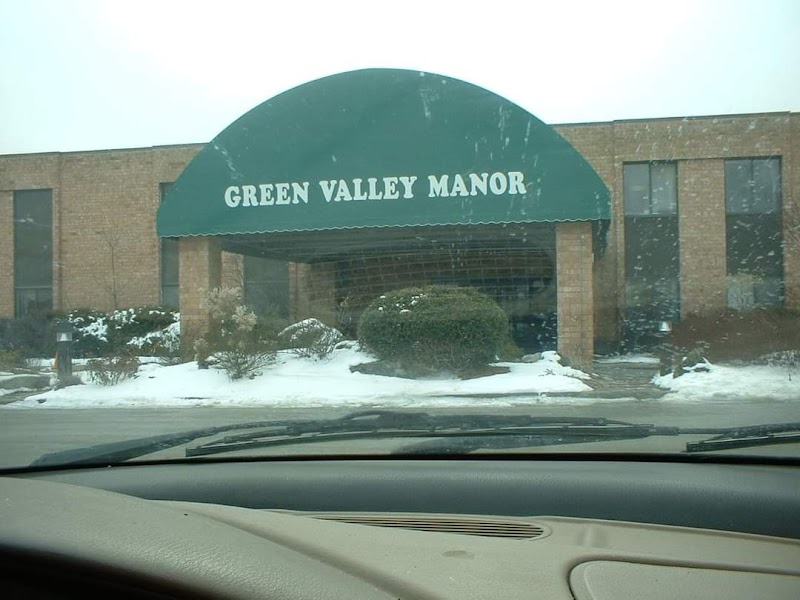
Who Owns and Operates Estates Of Spanish Lake, The?

ESTATES OF SPANISH LAKE, THE is owned by a for-profit company. For-profit facilities operate as businesses with obligations to shareholders or private owners. The facility operates independently rather than as part of a larger chain. With 150 certified beds and approximately 135 residents (about 90% occupancy), it is a mid-sized facility located in SAINT LOUIS, Missouri.
How Does Estates Of Spanish Lake, The Compare to Other Missouri Nursing Homes?

Compared to the 100 nursing homes in Missouri, ESTATES OF SPANISH LAKE, THE's overall rating (2 stars) is below the state average of 2.5, staff turnover (69%) is significantly higher than the state average of 46%, and health inspection rating (1 stars) is much below the national benchmark.

What Should Families Ask When Visiting Estates Of Spanish Lake, The?

Based on this facility's data, families visiting should ask: "What changes have been made since the serious inspection findings, and how are you preventing similar issues?" "How do you ensure continuity of care given staff turnover, and what is your staff retention strategy?" "Can you walk me through typical staffing levels on day, evening, and night shifts?" "Can I visit during a mealtime to observe dining assistance and food quality?" These questions are particularly relevant given the facility's Immediate Jeopardy citations, the facility's high staff turnover rate, and the below-average staffing rating.

Is Estates Of Spanish Lake, The Safe?

Based on CMS inspection data, ESTATES OF SPANISH LAKE, THE has documented safety concerns. Inspectors have issued 2 Immediate Jeopardy citations (the most serious violation level indicating risk of serious injury or death). The facility has a 2-star overall rating and ranks #100 of 100 nursing homes in Missouri. Families considering this facility should ask detailed questions about what corrective actions have been taken since these incidents.

Do Nurses at Estates Of Spanish Lake, The Stick Around?

Staff turnover at ESTATES OF SPANISH LAKE, THE is high. At 69%, the facility is 23 percentage points above the Missouri average of 46%. High turnover means new staff may not know residents' individual needs, medications, or preferences. It can also be disorienting for residents, especially those with dementia who rely on familiar faces. Families should ask: What is causing the turnover? What retention programs are in place? How do you ensure care continuity during staff transitions?

Was Estates Of Spanish Lake, The Ever Fined?

ESTATES OF SPANISH LAKE, THE has been fined $144,049 across 10 penalty actions. This is 4.2x the Missouri average of $34,519. Fines at this level are uncommon and typically indicate a pattern of serious deficiencies, repeated violations, or failure to correct problems promptly. CMS reserves penalties of this magnitude for facilities that pose significant, documented risk to resident health or safety. Families should request specific documentation of what issues led to these fines and what systemic changes have been implemented.

Is Estates Of Spanish Lake, The on Any Federal Watch List?

ESTATES OF SPANISH LAKE, THE is not on any federal watch list. The most significant is the Special Focus Facility (SFF) program, which identifies the bottom 1% of nursing homes nationally based on persistent, serious quality problems. Not being on this list means the facility has avoided the pattern of deficiencies that triggers enhanced federal oversight. This is a positive indicator, though families should still review the facility's inspection history directly.