ESTATES OF ST LOUIS, LLC, THE
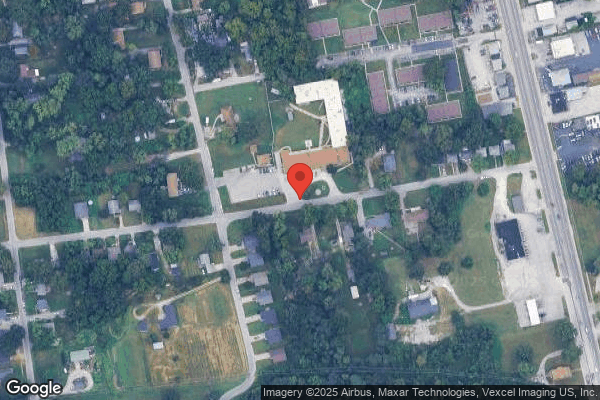
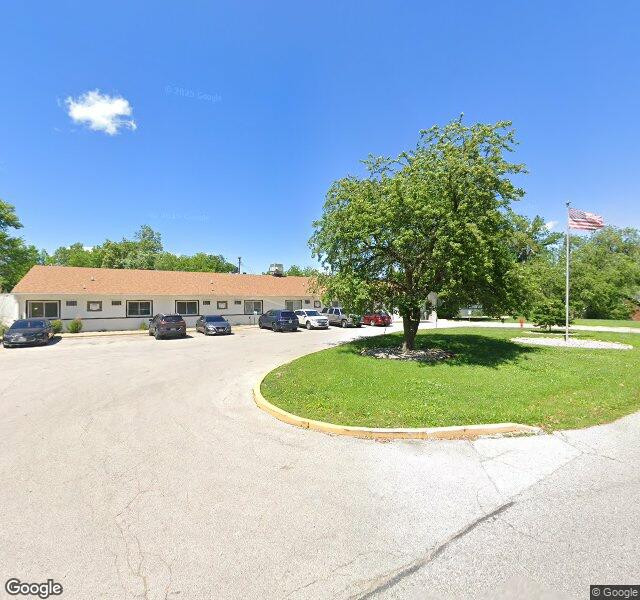
2115 KAPPEL DRIVE, SAINT LOUIS, MO 63136 (314) 867-7474
For profit - Limited Liability company 94 Beds Independent Data: November 2025
Trust Grade
15/100
#379 of 479 in MO
Last Inspection: December 2024

Within standard 12-15 month inspection cycle. Federal law requires annual inspections.

Overview

The Estates of St. Louis, LLC has received a Trust Grade of F, indicating significant concerns about the quality of care provided. With a state rank of #379 out of 479, they are in the bottom half of nursing homes in Missouri, and at #54 out of 69 in St. Louis County, only one local facility ranks lower. Although the facility is improving, having reduced issues from 24 in 2024 to 4 in 2025, it still faces serious challenges, including $66,640 in fines, which is higher than 83% of Missouri facilities, suggesting ongoing compliance problems. Staffing is also a concern, with only 1 out of 5 stars and less RN coverage than 99% of other facilities, meaning residents may not receive the attention they need. Specific incidents include failures in monitoring residents to prevent abuse, resulting in multiple altercations, and a serious incident where one resident sustained a head injury from another resident. While there are some positive aspects, such as a good quality measure rating of 4 out of 5, families should carefully consider the facility's significant weaknesses before making a decision.

Trust Score
F
15/100
In Missouri
#379/479
Bottom 21%
Safety Record
High Risk
Review needed
Inspections
Getting Better
24 → 4 violations
Staff Stability
⚠ Watch
57% turnover. Above average. Higher turnover means staff may not know residents' routines.
Penalties
○ Average
$66,640 in fines. Higher than 67% of Missouri facilities. Some compliance issues.
Skilled Nurses
⚠ Watch
Each resident gets only 4 minutes of Registered Nurse (RN) attention daily — below average for Missouri. Fewer RN minutes means fewer trained eyes watching for problems.
Violations
⚠ Watch
58 deficiencies on record. Higher than average. Multiple issues found across inspections.
★☆☆☆☆
1.0
Overall Rating
★☆☆☆☆
1.0
Staff Levels
★★★★☆
4.0
Care Quality
★☆☆☆☆
1.0
Inspection Score
Stable
2024: 24 issues
2025: 4 issues

The Good

  • 4-Star Quality Measures · Strong clinical quality outcomes
  • Full Sprinkler Coverage · Fire safety systems throughout facility
  • No fines on record

Facility shows strength in quality measures, fire safety.

The Bad

1-Star Overall Rating

Below Missouri average (2.5)

Significant quality concerns identified by CMS

Staff Turnover: 57%

11pts above Missouri avg (46%)

Frequent staff changes - ask about care continuity

Federal Fines: $66,640

Above median ($33,413)

Moderate penalties - review what triggered them

Staff turnover is elevated (57%)

9 points above Missouri average of 48%

The Ugly 58 deficiencies on record

2 actual harm
Sept 2025 1 deficiency
CONCERN (D) 📢 Someone Reported This

A family member, employee, or ombudsman was alarmed enough to file a formal complaint

Potential for Harm - no one hurt, but risky conditions existed

Deficiency F0658 (Tag F0658)

Could have caused harm · This affected 1 resident

**NOTE- TERMS IN BRACKETS HAVE BEEN EDITED TO PROTECT CONFIDENTIALITY** Based on observation, interview and record review, the facility failed to provide services per acceptable standards of practice ...

Read full inspector narrative →
**NOTE- TERMS IN BRACKETS HAVE BEEN EDITED TO PROTECT CONFIDENTIALITY** Based on observation, interview and record review, the facility failed to provide services per acceptable standards of practice for one resident (Resident #1), when the facility failed to provide follow-up care and treatment by not completing a clinical referral for a resident with a diagnosis of chronic hepatitis C infection (viral infection that causes liver swelling that can lead to serious liver damage, liver failure and liver cancer). The sample size was 3. The census was 82.Review of the Centers for Disease Control and Prevention (CDC) website, showed hepatitis C treatment plans typically consisted of 8-12 weeks of oral direct-acting antiviral (DAA) medications. This short course of well-tolerated medication could cure more than 95% of cases and was recommended for virtually everyone diagnosed with hepatitis C. Treatment is crucial to reduce the risk of developing chronic liver disease, cirrhosis, and liver cancer. In July 2023 the CDC recommended automatic Hepatitis C Virus (HCV) Ribonucleic Acid (RNA) testing (a test used to detect the presence of the HCV in a person's blood) on all HCV antibody reactive samples to minimize patient visits and increase the number of patients diagnosed and treated. Review of the facility's Physician Orders Policy, updated 8/24/24, showed:-Policy: The purpose of this policy is to ensure our residents receive the care prescribed by their physician;-The Registered Nurse (RN)/Licensed Practical Nurse (LPN) are to follow the orders as written. Review of Resident #1's referral from the previous facility dated 3/25/24, showed: -Diagnosis: Chronic viral hepatitis C;-Advanced Registered Nurse Practitioner (ARNP) Subjective Objective Assessment Plan (SOAP) dated 3/15/24, showed resident to have follow up referral for hepatitis clinic;-Resident noted to have active hepatitis C. Labs for hepatitis C virus Antibody (AB) reactive (blood test used to detect antibodies against the hepatitis C virus), Hepatitis C Virus Ribonucleic Acid (RNA, used to detect the presences of hepatitis C virus in the blood) quantitative blood test level of 531 is elevated and means hepatitis C is an active infection;-Plan: Resident to follow up at clinic regarding hepatitis C results, will coordinate with Medical Doctor (MD) to see about medication regimen to start. Review of the resident's electronic medical record, showed:-admission: [DATE];-Cognitively intact;-Diagnoses included chronic viral hepatitis C;-No referral to the hepatitis clinic or orders to treat acute hepatitis C virus. Review of the resident's care plan, dated 4/4/24, showed:-Problem: Resident has viral hepatitis C;-Goal: Resident will not experience any complications throughout the review period; -Approaches: Administer medications as ordered, assess for signs/symptoms of active disease and notify physician: easy bleeding, easy bruising, fatigue, lack of appetite, itchy skin, ascites (abdominal swelling due to build up of fluid, caused by liver failure), edema, weight loss, confusion, etc. Obtain lab work as ordered by physician. Review of the History and Physical (H&P) dated 5/14/24, completed by Advanced Registered Nurse Practitioner (ARNP) C, showed: -New admission with past medical history including chronic hepatitis C;-Overall Plan: New admission History and Physical completed, hospital records reviewed, Point of Services (POS-documentation) and medications reviewed. Review of the H&P notes, dated 6/3/25, completed by Physician A, showed:-Past Medical History included chronic viral hepatitis C;-No new labs to review;-Plan: Examination completed on rounds in the presence of nursing staff. Lab chart reviewed, treatment plan, medication reconciliation, abnormal labs reviewed, new orders as written follow-up as scheduled. Review of the progress notes, dated 8/26/24, completed by ARNP C, showed: -History: Reviewed this patient with nursing. Current chronic medical conditions are all stable with no acute concerns;-Labs: no new labs to review;-Diagnoses: Chronic viral hepatitis C;-Plan: Chronic hepatitis C, order routine quantitative hepatitis C RNA;-Overall Plan: Order routine labs Completed Blood Count (CBC number of red blood cells, white blood cells, platelets, hemoglobin and hematocrit in blood), Comprehensive Metabolic Panel (CMP measures 14 different substances to provide a picture of the body's chemical balance and metabolism. It includes tests that check the function of the kidneys and liver, as well as blood sugar, protein, and electrolyte levels), Glycated hemoglobin (A1C, blood test that measures average blood sugar levels over the past 2-3 months), Lipoprotein (LP, measures the level of lipoprotein in the blood that can contribute to the buildup of plaque in arteries increasing the risk of heart disease and stroke). Review of the resident's medical record, showed no documentation staff obtained the labs ordered on 8/26/24. Review of the H&P, dated 9/18/24, completed by Physician B, showed:-Active health concerns: No active health concerns recorded;-Inactive health concerns: no inactive health concerns recorded;-Past medical history: did not list chronic or acute hepatitis C. Review of the hospital Discharge summary dated [DATE] showed:-Presenting problem/history of present illness: Patient presents to the Emergency Department (ED) via Emergency Medical Service (EMS) for evaluation of bilateral lower extremity swelling, also complains of shortness of breath and cough. Patient reports the cough has worsened over the past few days but the swelling to his/her lower extremities has been going on for a while now. He/She denies fever, chills or body aches; -Treated for: -Heart failure, cardiology consulted, shortness of breath resolved; -Liver mass in right upper quadrant showed a heterogeneous and micronodular liver (liver damage) with increased echogenicity throughout (lighter than normal in color indicating liver disease), consistent with cirrhosis (scarred tissue) and diffuse steatosis (fatty liver disease); -Cirrhosis secondary to chronic hepatitis C. History of IV (intravenous) drug use. Patient denied heavy alcohol use. Hepatitis C antibody reactive. Hepatitis C RNA detected (indicates active infection). He/She was placed on octreotide (used to treat diarrhea and hormone production in relationship to certain cancers). Review of the hepatology clinic visit notes, dated 1/15/25, in the resident's medical record, showed: -History of present illness: -Biopsy-confirmed hepatocellular carcinoma (liver cancer) in the setting of Hepatis Chronic Infection and alcohol consumption; -Lives in a nursing home, wheelchair-bound, non-ambulatory, and presence of some liver decompensation; -Prognosis is poor. Too advanced for liver transplant evaluation, in addition to his/her frailty;-Recommendations: Not a transplant candidate. No role for hepatitis C treatment in the setting of large, aggressive Hepatocellular carcinoma (HCC); if HCC is treated and demonstrates response, then there would be a role for treating his/her hepatitis C. This cancer is due to cirrhosis that developed over decades from hepatitis C. During an interview on 9/3/25 at 11:53 A.M., LPN E said when the ARNP or Physician round they would let the nurse know or write on a piece of paper for new or changed orders and sometimes would order treatment themselves in the computer. LPN E said he/she sometimes looked at ARNP or Physician notes in the computer after their visit, but most of the time he/she never had a need to review. This could be important if staff did not know their residents. LPN E received his/her information about the resident during report at nurse shift change. LPN E never reviewed a resident's plan of care or assisted in completing it. LPN E was not aware the resident had chronic hepatitis C. He/She only cared for the resident a short time because LPN E mainly worked in a different area of the facility. LPN E was unsure who ordered labs after the ARNP or Physician visited. LPN E only made medication or treatment changes. LPN E would order labs if there was a phone order from the ARNP or physician for acute care issues during his/her shift. Chronic hepatitis C was a condition nursing staff should be aware of. There were several changes in administration over the past year. LPN E thought during that time, the previous Director of Nursing (DON) or Assistant Director of Nursing (ADON) were responsible to review ARNP and Physician orders. During an interview on 9/3/25 at 12:43 P.M., the DON verified the only labs ordered for the resident were the two labs listed in his/her chart. She was unaware the resident did not have labs drawn per ARNP and physician orders or that the referral notes for the resident, showed the facility did not follow up on the previous facility's referral on sending the resident to the hepatitis clinic. She also was not aware staff did not check labs on the resident and failed to follow orders from the ARNP to check blood levels for hepatitis C. He/She said after an ARNP or Physician completed their visit with residents, they should give orders to the nurse they were rounding with. Some ARNPs and Physicians might enter the orders themselves. The facility did not have a standard procedure for this because every ARNP and physician was different. The DON said she was not sure how the previous DON and ADON reviewed ARNP and Physician notes. However, she ran a 24 hour report every morning and it listed all orders and notes that were entered into the electronic medical records. She reviewed this report to follow up and confirm orders were completed. The DON said it was the responsibility of the nursing staff to review ARNP and Physician notes in the system. She was unaware a nurse staff member did not review progress notes, care plans, and was never responsible for ordering labs after an ARNP or Physician rounded. The DON said all nursing staff should review progress notes, care plans and orders daily for the residents they were responsible for and was not sure how the previous administration ordered labs. The DON was also not aware of the new guidance from CDC in July 2023 recommending complete, automatic HCV RNA testing on all HCV antibody reactive samples to minimize patient visits and increase the number of patients diagnosed and treated. 2571771
Apr 2025 1 deficiency
CONCERN (D) 📢 Someone Reported This

A family member, employee, or ombudsman was alarmed enough to file a formal complaint

Potential for Harm - no one hurt, but risky conditions existed

Deficiency F0552 (Tag F0552)

Could have caused harm · This affected 1 resident

Based on interview and record review, the facility failed to ensure one resident's right to be informed in advance of treatment and treatment alternatives or treatment options and to choose the altern...

Read full inspector narrative →
Based on interview and record review, the facility failed to ensure one resident's right to be informed in advance of treatment and treatment alternatives or treatment options and to choose the alternative or option he/she preferred when staff did not inform the resident's representative prior to the resident having lung surgery (Resident #1). The sample was 4. The census was 80. Review of facility's Change in a Resident's Condition or Status policy, revised 8-24-24, showed: -The facility will assess and identify a change in condition to ensure the resident receives appropriate care; -Procedure: -The nurse supervisor/charge nurse will notify the resident's family or representative when: -There is a significant change in the resident's condition; -It is necessary to transfer the resident to a hospital; -Except in medical emergencies, notifications will be made within 24 hours of a change occurring in the resident's medical/mental condition or status; -The nursing supervisor/charge nurse will document of changes in the resident's medical record, updating of resident and, family of change in status. Review of Resident#1 quarterly Minimum Data Set (MDS), a federally mandated assessment instrument completed by facility staff, dated 4/17/25, showed: -Moderate cognitive impairment; -Diagnoses included Chronic Obstructive Pulmonary Disease (COPD, progressive lung disease that makes it hard to breath), malignant neoplasm of right upper lobe of lung (cancer of right upper lung), bipolar disorder (mental health condition characterized by significant mood swing), personality disorder (a mental health condition where people have a lifelong pattern of seeing themselves and reacting to others in ways that cause problems).in ways that cause problems). Review of resident's care plan, in use during the survey, showed: -Problem: Responsible Party, Resident has a legal guardian, Public Administrator (PA); -Goal: The resident's guardian will continue to assist me in making informed decisions; -Approaches included: -Actively involve the resident's guardian in his/her care by inviting his/her guardian to meetings as needed; -Assist the resident in contacting his/her guardian about concerns that he/she may have. Review of the resident's physician orders, showed no orders for surgery. Review of resident's progress notes, showed: -A progress note dated 2/3/25 at 2:11 P.M., by Social Services The last note that showed requesting the PA to sign the consent forms for bronchoscope biopsy (a small cameral inserted into the airways to view the lungs); -A progress note dated 4/15/25 at 14:22 P.M., by Licensed Practical Nurse (LPN) A, nursing admission summary including message left on phone recording to the PA's Office with resident update and readmit to the facility; -A progress note dated 4/17/25 at 12:00 P.M. by the Administrator, late note on Friday 4/11/25, email came from PA's Office requesting referral pack sent to them. Called the following Monday, 4/14/25, to apologize if there was a problem relating to previous Director of Nursing (DON); -No other progress notes to show communication between the facility and PA in reference to resident's lung surgery to remove right upper lobe for cancer. During an interview, on 4/17/25 at 9:15 A.M., the resident's PA Deputy (PAD) said the PA's Office was unaware the resident was scheduled for lung cancer surgery or was admitted to the hospital for surgery until the resident called the office on 4/8/25, to give the PA an update on his/her surgery that took place on 4/2/25. After speaking with the resident, the PAD said he/she called the nursing facility and spoke with the Assistant Director of Nursing (ADON). The ADON said this had been in the works for a while, and didn't know why the PAD was not notified but would have someone get back with the PAD. The ADON also said the lack of communication was probably due to the change in administration during this time. The PAD did not hear back from the facility until 4/16/25 after the PA's office requested a referral package on 4/11/25 and again on 4/16/25. The PA's office was aware of the mass on 8/23/24 when they received a Magnetic Resonance Imaging (MRI, scan that produces detailed images of the inside of the body) report recommending a follow up Computed Tomography (CT, a diagnostic imaging procedure that produces images of the inside of the body). This scan was cancelled once due to insurance issues. The MRI scan was performed and on 1/8/2. The last contact the PA's Office had with the facility, about resident's lung cancer, was on 2/3/25 for consent to perform a bronchoscope with anesthesia. During an interview, on 4/17/25 at 11:27 A.M., the resident said he/she was upset because he/she is going to have to move because the facility did not tell his/her PA about having lung surgery to remove his/her cancer. He/She denied telling the PA about the surgery and said they were aware of the lung mass. He/She said, I know (LPN A) called them about the surgery because he/she told me he/she did. The resident added, he/she used to talk to a different PAD prior to this one. The resident said he/she told the new PAD that from now on the resident would make sure they know about everything. The resident just didn't want to move because he/she likes it here and has been here for eight years. During an interview on 4/17/25 at 11:44 A.M. LPN A said he/she did not work the day the resident went to surgery and doesn't remember speaking with the PA's Office but if he/she did, it would be in the progress notes. During an interview on 4/17/25 at 2:26 P.M. the ADON said he/she did not work the day the resident went to surgery. When the PA's Office is notified, it will be in the progress notes. He/She received a call from the PAD on 4/8/25 and he/she would check into why they were not notified. He/She was not aware prior to the call that they were not notified. The old DON had been taking care of notifying next of kin, power of attorneys, families, and PAs about changes in conditions but he/she was no longer here on 4/8/25. He/She does not remember if he/she told anyone else, but he/she thinks the Administrator knew about it. There was a lot of things going on that day he/she does remember that. Certified Medication Technician (CMT) B took the resident to the hospital and stayed until after the surgery. During an interview on 4/17/25 at 2:43 P.M. CMT B said, he/she went with the resident to the hospital for the surgery and stayed until the resident was in recovery. They arrived to the hospital at 6:30 A.M. After surgery, he/she returned to the facility around 2:00 P.M. and gave the previous DON the resident's condition update. Resident returned to the facility on 4/15/25. He/She did not speak with the PA's Office prior to or after surgery. The DON is responsible for that. During an interview on 4/17/25 at 1:50 P.M., LPN C, said when a resident leaves for medical treatment the facility sends a face sheet, medication list, and bed hold form. They notify the resident's PA whenever they are not aware of something or if the resident has a change in condition. It is the same type of notification for all residents to notify next of kin and/or responsible party. The charge nurse is responsible to notify the PA, next of kin or responsible party. If a resident has an appointment, LPN C calls the PA, next of kin, or responsible party During an interview on 4/17/25 at 1:40 P.M. the Administrator and DON said when a resident has a PA the facility is responsible to notify prior to treatment and the PA is responsible to speak with the resident and help guide them through the treatment plan, approve the treatment, and sign consent forms unless the resident is having an medical crisis and needs treatment. It is the responsibility of the nurse or charge nurse to reach out to the PA as soon as possible. The charge nurse or the nurse who is in charge at the time is responsible to put these forms together and give them to the resident and/or resident guardian. They do not know if this was completed for the resident. Progress notes should be written to show who was notified, what was sent, and who they spoke to. They did not know progress notes were not written, and they are unable to verify if the PA's Office knew about the resident's surgery prior to the resident calling them after the surgery. They should receive approval from the PA's Office prior to sending the resident for treatment unless it is an emergency. They have not been officially told by the PA that he/she was not notified. They suspected something was wrong when the transfer request came in on 4/11/25, They followed up on 4/14/25 but they have not heard back from them. They are assuming the previous DON did not notify the PA. They have not spoken with the PA about this issue but have left several messages for a return call. The Administrator said he/she was unaware the PA had called about not being notified. MO00252492
Feb 2025 2 deficiencies
CONCERN (D) 📢 Someone Reported This

A family member, employee, or ombudsman was alarmed enough to file a formal complaint

Potential for Harm - no one hurt, but risky conditions existed

Deficiency F0685 (Tag F0685)

Could have caused harm · This affected 1 resident

See event ID KU8L12 Based on observation, interview and record review, the facility failed to ensure that residents receive proper treatment to maintain vision when staff failed to reschedule transpor...

Read full inspector narrative →
See event ID KU8L12 Based on observation, interview and record review, the facility failed to ensure that residents receive proper treatment to maintain vision when staff failed to reschedule transportation arrangements for one sampled resident (Resident #500) out of 13 sampled residents, who had an eye appointment and was recommended to have retina surgery then cataract surgery. The resident missed the appointment when transportation did not show up and staff failed to reschedule the appointment after it was missed. The facility also failed to follow-up with the resident's routine eye appointment. The census was 77. During an interview on 2/7/25 at 12:50 P.M., the transportation policy was requested. The Administrator said there is no policy. There is just a protocol that staff follow. Review of Resident #500's annual Minimum Data Set (MDS), a federally mandated assessment instrument completed by facility staff, dated 1/9/25, showed: -Severe cognitive impairment; -Vision: Adequate-Sees fine detail, including regular print in newspaper/books; -Diagnoses included diabetes, dementia, schizophrenia, and anxiety. Observation and interview on 2/7/25 at 8:56 A.M., showed the resident in his/her room and sat on his/her bed. He/She appeared to have a hard time focusing on one item and his/her pupils looked gray/cloudy. The resident said he/she does not have any complaints except he/she just wants his/her glasses. During an interview on 2/7/25 at 10:08 A.M., the social worker said the medical record shows the resident was seen on 5/29/24 by the eye doctor, but she is not seeing any progress note. The provider sends the notes of who they plan to see and then sends the progress note of the visit to nursing after the visit is complete. The resident should have some glasses on the way. The social worker states he/she will call the provider now to get the last visit notes. Review of the resident's provided eye examination, dated 6/25/24, showed: -Problem List: Diabetes with mild non-proliferative diabetic retinopathy (condition that damages the retina, light sensitive layer of tissue at the back of the eye) without macular edema (early stage of diabetic retinopathy that occurs when small blood vessels in the retina swell) bilateral; -Posterior subcapsular polar age-related cataract (type of cataract, clouding of the lens of the eye that occurs due to aging and is characterized by a gradual thickening of the lens) bilateral; -Age related nuclear cataract (type of cataract that develops in the central part of the eye's lens, known as the nucleus) bilateral; -high cholesterol, altered mental status, schizophrenia, dementia with behavioral disturbance, and diabetes; -Diagnosis/Treatment: Resident seeing retina specialist for hole in retina (small tear or break in the retina) before cataract surgery. Resident has cataract appointment on 8/13/24. Review of the resident's medical record, showed: -A progress note, dated 9/13/24 at 1:30 P.M., that included: Care plan meeting held with resident's case monitors. Resident did not attend. Case monitors asked about dentures and glasses and was informed the resident had been seen by dental and eye team recently; -A progress note, dated 1/16/25 at 4:51 P.M., that included: Care plan meeting held with case managers. Resident did attend. Case monitor and resident asked about dentures and glasses. Resident has been seen by eye and dental team and staff will follow up about dentures and glasses; -No progress note related to the resident's retina eye appointment, cataract appointment, or retina surgery or related to the appointments being canceled. Review of the upcoming eye visit appointment list, for 2/14/25 at 9:00 A.M., did not show the resident on the list for an appointment. The resident was on the back of the list as one of the residents with incomplete information. The resident was missing a consent form and needed the facility to provide one so the eye care partner could see the resident at the next scheduled visit. During an interview on 2/7/25 at 12:22 P.M., the Administrator said she is not sure of the resident's eye provider. The resident had an appointment in August 2024 which got rescheduled to this July 2025. She is on the phone with the provider to determine why the resident was rescheduled. At 12:36 P.M., the Administrator said the reason the appointment in August was canceled is the former transportation provider did not show up. The facility use our own transportation company now. During an interview on 2/7/25 at 12:45 P.M., the Administrator said she should have been made aware of the eye appointment issue prior to today and recommended treatments should have been looked into prior to today as well. The eye appointment should have been rescheduled when transportation did not show up in August. The Administrator does not remember the resident having an eye surgery, so she does not think that was done. The Interdisciplinary Team (IDT) team and transportation person are responsible for scheduling appointments. The transportation staff person and nursing/Director of Nursing (DON) are responsible for following up when an appointment is cancelled and that the appointments are also rescheduled. She would also expect any changes such as cancellations or rescheduled appointments to be documented in the medical record so nursing staff are aware of the situation and can follow up. During an interview on 2/7/25, the Administrator said the resident did not have a vision appointment. The appointment was scheduled today for July 2025. MO00247917
CONCERN (D) 📢 Someone Reported This

A family member, employee, or ombudsman was alarmed enough to file a formal complaint

Potential for Harm - no one hurt, but risky conditions existed

Deficiency F0790 (Tag F0790)

Could have caused harm · This affected 1 resident

See event ID KU8L12 Based on interview and record review, the facility failed to ensure dental care and services were provided to one sampled resident who requested dental services (Resident #500) out...

Read full inspector narrative →
See event ID KU8L12 Based on interview and record review, the facility failed to ensure dental care and services were provided to one sampled resident who requested dental services (Resident #500) out of 13 sampled residents. The census was 77. During an interview on 2/7/25 at 12:50 P.M., the transportation policy was requested. The Administrator said there is no policy. There is just a protocol that staff follow. Review of Resident #500's annual Minimum Data Set (MDS), a federally mandated assessment instrument completed by facility staff dated 1/9/25, showed: -Severe cognitive impairment; -No dental issues present; -Diagnoses include diabetes, dementia, schizophrenia, and anxiety. Review of the resident's provided dental assessments, showed: -Oral assessment, 5/8/24, no natural teeth or tooth fragments (edentulous): Fully edentulous, no appliances. No pain, resident is interested in getting full dentures if he/she is eligible. Stated he/she has never had them before and he/she currently sticks to softer foods; -Oral assessment, 6/5/24, no natural teeth or tooth fragments (edentulous). Fully edentulous, no appliances. Per last dental note, resident is supposed to get impressions next clinical day at facility. Resident reports no pain and is eating well; -Impressions completed for upper and lowers on 7/24/24. Review of the resident's medical record, showed: -A progress note, dated 9/13/24 at 1:30 P.M., included: Care plan meeting held with resident's case monitors. Resident did not attend. Case monitors asked about dentures and glasses and was informed the resident had been seen by dental and eye team recently; -A progress note, dated 1/16/25 at 4:51 P.M., included: Care plan meeting held with case managers. Resident did attend. Case monitor and resident asked about dentures and glasses. Resident has been seen by eye and dental team and staff will follow up about dentures and glasses. Review of the dental appointment list, dated 1/27/25, did not show the resident was on the appointment list and was not seen. During an interview on 2/7/25 at 12:15 P.M., the Administrator said the resident was being seen by the dentist and they had started treatment for dentures but then stopped once they realized the resident's benefits had not come through. At 12:45 P.M., the Administrator said the resident's dental benefits came into effect January 2025. She would expect the dental visit to be scheduled once the resident's benefits became active. The transportation staff person and nursing/Director of Nursing (DON) is responsible for following up that the appointments are made. At 12:55 P.M., the Administrator said the transportation person was out of work for a while, but returned 2/5/25. There was supposed to be someone to do the job in the interim. It just fell through the cracks. The dental appointment is getting scheduled today. MO00247917
Dec 2024 19 deficiencies
CONCERN (D)

Potential for Harm - no one hurt, but risky conditions existed

Deficiency F0582 (Tag F0582)

Could have caused harm · This affected 1 resident

**NOTE- TERMS IN BRACKETS HAVE BEEN EDITED TO PROTECT CONFIDENTIALITY** Based on interview, record review, and facility policy review, the facility failed to correctly issue Medicare Part A beneficiar...

Read full inspector narrative →
**NOTE- TERMS IN BRACKETS HAVE BEEN EDITED TO PROTECT CONFIDENTIALITY** Based on interview, record review, and facility policy review, the facility failed to correctly issue Medicare Part A beneficiaries CMS-10055 (Skilled Nursing Advanced Beneficiary Notice (SNFABN) when resident completed therapy or skilled nursing services for two of three residents (Resident (R) 9 and R68) reviewed for beneficiary notices. This failure had the potential of a resident or responsible party to not make an informed decision related to continuing to receive Medicare A services, by having the facility continue services and bill Medicare A, continue the services, and bill the resident, or not receive the services. Findings include: Review of the undated facility policy titled ABN / NOMNC Policy provided by the facility stated, Skilled nursing facilities must deliver a completed copy of the Advance Beneficiary Notice of Non-Coverage (ABN) and Medicare Non-Coverage (NOMNC) to beneficiaries/enrollees receiving covered skilled nursing services. The ABN/NOMNC must be delivered at least 2 calendar days before Medicare covered services end or the second to last day of service if care is not being provided daily. Procedure - Social Services is responsible to deliver notice 2 calendar days prior to the resident or their Responsible Party for review and signature. The resident or Responsible Party receives a signed copy and Social Services keeps a copy for facility records. 1.Review of R9's undated admission Record located in the Electronic Medical Record (EMR) under the Profile tab indicated she was re-admitted to the facility on [DATE] with a primary diagnosis of heart failure. Review of R9's Skilled Nursing Facility Advance Beneficiary Notice SNFABN document dated 05/03/24 and provided by the facility indicated that R9 reached her highest potential for speech therapy services and that Medicare probably would not pay. The estimated cost to continue speech therapy was blank and the address and phone number to contact the Medicare contractor was blank. An option to please choose one option. Check one box, date & sign this notice .option 1. Yes, I want to receive these items or services .Option 2. No, I will not receive these items or services . No choice was made and R9 signed the document on 05/03/24. Revie of R9's Notice of Medicare Non-Coverage document indicating services would end on 05/07/24 stated, Your Medicare provider and/or health plan have determined that Medicare probably will not pay for your current insert type services after the effective date indicated above. The type of care was blank, and no information was filled provided to contact the Quality Improvement Organization (QIO) in the event R9 chose to appeal the decision or had questions. R9 signed the document on 05/03/24. Review of R9's Skilled Nursing Facility Advance Beneficiary Notice SNFABN document dated 09/13/24 and provided by the facility indicated that R9 reached her highest potential for occupational therapy services and that Medicare probably would not pay. The estimated cost to continue speech therapy was blank and the address and phone number to contact the Medicare contractor was blank. An option to please choose one option. Check one box, date & sign this notice .option 1. Yes, I want to receive these items or services .Option 2. No, I will not receive these items or services . No choice was made and R9 signed the document on 09/13/24. Review of R9's Notice of Medicare Non-Coverage document indicating services would end on 09/18/24 stated, Your Medicare provider and/or health plan have determined that Medicare probably will not pay for your current insert type services after the effective date indicated above. The type of care was blank, and no information was provided to contact the Quality Improvement Organization (QIO) in the event R9 chose to appeal the decision or had questions. R9 signed the document on 09/13/24. 2.Review of R68's undated admission Record located in the EMR under the Profile tab indicated he was admitted to the facility on [DATE] with a primary diagnosis of muscle wasting with atrophy. Review of R68's Skilled Nursing Facility Advance Beneficiary Notice SNFABN document dated 10/01/24 and provided by the facility indicated that R68 reached his highest potential for occupational therapy services and that Medicare probably would not pay. The estimated cost to continue speech therapy was blank and the address and phone number to contact the Medicare contractor was blank. An option to please choose one option. Check one box, date & sign this notice .option 1. Yes, I want to receive these items or services .Option 2. No, I will not receive these items or services . No choice was made and R68's Responsible Party (RP) signed the document on 10/01/24. Review of R68's Notice of Medicare Non-Coverage document dated 10/04/24 stated, Your Medicare provider and/or health plan have determined that Medicare probably will not pay for your current insert type services after the effective date indicated above. The type of care was blank, and no information was provided to contact the QIO in the event R9 and or RP chose to appeal the decision or had questions. The RP signed the document on 10/01/24. During an interview on 12/20/24 at 8:01 PM with the Social Services Designee (SSD)1 stated that the business office issued the NONMC/SNFABN forms. During an interview on 12/21/24 at 12:35 AM with the Director of Operations (DO) stated that the SSD had been filling out the NOMNC/SNFABN forms. The expectation was for the letter to be provided to the resident or their RP 48 hours prior to discharge from Medicare A services. The forms should be filled out in their entirety.
CONCERN (D) 📢 Someone Reported This

A family member, employee, or ombudsman was alarmed enough to file a formal complaint

Potential for Harm - no one hurt, but risky conditions existed

Grievances (Tag F0585)

Could have caused harm · This affected 1 resident

**NOTE- TERMS IN BRACKETS HAVE BEEN EDITED TO PROTECT CONFIDENTIALITY** Based on observation, interview and record review, the facility failed to ensure grievances were resolved in a timely manner for...

Read full inspector narrative →
**NOTE- TERMS IN BRACKETS HAVE BEEN EDITED TO PROTECT CONFIDENTIALITY** Based on observation, interview and record review, the facility failed to ensure grievances were resolved in a timely manner for one of 24 sampled residents (Resident (R) 23). This failure has the potential to affect the current residents and/or their family members by not having grievances resolved in a timely manner. Findings include: Review of the policy titled Grievance Policy and Procedure dated 06/15/24 indicated our facility investigates all grievances and complaints filed within the facility in a timely manner .(3) if a grievance is pertaining to an alleged violation of resident rights, as necessary, the Administrator must be notified, by the Social Service Worker, so that immediate action can be taken to prevent further potential violations of any resident right. Review of the admission Packet provided by the facility indicated our facility investigates all grievances and complaints filed within the facility in a timely manner. The Administrator has assigned the responsibility of investigating grievances and complaints to the Social Service Department. For investigations and follow-up that take longer than 5 working days, the Administrator will notify the resident and social service document on Grievance form daily the progress until the concern is resolved. Review of the Social Service Director and or Designee job description provided by the facility indicated .19. review complaints/grievances from residents and families and from employees on behalf of the residents and families and submit written reports to the Administrator and include actions taken by the facility. A review of R23's admission Record located in the resident's electronica medical record (EMR) section tab Profile revealed the resident was admitted to the facility on [DATE] with diagnoses of schizophrenia, and diabetes. A review of R23's Quarterly Minimum Data Set (MDS) with an assessment reference date (ARD) of 11/14/24 located in the resident EMR section tab MDS revealed the resident had a Brief Interview for Mental Status (BIMS) score of nine out of 15 points which indicated the resident's moderate cognition impairment. A review of the facility's Grievance Log revealed on 08/23/24 R23 filed a grievance with two concerns. The first concern dealt with the number of people visiting his roommate. The second concern dealt with the rodent population in the facility. A continued review of the form revealed the Administrator addressed the resident's concerns about the number of visitors in his room. However, the form did not address or provide a resolution to the resident's concerns about the rodent population. The form was not signed by the resident indicating that he was satisfied with the resolution. The form was instead signed by the Administrator. On 12/18/24 at 7:08 PM, an interview with the Administrator revealed the Social Services Director (SSD) was responsible for handling the grievances. However, the Administrator stated the SSD was overwhelmed and she took over the process of handling the residents' grievances. The Administrator was unable to show where she resolved the resident's concerns. The Administrator acknowledged that she signed the form that the resident should sign. The Administrator had to read the grievance policy and acknowledge that she had not followed the policy. An interview on 12/19/24 at 9:30 AM with R23 revealed that he remembered filing the grievance in August and felt the issue with the rodent population still had not been resolved. MO00235802
CONCERN (D)

Potential for Harm - no one hurt, but risky conditions existed

Report Alleged Abuse (Tag F0609)

Could have caused harm · This affected 1 resident

**NOTE- TERMS IN BRACKETS HAVE BEEN EDITED TO PROTECT CONFIDENTIALITY** Based on interview, record review, and review of facility's policy, the facility failed to timely report a resident to resident ...

Read full inspector narrative →
**NOTE- TERMS IN BRACKETS HAVE BEEN EDITED TO PROTECT CONFIDENTIALITY** Based on interview, record review, and review of facility's policy, the facility failed to timely report a resident to resident alleged physical altercation to the State Agency (SA) involving two residents (Resident (R)13 and R17) of 16 residents reviewed for reporting alleged allegations of abuse. This had the potential for continued resident to resident altercations for the two residents. Findings include: Review of the facility policy titled, Abuse, Neglect and Exploitation Policy revised 04/08/24 revealed, .1. The Abuse Coordinator in the facility is the Administrator or facility appointed designee. Report allegation or suspected abuse, neglect or exploitation immediately to the Administrator, Other officials in accordance with State Law (this includes law enforcement officials), and State Survey and Certification agency through established procedures. 1.Review of R13's undated admission Record located in the Electronic Medical Record (EMR) under the Resident tab indicated the resident was admitted to the facility on [DATE] with a primary diagnosis of dementia. Review of R13's quarterly Minimum Data Set (MDS) under the MDS tab in the EMR had an Assessment Reference Date (ARD) of 10/16/24 indicated the resident had a Brief Interview of Mental Status (BIMS) score of three out of 15 which revealed the resident had severe cognitive impairment. Review of R17's undated admission Record located in the EMR under the Resident tab indicated the resident was admitted to the facility on [DATE]. Review of R17's quarterly MDS under the MDS tab in the EMR had an ARD of 12/05/24 indicated the resident had a BIMS score of five out of 15 which revealed the resident had severe cognitive impairment. Review of R17's Progress Note located in the EMR under the Progress Notes tab dated 11/30/24 at 7:28 AM indicated R17 allegedly punched R13 in the eye. There were no visible injuries. During an interview with R13 on 12/18/24 at 2:30 PM R13 stated that he did not recall anyone hitting him and stated that he was not afraid of any staff or other residents. During an interview on 12/18/24 at 1:20 PM the Administrator confirmed the alleged incident between R13 and R17 was not reported to the SA.
CONCERN (D)

Potential for Harm - no one hurt, but risky conditions existed

Investigate Abuse (Tag F0610)

Could have caused harm · This affected 1 resident

**NOTE- TERMS IN BRACKETS HAVE BEEN EDITED TO PROTECT CONFIDENTIALITY** Based on interview, record review, and policy review, the facility failed to complete a thorough investigation for and resident ...

Read full inspector narrative →
**NOTE- TERMS IN BRACKETS HAVE BEEN EDITED TO PROTECT CONFIDENTIALITY** Based on interview, record review, and policy review, the facility failed to complete a thorough investigation for and resident to resident alleged altercation for two residents (Resident (R) R13 and R17) out of 16 sampled residents reviewed for abuse. This failure had the potential to place the residents to future potential altercations. Findings include: Review of the facility policy titled Abuse, Neglect and Exploitation Policy provided by the facility and revised on 04/08/24 stated, .When suspicion of abuse .occur, it must be communicated to the facility's Administrator, Department Head, or Supervisor and the Administrator and/or designee must initiate an investigation Components of the investigation may include: .Interview all witnesses separately. Include roommates, residents in adjoining rooms, staff members in the area and any noted visitors in the area. Obtain witness statements, according to appropriate policies. All statements should be signed and dated by the person making the statement. Document the entire investigation chronologically .The Administrator should follow up with government agencies, during business hours, to confirm the report was received, and to report the results of the investigation when final, as required by state agencies . Findings include: Review of R13's undated admission Record located in the Electronic Medical Record (EMR) under the Resident tab indicated the resident was admitted to the facility on [DATE] with a primary diagnosis of dementia. Review of R13's quarterly Minimum Data Set (MDS) under the MDS tab in the EMR had an Assessment Reference Date (ARD) of 10/16/24 indicated the resident had a Brief Interview of Mental Status (BIMS) score of three out of 15 which revealed the resident had severe cognitive impairment. Review of R17's undated admission Record located in the EMR under the Resident tab indicated the resident was admitted to the facility on [DATE]. Review of R17's quarterly MDS under the MDS tab in the EMR had an ARD of 12/05/24 indicated the resident had a BIMS score of five out of 15 which revealed the resident had severe cognitive impairment. Review of R17's Progress Note located in the EMR under the Progress Notes tab dated 11/30/24 at 7:28 AM indicated R17 allegedly punched R13 in the eye. There were no visible injuries. During an interview with R13 on 12/18/24 at 2:30 PM R13 stated that he did not recall anyone hitting him and stated that he was not afraid of any staff or other residents. During an interview on 12/20/24 at 3:15PM the Administrator confirmed that the alleged incident between R13 and R17 was not investigated and should have been.
CONCERN (D)

Potential for Harm - no one hurt, but risky conditions existed

Assessment Accuracy (Tag F0641)

Could have caused harm · This affected 1 resident

**NOTE- TERMS IN BRACKETS HAVE BEEN EDITED TO PROTECT CONFIDENTIALITY** Based on interview, record review, and policy review, the facility failed to ensure that four (Residents (R)9, R19, R32, and R37...

Read full inspector narrative →
**NOTE- TERMS IN BRACKETS HAVE BEEN EDITED TO PROTECT CONFIDENTIALITY** Based on interview, record review, and policy review, the facility failed to ensure that four (Residents (R)9, R19, R32, and R37) out of 24 sampled residents had an accurate Minimum Data Set (MDS) assessment. Failure to code the MDS correctly could potentially lead to inaccurate federal reimbursements and inaccurate assessment and care planning of the resident. Findings include: Review of the undated policy titled MDS (Minimum Data Set) provided by the facility stated .The RAI (Resident Assessment Instrument) Manual serves as the policy by which the facility follows the process of completing MDS assessments. 1.Review of R9's undated admission Record located in the Electronic Medical Record (EMR) under the Profile tab indicated she was re-admitted to the facility on [DATE] with a primary diagnosis of heart failure. Review of R9's MDS located in the EMR under the MDS tab with an Assessment Reference Date (ARD) of 07/13/24 with a Brief Interview for Mental Status (BIMS) score of not assessed. R9 was coded as not having any falls since admission or prior assessment. Review of R9's Health Status Note located in the EMR under the Progress Notes and dated 07/08/24 at 4:09 PM indicated that she sustained a fall and was hospitalized . 2.Review of R37's undated admission Record located in the EMR under the Profile tab indicated the was re-admitted to the facility on [DATE] with a primary diagnosis of pulmonary fibrosis. Review of R37's annual MDS assessment with an ARD of 12/04/24 and a BIMS of zero indicated that he had severe cognitive impairment. R37's MDS was coded for smoking. Review of R37's Smoking Safety Evaluation located in the EMR under the Assessments tab dated 12/03/24 indicated that he was not a smoker. Review of the facility's undated document titled Residents Who Smoke . provided by the facility did not include R37. During an interview on 12/20/24 at 3:34 PM Regional Corporate Nurse (RCN) confirmed R9 had sustained a fall on 07/13/24 and the MDS was incorrectly coded for fall status and R37 was not a smoker and that the MDS assessment was coded in error. 3. Review of R32'sadmission Record located under the Resident Tab in the EMR indicated R32 was admitted on [DATE] with diagnosis of Schizophrenia. Review of the significant change MDS with an ARD of 10/02/24 located under the Resident tab of the EMR indicated R32 had a BIMS of eight out of 15 indicating moderate cognitive impairment. The MDS indicated R32 had a diagnosis of Schizophrenia. During an interview on 12/18/24 at 7:32 PM, the RCN stated she reviewed the hospital records and documentation that R32 had a Schizophrenia diagnosis. During an interview on 12/19/24 at 11:13 AM, the RCN and DOR stated R32 did not have a Schizophrenia diagnosis. The mental health providers were able to provide documentation that R32 has not been diagnosed or treated for Schizophrenia. 4. A review of R19's admission Record located in the resident's EMR section tab Profile revealed the resident was admitted to the facility on [DATE] with diagnoses that included intellectual disabilities, dementia, schizoaffective disorder, and diabetes mellitus type II. A review of R19's Fall Risk Evaluation dated 01/08/24 located in the resident's EMR section tab Assessment revealed the resident sustained one to two during the assessment; the resident had a fall score 14. A review of the resident's Quarterly Fall Risk Assessment dated 02/13/24 located in the resident's EMR section tab Assessments revealed the resident sustained one to two falls during the assessment. A review of the facility's Incidents and Accidents for the year provided by the Administrator revealed that R19 sustained a fall in her room without injury on 01/16/24. A review of R19's Annual MDS with an ARD of 02/16/24 located in the resident's EMR section tab MDS, revealed the resident had not sustained any falls during the assessment period. In an interview on 12/20/24 at 11:10 PM the Corporate Director of Operations revealed the RCN was responsible for completing the MDS. The RCN was unavailable for interview.
CONCERN (D) 📢 Someone Reported This

A family member, employee, or ombudsman was alarmed enough to file a formal complaint

Potential for Harm - no one hurt, but risky conditions existed

Deficiency F0685 (Tag F0685)

Could have caused harm · This affected 1 resident

Based on observation, interview and record review, the facility failed to ensure that residents receive proper treatment to maintain vision when staff failed to reschedule transportation arrangements ...

Read full inspector narrative →
Based on observation, interview and record review, the facility failed to ensure that residents receive proper treatment to maintain vision when staff failed to reschedule transportation arrangements for one sampled resident (Resident #500) out of 13 sampled residents, who had an eye appointment and was recommended to have retina surgery then cataract surgery. The resident missed the appointment when transportation did not show up and staff failed to reschedule the appointment after it was missed. The facility also failed to follow-up with the resident's routine eye appointment. The census was 77. During an interview on 2/7/25 at 12:50 P.M., the transportation policy was requested. The Administrator said there is no policy. There is just a protocol that staff follow. Review of Resident #500's annual Minimum Data Set (MDS), a federally mandated assessment instrument completed by facility staff, dated 1/9/25, showed: -Severe cognitive impairment; -Vision: Adequate-Sees fine detail, including regular print in newspaper/books; -Diagnoses included diabetes, dementia, schizophrenia, and anxiety. Observation and interview on 2/7/25 at 8:56 A.M., showed the resident in his/her room and sat on his/her bed. He/She appeared to have a hard time focusing on one item and his/her pupils looked gray/cloudy. The resident said he/she does not have any complaints except he/she just wants his/her glasses. During an interview on 2/7/25 at 10:08 A.M., the social worker said the medical record shows the resident was seen on 5/29/24 by the eye doctor, but she is not seeing any progress note. The provider sends the notes of who they plan to see and then sends the progress note of the visit to nursing after the visit is complete. The resident should have some glasses on the way. The social worker states he/she will call the provider now to get the last visit notes. Review of the resident's provided eye examination, dated 6/25/24, showed: -Problem List: Diabetes with mild non-proliferative diabetic retinopathy (condition that damages the retina, light sensitive layer of tissue at the back of the eye) without macular edema (early stage of diabetic retinopathy that occurs when small blood vessels in the retina swell) bilateral; -Posterior subcapsular polar age-related cataract (type of cataract, clouding of the lens of the eye that occurs due to aging and is characterized by a gradual thickening of the lens) bilateral; -Age related nuclear cataract (type of cataract that develops in the central part of the eye's lens, known as the nucleus) bilateral; -high cholesterol, altered mental status, schizophrenia, dementia with behavioral disturbance, and diabetes; -Diagnosis/Treatment: Resident seeing retina specialist for hole in retina (small tear or break in the retina) before cataract surgery. Resident has cataract appointment on 8/13/24. Review of the resident's medical record, showed: -A progress note, dated 9/13/24 at 1:30 P.M., that included: Care plan meeting held with resident's case monitors. Resident did not attend. Case monitors asked about dentures and glasses and was informed the resident had been seen by dental and eye team recently; -A progress note, dated 1/16/25 at 4:51 P.M., that included: Care plan meeting held with case managers. Resident did attend. Case monitor and resident asked about dentures and glasses. Resident has been seen by eye and dental team and staff will follow up about dentures and glasses; -No progress note related to the resident's retina eye appointment, cataract appointment, or retina surgery or related to the appointments being canceled. Review of the upcoming eye visit appointment list, for 2/14/25 at 9:00 A.M., did not show the resident on the list for an appointment. The resident was on the back of the list as one of the residents with incomplete information. The resident was missing a consent form and needed the facility to provide one so the eye care partner could see the resident at the next scheduled visit. During an interview on 2/7/25 at 12:22 P.M., the Administrator said she is not sure of the resident's eye provider. The resident had an appointment in August 2024 which got rescheduled to this July 2025. She is on the phone with the provider to determine why the resident was rescheduled. At 12:36 P.M., the Administrator said the reason the appointment in August was canceled is the former transportation provider did not show up. The facility use our own transportation company now. During an interview on 2/7/25 at 12:45 P.M., the Administrator said she should have been made aware of the eye appointment issue prior to today and recommended treatments should have been looked into prior to today as well. The eye appointment should have been rescheduled when transportation did not show up in August. The Administrator does not remember the resident having an eye surgery, so she does not think that was done. The Interdisciplinary Team (IDT) team and transportation person are responsible for scheduling appointments. The transportation staff person and nursing/Director of Nursing (DON) are responsible for following up when an appointment is cancelled and that the appointments are also rescheduled. She would also expect any changes such as cancellations or rescheduled appointments to be documented in the medical record so nursing staff are aware of the situation and can follow up. During an interview on 2/7/25, the Administrator said the resident did not have a vision appointment. The appointment was scheduled today for July 2025. MO00247917
CONCERN (D)

Potential for Harm - no one hurt, but risky conditions existed

Accident Prevention (Tag F0689)

Could have caused harm · This affected 1 resident

**NOTE- TERMS IN BRACKETS HAVE BEEN EDITED TO PROTECT CONFIDENTIALITY** Based on observation, interview, record review, and facility policy review, the facility failed to ensure that one of 39 residen...

Read full inspector narrative →
**NOTE- TERMS IN BRACKETS HAVE BEEN EDITED TO PROTECT CONFIDENTIALITY** Based on observation, interview, record review, and facility policy review, the facility failed to ensure that one of 39 residents (Resident (R)13) reviewed for smoking wore a smoking apron while smoking. This failure placed R13 at risk for injury. Findings include: Review of the facility policy titled Smoking Policy last reviewed on 10/12/24 revealed .Residents who are identified as 'supervised smokers' will be monitored by facility staff. If a resident identifies as a supervised smoker who requires smoking assistance (i.e., smoking aprons .) will be addressed and care planned for preventative measures to ensure residents safety . Review of R13's undated admission Record located in the Electronic Medical Record (EMR) under the Resident tab indicated the resident was admitted to the facility on [DATE] and re-admitted on [DATE] with a primary diagnosis of dementia. Review of R13's quarterly Minimum Data Set (MDS) under the MDS tab in the EMR had an Assessment Reference Date (ARD) of 10/16/24 indicated the resident had a Brief Interview of Mental Status (BIMS) score of three out of 15 which revealed the resident had severe cognitive impairment. Additionally, R13 was a smoker. Review of R13's Care Plan located in the EMR under the Care Plan tab and revised 01/04/23 included supervised smoking status requiring a smoking apron. Review of R13's Smoking Evaluation located in the EMR under the Assessments tab and dated 10/17/24 indicated that R13 required smoking supervision. The assessment did not include the option to indicate apron usage/requirements. Review of the facility's undated document titled Residents who smoke on 300 hall included R13 and the need for an apron. During an observation on 12/18/24 at 2:13 PM R13 was outside smoking with Certified Nurses Aid (CNA)7 and was not wearing a smoking apron. During an interview on 12/18/24 at 2:13 PM with CNA7 confirmed that R13 was smoking without an apron and was not sure where the aprons were located or which residents required them. During an interview on 12/20/24 at 6:08 PM with the Social Services Designee (SSD) stated that all residents are supervised during smoking times per facility policy. There was a list at all nurses stations which included the names of all smokers and their apron requirements. The SSD confirmed that R13 was a smoker and should wear an apron during smoking. During an interview on 12/20/24 at 6:41 PM with the Director of Nursing (DON) stated that she wasn't sure how staff were to know which residents required a smoking apron. The DON confirmed that R13 was a smoker and that he required an apron during smoking.
CONCERN (D)

Potential for Harm - no one hurt, but risky conditions existed

Respiratory Care (Tag F0695)

Could have caused harm · This affected 1 resident

**NOTE- TERMS IN BRACKETS HAVE BEEN EDITED TO PROTECT CONFIDENTIALITY** Based on observation, interview, record review, and facility policy review, the facility failed to provide oxygen services that ...

Read full inspector narrative →
**NOTE- TERMS IN BRACKETS HAVE BEEN EDITED TO PROTECT CONFIDENTIALITY** Based on observation, interview, record review, and facility policy review, the facility failed to provide oxygen services that included cleaning of the oxygen concentrator for one of one residents (Resident (R)13) reviewed for oxygen therapy. This failure had the potential for the concentrator to not remove all contaminated air and provide adequate oxygenation to the resident. Findings include: Review of the facility's policy titled Oxygen Supply Policy revised 07/15/24 stated This facility will maintain oxygen device supplies in a clean status, ensuring proper labeling and replacement of supplies as needed/per physician's orders . Review of R13's undated admission Record located in the Electronic Medical Record (EMR) under the Resident tab indicated the resident was admitted to the facility on [DATE] and re-admitted on [DATE] with a primary diagnosis of dementia. Review of R13's quarterly Minimum Data Set (MDS) under the MDS tab in the EMR had an Assessment Reference Date (ARD) of 10/16/24 indicated the resident had a Brief Interview of Mental Status (BIMS) score of three out of 15 which revealed the resident had severe cognitive impairment. Additionally, R13 received oxygen therapy. Review of R13's Care Plan located in the EMR under the Care Plan tab and revised 09/23/24 included oxygen therapy related to ineffective gas exchange. Review of R13's Order Summary located in the EMR under the Orders tab included Administer oxygen at 2L (two liters) per nasal cannula as needed for SOB (shortness of breath). During an observation on 12/16/24 at 2:29 PM included an oxygen concentrator next to R13's bed with external filter on the back of the machine with light gray substance covering the filter. During an interview on 12/18/24 at 11:32 AM with Registered Nurse (RN1) stated that hospice staff did not maintain oxygen concentrators but if the facility staff notified them that the machines were not working properly, then hospice would replace or repair the machine. RN1 was not aware of the dirty oxygen filter and did not know when it was last cleaned. During an observation and interview on 12/20/24 at 7:30 PM with the Director of Nursing (DON) confirmed that R13's oxygen concentrator filter had a light gray substance covering the filter. The DON stated that R13 uses the oxygen often and that the hospice agency provided the oxygen concentrator delivered the machine and was responsible for maintenance of the machine. During an interview on 12/20/24 at 8:40 PM with Regional Corporate Nurse (RCN) stated that the facility did not have a policy regarding maintenance/cleaning of oxygen concentrators. RCN stated that when the nurses change out the tubing, they should also be checking the filter to make sure it doesn't need to be cleaned.
CONCERN (D)

Potential for Harm - no one hurt, but risky conditions existed

Deficiency F0761 (Tag F0761)

Could have caused harm · This affected 1 resident

Based on observation, interview, and review of the facility's policy, the facility failed to maintain the cleanliness of two of the two medication rooms. The failure has the potential to contribute to...

Read full inspector narrative →
Based on observation, interview, and review of the facility's policy, the facility failed to maintain the cleanliness of two of the two medication rooms. The failure has the potential to contribute to the pest infestation. Additionally, the facility failed to ensure medication refrigerator temperature logs were maintained in two of the two medication rooms. Also, the facility failed to ensure that expired medications and syringes were removed from the medication cart. Findings include: A review of the facility's policy titled, Storage and Labeling of Medication, with a revision date of 01/01/24, guides the staff as follows: Orally administered medications are kept separate from externally used medications and treatments such as suppositories, ointments, creams, vaginal products, etc. Eye medications are stored separately per facility policy Outdated, contaminated, or deteriorated medications and those in containers that are correct, soiled, or without secure closures, or immediately removed from the inventory, disposed of in accordance to the procedure for medication disposal, or reordered from the pharmacy. The medication storage areas are kept clean, well-lit, and free of clutter, extreme temperatures, and humidity. A temperature log is kept in the storage area to record temperatures at least once a day. 1. Observation on 12/18/24 at 1:30 PM of the Front Hall medication room revealed paper dirt and trash debris on the floor. The countertops were cluttered with staff members' belongings, including soda and drink bottles, a lunch container, clutter, a book and other personal belongings. The sink had dried dark brown rust-like debris. Further observation revealed no December temperature log was posted for the medication refrigerator. Only the November temperature log was posted with several days missing temperature readings. The Director of Nursing was unable to provide medication temperature logs for April, May, June, July, and August. On 12/20/24 at 12:30 PM, an interview with the Director of Nursing revealed that Certified Medication Technicians (CMT) are responsible for cleaning the medication rooms and maintaining the temperature logs on both units. During an interview with CMT2 and Licensed Practical Nurse (LPN)5 on 12/20/24 at 1:00 PM in regards to the Front Hall medication cart CMT 2 revealed she was recently informed that the CMTs were responsible for cleaning the medication room and it is difficult to do now since there is a shortage of storage space in that area. Both CMT2 and LPN5 stated that the night shift nurse is responsible for performing temp checks for the medication refrigerator On 12/20/24 at 5:30 PM, an observation of the medication cart in the Back Hall and long with the Assistant Director of Nursing (ADON) revealed two tablets (tab) unsecured inside the cart. One tablet was identified as Melatonin (for insomnia) three milligrams; the second tablet could not be identified. Also found on the cart were five one-milliliter tuberculin syringes with a safety guard 28 gauge one-and-half needle with an expiration date of 02/28/22. The ADON confirmed the findings at time of observation. 2. During an observation on 12/20/24 at 3:02 PM, off the Hall 100 medication cart one loose pill was observed in the top drawer and half of a pill and one whole pill was in the bottom drawer. During an interview on 12/20/24 at 3:02 PM, Licensed Practical Nurse (LPN)5 stated he was not aware of a cleaning schedule for the medication cart. LPN5 stated he tries cleaning the cart once a week. During an interview on 12/20/24 at 3:23 PM, the Director of Nursing (DON) stated the carts should be cleaned daily at the beginning of the shift or at least once a week to ensure the carts are free of loose pills. During an observation on 12/20/24 at 3:40 PM, the following was observed on the Hall 100 cart: seven loose pills were in the bottom of the second drawer; 15 loose pills were in the third drawer; and -eight loose pills were on the bottom of the fourth drawer. During an interview on 12/20/24 at 3:45 PM, Certified Medication Technician (CMT)1 stated she cleans the carts during each shift. She was not sure how often the cart should be cleaned to ensure it was free of loose pills.
CONCERN (D) 📢 Someone Reported This

A family member, employee, or ombudsman was alarmed enough to file a formal complaint

Potential for Harm - no one hurt, but risky conditions existed

Deficiency F0790 (Tag F0790)

Could have caused harm · This affected 1 resident

Based on interview and record review, the facility failed to ensure dental care and services were provided to one sampled resident who requested dental services (Resident #500) out of 13 sampled resid...

Read full inspector narrative →
Based on interview and record review, the facility failed to ensure dental care and services were provided to one sampled resident who requested dental services (Resident #500) out of 13 sampled residents. The census was 77. During an interview on 2/7/25 at 12:50 P.M., the transportation policy was requested. The Administrator said there is no policy. There is just a protocol that staff follow. Review of Resident #500's annual Minimum Data Set (MDS), a federally mandated assessment instrument completed by facility staff dated 1/9/25, showed: -Severe cognitive impairment; -No dental issues present; -Diagnoses include diabetes, dementia, schizophrenia, and anxiety. Review of the resident's provided dental assessments, showed: -Oral assessment, 5/8/24, no natural teeth or tooth fragments (edentulous): Fully edentulous, no appliances. No pain, resident is interested in getting full dentures if he/she is eligible. Stated he/she has never had them before and he/she currently sticks to softer foods; -Oral assessment, 6/5/24, no natural teeth or tooth fragments (edentulous). Fully edentulous, no appliances. Per last dental note, resident is supposed to get impressions next clinical day at facility. Resident reports no pain and is eating well; -Impressions completed for upper and lowers on 7/24/24. Review of the resident's medical record, showed: -A progress note, dated 9/13/24 at 1:30 P.M., included: Care plan meeting held with resident's case monitors. Resident did not attend. Case monitors asked about dentures and glasses and was informed the resident had been seen by dental and eye team recently; -A progress note, dated 1/16/25 at 4:51 P.M., included: Care plan meeting held with case managers. Resident did attend. Case monitor and resident asked about dentures and glasses. Resident has been seen by eye and dental team and staff will follow up about dentures and glasses. Review of the dental appointment list, dated 1/27/25, did not show the resident was on the appointment list and was not seen. During an interview on 2/7/25 at 12:15 P.M., the Administrator said the resident was being seen by the dentist and they had started treatment for dentures but then stopped once they realized the resident's benefits had not come through. At 12:45 P.M., the Administrator said the resident's dental benefits came into effect January 2025. She would expect the dental visit to be scheduled once the resident's benefits became active. The transportation staff person and nursing/Director of Nursing (DON) is responsible for following up that the appointments are made. At 12:55 P.M., the Administrator said the transportation person was out of work for a while, but returned 2/5/25. There was supposed to be someone to do the job in the interim. It just fell through the cracks. The dental appointment is getting scheduled today. MO00247917
CONCERN (E)

Potential for Harm - no one hurt, but risky conditions existed

Abuse Prevention Policies (Tag F0607)

Could have caused harm · This affected multiple residents

Based on interview and record review, the facility failed to ensure newly hired employees were screened to rule out the presence of a Federal Indicator, with the Certified Nurse Aide (CNA) Registry fo...

Read full inspector narrative →
Based on interview and record review, the facility failed to ensure newly hired employees were screened to rule out the presence of a Federal Indicator, with the Certified Nurse Aide (CNA) Registry for two staff members. A sample of 10 employees hired were reviewed. The facility hired at least 45 new employees since the last survey. The census was 78. Review of the facility Abuse and Neglect Policy, undated, showed the following: -Policy: -Each resident has the right to be free from verbal, sexual, physical and mental abuse, corporal punishment and involuntary seclusion. The resident has the right to be free from mistreatment, neglect and misappropriation of property. Resident must not be subject to abuse by anyone, including, but not limited to; facility staff, other residents, consultants or volunteers, staff of other agencies serving the resident, family members, legal guardians, friends or other individuals. -Employee Screening: -Background, reference and credentials' checks should be conducted on employees prior to or at the time of employment, by facility administration/business office managers, in accordance with applicable state and federal regulations. Any person having knowledge that an employee's license or certification is in question should report such information to the Administrator and Leadership Team. 1. Review of Housekeeper (Hsk) A's employee file, showed the following: -Hire date: 10/2/23; -No CNA registry check performed. 2. Review of Hsk B's employee file, showed the following: -Hire date: 9/18/24; -No CNA registry check performed. 3. During an interview on 12/23/24 at 1:35 P.M., the Business Office Manager/Human Resource Manager (BOM/HRM) said he/she is responsible to ensure the CNA registry is checked for all employees. The BOM/HRM said these two employees must have been overlooked. 4. During an interview on 12/23/24 at 1:35 P.M., the Administrator said she expected the facility's policy to be followed. The Administrator did not know the CNA registry was not checked for these two employees.
CONCERN (E)

Potential for Harm - no one hurt, but risky conditions existed

Transfer Notice (Tag F0623)

Could have caused harm · This affected multiple residents

**NOTE- TERMS IN BRACKETS HAVE BEEN EDITED TO PROTECT CONFIDENTIALITY** Based on record review, interview, and policy review, the facility failed to ensure six of six residents (Resident (R) 9, R13, R...

Read full inspector narrative →
**NOTE- TERMS IN BRACKETS HAVE BEEN EDITED TO PROTECT CONFIDENTIALITY** Based on record review, interview, and policy review, the facility failed to ensure six of six residents (Resident (R) 9, R13, R17, R28, R78, and R129) and their representatives reviewed for facility initiated emergent hospital transfer from a total sample of 24 were provided with written transfer/discharge notice that stated the reason for transfer, the place of transfer, and other information regarding the transfer. This failure had the potential to affect the residents and their Resident Representative (RR) by not having the knowledge of where and why a resident was transferred, and/or how to appeal the transfer, if desired. Additionally, the Ombudsman was not notified of hospital transfers for three of six residents (R9, R13, R17). Findings include: Review of the facility policy titled, Admission, Transfer and Discharge Policy revised 08/24/24 indicated .The facility may transfer or discharge the resident in compliance with facility standards, and are as follows, but not limited to: 1. The resident's welfare and needs cannot be met in the facility . There was no information in the policy to include that the resident, RR, or the Ombudsman needed to be notified in writing of the transfer. 1.Review of R9's admission Record located in the Electronic Medical Record (EMR) under the Profile tab stated the resident was originally admitted to the facility on [DATE]. She was discharged to the hospital on [DATE], re-admitted on [DATE], discharged to the hospital on [DATE], and re-admitted on [DATE]. Review of R9's Transfer and Discharge document provided by the facility and dated 03/28/24 did not include the reason for the transfer or the location of the transfer. A copy of the form was not provided to the resident or their RR. Review of R9's Transfer and Discharge document provided by the facility and dated 07/13/24 did not include the reason for the transfer or the location of the transfer. A copy of the form was not provided to the resident or their RR. 2.Review of R13's undated admission Record located in the Electronic Medical Record (EMR) under the Resident tab indicated the resident was admitted to the facility on [DATE] and re-admitted on [DATE]. He was discharged to the hospital on [DATE], re-admitted on [DATE], and re-admitted on [DATE]. Review of R13's Transfer and Discharge document provided by the facility and dated 08/23/24 did not include the reason for the transfer or the location of the transfer. A copy of the form was not provided to the resident or their RR. 3.Review of R28's admission Record located in the EMR under the Profile tab stated the resident was originally admitted to the facility on [DATE]. He was discharged to the hospital on [DATE], re-admitted on [DATE], discharged to the hospital on [DATE], re-admitted on [DATE], discharged to the hospital on [DATE], and re-admitted on [DATE]. Review of R28's Transfer and Discharge document provided by the facility and dated 10/11/24 did not include the reason for the transfer or the location of the transfer. A copy of the form was not provided to the resident or their RR. Review of R28's Transfer and Discharge document provided by the facility and dated 10/22/24 did not include the reason for the transfer or the location of the transfer. A copy of the form was not provided to the resident or their RR. Review of R28's Transfer and Discharge document provided by the facility and dated 11/15/24 did not include the reason for the transfer or the location of the transfer. A copy of the form was not provided to the resident or their RR. During an interview on 12/18/24 at 4:45 PM with Licensed Practical Nurse (LPN)1 stated that for emergent transfers to the hospital, the floor nurses notify the RR's by telephone of the transfer and do not send any transfer/discharge documents that she was aware of. During an interview on 12/20/24 at 5:26 PM with the Social Services Designee (SSD) stated that she and the floor nurses provide the transfer/discharge notifications. The nursing department was responsible for having the resident or their RR sign the form, then the nurse notifies the RR by phone. The SSD stated that she had not read the form, had not mailed copies of any of the forms, and was not aware that the RR was required to receive a copy. She further revealed from July-September 2024 she had been giving the Ombudsman a verbal report of how many residents were admitted /discharged /hospitalized . Beginning October 2024, she started emailing the Ombudsman a summary of all admissions/transfers/discharges. During an interview on 12/20/24 at 6:20 PM with the Director of Nursing (DON) stated that when a resident was sent out to the hospital, the original form was sent with the resident to the hospital. No one signs the document to acknowledge receival. The guardian should be mailed a copy of the transfer/discharge form. Once the nurse sends the resident out to the hospital, a copy of the transfer/discharge form should be placed in the SSD's mailbox. When the resident returned from the hospital, the original comes back to the facility and it goes in their permanent record. In November 2024, the SSD was in-serviced regarding the need for the Ombudsman to be notified monthly of all transfers/discharges. The DON was not aware that the forms were not being completed, but the expectation was that the forms be completed and a copy to be provided to the resident/RR. 4. A review of R129 admission Record located in the resident's EMR section tab Profile revealed the resident was admitted to the facility with an initial admission date of 10/16/23 and readmitted to the facility on [DATE] with diagnoses that included hemiplegia and hemiparesis, chronic viral hepatitis C, and major depressive disorder. A review of R129's Nurses Notes located in the resident's EMR section tab Profile revealed on 11/28/24 the resident with coffee-colored emesis MD notified was sent to the hospital with admission returned to the facility on [DATE]. A review of the R129's admission Transfer Discharge form for 11/28/24 revealed two copies, one copy did not identify the destination of the resident or the effective date of transfer and why the resident is being transferred. 5. A review of R17's admission Record located in the resident EMR section tab Profile revealed the resident was initially admitted to the facility on [DATE] and readmitted on [DATE] with diagnoses that included chronic obstructive pulmonary disease, schizoaffective disease, and Alzheimer's disease. A review of the resident's Nurses' Notes located in the resident's EMR section tab Progress Notes revealed the resident was sent to the emergency department for evaluation of complaints of chest pain and behaviors. Most recently the resident was sent and admitted to the hospital on [DATE] for behaviors. A review of the Admission, Transfer, and Discharge Forms for R19 provided by the Director of Operations for the dates of 03/14/24, 09/14/24, 11/04/24, and 12/09/24 revealed the following: On 03/14/24, the form lacked documentation as to why the resident was being sent out, the destination, and notification of the responsible party On 09/14/24, the form lacked documentation of a copy of the form being sent with the resident and a copy of the form being sent to the legal representation. On 11/104/24, the form lacked documentation of the form being sent to the legal representative. On 12/09/24, the form lacked documentation on where and why the resident was being transferred, and the responsible representative was notified and a copy of the form was sent with the representative and mailed to the responsible representative. An interview with the Social Services Director on 12/20/24 at 7:30 PM she was not aware that she was responsible for mailing a copy of the form to the legal representative and had not sent the form until a couple of months ago. The Social Services Director also revealed that the previous Director of Nursing handled that process An interview on 12/20/24 at 6:36 PM with the Director of Nursing revealed the forms were incorrectly filled out it should reflect the date, destination, and the reason why the resident is being sent out. It should also reflect the notification of the responsible representative, that a copy of the form was sent with the resident and a copy of the form the was mailed to the responsible representative. 6. Review of R78'sadmission Record located under the Resident tab in the EMR revealed R78 was admitted on [DATE].Review of the admission MDS with an ARD of 10/01/24 located under the Resident tab of the EMR revealed R78 had a BIMS score of six out of 15 indicating severe cognitive impairment. Review of the Progress Note dated 10/01/24 located under the Resident tab of the EMR indicated, staff were called to the resident's room at 6:20 PM by the roommate. The roommate reported the resident began shaking and fell face first onto the floor. R78 was observed on the floor with food in her mouth (peanut butter sandwich) Patient was placed on her side and the food was removed from her mouth as it had not been swallowed. Patient was noted to be blue and apneic, and unresponsive . 911 was called. Patient transferred to the hospital. Review of the document titled, discharge/transfer notice provided by the facility indicated, copy will be provided to the resident's legal representative if applicable at the time of transfer/discharge from the facility .copy will be mailed to the legal representative by Social Services. During an interview on 12/20/24 at 5:34 PM, the SSD stated she has not been sending family members or resident's guardians the transfer/discharge notices via mail. During an interview on 12/20/24 at 6:36 PM, the DON verified the transfer/discharge notice was not signed by the resident or resident's representative. She confirmed that the form indicated that SSD would mail a copy to the legal representative.
CONCERN (E)

Potential for Harm - no one hurt, but risky conditions existed

Deficiency F0625 (Tag F0625)

Could have caused harm · This affected multiple residents

**NOTE- TERMS IN BRACKETS HAVE BEEN EDITED TO PROTECT CONFIDENTIALITY** Based on record review, interview, and policy review, the facility failed to ensure six of six residents (Resident (R) 9, R13, R...

Read full inspector narrative →
**NOTE- TERMS IN BRACKETS HAVE BEEN EDITED TO PROTECT CONFIDENTIALITY** Based on record review, interview, and policy review, the facility failed to ensure six of six residents (Resident (R) 9, R13, R17, R28, R78, and R129) out of a sample of 24 residents who were reviewed for hospitalization were provided with a bed hold notice within 24 hours of emergent transfer to the hospital to include bed reserve payment. This failure increased the potential that residents would not know to request a bed hold and may be unable to return to the facility. Findings include: Review of the undated facility policy titled, Bed Hold Policy indicated, .This notification shall be given on admission to the facility, at the time of transfer to the hospital .Medicare does not pay for any type of bed hold. If the resident is discharged to the hospital, or goes out of the facility for over-night leave of absence, the bed may be held by paying the current room rate for the bed being served . 1.Review of R9's admission Record located in the Electronic Medical Record (EMR) under the Profile tab stated the resident was originally admitted to the facility on [DATE]. She was discharged to the hospital on [DATE], re-admitted on [DATE], discharged to the hospital on [DATE], and re-admitted on [DATE]. Review of R9's Bed Hold Policy notifications provided by the facility for hospitalizations on 03/28/24 and 07/13/24 revealed they were blank, unsigned by the resident/RR, and were not provided to the resident/RR. 2.Review of R13's undated admission Record located in the Electronic Medical Record (EMR) under the Resident tab indicated the resident was admitted to the facility on [DATE] and re-admitted on [DATE]. He was discharged to the hospital on [DATE] and re-admitted on [DATE]. Review of R9's Bed Hold Policy notification provided by the facility for a hospitalization on 08/23/24 was blank, unsigned by the resident/RR, and was not provided to the resident/RR. 3.Review of R28's admission Record located in the EMR under the Profile tab stated the resident was originally admitted to the facility on [DATE]. He was discharged to the hospital on [DATE], re-admitted on [DATE], discharged to the hospital on [DATE], re-admitted on [DATE], discharged to the hospital on [DATE], and re-admitted on [DATE]. Review of R28's Bed Hold Policy notifications provided by the facility for hospitalizations on 10/11/24, 10/22/24, and 11/15/24 were blank, unsigned by the resident/RR, and were not provided to the resident/RR. 4. Review of R129 admission Record located in the EMR under the Profile tab revealed the resident was admitted to the facility on [DATE] and readmitted to the facility on [DATE]. Review of R129's Nurses Notes located in the EMR under the Profile tab revealed on 11/28/24 the resident was sent to the hospital. Review of R129's Bed Hold Form, dated 11/28/24 and provided by the facility, revealed it was not completed. 5. Review of R17's admission Record located in the EMR under the Profile tab revealed the resident was initially admitted to the facility on [DATE] and readmitted on [DATE]. Review of the Nurses' Notes located in the EMR under the Progress Notes tab revealed the resident was sent to the emergency department for evaluation of complaints of chest pain and behaviors on 03/14/24, 09/14/24, 11/04/24, and 12/09/24. A review of the resident's bed-hold forms, provided by the facility, for these dates revealed the form was not completed. During an interview on 12/20/24 at 5:26 PM with the Social Services Designee (SSD) stated that the Bed Hold Policy on the back of the Transfer and Discharge form was to filled out by the nurse sending the resident to the hospital and then a copy provided to the resident/RR. The SSD stated that she had not sent out copies of any Bed Hold Policy upon transfer to the hospital and was not aware that the resident/RR were to sign the document and be provided a copy. During an interview on 12/20/24 at 5:26 PM with the Director of Nursing (DON) stated that she was not aware that the SSD had not been providing the resident/RR with a copy of the Bed Hold Notification and was not aware that it did not include the reserve payment information. Her expectation was that the nurse discharging the resident to the hospital was to obtain signatures on the Bed Hold Policy notification, they provide a copy to the SSD, and the SSD should be sending a copy to the resident/RR. 6. Review of R78's admission Record located under the Resident tab in the EMR revealed R78 was admitted on [DATE]. Review of the admission MDS with an ARD of 10/01/24 located under the Resident tab of the EMR revealed R78 had a BIMS score of six out of 15 indicating severe cognitive impairment. Review of the Progress Note dated 10/01/24 located under the Resident tab of the EMR indicated, staff were called to the resident's room at 6:20 PM by the roommate. The roommate reported the resident began shaking and fell face first onto the floor. R78 was observed on the floor with food in her mouth (peanut butter sandwich) Patient was placed on her side and the food was removed from her mouth as it had not been swallowed. Patient was noted to be blue and apneic, and unresponsive . 911 was called. Review of the document titled, discharge/transfer notice provided by the facility indicated, copy will be provided to the resident's legal representative if applicable at the time of transfer/discharge from the facility .copy will be mailed to the legal representative by Social Services. During an interview on 12/20/24 at 5:34 PM, the SSD stated she has not been sending family members or resident's guardians the transfer/discharge notices via mail.
CONCERN (E)

Potential for Harm - no one hurt, but risky conditions existed

Deficiency F0657 (Tag F0657)

Could have caused harm · This affected multiple residents

**NOTE- TERMS IN BRACKETS HAVE BEEN EDITED TO PROTECT CONFIDENTIALITY** Based on interviews, record reviews, and facility policy reviews the facility failed to ensure that all Interdisciplinary Team M...

Read full inspector narrative →
**NOTE- TERMS IN BRACKETS HAVE BEEN EDITED TO PROTECT CONFIDENTIALITY** Based on interviews, record reviews, and facility policy reviews the facility failed to ensure that all Interdisciplinary Team Members (IDT) were participated in quarterly care conferences for 12 of 24 sampled residents (Resident (R) 9, R12, R13, R17, R25, R29, R32, R34, R36, R40, R57, and R73). This failure had the potential for the residents to have unmet care needs. Findings include: Review of the facility policy revised 08/24/24 stated, A care plan shall be used in developing the resident's daily care routine .Every quarter, an attempt will be made to schedule a care plan conference with the resident, family and/or responsible party to allow the staff to provide the best person-centered care .Care plan meetings will be held quarterly with the interdisciplinary team, resident and responsible party or guardian .A care plan conference will include the interdisciplinary team as applicable. Attendees will sign the care plan conference sign in sheet . 1.Review of R9's undated admission Record located in the Electronic Medical Record (EMR) under the Profile tab indicated she was re-admitted to the facility on [DATE] with a primary diagnosis of heart failure. Review of R9's Care Plan meeting notes provided by the facility dated 04/08/24, 07/08/24, and 10/10/24 indicated that only the Social Services Designee (SSD) and R9 attended the care conference. 2.Review of R12's undated admission Record located in the EMR under the Profile tab indicated she was admitted to the facility on [DATE] with a primary diagnosis of hemiplegia and hemiparesis following a stroke. Review of R12's Care Plan meeting notes provided by the facility dated 10/15/24 indicated that only the SSD and R12 attended the care conference. 3.Review of R13's undated admission Record located in the EMR under the Resident tab indicated the resident was admitted to the facility on [DATE] and re-admitted on [DATE] with a primary diagnosis of dementia. Review of R13's Care Plan meeting notes provided by the facility and dated 01/17/24, 04/15/24, 07/22/24, and 10/17/24 indicated that only the SSD and R13 attended the care conferences. 4.Review of R29's undated admission Record located in the EMR under the Resident tab indicated the resident was admitted to the facility on [DATE] with a primary diagnosis of chronic obstructive pulmonary disease (COPD). Review of R29's Care Plan meeting notes provided by the facility dated 05/23/24 indicated that only the SSD, family, and R29 attended the care conference and on 09/23/24 the SSD, family, and R13 attended the care conference. 5.Review of R36's undated admission Record located in the EMR under the Resident tab indicated the resident was admitted to the facility on [DATE] with a primary diagnosis of Alzheimer's Disease. Review of R36's Care Plan meeting notes provided by the facility dated 02/06/24, 05/07/24, 08/04/24, and 11/03/24 indicated that only the SSD and R13 attended the care conferences. Review of R36's Care Plan located in the EMR under the Care Plan tab did not include allergic dermatitis treatment. 6.Review of R73's undated admission Record located in the EMR under the Resident tab indicated the resident was admitted to the facility on [DATE]. Review of R73's Care Plan meeting notes provided by the facility and dated 10/15/24 indicated that only the SSD and R73 attended the care conference. During an interview on 12/18/24 at 4:45 PM with Licensed Practical Nurse (LPN)1 stated that she had never been invited to attend care conferences. During an interview on 12/20/24 at 7:45 AM with the Director of Nursing (DON) stated that she wasn't sure which IDT members should attend the care conferences but if the resident had issues with weight for instance, then someone from dietary should attend. If the resident was on therapy services or restorative, then someone from the therapy department should attend. Any staff that would have attended would have signed the care plan meeting form. During an interview on 12/20/24 at 7:08 PM with the DON, confirmed that all disciplines should attend the care conferences. The day before the care conference the staff were notified of the care conferences, and the morning of the care conferences was mentioned again during the all staff meetings. She didn't know why, but the staff just don't show up. During an interview 12/20/24 at 5:58 PM with the Social Services Designee (SSD) stated that it was her responsibility to hold admission, quarterly, and change of condition care conferences that included the responsible party if applicable, the resident, and IDT members to include dietary, activities, nursing, social services, and therapy services. 7. A review of R15's admission Record located in the resident's EMR section tab Profile revealed the resident was admitted to the facility on [DATE] with diagnoses that included chronic obstructive pulmonary disease, major depressive disorder, and bipolar disorders. A review of R15's Care Plan Meetings notes dated provided by the facility for dates of12/6/23, 03/14/24, and 07/30/24 revealed the care plan meetings were attended only by the Social Services Director with the resident's responsible party on the phone.No other member from the Interdisciplinary attended the care conference. 8. A review of R17's Admissions Record located in the resident's EMR section tab Profile revealed the resident was admitted to the facility on [DATE] with diagnoses that included schizoaffective disorder, Alzheimer's Disease, and chronic obstructive pulmonary disease. A review of R17's Care Plan Meeting notes provided by the facility for the dates of 03/13/24, 6/13/24, and 09/03/24 revealed only the Social Services Director and the resident's responsible party (by phone) attended the care conference. No other member from the Interdisciplinary attended the care conference. 9. A review of R40's admission Record located in the resident's EMR section tab Profile revealed the resident was admitted to the facility on [DATE] revealed the resident was admitted to the facility with diagnoses that included end-stage renal disease, diabetes mellitus type II with neuropathy, major depressive disorder. A review of R40's Care Plan Meeting notes provided by the facility revealed the care plan meetings held on 02/02/24 and 06/12/24 were attended by the SSD and Assistant Director of Nursing. Care plan meetings were held on 09/18/24 and 11/30/23 were attended by the SSD. No other member from the Interdisciplinary attended the care conference. 10. A review of R57's admission Record located in the resident's EMR section tab Profile revealed the resident was admitted to the facility on [DATE] with diagnoses that included schizophrenia, psychotic disorders with delusions, and neuroleptic-induced Parkinsonism. A review of R57's Care Plan Meeting notes provided by the facility revealed the care plan notes dated 03/13/24, 06/06/24, and 10/07/24 showed the SSD attended the meetings. No other member from the Interdisciplinary attended the care conference. Interviews on 12/20/24 at 2:35 pm with the following staff regarding if invited to a resident care plan conference: Certified Medication Technician (CMT)2 stated she/he has never been invited to participate in care plan conferences and has been told the meeting is only for the department heads. Licensed Practical Nurse (LPN)3 stated he/she has never been invited to a care conference and would like to attend since he/she has direct contact with the resident. CMT has been told it's only for the department heads to feel that staff working directly with the residents would have beneficial information. An interview on 12/20/24 at 7:45 AM with the Director of Nursing revealed that she attends the care conferences when possible and sometimes other disciplines will attend. The contract Registered Dietician visits the facility monthly but does not attend the care planning meetings. 11.Review of R25'sadmission Record located under the Resident tab in the EMR indicated R25 admitted on [DATE] with diagnoses of chronic obstructive pulmonary disease, bipolar disorder, anorexia nervosa, and personality disorder. Review of the annual MDS with an ARD of 10/16/24, located under the Resident tab in the EMR indicated R25 had a BIMS score of 15 out of 15 indicating R25 was cognitively intact. During an interview on 12/16/24 at 2:28 PM, R25 stated she had only been invited to two care plan meetings in eight years. Record review of the paper Care Plan note provided by the facility, revealed R25 last had a care plan meeting on 02/15/24. The following attended the meeting: R25, and SSD1 attended via phone call. No other member from the Interdisciplinary attended the care conference. 12.Review of R32's admission Record located under the Resident Tab in the EMR indicated R32 was admitted on [DATE]. Review of the significant change MDS with an ARD of 10/02/24 located under the Resident Tab of the EMR indicated R32 had a BIMS score of eight out of 15 indicating moderate cognitive impairment. Review of the paper care plan sheets, dated 12/07/23, provided by the SSD1 revealed R32, the SSD and R32's responsible party and the DON were in attendance. Review of the paper care plan sheet, dated 04/04/24, provided by the SSD1 revealed R32 and the SSD were the only one in attendance. Review of the paper care plan sheet, dated 08/21/24, provided by the SSD1 revealed R32 and the SSD were the only ones in attendance. Review of the paper care plan sheet, dated 11/06/24, provided by the SSD1 revealed R32 and the SSD1 were the only ones in attendance. No other member of the Interdisciplinary attended the care conferences. During an interview on 12/18/24 at 9:37 AM, SSD1 stated the nursing staff, therapy and dietary staff are invited to the care plan meetings. They often do not show up and tell her they are short-staffed or don't have time to attend the meetings. She stated she has offered multiple time frames, and the staff still do not show up to them. She stated the administrative staff are notified about any scheduled care plan meetings during the morning stand up meetings.
CONCERN (F)

Potential for Harm - no one hurt, but risky conditions existed

Food Safety (Tag F0812)

Could have caused harm · This affected most or all residents

Based on observation, interview and policy review, the facility failed to ensure floors were clean, baking pans and pots were free of carbon build-up, one of one freezer had debris and food on the flo...

Read full inspector narrative →
Based on observation, interview and policy review, the facility failed to ensure floors were clean, baking pans and pots were free of carbon build-up, one of one freezer had debris and food on the floor, one of one refrigerator had food and debris on the floor, and 30 of 30 water bottles were expired and two of 30 gallons of water had mouse droppings on them. This failure had the potential to affect all 75 residents who reside in the facility. Findings include: Review of the policy and procedure titled Receiving and Storage of Food dated 12/06/24 revealed, .(8) keep storage areas clean and dry (9) all freezer and refrigeration units must be kept clean and free of food debris. Review of the undated policy titled Cleaning Schedule revealed it is the responsibility of the Dietary Manager to enforce the cleaning schedules and to monitor the completion of assigned cleaning tasks. During an observation on 12/16/24 at 8:46 AM, the following was observed: The kitchen floor was sticky when walked on it and the floor had debris including dust, paper, and food particles on it in the prep area and dry storage area. One box of frozen powdered sugar donuts was in the reach in freezer. The bag was not sealed and some of the donut holes were out of the plastic bag and were inside the cardboard box. The outside of the freezer had a dried sticky substance was on the outside The bottom of the freezer has a plastic spoon on the floor, crumbs, ice cream and frozen cookies. On the floor of the pantry was a soda can, plastic bag, and mouse droppings Crumbs, dust, and mouse droppings were on the plastic storage bin containing flour Dust and debris were on the plastic storage bin located next to the flour bin. Mouse droppings were in the box with the chicken noodle soup. Observation on 12/16/24 at 10:00 AM of the dietary pantry revealed mice droppings on cans of food and on the floors along the edges of the walls. There was a plastic shelf with six labeled drawers. The drawer labeled Applications contained a baby mouse. During an observation on 12/16/24 at 11:13 AM, of the dry pantry revealed five one-gallon bottles of water had mouse droppings on them. All the water containers are soiled. During an interview on 12/16/24 at 11:16 AM, [NAME] (C)2 verified the water bottles had mouse droppings on them. C2 stated the kitchen was cleaned between mealtimes and at the end of the shift. Review of the cleaning schedules provided by the Dietary Manager (DM) for October 2024, November 2024, and December 2024 revealed staff were signing off to indicate they had cleaned the dietary department. During an observation on 12/17/24 at 8:45 AM, dust and cobwebs were noted above and around a window unit air conditioner located behind the food prep area used to make puree meals in the kitchen. During an observation on 12/17/24 at 11:01 AM to 11:44AM, nine large baking sheets had a build-up of black carbon on the outer edges and on the inside corners. The pans measure 26 x 18 x 1 inch deep; the large stand mixer has a rusty base and chipped paint; the inside of the microwave had dried food particles inside it; one large deep dish baking pan had a build-up of black carbon on the outer edges. The pan measures 24 x 18 x 4.5 deep. During an interview on 12/16/24 at 8:56 AM, the DM stated the refrigerator and freezer are cleaned once a week on Monday or Wednesday. He provided a copy of the kitchen cleaning schedules and stated the kitchen should be cleaned and picked up at the end of each meal prep. During an interview on 12/20/24 at 7:55 PM, Dietary Aide (DA)2 stated she cleans the kitchen during her shift between tasks and at the end of the shift. DA2 stated she helps the cook if she sees he needs something to be cleaned during a meal prep. She stated she was aware of the mice problem and has seen live mice in the mornings when she comes in and opens the kitchen up. DA2 reported seeing mouse droppings in the kitchen and storage area.
CONCERN (F)

Potential for Harm - no one hurt, but risky conditions existed

Infection Control (Tag F0880)

Could have caused harm · This affected most or all residents

**NOTE- TERMS IN BRACKETS HAVE BEEN EDITED TO PROTECT CONFIDENTIALITY** Based on interview and record review, the facility failed to follow their tuberculosis (TB, a potentially serious infectious bac...

Read full inspector narrative →
**NOTE- TERMS IN BRACKETS HAVE BEEN EDITED TO PROTECT CONFIDENTIALITY** Based on interview and record review, the facility failed to follow their tuberculosis (TB, a potentially serious infectious bacterial disease that mainly affects the lungs) policy when staff failed to complete a two step and the annual one step of the employee TB screening tests in a timely manner for a total of 10 employees. The facility also failed to implement their water management plan in order to potentially identify where bacterium Legionella and other waterborne pathogens could grow. The census was 78. Review of the facility's TB Employee Testing Policy, dated 8/25/24, showed the following: -Policy: -In order to minimize the risk of resident acquiring, transmitting, or experiencing complications from tuberculosis, it's the policy of this facility to screen our employees upon hire and annually; -Procedure for Screening: -1. Upon hire, each new employee will have a 2 step TB test administered and read per protocol. -2. Annually, each employee will be screened for TB, and the Director of Nursing and physician will be notified of any questions answered affirmative. If an employee has a previous positive TB, a chest x-ray or Quantum [NAME] test (a simple blood test that aids in the detection of Mycobacterium tuberculosis) will be done. 1. Review of Staff Member A's employee file, showed the following: -Hire date: 6/9/19; -No documentation of an annual one step. 2. Review of Staff Member B's employee file, showed the following: -Hire date: 10/29/21; -No documentation of an annual one step. 3. Review of Staff Member C's employee file, showed the following: -Hire date: 6/29/22; -No documentation of an annual one step. 4. Review of Staff Member D's employee file, showed the following: -Hire date: 10/2/23; -No documentation of an annual one step. 5. Review of Staff Member E's employee file, showed the following: -Hire date: 1/10/24; -No documentation of a two-step. 6. Review of Staff Member F's employee file, showed the following: -Hire date: 1/10/24; -No documentation of a two-step. 7. Review of Staff Member G's employee file, showed the following: -Hire date: 2/8/24; -First step: 2/8/24, Read date: 2/11/24; -No documentation of a second step. 8. Review of Staff Member H's employee file, showed the following: -Hire date: 5/16/24; -No documentation of a two-step. 9. Review of Staff Member I's employee file, showed the following: -Hire date: 9/19/24; -No documentation of a two step. 10. Review of Staff Member J's employee file, showed the following: -Hire date: 11/18/24; -No documentation of a two step. 11. During an interview on 12/23/24 at 12:44 P.M., the Director of Nursing (DON) said she is ultimately responsible for the TB tests to be completed in a timely manner. The DON said she was not aware the TB tests were not being completed and did not know why they were not completed. The DON said they just hired an Assistant Director of Nursing (ADON) who will be taking over the TB tests. 12. During an interview on 12/23/24 at 12:44 P.M., the Administrator said she did not know the TB tests were not being completed. The Administrator said she did not know why they were not completed. 13. Review of the undated facility policy titled; Validation of the Water Management Program revealed .Water management program teams that include infection control staff may also choose to use their facility's routine surveillance for healthcare associated Legionnaires' Disease to validate their program. Procedure 1. Environmental testing for Legionella is useful to validate the effectiveness of control measures. The team should determine if environmental testing for Legionella should be performed and, if so, how test results will be used to validate the program . During an interview on 12/20/24 at 9:16 PM with the Maintenance Director (MD), he stated that the facility did not have text and flow diagrams of water system. He confirmed the facility did not have measures in place to ensure Legionella growth did not occur. During an interview on 12/21/24 at 10:15 PM with the Director of Operations (DO) stated that she had sent the MD an assessment several months ago that needed to be filled out regarding the water management program. She was not sure why he did not complete it but should have. The information that she provided to him included testing of specific organisms, mapping of water system, frequency of flushing pipes, and monitoring of water temperatures.
CONCERN (F) 📢 Someone Reported This

A family member, employee, or ombudsman was alarmed enough to file a formal complaint

Potential for Harm - no one hurt, but risky conditions existed

Deficiency F0925 (Tag F0925)

Could have caused harm · This affected most or all residents

**NOTE- TERMS IN BRACKETS HAVE BEEN EDITED TO PROTECT CONFIDENTIALITY** Based on observation, interview and record review, the facility failed to ensure that dietary and eight of eight sampled residen...

Read full inspector narrative →
**NOTE- TERMS IN BRACKETS HAVE BEEN EDITED TO PROTECT CONFIDENTIALITY** Based on observation, interview and record review, the facility failed to ensure that dietary and eight of eight sampled resident's (Resident R) 30, R36, R62, R25, R46, R12, R73, and R56) room were free of pest. Specifically, live mice and mouse droppings were observed in dietary and residents reported mice in their room. This failure had the potential for residents to have food prepared in an unsanitary manner and had the potential to expose residents to diseases caused by being exposed to rodents. Findings include: Review of the facility's policy titled, Pest Control Policy dated 08/24/24 revealed, this facility will ensure facility remains clean and free from pests and .(2) monthly contracted pest control company will treat inside and outside of facility. 1. During an observation on 12/16/24 at 8:46 AM, one live mouse and mouse droppings were observed in a plastic container in the dry storage pantry of the facility's kitchen. During an interview on 12/16/24 at 8:56 AM, the Dietary Manager (DM) stated the facility does have a problem with mice. The DM stated he wipes off the canned goods when he sees mouse droppings and tries to place items in a plastic storage bin to keep the mice out. The DM stated pest control comes to the facility twice a month. He had not observed the mouse in the pantry this morning. He confirmed mice droppings were in the dry storage area. 2. Review of the admission Record located under the Resident tab in the electronic medical record (EMR) indicated R62was admitted with diagnoses of unspecified dementia, bipolar disorder, major depressive disorder, and insomnia. Review of the quarterly Minimum Data Set (MDS) with an Assessment Reference Date (ARD) of 10/10/24 revealed R62 had a Brief Interview for Mental Status (BIMS) score of 15 out of 15 indicating she was cognitively intact. During an interview on 12/16/24 at 12:10 PM, R62 stated there is a rodent problem and that she saw a mouse a week ago. 3. Review of the admission Record located under the Resident tab in the EMR indicated R46 admitted on [DATE] with diagnoses of paranoid schizophrenia, delusional disorders, unspecified psychosis, and anxiety disorder. Review of the quarterly MDS with an ARD of 11/13/24 indicated R46 has a BIMS score of 15 of 15 indicating she is cognitively intact. During an interview on 12/16/24 at 2:41 PM, R46 stated she saw a mouse in her room last night near the dresser closest to the bathroom door. 4. Review of the admission Record located under the Resident tab in the EMR indicated R25 admitted on [DATE] with diagnoses of chronic obstructive pulmonary disease, bipolar disorder, anorexia nervosa, and personality disorder. Review of the annual MDS located under the Resident tab in the EMR indicated R25 had a BIMS score of 15 out of 15 indicating R25 was cognitively intact. During an interview on 12/16/24 at 2:29 PM, R25 stated she observed mice in her room last night. Review of the [Name of company] pest control documentation revealed, .at the facility on 12/06/24 and rodent traps were placed. No live mice were noted under the observation section of the Orkin report. Review of the Pest Control Logs revealed Orkin comes to the facility twice a month. Review of the Orkin Pest control reports revealed Orkin was at the facility on 10/04/24, 10/18/24, 11/15/24, and 11/27/24. No active mice were seen but rodent traps were placed. Review of the Grievance Form dated 08/13/24 revealed there was a concern with rodents creating by the residents who attend resident council. The grievance was resolved without indicating how the rodent issue would be addressed. During an interview on 12/16/24 at 9:45 AM, the Administrator stated she was aware of a rodent problem several months ago. She was not aware of a current mouse infestation in the kitchen. She stated she had not been notified by the DM of any live mice in the kitchen today. The Administrator stated when she is notified, she can contact Orkin Pest Control to come do additional treatments. The administrator stated the facility puts out their own mouse traps in addition to the ones placed by Orkin. During an interview on 12/16/24 at 10:25 AM, the Director of Nursing (DON) stated the facility does not maintain pest control log documentation of pest sightings or the location of the sightings. During an interview on 12/16/24 at 11:19 AM, the DM confirmed the facility did not currently have any mouse traps out in the kitchen. He stated Orkin Pest Control sprayed for mice the last time they were at the facility and picked up the old traps. During an observation and interview on 12/16/24 3:14 PM, the DM verified a mouse was in the dry pantry in a plastic storage container. During an interview on 12/17/24 at 10:00 AM, the Orkin Representative (OR) 1 stated the number of live mice has significantly decreased since he has been coming to the facility. OR1 stated he sprays and places traps near the doors of the facility to help eliminate the mice. He also stated sometimes the mouse traps are moved prior to him returning to the facility. OR1 confirmed he is at the facility at least twice a month. During an interview on 12/20/24 at 7:55 PM, Dietary Aide (DA)2 stated she was aware of the mice problem and has seen live mice in the mornings when she comes in and opens the kitchen. DA2 stated she has seen mouse droppings in the kitchen and storage area. 4. Review of R12's undated admission Record located in the EMR under the Resident tab indicated the resident was admitted to the facility on [DATE]. Review of R12's admission MDS located in the EMR under the MDS tab with an ARD of 10/17/24 indicated the resident had a BIMS score of 15 out of 15 indicating she was cognitively intact. During an interview on 12/16/24 at 2:03 PM R12 said she had mouse droppings on top of her oatmeal about two weeks ago, she doesn't eat the food the food here and that she orders food to be delivered often. R12 stated that she told the aides that morning about the mice droppings but didn't recall who it was. 5. Review of R36's undated admission Record located in the EMR under the Resident tab indicated the resident was admitted to the facility on [DATE]. Review of R36's annual MDS located in the EMR under the MDS tab with an ARD of 10/23/24 indicated the resident had a BIMS score of nine out of 15, indicating she was moderately cognitively impaired. During an interview on 12/16/24 at 1:54 PM with R36 stated that usually sees mice at night, she had reported it to the nurses. Review of R56's undated admission Record located in the EMR under the Resident tab indicated the resident was admitted to the facility on [DATE]. Review of R56's admission MDS located in the EMR under the MDS tab with an ARD of 11/29/24 indicated that the resident had a BIMS score of nine out of 15, indicating she was moderately cognitively impaired. During an interview on 12/16/24 at 4:27 PM with R56 stated that she frequently saw mice coming from under the bed and that she had reported this to staff, but she could not recall their names. 7. Review of R73's undated admission Record located in the EMR under the Resident tab indicated the resident was re-admitted to the facility on [DATE]. Review of R73's admission MDS located in the EMR under the MDS tab with an ARD of 10/31/24 indicated that the resident had a BIMS score of 15 out of 15, indicating she was cognitively intact. During an interview on 12/16/24 at 4:27 PM with R73 stated that she frequently saw mice in her restroom coming from under the sink cabinet and then running behind the toilet. She had reported this multiple times to the aides and maintenance director, but the mice are still seen especially at night. During an interview on 12/17/24 at 9:27 AM with the Ombudsman stated that residents complained about mice often and that the Administrator told her that they were trying to treat them. During an interview on 12/18/24 at 4:45 PM Licensed Practical Nurse (LPN)1 stated that residents have mentioned to her that they have seen mice, she hasn't seen any herself. R73 reported to her a while back that she saw one in her bathroom; she wrote it down on the maintenance log. Additionally, the pest control company told her that they were all gone. 8.A review of R30's admission Record located in the resident's EMR section tab Profile revealed the resident was admitted to the facility on [DATE] with diagnoses that included major depressive disorder, other psychoactive substance dependences, and above-the-knee amputation. A review of R30's Quarterly MDS with ARD of 11/14/24 located in the resident's EMR section tab MDS revealed the resident had a BIMS score of 12 points out of 15 points which indicated the resident was capable of making decisions of his care. Observation on 12/16/24 at 10:15 AM in R30's room revealed mice droppings behind the head of Bed 2. Mice droppings were also observed on the window ledge and floor. An interview with R30 on 12/16/24 at 10:15 AM. during the observation revealed a problem with mice. R30 stated that the mice were running on the nightstands and the over-the-bed lights. R30 stated he saw a mouse last night in the corner next to Bed 2. R30 further stated that sometimes there is an exterminator that comes but it does not seem to be any good. On 12/16/24 at 4:23 PM, an additional observation of R30's room revealed mice droppings on the nightstand for Bed 3. Also, the outside window screen was separated from the window. This sighting was confirmed by the Activities Director. On 12/16/24 at 4:23 PM, an interview with the Activities Director (AD) revealed the facility has experienced a problem with mice for some time. The AD stated they had a contract with pest control that seemed to be working. The AD stated that she would put in a work order to repair the window. The AD agreed that this opening in the screen could afford an opportunity for the mice to enter the facility 9.A review of R23's admission Record, located in the resident's EMR section tab Profile revealed the resident was admitted to the facility on [DATE] with diagnoses of schizophrenia, and diabetes. A review of R23's Quarterly MDS with an ARD of 11/14/24 located in the resident EMR under the MDS tab revealed the resident had a BIMS score of nine points out of 15 points which indicated the resident's moderate cognition impairment. A review of the facility's grievance log book for the past year provided by the Administrator revealed a grievance filed by R23 on 08/23/24 regarding the rodent population. A review of the Resident Council Meeting minutes for 09/26/24 provided by the Activities Director revealed the group expressed concerns about the mice population. An observation on 12/16/24 at 10:00 AM in the kitchen pantry revealed mouse droppings on cans of food, on the floors along the edges of the walls, and shredded pieces of paper in the corners. The observation also revealed a plastic shelf with six drawers labeled. The drawer labeled Applications contained shredded paper and a baby mouse. Another drawer labeled Orders also contained shredded paper and mouse droppings. Observation of the resident's main dining room on 12/17/24 at 10:17 AM revealed mice droppings and dried food debris on the windowsill of all the windows in this area. Observation on 12/18/24 at 11:44 AM in R39's room revealed two large colored plastic bags. One of the bags had a hole that looked like it had been chewed; there were mice feces in this area. On 12/18/24 at 1:30 PM a meeting was held with the following members from the Resident Council: R2, R15, R26, R34, R40, R41, R46, R51, and R57. All nine attendees said that there had been a rodent problem for some time at the facility. It seemed to have started earlier this year when the pipes burst and there was flooding a few rooms. The attendees stated that there is a pest control company, but they don't always come around to the rooms. The group agreed that the facility gave residents plastic containers to keep food in their rooms if they needed it. The group stated rodent population was under control when they had cats but now that the cats are no longer allowed it seems the rodent population has gotten out of control. All the attendees stated that they sighted mice in their rooms recently. An interview on 12/18/24 at 7:08 PM with the Administrator revealed that the problems with rodents had been a problem for some time. The facility has contracted three different companies, but it seems to be an ongoing problem. The Administrator stated the pest control companies had looked at covering all the exposed areas in the building that would allow the rodents to enter. The Administrator stated there was turnover in the housekeeping department, leading to a shortage of staff. The shortage of housekeeping staff could contribute to a lack of cleanliness in the environment would could entice the rodent population. MO00243462
MINOR (C)

Minor Issue - procedural, no safety impact

Deficiency F0575 (Tag F0575)

Minor procedural issue · This affected most or all residents

Based on an interview, a review of the facility's survey notebook, and a review of the Missouri Department of Health and Senior Services website, the facility failed to maintain a posting of its curre...

Read full inspector narrative →
Based on an interview, a review of the facility's survey notebook, and a review of the Missouri Department of Health and Senior Services website, the facility failed to maintain a posting of its current survey results. The survey sample was 24 residents with a supplemental 25 residents. Refer to F577 Findings include: A review of the Missouri Department of Health and Senior Services website revealed the facility had surveys on the following dates: 02/26/24 A complaint investigation survey 04/02/24 A complaint investigation survey 05/31/24 A complaint investigation survey 07/12/24 A complaint investigation survey A review of the facility's survey notebook revealed the notebook only contained the recertification/complaint survey results from 08/24/23. An interview on 12/18/24 at 7:08 pm with the Administrator revealed the survey results are kept in a yellow notebook in a location where the residents can review. The Administrator also stated that she only maintained the state and life safety survey. The Administrator stated that she was unaware that she should post the surveys that occurred earlier this year.
MINOR (C)

Minor Issue - procedural, no safety impact

Deficiency F0577 (Tag F0577)

Minor procedural issue · This affected most or all residents

Based on the interview and a review of the facility's resident council meeting minutes, the facility failed to inform and review with the residents of the facility's survey results. During a group mee...

Read full inspector narrative →
Based on the interview and a review of the facility's resident council meeting minutes, the facility failed to inform and review with the residents of the facility's survey results. During a group meeting nine of nine residents (Resident (R) 2, 15, 26, 34, 40, 41, 46, 51, and 57) stated that they were unaware of the location of the survey results and that the results were never discussed with them. The total sample was 24 residents with 25 supplement residents. Findings include: A review of the facility's Resident Council Meeting Minutes provided by the Activity Director failed to reveal any discussion of the facility's past survey results or the location of the survey results. During a meeting with nine representatives of the Resident Council on 12/18/24 at 1:30 PM it was revealed they were aware that surveyors had been in the facility from time to time. However, no one from the administration ever discussed the results of the surveys. The nine group members also stated they were unaware of the location of the survey results or that they could ask to see the survey results. An interview on 12/18/24 at 7:08 PM with the Administrator revealed the survey results were contained in a yellow notebook which was located outside the copier room. The Administrator admitted that she had never discussed the survey results with the resident council group and had assumed the group was made aware of the location of the survey results when residents' rights were discussed in the resident council meeting with the Activity Director An interview was conducted on 12/20/24 at 11:00 AM with the Activities Director revealed that residents' rights are discussed monthly, however, the survey location and the survey results have never been discussed with the residents. The Activities Director stated the Administrator has never asked to attend a resident council meeting to discuss survey results.
Jul 2024 2 deficiencies 1 Harm
SERIOUS (G) 📢 Someone Reported This

A family member, employee, or ombudsman was alarmed enough to file a formal complaint

Actual Harm - a resident was hurt due to facility failures

Free from Abuse/Neglect (Tag F0600)

A resident was harmed · This affected 1 resident

**NOTE- TERMS IN BRACKETS HAVE BEEN EDITED TO PROTECT CONFIDENTIALITY** Based on interview and record review, the facility failed to ensure residents were free from physical abuse and failed to follow...

Read full inspector narrative →
**NOTE- TERMS IN BRACKETS HAVE BEEN EDITED TO PROTECT CONFIDENTIALITY** Based on interview and record review, the facility failed to ensure residents were free from physical abuse and failed to follow its policies to prevent resident-to-resident abuse when staff failed to consistently monitor Resident #1 during 15-minute face checks as an intervention for wandering. This contributed to three known resident-to-resident altercations, and had the potential to effect the safety and privacy of all other residents on the secured unit. (Residents #2, #3 and #4). The census was 78. Review of the facility's Abuse, Neglect and Exploitation Policy, revised 4/8/24, showed: -Policy: Each resident has the right to be free from verbal, sexual, physical and mental abuse, corporal punishment and involuntary seclusion. The resident has the right to be free from mistreatment, neglect, and misappropriation of property. Resident must not be subject to abuse by anyone, including but not limited to: facility staff, other residents, consultants or volunteers, staff of other agencies servicing the resident, family members, legal guardians, friends or other individuals; -Abuse means the willful infliction of injury, unreasonable confinement, intimidation, or punishment with resulting physical harm, pain or mental anguish. This also includes the depravation by an individual, including a caretaker, of goods or services that are necessary to attain or maintain, physical, mental and psychosocial well-being; -Physical abuse includes, but not limited to hitting, slapping, pinching and kicking. It also includes controlling behavior through corporal punishment; -Neglect means failure to provide goods and services necessary to avoid physical harm, mental anguish, or mental illness; -The facility will consider utilization of the following tips for prevention of abuse, neglect, and exploitation of residents: -Train staff in appropriate interventions to deal with aggressive and/or catastrophic reactions by residents; -Observe resident behavior and their reaction to other residents, roommates, and/or tablemates; -Provide instructions to staff on care needs of residents; -Assess, monitor, and develop appropriate plans of care for residents with needs and behaviors which might lead to conflict or neglect. Utilize facility's abuse/neglect risk assessment and develop care needs according to the findings; -Interview the involved resident, if possible, and document all responses. If resident is cognitively impaired, interview the resident several times to compare responses; -Interview all witnesses separately. Include roommates, residents in adjoining rooms, staff members in the area and any noted visitors in the area. Obtain witness statements, according to appropriate policy. All statements should be signed and dated by the person making the statement; -The facility will make efforts to protect all residents after alleged abuse, neglect and/or exploitation. Review of the facility's Supervision and Management of Residents with Behaviors policy, reviewed 1/24/24, showed: -Policy: To provide support to team members to maintain safety and security when providing care to our residents who may exhibit behaviors, while treating our residents with dignity, respect, and compassion; -Protocol: -De-escalation education will be provided to team members; -Be aware and be on the lookout for a change in the resident's behaviors; -When a resident is exhibiting anxiety, paranoia, defensive or risky behaviors, staff will respond by using de-escalation techniques: -Maintain a safe distance, 5-6 feet; -Use a clear voice tone; -Use a quiet voice to speak to the resident; -Use relaxed, well-balanced, non-threatening posture, while maintaining tactical awareness; -Be active in helping; -Build hope-resolution if possible; -Focus on their strengths; -Present yourself as a calming influence; -Use limit setting to provide safe and respectful choices; -Be consistent; -Effective verbal intervention must be: -Specific - precise, explicit and clear; -Concise - short, to the point, simple; -Directive - instructive, communicating clearly what you want to other person to do; -Follow the protocol for a resident-to-resident altercation; -Call a Code Grey immediately on your walkie talkie and/or overhead page; -Staff members on scene will attempt to separate the residents and ensure the safe of all residents, without causing further harem; -The staff member will remain in the area of disruption until further assistance arrives; -If the situation escalates, allow the Charge Nurse of Emergency Medical Service (EMS) personnel to relieve you upon arrival. Review of the Resident-to-Resident Altercation Protocol, revised 01/2022, showed: -Policy: To minimize potential harm to our residents, all staff members of the facility will follow this protocol; -Protocol: -The staff member on the scene of the resident-to-resident altercation will immediately call a Code Grey on the walkie/talkie and/or overhead intercom; -Staff members, on scene, will attempt to separated residents and ensure the safety of all residents; -The staff member will remain in the area of disruption until further assistance arrives; -The responding Charge Nurse will notify the Administrator for further instruction, as well as the Director of Nursing (DON) or designee; -The responding Charge Nurse will notify the Primary Care Physician (PCP) and responsible parties of the residents involved; -The Charge Nurse will obtain statements of all staff who witnessed the event and involved residents; -Documentation of the resident-to-resident altercation, notification of administrator, DON/designee, and physician and outcome to the event will be done in the eMedical Record (EMR). Review of the facility's Coverage on Secure Units policy, revised 01/2022, showed: -Policy: The facility will ensure appropriate staffing and safety for all residents and staff; -Protocol: -The staffing coordinator/designee and Nurse Leadership will work together to provide consistent coverage of the building and the secure units; -No staff will leave their assignment during their shift without proper coverage in place; -Any facility staff member may cover your assigned unit while you leave for your assigned break, to obtain supplies needed for the unit, etc; -No staff will leave their assignment at the end of their shift, until relief is in place. Review of Resident #1's Face Sheet, showed he/she was admitted to the facility on [DATE] with a diagnosis of Alzheimer's disease. Review of the resident's Aggression Assessment, dated 3/20/24 at 8:50 A.M., showed: -Have you ever had episodes of violence - Yes; -If yes, specify how many - 1 or 2; -What specifically happened - He/She had to defend himself/herself; -Who are the targets of the violent behavior - the person that was after me. Review of the resident's physician order sheet, sheet, showed: -Active order dated 4/12/24: Did the resident demonstrate any behaviors such as wandering, elopement, aggression, agitation, anxiety, suicidal ideations, refusal of care, assessments, and any other behaviors. Please document specific behaviors every shift related to Alzheimer's disease. Review of the resident's quarterly Minimum Data Set (MDS), a federally mandated assessment instrument completed by facility staff, dated 6/26/24, showed: -Severe cognitive impairment; -Physical behavioral symptoms directed towards others (e.g. hitting, kicking, pushing, scratching, grabbing, abusing others sexually) - behavior of this type occurred 4 to 6 days; -Wandering - Presence and Frequency: Has the resident wandered - Behavior of this type occurred daily; -Supervision or touching assistance with bed mobility, eating, and locomotion on the unit; -Diagnoses of Alzheimer's disease, depression, and anxiety. Review of the resident's progress notes, showed: -On 4/1/24 at 10:24 A.M. the resident wandered into another resident room and was in a physical altercation. Resident has multiple bloody scratches on his/her face and neck. Scratches cleaned with normal saline per this reporter. Call placed to Psychiatrist office and Psychiatrist made aware that the resident will be transferred to the hospital. Director of Nursing (DON) made aware; -On 4/1/24 at 11:03 A.M. the resident will no longer be transferred to the hospital. Call placed to the physician, new order received to obtain x-ray of the left pointer finger and hand, all views, which are anatomically not in alignment and swollen; -On 4/3/24 at 4:07 P.M., it was reported to the Social Service Department (SSD) the resident was involved in a physical altercation with another resident after wandering into their room. The resident's Power of Attorney (a legal document that allows someone else to act on your behalf) was informed. He/She thinks resident may need medication adjustment. Nursing staff reached out to psychiatric doctor for possible medication adjustment. POA (Power of attorney) was informed the resident would not be sent out to the hospital and the psychiatric doctor had been contacted and POA said ok. POA was informed the resident had been placed on 15-minute face checks. Staff will continue to monitor the resident's mood and behavior; -On 4/3/24 at 5:20 P.M., the resident remains on 15-minute checks related to wandering. Resident had to be redirected this morning from another resident's room. The resident was laying in another resident's bed; -On 4/5/24 at 3:38 P.M., Resident wanders in others room and up and down the halls without purpose. Resident is consistently redirected; -On 4/5/24 at 9:57 P.M., the resident remains on 15-minute checks related to wandering. Resident wanders into other resident's rooms. Resident wanders aimlessly through the unit and has to be consistently redirected this shift. Review of the facility's self-report, dated 4/1/24 at 10:30 A.M., showed a staff member heard noises coming from a room. As he/she arrived, he/she saw a resident trying to leave the side of the room that Resident #3 was located on. It appeared that an altercation had happened between Resident #1 and Resident #3. Resident #1 stated that he/she went into the room that wasn't his/hers by mistake. He/She said Resident #3 started hitting Resident #1 when he/she was on his/her bed. Resident #1 started to hit Resident #3 back. The staff member separated the two residents. Resident #3 appeared to have discoloration on the left side of his/her face, with scratches and it appeared to be swollen. There was blood noted as well. Nursing assessed the area and cleansed it. Ice was applied to the left side of his/her face. Resident #3 remained seated at the edge of his/her bed. Resident #1 was taken to his/her room. He/She was assessed. His/Her left hand appeared swollen. New orders were received from the physician to obtain x-rays of Resident #3's face and Resident #1's hand. All pertinent parties were contacted. Both residents were placed on 15-minute checks. Investigation is ongoing. Review of the resident's progress note, dated 5/22/24 at 5:59 P.M., showed at approximately 5:40 P.M., the resident was seen walking out of another resident's room. He/She was alert and responsive. Upon further assessment, the resident's right hand and knuckles were red and slightly swollen. The resident whose room he/she was coming out of stated that the resident hit him/her in the face. Ice applied to the resident's right hand. EMS called, and resident transported to the hospital. All parties notified; -On 5/24/24 at 11 P.M., the resident wandered into the same resident's room three times. He/She was re-directed gently. Review of the facility's final investigation of a resident-to-resident altercation, dated 5/22/24, showed: -On 5/23/24, Resident #1 and Resident #4 returned from the hospital. Resident #1 returned at 1:10 A.M. and Resident #4 at 1:45 A.M. Resident #4 returned with 2 steri-strips (a thin sticky adhesive bandage that can be used to close small cuts and wounds, or to cover surgical incisions) to the right upper cheek area. Resident #1 returned with ace bandage wrapped to his/her right hand. New orders and interventions include the following: -New orders for Depakote Sprinkles (capsule can be opened and sprinkle the medication on soft food) 2 capsules by mouth 3 times a day for mood affective disorder (a mental health condition that causes significant disruptions in a person's emotions); -Trazodone (used to treat depression and sedative) 25 mg by mouth 3 times a day for depression; -Zyprexa 5 mg by mouth every 6 hours as needed for agitation for 14 days with end date of 6/6/24; -Resident #1's room sign was enlarged and made more colorful; -He/She will be utilizing an iPad to engage in music and certain activities for persons living with dementia. He/She will be utilizing the iPad with staff throughout the day. If he/she was able to use the iPad independently, he/she will have the opportunity to use as needed. All parties are aware of the additional new orders and use of the iPad; -On 6/18/24 at 3:29 P.M., the resident remains on 15-minute checks related to wandering. Resident continues to wander in others' room and had to be consistently redirected. Review of the resident's 24 hour, 15-minute check sheet, showed: -No 15-minute face check documentation for the month of April 2024; -No 15-minute face check documentation for the month of May 2024; -No 15-minute face check documentation for 6/1/24 through 6/5/24 and 6/8/24 through 6/11/24. Review of the resident's progress notes, showed: -On 7/4/24 at 12:15 P.M., the resident was found in a resident's room on top of him/her. Resident currently on every 15-minute face checks. He/She had last been seen at 11:45 A.M. The resident was immediately removed from the room and taken to 300 hall dining area with no injuries present. He/She was easily redirected and was calm. All parties notified. Psychiatric Department will review his/her current medications and make any changes, if needed. Family made aware of the situation. Resident awaiting lunch meal and 15-minute face checks continued; -On 7/4/24 at 9:01 P.M., The resident was placed on 1:1 supervision, per DON; -On 7/9/24 at 3 P.M., the resident wandering the halls, requires frequent redirecting from other resident's private area. Review of the facility's final investigation of a resident-to-resident altercation, dated 7/11/24, showed on 7/4/24, Resident #1 went into Resident #2's room and got in the bed and laid down. Resident #2 was laying in his/her bed resting. Resident #1 startled Resident #2 as he/she laid down on the bed. An altercation occurred. Staff heard the noises and went to the room. They found the residents in an altercation. Residents #1 and #2 were separated and Resident #1 was led out of the room without incident. Both residents were assessed. Resident #1 had no injuries. Resident #2 had a small scratch above his/her right eye. Neurological checks were initiated per protocol. All pertinent parties were notified, including physicians, responsible parties, and the Administrator. New orders received for Resident #1: Ativan (Lorazepam Oral Tablet, works on the brain to relieve symptoms of anxiety) and Trazodone HCL (used to treat depression) was increased. He/She was placed on a 1:1 observation status indefinitely until he/she can be transferred to another facility that can meet his/her needs. Responsible party is aware and will tour places once the referrals accept him/her for admission. Referrals have been sent out to other facilities at this time. Review of LPN (Licensed Practical Nurse) F's facility investigation statement, dated and signed 7/4/24, showed at approximately 12:00 P.M., he/she was just finishing up with a resident and his/her family. When LPN F came out of the room, staff told him/her there was an altercation between Residents #1 and #2. Upon further assessment, it was noted that Resident #2 had a small scratch above his/her right eye with a scant amount of bleeding. Neurological checks were initiated. Review of CMT (Certified Medication Technician) G's facility investigation statement, dated and signed 7/4/24, showed he/she was standing at his/her medication cart. A Certified Nurse Assistant (CNA) yelled down the hall for help. When CMT G entered the room, there was a resident-on-resident altercation. Review of CNA A's facility investigation statement dated and signed 7/12/24, showed CNA A said he/she yelled for help due to Resident #1 and #2 fighting. He/She walked to Resident #1 and #2, so he/she separated them both. He/She took Resident #1 out of the room and told the nurse. During an interview on 7/12/24 at 10:32 A.M., the resident's POA said the facility told him/her the resident wandered into another resident's room and ended up hitting that resident in the face. The facility had been doing the same things over and over again. The resident was moved from the front to the back of the hall, was placed on 1:1 but he/she wasn't told about the 1:1. He/She was visiting the resident and noticed a staff person with him/her and asked why. That's when he/she found out about the 1:1 assignment. He/She purchased the resident a TV so he/she could spend more time in his/her room. He/She said there was a care plan meeting scheduled for next week to talk about the 1:1 assignment and the facility told him/her the 1:1 was expensive, so they weren't sure how long the resident would be 1:1. The POA said he/she didn't usually see a lot of activities for the residents but the facility said they had activities. He/She didn't know if that was true. He/She said the staff had to be conscious of the resident's movement because he/she was always moving about. He/She was active before going to the facility. He/She wanted to know where the staff were prior to the resident wandering into Resident #2's room. Resident # 1 was not always the aggressor, but the POA didn't know if he/she was in this incident or not. The only change the facility had made was the 1:1's and moved the resident to the back of the hall. He/She bought the resident an iPad and the facility kept it in the office. He/She didn't know if the resident could even use the iPad and wasn't given an update to know if the iPad was working as a distraction or not. The facility told him/her the resident only used the iPad for music, but wasn't told the resident only liked it for a couple of days and was not longer using it. When asked if the resident could read, the POA said he/she didn't know. The POA said he/she didn't want Resident #1 or any other resident to be hurt. The 1:1's would be the most helpful if there was a way to pay for it. He/She was told the facility had a memory care section and it was small so they could manage the resident's needs more. The POA said he/she couldn't control the resident and the facility knew that, that's why the resident was there. He/She thought the resident's dementia had gotten worse, which could be another issue. The 1:1's made him/her feel better because he/she thought the resident was safer. During an interview on 7/11/24 at 1:39 P.M., the Administrator said the resident's POA had the idea of the iPad as an intervention and got the resident one. He/She liked it for a couple of days but not now. The Administrator said the facility could not meet the resident's needs and can't keep him/her from wandering into other resident's rooms, so they are helping the POA find more suitable places. Review of the resident's care plan, dated 6/23/24, showed: -Problem: resident wanders and gets into other resident's beds related to Alzheimer's disease. On 4/1/24, the resident got into another resident's bed and there was a physical altercation. On 5/22/24, the resident went into another resident's room and there was a physical altercation; -Goal: The resident will demonstrate happiness with daily routine through the review date; -Approaches/Tasks included: -4/1/24: Separate for safety. 15-minute checks times 72 hours for safety, notify psychiatrist and PCP (Primary Care Physician), orders for x-ray of left hand; -5/22/24: Send to hospital for evaluation of right hand, 15-minute checks for safety, notify psychiatrist for medication evaluation, place a larger name sign on colored paper outside the resident's room, redirect as needed; -Distract the resident from wandering by offering pleasant diversions, structured activities, food, conversation, television, book; -Identify patterns of wandering: Is wandering purposeful, aimless, or escapist? Is resident looking for something? Does it indicate the need for more exercise, and intervene as appropriate; -Provide structured activities: toileting, walking inside and outside, reorientation strategies including signs, pictures and memory boxes; -Staff did not document any patterns of wandering; -Staff did not include direction for staff to use the paper with a house and the resident's name printed on it as an intervention for wandering; -Problem: Behaviors - Aggression: the resident has a potential for being a danger to self and others related to a history of behavior, major depressive disorder, anxiety, insomnia, Alzheimer's disease. The resident doesn't like to be touched; -Goal: The resident will have no indications of psychosocial well-being problem by/through review date; -Approaches/Tasks: Consult with Pastoral Care, Social Services, and Psychiatric Services; -Encourage participation from the resident who depends on others to make own decisions; -Provide opportunities for the resident and family to participate in care; -Staff did not document trigger(s) specific to the resident; -Staff did not document it was very important to the resident to go outside whenever the weather permitted; -Staff did not document de-escalation techniques specific to the resident; -Staff did not document staff were to use the iPad as an intervention. -Staff did not document when to use the resident-to-resident altercation protocol; -Staff did not update the resident's care plan to reflection the physical altercation related to wandering into another resident's room on 7/4/24; -Staff did not document 1:1's as an intervention. Review of the resident's 24 hour, 15-minute check sheet, showed: -No 15-minute face check documentation for the month of April 2024; -No 15-minute face check documentation for the month of May 2024; -No 15-minute face check documentation for 6/1/24 through 6/5/24 and 6/8/24 through 6/11/24. Observation and interview on 7/12/24 at 9:42 A.M., showed Resident #1 was in bed, lying on his/her stomach, but turned to his/her right side while the questions were asked. He/She nodded his/her head when asked if he/she was ok. The resident said he/she was doing the best he/she could. The resident said it wasn't his/her room. Observation and interview on 7/12/24 at 9:41 A.M., showed Resident #2 lay in bed. He/She said he/she had more than a couple scuffles with other residents. He/She didn't remember exactly what happened but just wanted other residents to not come in his/her room, especially if they were thieves. He/She didn't see Resident #1 take anything this last time. He/She didn't have much stuff anyway. During a telephone interview on 7/11/14 at 1:51 P.M., CNA A said he/she knew Resident #1 and #2. He/She went to get them for lunch. When, he/she walked into the room, Resident #1 was on top of Resident #2. Resident #1 hit Resident #2. He/She didn't know what caused Resident #1 to hit Resident #2. He/She wasn't sure if Resident #2 did anything, but Resident #1 wandered into Resident #2 room. Maybe Resident #2 tried to redirect Resident #1 out of his/her room and that's why they had the altercation. Resident #1 walked around a lot. He/She went into the same rooms a lot and needs to be redirected. The staff take turns watching him/her, but they have other residents to watch too. As soon the resident was sat down, he/she was up again. He/She must be redirected a lot. CNA A said he/she had behavioral training at another facility. He/She didn't document any of the resident's wandering behavior but said he/she told the nurse. CNA A was to monitor him/her every 15-minutes, but he/she didn't document on any of the times he/she checked on the resident. That was impossible for two staff to do. During a telephone interview on 7/11/24 at 10:55 A.M., CMT G said he/she didn't see the altercation and was passing medications. He/She heard a CNA yell for help. He/She didn't know the CNA's name but knew the CNA was a new. When he/she got to the room, Resident #1 was on top of Resident #2. Resident #1 just walked around into other resident's rooms. The resident was nice but confused. He/She was not aggressive. You could tell by the resident's voice that he/she was nice. The resident didn't hit people unless they did something to him/her. CMT G said maybe Resident #1 touched Resident #2's snacks, but was not sure. He/She left the room after the residents were separated. There was enough staff in the room by then. During an interview on 7/11/24 at 12:11 P.M., CNA H said he/she didn't know where the 15-minute documentation was but heard the nurse was supposed to do the checks. He/She wasn't sure about that. CNA H said Resident #2 told him/her Resident #1 came into his/her room to steal, so he/she punched Resident #1 and then Resident #1 hit back. CNA A walked into the room to separate the residents. CNA A was scared and didn't do anything. CNA A went to grab Resident #1's arm, but CMT G said don't touch him/her. CNA H said he/she told Resident #1 to leave the room. CNA H said he/she and LPN F asked Resident #2 what happened, and he/she told them Resident #1 walked into his/her room and picked up his/her things, so he/she punched Resident #1. The Assistant Director of Nursing (ADON) was looking for CNA A and asked where he/she was. CNA H said he/she didn't think the 15-minute checks were being done and there were no activities until the last week or so. During a telephone interview on 7/11/24 at 11:03 A.M., LPN F said he/she was in another resident's room and didn't see what happened but overhead there was an altercation. He/She went to assess Resident #2. He/She had an area above his/her right eye that was bleeding, but not really bad. He/She didn't know who saw the altercation, but the DON, ADON, and nurse supervisor took care of the rest. He/She was not aware of any injuries for Resident #1. LPN F said the residents were not roommates, Resident #1 had a history of wandering behavior, and had a previous altercation with another resident about a month ago. The resident was on 15-minute checks before the altercation and was now 1:1 observation since the altercation. Staff are with him all the time now. Neither resident went to the hospital. During an interview on 7/11/24 at 11:56 A.M., the ADON said she was at the desk and could hear someone hollering. She didn't know the name of the CNA because he/she was new. By the time she got to the room, the CNAs had already gotten Resident #1 off of Resident #2. They were bringing the residents from the room. She looked at Resident #2 and his/her head had a little blood. It was just a scratch. No steri strips or other treatment was provided. She didn't know who the aggressor was but Resident #1 had a history of aggression towards other residents. Resident #1 wandered and the aggression was usually from other residents trying to get Resident #1 out of their rooms. If Resident #1 became aggressive, it was because he/she would defend himself/herself. He/She was on 15-minute checks but since the altercation, had been 1:1 observation. The ADON said the 15-minute checks not/did not work and the resident actually needed someone with him/her all the time to say, this is your room and redirect him/her. The resident would be a 1:1 on every shift until he/she was discharged . She didn't think the resident knew his/her room and didn't think the colored sign with his/her name was working. The facility was just trying things to lessen the wandering. The ADON said the resident didn't use an iPad and she was not sure if there was an iPad in the facility for him/her. She said the resident's care plan had been updated. During an interview on 7/11/24 at 10:14 A.M., CNA C said he/she knew Resident #1 but wasn't at the facility on the day of the altercation. The resident was a wanderer and quite often went into other residents' rooms. He/She would put on the other residents' shoes and clothes. Because of the resident's physical appearance, he/she was more intimidating. Of the residents who wandered on the unit, he/she wandered the most. Recently, the staff were given a list of activities to keep the resident engaged. At first, they were to keep an eye on him/her, but the resident was getting lost because staff weren't really able to do that. The resident would not be the aggressor. He/She said the resident would protect himself/herself if he/she went into another resident's room and the other resident pushed or hit him/her for being in there, but he/she was not the aggressor. CNA C said the resident was on 1:1 supervision but he/she didn't know how long they would be able to keep 1:1 supervision for the resident. He/She said 1:1 supervision would be effective, but they had a staffi
CONCERN (D) 📢 Someone Reported This

A family member, employee, or ombudsman was alarmed enough to file a formal complaint

Potential for Harm - no one hurt, but risky conditions existed

Deficiency F0744 (Tag F0744)

Could have caused harm · This affected 1 resident

**NOTE- TERMS IN BRACKETS HAVE BEEN EDITED TO PROTECT CONFIDENTIALITY** Based on interview and record review, the facility failed to ensure one resident, with a diagnosis of Alzheimer's disease and kn...

Read full inspector narrative →
**NOTE- TERMS IN BRACKETS HAVE BEEN EDITED TO PROTECT CONFIDENTIALITY** Based on interview and record review, the facility failed to ensure one resident, with a diagnosis of Alzheimer's disease and known behaviors, attained or maintained his/her highest practicable, mental, and psychosocial well-being (Resident #1). Staff failed to provide increased behavioral monitoring and failed to update the resident's care plan with identified triggers, personalized interventions, and/or meaningful activities focused on the resident's preferences which resulted in a resident-to-resident altercation. The census was 78. Review of the facility's Supervision and Management of Residents with Behaviors policy, reviewed 1/24/24, showed: -Policy: To provide support to team members to maintain safety and security when providing care to our residents who may exhibit behaviors, while treating our residents with dignity, respect and compassion; -Protocol: -De-escalation education will be provided to team members; -The best way to manage resident behaviors is to provide care in a dignified, respectful and compassionate manner; -Be aware and on the lookout for a change in the resident's behaviors or a sign of distress which may include, but is not limited to the following: -Increase in pacing; -Delusions; -When a resident is exhibiting anxiety, paranoia, defensive or risky behaviors, staff will respond by using de-escalation techniques: -Maintain a safe distance; -Use a clear voice tone; -Use a relaxed, well-balanced, non-threatening posture, while maintaining tactical awareness; -Be active in helping; -Build hope-resolution if possible; -Present yourself as the calming influence; -Remove distractions, disruptive or upsetting influences; -Be consistent; -Recognize that a mentally ill person may be overwhelmed by sensations, thoughts, frightening beliefs, sounds, environment - provide careful explanations and instructions; -Effective verbal interventions must be: -Specific; -Concise; -Directive - instructive, communicating clearly what you want the other person to do; -Follow the protocol for a resident-to-resident altercation: -Call a Code Grey (communication that identifies a resident-to-resident altercation)immediately on your walkie talkie and/or overhead page; -Staff members on scene will attempt to separate the residents and ensure the safety of all residents, without causing further harm; -The staff member will remain in the area of disruption until further assistance arrives; -If the situation escalated, allow the Charge Nurse or EMS (Emergency Medical Service) personnel to relieve you upon arrival. Review of the facility's Care Plan Policy, reviewed 1/24/24, showed: -Policy: A care plan shall be used in developing the resident's daily care routine and will be available to the team for review to ensure the best person-centered care is provided to our residents; -Procedure: -The MDS (Minimum Data Set, a federally mandated assessment instrument completed by facility staff) coordinator will review resident medical records and complete appropriate assessments needed to obtain information to complete the admission MDS; -A comprehensive care plan will be generated through collaboration with the Interdisciplinary Team, resident and responsible party, to be completed by the 21st day of admission; -The care plan will reflect a problem, goal and interventions to guide the interdisciplinary team to assist the resident in achieving the desired outcome for a specific problem; -When goals and objectives are not achieved the resident's medical record will be updated and the care plan will be modified accordingly; -The care plan will be accessible to team members for review at any time; -Care plan meetings will be held quarterly with the Interdisciplinary Team, resident and responsible party or guardian. Review of the facility's Strategies for Communication Documentation policy, (no date) showed: -Residents with dementia have a decreased ability to communicate verbally due to perceptual, language and memory deficits. They also have difficulty understanding and interpreting others' communication. There are several strategies that can be utilized to support their understanding and possibilities to interact with others; -Strategies for communication: -Introduce yourself to the resident before conducting any task; -Always explain what you are going to do prior to moving into the resident's personal space to implement care; -Use a calm, reassuring tone of voice; -Provide opportunities for the resident to experience a sense of control; -Provide consistency in the daily routine; -Provide reassurance as necessary; this is usually most effective from a family member or a healthcare provider with whom the resident is familiar and whose role is established; -If the resident can communicate verbally, determine which sense dominates the resident's perception of the world by listening to their descriptive words, then communicate with the resident through his/her preferred sense; this promotes a feeling of trust in the resident; -Use non-threatening posture, position yourself at eye level with the resident and establish eye contact, unless culturally contraindicated; -Do not sneak up on the resident or approach the resident from behind without announcing yourself. Review of Resident #1's Face Sheet, showed he/she was admitted to the facility on [DATE] with a diagnosis of Alzheimer's disease. Review of the resident's Aggression Assessment, dated 3/20/24 at 8:50 A.M., showed: -Have you ever had episodes of violence - Yes; -If yes, specify how many - 1 or 2; -What specifically happened - He/She had to defend himself/herself; -Who are the targets of the violent behavior - the person that was after me. Review of the resident's quarterly Minimum Data Set (MDS), a federally mandated assessment instrument completed by facility staff,dated 6/26/24, showed: -Severe cognitive impairment; -Physical behavioral symptoms directed towards others (e.g. hitting, kicking, pushing, scratching, grabbing, abusing others sexually) - behavior of this type occurred 4 to 6 days; -Wandering - Presence and Frequency: Has the resident wandered - Behavior of this type occurred daily; -Supervision or touching assistance with bed mobility, eating, and locomotion on the unit; -Diagnoses of Alzheimer's disease, depression, and anxiety. Review of the resident's progress notes, showed: -On 4/1/24 at 10:24 A.M. the resident wandered into another resident room and was in a physical altercation. Resident has multiple bloody scratches on his/her face and neck. Scratches cleaned with normal saline per this reporter. Call placed to Psychiatrist office and Psychiatrist made aware that the resident will be transferred to the hospital. Director of Nursing (DON) made aware; -On 4/1/24 at 11:03 A.M. the resident will no longer be transferred to the hospital. Call placed to the physician, new order received to obtain x-ray of the left pointer finger and hand, all views, which are anatomically not in alignment and swollen; -On 4/3/24 at 4:07 P.M., it was reported to the Social Service Department (SSD) the resident was involved in a physical altercation with another resident after wandering into their room. The resident's Power of Attorney (a legal document that allows someone else to act on your behalf) was informed. He/She thinks resident may need medication adjustment. Nursing staff reached out to psychiatric doctor for possible medication adjustment. POA (Power of Attorney) was informed the resident would not be sent out to the hospital and the psychiatric doctor had been contacted and POA said ok. POA was informed the resident had been placed on 15-minute face checks. Staff will continue to monitor the resident's mood and behavior; -On 4/3/24 at 5:20 P.M., the resident remains on 15-minute checks related to wandering. Resident had to be redirected this morning from another resident's room. The resident was laying in another resident's bed; -On 4/5/24 at 3:38 P.M., Resident wanders in others room and up and down the halls without purpose. Resident is consistently redirected; -On 4/5/24 at 9:57 P.M., the resident remains on 15-minute checks related to wandering. Resident wanders into other resident's rooms. Resident wanders aimlessly through the unit and has to be consistently redirected this shift; -On 5/22/24 at 5:59 P.M., at approximately 5:40 P.M., the resident was seen walking out of another resident's room. He/She was alert and responsive. Upon further assessment, the resident's right hand and knuckles were red and slightly swollen. The resident whose room he/she was coming out of stated that Resident #1 hit him/her in the face. Ice applied to the resident's right hand. EMS called, and resident transported to the hospital. All parties notified; -On 5/24/24 at 11 P.M., the resident wandered into the same resident's room three times. He/She was re-directed gently; -On 6/18/24 at 3:29 P.M., the resident remains on 15-minute checks related to wandering. Resident continues to wander in others' room and had to be consistently redirected. Review of the resident's 24 hour, 15-minute check sheet, showed: -No 15-minute face check documentation for the month of April 2024; -No 15-minute face check documentation for the month of May 2024; -No 15-minute face check documentation for 6/1/24 through 6/5/24 and 6/8/24 through 6/11/24. Review of the facility's resident-to-resident altercation investigation, dated 5/22/24, showed: -The resident sign (hung outside the resident's room to indicate it was the resident's room) was enlarged and made more colorful; -The resident was given an iPad to engage in music and certain activities for persons living with dementia. He/She will utilize the iPad with staff throughout the day. If he/she is able to use the iPad independently, he/she will have the opportunity to use as needed. All parties are aware of the use of the iPad. Review of the resident's care plan, dated 6/23/24, showed: -Problem: resident wanders and gets into other resident's beds related to Alzheimer's disease. On 4/1/24, the resident got into another resident's bed and there was a physical altercation. On 5/22/24, the resident went into another resident's room and there was a physical altercation; -Goal: The resident will demonstrate happiness with daily routine through the review date; -Approaches/Tasks included: -4/1/24: Separate for safety. 15-minute checks times 72 hours for safety, notify psychiatrist and PCP (Primary Care Physician), orders for x-ray of left hand; -5/22/24: Send to hospital for evaluation of right hand, 15-minute checks for safety, notify psychiatrist for medication evaluation, place a larger name sign on colored paper outside the resident's room, redirect as needed; -Distract the resident from wandering by offering pleasant diversions, structured activities, food, conversation, television, book; -Identify patterns of wandering: Is wandering purposeful, aimless, or escapist? Is resident looking for something? Does it indicate the need for more exercise, and intervene as appropriate; -Provide structured activities: toileting, walking inside and outside, reorientation strategies including signs, pictures and memory boxes; -Staff did not document any patterns of wandering; -Staff did not include direction for staff to use the paper with a house and the resident's name printed on it as an intervention for wandering; -Problem: Behaviors - Aggression: the resident has a potential for being a danger to self and others related to a history of behavior, major depressive disorder, anxiety, insomnia, Alzheimer's disease. The resident doesn't like to be touched; -Goal: The resident will have no indications of psychosocial well-being problem by/through review date; -Approaches/Tasks: Consult with Pastoral Care, Social Services, and Psychiatric Services; -Encourage participation from the resident who depends on others to make own decisions; -Provide opportunities for the resident and family to participate in care; -Staff did not document trigger(s) specific to the resident; -Staff did not document it was very important to the resident to go outside whenever the weather permitted; -Staff did not document de-escalation techniques specific to the resident; -Staff did not document staff were to use the iPad as an intervention. -Staff did not document when to use the resident-to-resident altercation protocol. Review of the resident's progress notes, showed: -On 7/4/24 at 12:15 P.M., the resident was found in a resident's room on top of him/her. Resident currently on every 15-minute face checks. He/She had last been seen at 11:45 A.M. The resident was immediately removed from the room and taken to 300 hall dining area with no injuries present. He/She was easily redirected and was calm. All parties notified. Psychiatric Department will review his/her current medications and make any changes, if needed. Family made aware of the situation. Resident awaiting lunch meal and 15-minute face checks continued; -On 7/4/24 at 9:01 P.M., The resident was placed on 1:1 supervision, per DON; -On 7/9/24 at 3 P.M., the resident wandering the halls, requires frequent redirecting from other resident's private area. Review of the facility's resident-to-resident investigation, dated 7/11/24, showed: -On 7/4/24, Resident #1 went into Resident #2's room and got in the bed and laid down. Resident #2 was laying in his/her bed resting. Resident #1 startled Resident #2 as he/she laid down on the bed. An altercation occurred. Staff heard the noises and went to the room. They found the residents in an altercation. Residents #1 and #2 were separated and Resident #1 was led out of the room without incident. Both residents were assessed. Resident #1 had no injuries. Resident #2 had a small scratch above his/her right eye. Neurological checks were initiated per protocol. All pertinent parties were notified, including physicians, responsible parties, and the Administrator. New orders received for Resident #1: Ativan (Lorazepam Oral Tablet, works on the brain to relieve symptoms of anxiety) and Trazodone HCL (used to treat depression) was increased. He/She was placed on a 1:1 observation status indefinitely until he/she can be transferred to another facility that can meet his/her needs. Responsible party is aware and will tour places once the referrals accept him/her for admission. Referrals have been sent out to other facilities at this time. Review of LPN (Licensed Practical Nurse) F's facility investigation statement, dated and signed 7/4/24, showed at approximately 12:00 P.M., he/she was just finishing up with a resident and his/her family. When LPN F came out of the room, staff told him/her there was an altercation between Residents #1 and #2. Upon further assessment, it was noted that Resident #2 had a small scratch above his/her right eye with a scant amount of bleeding. Neurological checks were initiated. Review of CMT (Certified Medication Technician) G's facility investigation statement, dated and signed 7/4/24, showed he/she was standing at his/her medication cart. A Certified Nurse Assistant (CNA) yelled down the hall for help. When CMT G entered the room, there was a resident-on-resident altercation. Review of CNA A's facility investigation statement dated and signed 7/12/24, showed CNA A said he/she yelled for help due to Resident #1 and #2 fighting. He/She walked to Resident #1 and #2, so he/she separated them both. He/She took Resident #1 out of the room and told the nurse. Review of the resident's care plan, showed: -Staff did not update the resident's care plan to reflection the physical altercation related to wandering into another resident's room on 7/4/24; -Staff did not document 1:1's as an intervention. During an interview on 7/12/24 at 10:32 A.M., the resident's POA said the facility told him/her the resident wandered into another resident's room and ended up hitting that resident in the face. The facility had been doing the same things over and over again. The resident was moved from the front to the back of the hall, was placed on 1:1 but he/she wasn't told about the 1:1. He/She was visiting the resident and noticed a staff person with him/her and asked why. That's when he/she found out about the 1:1 assignment. He/She purchased the resident a TV so he/she could spend more time in his/her room. He/She said there was a care plan meeting scheduled for next week to talk about the 1:1 assignment and the facility told him/her the 1:1 was expensive, so they weren't sure how long the resident would be 1:1. The POA said he/she didn't usually see a lot of activities for the residents but the facility said they had activities. He/She didn't know if that was true. He/She said the staff had to be conscious of the resident's movement because he/she was always moving about. He/She was active before going to the facility. The POA said the facility had not had any detailed discussions with him/her regarding re-direction or de-escalation, but was told staff had to work it out. The POA said if the facility had three or four staff at certain ends of the floor, that could work out. He/She wanted to know where the staff were prior to the resident wandering into Resident #2's room. Resident # 1 was not always the aggressor, but the POA didn't know if he/she was in this incident or not. The only change the facility had made was the 1:1's and moved the resident to the back of the hall. He/She bought the resident an iPad and the facility kept it in the office. He/She didn't know if the resident could even use the iPad and wasn't given an update to know if the iPad was working as a distraction or not. The facility told him/her the resident only used the iPad for music, but wasn't told the resident only liked it for a couple of days and was not longer using it. When asked if the resident could read, the POA said he/she didn't know. The POA said he/she didn't want Resident #1 or any other resident to be hurt. The 1:1's would be the most helpful if there was a way to pay for it. He/She was told the the facility had a memory care section and it was small so they could manage the resident's needs more. The POA said he/she couldn't control the resident and the facility knew that, that's why the resident was there. He/She thought the resident's dementia had gotten worse, which could be another issue. The 1:1's made him/her feel better because he/she thought the resident was safer. During an interview on 7/11/24 at 1:39 P.M., the Administrator said the resident's POA had the idea of the iPad as an intervention and got the resident one. He/She liked it for a couple of days but not now. The Administrator said the facility could not meet the resident's need and can't keep him/her from wandering into other resident's rooms, so they are helping the POA find more suitable places. During a telephone interview on 7/11/14 at 1:51 P.M., CNA A said he/she knew Resident #1 and #2. He/She went to get them for lunch. When, he/she walked into the room, Resident #1 was on top of Resident #2. Resident #1 hit Resident #2. He/She didn't know what caused Resident #1 to hit Resident #2. He/She wasn't sure if Resident #2 did anything, but Resident #1 wandered into Resident #2 room. Maybe Resident #2 tried to redirect Resident #1 out of his/her room and that's why they had the altercation. Resident #1 walked around a lot. He/She went into the same rooms a lot and needs to be redirected. The staff take turns watching him/her, but they have other residents to watch too. As soon the resident was sat down, he/she was up again. He/She must be redirected a lot. CNA A said he/she had behavioral training at another facility. He/She didn't document any of the resident's wandering behavior but said he/she told the nurse. CNA A was to monitor him/her every 15-minutes, but he/she didn't document on any of the times he/she checked on the resident. That was impossible for two staff to do. During a telephone interview on 7/11/24 at 10:55 A.M., CMT G said he/she didn't see the altercation and was passing medications. He/She heard a CNA yell for help. He/She didn't know the CNA's name but knew the CNA was a new. When he/she got to the room, Resident #1 was on top of Resident #2. Resident #1 just walked around into other resident's rooms. The resident was nice but confused. He/She was not aggressive. You could tell by the resident's voice that he/she was nice. The resident didn't hit people unless they did something to him/her. CMT G said maybe Resident #1 touched Resident #2's snacks, not sure. He/She left the room after the residents were separated. There was enough staff in the room by then. During an interview on 7/11/24 at 12:11 P.M., CNA H said he/she didn't know where the 15-minute documentation was but heard the nurse was supposed to do the checks. He/She wasn't sure about that. CNA H said Resident #2 told him/her Resident #1 came into his/her room to steal, so he/she punched Resident #1 and then Resident #1 hit back. CNA A walked into the room to separate the residents. CNA A was scared and didn't do anything. CNA A went to grab Resident #1's arm, but CMT G said don't touch him/her. CNA H said he/she told Resident #1 to leave the room. CNA H said he/she and LPN F asked Resident #2 what happened, and he/she told them Resident #1 walked into his/her room and picked up his/her things, so he/she punched Resident #1. The Assistant Director of Nursing (ADON) was looking for CNA A and asked where he/she was. CNA H said he/she didn't think the 15-minute checks were being done and there were no activities until the last week or so. During a telephone interview on 7/11/24 at 11:03 A.M., LPN F said he/she was in another resident's room and didn't see what happened but overhead there was an altercation. He/She went to assess Resident #2. He/She had an area above his/her right eye that was bleeding, but not bad. LPN F didn't know who saw the altercation, but the DON, ADON, and nurse supervisor took care of the rest. He/She was not aware of any injuries for Resident #1. LPN F said the residents were not roommates. Resident #1 had a history of wandering behavior, and had a previous altercation with another resident about a month ago. The resident was on 15-minute checks before the altercation and was now on 1:1 observation since the altercation. Staff were with him/her all the time now. Neither resident went to the hospital. During an interview on 7/11/24 at 11:56 A.M., the ADON said she was at the desk and could hear someone hollering. She didn't know the name of the CNA because he/she was new. By the time she got to the room, the CNAs had already gotten Resident #1 off of Resident #2. They were bringing the residents from the room. She looked at Resident #2 and his/her head had a little blood. It was just a scratch. No steri strips or other treatment was provided. She didn't know who the aggressor was but Resident #1 had a history of aggression towards other residents. Resident #1 wandered and the aggression was usually from other residents trying to get Resident #1 out of their rooms. If Resident #1 became aggressive, it was because he/she would defend himself/herself. He/She was on 15-minute checks but since the altercation, had been 1:1 observation. The ADON said the 15-minute checks not/did not work and the resident actually needed someone with him/her all the time to say, this is your room and redirect him/her. The resident would be a 1:1 on every shift until he/she was discharged . She didn't think the resident knew his/her room and didn't think the colored sign with his/her name was working. The facility was just trying things to lessen the wandering. The ADON said the resident didn't use an iPad and she was not sure if there was an iPad in the facility for him/her. She said the resident's care plan had been updated. During an interview on 7/11/24 at 10:14 A.M., CNA C said he/she knew Resident #1 but wasn't at the facility on the day of the altercation. The resident was a wanderer and quite often went into other residents' rooms. He/She would put on the other residents' shoes and clothes. Because of the resident's physical appearance, he/she was more intimidating. Of the residents who wandered on the unit, he/she wandered the most. Recently, the staff were given a list of activities to keep the resident engaged. At first, they were to keep an eye on him/her, but the resident was getting lost because staff weren't really able to do that. The resident would not be the aggressor. He/She said the resident would protect himself/herself if he/she went into another resident's room and the other resident pushed or hit him/her for being in there, but he/she was not the aggressor. CNA C said the resident was on 1:1 supervision but he/she didn't know how long they would be able to keep 1:1 supervision for the resident. He/She said 1:1 supervision would be effective, but they had a staffing shortage and was using agency staff. CNA C said the resident was on 15-minute checks prior to the altercation with Resident #2 because of his/her wandering. The resident had been on 15-minute checks since he/she came to the facility. The other residents didn't like seeing Resident #1 or any other residents in their rooms. CNA C said the resident had been a boxer. The resident was not the aggressor, but he/she would finish it. Resident # 2 was quiet, stayed mostly in his/her room, and not sociable. Resident #2 had seen Resident #1 in the empty bed in his/her room before and had not gotten upset or had an altercation before. Maybe Resident #2 had a bad day, he/she wasn't sure what happened because he/she wasn't there that day. During an interview on 7/11/24 at 2:31 P.M., CNA B said he/she knew Resident #1 and he/she wandered a lot. The resident went into all the other residents' rooms and a few of them would get upset but some didn't. The resident would get into the other residents' beds. He/She moved fast, that's why he/she was put on 1:1 supervision. The nurse, CNAs, and CMTs, did the 15-minute checks but CNAs and CMTs reported the checks to the nurse who then signed and documented in a book at the nurse desk. They were told to pay attention to and keep an eye on the resident. The resident had dementia. He/She didn't bother anyone unless they bothered him/her. If the resident said no, he/she meant that. He/She was easily redirected but didn't want to be forced to do anything. The other residents were aware that Resident #1 would fight. It didn't end well for the other residents. Some residents would call for staff and not touch the resident. Those residents had dementia but wouldn't touch Resident #1. Resident #2 was in his/her right mind. CNA B said he/she did not have any behavioral or dementia training from the facility but had training from a psychiatric facility he/she worked at before. CNA B thought the 15-minute checks worked a little but said the resident was fast. He/She thought it was impossible to keep the resident out of other resident rooms but thought the 1:1 supervision and activities was the best thing. During an observation on 7/11/24 at 2:45 P.M., CNA C was 1:1 with the resident. He/She was seated in a chair outside of the resident's door. There was an approximately 8 x 10 turquoise paper, with an image of a house with the resident's name in black lettering underneath. The picture was affixed to the left side of the wall behind the brown railing with only half of the image of the house visible above the railing. The resident's name was not visible and was hidden below the railing. During an interview, CNA C said he/she never used an iPad with the resident and didn't know he/she ever had one. It was hard to keep watch on the resident because most of the time, there was only one or two staff. He/She said there wasn't enough staff and that was the only reason why Resident #1 and Resident #2 got into the altercation. Resident #1 was not the problem. During an interview on 7/11/24 at 2:49 P.M., LPN D said he/she didn't have any specific abuse, dementia, or behavior training related to Resident #1, but the facility had provided in-service education. Interventions for the resident since the altercation were 1:1 staffing, games, group activities to keep the resident and the other residents busy. When he/she worked, he/she made sure the resident got some TV time in. LPN D thought the 15-minute checks were somewhat working and said if they could redirect the resident before he/she got into other resident's room, he/she wouldn't make them so mad. Then the resident wouldn't have to defend himself/herself for being in other residents' rooms. LPN D said the resident went into all resident rooms and looked for his/her bed to lay down. During an interview on 7/12/24 at 9:27 A.M., Floor Tech E said he/she didn't know the resident but spoke to all of them and that was about it. If he/she saw any resident having behaviors, he/she would let the nurse know, that was the main thing to do. He/She didn't have any abuse, dementia, or behavioral training from the facility. During an interview on 7/12/24 at 9:31 A.M., the Housekeeping Supervisor said she knew all the residents and Resident #1 was quiet until you messed with him/her. She said the resident didn't bother anyone and was not combative, but if someone bothered the resident, he/she would be in defense mode. The floor was a locked unit. She said the resident liked to sing and dance. She said the facility had had trainings for abuse, [NAME]
May 2024 1 deficiency
CONCERN (D) 📢 Someone Reported This

A family member, employee, or ombudsman was alarmed enough to file a formal complaint

Potential for Harm - no one hurt, but risky conditions existed

Deficiency F0658 (Tag F0658)

Could have caused harm · This affected 1 resident

Based on interview and record review, the facility failed to ensure staff completely and accurately documented neurological checks (neuro checks, assessing mental status and level of consciousness, pu...

Read full inspector narrative →
Based on interview and record review, the facility failed to ensure staff completely and accurately documented neurological checks (neuro checks, assessing mental status and level of consciousness, pupillary response, motor strength, sensation, and gait) for one resident (Resident #2). The sample was three. The census was 84. Review of the facility's Fall Policy, dated 12/1/19, showed the following: -Policy: The staff will identify any resident falls and assess resident's condition and cause of fall. Interventions related to the resident's specific risks and causes will be put in place to prevent the resident from falling and to try to minimize complication from falling; -Assess the resident for changes in level of consciousness and signs or symptoms of injury. Assess the resident immediately after the fall, then frequently throughout the shift. Assessment should continue for a minimum of 72 hours. -Notify the primary care physician (PCP) immediately after the fall and follow the physician's orders related to fall. If the resident is unconscious, has a significant injury or has a significant change in cognition, call 911 for emergency transport. Notify family after the PCP has been called. -Observe the resident for obvious injuries to the scalp, including lacerations, bruises, or contusions, confusion, memory loss, difficulty speaking, gait or balance problems, pupils of unequal size or reactions, headache, vomiting, visual disturbances, or periods of coherence alternating with periods of confusion or lethargy. Monitoring must continue for a minimum of 72 hours (or until the resident is asymptomatic for a specified period of time). -Perform frequent neurological assessments if the fall was unwitnessed and resident is not able to describe the fall or if the resident hit their head. -15 minutes for one hour; -30 minutes for two hours; -60 minutes for four hours; -Eight hours for 16 hours; -Eight hours until at least 72 hours have elapsed and resident is stable; -Neurological assessments include (at a minimum) pulse, respiration, and blood pressure measurements, assessment of pupil size and reactivity, and equality of hand grip strength. Complete the post fall neuro check form to help keep findings objective. Review of Resident #2's annual Minimum Data Set (MDS), a federally mandated assessment instrument completed by facility staff, dated 3/5/24, showed the following: -Severe cognitive impairment; -Behaviors of hallucination and delusions; -Verbal behaviors towards others; -Supervision with activities of daily living; -Diagnoses of high blood pressure, Alzheimer's Disease and depression. Review of the resident's nurse's note, dated 5/22/24 at 7:32 P.M., showed at approximately 5:40 P.M., the resident was found sitting on the floor of his/her room, holding his/her head, when another resident was coming out of his/her door. The resident was found to have a bleeding cut under his/her right eye. He/She was alert and responsive, speaking fast Spanish, trying to explain what happened. He/She was pointing at the other resident gesturing with his/her arms and hands that he/she had been hit. Pressure was applied to the open wound and 911 was called. The Emergency Medical Services (EMS) arrived and resident was taken to the hospital. The resident's physician and family were notified. The resident's base vital signs for beginning neuro checks were the following: Temperature (T) 98.1, Pulse (P)-94, Respirations (R)-18, Blood Pressure (B/P)-180/80. Review of the resident's nurse's notes, dated 5/23/24 at 3:29 A.M., showed the resident returned to the facility at 1:45 A.M. from the hospital. He/She was accompanied by two EMS staff via stretcher. The resident ambulated with assistance to his/her bed. The resident has two steri-strips lateral to his/her right eye. The resident denies pain or discomfort. The resident's vital signs were the following: T-97.6, P-88, BP-136/77. The resident was to be monitored for protective oversight. The Assistant Director of Nursing (ADON) and Administrator were notified. Review of the resident Post Fall Assessment (Neuro check form), showed the following: -5/22/24: -Based: no time: B/P: 126/76, P-73, R-24, no documentation of pupil size or reactivity; - Every 15 minutes for an hour: -No time: B/P: 130/72, P-77, R-20, no documentation of pupil size or reactivity; -No time: B/P: 124/72, P-70, R-20, no documentation of pupil size or reactivity; -No time: B/P: 130/70, P-74, R-24, no documentation of pupil size or reactivity; -No time: B/P: 132/76, P-76, R-20, no documentation of pupil size or reactivity. -Every 30 minutes for two hours: -No time: B/P: 130/78, P-76, R-20, no documentation of pupil size or reactivity; -No time: B/P: 124/76, P-75, R-24, no documentation of pupil size or reactivity; -There was no other documentation of this time frame. -5/23/24: 11:00 A.M. to 7:00 A.M., B/P-118/72, P-77, R-18. During an interview on 6/3/24 at 11:27 A.M., Licensed Practical Nurse (LPN) A said he/she took the initial base vital signs of the resident. LPN A said he/she called 911 and they came quickly. The resident left the facility at approximately 6:00 P.M. LPN A said the nurse should document the neuro checks. LPN A said he/she did not fill out the neuro check form because the resident was not in the facility. He/She did not know who filled out the neuro check form. During an interview on 6/3/24 at 9:58 A. M., LPN B said he/she was there when the resident returned from the hospital and neuro checks were started. He/She said he/she does the neuro check and records them on the form. During an interview on 5/31/24 at 11:51 A.M., the Administrator and Regional Director of Operation said they expected the Fall Policy to be followed as written and the neuro checks recorded accurately. The Charge Nurse should be taking the neuro checks and documenting them on the form. The Administrator said the purpose of the neuro checks is to ensure the resident remains stable and does not have a change of condition. MO00236629
Apr 2024 1 deficiency
CONCERN (D) 📢 Someone Reported This

A family member, employee, or ombudsman was alarmed enough to file a formal complaint

Potential for Harm - no one hurt, but risky conditions existed

Report Alleged Abuse (Tag F0609)

Could have caused harm · This affected 1 resident

**NOTE- TERMS IN BRACKETS HAVE BEEN EDITED TO PROTECT CONFIDENTIALITY** Based on interview and record review, the facility failed to report an allegation of abuse involving one resident (Resident #1) ...

Read full inspector narrative →
**NOTE- TERMS IN BRACKETS HAVE BEEN EDITED TO PROTECT CONFIDENTIALITY** Based on interview and record review, the facility failed to report an allegation of abuse involving one resident (Resident #1) to law enforcement as required. The facility failed to report an allegation staff sold the resident cocaine and Fentanyl (used to treat pain, has a high risk for addiction and dependence, can cause respiratory distress and death when taken in high doses or when combined with other substances, especially alcohol or other illicit drugs such as cocaine). In addition, the facility's Abuse and Neglect policy failed to include guidance to staff on when law enforcement should be notified. The facility census was 84. Review of the facility's undated Abuse, Neglect and Exploitation policy, showed the following: -Policy: Each resident has the right to be free from verbal, sexual, physical and mental abuse, corporal punishment and involuntary seclusion; -The resident has the right to be free from mistreatment, neglect and misappropriation of property; -Residents must not be subject to abuse by anyone, including, but not limited to facility staff, other residents, consultants or volunteers, staff of other agencies serving the resident, family members, legal guardians, friends or other individuals; -Investigation of Alleged Abuse, Neglect, and Exploitation: -When suspicion of abuse, neglect, or exploitation, or reports of abuse, neglect or exploitation occur, it must be communicated to the facility's Administrator, Department Head, or Supervisor and the Administrator and/or designee must initiate an investigation; -Once the resident is cared for and initial reporting has occurred, an investigation should be conducted. Components of the investigation may include: -Interview the involved resident, if possible, and document all responses; -If resident is cognitively impaired, interview the resident several times to compare responses. Interview all witnesses separately. Include any noted roommates, residents in adjoining rooms, staff members in the area and visitors in the area; -Obtain witness statements, according to appropriate policies; -All statements should be signed and dated by the person making the statement; -The policy did not address drug overdose; -The policy did not address notifying law enforcement of suspicion of a crime. Review of the facility's Drug and Alcohol Policy, revised 5/2023, showed: -Purpose: It is our intent and obligation to provide a healthful, safe and secure working environment for our staff. The purpose of this policy is to establish uniform guidelines in accordance with the provisions of the Drug-Free Act of 1988; Policy: Drug or alcohol and the manufacturing, distribution, possession, dispensing, or use of a controlled or illegal substance. without a prescription, or alcohol on facility premises is strictly prohibited; -Violations of this policy may result in immediate termination of an employee in accordance with State and Federal Regulations, and may result in appropriate legal action; -Employees are expected to report any persons, including visitors, who are suspected of using or possessing alcohol or drugs to the appropriate manager on duty; -Off premises illegal drug use, sole, possession or other such activity could adversely affect job performance, jeopardize the safety of others, and potentially jeopardize the facility equipment, property, product and reputation, as well as endangering other staff. Accordingly, such conduct or activity by staff may result in separation from the facility by those in violation of the facility Standards of Conduct; -Anyone entering this facility may be subject to search for drug and/or alcohol; -The goal of the Drug-Free Environment policy is to balance our respect for individuals with the need to maintain a safe, productive and drug-free environment; -The intent of this policy is to offer a helping hand to those who need it while sending a clear message that illegal drug use and alcohol abuse are incompatible with the facility environment; -All employees are expected to understand and actively participate in this program; -The facility encourages its employees to take a proactive approach in identifying potential problems or violations by promptly reporting them to supervisors, managers or lead persons; -It is the employee's responsibility to be aware of the following violations: -It is a violation for any employee to possess, sell, trade, or offer for sale, illegal drugs or otherwise engage in the use of illegal drugs and/or alcohol on facility property; -It is a violation of our policy for anyone to report to work under the influence of illegal drugs or alcohol-that is, with illegal drugs or alcohol in his/her body; -It is a violation of our policy for anyone to use prescribed drugs illegally. Review of the facility's Illicit Substance Policy, last reviewed, [DATE], showed: -Policy: The facility strives to provide a safe healthy illicit substance free environment for all of our residents; -Policy Explanation and Compliance Guidelines: -Illicit substances are not allowed on the premises at any time; -If a resident is found bringing illicit substances into the building and/or is found distributing illicit substances to others, a conversation will be had with the resident and a 30-day notice will be given; -If a resident is found a second time with illicit substances and/or distributing illicit substances, the police will be called. Review of Resident #1's admission Minimum Data Set (MDS), a federally mandated assessment instrument completed by facility staff, dated [DATE], showed: -admitted to the facility on [DATE]; - Preadmission Screening and Resident Review (PASARR; a federal requirement to help ensure that individuals are not inappropriately placed in nursing homes or long-term care) was completed; -No cognitive impairment; -Diagnoses included: depression, psychotic disorder (mental disorder characterized by a disconnection from reality) other than schizoaffective Review of the resident's care plan, dated [DATE], showed: -Problem: PASSR Level II: Per resident's Level II, he/she has a history of hyper religious ideations (speaks in depth about religion), grandiose (one thinks they are better than their peers), paranoia (unjustified suspicion and mistrust of other people or their actions), aggressive behaviors, refuses activities, destroys property, verbally abusive, verbally threatening, cursing, and suspicious of others, meth abuse; -Needs a secure locked unit. Review of the resident's nurse's note dated [DATE] at 2:17 P.M., showed: -Staff found the resident unresponsive in his/her room; -Upon staff arrival resident was lying bed on his/her back, did not respond to sternal rub (the application of painful stimulus with the knuckles of closed fist to the center of the chest) and looked blue in appearance; -Pupils were 1 centimeter (cm, normal pupil size is 4 to 8 measured millimeters (mm); -Staff placed a call to 911; -Staff administered oxygen (O2) via nonrebreather mask (an O2 mask that delivers high concentrations of oxygen) on 6 liters; -Staff administered Narcan (drug used to treat opioid drug overdose in an emergent situation) 4 milligrams (mg) administered twice (total of 8 mg) before Emergency Medical Services (EMS ) arrived; -Resident had faint pulse and was breathing shallow at 10 respirations/minute (normal respiration rate is 12-22); -EMS arrived and took over. While EMS hooked the resident up to machines, the resident woke up and sat up in bed.; -Resident was alert but very confused; -This writer asked resident if he/she took anything, and he/she replied No; -The resident then stood up with assistance from EMS and walked with an unsteady gait to the stretcher; -Staff notified the resident's physician of possible drug overdose (OD) and left a message with guardian. During an interview on [DATE] at 7:50 A.M., the Administrator said: -The resident alleged Certified Medication Technician (CMT B) sold him/her a pill that contained cocaine and Fentanyl; -He/She consumed the pill and almost died; -CMT B remained suspended and would be terminated; -The police arrived at the facility along with EMS on the day the resident overdosed; -The police made a report; -The Administrator thought since the police had taken a report, she did not need to also report the incident; -She did not report to the police the resident provided a staff member's name as the person who sold him/her the drugs. During an interview on [DATE] at 9:31 A.M., the resident said the following: -CMT B brought the drugs into the facility; -CMT B also provided the drugs to another resident (Resident #2); -The other resident brought him/her a small baggie that contained a white powder; -He/She paid $40.00 for the drugs; -He/She snorted (sniffed up the nose) about a 2-inch line before he/she lost consciousness; -He/She knew what he/she did was wrong. Review of the facility's investigation, dated [DATE], showed the following: -On [DATE], the resident was sent to the hospital and tested positive for cocaine and Fentanyl; -The investigation did not show that law enforcement was notified when the resident said a staff member provided him/her the drugs. During an interview on [DATE] at 3:30 P.M., the Administrator said: -She thought the law enforcement notification had been made when the police arrived at the facility with EMS; -The facility did not notify law enforcement when the resident identified a staff member as the person who provided him/her illegal drugs; -In hindsight, the police should have been notified when the resident provided a staff member's name as the person who provided the drugs. MO00233579 MO00233607
Feb 2024 1 deficiency 1 Harm
SERIOUS (G) 📢 Someone Reported This

A family member, employee, or ombudsman was alarmed enough to file a formal complaint

Actual Harm - a resident was hurt due to facility failures

Free from Abuse/Neglect (Tag F0600)

A resident was harmed · This affected 1 resident

**NOTE- TERMS IN BRACKETS HAVE BEEN EDITED TO PROTECT CONFIDENTIALITY** Based on interview and record review, the facility failed to ensure a resident's right to be free from abuse was not violated, w...

Read full inspector narrative →
**NOTE- TERMS IN BRACKETS HAVE BEEN EDITED TO PROTECT CONFIDENTIALITY** Based on interview and record review, the facility failed to ensure a resident's right to be free from abuse was not violated, when one resident was abused by other resident resulting in a head laceration (Resident #4 and #5). The facility census was 81. The Administrator was notified on 2/26/24 of the past non-compliance. The facility immediately began an investigation into the incident, separated and assessed the residents, as well as contacted all responsible parties and physicians, and sent the residents out for evaluations following the altercation. Upon the residents' return to the facility, the facility had interventions in place to ensure no further altercations would take place, which included: Medication adjustments (while at the hospital), room changes, and care plan meeting scheduled. In addition, monthly abuse and neglect in-servicing had been completed with staff, which included resident to resident abuse. The noncompliance was corrected on 2/10/24. Review of the facility's Abuse, Neglect, and Exploitation policy, revised 4/15/19, showed: -Abuse means the willful infliction of injury, unreasonable confinement, intimidation, or punishment with resulting physical harm, pain or mental anguish. This also includes the depravation by an individual, including a caretaker, of goods or services that are necessary to attain or maintain, physical, mental and psychosocial well-being; -Physical Abuse includes, but not limited to hitting, slapping, punching and kicking. It also includes controlling behavior through corporal punishment; -Identification of Abuse, Neglect, and Exploitation: The facility will consider factors indicating possible abuse, neglect, and/or exploitation of residents, including, but not limited to, the following factors: -Resident, staff or family report of abuse; -Physical marks such as bruises or patterned appearances such as a handprint, fingerprints, or distinguishable mark on the resident's body; -Physical injury of a resident, of unknown origin; -Resident reports of theft of property, or missing property; -Verbal abuse of a resident overheard; -Physical abuse of a resident witnessed; -Psychological abuse of a resident observed; -Failure to provide care needs such as eating, bathing, dressing, turning and positioning. Review of Resident #4's quarterly Minimum Data Set (MDS), a federally mandated assessment instrument completed by facility staff, dated 12/28/23, showed: -Severe cognitive impairment; -Has delusions and hallucinations; -Has behaviors; -Diagnoses included psychotic disorder, schizophrenia (disorder that affects ability to think, feel, and behave clearly), high blood pressure, and kidney failure. Review of the resident's progress notes, showed: -On 2/10/24 at 5:56 A.M., this nurse was at the nursing station, heard a loud crash and loud scream coming from the resident's room. When this nurse entered the room, observed this resident sitting on his/her bed with fist clenched. Resident states, he/she hit the other resident. Resident roommate has sustained injuries from this resident. This resident alert and oriented, answers questions inappropriately. Resident removed from room immediately placed at nursing station with staff present. 911 called, resident transported to hospital emergency room, physician made aware of occurrence. Resident representative Guardian was called with message left. Resident assisted onto stretcher assisted by two paramedics to hospital, emergency room, nurse given report; -At 7:14 P.M., resident returned from hospital with diagnoses of alleged assault and aggressive behavior. No new orders. Resident returned on a stretcher accompanied by two emergency medical technicians (EMTs). Resident able to walk from stretcher to bed in room without difficulties. No signs of aggressive behaviors noted at this time. Resident placed on 15 minute checks at this time. Physician, Assistant Director of Nursing (ADON) and resident guardian made aware of resident's return; -On 2/13/22 at 10:00 P.M., regarding the prior incident on 2/10/24, resident stated that he/she had a fight with his/her roommate because his/her roommate was trying to kill him/her with a [NAME] and long blade. His/Her other roommate was interviewed. He/She stated he was awaken to hearing his/her roommate being attacked in his/her bed. He stated that all he/she could remember was seeing Resident #4 punching his/her roommate. He/She also stated that his/her roommate got up from lying down and transferred to his/her wheelchair. He stated that Resident #4 continued to punch him/her in the wheelchair. The roommate said that staff came in and stopped Resident #4. They pulled the privacy curtain. Review of the resident's care plan, dated 1/20/22, showed: -Problem: Resident has potential to be physically aggressive related to a history of physical assault; -Goal: Will demonstrate effective coping skills through the review date; -Approaches: --Administer medications as ordered. Monitor/document for side effects and effectiveness; --Analyze times of day, places, circumstances, triggers, and what de-escalates behavior and document; --Assess and anticipate resident's needs: food, thirst. toileting needs, comfort level, body positioning, pain etc.; --Modify environment: Adjust room temperature to comfortable level, reduce noise, dim lights, place familiar objects in room, keep door closed etc.; --Psychiatric/Psychogeriatric consult as indicated. Review of Resident #5's quarterly MDS, dated [DATE], showed: -Severely impaired cognition; -Has delusions and verbal behaviors; -Diagnoses included high blood pressure, hyperlipidemia (high level of fat lipids in the blood), and manic depression. Review of the resident's progress notes, dated 2/10/24 at 3:33 A.M., showed this nurse was at nursing station, heard a loud crash and loud scream coming from the resident's room, when this nurse entered room, observed this resident sitting on buttocks next to his/her bed, moderate amount of bright red blood covering his/her face and head. Laceration observed to top of resident head, area measures 6.0 x 2.0 centimeters (cm). First aide provided to area with pressure dressing. Resident alert and oriented, answers questions appropriately. Resident complaints of pain to head and right rib area. No other injuries noted at this time. 911 called, resident transported to hospital, physician made aware of occurrence. Resident representative notified of occurrence and transport. Paramedics at facility, resident assisted onto stretcher, x 2 medics heading to hospital, emergency nurse given report. Review of the resident's care plan, dated 1/5/22, showed: -Problem: Resident has a history of bipolar disorder and obsessive compulsive disorder; -Goal: Will have improved mood state: happier, calmer appearance, no signs or symptoms of depression, anxiety or sadness; -Approaches: --Administer medications as ordered. Monitor/document for side effects and effectiveness; --Assist the resident in developing/provide the resident with a program of activities that is meaningful and of interest. Encourage and provide opportunities for exercise, physical activity; --Behavioral health consults as needed (psycho-geriatric team, psychiatrist); --Monitor/document/report as needed any risk for harm to self: suicidal plan, past attempt at suicide, risky actions, intentionally harmed or tried to harm self, refusing to eat or drink, refusing med or therapies, sense of hopelessness or helplessness, impaired judgment or safety awareness. Review of the facility's investigation, dated 2/16/24, showed: -Resident #4's and #5's other roommate said that he/she heard Resident #5 (victim) yelling. He/She said that Resident #4 was punching him/her. He/She stated that it was dark and he/she could not see a lot. He/She did see Resident #5 in his/her wheelchair getting hit by Resident #4. He/She stated that staff came in and separated the two. The privacy curtain was pulled. He/She could not see anything else; -Perpetrator: Resident #4 was interviewed by nursing and by the administrator. When asked why he/she did what he/she did he stated the following, he/she said Resident #5 was assaulting him/her; -Per administrator note: He/She was trying to kill me with a [NAME]/large blade. Resident #4 said he/she had to fight him/her to stop him/her from trying to kill him/her. Resident #4 was returned to the facility in less than 24 hours. He/She was moved to another room before his/her return. He/She was placed on 1:1 observation and remained on that level of observation; -Victim: Resident #5 not available for interview. He/She was quickly attended to by nursing and emergency medical services (EMS) came quickly to transfer him/her to the hospital for evaluation and treatment. Resident #5 did not return to the facility. He/She was discharged from the hospital to another undisclosed facility; -Resident #4 had been refusing medication for an extended period of time. Guardian, forensic case worker and physician had been made aware. Resident #4 had been placed on 1:1 observation pending arrangements for treatment at another facility. Care plan meeting scheduled on 2/16/24 with guardian and case worker for treatment options. Review of Certified Nursing Assistant (CNA) D's written statement, dated 2/12/24, showed Saturday, around 3:00 or 4:00 in the morning, he/she was sitting outside a resident's room doing a 1:1 when suddenly he/she heard yelling and loud bangs, ran down the hall, opened the resident's door and seen a wheelchair getting thrown on the floor by Resident #4 and Resident #5 on the floor next to his/her bed with blood all over his/her face, shirt and on the top of his/her head. The next aide came in behind me. He/She made Resident #4 exit the room while going to get the nurse and the other aide sat with Resident #5. Review of Certified Medication Technician (CMT) C's written statement, dated 2/12/24, showed he/she was by the break room, then he/she head a resident yelling help. He/She got in the room, Resident #5's face was full of blood. He/She asked what happened. Resident #5 said he/she was asleep and Resident #4 just started hitting him/her with the wheelchair. Resident #4 just laying like nothing happened. CMT C and other staff told Resident #5 to get dressed and come out of the room. He/She put his/her things on and left. Resident #5 just kept yelling I was asleep, he/she just started hitting him/her. Staff got the nurse. Review of the ADON's statement, dated 2/14/24, showed on 2/14/24 around 3:30 A.M., this nurse heard a loud noise of a resident yelling out. As this nurse approached the resident's room, CNAs made it to the room first and this nurse entered the room, noted Resident #5 sitting on the floor next to his/her bed. Resident #5 was yelling out, stating Resident #4 attacked him/her in his/her sleep with his/her face covered in blood. Resident #4 was sitting on his/her bed and stated to this that Resident #5 assaulted him/her and that was why he/she hit him/her. Resident #4 was immediately removed from the room and a CNA was assigned 1:1 until EMS arrived. First aide was given to Resident #5 due to laceration at the top of his/her head. Resident #5 stated his/her left side was hurting as well. Resident #5 was sent to the hospital and Resident #4 was sent to a different hospital. During an interview on 2/14/24 at 9:55 A.M., Resident #4 and #5's other roommate said he/she was the roommate of Resident #4 and #5. It was the first time he/she witnessed Resident #4 hit another resident. Sometimes Resident #4 acted like he/she wanted to fight, but never did. He/she heard the fight and it woke him/her out of his/her sleep. Resident #4 hit Resident #5 while he/she was still in the bed. Resident #5 got out of the bed and into the wheelchair. Resident #5 never hit Resident #4. Staff entered the room and pulled the privacy curtain. During an interview on 2/14/24 at 11:12 A.M., Resident #4 said he/she was in the hospital until last night or this morning. He/She did not remember what happened or why he/she went to the hospital. He/She pointed out that he/she had a new room. He/She said something happened in the other room. During an interview on 2/14/24 at 9:30 A.M. and 1:30 P.M., the administrator said Resident #5 went to another facility. He/she sustained injuries from the resident-to-resident altercation. It was reported Resident #5 had a fractured rib. During an interview, Resident #4 said Resident #5 tried to kill him/her with a long [NAME]. The administrator said Resident #5 could not physically get to another resident's bed. He/She is older and frail. Their roommate also witnessed the altercation and said he/she witnessed Resident #4 hitting Resident #5 while Resident #5 was still in the bed. Resident #4 continue to hit Resident #5. At that time, staff came into the room and pulled the curtain. Resident #4 returned to the facility this morning and had been on 15 minutes checks. Resident #4 and #5 did not have a history of physical behaviors. During an interview on 2/14/24 at 10:00 A.M., CMT E said he/she never observed behaviors from Resident #4; however, he/she refused medications. During an interview on 2/26/24 at 11:45 A.M., Licensed Practical Nurse (LPN) B said he/she never witnessed physical behaviors from Resident #4. LPN B had never known Resident #4 to be aggressive. During an interview on 2/26/24 at 10:15 A.M., the administrator said Resident #5 went to another facility. Resident #5 returned to the facility on 2/14/24 and after a couple of days, he/she displayed some verbal behaviors. They were not physical behaviors. The facility referred the resident to a psychiatric facility that would be more appropriate for him/her and was accepted. The facility staff were in-serviced on the abuse and neglect policies. Staff will continue to document all resident behaviors and provide 1:1 monitoring and 15 minute checks when needed. MO00231686 MO00231676
Aug 2023 21 deficiencies
CONCERN (D)

Potential for Harm - no one hurt, but risky conditions existed

Deficiency F0569 (Tag F0569)

Could have caused harm · This affected 1 resident

Based on interview and record review, the facility failed to ensure residents and/or responsible parties were notified in a timely manner when a resident's account was within the $200.00 Social Securi...

Read full inspector narrative →
Based on interview and record review, the facility failed to ensure residents and/or responsible parties were notified in a timely manner when a resident's account was within the $200.00 Social Security (SSI) limit ($5,726.00) or when the resident's account was over the SSI limit. This affected two residents reviewed who received Medicaid benefits (Residents #17 and #1). The census was 80. Review of the facility's Management/Protection of Resident Funds policy, updated 1/25/23, showed: -If the resident receives Medicaid benefits, the facility shall notify the resident when the amount in his/her account has reached $200.00 less than the SSI resource limit for one person, and if the amount in the account in addition to the value of the resident's other non-exempt resources reaches the SSI resource limit for one person, the resident may lose eligibility for Medicaid or SSI. 1. Review of Resident #17's trust account, showed: -In August 2022, he/she had $10,108.45 in his/her account; -In September 2022, he/she had $10,108.45 in his/her account -In October 2022, he/she had $10,110.50 in his/her account; -In November 2022, he/she had $10,111.55 in his/her account; -In December 2022, he/she had $10,112.50 in his/her account; -In January 2023, he/she had $10,113.53 in his/her account; -In February 2023, he/she had $9,773.39 in his/her account; -In March 2023, he/she had $9,774.42 in his/her account; -In April 2023, he/she had $9,775.12 in his/her account; -In May 2023, he/she had $9,775.95 in his/her account; -In June 2023, he/she had $9,771.68 in his/her account; -In July 2023, he/she had $9,772.51 in his/her account. 2. Review of Resident #1's trust account, showed: -In August 2022, he/she had $6,791.67 in his/her account; -In September 2022, he/she had $6,792.33 in his/her account; -In October 2022, he/she had $6,793.05 in his/her account; -In November 2022, he/she had $6,793.95 in his/her account; -In December 2022, he/she had $6,794.39 in his/her account; -In January 2023, he/she had $6,795.08 in his/her account; -In February 2023, he/she had $6,795.68 in his/her account; -In March 2023, he/she had $6,796.40 in his/her account; -In April 2023, he/she had $6,796.89 in his/her account; -In May 2023, he/she had $6,797.47 in his/her account; -In June 2023, he/she had $6,797.98 in his/her account; -In July 2023, he/she had $6,798.56 in his/her account. 3. During an interview on 8/23/23 at 1:11 P.M., the Administrator said the facility does not currently have a Business Office Manager (BOM) and she is currently overseeing resident personal funds. When a resident who receives Medicaid is within $200.00 of the SSI limit, she expected the resident and/or the resident's responsible party to be notified. Notification is typically done by the BOM, but the facility has had five or six different staff in the BOM position during the past year, and the spenddown notification has not been made. Residents #17 and #1 have too much money in their accounts and the facility needs to follow up with the residents and/or their guardians regarding spending down the money so the residents do not lose Medicaid eligibility.
CONCERN (D)

Potential for Harm - no one hurt, but risky conditions existed

Deficiency F0583 (Tag F0583)

Could have caused harm · This affected 1 resident

**NOTE- TERMS IN BRACKETS HAVE BEEN EDITED TO PROTECT CONFIDENTIALITY** Based on observation, interview, and record review, the facility failed to maintain privacy and confidentiality of personal and ...

Read full inspector narrative →
**NOTE- TERMS IN BRACKETS HAVE BEEN EDITED TO PROTECT CONFIDENTIALITY** Based on observation, interview, and record review, the facility failed to maintain privacy and confidentiality of personal and medical records for seven residents (Residents #78, #53, #63, #71, #29, #46 and #30). The census was 80. Review of the facility's Charting and Documentation policy, undated, showed: -Policy: All services provided to the resident, or any changes in the resident's medical or mental condition will be documented in the resident's medical record; -Information documented in the resident's medical record is confidential and may only be released in accordance with state law and facility policy. 1. Review of Resident #78's admission Minimum Data Set (MDS), a federally mandated assessment instrument completed by facility staff, dated 7/10/23, showed: -Moderate cognitive impairment; -Diagnoses included dementia, depression, adjustment disorder, and schizophrenia (serious mental illness that affects how a person thinks, feels, and behaves); -Antipsychotic medication received seven out of seven days. Review of the resident's care plan, in use at the time of survey, showed: -Problem: Resident is currently on antipsychotics with a black box label (serious side effect alert); -Goal: Resident will have no adverse reactions related to the use of antipsychotics; -Approaches/tasks: Assess for signs/symptoms, including the black box warning, located on the Medication Administration Record (MAR). Review of the resident's electronic Physician Order Sheet (ePOS), showed: -An order, dated 6/27/23, for risperidone (Risperdal, antipsychotic), 1 milligram (mg)/milliliter (ml), give 4 ml by mouth at bedtime for bipolar disorder (mood disorder that can cause intense mood swings) and schizophrenia; -An order, dated 6/27/23, for risperidone, 1 mg/1 ml, give 2 ml by mouth one time a day for bipolar disorder and schizophrenia. Observation on 8/21/23 at 6:55 A.M., showed the 100 hall Certified Medication Technician (CMT) cart with a handwritten sign on an 8 inch (in) by 11 in piece of paper with the resident's first and last name and note, Risperdal is in the drawer with inhalers, it comes in a liquid form, please give it to him/her every night. The sign faced the hallway, in plain view of those who passed by. During an interview on 8/21/23 at 7:06 A.M., the resident said he/she wants his/her medications to be kept private. He/She would not want other residents or visitors to know what medications he/she takes because that is his/her business. Observation on 8/21/23 at 9:06 A.M., showed the sign with the resident's medication information posted on the 100 hall CMT cart. CMT D passed medications to another resident who sat in a chair directly in front of the sign on the medication cart. Observation on 8/22/23 at 11:55 A.M. and 12:03 P.M., showed the sign with the resident's medication information posted on the 100 hall CMT cart outside of room [ROOM NUMBER], in plain view of those who passed by. Three residents and two family members of residents passed by the medication cart. Observation on 8/24/23 at 8:08 A.M., showed the sign with the resident's medication information posted on the 100 hall CMT cart outside of room [ROOM NUMBER], in plain view of those who passed by. During an interview, CMT K said the sign on the 100 hall CMT cart with the resident's medication information should not be posted and was not appropriate for other residents or visitors to see. Physician orders, medication names, and instructions for medication administration are considered personal health information. This information should be maintained in a private manner and it would not be appropriate to post the information so it is visible to other residents and visitors. 2. Observations on 8/22/23 at 12:18 P.M. and 8/24/23 at 8:19 A.M., showed the 300 hall medication cart with a sign posted on an 8 in by 11 in piece of paper with the first and last names of Residents #53, #63, #71, #29, #46, and #30, with instruction to crush the residents' medications, in plain view of those who passed by. During an interview on 8/24/23 at 8:21 A.M., Licensed Practical Nurse (LPN) L said the sign posted on the 300 hall medication cart was not appropriate and should not be visible for other residents or visitors to see. Physician orders, medication names, and medication administration instructions are considered personal health information. Personal health information should be maintained in a private manner. 3. During an interview on 8/24/23 at 12:14 P.M., the Director of Nurses (DON) and Administrator said a resident's physician orders, medication names, and medication instructions are considered personal health information. Personal health information should be maintained in a private manner. It is not appropriate to post personal health information so it is visible for others to see. The signs containing personal health information on the 100 hall CMT cart and 300 hall medication cart should not have been posted.
CONCERN (D)

Potential for Harm - no one hurt, but risky conditions existed

Investigate Abuse (Tag F0610)

Could have caused harm · This affected 1 resident

Based on interview and record review, the facility failed to follow their policy to conduct a complete and thorough investigation of an allegation of staff to resident abuse and failed to suspend the ...

Read full inspector narrative →
Based on interview and record review, the facility failed to follow their policy to conduct a complete and thorough investigation of an allegation of staff to resident abuse and failed to suspend the staff accused of threatening a resident, pending an investigation in accordance with their policy. This affected one of eighteen sampled residents (Resident #15). The census was 80. Review of the facility's Abuse, Neglect and Exploitation policy, showed the following: -Policy: Each resident has the right to be free from verbal, sexual, physical and mental abuse, corporal punishment and involuntary seclusion. The resident has the right to be free from mistreatment, neglect and misappropriation of property. Resident must not be subject to abuse by anyone, including, but not limited to: facility staff, other residents, consultants or volunteers, staff of other agencies serving the resident, family members, legal guardians, friends or other individuals; -Investigation of Alleged Abuse, Neglect, and Exploitation: When suspicion of abuse, neglect, or exploitation, or reports of abuse, neglect or exploitation occurs, it must be communicated to the facility's Administrator, Department Head, or Supervisor and the Administrator and/or designee must initiate an investigation. Once the resident is cared for and initial reporting has occurred, an investigation should be conducted. Components of the investigation may include: Interview the involved resident, if possible, and document all responses. If resident is cognitively impaired, interview the resident several times to compare responses. Interview all witnesses separately. Include roommates, residents in adjoining rooms, staff members in the area and any noted visitors in the area. Obtain witness statements, according to appropriate policies. All statements should be signed and dated by the person making the statement. -Response and Reporting of Abuse, Neglect and Exploitation: Anyone in the facility can report suspected abuse to the abuse agency hotline. When abuse, neglect or exploitation is suspected, the Licensed Nurse should: Respond to the needs of the resident and protect them from further incident (document). Notify the Administrator and Director of Nursing (document). Initiate an investigation immediately. Notify the attending physician, resident's family/legal representative and Medical Director. Obtain witness statements, following appropriate policies. Suspend the accused employee pending completion of the investigation. Remove the employee from resident care areas immediately. Contact the State Agency to report the alleged abuse. Monitor and document the resident's condition, including the response to medical treatment or nursing interventions. Document actions taken in steps above in the medical record. Review of Resident #15's annual Minimum Data Set (MDS, a federally mandated assessment instrument completed by facility staff), dated 8/6/23, showed: -Cognitively intact; -Diagnoses of borderline personality disorder (a mental health condition in which a person has long-term patterns of unstable or explosive emotions), schizoaffective disorder (a mental health disorder that is marked by a combination of schizophrenia symptoms, such as hallucinations or delusions, and mood disorder symptoms, such as depression or mania) and diabetes mellitus; Review of the facility's abuse investigation, showed the following: -Alleged Event happened on 8/12/23 at 10:30 A.M.; It is alleged that during a resident altercation, Licensed Practical Nurse (LPN) G confronted Resident #15 and told him/her that he/she was going to choke them out: -The investigation was sent on 8/12/23 at 11:32 P.M. as an FYI to the Department of Health and Senior Services (DHSS) office; -LPN G's written statement was not obtained in the initial investigation with Administrator; -In-Servicing completed during the facility investigation was not completed with LPN G. Review of LPN G's time cards, showed the following: -On 8/12/23, LPN G clocked in for an 8 hour 35 minute shift; -On 8/13/23, LPN G clocked in for an 8 hour 45 minute shift; -LPN G was not immediately suspended and continued his/her shift on 8/12/23. LPN G worked a scheduled shift on 8/13/23 while the facility investigation was ongoing. During an interview on 8/23/23 at 10: 26 A.M., LPN G said he/she was conducting medication pass when someone came to inform him/her that Resident #15 and another resident were having an altercation in the hallway. He/She walked down the hallway towards where the altercation was and saw the two residents having an aggressive verbal altercation. When Resident #15 took off his/her shoe to strike the other resident, LPN G stepped in between the two residents to prevent either from being hurt. Resident #15 walked back to his/her room. Once the altercation was over, LPN G said they called both residents' doctors and called the resident's responsible party. LPN G said he/she never hit the resident or threatened to hit the resident. During an interview on 8/23/23 at 11:38 A.M., Resident #15 said he/she was having an altercation with another resident in the hallway when LPN G came up and threatened to choke him/her out. The resident said LPN G any other time is kind and helpful. During an interview on 8/24/23 at 1:02 P.M., the Administrator said the alleged event happened on a Saturday. She came up to the facility and conducted a brief investigation and talked with some staff. LPN G would have been suspended if she believed he/she actually committed the alleged abuse. She did not feel the staff committed abuse because the resident has a history of making allegations against male staff. During an interview on 8/24/23 at 1:05 P.M., the Director of Nursing (DON) and Administrator said LPN G took his/her statement home to work on and brought it back to the facility on 8/15/23. They expected the facility to follow the abuse policy in regards to investigations. They would be expected to suspend staff for the duration of the facility abuse investigation.
CONCERN (D)

Potential for Harm - no one hurt, but risky conditions existed

Deficiency F0658 (Tag F0658)

Could have caused harm · This affected 1 resident

**NOTE- TERMS IN BRACKETS HAVE BEEN EDITED TO PROTECT CONFIDENTIALITY** Based on observation, interview and record review, the facility failed to ensure services provided met professional standards of...

Read full inspector narrative →
**NOTE- TERMS IN BRACKETS HAVE BEEN EDITED TO PROTECT CONFIDENTIALITY** Based on observation, interview and record review, the facility failed to ensure services provided met professional standards of practice by not notifying the physician when a resident's blood sugar was elevated, when the resident refused insulin injections, and to have interventions in place for refusals of medications and treatments for one resident (Resident #15). In addition, the facility failed to obtain a physician's order for blood sugar checks prior to administering Levemir (long acting insulin) to one resident (Resident #36). The sample was 18. The census was 80. Review of the facility's Refusal of Treatment policy, updated 5/25/22, showed: -Our facility shall honor a resident's request not to receive medical treatment as prescribed by his or her physician, as well as, care routines outlined on the resident's assessment and plan of care; -The resident is not forced to accept any medical treatment and may refuse specific treatment even though it is prescribed by a physician; -Treatment is defined as care provided for purposes of maintain/restoring health, improving functional level, or relieving symptoms; -If a resident refuses treatment, the Charge Nurse or Director of Nursing (DON) will interview the resident to determine why the resident is refusing in order to try to address the resident's concerns and explain the consequences; -The Care Plan Team will assess the resident's needs and offer the resident alternative treatments, if available and pertinent, while continuing to provide other services outlined in the care plan; -If the resident's refusals brings about a significant change, a reassessment will be made and such information will be incorporated into the resident's care plan; -Should the resident refuse to accept treatment, detailed information relating to the refusals will be entered into the resident's medical record; -The resident's refusal of treatment will be documented in the medical record. Review of the facility's Blood Glucose Monitoring policy, updated 3/22/23, showed: -All residents requiring blood glucose monitoring will have accurate testing with physician's orders or nurse discretion; -Notify the physician if results are outside of parameters given. Review of the facility's Physician Order policy, updated 4/25/23, showed: -The purpose of this policy is to ensure our residents receive the care prescribed by their physician; -The Registered Nurse (RN), Licensed Practical Nurse (LPN) and Certified Medication Technician (CMT) are to follow the orders as written; -If an order as parameter to notify the physician the RN/LPN will place a call to the physician for further orders. 1. Review of Resident #15's annual Minimum Data Set (MDS), a federally mandated assessment instrument completed by facility staff, dated 8/6/23, showed: -Cognitively intact; -Refuses medication and treatments regularly; -Diagnoses of borderline personality disorder (a mental health condition in which a person has long-term patterns of unstable or explosive emotions), schizoaffective disorder (a mental disorder that consists of cycles of delusions, depression and periods of high energy) and diabetes. Review of the resident's care plan, dated 11/16/23, showed the resident's refusal of medication was not identified. Review of the resident's Physician Order Sheet (POS), dated 8/23/23, showed the following: -An order, dated 7/19/23, for Novolog (short acting insulin) flexpen subcutaneous (fat layer of the skin) solution pen injector 100 unit/milliliter (ml) inject 25 units with meals for diabetic control; -An order, dated 3/10/23, for accuchecks (blood sugar reading) four times a day for diabetes related to hyperglycemia (high blood sugar). Contact physician if blood sugar goes over 350. -An order, dated 5/7/23, for Novolog FlexPen Subcutaneous Solution Pen-injector 100 units/ml; Inject as per sliding scale: if 0 - 149 = 0 units; 150 - 199 = 2 units; 200 - 249 = 4 units; 250 - 299 = 6 units; 300 - 349 = 8 units; 350 - 399 = 10 units; 400+ = 12 units call MD. Review of the resident's labs, dated 3/27/23, showed the following result: -A Hemoglobin A1C (a blood test to determine average blood sugar results over three months), 10.3 % (normal A1C reading is 5.7%-6.4%). Review of the resident's July Medication Administration Record (MAR), showed: -Accucheck performed on 7/1/23 the resident's blood sugar reading of 382. No record the facility contacted the physician found in the resident's electronic medical record (EMR); -Accucheck performed on 7/8/23 the resident's blood sugar reading of 364. No record the facility contacted the physician found in the resident's EMR; -Accucheck performed on 7/9/23 the resident's blood sugar reading of 393. No record the facility contacted the physician found in the resident's EMR; -Accucheck performed on 7/12/23 the resident's blood sugar reading of 410. No record the facility contacted the physician found in the resident's EMR; -Accucheck performed on 7/19/23 the resident's blood sugar reading of 359. No record the facility contacted the physician found in the resident's EMR; -Accucheck performed on 7/21/23 the resident's blood sugar reading of 385. No record the facility contacted the physician found in the resident's EMR; -Accucheck performed on 7/22/23 the resident's blood sugar reading of 425. No record the facility contacted the physician found in the resident's EMR; -Accucheck performed on 7/24/23 the resident's blood sugar reading of 406. No record the facility contacted the physician found in the resident's EMR; -The resident refused Novolog injections 44 times out of 93 scheduled dosages. Review of the resident's progress notes for July 2023, showed staff notified the physician three of the 44 times the resident refused to take the Novolog injections. Review of the resident's August MAR, showed: -Accucheck performed on 8/2/23, the resident's blood sugar level of 384. No record the facility contacted the physician was found in the resident's EMR; -Accucheck performed on 8/6/23 the resident's blood sugar reading of 518. No record the facility contacted the physician found in the resident's EMR; -Accucheck performed on 8/16/23 the resident's blood sugar reading of 399. No record the facility contacted the physician in the resident's EMR; -Accucheck performed on 8/17/23 the resident's blood sugar reading of 363. No record the facility contacted the physician in the resident's EMR; -Accucheck performed on 8/19/23 the resident's blood sugar reading of 411. No record the facility contacted the physician in the resident's EMR; -The resident refused Novolog injections 46 times out of 63 scheduled dosages. Review of the resident's progress notes for July 2023, showed staff notified the physician two of the 46 times the resident refused to take the Novolog injections. During an interview on 8/22/23 at 11:38 A.M., the resident said that he/she doesn't like taking medication and he/she does not need medication. During an interview on 8/23/23 at 1:19 P.M., LPN G said the resident refuses insulin and accuchecks very often. LPN G said nursing staff call the doctor and Nurse Practitioner each time. Staff try to talk to the resident but the resident has a lot of delusions. LPN G expected for the resident to be care planned for interventions used and for refusal of medication. During an interview on 8/23/23 at 1:39 A.M., the Assistant Director of Nursing said she expected for the care plan to indicate if a resident routinely refuses medication. The doctor should be notified every time the resident's blood sugar goes above a 350 reading. During an interview on 8/24/23 at 12:53 P.M., the DON said she expected for a resident's refusal of medication to be care planned. She expected interventions to be tried with any resident who refuses medication and for those interventions to be care planned. During an interview on 8/24/23 at 12:55 P.M., the DON said the resident refuses to take his/her medication all the time. The doctor is not called every time the resident refuses to take his/her insulin due to not wanting to overload the doctor's office due to the frequency of refusals. Medication adjustments could be made but the resident would still refuse to take the medication. 2. Review of Resident #36's, quarterly MDS, dated [DATE], showed: -Severe cognition impairment; -Delusional behavior; -No rejections of care; -Requires oversight and supervision from staff for Activities of Daily Living (ADLs); -Occasionally incontinent of bladder; -Diagnosis include manic depression (a mental disorders that consists of mood swings), schizophrenia (a mental disorder that affects a person's ability to think, feel and behave clearly), and diabetes. Review of the resident's care plan, in use at the time of survey, showed: -Problem: The resident has a history of diabetes and has been hospitalized for hypoglycemia (low blood sugar); -Approach/Tasks: Monitor blood sugars as ordered; Medication review; Assess for trends in blood sugars; Educate the resident of signs and symptoms of hypoglycemia. Review of the resident's POS, dated 8/1/23 through 8/22/23, showed: -An order, dated 1/10/23, for Levemir Solution 100 units/ml, inject 75 units subcutaneously at bedtime (HS) for diabetic control; -No orders for blood sugar checks were noted. Review of the resident's MAR, dated 8/1/23 through 8/31/23, showed -Documentation the resident received Levemir insulin at HS; -No documentation that blood sugars were obtained prior to the administration of the Levemir insulin. Review of the resident's blood sugar summary, showed the most recent blood sugar check was obtained on 12/22/22. During an interview on 8/24/23 at 9:05 A.M., LPN L said residents who are diabetic and are on short acting and long acting insulin should have a blood sugar checks. That is to ensure the resident's blood sugar is not too low before administering the medication. If there is no order, the nurse should automatically check it anyway and obtain an order from the physician. That is best nursing practice. All blood sugar results are located in the EMR. During an interview on 8/24/23 at 12:19 P.M., the DON said all residents receiving insulin are expected to have their blood sugars checked prior to administering insulin. The nurse can check blood sugars at his/her discretion but should always obtain a physician order.
CONCERN (D)

Potential for Harm - no one hurt, but risky conditions existed

ADL Care (Tag F0677)

Could have caused harm · This affected 1 resident

**NOTE- TERMS IN BRACKETS HAVE BEEN EDITED TO PROTECT CONFIDENTIALITY** Based on observation, interview and record review, the facility failed to ensure residents were showered routinely and in clean ...

Read full inspector narrative →
**NOTE- TERMS IN BRACKETS HAVE BEEN EDITED TO PROTECT CONFIDENTIALITY** Based on observation, interview and record review, the facility failed to ensure residents were showered routinely and in clean clothing (Residents #41 and #45) and residents received proper nail care (Residents #16 and #64). The census was 80. Review of the facility's Activities of Daily Living policy, dated 6/22/20, showed: -Purpose: Residents will be provided with care, treatment and services as appropriate to maintain or improve their ability to carry out activities of daily living (ADLs). Residents who are unable to carry out activities of daily living independently will receive the services necessary to maintain good nutrition, grooming, and personal and oral hygiene. -Policy: Residents will be provided with care, treatment and services to ensure that their ADLs do not diminish unless the circumstances of their clinical condition demonstrate that diminishing ADLs are unavoidable. The existence of a clinical diagnosis and/or condition does not alone justify a decline in the resident's ability to perform ADLs. Unavoidable decline may occur if he or she: Has a debilitating disease with known functional decline, has suffered the onset of an acute episode that caused physical or mental disability and is receiving care to restore or maintain functional abilities, and/or refuses care and treatment to restore or maintain functional abilities. Appropriate care and services will be provided for residents who are unable to carry out ADLs independently, with the consent of the resident and in accordance with the plan of care, including appropriate support and assistance with: hygiene-bathing, dressing, grooming and oral care, mobility-transfer and ambulation, elimination-toileting, dining-meals and snacks, communication-speech, language and any functional communication systems. 1. Review of Resident #41's quarterly Minimum Data Set (MDS), a federally mandated assessment instrument completed by facility staff, dated 7/28/23, showed: -Cognitively intact; -Required limited assistance with one physical assist in dressing, toilet use and personal hygiene; -Diagnoses included anemia (a condition that develops when your blood produces a lower-than-normal amount of healthy red blood cells), high blood pressure, kidney disease, Parkinson's disease (a disorder of the central nervous system that affects movement, often including tremors) and schizophrenia (a serious mental disorder in which people interpret reality abnormally). Observation and interview on 8/20/23 at 10:31 A.M., showed the resident lay in bed, fully dressed in street clothes. He/She said it was difficult to get showers in the facility and no shower schedules were provided to the residents. He/She said showers were provided once a week, if you're lucky. He/She requires assistance from staff with showers. The resident was not able to recall last shower received. The resident preferred to have showers at least twice a week. Observation on 8/21/23 at 6:47 A.M., showed the resident asleep in bed, over the bedding, dressed in the same clothes as the previous day. Observation and interview on 8/23/23 at 8:29 A.M., showed the resident had the same clothes on 3 days ago. He/She said he/she did not have a shower since the first interview. A strong odor was present in the room. The resident said he/she had loose stools. He/She said he/she needed a shower and said the staff were notified. Light colored stool stains were on the resident's blanket and his/her cardigan sweater which was on the bed. Observation on 8/24/23 at 9:00 A.M., showed the resident wore the same clothes. The dirty blanket and cardigan sweater remained in the room. During an interview on 8/23/23 at 8:44 A.M., Licensed Practical Nurse (LPN) A provided a shower schedule sheet which showed the resident was scheduled for twice a week. The shower schedule showed the resident was scheduled to receive showers every Wednesday and Saturday on day shift. 2. Review of Resident #45's annual MDS, dated [DATE], showed: -Severe cognitive impairment; -Required limited assistance with one physical assist in dressing, toilet use, and extensive assist with personal hygiene; -Diagnoses included high blood pressure, Alzheimer's disease, stroke, anxiety and manic depression (a disorder associated with episodes of mood swings ranging from depressive lows to manic highs). Observation and interview on 8/21/23 at 9:34 A.M., showed the resident was unkempt, with very greasy hair, He/She wore dirty gripper socks and had body odor. He/She answered yes/no questions, and shook his/her head when asked if he/she had a shower recently. Observation on 8/23/23 at 8:36 A.M., showed the resident sat in the dining area with greasy and uncombed hair. During an interview on 8/23/23 at 8:49 A.M., Certified Nurse's Aide (CNA) A said the resident was scheduled for evening showers. CNA A said the resident's hair was greasy. During an interview on 8/23/23 at 8:44 A.M., LPN A provided a shower schedule sheet which showed the resident was scheduled for twice a week. The shower schedule showed the resident was scheduled every Wednesday and Saturday on evening shift. 3. Review of Resident #16's quarterly MDS, dated [DATE], showed: -Severe cognitive impairment; -Required one person physical assist for hygiene; -Diagnoses included dementia, high blood pressure and major depressive disorder. Observation on 8/21/23 at 7:42 A.M., showed the resident asleep in his/her bed. The resident's fingernails were long with brown matter visible under the nails. Observation on 8/23/23 at 8:50 A.M. showed the resident's nails were long with brown substance under the nails. 4. Review of Resident #64's quarterly MDS, dated [DATE], showed: -Cognitively intact; -Required one person physical assist for hygiene; -Diagnoses included schizoaffective disorder (a mental health disorder that is marked by a combination of schizophrenia symptoms, such as hallucinations or delusions, and mood disorder symptoms, such as depression or mania), high blood pressure and bipolar disorder (a disorder associated with episodes of mood swings ranging from depressive lows to manic highs). Observation on 8/22/23 at 11:44 A.M., showed the resident's nails were various lengths with brown substance under a few of the fingernails. Observation on 8/23/23 at 8:54 A.M. showed the resident's nails to be various lengths with brown substance under the nails. 5. During an interview on 8/23/23 at 8:49 A.M., CNA A said the residents on hall 300 were not always compliant with their showers. 6. During an interview on 8/23/23 at 1:13 P.M. CNA H said activities staff and CNAs are in charge of care of residents' nails. He/She expected residents to have clean trimmed nails. 7. During an interview on 8/23/23 at 8:44 A.M., LPN A said there were no compliance issues with showers on any of the residents in the unit. Showers were provided twice a week for residents. Residents have their hair washed with every shower. All of the CNA's were aware of the residents shower schedules. 8. During an interview on 8/23/23 at 1:39 P.M. the Assistant Director of Nursing (ADON) said CNAs and activities are in charge of care of residents' nails unless the resident is diabetic. The ADON expected staff to care for the residents' nails to ensure they are clean and trimmed. 9. During an interview on 8/24/23 at 7:48 A.M., LPN L said he/she expected for residents to have clean, trimmed nails. 10. During an interview on 8/25/23 at 12:33 P.M., the Director of Nurses (DON) said the CNAs are responsible for all residents' showers. Showers are to be provided twice a week and as needed. Staff will continue to encourage residents if they refused. She expected the residents' hair to be washed if residents allowed it. She expected staff to keep the residents clean and kempt, and to always attempt changing their clothes with every shower, especially when soiled and has odors. If the resident refused, the DON expected staff to document the refusals and interventions.
CONCERN (D)

Potential for Harm - no one hurt, but risky conditions existed

Quality of Care (Tag F0684)

Could have caused harm · This affected 1 resident

Based on observation, interview and record review, the facility failed to follow their skin care policy, resulting in an untreated non-pressure wound for one sampled resident (Resident #31). The sampl...

Read full inspector narrative →
Based on observation, interview and record review, the facility failed to follow their skin care policy, resulting in an untreated non-pressure wound for one sampled resident (Resident #31). The sample was 18. The census was 80. Review of the facility's Skin Care Protocol, updated on 1/12/21, showed: -Policy: To ensure that all residents' skin is monitored and assessed to be proactive in preventing skin integrity issues; -Procedure: Certified Nurse Assistants (CNA) will perform a visual assessment of a resident's skin when giving the resident a shower. Immediately report any abnormal looking skin to the charge nurse. Document findings on the Shower Sheet and turn form into the charge nurse. Charge nurse will place their signature on the Shower Sheet after assessing the resident's skin issues. Charge nurse will notify the Primary Care Physician (PCP) with changes and document any new orders and interventions. The Charge nurse will forward any problems to the Director of Nursing (DON) or designee for review. If DON or designee is on duty during any skin issues found, notify immediately. Areas of concern will be added to the care plan. The Charge nurse will perform weekly skin assessments and document in PCC (facility's electronic health record system). Wounds will be measured on a weekly basis and documented. All wounds will be discussed at the Interdisciplinary Team (IDT) meetings. The facility will work in collaboration with the resident's PCP for wound care management. Observation and interview on 8/21/23 at 6:32 A.M., showed the resident's medial (inner) side of his/her knees rubbing each other while he/she propelled independently in the hallway. He/She showed the right medial knee to have a round superficial wound, approximately a quarter-sized. He/She did not complain of pain but was observed with some redness around the wound, with no bleeding or any discharge at that time. He/She was unable to verbalize how and when the wound was acquired. Review of the resident's electronic health records (EHR), reviewed on 8/23/23, showed: -Nurse's skin assessment documentation, dated 8/22/23, showed no current issues noted of the resident's right medial knee; -No physician's order for treatment to the right medial knee. Review of the resident's August, 2023 shower sheets, showed no skin issues noted by a CNA and charge nurse. Observation on 8/23/23 at 10:20 A.M., showed a round drainage stain on the resident's right leg pants, by his/her right medial knee. Observation and interview on 8/23/23 at 10:25 A.M., showed the resident's medial knee wound was covered with a bordered dressing, dated 8/23/23. The Assistant Director of Nursing (ADON) said Licensed Practical Nurse (LPN) A initialed the dressing. During an interview on 8/23/23 at 10:49 A.M., CNA P said he/she was not aware of the resident's skin issues, and said he/she did not provide the resident's activities of daily living (ADL) care. Review of the resident's EHR on 8/24/23 at 10:34 A.M., showed no treatment orders for the resident's right knee wound. Observation and interview on 8/24/23 at 10:46 A.M., showed the resident's dressing on his/her right medial knee, dated 8/23/23, was intact with a brownish drainage stain. The ADON removed the dressing and measured the wound. The wound measured 1.4 by 1.0 centimeters (cm), with no depth. During an interview on 8/24/23 at 12:33 P.M., the DON said the nursing staff are responsible for skin assessments. The Charge Nurse assesses and notifies the Physician when skin breakdown occurs, and is reported by the CNAs. The DON expected staff to acquire orders prior to intervention. She was not made aware of the resident's skin issues on his/her right knee until today. The DON expected staff to follow the facility's skin care policy.
CONCERN (D)

Potential for Harm - no one hurt, but risky conditions existed

Unnecessary Medications (Tag F0759)

Could have caused harm · This affected 1 resident

Based on observation, interview, and record review, the facility failed to ensure a medication error rate of less than 5%. Out of 35 opportunities observed, four errors occurred resulting in an 11.43%...

Read full inspector narrative →
Based on observation, interview, and record review, the facility failed to ensure a medication error rate of less than 5%. Out of 35 opportunities observed, four errors occurred resulting in an 11.43% error rate (Residents # 56, #57, and #78). The census was 80. Review of the facility's Administration Medication policy, updated 1/12/21, showed: -Medications will be administered in a safe and timely manner, and as prescribed; -Medications must be administered in accordance with the orders, including any required time frame; -Medications are to be administered within one hour of their prescribed time, unless otherwise specified; -The individual administering the medication must check the label to verify the right resident, right medication, right dosage, right time, and right route before giving the medication; -If a medication is withheld, refused or given at a time other than the scheduled time the individual will document the rationale; -It is best practice to document medication administration in the moment, prior to moving on to the next resident; -If a medication is missing and the pharmacy has not sent the requested medication the following day, the Director of Nursing (DON) or designee is to be notified to assist in removing barriers and obtaining the medications in a timely manner. 1. Review of Resident #56's physician order sheets (POS), dated 8/1/23 through 8/24/23, showed: -An order, dated 6/7/23, for pantoprazole (medication used to treat acid reflux) 40 milligrams (mg), give one tab by mouth, one time a day; -An order, dated 6/7/23, for folic acid (used as a nutritional supplement) 1 mg, give tablet by mouth, one time a day. Observation and interview on 8/21/23 at 8:12 A.M., showed Certified Medication Technician (CMT)/ Certified Nursing Assistant (CNA) D administered medications to the resident. The resident's pantoprazole and folic acid were not administered. CMT/CNA D said the medication cards were not in the medication cart for the resident. 2. Review of Resident #57's POS, dated 8/1/23 through 8/24/23, showed an order, dated 10/21/20, for folic acid 1 mg, give one tablet by mouth, one time a day. Observation and interview on 8/21/23 at 8:28 A.M., showed CMT/CNA D administered medications to the resident. The resident's folic acid was not administered. CMT/CNA D said the medication card was not in the medication cart for the resident. 3. Review of Resident #78's POS, dated 8/1/23 through 8/24/23, showed an order for polyethylene glycol (medication used to treat constipation), dated 6/23/23, give 17 grams (gm) by mouth one time a day. Observation and interview on 8/21/23 at 8:38 A.M., showed CMT/CNA D administered medication to the resident. The resident's polyethylene glycol was not administered. CMT/CNA D said the bottle of the medication was empty. 4. During an interview on 8/24/23 at 12:19 P.M., the DON said the facility does a reconciliation of the orders and medication carts at the end of each month. If a medication is not available or they are having trouble finding the medication, the staff are expected to let her or the Assistant Director of Nursing (ADON) know so they can trouble shoot. They also have an emergency kit to pull from and a medication room with facility stock. Staff are expected to follow physician orders and give medications as ordered.
CONCERN (D)

Potential for Harm - no one hurt, but risky conditions existed

Medical Records (Tag F0842)

Could have caused harm · This affected 1 resident

Based on observation, interview and record review, the facility failed to ensure medical records were accurately documented in accordance with acceptable professional standards of practice when staff ...

Read full inspector narrative →
Based on observation, interview and record review, the facility failed to ensure medical records were accurately documented in accordance with acceptable professional standards of practice when staff inaccurately documented medications were administered (Residents #56, #57 and #78). The sample was 18. The census was 80. Review of the facility's Charting and Documentation policy, undated, showed: -All services provided to the resident, or any changes in the resident's medical or mental condition will be documented in the resident's medical record; -All observations, medications administered, and services performed will be documented in the resident's medical record; -All incidents, accidents, or changes in the resident's condition must be recorded; -Documentation of procedures and treatments will include care specific details at a minimum, will include: -Date and time procedure/treatment was provided; -Name and title of the individuals that provided care; -Assessment data and/or any unusual findings obtained during the procedure treatment; -How the resident tolerated the procedure /treatment; -Whether the resident refused the procedure/treatment; -Notification of family, physician or other staff if indicated; -The signature and title of the individual documenting. 1. Review of Resident #56's Physician Order Sheets (POS), dated 8/1/23 through 8/24/23, showed: -An order for pantoprazole (medication used to treat acid reflux) 40 milligrams (mg), dated 6/7/23, give one tab by mouth, one time a day; -An order for folic acid (nutritional supplement) 1 mg, dated 6/7/23, give tablet by mouth, one time a day. Observation and interview on 8/21/23 at 8:12 A.M., showed Certified Medication Technician (CMT)/Certified Nursing Assistant (CNA) D administered medications to the resident. The resident's pantoprazole and folic acid were not administered. CMT/CNA D said the medication cards were not in the medication cart for the resident. Review of the resident's Medication Administration Record (MAR), dated 8/1/23 through 8/31/23, showed on 8/21/23, the resident pantoprazole 40 mg and folic acid 1 mg were documented as administered. 2. Review of Resident #57's POS, dated 8/1/23 through 8/24/23, showed an order, for folic acid 1 mg, dated 10/21/20, give one tablet by mouth, one time a day. Observation and interview on 8/21/23 at 8:28 A.M., showed CMT/CNA D administered medications to the resident. The resident's folic acid was not administered. CMT/CNA D said the medication card was not in the medication cart for the resident. Review of the resident's MAR, dated 8/1/23 through 8/31/23, showed on 8/21/23, the resident's folic acid 1 mg was documented as administered. 3. Review of Resident #78's POS, dated 8/1/23 through 8/24/23, showed an order for polyethylene glycol (medication used to treat constipation), dated 6/23/23, give 17 grams (gm) by mouth one time a day. Observation and interview on 8/21/23 at 8:38 A.M., showed CMT/CNA D administered medication to the resident. The resident's polyethylene glycol 17 gm was not administered. CMT/CNA D said the bottle of the medication was empty. Review of the resident's MAR, dated 8/1/23 through 8/31/23, showed on 8/21/23, the resident's polyethylene glycol 17 gm was documented as administered. 4. During an interview on 8/24/23 at 12:19 P.M., the Director of Nursing (DON) said residents' medical records are expected to be completely accurate.
CONCERN (E)

Potential for Harm - no one hurt, but risky conditions existed

Deficiency F0567 (Tag F0567)

Could have caused harm · This affected multiple residents

**NOTE- TERMS IN BRACKETS HAVE BEEN EDITED TO PROTECT CONFIDENTIALITY** Based on observation, interview and record review, the facility failed to ensure all resident personal funds in excess of $100.0...

Read full inspector narrative →
**NOTE- TERMS IN BRACKETS HAVE BEEN EDITED TO PROTECT CONFIDENTIALITY** Based on observation, interview and record review, the facility failed to ensure all resident personal funds in excess of $100.00 were in an interest bearing account. The facility failed to ensure resident requests for less than $100.00 ($50.00 for Medicaid residents) are honored within the same day by not providing residents access to their trust account during consistent hours and on the weekends (Residents #3, #40, #34, #49, #50, #51, #60, and #41). These deficient practices affected all the residents who had a resident trust account. The census was 80. Review of the facility's Management/Protection of Resident Funds policy, updated 1/25/23, showed: -All residents' personal funds shall be deposited in a passbook type interest bearing account and shall be subject to the terms and conditions imposed by the financial institution where such account is located; -The facility will maintain resident funds that do not exceed $50.00 in a non-interest bearing account or petty cash fund; -The facility will have posted structured banking times, however, a resident's personal funds will be made available to them as follows: if a resident is requesting a withdrawal amount of $100.00 ($50.00 for Medicaid residents) or less, the funds will be available to them no later than the same day; -Residents should direct personal fund withdrawal requests to the Business Office Manager (BOM) during regular business hours Monday through Friday or the Administrator in the absence of the BOM. 1. Review of the resident trust fund (RTF) bank statements and facility reconciliations for the past 12 months, showed: -The facility holds funds for 61 residents; -Funds are held in three, separate interest-bearing accounts, Accounts A, B, and C; -Monthly reconciliation included Accounts A, B, C, and D; -Account D, a non-interest bearing account, with a balance of $10,158.00 each month. During an interview on 8/22/23 at 3:48 P.M., the Administrator said the facility does not currently have a BOM. The Administrator is currently handling the petty cash fund. The facility's corporate Accounts Receivable Manager oversees the RTF accounts and completes the RTF monthly reconciliation. During an interview on 8/23/23 at 8:53 A.M., the Accounts Receivable Manager said Account D was opened to serve as an emergency account to replenish the petty cash fund if she cannot overnight money to the facility. Account D does not accept money and its only purpose is for withdrawals to the petty cash fund. Account D contains a monthly balance of $10,158.00. The money in the account is resident money and is calculated in the monthly reconciliation of the RTF. Account D is a non-interest bearing account. Money held in the RTF should be in an interest-bearing account. During an interview on 8/23/23 at 10:00 A.M., the Administrator said she would expect all resident funds that do not exceed $50.00 to be in an interest-bearing account. 2. Review of the facility's Resident Handbook, provided to residents upon admission, showed: -Facility banking: If you or your family member have established a trust fund for you to access personal funds while residing in the facility, banking will be provided in the main dining room Sunday through Saturday, 11:15 A.M. to Noon. If you need access to your funds in between scheduled banking hours times, please see the BOM and/or Administrator. 3. Review of the representative payee payment contracts for Residents #3, #40, #34, #49, #50, #51, #60, and #41, showed: -I, (resident name), have discussed with the facility and agree to have the facility serve as my representative payee for Social Security (SSI) payments; -I will come to conduct business only on Monday, Wednesday, Friday; -The facility will be available on Monday, Wednesday, Friday, to meet with me. 4. Observations of the sign posted on the wall across from the Administrator's office, showed: -On 8/21/23 (Monday) at 10:49 A.M., the sign read Banking hours closed, to re-open Monday 8/21/23 at 2:00 - 3:00 P.M.; -On 8/22/23 (Tuesday) at 12:11 P.M., the sign read, Banking closed, re-open at 2:00 - 3:00 Tuesday; -On 8/23/23 at 8:39 A.M., the sign read, Banking closed, to be announced; -On 8/23/23 at 1:09 P.M., the sign read, Banking hours at 3. Observations of the sign posted outside of the dining room on 8/20/23 at 9:20 A.M., 8/21/23 at 6:33 A.M., and 8/23/23 at 8:38 A.M., showed the sign read, Bank will be open: (blank). 5. Review of Resident #3's quarterly Minimum Data Set (MDS), a federally mandated assessment instrument completed by facility staff, dated 7/13/23, showed the resident cognitively intact. During an interview on 8/21/23 at 9:13 A.M., the resident said his/her money is held in an account by the facility. He/She can request money whenever the facility announces the bank is open. Requests for money can only be made Monday through Friday, not on the weekends. 6. Review of Resident #40's annual MDS, dated [DATE], showed the resident cognitively intact; During an interview on 8/21/23 at 9:14 A.M., the resident said he/she has money held by the facility. Most of the time, residents can get their money at 2:00 P.M., but sometimes banking hours are at different times of the day and it is inconsistent. Residents can only request money from the Administrator. If the Administrator is not there, there is no one else to ask. 7. Review of Resident #34's quarterly MDS, dated [DATE], showed the resident cognitively intact. During an interview on 8/20/23 at 6:57 A.M., the resident said his/her money is an account held by the facility. He/She can request money from his/her account in the afternoon, Monday through Friday. Residents cannot request money on the weekends. Residents can only request money from the Administrator when she is in the building. 8. During an interview on 8/23/23 at 1:11 P.M., the Administrator said the facility does not have a BOM and she is currently responsible for handing out resident funds. Banking hours used to vary, but now they are Monday through Friday, from 2:00 P.M. to 3:00 P.M. The Administrator is in the building Monday through Friday. She has done banking on a Saturday before, but this is a rare occurrence. She was not aware banking hours must include Saturdays. During an interview on 8/24/23 at 10:46 A.M., the Administrator said the representative payee payment contracts should not limit banking hours to Monday, Wednesday, and Friday. The contracts should show residents will be able to receive funds during banking hours Monday through Saturday.
CONCERN (E)

Potential for Harm - no one hurt, but risky conditions existed

Deficiency F0568 (Tag F0568)

Could have caused harm · This affected multiple residents

**NOTE- TERMS IN BRACKETS HAVE BEEN EDITED TO PROTECT CONFIDENTIALITY** Based on interview and record review, the facility failed to provide quarterly statements to residents and/or their representati...

Read full inspector narrative →
**NOTE- TERMS IN BRACKETS HAVE BEEN EDITED TO PROTECT CONFIDENTIALITY** Based on interview and record review, the facility failed to provide quarterly statements to residents and/or their representatives (Residents #3, #40, #34, #51, #50, #60, #39 and #49). This deficient practice affected 61 residents whose funds were handled by the facility. The census was 80. Review of the facility's Management/Protection of Resident Funds policy, updated 1/25/23, showed: -A record of transactions regarding the resident's funds shall be maintained by the facility in accordance with the generally accepted accounting principles; -The resident shall have reasonable access, upon request, to the above records and shall receive an itemized quarterly statement of his/her account. 1. Review of the facility's resident trust transaction history, showed the facility holds funds for 61 residents, including Residents #3, #40, #34, #51, #50, #60, #39 and #49. 2. Review of Resident #3's quarterly Minimum Data Set (MDS), a federally mandated assessment instrument completed by facility staff, dated 7/13/23, showed the resident was cognitively intact. During an interview on 8/21/23 at 9:13 A.M., the resident said his/her money is in an account managed by the facility. He/She does not receive quarterly statements. He/She does not know how much money he/she has in his/her account. 3. Review of Resident #40's annual MDS, dated [DATE], showed the resident was cognitively intact. During an interview on 8/21/23 at 9:14 A.M., the resident said his/her funds are held by the facility. He/She has no idea how much money he/she has in his/her account. He/She does not get quarterly statements and never has. 4. Review of Resident #34's quarterly MDS, dated [DATE], showed the resident was cognitively intact. During an interview on 8/21/23 at 6:57 A.M., the resident said the facility holds his/her money in an account. He/She does not receive quarterly statements on a routine basis. He/She has to ask for his/her account statements. 5. During a group interview on 8/22/23 at 10:20 A.M., Residents #51, #50, #60, #39 and #49 said their funds are held by the facility. They do not receive quarterly statements showing the transactions or balances for their accounts. 6. During an interview on 8/22/23 at 3:48 P.M., the Administrator said she expected account statements to be provided on a quarterly basis to residents or the legal guardian of residents who have funds held by the facility. The Business Office Manager (BOM) is responsible for providing residents with quarterly statements, but the facility does not currently have a BOM and personal funds are overseen by the Administrator at this time. The Administrator was asked to provide documentation of quarterly statements issued during the past 12 months to Residents #39, #40, #34, #51, #50, #60, #39 and #49. The Administrator said she would look, but did not think she would find them, as the facility has had five or six different staff in the BOM position during the past year. During an interview on 8/23/23 at 9:07 A.M., the Administrator said she would not be able to locate quarterly statements provided to the residents during the past year.
CONCERN (E)

Potential for Harm - no one hurt, but risky conditions existed

Safe Environment (Tag F0584)

Could have caused harm · This affected multiple residents

**NOTE- TERMS IN BRACKETS HAVE BEEN EDITED TO PROTECT CONFIDENTIALITY** Based on observation, interview and record review, the facility failed to maintain clean privacy curtains and provide bed linen ...

Read full inspector narrative →
**NOTE- TERMS IN BRACKETS HAVE BEEN EDITED TO PROTECT CONFIDENTIALITY** Based on observation, interview and record review, the facility failed to maintain clean privacy curtains and provide bed linen for four sampled residents (Residents #15, #16, #48 and #64) and failed to ensure one resident's room was free from mouse droppings (Resident #58). The sample was 18. The census was 80. Review of the facility's Maintaining a Safe, Clean, Comfortable and Homelike Environment policy, revised 5/22/22, showed the following: -Policy: This facility will accommodate, to the extent possible, a personalized, homelike environment that recognizes the individuality and autonomy of each resident, while maintaining the safety of all residents and staff. -Policy Explanation and Compliance Guidelines: -Minimize odors by disposing of soiled linens promptly and reporting lingering odors and bathrooms needing cleaning to the Housekeeping Department; -Report any furniture in disrepair to Maintenance promptly; -Maintain a clean, comfortable and homelike environment (i.e., ceiling tiles, wallpaper, floor tiles); -Report any unresolved environmental concerns to the Administrator. 1. Review of Resident #15's annual Minimum Data Set (MDS), a federally mandated assessment instrument completed by facility staff, dated 8/6/23, showed: -Cognitively intact; -Diagnoses included borderline personality disorder (a mental illness that severely impacts a person's ability to manage their emotions), schizoaffective disorder (a chronic mental health condition characterized primarily by symptoms of schizophrenia, such as hallucinations or delusions,and symptoms of a mood disorder, such as mania and depression) and diabetes mellitus. Observation on 8/20/23 at 10:25 A.M., showed the resident sitting up on the side of their bed located in the middle of the room, surrounded by two privacy curtains. The privacy curtain on the left side of the room was observed to have a dried, brown substance on the it. Observation on 8/24/23 at 7:06 A.M. showed the resident laying in his/her bed awake. The privacy curtain to the left of the resident's bed was observed to have dried, brown substance on it. 2. Review of Resident #16's quarterly MDS, dated [DATE], showed: -Severe cognitive impairment; -Required one person physical assist for bed mobility and transfers; -Diagnoses included dementia, hypertension (high blood pressure) and major depressive disorder. Observation on 8/20/23 at 8:28 A.M., showed the resident lay in his/her bed on a bare mattress. Observation on 8/21/23 at 6:04 A.M., showed the resident's mattress bare of linen, stained with dried brown substance. The resident sat in his/her wheelchair by the bed. During an interview on 8/24/23 at 11:19 A.M., Licensed Practical Nurse (LPN) L said housekeeping and nursing staff are in charge of making sure the residents' mattresses are clean. Nursing staff are in charge of ensuring clean linen for the residents. He/She expected for clean linen to be on the resident's bed when in use. During an interview on 8/24/23 at 1:22 P.M., the Director of Nursing (DON) said she expected for residents to have clean mattresses and linen. 3. Review of Resident #48's annual MDS, dated [DATE], showed: -Moderate cognitive impairment; -Required two (+) person physical assist for bed mobility and transfers; -Diagnoses included depression, anxiety, bipolar disorder, psychotic disorder and schizophrenia. Observation on 8/20/23 at 10:40 A.M., showed the resident sat upright in bed with three privacy curtains pulled around the bed. Smears of a dried, brown substance were on the curtain at the foot of his/her bed. During an interview, the resident said he/she did not know what the substance on his/her privacy curtain was, but the curtain is not clean. Observation on 8/21/23 at 1:17 P.M. and 8/22/23 at 11:47 A.M., showed the resident sat upright in bed with three privacy curtains pulled around the bed. Smears of a dried, brown substance were on the curtain at the foot of his/her bed. 4. Review of Resident #64's quarterly MDS, dated [DATE], showed: -Cognitively intact; -One person physical assist for bed mobility and transfers; -Diagnoses included schizoaffective disorder, hypertension, and bipolar disorder. Observation on 8/21/23 at 6:04 A.M., showed the resident's privacy curtain stained with dried, brown substance in varying degrees of shape. Observation on 8/24/23 at 7:47 A.M., showed the resident's privacy curtain to be stained with dry, brown substance towards the bottom of the curtain. 5. Review of Resident #58's quarterly MDS, dated [DATE], showed: -Cognitively intact; -Required limited assistance of one person assist for toileting and personal hygiene; -Required supervision of one person assist for transfers; -Always incontinent of bowel and bladder; -Diagnoses include stroke and anxiety. Observation and interview on 8/20/23 at 8:31 A.M., showed the resident's bed positioned against the wall, with dark colored pellets located on the floor between the bed and the wall. The resident said he/she has seen at least two mice in his/her room. He/She thought it was disgusting and didn't like it. Observations on 8/21/23 at 7:20 A.M., 8/22/23 at 2:30 P.M., and 8/23/23 at 8:50 A.M., showed dark colored pellets on the floor between the resident's bed and wall. During an interview on 8/23/23 at 1:05 P.M., the Housekeeping Supervisor observed the dark colored pellets in the resident's room and said the pellets were mouse poop. It is expected for the housekeeping staff to clean the room thoroughly and let him know if there are signs of mouse activity. 6. During an interview on 8/24/23 at 8:08 A.M., Certified Medication Technician (CMT) K said when nursing staff provide care in resident rooms and observe stains on privacy curtains, they should report it to housekeeping. Housekeeping is responsible for cleaning privacy curtains. 7. During an interview on 8/24/23 at 7:44 A.M., Housekeeper Q said while cleaning rooms, housekeeping staff should check privacy curtains. If a privacy curtain is soiled, they should tell whomever is in charge of linens and they pull the curtain and change it. It is not housekeeping's responsibility to change the privacy curtains. 8. During an interview on 8/24/23 at 8:14 A.M., Housekeeper M said when cleaning rooms, housekeeping staff should check privacy curtains to see if there are issues with them being soiled or stained. If issues are observed, it should be reported to the Maintenance Director/Housekeeping Supervisor so he can change them. 9. During an interview on 8/24/23 at 12:14 P.M., the Administrator and DON said when housekeeping is cleaning a resident's room, they expected for them to look at privacy curtains to ensure they aren't visibly soiled and are in good repair. If issues are noted, it should be reported to the Maintenance Director/Housekeeping Supervisor. If nursing staff observe issues with the cleanliness of privacy curtains, it is expected for them to report it to the Maintenance Director/Housekeeping Supervisor.
CONCERN (E)

Potential for Harm - no one hurt, but risky conditions existed

Grievances (Tag F0585)

Could have caused harm · This affected multiple residents

Based on observation, interview and record review, the facility failed to provide information to the residents on how to file a grievance or complaint. This had the potential to affect all residents a...

Read full inspector narrative →
Based on observation, interview and record review, the facility failed to provide information to the residents on how to file a grievance or complaint. This had the potential to affect all residents at the facility. The census was 80. Review of the facility's admission Agreement, provided to residents upon admission, showed: -Residents' rights to voice grievances; -The residents may voice concerns and problems, along with recommended changes, to facility staff or outside representatives. Owners and staff of facilities are prohibited by law from retaliating if you complain. The residents should speak with the Director of Nursing or the Administrator of the facility if you encounter problems requiring immediate attention. For non-emergencies, speak to the resident council or Ombudsman; -Instructions on filing a grievance; -The facility investigates all grievances and complaints filed within the facility in a timely manner. The Administrator has assigned the responsibility of investigating grievances and complaints to the Social Service Department. Any resident, visitor, vendor, or staff member may report a concern to the Social Service Department or complete a concern form. The Social Service Worker will then complete the grievance investigation, turn findings into the Administrator, then the resident and/or their representative will be informed of the findings of the investigation, as well as any corrective action recommendations. For investigations and follow-up that take longer than 5 working days, the Administrator will notify the resident and the Social Services Worker will document on the grievance form daily the progress until the concern is resolved; During a group interview on 8/22/23 at 10:20 A.M., six residents, whom the facility identified as alert and oriented, attended the group meeting. Five residents said they did not know how to file a grievance, while the other resident said he/she verbally notifies the management for any complaints. All six residents said no grievance form and any type of information was provided that is accessible to the residents. Observation on 8/22/23 at approximately 12:00 P.M., showed no grievance forms or signs posted which were accessible to the residents. During an interview on 8/24/23 at 12:33 P.M., the Administrator said she was the Grievance Official, and along with the Social Worker, are responsible to file the residents' grievances. Grievance forms are not accessible to residents. The residents report their complaints to the staff or directly to the Administrator or Social Worker. The Social Worker oversees the resident council meetings and addresses potential resolution to complaints from previous meetings. The Administrator expected staff to provide education or information to residents on the process of filing a grievance.
CONCERN (E)

Potential for Harm - no one hurt, but risky conditions existed

Accident Prevention (Tag F0689)

Could have caused harm · This affected multiple residents

**NOTE- TERMS IN BRACKETS HAVE BEEN EDITED TO PROTECT CONFIDENTIALITY** Based on observation, interview and record review, the facility failed to ensure each resident received adequate assistance to ...

Read full inspector narrative →
**NOTE- TERMS IN BRACKETS HAVE BEEN EDITED TO PROTECT CONFIDENTIALITY** Based on observation, interview and record review, the facility failed to ensure each resident received adequate assistance to prevent accidents by not using a gait belt during transfers (Residents #36, #73, #58 and #31). The facility failed to document a resident's fall in the resident's progress notes (Resident #36). In addition, the facility failed to document fall prevention interventions on the resident's care plan and ensure the resident was able to reach his/her call light (Resident #59). The sample was 18. The census was 80. Review of the facility's Fall policy, reviewed 12/1/22, showed: -The staff will identify any resident fall and assess resident's condition and cause of fall; -Interventions related to the specific risks and causes will be put in place to prevent the resident from falling and try to minimize complication from falling; -Assess the resident for changes on level of consciousness and signs or symptoms of injury; -Assess the resident immediately after the fall, then frequently throughout the shift; -Assessment should continue for a minimum of 72 hours. Review of the facility's Gait Belt Policy, updated 4/10/23, showed: -All Certified Nursing Assistants (CNA) and Certified Medication Technicians (CMT) will have a gait belt available to them on their assignment during working hours; -The gait belt will be used for transfers that require weight bearing assist by one or more staff members, unless otherwise contraindicated; -The gait belt will be used for all walking programs that require weight bearing assist by one or more staff members, unless otherwise contraindicated; -Before walking or transferring the resident, and explanation of what will be happening and what the resident's involvement will be is to be communicated to the resident. Review of the facility call light policy, updated 2/13/23, showed -The facility will provide every resident a call light in their room and bathroom to ensure residents have the ability to call for assistance when needed; -Every resident will have a call light at the head of the bed and in the bathroom; -The call light string will be in reach of the resident for ease of use; -Once a call light is on, the staff are expected to go to the resident's room to meet their needs and turn the call light off. 1. Review of Resident #36's quarterly Minimum Data Set (MDS), a federally mandated assessment instrument completed by facility staff, dated 7/17/23, showed: -Severe cognition impairment; -Delusional behavior; -No rejections of care; -Required oversight and supervision from staff for activities of daily living (ADLs); -Occasionally incontinent of bladder; -Diagnoses include manic depression (a mental disorders that consists of mood swings) and schizophrenia (a mental disorder that affects a person's ability to think, feel and behave clearly) and diabetes. Review of the resident's care plan, in use at the time of survey, showed: Problem: The resident is at risk for fall related to being up as desired with poor safety awareness, and decreased judgement; Approach/Goals: Anticipate and meet the resident's needs; Ensure that the resident is wearing proper footwear when ambulating; follow facility fall protocol; Therapy to evaluate and treat; Review information on past falls and determine cause of falls; Assist the resident back to his/her room; Encourage the resident to ask for help when he/she is feeling fatigued. Observation and interview on 8/20/23 at 9:01 A.M., showed the resident laying on the floor on the 100 hall with his/her upper torso against the wall. Licensed Practical Nurse (LPN) T assessed the resident. The resident was then asked to try to stand up. LPN T and CNA O assisted the resident to stand up, off the floor by holding him/her under his/her arms and placed him/her in a gray chair that was in the hallway at the time. A gait belt was not used on the resident. The resident said his/her legs were weak and he/she attempted to walk in the hall. CNA O retrieved a wheelchair and had the resident sit in the wheelchair. CNA O assisted the resident to the wheelchair. A gait belt was not used. CNA O then propelled the resident back to his/her room. Review of the resident's progress notes, showed no documentation of the fall. During an interview on 8/20/23 at 9:20 A.M., CNA O said the resident is normally up by him/herself but requires assistance as needed. During an interview on 8/23/23 at 1:05 P.M., LPN J said after the resident fall, a note describing the fall and an accurate assessment of the resident should be placed in the progress notes. A gait belt should be used to assist the resident after they have fallen. 2. Review of Resident #73's quarterly MDS, dated [DATE], showed: -Mild cognitive impairment; -Required extensive one person assist for bed mobility, transfers and toileting; -Frequently incontinent of bowel and bladder; -Diagnoses included anxiety, depression, and psychotic disorder. Review of the resident's care plan, in use at the time of survey, showed: -Problem: The resident has an ADL self-care performance deficit related to activity intolerance, fatigue, impaired balance, weakness and chronic pain; -Approach/Tasks: Requires assistance of one staff member to assist the resident from bed to the wheelchair. Observation on 8/22/23 at 2:22 P.M., showed the resident informed CNA I he/she needed help. CNA I asked the resident Did you pee or did you have a bowel movement (BM)? The resident answered, Pee. CNA I positioned the resident in his/her wheelchair next to his her/her bed and lifted the resident out of the wheelchair under his/her arms. The resident was unable to stand upright and his/her gait was unsteady. CNA I pivoted the resident to the bed, while continuing to hold the resident under his/her arms from his/her wheelchair to his/her bed. CNA I provided perineum care (peri-care, cleansing of the genitals) to the resident. The resident then requested to return to his/her wheelchair. CNA I positioned the resident to the side of the bed and assisted the resident out of the bed by holding the resident under his/her arms. The resident was unable to stand upright and his/her gait was unsteady. CNA I then held the resident under his/her left arm only and grasped the resident's pants and guided the resident to the wheelchair by pulling on the resident's pants. A gait belt was located in the resident's room draped over a walker. A gait belt was not used during the resident transfers. During an interview on 8/23/23 at 8:50 A.M., the resident said staff do not use the gait belt during transfers. He/She wishes staff would use a gait belt because his/her legs are weak. 3. Review of Resident #58's quarterly MDS, dated [DATE], showed: -Cognitively intact; -Required supervision with one person assist for transfers; -Always incontinent of bowel and bladder; -Diagnoses included stroke, diabetes and anxiety. Review of the resident's care plan, in use at the time of the survey, showed: -Problem: The resident had an actual fall without injury due to poor balance, poor communication and comprehension, and unsteady gait; -Approach/Goal: Educate the resident to ask for assistance in the event he/she wants to transfer to his/her wheelchair; Anticipate the resident's needs; Ensure all items are near the resident; Encourage use of the call light. Observation on 8/20/23 at approximately 9:00 A.M., showed Assistant Director of Nursing (ADON) assisted the resident to his/her room in his/her wheelchair. The resident requested to be placed in his/her bed. The ADON positioned the wheelchair next to the resident's bed and assisted the resident by holding the resident under his/her arms. When the resident stood up from the wheelchair, the resident's knees were bent and the ADON pivoted the resident to his/her bed. A gait belt was not used. 4. Review of Resident #31's annual MDS, dated [DATE], showed: -Moderate cognitive impairment; -Transfer requires limited assistance with one physical assist; -Balance not steady during transitions; -Diagnoses included high blood pressure, hyponatremia (a condition that occurs when the level of sodium in the blood is too low), hyperlipidemia (a condition in which there are high levels of fat particles in the blood), anxiety, depression and schizophrenia. Review of the resident's care plan, in used at the time of survey, showed; -Problem: The resident is a fall risk, has history of multiple falls; -Goals: Will have no injuries related to falls; -Intervention: Keep bed at lowest position, ensure that resident is transferring properly, assist as needed; -Problem: The resident has communication problem related to dysphagia (difficulty swallowing); -Goals: Will be able to make basic needs known on a daily basis; -Intervention: Allow adequate time to respond, repeat as necessary, do not rush, request clarification from the resident to ensure understanding, face when speaking, make eye contact, use simple, brief, consistent words/cues, use alternative communication tools as needed. During observation and interview on 8/23/23 at 10:25 A.M., the ADON said the resident was able to transfer with minimum assistance. He/She assisted the resident to transfer from wheelchair to bed without using a gait belt. He/She provided verbal cues to the resident and encouraged the resident to get up and transfer. The resident did not transfer with cues. The ADON proceeded to assist the resident by putting both arms around the resident's upper body near his/her underarms, then pivot-transferred him/her to the bed. Observation showed the resident made facial grimaces during the transfer. During an interview on 8/23/23 at 10:49 A.M., CNA P said he/she did not know how the resident transfers. He/She was a new employee and was only assigned to the resident the day of interview. The resident has been up in the wheelchair when he/she started the shift because the night shift provided morning care. The CNA said he/she was not aware of the resident's plan of care. During an interview on 8/23/23 at 1:09 P.M., the resident said he/she required assistance to transfer from bed to chair and vice-versa. During an interview on 8/23/23 at 3:28 P.M., the DON said the resident transfers independently but may have some bad days where the resident requires assistance from staff. 5 Review of resident #59's quarterly MDS, dated [DATE], showed: -Moderate cognitive impairment; -No behaviors or rejection of care; -Required limited one person assist for transfers, dressing, toileting and personal hygiene; -Diagnoses included dementia, anxiety, depression and schizophrenia. Review of the resident's care plan, in use at the time of survey, showed: Problem: The resident is at risk for falling related to being up as desired, poor judgement and safety awareness; Approach/Tasks: Assure the floor is free of liquids, glare and foreign objects; Encourage proper, well maintained footwear; Keep call lights in and frequently used items in reach; Provide an environment free of clutter. Review of the resident's progress notes, dated 8/18/23 at 10: 29 A.M., showed the resident was at the desk with a CNA. The resident got up and walked towards the CNA and slipped to floor with Foley catheter (a tube that drains the bladder). The fall was witnessed by staff; The resident had no apparent injuries; The resident did not hit his/her head and was transported off the floor with staff assistance. Review of the care plan, showed no interventions related to the fall that occurred on 8/18/23. During observation on 8/20/23 at 8:30 A.M., 8/21/23 at 6:59 A.M., 8/23/23 at 10:50 A.M. and 8/24/23 at 1:00 P.M., the resident lay on a blue air mattress and a Foley catheter was attached to his/her wheelchair. The resident's cord for the call light was not located near the resident. During an interview on 8/21/23 at 6:59 A.M., the resident said he/she was unaware where his/her call light was and had no idea how he/she would reach the staff for help. During an interview on 8/23/23 at 1:30 P.M., CNA J said he/she had never seen the resident walk and didn't think he/she was able to walk. He/She was aware the resident had a Foley catheter. Fall interventions should be in place such as frequent checks, making sure the resident's catheter is secure and if needed, a urinary leg bag instead of a Foley catheter may be needed. The call light should be near all residents before staff leave the resident's room. 6. During an interview on 8/23/23 at 1:05 P.M., LPN G said gait belts are to be used when staff is assisting with any transfers. 7. During an interview with on 8/23/23 at 1:30 P.M., CNA J said gait belts are to be used on all residents requiring assistance from the staff transferring or walking. Gait belts are provided to staff by the facility. 8. During an interview on 8/24/23 at 12:21 P.M., the DON said she expected staff to use a gait belt to transfer or ambulate residents at all times, including independent residents as needed. Staff is to use a gait belt when assisting a resident off of the floor after they have fallen. Call lights are expected to be within the resident's reach and the care plan is to be updated after each fall with new interventions. The DON is responsible for care plan updates. A description of a resident's fall and an assessment is expected to be documented in the resident's progress notes.
CONCERN (E)

Potential for Harm - no one hurt, but risky conditions existed

Deficiency F0727 (Tag F0727)

Could have caused harm · This affected multiple residents

Based on interview and record review, the facility failed to use the services of a Registered Nurse (RN) for at least eight consecutive hours a day, seven days a week. The census was 80. Review of the...

Read full inspector narrative →
Based on interview and record review, the facility failed to use the services of a Registered Nurse (RN) for at least eight consecutive hours a day, seven days a week. The census was 80. Review of the facility's Facility Assessment Tool, updated 7/16/23, showed: -Average daily census: 80-85; -Staff type: Identify the type of staff members, other health care professionals, and medical practitioners that are needed to provide support and care for residents; -Nursing Services: Director of Nurses (DON), Assistant Director of Nurses (ADON), Minimum Data Set (MDS) Coordinator, Infection Control and Prevention, RN, Licensed Practical Nurse (LPN), Certified Medication Technician (CMT), and Certified Nurse Aide (CNA); -Staffing plan: Based on the resident population and their needs for care and support, describe the general approach to staffing to ensure sufficient staff to meet the needs of the residents at any given time; -Licensed Nurses (LN) providing direct care: One to two per shift; -Other nursing personnel (e.g., those with administrative duties): one for day; -The facility assessment did not specify ratios for RN or LPN coverage and did not identify the need to have an RN working at least eight consecutive hours a day, seven days a week. Review of the facility's June, July, and August 2023 nursing staff assignment sheets, showed no RNs scheduled. Review of the facility's lists of active employees, provided 8/21/23, showed the DON as the only RN employed by the facility. During an interview on 8/23/23 at 11:32 A.M., the DON said she is the only RN employed by the facility. All other nurses working in the facility, including the ADON, are LPNs. The facility uses agency staff to fill shifts as needed, but there are no agency RNs who have picked up shifts at the facility. The DON works in the facility full-time and she is in the building at least three days per week, sometimes five days. She would expect the facility to have an RN in the building for eight consecutive hours a day, seven days a week. The facility is actively trying to hire RNs.
CONCERN (E)

Potential for Harm - no one hurt, but risky conditions existed

Infection Control (Tag F0880)

Could have caused harm · This affected multiple residents

**NOTE- TERMS IN BRACKETS HAVE BEEN EDITED TO PROTECT CONFIDENTIALITY** Based on observation, interview and record review, the facility failed to maintain an infection control program designed to prov...

Read full inspector narrative →
**NOTE- TERMS IN BRACKETS HAVE BEEN EDITED TO PROTECT CONFIDENTIALITY** Based on observation, interview and record review, the facility failed to maintain an infection control program designed to provide a safe and sanitary environment and to help prevent the transmission of infections. Staff failed to follow proper hand hygiene during perineum care (peri-care, cleansing of the genitals and buttocks area) observed for three out of three residents (Residents #77, #73 and #58). Additionally, the facility failed to follow their communicable disease policy by failing to ensure newly admitted residents received the Mantoux tuberculin skin test (TST, used to test for latent tuberculosis (TB) infection) two step as required for five out of five sampled residents (Residents #31, #30, #45, #63 and #41). The census was 80. Review of the facility's Peri-Care policy, updated 6/13/23, showed: -It is the practice of this facility to provide peri-care to all incontinent residents as needed and during routine bath time in order to promote cleanliness and comfort, prevent infection to the extent possible, and to prevent and assist for skin breakdown; -Peri-care will be completed when a resident is incontinent, soiled, during routine bath time and as needed (PRN). Review of the facility's undated policy, Your Five Moments of Hand Hygiene, showed: -Your Five Moments for Hand Hygiene approach defines the key moments when the healthcare workers should perform hand hygiene; The World Health Organization (WHO) recommends that medical professionals should: -Clean your hands before touching the resident; -Clean your hands immediately before performing a clean procedure; -Clean your hands immediately after exposure risk to body fluids and after glove removal; -Clean your hands after touching the resident and his/her immediate surroundings and when leaving the resident's side; -Clean your hands after touching any object or furniture in the resident's immediate surroundings and when leaving, even if the resident has not been touched. Review of the facility's Tuberculosis Testing and Screening policy, updated 12/20, showed: -Policy: In order to minimize the risk of resident infection acquiring, transmitting, or experiencing complications from tuberculosis. It's the policy of this facility to screen our residents upon admission and annually; -Procedure for Screening: Upon initial admission, each resident will have a 2 step TB test administered per protocol. Annually, each resident will be screened for TB, and the Director of Nursing and physician will be notified of any questions answered affirmative. 1. Review of Resident #77's quarterly Minimum Data Set (MDS), a federally mandated assessment instrument completed by facility staff, dated 8/14/23, showed: -Cognitively intact; -Required supervision and one person assist with toileting and personal hygiene; -Occasionally incontinent; -Diagnoses included diabetes, dementia, anxiety, depression and schizophrenia (a mental condition involving a breakdown in the relation between thought, emotion, and behavior, leading to faulty perception). Review of the resident's care plan, in use at the time of survey, showed: -Problem: The resident has an activities of daily living (ADL) deficit related to cognitive loss and dementia: -Approach/Tasks: The resident is able to transfer to toilet and complete task in correct sequence; -Problem: The resident has mixed bladder incontinence related to cognitive functional and physical limitations; -Approach/Tasks: Clean peri-area with each incontinence episode. Observation on 8/2223 at 11:45 A.M., showed the resident informed Certified Nursing Assistant (CNA) H that he/she was wet. CNA H did not perform hand hygiene prior to applying clean gloves. CNA H removed the resident's soiled pants and soiled brief and provided peri-care. CNA H did not change his/her gloves or perform hand hygiene after providing peri-care. CNA I applied a clean brief and pants to the resident with the same gloves on. The resident requested to get into his/her wheelchair. CNA H removed his/her gloves and did not perform hand hygiene. CNA H adjusted the resident's clothing and assisted the resident to the wheelchair with verbal cues and holding on to the back of the wheelchair. CNA H left the resident's room and did not perform hand hygiene. 2. Review of Resident #73's, quarterly MDS, dated [DATE], showed: -Mild cognitive impairment; -Required extensive one person assist for toileting and personal hygiene; -Frequently incontinent of bowel and bladder; -Diagnoses included anxiety, depression and psychotic disorder. Review of the resident's care plan, in use at the time of survey, showed: -Problem: The resident has an ADL self-care performance deficit related to activity intolerance, fatigue, impaired balance, weakness and chronic pain; The resident is incontinent of bowel and bladder; -Approach/Tasks: Requires one staff member for assistance with toilet use. Observation on 8/22/23 at 2:22 P.M., showed the resident informed CNA I he/she needed help. CNA I asked the resident, Did you pee or did you have a bowel movement (BM)? The resident answered, Pee. CNA I did not perform hand hygiene prior to applying clean gloves. CNA I assisted the resident from his/her wheelchair to his/her bed. CNA I removed the resident's pants and soiled brief and provided peri-care to the resident. CNA I did not change his/her gloves or perform hand hygiene after peri-care was provided. CNA I applied a clean brief and pulled the resident's pants up and assisted the resident from his/her bed into the resident's wheelchair while wearing the same gloves. CNA I removed his/her gloves and did not perform hand hygiene. CNA I removed bagged soiled linens and trash from the room and left the resident's room. 3. Review of Resident #58's quarterly MDS, dated [DATE], showed: -Cognitively intact; -Required limited assistance with one person assist for toileting and personal hygiene; -Always incontinent of bowel and bladder; -Diagnoses included stroke and anxiety. Review of the resident's care plan, in use at the time of the survey, showed: -Problem: The resident has an ADL self- care performance issue related to activity intolerance, impaired balance and limited mobility; The resident is incontinent of bladder and sometimes bowel and wears a brief; -Approach/Tasks: Incontinence not addressed; -Problem: The resident has an overactive bladder; -Approach/Tasks: Clean peri-area with each incontinence episode. Observation on 8/22/23 at approximately 2:30 P.M., showed the resident requested to be cleaned. CNA I asked the resident Did you pee or have a BM? The resident answered, Pee. CNA I did not perform hand hygiene and applied clean gloves. CNA I removed the resident's soiled pants and soiled brief and provided peri-care. CNA I did not change his/her gloves or perform hand hygiene after providing peri-care. CNA I applied a clean brief to the resident with the same gloves on. The resident requested his/her pants not be reapplied at that time. CNA I covered the resident with a sheet. CNA I removed his/her gloves and did not perform hand hygiene. CNA I then removed bagged soiled linen and trash and left the resident's room. During an interview on 8/23/23 at 1:30 P.M., CNA J said staff should wash their hands or use hand sanitizer prior to providing care to the resident. Gloves should be changed and staff should wash their hands after the resident has been cleaned. When staff is applying a clean brief and assisting the resident with further care, the staff member should have clean hands and have on clean gloves. Hand-washing should be completed before leaving the resident's room. During an interview on 8/24/23 at 12:19 P.M., the Director of Nursing (DON) said staff are expected to wash their hands prior to providing care. During peri-care, staff should be changing gloves and performing hand hygiene after peri-care is completed or as needed, because the gloves are considered contaminated or dirty. She expected staff not to provide care with contaminated gloves on. Hand hygiene is expected to be performed before staff leave the resident's room. 4. Review of Resident #31's annual MDS, dated [DATE], showed: -admitted on [DATE]; -Diagnoses included high blood pressure, hyponatremia (a condition that occurs when the level of sodium in the blood is too low), hyperlipidemia (a condition in which there are high levels of fat particles in the blood), anxiety, depression and schizophrenia (a disorder that affects a person's ability to think, feel, and behave clearly). Review of resident's health records, reviewed on 8/22/23, showed no initial admission TST documentation. 5. Review of Resident #30's quarterly MDS, dated [DATE], showed: -admitted on [DATE]; -Diagnoses included anemia (condition in which the blood doesn't have enough healthy red blood cells), coronary artery disease (a condition that affects the heart), kidney disease and Alzheimer's disease. Review of resident's health records, reviewed on 8/22/23, showed no initial admission TST documentation. 6. Review of Resident #45's annual MDS, dated [DATE], showed: -admitted on [DATE]; -Diagnoses included high blood pressure, hyperlipidemia, Alzheimer's disease, stroke, anxiety and manic depression. Review of resident's health records, reviewed on 8/22/23, showed no initial admission TST documentation. 7. Review of Resident #63's quarterly MDS, dated [DATE], showed: -admitted on [DATE]; -Diagnoses included orthostatic hypotension (condition in which your blood pressure suddenly drops when you stand up from a seated or lying position), hip fracture, dementia, Parkinson's disease and seizure disorder. Review of resident's health records, reviewed on 8/22/23, showed no initial admission TST documentation. 8. Review of Resident #41's quarterly MDS, dated [DATE], showed: -admitted on [DATE]; -Diagnoses included anemia, high blood pressure, kidney disease, Parkinson's disease (a disorder of the central nervous system that affects movement, often including tremors) and schizophrenia. Review of resident's health records, reviewed on 8/22/23, showed no initial admission TST documentation. 9. During an interview on 8/22/23 at 5: 28 P.M., the DON said some of the residents who were admitted from the sister facility did not receive their initial TST. It was a mistake on her part. 10. During an interview on 8/24/23 at 8:45 A.M., Licensed Practical Nurse (LPN) L said he/she was aware of the facility's policy that TST is to be administered upon admission. The Assistant Director of Nursing (ADON) administers the initial TST as well as the annual screening. 11. During an interview on 8/24/23 at 12:33 P.M., the DON said the nurse in charge of the resident is responsible to administer the initial 2 step TST, while the DON or ADON perform the annual screening every October. The DON expected the residents' nurses to provide TST within 24 hours of admission.
CONCERN (F)

Potential for Harm - no one hurt, but risky conditions existed

Deficiency F0801 (Tag F0801)

Could have caused harm · This affected most or all residents

Based on interview and record review, the facility failed to designate a person to serve as the Director of Food and Nutrition Services with the appropriate certification, when a consultant Registered...

Read full inspector narrative →
Based on interview and record review, the facility failed to designate a person to serve as the Director of Food and Nutrition Services with the appropriate certification, when a consultant Registered Dietician (RD) was not employed full-time with the facility. This had the potential to affect all residents who consume meals at the facility. The census was 80. 1. Review of the facility's Director of Food Service's job requirements, showed the following: - Qualifications: Requires a High School diploma or General Educational Development (GED), Prefer a Dietetic Technician, registered by the American Dietetic Association. Or, a Certified Dietary Manager, as certified by the Dietary Manager's Association. Or, a graduate of an associate or baccalaureate degree program in foods and nutrition or food service management 2. During an interview on 8/24/23 at 10:46 A.M. the Administrator said the following: -The facility does not have a full time Registered Dietitian (RD). The contracted RD comes out to the facility at least monthly; -The Dietary Manager has been employed with the facility for 2.5 years. He started out as a cook, then moved to head cook, and now is the supervisor. He does not have a degree or certification. -The Administrator expected the facility to have a Director of Food/Nutrition Services with the appropriate certification.
CONCERN (F)

Potential for Harm - no one hurt, but risky conditions existed

Deficiency F0925 (Tag F0925)

Could have caused harm · This affected most or all residents

**NOTE- TERMS IN BRACKETS HAVE BEEN EDITED TO PROTECT CONFIDENTIALITY** Based on observation, interview, and record review, the facility failed to maintain an effective pest control program to prevent...

Read full inspector narrative →
**NOTE- TERMS IN BRACKETS HAVE BEEN EDITED TO PROTECT CONFIDENTIALITY** Based on observation, interview, and record review, the facility failed to maintain an effective pest control program to prevent mice, flies and gnats in common areas and resident rooms (Residents #58, #3, #40, #73, #48, and #36). The census was 80. Review of the facility's Pest Control policy, revised 3/2022, showed: -Policy: This facility will ensure facility remains clean and free from pests; -Policy explanation and compliance guidelines included; -Daily cleaning of facility will be monitored; -Monthly contracted pest control company will treat inside and outside of facility. 1. Review of the facility's contracted pest control company pest sighting log, showed: -3/27/23 exterior power spray; -4/11/23, regular service; -5/9/23, regular service; -6/6/23, regular service; -7/11/23, regular service; -8/2/23, regular service; -No documentation of specific areas treated, pest sightings, or recommendations. 2. Review of the facility's resident council meeting minutes, dated 7/25/23, showed: -Residents in attendance: Blank; -Issue: Mice are in a resident's room; -Goal: Catch the mice, cleaner room; -Action: Increase the number of mice traps in the building, increase the rate of sweeping and cleaning. 3. Observation on 8/21/23 at 7:11 A.M., showed a mouse in room [ROOM NUMBER], scampered into the closet. Observation on 8/21/23 at 8:06 A.M., showed a brown mouse ran down the 100 hall and went into room [ROOM NUMBER]. Observations on 8/21/23 at 7:13 A.M., 8/21/23 at 10:50 A.M., and 8/22/23 at 11:47 A.M., showed multiple flies and gnats throughout the 100 hall. 4. Review of Resident #58's quarterly Minimum Data Set (MDS), a federally mandated assessment instrument completed by facility staff, dated 8/11/23, showed: -Cognitively intact; -Requires limited assistance of one person assistance for toileting and personal hygiene; -Requires supervision of one person assistance for transfers; -Always incontinent of bowel and bladder; -Diagnoses included stroke and anxiety. During observation and interview on 8/20/23 at 8:31 A.M., the resident's bed was positioned against the wall. Dark colored pellets were located on the floor between the bed and the wall. The resident said he/she has seen at least two mice in his/her room. He/She thought it was disgusting and didn't like it. Observations on 8/21/23 at 7:20 A.M., 8/22/23 at 2:30 P.M., and 8/23/23 at 8:50 A.M., showed dark colored pellets on the floor between the resident's bed and the wall. During an interview on 8/23/23 at 1:05 P.M., the Maintenance Director/Housekeeping Supervisor observed the dark colored pellets in the resident's room and said the pellets were mouse poop. It is expected for the housekeeping staff to clean the room thoroughly and let him know if there are signs of mouse activity. 5. Review of Resident #3's quarterly MDS, dated [DATE], showed: -Cognitively intact; -Diagnoses included dementia, traumatic brain injury, bipolar disorder (mood disorder that causes intense mood swings), and schizophrenia (serious mental illness that affects how a person thinks, feels, and behaves). Review of Resident #40's annual MDS, dated [DATE], showed: -Cognitively intact; -Diagnoses included anxiety, depression, and schizophrenia. Observation of the room shared by Residents #3 and #40 on 8/20/23 at 8:43 A.M., showed several flies throughout the room. Dark brown pellets, approximately the size of a grain of rice, were located on the speckled tile floor of two closets. The room contained no observable pest traps. During an interview on 8/20/23 at 8:43 A.M., Resident #3 said he/she saw exterminators come out to the facility, but the facility still has mice, gnats, and flies. There was a mouse in his/her room a couple nights ago. During an interview on 8/20/23 at 8:47 A.M., Resident #40 said there are lots of mice in the facility and he/she has seen them in his/her room and closet. There is mice poop all over and the pellets in his/her closet are mouse poop. Observation of the residents' room on 8/23/23 at 8:43 A.M., showed dark brown pellets, approximately the size of a grain of rice, on the speckled tile floor of two closets. There were no pest traps observed. During an interview, Resident #3 said he/she heard mice in his/her room the other day. 6. Review of Resident #73's quarterly MDS, dated [DATE], showed: -Cognitively intact; -Diagnoses included stroke, anxiety, depression, and psychotic disorder. Observation on 8/21/23 at 1:07 P.M., showed several gnats and one fly throughout the resident's room. Dark brown pellets, approximately the size of a grain of rice, were located on the floor in the back of the resident's closet. During an interview on 8/21/23 at 1:07 P.M., the resident said the mice are bad at the facility and they bother him/her. The gnats and flies bother him/her too. 7. Review of Resident #48's annual MDS, dated [DATE], showed: -Moderate cognitive impairment; -At least two person physical assistance required for bed mobility and transfers; -Diagnoses included depression, anxiety, bipolar disorder, psychotic disorder, and schizophrenia. Observation and interview on 8/20/23 at 10:40 A.M., showed the resident sat upright in bed with three privacy curtains pulled around the bed. There were multiple gnats on all the privacy curtains. There was a fly on the head of the resident's bed. A black plastic cup on the resident's bedside table contained a straw covered by a plastic medication cup. No pest traps were observed. The resident said he/she keeps a plastic cup over his/her drinking straw to prevent flies and gnats from getting on the straw. There are many flies and gnats in his/her room. The gnats and flies are disgusting and they bother him/her. The resident swatted gnats away from his/her face throughout the interview. Observation on 8/21/23 at 9:12 A.M., showed the resident sat upright in bed, eating breakfast. Three privacy curtains were pulled around the bed with multiple gnats on each curtain. The resident swatted at the gnats while eating. 8. Review of Resident #36's quarterly MDS, dated [DATE], showed: -Severe cognitive impairment; -Requires oversight and supervision from staff for Activities of Daily Living (ADL); -Occasionally incontinent of bladder; -Diagnoses included bipolar disorder and schizophrenia. Observations on 8/20/23 at 9:20 A.M., showed the resident's bed had two flies landing on the resident's sheets and privacy curtain. Certified Nurse Aide (CNA) O was changing the resident's bed and swatting at the flies as he/she made the bed. Observations on 8/21/23 at 6:35 A.M. and 8/23/23 at 10:55 A.M., showed the resident lay in bed on his/her left side with his/her eyes closed. Multiple flies were flying above the resident and landing on the sheets that covered him/her. 9. Observations on 8/21/23 at 7:25 A.M. and 8/22/23 at 12:00 P.M., showed a brown substance, multiple solid brown particles, the size of a grain of rice, on the ground of the kitchen storage closet, next to room [ROOM NUMBER]. During an interview on 8/23/23 at 1:27 P.M. the Maintenance Director/Housekeeping Supervisor made an observation of the kitchen storage closet and identified the brown particles as mouse droppings. He would expect for the storage closet to be clean and free of mouse droppings. During an interview on 8/24/23 at 7:44 A.M. Dietary Staff N said that kitchen staff are in charge of cleaning the kitchen storage closet. He/She would expect for the closet to be free of mouse droppings. 10. During an interview on 8/24/23 at 8:08 A.M., Certified Medication Technician (CMT) K said the facility has issues with mice, gnats, and flies. Nursing staff help address this by checking resident rooms for food and wiping down resident beds to ensure they are clean. Housekeeping staff put down glue traps. The mouse issue has not improved. 11. During an interview on 8/23/23 at 2:00 P.M., Floor Technician R said he/she sees mice all the time throughout the facility. He/She is not sure who does it, but someone puts glue traps throughout the building to catch the mice. When he/she sees a glue trap has a mouse on it, he/she puts the glue trap in a bag and throws it away, outside. 12. During an interview on 8/24/23 at 7:44 A.M., Housekeeper Q said he/she sees mice throughout the facility and when he/she does, he/she reports it to whoever is working in the front offices. The brown pellets on the floor in some resident rooms are mouse droppings. When housekeeping staff observe mouse droppings, they should clean it up and report it to the Maintenance Director/Housekeeping Supervisor. 13. During an interview on 8/23/23 at 11:52 A.M., the Maintenance Director/Housekeeping Supervisor said he has seen mice, gnats, and flies throughout the facility. He catches about four to five mice each week. He and the floor technicians put out glue traps in areas where residents report having seen mice and when the glue traps are full, he replaces them. A contracted pest control company comes out to treat the building once a month. After the company finishes their work, they leave the building and do not give him any recommendations for follow-up. A separate pest control company came out to the facility several months ago to address the major mouse issues, and he patched over some of the drywall issues the company pointed out. He does not have invoices for either company. 14. During an interview on 8/24/23 at 10:46 A.M., the Administrator said the facility has an issue with mice. A pest control company comes out to the facility on a routine basis, once a month, and they have added more mouse traps to the exterior of the facility. A different pest control company came out to the facility in March 2023 and upon their inspection, 60 points of entry to the facility were plugged. They recommended trimming the brush on the side of the building, which was done. She does not have the inspection report from the company, and does not have recommendations made by the pest control company that comes out each month. She would expect staff to assist in addressing the pest control issue by following the cleaning schedule, ensuring residents are not hoarding things, and assisting residents in keeping their closets and drawers clean. Maintenance staff put down glue traps in some areas where mice have been seen. She has noted flies and gnats throughout the facility and believes they are coming in through the door at the end of the 100 hall when the door is opened to receive deliveries. Staff are discussing ways to address this and they have not put anything in place to address it yet.
MINOR (B)

Minor Issue - procedural, no safety impact

Deficiency F0576 (Tag F0576)

Minor procedural issue · This affected multiple residents

Based on interview and record review, the facility failed to ensure residents had access to mail delivered on Saturdays. This had the potential to affect all residents at the facility. The census was ...

Read full inspector narrative →
Based on interview and record review, the facility failed to ensure residents had access to mail delivered on Saturdays. This had the potential to affect all residents at the facility. The census was 80. Review of the facility's admission Agreement, provided to residents upon admission, showed: -The residents have the right to send and receive unopened mail; -The mail is sorted out by the Business Office and is delivered by Social Services Monday through Friday, on the weekends, it is either delivered by the Manager on Duty or the Nurse on Duty. During a group interview on 8/22/23 at 10:20 A.M., six residents, whom the facility identified as alert and oriented, attended the group meeting. The residents said they did not receive mail on Saturdays. All residents said the Social Worker delivers the mail on weekdays but not on weekends. During an interview on 8/24/23 at 12:33 P.M., the Administrator said she collects the residents' mail delivered to the facility, then the Social Worker distributes them to the residents on Monday through Friday. The residents' mail is not delivered on Saturdays because she was not usually in the facility. The residents did not receive their weekend mail until the following Monday.
MINOR (C)

Minor Issue - procedural, no safety impact

Deficiency F0570 (Tag F0570)

Minor procedural issue · This affected most or all residents

Based on interview and record review, the facility failed to ensure they maintained an adequate surety bond for the resident trust fund account in the amount of one and one half times the average mont...

Read full inspector narrative →
Based on interview and record review, the facility failed to ensure they maintained an adequate surety bond for the resident trust fund account in the amount of one and one half times the average monthly balance for the past 12 months. The census was 80. Review of the facility's Management/Protection of Resident Funds policy, updated 1/25/23, showed: -The facility has a surety bond to assure the security of the resident's personal fund deposited with the facility; -The policy failed to provide guidance on how to monitor the facility's surety bond to ensure it was sufficient. Review of the resident trust account for the past 12 months, from August 2022 to July 2023, showed an average monthly balance of $89,000.00 (this would yield a required bond in the amount of $133,500.00 (one and one half times the average monthly balance)). Review of the bond report for approved facility bonds by Department of Health and Senior Services (DHSS), showed an approved bond of $100,000.00, dated 12/8/21. Review of the resident trust current balance report for August 2023, showed an amount of $95,967.19 in the trust account. During an interview on 8/23/23 at 1:11 P.M., the Administrator said the corporate office oversees the bond amount to make sure it is sufficient. She would expect the facility to have a bond 1.5 times or greater than the average monthly balance to sufficiently protect money in the resident trust account.
MINOR (C)

Minor Issue - procedural, no safety impact

Deficiency F0575 (Tag F0575)

Minor procedural issue · This affected most or all residents

Based on observation, interview and record review, the facility failed to post, in a form and manner accessible and understandable to residents and resident representatives, the name, address, and tel...

Read full inspector narrative →
Based on observation, interview and record review, the facility failed to post, in a form and manner accessible and understandable to residents and resident representatives, the name, address, and telephone number for the State Survey Agency, the Office of the State Long-Term Care (LTC) Ombudsman program, and a statement that the resident may file a complaint with the State Survey Agency concerning any suspected violation of state or federal nursing facility regulation, including but not limited to resident abuse, neglect, exploitation, and misappropriation of resident property. The census was 80. Observations throughout the survey from 8/20/23 through 8/23/23, showed no visible postings in the facility of contact information for the State Survey Agency or LTC Ombudsman program, or a statement that the resident may file a complaint with the State Survey Agency concerning suspected violations of state of federal regulations. During a resident council meeting on 8/22/23 at 10:20 A.M., six out of six residents, whom the facility identified as alert and oriented, said they did not know where contact information for the State Survey Agency was kept. They did not know how to report a complaint to the State Survey Agency. During an interview on 8/23/23 at 1:49 P.M., the Administrator said the State Survey Agency and LTC Ombudsman contact information should be prominently displayed in a manner that is accessible and understandable for all residents. A statement regarding the residents' rights to file complaints with the State Survey Agency should be posted as well. This information used to be posted, but was taken down a while ago when they painted the facility, and they forgot to re-post the information.
MINOR (C)

Minor Issue - procedural, no safety impact

Deficiency F0577 (Tag F0577)

Minor procedural issue · This affected most or all residents

Based on observation, interview and record review, the facility failed to post the results of the most recent survey of the facility in a place readily accessible to residents, family members and lega...

Read full inspector narrative →
Based on observation, interview and record review, the facility failed to post the results of the most recent survey of the facility in a place readily accessible to residents, family members and legal representatives of residents. The census was 80. Review of the facility's admission Agreement, provided to residents upon admission, showed: -The results of the most recent long term care inspection conducted by Federal or State surveyors and any approved plan(s) of correction in effect with respect to this facility are accessible 24 hours a day to residents and visitors. Observations throughout the survey from 8/20/23 through 8/24/23, showed no survey results posted in an accessible area of the facility. During a group interview on 8/22/23 at 10:20 A.M., six out of six residents, whom the facility identified as alert and oriented, said they did not know where survey results were located. During an interview on 8/23/23 at 1:49 P.M., the Administrator said she was not sure where the state survey binder was located. Results of the most recent state survey should be posted in a visible and accessible location of the facility. Reports regarding surveys and inspections completed within the past three years should be available for review upon request.
Feb 2020 9 deficiencies
CONCERN (D)

Potential for Harm - no one hurt, but risky conditions existed

Deficiency F0637 (Tag F0637)

Could have caused harm · This affected 1 resident

**NOTE- TERMS IN BRACKETS HAVE BEEN EDITED TO PROTECT CONFIDENTIALITY** Based on interview and record review, the facility failed to complete significant change Minimum Data Sets (MDS), a federally ma...

Read full inspector narrative →
**NOTE- TERMS IN BRACKETS HAVE BEEN EDITED TO PROTECT CONFIDENTIALITY** Based on interview and record review, the facility failed to complete significant change Minimum Data Sets (MDS), a federally mandated assessment instrument completed by facility staff, for two residents enrolled in hospice programs (Residents #102 and #12). The census was 82. 1. Review of Resident #102's medical record, showed: -admitted to the facility on [DATE]; -An admission MDS completed on 7/23/19; -admitted to hospice on 11/18/19; -No significant change MDS completed to reflect admission to hospice. 2. Review of Resident #12's medical record, showed: -admitted to the facility on [DATE]; -admitted to hospice on 1/10/20; -No significant change MDS completed to reflect admission to hospice. 3. During an interview on 2/11/20 at 12:15 P.M., the Assistant Director of Nurses (ADON) said the facility hired a new employee to complete and submit MDSs in January 2020. The person who previously held the MDS position had been completing the MDSs, but not electronically transmitting them. All MDSs should be transmitted upon completion. The facility has identified an issue with MDSs being late, and the ADON has been working on correcting them. The MDS should be completed within 14 days of admission, upon a significant change, annually, and quarterly. If a resident is admitted to hospice, it is considered a significant change. The MDS should accurately reflect a resident's status at the time of assessment.
CONCERN (D)

Potential for Harm - no one hurt, but risky conditions existed

MDS Data Transmission (Tag F0640)

Could have caused harm · This affected 1 resident

**NOTE- TERMS IN BRACKETS HAVE BEEN EDITED TO PROTECT CONFIDENTIALITY** Based on interview and record review, the facility failed to complete and electronically transmit resident Minimum Data Sets (MD...

Read full inspector narrative →
**NOTE- TERMS IN BRACKETS HAVE BEEN EDITED TO PROTECT CONFIDENTIALITY** Based on interview and record review, the facility failed to complete and electronically transmit resident Minimum Data Sets (MDS), a federally mandated assessment instrument completed by facility staff, for six out of 46 sampled residents (Residents #12, #6, #16, #34, #252, and #42). The census was 82. 1. Review of Resident #12's medical record, showed: -admitted to the facility on [DATE]; -discharged from the facility, return not anticipated, on 11/26/19; -No discharge MDS completed or transmitted. 2. Review of Resident #6's medical record, showed: -admitted to the facility on [DATE]; -discharged from the facility, return not anticipated, on 12/18/19; -No discharge MDS completed or transmitted. 3. Review of Resident #16's medical record, showed: -admitted to the facility on [DATE]; -A quarterly MDS completed 5/23/19; -A significant change MDS, completed on 10/15/19, not transmitted. 4. Review of Resident #34's medical record, showed: -admitted to the facility on [DATE]; -An entry MDS completed on 6/18/19, not transmitted; -An admission MDS completed on 6/26/19, not transmitted. 5. Review of Resident #252's medical record, showed: -admitted to the facility on [DATE]; -A comprehensive annual MDS completed on 6/5/19; -A quarterly MDS, completed on 9/11/19, not transmitted. 6. Review of Resident #42's medical record, showed: -admitted to the facility on [DATE]; -A quarterly MDS completed on 10/10/19; -A quarterly MDS, dated [DATE], noted as in progress, not transmitted. 7. During an interview on 2/11/20 at 12:15 P.M., the Assistant Director of Nurses (ADON) said the facility hired a new employee to complete and submit MDSs in January 2020. The person who previously held the MDS position had been completing the MDSs, but not electronically transmitting them. All MDSs should be transmitted upon completion. The facility has identified an issue with MDSs being late, and the ADON has been working on correcting them.
CONCERN (D)

Potential for Harm - no one hurt, but risky conditions existed

Deficiency F0658 (Tag F0658)

Could have caused harm · This affected 1 resident

**NOTE- TERMS IN BRACKETS HAVE BEEN EDITED TO PROTECT CONFIDENTIALITY** Based on observation, interview and record review, the facility failed to ensure all physician's orders were followed by not che...

Read full inspector narrative →
**NOTE- TERMS IN BRACKETS HAVE BEEN EDITED TO PROTECT CONFIDENTIALITY** Based on observation, interview and record review, the facility failed to ensure all physician's orders were followed by not checking blood pressures and pulses as ordered prior to administering medication and ensuring a timely response to a dietary recommendation for a resident with weight loss as ordered for three of 46 sampled residents (Residents #152, #155 and #202). The census was 82. 1. Review of Resident #152's physician's order sheet (POS), dated 1/1/20 through 1/31/20, showed: -Amlodipine (medication used to treat high blood pressure) 10 (milligram) mg one tablet by mouth once daily. Hold if systolic (top number of the blood pressure) blood pressure is less than 100 or pulse less than 60; -Check pulse in the morning and record; -Check blood pressure in the morning and record. Review of the resident's medication administration record (MAR), dated 1/1/20 through 1/31/20, showed: -Front of MAR: Amlodipine 10 mg once daily. Hold if systolic less than 100 or pulse less than 60; -Staff documented pulse as 54 on 1/8 and 1/10/20. Initials were not circled to indicate medication was held; -Back of MAR: Staff failed to document whether amlodipine was held on 1/8 and 1/10/20; -Front of MAR: No pulse documented on 1/29 and 1/30/20; -No blood pressure documented 1/29, 1/30 and 1/31/20; -Amlodipine 10 mg documented as given on 1/29, 1/30 and 1/31/20. 2. Review of Resident #155's POS, dated 1/1/20 through 1/31/20, showed: -Check and record blood pressure twice a day; -Carvedilol (medication used to treat high blood pressure) 3.125 mg twice a day for high blood pressure. Hold if systolic blood pressure less than 100 or diastolic (bottom number of the blood pressure) blood pressure or pulse less than 60; -Lisinopril (medication used to treat high blood pressure) 20 mg once daily for high blood pressure. Hold if systolic less than 100 or diastolic/pulse less than 60. Review of the resident's MAR, dated 1/1/20 through 1/31/20, showed: -Front of MAR: day 1/4/20: 96/70, 1/24/20: blank, evening: 1/23: 98/63 and 1/31: 98/65; -Carvedilol 3.125 mg initialed as given on day: 1/4, 1/24, evening: 1/23 and 1/31/20; -Lisinopril 20 mg initialed as given on 1/4, 1/24 and 1/31/20; -Back of MAR: No documentation whether carvedilol or lisinopril was held on 1/4, 1/23 and 1/31/20. During an interview on 2/11/20 at 11:52 A.M., the Director of Nursing (DON) said she would expect the staff to circle the medication, write on the back of the MAR and hold the medication per the physicians order. In addition she would expect staff to check the resident's blood pressure and pulse as ordered. 3. Review of Resident #202's Baseline Care Plan, dated 11/15/19, showed -admitted on [DATE]; -Diagnoses included left below knee amputation, impaired brain function and history of alcohol abuse; -Regular diet. Provide diet as ordered and provide supplements. Review of the resident's Initial Nutrition Assessment, dated 12/19/19, showed a note from the Registered Dietician (RD). Appetite has decreased within the last four weeks. Resident could not explain why. No complaints of diarrhea or constipation. Ordered Med Pass 240 cubic centimeters (a nutritional supplement) three times per day. Encouraged the resident to eat all meals and take drink supplements. Review of the resident's medical record, showed: -December 2019, January 2020 and February 2020 POSs, showed no orders for Med Pass; -December 2019, January 2020 and February 2020 MAR, showed Med Pass not administered. During an interview on 2/11/20 at 9:16 A.M., Certified Medication Technician (CMT) B said he/she had never administered Med Pass to the resident. The nurses were responsible for ensuring orders were placed on the MAR. During an interview on 2/11/20 at 9:19 A.M., the Assistant Director of Nursing said he/she was the nurse on the resident's unit. When a dietician makes a recommendation, it is the responsibility of the nurse to ensure the orders are communicated with the physician. The DON was responsible for communicating with the RD. During an interview on 2/11/20 at 9:24 A.M., the DON said any nurse was responsible for ensuring the orders from the RD were communicated with the physician. The RD usually provided her with the communications directly. The Med Pass was missed. It should have been communicated with the physician and the resident should have received it after the recommendation was made.
CONCERN (E)

Potential for Harm - no one hurt, but risky conditions existed

Deficiency F0568 (Tag F0568)

Could have caused harm · This affected multiple residents

Based on interview and record review, the facility failed to ensure the resident trust account statements were accurately reconciled for 12 of 12 months reviewed. The census was 82. Review of the last...

Read full inspector narrative →
Based on interview and record review, the facility failed to ensure the resident trust account statements were accurately reconciled for 12 of 12 months reviewed. The census was 82. Review of the last 12 months of the resident trust account, showed: -January 2019, ending bank balance: $13,429.78, outstanding checks/transfers: $7,891.63, cash on hand: $625.32, adjustments: $3,020.94 (nothing to show what the adjustments were for); ending trust report balance: $9,184.41, difference $0.00. During an interview on 2/10/19 at 12:20 P.M., the business office manager (BOM) said she does not do the reconciliation, it comes from the corporate office. During an interview on 2/10/19 at 1:16 P.M., the corporate office business manager said the adjustments are made at the end of the month. If it is a negative adjustment, then it could be money that did not transfer over and the money would be put in the trust account in a couple of months. The adjustment amount that is added in, is the ending bank balance minus the outstanding checks/transfers and then cash on hand is added in. If it does not match the ending trust report balance (resident ledgers), then that money (adjustment) is put in or taken out but she could not be sure of why there is a difference. It could be a missed deposit, outstanding check or a check not done. From December 2018 to January 2019, the adjustment could be the new medicaid payment that made a difference. She would look into where the money was adjusted but it is usually a couple of months later when it is adjusted. Further review of the trust account, showed: -February 2019, ending bank balance: $12,562.02, outstanding checks/transfers: $7,921.63, cash on hand: $1464.32, adjustments: $129.08 (nothing to show what the adjustments were for); ending trust report balance: $5,975.63, difference $0.00; -March 2019, ending bank balance: $10,745.16, outstanding checks/transfers: $9,032.60, cash on hand: $1337.32, adjustments: $3,042.08 (nothing to show what the adjustments were for); ending trust report balance: $6091.96, difference $0.00; -April 2019, ending bank balance: $19,978.61, outstanding checks/transfers: $8,107.61, cash on hand: $3,265.29, adjustments: $130.51 (nothing to show what the adjustments were for); ending trust report balance: $15,266.80, difference $0.00; - May 2019, ending bank balance: $18,122.60, outstanding checks/transfers: $9,495.17, cash on hand: $2,988.29, adjustments: $927.38 (nothing to show what the adjustments were for); ending trust report balance: $12,543.10, difference $0.00; -June 2019, ending bank balance: $20,932.39, outstanding checks/transfers: $10,650.19, cash on hand: $2,648.29, adjustments: $2,320.75 (nothing to show what the adjustments were for); ending trust report balance: $10,608.74, difference $0.00; -July 2019, ending bank balance: $22,062.53, outstanding checks/transfers: $8,346.14, cash on hand: $1,341.00, adjustments: $852.58 (nothing to show what the adjustments were for); ending trust report balance: $15,9099.97, difference $0.00; -August 2019, ending bank balance: $17,727.61, outstanding checks/transfers: $4,070.83, cash on hand: $1,638.85, adjustments: $4,319.40 (nothing to show what the adjustments were for); ending trust report balance: $10,976.23, difference $0.00; -September 2019, ending bank balance: $15,296.24, outstanding checks/transfers: $11,076.27, cash on hand: $1900.60, adjustments: $2,160.82 (nothing to show what the adjustments were for); ending trust report balance: $8,281.39, difference $0.00; -October 2019, ending bank balance: $16,807.78, outstanding checks/transfers: $16,025.14, cash on hand: $2,618.60, adjustments: $4,480.93 (nothing to show what the adjustments were for); ending trust report balance: $7,882.17, difference $0.00; -November 2019, ending bank balance: $15,157.79, outstanding checks/transfers: $12,842.927 cash on hand: $1,900.00, adjustments: $4,949.65 (nothing to show what the adjustments were for); ending trust report balance: $9,164.52, difference $0.00; -December 2019, ending bank balance: $16,123.72, outstanding checks/transfers: $7,023.83, cash on hand: $1,061.00, adjustments: $1,628.41 (nothing to show what the adjustments were for); ending trust report balance: $11,789.30, difference $0.00. During an interview on 2/11/20 at 8:10 A.M., the BOM said she took over the position in July and does not have access to the resident trust account, it is all done in the corporate office. During an interview on 2/12/20 at approximately 12:30 P.M., the corporate administrator said the funds should balance and she did not know what the adjustments where for. She just looked to see if there was an ending difference.
CONCERN (E)

Potential for Harm - no one hurt, but risky conditions existed

Deficiency F0569 (Tag F0569)

Could have caused harm · This affected multiple residents

**NOTE- TERMS IN BRACKETS HAVE BEEN EDITED TO PROTECT CONFIDENTIALITY** Based on interview and record review, the facility failed to complete and send a Third Party Liability (TPL) form (a form which ...

Read full inspector narrative →
**NOTE- TERMS IN BRACKETS HAVE BEEN EDITED TO PROTECT CONFIDENTIALITY** Based on interview and record review, the facility failed to complete and send a Third Party Liability (TPL) form (a form which is sent to MO Healthnet which gives an accounting of the remaining balance of that resident's funds in the resident trust account), which is required to be sent within 30 days after the death, for seven of seven residents who expired in the facility the past year and had money in their trust account (Residents #400, #401, #402, #403, #404, #405, and #406). The census was 82. Review of seven residents trust information, who expired in the past year, showed the facility did not notify the TPL unit. During an interview and record review on [DATE] at 2:15 P.M., the business office manager (BOM) provided information regarding residents who expired in the past year. The forms showed they notified Social Security Administration that the residents had expired. The facility provided no information that they notified the TPL unit of any money that remained in the resident trust. The BOM did not know about the TPL form and said she does not think they do it. She spoke to the corporate BOM and they said what was given to the surveyor, was the only information they submitted. They do not fill out the TPL form. During an interview on [DATE] at 10:19 A.M., the BOM said she sent the TPL form to the corporate BOM, who was unaware of the form. Review of the Resident Funds facility policy updated [DATE], showed it did not address facility staff notifying the TPL unit when a resident expired.
CONCERN (E)

Potential for Harm - no one hurt, but risky conditions existed

Comprehensive Assessments (Tag F0636)

Could have caused harm · This affected multiple residents

**NOTE- TERMS IN BRACKETS HAVE BEEN EDITED TO PROTECT CONFIDENTIALITY** Based on interview and record review, the facility failed to complete comprehensive resident assessments using the Minimum Data ...

Read full inspector narrative →
**NOTE- TERMS IN BRACKETS HAVE BEEN EDITED TO PROTECT CONFIDENTIALITY** Based on interview and record review, the facility failed to complete comprehensive resident assessments using the Minimum Data Set (MDS), a federally mandated assessment instrument completed by facility staff, within 14 calendar days after admission to the facility, upon a significant change in the resident's status, and not less than every twelve months, for six out of 46 sampled residents (Residents #154, #34, #9, #14, #202 and #204). The census was 82. 1. Review of Resident #154's medical record, showed: -admitted to the facility on [DATE]; -readmitted to the facility on [DATE]; -An entry MDS completed on 11/9/19; -No comprehensive MDS completed, as of 2/11/20. 2. Review of Resident #34's medical record, showed: -admitted to the facility on [DATE]; -A quarterly MDS completed on 9/26/19; -No entry or admission MDS completed between 6/18/19 and 9/26/19. 3. Review of Resident #9's medical record, showed: -admitted to the facility on [DATE]; -An annual comprehensive MDS completed on 11/14/18; -Quarterly MDSs completed on 2/20/19, 5/23/19, and 8/23/19; -No annual comprehensive MDS completed after 11/14/18, as of 2/11/20. 4. Review of Resident #14's medical record, showed: -admitted to the facility on [DATE]; -An annual comprehensive MDS completed on 12/21/18; -Quarterly MDSs completed on 3/19/19, 6/23/19, and 9/23/19; -No annual comprehensive MDS completed after 12/21/18, as of 2/11/20. 5. Review of Resident #202's medical record, showed: -admitted on [DATE]; -An entry MDS, dated [DATE]; -No comprehensive MDS completed as of 2/11/20. 6. Review of Resident #204's medical record, showed: -admitted on [DATE]; -A quarterly MDS, dated [DATE]; -No quarterly or comprehensive MDS completed after 8/9/19, as of 2/11/20. 7. During an interview on 2/11/20 at 12:15 P.M., the Assistant Director of Nurses (ADON) said the facility hired a new employee to complete and submit MDSs in January 2020. The person who previously held the MDS position had been completing the MDSs, but not electronically transmitting them. All MDSs should be transmitted upon completion. The facility has identified an issue with MDSs being late, and the ADON has been working on correcting them. The MDS should be completed within 14 days of admission, upon a significant change, annually, and quarterly (every 92 days). The MDS should be an accurate reflection of a resident's status at the time of assessment.
CONCERN (E)

Potential for Harm - no one hurt, but risky conditions existed

Deficiency F0638 (Tag F0638)

Could have caused harm · This affected multiple residents

**NOTE- TERMS IN BRACKETS HAVE BEEN EDITED TO PROTECT CONFIDENTIALITY** Based on interview and record review, the facility failed to complete quarterly review assessments in a timely manner, no less t...

Read full inspector narrative →
**NOTE- TERMS IN BRACKETS HAVE BEEN EDITED TO PROTECT CONFIDENTIALITY** Based on interview and record review, the facility failed to complete quarterly review assessments in a timely manner, no less than once every three months, using the Minimum Data Set (MDS), a federally mandated assessment instrument completed by facility staff, for 15 out of 46 sampled residents (Residents #102, #22, #30, #31, #34 #10, #11, #8, #38, #103, #253, #41, #37, #44 and #204). The census was 82. 1. Review of Resident #102's medical record, showed: -admitted to the facility on [DATE]; -An admission MDS completed on 7/23/19; -No quarterly MDS completed, as of 2/11/20. 2. Review of Resident #22's medical record, showed: -admitted to the facility on [DATE]; -An entry MDS completed on 8/8/19; -No quarterly MDS completed, as of 2/11/20. 3. Review of Resident #30's medical record, showed: -admitted to the facility on [DATE]; -An entry MDS completed on 8/21/19; -No quarterly MDS completed, as of 2/11/20. 4. Review of Resident #31's medical record, showed: -admitted to the facility on [DATE]; -An admission MDS completed on 9/2/19; -No quarterly MDS completed, as of 2/11/20. 5. Review of Resident #34's medical record, showed: -admitted to the facility on [DATE]; -A quarterly MDS completed on 3/5/19; -An annual comprehensive MDS completed on 12/5/19; -No quarterly MDS completed between 3/5/19 and 12/5/19. 6. Review of Resident #10's medical record, showed: -admitted to the facility on [DATE]; -A quarterly MDS completed on 8/25/19; -No quarterly MDS completed after 8/25/19, as of 2/11/20. 7. Review of Resident #11's medical record, showed: -admitted to the facility on [DATE]; -A quarterly MDS completed on 9/15/19; -No quarterly MDS completed after 9/15/19, as of 2/11/20. 8. Review of Resident #8's medical record, showed: -admitted to the facility on [DATE]; -A quarterly MDS completed on 9/27/19; -No quarterly MDS completed after 9/27/19, as of 2/11/20. 9. Review of Resident #38's medical record, showed: -admitted to the facility on [DATE]; -A quarterly MDS completed on 10/2/19; -No quarterly MDS completed after 10/2/19, as of 2/11/20. 10. Review of Resident #103's medical record, showed: -admitted to the facility on [DATE]; -readmitted to the facility on [DATE]; -An entry MDS completed on 10/21/19; -No quarterly MDS completed, as of 2/11/20. 11. Review of Resident #253's medical record, showed: -admitted to the facility on [DATE]; -A discharge MDS completed on 9/30/19; -An entry MDS completed on 10/17/19; -No quarterly MDS completed, as of 2/11/20. 12. Review of Resident #41's medical record, showed: -admitted to the facility on [DATE]; -A quarterly MDS completed on 10/9/19; -No quarterly MDS completed after 10/9/19, as of 2/11/20. 13. Review of Resident #37's medical record, showed: -admitted to the facility on [DATE]; -An annual comprehensive MDS completed on 10/1/19; -No quarterly MDS completed after the annual MDS on 10/1/19, as of 2/11/20. 14. Review of Resident #44's medical record, showed: -admitted to the facility on [DATE]; -An annual comprehensive MDS completed on 10/11/19; -No quarterly MDS completed after the annual MDS on 10/11/19, as of 2/11/20. 15. Review of Resident #204's medical record, showed: -admitted to the facility on [DATE]; -A quarterly MDS, completed on 11/9/19; -No quarterly MDS completed after 11/9/19, as of 2/11/20. 16. During an interview on 2/11/20 at 12:15 P.M., the Assistant Director of Nurses (ADON) said the facility hired a new employee to complete and submit MDSs in January 2020. The person who previously held the MDS position had been completing the MDSs, but not electronically transmitting them. All MDSs should be transmitted upon completion. The facility has identified an issue with MDSs being late, and the ADON has been working on correcting them. The MDS should be completed within 14 days of admission, upon a significant change, annually, and quarterly (every 92 days).
CONCERN (E)

Potential for Harm - no one hurt, but risky conditions existed

Comprehensive Care Plan (Tag F0656)

Could have caused harm · This affected multiple residents

**NOTE- TERMS IN BRACKETS HAVE BEEN EDITED TO PROTECT CONFIDENTIALITY** Based on observation, interview and record review, the facility failed to develop and implement a person centered care plan that...

Read full inspector narrative →
**NOTE- TERMS IN BRACKETS HAVE BEEN EDITED TO PROTECT CONFIDENTIALITY** Based on observation, interview and record review, the facility failed to develop and implement a person centered care plan that addressed the medical, physical and psychosocial needs of two residents (Residents #202 and #31). The facility also failed to address one resident's nutritional needs, including a significant weight loss (Resident #16) and another resident (Resident #102), who received hospice services. The census was 82. 1. Review of Resident #202's Baseline Care Plan, dated 11/15/19, showed -admitted on [DATE]; -Diagnoses included left below knee amputation, impaired brain function and history of alcohol abuse; -Regular diet. Provide diet as ordered and provide supplements. Further review of the resident's medical record, showed no comprehensive care plan completed in the resident's electronic or paper medical record. During an interview on 2/10/20 at 10:28 A.M., Assistant Director of Nursing (ADON) B said the resident had a comprehensive care plan completed, but it was in an electronic medical charting system the facility no longer used. Therefore, staff did not have access to the most current care plan. The care plan should have been included in the most recent medical record. 2. Review of Resident #31's medical record, showed: -admitted to the facility on [DATE]; -A physician order, dated 12/14/19, to change indwelling catheter monthly; -A physician order, dated 1/27/20, for wound treatments; -Diagnoses included schizoaffective disorder, bipolar disorder, generalized anxiety, borderline personality disorder, depression, restlessness associated with depression, malingerer (pretending to have a condition in order to gain or avoid something), agitation, hallucinations, sleep apnea, seizures, Parkinson's disease, diabetes, high blood pressure, overactive bladder, and urinary retention. Review of the resident's paper chart and electronic medical record, in use by the facility at the time of survey, showed no documentation of a comprehensive care plan. 3. Review of Resident #16's medical record, showed: -Diagnoses included prostate cancer, Parkinson's disease, history of falls, high blood pressure, schizophrenia, depression, bipolar disorder, personality disorder, post-traumatic stress disorder, insomnia, severe back pain, muscle spasms, right hand shaking, and extrapyramidal symptoms (drug-induced movement disorder); -A physician order, dated 10/16/19, for admission to hospice due to prostate cancer; -A physician order, dated 10/16/19, for fortified nutrition shakes once daily. Review of the facility's weight tracking report, showed the resident's weights as follows: -September 2019: 205.8 pounds (lb.); -October: 186.2 lb.; -November: 177.1 lb.; -December: 168 lb.; -January 2020: 169 lb.; -Severe weight loss of 17.88% in six months. Review of the resident's care plan, undated and in use at the time of survey, showed: -Problem: Resident is eating in his/her room for most meals since being placed on hospice; -Problem, dated 10/15/19: Nutritional status. At risk for weight loss/gain related to receiving a therapeutic diet of regular, no added sugar, and is on daily diuretic drug therapy; -Approaches: Encourage oral intake of food and fluids. Monitor and record food intake. Monitor and record weight, per physician orders and/or facility policy. Notify physician and family of significant weight change. Obtain a dietary consult as needed. Offer substitutes if resident has problems with the food served. Provide setup help, cueing, physical health, and assistance for meals; -The care plan failed to identify the resident's severe weight loss of 17.88% in six months; -The care plan failed to identify fortified nutritional shakes and other individualized approaches to address nutritional status. 4. Review of Resident 102's current physician's orders, showed: -Diagnoses included severe manic bipolar disorder with psychotic behavior, hypokalemia (low potassium) and anxiety; -admitted to the facility on [DATE]; -admitted to Hospice on 11/18/19. Review of the resident's social service note dated 11/18/19, showed he/she was admitted to hospice. Review of the resident's care plan updated 11/20/19, showed: -Change from full code to do not resuscitate (DNR); -No information regarding the resident being on hospice or why the code status for the resident was changed. Observation of the resident, showed: -On 2/10/20 at 10:32 A.M., he/she lay in bed asleep. He/she was thin. -On 2/11/20 at 9:45 A.M., he/she lay in bed, thin, and said he/she was not hungry. During an interview on 2/11/20 at 3:10 P.M., the Director of Nursing and administrator said the care plan should include hospice.
CONCERN (E)

Potential for Harm - no one hurt, but risky conditions existed

Unnecessary Medications (Tag F0759)

Could have caused harm · This affected multiple residents

Based on observation, interview and record review, the facility failed to ensure medication error rates are not 5 percent or greater. Out of 30 opportunities observed, there were two errors, resulting...

Read full inspector narrative →
Based on observation, interview and record review, the facility failed to ensure medication error rates are not 5 percent or greater. Out of 30 opportunities observed, there were two errors, resulting in a 6.67% medication error rate (Resident #155). The census was 82. Review of the facility's policy on the Administration of Eye Drops, updated 1/6/19, showed: -Policy: Medications are administered as prescribed, in accordance with good nursing principles and practices and only by persons legally authorized to do so. Personnel authorized to administer medication do so only after they have familiarized themselves with the medications; -#5. Instruct resident to close eyes slowly to allow for even distribution over the surface of the eye and apply gentle pressure to the tear duct for one minute or by gently closing the eye for 3 minutes. Review of Resident #155's physician's order sheet (POS), dated 2/1/20 through 2/29/20, showed: -Brimonidine tartrate (eye medication used to treat glaucoma) 0.15%, one drop both eyes three times per day; -Dorzolamide (eye medication used to treat glaucoma) 2% one drop both eyes three times per day. Observation on 2/7/20, showed: -6:41 A.M., Nurse E instilled one drop of brimonidine tartrate to each of the resident's eyes but failed to hold the tear duct for one minute or instruct the resident to close his/her eye for three minutes; -06:48 AM Nurse E instilled one drop of dorzolamide to each of the resident's eyes but failed to hold the tear duct for one minute. Review of brimonidine eye medication manufacture's instruction, showed to hold the tear duct for one minute after instilling the eye medication. Review of dorzolamide eye medication manufacture's instruction showed to hold the tear duct for one minute after instilling the eye medication. During an interview on 2/11/20 at 1:30 P.M., the Director of Nursing said she would expect the staff to hold the inner tear duct after instilling medicated eye drops.
Understanding Severity Codes (click to expand)
Life-Threatening (Immediate Jeopardy)
J - Isolated K - Pattern L - Widespread
Actual Harm
G - Isolated H - Pattern I - Widespread
Potential for Harm
D - Isolated E - Pattern F - Widespread
No Harm (Minor)
A - Isolated B - Pattern C - Widespread

Questions to Ask on Your Visit

  • "Why is there high staff turnover? How do you retain staff?"
  • "Can I speak with families of current residents?"
  • "What's your RN coverage like on weekends and overnight?"

Our Honest Assessment

Strengths
  • • Licensed and certified facility. Meets minimum state requirements.
Concerns
  • • Multiple safety concerns identified: 2 harm violation(s), $66,640 in fines. Review inspection reports carefully.
  • • 58 deficiencies on record, including 2 serious (caused harm) violations. Ask about corrective actions taken.
  • • $66,640 in fines. Extremely high, among the most fined facilities in Missouri. Major compliance failures.
  • • Grade F (15/100). Below average facility with significant concerns.
Bottom line: Trust Score of 15/100 indicates significant concerns. Thoroughly evaluate alternatives.

About This Facility

What is Estates Of St Louis, Llc, The's CMS Rating?

CMS assigns ESTATES OF ST LOUIS, LLC, THE an overall rating of 1 out of 5 stars, which is considered much below average nationally. Within Missouri, this rating places the facility higher than 0% of the state's 100 nursing homes. A rating at this level reflects concerns identified through health inspections, staffing assessments, or quality measures that families should carefully consider.

How is Estates Of St Louis, Llc, The Staffed?

CMS rates ESTATES OF ST LOUIS, LLC, THE's staffing level at 1 out of 5 stars, which is much below average compared to other nursing homes. Staff turnover is 57%, which is 11 percentage points above the Missouri average of 46%. High turnover can affect care consistency as new staff learn residents' individual needs.

What Have Inspectors Found at Estates Of St Louis, Llc, The?

State health inspectors documented 58 deficiencies at ESTATES OF ST LOUIS, LLC, THE during 2020 to 2025. These included: 2 that caused actual resident harm, 50 with potential for harm, and 6 minor or isolated issues. Deficiencies causing actual harm indicate documented cases where residents experienced negative health consequences.

Who Owns and Operates Estates Of St Louis, Llc, The?

ESTATES OF ST LOUIS, LLC, THE is owned by a for-profit company. For-profit facilities operate as businesses with obligations to shareholders or private owners. The facility operates independently rather than as part of a larger chain. With 94 certified beds and approximately 80 residents (about 85% occupancy), it is a smaller facility located in SAINT LOUIS, Missouri.

How Does Estates Of St Louis, Llc, The Compare to Other Missouri Nursing Homes?

Compared to the 100 nursing homes in Missouri, ESTATES OF ST LOUIS, LLC, THE's overall rating (1 stars) is below the state average of 2.5, staff turnover (57%) is significantly higher than the state average of 46%, and health inspection rating (1 stars) is much below the national benchmark.

What Should Families Ask When Visiting Estates Of St Louis, Llc, The?

Based on this facility's data, families visiting should ask: "How do you ensure continuity of care given staff turnover, and what is your staff retention strategy?" "Can you walk me through typical staffing levels on day, evening, and night shifts?" "Can I visit during a mealtime to observe dining assistance and food quality?" "How do you handle medical emergencies, and what is your hospital transfer rate?" These questions are particularly relevant given the facility's high staff turnover rate and the below-average staffing rating.

Is Estates Of St Louis, Llc, The Safe?

Based on CMS inspection data, ESTATES OF ST LOUIS, LLC, THE has a clean safety record: no substantiated abuse findings (meaning no confirmed cases of resident harm), no Immediate Jeopardy citations (the most serious violation level indicating risk of serious injury or death), and is not on the Special Focus Facility watch list (a federal program monitoring the lowest-performing 1% of nursing homes). The facility has a 1-star overall rating and ranks #100 of 100 nursing homes in Missouri. While no facility is perfect, families should still ask about staff-to-resident ratios and recent inspection results during their visit.

Do Nurses at Estates Of St Louis, Llc, The Stick Around?

Staff turnover at ESTATES OF ST LOUIS, LLC, THE is high. At 57%, the facility is 11 percentage points above the Missouri average of 46%. High turnover means new staff may not know residents' individual needs, medications, or preferences. It can also be disorienting for residents, especially those with dementia who rely on familiar faces. Families should ask: What is causing the turnover? What retention programs are in place? How do you ensure care continuity during staff transitions?

Was Estates Of St Louis, Llc, The Ever Fined?

ESTATES OF ST LOUIS, LLC, THE has been fined $66,640 across 1 penalty action. This is above the Missouri average of $33,745. Fines in this range indicate compliance issues significant enough for CMS to impose meaningful financial consequences. Common causes include delayed correction of deficiencies, repeat violations, or care failures affecting resident safety. Families should ask facility leadership what changes have been made since these penalties.

Is Estates Of St Louis, Llc, The on Any Federal Watch List?

ESTATES OF ST LOUIS, LLC, THE is not on any federal watch list. The most significant is the Special Focus Facility (SFF) program, which identifies the bottom 1% of nursing homes nationally based on persistent, serious quality problems. Not being on this list means the facility has avoided the pattern of deficiencies that triggers enhanced federal oversight. This is a positive indicator, though families should still review the facility's inspection history directly.