HERITAGE CARE CENTER
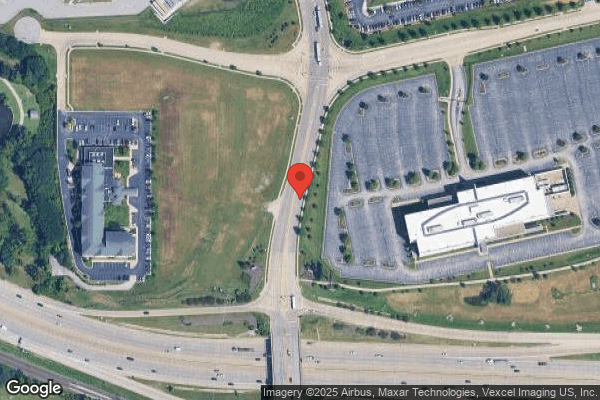
4401 NORTH HANLEY ROAD, SAINT LOUIS, MO 63134 (314) 521-7471
For profit - Partnership 120 Beds RELIANT CARE MANAGEMENT Data: November 2025 10 Immediate Jeopardy citations
Trust Grade
0/100
#393 of 479 in MO
Last Inspection: September 2023

Over 2 years since last inspection. Current conditions may differ from available data.

Overview

Heritage Care Center has received a Trust Grade of F, indicating significant concerns and placing it in the poor category of nursing homes. It ranks #393 out of 479 facilities in Missouri, meaning it is in the bottom half of the state, and #57 out of 69 in St. Louis County, suggesting that only a small number of local options are worse. The facility's situation is worsening, with reported issues increasing from 12 in 2024 to 26 in 2025. Staffing is a major weakness, with a low rating of 1 out of 5 stars and a 59% turnover rate, which is about average for Missouri but still concerning. The facility has faced extremely high fines totaling $417,916, higher than 98% of other Missouri facilities, indicating repeated compliance problems. Notably, there have been critical incidents including a resident with a history of self-harm being left unsupervised, leading to serious injuries, and another resident who was served the wrong diet, resulting in choking and eventual death. Overall, while there are some areas for improvement, the facility's serious issues make it a concerning choice for families.

Trust Score
F
0/100
In Missouri
#393/479
Bottom 18%
Safety Record
High Risk
Review needed
Inspections
Getting Worse
12 → 26 violations
Staff Stability
⚠ Watch
59% turnover. Above average. Higher turnover means staff may not know residents' routines.
Penalties
✓ Good
$417,916 in fines. Lower than most Missouri facilities. Relatively clean record.
Skilled Nurses
⚠ Watch
Each resident gets only 12 minutes of Registered Nurse (RN) attention daily — below average for Missouri. Fewer RN minutes means fewer trained eyes watching for problems.
Violations
⚠ Watch
103 deficiencies on record. Higher than average. Multiple issues found across inspections.
★☆☆☆☆
1.0
Overall Rating
★☆☆☆☆
1.0
Staff Levels
★★☆☆☆
2.0
Care Quality
★☆☆☆☆
1.0
Inspection Score
Stable
2024: 12 issues
2025: 26 issues

The Good

  • Full Sprinkler Coverage · Fire safety systems throughout facility
  • No fines on record

Facility shows strength in fire safety.

The Bad

1-Star Overall Rating

Below Missouri average (2.5)

Significant quality concerns identified by CMS

Staff Turnover: 59%

12pts above Missouri avg (46%)

Frequent staff changes - ask about care continuity

Federal Fines: $417,916

Well above median ($33,413)

Significant penalties indicating serious issues

Chain: RELIANT CARE MANAGEMENT

Part of a multi-facility chain

Ask about local staffing decisions and management

Staff turnover is elevated (59%)

11 points above Missouri average of 48%

The Ugly 103 deficiencies on record

10 life-threatening 4 actual harm
Sept 2025 7 deficiencies
CONCERN (D) 📢 Someone Reported This

A family member, employee, or ombudsman was alarmed enough to file a formal complaint

Potential for Harm - no one hurt, but risky conditions existed

Deficiency F0568 (Tag F0568)

Could have caused harm · This affected 1 resident

Based on interview and record review, the facility failed to maintain a system to ensure the resident trust fund account was managed in accordance with proper accounting principles by not maintaining ...

Read full inspector narrative →
Based on interview and record review, the facility failed to maintain a system to ensure the resident trust fund account was managed in accordance with proper accounting principles by not maintaining an accurate accounting of all monies held in the resident trust fund account by not reconciling each month. The facility managed funds for 98 residents. The census was 105. Review of the facility's Resident Trust policy, dated 6/12/25, showed Resident Trust clerk must reconcile the cash left in the box with the receipts in the box by completing the Resident Trust Petty Cash Reconciliation Form. Attach all receipts in the petty cash box to the Resident Trust Petty Cash Reconciliation form. The administrator signs reconciliation form for approval.Review of the facility-maintained bank statements for the months 4/25 through 7/25, showed no documentation of reconciliations.Review of the facility-maintained attempted reconciliation forms, dated 4/25 through 7/25, showed the attempted reconciliations did not reconcile to the residents' current balance at the time of the attempted reconciliation.Observation and interview on 9/5/25 at 11:40 A.M., showed the Business Office Manager (BOM) counted the resident petty cash that was in the safe. The cash totaled $163.00. The BOM said he/she had been at the facility since July, 2016 and he/she did not know if the petty cash was accounted for on the reconciliation on the bank statement. The corporate office determines the set amount of petty cash that is withdrawn at the beginning of each month which is added to the existing petty cash. The BOM counts the resident petty cash every time he/she replenishes the cash. The BOM said the petty cash comes from the resident trust. There is running total on the petty cash sheet for tracking. The BOM said he/she has never had over $4,000.00 cash on hand and does not know why the bank reconciliation reports showed cash on hand in the amount of $6,626.00 in May 2025, $16,971.00 in June and $16,941.00 in July 2025.During an interview on 9/8/25 at 11:53 A.M., the Activity Director (AD) said every morning, he/she counts the petty cash envelope with the BOM, verifying the cash balances with the receipt book. The AD said each individual withdrawal with the resident signature is recorded in the receipt book. At the end of the day, the petty cash envelope cash is reconciled with the BOM and AD.During an interview on 9/5/25 at 11:45 A.M., the Corporate Business Office Manager (CBOM) said he/she expected the petty cash to be accounted for on the monthly reconciliation sheet and the actual cash itself is counted and documented to ensure accuracy. The petty cash is residents' money.During an interview on 9/9/25 at 9:45 A.M., the Administrator said she expected the facility to ensure the resident trust fund account is reconciled each month.
CONCERN (D) 📢 Someone Reported This

A family member, employee, or ombudsman was alarmed enough to file a formal complaint

Potential for Harm - no one hurt, but risky conditions existed

Free from Abuse/Neglect (Tag F0600)

Could have caused harm · This affected 1 resident

Based on interview and record review, the facility failed to ensure one resident's right to be free from physical abuse was not violated when one resident was placed in a head lock by Floor Tech N (Re...

Read full inspector narrative →
Based on interview and record review, the facility failed to ensure one resident's right to be free from physical abuse was not violated when one resident was placed in a head lock by Floor Tech N (Resident #39). The sample was 43. The census was 105. Review of the facility's Abuse and Neglect Policy, dated 6/12/24, showed the following:-Purpose: -It is the policy of this facility ensure all allegations of abuse, neglect, exploitation or mistreatment, including injuries of unknown sources and misappropriation of resident property are reported immediately to the Administrator of the facility and to other appropriate agencies in accordance with current state and federal regulations within prescribed time frames;-Physical Abuse: -Purposefully beating, striking, wounding, or injuring any resident or any manner whatsoever mistreating or maltreating a resident in a brutal or inhumane manner. Physical abuse includes handling a resident with any more force than is reasonable for a resident's proper control, treatment or management. Physical abuse also includes, but is not limited to, hitting, slapping, punching, biting, and kicking. Physical abuse also includes corporal punishment, which is physical punishment used as a means to correct or control behavior;-Protection of Residents:-The Facility will take steps to prevent mistreatment while the investigation is underway; -Residents who allegedly mistreat another resident will be removed from contact with the resident during the course of the investigation. The accused resident's condition shall be immediately evaluated to determine the most suitable therapy, care approaches, and placement considering his or her safety, as well as the safety of other residents and employees in the facility. Review of the facility's restraint free environment policy, dated 4/30/24, showed:-Purpose: -It is the policy of this facility that each resident shall attain and maintain his/her highest practicable well-being in an environment that prohibits the use of restraints for discipline or convenience and limits restraint use to circumstances in which the resident has medical symptoms that warrant the use of restraints-Definitions: -Physical Restraints: Physical Restraint refers to any manual method or physical or mechanical device, material, or equipment attached or adjacent to the resident's body that the individual cannot remove easily which restricts freedom of movement or normal access to one's body. Physical restraints may include, but are not limited to: -Applying leg or arm restraints, hand mitts, soft ties, or vests that the resident cannot remove; -Holding down a resident in response to a behavioral symptom, or during the provision of care if the resident is resistive or refusing the care; -Discipline: Discipline means any action taken by the facility for the purpose of punishing or penalizing residents.-Policy: -The resident has the right to be treated with respect and dignity, including the right to be free from any physical or chemical restraint imposed for the purpose of discipline or staff convenience, and not required to treat the resident's medical symptoms. -Behavioral interventions should be used and exhausted prior to the application of a physical restraint; -How to assist the resident in attaining or maintaining his or her highest practicable level of physical and psychosocial well-being. Review of the facility's Crisis Prevention Institute (CPI) pamphlet/brochure overview, showed:-CPI Training Solutions for Human Services: De-escalation training solutions that improve staff safety and retention while lowering costs related to injuries, time off the floor, and workers' compensation claims.-Evidence-Based Training for Human Services Professionals: CPI teaches human services professionals the skills and techniques to identify, prevent, and de-escalate the complex situations they encounter in the workplace. With tiered levels of training, we offer customizable solutions that fit every role and risk level to foster facility-wide safety and well-being:-Experience the Benefits of a Tailored Training Solution -At CPI, we know that everyone plays a critical role in creating a safer workplace. So, we offer tailored training solutions for all staff, to help you create an organization-wide culture of safety. Our training provides your staff with relevant skills based on their role and the risks they encounter every day; -CPI training has helped human services facilities improve staff safety and retention, as well as lower costs related to staff injuries, time off the floor, and workers' compensation claims. Our partners have also successfully reduced the need for restraints through our training's focus on prevention and proactive verbal intervention skills.-CPI NCITM with Advanced Physical Skills: -Learn Advanced Disengagement and Physical Intervention Techniques for Situations Involving Dangerous Behaviors CPI NCITM With Advanced Physical Skills; -High Risk Associated Behaviors: Destructive behavior. Causing harm to self or others. Physically aggressive; -Select Staff.-CPI Nonviolent Crisis Intervention: -Learn Intervention Skills and Techniques to Safely De-escalate Crisis Situations; -Mid-To-High Risk Associated Behaviors: Challenging behavior. Trauma-induced behavior. Using abusive language; -All staff.-CPI Verbal Intervention: -Learn Verbal De-escalation Skills to Avoid Restrictive Interventions; -Low Risk Associated Behaviors: Anxious behavior. Disruptive behavior. Verbally defensive; -All staff. Review of Resident #39's quarterly Minimum Data Set (MDS), a federally mandated assessment instrument completed by facility staff, dated 3/10/24, showed the following:-Intact cognition;-No behaviors;-Diagnoses of high blood pressure, high cholesterol, depression and schizophrenia (a chronic mental illness that affects a person's thoughts, feelings, and behaviors). Review of the resident's nurse's note, dated 8/10/25 at 2:57 P.M., showed a code green was called. The resident was physically fighting the staff. The resident was sent out to the area's local hospital for physical aggression and attacking staff. Staff called psych Nurse Practitioner (NP) for a PRN order for aggression. The Physician, NP, and Director of Nurses (DON) notified. Review of the resident's care plan, dated 9/1/24, showed the following:-Problem: On 8/10/25: Physical aggression against staff: The resident was coming in from his/her 1:1 smoke break with staff. While walking back into the building from the patio, he/she hit Certified Nurse Aide (CNA) O in the head and the face and pulled CNA O's hair. The resident also hit the Administrator in the right shoulder, neck area and in several regions of the head: top, back, left/right side of the head with a closed fist.-Desired Outcome: 8/10/25: The resident will not display physical aggression to staff through next review period; -Interventions: 8/10/25: A physical hold used to restrain resident from hitting others. Emergency Medical Services (EMS) was called and accompanied by police to assist. Administered as needed (PRN) intramuscular (IM), ordered 25 milliliter (ml) Thorazine (antipsychotic). The resident was sent to the hospital for evaluation and treatment with a medication evaluation. The resident was admitted . Review of the Statement for incident: Resident to Staff, dated 8/11/25, provided by the Administrator showed: On 8/10/25, the resident had a resident-to-resident altercation in the early afternoon about 1:00 P.M., He/She hit another resident while he/she was on the patio smoking. The resident said that the other resident was counting the number of flicks he/she made while smoking his/her cigarette. The residents were immediately separated. The resident was placed on 1:1. After the next smoke break, the resident was taken out when all the other residents were finished smoking. The resident's 1:1 was present. When the resident was walking with his/her 1:1, Floor Tech N, behind him/her, the resident ran up to CNA O and hit him/her and pulled his/her hair. Floor Tech N stopped the resident from hitting and pulling CNA O's hair. As Floor Tech N was walking the resident away from CNA O, he/she did not de-escalate the situation. Floor Tech N was asked by the Administrator to allow the resident to walk about the hall. At that time, the other residents were directed to go to their rooms for safety. The resident ran up on the Administrator and hit her in the head several times, the right shoulder, chest and thigh area. The resident walked to the dining area to await the EMS and the police. Review of the Floor Tech N's CPI Blue Card, showed:-Completion date: 6/2/25;-Expiration date: 6/3/26;-Completed seven Modules; -Thirteen hours completed. During an interview on 9/3/25 at 4:30 P.M., the resident said he/she has been at the facility for 10 years. There was an altercation. Floor Tech N choked him/her when Floor Tech N was trying to restrain him/her. Floor Tech N wouldn't let him/her go. Floor Tech N told the resident he/she was going to F- - k him/her up. The resident hit CNA O, Floor Tech N's family member, and then Floor Tech N hit the resident. No one else tried to restrain him/her. No one else hit the resident or had been rough with him/her that he/she knew of. The resident had not seen Floor Tech N since. During an interview on 9/9/25 at 10:40 A.M., Staffing Coordinator (SC) M said he/she worked at the facility for twenty-five years. He/She was familiar with the resident. He/she was aware of the incident involving the resident. He/she never slammed the resident against the wall. SC M may not have done the proper technique, but he/she never slammed the resident against the wall. The Administrator was down on the hall with him/her. Floor Tech N had the resident and was holding him/her. Staff told Floor Tech N to let the resident go. He/She let the resident go. He/she attacked the Administrator. Everyone was scared and running. The resident was just going through the hall just hitting people. Before the resident attacked the Administrator, he/she had punched Floor Tech N's family member, CNA O. SC M and the Administrator were not on the hall during that time. They had called code green. The resident had done this before. He/She would just snap out to where he/she would have to be sent out. He/She would not yell out; the resident would just start punching people. SC M did not know if Floor Tech N had the resident in a choke hold or head lock, but Floor Tech N wasn't doing the CPI technique right. The resident was punching the Administrator. SC M told the Administrator to run. SC M grabbed the resident's hand. She didn't know which hand. She was just trying to stop the resident from beating the Administrator to death. The other staff were supposed to help, but they didn't. They used to do a five man take down. He/She was just trying to get the resident off the Administrator. The resident had beat the Administrator within two seconds. The resident started punching the Administrator the first time. Floor Tech N then grabbed the resident. SC M didn't know how Floor Tech N grabbed the resident but just knew he/she grabbed the resident to get him/her off the Administrator. The resident was just punching, and everyone was too scared to do the CPI hold. The second time the resident punched the Administrator, he/she was punching her in her head. The resident even told SC M he/she didn't want to hurt her. The other staff left her. They were all scared and running. During an interview on 9/9/25 at 11:11 A.M., Floor Tech N said he/she had worked at the facility for about one and a half years, but he/she was no longer employed at the facility. He/she was familiar with the resident. Floor Tech N said it was true. He/She had placed the resident in a head lock. He/She said it was because at the time, it was just him/her right there. He/She had to restrain the resident. The resident had an altercation with another resident prior. After the altercation, the resident was placed on a 1 to 1 in which he/she was appointed the resident's 1 to 1. The resident couldn't smoke with the other residents on his/her hall so once everyone was done smoking, he/she smoked the resident. As they were walking back in, Floor Tech N's family member was working B Hall as the CNA. CNA O started to say something to Floor Tech N and before CNA O could get it out, the resident started punching CNA O in his/her face and head. Floor Tech N intervened as quickly as he/she could. He/She grabbed the resident from behind and that is when he/she proceeded to take the resident against the wall and that was when the headlock came in. At that point, the resident turned so it was a side-by-side head lock. Floor Tech N is trained in CPI. He/She just had his/her re-certification about two months prior to that incident. Floor Tech N was familiar with SC M. He/She did not see SC M slam the resident into the wall. He/She honestly did not see SC M lay a hand on the Resident. SC M arrived after he/she had got word of what was happening on the hall. After the situation with his/her family member, everyone told him/her to let the resident go. So, he/she let the resident go. It was at that time, the Administrator was walking up the hall and Floor Tech N and the resident were walking down the hall. As soon as he/she let the resident go, he/she attacked the Administrator. That's when Floor Tech N stepped in the middle of them. He/She didn't touch the resident. Floor Tech N just stepped between the resident and the Administrator and moved him/her away from the Administrator. They actually terminated him/her. Floor Tech N was originally sent home after the incident on that Sunday. On Monday, he/she called off work. He/She returned to work on that Tuesday, and they let him/her work his/her entire shift, 8:00 A.M. to 4:00 P.M. Later that night, around 11:00 P.M, he/she received a voice message from the Administrator saying he/she was suspended pending investigation, then he/she was officially terminated about one week later. Floor Tech N completed abuse and neglect in-services. They were passed around very often. He/She signed one probably a couple of weeks prior to the incident. During interviews on 9/5/25 at 3:25 P.M., 9/9/25 at 9:52 A.M., and 9/10/25 at 12:50 P.M., the Administrator said the resident had a resident to resident earlier that day. He/She was placed on a1:1 as a result. The resident had been hearing voices and had gotten delusional, so had gone up and hit another resident. With his/her 1:1 status, it was already determined he/she wouldn't smoke with the other residents. His/her 1:1 staff, Floor Tech N, was behind him/her. The resident went up to CNA O, which happened to be Floor Tech N's family member, and had begun to hit him/her in his/her head and pulling his/her hair. Floor Tech N pulled the resident off CNA O. By that time, she heard some noise, maybe a code green call, so she went to the hall and staff were there. Floor Tech N was walking down the hall. She told staff to get residents into their rooms. Normally, they would have had a de-escalator. Floor Tech N was supposed to have deescalated the situation, which was include making sure everyone was safe, de-escalate, making sure the resident was safe, and making sure nothing was in the way. Floor Tech N was more focused on the resident getting off the unit and wasn't following her directive (to de-escalate). She told Floor Tech N to get his/her family member off the hall but deescalate and make sure all the residents were in their rooms. Floor Tech N finally followed the directive. By that time, she had told the staff to let the resident have the hall. She told one of the nurses to call the Physician to get an IM for the resident. At that point, Floor Tech N said he/she would do what was asked and that what was to escalate. The Administrator was the closet one to the resident. The resident started hitting her in the head. Mostly, the right side of her head and then when she leaned over to try to protect her face, he/she started hitting her on both sides of her head and other parts of her body. The Administrator was yelling out to get the residents to their rooms. Floor Tech N made sure his/her family member was off the unit and out the door. Then he/she grabbed the resident's arms (wrist area) to stop the resident from hitting her. After that, Floor Tech N tried to deescalate the resident, so he/she had the resident in a CPI hold by his/her wrists and walked him/her off the unit to the dining room area. Floor Tech N never had the resident in a head lock. She didn't think Floor Tech N did the CPI hold correctly. The hold was correct although it would have normally been two people to do the hold. Floor Tech N was terminated because he/she did not follow her directives regarding the de-escalation. It was her expectation for all the residents to be free from abuse and neglect. It is everyone's responsibility to ensure residents are free from abuse and neglect. This would include leaders, managers, supervisors, directors as well as front line staff.2606143
CONCERN (D) 📢 Someone Reported This

A family member, employee, or ombudsman was alarmed enough to file a formal complaint

Potential for Harm - no one hurt, but risky conditions existed

Deficiency F0602 (Tag F0602)

Could have caused harm · This affected 1 resident

**NOTE- TERMS IN BRACKETS HAVE BEEN EDITED TO PROTECT CONFIDENTIALITY** Based on interview and record review, facility staff failed to prevent the misappropriation of one resident's patient trust fund...

Read full inspector narrative →
**NOTE- TERMS IN BRACKETS HAVE BEEN EDITED TO PROTECT CONFIDENTIALITY** Based on interview and record review, facility staff failed to prevent the misappropriation of one resident's patient trust funds, which was used without authorization of the resident. The funds were withdrawn from resident's patient trust account between the dates of 4/10 and 4/17/25, with total withdrawals of $7,877.01 (Resident #20). The census was 105. Review of the facility's policy titled, Abuse and Neglect, dated 6/12/24, showed:-Misappropriation of resident property is the deliberate misplacement, exploitation, or wrongful, temporary or permanent, use of resident's belongings or money without the resident's consent;-Theft of money from bank accounts;-Unauthorized or coerced purchases from resident's funds;-The Administrator will conduct all investigations. A formal investigation shall begin immediately and include interviews with all staff, interview facility residents and document that interviews were completed. Review of Resident #20's Mental Status Exam, dated 8/18/25, showed:-No cognitive impairment;-Diagnoses included schizophrenia (a disorder that affects a person's ability to think, feel, and behave clearly), anxiety disorder, depression and dementia. Review of the resident's Trust Statement, dated 6/30/25, showed: -On 4/10/25, a $500.00 cash withdrawal with description, money for shopping with family;-On 4/17/25, a $5,756.16 (invoice #81466) and $1,620.85 (invoice #82089) withdrawal with description, Resident Essentials Clothing. Review of the Resident Essentials Clothing invoice #81466, dated 4/17/25, showed:-Various sweatpants, shirts and other clothing items;-[NAME] two drawer nightstand for $550.00;-[NAME] five drawer chest for $1,260.00;-Home music system for $135.00;-Two twin bed sets for a total of $270.00;-Pep talk recliner for $945.00. Review of the Resident Essentials Clothing invoice #82089, dated 4/30/25, showed:-Various t-shirts, socks and other clothing items;-Two comforters for a total of $170.00. Observation on 9/8/25 at 3:30 P.M showed the resident sat on the edge of his/her bed with a large unopened box (24x18x24) marked Resident Essentials on the floor, in front of the closet and a blue roller walker. There were black tote boxes filled with various t-shirts, sweatpants and tops. There were numerous baseball hats laying around the room. The style and color of the resident's bedding, dresser and nightstand were seen throughout the facility. The Pep talk recliner, [NAME] nightstand, [NAME] dresser, twin bed sets, and comforters were not present. Observation on 9/9/25 at 9:04 A.M., showed the home music system in the unopened box in the resident's room and the Pep talk recliner were located in room A15. During an interview on 9/8/25 at 2:30 P.M., the resident said he/she did not give the facility permission to use his/her funds to make any purchases on his/her behalf. The resident said he/she received some clothes and a recliner but requested those items be returned because he/she only wears Adidas clothing and the recliner was a waste of money. The resident said he/she never received a new dresser, nightstand, twin bed sets and comforters. During an interview on 9/8/25 at 3:30 P.M., the Business Office Manager (BOM) said when the corporate office reports a resident is over resources (Medicaid eligibility maximum resource is $5,909.25), he/she will ask the Certified Nurse Aides (CNA) what the resident needs, then will make those purchases on the resident's behalf. The BOM said he/she remembers giving the resident $500 to go shopping with his/her family but forgot to have the resident sign the ledger receipt book. The BOM said she did not speak to the resident prior to making purchases and was unaware the resident did not want the items or requested for the items to be returned. During an interview on 9/9/25 at 9:30 A.M., the Administrator said she expected staff to follow the facility's patient withdrawal policy. The resident must sign the receipt for all withdrawals. The facility should not make purchases for a resident without first obtaining their permission and signature.
CONCERN (D) 📢 Someone Reported This

A family member, employee, or ombudsman was alarmed enough to file a formal complaint

Potential for Harm - no one hurt, but risky conditions existed

Quality of Care (Tag F0684)

Could have caused harm · This affected 1 resident

**NOTE- TERMS IN BRACKETS HAVE BEEN EDITED TO PROTECT CONFIDENTIALITY** Based on interview and record review, the facility failed to ensure a resident who re-admitted to the facility on [DATE] with a ...

Read full inspector narrative →
**NOTE- TERMS IN BRACKETS HAVE BEEN EDITED TO PROTECT CONFIDENTIALITY** Based on interview and record review, the facility failed to ensure a resident who re-admitted to the facility on [DATE] with a recommended hospice evaluation received the ordered hospice evaluation. The resident's physician assessed the resident on 7/18/25 and documented the resident received hospice services. On 7/30/25, the resident experienced a change in condition. Staff discovered the resident had not been enrolled into hospice services and did not notify the physician of the discovery. The resident expired at the facility approximately three hours after the change in condition (Resident #118). The census was 105. Review of the notifying clinician's policy, revised 6/26/24, showed:-Purpose: to ensure clinicians are properly notified of a resident's change in condition and overall, health and mental status;-Policy: -Process for notification: -Before calling the physician, the nurse must ensure they have all pertinent/situational information on the resident readily available; -The clinician shall be notified of changes in condition, emergent situations and concerns of the resident's overall health status; -Examples include falls, out of range vital signs, altered mental status, poor intake, changes in behaviors, and anything regarding a change in the resident's baseline or condition; -The nurse will implement 911 (emergency services) for immediate transfer for physician evaluation when a significant change or deterioration in the resident's physical, mental or psychosocial status (life threatening condition or clinical complication); -The nurse will initiate verbal communication with the clinician when a condition or incident arises with a resident which would warrant and immediate implementation of a change in plan of care to include physician advisement or initiation of physician orders to avoid a delay in treatment that may cause worsening in condition. Review of Resident #118's medical record, showed:-re-admitted : 7/13/25;-Diagnoses included chronic obstructive pulmonary disease (COPD, scarring to lung tissues), kidney disease, depression, heart failure, lung cancer, protein malnutrition and dementia. Review of the post hospital after visit summary, dated 7/13/25, showed:-discharged : 7/13/25;-Discharge diagnosis: hospice care;-Start taking the following medications:-Lorazepam (Ativan, for anxiety); -Morphine (used to treat severe pain);-Stop taking the following medication: -Atorvastatin (used to lower cholesterol); -Vitamin B-12; -Colace (stool softener); -Aricept (used for dementia); -Lexapro (used for depression); -Iron tablet; -Norco (narcotic used for moderate pain); -Midodrine (used for high blood pressure); -Remeron (used as an appetite stimulant and treat depression); -Prednisone (used for inflammation);-Outpatient referrals: referral to hospice. Review of the care plan, dated 7/15/25, showed:-Problem: the resident has a terminal diagnoses related to lung mass and has elected hospice services;-Outcome: comfort will be maintained;-Interventions: observe the resident closely for pain and work cooperatively with hospice to ensure needs are met. Review of the facility re-admission Physician Order Sheet (POS), showed:-An order, dated 7/13/25: Hyoscyamine sulfate (used for spasms) 0.125 milligram (mg) tablet. Give one tablet as needed (PRN) every four hours. Noted as not given 7/13/25 through 7/30/25;-An order, dated 7/13/25: Lorazepam concentrate. Give 0.25 milliliter (ml) every four hours, PRN. Noted as not administered from 7/13/25 through 7/30/25;-An order, dated 7/13/25: Morphine solution. Give 0.25 ml every four hours, PRN. Noted as not administered from 7/13/25 through 7/30/25. -No hospice orders were documented in the re-admission orders. Review of the progress notes, showed:-On 7/13/25 at 4:28 P.M., a nursing admission note: resident readmitted from hospital, oxygen in place. Skin is fair condition and multiple pinpoint bruising to both arms. The resident physician was notified and verified orders and hospice team contacted regarding admission to hospice services;-On 7/14/25 at 2:49 P.M., a plan of care note: a do not resuscitate order, signed by the resident;-On 7/15/25 at 11:22 A.M., a dietary note: the resident readmitted to the facility on hospice services, provide food preferences. Review of the care plan, initiated 7/15/25, showed:-Problem: the resident has a terminal prognosis related to a lung mass and elected hospice services;-Desired outcome: the resident's comfort will be maintained;-Interventions: observed the resident for signs of pain or discomfort. Work cooperatively with the hospice providers to ensure needs are met. Review of the physician visit note, dated 7/18/25, showed:-History of present illness: COPD with exacerbation, dementia and now on hospice care;-Assessment and plan: COPD end state, on hospice. Review of the significant change Minimum Data Set (MDS), a federally mandated assessment instrument completed by facility staff, dated 7/19/25, showed:-Rarely understood;-Memory problem;-Moderate cognitive impairment;-Used wheelchair for mobility;-Staff assistance for hygiene, eating and transfers:-Diagnoses included lung cancer, dementia, heart disease and severe protein malnutrition;-Does the resident have a life expectancy of 6 months or less: No Review of the progress notes, showed:-On 7/24/25 at 8:07 A.M., a social service note: the hospice team was contacted regarding the hospice referral. The hospice team said the referral had been closed, and a new referral would be sent to a different hospice provider;-On 7/25/25 at 7:05 A.M.,: a nurse note: the resident found lying next to the bed and he/she said he/she rolled out of the bed. No injuries noted and bed in lowest position. Message left with physician;-On 7/25/25 at 1:41 P.M., a nurse note: fall mat ordered for the resident due to decline in mental and physical status. Physician aware;-On 7/30/25 at 3:04 P.M., a nurse note: attempted to contact next of kin to notify of the resident's declining status. Unable to reach next of kin. The physician was notified;-On 7/30/25 at 5:32 P.M., a nurse note: vital signs ceased at 4:39 P.M. The family was called and unable to be reached. The physician was at the facility, and cause of death as COPD. Funeral home notified;-No further progress notes were noted to ensure the resident was admitted into hospice services. During an interview on 9/4/25 at 12:43 P.M., Licensed Practical Nurse (LPN) G said on 7/30/25 he/she started work at 7:00 A.M., and he/she received report from the night shift nurse. The night shift nurse said the resident was not doing well, was on hospice and he/she attempted to reach the next of kin. LPN G said he/she assessed the resident, and he/she appeared very ill. The resident had low blood pressure, irregular breathing and a low oxygen saturation. LPN G attempted to call the next of kin and was unable to speak to family. He/She contacted the physician regarding the change in condition, and did not recall what the physician said, except to keep the resident comfortable. LPN G reviewed the record for the hospice provider and when researched, LPN G discovered the resident had not been enrolled in hospice care. LPN G made the discovery around noon and he/she expired several hours later. LPN G did not call the physician back and notify him the resident was not on hospice services. LPN G wrote down the assessment and vital signs on a piece of paper and forgot to document the findings in the medical record. During an interview on 9/4/25 at 12:23 P.M., the resident's physician said he assessed the resident on 7/18/25 and assumed the resident had been admitted into hospice services per review of the hospital discharge orders on 7/14/25. He did not recall if he had been contacted regarding the resident's change in condition on 7/30/25 and expected the nursing assessment and vital signs to be documented in the medical record. If the staff discovered the resident had not received hospice services, he should have been notified. He would have sent the resident to the hospital for evaluation and treatment. The resident had a history of refusal of care, if he/she refused hospice services, it should have been documented in the medical record. During an interview on 9/4/25 at 1:23 P.M., the Administrator and Assistant Director of Nursing (ADON) B said the resident's hospital discharge orders included hospice assessment orders. The resident had not been admitted to hospice services related to obtaining signatures from the next of kin. The resident was not enrolled in hospice services at the time of his/her death. When staff became aware the resident was not enrolled in hospice, the nurse should have notified the physician. The physician may have elected to send the resident to the hospital. All assessments and vital signs should be in the medical records. 2591480
CONCERN (E) 📢 Someone Reported This

A family member, employee, or ombudsman was alarmed enough to file a formal complaint

Potential for Harm - no one hurt, but risky conditions existed

Safe Environment (Tag F0584)

Could have caused harm · This affected multiple residents

Based on observation, interview and record review, the facility failed to maintain a safe, clean, comfortable and homelike environment for resident areas throughout the building. The census was 105. 1...

Read full inspector narrative →
Based on observation, interview and record review, the facility failed to maintain a safe, clean, comfortable and homelike environment for resident areas throughout the building. The census was 105. 1. 1. Observation on 9/3/2025 at 11:00 A.M., 9/5/2025 at 1:15 P.M., and 9/9/2025 at 9:30 A.M., showed the following:-Room C1, behind the door, showed drywall mudding, measuring 30 inches () by 4 in length, unpainted;-Shared bathroom, located between C1 -C3, with missing cove base along the doorway of C1, exposing a large hole in the wall 8x4;-Shared bathroom, located between C1 -C3, with missing cove base along the doorway of C3 and behind the toilet;-Between room C1 and C3, in the hallway, a section measuring 4x4 of unpainted area, exposing four 1/2 holes;-Shared bathroom, located between C5 -C7, with cove base pulled away from wall along the doorway of C5, exposing crumbling drywall;-Room C7 bed 1, overhead bed light plastic cover laying on top of the fixture, exposing the light bulb;-Room C6 bed 1, approximate 14x4 unpainted section with two 1/2 circle holes;-Room C9 bed 1, 3x3 hole near the door approximately 6 from the floor and two additional circle areas measuring 2x2, exposing drywall;-Room C9, air conditioning unit (AC) with a 2 gap between the AC unit and the wall;-Shared bathroom, located between C10 -C12, with chipped and cracked paint along the length of the bottom of mirror with brown stains. The sink pulled away from wall with cracked paint and caulk;-Room C10, a hole measuring 2x2 behind the door;-Room C10, foot of bed 2, showed a hole in the corner of room measuring 1x1 with black hairy-like substance coming out of the hole with visible mice droppings;-Room C10, side of bed 2, showed a 1 x 1/2 hole in cove base that went through the wall exposing pieces of drywall. In front of the hole was a pest control bug glue trap;-Room C12 bed 1, 4 1/2 holes in wall. 2. Observation on 9/3/25 at 1:24 P.M., and on 9/5/25 at 2:47 P.M., of bedroom and bathroom A-10, showed the floor was dirty and sticky upon walking. In addition, in the bathroom, the baseboard was pulled out from the wall on the bottom left-hand side and the plaster was peeled away from the wall on the top right-side corner above the sink. 3. Observation on 9/3/25 at 1:46 P.M., and on 9/5/25 at 2:50 P.M., of room A-7, showed the floor was dirty and sticky upon walking. In the bathroom, the paint was peeled away from the wall behind the commode. 4. Observations on 9/3/25 at 2:17 P.M., and on 9/5/25 at 2:56 P.M., of room B-4, showed the floor was dirty and sticky upon walking. In in addition, the baseboard was pulled away from the wall behind the bedroom door. 5. Observation on 9/3/25 at 10:41 A.M., showed the floors of room D-3 were sticky upon walking and what appeared to be an opaque, dirty film on the tiles near the doorway. 6. Observation on 9/3/25 at 11:09 A.M., near the D-hall entrance, showed a broken ceiling tile above the doorway to the beautician's office, leaving an approximate 5 inch by 7 inch gap, exposing the electrical wires and space above the ceiling tiles. 7. During an interview on 9/8/25 at 9:30 A.M., the Maintenance Assistance (MA) said the staff fills out the facility's work order sheet when repairs are needed. Once the staff completes the form, the form is placed in the wall mounted box that is located at the entrance of each hall. The MA said every morning he gathers all the completed forms so the issues can be address. The MA said due to budget cuts, the supplies needed to make the repairs are slow.
CONCERN (E) 📢 Someone Reported This

A family member, employee, or ombudsman was alarmed enough to file a formal complaint

Potential for Harm - no one hurt, but risky conditions existed

Deficiency F0727 (Tag F0727)

Could have caused harm · This affected multiple residents

Based on interview and record review, the facility failed to provide a full time Director of Nursing (DON), who did not serve as a charge nurse, when the facility had a census over 60. The census was ...

Read full inspector narrative →
Based on interview and record review, the facility failed to provide a full time Director of Nursing (DON), who did not serve as a charge nurse, when the facility had a census over 60. The census was 105.Review of the facility's Registered Nurse (RN) policy, dated 4/30/24, showed:-Purpose: It is the intent of the facility to comply with Registered Nurse staffing requirements;-Full-time is defined as working 40 or more hours a week;-Charge Nurse is a licensed nurse with specific responsibilities designed by the facility that may include staff supervision, emergency coordinator, physician liaison, as well as direct resident care;-Policy: The facility will utilize the services of a Registered Nurse for at least eight consecutive hours per day, seven days per week;-The facility will designate a Registered Nurse to serve as the Director of Nursing on a full time basis;-The Director of Nursing may serve as charge nurse only when the facility has average daily occupancy of 60 or fewer residents;-The facility is responsible for submitting timely and accurate staffing data through the CMS Payroll-Based Jornal (PBJ) system. Review of the facility's census, showed 105 residents. Review of the facility's staffing roster, showed the facility had a DON. Review of the facility's handwritten RN coverage, received on 9/9/25, showed the RN Supervisor provided RN coverage on 9/3/25, 9/4/25, 9/5/25, 9/8/25, and 9/9/25. During an interview on 9/3/25 at 10:52 A.M., the Administrator confirmed the facility had a full time DON. During an interview on 9/9/25 at 12:25 P.M., Assistant Director of Nursing (ADON) B said the DON is on medical leave. He/She was unsure of when the DON would return. The RN Supervisor was the interim DON to his/her knowledge, but he/she was not sure if the RN provided RN coverage or the interim DON. During an interview on 9/9/25 at 12:41 P.M., the Administrator said the current DON was supposed to notify her of when he/she would return. The RN Supervisor is the interim DON and he/she started last week. On 9/8/25 and 9/9/25, he/she provided RN coverage. They did not have an interim DON on 9/8/25 and 9/9/25. RN staff from corporate also provide eight hours of coverage. Some provide coverage every other weekend. It was discussed during their Quality Assurance and Quality Improvement (QAPI) meeting. It was discussed if the DON would be able to complete some tasks from home. During an interview on 9/9/25 at 1:40 P.M., the RN supervisor confirmed he/she was the RN supervisor.
CONCERN (F) 📢 Someone Reported This

A family member, employee, or ombudsman was alarmed enough to file a formal complaint

Potential for Harm - no one hurt, but risky conditions existed

Deficiency F0838 (Tag F0838)

Could have caused harm · This affected most or all residents

Based on interview and record review, the facility failed to have a complete and thorough facility-wide assessment to determine what resources are necessary to care for the residents competently durin...

Read full inspector narrative →
Based on interview and record review, the facility failed to have a complete and thorough facility-wide assessment to determine what resources are necessary to care for the residents competently during both day-to-day operations and emergencies. In addition, the facility failed to have a facility assessment that addressed staffing ratios required per shift to meet the needs of residents, the need for a Registered Nurse (RN) for at least 8 consecutive hours a day, 7 days a week, designated an RN to serve as the Director of Nursing (DON), and followed their infection control prevention and control program by ensuring residents received required immunizations. There was no documentation of ratios of direct care staff, restorative therapy staff, Social Services staff, dietary staff, housekeeping and laundry staff necessary on each shift to ensure the needs of residents are met. The facility failed to provide information regarding staff competencies and skill sets that are necessary to provide the level and types of care needed for the resident population. The census was 105.Review of the facility's Registered Nurse (RN) policy, dated 4/30/24, showed:-Policy: The facility will utilize the services of a Registered Nurse for at least eight consecutive hours per day, seven days per week;-The facility will designate a Registered Nurse to serve as the Director of Nursing on a full time basis. Review of the facility's admission Agreement, received on 9/3/25, showed:-Facility is intended to serve residents in need of skilled nursing care and treatment, which are those services commonly performed by or under the supervision of a Registered Nurse for individuals requiring twenty-four (24) hours a day care. Facility may only accept residents for which it determines, in its sole discretion, it is able to provide appropriate services. No resident will be accepted without a valid physician order for care. In addition, should you become aware that you are no longer able to meet these criteria; you agree to immediately advise Facility. The following criteria outlines the level of cognitive and functional ability required for admission into Facility:-Medical status/symptoms of dementia: The resident has a diagnosis of Alzheimer's disease or related dementia and exhibits symptoms of dementia which necessitates any of the following: guidance and direction, a safe environment, cueing and task simplification, structured programming;-Communication: The resident maintains the ability to respond to other residents, staff, family, and the environment. The resident may exhibit difficulty or awkwardness in communicating and socializing;-Social Behavior: The resident has the ability to participate and relate in a group setting. The resident may exhibit intermittent disruptive or disabling behavior such as wandering, rummaging, uncooperativeness, verbal and/or physical abuse. The resident must not exhibit or suffer from any significant psychiatric or behavioral problems which may escalate anxiety and confusion among other residents and/or present a safety hazard to themselves or others;-Social History: The resident must not have past or current difficulty with substance abuse or addiction, and not have a primary psychiatric diagnosis;-Mobility and Transferring: The resident may be dependent upon a cane, walker or wheelchair. The resident may require minimum to total assistance with mobility and transferring;-Toileting: The resident may require verbal cues, hands on assistance or total assistance with toileting and incontinence care;-Personal Care: The resident requires assistance to perform some or all daily personal care tasks;-Nursing Services: The resident requires on-going supervision, medication administration and assistance. The resident may require intermediate or skilled nursing assistance for preventative, curative or therapy services;-Meals/Eating: The resident may require cues, reminders or hands on assistance during mealtime. The resident may have specialized dietary needs including altered consistencies, approved physician ordered diets, or dietary monitoring;-Facility is an intermediate and skilled care residence. Various services are available to meet a wide range of nursing and rehabilitative needs. Residents shall be assessed for admission to Facility based on the following criteria:-Medical Status: The resident has an acute or longstanding unpredictable medical condition which requires intermittent emergency nursing services;-Social Behavior: The resident does not exhibit or suffer from any significant psychiatric or behavioral problems which may put himself/herself or others at risk of physical or emotional harm;-Personal Care: The resident requires on-going daily assistance with some or all activities of daily living (ADLs): dressing, eating, bathing, transferring, grooming, continence care, etc.;-Nursing Services: The resident requires daily monitoring of a health and/or medical condition by professional staff;-Skilled Services: The resident requires skilled medical services including but not limited to: physical, occupational, speech, and/or intravenous therapy, wound care. Review of the facility's Matrix (form used to track resident conditions and care needs), received on 9/3/25, showed:-Residents with diagnoses of Alzheimer's/Dementia: 20;-Hospice: 3;-Dialysis: 1;-Intravenous therapy: 1;-Indwelling catheter;-Post Traumatic Stress Disorder (PTSD)/Trauma: 7;-Insulin: 13;-Anticoagulant: 4;-Antianxiety: 24;-Antipsychotic: 85;-Antidepressant: 46;-Hypnotic: 5. During the course of the survey process, problems were identified which included:-No full time Director of Nursing (DON);-No full time Social Worker or social service designee. During an interview on 9/9/25 at 12:31 P.M., the Administrator said she is responsible for ensuring the facility assessment is completed. She was supposed to do it but did not have maintenance or nursing information to add to the assessment. The only thing that was documented in the facility assessment was who they were supposed to call or when to use another facility, and contact information. She did not want to give a partial facility assessment. It was not a complete assessment.
Jun 2025 2 deficiencies
CONCERN (D) 📢 Someone Reported This

A family member, employee, or ombudsman was alarmed enough to file a formal complaint

Potential for Harm - no one hurt, but risky conditions existed

Deficiency F0741 (Tag F0741)

Could have caused harm · This affected 1 resident

Deficiency Text Not Available

Read full inspector narrative →
Deficiency Text Not Available
CONCERN (E) 📢 Someone Reported This

A family member, employee, or ombudsman was alarmed enough to file a formal complaint

Potential for Harm - no one hurt, but risky conditions existed

Deficiency F0576 (Tag F0576)

Could have caused harm · This affected multiple residents

Deficiency Text Not Available

Read full inspector narrative →
Deficiency Text Not Available
May 2025 1 deficiency
CONCERN (D) 📢 Someone Reported This

A family member, employee, or ombudsman was alarmed enough to file a formal complaint

Potential for Harm - no one hurt, but risky conditions existed

Deficiency F0697 (Tag F0697)

Could have caused harm · This affected 1 resident

Based on observation, interview and record review, the facility failed to implement an effective pain management regime for one of three sampled residents (Resident #1). Staff failed to administer a s...

Read full inspector narrative →
Based on observation, interview and record review, the facility failed to implement an effective pain management regime for one of three sampled residents (Resident #1). Staff failed to administer a stronger physician ordered pain medication for Resident #1, who complained of severe back pain. The census was 112. Review of the facility's Pain Management Policy, updated 6/26/24, showed the following: -Purpose: The facility must ensure that pain management is provided to residents who require such services, consistent with professional standards of practice, the comprehensive person centered care plan and the resident's goals and preferences; -Policy: The facility will utilize a systemic approach for recognition, assessment, treatment and monitoring of pain; -Recognition of Pain: 1 a. Recognize when the resident is experiencing pain and identify circumstances when the pain can be anticipated. 1 c. Manage or prevent pain, consistent with the comprehensive assessment and plan of care, current professional standards of practice and the resident's goals and preferences; -Pain Assessment: 2 e. Identifying key characteristics of the pain: Duration of pain, frequency, location, timing, pattern, radiation of pain. i. Current prescribed pain medications, dosage, frequency, including medication assisted treatment; -Pain Management and Treatment: 7. Pharmacological interventions will follow a systemic approach for selecting medications and doses to treat pain. The interdisciplinary team is responsible for developing a pain management regimen that is specific to each resident who has pain or has a potential for pain. 7 e. Use lower doses of medication initially and titrate slowly. 7 f. Reassess and adjust the medication dose to optimize the resident's pain relief while monitoring the effectiveness of the medication and work to minimize or manage side effects. 7 h. Opioids will be prescribed and dosed in accordance with current professional standards of practice and manufacturer's guidelines to optimize their effectiveness and minimize their adverse consequences. Review of Resident #1's March 2025 Physician Order Sheet (POS), showed an order dated 1/13/25, for Percocet (a medication used to treat moderate to moderately severe pain) 5/325 milligrams (mg) every four hours as needed for pain. Review of the resident's quarterly Minimum Data Set (MDS), a federally mandated assessment instrument completed by facility staff, dated 3/11/25, showed the following: -No short/long term memory loss; -Required minimal assist of staff for all activity's of daily living; -No pain; -Diagnoses included high blood pressure, dementia, schizophrenia (a serious mental health condition that affects how people think, feel and behave) and depression. Review of the resident's care plan, updated 3/17/25, showed the following: -Problem: Resident on pain medication related to back pain; -Approach: Administer pain medications as ordered by the physician. Monitor and document side effects and effectiveness every shift. Review of the resident's March 2025, Medication Administration Record (MAR), showed the following: -Percocet 5/325 mg by mouth every four hours as needed for pain; -No initials documented as administered by staff for the entire month; -Tylenol 1000 mg every six hour as needed for pain; -Staff documented as administered on 3/6, 3/21, 3/25 and 3/29/25. Review of the progress notes, dated 3/17/25 through 4/22/25, showed no documentation the resident received Percocet for pain. Review of the resident's progress notes, showed the following: -4/23/25 at 7:41 P.M.: Call placed to pain management for an appointment. Awaiting return call; -4/24/25 at 10:35 AM.: Pain management called for an appt. Office said the physician hasn't responded to her text. Will call facility back. Next note regarding pain, 4/28/25; -4/28/25 at 11:17 A.M.: Call placed to pain management for appointment, office awaiting return call from the physician. Review of the resident's MAR, dated April 2025, showed the following: -The resident did not receive Percocet 5/325 mg; -Tylenol 1000 mg every six hour as needed for pain; -Staff documented as administered on 4/11, 4/14 and 4/17/25. Review of the resident's progress notes, showed the following: -5/8/25 at 11:08 A.M.: Call placed to pain management for appointment. Awaiting return call; -No further notes regarding the resident's back pain until 5/16/25; -5/16/25 at 10:40 A.M.: Pain management appointment made for 5/23/25; -5/21/25 at 5:58 P.M.: Resident complained of back pain. Call placed to physician. New order for lumbar spine x-ray. Tylenol given as ordered and effective. Review of the resident's MAR, dated May 2025, showed the resident did not receive Percocet 5/325 mg or Tylenol 1000 mg. During an interview on 5/22/25 at 10:20 A.M., the resident said he/she has severe back pain and at times it affects how he/she walks. The pain moves down his/her leg. The nurses give him/her Tylenol but it doesn't really help. He/She needs something stronger for pain but when he/she talks to staff, they say he/she has only Tylenol ordered. During an interview on 5/22/25 at 1:59 P.M., Certified Nurse Aide (CNA) B said he/she has taken care of the resident. The resident has complained of lower back pain and requested something for pain. He/She reported it to the nurse. During an interview on 5/22/25 at 2:45 P.M., Licensed Practical Nurse (LPN) A said he/she has taken care of the resident. The resident has had frequent complaints of back pain. LPN A called the doctor for an order for an x-ray and made him/her an appointment with the pain management clinic. LPN A said he/she was unaware of an order for Percocet. He/She never administered the resident any Percocet and there wasn't any on the medication cart. If he/she knew the resident had an order for Percocet, he/she would have given it to the resident for pain. During an interview on 5/23/25 at 2:10 P.M., the interim Director of Nurses said he was not aware the resident had an order for Percocet. He expected staff to administer the resident's pain medication as ordered. During an interview on 5/23/25 at 11:51 A.M., the Administrator said staff never sent the order for the Percocet to the pharmacy. She expected staff to transcribe the orders as written and fax the orders to the pharmacy. MO00254569
Apr 2025 5 deficiencies 1 IJ
CRITICAL (J) 📢 Someone Reported This

A family member, employee, or ombudsman was alarmed enough to file a formal complaint

Immediate Jeopardy (IJ) - the most serious Medicare violation

Accident Prevention (Tag F0689)

Someone could have died · This affected 1 resident

Please see deficiency cited at F689 in Event ID 533H12. This citation is uncorrected. See the narrative at Event ID 533H11. This deficiency is uncorrected. For previous examples, please see the State...

Read full inspector narrative →
Please see deficiency cited at F689 in Event ID 533H12. This citation is uncorrected. See the narrative at Event ID 533H11. This deficiency is uncorrected. For previous examples, please see the Statement of Deficiencies dated 3/14/25.
SERIOUS (G) 📢 Someone Reported This

A family member, employee, or ombudsman was alarmed enough to file a formal complaint

Actual Harm - a resident was hurt due to facility failures

Deficiency F0553 (Tag F0553)

A resident was harmed · This affected 1 resident

Deficiency Text Not Available

Read full inspector narrative →
Deficiency Text Not Available
CONCERN (D) 📢 Someone Reported This

A family member, employee, or ombudsman was alarmed enough to file a formal complaint

Potential for Harm - no one hurt, but risky conditions existed

Transfer Notice (Tag F0623)

Could have caused harm · This affected 1 resident

Deficiency Text Not Available

Read full inspector narrative →
Deficiency Text Not Available
CONCERN (D) 📢 Someone Reported This

A family member, employee, or ombudsman was alarmed enough to file a formal complaint

Potential for Harm - no one hurt, but risky conditions existed

Deficiency F0658 (Tag F0658)

Could have caused harm · This affected 1 resident

Deficiency Text Not Available

Read full inspector narrative →
Deficiency Text Not Available
CONCERN (D) 📢 Someone Reported This

A family member, employee, or ombudsman was alarmed enough to file a formal complaint

Potential for Harm - no one hurt, but risky conditions existed

Deficiency F0661 (Tag F0661)

Could have caused harm · This affected 1 resident

Deficiency Text Not Available

Read full inspector narrative →
Deficiency Text Not Available
Mar 2025 9 deficiencies 1 IJ
CRITICAL (J) 📢 Someone Reported This

A family member, employee, or ombudsman was alarmed enough to file a formal complaint

Immediate Jeopardy (IJ) - the most serious Medicare violation

Accident Prevention (Tag F0689)

Someone could have died · This affected 1 resident

**NOTE- TERMS IN BRACKETS HAVE BEEN EDITED TO PROTECT CONFIDENTIALITY** Based on interview and record review, the facility failed to ensure one resident (Resident #1), with a known history of suicidal...

Read full inspector narrative →
**NOTE- TERMS IN BRACKETS HAVE BEEN EDITED TO PROTECT CONFIDENTIALITY** Based on interview and record review, the facility failed to ensure one resident (Resident #1), with a known history of suicidal ideation, high risk of suicide and frequent self-harming behavior received adequate supervision. The facility determined the resident required close supervision, defined as supervision from three to five feet, to ensure the resident's safety and well-being. Per the resident's care plan, the resident was to receive 1:1 monitoring. On 3/3/25, staff assigned to provide 1:1 supervision for the resident were reassigned to other duties and left the resident unsupervised in his/her room with the door closed. The resident broke the window in his/her room and used the glass to cut himself/herself resulting in multiple deep cuts requiring medical intervention. The sample size was eleven. The census was 106. The Administrator was notified on 3/13/25 at 2:20 P.M., of an Immediate Jeopardy (IJ) which began on 3/3/25. The IJ was removed on 3/13/25, as confirmed by surveyor onsite verification. Review of the facility's Supervision Types, no date, showed: Close Supervision: Supervise resident from a distance of three to five feet. Review of the facility's Accidents and Supervision Policy, revised 5/18/24, showed: -Purpose: Each resident will receive adequate supervision and assistive devices to prevent accidents. This includes: -Implementing interventions to reduce hazard(s) and risk(s); -Monitoring for effectiveness and modifying interventions when necessary; -Definitions: -Hazards: Elements of the resident environment that have the potential to cause injury or illness; -Risk: Any external factor, facility characteristic (e.g., staffing or physical environment) or characteristic of an individual resident that influences the likelihood of an accident; -Supervision/Adequate Supervision: Intervention and means of mitigating risk of an accident; -Implementation of Interventions: Using specific interventions to try to reduce a resident's risks from hazards in the environment. The process includes: -Communicating the interventions to all relevant staff; -Assigning responsibility; -Providing training as needed; -Ensuring that the interventions are put into action; -Interventions are based on the results of the evaluation and analysis of information about hazards and risks; -Development of interim safety measures may be necessary if interventions cannot immediately be implemented fully; -Monitoring and Modification: Monitoring is the process of evaluating the effectiveness of care plan interventions. Modification is the process of adjusting interventions as needed to make them more effective in addressing hazards and risks. Monitoring and modification processes include: Ensuring that interventions are implemented correctly and consistently; -Supervision: Supervision is an intervention and a means of mitigating accident risk. The facility will provide adequate supervision to prevent accidents. Adequacy of supervision: -Defined by type and frequency; -Based on the individual resident's assessed needs and identified hazards in the resident environment. Review of the facility's Suicide Prevention policy, revised 5/14/24, showed: -Purpose: It is the policy of this facility to assess residents for suicidality. Additionally, it is the policy of this facility to act quickly and appropriately if a resident expresses thoughts of suicide; -Definitions: -Protective Factors: Personal and environmental characteristics that help protect people from suicide. It's important to note that protective factors may not counteract significant suicidal risk; -Suicidal Ideation: Self-Reported thoughts about engaging in suicide-related behaviors; -Suicidality: The tendency of a person to commit suicide; -Suicide Prevention: The resident will not be left alone. One on one care will be provided until arrangements can be made for the resident to receive emergency psychiatric care, or until the resident's physician determines that the risk of suicide is no longer present. Review of Resident #1's quarterly Minimum Data Set (MDS), a federally mandated assessment instrument completed by facility staff, dated 12/22/24, showed the following: -Cognitively intact; -Used wheelchair; -No impairment to upper extremities; -Diagnoses included: major depressive disorder (Serious mental health condition characterized by persistent sadness, hopelessness, and loss of interest or pleasure in activities), anxiety disorder (mental heal disorder characterized by feelings of worry, anxiety, or fear that are strong enough to interfere with one's daily activities), post-traumatic stress disorder (PTSD, a psychiatric disorder that may occur in people who have experienced or witnessed a traumatic event, series of events, or set of circumstances). Review of the resident's care plan, initiated on 1/29/25 and revised on 2/05/25, showed: -Problem: The resident's Columbia Suicide Severity Rating Scale (C-SSRS, suicide risk assessment tool) assessment deems the resident is at high risk for suicide; -Desired outcomes included: To keep the resident in a safe protective environment. To provide proper tools and coping skills to reduce suicidal ideation. To reduce the amount of times resident experiences suicidal ideation; -Interventions included: Begin behavior monitoring. Begin 1:1 monitoring. Remove items from room that could be used in his/her plan. Safety Planning Interventions: -Safety Planning Intervention: -Warning Signs for impending crisis: left blank; -Internal coping strategies or Activities that distract from suicidal ideations (specify); -Person or place that helps distract them from suicidal thoughts: left blank; -Identify person that they can talk to (specify); -Unique hopes for the future and reason for living: left blank; -Seek professional help from counselor or psychologist. Review of the resident's physician order sheet in use at the time of the investigation, showed an order, dated 12/23/24, for: Behaviors, Monitor for the behaviors of binging and purging, every shift related to personal history of suicidal behavior. Review of the resident's medical record, showed: -On 1/12/25 at 11:01 P.M., staff documented they were made aware of the resident trying to self-harm. The resident had two sharpened pieces of a can lid. The resident said he/she was trying to cut himself/herself; -Mental Status Exam, Date of service: 1/16/25. History from nursing/family. On 1/12/25, resident attempted to self-harm with two sharpened pieces of a can lid, attempting to cut himself/herself. Resident stated if he/she didn't get a cigarette he/she would find something else to do it with it; -On 1/20/25 at 9:22 P.M., staff documented the resident said he/she cut himself/herself because his/her anxiety pushed him/her to it. The resident had blood on his/her pants and sleeves, but refused to let staff assess the wound. The resident claimed to have stopped the bleeding. The resident clutched an object in his/her hand. Emergency Medical Services (EMS) was called. EMS arrived with the police. After speaking with the resident, the officer was able to get the piece of glass the resident used to self-harm. Review of the resident's C-SSRS assessment, dated 1/29/25, showed: -Scoring is as follows: low risk 0-4, moderate risk 5-10, high risk 11-50; -Category: High Risk; -Score: 43.0; -In the past month, have you wished you were dead or wished you could go to sleep and not wake up, Yes; -In the past month, have you had any thoughts about killing yourself, Yes; -Have you been thinking about how you might kill yourself, Yes; -Have you had these thoughts and had some intention of acting on them, Yes; -Have you started to work out or worked out the details of how to kill yourself, Yes; -Do you intend to carry out this plan, No; -Have you ever done anything, started to do anything, or prepared to do anything to end your life, Yes. Review of the resident's progress notes, showed on 2/4/25 at 8:33 A.M., staff documented they found the resident with a laceration to his/her left arm. The resident said he/she was in his/her room and up all night having emotional issues. The resident wanted to cut himself/herself to release emotional pain. The resident said this helped him/her cope. The resident used glass from a bottle of make-up Review of the resident's Psychosocial Post-Incident Impact Questionnaire, dated 2/4/25, showed: -Description: Incident; -Why were you trying to hurt yourself or others: Patient stated he/she was angry with himself/herself. He/She stated cutting helps him/her cope with emotional and physical pain; -What do you feel the facility can do or change to allow your coping skill to be more effective: Patient stated he/she needs himself/herself back. He/She does not do good with sitting alone. He/She feels like he/she is a burden. Review of the resident's C-SSRS assessment, dated 2/10/25, showed: -Category: High Risk; -Score: 46.0; -In the past month, have you wished you were dead or wished you could go to sleep and not wake up, Yes; -In the past month, have you had any thoughts about killing yourself, Yes; -Have you been thinking about how you might kill yourself, Yes; -Have you had these thoughts and had some intention of acting on them, Yes; -Have you started to work out or worked out the details of how to kill yourself, Yes; -Do you intend to carry out this plan, Yes; -Have you ever done anything, started to do anything, or prepared to do anything to end your life, Yes. Review of the resident's mental status exam, showed: -Date of service, 2/13/25; -An order was placed for Abilify (medication used to treat schizophrenia (a chronic mental health condition that affects a person's thoughts, feelings, and behaviors)) 400 milligrams intramuscular (IM, administration directly into the muscle tissue) every 28 days for the management of schizophrenia, and the patient agreed to the treatment plan. Additionally, an order was given for 15-minute safety checks to closely monitor him/her well-being and intervene promptly if needed. They patient will continue to be observed for any changes in symptoms, mood, or behavior; Review of the resident's progress notes, showed: -On 3/1/25 at 9 P.M., staff documented it was reported to this LPN (Licensed Practical Nurse) C that resident stated he/she was very upset, and he/she had been self-harming himself/herself. Body inspection done. The resident has what appeared to be cuts on his/her arms and legs. His/her roommate said that the resident had been doing this for a couple of days. Resident called his/her family. Resident stated to other staff members that he/she was going to keep cutting himself/herself. Ambulance called; -On 3/3/25 at 12:48 A.M., the resident broke the window in his/her room and cut his/her left arm with a piece of glass. The door to the resident's room was closed at that time. Staff discovered the resident cut himself/herself while doing rounds. The resident told staff the act of cutting takes the pain away. During an interview on 3/3/25 at 9:04 A.M., the Director of Nursing (DON) said on 3/3/25 at 12:48 A.M., the resident broke the window in his/her room and cut his/her left arm with a piece of glass. The door to the resident's room was closed at that time. Staff discovered the resident cut himself/herself while doing rounds. The resident told staff the act of cutting takes the pain away. During an interview on 3/10/25 at 2:35 P.M. and on 3/11/25 at 4:50 P.M., the resident said he/she was on 1:1 supervision on 3/3/25. The resident said they took the 1:1 staff away because the facility was short staffed. He/She took advantage of the opportunity and broke the window. The resident said he/she was without his/her 1:1 staff for maybe 15 to 20 minutes. He/She was able to bust the window out within the 15-20 minutes the 1:1 staff was gone. He/She tried to use his/her hairbrush, but that didn't work. Then he/she wrapped a towel over his/her hand and hit the window in the corner. Most of the window broke when he/she hit the glass. The glass fell out in different size pieces. The glass fell inside the room. He/She used a medium size piece. He/She held up both index fingers, pulled them apart to approximately 5 inches to represent the medium size piece of glass used to cut his/her right arm. He/She got steri-strips on his/her right arm. During a telephone interview on 3/11/25 at 2:28 P.M., Activity Aide (AA) F said he/she was assigned to a different resident for 1:1 on 3/3/25. He/She saw the resident's door was shut. AA F opened the door to the resident's room and saw the resident was shaking. AA F told LPN G the resident had cut himself/herself. He/She saw the resident's arm bleeding. LPN G wrapped the resident's arm up. The resident was taken to the nurse's desk to wait for the ambulance. During an interview on 3/11/25 at 10:41 A.M., and 5:59 P.M., LPN G said he/she reassigned the 1:1 staff that was with the resident to help clean other residents due to short staffing. He/She didn't remember the name of the 1:1 staff. LPN G was going to be the 1:1 staff for the resident. LPN G and AA F went back to the resident's room. LPN G said he/she was only gone 5 minutes or less from the resident. He/She said the resident was on his/her phone playing games when he/she first went into his/her room. The resident had on long sleeves, so he/she didn't see the blood at first. After LPN G raised the resident's sleeve, he/she saw blood on the resident's right arm. He/She said the resident's arm looked like [NAME] or [NAME] Scissor Hands cut the resident's arm up. LPN G said it was horrible. LPN G said a couple of the cuts were so deep, he/she thought the resident would need stitches. During an interview on 3/12/25 at 3:13 P.M., Certified Medication Technician (CMT) B said staff were never supposed to leave a 1:1 resident unattended. If staff needed to go to the bathroom, lunch, break, or anything else, they had to pass the 1:1 supervision to another staff member. During an interview on 3/12/25 at 3:20 P.M., LPN N said staff should never leave a 1:1 resident. The resident should be within arm's reach. If the assigned staff had to leave, they must get a relief staff member. During an interview on 3/12/24 at 3:32 P.M., LPN C said staff should never leave an assigned 1:1. If he/she had to do something, he/she would take the assigned 1:1 resident with him/her. It has happened before but it was easy to get a replacement. During an interview on 3/11/25 at 5:13 P.M., the Social Service Director said she thought the 1:1s gave the resident personal attention. She knew the resident was 1:1s when he/she broke the glass, but she wasn't aware of the particulars. During an interview on 3/12/25 at 11:01 A.M. and 11:17 A.M., the Administrator said she expected the resident to have more opportunities to participate in activities and for family to be more involved. She expects staff to listen, pay attention, ask questions, provide help, and be 1:1 companion for the resident when he/she was having thoughts of self-harm. The Administrator expected staff to be within arm's length of resident's who needed 1:1s. She expected staff to stand outside of the bathroom door during toileting. She expected staff to be with their assigned 1:1 resident at all times. The Administrator said she didn't think the resident was on 1:1s when he/she broke the window. Both the Administrator and Assistant Director of Nursing (ADON) said they didn't know the resident had a 1:1 staff assigned to him/her or that the 1:1 staff had been removed due to short staff. Both said having a 1:1 staff member assigned to the resident would reduce opportunities for self-harm. The Administrator expected staff to find coverage for the resident if they have some other task to do. During a telephone interview on 3/12/25 at 11:43 A.M., the Medical Doctor (MD) said he had planned to stop by to see the resident today. He read from the resident's psych note, dated 2/15/25, which said the resident was experiencing depression and anxiety. Due to being a high risk of suicide, other precautions were necessary. The resident had a conscious desire to inflict harm. The resident scored 46.0 on the suicide evaluation assessment and was considered high risk. The MD said 1:1 staff should never leave the resident alone; especially based on the psych note showing high risk of self-harm. He said the resident was 1:1 until he/she could be reassessed this month. The MD said 1:1 removal left the resident unattended, and if the resident committed self-harm, it would not be noticed right away, and more damage can be done. Note: At the time of the survey, the violation was determined to be at the immediate jeopardy level J. Based on observation, interview and record review completed during the onsite visit, it was determined the facility had implemented corrective actions to remove the IJ violation at the time. A final revisit will be conducted to determine if the facility is in substantial compliance with participation requirements. At the time of the exit, the deficiency was lowered to the D level. This statement does not denote the facility has complied with state law (section 198.026.1 RSMO) requiring that prompt remedial action to be taken to address Class I violation(s). MO00250594 MO00250414
SERIOUS (G) 📢 Someone Reported This

A family member, employee, or ombudsman was alarmed enough to file a formal complaint

Actual Harm - a resident was hurt due to facility failures

Deficiency F0553 (Tag F0553)

A resident was harmed · This affected 1 resident

Based on observation, interview and record review, the facility failed to allow one resident (Resident #4) to participate in his/her own plan of care, when the resident was placed in a secured/locked ...

Read full inspector narrative →
Based on observation, interview and record review, the facility failed to allow one resident (Resident #4) to participate in his/her own plan of care, when the resident was placed in a secured/locked unit based solely on his/her history of justice involvement. This failure did not support the resident's goals, choices, and preferences. This practice affected one resident who was admitted into the facility and immediately placed on the secured unit due to his/her status as a sex offender (Resident #4). The resident was described as being visibly upset when he/she got to the facility. The resident stated he/she did not want to come to this facility, and no one asked or provided him/her any paperwork. The resident stated he/she didn't do anything and didn't know why he/she was locked up in this place. The sample was 5. The census was 111. Review of the facility's Sex Offender (Resident) Policy, revised 12/1/22, showed: -Purpose: Establish policy and protocol to develop good risk management practices regarding the decision to admit registered sex offenders; Establish procedure for assessing where residents will reside in facility; Protecting all residents from abuse while abiding by anti-discrimination laws to protect prospective and current residents from unfair treatment or discrimination; -Procedure: -The facility that maintains housing of a sex offender must provide appropriate supervision commensurate with the risk posed by the resident. This entails an obligation to analyze the risk posed by the resident's placement on the registry, in determining the level of supervision and assistive devices required to monitor the resident; -The facility will check all resident referrals evenly to abide by Medicare and Medicaid anti-discrimination laws to protect prospective and current residents from unfair treatment or discrimination, because of race, color, national origin, disability, age, sex (gender), or religion; -The Interdisciplinary Team (IDT) admission team will determine if they can meet the residents' needs taking into consideration the following: -Analyze and assess the residents for abusing other residents; -Ensure the following criteria for sex offenders is also met for admission to the facility: -The resident must not have displayed sexually aggressive and/or sexually abusive behaviors towards another resident residing in any other nursing facility within the past twelve months; -The resident must agree to register the facility address as their own in the sexual offender registry; -A sexually violent predator refers to a person who has been adjudicated guilty of a sex offense or acquitted on the grounds of mental disease or defect of a sex offense that makes the person likely to engage in predatory sex offenses; -Notify admitting physician and Medical Director that the resident is a sex offender; -The treating physician must be informed of a resident's status on the registry and input solicited as to the physician's assessment of the resident's risk for committing abuse; -Immediately address any sexually inappropriate behaviors with all offending residents; -Discharge Restrictions: -A resident's status on the sex offender registry, by itself, does not give a facility the right to seek involuntary discharge of the resident; -Federal and state laws relating to discharge require showing that a resident's behaviors have negatively impacted other residents; -For example, Federal certification regulations applicable to nursing facilities allow a discharge if the safety of individuals in the facility is endangered. Review of Resident #4's admission Minimum Data Set (MDS), a federally mandated assessment instrument completed by facility staff, dated 4/14/25, showed: -admission date: 3/26/25; -Cognitively intact; -Physical behavioral symptoms directed towards others (e.g., hitting, kicking, pushing, scratching, grabbing, abusing others sexually): Behavior not exhibited; -Upper/Lower extremities: Impairment on one side; -Cane/Crutch; -Diagnoses included diabetes, seizure disorder or epilepsy, cerebrovascular accident (CVA, stroke), and hypertension. Review of the resident's Discharge Planning Review Social Services, dated 3/29/25 at 1:43 P.M., showed: -Description: Quarterly; -Select one for resident's overall goal established during assessment process: Expects to be discharged to another facility; -What determination was made by the resident and the care planning team regarding discharge to the community? Determination not made; -Treatment care/needs: Left blank. No response; -Overall summary of potential for discharge: Resident is a sex offender. -Resident is his/her own responsible party. Review of the resident's care plan, in use at the time of the investigation, showed no documentation regarding placement on the secured unit. The care plan and physician orders in the resident's medical records were sent with him/her from the previous facility and were dated 2024. Nothing was documented for 2025. The medical record did not contain documentation related to communication with the resident regarding the transfer to the facility or assessments completed to ensure the facility could provide necessary care and treatment. Review of the resident's medical record notes, showed: -3/27/25 at 6:14 P.M., adjusting well. No behaviors noted; -3/26/25 at 6:41 P.M., Clinical admission, mood and behavior, mood is pleasant, no unwanted behaviors witnessed; -3/26/25 at 6:33 P.M., Skilled evaluation, mood and behavior, no unwanted behaviors witnessed; -No documentation related to previous or current sexual abuse behavior towards other residents; -No documentation related to medical risk assessments of sexual abuse towards other residents determined and/or completed. Observation and interview on 4/23/25 at 11:36 A.M., showed the resident on the secured unit. He/She sat on the edge of his/her bed with the door open. The resident said he/she was at the sister facility (another skilled nursing facility owned by the same corporation). He/She didn't want to come here. His/Her voice raised a little louder and said again that he/she didn't want to be here. The resident was shaking his/her head no, while he/she spoke about not wanting to be at the facility. He/She didn't know how he/she had gotten over here. He/She just ended up here. No one asked him/her if he/she wanted to come here and nobody gave him/her any papers about coming here. The resident told the facility that he/she didn't want to be here. He/She wanted to go back to his/her previous facility. He/She didn't know why he/she was in the locked unit. No one told him/her. He/She didn't do anything and doesn't know why he/she was locked up in this place. He/She didn't like being locked in here. He/She felt bad because he/she couldn't come and go in the facility. He/She didn't do anything. He/She wanted to go back where he/she came from. During an interview on 4/22/25 at 11:54 A.M., the Social Service Director (SSD) said the resident had been sent over from their sister facility. The resident was a sex offender, and she guessed that facility couldn't host him/her. The resident was pretty upset when he/she got to the facility. Sex offenders can only go to certain facilities, this is one of them. She thought there was a miscommunication about the types of residents the sister facility could have. She called corporate and told them the resident didn't want to be here. By the look on the resident's face, he/she didn't know he/she was coming to this facility. The resident didn't know why he/she came here. The SSD expected the sister facility and the admission Coordinator to have asked the resident where he/she wanted to go. The resident should have options. The admission Coordinator facilitated the resident's transfer. The transfer was not done correctly. The resident was on a locked unit because that's the policy for sex offenders at the facility. The SSD didn't want to put him/her on the locked unit. She didn't know the resident didn't know he/she was coming. The resident wasn't given transfer/discharge paperwork. He/She didn't have any of his/her belongings. She expected the resident to be asked where he/she wanted to live and for referrals to have been placed to give him/her options. During an interview on 4/23/25 at 12:10 P.M., the Regional Nurse Director of Operations (RNDO) said the resident was transferred/discharged improperly. She said the sister facility did an improper discharge, and this facility had an improper admission. The resident wasn't given any paperwork related to the transfer. He/She was just swapped from the sister facility. She thought the resident was going back to the sister facility within a day or so. The resident would be given the 30-day notice, asked where he/she may want to live, and they would complete referrals based on what the resident said. The RNDO said the resident was on the locked unit because he/she was a sex offender and sex offenders went to the locked unit, per the facility policy. The RNDO said she was not aware the resident could not be put on a locked unit based on sex offender status. Per their policy, the resident had to go on a locked unit because he was a sex offender. MO00252881
SERIOUS (G) 📢 Someone Reported This

A family member, employee, or ombudsman was alarmed enough to file a formal complaint

Actual Harm - a resident was hurt due to facility failures

Deficiency F0603 (Tag F0603)

A resident was harmed · This affected 1 resident

Based on observation, interview, and record review, the facility placed one resident (Resident #4) on a secured/locked unit within the facility, without clinical justification and an assessment of whe...

Read full inspector narrative →
Based on observation, interview, and record review, the facility placed one resident (Resident #4) on a secured/locked unit within the facility, without clinical justification and an assessment of whether the individual met the criteria for admission on to a secured unit. The facility placed the resident, who was cognitively intact and their own responsible person, on the secured unit- based solely on his/her status as a registered sex offender. The resident stated he/she did not want to come to this facility, and no one asked or provided him any paperwork. The resident stated he/she didn't do anything and didn't know why he/she was locked up in this place. The sample was 5. The census was 111. Review of the facility's Sex Offender (Resident) Policy, revised 12/1/22, showed: -Purpose: Establish policy and protocol to develop good risk management practices regarding the decision to admit registered sex offenders; Establish procedure for assessing where residents will reside in facility; Protecting all residents from abuse while abiding by anti-discrimination laws to protect prospective and current residents from unfair treatment or discrimination; -Procedure: -The facility that maintains housing of a sex offender must provide appropriate supervision commensurate with the risk posed by the resident. This entails an obligation to analyze the risk posed by the resident's placement on the registry, in determining the level of supervision and assistive devices required to monitor the resident; -The facility will check all resident referrals evenly to abide by Medicare and Medicaid anti-discrimination laws to protect prospective and current residents from unfair treatment or discrimination, because of race, color, national origin, disability, age, sex (gender), or religion; -The Interdisciplinary Team (IDT) admission team will determine if they can meet the residents' needs taking into consideration the following: -Analyze and assess the residents for abusing other residents; -Ensure the following criteria for sex offenders is also met for admission to the facility: -The resident must not have displayed sexually aggressive and/or sexually abusive behaviors towards another resident residing in any other nursing facility within the past twelve months; -The resident must agree to register the facility address as their own in the sexual offender registry; -A sexually violent predator refers to a person who has been adjudicated guilty of a sex offense or acquitted on the grounds of mental disease or defect of a sex offense that makes the person likely to engage in predatory sex offenses; -Notify admitting physician and Medical Director that the resident is a sex offender; -The treating physician must be informed of a resident's status on the registry and input solicited as to the physician's assessment of the resident's risk for committing abuse; -Immediately address any sexually inappropriate behaviors with all offending residents; -Discharge Restrictions: -A resident's status on the sex offender registry, by itself, does not give a facility the right to seek involuntary discharge of the resident; -Federal and state laws relating to discharge require showing that a resident's behaviors have negatively impacted other residents; -For example, Federal certification regulations applicable to nursing facilities allow a discharge if the safety of individuals in the facility is endangered. Review of Resident #4's admission Minimum Data Set (MDS), a federally mandated assessment instrument completed by facility staff, dated 4/14/25, showed: -admission date: 3/26/25; -Cognitively intact; -Physical behavioral symptoms directed towards others (e.g., hitting, kicking, pushing, scratching, grabbing, abusing others sexually): Behavior not exhibited; -Upper/Lower extremities: Impairment on one side; -Cane/Crutch; -Diagnoses included diabetes, seizure disorder or epilepsy, cerebrovascular accident (CVA, stroke), and hypertension. Review of the resident's Discharge Planning Review Social Services, dated 3/29/25 at 1:43 P.M., showed: -Description: Quarterly; -Select one for resident's overall goal established during assessment process: Expects to be discharged to another facility; -What determination was made by the resident and the care planning team regarding discharge to the community? Determination not made; -Treatment care/needs: Left blank. No response; -Overall summary of potential for discharge: Resident is a sex offender. -Resident is his/her own responsible party. Review of the resident's care plan, in use at the time of the investigation, showed no documentation regarding placement on the secured unit. Review of the resident's medical record notes, showed: -3/27/25 at 6:14 P.M., adjusting well. No behaviors noted; -3/26/25 at 6:41 P.M., Clinical admission, mood and behavior, mood is pleasant, no unwanted behaviors witnessed; -3/26/25 at 6:33 P.M., Skilled evaluation, mood and behavior, no unwanted behaviors witnessed; -No documentation related to previous or current sexual abuse behavior towards other residents; -No documentation related to medical risk assessments of sexual abuse towards other residents determined and/or completed. Observation and interview on 4/23/25 at 11:36 A.M., showed the resident on the secured unit. He/She sat on the edge of his/her bed with the door open. The resident said he/she had been at a sister facility (another skilled nursing facility owned by the same corporation). He/She didn't want to come to this facility. His/Her voice raised a little louder and said again that he/she didn't want to be here. The resident was shaking his/her head no, while he/she spoke about not wanting to be at the facility. He/She didn't know how he/she had gotten over here. He/She just ended up here. No one asked him/her if he/she wanted to come here and nobody gave him/her any papers about coming here. The resident told the facility that he/she didn't want to be here. He/She wanted to go back to his/her previous facility. He/She didn't know why he/she was in the locked unit. No one told him/her. He/She didn't do anything and doesn't know why he/she was locked up in this place. He/She didn't like being locked in here. He/She felt bad because he/she couldn't come and go in the facility. He/She didn't do anything. He/She wanted to go back where he/she came from. During an interview on 4/22/25 at 11:54 A.M., the Social Service Director (SSD) said the resident had been sent over from their sister facility. The resident was a sex offender, and she guessed that facility couldn't host him/her. The resident was pretty upset when he/she got to the facility. Sex offenders can only go to certain facilities, this is one of them. She thought there was a miscommunication about the types of residents the sister facility could have. She called corporate and told them the resident didn't want to be here. By the look on the resident's face, he/she didn't know he/she was coming to this facility. The resident didn't know why he/she came here. The SSD expected the sister facility and the admission Coordinator to have asked the resident where he/she wanted to go. The resident should have options. The admission Coordinator facilitated the resident's transfer. The resident was on a secured unit because that's the facility policy for sex offenders. The SSD didn't want to put him/her on the locked unit. She didn't know the resident didn't know he/she was coming. The resident wasn't given transfer/discharge paperwork. He/She didn't have any of his/her belongings. She expected the resident to be asked where he/she wanted to live and for the resident to be given options. During an interview on 4/23/25 at 12:10 P.M., the Regional Nurse Director of Operations (RNDO) said the resident was transferred/discharged improperly. She said the sister facility did an improper discharge, and this facility had an improper admission. The resident wasn't given any paperwork related to the transfer. He/She was just swapped from the sister facility. She thought the resident was going back to the sister facility within a day or so. The resident would be given the 30-day notice, asked where he/she may want to live, and they would complete referrals based on what the resident said. The RNDO said the resident was on the locked unit because he/she was a sex offender and sex offenders went to the locked unit, per the facility policy. The RNDO said she was not aware the resident could not be put on a locked unit based on sex offender status. Per their policy, the resident had to go on a locked unit because he was a sex offender. MO00252881
CONCERN (D) 📢 Someone Reported This

A family member, employee, or ombudsman was alarmed enough to file a formal complaint

Potential for Harm - no one hurt, but risky conditions existed

Transfer Notice (Tag F0623)

Could have caused harm · This affected 1 resident

Based on interview and record review, the facility failed to ensure before the facility transferred or discharged a resident, they notified the resident, who was his/her own responsible party, of the ...

Read full inspector narrative →
Based on interview and record review, the facility failed to ensure before the facility transferred or discharged a resident, they notified the resident, who was his/her own responsible party, of the transfer or discharge and the reasons for the move in writing. The facility failed to ensure the notice of transfer or discharge was made by the facility at least 30 days before the resident was transferred or discharged , and that the discharge or transfer notice included the reason for transfer or discharge, effective date, location in which the resident would be discharged , and the resident's right to appeal for one resident (Resident #5). The sample was 5. The census was 111. Review of the facility's Resident Transfer/Discharge, Immediate Discharge, and Therapeutic Leave policy, revised 5/14/24, showed: -Purpose: Establish policy and procedure regarding the transfer/discharge of residents; -Definitions: -Facility Initiated Transfer or discharge: A transfer or discharge which the resident objects to, which did not originate through a resident's verbal or written request, and/or is not in alignment with the resident's verbal or written request, and/or is not in alignment with the resident's stated goals for care and preferences; -Consent to or agreement with the discharge or transfer means that the resident or their legally authorized representative has consented to or agreed with the transfer or discharge; -Consent or agreement of the resident means that resident, with sufficient mental capacity to fully understand the effects and consequences of the transfer or discharge, consents to or agrees with the transfer or discharge; -Legally authorized representative means a duly appointed guardian or attorney-in-fact (POA, power of attorney) who has current and valid power to make health care decisions or the resident; -Any consent shall be documented in the medical record; -Transfer and discharge: -Includes movement of a resident to a bed outside of the certified facility whether that bed is in the same physical plant or not. Transfer and discharge does not refer to movement of a resident to a bed within the same certified facility; -Specifically, transfer refers to the movement of a resident form a bed in one certified facility to a bed in another certified facility when the resident expects to return to the original facility; -Discharge refers to the movement of a resident from a bed in one certified facility to a bed in another certified facility or other location in the community, when return to the original facility is not expected; -Documentation in electronic medical record: -When a resident is discharged or transferred the interdisciplinary team (IDT) Discharge Summary (recapitulation) must be completed in the electronic medical record (EMR); -Notice of discharge or transfer: -Who must receive notice: -Before any resident is transferred or discharged under a facility-initiated transfer or discharge, the facility must: -Notify the resident and the resident representative the reason for the transfer or discharge in writing in a manner they understand; -Notify a representative of the Office of the State Long-Term Care Ombudsman; -A copy of the discharge/transfer notice shall be sent to the Ombudsman at least 30 days in advance of the discharge or as soon as possible; -The written notice shall include the following information: -The reason for the transfer or discharge; -Effective date of the transfer or discharge; -Location to which the resident is being transferred or discharged , including specific address; -Resident's right to appeal the transfer or discharge notice to the Department of Health and Senior Services within 30 days of the receipt of the notice and the address to which the request shall be sent; -That if the resident files an appeal, they can remain in the facility unless and until a hearing official finds otherwise; -The name, address, e-mail, and telephone number of the designated regional long-term care ombudsman office; - If the information in the notice changes prior to effecting the transfer or discharge, the facility must update the recipients of the notice as soon as practicable one the updated information becomes available; -The Administrator, Social Service Manager or their designee is responsible for drafting the transfer/discharge letter. This letter shall be sent to the Reliant Care Management Company Chief Compliance Officer for review. The legal review will ensure that the letter meets all the legal requirements, but the decision to discharge the resident and where to discharge the resident is fully the facility's decision; -When the facility transfers or discharges the resident to another care facility or provider, the following information (at a minimum) shall be provided to the new facility or provider: -Contact information of the physician responsible for the care of the residents; -The resident's representative; -Advance Directive information; -All special instructions or precautions for ongoing care, as appropriate; -Comprehensive care plan goals; -All other necessary information, including a copy of the resident's discharge summary, to ensure a safe and effective transition of care; -In order to provide the information above, the facility shall complete the transfer/discharge summary. This summary will be sent with the resident as it contains the information required above; -Orientation for transfer/discharge: -The facility shall provide sufficient preparation and orientation to ensure that the resident has a safe and orderly transfer or discharge. This includes informing the resident where he or she is going and taking steps to minimize anxiety; -Orientation may include explaining to a resident whey they are going to other location or leaving the facility; -Orientation could include working with family or resident's representative to assure that the resident's possessions are not left behind or lost; -Orientation should be documented in the medical record including the resident's understanding regarding the transfer or discharge. Review of Resident #5's quarterly Minimum Data Set (MDS), a federally mandated assessment instrument completed by facility staff, target date 2/25/25, showed: -Cognitively intact; -Diagnoses included, depression, diabetes, and multidrug resistant organism (MDRO); -Participation in goal setting and assessment: -Resident's overall goal: blank; -Referral: Has a referral been made to the local contact agency (LCA): No. Review of the resident's medical record, showed the resident was his/her own responsible party. Review of the resident's care plan, in use at the time of the investigation, showed: -Problem: -Resident at risk for signs/symptoms of Resident Relocation Stress Syndrome (RRSS, a set of symptoms that occur when an individual moves from one environment to another, particularly those who are seniors that could include any of the following: confusion, dependency, anger, depression, withdrawal, behavioral changes); -Desired Outcome: Resident will not have any signs/symptoms of RRSS prevented/mitigated. Revision: 11/30/24; -Interventions included: -Identify the resident's past coping techniques and, if indicated determine a plan for using those in the current relocation situation. Date initiated: 11/27/24; -Monitor the resident for any changes in behavior related to the relocation process. Date initiated: 11/27/24; -Monitor the resident for any changes in physical status. Date initiated: 11/27/24; -Update the interdisciplinary assessment/individual service plan to reflect the resident's desire and needs for consideration in relocation. Dated initiated: 11/27/24; -No updated documentation related to the resident's desire and needs for consideration in relocation to sister facility. Review of the Social Services (SS) discharge planning review, dated 3/25/25 at 11:24 A.M., showed: -Description: Quarterly; -Anticipated length of stay: Sister Facility; -As stated by whom: Resident; -One overall goal established during assessment process: Expects to be discharged to another facility; -What determination was made by the resident and the care planning team regarding discharge to the community? Determination not made; -Treatment care/needs: Potential Treatment Needs: left blank; -Overall summary of potential for discharge: left blank. Review of the resident's progress note, showed: -3/25/25 at 9:17 A.M., SS spoke with the resident for the second time about relocating as he/she wanted to be in a facility closer to the city and there is availability at our sister facility. He/She will be relocated to the facility today; -No documentation of communication with the resident related to relocating to the sister facility and/or any other facility. Review of the resident's progress notes, showed: -3/26/25 at 8:25 A.M., discharge summary: resident discharged to another facility. Alert and oriented when discharged . discharged with all belongings, skin free of all breakdowns Licensed Practical Nurse (LPN) M; -No documentation of facility referral inquiries; -No documentation of conversations with the resident and/or prospective facilities related to referrals and/or transfers from 12/1/24 through 3/26/25; -No documentation of written discharge notification; -No documentation of family notification; -No documentation of physician notification; -No documentation of medication reconciliation; -No documentation of Ombudsman notification; -No documentation of appeal information. During an interview on 4/22/25 at 11:54 A.M., the SS Director said the resident wanted to be in the city. He/She wanted to be somewhere else. She went over the discharge process with the resident. She didn't do the referrals, Admissions did that. The Admissions staff took another position, so moving forward, she would be more involved with this process. She expected there to be documentation related to discharge communications and referrals for the resident. She expected the facility's policy to be followed. During an interview on 4/25/25 at 11:10 A.M., the Regional Nurse Director of Operations (RNDO) said they didn't follow the process for the resident's discharge. She said the guardian was called and gave the facility permission for the discharge to a sister facility. The resident wasn't offered any other places to live. They were just swapping residents with another facility. They should have documented discussing the resident's move with the family to the other facility and should have documented asking the resident if he/she wanted to go. She expected the facility to follow its discharge policy, the resident to have been offered other options, and for staff to have documented the communications. MO00252881
CONCERN (D) 📢 Someone Reported This

A family member, employee, or ombudsman was alarmed enough to file a formal complaint

Potential for Harm - no one hurt, but risky conditions existed

Deficiency F0658 (Tag F0658)

Could have caused harm · This affected 1 resident

Based on interview and record review, the facility failed to meet professional standards when staff did not clarify the instructions on one resident's discharge paperwork with the eye clinic after his...

Read full inspector narrative →
Based on interview and record review, the facility failed to meet professional standards when staff did not clarify the instructions on one resident's discharge paperwork with the eye clinic after his/her eye appointment, which resulted in his/her eye surgery not being scheduled (Resident #6). The sample was 5. The census was 111. Review of the facility's Transcription of Orders/Following Physician's Order policy, revised 5/18/24, showed: -Purpose: The purpose of this policy is to outline procedures in accurately transcribing physician's orders and to ensure that all physicians' orders are followed. To ensure a process is in place to monitor nurses in accurately transcribing and following physician's orders; -Procedure: Clarification of physician's orders will be obtained if the order is either unclear or the nurse is uncomfortable in implementation of the physician's orders. Review of Resident #6's annual Minimum Data Set (MDS), a federally mandated assessment instrument completed by facility staff, target date 2/26/25, showed: -Cognitively intact; -Wheelchair; -Diagnoses included, diabetes, thyroid disorder (any condition that causes the thyroid gland to produce too much or too little thyroid hormone or that affects the structure or function of the thyroid gland), and Schizophrenia (a serious mental illness that affects a person's ability to think feel, and behave clearly). Review of the resident's care plan, in use at the time of the investigation, showed: -Problem: Resident has hyperthyroidism and is at risk for cardiac complications/chest pain, revised 2/28/24; -Desired outcome: Resident will have no complications related to hyperthyroidism through the review date, target date 3/16/25; -Interventions included: Keep lighting adequate but glare free and as low as tolerated for safety to prevent eye irritation. Review of the resident's Optometry order form, dated 2/10/25, showed: Referral: Refer to Ophthalmologist for cataract surgery (removal of the natural lens of the eye that has developed a cataract, an opaque or cloudy area), both eyes. Review of the resident's progress notes, showed: -2/10/25 at 3:38 P.M., resident was seen by the eye doctor today in the facility and was given a referral to be seen by another eye doctor for possible cataract surgery. The eye center was called and appointment was set for Wednesday, 2/19/25 at 2:00 P.M.; -2/19/25 at 3:02 P.M., resident appointment was rescheduled for the eye center on 3/19/25 at 2:00 P.M. Review of the resident's health status note, dated 3/19/25 at 4:19 P.M., showed the resident had a doctor appointment. No new orders. Review of the resident's eye center after visit summary, dated 3/19/25, showed: Instructions from Ophthalmologist: Return for cataract evaluation. During an interview on 4/23/25 at 11:15 A.M., the resident said he/she went to the eye center about his/her eyes at least one time. He/She didn't know about the surgery. He/She didn't know if he/she wanted the surgery or not. During an interview on 4/22/25 at 1:33 P.M., the eye center receptionist said the resident's appointment on 2/19/25 was rescheduled due to the weather. The resident was seen in the eye center on 3/19/25. The facility was supposed to bring the resident back so the surgeon could evaluate the resident and then the cataract surgery would have been scheduled. During an interview on 4/23/25 at 10:15 A.M., Licensed Practical Nurse (LPN) E said he/she knew the resident. When discharge paperwork came back, the assigned nurse was supposed to review it. He/She said there was nothing on the resident's discharge summary to tell the nurse what to do. The receiving nurse wouldn't have done anything because there was not a date/location/procedure documented on the paperwork. There was not a number on the discharge paperwork to call about the evaluation. The paperwork just said return for evaluation. LPN E said at the very least, the nurse should have called to clarify what they meant by return for evaluation. During an interview on 4/23/25 at 9:59 A.M., the Medical Records staff said the nurse was responsible to make medical appointments for residents. She handled transportation, but tried to help them keep up with the appointments. When residents brought back discharge paperwork from appointments, she received the paperwork and uploaded it to the resident's EMR. The nurse was responsible to look at the discharge paperwork. The nurse made follow-up appointments. Sometimes she made the appointment and made the nurse aware. She didn't know the resident was supposed to go back to the eye center to see the surgeon. During an interview on 4/23/25 at 10:07 A.M., LPN F, said the nurse was responsible to follow the instructions on the resident's discharge paperwork. If the discharge paperwork came back with the resident, the nurse was supposed to follow-up, make an appointment, if necessary, and then give the information to Medical Records. During an interview on 4/23/25 at 10:42 A.M., the Administrator and Director of Nursing (DON) both said they expected the receiving nurse, at the very least, to have called the eye center and clarify the instructions on the resident's discharge summary. They both expected nursing to go through the discharge paperwork, make appointments, and put the information on the report so someone could follow-up the next day. They expected the physician, family, and DON to be notified of the resident's return to the facility. During an interview on 4/25/25 at 11:10 A.M., the Administrator and Regional Nurse Director of Operations both expected at the very least for staff to have verified the resident's discharge paperwork. They expected the charge nurse and DON to follow-up with the discharge paperwork instructions/recommendation. During an interview on 4/24/25 at 8:42 A.M., the Nurse Practitioner said the resident was her patient. If the discharge paperwork said return, staff should have called and found out what to do. The staff needed to follow-up. The DON should have known to do that. Staff needed to ask questions. During an interview on 4/24/25 at 10:06 A.M., the Medical Director said there wasn't enough information on the resident's discharge after visit paperwork for the staff to know what to do. According to the discharge instructions, from an accountability perspective, he expected the eye center to call the facility with instructions. From a clinical perspective, he would think if no one called the facility from the eye center with instructions, someone from the facility should have called the eye center to make another appointment. They should know to call to get clarification. The nurse should have wondered what return for evaluation meant. MO00252604
CONCERN (D) 📢 Someone Reported This

A family member, employee, or ombudsman was alarmed enough to file a formal complaint

Potential for Harm - no one hurt, but risky conditions existed

Deficiency F0661 (Tag F0661)

Could have caused harm · This affected 1 resident

**NOTE- TERMS IN BRACKETS HAVE BEEN EDITED TO PROTECT CONFIDENTIALITY** Based on interview and record review, the facility staff failed to complete a comprehensive discharge summary for one discharged...

Read full inspector narrative →
**NOTE- TERMS IN BRACKETS HAVE BEEN EDITED TO PROTECT CONFIDENTIALITY** Based on interview and record review, the facility staff failed to complete a comprehensive discharge summary for one discharged resident record reviewed (Resident #5). The sample was 5. The census was 111. Review of the facility's Nursing Discharge Summary policy, revised 5/14/24, showed: -Purpose: It is the policy of this facility to ensure that a discharge summary is provided upon a resident's discharge which addresses each resident's discharge goals and needs, including caregiver support and referrals to local contact agencies; -Definitions: -Anticipated discharge means that the discharge is planned and not due to the resident's death or an emergency; -Continuing care provider means the entity or person who will assume responsibility for the resident's care after discharge. This includes licensed facilities, agencies, physicians, practitioners, and/or other licensed caregivers; -Recapitulation of stay means a concise summary of the resident's stay and course of treatment in the facility; -Reconciliation of medications means a process of comparing pre-discharged medications to post-discharge medications by creating an accurate list of both prescription and over the counter medication that includes the drug name, dosage, frequency, route, and indication for use for the purpose of preventing unintended changes or omissions at transition points in care; -Policy: This discharge summary provides necessary information to continuing care providers pertaining to the course of treatment while the resident was in the facility and the resident's plan of care after discharge. It must include an accurate and current description of the clinical status of the resident and sufficiently detailed, individualize care instructions, to ensure that care is coordinated and the resident transitions safely from one setting to another. Review of the facility's Resident Transfer/Discharge, Immediate Discharge, and Therapeutic Leave policy, revised 5/14/24, showed: -Purpose: Establish policy and procedure regarding the transfer/discharge of residents; -Documentation in Electronic Medical Record (EMR): When a resident is discharged or transferred the Interdisciplinary Discharge Summary (recapitulation) must be completed in the medical record system. Review of Resident #5's quarterly Minimum Data Set (MDS), a federally mandated assessment instrument completed by facility staff, target date 2/25/25, showed: -Cognitively intact; -Toileting, upper/lower body dressing: Partial to moderate assistance; -Diagnoses included, depression and diabetes; -Participation in goal setting and assessment: -Resident's overall goal: blank, unanswered; -Referral: Has a referral been made to the local contact agency (LCA): No. Review of the resident's physician order sheet, showed no discharge order. Review of the resident's closed medical record, showed; -Initial admission: [DATE], re-entry: 2/5/25; -3/26/25 at 8:25 A.M., the resident discharged to a skilled nursing facility on 3/26/25; -The record did not contain a complete discharge summary, which would include a final summary of the resident's status, a reconciliation of all pre and post discharge medications and a post-discharge plan of care. During an interview on 4/22/25 at 1:00 P.M., the Director of Nursing said when a resident discharged to another care facility, the resident's medical record should have a discharge summary from all the other departments. The summary should include the medications, recapitulation of stay, if home health was ordered and what company, list of medications and how many were sent with the resident, and any follow up appointments. MO00252881
CONCERN (D) 📢 Someone Reported This

A family member, employee, or ombudsman was alarmed enough to file a formal complaint

Potential for Harm - no one hurt, but risky conditions existed

Deficiency F0741 (Tag F0741)

Could have caused harm · This affected 1 resident

Based on interview and record review, the facility failed to ensure there were sufficient and competent staff to care for one resident who required 1:1 staff supervision for safety and behaviors (Resi...

Read full inspector narrative →
Based on interview and record review, the facility failed to ensure there were sufficient and competent staff to care for one resident who required 1:1 staff supervision for safety and behaviors (Resident #1). Staff failed to follow the resident's care plan intervention of avoiding power struggles when the resident wanted to go to bed but was told there was not enough staff to take him/her. This contributed to the resident's escalated aggressive behavior which resulted in the resident being sent out to the hospital via ambulance. The sample was 8. The census was 106. Review of the facility's Sufficient Staff policy, revised 5/18/24, showed: -Purpose: It is the policy of this facility to provide sufficient staff with appropriate competencies and skill sets to assure resident safety and attain or maintain the highest practicable physical, mental and psychosocial well-being of each resident. The facility's census, acuity and diagnoses of the resident population will be considered based on the facility assessment; -Policy: -The facility will supply services by sufficient numbers of each of the following personnel types on a 24-hour basis to provide nursing care to all residents in accordance with resident care plans; -Except when waived, licensed nurses; and -Other nursing personnel, including but not limited to nurse aides; -The facility must ensure that licensed nurses have the specific competencies, and skill sets necessary to care for resident's needs as identified through resident assessments and described in the plan of care; -Providing care includes, but is not limited to, assessing, evaluating, planning and implementing resident care plans and responding to resident's need; -The facility must ensure that nurse aides are able to demonstrate competency in skills and techniques necessary to care for residents needs, as identified through resident assessments, and described in the plan of care; Review of Resident #1's quarterly Minimum Data Set (MDS), a federally mandated assessment instrument completed by facility staff, dated 3/4/25, showed: -Cognitively in tact; -Wheelchair; -No upper extremity impairment; -Lower extremity impairment, both sides; -Anxiety disorder (Intense, excessive, and persistent worry and fear about everyday situations) and depression (a mood disorder that causes a persistent feeling of sadness and loss of interest and can interfere with daily life). Review of the resident's care plan in use at the time of the investigation, showed: -Date initiated/revised: 11/25/24; -Problem: Resident at risk for nervousness related to the diagnosis of anxiety; -Desired outcome: Resident will have decrease signs and symptoms of the diagnosis of anxiety; -Interventions: -Closely watch him/her for signs of anxiety and act before he/she loses control; -Do not get into a power struggle with him/her; -Don't get too close and remember his/her personal space; -Problem: -Revision 11/22/24; -Resident has a long history of mental illness and frequent psychiatric hospital admissions per Pre-admission Screening and Resident Review (PASSR, a federally mandated process required for individuals seeking admission to a Medicaid-certified nursing facility); -Desired Outcome: Stabilization of mental illness. With treatment regime ordered by physician and implementation of behavior management, revised 11/30/24; -Interventions: -Behavior modification program as needed; -1:1 interventions as needed, revised 11/22/24; -Problem: Resident is at risk for high/low emotions related to bipolar disorder (a disorder associated with episodes of mood swings ranging from depressive lows to manic highs); -Desired outcome: Resident will have decrease signs and symptoms of the diagnosis of bipolar; -Interventions: -Be consistent. Keep routine as much as possible; -Decrease stimulation around me when he/she display signs of anxiety; -Do not get into a power struggle with him/her. Review of the resident's progress notes, showed: -5/24/25 at 12:16 A.M., resident attacked staff. Resident became upset that his/her supervision was late and that he/she had to sit at the front desk with the nurse. Resident attempted to leave nurse supervision. Nurse attempted to stop the resident. Resident attacked nurse. Resident scratched and swung at nurse. Resident threw a pitcher of water at the nurse. Resident reached for a pill crusher and fell from chair. 911 called. Two police officers and fire department Emergency Medical Services (EMS) arrived. Resident given his/her cellphone and was taken to hospital. Guardian notified. Management notified. Medical Doctor (MD) notified; -5/24/25 at 4:05 A.M., resident returned from hospital. No new orders (NNO). 1:1 supervision continued. Review of the facility's staffing assignment sheet for 5/23/25, showed: -Evening shift 3:00 P.M. to 11:00 P.M.: -D-Hall: Licensed Practical Nurse (LPN) C assigned as Nurse and Certified Medication Technician (CMT) assignment -Two Certified Nurse Assistants (CNA) assigned odd/even rooms. One of the CNA's name had a line drawn through the name; - CNA E left at 7:00 P.M.; -Night shift from 11:00 to 7:00 A.M., -D-Hall, Split: -Two CNAs assigned odd/even rooms; -One staff showed up at 11:00 P.M., and was assigned to C-Hall; -CNA G assigned to do 1:1, WNBI (will not be in); -C-Hall: -CNAs A and B assigned odd/even rooms. At 3:30 A.M., CNA A assigned to do 1:1; -A-Hall, Split: Two CNAs assigned to the top and back of the hall. Review of the facility's Staff Investigation Statements, showed: -LPN C's statement, reported on 5/23/25: On 5/23/25 at 11:45 P.M., the resident was sitting with nurse at the nurse station. Resident stated he/she was tired and wanted to go to his/her room. Nurse reminded resident that he/she was on 1:1 monitoring and that he/she needed to wait for the person that was to be monitoring him/her. Resident stated that the nurse could monitor him/her. Nurse explained that he/she was doing an important task and could not leave at that moment. Resident became very angry and started yelling threats. Resident wheeled himself/herself away from nurse supervision. Resident made sudden stops while trying to flee from nurse in order to hit and scratch the nurse. Resident wheeled from the hallway to the dining area yelling threats of harming the nurse and himself/herself. Nurse stayed close behind the resident to keep from him/her from injury. Resident reached for a water pitcher on the medication cart and flung it at the nurse. He/She then reached forward again to grab another object from the cart and fell forward. Nurse called 911 for assistance. Two police officers and two Emergency Medical Technicians (EMT) arrived. Resident was taken to hospital via ambulance. Guardian notified. Psychiatric MD notified; -On 5/25/25, CNA B said LPN C explained to the resident that the resident could not be in his/her room until his/her 1:1 arrived. LPN C was holding his/her wheelchair and started to lean the resident back. The resident started punching and scratching LPN C. CNA B and LPN C asked the resident to stop but he/she kept swinging. The resident also knocked a pitcher of water off the medication cart; -Additional information provided related to CNA B's statement via telephone interview by Director of Nursing (DON). CNA B said LPN C held the wheelchair so that the resident could not go back to his/her room without 1:1 supervision. CNA B never observed LPN C tilting the resident's wheelchair backwards in any fashion; -On 5/26/25, CNA A said he/she was on his/her hall and heard yelling. He/She came out and asked LPN C what was going on. LPN C said the resident had to sit at the nurse's station with him/her until the resident's 1:1 came. The resident started to scream and yell, saying he/she wasn't sitting up there. He/She was going to his/her fucking room. The resident proceeded to roll (towards his/her room). LPN C told the resident he/she couldn't let the resident go to his/her room. The resident continued to go to his/her room. LPN C tried to redirect the resident. That's when the resident started holding his/her wheels on the wheelchair. LPN C told the resident to stop punching and scratching him/her. CNA A left and went back to his/her hall but said he/she didn't feel comfortable leaving LPN C. CNA A walked back in and there was water all over the place. The resident grabbed everything off the nurse's cart and threw it all over the room. During an interview on 6/25/25 at 9:27 A.M., the resident said the LPN C didn't push him/her out of the wheelchair. It started when the evening 1:1 staff had to leave. The resident had to sit up at the nurse's desk while the night 1:1 staff wasn't there. LPN C told the resident that he/she had to stay at the nurse's desk until a relief came or all night, if one didn't come. That's when the resident tried to leave the nurse's desk to go back to his/her room. The resident scratched and swung at LPN C because he/she was trying to stop him/her from going to his/her room. During a telephone interview on 6/26/25 at 10:13 A.M., LPN C said he/she was with the resident because they were extremely short staffed. The person that had the resident on evening shift had to leave, so the resident had to come to the nurse station while LPN C was working. The resident said he/she wanted to go to his/her room. The resident told LPN C he/she was tired. LPN C tried to explain to the resident that he/she had to stay at the nurse's station. The resident tried to leave so LPN C followed him/her. LPN C got in front of the resident. The resident swung at him/her. LPN C moved behind the resident, but the resident still tried to swing and elbow him/her from behind. LPN C didn't remember if the night staff came before the resident had been sent to the hospital or not. There was no other female staff to take the resident to bed. It was change of shift and people were leaving. If there had been someone else, he/she would have gotten that person to take the resident to bed. LPN C didn't want a confrontation. The resident was in kind of a mood and told LPN C that he/she was tired and wanted to go to bed. LPN C had only been working a few weeks when the incident happened. During orientation it was explained how to handle a 1:1 resident. Residents on 1:1 had to be in reach and room checks needed to be done. During an interview on 6/25/25 at 10:43 A.M. CNA A said he/she had worked C-Hall. The resident was upset because he/she wanted to go to his/her room. He/She didn't remember who was the 1:1 staff for that night but said the 1:1 staff who was previously assigned to the resident left sometime after 11:00 P.M. The night shift 1:1 had not come in yet so the resident was told he/she had to sit at the nurse station. The resident was sent out to the hospital before the night 1:1 staff came. During an interview on 6/25/26 at 1:16 P.M., the Social Worker said she didn't know the resident had been sent out. If staff were assigned to be 1:1, that person had to stay or take the resident to the nurse. The nurse could assign other staff to be 1:1 or that nurse could be the resident's 1:1 staff. Someone should have taken the resident to his/her room to sleep. During an interview on 6/25/25 at 1:40 P.M., the Staffing Coordinator said staff who were running late should be there within 30 minutes. CNA D stayed over a little late with the resident. The nurse could have taken the resident to his/her room since the assigned staff was running late. The Staffing Coordinator said LPN C could have reassigned another staff person to sit with the resident or LPN C could have sat with the resident in his/her room until the replacement 1:1 staff arrived. During an interview on 6/25/25 at 1:10 P.M., the Interim DON said the resident's 1:1 was running late. LPN C brought the resident to the nurse's station. He didn't know what time the assigned 1:1 finally came. The resident tried to go to his/her room. Someone else should have taken the resident to his/her room, preferably a female staff. LPN C's failure was that he/she didn't get a female staff to get the resident to bed. LPN C shouldn't have told the resident he/she would have to sit at the nurse's desk all night. LPN C was asked why he/she didn't get someone else to get the resident to bed. LPN C said he/she wasn't thinking. The Interim DON didn't think how LPN C responded helped the resident's behavior. They played on each other. It was a bad situation. LPN C didn't work on the resident's hall anymore. It was an education and training issue. LPN C was a good nurse but was still fairly new. It was a training opportunity. He expected LPN C to have changed the assignment to get someone to take the resident to his/her room. During an interview on 6/25/25 at 2:55 P.M., the Administrator said someone should have put the resident to bed. She could understand the resident was tired and expected someone to put him/her to bed.
CONCERN (E) 📢 Someone Reported This

A family member, employee, or ombudsman was alarmed enough to file a formal complaint

Potential for Harm - no one hurt, but risky conditions existed

Deficiency F0576 (Tag F0576)

Could have caused harm · This affected multiple residents

Based on interview and record review, the facility failed to facilitate residents' rights to have reasonable reliable access to and privacy in their use of electronic communications such as email and ...

Read full inspector narrative →
Based on interview and record review, the facility failed to facilitate residents' rights to have reasonable reliable access to and privacy in their use of electronic communications such as email and video communications, for internet research and to watch television when the facility failed to provide WiFi services. This had the potential to affect all residents at the facility. The sample was 7. The census was 106. Review of facility's Internet Provider documentation, showed: -Notice of Material Breach: -The facility was sent notification on/or around 9/16/24 by the Internet Provider that detailed the facility's violation of their Acceptable User Policy and the agreement. The facility shared its business/office only internet with the residents living at the facility. The residents then hooked up their personal devices to the business/office only internet. The facility allowed the continued use of the business/office only internet by the residents even after multiple Internet Provider notifications. The facility was given a timeframe to add a resident internet service package before the facility's internet was suspended and/or terminated due to unacceptable user policy violations. At the time of the on-site investigation, some residents still didn't have access to internet. During an interview on 6/25/25 at 9:27 A.M., Resident #1 said he/she had gotten his/her TV mounted up on the wall in his/her new room. He/She needed the internet for watching TV. He/She said the internet didn't always work. There was no internet service. It had been out a while, but resident couldn't say how long. During an interview on 6/25/25 at 10:58 A.M., Resident #13 said he/she couldn't listen to music or watch TV because the facility didn't have internet for a while. He/She was upset about the facility not having internet. The resident didn't have internet access and he/she didn't know why. He/She could not say how long how long he/she had been without internet access. During an interview on 6/25/26 at 12:43 P.M. and 1:00 P.M., the Administrator said they found out the Internet Provider disconnected their internet service from the letter dated in 3/07/25. The Administrator thought the apartment building across the street from the facility got a hold of the WiFi password because some of the facility staff live there. The Internet Provider said there was extreme usage. That's why the internet was turned off/disconnected. The facility needed an encrypted code for the internet but she not sure how they would get the code to each resident device. The Administrator said the facility didn't have the right internet account. They were supposed to have a sharing account. She said the Business Manager was on the phone at that time trying to see how to get a shared internet account. During a telephone interview on 6/25/24 at 1:10 P.M., an Internet Provider representative said the facility had a business internet line for office use only. They were letting the residents use that internet to hook up their personal devices, which was what got them the violation. During a telephone interview on 6/26/25 at 11:47 A.M., an Internet Provider representative said the most recent notices that were sent to the facility were dated 5/11/25 and 5/28/25. The facility internet services were suspended for two unacceptable use violations. A representative from the Property Theft Department said the facility was in breach of the agreement because it shared the password with residents. The account the facility had was for office/business use only and not for any other purpose. A bulk service package needed to be added to accommodate resident use. He/She said the facility had originally promised not to share the internet services. During an interview on 6/26/25 at 12:53 P.M., the Regional Nurse Consultant (RNC) said the facility just provided WiFi to the residents and didn't know the facility was required to provide residents with WiFi. During an interview on 6/26/25 at 10:51 A.M., the Administrator said she didn't know the internet issue had been going on since 9/2024. She only thought it had been an issue since 03/2025. She expected the residents to have access to the WiFi. During an interview on 6/26/25 at 2:53 P.M., the Administrator said they went through the facility's corporate Internet Technology (IT). Corporate IT was supposed to work on anything IT related in the building. The facility contacted its company's IT to provide resident internet after the complaint investigation exit. MO00255664
CONCERN (E) 📢 Someone Reported This

A family member, employee, or ombudsman was alarmed enough to file a formal complaint

Potential for Harm - no one hurt, but risky conditions existed

Deficiency F0925 (Tag F0925)

Could have caused harm · This affected multiple residents

**NOTE- TERMS IN BRACKETS HAVE BEEN EDITED TO PROTECT CONFIDENTIALITY** Based on observation, interview and record review, the facility failed to maintain effective pest control by ensuring resident r...

Read full inspector narrative →
**NOTE- TERMS IN BRACKETS HAVE BEEN EDITED TO PROTECT CONFIDENTIALITY** Based on observation, interview and record review, the facility failed to maintain effective pest control by ensuring resident rooms were free from mice and/or mice excrement in Residents #9, #10, and #11's rooms. In addition the facility failed to ensure the common/activity area on C-Hall was free from roaches. The sample was eleven. The census was 106. Review of the facility's Pest Control policy, last reviewed 5/14/24, showed: -Purpose: It is the policy of this facility to maintain an effective pest control program that eradicates and contains common household pests and rodents; -Definition: Effective pest control program is defined as measures to eradicate and contain common household pests (e.g., bed bugs, lice, roaches, ants, mosquitoes, flies, mice, and rats); -Policy: Facility will maintain a written agreement with a qualified outside pest service to provide comprehensive pest control services on a regular and scheduled basis. Review of the facility's pest control vendor invoices, showed: -Dated 1/31/25, rodent and roach control, all units, exterior, offices, and common area; -Dated 2/28/25 at 10:43 A.M., office will reach out for the raccoon. Sprayed exterior, interior, and checked rodent boxes; -No other pest control documentation provided. 1. Review of Resident #9's quarterly Minimum Data Set (MDS), a federally mandated assessment instrument completed by facility staff, dated 12/19/24, showed: -Cognitively intact; -No functional limitations in range of motion in upper/lower extremities (ambulatory); -Diagnoses included schizophrenia (a serious mental illness that affects how a person thinks, feels, and behaves) and hypertension. Observation of the resident's room on 3/11/25 at 12:15 P.M., showed mice feces/droppings in the corner of the room, along the wall and underneath the resident's shoes. There was a hole in the wall where the corners line up, approximately the size of a golf ball where the cove base had separated from the wall. During an interview on 3/11/25 at 12:15 P.M., the resident said he/she had seen mice in his/her room. The Maintenance Supervisor was going to put down traps but he can't get rid of all the mice. Staff only mop the main part of his/her room, not where the mice feces/droppings were around his/her shoes and along the wall. He/She couldn't remember the last time he/she saw a pest company at the facility. 2. Review of Resident #10's quarterly MDS, dated [DATE], showed: -Cognitively intact; -No functional limitations in range of motion in upper/lower extremities; -Diagnoses included diabetes and depression. Observation of the resident's room on 3/10/25 at 1:40 P.M., showed mice feces/droppings in the closet of his/her room. During an interview on 3/10/25 at 1:40 P.M., the resident said he/she had seen mice in his/her room. 3. Review of Resident #11's quarterly MDS, dated [DATE], showed: -Cognitively intact; -No functional limitations in range of motion in upper/lower extremities; -Diagnoses included schizophrenia, depression, and dementia. Observation of the resident's room on 3/10/25 at 1:50 P.M., showed holes inside the wall where his/her bed was pushed up against. The base cove was separated from the wall. One chocolate chip cookie was visible on the floor nearest the head of the resident's bed on the floor against the wall. Mice droppings were visible on the floor along the wall. During an interview on 3/10/25 at 1:50 P.M., the resident said there were holes in the wall along the side of his/her bed where the mice came in and out of his/her room. 4. During an interview on 3/10/25 at 4:20 P.M., Certified Nurse Assistant (CNA) I and Laundry Attendant H both said they saw mice on A-Hall. During an interview on 3/10/25 at 3:10 P.M., Licensed Practical Nurse (LPN) G said he/she had seen mice, but not in his/her office. He/She had only seen them in the trash cans in resident rooms. During an interview on 3/10/25 at 1:45 P.M., the Physical Therapist said he/she had not seen any mice, roaches, bedbugs for a few weeks. He/She said there had been mice in the gym. He/She didn't know if there was a logbook for reporting pest or online system. 5. Observation of the common area/activity room on C-Hall on 3/10/25 at 2:10 P.M., showed two residents in the area at the time of the observation. One was seated at a table and the other sat on a bean bag that was on the floor. Both were watching TV. There was a brown cabinet with a sink and a microwave on top of the cabinet. There were three doors to the brown cabinet. Inside the cabinet doors were several dead roaches with egg sacs and at least four live roaches crawling on the inside of the opened cabinet door. 6. During an interview on 3/11/25 at 10:16 A.M., the Medical Records Representative said the old pest company stopped coming sometime at the end of last year, so they had to get a new company. He/She said the new company had come to the building a couple weeks ago. He/She said the Administrator told him/her to provide the invoices from the new company for review. He/She didn't have any other invoices besides those two. The facility had to reach out to the old company to get previous invoices. 7. During an interview on 3/12/25 at 12:19 P.M., the Administrator said she expected the facility to have and maintain a pest control program and she expected the facility to be free from mice, roaches and other pests. MO00250594 MO00250812
Feb 2025 2 deficiencies 1 IJ
CRITICAL (J) 📢 Someone Reported This

A family member, employee, or ombudsman was alarmed enough to file a formal complaint

Immediate Jeopardy (IJ) - the most serious Medicare violation

Accident Prevention (Tag F0689)

Someone could have died · This affected 1 resident

See the narrative at event ID WGJ612 Based on interview and record review, the facility failed to ensure staff served a resident, who required supervision, the correct diet ordered by the physician. (...

Read full inspector narrative →
See the narrative at event ID WGJ612 Based on interview and record review, the facility failed to ensure staff served a resident, who required supervision, the correct diet ordered by the physician. (Resident #7). The resident had a diet order, dated 9/13/24, for mechanical soft texture (food is altered to be soft and easy to chew) foods. During lunch, on 1/13/25, staff served the resident a regular textured ham sandwich. The resident began to choke. Staff intervened and were unsuccessful with completely clearing the resident's airway. Staff performed life saving measures until emergency medical staff arrived; who eventually were able to dislodge several pieces of regular textured thinly sliced meat. The resident was hospitalized and expired on 1/17/25. The sample was 10. The census was 110.
CONCERN (D) 📢 Someone Reported This

A family member, employee, or ombudsman was alarmed enough to file a formal complaint

Potential for Harm - no one hurt, but risky conditions existed

Investigate Abuse (Tag F0610)

Could have caused harm · This affected 1 resident

**NOTE- TERMS IN BRACKETS HAVE BEEN EDITED TO PROTECT CONFIDENTIALITY** This citation is uncorrected. See the narrative at Event ID WGJ612 This deficiency is uncorrected. For previous examples, please...

Read full inspector narrative →
**NOTE- TERMS IN BRACKETS HAVE BEEN EDITED TO PROTECT CONFIDENTIALITY** This citation is uncorrected. See the narrative at Event ID WGJ612 This deficiency is uncorrected. For previous examples, please see the Statement of Deficiencies dated [DATE]. Based on interview and record review, the facility failed to follow their abuse and neglect policy by failing to conduct a thorough investigation for one resident (Resident #7) who had an order for a mechanical soft diet and was served a regular diet. The resident choked and later expired in the hospital. The sample was 10. The census was 110.
Dec 2024 2 deficiencies 1 IJ
CRITICAL (J) 📢 Someone Reported This

A family member, employee, or ombudsman was alarmed enough to file a formal complaint

Immediate Jeopardy (IJ) - the most serious Medicare violation

Accident Prevention (Tag F0689)

Someone could have died · This affected 1 resident

Based on interview and record review, the facility failed to ensure staff served a resident, who required supervision, the correct diet ordered by the physician. (Resident #7). The resident had a diet...

Read full inspector narrative →
Based on interview and record review, the facility failed to ensure staff served a resident, who required supervision, the correct diet ordered by the physician. (Resident #7). The resident had a diet order, dated 9/13/24, for mechanical soft texture (food is altered to be soft and easy to chew) foods. During lunch, on 1/13/25, staff served the resident a regular textured ham sandwich. The resident began to choke. Staff intervened and were unsuccessful with completely clearing the resident's airway. Staff performed life saving measures until emergency medical staff arrived; who eventually were able to dislodge several pieces of regular textured thinly sliced meat. The resident was hospitalized and expired on 1/17/25. The sample was 10. The census was 110. The Administrator was notified on 1/30/25 at 12:23 P.M. of an Immediate Jeopardy (IJ) which began on 1/13/25. The IJ was removed on 1/30/25, as confirmed by surveyor onsite verification. Review of the facility's Explanation of Diets dated, 2024 showed: -Mechanical Soft: This consistency modified diet is for individuals with limited or difficulty in chewing regular textured food; -The diet consists of food of nearly regular textures but eliminated very hard, sticky, crunchy or hard to chew foods; -Foods should be moist and fork tender; -Meat is ground or chopped into bite-sized pieces (1/2 inch or smaller). Review of the facility's Diets Policy dated 1/29/25, showed: -The facility will provide each resident with a regular or therapeutic diet as ordered by the physician; the consistency of the diet shall also be ordered; -A therapeutic diet is defined as any deviation from the regular diet; -Diets available in the facility included regular mechanical soft diet. -Regular mechanical soft diet consists of soft fruits, vegetables and ground meat. Review of Resident #7's physician's progress note dated 12/12/24, showed: Noted: Provincial dyskinesia (ODK, a movement disorder that causes involuntary, repetitive, and sometimes painful movements of the face, mouth, and can directly cause swallowing problems (dysphagia) because the involuntary movements affecting the face and mouth muscles can interfere with the coordinated movements needed for chewing and swallowing food, leading to difficulties transferring food to the throat and potential choking hazards). Review of the mechanical soft lunch menu for 1/13/25, showed: -Ground chicken with onions; -Stuffing with gravy; -Soft vegetable medley; -Apple streusel cake. Review of the facility's dietary spread sheet, dated 2024, showed a ham and cheese sandwich for mechanical soft diet should be made with ground ham and cheese. It was on the menu as an alternate food selection. Review of Resident #7's care plan dated 10/9/24, and updated on 1/24/25 (the resident expired on 1/17/25) showed: -Problem: At risk for aspiration related to mechanically altered diet and resident swallows chewing tobacco; -Desired outcome: Resident will have no choking episodes when eating; -Interventions included: -All staff to be informed of the resident's special dietary and safety needs; -Alternate small bites and sips. Use a teaspoon for eating, do not use a straw; -Diet to be followed (No documentation on type of diet); -Instruct the resident to eat in an upright position, to eat slowly and to chew each bite thoroughly. Review of the resident's progress note dated, 1/13/25, showed: -Resident in dining room eating lunch; -Certified Nursing Assistant (CNA) Q and Director of Nursing (DON) observed resident choking, staff intervened and provided Heimlich maneuver (a first-aid procedure for dislodging an obstruction from a person's windpipe (throat) in which a sudden strong pressure is applied on the abdomen, between the navel and the rib cage) and mouth sweeps; -The resident was without a pulse; -Cardiopulmonary resuscitation (CPR, an emergency treatment that's done when someone's breathing or heartbeat has stopped.); -Police and Emergency Medical Services (EMS) arrived and took over; -At 12:40 P.M., resident transported to hospital. Review of the EMS trip sheet, dated 1/13/25, showed: -Responded to facility for a cardiac arrest; -Took over CPR; -The resident was connected to a monitor and it displayed asystole (no heartbeat); -EMS removed an obstruction in the resident's airway; -Resident transported to hospital. Review of the resident's hospital record dated 1/17/25, showed: -Patient Active Problem List: -Acute respiratory failure with hypoxia (inadequate supply of oxygen to the body's tissues); -Aspiration pneumonia of both lower lobes; -Anoxic brain injury (caused by a complete lack of oxygen to the brain); -1/13/25, resident presents with pulseless electrical activity (PEA, a condition where a person is unresponsive and has no pulse, but there is some electrical activity in the heart) arrest; -Acute respiratory failure, and aspiration pneumonia with shock; -Onset of symptoms was abrupt. The resident has dysphagia. He/She was eating a sandwich at his/her nursing home when he/she began choking, aspirated, and went into PEA arrest and was in asystole when EMS arrived; -The resident received CPR, intubated (tube put down throat for artificial breathing), and central line placed (a catheter placed into a vein for medication administration); -1/17/25, remains comatose. Resident extubated (breathing tube removed) at 3:17 P.M. and died at 3:33 P.M. During an interview on 1/29/25, at 7:20 A.M., Dietary Staff (DS) A said on 1/13/25, the resident was served a mechanical soft lunch. The resident refused the meal. A short time later Certified Medication Technician (CMT) B came to the kitchen window and asked for two sandwiches. CMT B did not say he/she needed mechanical soft sandwiches. Dietary staff gave CMT B two ham and cheese sandwiches with some cheese puffs. The sandwiches were not mechanical soft. During an interview on 1/29/25 at 7:18 A.M., CMT B said on 1/13/25, the resident refused his/her meal tray and asked for sandwiches. CMT B got the sandwiches from dietary. The sandwiches were mechanical soft. During an interview on 1/29/25 at 7:27 A.M., the DON said he/she was walking past the resident in the dining room and noticed the resident was choking. He/She called a Code Blue (medical emergency) and attempted the Heimlich Maneuver. At that time the resident became unresponsive. Staff lowered the resident to the floor and CPR was initiated. He/She swept the resident's mouth, but only got chewed up cheese puffs. He/She said the resident's dietary card showed he/she was on a mechanical soft diet. EMS arrived and took over CPR. The resident was transported to the hospital. The resident expired on 1/17/25. During interviews on 1/29/25 at 9:50 A.M. and 11:21 A.M., the Dietary Manager (DM) said he/she was not in the facility when the incident occurred. He/She knew the resident refused his/her meal tray. Staff came and asked for two sandwiches, but did not say who the sandwiches were for and/or if they needed mechanical soft sandwiches. DS A called the DM and said the resident was given two regular diet sandwiches, choked and had to have CPR. When the DM returned to the facility and interviewed the dietary staff, they confirmed the resident was provided two regular textured ham and cheese sandwiches. He/She told the Administrator what the dietary staff said. During an interview on 1/29/25 at 9:54 A.M., Licensed Practical Nurse (LPN) C said he/she worked the day the resident choked on a sandwich and he/she saw what looked like bread when the DON performed the mouth sweep. During an interview on 1/29/25 at 10:07 A.M., DS D said he/she worked the day the resident choked. Nursing staff asked for two sandwiches. They did not say who the sandwiches were for or what diet consistency was needed. Dietary staff gave the nursing staff two regular ham and cheese sandwiches. The ham had not been ground up. During an interview on 1/29/25 at 10:10 A.M., DS A said DS E made sandwiches in advance of the meal as substitutes if residents did not want the chicken. All the sandwiches were regular consistency. No mechanical soft sandwiches were made. CMT B asked for two sandwiches. He/She did not say who the sandwiches were for and/or what consistency the sandwiches should be. Dietary staff did not ask who the sandwiches were for and/or if they should be mechanical soft. During an interview on 1/29/25, at 11:32 A.M., DS E said he/she made the sandwiches, but did not give the sandwiches to CMT B. He/She did not know who gave the sandwiches to the CMT, but he/she had not prepared any mechanical soft sandwiches. If the nursing staff gave the resident sandwiches that DS E made, the sandwiches were regular consistency. During an interview on 1/29/25 at 11:39 A.M., the Registered Dietitian said if a resident was on a mechanical soft diet, all lunch meat should be ground up. Staff should never serve sliced meat to a resident with orders for a mechanical soft diet. He/She was aware the resident choked on a sandwich. He/She was told the resident was provided a regular sandwich with sliced ham. Nursing staff should have identified who they wanted the sandwich for and dietary staff should have asked what consistency sandwich was needed. During an interview on 1/29/25, at 11:07 A.M., the Speech Therapist said he/she worked with the resident for intelligibility of speech (articulation) and communication cognitive skills. He/She did not work on swallowing problems with the resident. The resident had an order for a mechanical soft diet. He/She was admitted with the order for a mechanical soft diet. Speech Therapy screened the resident, but did not request Skilled Speech therapy for swallowing. The resident was at risk for aspiration. If a resident had an order for a mechanical soft diet, the deli meat on the sandwich should be ground up. The dietary staff did not always grind up the deli meat. He/She worked the day the resident choked, but was in the assisted dining area and had his/her back to the resident. During an interview on 1/29/25 at 11:53 A.M., the Medical Director's Nurse Practitioner said he/she was notified by facility staff the resident aspirated on food while in the dining room and was sent to the hospital. Facility staff did not provide any details about what the resident aspirated on. The resident had dysphagia. Staff did not report the resident might have been provided the wrong diet consistency. The resident was on a mechanical soft diet. He/She should have been served a mechanical soft meal and should have been supervised at each meal. The facility should always follow physician's order when it came to the consistency of a resident's diet. During an interview on 1/29/25 at 12:19 P.M., the Chief Medical Officer from EMS said he/she responded to the facility for a chief complaint of resident in cardiac arrest. He/She suctioned the resident's mouth and pulled out multiple large pieces of thinly sliced deli meat. During an interview on 1/29/25 at 12:52 P.M., CNA F said he/she saw EMS pull sliced ham out of the resident's mouth. During an interview on 1/30/24, at 9:08 A.M., the DON and Administrator both said they were not aware the resident was served two regular consistency sandwiches. If a resident requested an alternate food, they expected nursing staff to tell dietary staff who the resident was and what their diet order was. The DON said after EMS left, she noticed the resident's dietary card showed he/she was on a mechanical soft diet. She did not see a meal tray or left over food. Staff had already removed the resident's plate, so she didn't know the resident had been served regular consistency sandwiches. She assumed the resident had been provided a mechanical soft diet. During an interview on 1/30/25 at 1:21 P.M., the Speech Therapist said each resident should be assessed for the amount of supervision required when they were eating and drinking. The level of supervision should be on the resident's care plan. Each resident was different and needed to be assessed individually for the amount of supervision required. Note: At the time of the survey, the violation was determined to be at the immediate jeopardy level J. Based on observation, interview and record review completed during the onsite visit, it was determined the facility had implemented corrective actions to remove the IJ violation at the time. A final revisit will be conducted to determine if the facility is in substantial compliance with participation requirements. At the time of the exit, the deficiency was lowered to the D level. This statement does not denote the facility has complied with state law (section 198.026.1 RSMO) requiring that prompt remedial action to be taken to address Class I violation(s). MO00248025 MO00248163
CONCERN (D) 📢 Someone Reported This

A family member, employee, or ombudsman was alarmed enough to file a formal complaint

Potential for Harm - no one hurt, but risky conditions existed

Investigate Abuse (Tag F0610)

Could have caused harm · This affected 1 resident

**NOTE- TERMS IN BRACKETS HAVE BEEN EDITED TO PROTECT CONFIDENTIALITY** Based on interview and record review, the facility failed to ensure they followed their abuse and neglect policy by failing to c...

Read full inspector narrative →
**NOTE- TERMS IN BRACKETS HAVE BEEN EDITED TO PROTECT CONFIDENTIALITY** Based on interview and record review, the facility failed to ensure they followed their abuse and neglect policy by failing to conduct a thorough investigation into one resident (Resident #8) who was found to have unknown pills in his/her possession and allegedly drank a solution of magnesium citrate (a salt that contains magnesium and citrate ions which is commonly used as a laxative to treat occasional constipation). The sample was eight. The census was 110. Review of the facility's policy, When to Notify Management, dated 8/2/24, showed the following: -Purpose: The purpose of this policy is to ensure that the facility management and Regional Director are notified for concerns related to the protective oversight of residents and facility operations. Review of the facility's Abuse and Neglect Policy, dated 6/12/24, showed the following: -Purpose: It is the policy of this facility to report all allegations of abuse/neglect/exploitation or mistreatment, including injuries of unknown sources and misappropriation of resident property immediately to the Administrator of the facility and to other appropriate agencies in accordance with current state and federal regulations within prescribed time frames. -Procedure for Response and Reporting Allegations of Abuse/Neglect/Exploitation: -The Administrator or designee will: -a. Administrator/Designee will complete an Administrative Investigation to include personal statements from staff and residents involved in a situation that has any type of accusations of abuse either staff or resident abuse, any unexpected medical emergency, or when the administrative staff feel uncomfortable in any situation involving resident care or treatment or staff treatment; -b. The Administrative investigation will consist of any pertinent information describing the situation being investigated, the names of all staff and residents involved, the root cause of the incident, the recommendations from the investigation including the facts that prove or disprove the alleged situation occurred, the plan of correction or action by the Administrative staff, all statements attached from residents and staff involved and any training or education that the Administration feels needs to be provided to staff or residents to ensure education has been provided to prevent future similar situations; c. The Administrative investigation will also include a review of the resident's record to ensure that the documentation reveals that the legal guardian and/or responsible party was notified (if applicable), the physician was made aware, the resident was fully assessed, interventions and physician's orders were followed, the resident was re-evaluated, and the Plan of Care was updated to reflect the change in medical or behavioral status. Review of Resident #8's quarterly Minimum Data Set (MDS), a federally mandated assessment instrument completed by facility staff, dated 10/31/24, showed the following: -No cognitive impairment; -No moods or behaviors -Independent with activities of daily living; -Diagnoses of high blood pressure, seizure disorder, depression and schizophrenia (a chronic mental illness that affects a person's thoughts, feelings, and behaviors). Review of the resident's nurse's note, showed the following: -11/6/24 at 9:40 P.M., the resident is a current readmission on Wednesday 11/6/24. He/She was sent back to hospital on Wednesday 11/6/24 at or around 9:10 P.M. The nurse was passing medication when staff said that resident was on the ground in smoking area after drinking a bottle of medicine. Upon assessment resident was lying on right side with foam coming from his/her mouth. No biting of tongue was noted, pupil size was unable to be determined, pulse at 100 beats per minute and he/she was not responding to verbal or painful stimuli though conscious. The resident's semi jerky movements lasted from two to five minutes plus and including the time from my being told that he/she was on the ground and reaching him/her to be assessed. After possible seizure activity abated and or ceased, the resident was lifted into a chair to wheelchair and laid in his/her bed. Emergency Medical Services was called and report was given. Upon their arrival resident was alert but incoherent with continued intermediate jerky body movements. He/She sat up in bed when the Emergency Medical Technician (EMT) officer attempted asking him/her questions regarding what happened. The resident's cognitive thought process was not associative. He/She said that he/she drank the bottle of solution and took the pills that the doctor at the hospital had given him/her. The resident said that the doctor at the hospital told him/her to drink the solution in the bottle and take pills. All appropriate parties were notified; -11/7/24 at 9:22 A.M., addendum note. The liquid the resident consumed was a 296 milliliter (ml) bottle of magnesium citrate and was unable to determine the name and type of the various pills he/she consumed. It was reported that the bottle was full at the time of consumption. Review of the resident's medical records, showed no documentation of an investigation regarding the pills or the bottle of magnesium citrate. During an interview on 12/6/24 at 9:48 A.M., the resident said he/she came back from the hospital with pills to take and a solution to drink. The resident said he/she did not know the name of the pills or the solution. The resident gave the pills to the charge nurse and kept the solution. The resident told the charge nurse he/she was going to go and drink the solution. The resident said the charge nurse did not stop him/her from drinking the solution. During an interview on 12/6/24 at 1:57 P.M., Certified Nurse Aide (CNA) A, said the resident was outside smoking, when he/she starting shaking. The resident was lowered to the ground and a code blue (medical emergency) was called. The charge nurse and other staff came to assist the resident. The resident was placed into a wheelchair and taken to his/her room. Another CNA (unknown name) starting searching through the resident's suitcase and found an empty bottle and a small bag of pills. The charge nurse took the pills and empty bottle. CNA A said he/she did not see the resident take any pills or drink any solution. During an interview on 12/10/24 at 7:48 A.M., Registered Nurse (RN) B said he/she asked the resident where he/she got the pills and solution. The resident did not answer. RN B took the pills (unknown how many) and took a picture of the pills and solution to send the picture to management. RN B held onto the pills and solution bottle until the next morning 11/7/24, and gave them to the oncoming Resident Care Coordinator (RCC) D. RN B texted the picture of the pills and bottle to the Administrator and Director of Nursing (DON) on 11/6/24 at 10:02 P.M. according to his/her cellular phone history. During an interview on 12/10/24 at 8:12 A.M., Licensed Practical Nurse (LPN) C said he/she admitted the resident to the facility on [DATE]. When the resident was admitted , he/she did not have any pills or solution and the resident did not come back with any orders. LPN C did not ask the resident if he/she had any pills or bottle of solution. LPN C said it would not be normal for the resident to have any medication on him/her. The resident did not give him/her any pills and did not say anything about a bottle of solution. During an interview on 12/12/24 at 10:52 A.M., RCC D said he/she recalled seeing the empty bottle of magnesium citrate on the morning of 11/7/24. The bottle was shown to him/her by RN B but was not given to him/her. RCC D said RN B should have reported this to the DON. RCC D did not think reporting the incident to the DON was necessary because he/she is not a supervisor over anyone. During an interview on 12/12/24 at 7:52 A.M., the DON said did not see the text from RN B. The DON said had she seen the text, she would have started an investigation immediately. The DON said she was not aware RCC D was aware of the incident. The DON said she expected RCC D to report this immediately. During an interview on 12/6/24 at 12:33 P.M., the Administrator and the Regional Nurse Consultant said they expected the incident to be investigated immediately. MO00246120
Sept 2024 1 deficiency
CONCERN (D) 📢 Someone Reported This

A family member, employee, or ombudsman was alarmed enough to file a formal complaint

Potential for Harm - no one hurt, but risky conditions existed

Free from Abuse/Neglect (Tag F0600)

Could have caused harm · This affected 1 resident

**NOTE- TERMS IN BRACKETS HAVE BEEN EDITED TO PROTECT CONFIDENTIALITY** Based on observation, interview and record review, the facility failed to ensure one resident's right to be free from physical a...

Read full inspector narrative →
**NOTE- TERMS IN BRACKETS HAVE BEEN EDITED TO PROTECT CONFIDENTIALITY** Based on observation, interview and record review, the facility failed to ensure one resident's right to be free from physical abuse was not violated when one resident (Resident #2) and another resident (Resident #3) were involved in three resident to resident altercations before Resident #2 was moved to another hall. In addition, the facility did not update the residents' care plans with interventions after each resident to resident altercation. The sample was five. The census was 112. Review of the facility's Abuse and Neglect Policy, dated 6/12/24, showed the following: -Purpose: -It is the policy of this facility ensure all allegations of abuse, neglect, exploitation or mistreatment, including injuries of unknown sources and misappropriation of resident property are reported immediately to the Administrator of the facility and to other appropriate agencies in accordance with current state and federal regulations within prescribed time frames; -Physical Abuse: -Purposefully beating, striking, wounding, or injuring any resident or any manner whatsoever mistreating or maltreating a resident in a brutal or inhumane manner. Physical abuse includes handling a resident with any more force than is reasonable for a resident's proper control, treatment or management. Physical abuse also includes, but is not limited to, hitting, slapping, punching, biting, and kicking. Physical abuse also includes corporal punishment, which is physical punishment used as a means to correct or control behavior; -Protection of Residents: The Facility will take steps to prevent mistreatment while the investigation is underway; -Residents who allegedly mistreat another resident will be removed from contact with the resident during the course of the investigation. The accused resident's condition shall be immediately evaluated to determine the most suitable therapy, care approaches, and placement considering his or her safety, as well as the safety of other residents and employees in the facility. Review of Resident #2's quarterly Minimum Data Set (MDS), a federally mandated assessment instrument completed by facility staff, dated 3/10/24, showed the following: -Moderate cognitive impairment; -No moods or behaviors; -Independent with activities of daily living (ADLs); -Diagnoses of high blood pressure, anxiety, depression and schizophrenia (a chronic mental illness that affects a person's thoughts, feelings, and behaviors). Review of the resident's nurse's note, dated 4/29/24, showed the following: -4:54 P.M., the resident was involved in an altercation with another resident. The resident's guardian was informed; -5:05 P.M., the resident was sent out to hospital for evaluation and treatment concerning altercation with another resident; -7:36 P.M., the resident's physician was contacted by the Director of Nursing (DON). A message left on non emergent line. The psychiatric nurse practitioner was contacted at 5:22 P.M. regarding altercation; -10:35 P.M., the resident arrived via ambulance back to facility. The resident calm and cooperative with staff and peers. The resident denied being in any pain. There were no new orders at the moment. The resident will continue to be monitored throughout the night. Review of the resident's nurse's note, dated 8/17/24, showed the following: -5:56 P.M., this writer visited the B hall unit to report new orders to charge nurse, while standing with the charge nurse at the nurse's medication cart in the middle of the hallway, this writer noted the resident walking up the B hallway towards the top of the hall. Moments later I heard a noise, my back was towards the sound so as I turned to investigate the noise, I noticed another resident yelling at the resident (Resident #2) on the floor. My view was blocked by the food cart. Upon assessment with full view I noted the resident was on the floor with a small amount of blood to the left side of his/her eye and nose. Code green (resident altercation) was initiated. The staff aided the resident and kept him/her safe from the other resident. The staff arrived promptly and professionally to diffuse this situation. The resident was agitated and aggressive with staff for a moment, however later, staff were able to redirect his/her behavior and clean and apply dressing to his/her injury; -5:57 P.M., a call was placed to the resident's physician's exchange to report and obtain orders for injuries. Currently waiting for a response. Review of the resident's current care plan, showed no documentation of interventions regarding the two altercations on 4/29/24 and 8/17/24. Review of the resident's nurse's note, dated 9/1/24 at 11:28 A.M., showed it was reported to this nurse on B hall that resident and another resident were involved in an altercation. Upon assessment the resident was unwilling to speak with this nurse about the incident. The resident was assessed with no known injuries. The resident reports no pain. It was explained to this nurse the resident was seen leaving the other resident's room with a soda belonging to the other resident, resulting in the other resident to hit the resident in his/her chest several times. The two naturally separated before staff were able to intervene. Review of the resident's care plan, dated 9/1/24, showed the following: -Problem: Resident to Resident Altercation: Resident was hit by another resident as he/she exited the room; -Desired Outcome: Resident will remain safe during stay at facility; -Interventions: Room change/Continue to monitor for any behavioral changes During observation and interview on 9/11/24 at 11:01 A.M., the resident said he/she was doing fine. The resident said he/she did not remember the altercation and felt safe. Observation at that time showed the resident resided on the C Hall. Review of Resident #3's quarterly MDS, dated [DATE], showed the following: -No cognitive impairment; -Physical and verbal behaviors for one to three days; -Independent with ADLs; -Diagnoses of high pressure and schizophrenia. Review of the resident's nurse's note, dated 4/29/24, showed the following: -5:09 P.M., the resident was in an altercation with another resident concerning money that was owed to him/her. The residents had words back and forth, and then this resident proceeded to punch the other resident several times in the face. The fight was deescalated and resident then went into his/her room to calm down. The resident will be sent out to hospital to evaluation and treatment; -5:19 P.M., the resident is being sent out to hospital. The DON is calling report to hospital staff and requesting labwork; -10:22 P.M., the resident returned to facility via ambulance. The resident is cooperative with peers and staff. The resident was placed on one on one monitoring and observation. The resident denied any pain and will continue to monitor the resident throughout the night. Review of the resident's care plan, showed no documentation of interventions regarding the 4/29/24 altercation. Review of the resident's nurse's notes, dated 8/17/24 at 6:03 P.M., showed this writer visited the B hall unit to report new orders to the charge nurse. While standing with the charge nurse at the nurse's medication cart in the middle of the hallway, I heard a noise but my back was towards the sound so as I turned to investigate the noise. I noticed the resident (Resident #3) standing over and yelling at another resident who was on the floor. My view was blocked by the food cart, upon assessment with full view I noted that the resident was in an altercation with another resident. A code green was initiated. The staff asked the resident what happened? The resident said that cohort came in his/her room and stole his/her things. This writer asked the resident to report what was missing. The resident said he/she didn't know. The staff asked the resident to go into his/her room and check to see what was missing. The resident entered his/her room and noticed that his/her roommate was in the room lying on the bed. The resident came out of the room and reported that nothing was missing. The staff removed the resident from the B hall unit and went to the DON's office to get his/her statement. The resident denied pain or discomfort. Review of the resident's nurse's note, dated 9/1/24 at 11:48 A.M., showed it was reported to this nurse that on B hall, the resident and another resident were involved in an altercation. The resident (Resident #3) explained that the other resident was stealing (his/her) stuff. The resident was assessed and had no known injuries. The resident reports no pain. The resident was showing signs of agitation, speaking loudly and using profanities. The resident was talked down. It was explained to this nurse the other resident was seen leaving the resident's room with a soda belonging to the resident, resulting in the resident hitting the other resident in his/her chest several times. The two naturally separated before staff were able to intervene. Review of the resident's care plan, showed a new intervention, dated 9/2/24, of a room change to another hall for the other resident. During an interview on 9/11/24 at 8:40 A.M., Resident #3 said he/she did have an altercation with Resident #2 because he/she goes into people's rooms and steals their things. The resident said he/she felt he/she was defending his/her things. The resident did not have anything against the other resident. During an interview on 9/12/24 at 10:01 A.M., Licensed Practical Nurse (LPN) A said he/she had only worked at the facility for a couple of months. LPN A said Resident #2 should not be on the B hall because it's a locked unit of more aggressive residents. The two residents have had two altercations to his/her knowledge. He/She was not aware of the altercation in April. LPN A said Resident #2 should have been moved after the second altercation. LPN A said the resident is adjusting well on the C hall. During an interview on 9/12/24 at 10:15 A.M., Hall Monitor (HM) B said on 9/1/24 he/she was doing smoke breaks, and he/she looked up the hall and saw Resident #3 beating up Resident #2 because he/she stole a soda. HM B intervened and called a code green. HM B said about a week or so prior (unknown date), the two had an altercation. HM B said they finally moved Resident #2 to the C Hall after the 9/1/24 altercation. During an interview on 9/12/24 at 11:46 A.M., the DON, Administrator and Regional Corporate Nurse (RCN) said they would expect the abuse/neglect policy to be followed. The DON said Resident #2 has had aggressive behaviors, and she did not think he/she would do well with dementia residents on the C hall. The DON said after the altercation on 9/1/24, Resident #2 was moved to the C hall and has been monitored and has not had any behaviors. The DON said maybe they should have moved Resident #2 sooner. MO00241428
Aug 2024 3 deficiencies
CONCERN (D) 📢 Someone Reported This

A family member, employee, or ombudsman was alarmed enough to file a formal complaint

Potential for Harm - no one hurt, but risky conditions existed

Unnecessary Medications (Tag F0759)

Could have caused harm · This affected 1 resident

Based on observation, interview and record review, the facility failed to ensure a medication error rate of less than 5%. Out of 27 opportunities for errors, six errors occurred, resulting in an 22.22...

Read full inspector narrative →
Based on observation, interview and record review, the facility failed to ensure a medication error rate of less than 5%. Out of 27 opportunities for errors, six errors occurred, resulting in an 22.22% medication error rate (Resident #6). The census was 112. Review of the facility's Medication Administration Policy, dated 6/26/24, showed the following: -Purpose: Medications are administered by licensed nurses and other staff who are legally authorized to do so in this state as ordered by the physician and in accordance with professional standards of practice. It is the policy of this facility to ensure the safe and effective administration of of all medications by utilizing best practice guidelines; -Policy: General Medication Administration Practice: C. Identify resident by photo in the medication administration record (MAR). J. Ensure that the six rights of medication administration are followed: 1. Right resident, 2. Right drug, 3. Right dosage, 4. Right route, 5. Right time, 6. Right documentation. K. Review MAR to identify medication to be administered. L. Compare medication source with the MAR to verify the resident's name, medication name, form, dose, route and time. O. Administer the medication as ordered accordance with manufacturer specifications. R. Sign MAR after administered. U. Correct any discrepancies and report to the Nurse Manager. Review of Resident #6's Physician's Order Sheet (POS), dated 7/2024, showed the following: -Metoprolol (medication used to treat high blood pressure) 50 milligrams (mg) by mouth once a day; -Quetiapine Fumarate (medication used to depression) 100 mg by mouth twice a day; -Cholecalciferol (Vitamin D) 25 microgram (mcg) two tablets by mouth; -Sertraline (medication used to treat depression) 25 mg by mouth once a day; -Spironolactone (medication used to treat high blood pressure) 25 mg by mouth once a day; -Klor-Con M10 (potassium) extended release five tablets twice a day; -Pantoprazole (medication used to treat acid reflux) 40 mg by mouth once a day; -Montelukast (medication used to prevent asthma attacks) 10 mg once day; -Metformin (medication used to treat diabetes) 500 mg by mouth twice a day; -Meloxicam (medication used to treat osteoarthritis) 5 mg by mouth once a day; -Gabapentin (medication used to treat nerve pain) 100 mg by mouth three times per day; -Lasix (medication used to treat high blood pressure) 40 mg by mouth once a day; -Divalproex (used to treat seizures and bipolar disorder) 500 mg 3 tablets by mouth twice a day; -Buspirone (used to to treat anxiety) 15 mg four times per days; -Symbicort Inhalation (inhaled steroid used to treat asthma) 160-4.5 mcg aerosol two puff inhale twice a day; -Allopurinol (used to treat gout and kidney stones) 100 mg once a day; -Haloperidol (antipsychotic used to treat certain mood disorders) 5 mg twice a day. Observation on 7/29/24 at 10:25 A.M., showed the resident sat at the nurses station. He/She said he/she was waiting for his/her medications. Certified Medication Technician (CMT) A removed a Albuterol 90 mcg inhaler from the drawer, shook it and handed it to the resident to self administer. No instructions were given to the resident on the inhaler's use. CMT A removed multiple medications from the drawer which included: haloperidol 2 mg by mouth, haloperidol 5 mg, allopurinol 100 mg, buspirone 15 mg, divalprox 500 mg, gabapentin 100 mg, metformin 500 mg metoprolol 50 mgt, potassium 10 mg 5 tablets, pantoprazole 40 mg, quetiapine 100 mg, spironolactone 25 mg and Vitamin D 25 mcg two tablets, checked the MAR and placed the medications in a med cup. After administering the medications, CMT A said he/she administered the wrong inhaler. He/She instructed the resident to self administer the Symbicort inhaler and drink a cup of water afterwards. CMT A failed to administer the Lasix 40 mg, Meloxicam 15 mg and sertraline 25 mg. During an interview on 7/29/24 at 2:00 P.M., CMT A said he/she checked the resident's MAR/POS and saw orders for 2 mg and 5 mg of haloperidol. He/She reported the medications to the Charge Nurse to verify after he/she administered the medication. CMT A should have instructed the resident to rinse his/her mouth after the Symbicort inhaler. He/She made a mistake when he/she failed to administer the resident's medications and he/she should not have administered the albuterol inhaler. During an interview on 8/3/24 at 9:35 P.M., the DON said a medication error was made after a telehealth visit was completed. The Nurse Practitioner was unable to enter the order change and sent an email to the Assistant Director of Nurses (ADON). The ADON entered the haloperidol 5 mg order but failed to remove the 2 mg order. The medication error was corrected once this surveyor brought it to the facility's attention. She expected staff to administer medications as ordered. During an interview on 8/1/24 at 2:28 P.M., the Administrator said when staff pass medications and a problem is found, it should immediately be reported to the Charge Nurse and Director of Nursing. MO00238742
CONCERN (D) 📢 Someone Reported This

A family member, employee, or ombudsman was alarmed enough to file a formal complaint

Potential for Harm - no one hurt, but risky conditions existed

Deficiency F0760 (Tag F0760)

Could have caused harm · This affected 1 resident

Based on observation, interview and record review, the facility failed to prevent a significant medication error. Staff failed to transcribe antipsychotic medication as ordered for one of six sampled ...

Read full inspector narrative →
Based on observation, interview and record review, the facility failed to prevent a significant medication error. Staff failed to transcribe antipsychotic medication as ordered for one of six sampled residents, resulting in the resident receiving the incorrect dosage of an antipsychotic medication (Resident #6). The census was 112. Review of Resident #6's Minimum Data Set (MDS), a federally mandated assessment instrument completed by facility staff, dated 6/4/24, showed the following: -Diagnoses of high blood pressure, anxiety and depression; -No cognitive impairment; -No mood problems; -No behavior problems; -Receives antipsychotic medicine: yes. Review of the facility's Medication Administration Policy, dated 6/26/24, showed the following: -Purpose: Medications are administered by licensed nurses and other staff who are legally authorized to do so in this state as ordered by the physician and in accordance with professional standards of practice. It is the policy of this facility to ensure the safe and effective administration of of all medications by utilizing best practice guidelines; -Policy: General Medication Administration Practice: C. Identify resident by photo in the medication administration record (MAR). J. Ensure that the six rights of medication administration are followed: 1. Right resident, 2. Right drug, 3. Right dosage, 4. Right route, 5. Right time, 6. Right documentation. K. Review MAR to identify medication to be administered. L. Compare medication source with the MAR to verify the resident's name, medication name, form, dose, route and time. O. Administer the medication as ordered accordance with manufacturer specifications. R. Sign MAR after administered. U. Correct any discrepancies and report to the Nurse Manager. Review of Resident #6's Physician's Order Sheet (POS), dated 6/2024, showed the following: -Haloperidol (antipsychotic used to treat certain mood disorders) 2 milligram (mg) three times per day; -Haloperidol 5 mg twice a day, ordered 6/21/24. Review of the resident's MAR, dated 6/2024, showed the following: -Haloperidol 2 mg by mouth three times per day; -Staff documented as given: 7:00 A.M.: 6/1, 6/3/24 through 6/30/24. 11:00 A.M.: 6/1, 6/3/24 through 6/30/24. 4:00 P.M.,: 6/1, 6/3/24 through 6/30/24. 6/2/24: Received other medication for behavior outburst; -Haloperidol 5 mg twice a day, start date of 6/21/24; -Staff documented as given: 7:00 A.M.: 6/21 through 6/30/24. 4:00 P.M.: 6/21 through 6/30/24. Review of the resident's progress note, dated 6/21/24, showed the following: -Seen by telehealth psych Nurse Practitioner; -New orders received and updated. Review of the resident's POS, dated 7/2024, showed the following: -Haloperidol 2 mg three times per day; -Haloperidol 5 mg twice a day. Review of the resident's MAR, dated 7/2024, showed the following: -Haloperidol 2 mg by mouth three times per day; -Staff documented as given: 7:00 A.M.: 7/1 through 7/7/24, 7/11 and 7/26: hospitalized . 7/8/24 through 7/25/24, 7/27 through 7/29/24. 11:00 A.M.: 7/1/24 through 7/7/24, 7/11 and 7/26: hospitalized . 7/8/24 through 7/25/24, 7/27 through 7/29/24. 4:00 P.M.: 7/1 through 7/7/24, 7/11 and 7/26 hospitalized . 7/8/24 through 7/25/24, 7/27 through 7/29/24.; -Haloperidol 5 mg twice a day; -Staff documented as given: 7:00 A.M.: 7/1 through 7/7/24, 7/11 and 7/26: hospitalized . 7/8/24 through 7/25/24, 7/27 through 7/29/24. 4:00 P.M.: 7/1 through 7/7/24, 7/11 and 7/26: hospitalized . 7/8/24 through 7/25/24, 7/27 through 7/29/24. Review of the resident's care plan, updated 7/11/24, showed the following: -Problem: Resident at risk for adverse reactions related to psychotropic medication; -Intervention: Follow up with psych doctor as needed. Medication as ordered. Pharmacy review quarterly and as needed. Labs as ordered. Observation on 7/29/24 at 10:25 A.M., showed the resident sat at the nurses station. He/She said he/she was waiting for his/her medications. Certified Medication Technician (CMT) A removed multiple medications from the drawer which included: haloperidol 2 mg by mouth and haloperidol 5 mg. He/She checked the MAR and administered the medications to the resident. During an interview on 7/29/24 at 2:00 P.M., CMT A said he/she checked the resident's MAR/POS and saw orders for 2 mg and 5 mg of haloperidol. He/She reported the medications to the Charge Nurse to verify after he/she administered the medication. CMT A should have reported the medications to the Charge Nurse prior to administering the medications. During an interview on 8/3/24 at 9:35 P.M., the DON said a medication error was made after a telehealth visit was completed on 6/21/24. The Nurse Practitioner was unable to enter the order change and sent an email to the Assistant Director of Nurses (ADON). The ADON entered the haloperidol 5 mg order but failed to remove the 2 mg order. The medication error was corrected once this surveyor brought it to the facility's attention. She expected staff to transcribe and administer medications as ordered. MO00238742
CONCERN (E) 📢 Someone Reported This

A family member, employee, or ombudsman was alarmed enough to file a formal complaint

Potential for Harm - no one hurt, but risky conditions existed

Infection Control (Tag F0880)

Could have caused harm · This affected multiple residents

Based on observation, interview and record review, facility staff failed to follow acceptable infection control practices to prevent the spread of infection, Covid 19 (respiratory virus spread by brea...

Read full inspector narrative →
Based on observation, interview and record review, facility staff failed to follow acceptable infection control practices to prevent the spread of infection, Covid 19 (respiratory virus spread by breathing, coughing and sneezing). The facility had active Covid 19 infections on all halls per signage upon entering. The signs instructed all visitors and staff to wear an N95 mask. Visitors and staff failed to wear N95 masks and or failed to wear them appropriately. This had the potential to affect all residents. The census was 112. Review of the facility's policy on Personal Protective Equipment, updated 6/26/24, showed the following: -Purpose: Thee facility promotes appropriate use of personal protective equipment (PPE) to prevent the transmission of pathogens to residents, visitors and other staff; -Policy: A. All staff who have contact with residents and or their environments must wear PPE equipment as appropriate during resident care activities and at other times in which exposure to blood, body fluids or potential infectious materials in the facility; -Respiratory protection: 1. Wear a N95 or higher level respirator to prevent inhalation of pathogens transmitted by the air born route. Observation on 7/29/24, showed he following: -8:45 A.M., this surveyor noted on the front door a sign that said: Positive Covid 19 in the facility. All staff and visitors must wear N95 masks upon entering; -9:00 A.M.: Initial round in the facility: Two Certified Nurse Aid's, one on A hall without a mask, CNA B in common area with mask not covering nose; -10:03 A.M.: Two employees from pest control company in hall and resident room without a mask; -10:07 A.M.: Soda vendor in common area without a mask; -10:25 P.M.: Maintenance worker in common area and C hall without mask; -1:25 P.M.: Two staff without masks in common area near residents without masks. During an interview on 7/29/24 at 9:16 A.M., Certified Medication Technician (CMT) G said staff and visitors are to wear N95 masks while in the facility. During an interview on 7/29/24 at 10:15 A.M., Worker C and D from the pest control company said they saw the sign on the front door regarding positive Covid 19 in the building. Staff didn't instruct them to don a mask. During an interview on 7/29/24 at 1:45 P.M., the Administrator and Director of Nurses said all staff and visitors are to wear N95 masks while in the facility due to the Covid 19 outbreak.
Jun 2024 1 deficiency 1 IJ
CRITICAL (J) 📢 Someone Reported This

A family member, employee, or ombudsman was alarmed enough to file a formal complaint

Immediate Jeopardy (IJ) - the most serious Medicare violation

Accident Prevention (Tag F0689)

Someone could have died · This affected 1 resident

Based on observation, interview, and record review, the facility failed to provide adequate supervision to one of five sampled residents with a history of elopement, hallucinations/delusions, behavior...

Read full inspector narrative →
Based on observation, interview, and record review, the facility failed to provide adequate supervision to one of five sampled residents with a history of elopement, hallucinations/delusions, behavioral difficulties and/or mental illness symptoms requiring 24 hour monitoring/management, and limited insight and judgement. Facility staff failed to make visual observations of the resident hourly, staff failed to follow up after not seeing the resident to administer ordered medications, and failed to ensure exit doors were working properly. Resident #1 left the building without staff's knowledge on 6/10/24 at 6:37 AM. Facility staff responsible for conducting visual checks- failed to do so, although they were documented as completed. The resident remained gone from the facility for over 24 hours before staff realized the resident was missing on 6/11/24 at 8:00 AM. The resident was not located until 6/13/24 at approximately 2:00 P.M. by another area police department at a gas station. The census was 107. The Administrator was notified on 6/14/24 at 5:36 P.M. of an Immediate Jeopardy (IJ) past-noncompliance which began on 6/10/24. The facility conducted an investigation and immediately in-serviced staff prior to the start of their shift regarding the following: Code white (facility's elopement code), secured doors, shift reports and rounds, falsifying documentation; completed elopement assessments on all residents to make sure appropriate placement, monitored exit doors one on one until they verified all working properly, charge nurses do two hour checks and document, management audits face check documentation, and the Administrator created a department head rotation schedule for completing random rounds in the facility at various times, other than regular daily rounds, to include evening and night shift. The IJ was corrected on 6/11/24. Review of the facility's Elopement and Wandering Residents policy, updated 6/12/24, showed: -Purpose: This facility ensures that residents who exhibit behavior and/or at risk for elopement receive adequate supervision to prevent accidents, and receive care in accordance with their person-centered plan of care addressing the unique factors contributing to wandering or eloping risk; -Definitions: - Elopement occurs when a resident leaves the premises or a safe area without authorization (i.e, an order for discharge or leave of absence) and/or any necessary supervision to do so; -Policy: -Preventing Elopements: -The facility is equipped with door locks/alarms to help avoid elopements; -Alarms are not a replacement for necessary supervision. Staff are to be vigilant in responding to alarms in a timely manner; -The facility shall establish and utilize a systematic approach to monitoring and managing residents at risk for elopement or unsafe wandering, including identification and assessment of risks, evaluation and analysis of hazards and risks, implementing interventions to reduce hazards and risks, and monitoring for effectiveness and modifying interventions when necessary. -Monitoring and managing residents at risk for elopement or unsafe wandering; -Residents will be assessed for risk of elopement and unsafe wandering upon admission and throughout their stay by the interdisciplinary care plan team; -The interdisciplinary team will evaluate the unique factors contributing to risk in order to develop a person-centered care plan; -Interventions to increase staff awareness of the resident's risk, modify the resident's behavior, or to minimize risks associated with hazards will be added to the resident's care plan and communicated to appropriate staff; -Adequate supervision will be provided to help prevent accidents or elopements; -Charge nurses and unit managers will monitor the implementation of interventions, responses to interventions, and document accordingly. Review of the facility's Intensive Monitoring Policy, revised on 4/24/24, showed: -Procedure: -Residents who require more intensive monitoring due to crisis, behavior/psychiatric symptoms will be monitored by the facility staff. -Intensive monitoring: -Intensive monitoring is provided as periodic (e.g. hourly, every two hours, or every shift) check by a facility staff member; -Residents may require more intensive monitoring based on their crisis, behavior, psychiatric issues. The level of intensive monitoring shall be identified by the specific situation or resident assessment; -Residents who are showing poor impulse control including crisis, behavior, psychiatric issues, such as, verbal/ physical aggression/elopement ideations, suicidal/homicidal ideations, and decompensation mental or crisis may be placed on intensive monitoring or one to one or two to one (within eyesight of staff) monitoring at the discretion of the facility staff or the facility supervisor; -The facility staff will document the intensive monitoring in the resident's electronic medical record; -Documentation: -All documentation of intensive monitoring will be done in the electronic medical record under the task. During an interview on 6/14/24 at 5:36 P.M., the Administrator said she expected for face checks to be done hourly on all residents on all shifts Review of Resident #1's preadmission screening and resident review (PASRR, a federally mandated screening process for individuals with serious mental illness and/or intellectual disability/developmental disability related diagnosis who apply or reside in medicaid certified beds in a nursing facility regardless of payment source), dated 9/27/23, showed the resident had a history of elopement, hallucinations/delusions, medical treatment and/or monitoring for chronic conditions, behavioral difficulties and/or mental illness symptoms requiring 24 hour monitoring/management, and limited insight and judgement. Review of the resident's quarterly Minimum Data Set (MDS), a federally mandated assessment instrument completed by facility staff, dated 4/9/24, showed the following: -admitted to the facility: 9/29/23; -Cognitively intact; -Independent for eating, hygiene, dressing, walking in room and corridor, locomotion on unit; -No physical impairments of either upper and/or lower extremities; -Wandering not exhibited; -Diagnoses of anxiety disorder, depression (other than bipolar), and schizophrenia (a mental disorder that affects a person's ability to think, feel and behave clearly). Review of the resident's elopement assessments showed the following: -On 9/29/23, elopement evaluation: The resident was an elopement risk; --On 4/26/24 elopement evaluation: The resident was an elopement risk; -On 5/15/24, elopement evaluation: The resident was an elopement risk; -On 6/11/24, elopement evaluation: The resident was an elopement risk. Review of the resident's care plan, dated 10/12/23, showed: -Focus: The resident is at risk of elopement due to he/she has a history of elopement from prior facility; -Goal: The resident will be monitored closely and remain safe through next review; -Interventions: Complete elopement assessments on admission, readmission, and quarterly. Face checks/intensive monitoring will be completed per facility protocol. Resident's photo and information will be kept in elopement book; -Focus: The resident is at risk of elopement related to history of leaving previous facility; -Goal: The resident's safety will be maintained through the review date; -Interventions: Distract resident from wandering by offering pleasant diversions, structured activities, food, conversation, television book. Monitor location frequently. Document wandering behavior and attempted diversional interventions in behavior log. Provide structured activities: Toileting, walking inside and outside, reorientation strategies including signs, pictures, and memory boxes. Review of the facility's May 2024 documentation of exit door maintenance checks showed: -Dates of 5/18/24, 5/19/24, and 5/25/24 missing from sheet; -Date of 5/27/24 showed a line drawn through all the exit doors; -Patio exit door documented as checked 5/1/24 to 5/17/24, 5/20/24 to 5/24/24, and 5/26/24 to 5/31/24. Review of the facility's June 2024 documentation of exit door checks showed the patio exit door checked 6/1/24 to 6/12/24. Review of the facility's video footage, dated 6/10/24 at 6:37 A.M., showed Resident #1 standing in the open, fully dressed with a hoodie on. He/She looked around, walked to the patio (exit door), pushed it open then walked out the door. The back side of the resident's body could be observed climbing over the fence. Review of Resident #1's hourly face check documentation completed on 6/10/24 showed: -Hourly face check completed; resident in the building at the following times: 6:58 A.M. (logged two times), 6:59 A.M. (logged six times), 12:59 P.M., 1:00 P.M., 1:02 P.M., 1:04 P.M., 2:30 P.M., 6:02 P.M., 6:03 P.M., 6:05 P.M., 9:15 P.M., 9:17 P.M., 9:43 P.M.; -No hourly face checks logged from: 7:00 A.M. to 12:00 P.M., 3:30 P.M. to 5:30 P.M., 7:00 P.M. to 8:00 P.M.; -No hourly face checks logged over the evening and overnight shifts from: 9:45 P.M. (6/10/24) to 10:00 A.M. (6/11/24). Review of the resident's progress notes, dated 6/11/24, showed: -At 11:10 A.M., (Late entry); the resident was noticed missing upon rounds by Certified Nurse Aide (CNA) D on A hall. Staff alerted the DON the resident was not in his/her room. Staff began searching and the night shift nurses were contacted to see if the resident was sent out without knowledge. At 8:30 A.M., a code white was called. All staff, department heads, Administrator and DON continued to search every room, closets, and bathrooms. The department heads and staff searched room to room for resident, as well as a ground search. All emergency exits and doors were checked ensuring they were closed completely. After facility search yielded no results, all department heads began searching local areas, local bars, liquor stores, convenient stores, and placed calls to local hospital and shelters. Some department heads stayed behind to review footage for resident. Local authorities contacted at 9:06 AM. A police officer (PO) from the local police department showed up on scene and a missing person's report was filed. DHSS, Physician and psychiatric Nurse Practitioner (NP) were notified. Guardian was notified with no answer, and no available voice mail. The resident's other family member was then called and said he/she was updating the guardian at 9:15 AM. The other family member said he/she had worried the resident was feeling cooped up on B unit (closed unit) and stopped taking him/her out for a while, because he/she would become aggressive with him/her and not want to return to the facility. He/She knew the resident wanted to leave and had said so previously. The family member recently spoke with Social Services Director (SSD) about room moves with Guardian approval, requesting the resident be taken off the locked unit and given a chance in the main area of the facility. The family member did not communicate the resident's anxiety or the resident's statements about wanting to leave the facility until yesterday while speaking to the DON and SSD. Family was aware of the resident's past elopement history at other facilities and his/her assessment scores, but no recent elopement attempts. The family member was educated to report any and all concerns regarding the resident's safety to the facility. The family member said he/she didn't think to tell anyone, because he/she didn't think the resident could get out, but the resident had tried at other facilities before. The resident enjoyed walking in and around the facility as a coping mechanism. DHSS was notified at 10:27 A.M. The Physician was contacted at 9:18 A.M., with no answer (message left). Psychiatric NP was contacted and the Administrator, DON, Regional Director and the local police departments were notified, and another local police department with police report for missing persons filed; -On 6/11/2024 at 11:10 A.M., (Late Entry): Social Services spoke with the resident's family member in regard to their conversation on 5/13/24 about the resident coming off the locked unit on 6/3/24. The family member left Social Worker (SW) a voice message asking for the resident to be moved to the main area of the building. SW had resident moved off the secured/locked unit on 6/4/24 back to the main area of the building. Also, the family member said the resident told him/her on several occasions that he/she was going to leave the facility, but the family member didn't notify the facility what the resident was saying. Review of the resident's June 2024 Medication Administration Record (MAR), showed from 6/10/24 to 6/13/24, the resident did not receive any of his/her medications which included olanzapine (taken for schizophrenia), scheduled daily for 7:00 A.M. and 4:00 P.M., and divalproex Sodium ER tablet (taken for bipolar disorder), scheduled daily for 7:00 A.M., 11:00 A.M., and 4:00 P.M. Review of the resident's hourly face checks documentation completed on 6/11/24 showed face checks documented as resident not available beginning at 11:22 A.M. until 1:30 P.M. During interviews on 6/12/24 at 11:00 A.M. and 11:45 A.M., with the Administrator and the DON, the DON said Resident #1 had eloped and had not returned to the facility. His/Her whereabouts were still unknown. They were still investigating. Yesterday morning, CNA D realized the resident was missing, and he/she informed the DON. Police reports were made to two local police departments. The family had just requested that the resident be taken off the locked unit to give him/her an opportunity to be in the main area of the building. It was unbeknownst to the facility the family had known the resident had been feeling antsy and wanted to leave while he/she was at the facility. The resident's family member didn't want to take the resident home on passes because it was a fight taking him/her back to the facility. Another family member is the resident's Guardian. They tried contacting the Guardian yesterday. The DON called the other family member multiple times yesterday and he/she had updated the Guardian. Review of the resident's progress notes, dated 6/13/2024 at 6:35 P.M., showed around 2:10 P.M., a local area police department contacted the Administrator and said the resident had been found and was being taken to a area local hospital to be assessed. The PO told the DON he/she received a call 1:44 P.M., about an older person at a local gas station telling bystanders he/she wanted to go home but seemed very disoriented and confused. No injuries were noted. The PO said that a call came in around 6:50 A.M., in the morning from a local community member about a man/woman walking with no shoes. SSD and the other department heads went to the hospital to verify the resident's identification and once verified, the Guardian was contacted. DHSS made aware resident was found. Resident was still currently at the hospital. Review of the summary of the facility investigation, dated 6/15/24, showed: -On 6/10/24, Resident #1 was last seen by CNA B at 6:00 A.M. and at 6:33 A.M., by nursing staff in the dining room getting coffee per his/her usual routine. The camera footage showed CNA B completing his/her rounds throughout his/her shift and with the DON during the night of 6/9/24 beginning at 11 PM leading to 6/10/24. After 6:00 A.M., CNAs began rounds on residents and began getting their residents up on their halls. Residents visited the dining area by the nurses station where both Nurse K and DON were sitting and charting on residents' assessments. At 6:29 A.M., the resident walked in the dining area to get water and then returned to get coffee. At 6:35 A.M., CNA C saw the resident in the common area. There were no signs of restlessness or agitation in the residents. At 6:36 A.M., Resident #1 walked and drank his/her morning coffee, and as soon as aides went to their halls, the resident approached the door leading to the patio smoking area, and pushed the door open, where no alarm sounded. The camera footage showed the resident climbed over the chain link fence. On 6/11/24, CNA D noticed the resident was missing. Staff notified the DON the resident was not in his/her room. Staff began searching and the night shift nurses were contacted to see if the resident was sent out without knowledge. At 8:30 A.M., a code white was called. All staff, department heads, Administrator and DON continued to search every room, closet and bathroom. The department heads and staff searched room to room for resident, as well as an exterior ground search. All emergency exits and doors were checked to ensure they were closed completely. After facility search yielded no results, all department heads began searching local areas, local bars, liquor stores, convenient stores and placed calls to local hospitals and shelters. Some department heads stayed behind to review footage for the resident. Residents and staff were interviewed about any knowledge of the resident's whereabouts, as well as residents' feelings of safety, staff monitoring and if residents felt if they are being treated with dignity and respect. Doors leading to exits with alarms were immediately checked for proper functioning. A one to one monitor was placed on smoking hall patio door and other exits until they were checked to be in good working condition. Alarm boxes were checked for any and all alerts. -On 6/13/24 around 2:10 P.M., the Administrator was contacted by a local police department stating the resident had been found and was being taken to a local area hospital to be assessed. At 9:18 P.M., the resident returned to the facility via stretcher. Physical and neurological assessments were performed and assessment reported to psychiatric NP. Resident, upon return to facility, was placed back on a locked unit, with Guardian approval of the room move. During an interview on 6/12/24 at 3:30 P.M., Resident #7 said he/she lived at the facility for five or six years. A code white was called yesterday at the beginning of the first shift. The aides on A Hall were asleep and not on the hall on Sunday 6/9/24. The staff don't check on the residents at night. Observation and interview on 6/12/24 at 4:05 P.M., showed Hall Monitor (HM) G sat at the patio exit door. The patio door was shut. A crack, approximately 2 1/2 inches, could be observed at the top and the bottom of the door. When the door was opened the alarm did not sound. HM G said he/she has worked at the facility for about one year and four months. He/She was familiar with Resident #1. Today was HM G's first day back at work since last Thursday 6/6/24. When the resident lived on B hall, he/she had never verbalized wanting to leave the facility or showed signs that he/she wanted to leave. He/She only wanted to smoke and drink coffee all day. HM G was watching the door until maintenance fixed the door because they can't leave the door unattended. The door is not always secured (closed) when it is shut. He/she wasn't sure of how long the door had been like that. During an interview on 6/12/24 at 4:18 P.M., the Administrator said the video footage showed Resident #1 left out of the patio exit door at 6:37 A.M. on 6/10/24. The patio door does alarm and lock, but if it is not pulled closed, it may stay propped opened. During an interview on 6/14/24 at 1:25 P.M., CNA C said he/she worked the 11:00 P.M. to the 7:00 A.M. shift. He/She was new to the facility. Saturday night, 6/8/24 to 6/9/24 was his/her first shift and Sunday night, 6/9/24 to 6/10/24 was his/her second shift (the morning the resident eloped). He/She was with another staff on 6/8/24 to 6/9/24 at which time he/she orientated. When he/she went in to work on 6/9/24 to 6/10/24, he /she was with another person, but he/she did not orientate. On 6/9/24/to 6/10/24 shift, CNA C last saw the resident at about 6:30 A.M., that morning. The resident was walking with a walker and had a Styrofoam cup saying he/she was wanted some coffee. The resident was walking away from his/her room and toward the dining room area, where the residents watch television. There was nothing out of the ordinary with the resident. CNA C said he/she got off work at 7:00 A.M. on 6/10/24. Staff conduct rounds on the residents and document in the computer, but the system wouldn't let him/her in. He/She had tried to get in contact with someone regarding the matter. CNA C did his/her checks like he/she was supposed to. On that Monday night (6/10-6/11/24) CNA C said he/she went to work, but did not know where he/she worked at. During an interview on 6/13/24 at 1:58 P.M., CNA B said he/she had worked at the facility for about three years and was familiar with Resident #1. CNA B worked on the the A hall on the 11:00 P.M.- 7:00 A.M. shift on 6/9/24 to 6/10/24. CNA B said the resident had left on 6/10/24 at about 6:30 A.M. He/She last saw the resident at 6:00 A.M. on 6/10/24. The resident had come from out of his/her room and was walking down the hallway as CNA B was doing his/her rounds. He/She does his/her rounds every hour, but they could be done every two hours. Rounds are documented in the electronic medical record. CNA B documented the rounds in real (actual) time. Staff have to actually put eyes on the resident during rounds. The resident was asleep when CNA B reported to work at 11:00 P.M. The resident slept the entire time. It was a normal night. The resident was in his/her room during every round, with the exception of the 6:00 A.M. round, when the resident left his/her room. The resident woke up to get his/her coffee. The resident used a walker, so CNA B didn't have any indications the resident wanted to leave. The resident is alert and oriented. During an interview on 6/13/24 at 2:37 P.M., CNA A said he/she had worked at the facility for about one year and a couple of months. He/She was familiar with Resident #1 and was one of the resident's regular CNAs. Resident #1 just moved from the B Hall to his/her assignment on the A hall. During the short time on A hall, the resident never gave any indication that he/she would leave. He/She was naturally a wanderer and walked the halls a lot. He/She would also go to the dining room and sit outside of the dining room and drink coffee. Prior to this, CNA A last worked with the resident on Friday 6/7/24 on the 7-3 shift. The resident gave CNA A no indication on Friday (6/7/24) that he/she was going to leave. The CNAs do rounds every hour and the nurses do rounds every 30 minutes, so technically rounds are done every 30 minutes. When rounds are done, staff document them in the computer. CNA A takes a laptop around with him/her and walks and charts at the same time. The resident left Monday 6/10/24 at early morning. On Monday 6/10/24, CNA A didn't see the resident at all. CNA A did document in the electronic medical record that he/she saw the resident, but he/she realized he/she made a mistake. He/She really saw another resident on B hall. He/She tried to document as much as possible as he/she goes, because it does get hectic when you trying to document at the end. The resident did the same thing every day and was never in his/her room. The resident would get up to get his/her coffee and then roamed the halls. Since the resident was never in his/her room, when CNA A got in on 6/10/24, he/she thought the resident was already walking around getting his/her coffee. CNA A saw another resident, Resident #8, sitting in the dining area and thought he/she was Resident #1. CNA A worked a double on 6/10/24. He/she worked the 7-3 shift and 3-11 shift. CNA A documented the entire day and evening that he/she had seen Resident #1. CNA A knew that he/she messed up. Prior to this, CNA A was not aware of anything wrong with the smoking patio door. During an interview on 6/13/24 at approximately 3:15 P.M., CNA D said he/she started at the facility in February of 2024. He/She worked the 7:00 A.M. to 3:00 P.M. shift. He/She was not too familiar with the resident because he/she was new to the A Hall. The resident was not on CNA D's assignment. The last time he/she saw the resident was Sunday (6/9/24) right before lunch, about 11:15 A.M. The resident is alert and totally independent. He walked on his/her own. CNA D worked Monday (6/10/24), but the resident was not on his/her assignment. He/She discovered the resident was gone on Tuesday 6/11/24 at about 8:05 A.M., right before the 8:15 A.M. smoke break. CNA D and Certified Medication Technician (CMT) H were walking down the hallway and noticed the resident's bed was untouched. That wasn't normal, so CNA D went to check the dining room to see if the resident was in there. CNA D didn't see the resident in there, so he/she checked the resident's bathroom and didn't see him/her. CNA D asked the DON if the resident was in the hospital. That's when they all started looking for him/her. The DON called a code white. The resident had eloped. The staff searched everywhere. They went to the metro station, the gas station, and he/she thinks someone went to the apartments too (adjacent to the facility). CNA D would normally just see the resident when he/she would leave out of his/her room to go and get his/her coffee. The staff do rounds every hour. CNA D does face checks every hour, but he/she couldn't speak for anyone else. He/she documents in the electronic medical record in real time. It is possible to go back and document later. With the face checks you have to document if in the building, or if you didn't see them, there are other options like resident out for appointments, resident outside privileges/Leave of absence (LOA) or resident at the hospital. CNA D was not aware of anything wrong with the patio door. It doesn't shut all the way and you have to push it hard for it to open. On the outside, it is kind of hard to open, but you won't be able to get out without putting a code in. The resident didn't put a code in to get out so CNA D's only speculation was that the door wasn't closed all the way. During an interview on 6/14/24 at 2:56 P.M., CMT H said he/she has worked for the facility for about twelve and half years, normally on the 7:00 A.M. to 3:00 P.M. shift. He/She was familiar with Resident #1. The resident had not received any medication on 6/10/24. He/She looked for the resident thinking he/she hadn't taken his/her medications. The resident's roommate told him/her the resident was in the bathroom. This had happened at about 10:00 A.M. on 6/10/24. He/She then had gotten called to another hall. He/She had gotten tied up on another hall and had forgotten about it. CMT H left at 3:00 P.M. It hadn't dawned on him/her that he/she still had not seen the resident. CMT H left a memo for the oncoming CMT, advising that he/she had not seen the resident. CMT H said he/she left on the memo that he/she thought the resident was on LOA with his/her family member because one of his/her family members goes and gets the resident. He/She didn't see the resident at all on 6/10/24. CMT H said typically when he/she arrived to work, he/she tried to get a report. He/She would ask about people deceased , hospitalizations, LOAs, or so forth. CMT H asked the nurse and he/she wasn't aware of anything. During an interview on 6/12/24 at 3:10 P.M., Resident #6, said he/she was roommates with Resident #1. Resident #6 really didn't know that much about Resident #1. Resident #1 left a couple of days ago. Resident #6 was unsure of the last time he/she saw Resident #1 prior to him/her leaving. They had been roommates for maybe a day or two. Resident #1 hadn't mentioned anything about wanting to leave the facility. During an interview on 6/13/24 at 2:27 P.M., the DON said Resident #1 had been found. The police were taking him/her to a local area hospital. Once the resident was checked over, he/she would return to the facility. During observation and interview on 6/14/24 at 11:18 A.M., Resident #1 said he/she did not feel like talking and declined speaking with the surveyor. During an interview on 6/14/24 at 11:35 A.M., with Maintenance Assistants (MA) I and MA J, MA I said on Monday 6/10/24, he/she noticed the patio door was hard to catch. He/She called the Maintenance Director (MD) and he contacted an area lock company on Monday 6/10/24. The lock company came out to the facility on 6/11/24 and 6/12/24. They looked at the door and said they had to come back. A little metal box was needed which would make the lock catch when the door was shut. Right now, the door is locked, but if the door was not slammed, it would not lock like it was supposed to. With the elopement incident, the last person who went out the door didn't make sure the door was secure. You have to make it connect with the box so that it connects with the magnet. During an interview on 6/12/24 at 4:24 P.M., the MD said MA I called him on Monday, 6/10/24 a little after 7:00 A.M., and told him he/she had to slam the smoking patio door to get it to shut. MD went in to work about 9 AM. He called a local lock company. That is when the MD became aware of the problem with the door. They routinely checked the patio smoking door. There had not been any problems with the smoking patio door prior to this. They checked all the exit doors daily. The lock company was called on 6/10/24 but they couldn't come out to the facility until today (6/12/24). That is why they have a staff person by the door around the clock. All the exit doors have alarms on them, so if residents try to bust through them, the alarms will sound. If the door was opened without a code, it would alarm. The resident didn't put a code in. When MA I arrived at work, he/she discovered the door was messed up. The issue with the door was that the door had to be pulled really hard to shut it completely. Door alarm drills were done monthly. During an interview on 6/14/24 at 2:13 P.M., the resident's Guardian said the resident had eloped from the facility on 6/10/24. The resident was tired of being at the facility. The resident had told a family member this before. There were no indication given to the Guardian the resident was going to leave. The resident had gone to the hospital and was released yesterday. The resident is not able to take care of him/herself. The resident needs around the clock care. It was not safe for the resident to be out by him/herself. The resident had been at other facilities in the past. He/She had left four or five times prior from other facilities. The Guardian did not know if the facility was aware of this or not. The Guardian was not aware the resident had been recently moved off the locked unit. The facility had placed him/her on the locked unit for supposedly 90 days. The resident's 90 days were up, so the resident was upset he/she had to stay on locked unit. The Guardian thought his/her other family member had said something to the facility about the resident moving off the locked unit. During an interview on 6/14/24 at 4:44 P.M., the DON said they were aware on admission that Resident #1 did have elopement attempts at other facilities, but the resident had been doing well at this facility. The DON got to the facility in February 2024, so she is still getting to know the residents. The resident has an elopement history and had been on the behavioral unit. It was very normal for him/her to walk up and down the halls with his/her coffee. The resident's family member asked the Social Worker for the resident to come off the locked unit because he/she felt the resident was getting a little more antsy and needed more freedom, and being on the behavioral unit was causing him/her anxiety. The DON worked overnight from 6/9/24 to 6/10/24. No alarms sounded. The resident was doing his/her usual morning walks in the dining room. The resident had gotten coffee and water. She wasn't working the resident's hall but was rounding the entire building with CNA B. There was nothing outside the resident's normal that morning. The resident was normally quiet. Regarding the elopement evaluation, he/she was an elopement risk. They don't have an explicit face check policy. She would have expected face checks to have been done on all residents hourly and documented appropriately in PCC. Sometimes the staff would get caught u [TRUNCATED]
May 2024 1 deficiency
CONCERN (D) 📢 Someone Reported This

A family member, employee, or ombudsman was alarmed enough to file a formal complaint

Potential for Harm - no one hurt, but risky conditions existed

Free from Abuse/Neglect (Tag F0600)

Could have caused harm · This affected 1 resident

**NOTE- TERMS IN BRACKETS HAVE BEEN EDITED TO PROTECT CONFIDENTIALITY** Based on observation, interview and record review, the facility failed to ensure one of seven sampled residents was free from ph...

Read full inspector narrative →
**NOTE- TERMS IN BRACKETS HAVE BEEN EDITED TO PROTECT CONFIDENTIALITY** Based on observation, interview and record review, the facility failed to ensure one of seven sampled residents was free from physical abuse. The resident's right to be free from physical abuse (Resident #5) was violated when another resident (Resident #4) hit the resident in the face and knocked him/her to the floor. The census was 113. On [DATE] at 3:30 P.M., the Administrator was notified of the past noncompliance, which occurred on [DATE]. On [DATE], the Administrator was notified by staff of the incident and an investigation was started. The facility immediately took steps to protect the residents and set interventions in place to prevent further abuse. The alleged violation was reported within the required timeframe. Facility staff received education on the facility's Behavioral Emergency Policy and Abuse and Neglect Policy. Both residents' care plans were updated. Appropriate corrective actions were taken. The deficiency was corrected on [DATE]. Review of the facility's Abuse and Neglect policy, revised [DATE], showed: -Physical abuse: -Beating, striking, wounding, or injuring any resident or any manner whatsoever mistreating, or maltreating a resident in a brutal or inhumane manner. Physical abuse also includes, but is not limited to hitting, slapping, punching, biting, and kicking; -Mistreatment, abuse, or neglect: -Mistreatment, abuse, or neglect of residents is prohibited by this facility. This includes physical abuse, sexual abuse, verbal abuse, mental abuse, and involuntary seclusion; -Training: -Employees are trained through orientation and ongoing training on issues related to abuse prohibition practices, such as; dealing with aggressive residents, sensitivity to resident rights and resident needs, staff obligations to prevent and report abuse, how to assess, prevent, and manage aggressive, violent, and/or catastrophic reactions of residents in a way that protects both residents and staff; -Protection of Residents: -Residents who allegedly mistreat another resident will be removed from contact with the resident during the investigation. The accused resident's condition shall be immediately evaluated to determine the most suitable therapy, care approaches, and placement considering his or her safety, as well as the safety of other residents and employees in the Facility; -Prevention: -The Facility will identify and correct by providing interventions in which abuse is more likely to occur. This will include assessment of: -The physical environment, which may make abuse or neglect more likely to occur, such as more secluded areas in the Facility; -The deployment of staff on each shift in sufficient numbers to meet the resident's needs; -The staff are knowledgeable of resident care needs; -Supervisors should identify neglectful care; -Prevention will also include assessment care planning and monitoring of residents with needs or behaviors which may lead to conflict or neglect; -The Facility will identify events, patterns and trends that may constitute abuse and investigate thoroughly, notifying the Administrator and the proper authorities. -This Facility desires to prevent abuse by establishing a resident sensitive and resident secure environment. This will be accomplished by comprehensive quality management approach involving concern identification and follow-up, resident concerns will be recorded, reviewed, addressed, and responded to using the Facility's complaint identification procedures; -This facility is committed to protecting our residents from abuse by anyone including, but not limited to facility staff, other residents, consultants, volunteers, staff from other agencies providing services to the individuals, family members, legal guardians, friends, or other individuals. Review of the facility's Behavioral Emergency policy, revised [DATE], showed: -PURPOSE: -To provide safe treatment and humane care to the Resident in a behavioral crisis, to outline steps to follow to correctly care for the Resident in a behavioral crisis, to ensure that the resident is not being coerced, punished, or disciplined for staff convenience; -PROCEDURE: -It is the Policy of the company to provide a safe environment and provide humane care to all Residents. If the Resident exhibits extreme behaviors such as Resident to Resident altercations the following steps will occur: -The licensed nursing staff/Team Leader/Resident Care Coordinator (RCC)/nursing administration will assess the resident who is exhibiting such behaviors, ensuring that safety of resident and others is the priority. A one-to-one monitoring of resident will be initiated immediately; -The Director of Nurses or Designee and the Administrator or Designee and Regional Director will be notified regarding assessment findings. The Director of Operations or Chief Operating Officer will review the Resident's plan of care with the Regional Director and Administrator/Designee and will determine if the resident's needs can continue to be met safely or whether the Resident continues to be appropriate for placement at the facility; -The guardian will be notified at this time and imposed limitations may be placed on the resident, including hospitalization, or other specific directives; -The Physician will be notified of the assessment and orders will be followed; -The Administrator/Director of Nurses/Designee will complete an Administrative Investigation within 24 hours of the behavioral emergency. This may include an as needed (PRN) Intervention Form and notification of state agencies if criteria are met; -The Licensed Nurse will document the behavioral emergency in the medical record; -Documentation of the Behavior Emergency in the Administrative Investigation will include evaluation of the resident's behavior, including: -Consideration for precipitating events or environmental triggers, and other related factors in the medical record with enough specific detail of the actual situation to permit underlying cause identification to the extent possible; -Identifying or attempting to identify the root causes of the behaviors and revising the plan of care with measurable goals and interventions to address the care and treatment for a resident with behavioral and/or mental/psychosocial symptoms; -Each Resident who has an increased potential for aggressive behavior toward self or others, or shows a history of harm to self or others will have an assessment completed upon admission or prior to the use of approved supportive Crisis Alleviation Lessons Methods (CALM) take down techniques; -Behavioral emergency guidelines: -Behavioral Emergency = Code [NAME] (all call for help-all staff assist) -The Licensed Practical Nurse (LPN)/Registered Nurse ( RN)/Administrator/Director of Nursing (DON) or Code Team Lead must oversee use of approved CALM hold techniques and release of any resident who poses imminent danger to self or others; -There are only two reasons that staff will utilize approved CALM hold techniques: -When a resident is in imminent danger of harming themselves; -When a resident is in imminent danger of harming others; -NOTE: A Code [NAME] can be called to be proactive in ensuring that enough qualified staff are present and to warrant the potential need of utilizing approved CALM hold techniques. Review of Resident #5's Minimum Data Set (MDS), a federally mandated assessment instrument completed by facility staff, dated [DATE], showed: -Intact cognition; -Needs some help with functional cognition; -Independent with self-care; -Verbal behavioral symptoms directed toward others; -Other behavioral symptoms not directed toward others; -No hallucinations or delusions. Review of Resident #5's physician's order sheet, dated [DATE], showed his/her diagnoses included severe intellectual disability (a condition which limits intelligence and disrupts abilities necessary for living independently. Individuals have an average mental age of between 3 and 6 years, use single words, phrases and/or gestures to communicate, and benefit from daily care and support with activities and daily living), autistic disorder (a serious developmental disorder impacting the nervous system which impairs the ability to communicate and interact with common symptoms of communication difficulty, difficulty with social interactions, obsessive interests, and repetitive behaviors), anxiety disorder, major depressive disorder (mental health disorder characterized by persistently depressed mood or loss of interest in activities, causing significant impairment in daily life), schizoaffective disorder, bipolar type (mental illness that affects thoughts, mood, behavior and may cause symptoms of bipolar disorder and schizophrenia; symptoms may be mania, depression, and psychosis) and catatonic schizophrenia (rare severe mental disorder characterized by erratic body movements or no body movement). Review of Resident #5's progress notes, showed: -On [DATE] at 9:45 A.M., (social service) the resident was involved in an altercation with another resident. Resident #5 was provoking Resident #4 and it led to a physical altercation. Resident #4 punched Resident #5. Resident #4 was sent out to hospital; -On [DATE] at 10:42 A.M., (nurse's Psychosocial Post-Incident Impact Note) the resident was the victim in the incident on [DATE]. The resident said he/she felt safe. The resident said no, when asked if he/she felt the need to talk with someone. When asked if he/she could identify at least one staff member that he/she felt safe with, to share thoughts/feelings with, Resident #5 did not answer the question and became agitated. The resident denied any aftereffects from the incident and asked, who was hit. He/She didn't understand why the dietary employee was gone (deceased ) and why Resident #4 got mad at him/her for asking; -On [DATE] at 2:53 P.M., (nurse's note) bruising to left eye, no complaints of pain. Review of Resident #4's annual MDS, dated [DATE], showed: -Intact cognition; -No behaviors; -Diagnoses included schizophrenia (a chronic, severe mental disorder that affects the way a person thinks, acts, expresses emotions and perceives reality). Review of Resident #4's progress notes, showed: -On [DATE] at 10:19 A.M., (nurse's note) the resident (Resident #4) got into an altercation with another resident (Resident #5), punched the resident twice, causing the resident (Resident #5) to fall. Resident #4 was sent out to the hospital for a psychiatric evaluation. Resident #4 said he/she would elope from the hospital. The hospital was notified of the resident's plan to elope; -On [DATE] at 10:59 A.M., (social service's note) the resident's guardian was notified of the earlier altercation, of the resident's statement of hospital elopement if the opportunity arose, and hospital notification of the elopement threat; -On [DATE] at 7:45 P.M., (nurse's note) the resident returned from the hospital around 3:00 P.M., with no new orders and no complaints of pain or discomfort; -On [DATE] at 5:16 P.M., (nurse's note) the resident met with the DON and the Administrator. The Administrator asked the resident what he/she liked to do, and the resident said he/she liked to watch television, participate in activities, and wanted to be off the locked hall. He/She wanted to work toward getting a job and said he/she had no thoughts of elopement. The resident said he/she feels relieved, due to the opportunity to speak with the counselor that is coming to the facility tomorrow. The resident was placed on intensive monitoring. The DON left a message for the resident's guardian, regarding the resident's psychiatric medications and room move; -On [DATE] at 6:58 A.M., (nurse's note) no behaviors, alert and oriented, ambulates without any concerns; -On [DATE] at 11:48 A.M., (social service's Psychosocial Post-Incident Impact note), the resident was the aggressor in the incident on [DATE]. The resident said he/she felt safe. The resident was asked if he/she felt the need to talk with someone. The resident said he/she spoke with the social worker and might attend counseling. The resident was asked if he/she could identify at least one staff member that he/she felt safe with, to share thoughts/feelings. The resident said the social worker and the hall monitors. The resident was asked if he/she had any aftereffects from the incident. The resident said he/she wanted to be left alone to deal with his/her thoughts and when he/she wants to share, he/she knows who to share with. The resident was asked if he/she had any other needs or items that he/she would like addressed. The resident said he/she wants his/her guardian to look for a new place to live, as he/she had been in the facility for three years and would like a change of scenery. -On [DATE] at 11:53 A.M., (social service's note) the resident was doing very good now. The resident talked with her about his/her personal feelings. Staff took him/her on a walk to help him/her get air and feel better because the resident was grieving. The resident did well with that. Observation and interview on [DATE] at 3:30 P.M., showed Resident #4 stood at the end of the secured B hall and said he/she hit Resident #5 because he/she was loud and in my face. That is what (he/she) does. Sometimes (he/she) gets in your face or throws things at you. (He/She) walks up and down the hall and repeats what you say. (He/She) follows me around and fights staff. (He/She) will throw cups at staff. There is something wrong with (him/her). When (he/she) was away in the hospital, all was cool here. Observation and interview on [DATE] at 3:00 P.M., of Resident #5, showed the resident approached and said, I'm not going to hurt you. Can I ask you a question? What is your name?. The resident repeatedly approached, asked name, and walked off again. When asked if he/she had been hit by anyone, there was no response. No bruising or discoloration to the resident's face was noted. During an interview on [DATE] at 1:58 P.M., Activities Aide (AA) A said his/her primary assignment is with the Hall B residents, to engage them in activities. The residents on B Hall mostly like to play cards, Bingo, watch movies, and play Nintendo Wii games like bowling, basketball, and football. They all love it when he/she frequently barbecues on the outside patio for them. AA A said Resident #4 participates in all activities, goes outside on smoke breaks, and insists they play a game of cards every day. He/She (Resident #4) also worked in the kitchen, stacking supplies, two to three times a week. Around 8:00 A.M. on [DATE], he/she said something to Resident #4 when walking onto the locked hall, but Resident #4 had his/her head down and did not respond. Resident #4 seemed out of it, like in another world, or deep in thought about something. AA A later found out Resident #4 was upset about a dietary employee and friend who had suddenly died. Around 10:20 A.M., AA A sat down in the staff's hall monitoring chair, at the end of the hall, to cover for the Certified Nurse Aide (CNA) who left the hall to help shower one of the residents. Resident #4 and Resident #5 were at the front end of the hall, but he/she could not see them because Certified Medication Technician (CMT) B's medication cart, which was not that far away, blocked the view. Suddenly, the CMT yelled out, (He/She) got hit. AA A got up, saw Resident #5 on the floor, called a Code Green, and ran down the hall. Nursing staff immediately arrived onto the floor. Resident #4 said nothing about the incident and Resident #5 looked like he/she had an area of discoloration on the upper left side of his/her face. AA A said Resident #4 was calm, not angry, but later said he/she was tired of being cooped up on B hall. AA A immediately took Resident #4 outside to smoke and remained one on one with him/her until the ambulance arrived to take him/her to the hospital. AA A said right before the incident, Resident #5 was mad, walking up and down the hall (which was usual) and yelling at people. AA A said Resident #5 had asked, around 9:00 A.M. or 10:00 A.M., if the dietary employee had died and was told yes. Resident #5 walked off and did not return to ask anything else. A little later, AA A said he/she tried to talk to Resident #5, to calm him/her down, but it did not work. He/she did not continue to attempt anything more, as it would have triggered aggression. Resident #5 is easily agitated and will yell, get away from me, which is what the staff must do. A cigarette break will calm him/her down, but they had just returned from their cigarette break. At 10:21 A.M., he heard CMT B call out to him/her, (He/she) just hit (him/her). AA A ran to Resident #5 and helped him get up. Resident #5 was not angry at that time. Review of Resident #4's care plan, dated [DATE], showed during a conversation with another resident, the resident hit the other resident in the face with an open hand and then with a closed fist. Resident #4 was upset about the recent death of a friend (dietary employee), and the other resident kept talking or asking about the deceased employee. Resident #4 asked the resident to stop talking, before he/she hit the other resident. The residents were separated, Code [NAME] was initiated, a head-to-toe assessment with no injury was completed, guardian was made aware, and physician's orders were received to send resident to hospital for evaluation. The resident returned that afternoon and was allowed to express his/her feelings directly to the Administrator and to the DON. Intensive monitoring was initiated, resident to continue participation with licensed counseling, medications were reviewed, resident focus interviews with social services to continue, and staff to take resident for walks and provided in room grief counseling. The resident requested to be moved off the secured unit, and the facility awaits guardian permission. Review of Resident #5's care plan, dated [DATE], showed the resident was hit by another resident (Resident #4) after asking the resident about an employee who recently passed away. The resident was hit in the face because the other resident was grieving and could not cope with Resident #5's continuous questions. The residents were immediately separated, and a Code [NAME] was called. A head-to-toe assessment showed no injuries at that time and continued observation for injury was done. The physician and family were notified, and a care plan meeting was scheduled with the family to discuss the resident's care and possibility of other placement. During an interview on [DATE] at 1:33 P.M., CMT B said on [DATE] around 10:20 A.M., he/she was passing medications toward the end of B hall and was about two rooms away from the back of the hall. When he/she looked up, he/she saw Resident #5 on the floor, at the top/front of the hall. CMT B did not see Resident #5 get hit. Resident #5 said, (He/She) knocked me out, and pointed at Resident #4. CMT B hollered out, (He/She) got hit. CMT B thought AA A called the Code Green. CMT B did not recall hearing any yelling, or any other type of noise that would indicate an altercation was about to occur or had occurred. He/She just looked up and saw Resident #5 on the floor. CMT B said Resident #5's behavior has been the same for the past seven years. He/She immediately goes off on him/her upon entering the hall, and says things like, I'm not going to kill you or I'm not going to choke you. Resident #5 has never done those things; he/she just wants to vent. He/She will also say he/she is not going to take the medications, but always takes them a little later. Staff must let him/her vent and ignore him/her when he/she talks about killing or choking. A reaction triggers him/her to get worse. He/She always waits for people to come through the front door, because he/she needs to vent every chance he/she gets. It is an all-day thing for him/her. Review of the facility's investigation, dated [DATE], showed: -On the morning of [DATE], Resident #5 was pacing up and down the hall, which was his/her baseline behavior. Resident #5 paced the halls daily, at different intensities, and had been at his baseline for the past few weeks. His/Her baseline included pacing and verbally manic like behaviors; -On [DATE], at 10:21 A.M., Resident #5 walked up to Resident #4 and started asking about a dietary employee. Resident #4 asked Resident #5 to stop talking about the employee. Resident #5 did not stop talking. Resident #4 became upset because the dietary employee had just recently passed away. Resident #5 was unaware the employee had passed away. Resident #4 got upset because Resident #5 would not stop, triggering Resident #4, without warning or prior indication of intent to harm, to slap Resident #5's face with an open hand, followed by a closed fist. There was no hostile verbal altercation prior to the physical contact. Two employees were on the hall at the time and immediately separated the residents; -Resident #4 had not had any altercations within the past 15 months; -Resident #5 has never had an altercation where he/she was the aggressor; -Staff were unaware Resident #4 was aware of the dietary employee's death or that he/she was upset about it. -All staff were inserviced on the facility's Abuse and Neglect Policy and Behavioral Emergency policy. During an interview on [DATE] at 11:19 A.M., the DON said the facility had just changed to a new psychiatric provider and the staff are doing more activities with the residents on their two secured halls. They are bringing their own video games in for the residents to play and the DON has let them use her laptop so the residents can watch movies. Resident #5 loves to watch scary movies, like Chucky. Staff also has frequent barbecues for the residents and they are setting up an art therapy class. They are helping Resident #5's parent to apply for guardianship and staff are taking him/her off the hall more. Review of an email, dated [DATE], showed the Regional Nurse said immediately after the incident, Resident #5 was escorted down the hall with staff where he/she was allowed to express his/her feelings and concerns, but the resident repeated, nothing happened, why are you staring at me? It is known that Resident #5 enjoys watching movies and it helps him/her calm down. Staff has the DON's personal computer at the end of the hall and played him/her the movie he/she requested. Staff was educated to maintain close supervision over residents when Resident #4 returned from the hospital later that day and to be hypervigilant of any signs of increased agitation in both residents. Both residents were closely monitored and neither resident had signs or symptoms of mental anguish related to this incident. Both residents remained at baseline and did not voice any concerns with the peer/their peers. Staff monitored both residents while out of their room to ensure neither resident had any hard feelings towards their peer and/or displayed any aggressive behaviors. Intensive monitoring continued for 48 hours. During an interview on [DATE] at 3:31 P.M., the Administrator said she expected all residents to be free from abuse and neglect. She can sense when someone is uneasy and engage with them, to prevent further issues. They will continue to educate the staff with a focus on how staff can become more pro-active so they can identify clues and situations which may lead to physical altercations, so they can be prevented. MO00235046
Jan 2024 4 deficiencies 1 IJ
CRITICAL (J) 📢 Someone Reported This

A family member, employee, or ombudsman was alarmed enough to file a formal complaint

Immediate Jeopardy (IJ) - the most serious Medicare violation

Free from Abuse/Neglect (Tag F0600)

Someone could have died · This affected 1 resident

**NOTE- TERMS IN BRACKETS HAVE BEEN EDITED TO PROTECT CONFIDENTIALITY** See the deficiency cited at Event 6lBE12. Based on interview and record review, the facility failed to implement interventions t...

Read full inspector narrative →
**NOTE- TERMS IN BRACKETS HAVE BEEN EDITED TO PROTECT CONFIDENTIALITY** See the deficiency cited at Event 6lBE12. Based on interview and record review, the facility failed to implement interventions to prevent abuse between staff and Resident #1, and failed to protect Resident #1 and other residents by not following their policy and immediately removing the alleged staff member from the facility. The alleged staff member worked every day, for an additional 24 days after the alleged abuse. The resident said he/she felt unsafe and the alleged staff member caused the resident physical harm and humiliation. The facility also failed to ensure Residents #13 and #14 were free of resident to resident abuse. The sample was 14. The census was 111. The Administrator was notified on 1/29/24 at 12:53 P.M. of an Immediate Jeopardy (IJ) which began on 12/31/23. The IJ was removed on 1/29/24, as confirmed by surveyor onsite verification. Review of the facility's Abuse and Neglect policy, revised 1/5/23, showed the following: -Purpose: To outline procedures for reporting and investigating complaints of abuse, neglect, and misuse of funds/property, and to define terms of types of abuse/neglect. To ensure immediate reporting of all abuse allegations to the Administrator or designee and the Director of Nursing or designee and outside persons or agencies. To establish actions related to the alleged perpetrator and to ensure investigation and assessment of all residents involved is completed. - Protection of residents: Employees of this facility who have been accused of mistreatment will be immediately removed from contact with any residents and must leave the facility pending the results of the investigation and review by Administrator. Employees accused of possible mistreatment shall not complete the shift and will immediately be sent home. Review of the facility's Behavioral Emergency policy, dated revised 1/5/23, showed: -Purpose: To provide safe treatment and humane care to the resident in a behavioral crisis, to outline steps to follow to correctly care for the resident in a behavioral crisis, to ensure that the resident is not being coerced, punished, or disciplined for staff convenience; -Procedure: It is the policy of management to provide a safe environment and provide humane care to all residents. If the resident exhibits extreme behaviors such as suicidal, homicidal, self-mutilation, elopement, or resident-resident altercations, the following steps will occur; the licensed nursing staff, team leader, Resident Care Coordinator (RCC), nursing administration will assess the resident who is exhibiting such behaviors, ensuring that safety of resident and others is the first priority. A one-to-one monitoring of resident will be initiated immediately. The Director of Nurses or designee and the Administrator or designee and Regional Director will be notified regarding assessment findings. The Director of Operations or Chief Operating Officer will review the resident's plan of care with the Regional Director and Administrator/designee and will determine if the resident's needs can continue to be met safely or whether the resident continues to be appropriate for placement at the facility. Review of the Crisis, Alleviation, Lessons and Methods (CALM, staff assisted therapeutic hold) Program Workbook, revised 2021 edition, showed the following techniques for adults: -Five person control take down included the following: -Staff form a V-shape; -The team leader is responsible for maintaining the client's head during the take down and provides direction during the take down; -The first two people to respond after the team leader are responsible for controlling the arms. Hold the client at the wrist and above the shoulders; -(The other two staff) kneel down behind the client. Place the outside hand above the client's knee. Place the inside hand at the client's ankle. Place shoulder on the back of the client's thigh. When all staff members are in position, the team members responsible for the legs will drive their shoulders forward. -Two person Escort included the following: -Only to be used with cooperative clients; -Person escorting puts their arm underneath the client's armpits and hold their arm at the wrist; -Secure the hold with the other arm; -Walk the client to a safe location. 1. Review of Resident #1's admission Minimum Data Set (MDS), a federally mandated assessment instrument completed by facility staff, dated 12/7/23, showed: -Cognitively intact; -Diagnoses included major depressive disorder and schizophrenia (a serious mental illness that affects how a person thinks, feels, and behaves). Review of the resident's care plan, dated 12/7/23, showed: -Problem: Resident has a history of behavioral challenges that require protective oversight in a secure setting; -Desired outcome: Resident will have no serious injuries due to behaviors; -Interventions: CALM technique if needed, implement plans to change inappropriate behavior, and pharmaceutical interventions as needed. Review of Resident #1's progress notes, showed: -A progress note, dated 12/31/23 at 2:30 P.M., the resident was medicated earlier for agitation. Registered Nurse (RN) J was called to B hall by Hall Monitor. Resident #1 was tearing up the room and throwing things about, turning over the night stand and throwing everything in the room. The resident blocked the door and staff were unable to enter. The door was finally cracked open enough and the resident was informed he/she could not destroy property and some property was the resident's roommate's property. Tried unsuccessfully to communicate with resident and 911 was called to take the resident to the hospital; -A progress note, dated 1/1/24, late note from 12/31/24, resident stated he/she was struck in the face by another resident. The Administrator was called. Call was placed to resident's guardian. Also called ambulance and sent to (Emergency Room) ER. Police were called, and the witness said there was no contact. Neurological assessment was done on the resident. Skin assessments were completed on both residents. -No progress note regarding the resident's return from the hospital. Review of Resident #1's readmission skin assessment following hospitalization, dated 1/1/24, showed the resident did not have any skin injuries on the face or body. Review of the facility's investigation, dated 1/3/24, showed: -Initial Investigation: On 12/31/23 at approximately 8:00 P.M., the Director of Nursing (DON) and Administrator were notified an altercation had occurred between Resident #1 and Resident #2; -Investigative Narrative: Resident#2 propelled his/her wheelchair and attempted to strike Resident #1, but Hall Monitor A was able to intervene and stated no contact was made. Resident #1 believed he/she was hit in his/her face during the commotion but was unsure what happened; -Initial Intervention: The residents were separated by Hall Monitor A. Both Hall Monitor A and Resident #1 were interviewed. Resident #1 was sent out to the ER for a psychiatric evaluation. Resident #1 was placed on one-on-one supervision after coming back from the hospital. Resident #2 was moved to a different hallway; -Hall Monitor A's written statement, dated 12/31/23, showed Resident #2 was in his/her wheelchair propelling past Resident #1 when Resident #2 attempted to hit Resident #1, but Hall Monitor A intervened in time to stop an injury from occurring; -Resident #1's written statement, dated 1/2/24, showed he/she had just come back from the hospital after being sent out for a psychiatric evaluation on 12/31/23 and was in the hallway. He/She said Resident #2 came at him/her and Hall Monitor A broke up the altercation, and he/she did not know what happened. During interviews on 1/24/24 at 9:19 A.M., 9:30 A.M. and 9:49 A.M., Resident #1 said on 12/31/23, he/she returned from the hospital. Resident #1's bed was in the hallway because staff were in the process of moving him/her to a private room. Hall Monitor A stood close by, but Resident #1 did not want Hall Monitor A near him/her and was upset from the first altercation earlier in the day on 12/31/23. Resident #2 and Resident #1 started to get into an altercation and Hall Monitor A stepped in between them both before it could get physical. In the process of Hall Monitor A breaking up the altercation, he/she grabbed Resident #1 around the neck in a head lock, which knocked his/her glasses off his/her face. The resident said Hall Monitor A hit him/her in the jaw while putting him/her in the head lock. Resident #1 swung at Hall Monitor A in anger, attempting to hit him/her. Hall Monitor A then grabbed Resident #1 by the front of his/her shirt and slammed him/her on the bed. Hall Monitor A held him/her down and the resident was positioned on his/her back with his/her hands behind his/her back. The resident said it hurt him/her physically and made his/her heart hurt. It made him/her feel humiliated to be held down in the hallway. The resident said a female nurse came and called an ambulance to send him/her to the hospital. The resident said he/she told the DON everything. Hall Monitor A was still working at the facility, even after the resident reported being hit. Hall Monitor A still worked on Resident #1's hallway, but he/she tried not to talk to him/her. The resident did not want Hall Monitor A around him/her anymore since the incident, due to not feeling safe. During an interview on 1/25/24, at 8:55 P.M., Hall Monitor A said the following: -On 12/31/23, he/she was working on Resident #1 hall; -Resident #1 had returned from the hospital and staff were in the process of moving Resident #1's belongings into another room. Resident #1's bed was located in the hallway; -Resident #1 sat on his/her bed in the hall and Hall Monitor A stood in the hall a few feet away, on the left side of Resident #1, near the entry of the hall; -Resident #2 was in his/her wheelchair, a few feet away from where Resident #1 sat. Resident #2 was on the right side of Resident #1, at the opposite side of the hall; -Resident #2 called out to Hall Monitor A that Resident #1 was staring at him/her, and he/she thought Resident #1 was going to attack him/her; -Hall Monitor A told Resident #2 that it was okay, to just go to his/her room; -Resident #2 rolled his/her wheelchair past Resident #1 while Hall Monitor A walked towards Resident #1 and Resident #2; -Resident #1 stood up and Hall Monitor A said it looked like he/she was going to hit Resident #2, so Hall Monitor A got in between Resident #1 and Resident #2 and intervened; -Hall Monitor A pushed Resident #1 back onto the bed, using both hands on the resident's chest and then held the resident down, by placing both of his/her hands on the resident's upper chest; -Resident #2 was not struck by Resident #1 and continued to advance down the hall while Hall Monitor A held Resident #1 on the bed; -Resident #1 was swinging and kicking at Hall Monitor A, while Hall Monitor A held the resident down on the bed; -Hall Monitor A thought about swinging on (hitting) Resident #1, but didn't because Resident #1 was little; -Hall Monitor A grabbed Resident #1's right arm below the elbow to try to prevent the resident from hitting him/her; -Resident #1 did hit the back of Hall Monitor A's head with his/her hand. Hall Monitor A balled up his/her fist and was going to strike Resident #1 but then thought better of it; -Hall Monitor A restrained Resident #1 by holding the resident's right arm with one hand and holding the resident down with the left hand that was placed on the resident's chest until another unknown staff member came to the scene; -Hall Monitor A knew it was the facility's policy to not hit a resident, even if they hit staff or other residents. Review of Resident #9's quarterly MDS, dated [DATE], showed: -Cognitively intact; -Diagnoses included schizophrenia and Post Traumatic Stress Disorder (PTSD, a mental health condition triggered by a terrifying event, causing flashbacks, nightmares and severe anxiety). During an interview on 1/25/24 at 9:36 A.M., Resident #9 said on 12/31/23, a Code [NAME] (behavior emergency) was called, and the incident happened pretty fast. He/She said he/she saw Resident #1 start swinging, trying to punch Hall Monitor A after Hall Monitor A got close to Resident #1's bed in the hallway. Hall Monitor A grabbed Resident #1 by the front of the shirt and flung Resident #1 on the bed outside of Resident #1's room. Resident #9 said he/she did not see Hall Monitor A hit or punch Resident #1. Hall Monitor A held Resident #1 down for approximately two minutes until other staff came to assist. Review of Resident #10's quarterly MDS, dated [DATE], showed the resident was cognitively intact. During an interview on 1/25/24 at 9:37 A.M. Resident #10 said the incident was on 12/31/23. The altercation happened after Resident #1 had returned from the hospital on [DATE]. Resident #10 said Resident #1 stood at his/her bed located in the hallway and Hall Monitor A was standing 4-5 inches away from Resident #1. Resident #1 was mumbling under his/her breath and all of a sudden, swung his/her arm out at Hall Monitor A to strike him/her. Hall Monitor A grabbed Resident #1 by the shirt and flung him/her to the bed and held the resident down until other staff arrived. Review of the time cards for Hall Monitor A, showed he/she continued working after the incident on 12/31/23, every day until 1/24/24. During an interview on 1/25/24 at 11:32 A.M., Resident #1 told the DON that he/she did not initially report to her that Hall Monitor A hit him/her and he/she was slammed to the bed, because he/she did not want the DON or other staff to be mad at him/her. During an interview on 1/25/24 at 11:11 A.M. and at 11:42 A.M., the DON said after the 12/31/23 incident, Resident #1 told her nothing had happened. Then on 1/1/24 the resident changed his/her story and said that in the process of Hall Monitor A breaking up the altercation, he/she hit Resident #1 in the jaw. Hall Monitor A should not have held the resident down by the shoulders and should have followed the CALM technique protocols. She said other staff are to be present and involved when the CALM technique is being used. Review of the facility's employee discipline notice, dated 1/29/24, showed: -Reason for disciplinary action: Hall Monitor A was on a suspension pending investigation for a resident abuse allegation. It was found that Hall Monitor A had held the resident on the bed, and didn't follow proper protocol for behavior de-escalation procedure. 2. Review of Resident #13's quarterly MDS, dated [DATE], showed: -Severe cognitive impairment; -Diagnoses included bipolar disorder (disorder associated with mood swings from depressive lows to manic highs) and dementia. Review of Resident #13's care plan, dated 7/20/23, showed: -Problem: Resident has a history of behavioral challenges that require protective oversight in a secure setting. Behaviors include verbally abusive, hallucinations, delusions, insomnia, suspicion, and agitation with a history of aggressiveness with staff and peers; -Desired outcomes: Resident will have no serious injuries due to behaviors; -Interventions: Pharmaceutical interventions as needed, CALM technique if needed, non pharmaceutical interventions: one-on-one supervision interventions as needed. Review of Resident #13's progress notes, showed: -On 12/21/23 at 7:53 P.M., Licensed Practical Nurse (LPN) H, arrived to work and Code [NAME] was in process. He/She responded to C hall and the resident had been involved in a resident-to-resident altercation. Resident #13 was the aggressor in the altercation. LPN H asked the resident what happened. He/She said, Resident #14 went in his/her drawer taking his/her stuff and got two cigarettes. Resident #13 asked Resident #14 to give them back, and (he/she) said [expletive] me, so Resident #13 started punching Resident #14. LPN H asked the resident how many times he/she hit the other resident and where. The resident said he/she hit the resident four to five times in the face and (his/her) helmet fell off. LPN H educated the resident that he/she should always inform a staff member when he/she has a problem with a staff member or a resident. LPN H informed the resident that he/she can always ask to speak to a nurse as well. (Emergency Medical Service) EMS was called so that resident could go out for evaluation. -On 12/22/23 at 12:56 P.M., a Social Worker note, showed Administrator alerted social worker that Resident #13 was in an altercation with Resident #14 last night. Resident #13 is currently on 1:1 pending the investigation. Review of Resident #14's quarterly MDS, dated [DATE], showed: -Severe cognitive impairment; -Diagnoses included Alzheimer's disease and diabetes. Review of the resident's care plan, dated 1/16/24, showed -Behavior care plan for pulling the fire alarm (not for resident to resident aggression); -Interventions included: one-on-one supervision, CALM technique if needed, and pharmaceutical interventions as needed. Review of Resident #14's progress notes showed: -On 1/27/24 at 6:56 A.M., LPN I, was called to C hall by staff because this resident was in an altercation with Resident #13 in the hallway. The residents were separated. A skin assessment was done and no injury noted at this time. An ambulance was called for transportation to the hospital. Awaiting arrival. DON notified; -On 1/27/24 at 3:23 P.M., the resident returned to the facility at approximately 10:34 A.M., no new orders, at this time. Voicemail was left on the guardian's phone to make him/her aware of the incident; -On 1/29/24 at 6:45 A.M., the DON documented, upon reading statements, it is unclear who initiated the altercation. Both employees were in rooms getting residents up when commotion was heard in the hall. A Code [NAME] was called. An altercation between Resident #13 and Resident #14 was in progress. The residents were separated verbally after asking several times. Resident #14 appears to have punched the other resident in the face. No injuries were noted upon initial assessment. EMS was called. The resident was sent to the hospital for evaluation and treatment. Returned quickly with no new orders. Resident is nonverbal and unable to make needs known. During an interview on 1/31/24 at 3:08 P.M. Certified Nurse's Assistant (CNA) E said he/she was in a room assisting a resident when he/she heard a lot of commotion coming from the hallway. He/She went out to the hallway and witnessed Resident #13 and Resident #14 fighting. He/She, along with another staff member, broke up the fight. He/She did not see who the aggressor was but they know that Resident #13 has a history of behaviors. He/She said he/she is not aware of any interventions used for Resident #13 to prevent behaviors and altercations. During an interview on 1/31/24 at 3:18 P.M., Licensed Practical Nurse (LPN) F said he/she was on a different hallway when he/she was asked by another staff member to assist on the C hallway. While LPN F was in the resident's room, he/she heard a commotion in the hallway. He/She went into the hallway to find Resident #13 and Resident #14 fighting. He/She got in the middle of the residents to stop the fight. He/She said both residents were sent out to the hospital and once they got back, both were placed on one to one with staff. During an interview on 1/27/24 at 9:41 A.M. the DON said Resident #13 was walking down the hallway using his/her walker when he/she suddenly came at Resident #14 and attempted to strike the resident with his/her walker. Resident #14 started to fight back when staff intervened and separated the residents. Resident #13 was injured with a black eye under his/her left eye. Resident #13 had been having altercations in January, which they believe to be due to his/her dementia progression. She said the only interventions that had been put in place before the altercation had been redirection when ever the resident had an altercation. NOTE: At the time of the abbreviated survey, the violation was determined to be at the immediate jeopardy level J. Based on observation, interview and record review completed during the onsite visit, it was determined the facility had implemented corrective action to remove the IJ violation at the time. A final revisit will be conducted to determine if the facility is in substantial compliance with participation requirements. At the time of exit, the severity of the deficiency was lowered to the D level. This statement does not denote that the facility has complied with State law (Section 198.026.1 RSMo.) requiring that prompt remedial action be taken to address Class I violation(s). MO00229569 MO00229571 MO00230921 MO00230160 MO00229886
CONCERN (D) 📢 Someone Reported This

A family member, employee, or ombudsman was alarmed enough to file a formal complaint

Potential for Harm - no one hurt, but risky conditions existed

Report Alleged Abuse (Tag F0609)

Could have caused harm · This affected 1 resident

See the deficiency cited at Event 6lBE12. Based on interview and record review, the facility failed to immediately report an allegation of staff to resident abuse involving Resident #1 and Hall Monito...

Read full inspector narrative →
See the deficiency cited at Event 6lBE12. Based on interview and record review, the facility failed to immediately report an allegation of staff to resident abuse involving Resident #1 and Hall Monitor A to the Department of Health of Senior Services within the required two-hour time frame. The sample was 14. The census was 111. Review of the facility's abuse and neglect policy, dated revised 1/5/23, showed: -Purpose: To outline procedures for reporting and investigating complaints of abuse, neglect, and misuse of funds/property, and to define terms of types of abuse/neglect. To ensure immediate reporting of all abuse allegations to the Administrator or designee and the Director of Nursing (DON) or designee and outside persons or agencies. To establish actions related to the alleged perpetrator and to ensure investigation and assessment of all residents involved is completed. -The facility must ensure that all alleged violations involving abuse, neglect, exploitation, mistreatment, or sexual assault including injuries of unknown source and misappropriation of resident property, are reported immediately, but no later than two hours after the allegation is made. Review of Resident #1's admission Minimum Data Set (MDS), a federally mandated assessment instrument completed by facility staff, dated 12/7/23, showed: -Cognitively Intact; -Diagnoses included major depressive disorder and schizophrenia (a serious mental illness that affects how a person thinks, feels, and behaves). Review of the facility's investigation dated 1/2/24, showed: -Investigative Narrative: Resident #2 propelled his/her wheelchair and attempted to strike Resident #1 but Hall Monitor A was able to intervene and states no contact was made. Resident #1 believed he/she was hit in his/her face during the commotion but was unsure what happened; -Initial Investigation: On 12/31/23 at approximately 8:00 P.M., the Director of Nursing and Administrator were notified that an altercation had occurred between Resident #1 and Resident #2; -Initial Intervention: The residents were separated by Hall Monitor A. Both Hall monitor A and Resident #1 were interviewed. Resident #1 was sent out to the emergency room for a psychiatric evaluation. Resident #1 was placed on 1 on 1 supervision. Resident #2 was moved to a different hallway; -Resident #1's written statement, dated 1/2/24, showed he/she had just come back from the hospital and was in the hallway (on 12/31/23). Resident #2 came at him/her, Hall Monitor A broke up the altercation, and Resident #1 did not know what happened; -Hall Monitor A's written statement, dated 12/31/23, showed Resident #2 was in his/her wheelchair propelling past Resident #1, when Resident #2 attempted to hit Resident #1, but Hall Monitor A intervened in time to stop an injury from occurring; -No other statements included in the investigation from any other residents or staff. During interviews on 1/24/24 at 9:19 A.M., 9:30 A.M. and 9:49 A.M., Resident #1 said on 12/31/23, he/she returned back from the hospital. Resident #1's bed was in the hallway because staff were in the process of moving him/her to a private room. Hall Monitor A stood close by, but Resident #1 did not want Hall Monitor A near him/her and was upset from an altercation earlier in the day on 12/31/23. Resident #2 and Resident #1 started to get into an altercation and Hall Monitor A stepped in between them both before it could get physical. In the process of Hall Monitor A breaking up the altercation, he/she grabbed Resident #1 around the neck in a head lock, which knocked his/her glasses off his/her face. The resident said Hall Monitor A hit him/her in the jaw while putting him/her in the head lock. Resident #1 swung at Hall Monitor A in anger, attempting to hit him/her. Hall Monitor A then grabbed Resident #1 by the front of his/her shirt and slammed him/her on the bed. Hall Monitor A held him/her down and the resident was positioned on his/her back with his/her hands behind his/her back. The resident said it hurt him/her physically and made his/her heart hurt. It made him/her feel humiliated to be held down in the hallway. The resident said he/she told the DON everything. During an interview on 1/25/24 at 11:11 A.M., the DON said after the 12/31/23 incident, Resident #1 told her at first that nothing had happened. Then on 1/1/24, the resident changed his/her story and said that in the process of Hall Monitor A breaking up the altercation, he/she hit Resident #1 in the jaw and threw him/her on the bed in the hallway. She said this allegation should have been reported to the state in the two hour time frame. MO00229571
CONCERN (D) 📢 Someone Reported This

A family member, employee, or ombudsman was alarmed enough to file a formal complaint

Potential for Harm - no one hurt, but risky conditions existed

Investigate Abuse (Tag F0610)

Could have caused harm · This affected 1 resident

See the deficiency cited at Event 6lBE12. Based on interview and record review, the facility failed to complete a thorough investigation and to prevent further potential abuse while the investigation ...

Read full inspector narrative →
See the deficiency cited at Event 6lBE12. Based on interview and record review, the facility failed to complete a thorough investigation and to prevent further potential abuse while the investigation was in progress, after being notified by Resident #1 of an allegation of physical abuse. The sample was 14. The census was 111. Review of the facility's Abuse and Neglect policy, dated revised 1/5/23, showed: -Purpose: To outline procedures for reporting and investigating complaints of abuse, neglect, and misuse of funds/property, and to define terms of types of abuse/neglect. To ensure immediate reporting of all abuse allegations to the Administrator or designee and the Director of Nursing (DON) or designee and outside persons or agencies. To establish actions related to the alleged perpetrator and to ensure investigation and assessment of all residents involved is completed. - Protection of residents: Employees of this facility who have been accused of mistreatment will be immediately removed from contact with any residents and must leave the facility pending the results of the investigation and review by administrator. Employees accused of possible mistreatment shall not complete the shift and will immediately be sent home; -Investigation: Upon learning of the report of abuse or neglect, the Administrator shall initiate an incident investigation. The nursing staff is additionally responsible for reporting and investigating the appearance of bruises, lacerations, or other abnormalities as they occur; -Appointing investigator: Once the administrator or designee determines that there is a reasonable possibility that mistreatment occurred, the administrator or designee will appoint a person to take charge of the investigation. The person in charge of the investigation will obtain a copy of any documentation relative to the incident. The investigation will include assessment of all residents involved and interventions to ensure protective oversight of all residents and involved residents in the facility/interventions could include; nursing staff separating alleged perpetrator and alleged victim including moving the residents to separate halls, physician involvement, intensive monitoring of 15 minute face checks of the alleged perpetrator and alleged victim; this may include more intensive monitoring of five minute face checks based on the behavioral, psychiatric or medical needs of the resident, legal guardian notification, possible hospitalization or immediate discharge. More intensive monitoring will be determined by administrative staff after an assessment of the resident is completed. Review of the facility's Behavioral Emergency policy, dated revised 1/5/23, showed: -Purpose: To provide safe treatment and humane care to the resident in a behavioral crisis, to outline steps to follow to correctly care for the resident in a behavioral crisis, to ensure that the resident is not being coerced, punished, or disciplined for staff convenience; -After every Code [NAME] (behavior emergency) that required the utilization of approved Crisis, Alleviations Lessons and Methods program (CALM) hold techniques, the Administrator, DON, or designated employee will complete an administrative investigation of the occurrences regarding the resident's behavior and the staff responses. Remember that any resident who requires approved CALM hold techniques must meet the criteria, which must be documented and that physical or chemical interventions are never used to as a punishment for discipline or staff convenience. Review of Resident #1's admission Minimum Data Set (MDS), a federally mandated assessment instrument completed by facility staff, dated 12/7/23, showed: -Cognitively intact; -Diagnoses included major depressive disorder and schizophrenia (a serious mental illness that affects how a person thinks, feels, and behaves). Review of the facility's investigation, dated 1/3/24, showed: -Investigative Narrative: Resident #2 propelled his/her wheelchair and attempted to strike Resident #1 but Hall Monitor A was able to intervene and stated no contact was made. Resident #1 believed he/she was hit in his/her face during the commotion but was unsure what happened; -Initial Investigation: On 12/31/23 at approximately 8:00 P.M., the DON and Administrator were notified that an altercation had occurred between Resident #1 and Resident #2; -Initial Intervention: The residents were separated by Hall Monitor A. Both Hall Monitor A and Resident #1 were interviewed. Resident #1 was sent out to the emergency room for a psychiatric evaluation. Resident #1 was placed on 1 on 1 supervision. Resident #2 was moved to a different hallway; -Resident #1's written statement, dated 1/2/24, showed he/she had just come back from the hospital and was in the hallway (on 12/31/23). Resident #2 came at him/her, Hall Monitor A broke up the altercation, and Resident #1 did not know what happened; -Hall Monitor A's written statement, dated 12/31/23, showed Resident #2 was in his/her wheelchair propelling past Resident #1, when Resident #2 attempted to hit Resident #1, but Hall Monitor A intervened in time to stop an injury from occurring; -No other statements were included in the investigation, including: Resident #2, other residents, and other staff who were assigned to the area or responded to the incident. Review of Resident #1's skin assessment, dated 1/1/24, showed the resident did not have any skin injuries on the face or body. During interviews on 1/24/24 at 9:19 A.M., 9:30 A.M. and 9:49 A.M., Resident #1 said on 12/31/23, he/she returned back from the hospital. Resident #1's bed was in the hallway because staff were in the process of moving him/her to a private bedroom. Hall Monitor A stood close by, but Resident #1 did not want Hall Monitor A near him/her and was upset from the first altercation earlier in the day on 12/31/23. Resident #2 and Resident #1 started to get into an altercation and Hall Monitor A stepped in between them both before it could get physical. In the process of Hall Monitor A breaking up the altercation, he/she grabbed Resident #1 around the neck in a head lock, which knocked his/her glasses off his/her face. The resident said Hall Monitor A hit him/her in the jaw while putting him/her in the head lock. Resident #1 swung at Hall Monitor A in anger, attempting to hit him/her. Hall Monitor A then grabbed Resident #1 by the front of his/her shirt and slammed him/her on the bed. Hall Monitor A held him/her down and the resident was positioned on his/her back with his/her hands behind his/her back. The resident said it hurt him/her physically and made his/her heart hurt. It made him/her feel humiliated to be held down in the hallway. The resident said the nurse came and called an ambulance to send him/her to the hospital. The resident said he/she told the DON everything. Hall Monitor A was still working at the facility, even after the resident reported being hit. Hall Monitor A still worked on Resident #1's hallway, but he/she tried not to talk to him/her. The resident did not want Hall Monitor A around him/her anymore since the incidents, due to not feeling safe. During interviews on 1/25/24 at 10:40 A.M., 10:49 A.M. and 11:11 A.M., the DON said she was informed of the incident on 12/31/23 that occurred between Resident #1, Resident #2, and Hall Monitor A, approximately 15 minutes after it happened. The incident happened after Resident #1 returned from the hospital, on the same day. She was told by the Administrator to take over the investigation. She can't remember which charge nurse she told to get statements. She said she did not know that she was supposed to complete the investigation and thought the social worker was going to get statements from staff and residents involved. The DON said after the 12/31/23 incident, Resident #1 told her at first that nothing had happened. Then on 1/1/24, the resident changed his/her story and said that in the process of Hall Monitor A breaking up the altercation, he/she hit Resident #1 in the jaw. She said she should have investigated right away once the resident reported abuse by Hall Monitor A. The DON said Resident #1 wrote a statement and then Hall Monitor A collected it and brought it to the charge nurse. She said the statements from other residents and staff were not completed, and that they should have all been interviewed when the incident happened. Review of the facility's employee discipline notice, dated 1/29/24, showed: -Reason for disciplinary action: Per the facility policy, Hall Monitor A was on a suspension pending investigation for resident abuse allegation. It was found that Hall Monitor A had held the resident on the bed, didn't follow proper protocol for behavior de-escalation procedure. MO00229571
CONCERN (E) 📢 Someone Reported This

A family member, employee, or ombudsman was alarmed enough to file a formal complaint

Potential for Harm - no one hurt, but risky conditions existed

Safe Environment (Tag F0584)

Could have caused harm · This affected multiple residents

**NOTE- TERMS IN BRACKETS HAVE BEEN EDITED TO PROTECT CONFIDENTIALITY** See the deficiency cited at Event 6lBE12. Based on observation, interview and record review, the facility failed to provide a sa...

Read full inspector narrative →
**NOTE- TERMS IN BRACKETS HAVE BEEN EDITED TO PROTECT CONFIDENTIALITY** See the deficiency cited at Event 6lBE12. Based on observation, interview and record review, the facility failed to provide a safe, comfortable and homelike environment by staff using an employee break room as a smoking area for both residents and staff. The employee break room was not an approved, designated smoking area for the facility. The sample was 11. The census was 111. Review of the facility's resident smoking policy, last reviewed December 2023, showed: -Guidelines: The residents will be safe and have protective oversight during smoke breaks; -The staff will ensure the residents are appropriately dressed for the weather during smoke break times; -There was nothing found in the policy regarding only using designated smoking areas. Review of Resident #3's quarterly Minimum Data Set (MDS), a federally mandated assessment instrument completed by facility staff, dated 12/30/23, showed: -Cognitively intact; During an interview on 1/24/24 at 1:29 P.M., the resident said: -His/Her room was located on the same hall as the staff break room and he/she often smelled a strong odor of smoke both in his/her room and when walking past the break room on the way to his/her room; -He/She only smelled the smoke coming from the staff break room on D hall when it was very cold out; -He/She did not like the way it made his/her room smell. Review of Resident #11's quarterly MDS, dated [DATE], showed: -Severe cognitive impairment;. During an interview on 1/24/24 at 3:33 P.M. the resident said normally, the residents smoke on the smoking patio. He/She said when the weather is really cold, staff will take him/her into the staff break room to smoke. Review of Resident #12's quarterly MDS, dated [DATE], showed: -Cognitively intact; During an interview on 1/24/24 at 3:35 P.M. the resident said they smoke in the employee break room when the weather is cold. During an interview on 1/24/24 at 1:08 P.M., Certified Nursing Assistant (CNA) E said: -Staff take residents into the staff break room on D hall to smoke when temperatures were very cold or when weather was too bad to smoke outside; -Staff opened the window in the break room and directed a standing fan towards the open window to blow smoke out of the room; -Both staff and residents used the break room to smoke during inclement weather; -Only staff had the code to the break room door; -He/She was not sure if the staff had permission from the Administrator or Director of Nursing (DON) to smoke in the building. Observation on 1/24/24 at 1:12 P.M., of the staff break room on D hall, showed: -There was a keypad lock on the door of the break room which required a passcode to gain entry; -There was no standing fan visible in the room; -There was a large window that was approximately two and a half feet off of the floor which opened all the way. During an interview on 1/24/24, at 3:20 P.M., CNA F said the following: -When the weather was really cold outside, staff took residents inside the building to smoke in the staff break room on D hall; -Staff opened the window in the break room and directed a large fan towards the window to blow the smoke out of the room; -Staff also smoked in the break room during cold weather, but only during resident smoke breaks; -He/She was not sure who allowed staff and residents to smoke in the staff break room; During an interview on 1/24/24 at 3:31 P.M., Licensed Practical Nurse (LPN) G said: -Staff took residents to smoke in the staff break room on D hall when the weather was really cold outside; -He/She was not sure who gave the staff permission to use the employee break room as a smoking area for residents during bad weather; -He/She was not sure about the smoking policy, as he/she had not worked at the facility for very long. During an interview on 1/24/24 at 1:41 P.M., the Regional Nurse, Registered Nurse (RN) said the following: -When the temperatures outside were very cold, below freezing, the Interdisciplinary Team (IDT) met to discuss whether or not the facility had an appropriate inside area in which staff and residents could use to smoke. It was determined the facility was not equipped to provide an appropriate inside smoking area; -Staff were instructed to take residents outside to smoke, in the designated outdoor secured area, and to insure residents were dressed appropriately in warm coats, hats, gloves, appropriate footwear, etc. to combat the weather; -Staff were also instructed to shorten the time residents were outside smoking to limit their exposure to the elements; -He/She expected staff to follow instructions and to follow facility policies. MO00228612
Dec 2023 7 deficiencies 3 IJ
CRITICAL (J) 📢 Someone Reported This

A family member, employee, or ombudsman was alarmed enough to file a formal complaint

Immediate Jeopardy (IJ) - the most serious Medicare violation

Free from Abuse/Neglect (Tag F0600)

Someone could have died · This affected 1 resident

**NOTE- TERMS IN BRACKETS HAVE BEEN EDITED TO PROTECT CONFIDENTIALITY** Based on interview and record review, the facility failed to implement interventions to prevent abuse between staff and Resident...

Read full inspector narrative →
**NOTE- TERMS IN BRACKETS HAVE BEEN EDITED TO PROTECT CONFIDENTIALITY** Based on interview and record review, the facility failed to implement interventions to prevent abuse between staff and Resident #1, and failed to protect Resident #1 and other residents by not following their policy and immediately removing the alleged staff member from the facility. The alleged staff member worked every day, for an additional 24 days after the alleged abuse. The resident said he/she felt unsafe and the alleged staff member caused the resident physical harm and humiliation. The facility also failed to ensure Residents #13 and #14 were free of resident to resident abuse. The sample was 14. The census was 111. The Administrator was notified on 1/29/24 at 12:53 P.M. of an Immediate Jeopardy (IJ) which began on 12/31/23. The IJ was removed on 1/29/24, as confirmed by surveyor onsite verification. Review of the facility's Abuse and Neglect policy, revised 1/5/23, showed the following: -Purpose: To outline procedures for reporting and investigating complaints of abuse, neglect, and misuse of funds/property, and to define terms of types of abuse/neglect. To ensure immediate reporting of all abuse allegations to the Administrator or designee and the Director of Nursing or designee and outside persons or agencies. To establish actions related to the alleged perpetrator and to ensure investigation and assessment of all residents involved is completed. - Protection of residents: Employees of this facility who have been accused of mistreatment will be immediately removed from contact with any residents and must leave the facility pending the results of the investigation and review by Administrator. Employees accused of possible mistreatment shall not complete the shift and will immediately be sent home. Review of the facility's Behavioral Emergency policy, dated revised 1/5/23, showed: -Purpose: To provide safe treatment and humane care to the resident in a behavioral crisis, to outline steps to follow to correctly care for the resident in a behavioral crisis, to ensure that the resident is not being coerced, punished, or disciplined for staff convenience; -Procedure: It is the policy of management to provide a safe environment and provide humane care to all residents. If the resident exhibits extreme behaviors such as suicidal, homicidal, self-mutilation, elopement, or resident-resident altercations, the following steps will occur; the licensed nursing staff, team leader, Resident Care Coordinator (RCC), nursing administration will assess the resident who is exhibiting such behaviors, ensuring that safety of resident and others is the first priority. A one-to-one monitoring of resident will be initiated immediately. The Director of Nurses or designee and the Administrator or designee and Regional Director will be notified regarding assessment findings. The Director of Operations or Chief Operating Officer will review the resident's plan of care with the Regional Director and Administrator/designee and will determine if the resident's needs can continue to be met safely or whether the resident continues to be appropriate for placement at the facility. Review of the Crisis, Alleviation, Lessons and Methods (CALM, staff assisted therapeutic hold) Program Workbook, revised 2021 edition, showed the following techniques for adults: -Five person control take down included the following: -Staff form a V-shape; -The team leader is responsible for maintaining the client's head during the take down and provides direction during the take down; -The first two people to respond after the team leader are responsible for controlling the arms. Hold the client at the wrist and above the shoulders; -(The other two staff) kneel down behind the client. Place the outside hand above the client's knee. Place the inside hand at the client's ankle. Place shoulder on the back of the client's thigh. When all staff members are in position, the team members responsible for the legs will drive their shoulders forward. -Two person Escort included the following: -Only to be used with cooperative clients; -Person escorting puts their arm underneath the client's armpits and hold their arm at the wrist; -Secure the hold with the other arm; -Walk the client to a safe location. 1. Review of Resident #1's admission Minimum Data Set (MDS), a federally mandated assessment instrument completed by facility staff, dated 12/7/23, showed: -Cognitively intact; -Diagnoses included major depressive disorder and schizophrenia (a serious mental illness that affects how a person thinks, feels, and behaves). Review of the resident's care plan, dated 12/7/23, showed: -Problem: Resident has a history of behavioral challenges that require protective oversight in a secure setting; -Desired outcome: Resident will have no serious injuries due to behaviors; -Interventions: CALM technique if needed, implement plans to change inappropriate behavior, and pharmaceutical interventions as needed. Review of Resident #1's progress notes, showed: -A progress note, dated 12/31/23 at 2:30 P.M., the resident was medicated earlier for agitation. Registered Nurse (RN) J was called to B hall by Hall Monitor. Resident #1 was tearing up the room and throwing things about, turning over the night stand and throwing everything in the room. The resident blocked the door and staff were unable to enter. The door was finally cracked open enough and the resident was informed he/she could not destroy property and some property was the resident's roommate's property. Tried unsuccessfully to communicate with resident and 911 was called to take the resident to the hospital; -A progress note, dated 1/1/24, late note from 12/31/24, resident stated he/she was struck in the face by another resident. The Administrator was called. Call was placed to resident's guardian. Also called ambulance and sent to (Emergency Room) ER. Police were called, and the witness said there was no contact. Neurological assessment was done on the resident. Skin assessments were completed on both residents. -No progress note regarding the resident's return from the hospital. Review of Resident #1's readmission skin assessment following hospitalization, dated 1/1/24, showed the resident did not have any skin injuries on the face or body. Review of the facility's investigation, dated 1/3/24, showed: -Initial Investigation: On 12/31/23 at approximately 8:00 P.M., the Director of Nursing (DON) and Administrator were notified an altercation had occurred between Resident #1 and Resident #2; -Investigative Narrative: Resident#2 propelled his/her wheelchair and attempted to strike Resident #1, but Hall Monitor A was able to intervene and stated no contact was made. Resident #1 believed he/she was hit in his/her face during the commotion but was unsure what happened; -Initial Intervention: The residents were separated by Hall Monitor A. Both Hall Monitor A and Resident #1 were interviewed. Resident #1 was sent out to the ER for a psychiatric evaluation. Resident #1 was placed on one-on-one supervision after coming back from the hospital. Resident #2 was moved to a different hallway; -Hall Monitor A's written statement, dated 12/31/23, showed Resident #2 was in his/her wheelchair propelling past Resident #1 when Resident #2 attempted to hit Resident #1, but Hall Monitor A intervened in time to stop an injury from occurring; -Resident #1's written statement, dated 1/2/24, showed he/she had just come back from the hospital after being sent out for a psychiatric evaluation on 12/31/23 and was in the hallway. He/She said Resident #2 came at him/her and Hall Monitor A broke up the altercation, and he/she did not know what happened. During interviews on 1/24/24 at 9:19 A.M., 9:30 A.M. and 9:49 A.M., Resident #1 said on 12/31/23, he/she returned from the hospital. Resident #1's bed was in the hallway because staff were in the process of moving him/her to a private room. Hall Monitor A stood close by, but Resident #1 did not want Hall Monitor A near him/her and was upset from the first altercation earlier in the day on 12/31/23. Resident #2 and Resident #1 started to get into an altercation and Hall Monitor A stepped in between them both before it could get physical. In the process of Hall Monitor A breaking up the altercation, he/she grabbed Resident #1 around the neck in a head lock, which knocked his/her glasses off his/her face. The resident said Hall Monitor A hit him/her in the jaw while putting him/her in the head lock. Resident #1 swung at Hall Monitor A in anger, attempting to hit him/her. Hall Monitor A then grabbed Resident #1 by the front of his/her shirt and slammed him/her on the bed. Hall Monitor A held him/her down and the resident was positioned on his/her back with his/her hands behind his/her back. The resident said it hurt him/her physically and made his/her heart hurt. It made him/her feel humiliated to be held down in the hallway. The resident said a female nurse came and called an ambulance to send him/her to the hospital. The resident said he/she told the DON everything. Hall Monitor A was still working at the facility, even after the resident reported being hit. Hall Monitor A still worked on Resident #1's hallway, but he/she tried not to talk to him/her. The resident did not want Hall Monitor A around him/her anymore since the incident, due to not feeling safe. During an interview on 1/25/24, at 8:55 P.M., Hall Monitor A said the following: -On 12/31/23, he/she was working on Resident #1 hall; -Resident #1 had returned from the hospital and staff were in the process of moving Resident #1's belongings into another room. Resident #1's bed was located in the hallway; -Resident #1 sat on his/her bed in the hall and Hall Monitor A stood in the hall a few feet away, on the left side of Resident #1, near the entry of the hall; -Resident #2 was in his/her wheelchair, a few feet away from where Resident #1 sat. Resident #2 was on the right side of Resident #1, at the opposite side of the hall; -Resident #2 called out to Hall Monitor A that Resident #1 was staring at him/her, and he/she thought Resident #1 was going to attack him/her; -Hall Monitor A told Resident #2 that it was okay, to just go to his/her room; -Resident #2 rolled his/her wheelchair past Resident #1 while Hall Monitor A walked towards Resident #1 and Resident #2; -Resident #1 stood up and Hall Monitor A said it looked like he/she was going to hit Resident #2, so Hall Monitor A got in between Resident #1 and Resident #2 and intervened; -Hall Monitor A pushed Resident #1 back onto the bed, using both hands on the resident's chest and then held the resident down, by placing both of his/her hands on the resident's upper chest; -Resident #2 was not struck by Resident #1 and continued to advance down the hall while Hall Monitor A held Resident #1 on the bed; -Resident #1 was swinging and kicking at Hall Monitor A, while Hall Monitor A held the resident down on the bed; -Hall Monitor A thought about swinging on (hitting) Resident #1, but didn't because Resident #1 was little; -Hall Monitor A grabbed Resident #1's right arm below the elbow to try to prevent the resident from hitting him/her; -Resident #1 did hit the back of Hall Monitor A's head with his/her hand. Hall Monitor A balled up his/her fist and was going to strike Resident #1 but then thought better of it; -Hall Monitor A restrained Resident #1 by holding the resident's right arm with one hand and holding the resident down with the left hand that was placed on the resident's chest until another unknown staff member came to the scene; -Hall Monitor A knew it was the facility's policy to not hit a resident, even if they hit staff or other residents. Review of Resident #9's quarterly MDS, dated [DATE], showed: -Cognitively intact; -Diagnoses included schizophrenia and Post Traumatic Stress Disorder (PTSD, a mental health condition triggered by a terrifying event, causing flashbacks, nightmares and severe anxiety). During an interview on 1/25/24 at 9:36 A.M., Resident #9 said on 12/31/23, a Code [NAME] (behavior emergency) was called, and the incident happened pretty fast. He/She said he/she saw Resident #1 start swinging, trying to punch Hall Monitor A after Hall Monitor A got close to Resident #1's bed in the hallway. Hall Monitor A grabbed Resident #1 by the front of the shirt and flung Resident #1 on the bed outside of Resident #1's room. Resident #9 said he/she did not see Hall Monitor A hit or punch Resident #1. Hall Monitor A held Resident #1 down for approximately two minutes until other staff came to assist. Review of Resident #10's quarterly MDS, dated [DATE], showed the resident was cognitively intact. During an interview on 1/25/24 at 9:37 A.M. Resident #10 said the incident was on 12/31/23. The altercation happened after Resident #1 had returned from the hospital on [DATE]. Resident #10 said Resident #1 stood at his/her bed located in the hallway and Hall Monitor A was standing 4-5 inches away from Resident #1. Resident #1 was mumbling under his/her breath and all of a sudden, swung his/her arm out at Hall Monitor A to strike him/her. Hall Monitor A grabbed Resident #1 by the shirt and flung him/her to the bed and held the resident down until other staff arrived. Review of the time cards for Hall Monitor A, showed he/she continued working after the incident on 12/31/23, every day until 1/24/24. During an interview on 1/25/24 at 11:32 A.M., Resident #1 told the DON that he/she did not initially report to her that Hall Monitor A hit him/her and he/she was slammed to the bed, because he/she did not want the DON or other staff to be mad at him/her. During an interview on 1/25/24 at 11:11 A.M. and at 11:42 A.M., the DON said after the 12/31/23 incident, Resident #1 told her nothing had happened. Then on 1/1/24 the resident changed his/her story and said that in the process of Hall Monitor A breaking up the altercation, he/she hit Resident #1 in the jaw. Hall Monitor A should not have held the resident down by the shoulders and should have followed the CALM technique protocols. She said other staff are to be present and involved when the CALM technique is being used. Review of the facility's employee discipline notice, dated 1/29/24, showed: -Reason for disciplinary action: Hall Monitor A was on a suspension pending investigation for a resident abuse allegation. It was found that Hall Monitor A had held the resident on the bed, and didn't follow proper protocol for behavior de-escalation procedure. 2. Review of Resident #13's quarterly MDS, dated [DATE], showed: -Severe cognitive impairment; -Diagnoses included bipolar disorder (disorder associated with mood swings from depressive lows to manic highs) and dementia. Review of Resident #13's care plan, dated 7/20/23, showed: -Problem: Resident has a history of behavioral challenges that require protective oversight in a secure setting. Behaviors include verbally abusive, hallucinations, delusions, insomnia, suspicion, and agitation with a history of aggressiveness with staff and peers; -Desired outcomes: Resident will have no serious injuries due to behaviors; -Interventions: Pharmaceutical interventions as needed, CALM technique if needed, non pharmaceutical interventions: one-on-one supervision interventions as needed. Review of Resident #13's progress notes, showed: -On 12/21/23 at 7:53 P.M., Licensed Practical Nurse (LPN) H, arrived to work and Code [NAME] was in process. He/She responded to C hall and the resident had been involved in a resident-to-resident altercation. Resident #13 was the aggressor in the altercation. LPN H asked the resident what happened. He/She said, Resident #14 went in his/her drawer taking his/her stuff and got two cigarettes. Resident #13 asked Resident #14 to give them back, and (he/she) said [expletive] me, so Resident #13 started punching Resident #14. LPN H asked the resident how many times he/she hit the other resident and where. The resident said he/she hit the resident four to five times in the face and (his/her) helmet fell off. LPN H educated the resident that he/she should always inform a staff member when he/she has a problem with a staff member or a resident. LPN H informed the resident that he/she can always ask to speak to a nurse as well. (Emergency Medical Service) EMS was called so that resident could go out for evaluation. -On 12/22/23 at 12:56 P.M., a Social Worker note, showed Administrator alerted social worker that Resident #13 was in an altercation with Resident #14 last night. Resident #13 is currently on 1:1 pending the investigation. Review of Resident #14's quarterly MDS, dated [DATE], showed: -Severe cognitive impairment; -Diagnoses included Alzheimer's disease and diabetes. Review of the resident's care plan, dated 1/16/24, showed -Behavior care plan for pulling the fire alarm (not for resident to resident aggression); -Interventions included: one-on-one supervision, CALM technique if needed, and pharmaceutical interventions as needed. Review of Resident #14's progress notes showed: -On 1/27/24 at 6:56 A.M., LPN I, was called to C hall by staff because this resident was in an altercation with Resident #13 in the hallway. The residents were separated. A skin assessment was done and no injury noted at this time. An ambulance was called for transportation to the hospital. Awaiting arrival. DON notified; -On 1/27/24 at 3:23 P.M., the resident returned to the facility at approximately 10:34 A.M., no new orders, at this time. Voicemail was left on the guardian's phone to make him/her aware of the incident; -On 1/29/24 at 6:45 A.M., the DON documented, upon reading statements, it is unclear who initiated the altercation. Both employees were in rooms getting residents up when commotion was heard in the hall. A Code [NAME] was called. An altercation between Resident #13 and Resident #14 was in progress. The residents were separated verbally after asking several times. Resident #14 appears to have punched the other resident in the face. No injuries were noted upon initial assessment. EMS was called. The resident was sent to the hospital for evaluation and treatment. Returned quickly with no new orders. Resident is nonverbal and unable to make needs known. During an interview on 1/31/24 at 3:08 P.M. Certified Nurse's Assistant (CNA) E said he/she was in a room assisting a resident when he/she heard a lot of commotion coming from the hallway. He/She went out to the hallway and witnessed Resident #13 and Resident #14 fighting. He/She, along with another staff member, broke up the fight. He/She did not see who the aggressor was but they know that Resident #13 has a history of behaviors. He/She said he/she is not aware of any interventions used for Resident #13 to prevent behaviors and altercations. During an interview on 1/31/24 at 3:18 P.M., Licensed Practical Nurse (LPN) F said he/she was on a different hallway when he/she was asked by another staff member to assist on the C hallway. While LPN F was in the resident's room, he/she heard a commotion in the hallway. He/She went into the hallway to find Resident #13 and Resident #14 fighting. He/She got in the middle of the residents to stop the fight. He/She said both residents were sent out to the hospital and once they got back, both were placed on one to one with staff. During an interview on 1/27/24 at 9:41 A.M. the DON said Resident #13 was walking down the hallway using his/her walker when he/she suddenly came at Resident #14 and attempted to strike the resident with his/her walker. Resident #14 started to fight back when staff intervened and separated the residents. Resident #13 was injured with a black eye under his/her left eye. Resident #13 had been having altercations in January, which they believe to be due to his/her dementia progression. She said the only interventions that had been put in place before the altercation had been redirection when ever the resident had an altercation. NOTE: At the time of the abbreviated survey, the violation was determined to be at the immediate jeopardy level J. Based on observation, interview and record review completed during the onsite visit, it was determined the facility had implemented corrective action to remove the IJ violation at the time. A final revisit will be conducted to determine if the facility is in substantial compliance with participation requirements. At the time of exit, the severity of the deficiency was lowered to the D level. This statement does not denote that the facility has complied with State law (Section 198.026.1 RSMo.) requiring that prompt remedial action be taken to address Class I violation(s). MO00229569 MO00229571 MO00230921 MO00230160 MO00229886
CRITICAL (J) 📢 Someone Reported This

A family member, employee, or ombudsman was alarmed enough to file a formal complaint

Immediate Jeopardy (IJ) - the most serious Medicare violation

Accident Prevention (Tag F0689)

Someone could have died · This affected 1 resident

Based on observation, interview, and record review, the facility failed to provide protective oversight for one resident (Resident #1) who had a history of elopement and a diagnosis of schizophrenia (...

Read full inspector narrative →
Based on observation, interview, and record review, the facility failed to provide protective oversight for one resident (Resident #1) who had a history of elopement and a diagnosis of schizophrenia (a mental disorder that affects a person's ability to think, feel and behave clearly) when staff failed to provide supervision during a smoke break, failed to conduct a head count after the smoke break, failed to conduct hourly face checks, and did not discover the resident was missing until nine hours after the resident left the building. The resident sample was 4. The census was 114. The Administrator was notified on 12/10/23 at 3:00 P.M. of an Immediate Jeopardy (IJ) which began on 12/8/23. The IJ was removed on 12/11/23, as confirmed by surveyor onsite verification. Review of the facility's Intensive Monitoring/Visual Checks policy, revised on 6/30/23, showed: -Purpose: To ensure a system is in place for residents who require increased monitoring for behavioral/psychiatric and medical issues; -Procedure: Residents who require more intensive monitoring due to medical behavioral/psychiatric symptoms will be monitored on visual face checks by the Licensed Nurse and/or designee, and Certified Nurse's Aide (CNA) and/or designee. The Licensed Nurse monitoring shall include a visual assessment of clinical symptom changes or abnormalities; -Definition of Intensive Monitoring: Periodic (e.g. hourly, every two hours or shiftly) check by a Licensed Nurse or one to one monitoring by the designated employee assigned by the Licensed Nurse. A face check is defined by the employee visually seeing the face of the resident; -Residents may require more intensive monitoring based on their medical and behavioral/psychiatric needs; -One to one monitoring: Residents who are showing poor impulse control including verbal/physical aggression, elopement ideations or suicidal/homicidal ideations may also be placed on one to one or two to one (within eyesight of staff at all times) monitoring at the discretion of the administrative staff; -Face checks: *All residents on each unit will be monitored by visual checks at least every two hours or may be provided more intensive monitoring every hour; *Special units will not be left unattended at any time; -Documentation: All documentation of face checks, one on one, or other intensive monitoring will be done in electronic monitoring. Review of the facility's Elopement Protocol, revised on 1/19/22, showed: -Purpose: An elopement will be defined as anytime a resident is missing from the facility or there is a possibility that a resident has left the facility without appropriate supervision and their whereabouts are unknown; -Procedure: The first person aware of an elopement will call a Code White (this is the alert that a resident is missing and staff need to start a search for that resident) to the area of the believed elopement, if known; -If the resident is believed to possibly still be inside the facility, the first person to be aware of the missing resident is to page for all units to search room to room for the resident. All rooms, closets, bathrooms and work areas are to be searched; -If the resident has in fact left the facility, notify the resident's family or guardian. The person to notify the family or guardian will be designated by the Administrator; -The facility will notify the local police; -The Charge Nurse on duty will initiate facility grounds search; -Notification of state agencies will be at the discretion of the Administrator/designee. Review of the facility's Smoking Safety Regulation policy, revised on 6/29/23, showed: -The facility will follow all smoking regulations; -The facility will provide direct supervision for smoking by patients classified as not responsible. Review of the B Hall Smoke Break Checklist, in use at time of the elopement, showed: -Only seven residents at a time can smoke; -Must be two staff members present in order to conduct smoke break, one on the hall and one in the smoke area during smoke break; -A column with smoke break times, showed 8:00 A.M., 10:00 A.M., 12:00 P.M., 2:00 P.M., 4:00 P.M., 6:00 P.M., 8:00 P.M. and 10:00 P.M. listed; -A column with 100% head count completed and Yes/No listed adjacent to each smoke time; -A column with a line for staff initials adjacent to each smoke time. Review of Resident #1's quarterly Minimum Data Set (MDS), a federally mandated assessment instrument completed by facility staff, dated 11/19/23, showed: -admission date 8/5/22; -Cognitively intact; -Wandering: Not exhibited; -Independent in self-care tasks; -Diagnosis of schizophrenia. Review of the elopement assessment, dated 10/31/23, showed: -History of elopement at home: Yes; -History of attempted leave of the facility without notifying staff: Yes; -Verbally expressed the desire to go home, packed belongings to go home or stayed near an exit door: Yes; -Wanders: Yes; -Wandering behavior a pattern or goal directed: Yes; -Wanders aimlessly or non-goal directed: No; -Wandering behavior likely to affect the safety or well-being of self/others: Yes; -Wandering behavior likely to affect the privacy of others: No; -Recently admitted or re-admitted (within past 30 days) and has not accepted the situation: No; -Problem: Risk for Wandering/Elopement Identified; -Clinical Suggestions: Review current medication regimen. Monitor location frequently. Review of the resident's care plan, dated 11/5/23, showed: -Problem: Resident had a long history of mental illness and frequent psychiatric hospital admissions related to Schizophrenia; --Interventions: Pharmaceutical (medications) interventions as needed; -Problem: Risk for harm. Self directed or other directed; --Interventions: Administer medications as prescribed; -Problem: Resident had a history of aggressive behavior towards others; --Interventions: Administer medications as ordered. Monitor/Document/Report; -Problem: Resident was not allowed to come off unit and dine in dining room for lunch except on days when the Administrator is present in the building/Resident was not allowed to go out with activities for any reason related to high risk for elopement per guardian's request; --Interventions: Follow guardian's restrictions as indicated and continue to monitor whereabouts frequently. Notify guardian of any changes along with physician; -Problem: Resident is high risk of elopement due to elopement from the facility on 8/27/22. Resident resides on special care unit; --Desired Outcome: Resident will be monitored closely and remain safe. Resident will not elope from facility; ---Interventions: Monitor resident whereabouts every hour and document that you are aware he/she is safe. Inform charge nurse immediately of any attempts to exit the unit or facility unsupervised. Resident resides on a locked unit to provide protective oversight. Staff to complete hourly face checks; -Problem: Resident had an episode of elopement from facility and returned on 4/30/23; --Desired Outcome: Resident will be located by staff/Police department safely; --Interventions: One on one for four days, new orders per psych, staff to continue face checks per protocol. Review of the resident's hourly face checks, showed: -On 12/8/23, a face check documented at 3:30 P.M. Observation of camera footage and interview with the Administrator on 12/11/23 at 2:15 P.M. showed: -On 12/8/23 at 9:47 P.M., three staff members gathered at the back of B hall. Several residents stood in the area in front of the back door waiting to go outside to smoke; -One of the staff members opened the door and began to light the cigarettes for the residents as they went outside; -The Administrator pointed out Resident #1 and said he/she was dressed in a coat and boots. The administrator said this was different from the earlier times the resident went out to smoke when he/she wore flip flops and a sweater; -All of the staff members stayed inside at the table while the residents went outside. There were more than 10 residents outside at this time. The residents continued to come to the back door and staff would light their cigarettes and allow them to go outside unsupervised. The three staff members eventually got up one by one and went out the back door, leaving the hall unsupervised; -The smoke break lasted approximately 20 minutes. During this time, residents wandered back one by one into the facility. Other residents wandered from the hall to the back door area; -Approximately 20 minutes after the smoke break began, the last staff member came back in. The unidentified staff member shut the door. The resident was not observed returning into the building; -There were no obvious face checks completed after residents came back into the facility after the smoke break. Review of the resident's hourly face checks, showed: -On 12/9/23, face checks documented at 1:31 A.M., 1:34 A.M., 3:08 A.M., 4:21 A.M., 5:14 A.M., 5:42 A.M., and 9:50 A.M. Review of the resident's progress notes, showed on 12/9/23: -At 8:10 A.M.: Staff received hand over report from the night shift nurse that the resident was not seen in his/her room. Staff checked all the rooms and a search was done throughout the building. Staff called the resident's guardians and left a voicemail; -At 2:05 P.M.: The resident was noted to be missing at 7:10 A.M. to 7:15 A.M. The day shift nurse and Director of Nursing (DON) were made aware during shift change. A code white was called. An investigation was started. Facility staff searched for the resident. They were unable to locate him/her at this time. The nurse was unable to locate the guardian after multiple attempts. The police filed a missing persons report. Review of the facility's self-report investigation, dated 12/9/23, showed: -Summary of incident: The resident was noted to be missing by 7:00 A.M. to 3:00 P.M. staff on 12/9/23. Review of camera footage showed the resident last seen on 12/8/23 at 9:45 P.M., going out the door of the smoke patio for a designated smoke break on B hall. The resident did not come back into the facility from the smoke break. At approximately 7:15 A.M., the DON was notified of the missing resident. The DON immediately notified the Administrator. The facility initiated a code white and started a search for the resident immediately. The police were notified. The resident was still missing. The police have a missing person report initiated and they are looking for the resident. Staff failed to follow the following policy and procedures: Failed to follow residents during smoke break times, failed to ensure the residents were all accounted for before and after smoke break times, and failed to complete face checks per policy and procedure; -Written statement by Hall Monitor (HM) K dated 12/9/23, showed the last time he/she saw the resident was when he/she went on break at 8:10 P.M.; -Written statement by HM M dated 12/9/23, showed he/she worked from 11:00 P.M. to 7:00 A.M. on B Hall and he/she did not do his/her face checks and did not see the resident; -Written statement by HM J, undated, showed he/she was on B Hall from 3:00 P.M. to 7:00 A.M. and last saw the resident around 8:00 P.M. He/She was no longer on the hall starting at 10:00 P.M., because he/she was called off the hall. During an interview on 12/10/23 at 3:00 P.M., HM M said he/she worked 11:00 P.M. to 7:00 A.M. that night. When he/she got to work, he/she completed rounds with the other staff. When he/she did not see the resident, HM M thought the resident was in the restroom. HM M got busy mopping and cleaning the halls and did not make any more checks. HM M documented he/she made the checks, because he/she thought the resident went back to bed. HM M knew he/she was supposed to do physical face checks and document these checks. No one on the earlier shift said anything about the resident missing. HM H helped search for the resident when he/she heard the resident was missing. He/She was shocked when the Administrator said the resident had been gone since the night before. During an interview on 12/17/23 at 12:30 P.M., HM J said he/she worked 3:00 P.M. to 7:00 A.M. the night the resident eloped. He/She had only been a HM for about two months. He/She knew staff were supposed to go out with the residents when they smoked, but did not know the person who lit their cigarettes was supposed to supervise. The Administrator did not tell him/her that until after the incident. It was not in the policy. The other two staff he/she was working with said they would supervise the residents outside if he/she lit the cigarettes. So, he/she lit all the cigarettes and then they let the residents go outside by themselves. HM J finally got up and went outside with the residents and then the other staff went outside too. They left the residents inside unsupervised. He/She knows they should not have let more than seven residents out at one time. It was the end of the night. As one resident came back in, another resident could go out. They were not paying good enough attention that night and more than seven residents were outside. They were supposed to count them when everyone came back in. The DON called HM J off the floor right at the end of the smoke break so he/she did not make a count of all the residents when they came back in. HM J did not know the resident did not come back into the building. HM J agreed to work the double shift and his/her co-workers agreed to do the checks. He/She did not have a working code for the app to document the face checks. There was some kind of technical issue and they were still trying to work it out. The staff told him/her to use someone else's code, but he/she won't do it because that would be fraudulent documenting. HM J thought his/her co-workers were making the checks, because he/she was getting up and walking down the hall. HM J should have made face to face checks himself/herself. Observation on 12/10/23 at 12:15 P.M., of the B Hall outside smoke break area, showed a large patio area bordered by a large wooden fence. To the left of the door, the patio led to a pathway that ran along the side of the building. The pathway ended at a gate that was locked. The fence from the door to the gate was approximately 12 feet in height. To the right of the door, the pathway ran around the building into a large open area that was bordered by the fence and ended at a gate with a lock. The height of the fence varied in different areas from approximately 9 feet to 12 feet. Some of the boards of the fence, including the area around the gate, were broken or missing. There was a table and several chairs on the patio. There were several chairs throughout the area on both sides of the patio, in the yard. Neither area beside the building could be seen from the B hall door. During an interview on 12/11/23 at 1:45 P.M., the DON said he/she came in to work that night because a nurse had gone home. He/She called HM J off the hall around 10:10 P.M., but sent him/her right back and told him/her to make his/her hourly face checks. He/She did not make checks on that hall because he/she was working on an investigation and managing the halls for the nurse that left. She did not find out about the missing resident until about 7:10 A.M., when a staff member told her they might have a code white. She told staff to do a head count, at which time they realized the resident was missing. They searched the perimeter of the building and some of the staff got in their cars and searched the immediate area. When they could not find the resident, she notified the Administrator and the police. She interviewed the night staff who admitted to not making checks on the resident throughout the night. She viewed the camera footage and saw the resident go out for the 10:00 P.M. smoke break and did not see him/her return. The staff did not make their face checks even though she reminded them to do so several times during the night. The night staff have to lay eyes on the residents and make sure they are breathing. This may mean they have to talk to the resident or turn on the lights. She told the oncoming nurse to notify the resident's physician and guardian. During an interview on 12/15/23 at 10:00 A.M., the resident's guardian said no one at the facility contacted her regarding the resident's elopement. She called and spoke to the administrator on 12/14/23 and was not told about the elopement. This was concerning as the resident had eloped from the facility before and this was why he/she was on the locked unit. The facility had contacted him/her recently about the resident refusing his/her medication, but there was no note about the elopement. The resident could be a danger to himself/herself if not on his/her medication and unsupervised. The resident was hyperreligious and could be aggressive toward others if provoked. The staff should have been making hourly face checks on the resident and should not have allowed the resident to go outside to smoke unsupervised. During an interview on 12/10/23 at 12:20 P.M., HM N said when there are two staff on the unit, one is supposed to stay inside with the residents who do not smoke and one is supposed to stay outside and supervise the residents who do smoke. They are only supposed to let seven residents out to smoke at a time. When one comes back in then another one can go out. They are supposed to do a head check when everyone is done smoking. This is documented on the smoke break checklist. They are supposed to fill this out on every smoke break and turn it in at the end of the day. B Hall is a special care unit and they are supposed to do hourly checks on all of the residents. They have an app on their phones and they enter the checks into their phones as they make them. This goes into the resident's electronic chart. The residents do not have smoke breaks on the night shift. The staff usually just make beds, fill ice buckets, make face checks and help those residents who might need a little extra help. Staff are supposed to go in the resident's room and look at the resident. There is usually enough light from the hallway to see the resident or staff can call their name. Staff check to see if they are breathing and document the check in the app. During an interview on 12/11/23 at 3:00 P.M., the Administrator said staff did not follow policy and protocol prior to and after the resident's elopement. They allowed more than seven residents to go out during the smoke break. Staff allowed the residents to go outside unsupervised and left the hall unsupervised when they all went outside. Staff did not make a head count when the residents returned from the smoke break and did not fill out a smoke break check list for the entire shift. They did not make hourly face checks or document they made hourly face checks for the rest of the 3:00 P.M. to 11:00 P.M. shift and they did not make face checks on the 11:00 P.M. to 7:00 A.M. shift. During an interview on 12/11/23 at 10:00 A.M., the resident's physician said he had not been notified the resident was missing from the facility. The resident could be a danger to himself/herself if he/she was out on the street. If the resident did not get his/her medication he/she could start having hallucinations. If the resident was on a secured unit the staff should have been making regular checks on him/her. MO00228538 NOTE: At the time of the abbreviated survey, the violation was determined to be at the immediate jeopardy level J. Based on observation, interview and record review completed during the onsite visit, it was determined the facility had implemented corrective action to remove the IJ violation at the time. A final revisit will be conducted to determine if the facility is in substantial compliance with participation requirements. At the time of exit, the severity of the deficiency was lowered to the D level. This statement does not denote that the facility has complied with State law (Section 198.026.1 RSMo.) requiring that prompt remedial action be taken to address Class I violation(s).
CRITICAL (J) 📢 Someone Reported This

A family member, employee, or ombudsman was alarmed enough to file a formal complaint

Immediate Jeopardy (IJ) - the most serious Medicare violation

Deficiency F0742 (Tag F0742)

Someone could have died · This affected 1 resident

Based on interview and record review, the facility failed to ensure the provision of treatment and services for one resident (Resident #1), diagnosed with a mental health disorder and post-traumatic s...

Read full inspector narrative →
Based on interview and record review, the facility failed to ensure the provision of treatment and services for one resident (Resident #1), diagnosed with a mental health disorder and post-traumatic stress disorder (PTSD, a mental health condition triggered by a terrifying event, causing flashbacks, nightmares and severe anxiety) to attain the highest practicable mental and psychosocial well-being. The facility failed to provide or arrange for mental health services, and failed to notify psychiatric services of suicide attempts and of the contents of the suicide note authored by the resident. Facility staff also did not follow the facility's program for a proper therapeutic hold while the resident had a behavior emergency. The sample was 14. The census was 111. The Administrator was notified on 1/29/24 at 12:53 P.M., of an Immediate Jeopardy (IJ) which began on 12/27/23. The IJ was removed on 1/29/24, as confirmed by surveyor onsite verification. Review of the facility's Behavioral Emergency policy, dated revised 1/5/23, showed: -Purpose: To provide safe treatment and humane care to the resident in a behavioral crisis, to outline steps to follow to correctly care for the resident in a behavioral crisis, to ensure that the resident is not being coerced, punished, or disciplined for staff convenience; -Procedure: It is the policy of management to provide a safe environment and provide humane care to all residents. If the resident exhibits extreme behaviors such as suicidal, homicidal, self-mutilation, elopement, or resident-resident altercations the following steps will occur; the licensed nursing staff, team leader, and nursing administration will assess the resident who is exhibiting such behaviors, ensuring that safety of resident and others is the first priority. A one-to-one monitoring of resident will be initiated immediately. The director of nurses or designee and the Administrator or designee and Regional Director will be notified regarding assessment findings. The Director of Operations or Chief Operating Officer will review the resident's plan of care with the Regional Director and Administrator/designee and will determine if the resident's needs can continue to be met safely or whether the resident continues to be appropriate for placement at the facility; -The licensed nurse and team leader will follow direction from the management team member on call, Resident Care Coordinator and the Administrator or designee. The guardian will be notified at this time and imposed limitations may be placed on the resident, including hospitalization or other specific directives. The physician will be notified of the licensed nurse, team leader, assessment and orders will be followed. The licensed nurse and team leader will will follow all physician orders and will notify the management team member on call regarding the new orders from the physician. If the management team member on call and Administrator or designee decide that resident's needs cannot continue to be safely met, or that the resident is not appropriate for placement at the facility, the physician (primary psychiatrist, house psychiatrist, or medical director) will be notified by the licensed nurse requesting for a psychiatric evaluation, at this time an immediate discharge notice may be sent with the resident. The legal guardian will be notified of the immediate discharge and reason for the notice; -The Administrator, Director of Nursing (DON), designee will complete an administrative investigation within 24 hours of the behavioral emergency. This may include a (as needed) PRN Intervention Form and notification of state agencies in the event that criteria are met. In the event that the resident is unable to be redirected or is requesting a PRN medication for mood stabilization, the resident will be given PRN medication per physician's orders. If the resident receives a (by mouth) PO or (Intramuscular) IM PRN mood stabilizing medication, the licensed nurse must complete the PRN Intervention Form in the electronic medical record. The licensed nurse will document the behavioral emergency in the medical record by utilizing the BIRPEEEE documentation guidelines (which means define behaviors, interventions for behaviors, reaction/response, plan continued plan of care, evaluate, evaluate, evaluate, evaluate.) -After every Code [NAME] (behavior emergency) that required the utilization of approved Crisis, Alleviations Lessons and Methods program (CALM, staff assisted therapeutic hold) hold techniques, the administrator, DON, or designated employee will complete an administrative investigation of the occurrences regarding the resident's behavior and the staff responses. Remember that any Resident who requires approved CALM hold techniques must meet the criteria, which must be documented and that physical or chemical interventions are never used to as a punishment for discipline or staff convenience. Review of the CALM Program Workbook, revised 2021 edition, showed the following techniques for adults: -Five person control take down included the following: -Staff form a V-shape; -The team leader is responsible for maintaining the client's head during the take down and provides direction during the take down; -The first two people to respond after the team leader are responsible for controlling the arms. Hold the client at the wrist and above the shoulders; -(The other two staff) kneel down behind the client. Place the outside hand above the client's knee. Place the inside hand at the client's ankle. Place shoulder on the back of the client's thigh. When all staff members are in position, the team members responsible for the legs will drive their shoulders forward. -Two person Escort included the following: -Only to be used with cooperative clients; -Person escorting puts their arm underneath the client's armpits and hold their arm at the wrist; -Secure the hold with the other arm; -Walk the client to a safe location. Review of Resident #1's admission Minimum Data Set (MDS), a federally mandated assessment instrument completed by facility staff, dated 12/7/23, showed: -Cognitively Intact; -Diagnoses included major depressive disorder, PTSD, and schizophrenia (a serious mental illness that affects how a person thinks, feels, and behaves). Review of the resident's care plan, dated 12/7/23, showed: -Problem: Resident has a history of behavioral challenges that require protective oversight in a secure setting; -Desired outcome: Resident will have no serious injuries due to behaviors; -Interventions: CALM technique if needed. Implement plans to change inappropriate behavior, pharmaceutical interventions as needed; -Problem: Resident has a history of PTSD. PTSD affects resident symptoms and may flare up without any known trigger. Altercations in reactivity from the traumatic event including aggressiveness and self destructive behavior; -Desired outcome: Resident will be able to identify triggers. Resident will learn and utilize positive coping strategies. Resident will demonstrate control of emotions and relaxation techniques. Resident will be free from injury; -Interventions: Administer medication appropriately and monitor for side affects, encourage resident to express emotions in a safe environment, encourage resident to verbally identify current ineffective coping techniques, and help resident understand that their current behaviors that may be preventing effective healing or treatment, provide counseling services when needed. Review of the resident's progress note, dated 12/27/23, showed Certified Medication Technician (CMT) alerted (Licensed Practical Nurse) LPN K, that the resident refused his/her medications. LPN K went to speak with the resident regarding why he/she was refusing his/her meds. Upon entry to his/her room, observation showed the resident with a sheet wrapped around his/her neck. The resident was instructed to remove it immediately and he/she complied. The resident was allowed to vent his/her frustrations. He/She stated that he/she felt suicidal. He/She was asked why he/she felt that way and he/she said he/she didn't know. The resident stated he/she wanted their medication shot and to go to the hospital. The resident was educated on the importance of taking his/her medication and the psychiatric doctor would be alerted. He/She agreed to take his/her medication if he/she could get it. Physician was notified, new order was obtained for Zyprexa (antipsychotic) 10 milligrams (MG) IM every eight hours PRN (as needed). IM medication was administered to left deltoid (shoulder muscle) without difficulty. Shortly after the resident went to his/her room and started moving his/her items around the room. He/She was placed on a one on one supervision for safety. The resident was placed in the hallway for a while to help him/her de-escalate his/her behaviors. He/She eventually calmed down and went into his/her room to sleep. Guardian was called and a message was left. Administrator, DON, Social Worker were made aware. Will continue to monitor for protective oversight. During an interview on 1/26/24 at 12:30 P.M., Resident #1 said on the morning of 12/31/23 he/she was hearing voices. He/She was also aggravated because his/her roommate was using the room light and he/she wanted the light off. He/She placed the sheet around his/her neck in attempt to kill himself/herself. The resident said his/her roommate noticed the resident had a sheet around his/her neck and told him/her to take it off. The resident's roommate called staff into the room to tell them what Resident #1 was doing with the sheet. Resident #1 said he/she was asked by nursing staff if he/she wanted to go to the hospital and he/she said yes. The resident said he/she was feeling like he/she wanted to kill himself/herself due to the voices. Review of Resident #1's progress notes, showed: -A progress note, dated 12/31/23 at 2:30 P.M., the resident was medicated earlier for agitation. (Registered Nurse) RN J was called to B hall by Hall Monitor. Resident #1 was tearing up the room and throwing things about, turning over the night stand and throwing everything in the room. The resident blocked the door and staff were unable to enter. The door was finally cracked open enough and the resident was informed he/she could not destroy property and some property was the resident's roommate's property. Tried unsuccessfully to communicate with resident and 911 was called to take the resident to the hospital; -A progress note, dated 1/1/24, late note from 12/31/24, resident stated he/she was struck in the face by another resident. The Administrator was called. Call was placed to resident's guardian. Also called ambulance and sent to (Emergency Room) ER. Police were called, and the witness said there was no contact. Neurological assessment was done on the resident. Skin assessments were completed on both residents. -No progress note regarding the resident's return from the hospital. Review of the resident's progress note, dated 1/7/24 showed RN J called to resident room. Resident was trying to remove room air conditioner. Tried to redirect resident and resident started swinging at staff. Resident was lying on bed and he/she got up and was lying on the floor. Resident up on own and the police came and the officer and RN J asked the resident why. Emergency Medical Services (EMS) came and the resident was taken to the hospital. During an interview on 1/26/24 at 11:35 A.M., the resident said he/she wanted to use parts of the air conditioner unit to cut and hurt himself/herself. He/She was sent to the emergency room following this incident. Review of the resident's progress note, dated 1/9/24, showed Code [NAME] called to resident's room via overhead announcement. LPN I, and several other staff members responded to the code. Upon arrival, patient was being restrained by two staff members, one restraining each hand/wrist and patient biting onto pillow lying face down on bed. A verbal explanation was given that patient tied the bed sheet around his/her neck and attempting to strangle himself/herself, along with a clothes hanger. The resident refused to talk to nursing staff about the incident. LPN I initiated a 911 call for assistance with a suicide attempt. The second nurse stayed at the bedside to assist. At that time, a hand written suicide note was given to the second nurse at the scene by a staff member who was at beside for one-on-one monitoring. EMS arrived to facility and transferred resident to the hospital. Police department responded and filed police report. DON notified. Physician answering service left call, waiting return call. Guardian left voicemail, awaiting return call. During an interview on 1/25/24 at 3:53 P.M., Resident #1 said prior to the incident on 1/9/24, he/she was feeling very anxious. When the staff held him/her down on the bed, he/she knew that the staff were trying to help him/her. His/Her anxiety took over and he/she started to feel like the staff were attacking him/her. The resident was held down on his/her stomach with his/her hands behind his/her back. His/Her head was in a pillow and to the side. He/She continued trying to hit and kick the staff members and it was hard to breathe with all of the staff holding him/her down. Review of the resident's Electronic Medical Records (EMR) showed: -On 1/19/24 Resident #1 was readmitted to the facility after being at the hospital and was placed on one on one supervision; -A depression scale assessment, completed by the Social Worker on 1/20/24 at 1:11 P.M., showed Resident #1 reported feeling down, depressed, or hopeless two to six days per week, had thoughts of wanting to harm himself/herself or that that he/she would be better off dead two to six days a week. -On 1/22/24 Resident #1 was taken off of one on one supervision after being deemed safe. During an interview on 1/26/24 at 9:24 A.M., the Social Worker said she has been completing depression assessments on Resident #1 in attempt to help him/her. She said the facility does not currently have a contract with a counseling service. She said after each documented suicide attempt Resident #1 was placed on one-on-one supervision until he/she was determined to be safe. She had been in communication with the resident's guardian due to how many suicide attempts the resident was having. During an interview on 1/26/24 at 12:41 P.M., Hall Monitor B said Resident #1 gets agitated sometimes. His/Her interventions include going to the charge nurse to see if the resident has an as needed medication they can take. He/She said the hall monitors will buy the resident sodas sometimes to help the resident. He/She said if the behavior is something they can manage without nursing staff they will, but that if they need nursing staff, the charge nurse is the first place they go. He/She said the hall monitors don't always know what interventions to use or what the residents' care plans say. He/She was unaware of what Resident #1's care plan said. During an interview on 1/26/24 at 12:59 P.M., Licensed Practical Nurse (LPN) C said whatever interventions staff come up with for residents should be documented in a nurse's note and on the care plan. He/She said he/she is not sure if hall monitors are able to access a resident's care plan. He/She said nursing staff walk around every shift and relay information about the residents to the oncoming shift. He/She believed the care plan was the plan, but there was no written down intervention plan for Resident #1. Restraining Resident #1 is not the first step hall monitors should take, and they should at first, attempt to talk with the resident. During an interview on 1/25/24 at 1:06 P.M., the resident said he/she does not like loud noises or crowds. These are triggers for his/her emotions and he/she gets mad quickly. He/She would like a staff member he/she could trust, to talk with him/her weekly about his/her triggers and give him/her coping skills to use. Review of the resident's care plan, dated 12/7/23, showed the care plan had not been updated to include specific personalized interventions to address the resident's PTSD and suicide attempts on 12/27/23 and 1/9/24. During an interview on 1/26/24, at 1:06 P.M. the Psychiatrist said the following: -She expected the facility to notify her or her office of any suicide attempts, as their protocol was to send residents to the hospital for evaluation and then to see them after the incident; -She could not remember if the facility had notified her of any suicide attempts; She would have made a note in the resident's file and was not able to access the resident's medical record at the time of interview; -She expected the facility to provide counseling to residents with PTSD and/or suicide ideation on a weekly or biweekly basis, as well as care plan for both with meaningful interventions; -She expected the facility to follow up with her after a resident had a suicide attempt as it may alter plan of care; -She was new to the resident's care team, she had started approximately three weeks ago. During an interview on 1/26/24, at 2:23 P.M., the resident's Guardian said the following: -The facility did not inform her of any suicide attempts made by the resident; -She was not told the resident was sent to the hospital for suicide attempts. She and her office were only asked by the hospital for consent to admit and to discharge; -She expected the facility to notify her or her office of any suicide attempt; -She expected the facility to provide counseling to the resident for PTSD and suicide ideation; -She asked the facility social worker in the beginning of January, if they provided psychiatric counseling and she was told the facility did not provide the service and to move the resident to a different facility; -She expected the facility to develop a care plan for PTSD and suicide ideation with appropriate interventions to address the resident's psychiatric needs. During an interview on 1/26/24 at 3:04 P.M., the Psychiatrist Nurse Practitioner, said the following: -He only saw the resident on 12/28/23; -The Psychiatrist saw the resident on 1/3/24 and 1/24/24, via TeleHealth (virtual visit), which are meetings that generally take 15 to 20 minutes; -He was not aware the resident had any suicide attempts while the resident was in the facility; -His protocol was to send a resident out to the hospital immediately following a suicide attempt and would have followed up with the resident once the resident returned from the hospital to reevaluate the plan of care; -He reviewed the medical records on the resident and found there was no record that he or his office was notified by the facility on 12/27/23, 12/31/23 or 1/9/24 of the resident's suicide attempts. During an interview on 1/25/24 at 1:51 P.M., the DON said she was never made aware of the resident's suicide attempt on 1/9/24 or that the resident was restrained with his/her face in a pillow. She said this event was not investigated. She said the facility should have investigated the suicide note and kept the note. She said the resident should not have been held down with his/her face in a pillow and that it is unsafe. NOTE: At the time of the abbreviated survey, the violation was determined to be at the immediate jeopardy level J. Based on observation, interview and record review completed during the onsite visit, it was determined the facility had implemented corrective action to remove the IJ violation at the time. A final revisit will be conducted to determine if the facility is in substantial compliance with participation requirements. At the time of exit, the severity of the deficiency was lowered to the D level. This statement does not denote that the facility has complied with State law (Section 198.026.1 RSMo.) requiring that prompt remedial action be taken to address Class I violation(s).
CONCERN (D) 📢 Someone Reported This

A family member, employee, or ombudsman was alarmed enough to file a formal complaint

Potential for Harm - no one hurt, but risky conditions existed

Report Alleged Abuse (Tag F0609)

Could have caused harm · This affected 1 resident

Based on interview and record review, the facility failed to immediately report an allegation of staff to resident abuse involving Resident #1 and Hall Monitor A to the Department of Health of Senior ...

Read full inspector narrative →
Based on interview and record review, the facility failed to immediately report an allegation of staff to resident abuse involving Resident #1 and Hall Monitor A to the Department of Health of Senior Services within the required two-hour time frame. The sample was 14. The census was 111. Review of the facility's abuse and neglect policy, dated revised 1/5/23, showed: -Purpose: To outline procedures for reporting and investigating complaints of abuse, neglect, and misuse of funds/property, and to define terms of types of abuse/neglect. To ensure immediate reporting of all abuse allegations to the Administrator or designee and the Director of Nursing (DON) or designee and outside persons or agencies. To establish actions related to the alleged perpetrator and to ensure investigation and assessment of all residents involved is completed. -The facility must ensure that all alleged violations involving abuse, neglect, exploitation, mistreatment, or sexual assault including injuries of unknown source and misappropriation of resident property, are reported immediately, but no later than two hours after the allegation is made. Review of Resident #1's admission Minimum Data Set (MDS), a federally mandated assessment instrument completed by facility staff, dated 12/7/23, showed: -Cognitively Intact; -Diagnoses included major depressive disorder and schizophrenia (a serious mental illness that affects how a person thinks, feels, and behaves). Review of the facility's investigation dated 1/2/24, showed: -Investigative Narrative: Resident #2 propelled his/her wheelchair and attempted to strike Resident #1 but Hall Monitor A was able to intervene and states no contact was made. Resident #1 believed he/she was hit in his/her face during the commotion but was unsure what happened; -Initial Investigation: On 12/31/23 at approximately 8:00 P.M., the Director of Nursing and Administrator were notified that an altercation had occurred between Resident #1 and Resident #2; -Initial Intervention: The residents were separated by Hall Monitor A. Both Hall monitor A and Resident #1 were interviewed. Resident #1 was sent out to the emergency room for a psychiatric evaluation. Resident #1 was placed on 1 on 1 supervision. Resident #2 was moved to a different hallway; -Resident #1's written statement, dated 1/2/24, showed he/she had just come back from the hospital and was in the hallway (on 12/31/23). Resident #2 came at him/her, Hall Monitor A broke up the altercation, and Resident #1 did not know what happened; -Hall Monitor A's written statement, dated 12/31/23, showed Resident #2 was in his/her wheelchair propelling past Resident #1, when Resident #2 attempted to hit Resident #1, but Hall Monitor A intervened in time to stop an injury from occurring; -No other statements included in the investigation from any other residents or staff. During interviews on 1/24/24 at 9:19 A.M., 9:30 A.M. and 9:49 A.M., Resident #1 said on 12/31/23, he/she returned back from the hospital. Resident #1's bed was in the hallway because staff were in the process of moving him/her to a private room. Hall Monitor A stood close by, but Resident #1 did not want Hall Monitor A near him/her and was upset from an altercation earlier in the day on 12/31/23. Resident #2 and Resident #1 started to get into an altercation and Hall Monitor A stepped in between them both before it could get physical. In the process of Hall Monitor A breaking up the altercation, he/she grabbed Resident #1 around the neck in a head lock, which knocked his/her glasses off his/her face. The resident said Hall Monitor A hit him/her in the jaw while putting him/her in the head lock. Resident #1 swung at Hall Monitor A in anger, attempting to hit him/her. Hall Monitor A then grabbed Resident #1 by the front of his/her shirt and slammed him/her on the bed. Hall Monitor A held him/her down and the resident was positioned on his/her back with his/her hands behind his/her back. The resident said it hurt him/her physically and made his/her heart hurt. It made him/her feel humiliated to be held down in the hallway. The resident said he/she told the DON everything. During an interview on 1/25/24 at 11:11 A.M., the DON said after the 12/31/23 incident, Resident #1 told her at first that nothing had happened. Then on 1/1/24, the resident changed his/her story and said that in the process of Hall Monitor A breaking up the altercation, he/she hit Resident #1 in the jaw and threw him/her on the bed in the hallway. She said this allegation should have been reported to the state in the two hour time frame. MO00229571
CONCERN (D) 📢 Someone Reported This

A family member, employee, or ombudsman was alarmed enough to file a formal complaint

Potential for Harm - no one hurt, but risky conditions existed

Investigate Abuse (Tag F0610)

Could have caused harm · This affected 1 resident

Based on interview and record review, the facility failed to complete a thorough investigation and to prevent further potential abuse while the investigation was in progress, after being notified by R...

Read full inspector narrative →
Based on interview and record review, the facility failed to complete a thorough investigation and to prevent further potential abuse while the investigation was in progress, after being notified by Resident #1 of an allegation of physical abuse. The sample was 14. The census was 111. Review of the facility's Abuse and Neglect policy, dated revised 1/5/23, showed: -Purpose: To outline procedures for reporting and investigating complaints of abuse, neglect, and misuse of funds/property, and to define terms of types of abuse/neglect. To ensure immediate reporting of all abuse allegations to the Administrator or designee and the Director of Nursing (DON) or designee and outside persons or agencies. To establish actions related to the alleged perpetrator and to ensure investigation and assessment of all residents involved is completed. - Protection of residents: Employees of this facility who have been accused of mistreatment will be immediately removed from contact with any residents and must leave the facility pending the results of the investigation and review by administrator. Employees accused of possible mistreatment shall not complete the shift and will immediately be sent home; -Investigation: Upon learning of the report of abuse or neglect, the Administrator shall initiate an incident investigation. The nursing staff is additionally responsible for reporting and investigating the appearance of bruises, lacerations, or other abnormalities as they occur; -Appointing investigator: Once the administrator or designee determines that there is a reasonable possibility that mistreatment occurred, the administrator or designee will appoint a person to take charge of the investigation. The person in charge of the investigation will obtain a copy of any documentation relative to the incident. The investigation will include assessment of all residents involved and interventions to ensure protective oversight of all residents and involved residents in the facility/interventions could include; nursing staff separating alleged perpetrator and alleged victim including moving the residents to separate halls, physician involvement, intensive monitoring of 15 minute face checks of the alleged perpetrator and alleged victim; this may include more intensive monitoring of five minute face checks based on the behavioral, psychiatric or medical needs of the resident, legal guardian notification, possible hospitalization or immediate discharge. More intensive monitoring will be determined by administrative staff after an assessment of the resident is completed. Review of the facility's Behavioral Emergency policy, dated revised 1/5/23, showed: -Purpose: To provide safe treatment and humane care to the resident in a behavioral crisis, to outline steps to follow to correctly care for the resident in a behavioral crisis, to ensure that the resident is not being coerced, punished, or disciplined for staff convenience; -After every Code [NAME] (behavior emergency) that required the utilization of approved Crisis, Alleviations Lessons and Methods program (CALM) hold techniques, the Administrator, DON, or designated employee will complete an administrative investigation of the occurrences regarding the resident's behavior and the staff responses. Remember that any resident who requires approved CALM hold techniques must meet the criteria, which must be documented and that physical or chemical interventions are never used to as a punishment for discipline or staff convenience. Review of Resident #1's admission Minimum Data Set (MDS), a federally mandated assessment instrument completed by facility staff, dated 12/7/23, showed: -Cognitively intact; -Diagnoses included major depressive disorder and schizophrenia (a serious mental illness that affects how a person thinks, feels, and behaves). Review of the facility's investigation, dated 1/3/24, showed: -Investigative Narrative: Resident #2 propelled his/her wheelchair and attempted to strike Resident #1 but Hall Monitor A was able to intervene and stated no contact was made. Resident #1 believed he/she was hit in his/her face during the commotion but was unsure what happened; -Initial Investigation: On 12/31/23 at approximately 8:00 P.M., the DON and Administrator were notified that an altercation had occurred between Resident #1 and Resident #2; -Initial Intervention: The residents were separated by Hall Monitor A. Both Hall Monitor A and Resident #1 were interviewed. Resident #1 was sent out to the emergency room for a psychiatric evaluation. Resident #1 was placed on 1 on 1 supervision. Resident #2 was moved to a different hallway; -Resident #1's written statement, dated 1/2/24, showed he/she had just come back from the hospital and was in the hallway (on 12/31/23). Resident #2 came at him/her, Hall Monitor A broke up the altercation, and Resident #1 did not know what happened; -Hall Monitor A's written statement, dated 12/31/23, showed Resident #2 was in his/her wheelchair propelling past Resident #1, when Resident #2 attempted to hit Resident #1, but Hall Monitor A intervened in time to stop an injury from occurring; -No other statements were included in the investigation, including: Resident #2, other residents, and other staff who were assigned to the area or responded to the incident. Review of Resident #1's skin assessment, dated 1/1/24, showed the resident did not have any skin injuries on the face or body. During interviews on 1/24/24 at 9:19 A.M., 9:30 A.M. and 9:49 A.M., Resident #1 said on 12/31/23, he/she returned back from the hospital. Resident #1's bed was in the hallway because staff were in the process of moving him/her to a private bedroom. Hall Monitor A stood close by, but Resident #1 did not want Hall Monitor A near him/her and was upset from the first altercation earlier in the day on 12/31/23. Resident #2 and Resident #1 started to get into an altercation and Hall Monitor A stepped in between them both before it could get physical. In the process of Hall Monitor A breaking up the altercation, he/she grabbed Resident #1 around the neck in a head lock, which knocked his/her glasses off his/her face. The resident said Hall Monitor A hit him/her in the jaw while putting him/her in the head lock. Resident #1 swung at Hall Monitor A in anger, attempting to hit him/her. Hall Monitor A then grabbed Resident #1 by the front of his/her shirt and slammed him/her on the bed. Hall Monitor A held him/her down and the resident was positioned on his/her back with his/her hands behind his/her back. The resident said it hurt him/her physically and made his/her heart hurt. It made him/her feel humiliated to be held down in the hallway. The resident said the nurse came and called an ambulance to send him/her to the hospital. The resident said he/she told the DON everything. Hall Monitor A was still working at the facility, even after the resident reported being hit. Hall Monitor A still worked on Resident #1's hallway, but he/she tried not to talk to him/her. The resident did not want Hall Monitor A around him/her anymore since the incidents, due to not feeling safe. During interviews on 1/25/24 at 10:40 A.M., 10:49 A.M. and 11:11 A.M., the DON said she was informed of the incident on 12/31/23 that occurred between Resident #1, Resident #2, and Hall Monitor A, approximately 15 minutes after it happened. The incident happened after Resident #1 returned from the hospital, on the same day. She was told by the Administrator to take over the investigation. She can't remember which charge nurse she told to get statements. She said she did not know that she was supposed to complete the investigation and thought the social worker was going to get statements from staff and residents involved. The DON said after the 12/31/23 incident, Resident #1 told her at first that nothing had happened. Then on 1/1/24, the resident changed his/her story and said that in the process of Hall Monitor A breaking up the altercation, he/she hit Resident #1 in the jaw. She said she should have investigated right away once the resident reported abuse by Hall Monitor A. The DON said Resident #1 wrote a statement and then Hall Monitor A collected it and brought it to the charge nurse. She said the statements from other residents and staff were not completed, and that they should have all been interviewed when the incident happened. Review of the facility's employee discipline notice, dated 1/29/24, showed: -Reason for disciplinary action: Per the facility policy, Hall Monitor A was on a suspension pending investigation for resident abuse allegation. It was found that Hall Monitor A had held the resident on the bed, didn't follow proper protocol for behavior de-escalation procedure. MO00229571
CONCERN (D) 📢 Someone Reported This

A family member, employee, or ombudsman was alarmed enough to file a formal complaint

Potential for Harm - no one hurt, but risky conditions existed

Deficiency F0740 (Tag F0740)

Could have caused harm · This affected 1 resident

**NOTE- TERMS IN BRACKETS HAVE BEEN EDITED TO PROTECT CONFIDENTIALITY** Based on interview and record review, the facility failed to provide behavioral health services according to the resident's plan...

Read full inspector narrative →
**NOTE- TERMS IN BRACKETS HAVE BEEN EDITED TO PROTECT CONFIDENTIALITY** Based on interview and record review, the facility failed to provide behavioral health services according to the resident's plan of care for one resident (Resident #2). During an episode of resident agitation, a staff member completed a one-person hold and brought the resident to the floor by him/herself, which was against facility policy. The facility also failed to follow the resident's care plan which instructed staff not to use the Crisis, Alleviation, Lessons and Methods (per facility policy, CALM) physical intervention with this resident. The sample was four. The census was 114. The Administrator was notified on 12/12/23 of the past non-compliance. The facility immediately began an investigation of the incident, removed the staff member who initiated the physical intervention from the building, and inserviced staff regarding the Behavioral Emergency Policy, the Supportive Techniques Oversight Protection (STOP) Program and the Abuse/Neglect Policy. The resident received a medical assessment at the hospital. Social Services interviewed other residents regarding possible mistreatment by staff on 12/7/23. The noncompliance was corrected on 12/7/23. Review of the Behavior Emergency Policy, revised 1/5/23, showed the following: Purpose: To provide safe treatment and humane care to the resident in a behavior crisis, to outline steps to follow to correctly care for the resident in a behavioral crisis, to ensure that the resident is not being coerced, punished or disciplined for staff convenience. Procedure: 11. Each resident who has an increased potential for aggressive behavior toward self or others, or shows a history of harm to self or others will have an assessment completed upon admission or prior to the use of approved supportive CALM take down techniques. The resident who displays or is assessed as having physical/medical limitations and is assessed to be clinically inappropriate to use approved CALM supportive take down techniques will be placed on the Behavior Management/Care list with the acronym STOP. Other supportive methods to control behaviors will be outlined in the plan of care individually for those residents in a behavior emergency crisis. Behavior Emergency Guidelines: -Behavior emergency = Code Green-the Licensed Practical Nurse (LPN)/Registered Nurse(RN)/Director of Nursing (DON) or Code Team Lead must oversee use of approved CALM hold techniques and release of any resident who poses imminent danger to self or others -There are only two reasons that staff will utilize approved CALM hold techniques. They are as follows: -When a resident is in imminent danger of harming themselves; -When a resident is in imminent danger of harming others; -Note: A Code [NAME] can be called to be proactive in ensuring that enough qualified staff are present and to warrant the potential need of utilizing approved CALM techniques; -When a Code [NAME] is called, staff will respond promptly and professionally. A Code [NAME] does not denote that approved CALM hold techniques are automatically utilized. The central purpose of calling the Code [NAME] is recognizing that the resident has or has the potential to become a danger to themselves or someone else. Calling a Code [NAME] also ensures that all staff are readily available to utilize the CALM hold techniques if necessary. Review of the CALM Certification Policy, revised 2/26/21, showed the following: Purpose: To set guidelines for employees of the facility to become CALM certified. To provide safe treatment and humane care to the resident in a behavior crisis. Procedure: -After time of hire, all employees working with behavioral residents will become CALM certified; -All employees working with behavioral residents will be CALM certified within 90 days of hire. Review of the CALM Program Workbook (provided by the facility), revised 2021 edition, showed the following techniques for adults: -Five person control take down included the following: -Staff form a V-shape; -The team leader is responsible for maintaining the client's head during the take down and provides direction during the take down; -The first two people to respond after the team leader are responsible for controlling the arms. Hold the client at the wrist and above the shoulders; -(The other two staff) kneel down behind the client. Place the outside hand above the client's knee. Place the inside hand at the client's ankle. Place shoulder on the back of the client's thigh. When all staff members are in position, the team members responsible for the legs will drive their shoulders forward. -Two person Escort included the following: -Only to be used with cooperative clients; -Person escorting puts their arm underneath the client's armpits and hold their arm at the wrist; -Secure the hold with the other arm; -Walk the client to a safe location. Review of a (blank) STOP Determination Assessment Form, undated, showed the following: -Example of residents who may red flag for the STOP Program are as follows: -Resident greater than [AGE] years of age -No history of physical aggression -Resident has a current diagnosis or a past history of respiratory distress/failure, cardiac related insufficiencies, cerebral vascular accident, hemiparesis, paraplegia, recent surgical interventions, amputations, uncontrolled seizures disorder. -Residents who have physical limitations which would include: -Severe pain, acute fractures, gait disturbance requiring an assistive device (ie: wheelchair, walker, etc.), non- ambulatory, moderate to morbid obesity. -This is not a conclusive list and should be individualized to ensure a supportive approach is taken in controlling a resident in behavior emergency crisis. -The goal of the STOP program is to eliminate high potential residents from being injured or suffering from an adverse reaction related to known histories or physical ailments resulting from the use of approved CALM techniques. Review of Nurse O's employee record, showed the following: -Date of hire 10/25/23; -CALM course completion card, dated 10/25/23; -Post orientation review, dated 10/25/23, showed -Do you feel that you have been properly trained on how to effectively de-escalate a resident when they are having a behavior? Yes; -Do you feel that you were properly trained on how to utilize the five person and the two person hold when a resident is showing an imminent danger to self or others. Yes; -After reviewing the aspects of CALM listed above, do you now feel that you have been properly educated on CALM and utilizing CALM hold techniques? Yes. Review of Resident #2's face sheet showed the following: -Diagnoses included: Fusion of the cervical (neck area) spine, bilateral artificial knees, cervical disc (separates the bones of the spinal column) disorder with myelopathy (compression of the spinal cord), generalized anxiety disorder and major depressive disorder. Review of the resident's annual Minimum Data Set (MDS), a federally mandated assessment instrument completed by facility staff, dated 11/10/23, showed the following: -Cognitively intact; -No behaviors; -Diagnoses included anxiety and depression; -On scheduled pain medication regimen. Review of the resident's care plan, review start date 11/10/23, showed the following: Problem: The resident was on the STOP program; -Intervention: Approved five-person CALM take-down will not be used; Problem: Resident had episodes of aggressive behavior toward others; -Interventions: Administer medications as ordered. Monitor/Document for side effects and effectiveness; assess and address for contributing sensory deficits; assess and anticipate resident's needs: food, thirst, toileting needs, comfort level, body positioning, pain etc.; provide physical and verbal cues to alleviate anxiety; give positive feedback, assist verbalization of source of agitation, assist to set goals for more pleasant behavior, encourage seeking out of staff member when agitated; give the resident as many choices as possible about care and activities; monitor/document/report PRN any signs or symptoms of resident posing danger to self and others; when the resident becomes agitated: Intervene before agitation escalates; Guide away from source of distress; Engage calmly in conversation; If response was aggressive, staff to walk calmly away, and approach later. Review of the resident's December 2023 progress notes showed the following: -On 12/7/23 at 3:36 A.M., Nurse O heard a Certified Nurse Assistant (CNA) yelling for a nurse. Upon arrival, the resident was yelling profanities at staff from his/her doorway. The nurse was able to redirect and defuse each issue the resident had. The resident would calm down some, then roll into another topic that would re-escalate him/her. The resident came out of the room, charged toward a staff member while attempting to get to another staff member which he/she could not see. The resident belligerently yelled at surrounding staff while threatening to kill the staff person he/she could not see. The staff in the middle of the resident and the target staff placed one hand up and yelled Stop, no go back at which time the resident forcefully started into the room where staff were on one-on-one with another resident. When the resident raised his/her arm, the nurse hugged the resident from behind using forearms and eased the resident to the floor. Code [NAME] had been called. The resident did not hit and was not held to the floor. The resident calmed down, but continued to make a fuss at staff and Administrator (not present) about a television. The resident's (assigned) nurse came and took over; -On 12/7/23 at 3:35 A.M., Nurse P responded to a Code [NAME] called by a CNA. Upon arrival to the hall, another nurse was already on the hall outside of the resident's door. The nurse said he/she had to do a one-man take down with the resident. The resident's room door was closed. Nurse P knocked and entered room with permission. The resident sat in his/her wheelchair and was visually upset. Nurse P called for police and emergency medical services (EMS). While waiting for police, Nurse P asked staff to write statements. The resident was transported to the hospital. Review of Floor Technician (FT) S's written statement, undated, showed at approximately 2:50 A.M., the resident came out of his/her room yelling and threatening FT S. CNA Q stood in front of the resident and the resident pushed CNA Q. The nurse took the resident down by him/herself. FT S called a Code Green, but everything was over by the time other staff arrived. Review of CNA R's written statement, dated 12/7/23, showed about 2:50 A.M., the resident hollered and yelled in the middle of the hall and then pulled his/her pants down. CNA R told CNA Q to go get the nurse. Nurse O tried to calm the resident down. The resident continued to go after a staff member. Nurse O grabbed the resident, took him/her down and then called Code Green. During an interview on 12/12/23 at 4:40 P.M., CNA Q said the resident did not routinely have any behaviors during the night shift when he/she worked. For some reason that night, the resident was upset. Because this was unusual behavior for the resident, he/she called for the nurse's help. When the resident went to move CNA Q out of the way, Nurse O took the resident down to the floor by him/herself, which was not right. CNA Q said the resident told him/her that he/she was going to move him/her out of the way. The incident happened really fast; the nurse grabbed the resident's neck, took the resident to the floor and then called a Code Green. He/She did not tell the nurse the resident was on the STOP program. When a resident was having a behavior episode, the Code [NAME] should be called first, then once other staff arrive, the resident can be brought to the floor if needed. The resident was upset. CNA Q removed him/herself from the area after other staff arrived. During an interview on 12/22/23 at 2:05 P.M., FT S said the resident did not normally have behavior issues. That night FT S was doing one-on-one observations with another resident. Resident #2 was upset and cursed at FT S. The resident settled down and then became upset again. When Nurse O took the resident down, it looked like he/she tackled the resident. It all happened so fast. FT S wanted to tell the nurse that was not how they did take downs there, but it was all over by the time the resident was on the floor. They did not have to restrain the resident once he/she was on the floor. The resident was just verbal then, not swinging out at anyone. FT S did not hear the resident complain of pain that night. The resident has been fine since the incident. FT S was trained in the CALM method when he/she was hired. Staff do a five-person physical take down if they think the resident is a danger to self or others. There is a dot system to tell staff if someone should not be physically taken down. During an interview on 12/14/23 at 11:10 A.M., Nurse O said the resident had been upset all day and had slowly escalated. Nurse O was not the assigned nurse, but the other nurse needed a break. A CNA came to the unit door and called for help. Nurse O attempted to de-escalate the resident several times. The resident was focused on going after another staff member. Nurse O brought the resident's arms down and gently brought the resident down to the floor. It was not his/her intent to cause the resident pain, and he/she did not complain of pain. Someone called a Code [NAME] after the resident was on the floor, but no one else held the resident's limbs. Nurse O did not remember seeing a red dot next to the resident's name outside of his/her door. A red dot on the door meant the resident was on the STOP program and not to do a take down, but he/she was not near the door. Nurse O was a psychiatric nurse for 20 years and that training kicked in during the incident. He/She had only worked at the facility for six weeks. During orientation, the trainer knew Nurse O had a lot of psychiatric experience, so he/she did not spend that much time on the CALM method. During an interview on 12/22/23 at 12:43 P.M., Nurse P said it was not common for the resident to have behavior issues at night, but it did occasionally happen. Nurse P was the assigned nurse to the resident's hall during the night shift when the Code [NAME] was called. Earlier in the shift, the resident was fixated on getting his/her television replaced. The resident came off the unit and got a snack and a soda. Nurse P told the staff to let him/her know of any further problems. Nurse P was on another hall relieving one of those CNAs for a break when the incident occurred. Nurse P heard the Code [NAME] called and responded to the resident's unit. There was nothing going on when Nurse P arrived. Nurse O said he/she did a one-man take down with the resident and rolled the resident to the floor. Nurse P told Nurse O they don't do one-man take downs at this facility, and this particular resident was not one that they physically took down. Nurse P told Nurse O about the proper procedures. Nurse P spoke with the resident, who was upset about something that happened months ago. The resident did not complain of pain that night after the incident. At first, Nurse P thought the problem was just a training issue, but then some of the staff pulled Nurse P to the side and said that Nurse O had taken the resident down by the neck. That was when Nurse P asked staff to write statements and called for EMS transport to evaluate the resident. The resident has had his/her usual complaints of pain since returning from the hospital, but he/she has not complained about pain due to this incident. If a resident should not be taken down, even with five staff there, then they are part of the STOP program, and there is a red dot next to their name by the resident's door. There was a red dot next to the resident's name on the night of the incident. During an interview on 12/12/23 at 12;30 P.M., the resident said he/she did not know which staff member took him/her to the floor, until he/she was told later. Staff thought he/she (the resident) was going after a staff member, which the resident admitted he/she probably was. The resident had two artificial hips and the incident aggravated the right hip pain. The resident said the incident occurred due to the heat of the moment, and he/she thought the facility handled the situation properly afterward. During an interview on 12/7/23 at 12:55 P.M., the Director of Nursing (DON) said the resident was on the STOP program, which meant staff cannot take him/her down, due to his/her age and health condition. The resident had diagnoses that included spine fusion, bilateral artificial knees, cervical disorder, and also occasional use of the wheelchair. The facility does not allow one person take downs. The facility uses two person escorts and five person CALM takedowns. The nurse, who worked at a different facility previously where one person take downs were allowed, used an inappropriate intervention. The resident, who has a history of drug use and overdose, is not on routine pain medications. He/She has PRN orders for lidocaine patch and acetaminophen. He/She is drug seeking and will often call 911 on him/herself, so he/she will be taken to the hospital and receive pain medication. Prior to the incident, the resident began asking for pain medication and then began complaining about his/her TV. He/She escalated and pulled his pants down to be disrespectful to staff. He/She then charged towards a staff person who was in a resident room for one-on-ones, and a different staff member attempted to stand in front of the doorway with hands out to keep the resident from getting in the room. The resident swiped the staff person to the side. The nurse then intervened by taking the resident down. The resident did not sustain any injuries and was returned from the hospital with no new orders. The nurse did not follow facility protocol. The resident was back at his/her baseline. During an interview on 12/12/23 at 10:00 A.M., the Administrator said Nurse O grabbed the resident by his/her neck and slammed him/her to the floor. The nurse was CALM certified, but said he/she used to work at a facility where one person take downs were allowed. With the CALM method, a one person take down is not allowed. The resident was also part of the STOP program, which meant staff should not take the resident down to the floor, even with the CALM method appropriately used. If residents were on the STOP program, it will say this on the care plan and there is also a red dot next to their name outside of their room door. During an interview on 12/12/23 at 1:00 P.M., the DON said Nurse O did an inappropriate take down, but she did not think the nurse intended to hurt the resident. The nurse's arm probably slipped upward (toward the resident's neck) during the incident. Since the resident had walked down the hall from his/her room, the nurse probably did not see the red dot next to the resident's name outside of his/her room. The nurse was use to another behavior intervention program where one person take downs were allowed. MO00228468
CONCERN (E) 📢 Someone Reported This

A family member, employee, or ombudsman was alarmed enough to file a formal complaint

Potential for Harm - no one hurt, but risky conditions existed

Safe Environment (Tag F0584)

Could have caused harm · This affected multiple residents

**NOTE- TERMS IN BRACKETS HAVE BEEN EDITED TO PROTECT CONFIDENTIALITY** Based on observation, interview and record review, the facility failed to provide a safe, comfortable and homelike environment b...

Read full inspector narrative →
**NOTE- TERMS IN BRACKETS HAVE BEEN EDITED TO PROTECT CONFIDENTIALITY** Based on observation, interview and record review, the facility failed to provide a safe, comfortable and homelike environment by staff using an employee break room as a smoking area for both residents and staff. The employee break room was not an approved, designated smoking area for the facility. The sample was 11. The census was 111. Review of the facility's resident smoking policy, last reviewed December 2023, showed: -Guidelines: The residents will be safe and have protective oversight during smoke breaks; -The staff will ensure the residents are appropriately dressed for the weather during smoke break times; -There was nothing found in the policy regarding only using designated smoking areas. Review of Resident #3's quarterly Minimum Data Set (MDS), a federally mandated assessment instrument completed by facility staff, dated 12/30/23, showed: -Cognitively intact; During an interview on 1/24/24 at 1:29 P.M., the resident said: -His/Her room was located on the same hall as the staff break room and he/she often smelled a strong odor of smoke both in his/her room and when walking past the break room on the way to his/her room; -He/She only smelled the smoke coming from the staff break room on D hall when it was very cold out; -He/She did not like the way it made his/her room smell. Review of Resident #11's quarterly MDS, dated [DATE], showed: -Severe cognitive impairment;. During an interview on 1/24/24 at 3:33 P.M. the resident said normally, the residents smoke on the smoking patio. He/She said when the weather is really cold, staff will take him/her into the staff break room to smoke. Review of Resident #12's quarterly MDS, dated [DATE], showed: -Cognitively intact; During an interview on 1/24/24 at 3:35 P.M. the resident said they smoke in the employee break room when the weather is cold. During an interview on 1/24/24 at 1:08 P.M., Certified Nursing Assistant (CNA) E said: -Staff take residents into the staff break room on D hall to smoke when temperatures were very cold or when weather was too bad to smoke outside; -Staff opened the window in the break room and directed a standing fan towards the open window to blow smoke out of the room; -Both staff and residents used the break room to smoke during inclement weather; -Only staff had the code to the break room door; -He/She was not sure if the staff had permission from the Administrator or Director of Nursing (DON) to smoke in the building. Observation on 1/24/24 at 1:12 P.M., of the staff break room on D hall, showed: -There was a keypad lock on the door of the break room which required a passcode to gain entry; -There was no standing fan visible in the room; -There was a large window that was approximately two and a half feet off of the floor which opened all the way. During an interview on 1/24/24, at 3:20 P.M., CNA F said the following: -When the weather was really cold outside, staff took residents inside the building to smoke in the staff break room on D hall; -Staff opened the window in the break room and directed a large fan towards the window to blow the smoke out of the room; -Staff also smoked in the break room during cold weather, but only during resident smoke breaks; -He/She was not sure who allowed staff and residents to smoke in the staff break room; During an interview on 1/24/24 at 3:31 P.M., Licensed Practical Nurse (LPN) G said: -Staff took residents to smoke in the staff break room on D hall when the weather was really cold outside; -He/She was not sure who gave the staff permission to use the employee break room as a smoking area for residents during bad weather; -He/She was not sure about the smoking policy, as he/she had not worked at the facility for very long. During an interview on 1/24/24 at 1:41 P.M., the Regional Nurse, Registered Nurse (RN) said the following: -When the temperatures outside were very cold, below freezing, the Interdisciplinary Team (IDT) met to discuss whether or not the facility had an appropriate inside area in which staff and residents could use to smoke. It was determined the facility was not equipped to provide an appropriate inside smoking area; -Staff were instructed to take residents outside to smoke, in the designated outdoor secured area, and to insure residents were dressed appropriately in warm coats, hats, gloves, appropriate footwear, etc. to combat the weather; -Staff were also instructed to shorten the time residents were outside smoking to limit their exposure to the elements; -He/She expected staff to follow instructions and to follow facility policies. MO00228612
Sept 2023 20 deficiencies 1 IJ
CRITICAL (J)

Immediate Jeopardy (IJ) - the most serious Medicare violation

Infection Control (Tag F0880)

Someone could have died · This affected 1 resident

Based on observations, interviews, record reviews, facility policy reviews, and review of a manufacturer's user's guide, the facility failed to ensure a multi-use blood glucose meter was cleaned and d...

Read full inspector narrative →
Based on observations, interviews, record reviews, facility policy reviews, and review of a manufacturer's user's guide, the facility failed to ensure a multi-use blood glucose meter was cleaned and disinfected after each use for three (Residents #4, #28, and #35) of six sampled residents reviewed for medication administration. The facility also failed to ensure staff did not touch medication with their bare hands for one (Resident #24) of six sampled residents reviewed for medication administration. Further, the facility failed to ensure staff washed their hands before and after gloves were removed during wound care for one (Resident #211) of twenty seven sampled residents. In addition, the facility failed to follow their infection control policy when staff failed to complete the second step of the employee tuberculosis (TB, a potentially serious infectious bacterial disease that mainly affects the lungs) screening tests for five employees. The census was 108. It was determined the facility's noncompliance with one or more requirements of participation caused, or was likely to cause, serious injury, harm, impairment, or death to residents. The Immediate Jeopardy (IJ) was related to State Operations Manual, Appendix PP, 483.80 Infection Control at a scope and severity of J. The IJ began on 09/20/2023 when Licensed Practical Nurse (LPN) #1 failed to clean and disinfect the blood glucose meter between use for Residents #4, #28, and #35. The previous Administrator (Administrator #2), the current Administrator (Administrator #3), and the Facility Nurse Advisor (FNA) were notified of the IJ on 09/20/2023 at 6:25 P.M. The IJ was removed on 09/21/2023. Noncompliance remained at the lower scope and severity of D, isolated harm that was not immediate jeopardy. Findings included: 1. Review of the EvenCare G2 Blood Glucose Monitoring System Users Guide, with a copyright date of 2015, indicated, Cleaning and disinfecting your meter and lancing device is very important in the prevention of infectious disease. Further review of the user's guide specified, Cleaning and Disinfecting Your Meter and Lancing Device 1. Wash hands with soap and water and dry thoroughly. 2. Inspect for blood, debris, dust, or lint anywhere on the meter or lancing device. 3. To clean the meter, use a moist (not wet) lint-free cloth dampened with a mild detergent. Wipe all external areas of the meter or lancing device including both front and back surfaces until visibly clean. Avoid wetting the meter test strip port. 4. To disinfect your meter, clean the meter with one of the validated disinfecting wipes listed below. Per the user's guide, one of the validated disinfecting wipes listed was Medline Micro-Kill (Trademark) Bleach Germicidal Bleach Wipes. The user's guide further specified, Wipe all external areas of the meter or lancing device including both front and back surfaces until visibly clean. Avoid wetting the meter test strip port. Allow the surface of the meter or lancing device to remain wet at room temperature for the contact time listed on the wipe's directions for use. 5. Wipe meter dry or allow to air dry. 6. Wash hands with soap and water and dry thoroughly. Review of a facility policy titled, Cross Contamination of Equipment, with a revision date of 06/29/2023, indicated, The purpose of this policy is to define procedures to prevent the spread of infection/diseases when utilizing multiple use equipment. Procedure: 1. Examples of multiple use equipment include: a. Pulse-Oximetry b. Accucheck [blood glucose meter] machine c. Thermometer d. Scissors 2. Multiple use equipment will be cleaned after each use and allowed to dry before being placed back into its place of storage. 3. All multiple use equipment will be cleaned with a disinfectant wipe, bleach wipe and/or as recommended by the Manufacturer. Review of a facility policy titled, Handwashing, with a revision date of 06/29/2023, indicated, To provide guidelines to employees for proper and appropriate handwashing techniques that will aid in the prevention of the transmission of infection. The policy specified, 2. The use of gloves does not replace handwashing. 3. Hands are to be washed before and after gloving. 4. A waterless antiseptic solution may be used as an adjunct to routine handwashing. 5. Appropriate ten (10) to fifteen (15) second handwashing must be performed under the following conditions: a. Whenever hands are obviously soiled; b. Before performing invasive procedures; c. Before preparing or handling medications; d. After having prolonged contact with a resident; e. After handling used dressings, specimen containers, contaminated tissues, linens, etc.; f. After contact with blood, body fluids, secretions, excretions, mucous membranes, or broken skin; g. After handling items potentially contaminated with a resident's blood, body fluids, exertions and secretions; h. After removing gloves. A review of Resident #28's admission Record indicated the facility admitted the resident on 08/18/2022 with a diagnosis to include type 2 diabetes mellitus. Further review of the admission Record revealed the resident received a diagnosis of acute hepatitis C on 04/06/2023. A review of Resident #28's Order Summary Report revealed a physician's order, dated 09/20/2023, that directed staff to conduct finger stick blood glucose checks twice a day related to diabetes mellitus. A review of Resident #35's admission Record indicated the facility admitted the resident on 12/29/2022 with a diagnosis to include type 2 diabetes mellitus. A review of Resident #35's Order Summary Report revealed a physician's order,, dated 09/20/2023 that directed staff to conduct fingerstick blood glucose checks four times a day related to diabetes mellitus. A review of Resident #4's admission Record indicated the facility admitted the resident on 09/28/2012 with a diagnosis to include type 2 diabetes mellitus. A review of Resident #4's Order Summary Report revealed a physician's order, dated 09/20/2023, that directed staff to conduct fingerstick blood glucose checks with meals related to diabetes mellitus. Observation on 09/20/2023 at 8:05 A.M., showed Licensed Practical Nurse (LPN) #1 obtained a blood glucose level for Resident #28. LPN #1 placed the blood glucose meter on top of the medication cart and did not clean or disinfect the machine. At 8:18 A.M., LPN #1 was observed to wipe the top of the blood glucose meter with an alcohol wipe. LPN #1 then obtained a blood glucose level for Resident #35 using the same blood glucose meter. At 8:24 A.M., LPN #1 wiped the blood glucose meter with a disinfectant wipe; LPN #1 did not allow the blood glucose meter to dry before she checked the blood glucose level of Resident #4. During an interview on 09/20/2023 at 9:31 A.M., LPN #1 stated the blood glucose meter should be cleaned with bleach wipes after every use. LPN #1 stated she thought the dwell time (time spent in the same position) was 10 or 20 seconds, but she was not sure. During an interview on 09/20/2023 at 9:28 A.M., Registered Nurse (RN) #19 stated when a resident's blood glucose level was obtained, she would put on gloves, clean the resident's finger with an alcohol pad, stick the resident's finger with a lancet to retrieve the blood sample. Per RN #19, she would change her gloves if she needed to give insulin. RN #19 stated she would clean the blood glucose meter with an antiseptic wipe after every use and allow the blood glucose meter to air dry. During an interview on 09/20/2023 at 9:40 A.M., Resident Care Coordinator (RCC) #15 stated the blood glucose meters were to be cleansed and/or disinfected with a disinfectant between each resident. She stated gloves should be worn and hand sanitizer or hand washing should occur between glove changes. During an interview on 09/20/2023 at 10:13 A.M., RN #19 confirmed the blood glucose meters used by the facility were Even Care G2 and the wipes used for cleaning the machines were Micro-Kill One germicidal wipes. During an interview on 09/23/2023 at 8:53 A.M., Director of Nursing (DON) #51, the current DON stated that when a nurse performed a blood glucose check, the nurse should perform hand hygiene, gather the needed supplies, and set up clean and dirty fields. She stated the blood glucose meter should be cleaned and then the nurse should remove their gloves, conduct hand hygiene, and then re-glove. DON #51 stated the nurse should clean the resident's finger with alcohol and let the resident's finger dry and then obtain the sample. She stated the nurse should remove their gloves and put on new gloves, clean the blood glucose meter with a disinfectant wipe and place the meter on the clean field to air dry. She stated that once it was dry, then it would be put in the bag that was used for storage. During an interview on 09/23/2023 at 11:51 A.M., Administrator #3, the current Administrator, stated cleaning and disinfecting blood glucose meters and obtaining blood glucose levels should be performed according to the facility policy. 2. During medication administration observation on 9/20/2023 at 8:08 A.M., Certified Medication Technician (CMT) #17 removed one capsule of Vitamin D3 from a bottle with her bare hand, CMT #17 then placed the capsule in a medication cup to administer to Resident #24. During an interview on 09/22/2023 at 12:13 P.M., Resident Care Coordinator (RCC) #15 stated nurses and CMTs should not touch medications with their bare hands. During an interview on 09/23/2023 at 8:53 A.M., Director of Nursing (DON) #51, the current DON, stated medications should not be touched with bare hands and if they were, the medication should be discarded. DON #51 stated if CMT #17 touched the medication, the medication should have been discarded. 3. Review of a facility policy titled, Handwashing, with a revision date of 06/29/2023, indicated, To provide guidelines to employees for proper and appropriate handwashing techniques that will aid in the prevention of the transmission of infection. The policy specified, 3. Hands are to be washed before and after gloving. During wound care observation on 09/21/2023 beginning at 6:42 P.M., Registered Nurse (RN) #19 did not wash her hands before she put gloves on to provide wound care for Resident #211. During wound care, RN #19 removed her gloves three times, and each time she did not wash her hands before she put on new gloves. During an interview on 09/22/2023 at 12:13 P.M., Resident Care Coordinator (RCC) #15 stated hand hygiene should occur before gloves are put in and in between glove changes. During an interview on 09/23/2023 at 8:53 A.M., Director of Nursing (DON) #51, the current DON, stated hand hygiene should be performed before putting on gloves and in between every glove change. 4. Review of the facility's Tuberculosis Testing policy, revised dated 6/29/23, showed the following: -Purpose: To ensure each resident and employee of the facility is tested for TB after entering the facility to prevent the spread of the infection; -Procedure: 1. Upon hire, a new employee will receive a two-step purified protein derivative skin test (PPD, used in a skin test to help diagnose TB). Each employee will also have an annual one step TB test to ensure that any possible infections can be triggered proactively to prevent further spread; 2. If the new hire has had a positive reaction history to a previous TB test, a chest x-ray will be done. If the resident has a history of positive TB test, the physician will be notified and a chest x-ray will be done; 3. All TB test and chest x-ray records will be kept on file in the employee files. 5. Review of Staff Member A's employee file showed the following: -Hire date: 3/29/23; -First step: 3/29/23, Read date: 3/31/23; -No documentation of a second step. 6. Review of Staff Member B's employee file showed the following: -Hire date: 5/10/23; -First step: 5/10/23, Read date: 5/12/23; -No documentation of a second step. 7. Review of Staff Member C's employee file showed the following: -Hire date: 6/7/23; -First step: 6/7/23, Read date: 6/9/23; -No documentation of a second step. 8. Review of Staff Member D's employee file showed the following: -Hire date: 8/16/23; -First step: 8/16/23, Read date: 8/18/23; -No documentation of a second step. 8. Review of Staff Member E's employee file showed the following: -Hire date: 8/24/23; -First step: 8/24/23, Read date: 8/26/23; -No documentation of a second step. During an interview on 9/26/23 at 11:22 A.M., the Administrator said she expected the TB policy to be followed as written. The Administrator said the DON should monitor the employee TB tests. The Administrator said the DON were new and just started in September 2023. The Administrator did not know there was an issue with the second step TB test.
SERIOUS (G) 📢 Someone Reported This

A family member, employee, or ombudsman was alarmed enough to file a formal complaint

Actual Harm - a resident was hurt due to facility failures

Accident Prevention (Tag F0689)

A resident was harmed · This affected 1 resident

Based on interview, record review, and facility document and policy review, the facility failed to ensure one (Resident #363) of ten residents were properly supervised to prevent an accident. The faci...

Read full inspector narrative →
Based on interview, record review, and facility document and policy review, the facility failed to ensure one (Resident #363) of ten residents were properly supervised to prevent an accident. The facility failed to ensure Resident #363, who had a diagnoses of suicidal ideation and schizophrenia, was supervised with a razor, which resulted in Resident #363 cutting him/her self with the razor, causing injuries to the neck and wrists. The facility census was 108. Findings included: A facility policy titled, Behavioral Emergency Policy, revised on 01/05/2023, indicated, It is the Policy of [the facility] to provide a safe environment and provide humane care to all Residents. If the resident exhibits extreme behaviors such as suicidal, homicidal, self-mutilation, elopement, or Resident to Resident altercations the following steps will occur: 4. The Physician will be notified of the licensed nurse/Team Leader/RCC [Resident Care Coordinator] assessment and orders will be followed. 5. The licensed nurse/Team Leader/RCC will follow all physician orders and will notify the Management Team Member on call regarding the new orders from the physician. 7. The ADMIN [Administrator]/DON [Director of Nursing]/Designee will complete an Administrative Investigation within 24 hours of the behavioral emergency. A review of Resident #363's admission Record showed the facility admitted Resident #363 on 05/21/2018 with diagnoses that included suicidal ideations, mild intellectual disabilities, unspecified psychosis, major depressive disorder, anxiety disorder, and paranoid personality disorder. A review of a quarterly Minimum Data Set (MDS), with an Assessment Reference Date (ARD) of 09/06/2021, showed Resident #363 had a Brief Interview for Mental Status (BIMS) score of 15, indicating the resident was cognitively intact. A review of Resident #363's Care Plan, initiated on 05/28/2021, showed Resident #363 admitted with a diagnosis of suicidal ideations. The care plan instructed staff to administer medications as ordered; provide behavioral health consultations; and monitor, document, and report any risk for harm to the resident, a suicidal plan, risky actions, or any intentional harm or attempt to harm self. Review of the Care Plan showed the resident had a history of behavioral challenges that required protective oversight in a secure setting due to a diagnosis of suicidal ideations, schizophrenia, depression, psychosis, anti-social personality disorder, and a history of polysubstance abuse. A review of an Administrator/RN [Registered Nurse] Investigation, dated 11/29/2021, showed on 11/29/2021, Resident #363 requested a razor to shave. Certified Nurse Aide (CNA) #38 was instructed the resident needed to be supervised while using the razor. CNA #38 stated she was stopped by another resident as she and Resident #363 walked to Resident #363's room. When CNA #38 arrived at Resident #363's room, the resident was in the bathroom with the door closed. CNA #38 pushed the bathroom door open and found Resident #363 with blood on their face and on other surfaces in the bathroom. Resident #363 then became physically violent toward CNA #38. Resident #363 then ran toward an exit door, which Resident #363 kicked open to leave the facility. The police were called, and resident was recovered at an apartment building next door. The resident had injuries to the neck and wrists. Resident #363 was transferred to the hospital for treatment. A review of CNA #38's Employee/Witness Statement, dated 11/29/2021, revealed CNA #38 had requested a razor from the nurse, who instructed CNA #38 that she needed to supervise Resident #363 with the razor. CNA #38's statement indicated she was stopped by another resident while following Resident #363 to their room. CNA #38's statement indicated she turned off another resident's light and a resident asked for a cover. When she arrived at Resident #363's room, the resident was in the bathroom with the door closed and the resident held the door closed. CNA #38 stated she finally pushed the door open, and when the CNA started to go in the bathroom, Resident #363 became violent and tried to pull her in the bathroom. CNA #38 was able to pull away, ran down the hallway, and yelled for help. Resident #363 chased after the CNA and jumped on the CNA in the hallway, pulling the CNA's hair and ripping her shirt. The CNA got up and ran into another room. The CNA's statement showed Resident #363 bled and yelled words like kill and other unintelligible words. Attempts to reach CNA #38 on 09/20/2023 at 12:57 P.M. and 09/21/2023 at 10:35 A.M., were unsuccessful. CNA #38 no longer worked at the facility. A review of Licensed Practical Nurse (LPN) #40's witness statement, dated 11/29/2021, showed CNA #38 had asked her if Resident #363 could shave themselves. LPN #40's statement showed she had advised and educated CNA #38 not to leave the resident alone while shaving. LPN #40's statement showed 15 minutes later, she observed CNA #38 and Resident #363 in the hallway and separated them. LPN #40 then called the police. In an interview on 09/19/2023 at 4:27 P.M., LPN #4 stated Resident #363 had never displayed any behaviors prior to the incident. LPN #4 stated she was not there when the incident occurred, but was completely surprised when she was notified of the incident. LPN #4 stated Resident #363 had always been very stable, independent, and had never exhibited any verbal or physical aggression. In an interview on 09/20/2023 at 2:28 P.M., Certified Medication Technician (CMT) #17 stated residents could not have razors in their rooms. CMT #17 stated if a resident requested a razor to shave, the CNA or CMT had to stay with the resident and observe them shaving. In an interview on 09/20/2023 at 3:31 P.M., CNA #18 stated residents were not allowed to have razors. If a resident wanted to shave, the CNA was to get the disposable razor from the nurse and supervise the resident while the resident was shaving, then return the razor to the nurse's station for disposal. In an interview on 09/21/2023 at 11:30 A.M., Registered Nurse (RN) #19 stated residents were not allowed to have razors. If a resident wanted to shave, the CNA had to come to the nurse to get a razor out of the medication room and sign out the razor. The nurse reminded the CNA to monitor the resident at all times while shaving. The CNA would return the razor to dispose of it in the sharp's container. In an interview on 09/21/2023 at 9:43 A.M., the previous Administrator, Administrator #2, stated he could not locate any additional information for the investigation of the incident that involved Resident #363. Administrator #2 stated the DON that was at the facility during that time was no longer there. In a telephone interview on 09/20/2023 at 5:31 P.M., DON #34, a previous DON, stated she was the DON at the facility for three to four months and was out sick during some of that time. DON #34 stated she could not recall the incident with Resident #363 cut themselves. In an interview on 09/21/2023 at 4:21 P.M., DON #51, the current DON, stated residents should never be left alone with a razor. DON #51 stated staff were instructed to always supervise the resident when a resident was shaving. Staff were to obtain a razor from the nurse and return it to the nurse to be discarded in the sharps container when the resident was done shaving. In an interview on 09/21/2023 at 4:36 P.M., Administrator #3, the current Administrator, stated residents should never have razors while unsupervised. The Administrator stated staff should always stay with the resident and assist the resident. Staff should put the razor in the sharps container when the resident was finished shaving. The Administrator stated all staff should be aware of the requirement, because of the population the facility served, and they must take supervision with razors very seriously.
CONCERN (D) 📢 Someone Reported This

A family member, employee, or ombudsman was alarmed enough to file a formal complaint

Potential for Harm - no one hurt, but risky conditions existed

Notification of Changes (Tag F0580)

Could have caused harm · This affected 1 resident

Based on interview, record review, and facility policy review, the facility failed to immediately notify the Responsible Party of a change in condition, hospitalization, and room changes for one (Resi...

Read full inspector narrative →
Based on interview, record review, and facility policy review, the facility failed to immediately notify the Responsible Party of a change in condition, hospitalization, and room changes for one (Resident #29) of three residents reviewed for notification. Specifically, the facility failed to notify Resident #29's Responsible Party (RP) of the resident's change in condition and transfer to the hospital in a timely manner and failed to notify Resident #29's RP when the resident was moved to a different room. The census was 108. Findings included: Review of a facility policy titled, Resident's Rights, revised 07/05/2023, revealed, 1. Facility must immediately inform Resident, consult with Resident's physician, and if known, notify Resident's legal representative or an interested family member when there is: i. An accident involving Resident which results in injury and has the potential for requiring physician intervention; ii. A significant change in Resident's physical, mental or psychosocial status (i.e. [such as], a deterioration in health, mental, or psychosocial status in either life-threatening conditions or clinical complications); iii. A need to alter treatment significantly (i.e., a need to discontinue an existing form of treatment due to adverse consequences, or to commence a new form of treatment); or iv. A decision to transfer or discharge Resident from Facility as a specified in Section 483.12(a) of the regulations of the Health Care Financing Administration [former title of Centers for Medicare and Medicaid Services (CMS)]. The policy also indicated, 2. Facility must also promptly notify Resident and, if known, Resident's legal representative or interested family member when there is a change in room or roommate assignment. 1. A review of Resident #29's admission Record revealed the facility admitted Resident #29 on 05/02/2022 with diagnoses that included hypertension (high blood pressure), major depressive disorder, dementia, seizures, history of traumatic brain injury (TBI), and difficulty in walking. The admission Record listed Resident #29's family member as the Responsible Party (RP #57) and indicated the family member acted as the resident's durable power of attorney (DPOA) and power of attorney (POA). A review of Resident #29's late entry health status progress note, with an effective date of 11/26/2022 at 11:15 A.M. and written by Licensed Practical Nurse (LPN) #4, indicated Resident #29 was transferred to the hospital after being found unresponsive and foaming at the mouth. A Code Blue was initiated and 911 was called. The note indicated the physician and administrator were notified. The note was created on 11/27/2022 at 6:52 P.M. A review of a health status progress note, with an effective date of 11/27/2022 at 7:01 P.M. and written by LPN #4, indicated that RP #57 was made aware of incident. In a telephone interview on 09/18/2023 at 3:15 P.M., RP #57 stated the facility had not notified them of Resident #29's hospitalization on 11/26/2022. Facility staff found the resident unresponsive on 11/26/2022 and transferred the resident to the hospital. RP #29 received a call from the hospital registration department, but had not received a call from the facility until 11/27/2022. In an interview on 09/19/2023 at 4:27 P.M., LPN #4 stated that when a resident had a change in condition, she would notify the physician, administrator, Director of Nursing (DON), and the resident's guardian. LPN #4 stated she would document in the progress notes who was notified. LPN #4 stated that when Resident #29 was transferred to the hospital, she had documented it as a late entry the following day. The notification of Resident #29's Responsible Party (RP) was also documented the next day, so she may have forgotten to mark that note as a late entry. LPN #4 stated she would normally notify the RP immediately. LPN #4 could not recall when RP #57 was notified. In an interview on 09/21/2023 at 4:21 P.M., DON #51, the current DON, stated her expectation was that the RP be notified immediately when there was a change in a resident's condition. DON #51 stated the RP should be notified the same day the change occurred, and all attempts to notify the RP should be documented, even if the RP did not answer. In an interview on 09/21/2023 at 4:36 PM, Administrator #3, the current Administrator, stated her expectation was that if something was going on with a resident, the RP would be notified immediately. Administrator #3 stated notifying the RP the following day was not acceptable. 2. A review of Resident #29's room change history revealed Resident #29 had changed rooms on 07/07/2023, 07/24/2023, 08/07/2023, and 08/22/2023. In a telephone interview on 09/18/2023 at 3:15 P.M., RP #57 stated the facility had not notified him/her of Resident #29's recent room change. A review of Resident #29's social services notes, dated 06/06/2023 through 09/21/2023, did not reveal any documentation indicating Resident #29's RP was notified of a room change by the Social Services Director (SSD). A review of a progress note, with an effective date of 07/25/2023 and written by LPN #4, indicated Resident #29's RP was made aware of a room change on 07/24/2023. In an interview on 09/21/2023 at 11:40 A.M., Social Services Director (SSD) #58, the current SSD, stated since she had started in the position of SSD, Resident #29 had changed rooms three times. SSD #58 stated she notified Resident #29's RP of the resident's room changes and anything that changed with the resident. In a follow-up interview on 09/21/2023 at 12:46 P.M., SSD #58 stated she may have forgotten to document the notification of the room changes. The SSD stated the room changes were due to COVID-19 (coronavirus disease 2019) and it was a hectic time. The SSD stated Resident #29's RP had called the SSD and the SSD explained that the resident had been moved to a COVID-19 negative hall. The SSD stated Resident #29 had now been moved back to their original room.
CONCERN (D)

Potential for Harm - no one hurt, but risky conditions existed

Report Alleged Abuse (Tag F0609)

Could have caused harm · This affected 1 resident

Based on interviews, record review, and facility policy review, the facility failed to report three injuries of an unknown origin to the state survey agency for one (Resident #68) of two residents rev...

Read full inspector narrative →
Based on interviews, record review, and facility policy review, the facility failed to report three injuries of an unknown origin to the state survey agency for one (Resident #68) of two residents reviewed for abuse. The census was 108. Findings included: A review of the facility's policy titled, Abuse and Neglect Policy, with a revision date of 01/05/2023, revealed Purpose: To outline procedures for reporting and investigating complaints of abuse, neglect, and misuse of funds/property, and to define terms of types of abuse/neglect and misappropriation of funds and property. To ensure immediate reporting of all abuse allegations to the Administrator or designee and the Director of Nursing or designee and outside persons or agencies. The policy specified, Injuries of unknown source - An injury should be classified as an injury of unknown source when both of the following conditions are met: - The source of injury was not observed by any person or could not be explained by the resident - The injury is suspicious because of the extent of the injury, the location of the injury on the body or the number of injuries observed at one particular point in time of the incidence of injuries over time. Per the policy, B. Report to State, Law Enforcement, and Others The facility must ensure that all alleged violations involving abuse, neglect, exploitation, mistreatment, or sexual assault including injuries of unknown source and misappropriation of resident property, are reported immediately, but not later than 2 hours after the allegation is made, if the events that cause the allegation involve abuse or result in serious bodily injury, or not later than 24 hours if the events that cause the allegation do not involve abuse and do not result in serious bodily injury, to the State Survey Agency. A review of Resident #68's admission Record revealed the facility admitted the resident on 09/16/2020 with diagnoses that included unspecified dementia, schizoaffective disorder, and major depressive disorder. A review of Resident #68's quarterly Minimum Data Set (MDS), with an Assessment Reference Date (ARD) of 05/25/2023, revealed the Staff Assessment for Mental Status (SAMS) indicated the resident had moderately impaired cognitive skills for daily decision making, with long and short-term memory problems. The MDS indicated the resident was independent in their ability to walk in room, walk in corridor, and locomotion on the unit and required supervision with locomotion off the unit. A review of Resident #68's care plan, revised on 08/05/2022, indicated the resident had manifestations of behaviors related to their mental illness that may create a disturbance that affected others. A review of Resident #68's Progress Notes, dated 08/03/2023 at 7:29 A.M., showed the resident had a bruise on their left cheek of unknown origin. A review of Resident #68's Progress Notes, dated 08/20/2023 at 2:12 A.M., showed the resident had a bruised left eye. A review of Resident #68's Progress Notes, dated 08/23/2023 at 5:32 A.M., showed the resident had a new found bruise on their right neck that measured approximately 5 centimeters in diameter with scratches above and on the bruise. The Progress Note, dated 08/24/2023 and written by a nurse practitioner, revealed the resident had a bruise and scratches to the right side of their neck that were due to a likely assault by another resident. The Progress Note indicated the resident had been assaulted by another resident before and obtained a black eye. Review of the facility reportable incidents revealed no evidence the injuries the resident sustained on 08/03/2023, 08/20/2023, and 08/23/2023 were reported to the state survey agency. During an interview on 09/22/2023 at 3:34 P.M., Administrator #2 revealed he was the Administrator from May 2021 to 09/13/2023. Administrator #2 said any allegation should be reported within two hours to the state survey agency. According to Administrator #2, he thought one of the injuries of unknown origin for Resident #68 identified on 08/03/2023, 08/20/2023, and 08/22/2023 were reported, but he agreed they all should have been reported. During an interview on 09/23/2023 at 12:19 P.M., Administrator #3 said an injury of unknown origin should be reported to the state within two hours.
CONCERN (D)

Potential for Harm - no one hurt, but risky conditions existed

Investigate Abuse (Tag F0610)

Could have caused harm · This affected 1 resident

Based on interviews, record review, and facility policy review, the facility failed to thoroughly investigate an allegation of injuries of an unknown origin for one (Resident #68) of two sampled resid...

Read full inspector narrative →
Based on interviews, record review, and facility policy review, the facility failed to thoroughly investigate an allegation of injuries of an unknown origin for one (Resident #68) of two sampled residents reviewed for abuse. The census was 108. Findings included: A review of the facility's Abuse and Neglect Policy, with a revision date of 01/05/2023, revealed Purpose: To outline procedures for reporting and investigating complaints of abuse, neglect, and misuse of funds/property, and to define terms of types of abuse/neglect and misappropriation of funds and property. The policy specified, D. Investigation Upon learning of the report of abuse or neglect, the Administrator shall initiate an incident investigation. A review of Resident #68's admission Record revealed the facility admitted the resident on 09/16/2020 with diagnoses that included unspecified dementia, schizoaffective disorder, and major depressive disorder. A review of Resident #68's quarterly Minimum Data Set (MDS), with an Assessment Reference Date (ARD) of 05/25/2023, revealed the Staff Assessment for Mental Status (SAMS) indicated the resident had moderately impaired cognitive skills for daily decision making, with long and short-term memory problems. The MDS indicated the resident was independent in their ability to walk in room, walk in corridor, and locomotion on the unit and required supervision with locomotion off the unit. A review of Resident #68's care plan, revised on 08/05/2022, showed the resident had manifestations of behaviors related to their mental illness that may create a disturbance that affected others. A review of Resident #68's Progress Notes, dated 08/03/2023 at 7:29 A.M., showed the resident had a bruise on their left cheek of unknown origin. A review of Resident #68's Progress Notes, dated 08/20/2023 at 2:12 A.M., showed the resident had a bruised left eye. A review of Resident #68's Progress Notes, dated 08/23/2023 at 5:32 A.M., showed the resident had a newfound bruise on their right neck that measured approximately 5 centimeters in diameter with scratches above and on the bruise. The Progress Note, dated 08/24/2023 and written by a nurse practitioner, revealed the resident had a bruise and scratches to the right side of their neck that were due to a likely assault by another resident. The Progress Note indicated the resident had been assaulted by another resident before and obtained a black eye. Review of the facility reportable incidents revealed no evidence the injuries the resident sustained on 08/03/2023, 08/20/2023, and 08/23/2023 were investigated by the facility. During an interview on 09/22/2023 at 3:34 P.M., Administrator #2 revealed he was the Administrator from May 2021 to 09/13/2023. Administrator #2 stated the injury of unknown origin for Resident #68 identified on 08/03/2023, 08/20/2023, and 08/22/2023 should have been investigated.
CONCERN (D)

Potential for Harm - no one hurt, but risky conditions existed

Transfer Requirements (Tag F0622)

Could have caused harm · This affected 1 resident

Based on interviews, record review, and facility policy review, the facility failed to ensure one (Resident #68) of four sampled residents reviewed for discharge, was allowed to remain in the facility...

Read full inspector narrative →
Based on interviews, record review, and facility policy review, the facility failed to ensure one (Resident #68) of four sampled residents reviewed for discharge, was allowed to remain in the facility without appropriate justification and documentation for a facility-initiated immediate discharge. The facility failed to provide evidence of physician documentation to indicate the basis for Resident #68's facility-initiated discharge from the facility or any resident's needs the facility was not able to provide. The census was 108. Findings included: A review of the facility's policy titled, Resident Transfer/Discharge, Immediate Discharge, and Therapeutic Leave Policy, revised 06/30/2023 revealed, Purpose: Establish policy and procedure regarding the transfer/discharge of residents Definitions: I. 'Facility-initiated transfer or discharge': A transfer or discharge which the resident objects to, which did not originate through a resident's verbal or written request, and/or is not in alignment with the resident's stated goals for care and preferences. The policy specified, I. A. Permitted Reasons The Facility may discharge or transfer a resident as a Facility-Initiated Transfer or Discharge for the following reasons: 1. Resident's welfare and needs cannot be met by the Facility; 2. Resident's health has improved sufficiently so that resident no longer needs the service provided by the Facility; 3. The safety of individuals in the Facility is endangered; 4. The health of individuals in the Facility is or would be endangered; 5. The resident had failed, after reasonable and appropriate notice, to pay for (or have paid under Medicare or Medicaid) a stay at the Facility. For a resident who becomes eligible for Medicaid after Admission, the Facility may only charge that resident that allowable charges under Medicaid; 6. The Facility ceases to operate. B. Documentation Required With the exception of ceasing to operate, the resident's medical record must be documented with the reason(s) for any Facility-Initiated transfer or discharge. 1. When a resident is transferred or discharged under 1 or 2 above, the resident's attending physician (includes non-physician practitioner) must document the medical record with the reason for the transfer/discharge. With respect to number 1 above, the physician must document (i) the specific needs that the Facility could not meet (ii) the Facility efforts to meet those needs; and (iii) the specific services the receiving facility will provide to meet the needs of the resident which cannot be met at current facility. 2. When a resident is transferred or discharged under 3 or 4 above, a physician (includes non-physician practitioner), but not necessarily the resident's attending physician, must document the reasons for the transfer/discharge. A review of Resident #68's admission Record revealed the facility admitted the resident on 09/16/2020 with diagnoses that included unspecified dementia, schizoaffective disorder, and major depressive disorder. A review of Resident #68's annual Minimum Data Set (MDS), with an Assessment Reference Date (ARD) of 09/03/2023, revealed the Staff Assessment for Mental Status (SAMS) showed the resident had severely impaired cognitive skills for daily decision making, with long and short-term memory problems. The MDS showed no active discharge plan for the resident to return to the community. A review of Resident #68's care plan, with a revision date of 09/10/2023, showed the resident admitted to the facility for long-term care. Intervention listed showed if the resident and/or their guardian decided they would like to explore other care option or living arrangements, staff would provide information and referral to the facility of the resident's/guardian choice. A review of Resident #68's Discharge Recapitulation, dated 09/21/2023, revealed the reason for discharge as Therapeutic move. Per the Discharge Recapitulation, the resident's medications and medication orders were sent with the resident to another long-term care center. A review of Resident #68's medical record revealed no evidence of a physician's documentation to indicate the basis for Resident #68's facility-initiated discharge from the facility or any resident's needs the facility was not able to provide. During an interview on 09/22/2023 at 3:34 P.M., Administrator #2, the previous Administrator, stated he spoke with Resident #68's guardian and expressed that the resident was in immediate jeopardy and there was a better facility for the resident. During an interview on 09/22/2023 at 9:45 A.M., Resident #68's guardian stated they were kind of surprised and disappointed when the facility called and told them they were moving Resident #68 to another facility. Per Resident #68's guardian, the facility did not tell them a reason why the resident was being moved. During an interview on 09/22/2023 at 11:08 AM, Resident #68's family member/financial responsible party/guardian stated it was not their choice to discharge Resident #68 from the facility, and thought the facility was required to discharge the resident based on a recommendation from the state survey agency.
CONCERN (D)

Potential for Harm - no one hurt, but risky conditions existed

Transfer Notice (Tag F0623)

Could have caused harm · This affected 1 resident

Based on interviews, record review, and facility policy review, the facility failed to ensure one (Resident #68) of four sampled residents reviewed for discharge, received a 30-day notice of discharge...

Read full inspector narrative →
Based on interviews, record review, and facility policy review, the facility failed to ensure one (Resident #68) of four sampled residents reviewed for discharge, received a 30-day notice of discharge when the facility initiated a discharge to another long-term care facility. The census was 108. Findings included: A review of the facility's policy titled, Resident Transfer/Discharge, Immediate Discharge, and Therapeutic Leave Policy, revised 06/30/2023, revealed Purpose: Establish policy and procedure regarding the transfer/discharge of residents Definitions: I. 'Facility-initiated transfer or discharge': A transfer or discharge which the resident objects to, which did not originate through a resident's verbal or written request, and/or is not in alignment with the resident's stated goals for care and preferences. The policy specified, B. What Notice Must Include The written notice shall include the following information: 1. Reason for the transfer or discharge; 2. Effective date of the transfer or discharge; 3. Location to which the resident is being transferred or discharged , including specific address; 4. Resident's right to appeal the transfer or discharge notice to the Department of Health and Senior Services within 30 days of the receipt of the notice and the address to which the request shall be sent; 5. That if the resident files an appeal, they can remain in the Facility unless and until a hearing official finds otherwise; 6. The name, address, e-mail, and telephone number of the designated regional long-term care ombudsman office; 7. For residents with development disabilities, the mailing address, e-mail, and telephone number of the agency responsible for the protection and advocacy of individuals with developmental disabilities. 8. For residents with mental disorder or related disabilities, the mailing address, e-mail, and telephone number of the agency responsible for the protection and advocacy of individuals with a mental disorder. A review of Resident #68's admission Record showed the facility admitted the resident on 09/16/2020 with diagnoses that included unspecified dementia, schizoaffective disorder, and major depressive disorder. A review of Resident #68's annual Minimum Data Set (MDS), with an Assessment Reference Date (ARD) of 09/03/2023, showed the Staff Assessment for Mental Status (SAMS) assessed the resident as severely impaired cognitive skills for daily decision making, with long and short-term memory problems. The MDS showed there no active discharge plan for the resident to return to the community. A review of Resident #68's care plan, with a revision date of 09/10/2023, showed the resident admitted to the facility for long-term care. Interventions listed included should the resident and/or their guardian decide they would like to explore other care option or living arrangements, staff would provide information and referral to the facility of the resident's/guardian choice. A review of Resident #68's Discharge Recapitulation, dated 09/21/2023, showed the reason for discharge as Therapeutic move. Per the Discharge Recapitulation, the resident's medications and medication orders were sent with the resident to another long-term care center. During an interview on 09/22/2023 at 9:45 A.M., Resident #68's guardian stated they were kind of surprised and disappointed when the facility called and told them they were moving Resident #68 to another facility. Per Resident #68's guardian, the facility did not tell them a reason why the resident was being moved. During an interview on 09/22/2023 at 11:08 AM, Resident #68's family member/financial responsible party/guardian stated they were not provided a document that specified their right to appeal Resident #68's discharge from the facility. During an interview on 09/22/2023 at 3:34 PM, Administrator #2, the previous Administrator, stated a discharge notice was not given to Resident #68's responsible party. In an interview on 09/23/2023 at 11:53 AM, Administrator #3, the current Administrator, stated a discharge notice should have been provided to the resident or their responsible party.
CONCERN (D)

Potential for Harm - no one hurt, but risky conditions existed

Comprehensive Care Plan (Tag F0656)

Could have caused harm · This affected 1 resident

Based on observations, record review, and interviews, the facility failed to ensure one (Resident #54) of three residents reviewed for activities of daily living (ADLs) had a comprehensive care plan t...

Read full inspector narrative →
Based on observations, record review, and interviews, the facility failed to ensure one (Resident #54) of three residents reviewed for activities of daily living (ADLs) had a comprehensive care plan to address the resident's ADL status and assistance required. The census was 108. Findings included: A facility policy for care plans was not provided by the facility. A review of an admission Record showed the facility admitted Resident #54 on 08/11/2023. The admission record showed the resident had diagnoses which included Parkinson's disease, bipolar type schizoaffective disorder, muscle weakness, and drug-induced subacute dyskinesia (uncontrolled, involuntary movements of the face, arms, or legs). An admission Minimum Data Set (MDS), with an Assessment Reference Date (ARD) of 08/20/2023, showed Resident #54 had a Brief Interview for Mental Status (BIMS) score of 15, assessing the resident as cognitively intact. The MDS assessed Resident #54 as independent with bed mobility, transfers, walking in the room and corridor, locomotion on the unit, dressing, eating, toilet use, and personal hygiene. The MDS assessed the resident as requiring staff supervision for bathing and for locomotion off the unit. The MDS showed Resident #54 used a walker as a mobility device. The MDS Care Area Assessment (CAA) summary showed ADL function/rehabilitation potential care area triggered for the MDS and indicated the area was addressed in the resident's care plan. A review of Resident #54's Care Plan, initiated 08/14/2023, showed the resident did not have a care plan to address ADL or mobility status, the type of assistance needed for their ADLs, or the mobility device they required. Observations on 09/20/2023 at 2:51 P.M. and on 09/21/2023 at 9:06 A.M., revealed Resident #54 sat in a wheelchair. During an interview on 09/22/2023 at 9:11 A.M., the MDS Coordinator stated she was responsible for completing the comprehensive care plan for all residents. She stated a resident's ADL status should be care planned and she normally put ADLs on the care plan, even if the resident was independent. She stated she may have accidentally overlooked Resident #54's ADL care plan. During an interview on 09/23/2023 at 8:53 A.M., Director of Nursing (DON) #51, the current DON, stated an ADL care plan for Resident #54 should have been completed. During an interview on 09/23/2023 at 11:51 A.M., Administrator #3, the current Administrator, stated she deferred all nursing questions to DON #51.
CONCERN (D) 📢 Someone Reported This

A family member, employee, or ombudsman was alarmed enough to file a formal complaint

Potential for Harm - no one hurt, but risky conditions existed

Pressure Ulcer Prevention (Tag F0686)

Could have caused harm · This affected 1 resident

Based on record review, interviews, and facility policy review, the facility failed to ensure pressure ulcer wound care was provided as ordered by the physician for one (Resident #311) of two resident...

Read full inspector narrative →
Based on record review, interviews, and facility policy review, the facility failed to ensure pressure ulcer wound care was provided as ordered by the physician for one (Resident #311) of two residents reviewed with pressure ulcers. The census was 108. Findings included: The facility's policy titled, Pressure Ulcers, revised on 06/29/2023, revealed The purpose of this policy is to provide a description of pressure ulcers and give protocols for providing care and treatment to the resident with a pressure ulcer. The policy indicated, 7. Residents that present with a Stage IV [four] pressure are can [sic] have the following implemented but not limited to: b. If the resident has a non-draining wound, the Physician may order a wet to dry dressing or follow the recommendations of the Wound Nurse Consultant. c. If the resident has moderate to heavy drainage, the Physician may order a wound vac or wet to dry dressings which are changed more frequently. The Physician may also follow the recommendations from the Wound Nurse Consultant. A review of Resident #311's admission Record showed the facility admitted the resident on 03/30/2022 with diagnoses which included quadriplegia, an unstageable pressure ulcer of the right heel, stage 4 pressure ulcers to the right hip, right buttock, sacral region, and left buttock. A review of Resident #311's Progress Notes revealed a skin/wound note, dated 03/31/2022, showed the resident was seen by the wound nurse and a full body assessment was completed. The note indicated the wound doctor was notified and ordered collagen to be applied to all areas and covered with border gauze. A review of the admission Minimum Data Set (MDS), with an Assessment Reference Date (ARD) of 04/07/2022, showed Resident #311 had a Brief Interview for Mental Status (BIMS) score of 15- indicating the resident was cognitively intact. The MDS showed the resident admitted to the facility with four stage 4 pressure ulcers and one unstageable pressure ulcer and was receiving pressure ulcer care. A review of Resident #311's physician's Order Recap Report showed orders dated 03/30/2022, with a start and end date of 03/31/2022 for Santyl (also known as collagenase, which is used to remove damaged tissue) topically to the sacrum wound and cover with a dry dressing daily. A review of Resident #311's March 2022 Treatment Administration Record (TAR) showed no documentation a Santyl treatment was provided to the resident's sacrum on 03/31/2022. A review of Resident #311's physician's Order Recap Report showed orders dated 04/01/2022, for wound care to the sacrum, left and right buttocks, and left (right) hip to be cleaned daily with wound cleanser, collagen applied, and covered with a border gauze dressing. The treatment order had a start date of 04/02/2022. A review of Resident #311's April 2022 TAR showed no treatment ordered or provided on 04/01/2022 to the resident's sacral wound. In addition, there was no documentation that treatments to the sacrum, left and right buttocks, and left hip were provided as ordered on 04/02/2022 nor on 04/03/2022, prior to being transferred to the hospital. Further review of Resident #311's physician's Order Recap Report showed an order, dated 04/06/2022, for wound care to the sacrum, left and right buttocks, and left hip beginning 04/07/2022 and ending 04/14/2022. These orders showed to clean the wounds with wound cleanser, apply collagen and a border gauze, and change the dressings daily. On 04/14/2022, the physician order was revised to show the treatment should be provided on night shift. A review of Resident #311's Care Plan, showed a problem initiated on 04/09/2022, due to risk for pressure injury and skin breakdown related to decreased mobility and incontinence. The care plan showed the resident was admitted to the facility with four stage 4 pressure ulcers and one unstageable pressure ulcer. Interventions instructed staff to consult with the wound, ostomy, and continence nurse as appropriate and provide treatment as ordered. A review of Resident #311's April 2022 TAR showed no documentation wound care was provided to the sacrum, left and right buttocks, and left hip on 04/12/2022 nor on 04/19/2022. During an interview on 09/22/2023 at 11:07 A.M., Licensed Practical Nurse (LPN) #4 stated she reviewed Resident #311's record and confirmed there was no documentation of wound care being provided from 03/31/2022 through 04/03/2022. LPN #4 was unable to say whether wound care was provided or why it was not documented. She stated if it was not documented then it usually meant it was not done. During an interview on 09/23/2023 at 8:53 A.M., Director of Nursing (DON) #51, the current DON, stated if a resident was admitted with pressure ulcers, the nurse should assess and measure the areas, then notify the physician to obtain treatment orders. The DON stated treatments should be provided according to the physician's orders. During an interview on 09/23/2023 at 11:51 P.M., Administrator #3, the current Administrator, stated she deferred all nursing questions to DON #51.
CONCERN (D) 📢 Someone Reported This

A family member, employee, or ombudsman was alarmed enough to file a formal complaint

Potential for Harm - no one hurt, but risky conditions existed

Incontinence Care (Tag F0690)

Could have caused harm · This affected 1 resident

**NOTE- TERMS IN BRACKETS HAVE BEEN EDITED TO PROTECT CONFIDENTIALITY** Based on observations, record review, and interview, the facility failed to ensure the medical record for two (Resident #161 and...

Read full inspector narrative →
**NOTE- TERMS IN BRACKETS HAVE BEEN EDITED TO PROTECT CONFIDENTIALITY** Based on observations, record review, and interview, the facility failed to ensure the medical record for two (Resident #161 and Resident #311) of two sampled residents reviewed for urinary incontinence included the providers clinical indication for use of an indwelling urinary catheter and a physicians' orders for care of the residents' catheter. In addition, there was no documented evidence indwelling urinary catheter care was provided for Resident #311 from admission on [DATE] through April 2022. The facility census was 108. Findings included: Review of a facility policy titled, Catheter Care, with a revision date of 06/29/2023, indicated, Purpose: The facility will ensure any resident with a urinary catheter will be maintained to prevent infection. Procedure: 1. Residents who have a urinary catheter will have physician's orders for the catheter, care, and diagnosis, i.e. [for example], neurogenic bladder, urinary retention, decubitus ulcer; to support the use of the catheter. 2. Residents with indwelling catheters will receive catheter care shiftly [each shift] or as ordered by the physician. 1. A review of Resident #161's admission Record showed the facility admitted the resident on 09/07/2023 with a diagnosis of urinary tract infection (UTI). A review of the admission Minimum Data Set (MDS), with an Assessment Reference Date (ARD) of 09/14/2023, showed Resident #161 had a Brief Interview for Mental Status (BIMS) score of 15, indicating the resident was cognitively intact. The MDS also assessed the resident with an indwelling catheter. A review of Resident #161's care plan problem, initiated on 09/11/2023, showed the resident had an indwelling urinary catheter related to chronic urinary retention after a cerebrovascular accident and bladder calculus (bladder stones-minerals in concentrated urine crystallize and form stones). Interventions instructed staff to change the urinary catheter and urinary drainage bag per orders and facility protocol, check tubing for kinks, monitor and document intake and output as per facility policy, monitor for signs and symptoms of discomfort on urination and frequency, monitor/document for pain/discomfort due to the catheter, and monitor/record signs and symptoms of a UTI and report to the physician. Observation on 09/22/2023 at 1:14 P.M., showed Resident #161 had a urethral urinary catheter. A review of Resident #161's Order Summary Report, with active orders as of 09/22/2023, showed an order dated 09/09/2023 that instructed staff to provide indwelling urinary catheter care daily and as needed. The order did not include the indication for use/diagnosis for indwelling urinary catheter usage. The orders showed the urinary catheter should be changed once per month on the seventh (of the month) during the night shift. The order did not include the type/size of urinary catheter that should be used for Resident #161. During an interview on 09/22/2023 at 2:09 P.M., Licensed Practical Nurse (LPN) #4 stated she was not sure what the diagnosis for use was for Resident #161's indwelling urinary catheter. After a review of the resident's record, LPN #4 confirmed Resident #161 did not have a diagnosis for indwelling urinary catheter usage or an order for the size of the urinary catheter. During an interview on 09/22/2023 at 2:10 P.M., Resident Care Coordinator (RCC) #14 stated Resident #161 should have a diagnosis for the use of the catheter. However, after RCC #14 reviewed the resident's record, she confirmed the resident did not have a documented diagnosis/reason for use for an indwelling urinary catheter. According to RCC #14, the resident's orders were also incomplete because they did not include the catheter size to be utilized. 2. A review of Resident #311's admission Record showed the facility admitted the resident on 03/30/2022 with diagnoses that included quadriplegia (paralysis of all four limbs) and neuromuscular dysfunction of the bladder (when a person lacks bladder control due to brain, spinal cord or nerve problems). A review of the admission Minimum Data Set (MDS), with an Assessment Reference Date (ARD) of 04/07/2022, revealed Resident #311 had a Brief Interview for Mental Status (BIMS) score of 15, indicating the resident was cognitively intact. The MDS indicated the resident had an indwelling catheter. A review of Resident #311's Care Plan, problem initiated on 04/12/2022, showed the resident had an indwelling catheter for which they were dependent on staff for care and management of the catheter. Interventions instructed staff to change the catheter as ordered, ensure the catheter tubing remained below bladder level, check frequently for incontinence episodes and provide care after each incontinence episode, keep skin clean and dry, and provide briefs for dignity. A review of Resident #311's physician Order Recap Report showed no orders for the use or care of the catheter when the resident was admitted to the facility on [DATE]. Review of the Order Recap Report showed orders were received for catheter care on 11/07/2022 (over seven months after the resident was initially admitted to the facility) and showed care should be done daily and as needed. The order did not include the indication for use/diagnosis for indwelling urinary catheter usage nor the type/size of urinary catheter that should be used for Resident #311. A review of Resident #311's March 2022 and April 2022 Treatment Administration Record showed no documentation of care provided for the resident's catheter. During an interview on 09/22/2023 at 11:07 A.M., Licensed Practical Nurse (LPN) #4 stated there should be a physician's order that included the type of catheter, size of the catheter, and the reason for catheter usage. She stated residents were usually admitted with orders for catheter care, but if they were not, the nurse would have to contact the physician for orders. During an interview on 09/22/2023 at 12:13 P.M., Resident Care Coordinator (RCC) #15 stated a resident with a catheter should have orders that included the size of catheter and why the catheter was needed. During an interview on 09/23/2023 at 8:53 A.M., Director of Nursing (DON) #51, the current DON, stated catheter usage was communicated in report during rounds and stated if staff did resident checks, they should know a resident had a catheter. She stated the documentation should specify whether the resident had a urethral or suprapubic catheter because the care would be a little different. She stated that regardless of the location, care had to be provided, including securing the catheter. DON #51 stated the facility would need to have physician orders for the catheter that included the size or range of sizes that the physician would allow, the location of the catheter, how often to clean and change the catheter, and the order should include the use of privacy bags. DON #51 stated if the resident was admitted to the facility with a catheter and there were no orders for catheter care, the nurse should contact the physician and obtain orders right away and document actions taken in the assessment. During an interview on 09/23/2023 at 11:51 A.M., Administrator #3, the current Administrator, stated she deferred the nursing questions to the DON for answers.
CONCERN (D) 📢 Someone Reported This

A family member, employee, or ombudsman was alarmed enough to file a formal complaint

Potential for Harm - no one hurt, but risky conditions existed

Deficiency F0691 (Tag F0691)

Could have caused harm · This affected 1 resident

**NOTE- TERMS IN BRACKETS HAVE BEEN EDITED TO PROTECT CONFIDENTIALITY** Based on record review, interviews, and facility policy review, the facility failed to obtain orders for the use and care of a c...

Read full inspector narrative →
**NOTE- TERMS IN BRACKETS HAVE BEEN EDITED TO PROTECT CONFIDENTIALITY** Based on record review, interviews, and facility policy review, the facility failed to obtain orders for the use and care of a colostomy (a surgical procedure that diverted stool to an opening in the abdominal wall) for one (Resident #311) of two residents reviewed for colostomy care. Facility documentation failed to show evidence of colostomy care being provided from admission on [DATE] through April 2022. The facility census was 108. Findings included: A facility policy titled, Ostomy Care (Colostomy, Urostomy, Ileostomy), dated 07/15/2019, specified, Purpose: To keep Ostomy site area clean & pouch application to provide clean ostomy pouch for fecal/urine evacuation. Reduces odor from overuse of pouch. A review of Resident #311's admission Record showed the facility admitted the resident on 03/30/2022 with diagnoses that included quadriplegia (paralysis of all four limbs and the torso). A review of the admission Minimum Data Set (MDS), with an Assessment Reference Date (ARD) of 04/07/2022, showed Resident #311 had a Brief Interview for Mental Status (BIMS) score of 15, indicating the resident was cognitively intact. The MDS assessed the resident as requiring extensive assistance with toilet use and had an ostomy. A review of Resident #311's physician Order Recap Report, for the timeframe 03/01/2022 to 09/30/2023, showed no orders for the use and care of the colostomy for March 2022 and April 2022. A review of Resident #311's March 2022 and April 2022 Treatment Administration Record showed no documentation care was provided for the resident's colostomy. During an interview on 09/22/2023 at 11:07 A.M., Licensed Practical Nurse (LPN) #4 stated residents with colostomies should have orders that included the need for the colostomy and care. She stated residents were usually admitted with physician orders for colostomy care, but if they were not, the nurse would have to contact the physician to obtain orders. During an interview on 09/22/2023 at 12:13 P.M., Resident Care Coordinator (RCC) #15 stated a resident with a colostomy should have an order that included how often to change and clean the area. She stated the staff should also document the output from the colostomy. During an interview on 09/23/2023 at 8:53 A.M., Director of Nursing (DON) #51, the current DON, stated staff should know a resident had a colostomy through staff communication. She stated orders for colostomy care should include how often care should be provided, the type of bag needed, whether it was a one-piece or a two-piece device, whether ostomy paste was used, how often the barrier was to be changed, and the privacy measure being utilized. During an interview on 09/23/2023 at 11:51 A.M., Administrator #3, the current Administrator, stated she deferred the nursing questions to the DON for answers.
CONCERN (D)

Potential for Harm - no one hurt, but risky conditions existed

Respiratory Care (Tag F0695)

Could have caused harm · This affected 1 resident

Based on observations, record review, and interviews, the facility failed to ensure one (Resident #7) of two sampled residents reviewed for respiratory care had orders for the use and care of a contin...

Read full inspector narrative →
Based on observations, record review, and interviews, the facility failed to ensure one (Resident #7) of two sampled residents reviewed for respiratory care had orders for the use and care of a continuous positive airway pressure (CPAP) device. The facility further failed to ensure the CPAP contained water for use and that staff cleaned and stored the CPAP equipment appropriately. The facility census was 108. Findings included: A review of an admission Record showed the facility admitted Resident #7 on 05/27/2022. Per the admission Record, Resident #7 had a medical history to include diagnoses of sleep apnea (a condition in which breathing stopped and restarted while sleeping), acute respiratory failure with hypoxia (oxygen deficiency), and chronic obstructive pulmonary disease (COPD). A review of an annual Minimum Data Set (MDS), with an Assessment Reference Date (ARD) of 06/15/2023, showed Resident #7 had a Brief Interview for Mental Status (BIMS) score of 15, which indicated the resident was cognitively intact. The MDS assessed Resident #7 as receiving oxygen therapy. A review of Resident #7's comprehensive care plans showed a problem area, initiated on 08/30/2022 and revised on 09/14/2023, showing the resident had shortness of breath (SOB) related to COPD and used a CPAP at bedtime. A review of Resident #7's Order Recap Report that listed all orders for the timeframe from 08/01/2023 to 09/30/2023 showed no orders for the use or care of Resident #7's CPAP device. A review of Resident #7's Progress Notes, dated 08/31/2023, 09/01/2023, 09/04/2023, and 09/05/2023, showed the resident received oxygen by way of a CPAP device. Observation on 09/18/2023 at 12:48 P.M., showed a CPAP device on the nightstand in Resident #7's room with the mask lying on the floor under the over-the-bed (OTB) table. Observation on 09/20/2023 at 9:39 A.M., showed a CPAP device on the nightstand in Resident #7's room with the mask hanging over the edge of the OTB table, and there was no water in the humidifier chamber. Observation on 09/21/2023 at 8:57 A.M., showed Resident #7 lying on the bed in their room. The CPAP machine was on, and the mask was lying on the floor under the OTB table. The resident picked up the mask and laid it on the table. The resident stated the humidifier chamber was supposed to have distilled water in it. The resident stated he/she had to ask for it, and sometimes the staff would put the distilled water in the device and sometimes they did not. The resident stated he/she did not think the staff ever cleaned it. The resident held up the mask and there was dried debris on the inside of the mask. The resident stated it needed to be cleaned, but did not know how it was supposed to be done. Resident #7 stated he/she did not know what the settings on the machine were, but thought the facility should know. During an interview on 09/22/2023 at 11:07 A.M., Licensed Practical Nurse (LPN) #4 stated the resident would need an order for the use of the CPAP machine. During an interview on 09/22/2023 at 12:13 P.M., Resident Care Coordinator (RCC) #15 went into Resident #7's room and observed the CPAP mask lying on the mattress at the head of the bed with dried debris noted on the inside of the mask and no water in the humidifier chamber. She stated the facility should have orders for it, and it should be cleaned daily with soap and water and stored in a plastic bag. She confirmed the resident did not have a bag to store the mask in, and she stated she was going to get one. RCC #15 stated the night shift should put distilled water in the water chamber at night and ensure the resident wore the CPAP appropriately. During an interview on 09/23/2023 at 8:53 A.M., Director of Nursing (DON) #51, the facility's current DON, stated if a resident had a CPAP device, the resident needed to have orders for it that included the settings, if it was to be used as needed or routine, the mask size, the addition of water to it, how to clean it, and when to follow up with a sleep study. She stated the CPAP equipment should be wiped down with disinfectant wipes before and after use and the filter changed and other equipment changed as needed. She stated the mask should be stored in a plastic bag when not in use for infection control purposes and safety.
CONCERN (D)

Potential for Harm - no one hurt, but risky conditions existed

Deficiency F0698 (Tag F0698)

Could have caused harm · This affected 1 resident

Based on interviews, record review, and facility document and policy review, the facility failed to have ongoing communication and collaboration with the dialysis facility and provide care in accordan...

Read full inspector narrative →
Based on interviews, record review, and facility document and policy review, the facility failed to have ongoing communication and collaboration with the dialysis facility and provide care in accordance with facility policy for one (Resident #102) of one resident reviewed for dialysis services. The facility census was 108. Findings included: Review of a facility policy titled, Dialysis, dated 11/28/2017 and revised on 03/18/2022, indicated, The facility will ensure that residents who require dialysis receive such services, consistent with professional standards of practice, the comprehensive person-centered care plan, and the residents' goals and preferences. The facility will ensure that each resident receives care and services for the provision of hemodialysis and/or peritoneal dialysis consistent with professional standards of practice including the: 1. Ongoing assessment of the resident's condition and monitoring for complications before and after dialysis treatments received at a certified dialysis facility. 3. Ongoing assessment and oversight of the resident before and after dialysis treatments. Further review of the policy indicated, The Nurse will monitor Bruit [the sound of blood flow through an artery] and Thrill [vibration caused by blood flow] every shift and document in TAR [Treatment Administration Record]. A review of Resident #102's admission Record showed the facility admitted the resident on 09/20/2022 with diagnoses that included end stage renal disease (ESRD), chronic kidney disease (CKD), renal osteodystrophy, dementia, and anemia in chronic kidney disease. A review of a quarterly Minimum Data Set (MDS), with an Assessment Reference Date (ARD) of 06/13/2023, showed Resident #102 had a Brief Interview for Mental Status (BIMS) score of 4, which indicated the resident had severe cognitive impairment. The MDS showed Resident #102 received dialysis services while a resident in the facility. A review of Resident #102's care plan problem statement, with an initiation date of 10/05/2022 and a revision date of 10/06/2022, showed the resident received dialysis treatments related to ESRD on Mondays, Wednesdays, and Fridays. Interventions directed staff to check and change the dressing to the access site daily and document; and to monitor, document, and report as needed (PRN) any signs or symptoms of infection to the access site, renal insufficiency, level of consciousness, changes in skin turgor and oral mucosa, and changes in heart and lung sounds. A review of Resident #102's Order Summary Report showed a physician's order with a start date of 09/23/2022, stating the resident was to receive hemodialysis on Mondays, Wednesdays, and Fridays. Another physician's order with a start date of 09/20/2022, showed staff were to check vital signs and record monthly. Further review of the Order Summary Report showed no other orders related to dialysis treatments or care of the resident's access site. A review of Resident #102's September 2023 Treatment Administration Record (TAR) showed no transcription of orders related to dialysis treatments or care of the resident's access site. Review of the TAR showed no documentation indicating the access site dressing was changed and staff monitored bruit and thrill every shift including when the resident returned from receiving dialysis treatments. A review of Resident #102's progress notes, dated 08/18/2023 to 09/19/2023, showed no documentation of staff assessing and monitoring the resident's condition before and after dialysis treatments. During an interview on 09/20/2023 at 2:57 P.M., Resident Care Coordinator (RCC) #15 stated Resident #102 received dialysis treatments on Mondays, Wednesdays, and Fridays, and she checked Resident #102's vital signs before and after each dialysis appointment. She said the only communication the facility had with the dialysis clinic was when the dialysis clinic called the facility with new information about the resident, and then the RCC would put that in a progress note. RCC #15 said the dialysis clinic had not called in a while. RCC #15 further stated facility staff did not take Resident #102's weight before or after dialysis, but she thought the facility staff should probably be doing that. RCC #15 then stated there was no paperwork or dialysis communication form Resident #102 took with them to the dialysis clinic and she did not know the reason why. During an interview on 09/21/2023 at 9:21 A.M., Registered Nurse (RN) #19 stated the nursing staff sent Resident #102's paperwork, which included their admission record and physician's orders, with them to the dialysis clinic. RN #19 said she previously took Resident #102's vital signs before and after each dialysis appointment and usually documented those in the progress notes or skilled nursing notes; however, since Resident #102 no longer received skilled services, RN #19 no longer did that. RN #19 stated the only communication the facility had with the dialysis clinic was done by phone if there were new orders or any abnormalities. RN #19 stated the facility weighed Resident #102's monthly, and the last time the dialysis clinic called the facility, the resident's weight was stable. RN #19 said there was no form Resident #102 took with them to the dialysis clinic that was used to document the resident's vital signs before and after dialysis treatments and communicate care concerns. RN #19 stated she removed the dressing that covered the resident's (arteriovenous) shunt the following day after dialysis and did not do any other monitoring related to the access site. During an interview on 09/21/2023 at 11:25 A.M., the dialysis clinic's administrative assistant stated that when a resident came from a long-term care setting, a form was usually sent with the resident that was used by dialysis clinic staff to record vital signs and weights and then the form was sent back to the facility with the resident. The Administrative Assistant stated Resident #102 did not come to the dialysis clinic with a form, but indicated the facility was responsive if the dialysis clinic reached out for any reason. During an interview on 09/22/2023 at 2:15 P.M., Director of Nursing (DON) #51, the current DON, stated the facility should have communication logs for recording communication with the dialysis clinic for residents who received dialysis services, but a log had not yet been set up. DON #51 stated staff usually checked a resident's vital signs prior to the resident going out for dialysis treatment and documented it on the paperwork sent with them, which included the admission record and physician's orders. DON #51 confirmed there was no documented evidence indicating this occurred for Resident #102. DON #51 stated the dialysis clinic called the facility with any updates and did not send any paperwork back with the resident. DON #51 further stated there should be an order for nursing staff to check the bruit and thrill of a resident's dialysis shunt for proper functioning after returning from dialysis and this should be documented in the medical record. During an interview on 09/23/2023 at 11:51 A.M., Administrator #3 stated she expected facility staff to have communication with the dialysis clinic, which included communication of any new physician's orders.
CONCERN (D)

Potential for Harm - no one hurt, but risky conditions existed

Deficiency F0726 (Tag F0726)

Could have caused harm · This affected 1 resident

Based on observation, interviews, and facility document reviews, the facility failed to ensure Licensed Practical Nurse (LPN) #1 had the skills and competencies to perform duties as required. Specific...

Read full inspector narrative →
Based on observation, interviews, and facility document reviews, the facility failed to ensure Licensed Practical Nurse (LPN) #1 had the skills and competencies to perform duties as required. Specifically, the facility failed to ensure LPN #1 was competent to check one (Resident #28) of six sampled residents reviewed for medication administration blood glucose levels and maintain infection control standards. The facility census was 108. Findings included: A review of the facility Nursing Services Orientation Licensed Practical Nurse/Registered Nurse indicated, 4. Skills must be performed under the Nurse providing orientation. 5. Review will take place after your orientation or at the end of your probationary period. The document further indicated, 7. The record will be kept in your file in the Human Resources Office. A review of the Check Off List for Orientation revealed competency for the skills/techniques for blood glucose monitor and standard and universal precautions were required. During medication administration observation on 09/20/2023 at 8:05 A.M., LPN #1 was observed obtaining a blood glucose level for Resident #28. LPN #1 did not cleanse Resident #28's finger with an alcohol prep pad and the LPN did not wear gloves. After LPN #1 checked Resident #28's blood glucose level, LPN #1 placed the blood glucose meter on top of the medication cart and did not clean or disinfect the machine. At 8:18 A.M., LPN #1 wiped the top of the blood glucose meter with an alcohol wipe, rather than an approved disinfectant wipe. On 09/20/2023 at 10:45 A.M., nurse competencies for LPN #1 were requested from the facility. The facility provided skills checks for blood glucose monitoring, insulin use, and handwashing dated 09/20/2023, the day of the observation. The facility did not provide any skills checks or competencies for any skills prior to 09/20/2023. During an interview on 09/20/2023 at 12:37 A.M., the Regional Director stated all previous facility training, including competencies and skills checks were done through an online training program and the human resources staff had to pull the information. During an interview on 09/20/2023 at 3:27 P.M., the Human Resource Director (HRD) stated he looked through LPN #1's employee files and stated the facility did not have skills checks or competencies completed prior to 09/20/2023. During an interview on 09/23/2023 at 3:01 P.M., Director of Nursing (DON) #51, the current DON, stated skills checks and competencies should be done upon hire, at least annually, anytime there was a new order for a task or skill that the nurse had not done before, or if the facility noticed a staff member struggled with a certain task. DON #51 stated if skills checks had been done with LPN #1, the facility would have been able to identify the concerns with LPN #1's skills before the survey.
CONCERN (D)

Potential for Harm - no one hurt, but risky conditions existed

Medication Errors (Tag F0758)

Could have caused harm · This affected 1 resident

Based on interview and record review, the facility failed to ensure one resident (Resident #3) was free from unneccesary drugs when facility staff administered an intramuscular injection of an antipsy...

Read full inspector narrative →
Based on interview and record review, the facility failed to ensure one resident (Resident #3) was free from unneccesary drugs when facility staff administered an intramuscular injection of an antipsychotic medication without adequate indications for use, when the resident became upset after requesting to speak to the administrator and being denied. Facility staff administered an antipsychotic drug medication, Haldol (used to manage positive symptoms of schizophrenia, such as hallucinations and delusions), prior to an order being obtained. The sample was three. The census was 108. Review of the facility's Indication for Use of Antipsychotic Drugs, dated July 2023, showed the following: -Policy: It is the facility's policy that each resident's drug regimen is free from unnecessary drugs, including antipsychotic drugs without adequate indications for use; -Procedure: 1. The indications for initiating, withdrawing, or withholding medications(s), as well as the use of non-pharmacological approaches, will be determined by assessing the resident's underlying condition, current signs and symptoms with identification of underlying causes (when possible), and preferences and goals for treatment; 2. The attending physician and/or psychiatrist will assume leadership in medication management by developing, monitoring, and modifying the medication regime in collaboration with residents and/or representatives, other professionals, and the interdisciplinary team. Each resident's drug regimen will be reviewed on an ongoing basis. Pharmacy recommendations will be reviewed by the physician when appropriate; 3. Residents who have not used antipsychotic drugs are not given these drugs unless antipsychotic drug therapy is necessary to treat a specific condition as diagnosed and documented in the clinical record. Generally, these conditions include: a. Schizophrenia, schizo-affective disorder, schizophreniform disorder; b. Delusional disorder; c. Mood disorders (e.g. bipolar disorder, severe depression refractory to other therapies and/or with psychotic features); d. Psychosis in the absence of dementia; e. Unspecified Psychosis or any psychosis diagnosis; f. Medical illnesses with psychotic symptoms (e.g., neoplastic disease or delirium) and/or treatment related to psychosis or mania (e.g., high-dose steroids); g. Tourette's Disorder; h. Huntington disease; i. Hiccups (no induced by other medications); j. Nausea and vomiting associated with cancer or chemotherapy; 4. Antipsychotic drugs may be considered for elderly residents with dementia (i.e. behavioral or psychological symptoms of dementia, BPSD) only after medical, physical, functional, psychological, emotional, psychiatric, social, and environmental causes have been identified and addressed; 5. Antipsychotic drugs will be used for behavioral or psychological symptoms of dementia in these circumstances: a. The behavioral symptoms present a danger to the resident or others, and; b. The symptoms are identified as being due to mania or psychosis (such as: auditory, visual, or other hallucinations; delusions, paranoia or grandiosity); or behavioral interventions have been attempted and included in the plan of care, except in an emergency. Review of the facility's Medication Administration and Monitoring, dated 9/20/23, showed the following: -Purpose: To ensure a process in place for proper administration of medications, techniques of administering medication, effective monitoring or residents for adverse consequence associated with side effects to medications. To provide guidelines and systems for following procedures for medication errors including defining a medication error and the levels of medication errors. To ensure therapeutic guidelines are monitored in drugs that require laboratory and diagnostic studies; -Policy and Procedure: -Medication Administration Policy; -Medications are to be given per doctor's orders. Review of the Federal Drug Administration's indications for use of Haldol (haloperidol), showed the following: -an antipsychotic medication -indicated for use in the treatment of schizophrenia -indicated for the control of tics and vocal utterances of Tourette ' s Disorder -side effects can include: cardiovascular effects, altered mental status, irregular blood pressure or pulse, and increased falls. Review of Resident #3's quarterly Minimum Data Set (MDS), a federally mandated assessment instrument completed by facility staff, dated 8/12/23, showed the following: -No cognitive impairment; -No moods or behaviors; -Independent with activities of daily living; -Diagnoses of anxiety disorder and depression. Review of the resident's current care plan showed the following: -Problem: Resident had episode of verbally aggressive behavior and poor impulse control by calling staff names and unable to be redirected at times; -Intervention: Administer medications as ordered. Monitor and document for side effects and effectiveness. -No documentation regarding a physician's order for Haldol PRN medication. Review of the resident's behavior note, dated 9/21/23 at 5:00 A.M., showed the resident was at the nurse's station demanding the Administrator to be called. The nurse attempted to explain to the resident the Administrator will be at the facility in the morning and asked if he/she could do anything for him/her. The resident became irate and went and sat in the dining area yelling out he/she was not moving. The nurse explained to the resident he/she could not be out in the dining area at this time and the resident could go back to his/her hall/unit. The resident continued to yell out he/she was not going back there. The resident said he/she wanted a staff member removed off the unit before he/she would go back. The resident was unable to clearly state to the nurse why he/she needed a staff member removed. The resident continued to yell out. An as needed (PRN) five milligram (mg) Haldol (antipsychotic medication) times one was administered to the resident right gluteal. The resident's Nurse Practitioner (NP) was called with no answer. A text message was sent regarding the resident's behavior and the PRN medication given. The appropriate management was made aware. Review of the resident's physician's order sheet, dated September 2023, showed no documentation of an order for Haldol. Review of the resident's Medication Administration Record (MAR), showed documentation of an order, dated 9/21/2023, for a Haldol Injection Solution 5 milligrams/milliliters (MG/ML), Inject 1 vial intramuscularly every 6 hours as needed for agitation/aggression. The MAR showed a blank spot for the date of 9/21/23. During an interview on 9/29/23 at 9:36 A.M., Nurse A said the resident came back from the hospital and was taken to his/her room on the special unit. The Emergency Medical Services staff came to the nurse's station and the resident was right behind them. Nurse A said he/she wondered how the resident got off the special unit. The resident said he/she wanted him/her to call the Administrator. Nurse A said he/she could not call the Administrator at this time. Nurse A said the resident called the Administrator from his/her cellular phone and spoke with the Administrator. The resident said he/she was not going back to the special unit, but he/she was going to stay in the dining room. A code green was called to see if two other staff members could come and try to talk to the resident. The resident was still upset even after the other two staff members tried to talk to the resident. Nurse A said it was time to take the resident back to the special unit. The other two staff members escorted the resident back to the special unit to his/her room. The resident was told he/she was going to get a shot. The resident laid down on the bed and a shot of Haldol was administered. Nurse A said he/she called the NP for the order for Haldol after administering the shot. Nurse A said he/she knew the NP would give the order for the behaviors. During an interview on 9/29/23 at 1:24 P.M., the NP said he/she was made aware of the resident's behaviors and the nurse called for an order for Haldol. The NP did not know the nurse administered the Haldol before getting the order. The nurse should have obtained the order before administering the medication. The NP said non-pharmacological methods should have been attempted before administering Haldol. During an interview on 9/29/23 at 2:52 P.M., the Regional Clinical Nurse (RCN) said the staff attempted to redirect the resident which did not work. The RCN said the nurse should have obtained an order for the Haldol before administering the medication.
CONCERN (E)

Potential for Harm - no one hurt, but risky conditions existed

Deficiency F0567 (Tag F0567)

Could have caused harm · This affected multiple residents

Based on interview and record review, the facility failed to keep residents accounts from going into a negative balance which allowed the residents to spend another resident's money without written au...

Read full inspector narrative →
Based on interview and record review, the facility failed to keep residents accounts from going into a negative balance which allowed the residents to spend another resident's money without written authorization. The facility managed funds for 82 residents. A sample of six were chosen and the practice affected three residents (Residents #6, #9, and #10). Additionally, the facility failed to ensure resident funds were placed in an account, separate from the facility operating account. The facility did not provide residents with refunds of their personal funds from the operating account in a timely manner for 14 residents (Residents #1, #2, #3, #4, #5, #11, #12, #14, #18, #20, #45, #102, #108, and #411). The census was 108. Review of the facility's Resident Trust Policy, dated January 2020, showed the following: -Purpose: Policy and Procedure on Resident Trust Responsibilities; -Resident Trust Petty Cash; -When a resident requests a cash withdrawal from his/her personal funds, the petty cash clerk will first verify that the funds are available. This is to be done by obtaining an Open Balance report from the Resident Trust Clerk; -Negative Balances in Resident Accounts; -All balances will be reviewed at the end of each and every day to ensure that no resident balances are negative; -On the last day of every month the Resident Trust Clerk must confirm that all transactions for the month have been posted and then should run a trial balance report from the system for that month; -A negative balance should never occur on the resident's ledger. When this occurs, this means the facility is lending funds to the resident from other residents using the resident trust account. This is a violation of Social Security Administration (SSA) Policy and could affect the facility's ability to have an approved resident trust account from SSA; -If any resident has a negative balance on the last day of the month, a positive adjustment must be posted in the system to make their balance zero. The State Agency will cite the facility for any overdrawn resident accounts; -When the bank reconciliation is done, the total amount of these positive adjustments will be funded to the resident trust by a check from the facility. 1. Review of Financial Resident #6's Resident Trust Statement, dated 7/31/23, showed the following: -10/24/22, starting negative balance ($13.67) through 10/28/22, with a negative balance of ($98.67); -12/19/22, starting negative balance ($195.94) through 12/27/22, with a negative balance of ($829.02); -1/2/23, starting negative balance ($18.01) through 1/7/23, with a negative balance of ($138.01); -3/17/23, starting negative balance ($9.95) through 3/30/23, with a negative balance of ($214.93); -4/5/23, starting negative balance ($214.87) through 4/21/23, with a negative balance of ($554.87); -6/28/23, starting negative balance ($39.18) through 6/29/23, with a negative balance of (79.18). 2. Review of Financial Resident #9's Resident Trust Statement, dated 7/31/23, showed the following: -11/10/22, starting negative balance ($10.00) through 11/15/22, with a negative balance of ($30.00); -12/6/22, starting negative balance ($10.00) through 12/8/22, with a negative balance of $(30.00); -5/23/23, starting negative balance ($15.00) through 5/24/23, with a negative balance of ($20.00). 3. Review of Financial Resident #10's Resident Trust Statement, dated 7/31/23, showed a negative balance on 1/20/23 of ($150.00) through 1/24/23. 4. During an interview on 9/28/23 at 11:20 A.M., the Business Office Manager (BOM) said the resident trust account should never go negative. The Activity Assistant distributes the funds to the residents. He/She should check the residents' account to ensure funds are available. If the resident does not have any funds available, funds should not be distributed. The BOM said they recently got a new Activity Director and Assistant. They are not aware of the resident funds policy. 5. Review of the facility's maintained Accounts Receivable Aging Report, dated 09/27/23, showed the following residents with personal funds held in the facility operating account. Resident Amount Held in Operating Account #1 $478.08 #2 $1,547.50 #3 $497.57 #4 $2,446.00 #5 $1,626.00 #11 $2.00 #12 $1,983.00 #14 $13.98 #18 $1,162.00 #20 $1,130.40 #45 $770.55 #102 $226.00 #108 $1,278.00 #411 $184.38 Total $13,345.46 During an interview on 9/29/23 at 11:21 A.M., the BOM said the facility uses a third party biller and he/she was not sure why the fourteen residents listed had a credit balance and why refunds were not issued.
CONCERN (E)

Potential for Harm - no one hurt, but risky conditions existed

Deficiency F0568 (Tag F0568)

Could have caused harm · This affected multiple residents

Based on interview and record review, the facility failed to maintain a system to ensure the resident trust fund account was managed in accordance with proper accounting principles by not reconciling ...

Read full inspector narrative →
Based on interview and record review, the facility failed to maintain a system to ensure the resident trust fund account was managed in accordance with proper accounting principles by not reconciling all outstanding checks each month dating back to 2012. The facility managed funds for 82 residents. The census was 108. Review of the facility's Resident Trust Policy, dated January 2020, showed the following: -Purpose: Policy and Procedure on Resident Trust Responsibilities; -Resident Trust Bank Reconciliation: -A reconciliation of the bank statement will be completed by the Corporate Management Company staff accountant. Exceptions may be considered on a case by case basis. The reconciliation must be done by someone other than the Resident Trust Clerk; -On the first day of every month the Resident Trust Clerk must prepare a log of all checks that were written from the resident trust account during the prior month. The list should include the date, check number, payee and amount of the check. This list should be sent to the Corporate Management Company staff accountant responsible for your facility's reconciliation no later than the third work day of each month. The bank statement should be sent as soon as it is received. Review of the facility's Reconciliation Bank Statement, dated August 2023, showed a total of 146 outstanding checks dating back to 2012 with a total amount of $77,994.03. During an interview on 9/26/23 at 1:00 P.M., the Corporate Accountant said the outstanding checks had been in the system to his/her knowledge since he/she began in 2018. No one told him/her how to handle the outstanding checks. During an interview on 9/28/23 at 10:00 A.M., the Comptroller said he/she handled more of the corporate accounts. The Comptroller said he/she had staff that handled the facility accounts. The person that handled the facility accounts was no longer with the company. The Comptroller said he/she will address the outstanding checks.
CONCERN (E)

Potential for Harm - no one hurt, but risky conditions existed

Deficiency F0570 (Tag F0570)

Could have caused harm · This affected multiple residents

Based on interview and record review, the facility failed to maintain an adequate surety bond for the resident trust fund account in the amount of one and one half times the average monthly balance fo...

Read full inspector narrative →
Based on interview and record review, the facility failed to maintain an adequate surety bond for the resident trust fund account in the amount of one and one half times the average monthly balance for the past 12 months. The census was 108. Review of the facility's Resident Trust Policy, revised dated January 2020, showed the following: -Purpose: Policy and Procedure on Resident Trust Responsibilities; -The facility shall provide assurance of financial security by means of a surety bond. The bond shall be in an amount equal to at least one and one-half (1 & 1/2) times the average total of reconciled monthly balances. A copy of the current bond shall be kept in a file in the facility by the Resident Trust Clerk. Review of the facility's maintained Accounts Receivable (A/R) Aging Report for the period 1/23/23 through 9/23023, dated September 2023, showed the facility held an average balance of resident funds in the amount of $13,345.46 in the facility operating account. Review of the resident trust account for the past 12 months, from September 2022 through August 2023, showed an average monthly balance of $147,000.00 (this would yield a required bond in the amount of $220,500.00 (one and one half times the average monthly balance)). Review of the Bond Report for approved facility bonds by the Department of Health and Senior Services, showed an approved bond of $160,000.00, dated 8/31/21. Review of the facility's updated Approval Bond Notice, dated 9/20/23, showed an approval for the amount of $215,000.00. The combined total of the A/R Aging Report and the resident trust account showed an insufficient bond amount of $7,000.00. Review of the resident trust Current Balance report for August 2023, showed an amount of $180,979.91 in the trust account. During an interview on 9/28/23 at 10:00 A.M., the Comptroller said he/she reviewed the status of the bond on an annual basis. The Comptroller said the bond was recently increased in September 2023 to $215,00.00. The Comptroller said he/she did not realize it needed to be increased more.
CONCERN (E)

Potential for Harm - no one hurt, but risky conditions existed

Unnecessary Medications (Tag F0759)

Could have caused harm · This affected multiple residents

Based on observations, record review, and interview, the facility failed to ensure the medication error rate was less than 5%. Specifically, the facility's medication error rate was 19.23%, with 5 err...

Read full inspector narrative →
Based on observations, record review, and interview, the facility failed to ensure the medication error rate was less than 5%. Specifically, the facility's medication error rate was 19.23%, with 5 errors out of 26 opportunities. This affected three (Resident #24, #35, and #59) of six sampled residents reviewed for medication administration. The facility census was 108. Findings included: A review of the facility policy titled, Medication Administration and Monitoring, revised 09/17/2021, specified, Procedure: Medications are to be given per doctor's orders. The policy revealed The nurse or C.M.T. will check each medication to the MAR [Medication Administration Record] noting correct name of medication, correct resident name, correct dose, correct time and correct route of administration. MAR's will be opened to the residents name during dispensing of medications. The policy revealed It is imperative that all medications are given using the seven rights to medications administration and that the professional caregiver ensures that medications are swallowed. a. Right Resident b. Right Medication c. Right Dose d. Right Route e. Right Time f. Right Documentation g. Right Dosage Form. Ensure that documentation is correct in the Medication Administration Record. 1. A review of Resident #24's physician Order Summary Report for active orders as of 09/21/2023, showed an active order started on 11/24/2022, for a fish oil capsule (Omega-3 Fatty Acids) 1,000 milligrams (mg) by mouth one time a day. A review of Resident #24's September 2023 Medication Administration Record showed the resident scheduled to receive fish oil at 7:00 AM daily. During medication administration observation on 09/20/2023 at 8:08 A.M., CMT #17 did not administer fish oil to Resident #24 as ordered. During an interview on 09/21/2023 at 10:06 A.M., CMT #17 stated she was not aware that she did not give the fish oil. 2. A review of Resident #35's physician Order Summary Report for active orders as of 09/20/2023, showed an active order started on 07/15/2023, for Artificial Tears ophthalmic solution to instill one drop in both eyes two times a day for dry eye/irritation. The resident also had an order, dated 07/15/2023, for Prilosec (omeprazole) 20 milligrams (mg) give 40 mg by mouth in the morning for gastroesophageal reflux disease (GERD). A review of Resident #35's September 2023 Medication Administration Record indicated the resident was scheduled to receive the medications at 7:00 AM daily. During medication administration observation on 09/20/2023 at 8:39 A.M., CMT #23 did not administer the resident's artificial tears and administered 20 mg of omeprazole, instead of the ordered 40 mg. During an interview on 09/20/2023 at 10:57 AM, CMT #23 stated she usually administered Resident #35's eye drops later in the day when the resident requested them. She stated she should have double checked the order against the dose on the bottle to ensure she gave the right dose of omeprazole. 3. A review of Resident #59's physician Order Summary Report for active orders as of 09/20/2023, showed an active order started on 06/15/2021 for folic acid 1 milligram (mg), two tablets two times per day for a supplement. The resident also had an order, dated 06//24/2021, for stool softener (docusate sodium) 100 mg capsules, one capsule by mouth two times per day. A review of Resident #59's September 2023 Medication Administration Record (MAR) indicated, the resident was scheduled to receive folic acid and a stool softener at 4:00 PM daily. During medication administration observation on 09/20/2023 at 4:40 P.M., CMT #52 was observed preparing medications for Resident #59. Observation revealed folic acid 1 mg was not available for administration during the medication pass and the CMT documented that it was not available on the resident's MAR. The CMT was observed to administer medications that included Senna (a laxative that stimulated a bowel movement), not a stool softener (a medication that made it easier for stools to pass) to the resident whole with juice on 09/20/2023 at 4:48 P.M. During an interview on 09/21/2023 at 4:00 P.M., CMT #52 stated she thought Senna was the same medication as docusate sodium since they were both given for constipation. She stated she should have checked the order against the actual medications. During an interview on 09/22/2023 at 11:07 A.M., Licensed Practical Nurse (LPN) #4 stated to ensure medications were administered according to physician orders, the nurse or CMT should make sure the order was pulled up on the computer screen so they could ensure the right route, right medication, right resident, right time, and right dosage. She stated if a medication was not available during the medication pass, staff should obtain the medication from the emergency kit, which included just about everything staff would need. She stated if the medication was not in the emergency kit, staff should notify the pharmacy, and notify the physician to obtain orders if needed. During an interview on 09/22/2023 at 12:13 P.M., Resident Care Coordinator (RCC) #15 stated staff should follow physician orders anytime medications were administered. She stated they should look at the orders just prior to ensure the order had not been changed. During an interview on 09/23/2023 at 8:53 A.M., Director of Nursing (DON) #51, the current DON, stated when staff administered medications they should check the order for the right time, route, dose, resident; whether the medication was available; and if the order was different than the medication, they should get clarification from the physician. During an interview on 09/23/2023 at 11:51 A.M., Administrator #3, the current Administrator, stated she deferred all nursing questions to DON #51.
CONCERN (F)

Potential for Harm - no one hurt, but risky conditions existed

Food Safety (Tag F0812)

Could have caused harm · This affected most or all residents

Based on observations, interviews, and facility record and policy reviews, the facility failed to store foods off the floor and away from chemicals, ensure employees wore hair restraints, and failed t...

Read full inspector narrative →
Based on observations, interviews, and facility record and policy reviews, the facility failed to store foods off the floor and away from chemicals, ensure employees wore hair restraints, and failed to maintain the ice machine to prevent dirt/grime build up for all residents who received nourishment from the kitchen. The facility census was 108. Findings included: 1. Review of a facility policy titled, Dietary - Receiving and Storing Food and Supplies, revised on 06/30/2023, indicated, All foods should be stored away from the walls and off the floor. The policy further indicated, Cleaning supplies must be stored in a separate area away from all food. On 09/18/2023 beginning at 8:46 A.M., the surveyor observed an outside storage shed with bottled water, pot and pan detergent, a can of diced tomatoes, and a can of diced peaches on the floor. An unopened bag of bowtie pasta was stored on a shelf next to a bottle of sanitizer. The Dietary Manager (DM) stated the facility used the outside storage for dry goods, including food, since she had started working at the facility. The DM stated the food should not be on the floor and the chemicals were supposed to be on the left side and food stored on the right side and indicated storage of the food and chemicals together could lead to contamination of the food. In an interview on 09/21/2023 at 4:21 P.M., Director of Nursing (DON) #51, the current DON stated she expected all food to be stored correctly. In a telephone interview on 09/21/2023 at 9:07 A.M., Registered Dietitian (RD) #60 stated he completed sanitation reports monthly. The RD stated he was not aware of the outside storage shed that was used for food. The RD stated food should not be stored near chemicals and should not be stored on the floor because of pests. 2. Review of an undated facility policy titled, Personal Hygiene indicated, Hair must be covered with a hairnet. On 09/19/2023 at 12:15 P.M., Activity Aide (AA) #41 was observed in the kitchen with no hair restraint for the retrieval of a bowl and silverware from the kitchen. AA #41 stated he did not know he needed to wear a hair net in the kitchen. In an interview on 09/19/2023 at 2:20 P.M., the Dietary Manager (DM) stated she had a box of hair nets outside the door to the kitchen for staff to put on prior to entering the kitchen. The DM stated other departments were expected to wear hair nets when they entered the kitchen. The DM stated AA #41 previously worked in the kitchen, so he knew a hair net was needed. In an interview on 09/21/2023 at 4:21 P.M., Director of Nursing (DON) #51, the current DON stated she expected all staff to wear a hairnet in the kitchen to prevent hair from getting in the food. In a telephone interview on 09/21/2023 at 9:07 A.M., Registered Dietician (RD) #60 confirmed employees from other departments should wear a hair net if they go into the kitchen. In an interview on 09/21/2023 at 4:36 P.M., Administrator #3 stated her expectation was that all staff would have a hairnet on before they entered the kitchen. 3. Review of a facility policy titled, Dietary - Equipment Operations, Infection Control, and Sanitation Policy, revised on 01/19/2022, indicated ice machine sanitation Frequency: a. Frequency: Daily - Wash exertion of machine - Use sanitizing solution and clean cloth - Allow to air dry. b. Frequency: Monthly - Remove ice - Wash inside machine - Use sanitizing solution and clean cloth - Allow to air dry. On 09/18/2023 at 8:46 A.M., an observation of the ice machine revealed a dark, slimy substance accumulated on the edge of the ice shield inside the ice machine. A second observation on 09/19/2023 at 8:08 A.M., revealed a dark, slimy substance remained on the edge of the ice shield inside the dish machine. In an interview on 09/19/2023 at 2:20 P.M., the Dietary Manager (DM) confirmed the ice machine needed to be cleaned and stated there was a cleaning schedule for the ice machine. A review of a document titled Daily Cleaning Schedule Form, dated 08/28/2023 through 09/03/2023, revealed the cleaning schedule was not initialed as complete on several days. The ice machine was not listed as a cleaning item on the cleaning schedule. No other cleaning schedules were provided. In an interview on 09/21/2023 at 4:21 P.M., Director of Nursing (DON) #51 stated she expected staff to clean all the time and if something was soiled, it needed to be cleaned. In a telephone interview on 09/21/2023 at 9:07 A.M., Registered Dietician (RD) #60 stated the ice machine should be cleaned per the policy and there should not be any black substance on the ice shield. In an interview on 09/21/2023 at 4:36 P.M., Administrator #3 indicated her expectation was that kitchen items should be cleaned daily.
Aug 2023 1 deficiency
CONCERN (D) 📢 Someone Reported This

A family member, employee, or ombudsman was alarmed enough to file a formal complaint

Potential for Harm - no one hurt, but risky conditions existed

Free from Abuse/Neglect (Tag F0600)

Could have caused harm · This affected 1 resident

Based on observation, interview and record review, the facility failed to follow their abuse policy to protect all residents from physical abuse when a member of the nursing staff physically assaulted...

Read full inspector narrative →
Based on observation, interview and record review, the facility failed to follow their abuse policy to protect all residents from physical abuse when a member of the nursing staff physically assaulted a resident by striking the resident's head during care (Resident #17). The sample size was three. The census was 106. The Administrator was notified on 8/23/23, of the past non-compliance. The facility has educated all staff on their abuse and neglect policy, how and when to use therapeutic techniques for de-escalating behaviors, when to utilize their Code Green (the facility's response to emergent or emergency situation related to behaviors) and when to report incidents of abuse. The deficiency was corrected on 8/18/23. Review of the facility's abuse policy, dated 11/28/16 and last revised on 1/5/23, showed the following: -Purpose: To outline procedures for reporting and investigating complaints of abuse, neglect, and misuse of funds/property, and to define terms of types of abuse/neglect and misappropriation of funds and property. To ensure immediate reporting of all abuse allegations to the Administrator or designee and the Director of Nursing or designee and outside persons or agencies. To establish actions related to the alleged perpetrator and to ensure investigation and assessment of all residents involved is completed; -Physical Abuse: Purposefully beating, striking, wounding, or injuring any resident or any manner whatsoever mistreating or maltreating a resident in a brutal or inhumane manner. Physical abuse includes handling a resident with any more force than is reasonable for a resident's proper control, treatment or management. Physical abuse also includes, but is not limited to, hitting, slapping, punching, biting, and kicking. Physical abuse also includes corporal punishment, which is physical punishment used as a means to correct or control behavior; -Mistreatment, neglect, or abuse of residents was prohibited by the Facility. This included physical abuse, sexual abuse, verbal abuse, mental abuse and involuntary seclusion; -Abuse included deprivation of goods or services by staff that were necessary to attain or maintain physical, mental, and psychosocial well-being. In those cases, staff had the knowledge and ability to provide care and services, but chose not to do it, or acknowledge the request for assistance from a resident, which resulted in care deficits to a resident; -The Facility was committed to protecting the residents from abuse by anyone including, but not limited to, Facility staff, other residents, consultants, volunteers, and staff from other agencies providing services to the individual, family members or legal guardians, friends, or any other individuals. Review of Resident #17's annual Minimum Data Set (MDS), a federally mandated assessment instrument completed by facility staff, dated 5/17/23, showed: -Cognitively intact; -No behaviors noted; -Independent locomotion on and off the unit; -Wheelchair for mobility; -Impaired on one side of his/her lower body; -Diagnoses included end stage kidney disease, paraplegia (paralysis of the legs and lower body), depression and adjustment disorder (excessive reactions to stress that involve negative thoughts, strong emotions and changes in behavior). Review of the resident's care plan, dated 5/24/23, showed the following: -The resident resided was on the special care unit related to behaviors; Interventions included: Encourage the resident to express concerns or feeling to staff without being verbally or physically aggressive towards staff or peers; -The resident had adjustment disorder related to mood disorder; Interventions included: Provide care in a calm and reassuring manner and evaluate mood/behavior; -The resident has the potential to be physically aggressive; Interventions included: Analyze times of day, places, circumstances, triggers, and what de-escalates behavior and document; when the resident becomes agitated, intervene before agitation escalates, guide away from the source of distress, and engage calmly in conversation. If the response is aggressive, staff to walk away and approach later; -The resident had episodes of verbally aggressive behaviors toward staff and bullying staff. The resident also threatened to hit staff if they did not attend to his/her needs immediately. Interventions included: -Assess the resident's understanding of the situation and allow time for the resident to express self and feeling towards the situation. Review of the resident's electronic medical record (EMR), showed the following: -An order dated 3/16/23, to monitor for behaviors every shift; -Review of the resident's Treatment Administration Record (TAR), dated 8/1/23 through 8/31/23, showed the facility documented the resident had no behaviors from 8/1/23 through 8/10/23; -A mental status exam, dated 8/1/23, showed the resident's sleep remained poor, he/she was irritable, frustrated at new roommate and generally withdrawn. New order to increase Remeron (antidepressant) to 15 milligrams at night for depression/insomnia, continue to monitor for response to medication changes; -Review of the resident's Medication Administration Record (MAR), dated 8/1/23 through 8/31/23, showed the facility administered the resident's Remeron as ordered; -A note, dated 8/11/23 at 2:47 P.M., showed the resident reported a physical altercation between him/herself and staff. Both parties immediately separated. Statements from the resident and staff were taken. Full body assessment conducted with no visible injuries noted. The resident complained of pain to his/her left face. All appropriate parties were notified. The employee was sent home per directive. Review of Certified Nurse Aide (CNA) E's witness statement, dated 8/11/23, showed the following: -The resident was calling an aide to come and get him/her for a dialysis appointment; -CNA E went to the resident to let him/her out of the locked unit; -The resident stated cursing at CNA E because he/she thought CNA E was yelling at him/her; -The resident was cursing and put his/her finger in CNA E's face three times; -On the fourth time, the resident poked CNA E in his/her face. CNA E grabbed the resident's hand and made the resident hit him/herself. That's when I punched (him/her) and assaulted (him/her); -After that, CNA E still tried to let the resident out of the unit; -The resident wanted to roll up on CNA E at the door, swung at CNA E three times and punched while CNA E just held his/her hand. Review of the resident's witness statement, dated 8/11/23, showed the following: -While leaving to go to his/her dialysis appointment, the resident was assaulted by CNA E; -The resident and CNA E were arguing back and forth when both their heads were in each other's face and both of their fingers were in each other's face; -The resident's finger slightly touched CNA E's face in a non-aggressive manner and then CNA E popped the resident in his/her face; -CNA E then held his/her face to the resident's face and said, you can hit me back if he/she wanted to. Review of the facility's investigation of the incident on 8/11/23, showed there were no witness statements from the nurse on the schedule, Resident #21 or from Resident #22. Review of the police department investigative report, dated 8/14/23, showed the following: -The police officer (PO) was called to the facility regarding an assault by CNA E against the resident; -The Administrator showed the PO the video of the assault regarding one of the facility's employees, CNA E, and the resident; -The video showed CNA E attempting to assist the resident to his/her dialysis appointment on 8/11/23; -During the encounter, CNA E throws a punch and strikes the resident in the head with what appears to be his/her closed fist while the resident was in his/her wheelchair; -CNA E walked away and then the resident proceeded to chase CNA E down and attempted to start striking CNA E; -The resident wished to prosecute CNA E and said he/she had a knot on his/her face regarding the assault but due to the time of the report the PO could not observe any injuries. During an interview on 8/22/23 at 9:53 A.M., Hall Monitor (HM) A said the following: -He/She worked on the locked unit where the resident resided; -Hall Monitors' responsibilities included staying on the hall, surveying the residents to make sure the residents were safe with each other, staff and themselves; -He/She would intervene and try to deescalate residents if they acted agitated or aggressive using the technique taught by the facility; -He/She knew what interventions worked for each individual resident, as he/she had worked on the unit for a long time and he/she had built a relationship with the residents; -He/She would tell on-coming staff if a resident was exhibiting behaviors and what interventions worked with the resident to help calm them; -It was never okay to retaliate against residents in any way even if the residents provoked staff. Residents had a right to remain safe from any abuse or neglect; -He/She had not witnessed any staff abusing residents; -He/She would activate a Code Green if he/she had witnessed a resident engaging in behavior that could escalate to harm to themselves or others. During an interview on 8/22/23 at 10:25 A.M., HM B said the following: -He/She worked on the locked unit where the resident resided; -He/She would intervene and try to deescalate residents if they acted agitated or aggressive using the technique taught by the facility; -It was never okay to retaliate against residents in any way even if the residents provoked staff; -Residents had a right to remain safe from any abuse or neglect; -He/She was educated on the facility's Abuse and Neglect policy at orientation and last month; -He/She would activate a Code Green if he/she had witnessed a resident engaging in behavior that could escalate to harm to themselves or others; -He/She worked the day of the incident between CNA E and the resident; -He/She was at the back of the hall, bringing residents back to the unit after a smoke break, when he/she heard yelling at the top of the hall; -He/She entered the top the hall and saw the resident sitting in his/her wheelchair while yelling at CNA E; -CNA E was bent over in front of the resident attempting to put the resident's foot back on his/her leg rest on the wheelchair; -The resident was yelling incoherently and physically poking his/her finger onto CNA E's face; -CNA E did not retaliate, just let the resident jab his/her finger into his/her face while telling the resident to calm down, that he/she would take care of the resident; -HM B asked the resident why he/she was yelling and the resident replied CNA E had hit him/her; -CNA E then turned and walked away from the resident, heading towards the back of the unit; -HM B told CNA E he/she would take care of the resident; -HM B approached the resident and asked the resident how he/she could help the resident. The resident cursed at HM B and told him/her that he/she did not need any help; -HM B briefly left the resident in the upper hall, walked back to the back hall and called the nurse to come and help with the situation; -The nurse arrived and after interacting with the resident, took the resident out of the unit to the Administrator's office; -HM B did not witness CNA E hit or physically assault the resident; -He/She did not see any redness or injury to the resident's face; -Shortly after the incident, the nurse came back and asked CNA E to leave the building. Observation on 8/22/23 at 10:44 A.M., showed the resident lay in his/her bed in his/her room. The resident declined an interview. During an interview on 8/22/23 at 11:14 A.M., the Administrator said the following: -He was informed of the incident on 8/11/23 at approximately 2:30 P.M.; -He instructed staff to send CNA E home after getting his/her statement, to start the investigation of the incident and to notify the local police department of the potential resident abuse; -He then viewed and saved the footage captured by the camera in the resident's hall; -The video was dated 8/11/23 at 4:01 P.M., as that was when it was pulled from the camera and downloaded to the electronic device; -The two resident witnesses seen in the video were Resident #21 and #22; -The staff member who approached CNA E and the resident after CNA E struck the resident was Housekeeper C. Review of the facility's video recording, dated 8/11/23 at 4:01 P.M., showed the following: -The camera's view was from the top of the hall, close to the double door exit, pointed towards the back of the hall; -The video was a recording of the incident that occurred on 8/11/23 at approximately 2:20 P.M., according to the Administrator; -There was no audio available; -The video starts with CNA E walking towards the resident who was located on the right side of the hall, sitting in his/her wheelchair with his/her legs on the foot rests of the wheelchair; -Resident #21 stood across the hall (on the left side), a few feet away from the resident; -Resident #22 stood in the doorway of a bedroom, a few feet away from the resident on the right side of the hall; -CNA E stood on the left side of the resident's wheelchair, facing the resident's left side, closer to his/her shoulders; -At 00.10 seconds, the resident removed his/her right hand off of the right wheel of his/her wheelchair; -It was not clear what the resident did with his/her right hand; -At 00.11 seconds,CNA E lifted his/her left arm behind him/her and then forcibly struck the resident on his/her head. The resident's head flopped backward on impact of the physical assault; -It was not clear if CNA E hit the resident's head or his/her face; -It was not clear if CNA E hit the resident with an open hand or fist; -At 00.12 seconds, CNA E immediately walked away from resident, crossing over in front of the resident's wheelchair, walking towards the front of the hall; -At 00.12 seconds, Housekeeper (HK) C walked into the camera's view, at the very front of the hall, directly in front of Resident #22; -From 00.13 seconds through 00.18 seconds, the following action took place: CNA E continued to walk away from the resident towards the front of the hall, while HK C walked towards CNA E. The resident moved his/her wheelchair and proceeded to follow CNA E. Resident #21 walked away from the incident, heading towards the back of the hall while Resident #22 retreated through the doorway into the room; -At 00.19 seconds, the resident was positioned directly behind CNA E. CNA E turned to face the resident and the resident took his/her left arm, swung back and hit CNA E on what appeared to be the right side of CNA E's upper body. HK C was a foot or two behind the resident on the right side of the hall; -At 00.20 seconds, CNA E lifted his/her left arm and pushed back on the resident's right hand. The resident continued to try to strike CNA E with both hands, while CNA E alternately blocked the blows and pushed the resident's hands away; -At 00.23 seconds, CNA E was positioned in front of the resident, with his/her back facing the camera, semi-blocking the camera's view of the resident. The resident and CNA E continued to struggle with each other. The resident continued to try to strike CNA E with both arms, while CNA E continued to try to block the resident from making contact. Both the resident's and CNA E's arms are alternately coming in and out of view of the camera, while both of their bodies are rocking back and forth in front of each other. This action continued through 00.32; -HK C watched the struggle between the resident and CNA E, walking around them and to the right side of the hall; -HK C did not intervene to get the resident to safety; -At 00.33 seconds, CNA E was positioned at the front left side of the resident, facing the back of the hall. CNA E's left hand/arm was not in view. CNA E's right hand held the hand of the resident's left arm, as the resident sat in his/her wheelchair, facing the front of hall. The resident wore a mask. The resident and CNA E looked at each other's face. There was no movement from 00.33 seconds through 00.37 seconds; -The video ended at 00.37 seconds. During an interview on 8/22/23 at 11:34 A.M., HK C said the following: -He/She was working on the resident's hall when the incident between the resident and CNA E occurred; -He/She was standing about four feet away from the resident who was sitting in his/her wheelchair across from his/her bedroom; -He/She heard the resident and CNA E yelling at each other, having words; -He/She could not tell what they were yelling to each other, as there was loud music and loud TV noise from the room which the HK was standing in front of at the time; -He/She walked towards the resident and CNA E when he/she noticed they were yelling louder at each other and the resident seemed to get aggressive towards CNA E; -HK C said it all happened so fast, he/she could not really say exactly what he/she had seen; -He/She recalled the resident swung at CNA E , attempting to hit him/her. CNA E tried to catch the resident's hand to avoid getting hit and then grabbed the resident's wheelchair and tried to wheel the resident back into the resident's room; -CNA E told the HK I got this so the HK turned around and went back to where he/she was sweeping the floor; -HK C did not see CNA E hit the resident; -HK C saw CNA E try to back off from the resident to try to avoid getting hit by the resident as the resident was swinging at him/her, while yelling at the resident in (his/her) face to get off of CNA E's chest; -The incident ended with another staff member running from the back of the hall to intervene between the resident and CNA E; -He/She went back to his/her work after witnessing the incident; -He/She did not report the event, as he/she did not see CNA E physically assault the resident, and couldn't tell if CNA E was too aggressive; -He/she gave a witness statement to the Administrator on 8/11/23; -He/she was trained on the facility's abuse and neglect policy; -If he/she thought the resident was physically struck by CNA E, he/she would have reported it to the Administrator. During an interview on 8/23/23 at 2:19 P.M., Resident #21 said he/she did not want to talk about the incident involving Resident #17 and CNA E . During an interview on 8/23/23 at 2:21 P.M., Resident #22 said he/she did not want to talk about the incident involving Resident #17 and CNA E . During an interview on 8/23/23 at 3:13 P.M., the Administrator said the following: -He expected staff to notify him of incidents immediately per the policy, so he can start an investigation and notify DHSS within 2 hours if needed; -He expected staff to follow the abuse and neglect policy; -On 8/11/23, at 6:38 P.M., the PO entered the facility to start his/her investigation. The Administrator was not in the building so he sent the video recording to the PO's business phone; -The PO was not able to see the video clearly and said he/she would come back to the building on Monday to meet with Administrator in person and watch the video on the Administrator's device; -The PO came to the facility on 8/14/23, at 10:21 A.M., met with the Administrator, resumed their investigation and gave the Administrator the investigative report number; -He expected staff to follow their training, using calming techniques to de-escalate an agitated resident; -He expected staff to control themselves and not retaliate in an abusive manner when a resident provoked them; -The residents had a right to safety from abuse or neglect while in the facility's care. MO00222844 MO00222034
Jun 2023 3 deficiencies
CONCERN (D) 📢 Someone Reported This

A family member, employee, or ombudsman was alarmed enough to file a formal complaint

Potential for Harm - no one hurt, but risky conditions existed

Deficiency F0602 (Tag F0602)

Could have caused harm · This affected 1 resident

See Event ID DPZK12 Based on observation, interview and record review, the facility failed to prevent the diversion (the unauthorized removal) of Schedule II controlled medications (medication with hi...

Read full inspector narrative →
See Event ID DPZK12 Based on observation, interview and record review, the facility failed to prevent the diversion (the unauthorized removal) of Schedule II controlled medications (medication with higher potential of dependency and abuse) for one resident (Resident #1) of 14 sampled residents. This had the potential to affect all residents in the facility. The census was 113.
CONCERN (D) 📢 Someone Reported This

A family member, employee, or ombudsman was alarmed enough to file a formal complaint

Potential for Harm - no one hurt, but risky conditions existed

Medical Records (Tag F0842)

Could have caused harm · This affected 1 resident

See Event ID DPZK12 Based on interview and record review, the facility failed to ensure care and services were provided according to accepted standards of clinical practice by not performing treatment...

Read full inspector narrative →
See Event ID DPZK12 Based on interview and record review, the facility failed to ensure care and services were provided according to accepted standards of clinical practice by not performing treatments per physician's orders for three of three sampled residents with wounds (Residents #3, #8 and #9). The census was 113.
CONCERN (E) 📢 Someone Reported This

A family member, employee, or ombudsman was alarmed enough to file a formal complaint

Potential for Harm - no one hurt, but risky conditions existed

Deficiency F0925 (Tag F0925)

Could have caused harm · This affected multiple residents

See Event ID DPZK12 Based on observation, interview and record review, the facility failed to ensure resident rooms were free from bed bugs (small, oval, brown insects that feed on the blood of animal...

Read full inspector narrative →
See Event ID DPZK12 Based on observation, interview and record review, the facility failed to ensure resident rooms were free from bed bugs (small, oval, brown insects that feed on the blood of animals and humans). One resident had a live bed bug crawling on the bed (Resident #13). The census was 113.
May 2023 6 deficiencies
CONCERN (D) 📢 Someone Reported This

A family member, employee, or ombudsman was alarmed enough to file a formal complaint

Potential for Harm - no one hurt, but risky conditions existed

Deficiency F0602 (Tag F0602)

Could have caused harm · This affected 1 resident

Based on observation, interview and record review, the facility failed to prevent the diversion (the unauthorized removal) of Schedule II controlled medications (medication with higher potential of de...

Read full inspector narrative →
Based on observation, interview and record review, the facility failed to prevent the diversion (the unauthorized removal) of Schedule II controlled medications (medication with higher potential of dependency and abuse) for one resident (Resident #1) of 14 sampled residents. This had the potential to affect all residents in the facility. The census was 113. The Administrator was notified on 6/30/23 of the past non-compliance. The facility began an investigation, counted the medication carts, added a corrected count to all controlled substance logs, interviewed staff and residents, notified the police, the resident's physician and family, in-serviced staff on abuse and misappropriation of resident property (including drug diversion) and terminated Licensed Practical Nurse (LPN) D, who refused drug testing. The deficiency was corrected on 6/2/23. Review of the facility's Abuse and Neglect Policy, dated 1/5/23, showed: -Purpose: To outline procedures for reporting and investigating complaints of abuse, neglect, and misuse of funds/property, and to define terms of types of abuse/neglect and misappropriation of funds and property. To ensure immediate reporting of all abuse allegations to the Administrator or designee and the Director of Nursing (DON) or designee and outside persons or agencies. To establish actions related to the alleged perpetrator and to ensure investigation and assessment of all residents involved is completed; -Misuse of funds/property: The misappropriation or conversion of a resident's funds or property for another person's benefit. This includes, but is not limited to misappropriation of resident's medication; -This Facility is committed to protecting our residents from abuse by anyone including, but not limited to, Facility staff, other residents, consultants, volunteers, and staff from other agencies providing services to the individual, family members or legal guardians, friends, or any other individuals; -This Facility does not condone resident abuse by anyone, including employees, physicians, consultants, volunteers, and staff of other agencies serving the resident, family members, legal guardians, sponsors, other residents, friends, or other individuals. It is the responsibility of employees, Facility consultants, attending physicians, family members, and visitors etc., to promptly report any incident or suspected incident of abuse/neglect/misappropriation of funds to Facility management immediately. If such incidents occur after hours the Administrator or designee and Director of Nursing or designee will be notified at home or by cell phone and informed of any such incident; -Upon learning of the report of abuse or neglect, the Administrator shall initiate an incident investigation. The nursing staff is additionally responsible for reporting and investigating the appearance of bruises, lacerations, or other abnormalities as they occur. Upon report of such occurrences, the nursing supervisor is responsible for assessing the resident, reviewing the documentation, and reporting to the Administrator or designee; -A final report of the investigation will be sent to the Department of Public Health/Department of Health & Senior Services no later than 5 days following the initial complaint or incident. All investigation results will be made available as required by law. The Administrator and all employees shall fully cooperate with any State agencies, law enforcement officials authorized to investigate allegations. Review of Resident #1's quarterly Minimum Data Set (MDS), a federally mandated assessment instrument completed by facility staff, dated 5/11/23, showed: -Moderately cognitively impaired; -Diagnoses of Alzheimer's disease (the most common form of dementia. It causes problems with memory, thinking and behavior), hip fracture, anxiety and high blood pressure; -The resident was in pain and received a narcotic pain medication. Review of the resident's Physicians Order Sheet (POS), in use at the time of the investigation, showed: -Percocet (Oxycodone with Acetaminophen, narcotic pain medication with Tylenol) Oral Tablet 5-325 milligrams (mg), give one tablet by mouth every 8 hours as needed for pain. Dated: 2/18/23. Review of the resident's medication punch card, showed the medication card was filled on 5/2/23, with Oxycodone with Acetaminophen oral tablet 5-325 mg, give one tablet by mouth every 8 hours as needed for pain and had 30 pills present. Review of the resident's Individual Patient Narcotic Record, showed the medication card was delivered on 5/3/23, with Oxycodone with Acetaminophen oral tablet 5-325 mg, give one tablet by mouth every 8 hours as needed for pain and had 30 pills present. One pill was signed out as provided on 5/30/23 at 6:00 A.M., leaving a total remaining 29 pills. Review of the facility's Administrator/Registered Nurse (RN) Investigation, dated 5/31/23, showed: -Date of incident: 5/30/23; -Type of incident: Misappropriation of medication; -Person involved: LPN D; -Witnesses: LPN E and LPN G; -Guardian and physician notified on 5/31/23; -LPN D suspended pending investigation; -Narrative Note: LPN E notified the DON that Resident #1's Oxycodone was missing from medication cart narcotic box. The DON arrived in the facility and began the investigation. It was noted the Oxycodone along with narcotic count sheet were missing. LPN D, LPN E and LPN G all of which denied taking card. Facility was searched for card. Police were called. Police searched LPN D and did not find anything and said he/she could leave because he/she stated, I have an emergency, I have to leave, my son had an asthma attack. Later while investigating, the narcotic card and count sheet were found inside the nurse's station hidden within papers by Certified Medication Technician (CMT) H. Video footage showed LPN D stashed the card and paper in files. Upon finding the card, the number was not correct as before it had 29 tablets and now it has 6 tablets. Administrator was notified and came in to review video. The video showed LPN D picking up LPN E's keys, moving LPN E's medication cart to the other side of the room, while LPN E was on the phone. The resident's physician was notified and voice message left for the resident's responsible party to return call to the facility; -Employee witness statements obtained. Review of LPN D's Employee Discipline Notice, dated 5/30/23, showed LPN D was suspended pending investigation on 5/30/23. LPN D was terminated on 6/2/23. LPN D signed the document on 6/2/23. Review of LPN D's written statement, dated 6/2/23, showed he/she arrived at work and proceeded to start his/her day. He/She got ready to go to his/her hall and discovered he/she had the wrong keys. The other nurse stated he/she left the keys on the desk and we switched keys. He/She did not take any narcotics. He/She also did not count his/her cart on day shift. During an interview on 6/29/23 at 2:15 P.M., CMT H said he/she was the one who found the narcotic card and count sheet in the room behind the nurse's station. The DON asked staff to assist in finding the missing card. He/She said no one could leave until the card was found. He/She saw the card inside a stack of papers. He/She left the card in place, then went and got CMT H and showed him/her the card. They together notified the DON of where the card was. The police were already in the building at the time. That was the extent of his/her involvement in the incident. He/She had worked with LPN D on other occasions. LPN D is usually ok when he/she arrives and then after a while will go to the gas station next door, known for drug activity, and LPN D's demeanor would change. LPN D will be in and out of it like he/she is in space or zoned out. LPN D would go to the gas station about four to five times per shift. LPN D would come back from the gas station and look like a zombie, like in slow motion. LPN D was always like that when he/she worked with him/her. CMT H did not know if it was prescription medication or something else. He/she had notified the previous DON, but they were friends and he/she would cover for LPN D. CMT H never witnessed LPN D take any medications or cards out of the cart. During an interview on 6/29/23 at 2:25 P.M., CMT F said the night nurse, LPN G, left both sets of keys on the nurse's station desk and went to the bathroom. A narcotic card came up missing out of one of the carts while LPN G was in the bathroom. When LPN G came out of the bathroom, LPN D had both sets of keys in his/her pocket. LPN G asked him/her how he/she got both sets of keys. LPN E called the DON and the last nurse who worked on the cart. Both came into the facility. The DON kept saying the card needed to show up and no one was leaving until it did. The room behind the nurse's station had been searched and the narcotic card was not in there. LPN D kept pacing behind the nurse's station, entering and exiting the room. The DON had to tell LPN D several times to stay in place at the nurse's station. CMT H searched the room behind the nurse's station again and he/she found the narcotic card in a stack of papers. There is video of what looks like LPN D punching pills out into his/her hand and just standing there holding the pills in his/her hand while the police were there. After checking the facility and not finding the card, CMT H left the building and checked the trash cans outside the facility and at the gas station without finding any pills. LPN D was left at the nurse's station alone during this time. It was after this that the narcotic card was found in the room behind the nurse's station in a stack of papers that had already been searched and nothing found. Every shift LPN D worked, he/she appeared to be under the influence. After LPN D would start work, he/she would go out on the patio, walking in circles and going to the store. LPN D would take ten breaks each shift to go outside or to the store. During an interview on 6/29/23 at 2:46 P.M., LPN I said he/she worked the previous night into the morning. He/She counted the carts with the oncoming nurses and left for home after he/she made sure everything was right. At around 8:00 A.M., LPN E called and said a narcotic card was missing from one of the carts. He/She had signed the paper showing the card was in the cart before he/she left. He/She returned to the facility. The police were already there when he/she arrived. LPN D was pacing back and forth behind the nurse's station and acting irrational. The police watched the camera video. The narcotic card that was missing, was on the cart when he/she left that morning. The card had 29 pills in it. LPN I gave the resident one pill out of the card at approximately 6:00 A.M. that morning. The narcotic card was found inside a stack of papers inside the nurse's office behind the nurse's station. The card still had six pills in it, but there should have been 29 pills. During an interview on 6/29/23 at 3:00 P.M., CMT J said Resident #1's oxycodone card had come up missing. He/She looked in the area the card was found in the nurse's station office and the card was not there. It was later found in between the sheets of a stack of papers. LPN D only stayed long enough for them to search and had to leave for a family emergency. LPN D does not know about the video. LPN D worked at the facility for about six months. One other time, he/she worked with LPN D, and he/she thought something was wrong with him/her, but LPN D said he/she was just tired. During an interview on 6/29/23 at 3:28 P.M., LPN D said he/she had showed up for work that morning, did the count and report for one side, then changed to the other side. The other nurse said something was wrong with the count on the cart, but they said they found the missing medications. He/She did not take anything from the cart that day. LPN D didn't know exactly how it was or exactly what the issue was. He/She took a card of metoprolol (blood pressure medication) or hydralazine (blood pressure medication) off the card because it was discontinued. LPN D got the keys from the night nurse and went to get started. He/She told the other nurse the keys were not for his/her cart and he/she needed the other side's keys. LPN E said ok and LPN D and LPN E counted both carts and then switched the carts. Basically, they just got the keys swapped up. The DON tried to blame the missing narcotics on LPN D. It was not the first time he/she had an issue and he/she couldn't get his/her license taken away. He/She still does not really know what happened. LPN D kept repeating himself/herself during the interview. LPN D sounded like he/she was slurring his/her words during the interview. During an interview on 6/30/23 at 11:22 A.M., the DON said nurses are supposed to count cards at the beginning and end of their shift. LPN E and LPN I did the count and it was off. Camera footage showed LPN D get the keys off the desk while LPN E was on the phone, take a medication card out of the cart, place it under his/her arm, write on a sheet of paper and then go into the medication room. LPN D stayed at the nurse's station during the facility search for the missing narcotic card. He/she kept going in and out of the nursing office and had to be asked to stay at the nurse's station and out of the room. LPN D left right after the card was found due to a family emergency. LPN D was suspended at that time pending investigation. Once the facility had all the evidence, LPN D was terminated. The DON was not aware of any other instances of narcotics missing from the carts since he/she started in May. He/She heard of instances before he/she started of LPN D being impaired or under the influence while on duty, but had never witnessed it. If he/she witnessed LPN D impaired or under the influence while on duty, LPN D would have been drug tested, placed on suspension pending results and terminated immediately with a positive result. Observation on 6/30/23 at 11:46 A.M. of video footage #1 of the incident, showed at 7:39 A.M., LPN E sitting at the nurse's station, talking on the phone with his/her head down. LPN D was seated at the nurse's station beside him/her. LPN D stood up, grabbed the keys off the nurse's station, and while watching LPN E, moved a cart from under the video camera, walked to the other side of the room, grabbed the other cart and moved it to under the video camera and out of sight. LPN D walked to the cart, bent over, removed something from the cart, walked away from the cart, behind the nurse's station and out of sight of the camera, then returned to the nurse's station and sat back down. Observation on 6/30/23 at 11:46 A.M. of video footage #2 of the incident, showed LPN D watched the agency nurse enter the unit and go talk to LPN E. While LPN E spoke with the agency nurse, LPN D grabbed two sets of keys, one in each hand, off the nurse's station desk. LPN D walked to the cart under the camera and partially out of sight. LPN D opened the third drawer on the cart, pulled out a red folder (narcotic count log), wrote something inside the folder, removed a paper and closed the drawer. LPN D then opened the drawer back up and placed the red folder inside the drawer and closed the drawer again. LPN D had a medication card and paper in his/her left hand. LPN D walked behind the nurse's station and out of sight of the camera. LPN D returned to sight of the camera, moved the cart back to where he/she got it, put the keys back on the desk and then moved the other cart back to its original position under the camera. Observation on 6/30/23 at 11:46 A.M. of video footage #3 of the incident, showed LPN D walk into the nurse's office and place a card, wrapped in a paper, in between sheets of paper in a stack of papers on a shred bin. LPN D then walked out of the room. During an interview on 6/30/23 at 12:11 P.M., the Administrator said LPN D was noted removing a card and paperwork from one of the medication carts. She did it in front of everybody but it was inconspicuous. LPN D waited until everyone was talking, busy and not watching. LPN D was placed on suspension pending investigation, the police were called, the family and physician were notified and State of Missouri was notified. The investigation was started as soon as the DON was alerted to the missing narcotics. The DON was already in the process of in-servicing nursing staff on narcotic medication storage, counting with two nurses at the beginning and end of each shift, never leaving keys unattended or out of sight, notifying the DON of any issues. LPN D did receive the in-service. Upon completion of the investigation, it was determined that LPN D did divert resident narcotics and was terminated. The resident's medications were replaced by the facility. MO00219217 MO00220261
CONCERN (D) 📢 Someone Reported This

A family member, employee, or ombudsman was alarmed enough to file a formal complaint

Potential for Harm - no one hurt, but risky conditions existed

Investigate Abuse (Tag F0610)

Could have caused harm · This affected 1 resident

Based on interview and record review, the facility failed to thoroughly investigate an elopement for one resident (Resident #1), when he/she eloped during a smoke break. Appropriate witness and reside...

Read full inspector narrative →
Based on interview and record review, the facility failed to thoroughly investigate an elopement for one resident (Resident #1), when he/she eloped during a smoke break. Appropriate witness and resident interviews were not documented or provided. The resident sample was 15. The census was 111. Review of the facility's Abuse and Neglect policy, revised 1/5/23, showed: -Purpose includes: To establish actions related to the alleged perpetrator and to ensure investigation and assessment of all residents involved is completed; -Reporting and investigation allegations: -Employees and vendors are required immediately to report any occurrences of potential mistreatment including alleged violations, mistreatment, neglect, abuse, sexual assault, and injuries of unknown source and misappropriation of resident property they observe, hear about or suspect to a supervisor or the Administrator; -Upon learning of the report of abuse or neglect, the Administrator shall initiate an incident investigation; -Once the Administrator or designee determines there is a reasonable possibility mistreatment occurred, the Administrator or designee will appoint a person to take charge of the investigation. The person in charge of the investigation will obtain a copy of any documentation relative to the incident; -A final report of the investigation will be sent to the Department of Public Health/Department of Health & Senior Services no later than five days following the initial complaint or incident. Review of Resident #1's quarterly Minimum Data Set (MDS), a federally mandated assessment instrument completed by facility staff, dated 2/18/23, showed: -admitted : 8/5/22; -Cognitively intact; -Wandering: not exhibited; -Independent in self-care tasks; -Diagnosis of schizophrenia (a mental disorder that affects a person's ability to think, feel, and behave clearly). Review of the resident's care plan, in use at the time of survey, showed: -Problem: The resident had an episode of elopement from facility (4/25/23); -Desired outcome: Resident will be located by staff/police department safely; -Interventions: Make staff aware by calling code white, thorough search throughout facility performed, physician/guardian/police notified, investigation per Administrator and staff drove through neighborhood to see if resident could be located. Review of the facility's self-report form, dated 4/25/23 at 4:11 A.M., showed: -Summary of incident: Resident #1 eloped from the facility. He/She was last seen on camera in the B hall smoke area. The Administrator was notified the resident was not accounted for at 8:15 A.M. According to staff statements, the resident was last seen at the 11:00 P.M., smoke break. Review of the schedule for the B hall, showed Hall Monitor A, Hall Monitor E and certified nurses aide (CNA) B assigned to the hall. Nurse C was the nursing supervisor. Review of the facility's investigation, showed: -A written statement, undated, in which Hall Monitor E documented he/she took the resident out for a smoke break on 4/25/23 at 12:00 A.M. and watched the resident return to his/her room; -A typed interview between the resident and Administrator, dated 4/30/23, in which the resident said he/she was tired of the same routine and wanted a change. He/She saw an opportunity and left. He/She did not have anywhere to go and stayed in a vacant house. No one helped him/her elope and he/she did not use drugs. He/She was cold and hungry and does not plan to leave again; -No further interviews documented with Hall Monitor A, CNA B and Nurse C; -No documented interviews or interview attempts with B hall residents; -No conclusion to investigation. During an interview on 5/1/23 at 9:22 A.M., the Administrator said he got a statement from Hall Monitor E, but not Hall Monitor A and Nurse C. He tried to interview the residents, but they would not cooperate. MO00217567
CONCERN (D) 📢 Someone Reported This

A family member, employee, or ombudsman was alarmed enough to file a formal complaint

Potential for Harm - no one hurt, but risky conditions existed

Accident Prevention (Tag F0689)

Could have caused harm · This affected 1 resident

Based on observation, interview and record review, the facility failed to provide protective oversight for one resident (Resident #1) who had a history of elopement and required a secured unit to ensu...

Read full inspector narrative →
Based on observation, interview and record review, the facility failed to provide protective oversight for one resident (Resident #1) who had a history of elopement and required a secured unit to ensure safety. After a smoke break, staff failed to complete face checks and did not realize the resident had eloped until four hours later. The resident sample was 15. The census was 111. Review of the Intensive Monitoring/Visual Checks policy, revised 3/25/22, showed: -Purpose: To ensure a system is in place for residents who require increased monitoring for behavioral/psychiatric and medical issues; -Procedure: Residents who require more intensive monitoring due to medical behavioral/psychiatric symptoms will be monitored on visual face checks by the Licensed Nurse and/or designee, and Certified Nurse's Aide (CNA) and/or designee. The Licensed Nurse monitoring shall include a visual assessment of clinical symptom changes or abnormalities; -Definition of intensive monitoring: Periodic (e.g. hourly, every two hours, or shiftly) check by a Licensed Nurse or one to one monitoring by the designated employee assigned by the Licensed Nurse. A face check is defined by the employee visually seeing the face of the resident; -All residents on each unit will be monitored by visual checks at least every two hours or may be provided more intensive monitoring every hour; -Special units will not be left unattended at any time; -Upon hire, Licensed and Registered Nurses will be required to review, agree and sign the nurse census call-in protocol; -CNAs can be provided direction to monitor the resident in a timely manner at the discretion of administration for a medical or behavior decompensation (a breakdown in an individual's defense mechanisms, resulting in worsening of psychiatric symptoms). Review of the facility's Elopement Away from the facility policy, revised 2/26/21, showed: -Purpose: To ensure that all personnel are aware of the elopement procedures when a resident is away from the facility; -Procedure: Whether the resident is in the facility or outside the facility with staff or approved other, protective oversight requires a plan to intervene in case of crisis; -Whether the resident is in the facility or outside the facility with staff or approved other, protective oversight requires a plan to intervene in case of crisis; -When the facility is notified that a resident is missing either by staff, family member, police or other persons, the facility will call a CODE PURPLE; -The Administrator, Director of Nurses (DON) and Unit Manager shall be notified immediately and if the police have not been notified determine whether it is necessary to notify them; -The Unit Manager/charge nurse will notify the guardian and physician and secure orders to use as needed medication if necessary upon the resident being found; -The person receiving the call will get information from the caller such as the time of the call and where the resident was when he or she eloped; -A team will go to the last known location and begin searching for the resident; -The Administrator or designee will give the order to call off the search if the resident cannot be found after all attempts are exhausted; -Notification of state agencies will be at the discretion of the Administrator/designee; -After the resident has been located and returned to the facility: -Notify the guardian, police and Administrator; -A full body assessment will be completed by the charge nurse/Unit Manager and all findings documented; -The resident will be placed on intensive monitoring checks and monitored for further concerns. Review of the smoking safety policy, revised 7/9/21, showed: -Purpose: to ensure that all staff and residents are following the safety regulations for smoking; -Procedure: The facility will provide direct supervision for smoking by patients classified as not responsible. Review of Resident #1's quarterly Minimum Data Set (MDS), a federally mandated assessment instrument completed by facility staff, dated 2/18/23, showed: -admitted : 8/5/22; -Cognitively intact; -Wandering: not exhibited; -Independent in self-care tasks; -Diagnosis of schizophrenia (a mental disorder that affects a person's ability to think, feel, and behave clearly). Review of the care plan, in use at the time of survey, showed: -Problem: The resident is at risk for impaired social interaction and disorganized thought process related to schizophrenia; -Desired outcome: He/She will remain free of disorganized thought process and impaired social interaction; -Interventions: Allow the resident time to voice his/her feelings, follow up with the physician and psychiatrist as needed, administer ordered medication and provide a low stimuli environment; -Problem: The resident is high risk of elopement due to elopement from facility on 8/27/22. Resident resides on special care unit; -Desired outcome: He/She will be monitored closely and remain safe through next review. He/She will not elope from facility through next review; -Interventions: Complete elopement assessment on admission, readmission and quarterly. He/She resided on a locked unit to provide protective oversight. His/Her photo and information was kept in elopement book. Staff completed hourly face checks. Review of the elopement assessment, dated 2/14/23, showed: -History of elopement at home: No; -History of attempted leave of the facility without notifying staff: No; -Verbally expressed the desire to go home, packed belongings to go home or stayed near an exit door: No; -Wanders: No; -Wandering behavior a pattern or goal directed: No; -Wanders aimlessly or non-goal directed: No; -Wandering behavior likely to affect the safety or well-being of self/others: No; -Wandering behavior likely to affect the privacy of others: No; -Recently admitted or re-admitted (within past 30 days) and has not accepted the situation: No; -Score: N/A Review of the resident's hourly face check sheet, showed: -On 4/24/23, face checks were completed at 3:07 P.M., 7:26 P.M. and 7:27 P.M.; On 4/25/23 face checks were completed at 1:21 A.M., 1:22 A.M., 1:23 A.M., 1:24 A.M., 3:49 A.M. and 6:45 A.M.; -No documentation of who completed the checks or the resident's location. Review of the resident's progress notes, dated 4/25/23 at 2:14 A.M., showed the nurse received report from the night nurse. He/She did rounds and did not see the resident in his/her room. The nurse spoke to on duty CNA and hall monitors and confirmed the resident did not have an early morning appointment. Staff searched the building and notified the Administrator. Review of the facility's self-report investigation, dated 4/25/23 at 4:11 A.M., showed: -Summary of incident: Resident eloped from the facility. He/She was last seen on camera in the B hall smoke area. The Administrator was notified the resident was not accounted for at 8:15 A.M. According to staff statements, the resident was last seen at the 11:00 P.M. smoke break. The facility initiated a code white (when a resident is missing) and started a search for the resident at 8:30 A.M. The search was stopped at 2:30 P.M. The police and the resident's physician and guardian were notified. Review of email correspondence from the Administrator to the Department of Health and Senior Services (DHSS), dated 4/26/23 at 8:47 A.M., showed: -Resident had not been located. The police department was still searching for him/her; -Staff left the resident in smoke area alone with three other residents. This is not the expectation; -Staff last saw the resident on 4/25/23 at 4:09 A.M.; -Staff did not complete a head count after the smoke break; -Three staff were assigned to the unit at the time of the smoke break. Only one staff member was on the hall at the time of smoke break. The other two staff were not present. Review of the resident's progress notes, showed: -On 4/30/23 at 3:20 P.M., the resident arrived back at the facility via ambulance. At 4:05 P.M., staff called physician and psychiatrist with order to continue medications as previously ordered and give injection if not given in the hospital. Administrator and Director of Nursing (DON) made aware. At 5:41 P.M., staff called the hospital and confirmed no medications were given. Haldol (used to treat mental/mood disorders) 150 milligrams, intramuscular, given on right arm-deltoid. Will continue to monitor for protective oversight; -On 5/1/23 at 6:45 A.M., the resident slept most of the night. No behaviors noted. Continue one on one. The resident was able to make needs known. Call light in reach. During an interview on 5/1/23 at 10:34 A.M., Hall Monitor A said he/she worked at the facility for three months. His/Her responsibilities included keeping the area clean and watching the residents. His/Her shift started at 11:00 P.M. and ended at 7:00 A.M. He/She last saw the resident around 3:30 A.M. in his/her room. He/She was working with CNA B and Hall Monitor E. He/She used a resident's bathroom and watched a movie with that resident for one and a half hours. CNA B took the residents out for a smoke break. He/She is not sure what time it was. He/She was on his/her way home and received a call to return to the facility, because Resident #1 was missing. Hall Monitor A returned to the facility, wrote two statements and helped search for the resident. He/She heard the resident has eloped before. Staff are supposed to stay outside with the residents during smoke break and make sure everyone is accounted for after the smoke break. The gate in the smoke break area is usually locked and you need a code to get out. When a resident elopes, staff are supposed to notify everyone and the Administrator. Hall Monitor A was not aware of a code white. The CNAs and Hall Monitors are responsible for face checks. The Hall Monitors do face checks every 30 minutes and CNAs do them every hour. They tell the other person when they are going to do a face check. During an interview on 5/1/23 at 11:16 A.M., CNA B said he/she worked at the facility for three months. He/She was assigned to B hall from 11:00 P.M. to 7:00 A.M. CNA B worked with two hall monitors. He/She was the only staff on the hall and did not know where the other staff were. CNA B last saw them around 12:00 A.M. He/She assumed the hall monitors were on break. CNA B did not inquire about their whereabouts. The residents asked him/her for a smoke break. He/She took Resident #1 and a group of residents out for a smoke break at 4:00 A.M. CNA B was not outside with the residents during the entire smoke break and he/she should have been. The residents came back in the building and he/she assumed Resident #1 came back in. CNA B did not do a head count. He/She was did not know the smoking policy and it was his/her error. CNA B found out about the elopement around 8:00 A.M. via a phone call from the Administrator. He/She did not know if the resident was an elopement risk. There is a tall gate in the front and back of the smoke area. CNA B did not know how the resident got out of the smoke area. The hall monitors are supposed to do the face checks and the CNAs do two hour activities of daily living checks. He/She did a two hour check before the smoke break. CNA B was not sure who was responsible for ensuring face checks are completed. During observation and interview on 5/1/23 at 12:07 P.M., Hall Monitor D said his/her duties include passing out food and drinks to the residents and taking them on smoke breaks. He/She does face checks every hour and nurses and CNAs do rounds. The resident is on one to one, but he/she does not know how long. Hall Monitor D was seated at a desk in the resident's doorway and the resident was asleep in his/her bed. During an interview on 5/1/23 at 1:44 P.M., the resident said he/she eloped because he/she was tired of seeing all these folks. When asked how he/she got out of the smoke area, he/she said I'm not telling you. He/She was working at a car dealership and came back because he/she was homeless. The resident did not tell anyone he/she was leaving and does not plan to elope again. During an interview on 5/1/23 at 1:47 P.M., Resident #15 said he/she saw Resident #1 go around the building, on the side of the smoking area. He/She did not know how the resident got out the gate. He/She told CNA B, but he/she did not do anything. During an interview on 5/2/23 at 8:48 A.M., Nurse C said he/she worked from 7:00 P.M. to 7:00 A.M. He/She was on his/her way home and received a phone call from a nurse and the Administrator inquiring about the resident's whereabouts. Nurse C only worked at the facility for three days and did not know the residents well. He/She went on the B hall to assist a resident and saw the resident in his/her room. He/She is not sure what time it was. This was the first night he/she worked by him/herself. Nurses are supposed to do rounds every two hours and hourly face checks. The hall monitors and CNAs are supposed to do face checks. The face checks are documented in the computer. If a face check is not done, the system will notify you. If a resident eloped, he/she would call the DON and the Administrator. He/She had not received any in-servicing since this incident. Observation of the smoke break area, showed a nine foot, wood fence, directly in front of the exit door, with a thick blue tarp nailed to the fence and the brick wall, to the right and left of the exit door. There were four chairs positioned around the smoke area. Behind the blue tarp to the left of the exit door, was a courtyard with a seven foot wooden fence, patio furniture and a large gate with a key pad on it. During an interview on 5/1/23 at 1:04 P.M., the DON said the CNAs and hall monitors take residents out on smoke breaks. Staff are supposed to stay outside for the entire smoke break and make sure all residents are accounted for. There is a fence around the smoke area. The wood is rotten and a person can get out. The facility keeps elopement risk lists on the crash carts and at the nurse's station. There is a crash cart outside the B hall door. Hall monitors do hourly face checks on the B and C halls. The resident eloped last year, from the smoking area. Code white is when a resident elopes from the facility and code purple is when a resident elopes during an appointment. During an interview on 4/28/23 at 9:52 A.M., 5/1/23 at 9:22 A.M. and 5/3/23 at 10:00 A.M., the Administrator said there was supposed to be three staff on the hall. Hall Monitor A was seen leaving a resident's room at 3:30 A.M. and Hall Monitor E was not accounted for. CNA B took the residents out for a smoke break. CNA B did not make sure all the residents came back in and he/she did not do his/her rounds. Staff should have notified him of the elopement when they realized the resident was missing. He was not notified until 8:00 A.M. The resident called the facility on 5/1/23 and said he/she was in the city. Staff picked him/her up and transported him/her to the hospital. He/She said he/she wants to transition to assisted living and move out of state with his/her family. The blue tarp was put up in the smoke area as a deterrent. If a person is smart, they would use the patio furniture to scale the fence. MO00217567
CONCERN (D) 📢 Someone Reported This

A family member, employee, or ombudsman was alarmed enough to file a formal complaint

Potential for Harm - no one hurt, but risky conditions existed

Medical Records (Tag F0842)

Could have caused harm · This affected 1 resident

**NOTE- TERMS IN BRACKETS HAVE BEEN EDITED TO PROTECT CONFIDENTIALITY** Based on interview and record review, the facility failed to ensure care and services were provided according to accepted standa...

Read full inspector narrative →
**NOTE- TERMS IN BRACKETS HAVE BEEN EDITED TO PROTECT CONFIDENTIALITY** Based on interview and record review, the facility failed to ensure care and services were provided according to accepted standards of clinical practice by not performing treatments per physician's orders for three of three sampled residents with wounds (Residents #3, #8 and #9). The census was 113. Review of the Transcription of Orders/Following Physician's Orders policy and procedure, revision effective date 7/9/21, showed: -Purpose: To outline procedures in accurately transcribing physicians' orders and to ensure that all physicians' orders are followed. That a process is in place to monitor nurses in accurately transcribing and following physician's orders; -Procedure: The Unit Director/Designated Nurse will review all Medication Administration Records (MARs) & Treatment Administration Records (TARs) daily to monitor for medications that were not administered to the resident due to unavailability, refusal, omission, etc.; --For Paper MARS/TARS: Anytime a medication is not given to the resident, it is to be initialed with a circle around it. On the back of the MAR or TAR, the Nurse or Certified Medication Technician (CMT) is to document: -i. The date the medication was not given; -ii. The time the medication was supposed to be given; -iii. Why the medication was not given; -iv. Notification of the Director of Nurses (DON)/Assistant Director of Nurses (ADON)/Registered Nurse (RN), Administrator, Physician and Legal Guardian (if applicable). Further documentation in the nurse's notes should indicate a solution to the medication not being administered and any adverse reactions the resident may have; --For Electronic MARs/TARs: The medication will be documented as not given by selecting (n), and the reason why it was not given will be selected and documented in the additional information of the EMAR/ETAR. 1. Review of Resident #3's quarterly Minimum Data Set (MDS), a federally mandated assessment instrument completed by facility staff, dated 6/8/23, showed: -Cognitive pattern was not completed; -Diagnoses of high blood pressure, renal (kidney) failure, respiratory failure, schizophrenia (disorder that affects a person's ability to think, feel, and behave clearly) and septicemia (bloodstream infection); -Independent with all activities of daily living (ADL, essential and routine self-care tasks that most healthy individuals can perform without assistance); -The resident was not at risk for developing pressure ulcers; -No unhealed wounds or pressure ulcers. Review of the resident's Wound Care and Hyperbarics Clinic note, dated 4/28/23, showed: -Left lower leg Apligraf (a bioengineered living cellular skin substitute, FDA-approved for the healing of venous leg ulcers and diabetic foot ulcers); -Lymphedema (swelling due to build-up of lymph fluid in the body) pump, to be used two times daily for 60 minutes each time; -Elevate legs to the level of the heart or above for 30 minutes daily and/or when sitting, for a frequency of three times daily; -Hydrocortisone (used to help relieve redness, itching, swelling, or other discomfort caused by skin conditions) 2.5% ointment to red dry areas of left leg; -Triamcinolone Acetonide Ointment (used to help relieve redness, itching, swelling, or other discomfort caused by skin conditions) 0.1%, one time per week to left leg (not wound); -Resident has a two layer wrap on. Keep dry at all times. Resident must return to clinic weekly to manage leg wraps. Do not remove. Call wound care center with any questions or problems. Review of the resident's nursing progress notes, showed: -5/12/23 at 6:42 A.M., resident approached the nursing station and stated I would like to go to the hospital, I keep vomiting green stuff and I can't stop shaking. Resident was sent to the hospital. Administrator notified, passed to morning shift nurse, will call the resident's physician; -5/12/23 at 2:09 P.M., resident admitted to the hospital for more testing; -No physician contact or documentation reflecting the reason for missed treatments. Review of the resident's May 1 through 15, 2023 physician's order sheet (POS), showed: -Resident to have Lymphedema pump to be used twice daily for 60 minutes each time. Legs to be elevated to level of the heart for 30 minutes daily. Ace wrap to knees, dated: 5/9/23; -Ammonium Lactate (used to treat dry, scaly, itchy skin) lotion 12%, apply to surrounding skin on left lower leg topically every day shift for dry skin. Apply to skin surrounding wounds on left lower leg every 24 hours and as needed (PRN), dated: 8/5/21; -No order to elevate legs to the level of the heart or above for 30 minutes daily and/or when sitting, for a frequency of three times daily; -No order for Hydrocortisone 2.5% ointment to red dry areas of left leg; -No order for Triamcinolone Acetonide Ointment 0.1%, one time per week to left leg (not wound); -No order to keep wraps dry at all times, not to remove the wraps, return to wound clinic weekly and to call the wound care center with any questions or problems. Review of the resident's May 1 through 15, 2023 TAR, showed: -Ammonium Lactate lotion 12%, apply to surrounding skin on left lower leg topically every day shift for dry skin. Apply to skin surrounding wounds on left lower extremity (LLE) every 24 hours and PRN, dated: 8/5/21. Out of twelve opportunities, five showed no documentation reflecting the reason for the missed treatment nor physician contact. May 13, 14 and 15 were signed out as provided, although the resident was in the hospital at the time; -No order for resident to have Lymphedema pump to be used twice daily for 60 minutes each time. Legs to be elevated to level of the heart for 30 minutes daily. Ace wrap to knees, dated: 5/9/23; -No order to elevate legs to the level of the heart or above for 30 minutes daily and/or when sitting, for a frequency of three times daily; -No order for Hydrocortisone 2.5% ointment to red dry areas of left leg; -No order for Triamcinolone Acetonide Ointment 0.1%, one time per week to left leg (not wound) -No order to keep wraps dry at all times, not to remove the wraps, return to wound clinic weekly and to call the wound care center with any questions or problems. During an interview on 6/30/23 at 12:29 P.M., the DON said the resident had lymphedema and was seen by the wound clinic. He/She expected the resident to have been getting treatments per order. Treatment administration should have been documented on the TAR. 2. Review of Resident #8's annual MDS, dated [DATE], showed: -Cognitively intact; -Diagnoses of high blood pressure, anxiety disorder and depression; -Had one unhealed Stage II (Partial thickness loss of dermis presenting as a shallow open ulcer with a red or pink wound bed, without slough. May also present as an intact or open/ruptured serum-filled blister) pressure ulcer; -Had six unhealed Stage IV (Full thickness tissue loss with exposed bone, tendon or muscle. Slough or eschar may be present on some parts of the wound bed. Often includes undermining and tunneling) pressure ulcers. Review of the resident's POS, in use at the time of the investigation, showed: -Right heel/right anterior foot/left heel/left anterior ankle: cleanse with wound cleanser then apply Ag optifoam (wound dressing combines the protective healing of a foam dressing with the antimicrobial power of silver, which gives it all the benefits of being absorbent while providing moisture to promote healing and conforming around the wound), wrap kerlix (rolled gauze) and secure with tape. Change daily, every day shift, for pressure ulcer. Dated 2/4/23 - Open Ended; -Right thigh: cleanse with wound cleanser or normal saline and apply border gauze (an absorptive dressing consisting of three layers: low adherent layer protects the wound surface, absorbent gauze layer absorbs exudate, and a non-woven adhesive tape holds the dressing in place and maintains a moist wound environment) every day shift until healed, for pressure ulcer. Dated 2/4/23 - Open Ended; -Dakins (1/4 strength) Solution (Sodium Hypochlorite, used to prevent and treat skin and tissue infections), apply topically to the coccyx/left buttock/right buttock, then ABD dressing every day shift for pressure ulcer. Dated 2/4/23 - Open Ended. Review of the resident's April 2023 TAR, showed: -Right heel/right anterior foot/left heel/left anterior ankle: cleanse with wound cleanser then apply Ag optifoam, wrap kerlix and secure with tape. Change daily, every day shift, for pressure ulcer. Dated 2/4/23 - Open Ended. Out of 30 opportunities, 12 showed no documentation reflecting the reason for the missed treatment nor physician contact; -Right thigh: cleanse with wound cleanser or normal saline and apply border gauze every day shift until healed, for pressure ulcer. Dated 2/4/23 - Open Ended. Out of 30 opportunities, 12 showed no documentation reflecting the reason for the missed treatment nor physician contact; -Dakins (1/4 strength) Solution, apply topically to the coccyx/left buttock/right buttock, then ABD dressing every day shift for pressure ulcer. Dated 2/4/23 - Open Ended. Out of 30 opportunities, 12 showed no documentation reflecting the reason for the missed treatment nor physician contact. Review of the resident's May 2023 TAR, showed: -Right heel/right anterior foot/left heel/left anterior ankle: cleanse with wound cleanser then apply Ag optifoam, wrap kerlix and secure with tape. Change daily, every day shift, for pressure ulcer. Dated 2/4/23 - Open Ended. Out of 31 opportunities, eight showed no documentation reflecting the reason for the missed treatment nor physician contact; -Right thigh: cleanse with wound cleanser or normal saline and apply border gauze every day shift until healed, for pressure ulcer. Dated 2/4/23 - Open Ended. Out of 31 opportunities, eight showed no documentation reflecting the reason for the missed treatment nor physician contact; -Dakins (1/4 strength) Solution, apply topically to the coccyx/left buttock/right buttock, then ABD dressing every day shift for pressure ulcer. Dated 2/4/23 - Open Ended. Out of 31 opportunities, eight showed no documentation reflecting the reason for the missed treatment nor physician contact. Review of the resident's June 2023 TAR, showed: -Right heel/right anterior foot/left heel/left anterior ankle: cleanse with wound cleanser then apply Ag optifoam, wrap kerlix and secure with tape. Change daily, every day shift, for pressure ulcer. Dated 2/4/23 - Open Ended. Out of 28 opportunities, eight showed no documentation reflecting the reason for the missed treatment nor physician contact; -Right thigh: cleanse with wound cleanser or normal saline and apply border gauze every day shift until healed, for pressure ulcer. Dated 2/4/23 - Open Ended. Out of 28 opportunities, eight showed no documentation reflecting the reason for the missed treatment nor physician contact; -Dakins (1/4 strength) Solution, apply topically to the coccyx/left buttock/right buttock, then ABD dressing every day shift for pressure ulcer. Dated 2/4/23 - Open Ended. Out of 28 opportunities, eight showed no documentation reflecting the reason for the missed treatment nor physician contact. Review of the resident's April 2023 through June 2023 progress notes, showed no physician contact or documentation reflecting the reason for the missed treatments. During an interview on 6/30/23 at 10:30 A.M., the resident said staff usually perform wound treatments daily. His/her wounds are healing. He/she sees the wound physician weekly. 3. Review of Resident #9's quarterly MDS, dated [DATE], showed: -Cognitively intact; -Diagnoses of orthostatic hypotension (a condition in which your blood pressure suddenly drops when you stand up from a seated or lying position), hyperlipidemia (an elevated level of cholesterol and triglycerides in your blood) and quadriplegia (paralysis of all four limbs); -Totally dependent on one staff member for dressing; -Totally dependent on two staff members for bed mobility, transfers, personal hygiene and bathing; -Wheelchair for mobility; -Had one unhealed Stage III (Full thickness tissue loss. Subcutaneous fat may be visible but bone, tendon or muscle is not exposed. Slough may be present but does not obscure the depth of tissue loss. May include undermining and tunneling) pressure ulcer; -Had four unhealed stage IV pressure ulcers. Review of the resident's POS, in use at the time of the investigation, showed: -Cleanse coccyx (a small triangular bone at the base of the spinal column) wound with wound cleanser, pat dry, apply Collagen to wound bed, cover with dry dressing every day shift and PRN until healed for wound care. Call resident's physician and write a progress note for treatment refusals. Dated 2/4/23 - Open Ended; -Moisture barrier skin ointment: apply to excoriated peri-area topically every shift until healed for sacral region (the portion of your spine between your lower back and tailbone) Stage IV pressure ulcer. Dated 7/25/22 - Open Ended; -Skin Prep wipes: apply to left first toe topically every day shift related to trauma. Dated 2/4/23 - Open Ended; -Clobetasol Propionate (reduces swelling, redness, itching, or rashes caused by skin conditions, such as eczema and psoriasis) Cream 0.05%, apply to face topically one time a day for face. Dated 1/7/23 - Open Ended; -Right lower abdomen: apply foam padding for protection one time a day. Dated 11/24/21 - Open Ended; -Suprapubic catheter (a hollow flexible tube that is used to drain urine from the bladder): cleanse with wound cleanser then apply split gauze with tape. Change every day shift for wound. Dated 1/7/23 - Open Ended; -Miconazole Powder (antifungal medication), apply to chest topically every morning and at bedtime related to cellulitis (bacterial skin infection that causes redness, swelling, and pain in the infected area of the skin). Dated 6/26/22 - Open Ended. Review of the resident's April 2023 TAR, showed: -Cleanse coccyx wound with wound cleanser, pat dry, apply Collagen to wound bed, cover with dry dressing every day shift and PRN until healed for wound care. Call resident's physician and write a progress note for treatment refusals. Dated 2/4/23 - Open Ended. Out of 30 opportunities, 14 showed no documentation reflecting the reason for the missed treatment nor physician contact; -Clobetasol Propionate Cream 0.05%, apply to face topically one time a day for face. Dated 1/7/23 - Open Ended. Out of 30 opportunities, 14 showed no documentation reflecting the reason for the missed treatment nor physician contact; -Right lower abdomen: apply foam padding for protection one time a day. Dated 11/24/21 - Open Ended. Out of 30 opportunities, 14 showed no documentation reflecting the reason for the missed treatment nor physician contact; -Moisture barrier skin ointment: apply to excoriated peri-area topically every shift until healed for sacral region Stage IV pressure ulcer. Dated 7/25/22 - Open Ended. Out of 60 opportunities, 14 day shift and one night shift showed no documentation reflecting the reason for the missed treatment nor physician contact; -Skin Prep wipes: apply to left first toe topically every day shift related to trauma. Dated 2/4/23 - Open Ended. Out of 30 opportunities, 14 showed no documentation reflecting the reason for the missed treatment nor physician contact; -Suprapubic catheter: cleanse with wound cleanser then apply split gauze with tape. Change every day shift for wound. Dated 1/7/23 - Open Ended. Out of 30 opportunities, 14 showed no documentation reflecting the reason for the missed treatment nor physician contact; -Miconazole Powder, apply to chest topically every morning and at bedtime related to cellulitis. Dated 6/26/22 - Open Ended. Out of 60 opportunities, 14 day shift and one night shift showed no documentation reflecting the reason for the missed treatment nor physician contact. Review of the resident's May 2023 TAR, showed: -Cleanse coccyx wound with wound cleanser, pat dry, apply Collagen to wound bed, cover with dry dressing every day shift and PRN until healed for wound care. Call resident's physician and write a progress note for treatment refusals. Dated 2/4/23 - Open Ended. Out of 31 opportunities, 11 showed no documentation reflecting the reason for the missed treatment nor physician contact; -Clobetasol Propionate Cream 0.05%, apply to face topically one time a day for face. Dated 1/7/23 - Open Ended. Out of 31 opportunities, 11 showed no documentation reflecting the reason for the missed treatment nor physician contact; -Right lower abdomen: apply foam padding for protection one time a day. Dated 11/24/21 - Open Ended. Out of 31 opportunities, 11 showed no documentation reflecting the reason for the missed treatment nor physician contact; -Moisture barrier skin ointment: apply to excoriated peri-area topically every shift until healed for sacral region. Stage IV pressure ulcer. Dated 7/25/22 - Open Ended. Out of 62 opportunities, 12 day shift and four night shift showed no documentation reflecting the reason for the missed treatment nor physician contact; -Skin Prep wipes: apply to left first toe topically every day shift related to trauma. Dated 2/4/23 - Open Ended. Out of 31 opportunities, 11 showed no documentation reflecting the reason for the missed treatment nor physician contact; -Suprapubic catheter: cleanse with wound cleanser then apply split gauze with tape. Change every day shift for wound. Dated 1/7/23 - Open Ended. Out of 31 opportunities, 11 showed no documentation reflecting the reason for the missed treatment nor physician contact; -Miconazole Powder, apply to chest topically every morning and at bedtime related to cellulitis. Dated 6/26/22 - Open Ended. Out of 62 opportunities, 12 day shift and five night shifts showed no documentation reflecting the reason for the missed treatment nor physician contact. Review of the resident's June 2023 TAR, showed: -Cleanse coccyx wound with wound cleanser, pat dry, apply Collagen to wound bed, cover with dry dressing every day shift and PRN until healed for wound care. Call resident's physician and write a progress note for treatment refusals. Dated 2/4/23 - Open Ended. Out of 27 opportunities, nine showed no documentation reflecting the reason for the missed treatment nor physician contact; -Clobetasol Propionate Cream 0.05%, apply to face topically one time a day for face. Dated 1/7/23 - Open Ended. Out of 27 opportunities, nine showed no documentation reflecting the reason for the missed treatment nor physician contact; -Right lower abdomen: apply foam padding for protection one time a day. Dated 11/24/21 - Open Ended. Out of 27 opportunities, nine showed no documentation reflecting the reason for the missed treatment nor physician contact; -Moisture barrier skin ointment: apply to excoriated peri-area topically every shift until healed for sacral region Stage IV pressure ulcer. Dated 7/25/22 - Open Ended. Out of 54 opportunities, 10 day shifts and one night shift showed no documentation reflecting the reason for the missed treatment nor physician contact; -Skin Prep wipes: apply to left first toe topically every day shift related to trauma. Dated 2/4/23 - Open Ended. Out of 27 opportunities, 10 showed no documentation reflecting the reason for the missed treatment nor physician contact; -Suprapubic catheter: cleanse with wound cleanser then apply split gauze with tape. Change every day shift for wound. Dated 1/7/23 - Open Ended. Out of 27 opportunities, nine showed no documentation reflecting the reason for the missed treatment nor physician contact; -Miconazole Powder, apply to chest topically every morning and at bedtime related to cellulitis. Dated 6/26/22 - Open Ended. Out of 54 opportunities, 10 day shifts and two night shifts showed no documentation reflecting the reason for the missed treatment nor physician contact. Review of the resident's April 2023 through June 2023 progress notes, showed no documentation reflecting the reason for the missed treatments nor physician contact. During an interview on 6/30/23 at 10:40 A.M., the resident said it's hit or miss on when dressing changes are done. He/She does not know if his/her wounds are healing or not. 4. During an interview on 6/29/23 at 2:10 P.M., Licensed Practical Nurse (LPN) E said the facility did not have a wound nurse and the charge nurse was responsible for doing their own treatments each shift. There should be no reason there is a blank section in the TAR and a treatment is not documented. If it is not performed, the reason should be documented on the TAR. 5. During an interview on 6/30/23 at 12:29 P.M., the DON said treatment administration should have been documented on the TAR. If it is blank or not documented, it was not done. The DON expected staff to provide all physician ordered treatments. MO00218375
CONCERN (E) 📢 Someone Reported This

A family member, employee, or ombudsman was alarmed enough to file a formal complaint

Potential for Harm - no one hurt, but risky conditions existed

Deficiency F0742 (Tag F0742)

Could have caused harm · This affected multiple residents

**NOTE- TERMS IN BRACKETS HAVE BEEN EDITED TO PROTECT CONFIDENTIALITY** Based on interview and record review, the facility failed to ensure residents received appropriate person-centered care and met ...

Read full inspector narrative →
**NOTE- TERMS IN BRACKETS HAVE BEEN EDITED TO PROTECT CONFIDENTIALITY** Based on interview and record review, the facility failed to ensure residents received appropriate person-centered care and met the highest practicable psychosocial well-being when the facility failed to ensure interventions and substance abuse services were provided for three sampled residents who overdosed on fentanyl (narcotic used to treat severe pain) (Residents #8, #2 and #13) and two residents who were actively abusing drugs and pocketing prescribed narcotics (Residents #14 and #10). The resident sample was 15. The census was 111. Review of the facility's Residents Drug Screen and Searches policy, revised [DATE], showed: -Purpose: To define when and how a resident may be administered a drug screen/have their room searched; -Procedure: The facility is committed to maintaining a safe environment for every resident. Part of this commitment is attempting to maintain an environment free of illegal drugs; -Use of illegal drugs creates a dangerous environment and may interfere with properly prescribed medications; -The use, consumption, possession, transportation, sale or distribution of unlawful or unauthorized drugs, inhalants, alcohol, or the abuse of prescribed drugs or alcohol by any resident while in the facility or on facility property is expressly prohibited and may result in an immediate discharge; -If a resident is suspected of taking an illegal drug or other substances, the resident shall immediately be placed on one on one supervision and the Director of Nurse (DON) or charge nurse and Administrator notified; -If the resident is not sent to the hospital, the protocol for drug screens and searches will apply; -Drug Screen: In the event the Administrator or DON has reasonable suspicion a resident has ingested illegal or unauthorized drugs, a drug screen may be administered; -Drug screen is a screen conducted by the facility to determine if the resident has ingested illegal drugs; -Drug screen as used in this policy, does not apply to any lab work ordered by a physician to provide care to the resident which may detect the presence of illegal substances; -The resident may be required to submit to a blood, urine, saliva or other diagnostic test to detect alcohol and/or drugs in their system; -The Administrator, DON or other designated management or trained employee will conduct the on-site drug screen; -If the resident is his/her own party, he/she must consent to the drug screen. If the resident refuses the drug screen, it will not be conducted. The regional director and the resident's physician will be notified; -If the resident has a guardian, he/she will be contacted to obtain consent. The consent will be documented by a nurse; -If the drug screen is positive, the resident's physician will be notified. 1. Review of Resident #8's quarterly Minimum Data Set (MDS,) a federally mandated assessment instrument completed by facility staff, dated [DATE], showed: -admitted : [DATE]; -Cognitively intact; -No behaviors exhibited; -Independent in self-care tasks; -Diagnoses included schizophrenia (a mental disorder that affects a person's ability to think, feel, and behave clearly), depression and opioid abuse with opioid induced psychotic disorder; -Resident was his/her own responsible party. Review of the care plan, in use at the time of survey, showed: -Problem: Resident has a history of substance abuse/noncompliant with facility's substance use policy. Resident refused referral to substance abuse program; -Desired outcome: Resident will comply with facility's policy through next review; -Interventions: Educate resident on facility's policy. Make physician aware of problem, follow orders given, and notify DON and Administrator immediately. Social Services to meet with resident weekly to express his/her concerns or need for assistance to be referred to a substance abuse program. Staff to continue to encourage participation in substance abuse program; -Problem: Resident had episodes of pocketing narcotics and removing medication after nurse leaves the room; Desired outcome: Resident will have no episodes of pocketing narcotic though next review; -Interventions: Nurse to encourage resident to swallow medication, not to share prescribed medication and to remain with resident five minutes after administering narcotic. Review of the resident psychiatric note dated [DATE], showed the resident had an altercation with another resident. He/she was drug seeking and wanted more Xanax (used to treat anxiety and panic disorders). Review of the resident's lab test results dated [DATE], showed the drug abuse panel was positive for marijuana. Review of the resident's progress notes, showed: -On [DATE] at 8:13 P.M., staff gave the resident Xanax, he/she pretended to take it, but kept it in his/her hand. Staff called him/her out on it and he/she hurried and took it. He/She then stated he/she does not really need it he/she just takes it to get high. His/Her psychiatrist and the DON was notified. The psychiatrist stated he/she would follow up with the DON; -On [DATE] at 6:27 P.M., staff informed the nurse the resident seemed to be under the influence. He/She was unable to take meds when given, nodded off and leaned onto the bed. The resident was assessed and appeared to have taken drugs. The DON and physician were notified. Physician gave order for Narcan (a medicine that rapidly reverses an opioid overdose). Narcan four milligrams (mg) was given in his/her left nostril. He/She remained calm and watched TV in the common area, on the locked unit. No signs of pain or distress noted. The resident slept in his/her bedroom for the remainder of shift. Review of the resident's physician's orders (POS), showed: - Narcan Nasal Liquid four (mg), one spray alternating nostrils as needed for opioid overdose; -Order start date [DATE]. Review of the resident's progress notes, showed: -On [DATE] at 6:21 P.M., the resident left the facility with permission from Administrator at 1:20 P.M. At 6:38 P.M., he/she returned to facility at 4:55 P.M. At 6:06 P.M., Certified Nurses Aide (CNA) initiated a code blue. The nurse noted the resident was not verbally responding. His/her body was shaking, he/she drooled and his/her eyes were rolling. The nurse assessed the resident. His/Her respirations were shallow, pulse was strong and bounding (strong throbbing felt over one of the arteries in the body). Staff administered narcan at 6:08 P.M. Staff called emergency medical services (EMS). The resident's oxygen saturation (O2) was 33% (normal is. 95% to 100%). Non-rebreather (a special medical device that helps provide you with oxygen in emergencies) put in place at eight liters. His/Her O2 went up to 92%. The fire department arrived at 6:18 P.M. The resident responded verbally to fire fighters. He/She was transported to the hospital at 6:35 P.M. The DON, administrator and physician were notified; -On [DATE] at 2:48 A.M., the resident returned to the facility from the hospital. He/She was diagnosed with overdose of opiates. Staff continued to monitor. Call light placed in reach. At 10:20 A.M., the nurse called the Administrator for approval to do a room search and placed resident on one to one. The administrator approved the room search. Nurse and staff did a room search and found nothing. Staff continued to monitor for protective oversight. At 6:00 P.M., staff initiated a code blue. The nurse noted the resident was lying in the floor unconscious. His/Her O2 saturation was 35%. His/Her body was sweaty, shaking, he/she was drooling and his/her eyes were rolling. Respirations were shallow and pulse strong and bounding. Non-rebreather mask put in place at 10 liters. The resident's O2 went up to 88%. Staff sprayed narcan in each nostril at 6:10 P.M. EMS arrived and he/she began verbally responding. Staff helped the resident get dressed. He/She was transported to the hospital at 6:40 P.M. The DON, Administrator and physician were notified. Review of the resident's hospital Discharge summary dated [DATE], showed: - Diagnosis: opiate overdose, accidental or unintentional. Review of the resident's progress notes, showed: -On [DATE] at 6:39 A.M., the resident returned from the hospital around 1:12 A.M. New order for narcan received and faxed to pharmacy. He/She was placed on one to one for remainder of shift. No signs of pain or distress. At 11:13 A.M., the resident signed out against medical advice (AMA) at 11:00 A.M. He/She left the facility, ambulatory and not in any respiratory distress. All clothing and belongings sent with resident. Resident educated on the skilled needs, medications, and informed the facility was no longer responsible for him/her. He/She said he/she understood; -On [DATE] at 2:45 A.M., the resident was discharged . During an interview on [DATE] at 12:35 P.M., the DON said the resident had a substance abuse problem and overdosed three times. He/She was not placed on a behavior contract. She instructed the nurse to contact his/her physician and placed him/her on one to one. The nurse said the administrator removed the resident from the one to one and said he handled everything. During an interview on [DATE] at 11:26 P.M., the Administrator said the resident was put on a behavior contract, because he/she left on a leave of absence (LOA), did not return and overdosed. The resident was still allowed to leave the facility once a week. He/She overdosed two more times. He told the resident he/she could not leave the facility and he/she signed out AMA. Review of the resident's medical record, showed no documentation of communication with staff in regard to substance abuse, refusal of behavior contracts, substance abuse assessments or substance abuse treatment. 2. Review of Resident #2's quarterly MDS dated [DATE], showed: -admitted : [DATE]; -Cognitively intact; -No behaviors exhibited; -Independent in self-care tasks; -Diagnoses included depression, anxiety disorder and major depressive disorder; -Resident is his/her own responsible party. Review of the care plan, in use at the time of survey, showed: -Problem: The resident had a behavior problem. He/She had diagnoses of bipolar disorder, major depressive disorder and anxiety. He/She had a history of attention seeking and manipulative behaviors; -Desired outcome: Staff ensured protective oversight was provided through next review; -Interventions: Staff administered medications as ordered. Monitored/documented for side effects and effectiveness. Anticipated and met the resident's needs. Explained all procedures to the resident before starting and allowed the resident to adjust to changes. If reasonable, discussed the resident's behavior and explained/reinforced why behavior was inappropriate and/or unacceptable. Intervened as necessary to protect the rights and safety of others. Approached/spoke in a calm manner. Review of the resident's progress notes, showed: -On [DATE] at 5:21 P.M., staff found the resident verbally unresponsive at 4:45 P.M The nurse was notified and he/she assessed the resident. The resident's arms contracted and eyes wandered. Staff could not get the resident's blood pressure and oxygen level. The resident could not sit still or control his/her movements. His/Her breathing was unlabored. The assisting nurse called EMS at 4:48 P.M. He/She was transported to the hospital at 5:18 P.M. Staff notified the Administrator, DON and physician. His/her respirations were 18 and temperature 98.4; -On [DATE] at 3:48 P.M., staff called the hospital and spoke to the nurse on duty. The nurse said the resident was doing fine. He/She had a diagnosis of altered mental status and encephalopathy (disease in which the brain is affected by some agent or condition) and they were waiting for diagnostic and laboratory results; -On [DATE] at 2:36 P.M., staff called the hospital to check on resident. Hospital staff said the resident doing well and may be discharged tomorrow; -On [DATE] at 3:07 P.M., staff called the hospital and spoke to the nurse and he/she said the resident was doing fine and there was no order for discharge. Review of the resident's hospital Discharge summary dated [DATE], showed: -admitted from facility for altered mental status; -EMS said the resident's mental activity was waxing and waning (increasing and decreasing) during their interaction with him/her; -Drug abuse screening on [DATE], positive for fentanyl and opiates; -The resident's mental status was severe (depression and bipolar disorder); -No history of substance abuse; -Diagnosis: acute metabolic encephalopathy overdose of fentanyl. During an interview on [DATE] at 12:16 P.M., Resident #2 said on [DATE], he/she was in pain and Resident #16 gave him/her a white, crushed pill, in a brown paper towel. He/She did not see the resident crush the pill. The substance made him/her feel weird. His/Her blood pressure dropped. He/She was confused and woke up at the hospital. He/She told the administrator Resident #16 gave him/her fentanyl. Resident #16 was using heroin, fentanyl and marijuana. Resident #16 gave fentanyl to other residents. A couple of residents on B hall used fentanyl and the administrator put them out. He/She did not know the resident's names. During an interview on [DATE] at 12:35 P.M., the DON said Resident #2 did not have a history of substance abuse. During an interview on [DATE] at 11:26 A.M., the Administrator said this was the first time the resident was sent out for a fentanyl overdose. The resident said he/she got the fentanyl from resident #16. He talked to the Resident #16 about the incident and he/she signed out AMA. 3. Review of Resident #13's quarterly MDS dated [DATE], showed: -admitted [DATE]; -Cognitively intact; -Independent with self-care tasks; -Diagnoses included dementia, seizures and major depressive disorder; -Resident had a power of attorney. Review of the resident's care plan, in use during the time of survey, showed: -Problem: Resident was at risk for injury due to polysubstance abuse intoxication or withdrawal. He/She was noncompliant with facility's Policy; -Desired outcome: Resident will have no complications through next review. Resident will be compliant with facility's policy through next review; -Interventions: Staff educated resident on facility's policy. Staff made physician aware of problem, followed orders given and notified the DON and Administrator immediately. Social Services were to meet with resident weekly to express his/her concerns or need to be referred to a Substance Abuse Program. Social service were to meet with resident to discuss options for counseling if resident desires. Review of the resident's progress note (time unknown), showed on [DATE], the resident was found unresponsive and foaming from his/her mouth. Cardiopulmonary resuscitation (CPR) was administered. EMS arrived and transported him/her to the hospital. Review of the resident's hospital discharge summary, showed: - admitted on [DATE]; -EMS administered Narcan twice enroute to the hospital; -The resident was hypoxic (state in which oxygen is not available in sufficient amounts at the tissue level to maintain adequate balance); -Urine drug screen positive for fentanyl; -The resident had a history of heroin abuse; -The resident said he/she had never used fentanyl before and he/she got it from his/her roommate; -Discharge diagnosis: cardiac arrest with fentanyl overdose and metastatic cancer. Review of the resident's POS, in use during the time of survey, did not show an order for fentanyl. During an interview on [DATE] at 11:26 A.M., the Administrator said allegedly a visitor gave the resident drugs. The resident admitted to smoking marijuana and he told the resident he had to stop. Review of the resident's medical record, showed no documentation of communication between staff and the resident regarding substance abuse, a behavior contract, substance abuse assessments or substance abuse treatment. 4. Review of Resident #14's annual MDS dated [DATE], showed: -admitted : [DATE]; -Cognitively intact; -No behaviors exhibited; -Dependent on staff for self-care tasks; -Diagnoses included major depressive disorder, other psychoactive substance dependence and anxiety disorder; -Resident was his/her own responsible party. Review of the resident's care plan, in use at the time of survey, showed: -Problem: Resident had a history of drug abuse; -Desired outcome: Resident will remain drug free during stay at facility; -Interventions: Staff discussed facility's policy with resident to assure he/she understood. Staff educated the resident on the dangers of mixing drugs with prescribed medication. Staff completed labs per orders and notified the physician and DON of results. Staff monitored for behavior changes; -Problem: Resident pocketed prescribed narcotics and removed medication after nurse left the room; -Desired outcome: Resident to have no episodes of pocketing narcotics through next review; -Interventions: Nurse to encourage resident to not share prescribed medication with others and remain with resident five minutes after administering medication. Review of the resident's progress notes, showed on [DATE] at 12:36 P.M.? , the resident was in his/her wheelchair, in the dining room at 11:45 A.M. He/She fell out of the wheelchair, onto the floor and a code blue was called. Staff administered narcan and the resident opened his/her eyes. The resident said he/she was hot and passed out. EMS responded and transported him/her to the hospital. His/her vital signs were blood pressure-100/60 (normal is 90/60 to 120/80), Pulse -145 (normal is 60 to 100 beats per minute), oxygen saturation-97%. At 2:28 P.M., the resident showed signs of drug abuse and was given narcan. Review of the resident's POS, in use at the time of survey, showed: -Narcan Liquid one inhalation in both nostrils as needed for overdose; -Order start date [DATE]. During an interview on [DATE] at 11:26 A.M., the Administrator said the resident abused drugs, but did not overdose. Staff told him the resident was using drugs and he talked to the resident. The resident was not put on a behavior contract, because he/she did not agree to it. He could not do anything to the resident, because he/she was his/her own responsible party. Review of the resident's medical record, showed no documentation of communication between staff and the resident regarding substance abuse, refused behavior contract, substance abuse assessments or substance abuse treatment. 5. Review of Resident #10's admission MDS date [DATE], showed: -admitted [DATE]; -Cognitively intact; -The resident required extensive assistance with self-care tasks; -Diagnoses included quadriplegia and major depressive disorder; -The resident had a guardian. Review of the resident's care plan, in use at the time of the survey, showed: -Problem: Resident had episodes of pocketing narcotics and removing medication after nurse left the room; -Desired outcome: Resident to have no episodes of pocketing narcotics through next review; -Interventions: Nurse to encourage resident to swallow medication and not share medication. Nurse to remain with resident five minutes after administering medication. Review of the resident's progress notes, showed: -On [DATE] at 5:48 A.M., the resident offered the nurse $100 to give him/her pain medication. He/She refused the bribe; -On [DATE] 05:48 A.M., the resident was upset about a change to his/her medication administration time. He/She hollered, complained and used profanity; -On [DATE] 6:42 P.M., the resident spit his/her pill inside of juice bottle. The DON was notified and instructed the resident to drink the juice in front of her. The resident's physician was notified and gave new order to crush pills. The administrator was notified; -On [DATE] 8:32 P.M., the nurse refused to give the resident his/her PRN (as needed medication), because he/she was nodding off in the TV room. The nurse told the resident he/she would give him/her the medication after he/she sobered up. He/She screamed, hit the bird cage, threw trash on the floor and refused to get in the bed; -On [DATE] at 6:43 A.M., staff entered the resident's room to complete treatment orders. The resident would not respond to verbal stimuli. Staff noticed an orange liquid all over the resident's shirt. Staff held the resident's pain medication. During an interview on [DATE] at 11:26 A.M., the Administrator said the resident had visitors bring him/her drugs to the facility. The resident went to the gas station and bought cough syrup to make lean (a highly addictive, recreational drug beverage, prepared by mixing prescription strength cough or cold syrup containing codeine and promethazine (used to treat anaphylaxis (sudden, severe allergic reactions) and the symptoms of the common cold such as sneezing, cough, and runny nose. It is also used to relax and sedate patients) with a soft drink). The residents are not allowed to go to the gas station. The resident would not agree to a behavior contract. Review of the resident's medical record, showed no documentation of a refused behavior contract, substance abuse assessments or substance abuse treatment. 6. During an interview on [DATE] at 9:30 A.M., Licensed Practical Nurse (LPN) F said if a resident was under the influence of drugs, he/she would report it to the DON. If the resident was alert, he/she would request a drug screen. He/She had not experienced a resident under the influence of drugs, but some of the residents were abusing drugs. He/She did not know the substance abuse policy. 7. During an interview on [DATE] at 9:34 A.M., CNA G said if a resident was under the influence of drugs, he/she would report it to the charge nurse. 8. During an interview on [DATE] at 9:36 A.M., Certified Medication Technician (CMT) H said if a resident is under the influence of drugs, he/she would tell the charge nurse and he/she would decide what to do. 9. During an interview on [DATE] at 9:55 A.M., the former Social Worker said she worked at the facility for eight months. Her last day was [DATE]. Resident #8 overdosed on fentanyl three times. The resident continued to leave the building and returned high. The facility was aware Resident #16 was bringing fentanyl into the facility. The facility was made aware in [DATE] and did not do anything. The Administrator told her to write a behavior contract for Resident #16. Resident #16 was still allowed to leave the facility and brought drugs back with him/her. 10. During an interview on [DATE] at 12:35 P.M., the DON said several residents had overdosed in the last two months. Resident #11 died of a suspected drug overdose, but the cause of death was never identified. The administrator said he handled everything. 11. During an interview on [DATE] at 11:26 A.M., the Administrator said Resident #8 and a few other residents were sent to the hospital and found to have drugs in their system. He had a conversation with the residents and told them there were rumors about them bringing drugs into the facility. If the rumors were true, they could leave. Staff told him Resident #16 was bringing drugs into the facility. The accusations started in [DATE]. He never found any drugs on the resident's person or in his/her room. There is only so much searching we can do without violating (his/her) rights. He told Social Worker I to document the conversations with the residents. He guesses she did not do it. He did not have a copy of the behavior contracts. He never received an autopsy report for Resident #11. The facility had instances where residents left and came back under the influence of drugs. He was limited on what he could do. When residents are their own responsible party, the facility cannot put restrictions in place. The residents were getting the drugs when they are on an outside pass. He was not sure if the facility had a substance abuse policy, he had to check. MO00216695 MO00217740
CONCERN (E) 📢 Someone Reported This

A family member, employee, or ombudsman was alarmed enough to file a formal complaint

Potential for Harm - no one hurt, but risky conditions existed

Deficiency F0925 (Tag F0925)

Could have caused harm · This affected multiple residents

Based on observation, interview and record review, the facility failed to ensure resident rooms were free from bed bugs (small, oval, brown insects that feed on the blood of animals and humans). One r...

Read full inspector narrative →
Based on observation, interview and record review, the facility failed to ensure resident rooms were free from bed bugs (small, oval, brown insects that feed on the blood of animals and humans). One resident had a live bed bug crawling on the bed (Resident #13). The census was 113. Review of Resident #13's quarterly Minimum Data Set (MDS), a federally mandated assessment instrument completed by facility staff, dated 8/26/22, showed he/she was cognitively intact. Review of the facility's bed bug service invoice, showed a K-9 bed bug inspection was performed on 5/30/23. Review of the facility's fire protection work quote, dated 6/19/23, showed: -Quote to drain the system, plug 48 sprinkler heads for heat treatment, install new sprinkler heads and refill the system; -Price: $6,348.00; -If contracted, the work will be completed when the manpower is available, this will be coordinated with the facility. Review of the facility's bed bug service invoice, dated 6/23/23, showed bed bug heat treatment was performed on rooms A-1, A-4, A-9, and A-13 on 6/9/23. Review of the facility's bed bug treatment invoice, dated 6/27/23, showed: -Bed bug heat treatment for A hall would cost $3,000.00; -Bed bug heat treatment for D hall would cost $4,500.00. Review of an email, dated 6/27/23, from the bed bug service to the Administrator, showed: -K-9 hits for bed bugs on A Hall were: --Room A-1, live bug(s) on curtains; --Room A-9, live bug(s) on curtains; --Room A-13, hit on frame of bed B; -K-9 hits for bed bugs on D Hall were: --Room D-3, live bug(s) on curtains; --Room D-5, live bug(s) on curtains and live bug(s) on beds A and B; --Room D-6, live bug(s) on curtains; --Room D-7, live bug(s) on curtains; --Room D-8, live bug(s) on curtains; --Room D-9, live bug(s) on curtains; --Room D-10, live bug(s) on curtains; --Room D-12, live bug(s) on curtains; -Recommendation to treat all of D hall; -The sprinkler company will have to shut down and plug the sprinklers on the hall prior to treatment. During an interview on 6/29/23 at approximately 9:00 A.M., the Administrator said the facility had bed bugs, the K-9 team came in and inspected the facility. There were hits on A hall and D hall. A hall was treated, but they hadn't gotten around to treating D hall yet. The facility received an invoice and they were still paying off the first treatment and had to get the money together to pay for the second treatment. They also had to wait until they could afford to have the sprinklers capped by another service provider before they can treat the bed bugs on D hall. They took down curtains in rooms and sprayed down beds to help until they were able to pay for the heat treatment of the whole hall. During an interview on 6/30/23 at 10:18 A.M., Resident #14 (Room D-5) said there were bed bugs in his/her room on the privacy curtain. The resident said staff took down the privacy curtain in his/her room to help with the bed bugs until the room could be treated. Observation on 6/30/23 at 1:09 P.M., with the Environmental Services Director during an inspection of Resident #13's bed (Room D-5 bed B), showed a live bed bug crawling on his/her pillow where he/she had just been lying. The Environmental Services Director brushed the bed bug onto the floor and stepped on it. During an interview on 6/30/23 at 1:15 P.M., the Environmental Services Director said that he/she was aware there were bed bugs in the facility. The facility had brought in the dogs and treated the A hall rooms, but not D hall. He/She was not sure when D hall was going to be treated. He/She said the facility would immediately spray the bed down with alcohol and re-check all the rooms on D hall. During an interview 6/30/23 at approximately 1:30 P.M., Resident #13 said he/she was aware the facility found bed bugs in the room. He/She saw bed bugs in the room recently. The facility took down the privacy curtain to help with the bed bugs. He/She was not sure if the bed bugs were still in the bed also. He/She had had sporadic bug bites and itching. The facility had not treated the room yet, but were going to, he/she just did not know when. The resident was sitting on the side of the bed with long pants, a tee shirt and slippers on. The resident refused a skin assessment and no bite marks were visible on his/her exposed arms or face. During an interview on 6/30/23 at 1:24 P.M. Housekeeper B said the facility currently has bed bugs and they are working on getting rid of them. During an interview on 6/30/23 at 1:32 P.M. Licensed Practical Nurse A said they have not seen any bedbugs on A hallway since the hallway was treated. They are aware D hallway currently has bed bugs but has not been treated yet. He/She has not seen them personally. During an interview on 6/30/23 at 2:28 P.M., the Administrator said the Environmental Services Director did not inform him of the new observation of live bed bugs in room D-5. The facility will do a complete inspection to ensure no other rooms have live bed bugs. Any rooms with live bed bugs will be treated. The facility will continue to monitor for live bed bugs until the next treatment is able to be provided. MO00218375 MO00220261 MO00220284
Feb 2023 1 deficiency
CONCERN (D) 📢 Someone Reported This

A family member, employee, or ombudsman was alarmed enough to file a formal complaint

Potential for Harm - no one hurt, but risky conditions existed

Investigate Abuse (Tag F0610)

Could have caused harm · This affected 1 resident

**NOTE- TERMS IN BRACKETS HAVE BEEN EDITED TO PROTECT CONFIDENTIALITY** Based on observation, interview and record review, the facility failed to ensure resident interviews and psychiatric evaluations...

Read full inspector narrative →
**NOTE- TERMS IN BRACKETS HAVE BEEN EDITED TO PROTECT CONFIDENTIALITY** Based on observation, interview and record review, the facility failed to ensure resident interviews and psychiatric evaluations were completed in a timely manner as part of corrective action taken following an allegation of sexual abuse to a cognitively impaired resident (Resident #13) by a cognitively intact resident (Resident #14). In addition, the facility failed to ensure staff provided increased supervision for the protection of other residents when Resident #14 was observed in the room of another resident identified as cognitively impaired (Resident #15). The census was 116. Review of the facility's Abuse and Neglect policy, revised 1/5/23, showed: -Purpose includes: To establish actions related to the alleged perpetrator and to ensure investigation and assessment of all residents involved is completed; -Definition of sexual abuse: Sexual abuse is non-consensual contact of any type with a resident. Sexual abuse includes, but is not limited to, the following: All types of sexual assault or battery, such as rape, sodomy and coerced nudity; -VI. Prevention and Identification: -The facility will identify and correct by providing interventions in which abuse, neglect or misappropriation of resident property is more likely to occur. Prevention will also include assessment care planning and monitoring of residents with needs or behaviors which may lead to conflict or neglect; This facility desires to prevent abuse, neglect, and theft by establishing a resident sensitive and resident secure environment. This will be accomplished by comprehensive quality management approach involving the following: concern identification and follow-up; -VII. Protection of Residents: -Residents who allegedly mistreat another resident will be removed from contact with the resident during the course of the investigation. The accused resident's condition will be immediately evaluated to determine the most suitable therapy, care approaches, and placement considering his or her safety of other residents and employees in the facility. Review of Resident #13's quarterly Minimum Data Set (MDS, a federally mandated assessment instrument completed by facility staff), dated 12/6/22, showed: -Resident is rarely/never understood; -Wandering behavior exhibited one to three days; -Diagnoses included dementia, schizophrenia (serious mental illness that affects how a person thinks, feels, and behaves), mild cognitive impairment, visual hallucinations and attention deficit hyperactivity disorder (ADHD, ongoing pattern of inattention and/or hyperactivity-impulsivity that interferes with functioning or development). Review of the resident's progress notes, showed: -On 1/19/23 at 4:35 P.M., Nurse A documented the Certified Nurse Aide (CNA) walked in another resident's room and noted Resident #13 having his/her genitals out. Other resident noted to be standing in front of Resident #13, staring. CNA stayed with Resident #13 and called out in hallway for other CNA to get nurse. Both residents were separated and assessed. No physical signs of sexual assault noted. Administrator and guardian made aware. Review of the resident's care plan, in use at the time of survey, showed: -Problem: Incident: On 1/19/23, resident noted in room with private part exposed while standing in front of another resident, the other resident was in position with the resident's private part; -Interventions: Residents were separated immediately, staff stayed with resident until other staff entered room, administrator/Director of Nurses (DON)/guardian/police notified per facility protocol, head to toe assessment performed per staff with no injuries noted/self-report per protocol, resident sent to emergency room per orders for evaluation; -Problem: Resident has impaired cognitive function/dementia or impaired through processes related to dementia, developmentally delayed/ADHD, difficulty making decisions, disease process (schizophrenia), visual hallucinations, impaired decision making; -Interventions included: The resident understands consistent, simple, directive sentences. Cue, reorient and supervise as needed. Review of Resident #14's admission MDS, dated [DATE], showed: -Brief Interview for Mental Status (BIMS) score of 13 out of a possible 15, showed cognitively intact; -Walked independently with no help or staff oversight; -Diagnoses included hostility. Review of the resident's progress notes, dated 1/19/23, showed: -At 4:37 P.M., Nurse A documented the CNA walked into Resident #14's room and noted another resident having his/her genitals out while Resident #14 stood in front, staring. CNA stayed with residents and called out in hallway for other CNA to get nurse. Both residents were separated and assessed. No physical signs of sexual assault noted. Resident admitted to planning on sexually assaulting the other resident and stated he/she has sexually assaulted the other resident in the past. Review of the resident's care plan, in use at the time of survey, showed: -Problem: Incident: On 1/19/23, resident noted in his/her room in position with other resident's exposed private part; -Interventions: Residents separated immediately, DON/administrator/guardian/police notified per protocol, head to toe assessment performed per staff, staff not to leave resident unattended, resident removed to different unit, Social Services (SS) met with resident's guardian to make them aware of behavior and room change, psychiatric (psych) evaluation per orders, visits per SS three times a week. Review of the facility's investigation, showed: -A written statement, dated 1/19/22 (sic), in which CNA C documented he/she works on the C hall (a locked unit). He/She noticed Resident #13 wasn't on the hall. He/She went looking for the resident and found him/her in Resident #14's room. Both residents were standing in the middle of the room. Resident #13's genitals were out. CNA took Resident #13 out of Resident #14's room. He/She told the other CNA what happened and the other CNA went to report to the nurse; -A written statement, dated 1/19/23 and signed by Resident #14, in which it was documented Resident #14 was unapologetic. He/She does not feel it was a problem. Says he/she will do it again if he/she didn't get caught. Feels no remorse, only problem is having to deal with the authorities. Says he/she has done oral sex to resident at least four times. He/She also said he/she knew he/she was taking advantage of him/her. Resident thought the whole situation was funny because Resident #13 never said no. He/She also admitted that he/she never said yes or that he/she wanted it; -An investigation summary, submitted to the Department of Health and Senior Services (DHSS) on 1/19/23, showed Resident #14 was moved from the C hall to the B hall (a locked unit) to prevent further interaction with Resident #13. Resident #14 to be seen by psychiatrist. Social Services Director (SSD)/designee to interview Resident #14 three times a week for the next four weeks for inappropriate sexual thoughts and desires with other peers. Will conduct weekly interviews with B hall residents once a week for four weeks. Review of the facility's investigation follow-up, provided 2/7/23, showed: -On 1/19/23, all B hall residents asked if they have been sexually abused by any staff members or residents, to which all residents responded no; -No further interviews documented with B hall residents during the following two weeks. Observation on 2/7/23 at 9:13 A.M., showed Resident #13 repeatedly walked up and down the C hall, talking nonsensically to him/herself. The resident was unable to participate in an interview. During an interview on 2/7/23 at 9:15 A.M., CNA C said Resident #13 paces back and forth on the hall all day long. On 1/19/23, CNA C worked day shift on the C hall. Resident #13's room was at one end of the hall and Resident #14's room was at the opposite end of the hall. The CNA had just seen Resident #13 before the CNA entered another resident's room to provide care. A few minutes later, the CNA exited the resident's room and did not see Resident #13 pacing the hall. The CNA began searching for the resident and found him/her in Resident #14's room. When the CNA entered Resident #14's room, he/she saw both residents stood facing each other in the middle of the room with Resident #13's genitals exposed. The CNA removed Resident #13 from the room and CNA B left the hall to get the nurse. Nurse A spoke to Resident #14 and CNA C heard him/her say he/she knew what he/she did was wrong and would have done it again. Resident #14 has some memory loss, but is not confused. He/She would have the capacity to consent to a sexual interaction, but Resident #13 would not. Resident #13 is pretty confused and is mentally similar to a child. During an interview on 2/7/23 at 9:31 A.M., CNA B said Resident #13 is confused, paces, and wanders into other resident rooms. On 1/19/23, CNA B worked day shift on the C hall. He/She had just laid eyes on the resident before the CNA entered a different resident's room to assist them. A few minutes later, CNA C called CNA B and said he/she had just found Resident #13 in Resident #14's room, with the residents standing in front of each other and Resident #13's genitals exposed. Resident #13 does not have the capacity to consent. Resident #14 is sometimes confused, but does have the capacity to consent. During an interview on 2/7/23 at approximately 9:50 A.M., Hall Monitor (HM) D said his/her usual assignment is the B hall, which is a locked unit for residents with behaviors. Resident #14 was moved to the B hall about a month ago. To the HM's knowledge, Resident #14 had not been on increased monitoring, such as one-to-one supervision. Residents on B hall are monitored by staff at all times with face checks completed on an hourly basis. During an interview on 2/7/23 at 10:00 A.M., CNA E said Resident #14 was moved to B hall from C hall following an incident with another resident in which the other resident's genitals were exposed. He/She was unsure if Resident #14 was placed on increased monitoring, such as one-on-one, after the incident. Residents are monitored at all times on the locked units. Observation on 2/7/23 at 10:05 A.M., showed Resident #14 not in his/her room. CNA E called out to HM D, and asked about the resident's location. HM D said he/she thought the resident was in his/her room. Resident #14 stepped out of the bathroom in the room across the hall from his/her room, which belonged to Resident #15. Review of Resident #15's annual MDS, dated [DATE], showed: -BIMS score of 8, showed moderately cognitively impaired; -Diagnoses included anxiety, depression, schizophrenia, mood disorder and schizoaffective disorder (mental health condition that includes features of both schizophrenia and a mood disorder). Review of the resident's medical record, showed diagnoses included other intellectual disabilities. Review of the resident's care plan, in use at the time of survey, showed: -Problem: Resident has alteration in thought process related to schizoaffective disorder/depression/intellectual disabilities; -Interventions included: The resident understands consistent, simple, directive sentences. Cue, reorient and supervise as needed. Monitor/document/report as needed any changes in cognitive function, specifically changes in decision making ability, memory, recall and general awareness, difficulty expressing self, difficulty understanding others, levels of consciousness, mental status, During an interview on 2/7/23 at 12:23 P.M., Nurse A said on 1/19/23, staff notified him/her of the incident between Residents #13 and #14. By the time he/she was notified, the residents were already separated. He/She assessed both residents, and neither had signs of symptoms of sexual abuse. Resident #13 is very confused and could not be interviewed. He/She does not know who or where he/she is and walks up and down the halls all day. Nurse A interviewed Resident #14, who is alert and oriented times three (person, place, time). Resident #14 said he/she picked Resident #13 because he/she can't talk. When he/she heard Resident #13 walk down the hall, he/she got Resident #13 to come into his/her room. He/She was planning on sexually assaulting Resident #13 but wasn't able to because he/she got caught. He/She was able to sexually assault Resident #13 before. After Resident #14 was interviewed, he/she was moved to the B hall. Residents on the B hall are younger and have behaviors. Resident #15 resides on the B hall. He/She is alert and oriented times two (person, place) and has a cognitive impairment. Nurse A was not sure if Resident #14 was placed on increased monitoring, such as one-to-one, following the move to B hall. During an interview on 2/7/23 at 12:45 P.M., the Administrative Assistant said she was present when Resident #14 was interviewed about the incident on 1/19/23. During the interview, Resident #14 said he/she had the intention of performing oral sex on Resident #13, and had done this at least four times. Resident #13 has the mindset of a child. After the incident, Resident #14 was moved to the B hall. He/She was supposed to be interviewed three times a week, and residents on the B hall were supposed to be interviewed weekly about sexual abuse. Last week, the SSD went out on medical leave and the Administrative Assistant has been filling in for the interviews. Residents on the B hall were interviewed on 1/19/23 and today, but not the weeks in between. During an interview on 2/7/23 at 1:22 P.M., the Director of Nurses said Resident #13 is cognitively impaired. He/She walks the hall all day and can be verbal, but when he/she talks, it doesn't make sense. He/She is easily redirected and is unable to make decisions or to have the capacity to consent. Resident #14 is alert and oriented times three and knows exactly what he/she is doing. She was aware that during an interview with other staff, Resident #14 said he/she attempted or had actual sexual interactions with Resident #13 on other occasions. Immediately following the incident, Resident #14 was moved from the C hall to the B hall. She is not sure if he/she was placed on one-to-one monitoring following the move to the new hall. Staff should be positioned at the end of the B hall and have constant interactions with residents to monitor them at all times. Staff should know the whereabouts of the residents and should be aware if they enter a room that is not theirs. No residents on the B hall are cognitively impaired. Resident #15 does have a cognitive disability but can fend for him/herself. The DON would expect staff to be aware of Resident #14 and if he/she had entered another resident's room, such as Resident #15's. Additional follow-up to the incident on 1/19/23 included referring Residents #13 and #14 for psychiatric evaluations. She believes this took place and contacted the psychiatric provider to obtain documented verification. During an interview on 2/7/23 at 1:51 P.M., the Administrator said after staff observed Resident #13 in Resident #14's room with genitals exposed, Resident #14 was removed from the C hall. When the resident was interviewed, he/she said he/she chose Resident #13 because he/she knew he/she could get away with it. He/She was moved to the B hall, where all the residents are alert and oriented. Resident #14 was not placed on increased monitoring, such as one-to-one, following the move to the B hall because all residents on the B hall are able to tell staff if something happens. Resident #15 resides on the B hall and is cognitively impaired, but could still tell staff if something happens. In addition to the intervention of moving Resident #14 to the B hall, Residents #13 and #14 were referred for psychiatric evaluations. Residents on the B hall were supposed to be interviewed weekly. This was not done during the transition of duties from the SSD to the Administrative Assistant. Review of the psychiatric notes for Residents #13 and #14, provided 2/8/23, showed the encounter date with Psychiatric Nurse Practitioner (PNP) occurred on 2/8/23. During an interview on 2/8/23 at 11:58 A.M., the DON said the PNP assessed Residents #13 and #14 today, 2/8/23. The PNP was in the facility on 1/25/23 but she cannot locate notes about seeing the residents on that day. Due to the lack of documentation, the DON cannot verify the residents were seen on 1/25/23. She would have expected the PNP to evaluate the residents on 1/25/23. During an interview on 2/8/23 at 12:34 P.M., the Administrator said he expects staff to follow and implement all interventions as written for an allegation of abuse. Residents #13 and #14 should have been seen by the PNP on 1/25/23. He would have expected the PNP to have followed up with the residents regarding the incident on 1/19/23 in a timely manner. He would have expected residents on B hall to have been interviewed weekly and the timeframe between resident interviews should not have been so long. Staff should be aware of all residents on the locked units and their whereabouts. The purpose of the interventions is to keep the residents safe.
Jul 2019 12 deficiencies
CONCERN (D)

Potential for Harm - no one hurt, but risky conditions existed

Deficiency F0573 (Tag F0573)

Could have caused harm · This affected 1 resident

**NOTE- TERMS IN BRACKETS HAVE BEEN EDITED TO PROTECT CONFIDENTIALITY** Based on observation, interview, record review the facility failed to provide resident with access to personal and medical recor...

Read full inspector narrative →
**NOTE- TERMS IN BRACKETS HAVE BEEN EDITED TO PROTECT CONFIDENTIALITY** Based on observation, interview, record review the facility failed to provide resident with access to personal and medical records pertaining to him or herself, upon an oral or written request, in the form and format requested by the individual for one resident (Resident #82) out of 23 sampled residents. The census was 111. Review of Resident #82's annual Minimum Data Set (MDS), a federally mandated assessment instrument completed by facility staff, dated 6/25/19, showed: -Brief interview of mental status (BIMS) score of 12 out of a possible score of 15; -A BIMS score of 8-15, showed the resident understands and able to make self-understood. Review of the MDS coordinator notes, dated 3/27/19, showed the resident asked about his/her medical records and he/she was told the facility has them and when the time comes for him/her to leave the facility, his/her attorney will ask for the records. Review of the resident's letter of guardianship from [NAME] County, Missouri dated 1/1/17, showed: -The guardian and conservator listed was authorized and empowered to perform the duties of guardian and to perform the duties of conservator as provided by law, under supervision of the court, having the care and custody of the person and estate of the resident. Review of the [NAME] County (the county the resident's guardianship was granted) definition of guardianship/conservatorship, found at https://www.showmeboone.com/public-admin/guardian-conservator, showed: -A guardianship/conservatorship is a relationship where one person places trust and confidence in the capability, integrity and fidelity of another person. When an incapacitated person is under a guardian/conservatorship, the ward/protectee cannot drive, marry, decide where to live, decide his/her medical care, vote or enter into a legal contract. It is in everyone's best interest, however, to consult with the ward/protectee whenever possible, to have their voice heard in the decision making process. Observations during time of the survey, showed: -On 7/24/19 at 7:01 A.M., the resident stood in his/her room conversing with his/her roommate; -On 7/25/19 at 1:46 P.M., the resident sat on the edge of his/her bed, dressed neatly with a clean appearance, with his/her wheelchair placed in front of him/her; -On 7/26/19 at 10:15 A.M., the resident sat in his/her room on the edge of his/her bed and wrote in his/her paper tablet; -On 7/26/19 at 3:46 P.M., the resident located in the common area, and waited at the nurse's station to speak with his/her nurse. During an interview on 7/25/19 at 1:47 P.M., the resident said he/she requested copy of his/her medical records and care plan. He/she was told he/she did not have the right to see his/her medical records. During an interview on 7/25/19 at 2:24 P.M., the Director of Nursing (DON) and administrator said the guardian said the resident could not have a copy of his/her medical records. The facility was just following the direction of the guardian. During an interview on 7/26/19, the DON and Administrator said it would reasonable to show the resident a copy of his/her medical records.
CONCERN (D)

Potential for Harm - no one hurt, but risky conditions existed

Deficiency F0578 (Tag F0578)

Could have caused harm · This affected 1 resident

Based on interview and record review, the facility failed to maintain and implement written policies and procedures regarding the residents' right to formulate an advance directive and refuse medical ...

Read full inspector narrative →
Based on interview and record review, the facility failed to maintain and implement written policies and procedures regarding the residents' right to formulate an advance directive and refuse medical treatment by failing to ensure residents' code status matched the code status listed on the physician's order sheet, for one of 23 sampled residents (Residents #92). The census was 111. Review of the facility's advance directive policy, date 3/21/17, showed: -There shall be documented in the resident's medical record whether the resident has executed any advance directives, and copies shall be made a permanent part of the resident's medical record; -Advance directive includes any of the following which relate to providing of health care to a resident while he/she is incapacitated: -Living will; -Durable power of attorney for health care; -Any other written document executed by the resident, signed, and dated that express the individual's health care treatment decisions; -Notification of physician: The resident's attending physician shall be timely notified by the Director of Nursing (DON) or their designee if resident has any advance directives and requested to write appropriate orders; -Compliance: It is the responsibility of the Administrator to review the advance directives of each resident and to instruct all employee to facility with regard to each resident's advance directives and any related physician's orders. Review of Resident #92's medical record, showed: -A signed code status form, dated 6/21/19, with a code status of do not resuscitate (DNR, no lifesaving methods are performed); -An order, dated 6/21/19, to admit to hospice; -A physician orders sheet (POS), dated 7/1/19 through 7/31/19, showed a full code status (all lifesaving methods are performed). During an interview on 7/26/19 at 10:13 A.M., the Administrator said social services is responsible for obtaining the resident's signed code status upon admission. If the resident had a DNR code status, it should be updated annually. She would expect the signed code status on the advance directive and the POS to match. The resident care coordinator and social services would ensure that the resident's updated DNR code status is changed on the POS.
CONCERN (D)

Potential for Harm - no one hurt, but risky conditions existed

Deficiency F0582 (Tag F0582)

Could have caused harm · This affected 1 resident

**NOTE- TERMS IN BRACKETS HAVE BEEN EDITED TO PROTECT CONFIDENTIALITY** Based on interview and record review, the facility failed to issue a Notice of Medicare Non-Coverage (NOMNC) for three of three ...

Read full inspector narrative →
**NOTE- TERMS IN BRACKETS HAVE BEEN EDITED TO PROTECT CONFIDENTIALITY** Based on interview and record review, the facility failed to issue a Notice of Medicare Non-Coverage (NOMNC) for three of three sampled residents (Resident #53, #163, and #93) who remained in the facility upon discharge from Medicare A services for rehabilitation services. The facility census was 111. 1. Review of the Centers for Medicare and Medicaid Services Survey and Certification memo (S&C-09-20), dated 1/9/09, showed the following: -The Notice of Medicare Provider Non-Coverage (NOMNC, form CMS-10123) is issued when all covered Medicare services end for coverage reasons; -If the skilled nursing facility (SNF) believes on admission or during a resident's stay that Medicare will not pay for skilled nursing or specialized rehabilitative services and the provider believes that an otherwise covered item or service may be denied as not reasonable or necessary, the facility must inform the resident or his/her legal representative in writing why these specific services may not be covered and the beneficiary's potential liability for payment for the non-covered services. The SNF's responsibility to provide notice to the resident can be fulfilled by the use of either the SNFABN (form CMS-10055) or one of the five uniform denial letters; -The SNFABN provides an estimated cost of items or services in case the beneficiary had to pay for them him/herself or through other insurance they may have; and -If the SNF provides the beneficiary with either the SNFABN or a denial letter at the initiation, reduction, or termination of Medicare Part A benefits, the provider has met is obligation to inform the beneficiary of his/her potential liability for payment and related standard claim appeal rights. Issuing the NOMNC to a beneficiary only conveys notice to the beneficiary of his/her right to an expedited review of a service termination. 2. Review of Resident #53's medical record, showed: -Medicare Part A skilled services start date of 5/3/19 and end date of 5/17/19; -The facility initiated a discharge on [DATE] from Medicare Part A Services when benefit days were not exhausted; -There was no NOMNC form issued. 3. Review of Resident #163's medical record, showed: -Medicare Part A skilled services start date of 4/22/19 and end date of 6/5/19; -The facility initiated a discharge on [DATE] from Medicare Part A Services when benefit days were not exhausted; -There was no NOMNC form issued. 4. Review of Resident #93's medical record, showed: -Medicare Part A skilled services start date of 4/22/19 and end date of 5/22/19; -The facility initiated a discharge on [DATE] from Medicare Part A Services when benefit days were not exhausted; -There was no NOMNC form issued. 5. During an interview on 7/25/19 at 12:22 P.M., the social service designee said NOMNC were not issued to the residents. 6. During an interview on 7/26/19 at 6:57 A.M., the administrator said the residents were all traditional Medicare and NOMNC are only issued to residents with an Medicare advantage plan. The administrator was not aware all the residents are expected to receive an NOMNC.
CONCERN (D)

Potential for Harm - no one hurt, but risky conditions existed

Assessment Accuracy (Tag F0641)

Could have caused harm · This affected 1 resident

**NOTE- TERMS IN BRACKETS HAVE BEEN EDITED TO PROTECT CONFIDENTIALITY** Based on interview and record review, the facility failed to assure that each resident receives an accurate assessment, reflecti...

Read full inspector narrative →
**NOTE- TERMS IN BRACKETS HAVE BEEN EDITED TO PROTECT CONFIDENTIALITY** Based on interview and record review, the facility failed to assure that each resident receives an accurate assessment, reflective of the resident's status at the time of the assessment, by staff qualified to assess relevant care areas and are knowledgeable about the resident's status, needs, strengths, and areas of decline, for four residents out of 23 sampled residents (Resident #67, #88, #101, and #109). The census was 111. Review of the facility's Minimum Data Set (MDS, a federally mandated assessment instrument completed by facility staff) Care Assessment and Individualized Care Plans policy, dated 10/1/10, showed: -Section I in the MDS is to be completed by nursing staff. The most important part of this sections deals with active diagnoses. It gives an accurate picture of the resident's health status; -Only the current diagnosis in which is being treated or monitored under doctor care and nursing assessment should be listed in this area. Must be an active diagnosis 1. Review of Resident #67's annual MDS, dated [DATE], showed: -Active diagnoses included schizophrenia (breakdown in relation between thought, emotion and behavior leading to faulty perception, inappropriate actions and feelings); -No diagnoses of major depressive disorder, anxiety and traumatic brain injury indicated. Review of the resident's progress note from Long Term Psych Management, dated 5/31/19, showed active diagnoses included major depressive disorder, anxiety and traumatic brain injury. No diagnosis of schizophrenia. During an interview on 7/26/19 at 6:17 A.M., the Director of Nursing (DON) and Administrator said the resident does not have a diagnosis of schizophrenia, and the resident's psychiatrist confirmed the same. 2. Review of Resident #88's quarterly MDS, dated [DATE], showed no active diagnoses. Review of the resident's annual MDS, dated [DATE], showed: -Active diagnoses included depression and schizophrenia; -No diagnoses of anxiety disorder and insomnia. Review of the resident' paper medical chart on 7/23/19 6:41 A.M., showed: -Long term Psych management note, dated 6/17/19, showed diagnoses of major depressive disorder, anxiety disorder and insomnia. During an interview on 7/24/19 at 10:15 A.M., the DON said the resident was admitted with a medical diagnosis of diabetic foot ulcer and did not have a diagnosis for schizophrenia. During an interview on 7/24/19 at 10:18 A.M., the MDS coordinator said she uses the information found in the resident's medical chart to complete the MDS. The resident does not have a diagnosis for schizophrenia, she made an error by including it on the resident's MDS. 3. Review of Resident #101's quarterly MDS, dated [DATE], showed: -Active diagnoses included Parkinson's disease. Review of the resident's annual MDS, dated [DATE], showed: -Active diagnosis of quadriplegia (paralysis of all four limbs); -The facility failed to list any other active diagnoses. Review of the resident's face sheet dated 3/5/19, showed active diagnoses included quadriplegia, schizophrenia, seizures, and injury to the head. 4. Review of Resident #109's Significant Change MDS, dated [DATE], showed: -Prognosis selected yes for the resident has a condition or chronic disease that may result in a life expectancy of less than 6months (requires physician certification). Review of the resident's medical records, showed the resident not on hospice. During an interview on 7/24/19 at 10:27 A.M., the DON said the resident was not on hospice. There was a consult but the court appointed guardian for the resident had not yet made a decision. The resident does not have a physician certification documenting life expectancy is less than six months. During an interview on 7/24/19 at 12:55 P.M., the MDS coordinator said she submitted the significant change MDS paperwork on 7/12/19 because the resident was supposed to go on hospice. 5. During an interview on 7/23/19 at 12:36 P.M., the DON said MDS should be accurate and reflect current diagnoses. The MDS coordinator updates resident's face sheets and is responsible for looking through the chart and reading progress notes from physicians and psychiatrists to update diagnoses. Upon admission, every quarter, and yearly, the MDS coordinator looks through resident's medical chart to update diagnoses for MDS submission. MDS should always be accurate and have all accurate active diagnoses listed.
CONCERN (D)

Potential for Harm - no one hurt, but risky conditions existed

Deficiency F0745 (Tag F0745)

Could have caused harm · This affected 1 resident

Based on observation, interview, and record review, the facility failed to provide medically-related social services to attain or maintain the highest practicable physical, mental, and psychosocial we...

Read full inspector narrative →
Based on observation, interview, and record review, the facility failed to provide medically-related social services to attain or maintain the highest practicable physical, mental, and psychosocial well-being of each resident by not providing grief counseling for one resident who experienced the death of a sibling and was unable to attend the funeral (Resident #82) out of 23 sampled residents. The census was 111. Review of Resident #82's annual Minimum Data Set (MDS), a federally mandated assessment instrument completed by facility staff, dated 6/25/19, showed: -Brief interview of mental status (BIMS) score of 12 out of a possible score of 15; -A BIMS score of 8-15, showed the resident understands and is able to make self-understood; -No behaviors listed; -Active diagnoses included bipolar disorder (psychiatric illness characterized by both manic and depressive episodes, or manic ones only), seizures, and atrial fibrillation (A-fib, irregular heart rhythm). Record review of the resident's progress notes, showed: -On 1/18/19, the Social Worker was made aware the resident's brother had passed. The resident did not attend the funeral; -On 1/23/19, the MDS Coordinator wrote the resident still brought up the issue regarding missing his/her brother's funeral; -No further documentation of follow-up regarding the resident's loss of a brother and/or grief follow-up. Observations during time of the survey showed: -On 7/25/19 at 1:46 P.M., the resident sat on the edge of his/her bed, dressed neatly with a clean appearance, with his/her wheelchair placed in front of him/her; -On 7/26/19 at 10:15 A.M., the resident sat in his/her room on the edge of his/her bed and wrote in his/her paper tablet; -On 7/26/19 at 3:46 P.M., the resident in the common area and waited at the nurse's station to speak with his/her nurse. During an interview on 7/26/19 at 9:02 A.M., the Director of Nursing (DON) said she remembered seeing the resident the morning of his/her brother's funeral. It appeared the resident was waiting for family to pick him/her up for the funeral. The facility called the guardian for permission for the resident to attend the funeral. The resident did not attend his/her brother's funeral. During an interview on 7/26/19 at 10:18 A.M., the resident said the morning of his/her brother's funeral, he/she was waiting for family to come and pick him/her up to go to the funeral. The family never came and the resident did not understand why. Missing his/her brother's funeral made the resident severely depressed and no one here came to see if I was okay. During an interview on 7/26/19 at 12:30 P.M., the social services designee said she worked in the facility for seven years, but recently filled the position as social services designee since 5/20/19. Prior to her current position, she worked as a certified nurse aide (CAN) and in activities. She is responsible for interviewing at least ten residents every day, but she usually interviews all the residents when he/she made her rounds. The residents are asked if they had any concerns. The social service designee rely on the CNAs, hall monitors, and nurses to inform her if a resident showed signs of depression or grief. The CNAs are more hands on and are usually the first to be aware if the resident was experiencing depression or grief. She would expect to be informed if a resident's family member passed away, so she can follow up with the resident. She is expected to follow up on a weekly basis, depending on the concern, document it in the resident's medical record, and inform the Director of Nursing and resident care coordinator. She would also inform the MDS coordinator because it would help with updating the resident's care plan. The guardian would also be notified. The social services designee did not know if she could contact the resident's physician or the psychiatrist.
CONCERN (D)

Potential for Harm - no one hurt, but risky conditions existed

Medication Errors (Tag F0758)

Could have caused harm · This affected 1 resident

**NOTE- TERMS IN BRACKETS HAVE BEEN EDITED TO PROTECT CONFIDENTIALITY** Based on interview and record review, the facility failed to ensure each resident's drug regimen was free from unnecessary psych...

Read full inspector narrative →
**NOTE- TERMS IN BRACKETS HAVE BEEN EDITED TO PROTECT CONFIDENTIALITY** Based on interview and record review, the facility failed to ensure each resident's drug regimen was free from unnecessary psychotropic drugs by failing to document a reason for placing one resident (Resident #6) on Ambien as well as failure to provide a rationale for reordering the Ambien. In addition, the facility failed to obtain qualifying diagnoses for the use of antipsychotic medications for five residents (#6, #88, #101, #32, and #67) of eight residents investigated for unnecessary psychotropic medications. The sample size was 23. The census was 111. 1. Review of Resident #6's quarterly Minimum Data Set (MDS), a federally mandated assessment instrument completed by facility staff, dated 7/22/19, showed the following: -Cognitively intact; -Independent with toileting and transfers; -Required set up assistance only from staff for hygiene and dressing; -Diagnoses included orthostatic hypotension (a drop in blood pressure when changing position), diabetes, depression, and schizophrenia (a mental disorder); -Number of days received antipsychotic medications in the last 7 days: 7. Review of the resident's July 2019 physician order sheet (POS), showed the following: -An order, dated 7/6/19 and 7/21/19, for Ambien (sedative used to treat insomnia) 10 milligram (mg) at bedtime every night as needed; -Staff failed to document an appropriate diagnosis for the medication. Review of the resident's medical record, showed: -No documentation to show the Ambien is necessary to treat a diagnosed specific condition; -No documentation of the rationale and indication of the duration for the as needed Ambien, or if the attending physician or prescribing practitioner believes that it is appropriate for the as needed order to be extended beyond 14 days. Further review of the resident's July 2019 POS, showed the following: -An order dated 4/17/19, for Trazadone (sedative and antidepressant medication) 10 mg twice a day; -An order dated 7/18/19, for Risperdal (antipsychotic medication) 0.5 mg twice a day; -Staff failed to document the specific condition as diagnosed, for the use of the medications. 2. Review of Resident #88's annual MDS, dated [DATE], showed: -Active diagnoses included heart failure, diabetes mellitus, and depression. Review of the resident's POS, dated July 2019, showed: -Order dated 2/19/19, for Abilify (antipsychotic) 5 mg, give once daily at night; -Order dated 3/8/19, for mirtazapine (antidepressant) 7.5 mg, give once daily at night; -Order dated 6/25/19, for Trazadone 100 mg, give daily at night; -Order dated 7/9/19, for alprazolam (sedative) 3 mg, give four times a day; -Staff failed to document the specific condition as diagnosed, for the use of the medications. 3. Review of Resident #101's quarterly MDS, dated [DATE], showed: -Active diagnoses included seizures, depression and schizophrenia. Review of the resident's POS, dated July 2019, showed: -Order dated 3/19/19, for hydrocodone/paracetamol (narcotic pain medication) 1 tablet, give every six hours as needed; -Order dated 6/17/19, for Sertraline (antidepressant) 200 mg, give twice a day; -Order dated 6/17/19, for Trazodone 50 mg, give twice a day; -Order dated 7/15/19, for lorazepam (sedative) 1 mg, give every six hours as needed; -Order dated 7/15/19, for haloperidol (antipsychotic) 5 mg, give every six hours as needed; -Staff failed to document the specific condition as diagnosed, for the use of the medications; -No documentation of the rationale and indication of the duration for the as needed hydrocodone/paracetamol and haloperidol, or if the attending physician or prescribing practitioner believes that it is appropriate for the as needed orders to be extended beyond 14 days. 4. Review of Resident #32's quarterly MDS, dated [DATE], showed the following: -Cognitively intact; -Independent with toileting, dressing and transfers; -Required set up assistance only from staff for hygiene; -Diagnoses included hypertension (high blood pressure), diabetes, dementia, anxiety disorder, and schizophrenia; -Number of days received antipsychotic medications in the last 7 days: 7. Review of the resident's July 2019 POS, showed the following: -An order, dated 3/7/19 for olanzapine (antipsychotic) 10 mg twice a day; -Staff failed to document the specific condition as diagnosed, for the use of the medications. 5. Review of Resident #67's annual MDS, dated [DATE], showed: -Active diagnoses include schizophrenia. Review of the resident's POS, dated July 2019, showed: -An order dated 5/30/19, for Risperidone (antipsychotic) 1 mg twice daily; -Staff failed to document the specific condition as diagnosed, for the use of the medications. 6. During an interview on 7/23/19 at 12:36 P.M., the Director of Nursing (DON) said physician order sheets should include diagnoses for all medications. It is important to know why residents are taking the medications to monitor if the medication is treating the diagnosis successfully and to monitor how many different psychotropic drugs are prescribed for the same diagnosis. Nurses are responsible for including diagnoses on the physician order sheets. For admissions, the Assistant to the Director of Nursing (ADON) looks behind the nurses to make sure the physician order sheets are accurate and the resident care coordinators look through resident medical files to see if anything new is added as far as new medications or new diagnoses so they are captured. 7. During an interview on 7/26/18 at 10:13 A.M., the DON said she would expect each medication on the POS to show the diagnoses and/or the reason why the resident was prescribed the medication. She would expect staff to include non-pharmacological interventions prior to administering the Ambien. The DON did not know if there was any documentation of the physician's rationale to re-order the Ambien PRN every 14 days or issues concerning the resident's insomnia for Resident #6, but she would expect it to be documented in the medical record.
CONCERN (D)

Potential for Harm - no one hurt, but risky conditions existed

Deficiency F0761 (Tag F0761)

Could have caused harm · This affected 1 resident

Based on observation, interview and record review, the facility failed to ensure drugs and biologicals were labeled and stored in accordance with currently accepted professional standards in two out o...

Read full inspector narrative →
Based on observation, interview and record review, the facility failed to ensure drugs and biologicals were labeled and stored in accordance with currently accepted professional standards in two out of seven medication/treatment carts. The census was 111. Review of the facility's Medication Rooms and Medication Carts Monthly Inspections Policy, dated 4/6/19, showed: -Purpose: to ensure that the facility is monitoring the labeling and storage of all medications within the facility on a routine monthly basis; -The facility will utilize a pharmacy consultant to review all resident's medication regimen and the facility's storage of medications. This will include inspections of the medication carts, treatment carts and medication rooms; -The medication carts, treatment carts, and medication rooms will be reviewed for the following areas: -Cleanliness; -Correct labeling; -Expiration dates; -Open, dated items and timeframe to be destroyed after opening. Review of the facility's Insulin Storage Policy, dated 9/22/17, showed: -Staff must date all bottles, cartridges, and pens after they are opened; -Never use bottles that are not dated. Discard the bottle, cartridge, or pen immediately after you reorder; -All night shift nurses and resident care coordinators will check insulin storage shifty and reorder as needed. Observations during the time of survey, showed: -On 7/21/19 at 5:30 A.M., A Hall/ C Hall Nurses Medication Cart had three open, undated Novolog Flexpens (a short acting insulin), one open, undated Tresiba Flexpen (a long acting insulin), one unopened, undated Novolog vial and one opened, undated vial of Levemir (a long acting insulin); -On 7/21/19 at 5:42 A.M., A Hall Medication cart had a medication cup labeled B-1 containing white pills, and one unlabeled medication cup filled with loose pills. Both medication cups were stored in the top drawer, on their side amongst stock medications. During an interview on 7/23/19 at 1:00 P.M., the Director of Nursing stated insulin is stored in the container or bag from pharmacy and staff is expected to date each Flexpen or vial when opened or when removed from the refrigerator. New vials and Flexpens of insulin are stored in the refrigerator until they are put into use. Loose pills are discarded and all medications are stored in their original packaging. Nurses are expected to destroy loose pills. Staff are expected to follow the facility's policies.
CONCERN (D)

Potential for Harm - no one hurt, but risky conditions existed

Medical Records (Tag F0842)

Could have caused harm · This affected 1 resident

**NOTE- TERMS IN BRACKETS HAVE BEEN EDITED TO PROTECT CONFIDENTIALITY** Based on interview and record review, in accordance with accepted professional standards and practices, the facility failed to m...

Read full inspector narrative →
**NOTE- TERMS IN BRACKETS HAVE BEEN EDITED TO PROTECT CONFIDENTIALITY** Based on interview and record review, in accordance with accepted professional standards and practices, the facility failed to maintain medical records on each resident that are complete and accurately documented by not documenting diagnoses for medications on the physician order sheets for three (Resident #88, #101 and #109) residents out of 23 sampled residents. The census was 111. 1. Review of Resident #88's annual Minimum Data Set (MDS), a federally mandated assessment instrument completed by facility staff, dated 1/16/19, showed: -Active diagnoses included heart failure, diabetes mellitus, and depression. Review of the resident's physician order sheet (POS), dated July 2019, showed: -Order dated 3/8/19, for Eliquis (anticoagulant) 2.5 milligram (mg), give one tablet twice a day; -Order dated 4/16/19, for Novolin (short acting insulin) 70-30 100 units per milliliter (ml), inject subcutaneous (under the skin) 37 units every morning; -The facility failed to include diagnoses for the use of the medications. 2. Review of Resident #101's quarterly MDS, dated [DATE], showed: -Active diagnoses included seizures, depression and schizophrenia (a disorder that affects a person's ability to think, feel, and behave clearly). Review of the resident's POS, dated July 2019, showed: -Order dated 2/6/19, for Transderm-Scop (a patch used to prevent nausea and vomiting) 1.5 mg, apply patch to skin every three days; -Order dated 2/6/19, for Metoclopramide (used to treat nausea and vomiting and heart burn) 5 mg/5 ml, give 5 ml every six hours; -Order dated 4/16/19, for Vimpat (anticonvulsant used to treat seizures) 10 mg/ml, give 5 ml twice daily; -Order dated 7/14/19, for Divalproex (used to treat seizures) 250 mg/5 ml, give 20 ml every 12 hours; -The facility failed to include diagnoses for the use of the medications. 3. Review of Resident #109's admission MDS, dated [DATE], showed: -Comatose (persistent vegetative state/no discernible consciousness); -Active diagnoses included high blood pressure, diabetes mellitus, depression, respiratory failure, dementia, seizures, and traumatic brain injury. Review of the resident's POS, dated July 2019, showed: -Order dated 7/1/19, for Metoprolol (blood pressure medication), give 100mg three times a day; -Order dated 7/1/19, for Topiramate (anticonvulsant used to treat and prevent seizures or to prevent migraines), give 400 mg twice a day; -Order dated 7/1/19, for Atropine 1% (used to treat heart rhythm problems, stomach or bowel problems or to decrease saliva), administer two drops under the tongue every two hours as needed; -Order dated 7/2/19, for Atropine 1%, administer four drops under the tongue three times a day; -Order dated 7/14/19, for Zofran 4 mg (used to treat nausea or vomiting) give 4 mg every six hours as needed; -Order dated 7/21/19, for Levemir (long acting insulin), give 38 units every night; -The facility failed to include diagnoses for the use of the medications. 4. During an interview on 7/23/19 at 12:36 P.M., the Director of Nursing (DON) said physician order sheets should include diagnoses for all medications. It is important to know why residents are taking the medications to monitor if the medication is treating the diagnosis successfully. Nurses are responsible for including diagnoses on the physician order sheets. For admissions, the Assistant to the Director of Nursing (ADON) looks behind the nurses to make sure the physician order sheets are accurate and the resident care coordinators look through resident medical files to see if anything new is added as far as new medications or new diagnoses so they are captured
CONCERN (E)

Potential for Harm - no one hurt, but risky conditions existed

Comprehensive Care Plan (Tag F0656)

Could have caused harm · This affected multiple residents

**NOTE- TERMS IN BRACKETS HAVE BEEN EDITED TO PROTECT CONFIDENTIALITY** Based on observation, interview and record review, the facility failed to ensure residents had complete, accurate and individual...

Read full inspector narrative →
**NOTE- TERMS IN BRACKETS HAVE BEEN EDITED TO PROTECT CONFIDENTIALITY** Based on observation, interview and record review, the facility failed to ensure residents had complete, accurate and individualized care plans, to address hospice services and palliative care and failed to address residents future discharge plans and goals. For 21 of 23 sampled residents (Residents #82, #109, #112, #43, #98, #19, #73, #66, #70, #28, #81, #69, #92, #53, #34, #60, #80, #87, #32, #105, and #6). The census was 111. 1. Review of Resident #82's annual Minimum Data Set (MDS), a federally mandated assessment instrument completed by facility staff, dated 6/25/19, showed: -Brief interview of mental status (BIMS) score of 12 out of a possible score of 15; -A BIMS score of 8-15, showed the resident understands and is able to make self-understood; -Independent for bed mobility, transfers, walking in room, toilet use, and dressing; -Set up help only for walk in corridor and locomotion on and off the unit; -Uses wheelchair; -Steady at all times for balance during transitions and walking; -Continent of bowel and bladder; -No behaviors listed; -Care areas triggered included Activities of Daily Living (ADLs) functional and rehabilitation potential, Cognitive loss and dementia; -Active diagnoses included bipolar disorder (psychiatric illness characterized by both manic and depressive episodes), seizures, and atrial fibrillation (A-fib, irregular heart rhythm). Review of the resident's care plan, dated 6/25/19, showed the facility failed to address ADLs functional and rehabilitation potential, cognitive loss and dementia, and discharge planning. Review of the resident's progress notes, showed: -On 3/27/19, during resident's care plan meeting the resident stated he/she wanted to move to a less restrictive facility as he/she has stated many times previously. The resident's guardian stated he/she has to accomplish specific goals in order to make the change. The goals included not using a wheelchair. The resident used the wheel chair as a walker and was seen walking in the facility without use of the wheelchair. The resident has a poor memory and the Director of Nursing (DON) wrote down the goals in the resident's personal paper tablet so the resident could refer to them later; -On 7/3/19, the resident met wanting to know when he/she could have a meeting with his/her guardian in regards to discharging to a less restrictive facility (LRF). The resident was told the guardian did not respond to a care plan letter and that the subject was talked about in the last meeting. During that time, the resident was given a list of things he/she must do before it could ever be approached about leaving. The MDS coordinator encouraged the resident to give the wheelchair up and use a walker for three months and if he/she does for that for three months, the MDS coordinator will set up a meeting with the guardian and look into the matter more. The resident agreed to this, but the resident has a very poor memory and most likely will not remember this conversation. Observations during time of the survey, showed: -On 7/24/19 at 7:01 A.M., the resident stood in his/her room and conversed with his/her roommate; -On 7/25/19 at 1:46 P.M., the resident sat on the edge of his/her bed, dressed neatly with a clean appearance, with his/her wheelchair placed in front of him/her; -On 7/26/19 at 10:15 A.M., the resident sat in his/her room on the edge of his/her bed and wrote in his/her paper tablet; -On 7/26/19 at 3:46 P.M., the resident in the common area and waited at the nurse's station to speak with his/her nurse. The resident not using his/her wheelchair or walker for locomotion. During an interview on 7/25/19 at 1:47 P.M., the resident said the facility has not set up a discharge plan. On 7/26/19 at 10:18 A.M., the resident said he/she did not need his/her wheelchair, only used it to sit in after walking as he/she got tired at times after walking or standing. He/she would like to have restorative therapy to help strengthen his/her legs and would like a walker with a seat so he/she could sit when fatigued. During an interview on 7/26/19 at 9:02 A.M., the Director of Nursing (DON) and the Administrator said the facility's Social Worker should help the resident reach his/her goals as dictated by the resident's guardian. During an interview on 7/26/19 at 10:51 A.M., the MDS coordinator said she knew that the resident wanted to go to a LRF. The guardian had specific goals the resident needed to accomplish before he/she could go to a LRF. The resident needed to get to rid of the wheelchair and get permission from the physician and the psychiatrist. A resident had a right to try to achieve their goals. The goals set out by the resident's guardian were only written the resident's personal tablet. The care plan should reflect the resident's goals of discharge. If the guardian gave the resident certain goals the resident had to meet to leave, they should be written in the care plan. During an interview on 7/26/19 at 12:20 P.M., the resident's guardian said, during care plan meetings he/she gave the resident specific goals that he/she must achieve before he/she can move to less restrictive facility. The facility was expected to address the goals in the care plan. 2. Review of Resident #109's admission MDS, dated [DATE], showed: -Comatose (persistent vegetative state/no discernible consciousness); -Active diagnoses included dementia, seizures, and traumatic brain injury. Review of the resident's care plan, dated 7/12/19 and reviewed on 7/24/19 at 10:30 A.M., showed the statement Do not resuscitate (DNR), Palliative Care listed on all care plan problem areas. Observations during time of survey, showed the resident lay in his/her bed, with 3 liters of oxygen attached to his/her tracheostomy (tube surgically inserted into the throat for the purpose of breathing) and comatose on 7/23/19 at 8:32 A.M., 7/24/19 at 10:15 A.M., 7/25/19 at 6:01 A.M., and on 7/26/19 at 11:43 A.M. During an interview on 7/24/19 at 10:27 A.M., the DON said the resident was not on Palliative Care. Care plans should only address current goals and diagnoses of the resident. 3. Review of Resident #112's quarterly MDS, dated [DATE], showed: -Prognosis, life expectancy of less than 6 months; -Received hospice services. Review of the resident's care plan, dated 6/5/19, showed: -Problem: Alert and oriented X 1-2 due to dementia and Alzheimer's. Significant change now hospice; -Problem: Impaired mobility due to dementia, required maximum assistance with activities of daily living. Significant change now hospice; -Problem: Exhibits verbal and physical aggression towards staff when attempting to provide care. Significant change now hospice; -Further review of the care plan showed no interventions or goals for hospice and end of life care. 4. Review of Resident #43's medical record, showed: -admitted on [DATE]; -Diagnoses included congestive heart failure (CHF, heart muscle does not pump blood as well as it should), high blood pressure, Alzheimer's disease and dementia. Review of the resident's care plan, dated 7/3/19, showed no documentation that addressed the resident's preference and potential for future discharge. 5. Review of Resident #98's medical record, showed: -admitted on [DATE]; -Diagnoses included anemia, coronary artery disease (CAD, heart disease), cerebral vascular accident (CVA, stroke), and seizure. Review of the resident's care plan, dated 7/3/19, showed no documentation that addressed the resident's preference and potential for future discharge. 6. Review of Resident #19's medical record, showed: -admitted on [DATE]; -Diagnoses included high blood pressure, diabetes, elevated cholesterol, anxiety disorder, depression, psychotic disorder and schizophrenia (a chronic and severe mental disorder that affects how a person thinks, feels, and behaves). Review of the resident's care plan, dated 7/3/19, showed no documentation that addressed the resident's preference and potential for future discharge. 7. Review of Resident #73's medical record, showed: -admitted on [DATE]; -Diagnoses included high blood pressure, Huntington's disease (an inherited condition in which nerve cells in the brain break down over time), depression and schizophrenia. Review of the resident's care plan, dated 7/3/19, showed no documentation that addressed the resident's preference and potential for future discharge. 8. Review of Resident #66's medical record, showed: -admitted on [DATE]; -Diagnoses included high blood pressure, dementia and psychotic disorder. Review of the resident's care plan, dated 7/3/19, showed no documentation that addressed the resident's preference and potential for future discharge. 9. Review of Resident #70's medical record, showed: -admitted on [DATE]; -Diagnoses included CHF, high blood pressure, stroke, seizure disorder, and schizophrenia. Review of the resident's care plan, dated 7/3/19, showed no documentation that addressed the resident's preference and potential for future discharge. 10. Review of Resident #28's medical record, showed: -admitted on [DATE]; -Diagnoses included anemia, A-fib, high blood pressure, kidney failure, hepatitis, elevated cholesterol, stroke and epilepsy (seizures). Review of the resident's care plan, dated 7/3/19, showed no documentation that addressed the resident's preference and potential for future discharge. 11. Review of Resident #81's medical record, showed: -admitted on [DATE]; -Diagnoses included anemia, high blood pressure, stroke, dementia and depression. Review of the resident's care plan, dated 7/3/19, showed no documentation that addressed the resident's preference and potential for future discharge. 12. Review of Resident #69's medical record, showed: -admitted on [DATE]; -Diagnoses included anemia, stroke, non-Alzheimer's dementia, and hemiplegia (paralysis and/or weakness on one side of the body). Review of the resident's care plan, updated 5/31/19, showed no documentation that addressed the resident's preference and potential for future discharge. 13. Review of Resident #92's medical record, showed: -admitted on [DATE]; -Diagnoses included pleural effusion (water in the lungs), CHF, hypotension (low blood pressure), aspiration, urinary tract infection (UTI), and delirium. Review of the resident's care plan, updated 5/22/19, showed no documentation that addressed the resident's preference and potential for future discharge. 14. Review of Resident #53's medical record, showed: -admitted on [DATE]; -Diagnoses included cancer, kidney failure, diabetes, thyroid disorder, anxiety disorder, schizophrenia, and asthma. Review of the resident's care plan, dated 5/31/19, showed no documentation that addressed the resident's preference and potential for future discharge. 15. Review of Resident #34's medical record, showed: -admitted on [DATE]; -Diagnoses included diabetes, hypokalemia (low potassium in the blood), depression, gout (inflammatory arthritis), muscle weakness, chronic kidney disease, and high blood pressure. Review of the resident's care plan, dated 5/31/19, showed no documentation that addressed the resident's preference and potential for future discharge. 16. Review of Resident #60's medical record, showed: -admitted on [DATE]; -Diagnosis included major depressive disorder and psychosis. Review of the resident's care plan, updated 6/6/19, showed no documentation that addressed the resident's preference and potential for future discharge. 17. Review of Resident #80's medical record, showed: -admitted on [DATE]; -Diagnoses included high blood pressure, dementia, seizure disorder and asthma. Review of the resident's care plan, dated 7/3/19, showed no documentation that addressed the resident's preference and potential for future discharge. 18. Review of Resident #87's medical record, showed: -admitted on [DATE], readmitted on [DATE]; -Diagnoses included hypertension (high blood pressure), diabetes, arthritis, stroke, Parkinson's disease (neurological disease), seizures, depression, and schizophrenia. Review of the resident's care plan, dated 7/21/19, showed no documentation that addressed the resident's preference and potential for future discharge. 19. Review of Resident #32's medical record, showed: -admitted on [DATE]; -Diagnoses included high blood pressure, diabetes, dementia, anxiety disorder, and schizophrenia. Review of the resident's care plan, dated 7/21/19, showed no documentation that addressed the resident's preference and potential for future discharge. 20. Review of Resident #105's medical record, showed: -admitted on [DATE] and readmitted on [DATE]; -Diagnoses included CHF, UTI, diabetes, seizure, anxiety disorder, depression, and schizophrenia. Review of the resident's care plan, dated 7/10/19, showed no documentation that addressed the resident's preference and potential for future discharge. 21. Review of Resident #6's medical record, showed: -admitted on [DATE] and readmitted on [DATE]; -Diagnoses included diabetes, depression, and schizophrenia. Review of the resident's care plan, dated 7/22/19, showed no documentation that addressed the resident's preference and potential for future discharge. 22. During an interview on 7/24/19 at 10:44 A.M., the Administrator said the MDS coordinator is ultimately responsible for completing the care plans. The care plans are based on information found in the MDS and input from the interdisciplinary team.
CONCERN (E)

Potential for Harm - no one hurt, but risky conditions existed

Deficiency F0804 (Tag F0804)

Could have caused harm · This affected multiple residents

Based on observation and interview, the facility failed to ensure food was prepared by methods that conserve nutritive value, flavor, and appearance and failed to ensure food and drink that is palatab...

Read full inspector narrative →
Based on observation and interview, the facility failed to ensure food was prepared by methods that conserve nutritive value, flavor, and appearance and failed to ensure food and drink that is palatable, attractive, and at a safe and appetizing temperature by failing to ensure food was cooked thoroughly, tasted appetizing, temperatures on the steam table were maintained at least at 140 degrees Fahrenheit (F), and tray service temperatures were maintained at least at 120 degrees F. The census was 111. Observation of residents during the lunch meal service in the main dining room, on 7/24/19 at 1:02 P.M., showed several residents observed to pick up their entrée of stuffed green peppers and eat the pepper like a sandwich. Upon closer observation, the contents of the suffered pepper appeared white and filled with rice. The green pepper appeared firm and the meat not easily discernable within the rice. A test tray was requested, which showed the food tasted cold, the rice tasted and the texture felt undercooked with bits of hard rice that crunched as the surveyor chewed. The sauce appeared white and watery, with a lump of cold cheese which maintained a firm form on the top of the green pepper. The dietary manager removed a sheet of cooked green peppers from the warmer and placed the sheet on the steam table. She then took a temperature from one of the peppers. The dietary manager's digital thermometer showed, 115F. During an interview on 7/24/19 at 1:12 P.M., Resident #102, said his/her rice was under cooked, too mushy, and he/she could not find the meat. The pepper had no flavor. He/she did the best he/she could to eat it. The pepper was too tough. During an interview on 7/24/19 at 1:14 P.M., Resident #162 said, he/she could still taste the grain on the rice, it was not cooked. During an interview on 7/24/19 1:16 P.M., Resident #44 said, the green pepper was not good and he/she did not bother to eat it. He/she never tasted one like that, the rice was too wet and he/she could not eat it. During an interview on 7/24/19 at 1:17 P.M., Resident #90 said, the green pepper tasted funny to him/her. He/she could not eat it. Observation of the dining room on 7/24/19 at 1:20 P.M., showed the majority of the residents had left the main dining room. While staff cleaned the dining room, on 24 of 36 resident's plates, a green pepper remained on the otherwise empty plates. During an interview on 7/24/19 at 1:05 P.M., the dietary manager said the reason the green pepper which she took the temperature on was cold, was because staff had left the warmer doors ajar. Staff should ensure food is cooked thoroughly and be served at the correct temperature.
CONCERN (F)

Potential for Harm - no one hurt, but risky conditions existed

Infection Control (Tag F0880)

Could have caused harm · This affected most or all residents

**NOTE- TERMS IN BRACKETS HAVE BEEN EDITED TO PROTECT CONFIDENTIALITY** Based on observation, interview, and record review, the facility failed to maintain an infection prevention and control program ...

Read full inspector narrative →
**NOTE- TERMS IN BRACKETS HAVE BEEN EDITED TO PROTECT CONFIDENTIALITY** Based on observation, interview, and record review, the facility failed to maintain an infection prevention and control program designed to provide a safe, sanitary, and comfortable environment and to help prevent the development and transmissions of communicable disease and infections by failing to provide perineal care according to professional standards for two (Resident #40 and #86) out of three residents observed to receive perineal care and failing to provide clean, sanitary laundry service room(s). The census was 111. Review of the facility's perineal care (cleansing the portion of the body in the pelvis occupied by urogenital passages and the rectum) policy, dated 4/6/17, showed: -Purpose: To ensure that the female and male resident genital area is kept clean and proper techniques are used to prevent skin break down, infections, or any other impairments that can be caused from not using proper aseptic techniques; -Always wash from front to back to prevent spreading fecal matter from the anal area to the vagina or the urethra (opening to the bladder); -Use a clean area of the washcloth for each wipe of the perineal area. Review of the facility's handwashing policy, dated 4/6/17, showed: -Purpose: To provide guidelines to employees for proper and appropriate handwashing techniques that will aid in the prevention of the transmission of infection; -The use of gloves does not replace handwashing; -Hands are to be washed before and after gloving; -Appropriate ten to fifteen second handwashing must be performed under the following conditions: -After handling used dressings, specimen containers, contaminated tissues, linens, etc.; -After contact with blood, body fluids, secretions, excretions, etc.; -After handling items potentially contaminated with a resident's blood, body fluids, excretions and secretions; -After removing gloves; -Upon completion of duty. 1. Review of Resident #40's quarterly Minimum Data Set (MDS), a federally mandated assessment instrument completed by facility staff, dated 5/24/19, showed: -Total dependence with one staff member assist for bed mobility, transfers, dressing, personal hygiene, and toilet use; -Impairment on one side of the upper extremity; -Impairment on both side of the lower extremities; -Uses a wheelchair for mobility. During an observation on 7/24/19 at 5:10 A.M., Certified Nursing Assistant (CNA) B performed perineal care for the resident. CNA B donned gloves, filled two basins with warm water and placed them alongside washcloths and towels on top of a barrier that covered the resident's bedside table. CNA B removed his/her gloves, donned new gloves, removed a urine soaked brief from the resident and threw it in the trash. CNA B poured soap on a wet washcloth and used it to clean the resident's perineal area, using the correct technique and changed the area of the washcloth when moving from a dirty to clean area. CNA B rinsed the soiled washcloth in basin #1, reapplied soap to it and used it to wipe the resident's urethra. CNA B took basin #1 of dirty, soapy water into the bathroom, emptied the contents into the toilet, and refilled the basin with water from the resident's sink before bringing it back to the bedside table. After changing gloves without sanitizing his/her hands, CNA B dipped a new washcloth into basin #2 of water and, using the same technique as above, rinsed the resident's perineal area. CNA B again rinsed the soiled washcloth in the basin of rinse water, and used it to wipe the resident's urethra. After drying the resident with a towel, CNA B positioned the resident onto his/her left side. CNA B removed his/her soiled gloves and donned new gloves without sanitizing his/her hands. CNA B wet a washcloth using basin #1, applied soap to it, and wiped the resident's buttocks and rectum using a front to back motion and changing the area of the wash cloth when moving from a dirty to clean area of the body. CNA B took the washcloth that had visible bowel movement on it, rinsed it in basin #1, applied soap to it and used the washcloth to clean the resident's buttocks and rectum, using the same technique as before. CNA B changed gloves without sanitizing his/her hands, wet a new washcloth in the basin of the rinse water in basin #2, used to rinse the resident's perineal area, and used the washcloth to wipe the resident's buttocks and rectum, wiping in a front to back motion, using a new area of the washcloth when changing from one area to another. CNA B used a towel to dry the resident, rolled the resident off of the soiled towel and placed a clean brief underneath him/her. CNA B squeezed barrier cream onto his/her soiled gloved hand and wiped it onto the resident buttocks, and then fastened the brief around the resident's hip. CNA B removed the basins of water from the bedside table, emptied their contents into toilet in the resident's shared bathroom, and rinsed the basins in the sink before putting them in the shower to dry. CNA B then removed his/her soiled gloves. 2. Review of Resident #86's quarterly MDS, dated [DATE], showed: -Total dependence with one staff member assist for bed mobility, transfers, dressing, personal hygiene, and toilet use; -Impairment on one side of both the upper and lower extremities; -Uses a wheelchair for mobility. During an observation on 7/23/19 at 7:36 A.M., showed CNA A performed perineal care for the resident. CNA A placed two basins filled with warm water and placed it alongside a stack of wash cloths and towels, on top of a barrier on the resident's bedside table. CNA A washed his/her hands, donned gloves and removed the urine soaked brief from the resident and threw it away. CNA A removed his/her gloves and put on new gloves without sanitizing his/her hands. CNA A poured soap over a wet washcloth and wiped the resident's inner thighs and abdomen in a back and forth scrubbing motion, using the same area of the wash cloth for all areas. CNA A rinsed the washcloth in basin #1, and used it to clean the inner thighs and abdomen, repeating the same back and forth motion over all areas, using the same area of the washcloth. CNA A then wet a new wash cloth in basin # 1, which contained the dirty water, put soap on it and cleansed the perineal area, using a swiping motion from front to back, wiping different areas with the same area of the wash cloth. CNA A rinsed the wash cloth in basin #1 containing dirty water, used it to cleanse the urethra, wiping front to back over and over again without changing the area of the washcloth. CNA A discarded the washcloth, wet a new one in basin #2, put soap on it and after turning the resident to his/her left side, wiped the resident's buttocks and rectum using both circular and front to back motions. CNA A failed to change area of the washcloth when going from a dirty to clean area of the body. CNA A then rinsed the wash cloth in basin #2, which contained dirty water and rinsed the resident's buttocks and rectum, using the same technique as before and failing to use a new area of the washcloth with each wipe. CNA A covered the resident, took the basins to the bathroom, discarded the dirty water into the toilet, rinsed the basins in the sink and filled one of the basins up with water and returned it to the resident's bedside table. After washing his/her hands and donning gloves, CNA A wet a washcloth, put soap on it, repositioned the resident to his/her left side again, and cleansed the resident's rectum and buttocks using a sweeping front to back motion, without changing area of the washcloth. With the same washcloth, CNA A reached in between the resident's legs to cleanse the genitals using a front to back, back and forth motion. CNA A failed to change the area of the washcloth. CNA A rinsed the wash cloth in the basin which contained dirty water and used it to rinse the resident's rectum and left buttocks, repeating the same sweeping front to back motion, using the same area of the washcloth. CNA A took a towel and dried the resident's rectum, buttocks, and genital area using a front to back motion, wiping all areas with the same part of the towel. CNA A removed his/her gloves, donned new gloves without sanitizing his/her hands, and fastened a new brief onto the resident. 3. During an interview on 7/24/19 at 6:02 A.M., the Director of Nursing (DON) said she expects staff to follow the facility's policy on perineal care and handwashing. Staff is expected to change gloves when moving from a dirty to clean task, to sanitize hands before putting on gloves, and to change gloves before applying barrier cream on a resident. Staff should not rinse a soiled washcloth in a basin of water and use it again to cleanse a resident's perineal area. It contaminates the water and can breed infection by exposing the resident to bacteria. Staff should always use a clean washcloth when performing perineal care, wiping each area in a front to back motion, changing the area of the washcloth from a dirty to clean area to control infection. 4. During an observation of the facility's laundry area, on 7/25/19 at 1:22 P.M., showed: -The soiled utility room: -Had a strong odor of fecal matter; -Contained two industrial trash cans, one without a lid and one with the lid open and exposed the trash inside; -The hopper (a sink area used to rinse contaminates from linen and flush them down the drain) was filled with water, with a filled paint roller soaking inside of it; -The walls and trash cans were splattered with an unidentifiable brown substance; -The floor was full of debris, a cigarette butt, and a thick coating of grime collecting in the corner of the room; -A refrigerator marked Biohazard sat against the back wall on what appeared to be a counter, obstructed by the two trash cans in front of it, surrounded by various boxes and bags; - The laundry area that consisted of two washers and two dryers, contained: -One large plastic bin in which dirty laundry was sorted; -A stack of positional wedges and Hoyer lift (a machine that aids in lifting residents) pads stacked on the floor, piled high next to the dirty laundry sorting bin; -A pile of clean mop heads and red towels (used to clean resident bathrooms) stacked in a box, and spilled over onto the dirty floor; -The floor missing tiles, covered in general grime and debris; -A garbage can full of lint, uncovered; -The washers piled with pillows and shoes on top; -A drain trough, located behind the two washers, with a large spill of an unidentifiable blue substance, black [NAME], lint, and had large containers of detergent on top of the trough. During an interview on 7/25/19 at 1:30 P.M., the Housekeeping Supervisor said: -Housekeeping staff did not use the hopper located in the dirty utility room. The maintenance team uses it for purposes such as rinsing out paint brushes; -Linens containing fecal matter were washed separately in the washers. Housekeeping did not remove fecal matter into the hopper before washing the soiled linens; -Staff used the clean mop heads, the red towels, the Hoyer pads and the positioning wedges stored in the laundry room on a daily basis; -Staff delivered clean linen and clothes to the resident's room either by hand or by use of an uncovered trolley. During an interview, after touring the facility's dirty utility room and laundry area, on 7/25/19 at 1:39 P.M., the DON and Administrator said they expect the dirty utility room are clean, functional, and free of debris, with the hopper accessible to dispose of any eliminations. Trashcans are expected to have lids and remain covered. In the laundry room, the expectation is mop heads and red towels are not stored on the floor, spilling over into general debris. Hoyer pads and positional wedges are not stored on the floor or next to the dirty linen sorting bin due to possible contamination. The floors should be clean and free of debris. The drain trough, located behind the washers, should be clean and free of debris and spilled substances. Washing machines should be free of any items stored on top. Staff are expected to transport laundry in covered trolleys. Review of the facility's Linen Handling policy, dated 4/6/17, showed: -Purpose: To ensure a process is in place to ensure linens are handled, stored, processed, and transported using aseptic technique to prevent spread of infection; -Clean linen is stored in a clean, dry area and protected from contamination; -When transporting clean linen into the resident's room, do not hold the clean linen close to your body or allow the clean linen to come in contact to your uniform/clothing.
CONCERN (F)

Potential for Harm - no one hurt, but risky conditions existed

Deficiency F0925 (Tag F0925)

Could have caused harm · This affected most or all residents

Based on observation, interview and record review, the facility failed to maintain an effective pest control program to prevent gnats in the kitchen, including in the food preparation area and in the ...

Read full inspector narrative →
Based on observation, interview and record review, the facility failed to maintain an effective pest control program to prevent gnats in the kitchen, including in the food preparation area and in the dish machine room. This had the potential to affect all residents who ate from the facility kitchen. The census was 111. Observation on 7/21/19 at 6:48 A.M., showed gnats observed to fly around in the dry storage area. The dietary manager left the dry storage and returned with a can of pesticide spray. She began spraying the pesticide spray in the dry storage area, directing the can over the drain in the center of the floor. Within two feet of the drain, sacks of flour and other paper packaged items sat on the shelves. As she sprayed the can of pesticide spray, the surveyor could smell and taste the chemical in the air. The dietary manager said she controlled the gnats by spraying over all the drains in the kitchen. You have to keep on them, so staff spray this over the drains. She continued to spray around the door and along the doorway inside the dry storage area. The food preparation area located adjacent to the open dry storage doorway. One of the drains, located in the dishwashing area, contained air drying dishes. Review of the warning label on the rear of the pesticide spray bottle, on 7/21/19 at 7:15 A.M, showed multi-kill flying insect killer. Warning, do not use in food areas of food handling establishments, restaurants or other areas where food is commercially prepared or processed. Do not use in serving areas while food is exposed or facility is in operations. Application is prohibited on around or into sewers or drains. During an interview at this time, the dietary manager said she had not read the warning label on the can. During an interview on 7/21/19 at 9:30 A.M., the administrator said she was not aware the dietary manager was spraying for insects in the kitchen and she should not be spraying pest control products in the kitchen.
Jul 2018 15 deficiencies
CONCERN (D)

Potential for Harm - no one hurt, but risky conditions existed

Deficiency F0578 (Tag F0578)

Could have caused harm · This affected 1 resident

Based on interview and record review, the facility failed to obtain a physician's order for code status and failed to ensure residents' code status matched the code status listed on the physician's or...

Read full inspector narrative →
Based on interview and record review, the facility failed to obtain a physician's order for code status and failed to ensure residents' code status matched the code status listed on the physician's order sheet, for three of 23 sampled residents (Residents #33, #82, and #39). The census was 114. 1. Review of Resident #33's electronic medical record, showed: -An admission date of 3/6/14; -A signed code status form, dated 5/18/18, for a full code status (all lifesaving methods are performed); -A physician order sheet (POS), dated 7/15/18 through 8/14/18, showed a standing emergency order for do not resuscitate (DNR, no life prolonging methods are performed). 2. Review of Resident #82's electronic medical record, showed: -An admission date of 5/29/18; -A signed code status form, dated 7/12/18, for a full code status; -A POS, dated 7/15/18 through 8/14/18, showed no orders for a code status. 3. Review of Resident #39's electronic medical record, showed: -An admission date of 5/11/18; -A signed code status form, dated 5/16/18, for a full code status; -Review of the POS, dated 7/15/18 through 8/14/18, showed no orders for a code status. 4. During an interview on 7/30/18 at 9:10 A.M., the administrator and the Director of Nurses (DON) said the facility's policy is that social services is responsible for ensuring the code status sheet is signed and accurate. The code status are then placed on the POS. The administrator would expect the code status to be on the POS and to match the sign code status form.
CONCERN (D)

Potential for Harm - no one hurt, but risky conditions existed

MDS Data Transmission (Tag F0640)

Could have caused harm · This affected 1 resident

**NOTE- TERMS IN BRACKETS HAVE BEEN EDITED TO PROTECT CONFIDENTIALITY** Based on interview and record review, the facility failed to complete and electronically transmit a discharge Minimum Data Set (...

Read full inspector narrative →
**NOTE- TERMS IN BRACKETS HAVE BEEN EDITED TO PROTECT CONFIDENTIALITY** Based on interview and record review, the facility failed to complete and electronically transmit a discharge Minimum Data Set (MDS), a federally mandated assessment instrument completed by facility staff, for one of one sampled residents, who was discharged from the facility and admitted to another facility (Resident #1). The census was 114. Review of Resident #1's quarterly MDS, dated [DATE], showed: -Originally admitted to facility on 9/28/16; -Diagnoses included manic depression (bipolar, mental disorder) and schizophrenia (mental disorder). Further review of the resident's annual and quarterly MDS, reviewed on 7/25/18, showed: -Quarterly MDS done on 3/8/18; -No discharge MDS found; -admission MDS, to another facility, done on 7/13/18. During an interview on 7/25/18 at 2:39 P.M., the MDS Coordinator said Resident #1 was discharged to the hospital on 7/2/18, and did not return to the facility. He/she looked up the resident's MDS on his/her computer and said there was not any discharge MDS from the facility. During an interview on 7/30/18 at 9:10 A.M., the Director of Nurses (DON) said she would expect a discharge MDS to be completed within 48 to 72 hours of the resident being discharged to the hospital, another facility, or home.
CONCERN (D)

Potential for Harm - no one hurt, but risky conditions existed

Assessment Accuracy (Tag F0641)

Could have caused harm · This affected 1 resident

**NOTE- TERMS IN BRACKETS HAVE BEEN EDITED TO PROTECT CONFIDENTIALITY** Based on observation, interview and record review, the facility staff failed to accurately code the Minimum Data Set regarding e...

Read full inspector narrative →
**NOTE- TERMS IN BRACKETS HAVE BEEN EDITED TO PROTECT CONFIDENTIALITY** Based on observation, interview and record review, the facility staff failed to accurately code the Minimum Data Set regarding enteral feeding (delivery of a nutritionally complete feed, containing protein, carbohydrate, fat, water, minerals and vitamins, directly into the stomach), life expectancy and Brief Interview of Mental Status (BIMS, a screen used to assess cognition) for two of 23 sampled residents (Resident #62 and #370). The census was 114. 1. Review of Resident #62's admission Minimum Data Set (MDS), a federally mandated assessment instrument completed by facility staff, dated 6/18/18, showed: -admission date of 6/6/18; -Severe impaired cognition; -Diagnoses included dysphagia (difficulty in swallowing) and amyotrophic lateral sclerosis (ALS, a progressive degeneration of the motor neurons of the central nervous system, leading to wasting of the muscles and paralysis); -Prognosis marked No, for a condition or chronic disease that may result in a life expectancy of less than six months; -Not marked for gastrostomy (g-tube, a tube surgically inserted into through the abdomen into the stomach to provide hydration, nutrition and medications), nasogastric tube (a tube that is passed through the nose and into the stomach) and/or tube feeding; -Special treatment marked for hospice. Review of the resident's physician order sheet (POS), dated 7/15/18 through 8/14/18, showed: -An order dated 6/6/18, to flush the g-tube with 150 cubic centimeters (cc) of water every six hours; -An order dated 6/8/18, to admit to hospice for diagnosis of ALS; -An order dated 6/14/18, to administer Isosource (liquid meal replacement) at 45 cc/hour for 22 hours. Review of the resident's hospice contract, dated 6/8/18, showed the resident admitted to hospice services for diagnosis of ALS with a life expectancy of less than six months. Observations of the resident during the survey, showed on 7/24/18 at 1:52 P.M. and 7/25/18 at 12:07 P.M., the resident lay in the bed with nasogastric tube intact. The resident's tube feeding of Isosource infused at 45 cc/hour per tube feeding pump. During an interview on 7/30/18 at 9:10 A.M., the Director of Nurses (DON) said the MDS Coordinator is responsible to accurately code the resident's condition and health status on the MDS. The resident received tube feeding during the month of June 2018, the time frame the MDS was completed. She expected the resident's nasogastric tube, tube feeding and life expectancy to be accurately coded on the admission MDS. 2. Review of Resident #370's quarterly MDS, dated [DATE], showed: -BIMS score of 8 out of 15, shows the resident is moderately impaired; -Number of words after first attempt: Two out of three words; -Able to report correct year: Missed by one year; -Able to report correct month: Missed by 6 days to 1 month; -Able to report correct day of the month: Incorrect or no answer; -Able to recall sock: Yes, after cueing; -Able to recall blue: Yes, after cueing; -Able to recall bed: Yes, after cueing; -Is there evidence of an acute change in mental status from the resident's baseline: No. Review of the resident's annual MDS, dated [DATE], showed: -A BIMS score of 15 out of 15, shows the resident is cognitively intact; -Number of words after first attempt: Three out of three words; -Able to report correct year: Correct; -Able to report correct month: Accurate within five days; -Able to report correct day of the month: Correct; -Able to recall sock: Yes, no cue required; -Able to recall blue: Yes, no cue required; -Able to recall bed: Yes, no cue required; -Is there evidence of an acute change in mental status from the resident's baseline: No. Review of the resident's care plan, dated 6/24/17, and in use during the survey, showed: -Impaired thought processes due to a diagnosis of brain injury, which also has the potential to affect his/her cognition; -Resident has difficulty making his/her own decisions related to memory impairment. During an interview on 7/30/18 at 9:10 A.M., the DON said the resident's MDS should be accurate, and she would expect the resident's BIMS score to be accurate as well. The DON did not know what the resident's BIMS would be; however, she did not consider the resident to be cognitively intact.
CONCERN (D)

Potential for Harm - no one hurt, but risky conditions existed

Comprehensive Care Plan (Tag F0656)

Could have caused harm · This affected 1 resident

**NOTE- TERMS IN BRACKETS HAVE BEEN EDITED TO PROTECT CONFIDENTIALITY** Based on observation, interview and record review, the facility failed to ensure residents had complete, accurate and individual...

Read full inspector narrative →
**NOTE- TERMS IN BRACKETS HAVE BEEN EDITED TO PROTECT CONFIDENTIALITY** Based on observation, interview and record review, the facility failed to ensure residents had complete, accurate and individualized care plans, to address the specific needs of the residents, for four of 23 sampled residents (Residents #13, #51, #93 and #33). The census was 114. 1. Review of Resident #13's undated care plan, in use at the time of the survey, showed: -Diagnosis of schizophrenia (a disorder that causes distorted thinking and hallucinations); -Risk for disorganized thinking, mood disorders, and at risk for negative behaviors; -Goal: He/she will have decreased risk for inappropriate sexual behaviors thru next review date 10/17/18; -Nursing interventions: Encouraged the resident to attend activities, assess for changes in behaviors, any negative behaviors will be documented and reported to the physician; -The care plan did not address an intervention for the resident's behavior of exposing his/her genitals, or specific interventions related to this behavior. Review of the resident's nurse note, dated 6/14/18 at 1:14 A.M., showed the resident in the shower receiving a shower by a certified nurse aide (CNA). The resident started playing with his/her own genitals. When asked to stop, the resident did not, and the resident removed from shower by a different CNA and taken to his/her room. Observation on 7/24/18 at 1:51 P.M., showed the resident paced in his/her wheelchair, up and down locked unit C. When attempting to interview the resident, he/she exposed their genitals in hallway. On 7/27/17 at 10:43 A.M., while in hallway of C Unit, the resident wheeled up the hall way and exposed his/her genitals in front of the facility's maintenance manager. During an interview on 7/26/18 at approximately 12:22 P.M., Nurse C said, he/she was familiar with the resident's behavior of exposing his/her genitals and would expect behaviors to be care planned. During an interview on 7/30/18 at approximately 9:11 A.M., the Director of Nursing (DON) said sexual behaviors on the care plan covers every possible sexual behavior. He/she expected staff to be aware of everything that would be considered sexually inappropriate. A care plan should be patient centered and should list how staff should care for the resident. 2. Review of Resident #51's face sheet, showed: -Originally admitted to the facility on [DATE]; -Diagnoses included severe protein-calorie malnutrition, osteomyelitis (bone infection), anxiety disorder, cannabis use, psychoactive substance dependence, major depressive disorder, paraplegia (paralysis of lower extremities), gunshot wound and spinal cord injury. Review of the resident's quarterly minimum data set (MDS), a federally mandated assessment instrument completed by facility staff, dated 6/1/18, showed: -Cognitively intact without any short or long term memory problems; -No behaviors; -Range of motion limits to both lower extremities; -Supra-pubic catheter (SP catheter, surgically inserted into the bladder through the abdomen for continual drainage of urine); -Required maximum assistance from the staff for transfers, dressing and bathing. Review of the resident's physician order sheet (POS), date 7/15/18 through 8/14/18, showed an order dated 5/4/18, for a SP catheter, #18 French (type and size) with a 10 cubic centimeter (cc) balloon. Change monthly on the 3rd of each month. Review of the resident's care plan, updated on 7/27/18, and in use during the survey, showed staff had not care planned the resident for the use of the SP catheter. During an interview on 7/30/18 at 9:10 A.M., the DON said she would expect staff to care plan the resident for the use of the SP catheter. 3. Review of Resident #93's quarterly MDS, dated [DATE], showed the following: -A Brief Interview of Mental Status (BIMS) score of 15 out of 15, shows the resident is cognitively intact; -Independent with dressing, toileting, and hygiene; -Always continent of bowel and bladder; -Diagnoses included asthma and chronic obstructive pulmonary disease (COPD, lung disease). Review of the resident's care plan, dated 10/18/17 and in use at the time of the survey, showed: -Problem: Activity of Daily Living (ADL) performance: Resident requires minimum assistance with his/her ADL task requiring oversight for compliance and safety to ensure completeness of task due to physical and cognitive deficits; -Approaches: Allow resident sufficient time for completion of task/daily routine at his/her own pace, provided with oversight; -Provide and ensure that he/she has necessary tools/items available for use to maintain personal appearance; -Monitor the resident daily for compliance with ADL task and report any decline or lack of participation; -Encourage him/her to maintain his/her highest level of independence with appearance and hygiene maintained; -Further review of the resident's care plan showed no documentation on the resident's history of refusing showers or how staff should address issues concerning the resident's body odor. Observation on 7/25/18 at 9:01 A.M., showed the resident with significant body odor. Review of the resident's shower sheets, for June and July 2018, showed showers documented as provided on 6/20/18, 7/17/18 and 7/23/18. During an interview on 7/30/18 at 9:10 A.M., the DON said the resident can be resistive to bathing; however, he needs assistance with bathing. The DON bathed him/her in the past, and due to his/her medical diagnoses, he/she cannot adequately bathed him/herself. She would expect his/her care plan to reflect that he/she needs assistance to adequately bath him/herself and he/she refuses to take showers. She would expect his/her linen to be changed three to four times a day due to the resident's body moisture. 4. Review of Resident #33's quarterly MDS, dated [DATE], showed: -BIMS score of 8 out of 15, shows the resident moderately impaired; -Supervision with hygiene and dressing; -Always continent of bowel; -Occasionally incontinent of urine; -Diagnoses included hypertension (HTN, high blood pressure), diabetes, asthma, and respiratory failure. Review of the resident's care plan, dated 2/9/18, and in use during the survey, showed: -Problem: Resident is independent with ADLs and continent of bowel and bladder. He/she requires cueing to complete simple tasks; -Approaches: Report any changes in condition to the physician immediately; -Report any decline in physical function to the physician immediately; -Encourage him/her to do as much as possible for him/herself; -Further review of the resident's care plan showed no documentation on the resident's choice to wear the same soiled outfit and how should staff address the issue. Observation on 7/24/18 through 7/27/18 and 7/30/18, showed the resident wore a sleeveless blue jersey and red shorts. There were several dried, white stains and grease stains on the front of the sleeveless blue jersey and a dark stain on the front of his/her red shorts. During an interview on 7/30/18 at 7:24 A.M., the resident said he/she wore the same outfit since last week. During an interview on 7/30/18 at 9:10 A.M., the DON said the resident wears the same thing every day. After he/she showers, he/she will put on the same shirt and shorts. The DON would expect the resident's care plan to reflect wearing the same clothing for long periods of time without washing it, and how staff should address it.
CONCERN (D)

Potential for Harm - no one hurt, but risky conditions existed

Deficiency F0658 (Tag F0658)

Could have caused harm · This affected 1 resident

**NOTE- TERMS IN BRACKETS HAVE BEEN EDITED TO PROTECT CONFIDENTIALITY** Based on observation, interview and record review, the facility failed to ensure all physicians orders were followed by not admi...

Read full inspector narrative →
**NOTE- TERMS IN BRACKETS HAVE BEEN EDITED TO PROTECT CONFIDENTIALITY** Based on observation, interview and record review, the facility failed to ensure all physicians orders were followed by not administering medications, laboratory and diagnostic tests as ordered and not obtaining orders for the administration of oxygen for three of 23 sampled residents (Resident #99, #62 and #66). The census was 114. 1. Review of Resident #99's medical record, showed: -readmission date of 6/25/18; -Diagnoses included dementia and anemia (decrease in the number of red blood cells). Review of the resident's physician's order sheet (POS), dated 7/15 through 8/14/18 and in use during the survey, showed an order dated 6/25/18, to administer Vitamin B12 1,000 micrograms (mcg) once daily every Monday, Wednesday and Friday. Review of the resident's MAR, dated 7/15 through 8/14/18 and in use during the survey, showed: -An order dated 6/25/18, to administer Vitamin B12 1,000 mcg once daily every Monday, Wednesday and Friday; -From 7/15 through 7/20/18, staff initialed for the administration of Vitamin B12, daily. During an interview on 7/30/18 at 9:10 A.M., the Director of Nurses (DON) verified nursing staff initialed for the administration of the resident's Vitamin B12 daily from 7/15 through 7/20/18. She expected nursing staff to administer the resident's Vitamin B12 every Monday, Wednesday and Friday as ordered. 2. Review of Resident #62's medical record, showed: -readmission date of 6/6/18; -Diagnoses included amyothrophic lateral sclerosis (ALS, a progressive degeneration of the motor neurons of the central nervous system, leading to wasting of the muscles and paralysis) and hypothyroidism (the thyroid is not making enough thyroid hormone). Review of the resident's POS, dated 7/15 through 8/14/18 and in use during the survey, showed: -An undated order to obtain a thyroid stimulating hormone (TSH, laboratory test used to determine the amount of thyroid in the blood) test every six months; -No order to discontinue the TSH level every six months -No order for administration of oxygen. Review of the laboratory section in the medical record, showed a TSH test result of 4.58 (normal range 0.35-4.94) dated 10/24/17, but no other TSH test results found. Observations of the resident during the survey, showed: -On 7/24/18 at 1:12 P.M. and 1:52 P.M., the resident lay in the bed with oxygen infused at 4 liters per oxygen concentrator (device that converts oxygen supply from the surrounding air); -On 7/25/18 at 7:20 A.M., 12:07 P.M. and 2:30 P.M., the resident lay in the bed with oxygen infused at 4 liters per oxygen concentrator; -On 7/26/18 at 6:55 A.M., on 7/27 at 9:00 A.M. and 1:40 P.M. and on 7/30/18 at 8:00 A.M., showed the resident lay in the bed with oxygen infused at 4 liters per oxygen concentrator. During an interview on 7/30/18 at 9:10 A.M., the DON said she expected the nursing staff to have contacted the resident's physician for an order for the administration of the oxygen with flow rate and frequency. She verified the only TSH laboratory test result she could find is the TSH test result dated 10/24/17. The DON said the laboratory company came to the facility on 4/16/18, to obtain the resident's TSH level, but the resident was in the hospital. She said nursing staff should have contacted the laboratory company when the resident returned from the hospital and obtained the TSH as ordered. The DON said she thought the facility had received an order to discontinue the blood draw for the TSH every six months, but did not find an order to discontinue the TSH level every six months. She said the unit managers are responsible to ensure all laboratory tests are obtained as ordered. 3. Review of Resident #66's face sheet, showed: -Originally admitted to the facility on [DATE]; -readmitted to facility from a local hospital on 1/20/10; -Diagnoses included Parkinson's disease, a brain injury, diabetes mellitus, depression and high blood pressure. Review of the resident's POS, dated 4/15 through 5/14/18, showed an order dated 4/17/18, to arrange for a colonoscopy (an examination of the entire lower bowel); -Staff documented the colonoscopy had been scheduled for 5/23/18 at 10:30 A.M., at a local hospital. Review of the resident's medical record, showed: -No colonoscopy results; -No documentation the resident had gone for the colonoscopy as late as 7/25/18; -No documentation staff had administered the prescribed prep for the colonoscopy as late as 7/25/18. Review of the resident's Physician Progress Notes, showed the following: -4/17/18 - Discussed colonoscopy. Health maintenance - arrange for colonoscopy; -6/12/18 - Follow up results of colonoscopy. During an interview on 7/24/18 at 10:00 A.M., the resident said his/her doctor had ordered for a colonoscopy to be done, however it hasn't been done yet, and does not know when it has been scheduled. During an interview on 7/25/18 at 9:28 A.M., Nurse A said the resident had been scheduled for the colonoscopy on 5/23/18. He/She refused to go on that date and went out with his/her family instead. It had been rescheduled, but did not know the date to be done, Nurse A called the local hospital, spoke with the gastro-intestinal laboratory personal and said it was scheduled for 7/26/18 at 9:15 A.M., and would call the physician for orders for the prep. During an interview on 7/25/18 at 2:00 P.M., the resident said he/she did refuse to go for the colonoscopy in May. Staff told him/her the colonoscopy was scheduled for tomorrow, he/she knew would be on clear liquids and would receive medication to clean out his/her bowels. During an observation and interview on 7/26/18 at 6:53 A.M., the resident sat in his/her wheelchair in the hallway, speaking with Nurse A. Nurse A told him/her that he/she could not go for the colonoscopy scheduled for that day because he/she had eaten rice the night before. When questioned by surveyor, Nurse A said the Assistant Director of Nurses (ADON) had ordered the prep (golytly, a liquid that helps to clean out the bowels) from the pharmacy the day before and it still had not been delivered to the facility. During an interview on 7/26/18 at 6:55 A.M., the ADON said the resident was scheduled for a colonoscopy but cannot have it done because he/she ate rice the evening before. She said she had called the pharmacy on 7/25/18, ordered for the golytly to be sent immediately, but it still had not been delivered. During an interview on 7/26/18 at 7:00 A.M., Nurse B said she was the charge nurse for the resident during the night shift. Said the golytly had not been delivered by the pharmacy as of that time and the resident did not receive any bowel prep. The resident had been nothing by mouth (NPO) since midnight. Nurse B said the resident ate some rice around 9:00 P.M. last night and does not know where or how the resident obtained the rice. During an interview on7/27/18 at 9:45 A.M., the DON said the ADON had called for the pharmacy to send the golytly and it was suppose to be delivered to the facility. Around 1:00 A.M., she called the facility and was told it had not been received from the pharmacy and the prep was not started. Staff also told her the resident had eaten rice that evening. She said she could not find any documentation about the resident receiving any bowl prep for the colonoscopy scheduled in May, his/her refusal to go for the colonoscopy in May, or of his/her physician being notified of his/her refusal to go for the colonoscopy. 4. During an interview on 7/30/18 at 9:10 A.M., the DON said she expected nursing staff to follow all physician's orders to ensure continuity of care for all residents.
CONCERN (D)

Potential for Harm - no one hurt, but risky conditions existed

ADL Care (Tag F0677)

Could have caused harm · This affected 1 resident

**NOTE- TERMS IN BRACKETS HAVE BEEN EDITED TO PROTECT CONFIDENTIALITY** Based on observation, interview and record review, the facility failed to provide proper personal hygiene and grooming to four o...

Read full inspector narrative →
**NOTE- TERMS IN BRACKETS HAVE BEEN EDITED TO PROTECT CONFIDENTIALITY** Based on observation, interview and record review, the facility failed to provide proper personal hygiene and grooming to four of 23 sampled residents (Residents #93, #33, #41 and #10). The facility census was 114. 1. Review of Resident #93's quarterly Minimum Data Set (MDS) a federally mandated assessment instrument completed by facility staff, dated 7/8/18, showed the following: -A Brief Interview of Mental Status (BIMS) score of 15 out of 15, shows the resident is cognitively intact; -Independent with dressing, toileting, and hygiene; -Always continent of bowel and bladder; -Diagnoses included asthma and chronic obstructive pulmonary disease (COPD, lung disease). Review of the resident's care plan, dated 10/18/17, and in use at the time of the survey, showed: -Problem: Activity of Daily Living (ADL) performance: Resident requires minimal assistance with his ADL task requiring oversight for compliance and safety to ensure completeness of task due to physical and cognitive deficits; -Approaches: Allow resident sufficient time for completion of task/daily routine at his/her own pace provided with oversight; -Provide and ensure that he/she has the necessary tools/items available for use to maintain personal appearance; -Monitor the resident daily for compliance with ADL task and report any decline or lack of participation; -Encourage him/her to maintain his/her highest level of independence with appearance and hygiene maintained. Review of the resident's shower sheets, dated 7/1/18 through 7/26/18, showed staff documented the resident received a shower on 7/17/18 and 7/23/18. Observation and interview on 7/25/18 and 7/26/18, showed: -The resident resides on a secured unit; -On 7/25/18 at 9:01 A.M., a pungent body odor present in the resident's room, outside the resident's opened door, and into the hallway outside of the room; -On 7/25/18 at 1:27 P.M., the resident said he/she completes his/her hygiene and bathing independently. He/she takes a shower every so often; -On 7/26/18 at 6:50 A.M., a pungent body odor present in the resident's room, outside the resident's opened door, and into the hallway outside of the room; -On 7/26/18 at 9:15 A.M., 11:27 A.M., and 12:37 P.M., the resident lay in bed in his/her room. There was a body odor present in the room and became much stronger closer to the resident. The bottom of the resident's feet appeared black. During an interview on 7/26/18 at 2:15 P.M., the Director of Nursing (DON) said she would expect staff to address any odors from the resident's room and from the resident. The resident can be resistive to bathing; however, he/she needs assistance for bathing. The DON bathed him/her in the past, and due to his/her mobility and medical diagnoses, he/she cannot adequately bathe him/herself. 2. Review of Resident #33's quarterly MDS, dated [DATE], showed: -BIMS score of 8 out of 15, shows the resident is moderately impaired; -Supervision with hygiene, and dressing; -Always continent of bowel; -Occasionally incontinent of urine; -Diagnoses included hypertension (HTN, high blood pressure), diabetes, asthma, and respiratory failure. Review of the resident's care plan, dated 2/9/18, and in use during the survey, showed: -Problem: Resident is independent with ADLs and continent of bowel and bladder. He/she requires cueing to complete simple tasks; -Approaches: Encourage him/her to do as much as possible for him/herself. Review of the resident's shower sheets, dated 7/1/18 through 7/26/18, showed staff documented the resident received a shower on 7/20/18. Observation on 7/24/18 through 7/27/18 and 7/30/18, showed the resident resided on a secured unit. The resident wore a sleeveless blue jersey and red shorts. There were several dried, white stains and grease stains on the front of the sleeveless blue jersey. There was a dark stain on the front of his/her red shorts. The resident had a noticeable body odor. He/she had dried saliva around his/her mouth. His/her lips appeared dry and skin peeling from his/her lips. During an interview on 7/27/18 at 11:00 A.M., Hall Monitor R said they ask each resident every day if they want a shower. Some of the residents say yes and some say no. There are a lot of residents that do not want to take a shower. During an interview on 7/27/18 at 11:10 A.M., Certified Nurse Aide (CNA) S said sometimes staff have to beg the residents to take a shower or buy them a soda. During an interview on 7/30/18 at 7:24 A.M., the resident said he/she wore the same outfit since last week. He/she could not say when the last time he/she had a shower. He/she believed the certified CNA would give him a shower today. During an interview on 7/30/18 at 9:10 A.M., the DON said the resident wears the same thing every day. After he/she showers, he/she will put on the same shirt and shorts. It is his/her favorite outfit to wear. Sometimes staff tries to hand wash the shirt while he/she is in the shower. The DON would expect staff to address any body odor he/she may have and address the stains on the clothes. 3. Review of Resident #41's care plan, dated 12/6/17, and in use at the time of the survey, showed: -Diagnosis of stroke; -Problem: ADL performance: Resident requires assist x 1 with his/her ADLs, dressing, and grooming tasks; -Approaches: Assist with showers two times a week and as needed. Staff will anticipate and address the resident's needs that require assistance or cannot be met by him/herself; -Encourage the resident to complete task that he/she is capable of completing provided with oversight assistance; -Monitor and assess the resident frequently for any further decline with his/her ADL performance and refer for further evaluation; -Allow Resident to have sufficient time to complete his/her tasks in a timely manner; -Encourage/allow resident to make choices in regards to his/her daily care needs, provide assistance as needed; -Attempt to dress Resident according to season appropriately for comfort and dignity; -Frequently monitor Resident and his/her abilities to participate with ADL tasks, document any changes, and refer as needed for further evaluation. Observation of the resident on 7/24/18 through 7/27/18, showed the resident's hair long (about four inches in length) and unkempt. The resident's facial hair was approximately 2 inches in length. During an interview on 7/25/18 at 2:09 P.M., the resident said he/she takes showers and he/she needed a haircut and shaved. It has been about five months since he/she had a haircut. When he/she asks staff for a haircut and a shave, they don't say nothing. During an interview on 7/27/18 at 1:10 P.M., a CNA I said the resident gets washed up two to three times a day. The resident take showers on Tuesday and Friday evenings. Now the resident had hollered about wanting a haircut. Last night, he/she helped the resident to call his/her family member. The family member informed CNA I to contact someone about getting the resident a haircut. He/she could not remember the last time the resident had a haircut. The resident wears hats a lot and takes his/her hat off when wanting a haircut. The resident has had his/her hat off for the past couple of days and started asking about a haircut last night. 4. Review of Resident #10 care plan, dated 1/29/18 and in use at the time of the survey, showed: -Diagnosis of stroke; -Problem: ADL performance: Resident is dependent on staff for completion of ADLs. Resident requires the use of mechanical lift for all transfers; -Approaches: Break ADL tasks into small segments as needed to allow/enhance participation; -Provide assistance with toileting/brief change upon arising, before and after meals, during scheduled rounds, at nighttime, and as needed; -Allow Resident sufficient time to do what he/she is able for completion pf ADL tasks to maintain/enhance independence/self-esteem. Observation on 7/24/18 thru 7/27/18 and 7/30/18, showed the resident's hair uncombed and long in length, approximately 3 inches. The resident's facial hair was uncombed and approximately 1/2 in length. During an interview on 7/25/18 at 2:45 P.M., the resident said he/she wanted a haircut and to be shaved. He/she had not asked for a haircut or shave but no one asked if he/she wanted a haircut or to be shaved. During an interview on 7/27/18 at 1:10 P.M., the CNA said the resident is total care. He/she is unsure of when the resident last had a shower, haircut, or a shave. During an interview on 7/30/18 at 9:55 A.M., the Administrator and DON said the resident never expressed wanting a haircut or a shave. The Administrator said that he/she did not know when the last time the resident had a shave or a haircut. The shower sheets would not show both showers and haircuts, as this would be different. In regards to the shaving, the CNAs could do that. Shaving should be routine or part of the residents care/grooming. The beautician does the haircuts as he/she is available, two times a week, but he/she had been out sick for the past three weeks. MO00137210
CONCERN (D)

Potential for Harm - no one hurt, but risky conditions existed

Incontinence Care (Tag F0690)

Could have caused harm · This affected 1 resident

Based on observation, interview and record review, the facility failed to maintain proper placement of an indwelling urinary catheter (a tube inserted into the bladder for the purpose of continual uri...

Read full inspector narrative →
Based on observation, interview and record review, the facility failed to maintain proper placement of an indwelling urinary catheter (a tube inserted into the bladder for the purpose of continual urine drainage). The facility identified three residents as having indwelling urinary catheters. Of those three, one was chosen for the sample (Resident #51). The census was 114. Review of Resident #51's face sheet, showed diagnoses included paraplegia (paralysis of lower extremities), gunshot wound and spinal cord injury. Review of the resident's quarterly Minimum Data Set (MDS), a federally mandated assessment instrument completed by facility staff, dated 6/1/18, showed: -Cognitively intact without any short or long term memory problems; -No behaviors; -Range of motion limits to both lower extremities; -Supra-pubic catheter (SP catheter, surgically inserted into the bladder through the abdomen for continual drainage of urine); -Required maximum assistance from the staff for transfers, dressing and bathing. Review of the resident's physician order sheet (POS), dated 7/15/18 through 8/14/18, showed an order dated 5/4/18 for a SP catheter, #18 French (type and size) with a 10 cubic centimeter (cc) balloon. Change monthly on the 3rd of each month. Review of the resident's care plan, updated on 7/27/18, and in use during the survey, showed staff had not care planned the resident for the use of the SP catheter. Observations on 7/26/18 at 7:05 A.M. and on 7/27/18 at 7:30 A.M. and at 12:30 P.M., showed the resident lay in bed sleeping. The SP catheter drainage bag lay flat, directly on the floor without any type of barrier between the drainage bag and the floor. The drainage bag contained clear yellow urine. During an interview on 7/30/18 at 9:10 A.M., the Director of Nurses (DON) said urinary catheter drainage bags should never be directly on the floor due to the possibility of an infection. The drainage bag should be hooked onto the side of the bed.
CONCERN (D)

Potential for Harm - no one hurt, but risky conditions existed

Respiratory Care (Tag F0695)

Could have caused harm · This affected 1 resident

Based on observation, interview, and record review, the facility failed to obtain pulse oximetry tests (used to determine the percentage of oxygen in the blood) and failed to provide a physician order...

Read full inspector narrative →
Based on observation, interview, and record review, the facility failed to obtain pulse oximetry tests (used to determine the percentage of oxygen in the blood) and failed to provide a physician ordered continuous bi-level positive airway pressure machine (BiPAP machine, used for the treatment of sleep apnea). In addition, the facility failed to complete an assessment and physician order for self-administration of oxygen therapy and bi-pap machine, for one of 23 sampled residents (Resident #93). The census was 114. Review of the quarterly Minimum Data Set (MDS), federally mandated assessment instrument completed by facility staff, dated 7/8/18, showed: -Brief Interview of Mental Status (BIMS) score of 15 out of 15, showed the resident was cognitively intact; -Diagnoses included asthma and chronic obstructive pulmonary disease (COPD, lung disease); -Receives oxygen therapy; -Bi-pap not selected. Review of the resident's care plan, dated 10/18/17, and in use during the survey showed: -Problem: Obstructive sleep apnea: Resident requires use of continuous positive airway pressure (CPAP, a machine used to treat sleep apnea), due to ineffective breathing pattern with risk of further respiratory complication; -Approaches: Monitor the resident's compliance with use of CPAP. Document and follow up with the physician on any concerns; -Assess the resident for any changes with respiratory efforts, rate, and depth while up or resting, perform further assessment, report finding to the physician; -Administer the resident's medications as ordered routine/as needed (prn), monitor response and effectiveness to medication regimen; -Perform frequent face and safety checks on the resident as part of daily routine; -Licensed nurse to monitor settings as ordered. Confer with physician for any changes to be made; -Licensed nurse to ensure appropriate set up and use CPAP checks daily/frequently for use; -The resident will have oxygen (O2) saturation (percentage of oxygen in the blood) checks every shift. Oxygen will be applied if required and per physician orders; -Problem: Due to resident experiencing sleep apnea, resident is required to use the Bi-pap to aid in assisting him with sleeping; -Approaches: Ensure the resident is using equipment appropriately; -Assist the resident with BiPAP/CPAP equipment each night; -Monitor the resident's sleep patterns for adequate amount of sleep; -Monitor the resident for worsening symptoms of sleep apnea and report to the physician; -Evaluate the resident each morning for signs of decreased oxygen and confusion. Review of the resident's physician orders sheet (POS), dated 7/15/18 through 8/14/18, showed: -An order dated 6/13/18, for O2 two liters (L) via nasal cannula as needed (PRN) for shortness of breath and O2 sat less than 90%; -Further review showed no orders for BiPAP and no order to change the oxygen tubing. Review of the resident's medication administration record (MAR), dated 7/15/18 through 8/14/18, showed no documentation of the administration of the BiPAP or oxygen therapy. Review of the resident's oxygen saturation record, dated 7/1/18 through 7/25/18, showed: -On 7/1/18, 92%; -No further O2 saturation levels documented. Observation and interview on 7/24/18 through 7/26/18, showed: -On 7/24/18 at 10:23 A.M., the oxygen machine and the BiPAP were observed in the resident's room; -On 7/24/18 at 12:55 P.M., the oxygen machine was left on in the room and set at 2 liters. The oxygen tubing was not dated. The resident was not in the room; -On 7/25/18 at 1:27 P.M., the resident sat in the common area of the secured unit. He/she said he/she was not experiencing any shortness of breath. He/she used the oxygen every day. He/she can turn the machine on without any assistance from staff. He/she increased the oxygen to 3 liters PRN. He/she can breathe easier if it is set at 3 L. He/she uses a BiPAP every night when he/she sleeps. Since there is no setting, he/she can turn the machine on and use it; -On 7/25/18 at 2:51 P.M., the oxygen machine was left on in the room and set between 3-4 liters. The oxygen tubing was not dated. The resident was not in the room; -On 7/26/18 at 6:50 A.M., the resident sat on the bed with his/her back facing the door. He/she turned around and wore a nasal cannula under his/her nose. The oxygen machine was turned on; -On 7/26/18 at 9:15 A.M., the resident lay in bed with his/her eyes closed. The BiPAP mask was placed around the resident's face. The BiPAP machine was on. The oxygen machine was on and set between 3-4 liters per nasal cannula. The resident was observed with oxygen tubing and the nasal cannula underneath the BiPAP mask. The oxygen tubing was not dated; -On 7/26/18 at 12:37 P.M., the resident lay in bed with the sheets over his/her face. The BiPAP machine was on; -On 7/26/18 at 1:48 P.M., the resident lay in bed with his/her eyes closed. The BiPAP mask was placed around his/her face. The BiPAP machine was on. During interviews on 7/26/18 at 2:15 P.M. and 7/30/18 at 9:10 A.M., the Director of Nursing (DON) said the nurse is responsible for administering the resident's oxygen and obtaining the resident's oxygen saturation. The oxygen machine is in the resident's room, so the resident will turn it on, but she expects staff to document when the resident uses his/her oxygen and ensure it is on the correct setting. The resident went to the hospital and the order for the BiPAP dropped off the physician orders. She expects the nurse to obtain an order for the BiPAP machine. The resident is able to administer his/her oxygen and BiPAP, but was not assessed to check if it would be appropriate. The facility did not obtain physician orders to have the resident administer the oxygen or the BiPAP. During an interview on 7/30/18 at 2:00 P.M., the DON confirmed that the facility did not have an oxygen policy.
CONCERN (D)

Potential for Harm - no one hurt, but risky conditions existed

Pharmacy Services (Tag F0755)

Could have caused harm · This affected 1 resident

**NOTE- TERMS IN BRACKETS HAVE BEEN EDITED TO PROTECT CONFIDENTIALITY** Based on observation, interview and record review, the facility failed to provide pharmaceutical services, including failing to ...

Read full inspector narrative →
**NOTE- TERMS IN BRACKETS HAVE BEEN EDITED TO PROTECT CONFIDENTIALITY** Based on observation, interview and record review, the facility failed to provide pharmaceutical services, including failing to follow procedures that ensure accurate acquiring, receiving, dispensing and administering of drugs to meet the needs of the residents, who had medication ordered and not administered. This effected one of 23 sampled residents (Resident #70). The census was 114. Review of facility's policy, dated April 6, 2017, titled: Medication Administration and Monitoring, showed nurse or certified medication technician (CMTs) should note that if the medication is not available the nurse or CMT will initial and circle the time of the medication is not available. The Director of Nursing (DON) or nurse designee will be notified immediately, it will then become the nurse or DON's responsibility to ensure the medication is received and given to the resident. The pharmacy and the physician will be notified. Review of Resident #70's medical records, showed: -The resident admitted to the facility on [DATE]; -Diagnoses included heart failure, chronic obstructive pulmonary disease (COPD, lung disease), and pulmonary hypertension (affects arteries in the lungs making breathing difficult); -An order dated 6/8/18, for Breo Ellipta (helps relieve breathing problems) 100-25 micrograms (mcg) inhaler, one puff daily. Review of the resident's June 2018 and July 2018 medication administration records (MAR), showed staff did not document they administered the Breo inhaler from 6/8/18 through 7/24/18. Review of the resident's pharmacy denial form, dated 6/9/18, and provided by the facility on 7/30/18 showed, the resident's order for Breo Ellipta inhaler was not covered by insurance and should be changed to a suggested covered medication or paid for by facility. During an interview on 7/24/18 at 9:41 A.M., CMT G said circled initials on the MAR indicated that the medication was not given. He/she had told the nurse in the past that the medication was unavailable, and he/she would tell the nurse again today. Observation and interview on 7/24/18 at 9:41 A.M., showed CMT G administered medication to the resident. Breo Ellipta 100-25 mcg inhaler was not given. CMT G said the Breo inhaler was not given, because it was not available. During an interview on 7/25/18 at 9:02 A.M., CMT F said the Brio inhaler for the resident had not been given today because it is not available. He/she reported this to a nurse in June when the resident first got here. He/she will tell the nurse again today. During an interview on 7/27/18 at 2:31 P.M., Pharmacy Technician D said an order for the resident, dated 6/8/18, for Breo Ellipta 100-25 mcg inhaler, was received from the facility on 6/8/18 at 3:09 P.M. Notification was sent to facility that insurance denied payment for this medication on 6/9/18, 6/11/18, and 7/25/18. The pharmacy did not receive a response from the facility. During an interview on 7/25/18 at 9:32 A.M., Nurse C said he/she was made aware yesterday that the resident's medication was not available. He/she has contacted the physician, and the medication has now been discontinued. The resident has not shown any signs or symptoms of respiratory distress. During an interview on 7/30/18 at approximately 1:45 P.M., the DON said he/she would expect the CMT to notify a nurse or the DON if a medication is not available. He/she would then expect the nurse to notify the pharmacy and the physician. He/she would also expect staff to call the physician when receiving a denial fax from pharmacy.
CONCERN (D)

Potential for Harm - no one hurt, but risky conditions existed

Infection Control (Tag F0880)

Could have caused harm · This affected 1 resident

Based on observation and interview, the facility failed to follow acceptable infection control practices to prevent the spread of infection. The staff failed to ensure the oxygen tubing, nasal cannula...

Read full inspector narrative →
Based on observation and interview, the facility failed to follow acceptable infection control practices to prevent the spread of infection. The staff failed to ensure the oxygen tubing, nasal cannula and BiPAP mask remained covered when not in use for one resident (Resident #93). The census was 114. 1. Review of the quarterly Minimum Data Set (MDS), federally mandated assessment instrument completed by facility staff, dated 7/8/18, showed: -Brief Interview of Mental Status (BIMS) score of 15 out of 15, shows the resident is cognitively intact; -Diagnoses included asthma and chronic obstructive pulmonary disease (COPD, chronic inflammatory lung disease that causes obstructed airflow from the lungs); -Independent with transfers, dressing, eating, toileting, and hygiene; -Receives oxygen therapy; -Bi-pap not selected. Review of the resident's care plan, dated 10/18/17, and in use during the survey showed: -Problem: Obstructive sleep apnea: Resident requires use of continuous positive airway pressure (CPAP, a machine used to treat sleep apnea), due to ineffective breathing pattern with risk of further respiratory complication; -Approaches: Monitor the resident's compliance with use of CPAP document and follow up and the physician on any concerns; -Perform frequent face and safety checks on the resident as part of daily routine; -Licensed nurse to ensure appropriate set up and use CPAP checks daily/frequently for use; Problem: Due to resident's experiencing sleep apnea, resident is required to use the BiPAP to aid in assisting him/her with sleeping; -Approaches: Ensure the resident is using equipment appropriately; -Assist the resident with BiPAP/CPAP equipment each night. Observation and interview on 7/24/18 through 7/26/18, showed: -On 7/24/18 at 12:55 P.M., the oxygen machine was left on in the room and set at 2 liters. The resident was not in the room. The undated oxygen tubing and nasal cannula lay on the dirty floor that was sticky and covered with a dried brown substance. The oxygen machine had dried brown stains on the front; -On 7/25/18 at 8:53 A.M., the undated oxygen tubing and nasal cannula lay on the dirty floor that was sticky and covered with a dried brown substance. The oxygen machine had dried brown stains on the front. The BiPAP mask was uncovered and on the floor next to the oxygen tubing; -On 7/25/18 at 12:28 P.M., the undated oxygen tubing and nasal cannula lay on the dirty floor that was sticky and covered with a dried brown substance. There were dried brown stains on the front of the oxygen machine. The BiPAP mask was uncovered and on the floor next to the oxygen tubing. There was an open trash can with flies swarming above it. The trash can was next to the tubing, BiPAP mask, and oxygen machine; -On 7/25/18 at 1:27 P.M., the resident sat in the common area of the secured unit. The resident said he/she asked for a new filter for the machine two weeks ago because he/she could see that it was dirty. He/she said it feels like there is dirt in his/her throat; -On 7/25/18 at 2:51 P.M., the oxygen machine was left on in the room and set between 3-4 liters. The resident was not in the room. The undated oxygen tubing and nasal cannula lay on the dirty floor that was sticky and covered with a dried brown substance; -On 7/26/18 at 8:25 A.M., the resident was observed in the common area in the unit. The resident's room had brown stains on the floor, the air conditioner unit, and the wall and oxygen machine. The floor was sticky. The undated oxygen tubing and nasal cannula was on the stained and sticky floor; -On 7/26/18 at 12:37 P.M., the undated oxygen tubing and nasal cannula lay on the dirty floor that was sticky and covered with a dried brown substance; -On 7/26/18 at 1:48 P.M., the undated oxygen tubing and nasal cannula lay on the dirty floor that was sticky and covered with a dried brown substance. The housekeeper entered the room and mopped one side of the resident's floor as the oxygen tubing and nasal cannula continued to lay on the floor; -On 7/27/18 at 2:41 P.M., the resident was observed in the common room. The oxygen tubing was dated 7/26/18. The nasal cannula was placed inside the resident's night table drawer. Inside the drawer was a collection of dirty cup lids and trash. During an interview on 7/26/18 at 2:15 P.M. and 7/30/18 at 9:10 A.M., the Director of Nursing (DON) said it was not acceptable to find the BiPAP mask, oxygen tubing and nasal cannula on the resident's floor. The DON confirmed there were numerous stains on the resident's floor. The tubing and the BiPAP should not be on the floor because of cross contamination and infection control. She would expect the tubing and mask to be dated and covered when it is not in use. She would expect the CNA's and nursing staff to ensure the tubing was not on the floor. During an interview on 7/30/18 at 2:00 P.M., the DON confirmed that the facility did not have an oxygen policy.
CONCERN (E)

Potential for Harm - no one hurt, but risky conditions existed

Deficiency F0567 (Tag F0567)

Could have caused harm · This affected multiple residents

Based on interview and record review, the facility failed to keep resident's accounts from being overdrawn, for four residents out of six resident accounts selected for review (Resident #35, #39, #89,...

Read full inspector narrative →
Based on interview and record review, the facility failed to keep resident's accounts from being overdrawn, for four residents out of six resident accounts selected for review (Resident #35, #39, #89, #116). The census was 114. 1. Review of Resident #35's account statement, dated 5/1/2018 through 7/25/18, showed: -On 7/13/18, a facility charge of $20.11, account balance of $2.12; -On 7/13/18, a facility charge of $20.11, account balance of -$17.99; -On 7/16/18, a deposit of $172.46, account balance of $154.47. 2. Review of Resident #39's account statement, dated 5/1/2018 through 7/25/18, showed: -On 7/13/18, a facility charge of $1,680.00, account balance of -$1680.00; -On 7/13/18, a withdraw of $20.00, account balance of -$1700.00; -On 7/16/18, a withdraw of $20.00, account balance of -$1720.00; -On 7/16/18, a deposit of $9,630.43, account balance of $7,910.43. 3. Review of Resident #89's account statement, dated 5/1/2018 through 7/25/18, showed: -On 6/5/18, a withdraw of $10.00, account balance of -$9.38; -On 6/6/18, a withdraw of $5.00, account balance of -$14.38; -On 6/6/18, a deposit of $40.00, account balance of $25.62; -On 7/5/18, a withdraw of $10.00, account balance of -$9.38; -On 7/6/18, a deposit of $40.00, account balance of $30.62; -On 7/10/18, a withdraw of $20.00, account balance of -$9.38; -On 7/11/18, a withdraw of $10.00, account balance of -$19.38. 4. Review of Resident #116's account statement, dated 5/1/2018 through 7/25/18, showed: -On 6/14/18, a withdraw of $1.00, account balance of -$0.43; -On 6/29/18, a deposit of $30.00, account balance of $19.57. 5. During an interview on 7/25/18 at 2:50 P.M., the business manager in charge of funds for the facility said, resident's accounts should not be overdrawn. Activity staff will pass out requested money to residents. Activities staff should reference the resident's fund balance sheet to ensure the resident has enough money in their account prior to passing money out. In some cases they do not and this may result in a resident's account to be overdrawn. When this happens the facility does reimburse the residents account. When he/she takes the check to the bank he/she will then add charges to residents account. This is prior to checks being posted to the account. He/she has addressed the negative balances with the activity staff, the director and the administrator.
CONCERN (E)

Potential for Harm - no one hurt, but risky conditions existed

Safe Environment (Tag F0584)

Could have caused harm · This affected multiple residents

Based on observation and interview, the facility failed to provide a safe, clean, comfortable and homelike environment, by not ensuring walls, floors, furniture, exhaust vents and equipment were clean...

Read full inspector narrative →
Based on observation and interview, the facility failed to provide a safe, clean, comfortable and homelike environment, by not ensuring walls, floors, furniture, exhaust vents and equipment were clean and in good repair in resident common areas and for five of 23 sampled resident rooms (Residents #108, #10, #41, #14, and #93). In addition, the facility failed to ensure two of two shower rooms exhaust vents were clean and in working order. The census was 114. 1. Observation of Resident #108's room and bathroom, on 7/24/18 at 9:00 A.M. and 7/26/18 at 8:11 A.M., showed dirty and stained flooring, missing baseboards, and baseboard pulled away from the wall. The wall behind the door, showed an unpainted area approximately 6 inches by 4 inches. Near the dresser, the electrical outlet, showed no cover and exposed the electrical box behind it. The baseboard on wall pulled out from the wall the dresser. The bathroom with dirty and stained flooring. Inside the toilet bowl and around under the rim, appeared dirty. Caulking around the base of the toilet cracked and missing in places. The top of the sink pulled away from the wall approximately 2 inches. A patched, unpainted area by the wall approximately 2 inches. A broken tile by the toilet. The side of the sink with laminate missing and exposed the board behind it, approximately 3 by 2 feet. The shower was dirty with a Hawaiian punch bottle lying on the floor. There were dirty clothes and underwear lying on the floor by the sink. The exhaust vent in the bathroom full of dust and debris. 2. Observation of Resident #10's room and bathroom on 7/24/18 at 11:53 A.M., 7/25/18 at 11:49 A.M., and 7/26/18 at 9:58 A.M., showed dirty and stained flooring, missing baseboards, paint scraped off both closet doors and main doorframe. The main doorframe chipped and missing paint. Behind the bedroom door, the baseboard pulled out from the wall and exposed holes in the wall about 6 inches by 1 and half inch, in 2 spots. Baseboards behind and on the side of air conditioner, not painted. Metal plates covered areas of the wall in the bedroom. In the bathroom, the back of the toilet tank had the wrong size lid on it. The lid was approximately about 4 inches too large (about 2 inches on each side). The handle of the sink showed grimy and dirty. The caulking behind the sink was dirty and stained, and the baseboards around the entire bathroom dirty. A hole was in wall over the baseboard by the sink, the frame of the door cracked and peeled, and baseboards were loose by the shower. No caulking around the bottom of the toilet. A brown substance on the wall by the frame of the door, close to the shower. The shower had a green substance around the drain. The bottom of the door was boarded up. The exhaust vent in the bathroom full of dust and debris. 3. Observation of Resident #41's room and bathroom on 7/24/18 at 12:04 P.M., 7/25/18 at 2:09 P.M. and 7/26/18 at 9:59 A.M., showed dirty and stained flooring. The main doorframe chipped and missing paint. Behind the bedroom door, the baseboard stuck out from the wall. The wall behind the bed and on the wall by the television missing paint. Nails exposed in the wall behind the TV as well as in the wall over the second bed. A patch approximately 2 feet by 1 foot in length, with missing paint behind the chain by the call light. The door leading to the bathroom was dirty and a brown substance was observed over the bedroom door. Above one bed, the bed curtain hooks were intact, no curtain was attached. In the bathroom, the tank lid on the back of the toilet was the wrong size. The bottom of the toilet had no caulking. The lid was approximately 4 inches too large (about 2 inches on each side). The handle of the sink showed grimy and dirty. The caulking behind the sink was dirty and stained and the baseboards around the entire bathroom were dirty. A hole showed in the wall over the baseboard by the sink, the frame of the door was cracked and peeled, and baseboards were loose by the shower. No caulking around the bottom of the toilet and a brown substance on the wall by the frame of the door, close to the shower. The shower had a green substance around the drain. The exhaust vent in the bathroom was full of dirt and debris. During an interview on 7/24/18 at 12:09 P.M., Housekeeper Q said he/she is responsible for cleaning the rooms on C Hall. He/she cleaned the rooms every day because this is his/her hall. 4. Observation of Resident #14's bathroom on 7/27/18 at 11:15 A.M., showed: -Bathroom floor dull, dirty and sticky underfoot; -Exposed bolts at the base of the toilet, measured approximately 1 1/2 inches long without any type of cap covering them. 5. Observation of Resident #93's room on 7/24/18 at 12:55 P.M., 7/25/18 at 8:53 A.M., 12:38 P.M., 1:27 P.M., 2:51 P.M., 7/26/18 at 8:25 A.M. and 12:37 P.M., showed dirt build up on the floor on the right side of the bed. The floor was sticky. A dried brown substance was visible on the floor, wall, and air conditioner. An open trash can had flies swarming around. A dried brown stain was visible on the resident's linen. Observation on 7/26/18 at 1:48 P.M., Housekeeper P went into the resident's room with cleaning supplies and paper towels. He/she went into the bathroom and closed the door. At 2:00 P.M., the floor closest to the entrance was cleaned. The right side of the resident's room not cleaned. The dried brown substance and stains were on the floor, wall, and the air conditioner. 6. Observation of the B-hall on 7/24/18 through 7/27/18 and 7/30/18, showed: -Missing baseboards measured approximately 15 inches and 2 feet; -Torn dry wall on the left side of the common area; -A hole in the door approximately 2 inches, on the left side of the common area; -Brown stains on the door outside the entrance to the unit. During an interview on 7/30/18 at 7:45 A.M., the housekeeping supervisor said he was aware of the condition of the resident's room. He asked Housekeeper P why it was not cleaned. Housekeeper P said he/she could not remove the stains. He would expected the housekeeper to notify him if any stains could not be removed. Housekeeping staff should not ignore any areas of the room that need attention. The linen is removed every day by the certified nurse aides (CNAs). The housekeeping staff wipe down the mattresses before clean linen is placed on the bed. He would expect all residents to have clean linen on a daily basis. There is constant flow on the B-hall. There are a lot of residents that do not leave their room. As soon as staff finishes cleaning the room, it needs attention again. Since there is no wax on the floor of the B-hall, the collection of dark looks darker. 7. Observation of the C hall on 7/24/18 through 7/27/18 and 7/30/18, showed: -All hallway walls appear to have scuff marks of dark blackish and brownish in color, extend from floor up 1 foot throughout unit to include room doors and fire doors; -Hallway baseboards have approximately 2 inches of built up grime, stains and dirt throughout hall; -Fire doors near room C-3 with brown drips and appeared to be a spilled fluid substance; -An electric outlet cover near room C-3 in the hallway, not flush with the wall and stuck out approximately 1/2 of an inch from the wall; -All room doors and door frames with built up dirt and debris and chips of paint missing in various sizes; -The toilet located in the shared bathroom between rooms C-10 and C-12 loose, easily moved side to side, exposed caulk. During an interview on 7/27/18 at 10:43 A.M., the maintenance manager said the toilet's flange is loose. He/she expected staff to fill out a work order or call him directly with any maintenance needs. 8. Observation of the C-hall on 7/24/18 through 7/27/18 and 7/30/18, approximately 4 feet into the unit, the floor wavy across the hall with a difference of height, 1 to 2 inches. Some of the tiles located over the wavy sections broken. Observed on 7/25/18 at approximately 11:15 A.M., showed Care Tech H propelled a resident in their wheel chair. Care Tech H appeared to struggle at the height difference in floor. During an interview on 7/25/18 at approximately 1:06 P.M., Care Tech H said he/she had difficulty propelling the wheel chairs on the floor in the area with height difference in the floor. During an interview on 7/27/18 at approximately 7:52 A.M., the maintenance manager said there appeared to be a transitional plate under the tile installed improperly. This resulted in an area with height difference on the floor. A transitional plate should be installed over the tile. 9. Observation of the shower room outside of C-Hall, on 7/26/18 at 7:56 A.M. and on 7/30/18 at 7:30 A.M., showed; -Exhaust vent holes clogged with dirt, paint and rust, not working; -A dirty pair of jeans, used towels and washcloths in the tub. 10. Observation of the shower room outside of B-Hall, on 7/26/18 at 8:00 A.M. and on 7/30/18 at 7:30 A.M., showed exhaust vent holes clogged with dirt, paint, rust and not working. 11. During an interview on 7/27/18 at 11:30 A.M., the Maintenance Director said the vents in the bathrooms are exhaust vents and are dirty with dirt, paint and rust. 12. During an interview on 7/30/18 at 7:45 A.M., the housekeeping supervisor said he is responsible for overseeing housekeeping, laundry, and floor technicians. He is responsible for ensuring the housekeeping staff provide a home like, clean environment for all residents in the facility. There are three housekeeping staff on the day shift, one floor tech, and one laundry staff on the day shift. There is one floor technician and one laundry staff during the evening shift. There is laundry staff on all three shifts. The housekeeper is responsible for cleaning all resident rooms and all surfaces including bed frames, walls, baseboards, doors, and the entire bathrooms. The resident's rooms are cleaned twice during the day shift. Since the housekeeping staff are here until 3:00 P.M., they are expected to constantly monitor the rooms. Housekeeping staff are expected to move beds and dressers out of the way to clean underneath because it helps with the deep clean. The floor technician strips the floor twice a year and put wax on the floor. The linen is expected to be changed once a day. The linen is changed first thing in the morning and evenings for some residents. There are residents who remain in their room all day and will need attention to their room and linen by evening time, so staff will make a second trip. The staff have a daily checklist that show the tasks were completed. He would expect staff to complete the tasks before checking them off. 13. During an interview on 7/30/18 at 9:10 A.M., the administrator and the director of nursing (DON) said they would expect staff to thoroughly clean the resident's room. The DON would expect resident #93's linen to be changed three or four times a day due to the body moisture. The administrator said she would expect staff to change the linen twice a week. Anyone can fill out a maintenance request, located at the front desk. The maintenance log is reviewed by the maintenance manager and the Administrator. Housekeeping cleans rooms and halls twice daily. The Housekeeping supervisor does random checks of two rooms on each hall five days a week, to insure cleanliness. MO00145234
CONCERN (E)

Potential for Harm - no one hurt, but risky conditions existed

Deficiency F0804 (Tag F0804)

Could have caused harm · This affected multiple residents

Based on observation, interview, and record review, the facility failed to follow three out of three puree recipes for eight residents. The facility failed to serve milk and nutritional health shakes ...

Read full inspector narrative →
Based on observation, interview, and record review, the facility failed to follow three out of three puree recipes for eight residents. The facility failed to serve milk and nutritional health shakes at a temperature of 41 degrees Fahrenheit (F) or lower. The facility also failed to serve water at the appropriate temperature at time of service. The facility census was 114. 1. Review of the facility's resident food storage policy, dated 11/28/16, showed: -Purpose: To ensure that resident's food storage is safe with sanitary storage, handling and consumption; -Procedure: Refrigerators will be kept clean and within the regulation temperature guidelines of 32-40 degrees. If the temperature falls beyond the regulated guidelines, the food will be discarded; -Each refrigerator will have a thermometer in the freezer and refrigerated compartments; -Each refrigerator will have a temperature log and will be documented daily; -Prepared food that is dated three days after it is placed in the refrigerator will be discarded. 2. Observation of the kitchen showed: -On 7/24/18 at 9:20 A.M., the refrigerator gauge showed a temperature of 52 degrees F. The inside thermometer showed a temperature of 58 degrees F. The refrigerator contained milk, nutritional drinks, and thickened liquids; -On 7/26/18 at 7:10 A.M., the refrigerator gauge showed a temperature of 54 degrees F. The inside thermometer measured 50 degrees F. The refrigerator contained milk, nutritional drinks, and thickened liquids; -On 7/26/18 at 11:10 A.M., the surveyor's calibrated digital thermometer was placed inside the refrigerator. At 11:20 A.M., the digital thermometer showed a temperature of 46.2 degrees F; -On 7/27/18 at 9:23 A.M., several containers of milk and nutritional health shakes were inside a metal container filled with ice during meal service in the main dining room and the Happy Cafe. The milk was 48.2 degrees F, a vanilla health shake was 43.4 degrees F, and a chocolate milk was 46.6 degrees F; -On 7/27/18 at 11:10 A.M., the surveyor's calibrated digital thermometer was placed inside the refrigerator. At 11:15 A.M., the digital thermometer showed a temperature of 49 degrees after five minutes inside the unopened refrigerator. The refrigerator gauge showed a temperature of 52 degrees F. The inside thermometer showed a temperature of 54 degrees F. Observation on 7/27/18 at 1:01 P.M., showed the double refrigerator gauge showed a temperature of 52 degrees F. The inside thermometer showed 52 degrees F. [NAME] E and surveyor took the temperature of the drinks inside the refrigerator with the surveyor's calibrated digital thermometer. The vanilla health shake showed a temperature of 52.0 degrees F, lemon flavored thickened water showed a temperature of 47.3 degrees F, and Boost showed a temperature of 54.1 degrees F. A carton of milk was removed from a metal container of during meal service. The milk showed a temperature of 45.8 degrees F. During an interview on 7/27/18 at 1:01 P.M., [NAME] E said all cold beverages must be 40 degrees F or less. The beverages cannot be served due to the high temperature. Review of the temperature log of the double refrigerator showed staff documented the temperature at 40 degrees F on the following dates and times: -On 7/23/18 AM; -On 7/24/18 AM; -On 7/25/18 AM; -On 7/26/18 AM; -On 7/27/18 AM; -On 7/23/18 PM; -On 7/24/18 PM; -On 7/25/18, left blank; -On 7/26/18, left blank . 3. Observation on 7/27/18 at 7:15 A.M., showed [NAME] E removed a metal container from the oven that contained cooked scrambled eggs. [NAME] E confirmed there are eight residents that received a puree diet, so he/she will prepare 16 servings. He/she used a large spoon to scoop out the unmeasured cooked eggs from the container and into the blender. He/she poured hot milk into a measuring cup, measured at 3 3/4 cups. He/she said it was four cups of milk. He/she started to blend the cooked scrambled eggs and poured the milk into the blender in small amounts. There was approximately one cup of milk that remained in the measuring cup after he/she finished the puree. The pureed eggs had a thin, cake batter consistency. The puree easily moved up and down the spoon. [NAME] E did not look at the recipe. Review of the pureed scrambled eggs recipe for 20 servings showed: -1 quart and 2 cups of eggs; -1 cup of milk; -Further review of the puree showed [NAME] E used an unmeasured amount of cooked eggs and 2 3/4 cups of milk. Observation on 7/27/18 at 2:00 P.M., showed [NAME] J removed cook grilled ham and cheese sandwiches from a container. [NAME] J confirmed there are eight residents on a pureed diet and he/she will prepare 14 servings. [NAME] J placed five sandwiches into the blender. He/she had four cups of milk in the measuring cup. He/she began blending the sandwiches and adding the milk into the blender. There was 1 1/2 cup of milk that remained in the measuring cup. [NAME] J added six more grilled ham and cheese sandwiches into the blender and poured more milk into the blender. He/she added three more sandwiches to the blender and poured more milk into the blender and mixed it together. There were two sandwiches left inside the container; however, [NAME] J did not use them because his/her sharpie fell into the container. [NAME] J continued to blend the mixture. It was thick and did not blend. [NAME] J poured 3 1/2 cups of milk into the measuring cup and poured the milk into the blender. The milk sat on top of the mixture and did not blend. He/she used a spatula to mix the sandwiches in the blender. The mixture was thick and chunky. [NAME] J poured more milk into the blender and tried to blend it. The milk continued to sit on top of the mixture. He/she used the spatula to mix the milk into the sandwich mixture. He/she added more milk into the blender mixed it together in the blender for approximately two minutes. Approximately two cups of milk remained in the measuring cup. [NAME] J poured the grilled ham and cheese sandwich puree into a metal container. The texture was thick pudding consistency. [NAME] J had the recipe accessible on the preparation table. Review of the pureed grilled ham and cheese sandwich recipe for 20 servings showed: -20 sandwiches; -1 quart (4 cups) and 2 cups milk; -Further review of the puree showed [NAME] J used 14 sandwiches and 5 1 /2 cups of milk. Observation on 7/30/18 at 10:50 A.M., showed [NAME] J removed cooked chopped chicken from a metal container. He/she said there were 12 servings inside the container. He/she poured the chicken into the blender where the 12 cup marker line was located. He/she poured 6 1/2 cups of chicken broth into the measuring cup. He/she started to blend the chicken and began to pour the broth into the mixture. Approximately two cups of broth remained in the measuring cup. [NAME] J poured the pureed chicken into the metal container. Small pieces of chicken were observed in the puree. The puree easily ran down the spoon with a cake batter consistency. There were small pieces of chicken that could be chewed in the puree. [NAME] J said the puree could have been thicker. [NAME] J did not look at a recipe. Dietary Aide K said the puree looked like someone could eat it with crackers, like tuna. Review of the pureed chicken recipe for 20 servings showed: -1 tablespoon and 1 teaspoon of chicken base; -1 quart of water; -3 3/4 pounds of roasted chicken; -Further review of the puree showed [NAME] J used unmeasured amount of chicken and 4 1/2 cups of chicken broth. 4. Observation and interview on 7/30/18 at 8:00 A.M., showed Certified Nurse Aides (CNAs) served hall trays to the residents on the C-hall . The beverage tray showed several cups of frozen water. There were several staff that said the water was frozen. The surveyor's calibrated thermometer was placed inside the cup. The temperature of the frozen water was 32.0 degree F. CNA L said he/she was aware of the frozen water; however he/she tried to squeeze the cup to break the ice. CNA L went into a resident's room and picked up the cup. The water was frozen inside the cup. He/she squeezed the cup and the ice did not break. CNA L said frozen water should not be served to the residents. A dietary aide said the refrigerator was not working, so it could have been the reason why the water was frozen. During an interview on 7/30/18 at 8:10 A.M., Dietary Aide K said the cups of water were placed in the freezer to keep the beverages cold, but he/she did not know they were frozen when the tray was served to the C-hall. 5. During an interview on 7/30/18 at 11:30 A.M., the administrator and [NAME] M said they would expect staff to report low temperatures in the refrigerator and at meal service. They would expect staff to not serve warm drinks or frozen drinks to the residents. The refrigerator was recently repaired and there are no issues with the temperatures. The temperature log on the refrigerator was accurate and was 40 degrees F in the morning and the evening per the gauge and thermometer. They would expect staff to follow the recipe for the puree to ensure residents are served the appropriate texture.
CONCERN (F)

Potential for Harm - no one hurt, but risky conditions existed

Food Safety (Tag F0812)

Could have caused harm · This affected most or all residents

Based on observation, interview, and record review, the facility failed to ensure all staff covered their hair with a restraint, dated food inside the walk in cooler and storage room, ensure pans were...

Read full inspector narrative →
Based on observation, interview, and record review, the facility failed to ensure all staff covered their hair with a restraint, dated food inside the walk in cooler and storage room, ensure pans were not stacked before they were completely dried, and failed to keep a large fan free of dust and debris in the preparation area. The facility also failed to maintain paint, tile, and floors in the kitchen. Additionally, staff failed to have proper sanitizing solution for the dish machine. These deficient practices had the potential to affect all residents who ate at the facility. The facility census was 114. 1. Observation on 7/24/18 at 9:20 A.M., showed: -Dust and debris build up on the bottom part of the large fan blowing into the food preparation and cooking area; -Container of cheerios without a date; -Container corn flakes without a date; -Container of fruit loops without a date; -Container of raisin bran without a date; -Container of captain crunch without a date; -Container of rice cereal without a date; -Chipped paint on the outside of the door of the walk in cooler; -Cracked, loose tile in the dish machine room; -Brown substance around the caulking underneath the dish machine; -Bug trap on the floor underneath the dish machine. Observation on 7/25/18 at 10:45 A.M., showed: -Container of cheerios without a date; -Container corn flakes without a date; -Container of fruit loops without a date; -Container of raisin bran without a date; -Container of captain crunch without a date; -Container of rice cereal without a date; -Two undated vanilla health shakes in the refrigerator; -Container of corn meal with a scoop inside; -Cracked, loose tile in the dish machine room; -Brown substance around the caulking underneath the dish machine; -Bug trap on the floor underneath the dish machine. Observation on 7/26/18 at 7:10 A.M., showed: -Dust and debris build up on the bottom part of the large fan blowing into the food preparation and cooking area; -Wrapped plate of braunschweiger and a slice of American cheese without a date inside the walk in cooler; -Container of cheerios without a date; -Container corn flakes without a date; -Container of fruit loops without a date; -Container of raisin bran without a date; -Container of captain crunch without a date; -Container of rice cereal without a date; -Container of corn meal with a scoop inside; -Chipped paint on the outside the door of the walk in cooler. -Ceiling vent above the walk in cooler covered with dust and debris; -Large metal pan filled with water under the three sink sanitizer; -Cracked, loose tile in the dish machine room; -Brown substance around the caulking underneath the dish machine; -Bug trap on the floor underneath the dish machine. Observation on 7/26/18 at 11:10 A.M. and 7/27/18 at 7:00 A.M., showed: -Dust and debris build up on the bottom part of the large fan blowing into the kitchen during food preparation; -Stacked wet pans on the shelf in the dish machine room; -Container of cheerios without a date; -Container corn flakes without a date; -Container of fruit loops without a date; -Container of raisin bran without a date; -Container of captain crunch without a date; -Container of rice cereal without a date; -Container of corn meal with a scoop inside; -Chipped paint on the outside the door of the walk in cooler. -Ceiling vent above the walk in cooler covered with dust and debris; -Large metal pan filled with water under the three sink sanitizer; -Cracked, loose tile in the dish machine room; -Brown substance around the caulking underneath the dish machine; -Bug trap on the floor underneath the dish machine. Observation on 7/30/18 at 6:45 A.M., showed: -Dust and debris build up on the bottom part of the large fan blowing into the kitchen during food preparation; -Chipped paint on the outside the door of the walk in cooler; -Wrapped shredded cheese without a date; -Container of cornmeal with scoop inside; -Container of cheerios without a date; -Container corn flakes without a date; -Container of fruit loops without a date; -Container of raisin bran without a date; -Container of captain crunch without a date; -Container of rice cereal without a date; -Cracked, loose tile in the dish machine room; -Brown substance around the caulking underneath the dish machine; -Bug trap on the floor underneath the dish machine. 2. Observation and interview on 7/27/18 at 7:05 A.M., showed Dietary Aide N tested the dish machine sanitizer. Dietary Aide N confirmed that the dish machine was chemical, so he/she would expect the sanitizer to be at 50 parts per million (ppm). The manufacturer metal sign on the dish machine showed the required sanitization was 50 ppm. He/she removed a clean strip from the container and placed it in the tank during the cycle. The strip did not change colors. He/she placed the used strip onto the bottle of strips to match the examples. The light colored purple on the bottle was 50 ppm and the darker purple was 100 ppm. He/she said it should turn purple which would read 50 ppm. He/she removed another strip from the container and started another cycle on the dish machine. He/she placed the strip into the tank of water. The strip did not change colors. He/she said the strip changed to a light purple. The wet strip was white. Dietary Aide N said the dish machine needed to warm up. He/she had not tested the dish machine today, but it was last tested yesterday morning. He/she tests the sanitizer on the dish machine every morning. He/she started another cycle, and placed a clean strip into the water. The sanitizer cycle turned and the strip did not change colors. He/she said the strip changed from white to purple, but the strip remained white. [NAME] E arrived to the dish machine room and confirmed that the strip was white. [NAME] E said the machine should not have to warm up because sanitizer is coming directly from the container along with the detergent. Dietary Aide N removed a clean testing strip from the bottle and started a new cycle. The detergent gauge turned and liquid poured out of the tube into the tank. [NAME] E confirmed it was the detergent released from the tube. The water inside the tank emptied, and the sanitizer gauge turned and blue liquid poured out of the tube. [NAME] E confirmed it was the sanitizer released from the tube. Dietary Aide N placed a clean testing strip into the water. The testing strip did not change colors. [NAME] E confirmed that the testing strip did not change colors and it was possible that there was not enough sanitizer released. [NAME] E said he/she would get the dish machine repaired. Observation and interview on 7/27/18 at 8:30 A.M., [NAME] E and Dietary Aide N said the sanitizer container was empty and it was the reason it did not sanitize. [NAME] E said he/she did not know why liquid came out of the tube before when the sanitizer was released, but the container was empty. It could have been left over sanitizer. The dish machine was tested, and a new strip was used. [NAME] E started a new cycle. The sanitizer was released and blue liquid poured into the water tank. The strip immediately turned purple. The strip was compared to the examples on the bottle of strips and it was between 50 to 100 ppm. [NAME] E said he/she did not know how long the container was empty, but there was definitely sanitizing solution yesterday. It could have run out after dinner. [NAME] E later said he/she could not be certain when the dish machine ran out of sanitizer after it was tested yesterday morning. Review of the dish machine testing log, showed: -On 7/20/18, staff did not document the chlorine level; -On 7/21/18, staff documented the chlorine level was 100 ppm; -On 7/22/18, staff documented the chlorine level was 100 ppm; -On 7/23/18, staff did not document the chlorine level; -On 7/24/18, staff documented the chlorine level was 100 ppm; -On 7/25/18, staff documented the chlorine level was 100 ppm; -On 7/26/18, staff documented the chlorine level was 100 ppm; -On 7/27/18, staff did not document the chlorine level; 3. Observation on 7/25/18 at 11:00 A.M., showed [NAME] E slicing turkey on machine without a facial restraint exposing facial hair on the chin, neck, upper lip, and cheek. Observation on 7/26/18 at 7:10 A.M., showed Dietary Aide K with bangs approximately three inches long outside of the hair restraint. Observation on 7/27/18 at 7:00 A.M., showed Dietary Aide K with bangs outside of the hair restraint. He/she covered the bangs, but left approximately two inches of hair outside of the restraint on both sides of the head. Dietary Aide O had waist length braids outside of the hair restraint. Observation on 7/30/18 at 6:45 A.M., showed Dietary Aide O with waist length braids outside of the hair restraint as he/she prepared the beverages. The braids were around his/her shoulder. The end of the braids touched the rim and inside the cups. 4. During an interview on 7/30/18 at 11:30 A.M., the administrator and [NAME] M said they expect staff to cover all hair and facial hair in the kitchen. The cereal is filled everyday. The residents go through the cereal quickly. The containers are empty before staff refill it with cereal. All opened foods are expected to be dated. The sanitizer was replaced in the dish machine and is working properly. Staff are expected to test the sanitizer twice a day and documented on the testing sheet. The paint on the outside of the walk in cooler door has been chipping off for a long time. The door was repainted in the past. The fan was recently taken apart and cleaned by staff. [NAME] M would expect the fan to be free of dust and debris. The tile in the dish machine room is in need of a repair. The brown substance on the caulking underneath the dish machine has been there for a while, and [NAME] M did not know what it was. The administrator and [NAME] M expect all areas of the kitchen to be cleaned on a daily basis by the porter.
CONCERN (F)

Potential for Harm - no one hurt, but risky conditions existed

Deficiency F0925 (Tag F0925)

Could have caused harm · This affected most or all residents

Based on observation and interview, the facility failed to maintain an effective pest control program to prevent gnats in the kitchen, including in the food preparation area and in the dish machine ro...

Read full inspector narrative →
Based on observation and interview, the facility failed to maintain an effective pest control program to prevent gnats in the kitchen, including in the food preparation area and in the dish machine room. This had the potential to affect all residents who ate from the facility kitchen. The census was 114. Observation on 7/24/18 at 9:20 A.M., 7/26/18 at 7:10 A.M. and 11:10 A.M., showed the door from the kitchen to the back hallway open. Several gnats flew around in the preparation area where staff cooked and prepared food for the residents. Several gnats flew around in the dish machine room. Observation on 7/27/18 at 7:05 A.M., the door from the kitchen to the back hallway open. Dietary Aide N used his/her foot to step on a gnat in the dish machine room. During an interview on 7/27/18 at 1:01 P.M., [NAME] E said there are gnats in the kitchen, but it is only a problem when the exit door is open in the hall. Observation on 7/27/18 at 2:00 P.M., showed the door from the kitchen to the back hallway open. Gnats flew in front of [NAME] J during the puree preparation. Observation and interview on 7/30/18 at 6:45 A.M., showed the door from the kitchen to the back hallway open. Dietary Aide O attempted to swat a gnats from in front of him/her. Dietary Aide O said gnats had become a problem within the last week. During an interview on 7/30/18 at 11:30 A.M., the administrator and [NAME] M said they had an exterminator in the kitchen to help with the fruit flies. There is an issue with the flies in the kitchen and she would expect it to be addressed.
Understanding Severity Codes (click to expand)
Life-Threatening (Immediate Jeopardy)
J - Isolated K - Pattern L - Widespread
Actual Harm
G - Isolated H - Pattern I - Widespread
Potential for Harm
D - Isolated E - Pattern F - Widespread
No Harm (Minor)
A - Isolated B - Pattern C - Widespread

Questions to Ask on Your Visit

  • "What changes have you made since the serious inspection findings?"
  • "What safeguards are in place to prevent abuse and neglect?"
  • "Why is there high staff turnover? How do you retain staff?"
  • "Can I speak with families of current residents?"
  • "What's your RN coverage like on weekends and overnight?"

Our Honest Assessment

Strengths
  • • Licensed and certified facility. Meets minimum state requirements.
Concerns
  • • Multiple safety concerns identified: Federal abuse finding, 10 life-threatening violation(s), Special Focus Facility, 4 harm violation(s), $417,916 in fines, Payment denial on record. Review inspection reports carefully.
  • • 103 deficiencies on record, including 10 critical (life-threatening) violations. These warrant careful review before choosing this facility.
  • • $417,916 in fines. Extremely high, among the most fined facilities in Missouri. Major compliance failures.
  • • Grade F (0/100). Below average facility with significant concerns.
Bottom line: This facility has a substantiated abuse finding. Extreme caution advised. Explore alternatives.

About This Facility

What is Heritage's CMS Rating?

CMS assigns HERITAGE CARE CENTER an overall rating of 1 out of 5 stars, which is considered much below average nationally. Within Missouri, this rating places the facility higher than 0% of the state's 100 nursing homes. A rating at this level reflects concerns identified through health inspections, staffing assessments, or quality measures that families should carefully consider.

How is Heritage Staffed?

CMS rates HERITAGE CARE CENTER's staffing level at 1 out of 5 stars, which is much below average compared to other nursing homes. Staff turnover is 59%, which is 12 percentage points above the Missouri average of 46%. High turnover can affect care consistency as new staff learn residents' individual needs.

What Have Inspectors Found at Heritage?

State health inspectors documented 103 deficiencies at HERITAGE CARE CENTER during 2018 to 2025. These included: 10 Immediate Jeopardy (the most serious level, indicating potential for serious harm or death), 4 that caused actual resident harm, and 89 with potential for harm. Immediate Jeopardy findings are rare and represent the most serious regulatory concerns. They require immediate corrective action.

Who Owns and Operates Heritage?

HERITAGE CARE CENTER is owned by a for-profit company. For-profit facilities operate as businesses with obligations to shareholders or private owners. The facility is operated by RELIANT CARE MANAGEMENT, a chain that manages multiple nursing homes. With 120 certified beds and approximately 107 residents (about 89% occupancy), it is a mid-sized facility located in SAINT LOUIS, Missouri.

How Does Heritage Compare to Other Missouri Nursing Homes?

Compared to the 100 nursing homes in Missouri, HERITAGE CARE CENTER's overall rating (1 stars) is below the state average of 2.5, staff turnover (59%) is significantly higher than the state average of 46%, and health inspection rating (1 stars) is much below the national benchmark.

What Should Families Ask When Visiting Heritage?

Based on this facility's data, families visiting should ask: "What changes have been made since the serious inspection findings, and how are you preventing similar issues?" "What safeguards and monitoring systems are in place to protect residents from abuse or neglect?" "How do you ensure continuity of care given staff turnover, and what is your staff retention strategy?" "Can you walk me through typical staffing levels on day, evening, and night shifts?" These questions are particularly relevant given the facility's Immediate Jeopardy citations, the substantiated abuse finding on record, the facility's high staff turnover rate, and the below-average staffing rating.

Is Heritage Safe?

Based on CMS inspection data, HERITAGE CARE CENTER has documented safety concerns. The facility has 1 substantiated abuse finding (meaning confirmed case of resident harm by staff or other residents). Inspectors have issued 10 Immediate Jeopardy citations (the most serious violation level indicating risk of serious injury or death). The facility is currently on the Special Focus Facility watch list (a federal program monitoring the lowest-performing 1% of nursing homes nationwide). The facility has a 1-star overall rating and ranks #100 of 100 nursing homes in Missouri. Families considering this facility should ask detailed questions about what corrective actions have been taken since these incidents.

Do Nurses at Heritage Stick Around?

Staff turnover at HERITAGE CARE CENTER is high. At 59%, the facility is 12 percentage points above the Missouri average of 46%. High turnover means new staff may not know residents' individual needs, medications, or preferences. It can also be disorienting for residents, especially those with dementia who rely on familiar faces. Families should ask: What is causing the turnover? What retention programs are in place? How do you ensure care continuity during staff transitions?

Was Heritage Ever Fined?

HERITAGE CARE CENTER has been fined $417,916 across 5 penalty actions. This is 11.2x the Missouri average of $37,258. Fines at this level are uncommon and typically indicate a pattern of serious deficiencies, repeated violations, or failure to correct problems promptly. CMS reserves penalties of this magnitude for facilities that pose significant, documented risk to resident health or safety. Families should request specific documentation of what issues led to these fines and what systemic changes have been implemented.

Is Heritage on Any Federal Watch List?

HERITAGE CARE CENTER is currently an SFF Candidate, meaning CMS has identified it as potentially qualifying for the Special Focus Facility watch list. SFF Candidates have a history of serious deficiencies but haven't yet reached the threshold for full SFF designation. The facility is being monitored more closely — if problems continue, it may be added to the official watch list. Families should ask what the facility is doing to address the issues that led to this status.