NORMANDY NURSING CENTER

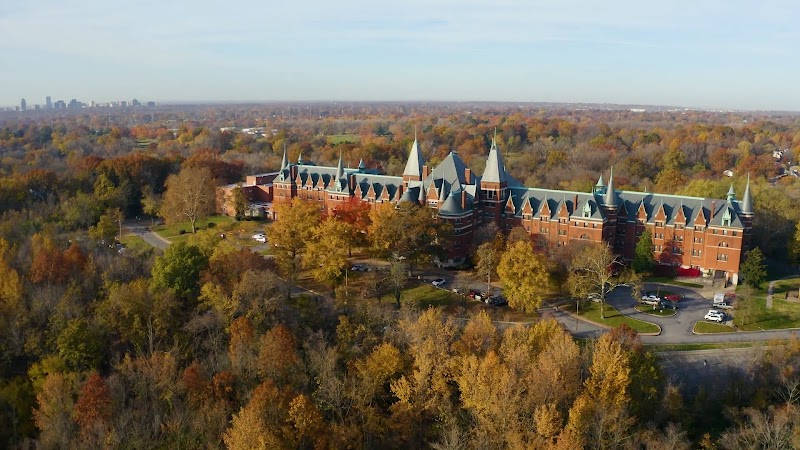
7301 ST CHARLES ROCK RD, SAINT LOUIS, MO 63133 (314) 862-0555
For profit - Corporation 116 Beds MGM HEALTHCARE Data: November 2025 2 Immediate Jeopardy citations
Trust Grade
0/100
#430 of 479 in MO
Last Inspection: May 2025

Inspected within the last 6 months. Data reflects current conditions.

Overview

Normandy Nursing Center has received a Trust Grade of F, indicating poor performance and significant concerns about care quality. They rank #430 out of 479 facilities in Missouri, placing them in the bottom half, and #62 out of 69 in St. Louis County, suggesting limited local options that are better. The facility is worsening, with issues increasing dramatically from 2 in 2024 to 19 in 2025. Staffing is a weak point, with a low rating of 1 out of 5 stars and a turnover rate of 60%, which is average but concerning for consistent care. There have been serious incidents, including a cognitively impaired resident leaving the facility unaccompanied and being found at a homeless shelter, as well as a physical altercation between residents that resulted in injury, indicating troubling safety and care practices.

Trust Score
F
0/100
In Missouri
#430/479
Bottom 11%
Safety Record
High Risk
Review needed
Inspections
Getting Worse
2 → 19 violations
Staff Stability
⚠ Watch
60% turnover. Above average. Higher turnover means staff may not know residents' routines.
Penalties
✓ Good
$9,315 in fines. Lower than most Missouri facilities. Relatively clean record.
Skilled Nurses
⚠ Watch
Each resident gets only 14 minutes of Registered Nurse (RN) attention daily — below average for Missouri. Fewer RN minutes means fewer trained eyes watching for problems.
Violations
⚠ Watch
42 deficiencies on record. Higher than average. Multiple issues found across inspections.
★☆☆☆☆
1.0
Overall Rating
★☆☆☆☆
1.0
Staff Levels
★★★★☆
4.0
Care Quality
★★☆☆☆
2.0
Inspection Score
Stable
2024: 2 issues
2025: 19 issues

The Good

  • 4-Star Quality Measures · Strong clinical quality outcomes
  • Full Sprinkler Coverage · Fire safety systems throughout facility
  • No fines on record

Facility shows strength in quality measures, fire safety.

The Bad

1-Star Overall Rating

Below Missouri average (2.5)

Significant quality concerns identified by CMS

Staff Turnover: 60%

14pts above Missouri avg (46%)

Frequent staff changes - ask about care continuity

Federal Fines: $9,315

Below median ($33,413)

Minor penalties assessed

Chain: MGM HEALTHCARE

Part of a multi-facility chain

Ask about local staffing decisions and management

Staff turnover is elevated (60%)

12 points above Missouri average of 48%

The Ugly 42 deficiencies on record

2 life-threatening 1 actual harm
Aug 2025 1 deficiency
CONCERN (D) 📢 Someone Reported This

A family member, employee, or ombudsman was alarmed enough to file a formal complaint

Potential for Harm - no one hurt, but risky conditions existed

Deficiency F0658 (Tag F0658)

Could have caused harm · This affected 1 resident

**NOTE- TERMS IN BRACKETS HAVE BEEN EDITED TO PROTECT CONFIDENTIALITY** Based on interview and record review, the facility failed to provide services per acceptable standards of practice for one resid...

Read full inspector narrative →
**NOTE- TERMS IN BRACKETS HAVE BEEN EDITED TO PROTECT CONFIDENTIALITY** Based on interview and record review, the facility failed to provide services per acceptable standards of practice for one resident (Resident #1) when the facility failed to provide follow up care and treatment after Resident #1 had an abnormal lab result which showed an acute hepatitis C infection (viral infection that causes liver swelling, called inflammation. Hepatitis C can lead to serious liver damage). The sample size was 7. The census was 96. Review of the facility's Change in Condition Policy, revised 2/6/25, showed:-Policy: The Attending Physician/Physician Extender (Nurse Practitioner, Physician Assistant, or Clinical Nurse Specialist) and the Resident Representative will be notified of a Change in a Resident's Condition, per Standards of Practice and Federal and/or State Regulations;-Responsibility: All Certified Medication Aides, Licensed Nursing Personnel, Nursing Administration, and Director of Nursing;-Procedure: Guideline for Notification of Physician/Resident Representative (not all inclusive): Abnormal Laboratory Results in conjunction with a change in condition;-Document in the Interdisciplinary Team (IDT) Notes: -Resident Change in Condition; -Physician/Physician Extender Notification; -Notification of Resident Representative.Review of the Centers for Disease Control and Prevention (CDC) guidelines, showed a reactive Hepatitis C (HCV) antibody test along with a detectable HCV Ribonucleic Acid (RNA, the genetic material of the hepatitis C virus itself) of 2.73 indicates a current HCV infection. The RNA level of 2.73 log international units (IU)/milliliters (ml) (normal undetected) signifies the presence of the virus and confirms an active infection:-Breakdown of the guidelines and recommendations: Diagnosis confirmation: A reactive HCV antibody test followed by a positive HCV RNA test a current HCV infection. No need to delay treatment: You do not need to wait for potential spontaneous resolution of the infection. Treatment is recommended for most people with detectable HCV RNA;-Treatment options: Direct-acting antiviral (DAA) medications are the current standard of care for Hepatitis C treatment: -These medications are taken orally (as pills); -They are highly effective, curing over 95% of people within 8-12 weeks; -They generally have very few side effects.Review of the CDC interpretation of results of tests for HCV Infection and Further Actions included:-Test Outcome: HCV antibody reactive, HCV RNA detected;-Interpretation: Current HCV infection; -Further Actions: Provide person tested with appropriate counseling and link person tested to care and treatment.Review of the Resident #1's electronic medical record (EMR) showed:-admission: [DATE];-discharge: [DATE];-Diagnoses included Chronic Obstructive Pulmonary Disease (lung disease, COPD), viral hepatitis C, schizophrenia, depression, and anxiety.Review of the resident's lab results, dated 2/14/24, showed:-Hepatitis C Virus (HCV)-Reactive (Presumptive evidence of antibodies to HCV; test for HCV RNA to identify current infection. A reactive HCV Antibody test with HCV Ribonucleic Acid (RNA, the genetic material of the hepatitis C virus itself). Detected indicates current HCV Infection. A reactive HCV Antibody test with HCV RNA Not Detected indicates no current HCV Infection.);-Hep C, RNA-Pending.Review of the resident's lab results, dated 2/19/24, showed HCV RNA Polymerase Chain Reaction (PCR) 2.73 High.Review of the resident's provider progress notes dated 2/19/24, showed:-Subjective: Resident with abnormal labs. Resident noted to have active hepatitis c;-Objective: Respirations even and nonlabored. No distress noted;-Lab: Hepatitis c virus AB reactive, Hep c RNA [NAME] 531 elevate;-Plan: Resident to follow up at clinic in regard to see about medication regime to start;-Active diagnosis: Acute hepatitis C without hepatic coma.Review of the resident's provider progress note dated 3/15/24, showed: -Subjective: Resident with complaints of vision issues and lab. Resident to wear glasses but does not have at the moment and due for eye exam;-Objective: labs reviewed hepatitis C history;-Plan: Will follow up on referral for hepatitis clinic;-Active diagnosis: High blood pressure, hypocalcemia, and muscle weakness (generalized).During an interview on 8/21/25 at 9:50 A.M., the Assistant Director of Nursing (ADON) said she was employed at the facility when the resident resided at the facility. She does not remember any diagnosis except schizophrenia. She does not remember a hepatitis diagnosis but the resident left on his/her and family's own choice. The resident was transferred to a different facility last year. During an interview on 8/21/25 at 1:45 P.M., the Director of Nursing (DON) said she was not employed at the facility when the resident resided at the facility. She is not sure if the resident had an appointment set up with the hepatis clinic or if the provider followed up. The provider is also not at the facility anymore. During an interview on 8/21/25 at 2:00 P.M., the DON and ADON said they would expect staff to follow up on lab results and recommended treatment for a resident that has the reactive Hepatitis C because it is standard nursing practice. When they transferred the resident, the information should have been sent to the new facility. During an interview and record review on 8/25/25 at 10:55 A.M., the Administrator provided the documents sent to the resident's new facility as well as several emails. Review of the records, showed there was no order for hepatitis C follow up on the order sheet that was sent. There was no mention of the hepatitis C lab results or recommended follow up. The progress note from the provider was included. The Administrator said the medical director that was at this facility was also at the resident's new facility and has been the resident's provider since 2016. She also said the social worker and the transportation staff member involved at that time are no longer with the facility, so she is unable to verify whether follow-up arrangements were made with the infectious disease clinic. She attempted to reach out to the hospital regarding this, but so far has notreceived a call back. 2570330
May 2025 15 deficiencies 1 Harm
SERIOUS (G) 📢 Someone Reported This

A family member, employee, or ombudsman was alarmed enough to file a formal complaint

Actual Harm - a resident was hurt due to facility failures

Free from Abuse/Neglect (Tag F0600)

A resident was harmed · This affected 1 resident

**NOTE- TERMS IN BRACKETS HAVE BEEN EDITED TO PROTECT CONFIDENTIALITY** Based on observation, interview and record review, the facility failed to ensure 8 sampled residents, who were involved in resid...

Read full inspector narrative →
**NOTE- TERMS IN BRACKETS HAVE BEEN EDITED TO PROTECT CONFIDENTIALITY** Based on observation, interview and record review, the facility failed to ensure 8 sampled residents, who were involved in resident-to-resident incidents were free from physical abuse (Residents #27 and #37, Residents #39 and #65, Residents #4 and #1 and Residents #86 and #49). The resident-to-resident altercations resulted in injuries. The sample was 19. The census was 95. Review of the Abuse Prevention policy, revised 10/21/22, showed: -Policy: The facility is committed to protecting the residents from abuse by anyone including, but not necessarily limited to facility staff, other residents, and other staff from other agencies providing services to our residents, family members, legal guardians, surrogates, sponsors, friends, visitors or any other individual; -Definitions: -Abuse: Willful infliction of injury, unreasonable confinement intimidation, or punishment with resulting physical harm, pain, mental anguish, or emotional distress. Abuse may be resident-to-resident; -Procedure: -Screening: The facility will pre-screen all potential residents for a history of abusive behaviors; -Prevention: -When an incident of resident abuse is suspect of determined, such incident must be reported to facility management regardless of the time lapse since the incident occurred. Reporting procedures should be followed as outlined in the policy; -The subject of abuse will be routinely and openly discussed. Residents and/or representatives will be educated concerning the commitment of the facility to deal quickly and effectively with abuse or suspected abuse incidents upon admission and at least annually thereafter; -Features of the physical environment that may make abuse and/or neglect more likely to occur, such as secluded areas of the facility; -Identification: -Identify events, such as occurrences, patterns and trends that may constitute abuse. Review of the undated Behavior Modification Program Protocol, showed: -Program objective: to reduce physical altercations between residents by implementing individualized behavior strategies, environment modifications and staff training, while preserving dignity and safety; -Assessment and resident history review: -Behavior tracking: log incidents: date, time, location, individuals, staff present and response used; -Identify triggers: common triggers include overstimulation, cognitive impairment, personal space violations and unmet care needs; -Resident profiles: review cognitive status, mental health history, medications, communication ability; -Prevention strategies: -Environmental modifications: maintain personal space and reduce clutter, use calming lighting and sound and clearly label rooms and personal areas; -Daily routine and structure: keep routines predictable, schedule calming activities before high-risk times; -Resident engagement: offer meaningful activities like music therapy and match tasks to abilities; -Staff training: recognize agitation signs, apply trauma informed and dementia sensitive care and use respectful and non-verbal cues; -Intervention techniques: early de-escalation, approach calmly, redirect, offer soothing activity, behavior protocols and use care plans, conflict resolution by mediate and support healthy expression of concerns; -Reinforcement and positive support: praise and acknowledgement by reinforcing calm behavior, token or reward system staff use appropriate incentives such as favorite activities and music, personalized motivation such as tailor rewards to individual interests; -Crisis prevention institute management: individualized crisis plans and strategies per resident, safe interventions like trained staff only and follow guidelines, interdisciplinary team (IDT) review staff debrief, update care plans and inform family if needed; Monitoring and evaluation: weekly review meetings and IDT tracks progress, behavior tracking review and family involvement to engage family in support and reassurance. 1. Review of Resident #27's quarterly Minimum Data Set (MDS), a federally mandated assessment instrument completed by facility staff, dated 5/2/25, showed: -Moderate cognitive impairment; -Physical Behaviors: 0 -Behavioral Symptoms: Verbal behavior toward others (1-3) days; -Other behavior symptoms not directed toward others (1-3) days; -No rejection of care; -Uses wheelchair for mobility, upper and lower body impairment one side; -Received routine antidepressant medication. No antipsychotic medication; -Diagnoses include stroke, dementia, psychiatric disorder and hemiplegia (one sided weakness). Review of the resident's care plan, in use during the survey, showed: -Focus: Resident is at risk for decline with cognitive function and/or is dependent on staff for cognitive stimulation; -Goal: Resident will maintain current level of cognitive function now through next review; -Interventions: Avoid overstimulation. Shorten conversation if resident becomes restless, agitated, and resume at a later time. Move to a quiet area and limit sensory distractions as possible. -Focus: Resident is at risk for disorganized thought process and ineffective social interaction related to diagnosis of schizophrenia (a serious mental health condition that affects how people think, feel and behave). On 5/12/25 involved in resident/resident altercation: This resident was the aggressor. On 4/6/25 Resident to resident altercation: This resident was the aggressor; -Goal: Resident will remain free of complications related to diagnosis of schizophrenia now through next review; -Interventions: Follow up with physician and psychiatric provider as needed. Medication review quarterly and as needed, provide redirection as needed. Review of the progress notes, showed: -On 5/12/25 at 2:31 P.M., Tylenol Oral Tablet 325 milligram (mg), give 650 mg by mouth every 8 hours as needed (PRN) for mild pain and discomfort. The resident requested for pain; -On 5/12/25 at 2:57 P.M., the resident was involved in a resident/resident, he/she noted as the aggressor. New order for diphenhydramine HCl (antihistimine) Injection Solution. Inject 25 mg intramuscularly (deep muscle) every 8 hours PRN for agitation for 14 days and Haldol (antipsychotic) injection solution 5 mg/milliliter (ml), inject 5 mg intramuscularly every 8 hours PRN for agitation for 14 days. The resident's representative aware of the new orders; -On 5/12/25 at 5:53 P.M., the resident continued to be monitored post altercation with another resident, (Resident #37) without any sign of injury, alert and oriented x 4 (to person, place, time and situation) regular breathing. Ambulating in his/her room, adjusting well to new room, teaching done about ways to ask for help if feeling attacked or offended. No changes noted in mental status, no seizure activities this shift, neurological assessment continues per protocol. Pupils dilated to light reactions, moves all extremities as previously operated, encouraged to voice any discomforts. Reminded to knock on the bathroom door in his/her room before letting him/herself in because it is a shared bathroom, responded: okay monitor safety, now sitting on his/her bed eating supper, remains calm and very pleasant, no behavior issue noted, no distress; -On 5/12/25 at 6:20 P.M., resident involved in resident to resident physical altercation. Staff arrived to resident room after being informed by another resident that it was a fight. Resident along with another resident were on floor tangled and attempted to grab at each other. The residents immediately separated but remained verbally aggressive. The resident stated that he/she was using the shared restroom when other resident walked in the restroom and stated that he/she needed to use restroom. The resident stated that he/she made other resident aware that he/she was using the restroom, resident states that other resident continued to rush him/her out of the restroom stating that he/she needed to use the restroom. The resident stated he/she struck other resident, and in return, the other struck him/her and caused the physical altercation. Pain and skin assessments completed. Physician notified and updated. New orders received and noted. PRN injection administered. Resident room change completed. Family notified and updated. Neurological assessments initiated. The resident denied any feeling of fearfulness. He/She remained at baseline level of consciousness and functioning; -On 5/13/25 at 4:05 A.M., the resident continued to be monitored post altercation with another resident, alert and oriented x 4 regular breathing in room air, voices any discomforts up ad lib (independently) ambulating in his room, no changes noted, neuro assessment continues per protocol, pupils dilated to light reactions, moves all extremities, resting quietly with both eyes closed, no distress, will continue to monitor; -On 5/13/25 at 8:33 A.M., Social Services Assistant (SSA) completed a follow up with the resident about resident to resident on 5/12/25. The resident states he/she is doing well. He/She said he/she is not angry nor have any fear. Will reach out to social services if he/she needs to talk; -On 5/13/25 at 1:39 P.M., the resident continued to be monitored for resident/resident, denied any feelings of fearfulness/denies pain or discomfort, appetite good, he/she has been calm and quiet this shift watching television while resting in bed, no concerns voiced at this time; -On 5/13/25 at 8:22 P.M., the resident continued to be monitored for resident/resident, denies any pain or discomfort and any feeling of fearfulness, resident calm and quiet watching television with call light, hydration, and personal items in reach; -On 5/14/25 at 4:52 A.M., the resident is on observation for Resident to Resident. No signs of fearfulness, distress, or discomfort noted. He/She denied any pain at this time. Vital signs and range of motion within normal limits. He/She remained in bed all night and appears to be resting; -On 5/14/25 at 1:20 P.M., the resident continued to be monitored per 15 minute checks for resident/resident, denied any feelings of fearfulness/pain/or discomfort, he/she is calm and quiet, no behaviors noted this shift, no other concerns voiced at this time, he/she rested quietly in bed watching television with call light hydration and personal items in reach; -On 5/14/25 at 6:44 P.M., the resident remained on observation for resident to resident. No fearfulness noted resting in room at this time; -On 5/15/25 at 3:18 A.M., the resident remained on observation for Resident to Resident. No signs of distress, fearfulness, or discomfort noted. He/She denied any pain at this time. Vital signs and range of motion within normal limits. He/She rested in bed all night. Review of the physician visit note, dated 5/13/25 at 5:52 P.M., showed: -Chief complaint: the resident with a history of dementia, left sided weakness status post stroke, psychotic disorder with hallucination seen following an altercation with resident with resident noted as the aggressor; -Plans: Restlessness and agitation. Vascular dementia, moderate, with agitation. -Problem: Physical aggression, yelling; -Problem Status: Worsening - Mild Exacerbation Problem Is: Established; -Problem Type: Acute - Medium Risk; -Plan: staff encourage verbal de-escalation, he/she will be maintained on PRN Haldol for agitation. Review of the May 2025 Medication Administration Record (MAR), on 5/16/25, showed no administration of the Diphenhydramine 25 mg IM injection or Haldol 5 mg IM injection for the resident. Review of Resident #37's quarterly MDS, dated [DATE], showed: -Severe cognitive impairment; -Physical Behaviors: 0 -Behavioral Symptoms: Verbal behavior toward others (1-3) days; -Other behavior symptoms not directed toward others (1-3) days; -1-3 days rejection of care; -Does not receive routine antidepressant or antipsychotic medication; -Diagnoses include stroke, dementia, seizure, traumatic brain injury (TBI) and depression. Review of the care plan, in use during the survey, showed: -Focus: Resident has the potential to be physically aggressive related to dementia. 5/12/25 Resident/resident altercation: He/She was not the aggressor. 1/30/25 Resident to resident altercation: He/She was not the aggressor; -Goal: Will demonstrate effective coping skills through the review date. Will have less than 3 episodes a month of aggressive behavior through the next review date. Will not harm self or others through the review date; -Interventions: Analyze times of day, places, circumstances, triggers, and what de-escalates behavior and document. Assess and address for contributing sensory deficits. Document observed behavior and attempted interventions in behavior log. Give as many choices as possible about care and activities. Observe/document/report PRN any signs/symptoms of resident posing danger to self and others. Tolerates minimal people at a time. Needs 3 feet of personal space. Reacts to touch by startle hollering and potentially striking out. When becomes agitated, intervene before agitation escalates. Engage calmly in conversation. If response is aggressive, staff to walk calmly away and approach later. -Focus: Resident has impaired cognitive function/dementia or impaired though processes Dementia, head injury; -Goal: Resident will be able to communicate basic needs on a daily basis through the review date. Will maintain current level of cognitive function through the review date. Will maintain current level of decision making ability by maintaining Brief Interview for Mental status (BINS, a brief screener of cognition) through the review date. -Interventions: Administer medications as ordered. Cue, reorient, and supervise as needed. Keep the resident's routine consistent and try to provide consistent care givers as much as possible in order to decrease confusion. Observe/document/report PRN any changes in cognitive function. Review of the progress notes, showed: -On 5/12/25 at 3:43 P.M., the resident was involved in a resident/resident altercation, he/she was not the aggressor. Resident has new order for diphenhydramine HCl Injection Solution and Haldol injection solution 5 mg/ml. The resident representative aware of new orders. -On 5/12/25 at 5:43 P.M., Continued to be monitored post altercation with another resident with facial abrasion, alert and oriented x 4, regular breathing, voices any discomforts up ad lib ambulating in hallways no changes noted, neuro assessment continues per protocol, pupils dilated to light reactions, moves all extremities, encouraged to voices any pain or changes, reminded to knock on the bathroom door in his/her room before letting him/herself in, because it is a shared bathroom, responded: okay okay bla bla bla disregarded instruction, treatment applied to facial skin abrasion per protocol monitor safety now in the dining room, very pleasant and calm no behavior issue noted; -On 5/12/25 at 6:54 P.M., the resident involved in physical resident to resident altercation, resident not the initiator. Staff arrived to resident room after being informed by another resident that it was a fight happening in room. Staff arrived to find resident on floor alongside another resident (Resident #27) entangled. Both residents yelling and attempting to grab at each other. Staff immediately intervened and separated the residents. He/She noted to have some redness and bloody areas to face. Denied any pain or discomforts. Staff assisting resident from room to nurse station for treatment. Resident states that he/she went into restroom and informed other resident that he/she needed to use restroom, resident stating that he/she continued to stand in doorway and that's when other resident stood from sitting on toilet and struck him. Resident stating, he/she then struck resident back. Neuro checks initiated. Resident remains anxious, PRN administered. Physician office notified. Call placed to family to update; no concerns voiced. Resident remains on 15 minute checks at this time; -On 5/13/25 at 4:03 A.M., continued to be monitored post altercation with another resident with facial abrasion, alert and oriented x 4 regular breathing in room air, voices any discomforts, up ad lib ambulating in hallways no changes noted, neuro assessment continues per protocol, pupils dilated to light reactions, moves all extremities, resting quietly with both eyes closed, no changes noted, no distress will continue to monitor; -On 5/13/25 at 8:25 A.M., SSA made a follow up on resident to resident from 5/12/25. The resident said he/she is doing well. No fear just resting getting ready to have some coffee. SSA asked was there anything needed? No, he/she replied. SSA will continue to check on wellbeing of resident to make sure his/her needs are met and he/she continues to feel no fear; -On 5/13/25 at 1:43 P.M., the resident continued to be monitored for resident/resident, denied having any feelings of fearfulness/pain/discomfort, resident is calm and quiet. No behaviors noted, appetite very good today, in the dining room for on the floor group activities, resident is now in his/her room doing his artwork at bedside, no concerns voiced at this time; -On 5/13/25 at 8:24 P.M., the resident continued to be monitored for resident/resident, denies having any pain or discomfort, and any feelings of fearfulness, resident is now resting in bed calm and quiet with call light, hydration, and personal items in reach, no concerns voiced at this time; -On 5/14/25 at 4:54 A.M., Resident is on observation for Resident to Resident. No signs of distress, fearfulness. or discomfort noted. Vital signs and range of motion within normal limits. Resident denies any pain. Resident slept throughout the night; -On 5/14/25 at 1:42 P.M., the resident continues to be monitored for resident/resident, denies having any feelings of fearfulness/pain/or discomfort at this time, up ad lib on the nursing unit with a steady gait, appetite very good, resident has been calm and quiet this shift, no behaviors concerns observed, resident is now resting in bed with call light, hydration, and personal items in reach; -On 5/14/25 at 6:45 P.M., Remained on observation for resident to resident no fearfulness noted. In room at this time resting comfortable no acute distress noted; -On 5/15/25 at 3:25 A.M., Resident continue on observation for Resident to Resident. No signs of fearfulness, distress, or discomfort noted. Resident denies any pain. Range of motion and vital signs within normal limits. Review of the May 2025 MAR, on 5/16/25, showed no administration of the Diphenhydramine 25 mg IM injection or Haldol 5 mg IM injection for the resident. Review of the physician note, dated 5/13/25 at 4:27 P.M., showed: -Chief complaint: the resident seen following an altercation with another resident. Resident was reportedly not the aggressor. Staff found the resident and aggressor on the floor with minor facial scratches to the resident's face. Resident denied head injury or LOC; -Diagnoses: Restlessness and agitation. Dementia, moderate, with agitation; -Problem: Restlessness and agitation; -Problem Status: Worsening - Mild Exacerbation; -Problem Is: Established; -Problem Type: Acute - Medium Risk; -Plan: The other (resident) has been transferred to another room, encourage verbal de-escalation of conflict, maintain resident on PRN Haldol; -Diagnosis: Abrasion of other part of head, initial encounter; -Problem: Fall with Superficial facial scratch injuries; -Problem Status: Worsening - Mild Exacerbation Problem Is: New; -Problem Type: Acute - Low Risk; -Plan: Resident will be maintained on triple antibiotic ointment to facial injuries. Review of the facility's investigation, showed: -Occurrence: 5/12/25 at approximately 2:10 P.M.; -Description: Another resident reported that Residents #27 and #37 were fighting in the bathroom. Resident #37 entered the bathroom several times while Resident #27 was using the restroom. Resident #27 became angry and stood from the sitting position and hit Resident #37. Residents were found on the floor fighting. -Assessments: skin and pain assessments completed for both residents. -Steps taken to protect residents: the residents were placed on 15 minute checks for 72 hours, medication reviews were completed, behavior tracking, reminder signs on bathroom doors, room change for Resident #27, Social services 1-1, and updated the care plans. -Findings: upon completion of the investigation the facility substantiated a physical altercation had occurred. Observation and interview on 5/12/25 at 2:42 P.M., showed Resident #37 sat in the hallway in a chair. The resident's eyes appeared to be wet. He/She had a red spot on his/her white shirt and appeared to have several scratches on his/her face. Resident #37 said Resident #27 walked up naked and attacked him/her while he/she used the bathroom. Resident #37 said, They are going to move me and its crazy, I did not do anything. He/She stated no current pain and the other resident tried to punch him/her in mouth and he/she stood up to him/her. He/She was going to the bathroom and he/she knocked me out of my socks. Resident #37 said he/she is not sure why it happened. He/She felt safe, he/she just did not want to move rooms. During an interview on 5/12/25 at 2:43 P.M., Resident #37's roommate said Resident #37 was going to the bathroom. Resident #27 was in bathroom first. He/She does not think Resident #37 was confused. During an interview on 5/12/25 at 2:55 P.M., Certified Nursing Assistant (CNA) L said he/she was in a different bathroom when the incident happened. CNA L did not see or hear anything. When he/she came out, the other staff told him/her what happened. There were no problems between those two residents before today. After an incident, staff move the residents and separate them. Another CNA helped and each staff member took one resident to help calm them down. They move the residents to different rooms and report any change to the nurse. Staff check residents every two hours, but if there is an altercation then maybe every 30 minutes. CNA L is not aware of any previous resident to resident incidents for either of these residents. During an interview on 5/12/25 at 2:57 P.M., CNA K said he/she worked the other hall and had been charting at the nurses station when the incident occurred. He/She did not hear anything but Resident #37's roommate came and reported it. CNA K said he/she heard the residents and went to the commotion (Refuting what he/she originally said). Resident #27 was in the bathroom and felt like his/her space was invaded. Resident #37 did not know Resident #27 was in the bathroom and it escalated from there. Staff separated them. When a resident to resident occurred, staff announce a code purple, call the nurse, and do not leave the involved residents alone. Staff take vitals every 15 minutes and write a statement. Staff also separate the residents by putting one on a separate floor. The resident who moves floors usually remained on the new floor for 30 days. Resident #27 does not come out of his/her room. Resident #27 is very sweet and keeps to himself/herself. Resident #37 can be harsh. During an interview on 5/12/25 at 3:01 P.M., Nurse A said he/she was off the unit on lunch break at the time of the incident. Assistant Director of Nursing (ADON) X was aware he/she needed to cover the floor. The Certified Medication Technician (CMT) and two CNAs were also on the unit. Nurse A said if he/she would have been at the nurses station, then he/she would have been able to hear the commotion if it was quiet. Both Resident #37 and Resident #27 are very loud. Nurse A spoke to Resident #27 and will talk to Resident #37. He/She did a skin assessment on Resident #27 and he/she has a small skin tear to his/her left elbow. Resident #27 told Nurse A while he/she was on the toilet, Resident #37 entered the bathroom and demanded he/she get off toilet. When a resident to resident occurs, staff intervene immediately and provide resident separation, conduct interviews, and check for injury. Staff checks to see if there is a PRN medication to administer. Nurse A said he/she will get a treatment order for Resident #27's elbow and will decide which resident will move to a different floor. Nurse A created signs for the bathroom for when the bathroom is in use. Resident #27 was down the hall before but needs access to the bathroom so he/she was not sure where to move him/her. Resident #37 has a diagnosis of dementia and is up and down with episodes of confusion. Nurse A showed neurochecks and 15 minute checks were started for both residents. Resident #27 reported pain after the incident and was given Tylenol. During an interview on 5/12/25 at 3:08 P.M., ADON X said he/she was aware Nurse A was at lunch. He/She was in his/her office with ADON Y and the Director of Nursing (DON). He/She heard Resident #37's roommate scream for help and then heard commotion and they all came out of the office and went to the room. During an interview on 5/12/25 at 3:10 P.M., ADON Y said he/she was in ADON X's office with the DON and they were going over staffing. Resident #37's roommate came down the hall and said there was a fight in his/her room. They went down there to check on them. It was in the bathroom. Resident #27 was in there on the toilet and said Resident #37 went in there to use the bathroom. When Resident #27 stood up to wipe, Resident #37 thought he/she was getting up. There is a history of resident to resident for both of them but not with each other. They will do a couple room changes, new PRN meds, and treatment orders started on Resident #27. Resident #27 will be moving rooms and is ok with that. ADON Y said he/she was not sure on the room, they may have to move other people. During an interview on 5/13/25 at 12:15 P.M., Nurse A said Resident #27 has been involved in a couple resident to resident incidents. One was not long ago. Nurse A said he/she followed up with Resident #27 on yesterday's incident and he/she seems ok with the move. He/She always has the television on. There was one resident that he/she got along with but that resident passed away. Resident #27 does not go back and revisit things and does not retaliate. Nurse A said yesterday he/she saw the resident fist bump another resident that he/she had a prior incident with. There are no bad feelings and most of the time he/she is redirectable. Sometimes they do IM injections to calm them down. They got orders for both residents yesterday but didn't have to use it. Resident #27 was moved to a room with two other residents. They were getting along and watching TV. Nurse A monitored them yesterday to make sure it was a good fit. Resident #27 is territorial about what belongs to him/her and does not like his/her stuff messed with by others. Nurse A told Resident #27's new roommates that and they understood. Yesterday, before he/she went to lunch, Nurse A said he/she checked on Resident #27 to do follow up because he/she fell against the wall the day before. Nurse A does not understand what happened. He/She has different chairs set up around the nurses station and hall to give them space when needed. He/She sits out there to so he/she can see everything. During an interview on 5/15/25 at 11:45 A.M., the Administrator said they have coverage when a nurse goes to lunch. She would not have expected the manager covering for the nurse to be out in the open. When the nurse is on lunch, the CMT and 2 CNAs were out on the unit to provide coverage and they have some strong CMTs. A manager is on the floor who is there if they need anything, they can go to them. 2. Review of Resident #39's quarterly MDS, dated [DATE], showed: -Able to make needs and wants known; -No behaviors; -No rejection of care; -Received routine antipsychotic and antidepressant medication; -Diagnoses included viral hepatitis C (viral infection that causes liver swelling, called inflammation. Hepatitis C can lead to serious liver damage), seizure disorder, bipolar disorder (a mental health condition causes extreme mood swings that include emotional highs, called mania, and lows, known as depression), schizophrenia, post traumatic stress disorder (PTSD, a disorder in which a person has difficulty recovering after experiencing or witnessing a terrifying event) anxiety and depression. Review of the care plan, in use during the survey, showed: -Focus: History/potential for behavioral problem; -Goal: Will have no behavior problems; -Interventions: On 11/3/24 experienced a resident to resident altercation. He/She was not the aggressor, on 4/27/25 involved in resident to resident altercation he/she was the aggressor, administer medications anticipated and attempt to meet needs, assist to develop more appropriate methods of coping and interacting and expressing feelings appropriately, explain procedures, intervene as needed to protect the rights as safety of others, observe behavior episodes and attempt to determine underlying cause- consider location, time of day, involved persons and the situation. Document behaviors and potential causes. Review of the progress notes, showed: -No documented notes regarding resident to a resident altercation on 4/27/25; -On 4/30/25 at 1:45 P.M., a social service note: the resident is calm, pleasant and talkative. He/She expressed struggling with anger at times. Writer expressed the importance of appropriate communication and removing self from the situation that could be triggering. He/She wished to be moved back to the first floor when the IDT team felt appropriate. He/She had appropriately communicated with others since the incident. He/She planned to work on his/her anger and removing self from triggering situations; -On 4/30/25 at 2:30 P.M., a nurse note: the resident continued to be monitored for resident to resident initiation. No behaviors noted this shift. He/She had been calm and quiet and mostly in his/her room. The resident did attend an off the floor activity without any behaviors. Review of Resident #65's quarterly MDS, dated [DATE], showed: -Able to make needs and wants known; -No behaviors; -Does not refuse care; -Diagnoses included: Parkinson's (a movement disorder of the nervous system that worsens over time causing difficulty in walking and balance), muscle weakness and schizophrenia; -Routinely takes antipsychotic medications. Review of the care plan, in use during the survey, showed: -Focus: Potential for behavior problems; -Goal: No evidence of behavior problems; -Interventions: On 4/27/25 experienced a resident to resident altercation, the resident was not the aggressor. He/She approached the nurses station and said he/she was struck in the face by Resident #39. Upon assessment the resident noted to have a busted nose. Sent to the hospital for evaluation. Staff administer medication as ordered, assist to develop more appropriate methods of coping and interacting and encourage to express feelings appropriately, provide opportunity for positive interaction and attention, discuss disruptive behaviors, staff intervene when needed to protect others and observe
CONCERN (D)

Potential for Harm - no one hurt, but risky conditions existed

Deficiency F0558 (Tag F0558)

Could have caused harm · This affected 1 resident

Based on observation, interview and record review, the facility failed to provide residents with a safe, clean, comfortable, and homelike environment. The facility failed to provide curtains and/or bl...

Read full inspector narrative →
Based on observation, interview and record review, the facility failed to provide residents with a safe, clean, comfortable, and homelike environment. The facility failed to provide curtains and/or blinds in a resident room and failed to maintain ceiling tiles in good repair for one of 19 sampled residents (Resident #33). The census was 95. Review of Resident #33's quarterly Minimum Data Set (MDS), a federally mandated assessment instrument completed by facility staff, dated 3/12/25, showed the resident was cognitively intact. Review of the resident's medical record, showed diagnoses of schizoaffective disorder (mood disorder) and morbid obesity. Observation on 5/13/25 at 9:00 A.M., showed the resident's private room without blinds or curtains over the window. The window measured approximately 5 feet by 5 feet and allowed for sunshine constantly in the room Observation on 5/14/25 at 9:30 A.M., 5/15/25 at 9:10 A.M., and 5/16/25 at 9:10 A.M., showed the resident's room remained without curtains or blinds. The resident's bathroom contained two brown stained ceiling tiles. Each tile had a stained area of approximately 2 feet by 2 feet. During an interview on 5/13/25 at 9:53 A.M., the resident said the room becomes very warm with the sun shining in the room through the window without curtains or blinds. If he/she wants to take a nap, it is impossible because of the sun shining so brilliantly in his/her room. During an interview on 5/14/25 at 12:39 P.M., Licensed Practical Nurse (LPN) B said the resident room issues were reported verbally to maintenance approximately three weeks ago. There used to be a requisition book kept at the nurses' station and this was used to report issues to maintenance and tracking of requests. LPN B was not sure where it is now and hasn't seen the book since painting happened at the nurses' station. LPN B could not remember when the painting started. During an interview on 5/16/25 at 10:00 A.M., the Maintenance Director there is a book kept at the nurses' station and this is how he finds out what needs repaired or serviced. He could not locate the book immediately and after searching, found the book. Review of the book, showed the last requisition was made on 8/24/24. He also said he has known of Resident #33's room issues and has known for about two weeks. During an interview on 5/16/25 at 12:30 P.M., the Administrator said all residents room windows should have blinds and or curtains.
CONCERN (D)

Potential for Harm - no one hurt, but risky conditions existed

Deficiency F0566 (Tag F0566)

Could have caused harm · This affected 1 resident

Based on observation, interview and record review, the facility failed to ensure one resident (Resident #74), who chose to perform services for the facility, had a care plan developed to address the s...

Read full inspector narrative →
Based on observation, interview and record review, the facility failed to ensure one resident (Resident #74), who chose to perform services for the facility, had a care plan developed to address the services to be provided and the decision for these services to be paid or unpaid. The census was 95. Review on of Resident #74 quarterly Minimum Data Set (MDS, a federally mandated assessment instrument completed by facility staff), dated 4/17/25, showed: -Cognitively intact -Diagnosis of Schizophrenia. Review of the resident's care plan, dated 4/17/25 and in use at the time of the survey, showed: -No documentation of the resident's desire for work; -No plan specified regarding the nature of the services performed and whether the services are voluntary or paid; -Do documentation if there is payment or if the work is voluntary. Observation on 5/12/25 at 12:50 P.M., showed the resident in the kitchen. He placed plastic utensils inside the envelope/sleeve and placed it on the tray. During an interview on 5/12/25 At 2:48 P.M., the resident said he/she was in the kitchen earlier. He/she works in the kitchen. He/She transports the trays to the resident halls and back to the kitchen. He/She has been doing it for about a year. He/She works typically when they have had a call in. Observation on 5/13/25 at 9:46 A.M., showed the resident entered the dining room. He/She moved a cart from the closet and exited the kitchen. At 12:07 P.M., staff prepped the meal. The resident present at the cart with the meal tickets. He/She placed plastic utensils in the envelopes. During an interview on 5/16/25 at 9:27 A.M., the Dietary Manager said the resident does one thing, he/she bags plasticware and brings the dirty carts down. Sometimes he/she operates the dish machine. He/She has had training and receives the same training as the dietary staff. She does not have a policy regarding residents working in kitchen, just a workflow or job description. The Administrator determines what tasks the resident is safe to do. They do not allow the resident to do anything except what was discussed. During an interview on 5/16/25 at 12:26 P.M., the Administrator said the Interdisciplinary Team (IDT) decides if a Resident is appropriate to volunteer at the facility and explained the numerous benefits per the Administrator. The jobs the resident performs are taking the meal cart up to the floor, rolling up silverware, cleaning tables in the dining room, and wiping the tables clean. It has been positive for his/her behavior modification. The resident is rewarded through Walmart or Amazon gift cards. He/She does not get cash. He/She gets five dollars for each completed time sheet. She expects this to be care planned and acknowledged there was no care plan items addressing resident working in the kitchen.
CONCERN (D)

Potential for Harm - no one hurt, but risky conditions existed

Deficiency F0603 (Tag F0603)

Could have caused harm · This affected 1 resident

Based on observation, interview and record review, the facility failed to ensure residents were free from involuntary seclusion for one resident (Resident #45). The facility failed ensure policies and...

Read full inspector narrative →
Based on observation, interview and record review, the facility failed to ensure residents were free from involuntary seclusion for one resident (Resident #45). The facility failed ensure policies and procedures were developed with clinical criteria for placement on the secured unit and to ensure residents who resided on the secured unit were assessed for appropriateness. As a result, the resident had been placed on and remained on the secured unit without clinical rationale. The facility staff failed to notify the resident's next of kin of the relocation from the first floor to the secured unit. The facility failed to assess continued appropriateness of the placement following the move on to the secured unit. Staff were unaware of the rationale for the resident's placement onto the secured unit. During the survey, the resident expressed desire to move back onto the first floor because he/she had friends on the first floor. The sample was 19. The census was 95. Review of the facility's Abuse Prevention policy, revised 10/21/22, showed: -Policy: the facility is committed to protecting the residents from abuse by anyone; -Definitions: Involuntary seclusion: separation of a resident from other residents or from his/her room or confinement to his/her room (with or without roommates) against the resident's will, or the will of the resident's legal representative. Review of Resident #45's quarterly Minimum Data Set (MDS), a federally mandated assessment instrument completed by facility staff, dated 3/7/25, showed: -Diagnoses included stroke, aphasia (difficulty speaking), paralysis, seizures, anxiety, depression, and bipolar disease; -Severe cognitive impairment; -No behaviors, experienced daily inattention and disorganized thinking; -Moderate depression; -Required staff assistance with toileting and hygiene. Review of the resident's care plan, in use during the survey, showed: -Focus: Resident is highly functional but does require some assistance, supervision and set up for Activities of Daily Living (ADL) task: -Goal: Resident will maintain his/her current level of ADL functions; -Interventions: Allow time to complete task and intervene as needed; Monitor for decline in functions; Provide assistance, set up and supervision as needed; -Focus: The resident was at risk for alternation in health and injury related to behaviors of rejection of care and medication: -Goal: The resident will remain free of complications related to behaviors of rejection of care and medication now through next review; -Interventions: Follow up with Medical Director (MD) and Psychiatrist as needed. Review of the resident's progress notes, showed: -On 9/4/24 at 12:14 P.M., the resident is self-responsible and has no significant behavioral issues; -On 9/23/24 at 1:16 P.M., 12/3/24 at 4:25 P.M., 2/18/25 at 2:09 P.M., and 3/5/25 at 9:02 A.M., the resident's elopement assessment score was 0.0 (not an elopement risk); -On 2/18/25 at 1:37 A.M., resident oriented x three (oriented to person, place and time) about to make needs known; non-English speaking (resident is Vietnamese); -On 3/5/25 at 12:14 P.M., the resident did not attend care plan meeting. The resident had no significant behavioral issues and isolates in his/her room and is quiet in groups; -On 4/3/25 at 3:22 P.M., review of prior hospital paperwork, it was noted that schizophrenia diagnosis was added after a single incident at a previous skilled nursing facility. The resident had no prior psychiatric history and no psychiatric medications were administered during that time. The psychiatric nurse practitioner (NP) notified and the diagnosis was removed. Observation on 5/13/25 at 9:37 A.M. and 5/14/25 at 1:46 P.M., showed the resident in his/her room on the secure unit, lay in bed and stared at the ceiling. No visible entertainment items or noted communication cards were visible. During an interview on 5/14/25 at 8:45 A.M., Certified Nurse Aide (CNA) I said the resident will do for him/herself and point to what he/she wants. Most days the resident just pushes him/herself around the unit in a wheelchair and stays to him/herself. During an interview on 5/14/25 at 8:45 A.M., CNA J said the resident was independent with care and does not have any behaviors. During an interview on 5/14/25 at 9:05 A.M., CNA K said the resident cared for him/herself and does not require much staff assistance. During an interview on 5/14/25 at 12:27 P.M., the Activity Director said the resident has very limited English and preferred his/her own language. He/She will point at needed items. Prior to the move to the secured unit, the resident was very social. Socialization opportunities are difficult due to residing on the secured unit. The activity director was unaware why resident was moved from the first floor to the secured unit. During an interview on 5/14/25 at 12:45 A.M., the MDS Coordinator/Restorative Director said resident was moved to the secure unit because he/she needed more assistance. The facility does not have a policy or use an assessment for placement on the secure unit. Placement is based on how much ADL assistance is needed. Those with a higher acuity (needing more assistance) go up the secure unit or if they are at risk for elopement. During an interview on 5/14/25 at 1:05 A.M., the Social Worker said the resident does not have any behavior issues and is on the secure unit because that floor is used to help those residents needing more assistance with their ADLs or who are an elopement risk with dementia or Alzheimer's disease. The facility does not have a policy or use an assessment for placement on the secure unit. During an interview on 5/14/25 at 1:33 P.M., the Administrator said the facility does not have a policy nor uses an assessment for residents that are admitted on the secured unit. The interdisciplinary team (IDT) identified residents who may be an elopement risk. Newly admitted residents are placed on the secured unit until elopement and behaviors status can be evaluated. Residents that required more staff assistance with care are placed on the secured unit. During an interview on 5/14/25 at 6:32 P.M., the resident's family said the resident was unable to speak or understand English. The family moved to the United States back in 2000 and the resident did not learn the English language. The resident may be able to repeat a word, but he/she does not understand the meaning of the word. Due to the language barrier, the family bought the resident a television (TV) so he/she would have something to do. When visiting, the family would find the resident's TV off because the resident's remote would be missing. The resident was unable to ask the staff for help. He/She was unaware the resident lived on a secure unit and was not notified when the resident was moved. The family would find out during visits if they cannot locate the resident. During an interview on 5/15/25 at 10:15 A.M., License Practical Nurse (LPN) A said the resident was on first floor and discharged to the hospital. At the time of re-admission, he/she was admitted to the secured unit. The resident does better on the secure unit because it is not so busy. The resident had no history or attempted elopements and no behaviors. The resident did not require full staff assistance for care. The resident enjoyed watching and listening to music on his/her television. He/She does not have a TV and LPN A did not know the location of the TV. During an interview on 5/15/25 at 1:39 P.M., with the use of a translator application, the resident said his/her TV had been missing for five days and he/she was unable to ask the staff for help or call his/her family. He/She was unaware what happened to his/her television and began to count out loud, in his/her language, the days the television had been missing. The resident said he/she cannot understand the staff, so he/she just takes whatever medication the staff hands him/her. He/She does not know why he/she was moved to the secure unit; the third floor. He/She does not like it and wants to return to the first floor where he/she had friends. The Resident was unaware it was a secure locked unit, only that he/she could not leave the floor. During an interview on 5/15/25 at 1:55 P.M., with the resident and the resident's family member, the resident's family member, who spoke English, confirmed the accuracy of the translator application. The resident had not been able to ask for help due to a language barrier. The resident said he/she wanted to return to the first floor since he/she had friends there.
CONCERN (D)

Potential for Harm - no one hurt, but risky conditions existed

Deficiency F0676 (Tag F0676)

Could have caused harm · This affected 1 resident

Based on observation, interview and record review, the facility failed to have a communication policy, clinical assessment, and individualized criteria in place to ensure that a resident's abilities i...

Read full inspector narrative →
Based on observation, interview and record review, the facility failed to have a communication policy, clinical assessment, and individualized criteria in place to ensure that a resident's abilities in activities of daily living do not diminish when staff failed to accommodate one resident's communication needs (Resident #45). The sample was 19. The census was 95. Review of the facility's Residents' [NAME] of Rights policy, revised 6/23, showed: -Policy: Get Proper Medical care; -Definitions: To be fully informed about your total health status in a language resident understands. Review of Resident #45's quarterly Minimum Data Set (MDS), a federally mandated assessment instrument completed by facility staff, dated 3/7/25, showed: -Diagnoses included stroke, aphasia (difficulty speaking), paralysis, seizures, anxiety, depression, and bipolar disease; -Severe cognitive impairment; -No behaviors, experienced daily inattention and disorganized thinking; -Moderate depression; -Required staff assistance with toileting and hygiene. Review of the resident's care plan, dated 3/20/25, showed: -Focus: Resident displays a deficit in communication related to aphagia following a stroke and poor English. Resident often refuses interviews with staff pretending he/she cannot speak English: -Goal: Resident will continue to have effective communication now through next review; -Interventions: Allow time to voice feelings and concerns as needed; Speak in slow, simple communication; Therapy to screen quarterly and PRN (as needed); -Focus: The resident was at risk for alternation in health and injury related to behaviors of rejection of care and medication: -Goal: The resident will remain free of complications related to behaviors of rejection of care and medication now through next review; -Interventions: Follow up with Medical Doctor (MD) and Psychiatrist as needed; -Focus: Resident is at risk for unplanned, unexpected weight gain or loss related to refusals of monthly weights; 11/2024 resident refused monthly weights three times, 12/2024 refused monthly weights, 2/2025 refused monthly weights, 3/2025 refused monthly weights, 4/2025 refused monthly weights multiple attempts by multiple staff, and on 5/2025 refused monthly weights on three attempts: -Goal: Resident consume 50% of two of three meals a day; -Interventions: Resident refused monthly weight multiple attempts by multiple staff members; Alert dietician if consumption is poor for more than 48 hours; Give the resident supplements as ordered. Alert nurse/dietitian if not consuming on a routine basis; Labs ordered. Report results to physician and ensure dietician is aware. Review of the resident's Activity Interview for Daily and Activity Preferences, dated 4/1/25, showed: -Resident able to communicate; -No response or non-responsive for daily and activity preferences; -Resident indicated as primary respondent for daily and activity preferences. Review of the resident's progress notes, showed: -On 9/4/2024 at 12:14 P.M., the resident is self-responsible and has no significant behavioral issues. -On 9/4/24 at 12:14 P.M., care conference held. The resident is responsible for self and not in attendance. The resident remains calm and cooperative with staff. Compliant with medication. No issues or concerns noted by interdisciplinary team (IDT); -On 12/4/24 at 1:51 P.M., care conference held. The resident responsible for self and not in attendance. The resident remains calm and cooperative with staff. Compliant with medication. The resident does not have verbal or physical behaviors but will pretend he/she does not understand English to avoid talking to an individual. No issues or concerns noted by IDT; -On 12/5/24 at 1:25 P.M., brief interview for mental status (BIMS) conducted and indicated the following: -Number of words repeated after first attempt: None; -Able to report correct year: missed by >5 years or no answer; -Able to report correct month: missed by >1 month or no answer; -Able to report correct week: Incorrect or no answer; -Able to recall sock: No, could not recall; -Able to recall bed: No, could not recall; -Able to recall blue: No, could not recall; -BIMS summary score: 0.0 (resident has severely impaired cognition); -On 2/18/25 at 1:37 A.M., resident oriented x three (oriented to person, place and time) about to make needs known; non-English speaking (resident is Vietnamese); -On 2/27/25 at 7:51 A.M.; 3/7/25 at 2:33 P.M.; 3/13/25 at 10:44 A.M.; 4/21/25 at 12:52 P.M.; and 5/8/25 at 3:38 P.M., resident refused monthly weights multiple attempts made by multiple staff members; -On 3/5/25 at 8:51 A.M., BIMS indicated resident has severely impaired cognition; -On 3/5/25 at 12:14 P.M., the resident did not attend care plan meeting. The resident had no significant behavioral issues and isolates in his/her room and is quiet in groups; -On 3/7/25 at 2:17 P.M. the resident walks short distances and uses a wheelchair for long distances. The resident continues to pretend he/she does not understand English when he/she does not want to speak to staff. The resident only participates in activities with Vietnamese peers. No further issues or concerns noted by the IDT. Observation on 5/13/25 at 9:37 A.M., showed the resident his/her room on the secure unit, lay in bed and stared at the ceiling. No visible entertainment items or communication cards were visible. Observation on 5/14/25 at 1:46 P.M., showed the resident in his/her room on the secure unit, lay in bed and stared at the ceiling, no visible entertainment items or communication cards visible. The Administrator stopped by the resident's door, waved and said Hi, how are you?. The resident waved back at the administrator who said See, I told you he/she understands English. During an interview on 5/14/25 at 8:15 A.M., Certified Medication Technician (CMT) B said the facility does not use a communication board because the resident can speak English but pretends, he/she cannot. The resident does his/her own toileting, hygiene, bathing and will point to his/her finger if he/she wants his/her blood sugar check and uses hand gestures. During an interview on 5/14/25 at 8:45 A.M., Certified Nurse Aide (CNA) I said the resident will do for him/herself and point to what he/she wants. Most days the resident just pushes him/herself around in a wheelchair and stays to him/herself. During an interview on 5/14/25 at 8:45 A.M., CNA J said the resident does for him/herself. There is no communication devices being used because the resident can understand and speaks English, he/she just pretends he/she does not understand. The resident prefers to communicate by doing hand gestures or pointing to what he/she wants. During an interview on 5/14/25 at 9:05 A.M., CNA K said the resident cares for him/herself and just points to what he/she wants. The resident does not talk but he/she understands English. During an interview on 5/14/25 at 12:27 P.M., the Activity Director said the resident has very limited English and just likes his/her own language, so he/she points. When the resident lived on the first floor, he/she interacted with a group of residents, one who is also Vietnamese, who all watched television together. During an interview on 5/14/25 at 12:45 A.M., the MDS Coordinator/Restorative Director said the resident does not have family, but he/she can understand and speak English and at times just pretends he/she does not. During an interview on 5/14/25 at 1:05 A.M., the Social Worker said the resident can understand English but can only say a few words, so he/she just points. He/She speaks very slowly and needs to have patience. During an interview on 5/14/25 at 1:33 P.M., the Administrator said the resident can understand and speak enough English that the staff and resident can communicate. At times the resident pretends he/she does not understand but really does. The facility does not have a communication policy or use communication cards for those residents that English is not their native language because all the residents understand and speak English. During an interview on 5/14/25 at 6:32 P.M., the resident's family said the resident was unable to speak or understand English. The family moved to the United States back in 2000 and the resident did not learn the English language. The resident may be able to repeat a word, but he/she does not understand the meaning of the word. Due to the language barrier, the family bought the resident a television (TV) so he/she would have something to do. When visiting, the family would find the resident's TV off because the resident's remote would be missing. The resident was unable to ask the staff for help. During an interview on 5/15/25 at 10:15 A.M., License Practical Nurse (LPN) A said the resident does hand gestures or points to his/her finger if he/she wants, his/her blood sugar check or points to a shirt if he/she wants changed. The resident is easy care and does his/her own toileting, hygiene and bathing. The family is big on coming up to visit him/her. The resident receives meal trays and usually eats what is served. If the resident does not want what is served, he/she will not eat it. During snacks, the staff will show him/her options and he/she will pick out what he/she wants. The resident loves watching and listening to American music on his/her television but currently does not have a TV. He/she was not sure what happened to the resident's television but believes it was ordered by the Administrator. LPN A does not recall how long the resident has been without a TV. During an interview on 5/15/25 at 1:39 P.M., with the use of a translator application, the resident said his/her TV had been missing for five days and he/she was unable to ask the staff for help or call his/her family. He/She was unsure what happened to his/her television and began to count out loud, in his/her language, the days the television had been missing. The resident said he/she cannot understand the staff, so he/she just takes whatever medication the staff hands him/her. During an interview on 5/15/25 at 1:55 P.M., with the resident and the resident's family member, the resident's family member, who spoke English, confirmed the accuracy of the translator application. The resident's family said the TV had been missing for five days. The resident had not been able to ask for help due to a language barrier. The resident said he/she wanted to return to the first floor since he/she had friends there. The family member said about a month ago when he/she was visiting the resident, his/her roommate threatened the family member, the resident, and another roommate but that resident has since moved out. The family member said he/she told the staff he/she was afraid for the resident's safety because of the language barrier and the resident could not ask for help. The resident denied anyone had hurt him/her.
CONCERN (D)

Potential for Harm - no one hurt, but risky conditions existed

ADL Care (Tag F0677)

Could have caused harm · This affected 1 resident

**NOTE- TERMS IN BRACKETS HAVE BEEN EDITED TO PROTECT CONFIDENTIALITY** Based on observation, interview and record review, the facility failed to ensure appropriate perineal care (cleansing from the f...

Read full inspector narrative →
**NOTE- TERMS IN BRACKETS HAVE BEEN EDITED TO PROTECT CONFIDENTIALITY** Based on observation, interview and record review, the facility failed to ensure appropriate perineal care (cleansing from the front of the hips, between the legs and buttocks, to the back of the hips) for two of two perineal care observations (Resident #26 and Resident #18). The sample was 19. The census was 95. Review of the facility's Incontinent Care policy, dated 7/21/25, showed: -Policy: the facility will provide incontinent care as directed by the plan of care. Incontinent care will promote hygiene; -Procedure: -Staff cleanse the perineal area with cleanser; -For female residents: separate the skin, cleanse one side and then the other, then cleanse down the center of the skin in a front to back manner; -Cleanse the thighs, area between the buttocks. 1. Review of Resident #26's quarterly Minimum Data Set (MDS) a federally mandated assessment instrument completed by facility staff, dated 4/17/25, showed: -Cognitively intact, able to make needs and wants known; -Does not refuse care; -Physical impairments to both lower extremities; -Staff provide total assistance for toileting, daily hygiene and dressing; -Always incontinent of bowel and bladder. Review of the care plan, in use during the survey, showed: -Focus: the resident required assistance with daily care tasks due to weakness; -Goal: will remain free from complications related to immobility; -Interventions: the resident does not walk, staff provide care and observe for complications. During an observation and interview on 5/13/25 at 2:45 P.M., Certified Nurse Aide (CNA) E entered the resident's room and explained care. CNA E applied gloves and unfastened the urine saturated brief and tucked the brief between the resident's legs. CNA E obtained a wet wipe, wiped in a downward motion on each thigh fold and disposed of the wipe. CNA E assisted the resident onto his/her side and removed the brief. CNA E obtained a wipe and wiped the lower buttocks. CNA E applied a clean brief and secured the brief in place. CNA E said he/she provided care at 10:00 A.M. The resident's brief was urine saturated at 2:45 P.M., and CNA E was rushed to complete care before the next shift started. CNA E did not provide care between the resident's legs or buttocks. During an interview on 5/13/25 at 3:20 P.M., the resident said he/she did not feel clean after the provided care. He/She is incontinent of bowel and bladder and it had been several hours since he/she received care. CNA E did not clean between his/her legs or buttocks. 2. Review of Resident #18's quarterly MDS, dated [DATE], showed: -Cognitively intact; -Used a wheelchair for mobility; -Range of motion impaired on both sides; -Required staff assistance with toileting and personal hygiene; -Frequently incontinent of urine; -Always incontinent of bowel; -Diagnoses included muscle wasting atrophy (weakness and muscle loss), urinary tract infections (UTIs) and overactive bladder. Review of the care plan, in use during the survey, showed: -Focus: Activities of daily living (ADL) deficit related to impaired balance and limited mobility; -Goal: Maintain current level of ADL function; -Interventions: Required total assistance with personal hygiene. During an observation and interview on 5/13/25 at 1:40 P.M., CNA H entered the resident's room. CNA H applied gloves and unfastened the wet brief. CNA H used a wet wipe, cleaned the groin and the crease of the buttocks. CNA H did not clean the area of the hips, outer buttocks, or the inner thighs. CNA H obtained and applied barrier ointment to the resident's buttock crease. CNA H said the last time the resident received hygiene care was at 10:00 A.M. 3. During an interview on 5/16/25 at 11:25 A.M., the Director of Nursing said perineal care should be provided in a top to bottom motion and front to back. All areas of the skin in contact with moisture or soiled areas should be cleaned. If staff did not provide through cleaning, the resident could develop infection, odors or sores.
CONCERN (D)

Potential for Harm - no one hurt, but risky conditions existed

Quality of Care (Tag F0684)

Could have caused harm · This affected 1 resident

Based on observation, interview and record review, the facility failed to provide care consistent with professional standards of practice to treat wounds for one of two sampled residents found to have...

Read full inspector narrative →
Based on observation, interview and record review, the facility failed to provide care consistent with professional standards of practice to treat wounds for one of two sampled residents found to have wounds by the certified nursing assistant (CNA) and the wounds were not reported to the nurse and treatments not ordered timely (Resident #18). The sample was 19. The census was 95. Review of the facility's Wound Management policy, dated 11/15/22, showed: -Policy: To promote wound healing of various types of wounds, the facility will provide evidence-based treatment sin accordance with current standards of practice and physician order; -The charge nurse will notify the physician if the absence of treatment orders. Review of Resident #18's diagnoses list included peripheral vascular disease (reduced blood flow to the upper/lower extremities), muscle wasting and atrophy (decrease in size and weakness of the muscles), urinary tract infections (UTIs), overactive bladder (frequently feeling the urge to urinate), need for assistance with personal care, cerebral palsy (a congenital disorder of movement, muscle tone, or posture), and other abnormalities of gait and mobility. Review of the resident's quarterly Minimum Data Set (MDS) a federally mandated assessment instrument completed by facility staff, dated 3/6/25, showed: -Cognitively intact; -Used a wheelchair; -Range of motion coded impaired on both sides; -Dependent with toileting and personal hygiene; -Frequently incontinent of urine and always incontinent of bowel. Review of the resident's care plan, in use at the time of the investigation, showed: -Focus: activities of daily living (ADLs) deficit related to impaired balance, limited mobility: -Goal: Maintain current level of ADL function; -Interventions: Requires total assistance with personal hygiene; -Focus: Has a skin tear/potential skin tear/self-inflicted injury related to seeking behavior. Self-inflicted scratches, picks at skin and scalp; -Goal: will be free from skin tears; -Interventions: Treat skin tears per facility policy, keep nails shorter to reduce risk of scratching or picking wounds. Review of the resident's physician orders and medication administration record, showed an order dated 7/29/24 for skin assessment by a licensed nurse every Tuesday on evening shift, last assessment 5/6/25, missed assessment 5/13/25. Review of the resident's skin assessments, showed: -On 4/22/25 within normal limits (WNL) (free from bruises, wounds, scrapes or discoloration, no redness, warmth or swelling), with scabs on feet healing; -On 4/29/25 skin assessment showed Skin WNL, dry scabs on feet healing; -On 5/6/25, skin is clean, dry and intact with no redness, warmth or swelling. Review of the resident's shower sheet, dated 5/14/25 at 8:30 A.M., showed no skin concerns. During an observation on 5/14/25 at 10:38 A.M., the wound nurse identified the following wounds on the resident: -A left posterior inner thigh open, pink area. The wound nurse said it is from moisture; -A cluster of scratches between the shoulder blades. Some open with sanguinous fluid (bloody drainage) with a large brown scab cover the rest, measured 20 cm by 8 cm. During an interview on 5/14/25 at 10:50 A.M., CNA F said he/she saw the wounds on the resident's inner thigh and the scratches on the back when he/she gave the resident a shower at 8:30 A.M. that morning, but believed they were not open, or leaking, or bleeding; therefor he/she did not report them to the nurse due to them being old. During an interview on 5/14/25 at 11:22 A.M., the Wound Nurse said she expected staff to report the injuries on the resident to the nurse on shift and document them on the shower sheet. Review of the resident's physician orders, showed: -An order dated 5/14/25, for left upper posterior leg skin tear, cleanse with wound cleanser then apply zinc ointment one time daily for wound management; -An order dated 5/15/25, for upper back cluster, apply triple antibiotic ointment one time a day for wound management until healed. During an interview on 5/14/25 at 11:47 A.M., the DON said the CNAs are expected to report any skin changes to the nurse assigned to the hall, if the nurse is unable to view them, then contact the wound nurse or DON. The DON said any skin changed should be report immediately. The staff are educated monthly not to assume wounds are old, they would expect staff to keep charting on the wounds until healed. The wounds are not healed if a scab is visible.
CONCERN (D)

Potential for Harm - no one hurt, but risky conditions existed

Pressure Ulcer Prevention (Tag F0686)

Could have caused harm · This affected 1 resident

Based on observation, interview and record review, the facility failed to provide care consistent with professional standards of practice to treat pressure related wounds for one of one sampled reside...

Read full inspector narrative →
Based on observation, interview and record review, the facility failed to provide care consistent with professional standards of practice to treat pressure related wounds for one of one sampled resident found to have wounds by the certified nursing assistant (CNA) and the wounds were not reported to the nurse and treatments not ordered timely (Resident #18). The sample was 19. The census was 95. Review of the facility's Wound Management policy, dated 11/15/22, showed: -Policy: To promote wound healing of various types of wounds, the facility will provide evidence-based treatment sin accordance with current standards of practice and physician order; -The charge nurse will notify the physician if the absence of treatment orders. Review of Resident #18's diagnoses list included peripheral vascular disease (reduced blood flow to the upper/lower extremities), muscle wasting and atrophy (decrease in size and weakness of the muscles), urinary tract infections (UTIs), overactive bladder (frequently feeling the urge to urinate), need for assistance with personal care, cerebral palsy (a congenital disorder of movement, muscle tone, or posture), and other abnormalities of gait and mobility. Review of the resident's quarterly Minimum Data Set (MDS) a federally mandated assessment instrument completed by facility staff, dated 3/6/25, showed: -Cognitively intact; -Used a wheelchair; -Range of motions coded impaired on both sides; -Dependent with toileting and personal hygiene; -Frequently incontinent of urine and always incontinent of bowel. Review of the resident's care plan, in use at the time of the investigation, showed: -Focus: activities of daily living (ADLs) deficit related to impaired balance, limited mobility: -Goal: Maintain current level of ADL function; -Interventions: Requires total assistance with personal hygiene; -Focus: Has a skin tear/potential skin tear/self-inflicted injury related to seeking behavior. Self-inflicted scratches, picks at skin and scalp; -Goal: will be free from skin tears; -Interventions: Treat skin tears per facility policy, keep nails shorter to reduce risk of scratching or picking wounds. Review of the resident's physician orders and treatment administration record, showed an order dated 7/29/24 for skin assessment by a licensed nurse every Tuesday on evening shift, last assessment 5/6/25, missed assessment 05/13/2025. Review of the resident's skin assessments, showed: -On 4/22/25 within normal limits (WNL) (free from bruises, wounds, scrapes or discoloration, no redness, warmth or swelling), with scabs on feet healing; -On 4/29/25 skin assessment showed Skin WNL, dry scabs on feet healing; -On 5/6/25, skin is clean, dry and intact with no redness, warmth or swelling. Review of the resident's shower sheet, dated 5/14/25 at 8:30 A.M., showed no skin concerns. During an observation on 5/14/25 at 10:38 A.M., the wound nurse identified the following wounds on the resident: -Left foot lateral (side), shaped oval, open with scrapes, blanchable (good blood return when pressed) measured 1.0 by 1.5 centimeter (cm), edges opened, pressure ulcer stage II (partial thickness loss of dermis presenting as a shallow open ulcer with a red-pink wound bed. May also present as an intact or open/ruptured blister); -Left dorsal (posterior, back side) foot at the ankle 2.0 by 2.0 cm undefined, blanching pressure ulcer stage 2. Review of the resident's physician orders, showed: -An order dated 5/14/25, for left back ankle- cleanse with wound cleanser. Apply medi-honey and dry dressing one time a day for wound management unit healed; -An order dated 5/14/25, for left dorsal foot- cleanse with wound cleanser and apply Zinc one time a day for wound management until healed; -No left dorsal or left lateral treatment order prior to 5/14/25. During an interview on 5/14/25 at 10:50 A.M., CNA F said he/she saw the wounds on the resident's left foot when he/she gave the resident a shower at 8:30 A.M. that morning but believed they were not open, leaking, or bleeding; therefor he/she did not report them to the nurse due to them being old. During an interview on 5/14/25 at 11:22 A.M., the Wound Nurse said she expected staff to report the injuries on the resident to the nurse on shift and document them on the shower sheet. During an interview on 5/14/25 at 11:47 A.M., the DON said the CNAs are expected to report any skin changes to the nurse assigned to the hall. If the nurse is unable to view them, then contact the wound nurse or DON. The DON said any skin changes should be report immediately. The staff are educated monthly not to assume wounds are old, they would expect staff to keep charting on the wounds until healed. The wounds are not healed if a scab is visible.
CONCERN (D) 📢 Someone Reported This

A family member, employee, or ombudsman was alarmed enough to file a formal complaint

Potential for Harm - no one hurt, but risky conditions existed

Deficiency F0698 (Tag F0698)

Could have caused harm · This affected 1 resident

**NOTE- TERMS IN BRACKETS HAVE BEEN EDITED TO PROTECT CONFIDENTIALITY** Based on observation, interview and record review, the facility failed to provide dialysis agreements between the dialysis cente...

Read full inspector narrative →
**NOTE- TERMS IN BRACKETS HAVE BEEN EDITED TO PROTECT CONFIDENTIALITY** Based on observation, interview and record review, the facility failed to provide dialysis agreements between the dialysis center and the facility for residents that receive dialysis (the process of filtering toxins from the blood in individuals with kidney failure). The facility identified two residents who receive dialysis. Both receive dialysis at different outside dialysis centers. Both were included in the sample and concerns were identified with both residents (Residents #35 and #60). The sample was 19. The census was 95. During an interview on 5/16/25 at 10:00 A.M., the Administrator said they do not have a dialysis policy. They just use the dialysis pre and post assessment forms. 1. Review of Resident #35's admission Minimum Data Set (MDS), a federally mandated assessment instrument completed by facility staff MDS, dated [DATE], showed: -admission date: 3/14/25; -The resident received dialysis; -Diagnoses included end stage renal disease (ESRD), stroke, and seizure disorder. Review of the resident's electronic Physician Order Sheet (ePOS), showed an order, dated 4/23/25, dialysis days Tuesday, Thursday, and Saturday. During an interview on 5/12/25 at 11:50 A.M., the Administrator said they do not have a dialysis contract with the dialysis center for Resident #35. 2. Review of Resident #60's quarterly MDS, dated [DATE], showed: -admission date: 1/7/25; -The MDS did not show the resident receives dialysis; -Diagnoses included ESRD, viral Hepatitis (inflammation of the liver caused by viruses), dementia, diabetes, and seizure disorder. Review of the resident's ePOS, showed an order, dated 1/7/25, dialysis days Tuesday, Thursday, and Saturday. During an interview on 5/15/25 at 10:30 A.M., the Administrator said they do not have a dialysis contract with the dialysis center for Resident #60.
CONCERN (D) 📢 Someone Reported This

A family member, employee, or ombudsman was alarmed enough to file a formal complaint

Potential for Harm - no one hurt, but risky conditions existed

Unnecessary Medications (Tag F0759)

Could have caused harm · This affected 1 resident

Based on observation, interview and record review, the facility failed to ensure a medication error rate of less than 5%. Out of 27 opportunities observed, three errors occurred, resulting in a 11.11%...

Read full inspector narrative →
Based on observation, interview and record review, the facility failed to ensure a medication error rate of less than 5%. Out of 27 opportunities observed, three errors occurred, resulting in a 11.11% error rate (Resident #60 and Resident #1). The census was 95. 1. Review of the facility's Medication Administration policy, revised 8/14, showed: -Policy: medication are administered as prescribed in accordance with good nursing principles and practices; -Procedures: -Preparation: -Five rights: right resident, right dose, right drug, right route, right time are applied for each medication being administered; -Prepare the dose, the dose is removed from the container and verified against the label and Medication Administration Record (MAR); -If a medication with a current, active order cannot be located in the medication cart/drawer, other areas of the medication cart, medication room, and facility (other units) are searched, if possible. If the medication cannot be located after further investigation, the pharmacy is contacted or medication removed from the night box/emergency kit. Review of the facility's Injectable Medication Administration policy, revised 9/18, showed: -Purpose: to administer medication via subcutaneous (under the skin) in a safe, accurate and effective manner; -Sites for administration: abdomen, upper arm (fatty tissue), top of the thigh (fatty tissue upper thigh); -Procedures: prepare the medication, withdraw the appropriate amount of medication from the vial; -The policy did not address insulin needle priming. 2. Review of Resident #60's medical record, showed: -Diagnoses included diabetes; -An order, dated 1/8/25: Novolog (fast acting insulin) give 5 units with meals. Observation and interview on 5/14/25 at 11:36 AM, showed Nurse A obtained an insulin syringe and drew up 5 units of Novolog from the resident's insulin vial. Nurse A removed air bubbles, cleansed the administration site and administered the insulin to the resident. He/She verified the resident's comfort, disposed of the insulin syringe and documented the administration into the medical record. Nurse A said he/she did not prime the insulin syringe needle and had not received training to prime the needle. Not priming the needle would result in a lower insulin dose administered to the resident. 3. Review of Resident #1's medical record, showed: -Diagnoses included high blood pressure and seasonal allergies; -An order dated, 3/21/25: Coreg (used for high blood pressure) 12.5 milligram, take one tablet twice a day. Scheduled at 9:00 A.M., and 5:00 P.M.; -An order dated, 1/25/25: Flonase (used to treat nasal congestion) nasal spray. Administer one spray in both nostrils once a day. Scheduled at 9:00 A.M. Observation and interview on 5/14/25 at 9:00 A.M., showed Certified Medication Technician (CMT) A greeted the resident and obtained the resident's morning medication from the prefilled medication packs. CMT A said the resident was out of Coreg and Flonase and he/she would have to call the pharmacy to have the medication sent. Review of the May, 2025 MAR on 5/14/25 at 11:45 A.M., showed: -Coreg 12.5 mg, documented as not available; -Flonase nasal spray, not administered. 4. During an interview on 5/15/25 at 11:59 A.M., the Director of Nursing said all insulin needles should be primed with 2 units of insulin prior to administration. If the nurse does not prime the needle, the resident did not receive the full ordered dose of insulin. All medications should be administered as ordered. If a medication is not available, the staff should notify the nurse and check the emergency supply kit. Coreg is available on the e-kit. Medications can be administered no more that an hour before or an hour after the ordered administration time.
CONCERN (D)

Potential for Harm - no one hurt, but risky conditions existed

Deficiency F0808 (Tag F0808)

Could have caused harm · This affected 1 resident

Based on observation, interview and record review, the facility failed to ensure residents were provided therapeutic diets as prescribed by the attending physician and/or according to their care plan,...

Read full inspector narrative →
Based on observation, interview and record review, the facility failed to ensure residents were provided therapeutic diets as prescribed by the attending physician and/or according to their care plan, for one resident with an order for renal diet (Resident #35). In addition, the facility failed to ensure residents with orders for a mechanical soft diet received the appropriate texture after residents were served grilled cheese. This had the potential to affect all residents. The sample was 19. The census was 95. 1. Review of Resident #35's admission Minimum Data Set (MDS), a federally mandated assessment instrument completed by facility staff, dated 3/25/25, showed: -Severe cognitive impairment; -Receives dialysis; -Diagnoses included deep venous thrombosis (blood clots), heart failure, hypertension (high blood pressure), renal failure, hyperkalemia (high electrolyte potassium in the blood), thyroid disorder, hyperlipidemia (high level of fat particles in the blood), stroke, seizure disorder, schizophrenia (disorder that affects a person's ability to think, behave, or feel clearly), post traumatic stress disorder and respiratory failure. Review of the resident's care plan, in use during survey, showed: -Focus: The resident has nutritional problem or potential nutritional problem related to diet restrictions. Resident is noncompliant with diet. Resident receives adult renal diet; -Goal: The resident will not develop complications related to obesity, including skin breakdown, ineffective breathing pattern, altered cardiac output, diabetes, impaired mobility; -Interventions: Explain and reinforce the resident the importance of maintaining the diet ordered. Encourage the resident to comply. Explain consequences of refusal, obesity/malnutrition risk factors; -Provide and serve diet as ordered. Review of the resident's Physician's Orders Sheet (POS), dated May 2025, showed: -An order, dated 4/23/25, no added salt (NAS) diet. Regular texture, thin consistency, renal precautions. No orange juice (OJ)/oranges, bananas tomatoes, and potatoes; -An order, dated 4/23/25, dialysis center on Tuesday, Thursday and Saturday. Observation on 5/14/25 at 12:14 P.M., showed the resident knocked on the kitchen door to notify staff he/she was eating in the dining room. Observation and interview on 5/14/25 at 12:43 P.M., showed the resident was served his/her meal. He/She was served pork cutlet, broccoli, scalloped potatoes and a roll. The resident immediately told staff he/she was not supposed to have potatoes. The resident's meal ticket showed no potatoes. At 12:44 P.M., the resident received his/her plate with rice instead of scalloped potatoes. 2. During an interview on 5/13/25 at 11:21 A.M., [NAME] J said the alternate meal was grilled cheese sandwiches. Observation on 5/13/25 at 12:07 P.M., showed staff prepping several grilled cheese sandwiches in the pan. At 12:26 P.M., more grilled cheese sandwiches were placed in the pan to cook. At 12:45 P.M., [NAME] J cut a grilled cheese sandwich into 6 pieces. The cut up grilled cheese was served with mashed potatoes and Brussels sprouts. The Brussels sprouts were easily mashed with a ladle. Additional plates were prepared with grilled cheese that was cut into several pieces. During an interview on 5/13/25 at 2:28 P.M., Dietary Aide K said the residents with mechanical soft diet orders were served turkey that was ground up. Dietary Aide K was not sure if they can eat meat. There are five residents on the third floor and two residents on second floor who were on a mechanical soft diet. During an interview on 5/13/24 at 2:50 P.M., [NAME] L said the residents on a mechanical soft diet were served grilled cheese. Review of the facility's menu, showed: -No menu information for renal diet; -No menu information for mechanical soft diet; -No alternate meal information. 3. During an interview on 5/16/25 at 9:27 A.M., the Dietary Manager said she expected staff to read every ticket. The Dietary Manager was aware residents on a mechanical soft diet were served grilled cheese. Grilled cheese is not appropriate for mechanical soft. The cook did not know it was not appropriate. The residents should have been served what was on the menu. They are expected to put the food into a blender. 4. During an interview on 5/16/25 at 12:26 P.M., the Administrator said she expected staff to follow diet orders. They can substitute, but there is a process for that. They would need approval from the dietician and log it. Grilled cheese is not an appropriate food for mechanical soft. It sounds like finger food, not mechanical soft.
CONCERN (E)

Potential for Harm - no one hurt, but risky conditions existed

Accident Prevention (Tag F0689)

Could have caused harm · This affected multiple residents

Based on observation, interview, and record review the facility failed to maintain an environment free of accident hazards by not maintaining proper body mechanics while transferring a dependent resid...

Read full inspector narrative →
Based on observation, interview, and record review the facility failed to maintain an environment free of accident hazards by not maintaining proper body mechanics while transferring a dependent resident (Resident #18). In addition, the facility failed to ensure poisonous or toxic materials were kept locked up or stored in a place not accessible to residents for one of one housekeeping closet on the first floor. This had the potential to affect all residents with access to the first floor. The sample was 19. The census was 95. 1. Review of the facility's Gait belt policy, reviewed 10/22, showed: -Position your body close to the resident face to face; -Transfer resident by grasping the gait-belt using an underhand grip; -Allow resident to stand for a moment to gain his/her balance; -Instruct resident to pivot to bear weight; -Maintain contact between the destination surface and the resident's legs; -Perform hand hygiene. Review of Resident #18's diagnoses list, included muscle wasting and atrophy (size decrease and weakness of the muscles), shoulder pain, muscle weakness generalized, unsteadiness on feet, lack of coordination, pain in right knee, repeated falls, abnormal posture, left shoulder pain, need for assistance with personal care, cerebral palsy (body impairment related to muscles movement, tone, and posture), other abnormalities of gait and mobility, and epilepsy (seizures). Review of the resident's quarterly Minimum Data Set (MDS), a federally mandated assessment instrument completed by facility staff, dated 3/6/25, showed: -Cognitively intact; -Used a wheelchair; -Range of motion impaired on both sides. Review of the resident's care plan, in use at the time of the survey, showed care directions for Hoyer (mechanical lift) transfer discontinued on 9/15/22. No current directions for the resident's transfer status. During an observation on 5/13/25 at 1:37 P.M., staff assisted the resident to transfer to bed for care. Certified Nursing Assistant (CNA) H applied a gait belt around the resident's chest region. The resident sat in a wheelchair at the bedside. CNA H held onto the gait belt, lifted the resident up and twisted and swung the resident into bed. CNA H said, you almost made me fall. CNA H provided care to the resident and said you know how to use your legs to the resident. Observation on 5/14/25 at 10:38 A.M., showed the resident in a wheelchair near the bed. The wound nurse wrapped a gait belt above the resident's naval (belly button), with two finger width between the gait belt and the resident. The Wound Nurse attempted to transfer the resident by themselves but was unable and set the resident back down. The resident said he/she will wrap his/her arms around the wound nurse's neck and then try again. The wound nurse said that is not safe and would need to get additional assistance. The wound nurse returned at 10:43 A.M. with a CNA F. Both employees stood on each side of the resident, then looped their arms underneath the resident's arm pits to lift him/her to his/her feet before transferring the resident to the bed. CNA F said he/she felt the resident was improving with mobility and does not see a decline in their ability to transfer. During an interview on 5/14/25 at 12:31 P.M., CNA G said the resident transfers x 2 assistance. He/She cannot pivot on his/her own. Two person assist is how CNA G transfers this resident. During an interview on 5/14/25 at 9:04 A.M., the Director of Physical Therapy/Occupational Therapy (PT/OT) said gait belts should be slightly above the naval, and 2 fingers width within the gait belt. Resident #18 was last seen by therapy on 2/12/25 with discharge of service transfer instructions of swing and pivot with one assist. A review is due every three months or when staff initiates a concern regarding difficulty of a transfer with current orders. With a swing pivot where a resident can bare weight on their legs, but staff swings them to a safe surface. If a staff makes comments like you almost made me fall or you can use your legs this should prompt staff to seek additional support when transferring with a note to the physical therapy department. She denied receiving any comments or concerns regarding Resident #18 this week. Resident #18 is due for evaluation since it is over three months from his/her last physical therapy evaluation. Therapy notes received showed on evaluation he/she had impaired upper and lower extremities range of motion in October 2024. Upon discharge records showed he/she reached maximum capacity and referral was made to the restorative range of motion program. At 9:28 A.M., the Restorative Director said restorative therapy is completed daily and there have been no concerns noticed, seen or shared with them regarding the resident. They have weekly meetings to discuss residents' care, and the Restorative Director cannot recall any relevant concerns from February to current pertaining to resident. During an interview on 5/16/25 at 11:25 the Director of Nursing (DON) said residents should never be wing lifted. She added that residents should never be lifted under the arm pits, as this can cause injury to the shoulder and staff risk dropping the resident. 2. Observation on 5/12/25 between 12:50 P.M. to 2:38 P.M., showed the housekeeping closet, located between the elevator and the activity/dining room on the first floor was unlocked and opened approximately a half inch from the door jam. Further observation showed four bottles of toxic or poisonous material sat on the floor inside the closet. Review of the chemical bottles and the facility's Material Safety Data Sheets (MSDS) on 5/16/25 at 9:00 A.M., showed: -Two of the four bottles from the unlocked closet contained material Clean on the GO disinfectant. The MSDS and warning label on the bottle showed DANGER can cause severe skin burns, serious eye damage, and harmful if swallowed; -One bottle of Sparclean Sure Step (59), cleaning agent, and the MSDS showed Warning: keep out of reach of children, harmful if swallowed, may cause skin irritation, and causes eye irritation, and may induce respiratory sensitization; -The other bottle contained material Clean on the GO Xelente (24). The MSDS showed the warnings harmful if swallowed, keep out of reach of children and can cause skin irritation, and can cause serious eye damage. Observation on 5/13/25 at 9:54 A.M., showed the same housekeeping closet unlocked and the same toxic or poisonous material in plastic bottles remained in closet. Observation on 5/14/25, showed the housekeeping closet was unlocked, and the same toxic or poisonous material remained in the closet from 10:00 AM until 3:00 PM. During an interview on 5/16/25 at 10:30 A.M., the housekeeping supervisor verified the material in the bottles as Clean on the GO products and Sparclean. The housekeeping supervisor said all chemicals are to be locked up and not accessible to residents. The chemicals are to be locked up either in the house keeping closets or in his office/supply room. During an interview on 5/16/25 at 10:54 A.M., the Administrator said the facility's policy is that all chemicals are to be locked up and not accessible to residents.
CONCERN (E)

Potential for Harm - no one hurt, but risky conditions existed

Infection Control (Tag F0880)

Could have caused harm · This affected multiple residents

Based on observation, interview and record review, facility staff failed to ensure appropriate infection control practices during perineal care (cleansing from the front of the hips, between the legs ...

Read full inspector narrative →
Based on observation, interview and record review, facility staff failed to ensure appropriate infection control practices during perineal care (cleansing from the front of the hips, between the legs and buttocks) for one resident (Resident #26). Staff also failed to follow the facility policy on transporting laundry when staff pressed a resident's clean laundry against their uniform. The sample was 19. The census was 95. 1. Review of the facility's incontinent care policy, dated 7/21/22, showed: -Policy: the facility will provide incontinent care as directed by the plan of care. Care will promote hygiene and prevent infection; -Procedure: -Perform hand hygiene and apply gloves; -Remove soiled brief; -Cleanse the perineal area; -Use a clean wipe for each area; -Remove soiled gloves, perform hand hygiene and apply clean gloves; -Apply ointment, remove gloves, sanitize hands, apply clean gloves. Review of Resident #26's quarterly Minimum Data Set (MDS, a federally mandated assessment instrument completed by facility staff), dated 4/17/25, showed: -Cognitively intact, able to make needs and wants known; -Physical impairments to both lower extremities; -Staff provide total assistance for toileting, daily hygiene, and dressing; -Always incontinent of bowel and bladder. Review of the resident's care plan, in use during the survey, showed: -Focus: The resident required assistance with daily care tasks due to weakness; -Goal: Will remain free from complications related to immobility; -Interventions: The resident does not walk, staff provide care and observe for complications. During an observation and interview on 5/13/25 at 2:45 P.M., Certified Nursing Assistant (CNA) E entered the resident's room and explained care. CNA E applied gloves and did not first sanitize or wash his/her hands. CNA E unfastened the urine saturated brief and tucked the brief between the resident's legs. CNA E obtained a wet wipe and used the same wipe and cleaned the front thigh folds in a downward motion. CNA E used the same gloved hands and assisted the resident onto his/her side and removed the saturated brief. CNA E obtained another wipe and used the same wipe and cleaned the lower buttocks. CNA E used the same gloved hands and applied a clean brief and secured the brief in place. CNA E said he/she was rushed to complete care before the next shift started. CNA E said he/she did not sanitize, wash hands, or change gloves during care. He/She should have washed or sanitized his/her hands and changed gloves during care, not doing so placed the residents at risk for infection. During an interview on 5/16/25 at 11:25 A.M., the Director of Nursing said when staff provide perineal care (cleansing from the front of the hips, between the legs and buttocks), the staff should sanitize or wash hands between dirty to clean surfaces and change gloves. If staff do not sanitize, wash hands or change gloves staff could spread infections. 2. Review of the facility's Handling line/Laundry Policy and Procedure dated 7/2/24, showed: -Linen/laundry includes residents personal clothing, sheets, blankets, pillows; -Employees shall be educated in proper techniques to handle, store, and transport both soiled and clean linens and laundry; -If no leakproof container with lid is available, the laundry shall be bagged before placing in open container; -Clean linen/laundry shall be covered during transport to ensure cleanliness and protect against dust and soilage. During an observation on 5/16/25 at approximately 10:00 A.M., CNA G exited the laundry room with a resident's cloths draped over their arm. CNA G waited on the ground level by the elevator until it arrived. Once the elevator arrived CNA G went to their assigned unit. During an interview on 5/16/25 at 10:13 A.M., the Wound Nurse said she expects staff to bring clothing to residents in a covered cart. Staff should never carry resident's cloths pressed against themselves while in their work attire, which could be carrying pathogens from other residents. This is an infection control concern for the entire facility. During an interview on 5/16/25 at approximately 11:00 A.M., CNA G he/she is unfamiliar with the laundry policy but said soiled/clean items should be in a bag when transported.
CONCERN (F)

Potential for Harm - no one hurt, but risky conditions existed

Food Safety (Tag F0812)

Could have caused harm · This affected most or all residents

Based on observation, interview and record review, the facility failed to store food properly in the walk-in cooler and freezer by stacking smashed and wet boxes on top of each other. Staff failed to ...

Read full inspector narrative →
Based on observation, interview and record review, the facility failed to store food properly in the walk-in cooler and freezer by stacking smashed and wet boxes on top of each other. Staff failed to ensure food items on the menu were consistently available. This resulted in residents receiving alternate meals not equal in nutritional value due to inadequate inventory and improper food storage practices. This had the potential to affect all residents. The sample was 19. The census was 95. Review of the facility's walk-in cooler food storage chart, showed: -Chart showed photos of which food items stored on each shelf; -Top shelf showed ready to eat fruit and vegetables; -The second shelf showed fish, pork and beef; -The third shelf showed ground meats; -The fourth shelf showed chicken and poultry; -The bottom shelf showed thawing foods. 1. Observation on 5/12/25 at 12:50 P.M. and 3:47 P.M., 5/13/25 at 9:43 A.M. and 9:56 A.M., 5/13/25 at 11:14 A.M. and 5/13/25 at 12:17 P.M., of the inside of the walk-in cooler, on the right side, showed a four tier, wire metal shelving unit. On the top shelf there were several blue unopened boxes. There were plastic containers with handles, holding liquids and food including pasta, creamy salad dressings and sauces. On the middle shelf, there were four cardboard produce boxes containing cherry tomatoes. There were at least two smashed cherry tomatoes in the box. There were at least two large unopened packages of American sliced cheese. The shelf below, contained more cardboard boxes and a large unopened box labeled spread. There was a visible collapsed box on the shelf that was torn and soiled. There were several unopened packages of sliced meat and one pack of sliced meat that was wrapped in plastic without a label. There was a large bag of shredded cheese behind the collapsed box. The bottom shelf showed two large, unopened boxes. There were two, large ribs inside a metal pan. The boxes lay on top of one side of the metal pan with the ribs on the other side. The left side of the walk in cooler showed several boxes stacked on top of each other. The boxes sat on milk crates with several rows of boxes, stacked two or three boxes high. Inside the boxes were milk and health shakes. The door to the walk in freezer was in the back of the cooler. The entrance to the walk in freezer, showed two, four tier, wire metal shelves. There were approximately 40 boxes stacked in the freezer. Many boxes were smashed; -On 5/12/25 at 12:50 P.M., the walk in cooler showed a box of 2% milk with an expiration date of 5/10/25. There were approximately 20 cartons of milk in the box. At 3:47 P.M., there was a baggie of red onions inside a box with unopened sliced meat without a label. Observation and interview on 5/13/25 at 11:20 A.M., showed the Dietary Manager cleaning out the walk in cooler. There were boxes and a cart outside of the walk-in cooler. The Dietary Manager said they do not have a lot of room. They delivered boxes and they put the boxes of food that were coming up on the menu in front. Then they rotate them. During an interview on 5/16/25 at 9:27 A.M., the Dietary Manager said they try to place the boxes on top of milk crates. They try to place the same size boxes on top of each other. They stack things in the corner, so it does not get smashed. When the delivery comes, they put the food that will be coming up on the menu in the front. They write the dates on the outside of the box. They date the bag if there is a bag left. If something like a box is damaged when it comes in, they will send it back. The food that has been inside a smashed box should be thrown out. They train staff on cross contamination. In the morning, staff are expected to remove anything that is outdated or undated. On the right side of the cooler, the meat is stored. On the left, juice and milk are stored. The vegetables can be stored on either side. No fruit or vegetables are stored with meat. They put that above the meat on the shelf. The night shift is supposed to make sure everything is straightened up. They have to often take boxes out of the cooler to remove other items. They have to make sure the food is not outside of the cooler or freezer for a significant time. It is difficult to access the boxes. The kitchen does not have another refrigerator. They have discussed whether or not limited space in the walk-in cooler/freezer contributes to improper food storage. They offered a widget freezer. It would be so helpful. All food should be dated and labeled. All staff are responsible for ensuring it is dated. The Dietary Manager said she removed the expired milk from the cooler. It should have been removed on the 10th. 2. Review of the facility's menu, dated 5/13/25, showed: -Lunch: Herbed turkey, baked potato, sour cream, sugar snap peas and dinner roll; -No alternate listed. During an interview on 5/13/25 at 11:21 A.M., [NAME] J said the alternate meal for lunch was grilled cheese and potato chips. If they ask for something else, they will make it. It keeps the residents happy. Observation on 5/13/25 at 12:07 P.M., showed dietary staff prepared grilled cheese sandwiches in a large skillet. At 12:26 P.M., staff prepared more grilled cheese sandwiches in the large skillet. Observation of the ground floor main dining room on 5/13/25, showed: -At 12:52 P.M., approximately 15-20 residents sat at various dining room tables. A resident said the noon meal was late and said they were hungry, they were looking forward to the noon meal of turkey; -At 1:38 P.M., nursing staff served the main dining room residents grilled cheese sandwiches, mashed potatoes, two Brussel sprouts in a bowl and ice cream. Ten residents verbalized disappointment in receiving grilled cheese instead of turkey. Nursing staff were noted to shrug shoulders and said Maybe they ran out of turkey and continued to serve the remaining residents in the dining room. 3. Review of the facility's menu, dated 5/14/25, showed: -Breakfast: Cereal of choice, egg, bacon, fresh fruit and diet yellow cake. Observation on 5/14/25 at approximately 7:30 A.M., showed residents were served toast and gravy for breakfast. During an interview on 5/14/25 at 8:00 A.M., [NAME] L said breakfast called for bacon, fresh fruit and crumb cake. They did not have oranges or bacon. The residents got biscuits and gravy, hot cereal, and scrambled eggs. [NAME] L was asked if they used biscuits. He/She said biscuits were not used. They did not have biscuits. 4. During an interview on 5/16/25 at 9:27 A.M., the Dietary Manager said they do have enough food for the most part. They do run out. Most of the time, residents ask for something that's not on the menu and they try to give it to them to keep them happy. They did not have sugar snap peas. There were not enough Brussel sprouts served. There should have been some lima beans prepared if there was not enough. On 5/13, they were serving lunch when it was determined they did not have enough. The grilled cheese was the alternate, but it was served to the residents in the dining room. Sometimes there are chicken tenders, salad, or burgers, but they did not have lettuce. The residents were served sandwiches in a hurry to get them fed. The biscuits were used for another meal, so they were not available for biscuits and gravy. Sometimes residents ask for biscuits and sausage instead of what was on the menu. She told staff not to do that unless it is the next day because they may not have the food available. 5. During an interview on 5/16/25 at 12:26 P.M., the Administrator said they can substitute the menu, but they would need approval from the Dietician first. If the food is available, they can find a substitute and still log it. If they did not have a food item that was on the menu, she expected dietary staff to notify her. If biscuits were not available, using toast was not appropriate. She could order food from a vendor and it would be delivered within three hours. She expected alternates to be equal or of similar nutritional value. There should be real substitutes. They order food for 100 residents so there should be enough food. The storage is small. They are expected to move the food to the front that is going to be served. There is not adequate space. She's been aware of this issue. They would like there to be a reach in refrigerator and freezer.
CONCERN (F)

Potential for Harm - no one hurt, but risky conditions existed

Safe Environment (Tag F0921)

Could have caused harm · This affected most or all residents

**NOTE- TERMS IN BRACKETS HAVE BEEN EDITED TO PROTECT CONFIDENTIALITY** Based on observation and interview the facility failed to provide a safe, and comfortable environment for residents, staff and t...

Read full inspector narrative →
**NOTE- TERMS IN BRACKETS HAVE BEEN EDITED TO PROTECT CONFIDENTIALITY** Based on observation and interview the facility failed to provide a safe, and comfortable environment for residents, staff and the public by failing to maintain resident rooms, resident use areas, and public use areas air temperatures below 80 degrees Fahrenheit (F) on the second and third floors. The census was 95. During an interview on 5/13/25 at 9:53 A.M., Resident #33 said the building is always warm it seems, and he/she would like it to be cooler for it to be comfortable for him/her. During an interview on 5/14/25 at 11:00 A.M., Nurse B said the building is always hot and there is always trouble with the chiller system because the building is old. He/She would like it to be cooler inside the building. Observation on 5/14/25 at 9:50 A.M., showed the facility internal air temperature in the hallway outside of resident room [ROOM NUMBER] measured 81 degrees F with a digital thermometer. At 12:10 P.M., room [ROOM NUMBER] measured 82.8 degrees F. Observation on 5/14/25 at 9:54 A.M., showed air temperatures at the end of the third-floor hallway measured 81.4 degrees F outside of resident room [ROOM NUMBER]. Observation on 5/14/25 at 9:55 A.M., showed the air temperature measured 83.1 degrees F in the hall outside resident room [ROOM NUMBER] and 80.4 degrees F inside resident room [ROOM NUMBER]. Observation on 5/14/25 at 10:00 A.M., showed the air temperature measured 82.9 degrees F inside resident room [ROOM NUMBER]. Observation on 5/14/25 at 10:15 A.M., showed the air temperature taken with a digital thermometer measured 82.6 inside resident room [ROOM NUMBER] and 81.5 degrees F at the nurses station. At 11:50 A.M. it was 81.6 degrees F in resident room [ROOM NUMBER]. Observation on 5/14/25 At 11:45 A.M. showed the air temperature inside room [ROOM NUMBER] measured 81 degrees F. Observation on 5/14/25 at 11:55 A.M., the air temperature inside resident room [ROOM NUMBER], measured 81.6 degrees F. Observation on 5/14/25 at 12:00 P.M., the air temperature inside resident room [ROOM NUMBER] measured 81.7 degrees F. Observation on 5/14/25 at 12:05 P.M., showed the air temperature inside room [ROOM NUMBER] measured 82.7 degrees F. During an interview on 5/16/25 at 12:45 P.M., the Administrator said the facility has issues maintaining air temperatures at comfortable levels due to the facility's chiller system being old. The system fails every time it's changed from heating to cooling modes. They are contracted with a service provider who brought in portable air conditioners (5/15/25) until the chiller could be fixed. The chiller is working properly now.
Feb 2025 3 deficiencies
CONCERN (D) 📢 Someone Reported This

A family member, employee, or ombudsman was alarmed enough to file a formal complaint

Potential for Harm - no one hurt, but risky conditions existed

Deficiency F0925 (Tag F0925)

Could have caused harm · This affected 1 resident

**NOTE- TERMS IN BRACKETS HAVE BEEN EDITED TO PROTECT CONFIDENTIALITY** Based on observation, interview and record review, the facility failed to maintain an effective pest control program by not ensu...

Read full inspector narrative →
**NOTE- TERMS IN BRACKETS HAVE BEEN EDITED TO PROTECT CONFIDENTIALITY** Based on observation, interview and record review, the facility failed to maintain an effective pest control program by not ensuring resident rooms were free from bed bugs (small, oval, brown insects that feed on the blood of animals and humans) (Residents #8 and #10). The sample was 10. The census was 97. Review of the facility's Pest Control policy, last reviewed 8/31/24, showed: -Policy: The facility maintains an effective pest control program to remain free of pest and rodents. Pest control strategies are developed emphasizing kitchens, cafeterias. Laundries, central supply areas, loading docks, construction activities, and other regions prone to pest infestations. Environmental services/Designee will maintain records of pest control protocol and contracts with pest control services; -Responsibility: Maintenance Director, Environmental Services, and Administrator; -Procedure: -General measures to decrease pests include the elimination of cracks and crevices; -A contract with a pest control company may be elected to assure routine inspections and chemical applications of pesticides; -The facility will contract for routine pest control services by a credentialed pest control specialist; -Employees handling pesticides must be knowledgeable on the regulatory requirements. Employees should be trained on the use of the chemical and application of appropriate personal protective equipment (PPE); -Regular inspections by the local and county sanitation departments are part of the pest control program; -The facility will follow state and local regulations on pest control. 1. Review of Resident #8's quarterly Minimum Data Set (MDS), a federally mandated assessment instrument completed by facility staff, dated 12/19/24, showed: -Cognitively intact; -Mood interview: symptoms present - feeling down, depressed, hopeless, and symptom frequency: 7-11 days (half or more of the days); -Sometimes feels isolated from those around him/her; -No functional limitations in range of motion in upper/lower extremities; -Diagnoses included bipolar disorder (Episodes of mood swings ranging from depressive lows to manic highs) and schizophrenia (a serious mental illness that affects how a person thinks, feels, and behaves). Observation on 2/3/25 at 10:54 A.M., showed a bed bug crawled along the zipper and underneath the flap of the mattress cover that was used to cover the zipper. A tear in the mattress cover, greater than two inches, was visible. The resident used his/her bare fingers to pick up, remove, and squish the bed bug between his/her fingers. Blood was visible on his/her index finger and thumb. During an interview on 2/3/25 at 10:54 A.M., the resident said two or three weeks ago the privacy curtain in his/her room had been loaded with bed bugs. The facility took that privacy curtain down to wash and gave him/her a new one. He/She pointed to a stand located against the wall nearest the entrance to his/her room and said the curtain that laid on top of the stand was the old privacy curtain that had been filled with bed bugs. Staff brought back it after it had been washed. He/She walked across the room, held the privacy curtain up, and pointed out stained areas that he/she thought was blood from the bed bugs. During an interview on 2/4/25 at 9:41 A.M., the resident said maintenance gave him/her a new mattress and mattress cover. He/She said his/her roommate got a new bed and mattress. The resident said maintenance sprayed around his/her room last night. He/She said having the bed bugs in his/her room was driving him/her crazy and made him/her want to climb up the wall. He/She said hopefully the bed bugs were gone. He/She talked to his/her guardian about moving because of the bed bugs. He/She didn't like dirty places. 2. Review of Resident #10's annual MDS, dated [DATE], showed: -Cognitively intact; -Mood interview: symptoms present - feeling down, depressed, hopeless, and symptom frequency: 7-11 days (half or more of the days); -Sometimes feels isolated from those around him/her; -No functional limitations in range of motion in upper/lower extremities; -Diagnoses included anemia (lack of blood), anxiety disorder, depression, and post-traumatic stress syndrome (PTSD, difficulty recovering after experiencing or witnessing a terrifying event). Observation on 2/4/25 at 10:29 A.M., showed the resident seated on the side of the metal frame of his/her bed. A dark blue mattress was positioned up against the wall, with the bed frame exposed. There was dried blood and several smashed bed bugs on the resident's metal bed frame. He/She sat on/near the dried blood and smashed bed bugs as he/she put his/her clothing in a clear plastic bag. There was one live bed bug that crawled along the resident's metal bed frame. The bed bug crawled into one of the open holes located on the metal bed frame. The resident shared a room with other residents. During an interview on 2/4/25 at 10:29 A.M., the resident said he/she didn't have bugs. He/She bagged his/her clothes for laundry. During an interview on 2/4/25 at 11:54 A.M., the Housekeeping Supervisor said housekeeping was responsible for cleaning bed frames in resident rooms. He expected staff to follow the facility's cleaning schedule and policy. During an interview on 2/4/25 at 12:21 P.M., the Maintenance Director said he didn't know about the bed bugs in the resident's room. He said the Administrator told him about the bed bugs and thinks staff told her. He pulled the bed bug covers and clothes from the room. He had the resident's clothes bagged up and said he would put a bed bug cover over his/her mattress. He was going to treat the room. 3. During an interview on 2/6/25 at 9:50 A.M., a representative from the pest control company the facility used, said they provided service to the facility semi-monthly and on an as needed basis. He/She said if bedbugs were stilled listed on the paperwork, then the facility probably didn't follow the recommendations. During an interview on 2/6/25 at 10:02 A.M., the pest control technician from the pest control company used by the building, said the building structure was not so much the problem as it was the rubber stuff (material sealed on the walls that the bedbugs can squeeze behind to hide) along the bottom of the walls and other places the bedbugs like to hide. He/She said they would like for the facility to do a lot of things, but they may not always have the money. The technician said when new residents came, their belongs should be taken and treated as well as giving the new resident a shower. He/She said bedbugs moved from person to person and when the facility moved a resident from a room that had bed bug activity, they spread the bedbug to the next room. The technician said staff could also be reintroducing bedbugs to the facility as well. He/She said the room with the problem should be isolated and treated. No one should be allowed back to the room until they knew the problem had been resolved. The technician said Resident #10's room had been a problem in the past and was ground zero. He/She said the mattress covers should not be removed once applied because they kept the bedbugs in and there was nowhere for them to hide. He/She said cleaning staff took the mattress covers off and threw them away. The mattress covers were expensive and cost $100 each. Staff and residents needed to leave the mattress covers alone. He/She said leaving the mattress covers on was a big recommendation. The Maintenance Director had extra mattress covers and could install them if he noticed activity before the pest control company could provide service. He/She said the facility had been shown how to apply the covers, but they wouldn't leave them alone. He/She said there was a pest control book to show what he/she saw and what to do, but he/she can't remember the last time he/she saw the book. He/She didn't know if anyone even looked at it. He/She mainly texted the Maintenance Director. The Maintenance Director knew where the locations related to the recommendation were. The cracks and crevasses were removed by using the mattress covers and leaving them alone. He/She said the facility needed a strict procedure and he/she could work with the Maintenance Director on that. During an interview on 2/4/25 at 1:30 P.M., the Administrator said it was hard to get rid of the bed bugs. There was a problem with new residents bringing them in. When new residents came, they ran all their soft items through a heat process. The Maintenance Director used alcohol spray, which killed the bed bugs on the spot. They stripped the entire room. She said they had mattress covers but they weren't really good because the residents opened the mattress covers. The facility removed the zipper from the mattress covers to help keep the residents from opening the mattress covers once placed. The facility completed in-services with staff about the bed bugs and reporting them. The Administrator said the pest control technician would be there on Friday. She said the pest control technician said the facility was not cleared to spray again before Friday because the technician had just been there. She said the pest control technician zipped the mattresses up in a chemical pesticide mattress cover, the bed bugs can live up to six months without eating. The Administrator said the mattresses were thrown away based on the information given by Maintenance Director and the pest control technician. The Administrator said the Maintenance Director just started completing weekly resident room rounds to look at resident beds. They weren't doing that at first, but were now because of the newly discovered information. They've thrown away many mattresses. She said housekeeping was responsible to clean bed frames and resident rooms. She expected housekeeping, maintenance, and other staff to follow all the facility policies. MO00248497
CONCERN (E) 📢 Someone Reported This

A family member, employee, or ombudsman was alarmed enough to file a formal complaint

Potential for Harm - no one hurt, but risky conditions existed

Safe Environment (Tag F0584)

Could have caused harm · This affected multiple residents

**NOTE- TERMS IN BRACKETS HAVE BEEN EDITED TO PROTECT CONFIDENTIALITY** Based on observation, interview and record review, the facility failed to provide a clean, comfortable, home-like environment wh...

Read full inspector narrative →
**NOTE- TERMS IN BRACKETS HAVE BEEN EDITED TO PROTECT CONFIDENTIALITY** Based on observation, interview and record review, the facility failed to provide a clean, comfortable, home-like environment when staff did not keep one resident's (Resident #5) shower clean and free of feces and failed to clean his/her bathroom, prior to the resident's bathroom being locked for service repair. The facility failed to maintain resident showers in good condition and/or repair by not having all sides of the shower wall finished (Resident #4) and failed to replace/repair the cove base that had separated from the wall of the shower in another resident's room (Resident #1). Additionally, the facility failed to keep clean the community bathroom and clean utility room sink on the 3rd floor. The sample size was 10. The census was 97. Review of the facility's essential functions of the Housekeeping Supervisor, revised 05/2022, showed: -The Housekeeping Supervisor will oversee and schedule a team responsible for creating a clean and comforting home for residents in long-term care. In addition to directing, training, and leading the team, the supervisor will also participate in environmental functions including: -Sweeping, mopping, and other floor care including spill clean-up and regular maintenance; -Dusting and general pick-up of common areas; -Arrange furniture and disinfect surfaces; -Launder linens for residents; -Prepare bedding; -Generally clean furniture, equipment, fixtures, and hardware; -Other duties as assigned. Review of the facility's essential functions of Housekeeping Assistant, reviewed 05/2022, showed: -Sweep and mop floors; -Clean furniture, equipment, fixtures, and hardware; -Other duties as assigned. Review of the facility's essential functions of the Maintenance Supervisor, revised 05/2022, showed: -Report to the Administrator regarding the physical and structural conditions of the center and the status of work in progress; -Coordinate the repair of equipment or recommend the replacement of or additions to equipment or center as necessary; -Negotiate priorities, plan work schedules, make job assignments, order needed materials, supplies and parts; -Schedule and supervise maintenance repair work, alterations, remodeling, minor construction; -Maintain an inventory of parts and supplies to maximize the operational readiness of hospital building systems and equipment with due respect to the limitations of cost, regulations, and relative priorities; -Responsible for developing the annual operating budget, which includes equipment, materials, and supply needs; -Other duties as assigned. Review of the facility's essential functions of a Certified Nurse Aide (CNA), revised 01/2024, showed: -Assures all infection control protocols are followed at all times; -Follows all company policies and procedures; -Other duties as assigned. 1. Review of Resident #5's annual Minimum Data Set (MDS), a federally mandated assessment instrument completed by facility staff, dated 12/17/24, showed the following: -Severe cognitive impairment; -Diagnoses included anemia (lack of blood), renal insufficiency (a condition in which the kidneys lose the ability to remove waste and balance fluids), renal failure or end-stage renal disease (ESRD, a condition in which the kidneys lose the ability to remove waste and balance fluids) and stroke; -Functional limitation in range of motion: impairment on one side, both upper and lower extremity; -Roll left and right (the ability to roll from lying on back to left and right side and return to lying on back on the bed): Supervision or touching assistance. Review of the resident's physician order, dated 4/30/24, showed an order for Lasix oral tablet 20 milligrams (mg), give 1 tablet by mouth 1 time a day related to hypertensive heart disease without heart failure. Observation of the resident's bathroom on 2/3/25 at 12:13 P.M., showed the door was locked. A formed dark colored substance/material (feces) and strings of hair inside of and to the left of the entrance of the shower and black/dark colored grout in between the dark and light gray shower tiles. The shower floor was wet inside. During an interview on 2/3/25 at 12:13 P.M., the resident the facility wouldn't fix the toilet, so they locked the door. Whenever he/she needed the bathroom, the resident said he/she had to use the bathroom in the common area on his/her floor. The resident said he/she went to the bathroom a lot and had had accidents because other people were in the bathroom when he/she needed to go. He/She wanted the bathroom in his/her room to work and didn't want to have to use bathrooms in other places. The resident said he/she was able to use his/her shower. He/She didn't know when or if housekeeping had cleaned it. The resident said he/she moved out once the bathroom toilet door was locked by maintenance for repair. During an interview on 2/3/25 at 12:53 P.M., the Maintenance Director said they were working on the toilet. The water constantly ran, and that was the only reason the bathroom had been locked. They were waiting for parts to come in. He said the bathroom had been locked for about a month. The water couldn't be shut off only in that room because the building system was old. The Maintenance Director expected the resident to have access to the toilet in his/her room but said there were other bathrooms on the floor the resident could use. The Maintenance Director could not provide documentation for any ordered parts or materials on order to repair the resident's toilet. During an interview on 2/4/25 at 10:06 A.M., the resident said he/she didn't like not being able to use the bathroom in his/her room. He/She said it bothered him/her because he/she had sudden urges to go the bathroom. He/She said it felt terrible to have to wait for other people to come out of the bathroom before he/she could go. Observation on 2/4/25 at 11:05 A.M., showed the resident's bathroom door unlocked, with feces behind the base of the toilet, dried brown substance/material splattered on the blue wall tile, and on the floor below it. During an interview on 2/4/25 at 10:07 A.M., Housekeeper B said he/she reported maintenance issues by completing a form and putting it in the mail slot for maintenance. The mail slot was downstairs. He/She said the main Housekeeper assigned to the floor was responsible to clean bathrooms, resident rooms, and common areas. During an interview on 2/4/25 at 12:21 P.M., the Maintenance Director said he had the parts to repair the resident's bathroom and he expected the bathroom to be fixed today and if not today, by the end of the week. He expected the resident to be able to use the toilet in his/her room. He said he didn't know the bathroom was soiled the way it was and said housekeeping was responsible to clean the bathroom. The Maintenance Director said he did visual walk throughs of resident rooms during the monthly bed inspections. The facility had an electronic system for maintenance concerns, but there were paper maintenance request forms available for staff and/or residents to use. He said there were mailboxes on each floor and near the maintenance office where the forms could be dropped in. He expected all equipment maintenance was responsible for to be in good working/functioning condition. He said they tried to promptly address maintenance concerns. During an interview on 2/4/25 at 1:30 P.M., the Administrator said she expected housekeeping to clean resident rooms and other assigned areas. She said the resident's bathroom had been locked because the water needed to be turned off to complete the work and the water was leaking down to the 1st floor. The work required a complete water shutoff and it had been too cold to do that. The Administrator thought the bathroom had only been locked a couple of weeks. She expected the bathroom to have been cleaned before it was locked but said the way it looked didn't happen in one day. She said the Housekeeping Supervisor told her about the bathroom today. 2. Review of Resident #4's annual MDS, date 12/23/24, showed: -Cognitively intact: -No range of motion functional limitations upper or lower extremities; -Daily preference: very important to choose between a tub bath, shower, bed bath, or sponge bath; -Diagnoses included chronic obstructive pulmonary disease (COPD, a lung disease causing restricted airflow and breathing problems), anxiety disorder, depression. Observation of the resident's shower on 2/3/25 at 11:50 A.M., showed the shower had no finished shower walls. Torn brown cardboard and cardboard like material was on the shower wall and covered a different layer of the shower wall. On some areas of the wall there was torn white paperlike material on top of the torn brown cardboard material. There was a disconnected white shower hose on the shower floor. The floor tiles were a mixture of dark and light gray. During an interview on 2/3/25 at 11:50 A.M., the resident said his/her shower didn't work and the shower didn't have any finished walls. He/She was disgusted for having to live there. He/She didn't like using the community shower because there was no privacy and he/she was afraid of germs and of getting a disease. The resident said he/she was particular about taking showers and being clean. During an interview on 2/3/25 at 12:53 A.M., the Maintenance Director said the resident's shower floor had been re-done and they needed to put in the shower walls to complete the work. He said the shower had been down for about two months. They had other issues in the building and that's why it had taken so long to complete. The Maintenance Director said they were waiting for curtains, rings for the shower curtain and handles. He said the resident could use the main shower in the common area to take a shower. They ordered privacy curtains for that shower but none of the privacy curtains had been put up yet in the community shower on 3rd floor. He had some in the pack and some on order. The Maintenance Director said he expected the resident to have access to the shower in his/her room. The Maintenance Director could not provide documentation for any ordered shower room materials on order. During an interview on 2/4/25 at 12:21 P.M., the Maintenance Director said he had one of his maintenance workers working on the shower today. He said the material was here. He expected all equipment that maintenance was responsible for to be in good repair and properly functioning. During an interview on 2/4/25 at 1:30 P.M., the Administrator said she didn't know the resident's shower was still not completed. She thought it was finished. She expected the resident's bathroom shower to be finished. 3. Review of Resident #1's admission MDS, dated [DATE], showed: -Severe cognitive impairment; -Daily preference: very important to choose between a tub bath, shower, bed bath, or sponge bath; -No range of motion functional limitations upper or lower extremities; -Asthma (condition in which a person's airway becomes inflamed, narrow, and swell, and produce extra mucus, which makes it hard to breath) and COPD. Observation on 2/4/25 at 10:12 A.M., showed the cove base separated from the base of the shower wall in the resident's room. He/She had a regular wooden high back chair with soft cushion inside of the shower being used as a shower chair. The resident said he/she used the chair for his/her showers. During an interview on 2/4/25 at 12:21 P.M., the Maintenance Director said he didn't know the cove base had fallen down in the resident's shower. He said the facility had the materials available to the cove base. He did monthly visual walk-through of rooms. He expected the resident's shower to be in good repair and working properly. They try to promptly address concerns. During an interview on 2/4/25 at 1:30 P.M., the Administrator said she didn't know the cove base in the resident's shower was in disrepair. She said she had seen some other places in the building before with that issue, so she had materials ordered. She knew who was assigned to work on the cove base. The Administrator, Director of Nursing (DON) and Assistant Director of Nursing (ADON) all said the facility had plenty of shower chairs and thought the resident had put the regular cushioned chair in his/her shower. 4. Observation on 2/3/25 at 10:42 A.M., showed the bathroom across from/near room [ROOM NUMBER] had brown substance/material smeared on the toilet seat and no hand soap in the soap dispenser. Observations of the 3rd floor on 2/3/25 at 11:18 A.M., showed: -The clean utility room had sink without a faucet, contained dried trash, corn, and other debris; -A strong/offensive urine odor near the nurse station and room [ROOM NUMBER]; -The common bathroom, across from room [ROOM NUMBER] had dark yellow colored urine and formed feces inside the toilet, with toilet seat raised. A very strong smell of ammonia filled the bathroom and an ammonia odor seeped into the hallway. There was no soap in the soap dispenser. During an interview on 2/3/25 at 11:26 A.M., Licensed Practical Nurse (LPN) A said whomever walked past the bathroom and observed it was dirty/soiled was responsible to flush the toilet and/or clean the bathroom. Observation showed he/she stood at/near/in front of the entrance of the open bathroom door and looked inside as he/she put his/her gloves on to go into the dirty bathroom. During an interview on 2/4/25 at 10:30 A.M., the Administrator said some of the residents do mean things to the third floor bathroom. 5. During an interview on 2/4/25 at 11:54 A.M., the Housekeeping Supervisor said it was housekeeping's responsibility to clean the resident bathrooms and the bathrooms in the hallway. When housekeeping staff first come to work, they clean all the resident rooms and then the hallway bathrooms, and showers. Those are the areas with the most traffic. Nursing was supposed to clean up any feces and urine that was not in the toilet with a bucket that was stored in the soiled utility room. Nursing staff were then supposed to tell the housekeeper so they could clean and sanitize the area. The Housekeeping Supervisor expected staff to follow all the facility's daily, weekly, and monthly cleaning schedules. 6. During an interview on 2/4/25 at 1:30 P.M., the Administrator said she expected housekeeping to clean resident rooms including showers and toilets and common areas. She expected staff to follow all of the facility's daily, weekly, and monthly cleaning schedules and maintenance to complete repairs timely and as needed and visually inspect resident rooms. MO00248497
CONCERN (F) 📢 Someone Reported This

A family member, employee, or ombudsman was alarmed enough to file a formal complaint

Potential for Harm - no one hurt, but risky conditions existed

Food Safety (Tag F0812)

Could have caused harm · This affected most or all residents

Based on observation and interview, the facility failed to implement sanitary practices and conditions within the dietary department to prevent the potential for contamination of food during storage, ...

Read full inspector narrative →
Based on observation and interview, the facility failed to implement sanitary practices and conditions within the dietary department to prevent the potential for contamination of food during storage, preparation, and distribution when staff failed to keep the kitchen equipment and floors clean, free of dust, grease, and grime. Additionally, the facility failed to keep soap dispenser in the main kitchen filled. These deficient practices had the potential to affect all residents who consumed food from the facility's kitchen. The sample was 10. The census was 97. Review of the facility's Nutritional Service Sanitation policy, revised 11/21/24, showed: -Policy: Nutritional service shall ensure a clean and sanitary work environment; to promote and protect food safety; and, to maintain compliance with Federal, State, and Local regulations governing food sanitation and safety; -Responsibility: Dietary Aide, Dietary Cook, Registered Dietitian, and Dietary Manager; -Procedure: -Personnel shall be responsible for daily, weekly, and monthly cleaning assignment as determined by the dietary manager and/or his/her designee; -Cleaning assignments may include but not limit to dining room tables, equipment, cabinets, storage areas, walls, food service-related carts, and refrigeration units. Frequency of completion shall be in conjunction with food safety regulation and with consideration of manufacturer guidelines; -Cleaning of equipment condensers, lights, vents/fans, ceiling, ice machine, etc. shall be completed by the maintenance department as determined by the Administrator and in accordance to meet minimum standards of Federal, State, and Local guidelines and ordinances governing food service; -Equipment shall be cleaned, sanitized, delimed, etc. in accordance with manufacturer recommendations. Review of the facility's Daily Kitchen Checklist, (no date) showed: -Daily or after each use: -All dishes, pots, pans, and utensils are cleaned and stored properly after each meal and snack; -All work counters/tables are cleaned and sanitized after use, to include prep table/counter; -Steam table is cleaned and sanitized after each use; -Floors swept and mopped daily; -Clean steamer and steam table after each use; -All hand sinks cleaned and restocked. Review of the facility's Weekly Kitchen Checklist, (no date) showed: -Clean pantries, shelves, and food canisters; -Polish all stainless-steel surfaces. Review of the facility's Monthly Kitchen Checklist, (no date), showed: -Underneath all prep stations deep cleaned; -Clean all baseboards; -Floors deep cleaned; -Underneath cook's area deep cleaned. Review of the facility's Essential Functions of Dietary Cook, revised 5/2022, showed: -Maintain a clean and organized kitchen; -Perform all other tasks and duties as assigned. Review of the facility's Essential Functions of Dietary Aide, revised 5/2022, showed: -Maintain tray line in a clean, neat, and organized manner; -Put clean dishes and utensils away; -Mop floors as scheduled and as necessary; -Perform special cleaning duties as assigned by the dietary supervisor; -Always observe infection prevention and control practices; -Perform other task and duties as assigned. 1. Observation of the main kitchen area on 2/3/25 at 10:23 A.M., showed the following: -Soot build up on the front part of the silver steam table; -Pots and pans stored underneath the steam table on shelves. Visible debris, dust, crumbs, and unknown dried material/substances on the shelves and knobs; -One of two cabinet drawers connected to the steam table contained one can opener, one small black pair of tongs, and one long fork, along with old torn, stained paper and dried black grime and debris in the very back of the drawer. During an interview with [NAME] E and [NAME] F on 2/3/25 at 10:32 A.M., [NAME] E said the equipment was supposed to be cleaned daily and he/she thought at least two times a week. [NAME] F said the kitchen should be cleaned every two to three days and/or as needed. Both [NAME] E and [NAME] F said they didn't know the cabinet drawer was there and never used the drawers on the steam table before. 2. Observation of the dish room on 2/3/25 at 10:18 A.M., showed the following: -Two white bait traps broken apart, small clear plastic bag, one wadded paper towel, soot and grime on the floor underneath the dishwasher/table; -Two small blue sauces saucers? filled with dried food and debris, one small black bowl, filled with dried food and debris, one small clear bowl, and one small clear four ounce cup on the floor in the corner of the kitchen. Additional food, trash, grime, and other debris visibly scattered on the floor in the same area as the dishes; -Green corrosion and brown splatters on the white wall just above the dishes and debris in the corner on the floor in the kitchen; -Missing ceiling tiles; -Large globs of black grime underneath the silver table in the kitchen near the wall and inside the floor grout. During an interview on 2/3/25 at 10:20 A.M., [NAME] E said everyone was responsible for cleaning the areas in the kitchen. He/She said whoever saw whatever was dirty, should clean it up. He/She said Dietary Aides were back in the dishwasher side of the kitchen most of the time. 3. Observation of the kitchen on 2/3/25 at 10:12 A.M., showed the soap dispenser at the white handwashing sink, near the microwave, was empty. During an interview on 2/3/25, 10:12 A.M., Dietary Aide C said he/she guessed the soap dispensers were refilled by dietary but thought there was none. During an interview on 2/3/25, 10:12 A.M., Dietary Aide D said housekeeping was responsible to put soap in the soap dispensers. He/She said they checked every morning but guessed it slipped their minds today. During an interview on 2/4/25 at 11:54 A.M., the Housekeeping Supervisor said housekeeping was responsible for refilling all soap dispensers. He expected housekeeping staff to refill the soap dispensers. 4. During an interview on 2/4/25 at 11:38 A.M., the Dietary Manager said the Dietary Aides and Cooks have a daily cleaning schedule. She expected them to follow the cleaning schedule every day. She said the kitchen equipment was supposed to be wiped down after each meal. Rubbish, debris or dishes should not have been on the floor in the corner or anywhere in the kitchen. She expected staff to follow the facility's Nutritional Sanitation policy. 5. During an interview on 2/4/25 at 1:30 P.M., the Administrator said she expected the kitchen to be cleaned daily, weekly, monthly, and as need. She expected soap to be in all dispensers, and all dietary staff to follow the facility Nutritional Sanitation policy and kitchen cleaning schedules. MO00248497
Jul 2024 1 deficiency
CONCERN (D) 📢 Someone Reported This

A family member, employee, or ombudsman was alarmed enough to file a formal complaint

Potential for Harm - no one hurt, but risky conditions existed

Free from Abuse/Neglect (Tag F0600)

Could have caused harm · This affected 1 resident

**NOTE- TERMS IN BRACKETS HAVE BEEN EDITED TO PROTECT CONFIDENTIALITY** Based on observation, interview and record review, the facility failed to ensure one resident's right to be free from physical a...

Read full inspector narrative →
**NOTE- TERMS IN BRACKETS HAVE BEEN EDITED TO PROTECT CONFIDENTIALITY** Based on observation, interview and record review, the facility failed to ensure one resident's right to be free from physical abuse was not violated when one resident (Resident #4) was hit in the face by another resident (Resident #9), which caused a scratch under his/her left eye. Resident #4 did not want to return to his/her room because of being fearful of being attacked again. The sample was 6. The census was 99. Review of the facility's Abuse Policy, dated 10/21/22, showed the following: -Policy: The facility is committed to protecting the residents from abuse by anyone including, but not necessarily limited to: facility staff, other residents, and staff from other agencies providing services to our residents, family members, legal guardians, surrogates, sponsors, friends, visitors, or any other individual; -Abuse: Willful infliction of injury, unreasonable confinement, intimidation, or punishment with resulting physical harm, pain, mental anguish, or emotional distress. This includes the deprivation by an individual, including a caretaker of goods or services that are necessary to attain or maintain physical, mental and psychosocial well-being. Abuse may be resident-to-resident, staff-to-resident, family-to-resident, or visitor-to-resident; -Prevention: -Identify, correct, and intervene in situations in which abuse, neglect and/or misappropriation of resident property is more likely to occur; -Examples of steps that the facility may put in place immediately to prevent further potential abuse includes, but are not limited to, staffing changes, increased supervision, protection from retaliation, trauma informed care, resident accommodations, and follow-up counseling for the residents. Review of Resident #4's quarterly Minimum Data Set (MDS), a federally mandated assessment instrument completed by facility staff, dated 6/14/24, showed the following: -No cognitive impairment; -No behaviors; -Impairment on one side of lower extremity and moderate assistance with activities of daily living (ADLs); -Diagnoses of anemia (a problem of not having enough healthy red blood cells or hemoglobin to carry oxygen to the body's tissues), high blood pressure, Alzheimer's Disease, dementia, depression and diabetes. Review of the resident's current care plan, showed no documentation of interventions regarding the resident agitating other residents. Review of Resident #9's care plan, dated 9/24/23, showed the following: -Focus: Altercation with peer. He/She was the aggressor; -Goal: The resident will continue to participate in activities of his/her choice through next review date; -Intervention: Physical altercation with peer. He/She was the aggressor. He/She bit his/her peer. He/She was separated from peer. A skin and pain assessment conducted. All parties made aware. This resident was moved out of room and 15 minute checks in place. A medication review now, then quarterly and then as needed. His/Her labs will be rechecked. Review of the resident's care plan, dated 12/14/23, showed the following: -Focus: A resident to resident altercation. He/She was the aggressor; -Goal: The resident will continue to participate in activities of his/her choice through next review date; -Intervention: A resident to resident altercation. This resident was the aggressor. Residents separated immediately. The resident was assessed for injury and none found. Social Service to follow up with resident for 72 hours for aggression. Review of the resident's quarterly MDS, dated [DATE], showed the following: -No cognitive impairment; -No behaviors; -Moderate assistance with ADLs; -Diagnoses of high blood pressure, depression and schizophrenia (a serious mental health condition that affects how people think, feel and behave). Review of the resident's care plan, undated, showed the following: -Focus: The resident has paranoid thoughts at times, including believing that people are focused or judging him/her due to his/her mental illness; -Goal: Interventions will reduce the risk of mood and behavior problems through the review date; -Interventions: Administer medications as ordered, monitor and document for side effects and effectiveness. Monitor and record mood to determine if problems seem to be related to external causes, (i.e. medications, treatments) concern over diagnosis. Notify the resident's physician of changes in mood and/or behavior. Provide one on one care as needed for emotional support and consult a psychiatrist as needed. During an interview on 7/22/24 at 8:43 A.M., Resident #4 said things are pretty bad at the facility. The resident said he/she got the scratch under his/her left eye, because his/her roommate, Resident #9, hit him/her last night (7/21/24) in the face while he/she was in the bed. The resident said he/she told Resident #9, his/her mother did not want him/her and that's why he/she was at the facility. The resident said he/she did not tell anyone about the altercation. During an interview on 7/23/24 at 10:10 A.M., Resident #4 said he/she slept in a recliner chair near the nurse's station last night. He/She did not want to sleep in a room where someone may attack him/her again in the middle of the night. Review of the resident's medical record, showed no documentation of the altercation. During an interview on 7/22/24 at 10:40 A.M., the Regional Nurse and the Administrator were made aware by the surveyor of the scratch on the resident and the altercation. They said they would start an investigation immediately. During an interview on 7/22/24 at 11:09 A.M., the Regional Nurse said he/she went to talk to the resident and was told his/her roommate jumped on him/her in the middle of the night. The resident said he/she told his/her roommate their mother did not want them anymore. During an interview on 7/31/24 at 10:29 A.M., Social Service Designee (SSD) C said Resident #4 has never complained about his/her roommate. SSD C said the resident has a history of going into his/her roommate's things. SSD C said he/she has had conversations with the resident as an intervention. Other interventions attempted were to allow the resident to write things down and write letters. The resident will tease other residents. SSD C said they just continue to work the interventions. SSD C said Resident #9 had issues with a previous roommate and asked to be moved to another room. The resident's previous roommate was manic and did not sleep much so he/she was moved in to the room with Resident #4. Resident #9 did not mention any concerns with Resident #4. During an interview on 7/31/24 at 10:56 A.M., the Director of Social Services (DSS) said he/she is always having to redirect Resident #4 due to the things he/she will say to other residents. The DSS said he/she has only been with the facility for six to seven months. He/She did not know any new interventions attempted and did not know why the behavior was not on the resident's care plan. The DSS said Resident #9 has been moved a couple of times. Each time he/she has been moved, he/she will find something wrong with the roommate. Resident #9 did not mention any concerns with Resident #4. During an interview on 7/23/24 at 8:57 A.M., Licensed Practical Nurse (LPN) A said he/she did not hear about the altercation until yesterday when the resident was interviewed by the surveyor. LPN A did not report this to the Administrator, but he/she probably should have. LPN A said Resident #4 will not go back into their room because he/she is fearful to be in the room. Observation and interview on 7/23/24 at 8:53 A.M., showed Resident #9 lay in bed. The resident said this past Sunday, 7/21/24, Resident #4 kept picking on him/her so he/she hit the resident in the head. The reason he/she hit Resident #4 was because he/she kept talking about how his/her mother did not want him/her. Review of the resident's medical record, showed no documentation of the altercation. During an interview on 7/26/24 at 11:05 A.M., Certified Nurse Aide (CNA) B said he/she worked the overnight shift on 7/21/24 and he/she did not know or hear anything about an altercation between the residents. CNA B said Resident #4 has a history of agitating other residents and should be redirected. CNA B did not know if the two residents had a history of altercations. During an interview on 7/26/24 at 11:24 A.M., the Assistant Director of Nursing (ADON) said he/she did not know or hear anything about the altercation. The ADON said when he/she asked Resident #4 on 7/22/24 in the afternoon, why he/she did not report it, Resident #4 said he/she did not know whom to tell. The ADON said Resident #4 told him/her he/she talked about Resident #9's mother and then Resident #9 jumped on him/her. The ADON said Resident #4 liked to agitate other residents and should be redirected. During an interview on 7/26/24 at 12:18 P.M., CNA B said he/she did rounds on the residents every two hours on the night of 7/21/24 and both residents were asleep each time. CNA B said neither resident reported anything to him/her. Resident #4 liked to agitate other residents. An intervention would be to call the resident's family and the resident would calm down. During an interview on 7/26/24 at 1:10 P.M., the Administrator said Resident #4 has a history of being an agitator. The Administrator said they have tried medication adjustments and contacting the resident's family as interventions. The residents at the facility can be very challenging. MO00239333
Jun 2024 1 deficiency
CONCERN (D) 📢 Someone Reported This

A family member, employee, or ombudsman was alarmed enough to file a formal complaint

Potential for Harm - no one hurt, but risky conditions existed

Quality of Care (Tag F0684)

Could have caused harm · This affected 1 resident

Based on interview and record review, the facility failed to follow a physician's order to administer an antipsychotic medication prescribed for behaviors for one resident by the psychiatric Nurse Pra...

Read full inspector narrative →
Based on interview and record review, the facility failed to follow a physician's order to administer an antipsychotic medication prescribed for behaviors for one resident by the psychiatric Nurse Practitioner (NP) (Resident #1). The sample was three. The census was 100. Review of the facility Physician's Order Policy, dated 9/28/22, showed the following: -Policy: To provide guidance and ensure Physician Orders are transcribed and implemented in accordance with Professional Standards, State & Federal Guidelines; -Responsibility: Licensed Nurses, Nursing Administration, & Director of Nursing; -Procedure: -Physician Orders shall be provided by Licensed Practitioners (Physicians, Nurse Practitioners, & Physician's Assistants) authorized to prescribe orders; -Orders must be recorded in the medical record by the Licensed Nurse authorized to transcribe such orders; -Physician Orders must be documented clearly in the medical record. The required components of a complete order: -Date and Time of Order; -Name of Practitioner Providing Order; -Name and Strength of Medication/Treatment; -Quantity/Duration; -Dosage/Frequency; -Route of Administration; -Indication/Diagnosis; -Stop Date, if Indicated; -Physician orders that are missing required components, are illegible or unclear must be clarified prior to implementation; -Physician Order Sheet (POS) will be maintained with current physician orders as new orders are received. Discontinued orders will be marked as discontinued with the date, and all new orders will be written in the appropriate area on the POS with the date the order was received. -Physician orders will be transcribed to the appropriate administration record; -Medications will be ordered from the pharmacy to ensure prompt delivery. Medications available from the Emergency Drug Supply (E-Kit) or Automatic Dispensing Unit (ADU) shall be utilized for the first dose until a supply arrives from pharmacy, if available. Review of Resident #1's admission Minimum Data Set (MDS), a federally mandated assessment instrument completed by facility staff, dated 4/7/24, showed the following: -No cognitive impairment; -Delusional behaviors; -Impairment to both sides of lower extremities; -Mobility with a walker and wheelchair; -Substantial assistance with activities of daily living; -Diagnoses of high blood pressure, diabetes and schizophrenia (a chronic, severe mental disorder that affects the way a person thinks, acts, expresses emotions and perceives reality). Review of the resident's care plan, undated, showed the following: -Focus: The resident uses antipsychotic medications due to disease process, paranoid schizophrenia; -Goal: The resident will remain free of antipsychotic drug related complications, including movement disorder, discomfort, hypertension (high blood pressure), gait disturbance, constipation or behavioral impairment through review date; -Intervention: Administer antipsychotic medications as ordered by physician. Monitor for side effects and effectiveness every shift. Review of the resident's Mental Health Exam, dated 5/3/24, showed the following: -Chief Complaint: Assessment and management of psychiatric conditions; -Symptoms: The resident is very delusional and spoke about being a famous song writer. The resident hears voices at times telling him/her that he/she is no good and has paranoid thoughts that someone here is eating people. The resident is very anxious; -Plan of treatment and overview: Add Abilify (an antipsychotic medication) 10 milligrams (mg) daily. Review of the resident's nurse's note, dated 5/6/24 at 11:51 A.M., showed the resident seen by psychiatric NP. A new order was received and noted to start Abilify 10 mg by mouth daily. Review of the resident's medical record, showed no documentation of administration of Abilify. Review of the resident's nurse's notes, dated 5/7/24 at 11:38 P.M., showed staff overheard yelling. When they arrived to area at the nurses station, the resident was observed hitting another resident in back of head with a closed fist. Staff immediately separated the residents. The resident was moved to a different unit at the facility and remains anxious. An as needed injection was administered. When asked why he/she attacked the other resident, resident said he/she did not know. The resident sat in a recliner chair, calm. The resident had no acute distress or discomforts noted. The resident's primary care physician (PCP) was notified. The resident's psychiatric NP was notified and medication review to be made. The resident was placed on one on one monitoring. During an interview on 6/11/24 at 12:46 P.M., the Assistant Director of Nursing (ADON) said he/she took the order and documented it, but did not initiate the order. The ADON said he/she thought he/she initiated the order. He/She did not know what happened. During an interview on 6/11/24 at 1:35 P.M., the NP said when he/she spoke with the resident, he/she was having some delusions and that someone was eating people. The NP said the resident has a history of being noncompliant with his/her medication. The medication order was an antipsychotic medication to go with the resident's Clozapine (antipsychotic used to treat schizophrenia.) to help with the resident's paranoia. The NP said the medication should have been administered as ordered. If the medication would have been administered as ordered, the resident may not have had the behaviors of hitting other residents. During an interview on 6/11/24 at 12:50 P.M., the Director of Nursing (DON) said once the order is received, it should be initiated and followed as ordered. This can be completed by the ADON, Charge Nurse or any nurse taking the order. The Administrator said she agreed with the DON. MO00237130
Dec 2023 11 deficiencies
CONCERN (D)

Potential for Harm - no one hurt, but risky conditions existed

Deficiency F0645 (Tag F0645)

Could have caused harm · This affected 1 resident

Based on interview and record review, the facility failed to ensure residents with a mental health disorder and/or individuals with intellectual disabilities had a DA-124 Level One Screen (used to eva...

Read full inspector narrative →
Based on interview and record review, the facility failed to ensure residents with a mental health disorder and/or individuals with intellectual disabilities had a DA-124 Level One Screen (used to evaluate for the presence of psychiatric conditions to determine if a Preadmission Screening/Annual Resident Review (PASARR) Level Two Screen was required), as required for one of two residents sampled (Resident #33) for PASARR. The sample was 18. The census was 88. Review of Resident #33's admission Minimum Data Set (MDS), a federally mandated assessment instrument completed by facility staff, dated 12/4/23, showed: -Entry date (date of this admission/re-entry into facility): 11/21/23; -admitted : 1/14/22; -Diagnoses included dementia, depression, and schizophrenia (a serious mental illness that affects how a person thinks, feels, and behaves). Review of the resident's medical record, showed: -No DA-124 Level one screen; -No PASARR Level two screen. During an interview on 12/13/23 at 10:44 A.M., the Administrator said the resident had been at the facility for over a year. The facility did not have the resident's PASARR. Review of the e-mails provided by the facility, showed: -The facility contacted Central Office Medical Review Unit (COMRU) on 10/16/23 and requested a copy of the resident's DA-124. COMRU responded: unfortunately, COMRU is not able to provide a copy due to the Level 2 being a year old. The facility will need to submit a new online application unless the facility had a copy of the Level 2 screening. -On 12/12/23, a request to COMRU was made, requesting the DA-124 and a copy of the Level 2 (PASARR). During an interview on 12/15/23 at 10:21 A.M., the Administrator said the admission person would be responsible for obtaining the PASARR during the admission process. If the resident needed a Level 2 PASARR, the Social Worker would follow up.
CONCERN (D)

Potential for Harm - no one hurt, but risky conditions existed

Deficiency F0692 (Tag F0692)

Could have caused harm · This affected 1 resident

Based on observation, interview and record review, the facility failed to provide diets and supplements as ordered to ensure residents maintained acceptable nutritional status for one resident (Reside...

Read full inspector narrative →
Based on observation, interview and record review, the facility failed to provide diets and supplements as ordered to ensure residents maintained acceptable nutritional status for one resident (Resident #69) who experienced a significant weight loss. The sample size was 18. The census was 88. Review of the facility's Weight Variances policy, revised 8/9/23, showed: -Policy: All residents who experience significant, insidious and/or unintentional/unplanned weight loss or gains shall be assessed for nutritional status by the Registered Dietician (RD). Recommendations from RD to include but not limit to adding calorie rich/preferred snacks between meals, fortification, supplements, liberalizing diet, and plan for expected weight changes. Residents receiving supplements shall be monitored for acceptance by the Dietary Manager/Nursing staff. Residents at risk for unintentional/unplanned weight variance may be monitored with weekly weights. Weights shall be monitored by the RD for review and assessment; -Responsibility: Nursing Personnel, RD, Dietary Personnel and Dietary Manager; -Procedure: -Residents shall be weighed, and weights reported monthly to the RD. If significant, insidious, or unintentional/unplanned weight variances are identified, the RD shall be notified by the Dietary Manager or nursing staff; -The RD shall assess the resident and submit a request for monitoring and/or interventions; -Once the order is obtained, the nutrition intervention is communicated to the Dietary Manager and/or designee through nursing and/or Nutrition Management; -Resident progress may be reviewed with the Director of Nursing (DON) and/or Dietary Manager; -All progress or any changes made shall be documented in the medical records and care plan updated accordingly. Review of Resident #69's care plan, in use during the time of the investigation, showed: -Focus: Updated 9/15/22. The resident has had a significant weight change since May of 2022; -Goal: The resident will remain compliant with prescribed diet and will maintain a stable weight now through next review; -Interventions: Staff to assist with meals/feedings if resident allows. Super cereal (oatmeal with additional butter, sugar and milk added), milk and ice cream added to diet order and monitor weight per facility protocol. Review of the resident's dietary progress note, dated 4/13/23 at 2:14 P.M., showed current weight 185 pounds and reflects a 6.5% weight loss in 30 days. Receives regular diet at meals with thin liquids. Able to make preferences known and feed self. Intake good. Supplemented with house shakes three times a day, super cereal at breakfast and ice cream with lunch and dinner. Unsure of cause of weight loss. Will continue to monitor trends. No change to nutrition plan at this time as appropriate supplementation in place. Review of the resident's weight summary, dated 4/27/23, showed a weight of 185.0 pounds. Review of the resident's Nutritional Assessment, dated 5/23/23, showed: -Diet Order: Regular diet, Ensure Plus three times per day, super cereal and whole milk at breakfast, ice cream with lunch and dinner, house shakes with meals; -Intake: Good; -Most recent weight: 184 pounds; -Significant weight changes: Yes; -Nutritional Assessment/Recommendations: Significant weight loss triggering minus 18 pounds in three months. Weight stable at one month. Regular diet with Ensure plus added 4/20 for nutritional support. Also receiving super cereal and whole milk at breakfast, ice cream at lunch and dinner and house shakes with meals. Intake 75-100% and able to feed self. Resident at increased nutritional risk related to dementia diagnosis with behavioral disturbance. Continue to monitor and provide encouragement/alternatives as indicated. Review of the resident's dietary progress note, showed: -On 8/24/23 at 9:31 P.M., a weight on 8/17/23 of 176.5 pounds. Significant weight loss triggering minus 21.5 pounds over six months. Receiving regular diet with super cereal and whole milk at breakfast, ice cream with lunch and dinner and house shakes with meals. Ensure plus three times a day in place and weekly weights for four weeks ordered. Multiple other interventions remain in place for nutrition support. Intakes documented 50-100% but varied at times. Does like supplement. At increased nutritional risk related to dementia disease progression. Continue to encourage intakes/provide alternatives as indicated; -On 9/11/23 at 10:49 A.M., weight on 9/11/23 of 189 pounds. Significant weight gain triggering. Weight trend back up from receiving regular diet with super cereal/whole milk at breakfast, ice cream at lunch and dinner, house shakes with meals. Ensure plus three times a day in place and weekly weights for four weeks ordered. Multiple interventions remain in place for nutrition support. Intakes documented 50-100%. Does like supplements. Increased nutritional risk related to dementia disease progression. Continue to encourage intakes/provide alternatives as indicated; -No further dietary/nutrition notes as of 12/12/23 at 8:42 A.M. Review of the resident's Weight Summary, showed: -9/30/23 at 8:16 A.M., a weight of 180.0 Lbs.; -10/26/23 at 1:12 P.M., a weight of 180.5 Lbs.; -11/21/23 at 11:48 A.M., a weight of 181.0 Lbs. Review of the resident's quarterly Minimum Data Set (MDS), a federally mandated assessment instrument completed by facility staff, dated 11/28/23, showed: -Severe cognitive impairment; -No rejection of care; -Independent with eating; -Diagnoses include high blood pressure, diabetes and dementia; -Weight of 181.0 Lbs.; -No weight loss. Review of the resident's Weight Summary, showed on 12/1/23 at 1:50 P.M., a weight of 170.0 Lbs., indicating a 6.8% weight loss since 11/21/23. Review of the resident's care plan, showed: -Focus: Updated 12/7/23. Undesired weight loss; -Goal: The resident will maintain a stable weight now through next review; -Interventions: Ensure (nutritional supplement) three times per day and super cereal. Diet provided as prescribed, dietician to screen quarterly and as needed and monitor weight, as ordered. Observation on 12/12/23 at 7:59 A.M., showed the resident ate breakfast in the unit's dining room. Review of the resident's meal ticket, showed resident was on a regular diet with thin liquids. No information regarding super cereal or shakes were indicated on the meal ticket. The meal consisted of cereal, biscuits and gravy, coffee and juice and two percent milk. No whole milk or super cereal was on the resident's tray. The resident ate 100% of his/her meal and left the dining area. Observation on 12/12/23 at 12:43 P.M., showed the resident ate lunch in the unit's dining room. Review of the resident's meal ticket, showed regular diet with thin liquids. No indication of health shakes or ice cream with lunch. The meal consisted of a bowl of pears, potatoes, carrots, chicken and juice. No ice cream or shake was observed on the resident's tray. At 12:46 P.M., the resident ate the bowl of pears and drank two cups of juice. He/She got up from the table and told the Certified Nursing Assistant (CNA) that he/she was done eating and left the dining room. During an interview on 12/12/23 at 12:48 P.M., Certified Medication Technician (CMT) A said he/she had already provided the resident with Ensure prior to lunch. During an interview on 12/13/23 at 7:38 A.M., CNA D said the resident had already finished breakfast. He/She did not eat any of his/her breakfast but drank his/her Ensure. He/She threw the resident's tray and the meal ticket in the trash. When asked if the resident received super cereal, CNA D said he/she was not sure what super cereal was, but the resident did not have any oatmeal on his/her plate. He/She could not recall if the resident had a shake for breakfast. During an interview on 12/13/23 at 9:31 A.M., the Administrator said the facility does not currently have a full time dietician. They are using a contract Dietician who is at the facility monthly. She had a list of residents who were to receive super cereal. The residents on the list also received fortified foods. Resident #69 was on the list. During an interview on 12/13/23 at 1:04 P.M., CMT E said house health shakes were kept in the refrigerator on the unit. Resident #69 was to receive health shakes with meals. The resident received his/her Ensure today. Observation on 12/13/23 at 1:23 P.M., showed the resident was served lunch. The lunch consisted of steak and gravy, rice, bread and pears. Review of the resident's meal ticket, showed regular diet with thin liquids. The ticket also showed the resident likes health shakes and ice cream. At 1:26 P.M., the CNA placed a cup in front of the resident and poured Boost (a nutritional supplement) in the resident's cup. The CNA also poured a health shake into another cup for the resident. The resident ate the bowl of pears, drank the boost and drank his/her health shake. At 1:49 P.M., the resident had not eaten any of the food, except the pears and health shake. He/She got up from the table and left the dining room. Observation on 12/14/23 at 8:31 A.M., showed Nurse C and CNA F weighed the resident. The resident weighed 170.0 Lbs. During an interview on 12/14/23 at 7:59 A.M., Nurse C said he/she had been at the facility since October 2023 and was familiar with the resident. When a resident has a weight loss, the dietician is supposed to communicate this with nursing. Interventions are put into place and should be followed. The facility has a corporate dietician who is on-site at times. The resident does receive fortified foods such as health shakes. Nurse C was not sure about super cereal or ice cream. If the resident had a significant weight loss, the dietician's recommendations for super cereal and ice cream should have been followed. If a resident had an order for super cereal and ice cream, it should have been placed on the meal ticket. The resident's weight loss was discussed at a risk meeting on 12/7/23 with the administrative staff. The floor nurses were not involved in the meetings. The information discussed in risk meetings was not always communicated with nursing staff. If the weight loss had been communicated, staff could ensure interventions were followed. During an interview on 12/14/23 at 9:52 A.M., the Dietary Manager said the facility did not have a full time dietician. As of today, she did not know how to add dietary needs to a resident's meal slip. They had not made super cereal but she expected residents to receive it if it was ordered. During an interview on 12/14/23 at 9:39 A.M., the DON said the resident had a significant weight loss and had an order for Remeron (antidepressant that can stimulate appetites), which was discontinued. She spoke with the resident's Nurse Practitioner and received an order to continue it. They have no full time dietician. The Dietary Manager is new to the facility and did not know how to communicate orders onto the meal tickets. The meal tickets have since been fixed and will show the interventions on the meal tickets. The resident had a dietary recommendation for super cereal and ice cream. The recommendations were not followed and should have been. During an interview on 12/15/23 at 10:20 A.M., the Administrator and DON said the facility was in the process of trying to hire a full time dietician. As of now, they have a contract dietician. They expected interventions put into place to be followed.
CONCERN (E)

Potential for Harm - no one hurt, but risky conditions existed

Deficiency F0569 (Tag F0569)

Could have caused harm · This affected multiple residents

**NOTE- TERMS IN BRACKETS HAVE BEEN EDITED TO PROTECT CONFIDENTIALITY** Based on interview and record review, the facility failed to ensure third party liability (TPL) forms were completed within 30 d...

Read full inspector narrative →
**NOTE- TERMS IN BRACKETS HAVE BEEN EDITED TO PROTECT CONFIDENTIALITY** Based on interview and record review, the facility failed to ensure third party liability (TPL) forms were completed within 30 days for the final accounting for residents who expired. This affected three residents who expired and had money in their accounts (Residents #141, #140 and #87). The sample size was 18. The census was 88. 1. Review of Resident #141's medical record, showed: -Effective/Expired on [DATE]; -Ending balance of $30.64; -No documentation of TPL completed. 2. Review of Resident #140's medical record, showed: -Effective/Expired on [DATE]; -Ending balance of $842.44; -No documentation of TPL completed. 3. Review of Resident #87's medical record, showed: -Effective/Expired on [DATE]; -Ending balance of $4354.37 -No documentation of TPL completed. During an interview on [DATE] at 12:58 P.M., the Regional Business Office Manager said TPLs were not done for the residents. She was aware they should have been done within 30 days of a resident's death. During an interview on [DATE] at 10:50 A.M., the Administrator said TPLs should have been done within 30 days of a resident's death.
CONCERN (E)

Potential for Harm - no one hurt, but risky conditions existed

Deficiency F0727 (Tag F0727)

Could have caused harm · This affected multiple residents

Based on observation, interview and record review, the facility failed to use the services of a Registered Nurse (RN) for at least 8 consecutive hours a day, 7 days a week. The census was 88. Review o...

Read full inspector narrative →
Based on observation, interview and record review, the facility failed to use the services of a Registered Nurse (RN) for at least 8 consecutive hours a day, 7 days a week. The census was 88. Review of the facility's list of current employees, provided on 12/13/23, showed a Director of Nursing (DON). No other full-time RNs were employed. Review of the Facility Assessment Tool, last reviewed on 1/6/23, showed: -Number of licensed beds: 116; -Average daily census: 76. Review of the facility's payroll-based journal (PBJ) report, showed: -No RN hours in April 2023, on Saturday 4/15/23; -No RN hours in May 2023, on: -Saturday 5/6/23; -Saturday 5/13/23; -Sunday 5/14/23; -Saturday 5/20/23; -Sunday 5/21/23; -Saturday 5/27/23; -Sunday 5/28/23; -No RN hours in June 2023, on: -Saturday 6/3/23; -Sunday 6/4/23; -Saturday 6/10/23; -Saturday 6/17/23; -Sunday 6/18/23. Review of the facility's December 2023 staffing sheet, showed no RN scheduled. Observation showed the Regional Nurse Consultant (RNC) was in the facility on the week of the survey, from 12/12/23 through 12/15/23. He/She was not included in the December staffing schedule. Observation and interview on 12/12/23 at approximately 8:15 A.M., showed Registered Nurse (RN) H administered medications with Licensed Practical Nurse (LPN) G. At 10: 59 A.M., RN H said he/she was an orientee precepted by LPN G. He/She was hired as needed only (PRN), one shift a week. RN H was not observed at the facility the rest of the week for the duration of the survey. During an interview on 12/13/23 at 8:20 A.M., the Administrator said during the dates shown in the PBJ report with no RN hours, the DON and the RNC served as the RN staff. The Administrator said the facility has had a shortage of RNs and had job postings for the position. She added that the RNC was in the facility for the survey. During an interview on 12/15/23 10:20 A.M., the Administrator said she expected to have an RN in the facility at least 8 consecutive hours a day, 7 days a week.
CONCERN (E) 📢 Someone Reported This

A family member, employee, or ombudsman was alarmed enough to file a formal complaint

Potential for Harm - no one hurt, but risky conditions existed

Deficiency F0761 (Tag F0761)

Could have caused harm · This affected multiple residents

Based on observation, interview and record review, the facility failed to ensure drugs and biologicals were labeled and stored per acceptable standards of practice. The facility identified six medicat...

Read full inspector narrative →
Based on observation, interview and record review, the facility failed to ensure drugs and biologicals were labeled and stored per acceptable standards of practice. The facility identified six medication carts and three medications rooms. There were two medication carts and one medication room on each floor. Four medication carts and three medication rooms were checked, and issues were found with all. Staff failed to secure controlled substances (drugs or chemicals that have the potential to be addictive or habit-forming) under double lock on the second floor, failed to date medications and biologicals when they were opened on all floors, failed to separate medication from food items in the refrigerator on the first floor, and failed to separate medication and topical treatment medications on the third floor. The census was 88. Review of the facility's Storage of Medications Policy, dated: policy revised 11/2018, showed: -Policy: Medications and biologicals are stored safely, securely, and properly, following manufacturer's recommendations or those of the supplier. The medication supply is accessible only to licensed nursing personnel. pharmacy personnel or staff members lawfully authorized to administer medications; -Procedures: All medications dispensed by the pharmacy are stored in the container with the pharmacy label; -Orally administered medications are kept separate from externally used medications and treatments such as suppositories. ointments. creams, vaginal products, etc.; -Outdated, contaminated or deteriorated medications and those in containers that are cracked, soiled or without secure closures are immediately removed from inventory and disposed of according to procedures for medication disposal; -Refrigerated medications are kept in closed and labeled containers, with internal and external medications separated and separate from fruit juices, applesauce and other foods used in administering medications. (Other foods such as employee lunches and activity department refreshments are not stored in this refrigerator); -Controlled substances that require refrigeration are stored securely according to state regulations; -When the original seal of a manufacturer's container or vial is initially broken, it is recommended that a nurse write the date opened on the medication container or vial; -The nurse will check the expiration date of each medication before administering it; no expired medication will be administered to a resident; -All expired medications will be removed from the active supply and destroyed in the facility. regardless of amount remaining. The medication will be destroyed in the usual manner. Review of the facility's Controlled Substance Storage Policy, revised 3/2017, showed: -Policy: Medications included in the Drug Enforcement Administration (DEA) classification as controlled substances are subject to special handling, storage, disposal and recordkeeping in the facility in accordance with federal, state and other applicable laws and regulations; -Procedure: Schedule ll-VI medications and other medications subject to abuse or diversion (controlled substance) are stored in a permanently affixed, double-locked compartment separates from all other medications or per state regulation; -Controlled-substances that require refrigeration are stored securely according to state regulations. 1. Observations on 12/12/23 at 7:53 A.M. and 12:44 P.M., showed the second floor medication room refrigerator had two boxes of liquid Lorazepam (a controlled medication, used to treat anxiety). The refrigerator did not have a lock on it. During an interview on 12/12/23 at 12:44 P.M., Licensed Practical Nurse (LPN) G said the medication room door was locked. The refrigerator never had a lock on it. 2. Observation of the first floor on 12/12/23 at 8:35 A.M., showed: -The nurse medication cart contained: -One out of one vial of Fluphenazine (antipsychotic, used to treat certain mental/mood disorders), open and undated; -One vial of Lispro insulin (fast acting), open and undated; -One Humalog insulin (fast acting) pen, open and undated; -Two out of two containers of sterile water, open and undated; -Inside the first floor medication room, there was two refrigerators. One refrigerator was sitting on top of the other refrigerator. The bottom refrigerator had a few food items inside it. The top refrigerator had a freezer with frost and ice approximately a quarter inch thick within and around the freezer compartment. On the shelves in the top refrigerator were four unopened insulin pens in plastic bags, one box of new insulin pens and two vials of insulin. One of the two vials of insulin was open and undated. The refrigerator also contained two cartons of milk, five bottles of nutritional supplements, four health shakes and a bowl of pudding covered with plastic. During an interview on 12/12/23 at 8:40 A.M., LPN I said the Fluphenazine was started this month and he/she wrote 12/5/23 on the vial. The resident who used the vial of Lispro insulin was no longer on it. The Humalog insulin pen was empty and the resident it belonged to was no longer at the facility. LPN I said he/she was going to discard the insulins and the sterile water. Medications that required refrigeration were usually kept in the bottom refrigerator. Someone defrosted the refrigerator and moved the medications into the top refrigerator. LPN I moved the medications to the bottom refrigerator and the few food items to the top refrigerator. 3. Observation of the third floor on 12/12/23 at 8:55 A.M., showed: -The third floor treatment cart contained two out of two vials of insulin opened and undated. -Inside the third floor medication room refrigerator, there was one vial of purified protein derivative (PPD, used to diagnose silent (latent) tuberculosis (TB) infection) solution, opened and undated. During an interview on 12/12/23 at 9:00 A.M. Nurse C said he/she did not see a date on the PPD solution or on the insulin. The medication should be dated when the medication was opened. The nurse who opens the medication should date it. 4. Observation of the third floor Certified Medication Technician (CMT) medication cart on 12/12/23 at 10:13 A.M., showed: -Inside the top drawer: -One Flonase inhaler (used to help prevent symptoms of asthma) inside a Ziploc bag. The bag was stuck to a medicine spill inside the drawer; -One tube of Medi honey cream (antibacterial honey) which was opened, undated and did not have a medication label. -In the second drawer: -A small tube of triple antibiotic ointment, which was opened, undated and was did not have a label or resident's name on it; -One bottle of Pro-Stat (supplement), which was very sticky with spills noted down the sides of the bottle. 5. Observation of the top drawer in the second floor nurse medication cart on on 12/12/23 at 10:59 A.M., showed: -One vial of Novolog insulin, opened and undated; -One Levemir insulin pen, opened and undated; -One vial of Lantus insulin, opened and undated; -One vial of Lispro insulin, opened and undated; -One vial of Humalog insulin, which was dated but illegible. During an interview on 12/12/23 at approximately 11:05 A.M., Registered Nurse (RN) H verified the insulin vials were opened and undated. He/She could not read the date on the Humalog insulin. RN H said he/she would not use the insulin vials that were undated or illegible because he/she would not feel comfortable administering the insulin. 6. During an interview on 12/14/23 at 9:39 A.M., the Director of Nursing (DON) said all injectable medications should be dated when opened. The nurse who opened the medication was responsible for dating it. Insulin was good for 28 days after it was opened. PPD should be stored in the refrigerator. Each medication room had two refrigerators; one for medication and one for food. Liquid Lorazepam should be stored in the refrigerator with a lock. The nurse on the second floor thought the refrigerator went out. Maintenance moved the refrigerator to the utility room, and it worked. The problem was with the plug. If staff defrosted the medication refrigerator, she expected for staff to bag up the medications and take them to another floor's medication refrigerator until the refrigerator was completely defrosted. Sterile water should be dated when opened. 7. During an interview on 12/15/23 at 10:21 A.M., the Administrator said she expected staff to follow the facility's policies and procedures.
CONCERN (E)

Potential for Harm - no one hurt, but risky conditions existed

Menu Adequacy (Tag F0803)

Could have caused harm · This affected multiple residents

Based on observation and interview, the facility failed to provide residents with super cereal (highly fortified food that provides extra calories and/or protein) for one breakfast. The census was 88....

Read full inspector narrative →
Based on observation and interview, the facility failed to provide residents with super cereal (highly fortified food that provides extra calories and/or protein) for one breakfast. The census was 88. The sample was 18. Review of the facility's Nutritional Supplements Policy, dated 12/1/22, showed the following: -Policy: The Facility will have a formulary of Nutritional Supplements to be utilized as interventions to help ensure nutritional needs are met; -Procedure: Nutritional needs and nutritional intakes are reviewed by the Registered Dietitian upon admission and as needed. Supplements may be recommended and initiated by the Registered Dietitian and/or Nursing to address but not limit to weight loss and wound healing or altered labs. Nursing and/or Designee to monitor acceptance and tolerance. Supplements may be discontinued if not accepted or tolerated. Supplements delivered by the nutritional service department may not necessitate a Physician Order may include but not limit to house shake, magic cup (high calorie ice cream or yogurt), and fortified juice. Review of the facility's Fortified Foods Policy, dated 12/29/22, showed the following: -Policy: The facility will provide added food interventions to help increase and encourage caloric and/or protein intakes to address and prevent weight loss; -Procedure: There will be alternatives as needed, may be individualized based on a resident's preference and acceptance. Diet restrictions may be removed to also help optimize food selections. Fortified food recipes will be available on file. Review of the updated list of residents receiving super cereal, dated 2023, showed nine residents on the list. Observation on 12/13/23 at 7:07 A.M., showed no super cereal or fortified food on the steam cart where breakfast plates were being made. During an interview on 12/13/23 at 7:08 A.M., the Dietary Manager said the cooks had not made any super cereal or fortified foods for the morning. She said she was aware there were nine residents who were to receive super cereal at breakfast. During an interview on 12/14/23 at 9:53 A.M., the Dietary Manager said she would expect for residents to receive fortified food and super cereal if it was ordered. She would expect cooks to make fortified food and super cereal every day. During an interview on 12/14/23 at 10:17 A.M., the Administrator said she would expect for all dietary requirements to be followed by staff. She would expect for fortified food and super cereal to be given to residents per physician or Registered Dietitian's orders.
CONCERN (E)

Potential for Harm - no one hurt, but risky conditions existed

Food Safety (Tag F0812)

Could have caused harm · This affected multiple residents

Based on observation and interview, the facility failed to ensure the ice machine had an air gap. This had the potential to affect all residents. The census was 88. The sample was 18. Observation on ...

Read full inspector narrative →
Based on observation and interview, the facility failed to ensure the ice machine had an air gap. This had the potential to affect all residents. The census was 88. The sample was 18. Observation on 12/11/23 at 10:05 A.M., showed the ice machine in the dining room did not have an air gap. During an interview on 12/14/23 at 7:38 A.M., the Maintenance Director said he was not aware the ice machine did not have an air gap. He expected for the ice machine to have an air gap so the ice does not get contaminated if the pipes backed up. During an interview on 12/14/23 at 10:06 A.M., the Administrator said she was not aware the ice machine did not have an air gap. She expected for the ice machine to have an air gap.
CONCERN (E)

Potential for Harm - no one hurt, but risky conditions existed

Deficiency F0883 (Tag F0883)

Could have caused harm · This affected multiple residents

**NOTE- TERMS IN BRACKETS HAVE BEEN EDITED TO PROTECT CONFIDENTIALITY** Based on interview and record review, the facility failed to provide information and education to each resident or the resident'...

Read full inspector narrative →
**NOTE- TERMS IN BRACKETS HAVE BEEN EDITED TO PROTECT CONFIDENTIALITY** Based on interview and record review, the facility failed to provide information and education to each resident or the resident's representative for the pneumococcal vaccines. This affected four of five sampled residents (Resident #25, #19, #23 and #10). This deficient practice had the potential to affect all residents. The census was 88. Record review of the facility's Pneumococcal Vaccine policy, reviewed and approved on 4/28/22, showed: -Policy: The opportunity to receive the Pneumococcal vaccine will be extended to all residents, the facility will provide pertinent information regarding the risks/benefits of receiving the vaccine; -Procedure: -Residents will be offered the Pneumococcal vaccine upon admission. Administration of additional doses will be completed in accordance with Centers for Disease Control and Prevention (CDC) guidelines; -Resident/Resident Representatives will be notified of the availability of the Pneumococcal Vaccine; -Obtain consent. Consent Immunizations/Vaccine consent Form will be completed in the electronic health records (EHR); -Resident/Resident Representative and Employees will be provided per CDC Guidelines on the Risks/Benefits and potential side effects of receiving the Pneumococcal vaccine; -Obtain a Physician's Order for the resident to receive the Pneumococcal vaccine. Review of the CDC Pneumococcal Vaccine Timing for Adults, dated 3/15/23, showed: -CDC recommends two pneumococcal vaccines: 15-Valent Pneumococcal Conjugate Vaccine (PCV15) or 20-valent Pneumococcal vaccine 20-valent (PCV20) for adults who never received a PCV and are: -Ages 65 years or older; -Ages 19 through [AGE] years old with certain risk conditions; -If PCV15 is used, it should be followed by a dose of Pneumococcal Polysaccharide Vaccine (PPSV23); -Adults 65 years or older have the option to get PCV20 if they have already received: -Pneumococcal Conjugate Vaccine (PCV13, Prevnar 13), but not PCV15 or PCV20 at any age; -PPSV23 at or after the age of [AGE] years old. 1. Review of Resident #25's medical record, showed: -admission date of 2/16/22; -Age of [AGE] years old; -Diagnoses included bipolar disorder (a mental health condition that causes extreme mood swings that include emotional highs and lows), muscle wasting and atrophy (decrease in size and wasting of muscle tissue), diabetes, low blood pressure, hyperthyroidism (when the thyroid gland doesn't make enough thyroid hormones to meet your body's needs) and schizoaffective disorder (a mental health condition with symptoms of schizophrenia (serious mental illness that affects how a person thinks, feels, and behaves) and a mood disorder); -No documentation of the resident's PCV history; -No documentation of the resident's PCV15 or PPSV23 history; -No documentation of the resident's PCV20 history; -No documentation of education provided to the resident or the resident's representative for Pneumococcal vaccine; -No documentation of a consent/refusal signed by the resident and/or resident's representative for Pneumococcal vaccine. 2. Review of Resident #19's medical record, showed: -admission date of 8/9/22; -Age of [AGE] years old; -Diagnoses included schizoaffective disorder, cerebral infarction (infection in the brain), congestive heart failure, obstructive sleep apnea (breathing is interrupted during sleep throughout sleep period), seizures, major depressive disorder and history of cannabis and cocaine abuse; -No documentation of the resident's PCV history; -No documentation of the resident's PCV15 or PPSV23 history; -No documentation of the resident's PCV20 history; -No documentation of education provided to the resident or the resident's representative for Pneumococcal vaccine; -No documentation of a consent/refusal signed by the resident and/or resident's representative for Pneumococcal vaccine. 3. Review of Resident #23's medical record, showed: -admission date of 10/6/22; -Age of [AGE] years old; -Diagnoses included fluid overload (too much fluid on the body), end-stage kidney disease, systemic lupus erythematosus (an autoimmune disease in which the immune system attacks its own tissues, causing widespread inflammation and tissue damage in the affected organs), diabetes, high blood pressure, major depressive disorder, transient ischemic attack (TIA, stroke that lasts only a few minutes); -No documentation of the resident's PCV history; -No documentation of the resident's PCV15 or PPSV23 history; -No documentation of the resident's PCV20 history; -No documentation of education provided to the resident or the resident's representative for Pneumococcal vaccine; -No documentation of a consent/refusal signed by the resident and/or resident's representative for Pneumococcal vaccine. 4. Review of Resident #10's medical record, showed: -admission date of 2/1/23; -Age of [AGE] years old; -Diagnoses of schizoaffective disorder, bipolar disorder, lumbago with sciatica (pain radiating from the lower back down into your leg), high blood pressure and high cholesterol; -No documentation of the resident's PCV history; -No documentation of the resident's PCV15 or PPSV23 history; -No documentation of the resident's PCV20 history; -No documentation of education provided to the resident or the resident's representative for Pneumococcal vaccine; -No documentation of a consent/refusal signed by the resident and/or resident's representative for Pneumococcal vaccine. During an interview on 12/13/23 at 8:25 A.M., the Licensed Practical Nurse (LPN)/Infection Preventionist (IP) said he/she just started as an IP and was trying to catch up with other things, such as tuberculosis screening. He/She said the residents who did not show history of pneumococcal vaccines and did not sign the pneumococcal consent form means they did not receive their vaccines. During an interview on 12/15/23 at 10:20 A.M., the Director of Nurses said she expected the pneumococcal vaccinations administered and the education related to the immunizations provided upon the residents' admission.
MINOR (C)

Minor Issue - procedural, no safety impact

Deficiency F0577 (Tag F0577)

Minor procedural issue · This affected most or all residents

Based on observation and interview, the facility failed to post the federal survey results for all residents and visitors to view. The sample was 18. The census was 88. Observations of the facility o...

Read full inspector narrative →
Based on observation and interview, the facility failed to post the federal survey results for all residents and visitors to view. The sample was 18. The census was 88. Observations of the facility on 12/18/23 at 10:30 A.M., showed no posting of the survey results. During the Resident Council interview on 12/13/23 at 11:14 A.M., six residents, whom the facility identified as alert and oriented, said they did not know where the survey results were located. During an interview on 12/14/23 at 10:03 A.M., the Administrator said there is no sign posted notifying residents and family members of the location of the federal survey results. She also said the survey binder is in the front office and not accessible. She said the survey binder and sign have not been accessible for at least a year. She expected the survey results to be posted and accessible to residents and family members. The Administrator is in charge of posting the survey results.
MINOR (C)

Minor Issue - procedural, no safety impact

Transfer Notice (Tag F0623)

Minor procedural issue · This affected most or all residents

Based on interview and record review, the facility failed to provide residents/resident representatives with a written letter stating the reason the resident was transferred to the hospital and failed...

Read full inspector narrative →
Based on interview and record review, the facility failed to provide residents/resident representatives with a written letter stating the reason the resident was transferred to the hospital and failed to notify a representative of the State Long-Term Care (LTC) Ombudsman of residents who were transferred/discharged from the facility. The facility identified 21 residents who were transferred to an acute care hospital. The census was 88. Review of the facility's admission and Discharge Report, dated 9/15/23 through 12/11/23, showed 21 residents were transferred to the hospital. During an interview on 12/14/23 at 9:39 A.M., the Director of Nursing (DON) said when a resident was transferred to the hospital, the facility sent a copy of the face sheet and the physician orders. During an interview on 12/12/23 at 9:11 A.M. and 12/15/23 at 10:21 A.M., the Administrator said the facility did not provide the resident/resident representative with a written letter at the time of transfer or as soon as practicable. The facility did not notify the Ombudsman of when residents were transferred or discharged from the facility. The Administrator expected residents to receive a written letter at the time of transfer/discharge or as soon as practicable and for the Ombudsman to be notified.
MINOR (C)

Minor Issue - procedural, no safety impact

Deficiency F0625 (Tag F0625)

Minor procedural issue · This affected most or all residents

Based on interview and record review, the facility failed to provide the Bed Hold (holding or reserving a resident's bed while the resident is absent from the facility for therapeutic leave (absences ...

Read full inspector narrative →
Based on interview and record review, the facility failed to provide the Bed Hold (holding or reserving a resident's bed while the resident is absent from the facility for therapeutic leave (absences for purposes other than required hospitalization or hospitalization) Policy, when the resident was transferred to the hospital. The facility identified 21 residents who were transferred to the hospital. The census was 88. Review of the facility's Resident Bed Hold Policy, dated last reviewed 11/15/22, showed: -Policy: The facility will provide written information to the resident and/or the resident representative regarding bed hold policy prior to transferring a resident to the hospital or therapeutic leave as required by State/Federal guidelines; -Procedure: The facility will have a process in place to ensure residents and/or their representatives are made aware of the facility's bed-hold and reserve bed payment policy in advance of being transferred to the hospital or when taking therapeutic leave of absence from the facility; -The facility will have policies that address holding the resident's bed during periods of absence, such as during hospitalization or therapeutic leave; -The facility will provide written information about these policies to residents and/or resident representatives prior to and upon transfer for such absences; - The facility will provide this written information to all facility residents, regardless of their payment source. Review of the facility's admission and Discharge Report, dated 9/15/23 through 12/11/23, showed 21 residents were transferred to acute care hospitals. During an interview on 12/14/23 at 9:39 A.M., the Director of Nursing (DON) said when a resident is transferred to the hospital, the facility sent a copy of the face sheet and the physician orders. During an interview on 12/15/23 at 10:21 A.M., the Administrator said the facility did not give the resident/resident representative the bed hold policy when the resident was transferred to the hospital. The Administrator expected the bed hold policy to be given to the resident/resident representative at the time of transfer.
Oct 2023 1 deficiency 1 IJ
CRITICAL (J) 📢 Someone Reported This

A family member, employee, or ombudsman was alarmed enough to file a formal complaint

Immediate Jeopardy (IJ) - the most serious Medicare violation

Accident Prevention (Tag F0689)

Someone could have died · This affected 1 resident

Based on observation, interview and record review, the facility failed to ensure the safety of one of two sampled residents (Resident #1) when a cognitively impaired resident, whose diagnoses included...

Read full inspector narrative →
Based on observation, interview and record review, the facility failed to ensure the safety of one of two sampled residents (Resident #1) when a cognitively impaired resident, whose diagnoses included schizophrenia and vascular dementia, left the building unaccompanied. Staff last saw the resident on 10/12/23 at approximately 11:00 P.M. The resident left pillows and clothing in a form under the blankets. Staff did not visualize the resident. Staff did not administer ordered morning medications or provide breakfast. On 10/13/23 at approximately 12:30 P.M., a nurse pulled the covers back, and saw the resident was not there. The resident was found on 10/13/23 at a homeless shelter. He/She tried to find a bus station, but became confused and went to the shelter. The census was 85. The Administrator was informed on 10/20/23 at 3:05 P.M., of an Immediate Jeopardy (IJ) past noncompliance which began on 10/13/23. The facility conducted an investigation and immediately in-serviced all staff on 10/14/23 regarding knowing a resident's location, scheduling door code changes, moving the resident to a secured unit and scheduling an appointment with the Nurse Practititioner. The IJ was corrected on 10/14/23. Review of the facility's Missing Resident/Elopement Policy, revised date 4/26/23, showed the following: -Policy: The Charge Nurse is responsible for knowing the location of their assigned residents. Residents who are participating in various programs such as physical therapy, recreational activities and dining, the employees in these programs will be responsible for the location of their participants; -Responsibility: All Employees, Nursing Administration, Director of Nursing (DON) and Administrator; Procedure: 1. It is the responsibility of all Employees to report any resident attempting to leave the premises, or suspected of being missing to the charge nurse immediately; 2. Should an employee discover that a resident is missing from the Facility, he/she should: -Determine if the resident is on authorized Leave of Absence/Pass and if not; -Make a thorough search of the building and premises. If not located; -Notify the Administrator and DON; -Notify the resident's legal representative; -Notify the attending physician; -Notify local law enforcement officials; -Provide search teams with resident identification information; -Complete an extensive search of the surrounding areas. 3. At any time in which a resident is determined missing, the following procedure will be followed: -Alert: The Supervisor/Charge Nurse will alert all other personnel by all-paging Code Gray (an overhead page that notifies all staff that one of the residents cannot be located). Review of Resident #1's quarterly Minimum Data Set (MDS), a federally mandated assessment instrument completed by facility staff, dated 7/4/23, showed the following: -Severe cognitive impairment; -No moods or behaviors; -No wandering exhibited; -Diagnoses of high blood pressure, dementia and schizophrenia (a serious mental illness that affects how a person thinks, feels, and behaves). Review of the resident's Elopement Risk Evaluation, dated 9/9/23, showed the following: -Score of nine; -9-10 Moderate risk: Implement/Continue with interventions from the optional moderate risk or add and implement additional intervention in summary section. Review of the resident's care plan, undated, showed the following: -Focus: Resident is at risk for elopement; -Goal: Resident will have no episodes of elopement through next review; -Intervention: Encourage attendance in activities that provide physical exercise, musical entertainment or recreational activities that resident enjoys. Inform the Charge Nurse and Director of Nursing (DON) immediately of any attempts to exit the facility unsupervised. Make sure the resident is on a floor where all exits and doors leading to a stairwell are alarmed and redirect the resident away from exits. Resident to live on geri-psych floor. Review of the resident's Order Summary Report, dated October 2023, showed the following: -6/22/23, memantine HCI oral tablet 10 milligrams (mg) (treatment for dementia), give one tablet by mouth in the morning with related to vascular dementia; -6/22/23, quetiapine fumarate oral tablet 25 mg (treatment for schizophrenia) give one tablet by mouth one time a day; -8/1/23, divalproex sodium oral capsule delayed release sprinkle 125 mg (treatment for seizures), give two capsules by mouth three times a day related to unspecified convulsions; -8/7/23, amlodipine besylate oral tablet five mg (treatment for high blood pressure), give one tablet by mouth one time a day. Review of the resident's Medication Administration Record (MAR), dated 10/13/23, showed the following: -7:00 A.M. to 11:00 A.M., memantine HCI oral tablet 10 mg, showed a number five with staff initials; -8:00 A.M., divalproex sodium oral capsule delayed release sprinkle 25 mg, showed a number five with staff initials; -9:00 A.M., amlodipine besylate oral tablet 5 mg, showed a number five with staff initials; -9:00 A.M., quetiapine fumarate oral tablet mg, showed the number five with staff initials. Review of the resident's MAR charting symbols, showed the number five meant the resident was out of the building. Review of the resident's nurse's note, dated 10/13/23, showed the following: -4:23 P.M., a Code Gray was called at 12:34 P.M., a search of the entry building and perimeter completed. 100% of the doors were checked and were secured. A notification to the resident's guardian and physician was made. The video surveillances were reviewed and the resident was noted opening the patio door at 12:40 A.M. and jumping over the fence and running past the front door. A search team was sent out to look at the bus stations, homeless shelters and downtown area. The resident's room was searched and the bed was noted with clothing under the blanket to resemble as if a resident was in bed; -4:43 P.M., spoke with the resident's guardian and was informed the resident has a history of elopement and is normally located at local shelters and hospitals. Six local hospitals were contacted and the resident was not noted at any location. During an interview on 10/19/23 at 1:47 P.M., Certified Medication Technician (CMT) A said he/she was pulled to pass medications, including morning medications about 10:00 A.M. on 10/13/23, on the resident's floor which is the first floor. CMT A said when it came time to give the resident his/her medication, he/she could not find the resident. CMT A said he/she probably should have looked for the resident and then would have found out the resident was not in the building. CMT A charted the number five later in the evening as instructed by the Regional Nurse so there would not be blank spots on the MAR. During an interview on 10/20/23 at 11:52 A.M. Certified Nurse Aide (CNA) B said he/she was on the third floor and came down to the first floor to work from 11:00 P.M. to 7:00 A.M. 10/12-13/23. CNA B said he/she did see a body silhouette in the resident's bed, but did not see the resident's face. CNA B said he/she did rounds about every two hours and did not notice the resident get up during the rounds. He/She did not see the resident's face in bed. CNA B said he/she should have looked at the resident's face to ensure the resident was in bed. CNA B said he/she was inserviced on making sure the doors are secured and checking to see if you see the resident. During an interview on 10/20/23 at 1:23 P.M., Nurse D said he/she worked 7:00 P.M. to 7:00 A.M. (10/12-10/13/23) Nurse D said he/she last saw the resident approximately 11:00 P.M. on 10/12/23 walking from the elevator to his/her room on the first floor and the resident did not say anything. Nurse D said he/she left the first floor and went to the third floor. Nurse D said he/she was covering both floors as the nurse. CNA B was left alone on the first floor. Nurse D said during rounds, he/she would use his/her camera light to look in the rooms. Nurse D said he/she never went in the rooms to look at the residents. Nurse D said he/she did not know the resident was gone. The first floor is an unsecured floor. During an interview on 10/20/23 at 12:44 P.M., CNA C said he/she worked the 7:00 A.M. to 3:00 P.M. shift on 10/13/23 on the first floor. CNA C said he/she went into the resident's room to change the resident's roommate. CNA C said he/she looked over and saw a body silhouette in the resident's bed. CNA C said he/she did not see the resident's face. CNA C said the resident usually slept with the covers over his/her head. CNA C said he/she should have looked at the resident's face to ensure the resident was in bed. The resident did not express wanting to get out of the facility previously. During an interview on 10/23/23 at 10:45 A.M., CNA E said he/she does restorative duties and went to get the resident's weight on the first floor about the middle of the day on 10/13/23. CNA E went to the resident's room and pulled back the sheets and realized the resident was not there. CNA E reported this to the ADON immediately and a Code Gray was called. During an interview on 10/23/23 at 10:36 A.M., the Assistant Director of Nursing (ADON) said he/she came to work about 10:00 A.M. on 10/13/23. CNA E came to him/her and was looking for the resident. The ADON said they both went into the resident's room and realized the resident was not there. The ADON called a Code Gray about 12:00 P.M. Review of the resident's nurse's note, dated 10/14/23 at 12:00 P.M., showed the resident returned to the facility with staff. The resident initially was tearful stating he/she was happy to be back. The resident had no acute distress or discomfort noted. The nurse assisted the resident to a smoke break and asking how the resident managed to get out. The resident went over to the key pad and entered the security code. Once outside, this nurse asked the resident how he/she made it through or over the gate. The resident said he/she never left the facility and that he/she is just confused and does not remember leaving the facility. The resident insisted he/she never left the facility. The resident then contradicted him/herself by saying someone gave him/her a ride downtown so he/she could get a bus. During an interview on 10/20/23 at 10:08 A.M., the resident said he/she jumped the fence on the patio. The resident said he/she was trying to go to another state and see his/her family. The resident said he/she did not remember how he/she got out to the patio. Observation on 10/20/23 at 10:15 A.M., showed the first floor was an unsecured unit. An elevator to the ground floor showed approximately 40 steps to the door towards the patio. The second door to enter the patio was secured and needed a code to enter the patio. The DON entered the code to the door and it was approximately 20 steps to the approximate 10 foot fence. During an interview on 10/20/23 at 2:10 P.M., the Administrator and DON said there was a flaw in the system. The Administrator said going forward, staff are to physically see the resident's face and not assume the resident is in bed. The Administrator said previously there was no schedule of changing the door codes. They were only changed when the codes may have been compromised, meaning the residents may have figured out the door code. MO00226066
Apr 2023 1 deficiency
CONCERN (D) 📢 Someone Reported This

A family member, employee, or ombudsman was alarmed enough to file a formal complaint

Potential for Harm - no one hurt, but risky conditions existed

Abuse Prevention Policies (Tag F0607)

Could have caused harm · This affected 1 resident

**NOTE- TERMS IN BRACKETS HAVE BEEN EDITED TO PROTECT CONFIDENTIALITY** Based on interview and record review, the facility failed to implement their abuse policy by not completing thorough investigati...

Read full inspector narrative →
**NOTE- TERMS IN BRACKETS HAVE BEEN EDITED TO PROTECT CONFIDENTIALITY** Based on interview and record review, the facility failed to implement their abuse policy by not completing thorough investigations, which were provided them to the state agency within five days of the alleged incident and included resident and staff interviews in their facility investigations (Residents #1, #7, #8, and #9). The facility failed to provide documentation of a resident-to-resident altercation in the medical records and failed to provide documentation of the dates and times the resident representatives and physicians were contacted (Residents #2 and #3). In addition, the facility failed to develop an abuse policy that addressed all the required elements of investigation and coordination with their Quality Assurance and Performance Improvement (QAPI) program. The sample was nine. The census was 84. Review of the facility's Abuse Prevention policy, reviewed date 4/28/21, showed: -Policy: The facility is committed to protecting the residents from abuse by anyone including, but not necessarily limited to: Facility staff, other residents, and staff from other agencies providing services to our residents, family members, legal guardians, surrogates, sponsors, friends, visitors, or any other individual; Definitions: Abuse: Willful infliction of injury, unreasonable confinement, intimidation, or punishment with resulting physical harm, pain, or mental anguish. This includes the deprivation by an individual, including a caretaker of goods or services that are necessary to attain or maintain physical, mental and psychosocial well-being. Abuse may be resident-to-resident, staff-to-resident, family-to-resident, or visitor-to-resident; Misuse of Funds/Resident Property: -The misappropriation or conversion for any purpose of a consumer's funds or property by an employee or employees with or without consent of the consumer or the purchase of the property or services from a consumer in which the purchase price substantially varies from market value; -Report the results of all investigations to the administrator or designated representative and other officials in accordance with state law, including the state survey agency, within five working days of the incident; -The policy failed to address all required elements of investigation which included: Exercising caution with evidence, protocols for investigating different types of violations, identifying and interviewing all involved persons including the alleged victim, the alleged perpetrator, witnesses and others who might have knowledge of the incident; -The policy failed to address how staff will communicate and coordinate situations of abuse, neglect, misappropriation of resident property and exploitation with the QAPI program. 1. Review of Resident #1's quarterly Minimum Data Set (MDS), a federally mandated assessment instrument completed by facility staff, dated 2/23/23, showed: -Cognitively intact; -Behaviors: Delusions (misconceptions or beliefs that are firmly held, contrary to reality); -Diagnoses included: Schizophrenia (serious mental illness that affects how a person thinks, feels, and behaves), epilepsy (seizure disorder), depression and anxiety disorder. Review of the resident's care plan, in use during the survey, showed: -Focus: Resident makes false allegations, inappropriate remarks, and sexual advancements towards staff members, male and female attendants; -Goal: The resident will have no significant behavioral changes through the next review date; -Interventions: The resident is on care in pairs until further notice and review; -The resident's care plan showed no documentation of a misappropriation or any incident on 3/4/23. Review of the resident's progress notes, showed on 3/7/23 at 1:10 P.M., it was reported to the Social Services Designee (SSD) and administration that allegedly the resident had given his/her money to Certified Nursing Assistant (CNA) A to go and get him/her something to eat. Later, the resident stated CNA A received money from him/her and never gave it back. The SSD informed the resident of a previous conversation that was held in regards to the resident giving his/her money to staff and other residents. The resident stated he/she remembered the conversation and that it was to never happen again. Staff also asked the resident did he/she want his/her money to be put up in the business office for safe keeping and he/she declined. The SSD generated a letter stating that the resident declined the assistance. There were no further concerns at that time. Staff to continue follow up and support. Review of the resident's progress notes, showed no documentation prior to 3/7/23, regarding the resident and CNA A misappropriation incident. Review of the facility's self-report, dated 3/4/23, showed on 3/4/23, the facility self-reported an incident of misappropriation of property involving the resident by CNA A. At approximately 9:00 A.M., staff reported that the resident said he/she loaned CNA A $80.00 and when he/she asked for it back, CNA A threw an empty cup at him/her. CNA A was suspended pending an investigation. The Administrator began collecting statements from the staff. The physician and family were notified of the allegation. When interviewing the resident, he/she said he/she was going to wait until Monday to speak with the Administrator and that it really wasn't that big of a deal. Review of the facility's investigative summary, dated 3/5/23, and provided to DHSS on 4/11/23, showed: -Misappropriation of property incident involving CNA A and Resident #1: -On 3/5/23 Resident #1 reported that CNA A borrowed $80.00 from him/her and had not paid it back. When the resident asked for it back, CNA A threw a cup of water on him/her. The Physician, Director of Nursing (DON), and Administrator were notified. An investigation was opened and Department of Health and Senior Services (DHSS) was made aware of the incident. An investigation was initiated with the following completed: Administrator and Physician notification, physician order sheet (POS) reviewed, nurse's notes reviewed, pain/skin evaluation completed, appropriate residents and staff interviewed, interpreter: Armenian translator, and CNA A immediately removed from area and sent home; -Upon completion of the investigation the facility was unable to substantiate the misappropriation occurred. During the interview, the resident said the cup of water may have fell from his/her table. He/She also said CNA A would not share his/her chicken that night. During interviews with staff, they said nothing at all happened and that the resident was angry about the chicken. CNA A said the resident had given her him/her money to order his/her food on several occasions but had never loaned him/her money. Social services interviewed other residents regarding misappropriation with no negative findings. During interviews with residents in the room, they said the CNA was always kind and helpful and they never heard an argument of any type. Resident #1 was given a lock box to keep his/her money in and the Administrator purchased a prepaid Visa so the resident could order his/her own food. He/she was also informed that staff were no longer allowed to get money from him/her for food. Interventions have been put into place to prevent further occurrences: Staff were in-serviced on the abuse policy, employee's file reviewed, care in pairs reiterated with staff, and Social Services was to conduct one-on-one visits three times with the resident. Review of the facility's investigation, provided to DHSS on 4/11/23, showed: -A grievance intake form submitted by Resident #1 dated 3/7/23, showed the resident reported that a staff member had taken $80 from his/her belongings; -No documentation of other resident interviews; -No documentation from any other staff and/or witness(es) to the incident. During an interview on 4/11/23 at 2:20 P.M., Resident #1 said he/she had been at the facility since August of 2022. He/She had loaned CNA A some money. He/She and CNA A were close and he/she called CNA A God mom. The resident would send CNA A to restaurants to get him/her food, and he/she would also buy CNA A's food as well, to show his/her appreciation. They did this all the time. The resident told CNA A that when he/she got a break, to go a local chicken restaurant, and he/she would buy CNA A some chicken also. The SSD overheard them talking or somebody told her, so the SSD stopped CNA A, and told him/her that he/she could buy his/her food just that time but no more, and if the Administrator or DON would have heard CNA A, they would have fired him/her. CNA A said he/she wanted to ask the resident something but told him/her to please don't let it get back to his/her boss. He/She made the resident promise, and asked the resident if he/she could borrow $80. The resident lent CNA A the money because They were cool. So one Friday, the resident called CNA A and asked CNA A when he/she got paid. CNA A said he/she Had the resident (had the situation covered). Another day, CNA A brought in chicken for his/her co-workers and asked the resident if he/she wanted some food. The resident told CNA A that he/she wanted a thigh. Later that same day, the resident told CNA A that he/she needed to be changed. CNA A told him/her that he/she would get the resident after dinner. Dinner came and CNA B cleaned the resident. CNA A was passing trays. CNA A then opened the resident's door and started arguing with the resident because he/she didn't want to pay the resident his/her money. CNA A then went inside the resident's room and got in his/her face. The resident asked CNA A to get out of his/her face. During an interview on 4/12/23 at 10:40 A.M. the Administrator said CNA A was suspended the sane day she was made aware of the incident and reported it to DHSS. It didn't take long to get through the investigation. The resident is care in pairs because he/she makes up things. The Administrator did not have the statements from the investigation. She could not find them. She didn't know why. She couldn't remember if she had interviewed staff over the phone and maybe she didn't write them down. She couldn't remember that far back. The resident's story changed several times. During the administrator's first interview with the resident, he/she said he/she loaned the money to CNA A in January, but when he/she asked for the money back, this happened. CNA A wouldn't give the money back to him/her and threw water on the resident. Administration believed the resident had given his/her money to CNA A to get the resident something to eat. The resident is very vindictive. The night CNA A had brought in chicken for the staff, the resident got mad when CNA A would only give him/her one piece. Review of faxed correspondence from the facility on 4/18/23 at 11:00 A.M., showed the facility provided additional statements/interviews from two witnesses/staff and five residents with the dates of 3/7/23 and 3/8/23. During an interview on 4/18/23 at approximately 12:15 P.M., the Administrator said the resident's grievance form is his/her statement. During an interview on 4/12/23 11:07 A.M., the SSD said she was familiar with Resident #1 and CNA A. There was an alleged incident involving misappropriation of money/property involving the resident and CNA A. The SSD was told that allegedly CNA A had taken some money from the resident and he/she didn't give his/her change back. The resident was told to make a grievance. The SSD could not recall the date the incident allegedly took place but knew it was in March of this year. The Administrator told her to make a grievance for the resident stating that his/her money was taken from his/her room. The Administrator replaced the money. They found out that the resident was holding a large amount of money in his/her room, so they offered him/her a lock box and also got a debit card for him/her and loaded it with money, so the resident could order food on his/her own. The resident declined banking services, so they put his/her debit card in a lock box. The resident never told the SSD that he/she had been giving CNA A money before he/she reported his/her money missing. The SSD heard about the resident giving money to CNA A to buy the resident food via word of mouth. She didn't know how accurate it was but heard the resident gave CNA A some money to get him/her something to eat. The SSD did see CNA A come back into the building, told him/her that she had heard via word of mouth that he/she had taken money from the resident to get the resident something to eat. The SSD told CNA A that if it happened again, he/she would have to report it. CNA A said okay and that it wouldn't happen again. Staff can't go get the residents anything to eat because that is where misappropriation of funds could come into play. The staff member would also be at risk because it would be the resident's word against the staff member's. The word of mouth incident happened way before the resident said money was stolen from him/her. The SSD had a conversation with CNA A prior to this incident. She didn't tell the Administrator because about that information because it was word of mouth. During an interview on 4/12/23 at approximately 2:20 P.M., CNA A said he/she was familiar with the resident. CNA A denied the allegations of misappropriation of property concerning the resident. The resident has never bought him/her any food. At one point, staff was able to go out and buy the residents food, but the facility had changed the rules and he/she did not know the facility had changed the rules. The SSD made him/her aware of the rules the same night. This was quite a while before the resident had reported his/her money was gone. The resident never loaned, nor gave CNA A $80.00 at any time He/She wouldn't borrow money from a resident. The resident is mad at him/her over a piece of chicken and a cup of water. The resident is on water restriction. CNA A had brought in chicken for the staff. CNA A gave the resident a piece. He/She couldn't give the resident another piece of chicken and couldn't give the resident another cup of water. The resident offered to buy another piece of chicken and he/she told the resident no. During an interview on 4/12/23 at 3:36 P.M., CNA B said he/she was familiar with Resident #1 and CNA A. When CNA B works with the resident, he/she is partnered with another staff member. CNA A brought in chicken for the staff potluck, and CNA A offered the resident some of the chicken because the resident asked for some chicken. After that, the resident asked to be changed. CNA A and CNA B told the resident they were doing rounds and they would get to him/her when they got on his/her side of the building. The resident is on a water restriction so he/she gets it only on the beginning of each shift and when it comes with her meals. The issue was the resident was very upset about the chicken. CNA A had given the resident one piece. CNA A asked the resident why he/she was mad because he/she gave the resident what he/she had. The resident was upset and was on the phone with his/her daughter. CNA A told the resident that he/she wasn't going to let the resident talk to him/her like that, so when CNA A was walking out the room, the resident picked up the cup and threw it at CNA A. CNA A never threw a cup and/or water on or at the resident. To his/her knowledge, CNA A never borrowed money from the resident. 2. Review of Resident #2's quarterly MDS, dated [DATE], showed: -Moderately impaired cognition; -Behaviors: None exhibited; -Diagnoses included coronary artery disease (CAD, narrowing or blockage of the arteries and vessels that provide oxygen and nutrients to the heart), peripheral vascular disease (PVD, poor circulation), diabetes, high blood pressure and schizophrenia. Review Resident #2's care plan, in use during the survey, showed: -Focus: Resident has the potential to be verbally aggressive related to mental/emotional illness and poor impulse control. Frequently yells at staff and becomes verbally aggressive, and it is difficult to redirect him/her. 3/30/23 altercation with peer when trying to strike staff related to staff attempting to take tray. Redirection affective; -Goal: Resident will verbalize understanding of need to control verbally abusive behavior through the review date; -Interventions: 3/30/23: Allow resident to keep tray until loses interest before attempting to remove. Administer medications as needed. Monitor/document for side effects and effectiveness. Analyze key times, places, circumstances, triggers and what de-escalates behavior and document. Review Resident #2's progress notes, showed: -On 3/31/23 at 3:01 P.M., the Administrator spoke with the resident relating to an altercation the previous night. The resident is pleasantly confused. The resident claimed he/she had a good night; -On 4/3/23 at 3:40 P.M., 4/5/23 at 3:47 P.M., and 4/8/23 at 3:48 P.M., Social Services one-on-one; it was reported that the resident was allegedly involved in a resident to resident altercation. The resident showed no signs of distress. There were no further concerns at that time. Staff to continue to follow up and support; -No documentation in the progress notes about the altercation on 3/30/23. Review of Resident #3's quarterly MDS, dated [DATE], showed: -Severely impaired cognition; -Behaviors: Delusions; -Diagnoses included end stage renal disease (ESRD, chronic irreversible kidney failure), dementia, and schizophrenia. Review of Resident #3's care plan, in use during the survey, showed: -Focus: The resident is at risk for impaired social interaction and disorganized thought process related to diagnosis of dementia. 3/28/23, the resident noted to grab peer and strike him/her in the face related to being protective of staff. No injury noted to either resident; -Goal: The resident will remain free of complications related to diagnosis of dementia now through next review; -Interventions: 3/28/23, Removed the resident to other area from peer. Redirected. Follow up with social services. Encourage and provide complementary and alternative therapies such as exercise and guided meditation as needed. Medication provided as prescribed. Orient resident to environment as needed. Provide visual and verbal reminders as needed. Redirect as needed. Review of Resident #3's progress notes, showed: -On 3/31/23 at 3:00 P.M., the Administrator spoke with the resident relating to an altercation the previous night. The resident stated he/she didn't remember it, but was doing well; -On 4/3/23 at 3:18 P.M., Social Services met with the resident one-on-one, in regards to an alleged altercation. The resident didn't show any signs of aggression. There were no further concerns at that time. Staff to continue to follow up and support. -On 4/5/23 at 3:29 P.M., Social Services met with the resident one-on-one, in regards to an alleged altercation. The resident didn't show any signs of aggression. The resident was observed in his/her room resting. There were no further concerns at that time. Staff to continue to follow up and support. -On 4/8/23 at 3:30 P.M., Social Services met with the resident one-on-one, in regards to an alleged altercation. The resident didn't show any signs of aggression. The resident was observed watching television in the main dining room. There were no further concerns at that time. Staff to continue to follow up and support; -No documentation in the progress notes regarding the altercation on 3/30/23. Review of the facility's self-report, dated 3/30/23, showed on 3/30/23, the facility self-reported a resident to resident altercation between Resident #2 and Resident #3. At approximately 7:15 P.M., staff reported that Resident #3 hit Resident #2 in the nose when Resident #3 observed Resident #2 hit CNA A, after he/she tried to move the table to sweep. Staff immediately removed Resident #3. Skin and pain assessments were completed with a small red area found on Resident #2's nose. Both residents denied any pain. Resident #2 was one-on-one with the nurse, and an as needed (PRN) medication was administered, and he/she returned to baseline. Both residents were placed on 15 minute checks times 72 hours. The physician and representatives were notified. Social Services completing one-on-one with both residents. Staff to continue to follow the current plan of care. Review of the facility's investigative summary, dated 3/30/23, showed: -Resident to resident incident between Resident #2 and Resident #3; -On 3/30/23. Resident #3 struck Resident #2 in the face when he/she observed Resident #2 hit CNA A. Skin and pain assessments were completed on both residents. Resident #2 had a reddened area on his/her nose with no swelling noted. The physician, resident representatives, and DHSS made aware of the incident. An investigation was initiated with the following completed: Physician and resident representatives' notification, the residents were separated for safety, the Administrator and DHSS notification, pain/skin evaluation completed, POS reviewed, nurse's notes reviewed, care plan/MDS reviewed, and appropriate staff interviewed. -Upon completion of the investigation the facility substantiated the altercation did occur. Resident #3 was unable to articulate anything other than you do not hit women. During the interview, Resident #2 was confused by the questioning and seemed not to recall. Social Services to conduct one-on-one visits with both residents. Both residents were referred to activities to begin diversional activities. Both residents remained at their baseline and staff to continue their plan of care. Interventions have been put into place to prevent further occurrences: Three times daily diversional activities for both residents times one week, daily diversional activities thereafter. Behavior tracking to monitor for signs and symptoms of aggression and agitation for Resident #3, staff in-serviced on de-escalation techniques, behavior tracking to monitor for signs and symptoms of fearfulness for Resident #2, Social Services one-on-one for both residents, medication review, updated care plan/kardex (abbreviated care plan); -No documentation of the date and time the responsible parties and/or physician(s) were notified regarding the incident. During an interview on 4/12/23 at 2:28 P.M., CNA A said he/she was familiar with Resident #2 and Resident #3. They had an altercation recently due to Resident #2 hitting CNA A. Resident #2 was upset because CNA A was cleaning the dining room. He/She moved the table to sweep. Resident #2 hit on the table and said no table is supposed to be there. Then he/she knocked over everything on to the floor. CNA A asked Resident #2 to pick it up, and he/she cussed at him/her. Resident left out the dining room and pushed CNA A out the way and went to his/her room. CNA A waited for a few minutes and walked back to his/her room. CNA A gave the resident five/ten minutes and asked if he/she could pick up the things he/she knocked over. The resident wasn't him/herself that day. CNA A tried to re-approach the resident. He/she charged CNA A and hit him/ her in the upper chest area. Neither resident was bruised and/or hurt. 3. Review of Resident #7's medical record showed: -admission date: 11/18/21 and readmission date of 8/8/22; -discharge date : [DATE]. Review of Resident #7's quarterly MDS, dated [DATE], showed: -Cognitively intact; -Behaviors: Delusions and hallucinations (perceptual experiences in the absence of real sensory stimuli); -Diagnoses included: Epilepsy, anxiety disorder, schizophrenia, and post-traumatic stress disorder (PTSD, A disorder that occurs among survivors of severe environmental stress such as a tornado, an airplane crash, or military combat). Review of Resident #7's progress notes, showed: -On 4/6/23 at 10:29 A.M., Social Services (SS) was informed that Resident #7 had allegedly fought one of his/her peers and threw the other one on the floor due to hearing there wouldn't be an Easter party on that day. The resident's guardian was notified via phone. The resident was issued an immediate discharge due to that outburst of behavior. SS spoke with a representative with the public administration office. There were no further concerns at that time. Staff to continue to follow up and support; -On 4/6/23 at 4:15 P.M., Nurse C was made aware that Resident #7 became upset that an Easter event had been canceled and responded by hitting one resident with a walker and beating another resident with his/her fist while they were out for a smoke. Administration directed Nurse C to carry out sending the resident to the hospital for harm to others. The resident's guardian was called but did not answer, a detailed message was left. The resident's physician was called and message was taken. The ambulance gave an estimated arrival (ETA) of 12:30 P.M. to 1:00 P.M. for non-emergent transfer to the area's local hospital. Vitals signs stable (VSS) prior to departure. Review of Resident's #8's medical record showed: -admission date: 6/4/21 and readmission date of 4/9/22; -discharge date : [DATE]. Review of Resident #8's quarterly MDS, dated [DATE], showed: -Cognitively intact; -Behaviors: None exhibited; -Diagnoses included: Diabetes and schizophrenia. Review of Resident #8's progress notes, showed on 4/6/23 at 11:40 A.M., Social Services was informed that Resident #8 was involved in an alleged resident to resident altercation. The resident was on the smoking patio when his/her peer hit the resident several times in the body. Resident #8 was asked did he/she have any concerns and the resident said to leave him/her alone and that he/she did not want to be bothered. The resident's family member was notified via voicemail. There were no further concerns at that time. Staff to continue to follow up and support. Review Resident #8's care plan, in use during the survey, showed: -Focus: The resident has history/potential for behavior due to schizophrenia. He/She walked all over the facility thinking he/she saw people he/she knew. He/She would yell out at people thinking they were yelling for him/her. The resident would wander looking for food deliveries when he/she never ordered food. 4/6/23, the resident was involved in a physical altercation. He/She was not the aggressor. His/Her peer struck the resident several times. No injury noted; -Goal: The resident will have no evidence of behavior problems through the next review date; -Interventions: 4/3/23, the resident was involved in a physical altercation. His/Her peer was the aggressor. The resident was struck several times. He/She was removed from the area and allowed to vent concerns and feelings. The resident's peer was given an immediate discharge. Assessment was completed with no injury noted. Administer medications as ordered. Monitor/document for side effects and effectiveness. Anticipate and attempt to meet needs. Assist to develop more appropriate methods of coping and interacting. Encourage to express feelings appropriately. Caregivers to provide opportunity for positive interaction, attention. Stop and talk with him/her as passing by. If reasonable, discuss disruptive behaviors. Explain/ reinforce why behavior is unacceptable. Intervene as necessary to protect the rights and safety of others. Approach/speak in a calm manner. Divert attention. Remove from situation and take to alternative location as needed. Praise any indication of progress/improvement in behavior. Review of Resident's #9's medical record showed: -admission date: 10/11/21; -discharge date : 4//23. Review of Resident #9's quarterly MDS, dated [DATE], showed: -Moderately impaired cognition; -Behaviors: None exhibited; -Diagnoses included: Hemiplegia (paralysis of the arm, leg, and trunk on the same side of the body), and traumatic brain injury (TBI, Any injury involving direct trauma to the head, accompanied by alterations in mental status or consciousness). Review Resident #9's progress notes, showed on 4/6/23 at 11:12 A.M., Resident #9 informed staff of a physical altercation. Allegedly, the resident said he/she witnessed Resident #7 assault resident #8. The resident said he/she saw Resident #7 punch Resident #8 out of his/her chair. Resident # 8 was assessed by a nurse who determined no injuries. Resident #7 was immediately sent to his/her bedroom. There was no further concerns at that time. Staff to continue to follow up and support. Review Resident #9's care plan, in use during the survey, showed: -Focus: The resident is at risk for injury to self and others related to aggressive behaviors. 2/9/23, involved in a resident to resident altercation. The resident received a strike to the face, no injuries. That physical incident was investigated. 4/6/23, the resident was involved in a physical altercation with peer. He/she was not the aggressor. -Goal: The resident will have not cause serious injury to self and others now through next review date; -Interventions: 4/6/23, the resident was involved in a physical altercation with his/her peer. The peer was upset related to an Easter party, grabbed the resident and slung him/her out of the wheelchair. Assessment completed without injury. The resident was removed from the area and allowed to voice feeing and concerns. The resident's peer was given an immediate discharge. Follow up with physician and psychiatrist as needed. Redirect as needed. Review of the facility's self-report, dated 4/6/23, showed on 4/6/23 the facility self-reported a resident to resident altercation involving Resident #7, Resident #8, and Resident #9. At 1:00 P.M., staff reported that Resident #7 became upset related to wanting to leave the facility. Before staff could intervene, Resident #7 punched both Resident #8 and Resident #9. Both residents were immediately separated from Resident #7. Both residents were assessed for pain, fearfulness, and injuries and both denied pain and fear. Residents #8 and #9 were monitored for fearfulness. The Physician, Psychiatric Physician, and resident representatives were made aware. Resident #7 was issued an immediate discharge from the facility. Review of the facility's investigative summary, dated 4/6/23, showed: -Resident to Resident incident involving Resident #7, Resident #8, and Resident #9 ; -On 4/6/23, Resident #7 upon hearing that the Easter party had been postponed until Easter day, tipped Resident #9 out of his/her wheelchair, pulled Resident #8's walker away from him/her causing Resident #8 to almost fall and then began throwing him/herself around the facility, running into walls, desk, and people. Physician, resident representatives', and DHSS were made aware of the incident. Skin and pain assessments were completed on Resident #8 and Resident #9 with no negative findings. An investigation was initiated with the following completed immediately: Physician and resident representatives' notification, the residents were separated for safety, the Administrator and DHSS notification, pain/skin evaluation completed, POS reviewed, nurse's notes reviewed, care plan/MDS reviewed, and appropriate staff interviewed; -Upon completion of the investigation the facility substantiated the altercation did occur. During the interview with Resident #7, he/she said he/she was sorry and wanted out of the building. Resident #8 was very upset and just wanted to fight but was unable to give details. Resident #9 was upset and angry and kept gesturing towards Resident #7 but was (as usual) unable to communicate with words. Resident #7 was given an immediate discharge based on ongoing behavioral issues and the severity of his/her behavior in this altercation. Staff and residents were interviewed. Activity Aide (AA) E and AA D, all had the basic same recollection of the incident. The following interventions have been put in place to prevent further occurrences: Resident #7 was given an immediate discharge, Staff were inserviced on de-escalation techniques, behavior tracking to monitor for signs and symptoms of fearfulness for both residents, SS one-on-one for both residents, medication review, and updated care plan/kardex. Review of the facility's investigation[TRUNCATED
Jan 2023 1 deficiency
CONCERN (D) 📢 Someone Reported This

A family member, employee, or ombudsman was alarmed enough to file a formal complaint

Potential for Harm - no one hurt, but risky conditions existed

Deficiency F0658 (Tag F0658)

Could have caused harm · This affected 1 resident

**NOTE- TERMS IN BRACKETS HAVE BEEN EDITED TO PROTECT CONFIDENTIALITY** See event ID FYOD12 This deficiency is uncorrected. For previous examples, see the Statement of Deficiencies dated [DATE]. Based...

Read full inspector narrative →
**NOTE- TERMS IN BRACKETS HAVE BEEN EDITED TO PROTECT CONFIDENTIALITY** See event ID FYOD12 This deficiency is uncorrected. For previous examples, see the Statement of Deficiencies dated [DATE]. Based on interview and record review, the facility failed to ensure staff followed professional guidelines and facility policy related to Cardiopulmonary Resuscitation (CPR) when nursing staff performed CPR on a resident who was breathing, had a pulse, and responded to stimuli (Resident #15). The nurse performing CPR was not CPR certified as a healthcare provider and his/her certification at the time did not require in person demonstration. The sample size was 11. The census was 77. Review of the facility's Cardiopulmonary Resuscitation, CPR, policy, dated [DATE], showed: -Policy: The facility will provide Basic Life Support, prior to the arrival of Emergency Medical Services (EMS) including initiation of CPR to a resident who experiences cardiac arrest (cessation of respirations and/or pulse) in accordance with the Resident Advance Directives, or a signed Do Not Resuscitate (DNR) order; -Charge nurse will initiate CPR unless: -Valid DNR is in place; -Clinical evaluation reveals obvious signs of clinical death (rigor mortis, dependent lividity, decapitation, transection or decomposition); -Initiating CPR could cause serious injury/immediate danger to the rescuer; -Licensed employees will maintain a current CPR certification through a hands on practice and in person skills assessment training for healthcare providers; -Responsibility: Licensed nurses, nursing administration and director of nursing; -Procedure: -Full code/CPR; -Upon resident assessment with absent vital signs; -Charge nurse will initiate a code blue; -Resident who is a full code will have CPR initiated immediately; -CPR will continue until EMS arrives to take over CPR; -Another employee will dispatch EMS by placing 911 call; -Employee will direct EMS to the resident location in need of life saving efforts; -An employee will make a copy of face sheet, history/physical, and medication orders; -Physician will be notified of resident condition, lack of vital signs and CPR initiation; -Family will be informed of resident change in condition and initiation of CPR; -Charge Nurse will document a timeline of events in the interdisciplinary team (IDT) notes in the electronic medical record (EMR) in the resident medical record. Review of American Red Cross guidelines for performing CPR includes: CPR can help save a life during a cardiac or breathing emergency. 1- CHECK the scene for safety, form an initial impression and use personal protective equipment (PPE) 2- If the person appears unresponsive, CHECK for responsiveness, breathing, life-threatening bleeding or other life-threatening conditions using shout-tap-shout 3-If the person does not respond and is not breathing or only gasping, CALL 9-1-1 and get equipment, or tell someone to do so 4-Place the person on their back on a firm, flat surface 5-Give 30 chest compressions -Hand position: Two hands centered on the chest -Body position: Shoulders directly over hands; elbows locked -Depth: At least 2 inches -Rate: 100 to 120 per minute -Allow chest to return to normal position after each compression 6-Give 2 breaths. Open the airway to a past-neutral position using the head-tilt/chin-lift technique. Ensure each breath lasts about 1 second and makes the chest rise; allow air to exit before giving the next breath 7-Continue giving sets of 30 chest compressions and 2 breaths. Use an AED as soon as one is available! 1. Review of Resident #15's medical record, showed: -Severe impaired cognition; -Diagnoses of heart failure, dementia, high blood pressure, high cholesterol, Alzheimer's disease (dementia), anxiety disorder (panic attacks), psychotic disorder, gastrostomy tube (g-tube, a tube placed through the abdomen into the stomach to provide nutrition, hydration and medication), and malnutrition. Review of the resident's baseline care plan, dated [DATE], showed: -Cognitively impaired: -Communication: -Communicates easily with staff; -Understands; -Vision: Adequate vision/hearing; -Advance Directive: Full code; -Hospice; -Safety Risks: Falls. Review of the resident's progress note, dated [DATE] at 8:51 A.M., showed the resident's family member walked into the facility at approximately 7:30 A.M. Licensed Practical Nurse (LPN) had done rounds and resident noted comfortably on the mattress on the floor, breathing without difficulty. The family member called LPN A and complained the resident was gurgling, not breathing, not responding to verbal stimuli, and the family member was on the phone with 911 telling the operator. LPN A walked into the room and the 911 operator instructed him/her to perform compressions, even though the resident was breathing on his/her own. The operator was informed of the resident's breathing and that respirations were even. LPN A started compressions and didn't get through the first set. The resident kept pushing LPN A's hands off on multiple occasions in front of his/her family member. The resident's chest noted to rise up and down, skin warm and dry, no diaphoresis (unusual sweating). The resident was alert to baseline at the time. EMS and the police department (PD) in the facility. LPN A still by the resident's side. Review of the medical record, showed no documented time line of events in the IDT note in the resident's medical record. Review of the resident's EMS Transportation Record, dated [DATE], showed: -Clinical Impression: -Other: Chest compressions were performed on the patient with no complaints by Registered Nurse (RN) on scene; -Narrative: Chest compressions done on breathing patient with a pulse. The resident's family member on scene confirms/stated he/she demanded for the staff to call 911. The nurse argued with the family member about calling 911. LPN A finally called 911, then he/she started to do CPR on the resident who was fighting LPN A off, to stop. Resident supine on the ground on a thin mat with a nurse doing chest compressions on him/her, while he/she was actively pushing LPN A away to stop. During an interview on [DATE] at 2:20 P.M., LPN A said when performing CPR, he/she would do the following things: do an assessment, check to see if the chest is rising and falling (breathing), and check for a pulse. If none of these things are present, he/she would do compressions (30), then give (2) breaths, like mouth to mouth. Then he/she would repeat until he/she had help or until the person comes around. In addition, he/she would tell the person what he/she was going to do. Regarding Resident #15, he/she did an assessment. He/she checked the resident's breathing and he/she was breathing fine. He/she checked the resident's pulse, did a sternum rub, and this is when the 911 operator said start chest compressions. He/she did chest compressions on the resident so the resident's family member could see and the 911 operator could hear what he/she did. LPN A said he/she knew the resident did not need CPR. He/she said the operator then said could you check and see if his/her chest is rising and falling. He/she told the operator that it was. LPN A had been CPR certified for about three years. He/she did a CPR class on line and then did a training through the American Heart Association (AHA). He/she completed the online training for a different job. They did not accept the online certification; this facility had accepted it. During an interview on [DATE] at 1:08 P.M., Physician G said the resident didn't indicate, by their vitals being present, that they needed CPR. LPN A should not have started the CPR. Everything is a risk because it's unknown if the CPR is causing trauma to the chest. Pushing hands away indicated the resident didn't need CPR. Review of LPN A's employee file showed: -Employment began with the facility on [DATE]; -CPR certified through National CPR Foundation dated [DATE] (online course); Review of LPN A's CPR certification certificate, showed: -Completion: [DATE]; -Standards CPR/automated external defibrillator (AED) (adult/child/infant); -The card was not for healthcare providers. Review of the online CPR certification course, for LPN A's CPR certification, showed: -Our online CPR training class allows you to complete a virtual lesson, take a CPR test, and receive your own CPR certification in under an hour without having to leave the comfort of your favorite chair; -We do not offer hands-on training. During an interview on [DATE] at 3:30 P.M., the administrator said regarding the CPR certification, she would expect the AHA would decide if the person needs hands on or not. If the AHA certifies them, then that's what she would expect. During an interview on [DATE] at 3:25 P.M. and [DATE] at 4:23 P.M., the administrator said she would expect their policy to be followed.
Nov 2022 2 deficiencies 1 IJ
CRITICAL (J) 📢 Someone Reported This

A family member, employee, or ombudsman was alarmed enough to file a formal complaint

Immediate Jeopardy (IJ) - the most serious Medicare violation

Free from Abuse/Neglect (Tag F0600)

Someone could have died · This affected 1 resident

**NOTE- TERMS IN BRACKETS HAVE BEEN EDITED TO PROTECT CONFIDENTIALITY** Based on interview and record review, the facility failed to keep residents free from physical abuse when Resident #2 and Reside...

Read full inspector narrative →
**NOTE- TERMS IN BRACKETS HAVE BEEN EDITED TO PROTECT CONFIDENTIALITY** Based on interview and record review, the facility failed to keep residents free from physical abuse when Resident #2 and Resident #3 had a verbal altercation which escalated into a physical altercation during a smoke break. Two staff were present during the incident, which lasted approximately five minutes, and neither staff intervened. Resident #3 sustained an orbital (bones around the eyeball) fracture. The facility also failed to keep residents free from physical abuse when Nurse A poured a pot of cold coffee on Resident #1 when he/she became agitated and aggressive toward Nurse A. Nurse D was present and witnessed the incident but did not intervene. Nurse A returned to work the next day for an entire shift and worked on the same hall as Resident #1. The resident sample was 11. The census was 61. The administrator and regional nurse were notified on 11/4/22 at 1:48 P.M. of an Immediate Jeopardy (IJ) which began on 10/1/22. The IJ was removed on 11/11/22, as confirmed by surveyor onsite verification on 11/14/22. Review of the facility's Abuse Prevention policy, reviewed 4/28/21, showed: -Policy: The facility is committed to protecting the residents from abuse by anyone including, but not necessarily limited to: facility staff, other residents, and staff from other agencies providing services to our residents, family members, legal guardians, surrogates, sponsors, friends, visitors, or any other individual; Definitions: Abuse: Willful infliction of injury, unreasonable confinement, intimidation, or punishment with resulting physical harm, pain, or mental anguish. This includes the deprivation by an individual, including a caretaker of goods or services that are necessary to attain or maintain physical, mental and psychosocial well-being. Abuse may be resident-to-resident, staff-to-resident, family-to-resident, or visitor-to-resident; Physical Abuse: -An employee purposefully beating, striking, wounding, or injuring any consumer; -In any manner whatsoever, an employee mistreating or maltreating a consumer in a brutal or inhumane manner; -An employee handling a consumer with any more force than is reasonable for a consumer's proper control. treatment, or management; Mental Abuse: The use of verbal or nonverbal conduct which causes or has the potential to cause the resident to experience humiliation, intimidation, fear, shame, agitation or degradation including staff taking or using photographs or recordings in any manner that would demean or humiliate a resident(s). 1. Review of Resident #2's quarterly Minimum Data Set (MDS), a federally mandated assessment instrument completed by facility staff, dated 10/25/22, showed: -Cognitively intact; -Behaviors: None exhibited; -Diagnoses included schizophrenia (serious mental illness that affects how a person thinks, feels, and behaves), hypertension (high blood pressure) and chronic obstructive pulmonary disorder (COPD, lung disease). Review of Resident #2's care plan, in use during the survey, showed: -Focus: Resident has issues with boundaries and will often get in people's faces when he/she is upset or believes he/she is being misunderstood. The resident will yell and curse at staff when he/she is upset. 10/14/22: Actual resident to resident with aggression; -Goal: The resident will be receptive to redirection through the next review date; -Interventions: 10/14/22: Send to the emergency room (ER) for psychiatric (psych) evaluation and further evaluation. Group. Future appointment for the independent center, visits a couple of days per week, club house visits. 15 minute checks times 72 hours. Speak to the resident in a normal, firm tone when he/she gets up close when he/she is upset. Staff to redirect the resident and explain why his/her behavior is not acceptable. Review of Resident #2's progress notes, showed: -On 10/14/22 at 8:29 P.M., Nurse D was summoned to the smoke yard during the last smoke break due to Resident #2 arguing with Resident #3. Nurse E, on the third floor, witnessed the resident verbally and physically assault Resident #3. Nurse E stated he/she observed Resident #2 strike Resident #3 in the face several times. An ambulance was called for transportation. Nurse E said Resident #2 went to a local hospital. -On 10/15/22 at 5:45 A.M., the resident returned from the local hospital with no new orders; -On 10/17/22 at 12:57 P.M., the administrator documented that she spoke with resident regarding altercation. The resident was remorseful and set new goals to avoid potential problems in the future. The resident will call his/her sibling if he/she started feeling overwhelmed. The resident agreed to leave any area that Resident #3 was already occupying. Resident #2 agreed to have no contact with Resident #3 and both would be on 15 minute checks when Resident #3 returns. The resident expressed still wanting to connect with the independence center and eventually getting placement in one of their residential care facilities (RCF's). -On 10/17/22 at 5:03 P.M. the administrator documented Resident #2 went to his/her door accompanied by Resident #3. Both residents professed forgiveness. They requested that they be allowed to be in the same room. 15 min checks to continue. Review of Resident #3's admission MDS, dated [DATE], showed: -Cognitively intact; -Behaviors: None exhibited; -Diagnoses included hemiplegia (paralysis of the arm, leg, and trunk on the same side of the body), depression and COPD. Review Resident #3's care plan, in use during the survey, showed: -Focus: Resident has the potential to be physically aggressive. History of harm to others. 10/14/22: Actual resident to resident encounter without aggression with right orbital eye injury; -Goal: will not harm self or others through the review date. Will seek out staff/caregiver when agitation occurs through the review date; -Interventions: 10/12/22: Group, social services one to one, diversional activity, education when thoughts of anger occur and coping mechanisms addressed. 10/14/22: Send to ER for further evaluation, treatment to right eye daily until healed, room change to private room, monitor for signs and symptoms of fearfulness. Administer medications as ordered. Monitor/document for side effects and effectiveness. Analyze times of day, places, circumstances, triggers and what de-escalates behavior and documents. Give as many choices as possible about care and activities. Observe/document/report as needed (PRN) any signs or symptoms of the resident posing danger to self and others. Psychiatric/psychogeriatric consult as needed. Review Resident #3's progress notes, showed: -On 10/14/22 at 8:49 P.M., Nurse D was summoned to the smoke yard due to the resident being physically assaulted by Resident #2 after verbally assaulting him/her. Nurse E said he/she she witnessed Resident #2 striking Resident #3 in the face several times. Assessment completed; Noted and observed bleeding to the left eyebrow. 911 was called and the resident was sent to the local hospital to be evaluated. Family member of the resident called. Message left on the voice mail; -On 10/16/22 at 1:56 A.M., the resident was discharged to a sister facility with medication reconciliation record via an ambulance company, accompanied by two attendees; -On 10/17/22 at 5:06 P.M., the administrator met with the resident upon his/her return from the sister facility. He/she stated he/she did not want to press charges against the other resident. The resident stated he/she may have provoked the situation. Both residents professed to be friends from the streets and that there are no hard feelings. Both residents placed on 15 minutes checks times 72 hours; Review of Resident #3's hospital discharge paperwork dated 10/15/22, showed diagnoses of closed fracture of left orbital floor and traumatic iritis (inflammation of the iris (the circular pigmented membrane that surrounds the pupil.)). Review of the facility's investigative summary, dated 10/15/22, showed: -Incident involving Resident #2 and Resident #3: -On 10/15/22 at approximately 8:00 PM, staff witnessed during smoke break, Resident #2, unprovoked punched Resident #3 on the left side of his/her face. Staff immediately separated residents and the charge nurse assessed Resident #3 for injury; pain/skin evaluations were completed with noted left orbital edema. Physician, resident representative, and Department of Health and Senior Services (DHSS) were made aware of the incident. An investigation was initiated with the following completed immediately: physician and resident representative notification, Resident #3 was sent to emergency room (ER) for evaluation and treatment, Resident #2 was sent to ER for psych evaluation and treatment, administrator and DHSS notification, pain/skin evaluation completed, physician order sheet (POS) reviewed, nurse's notes reviewed, care plan/MDS reviewed, appropriate staff interviewed; -Upon completion of the investigation the facility substantiated the altercation did occur. During interviews with the residents, including Resident #2 and Resident #3, Resident #2 said Resident #3 said some bad stuff about his/her father. During an interview with Resident #3, he/she said, he/she did in fact say some things about Resident #2's family. Social Services was to conduct 1:1 visits with both residents. Interventions have been put into place to prevent further occurrences. Residents #2 and #3 remained at their baseline and staff will continue their plan of care. Appropriate interventions have been put in place to prevent further occurrences. During an interview on 10/28/22 at 3:10 P.M., Resident #2 said this was self-defense. It was a misunderstanding with Resident #3 talking about his/her dad. He/she did not know Resident #3 before this incident. Resident #3 swung on him/her first. He/she hit Resident #2 in the jowl. They sent both of them out and they both came back the same night. The two residents get along now. During an interview on 11/14/22 at 4:05 P.M., Resident #3 said there was an altercation between him/her and Resident #2. Resident #2 jumped on Resident #3. No one broke up the fight. There were two activities staff present. They were trying to say stop. Resident #2 kept going toward him/her, but no one grabbed him/her or intervened. Staff told him/her that they would have stopped it, but they were told not to stop fights. The fight went on for about three minutes. Resident #3 now has a fractured eye. Resident #2 eventually stopped hitting him/her. Resident #3 slipped and fell. He/she was on the ground the entire time Resident #2 was hitting him/her. Resident #3 said he/she did not fight back because he/she did not want to get in trouble. He/she and Resident #2 have made amends and are okay now. During an interview on 10/28/22 at 1:50 P.M., Resident #11 said he/she witnessed the resident to resident altercation between residents #2 and #3. The incident may have happened about 7:30 P.M.-8:00 P.M. He/she does not smoke but went outside to get some fresh air. He/she did not know exactly what happened or who started the fight. There had been an argument and it got out of control. Resident #2 jumped up on the table, then jumped off of it, and then Resident #2 and Resident #3 started going at it. One resident was going to break it up, but staff told him not to and to leave it alone. A staff member (maybe an aide) said that was enough, and stopped the fight. During interviews on 10/28/22 at 1:57 P.M. and 11/3/22 at 11:53 A.M., AA B said he/she was at work when the resident to resident altercation happened between Resident #2 and Resident #3. The altercation happened during a smoke break on the patio. He/she was at the front table, so he/she really could not hear what the residents were saying. He/she and AA C heard yelling. They walked down to the end of the patio to see what the yelling was about. When the yelling got a little more aggressive, that's when he/she and AA C intervened. He/she did not see who started it. He/she just saw the altercation. It got too aggressive for him/her, so he/she grabbed another nurse, Nurse D. He/she was able to get the residents separated. The residents fought for about five minutes because he/she had to run and get Nurse D. The front desk staff person called 911. When he/she returned, they weren't fighting anymore. Nurse D took Resident #2 upstairs and he/she and AA C stayed out on the patio with Resident #3. Resident #3 had a puffy eye. Both residents were sent out. He/she has been CPI certified for seven months, and the certification is still good for a year. If a fight breaks out and even if you are not CPI certified, you are still expected to intervene. You try to calm them down and separate them as soon as possible. No residents to his/her knowledge tried to break it up. Any issues of abuse and neglect are reported to the Director of Nursing (DON) or Assistant Director of Nursing (ADON) as soon as it happens. During an interview on 11/2/22 at 10:59 A.M., AA C said he/she had been employed at the facility for two months. He/she is familiar with Resident #2 and Resident #3. Resident #2 had no prior aggressive history of which he/she was aware. Resident #3 never had any prior aggressive issues either and had been there about two to three weeks. The incident occurred outside. The residents were fine at first, sitting together, talking and socializing. The two residents began arguing. Resident #2 got in Resident #3's face, and they argued back and forth. Resident #3 told Resident #2 to stop putting his/her finger in his/her face. Resident #2 stood up on the bench. He/she was cussing Resident #3 out and Resident #3 flinched at him/her. Resident #2 jumped down off the bench. One thing led to another, and the two residents started fighting. When the fight started, the staff did not intervene. None of them had their CPI training so none of them could do anything to stop it. Eventually the residents stopped fighting. The fight went on for five minutes at the most. After they stopped fighting, AA C went to check on Resident #3 because Resident #2 beat him/her up pretty bad. Resident #3 had to go to the hospital because his/her eyeball was leaking pretty badly. Some of the nurses called the ambulance immediately. Resident #2 was taken to a local hospital, but he/she came right back. He/she thinks AA B was told not to intervene. AA C was going to try to break it up, but somebody (does not remember who) told him/her not to break it up because he/she did not have his/her CPI training. He/she didn't think it was a rule, but was told that if they don't have CPI training, to not break up fights. During an interview on 11/3/22 at 7:39 A.M., Nurse D said he/she is familiar with both residents, but he/she was not around them when the altercation started. The incident happened close to 7:00 P.M., because this was the last smoke break. The staff down there at the time were Nurse E, who was smoking outside the front entrance and AA B and AA C. Nurse D was paged to the smoking area and went to see what was going on. When he/she got there, the fight was over. He/she did not hear any conversation about what AA B and AA C did regarding breaking up the fight. If residents fight, staff are expected to break up the fight. They will separate the residents, each one will go to a separate area, and then will report it to the administration. After the incident, Resident #2 and Resident #3 were sent to the hospital. Nurse D just had the CPI course about two or three weeks ago. He/she would not say he/she was familiar with CPI because he/she does not think any of the staff knows it. He/she does not know if any of the staff present during the fight were CPI certified. They did have CPI training last month on 10/18/22 and 10/19/22. Even if staff are not CPI certified, they are expected to break up fights because that is part of abuse training. Staff are still expected to break up residents, separate them and report the incident within two hours. During an interview on 11/4/2022 at 10:08 A.M., Nurse E said on the day of the incident, he/she was in the front of the building taking a smoke break when he/she heard a commotion. He/she looked around and he/she saw the residents in a smoking area. He/she saw Resident #2 fussing,cussing and threatening Resident #3. He/she then saw Resident #2 stand up on the table bench. Then he/she got down off the table, ran and punched Resident #3, hitting him/her in the face. Then Resident #3 fell. Resident #2 continued hitting and punching Resident #3. Resident #3 did not fight back at all. It blew up; Resident #2 was in a full blown rage. He/she wasn't going to stop. The fight went on for approximately five to ten minutes. Nurse E told the receptionist to call code purple (resident behavior call). He/she called for help for more staff to come out. Two were already out there. AA B and AA C were telling Resident #2 No. Both AA's tried to intervene. They moved closer, telling Resident #2 to stop and calm down. They told the other residents to go inside of the building. At that time, some of the other staff members came out. Nurse E also had the receptionist call 911. When there is a fight, Nurse E said he/she is confused on whether to intervene. Some staff told him/her when residents are fighting, you are not supposed to get involved. They call for back up and call for police. They intervene by trying to break them up. They took a CPI class last week. Four CPI classes have been offered recently. In the CPI class, they were told what they could and could not do. During interviews on 10/28/22 at 12:30 P.M. and on 11/2/22 at 3:07 P.M., the administrator said the residents were never roommates. Staff sent Resident #3 to the hospital for evaluation, but he/she was sent right back. He/she had a black eye, and maybe a bruise or two. An x-ray was completed on Resident #3's face. He/she had a fracture of the orbital bone. He/she was hit only with Resident #2's fist. The incident happened during a smoke break. The two residents know each other from the community. When they first realized they knew each other, the two residents hugged. There were no issues prior to the fight. Resident #3 said something about Resident #2's dad. Resident #3 told the administrator, that may have caused the fight, and he/she should have kept his/her mouth shut. The staff did break up the fight. She did not know exactly how long the fight lasted. It was over so quickly. Resident #2 went after Resident #3 and punched him/her. The fight broke up naturally. As staff went toward the residents, the fight broke up. It was her expectation for the staff to break up the fight. She would expect for the staff to do everything in their power to break it up, short of getting beat up themselves. It is the expectation for staff to break up or intervene on resident to resident altercations, but AA B is small . The staff called for help because they wanted some men to come out. She did not think AA C was someone who would break up a fight. AA B did what the administrator expected him/her to do, which is to call for help, a code purple. With a code purple, staff drop what they are doing and respond. Staff called for help and the front office called 911. She knew staff called for Nurse D. There is not a policy for all staff to be CPI certified, but she would like them to be. This is just her goal due to the population they serve. Resident #2 and Resident #3 are best friends now. 2. Review of Resident #1's quarterly MDS, dated [DATE], showed: -Cognitively impaired; -Behaviors: None exhibited; -Diagnoses: schizophrenia, diabetes, chronic obstructive pulmonary disease (COPD) and epilepsy (seizure disorder). Review of the resident's care plan, in use during the survey, showed: -Focus: Resident has the potential to be physically aggressive. 4/27/22: Resident slapped another resident, related to the resident making a hand gesture towards him/her. 4/28/22: Resident involved in resident to resident altercation; -Goal: The resident will have less than three episodes a month of aggressive behavior through the next review date; -Interventions: 4/27/22: Notify administration, legal guardian, DON, DHSS of allegation. Notify psych, notify medical director, skin/pain evaluation. 4/28/22: Notify administration, legal guardian, DON, DHSS of allegation. Notify psych, notify medical director, skin/pain evaluation. Communication: provide physical and verbal cues to alleviate anxiety; give positive feedback, assist verbalization of source of agitation, assist to set goals for more pleasant behavior, encourage seeking out of staff member when agitated. Observe/document/report as needed any signs and symptoms of resident posing danger to self and others. Psychiatric/Psychoneurotic consult as indicated. When the resident becomes agitated: Intervene before agitation escalates; guide away from source of distress, engage calmly in conversation, if response is aggressive, staff should walk away. Review of the resident's progress notes, showed: -On 10/2/22 at 1:03 P.M., staff documented the resident remained on incident follow up (IFU) from having an altercation with Nurse A yesterday. No complications from the incident; -On 10/5/22 at 1:12 P.M., Social Services (SS) documented he/she spoke with the resident regarding the altercation with Nurse A. SS asked the resident if he/she felt safe and he/she said yes, the nurse was being mean. The resident was reminded of his/her rights (to be treated with respect and the right to be free from abuse). SS was to follow up; -No documentation regarding the incident on 10/1/22 following the altercation with the staff member; -No documentation regarding notification to DHSS. Review of the facility's investigative summary, dated 10/5/22, showed: -Allegation regarding Resident #1 and Nurse A: -On 10/5/22, staff reported that the resident attacked Nurse A on Saturday 10/1/22. An investigation was initiated with the following completed immediately: Administrator and DHSS notified, staffing agency notified and Nurse A was placed on the do not return (DNR) list, skin assessments and pain evaluations completed; physician order sheet (POS) reviewed, nurse's notes reviewed, care plan/MDS reviewed, appropriate staff and appropriate residents interviewed; -Upon completion of the investigation, the facility determined that resident had attacked Nurse A. Nurse A had in fact poured a cold carafe of coffee on the resident to try to get the resident off of him/her. During interviews, the resident was unable to articulate any parts of the altercation, just shaking his/her head. Nurse A said the resident lunged toward him/her trying to grab him/her. He/she tried to get away from the resident, and when he/she could not, he/she grabbed the coffee and poured it on the resident. He/she was scared and knew the coffee was cold. Skin and pain assessments were conducted by Nurse D with negative findings. Video surveillance was unable to be reviewed. As a result of the investigation, appropriate interventions were put in place to prevent further occurrences. Further review of the residents medical record, showed: -On 10/1/22: skin assessment completed which yielded negative results; -On 10/1/22: pain assessment completed which yielded negative results. Review of Nurse A's agency time sheet, showed; -On 10/1/22, hours worked: 7:00 A.M. 3:00 P.M.; -On 10/2/22, hours worked: 7:00 A.M. 3:00 P.M. During an interview on 10/5/22 at 12:28 P.M., the administrator said this morning in the morning meeting, she heard rumors going around that over the weekend there was an incident involving staff to resident abuse with Nurse A and Resident #1. Based on what she heard, she had corporate give her access to possible video footage, which she viewed. Nurse A hit the resident with a coffee pot. They are trying to get into contact with Nurse A. The administrator said the first thing she did was call the staffing agency company that he/she works for to stop him/her from going to other places. When the resident went toward Nurse A, he/she hit the resident with the coffee pot. There was an opening on both sides of the nurses' station, and Nurse A could have removed him/herself. There was no excuse for what happened. The incident happened on 10/1/22. She is not sure who witnessed the incident. She just found out about the incident minutes before this surveyor walked into the building. During an interview on 10/11/22 at 10:43 A.M., Nurse A said he/she worked for a local staffing company. He/she had been working the night shift at the facility for a couple of months. He/she is familiar Resident #1. On 10/1/22, before the incident, the resident had asked for Tylenol about 2:30 P.M. He/she told the resident that his/her certified medication technician (CMT) was on break. He/she didn't have the key and when the CMT returned, he/she would give him/her the medication. The CMT cart was locked. The resident came back around about 2:45 P.M., and again asked for the Tylenol. He/she told the resident again that the CMT still had not returned, and he/she did not have the key. By this time, the resident was upset. Nurse A was giving report to Nurse D, who was the nurse who was relieving him/her. He/she was telling Nurse D what was going on with the resident, and then the resident reached over the nurses' station and grabbed and scratched Nurse A's arm. Nurse A put a chair between them. The resident continued grabbing at him/her. He/she couldn't get away because the resident was in front of him/her. He/she had a chair blocking in front of him/her to keep a barrier between them. Nurse D was behind Nurse A. Nurse A saw the coffee pot and he/she poured coffee on him/her. The coffee was not hot, but he/she knew it was not right. Another resident saw Resident #1 attacking him/her, and he/she came and grabbed the resident and pushed him/her. That is when Nurse D decided to intervene with the resident and break it up. Then Resident #1 attacked Nurse D. At that time, Nurse A called the Assistant Director of Nurses (ADON) but got her voicemail, and then he/she called the administrator. The administrator said she was dealing with another incident and asked him/her if he/she could just write a statement and stick it under her door. The next day, he/she returned to work because he/she was scheduled to work. He/she came to work and they told him/her that he/she was the only nurse in the building. The incident happened on Saturday, 10/1/22 at about 2:48 P.M. He/she returned to work on Sunday and worked 7:00 A.M. to 3:00 P.M. He/she called the administrator on Sunday, 10/2/22 and told her that he/she was the only nurse in the building, and the administrator gave him/her a bonus for being the only nurse there. When he/she worked on 10/2/22, the resident asked Nurse A for Tylenol. Because he/she didn't want the same thing to happen, he/she had the Tylenol ready. Nurse A was unaware that it was an issue for him/her to work from 10/2/22 until 10/5/22, when he/she received a call from the staffing agency. The staffing agency told him/her that they had a received a report of abuse by the facility, and that he/she was fired. During an interviews on 10/5/22 at 3:13 P.M. and 10/28/22 at 2:50 P.M., Nurse D said he/she was at work the day of the incident, 10/1/22. His/her shift begins at 3:00 P.M., and he/she came in 15 minutes early, so the incident happened about 2:45 P.M. The resident came to the nurses desk and asked Nurse A for some Tylenol. Nurse A told the resident that the CMT was off the floor with the key so he/she didn't have access to the medication. The resident was persistent and returned again. At that time, Nurse A repeated that he/she the CMT is off the floor and that he/she could not give the resident anything. The resident then started calling Nurse A curse words and then Nurse A called the resident curse words back. At that point, the resident was highly upset, and Nurse A was highly upset, so Nurse D came around the resident to approach Nurse A. Nurse D was in the middle of them. He/she saw Nurse A get the coffee pot. Nurse D said he/she took a chair and wedged it between the resident and Nurse A to diffuse the situation. Nurse A poured coffee on the resident. He/she did not notice any hitting but knew Nurse A poured coffee on the resident. Nurse A made the statement that he/she poured coffee on the resident to get the resident off him/her. The resident never went toward Nurse A. Nurse D did not recall what happened after that. He/she reported the incident to the administrator. Nurse D said any abuse issues are to be reported within two hours. Abuse and neglect incidents are reported by way of chain of command, but since the administrator was in, he/she called her first. During an interview on 10/28/22 at 3:00 P.M., Nurse E said he/she was at work on 10/1/22 when Nurse A and the resident had the altercation. The incident happened at the change of shift. He/she was not on the same floor as Nurse A and the resident. He/she said Nurse A told him/her about the incident. Nurse A showed him/her a couple of scratches on his/her arm. Nurse A told him/her the resident scratched him/her and Nurse D on the arms, and that the resident had cursed him/her out. After the incident, Nurse A called the administrator and he/she said he/she was going to call the former DON at that time. Nurse E said any abuse and neglect situations have to be reported right away. The staff involved is sent home. Nurse A was not sent home. He/she was on his/her way out anyway since it was the end of Nurse A's shift. Nurse E told Nurse A that he/she could not return to work until he/she talked to management. Nurse A returned to work the next day. He/she knew Nurse A was scheduled for the weekend. He/she assumed whoever had talked to Nurse A had told him/her that he/she could not return back. With abuse cases, the person cannot return to work until the investigation is finished. During an interview on 11/2/22 at 10:30 A.M., the ADON said she was not at work on 10/1/22 during the time Nurse A and the resident had their altercation. No one contacted her when the incident happened. She was out and found out about this incident when she returned to work. She looked at her notes and found out it was an incident with Nurse A and the resident. The clinical staff talked about it. She found out on Tuesday (10/4/22) when she returned to work. During interviews on 10/28/22 at 12:45 P.M., 11/3/22 at 1:48 P.M. and on 11/4/22 at 9:08 A.M., the administrator said she was unable to get the entire video of the altercation between Nurse A and the resident. She substantiated that the incident happened. Nurse A could have done something different. When there is a staff to resident altercation, they suspend the staff until they complete an investigation, always. The problem with this situation was there was miscommunication in the reporting of the incident. The second the administrator became aware of what was going on, she had one of her staff call the staffing agency and tell them to not send Nurse A back until the facility completed their investigation. They subsequently said to put him/her on the do not return list. Nurse A should not have worked the next day. The incident needed to be reported to her right away. Note: At the time of the investigation/abbreviated survey, the violation was determined to be at the immediate jeopardy level J. Based on interview and record review completed during the on-site visit, it was determined the facility had implemented corrective action to remove the IJ violation at the time. A final revisit will be conducted to determine if the facility is in substantial compliance with participation requirements. Note: At the time of the exit, the severity of the deficiency was lowered to the D level. This statement does not denote that the facility has complied with State law (Section 198.026.1 RSMo.) requiring that prompt remedial action be taken to address Class I violation(s). MO00209061 MO00207955
CONCERN (D) 📢 Someone Reported This

A family member, employee, or ombudsman was alarmed enough to file a formal complaint

Potential for Harm - no one hurt, but risky conditions existed

Report Alleged Abuse (Tag F0609)

Could have caused harm · This affected 1 resident

Based on interview and record review, the facility failed to follow their policy and report allegations of resident abuse to the Department of Health and Senior Services (DHSS) as required, within a t...

Read full inspector narrative →
Based on interview and record review, the facility failed to follow their policy and report allegations of resident abuse to the Department of Health and Senior Services (DHSS) as required, within a two-hour time frame, for allegations of staff to resident abuse for one resident (Resident #1). The sample was 11. The census was 61. Review of the facility's Abuse Prevention policy, reviewed 4/28/21, showed: -Policy: The facility is committed to protecting the residents from abuse by anyone including, but not necessarily limited to: facility staff, other residents, and staff from other agencies providing services to our residents, family members, legal guardians, surrogates, sponsors, friends, visitors, or any other individual; -Reporting: -Alleged violations involving abuse, neglect, exploitation or mistreatment, including injuries of unknown source and misappropriation of resident property are reported immediately, but not later than two hours after the allegation is made, if the events that cause the allegation involve abuse or result in serious bodily injury. If the events that cause the allegation do not involve abuse and do not result in serious bodily injury, are reported immediately, but not later than 24 hours after the allegation is made, to the administrator of the facility and to other state officials (including State Survey Agency, and local law enforcement as required); -Report the results of all investigations to the administrator or designated representative and other officials in accordance with state law including State Survey Agency within five working days of the incident. Review of Resident #1's medical record, showed diagnoses included schizoaffective disorder (mental health condition involving features of schizophrenia (serious mental illness that affects how a person thinks, feels, and behaves)), anxiety and intellectual disability. Review of the resident's progress notes, showed: -On 10/2/22 at 1:03 P.M., the resident remained on incident follow up (IFU) from having an altercation with Nurse A on 10/01/2022. No complications from the incident; -On 10/5/22 at 1:12 P.M., Social Services (SS) documented he/she spoke with the resident regarding the altercation with Nurse A. SS told the resident that he/she had the right to be treated with respect and the right to be free from abuse. SS would follow up; -No documentation regarding the incident on 10/1/22 following the altercation with the staff member; -No documentation regarding notification to DHSS. Review of DHSS records from 10/1/22 to 10/4/22, showed no information received from the facility regarding an allegation of abuse to the resident. Review of the facility's investigative summary, dated 10/5/22, showed: -Allegation regarding Resident #1 and Nurse A: -On 10/5/22, staff reported that Resident #1 attacked Nurse A on Saturday 10/1/22. An investigation was initiated with the following completed immediately: Administrator and DHSS notified, staffing agency notified and Nurse A was placed on the do not return list, skin assessments and pain evaluations completed; physician order sheet (POS) reviewed, nurse's notes reviewed, care plan reviewed, appropriate staff and appropriate residents interviewed; -Upon completion of the investigation, the facility determined that Resident #1 had attacked Nurse A. Nurse A did in fact pour a cold carafe of coffee on the resident to try to get him/her up off of him/her. During interviews, the resident was unable to articulate any parts of the altercation, just simply shook his/her head. Nurse A said the resident lunged toward him/her trying to grab him/her. He/she tried to get away from the resident, and when unable, grabbed the coffee and poured it on the resident. Nurse A was scared and knew the coffee was cold. Skin and pain assessments were conducted by Nurse D with negative findings. Video surveillance was unable to be reviewed. As a result of the investigation, appropriate interventions were put in place to prevent further occurrences. Review of Nurse A's agency time sheet, showed; -On 10/1/22, hours worked: 7:00 A.M. 3:00 P.M.; -On 10/2/22, hours worked: 7:00 A.M. 3:00 P.M During an interview on 10/5/22 at 12:28 P.M., the administrator said this morning in the morning meeting, she heard rumors going around that over the weekend there was an incident involving staff to resident abuse with Nurse A and Resident #1. Based on what she heard, she had corporate give her access to possible video footage, which she viewed. Nurse A hit the resident with a coffee pot. They are trying to get into contact with him/her. The administrator said the first thing she did was to call the staffing agency company that he/she works for to stop him/her from going to other places. When the resident went toward Nurse A, he/she hit the resident with the coffee pot. There was an opening on both sides of the nurses' station, he/she could have removed him/herself. The administrator did not see an excuse for what happened. The incident happened on 10/1/22. She was not sure who witnessed the incident and was still working on it. She just found out about the incident, minutes before the surveyor walked into the building. During interviews on 10/5/22 at 3:13 P.M. and 10/28/22 at 2:50 P.M., Nurse D said he/she was at work the day of the incident. His/her shift begins at 3:00 P.M., and he/she came in 15 minutes early, so the incident happened about 2:45 P.M. The resident came to the nurses' desk and asked Nurse A for some Tylenol. Nurse A told the resident that the certified medication technician (CMT) was off the floor with the key, so he/she didn't have access to the medication. The resident was persistent and returned again. At that time, Nurse A repeated that the CMT is off the floor and that he/she could not give the resident anything. The resident then started calling Nurse A curse words and then Nurse A called the resident curse words back. At that point the resident was highly upset and Nurse A was highly upset, so Nurse D came around the resident to approach Nurse A. Nurse D was in the middle of them. Nurse D saw Nurse A get the coffee pot. Nurse D said he/she took a chair and wedged it between the resident and Nurse A to diffuse the situation. Nurse A poured coffee on the resident. He/she did not notice the pot hitting the resident but knew Nurse A poured coffee on the resident. Nurse A made the statement that he/she poured coffee on the resident to get the resident off him/her. The resident never went toward Nurse A. He/she noticed after the fact that the resident had coffee all over him/her. Nurse D did not recall what happened after that. He/she reported the incident to the administrator He/she called the administrator from his/her personal cell phone. That is how he/she tracked that he/she called the administrator. Nurse D said any abuse issues are to be reported within two hours. Abuse and neglect incidents are reported by way of chain of command, but since the administrator was in, he/she called her first. During an interview on 10/11/22 at 10:43 A.M., Nurse A said he/she worked for a local staffing company and had been going to work at the facility on night shift for a couple of months. He/she is familiar with Resident #1. The incident happened on Saturday, 10/1/22 at about 2:48 P.M. The resident had asked for Tylenol about 2:30 P.M. He/she told the resident that his/her CMT was on break, he/she didn't have the key and when he/she returned, he/she would give him/her the medication. The CMT cart was locked. The resident came back around 2:45 P.M., and again asked for the Tylenol. He/she told the resident again that the CMT still had not returned and he/she did not have the key. By this time, the resident was upset. Nurse A was giving report to Nurse D, who was the nurse who was relieving him/her. He/she told Nurse D what was going on with the resident, and then the resident reached over the nurses' station and grabbed and scratched his/her arm. Nurse A put a chair between him/her and the resident. The resident continued grabbing at him/her He/she couldn't get away because the resident was in front of him/her, and he/she had a chair in front of him/her to keep a barrier between them. Nurse D was behind Nurse A, so the resident continued coming at him/her. Nurse A saw the coffee pot and poured coffee on the resident. The coffee was not hot, but Nurse A knew it was not right. Another resident saw Resident #1 attacking the nurse, and the other resident came and grabbed Resident #1 and pushed him/her. That is when Nurse D decided to intervene and break it up, and then Resident #1 attacked Nurse D. At that time, Nurse A called the Assistant Director of Nurses (ADON). He/she called the ADON and got her voicemail, and then he/she called the administrator. The administrator said she was dealing with another incident, and asked him/her if he/she could just write a statement and stick it under her door. During an interview on 11/2/22 at 10:30 A.M., ADON said she was not at the work during the time Nurse A and the resident had their altercation. No one contacted her when the incident happened. She was out on a mini vacation and found out about this incident when she returned to work on Tuesday (10/4/22). During interviews on 10/28/22 at 12:45 P.M. and on 11/4/22 at 9:08 A.M., the administrator said he/she tried to get the video of the altercation between Nurse A and the resident,, but only had a small part of the camera footage. She substantiated that the incident happened. There was a miscommunication in the reporting of this incident and it needed to be reported to her right away. It is her expectation that the incident should have been reported to DHSS within two hours. She is responsible for making sure all abuse and neglect incidents are reported to DHSS within two hours. MO00207955
Sept 2020 5 deficiencies
CONCERN (D)

Potential for Harm - no one hurt, but risky conditions existed

Unnecessary Medications (Tag F0759)

Could have caused harm · This affected 1 resident

Based on observation, interview and record review, the facility failed to ensure a medication error rate of less than 5%. Out of 25 opportunities observed, two errors occurred, resulting in an 8% erro...

Read full inspector narrative →
Based on observation, interview and record review, the facility failed to ensure a medication error rate of less than 5%. Out of 25 opportunities observed, two errors occurred, resulting in an 8% error rate (Resident #6). The census was 25. Review of Resident #6's medical record, showed the following: -Diagnoses included heart failure, lung disease, bipolar (a mental health condition that causes extreme mood swings that include emotional highs and lows) and schizophrenia (a serious mental illness that affects how a person thinks, feels, and behaves); -An order, dated 4/30/20, to administer Lithium (mood stabilizer used to treat bipolar) 300 milligrams (mg), one tablet daily; -An order, dated 7/30/20, to administer Vitamin D 2000 units, one tablet daily. Observation on 9/11/20 at 8:22 A.M., showed Certified Medication Technician (CMT) C, administered the resident's morning medications. He/she did not administer Lithium or Vitamin D. Review of the electronic medication administration record e(MAR) on 9/11/20 at 9:55 A.M., showed Vitamin D and Lithium signed as administered. During an interview on 9/11/20 at 10:00 A.M., CMT C said he/she did administer the Lithium. He/she then opened the medication cart drawer. picked up the package of Lithium and said Oh, I tore it off but didn't give it. He/she then lay it back down in the drawer, closed the drawer and did not administer the medication. During an interview on 9/15/20 at 8:35 A.M., the Director of Nursing and corporate nurse said all of a resident's medications should be administered and not recorded on the eMAR unless it is actually administered.
CONCERN (E)

Potential for Harm - no one hurt, but risky conditions existed

Deficiency F0576 (Tag F0576)

Could have caused harm · This affected multiple residents

Based on observation, interview, and record review, the facility failed to provide residents with reasonable access to a telephone and privacy for phone conversations when three of 12 sampled resident...

Read full inspector narrative →
Based on observation, interview, and record review, the facility failed to provide residents with reasonable access to a telephone and privacy for phone conversations when three of 12 sampled residents (Residents #173 and #20 and #75) were observed making a personal phone calls in the open area of the 200 and 100 halls. The census was 25. 1. Review of Resident #173's medical record, showed the following: -An admission date of 5/11/20; -Diagnoses included diabetes, respiratory disorder and paranoid schizophrenia (a serious mental illness that affects how a person thinks, feels, and behaves including delusions and hallucinations). Observation of the 200 hall on 9/14/20 at approximately 9:45 A.M., showed the resident sat in the open area across from the nurse's station at an over the bed table where the 200 hall resident phone was located. The resident used the phone while facility staff and other residents stood and sat nearby. The resident's conversation could be overheard from the nurse's station. During an interview on 9/14/20 at 9:50 A.M., the resident said he/she did not have a cell phone and had to use the facility phone to call family and friends. He/she did not think the location of the phone was in a private setting. He/she wished phone calls could be made in private so he/she felt comfortable discussing personal information. 2. Review of Resident #20's medical record, showed the following: -An admission date of 8/6/20; -Diagnosis of high blood pressure. Observations of the resident on 9/10/20 at approximately 11:00 A.M. and on 9/11/20 at approximately 9:25 A.M., showed the resident sat at the over the bed table where the 200 hall resident phone was located. The resident used the phone and could be heard talking at the nurse's station. 3. Review of Resident #75's medical record, showed the following: -An admission date of 9/7/20; -Resided on the 100 hall. Observation of the resident on 9/11/20 at 12:08 P.M., showed the resident sat in the open area of the 100 hall where the resident phone was located. The activity director assisted the resident in dialing the phone and placed the call on speaker, then walked to the nurses' station. A voice mail greeting could be heard at the nurses' station and the resident's message was overheard. The activity director then instructed the resident to hang up. 4. During an interview on 9/15/20 at 1:13 P.M., the administrator said residents should be able to make phone calls in private. The phones are not in a setting where residents can currently make private calls.
CONCERN (E)

Potential for Harm - no one hurt, but risky conditions existed

Deficiency F0658 (Tag F0658)

Could have caused harm · This affected multiple residents

Based on observation, interview and record review, the facility failed to ensure all physician's orders were followed by not properly performing pain assessments, not administering pain medicine as or...

Read full inspector narrative →
Based on observation, interview and record review, the facility failed to ensure all physician's orders were followed by not properly performing pain assessments, not administering pain medicine as ordered, not obtaining an order for oxygen (O2) administration and not recording heart rate as ordered before medication administration. The facility also failed to clarify orders with the physician regarding a medication's dosage, the correct diagnosis for a medications administration and have a diagnosis to support the administration of another medication. Furthermore the facility failed to return a controlled substance medication to the pharmacy after it was discontinued, failed to obtain orders for the administration of two different medications and failed to administer all morning medications for two different residents. These deficient practices affected 6 out of 12 sampled residents (Residents #16, #10, #20, #173, #74 and #75) The census was 25. 1. Review of Resident #16's medical record, showed diagnoses included quadriplegia (paralysis of the body from the neck down), chronic blood clot of the left lower leg, malnutrition, abnormalities of gait and mobility, peripheral neuropathy (condition that results when nerves that carry messages to and from the brain and spinal cord to the rest of the body are damaged or diseased), polyosteoarthritis (loss of cartilage in the joints), chronic pain, gallstones, pulmonary embolism (blood clot in the lung), diabetes, chronic kidney disease, high blood pressure and dysphagia (difficulty swallowing). Review of the current physician's order sheet (POS), showed the following: -An order, dated 7/14/20, to perform and record a pain assessment every shift. 0=no pain, 1-3=mild pain, 4-6=moderate pain and 7-10=severe pain; -An order, dated 7/14/20, to administer Lexapro (antidepressant) 100 milligrams (mg), give 75 mg one time a day; -An order, dated 7/14/20, to administer Xanax (anti-anxiety) 0.25 mg three times a day; -An order, dated 7/22/20, for Peridex (treats gingivitis which is gum disease) 15 milliliters (ml) swish and spit three times a day to treat dysphagia; -An order, dated 7/28/20, to discontinue Xanax; -An order, dated 7/25/20, to administer Dilantin (anticonvulsant) 100 mg three times a day as an anticonvulsant;; -An order, dated 9/8/20, to administer Percocet (narcotic analgesic) 10/325 one tablet by mouth three times a day; -No order for administration of O2. Review of the electronic medication administration record (eMAR), dated 7/14 through 7/31/20, showed pain assessment every shift marked with a check mark and staff initials. No number to rate the pain level. Review of the eMAR, dated 8/1 through 8/30/20, showed pain assessment every shift marked with a check mark and staff initials. No numbers to rate the pain level. Review of the eMAR, dated 9/1 to 9/15/20, showed pain assessment every shift marked with a check mark and staff initials. No number to rate the pain level. Review of the pharmacy narcotic sign out sheet, showed Percocet administered two times instead of the ordered three times on 9/10, 9/12, 9/13 and 9/14/20. Observations on 9/10/20 at 10:23 A.M., 9/11/20 at 6:18 A.M., 9/14/20 at 7:48 A.M. and 9/15/20 at 8:23 A.M., showed he/she lay in bed and wore O2 at 2 liters (L, amount of O2 flow) per nasal prongs (NP, two small tubes that fit in the nostrils to deliver O2). Observation of the medication cart on the second floor on 9/14/20 at 11:30 A.M., showed three cards of Xanax 0.25 mg each with 14 tablets. During an interview on 9/15/20 at 8:45 A.M., the DON and corporate nurse said it is not possible to give a precise dose from a 100 mg tablet of Lexapro because the pill doesn't break that way. They would have to look to see how the pharmacy sends it and will go to their pyxis (electronic medication dispenser) to look at one, but regardless, the nurse should have obtained clarification from the physician. Medications should be returned to the pharmacy within a couple of days. If some of the medication had been used, the remaining medications should be destroyed. If it is a controlled substance, staff should give the medication to a member of management to destroy the medications. If it is a full card, the entire card should be returned so the resident's account can be credited. The Xanax should have been returned within days of the discontinue date. Dysphagia is not a proper diagnosis for Peridex and the nurse should have obtained clarification from the physician regarding the diagnosis and reason for administration of the medication. When a pain assessment is completed, there should be a number for the pain and not just a check mark. A check mark does not say the extent of the discomfort and there should be a follow up assessment to learn the effects of the medication. The diagnosis tab in the electronic chart is what they refer to for diagnoses and all ordered medications should have a corresponding diagnosis including Dilantin. Staff should administer medications according to the physician order and the Percocet should have been administered three times a day as ordered and not twice a day. 2. Review of Resident #10's medical record, showed a diagnosis of diabetes. Review of the current POS, showed the following: -An order, dated 8/4/20, to administer 40 units of Levemir insulin every morning; -An order, dated 9/9/20, to discontinue Levemir 40 units insulin; -No current order for insulin administration. Observation on 9/11/20 at 7:30 A.M., showed Licensed Practical Nurse (LPN) A drew up 45 units of Levemir (long acting insulin) and administered it to the resident. During an interview on 9/11/20 at approximately 8:30 A.M., the surveyor asked the DON and the corporate nurse if they could locate the order for 45 units of Levemir insulin for the resident. LPN A approached the desk and the surveyor asked him/her where he/she located the order to administer 45 units of Levemir insulin. He/she said it was on the POS and the MAR. LPN A was unable to locate the order and the DON and corporate nurse said they would continue to research the order. During an interview at approximately 9:30 A.M., the DON said they determined the order for 45 units of Levemir fell off the POS on 9/9/20 when the dosage changed. Staff notified the physician who said to continue the 45 units of Levemir. The nurse should have looked at the MAR before giving the medication to ensure there was actually an order for the medication. 3. Review of Resident #20's medical record, showed a diagnosis of high blood pressure. Review of the current POS, showed the following: -An order, dated 8/6/20, to administer Bystolic (treats high blood pressure) 10 mg one tablet every morning; -An order, dated 8/12/20, to monitor the heart rate before giving Bystolic and hold the medication for a heart rate below 60. Review of the August 2020 and September 2020, eMARs, showed Bystolic administered as ordered and a check mark with the staff member's initials to show the heart rate had been checked. The box did not show the heart rate's beat per minute. During an interview on 9/15/20 at 8:35 A.M., the DON and corporate nurse said the actual heart rate should be recorded, a check mark is not sufficient and did not show that it was actually checked. 4. Review of Resident #173's medical record, showed the following: -Diagnoses included diabetes, respiratory disorder and paranoid schizophrenia (a serious mental illness that affects how a person thinks, feels, and behaves including delusions and hallucinations); -No physician's order for Tums (chewable antacid) or Gas-x tablets (relieves bloating and abdominal discomfort by relieving gas pressure). Observation on 9/11/20 at 6:45 A.M., showed the resident in the hallway and he/she asked LPN A for some Tums. LPN A did not look at the POS or the eMAR and told the resident that they use Gas-x instead. LPN A then handed the resident two Gas-x tablets and told him/her to suck on them. During an interview on 9/15/20 at 8:35 AM. the DON and corporate nurse said Gas-x is not an appropriate substitute for Tums because they have different functions. The person administering the medication should have initially checked to see if there was an order for Tums or Gas-x, and if there was, the eMAR should have been checked to see if the medication had already been administered. 5. Review of Resident #74's medical record, showed the following: -admission date of 9/2/20; -Diagnoses included impulse disorder, dementia and cachexia (weakness and wasting of the body due to severe chronic illness); -Received hospice services; -Resided on the 100 hall. Review of the resident's current POS, showed the following routine orders: -An order, dated 9/3/20, for multivitamin tablet, give 1 tablet by mouth every day for prophylaxis (preventative healthcare); -An order, dated 9/3/20, for Rivastigmine Patch (medication to treat dementia) 4.6 mg/24 hour, apply 1 patch transdermally one time a day related to dementia; -An order, dated 9/2/20, for Olanzapine tablet (antipsychotic medication used to treat mental illnesses), give one tablet by mouth two times a day, related to impulse disorder; -An order, dated 9/2/20, for Risperidone tablet (antipsychotic medication used to treat mental illnesses), give 0.5 mg by mouth two times a day for impulse disorder. Review of the resident's September 2020 eMAR, showed staff failed to document the administration of the resident's routine medications on 9/10, 9/11 and 9/12/20. Review of the resident's progress notes, showed no documentation regarding the failure to administer medications or contact with the resident's physician. 6. Review of Resident #75's medical record, showed the following: -An admission date of 9/7/20; -Staff failed to include medical diagnoses; -Resided on the 100 hall. Review of the resident's current POS, showed the following routine orders: -An order, dated 9/8/20, for Aspirin tablet chewable, give 81 mg by mouth one time every morning for heart disease; -An order, dated 9/8/20, for Benztropine Mesylate tablet (medication used to treat Parkinson's disease (A disorder of the central nervous system that affects movement, often including tremors)), give 0.5 mg by mouth one time every morning for eps (extrapyramidal symptoms, drug-induced movement disorders); -An order, dated 9/8/20, for Lipitor tablet (medication to treat high cholesterol), give 80 mg by mouth one time every morning, cholesterol; -An order, dated 9/8/20, for Norvasc tablet (used to treat high blood pressure and chest pain), give 5 mg by mouth every morning for hypertension (high blood pressure); -An order, dated 9/8/20, for Plavix tablet (medication used to treat stroke and heart disease), give 75 mg by mouth every morning for anticoagulant (blood thinner); -An order, dated 9/8/20, for Prozac capsule (medication used to treat depression), give 40 mg by mouth every morning for bipolar (a mental health condition that causes extreme mood swings that include emotional highs and lows). Review of the September 2020 eMAR, showed staff failed to document the administration of the resident's medication on 9/11 and 9/12/20. Review of the resident's progress notes, showed no documentation regarding the failure to administer medications or contact with the resident's physician. 7. During an interview on 9/14/20 at 10:55 A.M., LPN B said the certified medication technician (CMT) or nurse who passed medications on the 200 hall was responsible for passing medications on the 100 hall. These residents were recently moved to the 100 hall. Nurse B reviewed Resident #74 and #75's eMAR for 9/10, 9/11 and 9/12/20, and said if medications had been given the Yes would be green for each medication, which they were not. Nurse B verified the medications were not documented as given. Staff would not know if the medications were given unless they looked at each specific day. The assumption is that the medication is given. Every evening, the medications are dispensed and then put on the cart for the next day. A report is run to show if the medications were dispensed. The nurse or CMT may have forgotten to document the medications were given because the residents were on a different floor. However, the nurse or CMT would be able to look at the eMAR with the Yes/No in order to know what to administer. During an interview on 9/14/20 at 11:11 A.M., CMT C said he/she did give the residents their medications on 9/10 and 9/11/20, and thought he/she signed them out, but was so busy with the survey, being the CMT and certified nurse aide (CNA), he/she could have forgotten to sign them out. Further review of Resident #74's eMAR on 9/15/20 at 8:00 A.M., showed staff documented the resident's medication as administered on 9/10 and 9/12/20. Medications for 9/11/20 were left blank. Further review of Resident #75's eMAR on 9/15/20 at 8:00 A.M., showed staff documented the resident's medication as administered on 9/11/20. Medications for 9/12/20 were left blank. 8. During an interview on 9/15/20 at 8:30 A.M., the Director of Nursing (DON) said she expected staff to sign the eMAR at the time medications were given. If medications were not given on time, she expected staff to sign them out on the eMAR and write a late entry note in the progress notes. It is not acceptable to go back in the next day or more than a day later to write in the missed medications. The doctor should be notified of a missed medication as soon as it is discovered. Any missed medications should be caught at shift change when nurses review the medications. Diagnoses should be on the medical diagnosis tab in the chart and on the POS. It is the charge nurse's responsibility to make sure diagnoses are listed.
CONCERN (E)

Potential for Harm - no one hurt, but risky conditions existed

ADL Care (Tag F0677)

Could have caused harm · This affected multiple residents

**NOTE- TERMS IN BRACKETS HAVE BEEN EDITED TO PROTECT CONFIDENTIALITY** Based on observation, interview and record review, the facility failed to ensure residents received showers as scheduled and on ...

Read full inspector narrative →
**NOTE- TERMS IN BRACKETS HAVE BEEN EDITED TO PROTECT CONFIDENTIALITY** Based on observation, interview and record review, the facility failed to ensure residents received showers as scheduled and on a routine basis. In addition, staff failed to shave three residents on a consistent basis and failed to provide fingernail care for one resident who repeatedly asked for assistance. These deficient practices affected four of 12 sampled residents (Residents #16, #20, #8, and #2). The census was 25. 1. Review of Resident #16's admission Minimum Data Set (MDS), a federally mandated assessment instrument completed by facility staff, dated 6/23/20, showed the following: -Adequate short term and long term memory; -Independent decisions, consistent and reasonable; -Required extensive assistance with bed mobility, dressing and personal hygiene; -Unable to ambulate. Review of the medical record, showed diagnoses included quadriplegia (paralysis from the neck down), contracture of the right hand (inability to move and stretch the hand) and need for assistance with personal care. Review of the care plan, dated 6/16/20, showed the following: -Problem: Resident has an activities of daily living (ADL) self care performance deficit related to mobility; -Goal: Resident will maintain current level of function in bed mobility, transfers, eating, dressing, toilet use and personal hygiene; -Interventions: Dependent on staff for toileting, provide a sponge bath when a full bath or shower cannot be tolerated, dependent on staff for repositioning and turning in bed, requires total assistance with personal hygiene care and dressing and requires total assistance to eat and transfer. Review of unit 200's shower schedule, showed the schedule completed by room and bed number. The schedule showed each bed scheduled for three times a week on Monday, Wednesday and Friday or Tuesday, Thursday and Saturday, and scheduled for days or evenings. The shower schedule did not list the resident's room and bed number on the schedule. Review of the resident's ADL reports, showed the following: -Four baths completed from 8/1 through 8/31/20. Two of the baths recorded as self administered; -One bath recorded from 9/1 through 9/14/20. Observation on 9/10/20 at 12:35 P.M., showed the resident lay in bed with a full beard and overgrown mustache. His fingernails extended approximately 1/4 inch beyond the nail bed. He said he has asked staff to trim his fingernails and would love to have someone trim his beard because It looks messy and shaggy. He said he has not had a shower since he arrived to the facility. Sometimes when a staff member provided incontinence care, they may wash him from his chest to mid leg, but other than that he has not had a bath. Observations on 9/11/20 at 6:18 A.M., 9/14/20 at 10:32 A.M. and 9/15/20 at 8:23 A.M., showed the resident lay in bed, had not been shaved and fingernails had not been trimmed. 2. Review of Resident #20's admission MDS, dated [DATE], showed the following: -Moderately impaired cognition; -Independent with all care. Review of the care plan, dated 8/11/20, showed the following: -Problem: The resident has an ADL self-care performance deficit related to Alzheimer's disease; -Goal: Resident will maintain current level of function and current level of functioning in changing clothes; -Interventions: Check nail length and trim and clean on bath day and as necessary, report any changes to the nurse and provide a sponge bath when a full bath or shower cannot be tolerated. Review of the medical record, showed diagnoses included schizophrenia (a severe mental condition that affects how a person thinks, feels and behaves). Review of unit 200's shower schedule, showed the resident's room and bed number scheduled for Monday, Wednesday and Friday evening shifts. Review of the resident's ADL reports, showed the following: -Four baths completed from 8/1 through 8/31/20. -Two baths completed from 9/1 through 9/14/20. Observation on 9/10/20 at 12:06 P.M., showed he walked about in the hallways with cheeks, chin and neck covered in whiskers approximately 1/4 inch in length. Observation and interview on 9/11/20 at 6:55 A.M., showed he sat in a chair outside of his room. He dropped his face mask to talk and showed he had not been shaved. When asked if he would like to be shaved, he responded Yes ma'am, can you do it please? He said he would like it to match his head, as he reached up and rubbed his bald head. Observations on 9/14/20, showed the following: -At 7:55 A.M., the resident sat in a chair at his room door, alert, had not been shaved and again asked the surveyor to shave him; -At 9:45 A.M., the resident approached the surveyor at the elevator and said Do you have time to shave me? 3. Review of Resident #8's admission MDS, dated [DATE], showed the following: -Severe cognitive impairment; -Limited assistance with personal care. Review of the medical record, showed diagnoses included schizophrenia and Alzheimer's disease. Review of the care plan, dated 7/13/20, showed the following: -Problem: Resident has an ADL performance deficit related to altered cognition; -Goal: Resident will maintain current level of function in ADLs; -Interventions: Requires assistance of one for bathing, able to move about independently in bed, requires set up assistance and encouragement with personal hygiene care, requires frequent cueing to ensure understanding of task, provide assistance with dressing, set up assistance for meals and provide assistance with toilet use, Observation on 9/10/20 at 11:15 A.M., showed he sat at the side of the bed with a full growth of hair on his chin and 1/4 inch covered his cheeks and neck. Observation and interview on 9/14/20 at 9:13 A.M., showed the resident sat in a chair in the hallway and remained unshaven. When asked if he would like to be shaved, he said Yes. When asked if he liked whiskers or to be clean shaven, he responded yes, clean shaven. Observation on 9/15/20 at 9:45 A.M., showed he sat at the side of the bed and remained unshaven. 4. Review of Resident #2's admission MDS, dated [DATE], showed the following: -Independent with care; -Moderate cognitive impairment. Review of the medical record, showed diagnoses included schizophrenia, heart disease and diabetes. Review of the care plan, dated 3/8/18, showed the following: -Problem: Resident has an ADL self care performance deficit related to altered cognition; -Goal: Resident will maintain current level of function in ADLs; -Interventions: Resident requires assistance of one with bathing/showering, able to move about independently, requires set up assistance and encouragement with personal hygiene care, requires frequent cueing to ensure understanding of task, frequent cues with dressing, able to feed self and transfers independently. Review of unit 200's shower schedule, showed the resident's room and bed number scheduled for Tuesday, Thursday and Saturday, day shifts. Review of the resident's ADL reports, showed the following: -Five baths completed from 8/1 through 8/31/20. All five baths recorded as independent; -One bath listed from September 1 through September 14, which required staff supervision -Dependent on one staff member for all ADLs. 5. During an interview on 9/15/20 at 1:10 P.M., the Director of Nursing and the corporate nurse said all residents should be listed on the shower schedule and they will look at it and revise it. Staff should have let management know that some beds were not listed. They said one bath/shower a week is not sufficient and the schedule should be followed. If a resident refuses care, that should be documented. Certified Nurse Aides are expected to shave residents, and as long as a resident is not diabetic, they can trim fingernails.
CONCERN (E)

Potential for Harm - no one hurt, but risky conditions existed

Infection Control (Tag F0880)

Could have caused harm · This affected multiple residents

Based on observation, interview, and record review, the facility failed to maintain an infection control program during a Coronavirus disease 2019 (COVID-19) pandemic, by not following current infecti...

Read full inspector narrative →
Based on observation, interview, and record review, the facility failed to maintain an infection control program during a Coronavirus disease 2019 (COVID-19) pandemic, by not following current infection control standards. Staff failed to properly wear facemasks while preparing and serving food and failed to provide soap on the second floor hall resident use bathrooms. The sample size was 12. The census was 25. Review of the Centers for Disease Control and Prevention (CDC) Preparing for COVID-19 in Nursing Homes, updated 6/25/20, showed the following: -Implement Source Control Measures: -Health care personnel (HCP) should wear a facemask at all times while they are in the facility; -Provide Supplies Necessary to Adhere to Recommended Infection Prevention and Control Practices: -Hand Hygiene Supplies: -Make sure that sinks are well-stocked with soap and paper towels for handwashing. Review of the CDC Using Personal Protective Equipment (PPE), updated August 19, 2020, showed the following: -Facemasks Do's and Don'ts for HCP: -When putting on your facemask, clean your hands and put on your facemask so it fully covers your mouth and nose; -Don't wear your facemask under your nose or mouth. 1. Observations of the kitchen on 9/11/20, showed the following: -At 6:05 A.M., [NAME] D stood in the kitchen next to a running food processor with his/her mask pulled down exposing his/her mouth and nose; -From approximately 10:00 A.M. until 10:07 A.M., upon entering the kitchen, [NAME] D had his/her mask pulled down exposing his/her mouth and nose. Upon seeing the surveyor, [NAME] D pulled his/her mask up to cover his/her mouth and nose. When [NAME] D spoke, he/she would pull his/her mask down exposing his/her nose and mouth. The dietary manager (DM) stood at the work table cutting watermelon. The dietary manager's facemask covered his/her nose and mouth. The surveyor did not see the dietary manager address how to properly wear a facemask with [NAME] D. -At 11:08 A.M., the DM stood at the work table and [NAME] D stood by the stove. Both staff had their facemasks pulled down exposing their mouths and noses. Staff talked to each other while working. During an interview on 9/14/20 at 12:14 P.M., the DM said he/she expected staff to wear facemasks at all times, and the masks should cover staff members' nose and mouth. This was to prevent the spread of infection. Further observations of the kitchen on 9/14/20, showed the following: -At 1:49 P.M., [NAME] E stood at the work table with his/her mask pulled down exposing his/her mouth and nose. The DM stood across from [NAME] E on the other side of the table. The dietary manager's facemask covered her nose and mouth. The surveyor did not see the dietary manager address how to properly wear a facemask with [NAME] E. -At 2:33 P.M., [NAME] E's mask was pulled down, exposing his/her mouth and nose, while putting plates and bowls away. During an interview on 9/10/20 at 10:00 A.M. and 9/15/20 at 8:30 A.M., the Director of Nursing (DON) said he/she was the facility Infection Preventionist. He/She expected all staff to wear facemasks properly. He/She expected staff to have their mouth and nose covered by the facemask. 2. Observations on 9/14/20 between 1:30 P.M. and 3:30 P.M., of the two resident use bathrooms near the nurse's station on the 200 hall, showed no hand soap available in the bathrooms. Observations on 9/15/20 between 10:00 A.M. and 12:30 P.M., of the two resident use bathrooms near the nurse's station on the 200 hall, showed no hand soap available in the bathrooms. During an interview on 9/14/20 at 1:45 P.M., Resident #22 said the bathrooms in the hall usually did not have soap available in them for handwashing. He/She used the restrooms in the hall, instead of the one in his/her room, because his/her wheelchair did not fit in the one is his/her room. He/She would like the housekeepers to ensure they maintain the soap supply in the restrooms. During an interview on 9/15/20 at 1:50 P.M., the DON said housekeeping was responsible to maintain the supply of hand soap in the hallway bathrooms. There should always be hand soap available in the bathrooms.
Understanding Severity Codes (click to expand)
Life-Threatening (Immediate Jeopardy)
J - Isolated K - Pattern L - Widespread
Actual Harm
G - Isolated H - Pattern I - Widespread
Potential for Harm
D - Isolated E - Pattern F - Widespread
No Harm (Minor)
A - Isolated B - Pattern C - Widespread

Questions to Ask on Your Visit

  • "What changes have you made since the serious inspection findings?"
  • "What safeguards are in place to prevent abuse and neglect?"
  • "Why is there high staff turnover? How do you retain staff?"
  • "Can I speak with families of current residents?"
  • "What's your RN coverage like on weekends and overnight?"

Our Honest Assessment

Strengths
  • • Licensed and certified facility. Meets minimum state requirements.
Concerns
  • • Multiple safety concerns identified: Federal abuse finding, 2 life-threatening violation(s), 1 harm violation(s), Payment denial on record. Review inspection reports carefully.
  • • 42 deficiencies on record, including 2 critical (life-threatening) violations. These warrant careful review before choosing this facility.
  • • Grade F (0/100). Below average facility with significant concerns.
  • • 60% turnover. Above average. Higher turnover means staff may not know residents' routines.
Bottom line: This facility has a substantiated abuse finding. Extreme caution advised. Explore alternatives.

About This Facility

What is Normandy Nursing Center's CMS Rating?

CMS assigns NORMANDY NURSING CENTER an overall rating of 1 out of 5 stars, which is considered much below average nationally. Within Missouri, this rating places the facility higher than 0% of the state's 100 nursing homes. A rating at this level reflects concerns identified through health inspections, staffing assessments, or quality measures that families should carefully consider.
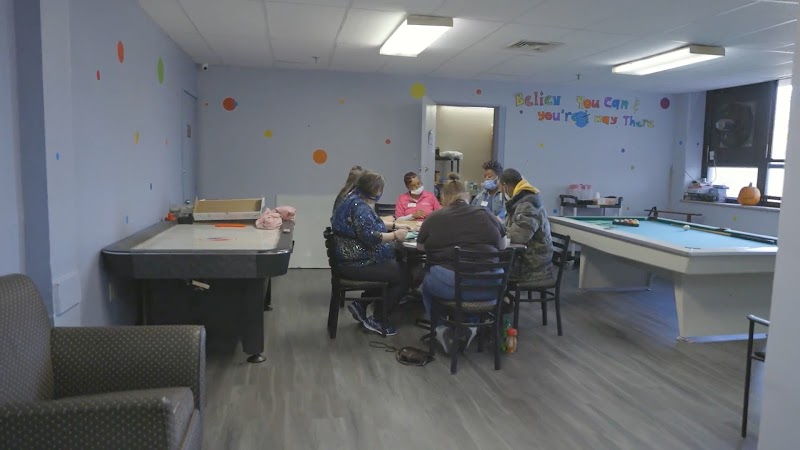
How is Normandy Nursing Center Staffed?

CMS rates NORMANDY NURSING CENTER's staffing level at 1 out of 5 stars, which is much below average compared to other nursing homes. Staff turnover is 60%, which is 14 percentage points above the Missouri average of 46%. High turnover can affect care consistency as new staff learn residents' individual needs. RN turnover specifically is 60%, which is notably high. RNs provide skilled clinical oversight, so turnover in this role can affect medical care quality.

What Have Inspectors Found at Normandy Nursing Center?

State health inspectors documented 42 deficiencies at NORMANDY NURSING CENTER during 2020 to 2025. These included: 2 Immediate Jeopardy (the most serious level, indicating potential for serious harm or death), 1 that caused actual resident harm, 36 with potential for harm, and 3 minor or isolated issues. Immediate Jeopardy findings are rare and represent the most serious regulatory concerns. They require immediate corrective action.
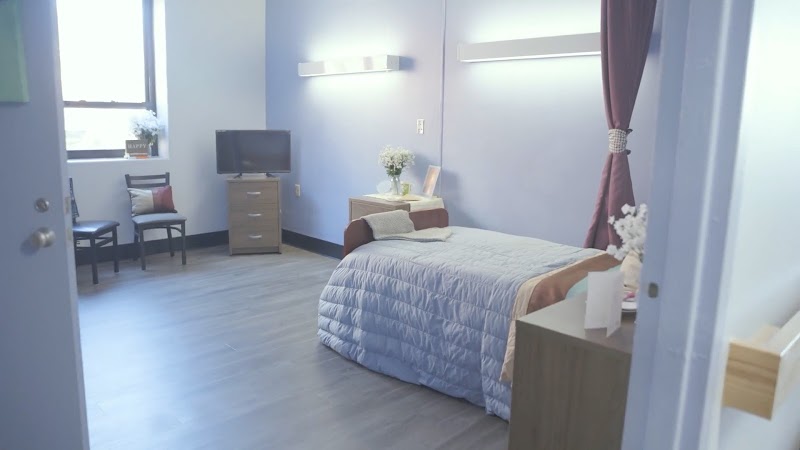
Who Owns and Operates Normandy Nursing Center?

NORMANDY NURSING CENTER is owned by a for-profit company. For-profit facilities operate as businesses with obligations to shareholders or private owners. The facility is operated by MGM HEALTHCARE, a chain that manages multiple nursing homes. With 116 certified beds and approximately 95 residents (about 82% occupancy), it is a mid-sized facility located in SAINT LOUIS, Missouri.
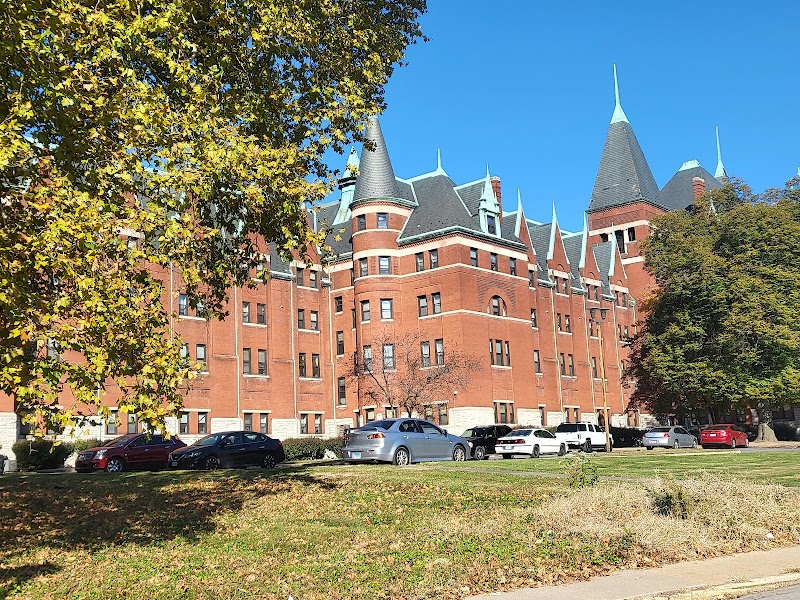
How Does Normandy Nursing Center Compare to Other Missouri Nursing Homes?

Compared to the 100 nursing homes in Missouri, NORMANDY NURSING CENTER's overall rating (1 stars) is below the state average of 2.5, staff turnover (60%) is significantly higher than the state average of 46%, and health inspection rating (2 stars) is below the national benchmark.

What Should Families Ask When Visiting Normandy Nursing Center?

Based on this facility's data, families visiting should ask: "What changes have been made since the serious inspection findings, and how are you preventing similar issues?" "What safeguards and monitoring systems are in place to protect residents from abuse or neglect?" "How do you ensure continuity of care given staff turnover, and what is your staff retention strategy?" "Can you walk me through typical staffing levels on day, evening, and night shifts?" These questions are particularly relevant given the facility's Immediate Jeopardy citations, the substantiated abuse finding on record, the facility's high staff turnover rate, and the below-average staffing rating.

Is Normandy Nursing Center Safe?

Based on CMS inspection data, NORMANDY NURSING CENTER has documented safety concerns. The facility has 1 substantiated abuse finding (meaning confirmed case of resident harm by staff or other residents). Inspectors have issued 2 Immediate Jeopardy citations (the most serious violation level indicating risk of serious injury or death). The facility has a 1-star overall rating and ranks #100 of 100 nursing homes in Missouri. Families considering this facility should ask detailed questions about what corrective actions have been taken since these incidents.

Do Nurses at Normandy Nursing Center Stick Around?

Staff turnover at NORMANDY NURSING CENTER is high. At 60%, the facility is 14 percentage points above the Missouri average of 46%. Registered Nurse turnover is particularly concerning at 60%. RNs handle complex medical decisions and coordinate care — frequent RN changes can directly impact care quality. High turnover means new staff may not know residents' individual needs, medications, or preferences. It can also be disorienting for residents, especially those with dementia who rely on familiar faces. Families should ask: What is causing the turnover? What retention programs are in place? How do you ensure care continuity during staff transitions?

Was Normandy Nursing Center Ever Fined?

NORMANDY NURSING CENTER has been fined $9,315 across 1 penalty action. This is below the Missouri average of $33,172. While any fine indicates a compliance issue, fines under $50,000 are relatively common and typically reflect isolated problems that were subsequently corrected. Families should ask what specific issues led to these fines and confirm they've been resolved.

Is Normandy Nursing Center on Any Federal Watch List?

NORMANDY NURSING CENTER is not on any federal watch list. The most significant is the Special Focus Facility (SFF) program, which identifies the bottom 1% of nursing homes nationally based on persistent, serious quality problems. Not being on this list means the facility has avoided the pattern of deficiencies that triggers enhanced federal oversight. This is a positive indicator, though families should still review the facility's inspection history directly.