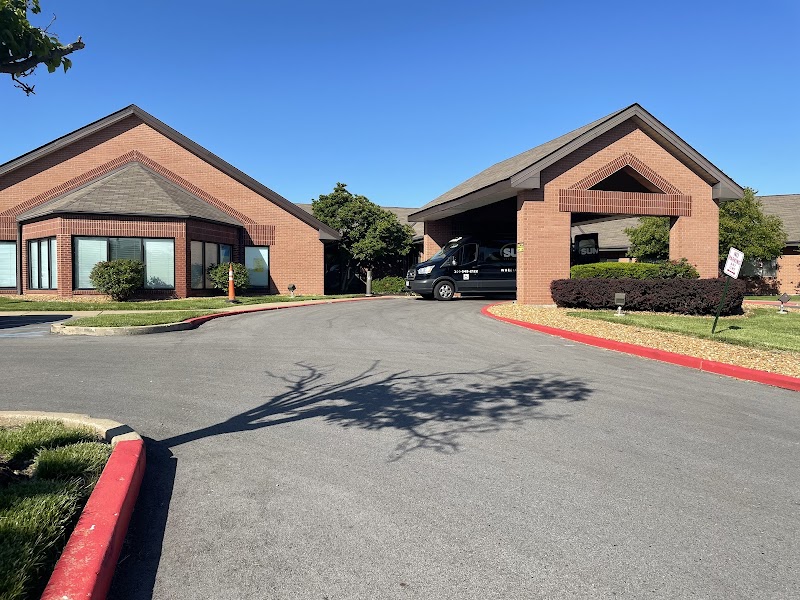
RIVER CROSSING REHAB AND HEALTHCARE CENTER

11278 SCHUETZ ROAD, SAINT LOUIS, MO 63146 (314) 991-4066
For profit - Limited Liability company 120 Beds AMA HOLDINGS Data: November 2025
Trust Grade
40/100
#190 of 479 in MO
Last Inspection: January 2025

Within standard 12-15 month inspection cycle. Federal law requires annual inspections.

Overview

River Crossing Rehab and Healthcare Center has a Trust Grade of D, indicating below-average quality with some notable concerns. It ranks #190 out of 479 facilities in Missouri, placing it in the top half, and #23 out of 69 in St. Louis County, meaning only a few local options are better. Unfortunately, the facility's trend is worsening, with issues increasing from 2 in 2024 to 7 in 2025. Staffing is a weakness, earning only 2 out of 5 stars, with a turnover rate of 67%, which is average for Missouri. Additionally, the facility has incurred $45,517 in fines, which is concerning and indicates potential compliance problems. While the center does have good RN coverage, being better than 81% of state facilities, it has serious shortcomings. For instance, one resident suffered a fracture due to improper transfer methods that ignored their care plan, and another resident did not receive necessary nutritional support, leading to significant weight loss. It's essential for families to consider both the strengths and weaknesses of this facility when making care decisions.

Trust Score
D
40/100
In Missouri
#190/479
Top 39%
Safety Record
Moderate
Needs review
Inspections
Getting Worse
2 → 7 violations
Staff Stability
⚠ Watch
67% turnover. Above average. Higher turnover means staff may not know residents' routines.
Penalties
✓ Good
$45,517 in fines. Lower than most Missouri facilities. Relatively clean record.
Skilled Nurses
○ Average
Each resident gets 35 minutes of Registered Nurse (RN) attention daily — about average for Missouri. RNs are the most trained staff who monitor for health changes.
Violations
⚠ Watch
38 deficiencies on record. Higher than average. Multiple issues found across inspections.
★★★☆☆
3.0
Overall Rating
★★☆☆☆
2.0
Staff Levels
★★☆☆☆
2.0
Care Quality
★★★☆☆
3.0
Inspection Score
Stable
2024: 2 issues
2025: 7 issues

The Good

  • Full Sprinkler Coverage · Fire safety systems throughout facility
  • No fines on record

Facility shows strength in fire safety.

The Bad

3-Star Overall Rating

Above Missouri average (2.5)

Meets federal standards, typical of most facilities

Staff Turnover: 67%

21pts above Missouri avg (46%)

Frequent staff changes - ask about care continuity

Federal Fines: $45,517

Above median ($33,413)

Moderate penalties - review what triggered them

Chain: AMA HOLDINGS

Part of a multi-facility chain

Ask about local staffing decisions and management

Staff turnover is elevated (67%)

19 points above Missouri average of 48%

The Ugly 38 deficiencies on record

2 actual harm
Jan 2025 7 deficiencies
CONCERN (D)

Potential for Harm - no one hurt, but risky conditions existed

Deficiency F0558 (Tag F0558)

Could have caused harm · This affected 1 resident

Based on observation, interview and record review, the facility failed to ensure all residents were treated in a manner to maintain dignity and respect for one sampled resident (Resident #22) after Ho...

Read full inspector narrative →
Based on observation, interview and record review, the facility failed to ensure all residents were treated in a manner to maintain dignity and respect for one sampled resident (Resident #22) after Housekeeper E dismissed the resident when he/she was trying to talk to him/her. Housekeeper E told the resident he/she did not speak the resident's language. In addition, the facility failed to follow their policy and ensure residents could participate in their treatment in a language they understood. The sample size was 19. The census was 87. Review of the facility's Resident's Rights policy, revised 5/1/23 showed: -Purpose: To promote and protect the rights of all residents at the facility; -Policy: -All residents have a right to a dignified existence, self-determination, and communication with and access to persons and services inside and outside the facility including those specified in this policy; -The facility must treat each resident with respect and dignity and care for each resident in a manner and in an environment, that promotes maintenance and enhancement of his or her quality of life, recognizing each resident's individuality; -The facility will protect and promote the rights of the resident and provide equal access to quality of care regardless of diagnosis, severity of condition, or payment source; -The facility will ensure that the resident can exercise his or her rights without interference, coercion, discrimination, or reprisal from the facility. -Procedure: -State and federal laws guarantee certain basic rights to all residents of the facility. These rights include, but are not limited to, a resident's right to: -Be informed about what rights and responsibilities they have; -Be fully informed and participate in their treatment in a language that they, can understand. Review of Resident #22's admission Minimum Data Set (MDS), a federally mandated assessment instrument completed by facility staff, dated 11/9/24, showed: -Rarely/never understood; -Rarely/never understands; -Speech Clarity: Unclear words- slurred or mumbled words; -Race: Vietnamese; -Language: -Preferred language: Cantonese; -Diagnoses included atrial fibrillation (A-Fib, irregular heart rhythm), hypertension (high blood pressure), diabetes mellitus (DM, metabolic disease), hyperlipidemia (high cholesterol), Alzheimer's Disease (dementia), and stroke (CVA). Review of the resident's electronic care plan, undated, and in use during the survey, showed: -Focus: resident has a communication problem related to aphasic (unable to speak, write, or understand speech or writing because of damage to the brain) due to CVA. He/She is also in need of an interpreter as he/she speaks Cantonese; -Goal: He/she will be able to make basic needs known; -Interventions: Anticipate and meet needs. Be conscious of resident's position when in groups, activities, dining room to promote proper communication with others. Observation on 1/23/25 at 2:25 P.M., showed the resident sat in his/her wheelchair, in the dining room on the 300/400 hall across from the nurse's station. The resident motioned for Housekeeper E to come to him/her. He/She was trying to communicate something to Housekeeper E. At that time, Housekeeper E shrugged his/her shoulders and said he/she didn't speak the resident's language and kept walking. Certified Nurse Assistants (CNA) G and CNA H giggled at that time. Housekeeper E did not attempt to stop and see what the resident needed when the resident tried to talk to him/her. During interviews with CNA G and CNA H on 1/23/25 at 2:21 P.M., both said they were familiar with the resident and have worked with him/her. Neither CNA were assigned to the resident that day. CNA G said the resident communicates via pointing and motioning towards things (using hand gestures). The resident does not understand staff, but his/her family member went to the facility three times a day and was pretty good about saying/translating what the resident didn't understand. The family member was also pretty good about saying what the resident wanted and/or needed. The resident had been at the facility for a couple of months. Both CNA G and CNA H said they would not know how the resident would communicate to staff if the resident was in pain. CNA G said yeah that would be kind of hard. During an interview on 1/24/25 at 3:30 P.M., Licensed Practical Nurse (LPN) C said if a resident did not speak English, he/she would use a translator or use Google translator to communicate with the resident. Residents should be treated with dignity and respect. During an interview on 1/24/25 at 3:33 P.M., Certified Medication Technician (CMT) D said if a resident did not speak English, he/she would ask the resident simple questions like are you thirsty or if they wanted to go to the bathroom. The CMT said he/she could also call the power of attorney/resident representative to help translate. Residents should be treated with dignity and respect. During an interview on 1/24/25 at 3:56 P.M., the Administrator said residents should be treated with dignity and respect. During an interview on 1/29/25 at 11:13 A.M., the Assistant Director of Nursing (ADON) said typically when he communicated with the resident, he/she had been able to answer yes or no questions with a nod of the head or with hand gestures. This was pretty much universal. Staff knew the resident's dementia had progressed, so they were implementing a communication board and things of that nature. There was not a communication board in place for nursing staff prior to or during the survey. The reason a communication board was not used was because up until recently, the resident was able to answer yes or no questions or with a head nod or hand gestures. Often times, if the resident needed peri care he/she would point to the front of his/her private area. With this particular staff person involved, he did not think the situation could have been avoided because this was Housekeeper E's first time working in long term care. The ADON thought Housekeeper E just wasn't knowledgeable on what to do in this situation. The encounter between the resident and Housekeeper E was absolutely not dignified. Ultimately it was the ADON's responsibility to ensure that there were means of communicating put in place for residents. Before the facility admits residents, they would want to make sure a means of communication was in place. With this particular resident, he/she was able to communicate. The resident's family said they were even having a hard time communicating with the resident in his/her native language.
CONCERN (D)

Potential for Harm - no one hurt, but risky conditions existed

Medical Records (Tag F0842)

Could have caused harm · This affected 1 resident

**NOTE- TERMS IN BRACKETS HAVE BEEN EDITED TO PROTECT CONFIDENTIALITY** Based on interview and record review, the facility failed to follow their policy and accepted professional standards and practic...

Read full inspector narrative →
**NOTE- TERMS IN BRACKETS HAVE BEEN EDITED TO PROTECT CONFIDENTIALITY** Based on interview and record review, the facility failed to follow their policy and accepted professional standards and practices for complete and thorough documentation, when staff failed to follow-up and document appropriately when one resident experienced a change of condition (Resident #82). The sample was 19. The census was 87. Review of the facility's Change of Condition Notification policy, revised on [DATE], showed: -Purpose: To ensure residents, family, legal representatives, and physicians are informed of changes in the resident's condition in a timely manner; -Documentation: A Licensed Nurse will document the following; -Date, time, and pertinent details of the incident and the subsequent assessment in the Nursing Notes; - The time the Attending Physician was contacted, the method by which he was contacted, the response time, and whether or not orders were received; -The time the family/responsible person was contacted; - Update the Care Plan to reflect the resident's current status; -The incident and brief details in the 24-Hour Report; -lf the resident is transferred to an acute care hospital, complete an inter-facility transfer form; -Complete an incident report per Facility policy; -A Licensed Nurse will communicate any changes in required interventions to the Interdisciplinary Team (IDT) members involved in the resident's care; -A Licensed Nurse will document each shift for at least seventy-two (72) hours; -Documentation pertaining to a change in the resident's condition will be maintained in the resident's medical record and on the 24-Hour Report. Review of Resident #82's entry Minimum Data Set (MDS, a federally mandated assessment instrument completed by facility staff), dated [DATE], showed: -admission date of [DATE]; -Entered from short-term general hospital; -All other sections left blank. Review of the resident's electronic health records (EHR), showed diagnoses included acute respiratory failure with hypoxia (a condition where the lungs are unable to adequately provide oxygen to the body, resulting in a deficiency of oxygen in the blood), generalized muscle weakness, abnormal posture, cognitive communication deficit, dysphagia (difficulty swallowing) and protein-calorie malnutrition. Review of the progress notes dated [DATE] at 10:04 P.M., showed: -Contacted MD (physician) related to resident's status, noticed resident's mouth had an increased droop and appears to have increased drowsiness. During assessment, resident denied pain or wanting to go to the hospital. Vitals stable but pulse is elevated, sweat noted on his/her nose. Vitals recorded in chart and sister and brother notified of resident's current status. Sister said to just leave her since he/she is responding. Sister stated she was told there was nothing else could be done for the resident. Resident appears to be resting in bed, HOB (head of bed) elevated with call light in reach. MD will see the resident in the morning during visit to the facility. Will continue to monitor for any other changes; -On [DATE] at 6:07 A.M., documentation showed the resident passed away in his/her bed on [DATE]; -No follow-up notes regarding the resident's change of condition that was observed on [DATE]. During an interview on [DATE] at 4:45 P.M., Licensed Practical Nurse (LPN) F said during evening medication administration, he/she observed the resident with facial drooping and disfigured mouth. LPN F called and notified the physician and was advised to call the family on what they wanted to do. LPN F said the resident's sister or responsible party said to keep the resident in the facility as long as he/she remained responsive. LPN F reported his/her observations to the oncoming shift nurse. During an interview on [DATE] at 1:09 P.M., the acting Director of Nursing (DON) said she would expect the staff to notify the physician and family of any changes of condition, and document properly. She would follow up, assess, and document observations after receiving a report from a previous shift's nurse of a resident's change of condition. She said they also utilize an SBAR (Situation, Background, Assessment, Recommendation) sheet. During an interview on [DATE] at 9:55 A.M., the physician/medical director said when he receives calls from facility for resident concerns, he would normally send the resident out to the hospital for further evaluation, however, he also wanted to have the family involved in the decision-making. He said the family decided to have Resident #82 to stay in the facility. He saw the resident on [DATE], with a stable condition and no changes of condition observed. He did not see the resident on [DATE]. He expected the staff to follow-up and document appropriately. During interviews on [DATE] at 12:26 P.M. and on [DATE] at 3:24 P.M., the Assistant Director of Nursing (ADON) said he recalled the resident was very sick, and the sister was very involved with the resident's care. The resident was hospitalized for quite some time and the condition had not improved. The resident had declined upon returning to the facility following hospitalization in [DATE]. The ADON said the sister wanted to cancel follow-up appointments and considered hospice care. The ADON was notified that the resident was found unresponsive and was coded on the early morning of [DATE]. The ADON said the staff performed CPR (cardiopulmonary resuscitation, is an emergency lifesaving procedure performed when the heart stops beating) and called 911 when the resident was found unresponsive. The resident expired that morning. The ADON expected the staff to follow-up and document appropriately after receiving a report of the resident's change of condition. During an interview on [DATE] at 12:45 P.M., the ADON verified that there was no follow-up documentation, nurses' notes, physician's notes, or SBAR sheets regarding the resident's change of condition. He said he spoke with the physician and was notified that no further interventions were provided due to the family's decision. During an interview on [DATE] at 3:55 P.M., the Administrator said she expected the staff to complete the documentation on any residents' change of condition.
CONCERN (D)

Potential for Harm - no one hurt, but risky conditions existed

Infection Control (Tag F0880)

Could have caused harm · This affected 1 resident

**NOTE- TERMS IN BRACKETS HAVE BEEN EDITED TO PROTECT CONFIDENTIALITY** Based on observation, interview and record review, the facility failed to maintain an infection prevention and control program w...

Read full inspector narrative →
**NOTE- TERMS IN BRACKETS HAVE BEEN EDITED TO PROTECT CONFIDENTIALITY** Based on observation, interview and record review, the facility failed to maintain an infection prevention and control program when staff failed to change gloves and perform hand hygiene during wound care for one resident (Resident #75). In addition, the staff disconnected the catheter tubing from the drainage bag to untwist the tubing and reconnected the tubing without disinfecting the catheter tubing for one resident (Resident #236). Furthermore, the staff failed to wear appropriate personal protective equipment (PPE), in accordance with the facility's policy, during high-contact activities with residents on enhanced barrier precautions (EBP, precautions for use during high-contact resident care activities for residents infected with a multidrug-resistant organism (MDRO, microorganisms that are resistant to one or more classes of antimicrobial agents) for one resident (Residents #46). The sample was 19. The census was 87. Review of the facility's Infection Prevention and Control Program policy, revised on 10/24/22, showed its purpose is to ensure the facility establishes and maintains an Infection Control Program designed to provide a safe, sanitary and comfortable environment and to help prevent the development and transmission of disease and infection in accordance with Federal and State requirements. Review of the facility's Hand Hygiene policy, revised on 10/24/22, showed: -Purpose: To ensure that all individuals use appropriate hand hygiene while at the facility; -Policy: The facility considers hand hygiene the primary means to prevent the spread of infections; -Hand hygiene is always the final step after removing and disposing of personal protective equipment; -The use of gloves does not replace hand hygiene procedures. Review of the facility's Care of Catheter policy, dated 10/24/22, showed catheters (a sterile tube inserted into the bladder to drain urine) and drainage bags will be changed based on clinical indications such as infection, obstructions or when the closed system is compromised. Routine fixed internal changes of the indwelling catheter drainage bag is not recommended; -Aseptic technique (strict procedure to prevent the spread infection) must be used to change the drainage bag (a bag that collects urine from the catheter). The catheter tubing junction must be disinfected with alcohol or chlorhexidine sponge (antiseptic) prior to connecting the new drainage bag. Review of the facility's Standard and Enhanced Precautions policy, revised 4/1/24, showed: -Purpose: To ensure the use of appropriate personal protective equipment to improve infection control as required in the care of residents; -Policy: The facility will utilize current guidance from the Centers for Disease Control (CDC) and the Centers for Medicare & Medicaid Services (CMS) to determine the appropriate PPE to be utilized during the care of residents to minimize the risk of infection or spread of infection; -EBP refers to an infection control intervention designed to reduce transmission of multidrug-resistant organisms that employs targeted gown and glove use during high contact resident care activities that are associated with a high risk of MDRO colonization when contact precautions do not otherwise apply and/or transmission such as presence of indwelling devices (such as urinary catheter, feeding tube, endotracheal (tube inserted through the mouth or nose) or tracheostomy tube (tube inserted through a surgically created opening in the neck), vascular catheters (flexible tube inserted into a vein to draw blood or deliver medication)) and wounds or presence of unhealed pressure ulcers; -For residents whom EBP are indicated, EBP should be used when performing the following high-contact resident care activities: -Dressing; -Bathing/showering; -Transferring; -Providing hygiene; -Changing linens; -Changing briefs or assisting with toileting; -Device care or use: central line, urinary catheter, feeding tube, tracheostomy/ventilator; -Wound care: any skin opening requiring a dressing. 1. Review of Resident #75's quarterly Minimum Data Set (MDS), a federally mandated assessment instrument completed by facility staff, dated 12/24/24, showed: -Cognitively intact; -Substantial or maximal assist to roll left and right mobility; -Dependent to transfer; -Diagnoses included anemia, high blood pressure, diabetes, dementia and malnutrition; -Two Stage III pressure ulcers (Full thickness tissue loss. Subcutaneous fat may be visible but bone, tendon or muscle is not exposed. Slough may be present but does not obscure the depth of tissue loss. May include undermining or tunneling.) that were present upon admission; -One unstageable pressure ulcer (Slough (dead tissue) is present, the actual base and condition of the ulcer cannot be determined.) that was present upon admission. Review of the resident's Treatment Administration Record (TAR), dated 1/22/25, showed: -Vashe Wound Therapy External Solution (wound cleanser used to remove damaged tissue from chronic skin ulcers), apply to affected areas topically every day shift for wound care; -Santyl ointment 250 units per gram (used to remove damaged tissue from chronic skin ulcers), apply to affected areas per additional directions topically every day shift for wound care for 30 days. Observation on 1/23/25 at 7:47 A.M., showed Licensed Practical Nurse (LPN) B assisted LPN A with wound care while the resident lay in bed. LPN B lifted the resident's left leg, held the top foot and ankle to expose the heel with wound, while LPN A applied the treatments as ordered. After wound care was finished, LPN B did not remove his/her gloves and perform hand hygiene. He/She then covered the resident with sheets and with the resident's personal blanket with his/her gloved hands, while wearing the same gloves used during wound care. LPN B then touched the sides of the bed, used the bed remote to adjust the bed and prepared the resident to be repositioned after the resident requested to be pulled up. Two Certified Nurse Assistants (CNAs) entered the room to reposition the resident. 2. Review of Resident #236's medical record, showed: -Alert and oriented times four (person, place, time, and situation); -Diagnoses included obstructive and reflex uropathy (urinary tract condition that occurs when urine can't drain properly); benign prostatic hyperplasia (BPH, enlarged prostate) with lower tract symptoms (frequency, urgency, straining, weak stream, straining, and incomplete bladder emptying). Review of the progress notes, dated 1/21/25 at 9:39 A.M., showed his/her past medical history included: the resident was admitted (to the hospital) for urinary pain, pus coming out catheter and hypotensive (low blood pressure) and found to have urinary tract infection (UTI) and treated with antibiotic. Review of the order summary report, dated 1/22/25, showed: -A physician order for a suprapubic catheter (a sterile tube inserted into the bladder through the abdominal wall to drain urine) care every shift; -A physician order to change the catheter drainage bag as needed. Observation on 1/23/25 at 6:45 A.M., showed the resident lay in bed on his/her side. LPN A provided wound care, while LPN B held the resident in place. After they finished, LPN B assisted the resident by pulling up the resident's brief. The catheter tubing was twisted. LPN B disconnected the catheter tubing from the drainage bag to untwist the tubing and reconnected the tubing without disinfecting the catheter tubing junction with alcohol or a chlorhexidine sponge. 3. Review of Resident #46's annual MDS, dated [DATE], showed: -Cognitively intact; -Impairment to both upper and lower extremities on one side; -Dependent to chair/bed-to-chair transfer; -Diagnoses included stroke, anemia, heart failure, high blood pressure, diabetes and high cholesterol. Review of the facility's list of residents on EBP rooms for January 2025, showed Resident #46 as one of the 29 residents. He/She was placed on EBP due to ESBL (Extended-Spectrum Beta-Lactamase, an enzyme that makes bacteria resistant to certain antibiotics). Observation on 1/23/25 at 6:22 A.M., showed the resident lay in bed, and an EBP sign hung on the door which was visible to the hallway. Certified Nurses Aide (CNA) K and CNA L transferred the resident from bed to wheelchair. Neither CNA wore a gown. PPE supplies were hung on the resident's door. The resident had a facility gown on top and regular pants on the bottom half of his/her body. CNA L said morning care was provided while the resident was lying in bed. While in the wheelchair, CNA L removed the resident's gown and put the top shirt on then combed the resident's hair with no gown on. During an interview on 1/24/25 at 3:07 P.M., CNA M said gown, gloves and masks were to be worn during high contact care of the residents on EBP. He/She receives report from the nurse who identifies the residents on EBP. These residents had wounds, droplet (steps to prevent the spread of infections that are spread through respiratory droplets), and Foley catheter (a thin, flexible tube inserted into the bladder to drain urine) to be placed on EBP rooms. During an interview on 1/24/25 at 3:10 P.M., Registered Nurse (RN) N said EBP rooms were for residents who had wounds, lines, drains, such as Foleys. PPE supplies and door signs were placed in each room. The staff were expected to wear PPEs such as gowns and gloves in providing high-contact care to EBP residents. No PPEs were necessary if staff were to deliver meal trays only. 4. During an interview on 1/23/25 at 12:34 P.M., the Infection Control Preventionist (ICP) said the staff do not need to disconnect the catheter tubing for dressing and if they did, they need to clean the connection junction with alcohol before reconnecting it. Regarding EBP, the ICP said EBP rooms had supplies of PPEs and door signs were hung in each room. She said if the sign was placed by the doorknob, it was for the resident in the door bed, while if the sign was on the opposite side, it meant for the resident in the window bed. She said residents who had MDRO, tube feedings, Foley catheters and wounds were to be placed in EBP rooms. PPE were to be used when providing direct care and high-contact care to the residents on EBP. The staff would know which residents were on EBP through door signs and the monthly list placed in the nurses' stations. 5. During an interview on 1/23/25 at 1:00 P.M., the Director of Nursing (DON) said the catheter and drainage bag are a closed system and it did not need to be disconnected for dressing. If it was disconnected, the junction connection would need to be sanitized prior to reconnecting. The DON also expected staff to change gloves as needed and perform proper hand hygiene during care. The staff were expected to wear PPE while providing high-contact care to residents on EBP. 6. During an interview on 1/24/25 at 3:55 P.M., the Administrator said she expected staff to follow the facility's infection control policy and procedures.
CONCERN (E)

Potential for Harm - no one hurt, but risky conditions existed

Deficiency F0698 (Tag F0698)

Could have caused harm · This affected multiple residents

**NOTE- TERMS IN BRACKETS HAVE BEEN EDITED TO PROTECT CONFIDENTIALITY** Based on interview and record review, the facility failed to ensure residents who received dialysis (procedure to remove waste p...

Read full inspector narrative →
**NOTE- TERMS IN BRACKETS HAVE BEEN EDITED TO PROTECT CONFIDENTIALITY** Based on interview and record review, the facility failed to ensure residents who received dialysis (procedure to remove waste products and excess fluid from the blood when the kidneys are not working properly) services had written communication with the dialysis center. The facility identified seven residents who received dialysis services. Three residents were sampled (Resident #32, #58 and #60), and issues were found with all three residents. The sample was 19. The census was 87. Review of the facility's Dialysis Care policy, dated 10/24/22, showed: -Policy: The facility will be responsible for the overall care delivered to the resident, monitoring of the resident prior to and after the completion of each dialysis treatment, and providing all non-dialysis needs of the resident including during the time period when the resident was receiving dialysis; -The nursing staff, dialysis provider staff, and the attending physician (dialysis staff) will collaborate on a regular basis concerning the resident's care as follows: -Nursing staff will communicate pertinent information in writing to dialysis staff which may include: -Any medication changes; -Any recent changes in condition; -The resident's tolerance of dialysis procedures; -The dialysis provider will communicate in writing to the facility: -The resident's current vital signs (blood pressure, pulse, respirations, and temperature); -Pre and post weight; and -Any problems encountered while the resident was at the dialysis provider; -Nursing staff may use NP-225-Form A- Nurse Dialysis communication record to convey information to the dialysis provider. Review of the facility's Nurse Dialysis Communication Record (NP-225 Form A), revised 10/24/22, showed: -Note: nursing facility/dialysis treatment sheet to be filled out prior to dialysis treatment. (Attach medication administration records (MAR) and new orders to this form. Dialysis center to complete lower half of the form at the end of treatment and send back to skilled nursing facility (SNF); -Information for the facility to prepare: -Residents name and date; -Fasting blood sugar and time. The insulin dose; -Last medications given and times; -Vital signs and pain scale; -Bruit (an abnormal sound that indicates turbulent blood flow through a narrowed artery or vascular channel) pulse and location; -Access site: note if redness, swelling or drainage; -Changes noted in the last 24-48 hours: falls/trauma; shortness of breath; nausea; vomiting; diarrhea; vertigo (dizziness), edema-specify location; antibiotic; behavioral; lung sounds; other changes in the last 24-48 hours (new meds, orders); -Nurse signature and date; -Dialysis center to complete and return with resident: -Dialysis center name, address and primary nurse; -Access site: redness, swelling or drainage; -Diet change; -Lab result to send first week of each month; -Pre-dialysis weight, vital signs, and pain scale; -Post dialysis weight, vital signs, and pain scale; -Other orders/changes today; -Special instructions/progress notes; -Post dialysis monitoring: -Vital signs every shift for 24 hours and bruit check every four hours for 24 hours; -Time returned to the unit. 1. Review of Resident #32's quarterly Minimum Data Set (MDS), a federally mandated assessment instrument completed by the facility staff, dated 12/26/24, showed: -admitted on [DATE]; -Cognitively intact; -Impairment on one side of both upper and lower extremities; -Diagnoses included anemia, heart disease, high blood pressure, end-stage kidney disease (ESRD, chronic irreversible kidney failure), diabetes, high cholesterol, stroke, hemiplegia, or hemiparesis (muscle weakness or partial paralysis on one side of the body that can affect the arms, legs, and facial muscles), and depression; -On dialysis. Review of the resident's electronic record showed orders for dialysis on Mondays, Wednesdays, and Fridays. During an interview on 1/21/25 at 9:38 A.M., the resident said he/she received dialysis treatment three times a week. The facility provided transportation. During an interview on 1/24/25 at 2:35 P.M., the resident said no paperwork was provided by the facility for the dialysis center. There was not any type of communication paperwork or forms he/she had to take back and forth. He/She said the dialysis center checked the vital signs and weight but not the facility. He/She did not notice the driver carrying any paperwork related to his/her dialysis treatment. 2. Review of Resident #58's admission MDS, dated [DATE], showed: -admitted to the facility on [DATE]; -Cognitively intact; -Special treatment: Dialysis; -Diagnoses included end stage renal disease, heart failure, and high blood pressure, diabetes, anxiety disorder, and maniac depression. Review of the resident's electronic undated care plan, in use during the survey, showed: -Focus: Resident needs hemodialysis (dialysis) related to end stage renal failure; -Goal: the resident will remain free from discomfort or further complications related to renal disease. He/She will have no signs or symptoms from complications from hemodialysis. He/She will adequate fluid balance as evidence by (AEB) good skin turgor pink and moist mucous membranes, and sufficient fluid intake ; -Interventions: Communicate and collaborate with dialysis center regarding weights, medication, diet, and lab results. Dialysis three times a week on Tuesdays, Thursdays, and Saturdays at 9:00 A.M. Review of the resident's physician order sheet (POS), dated January 2025, showed: -An order for: dialysis on Mondays, Wednesdays, and Fridays with a pickup time at 5:00 A.M., start date 12/6/24. Review of the resident's medical record, showed no documentation the resident was assessed before and/or after dialysis. During an interview on 1/21/25 4:09 P.M., the resident said he/she received dialysis on Mondays, Wednesdays, and Fridays. 3. Review of Resident #60's quarterly MDS, dated [DATE], showed: -Cognitively intact; -Diagnoses included: anemia (low red blood count), high blood pressure, diabetes, stroke and depression; -Special treatment: dialysis. Review of the order summary report dated 1/22/25, showed an order for dialysis on Monday, Wednesday, and Friday. Review of the medical record, dated 1/1/25 through 1/22/25, showed no dialysis communication records. During an interview on 1/24/25 at 8:42 A.M., the resident said he/she received dialysis treatment on Mondays, Wednesdays, and Fridays. The resident, nor did the driver, took any paperwork back and forth to his/her dialysis appointments. He/She said the facility did not check his/her vital signs. The dialysis center weighed him/her and checked his/her temperature. 4. During an interview on 1/23/25 at 1:00 P.M., the Director of Nursing (DON) said the nurse should check the residents for bruit and thrill, check the dressing site to be sure it is clean and intact. She believed the facility had a dialysis communication form. Staff needed in-service to implement the form. Currently, the facility did not have a dialysis communication form. The dialysis centers were so good with doing the residents' weights and vital signs. The facility was aware of the residents' vital signs and a lot of things on the dialysis form. The information was just not technically on the communication form. When a resident went out for dialysis, the nurse would document the resident had dialysis, did well, returned with no signs and symptoms, ate dinner and things like that. This should be documented in the progress notes. 5. During an interview on 1/24/25 at approximately 2:00 P.M., the DON said the facility did not use the dialysis communication forms. 6. During an interview on 1/24/25 at 3:56 P.M., the Administrator said there should be communication between the facility and dialysis.
CONCERN (E)

Potential for Harm - no one hurt, but risky conditions existed

Deficiency F0804 (Tag F0804)

Could have caused harm · This affected multiple residents

**NOTE- TERMS IN BRACKETS HAVE BEEN EDITED TO PROTECT CONFIDENTIALITY** Based on observation and interview, the facility failed to follow recipes for three of four pureed meals observed to ensure that...

Read full inspector narrative →
**NOTE- TERMS IN BRACKETS HAVE BEEN EDITED TO PROTECT CONFIDENTIALITY** Based on observation and interview, the facility failed to follow recipes for three of four pureed meals observed to ensure that the desired consistency was achieved for nine residents on pureed diets. In addition, the facility failed to ensure food at time of service measured at least 120 degrees Fahrenheit (F) for hot food, and the cold food measured under 41 degrees F and to ensure that food was palatable. This had the potential to affect all residents who consumed food from the facility kitchen. The census was 87. 1. Observation on 1/23/25 at 11:14 A.M., showed Dietary [NAME] (DC) I prepared pureed chicken. He/She placed an unmeasured amount of the chicken from a white plastic container into the blender and started the blender. He/She thought it may have been about 8 ounces in the container but to be on the safe side he/she said it may have been 12 ounces. He/She then poured an unmeasured amount of broth into the blender. DC I said the broth will stretch it so he/she will let the blender run. He/She pureed the items for approximately one minute. DC I took the lid off the blender and said that may be enough. He/She looked at it and started the blender again. DC I said he/she would add salt and pepper to taste. He/She then added an unmeasured amount of chicken broth in the mixture and continued to add an unmeasured amount as the chicken pureed. DC I said the pureed chicken would be enough because the mixture was all the way at the top. DC I just didn't want it to run out. DC I had stopped the blender after about approximately one minute and thirty seconds. He/She stopped the blender and said if he/she needed to add bread then he/she would. DC I pureed the chicken for another thirty seconds. He/She looked at the mixture and said it was still a little coarse so pureed it for approximately another two minutes. DC I stopped the blender and added an unmeasured amount of Mrs. Dash seasoning and pepper to the mixture and then pureed the chicken for approximately an additional forty-five seconds. He/She then tasted the pureed chicken and said it was great. The consistency was smooth with a small slight coarseness. Review of the pureed baked chicken recipe, showed the following for twelve servings: -Remove the number of pureed portions required from the regular recipe (3 oz per serving) (weigh meat only, do not include cooking juices or gravy); -Add to food processor and process to fine consistency; -Prepare broth by dissolving soup base in boiling water; -If thickener is needed, combine hot broth and thickener. Gradually add to meat while processing. All liquid may not be required; -Scrape down sides of the processor and process for thirty seconds. 2. Observation on 1/23/25 at 4:05 P.M., showed the DC J prepared pureed creamed bean soup. He/She said he/she had nine purees but will prepare for ten. DC J placed ten (10) ounce scoops of the cream bean soup in the blender. DC J pureed the soup for one minute. He/She stopped and looked at the mixture and then blended for an additional minute and thirty seconds. The consistency was a thin and soupy texture. DC J said the soup should be a little thicker but it was going to thicken up. Review of the pureed bean soup with ham recipe, showed the following for ten servings: -Measure the number of pureed portions required from the regular recipe; -Drain liquid from the soup ingredients and reserve; -Add soup ingredients to food processor and process to fine consistency; -Scrape down sides of the processor and process for thirty seconds; -Add reserve liquid and process until smooth. 3. Observation on 1/23/25 at 4:15 P.M., showed DC J prepared pureed cornbread. He/She cut ten squares of unmeasured cornbread and placed them inside the blender. He/She then placed an unmeasured amount of chicken base inside the blender along with one pint of milk. DC J pureed the items for approximately one minute. The consistency was a thick doughy, pasty texture. Review of the pureed cornbread recipe, showed the following for ten servings: -Remove the number of pureed portions required from the regular recipe after prepared; -Add to food processor and process to fine consistency; -Combine milk and thickener and gradually add to cornbread while processing; -Scrape down sides of the processor and process for thirty seconds; -Chill to serving temperature; -The recipe did not specify how much milk should be combined. During an interview on 1/24/25 at 1:58 P.M., the Dietary Manager (DM) said she would not expect the cornbread to be thick and pasty. The DM expected staff to follow recipes and use accurate measurements due to nutritional values as well as some residents may have swallowing problems or issues with their stomachs. The DM said pureed foods should be appealing and palatable. 5. Review of the email dated 1/24/25 at 3:38 P.M., received from a local nutrition specialist company regarding purees, addressed to Registered Dietician (RD) O showed: -The expectation is that the standardized recipes are followed for all pureed items to ensure appropriate/desired consistencies are achieved; 6. Review of the facility's Food Temperature policy, dated 10/24/22, showed: -Policy: foods prepared and served in the facility will be served at proper temperatures to ensure food safety; -Measuring food temperatures: -Take the temperature of each pan of product before serving; -Acceptable serving temperatures: -Cereal, gravy, temperature required (F degree) 135 F; -Casseroles, meat entrees; potatoes, pasta; soup; vegetables, the temperature required was greater than 135 F; -Milk, juice, temperature required was less than 41 F; -If temperature do not meet the required serving temperatures listed above, reheat the product or chill the product to the proper temperature; -If temperature are not at acceptable levels and cannot be corrected in time for meal service, an appropriate menu substitution should be implemented; -Do not put food on the tray line until 30 minutes prior to meal service; -Cold food may be put in the freezer 30 to 45 minutes prior to meal service to obtain serving temperature; -Bring only one tray at a time out to the tray line. Place on ice. Ice down all cold foods on tray line; -Heat hot plates. A pellet underline may also be used to maintain temperature. 7. Review of the facility's Resident Council Meetings, showed: -On 10/24/24: hall trays arriving cold (has this improved): 12 residents stated it had not improved. They did state that this is not dietary's fault as the dining room residents witnessed meals coming out hot and quickly. They state it's dependent on how long it takes the Certified Nurse Aides (CNA) to pass out hall trays. As residents on the end of the hall tend to get their food last; -On 11/21/24: hall trays arriving cold (has this improved): 12 residents stated it had not improved. They did state that this is not dietary's fault as the dining room residents witnessed meals coming out hot and quickly. They state it's dependent on how long it takes the CNAs to pass out hall trays. As residents on the end of the hall tend to get their food last. 8. During the Resident Council Meeting on 1/22/25 at 11:00 A.M., the residents said in the main dining room, the food was served quickly and was usually warm. The hall trays were served cold. This happened for all three meals. Sometimes the food will sit on the trays for 15 minutes, while five to six staff members are at the desk. 9. Review of Resident #60's quarterly Minimum Data Set (MDS), a federally mandated assessment instrument completed by the facility staff, dated 11/25/24, showed: -Cognitively intact; -Diagnoses included stroke, high blood pressure, diabetes and gastroesophageal reflux disease (GERD). During an interview on 1/21/25 at 2:39 P.M., the resident said the food was cold and it did not matter if he/she ate in the dining room or in his/her room. 10. Review of Resident #11's quarterly MDS, dated [DATE], showed: -Moderately impaired cognition; -Diagnoses included heart failure, high blood pressure, diabetes and dementia. During an interview on 1/21/25 at 2:54 P.M., the resident said he/she ate in his/her room. He/She did not like the food and sometimes the food was served cold. 11. Observation on 1/22/25 at 12:45 P.M., showed a metal cart with open sides, arrived on the 300-400 hall dining room. Staff removed the plastic that covered the cart and passed out the trays to the residents in the dining room. At 12:47 P.M., staff delivered the trays to the residents on the 400 halls. At 12:53 P.M., the last room tray was delivered. A test tray was removed from the cart and tested. The temperature (T) of the food was: Chicken Parmesan [NAME] 109.2 degrees F, garlic buttered vegetables 105.8 degrees F, and the garlic bread 90.5 F. 12. Observation on 1/23/25 at 8:54 A.M., showed a metal cart with open sides, arrived on the 300-400 hall dining room. Staff passed out the trays to the residents in the dining room. At 8:56 A.M., staff delivered trays to the residents on the 400 halls. At 9:08 A.M., the last room tray was delivered. A test tray was removed, and the T was taken. The biscuits and gravy were 102.5 degrees F, the orange juice cup was 67.1 degrees F, and the carton of milk was 66.6 degrees F. 13. Review of Resident #62's quarterly MDS dated , 1/3/2025, showed: -Cognitively intact; -No psychosis behaviors; -Diagnoses included heart disease, high blood pressure, kidney disease, diabetes, depression and asthma. Review of the resident's diet order, showed regular diet, regular texture and regular consistency. During an interview on 1/21/25 at 12:09 P.M., the resident said, the food sucks here. The food was usually cold and did not taste appetizing. The resident's parent visits up to three times a week and brings food so he/she can eat decent food at times. During an interview on 1/23/25 at 9:30 A.M., the resident had not eaten breakfast and said he/she did not want to eat breakfast because it was not good anyway. 14. During an interview on 1/24/25 at 3:56 P.M., the Administrator said she expected hot foods to be served hot and cold foods to be served cold.
CONCERN (F) 📢 Someone Reported This

A family member, employee, or ombudsman was alarmed enough to file a formal complaint

Potential for Harm - no one hurt, but risky conditions existed

Deficiency F0727 (Tag F0727)

Could have caused harm · This affected most or all residents

Based on interview and record review, the facility failed to use the services of a Registered Nurse (RN) for at least eight consecutive hours a day, seven days a week. The RN working on the hall was s...

Read full inspector narrative →
Based on interview and record review, the facility failed to use the services of a Registered Nurse (RN) for at least eight consecutive hours a day, seven days a week. The RN working on the hall was serving as the acting Director of Nursing (DON). This deficiency had the potential to affect all residents. The census was 87. Review of the nursing schedules provided by the facility, dated 12/30/24 through 1/23/25, showed: -On 1/3, 1/4, 1/5, 1/6, 1/8, 1/12, 1/13, 1/20 and 1/22, there was no RN; -On 12/31/24, 1/1, 1 /2, 1/7, 1/9, 1/10, 1/11, 1/14, 1/16, 1/17, 1/18, 1/21 and 1/23/25 the only RN scheduled was the DON. During interviews on 1/22/25 at 3:30 P.M. and at 4:13 P.M., the Administrator said the facility missed having RN coverage for four out of 30 days. The facility had posted an ad for an RN. The facility said the RN who was on the schedule was the DON. During an interview on 1/23/25 at 1:00 P.M., the DON said she was an RN. She had been training with the Regional Nurse since September for the acting DON position. She had been working on the floor because the facility was very short on nurses. They needed to do something about that, and they were trying hard. The Assistant Director of Nursing (ADON), was an Licensed Practical Nurse (LPN), assumed the DON responsibilities many days because that was what he preferred, and she preferred to work the floor. The DON said she usually worked on Tuesdays, Thursdays and Fridays. She had just started picking up some weekends, but she was reachable by phone. She had been coming in more often just to fill in. There were some days when there was no RN coverage, but the other staff were very competent. During an interview on 1/24/25 at 3:56 P.M., the Administrator said she expected for the facility to have an RN on duty for 8 hours daily. MO00246742
CONCERN (F)

Potential for Harm - no one hurt, but risky conditions existed

Food Safety (Tag F0812)

Could have caused harm · This affected most or all residents

Based on observation and interview, the facility failed to store, prepare, distribute and serve food in accordance with professional standards for food service safety by failing to label, date and cov...

Read full inspector narrative →
Based on observation and interview, the facility failed to store, prepare, distribute and serve food in accordance with professional standards for food service safety by failing to label, date and cover food. The facility also failed to ensure kitchen equipment and the floor was kept clean during three of four days of observation, in addition to ensuring that staff followed sanitary conditions when staff used their bare hands to clean out a mixing bowl and failed to ensure the mixing bowl was properly clean before preparing the next pureed dish. These deficient practices had the potential to affect all residents who consumed food from the facility kitchen. The census was 87. 1. Observation on 1/21/25 at 9:35 A.M., 1/22/25 at 4:06 P.M., and 1/23/25 at 11:38 A.M. of the kitchen, showed the following: -Dry storage room: -A bag of chocolate chips wrapped in plastic and without a date; -A bag of tortilla chips wrapped in plastic and without a date; -A bag of crispy onions wrapped in plastic and without a date; -A bag of powder sugar wrapped in plastic and without a date; -A bag of bow noodles wrapped in plastic and without a date; -A bag of croutons wrapped in plastic open, not closed and exposed to air and without a date. -Freezer: -Three door stand alone: -A plastic bag contained chicken patties without a date; -A blue plastic bag contained an unidentified frozen meat item without a date. 2. Observation on 1/21/25 at 9:35 A.M. and 1/22/25 at 4:06 P.M., of the two-door stand-alone freezer, showed a box contained a bag of biscuit dough which was open and exposed to air. 3. Observation on 1/22/25 at 4:06 P.M. a and 1/23/25 at 11:38 A.M. of the three-door stand-alone freezer, showed a plastic bag contained chicken nuggets without a date. 4. Observation on 1/21/25 at 9:35 A.M. and 1/22/25 at 4:06 P.M., of the kitchen, showed the following: -The stove: -Heavy caked-on stains on the stove burners; -Heavy caked-on stains along the front of the stove; -The deep fryer: -Heavy caked-on stains along the front; -Old grease in the fryer. -Heavy caked on grease and batter along the inside of the fryer. 5. Observation on 1/21/25 at 9:35 A.M. and 1/22/25 at 4:06 P.M., of the kitchen floor, showed following: -The floor dirty with debris on the floor; -The floor dirty with debris and food in between the stove and the fryer; -The floor stained in front of the stove and in between the stove and the fryer. 6. Observation on 1/23/24 of the kitchen, showed the following: -At 11:14 A.M., Dietary [NAME] (DC) I pureed chicken. After he/she pureed the chicken, he/she rinsed out the blending bowl with plain water. He/She did not clean the blending lid used during the chicken puree. He/She then proceeded to place the contents for the carrot puree in the blending bowl and blended the contents. There was chicken puree residue still in the blending bowl along the insides of the bowl as well as inside the lid; -At 4:05 P.M., DC J pureed creamed bean soup. After he/she pureed the soup, he/she rinsed out the blending bowl and the lid with plain water. He/She then used his/her bare right hand to wipe out the inside of the bowl. DC J then grabbed the blending bowl with his/her fingers inside the bowl and placed the blending bowl on the base. He/She then proceeded to place the contents for the cornbread puree in the bowl and blended the contents. There was still soup puree residue in the blending bowl along the inside of the bowl. 7. During an interview on 1/24/25 at 1:58 P.M., the Dietary Manager (DM) said the deep fryers are cleaned one time a month. She believes in all hands-on deck approach. She just recently started this and has already seen an improvement. On Wednesday, everyone comes in and they deep clean the stove and ovens. The cooks clean the grease trays daily and wipe down the equipment to try to keep everything clean. Staff are to clean with a degreaser. They empty the grease in the deep fryer every three weeks or after they fry fish. The DM has seen the sides of the equipment and said it looked bad. Her expectation is for equipment to be clean and grease traps emptied. The deep fryer is cleaned every three weeks. The oven has caked on stuff. The DM was aware of it and said she was in the process of taking care of it. The cooks are responsible for cleaning their equipment. The DM's expectations are for the floors and all the equipment to be clean and for everything to work properly. It was her expectation that all sanitary practices should be followed while preparing and cooking food. It was also her expectation that all food should be properly labeled, dated, and stored. It is the responsibility of her cook to ensure that all food is labeled, dated, and properly stored.
May 2024 2 deficiencies
CONCERN (D) 📢 Someone Reported This

A family member, employee, or ombudsman was alarmed enough to file a formal complaint

Potential for Harm - no one hurt, but risky conditions existed

Free from Abuse/Neglect (Tag F0600)

Could have caused harm · This affected 1 resident

**NOTE- TERMS IN BRACKETS HAVE BEEN EDITED TO PROTECT CONFIDENTIALITY** Based on interview and record review, the facility failed to keep all residents safe from physical abuse by failing to educate n...

Read full inspector narrative →
**NOTE- TERMS IN BRACKETS HAVE BEEN EDITED TO PROTECT CONFIDENTIALITY** Based on interview and record review, the facility failed to keep all residents safe from physical abuse by failing to educate nursing staff on the risk of resident-to-resident physical assault, failed to educate staff on immediate interventions to deescalate verbal altercations, and failed to provide adequate supervision for one resident (Resident #1). Resident #1 was cognitively intact when he/she willfully physically assaulted Resident #2 on 4/13/24. The nursing staff was not aware Resident #1 was a risk to physically assault other residents and did not immediately intervene when Resident #1 had a verbal altercation with Resident #2, which then escalated to the physical assault. Resident #1 was then given an immediate discharge due to the assault. The sample was five. The census was 90. Review of the facility's abuse prevention and prohibition program, updated, showed: -Purpose: To ensure the facility establishes, operationalizes and maintains an abuse prevention and prohibition program designed to screen and train employees, protect residents, and to ensure a standardized methodology for the prevention, identification, investigation and reporting of abuse, neglect, mistreatment, misappropriation of property, and crime in accordance with federal and state requirements; -Each resident has the right to be free from mistreatment, neglect, abuse, involuntary seclusion and misappropriation of property. The facility has a zero-tolerance for abuse, neglect, mistreatment and/or misappropriation of resident property. Staff must not permit anyone to engage in verbal, mental, sexual or physical abuse, neglect, mistreatment, or misappropriation of resident property; -The facility is committed to protecting residents from abuse by anyone; -Covered individuals will be trained through orientation and on-going training sessions, no less than annually, on the following topics: Abuse prevention and appropriate interventions to deal with aggressive and/or catastrophic reactions of residents; -The facility conducts an ongoing review and analysis of abuse incidents and implements corrective actions to prevent future occurrences of abuse; -Resident assessments and care planning are performed to monitor resident needs and address behaviors that may lead to conflict; -Resident to resident altercation must be reported if the altercation is caused by a willful action that results in physical injury, mental anguish or pain. Review of Resident #1's care plan, undated, showed: -A problem, initiated on 7/18/23 and revised on 11/21/23, the resident was verbally aggressive related to poor impulse control. Interventions included: Investigate/monitor need for psychological/psychiatric support; Monitor behavior episodes, attempt to understand cause; When agitated, intervene before agitation escalates. Review of the facility's investigation, provided by the Administrator via email on 4/29/24 at 9:31 A.M., showed: -On 8/23/23, at 6:30 A.M., a video showed the resident wanted to go outside with other residents. Another resident told the resident it was too early to smoke. The resident called the other resident a son of a bitch accusing him/her of telling staff he/she was going outside to smoke. The other resident told Resident #1 he/she need to close his/her mouth talking about my momma and then pointed at the resident's face. Resident #1 called the other resident a son of a bitch and hit his/her hand. The other resident then slapped Resident #1's face; -The incident was investigated according to their abuse and neglect policy. Review of Resident #1's care plan, undated, showed: -A problem, initiated and revised on 11/22/23, the resident had potential to be physically aggressive and had poor impulse control. Interventions included: Investigate/monitor need for psychological/psychiatric support; Monitor behavior episodes, attempt to understand cause; When agitated, intervene before agitation escalates; Report to physician unexpected changes in behavioral status. Review of the resident's soft file, provided upon request, showed on 7/26/23 at 3:26 A.M., the resident went outside to smoke at 2:30 A.M. when told by staff there were smoking rules and he/she could not be outside at that time. The resident refused to come back into the building and told staff they could not tell him/her what to do, to fuck off and the nurse was not his/her boss. When the nurse told the resident the incident would get reported to the management, the resident said he/she did not give a fuck and they could not tell him/her what to do either. When the resident went back into his/her room, he/she yelled out of the door to the resident across the hall to turn down the fucking TV. Review of resident's progress notes, dated 7/14/23 through 4/23/24, showed: -The notes skip from 8/6/23 through 1/10/24; -On 1/12/24 at 7:12 P.M., (social services note) they met for a quarterly care plan meeting on 1/11/24, the resident was alert and oriented times four (to person, place, time and situation) and was able to make his/her needs known to nursing staff. The resident was cognitively intact. The resident had a history of loud outbursts towards staff with him/her cussing at them, no behaviors reported at this time; -On 1/25/24 at 8:23 P.M., (nurse's progress note) the resident had a verbal altercation with the Certified Medication Technician (CMT). Per the CMT, the resident rolled up to the CMT in his/her wheelchair, asking to have his/her Percocet (narcotic used for pain relief). The CMT explained the order was to give every six hours, as needed for pain, and it was too soon to give it to the resident, since the last administration. The resident got extremely upset and started cussing at the CMT. The CMT and the resident started going back and forth and the resident rolled off down the hall yelling and cursing. The Director of Nursing (DON) was contacted to report the incident and the resident was told the DON would speak to the resident personally regarding the incident. Review of Resident #2's quarterly Minimum Data Set (MDS), a federally mandated assessment instrument completed by facility staff, dated 3/4/24, showed: -admitted on [DATE]; -Cognitively intact; -No behaviors noted; -Diagnoses included: seizures, vascular dementia (problems with reasoning, planning, judgement, memory and other thought processes caused by brain damage), Crohn's disease (intestinal disorder), diabetes mellitus and coronary artery disease. Review of Resident #1's quarterly MDS, dated [DATE], showed: -admitted on [DATE]; -Cognitively intact; -Verbal behavioral symptoms directed towards others occurs every four to six days, but less than daily; -Rejection of care occurred every one to three days; -Diagnoses included anxiety, depression, cognitive communication deficit and schizoaffective disorder (chronic mental health condition characterized primarily by symptoms of schizophrenia, such as hallucinations or delusions, and symptoms of a mood disorder, such as mania and depression). Review of Resident #1's progress notes, showed: -On 4/13/24 at 6:00 P.M., a late entry progress note showed, the resident had an incident with another resident and was given immediate discharge paperwork, the resident signed the paperwork and a copy was given to the resident. An ambulance transported the resident to a hospital for psychiatric evaluation and to find alternative placement. During an interview on 4/23/24 at 10:51 A.M., CMT A said: -He/She was passing medication to residents on 4/13/24 and was a witness to the resident physically assaulting Resident #2; -The resident and Resident #2's rooms were directly across from each other; -He/She had just given Resident #2 medication and had moved his/her cart down the hall, a short distance from the resident's room; -He/She saw the resident exiting his/her room, trying to wheel him/herself down the hall; -Resident #2 was sitting in his/her wheelchair, in front of his/her room, facing the resident. Resident #2 was blocking the resident from going down the hall; -He/She heard the resident loudly cussing at Resident #2 and telling him/her to move out of his/her way; -He/She told Resident #2 to back up his/her wheelchair and then turned back to his/her medication cart to pass out medications to other residents; -He/She thought Resident #2 would back his/her wheelchair into his/her room to let Resident #1 access to the hall; -He/She heard Resident #2 cry out, turned from his/her medication cart and saw the resident leaning forward in his/her wheelchair, with his/her hands wrapped up in Resident #2's long hair, while hitting Resident #2's left side of his/her face with a closed fist; -CMT A yelled out to the resident to stop hitting Resident #2; -The resident continued to hit Resident #2, striking him/her across his/her face and on the top of his/her head; -Resident #2 was yelling at the resident and was trying to get the resident off of him/her by scratching at the resident's arms and chest; -CMT A intervened by physically trying to pry the resident's hands out of Resident #2's long hair, while telling the resident to stop hitting Resident #2; -After CMT A was able to get the resident's hands unwound from Resident #2's hair, he/she rolled Resident #2 back into his/her room; -He/She was aware the resident had a history of verbal aggression to other residents, often cursing them when he/she was angry; -He/She was not aware the resident had a history of physical altercations or was a risk to escalate from a verbal altercation to a physical altercation; -He/She was not aware of any interventions specific to the resident to help him/her calm down during a verbal altercation; -He/She expected to know if a resident had a history or was at risk of physically assaulting others so he/she would know what interventions to use to stop verbal altercations from escalating; -He/She expected the nurse on duty to inform him/her of any residents who were at risk of acting out physically towards staff or other residents; -He/She had access to resident care plans. During an interview on 4/23/24 at 11:44 A.M., Licensed Practical Nurse (LPN) B said: -He/She was the nurse manager over the resident's hall; -He/She would know if a resident had a history of physical or verbal aggression by looking at residents' care plans; -He/She was not aware of any residents on the halls he/she managed who had a history of verbal and/or physical aggression; -He/She was shocked when he/she heard the resident had physically assaulted Resident #2; -He/She had no knowledge of the resident exhibiting any behaviors, verbal or physical, with other residents; -He/She had no knowledge of the resident hitting another resident in the past; -He/She expected to know if any residents exhibited verbal or physical aggression towards staff or other residents so he/she could protect the resident from escalating to such behaviors and protect other residents; -He/She did not think the resident was unsafe around other residents before the incident occurred on 4/13/24. During an interview on 4/23/24 at 12:01 P.M., Resident #2, said: -He/She was in the hallway and had asked Resident #1 for assistance to move out of a doorway; -Resident #1 all of a sudden grabbed him/her around his/her neck, puling down his/her head and started to hit him/her on the top of his/her head and across his/her face; -He/She tried to defend him/herself by trying to push Resident #1 off of him/her and scratching at Resident #1's chest; -Resident #1 kept hitting the left side of his/her face, around his/her left eye and temple; -His/Her left side of his/her face no longer hurt, but it felt a little numb; -He/She could not remember if any staff helped him/her get Resident #1 from hitting him/her. Everything was now a blur to him/her; -He/She was shocked Resident #1 had physically assaulted him/her. Observation on 4/23/24 at 12:10 P.M., showed Resident #2 sitting in his/her wheelchair, with his/her long hair pinned up in the back of his/her head, well groomed and able to propel him/herself. The resident did not have any bruising or discoloration to his/her face. During an interview on 4/23/24 at 12:13 P.M., Certified Nursing Assistant (CNA) C said: -He/She regularly worked on the resident's hall; -He/She would know if a resident was verbally aggressive or physically aggressive based on how the resident was acting; -He/She would know if a resident had a history of verbal and/or physical aggression if he/she was required to chart on their behaviors; -He/She knew the resident had a history of verbal aggression as the resident often yelled and cussed at staff when he/she did not get the medication when he/she wanted it; -He/She knew the resident was verbally aggressive to another resident a few months ago, yelling at the other resident to get out of his/her way; -He/She expected the nurse or nurse manager to inform him/her if a resident had a history of physical assaults or was at risk of physically assaulting others and to instruct him/her on what interventions to use to avoid such behaviors; -He/She was not aware the resident had a history and was at risk of physical aggression; -He/She had access to residents' care plans. During an interview on 4/23/24 at 1:20 P.M., the Administrator and DON said: -They expected nursing staff to have knowledge of and to follow facility policies; -They expected nursing staff to have knowledge of and to follow resident care plans; -On 4/13/24, the resident was talking to his/her family member on the phone and had a distressing conversation with them. He/She was trying to go out of his/her room to go and smoke when Resident #2 was in his/her way. That is when the resident physically attacked Resident #2; -The resident had a history of verbal aggression towards other residents, calling them racial slurs and cursing at them; -The resident had a history of verbal aggression towards staff, cussing at them and using racial slurs when he/she did not get his/her way in regards to getting pain medication outside of the administration orders and when not able to smoke when outside of the scheduled smoke breaks; -There were a few times when the Administrator and the DON were able to intervene when the resident was verbally abusive to other residents, to prevent him/her from escalating to physical violence; -The Administrator and the DON were able to calm the resident down when he/she almost became physically aggressive with them on several occasions; -The Administrator and the DON were concerned the other residents would not have the capacity to calm the resident down when he/she was verbally aggressive towards them to avoid the resident becoming physically aggressive; -The resident was given an immediate discharge due to his/her history of being on the verge of physical aggression towards others, his/her history of verbal aggression to others, and because he/she was considered a danger towards weaker residents as he/she was very mobile in his/he wheelchair. Review of the resident's medical record, on 4/23/24, showed: -There was no documentation of any incidents of the resident acting verbally aggressive, cussing and using racial slurs against other residents; -There was no documentation of any incidents of the resident acting verbally aggressive towards the Administrator or DON. During an interview on 4/25/24 at 1:34 P.M., the Social Service Director (SSD), said: -The resident had a history of outbursts with staff when he/she didn't get pain medication, when it wasn't time for administration. The resident would yell and holler, but never anything physical; -He met with the resident and gave him/her psychosocial counseling after altercations with staff or residents, talked to the resident to try to calm him/her down and was able to deescalate the resident; -The resident had a short fuse, a short temper, would sometimes need to go off by his/herself to calm down and then later apologize to others; -He didn't feel the resident was a physical threat to others as the resident's behaviors were always verbal aggression; -He was shocked when he heard the resident physically assaulted Resident #2; -He did not expect nursing staff to document behaviors in the resident's medical record. Behavior incidents were documented and kept only in soft files; -We chose to put behavior incidents in soft files instead of in the resident's medical record; -Soft files were investigations that are kept in-house; -Residents' behaviors were discussed in daily clinical meetings and the team would update care plans with interventions; -Only the interdisciplinary team (IDT) had access to soft files; -If a resident's behavior was not documented in their progress notes, nursing staff would know if a behavior occurred if they were told in report or read it on the 24 hour nursing report. The 24-hour report was not part of a resident's medical record; it was a communication tool for nurses from shift to shift; -The resident had verbal altercations with other residents and he would counsel the resident after the altercations occurred. He could not give details or particulars to each situation, just that the resident would argue or cuss at other residents and was generally very rude to other residents; -He offered the resident psychiatric services and counseling. The resident refused both services. He did not document the offers or the resident's refusals. MO00234631
CONCERN (D) 📢 Someone Reported This

A family member, employee, or ombudsman was alarmed enough to file a formal complaint

Potential for Harm - no one hurt, but risky conditions existed

Medical Records (Tag F0842)

Could have caused harm · This affected 1 resident

**NOTE- TERMS IN BRACKETS HAVE BEEN EDITED TO PROTECT CONFIDENTIALITY** Based on interview and record review, the facility failed to maintain complete and accurate medical files for residents. The fac...

Read full inspector narrative →
**NOTE- TERMS IN BRACKETS HAVE BEEN EDITED TO PROTECT CONFIDENTIALITY** Based on interview and record review, the facility failed to maintain complete and accurate medical files for residents. The facility failed to document verbal and physical aggressive incidents, encounters with the Social Services Director (SSD) discussing behaviors after they occurred and failed to document when psychiatric services or counseling was offered to one resident (Resident #1). The facility also failed to upload neurological checks into a resident's medical record in a timely manner for one resident (Resident #2). The sample was five. The census was 90. 1. Review of Resident #1's quarterly Minimum Data Set (MDS), a federally mandated assessment instrument completed by facility staff, dated 4/5/24, showed: -admitted on [DATE]; -Cognitively intact; -Verbal behavioral symptoms directed towards others occurs every four to six days, but less than daily; -Rejection of care occurred every one to three days; -Diagnoses included anxiety, depression, cognitive communication deficit and schizoaffective disorder (chronic mental health condition characterized primarily by symptoms of schizophrenia, such as hallucinations or delusions, and symptoms of a mood disorder, such as mania and depression). Review of resident's progress notes, dated 7/14/23 through 4/23/24, showed: -The notes skip from 8/6/23 through 1/10/24; -On 1/12/24 at 7:12 P.M., (social services note) they met for a quarterly care plan meeting on 1/11/24, the resident was alert and oriented times four (to person, place, time and situation) and was able to make his/her needs known to nursing staff. The resident was cognitively intact. The resident had a history of loud outbursts towards staff with him/her cussing at them, no behaviors reported at this time; -On 1/25/24 at 8:23 P.M., (nurse's progress note) the resident had a verbal altercation with the Certified Medication Technician (CMT). Per the CMT, the resident rolled up to the CMT in his/her wheelchair, asking to have his/her Percocet (narcotic used for pain relief). The CMT explained the order was to give every six hours, as needed for pain, and it was too soon to give it to the resident, since the last administration. The resident got extremely upset and started cussing at the CMT. The CMT and the resident started going back and forth and the resident rolled off down the hall yelling and cursing. The Director of Nursing (DON) was contacted to report the incident and the resident was told the Director of Nursing (DON) would speak to the resident personally regarding the incident; -On 4/13/24 at 6:00 P.M., (late entry progress note) the resident had an incident with another resident and was given immediate discharge paperwork, The resident signed the paperwork and a copy was given to the resident. An ambulance transported the resident to a hospital for psychiatric evaluation and to find alternative placement; -There was no other documentation regarding the resident's behaviors towards staff or other residents; -There was no documentation the facility offering psychiatric services, counseling, or anger management classes to the resident and his/her denial of services; -There was no documentation the resident met with the SSD after altercations with staff or residents to help the resident de-escalate. During an interview on 4/23/24 at 1:20 P.M., the Administrator and the DON said: -On 4/13/24, the resident was talking to his/her family member on the phone and had a distressing conversation with them. He/She was trying to go out of his/her room to go and smoke when Resident #2 was in his/her way. That is when the resident physically attacked Resident #2; -The resident had a history of verbal aggression towards other residents, calling them racial slurs and cursing at them; -The resident had a history of verbal aggression towards staff, cussing at them and using racial slurs when he/she did not get his/her way in regards to getting pain medication outside of the administration orders and when not able to smoke when outside of the scheduled smoke breaks; -There were a few times when the Administrator and the DON were able to intervene when the resident was verbally abusive to other residents, to prevent him/her from escalating to physical violence; -The Administrator and the DON were able to calm the resident down when he/she almost became physically aggressive with them on several occasions; -They did not expect nurses to write progress notes on residents' behaviors; -They did not expect the SSD to write progress notes in the resident's medical record when he met with the resident regarding his/her behavior; -They kept behavior investigation in a soft file that was kept in house; -They did not have to upload behavior investigations into residents' medical records as they were in-house and accessible when asked for; -They did not expect the SSD to document in the resident's medical record when counseling or psychiatric services were offered to the resident. It was all kept in the soft files. During an interview on 4/25/24 at 1:34 P.M., the SSD said: -The resident had a history of outbursts with staff when he/she didn't get pain medication, when it wasn't time for administration. The resident would yell and holler, but never anything physical; -He met with resident and gave him/her psychosocial counseling after altercations with staff or residents, talked to the resident to try to calm him/her down and was able to deescalate the resident; -The resident had a short fuse, a short temper, would sometimes need to go off by him/herself to calm down and then later apologize to others; -He did not expect nursing staff to document behaviors in resident's medical record. Behavior incidents were documented and kept only in soft files; -The facility chose to put behavior incidents in soft files; -Residents' behaviors were discussed in daily clinical meetings; -Only the Interdisciplinary team (IDT) had access to soft files; -The IDT would see a trend if the resident had behaviors over and over again because they would discuss them in clinical meetings and keep updating the care plans with interventions. -Care plans were not necessarily updated with dates and details of a behavior; -The resident had verbal altercations with other residents and he would counsel the resident after the altercations occurred. He could not give details or particulars to each situation, just that the resident would argue or cuss at other residents and was generally very rude to other residents; -He offered the resident psychiatric services and counseling. The resident refused services. He did not document the offers or the resident's refusals. Review of requested soft files regarding the resident's verbal or physical altercations with staff and/or residents, sent by the Administrator on 4/25/24 at 4:29 A.M., showed: -A behavior note, dated 7/20/23 at 12:53 A.M., the resident went outside to smoke with another resident. The resident was re-educated on the facility smoking policy. The resident became upset, packed all his/her belongings and said his/her family member would come to pick him/her up. The resident's family member was contacted by staff and the family member told the resident they would not come to pick him/her up. The resident yelled at the family member over the phone. The resident then proceeded to go toward the back door, which led outside, saying if anyone touched him/her he/she would kick ass then sue the facility. Leaving against medical advice paperwork was started when the resident came back in and went to his/her room; -A behavior note, dated 7/26/23 at 3:26 A.M., the resident went outside to smoke at 2:30 A.M. when told by staff there were smoking rules and he/she could not be outside at that time. The resident refused to come back into the building and told staff they could not tell him/her what to do, to fuck off and the nurse was not his/her boss. When the nurse told the resident the incident would get reported to the management, the resident said he/she did not give a fuck and they could not tell him/her what to do either. When the resident went back into his/her room, he/she yelled out of the door to the resident across the hall to turn down the fucking TV; -A health status note, dated 7/26/23 at 6:11 A.M., the resident went outside again and stated he/she did not have to come in when asked by the nurse. The resident said staff could not tell him/her what to do and then cussed staff out; -A health status note, dated 9/26/23 at 6:25 A.M., the nurse wrote the resident went outside with others to the patio to the smoke. The resident came back inside after asked by staff. The resident went back out as soon as the day broke. The resident was aware the smoke break was at 8:00 A.M. to 8:00 P.M., -A health status note, dated 11/17/23 at 1:36 A.M., the resident came to the nurses' station saying he/she had asked for a pain pill two hours ago. While the nurse got up to get the resident a pain pill, the resident became argumentative. The nurse gave the resident the pain pill and told the resident he/she would not argue with the resident. The resident called the nurse the B word and said he/she would call 911. The resident then woke up another resident and they both went outside to smoke after staff told them they were not allowed to and that the door locked; -A Social Services note, dated 12/12/23 at 7:59 A.M., the resident was spoken to by the SSD due to a report the resident was outside smoking before the designated smoking schedule from residents. The resident was told he/she would be issued a 30-day discharge notice because every resident who smoked signed a behavioral contract stating they would only smoke during designated times, which the resident understood and said he/she would not do it again. Social Services would continue to follow and monitor the resident for any new concerns or needs the resident might have. Review of the facility's investigation, provided by the Administrator via email on 4/29/24 at 9:31 A.M., showed: -On 8/23/23, at 6:30 A.M., a video showed the resident wanted to go outside with other residents. Another resident told Resident #1 it was too early to smoke. The resident called the other resident a son of a bitch, accusing him/her of telling staff he/she was going outside to smoke. The other resident told Resident #1 he/she need to close his/her mouth talking about my momma and then pointed at the resident's face. Resident #1 called the other resident a son of a bitch and hit his/her hand. The other resident then slapped Resident #1's face. Review of the resident's medical record, during the investigation, showed: -There was no documentation regarding the resident's physical altercation with the other resident which occurred on 8/23/23; -There was no documentation of any incidents of the resident acting verbally aggressive, cussing and using racial slurs against other residents; -There was no documentation of any incidents of the resident acting verbally aggressive towards the Administrator or DON. 2. Review of the facility's neurological assessment policy, revised on 10/24/22, showed: -Purpose: To provide guidelines for the performance of a neurological assessment on residents; -The following information will be documented in the resident's medical record: -The date and time the procedure was performed; -The name and title of the individual(s) who performed the procedure; -All assessment data obtained during the procedure; -If the resident refused the procedure, the reason why and the intervention taken; -The signature and title of the person recording the data; -Nursing staff may use the Neurological Flow Sheet. Review of Resident #2's quarterly MDS assessment, dated 3/4/24, showed: -admitted on [DATE]; -Cognitively intact; -No behaviors noted; -Diagnoses included: seizures, vascular dementia (problems with reasoning, planning, judgement, memory and other thought processes caused by brain damage), Crohn's disease (intestinal disorder), diabetes mellitus and coronary artery disease. Review of the resident's progress notes, dated 8/31/23 through 4/23/24, showed: -A late entry note, effective date 4/13/24 at 6:00 P.M., the resident had an altercation with another resident. The resident received a small bruised to his/her right shoulder, an abrasion to his/her right temple area, scratches to his/her left side of his/her face and neck. Neurological checks were initiated and within normal levels; -On 4/14/24 at 6:57 A.M., neurological checks were done and the resident continues for incident follow up on days; -On 4/16/24 at 6:38 P.M., the resident remained on observation for an altercation with another resident. Neurological checks were continued. During an interview on 4/23/24 at 1:25 P.M., the Administrator and DON, said: -Nurses completed neurological checks on a 72 hour neurological flow sheet, which was on paper; -Nurses were expected to complete the 72 hour neurological flow sheet and turn the sheet into medical records for them to upload the neurological flow sheet into the residents' medical record; -They did not have an expected time frame in which medical records was expected to upload the neurological flow sheet into residents' medical records; -Neurological flow sheets did not have to be in the residents' medical record as the facility saved the flow sheets in house in soft files, which were available upon request. Review of the resident's medical record, on 4/23/24, showed there was documentation found of the Neurological Flow Sheet started on 4/13/24 and completed on 4/17/24, was uploaded into the resident's medical record.
Aug 2023 14 deficiencies
CONCERN (D)

Potential for Harm - no one hurt, but risky conditions existed

Deficiency F0578 (Tag F0578)

Could have caused harm · This affected 1 resident

**NOTE- TERMS IN BRACKETS HAVE BEEN EDITED TO PROTECT CONFIDENTIALITY** Based on interview and record review, the facility failed to ensure physician's orders and/or signed consent for code statuses w...

Read full inspector narrative →
**NOTE- TERMS IN BRACKETS HAVE BEEN EDITED TO PROTECT CONFIDENTIALITY** Based on interview and record review, the facility failed to ensure physician's orders and/or signed consent for code statuses were obtained and documented in the medical record for two residents (Residents #353 and #97) of 19 sampled residents. The facility also failed to ensure the code status was consistent and accurate for one resident (Resident #43). The census was 92. Review of the facility's Code Blue and cardiopulmonary resuscitation (CPR, an emergency lifesaving procedure performed when the heart stops beating) policy, revised [DATE], showed: -Definitions: Advance directive is defined as a written instruction, such as a living will or durable power of attorney for health care, recognized under State law (whether statutory or as recognized by the courts of the State), relating to the provision of health care when the individual is incapacitated; -Basic life support is a level of medical care which is used for victims of life threatening illnesses or injuries until they can be given full medical care at a hospital, and may include recognition of sudden cardiac arrest, activation of the emergency response system, early CPR, and rapid defibrillation with an automated external defibrillator, if available; -CPR refers to any medical intervention used to restore circulatory and/or respiratory function that has ceased; -Code Status refers to the level of medical interventions a person wishes to have started if their heart or breathing stops; -DNR (do not resuscitate) Order refers to a medical order issued by a physician or other authorized non-physician practitioner that directs healthcare providers not to administer CPR in the event of cardiac or respiratory arrest. Existence of an advance directive does not imply that a resident has a DNR order. The medical record should show evidence of documented discussions leading to a DNR order; -Standard: This facility will honor the resident's/resident representative's wishes regarding either the provision or withholding of CPR. To ensure that each facility is able to and does provide emergency basic life support immediately when needed, including CPR, to any resident requiring such care prior to the arrival of emergency medical personnel in accordance with related physicians orders, such as DNRs, and the resident's advance directives; -In the event a resident experiences cardiac arrest (cessation of pulse and/or respirations), CPR will be provided in the absence of a valid Physician's Order for Do Not Resuscitate (DNR), a State of Missouri Outside the Hospital Do-Not Resuscitate (OHDNR) Order Form (Statutory citation 190.600-190.621RSMo), or documented verbal wishes indicating otherwise which are pending physician order. 1.-Review of Resident #353's medical record, showed: -No code status listed at the top of the resident information; -No order for code status in the physician orders; -A progress note on [DATE] at 6:36 P.M., showed the resident arrived to the facility via stretcher. The resident is a full code (if a person's heart stopped beating and/or they stopped breathing, all resuscitation procedures will be provided to keep them alive). -Review of the resident's care plan, dated [DATE] showed: -Focus: Resident is a full code; -Goal: If the resident's heart stops, or if they stop breathing, CPR will be initiated in honor with their full code wishes; -Interventions: Resident is a full code. Allow opportunity to review and initiate advance directives with the resident and/or appointed health care representative. During an interview on [DATE] at approximately 11:30 A.M., the Administrator said a resident who is a full code should have a physician order and it should be listed at the top of the resident's information sheet under in the electronic medical record (EMR). The Administrator opened the resident's EMR and verified there was no order and the code status was not listed under on the information sheet. 2. Review of Resident #97's EMR, showed: -admitted [DATE]; -An order, dated [DATE] for DNR; -No signed consent for a DNR order. Review of the resident's care plan, revised on [DATE], showed: -Focus: Resident is DNR; -Goal: If the resident's heart stops, or if he/she stopped breathing, CPR will not be initiated in honor with his/her wishes; -Interventions: Resident is a DNR. During an interview on [DATE] at 9:18 A.M., the Administrator brought a signed copy, dated [DATE], of the resident's DNR order. She said she would expect the policy to be followed. 3. Review of Resident #43's quarterly Minimum Data Set, (MDS) a federally mandated assessment instrument completed by facility staff, dated [DATE], showed: -Cognitive impairment; -Extensive assistance with transfers, dressing, toilet use, and personal hygiene; -Limited assistance with bed mobility; -Indwelling urinary catheter (a sterile tube inserted into the bladder to drain urine) and frequently incontinent of bowel; -Diagnoses include cancer, heart failure, obstructive uropathy (a urinary tract disorder that occurs due to obstructive urinary flow), diabetes, malnutrition, anxiety, depression, manic depression, chronic obstructive pulmonary disease (COPD, lung disease), and schizophrenia. Review of the resident's scanned documents, showed: -An OHDNR, dated and signed by the resident and the physician on [DATE]; -An OHDNR, dated and signed by the resident on [DATE] and signed by the physician on [DATE]; -An OHDNR, dated and signed by the resident and physician on [DATE]. -Review of the resident's electronic medical record showed: -admission date: [DATE]; -Advance directive: Full code. -Review of the electronic physician orders sheet (ePOS) showed: -An order, dated [DATE], advanced directives: full code; -Review of the resident's care plan, revised [DATE] and in use at the time of the survey, showed: -Focus: Resident has advanced directives on record DNR; -Goal: If the resident's heart stops, or if they stop breathing, CPR, will not be initiated in honor with their DNR wishes; -Intervention: Resident is a DNR, Advise resident and/or appointed health care representative to provide copies to the facility of any updated advanced directives, for DNR status verify presence of physician's order for DNR. -Review of the resident's care plan, initiated [DATE] and in use at the time of the survey, showed: -Focus: Resident is a full code; -Goal: If the resident's heart stops, or if they stop breathing, CPR will be initiated in honor with their full code wishes; -Interventions: Resident is a full code. Allow opportunity to review and initiate advanced directives with the resident and/or appointed health care representative. -Review of the resident's progress notes, showed: -A progress note, dated [DATE], resident arrived to the facility via stretcher. The resident is alert to person, alert to place, and alert to situation. The resident has elected to be a full code; -A nurse practitioner note, dated [DATE] and signed [DATE], the resident is a long term care resident seen today per nursing staff request for pulmonary (lungs) follow up. Code status: DNR. During an interview on [DATE] at 4:30 P.M., the administrator said the resident flip flops between full code and DNR. She said the order should absolutely be consistent with the care plan and the signed DNRs in the chart and the physician/nurse practitioner notes. She said the facility has started in-services on code status and a complete audit. She said she will talk to the Director of Nursing to determine and correct the resident's chart.
CONCERN (D)

Potential for Harm - no one hurt, but risky conditions existed

Comprehensive Care Plan (Tag F0656)

Could have caused harm · This affected 1 resident

**NOTE- TERMS IN BRACKETS HAVE BEEN EDITED TO PROTECT CONFIDENTIALITY** Based on observation, interview and record review, the facility failed to ensure residents had complete, accurate and individual...

Read full inspector narrative →
**NOTE- TERMS IN BRACKETS HAVE BEEN EDITED TO PROTECT CONFIDENTIALITY** Based on observation, interview and record review, the facility failed to ensure residents had complete, accurate and individualized care plans, to address the specific needs of the residents for two out of 19 sampled residents (Residents #43 and #80). The census was 92. 1. Review of Resident #43's quarterly Minimum Data Set, (MDS) a federally mandated assessment instrument completed by facility staff, dated [DATE], showed: -Cognitive impairment; -Required extensive assistance with transfers, dressing, toilet use and personal hygiene; -Limited assistance with bed mobility; -Indwelling urinary catheter (a sterile tube inserted into the bladder to drain urine) and frequently incontinent of bowel; -Diagnoses included cancer, heart failure, obstructive uropathy (a urinary tract disorder that occurs due to obstructive urinary flow), diabetes, malnutrition, anxiety, depression, manic depression, chronic obstructive pulmonary disease (COPD, lung disease) and schizophrenia (a serious mental illness that affects how a person thinks, feels, and behaves). Review of the resident's electronic medical record (EMR), showed: -admission date: [DATE]; -Advance directive: Full code. Review of the physician orders sheet (POS), showed: -An order, dated [DATE], advanced directives: full code; -An order, dated [DATE], insert/maintain indwelling catheter. Review of the resident's progress notes, dated [DATE], showed the resident arrived to the facility via stretcher. The resident is alert to person, place, and to situation. The resident has elected to be a full code. Review of the resident's care plan, revised [DATE] and in use at the time of the survey, showed: -Focus: Resident has advanced directives on record Do Not Resuscitate (DNR); -Goal: If the resident's heart stops, or if they stop breathing, cardiopulmonary resuscitation (CPR), will not be initiated in honor with their DNR wishes; -Intervention: Resident is a DNR, Advise resident and/or appointed health care representative to provide copies to the facility of any updated advanced directives, for DNR status verify presence of physician's order for DNR. Review of the resident's care plan, initiated [DATE] and in use at the time of the survey, showed: -Focus: The resident has urinary incontinence; -Goal: The resident will not develop any complications associated with incontinence through next review; the resident will be kept clean, dry, and comfortable daily through next review; -Interventions: Monitor for signs/symptoms urinary tract infection, notify physician as needed, offer and encourage intake of fluids, provide incontinent/perineal care as needed, report any changes in bladder status to nurse. Review of the resident's care plan, initiated [DATE] and in use at the time of the survey, showed: -Focus: Resident is a full code; -Goal: If the resident's heart stops, or if they stop breathing, CPR will be initiated in honor with their full code wishes; -Interventions: Resident is a full code. Allow opportunity to review and initiate advanced directives with the resident and/or appointed health care representative. Review of the resident's care plan, revised [DATE] and in use at the time of the survey, showed: -Focus: Resident has an indwelling catheter; -Goal: The resident will be/remain free from complications related to use of catheter; -Interventions: Catheter care per physician orders, change catheter and drainage bag per policy, maintain tubing free of kinks, position catheter bag and tubing below the level of the bladder, maintain resident dignity and privacy, report any changes in bladder status to nurse. During an interview on [DATE] at 1:20 P.M., the Administrator and Director of Nursing (DON) said the care plan should be updated to reflect the resident's current needs. They expected the incorrect one to be removed. 2. Review of Resident #80's admission MDS, dated [DATE], showed: -Diagnoses included deep vein thrombosis (blood clot in the lower extremities), depression and left leg amputation; -Independent with bed mobility; -Cognitively intact. Review of the resident's EMR, showed: -A safety assessment dated [DATE], showed the resident will benefit from an enabling and/or safety device; -No order for side rails; -No side rail maintenance documentation. Review of the resident's care plan, in use at the time of the investigation, showed: -Focus: Resident needs/requests bed rails to assist with turning/positioning/transfers; -Goal: Resident will safely use appropriate bed rails as needed; -Intervention: Provide rails as requested/needed. Observation on [DATE] at 6:02 A.M., [DATE] at 8:14 A.M., and [DATE] at 10:01 A.M., showed the resident lay in bed on his/her back. Quarter length side rails were raised on both sides of the bed. During an interview on [DATE] at 11:54 A.M., the Administrator said there should be an assessment, orders, and care plan done for residents that have bedrails. An audit for all three items was done in the past two weeks.
CONCERN (D)

Potential for Harm - no one hurt, but risky conditions existed

Accident Prevention (Tag F0689)

Could have caused harm · This affected 1 resident

**NOTE- TERMS IN BRACKETS HAVE BEEN EDITED TO PROTECT CONFIDENTIALITY** Based on observation, interview and record review, the facility failed to ensure residents received adequate assistance to preve...

Read full inspector narrative →
**NOTE- TERMS IN BRACKETS HAVE BEEN EDITED TO PROTECT CONFIDENTIALITY** Based on observation, interview and record review, the facility failed to ensure residents received adequate assistance to prevent accidents by not utilizing two staff for residents (Residents #48 and #2) who required transfers utilizing a mechanical lift (device used to assist with transfers and movements of individuals who require support for mobility beyond the manual support provided by staff alone). The sample size was 19. The census was 92. Review of the facility's Mechanical Lift Policy, revised 3/27/21, showed: -Standard: It is the standard of this facility to provide a safe environment for our residents and staff. The Nursing and Therapy departments will coordinate the screening of residents to determine the appropriateness of mechanical lift transfers and/or repositioning. Staff responsible for the transferring/repositioning of residents will receive instruction on the safe operation of the mechanical lifts; -Guidelines: -Nursing and/or Therapy managers will coordinate the screening of the resident population to identify the residents appropriate for mechanical lift transfer; -The Nursing department/designee will maintain a list identifying all residents who need to be transferred using mechanical lifts; -Identification of residents requiring assistance with mechanical lifts should be present in the facility (i.e. blue dot sticker on resident's name plate by door denoting T for Total or Hoyer (brand name of the mechanical lift) transfers or S/S for sit to stand (designed to assist patients who have some mobility but need help to rise from a sitting position) transfers, denotation on the resident's [NAME], etc.); -The use of the mechanical lift should be included in the resident's plan of care; -When using the mechanical lift staff will adhere to manufacturer guidelines, physician's orders and/or the plan of care; -Appropriate slings should be utilized per manufacturer's policy with mechanical lifts and should be cleaned as required to maintain infection control techniques; -The Clinical Educator or therapy will be responsible for the training of current staff members and the policy avoiding manual lifting of the designated residents; . -The Director of Nursing (DON) will designate the individual(s) responsible for maintaining the list of residents designated to be transferred by the use of mechanical lift, unless maintained in the electronic health record, in which case a listing can be generated through that system. The information will also be on the resident's plan of care; -The interdisciplinary team (IDT) or specified members of the IDT should meet to eliminate any fears or concerns expressed by residents or responsible party/resident representatives refusing the use of the mechanical lift for transfer(s) as is needed; -In the event of an extreme emergency situation, it may be deemed appropriate for staff to transfer the resident without the use of the mechanical lift. At that time, supervisor will determine safest mode of transfer and appropriate number of staff needed to perform safe transfer of resident. Review of the mechanical lift, Maxi Move floor lift by Arjo, copyright year 2022, instruction manual, provided by the facility, showed: -Information and warnings/cautions; -Maxi Move floor lift is designed to enable a single caregiver to manage demanding everyday patient or resident transfer and repositioning tasks. It is a versatile solution that can be adapted using a variety of spreader bars to accommodate patient transfer needs; -Note: The need for a second attendant to support the patient must be assessed in each individual case; -Policy on Number of Staff Members Required for Patient Transfer: -Arjo's passive and active series of lifts are designed for safe usage with one caregiver. There are circumstances, such as combativeness, obesity, contracture etc. of the individual that may dictate the need for a two-person transfer. It is the responsibility of each facility or medical professional to determine if a one or two-person transfer is more appropriate, based on the task, resident load, environment, capability, and skill level of the staff members; -Warning: Before using the Maxi Move, a clinical assessment of the patient's suitability for transfer must be carried out by a qualified health professional considering that, among other things, the transfer may induce substantial pressure on the patient's body. A transfer conducted when it should not degrade the patient's health condition; -Warning: Patients with spasms can be lifted, but great care should be taken to support the patient's legs to prevent fall and injury. 1. Review of Resident #2's significant change Minimum Data Set (MDS), a federally mandated assessment completed by facility staff, dated 8/3/23, showed; -Cognitively intact; -No rejection of care; -Required extensive assistance of two staff for bed mobility; -Required total dependence of two plus staff for transfers; -Diagnoses included heart disease, arthritis and anxiety; -Weight of 318 pounds. Review of the resident's care plan, in use during the time of the investigation, revised on 8/23/23, showed; -Focus: The resident had an Activities of Daily Living (ADL) self-care performance deficit related to abnormalities in gait and mobility and presence of terminal condition; -Goal: The resident will be kept clean and comfortable through the next review; -Interventions: The resident currently required assistance with ADLs. Bed mobility, extensive assist. Transfer, Hoyer times two. Observation on 8/23/23 at 9:20 A.M., showed the resident sat in his/her wheelchair. CNA R entered the resident's room and asked if he/she was ready to get in bed. The resident said yes. The resident was approximately 10 feet away from the bed. CNA R placed the pad underneath the resident and hooked the resident up to the mechanical lift. The surveyor asked CNA R what type of lift he/she was about to use. The CNA read the back of the lift and said he/she would return. He/She left the room and returned with CNA S. CNA S stood in the doorway and CNA R said, I just need you to be an extra set of eyes while I transfer the resident. CNA R attached the resident to the lift and lifted the resident in the air. CNA R moved the resident from the wheelchair onto the bed. The resident was suspended in air for approximately 10 seconds as the CNA moved the resident and lift from where the resident sat in his/her wheelchair, to the bed. CNA S stood in the doorway. After the resident was placed in the bed, CNA S left the room. CNA R unhooked the resident from the lift and left the room. During an interview on 8/23/23 at approximately 9:30 A.M., the resident said he/she required the use of a mechanical lift. Usually, only one staff transferred him/her but thought two were required. He/She was not afraid when certain staff transferred him/her with one staff. During an interview on 8/23/23 at 1:12 P.M., CNA R said he/she knew he/she was not supposed to transfer the resident alone but the resident had behaviors. The resident placed him/herself on the floor often because he/she tried to transfer him/herself without staff present. Other aides were busy providing care to other residents. When using a mechanical lift, two staff were supposed to be present. 2. Review of Resident #48's quarterly MDS, dated [DATE], showed: -Cognitively intact; -Required extensive assistance of two plus persons for bed mobility; -Required extensive assistance two plus persons for transfers; -Wheelchair (manual or electric): Yes; -Incontinent of bowel and bladder; -Diagnoses included stroke, diabetes, hemiplegia (paralysis of the arm, leg, and trunk on the same side of the body), malnutrition, depression and manic depression. -Review of the resident's care plan, initiated 1/21/23, showed: -Focus: The resident had an ADL self-care performance deficit related to ADL needs and participation vary; -Goal: The resident will maintain the current level of ADL function through the review date. The resident will be free of complications related to ADL deficit through the next review date; -Interventions: Mechanical lift for transfer: Hoyer, bed mobility: extensive assist, resident currently requires assistance with ADLs, report changes in ADL self-performance to the nurse. Observation on 8/23/23 at 2:30 P.M., showed Certified Medication Technician (CMT) P and Certified Nurse Aide (CNA) Q entered the resident's room. The resident entered the room and stopped his/her wheelchair next to his/her bed. CMT P moved the Hoyer lift into the room and positioned the Hoyer in front of the resident. CNA Q stood outside the room to gather personal care supplies. CMT P attached the hooks on the Hoyer to the pad around the resident. CNA Q entered the room and attached the strap by the resident's groin area. CNA Q turned around to the sink and CMT P started to raise the resident in the air. CNA Q turned around to move the wheelchair from under the resident then turned back around and walked to the resident's sink with his/her back to the resident. CMT P used the Hoyer to turn the resident and placed the resident above his/her bed. CNA Q turned around and put his/her hand on the resident as CMT P hovered the resident over his/her bed. CNA Q left to go to the other side of the room to close the blind and the privacy curtain. CMT P lowered the resident on to the bed and unhooked the resident from the Hoyer lift. 3. During an interview on 8/28/23 at 3:31 P.M., CNA Q said he/she received training on the use of a mechanical lift. Two staff should always be present and participate together in the transfer of the resident. 4. During an interview on 8/28/23 at 3:16 P.M., Nurse T said all mechanical lift transfers should be done by two staff, and both should participate in the transfer of the resident. 5. During an interview on 8/28/23 at 3:37 P.M., Nurse U said all mechanical lift transfers should be done with two staff, both working the machine. 6. During an interview on 8/24/23 at approximately 10:30 A.M., the Administrator said two staff were required for the use of a mechanical lift and they just had a PIP (performance improvement project) on the use of mechanical lifts. She wanted to know who the staff were so they could be fired. On 8/29/23 at 1:18 P.M., the Administrator and DON said they would follow the manufacturer's recommendation and the recommendation said one person could operate the mechanical lift. They would like two staff to operate the lift but it was not a requirement. When asked about information on the MDS, the DON said the MDS is reflective of current needs. When shown the MDS for both residents that required two plus assistance, the DON said that did not prove they should have had two staff for a Hoyer transfer. The MDS only showed the two plus was recommended for three out of seven days.
CONCERN (D)

Potential for Harm - no one hurt, but risky conditions existed

Deficiency F0742 (Tag F0742)

Could have caused harm · This affected 1 resident

**NOTE- TERMS IN BRACKETS HAVE BEEN EDITED TO PROTECT CONFIDENTIALITY** Based on observation, interview and record review, the facility failed to ensure a resident received appropriate person-centered...

Read full inspector narrative →
**NOTE- TERMS IN BRACKETS HAVE BEEN EDITED TO PROTECT CONFIDENTIALITY** Based on observation, interview and record review, the facility failed to ensure a resident received appropriate person-centered care and met their highest practical psycho-social well-being when the facility failed to provide appropriate and accurate assessments and mental health services for one sampled resident (Resident #76) with a history of trauma. The facility failed to obtain information regarding the resident's history of trauma, including the stressors, triggers and causes of the trauma and failed to implement any interventions to support the resident's mental health and emotional well-being. The sample size was 19. The census was 92. Review of the facility's Standard and Guidelines for Mental and Psychosocial Adjustment Services, revised [DATE], showed: -Standard: It is the purpose of this standard to affirm the facility's commitment to ensure that a resident who upon admission was assessed and displayed or was diagnosed with a mental or psychosocial adjustment difficulty or a history of trauma and/or post-traumatic stress disorder (PTSD), receives the appropriate treatment and services to correct the initial assessed problem or to attain the highest practicable mental and psychosocial well-being; -It is the policy of this facility to provide care and services which, in addition to meeting professional standards, are delivered using approaches which are culturally-competent, account for experiences and preferences, and address the needs of trauma survivors by minimizing triggers and/or re-traumatization; -It is the standard of the facility to ensure (based on the comprehensive assessment of a resident) that a resident who displays or is diagnosed with mental disorder or psychosocial adjustment difficulty, or who has a history of trauma and/or post-traumatic stress disorder, receives appropriate treatment and services to correct the assessed problem or to attain the highest practicable mental and psychosocial well-being; -Definitions: -Mental and psychosocial adjustment difficulty refers to the development of emotional and/or behavioral symptoms in response to an identifiable stressor(s) that has not been the resident's typical response to stressors in the past or an inability to adjust to stressors as evidenced by chronic emotional and/or behavioral symptoms; -Trauma results from an event, series of events, or set of circumstances that is experienced by an individual as physically or emotionally harmful or life threatening and that has lasting adverse effects on the individual's functioning and mental, physical, social, emotional, or spiritual well-being. Common sources of trauma may include, but are not limited to: -Natural and human caused disasters; -Traumatic life events (death of a loved one, personal illness, etc.); -Trauma-Informed Care is an approach to delivering care that involves understanding, recognizing and responding to the effects of all types of trauma. A trauma-informed approach to care delivery recognizes the widespread impact and signs and symptoms of trauma in residents, and incorporates knowledge about trauma into care plans, policies, procedures and practices to avoid re-traumatization; -Guidelines: -Residents who experience mental and psychosocial adjustment difficulty, or who have a history of trauma and/or PTSD require specialized care and services to meet their individual needs. The facility will ensure that an interdisciplinary team, which includes the resident, the resident's family and/or representative, whenever possible, develops and implements approaches to care that are both clinically appropriate and person-centered. Expressions or indications of distress, lack of improvement or decline in resident functioning should be documented in the resident's record and steps taken to determine the underlying cause of the negative outcome; -Facility will utilize a multi-pronged approach to identifying a resident's history of trauma as well as his or her cultural preferences. Some of this may include asking the resident about triggers that may be stressors or may prompt recall of a previous traumatic event, as well as screening and assessments too such as the Resident Assessment Instrument, admission assessment, history and physical, social history/assessment and others; -Staff will be knowledgeable about implementing non-pharmacological interventions for behaviors. The skills and competencies needed to care for residents will be identified through an evidence-based process that could include the following: an analysis of Minimum Data Set (MDS, a federally mandated assessment instrument completed by facility staff) data. Review of quality improvement data, resident-specific and population needs, review of literature, applicable regulations; -Some examples of treatment and services for psychosocial adjustment difficulties may include providing residents with opportunities for autonomy; arrangements to keep residents in touch with their communities, cultural heritage, former lifestyle, and religious practices; and maintaining contact with friends and family. The coping skills of a person with a history of trauma or PTSD will vary, so assessment of symptoms and implementation of care strategies should be individualized; -Direct care staff will interact and communicate in a manner that promotes mental and psychosocial well-being; -The facility will collaborate with resident trauma survivors, and as appropriate, the resident's family, friends, the primary care physician, and any other health care professionals (such as psychologists and mental health professionals) to develop and implement individualized care plan interventions; -Trauma-specific care plan interventions will recognize the interrelation between trauma and symptoms of trauma such as depression and anxiety. These interventions will also recognize the survivor's need to be respected, informed, connected and hopeful regarding their own recovery; -In situations where a trauma survivor is reluctant to share their history, the facility will still try to identify triggers which may re-traumatize the resident, and develop care plan interventions which minimize or eliminate the effect of the trigger on the resident; -Facility will monitor and provide ongoing assessment as to whether the care approaches are meeting the emotional and psychosocial needs of the resident or review and revise care plans that have not been effective and/or when the resident has a change of condition and document these actions in the resident's medical record; -Pharmacological interventions will only be used when non-pharmacological interventions are ineffective or when clinically indicated. During an initial observation and interview on [DATE] at approximately 9:20 A.M., Resident #76 lay in bed on his/her back. A large poster with several pictures and a note that said RIP sat next to the resident's window. When asked about the pictures, the resident became tearful and said his/her child died of an overdose in August of 2019. The resident pointed to another picture and said his/her other child died in 2017 from an accidental overdose. The resident then said he/she ended up at the facility because his/her spouse was his/her caregiver. The spouse went to have a procedure done and died while undergoing the medical procedure. This happened in [DATE] right before Thanksgiving. The resident had been at the facility since. Review of the resident's Initial Social Services Evaluation, effective [DATE], showed: -admitted [DATE]; -Relationship status, divorced; -Has children; -Resident oriented to person, place and time; -No changes in mood /behavior within the last six months; -Does the resident have a history of any traumatic events which the facility needs to take into consideration when developing the resident's plan of care? No was the response; -Has the resident experienced any recent, significant losses? No was the response; -Does the resident have any mental health concerns/issues? No was the response Review of the resident's social services notes, showed: -On [DATE] at 2:09 P.M., the previous Social Services Worker met with the resident to complete his/her admission assessment. The resident scored a 15 on the Brief Interview for Mental Status (BIMS), indicating the resident's cognition is intact. The resident presented with no signs and symptoms of delirium or psychosis at this time. Scoring a zero out of 27 on the mood scale indicates no depression symptoms present at this time. Hallucination and delusions not present at this time. The resident does not exhibit physical/verbal behavioral symptoms or reject care. Things that are important to the resident are choosing his/her own clothes to wear, choosing own bed time, listening to music, going outside to get fresh air, using his/her phone in private and having snacks available between meals. The resident is expected to remain in this community long-term. Social services will continue to monitor for changes in mood cognition and behavior; -On [DATE] at 10:48 A.M., the interdisciplinary team and family had a care conference meeting on [DATE] for the resident. Family stated the resident will remain here long-term unless the resident wants to go to another facility. The family notices that the resident has changed and believes the resident is depressed. The Director of Nursing stated she will get the resident a psych consultation. Social services will provide one on one sessions with the resident. The family wants the resident to get out of bed more and do activities. Review of the resident's activities/recreation progress notes, showed: -On [DATE] at 1:30 P.M., the resident loves to talk. He/She is very excited to be getting out of quarantine so he/she can participate in more activities. He/She states he/she no longer feels up to big group activities and socializing right now because he/she has been through so much but is very excited to participate in more; -On [DATE] at 1:58 P.M., the resident has been here before and is happy to be able to come participate in other activities now. He/She is recently widowed and doesn't want to celebrate Valentine's Day. He/She is very energetic and loves to talk; -No documented 1:1. During an interview on [DATE] at 2:15 P.M., the Activity's Director (AD) said he had been at the facility for over two years and was familiar with the resident. The resident was admitted to the facility around [DATE]. Shortly after the resident was admitted , his/her spouse passed away during a medical procedure. This occurred right before Thanksgiving. When the resident's spouse died, the AD stayed with the resident for an hour because he/she was so distraught. This was when the AD found out the resident had also lost both of his/her children. The resident was very pleasant but was depressed mostly. The AD tried to encourage the resident to get out of bed but he/she preferred to lay in bed. The AD was not sure if the current administration was familiar with the resident. However, the resident was open about what happened with his/her children and spouse and would discuss it if asked about it. The AD had not attended any of the resident's care plan meetings, as he was usually doing activities with the residents during the meetings. Review of the resident's quarterly MDS, dated [DATE], showed: -Cognitively intact; -Little interest or pleasure in doing things-No; -Feeling down, depressed or hopeless-No; -No behaviors; -Diagnoses included depression and anxiety. Review of the resident's Psychiatric Notes, dated [DATE], showed; -Encounter for screening for depression; -Resident seen for regular follow-up. This is a psychiatric routine nursing home visit for an adult patient living in a long-term care nursing facility that includes psychiatric care coordination between the primary care provider and the staff at the nursing facility; Review of the resident's Psychiatric Notes, dated [DATE], showed; -Resident is seen in his/her room sitting in wheelchair. Resident is pleasant on approach and appeared in no acute distress. Stated, I am trying to manage my feelings but it's hard at times because I can't walk because I have back injury and I lost my kids a while ago. Resident is able to ventilate feelings and identify coping strategies. The resident is compliant with the medication regimen; -Alert and oriented. Review of the resident's care plan, last updated [DATE], showed: -Focus: The resident has a perceived or actual mood problem; -Goal: The resident will have improved mood state through the review date; -Interventions: Administer medications as ordered. Monitor and document for side effects and effectiveness as needed. Encourage and allow open expression of feelings. Encourage frequent contact with family and friends, if desired by the resident. Promote homelike environment when possible use familiar objects from home, or objects with sentimental value, family pictures, etc. Report to physician unanticipated changes in mood status. Review of the resident's quarterly MDS, dated [DATE], showed: -Cognitively intact; -Little interest or pleasure in doing things-No; -Feeling down, depressed or hopeless-Yes-two to six days per week; -No behaviors; -Diagnoses included anxiety and depression. Review of the resident's social services notes, dated [DATE] at 2:56 P.M., showed Social Worker (SW) B noted a quarterly care plan meeting was held for the resident earlier today with the interdisciplinary team and resident all being present for the care plan. The resident is alert to person, place, time and sometimes situations with periods of confusion and delusions, but is able to make his/her needs known to nursing staff. He/She scored a 15 on his/her BIMS. The resident had answered yes to one of the questions on his/her PHQ-9 (an assessment of the resident's mood) of feeling down, depressed or hopeless two to six days per week. He/She is a long-term patient and has been at the facility for eight months and will remain here long-term. SW B went over the resident's face sheet, which everything was still correct. SW B re-educated the resident on Resident Rights which he/she remembered and understood. The resident will attend some of the activities offered but prefers to stay in bed and watch television. His/Her mood can be up and down, along with being uncooperative at times, which then nursing staff will leave after he/she calms down. The resident had no other concerns or needs that needed to be addressed at this time and is happy with his/her care at our facility. The interdisciplinary team will continue to follow and monitor him/her for any new concerns or needs that he/she may have. Review of the resident's Psychiatric Notes, dated [DATE], showed; -Assessment: The patient is currently at low risk for suicide. Case reviewed with staff via chart. The patient is currently stable and does not pose a risk to self or others. The patient's past history is significant for emotional difficulties, and personal and social stressors that contribute to the current presentation. The patient is willing to participate in treatment. Symptomatically, prognosis is guarded. Review of the resident's Psychiatric Notes, dated [DATE], showed; -Assessment: The patient is currently at low risk for suicide. Case reviewed with staff via chart. The patient is currently stable and does not pose a risk to self or others. The patient's past history is significant for emotional difficulties, and personal and social stressors that contribute to the current presentation. The patient is willing to participate in treatment. Symptomatically, prognosis is guarded. Review of the resident's social services note, showed; -On [DATE] at 8:12 A.M., SW B wrote the resident is a long-term resident and has been here at the facility for eight months and will remain here as a long-term resident. The resident continues to thrive in our facility even though he/she prefers to stay in bed versus being up in his/her wheelchair. He/She stated that he/she keeps him/herself busy by staying in communication with family and watching his/her favorite television shows. He/She said he/she always enjoys talking to facility staff. The resident did not have any new concerns or needs that needed to be addressed at this time and is happy with all the care he/she is receiving at the facility. Social services will continue to monitor for any new concerns or needs that he/she may have. -No further Social Services notes as of [DATE] at 9:13 A.M. During an interview on [DATE] at 10:37 A.M., the resident said the therapy department just came to his/her room for Occupational Therapy. The resident had a motorized wheelchair and did not know how to operate it safely. Therapy tried to get him/her up but he/she was not up to it. The resident also said this was around the anniversary of one of her children's death and his/her birthday and was feeling down. The resident became tearful and said her children promised he/she would never end up in a nursing home. The resident then discussed his/her spouse who passed away in [DATE] and he/she became tearful. During an interview on [DATE] at approximately 11:37 A.M., Occupational Therapist (OT) M said he/she tried to get the resident to participate in therapy regularly but he/she refused. The resident was extremely depressed over the deaths of his/her children and spouse. They have not discharged the resident from therapy due to refusals because of his/her situation. OT M explained to the resident if he/she was willing to get up, he/she may have felt better. However, the resident preferred to lay in bed all day. During an interview on [DATE] at 10:11 A.M., Certified Nursing Assistant (CNA) N said he/she was familiar with the resident. The resident had been at the facility since [DATE] and he/she was depressed over the deaths of (his/her) children and spouse. A few months back the resident was sent to the hospital for having outbursts and hallucinations. However, since his/her return from the hospital, he/she had been stable. The resident was really upset and crying the day before yesterday because it was the anniversary of (his/her) child's death and the resident's birthday. The resident preferred to stay in bed. CNA N tried to encourage him/her to get up but he/she does not force him/her because he/she understood what the resident was going through. CNA N said therapy will try to get the resident up but the resident would often refuse. They tried to get the resident involved in activities but he/she refused. CNA N had not seen the social worker talking with the resident. CNA N said the resident cried on a weekly basis regarding the death of his/her children and spouse. During an interview on [DATE] at 10:09 A.M., Nurse O said he/she was familiar with the resident. He/She knew the resident's spouse and children died, but he/she never spoke with the resident about it. During an interview on [DATE] at 4:13 P.M., the Social Services Director (SSD) said the resident had some psychiatric issues and had instances where he/she was delusional and had some hallucinations. The resident was sent to the hospital and it turned out he/she had a urinary tract infection and sepsis (a life-threatening complication of an infection). The resident returned and had not had any issues since. The resident is more comfortable in bed and stays there mostly. The SSD does regular visits on residents and documents in the record. The SSD was also responsible for quarterly assessments and had been at the facility since [DATE]. He has been in the resident's room. When asked about the resident's family, SSD said the resident's spouse died, a few years ago. He did not know anything about his/her children. When asked about the poster in his/her room, the SSD said he was not familiar with a poster of the resident's deceased children. The SSD said the resident should have had services in place and he would have had services in place had he known about the resident's trauma. He was unaware the resident was depressed. During an interview on [DATE] at 10:34 A.M., the Director of Nursing (DON) said she was familiar with the resident and he/she never got out of bed but they tried to encourage him/her. Back in [DATE], the resident was having a lot of delusions and was sent to the hospital. They thought the issues were psych related but it turned out to be a UTI and the resident had not had any issues since his/her return from the hospital. She did not know about the death of the resident's children and spouse until the Social Worker informed her yesterday. At first, the DON said the Social Worker should have known about the resident's trauma but later said the resident was attention seeking and probably chose not to tell the Social Worker about his/her family. She said she does rounds on residents and had been in the resident's room. When asked about the pictures, she said she never noticed the pictures. She said she had been in the resident's room about two weeks ago. The surveyor and DON entered the resident's room and the poster board of pictures was next to the resident's window. The DON again said she never noticed the pictures and asked the resident if the pictures had been up there the entire time. The resident said he/she had the pictures since he/she had been at the facility and moved the pictures from room to room. The DON said, I was in here last week and did not see the pictures. Also, you never told me about your family. She then told the resident the pictures were not always there. The resident told her the pictures had been up since he/she moved into the room he/she currently resided in. The DON again told the resident the pictures were not always there. The resident said he/she could not remember. During an interview on [DATE] at 3:27 P.M., the resident said he/she spoke with the DON in the past and she only asked him/her a specific question. He/She could not recall what the question was, but it was nothing related to his/her mood or behavior. Other than that, he/she never really had any dealings with the DON. The pictures were always in his/her room. The resident could not recall exactly when he/she moved into his/her current room but said the poster was always there, next to the window. The Social Worker was really nice but he/she had only met with him approximately three times since I have been here and he never asked specific questions. He would ask if he/she was doing okay and nothing else. The resident was open to discuss the incidents regarding his/her family and would have wanted to speak with a therapist about it. During an interview on [DATE] at 11:46 A.M., the Administrator said she was not aware of the resident's history of trauma and if the resident had told the Social Worker about it, it would have been addressed. When asked if the Social Worker should have asked specific questions during his assessments, the Administrator said the resident did not specifically tell the social worker about his/her family so the Social Worker would not have known to have services in place. The resident was attention seeking and could make his/her needs known. If the resident wanted them to know, he/she would have said something and the Social Worker would have put services into place.
CONCERN (E) 📢 Someone Reported This

A family member, employee, or ombudsman was alarmed enough to file a formal complaint

Potential for Harm - no one hurt, but risky conditions existed

Safe Environment (Tag F0584)

Could have caused harm · This affected multiple residents

**NOTE- TERMS IN BRACKETS HAVE BEEN EDITED TO PROTECT CONFIDENTIALITY** Based on observation, interview and record review, the facility failed to maintain a homelike environment. Flies flew in the ass...

Read full inspector narrative →
**NOTE- TERMS IN BRACKETS HAVE BEEN EDITED TO PROTECT CONFIDENTIALITY** Based on observation, interview and record review, the facility failed to maintain a homelike environment. Flies flew in the assisted dining room and in the main dining room during meal time, trash was on the floor in the main dining area, the shower rooms were untidy and used for storage (the resident shower room located in room [ROOM NUMBER], 100 hall shower room and 200 hall shower room, and in the resident shower room located in room [ROOM NUMBER] and and room [ROOM NUMBER]), one resident's room had paint peeling from the ceiling (room [ROOM NUMBER]), one resident's room had a hole behind their door and their foot board was in need of repair and there were several holes behind the resident's bed with chipped paint (Resident #76), one resident's bathroom toilet was filled with a brown substance and the sink was leaking (Resident #24), and one resident's room had a brownish discoloration stain on their privacy curtain (Resident #37). The census was 92. Review of the facility's housekeeping policy, revised 11/1/16, showed: -It will be the standard of this facility to provide effective and sanitary housekeeping and maintenance services; -The facility will maintain staff to provide routine cleaning and sanitation techniques for the facility; -The facility staff should maintain all equipment in good and cleanly repair to include, but not be limited to wheelchairs, IV poles, Feeding Tube poles, curtains, etc. in agreement with the resident's wishes/preferences; -Equipment should be maintained in fashion that does not impede the function of the staff or the residents; -Terminal cleaning of isolation rooms should be completed when a room or the resident residing in the room has been diagnostically cleared of the microorganism requiring isolation or if the resident is discharged from the facility or transferred to another room inside the facility; -Any concerns voiced by the residents, responsible parties, visitors or other vendors should be logged appropriately in the maintenance or grievance/concern log as is appropriate. If a concern is able to be resolved immediately by staff and does not require an extended wait for resolution, it is not necessary for the concern to logged in the maintenance log as that serves as notification that resolution is still needed; -Special consideration should be given to allergies or specific preferences of residents. 1. Observations on 8/23/23 at 9:10 A.M., 8/24/23 at 8:20 A.M. and 2:00 P.M., 8/25/23 at 11:00 A.M., 8/28/23 at 1:00 P.M., and 8/29/23 at 10:00 A.M., showed a hole behind the door in room [ROOM NUMBER]. The hole was approximately the same size as the door handle. Also, in room [ROOM NUMBER], an exposed outlet next to the bed closest to the door and the bathroom light was very dim. During an interview on 8/24/23 at 2:15 P.M., one of the two residents in the room said he/she would not consider this homelike. He/She was not sure how long both the hole and the exposed outlet had been like that. He/She said he/she told maintenance yesterday about the bathroom light being very dim but they had not been back to replace it. The bathroom was very dark with the dimmed light. 2. Observation of the dining room on the 300/400 hall on 8/23/23 at 12:21 P.M., showed staff assisted a resident with eating. A fly flew around the resident and the resident's food. The staff member waved his/her hand in the air to move the fly away from the resident. At 12:27 P.M., the fly continued to fly around in the dining room. 3. Observation of the dining room, showed: -On 8/23/23 at 12:26 during lunch service, several flies surrounded residents and landed on food. The floor was observed with empty bags of chips and a soda bottle; -On 8/25/23 at 5:44 A.M., several pieces of balled up paper were on the floor, empty soda bottles and empty bags of chips were on two tables. An opened bag of chips was in the middle of the dining room floor. 4. Observation on 8/23/23 at 1:15 P.M., of the residents' shower room in room [ROOM NUMBER], showed the left side of the shower room had no soap or paper towels in the dispensers, wet used towels on the floor and rolled up towels lay against the walls. Paint peeled on the ceiling and behind the door. The floor had debris and dirt throughout. The right side of the room had medical equipment and pillows stored on top of the toilet seat. The sink was dirty with used soiled paper towels with a pink and white runny substance throughout the sink. The floor was dirty with grime around the bottom area of the toilet. The middle area of the shower room had what appeared to be used medical equipment stored. During an interview on 8/25/23 at 10:16 A.M., Housekeeper D completed a walk through of shower room [ROOM NUMBER] and said housekeeping is responsible for the shower room but, only one side is being used for showers. He/She would not consider it to be clean. The second shower area is not being used, and the toilet does not have a working water supply. 5. Observation on 8/23/23 at 2: 17 P.M., showed the ceiling in room [ROOM NUMBER] with paint peeled above the bed. 6. Review of Resident #76's quarterly Minimum Data Set (MDS), a federally mandated assessment instrument completed by facility staff, dated 7/3/23, showed the resident was cognitively intact. Observations on 8/23/23 at approximately 9:20 A.M., 8/24/23 at 8:31 A.M. and 8/25/23 at 10:37 A.M., showed upon entrance of the resident's room, a hole, approximately the size of a door knob was behind the resident's door. The resident's wooden foot board was broken in half and the area behind the resident's bed had several small holes and chipped paint. During an interview on 8/25/23 at 10:37 A.M., the resident said the broken foot board and the hole in the wall had been like that for awhile. It was not considered homelike. During observations and an interview on 8/25/23 at 10:37 A.M., the Maintenance Director said he was making rounds to individual resident rooms and was not aware of the holes in the resident's walls or the foot board being broken. This was not homelike and should have been addressed. 7. Review of Resident #24's quarterly MDS, dated [DATE], showed the resident was cognitively intact. Observations on 8/23/23 at approximately 9:20 A.M. and 6:44 P.M., 8/24/23 at 8:24 A.M. and 8/25/23 at 10:33 A.M., showed a smell of bowel upon entrance of the room. A wheelchair sat in the bathroom. The toilet was filled with a brown substance. A wash pan was under the resident's sink, leaking water into the pan. During an interview on 8/23/23 at approximately 9:30 A.M., the resident said the sink had been leaking for about two months. The toilet was always backed up and they tried to fix it about two weeks ago. The bowel had been in the toilet for about two weeks. During an interview on 8/25/23 at 10:18 A.M., the Maintenance Director said he found out about the resident's sink about three days ago. The drain needed to be replaced. He was aware of the toilet being backed up for about a week but did not know bowel was in the toilet. He attempted to flush the resident's toilet. He said this was not considered homelike. 8. During an interview on 8/24/23 at 2:30 P.M., Certified Nurse's Aide (CNA) FF said both the 100 and 200 hall shower rooms are used by staff on a regular basis for resident showers. He/She said they were last used today. Observations of the 100 Hall shower room on 08/24/23 at approximately 2:45 P.M., showed: -A trash can with used adult incontinence pads sitting on top of the can; -A toilet with brown substance and several pieces of tissue paper, unflushed and an adult diaper and toilet tissue surrounding the toilet; -Several wheelchairs on one side of the shower room; -Candy wrapper on the floor; -A used glove in the sink; -A used band aide on the floor under the sink; -A mechanical lift in the middle of the floor, upon entrance. Observations of the 200 Hall shower room on 08/24/23 at approximately 2:55 P.M., showed: -Upon entrance, a scale and mechanical lift blocked the doorway; -Several bed mattresses were in one section of the shower room; -Christmas decorations were also present in one section of the shower room; -A sign outside of the door said Activities Supply Room. No medical supplies and no shower equipment; -A toilet with brown substance, unflushed; -An overflowing bag of trash sat next to the toilet; -A bag with several items sat on top of the tank of the toilet; -Toilet paper, a green loofah and a razor sat on top of the sink; -A used towel on the floor. 9. Review of Resident #37's MDS, dated [DATE], showed the resident was cognitively intact. During observation and interview on 8/25/23 at 8:15 A.M., the resident said, there was poop on his/her privacy curtain and pointed to a small brownish discoloration, approximately. 3 inches by 3 inches, on the privacy curtain, located between the beds. 10. Observation on 8/25/23 at 10:30 A.M., of the resident's shower room in room [ROOM NUMBER], showed the left side of the shower room with wet towels on the floor with what appeared to be hair stuck to the towels. The toilet bowl had stains and a brown ring on the inside of the toilet. The middle area of the shower room had what appeared to be used medical equipment stored. The right area of the shower room had shower chairs and clothing. The floor was dirty throughout. During an interview on 8/25/23 at 10:30 A.M., Housekeeper E completed a walk through and said that the shower room in 309 he/she thinks is a home like environment especially when it is clean. He/She said the shower room was crowded with equipment and the clutter is not a home like environment. Housekeeping is responsible for cleaning every day and is supposed to check the shower rooms every 2 hours. The evening shift should be checking the soiled utility room trash, but was not sure about their other duties. 11. Observation on 8/25/23 at 10:43 A.M., of the resident shower room in room [ROOM NUMBER], showed the middle room with what appeared to be used medical equipment. During an interview on 8/25/23 at 10:43 A.M., Housekeeping Supervisor F completed a walk through and said all housekeepers are responsible for cleaning and disinfecting the shower rooms. The CNA is supposed to keep the shower rooms tidy. Regarding the shower room in room [ROOM NUMBER], right now it does not seem like a home like environment, but when clean, it is. Rounds are done when he/she gets to the facility, after lunch and prior to leaving for the day. Rounds are done three times a day. Evening shift starts at 3:00 P.M. Housekeeping will check the shower rooms at 5:00 P.M., and throughout the evening. 12. During the group meeting on 8/25/23 at 10:43 A.M., six out of six residents said the cleanliness in the facility is hit or miss. The dining room is not kept clean. The floors are sticky. They saw feces on the floor once and it took 30 minutes for someone to clean it up. It was during meal service. Residents want to eat in their rooms because the dining room will go days without being cleaned. There are flies in the dining room and other resident areas and rooms. The shower rooms are supposed to be kept clean, but residents go in there and find dirty clothes, towels and medical equipment. The residents either have to get it moved out or just not shower. The residents have showered with storage items in the shower room with them. It is not homelike. 13. During an interview on 8/28/23 at 11:40 A.M., the Administrator said she expected the facility environment to be homelike. The facility has gotten better but it is not clean. The flies are probably coming from the residents holding the doors open to go outside to smoke. She expected for the holes in the walls, water leaking in the wash room and the peeling paint on the ceiling to be repaired. 14. During an interview on 8/29/23 at 1:19 P.M., the Administrator and Director of Nursing said the facility should be safe, clean and homelike for the residents. MO00205092 MO00215696 MO00222426
CONCERN (E)

Potential for Harm - no one hurt, but risky conditions existed

Transfer Notice (Tag F0623)

Could have caused harm · This affected multiple residents

**NOTE- TERMS IN BRACKETS HAVE BEEN EDITED TO PROTECT CONFIDENTIALITY** Based on interview and record review, the facility failed to notify the resident and/or the resident's representative in writing...

Read full inspector narrative →
**NOTE- TERMS IN BRACKETS HAVE BEEN EDITED TO PROTECT CONFIDENTIALITY** Based on interview and record review, the facility failed to notify the resident and/or the resident's representative in writing of an immediate discharge notice, including the reasons for the discharge for 5 of 9 sampled residents who transferred to the hospital (Residents #100,, #46, #353, #88 and #78). The census was 92. Review of the undated facility admission agreement, showed: -The Facility may involuntarily transfer or discharge a resident for only one or more of the following reasons: -For medical reasons; -For the resident's physical safety; -For the physical safety or other residents, the facility staff or facility visitors; -For either late payment or non-payment for the resident's stay, except as prohibited by Titles XVIII and XIX of the Federal Social Security Act; -The Resident's health has improved sufficiently so that the Resident no longer requires the services provided by the facility; -The Missouri Department or Social Services, Division of Medical Services or the Missouri Department of Health and Senior Services orders the resident's removal from the facility; -The facility ceases to operate; -The resident's needs cannot be met in the facility; or -When a resident has not resided in the facility for thirty days; -The facility may involuntarily transfer or discharge the resident for any of the reasons indicated. The facility shall give a private pay Resident at least a twenty-one (21) day written notice, and the Medicare, Medicaid Pending or Medicaid Resident at least a thirty (30) day written notice. When late payment or non-payment is the basis for transfer or discharge, the resident shall have the right to cure the default up to the date that the transfer or discharge is to be made, and then shall have the right to remain in the facility. 1. Review of Resident #100's discharge Minimum Data Set (MDS), a federally mandated assessment instrument completed by facility staff, dated 7/11/23, showed: -discharged on 7/11/23 to an acute hospital; -Return not anticipated. Review of the resident's medical record, showed: -admission date of 5/26/23; -discharged to the hospital on 7/11/23; -Diagnoses included osteomyelitis (inflammation of the bone), acute metabolic acidosis (too much acid accumulation in the body), severe protein-calorie malnutrition, pleural effusion (build up of fluid around the lung), and paraplegia (paralysis of the lower body); -Review of the resident's progress note, dated 7/11/23, showed resident complained of shortness of breath, he/she requests to be sent to the hospital. Physician made aware. Sent for further evaluation and treatment; -No documentation of a letter for the transfer on 7/11/23 notifying the resident and/or representative of a transfer and the reason for the transfer; -No documentation of notification of the Ombudsman's office regarding the resident's transfer on 7/11/23. 2. Review of Residents #46's discharge MDS, dated [DATE], showed: -discharged on 8/18/23 to an acute hospital; -Return anticipated. -Diagnoses include neurogenic bladder (the bladder does not empty properly due to a neurological condition) and malnutrition. Review of the resident's progress note, dated, 8/18/23, showed resident informed of mutual order from primary and nurse from outside company to be sent to the hospital for evaluation and treatment. The resident also agreed. The nurse from outside company informs facility nurse they will handle calling in report to the hospital; -No documentation of a letter for the transfer on 8/18/23, notifying the resident and/or representative of a transfer and the reason for the transfer; -No documentation of notification of the Ombudsman's office regarding the resident's transfer on 8/18/23. 3. Review of Resident #353's discharge MDS, dated [DATE], showed: -discharged on 7/31/23 to an acute hospital; -Return anticipated. Review of the resident's EMR, showed: -Diagnoses included neurogenic bladder, anxiety, and malnutrition; -Review of the resident's progress note dated 7/31/23, showed physician notified of blood pressure 89/52 (normal 90/60 through 120/80) and heart rate 64 (normal 60 through 100). The physician also notified that the tube feeding/water is coming out the insertion site of the gastrostomy tube (g-tube, a tube placed through the abdomen into the stomach to provide nutrition, hydration and medication) and the resident is experiencing wheezes (high-pitched whistling sound made while breathing). Oxygen saturation (percent of oxygen in the blood) at 94% (normal 95% through 100%) after suctioning. Okay to send to emergency room for evaluation and treat; -No documentation of a letter for the transfer on 7/31/23, notifying the resident and/or representative of a transfer and the reason for the transfer; -No documentation of notification of the Ombudsman's office regarding the resident's transfer on 7/31/23. 4. Review of Resident #88's discharge MDS, dated [DATE], showed: -discharged on 5/24/23 to an acute hospital; -Return not anticipated. Review of the resident's EMR, showed: -Diagnoses included stroke, seizures, and malnutrition; -No documentation of a letter for the transfer on 5/24/23, notifying the resident and/or representative of a transfer and the reason for the transfer; -No documentation of notification of the Ombudsman's office regarding the resident's transfer on 5/24/23. 5. Review of Residents #78's MDS, showed: -No discharge assessment completed; -admission MDS, dated [DATE], last entry for the resident; -Diagnoses included cerebral palsy (CP, a disorder of movement, muscle tone or posture), anxiety, depression, psychotic disorder, anemia (decrease in the number of red blood cells) and malnutrition. Review of the resident's EMR, showed: -admission date 7/13/23; -discharge date [DATE], to acute hospital; -Review of the resident's last progress note, dated 8/23/23, showed this nurse made aware resident being seen in the emergency room after appointment. The resident will not return to the facility tonight; -No documentation of a letter for the transfer on 8/23/23, notifying the resident and/or representative of a transfer and the reason for the transfer; -No documentation of notification of the Ombudsman's office regarding the resident's transfer on 8/23/23. 6. During an interview on 8/28/23 at 4:43 P.M., the Administrator said staff do not provide, in writing, notification of discharge or transfer to resident/resident family. On 8/29/23 at 1:26 P.M., the Administrator said she expected transfer/discharge notifications to be provided to the resident or resident representative.
CONCERN (E)

Potential for Harm - no one hurt, but risky conditions existed

Deficiency F0625 (Tag F0625)

Could have caused harm · This affected multiple residents

Based on interview and record review, the facility failed to inform the resident and family or legal representative of their bed hold policy at the time of transfer to the hospital for 5 of 9 sampled ...

Read full inspector narrative →
Based on interview and record review, the facility failed to inform the resident and family or legal representative of their bed hold policy at the time of transfer to the hospital for 5 of 9 sampled residents who were transferred to a hospital (Residents #100, #46, #353, #88 and #78). The census was 92. Review of the facility's bed hold policy, dated 4/21/21, showed: -Standard: It will be standard of this facility to provide residents with bed-hold policies upon admission to the facility and at the time of transfer (when transferring to hospital or going on therapeutic leave) in accordance with federal and state regulations; -Guidelines: The initial bed-hold policy should be provided to the resident/responsible party as soon after admission as possible when completing the admission packet to the facility; -Should specify duration of bed-hold policy under the State Plan, if any, during which the resident is permitted to return and resume residence in the nursing facility; -Non-Medicaid residents may be requested to pay for all bed hold days; -The initial bed-hold policy in the admission packet should be considered an example of how the bed-hold policy works in the event it is required by the resident's conditions; -The bed-hold policy applies to all residents residing in the facility; -The second bed-hold policy should be provided at the time of transfer and if applicable, given with in advance to the transfer; -In emergency transfer situations, notice at the time of transfer refers to the provision of the resident's copy of the bed-hold policy will be provided along with the other transfer paper work to the hospital; -Bed-hold for days of absence in excess of the state's bed-hold limit are considered noncovered services and the resident could use his/her own funds to pay for the bed-hold if they desire; -Residents that are non-Medicaid in payer source may be requested to pay for all days of bed-hold; -Residents are eligible for re-admission following hospitalization or therapeutic leave. Per the facility's admission agreement, private pay, Medicare or other residents not meeting the requirement of Medicaid bed-hold: the facility will only reserve a bed for an absent resident if requested in writing by the resident or responsible party and applicable charges paid. In the event that a bed is not reserved, and the resident desires to re-occupy a room in the facility, the resident may be admitted to the next available bed. 1. Review of Resident #100's medical record, showed: -admission date of 5/26/23; -discharged to the hospital on 7/11/23; -Diagnoses included osteomyelitis (inflammation of the bone), acute metabolic acidosis (too much acid accumulation in the body), severe protein-calorie malnutrition, pleural effusion (build up of fluid around the lung), and paraplegia (paralysis of the lower body); -No documentation the resident and/or their representative received written notice of the facility's bed hold policy at the time of transfer. 2. Review of Resident #46's medical record, showed: -admission date of 5/19/21; -discharged to the hospital on 8/18/23; -Diagnoses included neurogenic bladder (the bladder does not empty properly due to a neurological condition) and malnutrition; -No documentation the resident and/or their representative received written notice of the facility's bed hold policy at the time of transfer. 3. Review of Resident #353's medical record, showed: -admission date of 6/16/23; -discharged to the hospital on 7/31/23; -Diagnoses included neurogenic bladder, anxiety and malnutrition; -No documentation the resident and/or their representative received written notice of the facility's bed hold policy at the time of transfer. 4. Review of Resident #88's medical record, showed: -admission date of 5/4/23 -discharged to the hospital on 5/24/23; -Diagnoses included stroke, seizures and malnutrition; -No documentation the resident and/or their representative received written notice of the facility's bed hold policy at the time of transfer. 5. Review of Resident #78's medical record, showed: -admission date of 7/13/23; -discharged to the hospital on 8/23/23; -Diagnoses included cerebral palsy (CP, a disorder of movement, muscle tone or posture), anxiety, depression, psychotic disorder, anemia (decrease in the number of red blood cells) and malnutrition. -No documentation the resident and/or their representative received written notice of the facility's bed hold policy at the time of transfer. 6. During an interview on 8/29/23 at 1:26 P.M., the Administrator said she expected the bed hold policy to be provided to the resident or resident representative at the time of transfer.
CONCERN (E)

Potential for Harm - no one hurt, but risky conditions existed

Deficiency F0761 (Tag F0761)

Could have caused harm · This affected multiple residents

Based on observation, interview and record review, the facility failed to ensure drugs and biologicals were labeled and stored per acceptable standards of practice. The facility identified six medicat...

Read full inspector narrative →
Based on observation, interview and record review, the facility failed to ensure drugs and biologicals were labeled and stored per acceptable standards of practice. The facility identified six medication carts, one treatment cart, and two medication rooms. Four of the six medication carts, the treatment cart, and both medication rooms were checked for medication storage, and issues was found with all four carts and both of the medication rooms. Staff also failed to discard two bottles of expired medication stored in the refrigerator in one of medication rooms for one resident (Resident #353). The staff also had non-medication items such as two coffee makers plugged in, plates and a bowl in a medication drawer, and personal handbags in that medication room. The staff also failed to complete routine temperature monitoring for the other medication storage room. The sample was 19. The census was 92. Review of the facility's Medication Storage policy, revised 10/24/22, showed: -Standard: It will be the standard of this facility to store medications, drugs and biologicals in a safe, secure and orderly manner. -Guidelines: -1. Medications, drugs and biologicals shall be stored in the packaging, containers or other dispensing systems in which they are received, unless otherwise necessary; -2. The nursing staff shall be responsible for maintaining medication storage and preparation areas in a clean, safe and sanitary manner; -3. Drug containers that have missing, incomplete improper or incorrect labels should be returned to the pharmacy for proper labeling before storing; -4. The facility shall not use discontinued, outdated or deteriorated medications, drugs or biologicals; -5. Drugs for external use, as well as poisons, shall be clearly marked as such, and shall be stored separately from other medications; -6. Antiseptics, disinfectants and germicides used in any aspect of resident care must have legible, distinctive labels that identify the contents and the directions for use and shall be stored separately from regular medications; -7. Compartments (including, but not limited to, drawers, cabinets, rooms, refrigerators, carts and boxes) containing medications, drugs, and biologicals shall be locked when not in use and trays or carts used to transport such items shall not be left unlocked if out of a nurse's view; -8. Drugs shall be stored in an orderly manner in cabinets, drawers, carts or automatic dispensing systems. Each resident's medications shall be assigned to an individual cubicle, drawer or other holding area to prevent the possibility of mixing medications of several residents; -9. When a resident is returned to the hospital or on a temporary leave of absence (LOA) with the expectation to return to the facility and the orders are placed on hold in the Electronic Health Record, it is permissible to maintain said medications and supplies in the medication cart or storage areas until the resident returns or confirmation has been determined that the resident will not be return to the facility. When determination has been achieved that the resident will not return to the facility, it is appropriate to return the medications, drugs or supplies to the pharmacy, dispose of them properly or destroy them per medication destruction guidelines; , -10. Medications requiring refrigeration must be stored in a refrigerator located in the medication room at the nurse's station or other secured location. Medications must be stored separately from food and must be labeled accordingly. Routine temperature monitoring should take place to ensure proper maintenance of appliance and medication storage; -11. Only persons authorized to prepare and administer medications shall have access to the medication room, including any keys, unless accompanied by a licensed nurse; -12. Medications will be destroyed following FDA, State and Local requirements. 1. Observation of the 200 hall Certified Medication Technician's (CMT) cart on 8/24/23 at 8:25 A.M., showed several loose pills in the top and the bottom drawer of the cart. The CMT could not identify the pills or how long they had been in the cart. 2. Observation of the 100/200 hall Nurse cart on 8/24/23 at 8:45 A.M., showed multiple loose pills in the top and second drawer. The nurse could not identify the pills or how long they had been in the cart. 3. Observation of the 300 hall CMT cart on 8/24/23 at 9:00 A.M., showed multiple loose pills behind the resident medication cards in the second and third drawers of the cart. There were wrappers/trash behind the residents' medication cards as well. The bottom drawer had an open soda and a croissant wrapped in a paper towel. The bottom drawer also contained several loose pills. 4. Observation of the 400 hall CMT cart on 8/24/23 at 9:25 A.M., showed multiple loose pills in the back of the second and third drawer behind the resident medication cards. The CMT could not identify the pills or how long they had been in the cart. 5. Observation of the 300/400 hall medication room temperature logs on 8/24/23 at 9:15 A.M., showed: -Temperature logs on the refrigerator in a plastic sleeve for February 1, 2023 through August 24, 2023. The logs showed the following; -February 2023: 2/11/23, 2/15/23, 2/20/23 and 2/25/23 blank; -March 2023: 3/1/23, 3/11/23, 3/20/23, 3/25/23 and 3/28/23 blank; -April 2023: 4/1/23, 4/3/23, 4/4/23, 4/5/23, 4/7/23, 4/8/23, 4/9/23, 4/12/23, 4/17/23, 4/22/23, 4/23/23, 4/26/23 and 4/30/23 blank; -May 2023: 5/1/23, 5/3/23, 5/6/23, 5/10/23, 5/14/23, 5/15/23, 5/16/23, 5/19/23, 5/20/23, 5/22/23, 5/23/23, 5/24/23, 5/28/23 and 5/31/23 blank; -June 2023: 6/3/23, 6/7/23, 6/12/23, 6/17/23, 6/19/23, 6/20/23, 6/21/23, 6/26/23 and 6/28/23 blank; -July 2023: 7/1/23, 7/3/23, 7/4/23, 7/5/23, 7/10/23, 7/14/23, 7/15/23, 7/16/23, 7/19/23, 7/23/23, 7/24/23, 7/25/23, 7/28/23, 7/29/23, 7/30/23 and 7/31/23 blank; -August 2023: 8/6/23, 8/15/23, 8/16/23, 8/20/23 and 8/21/23 blank. During an interview on 8/24/23 at 9:15 A.M., Nurse U said the temperature logs need to be done daily. The holes mean they were not done. 6. Observation on 8/24/23 at approximately 9:35 A.M., showed CMT JJ entered the 100/200 hall medication room and propped the door open. Two nurses and the Director of Nursing (DON) stood by the nurses' station visible from the medication room. CMT JJ started to clean up the room, opening drawers/cabinets and removed items off the counter. Two coffee machines were on the counter and plugged in the outlet on the wall. The DON entered the medication room, unplugged and removed both coffee makers. As she left the room, she shook her head and said, If I have to tell them one more time. CMT JJ continued to clean up the room. 7. Observation of the 100/200 hall medication room on 8/24/23 at 9:35 A.M., showed: -Five stacked drawers in the front of the cabinet. The top drawer had liquid creamer and creamer packets. The bottom drawer held coffee filters, a bowl and a plate; -Two bottles of expired liquid antibiotic for Resident #353 in the refrigerator. On bottle expired on 7/18/23 and the other expired on 8/6/23. 8. During an interview on 8/24/23 at 10:30 A.M., the DON said the dishes looked like they had been in the drawer for a while and it is not okay to have those in there. The DON did not know why they have a chair next to the medication room exit but believes it is because staff may be taking breaks in the medication room. There is really no other place to store the personal bags where they can be locked up. She also said the refrigerator temperature checks should be done daily and there should not be any drinks/food in or on the medication carts. 9. During an interview on 8/29/23 at 1:20 P.M., the Administrator said it is not appropriate for staff to store coffee makers in the medication room. She is not sure about the personal bags. Temperature logs should be done daily. Any expired medications should be properly thrown away. There should be no loose pills/trash, food or drink in the medication carts.
CONCERN (E) 📢 Someone Reported This

A family member, employee, or ombudsman was alarmed enough to file a formal complaint

Potential for Harm - no one hurt, but risky conditions existed

Menu Adequacy (Tag F0803)

Could have caused harm · This affected multiple residents

**NOTE- TERMS IN BRACKETS HAVE BEEN EDITED TO PROTECT CONFIDENTIALITY** Based on observation, interview and record review, the facility failed to ensure menus were followed and updated periodically. T...

Read full inspector narrative →
**NOTE- TERMS IN BRACKETS HAVE BEEN EDITED TO PROTECT CONFIDENTIALITY** Based on observation, interview and record review, the facility failed to ensure menus were followed and updated periodically. The facility also failed to honor food preferences for five of 19 sampled residents and the resident council members (Residents #76, #51 #24, #12 and #32). This deficient practice had the potential to affect all residents who ate meals at the facility. The census was 92. Review of the facility's Always Available Menu, showed: -Soup of the day; -Small side salad/chef salad plate; -Turkey and cheese; -Hot ham and cheese sandwich; -Grilled cheese sandwich; -Peanut butter and jelly sandwich; -Tuna salad sandwich/Tuna scoop with crackers; -Egg salad sandwich/Egg salad scoop with crackers. 1. Review of Resident #76's quarterly Minimum Data Set (MDS), a federally mandated assessment instrument completed by facility staff, dated 7/3/23, showed the resident was cognitively intact. During an interview on 8/24/23 at 11:06 A.M., the resident said he/she called the kitchen and requested a hamburger and side salad on the Always Available menu. He/She was told they did not have the items because the truck never arrived to deliver the food items. They always served him/her eggs for breakfast and he/she never ate them. He/She requested cold cereal and coffee for breakfast every morning but never received it. During an interview on 8/28/23 at 4:37 P.M., the resident said he/she called the kitchen for a hot dog and was told they did not have any. 2. Review of Resident #51's quarterly MDS, dated [DATE], showed the resident was cognitively intact. During an interview on 8/23/23 at approximately 10:00 A.M., the resident said he/she did not receive choices when it came to meals. He/She was aware of the Always Available menu having peanut butter and jelly and grilled cheese, but nothing else. 3. Review of Resident #24's quarterly MDS, dated [DATE], showed the resident was cognitively intact. During an interview on 8/23/23 at approximately 9:30 A.M., the resident said they don't receive choices when served meals. They have an option to order a peanut butter and jelly or grilled cheese sandwich, but nothing else. He/She would like more choices such as fresh fruit salads. 4. Review of Resident #12's quarterly MDS, dated [DATE] showed the resident was cognitively intact. During an interview on 8/23/23 at 01:25 P.M., he/she said food is not good. They are given choices but don't get what they order. They are out of food a lot. 5. Review of Resident #32's quarterly MDS, dated [DATE] showed the resident was cognitively intact. During an interview on 8/25/23 at 9:50 A.M., the resident said he/she requested tuna for dinner on 8/24/23 and was told it was unavailable. 6. During the group meeting on 8/25/23 at 10:43 A.M., six out of six residents said the food tastes stale. The food is not seasoned and they put too much salt on the food. They do not believe staff taste the food that is prepared. When they use the grill, the bread tastes like something else. The grill may not be cleaned. The bread on the grilled cheese sandwiches is too greasy. All the oil can be seen when they push down on the bread with their finger. They have an alternate menu that includes grilled cheese, peanut butter and jelly sandwich, ham or turkey sandwiches. There is tuna or chef salad if they have it. Staff do not read the ticket and they do not ask what the residents want. They will serve the food on the ticket even though it was not what the resident wanted. Once or twice a month, they do not bring a tray. Some of the residents sit in the dining room, but their tray is on the hall cart. The food is cold most of the time. They served polish sausage for lunch and it was cold and hard. The mashed potatoes were cold too. 7. During an interview on 8/28/23 at 4:48 P.M., Dietary Aide (DA) C said the Always Available Menu always had grilled cheese, peanut butter and jelly sandwiches, turkey and cheese or ham and cheese sandwiches. Hamburgers, hot dogs or soup of the day were not always available. The residents complained about the lack of food choices regularly. 8. During an interview on 8/28/23 at 5:36 P.M., the Dietary Manager said residents complained about running out of food items and items not being available prior to her employment at the facility. She had been at the facility for 10 days. Since she has been there, they had not run out of items and all the foods listed on the Always Available Menu were available. 9. During an interview on 8/29/23 at 01:18 P.M., the Director of Nurses said if resident chooses something off the alternate menu, the listed options should be available. Staff should make sure residents get those options. 10. During an interview on 8/29/23 at 1:18 P.M., the Administrator said she expected items listed on the Always Available Menu to be available at all times. MO00198528
CONCERN (E)

Potential for Harm - no one hurt, but risky conditions existed

Infection Control (Tag F0880)

Could have caused harm · This affected multiple residents

**NOTE- TERMS IN BRACKETS HAVE BEEN EDITED TO PROTECT CONFIDENTIALITY** Based on observation, interview and record review, the facility failed to maintain an infection control program designed to prov...

Read full inspector narrative →
**NOTE- TERMS IN BRACKETS HAVE BEEN EDITED TO PROTECT CONFIDENTIALITY** Based on observation, interview and record review, the facility failed to maintain an infection control program designed to provide a safe and sanitary environment to help prevent the transmission of infections. Staff failed to follow proper hand hygiene during wound care for one resident (Resident #63) and staff failed to don (put on) appropriate personal protective equipment (PPE) for one resident while providing wound care (Resident #353). Staff failed to perform hand hygiene during perineal care (peri-care, cleansing of the genitals and buttocks area) for two out of three residents observed. (Residents #5 and #73) Additionally, the facility failed to follow their communicable disease policy by failing to ensure newly hired employees and newly admitted residents received the Mantoux tuberculin skin test (TST), used to test for latent tuberculosis (TB) infection, two step as required for three out of five residents sampled (Residents #93, #72 and #80). The census was 92. Review of the facility's Hand Hygiene Policy, dated 10/16/23, showed: -This facility considers hand hygiene a primary means to prevent the spread of infections; -Guidelines: All personnel shall be trained and regularly in-serviced on the importance of hand hygiene in preventing the transmission of healthcare-associated infections; all personnel shall follow the handwashing/hand hygiene procedures to help prevent the spread of infections to other personnel, residents, and visitors; -Wash hands with soap (antimicrobial or non-antimicrobial) and water for the following situations: -After contact with a resident with infectious diarrhea including, but not limited to infections caused by clostridium difficile (c-diff, bacteria that can cause swelling and irritation of the large intestine or colon); -Use an alcohol-based hand rub containing at least 60% alcohol; or, alternatively, soap (antimicrobial or non-antimicrobial) and water for the following situations: -Before and after direct contact with residents; -Before donning sterile gloves; -Before handling clean or soiled dressings, gauze pads, etc.; -Before moving from a contaminated body site to a clean body site during resident care; -After removing gloves; -Before and after entering isolation precaution settings; -After handling used dressings, contaminated equipment, etc. -Hand hygiene is the final step after removing and disposing of personal protective equipment; -The use of gloves does not replace hand washing/hand hygiene. Integration of glove use along with routine hand hygiene is recognized as the best practice for preventing healthcare-associated infections. Review of the facility's Perineal/Incontinence Care Policy, dated revised 10/24/22, showed: -It will be the standard of this facility to provide cleanliness and comfort to the resident, to prevent infections and skin irritation, and to observe the resident's skin condition and provide appropriate care and services required to maintain functional levels while providing perineal/incontinence care; -Guidelines: Assemble the equipment and supplies as needed such as wash basin, towels, washcloths or wipes, peri-wash and personal protective equipment (i.e. gloves, gowns, mask, etc., as needed); -Explain to resident that care is being provided for perineal/incontinence care as is needed. Provide perineal/incontinence care in accordance with physician orders or resident's plan of care, while ensuring to maintain resident preferences as indicated and resident privacy/dignity. 1. Review of Resident #63's annual Minimum Data Set (MDS), a federally mandated assessment instrument completed by facility staff, dated 7/13/23, showed: -Cognitively intact; -Required extensive assistance for bed mobility, transfers, dressing, toileting and personal hygiene; -Urinary catheter (a sterile tube inserted into the bladder through the urinary tract to drain urine) for urine, colostomy (a surgical procedure that brings one end of the large intestine out through the abdominal wall) for bowel; -Diagnoses included gastroesophageal reflux disease (GERD), neurogenic bladder (the bladder does not empty properly due to a neurological condition), end stage renal disease (ESRD), diabetes, depression and manic depression. Observation on 8/23/23 at 12:15 P.M., showed Certified Nurse Aide (CNA) GG assist Nurse HH with wound care. Nurse HH set up supplies and CNA GG assisted the resident to roll on his/her left side. CNA GG held the resident on his/her side while Nurse HH cleaned the resident's wound. The resident's bed started to beep. CNA GG said the noise was an alarm related to bed deflation and, with his/her gloved hand, turned off the alarm. CNA GG returned to the resident's side. CNA GG did not change gloves or perform hand hygiene. Nurse HH requested CNA GG hand him/her a piece of gauze that was located in an open package at the end of the resident's bed. CNA GG reached in the gauze package and pulled out several. Nurse HH grabbed the bottom gauze and wiped the resident's wound area. CNA GG put the gauze that was not used back on top of the gauze package. Both staff changed their gloves and performed hand hygiene, and put on new gloves. Nurse HH took a piece of gauze from the top and used it to wipe blood off the resident's wound. Nurse HH used more gauze from the top of the package and packed it into the resident's wound. Nurse HH removed his/her gloves and put on new gloves. Nurse HH did not perform hand hygiene in-between the glove change. He/She packed sponge in the wound and began to place a new wound vacuum (vacuum assisted closure used to conduct negative pressure wound therapy to promote healing) on the resident. Nurse HH finished the wound care, ensured the wound vacuum worked as ordered, and cleaned up supplies, then left the resident's room. 2. Review of Resident #353's admission MDS, dated [DATE], showed: -Cognitive impairment; -Total dependence for bed mobility, transfers, dressing, toileting and personal hygiene; -Urinary catheter and always incontinent of bowel; -Diagnoses included: cerebral palsy (CP, a disorder of movement, muscle tone or posture), neurogenic bladder and GERD. Observation on 8/25/23 at 11:30 A.M., showed CNA GG assist Nurse HH with wound care. The resident required special precautions while care is provided due to the resident tested positive for c-diff. Nurse HH said the PPE of gown, gloves, shoe covers, and mask were required upon entry into the room. Nurse HH assisted the resident to his/her left side and removed the previous wound dressing. Nurse HH cleaned the resident's wound. Nurse HH did not change gloves or wash his/her hands. Nurse HH packed clean gauze into the wound while wearing the same gloves. Nurse HH removed his/her gloves and put on new gloves without washing his/her hands. Nurse HH said, just write me up. CNA GG removed his/her gown and gloves, washed his/her hands, and left the resident's room to get the resident a new blanket. CNA GG returned to the room with the blanket to continue to assist Nurse HH. CNA GG returned to the room without wearing a gown. CNA GG donned gloves and went next to the resident to support the resident on his/her side while Nurse HH finished care. Nurse HH said, What are you wearing? CNA GG said I am wearing clothes, what are you wearing? CNA GG continued to assist with care for the resident. After Nurse GG completed the wound care, CNA GG placed protective boots on the resident and positioned the resident in bed. Nurse GG finished care, removed his/her gown and gloves, washed his/her hands and left the room. CNA GG removed his/her gloves, washed his/her hands and left the room. During an interview on 8/25/23 at 12:25 P.M., Nurse GG said CNA GG should have worn the appropriate PPE when he/she re-entered the room. Nurse GG said if he/she knew that CNA GG had put the gauze back into the clean package, he/she would have thrown the gauze package away and opened a new one. He/she said that should not have been used. When a dirty item is touched, gloves should be removed, hands sanitized, and new gloves put on before care is continued. During an interview on 8/29/23 at 1:20 P.M., the Administrator and DON said they expected staff to change gloves and sanitize their hands after touching a dirty surface. If gauze is pulled out of a package and not used, it should be thrown away. The Administrator also said if a CNA or nurse returns to a room on precautions, the staff member should put on the required PPE if they are to assist with care or touch the resident. Staff should also wear gloves at all times while care is provided. 3. Review of Resident #5's annual MDS, dated [DATE], showed: -Cognitively intact; -Required extensive assistance of one staff for bed mobility, toileting and personal hygiene; -Was frequently incontinent of urine and occasionally incontinent of bowel; -Diagnoses included debility, arthritis, anxiety and depression. Observation on 8/25/23 at 5:05 A.M., showed the resident lay in bed, CNA K unfastened the resident's brief. The resident's brief was wet. The CNA turned on the water, and wet one end of a towel and used peri wash to clean the resident. The CNA wiped down the outside of peri area and did not separate the labia and clean the inside area. Then the CNA asked the resident to roll over towards the window, and cleaned the back side using the same towel. The CNA left the room to obtain more towels. When the CNA returned to the room, the CNA did not perform hand hygiene. He/She placed a clean bed pad and brief on the resident. The CNA removed the soiled linens and trash from the room and performed hand hygiene in the soiled utility room. 4. Review of Resident #73's admission MDS, dated [DATE], showed: -Cognitively intact; -Required extensive assistance of one staff for bed mobility, toileting and personal hygiene; -Frequently incontinent of bowel and bladder; -Diagnoses included debility, cancer, arthritis, anxiety and depression. Observation on 8/29/23 at 5:39 A.M., showed the resident lay in bed. Certified Medication Technician (CMT) J unfastened and rolled the resident's brief down between his/her legs, CMT J wet a towel with water. The CMT wiped down the outside of peri area without soap and did not separate the labia and clean the inside area. Then, the CMT rolled the resident over. The resident had a bowel movement. CMT J cleaned the resident using the same towel. The CMT changed his/her gloves, placed a new pad under the resident and put a new brief on the resident. Then, the CMT gathered the trash and linens, took them to the soiled utility room to dispose of them and went into another resident's room to perform hand hygiene. During an interview on 8/28/23 at approximately 8:40 A.M., Licensed Practical Nurse (LPN) G said residents are rounded on every two hours and peri care is provided to residents who are incontinent. Any one in nursing can do peri care. The process for peri care was that staff should gather all their supplies, trash bags, over bed table, 6-7 wash clothes, wash basins, soap and water, perform hand hygiene before they start, unfasten/remove brief and clean the peri area from front to back-using a separate wash cloth or a separate part of the towel for each wipe. Staff should separate the genital and clean the area. Hand hygiene is done before you start, between dirty and clean, and after care is provided. During an interview on 8/28/23 at 9:38 A.M. CNA L said when he/she provided peri care to the residents, he/she does not always use soap, because that part of the body can be sensitive, so he/she will ask the residents if they want soap. During an interview on 8/28/23 at approximately 11:00 A.M. the Infection Preventionist Nurse (IPN) said, the process for staff to perform peri care was staff should gather their supplies-a basin, wash clothes and soap and water, staff should provide privacy and expose as little of the resident as possible. Staff should wash their hands and don gloves. They should clean the peri area from front to back to back, change their gloves and perform hand hygiene when they go from dirty to clean and after they finish with care. The IPN expected staff to separate the genital and clean the area from front to back. During an interview on 8/29/23 at 1:58 P.M., the Director of Nursing (DON) said when staff are providing peri care, she expected staff to change their gloves between dirty and clean and she expected staff to spread apart the genital and clean. 5. Review of the facility's Employee Tuberculosis screening, revised 10/23/22, showed: -It is the policy of this facility that all healthcare workers be tested for tuberculosis upon hire unless contraindicated. Initial testing will be a two-step procedure with the first dose given before beginning work and the second booster dose given 7-21 days after the first if the first dose is negative along with an employee risk screening tool; -New employees who present a written report of a negative two-step Tuberculin Skin Test (TST) within the previous 12 months will not need their TB screen repeated, and an employee screening tool will be completed. Education will be provided to a new employee on reporting of new signs and symptoms as indicated on screening tool; -Previous documented negative TST result less than 12 months before employment, single TST needed for baseline testing; this will be the second step; -New Employees with a known, documented positive skin test will not receive a repeat TST but will undergo a chest x-ray (CXR) if they do not have a documented negative CXR after Tuberculin skin tested positive; -Individuals with a documented positive TST and a negative CXR will be assessed for signs and symptoms of active TB disease and counseled to report such symptoms to Infection Control immediately; -TST should be postponed if the employee has an acute viral illness to avoid the possibility of a falsely negative test; -New Employees will not be allowed to work until the TST, or CXR results are known; -Employees who will be receiving the two-step TST may begin work after the first step results are negative; -Second step TST can have a time frame suggested of 1-3 weeks, but not greater than 365 days; -TST results will be documented in the employee's medical record; -Skin test results will be recorded in millimeters of induration rather than stating result is positive or negative; -The tuberculin manufacturer and lot number will be recorded; -A record of all positive TSTs is readily available to facilitate annual and as needed assessment for TB disease in the employee. 6 Review of LPN H's employee record, showed: -Hired on 6/1/21; -First step TB completed on 4/26/23 with negative results; -No documentation of the date the first step results were read; -No documentation of second step TB. 7. Review of Dietary Aide C's employee record, showed: -Hired on 6/2/21; -First step TB completed on 6/12/23 with negative results; -No documentation of the date the first step results were read; -No documentation of second step TB. 8. Review of Housekeeping I's employee record, showed: -Hired on 7/19/23; -First step TB completed on 8/3/23; -TB test showed negative results on 8/3/23; -Second step TB completed on 8/16/23; -TB test showed negative results on 8/18/23. 9. During an interview on 8/29/23 at 1:19 P.M., the Administrator and DON said they expected all employees to have a first and second step TB timely and per facility policy. 10. Review of the facility's Tuberculosis Screening, Residents, dated revised 10/23/23, showed: -For all new admissions, a TST will be done within 72 hours after admission if there is no documented TST result from within three months before admission; -The 2-step TST method will be performed using five units (0.1 ml) of purified protein derivative (PPD) tuberculin given intracutaneously (under the skin); -The first step must be performed within 72 hours of admission; -If the first step is non-reactive, the second test will be administered one to three weeks later; -Residents with a documented history of a previous positive TST will not be retested; -TST results will be documented in the resident's medical record. 11. Review of Resident #93's quarterly MDS, dated [DATE], showed: -admission date of 8/27/22; -Diagnoses included: amputation, anemia (low red cell count), heart failure, high blood pressure, end stage renal disease and diabetes. Review of the medical record, showed: -First step completed on 8/29/22 with negative results; -No documentation of a second step. 12. Review of Resident #72's quarterly MDS, dated [DATE], showed: -admission date of 1/22/22; -Diagnoses included high blood pressure, septicemia (a serious bloodstream infection), diabetes, dementia and anxiety. Review of the medical record, showed: -First step TB completed on 2/1/22 with negative results; -Second step TB Historical on 2/1/22 with negative results; -First step TB completed on 9/20/22 with negative results; -No second step documented; 13. Review of Resident #80's admission MDS, dated [DATE], showed: -admission date of 7/28/23; -Diagnoses included high blood pressure, diabetes and depression. Review of the medical record, showed: -First step TB completed on 3/29/23 with negative results; -Second step TB Historical on 3/29/23 with negative results. 14. During an interview on 8/28/23 at approximately 11:00 A.M., the IPN said when a resident is admitted to the facility, they are given a TST. The first step is given, then it is read within 48 to 72 hours. The second TST is given seven to 14 days later and it is read in the same time frame. The TST is documented on the Medication Administration Record (MAR) and under the immunization tab in the resident's electronic medical record. 15. During an interview on 8/29/23 at 1:00 P.M., the DON said the residents should have received a 2 step TST. She expected staff to follow the facility's policy and procedures.
CONCERN (E)

Potential for Harm - no one hurt, but risky conditions existed

Deficiency F0909 (Tag F0909)

Could have caused harm · This affected multiple residents

Based on observation, interview and record review, the facility failed to ensure staff completed routine inspections of bed frames, mattresses and bed/side rails as part of a regular maintenance progr...

Read full inspector narrative →
Based on observation, interview and record review, the facility failed to ensure staff completed routine inspections of bed frames, mattresses and bed/side rails as part of a regular maintenance program to identify areas of possible entrapment for eight of 19 sampled residents (Residents #51, #80, #97, #76 #2, #24, #37 and #63). The census was 92. Review of the facility's Bed Rails policy, dated 4/1/2009, showed: -It is the standard of this facility to ensure the safe use of resident mobility aids and to prohibit the use of bed rails as restraints unless necessary to treat a resident's medical symptoms; -If a bed or side rail is used, the facility will ensure correct installation, use and maintenance of bed rails. 1. Review of Resident #51's care plan, revised 3/6/23, showed: -Focus: Resident has bed rails related to resident or family request; -Goal: Resident will safely use appropriate bed rails as needed; -Interventions: Assess to be sure that the provided bed rails aren't preventing the resident from getting out of bed or making it difficult to get out of bed. Review of the resident's medical record, showed no maintenance assessments for the use of side rails. Observations on 8/23/23 at approximately 9:20 A.M., 8/24/23 at 8:22 A.M. and 8/25/23 at 4:55 A.M., showed the resident lay in bed. A quarter length side rail was raised on the right side of the bed. 2. Review of Resident #80's quarterly Minimum Data Set, (MDS) a federally mandated assessment instrument completed by facility staff, dated 8/3/23, showed: -Diagnoses included deep vein thrombosis (blood clot in the lower extremities), depression, high blood pressure and left leg amputation; -Bed mobility: Independent; -Cognitively intact. Review of the resident's medical record, showed: -No order for side rails; -No side rail maintenance documentation. Observations on 8/25/23 at 6:02 A.M., 8/28/23 at 8:14 A.M., and 8/29/23 at 10:01 A.M., showed the resident lay in bed on his/her back. Quarter length side rails were raised on both sides of the bed. 3. Review of Resident #97's medical record, showed: -A nursing assessment for the use of side rails, dated 8/10/23 -No maintenance assessment for the use of side rails Observations on 8/24/23 at 8:26 A.M. and 8/25/23 at 4:57 A.M., showed the resident lay in bed. Half-length side rails were raised on both sides of the resident's bed. 4. Review of Resident #76's medical record, showed: -An order, dated 8/7/23 for a unilateral bedrail on the right side of the bed; -No maintenance assessment for the use of bed rails. Observations on 8/23/23 at approximately 9:20 A.M., 8/24/23 at 8:31 A.M. and 8/25/23 at 10:37 A.M., showed the resident lay in bed. A quarter length side rail was raised on the right side of the resident's bed. 5. Review of Resident #2's medical record, showed: -An order, dated 7/24/23 for bed rails times two to the resident's bilateral side of the bed; -No maintenance assessment for the use of side rails. During an interview on 8/23/23 at 6:45 P.M., the resident said he/she used side rails on both sides of the bed for positioning. 6. Review of Resident #24's medical record, showed: -An order, dated 3/7/23, for bedrails times two to the resident's bilateral side of the bed; -No maintenance assessment for the use of bedrails. Observations on 8/23/23 at approximately 9:20 A.M. and 8/24/23 at 8:24 A.M., showed the resident lay in bed on his/her back. Half-length side rails were raised on both sides of the bed. 7. Review of Resident #37's medical record, showed: -Cognitively intact; -An order for bed rails times two to resident's bilateral side of bed; -No maintenance assessment for the use of bedrails. Observation on 8/23/23 at 9:57 A.M., 8/24/23 at approximately 9:00 A.M., 8/25/23 at 7:45 A.M. and 8/28/23 at 8:17 A.M., showed the resident in bed with the top quarter side rails up on each side of the bed. During an interview on 8/23/23 at 9:57 A.M., the resident said he/she used the side rail to help him/her position in bed. 8. Review of Resident #63's medical record, showed: -An order, dated 8/22/23 for bedrails times two to the resident's bilateral side of the bed; -No maintenance assessment for the use of bedrails. Observations on 8/23/23 at 9:10 A.M., 8/24/23 at 8:20 A.M. and 2:00 P.M., 8/25/23 at 11:00 A.M., 8/28/23 at 1:00 P.M., and 8/29/23 at 10:00 A.M., showed the resident lay in bed on his/her back. One half-length side rails was raised on the left side of the bed. 9. During an interview on 8/25/23 at 7:09 A.M., the Maintenance Director said he had not completed assessments on bed rails because he did not have the equipment to do so. He was aware assessments should be done as part of a routine maintenance program. 10. During an interview on 8/29/23 at 11:58 A.M., the Administrator said she expected Maintenance to do routine inspections of the bed frames, mattresses and bed rails. There should be an assessment, orders, and care plan documentation for residents who had bedrails. An audit for all three items had been completed within the past two weeks.
CONCERN (F)

Potential for Harm - no one hurt, but risky conditions existed

Deficiency F0730 (Tag F0730)

Could have caused harm · This affected most or all residents

Based on interview and record review, the facility failed to ensure 10 out of 10 Certified Nurse Aides (CNAs) received the required annual 12 hour resident care training. The census was 92. Review of ...

Read full inspector narrative →
Based on interview and record review, the facility failed to ensure 10 out of 10 Certified Nurse Aides (CNAs) received the required annual 12 hour resident care training. The census was 92. Review of the CNA Individual Service Records, showed the following: -CNA V hired 6/1/21, with no identified number of hours of in-service education; -CNA W hired 7/22/22, with no identified number of hours of in-service education; -CNA X hired 6/10/22, with no identified number of hours of in-service education; -CNA Y hired 12/1/21, with no identified number of hours of in-service education; -CNA Z hired 7/22/22, with no identified number of hours of in-service education; -CNA AA hired 4/20/22, with no identified number of hours of in-service education; -CNA BB hired 6/27/22, with no identified number of hours of in-service education; -CNA CC hired 4/20/22, with no identified number of hours of in-service education; -CNA DD hired 6/3/22, with no identified number of hours of in-service education; -CNA EE hired 4/19/22, with no identified number of hours of in-service education. During a interview on 8/28/23 at 11:00 A.M., the Director of Nursing (DON) said she did not have any documentation for CNA education hours. During an interview on 8/29/23 at 1:20 P.M., the Administrator said she would expect the CNA training to be completed and the training hours to be documented. The DON said they should have been completed and she now created a spreadsheet.
CONCERN (F) 📢 Someone Reported This

A family member, employee, or ombudsman was alarmed enough to file a formal complaint

Potential for Harm - no one hurt, but risky conditions existed

Deficiency F0804 (Tag F0804)

Could have caused harm · This affected most or all residents

**NOTE- TERMS IN BRACKETS HAVE BEEN EDITED TO PROTECT CONFIDENTIALITY** Based on observation, interview and record review, the facility failed to follow recipes to ensure adequate nutritive value, tas...

Read full inspector narrative →
**NOTE- TERMS IN BRACKETS HAVE BEEN EDITED TO PROTECT CONFIDENTIALITY** Based on observation, interview and record review, the facility failed to follow recipes to ensure adequate nutritive value, taste and texture for pureed foods (a very smooth blended food like applesauce or mashed potatoes). In addition, the facility failed to ensure residents were served hot foods at the appropriate temperature of 120 degrees Fahrenheit (F). Also, the facility failed to serve foods that were palliative and appetizing for five residents (Residents #37, #19, #76, #51 and #24) of 19 sampled residents and members of the Resident Council. This deficient practice affected all residents who ate meals at the facility. The census was 92. 1. Review of the facility's morning menu sheet, dated 8/25/23, showed breakfast consisted of pancakes, sausage and oatmeal. Observation on 8/25/23 at 6:59 A.M., showed [NAME] II prepared pureed sausage for four residents. Two residents received double portions. [NAME] II retrieved a pan of six sausage patties from a pan with a gray looking substance already in the pan. He/She said the gray substance was the pureed sausage from the day before, and he/she removed the sausages from that pan. He/She placed the six sausage patties in the blender and added a half a quart of water and blended the items. He/She poured the mixture into a pan to serve. The sausage was runny, watery and choppy. Review of the facility's recipe for five servings of pureed sausage, showed: -Five portions needed from regular prepared recipe; -Place portions in food processor and process to fine consistency; -Add a small amount of hot water and process to achieve a smooth, whipped consistency; -If too thin, add a small amount of food thickener until whipped consistency is achieved; -Place in pan and cover; -Prepare gravy per recipe. Observation on 8/25/23 at 7:15 A.M., showed [NAME] II prepared pureed pancakes for four residents. He/She added three pancakes to the blender. He/She said he/she used only three pancakes because once it was blended, there would be enough for four. [NAME] II then added two drops of thickener and five liters of water to the blender and blended. He/She poured the mixture into a pan for serving. The texture was watery and runny. [NAME] II tasted the pancakes. [NAME] II said the pancakes tasted like water and pancakes. Review of the facility's recipe for five pureed pancakes, showed: -Five pancakes prepared per recipe; -Transfer to food processor and process until crumbly; -Add one third cup of hot milk, until smooth. During an interview on 8/25/23 at 7:37 A.M., the Dietary Manager said [NAME] II did not follow a recipe when preparing pureed foods. He/She should have used milk in the recipe for pancakes. For the sausage, [NAME] II should have used brown gravy, hot water and thickener. 2. Review of Resident #37's quarterly Minimum Data Set (MDS), a federally mandated assessment instrument completed by facility staff, dated 7/12/23, showed: -Cognitively intact; -Required assistance with tray set up and was independent with eating. During an interview on 8/23/23 at 9:57 A.M., the resident said, he/she ate mostly in his/her room and sometimes the hot foods were not hot. 3. Review of Resident #19's admission MDS, dated [DATE], showed: -Cognitively intact; -Required assistance with tray set up and was independent with eating. During an interview on 8/23/23 at 4:07 P.M., the resident said the food was not hot. It did not matter if he/she ate in the dining room or in his/her room, the hot food was not served hot. 4. Review of Resident #76's quarterly MDS, dated [DATE], showed the resident was cognitively intact. During an interview on 8/24/23 at approximately 10:00 A.M., the resident said the food was usually cold when it was served in his/her room. The food was not always appetizing. 5. Review of Resident #51's quarterly MDS, dated [DATE], showed the resident was cognitively intact. During an interview on 8/23/23 at approximately 10:00 A.M., the resident said the food was horrible. He/She did not believe staff tasted the food before serving it. The food was often cold. 6. Review of Resident #24's quarterly MDS, dated [DATE], showed the resident was cognitively intact. During an interview on 8/23/23 at approximately 9:30 A.M., the resident said the food was often served cold and lacked flavor. 7. Observation on 8/25/23 at 8:47 A.M., showed resident meal trays delivered to the 100 unit. A test tray was obtained, and showed: -The meal consisted of pancakes, cooked ham, oatmeal and red juice; -The pancakes temperature measured at 87.2 degrees F and was cool to the touch. The pancakes were dry and difficult to chew; -The ham measured at 85.4 degrees F and was cold to the touch; -The oatmeal was hot but lacked flavor and was extremely thick; -The red juice, identified as cranberry juice, was watery. Observation on 8/25/23 at 9:01 A.M., showed breakfast trays arrived on the 300 hall food cart. A test tray was obtained and showed: -The temperature of the pancakes measured 89.0 degrees F; -The ham felt cool to the touch;. -The pancakes and ham felt cool when consumed; -The temperature of the oatmeal measured 122.0 degrees F. The oatmeal had an unidentified brown firm lump submerged in the bowl, approximately the size of a nickel, that did not appear to be sugar. 8. Review of the facility's lunch menu sheet, dated 8/28/23, showed meatloaf, macaroni and cheese, cauliflower and roll. Observation on 8/28/23 at 1:00 P.M., a test tray obtained from the 400 hall food cart, showed: -The temperature of the meatloaf measured 109.4 degrees F; -The temperature of the cauliflower measured 95.0 degrees F; -The temperature of the orange beverage with ice in it measured 44.0 degrees F Observation on 8/28/23 at 1:05 P.M., of the Unit 300/400 dining room, showed: -The lunch trays arrived and six residents were seated in the dining room; -The temperature of the meatloaf measured 117.0 degrees F; -The temperature of the cauliflower measured 119.0 degrees F. 9. Review of the facility's Resident Council Meetings, dated 8/17/23, showed: Temperature on hall trays, foods was not hot. During the group meeting on 8/25/23 at 10:43 A.M., six out of six residents said the food tasted stale. The food was not seasoned and they put too much salt on the food. The residents did not believe staff tasted the food that was served. When they use the grill, the bread tasted like something else. The grill might not be cleaned. The bread on the grilled cheese sandwiches was too greasy. All the oil could be seen if someone pushed down on the bread with his/her finger. Some of the residents sat in the dining room, but their tray was on the hall cart. The food was cold most of the time. They served Polish sausage for lunch and it was cold and hard. The mashed potatoes were cold too. 10. During an interview on 8/28/23 at 4:48 P.M., Dietary Aide (DA) C said residents always complained about the taste of the food. Residents also complained of food being too hot. 11. During an interview on 8/28/23 at approximately 9:00 A.M., Licensed Practical Nurse (LPN) G said nursing sometimes helped with meal services. If residents complained of cold food, staff sent it back to the kitchen to get different food. Nine times out of 10, the residents got a new plate. He/She had not received any complaints from the residents who ate in the dining room, only some complaints from residents who ate in their room. The plates were then sent back to dietary to get the temperature tested. 12. During an interview on 8/29/23 at 1:18 P.M., the Administrator and Director of Nursing (DON) said the dining room and hall tray temperatures for all meals should be the same, but sometimes were not. They did not know what the food temperature should be but guessed around 130.0 degrees F. The Administrator expected the cold food to be cold and the hot food to be hot. When residents complained, they expected staff to fix the problem. The facility had a food committee meeting and residents could bring their concerns to the meeting. MO00205092
MINOR (C)

Minor Issue - procedural, no safety impact

Deficiency F0568 (Tag F0568)

Minor procedural issue · This affected most or all residents

Based on observation, interview and record review, the facility failed to reconcile the petty cash (a small amount of cash that is kept in a facility's business office to dispense to residents who hav...

Read full inspector narrative →
Based on observation, interview and record review, the facility failed to reconcile the petty cash (a small amount of cash that is kept in a facility's business office to dispense to residents who have a resident trust account) on a monthly basis. The census was 92. Review of the facility's Resident Trust Fund policy, revised May 2023, showed: -Purpose: To assist residents with management of their funds and to pay for expenses while in a nursing facility. To establish internal controls to protect against misappropriation of funds and maintain an accurate accounting of funds; -Policy: In accordance with State/Federal regulations, each facility is required to offer resident trust fund services to all residents. Each resident has a right to manage their own financial matters and the facility may not require residents to deposit their personal funds within the facility resident trust account. Resident is to be notified in advance of any fees/charges that might be incurred, to have reasonable access to resident trust funds, to have their funds appropriately managed and protected, including a thorough separate accounting/reconciliation for each resident's account maintained, to notify Medicaid residents when their account reaches $200 less than the Supplemental Security Income (SSI) resource limit, and to procure a surety bond to assure the safety of the resident trust fund account. Account totals in excess $50.00 must be interest bearing based upon state/federal guidelines; -Access to Funds: Funds should be assessable to residents daily and given within a reasonable period of time when requested as per regulations; -Accounting/Record Keeping: The facility shall have a system that ensures a complete and separate accounting, based on generally accepted accounting principles. The funds in the resident trust cannot be commingled with the any facility funds or the funds of another resident; -The resident's financial records of their trust account should be available at any time upon request; -Quarterly written financial statements/records must be provided to the resident and/or resident's assigned responsible party within 30 days after the end of each quarter. Review of the monthly accounts for the months of August 2022 through July 2023, showed the absence of documentation of the ending balances for petty cash. During an interview on 8/25/23 at 10:20 A.M., the Administrator said the facility does not have a Business Office Manager and she distributes cash to the residents. The Regional Manager updates the ledger. She also completes the reconciliation every month. The petty cash is from the resident trust account. During observation and interview on 8/29/23 at 11:15 A.M., Corporate Regional Manager A said he/she was responsible for completing the monthly reconciliation sheet. The money for the petty cash comes from the resident trust; however, it is not included on the monthly reconciliation. There is a separate petty cash sheet that included the amount each resident requested. Corporate Regional Manager A counted the petty cash. There was a total of $22 in the safe. During an interview on 8/29/23 at 1:19 P.M., the Administrator said she expected the petty cash to be accounted for in the monthly reconciliation sheet.
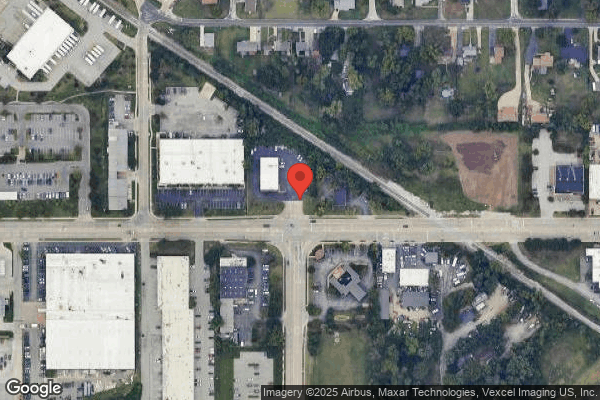
Jun 2023 1 deficiency
CONCERN (D) 📢 Someone Reported This

A family member, employee, or ombudsman was alarmed enough to file a formal complaint

Potential for Harm - no one hurt, but risky conditions existed

Deficiency F0635 (Tag F0635)

Could have caused harm · This affected 1 resident

Based on interview and record review, the facility failed to ensure complete physician's orders were obtained for resident care, when staff failed to transcribe and/or clarify hospital transfer orders...

Read full inspector narrative →
Based on interview and record review, the facility failed to ensure complete physician's orders were obtained for resident care, when staff failed to transcribe and/or clarify hospital transfer orders, resulting in the resident not receiving a diet order. Staff failed to ensure all accuchecks (using a meter to quantitatively measure glucose (sugar) in the blood as an aide in monitoring the effectiveness of glucose control) were completed and documented. No bolus feedings (administering formula through a feeding tube using a catheter syringe) were documented as administered, and the resident was sent to the hospital and admitted with hypoglycemia (blood sugar (glucose) drops below a healthy range), for one of three sampled residents (Resident #1). The census was 95. Review of the facility Standards and Guidelines: Admissions Policy, issued 11/1/16 and revised on 3/27/21, showed: -Standard: It will be the standard of this facility to provide appropriate admission guidelines when admitting residents to the facility in accordance with federal guidelines. The facility will evaluate/assess and document the resident's condition upon admission, confirm orders with the physician and obtain appropriate demographic and contact information; -The newly admitted resident should have medications, treatments and advance directives verified by the physician, communicated to the pharmacy for delivery and transcribed to the Medication Administration Record (MAR)/Treatment Administration Record (TAR) or entered into the electronic health record. Review of Resident #1's hospital discharge orders, dated 5/22/23, showed: -Diet instructions, return to previous diet (no clarification of previous diet); -Bolus feeding, four cartons of Nepro (therapeutic nutrition specifically designed to help meet the nutritional needs of people on dialysis) per day; -Water flushes, 60 milliliters (ml) before and after each bolus; -Insulin Lispro, (a fast acting insulin which helps the body turn food into energy and controls blood sugar levels), injection, commonly known as Humalog, Admelog (brand of insulin), 100 unit (IU)/ml, inject 1-4 units under the skin 3 (three) times a day with meals (1 unit for every 50 ml/deciliter (dl) blood. Next dose glucose greater than 150 mg/dl up to max 4 due units) Refer to After visit Summary for Sliding Scale Insulin instructions; -Sliding scale insulin instructions: -Blood sugar 150 or less, no insulin; -Blood sugar 151-200, 1 unit; -Blood sugar 201-250, 2 units; -Blood sugar 250-300, 3 units; -Blood sugar greater than 300, 4 units. Review of the resident's medical record, showed; -admission date, 5/23/23; -Diagnoses included diabetes, end-stage renal disease (ESRD, a medical condition in which the kidneys cease functioning on a permanent basis leading to the need for a regular course of long-term dialysis or a kidney transplant to maintain life) and malnutrition. Review of the resident's nurse's progress notes, dated 5/23/23 at 3:21 P.M., showed Licensed Practical Nurse (LPN) A documented the resident arrived to the facility at 12:45 P.M., per stretcher. Diagnoses: Increased weakness, alert times three (person, place and time), able to let needs be known. Abdomen round and soft to touch. Diabetes, blood sugars four times a day, incontinent of bowel and no urine output. Dialysis with shunt (access site) in left arm, only use right arm for blood pressures. Gastrostomy (g-tube, a tube inserted through the wall of the abdomen directly into the stomach) in lower left quadrant, patent and intact. Resident had a bandage on right lower quadrant, puncture site. Shows no sign of infection, at this time. Full code, bolus with Jevity (calorically dense, fiber-fortified therapeutic nutrition that provides complete, balanced nutrition for long- or short-term tube feeding ), 1.5 270 ml, four times a day with 60 ml of water to flush. Above knee amputee, knee on left leg, right leg has a protection cushion on heel. Buttock intact with cream, skin cool to touch. No other skin issues noted, will continue to monitor. Review of the resident's physician's orders, showed: -An order, dated 5/23/23, at 4:30 P.M., accucheck at meals and at bedtime; -An order, dated 5/23/23, at 5:00 P.M., injection solution, 100 unit/ml (Insulin Lispro). Inject as per sliding scale, if 150-200, give 1 unit, give as directed, if 201-250, 2 units, if 251-300, 3 units, if 301-400, 4 units, subcutaneously four times a day; -On 5/23/24, no diet order; -An order, dated 5/24/23 at 8:39 A.M., for nothing by mouth (NPO); -An order, dated 5/24/23, at 4:00 P.M., an enteral feed order (no clarification of type), four times a day, bolus; -An order, dated 5/24/23 at 4:00 P.M., flush feeding tube with 60 ml, before and after each bolus. Review of the resident's MAR, showed: -On 5/23/23, Accucheck at meals and at bedtime, on 5/24/23 at 1:00 P.M., blank; -On 5/23/23 Humalog injection solution, 100 unit/ml. Inject as per sliding scale, subcutaneously four times a day. On 5/24/23 at 1:00 P.M., blank, not documented as held or administered; -On 5/24/23, Enteral feed, four times a day, bolus, blank, not documented as administered; -On 5/24/23, Flush feeding tube with 60 ml, before and after each bolus, not documented as administered. Review of the resident's Meal Service Resident Detail, provided by the Dietary Manager (DM), showed: -The resident's name and an admission date of 5/23/23; -Diet Order, including allergies, special diet, textures, adaptive equipment, alerts, dislikes: blank; -Notes: Additional tray card note, regular meal with assistance while eating. G-tube supplements. Awaiting clarification on new diet. Review of the resident's medical record, Certified Nurse Assistant (CNA) tasks, showed staff documented NPO for percentage of meals eaten, on 5/24/23 at 8:00 A.M. and 12:00 P.M. During an interview on 6/8/23 at 10:20 A.M., LPN A said 5/23/23 was his/her first day working at the facility and their admission process on the electronic medical records was different than the ones he/she was familiar with. The person giving him/her the report had a heavy accent, and he/she was told the resident eats a little bit, but also gets a bolus. LPN A said he/she was also told the resident was on a feeding/bolus as a diet, so it was confusing. LPN A did not call the hospital for clarification. He/She thought therapy would do a swallow test and evaluate the resident. He/She only worked there four days. LPN A thought the resident arrived to the facility around 12:30 P.M., and did not remember if the resident received a bolus on his/her shift. During an interview on 6/2/23 at 1:30 p.m., the DM said when a new resident is admitted , the nurse gets report and puts the orders in the computer. Those orders generate from the electronic medical records system. Without a diet order, he/she can't print out a meal ticket. Diabetics typically will receive a diabetic diet. When regular trays are served, it could include orange juice, apple juice and water. It all depends what the resident asks for and it also depends on their diet. Review of the resident's progress notes, dated 5/24/23 at 8:52 P.M., showed LPN B documented the resident's family member made this nurse aware resident in bed with wet shirt. Nurse entered room, resident diaphoretic (sweating heavily), not responding to name being called, blood sugar of 33, resident given glucagon injection (an emergency medicine used to treat severe hypoglycemia (low blood sugar) in diabetic patients), blood sugar checked after 15 minutes (and) blood sugar 100. Family member at bedside on phone instructing family member to call 911. This nurse explained process to family member and improvement in glucose, Emergency Medical Services (EMS) arrived (and) transported resident to hospital. Review of the resident's hospital admission record, dated 5/24/23, time of service 5:06 P.M., showed: -Chief complaint, Hypoglycemia and Altered Mental Status; -Patient was brought to the emergency room today after being found to have a blood sugar of 33. EMS stated to us that he/she was given intramuscular glucagon but did not have resolution of his/her altered mental status. They gave him/her 10% dextrose (simple sugar, immediately raises blood sugar levels) which improved his/her blood sugar, but he/she did not return to baseline; -Medical Decision Making: Patient comes to the emergency room today with altered mental status after low blood sugar. Low blood sugar has been resolved with glucagon and intravenous dextrose. Patient is still showing signs of altered mental status/delirium. We will obtain diagnostic imaging and blood work. The patient will likely require admission to the hospital unless he/she is able to return back to his/her baseline and shows no concern for occult emergency. During an interview on 6/2/23 at 2:04 P.M., the resident's Family Member (FM) A said the hospital had put the feeding tube in because the resident had not been eating. He/She had been weak and his/her blood sugars were all over the place. FM A was at the facility on 5/23/23, when the resident was admitted . The resident received a meal tray, but the resident did not eat, and just fell asleep. They brought the tray in around 6:00 P.M., and the resident was asleep. FM A did not see a nurse give the resident a tube feeding. He/She said the following day, 5/24/23, another FM visited the resident around 3:00 P.M. That FM called FM A and said the resident was drenched in sweat. FM A was on the phone the whole time listening to what was going on. He/She said the resident's blood sugar was 33 or 36, and FM A told the visiting family member to call 911. He/She ended up having to call 911. He/She said the resident remained hospitalized . During an interview on 6/1/23 at 2:24 P.M., LPN B said it was close to shift change and the resident's FM told him/her the resident's shirt was wet. LPN B checked the resident's blood sugar and it was 33. The resident appeared fine earlier, and was sitting in the area across from the nurse's station in front of the television. Earlier that day, the resident's blood sugars were okay. LPN B didn't remember when he/she saw the resident before he/she gave the resident the glucagon. During an interview on 6/2/23 1:20 P.M., the Infection Control Nurse said the resident's orders were not completed on the day of admission. It's very important to have the orders in to ensure no lapse in care. The potential harm in a delay depends on the circumstance. Potential harm for a diabetic, low or high blood sugars is potential ketoacidosis (a serious complication of diabetes that can be life-threatening) if not monitored or addressed. On 5/24/23, when she was double-checking the resident's admission orders, she saw the orders were not completed, and she went off the discharge orders to complete them. She saw the Bolus order was 240 ml as opposed to the admitting nurse's note of 270 ml. The admitting nurse receives report from the hospital, then calls physician to verify the orders he/she wants to continue with, and this should include diet orders. Staff should have called the physician before giving anything, and they should document and/or put the information in a progress note. During an interview on 6/2/23 at 9:42 A.M., the Director of Nursing (DON) said LPN B came in yesterday (6/1/23) and put in a late entry about giving the resident a g-tube supplemental feeding on the morning of 5/24/23. The resident's blood sugars did elevate to 333 around 9:25 A.M., so it indicated he/she got something. This g-tube feeding was told to staff as given verbally. She preferred staff document if something was given. LPN A, the admitting nurse was not answering the phone. They were unable to verify the previous diet order and made the resident NPO until they could figure it out. She preferred staff document their attempts to reach the physician for clarification on orders. During an interview on 6/5/23 at 3:47 P.M., the Administrator said the expectation of staff is the MARs should not be left blank, and the resident's blood sugars should have been checked as ordered. During an interview on 6/2/23 at 2:25 P.M., the Physician said the admitting nurse should have followed the discharge orders from the hospital. Staff should contact the hospital for clarifications if needed, because they are more familiar with the resident. MO00219043
Feb 2023 2 deficiencies 1 Harm
SERIOUS (G) 📢 Someone Reported This

A family member, employee, or ombudsman was alarmed enough to file a formal complaint

Actual Harm - a resident was hurt due to facility failures

Accident Prevention (Tag F0689)

A resident was harmed · This affected 1 resident

Based on interview and record review, the facility failed to provide care in a manner which prevented or minimized the possibility of accidental injury to one of three sampled residents (Resident#1) b...

Read full inspector narrative →
Based on interview and record review, the facility failed to provide care in a manner which prevented or minimized the possibility of accidental injury to one of three sampled residents (Resident#1) by performing transfers inconsistent with the resident's care plan. Staff also failed to report a fall promptly to the nurse, in accordance with the facility's policy, so the resident could be assessed and the incident reported to the physician. Resident #1 sustained a fracture. The census was 98. Review of the facility's policy titled Standards and Guidelines: SG Mechanical Lifts revised 3/27/21, showed it was the standard of the facility to provide a safe environment for residents and staff. The nursing and therapy departments were to coordinate the screening of residents to determine the appropriateness of mechanical lift transfers and/or repositioning. Staff responsible for the transferring/ repositioning residents would receive instruction on the safe operation of the mechanical lifts. The nursing department/designee was to maintain a list identifying all residents who need to be transferred using mechanical lifts. The use of the mechanical lift should be included in the resident's plan of care. When using the mechanical lift, staff was to adhere to the manufacturer's guidelines, physician's orders and/or the plan of care. The interdisciplinary team (IDT) or specified members of the IDT should meet to eliminate any fears or concerns expressed by residents or responsible party/resident representatives refusing the use of the mechanical lift for transfer(s) as is needed. Review of the facility's policy titled Standards and Guidelines: Falls revised 3/27/21, showed staff was to evaluate and document falls that occurred while the resident was active in the facility census. In the event of major injury or suspected major injury, the resident should be sent to a higher level of care, such as the hospital, as ordered by the physician. If the nurse was unable to reach the physician, it was permissible for the nurse to initiate the resident transfer to the hospital if there was a concern for the resident's safety, well-being, potential for injury or voiced expressed desire. Following a fall, post event monitoring should occur to monitor vital signs, change in function, change in condition, increased pain or changes in skin condition, etc. The physician and responsible party (if applicable) notification should be documented in the clinical record, when a fall occurs. Residents should be reviewed routinely or upon change of condition, if needed, to monitor for changes in fall risk factors. Review of Resident #1's annual Minimum Data Set (MDS, a federally mandated assessment instrument completed by facility staff), dated 11/8/22, showed the following: -Moderate cognitive impairment; -Weight 264 pounds, 67 inches tall; -Required supervision of locomotion off unit; -Required set up and supervision of eating; -Required extensive assistance of one staff person with bed mobility, dressing, toilet use and personal hygiene; -Required extensive assistance of two or more staff with transfers; -Total dependence on assist of one staff person with bathing; -Impairment on one side of upper and lower extremities; -Not steady when moving from seated to standing position and during surface-to-surface transfers, only able to stabilize with human assistance; -Wheelchair mobility; -No falls since admission or prior assessment; -Diagnoses included: stroke, hemiplegia (total paralysis of the arm, leg, and trunk on the same side of the body) or hemiparesis (loss of sensation or movement on one side of the body), muscle weakness (generalized), abnormal posture, dependence on wheelchair, high blood pressure, anemia, cataract, anxiety disorder and depression. Review of the resident's care plan, updated 12/2/22, showed the following: -3/4/21, mechanical lift for transfers: Hoyer (assistive mechanical device which utilizes slings and pads to safely lift and transfer residents with reduced mobility); -Turn and reposition as needed, shifting weight to enhance circulation; -Report and document any declines in ability; -Resident is at risk for falls. The resident has impaired cognition and impaired safety awareness; -Resident is at risk for abnormal bleeding related to the use of anticoagulant therapy; -He/She has an alteration in neurological (of or relating to the nervous system/brain, spinal cord and nerves) status; -Monitor for changes/declines in physical and cognitive function. Notify physician as needed; -Risk for falls related to behaviors, limited mobility, diabetes mellitus, cerebrovascular accident (CVA, stroke) and hemiparesis with left-sided weakness. Review of the resident's care plan, showed no documentation of any objections voiced by the resident to transfers via Hoyer lift, and no interventions to address refusal to transfer with the Hoyer lift or direction to staff regarding documenting or reporting his/her refusals or requests for sit-to-stand transfers. Review of the resident's physical therapy evaluation and plan of treatment, signed 1/13/23, showed the following: -Start of care: 1/12/23; -Resident presented with decreased strength, decreased balance, poor posture which required physical therapy services to assess functional abilities; -Weight bearing: lower extremity weight bearing status: weight bearing as tolerated; -Functional mobility assessment: dependent bed mobility and transfers; -Balance: maximal assistance (physical assistance of over 75% provided by the caregiver) assist to sit at the edge of the bed, time resident can sit unsupported=unable seconds, resident stands without upper extremity support with AD (assistive device) as needed X 10 seconds? no; -Impaired right and left lower extremity strength; -Impaired right and left hips, knees and ankles; -Right and left hip strength: flexion (bending a joint so the bones that form the joint are pulled closer together) and extension 1/5 (muscle contraction is seen or identified with palpation, but is insufficient to produce joint motion, even with elimination of gravity). Review of the e-mailed statement of CNA A, dated 1/18/23, showed on 1/14/23, CNA A and CNA B went in to put the resident into bed. The resident told them to put him/her on the sit-to-stand lift, after CNA A told the resident that he/she was a Hoyer lift. The resident insisted that staff had put him/her on the sit-to-stand lift that morning. They put the resident on the sit-to-stand lift per his/her request. CNA A raised the resident up with CNA B behind the resident. As the lift rose, the resident told them his/her leg went out. As soon as he/she said that, CNA A lowered the resident to a sitting position as quickly as possible and CNA B held the resident's head and back, so the resident would not hit the ground. The resident never fell on the ground so CNA A did not report the incident to the charge nurse as a fall. Otherwise, CNA A would have given report, because CNA A knew the resident was large and could have injured him/herself had he/she fallen. After they got the resident into bed, they made sure the resident was okay. The resident said yes. The resident's foot could have been broken, due to him/her being heavy weight and his/her leg giving out, while he/she was on the lift. Review of the resident's progress notes, showed the following: On 5/31/23 he/she was diagnosed with hemiplegia and hemiparesis following cerebral infarction affecting the left non-dominant side. Hospital records show that he/she reported her legs were painful to walk on and x-rays showed mild osteoarthritis of the hips and left ankle. According to the facility physical therapist, the resident was weight bearing as tolerated due to pain. Her most recent oxycocdone-APAP count sheet showed she received it almost daily (except for the 5th, 8th, and 13th) from 12/29/22-1/16/22. -1/16/23 at 4:28 P.M., called the resident's physician to request order for x-ray of left knee and hip for pain. At 5:12 P.M., staff documented the late entry: resident had complaint of left leg pain. Physician made aware. New order to obtain x-ray of left leg; -1/17/23 at 6:39 P.M., resident sent via emergency medical services transport to the hospital. Resident has a fracture to the left lower extremity, according to the x-ray. Primary care physician contacted regarding findings and notified that resident would be sent to the hospital. The assistant director of nursing notified the family of the resident's transfer. At 9:55 P.M., Situation, Background, Assessment, Recommendation (SBAR) note: Situation: the change in condition was pain (uncontrolled). Functional status evaluation: general weakness. The resident had pain. An x-ray showed a fracture to the left lower extremity. The resident stated he/she had a fall prior to this shift; -1/18/23 at 8:01 A.M., late entry: the nurse was informed by CNA (certified nurse aide) at end of shift on 1/16/23 at 2:55 P.M., the resident complained of pain. Staff administered as needed (PRN) pain medication by CMT (certified medication technician). This nurse made the oncoming nurse aware. Review of the resident's progress notes, did not show any documented refusals of Hoyer lift transfers, requests for staff to transfer him/her via sit-to-stand lift or notification to the resident's physician and responsible party of refusals and/or requests of that nature. There were no documented meetings or determinations by the IDT regarding efforts to address the resident's expressed fear that staff could not handle him/her and concerns about the Hoyer lift sling being so uncomfortable that he/she would not allow staff to transfer him/her via Hoyer lift. Review of the resident's undated controlled medication utilization record, showed the following: -12/17/23, Oxycodone (opiod used to treat moderate to severe pain)-acetaminophen (APAP) 10-325 milligrams, take 1 tablet every 6 hours PRN for pain; -1/14/23, 11:00 A.M., 1 dose administered; -1/14/23, 8:00 P.M., 1 dose administered; -1/15/23, 10:30 A.M., 1 dose administered; -1/16/23, 6:00 A.M., 1 dose administered; -1/16/23, 2:00 P.M., 1 dose administered. The staff should have rated the resident's pain level on the MAR. Review of the MAR showed staff either left each date blank, documented not applicable (NA), or rated the pain level at a zero from 1/1-1/18. No reasons for administration of pain medications were documented in progress notes with the exception of the late entry on 1/8, showing that staff administered the PRN medication for pain on 1/16. A noted dated 1/16, showed she had complained of left hip, knee and leg pain (no description of intensity, duration or effectiveness of the medication administered). Review of the facility mechanical transfer list, dated 1/18/23, showed the resident's transfer status was listed as a sit-to-stand transfer. The DON compiles this list. It is based upon PT recommendations. According to the DON, staff had been transferring the resident via sit-to-stand, because they said the resident refused to allow Hoyer lift transfers. However, the DON said the resident was supposed to be transferred via Hoyer lift per a directive from physical therapy. The administrator said it should have been noted in the care plan if the resident preferred a sit-to-stand transfer and refused the Hoyer lift. Review of the investigation summary, dated 1/18/23, showed on 1/14/23, the resident fell from the sit-to-stand lift. The incident was reported on 1/16. the Administrator was informed the resident did not complain of pain. Staff followed policy (two CNAs were present) and proper notification was made. It was then brought to the Administrator's attention on Tuesday, 1/17/2023, that an x-ray was ordered because the resident had pain. The result showed a fracture of the femur. The facility sent an email to the Department of Health and Senior Services (DHSS), to inquire since all protocol was followed. Staff notified the physician regarding results. The Administrator requested that nursing/therapy do in-servicing on Hoyer and sit-to-stand transfers, to ensure everyone was compliant. There were no signs of abuse or neglect and proper procedure was followed. Review of hospital records, dated 1/17/23, showed the resident presented at the hospital reporting significant leg pain after a fall at the facility. He/She reported that he/she had been wheelchair bound for over ten years, because his/her legs were painful to walk on. During a physical examination, the resident experienced severe pain with palpation (examined by touch) of the distal femur. The resident was diagnosed with a comminuted (the broken ends of bone are shattered into more than two pieces) mildly displaced supracondylar fracture of the left distal femur (knee fracture) with intracondylar (the region between the two ends of the femoral bone which protrude and stabilize structures of the knee joint) intra-articular extension (when the fracture extends into the joint) with moderate left knee lipohemarthrosis (a mixture of blood and fat in a joint cavity following trauma). During interviews on 1/19/23 at 1:58 P.M. and 2/2/23 at 1:32 P.M., the resident said the incident occurred during the evening shift on Saturday 1/14/23. Staff put the resident in a sit-to-stand lift. He/She could not stand up at all and his/her legs gave out, causing him/her to fall out of the lift. Afterwards, he/she was not assessed by a nurse. Staff just put the resident into his/her wheelchair. On Saturday, Sunday and Monday, he/she told staff that he/she was in a lot of pain and staff did nothing. The resident never refused to allow staff to transfer him/her via Hoyer lift or said that the sling was uncomfortable. Staff just started using the sit-to-stand lift for his/her transfers, without giving him/her a reason. During an interview on 2/2/23 at 11:40 A.M., CNA A said he/she was very familiar with the resident and the resident's care needs. The resident asked to be transferred via sit-to-stand lift and said the previous shift had used that lift. CNA A had never transferred the resident using a sit-to-stand lift but decided to go ahead and use that lift with assistance from CNA B. CNA B stood behind the resident as CNA A started to raise the resident. The machine was on the second or third notch when the resident said, oh my leg gave out and his/her leg had bent inward, as if he/she was about to sit down. As CNA A started to lower the lift, the resident slid down out of the straps. CNA B caught the resident, as the resident's buttocks landed on the floor. The resident was lying between the wheelchair and sit-to-stand lift. CNA A and CNA B could not move the resident and struggled to get the Hoyer lift into the proper position. They rolled the resident onto the Hoyer lift pad, hooked it onto the machine and transferred him/her into bed. The resident did not complain of pain and said everything was fine. CNA A did not feel what occurred was a fall and, since the resident did not complain of pain, the CNA A did not report the incident to the resident's nurse. During an interview on 2/1/23 at 2:57 P.M., CNA B said he/she had worked at the facility for three years and was aware of the resident's care needs. Although the resident's medical chart said he/she was supposed to be transferred via Hoyer lift, the staff normally transferred him/her via sit-to-stand lift, because he/she refused to get on the Hoyer lift. He/she said the DON was aware staff used the sit-to-stand lift to transfer the resident. Staff had been complaining the resident barely stood up. On the day in question, CNA B was assisting CNA A who was assigned to provide the resident's care. They sat the resident up on the side of the bed and got him/her onto the sit-to-stand lift. CNA A began raising the lift. The resident said, Oh, my leg is giving out. So, they lowered the sit-to-stand platform. CNA A moved the lift platform to the floor, they removed the straps and lowered the resident onto the floor. CNA A removed the sit-to-stand lift and returned with the Hoyer lift. They put the sling onto the floor beside the resident, rolled him/her onto the sling, clipped it to the lift and transferred him/her back to bed. He/She did not know if CNA A reported the incident to the nurse. During an interview on 2/1/23 at 3:14 P.M., Nurse C said the CNAs normally told him/her whenever anything happened. However, on 1/14/23 CNA A and CNA B did not say anything about the incident. Nurse C had never known staff to transfer the resident via Hoyer lift. No one reported to Nurse C that anything was wrong or that the resident had complained of pain. Nurse C did not enter the resident's room that night. During an interview on 2/2/23 at 2:17 P.M., CMT D could not recall whether or not the resident complained of pain to him/her on the evening of 1/14/23. However, the resident always complained of pain. CMT D did not find out about the resident's fall, until the following week. The resident had always struggled with sit-to-stand lift transfers, because his/her legs were weak, he/she had no mobility and one side of his/her body was dead. During an interview on 2/2/23 at 10:53 A.M., the DON said the resident was definitely a Hoyer lift transfer. One side of his/her body was weak. However, the resident refused Hoyer lift transfers and always requested to be transferred via sit-to-stand lift. He/She said the Hoyer lift sling cupped him/her in an uncomfortable manner. The resident was quite alert, so staff complied with his/her request. Staff received general orientation on mechanical lift transfers, but did not receive any instruction specific to safe methods of transferring the resident via sit-to-stand with his/her one-sided muscle paralysis/weakness. During an interview on 2/2/23 at 11:55 A.M., the resident's family member said the resident had always been transferred via Hoyer lift and never refused it. One week prior to the incident, the family member attended a care plan meeting and no one said anything about the resident refusing to be transferred via Hoyer lift or requesting sit-to-stand transfers. The facility never reported to the family that the resident was refusing Hoyer lift transfers, requesting sit-to-stand transfers or that staff was using the sit-to-stand lift for the resident's transfers. During an interview on 2/2/23 at 11:04 A.M., the Rehab Director said the resident was dependent for transfers and was assessed as requiring Hoyer lift transfers. The therapy department recommended Hoyer lift transfers only. During an interview on 2/2/23 at 2:56 P.M., Physical Therapist E said he/she assessed the resident as being weight bearing as tolerated due to pain, not due to any orthopedic restrictions. Hoyer lift transfers were the safest mode of transferring the resident due to the fact that no participation from the resident was necessary. The resident refused to allow staff to transfer him/her via Hoyer lift, because he/she did not want to sit on the Hoyer pad all day. Normally, when physical therapy recommended Hoyer lift transfers, but the resident refused to allow them, that refusal was care planned with interventions. During an interview on 2/3/23 at 11:51 A.M., the resident's physician said he was not aware staff transferred the resident via sit-to-stand lift instead of Hoyer lift as was recommended by the therapy department. He expected staff to notify him, before using the sit-to-stand to transfer the resident. If they had done so and reported the resident was requesting sit-to-stand transfers, then he would have recommended they have physical therapy re-evaluate the resident. Risk for harm was determined by the physical therapy assessments. Staff should follow physical therapy transfer recommendations. During an interview on 2/3/23 at 2:40 P.M., the Administrator said the resident's transfer status should never have been a question for direct care staff. She expected staff to document refusals of Hoyer lift transfers and requests for sit-to-stand transfers in the resident's progress notes as well as on his/her care plan and include interventions. Staff should have more than one conversation regarding safety, when a resident declined the transfer method recommended by the physical therapy department. The resident's nurse should have notified the resident's physician or left a note for the Assistant Director of Nursing to do so, if he/she could not reach the physician. When the resident fell out of the sit-to-stand lift, the CNAs should have immediately notified the nurse. They were both re-educated and written up. The CNA involved in the incident, who was not assigned to provide the resident's care that shift, was still responsible for ensuring the nurse was notified. Per the facility fall policy, post event monitoring and notification of the physician should have occurred right after the incident. MO00212780 MO00212886
CONCERN (D) 📢 Someone Reported This

A family member, employee, or ombudsman was alarmed enough to file a formal complaint

Potential for Harm - no one hurt, but risky conditions existed

Comprehensive Care Plan (Tag F0656)

Could have caused harm · This affected 1 resident

Based on interview and record review, the facility failed to update and revise the care plan of one resident (Residents #12) out of ten sampled residents with interventions to address their current ca...

Read full inspector narrative →
Based on interview and record review, the facility failed to update and revise the care plan of one resident (Residents #12) out of ten sampled residents with interventions to address their current care needs. The census was 96. Review of the facility's policy entitled SG (standards and guidelines) Mechanical Lifts, revised 3/27/21, showed the use of mechanical lifts should be included in the resident's plan of care. Appropriate slings should be utilized, per manufacturer's policy, with mechanical lifts. Review of the facility's policy entitled Standards and Guidelines: SG Colostomy (a surgical operation in which a piece of the colon is diverted to an artificial opening in the abdominal wall so as to bypass a damaged part of the colon)/Ileostomy (opening in the abdominal wall into the ileum (part of the small intestine) made during surgery in order to provide a new path for waste material to leave the body) Care, revised 3/27/21, showed direction for staff to provide ostomy care each shift and as needed or as ordered by the physician. Monitor skin condition for breakdown, excoriation or signs of infection (heat, swelling, pain, changes in skin color, purulent exudate, etc). Report changes to the nurse and physician as needed (PRN) to obtain orders for treatment or report change in condition as was indicated. The presence/need/use of the colostomy should be reflected in the resident's plan of care. 1. Review of Resident #12's quarterly Minimum Data Set (MDS, a federally mandated assessment instrument completed by facility staff) dated 1/28/23, showed the following: -Cognitively intact; -Height: 71 inches, weight: 121 lbs. (pounds); -Diagnoses included paraplegia incomplete (occurs when the injury has not completely severed the spinal cord and some neural circuits between the brain and body still exist), end stage renal disease (ESRD, the kidneys have ceased functioning on a permanent basis), obstructive uropathy (occurs when urine cannot drain through the urinary tract due to a blockage), malnutrition, other artificial opening of urinary tract status, pressure ulcer of right heel, pressure ulcer of sacral region (at the bottom of the spine and lies between the fifth segment of the lower part of the spine and the tailbone), colostomy status, arthritis multiple sites, personal history of other (healed) physical injury and trauma; -Indwelling (left in the bladder) catheter; -Ostomy (an artificial opening in an organ of the body, created during an operation such as a colostomy or ileostomy); -Wheelchair mobility; -Required set up help with eating; -Required extensive assistance of one with personal hygiene; -Total dependence on full performance by one of locomotion, dressing, personal hygiene and bathing; -Total dependence on full performance by two+ staff of bed mobility and transfers. Review of the resident's undated physician's orders, showed the following: -1/12/23, colostomy care every shift; -1/13/23, nephrostomy tubes (thin plastic tubes passed from the back, through the skin and into the kidney to drain urine): 10 French (size); -1/13/23, insert/maintain Foley (brand name) catheter (20 French) related to obstructive uropathy; -1/13/23, bilateral nephrostomy tubes: monitor and document output every shift; -1/13/23, change catheter drainage bag PRN for leaking or cloudiness; -1/13/23, check Foley catheter for leakage or blockage PRN. Review of the resident's progress note, dated 2/9/23 at 10:50 A.M., showed staff noted the resident's abdomen drainage tube lying on the bed. The nurse noted no drainage or bleeding, contacted the urologist's nurse practitioner and scheduled an appointment for 2:00 P.M. At 4:26 P.M., staff notified the resident's family the resident was unable to make his/her follow up appointment with the urologist due to stool coming from his/her rectum (with colostomy in place). The resident was sent to the hospital. Review of the resident's hospital after visit summary, dated 2/10/23, showed the resident was diagnosed with bladder rupture status post repair. He/She underwent a bilateral nephrostomy exchange (a procedure to replace a pre-existing tube that drains the urine from the kidney to prevent pain, infection, and kidney damage). Review of the resident's progress note dated 2/10/23 at 1:05 A.M., showed the resident returned from the hospital. His/Her abdomen drain remained out. The placement of the resident's colostomy meant he/she might have bowel movements from his/her rectum from time to time. Review of the resident's physician's orders, showed the following: -2/11/23, change indwelling catheter for leakage or blockage PRN; -2/22/23, foam dressing to abdomen for drainage every three hours PRN for abdominal drainage; -2/22/23, foam dressing to abdomen for drainage every shift for abdominal drainage. Cleanse with normal saline. Apply Aquacel (an antimicrobial dressing which consists of a weaved cellulose center that contours to the skin to eliminate dead space, absorbs exudate and releases ionic silver to reduce microbial activity and support wound healing) alginate (AG), a synthetic substance composed of very large molecules, used as a thickener, binder, or lubricant) non-adhesive foam and cover with abdominal pad (ABD); -2/28/23, catheter care PRN for soiling or leakage; -2/28/23, catheter care every shift. Review of the resident's progress note, showed on 3/6/23 at 4:22 A.M., the resident continued to have urine coming out of the area on his/her stomach where the abdominal drain was previously located. A small amount of urine was in the resident's nephrostomy bags. On 3/7/23 at 9:06 A.M., the nurse called the nephrologist surgeon's office to provide notification of urine coming from the area where the resident's drainage tube was and minimal urine in the nephrostomy bags. Review of the resident's care plan, updated 3/7/23, showed the following: -The resident has an activities of daily living (ADL) self-care performance deficit related to limited range-of-motion (ROM) to left hand, right lower extremity and left lower extremities; -2/22/23, Mechanical lift for transfers: Hoyer (assistive hydraulic mechanical device which utilizes slings and pads to safely lift and transfer residents with reduced mobility); -The resident has an alteration in gastrointestinal (relating to the stomach and intestines) status requiring a colostomy; -Offer and encourage intake of fluids (if appropriate for medical diagnosis); -Urology consult PRN. Review of the resident's care plan, did not show any interventions for Hoyer transfers of the resident in a manner which accommodated his/her bilateral nephrostomy tubes. The care plan also did not include interventions to address the leakage of urine from the resident's abdomen, after his/her abdominal drain came out on 2/9/23, each time the resident consumed liquids and wet his/her abdominal dressing. No interventions were included in the care plan to address the resident having bowel movements, despite wearing a colostomy bag. Review of the resident's progress note, dated 3/8/23 at 11:53 A.M., showed the nurse contacted the office of the urologist who performed the resident's bladder repair and scheduled an appointment for the resident to be seen on 3/16/23. The resident would also have to be seen by the physician who performed the resident's abdominal wall repair, in order to resolve the underlying issue(s) leading to the leakage which was still coming from the resident's abdomen drain site. During an interview on 3/9/23 at 1:00 P.M., the resident said he/she was in a lot of pain, because staff had pulled out one of his/her nephrostomy tubes on this day, while attempting to weigh him/her via Hoyer lift. The resident told them to be careful, but they were busy talking. Every time staff used the Hoyer lift on the resident, the sling was so tight that it pressed the nephrostomy tubes into his/her back and friction caused the ends of the tubes to shift internally. The resident also complained that urine had been leaking from his/her abdomen, since the drain fell out, instead of going into the nephrostomy bags. Every time the resident drank something, urine leaked out and soaked the dressing around his/her abdomen. Consequently, it needed to be changed two or three times whenever the resident consumed liquids. The resident had to remain in the urine soaked dressing, until staff checked on him/her and changed it which was about every two hours. His/Her appointment to address the issue was not until 3/16/23. (During the interview, paramedics wheeled in a stretcher and announced that they were there to transport the resident to the hospital, due to his/her nephrostomy tube having been pulled out). Review of the undated Arjo Hoyer sling sizing guide,showed factors other than weight must also be considered when selecting the appropriate sling for a resident including distribution of body weight (i.e. hips, thighs, upper body), height, torso length and physical condition. The suggestive weight range for a small sling was 77-132 lbs., the range for a medium sling was 121-165 lbs. and the range for a large sling was 154-264 lbs. During interviews on 3/9/23 at 2:45 P.M. and 3/14/23 at 11:20 A.M., the Director of Nursing said urine was coming out of the opening in the resident's abdomen where the wound drain fell out. Due to the manner in which the wound was surgically connected to the bladder, the resident's primary care physician would not touch it. The physicians responsible for the resident's bladder surgery and abdominal wall repair would have to resolve the issue. The resident had an appointment with the bladder surgeon scheduled for 3/16/23 and the surgeon who did the abdominal wall repair on 3/22/23. The facility used slings from a company called Arjo. Based on the resident's weight, the small sling being used by staff was appropriate for his/her Hoyer transfers. During an interview on 3/13/23 at 2:48 P.M., Arjo Long Term Care Territory Manager E said after conferring with the Head Clinician at the company, he/she advised that in assessing residents for the appropriate sling size, the facility should measure the resident from the top of his/her head to below the tailbone in addition to taking the resident's weight into account. Height was more of a determining factor than weight, a medium sized sling was appropriate for the resident. It was determined that at 5 feet 11 inches, the resident was fairly tall, so the facility could use a large sling for comfort; because a large sling would fit him/her better lengthwise. In order to accommodate the resident's bilateral nephrostomy tubes, some form of padding (e.g. a rolled up towel) should be placed between the tubes at the resident's back. That would prevent friction and pulling on the tubes during transfers. If that proved ineffective, then they could look into the use of a looped sling with a spreader bar and using sliding sheets to reposition the resident. During an interview on 3/13/23 at 3:58 P.M., Nurse C said prior to the resident's hospitalization (on 3/9/23), due to his/her nephrostomy tube getting pulled out, the resident would get wet due to leaking from the drain site in his/her abdomen every time he/she drank. As a result, the resident started holding back on drinking anything, because he/she did not want to be wet. He/She also had very, very loose stools for a few days, which leaked out of his/her colostomy bag. The Certified Nurse Aides (CNAs) did their best to stay on top of it, but the resident was wet more frequently than their rounds every two hours Review of the Administrator's emailed statement, dated 3/13/23, showed the resident had an old surgical drain site that was being overlooked and monitored by his/her wound care clinic and urologist. It had been leaking since 3/7/23. The resident was seen at the wound clinic on 2/24/23, regarding the surgical abdominal wound. On 3/6/23, staff noted abnormal fluid coming out of surgical drain site with suspicion of urine. On 3/7/23, staff made the urologist aware of drainage and the minimal output of the resident's nephrostomy tube, staff also notified the office of the physician who performed his/her bilateral nephrostomy exchange. On 3/8/23, the resident was scheduled for an appointment with the urologist on 3/16/23 regarding the drainage. He/She would also need to see the physician who performed his/her abdominal wall repair, but could not be seen until 3/22/23. Staff was using a small Hoyer sling to transfer the resident, which was correct for the weights of 77 to 132 lbs. The resident weighed 125 lbs.
Jan 2023 3 deficiencies
CONCERN (D) 📢 Someone Reported This

A family member, employee, or ombudsman was alarmed enough to file a formal complaint

Potential for Harm - no one hurt, but risky conditions existed

Deficiency F0658 (Tag F0658)

Could have caused harm · This affected 1 resident

**NOTE- TERMS IN BRACKETS HAVE BEEN EDITED TO PROTECT CONFIDENTIALITY** Based on observation, interview and record review, the facility failed to ensure services met professional standards by failing ...

Read full inspector narrative →
**NOTE- TERMS IN BRACKETS HAVE BEEN EDITED TO PROTECT CONFIDENTIALITY** Based on observation, interview and record review, the facility failed to ensure services met professional standards by failing to follow physician's orders for one resident (Resident #13), who required weekly skin assessments. The facility also failed to ensure another resident (Resident #8) received medicated shampoo, as ordered. The sample size was nine. The census was 103. Review of the facility's Standards and Guidelines for Physician and Non-physician Practitioner's Orders, revised on 10/24/22, showed: -Standards: With changing ways in communication it will be the practice of this facility to honor physician's/Licensed Independent Practitioner orders in the following ways; -Telephone Orders; -Orders received by nurse practitioner; -Faxed Orders; -Electronic Orders, including, but not limited to direct entry into the clinical record or electronic order system (or entered in the clinical record by nurse after acknowledgement from written order); -Additional Guidance: -Upon admission, standing orders for bowel protocols may be utilized unless contraindicated or otherwise ordered; -Other standing orders that provide routine care may be present upon admission; -A physician must personally approve in writing and/or verbally a recommendation that an individual be admitted to a facility to ensure a minimum of dietary, medications and routine care to maintain or improve the resident's functional abilities until staff can conduct a comprehensive assessment and develop an interdisciplinary care plan. Review of the facility's Wound Care Policy, revised 3/27/21, showed: Standard: -It will be the standard of this facility to provide assessment and identification of residents at risk of developing pressure injuries, other wounds and the treatment of skin impairment; Guidelines: -A pressure injury (injury to the skin and underlying tissue resulting from prolonged pressure of the skin) risk/skin integrity assessment/evaluation will be completed upon admission, with each additional assessment; quarterly, annually and with significant changes; -Skin will be assessed/evaluated for the presence of developing pressure injuries or other changes in skin condition on a weekly basis at least once each week or as needed by a licensed nurse; -Nurses are to be notified to inspect skin if newly developed skin changes are identified; -Wound care procedures and treatments should be performed according to physician orders; -Document in the clinical record when treatments are performed; -Contact the physician for additional order changes as is appropriate or to notify of skin condition changes or refusals; -The presence of skin impairment should be denoted on the person centered plan of care. 1. Review of Resident 13's quarterly Minimum Data Set (MDS), a federally mandated assessment instrument completed by facility staff, dated 10/5/22, showed: -An admission date 11/24/21; -Cognition moderately impaired; -No behaviors; -Requires supervision or cuing for toilet use; personal hygiene and bathing; -Has indwelling catheter and ostomy; -At risk for developing pressure ulcers; -Diagnoses include neurogenic bladder (lack of bladder control due to a brain or spinal cord problem) and paraplegia (paralysis of the lower body). Review of the resident's care plan, in use at the time of survey, last revised 10/29/21, showed: -Problem: The resident has a pressure ulcer to the right and left ischium tuberosity (bone located at the bottom of the pelvis); -Interventions: Assist as needed for repositioning and shift weight to relieve pressure; Avoid skin to skin contact; Complete weekly skin review; Notify nurse immediately of any new areas of skin breakdown, redness, blisters, bruises, discoloration noted during bathing or daily care; Report changes in skin status such as infection, new areas and non-healing areas of concern. Review of the resident's physician order sheets, (POS), dated 1/13/23, showed an order, dated 10/28/22, for weekly skin assessments, document moisture, color, temperature, integrity and turgor (the skin's elasticity). Review of the resident's weekly skin integrity review, showed completed assessments on 11/25/22, 12/9/22 and 1/7/23. During observation and interview on 1/12/23 at 10:14 A.M., the resident's sacrum (tailbone) and right and left ischium tuberosity showed healed pressure ulcers with pink graulation and dry skin deformities noted. The resident said he/she had bad pressure wounds to his/her backside and had been seen by the wound doctor in the past. Staff have been informing him/her that his/her wounds are currently healed . He/she completes his own showers and is not sure if staff check his/her skin on a regular basis. During an interview on 1/12/23 at 10:30 A.M., the facility wound nurse said the resident's old pressure wounds are healed and zinc oxide is ordered as needed to help with dryness or cracking of the wound. The facility nurses are to perform weekly skin assessments as ordered by the physician. A weekly skin integrity review should be completed by the nurse and documented in the computer. Even if there are no skin issues observed a skin integrity review form should be completed stating there are no skin issues. If there are new skin issues, there is a form that staff fill out and it is given directly to her. 2. Review of Resident #8's quarterly MDS, dated [DATE], showed: -Cognitively intact; -Required extensive assistance of one staff for dressing and personal hygiene; -Diagnoses included high blood pressure, wound infection, quadriplegia (paralysis of all extremities) and depression. Review of the resident's current care plan, revised on 12/27/22, showed: -Focus: The resident has an activities of daily living (ADL) self-care performance deficit related to ADL needs and participation varies, limited range of motion, weakness and quadriplegia; -Goal: The resident will maintain current level of ADL function through the review date. The resident will be free of complications related to ADL deficit through the next review date. The resident will be kept clean and comfortable through the next review date; -Interventions: Personal hygiene and bathing, dependent of one to two. Explain all procedures and purposes prior to performing tasks. Monitor/document/report any changes, any potential for improvement, reasons for self-care deficit, expected course, declines in function and notify physician, as needed. Review of the resident's physician's orders, last reviewed on 1/4/23, showed an order dated 10/21/22 for Selsun Blue Dry scalp Shampoo (medicated shampoo). Apply to scalp topically every evening shift every Tuesday and Friday for dandruff/dry scalp. Apply to scalp and wash hair on shower days. Review of the resident's Medication Administration Report (MAR), dated November, 2022, December, 2022 and January, 2023, showed: -November: Selsun Blue shampoo administered on 11/1, 11/4, 11/7, 11/14, 11/18, 11/24 and 11/29; -December: Selsun Blue shampoo administered on 12/2, 12/6, 12/9, 12/13, 12/16, 12/20, 12/23 and 12/30; -January: Selsun Blue Shampoo administered on 1/3, 1/6 and 1/10. During an observation and interview on 1/11/23 at 12:20 P.M., the resident lay in bed on his/her back. The resident's hair was oily and had white flakes throughout it. The back of his/her hair was matted. The resident said he/she had not had his/her hair washed since April 2022. During an observation and interview on 1/13/23 at 8:00 A.M., the resident lay in bed on his/her back. His/her hair was oily and had white flakes throughout it. The back of his/her hair was matted. The resident said his/her hair had not been washed since April and he/she never refused a hair wash. When he/she saw the physician, the physician told the resident he/she was supposed to have Selsun Blue shampoo. He/she never saw the shampoo and staff never used it on him/her. During an interview on 1/13/23 at approximately 9:40 A.M., Certified Nurse's Aide (CNA) D said residents received two showers per week. He/she had provided showers to the resident but had not washed his/her hair and had not seen the Selsun Blue shampoo. If the shampoo was available, the nurse would provide it to the aides to use on residents. During an interview on 1/13/23 at approximately 9:42 A.M., Certified Medication Technician (CMT) E said medicated shampoo should be on the nurse's cart. During an observation and interview on 1/13/23 at 9:46 A.M., the Assistant Director of Nursing (ADON) said the shampoo should be on the treatment and/or nurse's cart. She went through each cart and could not locate the shampoo. During an interview on 1/13/23 at 9:48 A.M., the Central Supply manager said he/she would have been responsible for ordering the Selsun Blue shampoo. He/she never ordered the shampoo. 3. During an interview on 1/13/23 at 11:31 A.M., the administrator and Director of Nursing (DON) said they expected all physician's orders to be carried out. Staff should have provided the shampoo and not signed off indicating it was administered. Skin assessments are to be completed weekly and documented in the resident's medical chart. Even if there are no skin issues, the skin assessment form is expected to be completed in the computer. MO00210461
CONCERN (D) 📢 Someone Reported This

A family member, employee, or ombudsman was alarmed enough to file a formal complaint

Potential for Harm - no one hurt, but risky conditions existed

Incontinence Care (Tag F0690)

Could have caused harm · This affected 1 resident

**NOTE- TERMS IN BRACKETS HAVE BEEN EDITED TO PROTECT CONFIDENTIALITY** Based on observation, interview and record review, the facility failed to ensure one resident (Resident #12) with an indwelling ...

Read full inspector narrative →
**NOTE- TERMS IN BRACKETS HAVE BEEN EDITED TO PROTECT CONFIDENTIALITY** Based on observation, interview and record review, the facility failed to ensure one resident (Resident #12) with an indwelling catheter (a tube inserted into the bladder to drain urine) had admission orders for the indwelling catheter and accurate information on the resident's care plan. The facility failed to ensure one resident (Resident #13), who was providing unsupervised care to his/her indwelling catheter, had current orders that the resident could provide unsupervised care to his/her indwelling catheter and update the resident's care plan. The sample size was nine. The census was 103. Review of the facility's Indwelling Catheter Policy, revised 3/27/21, showed: Standards: -It will be the standard of this facility to provide appropriate documentation for use and care for indwelling catheters of the residents that have indication for use beyond 14 days; Guidelines: -Indications for indwelling catheter use: -Urinary retention (inability to empty the bladder) that cannot be treated or corrected medically or surgically, for which alternative therapy is not feasible; -Contamination of Stage III (full thickness tissue loss, subcutaneous fact may be visible but the bone, tendon or muscle is not exposed) or IV (full thickness tissue loss with exposed bone tendon, or muscle) or greater with urine which has impeded healing, despite appropriate personal care for the incontinence; -Terminal illness or severe impairment, which makes positioning or clothing changes uncomfortable, or which is associated with intractable pain; -Indwelling catheters may be changed only when deemed medically necessary or as ordered by a physician. Examples of medical necessity include, but are not limited to: -Indwelling catheter leaking; -Indwelling catheter is found with balloon (a bulb that is filled with fluid once the catheter is placed to prevent accidental removal of the indwelling catheter) deflated and/or no longer in place; -Indwelling catheter appears visually contaminated; -Indwelling catheter appears clogged or has reduced drainage; -Indwelling catheter is discolored; - Indwelling catheter has reduced pliability; -In the event that a catheter does not have routine order changes and is changed only by medical necessity, the nurse should notify the physician of the need to change the catheter, receive orders from the physician and document in the clinical record; -Catheter bag changes shall be done as needed or per physician orders; -Staff will provide daily catheter care or as ordered by the physician and/or needed; Catheter care should be provided in a manner that promotes infection control and maintenance of the insertion site; -Staff should ensure proper placement of the catheter tubing as to ensure that it is not kinked, pulling excessively and allows for gravity drainage; If a resident does not wish to utilize proper placement of the catheter tubing and/or bag, his/her wishes should be maintained, and addressed in the care plan; -Significant changes in the urine or the urethral meatus (insertion site of the catheter) such as skin breakdown, discharge or pain should be reported to the nurse or the physician. Staff should monitor for signs and symptoms of urinary tract infection and changes in function or cognition potentially related to catheter use; -Diagnostic testing and treatment should be done per physician orders; -Pertinent information regarding care and changes in condition related to the indwelling catheter should be documented in the clinical record; -Use of the indwelling catheter should be reflected in the resident-centered plan of care. Review of the facility's admissions policy, revised 3/27/21, showed Standard: -It will be the standard of this facility to provide appropriate admission guidelines when admitting residents to the facility in accordance with federal guideline; The facility will evaluate/assess and document the resident's condition upon admission, confirm orders with the physician and obtain appropriate demographics and contact information. Guidelines: -At the time each resident is admitted , the facility must have physician orders for the resident's immediate care; In the event the resident arrives to the facility without specific instruction, the nursing staff should reach out to the medical director or physician assigned to the newly admitted residents to receive orders for care and services; A physician, physician assistant, nurse practitioner, or clinical nurse specialist must provide orders for the resident's immediate care. 1. Review of Resident #12's entry Minimum Data Set (MDS), a federally mandated assessment instrument completed by facility staff, dated 12/7/22, showed no information. Review of the resident's medical record showed: -admission date: 12/7/22; -discharge date : [DATE]; -re-admission date: 1/11/22; -Diagnoses included: paraplegia (paralysis of the lower body), pressure ulcer (any lesion cause by unrelieved pressure that results in damage or friction) sacral (tailbone) region, urinary tract infection (UTI), colostomy, end stage renal (kidney) disease, arthritis, obstructive and reflux uropathy (a condition in which the kidneys are damaged by the backward flow of urine into the kidney) and muscle weakness. Review of the resident's baseline care plan, in use at the time of the survey, showed: -Focus: The resident has urinary incontinence; -Interventions: The resident has, or is at risk for urine incontinence; Check every two to three hours and/or as required for incontinence; Provide incontinence care as needed; If the resident has some control, check with the resident every two to three hours for need to toilet; Encourage to ask for assistance in advance of need and not wait until need to urinate is urgent; -Focus: The resident has a urinary catheter; -Interventions: Catheter size per physician orders; Monitor and report to physician any signs/symptoms or urinary tract infections; Offer and encourage intake of fluids; The resident has a urinary catheter in place and needs the following care: keep the drainage bag below bladder level, cover the bag for dignity, give catheter care as ordered, report immediately if the catheter comes out, the resident seems to be in pain, the urine becomes dark or cloudy or there is no urine to empty on your shift. Review of the resident's physician order sheets (POS), dated 12/7/22 to 1/11/23, showed: -An order to change Foley (a sterile tube inserted to drain the bladder) catheter on the 19th of the month; -No further orders related to the care of the resident's catheter. During an interview on 1/11/23 at 12:14 P.M., Certified Nursing Assistant (CNA) A, said he/she wasn't sure what type of catheter the resident had and thought it was inserted through his/her genitals. The resident required total care with his/her activities of daily living (ADL). The resident did not refuse care and if he/she did, it was related to the pain he/she was having. He/she usually receives information in report about the residents' catheters or ostomies or he/she will look on the care plan. During observation and interview on 1/12/23 at approximately 10:00 A.M. the resident said he/she returned to the facility from the hospital on 1/11/23 in the afternoon. He/she said staff never cleaned around his/her supra pubic catheter (a catheter surgically inserted through the abdomen to drain the bladder) prior to transferring to the hospital, and he/she currently has a Foley catheter inserted into his/her genitals. He/she is unable to provide his/her own care and has not been able to urinate on his/her own for a long time. He/she has always had some type of catheter because of his/her paraplegia and wounds. He/she is worried now that he/she has more drains than before and that staff won't know what to do with them. The resident was observed on a low air loss mattress. His/her legs were contracted. The resident was observed with a left and right nephrostomy tube (a thin plastic tube that is passed from the back to the skin and then through the kidney, to the point where the urine collects) to his/her lower back areas. An open abdominal surgical wound with a tube positioned near the abdominal wound that was labeled surgical drain was also observed. A Foley catheter was inserted into his/her urethra (a duct that allows urine to leave the bladder and body) into the bladder draining clear yellow urine. 2. Review of Resident 13's quarterly MDS, dated [DATE], showed: -An admission date of 11/24/21; -Cognition moderately impaired; -No behaviors; -Requires supervision or cuing for toilet use; personal hygiene and bathing; -Has indwelling catheter and ostomy; -Diagnoses include neurogenic bladder (lack of bladder control due to a brain or spinal cord problem) and paraplegia. Review of the resident's care plan, in use at the time of survey, last revised on 1/11/23, showed: -Focus: The resident has a suprapubic catheter; -Interventions: Change catheter and drainage bag per policy; Maintain tubing free of kinks; Position bag and tubing below the level of the bladder; Monitor and document for pain or discomfort due to catheter. -The resident's care plan did not address that the resident was providing his/her own unsupervised care to his/her indwelling catheter. Review of the resident's POS, dated 1/13/23, showed no orders for the resident to self-care for his/her indwelling catheter. During observation and interview on 1/12/23 at 8:40 A.M., the resident was observed with a supra pubic catheter. On the resident's bedside table was a large needleless syringe filled with clear fluid. The resident said that is what/he/she uses to change his/her catheter. He/she has been providing his/her own catheter care, which included flushing, for a few months, and no staff member ever monitors him/her doing so. He/she will just ask staff for the supplies he/she needs. During an interview on 1/12/23 at approximately 11:00 A.M., Licensed Practical Nurse (LPN) B, said the resident completes all his/her catheter care. Staff provides him/her with the supplies that he/she needs. Orders that the resident can provide unsupervised routine catheter care should be obtained and the care plan should also reflect that the resident is providing self-care. 3. During an interview on 1/12/22 at 12:55 P.M., the Assistant Director of Nursing (ADON), said all new admissions are expected to have orders obtained within four hours of admission. The nursing management team conducts a chart audit of the orders within 24 hours. Catheter orders are expected to be included in the admission orders. The care plan is also expected to reflect the resident's care needs. 4. During an interview on 1/13/22 at 11:30 A.M., the Director of Nursing (DON) said she expects staff to obtain accurate physician orders for indwelling catheters. The care plans are expected to have accurate and updated information regarding the resident's care. The care plan and the physician orders are expected to be specific as to what type of catheter the resident has. The care plan gives the staff direction on how to care for the resident. She was not aware that Resident # 13 was providing his/her own care to his/her supra pubic catheter. She would expect staff to obtain orders that the resident could provide unsupervised care of his/her indwelling catheter. The resident would have to be educated and observed on his/her technique to ensure the resident is performing the care safely and correctly. MO00212108
CONCERN (D) 📢 Someone Reported This

A family member, employee, or ombudsman was alarmed enough to file a formal complaint

Potential for Harm - no one hurt, but risky conditions existed

Deficiency F0691 (Tag F0691)

Could have caused harm · This affected 1 resident

**NOTE- TERMS IN BRACKETS HAVE BEEN EDITED TO PROTECT CONFIDENTIALITY** Based on observation, interview and record review, the facility failed to ensure one resident (Resident #12) with a colostomy (a...

Read full inspector narrative →
**NOTE- TERMS IN BRACKETS HAVE BEEN EDITED TO PROTECT CONFIDENTIALITY** Based on observation, interview and record review, the facility failed to ensure one resident (Resident #12) with a colostomy (a surgical procedure that brings one end of the large intestine out through the abdominal wall) had admission orders for their colostomy and accurate information on the resident's care plan. The facility failed to ensure one resident (Resident # 13) who was providing unsupervised care to his/her colostomy, had current orders that the resident could provide unsupervised care to his/her colostomy and update the resident's care plan. The sample size was nine. The census was 103. Review of the facility's colostomy and ileostomy (a surgical procedure that brings one end of the small intestine out through the abdominal wall), revised 3/27/21, showed: Standard: -It will be the standard of the facility to provide colostomy, jejunostomy (a surgical procedure that brings the small intestine out through the abdominal wall); Guidelines: -Review the resident's care plan to assess for any special needs of the resident; -Provide ostomy care each shift and as needed or as ordered by the physician; -Monitor skin condition for breakdown, excoriation or signs or infection; Report changes to the nurse and physician as needed to obtain orders for treatment or to report change in condition as is indicated; -Document pertinent information related to ostomy care, difficulty tolerating the procedure or changes in condition related to the ostomy in the clinical record; -Notify the physician and resident's representative related to changes in condition or complications related to the ostomy in the clinical record; -The present /need/use of the colostomy should be reflected in the resident's plan of care. Review of the facility's admissions policy, revised 3/27/21, showed: Standard: -It will be the standard of this facility to provide appropriate admission guidelines when admitting residents to the facility in accordance with federal guideline; The facility will evaluate/assess and document the resident's condition upon admission, confirm orders with the physician and obtain appropriate demographics and contact information; Guidelines: -At the time each resident is admitted , the facility must have physician orders for the resident's immediate care; In the event the resident arrives to the facility without specific instruction, the nursing staff should reach out to the medical director or physician assigned to the newly admitted residents to receive orders for care and services; A physician, physician assistant, nurse practitioner, or clinical nurse specialist must provide orders for the resident's immediate care. 1. Review of Resident #12's entry Minimum Data Set (MDS), a federally mandated assessment instrument completed by facility staff, dated 12/7/22, showed no information. Review of the resident's medical record showed: -admission date: 12/7/22; -discharge date : [DATE]; -re-admission date: 1/11/22; -Diagnoses included: paraplegia (paralysis of the lower body), pressure ulcer (any lesion cause by unrelieved pressure that results in damage or friction) sacral (tailbone) region, urinary tract infection (UTI), colostomy, end stage renal (kidney) disease, arthritis, obstructive and reflux uropathy (a condition in which the kidneys are damaged by the backward flow of urine into the kidney) and muscle weakness. Review of the resident's baseline care plan, in use at the time of the survey, showed: -Focus: The resident has an artificial opening for bowel elimination (ostomy); -Interventions: Monitor the ostomy site for problems with skin such as redness or breakdown; Provide ostomy care every shift and as needed to maintain hygiene; Report changes in bowel output to nurse, such as swollen abdomen, abdominal pain, and any change in color or consistency of the output. Review of the resident 's physician order sheets (POS), dated 12/7/22 to 1/11/23, showed no orders related to the care of the resident's colostomy. During an interview on 1/11/23 at 12:14 P.M., Certified Nursing Assistant (CNA) A, said he/she did not check on the resident's colostomy bag. He/she thought the night shift usually took care of the ostomies but wasn't sure. The resident is alert enough to let staff know if his/her colostomy needed to be changed. The resident required total care with his/her activities of daily living (ADL). The resident did not refuse care and if he/she did, it was related to the pain he/she was having. The CNA will usually receive information in report about the residents' catheters or ostomies, or he/she will look on the care plan. During observation and interview on 1/12/23 at approximately 10:00 A.M. the resident said he/she returned to the facility from the hospital on 1/11/23 in the afternoon. He/she said staff never checked on his/her ostomy prior to transferring to the hospital, and he/she currently has a Foley (brand name) catheter inserted into his/her genitals. He/she is unable to provide his/her own care and the staff was not proactive in trying to prevent things from happening, such as emptying his/her colostomy before it leaked. They just come in when there is a problem. He/she is worried now that he/she has more drains than before and that staff won't know what to do with them. The resident was observed on a low air loss mattress. His/her legs were contracted. The resident was observed with a left and right nephrostomy tube (a thin plastic tube that is passed from the back to the skin and then through the kidney, to the point where the urine collects) to his/her lower back areas. An open abdominal surgical wound with a tube positioned near the abdominal wound that was labeled surgical drain was also observed. A Foley catheter was inserted into his/her urethra (a duct that allows urine to leave the bladder and body) into the bladder draining clear yellow urine. The resident was also observed to have a colostomy bag to his/her left lower abdomen with flatus (gas) noted. 2. Review of Resident 13's quarterly MDS, dated [DATE], showed: -An admission date of 11/24/21; -Cognition moderately impaired; -No behaviors; -Requires supervision or cuing for toilet use; personal hygiene and bathing; -Has indwelling catheter and ostomy; -Diagnoses include neurogenic bladder (lack of bladder control due to a brain or spinal cord problem) and paraplegia. Review of the resident's care plan, in use at the time of survey, last revised on 1/11/23, showed: -Focus: The resident has an alteration in the gastrointestinal (GI) status requiring an ostomy; -Interventions: Monitor ostomy site for changes in condition that could indicate infection, skin breakdown and notify physician as needed; Provide ostomy care every shift and as needed; -The resident's care plan did not address that the resident was providing his/her own unsupervised care to his/her colostomy. Review of the resident's POS, dated 1/13/23, showed no orders for the resident to self-care for his/her ostomy. During observation an interview on 1/12/23 at 8:40 A.M., the resident was observed with a supra pubic catheter and an ostomy located to his/her abdomen. The resident said he/she has been providing his/her own ostomy care for a few months, and no staff member ever monitors him/her doing so. He/she will just ask staff for the supplies he/she needs. During an interview on 1/12/23 at approximately 11:00 A.M., Licensed Practical Nurse (LPN) B, said the resident completes all his/her own ostomy care. Staff provides him/her with the supplies that he/she needs. Orders that the resident can provide unsupervised routine ostomy care should be obtained and the care plan should also reflect that the resident is providing self-care. 3. During an interview on 1/12/22 at 12:55 P.M., the Assistant Director of Nursing (ADON), said all new admissions are expected to have orders obtained within four hours of admission. The nursing management team conducts a chart audit of the orders within 24 hours. Ostomy orders are expected to be included in the admission orders. The care plan is also expected to reflect the resident's care needs. 4. During an interview on 1/13/22 at 11:30 A.M., the Director of Nursing (DON), said she expects staff to obtain accurate physician orders for ostomies. The care plans are expected to have accurate and updated information regarding the resident's care. The care plan and the physician orders are expected to be specific, and the care plan gives the staff direction on how to care for the resident. She was not aware that Resident #13 was providing his/her own care to his/her ostomy. She would expect staff to obtain orders that the resident could provide unsupervised care of his/her ostomy. The resident would have to be educated and observed on his/her technique to ensure the resident is performing the care safely and correctly.
Nov 2022 2 deficiencies 1 Harm
SERIOUS (G) 📢 Someone Reported This

A family member, employee, or ombudsman was alarmed enough to file a formal complaint

Actual Harm - a resident was hurt due to facility failures

Deficiency F0692 (Tag F0692)

A resident was harmed · This affected 1 resident

**NOTE- TERMS IN BRACKETS HAVE BEEN EDITED TO PROTECT CONFIDENTIALITY** Based on observation, interview and record review, the facility failed to maintain acceptable parameters of nutritional status b...

Read full inspector narrative →
**NOTE- TERMS IN BRACKETS HAVE BEEN EDITED TO PROTECT CONFIDENTIALITY** Based on observation, interview and record review, the facility failed to maintain acceptable parameters of nutritional status by not providing diets and supplements as ordered and not providing feeding assistance for one resident who experienced a significant weight loss (Resident #7). The sample size was seven. The census was 93. Review of the facility's Standards and Guidelines for Weighing/Weight Loss Protocol, revised on 3/5/21, showed: -Standard: It will be the practice of this facility to implement the following systems regarding weight documentation; -Guidelines: New admits and readmissions will be weighed upon admission, monthly and/or as ordered by the physician; -Staff will be responsible for obtaining weights for these admits and will have this information available for morning stand-up meeting. Weights will be recorded; -The Registered Dietician (RD) is to review all admission weight for possible interventions; -Consistent weight loss noted during the admission weight process will be brought to the attention of the medical doctor and responsible party; -Weight refusals, not consistent with the resident's known preferences or expressed desires should be documented by the attending nurse in the resident's chart with notification to the medical doctor and responsible party; -Weekly and daily weights may be obtained per RD and physician orders in order to monitor clinical status of a resident requiring closer monitoring and intervention. Review of the facility's Standards and Guidelines for Nutrition and Hydration Assistance Policy, revised 3/27/21, showed: -Standard: It will be the standard that this facility will provide the level of assistance required to the residents while maintaining their highest practical level of function and personal preferences. Staff will help to ensure residents receive adequate assistance and provision of services for nourishment and hydration; -Guidelines; -Residents' hydration and nutritional needs are met throughout the day from various sources. A major portion of the total fluids and foods are provided at meal times, either in a dining room setting or on trays served in the rooms; -A variety of fluids and liquids are provided on meal trays daily. Other sources of hydration are offered through the course of the day for most residents such as water maintained at bedside or recreation/activity programs; -The resident's ability to perform Activities of Daily Living (ADLs), including eating, should be considered when assisting the resident with dining needs. ADLs may vary from day to day or during the course of the day, so this should also be taken into account as well. Staff should provide the level of assistance required to ensure the resident is able to receive his or her daily nutritional or hydration needs while maintaining the highest practical level of functioning. Review of Resident #7's admission Minimum Data Set (MDS), a federally mandated assessment instrument completed by facility staff, dated 9/8/22, showed: -admitted on [DATE]; -Cognitively intact; -Exhibited no behaviors such as rejection of care; -Required Extensive assistance of two staff for bed mobility and transfers; -Required limited assistance of one staff for eating; -Diagnoses included heart failure, high blood pressure, arthritis and depression; -Weight of 259 pounds. During an interview on 11/28/22 at 2:07 P.M., the RD said the resident's weight of 259 pounds was incorrect. The scales were not properly calibrated at the time. The resident was re-weighed on 9/29/22. Review of the resident's care plan, in use during the time of the investigation, showed: -Focus: Initiated 9/2/22: The resident requires a therapeutic diet or modified texture diet; -Goal: Resident will receive diet as ordered; -Interventions: Provide diet as ordered; -Focus: Initiated 9/2/22: Resident needs assist with ADLs; -Goal: Resident will have ADL needs met; -Interventions: Assist and provide ADL care and support as needed. Review of the resident's physician's orders, showed an order, revised 9/13/22, for a no added salt diet, mechanical soft texture (texture-modified diet that restricts foods that are difficult to chew or swallow) with regular liquid consistency. Review of the resident's Weight Summary, showed: -On 9/29/22, a weight of 215.5 pounds; -On 10/10/22, a weight of 203.8 pounds. Review of the resident's dietary note, showed on 10/11/22 at 10:38 A.M., Note written in regards to resident's significant weight loss of 5.4 % since 9/29/22. Went into the resident's room to provide a nutrition consult and he/she was sleeping. Task section shows that most of the time the resident is eating 76-100 % of his/her meals. Recommend providing a nutritional health shake every day. RD to follow as needed. Review of the resident's physician's orders, viewed on 11/22/22 at 10:39 A.M., showed no order for a nutritional health shake. Review of the resident's Medication Administration Review (MAR), dated 10/1/22 through 10/31/22, showed no order or administration of a nutritional health shake. Review of the resident's MAR, dated 11/1/22 through 11/30/22, showed no order or administration of a nutritional health shake from 11/1/22 through 11/27/22. Review of the resident's Weight Summary, showed on 11/7/22, a weight of 209.4 pounds. Observation on 11/22/22 at approximately 9:30 A.M., showed the resident lay on his/her back on his/her bed. The resident's bed was slightly raised. An over bed table sat over the resident's bed with a covered plate of food. The food consisted of mechanical soft sausage, oatmeal, eggs and an English muffin. The tray and food was untouched by the resident. A cup of juice sat on top of the night stand. The resident made several unsuccessful attempts to reach the juice. The resident's body leaned towards the right side of his/her bed. During an interview on 11/22/22 at approximately 9:35 A.M., the resident said he/she was very thirsty and had not eaten or had a drink because he/she could not reach the food. He/she never received help with meals. His/her family will assist with meals and this was the only time he/she ate or had a drink. The resident attempted to reach for the carton of juice and said, I have been trying all morning and cannot get to it. Observations on 11/22/22 at 9:45 A.M., showed the resident lay on his/her back and attempted to reach for the carton of juice. His/her hand began to shake. Certified Nursing Assistant (CNA) G walked past the resident's room, looked at the resident and walked towards another resident's room. The resident started crying and said he/she was thirsty. At 9:50 A.M., the Director of Nursing (DON) entered the resident's room and asked if the resident wanted his/her food warmed up. CNA G entered the resident's room and asked if he/she needed assistance. The DON left to warm up the resident's food. At 9:53 A.M., the DON arrived with the plate of food and offered the resident juice. The DON placed the carton of juice in the resident's hand and sat him/her up. The resident drank all of the juice at once. At 9:55 A.M., the DON and CNA G closed the resident's door to provide personal care. At 10:15 A.M., the DON and CNA G exited the resident's room. The resident lay in bed on his/her back and said he/she was leaning to the left and felt he/she was about to fall. The resident's food sat untouched on top of the night stand. The surveyor notified CNA G of the resident's need for assistance as he/she said he/she was leaning to the left and felt he/she was about to fall. CNA G adjusted the resident and left the room. At 10:25 A.M., CNA G entered the resident's room and asked if he/she wanted another plate of food. The resident said he/she did not want the food. CNA G removed the tray of food from the resident's room. During an interview on 11/22/22 at 10:30 A.M., CNA G said the resident was very alert and could make his/her needs known. During an interview on 11/22/22 at 10:35 A.M., CNA H said the resident could feed him/herself but needed assistance with set up. The resident was alert and could communicate his/her needs but was in need of assistance. Observation on 11/28/22 at 9:41 A.M., showed the resident lay on his/her back in bed. The bed was elevated at approximately 45 degrees. A covered tray of food sat on the night stand next to the resident's bed. A cup of cranberry juice and a carton of milk sat on the night stand. During an interview on 11/28/22 at 9:42 A.M., the resident said he/she had not eaten because he/she could not reach the food. He/she was thirsty. When asked if he/she could ask for assistance, the resident said They won't help me. Observation on 11/28/22 at 9:45 A.M., showed Certified Medication Technician (CMT) F entered the resident's room. He/she adjusted the resident's bed and repositioned him/her. CMT F placed the night stand with the covered food over the resident's bed. He/she uncovered the resident's food. The meal consisted of scrambled eggs, a scoop of oatmeal, a whole English muffin and a sausage patty. CMT F opened the resident's carton of milk and placed a straw in the milk. He/she left the room and did not offer assistance with feeding the resident. The resident attempted to pick up the carton of milk. His/her had shook as he/she tried to reach for the milk. At approximately 9:47 A.M., the resident was able to grab the milk carton. He/she then tried to bring the milk up to his/her mouth to take a drink. The resident was unable to do so. The resident continued to make unsuccessful attempts to drink his/her milk. At 9:55 A.M., CNA I passed the resident's room and entered. He/she asked the resident if he/she was eating. The resident said he/she was trying but could not reach the food. CNA I gave the resident the milk. The resident drank all of the milk in one gulp. CNA I began feeding the resident the eggs. The resident ate all of the eggs. CNA I asked the resident if he/she wanted the other items on the plate. The resident said no. CNA I gave the resident the cup of cranberry juice. The resident drank the juice in one gulp. At approximately 10:02 A.M., CNA I left the room with the resident's tray. CMT F re-entered the resident's room with a cup of ice water and placed it on the resident's night stand. He/she left the room. The resident attempted to reach for the water but was unsuccessful. During an interview on 11/28/22 at 10:05 A.M., the resident said he/she ate the eggs but did not eat the rest of the food because it was not appealing and was dry. The resident was unsure if he/she was supposed to receive a mechanical soft diet. He/she said he/she needed total assistance with meals and could not reach his/her water. During an interview on 11/28/22 at 11:20 A.M., CNA I said he/she was not assigned to the resident today. He/she saw the resident needed assistance with his/her meal and assisted. He/she was not sure if the resident required assistance at all times. During an interview on 11/28/22 at 11:25 A.M., CMT F said the resident was able to feed him/herself but was total care when it came to ADLs. The resident rarely got out of bed. The resident could ask if he/she needed assistance. CMT F was not usually assigned to the resident. He/she was helping out today and this was the first time he/she worked with the resident. During an interview on 11/28/22 at 1:06 P.M., the resident's family member said staff won't feed the resident and he/she was unable to feed him/herself. The only time he/she eats is when family members visit with the resident and feed him/her the food left on the night stand. The resident had asked for assistance in the past but staff told the resident that he/she could feed him/herself. Observation on 11/28/22 at 1:20 P.M., showed Nurse B and Nurse E weighed the resident using a mechanical lift device. The resident weighed 190.0 pounds, indicating a 9.26 % weight loss from 11/7/22. During an interview on 11/28/22 at 2:36 P.M., the administrator and DON said the resident could feed him/herself and may not be interested in the food served. If the resident is positioned correctly, he/she could feed him/herself. The resident was supposed to have a nutritional health shake but had not received it. The administrator would have expected staff to enter the order for the health shake and administer it as ordered. When told of the observations of the resident, the DON said she would have expected staff to feed the resident and offer assistance. The administrator and DON said a 9.26% weight loss was considered significant. The administrator said the resident did have an order for a water pill, which could have contributed to the resident's weight loss. Review of the resident's physician's orders, viewed on 11/28/22 at 2:05 P.M., showed an order, dated 11/26/22 for Lasix Tablet 40 MG (used to reduce extra fluid in the body caused by conditions such as heart failure and high blood pressure). During an interview on 11/28/22 at 1:57 P.M., the Medical Director said a 9.26% weight loss was considered severe. He was aware the resident lost a significant amount of weight in October and ordered a hospice consultation. Staff were expected to follow physician's orders and the RD's recommendations. He would expect staff to assist the resident with meals. During an interview on 11/28/22 at 2:07 P.M., the RD said the resident had been having issues with his/her weights since October. She recommended the resident receive double vegetables, a nutritional supplement and a mechanical soft diet. When she made the recommendation for the nutritional health shake, she sent the recommendation to the administrator, DON, Assistant Director of Nursing, nurse manager and two additional staff members. She would have expected the orders to be carried out, if the resident's input was low. The resident had not received his/her nutritional health shake, which could have contributed to his/her weight loss. The resident should have received a mechanical soft diet. Staff should have assisted the resident with meals if the resident had a difficult time eating on his/her own. These factors would have contributed to the resident's weight loss. The resident was on Lasix as of 11/26/22. Although this would assist in removing fluid, this would not contribute to a significant weight loss. During a telephone interview on 12/2/22 at 9:37 A.M., the administrator said the resident was re-weighed on a different scale by the restorative aide on 12/1/22. The weight was 204.9 pounds. MO00209675
CONCERN (D) 📢 Someone Reported This

A family member, employee, or ombudsman was alarmed enough to file a formal complaint

Potential for Harm - no one hurt, but risky conditions existed

ADL Care (Tag F0677)

Could have caused harm · This affected 1 resident

**NOTE- TERMS IN BRACKETS HAVE BEEN EDITED TO PROTECT CONFIDENTIALITY** Based on observation, interview and record review, the facility failed to ensure residents who were unable to carry out activiti...

Read full inspector narrative →
**NOTE- TERMS IN BRACKETS HAVE BEEN EDITED TO PROTECT CONFIDENTIALITY** Based on observation, interview and record review, the facility failed to ensure residents who were unable to carry out activities of daily living (ADLs, self-care) received the necessary services to maintain adequate personal hygiene and grooming. One resident emitted a strong odor of urine and stool and was observed laying in urine and stool for an extended amount of time (Resident #7). Another resident was observed wearing two urine saturated adult briefs (Resident #6). The sample size was seven. The census was 93. Review of the facility's Standards and Guidelines for ADL Care and Assistance, revised 3/27/21, showed: -Standard: It is the standard of this facility to provide the resident with ADL care and assistance while attempting to maintain the highest practical level of function for the resident; -Guidelines: -Each resident will be assessed/evaluated upon admission or shortly after their level of resident ability/function and staff assistance required to safely perform ADLs. The Minimum Data Set (MDS, a federally mandated assessment instrument completed by facility staff) assessment is an example of an assessment/evaluation of the level of resident ability/function and staff assistance required to perform ADLs; -Each ADL should be provided at the level of assistance that promotes the highest practical level of function for the resident, while ensuring the needs and desired goals of the resident are met safely; -Staff should be mindful to provide ADL care with dignity, privacy and respect to the resident, unless otherwise indicated by the resident; -Staff should be mindful of the need and/or requirement for use of adaptive equipment when providing ADL care; -Staff should notify the nurse and/or physician, indicated, when a decline in ADL function is noted for a time frame that is not self-limiting; -ADL assistance needs should be reflected on the person-centered plan of care. 1. Review of Resident #7's care plan, in use during the time of the investigation, showed: -Focus: Initiated 9/2/22. Resident is at risk for altered skin integrity; -Goal: Resident will maintain skin integrity and avoid potential associated risks; -Interventions: Avoid prolonged periods of skin to skin contact, notify nurse immediately of any new areas of skin breakdown, redness, blisters, bruises, discoloration noted during bathing or daily care; -Focus: Initiated 9/2/22: Resident needs assist with activities of daily living (ADLs); -Goal: Resident will have ADL needs met; -Interventions: Assist and provide ADL care and support as needed. Review of the resident's admission MDS, dated [DATE], showed: -Cognitively intact; -Exhibited no behaviors; -Required extensive assistance of two staff persons for bed mobility and transfers; -Required extensive assistance of one staff for toilet use; -Required limited assistance of one staff for personal hygiene; -Always incontinent of bladder and bowel; -Diagnoses included heart failure, high blood pressure, arthritis and depression. Observation on 11/22/22 at approximately 9:30 A.M., showed the resident lay on his/her back on his/her bed. The resident emitted a strong odor of urine. During an interview on 11/22/22 at approximately 9:35 A.M., the resident said he/she needed his/her brief changed and was wet but staff would not change the resident or would take an extremely long time to change him/her. He/she had been wet all morning and had not had his/her brief changed since yesterday. This made the resident feel sad. He/she was unaware if he/she had any opened areas on his/her backside. Observation on 11/22/22 at 9:45 A.M., showed the resident lay on his/her back and attempted to reach for the carton of juice. Certified nurse assistant (CNA) G walked past the resident's room, looked at the resident and walked towards another resident's room. At 9:55 A.M., the Director of Nursing (DON) and CNA G closed the resident's door to provide perineal care. During an interview on 11/22/22 at 10:15 A.M., the resident said the DON and CNA cleaned him/her and changed his/her brief. He/she said he/she was leaning to the left and felt he/she was about to fall from his/her bed. The resident continued to emit a strong odor of urine. During an interview on 11/22/22 at 10:30 A.M., CNA G said the resident was very alert and could make his/her needs known. During an interview on 11/22/22 at 10:35 A.M., CNA H said the resident was alert and could communicate his/her needs but was in need of assistance. Observation on 11/28/22 at 9:41 A.M., showed the resident lay on his/her back in bed. The bed was elevated at approximately 45 degrees. The resident emitted a strong odor of bowel. During an interview on 11/28/22 at 9:42 A.M., the resident said he/she had a bowel movement earlier during the morning and staff had not assisted him/her. The resident could not recall how long he/she lay in bowel. Observation on 11/28/22 at 9:45 A.M., showed Certified Medication Technician (CMT) F entered the resident's room. He/she adjusted the resident's bed and repositioned him/her. He/she left the room and did not offer assistance with feeding the resident, or offered to clean and change the resident. At 9:55 A.M., CNA I passed the resident's room and entered. CNA I began feeding the resident the eggs. At approximately 10:02 A.M., CNA I left the room with the resident's tray. CNA I did not offer to clean or change the resident. CMT F re-entered the resident's room with a cup of ice water and placed it on the resident's night stand. He/she left the room. During an observation on 11/28/22 at 10:35 A.M., the surveyor requested incontinence care and a skin assessment be provided for the resident. The resident's brief was removed and his/her brief was saturated with urine and stool. When the resident turned to his/her right side, there was a ring of yellow urine on the bed pad. The resident was also noted to have three open areas to his/her coccyx (tailbone). After perineal care was completed, a clean dry brief was applied to the resident. During an interview on 11/28/22 at 11:20 A.M., CNA I said he/she was not assigned to the resident today. He/she saw the resident needed assistance with his/her meal and assisted. He/she was not sure if the resident required assistance at all times. During an interview on 11/28/22 at 11:25 A.M., CMT F said the resident was total care when it came to ADLs. The resident rarely got out of bed. The resident could ask if he/she needed assistance. CMT F was not usually assigned to the resident. He/she was helping out today and this was the first time he/she worked with the resident. 2. Review of Resident #6's care plan, in use during the time of the investigation, showed: -Focus: Initiated 3/4/21. The resident has an ADL self-care performance deficit related to ADL needs and participation vary, limited mobility, weakness; -Goal: The resident will maintain current level of ADL function through the review date. Resident will be kept clean and comfortable through next review; -Interventions: Report changes in ADL self performances to the nurse. Resident currently requires assistance with ADLs assist one; -Focus: Initiated 12/17/20. The resident has bowel incontinence; -Goal: The resident will be kept clean and comfortable through next review date; -Interventions: Provide perineal care after each incontinent episode; -Focus: Initiated 12/17/20. The resident has urinary incontinence; -Goal: Resident will not develop any complications associated with incontinence through the next review; -Interventions: Check every two to three hours and/or as required for incontinence. Provide incontinence care as needed. Provide perineal care as needed. Review of the resident's annual MDS, dated [DATE], showed: -Cognitively intact; -Exhibited no behaviors; -Required extensive assistance of one staff for bed mobility, toilet use and personal hygiene; -Frequently incontinent of bowel and urine; -Diagnoses included anemia, heart failure, stroke, Alzheimer's disease, anxiety and depression. Observation on 11/28/22 at 10:55 A.M., showed CNA A and Nurse B assisted the resident to change his/her brief using a device used to transfer residents not capable of bearing weight. The resident was assisted out of his/her wheelchair by the device. While the resident was in the standing position, CNA A lowered the resident's pants and removed two briefs from the resident. Perineal care was provided by CNA A and one brief was applied to the resident. During an interview on 11/28/22 at 12:40 P.M., CNA A said the resident urinated a lot and one brief had the tabs removed and was placed on the inside of the other brief so that there are not two sets of tabs. When he/she got the resident dressed for the day, the resident already had two briefs on him/her from the night shift and was noted as being dry so he/she did not need to change the resident. The resident will request to have two briefs on. During an interview on 11/28/22 at 12:42 P.M., CNA D said he/she was familiar with the resident and takes care of him/her on a regular basis. The resident has been known to request two briefs to wear. During an interview on 11/28/22 at 12:35 P.M., Nurse C said he/she did not know why the resident would have two briefs on and did not consider that acceptable nursing care. If the resident did request two briefs, it should be on the resident's care plan. During an interview on 11/28/22 at approximately 1:00 P.M., the resident said he/she never requested to wear two briefs and does not prefer to wear two briefs. He/she urinates a lot due to his/her medications. 3. During an interview on 11/28/22 at 2:41 P.M., the administrator and DON said one brief on a resident was preferred for staff to use on residents. It was not acceptable practice to utilize two briefs on a resident. Staff were expected to make more frequent rounds on the residents that have a tendency to urinate more than normal. If the resident does prefer to have two briefs on, it was expected to be added to the resident's care plan. Staff was expected to provide ADL care for Resident #7. The DON said staff should anticipate the needs of residents and it was not acceptable to leave a resident laying in urine or stool. MO00208998 MO00209675
Feb 2020 7 deficiencies
CONCERN (D)

Potential for Harm - no one hurt, but risky conditions existed

Comprehensive Care Plan (Tag F0656)

Could have caused harm · This affected 1 resident

**NOTE- TERMS IN BRACKETS HAVE BEEN EDITED TO PROTECT CONFIDENTIALITY** Based on observation, interview and record review, the facility failed to ensure resident's care plans accurately described curr...

Read full inspector narrative →
**NOTE- TERMS IN BRACKETS HAVE BEEN EDITED TO PROTECT CONFIDENTIALITY** Based on observation, interview and record review, the facility failed to ensure resident's care plans accurately described current resident needs. The facility failed to identify one resident's severe weight loss and current supplements, one resident's pressure ulcers, one resident's weight gain and stasis ulcers and one resident's chronic leg pain and use of a continuous positive airway pressure (CPAP) machine. In addition, one resident's care plan identified interventions that were no longer in use (Residents #60, #24, #46, #59 and #58). The census was 68. 1. Review of Resident #60's facility medical record, showed: -Diagnoses included Alzheimer's disease, dementia with behavioral disturbance, glaucoma and abnormal posture; -A physician's order, dated 4/18/19, for admission to hospice due to Alzheimer's disease. Review of the resident's monthly weights, showed: -August 2019: 100.0 pounds (lbs); -September: 90.6 lbs; -October: 90.4 lbs; -November: 85.8 lbs; -December: 86.0 lbs; -January 2020: 91.2 lbs. Further review of the resident's monthly weights, showed a severe weight loss (unplanned loss greater than 7.5% in three months, or greater than 10% in six months) of 14.00% between August and December 2019. Review of the resident's physician's order sheet (POS), dated 1/1/20 through 1/31/20, showed: -Mechanical soft texture diet, discontinued on 1/25/20; -An order, dated 1/25/20, to change diet to regular with pureed texture due to dysphagia (swallowing disorder); -An order, dated 7/30/19, for high-calorie oral supplements four times daily; -An order, dated 10/24/19, for health shakes three times daily with meals; -An order, dated 11/16/19, for nutritionally fortified desserts with lunch and dinner. Review of the resident's POS, dated 2/1/20 through 2/29/20, showed: -Mechanical soft texture diet; -Check patient's mouth for pocketing food after meals before he/she is laid in bed. During an interview on 2/24/20 at 5:50 P.M., the Assistant Director of Nurses (ADON) said the resident's February 2020 POS should have been updated to reflect the change from mechanical-soft diet to pureed diet. Observation on 2/20/20 at 12:45 P.M., showed the resident sat in the assisted-feeding dining room, and was served a pureed meal of chicken and potatoes. Staff fed the resident and encouraged him/her to eat. Review of the resident's care plan, updated 1/31/20, showed: -Problem: Potential for alteration in nutrition/hydration related to Alzheimer's disease, behavior and agitation; -Interventions: -Serve controlled carbohydrate diet (CCD) as ordered; -Allow adequate time to eat, provide cues and encouragement -Monitor food intake at each meal and offer alternatives for food not eaten -Monitor weight; -Open all containers, provide clothing protector and special utensils as needed; -Offer water with each medication pass and a variety of fluids with meals; -The care plan failed to identify the resident's severe weight loss and the nutritional supplements used as an intervention; -The care plan failed to accurately reflect the resident's current orders for regular pureed texture diet, with instruction to check his/her mouth for pocketing food after meals. During an interview on 2/25/20 at 9:34 A.M., Nurse A said the resident is on hospice. He/she experienced a decline at one point in which he/she stopped eating and lost a significant amount of weight. His/her appetite has since improved, and sometimes he/she will eat 100% at meals. Staff assists the resident with eating during meals. If the resident sleeps through a meal or refuses to eat, staff should notify the nurse so they can assist with meal intake. The resident's care plan should be updated to accurately communicate the resident's care needs to staff. 2. Review of Resident #24's care plan, effective 11/21/19 through present, and in use during the survey, showed: -Diagnoses included respiratory failure, high blood pressure, muscle wasting and muscle weakness, neuro-muscular dysfunction of bladder, other reduced mobility, quadriplegia and unspecified protein calorie malnutrition; -Problem: Requires assessment and management of skin integrity to attain/maintain highest possible physical, mental and psychosocial well-being; -Goals: Skin will remain intact and no further breakdown will occur (Goal date 2/19/20); -Interventions: Assist and/or encourage resident to turn and reposition at frequent intervals, provide pressure relief mattress, cushion and positioning device as necessary, weekly skin checks on shower day, monitor heels, coccyx and all bony prominences for redness or open areas daily during care; -Problem: Is at risk for pressure ulcers; -Goals: Will remain free of skin breakdown over the next 90 days; -Interventions: Use pillows, pads or wedges to reduce pressure on heels and pressure points. Turn/reposition; Further review of the resident's care plan, showed no information regarding current diagnoses or treatment for pressure ulcers. Review of the facility's Weekly Wound Report, dated 2/7/20 through 2/14/20 showed: -Resident #24 was admitted to the facility on [DATE] with a Stage IV pressure ulcer (ulcer extending below the subcutaneous fat into deep tissue like muscle, tendons and ligaments) to the left buttock; -An order to cleanse area with normal saline or wound cleanser, apply Santyl (ointment used to treat pressure ulcers) and pack with wet to dry dressing daily. During an interview on 2/25/20 at 1:43 P.M., the administrator and Director of Nurses (DON) said the information regarding the resident's pressure ulcer was not on the care plan. They expected the information to be included on the care plan. 3. Review of Resident #46's facility medical record, showed: -Diagnoses included morbid (severe) obesity due to excess calories; -Weighed 483 lbs on 1/20/20; -A physician's progress note, dated 2/10/20, in which the physician documented the resident's noncompliance with dietary restrictions, with a weight increase of 30 lbs. Review of the resident's current POS, showed: -An order for a regular diet with no added salt; -An order, dated 1/21/20, for treatment to open stasis ulcers (breakdown of the skin caused by fluid build-up in the skin from poor vein function). During an interview on 2/20/20 at 7:12 A.M., the resident said he/she had two wounds on his/her lower legs, and two wounds on the back of his/her upper legs. The wounds on his/her upper legs cannot be treated with adhesive dressings because his/her skin tears when the treatments are removed. Review of the resident's care plan, updated 2/24/20, showed: -Problem: Potential for skin integrity changes related to diagnoses of obesity, cellulitis and diuretic use; -Problem: Will not follow dietary recommendations. He/she will often eat provided meals and meals family will bring in (fast food); -The care plan failed to identify the resident's stasis ulcers and intolerance of treatments involving adhesive dressings; -The care plan failed to identify the resident's weight gain and to specify his/her dietary restrictions. 4. Review of Resident #59's facility medical record, showed: -Diagnoses included muscle wasting and atrophy, sleep apnea, and osteoporosis; -A physician order, dated 9/27/19, for tramadol (a narcotic used to treat pain) 50 milligrams, one tablet twice daily as needed; -A pain management physician note, dated 1/30/20, in which the resident noted to have bilateral leg pain. At worst, his/her pain level was a 10 out of 10. Treatment plan included frequent position changes and continued use of tramadol. Observation and interview on 2/19/20 at 9:25 A.M., showed the resident lay in bed with a CPAP machine (a machine that keeps the airways open during sleep for persons with sleep apnea) on his/her nightstand. The resident said his/her legs hurt and he/she would ask the nurse for medication when they came by. During an interview on 2/24/20 at 5:50 P.M., the Assistant Director of Nurses said the resident uses a CPAP. The CPAP should have been on the resident's physician order sheet and treatment administration record, but must have dropped off. During an interview on 2/25/20 at 9:34 A.M., Nurse A said the resident uses a CPAP machine. He/she would expect this to be documented on the resident's care plans. Care plans should be accurate reflections of the resident's status to ensure staff is informed of the resident's care needs. Review of the resident's care plan, updated 1/31/20, showed: -The care plan failed to identify the resident's need for pain management due to bilateral leg pain; -The care plan failed to identify the resident's use of a CPAP machine for his/her diagnosis of sleep apnea. 5. Review of Resident #58's quarterly Minimum Data Set (MDS), a federally mandated assessment instrument completed by facility staff, dated 1/23/20, showed: -admission date of 10/10/19; -Extensive assistance of one person required for bed mobility, transfers and dressing; -Diagnoses of high blood pressure and diabetes mellitus; -No falls since previous assessment on 10/23/19. Review of the resident's care plan, dated 10/23/19 with a goal date of 1/23/20, showed: -Bed and chair alarm; -Splint to right hand; -Trapeze (metal bar in the shape of a triangle that hangs above the resident and is used by the resident to hold onto to shift their weight or reposition in bed) to bed to aid in repositioning. Observation on 2/20/20 at 8:40 A.M. and 10:12 A.M., showed the resident lay in bed. The resident's bed had no trapeze and no bed alarm. Observation on 2/20/20 at 12:40 P.M., showed the resident sat in the dining room in a wheelchair eating lunch. His/her wheelchair had no alarm. Observation on 2/24/20 at 5:25 A.M., showed the resident lay in bed. The bed had no trapeze or alarm. During an interview on 2/25/20 at 8:32 A.M., Restorative Aide (RT) C said he/she had worked at the facility for about one year, but only a couple of months as the RT. The resident has not had a bed or wheelchair alarm since he/she had worked at the facility. The facility had no residents that used bed or wheelchair alarms. When the resident first arrived, he/she resided on the 200 hall (skilled therapy hall) and he/she did have a trapeze on his/her bed at that time. Since receiving therapy, the resident is much stronger and no longer needs the trapeze. He/she did not know when the trapeze was discontinued, but the resident has not had the trapeze since moving to the 100 hall several months ago. He/she recalled the resident did have a brace that he/she used on the 200 hall, but he/she has not used a brace on his/her hand since being on the 100 hall. The resident is not currently on a restorative program. The resident has not had a fall in a very long time. During an interview on 2/25/20 at 8:50 A.M., Nurse D, said he/she had worked at the facility for two months. He/she had not seen the resident use a hand brace since he/she had been here. None of the residents at the facility use an alarm on their bed or chair. He/she had never seen a trapeze on the resident's bed. The resident has had no falls since he/she had been working at the facility. During an interview on 2/25/20 at 10:28 A.M., the Therapy Manager said the resident is currently on skilled speech, occupational and physical therapy. During an interview on 2/25/20 at 10:50 A.M., Certified Occupational Therapy Assistant E said when the resident first arrived he/she had a palm protector, but the resident had no contracture of the hand. The palm protector was discontinued and the resident does not have a splint or brace for the hand. During an interview on 2/25/20 at 12:12 P.M., the MDS/Care Plan Coordinator said she thought she had seen the resident with a brace on his/her hand at one time. She had been the MDS/Care Plan Coordinator since 9/2019. The bed and wheelchair alarm as well as the trapeze were already on the care plan when she took the position. When developing or updating a care plan he/she speaks to staff and family to ensure they are accurate. She had no explanation as to why the resident's care plan still showed the resident used a hand brace, bed and wheelchair alarm and a trapeze. During an interview on 2/25/20 at 1:40 P.M., the DON said the care plan should be updated and should be an accurate reflection of the resident's current status. 6. During an interview on 2/25/20 at 9:56 A.M., the MDS/Care Plan Coordinator said she is responsible for completing and updating all care plans for all residents in the facility. The system she uses to generate care plans, automatically populates generic interventions that often remain on the care plan as it is updated over time. Care plans should be specific to the resident, and should identify significant changes to their condition and medical needs. She relies heavily on staff to inform her of changes to a resident's condition. The care plan is used by staff to ensure the resident's needs are appropriately addressed. 7. During an interview on 2/24/20 at 3:30 P.M., the administrator and DON said care plans should accurately reflect a resident's status at the time of assessment. Care plans should be specific to the resident, and should be updated with significant changes. The use of medical equipment, such as a CPAP, and current skin issues, should be identified on the care plan.
CONCERN (D)

Potential for Harm - no one hurt, but risky conditions existed

Deficiency F0658 (Tag F0658)

Could have caused harm · This affected 1 resident

**NOTE- TERMS IN BRACKETS HAVE BEEN EDITED TO PROTECT CONFIDENTIALITY** Based on observation, interview and record review, the facility failed to ensure staff notified one resident's physician for bl...

Read full inspector narrative →
**NOTE- TERMS IN BRACKETS HAVE BEEN EDITED TO PROTECT CONFIDENTIALITY** Based on observation, interview and record review, the facility failed to ensure staff notified one resident's physician for blood sugar levels that exceeded the physician's parameters for reporting. The facility identified 26 residents with orders for blood sugar checks, all 26 were reviewed, and one had blood sugar levels that exceeded the physicians parameters and problems were found with that one. In addition, the facility failed to ensure one resident with an order for oxygen received the oxygen and one resident using a continuous positive airway pressure (CPAP) had orders for its use (Residents #21, #119 and #59). The census was 68. 1. Review of Resident #21's quarterly Minimum Data Set (MDS), a federally mandated assessment instrument completed by facility staff, dated 12/13/19, showed: -admission date of 10/13/15; -Diagnoses of high blood pressure, renal insufficiency, diabetes mellitus and dementia; -Insulin administered seven of the past seven days. Review of the resident's physician's order sheet (POS), dated 11/1/19 through 11/30/19, showed an order for staff to notify the resident's physician if the resident's blood sugar was below 100 or greater than 400. Review of the resident's medication administration record (MAR), dated 11/1/19 through 11/30/19, showed the resident's blood sugar exceeded 400 two times. The Resident's medical record showed no documentation the facility notified the resident's physician. Review of the resident's MAR, dated 12/1/19 through 12/31/19, showed the resident's blood sugar exceeded 400 one time. The resident's medical record showed no documentation the facility notified the resident's physician. Review of the resident's MAR, dated 2/1/20 through 2/25/20, showed the resident's blood sugar exceeded 400 one time. The resident's medical record showed no documentation the facility notified the resident's physician. During an interview on 2/25/20 at 1:40 P.M., the Director of Nurses (DON) said she could not find documentation that staff notified the resident's physician regarding the blood sugars that exceeded 400. She expected staff to follow the physician's orders. Physician notification should be documented in the progress notes or on the back of the MAR. Staff should follow the facility policy. Review of the facility Diabetes Hypo/Hyperglycemia policy, revised on 12/1/16, showed: -The physician will order appropriate lab tests (for example, periodic finger sticks or lab tests); -Staff will; provide glucose monitoring, medication administration, laboratory testing and diet per physician orders; -Staff should report signs and symptoms of hypoglycemia (high blood sugar) to the physician. Many residents receiving insulin have parameters as to when the physician should be notified. 2. Review of Resident #119's entry MDS, showed an admission date of 2/14/20. Review of the resident's admission POS, dated 2/14/20, showed an order for continuous oxygen (O2) to the tracheotomy (trach) collar at 3-5 liters per minute (lpm). Observation on 2/19/20 at 1:00 P.M., showed the resident lay in bed with a humidity compressor set at 28% infusing into his/her trach collar. The resident's oxygen concentrator sat next to the humidity compressor turned off with no tubing attached to the concentrator. Observation on 2/20/20 at 7:28 A.M. and 9:27 A.M., showed the resident's oxygen concentrator remained off with no tubing attached. The resident's humidity compressor continued to run. Observation on 2/21/20, at 7:15 A.M. and 11:03 A.M., showed the resident's oxygen concentrator remained off and not in use. The humidly compressor continued to run at 28%. Observation on 2/24/20 at 5:20 A.M., showed the resident's oxygen concentrator had been set up, was turned on and infusing at 5 lpm into his/her trach collar. The humidity compressor continued to run at 28%. During an interview on 2/24/20 at 1:15 P.M., the resident's Nurse Practitioner said the resident should have oxygen infusing into the trach collar. During an interview on 2/25/20 at 1:20 P.M., the DON said staff should have followed the resident's order for O2 to infuse into the trach collar. 3. Review of Resident #59's quarterly MDS, dated [DATE], showed: -readmitted to facility on 9/9/19; -Diagnoses included cerebral palsy, muscle wasting and atrophy, and sleep apnea; -Total dependence of one person physical assist required for dressing. Observation on 2/19/20 at 9:25 A.M., showed the resident lay in bed with a continuous positive airway pressure (CPAP, a machine that keeps the airways open during sleep for persons with sleep apnea) machine on his/her nightstand. The resident said he/she uses the CPAP at night. Review of the resident's POS for January and February 2020, showed no CPAP not listed. Review of the resident's care plan, updated 1/31/20, showed no CPAP not listed. During an interview on 2/24/20 at 5:50 P.M., the Assistant Director of Nurses said the resident uses a CPAP at night. Review of the resident's physician's orders and treatment administration record, showed no documentation of the resident's CPAP. The CPAP should have been on the resident's POS, so staff could ensure the treatment was administered. During an interview on 2/24/20 at 3:30 P.M., the administrator and DON said the resident should have physician orders for the use of CPAP. His/her orders should instruct staff to check the equipment at night.
CONCERN (D)

Potential for Harm - no one hurt, but risky conditions existed

Quality of Care (Tag F0684)

Could have caused harm · This affected 1 resident

**NOTE- TERMS IN BRACKETS HAVE BEEN EDITED TO PROTECT CONFIDENTIALITY** Based on observation, interview and record review, the facility failed to adequately assess and document a change of condition f...

Read full inspector narrative →
**NOTE- TERMS IN BRACKETS HAVE BEEN EDITED TO PROTECT CONFIDENTIALITY** Based on observation, interview and record review, the facility failed to adequately assess and document a change of condition for one closed sampled resident (Resident #68). The census was 68. Review of the resident's Ambulance Patient Care Report, dated 12/18/19, showed: -Narrative: Responded to transfer call from hospital for a [AGE] year old resident being discharged to a skilled nursing facility (SNF) for rehabilitation. The patient was admitted to the hospital two months prior with sepsis (a serious life threatening infection) which progressed to Respiratory failure with hypoxia (an absence of enough oxygen in the tissues to sustain bodily functions). The patient is no longer ventilated but continues to receive oxygen via tracheotomy (a surgical procedure which consists of making an incision through the neck into the trachea. Used to help a person breathe) mask. The patient requires respiratory monitoring during transportation; -Upon arrival patient found in hospital bed with head of bed up in no distress; -Patient secured in ambulance and monitored in route and appeared stable; -Vital signs at 4:30 P.M.: Blood pressure (BP) 134/70 (normal 120/80), pulse (P) 106 (normal 60 to 100), respiratory rate (R) 18 (normal 12 to 20), oxygen saturation (O2 Sat) 95% (normal 95 to 100%); -Vital Signs at 4:45 P.M.: BP 142/48, P 100, R 18, O2 Sat 94%; -Lung sounds: clear; -Receiving oxygen at 4 Liters per trach/stoma; -Arrival at facility: stable. Review of the resident's Nursing admission Assessment, dated 12/18/19, showed: -admit date [DATE], no time; -admission vital signs: blank; -Diagnoses of respiratory failure, trach., G-tube (gastrostomy tube, a flexible tube surgically placed through the abdomen into the stomach, used to provide fluids and nourishment) and congestive heart failure. Review of the resident's admission physician's order sheet (POS), dated 12/18/19, showed: -admit date : [DATE], to skilled services; -Diagnoses of Respiratory Failure, tracheotomy, hypotention (low blood pressure), congestive heart failure; -No orders to check O2 SATs or vital signs. Review of the resident's nurse's notes, dated 12/18/19, no time, showed: -admitted from hospital, transported by ambulance; -Has a trach with High Humidity at 28%; -Alert and oriented times 2 to 3. Speaks with a [NAME] muir valve (a device to attach to a tracheotomy to help the person speak); -Lung sounds clear, denies pain, afebrile (no temperature); -No further nurse's notes for 12/18/19. Review of the resident's Daily Skilled Nursing Assessment Tool, dated 12/19/19, no time, showed: -Day shift: Respirations: unlabored. Lung sounds: wheezes (high pitched whistling sound made while breathing), lung sounds diminished (reduced air flow), productive cough; -Vital Signs: BP 110/66, P 100, R 22, temperature (T) 98.9 (normal 98.6), O 2 Sat 90%. Review of the resident's progress note, dated 12/19/19, no time, completed by the nurse practitioner, showed: -Chief complaint: Regulatory visit circled. Written in: Admission; -Written in: Patient admitted to the facility with Respiratory failure and debilitating health issue. Patient currently has a trach; -History: Sepsis, acute respiratory failure, chest tube 12/2019; -VS: BP 110/66, P 100, R 22, 98.9 O2 Sat 90%; -Exam: Alert no distress. ENT (ears, nose, throat) trach, Cardiovascular (heart) normal pulses in extremities, Respiratory: wheezes/coarse, trach capped; -Assessment/Plan: 1. Trach, 2. Congestive Heart Failure (CHF) (diastolic) (bottom number of BP), labs ordered, atrial fibrillation/flutter (irregular, often rapid heart rate). Review of the resident's Daily Skilled Nursing Assessment Tool, dated 12/19/19, no time, showed: -Evening shift: Respirations: unlabored. Lung sounds: wheezes, diminished and productive cough. Suctioned; -Comments: Trach care completed. No vital signs documented; -See Vital Sign flow sheet for P, BP, Respirations. Review of the resident's Vital Sign Flow Sheet, located in the resident's medical record, showed it was blank. Review of the resident's notes, showed no further documentation regarding the resident's vital signs or condition until he/she was found unresponsive at 2:10 A.M. on 12/20/19. During an interview on 3/6/20 at 8:52 A.M., Nurse G, day shift and evening charge nurse on 12/19/19, said he/she does not recall taking care of the resident. During an interview on 2/21/20 at 10:46 A.M., Certified Medication Technician (CMT) F said he/she worked the day shift on 12/19/19 and remembers speaking to the resident that morning. The resident wanted someone to talk to him/her. He/she seemed anxious, fidgeting and trying to get out of the bed. The resident had a tracheotomy. During an interview on 2/25/20 at 10:28 A.M., the Therapy Manager said she did an evaluation for speech on 12/19/19. The resident was restless and had some shortness of breath during the trial of food. Nothing occurred that alarmed her. She did not report the shortness of breath to the charge nurse. During an interview on 2/24/20 at 10:27 A.M., Certified Nurse Aide (CNA) H said he/she took care of the resident on the evening of 12/19/19. He/she appeared to not be in the best of health, like he/she wasn't going to make. The CNA said it was difficult say why he/she felt the resident wasn't going to make it. It was just that he/she had a particular look about him/her. He/she recalls the resident's breathing was going a little fast and he/she didn't look good. He/she was told to turn the resident every two hours. The nurse asked him/her to keep an eye on him/her, saying the resident wasn't in the best of health. The nurse asked him/her to keep an eye on the resident's breathing. He/she doesn't recall whether he/she told the nurse about him/her breathing fast. The resident had a trach. During an interview on 2/24/20 at 8:04 A.M., CNA L said he/she worked the night shift and took care of the resident on 12/19/19. At the beginning of the shift Nurse I said to check on the resident frequently because he/she was a new resident and had a trach. When he/she first saw the resident, he/she had to get close to him/her to check his/her breathing because his/her breaths were shallow. He/she did not report it to the nurse. He/she repositioned the resident and made sure the head of the bed was up. On the next round, his/her eyes were closed. He/she didn't look like he/she was breathing. He/she asked Nurse I to come look at the resident. He/she instructed him/her to go get Nurse J. When he/she returned to the room Nurse I was doing chest compressions. During an interview on 2/24/20 at 6:45 A.M., CNA K said he/she worked the night shift on 12/19/19. He/she did not take care of the resident. Another staff member took care of him/her that night, CNA L. He/she assisted Nurse I and CNA L when the resident was found unresponsive. During an interview on 2/24/20 at 6:27 A.M., Nurse I said he/she took care of the resident on the night of 12/19/19. He/she checked on the resident at the beginning of the shift during rounds. His/her tube feeding was running ok and the humidified air water bottle was full. He/she spoke to the resident and he/she answered questions with a yes or no. Nothing was said in report regarding the resident's condition. He/she did an assessment of the resident but failed to document it. The night shift is to document the assessments in the nurse's notes. Day and evening shift nurses document their assessments on the skilled nursing sheets. He/she doesn't recall whether the resident had wheezing or a productive cough. He/she didn't suction the resident. He/she usually does an assessment when he/she makes his/her rounds. He/she asked the CNA to check on the resident while he/she was going down the hall. The CNA reported the resident wasn't breathing. He/she went in immediately and started cardiopulmonary resuscitation (CPR) and instructed staff to call 911. During an interview on 2/24/20 at 7:06 A.M., Nurse J said he/she worked the night of 12/19/19. He/she had not taken care of the resident. CNA L called him/her to come to the resident's room. When he/she got to the room, Nurse I was doing compressions. The nurse didn't say how long it was since he/she had seen the resident. The yellow flow sheets are completed by the day and evening shift nurses. The night nurses record their vital signs and assessments in the nurse's notes. The resident was a new admit. Staff are to do a head to toe assessment which would include vital signs. Nurse I said he/she saw the resident at the beginning of the shift but didn't give an exact time. They have a report sheet and document on there as much as possible. During an interview on 2/24/20 at 1:01 P.M., the facility's Nurse Practitioner said she assessed the resident for the first time on 12/19/19. The resident was very emaciated (state of being excessively thin and wasted) and had a tracheotomy. He/she did not look the best and did not have much speech. She would expect staff to do vital signs on admission. She asked for tracheotomy supplies, HH and oxygen just in case of an emergency. She would expect an assessment, which includes vital signs, at least every shift and to notify the physician if there was a change. No vital signs were documented on admission so she would not know what his/her base line was. She would expect O2 Sats every shift especially with a resident with a history of respiratory failure. She and the physician have spoken to the facility in the past about vital signs available. The facility failed to provide a policy regarding admission Documentation and Skilled Nursing Documentation.
CONCERN (D)

Potential for Harm - no one hurt, but risky conditions existed

Pressure Ulcer Prevention (Tag F0686)

Could have caused harm · This affected 1 resident

**NOTE- TERMS IN BRACKETS HAVE BEEN EDITED TO PROTECT CONFIDENTIALITY** Based on observation, interview and record review, the facility failed to adequately assess, monitor and treat pressure ulcers f...

Read full inspector narrative →
**NOTE- TERMS IN BRACKETS HAVE BEEN EDITED TO PROTECT CONFIDENTIALITY** Based on observation, interview and record review, the facility failed to adequately assess, monitor and treat pressure ulcers for three sampled residents. The facility identified six residents with pressure ulcers. Three were sampled, and problems were found with one sampled and two additional sampled residents (Residents #24, #66 and #59). The census 68. 1. Review of Resident #24's admission Minimum Data Set (MD'S), a federally mandated assessment instrument completed by facility staff, dated 11/21/19, showed; -Diagnoses of quadriplegia, respiratory failure and malnutrition; -No short/long term memory loss; -Required total staff assistance for all activities of daily living; -Foley catheter; -No pressure ulcers. Review of the resident's care plan, updated 11/21/19, showed: -Problem: At risk for pressure ulcers; -Intervention: Check skin for breakdown. Report any signs of skin breakdown. Review of the resident's physician's order sheet (POS), dated 2/1/20 through 2/29/20, showed an order to cleanse the pressure ulcer with normal saline or wound cleaner, apply Santyl (topical medication used to remove dead tissue) and pack wound with wet to dry dressing. Observation on 2/25/20 at 7:33 A.M., during a skin assessment, showed the resident lay in bed. Certified Nurse Aide (CNA) N and the treatment nurse turned the resident to the right side, revealing a large pressure ulcer with packing, the dressing was off and stool was on the inner packing. The treatment nurse said staff should have reported to the nurse when the dressing came off. She said it was important to keep the pressure ulcer covered as much as possible to reduce infection. During an interview on 2/25/20 at 10:09 A.M., the treatment nurse said staff should report to her or the charge nurse whenever a dressing is soiled or comes off. 2. Review of Resident #66's quarterly MDS, dated [DATE], showed: -Diagnosis of dementia; -Short/long term memory loss; -Required total staff assistance for all activities of daily living; -Incontinent of bowel and bladder; -No pressure ulcer. Observation on 2/19/20, showed: -At 9:39 A.M., the resident lay in bed on a low air loss mattress, turned toward the window. Two large heel protectors lay in the chair at the foot of the resident's bed; -At 12:32 P.M., a Hospice aide gave the resident a bath. Observation of the resident's skin showed a hardened darkened area, approximately 2-3 centimeters (cm) in length, to the left outer foot. The CNA said he/she gives the resident a bath twice a week. He/she did not acknowledge the area. Observation on 2/24/20 at 9:10 A.M., showed the resident lay in bed with the two heel protectors in the chair at the foot of his/her bed. The resident lay in bed awake, with his/her body turned toward window, and his/her inner foot on the mattress. During a skin assessment on 2/24/20 at 9:26 A.M., the treatment nurse said the area to the resident's left outer foot was a deep tissue injury (DTI) (unstageable). The resident had a pressure ulcer to the left outer foot which healed approximately a month ago. The area has become hardened, scabbed and was different since she last saw it. Staff should report any changes in the resident's skin to her or the charge nurse. During an interview on 2/24/20 at 10:02 A.M., the treatment nurse said the heel protector boots were not continued after the pressure ulcer healed. The order was not carried forward and was discontinued. The resident should have had the boots on. 3. Review of Resident #59's quarterly MDS, dated [DATE], showed: -Diagnoses of cerebral palsy and urinary retention; -No short/long term memory loss; -Required total staff assistance for bed mobility, transfers, dressing, toilet use and bathing; -Foley catheter use; -Colostomy. Review of the resident's care plan, updated 1/24/20, showed: -Problem: At risk for pressure ulcers related to impaired mobility and incontinence; -Interventions: Check skin for redness, skin tears, swelling or pressure ulcers. Report any signs of skin breakdown. During the medication pass on 2/20/20 at 7:50 A.M., showed the resident lay in bed. Certified Medication Technician (CMT) O asked the resident if he/she was getting up that day. The resident said he/she doesn't know because his/her bottom busted open last night. Observation during a skin assessment on 2/25/20 at 8:02 A.M., showed the resident lay in bed. CNA P and the treatment nurse turned the resident to his/her right side revealing an open area to the right buttock. The treatment nurse said the pressure ulcer was a Stage II (Partial thickness loss of dermis presenting as a shallow open ulcer with a red or pink wound bed, without slough. May present as an intact or open/ruptured blister), 0.9 cm by 1.4 cm. No one reported the pressure ulcer. CNA P said the Stage II pressure ulcer had been there a few days. He/she saw it but didn't report it. The treatment nurse said she would expect staff to report any changes in the resident's skin. 4. During an interview on 2/25/20 at 1:25 P.M.,The Director of Nurses said she would expect staff to report any changes in a resident's skin. The staff should also report to the treatment nurse and or charge nurse when the dressing becomes soiled or comes off during care so a clean dressing can be applied. 5. Review of the facility's policy on Prevention of Pressure Ulcers, updated 3/03, showed: -Policy: To ensure the integrity of each resident's skin is maintained, the facility will utilize specific care protocols for those residents identified at risk for pressure ulcers; -Procedure: The nurse will: Complete a skin assessment of the resident on admission. Complete a pressure ulcer risk assessment. Document skin condition in the nurse's notes. Implement appropriate protocols to prevent impairment of skin integrity, based on the Pressure ulcer risk assessment scores. Perform weekly skin assessment after showers or as assigned and document results in the nurses's notes. Report any breakdown to the nurse or Director of Nurses.
CONCERN (D)

Potential for Harm - no one hurt, but risky conditions existed

Deficiency F0761 (Tag F0761)

Could have caused harm · This affected 1 resident

Based on observation and interview, the facility failed to ensure unopened insulin pens observed on one of the facility's two nurse's medication carts were stored in the refrigerator until they were r...

Read full inspector narrative →
Based on observation and interview, the facility failed to ensure unopened insulin pens observed on one of the facility's two nurse's medication carts were stored in the refrigerator until they were ready to be used. The census was 68. Observation of the 100/200 nurse's medication cart on 2/19/20 at 9:20 A.M., showed 14 insulin pens. Eight were opened and currently in use and six were unopened. During an interview at that time, Nurse M said unused insulin pens should be stored in the refrigerator until they are ready to be used. Once they are in use, they should be dated and discarded after 28 days. During an interview on 2/19/20 at 9:28 A.M., Nurse A, said unopened insulin pens should be stored in the refrigerator. During an interview on 2/25/20 at 1:52 P.M., the Director of Nurses said it is the facility policy to keep all unopened insulin pens in the refrigerator until they are ready to be used.
CONCERN (D)

Potential for Harm - no one hurt, but risky conditions existed

Deficiency F0919 (Tag F0919)

Could have caused harm · This affected 1 resident

Based on observation and interview, the facility failed to maintain an adequate resident call system by failing to ensure the functionality of room call lights for three of 17 sampled residents (Resid...

Read full inspector narrative →
Based on observation and interview, the facility failed to maintain an adequate resident call system by failing to ensure the functionality of room call lights for three of 17 sampled residents (Residents #62, #59 and #8). The census was 68. During a group meeting on 2/21/20 at 1:32 P.M., Resident #62 said his/her call light did not work. His/her roommate has had several falls, and in order to call staff for assistance, Resident #62 has had to step around his/her roommate while they lay on the floor. Observation on 2/25/20 at approximately 8:56 A.M., showed call lights for Residents #62, #59 and #8, failed to work when tested. During an interview on 2/25/20 at 9:04 A.M., Nurse B said all resident call lights should work to alert staff when assistance is needed. If a call light malfunctions and cannot be fixed right away, residents should be given a bell in order for them to call for assistance. During an interview on 2/25/20 at 1:50 P.M., the administrator said call lights in every resident's room should function in order for staff to know when residents need assistance. If staff is notified of a call light not working, they should inform maintenance and/or management immediately so the call light can be fixed.
CONCERN (E)

Potential for Harm - no one hurt, but risky conditions existed

Deficiency F0570 (Tag F0570)

Could have caused harm · This affected multiple residents

Based on interview and record review, the facility failed to maintain a surety bond sufficient (one and one-half times the average monthly balance) to ensure protection of resident funds. The facility...

Read full inspector narrative →
Based on interview and record review, the facility failed to maintain a surety bond sufficient (one and one-half times the average monthly balance) to ensure protection of resident funds. The facility held funds for 18 residents. The census was 68. Review of the facility's Resident Trust General Ledger (cash sheet) for the period of February 2019 through January 2020, showed an average monthly balance of $62,391.56, which would require a bond of $93,000.00. Review of the Department of Health and Senior Services approved bond list, showed the facility had an approved bond for $80,000. During an interview on 2/21/20 at 1:51 P.M., the administrator and bookkeeper said the current bond amount was not sufficient. They recently increased the bond amount, but it was not increased enough.
Understanding Severity Codes (click to expand)
Life-Threatening (Immediate Jeopardy)
J - Isolated K - Pattern L - Widespread
Actual Harm
G - Isolated H - Pattern I - Widespread
Potential for Harm
D - Isolated E - Pattern F - Widespread
No Harm (Minor)
A - Isolated B - Pattern C - Widespread

Questions to Ask on Your Visit

  • "Why is there high staff turnover? How do you retain staff?"
  • "Can I speak with families of current residents?"
  • "What's your RN coverage like on weekends and overnight?"

Our Honest Assessment

Strengths
  • • Licensed and certified facility. Meets minimum state requirements.
Concerns
  • • 38 deficiencies on record, including 2 serious (caused harm) violations. Ask about corrective actions taken.
  • • $45,517 in fines. Higher than 94% of Missouri facilities, suggesting repeated compliance issues.
  • • Grade D (40/100). Below average facility with significant concerns.
  • • 67% turnover. Above average. Higher turnover means staff may not know residents' routines.
Bottom line: Trust Score of 40/100 indicates significant concerns. Thoroughly evaluate alternatives.

About This Facility

What is River Crossing Rehab And Healthcare Center's CMS Rating?

CMS assigns RIVER CROSSING REHAB AND HEALTHCARE CENTER an overall rating of 3 out of 5 stars, which is considered average nationally. Within Missouri, this rating places the facility higher than 99% of the state's 100 nursing homes. This mid-range rating indicates the facility meets federal standards but may have areas for improvement.

How is River Crossing Rehab And Healthcare Center Staffed?

CMS rates RIVER CROSSING REHAB AND HEALTHCARE CENTER's staffing level at 2 out of 5 stars, which is below average compared to other nursing homes. Staff turnover is 67%, which is 21 percentage points above the Missouri average of 46%. High turnover can affect care consistency as new staff learn residents' individual needs.

What Have Inspectors Found at River Crossing Rehab And Healthcare Center?

State health inspectors documented 38 deficiencies at RIVER CROSSING REHAB AND HEALTHCARE CENTER during 2020 to 2025. These included: 2 that caused actual resident harm, 35 with potential for harm, and 1 minor or isolated issues. Deficiencies causing actual harm indicate documented cases where residents experienced negative health consequences.

Who Owns and Operates River Crossing Rehab And Healthcare Center?

RIVER CROSSING REHAB AND HEALTHCARE CENTER is owned by a for-profit company. For-profit facilities operate as businesses with obligations to shareholders or private owners. The facility is operated by AMA HOLDINGS, a chain that manages multiple nursing homes. With 120 certified beds and approximately 96 residents (about 80% occupancy), it is a mid-sized facility located in SAINT LOUIS, Missouri.

How Does River Crossing Rehab And Healthcare Center Compare to Other Missouri Nursing Homes?

Compared to the 100 nursing homes in Missouri, RIVER CROSSING REHAB AND HEALTHCARE CENTER's overall rating (3 stars) is above the state average of 2.5, staff turnover (67%) is significantly higher than the state average of 46%, and health inspection rating (3 stars) is at the national benchmark.

What Should Families Ask When Visiting River Crossing Rehab And Healthcare Center?

Based on this facility's data, families visiting should ask: "How do you ensure continuity of care given staff turnover, and what is your staff retention strategy?" "Can you walk me through typical staffing levels on day, evening, and night shifts?" "Can I visit during a mealtime to observe dining assistance and food quality?" "How do you handle medical emergencies, and what is your hospital transfer rate?" These questions are particularly relevant given the facility's high staff turnover rate and the below-average staffing rating.

Is River Crossing Rehab And Healthcare Center Safe?

Based on CMS inspection data, RIVER CROSSING REHAB AND HEALTHCARE CENTER has a clean safety record: no substantiated abuse findings (meaning no confirmed cases of resident harm), no Immediate Jeopardy citations (the most serious violation level indicating risk of serious injury or death), and is not on the Special Focus Facility watch list (a federal program monitoring the lowest-performing 1% of nursing homes). The facility has a 3-star overall rating and ranks #1 of 100 nursing homes in Missouri. While no facility is perfect, families should still ask about staff-to-resident ratios and recent inspection results during their visit.

Do Nurses at River Crossing Rehab And Healthcare Center Stick Around?

Staff turnover at RIVER CROSSING REHAB AND HEALTHCARE CENTER is high. At 67%, the facility is 21 percentage points above the Missouri average of 46%. High turnover means new staff may not know residents' individual needs, medications, or preferences. It can also be disorienting for residents, especially those with dementia who rely on familiar faces. Families should ask: What is causing the turnover? What retention programs are in place? How do you ensure care continuity during staff transitions?

Was River Crossing Rehab And Healthcare Center Ever Fined?

RIVER CROSSING REHAB AND HEALTHCARE CENTER has been fined $45,517 across 2 penalty actions. The Missouri average is $33,534. While any fine indicates a compliance issue, fines under $50,000 are relatively common and typically reflect isolated problems that were subsequently corrected. Families should ask what specific issues led to these fines and confirm they've been resolved.

Is River Crossing Rehab And Healthcare Center on Any Federal Watch List?

RIVER CROSSING REHAB AND HEALTHCARE CENTER is not on any federal watch list. The most significant is the Special Focus Facility (SFF) program, which identifies the bottom 1% of nursing homes nationally based on persistent, serious quality problems. Not being on this list means the facility has avoided the pattern of deficiencies that triggers enhanced federal oversight. This is a positive indicator, though families should still review the facility's inspection history directly.