SHERBROOKE VILLAGE

4005 RIPA AVENUE, SAINT LOUIS, MO 63125 (314) 544-1111
Non profit - Corporation 149 Beds ASCENSION LIVING Data: November 2025 1 Immediate Jeopardy citation
Trust Grade
33/100
#199 of 479 in MO
Last Inspection: June 2024

Within standard 12-15 month inspection cycle. Federal law requires annual inspections.

Overview

Sherbrooke Village in Saint Louis, Missouri, has received a Trust Grade of F, indicating significant concerns about the facility's operations and care quality. With a state ranking of #199 out of 479, it sits in the top half of Missouri facilities, but its overall score reflects serious issues. The facility is reportedly improving, having reduced its number of issues from 10 in 2024 to just 1 in 2025, although staffing remains a concern with a below-average rating of 2 out of 5 stars and an alarming turnover rate of 80%, which is much higher than the state average of 57%. Notably, there have been critical incidents, including staff failing to wear masks during COVID-19 precautions and a serious case where a resident's fall was not properly assessed or reported, leading to a long delay in care. While there are no recorded fines, which is a positive sign, the facility has a lot of room for improvement in ensuring consistent and quality care for residents.

Trust Score
F
33/100
In Missouri
#199/479
Top 41%
Safety Record
High Risk
Review needed
Inspections
Getting Better
10 → 1 violations
Staff Stability
⚠ Watch
80% turnover. Very high, 32 points above average. Constant new faces learning your loved one's needs.
Penalties
✓ Good
No fines on record. Clean compliance history, better than most Missouri facilities.
Skilled Nurses
⚠ Watch
Each resident gets only 26 minutes of Registered Nurse (RN) attention daily — below average for Missouri. Fewer RN minutes means fewer trained eyes watching for problems.
Violations
⚠ Watch
46 deficiencies on record. Higher than average. Multiple issues found across inspections.
★★★☆☆
3.0
Overall Rating
★★☆☆☆
2.0
Staff Levels
★★☆☆☆
2.0
Care Quality
★★★☆☆
3.0
Inspection Score
Stable
2024: 10 issues
2025: 1 issues

The Good

  • Full Sprinkler Coverage · Fire safety systems throughout facility
  • No fines on record

Facility shows strength in fire safety.

The Bad

3-Star Overall Rating

Above Missouri average (2.5)

Meets federal standards, typical of most facilities

Staff Turnover: 80%

33pts above Missouri avg (46%)

Frequent staff changes - ask about care continuity

Chain: ASCENSION LIVING

Part of a multi-facility chain

Ask about local staffing decisions and management

Staff turnover is very high (80%)

32 points above Missouri average of 48%

The Ugly 46 deficiencies on record

1 life-threatening 1 actual harm
Jan 2025 1 deficiency
CONCERN (D) 📢 Someone Reported This

A family member, employee, or ombudsman was alarmed enough to file a formal complaint

Potential for Harm - no one hurt, but risky conditions existed

Deficiency F0687 (Tag F0687)

Could have caused harm · This affected 1 resident

Based on observation, interview and record review, the facility failed to ensure one resident's (Resident #1's) feet were free from dry skin and failed to ensure skin assessments were accurate. The fa...

Read full inspector narrative →
Based on observation, interview and record review, the facility failed to ensure one resident's (Resident #1's) feet were free from dry skin and failed to ensure skin assessments were accurate. The facility also failed to address the resident's foot care needs on the care plan. The sample was four. The census was 92. Review of the facility's skin integrity policy, dated 7/5/25, showed: -Purpose: To establish best practice guidelines for skin integrity monitoring and maintenance to reduce potential risk of skin breakdown where clinically appropriate; -Policy: Skin evaluations shall be completed upon admission and routinely, as per the care plan, to monitor skin integrity. Skin integrity risk factors will be evaluated upon admission and routinely, as per the care plan. Appropriate interventions will be initiated based on the risk factors identified. Lotion and moisture barrier products shall be available and applied as per the care plan. Minimize, as much as possible, any friction or vigorous rubbing of the skin while providing care. Any skin abnormalities noted shall be communicated to the licensed nurse. The licensed nurse shall notify the provider as needed for appropriate skin care orders. Review of Resident #1's quarterly Minimum Data Set (MDS), a federally mandated assessment instrument completed by facility staff, dated 1/1/25, showed: -Cognitively intact; -Diagnoses included vascular dementia, chronic obstructive pulmonary disease (COPD, lung disease), and chronic kidney disease (CKD, impaired kidney function). Review of the resident's Physician Order Summary (POS), showed: -An order, dated 12/3/24, for head to toe skin assessment to be completed every Thursday on evening shift; -An order, dated 1/15/25, cleanse Left plantar (sole) foot, apply xeroform (non-adherent dressing), cover with Abdominal gauze pad (ABD) and wrap with kerlix (sterile gauze bandage) every night shift; -No orders for any lotion or preventive ointments for the resident's dry skin. Review on 1/17/25, of the resident's skin monitoring bathing reviews, showed: -On 12/10/24, no skin concern areas noted; -On 12/17/24, no skin concern areas noted; -On 12/24/24, no skin concern areas noted. Review on 1/17/25, of the resident's most recent skin observation tool, showed: -Skin observation completed on 12/31/24, noted a blister on the left foot covering 3/4 of the foot; -Skin observation completed on 1/9/25, noted no new skin issues. Review on 1/17/25, of the resident's most recent shower sheets, showed: -The resident received a shower on 1/13/25. Dry skin on the resident's feet not documented; -The resident received a shower on 1/16/25. Dry skin on the resident's feet not documented. Review of the resident's care plan, dated 10/8/24, showed: -Focus: The resident has potential for pressure ulcer development; -Goal: The resident will have intact skin, free of redness, blisters or discoloration by/through review date; -Intervention: Administer treatments as ordered and monitor for effectiveness. Reposition for comfort throughout day and night. Weekly treatment documentation to include measurement of each area of skin breakdown's width, length, depth, type of tissue and exudate (fluid that leaks from blood vessels); -The resident's care plan was not updated for the resident's foot blistered, discovered on 12/20/24, or dry skin on the resident's feet. Observation on 1/17/25 at 8:02 A.M., showed the resident lay in his/her bed. The resident's left foot had a pressure relieving boot on. A bandage on the resident's left foot was dated 1/16/25. The resident's right foot had a pea size amount of skin peeling off the great toe. The right heel was dry and flaky. Dry skin flakes were on the resident's mattress near the resident's feet. Observation on 1/17/25 at 10:45 A.M., of the resident's left foot, showed: -The sole of the resident's foot had a reddened, raw like area covering approximately 3/4th of the sole of the foot. The area was a large, circular area in the middle of the sole of the foot and down the right side of the sole of the foot; -Blood was observed in various areas along with peeled skin; -The skin on the resident's foot was dry and flaky. During an interview on 1/17/25 at 11:15 A.M., Certified Nursing Assistant (CNA) B said he/she was made aware of the resident's foot wound on 12/20/24. Skin assessments were done on the resident once a week. He/She was aware of the resident's dry skin. He/She would expect the resident's skin assessments to include his/her dry skin. During an interview on 1/17/25 at 11:57 A.M., Licensed Practical Nurse (LPN) A said he/she was made aware of the resident's left foot wound on 12/20/24. He/She was aware of the resident's dry skin on his/her feet. He/She did not know if the dry skin was being treated with anything. The resident has skin assessments completed every week. He/She would expect the resident's shower sheets and skin assessments to be complete and accurate. During an interview on 1/17/25 at 12:48 P.M., the Director of Nursing (DON) and Administrator said they were not aware of the resident's dry skin on his/her feet. The DON said she was made aware of the wound on the resident's left foot on 12/20/24. She contacted the wound doctor and set the resident up with wound clinic services. They would expect the resident's dry skin to be documented in the resident's skin assessments and shower sheets. They would expect nursing staff to put lotion on the resident's feet if they notice dry skin and to alert the charge nurse. She would expect for shower sheets and skin assessments to be complete and accurate. MO00247280
Sept 2024 1 deficiency
CONCERN (D) 📢 Someone Reported This

A family member, employee, or ombudsman was alarmed enough to file a formal complaint

Potential for Harm - no one hurt, but risky conditions existed

Report Alleged Abuse (Tag F0609)

Could have caused harm · This affected 1 resident

**NOTE- TERMS IN BRACKETS HAVE BEEN EDITED TO PROTECT CONFIDENTIALITY** Based on interview and record review, the facility failed to immediately report an allegation of injury of unknown origin to the...

Read full inspector narrative →
**NOTE- TERMS IN BRACKETS HAVE BEEN EDITED TO PROTECT CONFIDENTIALITY** Based on interview and record review, the facility failed to immediately report an allegation of injury of unknown origin to the Department of Health of Senior Services (DHSS) within the required two-hour time frame, when Resident #1 wandered onto another unit, wearing only a brief, with a cord tied around his/her waist and a bloodied face. The sample was two. The census was 74. Review of the facility's Abuse Prevention policy revised [DATE], showed: Alleged violations involving abuse, neglect, exploitation, or mistreatment, including injuries of unknown source are reported immediately, but not later than two hours after the allegation is made if the events that caused the allegation result in serious bodily injury. If the events that cause the allegation do not involve abuse and do not result in serious bodily injury, are reported immediately, but not later than 24 hours after the allegation is made, to the administrator of the facility and to other officials (including State Survey Agency). Review of Resident #1's medical record, showed: -admitted [DATE]; -No documented diagnoses. Review of the resident's progress notes, showed: -On [DATE] at 6:40 P.M., the resident arrived from the hospital via stretcher with two emergency medical services (EMS) personnel. He/She was accompanied by his/her family member. His/her native language was Bosnian. His/her family member translated needs for him/her. He/She denied pain. No distress. Skin intact. No active bleeding noted. He/She was alert and oriented times zero. He/She was extremely confused. He/She was able to make needs known. No agitation was noted. Range of motion (ROM) was with in normal limits. He/She refused toileting and a shower. Safety precautions were put in place. Review of the resident's admission fall risk evaluation dated [DATE] at 9:18 P.M., showed: -Disoriented times three at all times; -No falls in the past three months; -Balance problem while standing and walking; -Predisposing disease, blank; -Fall risk score 4. Review of the resident's Nursing admission Evaluation and Baseline Care plan form dated [DATE] at 9:34 P.M., showed: -Communication: Could not communicate with staff and required an interpreter; -Exam: Well nourished, alert and confused; -No skin issues; -No presence of pain; -ROM was within limits in all joints; -Required partial to moderate assistance with mobility. Walking evaluation not attempted due to medical condition or safety concerns; -Assistive device: Wheelchair; -No history of falls; -Behaviors: Agitated. Review of the resident's progress notes, showed: -On [DATE] at 4:50 A.M., Licensed Practical Nurse (LPN) B noted he/she was made aware the resident had bruising and blood on his/her face. Upon assessment the resident had blood to bridge of his/her nose and bruising under his/her right eye. The resident could not explain what happened due to a language barrier. LPN B called the resident's physician and left a voicemail. He/She notified the resident's family and on call nurse. He/She cleaned the areas of concern and applied a dressing. At 5:20 A.M. the resident was transported to the hospital. Review of the facility's investigation summary date [DATE] (time unknown), showed: -The resident was admitted to the facility on [DATE] with diagnoses of atrial fibrillation (irregular heart beat), paranoia, anxiety, restlessness, agitation, history of falling, closed head injury and dementia with behaviors; -Staff noted a change of condition on [DATE] at approximately 4:00 A.M. The resident guarded his/her right arm, had discoloration near right eye and bleeding near the bridge of his/her nose; -An investigation was initiated with the following completed immediately; -Physician, family, and Director of Nursing (DON) notified; -Incident report reviewed; -Pain/skin evaluation reviewed; -Nurses notes reviewed; -Physician orders reviewed; -Staff interviewed; -Residents interviewed; -Staff denied witnessing any incidents/accidents or rough handling during care; -Blood spatter noted on floor, near the closet in unoccupied resident room [ROOM NUMBER]; -Certified medication technician (CMT) A observed the resident walking down the hallway with an unsteady gait, wearing a brief and nonskid sock, with blood on his/her face and hands. He/She could not understand the resident. He/She contacted the nurse; -Certified nurse assistant (CNA) C said he/she saw the resident lying in bed at approximately 3:15 A.M. Around 4:00 A.M., he/she went to get the resident and observed him/her with dried blood on his/her face. He/She transferred him/her back to 200 hall. The nurse assessed him/her; -LPN B said he/she noted the resident was in bed asleep at 3:00 A.M. He/She received a call from CMT A at 4:00 A.M. informing him/her the resident was on 200 hall with blood on him/her. The resident's face showed some discoloration and he/she guarded his/her right arm. LPN B contacted the physician to request transfer to hospital; -It was determined the resident's injuries most likely occurred due to a fall contributed by his/her unsteady gait; -No documentation of injury of unknown origin reported to DHSS within two hours or 24 hours. During an interview on [DATE] at 9:44 A.M., assisted living (AL) Director of Nursing (DON) said the resident was admitted on [DATE]. He/She fell around 4:00 A.M. on [DATE]. He/She was sent to the hospital. The AL DON was not notified of the fall. The resident's family said it was an assault. When asked how the fall occurred, the AL DON said he had not reviewed the resident's progress notes. A police officer called and said he/she interviewed the resident and he/she was extremely confused. The officer was not going to submit a report. The AL DON was told the incident was being treated as a fall. During an interview on [DATE] at 1:00 P.M., CMT A said around 4:00 A.M., he/she saw a resident pushing on the door of the 400 hall. He/She walked towards the resident and asked him/her to come closer. The resident was only wearing a brief, nonskid socks, and had a black, electrical wire wrapped around his/her waist. The resident's face was bloody. The resident had a laceration on his/her forehead and nose, and purple bruising on the right side of his/her face. The resident did not speak English. CMT A called LPN B and notified him/her of the situation. CNA C arrived to the 400 hall with a wheelchair and propelled the resident back to the 200 hall. The resident's injuries were serious. The resident was confused, and his/her gait was unsteady. He/She did not know how the resident sustained the injuries. Registered Nurse (RN) D asked him/her to submit a written statement on [DATE] at 3:50 P.M. During an interview on [DATE] at 1:11 P.M., LPN B said he/she received a call from CMT A at 4:10 A.M. CMT A said the resident was standing in the hall with blood on him/her. CNA C brought the resident to the nurse's station on the 200 hall. The resident had a skin tear on his/her nose and discoloration under his/her right eye. LPN B did not notice a laceration on the resident's head. The resident could not raise his/her right arm. The resident did not have any injuries when he/she was admitted to the facility. LPN B did not know how the resident sustained the injuries. He/She assumed the resident fell. The resident was very confused and had an unsteady gait. LPN B reported the incident to RN D at approximately 4:34 A.M. He/She notified the physician and resident's family member. RN D asked him/her to submit a written statement on [DATE] at 3:00 P.M. During an interview on [DATE] at 1:19 P.M., CNA C said the resident was assigned to him/her. The resident resided on the 200 hall. The resident was agitated and confused when he/she arrived at the facility. The resident wanted to go home. He/She put the resident to bed at 1:35 A.M. He/She was wearing a hospital gown. CNA C did rounds at 3:00 A.M. and the resident was still asleep. He/She received a call from LPN B stating the resident was on another hall. He/She did not know how the resident got on the other hall. The resident could barely walk. The resident must have gone out the door next to his/her room. He/She went to get the resident from the 400 hall. The resident was seated in a chair. He/She was only wearing a brief, with a black cord wrapped around his/her waist. His/Her face was bruised and bloody. Staff never found the resident's hospital gown. CNA C took the resident to the nurse's station. The resident's injuries looked serious. He/She did not know how the resident sustained his/her injuries. He/She assumed the resident fell. He/She was asked to submit a written statement on [DATE]. During an interview on [DATE] at 9:00 A.M., RN D said he/she was on call on [DATE]. He/She received a call from LPN B at 4:00 A.M. LPN B said the resident had a fall with some bruising. LPN B did not give specifics about the resident's injuries. RN D told LPN B to call the resident's family and physician and send the resident to the hospital. Staff did not see the resident fall or find him/her on the floor. The nurse found blood in an unoccupied resident room, near a closet. We assumed it was a fall. If we were not certain the resident fell, then it should have been an injury of unknown origin. When there is an injury of unknown origin, staff notify the Administrator and complete a state report. He/She notified the Administrator of the incident on [DATE] at 7:45 A.M. The Administrator said himself and the Regional Nurse would take care of it. The Administrator did not tell him/her to contact DHSS. RN D arrived at the facility on [DATE] at 10:09 A.M. He/She reached out to LPN B and CMT A for an explanation of what happened. He/She did not get a statement from CNA C. During an interview on [DATE] at 2:29 P.M., the Administrator said when a resident has an injury of unknown origin, the facility starts the investigation and reports it to the state agency within two hours. They concluded the incident was an unwitnessed fall. The Administrator would not expect staff to report a fall to DHSS. They found blood splatter in room [ROOM NUMBER], near the closet. He talked to the resident's family member on [DATE], and he/she said the resident fell. MO00241705 MO00241708
Aug 2024 1 deficiency
CONCERN (F) 📢 Someone Reported This

A family member, employee, or ombudsman was alarmed enough to file a formal complaint

Potential for Harm - no one hurt, but risky conditions existed

Deficiency F0837 (Tag F0837)

Could have caused harm · This affected most or all residents

**NOTE- TERMS IN BRACKETS HAVE BEEN EDITED TO PROTECT CONFIDENTIALITY** Based on interview and record review, the facility failed to have a licensed Administrator, who was legally responsible for esta...

Read full inspector narrative →
**NOTE- TERMS IN BRACKETS HAVE BEEN EDITED TO PROTECT CONFIDENTIALITY** Based on interview and record review, the facility failed to have a licensed Administrator, who was legally responsible for establishing and implementing policies regarding the management and operation of the facility. This had the potential to affect all residents of the facility. The census was 128. The Interim Administrator was notified on [DATE] of the Past Non-Compliance. The Director of Business Operations (DBO) filed and received a Temporary Emergency License (TEL). The deficiency was corrected on [DATE]. Review of Administrator A's State of Missouri Nursing Home Administrator's License showed it was valid through [DATE]. Review of the DBO's cover letter for application of licensure/TEL application, dated [DATE], showed: -DBO had a previous TEL which was granted in [DATE]; -The application was dated [DATE]; -The receipt for Board of Nursing Home Administrators (BNHA) application for licensure was dated [DATE]. Review of an email from the BNHA to the DBO, dated [DATE], showed, Our office is waiting on an employment update from Administrator A, are you working as the Administrator? Review of an email from the DBO to the BHNA, dated [DATE], showed, the DBO was not working as the Administrator. Administrator A was still on leave and was the Administrator of record. As his supervisor, the DBO was on site helping to support the community. The DBO asked to hold on processing the application at that time until the DBO knew the status of Administrator A's return. Review of an e-mail from the BNHA to the DBO, dated [DATE], showed, Attached are the letter and TEL for you to be the temporary Administrator of the facility effective [DATE]. The facility failed to have a licensed Administrator from [DATE] through [DATE]. During an interview on [DATE] at approximately 3:30 P.M., the Interim Administrator said the DBO told him Administrator A's last day at the facility was [DATE]. The DBO said he applied for his TEL on [DATE]. During an interview on [DATE] at 3:39 P.M., the DBO said he was aware Administrator A's license expired on [DATE] and that was one reason he filed for a TEL on [DATE]. The facility attempted to obtain a contracted Administrator, but that person backed out. That was what started the issue. Between [DATE] and [DATE], the DBO was on site and serving as the Administrator. Ideally, the facility should have a licensed Administrator. During an interview on [DATE] at 3:23 P.M., the Interim Administrator said he had been at the facility for four weeks. When he arrived at the facility the DBO's license was on the wall. He did not know who the Administrator was been [DATE] and [DATE]. He would expect for the facility to follow the regulation regarding having an Administrator. MO00238777
Jun 2024 8 deficiencies
CONCERN (D)

Potential for Harm - no one hurt, but risky conditions existed

Notification of Changes (Tag F0580)

Could have caused harm · This affected 1 resident

**NOTE- TERMS IN BRACKETS HAVE BEEN EDITED TO PROTECT CONFIDENTIALITY** Based on observation, interview and record review, the facility failed to notify one resident's (Resident #239) physician timely...

Read full inspector narrative →
**NOTE- TERMS IN BRACKETS HAVE BEEN EDITED TO PROTECT CONFIDENTIALITY** Based on observation, interview and record review, the facility failed to notify one resident's (Resident #239) physician timely when there was change in the drainage from a surgical wound and when there was a change in the resident's blood pressure. The sample was 19. The census was 88. Review of the facility's Clinical Protocol: Guidelines for Notifying Health Care Providers (Physicians) of Clinical Problems Policy, dated last approved 1/23, showed: -Purpose: These guidelines are to help ensure that 1) medical care problems are communicated to the health care provider, efficient and effective manner and 2) all significant changes in resident status are assessed and documented in the medical record; -Immediate Notification - Immediate implies that notification should occur as soon as possible, the health care provider or alternate is informed at the time of the event. Immediate notification is used when the resident has sign or symptom that is acute or sudden in onset and a marked change in relation to usual signs and symptoms, or unrelieved by measures already prescribed; -Non-Immediate Notification - The health care provider or alternate is informed of the event during normal business hours, and generally no later than the next regular office day. If a non-immediate event occurs on a weekend or holiday, nursing judgment shall determine if the notification could wait until the next office day or should be made during the weekend or holiday. Non-immediate notification applies when the resident exhibits new or worsening symptoms that do not meet the criteria under immediate notification, as above; -The charge nurse or supervisor should contact the attending physician at any time if they feel a clinical situation requires immediate discussion and management; -Procedure: The nurse is to: -Notify the resident/resident representative of the change and health care provider orders; -Implement health care provider orders; -Document in the resident's medical record. Review of Resident #239's medical record, showed: -Alert and oriented times three (person, place, and time) to four (person, place, time, and situation); -admitted on [DATE]; -Diagnoses included dependence on renal (kidney) dialysis (a machine that filters the blood in individuals with kidney failure) and right hip fracture with intramedullary nailing (surgery to repair the broken bone). Review of the resident's care plan, in use at the time of survey, showed: -Problem: has impaired skin integrity related to presence of dialysis catheter right chest; -Goal: will be free from signs and symptoms of infection and will demonstrate optimal healing; -Action-monitor insertion site for redness, warmth, swelling and report to medical doctor (MD). Observation and interview on 6/24/24 at 10:05 A.M., showed the resident sat up in the wheelchair and said the nurses changed his/her dressing. The surgical incision site was sore, but he/she did not think there was any drainage. Registered Nurse (RN) A and Certified Nurse Aide (CNA) H assisted the resident into bed. RN A said this was the first time he/she had seen the surgical incision. There was a dressing on the right thigh. The dressing was dated 6/24/24 at 12:42 A.M. The resident said he/she had pain and described the pain 10 out of 10 (0 equals no pain and 10 equals the worse pain imaginable). RN A removed the dressing, there was pink colored drainage on the dressing. RN A described the wound as a surgical incision that was 4 to 5 centimeters (cm) long. The site was well approximated (wound edges together and the wound closed). On both ends of the incisions, there was a small open area where the staple/suture was. There was minimal serosanguinous (yellowish drainage will small amounts of blood) drainage and a scant (small) amount of purulent drainage (thick, milky discharge that comes out of a wound) from where the top staple was. The wound was actively weeping. There was a scrape between the incision line and the knee. The nurse described the scrape as nickel size. The area around the scrape was 6 cm x 8 cm warm and hard. RN A said he/she was concerned about this area, and he/she would call the surgeon. There was another scrape between the groin and the incision. This area was not warm or hard. Observation of the dialysis port showed there was a dressing over the port. There was no swelling, warmth or redness noted around the dressing. Review of the resident's Treatment Administration Record (TAR), dated 6/1/24 through 6/30/24, showed an order for: cleanse right hip with wound cleanser, apply abdominal pads (ABD, gauze pad used to absorb wound drainage) and cover with tape daily and as needed (prn) 11P.M.-7 A.M. before patient gets out of bed. Do not change treatment order or time of treatment. Review of the resident's hard chart progress notes, dated 6/16/24 through 6/21/24, showed: -On 6/16/24 at 2:23 A.M., continues Doxycycline (antibiotic) twice daily until 6/19/24 related to infection of surgical wound site to right hip. Wound to right hip continues to have serous sanguineous drainage in scant amount. Skin around wound appears normal without redness or swelling and is warm to touch. Nine staples remain in place to right hip. Treatment done to right hip. Resident's dialysis port remains in place. Dressing to dialysis site is clean and dry, intact; -On 6/17/24 at 1:05 P.M., no concerns at this time; -On 6/18/24 at 12:30 P.M., the nurse does not have any concerns at this time and will continue to monitor the resident for changes; -On 6/20/24 at 10:50 A.M., resident had orthopedic (ortho) appointment, returned. New order: patients staples removed and steri-stripes (thin adhesive bandages) placed. Monitor incision daily. Discontinue Doxycline but if incision shifts negatively, contact office; -On 6/21/24 at 4:54 A.M., resident complained of pain and discomfort to right hip as nurse changed resident's dressing to right hip. Nurse noted staples were removed but wound continues to drain purulent fluid. Resident has completed Doxycycline. Will notify day nurse of continued purulent drainage and encourage to contact primary care physician (PCP) on day shift; -On 6/21/24, no time documented, resident out to dialysis, dialysis site is clean and dry. Steri-stripes intact. Vital signs within normal limits at this time, no drainage present at incision site at this time. Will continue to monitor. Review of the resident's hard chart copy of vital sign flow sheet, showed: -On 6/19/24, 7 A.M.-3 P.M., Blood pressure (B/P, normal 90/60 through 120/80) was 80/52; -On 6/20/24, 7 A.M.-3 P.M., B/P was 80/46; -On 6/21/24, 7 A.M.-3 P.M., B/P was 79/50. Review of the resident's electronic medical record progress notes, dated 6/22/24 through 6/25/24, showed: -On 6/22/24 at 4:48 A.M., nurse noted resident warm to touch upon repositioning resident and changing resident's dressing during the night. The nurse noted resident's temperature (normal 97.8 through 99.1) was 100.1 and noted resident appeared confused. Nurse continued to talk with the resident and noted resident's face was flush. Nurse also noted resident's inner left thigh was reddened, swollen and warm and hard to touch. Nurse gave resident Tylenol, as needed, for fever. Will notify the day nurse to contact attending physician to report new findings and behaviors; -On 6/23/24 at 4:26 A.M., resident continues to have medium amount of purulent drainage from right hip surgical incision that leaves dressing saturated. Foul odor noted upon removal of dressing to perform treatment. Will notify day nurse to contact attending physician regarding continued drainage from right hip surgical site. Left inner thigh was slightly pink but no fever noted at this time. Upon palpation, area no longer feels harden. Nurse noted was more alert and coherent while dressing changed this shift; -On 6/24/24 at 3:11 A.M., upon changing the resident's dressing, nurse noted purulent drainage continued to drain from wound through a pinpoint hole in distal (furthest from the trunk) part of surgical wound. Foul odor also noted upon changing resident's dressing. Nurse noted skin around surgical wound was not red, swollen, or warm to touch. Will notify day nurse to contact attending physician regarding continuous purulent drainage of surgical wound. During an interview on 6/24/24 at 9:00 A.M. and 10:35 A.M., RN A said when he/she received report from the night nurse over the weekend (6/22/24 and 6/23/24) he/she only received part of the report and he/she did not know if the night nurse reported anything to the other nurse. RN A said no one had reported to him/her anything about the resident's surgical site having drainage, or that the resident had an elevated temperature or a period of confusion, or the PCP needed to be called. On 6/23/24, the night nurse reported the dialysis site, in the residents left upper thigh area was warm and swollen and hard. RN A said he/she assessed the area, and he/she did not see any swelling or redness and he/she asked the other day nurse to look at the site to be sure he/she was not missing anything. Today was the first time the night nurse reported to RN A the resident had purulent drainage from the surgical site and the physician needed to be contacted. If the resident did have a fever of 99 or 100 that would be concerning because the resident's baseline temperature was 97 to 98. The resident's blood pressure usually ran low. Review of the electronic medical record progress notes, dated 6/24/24 through 6/25/24, showed: -On 6/24/24 at 11:00 A.M., resident had a surgical wound on right hip. The nurse assessed the wound and noted a 5 to 6 cm long surgical wound to the right hip. The wound was well approximated. The wound was pink and draining at what appeared to be the two staple/suture sites at the top and bottom of the incision before they were removed. The wound ends were draining serosanguinous fluid and scant amounts of purulent drainage. The skin surrounding the surgical wound was warm to touch. The resident stated the surgical incision was painful, rating it a 10 out of 10. The dressing had a half dollar size amount of serosanguinous amount of fluid with scant amount of greenish colored drainage. The nurse noted a second skin wound close to the surgical site. The wound was inferior (below) to the surgical site, appeared as if the skin was scraped off, was pink, approximately the size of a nickel, was warm to touch, and had a large, hard area the size of a credit card under the skin scrape. The resident stated the area also was painful. The skin scrape was approximately 6 cm away from the surgical site. The dressing had a scant, dime size amount of drainage, greenish in color. The nurse noted a third skin wound close to the surgical wound approximately 8 cm superior (above) to the surgical site. The wound appeared as if the skin was scrapped off, was pink, approximately the size of a dime, was warm to touch and the patient stated the site was painful. The dressing covering the wound had a scant, dime size amount of drainage from the wound, greenish in color. The nurse redressed all three wounds and left them clean and dry and intact. The nurse contacted the PCP at 10:00 A.M. who instructed him/her to call the orthopedic surgeon. The nurse contacted the orthopedic surgeon's office at 11:33 A.M. The nurse relayed to the social worker that she will need to call and schedule a follow up appointment for the resident to see the orthopedist stat (immediately); -On 6/25/24 at 12:19 A.M., the nurse received report at 6:45 A.M., and was made aware that the night nurse was concerned about the resident's surgical incision site on his/her right hip and that he/she was concerned it might be infected. The nurse stated he/she did a wound assessment and dressing change on the wound in the night and noted purulent drainage from the wound and drainage on the dressing. The nurse stated there was a foul odor coming from the dressing and recommended the day nurse contact the PCP. The nurse assessed the resident wound and charted a full wound assessment, took vital signs that revealed B/P 78/50 Pulse (normal is 60 through 100) 62, oxygen saturation (SPO2, normal 95% through 100%) unable to obtain a reading, Respiratory Rate (RR, normal was 12 through 18) 18, and temperature 97.4. The nurse called the PCP who gave orders to contact the ortho surgeon and to start Keflex (antibiotic) and florstar (probiotic) in the meantime and to also order a wound culture of the right surgical incision drainage. The nurse completed the orders and got the resident another follow up appointment with ortho for the following day. Review of the electronic medical record, vital signs section, dated 6/22/24 through 6/24/24, showed, on the following dates/times, the blood pressures were in red, which indicated they were out of range: -On 6/22/24 at 9:13 A.M., blood pressure was 80/40; -On 6/23/24 at 5:08 P.M., blood pressure was 70/42 (sitting); -On 6/23/24 at 6:56 P.M., blood pressure was 70/42 (lying); -On 6/24/24 at 9:04 A.M., blood pressure was 78/52 (sitting); -On 6/24/24 at 9:55 P.M., blood pressure was 78/52 (lying). Review of the facility's investigation, undated, showed: -On 6/24/24, the nurse for the resident worked from 6:45 A.M. to 10:45 P.M. He/ She documented an assessment as well as changed the surgical site dressing prior to the resident going to dialysis. Upon his/her return from dialysis, he/she completed her post-dialysis assessment. The nurse spoke to the orthopedic surgeon and relayed information about the surgical site. In addition, he/she spoke to the Nurse Practitioner (NP) and received orders for midodrine for low blood pressures, a wound culture of the right hip, and Keflex 500 milligrams (mg) twice daily (bid) x 7 days (non-dialysis days) to cover concern for pneumonia from a recent chest x-ray as well as any potential infection. The nurse updated family and continued to monitor the resident and at 10:10 P.M. the resident began shivering and his/ her temperature rose to 99.7. The nurse notified the on-call provider and received orders to send the resident out to the emergency room (ER). During an interview on 6/24/24 at 1:25 P.M., Licensed Practical Nurse (LPN) E said the night nurse did not report anything to him/her about the resident's incision line or that the resident had an elevated temperature, episode of confusion or low blood pressure. The resident's blood pressure was hard to obtain, and his/her blood pressure went up and down. Sometimes he/she would need to change the blood pressure cuff and reposition the resident's arm and recheck the blood pressure. The lowest blood pressure he/she obtained for the resident was 90/50's. If the resident's blood pressure was 70's over 40 or 50's, he/she would call the physician. If a resident's temperature was above 99 or 100, the physician should be called. If the resident had purulent drainage the physician should be called. The only thing reported to her by the previous shift was the dialysis port was irritated and he/she checked the dialysis site and there was only slight redness, there was no warmth, and the site was not hard. During an interview on 6/24/24 at 3:10 P.M., RN B said the last time he/she had seen the resident's incision was shortly after the resident first moved in. Residents with surgical wounds are managed by the facility. Usually, the floor nurse would notify RN B, if the resident had drainage from a surgical site. RN B was not aware the resident's surgical incision had purulent drainage. During an interview on 6/25/24 at 2:07 P.M., LPN D said sometimes he/she received report and sometimes he/she did not receive report from the off going shift. If he/she did not receive a verbal report, he/she would go through the resident's charts and look for pertinent information such as the progress notes and labs. LPN D said he/she made up a report sheet for the 200 hall and they have been using it for the past few days. He/She always gave report to the oncoming shift, which included the highlights of what was going on with each resident. If there was a change in the resident's condition, he/she would assess the resident and if the resident needed to be sent, he/she would send the resident out. If the resident was alert and talking and was at their baseline and their vital signs were stable, he/she would monitor the resident and pass it on to the next shift because in the past when he/she had called the physician, sometimes he/she had to leave a voice mail and it would take a few days for them to get a response back where as if day shift called they can usually get a faster response. The resident had a surgical incision on his/her right hip, and he/she has had blood and drainage from the incision site since he/she had been here. The resident went to the orthopedic office and came back with an order for antibiotics. While the resident was on antibiotics the redness, swelling and drainage decreased. Then, he/she went out to the orthopedic office again and the staples were removed. The incision line had two areas, one at each end of the incision which continued to have drainage. There was a scant amount of purulent drainage, he/she documented it and notified the day nurse to notify the physician and ortho. LPN D did not know if the day shift notified the physician or orthopedic office or not. The resident ran a fever of 100.1 or 99.9. LPN D removed some of the blankets off the resident because the resident did not have an order for Tylenol. He/She did not know if the resident was confused because of a fever or if it was from the pain medication. The resident's left inner thigh, where the dialysis port is located was red, hard, and swollen on the days the resident received dialysis. During an interview on 6/24/24 at 5:50 P.M., the Director of Nursing (DON) and Administrator said each shift the off going nurse gave the oncoming nurse a verbal report and there was a written report which is an additional tool. All nurses have access to the written report. Report should include if there was a change in the resident's condition, if the resident had an appointment, and if there were any new orders. If a resident had a change in condition, the DON would expect for the nurse to check the residents' vital signs and depending on what was going on, notify the physician, responsible party and update the resident. The DON would expect staff to document their findings in the medical record. The physician can be notified 24/7 if a resident had a change in condition. The DON would expect the nurse who found an issue with a resident to own it and to deal with the situation. If a resident had a skin issue, the night shift should notify the physician at the end of their shift. The DON was not aware of the resident's surgical site. The DON would expect for staff to call the physician immediately if the resident had a fever or signs of infection and not pass it on to the next shift. If a resident had a low blood pressure, the DON would expect for staff to rehydrate the resident and attempt to get another blood pressure. The physician would want two blood pressure readings. If the physician was notified the DON would expect it to be documented. During an interview on 6/24/24 at 5:30 P.M., the medical doctor (MD) said he would expect staff to notify him if a resident had purulent drainage. Each resident's blood pressure was different, but he would expect to be notified if a resident's systolic blood pressure was below 80. The MD did not recall the facility calling him regarding the resident. During an interview on 6/26/24 at 2:01 P.M., the Physician Assistant (PA) said the resident was seen in the office on 6/20/24 and his/her surgical site was looking better, there was some serosanguinous drainage from the distal end of the surgical site. A negative shift in the wound would be signs and symptoms of infection such as redness, swelling and drainage. If a resident had purulent drainage, that would be a change. He/She would expect for staff to call the office, the same day they noted the purulent drainage or if it was after 4:00 P.M. they could leave a voice mail or call the next day, because the resident may need to be restarted on antibiotics. The PA said there was no note in the chart to show the facility had notified the office prior to 6/25/24, when someone from the facility called to say they decided to send the resident to the hospital in place of coming in for his/her appointment. During an interview on 6/26/25 at 1:18 P.M., the DON and Administrator said they would expect for the physician to be notified when there is a change in the residents' condition, and they would expect for staff to document if they notified the physician.
CONCERN (D)

Potential for Harm - no one hurt, but risky conditions existed

Deficiency F0658 (Tag F0658)

Could have caused harm · This affected 1 resident

**NOTE- TERMS IN BRACKETS HAVE BEEN EDITED TO PROTECT CONFIDENTIALITY** Based on observation, interview and record review, the facility failed to meet professional service standards when staff did not...

Read full inspector narrative →
**NOTE- TERMS IN BRACKETS HAVE BEEN EDITED TO PROTECT CONFIDENTIALITY** Based on observation, interview and record review, the facility failed to meet professional service standards when staff did not clarify medication orders and documented the same medication as given in multiple forms and duplicated doses, for one resident (Resident #67). In addition, the facility failed to follow physician orders when staff failed to send one resident (Resident #238) out to the hospital timely. The sample was 19. The census was 88. 1. Review of Resident #67's medical record, showed: -Diagnoses included Alzheimer's disease, unspecified dementia, and gastroesophageal reflux disease (GERD, heart burn); -An electronic physician order dated 10/21/22, for pantoprazole (used to treat heartburn) 40 milligram (mg) tablet delayed release, by mouth (PO), twice a day (BID), for GERD; -A paper chart physician order dated 10/27/22, for pantoprazole 40 mg tab, 1 tablet PO, BID, for GERD; -A paper chart medication administration record (MAR) dated 6/13/24, showed discontinue pantoprazole 40 mg tab, see new order for packets; -An electronic physician order dated 6/15/24, for pantoprazole suspension 2 mg/1 milliliter (ml), administer 20 ml/40 mg, PO, BID, for GERD. Review of the resident's electronic medication administration record (eMAR), showed: -Pantoprazole 40 mg tablet, delayed release 1 tab, PO, BID, for GERD, marked as administered on 6/23/24, 6/24/24, and 6/25/24 at 9:00 A.M. and 5:00 P.M.; -Pantoprazole sodium 40 mg packet, dissolve 1 packet in 5 ml of apple juice, PO, BID a day for GERD, marked as administered on 6/22/24, 6/23/24, 6/24/24, 6/25/24, and 6/26/24 at 6:00 A.M.; -Pantoprazole suspension 2 mg/ml administer 20 ml/40 mg, PO, BID, for GERD, marked as administered on 6/22/24 at 09:00, 6/23/24, 6/24/24, and 6/25/24 at 9:00 A.M. and 5:00 P.M. During an interview on 6/26/24, at 10:08 A.M., with Licensed Practical Nurse (LPN) E and LPN F, they said the resident is getting pantoprazole in liquid form, PO, BID, and they are unsure what date the medication was last given because the liquid medication expired and could not be used. They said it has been reordered but has not arrived as of 6/26/24, at 10:08 A.M. LPN F called pharmacy to verify the medication was to be delivered today. During an interview on 6/26/24, at 11:38 A.M., with the Administrator and Director of Nursing (DON), they said staff should call the physician to verify duplicate orders for the same medications. On the eMAR, the nurse initials in the box means medication has been given. If it was not given there would be no initials. They also said they discovered today, 6/26/24, that there are duplicate orders now in the eMAR because their computer system was down for over a month and went back live on Friday June 21, 2024. They currently have a nurse assigned to go through all resident orders to clean up duplicates. During an interview on 6/26/24, at 1:00 P.M., the Medical Director said staff should call him to verify duplicate orders prior to administering. He verified Resident #67 is high risk for aspiration and the correct order for pantoprazole is pantoprazole suspension 2 mg/1 ml administer 40 mg/20 ml, PO, BID, for GERD. He gave verbal order to LPN E. 2. Review of Resident #238's medical record, showed: -Resident admitted on [DATE]; -The resident is alert and oriented times four (person, place, time, and situation); -Diagnoses included: autism (a serious developmental disorder that impairs the ability to communicate and interact) and history of seventh thoracic (T7) vertebra (middle section of your spine) through tenth thoracic vertebra (T10) laminectomy (surgery in which a surgeon removes part or all the vertebral bone) with mass removal. Review of the resident's care plan, in use at time of the survey, showed: -Problem: resident is status post T7 through T10 laminectomy with resection of mass; -Goal: will not develop complications from surgery so that can discharge to home without requiring outside medical interventions; -Action: assess for post-surgical healing of incision. Provide wound treatment per orders and inform physician of any concerns. Review of the resident's hard chart progress notes, dated 6/21/22 through 6/22/24, showed: -On 6/21/24 at 4:00 A.M., the nurse noted upon turning the resident, resident had a surgical incision to spine that has dehiscence (a partial or total separation of previously approximated wound edges). Wound was 11 centimeters (cm) length X one cm width with slough (yellow/white material noted in the wound bed) noted to wound on back. Area was cleaned with wound cleanser and clean dry dressing was applied. Will notify day nurse to contact Primary Care Physician (PCP) to obtain orders for spinal incision. Nurse also noted spinal incision had scant (small amount) amount of yellow purulent drainage (thick, milky discharge that comes out of a wound) coming from wound bed; -On 6/21/24 at 9:00 A.M., night shift notified nurse that patients back incision had dehisced (to gape or burst open). Nurse went to assess patient, patient noted to have an open surgical site to his/her mid back. Site notes to have a small amount of drainage noted to be yellow and slough present. Nurse attempted to call the surgeon and was unable to reach. Nurse then called physician and made him aware of the new finding. Nurse received orders to send the patient out to the hospital for further evaluation. Nurse instructed patients assigned nurse to send him to the hospital by non-emergency ambulance; -On 6/22/24 at: 8:00 A.M., the nurse received report on the resident and was told he/she had an 11 cm long superficial incision mid back/spinal region on his/her upper back that appeared to be infected with thick green discharge in the wound and the wound had dehisced. The nurse looked at the wound and an approximately 11 cm long surgical incision that dehisced and had green exudate (drainage) coming out of the wound. The wound was red and was swollen on the right side. The resident was afebrile (without fever), denied any pain at the site. The nurse put a bandage/dressing back over the site and notified the physician at 9:17 A.M., the family at 9:13 A.M., and received orders to send he resident out to the hospital for evaluation and treatment. The nurse called the ambulance at 9:18 A.M. Review of the resident's electronic medical records, showed: -On 6/22/24 at 4:38 A.M., the nurse noted no new orders for infected spinal incision. Nurse cleaned area with normal saline and dry dressing applied to reduce infection. Will notify day nurse to contact resident's attending physician to obtain order to treat wound; -On 6/22/24 at 12:09 P.M., the nurse received report that the resident has an infected 11 cm long surgical wound that had dehisced, mid back/spinal area on his/her upper back. The nurse assessed the resident and noted an 11 cm long surgical incision, along the spinal column that had dehisced, was swollen on the right side, and noted green, thick exudate oozing out of the length of the wound. The resident stated the wound was not painful. The resident was afebrile, and alert and oriented x3 (person, place, and time). The nurse recovered the wound with a dressing and notified the physician at 9:17 A.M. the nurse received orders to send the resident to the emergency room (ER) for evaluation. The resident was taken out of the facility via stretcher with two ambulance attendants at 10:30 A.M. During an interview on 6/24/24 at 1:25 P.M., LPN E said he/she was made aware the resident's wound dehisced on 6/21/24. RN B and LPN E assessed the residents wound, the wound was coming apart and was draining. RN B called the physician. The physician said to send the resident out to the hospital and to call the surgeon, they tried to call the surgeon, but we were unable to reach the surgeon. RN B told LPN E to send the resident to the hospital. LPN E said it slipped his/her mind because management came to the desk to do an in-service and he/she was doing orders for other residents. When he/she came back to the facility on 6/23/24, the resident was at the hospital. During an interview on 6/24/24 at 3:10 P.M., RN B said he/she was made aware the incision was open and he/she assessed the site. The wound size was 11 cm x 1 cm. The tissue was pink with yellow drainage and slough. He/She called the surgeon but was unable to reach him/her and the physician was called and said to send the resident out to the hospital. RN B said he/she documented it in the resident's hard chart. RN B did not send the resident out. He/She delegated the task to the day shift nurse on the 200 halls. If the day shift nurse was unable to complete the task, he/she would expect the task to be completed by the next shift. RN B was not aware the resident did not go to the hospital until the next day when he/she called the floor and talked to the nurse and was told the resident was still at the facility. RN B was not given a reason why the resident did not go the hospital. During an interview on 6/24/24 at 10:35 A.M., RN A said the night nurse reported to him/her on 6/22/24, the residents wound dehisced. He/She went in and assessed the resident and called the physician and sent the resident out to the hospital on 6/22/24. During an interview on 6/25/24 at 2:07 P.M., LPN D said sometimes he/she received report from the prior shift and sometimes he/she did not get a verbal report from the prior shift. If no report was received, he/she went through the resident's charts and looked for pertinent information such as progress notes and labs. LPN D said he/she made up a report sheet for the 200 hall and they have been using it for the past few days. He/She always gave report to the oncoming shift, which included the highlights of what was going on with each resident. If a resident needed to go out to the hospital, he/she would send the resident out, but if he/she felt it could wait, he/she would document his/her findings and tell the next shift to notify the physician. The resident was incontinent, and he/she was assisting the resident to turn over in bed and that is when he/she noted the surgical wound had dehiscence. The resident did not have a treatment order for the surgical site, so he/she cleaned the wound and applied a dry dressing and documented it in the chart and reported it to the day shift nurse to call the physician. When he/she came back the next day, the resident was still at the facility and the off going shift was asking him/her questions about the resident's surgical site. LPN D checked the chart and saw there were no new orders. When LPN D assessed the resident, there was a new dressing on the resident. He/She pulled the dressing back and saw calcium alginate (highly absorbent dressing that promotes healing) in the middle of the wound and green drainage. He/She did not have access to the wound nurse's treatment book to know if there was a new treatment in place or not. LPN D reported his/her findings to the day nurse and asked him/her to call the physician. He/She did not call the physician because usually when he/she called the physician during the night, he/she had to leave a voice mail and it usually took a couple of days to get a response whereas if the day shift would call the doctor, they will get a faster response. He/She was not aware the resident had an order to send the resident to the hospital. During an interview on 6/24/24 at 5:30 P.M., the medical doctor said the facility did contact him about two to three days ago about the wound on the resident's back. He gave orders for staff to call the surgeon and to send the resident to the hospital. The facility called him back the next day regarding the resident's wounds, and again he gave orders to send the resident to the hospital. He did not know why the resident was not sent to the hospital the first time he talked to them. The MD would expect for staff to follow his orders and send the resident to the hospital the same day he gave the order. During an interview on 6/24/24 at 5:50 P.M., the DON and Administrator said the DON was told on Friday the resident was being sent out to the hospital non-emergent and today she was surprised to find out the resident did not go to the hospital until Saturday. The DON would expect for the day nurse to assess the resident immediately after receiving report from the night shift. Once orders are obtained to send the resident to the hospital, the nurse should send the resident out as soon as possible. For a non-emergent transfer she would expect the resident to be transferred out sometime within the shift. If one shift obtained the order to send a resident out and they were unable to complete the task, the DON would expect staff to pass the information on to the next shift to complete the transfer. On 6/26/24 at 1:18 P.M., the DON and Administrator said they would expect for staff to follow physician orders and to follow the facility's policies and procedures.
CONCERN (D) 📢 Someone Reported This

A family member, employee, or ombudsman was alarmed enough to file a formal complaint

Potential for Harm - no one hurt, but risky conditions existed

Medication Errors (Tag F0758)

Could have caused harm · This affected 1 resident

Based on interview and record review, the facility failed to obtain a stop date of 14 days or less on an as needed (PRN) psychotropic medication (a chemical substance that changes brain function and r...

Read full inspector narrative →
Based on interview and record review, the facility failed to obtain a stop date of 14 days or less on an as needed (PRN) psychotropic medication (a chemical substance that changes brain function and results in an alteration in perception, mood, consciousness, or behavior) for one resident (Resident #76). The sample size was 19. The census was 88. Review of the facility's Psychotropic Drugs policy, dated November 2022, showed: -Psychotropic medications may be considered for residents but only after medical, physical, functional psychological, emotional psychiatric, social and environmental causes of behavioral symptoms have been identified and addressed; -Psychotropic medications will be prescribed at the lowest possible dosage for the shortest period of time and are subject to gradual dose reduction and re-review; -Residents will only receive psychotropic medications when necessary to treat specific conditions for which they are indicated and effective; -Psychotropic medications requirements apply to the four drug categories; (antipsychotic, antidepressant, antianxiety and hypnotic) regardless of the indication for use; -Residents will not receive as needed (PRN) doses of psychotropic medications unless that medication is necessary to treat a specific condition that is documented in the clinical record; -The need to continue PRN orders for psychotropic medications beyond 14 days requires that the practitioner document the rationale for the extended order. The specific duration of the PRN order will be indicated in the order. Review of Resident #76's quarterly Minimum Data Set, (MDS), a federally mandated assessment instrument completed by facility staff, dated 2/28/24 showed: -Moderately impaired cognition; -Behaviors: rejection of care and wandering, occurred 1-3 days per week; -Diagnoses included stroke, dementia, and malnutrition Review of the resident's Physician's Order Sheet, showed an order dated 4/5/24, for Lorazepam (used to relieve anxiety) 2 milligram (mg)/milliliter (ml). Give 0.25 ml by mouth every three hours as needed for anxiety, agitation. End date, not applicable. Review of the resident's medical record, showed PRN Lorazepam was administered; -April 2024, 6 times; -May 2024, 0 times; -June 2024, 2 times. During an interview on 6/26/24 at 1:24 P.M., the Director of Nursing said there is 14 day stop date on PRN antianxiety medications. During an interview on 6/26/24 at 9:34 A.M., the administrator said PRN medications are supposed to have a stop date. The standard rule is a 14 revaluation and reorder. The facility policy dictates the PRN stop dates. MO00235258
CONCERN (D)

Potential for Harm - no one hurt, but risky conditions existed

Deficiency F0761 (Tag F0761)

Could have caused harm · This affected 1 resident

**NOTE- TERMS IN BRACKETS HAVE BEEN EDITED TO PROTECT CONFIDENTIALITY** Based on observation, interview and record review, the facility failed to ensure drugs and biologicals were labeled and stored a...

Read full inspector narrative →
**NOTE- TERMS IN BRACKETS HAVE BEEN EDITED TO PROTECT CONFIDENTIALITY** Based on observation, interview and record review, the facility failed to ensure drugs and biologicals were labeled and stored appropriately. The facility identified five medication/treatment carts and two medication rooms. Three of the five carts and both medication rooms were checked for medication storage. Issues were found in both medication room medication refrigerators. Staff failed to discard an expired bottle of Pantoprazole suspension (used to treat heartburn) for one resident (Resident #67) and failed to date an opened vial of tuberculin purified protein derivative (PPD, used to diagnose silent (latent) tuberculosis (TB) infection) solution. In addition, the staff failed to check the refrigerator temperatures and keep the log sheets updated. The census was 88. Review of the facility's Storage of Medications policy, dated 12/2017, showed: -The nursing associates shall be responsible for maintaining medication storage and preparation areas in a clean, safe, and sanitary manner; -The community shall not use discontinued, outdated, or deteriorated drugs or biologicals; -Refer to Discarding and Destroying Medication policy. Review of the facility's Discarding and Destroying Medication policy, dated 12/2019, showed: -Medications will be disposed of in accordance with federal, state and local regulations governing management of non-hazardous pharmaceuticals, hazardous waste and controlled substances; -Non-controlled and schedule V (non-hazardous) controlled substances will be disposed of in accordance with state regulations and federal guidelines regarding disposition of non-hazardous medications; -Associates shall contact the provider pharmacy if they are unsure of proper disposal methods for a medication. 1. Review of Resident #67's physician orders, showed an order dated 6/15/24, for Pantoprazole suspension 2 milligrams (mg)/1 milliliter (ml), administer 20 ml (40 mg) by mouth two times a day for gastroesophageal reflux disease (GERD, heart burn). Review of the resident's Care Plan, in use at time of survey, showed: -Category: Gastrointestinal (GI); -Focus: Gastrointestinal distress: resident has potential for complications due to gastrointestinal distress related to GERD; -Goal: The resident will not experience complications due to gastrointestinal distress related to the diagnosis of GERD; -Interventions: Administer medication as ordered, and monitor response. Observe for side effects, and advise physician of concerns, and as needed (PRN). Observation on 6/21/24 at 8:00 A.M., showed the medication Pantoprazole suspension 2 mg/1 ml, for Resident #67, with an expiration date of 6/19/24 in the medication storage refrigerator, in the medication storage room, on [NAME] Hall. During an interview with the Administrator and the Director of Nursing (DON) on 6/26/24 at 11:38 A.M., they said expired medications should not be given to residents. Expired medications should be disposed per facility policy and procedure. The nursing staff is responsible to check for expired medications and to order refills. 2. Observation on 6/21/24 at 6:43 A.M., of the 200-hall medication room, showed the medication refrigerator had one open vial of PPD in a box. There was no date on the box or vial, Licensed Practical Nurse (LPN) D said he/she did not see a date on the medication, and he/she did not know when the medication was opened. The medication should be dated when it was opened. The medication is good for 90 days after opening. Further observation of the medication room, showed no medication refrigerator log. LPN D said they have not been keeping a temperature log since they moved back onto the 200-hall. He/She was not sure when they reopened the 200-hall. 3. Review of the facility's Medication Fridge Temperature Log sheet, showed temperatures are logged daily, temperatures out of range 2-8 degrees Celsius and 36-46 degrees Fahrenheit (F) are re-checked, and action is logged. Review of the facility's May 2024 temperature log sheet in [NAME] hall, reviewed on 6/25/24, showed the following dates and temperatures logged: -5/1/24 - 40 degrees F; -5/2/24 - 40 degrees F; -5/25/24 - 36 degrees F; -5/26/24 - 30 degrees F; -5/30/24 - 38 degrees F; -The remaining dates of May were blank; -The month of June 2024 sheet showed a logged temperature on 6/1/24 only. During an interview and observation on 6/25/24 at 9:23 A.M., LPN J said night shift nurses are responsible for medication refrigerators temperature log sheets. He/She provided a different [NAME] hall log sheet for the month of June 2024, which showed logged and signed temperatures up to 6/21/24, except for weekend dates of 6/1/24, 6/2/24, 6/8/24, 6/9/24, 6/15/24, 6/16/24, which were blank. 6/7/24 and 6/18/24 were out-of-range at 32 deg F. LPN F said blank dates signifies they were not done. 4. During an interview on 6/25/24 at 8:59 A.M., LPN F said night shift is responsible for checking and logging the refrigerator temperatures. Nurses are responsible for checking expired medications in the medication rooms. Certified Medical Technicians (CMT) and nurses are responsible for their medication carts. 5. During an interview on 6/26/24 at 9:40 A.M., the Administrator said nurses and CMTs are responsible to check expired medications for their own carts. Nurses and nurse managers are expected to check medication rooms, including medications in the refrigerators and to check medication room refrigerator temperatures and log them in the log sheets available. The Administrator said blank dates in the log sheet mean they were not done. He was not aware temperature log sheets were not available in 200-hall. The Administrator said he expected the staff to discard expired medications, date opened medications, and log refrigerator temperatures daily.
CONCERN (E)

Potential for Harm - no one hurt, but risky conditions existed

Abuse Prevention Policies (Tag F0607)

Could have caused harm · This affected multiple residents

Based on interview and record review, the facility failed to ensure newly hired employees were screened to determine the presence of a federal indicator (used to identify individuals found to have abu...

Read full inspector narrative →
Based on interview and record review, the facility failed to ensure newly hired employees were screened to determine the presence of a federal indicator (used to identify individuals found to have abused, neglected, or misappropriate resident property) with the Nurse Aide (NA) Registry for three of 10 sampled employees hired since the last survey. The facility hired at least 57 new employees since the last survey. The census was 88. Review of the facility's Abuse Prevention policy, approved 6/2022, showed: -Policy Statement: Our residents have the right to be free from abuse, neglect, misappropriation of resident property, and exploitation. This includes, but is not limited to, freedom from corporal punishment, involuntary seclusion, verbal, mental, sexual or physical abuse, and physical or chemical restraint not required to treat the resident's symptoms; -Policy Interpretation and Implementation: The community's goal is to achieve and maintain an abuse free environment. As part of the resident abuse prevention program, the administrator will provide a safe resident environment and protect the residents from abuse by anyone including, but not limited to, community associates, other residents, consultants, volunteers, associates from other agencies, family members, legal representatives, friends, visitors, or any other individual. Administration will perform the following: -Screening; -It is the policy of this community to screen employees and volunteers prior to working with residents. Screening components include verification of references, certification and verification of license and criminal background check. Will not knowingly employ or otherwise engage any individual who: has had a finding entered into the State nurse aide registry concerning abuse, neglect, exploitation, mistreatment of residents or misappropriation of their property. Review of Employee A's employee file, showed: -Hire date of 10/12/23; -No NA registry check. Review of Employee B's employee file, showed: -Hire date of 6/11/24; -No NA registry check. Review of Employee C's employee file, showed: -Hire date of 6/25/24; -No NA registry check. During an interview on 6/26/24 at approximately 10:30 A.M., the Human Resources representative said background checks were completed prior to an employee being hired at the facility. The background checks were uploaded to the computer in their regional office. He was not sure if NA registry checks were completed or if it was a requirement for non-nursing staff. During an interview on 6/26/24 at 1:18 P.M., the Administrator said NA registry checks were not completed. He was not aware NA registry checks should have been conducted on non-nursing staff.
CONCERN (E)

Potential for Harm - no one hurt, but risky conditions existed

Deficiency F0809 (Tag F0809)

Could have caused harm · This affected multiple residents

**NOTE- TERMS IN BRACKETS HAVE BEEN EDITED TO PROTECT CONFIDENTIALITY** Based on observation and interview, the facility failed to provide and offer snacks at bed time, when snacks were only offered ...

Read full inspector narrative →
**NOTE- TERMS IN BRACKETS HAVE BEEN EDITED TO PROTECT CONFIDENTIALITY** Based on observation and interview, the facility failed to provide and offer snacks at bed time, when snacks were only offered mid-day, between lunch and dinner, and not at bedtime. The census was 88. During an interview on 6/20/24 at 11:53 A.M., the Dietary Manager said breakfast was served at 7:30 A.M., lunch was served at 12:30 P.M. and dinner was served at 5:30 P.M. During a group interview on 6/24/24 at 1:55 P.M., eight residents, who represented the resident counsel, said the facility did not offer snacks anymore. One resident said they got nothing to eat after 5:00 P.M., his/her sugar was low the other night, and he/she was given some pudding. The facility would give residents a snack if their blood sugar was low. During an interview on 6/25/24 at 3:14 P.M., the Activity Director said they pass snacks at 3:00 P.M., and it's called [NAME]. It was pretty much every day unless they had socials. [NAME] was at 3:00 P.M., and they take the cart around and hand out snacks, drinks and talk to the residents. If residents want snacks after dinner, they ask the Certified Nursing Assistants (CNA)s. No one goes around and passes out snacks after dinner. Snacks consist of soft foods, pudding, applesauce, sometimes Cheeto puffs, fig bars, cheese crackers and trail mix. In the morning, they passed water. Observation and interview on 6/26/24 at 11:49 A.M., showed CNA I walked by the [NAME] Hall nurse's station and said activities comes around with a cart of snacks at 4:00 P.M. If the residents ask for snacks, they would get them for them. Snacks were kept in the cabinets by the nurse's station and only staff knew they were stored there. Observation of the [NAME] Hall refrigerator showed it contained only a tray of health shakes, and the storage cabinets contained no snacks. During an interview on 6/26/24 at 1:49 P.M., the Dietary Manager said nursing lets them know about the need for snacks, and the dietary department tried to stock each nursing station. They try to do it every other day. If the cabinets were empty, she was not sure if the staff or residents were getting them. They asked whoever was taking the lunch trays to the halls to check if snacks needed refilled so residents would have them overnight. Today, snacks were not mentioned as needing stocked. During an interview on 6/26/24 at 1:25 P.M., the Director of Nursing said snacks are to be given after dinner/bedtime and they are available.
CONCERN (E)

Potential for Harm - no one hurt, but risky conditions existed

Infection Control (Tag F0880)

Could have caused harm · This affected multiple residents

Based on observation, interview and record review, the facility failed to follow acceptable infection control and prevention practices when staff brought the treatment cart into an isolation room and ...

Read full inspector narrative →
Based on observation, interview and record review, the facility failed to follow acceptable infection control and prevention practices when staff brought the treatment cart into an isolation room and did not clean and disinfect the cart before taking the cart into another resident's room. In addition, staff failed to perform hand hygiene between glove changes, disinfect a clean field, and disinfect scissors for one resident during wound care (Residents #61 and #238). Staff failed to wear appropriate personal protective equipment (PPE), in accordance with the facility's policy, during high-contact activities with residents on enhanced barrier precautions (EBP, precautions for use during high-contact resident care activities for residents infected with a multidrug-resistant organism (MDRO, microorganisms that are resistant to one or more classes of antimicrobial agents) or any resident who has a chronic wound and/or indwelling medical device) for three residents (Residents #84, #240 and #73). The sample was 19. The census was 88. Review of the facility's Transmission-Based Precautions policy, last revised 5/23, showed: -Standard precautions assume that every person is potentially infected or colonized with an organism that could be transmitted in the healthcare setting. These practices protect healthcare personnel and prevent healthcare personnel or the environment from transmitting infections to other residents; -Transmission-Based Precautions (TBP, also referred to as Isolation Precautions) are added to Standard Precautions when needed to manage specific, highly transmissible, or epidemiologically important pathogens based on the mode of transmission; -TBP should be implemented for residents known or suspected to be infected with an infectious agent requiring additional control measures based on the mode of transmission; -Contact isolation: used for residents known or suspected to be infected with microorganisms that can be easily transmitted by direct or indirect contact with the resident or the resident's environment. This includes touching environmental surfaces or handling resident care items. -Resident care equipment, when placed on precautions, the resident will have their own dedicated equipment, when possible, to be used during their precaution period; -Re-usable equipment will be terminally cleaned (a procedure required to ensure that an area has been cleaned/decontaminated following discharge of a patient with an infection) or disinfected upon removal from the resident's room. Review of the facilities Pressure Injury (pressure ulcer, injury to the skin as a result of pressure or friction) Assessment/Treatment policy, dated last revised 1/2018, showed: -Purpose: The purpose of this procedure is to provide guidelines for a consistent method of identification of and for the initial care of identified pressure injuries, alterations in skin integrity, and prevention of acquiring additional pressure injuries; -Steps in wound care procedure: -Clean bedside stand. Establish a clean field; -Place the clean equipment on the clean field. Arrange the supplies so they can be easily reached; -Tape a biohazard or plastic bag on the bedside stand or use a waste basket below clean field; -Wash and dry your hands thoroughly; -Put on clean gloves. Loosen tape and remove soiled dressing; -Pull gloves over dressing and discard into plastic or biohazard bag; -Wash and dry your hands thoroughly; -Open dry, clean dressing(s) by pulling corners of the exterior wrapping outward, touching only the exterior surface; -Using clean technique, open other products (example, prescribed dressing, clean gauze); -Perform hand hygiene. Put on clean gloves; -Cleanse the wound with ordered cleanser. Use dry gauze to pat the wound dry; -Apply the ordered dressing and secure with tape or bordered dressing per order; -Discard disposable items into the designated container; -Remove disposable gloves and discard into designated container. Wash and dry your hands thoroughly; -Reposition the bed covers. Make the resident comfortable; -Clean the bedside stand; -Perform hand hygiene. 1. Review of Resident #61's medical record, showed: -Diagnoses included end stage kidney disease (final stage of kidney failure) and type 2 diabetes with diabetic peripheral angiopathy (long term inadequate control of blood sugar levels lead to narrowing in arteries and undersupply of blood and oxygen that leads to long term leg damage); -An order, dated 6/22/24, cleanse left heel with Vashe (wound cleanser), apply Santyl (ointment used to remove dead tissue) to wound bed, apply calcium alginate (dressing used for wounds with drainage) to wound bed only, and wrap with Kerlix (gauze wrap) once a day; -An order, dated 6/22/24, cleanse right lateral foot with Vashe, apply Santyl to wound bed, apply calcium alginate to wound bed only, and wrap with Kerlix once a day. Review of the resident's Plan of Care, in use at time of survey, showed: -Focus: The resident has impaired skin integrity related to open area on left inner heel; -Goal: The resident will be free from signs and symptoms of infection and will demonstrate optimal healing; -Interventions included: Provide treatment as ordered. Keep skin clean and dry; -Focus: The resident has impaired skin integrity related to open area on right outer foot; -Goal: The resident will be free from signs and symptoms of infection and will demonstrate optimal healing; -Interventions included: Provide treatment as ordered. Keep skin clean and dry. Observation on 6/25/24 at 9:22 A.M., showed License Practical Nurse (LPN) F prepared and administered the ordered dressing changes for the resident. He/She retrieved a small treatment cart from a cubby hole by the nurse's station and rolled it down hall, to just outside of the resident's room, next to large treatment cart that contained wound care supplies. He/She prepared the small treatment cart by placing a clean trash bag down to top of cart to establish a clean field without sanitizing the top of the cart. He/She secured one bag to the side of cart for trash and soiled items. He/She did not sanitize his/her hands prior to establishing a clean field. He/She continued to prepare the top of treatment cart by removing supplies from large treatment cart. He/She retrieved calcium alginate dressing, Vashe wound solution, two cotton swabs, a stack of gauze bandages, and medical tape. He/She initialed, dated and timed the tape for both wounds then obtained two gauze rolls and placed Santyl into a plastic disposable medication cup. He/She grabbed scissors from his/her scrub top pocket. He/She did not sanitize the scissors after removing them from the pocket and placed the scissors and the rest of the supplies on top of the clean field on the small treatment cart. He/She applied gown, mask, and gloves without sanitizing his/her hands. He/She rolled the small treatment cart into the resident's room. The resident sat in a wheelchair in the room. LPN F bent down to remove the resident's heel protector boots from both feet and placed a wedge to elevate the left heel, removed his/her glove, did not hand sanitize, and applied new gloves. He/She unwrapped all of the gauze bandages and place them directly on the clean field on top of the treatment cart. He/She applied Vashe to four gauze, opened the calcium alginate dressing and left it in the packaging on top of the clean field. He/She removed hand sanitizer from the top drawer of cart and sat it on the clean field. LPN E removed gloves, hand sanitized and applied gloves. He/She bent down and adjusted the resident's left foot on top of the wedge and used the non-sanitized scissors to cut off the old dressing, then placed the scissors on the clean field. He/She removed old gloves, cleaned left heel wound with Vashe soaked gauze, removed gloves, did not apply new gloves or hand sanitize, cut calcium alginate dressing with non-sanitized scissors, applied new gloves without hand sanitizing, and cut the new calcium alginate dressing with the non-sanitized scissors and gloved hands and laid the rest of dressing directly on the clean field along with the non-sanitized scissors. He/She removed his/her gloves and did not sanitize his/her hands, and applied new gloves. He/She applied nickel thick Santyl from the medication cup with a cotton swab to the wound bed, applied calcium alginate dressing, covered with two gauze pads, wrapped with rolled gauze and secured with medial tape with initials, date, and time on tape. LPN E removed his/her gloves and sanitized his/her hands. He/She applied gloves, moved the wedge from left foot to right to elevate right foot, cut off the old dressing from the right foot with the non-sanitized scissors used for the other wound, and placed the non-sanitized scissors on top of the clean field. He/She then cleansed the right lateral foot wound with Vashe, applied nickel thick Santyl to the wound bed, cut the Calcium Alginate dressing with the non-sanitized scissors, applied Calcium Alginate dressing to right side of the foot, covered with two gauze pads, wrapped with rolled gauze and applied medical tape with initials, date, and time on tape. He/She removed the wedge, applied heel protector boots to both feet, handed the resident the call light, cleaned up small treatment cart by placing all used items in the trash can on the side of cart, placed non sanitized scissors back in his/her pocket without cleaning them, removed gloves and used soap and water for hand hygiene. He/She then pushed the small treatment cart back to the original placement in a cubby hole by the nurse's station. He/She did not clean top of cart with sanitizer after he/she exited the room. During an interview with the Administrator and Director of Nursing (DON) on 6/26/24 at 11:38 A.M., They said staff should clean the small treatment cart with facility Cadi wipes, (sanitizing wipes) prior to applying clean barrier such as a paper towel and it should be cleaned with Cadi wipes after use. They expect staff to follow wound care policy when performing wound care. Hand hygiene should be performed prior to and after wound care and with each glove change. They said staff should sanitize scissors prior to and after each use. 2. Review of Resident #238's medical record, showed: -Alert and oriented times four (person, place, time, and situation); -The resident had a urinary catheter and was incontinent of bowel movement; -Diagnoses included autism (a serious developmental disorder that impairs the ability to communicate and interact) and clostridium difficile (C-diff, contagious from of diarrhea caused by bacteria); -A progress note dated 6/19/24 at 10:20 P.M., result received from c-diff testing: results are positive for c-diff. Call was placed to the on-call, new orders were received for isolation precautions. Observation and interview on 6/20/24 at 10:50 A.M., showed, the door to the room was closed. There was a caddy on the door with PPE on it. There was no signage on the door. Registered Nurse (RN) A said, generally the PPE caddies would have a sign showing what type of isolation the resident was on, but they took down all the signs and ordered new ones. RN A said he/she told all the staff/family so everyone knew if the residents were on isolation or EBP The resident was on contact isolation for c-diff. During an observation on 6/20/24 at 11:24 A.M., showed the resident lay in bed, his/her catheter drained to gravity. The wound company Nurse Practitioner (NP) and the facility nurse put on a gown and gloves, and took the treatment cart into the resident's room. The wound company NP and facility nurse provided wound care to the resident. After care was provided both removed their PPE and performed hand hygiene and removed the treatment cart from the room without cleaning and disinfecting it. Then, they took the treatment cart into another resident's room. Observation on 6/20/24 at 11:45 A.M., showed there was a handwritten contact isolation sign on the door. Observation on 6/20/24 at 4:00 P.M., of the yellow contact isolation sign on the door, showed: -Family/Visitors: Please see the nurse before entering; -Everyone must: clean hands before entering and when leaving room; -All healthcare personnel must: wear gloves when entering room and remove before leaving room; -Wear a gown when entering room and remove before leaving; -Use resident-dedicated or single-use disposable equipment. If shared equipment is used clean and disinfect between residents. -The signage failed to show if shared equipment was used, clean with an appropriate disinfectant. During an interview on 6/24/24 at 3:06 P.M., Registered Nurse (RN) B said the treatment cart can go into residents' rooms, it just cannot come in contact with the wounds. 3. Review of the facility's Enhanced Barrier Precautions Policy, dated last approved 5/24, showed: -Purpose: to prevent opportunities for the transfer of MDROs to associate's hands and clothing during care; -EBP are indicated for residents with any of the following: Wounds or indwelling medical devices, regardless of MDRO colonization status. Infection or colonization with a targeted MDRO; -EBP expand the use of PPE and refer to the use of gown and gloves during high-contact resident care activities that provide opportunities for transfer of MDROs to staff hands and clothing; -Examples of high-contact resident care activities requiring gown and glove use for EBP include dressing, bathing/showering, transferring, providing hygiene, changing linens, changing briefs or assisting with toileting, device care or use: central line (a flexible tube that is inserted into a large central vein), urinary catheter (a sterile tube inserted into the bladder through the urinary tract to drain urine); -Wound care: Wounds generally include chronic wounds which include, but are not limited to, pressure ulcers (bed sore), diabetic foot ulcers (caused by a combination of poor circulation, susceptibility to infection and nerve damage from high blood sugars levels), unhealed surgical wounds, and venous stasis ulcers (a wound on the leg or ankle caused by abnormal or damaged veins) Shorter-lasting wounds, such as skin breaks or skin tears that can be covered with an adhesive bandage (e.g., Band-Aid®) or similar dressing do not require EBP. Review of the Enhanced Barrier Precaution sign, undated, showed: -Everyone must clean hands before entering and upon leaving the room; -All Healthcare Personnel must wear gloves and gown for the following high-contact resident care activities: changing linens, changing briefs, or assisting with toileting, device care or use (intravenous line, urinary catheter) wound care (any skin opening requiring a dressing). 4. Review of Resident #84's admission Minimum Data Set (MDS), a federally mandated assessment instrument completed by the facility staff, dated 5/16/24, showed: -Moderately impaired cognition; -Diagnoses included stroke, high blood pressure, obstructive uropathy (a disorder of the urinary tract that occurs due to obstructed urinary flow) and diabetes; -Used a urinary catheter. Review of the resident's care plan, in use at the time of survey, showed: -Problem: Resident needs assistance with activities of daily living (ADL): -Goal: Resident will have daily care needs met through next review period; -Action: Resident used an indwelling catheter. Observation on 6/21/24 at 6:20 A.M., showed a PPE caddy on the resident's door with a blue EBP sign on the door. The resident lay on his/her side in bed. CNA G assisted the resident with care and straightened out the pad on the bed and the brief, then the resident rolled onto his/her back. CNA G said he/she had already washed the resident as he/she fastened the brief. CNA G removed the top sheet from under the resident's head and placed it over him/her and covered him/her with a blanket. Then, CNA G emptied urine from the catheter bag. CNA G did not wear a gown while providing care or when emptying the catheter bag. 5. Review of Resident #240's medical record, showed: -Diagnoses included: osteomyelitis (inflammation or swelling that occurs in the bone) of vertebra, cervical (neck), cognitive communication deficit and high blood pressure. Review of the care plan in use at the time of survey, showed: -Problem: Resident has ordered IV medication for osteomyelitis; -Goal: Will not develop complications from IV medication or fluid through duration of treatment and will not require outside medical intervention. Review of the physician order sheet dated 6/26/24, showed: -An order for intermittent flush peripherally inserted central catheter line (PICC, a long, thin tube that is inserted into a deep vein): five milliliters (mL) normal saline before and after medications, then followed by five mL of heparin (blood thinner) IV every eight hours for IV. Observation on 6/21/21 at 7:15 A.M., showed the resident sat in his/her wheelchair in his/her room. LPN D performed hand hygiene and put gloves on, then he/she flushed the residents PICC line with normal saline and heparin, LPN D removed his/her gloves and performed hand hygiene. LPN D did not wear a gown. 6. Review of Resident #73's medical record, showed: -Resident was alert and oriented times four (person, place, time, and situation); -Diagnoses included heart failure and chronic reoccurring diabetic ulcer to left heel, diabetes, and Parkinson's disease. Review of the resident's physician order sheet, for 6/2024, showed: -An order for Vashe wound therapy solution-cleanse left heel, apply Santyl followed by gentamicin ointment (topical antibiotic), cover with ABD (gauze pad used to absorb wound drainage) and wrap with kerlix, one time a day. Start date 6/13/24 and discontinue date 6/23/24. Review of the care plan in use at the time of survey, showed: Problem: Resident had an impaired skin integrity related to pressure wound to left heel; Goal: Will be free from signs and symptoms of infection and will demonstrate optimal healing; Actions: Provide treatment as ordered. Observation and interview on 6/20/24 at 11:09 A.M., showed no PPE on the door and no EBP sign on the door. The resident was sitting in a chair with the feet elevated and the wound company NP sat on the floor and performed wound care on the resident's foot. The facility nurse stood on the side of the resident assisting the NP. The NP nor the nurse wore a gown while providing wound care. 7. During an interview on 6/24/24 at 10:30 A.M. CNA D said he/she knew if a resident was on EBP or isolation because the resident would have PPE outside their door, and they would have a sign on their door saying what they needed to do. If there was no sign on the door, he/she would ask the nurse. 8. During an interview on 6/24/24 at 1:25 P.M., LPN E said residents who have wounds, catheters and IVs should be on EBP. Staff should wear PPE when they go into their rooms to provide personal care. Staff know which residents needed EBP/isolation because they would have a PPE caddy on their door and a sign showing what precautions are needed. 9. During an interview on 6/24/24 at 3:06 P.M., RN B said residents who have wounds, catheters and PICC lines should be on EBP. Staff should wear PPE (gown and gloves) when they provide wound care and personal care. The wound company NP wears PPE when she provides wound care. 10. During an interview on 6/25/24 at 12:00 P.M., the Assistant Director of Nursing (ADON) said residents who are on isolation or EBP should have a caddy on their door with signage showing what PPE is needed. EBP are used for residents who have chronic wounds, catheters and PICC lines. Staff should wear gown and gloves while providing personal care such as making a bed, toileting, wound care, and flushing IV lines. The treatment cart should not be brought into the room if a resident had a diagnosis of c-diff and if the cart was brought into the room, it should be cleaned and disinfected after exiting the room. The rooms should have signage on them, so staff know what precautions to use. The residents recently moved back onto the 200 halls, and they probably did not have the signs on the hall. 11. During an interview on 12/26/24 at 1:18 P.M., the Administrator said he would expect for staff to follow the Center for Disease Control and Prevention (CDC) guidelines for infection control prevention, and he would expect for staff to follow the facility's policies and procedures.
MINOR (C)

Minor Issue - procedural, no safety impact

Deficiency F0577 (Tag F0577)

Minor procedural issue · This affected most or all residents

Based on observation and interview, the facility failed to post in a place readily accessible to residents, family members, legal representatives of residents and visitors the results of the most rece...

Read full inspector narrative →
Based on observation and interview, the facility failed to post in a place readily accessible to residents, family members, legal representatives of residents and visitors the results of the most recent survey and complaint investigations. The census was 88. Observations on 6/20/24, 6/21/24 and 6/24/24, showed no survey results maintained at the entrance of the building, in the lobby of the building or at the desk with the receptionist. No signs were posted for the location of the survey results and/or availability of the last survey or complaint investigations. During a group interview on 6/24/24 at 1:55 P.M., eight residents who represented the resident counsel said they did not know where to locate the survey binder. During an observation and interview on 6/24/24 at 3:16 P.M., eight residents from the group meeting approached the receptionist area and requested the survey binder. The binder was not located. The receptionist said he/she was not aware of where the survey binder was located and not sure if he/she ever saw it. The front lobby was under construction and the binder could have been in the storage room. During an interview on 6/24/24 at 3:21 P.M., the Assistant Director of Nursing (ADON) said the binder was normally at the front entrance of the lobby but was not sure where it was. During an interview on 6/26/24 at 1:18 P.M., the Administrator said the binder was usually kept in the front lobby near the receptionist area. He was not sure why the binder was moved. The binder should have been accessible to all residents, visitors, and families.
Dec 2023 1 deficiency
CONCERN (D) 📢 Someone Reported This

A family member, employee, or ombudsman was alarmed enough to file a formal complaint

Potential for Harm - no one hurt, but risky conditions existed

Accident Prevention (Tag F0689)

Could have caused harm · This affected 1 resident

**NOTE- TERMS IN BRACKETS HAVE BEEN EDITED TO PROTECT CONFIDENTIALITY** Based on observation, interview and record review, the facility failed to evaluate and assess one resident after falls and also ...

Read full inspector narrative →
**NOTE- TERMS IN BRACKETS HAVE BEEN EDITED TO PROTECT CONFIDENTIALITY** Based on observation, interview and record review, the facility failed to evaluate and assess one resident after falls and also failed to provide adequate supervision on the facility's memory care unit. Staff did not complete documentation of two falls for one resident (Resident #4) and left unsupervised medications next to one resident (Resident #5) in the dementia/memory care dining room. The sample was five. The census was 80. Review of the facility's Fall policy, revised July, 2023, showed: -The purpose of this procedure is to provide guidelines for evaluation of a resident in the event a fall occurred and to assist associates in identification of potential causes of the fall; -The [NAME] Fall Risk Assessment form (fall risk evaluation) should be utilized to complete the evaluation of the resident's potential for falls during the admission process; -The [NAME] Fall Risk Assessment form should be completed quarterly, with significant change, and after every fall; -If a resident sustains a fall, or is found on the floor without a witness to the event, associates shall evaluate for possible injuries an provide first aid or treatment as indicated; -Direct care associates shall evaluate the area where the fall occurred for possible contributors; -A licensed nurse shall document the fall in the resident's clinical record; -The documentation of the identified intervention should be maintained in the resident clinical record and available to the direct care associates; -The licensed nurse shall observe clinical status for 72 hours after an observed or suspected fall, and document findings in the resident clinical record; -The falls should be reviewed at the daily stand up meeting following the fall for identification of any addition individualized interventions to reduce the risk of falls; -An incident report shall be completed for resident fall by a licensed nurse after the fall occurred. -The facility's policy did not address neurological assessments related to witnessed falls or unwitnessed falls. During an interview on 12/29/23 at 3:30 P.M., the Quality Control Nurse said there were no neurological (neuro) or head injury policies. 1. Review of Resident #4's quarterly Minimum Data Set (MDS), a federally mandated assessment instrument completed by facility staff, dated 10/7/23, showed: -Severe cognitive impairment; -No behaviors; -Used a wheelchair; -Always incontinent of bowel and bladder; -Diagnoses included Alzheimer's disease, dementia, anxiety and depression. Review of the resident's care plan, in use at the time of survey, showed: -Category: Activities of Daily Living (ADL); -The resident requires assistance with daily ADL care; -The resident requires total assistance with two person staff support and a total lift assistive device. -The resident requires one person staff assistance with mobility and uses a Broda Chair (supportive positioning chair); -Category: Falls; -The resident has potential for falls related to severe cognitive impairment with impaired mobility; -Place fall mat next to bed; -Place the resident's bed in the lowest position while in bed; -Utilize the Broda chair while up to facilitate positioning; -Provide frequent rounding, checking on position in bed; -Reposition the resident hourly, when awake, as appropriate. Review of the resident's progress notes, dated 12/18/23 at 6:36 P.M., showed the resident was pulling on arms of Broda chair when he/she flipped out of the chair and hit the floor. The fall was witnessed, and the resident did hit the right side of his/her head. No injuries currently. Neuro checks (an assessment that includes pupil shape, hand strength, leg strength, and level of consciousness). No further documentation of the resident's fall in the resident's progress notes was noted. Review of the resident's neuro check flowsheet, showed one completed flowsheet on 12/18/23 at 6:41 P.M. Review of the resident's [NAME] Fall Risk Assessment, dated 12/18/23 at 9:04 P.M., showed the resident was at a moderate risk for falls. Review of the resident's progress notes, dated 12/29/23 at 11:56 A.M., event date 12/25/23, showed the resident was sitting up to the dining table when the nurse noted the resident slipping from the chair. This nurse was unable to get to the resident in adequate time to prevent slipping to the floor. The resident's vital signs (blood pressure, pulse, temperature, respirations, and oxygen level) were taken and were within normal limits (WNL). The resident was assessed for skin issues and injury, none were noted. No further documentation of the resident's fall on 12/25/23 was noted. Review of the falls and accidents document provided by the facility, did not show the resident's fall on 12/25/23. Observation on 12/29/23 at approximately 9:00 A.M., showed the resident sat in a Broda chair in the dining room, and staff assisted him/her with eating breakfast. During an interview on 12/29/23 at 9:30 A.M., Licensed Practical Nurse (LPN) A said he/she heard in report the resident had a fall on 12/25/23. There was nothing in the resident's medical record about the fall on that day. The nurse should document a completed assessment of the resident after the fall and document a note related to the fall in the progress notes for 72 hours, every shift. If the resident struck his/her head or if the fall is unwitnessed, neuro checks are to be completed. He/She thought it was pretty frequent, such as every fifteen minutes for the first hour but wasn't sure of the exact increments after that. During an interview on 12/29/23 at 10:55 A.M., LPN B said all falls are to have a fall follow up note in the the progress notes for 72 hours on every shift. The note is to include anything about the resident related to the fall. Something should be documented either way, a change or no change, in the resident's status in the progress notes. During an interview on 12/29/23 at 11:20 A.M., LPN C said he/she was the nurse who witnessed the resident's fall on 12/25/23. He/She did not document the fall and did not notify anyone. LPN C assessed the resident's skin and obtained vital signs. The reason he/she did not document a progress note, was because he/she was passing medications that day. A progress note should have been made and the physician and family should have been notified. During an interview on 12/29/23 at 3:30 P.M., Registered Nurse (RN) D said neuro checks are to be completed on all unwitnessed falls, witnessed falls that were observed striking their head or if the resident was able to tell you that he/she fell and struck their head. Neuro checks are to be completed every 15 minutes for one hour, every 30 minutes for five hours, every hour for four hours and then every shift until 72 hours is completed. During an interview on 12/29/23 at 3:51 P.M., the Administrator and the Quality Control Nurse said they are both new to the company and are not familiar with the company's policy on falls. The staff is expected to assess the resident and document as a progress note for 72 hours related to the fall. Best nursing practice would be for staff to complete neuro checks on unwitnessed falls and residents who struck their head during a fall but was unsure of the frequency. 2. Review of the facility's Administering Medications policy, revised December 2021, showed: -Medications shall be administered in a safe and timely manner, and as prescribed; -Only persons licensed or permitted by this state to prepare, administer and document the administration of medications may do so; -The Director of Nursing Services, or designee will supervise and direct nursing personnel who administer medications and/or have related functions; -During administration of medication, the medication cart will be kept closed and locked when out of sight of the medication nurse or aide; -No medications are to be kept on top of the cart; -For residents not in their rooms or otherwise available to receive medication on the pass, the Medication Administration Record (MAR) must be flagged; -After completing the medication pass, return to the missed resident to administer the medication; -The individual administering the medication is to document on the MAR after giving each medication and before administering the next ones. Review of the facility's Self-Administration of Medications policy, revised December 2017, showed: -Residents have the right to self-administer medications if the interdisciplinary team has determined that it is clinically appropriate and safe for the resident to do so; -As part of their overall evaluation, the nurse associated will assess each resident's mental and physical abilities, to determine whether self-administering medication is clinically appropriate for the resident; -The nurse will complete the self-administration of medication assessment; -If the nurse and physician determines that a resident can safely self-administer medications, an order will be obtained for self-administration of medications; -If the nurse and physician determines that a resident cannot safely self-administered medications, the nursing staff will administer the resident's medications. Review of Resident #5's quarterly MDS, dated [DATE], showed: -Severe cognitive impairment; -No behaviors; -Used a wheelchair; -Diagnoses included high blood pressure, diabetes, arthritis, dementia, Parkinson's disease (a disease that affects the neurological system) and anxiety. Review of the resident's care plan, in use at the time of survey, showed: -Category: Cognitive Loss and Dementia; -Call the resident by name; -Daily orientation to facility routines and activity schedules; -Use environmental cues to stimulate memory and promote appropriate behavior; -Provide cues to promote independence; -Provide consisted physical environment and daily routine. -Category: Physician orders; -The resident has diseases and conditions which are treated with medications; -The resident's medications will be overseen and managed by the nursing and physician team during his/her stay. Review of the resident's medication self-administration evaluation, dated 10/23/23 at 10:40 P.M., showed the resident is deemed unable to safely self-administer medications for the following reasons: blank. Review of the resident's Physician Order Sheets (POS), dated 12/29/23, showed no order for the resident to self-administer medications or that medications can be left unsupervised. Observation on 12/29/23 at 9:15 A.M., showed the resident sat in his/her wheelchair at the dining room table on the dementia/memory care unit. A medication cup with approximately 8 pills was positioned to the left of the resident's eaten breakfast plate. A cognitively impaired resident sat next to the resident's right side and another cognitively impaired resident propelled him/herself to the left of the resident at the dining room table. No staff were present at the resident's table. Two staff members at another dining table assisted other residents with eating. LPN A sat at a desk-like area away from the dining room tables, working on the computer. Observation on 12/29/23 at 9:25 A.M., showed LPN A picked up the medication cup that was located near the resident and propelled the resident to the medication cart. LPN A handed the resident a couple of pills and a glass of water. The resident began to chew the pills. LPN instructed the resident not to chew the medication but to swallow the medications. The resident was then given more pills and the resident again chewed the medication. The resident was encouraged to drink more water and not to chew the medications. During an interview on 12/29/23 at 9:35 A.M., LPN A said the resident usually can take his/she medication unsupervised. He/She doesn't know why the resident was chewing his/her medications, as that was unusual for him/her. The other residents wouldn't touch the medications that were left on the table even though it was a dementia/memory care unit. LPN A normally assisted the resident with his/her pills, but he/she had to go to the bathroom and that is why he/she left the medication next to the resident on the table. During an interview on 12/29/23 at 11:20 A.M., LPN C said there was absolutely no way any of the residents on the memory/dementia care unit could independently take their medication without assistance and supervision. The residents on that unit are all very confused. Staff are to assist and observe the resident swallow the medications completely. During an interview on 12/29/23 at approximately 12:40 P.M., LPN E said there should be a self-administration assessment completed by staff if the resident wants to take their medication independently. There also should be a physician's order for the resident to independently take medications and for medications to be left with the resident unsupervised. During an interview on 12/29/23 at 3:51 P.M., the Administrator and the Quality Control Nurse said they are both new to the company and are not familiar with the company's policy on medication self-administration. There should be a self-administer assessment and a physician order for residents who desire to self-administer and can take medications independently. The residents who cannot independently take their medications should be observed by staff to ensure the medications are swallowed. MO00229439
Aug 2023 3 deficiencies
CONCERN (D) 📢 Someone Reported This

A family member, employee, or ombudsman was alarmed enough to file a formal complaint

Potential for Harm - no one hurt, but risky conditions existed

Deficiency F0558 (Tag F0558)

Could have caused harm · This affected 1 resident

**NOTE- TERMS IN BRACKETS HAVE BEEN EDITED TO PROTECT CONFIDENTIALITY** Based on interview and record review, the facility failed to provide reasonable accommodation of individual needs and preference...

Read full inspector narrative →
**NOTE- TERMS IN BRACKETS HAVE BEEN EDITED TO PROTECT CONFIDENTIALITY** Based on interview and record review, the facility failed to provide reasonable accommodation of individual needs and preferences for one resident (Resident# 1), when two Certified Nurse Aides (CNAs) physically forced the resident to get into bed against his/her expressed wish to remain in his/her wheelchair and he/she resisted their efforts to lift him/her out of the wheelchair. The census was 70. Review of the facility's undated resident rights protocol, showed that residents of nursing homes have rights guaranteed by the federal Nursing Home Reform Law. The law requires nursing homes to promote and protect the rights of each resident and stresses individual dignity and self-determination. Residents have the right to a dignified existence; to be treated with consideration, respect and dignity, recognizing each resident's individuality. They have the right to exercise their rights without interference, coercion, discrimination or reprisal. Their rights include living in a homelike environment. Review of the resident's quarterly MDS (Minimum Data Set), a federally mandated assessment instrument completed by facility staff, dated [DATE], showed the following: -Cognitively intact; -Diagnoses included cerebral palsy (CP, a group of disorders which affect a person's ability to move, maintain balance and posture), diabetes mellitus with diabetic polyneuropathy (diabetic nerve damage leading to loss of function in the nerves that provide feeling or movement beginning in the lower extremities and pain due to increased sensitivity), dependence on wheelchair, history of falling, muscle spasm and other neurological conditions (any condition which affects the brain, spinal cord and/or nerves); -Required extensive assistance of one with bed mobility, transfers, dressing, toilet use, ambulation in corridor and personal hygiene; -Not steady when moving from seated to standing, ambulating, moving on and off the toilet and during surface-to-surface transfers (transferring between bed and chair or wheelchair). Only able to stabilize with human assistance; -Functional limitation in range-of-motion (ROM) due to impairment of both lower extremities; -Mobility devices: walker and wheelchair. Review of the resident's interdisciplinary notes, dated [DATE] at 3:09 P.M., showed the resident required minimum/moderate assistance to complete all functional transfers and standby assistance for bed mobility. Review of the police department call for service note, dated [DATE], showed the facility contacted the police department at 5:16 P.M., an officer was dispatched to the facility and noted the resident was accusing two staff members of abuse (no police report was subsequently filed). Review of the resident's interdisciplinary notes, dated [DATE] at 9:29 P.M., showed Nurse A documented staff reported the resident having an attitude, because he/she felt he/she went to bed early. However, the resident did not say it was too early for him/her, until after he/she stood up and pivoted on his/her own into the bed. Shortly after that, Nurse A was called down to the resident's room. Upon arrival, the resident said he/she needed to go to the emergency room (ER), because his/her body was hurting. Nurse A asked why and the resident said his/her back was twisted, when he/she got put in the bed. The resident is a stand by one assist with transfers. Staff said the resident stood and pivoted to bed on his/her own. Nurse A notified the physician and received orders to obtain an x-ray of the resident's back and if the resident insisted on going to the ER, then send him/her out for evaluation and treatment. Nurse A called the resident's family member, left a voicemail message and notified the Director of Nursing (DON) as well. At 11:18 P.M., Nurse A documented the resident insisted on going to the ER to be checked out. Nurse A called for an ambulance. At 11:20 P.M., the ambulance had arrived and transported the resident to the hospital. Review of the resident's hospital record, dated [DATE] through [DATE], showed Nurse A informed the ER nurse that staff was putting the resident to bed a little earlier than normal and the resident got very upset about it. The resident normally required stand with assist getting out of his/her wheelchair, but because he/she was so angry, there were two CNAs in the room helping him/her. According to Nurse A, the resident set him/herself down in bed and they repositioned the resident, but he/she continued yelling and being upset about having to go to bed early. Nurse A called the physician, because of the resident's complaints of arm pain. Nurse A told the resident that staff would obtain an x-ray in the morning, but the resident demanded to be sent to the hospital. The resident reported to hospital staff, that he/she sitting in his/her wheelchair in the hallway at around 7:00 P.M. and his/her aide tried to get him/her to go to bed. The aide wheeled the resident to his/her room and tried to lift the resident out of the wheelchair, but the resident held on so tightly that the aide was unable to do so. The aide left and returned with a second aide. The resident reported that he/she told them, I don't go to bed until 8:00 P.M. and I'm not ready yet. They said they didn't care and were pulling me by my arms trying to get me out of my wheelchair. I was holding onto the side rails though, because I wasn't ready! They grabbed the resident from the front and back, twisting and turning the resident to get the resident to let go of the wheelchair and were eventually able to get the resident out of the wheelchair. Afterwards, he/she had complaints of neck pain, shoulder pain and thigh pain to bilateral extremities. He/She believed his/her right shoulder, back, thighs and left arm were injured and something was out of place. The hospital nurse took pictures of the resident and noted the resident had bruising on the left rib. The hospital physician reviewed the resident's imaging tests and concluded there were no visible injuries and the resident was medically stable. Review of the facility's undated facility investigation, showed the resident reported two CNAs had mentally and physically abused him/her on [DATE] at around 7:00 P.M.; forcing him/her to get into bed by grabbing him/her while the resident held onto the armrests of his/her wheelchair. The CNAs were suspended pending the facility's investigation. A police officer arrived, interviewed the resident, his/her roommate and reported no concerns of abuse (the facility investigation consisted of witness statements and interviews with the other residents regarding whether or not they felt safe at the facility). Review of Nurse A's written statement, dated [DATE], showed Nurse A was informed (on [DATE]) the resident was alleging that he/she was abused during a transfer into bed on [DATE]. On the night in question, Nurse A was informed by staff the resident was upset about being put to bed early, but did not inform the staff until after he/she was put to bed. About 30 minutes later, they informed Nurse A the resident activated the call light to summon the nurse. Nurse A entered the room and asked the resident what was wrong. The resident said his/her back was hurting, his/her shoulder was sore and his/her back was twisted during the transfer into bed. Nurse A asked the resident if he/she wanted Tylenol and he/she said no, that he/she wanted to go to the ER. The resident never reported any form of abuse to Nurse A. Review of CNA C's written statement, dated [DATE], showed CNA B had asked CNA C to assist with resident to bed. CNA C entered the room to assist. The resident stood, turned and sat on the bed. After the resident was in bed, he/she said he/she did not like to go to bed early. Review of CNA B's written statement, dated [DATE] at 12:01 P.M., showed he/she asked CNA C to come and help him/her put the resident in the bed. CNA B asked CNA C to be standby assist, due to CNA B's back pain. The resident stood up and sat on the bed. After the resident was in bed, he/she said he/she did not like going to bed that early. CNA B said, well, I know for next time. CNA B repositioned the resident in bed and gave the call light to the resident. CNA B asked the resident if he/she was comfortable and the resident said yes. CNA B left the room. Review of the resident's care plan, updated [DATE], showed the following: -The resident requires extensive assistance of one person staff support for transfers; -He/She needs 24 hour care due to impaired functional mobility caused by cerebral palsy; -He/She has the potential for falls related to an impaired ability to transfer and an unsteady gait; -The resident has the potential for impaired behavior at times, related to difficulty adjusting to placement and wanting to go back home; -[DATE], honor the resident's preference to go to bed between 8:00 P.M. and 9:00 P.M. During an interview on [DATE] at 2:45 P.M., CNA C said the resident was normally compliant with care. On the night of the incident ([DATE]), CNA C was rounding with and assisting CNA B, who was putting residents to bed. They entered the resident's room and CNA B informed him/her they were getting ready to put him/her to bed. The resident did not say anything. The resident is transferred via gait belt with standby assist. Sometimes, he/she needed a boost. CNA B put the gait belt around the resident, who stood up. At that point, CNA C left the room. He/She never touched the resident. CNA C believed the resident made the allegation of being physically forced to get into bed by both CNA B and CNA C, because the resident did not want to be in the facility. During an interview on [DATE] at 2:49 P.M., CNA B said he/she usually worked on the day shift. On the evening in question ([DATE]), the resident was new to him/her. Nothing out of the ordinary happened up until the incident. The resident never complained. CNA B's shift was going to end at 7:00 P.M. CNA B decided to get all of his/her residents cleaned up and put them to bed due to the fact that there would only be three CNAs working on that hall, during the next shift. The residents on CNA B's assignment all had heavy care needs. CNA B entered the resident's room and told the resident that CNA B was going to leave at 7:00 P.M., so he/she and CNA C were going to put the resident in bed. CNA C was helping CNA B, since CNA C did not get off until 11:00 P.M. That way, CNA C would not have a lot to do. CNA B put a gait belt on the resident, who had a hunched back. The resident pivoted and was transferred to bed. CNA C served only as a standby. The resident did not complain. After he/she was in bed, CNA B cleaned him/her up. All the resident said was, thank you. CNA B had no idea why the resident would say CNA B and CNA C forced him/her to go to bed. During an interview on [DATE] at 12:29 P.M., Nurse A said the resident was alert and oriented to person and place with some confusion. The resident could be combative and tended to go off on staff a lot, because he/she did not want to be at the facility. The resident required assistance to transfer from wheelchair into bed, but once seated on the bed he/she could sit up. On the evening of [DATE], it was after the fact when the resident reported having hurt his/her back getting into bed. At that time, the resident did not share details with Nurse A regarding how he/she had hurt his/her back. Later, the resident doubled back and said he/she had been thrown into bed. The resident told Nurse A he/she wanted to go to the ER, because he/she had twisted his/her back. Nurse A told the resident to wait until Nurse A got into touch with the resident's physician. The resident said his/her whole back hurt, so Nurse A said an x-ray could be obtained at the facility. The resident yelled at Nurse A, insisting he/she be sent to the hospital. Nurse A called 911. When the resident returned from the hospital, Nurse A examined the resident and did not find any bruising. What the hospital nurse described as a bruise was actually discoloration which was typical of African American skin tones. The resident's roommate said he/she did not hear any tussling, just heard the resident being mean to staff. During an interview on [DATE] at 2:32 P.M., Resident #7 said on the evening of the incident ([DATE]), he/she could not see what occurred between Resident #1 and staff because the privacy curtain was pulled out. What Resident #7 recalled hearing was Resident #1 saying that he/she did not want to go to bed and staff saying Resident #1 was going to go to bed anyway. During an interview on [DATE] at 2:05 P.M., Resident #1 said he/she usually went to bed at about 8:00 P.M. or 9:00 P.M. There was a grab bar by the resident's bed which he/she would hold onto during transfers as staff steadied him/her. At the time of the incident, staff would regularly steady the resident via their hands underneath his/her armpits (after the incident, staff started using a gait belt for all of his/her transfers). When CNA B entered his/her room on the evening of the incident ([DATE]) and said CNA B was going to put him/her to bed, the resident said that it was not time for him/her to go to bed. CNA B told him/her that he/she was going to bed right then. The resident said, I'm not going to bed now. I want to speak with the head nurse. CNA B grabbed the resident and lifted him/her, but the resident clung to the wheelchair armrests. CNA B then violently shook the resident, in an attempt to make the resident lose his/her grip on the wheelchair. The resident said, I'm not ready to go to bed, 'cause it's too early. CNA B said, you gotta go to bed now. When CNA B could not make the resident let go of the wheelchair, CNA B left and came back with CNA C, who complied with CNA B's request to stand in front of the resident. CNA B grabbed the resident underneath his/her armpits and CNA C grabbed the resident around the waist. The two of them pulled and shook the resident, causing his/her head to whip back and forth, for about three or four minutes. They were handling the resident so roughly that it was painful and the resident finally lost his/her grip on the wheelchair. After sitting in the wheelchair all day, the resident's back was cramping and he/she needed to get up slowly, due to painfully stiff joints. Without waiting, they pulled the resident up onto his/her feet, forced him/her to move over to the bed and pushed him/her down onto it. The resident previously had trouble with his/her left arm. Their rough handling caused the resident to experience more pain. The resident said he/she wanted to talk to the charge nurse. Nurse A came ten minutes later. The resident asked Nurse A to call 911, because he/she was in pain. Nurse A tried to get the resident to wait and undergo x-rays at the facility. The resident declined. Nurse A kept coming back, trying to get the resident to wait and be seen by the facility physician. The resident said, I'm in pain now. Nurse A said, you know it's going to take three to four hours for an ambulance to come. The resident said, I don't care. I'm in pain. Nurse A did not offer or administer any pain medication. Three hours later, the ambulance came. The resident also requested the police be called, because he/she felt CNA B and CNA C had been abusive. During an interview on [DATE] at 1:31 P.M., the Assistant Director of Nursing said the resident was alert and oriented. Due to some confusion, the resident tended to mix up some information and his/her stories tended to change over time. Prior to the incident on [DATE], the resident only had general complaints regarding his/her care. His/Her transfer assistance requirements varied. With the aid of a grab bar, the resident could stand up on his/her own. However, he/she still needed standby assistance from staff. Without the aid of a grab bar, the resident required physical support from staff. If a resident told staff he/she was not ready to go to bed, then staff was expected to abide by the resident's wishes. Staff received training on resident rights during orientation. Agency staff was also oriented on resident's rights via a binder containing the facility's resident rights protocol. During an interview on [DATE] at 2:19 P.M., the Administrator said that it was unacceptable for staff to put residents to bed at a certain time for the convenience of staff. Residents were allowed to get up and go to bed whenever they chose. MO00221928 MO00222816
CONCERN (D) 📢 Someone Reported This

A family member, employee, or ombudsman was alarmed enough to file a formal complaint

Potential for Harm - no one hurt, but risky conditions existed

Deficiency F0761 (Tag F0761)

Could have caused harm · This affected 1 resident

Based on observation and interview, the facility failed to ensure all medications were behind at least one locked door or cabinet when several vials of insulin medication were found in an unlocked, wh...

Read full inspector narrative →
Based on observation and interview, the facility failed to ensure all medications were behind at least one locked door or cabinet when several vials of insulin medication were found in an unlocked, white miniature refrigerator, in the nurse's work station in 200 hall of the facility. The census was 70. Observation on 8/22/23 between 10:50 A.M. and 12:30 P.M., of the nurse's work station on the 200 hall, inside the small white refrigerator, showed the following: -Four unopened Basaglar KwikPen (disposable, single-patient-use prefilled insulin pen), 100 units/milliliters; -One opened Basaglar KwikPen, with an unknown amount of insulin inside the pen; -One full box of tuberculin purified protein (indicated to aid diagnosis of tuberculosis infection); -One opened box of arfomterol (inhalation medication used to control wheezing, shortness of breath, coughing, and chest tightness). During an interview on 8/22/23 at 12:00 P.M., the Director of Clinical Services said the refrigerator should be locked and she was unaware it was unlocked. During an interview on 8/22/23 at 12:12 P.M., the Regional Director said the medication refrigerator should be locked and she was unaware it was unlocked.
CONCERN (E) 📢 Someone Reported This

A family member, employee, or ombudsman was alarmed enough to file a formal complaint

Potential for Harm - no one hurt, but risky conditions existed

Administration (Tag F0835)

Could have caused harm · This affected multiple residents

Based on interview and record review, the facility failed to ensure a licensed administrator was employed at the facility as required by the Missouri Board of Nursing Home Administrators (MBNHA). The ...

Read full inspector narrative →
Based on interview and record review, the facility failed to ensure a licensed administrator was employed at the facility as required by the Missouri Board of Nursing Home Administrators (MBNHA). The census was 70. Review of the MBNHA website, showed the facility had no licensed Administrator after 8/10/23. During an interview on 8/22/23 at 12:13 P.M., the Regional Executive Director (RED) said the facility has not had an Administrator since 8/10/23, when the previous Administrator stepped down. The facility contacted the MBNHA and thought they understood the regulation to say a facility could go up to ten days without an Administrator but they now understand that was incorrect. The RED said the facility cannot operate without an Administrator and the company should have contacted an agency to obtain a temporary Administrator as soon as it was determined the facility did not have an Administrator.
Apr 2023 1 deficiency
CONCERN (D) 📢 Someone Reported This

A family member, employee, or ombudsman was alarmed enough to file a formal complaint

Potential for Harm - no one hurt, but risky conditions existed

Investigate Abuse (Tag F0610)

Could have caused harm · This affected 1 resident

**NOTE- TERMS IN BRACKETS HAVE BEEN EDITED TO PROTECT CONFIDENTIALITY** Based on interview and record review, staff failed to thoroughly investigate an allegation of sexual abuse, when a resident alle...

Read full inspector narrative →
**NOTE- TERMS IN BRACKETS HAVE BEEN EDITED TO PROTECT CONFIDENTIALITY** Based on interview and record review, staff failed to thoroughly investigate an allegation of sexual abuse, when a resident alleged an African American Certified Nurse Aide (CNA) molested him/her about a month ago. In addition, the facility failed to document the resident's physical assessment in a timely manner. This affected one of three sampled residents (Resident #1). The census was 76. Review of the facility's Abuse Investigation and Reporting policy, revised 7/2022, showed the following: -Policy Statement: All reports of resident abuse, neglect, exploitation, misappropriation of resident property, mistreatment, electronic mail, social media, videotaping, photographing, and other imaging of residents, and/or injuries of unknown source (abuse) shall be promptly reported to local, state and federal agencies (as defined by current regulations) and thoroughly investigated by community management. Conclusion of investigations will also be reported, as defined by the facility prevention policy. -Policy Interpretation and Implementation: -Role of the Administrator or designee: A. If an incident or suspected incident of resident abuse, mistreatment, neglect or injury or unknown source is reported, the Administrator or designee will assign the investigation to an appropriate individual; B. The Administrator or designee will suspend immediately any employee who has been accused of resident abuse, pending the outcome of the investigation; -Role of the Investigator: A. The individual conducting the investigation will at a minimum: 1. Review the completed documentation forms; 2. Interview the person(s) reporting the incident; 3. Interview any witnesses to the incident; 4. Interview the resident (as medically appropriate); 5. Interview associated members (on all shifts) who have had contact with the resident during the period of the alleged incident; 6. Review the events leading up to the alleged incident. B. Any investigation of an allegation of resident sexual abuse: 1. Start with a determination of whether the sexual activity was consensual on the part of the resident. A resident's apparent consent to engage in sexual activity is not valid if it is obtained from a resident lacking the capacity to consent or consent is obtained through intimidation, coercion or fear, whether it is expressed by the resident or suspected by associates; 2. The community shall conduct an investigation and protect a resident from non-consensual sexual relations anytime the facility has reason to suspect that the resident does not wish to engage in sexual activity or may not have the capacity to consent. C. Upon conclusion of the investigation, the investigator will record the results of the investigation on approved documentation forms and provide the completed documentation to the administrator or designee. Review of Resident #1's quarterly Minimum Data Set (MDS), a federally mandated assessment instrument completed by facility staff, dated 12/7/22, showed the following: -No cognitive impairment; -Verbal behaviors towards others; -Required supervision with transfers, locomotion on and off the unit, dressing, toilet use and personal hygiene; -Diagnoses included high blood pressure, high cholesterol and anxiety disorder. Review of the resident's social service note, dated 4/6/23, no time noted, showed the resident was visiting with the Social Service Director (SSD) and the resident said he/she got pregnant and had a miscarriage. The SSD asked when he/she had the miscarriage and the resident said it happened sometime in the last month. The resident said he/she started to hemorrhage (bleed) while in bed and lost the baby. The resident proceeded to tell the SSD he/she thought a tall black man with something over his head came into his/her room and must have gotten him/her pregnant. The resident proceeded to tell the SSD he/she was not sure if he/she had a dream about this or if someone drugged him/her. The SSD asked the resident if he/she could wait in the SSD's office with him/her. The SSD wanted to make the Assistant Director of Nursing (ADON) aware of this concern. The resident waited and the ADON came to the SSD's office and spoke with the resident about the incident. Review of the resident's nurse's note, dated 4/6/23 at 5:32 P.M., showed the resident's physician was notified the resident reports feeling confused and is making irrational statements. The resident is reporting that he/she was recently pregnant but has since miscarried. The resident recalls no sexual intercourse and said he/she must have been drugged when it occurred a month or more ago. The resident is adamant that he/she can still get pregnant at his/her age. The resident has no signs of any trauma. An order was received for the resident to have a urinalysis (UA) test. Review of the facility's investigation received on 4/11/23, showed the following: -Additional/Updated information related to the reported incident: -On 4/10/23, the resident could not fully recall having a conversation with the ADON and the SSD on 4/6/23. The resident did not recall alleging abuse, and the resident reported he/she felt safe. The resident's Brief Interview Mental Status (BIMS, measurement of cognitive ability) was completed on 4/10/23 and scored 11 (moderate cognitive impairment) which is down from 13 (no cognitive impairment); -Steps taken to investigate the allegation: -4/6/23, 3:30 P.M., SSD and ADON interviewed the resident; -4/6/23, 4:00 P.M., the Administrator/Executive Director was notified; -4/6/23, 4:07 P.M., a voicemail was left for the resident's physician; -4/6/23, 4:16 P.M., a voicemail was left for the resident's family member; -4/6/23, 4:30 P.M., the physician returned called and was updated; -4/7 through 10/23, staff monitored the resident and the resident did not say anything about any abuse or exhibit any fear; -4/10/23, the SSD interviewed resident who did not recall reporting the abuse. BIMS test done with score of 11; -4/10/23, 2:00 PM. SSD spoke with the resident's family member who said the resident has a miscarriage at a younger age and may be reliving this; -4/10 through 11/23, interviews with residents and staff; -Summary of interviews with witnesses, what the individual observed or knowledge of the alleged incident or injury: No known witnesses, the resident did not have a roommate, and the resident did not report this to anyone; -Summary of interviews with the alleged perpetrator (staff, resident, visitor, contractor or others): No known perpetrator. The resident could not describe, other than male CNA (said black skin initially to SSD but wasn't sure later). The time of day varied in the resident's reports as well the resident said he/she hadn't been working since the alleged abuse. The male CNAs on the schedule have worked recently; -No documentation of interviews with African American male CNAs. Review of the facility's staff list, showed documentation of five African American male CNAs, which were staff and/or agency. Review of the resident's medical record, dated 4/24/23 at 9:00 A.M., late entry from 4/6/23 at 5:40 P.M., showed staff assisted resident to bathroom. The resident did not have vaginal bleeding. During an interview on 4/24/23 at 1:00 P.M. the SSD said the resident came into the office and said he/she had an incident and started bleeding and had a miscarriage. The SSD said he/she asked the resident why he/she did not say anything. The resident said he/she did not know if it happened. The resident said a tall black male with something over his head came into his/her room. The SSD asked the resident when this happened and the resident said a few weeks to a month ago. The SSD said he/she called the ADON immediately. During an interview on 4/25/23 at 9:37 A.M., Agency CNA A said he/she identifies as an African American male and has worked at the facility about 20 different shifts. Agency CNA A said no one interviewed him/her regarding an allegation of sexual abuse and was not told to not come back to the facility. During an interview on 4/25/23 at 12:44 P.M. Agency CNA B said he/she identifies as an African American male. Agency CNA B started working for his/her current agency on 3/29/23 and he/she had only worked on the [NAME] Hall (hall of the resident) a couple of times. Agency CNA B said he/she was not interviewed about any sexual abuse. During an interview on 4/25/23 at 2:05 P.M., the Administrator said he expected the facility's Abuse Investigation and Reporting policy to be followed as written. He is responsible for completing the investigation. The ADON said it was an oversight not documenting the resident's assessment at the time. The Administrator said the interviews with African American male CNAs should have been part of the investigation. At that time, the ADON said the resident said the African American male CNA had not worked since the allegation so African American CNAs were not interviewed. MO00216634
Jan 2023 2 deficiencies
CONCERN (D) 📢 Someone Reported This

A family member, employee, or ombudsman was alarmed enough to file a formal complaint

Potential for Harm - no one hurt, but risky conditions existed

Report Alleged Abuse (Tag F0609)

Could have caused harm · This affected 1 resident

Based on interview and record review, facility staff failed to report an allegation of resident abuse, when a resident alleged two staff members pushed him/her off the bed, to the Department of Health...

Read full inspector narrative →
Based on interview and record review, facility staff failed to report an allegation of resident abuse, when a resident alleged two staff members pushed him/her off the bed, to the Department of Health and Senior Services (DHSS) within the required timeframe. This affected one of three sampled residents (Resident #1). The census was 84. Review of the facility's Abuse Investigation and Reporting policy, revised dated 7/2022, showed the following: -Policy Statement: All reports of resident abuse, neglect, exploitation, misappropriation of resident property, mistreatment, electronic mail, social media, videotaping, photographing, and other imaging of residents, and/or injuries of unknown source (abuse) shall be promptly reported to local, state and federal agencies (as defined by current regulations) and thoroughly investigated by community management. Conclusion of investigations will also be reported, as defined by the facility prevention policy. -Policy Interpretation and Implementation: -Reporting: A. All alleged violations involving abuse, neglect, exploitation, or mistreatment, including injuries of unknown source and misappropriation of property will be reported to the Administrator or designee and to the following other official or agencies: 1. The state licensing/certification agency responsible for surveying/licensing the community; B. Suspected abuse, neglect, exploitation or mistreatment (including injuries of unknown source and misappropriation of resident property) will be reported within two hours; C. Alleged violations involving abuse, neglect, exploitation or mistreatment (including injuries of unknown source and misappropriation of resident property) will be reported: 1. Serious Bodily Harm-Immediately but not later that two hours. If a resident or person receiving care at a Facility suffers Serious Bodily Injury resulting from the suspected crime, the suspicion shall be reported immediately, but not later than two hours after forming the suspicion; 2. No serious bodily injury- As soon as practical, but not later than 24 hours. If the resident or person receiving care at a facility does not incur a serious bodily injury resulting from the suspected crime, the suspicion shall be reported not later than 24 hours after forming the suspicion. Review of Resident #1's admission Minimum Data Set (MDS), a federally mandated assessment instrument completed by facility staff, dated 12/29/22, showed the following: -No cognitive impairment; -Severe depressed moods; -No behaviors; -Required extensive assistance with activities of daily living; -Diagnoses of debility, cardiorespiratory condition, high blood pressure, end stage renal disease, thyroid disorder and fracture. Review of the resident's nurse's notes, dated 1/5/23, showed the following: -8:08 A.M., the nurse responded to yelling down the hall. Upon arrival, the resident was out of sight but still heard. The nurse found the resident laying on the floor on his/her left side with his/her back against the bed frame and a hematoma the size of a tennis ball noted to the left side of his/her forehead. The nurse called for certified nurse aides (CNAs) to come and assist with the resident and after the nurse completed assessment, and the resident voiced no concerns of pain or discomfort, the nurse and staff lifted the resident to the bed where the nurse completed another set of range of motion tasks. The resident said derogatory remarks, while yelling get me up now. The nurse attempted to redirect the resident and educate that he/she was in bed. The resident continued to move around and the nurse decided to bring the resident to the nurses station for increased monitoring and possible one on one. The nurse spoke with the resident's family member and made him/her aware of the total situation and bodily injury. The resident's family member said he/she had to speak with another person involved in the resident's care and that would determine if the resident went to the hospital for more care. Labs were already ordered this morning due to a fall from yesterday morning. The resident's physician is in acknowledgement of the situation. If resident remains in facility the physician would like to change the resident's code status; -11:09 A.M., the resident received new orders to send to the hospital due to recent fall. Review of the resident's medical record, showed no documentation the Director of Nursing (DON) or administrator were notified regarding the fall or the injury. During an interview on 1/13/23 at 7:31 A.M., the resident said he/she did not fall. The resident said he/she did not want to say anything else. The resident's sitter said the resident was very confused at this time. During an interview on 1/20/22 at 8:23 A.M., Nurse A said on the day the resident fell, he/she was at the nurse's station and he/she heard something. Nurse A said he/she got up and walked down the hall. Nurse A looked in the resident's room and it was dark. Nurse A turned on the light and the resident was on the floor on the other side of his/her bed, between the bed and the table. The resident said two n*ggers pushed him/her out of bed. Nurse A said he/she went to get two CNAs to help assist with the resident back to bed. A code for assistance was called and the Nurse Manager came and Nurse A informed he/her what happened and what the resident said. Nurse A said she called the resident's family and physician and made them aware. During an interview on 1/20/23 at 8:37 A.M., CNA B said he/she did rounds about 4:30 A.M. and the resident was asleep. Around 5:00 A.M., Nurse A came to him/her and said the resident was on the floor. CNA B said he/she went to the room. Nurse A said the resident said two n*ggers pushed him/her out of the bed, on to the floor. CNA B said he/she did not hear the resident say that. CNA B did not know if the incident was reported to management. CNA B said if he/she witnessed a resident being abused, he/she would report it to management immediately. During an interview on 1/20/23 at 10:25 A.M., the Nurse Manager said he/she arrived at the facility to do a mock code status drill (training staff in the event cardiac emergency). The Nurse Manager said Nurse A arrived to the drill late, saying he/she had a resident on the floor. Nurse A did not say anything about the events of the fall or about the resident saying two n*ggers pushed the resident off the bed to the floor. The Nurse Manager said had Nurse A said anything about the incident, he/she would have assessed the resident, started an investigation and reported the allegation to the administrator. During an interview on 1/20/23 at 12:07 P.M., the administrator said she expected the facility's Abuse Investigation and Reporting Policy to be followed as written. The administrator said had Nurse A made her aware of the incident and allegation, she would have reported the allegation to the state agency within the required timeframe and started an investigation immediately.
CONCERN (D) 📢 Someone Reported This

A family member, employee, or ombudsman was alarmed enough to file a formal complaint

Potential for Harm - no one hurt, but risky conditions existed

Investigate Abuse (Tag F0610)

Could have caused harm · This affected 1 resident

Based on interview and record review, facility staff failed to thoroughly and timely investigate an allegation of resident abuse, when a resident alleged two staff members pushed him/her off the bed. ...

Read full inspector narrative →
Based on interview and record review, facility staff failed to thoroughly and timely investigate an allegation of resident abuse, when a resident alleged two staff members pushed him/her off the bed. This affected one of three sampled residents (Residents #1). The census was 84. Review of the facility's Abuse Investigation and Reporting policy, revised dated 7/2022, showed the following: -Policy Statement: All reports of resident abuse, neglect, exploitation, misappropriation of resident property, mistreatment, electronic mail, social media, videotaping, photographing, and other imaging of residents, and/or injuries of unknown source (abuse) shall be promptly reported to local, state and federal agencies (as defined by current regulations) and thoroughly investigated by community management. Conclusion of investigations will also be reported, as defined by the facility prevention policy. -Policy Interpretation and Implementation: -Role of the Administrator or designee: A. If an incident or suspected incident of resident abuse, mistreatment, neglect or injury or unknown source is reported, the administrator or designee will assign the investigation to an appropriate individual; B. The administrator or designee will suspend immediately any employee who has been accused of resident abuse, pending the outcome of the investigation; -Role of the Investigator: A. The individual conducting the investigation will at a minimum: 1. Review the completed documentation forms; 2. Interview the person(s) reporting the incident; 3. Interview any witnesses to the incident; 4. Interview the resident (as medically appropriate); 5. Interview associated members (on all shifts) who have had contact with the resident during the period of the alleged incident; 6. Review the events leading up to the alleged incident. B. Upon conclusion of the investigation, the investigator will record the results of the investigation on approved documentation forms and provide the completed documentation to the administrator or designee. Review of Resident #1's admission Minimum Data Set (MDS), a federally mandated assessment instrument completed by facility staff, dated 12/29/22, showed the following: -No cognitive impairment; -Severe depressed moods; -No behaviors; -Required extensive assistance with activities of daily living; -Diagnoses of debility, cardiorespiratory condition, high blood pressure, end stage renal disease, thyroid disorder and fracture. Review of the resident's nurse's notes, dated 1/5/23, showed the following: -8:08 A.M., the nurse responded to yelling down the hall. Upon arrival the resident was out of sight but still heard. The nurse found the resident laying on the floor on his/her left side with his/her back against the bed frame and a hematoma the size of a tennis ball noted to the left side of his/her forehead. The nurse called for certified nurse aides (CNAs) to come and assist with the resident and after the nurse completed assessment, and the resident voiced no concerns of pain or discomfort, the nurse and staff lifted the resident to the bed where the nurse completed another set of range of motion tasks. The resident said derogatory remarks, while yelling get me up now. The nurse attempted to redirect the resident and educate that he/she was in bed. The resident continued to move around and the nurse decided to bring the resident to the nurses station for increased monitoring and possible one on one. The nurse spoke with the resident's family member and made him/her aware of the total situation and bodily injury. The resident's family member said he/she had to speak with another person involved in the resident's care and that would determine if the resident went to the hospital for more care. Labs were already ordered this morning due to a fall from yesterday morning. The resident's physician is in acknowledgement of the situation. If resident remains in facility the physician would like to change the resident's code status; -11:09 A.M., the resident received new orders to sent to the hospital due to recent fall. Review of the resident's medical record, showed no documentation the Director of Nursing (DON) or administrator were notified regarding the fall or the injury. During an interview on 1/13/23 at 7:31 A.M., the resident said he/she did not fall, he/she did not fall. The resident said he/she did not want to say anything else. The resident's sitter said the resident was very confused at this time. During an interview on 1/20/22 at 8:23 A.M., Nurse A said on the day the resident fell, he/she was at the nurse's station and he/she heard something. Nurse A said he/she got up and walked down the hall. Nurse A looked in the resident's room and it was dark. Nurse A turned on the light and the resident was on the floor on the other side of his/her bed, between the bed and the table. The resident said two n*ggers pushed him/her out of bed. Nurse A said he/she went to get two CNAs to help assist with the resident back to bed. A code for assistance was called and the Nurse Manager came and Nurse A informed him/her what happened and what the resident said. Nurse A said she called the resident's family and physician and made them aware. During an interview on 1/20/23 at 8:37 A.M., CNA B said he/she did rounds about 4:30 A.M. and the resident was asleep. Around 5:00 A.M., Nurse A came to him/her and said the resident was on the floor. CNA B said he/she went to the room. Nurse A said the resident said two n*ggers pushed him/her out of the bed, on to the floor. CNA B said he/she did not hear the resident say that. CNA B did not know if the incident was reported to management. CNA B said if he/she witnessed a resident being abused, he/she would report it to management immediately. During an interview on 1/20/23 at 10:25 A.M., the Nurse Manager said he/she arrived at the facility to do a mock code status drill (training staff in the event cardiac emergency). The Nurse Manager said Nurse A arrived to the drill late, saying he/she had a resident on the floor. Nurse A did not say anything about the events of the fall or about the resident saying two n*ggers pushed the resident off the bed to the floor. The Nurse Manager said had Nurse A said anything about the incident, he/she would have assessed the resident, started an investigation and reported the allegation to the administrator. During an interview on 1/20/23 at 12:07 P.M., the administrator said she expected the facility's Abuse Investigation and Reporting Policy to be followed as written. The administrator said had Nurse A made her aware of the incident and allegation, she would have reported the allegation to the state agency within the required timeframe and started an investigation immediately.
Oct 2022 15 deficiencies 1 IJ (1 affecting multiple)
CRITICAL (K)

Immediate Jeopardy (IJ) - the most serious Medicare violation

Infection Control (Tag F0880)

Someone could have died · This affected multiple residents

**NOTE- TERMS IN BRACKETS HAVE BEEN EDITED TO PROTECT CONFIDENTIALITY** 2. Review of the facility's policy titled, Procedure: COVID-19 Infection and Prevention Guidelines, dated October 2022, revealed...

Read full inspector narrative →
**NOTE- TERMS IN BRACKETS HAVE BEEN EDITED TO PROTECT CONFIDENTIALITY** 2. Review of the facility's policy titled, Procedure: COVID-19 Infection and Prevention Guidelines, dated October 2022, revealed, Masking - Source Control - refers to use of respirators or well-fitting facemasks to cover a person's mouth and nose to prevent the spread of respiratory secretions when breathing, talking, sneezing, or coughing. Masks are used to prevent transmission from asymptomatic or presymptomatic residents and healthcare personnel. When SARS-CoV-2 Community Transmission levels are high, source control is recommended for everyone in a healthcare setting when they are in areas of the healthcare facility where they could encounter residents. Visitors are to follow posted instructions about wearing a mask. During observation on 10/26/22 at 12:55 PM, two Emergency Medication Technicians (EMT) were observed to walk through the [NAME] Rehab hall and enter R291's room. Neither EMT was wearing a face mask or any PPE. At 12:57 PM, a third EMT (EMT1) walked through the [NAME] Rehab hall and entered R291's room. EMT1 was not wearing a face mask or any PPE. At 12:59 PM, LPN6 confirmed none of the EMTs were wearing face masks. LPN6 called for another staff member to bring face masks. During interview on 10/26/22 at 1:02 PM, the Receptionist, who sits at the lobby and signs in visitors, stated that he/she did not see the first two EMTs that entered the facility, however the third EMT asked him/her how to get to the resident's room. The Receptionist stated he/she had not realized at the time that EMT1 was not wearing a face mask. During interview on 10/26/22 at 5:19 PM, the Director of Nursing (DON) stated there were signs on the door that instructed visitors to wear face masks. The DON stated he/she was unaware the EMTs had entered the facility without face masks and stated the receptionist should stop them and ask them to wear face masks. The facility provided an acceptable removal plan of the immediate jeopardy on 10/25/22 at 4:01 PM. The survey team validated the immediate jeopardy was removed on 10/25/22 at 5:12 PM following the facility's implementation of the plan for removal of the immediate jeopardy. A final revisit will be conducted to determine if the facility is in substantial compliance with participation requirements. At the time of exit, the severity of the deficiency was lowered to the E level. Based on observation, record review, interview, and facility policy review, the facility failed to properly contain COVID-19. This failure resulted in an Immediate Jeopardy, when resident (Resident (R) 69) was identified to have COVID-19 and was in the communal area, unmasked for several hours increasing the risk of exposure for staff and other residents residing on the [NAME] Unit. The failure placed residents and staff on the [NAME] Unit at risk for exposure, contracting COVID-19, and adverse outcomes up to and including death, and to failed to ensure Emergency Medical Technicians (EMT) wore source control. On 10/24/22 at 9:00 PM, the Director of Nursing and Administrator were notified of the Immediate Jeopardy (IJ) at F880-K Infection Control. The Immediate Jeopardy began on 10/24/22 when the survey team identified that R69 was sitting in the communal area, unmasked for several hours. The facility provided an acceptable removal plan on 10/25/22 at 5:12 PM. The removal plan included identifying other residents, who resided on the [NAME] Unit, who had the potential to be affected, monitor for signs and symptoms, and conduct testing on all residents. The facility would reeducate staff on PPE use and ensuring all resident who are identified COVID-19 positive will remain in their room. Through interviews with facility staff, observation of TBP and the communal area on the [NAME] Unit, clinical record review, and review of staff in-services, the survey team verified all elements of the facility's IJ Removal Plan and therefore removed the IJ on 10/25/22 at 4:01 PM. Review of the facility's policy and procedure, COVID-19 Infection and Prevention Guidelines, revised 10/2022, indicated, Transmission-Based Precautions (TBP) are initiated when a resident exhibits symptoms or tests positive. TBP are also indicated when a resident has close contact and is residing on a unit with others who are moderately to severely immunocompromised. A See Nurse Before Entering sign is placed outside the resident's room. Supplies such as N95 masks, gowns, gloves, eye protection are kept outside the room. Transportation and movement of the resident outside of the room is limited to medically essential purposes. 1. On 10/24/22 at 12:59 PM, the Infection Preventionist (IP) stated the facility had their first positive staff outbreak on 10/08/22 and on 10/11/22, R62, R23, and R13, who resided on the [NAME] Unit, tested positive. The IP stated on 10/14/22 an agency Licensed Practical Nurse (LPN), who worked primarily on the [NAME] Unit, tested positive. The IP stated on 10/17/22, R50 tested positive. The IP stated on 10/23/22 R241, R69, and R8 tested positive. The [NAME] Unit housed residents that were negative for COVID-19 as well as those residents who tested positive for COVID-19. Review of R69's Profile Face Sheet, provided by the facility, revealed an admission date of 09/13/22 with medical diagnoses that included Alzheimer's Disease. Review of the R69's Interdisciplinary Notes, dated 10/23/22, provided by the facility, revealed the Medical Doctor (MD) was made aware of COVID-19 positive results and said to continue to monitor the positive residents and to follow up with the MD with any changes of condition. On 10/24/22 from 10:40 AM to 1:22 PM, R69, who was confirmed COVID-19 positive on 10/23/22, was observed seated in the television area on the [NAME] Unit, which was across from the nurses' station in the center of the unit and open to air. R69 was in a Broda (reclining wheelchair) chair, and his/her mask was pulled under his/her chin leaving his/her nose and mouth uncovered. On 10/24/22 at 12:36 PM, three Certified Nurse Aides (CNA) were observed standing approximately three feet from R69's uncovered mouth. On 10/24/22 from 12:54 PM to 1:22 PM, CNA2 assisted R69 with his/her lunch meal in the TV area. CNA2 was wearing a surgical mask and no other PPE. Observations throughout the [NAME] Unit on 10/24/22 between 10:30 AM through 4:00 PM, revealed there were no signs on residents' doors, indicating precautions, for those residents who were COVID-19 positive. A container of PPE was hanging on each resident's door. On 10/24/22 at 11:29 AM CNA2 stated he/she never wore an N95 mask because he/she has a hard time wearing one and he/she just closes his/her mouth if a resident is coughing. On 10/24/22 at 12:01 PM, LPN1 stated he/she had been instructed to wear goggles throughout the [NAME] unit today and in each resident's room. He/she stated prior to today, staff were only instructed to wear goggles in residents' rooms who tested positive. On 10/24/22 at 12:59 PM, the IP stated all residents who were positive should be in their room. If the resident were positive and had a roommate, they would shelter in place. He/she stated his/her expectation was that R69 would remain in his/her room after testing positive for COVID-19. The IP stated the facility never discussed having signage regarding COVID-19 in the building on the entrance to the facility or the [NAME] Unit with the outbreak. The IP stated resident rooms on precautions should have a stop sign by the resident room number. On 10/24/22 at 4:25 PM, the IP stated when the facility had their first positive case in the facility (10/08/22) they did not change anything they just continued having staff wear N95 masks and practice handwashing. He/she stated that each room where a resident resided and was COVID-19 positive should have a PPE caddy with gloves, N95 masks, goggles, gowns, and a sign indicating COVID-19 precautions. During an interview on 10/24/22 at 4:48 PM, the Medical Director stated the facility should identify the source and isolate the patient. He/she stated if a resident was positive for COVID-19 and in a common area the risk to others to contract COVID-19 increased. The Medical Director stated that he was not aware a resident who was COVID-19 positive was out of his/her room. On 10/24/22 from 11:29 AM through 12:05 PM, Housekeeper (HK) 1 was observed cleaning rooms. On 10/24/22 at 12:00 PM, HK1 entered R50's (who was positive for COVID-19) room. HK1 donned an N95, gloves, and gown. HK1 did not don goggles. HK1 was interviewed at 12:05 PM and stated that he/she knew what PPE to wear based on what was on the door. HK1 stated he/she did not need goggles for R50's room. There was no sign on the door indicating what PPE should be worn. On 10/24/22 at 12:30 PM, CNA3 was observed at R241's (who was positive for COVID-19) bedside setting up the resident's lunch tray. CNA3 was wearing a surgical mask and goggles. CNA3 exited the room and grabbed new silverware off the food cart. CNA3 re-entered the room again and exited. CNA3 took R241's roommate her lunch tray and then used alcohol-based hand rub as he/she exited. CNA3 continued to serve meals to residents who were not COVID-19 positive. CNA3 stated that only R50 and R8 required additional precautions at this time. CNA3 confirmed he/she did not wear additional PPE in any of the rooms he/she was serving meals to. CNA3 stated he/she usually would for R50, but it was a busy day, and they were short staffed. On 10/24/22 at 1:06 PM, Certified Medication Tech (CMT) 2 was observed standing at the medication cart behind R69, in the TV room. CMT2 wore a surgical mask and eye protection. CMT2 approached R69 and administered medications. CMT2 was not wearing any other PPE. On 10/24/22 at 1:08 PM, CMT2 stated R69 was positive for COVID-19, but stayed in the TV room. CMT2 stated he/she should have a surgical mask on except when he/she was eating. CMT2 stated that staff were to wear N95 masks (although CMT2 was wearing a surgical mask) at all times when around R69 in the common areas. On 10/24/22 at 1:09 PM, Dietary Aide (DA1) was observed walking out of R241's room after picking up the resident's lunch tray. DA1 wore a surgical mask pulled below his/her nose and no other PPE. R241 tested positive for COVID-19 on 10/23/22. On 10/24/22 at 6:23 PM, R8 (who was positive for COVID-19) was observed sitting in the [NAME] Unit hall without a mask on. CNA1 and LPN3 approached R8, both were wearing surgical masks and not wearing eye protection, gown, or gloves while pushing him/her in his/her wheelchair back into his/her room. CNA3 stated R8 was positive for COVID-19. During an interview on 10/26/22 at 11:55 AM, CNA 2 stated he/she was aware there should be gowns and gloves on every resident's door who was on TBP. During an interview with the DON and the Administrator on 10/27/22 at 12:54 PM, the DON stated the IP had assumed staff were doing what they needed to do instead of confirming. The DON stated that moving forward the IP would review every COVID-19 positive resident and all updates of COVID-19 positive residents during every morning meeting with staff. During an interview with the Executive Director on 10/27/22 at 6:49 PM, he/she stated he/she tested positive for COVID on 10/07/22 and did not return to work until 10/17/22. He/she stated he/she was aware of the outbreak on the [NAME] Unit. He/she stated staff knew that R69 was a fall risk, but staff were aware of the importance of keeping R69 in his/her room. He/she stated his/her expectation was that all staff should follow CDC and corporate protocols by keeping R69 in his/her room since he/she was COVID-19 positive and monitor him/her as much as possible.
CONCERN (D)

Potential for Harm - no one hurt, but risky conditions existed

Deficiency F0554 (Tag F0554)

Could have caused harm · This affected 1 resident

**NOTE- TERMS IN BRACKETS HAVE BEEN EDITED TO PROTECT CONFIDENTIALITY** Based on observation, interviews, record reviews, and review of facility policy, the facility failed to ensure one of 26 sampled...

Read full inspector narrative →
**NOTE- TERMS IN BRACKETS HAVE BEEN EDITED TO PROTECT CONFIDENTIALITY** Based on observation, interviews, record reviews, and review of facility policy, the facility failed to ensure one of 26 sampled residents (Resident (R) 293) had a physician's order and was assessed and care planned for the self-administration of medications prior to self-administration of medication by the resident. Review of facility provided policy titled Self-Administration of Medication, dated 12/21, revealed Residents have the right to self-administer medications if the interdisciplinary team has determined that it is clinically appropriate and safe for the resident to do so. The nurse will complete the self-administration of medication assessment. If the nurse and physician determines that a resident can safely self-administer an order will be obtained for self-administration of medication. The resident person-centered care plan will be updated to reflect the wishes to self-administer medication. Nursing will monitor the medication administration record (MAR) appropriately noting that the doses were self-administered. Review of facility provided policy, dated 12/21, titled Administering Medication/Nebulizer revealed the purpose is to safely and aseptically administer aerosolized particles of medication into resident's airway. Remain with the resident for the treatment. Administer therapy until medication is gone. Review of the electronic medical record (EMR) under the Clinical tab, the Face Sheet revealed R293 was admitted to the facility on [DATE] with diagnoses to include acute and chronic respiratory failure, dependent of supplemental oxygen, pneumonia, pleural effusion, and hypoxia. Review of R293's Care Plan, located in the EMR under the Care Plan tab, revealed there was no documentation regarding the self-administration of medication. Review of R293's Physician's Orders, located in the EMR under the Orders tab and dated 10/22, revealed no physician order for R293 for self-administration of medications. During an observation and interview on 10/24/22 at 5:17 PM, R293 had a face mask covering his/her nose and mouth (foggy mist inside the mask) connected to a nebulizer machine (turned on), without staff present in the resident's room. R293 and Family Member (F)3 confirmed the facility's staff inserted medication into the oxygen mask tubing reservoir and placed the oxygen mask on R293's face with the nebulizer machine on. F3 confirmed the staff instructed F3 to remove R293's oxygen face mask, upon completion of inhalation medication administration (no longer had a mist). R293 and F3 confirmed R293 did not self-administer medication at the facility. F3 confirmed he/she was unaware of what potential risks or complications to watch for during nebulizer treatment administration. F3 removed R293's face mask and turned the nebulizer machine off. During an interview on 10/26/22 at 3:05 PM, Nurse Manager (NM) confirmed the facility required self-administration forms completed on residents and required a physician's order for residents to self-administer medication. NM confirmed he/she was responsible for administering medications to residents. NM confirmed he/she did not remain with facility's residents during administration of inhalation medication (nebulizer treatment) and was unsure if the facility required licensed staff to remain with resident until inhalation medication was consumed/complete. During an interview on 10/27/22 at 5:01 PM, the Director of Nursing (DON) confirmed R293 was not assessed by the facility to self-administer medication. DON confirmed R293 did not have a physician's order to self-administer R293's medication. DON confirmed the facility's nursing staff should remain with R293 until his/her medication was consumed and to monitor for adverse reactions to inhalation medications including respiratory distress.
CONCERN (D)

Potential for Harm - no one hurt, but risky conditions existed

Report Alleged Abuse (Tag F0609)

Could have caused harm · This affected 1 resident

Based on interviews, record review, and policy review, the facility failed to implement policies and procedures for ensuring all alleged violations involving abuse were reported immediately, but not l...

Read full inspector narrative →
Based on interviews, record review, and policy review, the facility failed to implement policies and procedures for ensuring all alleged violations involving abuse were reported immediately, but not later than two hours after the allegation was made, to the State Survey Agency for one of five residents (Resident (R) 58) reviewed for abuse. Review of the facility's Abuse Investigation and Reporting, policy last revised 07/2022 revealed all reports of resident abuse and/or mistreatment shall be promptly reported to local, state and federal agencies (as defined by current regulations) and thoroughly investigated by community management. If an incident or suspected incident of resident abuse is reported, the Administrator or designee will assign the investigation to an appropriate individual . upon conclusion of the investigation, the investigator will record the results of the investigation on approved documentation forms and provide the completed documentation to the Administrator or designee. All alleged violations involving abuse will be reported to the Administrator or designee and to the State licensing/certification agency responsible for surveying/licensing the community. Suspected abuse will be reported within two hours. The Administrator or his/her designee will provide the appropriate agencies or individuals with a written report of the findings of the investigation within five (5) working days of the occurrence of the incident. Review of R58's Interdisciplinary (ID) Notes tab located in the electronic medical record (EMR) revealed the following: On 03/07/22 at 5:17 PM the Social Services Director (SSD) documented, Social Services (SS) and Director of Nursing (DON) spoke with R58's family member today. R58 had reported to another resident's family member he/she had been raped. The other resident's family member called 911 to report what R58 had told this family member. The police arrived to investigate the statement by R58 to the family member. R58's family member said R58 is very confused and does not believe he/she was raped. R58's family member discussed with SS and the DON R58's increased paranoia that we are trying to poison him/her and we are putting drugs in his/her drinks. Staff is monitoring R58's behavior and the psychiatrist (Psych) has been notified of today's incident and her increased paranoia. Documentation that an initial report and follow-up investigation report regarding R58's allegations were reported to the State Survey Agency were requested. No additional documentation was received. During an interview on 10/27/22 at 5:33 PM, the facility administrator reviewed the ID Note above timed 5:17 PM. The Administrator stated, I wasn't aware of this. I do know this resident was quite confused. He/she was initially on the assisted living and for his/her safety we moved him/her to a unit in the nursing facility. It wasn't safe enough for him/her. He/she was trying to wander so we moved him/her to the memory care unit. When asked if should have been reported to the State Survey Agency, the Administrator stated, we normally would report it as a point of information even if it didn't have veracity. The Administrator stated that since a lot of abuse allegations have to do with nursing the DON would often take the lead; but either the DON, Assistant Administrator, or himself could report allegations to the state and complete investigations. During an interview on 10/27/22 at 5:46 PM, after reviewing the ID Notes, the SSD recalled we wanted to call R58's family member because if he/she believed he/she had been raped, then we wanted to protect R58 and everyone involved by investigating the allegations. The SSD stated the former DON called R58's family member with the SSD. The SSD stated they talked to the daughter and the family member said it was just the resident's mind at the time and he/she's never left alone and is totally supervised. The SSD believed the event was reported and investigated because the police arrived to at the facility. During an interview on 10/27/22 at 7:30 PM, the former DON stated he/she could not recall how he/she was informed of R58's allegations. The former DON stated he/she did not recall reporting the allegations to the State Survey Agency.
CONCERN (D)

Potential for Harm - no one hurt, but risky conditions existed

Investigate Abuse (Tag F0610)

Could have caused harm · This affected 1 resident

Based on interviews, record review, and policy review, the facility failed in response to allegations of abuse to maintain documented evidence that all violations were thoroughly investigated for one ...

Read full inspector narrative →
Based on interviews, record review, and policy review, the facility failed in response to allegations of abuse to maintain documented evidence that all violations were thoroughly investigated for one of five residents (Resident (R) 58) reviewed for abuse. Review of the facility's Abuse Investigation and Reporting, policy last revised 07/2022, revealed all reports of resident abuse and/or mistreatment shall be thoroughly investigated by community management. If an incident or suspected incident of resident abuse is reported, the Administrator or designee will assign the investigation to an appropriate individual. The individual conducting the investigation will, at a minimum interview the person(s) reporting the incident, interview any witnesses to the incident, interview associate members, on all shifts, who have had contact with the resident during the period of the alleged incident, and interview the resident's roommate, family members, and visitors. Upon conclusion of the investigation, the investigator will record the results of the investigation on approved documentation forms and provide the completed documentation to the Administrator or designee. All alleged violations involving abuse will be reported to the Administrator or designee and to the other officials or agencies. Suspected abuse will be reported within two hours. The Administrator or his/her designee, will provide the appropriate agencies or individuals listed above with a written report of the findings of the investigation within five (5) working days of the occurrence of the incident. Review of R58's Interdisciplinary (ID) Notes tab located in the electronic medical record (EMR) revealed the following: On 03/07/22 at 5:17 PM, the Social Services Director (SSD) documented, SS and DON. spoke with R58's family member. R58 reported to another resident's family member he/she had been raped. The family member called 911 to report what R58 had told this family member. The police arrived to investigate the statement R58 made to the family member. Staff and management investigates all complaints and concerns. R58's family member was called and discussed sending R58 out to the emergency room (ER) for a Rape Kit test. R58's family member said R58 is very confused and the family member does not believe he/she was raped. R58's family member discussed with SS and the DON of R58's increased paranoia that we are trying to poison him/her and are putting drugs in his/her drinks. Staff is monitoring R58's behavior and Psyc [psychiatrist] has been notified of today's incident and his/her increased paranoia. On 03/07/22 at 5:30 PM, the Nurse Manager (NM) documented, the Nurse Practitioner (NP) was here while the resident was speaking with a police officer due to the resident stating staff was putting poison in the resident's drink/food. The resident stated to another resident's family he/she wanted out of the facility, that staff was dragging the resident around, staff was being inappropriate (the resident stated that he/she was raped). Upon checking the resident's statement, the NP was unable to substantiate what the resident was stating. The NP informed the police officer that psych was being contacted to evaluate the resident for increased psychosis. This writer informed the Psychiatric Nurse Practitioner (PNP) the resident stated he/she had been raped, that staff was putting poison in the resident's food/drink. Per the PNP, the resident was observed to have a new diagnosis (DX) of unspecified psychosis. New orders were received for a urinary analysis (UA), start Risperdol [an anti-psychotic medication] 0.5 mg daily. The Responsible Party was notified of new orders. Documentation of investigation into R58's allegations was requested. No additional documentation was provided. During an interview on 10/27/22 at 5:33 PM, the facility Administrator reviewed the ID Note above timed 5:17 PM. The Administrator stated, I wasn't aware of this. But I do know this resident was quite confused. He/she was initially on the assisted living and for his/her safety we moved him/her to a unit in the nursing facility and that wasn't safe enough for him/her. He/she was trying to wander so we moved him/her to the memory care unit. The Administrator stated that since a lot of abuse allegations have to do with nursing, the DON will often take the lead; but either the DON, Assistant Administrator, or himself could report allegations to the state and complete investigations. During an interview on 10/27/22 at 5:46 PM, after reviewing the ID Notes, the SSD recalled, We wanted to call R58's family member because if he/she believed the allegations then we wanted to protect R58 and everyone involved by investigating the allegations. We never doubt anyone's complaints. The SSD stated the former DON called R58's family member and I was there with her. The DON at the time was concerned that if it happened, we would need everything. The SSD believed the event was investigated because the police arrived at the facility. The SSD stated, we talked to the daughter who knows the resident and the daughter said it was just his/her mind at the time. The daughter said he/she's never left alone and he/she's totally supervised. During an interview on 10/27/22 at 7:30 PM, the former DON stated she could not recall how she was informed of R58's allegations. The former DON recalled the NP had assessed R58 and she did not repeat the same information as the allegations later. The former DON recalled that R58 was having increased confusion and I think that's when she was diagnosed with psychosis by the NP. R58 had been having a lot of paranoia and people taking her glasses or poisoning him/her and he/she wouldn't take his/her meds or his/her shakes. R58 was afraid someone was poisoning him/her or they were trying to make him/her sick.
CONCERN (D)

Potential for Harm - no one hurt, but risky conditions existed

Quality of Care (Tag F0684)

Could have caused harm · This affected 1 resident

**NOTE- TERMS IN BRACKETS HAVE BEEN EDITED TO PROTECT CONFIDENTIALITY** 2. Review of facility policy titled Skin identification, Evaluation and Monitoring, dated 01/22, revealed the purpose of this po...

Read full inspector narrative →
**NOTE- TERMS IN BRACKETS HAVE BEEN EDITED TO PROTECT CONFIDENTIALITY** 2. Review of facility policy titled Skin identification, Evaluation and Monitoring, dated 01/22, revealed the purpose of this policy is to outline a method of identification, evaluation and monitoring for alterations in skin integrity. If a new wound is identified a document evaluation should be written in the medical record including updates in the plan of care. The Director of Nursing/Wound Champion or Designee should review newly identified skin integrity changes identified by Licensed Nursing associate. Review of the Face Sheet, located in the electronic medical record (EMR) under the Clinical tab, revealed R291 was admitted to the facility on [DATE] with a re-entry date of 10/15/22 and multiple diagnoses including pressure ulcer on right and left buttock and adjustment of urinary device. Review of R291's admission assessment Minimum Data Set (MDS) with an Assessment Reference Date (ARD) of 10/21/22 revealed R291's Brief Interview Mental Status (BIMS) score was 14 out of 15, indicating R 291 was cognitively intact. Th MDS indicated R291 had an indwelling catheter and two pressure ulcers (right and left buttocks) Review of R291's Baseline Care Plan, located in the EMR under the Care Plan tab and with a start date of 10/15/22 revealed to secure the catheter to the leg to avoid tension on the urinary meatus. There were no interventions for penile or upper mid buttock wound. Review of R291's Physician's Orders, provided by the facility and dated 10/26/22, revealed no order for treatment or prevention of wounds to mid upper buttock or penis. During an observation and interview on 10/24/22 at 12:33 PM, Nurse Manager (NM) of R291 receiving peri care. NM confirmed R291 had new open area to his/her upper middle buttock (draining bright red blood) and a new open wound to the head/tip of his penis (next to the catheter drainage tube). R291's wound drainage was yellow in color on his penis. NM confirmed R291 did not have a leg strap/stat lock to secure his urinary catheter tubing as per the care plan interventions. Review of 291's Interdisciplinary Notes, provided by the facility, revealed no entry for 10/24/22 to include identification of mid upper buttock wound or penile wound. Based on observation, interview, and record review, and policy review, the facility failed to ensure treatments were administered as ordered for one of one resident (Resident (R) 65) reviewed for non-pressure skin conditions in the sample of 26 residents and failed to ensure the medical record was updated with skin integrity identification changes or the development and implementation of care plan interventions regarding a catheter leg strap for one of one resident (Resident (R) 291) reviewed for skin integrity in a total sample of 26 residents. 1. A policy for following physician orders was requested and none was provided. Review of R65's undated Profile Face Sheet, provided by the facility, indicated he/she was admitted [DATE] with diagnoses including fracture of left tibia (shin bone) and infection following a surgical procedure. Review of R65's admission Minimal Data Sheet (MDS), provided by the facility, with an Assessment Reference Date (ARD) of 09/25/22 revealed a Brief Interview for Mental Status (BIMS) score of 15 out of 15, which indicated R65 was cognitively intact. Review of R65's Care Plan, provided by the facility and dated 09/29/22 revealed R65 had impaired skin integrity related to a surgical incision. Care plan interventions included provide treatment as ordered. During an interview on 10/24/22 at 3:44 PM, R65 stated he/she had a surgical wound on his/her left knee. R65 stated the facility did not complete his/her daily dressing change for three days. R65 stated he/she had an appointment with her surgeon 10/19/22 and the surgeon had ordered a daily dressing change with Medihoney (ointment used to debride and enhance wound healing). R65 stated the facility did not change his/her dressing until 10/23/22. Review of R65's Physician Visit Form, provided by the facility and dated 10/19/22 under the New Medication Order section, indicated R65 was to have Medihoney applied to his/her left knee wound daily. Review of R65's undated Physician Order Summary report, provided by the facility, indicated R65 had an order dated 10/20/22 to apply a small amount of Medihoney to R65's left knee daily. Review of R65's Treatment Record, dated October 2022, read medihoney - small amount every day for left knee wound. The record for 10/20/22, 10/21/22, and 10/23/22 was not initialed as completed. During an interview on 10/27/22 at 9:03 AM, Licensed Practical Nurse (LPN) 7 verified R65 did not have his/her treatment completed as ordered on 10/20/22, 10/21/22, and 10/22/22.
CONCERN (D)

Potential for Harm - no one hurt, but risky conditions existed

Incontinence Care (Tag F0690)

Could have caused harm · This affected 1 resident

**NOTE- TERMS IN BRACKETS HAVE BEEN EDITED TO PROTECT CONFIDENTIALITY** Based on observation, interviews, record review, and facility policy review, the facility failed to ensure one of one resident (...

Read full inspector narrative →
**NOTE- TERMS IN BRACKETS HAVE BEEN EDITED TO PROTECT CONFIDENTIALITY** Based on observation, interviews, record review, and facility policy review, the facility failed to ensure one of one resident (Resident (R) 291) reviewed for urinary catheter had a leg strap (stat lock) to reduce friction and movement of R291's indwelling urinary catheter at the insertion site in a total sample of 26 residents. The facility's deficient practice had potential to injure R291's urinary tract system. Review of facility provided policy titled Catheter Care, Urinary, dated 01/22, revealed Ensure that the catheter remains secured with a leg strap to reduce friction and movement at the insertion site. (Note: Catheter tubing should be strapped to the resident's inner thigh) Review of [NAME] CARE, a manufacture's brochure titled StatLock Stabilization Device, undated, revealed the StatLock Foley Stabilization Device is a strap free device which secures the Foley catheter in place, stabilizes the catheter and reduces the likelihood of a sudden pull. Review of the Face Sheet, located in the electronic medical record (EMR) under the Clinical tab, revealed R291 was admitted to the facility on [DATE] with a re-entry date of 10/15/22 and multiple diagnoses to include long term use of anticoagulants, malignant neoplasm (cancer) of prostate and fitting and adjustment of urinary device. Review of R291's admission assessment Minimum Data Set (MDS) with an Assessment Reference Date (ARD) of 10/21/22 provided by the facility revealed R291's Brief Interview for Mental Status (BIMS) score was 14 out of 15, indicating R 291 was cognitively intact. The MDS indicated R291 had an indwelling catheter. Review of R291's Baseline Care Plan, located in the EMR under the Care Plan tab with a start date of 10/15/22, revealed to secure the catheter to the leg to avoid tension on urinary meatus. During an observation and brief interview on 10/24/22 at 12:18 PM with the Nurse Manager (NM) during peri care provided by facility staff, verified a new wound to the tip of the penis was identified. NM confirmed at the time of observation R291 did not have a strap or stat lock to secure his urinary catheter from movement or dislodgement. NM could not verify if R291 had not previously had a stat lock in place, but did confirm the care plan included a stat lock to secure it in place. Review of R291's Interdisciplinary Notes, provided by the facility and dated 10/26/22, showed Licensed Practical Nurse (LPN) 6 documented a total of 800 milliliters (ml) of blood noted in foley bag. A new order was noted to send out to Mercy South Hospital. Review of R291's Physician's Orders, provided by the facility and dated 10/26/22, revealed an order to transfer to Mercy South Hospital. During an interview on 10/26/22 at 1:45 PM, LPN 6 confirmed he/she sent R291 to the emergency department for evaluation of significant blood in urinary collection bag on 10/26/22. LPN 6 stated R291 had 600 milliliters (ml) of blood in the urinary collection bag, and after changing his urinary collection bag another 200 ml of blood was observed. LPN 6 described the blood as dark red. LPN 6 confirmed nursing staff were responsible for ensuring residents with urinary catheters had a stat lock on the catheter tubing to stabilize the catheter. LPN 6 confirmed stat locks were important to prevent the catheter tubing from pulling/becoming dislodged or injuring the resident and that the R291 had a stat lock in place at the time of the hematuria. During an interview on 10/26/22 at 4:44 PM, the Infection Preventionist (IP-Registered Nurse) stated he/she was unsure of the facility's policy regarding leg strap or stat locks for residents residing at the facility with indwelling urinary catheters. IP confirmed stat locks prevent foley catheters from pulling. IP confirmed a resident's unsecured indwelling urinary catheter could potentially cause the indwelling catheter to become dislodged and injure the resident. Review of R291's facility-provided document from the urologist in the hospital titled Consult Orders, dated 10/27/22, revealed the resident had a diagnosis of hematuria (blood in urine). He/she had a foley catheter and resided in a Skilled Nursing Facility (SNF) and developed hematuria. It may have been secondary to Foley trauma. During an interview on 10/27/22 at 5:07 PM, the Director of Nursing (DON) confirmed R291 should have a leg strap or stat lock to ensure his indwelling catheter did not become dislodged or cause friction. DON confirmed R291 was sent by the facility to the emergency department for bloody drainage in his urinary bag. DON confirmed unsecured catheter tubing could potentially cause an injury to the resident, including bloody drainage in the urinary bag. During an interview on 10/27/22 at 7:42 PM the Medical Director confirmed his expectation was for the staff to follow the facility's policy regarding catheter care including using a leg strap to secure the urinary catheter tubing. The Medical Director confirmed it was possible for an injury to occur from tugging on the urinary catheter tubing.
CONCERN (D)

Potential for Harm - no one hurt, but risky conditions existed

Deficiency F0726 (Tag F0726)

Could have caused harm · This affected 1 resident

**NOTE- TERMS IN BRACKETS HAVE BEEN EDITED TO PROTECT CONFIDENTIALITY** Based on interviews, record reviews, and review of the facility assessment, the facility failed to ensure clinical staff had che...

Read full inspector narrative →
**NOTE- TERMS IN BRACKETS HAVE BEEN EDITED TO PROTECT CONFIDENTIALITY** Based on interviews, record reviews, and review of the facility assessment, the facility failed to ensure clinical staff had chest tube skills and knowledge to provide chest tube care effectively and safely for one of one resident (Resident (R) 293) reviewed for care of a chest tube in a total sample of 26 residents. The facility deficient practice increased the risk of respiratory complications for R293. Review of the facility assessment with the implementation date of 08/13/21 revealed practices, frequent education, and re-education with all clinical and non-clinical staff. Education is provided in a variety of ways including immediate face to face education when resident needs change. Review of a facility provided document titled PleurX Pleural Catheter Kit, dated 08/15, revealed for Pleural Placement Only Sterile it is vital that caregivers are carefully instructed on how to use the kit to drain the pleural cavity. The person (s) responsible for drainage must be able to demonstrate they are capable of performing the procedure. Review of the Face Sheet located in the electronic medical record (EMR) under the Clinical tab, revealed R293 was admitted to the facility on [DATE] with multiple diagnoses to include acute and chronic respiratory failure, dependent of supplemental oxygen, pneumonia, pleural effusion, and hypoxia. Review of R293's Physician's Orders, dated 10/16/22 and provided by the facility, revealed PleurX drain: Drain right chest tube to PleurX bottle on Sunday 10-16. Review of R293's Care Plan, with a start date of 10/14/22 and located in the EMR under the Care Plan tab, revealed monitor Pleurx chest tube and follow physician orders. Review of R293's Interdisciplinary notes the facility provided and dated 10/16/22, revealed right pleural drain emptied 600 cc of clear red tinged fluid drained to vacuum bottle. The resident complained of some pain documented by the Minimum Data Set Coordinator/Licensed Practical Nurse (MDSC/LPN). During an interview on 10/26/22 at 4:58 PM, the Infection Preventionist (IP) confirmed the facility failed to provide chest tube in-service or training to clinical staff. IP confirmed he provided chest tube care for R293 including draining. IP confirmed he was aware MDSC drained R293's chest tube on 10/16/22 without in-service or training and unsupervised by a Registered Nurse (RN). IP confirmed R293 had a chest tube due to history of lung collapse. During an interview on 10/27/22 at 1:13 PM, the MDSC confirmed the facility did not provide her with chest tube training or in-service. MDSC confirmed she performed R293's chest tube drainage procedure on 10/16/22 and without prior training. MDSC stated she was unsure if chest tube drainage procedure was within her scope of practice as an LPN. MDSC confirmed R293's chest tube dislodgement would be an emergent situation. During an interview on 10/27/22 at 2:07 PM, the Director of Clinical Operations (DCO) confirmed the facility failed to ensure the facility provided chest tube care in-service or training to the MDSC/LPN for R293's chest tube care including draining. During an interview on 10/27/22 at 4:43 PM, the Director of Nursing (DON) confirmed the facility had not provided clinical staff chest tube training or in-service, in the past year. DON confirmed the facility did not have a chest tube policy. During an interview on 10/27/22 at 5:34 PM, LPN 7 confirmed the facility did not provide chest tube care in-service or training to the clinical staff. LPN 7 confirmed she had no experience with chest tube care. LPN 7 confirmed she was responsible for providing R293's care (chest tube). During an interview on 10/27/22 at 5:43 PM, LPN 3 confirmed the facility did not provide chest tube in-service or training to clinical staff. LPN 3 confirmed she required chest tube training prior to providing care for a chest tube. During an interview on 10/27/22 at 5:42 PM, the DON confirmed the facility failed to provide chest tube in-service or training to the MDSC. DON confirmed the MDSC/LPN performed task/procedure of draining R293's chest tube on 10/16/22 without a RN's supervision. During an interview on 10/27/22 at 5:49 PM, Certified Nursing Assistant (CNA) 6 confirmed the facility did not provide chest tube in-service or training. CNA 6 confirmed she was responsible for providing R293's care on 10/27/22. CNA 6 confirmed she did not have chest tube care experience. During an interview on 10/27/22 at 7:53 PM, the Medical Director confirmed his expectation for the facility was to provide chest tube training to the clinical staff.
CONCERN (D)

Potential for Harm - no one hurt, but risky conditions existed

Medication Errors (Tag F0758)

Could have caused harm · This affected 1 resident

Based on observations, staff interviews, and record review, the facility failed to ensure residents who use psychotropic drugs received gradual dose reductions (GDR), if not contraindicated, and/or mo...

Read full inspector narrative →
Based on observations, staff interviews, and record review, the facility failed to ensure residents who use psychotropic drugs received gradual dose reductions (GDR), if not contraindicated, and/or monitor specific behaviors for three of five residents (Resident (R) 64, R38, and R291) reviewed for unnecessary medications in a total sample of 26 residents. Review of facility policy titled, Psychotropic Medication, dated 07/2020, revealed, the health care practitioner and other associates will gather and document information to clarify a resident's behavior. A resident who used psychotropic medication will receive gradual dose reduction (GDR) and behavioral interventions. The pharmacist will report on the medication regiment review (MRR) and will submit recommendations to the physician and Director of Nursing (DON). The DON will ensure that recommendations are followed through which will not exceed 30 days. 1. During an interview and resident observation on 10/24/22 at 11:22 AM, R64 was pacing back and forth from his/her room to the nurses' station. R64 stated he/she was lost and did not know what was going on. Certified Nursing Assistant (CNA)2 attempted to redirect R64 and encourage him/her to go to his/her room. Review of R64's printed Profile Face Sheet, provided by the facility, revealed an admission date of 09/16/22 with medical diagnoses that included generalized anxiety disorder and major depressive disorder. Review of R64's quarterly Minimum Data Set (MDS), provided by the facility, with an Assessment Reference Date (ARD) of 09/24/22, revealed a Brief Interview for Mental Status (BIMS) score of 15 out of 15, indicating R64 was cognitively intact. The MDS revealed R64 felt depressed and had difficulty sleeping two to six days during the assessment review period and had no behaviors. Review of R64's Care Plan, provided by the facility and last updated 09/16/22, documented, the resident was at risk for psychosocial well-being concern related to medically imposed visitation. R64 will not show a decline in psychosocial well-being. Interventions included observation for psychosocial and mental status changes caused by a situational stressor - document and report as indicated. Review of R64's Physician's Orders for 10/26/22, provided by the facility documented: -Trazodone (an antidepressant), 50 milligrams (mg), for sleep at night; -Hydroxyzine (antihistamine for sleep) 50 mg, twice a day, for anxiety neurosis; -Seroquel (antipsychotic), 100 mg, every day for Unspecified Psychosis and generalized anxiety disorder (GAD), depression; -Trazodone, 25 mg, three times a day as needed for anxiety/agitation; -Melatonin (sleep aid), 5 mg, every day for insomnia; -Venlafaxine XR (antidepressant) 75 mg, every day for major depressive disorder; -Depakote (mood stabilizer) 750 mg, twice a day for mental/mood disorder. This order did not included behavior monitoring for these psychotropic medications. Review of R64's Physician's Orders for 10/27/22, provided by the facility, documented Behavior Monitoring - Every shift monitor resident for paranoia, depression, lack of interest, resistant of care, yelling at staff, side effects of psychotropic medication. Document in behavior monitoring in interdisciplinary (ID) note. During an interview on 10/26/22 at 12:02 PM, CNA 4 stated R64 will get frustrated with staff and say staff are talking about him/her. CNA 4 stated R64 will yell out, but he/she was redirectable. During an interview on 10/27/22 at 9:35 AM, Licensed Practical Nurse (LPN) 1 stated usually the Psychiatric Nurse Practitioner (PNP) will write to monitor behaviors in the order. LPN1 stated there had not been any order to start monitoring behaviors until 10/26/22. LPN1 stated some nurses will document behaviors in nursing notes but not consistently and having an order triggers all staff to document any behaviors. 2. During an interview on 10/26/22 at 12:02 PM, CNA 4 stated R38 calls out a lot and sometimes he/she is calling for help, but not always. CNA4 stated R38 yells a lot. Review of R38's Profile Face Sheet, provided by the facility, revealed an admission date of 12/29/20 with medical diagnoses that included anxiety disorder, major depressive disorder, dementia, and Bipolar II. Review of R38's quarterly MDS provided by the facility, with an ARD of 09/24/22, revealed a BIMS score of 13 out of 15, indicating R38 was cognitively intact. The MDS revealed the resident had no mood or behavior concerns. Review of R38's Care Plan, provided by the facility and last updated 08/09/22, documented impaired behavior related to (r/t) dementia with behavioral disturbance and Bipolar II as evidenced by yelling out loudly and repeatedly into hallways for staff assistance instead of using call light. R38 will demonstrate optimal ADL functioning and safety. Interventions included, intervene as necessary and bring R38 out into the common area to converse and have company of other residents and staff, administer medication for depression and bipolar disease, and monitor for efficacy. Review of R38's printed Physician's Orders for 10/26/22, provided by the facility, documented -Zyprexa (antipsychotic medication), 5 mg, every day for Bipolar II and dementia with behaviors with a start date of 12/01/21; -Zyprexa, 5 mg, every day for Bipolar II and dementia with behaviors with a start date of 11/19/21; -Zyprexa, 2.5 mg, every day for Bipolar II and dementia with behaviors with a start date of 11/19/21]; -Document behaviors: yelling out, refusing care, refusing medications, cursing staff. Document interventions every shift. Review of printed Consultant Pharmacist Recommendation to Physician, provided by the facility, documented the MRR on 07/26/22 showed the resident had been taking Zyprexa 2.5 mg every morning (Q AM) and 5 mg twice daily (BID) since 11/19/21 without a GDR. The pharmacist questioned if a gradual dose reduction could be attempted at this time to verify this resident is on the lowest possible dose. The Medical Director signed the MRR but did not date the document. The PNP had documented it was ok to reduce 2.5 mg/5 mg 10/20/22. The reduction was started on 10/26/22, 92 days after the Consulting Pharmacist made the recommendation. During an interview on 10/27/22 at 11:57 AM, the Medical Director stated he/she had signed the pharmacy recommendation when he/she received it but was uncertain why there was a delay. He/she stated it was much better if it the reduction was sooner. The Medical Director stated normally he/she would see all Consulting Pharmacist recommendations weekly. During an interview with the DON and the Administrator on 10/27/22 at 12:54 PM, the DON stated he/she would usually print Consulting Pharmacist recommendations at a certain time but stated he/she needed to get a system in place. The DON stated the Medical Director would review the recommendations once he/she received them. The DON stated the recommendation for R38 should have been reviewed when the Consulting Pharmacist made the recommendation and confirmed the order for the Zyprexa reduction for R38 went into effect on 10/26/22, 93 days after the Consulting Pharmacist made the recommendations. During an interview on 10/27/22 at 1:35 PM, the Consulting Pharmacist stated he/she had expected a dose reduction of the Zyprexa would be much quicker after making the recommendation for R38 and that he/she was not aware that it had not occurred. During an interview on 10/27/22 at 4:25 PM, the Social Worker (SW) stated he/she had reviewed the Consulting Pharmacist recommendation for R38, with the PNP, and then gave all signed recommendations to the DON. He/she was uncertain what had happened to them after that. 3. Review of R291's Profile Face Sheet, provided by the facility, revealed an original admission date of 09/25/22. Diagnoses were not indicated on the Profile Face Sheet. Review of R291's admission MDS provided by the facility, with an ARD of 09/25/22, revealed a BIMS score of 14 out of 15, indicating R 291 was cognitively intact. The MDS revealed R291 had no mood or behavior concerns and required extensive assistance with all ADLs. Review of R291's Care Plan, provided by the facility and started on 10/25/22, revealed a care plan for potential for drug related complications associated with use of psychotropic medications. R291 will remain free of drug related complications through the review date. Interventions included to monitor for increase in depressive/behavior symptoms and document PRN interventions as appropriate. Review of R291's Physician's Orders for 10/26/22, provided by the facility, documented: -Bupropion HCI XL 300 mg (an antidepressant), every day for depression with anxiety; -Escitalopram [antidepressant] 10 mg, every day for depression; -Melatonin 3 mg, every day for sleep; -Document behaviors: yelling out, refusing care, refusing medications, cursing staff; -Document interventions every shift. During the interview on 10/26/22 at 3:03 PM, the SW stated he/she coordinated the behavior meeting where the interdisciplinary team reviewed all anti-psychotics and anti-anxiety medications. The SW stated he/she will also identify which residents require a GDR and review interdisciplinary notes for each resident. The SW confirmed there was no daily behavior tracking for either R38 or R64. During an interview on 10/26/22 at 3:45 PM, the Nurse Manager (NM) confirmed he/she attended the behavior meeting routinely and stated any behaviors that come up for the residents are discussed. He/she stated, upon reviewing documentation we could determine what the next steps for the resident would be. The NM verified R64 had a lot of behaviors but there were no specific targeted behaviors being monitored and stated the opportunity for nurses to document behaviors every shift was also not on the MAR. He/she stated that it benefits the resident the more staff are aware of the behaviors and are aware of interventions on addressing the behaviors. He/she stated the expectation was that all staff know what behaviors they are monitoring and document appropriately. The SW stated behaviors should be monitored every shift, and if there was not an order, the nurses would not document every shift. During an interview with the DON and the Administrator on 10/27/22 at 12:54 PM, the DON stated that targeted behaviors should be monitored and agreed that targeted behaviors for diagnoses related to psychotropics should be identified and monitored every shift. The DON stated that all targeted behaviors should also be included in the care plan along with interventions specific to the behaviors. During an interview on 10/27/22 at 4:00 PM, the PNP stated she would look at documentation and speak with the charge nurse and SW regarding any behaviors. The PNP stated if there was no documentation in the residents' medical record then the assumption would be the behavior had not occurred. The PNP verified that R64 was currently on Seroquel and Hydroxyzine, and they were working to eliminate all anti-psychotic medications. He/she stated R38 had in the past outrageous behavior, so they had not attempted a GDR. He/she said last week he/she had reviewed pharmacy recommendations and had given them to the SW on 10/20/22 and thought the SW had given the recommendation, with the changes, to the DON. The PNP stated, pharmacy recommendations should be followed up on much quicker than they were and reducing the medication shouldn't have taken even a week.
CONCERN (E)

Potential for Harm - no one hurt, but risky conditions existed

Notification of Changes (Tag F0580)

Could have caused harm · This affected multiple residents

**NOTE- TERMS IN BRACKETS HAVE BEEN EDITED TO PROTECT CONFIDENTIALITY** Based on observation, interview, and record review, the facility failed notify the physician when physician's orders for medicat...

Read full inspector narrative →
**NOTE- TERMS IN BRACKETS HAVE BEEN EDITED TO PROTECT CONFIDENTIALITY** Based on observation, interview, and record review, the facility failed notify the physician when physician's orders for medications were not followed for three of 19 sampled residents (Resident (R) 52, 65, and 294) and three supplemental residents (R10, R57, and R240). Routine medications were not administered for R52 and R57. Medications were not administered on the day of admission to the facility per physician's orders for R10, R240, R294, and R65. 1. Review of R294's Profile Face Sheet, provided by the facility, revealed R294 admitted to the facility on [DATE] with diagnoses including aftercare following joint replacement surgery, acute on chronic diastolic (congestive) heart failure (CHF), type 2 diabetes mellitus without complications, unspecified atrial fibrillation, and presence of automatic cardiac defibrillator. Review of the Physician's Orders for 10/27/22 Signed Only, provided by the facility revealed the following relevant orders were entered into the electronic medical record (EMR) on 10/05/22 at 7:42 PM with an order date of 10/05/22 and a start date of 10/06/22. a. Atorvastatin 40 mg tablet by mouth at hour of sleep for hyperlipidemia. b. Eliquis 5 mg tablet by mouth two times daily for deep vein thrombosis prophylaxis. c. Midodrine 10 mg tablet by mouth three times a day for hypotension. d. Sotalol 120 mg tablet to be taken by mouth two times daily was last given on 10/05/22 at 9:48 AM. e. Torsemide 20 mg tablet by mouth twice a day for CHF. Review of R294's Medication Administration Record (MAR), provided by the facility for October 2022 revealed no medications were documented as administered on 10/05/22. Review of R294's Interdisciplinary (ID) Notes tab in the EMR was negative for notes regarding medications not administered on the evening of 10/05/22, or physician notification of medications not being administered. During an interview on 10/26/22 at 1:55 PM, Licensed Practical Nurse (LPN) 5 stated as soon as a resident admitted to the facility their orders should be started. LPN5 reviewed R294's medications and stated he/she would have expected all the medications to be available except his/her cream. LPN5 stated the physician should be notified if medications were not able to be administered. During an interview on 10/26/22 at 3:21 PM, Registered Nurse (RN) 1 referring to R294, stated the night he/she admitted , the only medication he/she received that night was Tylenol for pain control. RN1 stated the physician did not need to be notified of unavailable medications. During an interview on 10/26/22 at 3:35 PM, Medical Director stated orders should be started as soon as residents admit to the facility. The Medical Director stated he should be notified if medications were unavailable for administration and has personally asked the pharmacy to call him so he can approve medication if needed, like narcotics. During an interview on 10/26/22 at 3:51 PM, R294's Attending Physician when asked about medications being unavailable stated, chances are what happens is nursing staff send the orders to the pharmacy and they send us the medications when they feel like it. The Attending Physician stated he/she believed if medications were not available, when the facility staff catch it, they call me. During an interview on 10/26/22 at 4:54 PM, the Director of Nursing (DON) stated, when a new resident is admitted to the facility, physician order's should be entered within the first two hours and started that day. The DON confirmed R294's medications orders were entered into the EMR on 10/05/22, but set to start on 10/06/22. DON confirmed R294's evening medications should have been given on 10/05/22. The DON stated the physician should have been notified if medications were not started on admission. During a follow up interview on 10/27/22 at 12:18 PM, RN1 stated when his/her fingerprint does not work and he/she gets locked out of the emergency stock he/she is unable to get medications if they are not available. It depends on when we get the medications (meds). No one would be notified of a lack of medications. I don't think there's anything they could do about it. Sometimes our attendings are bad at calling back and the Medical Director is only on call once a week. RN1 stated he/she recalled R294 was admitted to the facility around 7:00 PM and stated he/she wouldn't be able to do anything as far as administering medications that night. 2. Review of R240's discharge Minimum Data Set (MDS) with an ARD of 08/23/22 revealed R240 admitted to the facility on [DATE] and had an unplanned discharge with a return anticipated on 08/23/22. R240's diagnoses on the MDS included aftercare following joint replacement surgery, hypertension, type 2 diabetes mellitus without complications, and hyperlipidemia. Review of R240's August 2022 MAR, provided by the facility, revealed on 08/22/22 the only medication documented as administered was Tubersol ppd, tuberculosis testing. Review of R240's Physician's Orders for 10/27/2022 Signed Only provided by the facility revealed the following orders had an order date of 08/22/22 and the start date was set for 08/23/22, unless noted otherwise. -Aspirin 81 mg chewable, by mouth twice a day for anticoagulant. -Carvedilol 25 mg, by mouth twice a day for hypertension -Ceftin tab 500 mg, by mouth every 12 hours for prophylactic. Start date 08/24/22 -Catapres tab 0.1 tabs (Clonidine HCl) by mouth twice a day for hypertension. -Docusate sodium 100 mg capsule, by mouth twice a day for constipation -Furosemide 40 mg tablet, by mouth twice a day for edema -Gentamicin 0.1% topical cream, thin layer topical twice a day for itching -Hydralazine 25 mg tablet, by mouth twice a day for hypertension -Melatonin 10 mg tablet, 20mg/2 tabs by mouth hour of sleep for insomnia. Start date 08/22/22. -Metformin Extended Release (ER) tab 500 mg, by mouth twice a day for diabetes mellitus. -Omega 3-dha-epa-fish oil 1000 mg, by mouth twice a day for supplement. -Potassium chloride ER 20 mEq tablet, by mouth twice a day for supplement -Prednisone 10 mg tablet, by mouth twice a day for anti-inflammatory -Pregabalin 75 mg capsule, by mouth three times per day for pain Review of R240's ID Notes tab in the EMR, did not reveal documentation the physician was notified that medications were not administered on 08/22/22. During an interview on 10/26/22 at 3:43 PM, the Medical Director stated it was his expectation that new admissions to the facility were able to receive their evening medications the day they admitted ; and he expected to be notified if medications were not administered. During an interview on 10/27/22 at 5:45 PM, the DON stated the nursing staff should be looking at when medications were administered in the hospital and adjusting the medication time for that evening, to ensure medications were not missed. The DON confirmed R240 should have received his/her evening medications on 08/22/22 and there should have been documentation the physician was notified. 3. Review of R10's undated printed Profile Face Sheet, provided by the facility, revealed R10 had an original admission date of 05/17/19 and a recent admission date of 10/20/22. Review of R10's annual MDS with an Assessment Reference Date (ARD) of 06/15/22 revealed a Brief Interview for Mental Status (BIMS) score of 14 out of 15, indicative of intact cognition. The MDS revealed diagnoses including debility, cardiorespiratory conditions, and heart failure. Review of R10's Physician's Orders for 10/27/2022, provided by the facility revealed the following medications were input into the EMR on 10/20/22 at 12:52 PM by LPN1 with an order date of 10/20/22 and a start date of 10/21/22. -Eliquis tablet 5 mg, by mouth two times a day for atherosclerosis heart disease of native coronary artery without angina pectoris, cerebrovascular disease -Memantine tablet 10 mg two times a day for memory -Metoprolol tartrate tablet 25 mg by mouth two times a day for essential hypertension -Singulair 10 mg tablet by mouth at hour of sleep for unspecified asthma, uncomplicated. Review of R10's ID Notes tab in the EMR did not indicate the physician was notified that medications were not administered. During an interview on 10/27/22 at 10:39 AM, LPN1 was not certain why certain orders were set to start on 10/21/22. LPN1 stated the Eliquis should have been available in 2.5 mg tablets and two tablets could have been given to reach the 5 mg dosage. LPN1 stated R10's other evening medications would not have been available in the emergency stock and by the time they arrived from the pharmacy it would be past the administration time. During an interview on 10/27/22 at 11:41 AM, the DON confirmed R10's evening medication noted above were not administered, but should have been. The DON stated he/she would expect a nursing note and physician notification if medications were not able to be administered as ordered. During an interview on 10/27/22 at 12:02 PM, the Nurse Practitioner was asked about medications being unavailable for administration and the NP stated as a provider you feel it's unacceptable. Especially over a weekend, if delivery of medications are delayed. I think it's a problem that residents wait too long before medications are available. The NP stated he/she would have expected a provider to be notified if the medications were unavailable or not able to be administered. 4. Review of R52's significant change MDS with an ARD of 09/01/22 revealed R52 originally admitted to the facility on [DATE] and recently readmitted on [DATE] with diagnoses including dementia and a history of fracture of unspecified part of neck of right femur. The MDS revealed a BIMS score of six out of 15 indicative of severely impaired cognition. Review of R52's Physician's Orders for 10/26/2022, provided by the facility included an order for Alendronate 70 mg tablet [generic] - 1 tab By Mouth One time per week For Bone Health with a start date of 08/28/22. Review of R52's MAR for September 2022, provided by the facility, indicated the Alendronate 70 mg was not administered on 09/11/22 and 09/25/22, two of four administrations missed. Review of R52's MAR for October 2022, provided by the facility, indicated Alendronate 70 mg was not administered on 10/09/22, 10/16/22, 10/23/22, three of four administrations missed. Review of R52's ID Notes tab in the EMR, revealed there was no documentation showing the physician was notified of the missed administrations of weekly Alendronate 70 mg. During an interview on 10/26/22 at 4:54 PM, the DON confirmed R52 had not received his/her Alendronate per physician orders. The DON stated she/he would expect nursing staff to document in a note regarding the missed administration and to notify the physician. During an interview on 10/26/22 at 3:35 PM, the Medical Director stated he was not aware of R52's missed administrations of Alendronate and he would expect to be notified if medications were not administered. 5. Review of R57's annual MDS with an ARD of 09/07/22 revealed R57 admitted to the facility on [DATE] with diagnoses which included Alzheimer's disease and age related osteoporosis without pathological fracture. Review of R57's MAR for September 2022, provided by the facility, indicated Alendronate 70 mg was not administered on 09/21/22, one of four administrations missed. Review of R57's MAR for October 2022, provided by the facility, revealed Alendronate 70 mg was not administered on 10/05/22, 10/12/22, 10/26/22, three of four administrations missed. Review of R57's ID Notes tab in the EMR, revealed there was not documentation the physician was notified of the missed administrations of weekly Alendronate 70 mg. During an interview on 10/26/22 at 4:54 PM, the DON confirmed R57 had not received his/her Alendronate per physician orders. The DON stated he/she would expect nursing staff to document in a note regarding the missed administration and to notify the physician. During an interview on 10/26/22 at 3:35 PM, the Medical Director stated he was not aware of R57's missed administrations of Alendronate and he would expect to be notified if medications were not administered. 6. Review of R65's undated Profile Face Sheet, provided by the facility, indicated he/she was admitted [DATE] with diagnoses including fracture of left tibia (shin bone) and infection following a surgical procedure. Review of R65's admission Minimal Data Sheet (MDS), provided by the facility, with an ARD of 09/25/22 indicated he/she had a Brief Interview for Mental Status (BIMS) score of 15 out of 15, which indicated he/she was cognitively intact. During an interview on 10/24/22 at 03:44 PM, R65 stated he/she had a surgical wound on his/her left knee. R65 stated the facility did not complete his/her daily dressing change for 3 days. R65 stated he/she had an appointment with his/her surgeon 10/19/22. R65 stated the surgeon had ordered a daily dressing change with Medihoney (used to debride and heal wounds) at that time. R65 stated the facility did not change his/her dressing until 10/23/22. Review of R65's Physician Visit Form, provided by the facility and dated 10/19/22 under the New Medication Order section, indicated R65 was ordered by the physician to have Medihoney applied to his/her left knee wound daily. Review of R65's undated Physician Order Summary, provided by the facility, indicated R65 had an order dated 09/20/22 for a left leg dressing daily and an order dated 10/20/22 to apply a small amount of Medihoney to R65's left knee daily. Review of R65's Treatment Record, provided by the facility, dated October 2022 read, medihoney - small amount every day for left knee wound. The record for 10/20/22, 10/21/22, and 10/22/22 was not initialed as completed. Review of R65's Care Plan, provided by the facility and dated 09/29/22, indicated R65 had impaired skin integrity related to a surgical incision. Care plan interventions included provide treatment as ordered. During an interview on 10/27/22 at 9:03 AM, LPN7 verified R65 did not have his/her treatment completed as ordered on 10/20/22, 10/21/22, or 10/22/22. LPN7 stated they were waiting for the Medihoney to be delivered from the pharmacy. LPN7 stated the physician should have been consulted when the facility was not able to complete the treatment as ordered. He/she said if the physician were notified it would be documented in the ID notes. Review of R65's ID notes, provided by the facility and dated 10/19/22, 10/20/22, 10/21/22, and 10/22/22 did not include documentation R65's physician was consulted regarding the inability to complete the treatment on R65's surgical incision. During an interview on 10/27/22 at 10:16 AM, the Director of Clinical Operations stated Medihoney did not come from the pharmacy, but was part of their formulary and was ordered through central supply. He/she said there was an oversite regarding this with nursing staff. He/she said the physician should be consulted when the treatment could not be completed as ordered. During an interview on 10/27/22 at 11:52 AM, the Medical Director said he did not remember receiving a call regarding R65's dressing. He said he would expect the facility to call him if they needed to hold a treatment so he could instruct them on an alternative intervention. During an interview on 10/27/22 at 4:00 PM, the Family Nurse Practitioner (FNP) for R65's surgeon said their office did not receive a call regarding the facility not being able to initiate the Medihoney order for R65. He/she said their expectation would be for the nurse to call if they were not going to be able to implement the order timely so they could consider what to do in the meantime. He/she said the dressing needed to be changed and the wound assessed every day.
CONCERN (E)

Potential for Harm - no one hurt, but risky conditions existed

Respiratory Care (Tag F0695)

Could have caused harm · This affected multiple residents

**NOTE- TERMS IN BRACKETS HAVE BEEN EDITED TO PROTECT CONFIDENTIALITY** Based on observations, interviews, record review, and facility policy review, the facility failed to ensure physician's orders w...

Read full inspector narrative →
**NOTE- TERMS IN BRACKETS HAVE BEEN EDITED TO PROTECT CONFIDENTIALITY** Based on observations, interviews, record review, and facility policy review, the facility failed to ensure physician's orders were followed for the oxygen flow rate (3-4 liters), the nasal cannula oxygen tubing was monitored for occlusions/kinks, and the oxygen humidifier maintained a sufficient water level (empty) and/or provide respiratory treatments for two of two residents (Resident (R) 293 and R10) sampled for oxygen administration in a total sample of 26 residents. The facility's deficient practice increased residents' potential risk for respiratory complications, including respiratory distress. 1. Review of facility provided policy titled Oxygen Administration, revised 10/18, revealed the purpose of this procedure is to provide guidelines for safe oxygen administration, verify physician's order for this procedure, observe the resident periodically, check the tubing connected to the oxygen and the concentrator to assure that it is free of kinks, and to be sure there is water in the humidifying jar and that the water level is high enough that the water bubbles as oxygen flows through. Periodically re-check water level in humidifying jar. Review of the Face Sheet located in the electronic medical record (EMR) under the Clinical tab, revealed R293 was admitted to the facility on [DATE] with multiple diagnoses to include acute and chronic respiratory failure, dependent of supplemental oxygen, pneumonia, pleural effusion, and hypoxia. Review of R293's Physician's Orders, dated 10/15/22 and provided by the facility, revealed Oxygen at 3- 4 liters, change oxygen tubing and the humidifier bottle weekly. Review of R293's Care Plan, with start date of 10/14/22 and located in the EMR under the Care Plan tab, revealed the resident has potential for shortness of breath (SOB) and/or respiratory complications. Administer oxygen per physician's orders. During an observation on 10/24/22 at 5:17 PM, revealed R293 laying on his/her bed in his/her room, awake. R293's oxygen was observed administered via nasal cannula with an oxygen concentrator set at a flow rate of 2 liters. During a second observation on 10/26/22 at 11:15 AM of R 293 sitting on the side of his/her bed in his/her room, awake. R293 oxygen was observed administered via nasal cannula with the oxygen concentrator set at 2 liters. R293's nasal cannula oxygen tubing was bent/folded (occluding oxygen flow). R293's oxygen humidifier (water bottle) was empty. During a third observation and interview on 10/26/22 at 12:48 PM, Licensed Practical Nurse (LPN) 7 confirmed R293's oxygen was administered via nasal cannula by the oxygen concentrator with the oxygen flow rate of 1.5 liters. LPN 7 confirmed R293's oxygen tubing was occluded by a kink in it. LPN 7 confirmed R 293's oxygen humidifier (water bottle) was empty. LPN 7 confirmed R293's oxygen flow rate was set incorrectly and was not administered at 3 liters per physician's order. LPN 7 confirmed R293's had potential for respiratory failure due to the oxygen equipment not being maintained correctly. LPN 7 stated he/she was unsure why R293's oxygen equipment was not maintained correctly or set at the correct flow rate. During an interview on 10/27/22 at 4:25 PM, the Director of Nursing (DON) confirmed the nursing staff were responsible for changing resident's oxygen humidifier (water bottle) weekly and as needed. The DON confirmed nursing staff were responsible for ensuring resident's oxygen flow rate was set correctly per physician orders, to ensure residents did not suffer adverse effects. The DON confirmed nursing staff should assess oxygen tubing for occlusion because it could interfere with the resident's oxygen flow rate. The DON confirmed the nursing staff should ensure R293's water bottle contained water to avoid R293's airway from drying out. The DON confirmed the nursing staff should assess resident's respiratory equipment and administration at least every shift and while in the room providing resident care. 2. Review of R10's undated printed Profile Face Sheet, provided by the facility, revealed R10 had an original admission date of 05/17/19 and a recent admission date of 10/20/22. Review of R10's annual MDS with an ARD of 06/15/22 revealed a Brief Interview for Mental Status (BIMS) score of 14 out of 15, indicative of intact cognition. The MDS revealed diagnoses including debility, cardiorespiratory conditions, and heart failure. Review of R10's Care Plan Historical Copy Dated 10/21/2022, provided by the facility, revealed a problem for Pulmonary: R10 has potential for SOB and/or respiratory complications related to congestive heart failure (CHF), chronic obstructive pulmonary disease (COPD), dependence on oxygen (O2) at 3 liters(L) per nasal cannula (NC) with a goal that R10 will have no respiratory complications or signs or symptoms (s/sx) of SOB. Actions for the care plan problem with start dates of 10/20/22 included to administer medications per orders and provide treatment per physician's orders and monitor for response. A care plan for Physicians Orders for R10 showed the resident has diseases and conditions which are treated with medications, with the goal that medication will be overseen and managed by the nursing and Physician team during the stay. Will remain free from any adverse effects due to medication over the next review period. Review of a History and Physical, completed by the Nurse Practitioner with an encounter date of 10/21/22, provided by the facility, revealed under History of Present Illness R10 was being seen following readmission from the hospital where he/she was admitted from 10/08/22 through 10/20/22. Per the note, in the hospital the resident was found to be positive for COVID-19 and was admitted with a primary diagnosis of pneumonia of left lower lobe due to infectious organisms and COVID-19 virus. The NP noted that R10 had no apparent distress, a nonproductive cough, shortness of breath on exertion and weakness, respirations were even and unlabored, diminished breath sounds bilaterally, and oxygen saturation of 94% on chronic oxygen. Under the Impression/Plan for chronic respiratory failure with hypoxia the NP noted to start Tessalon Pearls 100 mg three times a day (TID) as needed (PRN) and DuoNeb's every 6 hours (Q 6 hrs) Review of R10's paper medical record revealed an After Visit Summary for a hospitalization from 10/09/22 through 10/20/22. The Medication List included an order for DuoNeb showing to take 3 milliliters (mL) by inhalation every 4 hours as needed. A handwritten note by the order read clarified routine QID [four times daily]. Review of R10's October 2022 Physician's Orders for 10/27/2022, provided by the facility, revealed an order for Ipratropium 0.5 mg [milligrams]-albuterol 3mg (2.5 mg base)/ 3mL (milliliters) [DuoNeb] nebulization soln [solution] [generic] - 1 vial Inhalation Four Times per Day for chronic obstructive pulmonary disease and unspecified asthma with an order date of 10/20/22 and a start date of 10/22/22. Review of R10's October 2022 EMR Medication Administration Record (MAR), provided by the facility revealed the following: For the order Ipratropium 0.5 mg-albuterol 3mg (2.5 mg base)/ 3mL nebulization soln [generic] - 1 vial Inhalation Four Times per Day, start date 10/21/22 and end date 10/22/22; On 10/21/22 for the 10:00 AM dose, administration was documented at 10:20 AM, with wheezing noted in pre- and post-lung sounds with post O2 saturations of 96%; On 10/21/22 for the 2:00 PM dose, administration was documented at 3:17 PM, with wheezing noted in pre- and post-lung sounds with post O2 saturations of 94%. There was no documentation that administration was completed for the administration time of 6:00 PM on 10/21/22. During an interview on 10/27/22 at 11:00 AM, R10's Family Member (F10) stated R10 was supposed to have breathing treatments by nebulizer since May and he/she was not getting it. F10 stated in the chart it said as needed and the facility charted it wrong. F10 stated when R10 re-entered two weeks ago the lung doctor ordered it again. F10 stated upon R10's release from the facility. The family member said he/she went to the nursing home and the nurse showed me that nobody gave her the breathing treatments and they weren't entered correct. During an interview on 10/27/22 at 11:28 AM, Licensed Practical Nurse (LPN) 3 recalled working with R10 on 10/21/22. LPN3 stated she came on shift at 3:00 PM and completed a respiratory assessment of R10 that afternoon. LPN3 stated at that time R10 was fine. LPN3 stated when she entered the room later that night, R10 complained of not being able to breathe. LPN3 stated she had a certified medication technician working with him/her that night who would have administered R10's medications. However, he/she recalled reviewing the orders and only seeing the PRN DuoNeb and no orders for a regularly scheduled DuoNeb. LPN3 stated on early assessments R10 did not need PRN respiratory treatments. LPN3 stated R10 reported distress around 10:30 PM or 10:45 PM, right after shift change at which point, he/she was sent out from the facility. During an interview on 10/27/22 at 11:41 AM, DON stated R10's family had believed his/her DuoNeb order was supposed to have been routine since approximately April 2022. The DON clarified the DuoNeb order was originally as needed, however he/she had discussed it with the family and provider when R10 readmitted to ensure the DuoNeb treatment would be scheduled. The DON stated that there needs to be an understanding with the nurses on when medications would be started. The DON stated if a scheduled medication was not administered there should be a nursing note about what happened. During an interview on 10/27/22 at 12:02 PM, the NP recalled his/her re-admission visit with R10 on 10/20/22. The NP recalled R10 had SOB on exertion and R10 reported he/she still had a cough. The NP stated the care management nurse had also seen R10 prior to his/her visit and had ordered the nebulizer treatment. The NP stated he/she reviewed treatment plans with the care management nurse and started R10 on Tessalon pearls as needed for his/her reported cough and an incentive spirometer to work on deep breathing and lung compliance. The NP stated on his/her visit R10 did not have wheezing; and had diminished lung capacity but that was his/her baseline. The NP stated since the DuoNeb had been ordered she would be concerned with it not being given and it was his/her understanding that nursing staff should document missed administrations. The NP did not feel the missed DuoNeb administration would have contributed to his/her decline that night; since R10 was on other long acting medications.
CONCERN (E)

Potential for Harm - no one hurt, but risky conditions existed

Pharmacy Services (Tag F0755)

Could have caused harm · This affected multiple residents

**NOTE- TERMS IN BRACKETS HAVE BEEN EDITED TO PROTECT CONFIDENTIALITY** Based on observation, interview, record review, and review of facility policy, the facility failed to provide routine drugs and ...

Read full inspector narrative →
**NOTE- TERMS IN BRACKETS HAVE BEEN EDITED TO PROTECT CONFIDENTIALITY** Based on observation, interview, record review, and review of facility policy, the facility failed to provide routine drugs and biologicals to residents for three of 19 sampled residents (Resident (R) 52, 65, and 294) and three supplemental residents (R10, R57, and R240). Nursing staff routinely entered orders for new admissions to start the following day resulting in evening medications not being administered the night of admission. Additionally, the facility did not have a system in place to identify that medications were unavailable in advance, removing the opportunity to have medications delivered and avoid missed administration. The facility's pharmacy was unable to deliver STAT (immediate) medications. Review of the facility's policy, Pharmacy Services - Role of the Provider Pharmacy, dated 06/2022 in pertinent parts stated, The community shall have a written agreement with a provider pharmacy to provide regular and reliable pharmacy services to residents, including medications. The provider pharmacy shall agree to provide services including supplying the community with USP-NF approved medications that are needed, help the community identify needed supplies and services related to medications, provide routine pharmacy service seven days a week and emergency pharmacy service 24 hours per day, seven days a week, deliver medications to the community, and help the community ensure that all deliveries are correct. 1. During an interview with R294 and his Family Member (F294) on 10/26/22 at 1:52 PM, F294 stated the only medication she recalled R294 receiving on the first night he/she admitted to the facility was Tylenol. Review of R294's Profile Face Sheet, provided by the facility, revealed R294 admitted to the facility on [DATE] with diagnoses including aftercare following joint replacement surgery, acute on chronic diastolic (congestive) heart failure (CHF), type 2 diabetes mellitus without complications, unspecified atrial fibrillation, and presence of automatic cardiac defibrillator. Review of the Medication List located in R294's hospital discharge paperwork in his hard medical record revealed the following relevant orders. -Atorvastatin 40 mg tablet to be taken by mouth at bedtime was last given on 10/04/22 at 9:28 PM. -Eliquis 5 mg tablet by mouth two times daily was last given on 10/05/22 at 9:48 AM. -Midodrine 10 mg table to be taken by mouth three times daily was last given on 10/05/22 at 9:48 AM. -Sotalol 120 mg tablet to be taken by mouth two times daily was last given on 10/05/22 at 9:48 AM. -Torsemide 20 mg tablet to be taken by mouth two times daily, seven hours apart, was last given on 10/05/22 at 10:03 AM. Review of the Physician's Orders for 10/27/22 Signed Only, provide by the facility, revealed the following orders were entered into the electronic medical record (EMR) on the evening of 10/05/22 by Registered Nurse (RN) 1 with an order date of 10/05/22 and a start date of 10/06/22. - Atorvastatin [Lipitor] 40 mg tablet by mouth at hour of sleep for hyperlipidemia; - Eliquis 5 mg tablet by mouth two times daily for deep vein thrombosis prophylaxis; - Midodrine 10 mg tablet by mouth three times a day for hypotension; - Sotalol 120 mg tablet to be taken by mouth two times daily was last given on 10/05/22 at 9:48 AM; - Torsemide 20 mg tablet by mouth twice a day for CHF. Review of R294's Medication Administration Record, provided by the facility for October 2022 revealed no medications were documented as administered on 10/05/22. Review of R294's Care Plan provided by the facility revealed a care plan titled Cardiovascular for the problem R294 has the potential for fluid imbalance related to CHF. Administer medications as per the Medical Doctor (MD) orders with a start date of 10/06/22. Further review revealed a care plan, start date 10/05/22, for Physician's Orders for the problem R294 has diseases and conditions which are treated with medications, with the goal that medication will be overseen and managed by the nursing and physician team during the stay. Will remain free from any adverse effects due to medication over the next review period. During an interview on 10/26/22 at 1:55 PM, Licensed Practical Nurse (LPN) 5 stated as soon as a resident admitted to the facility their orders should be started. LPN5 stated medications that were in the automated medication dispensing machine which contained the emergency stock should be pulled from there. LPN5 stated not all medications may be available in the emergency stock. LPN5 stated the medication orders get faxed to the pharmacy. LPN5 reviewed R294's medications and stated she would have expected all the medications to be available except his cream and Sotalol. LPN5 stated agency nurses did not have access to the emergency stock and two nurses were needed to retrieve narcotics. During an interview on 10/26/22 at 3:21 PM, RN1 stated when a new resident admitted to the facility the nurse called the attending physician to get the hospital orders verified and then the orders were input to the EMR. RN1 stated she expected new medications to be available from the pharmacy within 24 to 36 hours. RN1 stated an emergency stock was available, if the staff on duty have access. When asked to clarify RN1 stated, my fingerprint doesn't work anymore and I'm not able to access the e-kit [emergency stock]. Since we moved over here to a different building in September people have had issues accessing the emergency stock. RN1 clarified that her fingerprint had not worked, just the past few weeks. He/she hadn't been able to access the e-kit he/she had not talked to management. They are not aware that he/she couldn't access it. Referring to R294, RN1 stated the night he/she was admitted the only medication he received that night was Tylenol for pain control. When reviewing R294's evening medications noted above, RN1 stated the Lipitor would have been in the emergency supply however, since it was not the correct dose, he/she would have needed eight pills, which could have been given to make the dose. RN1 stated the Sotalol would not have been available. During an interview on 10/26/22 at 3:35 PM, Medical Director stated orders should be started as soon as residents are admitted to the facility. During an interview on 10/26/22 at 3:51 PM, R294's Attending Physician when asked about medications being unavailable stated, chances are what happens is nursing staff send the orders to the pharmacy and they send us the medications. The Attending Physician stated staff should have administered available medications from the facility's emergency supply. Regarding new admissions, the Attending Physician stated, when a resident admits to the facility the staff call me at admission to verify orders, then send them to the pharmacy. That should be completed within a couple of hours. The attending stated that he/she had not had concerns with the time it takes for orders to be processed. During an interview on 10/26/22 at 4:54 PM, the Director of Nursing (DON) stated for new admissions the facility received an after visit summary from the hospital prior to the resident's arrival. The Assistant Administrator would review the summary and communication with the discharge planner for any hard prescriptions that may need sent to the pharmacy. The DON said once that resident arrives at the facility the nurse verifies the orders with the doctor and enters them in the EMR and submits them to the facility's contracted pharmacy and faxes them to the facility's contracted pharmacy. The DON stated this should occur within the resident's first two hours of arrival to the facility. The DON stated nursing staff should check the emergency stock to see what medications are available to administer. The DON stated for medications that were not available the contracted pharmacy has an agreement with CVS/Walgreens. The DON stated they attempt to get unavailable medications immediately (STAT) from Walgreens/CVS but that's not always an easy or seamless process, and it did not always work out. The DON confirmed R294's medications orders were entered into the EMR on 10/05/22, but set to start on 10/06/22. The DON confirmed R294's evening medications should have been given on 10/05/22. The DON stated they had expected R294 to arrive at 5:00 PM, however he did not arrive until 7:15 PM. The DON stated they could not verify and send orders until the resident arrived at the facility. The DON stated the contracted pharmacy was located about five to six hours away in another state and the medications were delivered by courier. The DON stated that all staff nurses have access to the emergency stock and they have been working to get agency staff access to the emergency supply. The DON stated he/she was aware of glitches with the emergency supply and at times facility staff lost access but it could be reset. The DON confirmed he/she had not been informed that RN1 had lost access to the emergency stock. During a follow up interview on 10/27/22 at 12:18 PM, RN1 stated he/she was able to get into the emergency stock the previous night. RN1 stated that when his/her fingerprint did not work and he/she is locked out of the emergency stock he/she is just unable to get medications if they are not available on the medication cart. RN1 stated there were nights when no staff were available to access the emergency stock; either because all staff were agency or were having issues with their fingerprints. When asked if management, the physician, or pharmacy would be notified of this occurrence, RN1 stated We wouldn't call. There's no one to reach out to and depending on what time the resident comes in [referring to new admissions] depends on when we get medications (meds). If they come in after 7:00 PM we might not get their medications for two days. RN1 recalled R294 admitting to the facility around 7:00 PM and stated he/she would not be able to do anything as far as administering medications that night. During a follow-up interview on 10/27/22 at 12:27 PM, the Attending Physician stated he/she was not aware of problems with nursing staff being able to utilize the emergency stock however he stated he/she would not be surprised because it's a general problem that comes up. The Attending Physician was not concerned with negative outcomes from R294 missing his evening medications. 2. Review of R240's discharge Minimum Data Set [MDS] with an Assessment Reference Date (ARD) of 08/23/22 revealed R240 admitted to the facility on [DATE] and had an unplanned discharge return not anticipated on 08/23/22. R240's diagnoses on the MDS included aftercare following joint replacement surgery, hypertension, type 2 diabetes mellitus without complications, and hyperlipidemia. Review of R240's August 2022 MAR, provided by the facility, revealed on 08/22/22 the only medication documented as administered was Tubersol ppd, tuberculosis testing. Review of R240's Physician's Orders for 10/27/2022 Signed Only, provided by the facility, revealed the following orders where entered into the EMR by LPN7 with an order date of 08/22/22 and the start date was set for 08/23/22, unless noted otherwise. -Aspirin 81 mg chewable, by mouth twice a day for anticoagulant. -Carvedilol 25 mg, by mouth twice a day for hypertension -Ceftin tab 500 mg, by mouth every 12 hours for prophylactic. Start date 08/24/22 -Catapres tab 0.1 tabs (Clonidine HCl) by mouth twice a day for hypertension. -Docusate sodium 100 mg capsule, by mouth twice a day for constipation -Furosemide 40 mg tablet, by mouth twice a day for edema -Hydralazine 25 mg tablet, by mouth twice a day for hypertension -Melatonin 10 mg tablet, 20mg/2 tabs by mouth hour of sleep for insomnia. Start date 08/22/22. -Metformin Extended Release (ER) tab 500 mg, by mouth twice a day for diabetes mellitus. -Omega 3-dha-epa-fish oil 1000 mg, by mouth twice a day for supplement. -Potassium chloride ER 20 milliequivalent (mEq) tablet, by mouth twice a day for supplement -Prednisone 10 mg tablet, by mouth twice a day for anti-inflammatory -Pregabalin 75 mg capsule, by mouth three times per day for pain Review of R240s Medication List in the After Visit Summary for his hospitalization, 08/17/22 through 08/22/22, located in his hard medical record included the following relevant medications. -Aspirin 81 mg take by mouth two times a day, last administration in hospital was not documented. -Carvedilol 25 mg take by mouth two times a day, was last administered in the hospital on [DATE] at 8:40 AM. -Ceftin tab 500 mg take by mouth two times a day, last administration was not documented. -Catapres tab 0.1 mg take by mouth two times a day, was last administered in the hospital on [DATE] at 11:05 AM. -Docusate sodium 100 mg take by mouth two times a day, was last administered in the hospital on [DATE] at 8:39 AM. -Furosemide 40 mg take by mouth two times a day, was last administered in the hospital on [DATE] at 8:40 AM. -Hydralazine 25 mg take by mouth two times a day was last administered in the hospital on [DATE] at 8:40 AM. -Melatonin 10 mg take by mouth nightly, last administration in hospital was not documented. -Metformin ER tab 500 mg take by mouth two times a day, was last administered in the hospital on [DATE] at 8:39 AM. -Omega 3-dha-epa-fish oil 1000mg take by mouth two times a day, last administration in hospital was not documented. -Potassium chloride ER 20 mEq take by mouth two times a day, was last administered in the hospital on [DATE] at 8:39 AM. -Prednisone 10 mg take by mouth two times a day, last administration in hospital was not documented. -Pregabalin 75 mg take by mouth two times a day, last administration in hospital was not documented. During an interview on 10/26/22 at 1:22 PM, LPN7 stated when a new admission arrives to the facility, he/she reviewed the medication list with the resident and then called the physician for verification and entered the medications in the EMR. LPN7 stated depending on what medications the new admission was on they may be available in the emergency stock or called over to the pharmacy for a STAT deliver. LPN7 stated if a resident had evening/afternoon medications they should have been started the same day the resident admitted . During an interview on 10/26/22 at 3:43 PM, the Medical Director stated it was his expectation that new admissions to the facility were able to receive their evening medications the day they admitted . During an interview on 10/27/22 at 3:17 PM, the DON stated he/she was not familiar with R240. She stated the former DON was still working at the time and training him/her so the former DON may have worked with R240. During an interview on 10/27/22 at 5:45 PM, the DON stated twice daily medications were often scheduled for 8:00 AM and 4:00 PM or 9:00 AM and 5:00 PM. The DON stated that if a resident admitted late in the afternoon the Medication Administration Record (MAR) may not trigger the nurse to administer the medication. The DON stated that the nursing staff should be looking at when medications were administered in the hospital and adjust the medication time for that evening if needed to ensure medications were not missed. The DON confirmed that R240 should have received his evening medications on 08/22/22. During a telephone interview on 10/28/22 at 9:39 AM, R240's Social Worker (SW) confirmed that R240 admitted to the facility for rehabilitation following knee surgery. R240 had reported that he/she was very upset that he/she did not receive any medications his/her first night in the facility and he/she discharged himself/herself from the facility very quickly. 3. Review of R10's undated printed Profile Face Sheet, provided by the facility, revealed R10 had an original admission date of 05/17/19 and a recent admission date of 10/20/22. Review of R10's annual MDS with an ARD of 06/15/22 revealed a Brief Interview for Mental Status (BIMS) score of 14 out of 15, indicative of intact cognition. The MDS revealed diagnoses including debility, cardiorespiratory conditions, and heart failure. Review of R10's hospital discharge paperwork dated 10/20/22, located in his/her hard medical record, in a section titled Medication Administration Report as of 10/20/22 noted: -Eliquis tablet 5 mg, two times a day was last given on 10/20/22 at 9:54 AM, and the next dose was due at 9:00 PM. -Namenda (Memantine) tablet 10 mg two times a day was last given on 10/20/22 at 9:53 AM, and the next dose was due at 9:00 PM. -Metoprolol tartrate tablet 25 mg two times a day was last given on 10/20/22 at 9:54 AM, and the next dose was due at 9:00 PM. -Singulair 10 mg tablet daily at bedtime, was last given on 10/19/22 at 9:16 PM, and the next dose was due on 10/20/22 at 9:00 PM. Review of R10's Physician's Orders For 10/27/2022, provided by the facility revealed the following medications were input into the EMR on 10/20/22 at 12:52 PM by LPN1 with an order date of 10/20/22 and a start date of 10/21/22. -Eliquis tablet 5 mg, by mouth two times a day for atherosclerosis heart disease of native coronary artery without angina pectoris, cerebrovascular disease -Memantine tablet 10 mg two times a day for memory -Metoprolol tartrate tablet 25 mg by mouth two times a day for essential hypertension -Singulair 10 mg tablet by mouth at hour of sleep for unspecified asthma, uncomplicated. Review of R10's Care Plan Historical Copy dated 10/21/2022, provided by the facility revealed a problem for Pulmonary: R10 has potential for shortness of breath (SOB) and/or respiratory complications related to congestive heart failure (CHF), chronic obstructive pulmonary disease (COPD), dependence on oxygen (O2) at 3 liters (L) per nasal cannula (NC) with a goal that R10 will have no respiratory complications or signs/symptoms (s/sx) of SOB. Actions for the care plan problem with start dates of 10/20/22 included administer medications per orders and provide treatment per physician's orders and monitor for response. A care plan for Physicians Orders for the problem: R10 has diseases and conditions which are treated with medications with the goal that medication will be overseen and managed by the nursing and physician team during the stay. Will remain free from any adverse effects due to medication over the next review period. During an interview on 10/27/22 at 10:39 AM, LPN1 recalled helping out with R10's readmission and admitting orders on 10/20/22. LPN1 stated R10 had admitted that day at noon, around lunch time. LPN1 stated admitting medications should be started if they are available in the emergency stock, otherwise they would be started at least the following day. LPN1 stated the medications should be ordered STAT if not available but it depends on the pharmacy, STAT would typically arrive within 24 hours. LPN1, upon reviewing R10's orders, was not certain why the above orders were set to start on 10/21/22. LPN1 stated the Eliquis should have been available in 2.5mg tablets and two tablets could have been given to reach the 5 mg dosage. LPN1 stated R10's other evening medications would not have been available in the emergency stock and by the time they arrived from the pharmacy it would be past the administration time. During an interview on 10/27/22 at 11:41 AM, the DON confirmed R10's evening medication noted above were not administered but should have been. The DON stated that aside from the pharmacy situation, there needs to be understanding with the nurses on when mediations should be started. The DON stated she would expect a note if medications were not able to be administered as ordered. During an interview on 10/27/22 at 12:02 PM, the Nurse Practitioner stated it's unacceptable for medications to not be available for administration. It's a problem when residents wait too long before medications are available. The NP stated typically the hospital sends a medication list showing the last time the resident received a dose of a medication, and if the resident has unadministered doses due while the resident was in the facility, they should be administered. 4. Review of R52's significant change MDS with an ARD of 09/01/22 revealed R52 originally admitted to the facility on [DATE] and recently readmitted on [DATE] with diagnoses including dementia and a history of fracture of unspecified part of neck of right femur. The MDS revealed a BIMS score of six out of 15 indicative of severely impaired cognition. Review of R52's Physician's Orders for 10/26/2022, provided by the facility, included an order for Alendronate 70 mg tablet [generic] - 1 tab By Mouth One time per week For Bone Health with a start date of 08/28/22. Review of R52's MAR for September 2022, provided by the facility, indicated the Alendronate 70 mg was not administered on 09/11/22 and 09/25/22, two of four administrations missed. Review of R52's MAR for October 2022, provided by the facility, indicated Alendronate 70 mg was not administered on 10/09/22, 10/16/22, 10/23/22, three of four administrations missed. Review of R52's Interdisciplinary ID Notes tab in the EMR, was negative for notes regarding missed administration of the weekly Alendronate 70 mg. Review of R52's Care Plan provided by the facility revealed a care plan, start date 08/23/22, for Physician's Orders for the problem R52 has diseases and conditions which are treated with medications, with the goal that medication will be overseen and managed by the nursing and physician team during the stay. Will remain free from any adverse effects due to medication over the next review period. During an interview on 10/26/22 at 4:54 PM, the DON confirmed R52 had not received her Alendronate per physician orders. The DON stated she would expect nursing staff to document in a note regarding the missed administration and to notify the physician. During an interview on 10/26/22 at 3:35 PM, Medical Director stated orders should be started as soon as residents admit to the facility. The Medical Director stated he was not aware of R52's missed administrations of Alendronate. The Medical Director stated he was not concerned about effects of missing some doses of the medication since it worked in the long run, however he would expect residents to receive all medications as ordered. 5. During observation in the [NAME] Unit on 10/26/22 at 8:01 AM, RN2 was heard saying she could not find R57's Alendronate and asked Certified Medication Tech (CMT) 3 if he/she had access to the emergency stock. On 10/26/22 at 8:14 AM, RN2 called the pharmacy about the unavailable medication. At 8:20 AM, RN2 stated to CMT3 that R57 had only been given his/her Alendronate once this month. During an interview on 10/26/22 at 8:22 AM, RN2 stated that R57 had not been receiving his/her Alendronate regularly, but he/she did receive it last week. RN2 stated the pharmacy should complete a STAT run but they were on hold. During an interview on 10/26/22 at 9:17 AM, CMT3 confirmed the Alendronate was unavailable for administration. CMT3 stated the medication was administered by night shift staff so he/she was not aware if it was frequently unavailable. CMT3 stated if a medication was not available, staff should check the emergency stock and if unable to access the emergency stock he/she would go to a nurse on another hall. CMT3 stated he/she worked for an agency but worked regularly at the facility. CMT3 stated he/she did not have access to the emergency stock. CMT3 stated if a medication needed to be delivered by the pharmacy it was usually deliver that night or evening. CMT3 stated the resident medications were bagged by administration time for each resident by the pharmacy, and a medication would not be identified as unavailable until it was time to administer the medication. Review of R57's annual MDS with an ARD of 09/07/22 revealed R57 admitted to the facility on [DATE] with diagnoses which included Alzheimer's disease and age related osteoporosis without pathological fracture. Review of R57's MAR for September 2022, provided by the facility, indicated Alendronate 70 mg was not administered on 09/21/22, one of four administrations missed. Review of R57's MAR for October 2022, provided by the facility, revealed Alendronate 70 mg was not administered on 10/05/22, 10/12/22, 10/26/22, three of four administrations missed. Review of R57's ID Notes tab in the EMR, was negative for notes regarding missed administration. Review of R57's Care Plan provided by the facility revealed a care plan, start date 02/28/19, for Physician's Orders for the problem R57 has diseases and conditions which are treated with medications, with the goal that medication will be overseen and managed by the nursing and physician team during the stay. Will remain free from any adverse effects due to medication over the next review period. During an interview on 10/26/22 at 4:54 PM, the DON confirmed R57 had not received his/her Alendronate per physician orders. The DON stated she would expect nursing staff to document in a note regarding the missed administration and to notify the physician. During an interview on 10/26/22 at 3:35 PM, the Medical Director stated he was not aware of R57's missed administrations of Alendronate. The Medical Director stated he was not concerned about effects of missing some doses of the medication since it worked in the long run, however he would expect residents to receive all medications as ordered. 6. Review of R65's undated Profile Face Sheet, provided by the facility, indicated R65 was admitted [DATE] with diagnoses including mood disorder and anxiety. Review of R65's admission MDS, provided by the facility, with an ARD of 09/25/22 indicated a BIMS score of 15 out of 15 indicating R65 was cognitively intact. Review of R65's Care Plan, provided by the facility and dated 09/22/22, indicated R65 had symptoms of depression and her antidepressant medication would be administered as ordered. During an interview on 10/24/22 at 4:14 PM, R65 stated she took Effexor (an antidepressant medication), prior to admission and had orders to continue taking Effexor when he/she was admitted to the facility. Review of R65's Physician Order Summary Report, provided by the facility and dated 10/27/22, indicated R65 was to receive Effexor 100 mg three times a day for depression starting 09/20/22. Review of R65's MAR, provided by the facility and dated September 2022, revealed Effexor 100 mg was not initialed as given on 09/20/22. During an interview on 10/27/22 at 9:03 AM, LPN7 verified R65's Effexor was not given 9/20/22. LPN7 said since R65's was admitted after 4:00 PM on 9/19/22 his/her medication would not have been delivered from the pharmacy until the morning of 09/21/22.
CONCERN (E)

Potential for Harm - no one hurt, but risky conditions existed

Deficiency F0865 (Tag F0865)

Could have caused harm · This affected multiple residents

Based on interview and policy review, the facility failed to have an effective Quality Assessment and Performance Improvement (QAPI- a program that enables the facility to evaluate and improve the qua...

Read full inspector narrative →
Based on interview and policy review, the facility failed to have an effective Quality Assessment and Performance Improvement (QAPI- a program that enables the facility to evaluate and improve the quality of resident care and services through data collection, staff input, and systems review) program when deficient practice related to pharmacy services was identified and the facility did not identify appropriate plans to correct the identified practice and monitor for improvement. This deficient practice resulted in an ineffective QAPI program necessary to improve the quality of care provided to its residents and improve facility systems. Review of the facility's Quality Assurance and Performance Improvement (QAPI) Program, dated 09/2022 revealed, this community shall maintain an ongoing, comprehensive, data-driven, community-wide Quality Assurance and Performance Improvement (QAPI) program that focuses on the outcomes of quality of care and quality of life goals. The QAPI program has been developed with five strategic elements in mind. 1. The program is ongoing and comprehensive. 2. It involves the full range of services and departments in the community. 3. It covers systems of care and management practices, with priority given to quality of care. 4. It reflects the complexities, unique care and services provided by the community. 5. It utilizes the best available evidence to define and measure indicators of quality and community goals that reflect 6. Goals, targets and benchmarks are established and measured based on available evidence. Performance improvement projects: 1. Performance improvement projects (PIPS) are initiated when opportunities for improvement are identified. 2. PIPs involve systematically gathering information to clarify issues and to intervene for improvements. 3. Interdisciplinary PIP teams are assembled for quality improvement activities. The facility failed to provide routine drugs and biologicals to residents. R10, R65, R240, and R294 did not have medications administered to them, except Tylenol, on the day they admitted to the facility. R52 and R57's regularly scheduled weekly medication was frequently not administered. Nursing staff routinely entered orders for new admissions to start the following day resulting in evening medications not being administered the night of admission. Additionally, the facility did not have a system in place to identify that medications were unavailable in advance, removing the opportunity to have medications delivered and avoid missed administration. The facility's pharmacy was unable to deliver STAT (immediate) medications. During an interview on 10/27/22 at 8:23 PM, the Infection Preventionist, who was also the facility's Quality Director, stated concerns with the pharmacy have been reviewed during QAPI meetings. When asked to review the QAPI related to pharmacy, he/she stated the book was no longer with him/her. He/she stated he/she has been following the pharmacy provision issues with QAPI and the issues with access to the emergency stock fall to nursing. He/she stated there was not a performance improvement plan in place for the issues identified with pharmaceutical services. He/she stated, it comes up in QAPI all the time and we discuss it. There is no formal tracking that I do.
CONCERN (E)

Potential for Harm - no one hurt, but risky conditions existed

Deficiency F0885 (Tag F0885)

Could have caused harm · This affected multiple residents

Based on interview and record review, the facility failed to inform residents and families when three residents (Resident (R) 8, R69, and R241) tested positive for COVID-19 on 10/23/22. Review of a d...

Read full inspector narrative →
Based on interview and record review, the facility failed to inform residents and families when three residents (Resident (R) 8, R69, and R241) tested positive for COVID-19 on 10/23/22. Review of a document provided by the facility titled Procedure: COVID-19 Infection and Prevention Guidelines, dated 10/2022, revealed -Notifications of Residents, Resident Representatives, Associates; -Report infections, COVID-19 positive cases by 5 P.M. the next day after a positive confirmation to resident and resident representatives. Review of a document provided by the facility titled Positive Covid Residents, undated, revealed R8, R69, and R241 tested positive for COVID-19 on 10/23/22. Review of the Resident and Family Member Letter: Current Resident and Staff COVID-19 Case Statistics, provided by the facility, dated 10/24/22, revealed the current number of residents who are COVID-19 positive in our community is 0. Review of the Resident and Family Member Letter: Current Resident and Staff COVID-19 Case Statistics, provided by the facility, dated 10/26/22, revealed the current number of residents who are COVID-19 positive in our community 0. During an interview on 10/27/22 at 8:25 PM, the Administrator stated the letter dated 10/24/22 and 10/26/22 were incorrect. He/she stated he/she would update the letter to reflect accurate COVID-19 cases and provide the proper information immediately to all residents, responsible parties, and families. The Administrator stated he/she would daily email all family members and responsible parties and ensure the letter was in the waiting area. The Administrator stated that all residents would receive the letter daily when their mail was delivered.
CONCERN (F)

Potential for Harm - no one hurt, but risky conditions existed

Deficiency F0868 (Tag F0868)

Could have caused harm · This affected most or all residents

Based on interviews and review of facility documentation, the facility failed to ensure the quality assessment and assurance committee attendees included the Medical Director or Designee. This failure...

Read full inspector narrative →
Based on interviews and review of facility documentation, the facility failed to ensure the quality assessment and assurance committee attendees included the Medical Director or Designee. This failure had the potential to affect all 93 residents who currently live in the facility. Review of the document titled Quality Assurance and Performance Improvement (QAPI) Program, dated 09/2020, revealed at a minimum the following individuals serve on the committee: Administrator, Director of Nursing, Medical Director, Director of Quality, Infection Preventionist, Two other associates, Others as deemed necessary. During review of the QAPI attendance records 01/2022 through 09/2022 the Medical Director was not listed as attending. During an interview with the Director of Nursing (DON) and the Administrator on 10/27/22 at 12:54 PM, the Administrator stated the nurse managers, the social worker, activities director, therapy director, dietary manager, Executive Director, and Associate Engagement Advisor all attend the monthly QAPI meeting. The Administrator stated the Medical Director does not attend the meeting. During an interview with the Executive Director on 10/27/22 at 6:49 PM, he stated QAPI was held every month and the entire management team was expected to attend. He/she stated, during the meeting they will look for patterns and trends. The Executive Director stated he had not seen the Medical Director at any of the meetings and was unsure why. He said he did not know if the Medical Director had ever been invited. The Executive Director stated, I'm sure it would be beneficial to have him at the meetings.
MINOR (C)

Minor Issue - procedural, no safety impact

Staffing Information (Tag F0732)

Minor procedural issue · This affected most or all residents

Based on observations, interviews, record reviews, and facility policy review, the facility failed to ensure staffing information was complete and accurate and posted in a prominent place, in a readab...

Read full inspector narrative →
Based on observations, interviews, record reviews, and facility policy review, the facility failed to ensure staffing information was complete and accurate and posted in a prominent place, in a readable format and readily available to residents and visitors. There were 93 residents residing at the facility. Review of facility policy titled Posting Direct Daily Staffing Numbers last revised 07/20 revealed Notification should be made to associates, residents and visitors of the community census, the number of nursing associates by category scheduled for each shift, as well as the number of actual hours worked by licensed and unlicensed nursing associates per shift that are responsible for providing direct care to residents. The information recorded on should include, the resident census, the total number and the actual hours worked by the following categories of licensed and unlicensed nursing staff directly responsible for resident care per shift, RN (Registered Nurse), LPN (License Practical Nurse), LVN (Licensed Vocational Nurse), CNA (Certified Nursing Assistant), and category (licensed or non-licensed) of nursing associates working during that shift. The information should be displayed in a prominent location readily accessible to residents and visitors and in a clear and readable format. During an observation/review on 10/24/22 at 9:20 AM of an untitled document, dated 10/24/22, located in the facility lobby on the right side of the wall behind a plastic cover, revealed the following information was excluded: - resident census; - the total number of staff; - actual hours worked by the categories of licensed and unlicensed nursing staff directly responsible for resident care per shift. During an observation/review on 10/25/22 at 9:45 AM of an untitled document, dated 10/25/22, located in the facility lobby on the right side of the wall behind a plastic cover, revealed the following information was excluded: - resident census; - the total number of staff; - actual hours worked by the categories of licensed and unlicensed nursing staff directly responsible for resident care per shift. During an observation/review on 10/27/22 at 8:24 AM of an untitled document, dated 10/27/22, located on the right side of the wall behind a plastic cover, in the facility lobby revealed the following information was excluded: - resident census; - the total number of staff; - actual hours worked by the categories of licensed and unlicensed nursing staff directly responsible for resident care per shift. During an interview on 10/24/22 at 8:40 PM ,the Director of Nursing (DON) confirmed the daily staffing sheet posted for 10/23/22 and 10/24/22 did not include the resident census. During an interview on 10/27/22 at 2:09 PM, the Director of Clinical Operations (DCO) confirmed the facility failed to ensure the nurse staffing, with numbers, were posted daily for 10/24/22, 10/25/22, and 10/27/22 because the person who was responsible misunderstood what she was supposed to post. During an interview on 10/27/22 at 3:59 PM, the DCO confirmed the staffing coordinator was responsible for posting the nursing staffing daily. DCO confirmed the nursing staffing information was not posted and did not contain complete or accurate information daily. DCO stated the staffing coordinator was not working at the facility on 10/27/22 and was unavailable for an interview.
Aug 2019 13 deficiencies 1 Harm
SERIOUS (G)

Actual Harm - a resident was hurt due to facility failures

Quality of Care (Tag F0684)

A resident was harmed · This affected 1 resident

**NOTE- TERMS IN BRACKETS HAVE BEEN EDITED TO PROTECT CONFIDENTIALITY** Based on observation, interview and record review, the facility failed to ensure that residents receive treatment and care in ac...

Read full inspector narrative →
**NOTE- TERMS IN BRACKETS HAVE BEEN EDITED TO PROTECT CONFIDENTIALITY** Based on observation, interview and record review, the facility failed to ensure that residents receive treatment and care in accordance with professional standards of practice and the comprehensive person-centered care plan by failing to follow up timely after a fall when one resident experienced a fall from bed, staff assisted the resident to lower to the ground, heard a loud pop and failed to assess the cause of the pop or report the pop and/or the resident's request for pain medication to the physician. Staff improperly transferred the resident back to bed after the fall. The evening shift certified nursing assistant (CNA), responsible for the resident at the time of the fall, failed to inform the oncoming night shift CNA that the resident had fallen. When the resident complained of pain to the night shift CNA, he/she failed to notify the nurse of the expressed pain. This resulted in one resident (Resident #105) having a delay of approximately 13 ½ hours from the fall until the resident was sent to the hospital for treatment. The resident expressed pain to staff on all shifts following the fall. The fall resulted in a fractured femur that required surgical repair. The facility failed to assess and follow up for one resident (Resident #70) who had a change in condition after returning to the facility from the hospital after a fall. The resident experienced shortness of breath and reported discomfort to the sternal (mid chest) area. A CNA reported the change in condition to the nurse who failed to follow up on the resident's condition. The resident expired later that day. In addition, the facility failed to appropriately assess and document a wound for one resident (Resident #93). The sample was 25. The census was 125. 1. Review of Resident #105's quarterly Minimum Data Set (MDS) a federally mandated assessment instrument, completed by facility staff, dated [DATE], showed: -Cognitively intact; -No behaviors or mood concerns; -Extensive assistance of two person physical assist required for bed mobility, transfers and toilet use; -Limitation in range of motion impairment on both sides, upper and lower extremities; -Wheelchair used for mobility; -Diagnoses included high blood pressure, fracture, and seizure disorder; -Occasional pain that did not affect sleep or day-to-day activities. Review of the resident's care plan, in use at the time of the survey, showed: -Activity of daily living (ADL) functional/rehab potential: Resident requires assistance with daily ADL care: -Will have daily ADL care needs met: -Extensive assistance with transfers. Two person staff support with transfer using sling with Hoyer lift (mechanical lift). Hoyer lift to be used with two person assist at all times. Extensive assistance with mobility. Two staff support with mobility. Uses a wheelchair device for mobility. Half assist rails for bed positioning, bed mobility. Incontinent of bladder at times, please toilet when needed. Usually continent of bowel, needs assist times two to toilet. Extensive assistance with toiling. Need two staff support with toileting; -Falls: Resident has potential for falls related to limited movement with impaired balance: -Resident will remain free of injury related to fall; -Encourage resident to call for assistance with transfers; -Pain: Resident has chronic pain related to Rheumatoid Arthritis (degenerative joint disease causing inflammation and pain) as evidenced by complaint of pain at level 4 at times on scale of 0-10 (scale used to measure pain based on a resident's response of 0-10, 0 indicates no pain and 10 indicates the worse pain possible): . He/she states that the pain is consistent but tolerable at 3-4. Now receives additional scheduled pain medication: -Resident will demonstrate adequate pain control as evidenced by verbalizing satisfaction with level of comfort and ability to participate in ADLs; -Report uncontrolled pain to physician. Perform a comprehensive assessment of pain to include location, characteristics, onset, duration, frequency, quality, intensity or severity and precipitating factors of pain. Instruct resident on pain scale values (0-10) and encourage to notify staff when pain levels are increasing and/or medication is not effective. Monitor for non-verbal signs of pain such as grimacing, irritability, moaning, body language, guarding, etc. daily. During an interview on [DATE] at 9:10 A.M., the assistant administrator said on [DATE] therapy did a screen on the resident that showed the resident only required assist of one for bed mobility. Nursing staff were educated on the change with bed mobility and the decision to use a sliding board for transfers. When therapy works with a resident and once they feel they can change the resident's care levels, they start training staff on the floor. Then in huddle, they report their new recommendations and it is then added to the care plan. The MDS coordinator did not update the care plan but the information was passed on in report. On [DATE], the care plan should have been updated. Review of the resident's physician order sheet (POS), showed: -An order dated [DATE], up in wheelchair per Hoyer lift; -An order dated [DATE], for hydrocodone/acetaminophen (Norco, narcotic pain medication with Tylenol) 5-325 milligram (mg). One tablet by mouth every 6 hours as needed for pain; -An order dated [DATE], may have half assist rails for bed positioning and mobility and assist with transfers; -An order dated [DATE], sliding board transfer use for wheelchair to bed to wheelchair transfer. Resident requires contact guard assist and occasional verbal cues on safety and assist to position the chair and bed properly. Do not leave the sliding board in the resident's room, as needed. Review of the resident's pain assessment, documented under resident vital stats, showed: -On [DATE] at 12:26 P.M., a pain level of 0 (indicated no pain) numeric scale. Review of the resident's progress notes, showed: -On [DATE] at 9:10 P.M., the CNA had the resident on the bedpan, resident had finished toileting when CNA asked the resident to roll off of the bedpan. Resident attempted to roll off as directed, momentum carried the resident out of bed to the side of the bed where he/she ended on his/her knees and holding the side rail. Range of motion within normal limits. Resident did not strike head. Vital signs: temperature 97.8, pulse 97, blood pressure 148/86, oxygen saturation (percentage of oxygen in the blood) 97%. Physician notified of incident. Resident's family notified of incident. Resident resting in bed, will monitor as needed. Review of the resident's medication administration record (MAR) for [DATE], showed: -No documentation of the as needed hydrocodone/acetaminophen administered on [DATE]; -Hydrocodone/acetaminophen administered on [DATE] at 8:00 A.M. Review of the resident's controlled medication log, showed staff removed one hydrocodone/acetaminophen 5-325 mg tablet on [DATE] at 10:00 P.M. During an interview on [DATE] at 3:14 P.M., Nurse K said the resident called his/her family member and complained of pain. The family member called and requested pain medication be given. It was administered. The administration should have been documented. Further review of the resident's progress notes, showed: -The next note, dated [DATE] at 3:24 A.M. (6 hours and 14 minutes after the resident's fall), resident continues on follow up for a fall with no apparent injuries. No complaints or distress. Currently resident in bed. Call light is in reach; -On [DATE] at 6:32 A.M., no behaviors to note; -On [DATE] at 4:32 P.M., (late entry): -At 7:50 A.M., CNA reported that the resident was having pain to his/her right knee. Upon assessment, resident's right leg was turned outward. His/her leg swollen, hot to touch and painful; -At 8:00 A.M., paged Physician J, awaiting call back. As needed Norco 5-325 mg one tab and routine fentanyl (narcotic pain medication) 12 micrograms (mcg) one patch applied to the upper left chest. This writer informed CNAs not to get resident up for breakfast until further notice; -At 8:30 A.M., Physician J notified of the resident having pain to the right leg. New order received to get STAT (immediately) x-ray of right femur (long bone of the leg), right hip and right knee; -At 8:40 A.M., mobile x-ray company notified of new order, awaiting arrival; -At 8:50 A.M., notified resident's family of the above new orders; -At 9:00 A.M., mobile x-ray company technician arrived to do STAT x-ray of right femur, hip and knee. As needed Norco 5-325 mg was effective, some relief noted but resident still had facial grimacing; -At 9:40 A.M., results of x-rays are here and showed acute fracture distal femur; -At 9:50 A.M., paged Physician J, awaiting call back; -At 10:15 A.M., Physician J returned page. This writer notified physician of x-ray results. New order received to send the resident to the hospital for evaluation; -At 10:20 A.M., notified the resident's family member of new orders to send the resident out and x-ray results; -At 10:35 A.M., called hospital and report was given to emergency room nurse; -At 10:45 A.M., called ambulance company for STAT transport services to the hospital; -At 10:55 A.M., the ambulance company arrived to transport the resident via two emergency medical technicians per stretcher. Resident was stable at time of departure. Review of the resident's Situation, Background, Assessment, Recommendation (SBAR) professional communication form, dated [DATE] at 8:00 A.M., showed: -The change in condition, symptoms or signs is/are: Right leg pain; -This started on [DATE]; -Since this started it has gotten: Worse; -Things that make the condition or symptoms worse are: Any type of movement when doing ADLs; -Things that make the condition or symptoms better are: As needed Norco 5-325 mg and no movement to right leg; -Needs more assistance with ADLs, decreased mobility, weakness or hemiparesis (weakness on one side of the body); -Describe symptoms or signs: Right leg pain, cannot be moved without complaints of pain; -Increase in pain noted and reported to right leg; -X- ray, transferred to hospital. Further review of the resident's pain assessment, documented under resident vital stats, showed: -On [DATE] (no time specified), 7 (midway between severe and very severe pain) faces scale (numeric scale assessed using the resident's facial expression when the resident is unable to verbalize a number); -No further documentation of pain in [DATE]. Review of the resident's hospital records, showed: -admitted [DATE]; -Right knee x-ray results, dated [DATE] at 2:16 P.M., showed there is a displaced (removal from normal position) distal (far end) femur fracture (fracture of the lower end of the right leg long bone). The distal fracture fragment (a small part broken from a larger entity) is displaced laterally (to the side) 2.3 centimeters (cm). There is override (slipping of either part of a fractured bone past the other) of the fracture line of about 4.5 cm. The femur and bones of the knee are osteopenic (having osteopenia, reduced bone mass) and there is severe degenerative arthritis of the right knee. The distal femur fracture shows posterior (back side) displacement of 4.1 cm. There is a knee joint effusion (increased fluid buildup); -Portable right femur two view x-ray, dated [DATE] at 3:01 P.M., showed total right hip arthroplasty (surgical procedure to reconstruct the hip) is observed in anatomic alignment. Diffuse (wide spread) osteopenia is present. An oblique (situated in a slanting positron) distal right femoral diaphysis (portion of the long bone between the ends) fracture is present with nearly one shaft (diameter of the bone) width lateral and posterior displacement of the distal fracture fragment. There is mild anterior (front side) angulation (deviation from a straight line) of the distal fracture fragment. Three compartment right knee osteoarthritis (degenerative joint disease) is observed. Review of the facility's fall policy, revised [DATE], showed: -The purpose of this procedure is to provide guidance for evaluation of a resident in the event a fall occurred and to assist associates in identification of potential causes of the fall; -If a resident sustains a fall, or is found on the floor without a witness to the event, associates shall evaluate for possible injuries and provide first aid or treatment as indicated; -A licensed nurse shall notify the resident's attending physician and resident representative of the event. The licensed nurse shall document the fall in the resident's clinical record; -A licensed nurse shall observe clinical status for 72 hours after an observed or suspected fall, and document findings in the resident clinical record; -An incident report shall be completed for resident falls by a licensed nurse after the fall occurs. Observation during the initial screening of residents, on [DATE] at 10:29 A.M., showed the resident in room in bed. A head/neck pillow in place. The resident had facial grimacing and a pained look. The resident said he/she was in pain and declined to talk further. During an interview on [DATE] at 1:57 P.M., the Director of Nursing (DON) said CNA L was the only staff person in the room at the time the resident fell. He/she was placing the resident on the bed pan. During an interview on [DATE] at 3:28 P.M., CNA L said he/she was the CNA assigned to the resident the evening of the fall. Staff know how to care for residents based on the care plan that is available in the electronic medical record. Staff also pass on shift report. Based on shift report, the resident required assist of one with bed mobility. He/she did not view the care plan. The last time he/she had cared for the resident prior to the night of the fall was approximately 6 months ago. The resident utilized a hand rail on both upper sides of the bed for mobility. At the time of the resident's fall, he/she stood on the right side of the bed and the resident fell off the left side of the bed. The resident did not really fall. He/she rolled to the left and the entire bottom half of the resident's body started to fall off the bed. He/she grabbed the resident's shirt while yelling for the nurse to come in. Nurse K saw what was happening and started to move the bed further away from the wall so he/she could fit between the bed and the wall. At the time of the resident's fall, the bed was not completely against the wall but it was close enough that the nurse could not fit. Additional CNAs came into the room to help. Nurse K assisted to lower the resident to the floor. While lowering the resident to the floor, there was a loud pop. The nurse then completed an assessment of the resident. The resident was able to move all extremities and did not say he/she had pain at that time. Once the nurse was done with the assessment, CNA T, another CNA and him/herself assisted the resident to bed. The nurse said to just lift the resident into bed. Some staff grabbed the resident's legs and other staff grabbed the resident's upper body. The staff then got the resident situated in the bed and the resident started to complain of right knee pain. The nurse had gone to the nurse's station so he/she went and told the nurse the resident had pain and asked if he/she could get the resident an ice pack. The nurse said that was fine. He/she checked on the resident several more times and he/she seemed relatively ok. He/she was the CNA for the resident until his/her shift ended at 11:15 P.M. and he/she was not sure who the CNA was who took over after the end of the shift. During an interview on [DATE] at 8:42 A.M., Family Member M said he/she was notified of the resident's fall. The resident had to have a surgical procedure to have a rod placed in his/her femur to repair the fracture. During an interview on [DATE] at 8:46 A.M., Family Member N said he/she was still trying to find out the circumstances surrounding the fall. The resident told him/her that he/she fell while transferring to the bed and said the person transferring him/her fell on top of him/her as well. The facility is saying the resident fell while being removed from the bed pan. The facility reported he/she was holding onto the bed rail. His/her bed should have been against the wall. The resident had surgery yesterday ([DATE]). The facility said they did the x-ray at the facility and the fracture did not require surgery so family was surprised when it was found out the resident did require surgery. Right now the resident is out of it and is on pain medications. Surgery went well. During an interview on [DATE] at 10:23 A.M., CNA O said he/she worked on evenings [DATE] and assisted the resident after the fall. He/she was not assigned to the resident. He/she was going to check on another resident and walked past the resident's room. He/she saw the nurse and two CNAs in the room and the nurse was standing over the resident. They said CNA L was putting the resident on the bed pan when the fall occurred. After the nurse assessed the resident, he/she said two staff need to be at the top of the resident and two at the bottom in order to transfer the resident back to bed. CNA O said he/she had never worked with the resident before. CNA L and the nurse said the resident required a Hoyer lift but the way he/she was positioned on the floor, the bed was in the way to get the Hoyer lift there. He/she did not know why staff did not move the bed to allow room for the Hoyer lift. There were two other CNAs who assisted to transfer the resident to bed. The two other CNAs grabbed the resident's thighs and he/she was at the top of the resident and pulled him/her by the shirt at the shoulder area. He/she held the resident's shirt and not the shoulders so he/she would not hurt the resident. The nurse did not help. The resident was yelling really bad that he/she was hurting. Staff had said something about a pop they heard, but he/she was not in the room at the time the pop was heard. The nurse and the CNA responsible for the resident said the leg had popped. After staff got the resident into bed, the resident was saying his/her leg was hurting bad and it appeared red. The nurse said he/she was going to call the doctor. During an interview on [DATE] at 10:57 A.M., CNA P said he/she was the CNA assigned to care for the resident on the night shift, [DATE] through the morning of [DATE]. No one passed on in report that the resident fell and he/she knew nothing of the fall or the need to monitor the resident post fall. When he/she did his/her first round on the resident, he/she just looked in the doorway. The resident looked back at him/her. The television was on. The resident did not say anything. At 1:00 A.M. or 2:00 A.M., he/she went to check on the resident. His/her bed was way up both the legs and head of bed were raised. When he/she went to let it down the resident yelled out and said his/her leg hurt. He/she checked the resident's brief for incontinence and when done the resident said he/she was fine. Normally, the resident would have said something about having the fall, but the resident was just a little out of it. He/she did not tell the nurse about the pain and just assumed it was the same complaints as usual. He/she did not know there was a fall. Typically staff pass on in report if there is a fall. During an interview on [DATE] at 11:31 A.M., CNA Q said he/she was the CNA assigned to care for the resident the day shift of [DATE]. He/she was told nothing about the fall. Nothing was passed on in report. Upon entering the resident's room, the resident was in a lot of distress. He/she identified the pain to be in the right leg. The resident was not one to complain. Later that morning, CNA T, who had worked the evening shift, informed him/her of the fall. The fall should have been passed on in report. He/she reported the pain to the day shift nurse. During an interview on [DATE] at 11:40 A.M., Nurse R said he/she was the nurse assigned to the resident on the day shift, [DATE]. He/she was told in report from the night nurse that the resident was on incident follow-up, that he/she didn't hit floor but was lowered to floor. He/she was told nothing about any report of pain or injury. After CNA Q reported the pain the resident was experiencing, he/she went to the room and assessed the resident. The resident's right knee and leg were swollen, hot to the touch, and turned outward. When he/she went to go near the leg, the resident started to scream. He/she called the doctor and reported the resident's symptoms. The doctor said to get x-rays. The x-rays came back as broken. He/she asked the DON if they should send the resident out and she said call the doctor first. He/she placed a call to the doctor and called the family. When the doctor called back we sent the resident out to the hospital. During an interview on [DATE] at 3:02 P.M., Nurse S said he/she was the nurse assigned to the resident on the night shift, [DATE] through the morning on [DATE]. He/she was told of the fall and that the resident had no injury and range of motion was fine. He/she was told that they used two staff to put the resident on the bed pan but when they took the resident off, they only used one person. The resident required two person with a Hoyer for transfers and two person assist for bed mobility. To the best of his/her knowledge, the resident slept though the shift. He/she was never informed of the resident having pain. He/she never had to go into the room to provide care. It was in the morning when they were messing with him/her that staff realized there was pain. During an interview on [DATE] at 3:14 P.M., Nurse K said he/she was the nurse assigned to care for the resident on evening shift [DATE], the evening of the fall. The resident required assist of one with activities of daily living and assist of two with a gait belt for transfers. Right now therapy staff are the only staff that can use the sliding board. He/she was in the hall when he/she heard CNA L call out and ask for help. He/she entered the resident's room and asked what happened. The resident was between the bed and wall, in a kneeling position. Both arms were reached up and holding onto the side rail. He/she moved the bed to get access to the resident and had to support him/her to keep him/her from hitting his/her face. When assisting the resident to the floor, he/she heard a loud pop but he/she did not know what it was. He/she would have assumed if it was a bone the resident would have screamed. The pop was so loud that he/she startled and yelled out. He/she did a visual check for deformities and did not see any bones sticking out or any misshapen legs. He/she checked the resident's eye response, obtained vital signs and completed range of motion. The resident denied pain at that time. He/she then called the physician and family. He/she was not in the room when staff assisted the resident back to bed. After talking to the family, the family called back and requested to talk to a supervisor. He/she transferred the call to the other building where the supervisor was. The supervisor then called and told him/her the family member said the resident wanted pain medication. The CNA also got ice for the resident's leg. During an interview on [DATE] at 3:41 P.M., Physician J said he/she was called the evening of the resident's fall and then again the next morning. He/she was not told of a loud pop. That evening, [DATE], he/she was called by the nurse who said that the CNA was trying to help the resident get off the bed pan and dropped him/her and that he/she fell to the ground. It was reported that the resident had no pain, no injury and was ok. If he/she would have been told there was a pop and the resident required pain medication, he/she would have ordered the x-rays immediately. The resident is chronically debilitated already and this will make things more difficult for him/her. During an interview on [DATE] at 7:45 A.M., CNA T said he/she worked on evenings on [DATE]. He/she assisted after the fall, but was not assigned to the resident. Prior to the fall, he/she assisted CNA L to transfer the resident from the wheelchair to bed with the use of a Hoyer lift and then assisted CNA L to get the resident on the bed pan. He/she told CNA L to let him/her know when he/she need help to take the resident off the bed pan. He/she was in a different room and heard a noise and CNA L scream for the nurse. When he/she entered the room, he/she saw the nurse between the bed and wall. He/she helped move the bed away. The nurse assisted the resident down to the floor because the resident was still holding on. There was a loud pop and the nurse said oh, my! What was that? The nurse said staff need to put the resident back into bed. He/she cannot remember who all helped. The nurse instructed staff to grab the resident and lift him/her to bed. He/she held the resident at the bottom. The resident said his/her knee hurt and it was red. CNA L gave the resident ice. The resident did report pain. During an interview on [DATE] at 2:24 P.M., the DON said staff know how to care for residents by viewing the care plan. Staff should be assessing residents for pain during rounds. They should observe for pain or ask if the resident had pain. If the resident had pain after the fall this should be documented. After the fall, the resident should have been transferred back to bed with the Hoyer lift. Staff should never lift a resident by grabbing onto the arms and legs. The evening shift nurse should have completed the SBAR for the fall. If the nurse heard a loud pop when lowering the resident to the floor, this should have been reported to the physician. 2. Review of Resident #70's quarterly MDS, dated [DATE], showed: -Cognitively intact; -Supervision, oversight, encouragement, or cuing required for bed mobility, walking in the room, walking in the corridor, locomotion on and off the unit and eating; -Limited assistance required for personal hygiene, toilet use, dressing and transfers; -Diagnoses included heart failure, high blood pressure and dementia; -No pain, no falls; -Oxygen therapy not indicated as used. Review of the resident's care plan, showed: -Has potential for falls related to recent admission to community: -Resident is at risk for falls related to change in environment. Resident wants to remain free from injury related to falls; -Keep pathways clear and provide adequate lighting, reeducate to call for assistance when feeling unsteady; -No documentation of the resident's need for oxygen therapy. Review of the resident's medical record, showed the resident designated as do not resuscitate (DNR, no life saving measures desired). Review of the resident's progress notes, showed: -On [DATE] at 6:56 P.M., fall documentation: resident noted to be lying on floor by CNA at 10:00 A.M., on [DATE]. Resident noted to be on back with his/her head near the air conditioning unit and his/her legs were stretched out in the room. Resident stated I fell and hit my back on the air conditioner unit. Resident screamed out my back hurts when range of motion and assessment was attempted. Resident refused range of motion. This writer advised CNAs not to move resident. Complaints of back pain as needed Tylenol administered. At 10:25 A.M., paged the physician, awaiting call. At 10:40 A.M., Power of Attorney (POA) notified and requested for resident to be sent to the hospital. At 10:40 A.M., hospital emergency room nurse notified about resident's changed in condition. At 10:55 A.M., 911 called. Resident stayed on the floor with charge nurse at his/her side the whole time, until emergency medical technicians (EMTs) transferred him/her to the stretcher; -On [DATE] at 6:59 P.M., received report from hospital that all x-rays negative for fracture and breaks. Stated resident was in pain and described it as severe pain; -On [DATE] at 7:03 P.M., resident returned to the facility via ambulance. Chief complaints is shortness of breath. Resident placed on 3 liters (L) oxygen to keep oxygen saturation (percentage of oxygen in the blood) above 93% (normal 95% through 100%); -On [DATE] at 7:56 P.M., follow up note. Resident refused skin assess due to severe back pain after hitting back on air conditioning unit; -On [DATE] at 2:48 A.M., readmit status, resident returned from hospital after fall. Purple bruising to the left upper extremity. Complaint of pain 3/10 (based on a scale of 0 to 10. 0 Indicates no pain and 10 indicates the most severe pain) back pain but refused Tylenol. Helped adjust bed and pillows for comfort, resident on 3L oxygen, no shortness of breath or complaints. Reminded to use call light before he/she gets out of bed for precaution as he/she is used to being independent and without oxygen. Bed in low position, call light and personal items in reach. Vital signs: Temperature 97.9, blood pressure 135/82, heart rate 87, respirations 18, oxygen saturation 97% on 3L oxygen. Neurological check within normal limits; -On [DATE] at 2:55 P.M., resident continued on follow-up. No distress or discomfort. Resident refused to eat lunch. By mouth fluids encouraged. In room with call light in reach; -On [DATE] at 3:16 P.M., resident with recent fall. Recommending physical therapy evaluation to follow to assess mobility and balance; -On [DATE] at 2:49 A.M., resident continued on follow-up for a fall with bruising. No complaints of or distress, currently resting in bed, call light in reach; -On [DATE] at 1:07 P.M., resident was given wrong medication. Resident was given Norco (narcotic pain medication) 5-325 milligram (mg) one tab by mouth which was meant for his/her roommate. But by me being new and not told of the resident's confused mental status, when asked if he/she was (roommate's name) the resident answered yes. Medication was given and as soon as it was realized the medication was given to the wrong person, immediately notified coworker and assistant director of nursing (ADON) of the medication error. Physician notified and instructed to monitor resident for the next 6 hours. Family member notified. Vital signs: Blood pressure 155/90, heart rate 88, respirations 16, oxygen saturation 96% on 2L of oxygen. Resident assisted to wheelchair with CNA and this writer, to eat lunch. Resident sitting in chair with no complaints noted at this time; -On [DATE] at 2:54 P.M., resident sitting in chair relaxing. Has no complaints of pain noted at this time; -On [DATE] (note entered at 7:57 P.M., over three hours after the resident expired, and did not specify what time this observation occurred) Resident had complaints of irregular heartbeat. Did a manual pulse check of the radial pulse and the results was 66 beats per minute. Call sent out to physician and family; -No further documentation of assessments of the resident, monitoring of the resident, documentation of change in condition and/or vital signs taken. During an interview on [DATE] at 12:31 P.M., Physician EE said he/she was notified of the fall and when the resident received the wrong medication. The next notification he/she received was when the resident expired. He/she was not notified of a change in the resident's condition. During an interview on [DATE] at 1:06 P.M., the resident's family member said he/she was notified of the fall and when the resident received the wrong medication. The next notification made was after the resident expired. Further review of the resident's progress notes, showed: -On [DATE] at 8:37 P.M., called to resident's room at 4:30 P.M., resident slumped in chair. Checked for vital signs. No vital signs present. Resident non-responsive. Resident deceased at 4:45 P.M. Physician notified, confirmed death diagnosis as congestive heart failure (CHF). Family notified, had concerns about earlier medication error. Family wanted coroner to do autopsy. Pathologist notified of request and the events of the medication error. Pathologist findings were that the amount of t[TRUNCATED]
CONCERN (D)

Potential for Harm - no one hurt, but risky conditions existed

Notification of Changes (Tag F0580)

Could have caused harm · This affected 1 resident

Based on interview and record review, the facility failed consult with the resident's physician when there was a significant change in the resident's physical, mental, or psychosocial status and when ...

Read full inspector narrative →
Based on interview and record review, the facility failed consult with the resident's physician when there was a significant change in the resident's physical, mental, or psychosocial status and when there was a need to alter treatment significantly, when a resident returned from the hospital with new symptoms of shortness of breath and required the use of oxygen for one expanded sampled resident (Resident #70). The census was 125. The sample was 25. Review of the facility's Change in a Resident's Condition or Status policy, revised 7/2018, showed: -Our community shall promptly notify the resident, his or her health care provider, and representative of changes in the resident's medical/mental condition and/or status (e.g., changes in level of care, billing/payments, resident rights, etc.); -The nurse will notify the resident's health care provider or physician on call when there has been a/an: -Accident or incident involving the resident; -Significant change in the resident's physical/emotional/mental condition; -Need to alter the resident's medical treatment significantly; -A significant change of condition is a major decline or improvement in the resident's status that: -Will not normally resolve itself without intervention by associate or by implementing standard disease-related clinical interventions; -Impacts more than one area of the resident's health status; -Requires interdisciplinary review and/or revision to the care plan; -Prior to notifying the health care provider, the nurse will make detailed observations and gather relevant and pertinent information for the provider; -The nurse will record in the resident's medical record information relative to changes in the resident's medical/mental condition or status. Review of Resident #70's quarterly Minimum Data Set (MDS), a federally mandated assessment instrument completed by facility staff, dated 6/12/19, showed: -Cognitively intact; -Supervision, oversight, encouragement, or cuing required for bed mobility, walking in the room, walking in the corridor, locomotion on and off the unit and eating; -Limited assistance required for personal hygiene, toilet use, dressing and transfers; -Diagnoses included heart failure, high blood pressure and dementia; -No pain, no falls; -Oxygen therapy not indicated as used. Review of the resident's progress notes, showed: -On 8/12/19 at 6:56 P.M., fall documentation: resident noted to be lying on floor by certified nursing assistant (CNA) at 10:00 A.M., on 8/12/19. Resident noted to be on back with his/her head near the air conditioning unit and his/her legs were stretched out in the room. Resident stated I fell and hit my back on the air conditioner unit. Resident screamed out my back hurts when range of motion and assessment was attempted. Resident refused range of motion. This writer advised CNAs not to move resident. Complaints of back pain as needed Tylenol administered. At 10:25 A.M., paged the physician, awaiting call. At 10:40 A.M., Power of Attorney (POA) notified and requested for resident to be sent to the hospital. At 10:40 A.M., hospital emergency room nurse notified about resident's changed in condition. At 10:55 A.M., 911 called. Resident stayed on the floor with charge nurse at his/her side the whole time, until emergency medical technicians (EMTs) transferred him/her to the stretcher; -On 8/12/19 at 6:59 P.M., received report from hospital that all x-rays negative for fracture and breaks. Stated resident was in pain and described it as severe pain; -On 8/12/19 at 7:03 P.M., resident returned to the facility via ambulance. Chief complaint is shortness of breath. Resident placed on 3 liters (L) oxygen to keep oxygen saturation (percentage of oxygen in the blood) above 93% (normal 95% through 100%); -On 8/13/19 at 2:48 A.M., readmit status, resident returned from hospital after fall. Purple bruising to the left upper extremity. Complaint of pain 3/10 (based on a scale of 0 to 10. 0 indicates no pain and 10 indicates the most severe pain) back pain but refused Tylenol. Helped adjust bed and pillows for comfort, resident on 3L oxygen, no shortness of breath or complaints. Reminded to use call light before he/she gets out of bed for precaution as he/she is used to being independent and without oxygen. Bed in low position, call light and personal items in reach. Vital signs: Temperature 97.9, blood pressure 135/82, heart rate 87, respirations 18, oxygen saturation 97% on 3L oxygen. Neurological check within normal limits; -No documentation the physician was notified when the resident returned to the facility or of the resident's shortness of breath and need for oxygen. During an interview on 8/16/19 at 12:31 P.M., Physician EE said he/she was notified of the fall. He/she was not notified when the resident returned from the hospital to the facility. He/she was not notified of a change in the resident's condition, shortness of breath or the need for oxygen. He/she would expect to be notified. During an interview on 8/16/19 at 2:00 P.M., the interim Director of Nursing said if a change in condition was noticed by the CNA, this should be communicated to the nurse. The nurse should follow-up. Even if a nurse is not familiar with the resident, they should follow-up and assess the resident. The physician should be notified of a change in condition.
CONCERN (D)

Potential for Harm - no one hurt, but risky conditions existed

Assessment Accuracy (Tag F0641)

Could have caused harm · This affected 1 resident

**NOTE- TERMS IN BRACKETS HAVE BEEN EDITED TO PROTECT CONFIDENTIALITY** Based on interview and record review, the facility failed to assure that each resident receives an accurate assessment, reflecti...

Read full inspector narrative →
**NOTE- TERMS IN BRACKETS HAVE BEEN EDITED TO PROTECT CONFIDENTIALITY** Based on interview and record review, the facility failed to assure that each resident receives an accurate assessment, reflective of the resident's status at the time of the assessment, to assess relevant care areas and are knowledgeable about the resident's status, needs, strengths, and areas of decline, for four of 25 sampled residents (Resident #232, #54, #69 and #132). The census was 125. 1. Review of Resident #232's admission progress note, showed on 6/13/19 at 7:30 P.M., resident admitted to the facility for therapy, diagnosis left knee surgery with staples, coccyx (tail bone) has 2 small pressure sores (pressure ulcers, injury to the skin and/or underlying tissue, as a result of pressure or friction). Treat with cream and dressing. Review of the resident's Braden assessment (used for predicting pressure ulcer risk), dated 6/13/19, showed a score of 16 (mild risk). Review of the resident's admission Minimum Data Set (MDS), a federally mandated assessment instrument completed by facility staff, dated 6/19/19, showed: -Not a risk for pressure ulcers; -No pressure ulcers on admission. During an interview on 8/8/19 at 1:48 P.M., MDS Coordinator G said if a resident was admitted with pressure ulcers, it should be indicated on the MDS. A resident admitted with pressure ulcers would be considered at risk of pressure ulcers and the MDS should indicate this. 2. Review of Resident #54's physician order sheet (POS), showed: -An order dated 12/26/18, for a continuous positive airway pressure (CPAP, a treatment for people who suffer from obstructive sleep apnea) machine, for sleep apnea; -An order dated 5/5/19, to clean and bag CPAP every A.M. Review of the resident's quarterly MDS, dated [DATE], showed no use of a CPAP machine indicated. 3. Review of Resident #69's medical record, showed an order dated 12/5/18, for hospice to evaluate and treat for weight loss. Review of the resident's quarterly MDS, dated [DATE], showed: -Receives hospice; -Prognosis of less than six month: Not indicated yes or no. 4. Review of Resident #132's medical record, showed an order dated 1/23/19, to admit to hospice for diagnosis of Alzheimer's disease. Review of the resident's quarterly MDS, dated [DATE], showed: -Receives hospice; -Prognosis of less than six month: No. 5. During an interview on 8/8/19 at 1:48 P.M., MDS Coordinator G said the MDS should be accurate.
CONCERN (D)

Potential for Harm - no one hurt, but risky conditions existed

Incontinence Care (Tag F0690)

Could have caused harm · This affected 1 resident

**NOTE- TERMS IN BRACKETS HAVE BEEN EDITED TO PROTECT CONFIDENTIALITY** Based on observation, interview and record review, the facility failed to maintain proper placement of an indwelling urinary cat...

Read full inspector narrative →
**NOTE- TERMS IN BRACKETS HAVE BEEN EDITED TO PROTECT CONFIDENTIALITY** Based on observation, interview and record review, the facility failed to maintain proper placement of an indwelling urinary catheter (a tube inserted into the bladder for purpose of continual urine drainage) and drainage bag in a manner to prevent increased chances of infection and assure proper orders for the use of the catheter. The facility identified ten residents as having indwelling urinary catheters. Five were selected as part of the sample and problems were found with one (Resident #93). The facility also failed to provide incontinence care according to professional standards of care to prevent skin related complications for one resident (Resident #103). The sample size was 25. The census was 125. 1. Review of Resident #93's admission minimum data set (MDS), a federally mandated assessment instrument completed by facility staff, dated 7/5/19, showed: -Cognitively intact; -Diagnoses included heart failure, diabetes and depression; -Extensive assistance with bed mobility, transfers, dressing and toileting; -Has an indwelling urinary catheter. Review of the resident's care plan, dated 7/10/19, showed; -Problem: Resident has altered elimination due to use of indwelling catheter; -Goals: Will be free from signs/symptoms from urinary tract infection (UTI) and/or complication from indwelling catheter; -Interventions: Monitor for signs/symptoms of UTI (i.e., elevated temp, lethargy, four odor to urine, c/o pain on urination); -Indwelling catheter care per facility protocol; -Maintain closed drainage system; -Secure catheter to leg to avoid tension on urinary meatus; -Change catheter PRN to assure patency; -Offer and encourage frequent fluids/juices to reduce infection potential. Review of the resident's POS, dated 8/1/19 through 8/31/19, showed: -An order, dated 6/28/19, for Foley (brand of indwelling urinary catheter) catheter care; -No orders for catheter or size of catheter. Observation on 8/7/19 and 8/9/19, showed: -On 8/7/19 at 6:14 P.M., the catheter drainage bag on the floor; -On 8/9/19 at 9:16 A.M., the catheter tube looped upward with approximately two inches of urine in the tube that did not drain. Review of the facility's catheter policy, updated December 2017, showed: -Purpose: The purpose of this procedure is to prevent catheter-associated urinary tract infections; -Maintaining Unobstructed Urine Flow: Check the resident frequently to be sure he or she is not lying on the catheter and to keep the catheter and tubing free of kinks; -Unless specifically ordered, do not apply clamp to the catheter; -The urinary drainage bag must be held or positioned lower than the bladder at all times to prevent the urine in the tubing and drainage bag from flowing back into the urinary bladder; -Infection Control: Be sure the catheter tubing and drainage bag are kept off the floor; -Drainage bag should be kept below the level of the bladder. During an interview on 8/9/19 at 10:02 A.M., Regional Director of Clinical Operations said she would expect the catheter tube and drainage bag to not be on the floor. Staff are expected to correct the issue. The catheter tube should be straight so it can drain to the bag otherwise the urine can travel toward the bladder and cause an infection. She would expect catheter orders to include care and size. 2. Review of Resident #103's quarterly MDS, dated [DATE], showed: -Brief interview of mental status (BIMS, a screening tool used to determine cognitive impairment) score of 3 out of a possible score of 15; -A BIMS score of 0-7, showed the resident rarely or never understood; -Requires extensive assistance of one staff member for bed mobility, transfers, dressing and toilet use; -Always incontinent of bladder. Review of the resident's Braden scale assessment (for predicting pressure ulcer risk) dated 7/16 /19, showed staff documented a score of 14 (a score of 13-14 indicated a moderate risk.) Review of the resident's care plan, dated 4/16/19, showed: -Problem: Incontinent of bowel and bladder; -Goal: Skin will remain clean, dry, and free of breakdown related to incontinence; -Approach: Perineal (the area between, and including, the genitals and the buttocks and rectum) cleansing and apply skin barrier cream with each incontinence episode. During an observation on 8/6/19 at 5:10 A.M., showed Certified Nurse Assistant (CNA) A performed perineal care for the resident. CNA A washed his/her hands, donned gloves and went into the resident's bathroom. CNA A wet a towel in the bathroom sink, put no rinse soap on it, wet two washcloths and took them into the resident's room, placing them on a clean trash bag. CNA A removed the covers from the resident, removed two adult briefs, the one touched the skin and was urine soaked, and tucked both briefs underneath the resident. CNA A assisted the resident to roll on to his/her right side, took the soapy towel and with a sweeping, front to back motion, wiped from in between the resident's thighs towards the pubic bone to the buttocks. CNA A put the dirty towel into a trash bag, picked up a wet washcloth and wiped the resident's rectum using a front to back motion. CNA A discarded the soiled washcloth, picked up the second wet washcloth and cleansed the resident's buttocks using a patting motion. CNA A discarded the used washcloth, removed his/her soiled gloves and donned new gloves without sanitizing his/her hands first. CNA A removed the urine soaked briefs from under the resident, threw them in the trash, picked up a tube of barrier cream and smoothed it on to the resident's buttocks. CNA A then secured a new brief onto the resident and covered the resident with blankets. The CNA A failed to cleanse the resident's urethra (urinary opening), pubic area and inner thighs. During an interview on 8/8/19 at 2:15 P.M., the Director of Nursing (DON) stated she expected nursing staff to follow the perineal care and handwashing policies. Staff should change areas of a wash cloth when going from one area of the body to another. Review of the facility's Perineal Care Policy, dated 12/17, showed: -Purpose: to Provide cleanliness and comfort to the resident, to prevent infections and skin irritation, and to observe the resident's skin condition; -Fill a wash basin one-half full of warm water. Place the wash basin on the bedside stand within easy reach; -Avoid unnecessary exposure of the resident's body; -Wash the perineal area, wiping front to back; -Wash the perineum moving from inside outward to and including thighs, alternating from side to side, and using downward strokes. Do not use the same disposable wipe to clean the urogenital passage. Do not reuse the same washcloth or water to clean the urogenital passage; -Wipe the rectal area thoroughly, including the buttocks.
CONCERN (D)

Potential for Harm - no one hurt, but risky conditions existed

Deficiency F0761 (Tag F0761)

Could have caused harm · This affected 1 resident

Based on observation, interview and record review, the facility failed to ensure drugs and biologicals used in the facility were labeled in accordance with currently accepted professional principles, ...

Read full inspector narrative →
Based on observation, interview and record review, the facility failed to ensure drugs and biologicals used in the facility were labeled in accordance with currently accepted professional principles, and include the appropriate accessory and cautionary instructions, and the expiration date when applicable. In addition, the facility failed to store all drugs and biologicals in locked compartments. The census was 125. Review of the facility's Storage of Medication policy, last revised 12/2017, showed: -The community shall store drugs and biologicals in a safe, secure and orderly manor; -Drug containers that have missing, incomplete, or incorrect labels shall be returned to the pharmacy for proper labeling before storing; -The facility shall not use discontinued, outdated or detreated drugs or biologicals; -Compartments (including, but not limited to, drawers, cabinets, rooms, refrigerators, carts and boxes) containing drugs and biologicals shall be locked when not in use, and trays or carts used to transport such items shall not be left unattended if open or otherwise potentially available to others. 1. Observation in the lodge on 8/5/19, showed: -At 8:57 A.M., the 200 treatment cart contained: -One insulin lispro (short acting insulin) vial, opened and not labeled with a resident's name or date. Nurse F said he/she did not know who it belonged to because it was not labeled; -One tube of Triamcinolone acetonide cream (steroid cream), opened and not labeled with a resident's name; -One tube of mupirocin ointment (antibiotic) 2%, not labeled with a residents name; -Observation of both tubes showed, showed they appeared partially used. Nurse F said he/she did not know who the creams belong to; -At 9:05 A.M., the 100 hall treatment cart contained 8 pills in an unlabeled and exposed medication cup. Nurse E said the medication in the cup was Tylenol. He/she then picked up the cup and threw it away. 2. Observation on 8/5/19 at 9:05 A.M., of the Lodge 100 hall nurses station, showed: -A medication refrigerator located on a counter behind a divider wall; -A sign posted above the refrigerator, showed medication refrigerator needs to be locked at all times; -No staff at the nurse's station; -The medication refrigerator unlocked. The refrigerator contained Acephen (pain medication) suppositories, insulin pens, purified protein derivative (PPD, skin test is a test that determines if you have tuberculosis) vials, vancomycin (antibiotic) powder, and bags of intravenous (IV) ceftriaxone (antibiotic). 3. Observation on 8/5/19 at 8:50 A.M., of the Lodge 200 hall nurses station, showed: -A medication refrigerator located on a counter behind a divider wall; -A sign posted above the refrigerator, showed medication refrigerator needs to be locked at all times; -No staff at the nurse's station; -The medication refrigerator unlocked. The refrigerator contained insulin pens, PPD vials, pneumonia vaccination vials, and bags of IV Zosyn (antibiotic). 4. During an interview on 8/8/19 at 2:13 P.M., the Director of Nursing (DON) said medications should be locked up when no staff are around, including medications in the refrigerator. Insulin should be labeled when opened and should be labeled with a resident's name. Medications should not be pre pulled and unlabeled in a medication cup. Antibiotic and steroid creams should be labeled with a resident's name.
CONCERN (E)

Potential for Harm - no one hurt, but risky conditions existed

Deficiency F0561 (Tag F0561)

Could have caused harm · This affected multiple residents

Based on observation, interview and record review, the facility failed to promote and facilitate resident self-determination through support of resident choice, by failing to facilitate residents righ...

Read full inspector narrative →
Based on observation, interview and record review, the facility failed to promote and facilitate resident self-determination through support of resident choice, by failing to facilitate residents right to make choices about aspects of his or her life in the facility that are significant to the resident when the facility staff locked the Bristol dining room between meal service, preventing the residents from being able to choose to use the dining room outside of scheduled meal service. This had the potential to affect all residents who would chose to use the dining room outside of scheduled meal service. The sample size was 25. The census was 125. Review of a sign posted on the outside of the Bristol dining room door, showed the dining room: -Opens at 7:00 A.M. and meal service at 7:30 A.M.; -Opens at 11:30 A.M. and meal service at 12:00 P.M.; -Opens at 4:45 P.M. and meal service at 5:30 P.M. Observation outside the Bristol dining room on 8/5/19 at 12:02 P.M., showed several residents lined up in hallway outside of the dining room. No staff observed to be actively cleaning the dining room. Observation outside the Bristol dining room on 8/7/19 at approximately 12:00 P.M., showed 17 residents sat in wheelchairs, lined up outside the dining room doors. The dining room doors were closed and locked. No staff observed to be actively cleaning the dining room. Observation outside the Bristol dining room on 8/8/19 at 11:42 A.M., showed the doors closed and locked as 11 residents sat in their wheelchairs, lined down the hall. No staff observed to be actively cleaning the dining room. Resident #183 said it is like this every day. He/she wished they could get into the dining room earlier. Resident #116 said he/she has been seated in front of the dining room since 11:06 A.M., reading a book and wished he/she could get in earlier. Observation outside the Bristol dining room on 8/8/19 at 1:43 P.M., showed the dining room doors locked. No staff observed to be actively cleaning the dining room. Observation outside the Bristol dining room on 8/9/19 at 11:30 A.M., showed the doors to the dining room locked with 11 residents lined up in the hall outside the dining room. At 11:40 A.M., 15 resident lined down the hall. The doors continued to be locked. No staff observed to be actively cleaning the dining room. Observation outside the Bristol dining room on 8/9/19 at 6:45 P.M., showed the doors to the dining room locked with 9 residents lined in the hall outside the dining room. At 7:00 A.M., 13 residents lined up outside the dining room. No staff observed to be actively cleaning the dining room. During a group interview with 9 residents, on 8/8/19 at 1:30 A.M., residents said the Bristol dining room doors were always locked before meals. Residents have to wait to go in. Staff line us up like cattle. During an interview on 8/9/19 at 2:56 P.M., with the Director of Nursing (DON), administrator and corporate staff, they said the dining room opens at 7:00 A.M. It should be opened outside of meal service times unless staff are cleaning. The administrator said he would expect residents be able to choose if they wanted to sit in the dining room outside of scheduled meal service times.
CONCERN (E)

Potential for Harm - no one hurt, but risky conditions existed

Comprehensive Care Plan (Tag F0656)

Could have caused harm · This affected multiple residents

**NOTE- TERMS IN BRACKETS HAVE BEEN EDITED TO PROTECT CONFIDENTIALITY** Based on observation, interview and record review, the facility failed to ensure residents had complete, accurate and individual...

Read full inspector narrative →
**NOTE- TERMS IN BRACKETS HAVE BEEN EDITED TO PROTECT CONFIDENTIALITY** Based on observation, interview and record review, the facility failed to ensure residents had complete, accurate and individualized care plans, by failing to update residents' transfer status, address pressure ulcers, addressed continuous positive airway pressure machine (CPAP) use, indwelling urinary catheters, dialysis and oxygen use for five residents (Residents #105, #232, #54, #126, and #28). The sample was 25. The census was 125. 1. Review of Resident #105's care plan, in use at the time of the survey, showed: -The resident needs assistance with daily care; -Goal: Resident will have daily care needs met; -Interventions: Extensive assist with transfers. Two person staff support with transfers using a sling with Hoyer lift (mechanical lift). Hoyer lift to be used with 2 person assist at all times. Extensive assist with mobility. Extensive assist with bed mobility. Two person staff support with bed mobility. Review of a statement provided by Physical Therapist (PT) H, showed: -On the date 7/8/19, this PT did observe the resident transfer from sitting on the edge of the bed to lying supine and back to the edge of the bed sitting with minimal assist from supine to sitting and moderate assist of one from sitting to supine. Review of the resident's PT screening, dated 7/10/19, showed resident seen for quarterly screen. Resident demonstrates no changes in functional status. Requires maximum assist for functional mobility. Currently on skilled therapy and then will transition to restorative therapy. Review of the resident's physician order sheet (POS), showed an order dated 7/18/19, for sliding board transfer use for wheelchair to bed to wheelchair transfer. Requires contact guard assist and occasional verbal cues on safety and assist to position the chair and bed properly. Do not leave the sliding board in resident's room, as needed. Review of the facility huddle communication form, dated 7/16/19, showed the residing now using slide board to help with transferring. Now assist of one. During an interview on 8/7/19 at 9:10 A.M., the assistant administrator said on 7/10/19, therapy did a screen on the resident that showed the resident only required assist of one for bed mobility. Nursing staff were educated on the change with bed mobility and the decision to use a sliding board for transfers. When therapy works with a resident and once they feel they can change the resident's care levels, they start training staff on the floor. Then in huddle, they report their new recommendations and it is then added to the care plan. The MDS coordinator did not update the care plan but the information was passed on in report. On 7/16/19 the care plan should have been updated. 2. Review of Resident #232's medical record, showed admitted [DATE] and discharged on 7/12/19. Review of the resident's admission progress note, showed on 6/13/19 at 7:30 P.M., resident admitted to the facility for therapy, diagnosis left knee surgery with staples, coccyx (tail bone) has 2 small pressure sores (pressure ulcers, injury to the skin and/or underlying tissue, as a result of pressure or friction). Treat with cream and dressing. Review of the resident's skin assessments, showed: -On 6/13/19 at 1:54 A.M.: -Site: Coccyx; -Type: Other; -Treatment: [NAME], castor oil (a combination medicine used to treat bed sores and other skin ulcers) two times a day; -On 6/29/19 at 6:43 A.M.: -General skin check; -Open area on left calf, treat with Mepilex dressing (occlusive dressing); -No further skin assessments to address the pressure ulcers to the coccyx/buttocks, pressure ulcer(s) to the heels or wound to the back of the left leg. Review of the resident's physician order sheet, showed: -An order dated 6/18/19, for weekly skin checks. Document results in skin and wound module every week; -An order dated 6/29/19, offload ulcer area for decub (pressure ulcer) ulcer to buttocks; -An order dated 6/29/19, float both heels, daily, all shifts, as needed for heel ulcers; -An order dated 7/11/19, for mupirocin 2% (antibiotic) topical ointment, cleanse wounds on left heel and leg, apply small amount of mupirocin and cover with Mepilex dressing every 4 days; -An order dated 7/11/19, after completing treatment to bilateral (both sides) lower extremity, pad lower ankles and feet with abdominal pads (absorbent dressing) and wrap entire bilateral lower extremities with Kling (gauze wrap) to prevent skin break down. Review of the resident's admission Minimum Data Set (MDS) a federally mandated assessment instrument, completed by facility staff, dated 6/19/19, showed: -Not a risk for pressure ulcers; -No pressure ulcers on admission. Review of the resident's care plan, showed: -At risk of pressure ulcers and other skin related injuries; -Goal: maintain skin integrity without new skin related injuries; -Interventions: Braden scale (used to determine pressure ulcer risk), keep bed linen wrinkle fee, observe skin for redness and breakdown, use pressure relieving cushion in wheelchair and off load heels as indicated. Follow community skin care protocol, treatments as indicated, pressure reducing mattress on bed; -The care plan failed to identify the resident's pressure ulcers present on admission, the pressure ulcers to the heel(s) or wound to the left leg with specific goals and/or interventions. 3. Review of Resident #54's quarterly MDS, dated [DATE], showed: -Moderate cognitive impairment; -Indwelling urinary catheter (a tube inserted into the bladder to drain urine); -Diagnoses included heart failure and neurogenic bladder (a lack of bladder control due to a brain, spinal cord or nerve problem). Review of the resident's physician order sheet, in use during the survey, showed: -An order dated 12/7/18, for catheter care every shift; -An order dated 12/10/18, to change indwelling urinary catheter, monthly; -An order dated 12/26/18, for continuous positive airway pressure (CPAP, a treatment for people who suffer from obstructive sleep apnea) machine; -An order dated 5/5/19, to clean and bag CPAP every A.M. Review of the resident's care plan, in use at the time of the survey, showed: -CPAP not listed on the care plan with goals and interventions; -Indwelling urinary catheter not listed on the care plan with goals and interventions. 4. Review of Resident #126's admission MDS, dated [DATE], showed: -Cognitively intact; -Received oxygen therapy; -Received dialysis (process of filtering toxins from the blood in individuals with kidney failure); -Diagnoses included heart failure and diabetes. Review of the resident's physician orders, showed: -An order dated 7/4/19, for 4 liters continuous oxygen, via nasal cannula; -An order dated 7/4/19, to assess dialysis shunt (dialysis access site). Check bruit and thrill (the sound heard and the vibration felt as blood flows through the shunt), every shift for dialysis arteriovenous vein graft (artificial connection between an artery and vein used for dialysis), left forearm. Review of the resident's care plan, in use at the time of the survey, showed; -Problem, at risk for changed activity and preferences due to new environment and limited leisure interested; -Interventions, prefers to wake up around 8:00 A.M.; -Dialysis not listed on the care plan with goals and interventions; -Oxygen use not listed on the care plan with goals and interventions. 5. Review of Resident #28's MDS, dated [DATE], showed: -Severe cognitive impairment; -Receives hospice services; -Oxygen therapy: Nothing marked; -Diagnoses included atrial fibrillation (A-Fib, an irregular heart rate), heart failure, stroke, and dementia; Review of the resident's physician orders, showed no order for oxygen use (as needed or continuous and/or liter amount). Review of the resident's care plan, in use during the survey, showed oxygen use not indicated on the care plan with goals and interventions. Observations on 8/5/19 at 11:14 A.M., 8/6/19 at 8:04 A.M. and 4:30 P.M., and 8/7/19 at 10:28 A.M. showed the resident received oxygen per oxygen mask. 6. During an interview on 8/8/19 at 1:48 P.M., MDS Coordinator G said he/she is the MDS coordinator for the long-term care building. He/she had only been at the facility in his/her current position for a few weeks. He/she will update care plans during scheduled assessments and as needed. The facility has interdisciplinary meetings every morning and this is how he/she knows if there is a need to update the care plan. Floor staff need to report changes so care plans can be updated. Staff can also email him/her if changes are needed. 7. During an interview on 8/8/19 at 2:24 P.M., the Director of Nursing (DON) said staff know how to care for residents based on the care plan. She would expect the care plan to be accurate and staff should follow the care plan.
CONCERN (E)

Potential for Harm - no one hurt, but risky conditions existed

Pressure Ulcer Prevention (Tag F0686)

Could have caused harm · This affected multiple residents

**NOTE- TERMS IN BRACKETS HAVE BEEN EDITED TO PROTECT CONFIDENTIALITY** Based on observation, interview and record review, the facility failed to ensure appropriate care and services were provided to ...

Read full inspector narrative →
**NOTE- TERMS IN BRACKETS HAVE BEEN EDITED TO PROTECT CONFIDENTIALITY** Based on observation, interview and record review, the facility failed to ensure appropriate care and services were provided to residents to prevent the development of pressure ulcers and treat those residents with pressure ulcers. Facility staff failed to ensure pressure ulcer treatments were completed as ordered and per acceptable nursing standards, thoroughly assess residents and their pressure ulcers, document assessments and measurements and update physicians to obtain treatment orders when new pressure ulcers were identified or when a pressure ulcer deteriorated. The facility identified 10 residents as having pressure ulcers, eight residents were sampled and investigated for pressure ulcer/injury and concerns were found with four (Residents #232, #48, #100 and #54). The sample size was 25. The census was 125. Review of the facility's Skin Identification, Evaluation and Monitoring policy, revised 1/ 2018, showed: -The purpose of this policy is to outline a method of identification, evaluation and monitoring for alterations in skin integrity. Communities will implement preventive measures and an individualized care plan will be formulated upon completion of findings; -Licensed nursing associates will evaluate the skin integrity through a physical skin evaluation and use of the Braden Skin at risk tool (used for predicting pressure ulcer (injury to the skin and/or underlying tissue, as a result of pressure or friction) risk). Upon admission, weekly for three weeks, quarterly and when a significant change is identified. The nursing assistant will observe the resident's skin when assisting with activities of daily living (ADLs) and report changes to the nurse; -Upon admission: The Licensed Nursing Associate complete a physical skin evaluation, document findings. If a skin condition is present on admission: -Initiate protective dressing; -Notify health care provider of findings and for further treatment orders; -Notification/education of resident and resident representative of findings and physician orders; -Document evaluation in the medical record; -The licensed nursing associate: Complete a general skin check to evaluate for changes in skin integrity; -Document in medical record the finding of general skin check; -If wound is present and previously identified, document integumentary (the body system made up of the skin) findings: Appearance of the wound, including measurements. Treatment applied/initiated per health care provider order in the medical record; -If new wound is identified: Initiate protective dressing. Notify health care provider of findings and for further treatment orders; -Document evaluation in the medical record; -Update plan of care with each intervention; -The Certified Nursing Assistant (CNA) should: -Observe skin for changes when assisting with ADLs; -Report skin integrity changes to nurse; -Director of Nursing (DON)/Wound Champion or Designee should: -Review skin and wound documentation to identify opportunity, as indicated; -Review medical record to identify need for diagnostic review for comorbidity relation. Communicate with physician, as indicated; -Review newly identified skin integrity changes identified by CNA and/or licensed nurse associate; -The interdisciplinary team (IDT) will review for completion of documentation and assist with identification of further resident centered interventions as needed; -Care plan updated as indicated; -The report will be available for review by the IDT; -Skin Integrity Treatment Program: The treatment program will focus on the following strategies: -Eliminate or reduce the source of pressure using positioning techniques; -Pain control; -Preventative measures to reduce the risk of further tissue loss; -Managing and reducing the risk of infections; -Interventions that increase the potential for healing; -Nutritional evaluation and intervention as indicated; -Managing systemic issues; -Debridement (removal of dead tissue), when needed as ordered; -The policy failed to define terminology related to wound staging or assessment. 1. Review of Resident #232's medical record, showed: -admitted [DATE] and discharged on 7/12/19; -A Braden assessment (used to identify risk of pressure sore development), dated 6/13/19, showed a score of 16 (mild risk); -An admission progress note, dated 6/13/19 at 7:30 P.M., resident admitted to the facility for therapy, diagnosis left knee surgery with staples, coccyx (tail bone) has 2 small pressure sores. Treat with cream and dressing. Review of the resident's Minimum Data Set (MDS), a federally mandated assessment instrument completed by facility staff, records, showed: -An admission MDS, dated [DATE], showed: -Not a risk for pressure ulcers; -No pressure ulcers on admission; -A discharge MDS, dated [DATE], showed no pressure ulcers upon discharge. Review of the resident's skin assessments, showed: -On 6/13/19 at 1:54 A.M.: -Site: Coccyx; -Type: Other; -Treatment: [NAME], castor oil (a combination medicine used to treat bed sores and other skin ulcers) two times a day; -No measurements, staging or description of the coccyx wound; -On 6/29/19 at 6:43 A.M.: -General skin check; -Open area on left calf, treat with Mepilex dressing (occlusive dressing); -No further skin assessments to address the pressure ulcers to the coccyx/buttocks or pressure ulcer(s) to the heel(s). No measurements, staging or descriptions of the pressure ulcers. Review of the resident's electronic physician order sheet (POS), showed: -An order dated 6/18/19, for weekly skin checks. Document results in skin and wound module every week; -An order dated 6/29/19, offload ulcer area for decub (pressure ulcer) to buttocks; -An order dated 6/29/19, float both heels, daily, all shifts, as needed for heel ulcers; -An order dated 7/10/19, complete skin assessment upon discharge; -An order dated 7/11/19, for mupirocin 2% (antibiotic) topical ointment, cleanse wounds on left heel and leg, apply small amount of mupirocin and cover with Mepilex dressing every 4 days; -An order dated 7/11/19, after completing treatment to bilateral (both sides) lower extremity, pad lower ankles and feet with abdominal pads (absorbent dressing) and wrap entire bilateral lower extremities with Kling (gauze wrap) to prevent skin break down. Further review of the resident's skin assessments, showed no skin assessment completed upon discharge. Review of the resident's care plan, showed: -At risk of pressure ulcers and other skin related injuries; -Goal: maintain skin integrity without new skin related injuries; -Interventions: Braden scale, keep bed linen wrinkle fee, observe skin for redness and breakdown, use pressure relieving cushion in wheelchair and off load heels as indicated. Follow community skin care protocol, treatments as indicated, pressure reducing mattress on bed; -The care plan failed to identify the resident's coccyx pressure ulcers present on admission and the pressure ulcers to the heel(s) with specific goals and/or interventions. Further review of the resident's progress notes, showed no wound measurements, staging or descriptions. No discharge skin assessment. Review of the facility's wound report, dated 4/1/19 through 8/7/19, showed the resident not identified on the wound report as having wounds or pressure ulcer(s). No tracking of wound measurements or wound progress. During an interview on 8/8/19 at 10:50 A.M., the Wound Nurse said the resident's discharge skin assessment should have been completed upon discharge as ordered. During an interview on 8/8/19 at 10:48 A.M., the Staff Development Coordinator said she was not sure when the resident developed the pressure ulcers to the heel(s) or if it was one or both heels. She will look for any additional information and provide it if found. She was not sure what stage the heel ulcer(s) were. The heel ulcer(s) and coccyx ulcers should have been tracked on the wound report and there should be weekly measurements. At 11:47 A.M., the wound nurse said the note on 7/11/19 is the only thing she could find regarding the resident's wounds. She was not sure what type of wound they were, their stage or measurements. She could not find the discharge wound assessment. 2. Review of Resident #48's admission MDS, dated [DATE], showed: -Active diagnoses included: Alzheimer's disease, diabetes mellitus, and seizures; -Extensive assistance with one staff member for personal hygiene, toileting, dressing, locomotion on and off unit and bed mobility; -Extensive assistance with two staff members for transfers; -Walker or wheelchair for locomotion; -At risk for developing pressure ulcers; -No pressure ulcers present; -Pressure relieving devices used for bed and wheelchair. Review of the resident's care plan, dated 5/10/19 and in use at the time of the survey, showed; -Problem: At risk for pressure ulcer; -Goal: Resident will maintain skin integrity without new skin related injury; -Approaches included: Keep bed linens unwrinkled. Do not use excess pads. Turn and position resident and keep off right buttock. Use pressure relieving devices, cushion in wheelchair, and off heels as indicated, pressure reducing mattress. Review of the resident's Braden scale assessment, dated 6/14 /19, showed a score of 15 (a score of 12 or less indicated a high risk). Review of the resident's electronic POS, showed an order 5/13/19, for weekly skin checks. Document results in skin and wound module. Review of the resident's progress notes for June, July, and August 2019, reviewed on 8/8/19 at 8:00 A.M., showed: -On 7/2/19 at 4:11 A.M., during brief change found a 2 centimeter (cm) by 1 cm by 0.1 cm pressure ulcer to top posterior (back side) right thigh. Area was cleansed and dressed. No drainage present. Resident denies pain or discomfort at site. Wound nurse notified; -On 7/8/19, skin assessment done. Resident has a 3 cm by 2 cm open area to right lower buttock. Area cleansed and dressing applied. Staff told to turn and position and keep resident off that buttock; -On 7/30/19, writer spoke to medical director regarding wound to left buttock. New orders issued to cleanse wound to left buttocks with normal saline or wound cleanser and dry, apply hydrogel (a gel-based wound dressings with high water content) and foam dressing. Have wound nurse follow up; -No further documentation of the wound condition, staging, measurement and appearance. Further review of the resident's POS, showed: -An order dated 7/2/19, to cleanse area to left buttock and cover with comfort foam border (foam dressing), apply one topical every three days and as needed; -An order dated 7/8/19, to cleanse right lower buttock daily, cover with dry dressing for open area; -An order dated 7/30/19, for hydrogel, cleanse wound to left buttocks with normal saline and or wound cleanser, apply hydrogel and cover with foam dressing; -An order dated 7/30/19, to cleanse right buttock and apply hydrogel and dry dressing daily. Review of the resident's electronic medication/treatment administration records (eMAR/eTAR), reviewed on 8/8/19 at 7:21 A.M., showed: -An order dated 7/2/19, to cleanse area to left buttock and cover with comfort foam border dressing, one topical, every three days and as needed; -Care documented as provided to the left buttock on 7/2, 7/5 and 7/8/19; -The order for left buttock discontinued on 7/8/19; -No other care documented as provided to the left buttock until 7/31/19; -An order dated 7/30/19, for Left buttock, cleanse wound to left buttock with normal saline or wound cleanser, dry and apply hydrogel and foam dressing; -Care documented as provided to the left buttock daily on 7/31 through 8/8/19. Further review of the resident's eMAR/eTAR, showed: -An order dated 7/8/19, to cleanse right lower buttock daily, cover with dry dressing; -Care documented as provided to the right lower buttock daily on 7/8 through 7/28 and 7/30/19; -The order for right lower buttock discontinued on 7/30/19; -An order dated 7/30/19, cleanse right buttock and apply hydrogel and dry dressing daily; -Care documented as provided to the right buttock on 7/31 through 8/8/19. Review of the resident's skin evaluation records, for July and August 2019 and reviewed on 8/8/19 at 8:29 A.M., showed: -Skin Evaluations for the wound located on the right lower buttocks, origin date 7/8/19. Site: right lower buttock. Full thickness wound. Type: Pressure Ulcer. Caused by pressure, care planned. Acquired at the facility. Measured: 3.0 cm long by 2.0 cm wide by 0.1 cm deep. Interventions: A pressure reducing chair, pressure reducing bed, a turning and repositioning program, with a morning and afternoon nap. Stage II pressure ulcer (partial-thickness loss of skin with exposed dermis, presenting as a shallow open ulcer. May also present as an intact or open/ruptured blister): -Charting date 7/8/19: Treatment: Cleansed and dry foam dressing applied; Description: Open area to right lower buttocks. Wound bed pink, moist with even rounded edges; Wound description: wound edges even rounded, granulation tissue (new tissue growth), and light amount of pink, serous (clear) drainage; -Charting date 7/13/19: Treatment: Cleansed and dry foam dressing applied; Description: Open area to right lower buttocks. Wound bed moist with even rounded edges. No current change; Wound description: wound edges even rounded, granulation tissue, and light amount of pink, serous drainage; -Charting date 7/22/19: Treatment: Cleansed and dry foam dressing applied; Description: Open area to right lower buttocks. Wound bed pink, moist with even rounded edges. Area with noted granulation and is drying. Wound description: wound edges even rounded, granulation tissue, and light amount of pink, serous drainage; -Charting date 7/27/19: Treatment: Cleansed and dry foam dressing applied; Description: Open area to right buttocks. Wound bed moist with even rounded edges. Area with noted granulation and is drying; however, with no current change. Wound description: wound edges even rounded, granulation tissue, and light amount of serous drainage; -Charting date 8/4/19: Treatment: Cleansed and dry foam dressing applied; Description: Open area to right lower buttocks. Wound bed pink, moist with even rounded edges. Area with noted granulation and is drying; however, with no current change. Wound description: wound edges even rounded, granulation tissue, and light amount of pink, serous drainage; -Skin Evaluations for the wound located on the right posterior thigh (the back of the resident's right thigh), origin date 7/2/19, caused by Pressure, has a 2.0 cm long by 1.0 cm wide by 0.1 cm deep pressure area to top of right posterior thigh: -Charting date 7/2/19: Skin Condition; Type: Other; Treatment: Cleansed and covered with Coversite (a gauze dressing bordered with adhesive); Description: Area cleansed and dressed. Wound description: Wound edge no undermining (wound open underneath the border of the wound), No tissue type noted and no drainage noted; Staging: Inapplicable; Interventions: Inapplicable; -Charting date 7/8/19: Partial thickness wound; Type: Pressure Injury; Treatment: Cleansed and covered with Coversite; Description: Wound bed pink, moist with even rounded edges; Care Planned; Acquired at the facility; Wound description: Wound edges even, with granulation tissue and no drainage, Stage II Pressure Ulcer; Interventions: A pressure reducing chair, pressure reducing bed, a turning and repositioning program, with a morning and afternoon nap; -Charting date 7/13/19: Partial thickness wound; Type: Pressure Ulcer; Treatment: Cleansed and covered with Coversite; Description: Wound bed pink, moist with even rounded edges. Area with no current change; Care Planned; Acquired at the facility; Wound description: Wound edge even, intact, with granulation tissue and no drainage, Stage II; Interventions: A pressure reducing chair, pressure reducing bed, a turning and repositioning program, with a morning and afternoon nap; -Charting date 7/22/19: Partial thickness wound; Type: Pressure Ulcer; Treatment: Cleansed and covered with Coversite; Description: Wound bed pink, moist with even rounded edges; Care Planned; Acquired at the facility; Wound description: Wound edge even, intact, with granulation tissue and no drainage, Stage II; Interventions: A pressure reducing chair, pressure reducing bed, a turning and repositioning program, with a morning and afternoon nap; -Charting date 7/27/19: Partial thickness wound; Type: Pressure Ulcer; Treatment: Cleansed and covered with Coversite; Description: Wound bed pink, moist with scattered areas of drying wound with even rounded edges; Care Planned; Acquired at the facility; Wound description: Wound edge even, intact, with granulation tissue and no drainage, Stage II; Interventions: A pressure reducing chair, pressure reducing bed, a turning and repositioning program, with a morning and afternoon nap; -Charting date 8/4/19: Partial thickness wound; Type: Pressure Ulcer; Treatment: Cleansed and covered with Coversite; Description: Wound bed pink, moist with scattered areas of drying wound with even rounded edges. No current change; Care Planned; Acquired at the facility; Wound description: Wound edge even, intact, with granulation tissue and no drainage; Interventions: A pressure reducing chair, pressure reducing bed, a turning and repositioning program, with a morning and afternoon nap. Review of the resident's medical record, showed the facility failed to complete skin evaluations for the pressure ulcer located on the resident's left lower buttock. Further review of the resident's electronic progress notes, showed staff failed to document when the wound on the left lower buttock first presented. Further review of the resident's care plan, showed the care plan failed to address the wound located on the left lower buttock, and failed to address morning and afternoon naps as stated on the Skin Evaluations. Review of the facility's Skin and Wound Tracking Report, dated 5/5/19 to 8/5/19, showed the following for the resident: -Stage II pressure ulcer located on the resident's right lower buttock, including measurements, on 7/8, 7/13, 7/22, 7/27, and 8/5/19; -Stage II pressure ulcer located on the resident's right posterior thigh, including measurements, on 7/8, 7/13, 7/22, 7/27, and 8/5/19. -No tracking or identification of the pressure ulcer located on the resident's left lower buttocks. Observations during time of the survey, showed the resident sat in his/her wheelchair without a pressure relieving device: -On 8/5/19 at 9:11 A.M., and at 1:32 P.M.; -On 8/6/19 at 9:13 A.M. and at 11:42 A.M.; -On 8/7/19 at 6:57 A.M., 7:48 A.M. and at 11:18 A.M.; -On 8/8/19 at 6:47 A.M., and at 12:42 P.M. During an observation on 8/6/19 at 5:45 A.M., Nurse C provided care for the resident. The resident lay in bed on top of a blanket that was folded in thirds underneath him/her that created a thick barrier between the resident and the pressure reducing mattress. Nurse C positioned the resident onto his/her right side and exposed the left buttock, Nurse C pulled back the dressing from the resident's wound located on the left lower buttock and obtained measurements. Nurse C said the wound measured 3.1 cm long by 2.2 cm wide. Nurse C described the wound base to contain 90% yellow tissue (slough, dead tissue) and 10% pink tissue (new, healthy tissue) with a scant (small amount) amount of light pinkish drainage (serosanguineous), edges of the wound were macerated (softened tissue) and the periwound (skin surrounding the wound) was dark brown and did not blanch (a temporary whitening of the skin when pressure is applied and then released). Nurse C said the pressure ulcer was a stage II ulcer. Nurse C reapplied the bordered gauze dressing on to the resident's left lower buttock pressure ulcer. He/she repositioned the resident to his/her left side and exposed the dressing located on the right lower buttock. After cleansing his/her hands and donning gloves, Nurse C pulled back the dressing from the resident's wound located on his/her right lower buttocks. Nurse C measured the wound, stating the wound measured 1.8 cm long by 0.7 cm wide. Nurse C described the wound base as 100% red granulated tissue with a scant amount of bloody drainage (sanguineous), with intact edges, and the periwound was brown in color and did not blanch. Nurse C said the wound on the resident's right lower buttock was a stage I pressure ulcer. Review of the Centers for Medicare and Medicaid services (CMS) State Operations Provider Certification, showed §483.25(b) Skin Integrity, Definitions are provided to clarify clinical terms related to pressure injuries and their evaluation and treatment: -Stage 1 Pressure Injury: Non-blanchable erythema of intact skin with a localized area of non-blanchable erythema (redness). In darker skin tones, the pressure injury may appear with persistent red, blue, or purple hues. The presence of blanchable erythema or changes in sensation, temperature, or firmness may precede visual changes. Color changes of intact skin may also indicate a deep tissue pressure injury; -Stage 2 Pressure Ulcer: Partial-thickness loss of skin with exposed dermis, presenting as a shallow open ulcer. The wound bed is viable, pink or red, moist, and may also present as an intact or open/ruptured blister. Adipose (fat) is not visible and deeper tissues are not visible. Granulation tissue, slough and eschar are not present. This stage should not be used to describe moisture associated skin damage including incontinence associated dermatitis, intertriginous dermatitis (inflammation of skin folds), medical adhesive related skin injury, or traumatic wounds (skin tears, burns, abrasions). Observation on 8/8/19 at 5:20 A.M., showed the Wound Nurse performed wound care for the resident. The Wound Nurse prepped the wound supplies, brought them into the resident's room, and positioned the resident on to his /her right side. The Wound Nurse removed the soiled dressing from the wound located on the resident's left lower buttock. There was a small amount of purulent (containing puss) drainage on the soiled dressing. The Wound Nurse described the drainage on the soiled dressing as a scant amount of yellow, pink serous (clear) drainage. Observation, showed the wound base contained approximately 90% yellow tissue localized in the center of the wound, surrounded by 10% pink tissue with white edges and a small amount of blood tinged drainage. The Wound Nurse then measured the wound stating it was a pressure ulcer, stage II, 2.5 cm in length, 1.5 cm in width, and 0.2 cm in depth and described the wound base as pale, pink granulated tissue with serous drainage present, and said the periwound blanched. The Wound Nurse finished treating the wound by cleansing the wound, applying hydrogel, and covering the wound with foam dressing. The Wound Nurse cleansed his/her hands, donned new gloves, repositioned the resident on to his/her left side, and exposed the right buttock. The wound nurse removed the old dressing from the wound on the resident's right lower buttock stating the dressing contained a small amount of serosanguineous drainage. The Wound Nurse then measured the wound stating it was a pressure ulcer stage II, 0.6 cm in length, 1.0 cm in width, and described the wound bed as pink in center with granulation present with intact edges. The Wound Nurse then depressed his/her thumb against the periwound and stated it blanched. The Wound Nurse finished treating the wound and then verified the resident did not have a wound on his/her right posterior thigh (the back of the right thigh). During an interview on 8/8/19 at 11:30 A.M., the Wound Nurse stated she documented on an incorrect site. The wound on the resident's right posterior thigh is actually the wound located on the resident's left lower buttocks. The Wound Nurse did not know why the order to treat the pressure ulcer located on the left lower buttock was discounted without a new treatment order. If a resident has a pressure ulcer identified on their buttocks and the care plan and skin evaluations stated there was a pressure relieving device on wheelchair seat in place, the resident should have a gel pad on top of the wheelchair seat. 3. Review of Resident #100's admission MDS, dated [DATE], showed: -Cognitively intact; -Diagnoses included high blood pressure, diabetes, arthritis, stroke, hemiplegia (paralysis and/or weakness on one side of the body), depression, and asthma; -At risk for pressure ulcers. Review of the resident's care plan, dated 7/1/19, showed: -Problem: Resident is at risk for pressure ulcers and other skin related injuries; -Interventions: Braden scale to be completed. Observe skin for redness and breakdown during routine care. Use pressure relieving devices, cushion in wheelchair and off heels as indicated. Follow community skin care protocol. Treatments, as indicated, see physician order sheet. Pressure reducing mattress on bed; -Problem: Resident has impaired integrity related to skin breakdown to the right heel; -Interventions: Provide treatment as ordered. Provide pain management with dressing changes. Minimize force and friction applied to skin. Registered dietician consult. Assess and evaluate wound size, depth, color, and drainage present every week. Assist/teach to reposition self to reduce pressure (shifting own weight or turning). Float heels when in bed. Heel protector on when up in chair. Review of the resident's medical record, showed the resident returned from the hospital on 7/1/19. Review of the resident's progress notes, dated 7/25/19, showed resident noted to have dark soggy area to right heel, 3 cm by 2.5 cm. Resident denies pain, small open area noted 0.2 cm by 1. Review of the resident's skin evaluation of the left heel, dated 7/25/19, showed: -Origin date of 7/25/19; -Category: Skin condition; -Type: Other; -Treatment: blank; -Description: Right heel soft dark boggy area to right heel 3 cm by 2.5 cm. Small skin noted 0.2 x 2 cm; -Size: blank; -Eschar: blank; -Slough: blank; -Granulation: blank; -Drain type: blank; -Color: Inapplicable; -Stage: Inapplicable; -Map of area showed the open area was on the left heel. Review of the resident's skin evaluations of the left heel, dated 7/27/19 and 8/4/19, showed: -Origin date of 7/25/19; -Category: Persistent skin redness; -Type: Pressure Injury; -Treatment: Heel protectors at all times, foam dressing change daily; -Description: Resident admitted with an area to left heel. Area with thick gray brown peeling firm skin. Area tender to touch; -Size: Length 3.0 cm, width 4.0 cm, depth 0 cm; -Tissue type: Necrotic/eschar (dead tissue); -Drainage type: None; -Color: Inapplicable; -Stage: Deep tissue injury; -Map of area showed area was on the left heel; -No documentation of measurements or treatment plan for the right heel. Review of the resident's POS, dated 8/1/19, showed: -An order, dated 7/2/19, for weekly skin checks; -An order, dated 7/5/19, for compression stockings, every shift for edema (swelling); -An order, dated 7/25/19, for heel protectors to heels, every shift for right heel protection; -An order, dated 7/25/19, float heels while in bed; -An order, dated 7/25/19, for protective dressing to right heel every day; -An order, dated 8/1/19, for Hydrogel, topical every day for wound to right heel, apply to right heel with a foam dressing daily until healed. Review of the facility's skin/wound tracking report, dated 7/5/19 through 8/5/19, showed no documentation of the resident's right heel. Observation and interview on 8/5/19 at 1:09 P.M., showed the resident sat in wheelchair. The resident's spouse said the resident had a sore on his/her heel. Staff placed compression stockings on the resident along with socks, and it resulted in a dollar coin sized wound on his/her right heel. He/she is to wear protective boots in bed and his/her lower extremities are elevated. He/she wears slipper socks during the day. Observation and interview on 8/7/19 at 1:35 P.M., showed the resident sat in his/her wheelchair. The resident wore a protective boot on the right foot and a slipper sock on the left foot. At 1:39 P.M., Nurse I confirmed that the resident's bandage was changed and he/she receives a treatment to the right heel daily during the day shift. At 3:21 P.M. and 6:04 P.M., the resident lay in bed with the lower extremities not elevated. Observation on 8/8/19 at 5:42 A.M., showed the resident in bed. He/she wore a protective boot on the right foot only. Lower extremities not elevated. Observation and interview on 8/8/19 at 10:19 A.M., showed Nurse E arranged supplies on top of a barrier and carried the barrier in and placed on the over the resident's bedside table. Nurse E washed hands and applied gloves, removed the boot, and removed the old dressing on the right foot as Nurse F held resident's foot up with his/her gloved hand. Upon removing the old dressing, the resident's right heel appeared reddish in color with brown drainage noted on the old bandage. The old bandage, dated 8/7/19. The right heel revealed approximately 5 cm by 8 cm black eschar (dry dead tissue) and pink granulated tissue. Nurse E washed his/her hands and put on clean gloves. Nurse E cleaned the area with gauze and wound cleanser. When Nurse E cleansed the area, it appeared that part of the eschar became loose. Nurse E used a Q-tip and applied wound gel to the eschar, applied foam, and secured with tape. Observation of the left heel, showed skin intact. Nurse E confirmed there was no treatment orders for the left heel because it is only dry skin. Staff only use the boot for the right foot and only when the resident is in bed. The right heel started off like a blister a couple of weeks ago, then the skin fell off and it ended up looking like this. Nurse E did not know what stage it was in and said the wound nurse stages wounds. During an interview on 8/8/19 at 10:44 A.M., the wound nurse said he/she was not aware of the open area on the resident's right heel. He/she would expect the change nurse to notify him/her, so he/she can do an entry on the wound. He/she would expect staff to follow all treatment orders including to float heels in bed. The wound nurse was not aware of a treatment order for the left heel even though the left heel was being tracked on the wound report. He/she was not aware of treatment orders for the right heel. At 11:36 A.M., the wound nurse confirmed there were no treatment orders for the resident's left heel. 4. Review of Resident #54's quarterly MDS, dated [DATE], showed: -At risk for pressure ulcer; -Stage one or greater pressure ulcer; -Unhealed pressure area, one or higher; -Application of dressing/ointments to feet; -Diagnoses included heart failure. Review of the resident's POS, showed: -An order for weekly skin checks; -An order dated 3/12/19, for Hydro gel and dressing to left heel daily. Review of the resident's eTAR, showed daily Hydro gel and dressing to left heel, initialed as completed. Review of the resident's skin assessments, showed: -On 7/3/19, continue with current treatment, no skin issues at this time; -On 7/7/19, skin tear, cleanse and apply foam dressing, change every three days, small open area to left elbow; -On 7/20/19, excoriation to buttocks, apply barrier cream. Review of the facility's skin/wound tracking report, showed the following for the resident: -On 7/8/19, right heel pressure ulcer, Length 3.0 cm, Width 3.0 cm, Depth 0 cm; -On 7/13/19, 7/20/19, 7/22/19, 7/27/19 and 8/4/19, right heel pressure ulcer, 2.5 by 2.3 by 0. Review of the resident's care plan, showed: -At risk for pressure ulcers and other skin r
CONCERN (E)

Potential for Harm - no one hurt, but risky conditions existed

Respiratory Care (Tag F0695)

Could have caused harm · This affected multiple residents

**NOTE- TERMS IN BRACKETS HAVE BEEN EDITED TO PROTECT CONFIDENTIALITY** Based on observation, interview and record review, the facility failed to follow physician's orders to ensure oxygen tanks conta...

Read full inspector narrative →
**NOTE- TERMS IN BRACKETS HAVE BEEN EDITED TO PROTECT CONFIDENTIALITY** Based on observation, interview and record review, the facility failed to follow physician's orders to ensure oxygen tanks contained oxygen while in use, failed to follow physician's orders for oxygen rate of administration, failed to provide a physician order for continuous positive airway pressure machine (CPAP machine, used for the treatment of sleep apnea) and ensure tubing/oxygen masks were labeled per facility policy, for four residents out of six resident's investigated for respiratory care and one additional sampled resident (Residents #126, #8, #100, #28 and #70) . The census was 125. Review of the facility's Oxygen Administration policy, revised 10/2018, showed: -The purpose of this procedure is to provide guidelines for safe oxygen administration; -Verify that there is a physician's order for this procedure. Review the physician's orders or community protocol for oxygen administration; -Review the resident's care plan to assess for any special needs of the resident; -Assemble the equipment and supplies as needed; -Oxygen therapy is administered by way of an oxygen mask, nasal cannula and/or nasal catheter; -Label and date the humidifier bottle and oxygen tubing; -Document the rate of oxygen flow, route and rationale. 1. Review of Resident #126's admission Minimum Data Set (MDS), a federally mandated assessment instrument completed by facility staff, dated 7/10/19, showed: -Cognitively intact; -Oxygen therapy used; -Diagnoses included heart failure and diabetes. Review of the resident's physician order sheet (POS), showed an order dated 7/4/19, for 4 liters (L), continuous oxygen, via nasal cannula. Review of the resident's care plan, showed no direction to staff for oxygen usage (as needed, continuous and/or liter amount). Observation on 8/6/19 at 1:46 P.M., showed the resident lay in bed and wore a nasal cannula, with his/her oxygen set at 3 L. On 8/7/19 at 1:46 P.M., the resident wore his/her nasal cannula and sat near the Bristol dining room, as he/she watched the birds in the aviary. He/she said he/she was tired and feeling so-so. Observation showed his/her finger nail beds appeared pale. Observation of the oxygen tank on back of his/her wheelchair, showed the oxygen tank gauge in the red, indicating the tank was empty. The surveyor asked a Certified Nursing Assistant (CNA) nearby if he/she could confirm if the oxygen tank was empty. CNA U confirmed the tank was empty and propelled the resident back to his/her room. At 3:40 P.M., the resident sat in his/her room and wore a nasal cannula with the oxygen set at 3 L. He/she said his/her oxygen is always set at 3 L. During an interview on 8/9/19 at 1:45 P.M., CNA V said the resident has an order for 3 L of oxygen. CNA V knew how many liters because the information was on the CNA care tracker (electronic medical record). He/she then opened the electronic CNA care tracker and stated the oxygen usage and/or rate used was not on the electronic care tracker. During an interview on 8/9/19 at 9:55 A.M., the Director of Clinical Operations said it is the responsibility of all staff members to ensure oxygen tanks contained oxygen prior to usage. The liters of oxygen ordered by the physician should be noted on the care plan. 2. Review of Resident #8's annual MDS, dated [DATE], showed: -Severely impaired cognition; -Diagnoses included high blood pressure, diabetes, dementia, depression, and chronic obstructive pulmonary disease (COPD, lung disease); -Extensive assistance with bed mobility, transfers, dressing, toileting, and hygiene; -Oxygen therapy used. Review of the resident's care plan, dated 5/26/19, showed: -Problem: Pulmonary: Resident has potential for shortness of breath and/or respiratory complications related to COPD; -Interventions: Administer medications per orders, and monitor for response. Observe for side effects and inform physician as needed (PRN); -Provide treatment per physician's orders and monitor for response. Observe for side effects and inform physician; -Monitor oxygen saturation and administer oxygen per physician orders; -Monitor for complications such as dyspnea (difficulty breathing), shortness of air, cyanosis (lack of oxygen), and tachypnea (rapid breathing); -Assess contributing factor or triggers to respiratory distress and take corrective action; -Assess lung sounds PRN. Monitor for signs and symptoms of infection. Report to physician any concerns. Review of the resident's POS, dated 8/1/19 through 8/31/19, showed: -An order dated 5/29/19, oxygen at 3 L per nasal cannula. Keep saturation above 90%; -Oxygen orders did not include if oxygen is to be continuous or PRN. Observation and interview, showed: -On 8/6/19 at 8:20 A.M., the resident sat in the wheelchair in his/her room with eyes closed. Oxygen administered and set at 2 L per nasal cannula. No date on the oxygen tubing; -On 8/7/19 at 2:03 P.M., the resident sat in the wheelchair in his/her room. Oxygen not administered. The oxygen tubing hung on the wall. The nasal cannula not covered. No date on the oxygen tubing; -On 8/7/19 at 6:21 P.M., the resident sat in the wheelchair in his/her room. Oxygen administered and set at 3 L per nasal cannula. No date on the oxygen tubing. The resident said he/she liked to have oxygen when in bed; -On 8/8/19 at 5:45 A.M., the resident sat in the dining room. Oxygen administered and set between 3-4 L per nasal cannula. No date on the oxygen tubing; -On 8/8/19 at 10:56 A.M., the resident sat in the wheelchair in his/her room with eyes closed. Oxygen administered and set between 2-3 L per nasal cannula; -On 8/9/19 at 9:23 A.M., the resident sat in the wheelchair in his/her room with eyes closed. Oxygen not administered. Oxygen tubing not found in the resident's room. 3. Review of Resident #100's admission MDS, dated [DATE], showed: -Cognitively intact; -Diagnoses included high blood pressure, diabetes, stroke, depression, asthma, and sleep apnea; -CPAP (a ventilation device that blows a gentle stream of air into the nose during sleep to keep the airway open) used. Review of the resident's care plan, dated 7/1/19, showed: -Problem: Pulmonary: Resident has potential for shortness of breath and/or respiratory complications related to pulmonary emphysema (lung disease); -Interventions: Administer medications per orders, and monitor for response. Observe for side effects and inform physician PRN; -Provide treatment per physician's orders and monitor for response. Observe for side effects and inform physician; -Monitor oxygen saturation and administer. Oxygen per physician orders; -Monitor for complications such as shortness of breath, cyanosis (lack of oxygen in the blood), and tachypnea (rapid breathing); -Assess lung sounds PRN. Monitor for signs/symptoms of infection. Report to physician any concerns; -Modify activity and rest to prevent fatigue, palpitations (sensation of a pounding heart), shortness of breath, and diaphoresis (sweating); -Elevate head of bed 30 degrees while in bed to assist with air exchange; -No documentation of the resident's diagnosis of sleep apnea and use of CPAP. Review of the resident's POS, dated 8/1/19 through 8/31/19, showed no orders for CPAP at bedtime. Observation on 8/8/19 at 5:42 A.M., showed the resident in bed with his/her eyes closed. CPAP turned on and mask over the resident's nose. During an interview on 8/9/19 at 8:34 A.M., Nurse E said the resident has sleep apnea and was using the CPAP machine since he/she was admitted . The CNAs are responsible for putting it on and taking it off. They are also responsible for cleaning it. The resident only uses the CPAP at night. There is usually an order for the CPAP so staff are reminded to put it on. Nurse E checked the resident's POS and said he/she did not see an order for the CPAP. Nurse E confirmed the hospital record showed the resident used a CPAP when he/she was in the hospital. During an interview on 8/9/19 at 9:45 A.M., Director of Clinical Operations said she would expect there is be physician's orders for the CPAP. The care plan should address the use of the CPAP as well as include the diagnosis that required the use of the CPAP. 4. Review of Resident #28's MDS, dated [DATE], showed: -Severe cognitive impairment; -Receives hospice; -Oxygen therapy: Nothing marked; -Diagnoses included atrial fibrillation (an irregular, often rapid heart rate), heart failure, stroke, dementia, anxiety disorder, and depression. Review of the resident's care plan, showed no direction to staff for oxygen usage (as needed or continuous and/or liter amount). Review of the resident's POS, showed no order for oxygen use (as needed or continuous and/or liter amount). Observations during time of the survey on 8/5/19 at 11:14 A.M., 8/6/19 at 8:04 A.M. and 4:30 P.M., and 8/7/19 at 10:28 A.M. showed the resident wore oxygen per oxygen mask. 5. Review of Resident #70's quarterly MDS, dated [DATE], showed: -Cognitively intact; -Diagnoses included heart failure, high blood pressure, and dementia; -Oxygen therapy not indicated as used. Review of the resident's POS, showed no order for oxygen use (as needed or continuous and/or liter amount). Review of the resident's progress notes, showed: -On 8/12/19 at 7:03 P.M., resident returned to facility via ambulance. Chief complaints is shortness of breath. Resident placed on 3 L oxygen to keep above 93%; -On 8/13/19 at 2:48 A.M., readmit status resident returned from hospital after fall. Resident is on 3 L oxygen; -On 8/14/19 at 1:07 P.M., resident oxygen saturation 96% on 2 L of oxygen. During an interview on 8/16/19 at 11:13 A.M., Nurse K said the resident returned from the hospital with lower oxygen saturations (percentage of oxygen in the blood). They were in the low 80s range (normal is 95% through 100%) and the resident needed to stay on oxygen at 3 L. During an interview on 8/16/19 at 2:00 P.M., the interim Director of Nursing said staff can administer oxygen to a resident on an emergency basis without an order, but then they would be expected to call the physician and notify them of the need for oxygen and obtain orders as needed. She checked the electronic hospital medical record system and said she did not see an order for oxygen to be administered in the resident's discharge orders. 6. During an interview on 8/9/19 at 9:47 A.M., the Director of Clinical Operations said she would expect staff to follow physician orders for oxygen. She would expect oxygen orders to specify if it was continuous, as needed, or titrate (process of systematically adjusting the rate). The oxygen tubing should be stored in a bag for infection prevention. It should be labeled and dated. If the oxygen was not in use, it should be covered.
CONCERN (E)

Potential for Harm - no one hurt, but risky conditions existed

Deficiency F0725 (Tag F0725)

Could have caused harm · This affected multiple residents

**NOTE- TERMS IN BRACKETS HAVE BEEN EDITED TO PROTECT CONFIDENTIALITY** Based on observation, interview and record review, the facility failed to provide services by sufficient numbers of nursing pers...

Read full inspector narrative →
**NOTE- TERMS IN BRACKETS HAVE BEEN EDITED TO PROTECT CONFIDENTIALITY** Based on observation, interview and record review, the facility failed to provide services by sufficient numbers of nursing personnel on a 24-hour basis to provide nursing care to all residents in accordance with resident care plans, when the nurse assigned to the Lodge 300 hall was also responsible for oversight of residents in the Assisted Living Facility, 400 hall. The facility failed to have staff available on the Brighten hall when the nurse was assigned to be on two halls, was located on the other hall and the two certified nursing assistant (CNAs) assigned to the hall were outside. In addition, the facility failed to assure nursing staff in sufficient numbers were available in a dining room, resulting in a resident wandering off without the staff knowledge. The sample was 25. The Census was 125. 1. Observation on 8/7/19 at 5:50 P.M., showed the medical records for residents in the Lodge 400 hall, Assisted Living Facility (ALF) located in the Lodge 300 hall, Skilled Nursing Facility (SNF). During an interview on 8/7/19 at 5:55 P.M., Nurse X said licensed nursing staff on the 300 hall are usually responsible for the residents on the 300 and 400 halls. He/she is responsible for both halls at this time. The 400 hall will have their own Certified Medication Technician (CMT) who is responsible for providing care and administration of medications. CNAs for the 300 hall are only assigned to the 300 hall. This is the typical assignment. His/her duties on the 400 hall include being available as needed and making rounds of the 400 hall thought the shift to make sure everything is okay. During an interview on 8/7/19 at 6:01 P.M., the receptionist said the 400 hall is the ALF. During an interview on 8/8/19 at 5:55 A.M., Nurse Y said he/she was the charge nurse over both 300 and 400 halls in the Lodge, during the night shift. There is one CNA on the 300 and one CNA on the 400 during the night shift. During an interview on 8/8/19 at 1:21 P.M., the Staffing Coordinator said the nurse on the 300 hall in the lodge is always responsible to oversee the 400 hall. He/she is not sure why the 400 hall charts for the ALF were located on the 300 hall SNF. On 8/9/19 at 2:56 P.M., with the Director of Nursing (DON), Administrator and corporate staff, the administrator said he was not sure why the 400 ALF charts were kept on the 300 hall. They should be in the ALF. The Nurse may go over to check on the ALF in emergencies, but they should never be responsible to oversee the care of the residents on the 400 hall. There must be communication issues. The corporate staff said she would have the Staffing Coordinator come and clarify. During an interview on 8/9/19 at 3:20 P.M., the Staffing Coordinator said the nurse on the 300 hall is available to the 400 for emergency only. 2. Observation on the Brighten special care unit, on 8/7/19 at approximately 6:30 P.M., showed CNA AA and CNA BB stood on the porch that attached to the common area with the door to the porch closed. Several residents sat in their wheelchairs in the common area and several more residents still in their bedrooms. The hall, in which residents were in their bedrooms, not visible from the porch where the two CNAs stood. No other staff were on the unit. Nurse CC, the nurse responsible for both the Brighten and [NAME] halls, was behind closed doors on the [NAME] unit. 3. Observation on the Brighten unit, on 8/7/19 at 7:50 A.M., showed CNA BB left the unit. A Dining Room Aide was in the kitchen/dining area of the unit. No nursing staff on the unit. Two residents in their bedrooms, lay in bed, and approximately 17 residents sat in the dining area, at the breakfast table with drinks in front of them. The Dining Room Aide said CNA BB left the unit for a moment and there was no one else on the unit but him/herself. Approximately five minutes passed until CNA BB returned to the unit. CNA BB asked the Dining Room Aide where Resident #96 was as the resident was not in the dining room. The Dining Room Aide responded he/she did not know. CNA BB searched the unit for the resident, walking up and down the hall and peering into the book room located at the end of the hall, near the exit doors. CNA BB searched for the resident in rooms in the unit, opening doors of the bedrooms and the bathrooms. The resident was located in a bedroom, standing up in front of his/her wheelchair with his/her pants down around his/her ankles. The resident was tearful and said he/she could not go to breakfast like this. The resident was incontinent of bowel and bladder and was attempting to remove his/her soiled brief. CNA BB assisted the resident back into his/her wheelchair and propelled the resident into the bathroom to assist him/her. CNA BB shut the bathroom door behind him/her. The Dining Room Aide then exited the unit. The residents at the breakfast table with drinks in front of them were unattended and unsupervised. Approximately five minutes later, CNA BB emerged from the bathroom with the resident and the Dining Room Aide returned to the unit. 4. During an interview on 8/8/19 at 1:30 P.M., the Staffing Coordinator said most days and evenings, there is a nurse on Brighten and a nurse on [NAME]. On night shift, the nurse for [NAME] is also the nurse for Brighten. According to staffing sheets provided by the facility during time of the survey, there is only one CNA scheduled for night shift, on Brighten. 5. During an interview on 8/8/19 at 2:15 A.M., the Director of Nursing (DON) said she expects staff to be on the special care unit, Brighten, at all times. Staff are expected to oversee residents during meal times and it is not appropriate for staff to stand on the porch with the door shut while residents are in their bedrooms or sitting in the adjacent living room area. It is not safe to leave the residents unattended and unsupervised.
CONCERN (E)

Potential for Harm - no one hurt, but risky conditions existed

Deficiency F0726 (Tag F0726)

Could have caused harm · This affected multiple residents

**NOTE- TERMS IN BRACKETS HAVE BEEN EDITED TO PROTECT CONFIDENTIALITY** Based on observation, interview and record review, the facility failed to ensure that nursing staff have the specific competenci...

Read full inspector narrative →
**NOTE- TERMS IN BRACKETS HAVE BEEN EDITED TO PROTECT CONFIDENTIALITY** Based on observation, interview and record review, the facility failed to ensure that nursing staff have the specific competencies and skill sets necessary to care for residents' needs, as identified through resident assessments, and described in the plan of care and are able to demonstrate competency in skills and techniques necessary to care for residents' needs when staff failed to demonstrate competency on the facility policy for, documentation and treatment of wounds and pressure ulcers. For four of eight residents investigated for pressure ulcers and one of seven residents investigated for skin conditions (Residents #54, #48, #100, #232 and #93). The sample was 25. The census was 125. 1. Review of the facility's Skin Identification, Evaluation and Monitoring policy, revised 1/ 2018, showed: -The purpose of this policy is to outline a method of identification, evaluation and monitoring for alterations in skin integrity. Communities will implement preventive measures and an individualized care plan will be formulated upon completion of findings; -Licensed nursing associates will evaluate the skin integrity through a physical skin evaluation and use of the Braden Skin at risk tool (used for predicting pressure ulcer (injury to the skin and/or underlying tissue, as a result of pressure or friction) risk). Upon admission, weekly for three weeks, quarterly and when a significant change is identified. The nursing assistant will observe the resident's skin when assisting with activities of daily living (ADLs) and report changes to the nurse; -Upon admission: The Licensed Nursing Associate complete a physical skin evaluation, document findings. If a skin condition is present on admission: -Initiate protective dressing; -Notify health care provider of findings and for further treatment orders; -Notification/education of resident and resident representative of findings and physician orders; -Document evaluation in the medical record; -The licensed nursing associate: Complete a general skin check to evaluate for changes in skin integrity; -Document in medical record the finding of general skin check; -If wound is present and previously identified, document integumentary findings: Appearance of the wound, including measurements. Treatment applied/initiated per health care provider order in the medical record; -If new wound is identified: Initiate protective dressing. Notify health care provider of findings and for further treatment orders; -Document evaluation in the medical record; -Update plan of care with each intervention; -The Certified Nursing Assistant (CNA) should: -Observe skin for changes when assisting with ADLs; -Report skin integrity changes to nurse; -Director of Nursing (DON)/Wound Champion or Designee should: -Review skin and wound documentation to identify opportunity, as indicated; -Review medical record to identify need for diagnostic review for comorbidity relation. Communicate with physician, as indicated; -Review newly identified skin integrity changes identified by CNA and/or licensed nurse associate; -The interdisciplinary team (IDT) will review for completion of documentation and assist with identification of further resident centered interventions as needed; -Care plan updated as indicated; -The report will be available for review by the IDT; -Skin Integrity Treatment Program: The treatment program will focus on the following strategies: -Eliminate or reduce the source of pressure using positioning techniques; -Pain control; -Preventative measures to reduce the risk of further tissue loss; -Managing and reducing the risk of infections; -Interventions that increase the potential for healing; -Nutritional evaluation and intervention as indicated; -Managing systemic issues; -Debridement (removal of dead tissue), when needed as ordered; -The policy failed to define terminology related to wound staging or assessment. 2. Review of Resident #54's medical record, showed: -A physician order sheet (POS), showed an order dated 3/12/19, for Hydro gel (a gel-based wound dressings with high water content) and dressing to left heel daily; -The resident's skin assessments, showed no documentation of a left or right heel wound; -The progress notes, showed no wound measurements, staging or descriptions of a right heel pressure ulcer. Observations of the resident, on 8/5/19 at 11:58 A.M., showed the resident sat in his/her wheelchair in the hallway outside of the dining room. A bootie on his/her right foot. Review of the facility's skin/wound tracking report, showed the resident had a right heel pressure ulcer. During an interview on 8/8/19 at 11:58 A.M., the wound nurse said the resident did have a pressure wound on his/her right heel and facility nurses do not document descriptions of wounds when they change the dressings. The nurses should start doing that. Documentation should be accurate. 3. Review of Resident #48's skin evaluation records, for July and August 2019 and reviewed on 8/8/19 at 8:29 A.M., showed origin date 7/8/19. Site: right lower buttock. Full thickness wound. Stage II Pressure Ulcer. Measured: 3.0 centimeter (cm) long by 2.0 cm wide by 0.1 cm deep. During an observation on 8/6/19 at 5:45 A.M., Nurse C repositioned the resident to his/her left side and exposed the dressing located on the right lower buttock. After cleansing his/her hands and donning gloves, Nurse C pulled back the dressing from the resident's wound, located on his/her right lower buttocks. Nurse C measured the wound stating the wound measured 1.8 cm long by 0.7 cm wide. Nurse C described the wound base as 100% red granulated tissue with a scant (small amount) amount of bloody drainage (sanguineous), with intact edges, and the periwound was brown in color and did not blanch. Nurse C stated the wound on the resident's right lower buttock was a stage I pressure ulcer. Review of the Centers for Medicare and Medicaid services (CMS) State Operations Provider Certification, showed §483.25(b) Skin Integrity, Definitions are provided to clarify clinical terms related to pressure injuries and their evaluation and treatment: -Stage 1 Pressure Injury: Non-blanchable erythema (redness) of intact skin with a localized area of non-blanchable erythema. In darker skin tones, the pressure injury may appear with persistent red, blue, or purple hues. The presence of blanchable erythema or changes in sensation, temperature, or firmness may precede visual changes. Color changes of intact skin may also indicate a deep tissue pressure injury; -Stage 2 Pressure Ulcer: Partial-thickness loss of skin with exposed dermis, presenting as a shallow open ulcer. The wound bed is viable, pink or red, moist, and may also present as an intact or open/ruptured blister. Adipose (fat) is not visible and deeper tissues are not visible. Granulation tissue, slough and eschar are not present. This stage should not be used to describe moisture associated skin damage including incontinence associated dermatitis, intertriginous dermatitis (inflammation of skin folds), medical adhesive related skin injury, or traumatic wounds (skin tears, burns, abrasions). 4. Review of Resident #100's skin evaluations of the left heel, dated 7/27/19 and 8/4/19, showed: -Origin date of 7/25/19; -Category: Persistent skin redness; -Type: Pressure Injury; -Treatment: Heel protectors at all times, foam dressing change daily; -Description: Resident admitted with an area to left heel. Area with thick gray brown peeling firm skin. Area tender to touch; -Size: Length 3.0 cm, width 4.0 cm, depth 0 cm; -Tissue type: Necrotic/eschar (dead tissue); -Color: Inapplicable; -Stage: Deep tissue injury; -Map of area showed area was on the left heel; -No documentation of any measurements or treatment plan for the right heel. Observation and interview on 8/8/19 at 10:19 A.M., showed Nurse E arranged supplies on top of a barrier and carried the barrier in and placed on the over the resident's bedside table. Nurse E washed hands and applied gloves, removed the boot, and removed the old dressing on the right foot as Nurse F held the resident's foot up with his/her gloved hand. Upon removing the old dressing, the resident's right heel appeared reddish in color with brown drainage noted on the old bandage. The old bandage was dated 8/7/19. The right heel revealed approximately 5 cm by 8 cm black eschar (dry dead tissue) and pink granulated tissue. Nurse E washed his/her hands and put on clean gloves. Nurse E cleaned the area with gauze and wound cleanser. When Nurse E cleansed the area, it appeared that part of the eschar became loose. Nurse E used a Q-tip and applied wound gel to the eschar, applied foam, and secured with tape. Observation of the left heel showed skin intact. Nurse E confirmed there was no treatment orders for the left heel because it is only dry skin. Staff only use the boot for the right foot and only when the resident is in bed. The right heel started off like a blister a couple of weeks ago, then the skin fell off and it ended up looking like this. Nurse E did not know what stage the wound was and said the wound nurse stages wounds. During an interview on 8/8/19 at 10:44 A.M., the wound nurse said he/she was not aware of the open area on the resident's right heel. He/she would expect the change nurse to notify him/her, so he/she can do an entry on the wound. He/she would expect staff to follow all treatment orders. The wound nurse was not aware of a treatment order for the left heel even though the left heel was being tracked on the wound report. He/she was not aware of treatment orders for the right heel. At 11:36 A.M., the wound nurse confirmed there were no treatment orders for the resident's left heel. 5. Review of Resident #232's medical record, showed: -admitted [DATE] and discharged on 7/12/19; -An admission progress note, dated 6/13/19 at 7:30 P.M., showed the resident admitted to the facility for therapy, diagnosis left knee surgery with staples, coccyx (tail bone) has 2 small pressure sores. Treat with cream and dressing. Review of the resident's skin assessments, showed: -On 6/13/19 at 1:54 A.M.: -Site: Coccyx; -Type: Other; -Treatment: [NAME], castor oil (a combination medicine used to treat bed sores and other skin ulcers) two times a day; -No measurements, staging or description of the coccyx wound; -On 6/29/19 at 6:43 A.M.: -General skin check; -Open area on left calf, treat with Mepilex dressing (occlusive dressing).; -No further skin assessments to address the pressure ulcers to the coccyx/buttocks or pressure ulcer(s) to the heel(s). No measurements, staging or descriptions of the pressure ulcers. Review of the resident's physician order sheet (POS), showed: -An order dated 6/18/19, for weekly skin checks. Document results in skin and wound module every week; -An order dated 6/29/19, offload ulcer area for decub (pressure ulcer) ulcer to buttocks; -An order dated 6/29/19, float both heels, daily, all shifts, as needed for heel ulcers; -An order dated 7/10/19, complete skin assessment upon discharge; -An order dated 7/11/19, for mupirocin 2% (antibiotic) topical ointment, cleanse wounds on left heel and leg, apply small amount of mupirocin and cover with Mepilex dressing every 4 days; -An order dated 7/11/19, after completing treatment to bilateral (both sides) lower extremity, pad lower ankles and feet with abdominal pads (absorbent dressing) and wrap entire bilateral lower extremities with Kling (gauze wrap) to prevent skin break down. Further review of the resident's skin assessments, showed no skin assessment completed upon discharge. Further review of the resident's progress notes, showed no wound measurements, staging or descriptions. No discharge skin assessment. Review of the facility's wound report, dated 4/1/19 through 8/7/19, showed the resident not identified on the wound report as having wounds or pressure ulcer(s). No tracking of wound measurements or wound progress. During an interview on 8/8/19 at 10:50 A.M., the wound nurse said the resident's discharge skin assessment should have been completed upon discharge as ordered. During an interview on 8/8/19 at 10:48 A.M., the Staff Development Coordinator said she was not sure when the resident developed the pressure ulcers to the heel(s) or if it was one or both heels. She will look for any additional information and provide it if found. She was not sure what stage the heel ulcer(s) were. The heel ulcer(s) and coccyx ulcers should have been tracked on the wound report and there should be weekly measurements. At 11:47 A.M., the wound nurse said the note on 7/11/19 is the only thing she could find regarding the resident's wounds. She was not sure what type of wounds they were, their stage or measurements. She could not find the discharge wound assessment. 6. Review of Resident #93's skin evaluations of the right heel, dated 7/11/19, 7/19/19, 7/22/19, 7/27/19, and 8/2/19, showed: -Origin date of 6/29/19; -Category: Partial thickness wound; -Type: Diabetic foot ulcer; -Treatment: Aquacel (absorbent dressing) and dressing daily; -Resident admitted with open wound to bottom of right heel, even firm rounded edges wound bed beef red with scant brown/gray slough; -Size: Length 3 cm, Width 4 cm, and Depth 0.3 cm; -Slough: yes; -Granulation (new connective tissue and tiny blood vessels that form on the surfaces of a wound during the healing process): none; -Drain type: Serous (clear); -Color: Pink. Further review of the resident's skin evaluation forms, showed no skin assessment documented from the date of onset (6/29/19) until 7/11/19 (12 days later). Review of the facility's wound report, dated 4/1/19 through 8/7/19, showed the resident not identified on the wound report as having a right heel wound. No tracking of wound measurements or wound progress. Observation of the resident on 8/8/19 at 10:32 A.M., showed the resident lay in bed and said he/she complained of pain only when standing on his/her feet. Observation showed the resident's feet wrapped with a dressing dated 8/7/19. He/she wore blue booties over his/her wrapped feet. The right heel had blood that seeped through the blue bootie. There was dried blood on the resident's sheet where his/her foot lay. At 11:36 A.M., staff assisted the resident to remove the blue booties. The left foot dressing was intact with a date of 8/7/19. The right dressing bloody on the heel with a date of 8/7/19. The bloody spot measured approximately 2 inches in diameter. 7. During an interview on 8/8/19 at 10:32 A.M., the Staff Development Coordinator he/she came into her position in May, 2019. He/she had not done any wound or treatment in-servicing since then. She will check the records to identify the last time in-service training was provided to address wounds and pressure ulcers. Observation, showed the Staff Development Coordinator looked through the training binder. The staff Development Coordinator said there were none provided since January, 2019 and she will check the book for last year, 2018. The Staff Development Coordinator indicated that the last in-service training to address wound and pressure ulcers was provided May 30, 2018. At 11:12 A.M., the Staff Development Coordinators added that the required annual training also includes a part on wounds for all staff. The training nursing staff received last year did not provide protocols on how to identify wounds, stage wounds, or how to describe the condition and appearance of the wound bed or periwound. It is the facility's practice to have the wound nurse stage the wound and track the wound's progress or deterioration. The wound nurse only works part time. Nurses are responsible to assess wounds and report any changes to the wound nurse. She determines what in-service needs are based on changes in formulary, the needs of the community or performance improvement plans. The DON may also require specific trainings for staff. She is part of the Quality Assurance Performance Improvement (QAPI) team and her role consists of providing the training needed as identified. Floor staff are not trained to identify the type of wound or to stage wounds. This is the responsibility of the wound nurse, DON or other management. Nurses make observations of the wound and make the referral to the wound nurse. 8. During an interview on 8/6/19 at 5:55 A.M., Nurse C stated he/she was unsure how to correctly measure a wound and would like to have a class in wound care. 9. During an interview on 8/8/19 at 8:16 A.M., Nurse E said staff have access to policies to reference for guidance on resident care in the computer. He/she will log into the system. After attempting to login, Nurse E said he/she cannot remember the login for the policies so he/she cannot access them. 10. During an interview on 8/8/19 at 8:23 A.M., Nurse Z said resident care policies are in the computer. The facility does not have any pictures, definitions or wound descriptions available to staff to assist in identification and documentation of wounds. If there is a wound identified by the CNA, CNAs notify the nurse. The nurse will then notify the physician. Nursing staff complete weekly skin checks on the residents. If nurses identify a skin issue, it is documented in the skin assessment. The facility does have a wound nurse a few days a week. There are communication forms used to communicate to the wound nurse if the wounds are bad. The wound nurse only sees bad wounds. For all other wounds, the wound nurse does not follow them. Wounds are measured weekly and documented in the skin assessments. 11. During an interview on 8/8/19 at 10:43 A.M., the wound nurse said wounds are tracked on the wound report, which is updated weekly and categorized by type of wound. Measurements are updated weekly. If wound are not progressing, the physician is notified for possible treatment changes. Wounds are measured by the floor nurses and the wound report is updated based on the measurements and documentation in the skin assessments. She sees every wound documented on the wound report on a weekly basis. If staff identify a new wound, they notify the charge nurse who evaluates and enters the information on the skin assessment. She then reviews every resident's skin assessment weekly and updates the report with any new information. She would expect that skin assessments be accurate and physician orders should be followed. 12. During an interview on 8/8/19 at 2:19 PM., the DON said staff should be documenting the appearance of a wound with every dressing change. On 8/9/19 at 2:59 P.M., the DON said she would expect the resident's weekly wound tracking report and skin evaluation to be completed and accurate. If an open area was found on the resident, she would expect staff to report it to the wound nurse so it can be monitored. She would expect the wound tracking report and skin evaluation to include assessment, measurements, and treatment orders.
CONCERN (E)

Potential for Harm - no one hurt, but risky conditions existed

Infection Control (Tag F0880)

Could have caused harm · This affected multiple residents

**NOTE- TERMS IN BRACKETS HAVE BEEN EDITED TO PROTECT CONFIDENTIALITY** Based on observation, interview, and record review, the facility failed to follow acceptable infection prevention and control st...

Read full inspector narrative →
**NOTE- TERMS IN BRACKETS HAVE BEEN EDITED TO PROTECT CONFIDENTIALITY** Based on observation, interview, and record review, the facility failed to follow acceptable infection prevention and control standards during perineal care (peri-care, cleaning the surface area between the thighs, extending from the pubic bone to the tail bone) for one of three residents observed during perineal care. In addition, the facility failed to provide care according to professional standards for infection control by failing to properly handle catheter tubing for two of five residents investigated for urinary catheters and properly store oxygen equipment for one of six residents investigated for respiratory care (Residents #106, #54, #111 and #33) out of 25 sampled residents. The census was 125. 1. Review of Resident #106's quarterly Minimum Data Set (MDS), a federally mandated assessment instrument completed by facility staff, dated 7/3/19, showed: -Brief interview of mental status (BIMS, a screening tool used to detect cognitive impairment) score of 13 out of a possible score of 15; -A BIMS score of 8-15, showed the resident understands and able to make self-understood; -Requires extensive assistance of one staff member for bed mobility, transfers, dressing, and toilet use; -Frequently incontinent of bladder. Observation on 8/6/19 at 5:20 A.M., showed Certified Nursing Assistant (CNA) B performed perineal care for the resident. CNA B donned gloves without cleansing hands, gathered supplies, raised the resident's bed and assisted the resident into a comfortable position. CNA B removed the resident's urine soaked brief and cleansed the resident's inner thighs using one disposable wipe for each swipe. CNA B cleansed the resident's perineal area with a wipe and failed to cleanse the urethra (urinary opening). While wearing the same gloves, CNA B secured a new brief onto the resident, pulled clean pants over the resident's legs, then put socks and shoes onto the resident's feet. CNA B removed his/her gloves, sanitized his/her hands and donned new gloves. CNA B assisted the resident to his/her feet, removed the urine soaked brief, threw it the trash, and then assisted the resident to a seated position on the edge of his/her bed. Without changing his/her gloves, CNA B assisted the resident to a standing position, took a new disposable wipe and cleansed the resident's rectum, using a sweeping front to back motion. CNA B discarded the soiled wipe, pulled the resident's brief and pants up around his/her waist and helped the resident again sit on the edge of the bed. Without changing gloves, CNA B went to the bathroom and wet a towel with water in the resident's sink, took it back into the resident's room, and assisted the resident to cleanse his/her face. After the resident wiped the wet towel over his/her face, CNA B took the wet towel and wiped it over the resident's hair before using a comb to style it. CNA B applied deodorant to the resident, assisted the resident into his/her jacket, and then transferred the resident to his/her wheelchair. The CNA B then removed his/her gloves. CNA B failed to cleanse all areas of the resident's perineal area, and failed to change gloves and sanitize hands between clean and dirty tasks. During an interview on 8/8/19 at 2:15 P.M., the Director of Nursing (DON) said she expected nursing staff to follow the perineal care and handwashing policies. Staff should change areas of a wash cloth when going from area of the body to another. Review of the facility's Perineal Care policy, dated 12/2017, showed: -Purpose: to Provide cleanliness and comfort to the resident, to prevent infections and skin irritation, and to observe the resident's skin condition; -Fill a wash basin one-half full of warm water. Place the wash basin on the bedside stand within easy reach; -Wash the perineal area, starting with the urethra and working outward. Do not use the same disposable wipe to clean the urogenital passage. Do not reuse the same washcloth or water to clean the urogenital passage; -Wash the perineum moving from inside outward to and including thighs, alternating from side to side, and using downward strokes, using fresh water and a clean wash cloth; -Wipe the rectal area thoroughly, including the area under the scrotum, the anus, and the buttocks. Review of the facility's Hand Hygiene policy, dated 12/2018, showed: -The policy considers hand hygiene the primary means to prevent spread of infection; -Use an alcohol-based hand rub containing at least 60% alcohol; or, alternatively, soap and water for the following situations: -Before and after direct contact with residents; -Before donning gloves; -Before moving form a contaminated body site to a clean body site during resident care; -After contact with a resident's intact skin; -After contact with blood or bodily fluids; -After handling used dressing, contaminated equipment, etc.; -After removing gloves; -Hand hygiene is the final step after removing and disposing of personal protective equipment; -The use of gloves does not replace hand washing/hand hygiene. Integration of glove use along with routine hand hygiene is recognized as the best practice for preventing healthcare-associated infections. 2. Review of Resident #54's quarterly MDS, dated [DATE], showed: -Moderate cognitive impairment; -Indwelling urinary catheter (a sterile tube inserted into the bladder to drain urine); -Diagnoses included, heart failure and neurogenic bladder (a lack of bladder control due to a brain, spinal cord or nerve problem). Review of the resident's physician order sheet, in use during the survey, showed: -An order dated 12/10/19, to change indwelling urinary catheter every 30 days, 16 french (fr, diameter size) indwelling urinary catheter; -An order dated 12/7/18, for catheter care every shift; -An order dated 12/10/19, to change indwelling urinary catheter, monthly. Review of the resident's care plan, in use at the time of the survey, showed: -Problem, 16 fr indwelling urinary catheter due to urine retention; -Perineal cleansing and apply protective skin barrier after each incontinent episode; -Provide adult incontinent products and monitor for incontinence; -Assess and report signs of impaired skin integrity or breakdown; -Offer to assist to the bathroom whenever observed to be awake at night. Reposition once returning to bed. Observations of the resident, showed: -On 8/5/19 at 11:58 A.M., the resident sat in his/her wheelchair in the hallway outside of the dining room. His/her indwelling urinary catheter tubing dragged along the floor as staff propelled him/her into the dining room; -On 8/7/19 at 1:33 PM., the resident sat in the common area across from the nurse's station. The indwelling urinary catheter sat on the foot rest, between the resident's feet; -On 8/7/19 at 3:33 P.M., the resident sat in his/her bed, the bed in the lowest position, the indwelling urinary catheter bag lay on the floor; -On 8/8/19 at 9:04 A.M., the resident sat in the dining room, the indwelling urinary catheter sat on the foot rest, between the resident's feet. During an interview on 8/9/19 at 10:00 A.M., the Director of Clinical Operations said the indwelling urinary catheter tubing and the drainage bag should be kept off the floor and positioned to allow continuous flow. 3. Review of the Resident #111's admission MDS, dated [DATE], showed: -Cognitively intact; -Diagnoses included kidney failure and depression; -Extensive assistance with bed mobility; -Limited assistance with transfers and dressing; -Supervision with toileting and hygiene; -Indwelling urinary catheter. Review of the resident's care plan, dated 7/15/19, showed: -Problem: Resident has altered elimination related to use of indwelling Foley (brand of indwelling catheter) catheter; -Interventions: Monitor for signs/symptoms of urinary tract infection (UTI); -Indwelling catheter care per facility protocol; -Maintain closed drainage system; -Offer and encourage frequent fluids/juices to reduce infection potential; -Assess for adequate output, color, and odor of urine. Review of the resident's POS, dated 8/1/19 through 8/31/19, showed: -An order dated 7/12/19, for Foley catheter care for urinary retention; -An order dated 7/12/19, for Foley catheter 18 French for urine retention; -An order dated 8/5/19, may change Foley catheter as needed (PRN). Observations on 8/5/19, 8/6/19, 8/7/19, and 8/8/19, showed: -On 8/5/19 at 12:23 P.M., the resident sat in the wheelchair in the dining room with the catheter drainage bag under the seat of the wheelchair. The catheter tubing looped downward in a U shape. The bottom of the catheter tube touched the leg of the table; -On 8/6/19 at 8:06 A.M., the resident sat in the wheelchair in the dining room with the catheter drainage bag under the seat of the wheelchair. The catheter tubing looped downward in a U shape. The catheter tube dragged on the floor. -On 8/7/19 at 3:30 P.M., the catheter drainage bag under the seat of the wheelchair and the catheter tubing looped downward in a U shape. The catheter tube was on the floor and dragged on the floor as the resident propelled; -On 8/7/19 at 6:07 P.M., the resident the resident sat in the wheelchair in the dining room with the catheter drainage bag under the seat of the wheelchair. The catheter tubing looped downward in a U shape. The catheter tube was on the floor; -On 8/8/19 at 5:50 A.M., the resident lay in bed. The catheter tube exited the resident's left pant leg to the drainage bag that was hooked to the side of the wheelchair. There was yellow urine sediment throughout the catheter tube. 4. Review of the facility's Catheter Care, Urinary policy, revised 12/2017, showed: -Purpose: To prevent catheter-associated urinary tract infections; -Check the resident frequently to be sure he or she is not lying on the catheter and to keep the catheter and tubing free of kinks; -Infection control: Be sure the catheter tubing and drainage bag are kept off the floor. Drainage bag should be kept below the level of the bladder. 5. Review of the resident's #33 significant change MDS, dated [DATE], showed: -Extensive assistance of one person required for bed mobility, transfers, locomotion and dressing; -Oxygen therapy: yes. Review of the resident's care plan, in use during the survey, showed: -Resident has potential for shortness of breath and/or respiratory complications related to chronic obstructive pulmonary disease (COPD, lung disease); -Goal: Resident will have no respiratory complications or signs or symptoms of shortness of breath; -Interventions: Administer medications per orders, and monitor for response. Observe for side effects and inform physician as needed. Review of the resident's physician order sheet, showed an order dated 1/30/18, for oxygen continuously at 2-4 Liters every day. Observations during the survey, showed: -On 8/6/19 at 4:26 P.M., the resident lay in bed asleep. The portable oxygen tubing connected to the oxygen tank, lay on the seat of the wheelchair and the nasal prongs (the part of the nasal cannula inserted into the nose) under the resident's shoes; -On 8/8/19 at 7:01 A.M., the resident lay in bed asleep. The portable oxygen tubing hung down the back of the wheelchair and touched the wheel on the wheelchair; -On 8/8/19 at 2:413 P.M., the resident lay in bed asleep. The portable oxygen tubing hung down between the wheelchair seat and the left wheel of the wheelchair and touched the inside of the left wheel. During an interview on 8/9/19 at 3:00 P.M., the DON said there is an infection prevention protocol staff are expected follow.
CONCERN (F)

Potential for Harm - no one hurt, but risky conditions existed

Food Safety (Tag F0812)

Could have caused harm · This affected most or all residents

Based on observation and interview, the facility failed to store, prepare, distribute and serve food in accordance with professional standards for food service safety by failing to label and date food...

Read full inspector narrative →
Based on observation and interview, the facility failed to store, prepare, distribute and serve food in accordance with professional standards for food service safety by failing to label and date food and failing to ensure food items were closed and sealed. In addition, a staff member failed to follow proper handwashing techniques while testing food temperatures. These deficient practices had the potential to affect all residents who consumed food from the facility kitchen. The census was 125. 1. Observations on 8/5/19 at 8:30 A.M., 8/6/19 at 12:09 P.M., 8/8/19 at 10:02 A.M., and 8/9/19 at 11:18 A.M. of the kitchen, showed the following: -Refrigerator: -An opened box contained an open plastic bag with pork sausage and a white sheet of paper lay over the top of the sausage; -An open box contained bacon, exposed to air; -Walk-in freezer: -Box of cubed steak fritters open and exposed to air; -Refrigerator (Double doors): -A Ziploc bag contained bagels. The bag was not labeled or dated; -Walk-in pantry across from the kitchen: -A large plastic bin of rice, the label and date faced the wall, dated 3/19 good thru 3/25; -A box of rice sat inside a blue bag, opened and exposed to air; -Egg noodles, wrapped in plastic wrap, not labeled or dated: 2. Observation of the walk-in freezer, showed: -On 8/5/19 at 8:30 A.M. and 8/6/19 at 12:09 P.M.: -Three rolls of cooked beef, with prepared date of 8/1/19 and good thru date of 8/5/19 -On 8/6/19 at 12:09 P.M., 8/8/19 at 10:02 A.M., and 8/9/19 at 11:18 A.M.: -A box of cod loins opened and exposed to air; -A box if cod squares opened and exposed to air. 3. Observation on 8/8/19 at 10:14 A.M. and 8/9/19 at 11:18 A.M., of the refrigerator, showed: -Three rolls of cooked beef, with prepared date of 8/1/19 and good thru date of 8/5/19, thawed on a rack on the top shelf. 4. During an interview on 8/9/19 at 11:33 A.M., the food services manager said she would expect for open items to be properly sealed, labeled, dated and stored. They have charts in place for proper storage for the freezer, cooler, and dry storage. Anything out dated would be thrown out. 5. Observation on 8/8/19 at 7:52 A.M., showed a dining room staff member removed aluminum foil wrap off food items with ungloved hands. He/she tested food temperatures at the steam table with a thermometer. He/she then cleaned the thermometer using a wipe. As he/she went to discard the wipe, his/her hand hit the inside of the trash can. Using both hands, the staff member continued to go back and forth grabbing items off the food cart, placing items on the steam table and taking food temperatures with ungloved hands. During an interview on 8/9/19 at 2:30 P.M., the Director of Nursing said that should have never happened. There is an infection prevention protocol staff follow.
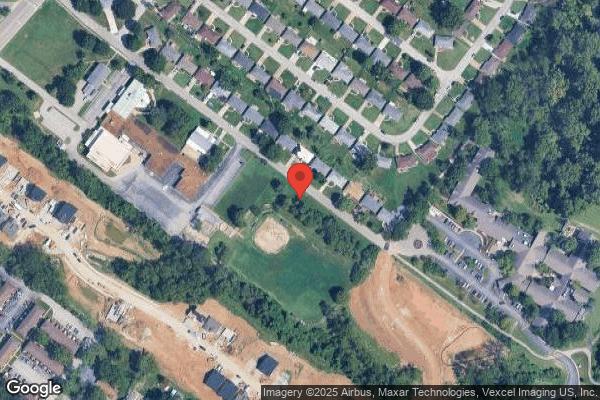
Understanding Severity Codes (click to expand)
Life-Threatening (Immediate Jeopardy)
J - Isolated K - Pattern L - Widespread
Actual Harm
G - Isolated H - Pattern I - Widespread
Potential for Harm
D - Isolated E - Pattern F - Widespread
No Harm (Minor)
A - Isolated B - Pattern C - Widespread

Questions to Ask on Your Visit

  • "What changes have you made since the serious inspection findings?"
  • "Why is there high staff turnover? How do you retain staff?"
  • "Can I speak with families of current residents?"
  • "What's your RN coverage like on weekends and overnight?"

Our Honest Assessment

Strengths
  • • No fines on record. Clean compliance history, better than most Missouri facilities.
Concerns
  • • Multiple safety concerns identified: 1 life-threatening violation(s), 1 harm violation(s). Review inspection reports carefully.
  • • 46 deficiencies on record, including 1 critical (life-threatening) violation. These warrant careful review before choosing this facility.
  • • Grade F (33/100). Below average facility with significant concerns.
  • • 80% turnover. Very high, 32 points above average. Constant new faces learning your loved one's needs.
Bottom line: Trust Score of 33/100 indicates significant concerns. Thoroughly evaluate alternatives.

About This Facility

What is Sherbrooke Village's CMS Rating?

CMS assigns SHERBROOKE VILLAGE an overall rating of 3 out of 5 stars, which is considered average nationally. Within Missouri, this rating places the facility higher than 99% of the state's 100 nursing homes. This mid-range rating indicates the facility meets federal standards but may have areas for improvement.

How is Sherbrooke Village Staffed?

CMS rates SHERBROOKE VILLAGE's staffing level at 2 out of 5 stars, which is below average compared to other nursing homes. Staff turnover is 80%, which is 33 percentage points above the Missouri average of 46%. High turnover can affect care consistency as new staff learn residents' individual needs. RN turnover specifically is 80%, which is notably high. RNs provide skilled clinical oversight, so turnover in this role can affect medical care quality.

What Have Inspectors Found at Sherbrooke Village?

State health inspectors documented 46 deficiencies at SHERBROOKE VILLAGE during 2019 to 2025. These included: 1 Immediate Jeopardy (the most serious level, indicating potential for serious harm or death), 1 that caused actual resident harm, 42 with potential for harm, and 2 minor or isolated issues. Immediate Jeopardy findings are rare and represent the most serious regulatory concerns. They require immediate corrective action.

Who Owns and Operates Sherbrooke Village?

SHERBROOKE VILLAGE is owned by a non-profit organization. Non-profit facilities reinvest revenue into operations rather than distributing to shareholders. The facility is operated by ASCENSION LIVING, a chain that manages multiple nursing homes. With 149 certified beds and approximately 99 residents (about 66% occupancy), it is a mid-sized facility located in SAINT LOUIS, Missouri.

How Does Sherbrooke Village Compare to Other Missouri Nursing Homes?

Compared to the 100 nursing homes in Missouri, SHERBROOKE VILLAGE's overall rating (3 stars) is above the state average of 2.5, staff turnover (80%) is significantly higher than the state average of 46%, and health inspection rating (3 stars) is at the national benchmark.

What Should Families Ask When Visiting Sherbrooke Village?

Based on this facility's data, families visiting should ask: "What changes have been made since the serious inspection findings, and how are you preventing similar issues?" "How do you ensure continuity of care given staff turnover, and what is your staff retention strategy?" "Can you walk me through typical staffing levels on day, evening, and night shifts?" "Can I visit during a mealtime to observe dining assistance and food quality?" These questions are particularly relevant given the facility's Immediate Jeopardy citations, the facility's high staff turnover rate, and the below-average staffing rating.

Is Sherbrooke Village Safe?

Based on CMS inspection data, SHERBROOKE VILLAGE has documented safety concerns. Inspectors have issued 1 Immediate Jeopardy citation (the most serious violation level indicating risk of serious injury or death). The facility has a 3-star overall rating and ranks #1 of 100 nursing homes in Missouri. Families considering this facility should ask detailed questions about what corrective actions have been taken since these incidents.

Do Nurses at Sherbrooke Village Stick Around?

Staff turnover at SHERBROOKE VILLAGE is high. At 80%, the facility is 33 percentage points above the Missouri average of 46%. Registered Nurse turnover is particularly concerning at 80%. RNs handle complex medical decisions and coordinate care — frequent RN changes can directly impact care quality. High turnover means new staff may not know residents' individual needs, medications, or preferences. It can also be disorienting for residents, especially those with dementia who rely on familiar faces. Families should ask: What is causing the turnover? What retention programs are in place? How do you ensure care continuity during staff transitions?

Was Sherbrooke Village Ever Fined?

SHERBROOKE VILLAGE has no federal fines on record. CMS issues fines when nursing homes fail to meet care standards or don't correct problems found during inspections. The absence of fines suggests the facility has either maintained compliance or corrected any issues before penalties were assessed. This is a positive indicator, though families should still review recent inspection reports for the full picture.

Is Sherbrooke Village on Any Federal Watch List?

SHERBROOKE VILLAGE is not on any federal watch list. The most significant is the Special Focus Facility (SFF) program, which identifies the bottom 1% of nursing homes nationally based on persistent, serious quality problems. Not being on this list means the facility has avoided the pattern of deficiencies that triggers enhanced federal oversight. This is a positive indicator, though families should still review the facility's inspection history directly.