SARCOXIE HEALTH CARE CENTER
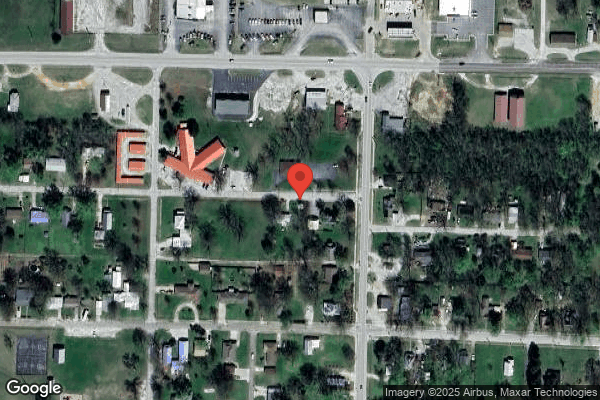
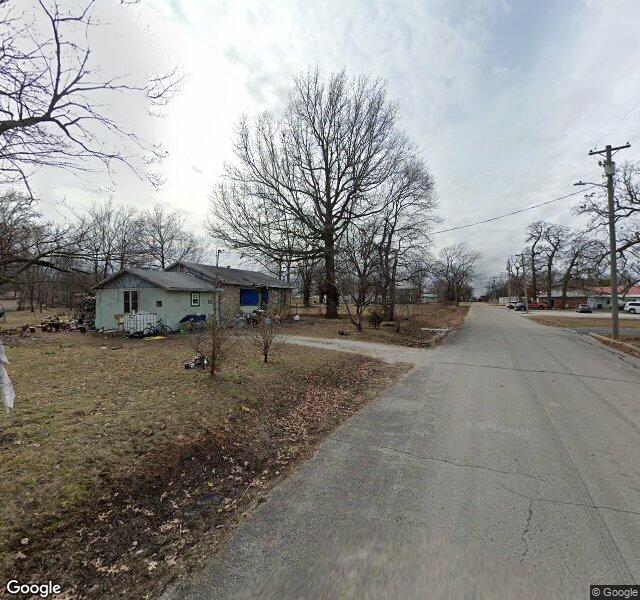
1505 MINER, SARCOXIE, MO 64862 (417) 548-3434
For profit - Corporation 40 Beds RELIANT CARE MANAGEMENT Data: November 2025
Trust Grade
45/100
#295 of 479 in MO
Last Inspection: March 2025

Within standard 12-15 month inspection cycle. Federal law requires annual inspections.

Overview

Sarcoxie Health Care Center has a Trust Grade of D, indicating below-average quality and some significant concerns. In Missouri, it ranks #295 out of 479 facilities, placing it in the bottom half, and it is the lowest-ranked in Jasper County at #7 of 7. Unfortunately, the facility is worsening, with issues increasing from 1 in 2024 to 6 in 2025, reflecting a troubling trend. Staffing is a notable strength, with a turnover rate of 0%, much lower than the state average, but RN coverage is only average, and they failed to provide adequate RN services on several days, which can impact care quality. Specific incidents include a failure to manage a resident's significant weight loss and inadequate pain management for another resident experiencing severe discomfort, indicating serious gaps in care that families should consider carefully.

Trust Score
D
45/100
In Missouri
#295/479
Bottom 39%
Safety Record
Moderate
Needs review
Inspections
Getting Worse
1 → 6 violations
Staff Stability
○ Average
Turnover data not reported for this facility.
Penalties
✓ Good
No fines on record. Clean compliance history, better than most Missouri facilities.
Skilled Nurses
⚠ Watch
Each resident gets only 20 minutes of Registered Nurse (RN) attention daily — below average for Missouri. Fewer RN minutes means fewer trained eyes watching for problems.
Violations
⚠ Watch
20 deficiencies on record. Higher than average. Multiple issues found across inspections.
★★☆☆☆
2.0
Overall Rating
★☆☆☆☆
1.0
Staff Levels
★★☆☆☆
2.0
Care Quality
★★★☆☆
3.0
Inspection Score
Stable
2024: 1 issues
2025: 6 issues

The Good

  • Full Sprinkler Coverage · Fire safety systems throughout facility
  • No fines on record

Facility shows strength in fire safety.

The Bad

2-Star Overall Rating

Near Missouri average (2.5)

Below average - review inspection findings carefully

Chain: RELIANT CARE MANAGEMENT

Part of a multi-facility chain

Ask about local staffing decisions and management

The Ugly 20 deficiencies on record

2 actual harm
Aug 2025 2 deficiencies
CONCERN (D) 📢 Someone Reported This

A family member, employee, or ombudsman was alarmed enough to file a formal complaint

Potential for Harm - no one hurt, but risky conditions existed

Report Alleged Abuse (Tag F0609)

Could have caused harm · This affected 1 resident

**NOTE- TERMS IN BRACKETS HAVE BEEN EDITED TO PROTECT CONFIDENTIALITY** Based on interview and record review, the facility failed to report an allegation of abuse involving two residents (Resident #1 ...

Read full inspector narrative →
**NOTE- TERMS IN BRACKETS HAVE BEEN EDITED TO PROTECT CONFIDENTIALITY** Based on interview and record review, the facility failed to report an allegation of abuse involving two residents (Resident #1 and Resident #2) to the Department of Health and Senior Services (DHSS) within two hours of receiving the allegation. The facility census was 39. Review of the facility's Abuse and Neglect Policy, dated 06/12/24, showed the facility must ensure that all alleged violations involving abuse, neglect, exploitation, mistreatment, or sexual assault, including injuries of unknown source and misappropriation of resident property, are reported immediately, but no later than two hours after the allegation is made, if the events that cause the allegation involve abuse or result in serious bodily injury, or not later than 24 hours if the events that cause the allegation do not involve abuse and do not result in serious bodily injury to the State Survey Agency. 1. Review of Resident #1's face sheet showed the resident admitted to the facility on [DATE]. Record review of the resident's admission Minimum Data Set (MDS - a federally mandated assessment instrument completed by facility staff), dated 12/29/17, showed the following: -Severe cognitive impairment;-Supervision or touch assistance when walking;-No behaviors.Review of resident's nurse's note dated 08/22/25, at 9:21 P.M., showed the following:-A nurse aide informed the nurse of an incident with Resident #2, causing Resident #1 to fall;-The nurse observed Resident #1 lying on his/her back, face up;-Resident #2 said Resident #1 slapped him/her twice so he/she kicked Resident #1;-Resident #2 was removed from the area;-Resident #1 was assessed and found to have a hematoma (a closed wound where blood collects and fills a space inside the body) on the back right side of his/her head and pain in bilateral lower extremities (legs) with manipulation;-Staff contacted Administrator at 6:03 P.M. and informed him/her of the incident and intention to send Resident #1 out emergent;-Staff contacted 911 at 6:06 P.M.;-Staff contacted the Nurse Practitioner at 6:12 P.M. to inform of emergent transfer to the hospital;-Staff notified Resident #1's family of the incident;-Resident #1 left the facility at 6:33 P.M.(Staff did not document notification of DHSS.)2. Review of Resident #2's face sheet showed the resident admitted to the facility on [DATE]. Review of the resident's quarterly review MDS, dated [DATE], showed the following information:-Cognitively intact;-Propels with wheelchair;-No behaviors. Review of resident's nurse's note dated 08/22/25, at 9:17 P.M., showed the following: -A nurse aide informed the nurse of an incident involving Resident #2 causing Resident #1 to fall in the hallway;-The nurse observed Resident #1 lying on his/her back, face up;-Resident #2 implied he/she caused Resident #1 to fall;-Resident #2 said Resident #1 slapped him/her twice, and then he/she kicked Resident #1;-Resident #2 was removed from the area;-Resident #1 was assessed and found to have a hematoma on the back right side of his/her head and pain with bilateral lower extremities manipulation;-Staff contacted the Administrator and informed him/her of the incident at 6:03 P.M.;-Resident #2 was placed on 15-minute checks;-Staff educated on monitoring and keeping Resident #1 and Resident #2 separated and to redirect Resident #2 away from Resident #1 if nearby;-Resident #2 was assessed and no injuries noted;-Staff educated the resident on proper reporting to staff when a situation with other residents starts to escalate;-Resident #2 verbalized understanding.(Staff did not document notification of DHSS.)3. Review of the DHSS online reporting form showed a self-report from the facility was submitted on 08/23/25 at 11:11 A.M. (the day following the allegation of abuse between the residents).4. During an interview on 08/27/25, at 1:27, LPN D said the following:-On 08/22/25, at 6:00 P.M., a CNA reported there was an altercation between Resident #1 and Resident #2;-LPN D found Resident #1 lying on the floor at the end of the hall. He/she immediately assessed Resident #1;-At 6:03 P.M., LPN D contacted the Administrator-At 6:06 P.M., LPN D contacted 911;-At 6:12 P.M., LPN D contacted Resident #1's physician;-At 6:14 P.M., LPN D contacted Resident #1;s family;-The Administrator arrived at the facility shortly after the incident-Physical altercations are reported to the State, by the Administrator, within two hours.During an interview on 08/27/25, at 1:03 P.M., Certified Nurse Aide (CNA) A said the following:-If there was an altercation between residents, he/she would report the incident to the nurse;-The nurse would have to report the incident to the State within two hours.During an interview on 08/27/25, at 1:11 P.M., Certified Medication Tech (CMT) B said the following:-Physical altercations between residents are reported to the nurse;-Administration would report the altercation to the State within two hours.During an interview on 08/27/25, at 1:30 P.M., CNA C said the following:-He/she would notify the nurse if residents got into a physical altercation;-The nurse would report the incident to the Administrator;-The Administrator reports the altercation to the State within two hours. During an interview on 08/27/25, at 1:51, Housekeeper (HK) G said the following:-Physical altercations between residents are reported to the charge nurse;-The Administrator would report the incident to the State within two hours.During an interview on 08/27/25, at 2:36 P.M., CNA E said the following:-On 08/22/25, around 6:00 P.M, CNA E was charting and heard a thump and hollering;-CNA E observed Resident #1 on the ground;-The nurse was alerted and assessed Resident #1;-The nurse would report the incident to the State immediately. During an interview on 8/27/25, at 2:56, LPN F said physical altercations are reported to the State within two hours by the Administrator.During an interview on 08/27/25, at 3:02, the Director of Nursing (DON) said the following:-Resident to resident altercations are reported to charge nurse;-The nurse will assess the resident and will report to the DON and Administrator;-The altercation is reported to the State within two hours by either the DON or the Administrator.During an interview on 08/27/25, at 3:02, the Administrator said the following:-Staff should report resident to resident alterations to the supervisor/nurse;-The nurse assesses the resident, calls the physician, next of kin, the DON, and the Administrator;-Resident contact suspected to be physical abuse has to reported to the State within two hours by the Administrator or DON;-The Administrator did not immediately report the incident as he/she did not believe the incident between Resident #1 and Resident #2 to be intentional, as Resident #1 is confused due to dementia.Complaint #2598159
CONCERN (F) 📢 Someone Reported This

A family member, employee, or ombudsman was alarmed enough to file a formal complaint

Potential for Harm - no one hurt, but risky conditions existed

Deficiency F0727 (Tag F0727)

Could have caused harm · This affected most or all residents

Based on interview and record review, the facility failed to provide the services of a registered nurse (RN) for at least eight consecutive hours per day seven days per week. The facility census was 3...

Read full inspector narrative →
Based on interview and record review, the facility failed to provide the services of a registered nurse (RN) for at least eight consecutive hours per day seven days per week. The facility census was 39.Review of the facility's Registered Nurse Policy, dated 04/30/24, showed the following information:-The facility will utilize the services of a RN for at least eight consecutive hours per day, seven days per week;-The Director of Nursing (DON) may serve as a charge nurse only when the facility has average daily occupancy of 60 or fewer residents.1. Review of the facility's provided nurse schedules, dated 08/07/25 through 08/26/25, showed no RN coverage on any shift for the following dates:-08/07/25;-08/08/25;-08/09/25;-08/10/25;-08/16/25;-08/17/25;-08/25/25;-08/26/25.During an interview on 08/27/25, at 1:03 P.M., Certified Nursing Assistant (CNA) A said he/she was unsure if a RN was on duty every day. During an interview on 08/27/25, at 1:11P.M., Certified Medication Technician (CMT) B said the following:-He/she believed the facility had daily RN coverage;-CMT B believed a RN was at the facility on the weekends.During an interview on 08/27/25, at 1:20 P.M., CNA C said there was a RN at the facility almost every day.During an interview on 08/27/25, at 1:27 P.M., Licensed Practical Nurse (LPN) D said the following:-There was not a RN at the facility every day;-An RN was needed at the facility daily as the acuity of the residents was increasing, especially in regard to wounds and behaviors.During an interview on 08/27/25, at 2:36 P.M., the CNA E said he/she believed there was a RN at the facility every day.During an interview on 08/27/25, at 2:56 P.M., LPN F said the following:-Typically, a RN was on duty every day;-Some days the facility has been without a RN coverage due to the change of DON;-Staff are not informed if a RN is not on duty.During an interview on 08/27/25, at 3:02 P.M., the DON said the following:-There was not 8 hours of RN coverage on 08/25/25 and 08/26/25;-Staff are made aware if there is not a RN on duty;-The DON is the only RN;-If the DON cannot work, he/she does not know who will provide RN coverage. During an interview on 08/27/25, at 3:11 P.M., the Administrator said the following:-The DON is the only RN;-Several days the facility has been without RN coverage;-If an RN is not available, the Administrator will contact the company's nurse consultant and regional director of operations, who could assist with pulling a RN from a sister facility.Complaint #2595323
Mar 2025 4 deficiencies 2 Harm
SERIOUS (G)

Actual Harm - a resident was hurt due to facility failures

Deficiency F0692 (Tag F0692)

A resident was harmed · This affected 1 resident

**NOTE- TERMS IN BRACKETS HAVE BEEN EDITED TO PROTECT CONFIDENTIALITY** Based on observation, interview, and record review, the facility failed to develop and implement interventions to prevent weight...

Read full inspector narrative →
**NOTE- TERMS IN BRACKETS HAVE BEEN EDITED TO PROTECT CONFIDENTIALITY** Based on observation, interview, and record review, the facility failed to develop and implement interventions to prevent weight loss and failed to notify the physician of weight loss for one resident (Resident #15) in a selected sample of 13 residents. The facility's census was 33. Review of the facility's weight monitoring policy, revised 05/07/24, showed the following information: -Based on the resident's comprehensive assessment, the facility will ensure that all residents maintain acceptable parameters of nutritional status, such as usual body weight or desirable body weight range and electrolyte balance, unless the resident's clinical condition demonstrates that this is not possible or resident preferences indicate otherwise. -Weight can be a useful indicator of nutritional status. Significant unintended changes in weight (loss or gain) or insidious weight loss (gradual unintended loss over a period of time) may indicate a nutritional problem. -The facility will utilize a systemic approach to optimize a resident's nutritional status. This process includes: Identifying and assessing each resident's nutritional status and risk factors; Evaluating/analyzing the assessment information; Developing and consistently implementing pertinent approaches; Monitoring the effectiveness of interventions and revising them as necessary. -Information gathered from the nutritional assessment and current dietary standards of practice are used to develop an individualized care plan to address the resident's specific nutritional concerns and preferences. The care plan should address the following, to the extent possible: Identified causes of impaired nutritional status; Reflect the resident's personal goals and preferences; Identify resident-specific interventions; Time frame and parameters for monitoring; Updated as needed such as when the resident's condition changes, goals are met, interventions are determined to be ineffective or a new causes of nutrition-related problems are identified. If nutritional goals are not achieved, care planned interventions will be reevaluated for effectiveness and modified as appropriate. The resident and/or resident representative will be involved in the development of the care plan to ensure it is individualized and meets personal goals and preferences. -Interventions will be identified, implemented, monitored and modified (as appropriate), consistent with the resident's assessed needs, choices, preferences, goals and current professional standards to maintain acceptable parameters of nutritional status. -The physician should be informed of a significant change in weight and may order nutritional interventions. -The physician should be encouraged to document the diagnosis or clinical conditions that may be contributing to the weight loss. -Meal consumption information should be recorded and may be referenced by the interdisciplinary care team as needed. -The Registered Dietitian (RD) or Dietary Manager (DM) should be consulted to assist with interventions; -Actions are recorded in the nutrition progress notes. -Observations pertinent to the resident's weight status should be recorded in the medical record as appropriate. 1. Review of Resident #15's face sheet (a document that provides a quick snapshot of an individual's medical and personal information) showed the following information: -admission date of 05/04/22. -Diagnoses included Parkinson's disease without dyskinesia (involuntary, erratic, writhing movements of the face, arms, legs or trunk), without mention of fluctuations, stroke, dementia, and cognitive communication deficit. Review of the resident's care plan, revised 04/22/24, showed the following information: -At risk for impaired nutritional status. -Offer alternatives if meal intake is less than 75%. -Monitor the resident's weight at least monthly and more often as ordered/indicated. -RD to consult monthly and make recommendations as needed. -Prepare and serve the resident a regular diet as ordered. -Encourage the resident and/or family to participate in meal planning regarding likes/dislikes and attempt to honor his/her preferences. -The resident preferred a scoop plate at meals to promote independence. -On 07/26/24, the resident was diagnosed with a terminal condition related to senile degeneration of the brain; -Family chose for the resident to receive hospice services. -The resident was confused at times related to dementia; -Remind the resident to chew well and eat slowly (due to at risk for gastric reflux). Record review of the resident's hospice chart showed the resident admitted to hospice on 08/01/24. Review of the resident's weight record showed the following: -On 12/16/24, a nurse documented the resident weighed 183.2 pounds (lbs). -On 01/13/25, a nurse documented the resident weighed 177.2 lbs (a 3.2% loss in 1 month). Review of the resident's quarterly Minimum Data Set (MDS - a federally mandated assessment tool completed by facility staff), dated 01/16/25, showed the following information: -The resident had unclear speech (slurred or mumbled words); -Usually understood - difficulty communicating some words or finishing thoughts but is able if prompted or given time; -Usually understands - misses some part/intent of message but comprehends most conversation; -Short and long term memory problem; -Functional limitation in range of motion: No impairment; -Moderately impaired cognitive skills for daily decision making; -Inattentive fluctuates (comes and goes, changes in severity); -Required supervision with eating; -Required substantial/moderate assistance with upper body dressing, personal hygiene and transfers; -Used a manual wheelchair for transfers; -Weighed 177.0 lbs; -The resident had a 5% or more weight loss in the last month and not on a physician prescribed weight-loss regimen; -Received Hospice services. Review of the resident's electronic medical record showed staff did not updated the resident's care plan to reflect the newly identified weight loss or interventions implemented related to weight loss. Review of the resident's weight record showed on 02/03/25, a nurse documented the resident weighed 177.0 lbs. Review of the resident's nurses' notes showed the following information: -On 02/26/25, at 2:04 P.M., a nurse documented the resident continued on hospice for end-of-life care. The resident ate meals in the dining room and fed self without difficulty while supervised by care staff for safety. The resident had mumbled speech and was able to verbalize some wants and needs with care staff anticipating and meeting any additional needs. -On 03/01/25, at 11:44 A.M., a nurse documented the resident continued on hospice for end-of-life care and was currently up in the wheelchair via maximum assistance of one staff. The resident was in the dining room awaiting the noon meal. Fed self breakfast in the dining room while supervised by care staff for safety. -On 03/02/25, at 11:21 A.M., a nurse documented the resident continued on hospice for end-of-life care. Ate breakfast in the dining room and slowly fed self. -On 03/03/25, at 12:15 P.M., a nurse documented the resident continued on hospice for end-of-life care. The resident was in the dining room awaiting the noon meal. The resident fed self breakfast in the dining room without difficulty with good intake while supervised by care staff for safety. Review of the resident's weight record showed on 03/03/25, a nurse documented the resident weighed 172.0 lbs (a 2.2% loss/1 month; 6.1% loss/2 month). Review of the resident's electronic medical record showed staff did not updated the resident's care plan to reflect the newly identified weight loss or interventions implemented related to weight loss. Review of the resident's nurses' notes showed the following information: -On 03/06/25, at 4:23 P.M., a nurse documented the resident continued on hospice for end-of-life care and was currently up to his/her wheelchair with maximum assistance of one staff, and in dining room awaiting the evening meal with meals in dining room while supervised by care staff for safety. -On 03/11/25, at 9:59 A.M., a nurse documented the resident continued on hospice for end-of-life care. The resident was up in his/her wheelchair via maximum assistance of one staff. Care staff propelled the resident to and from the dining room for the morning meal where he/she fed himself/herself. The resident remained stiff with a flat affect. He/she had mumbled speech and continued to speak in a low tone but able to verbalize some wants and needs with care staff anticipating and meeting any additional needs. Review of the resident's weight record showed on 03/13/25, a nurse documented the resident weighed 162.0 lbs (5.8% loss in 10 days; 11.5% loss/3 months). Review of the resident's electronic medical record showed staff did not updated the resident's care plan to reflect the newly identified weight loss or interventions implemented related to weight loss. Review of the resident's nurses' notes showed the following information: -On 03/14/25, at 7:37 A.M., the Director of Nursing (DON) entered the resident's weight of 162.0 which triggered a weight warning notification in the note. -On 03/15/25 at 12:36 P.M., a nurse documented the resident continued on hospice for end-of-life care, and was currently up in his/her wheelchair in the dining room completing the noon meal while supervised by care staff for safety. -On 03/16/25, at 10:50 A.M., a nurse documented the resident continued on hospice for end-of-life care. The resident utilized a wheelchair for mobility with care staff propelling the majority of the time as he/she was unable due to weakness. The resident ate meals in the dining room and fed self slowly. Review of the resident's weight record showed on 03/17/25, a nurse documented the resident weighed 159.0 lbs (1.8% loss 1 month/10.2% loss in 3 months). Review of the resident's electronic medical record showed staff did not updated the resident's care plan to reflect the newly identified weight loss or interventions implemented related to weight loss. Review of the resident's nurses' notes showed the following information: -On 03/17/25 at 12:23 P.M., the DON entered the resident's weight of 159.0 which triggered a weight warning notification in the note. -On 03/17/25 at 2:05 P.M., a nurse documented the resident continued on hospice for end-of-life care. The resident ate meals in the dining room and slowly fed self while supervised by care staff with care staff assisting with feeding as needed. -On 03/20/25 at 1:01 P.M., a nurse documented the resident continued on hospice for end-of-life care. The resident was in the dining room with staff assisting him/her with feeding of the noon meal. The resident spoke in a low tone and speech remained mumbled. Review of the resident's meal intake record showed the following: -On 03/21/25, staff documented: Breakfast: ate 50%, supplement column was blank indicating a supplement was not offered; Lunch: ate 50%, supplement column was blank indicating a supplement was not offered; Supper: 25%, supplement column was blank indicating a supplement was not offered. -On 03/22/25 staff documented: Breakfast: ate 100%, supplement column was blank indicating a supplement was not offered; Lunch: ate 50%, supplement column was blank indicating a supplement was not offered; Supper: Staff did not document meal intake for any residents. -On 03/23/25, staff documented: Breakfast: column left blank for the resident, supplement column was blank indicating a supplement was not offered; Lunch: ate 75%, supplement column was blank indicating a supplement was not offered; Supper: 25%, supplement column was blank indicating a supplement was not offered. -On 03/24/25, staff documented: Breakfast: ate 50%, supplement column was blank indicating a supplement was not offered; Lunch: ate 100%, supplement column was blank indicating a supplement was not offered; Supper: 50%, supplement column was blank indicating a supplement was not offered. Observation and interview on 03/24/25 showed the following: -At 10:18 A.M., a social worker from hospice entered the resident's room for a visit. She said the resident has had a recent general decline. He/she thought the resident had poor vision, but it was difficult for him/her to know for sure due to the resident's difficulty communicating. The social worker handed the resident his/her handled cup with a straw before leaving the room. -At 10:25 A.M., the resident still held the water cup and appeared to be trying to take a drink. He/she would look at straw/cup, but did not raise his/her arm high enough for the straw to reach his/her mouth. The resident lowered his/her arm slightly then back up slightly towards his/her never reaching the straw. The resident attempted this two times then lowered the cup to rest on his/her leg. During an interview on 03/24/25, at 12:20 P.M., the resident's family member said the resident had a weight loss of at least 22 lbs or more since November 2024. The resident now weighed 159 lbs. The family member wondered if the resident's weight loss had to do with him/her needing more assistance with meals. The family member also noticed the resident was not eating the snacks he/she brought which was a change for him/her. A few months ago perhaps, the resident told the family member he/she thought he/she had a problem because he/she could not urinate. The family member thought perhaps the resident was not drinking enough. Review of the resident's nurses' notes on 03/24/25, at 3:34 P.M., showed the DON entered the resident's weight of 159.0 which triggered a weight warning notification in the note. Review of the resident's progress notes on 03/24/25, at 11:15 P.M., showed the dietitian documented the following: -Weight Note: The resident was on a regular diet with thin liquids. -No meal intake documentation was available, -The resident's Braden assessment (a tool for determining pressure ulcer risk) indicated his/her nutrition was very poor. -The resident's weight on 03/24/25 was 159 lbs; this was down 6 lbs in 1 mo, and down 18 lbs since admit 02/03/25 (10.2% loss; the resident admitted in 2022, the facility changed EMRs 02/2025). -Offer the resident preferred foods and supplements as desired, monitor intake on current diet, and weight for significant changes. -Registered Dietician would follow and be available as needed. Review of the resident's meal intake record on 03/25/25, showed staff documented: Breakfast: Staff did not document meal intake for any resident; Lunch: ate 25%, refused the supplement; Supper: ate 50%, drank 100% of supplement. Review of the resident's nurses' notes, dated 03/25/25, showed the following: At 8:48 A.M., a nurse documented the resident continued on hospice for end-of-life care. Alert and oriented to self and family. Mumbled speech remained and spoke in a low tone and was able to voice some wants and needs with care staff anticipating and meeting additional needs. The resident ate meals in the dining room and fed self while supervised by care staff for safety. -At 8:59 A.M. (monthly summary), the resident on hospice services for end-of-life cares. The resident goes to the dining room for all meals and was assisted to eat by staff. The resident experienced a weight loss of 5% or more and was not participating in a physician-prescribed weight change program. The resident at a regular diet. Observation and interview on 03/25/25 at 10:00 A.M., showed Certified Nurse's Aide (CNA) B wheeled the resident to his/her room to transfer him/her to bed. The CNA said the resident was falling asleep in his/her wheelchair. After the CNA assisted the resident to sit on his/her bed, the resident mumbled softly that he/she wanted a drink of water, the CNA said he/she had some water on his/her table. After assisting the resident into a lying position, the CNA asked the resident if he/she wanted a drink or if he/she wanted to go to sleep. The resident did not answer. The CNA then pulled up the resident's blankets. The resident closed his/her eyes, and the CNA left room. The CNA did not give the resident a drink. Observations on 03/26/25, 12:03 P.M., 12:30 P.M., and 12:42 P.M., showed the resident laid in bed with his/her eyes closed, as dietary staff served residents in the dining room. During an interview on 3/26/25, at 12:50 P.M., Licensed Practical Nurse (LPN) C said the resident became over stimulated easily so staff got him/her up later in the meal and assisted him/her to eat. Review of the resident's nurse's note on 03/26/25, at 1:47 P.M., showed a nurse documented the resident continued hospice for end-of-life care and currently rested in bed with his/her eyes closed. The resident continued with mumbled speech and spoke in a low tone and was unable to voice wants and needs with care staff anticipating and meeting any needs. The resident ate his/her meals in the dining room and slowly fed himself/herself while supervised by care staff for safety. Observation on 03/26/25, at 2:33 P.M., showed the resident laid in bed moving around with his/her eyes closed. During an interview on 03/26/25, at 4:20 P.M., LPN C said he/she thought the aides got the resident up for lunch today but was not sure. The CNAs did not tell the nurse they did not get him/her up, or that he/she wanted to sleep. During an interview on 03/26/25, at 4:25 P.M., the Director of Nursing (DON) said the following: -The resident must have not wanted to get up for lunch. -Staff did not tell the DON he/she did not want up, but at times the resident did not want to get up. -The resident needed assistance to eat and did not eat in his/her room. The resident received hospice services. Review of the resident's nurses note dated 03/26/25, at 4:44 P.M., showed a nurse documented the resident reported to a CNA that he/she would like his/her lunch held and to eat it for dinner as he/she wanted to sleep through lunch. The resident was currently in the dining room feeding self without difficulty while supervised by care staff for safety. Review of the resident's meal intake record, dated 3/26/25, showed staff documented: Breakfast: ate 100%, supplement column was blank indicating a supplement was not offered; Lunch: refused, supplement column was blank indicating a supplement was not offered; Supper: refused, drank 100% of supplement. Review of the resident's significant change MDS, dated [DATE], showed the following changes from the previous MDS: -Severely impaired cognition; -Functional limitation in range of motion: Impairment on both sides -Required substantial/moderate assistance with eating; -Dependent on staff for upper body dressing, personal hygiene and transfers; -Weighed 159.0 pounds; -The resident had a 5% or more weight loss in the last month and not on a physician prescribed weight-loss regimen. During an interview on 03/26/25, at 4:20 P.M., LPN C said the following: -Staff reviewed residents' care plans in the electronic medical record (EMR). Recently the facility changed EMRs. If staff could not find a resident's care plan in the current EMR, they could look in the old system. Recently, staff still had access to residents' records. The LPN thought all residents' care plans were now in the new EMR. The facility's MDS Coordinator's position was eliminated and he/she thought corporate would complete the MDSs and care plans. The LPN did not know the new process for care plans. -The resident had Parkinson's disease with episodes of stiffness. Those episodes had increased and now staff typically supervised him/her during meals. -The CNAs or nurses obtained residents' weights, and the nurses entered the weights under the vital signs tab in the resident's EMR. The EMR created an alert if a resident had a weight change. -The dietician monitored residents' weights. -If a resident frequently refused meals or had a questionable appetite, staff monitored the resident's meal intake. -Dietary staff recorded the percentage of the meal the resident ate, and the Dietary Manager entered the percentages into the EMR for the dietician to review. -The dietician recommended interventions such as house shakes. -The DM reviewed the dietician's recommendations, and if the dietician recommended house shakes for a resident, the dietary manager added that resident's name to the house shake list, and dietary staff placed the shake on the resident's meal tray. Observation on 03/26/25, at 4:35 P.M., showed the resident sat in a wheelchair, at a dining room table. On the table in front of the resident was a small plastic cup of tea and a house shake poured into a small plastic cup. Both cups had straws and as the resident sat at the table, he/she moved the straws around the cups with his/her fingers and occasionally took a drink using the straw. Observations on 03/27/25 showed the following: -At 8:20 A.M., the resident sat in his/her wheelchair at a dining room table. Rolled silverware sat in front of the resident on the table. -At 8:27 A.M., LPN F spoke briefly with the resident and brought him/her a small plastic cup of water, no straw. -At 8:44 A.M., CNA B stood next to the resident and gave him/her a bite of cereal. -At 8:47 A.M., CNA B walked away from the resident then returned, gave him/her a bite of cereal, then left again. Dietary then served the resident eggs, bacon, and toast in scoop plate and a small plastic cup of tea, with no straw. Staff did not serve the resident a house shake. -At 8:51 A.M., CNA B stood next to the resident and gave him/her a drink of his/her water. CNA B left the resident again. Each time the CNA left the resident at the table, the resident barely moved, staring straight ahead. The resident scooped his/her fork into the bowl of cereal, but when he/she lifted it out of the bowl, no cereal remained on the fork. The resident raised the utensil about chest height then moved his/her head towards the fork taking a bite. CNA A sat in a chair next to the resident. The resident slowly scooped a small amount of cereal onto his/her fork raised the utensil about chest height then moved his/her head towards the fork taking a bite. -At 03/27/25 at 8:56 A.M., CNA A encouraged the resident to eat and assisted with bites as needed. He/she placed the bacon onto the toast to make a sandwich and handed it to the resident. The resident slowly began eating the sandwich using the same method as the fork; he/she lifted his/her hands about chest height then moved his/her head towards the sandwich taking a bite. -At 9:05 A.M., the resident continued to eat small bites of the sandwich. CNA A gave the resident a drink of tea in between bites. -At 9:12 A.M., the resident continued to take bites of the sandwich, and occasionally licked his/her fingers. -At 9:23 A.M., while the resident continued to slowly take bites of the sandwich, CNA B asked the resident if he/she was done eating, and if so he/she would take the resident to his/her room. The resident mumbled then said he/she did not understand the aide. The CNA again asked the resident if he/she was finished, and he/she would take him/her to his/her room. The resident mumbled and slowly kept eating. The resident sat the sandwich on the plate and took a drink of water. CNA G entered the dining room and asked the resident if he/she was done. The resident looked at the CNA and did not respond. CNA G then took the resident's plate and scraped the remaining food into the bin next to the kitchen window. -At 9:28 A.M., CNA B said he/she would get something to wipe the resident's hands and left the dining room. -At 9:31 A.M., CNA B returned with wash cloth, pushed the resident's wheelchair back about a foot from table, wiped the resident's hands and left the dining room. -At 9:35 A.M., the cook scooted the resident's glass of tea to the edge of table and scooted the resident towards the table to reach the glass. -At 9:41 A.M., the resident grabbed the cup of tea and lifted his/her hand and cup about chest height, and tried to take a drink, but could not lift the cup to his/her lips. The resident placed the cup back onto the table. -At 9:47 A.M., the resident grabbed the small cup of tea with his/her right hand and lifted it slightly. He/she then placed his/her left around the glass and using both hands lifted the cup about chest height, still unable to reach the cup for a drink. The resident then sat the cup back on the table. -At 9:49 A.M., CNA G asked resident if he/she was done; the resident did not answer. He/she then asked the resident if he/she wanted to go to his/her room; the resident did not answer. He/she asked the resident if he/she wanted to sit in his/her recliner chair; the resident looked at the aide, then he/she wheeled the resident to his/her room. During an interview on 03/27/25, at 1:15 P.M., the DM said the following: -The CNAs documented residents' fluid intake and dietary staff documented residents' meal intake; -CNAs usually assist residents with meals but sometimes the DM assisted them as well. -Staff always brought the resident to the dining room for meals and she did not know the resident slept though lunch the day before (03/26/25). -Staff should get the resident up for all meals. -The resident had a decline and received hospice services. -Although the DM did not usually assist resident with eating, today, she saw the resident was not attempting to eat his/her lunch meal and food sat untouched in front of the resident so she sat down next to him/her and started assisting him/her with bites of food. -The resident had a diagnosis of Parkinson's and had hard time communicating. -In the past, the resident could have told staff he/she did not want to go to the dining room for a meal, but now the resident could not have communicated that. -Staff should always provide straws for the resident's drinks. -The resident had some weight loss and on 03/24/25 the RD recommended the resident have a house shake with meals; -There were two residents who need feeding assist from staff, including the resident. -When staff assist a residents with their meals they should sit down next to the resident and communicate with the resident. -Staff should not stand over the top of resident while assisting them. During an interview on 03/27/25, at 11:56 A.M., CNA B said the following: -Dietary staff documented residents' meal percentages when the resident ate in the dining room. -The CNAs documented how much assistance the resident needed for the meal in the EMR. -Every time staff assisted a resident in their room, they should offer the resident a drink. -The resident had Parkinson's disease. -Sometimes he/she needed assistance with eating and other times he/she ate independently. -The resident's hands were not steady and recently, the last few weeks to a month, he/she needed more assistance with meals and drinking fluids. -The resident could lift the cup to his/her lips and did not need straws to drink from a cup when in the dining room, but when in his/her room, he/she used a straw because his/her cup came with a plastic straw. -The CNA thought the resident lost weight based on his/her appearance. The resident looked [NAME]. -The resident's appetite varied and sometimes the resident did not eat all three meals. -If the resident was asleep at meal times, the CNA let him/her sleep, and would tell dietary to hold the resident's lunch tray. -The CNA did not know if the resident was supposed to receive house shakes, but he/she knew the resident did not have a shake with his/her breakfast. Observation on 3/27/25, at approximately 12:15 P.M., showed CNA G told CNA B that the resident was the only resident who needed to go to the dining room, if they could wake him/her up. Both CNAs entered the resident's room. The resident sat in his/her recliner with his/her eyes closed. CNA G placed his/her hand on the resident's shoulder and asked the resident if he/she wanted to get up for lunch or lay down in bed. The resident did not appear to respond to the CNA's question. One of the aides left the room and returned with the nurse. LPN F entered the resident's room and asked the resident if he/she wanted to eat, and if he/she wanted to drink. The resident mumbled, the nurse left the room, and the aides wheeled the resident's wheelchair into his/her room and shut the door. Review of the resident's progress notes dated 03/27/25, at 2:29 P.M., showed the DM documented she left a weight change notification for the physician to review. Observation on 03/27/25, at 5:00 P.M., showed the resident sat in his/her wheelchair at a dining table. On the table sat the resident's plate. The resident ate a ham sandwich and pudding and left the coleslaw. He/she drank all of the house shake and glass of water. Review of the resident meal intake record, dated 03/27/25, showed staff documented the following: Breakfast: Staff did not document meal intake; Lunch: Ate 75%, drank 100% of supplement Supper: Staff did not document meal intake for any resident. Observation and interview on 03/28/25 showed the following: -At 8:17 A.M., the resident sat in his/her wheelchair at a table in the dining room, slowly eating breakfast. LPN F sat next to resident at the table. -At 8:28 A.M., LPN F got up from the table and pushed the resident's plate away from the resident. The resident had a small plastic glass of water and a small plastic glass of tea. The resident did not have a health shake. The resident drank all of the water and most of the tea. -At 8:40 A.M., LPN F said the resident ate without assistance this morning. He/she ate half of the biscuits and gravy, all of the bacon, and most of the tomatoes and cereal. Review of the resident meal intake record, dated 03/28/25, showed the staff documented the following: -Breakfast: Ate 50%, supplement column was blank indicating a supplement was not offered. During an interview on 03/28/25, at 9:45 A.M., LPN F said the following: -The resident's decline was slow. -At times, he/she became stiff, almost catatonic. -The resident's abilities seem to change almost daily. -Today, the resident ate breakfast without assistance, only supervision, but other days he/she needed staff to assist him/her with the meal. It seemed 50/50 if he/she needed assistance or not. -The resident had difficulty bringing his/her hand up to his/her mouth. He/she needed straw to assist him/her drink fluids. He/she mumbled and spoke low and could be difficult to understand. -Occasionally the resident would be lethargic and sleep through meals. -Staff tried to get him/her up for meals, but if he/she just slumped over in his/her chair, staff transferred him/her back to bed. That seemed to occur more with breakfast than other meals. If staff could not wake him/her up enough to eat, the aides should let the nurse know and he/she tried to wake the resident. -If a resident did not go to the dining room, dietary staff also let the nurse know. -Usually, the physician wrote an order for house shakes. -The LPN did not know if the resident was supposed to have house shakes. -The DM tracked residents' weights. Interventions for weight loss included house shakes, supervision and assistance with meals, serving food preferences when able, encouraging to eat meals in the dining room, and medications to assist with appetite, if appropriate. -When staff assisted a resident with eating, they should not stand over the resident but instead get on the resident's level. That was one of the LPN's pet peeves, standing over residents. -The LPN did not know the resident had weight loss until he/she reviewed the resident's medical record the day before (03/27/25). Now that he/she knew, he/she would ensure the resident received ordered or recommended house shakes, and received the assistance and supervision as needed to ensure his/her weight loss was not due to disease progression.
SERIOUS (G)

Actual Harm - a resident was hurt due to facility failures

Deficiency F0697 (Tag F0697)

A resident was harmed · This affected 1 resident

**NOTE- TERMS IN BRACKETS HAVE BEEN EDITED TO PROTECT CONFIDENTIALITY** Based on observation, interview, and record review, the facility failed to provide pain management to all residents when staff f...

Read full inspector narrative →
**NOTE- TERMS IN BRACKETS HAVE BEEN EDITED TO PROTECT CONFIDENTIALITY** Based on observation, interview, and record review, the facility failed to provide pain management to all residents when staff failed to implement an effective routine pain management program, failed to accurately assess pain and medication effectiveness according to standards of practice, and failed to identify, develop, and implement interventions related to pain management for for one resident (Resident #26) who expressed severe and constant pain in his/her hands and arms in a selected sample of 13 residents. The facility had a census of 33 residents. Review of the facility's pain management policy, revised 06/26/24, showed the following information: -The facility will utilize a systemic approach for recognition, assessment, treatment and monitoring of pain. -Recognize when the resident is experiencing pain and identify circumstances when the pain can be anticipated. -Evaluate the resident for pain and the cause(s) upon admission, during ongoing scheduled assessments and when a significant change in condition or status occurs (such as a change in behavior or mental status, new pain or exacerbation of pain); -Manage or prevent pain, consistent with the comprehensive assessment and plan of care, current professional standards of practice and the resident's goal and preferences. -Facility staff will observe for nonverbal indicators which may indicate the presence of pain. These indicators include but are not limited to: Fidgeting, increased or recurring restlessness, facial expressions (e.g. grimacing, frowning, fright, or clenching of the jaw), behaviors such as: irritability, depressed mood, difficulty sleeping (insomnia), and negative vocalizations (e.g. groaning, crying, whimpering, or screaming); -Facility staff will be aware of verbal descriptors a resident may use to report or describe their pain. Descriptors include but are not limited to: hurting or aching, burning, numbness, tingling, shooting or radiating, and soreness, tenderness, discomfort, pins and needles; -The facility will use a pain assessment tool, which is appropriate for the resident's cognitive status, to assist staff in consistent assessment of a resident's pain. -Based upon the evaluation, the facility in collaboration with the attending physician/prescriber, other health care professionals and the resident and/or the resident's representative will develop, implement, monitor and revise as necessary interventions to prevent or manage each individual resident's pain beginning at admission. -The interventions for pain management will be incorporated into the components of the comprehensive care plan, addressing conditions or situations that may be associated with pain or may be included as a specific pain management need or goal. -Non-pharmacological interventions will include but are not limited to: Environmental comfort measures, physical modalities (e.g., cold compress, warm shower/bath, massage, turning and repositioning), exercises to address stiffness and prevent contractures as well as programs to maintain joint mobility, and cognitive/behavioral interventions (e.g., music, relaxation techniques, activities, diversions, spiritual and comfort support, teaching the resident coping techniques and education about pain); -The interdisciplinary team is responsible for developing a pain management regimen that is specific to each resident who has pain or who has the potential for pain. -Evaluate the resident's medical condition, current medication regimen, cause and severity of the pain and course of illness to determine the most appropriate analgesic therapy for pain; -Consider administering medication around the clock instead of PRN (pro re nata/on demand) or combining longer acting medications with PRN medications for breakthrough pain. -Reassess and adjust the medication dose to optimize the resident's pain relief while monitoring the effectiveness of the medication and work to minimize or manage side effects. -Facility staff will notify the practitioner, if the resident's pain is not controlled by the current treatment regimen. -Facility staff will reassess resident's pain management at established intervals for effectiveness and/or adverse consequences. -If re-assessment findings indicate pain is not adequately controlled, the pain management regimen and plan of care will be revised as indicated. 1. Review of Resident #26's face sheet (a document that provides a quick snapshot of an individual's medical and personal information) showed the following information: -admission date of 01/24/25. -Diagnoses included quadriplegia (dysfunction or loss of motor and/or sensory function in both arms and legs), hereditary motor and sensory neuropathy (a group of genetic disorders affecting the peripheral nervous system, characterized by the progressive degeneration of motor and sensory nerves), need for assistance with personal cares, and altered mental status. Review of the resident's admission Minimum Data Set (MDS - a federally mandated assessment tool completed by facility staff), dated 01/28/25, showed the following information: -The resident had long and short term memory loss; -Used a wheelchair for mobility; -Dependent on staff for personal hygiene, dressing upper and lower body, rolling side to side in bed, and transfers; -In the last five days, received scheduled and as needed pain medication; -Did not receive non-medication interventions for pain; -Pain assessment interview not completed. Review of the resident's March 2025 Physician Order Sheet (POS) showed the following: -An order, dated 01/30/25, for acetaminophen (Tylenol) extra strength tablet 500 milligram (mg), give 2 tablets, by mouth, every 6 hours, as needed for pain related to quadriplegia; -An order, dated 02/01/25, to complete a pain scale every shift related to quadriplegia. Review of the resident's 5-day MDS, dated [DATE], showed the following information: -Severe cognitive impairment; -Used a wheelchair for mobility; -Dependent on staff for personal hygiene, dressing upper and lower body, rolling side to side in bed, and transfers; -In the last five days, received as needed pain medication; -Did not receive non-medication interventions for pain; -Pain assessment interview completed, but resident unable to answer pain presence and no other pain assessment questions were completed or answered. Review of the resident's care plan, initiated and revised on 02/14/25, showed the following information: -The resident had an activities of daily living (ADL) self-care performance deficit related to limited mobility, weakness, and stroke; -Totally dependent on 2 staff for repositioning and turning in bed; -Totally dependent on 2 staff for dressing; -Totally dependent on 1 staff for personal hygiene and oral care. -Totally dependent on 2 staff for transferring. (Staff did not care plan related to the resident's pain and interventions to address the resident's pain.) Review of the resident's March 2025 POS showed an order, dated 02/14/25, for hydrocodone-acetaminophen (Norco-a combination medication is used to relieve moderate to severe pain) 5-325 mg, administer one tablet by mouth every 8 hours as needed for pain-moderate related to quadriplegia and hereditary motor and sensory neuropathy. Review of the resident's nurses' notes and March 2025 Medication Administration Record (MAR) showed the following information: -On 03/13/25, at 4:13 A.M., a nurse documented the resident complained of generalized pain. Just before this nurse entered resident's room, the resident started to yell out for help. The resident said he/she was in pain. The resident fidgeted with his/her sheet, moved his/her head back and forth, side to side, and talked quickly changing subjects frequently. This nurse administered hydrocodone per physician's order. About 30 minutes later, the nurse followed up with the resident. The resident said his/her pain was not gone, but was better. -On 03/13/25, at 9:28 A.M. (Skilled Evaluation Note-new problem), a nurse documented the resident had indicators of pain (facial expressions) and vocal complaints of generalized aching pain that he/she rated as a 3. Pain occurred multiple times a day. Non-medication interventions provided relief. Staff administered as needed medication for pain. See MAR for details. -On 03/13/25, at 11:52 A.M., staff documented administering Norco for a pain level of 8, and it was effective. -On 03/13/25, at 7:41 P.M., staff documented administering Norco for a pain level of 8, and it was effective. -On 03/14/25, at 12:44 A.M. (Health Status Note), a nurse documented the resident exhibited increased pain. Administered as needed pain medication with some relief. -On 03/14/25, at 4:25 A.M., staff documented administering Norco for a pain level of 6, and it was effective. -On 03/14/25, at 9:35 A.M. (Skilled Evaluation Note), a nurse documented the resident had indicators of pain (facial expressions and non-verbal sounds) and vocal complaints of generalized aching pain that he/she rated as a 3. Pain occurred multiple times a day. Non-medication interventions provided relief. Staff administered as needed medication for pain. See MAR for details. -On 03/14/25, at 11:27 A.M., staff documented administering Norco for a pain level of 7, and it was effective. -On 03/14/25, at 12:30 P.M. (Health Status Note), a nurse documented the resident continued to have episodes of increased pain. As needed medication administered as ordered, with slight effectiveness. -On 03/14/25, at 7:56 P.M., staff documented administering Norco for a pain level of 8, and it was effective. -On 03/15/25, at 4:22 A.M., staff documented administering Norco for a pain level of 7, and it was ineffective. -On 03/15/25, at 6:08 P.M., staff documented administering Norco for a pain level of 8, and it was effective. -On 03/16/25, at 3:30 A.M., staff documented administering Norco for a pain level of 6, and it was effective. -On 03/16/25, at 6:55 P.M., staff documented administering Norco for a pain level of 8, and it was effective. -On 03/17/25, at 4:01 A.M., staff documented administering Norco for a pain level of 4, and it was effective. -On 03/17/25, at 11:31 A.M., staff documented administering Norco for a pain level of 8, and it was effective. -On 03/17/25, at 7:07 P.M., staff documented administering Norco for a pain level of 5, and it was effective. -On 03/18/25, at 4:34 A.M., staff documented administering Norco for a pain level of 4, and it was effective. -On 03/18/25, at 9:25 A.M. (Skilled Evaluation Note), a nurse documented the resident had indicators of pain (facial expressions and non-verbal sounds) and vocal complaints of generalized aching pain that he/she rated as a 3. Pain occurred multiple times a day. Non-medication interventions did not provide relief. Staff administered as needed medication for pain. See MAR for details. -On 03/18/25, at 3:32 P.M., staff documented administering Norco for a pain level of 8, and it was effective. -On 03/19/25, at 11:19 A.M. (Skilled Evaluation Note), a nurse documented the resident had indicators of pain (facial expressions and non-verbal sounds) and vocal complaints of generalized aching pain that he/she rated as a 3. Pain occurred multiple times a day. Non-medication interventions did not provide relief. Staff administered as needed medication for pain. See MAR for details. -On 03/19/25, at 4:18 A.M., staff documented administering Norco for a pain level of 5, and it was effective. -On 03/19/25, at 3:35 P.M., staff documented administering Norco for a pain level of 7, and it was effective. -On 03/20/25, at 4:06 A.M., staff documented administering Norco for a pain level of 6, and it was effective. -On 03/20/25, at 3:59 P.M., staff documented administering Norco for a pain level of 5, and it was effective. -On 03/21/25, at 4:03 A.M., staff documented administering Norco for a pain level of 6, and it was effective. -On 03/21/25, at 8:10 A.M. (Skilled Evaluation Note), a nurse documented the resident had indicators of pain (facial expressions and non-verbal sounds) and vocal complaints of generalized aching pain that he/she rated as a 3. Pain occurred multiple times a day. Non-medication interventions did not provide relief. Staff administered as needed medication for pain. See MAR for details. -On 03/21/25, at 11:58 A.M., staff documented administering Norco for a pain level of 8, and it was effective. -On 3/21/25, at 8:01 P.M., staff documented administering Norco for a pain level of 8, and it was effective. -On 03/22/25, at 4:24 A.M., staff documented administering Norco for a pain level of 4, and it was effective. -On 03/22/25, at 6:15 A.M. (Health Status Note), a nurse documented the resident was yelling out and crying periodically throughout the shift. The resident complained of generalized pain. Administered pain medication with effective results. The resident calmed a bit. -On 03/22/25, at 10:01 A.M. (Skilled Evaluation Note), a nurse documented the resident complained of generalized aching pain that he/she rated as a 3. Pain occurred multiple times a day. Non-medication interventions did not provide relief. Staff administered as needed medication for pain. See MAR for details. -On 03/22/25, at 1:05 P.M., staff documented administering Norco for a pain level of 5, and it was effective. -On 03/22/25, at 2:59 P.M. (Health Status Note), a nurse documented the resident had no signs of pain or discomfort at this time. Earlier in the shift, the resident was yelling and tearful. -On 03/22/25, at 9:15 P.M., staff documented administering Norco for a pain level of 5, and it was effective. -On 03/23/25, at 1:19 A.M. (Health Status Note), a nurse documented the resident complained of generalized pain. Administered as needed hydrocodone per order, with some relief. -On 03/23/25, at 8:32 A.M., staff documented administering Norco for a pain level of 7, and it was effective. -On 03/23/25, at 10:37 A.M. (Skilled Evaluation Note), a nurse documented the resident complained of generalized pain that he/she rated as a 3. Pain occurred multiple times a day. Non-medication interventions did not provide relief. Staff administered as needed medication for pain. See MAR for details. During observation and interview on 03/23/25, at 5:30 P.M., the resident said it seemed like staff did not really take care of his/her problems until it became bad. His/her hands hurt and burned, and did not always work right. The resident thought he/she had a nerve issue. He/she tried to get up most days but sometimes he/she felt too stiff to get up. He/she did not get up today because of stiffness. Review of the resident's nurses notes and March 2025 MAR showed the following information: -On 03/23/25, at 8:38 P.M., staff documented administering Norco for a pain level of 3, and it was effective. -On 03/24/25, at 2:08 A.M. (Health Status Note), a nurse documented the resident's roommate turned on the call light. The roommate heard the resident crying. When the nurse entered the resident's room, the resident laid in bed with his/her eyes closed, moving his/her head and upper body back and forth in bed, moaning. The nurse was able to redirect the resident at that time. -On 03/24/25, at 2:27 A.M. (Health Status Note), a nurse documented he/she heard the resident at the nurses' station moaning/crying. When the nurse entered the room, he/she saw the resident lying in bed with eyes closed. Resident's roommate made noise while sleeping and resident opened eyes started moaning and moving upper body. Resident redirected and currently in bed resting calmly with eyes closed. -On 03/24/25, at 4:33 A.M., staff documented administering Tylenol for a pain level of 5, and it was effective. Observation on 03/24/25, at 10:31 A.M., showed the resident laid in bed, with his/her eyes closed, moving his/her head side to side, and making moaning-type noises. Review of the resident's care plan, initiated 03/24/25, showed the following: -Acute pain/chronic pain; -Administer pain medications per order, if non-medication interventions are Ineffective; -Administer prescribed medication before activity and therapy; -Determine resident's satisfactory pain level -Educate resident/representative on prescribed analgesics and/or anti-inflammatory medications; -Encourage times of rest and relaxation between care activities; -Evaluate effectiveness of pain-relieving interventions (non-medication and medication; -Evaluate for non-verbal indicators of pain; -Evaluate mood/behavior; -Evaluate pain, sleep pattern, and vital signs; -Medicate with PRN medications if non-medication interventions are ineffective -Utilize non-medication interventions for pain relief. Review of the resident's nurses notes and March 2025 MAR showed the following: -On 03/24/25, at 3:08 P.M. (Skilled Evaluation Note), a nurse documented the resident complained of generalized aching pain that he/she rated as a 3. Pain occurred multiple times a day. Non-medication interventions did not provide relief. Staff administered as needed medication for pain. See MAR for details. -On 03/24/25, at 7:51 P.M., staff documented administering Norco for a pain level of 6, and it was effective. -On 03/25/25, at 5:00 A.M., staff documented administering Norco for a pain level of 4, and it was effective. -On 03/25/25, at 9:38 A.M., staff documented administering Tylenol for a pain level of 5, and it was effective. Observation on 03/25/25, at 10:15 A.M., showed when staff rolled the resident onto his/her right side, the resident said his/her arm hurt and started whimpering. Certified Nurse Aide (CNA) A said therapy was working with the resident's arms which caused him/her pain almost all of the time. Review of the resident's nurses notes showed the following information: -On 03/25/25, at 11:28 A.M. (Skilled Evaluation Note), a nurse documented the resident complained of generalized pain that he/she rated as a 3. Pain occurred multiple times a day. Non-medication interventions did not provide relief. Staff administered as needed medication for pain. See MAR for details. -On 03/25/25, at 5:02 P.M., staff documented administering Norco for a pain level of 8, and it was effective. -On 03/26/25, at 5:10 A.M., staff documented administering Norco for a pain level of 4, and it was effective. -On 03/26/25, at 7:38 A.M. (Skilled Evaluation Note), a nurse documented the resident complained of generalized pain that he/she rated as a 3. Pain occurred multiple times a day. Non-medication interventions did not provide relief. Staff administered as needed medication for pain. See MAR for details. Review of the resident's nurses notes and March 2025 MAR showed the following information: -On 3/26/25, at 6:48 P.M., staff documented administering Norco for a pain level of 8, and it was effective. -On 03/27/25, at 1:22 A.M. (Health Status Note), a nurse documented the resident actively participated in therapy. The resident continued to ask for pain medications about every 5 to 6 hours after receiving them. He/she complained of generalized pain in his/her arms and back. -On 03/27/25, at 4:07 A.M., staff documented administering Norco for a pain level of 6, and it was effective. -On 03/27/25, at 10:01 A.M. (Skilled Evaluation Note), a nurse documented the resident complained of generalized pain that he/she rated as a 3. Pain occurred multiple times a day. Non-medication interventions did not provide relief. Staff administered as needed medication for pain. See MAR for details. -On 03/27/25, at 12:01 P.M., staff documented administering Norco for a pain level of 8, and it was effective. During an interview on 03/27/25, at 1:50 P.M., the resident said he/she had issues with pain, mostly in his/her hands. He/she even yelled out at staff at times due to the pain, especially when the aides touched his/her hands during cares. The aides got upset when he/she yelled. He/she did not like acting that way, it was not his/her usual behavior. He/she tried to apologize when he/she acted that way and would remind the aides that he/she hurt and to be careful. Observation and interview on 03/27/25, at 3:25 P.M., showed the following: -CNA D and CNA E entered the resident's room to provide incontinence care. -The resident said he/she had trouble with his/her fingertips, they really hurt. When the aides rolled the resident to either side, the resident winced in pain. Review of the resident's nurses notes showed the following information: -On 03/27/25, at 11:39 P.M. (Health Status Note), a nurse documented the resident utilized hydrocodone for some effective pain relief and often asked for it early. -On 03/28/25, at 4:22 P.M. (Health Status Note), a nurse documented the resident yelled out multiple times throughout shift. He/she clenched his/her fist and grinded her teeth when staff provided incontinent care. The resident cried and was easily consoled by staff The resident claimed he/she was in pain. As needed Hydrocodone was effective but not for the full 8 hours. Observation and interview on 03/28/25, at 9:45 A.M., showed the following: -LPN F, CNA G and CNA A entered the resident's room to provide incontinence care. When the aides rolled the resident side to side, the resident said his/her hands hurt and each time the aides touched him/her, the resident winced and/or groaned. -LPN F said the resident had pain but he/she could not give him/her any pain medication for another two and a half hours. The LPN said he/she did not think the physician understood how the resident could have pain since he/she was a quadriplegic. It was difficult for the staff to get an order for hydrocodone, he/she only had Tylenol when he/she admitted . The resident's pain was worse than when he/she admitted . The LPN thought his/her nerves were waking up causing more pain. Staff tried to make the resident as comfortable as they could and administered Tylenol between the hydrocodone. During an interview on 03/28/25, at 12:36 P.M., Certified Medication Technician (CMT) H said the following: -When a resident complained of pain, he/she asked the resident the location and severity of the pain. -Sometimes he/she did not ask the resident to rate his/her pain using the 0 to 10 pain rating scale because he/she did not want the resident to think he/she only cared about a number. -If he/she administered pain medication, he/she followed up with the resident about an hour later to find out the effectiveness of the medication. -He/she asked the resident if the medication was effective, but usually did not ask specifically about the location or severity of the pain because he/she did not want to remind the resident of the pain they experienced prior to the administration of the pain medication. -For some residents, he/she knew their pain was not completely gone and would assign a number, usually a 2 out of 10 for the effectiveness. Some residents automatically gave her a pain rating score, but others did not. -It could be difficult for staff to determine the severity and location of the resident's pain. He/she typically went by other indicators of pain such as yelling and grimacing to determine severity. -The resident also shook his/her head side to side which was either an indicator of pain or anxiety or both. -If the resident had any of signs of pain, the CMT reviewed the MAR to determine which medication he/she could administer to the resident. If it was not yet time for the hydrocodone, he/she administered acetaminophen. The CMT did not think the resident's pain was effectively controlled with his/her current medications. During an interview on 03/28/25, at 12:47 P.M., LPN F said the following: -The resident had pain all over but mostly in his/her hands. -The LPN thought the resident had burning and aching pain. The resident was not always able to describe the pain (location, type severity) to him/her, but the LPN also did not generally ask the resident to describe it. -The LPN did not think the resident's pain was controlled. He/she had breakthrough pain and needed more pain medication five to six hours after he/she received hydrocodone. The order was for every eight hours. Sometimes staff administer Tylenol in between the hydrocodone to help his/her pain. -The physician was aware the resident had continued pain. He/she called the physician's office who just told him/her to add the resident's name to the physician's list and he would see him/her on his/her next visit. But when he visited, he wrote no new orders for pain management. -He/she did not know where the disconnect was. Most staff noticed the resident's pain was not well controlled. The resident cried each time staff moved him/her. Staff tried to soothe him/her and offer distraction which helped sometimes. -Yesterday (03/27/25) the nurse practitioner (NP) was at the facility and the LPN told the NP about the resident's pain and anxiety. The NP said she would look into it, but wrote no new orders. During an interview on 03/28/25, at 12:55 P.M., CNA G said the following: -When a resident complained of pain he/she told the nurse. -The resident cried sometimes, but the CNA did not know if the resident cried due to pain or because he/she was sad. -The resident did not like staff to move him/her and sometimes said ow so the aide knew at least sometimes, the resident had pain. -The resident could move his/her arms a little and that was where he/she seemed to hurt when he/she complained of pain. During an interview on 03/28/25, at 12:55 P.M., CNA A said the following: -The resident had pain constantly and it was not well-controlled. Any time staff moved the resident, the resident had pain. The CMTs and nurses tried to stay on top of his/her pain by administering medications when they could. -When a resident complained of pain the CNA told the nurse or CMT. During an interview on 03/28/25, at 4:18 P.M., the Director of Nursing (DON) said the following: -The nurses and CMTs assessed residents' pain every shift and as needed by asking the resident about their pain. -If the resident could not speak or was confused, the staff determined pain by observing nonverbal signs of pain such as facial expressions, noises such as moaning, and other non-verbal signs. -The nurses and CMTs reassessed the effectiveness of pain medications 30 minutes to one hour after administration, and used the same method, verbal or nonverbal signs, to determine effectiveness. -If pain medication did not relieve or help a resident's pain, staff checked the resident's orders for additional pain medication. If the resident did not have other pain medication, the nurses contacted the physician. -The resident always had pain, everywhere. -When he/she admitted to the facility, he/she only had Tylenol ordered. -Staff contacted the physician and he ordered hydrocodone. -The DON thought the hydrocodone was effective at relieving the resident's pain based on her observations of the resident and by reviewing the resident's nurses' notes. The DON tried to review all residents' notes daily. During an interview on 03/28/25, at 6:20 P.M., the Administrator said when staff assessed residents' pain, they should ask the resident the location of the pain and use a numerical or nonverbal scale to determine severity. If a resident's pain was not controlled with existing interventions, including pain medication, staff should contact the physician. During an interview on 04/03/25, at 3:58 P.M., the resident's physician said the following: -When he visited the resident on 03/20/25, the resident did not show any sign of distress and staff did not tell him the resident had a problem with pain control. Staff should have told him and they knew how to contact him. -On 03/28/25, a nurse contacted the physician and reported the resident had increased pain. That was the first time the physician heard of the resident's increased pain. -He ordered Neurontin (used to treat nerve pain) 100 mg two times a day to start. -He would not have let the resident have continued unrelieved pain had he known. -The physician did not know the resident had a diagnosis or history of neuropathy.
CONCERN (D)

Potential for Harm - no one hurt, but risky conditions existed

Deficiency F0740 (Tag F0740)

Could have caused harm · This affected 1 resident

**NOTE- TERMS IN BRACKETS HAVE BEEN EDITED TO PROTECT CONFIDENTIALITY** Based on observation, interview, and record review, the facility failed to provide necessary behavioral health care and services...

Read full inspector narrative →
**NOTE- TERMS IN BRACKETS HAVE BEEN EDITED TO PROTECT CONFIDENTIALITY** Based on observation, interview, and record review, the facility failed to provide necessary behavioral health care and services to attain the highest practicable physical, mental and psychosocial well-being when the facility failed to notify the physician when one resident (Resident #26) exhibited continued signs and symptoms of psychosocial distress and failed to identify, develop, and implement resident specific interventions to address the resident's psychosocial needs in a selected sample of 13 residents. The facility's census was 33. 1. Review of Resident #26's face sheet (a document that provides a quick snapshot of an individual's medical and personal information) showed the following information: -admission date of 01/24/25. -Diagnoses included quadriplegia (dysfunction or loss of motor and/or sensory function in both arms and legs), hereditary motor and sensory neuropathy (a group of genetic disorders affecting the peripheral nervous system, characterized by the progressive degeneration of motor and sensory nerves), need for assistance with personal cares, and altered mental status. Review of the resident's admission Minimum Data Set (MDS - a federally mandated assessment tool completed by facility staff), dated 01/28/25, showed the following information: -The resident had long and short term memory loss; -Severely impaired cognitive skills for daily decision making; -The resident's mood interview showed the resident did not exhibit little interest or pleasure in doing things and did not feel hopeless, depressed or hopeless. The remaining 7 questions of the interview showed no answers; -Exhibited inattention (difficulty focusing attention, easily distractable, had difficulty keeping track of what was said) behaviors fluctuated (comes and goes, changes in severity); -Exhibited disorganized thinking (rambling or irrelevant conversation, unclear or illogical flow of ideas, or unpredictable switching from subject to subject) behavior fluctuated (comes and goes, changes in severity); -Dependent on staff for personal hygiene, dressing upper and lower body, rolling side to side in bed, and transfers. Review of the resident's physician order's showed an order, dated 01/30/25, for a psychological evaluation and treatment as needed. Review of the resident's 5-day MDS, dated [DATE], showed the following information: -Severe cognitive impairment; -The resident's mood interview showed the resident did not exhibit little interest or please in doing things and did not feel hopeless, depressed or hopeless. The remaining 7 questions of the interview showed no answers; -Dependent on staff for personal hygiene, dressing upper and lower body, rolling side to side in bed, and transfers. Review of the resident's care plan, initiated and revised on 02/14/25, showed the following information: -Dependent on staff for meeting emotional, intellectual, physical, and social needs related to cognitive deficits and impaired mobility. -All staff to converse with the resident while providing care. -The resident had a communication problem related to expressive aphasia (a disorder that affects how you communicate) and stroke. -Anticipate and meet the resident's needs. -Allow the resident adequate time to respond, repeat as necessary, do not rush, request clarification from the resident to ensure understanding, face when speaking, make eye contact, turn off TV/radio to reduce environmental noise, ask yes/no questions if appropriate, and use simple, brief, consistent words/cues. -The resident had an activities of daily living (ADL) self-care performance deficit related to limited mobility, weakness, and stroke; -Totally dependent on staff for repositioning and turning in bed, dressing, personal hygiene, oral care and transfers. Review of the resident's nurses notes dated on 02/27/25, at 8:36 A.M., showed a nurse documented the resident had continued signs and symptoms of anxiety with resident stating I'm agitated. When asked what caused him/her to feel that way, the resident responded, I don't know. The nurse contacted the physician's office and received a new order for hydroxyzine (used to help control anxiety and tension caused by nervous and emotional conditions) for anxiety. Review of the resident's physician's orders showed on 02/27/25, the physician ordered hydroxyzine 5 milligrams (mg), 1 tablet every 8 hours as needed for anxiety. Review of the resident's care plan, initiated and revised on 02/14/25, showed staff did not care plan related to the new medication ordered for the resident's signs of anxiety. Review of the resident's nurses notes and February 2025 and March 2025 Medication Administration Record (MAR) showed the following information: -On 02/28/25, at 6:09 A.M., a nurse documented this morning, the aides and nurse observed the resident acting very anxious. He/she yelled when staff provided care and was unable to sit still. The resident kept moving his/her head back and forth and was unable to self-calm. The nurse tried sitting with the resident, holding his/her hand, but the resident did not respond. The nurse asked if the resident just wanted to be left alone, and he/she said yes. Staff heard moaning from the resident's room throughout morning. -On 02/28/25, at 2:32 P.M., a nurse documented the resident had continued signs and symptoms of anxiety. -On 03/01/25, at 7:31 A.M., staff documented administering hydroxyzine with effective results. -On 03/01/25, at 6:43 P.M., staff documented administering hydroxyzine with effective results. -On 03/01/25, at 11:16 P.M., a nurse documented the resident started hydroxyzine for anxiety today. -On 03/03/25, at 8:09 A.M., staff documented administering hydroxyzine with effective results. -On 03/03/25, at 7:51 P.M., staff documented administering hydroxyzine with effective results. -On 03/04/25, at 8:13 P.M., staff documented administering hydroxyzine with effective results. Review of the resident's Nurse Practitioner (NP) progress note, dated 03/05/25, showed the NP documented the resident reported that the medication (hydroxyzine) helped his/her anxiety. Review of the resident's nurses notes and March 2025 MAR showed the following information: -On 03/06/25, at 4:04 P.M., staff documented administering hydroxyzine with effective results. -On 03/07/25 at 6:27 A.M., a nurse documented the resident was up all night and early this morning, and had increased anxiety. The resident lashed out verbally and clenched his/her fist. The resident apologized for getting upset, and the nurse let him/her know it was okay and he/she could always ask to talk to the nurse, other nurses or aides. -On 03/08/25, at 3:59 A.M., staff documented administering hydroxyzine with effective results. -On 03/08/25, at 11:49 P.M., staff documented administering hydroxyzine with effective results. -On 03/08/25, at 12:11 P.M., a nurse documented the resident continued to show signs and symptoms of anxiety, by verbally lashing out, continuous movement of his/her head, clenching his/her fists, and hitting his/her mattress. -On 03/09/25, at 11:35 A.M., a nurse documented the resident continued to have increased signs and symptoms of anxiety and depression. As needed (PRN) medication for anxiety administered and slightly effective. -On 03/09/25, at 11:36 A.M., staff documented administering hydroxyzine with effective results. -On 03/09/25, at 7:52 P.M., staff documented administering hydroxyzine with effective results. -On 03/10/25, at 8:00 P.M., staff documented administering hydroxyzine with effective results. Review of the resident's prescriber recommendation completed by the pharmacy consultant, dated 03/11/25, showed the following: -Resident was receiving PRN hydroxyzine for anxiety. Per the Centers for Medicare and Medicaid Services (CMS) guidelines, all PRN psychotropic medications must include a duration. Hydroxyzine is a high-risk medication and should be avoided in the elderly when possible due to anticholinergic side effects (side effects that can cause physical as well as mental impairment such as blurred vision, dry mouth, constipation and inability to urinate). Review of the resident's NP progress note, dated 03/12/25, showed the NP documented the following: -Staff reported the resident was not getting up much and was refusing to get out of bed. -Plan: Anxiety-continue hydroxyzine 25 mg every 8 hours as needed. Review of the resident's nurses notes and March 2025 MAR showed the following information: -On 03/13/25, at 3:50 A.M., staff documented administering hydroxyzine with effective results. -On 03/13/25 at 4:13 A.M., a nurse documented the resident laid in bed and showed signs of anxiety. Just before this nurse entered resident's room, the resident started to yell for help. When the nurse asked him/her what was wrong, the resident said he/she was in pain and did not know what else was bothering him/her. The resident fidgeted with his/her sheet, was moving his/her head from side to side, and talking fast, changing subjects frequently. This nurse administered PRN hydroxyzine. The nurse followed up with the resident about 30 minutes later, and resident was calmer. -On 03/13/25, at 11:19 A.M., a nurse documented the resident continued to have signs and symptoms of anxiety and depression. Contacted the physician's office and left a message for his nurse to add the resident to their list to be seen. -On 03/13/25, at 11:51 A.M., staff documented administering hydroxyzine with effective results. -On 03/14/25, at 12:44 A.M., a nurse documented the resident had increased anxiety. PRN medications were administered with some relief. -On 03/14/25, at 4:25 A.M., staff documented administering hydroxyzine with effective results. -On 03/14/25, at 11:28 A.M., staff documented administering hydroxyzine with effective results. -On 03/14/25, at 12:30 P.M., a nurse documented the resident continues to have episodes of increased anxiety. PRN medication administered as ordered and were slightly effective. -On 03/15/25, at 6:10 P.M., staff documented administering hydroxyzine with effective results. -On 03/16/25, at 7:01 P.M., staff documented administering hydroxyzine with effective results. -On 03/17/25, at 4:01 A.M., staff documented administering hydroxyzine with effective results. -On 03/17/25, at 7:08 P.M., staff documented administering hydroxyzine with effective results. -On 03/18/25, at 4:24 A.M., staff documented administering hydroxyzine with effective results. -On 03/18/25, at 9:25 A.M., a nurse documented the resident slept intermittently. A change in the resident's depression was noted. The resident continued to have increased signs and symptoms of depression/anxiety. The nurse sent a request to the physician to add the resident to his list of residents to see when he rounded at the facility next. -On 03/18/25, at 1:27 P.M., a nurse documented the resident continued to have signs and symptoms of increased depression and anxiety. The physician's office aware, and requested resident to be added to his list to be seen next time he visited the facility. -On 03/18/25, at 3:35 P.M., staff documented administering hydroxyzine with effective results. -On 03/19/25, at 4:19 A.M., staff documented administering hydroxyzine with effective results. -On 03/20/25, at 4:07 A.M., staff documented administering hydroxyzine with effective results. -On 03/21/25, at 4:03 A.M., staff documented administering hydroxyzine with effective results. Review of the resident's prescriber recommendation completed by the pharmacy consultant, dated 03/11/25, and noted by the Director of Nursing (DON) on 03/21/25, showed instructions to discontinue PRN hydroxyzine as medication was no longer necessary. Review of the resident's nurses notes showed the following information: -On 03/21/25, at 1:44 P.M., a nurse documented the Pharmacy Consultant gave a recommendation to discontinue the resident's hydroxyzine as the medication was no longer necessary. -On 03/22/25, at 6:15 A.M., a nurse documented the resident yelled and cried periodically throughout the shift. Care staff and this nurse sat and spoke with the resident and reassured him/her that he/she was safe and no one was coming to get him/her. The resident shared a few times, that he/she was very depressed; he/she was not used to living like this. The resident clenched his/her fists, and tried to fight staff when changed. The resident calmed a bit, after administered PRN pain medication. -On 03/22/25, at 10:01 A.M., a nurse documented the resident was anxious and tearful, with no recent change in mood. -On 03/23/25, at 1:19 A.M., a nurse documented the resident had increased anxiety, yelled out, was teary eyed, asked about his/her family continuously. The resident said he/she felt like something bad was going to happen to him/her or his/her family. Staff tried to redirect the resident which lasted for only a few minutes, then he/she was back to yelling out. Review of the resident's care plan, initiated and revised on 02/14/25, showed staff did not document the resident's anxiety/depression and the medication change. During an interview on 03/23/25, at 5:30 P.M., the resident said it seemed like staff did not really take care of his/her problems until it became bad. Review of the resident's nurses notes showed the following information: -On 03/24/25, at 2:08 A.M., a nurse documented the resident's roommate turned on the resident's call light. Per the roommate, he/she heard the resident crying. When the nurse entered the room, he/she observed the resident lying in bed with his/her eyes closed, moving his/her head and upper body back and forth, and moaning. Staff redirected the resident and currently, he/she rested calmly in bed with his/her eyes closed. -On 03/24/25, at 2:27 A.M., a nurse documented staff heard the resident, at the nurses' station, moaning/crying. Upon entering the room, the nurse observed resident lying in bed with his/her eyes closed. When the resident's roommate made a noise while sleeping, the resident opened his/her eyes and started moaning and moving his/her upper body. Staff redirected the resident and currently he/she laid in bed resting calmly with eyes his/her closed. Observation on 03/24/25, at 10:31 A.M., showed the resident laid in bed with his/her eyes closed, moving his/her head side to side and moaning. The resident's moaning could be heard in hall outside the resident's room. Observation on 03/26/25, at 12:03 P.M., showed the resident sat in a gerichair (a comfortable, fully reclining chair with wheels) in the hall in front of the nurses' station. The resident asked the surveyor to take him/her somewhere else; he/she feel stranded and odd in the middle of the hallway. Licensed Practical Nurse (LPN) C asked if the resident wanted to go outside later, and the resident said maybe. The LPN asked if the resident wanted to move closer to the nurses' station and visit with him/her. The resident said yes. The nurse wheeled the resident next to the nurses' station next to the nurse. During an interview on 03/26/25, at 1:11 P.M., the resident said he/she wanted an appointment to see a psychiatrist since his/her depression was really strong at this time. During an interview on 03/26/25, at 2:50 P.M., LPN C said the following: -The resident experienced depressive symptoms, but went back and forth with wanting treatment for the depression. A few weeks ago, the physician ordered an antidepressant, but the resident refused to take it. -The resident had moments of lucidity. -On 02/27/25, the physician ordered hydroxyzine for anxiety, but on 03/21/25, the physician discontinued the medication because the resident did not want it; -After the LPN reviewed the resident's orders, the LPN said he/she did not find an order for an antidepressant, it was the hydroxyzine the resident did not want. Review of the resident's nurses note dated 03/27/25, at 1:22 A.M., showed a nurse documented the resident had increased anxiety during the night. He/she yelled out and moved his/her head rapidly back and forth. During an interview on 03/27/25, at 11:56 A.M., Certified Nurse's Aide (CNA) B said the following: -The resident was sad. He/she missed his/her family. When his/her family visited he/she cried. -He/she also cried when he/she remembered he/she could not walk. -The resident cried at least daily on his/her shift. -Every time the resident cried, became upset, or was emotional, the CNA told the nurse. During an interview on 03/27/25, at 1:50 P.M., the resident said the following: -He/she had a history of depression and in the past, not while a resident at the facility, he/she spoke to a psychologist about his/her depression. -The resident said he/she was having a terrible time with depression. His/her depression was lingering and did not want to go away. It was hard to be dependent on others for care. -The resident said he/she cried and became upset easily which was not like him/her. He/she also started shaking his/her head back and forth. He/she did not know the reason for the head shaking but thought it could be anxiety or depression. -He/she never refused any medication for anxiety. -The resident said he/she knew he/she was a pain in the behind (for staff to care for). He/she was a CNA and assisted with activities before he/she quit his/her job. -The resident again said his/her depression was really bad. -He/she had a lot of loss which made him/her sad and talking about the things that made him/her sad, helped him/her feel a little better. Review of the resident's nurses note dated 03/28/25, at 4:22 A.M., showed a nurse documented the resident yelled out multiple times throughout shift. He/she clenched his/her fist and was grinding his/her teeth when staff changed him/her. The resident cried and was easily consoled by this nurse talking with him/her. The resident claimed he/she was depressed. The resident was easily startled at night and really did not sleep more than 45 minutes to an hour at a time. Staff tried turning off the TV, playing soft music, and turned his/her light on and off. The resident would toss his/her head back and forth rapidly on the pillow. The resident calmed down for a short time but then continued yelling or crying. Observation and interview on 03/28/25, at 9:45 A.M., showed LPN F, CNA G and CNA A entered the resident's room to provide incontinence care. -LPN F noted a small amount of dried blood on the resident's pillow. The blood appeared to come from an eraser sized open area on the resident's right ear. -The LPN thought the small, opened area was caused from the resident shaking his/her head from side to side when he/she was anxious. -The resident did not have any medication ordered for depression or anxiety. He/she did not know the reason his/her hydroxyzine was discontinued. -The LPN said the resident was sad and depressed, he/she was tearful every day. Multiple times, the night nurses reported that the resident was tearful. The LPN said he/she called the physician's office for the physician to assess the resident, but nothing was done. -The LPN said the DON told him/her that the physician discontinued the hydroxyzine because the resident did not need it. -The hydroxyzine did not help a lot, but it did help. It seemed to work better when he/she first started taking it. During an interview on 03/28/25, at 12:36 P.M., Certified Medication Technician (CMT) H said the following: -The CMT thought the resident had anxiety and was a little depressed. -The resident would shake his/her head side to side when sleeping and would become paranoid, have racing thoughts, and worried about his/her family. -The resident also made comments such as he/she wished he/she could walk or take care of himself/herself. During an interview on 03/28/25, at 12:47 P.M., LPN F said the following: -Yesterday (03/27/25) the nurse practitioner (NP) was at the facility and the LPN told the NP about the resident's pain and anxiety. The NP said she would look into it, but wrote no new orders. -The facility currently did not have a psychologist that visited residents at the facility. Yesterday the NP asked the LPN about psychological services and the LPN asked the DON who said they did not have a contract for a psychologist at that time, but was working on it. -If a resident said he/she wanted to see a psychologist, the LPN would let the Social Services Designee (SSD) know of the request. Most of the time they did not need an order to seek those services. During an interview on 03/28/25, at 12:55 P.M., CNA G said the following: -Staff could find residents' care plans in the EMR. He/she also thought they kept a binder at the nurses station as well, at least they did at one time. If staff could not find a resident's care plan, they would ask the DON for assistance. -The CNA said the resident might be depressed. He/she cried sometimes but the aide did not know if he/she cried due to pain or because he/she was sad. -The resident had anxiety. He/she would become antsy and moved his/her head and shoulders side to side. Staff tried to soothe the resident but sometimes the staff had a difficult time calming the resident. During an interview on 03/28/25, at 1:20 P.M., CNA A said the following: -The CNA thought the resident was depressed. The resident always wanted to walk but he/she could not walk. -The resident cried at times. -The CNA thought the resident had anxiety. When he/she was anxious, he/she would shake his/her head side to side. -When the resident cried or appeared anxious, staff told the nurse. During an interview on 03/28/25, at 4:05 P.M., the SSD said the following: -She completed the mood assessment with the resident for the MDS on admission and quarterly. If she had a concern regarding a resident's mood, she would talk to the MDS Coordinator, but now the facility did not have an MDS coordinator so now she would tell the DON. -The facility had a psychologist that visited, but when they were bought out by another company, that contract stopped. They now had another psychologist hired, but he/she had not yet started visiting the facility. -The SSD did not know if the resident was depressed. When the SSD completed the mood assessment, she asked the resident how he/she was, and the resident said he/she was fine. The SSD also asked staff, and the resident had been okay. -The resident was upset today, but could not tell the SSD the reason. The SSD notified nursing that the resident was upset. -The SSD did not know the resident was anxious and said he/she was depressed and wanted to talk to someone about his/her depression. -The SSD would let the DON and Administrator know the resident wanted to talk to someone and would try to get someone to the facility soon. During an interview on 03/28/25, at 4:18 P.M., the DON said the following: -The DON assisted the resident often. The resident had anxiety and sometimes thought he/she was falling. When his/her anxiety was high he/she would shake his/her head side to side. -If a resident exhibited signs of depression or anxiety, staff should call the physician. -The resident may have depression. The DON did not know of the resident's crying or asking to talk to someone about his/her depression. -The facility was working on a new psychologist/mental health contract. The facility used another service, but they broke away from the corporation. -The physician ordered hydroxyzine for anxiety, but the pharmacy consultant said the medication was too rough of a medication and requested a gradual dose reduction (GDR). The DON talked to the physician when he visited the facility, and he agreed with the GDR. During an interview on 03/28/25, at 6:20 P.M., the Administrator said if a resident needed or requested psychological services, the nurses should contact the physician and the SSD. During an interview on 04/03/25, at 3:58 P.M., the resident's physician said the following: -On 03/28/25, a nurse contacted him and reported the resident had increased anxiety. That was the first time the physician heard of it. -He ordered Ativan (used to treat anxiety disorders or anxiety associated with depression) to help the resident's anxiety after staff told him. -The physician reviewed the resident's physician and NP progress notes and said on 02/27/25, the NP visited the resident and documented the resident had increased anxiety caused by dreams. Due to the resident's medication allergies, the NP ordered hydroxyzine for anxiety. On 03/03/25, the NP documented staff reported the ordered hydroxyzine helped the resident's anxiety, and she gave instructions for staff to notify them if the resident experienced increased anxiety. -When he visited the resident on 03/20/25, the resident did not show any sign of distress and staff did not tell him the resident had a problem with anxiety or depression. -The physician did not remember or find where staff called him about discontinuing the resident's hydroxyzine on 03/21/25 through GDR, but he suspected he did due to the anticholinergic side effects of the medication.
CONCERN (F)

Potential for Harm - no one hurt, but risky conditions existed

Deficiency F0868 (Tag F0868)

Could have caused harm · This affected most or all residents

Based on record review and interview, the facility failed to hold the required quarterly quality assessment committee (QAA) meetings when the facility failed to meet in the fourth quarter of 2024. The...

Read full inspector narrative →
Based on record review and interview, the facility failed to hold the required quarterly quality assessment committee (QAA) meetings when the facility failed to meet in the fourth quarter of 2024. The facility census was 33. Review of the facility's Quality Assurance Process Improvement (QAPI) policy, dated 05/14/21, showed the following: -A QAPI meeting with be held on a monthly basis; -All department heads, the Administrator, the Director of Nursing, Antibiotic Steward, the Infection Control and Prevention Officer, Medical Director, and Consulting Pharmacist will be on the QAPI committee; -Records of the actions taken at each meeting will be kept using the attached form; -Minutes should document what was reviewed, issues/problems addressed, plan of correction, the monitoring process, and the results. -At least quarterly, all disciplines should have a representative at the QAPI meetings. 1. Review of the facility's 2024 QAA minutes log showed staff did not document a QAA or QAPI meeting held in October 2024, November 2024, or December 2024. During an interview on 03/23/25, at 3:46 P.M., the Adminstrator said QAA/QAPI meet monthly. During an interview on 03/28/25, at 2:53 P.M., the Director of Nursing (DON) said the following: -She sets up the meeting for the first Tuesday of each month; -She could not locate meeting notes for the October 2024, November 2024, or December 2024.
Aug 2024 1 deficiency
CONCERN (E) 📢 Someone Reported This

A family member, employee, or ombudsman was alarmed enough to file a formal complaint

Potential for Harm - no one hurt, but risky conditions existed

Deficiency F0567 (Tag F0567)

Could have caused harm · This affected multiple residents

**NOTE- TERMS IN BRACKETS HAVE BEEN EDITED TO PROTECT CONFIDENTIALITY** Based on interviews and record review, the facility failed to act as a fiduciary and properly manage residents' funds when the f...

Read full inspector narrative →
**NOTE- TERMS IN BRACKETS HAVE BEEN EDITED TO PROTECT CONFIDENTIALITY** Based on interviews and record review, the facility failed to act as a fiduciary and properly manage residents' funds when the facility failed to ensure resident fund balances over $100.00 (or over $50.00 if the resident received Medicaid) were placed in an interesting bearing account for four residents (Resident #1, #2, #3, and #6) and when the facility failed to maintain a petty cash fund on hand that ensured all resident could receive requests of less than $100.00 (or less then $50.00 if the resident received Medicaid) same day for three residents (Resident #1, #4, and #5). The facility census was 35. 1. Review of the facility policy 'titled Anew Healthcare Management, dated 2019, showed the following: -The facility does not require residents to deposit their personal funds with the facility. If a resident chooses to deposit personal funds with the facility, upon written authorization of a resident, the facility shall act as a fiduciary of the resident's funds and hold, safeguard, manage, and account for the personal funds of the resident deposited with the facility. -The facility shall deposit any residents' personal funds in excess of $100 in an interest bearing account (or accounts) that is separate from any of the facility's operating accounts, and that credits all interest earned on resident's funds to that account. -The facility shall maintain a resident's personal funds that do not exceed $100 in a non-interest bearing account, interest-bearing account, or petty cash fund. 2. Review of Resident #1's face sheet (admission data) showed the resident admitted on [DATE]. Review of the resident's quarterly Minimum Data Set (MDS - a federally mandated assessment tool completed by facility staff), dated 08/12/24, showed the resident's cognitive skills were intact. Review of the resident's authorization for patient account, dated 05/07/24, showed the resident signed to delegate the nursing facility to handle his/her financial transactions on his/her behalf. Review of the facility's maintained resident fund account spreadsheet, labeled checking, showed the following: -On 07/25/24. the resident deposited of $800.00 making the resident's account balance $900.00; -On 07/26/24, a check written to self for the resident to withdraw $65.00 for an ending balance of $835.00. During interviews on 08/27/24, at 10:48 A.M. and 2:24 P.M., the Administrator said on 07/26/24 the resident had an ending balance of $835.00 in the checking account and she had not transferred the amount to the interest bearing savings account. The checking account was not interest bearing. 3. Review of Resident #2's face sheet showed the resident admitted on [DATE]. Review of the resident's quarterly MDS, dated [DATE], showed the resident's cognitive skills were intact. Review of the resident's authorization for patient account dated 07/26/23 showed the resident's representative signed to delegate the nursing facility to handle his/her financial transactions on his/her behalf. Review of the facility's maintained resident fund account spreadsheet, labeled checking, showed on 07/22/24 the resident with an ending balance of $849.35. During interviews on 08/27/24, at 10:48 A.M. and 2:24 P.M., the Administrator said she did not pay a bill for the resident which is the reason the large amount was in the checking account. The checking account was not an interest bearing account. 4. Review of Resident #3's face sheet showed the resident admitted on [DATE]. Review of the resident's quarterly MDS, dated [DATE], showed the resident had severely impaired cognitive skills. Review of the resident's authorization for patient account, dated 08/3/21, showed the resident's representative signed to delegate the nursing facility to handle his/her financial transactions on his/her behalf. Review of the facility's maintained resident fund account spreadsheet, labeled checking, showed on 07/22/24 the resident with an ending balance of $178.10. During interviews on 08/27/24, at 10:48 A.M. and 2:24 P.M., the Administrator said the resident had an ending balance of $178.10 in the checking account which she had not transferred over to the savings account. The checking account was not interest bearing. 5. Review of Resident #6's face sheet showed the resident admitted to the facility on [DATE]. Review of the resident's significant change in status MDS, dated [DATE], showed the resident had severely impaired cognitive skills. Review of the resident's authorization for patient account, dated 05/17/24, showed the resident's representative signed to delegate the nursing facility to handle his/her financial transactions on his/her behalf. Review of the facility maintained resident fund account spreadsheet, dated 07/03/24, labeled checking, showed the resident with an ending balance of $100.70. During interviews on 08/27/24, at 10:48 A.M. and 2:24 P.M., the Administrator said she had not transferred over the resident's amount from checking to savings. The checking account was not interest bearing. 6. During interviews on 08/27/24, at 10:48 A.M. and 2:24 P.M., the Administrator said the following: -The checking accounts is not an interest bearing account; -The residents missed accrued interest on the savings account due to her not transferring the funds from checking to savings; -She is responsible for transferring funds from the residents' checking account to the saving accounts which are interest bearing accounts; -She did not transfer the funds from checking to savings due to she had been busy; -She should have transferred the money from the resident's checking accounts to savings account in order to accrue interest. 7. Review of the facility policy 'titled Anew Healthcare Management, dated 2019, showed the following: -Residents shall have access to petty cash on an ongoing basis and be able to arrange for access to larger funds. Although the facility need not maintain $100.00 per resident on its premises, it is expected to maintain petty cash on hand to honor resident requests. 8. Review of Resident #1's face sheet showed the resident admitted on [DATE]. Review of the resident's quarterly MDS, dated [DATE], showed the resident's cognitive skills were intact. Review of the resident's authorization for patient account, dated 05/07/24, showed the resident signed to delegate the nursing facility to handle his/her financial transactions on his/her behalf. Review of the facility's maintained resident fund account spreadsheet, labeled checking, showed as of 07/26/24, the resident had a balance of $835.00. During an interview on 08/27/24, at 1:43 P.M., the resident said he/she would like his/her personal funds immediately upon request. 9. Review of Resident #4's face sheet showed the resident admitted to the facility on [DATE]. Review of the resident's quarterly MDS, dated [DATE], showed the resident's cognitive skills were intact. Review of the resident's authorization for patient account dated 04/10/18 showed the resident signed to delegate the nursing facility to handle his/her financial transactions on his/her behalf. During an interview on 08/27/24, at 1:51 P.M., the resident said he/she would want his/her requested money within a day. 10. Review of Resident #5's face sheet showed the resident admitted to the facility on [DATE]. Review of the resident's quarterly MDS, dated [DATE], showed the resident's cognitive skills were intact. Review of the resident's authorization for patient account, dated 07/22/22, showed the resident signed to delegate the nursing facility to handle his/her financial transactions on his/her behalf. During an interview on 08/27/24, at 1:47 P.M. the resident said he/she asked for money before lunch and the staff bring it to him/her in the afternoon. He/she would like the cash immediately. 11. During an interview on 08/27/24, at 1:47 P.M., the Social Service Director (SSD) said the following; -She goes to the bank for resident requested funds; -If a resident wants cash, the Administrator writes out the check which the SSD takes to the bank to cash and gives to the resident; -She goes to the bank the first of the month a few times and whenever a resident requests cash from his/her resident fund account; -She goes to the bank at noon for requested cash and if a resident asks for cash after 3:00 P.M., she goes the following day. 12. During interview on 08/27/24, at 10:48 A.M. and 2:24 P.M., the Administrator said the following: -The facility did not maintain petty cash on hand at the facility; -Residents ask her or the SSD for cash; -She writes a check, the resident endorses it, and she or the SSD takes it to the bank for cash when a resident requests funds; -Staff bring the cash to the resident from the bank; -Residents sign a form to withdraw money and staff witness the signature. MO00241112
Aug 2023 4 deficiencies
CONCERN (D)

Potential for Harm - no one hurt, but risky conditions existed

Medication Errors (Tag F0758)

Could have caused harm · This affected 1 resident

**NOTE- TERMS IN BRACKETS HAVE BEEN EDITED TO PROTECT CONFIDENTIALITY** Based on record review and staff interviews, the facility failed to ensure the medical necessity of psychotropic medication admi...

Read full inspector narrative →
**NOTE- TERMS IN BRACKETS HAVE BEEN EDITED TO PROTECT CONFIDENTIALITY** Based on record review and staff interviews, the facility failed to ensure the medical necessity of psychotropic medication administration for one resident (Resident #16) of five residents reviewed for Psychotropic Medication Administration out of a total of 15 sampled residents. The facility failed to ensure risk and benefit review for the administration of psychotropic medications for the resident. The facility census was 28. 1. During an interview the facility's policy related to the administration of psychoactive medication was requested by the survey team on 08/23/23, at 3:30 P.M. During an interview with the Director of Nursing (DON) on 08/24/23, at 1:15 PM, she stated the facility did not have a policy related to the administration of psychotropic medication. Review of Resident #16's Mini Face Sheet, dated 08/24/23, and found in the electronic medical record (EMR), indicated the resident was admitted to the facility on [DATE] with diagnoses including major depression and general anxiety disorder. Review of the resident's admission Minimum Data Set (MDS - a federally mandated assessment tool completed by facility staff), found in the EMR, with an assessment reference date (ARD) of 06/13/23, showed the resident's Brief Interview for Mental Status (BIMS) score was 15 out of 15 (cognitively intact). The assessment indicated the resident was receiving antidepressant and antianxiety medications daily during the assessment reference period. Review of the resident's Active Orders, dated 08/24/23, and found in the EMR, indicated orders for the resident to receive buspirone (an antianxiety medication) 7.5 milligrams (mg) every evening and afternoon for anxiety and fluoxetine (an antidepressant medication) 20 mg each morning for depression. Review of the resident's Medication Administration Record (MAR), dated 08/01/23 through 08/26/23, and found in the EMR, showed staff administered the the bupropion and the fluoxetine per physician's orders. Review of the resident's comprehensive medical record review showed staff did not document that showed risk and benefit review had been completed for the resident (her own representative (RP)) for use of the ordered antidepressant and antianxiety medications. During an interview with the DON on 08/23/23, at 11:30 AM, she confirmed the resident was receiving antidepressant and antianxiety medications regularly and stated risk and benefit review had not been completed for the resident for the use of her psychotropic medications since she had not been seen by the facility's psychiatrist yet. She stated the facility's psychiatrist was the person who reviewed psychotropic medications and their risks and benefits with residents but the resident had not been scheduled to see the psychiatrist since her admission on [DATE].
CONCERN (D)

Potential for Harm - no one hurt, but risky conditions existed

Deficiency F0761 (Tag F0761)

Could have caused harm · This affected 1 resident

**NOTE- TERMS IN BRACKETS HAVE BEEN EDITED TO PROTECT CONFIDENTIALITY** Based on observations and staff interviews, the facility failed to ensure medications were appropriately labeled and dated for t...

Read full inspector narrative →
**NOTE- TERMS IN BRACKETS HAVE BEEN EDITED TO PROTECT CONFIDENTIALITY** Based on observations and staff interviews, the facility failed to ensure medications were appropriately labeled and dated for two resident (Residents #5 and #15) of four residents reviewed during medication administration observations. The residents' insulin pens, in use for blood sugar control, were not labeled and/or dated to indicate the date opened. There was a total of 20 residents in the sample. The facility census was 28. 1. During an interview the facility's policy related to labeling and dating medications, including insulin, was requested by the survey team on 08/23/23, at 3:30 P.M During an interview with the Director of Nursing (DON) on 08/24/23, at 1:15 P.M., she stated the facility did not have a policy related to the storage and labeling of medication. 2. Review of Resident #5's Mini Face Sheet, dated 08/24/23, and found in the electronic medical record (EMR), indicated the resident was admitted to the facility on [DATE] with diagnoses including Type 2 Diabetes. Review of the resident's Active Orders, dated 08/24/23, and found in the EMR, indicated orders for Lantus (a long-acting insulin used to control blood sugar), give 12 units subcutaneously (injected into the fatty tissue) every night at bedtime. Review of the resident's Medication Administration Record (MAR), dated 08/24/23, and found in the EMR, showed the resident received the Lantus nightly as ordered. Observations of the resident's Lantus pen in the facility's medication cart on 08/23/23, at 9:43 A.M., showed the pen did not have a label to indicate the resident's identifying information or a date on it to indicate the date the Lantus was opened. The resident's first name was written with a Sharpie Pen on the side of the pen. 3. Review of Resident #15's Mini Face Sheet, dated 08/24/23, and found in the EMR, indicated the resident was admitted to the facility on [DATE] with diagnoses including Type 1 diabetes. Review of the resident's Active Orders, dated 08/24/23, and found in the EMR, showed orders for Novolog (a short-acting insulin used to control blood sugar), give six units routinely three times daily and give additional insulin per sliding scale along with the routine dosage based on the resident's blood glucose level. Review of the resident's Medication Administration Record (MAR), dated 08/24/23, and found in the EMR, showed the resident received the Novolog three times daily as ordered. Observation of the resident's Novolog Pen in the facility's medication cart on 08/23/23, at 9:43 A.M., showed there was no open date on the pen. The pharmacy dispense date indicated on the Novolog pen was 07/12/23. 4. During an interview on 08/23/23, at 9:49 A,M, Certified Medication Technician A confirmed the above insulin pens were in use for both residents and had been administered as ordered. He/she stated all insulin pens were supposed to be labeled clearly with the resident's identifying information and dated when opened. He/she thought the insulin was to be discarded within 30 days after it was opened. 5. During an interview on 08/23/23, at 9:57 AM, the DON said her expectation was insulin be labeled appropriately and dated when it was opened. She stated insulin was expected to be discarded within 28 days after opening to ensure efficacy.
CONCERN (E)

Potential for Harm - no one hurt, but risky conditions existed

Antibiotic Stewardship (Tag F0881)

Could have caused harm · This affected multiple residents

Based on record review and staff interviews, the facility failed to ensure ongoing tracking and trending of residents' infections and related antibiotic use during three of three months of tracking an...

Read full inspector narrative →
Based on record review and staff interviews, the facility failed to ensure ongoing tracking and trending of residents' infections and related antibiotic use during three of three months of tracking and trending documentation reviewed. The facility failed to ensure infection type, pathogen identification, and/or criteria met or unmet for 11 of 11 infections identified during the months of May 2023 and July 2023. No tracking at all was provided for the month of June 2023. The facility census was 28. Review of the facility's Infection Control-Antibiotic Stewardship Policy, dated 11/01/22, showed the following: -It is the policy of the facility to support the judicious use of antibiotics in accordance with State and Federal Regulations, and national guidelines; -The facility will summarize antibiotic use on a quarterly basis and use the data to evaluate adherence to antibiotic prescribing protocols and appropriate diagnostic testing protocols. 1. Review of the facility's Antibiotic/Infection Tracking documentation for 05/2023, 06/2023, and 07/2023 was requested and reviewed by the survey team. The antibiotic/infection tracking was provided for 05/2023 and 07/2023. Staff did not provide documentation for 06/2023. Review of documentation for 05/2023 showed a total of five reported infections (two urinary tract infections (UTIs), one cellulitis (skin) infection, one eye infection, and one infection listed as type ?). The tracking documentation indicated antibiotics had been prescribed and administered for all five of the infections. There was no documentation populated on the form to indicate what organism caused any of the infections, nor was there any documentation to indicate whether criteria had been met for the administration of any of the antibiotics administered that month. Review of documentation for 07/2023 showed a total of six reported infections (one UTI, one cellulitis infection, two eye infections, one tonsil abscess, and one tooth infection). The tracking documentation indicated antibiotics had been prescribed and administered for all six of the infections. There was no documentation populated on the form to indicate what organism caused any of the infections nor was there any documentation to indicate whether criteria had been met for the administration of any of the antibiotics administered that month. During an interview with the Director of Nursing/Infection Preventionist (DON/IP) on 08/23/23, at 10:00 AM, she indicated the facility's Minimum Data Set (MDS) Coordinator was responsible for tracking infections and antibiotic usage. During an interview with the MDS Coordinator on 08/24/23, at 10:15 A.M., he stated he did not track infection criteria and antibiotic usage since he was not the facility's IP. He stated the DON was responsible for tracking infections, criteria, and antibiotic usage. The MDS Coordinator indicated he was out on leave during the months of June and July of 2023 and stated, We recently switched lab companies and I didn't even have access to lab reports (information related to what pathogens were causing infections) until I came back to work on July 24th. The MDS Coordinator stated he tracked the number of infections per month to ensure MDS information was accurately completed for each resident, but did not use the data for infection control purposes. During an interview with the DON/IP on 08/24/23, at 10:27 A.M., she indicated she thought the MDS Coordinator had been tracking infections. She stated McGreer's Criteria was supposed to be used to ensure antibiotics were appropriately administered and infection data was supposed to be tracked, including pathogen if applicable and whether criteria had been met or unmet for the administration of each antibiotic. She stated, I haven't been tacking any of this. During an interview with the Administrator on 08/24/23, at 10:41 AM, she stated her expectation was the facility's DON/IP was responsible for tracking all infection data and ensuring criteria was met for the purposes of appropriately administering antibiotics.
CONCERN (F)

Potential for Harm - no one hurt, but risky conditions existed

Deficiency F0925 (Tag F0925)

Could have caused harm · This affected most or all residents

**NOTE- TERMS IN BRACKETS HAVE BEEN EDITED TO PROTECT CONFIDENTIALITY** Based on observations, interviews, and record review, the facility failed to maintain an effective pest control program regardin...

Read full inspector narrative →
**NOTE- TERMS IN BRACKETS HAVE BEEN EDITED TO PROTECT CONFIDENTIALITY** Based on observations, interviews, and record review, the facility failed to maintain an effective pest control program regarding flies for five of 15 sampled residents (Resident #5, #27, #14, #16, and #6). This failure had the potential to affect all 28 residents residing in the facility. 1. Observations during the survey. dates of 08/21/23 to 08/24/23, revealed an excessive number of flies. The flies were throughout the facility including the kitchen, dining room, on residents' food, persons, and equipment. Observations were made from 9:00 A.M. to 5:00 P.M. on 08/21/23; 9:00 A.M. to 4:30 P.M. on 08/22/23; 8:00 A M. to 3:00 P.M. on 08/23/23; and 9:30 A.M. to 2:15 P.M. on 08/24/23. During the initial observation of the kitchen on 08/21/23, at 10:30 A.M., flies were observed throughout the kitchen. The Dietary Manager (DM), in the kitchen at the time of the observation, said They drive me crazy. During observations of eight residents seated in the facility's dining room waiting for supper on 08/21/23, between 4:55 P.M. and 5:01 PM, multiple flies were observed flying around the dining room and landing on residents, residents' property, and the dining room tables. One resident was observed going around the room from table to table swatting flies and stating, That is number 13! as he swatted a fly on one of the dining room tables. Two flies were flying around the nurses' station at this time. During the second observation of the kitchen on 08/23/23, at 9:20 A.M., flies were again observed throughout the kitchen, specifically on the lidded water tumblers provided to the residents for ice water in their rooms; the metal scoop used to fill the tumblers; and the small ice container. The tumblers, scoop, and container were on metal carts outside the kitchen where they were stored for the nighttime ice water pass. Continued observation of the service hall revealed the door, next to the cart of tumblers, led outside to the staff smoking area, the dietary's walk-in freezer, two large trash containers, and was utilized for facility food deliveries. Flies were observed to enter the facility when the door was opened for any of the stated purposes. During an interview with Resident #5 on 08/21/23, at 11:56 A.M., while he/she was in his/her room in his/her wheelchair. During the interview, the resident swiped twice at his left ear and said, Something's on me. When the resident was told it was a fly, he said We have a lot of those. During an interview with Resident #27 on 08/21/23, at 2:51 P.M., the resident was asked about the flies in the building. The resident said They do bother me; I kill 15 a day. During an interview with Resident #14's family member on 08/22/23, at 9:30 A.M., the family member said, The flies are not as bad as they were, I have to get the resident another fly swatter. Observation on 08/22/23, at 11:56 A.M., showed flies were observed throughout the dining room. Eleven residents were in the dining room at the time. Kitchen staff members were passing drinks and delivering meals to the residents. On 08/22/23, at 12:07 P.M., three residents were observed swatting flies on the tables. The DM asked Resident #5 (one of the residents swatting at the flies) not to kill the flies on the table as residents were eating their lunch. 2. Review of Resident #16's Mini Face Sheet, dated 08/24/23, and found in the electronic medical record (EMR), indicated the resident was admitted to the facility on [DATE] with diagnoses including hypertension (high blood pressure) and chronic obstructive pulmonary disease (COPD - difficulty breathing). Review of the resident's admission Minimum Data Set (MDS - a federally mandated assessment tool completed by facility staff), found in the EMR and with an Assessment Reference Date (ARD) of 06/13/23, indicated the resident's Brief Interview for Mental Status (BIMS) score was 15 out of 15 (cognitively intact). During an interview with the resident on 08/21/23, at 10:53 A.M., three flies were observed flying around her room. When asked if the flies had been a problem the resident stated, Oh yes! We have LOTS of flies. I have a fly swatter but when I get to swatting at them, they move away. During a follow-up interview with the resident on 08/22/23, at 9:29 AM, three flies were observed flying around the resident's room. Resident #16 stated, Oh, Honey, the flies are SO bad in here. This morning I had to cover my breakfast with a paper towel to keep them [the flies] from landing on my food. They need to do something to correct that. They are everywhere. 3. Review of Resident #6's Mini Face Sheet, dated 08/24/23, and found in the electronic medical record (EMR), indicated the resident was admitted to the facility on [DATE] with diagnoses including COPD. Review of the resident's Resident #6's quarterly MDS, found in the EMR and with an ARD of 06/27/23, indicated the resident's BIMS score was 15 out of 15 (cognitively intact). During an interview with the resident on 08/21/23, at 2:08 P.M., two flies were observed flying around the resident's room. The resident stated flies had been a continuous problem for quite a while. The resident stated she did not have a fly swatter and so was not able to do anything about the flies. 4. During an interview with the Director of Nursing (DON) and the Assistant Director of Nursing (ADON) at the nurses' station on 08/22/23, at 9:35 AM, two flies were observed flying around the nurses' station and intermittently landing on the counter or other property in the nurses' station. The ADON stated, The flies are so bad! The DON stated flies had been bad everywhere. She stated, We are calling the exterminator [today]. He [the exterminator] is here every month. It is time [for the exterminator to be in the facility for his scheduled monthly visit] anyway, and so he is going to go ahead come in. 5. During an interview with the DON on 08/24/23, at 11:00 AM, she said I really don't like the flies in the building. 6. During an interview on 08/22/23, at 1:20 PM, the Maintenance Director said she had been in the position for one week and was not aware of the pest control contract. 7. Review of the facility's Pest Control Contract, dated 01/18/23, showed monthly treatment to spray inside building in all rooms, spray outside perimeter of building, around all exit doors and deck. The facility was last serviced on 07/18/23. The invoice showed Talstar professional insecticide was used which was noted to control ants, termites, cockroaches, spiders, bed bugs, fleas, ticks and especially, mosquitoes. Flies were not listed on the identified form provided by the Administrator. The pest control company also sprayed ExciteR, on 07/18/23, which was identified to control ants, bed bugs, cockroaches, fleas, mosquitoes, and houseflies. 8. During interviews with the Administrator on 08/22/23, at 12:08 P.M. and on 08/24/23, at 10:30 A.M. regarding the flies in the building, the Administrator acknowledged that there were flies in the building and stated the facility had recently changed pest control companies. The Administrator stated the electric light devices, attached to the walls, belonged to the previous pest control company. The devices were unplugged so that they could be removed. The Administrator said, They didn't work. The Administrator said the Pest Control Company was to provide services to the facility for the month of August 2023, however it had not been done nor had she called to request treatment for the identified fly concern.
Aug 2023 3 deficiencies
CONCERN (D) 📢 Someone Reported This

A family member, employee, or ombudsman was alarmed enough to file a formal complaint

Potential for Harm - no one hurt, but risky conditions existed

Free from Abuse/Neglect (Tag F0600)

Could have caused harm · This affected 1 resident

**NOTE- TERMS IN BRACKETS HAVE BEEN EDITED TO PROTECT CONFIDENTIALITY** Based on interview and record review, the facility failed to protect one resident's (Resident #1) right to be free from verbal a...

Read full inspector narrative →
**NOTE- TERMS IN BRACKETS HAVE BEEN EDITED TO PROTECT CONFIDENTIALITY** Based on interview and record review, the facility failed to protect one resident's (Resident #1) right to be free from verbal and sexual abuse by another resident (Resident #2). The facility census was 29. Review of the facility's current policy titled, Abuse Policy and Procedure, showed the following: -Each resident has the right to be free from verbal, sexual, physical, and mental abuse, misappropriation of resident property, corporal punishment, involuntary seclusion, and any physical or chemical restraint not required to treat the resident's symptoms. Accordingly, this facility prohibits the abuse of a resident by anyone including, but not limited to, facility staff, other residents, consultants or volunteers, agency staff, family members or legal guardians, friends, or other individuals. 1. Review of Resident #2's face sheet showed the following: -admitted to the facility on [DATE] and discharged on 08/03/23; -Diagnoses included psychotic disorder with delusions, dementia with anxiety, Alzheimer's disease, and depression. Review of the resident's quarterly Minimum Data Set (MDS - a federally-mandated comprehensive assessment tool completed by facility staff), dated 06/03/23, showed the following: -Exhibited delusions (misconceptions or beliefs that are firmly held contrary to reality); -Exhibited wandering on four to six days of review period, but less than daily; -Required limited assistance of one staff with bed mobility and transfers; -Required supervision of one staff with walking; -Required supervision, set up help only with eating. Review of the resident's care plan, dated 03/16/23 showed the following: -Resident wanders without any apparent sense of direction or purpose; -Evaluate wandering on admission, quarterly, and as needed; -Provide activities for the resident as a means of therapeutic distraction; -Provide direction for the resident, if he/she wanders into the wrong room; -If the resident appeared lost or distressed, provide reassurance. Review of the resident's nursing note dated 05/06/23, at 10:14 A.M., showed Registered Nurse (RN) C documented the resident wanders about the facility. Resident has no sense of direction and was unable to find own room. Resident usually goes into a another resident's room, upsetting him/her. Resident redirected several times. Review of the the resident's nursing note dated 05/23/23, at 2:19 P.M., showed RN C documented the resident wanders about the hall, upset a another resident because he/she was on his/her roommate's bed. Resident redirected, but was not happy about it. Review of the resident's nursing note dated 05/24/23, at 10:45 A.M. showed RN C documented the resident required frequent redirection out of another resident's room which he/she enters frequently. Review of the the resident's behavior occurrence note dated 5/30/23, at 1:07 P.M., showed RN C documented the resident made sexual statements and kissed another resident. Review of the resident's nursing note dated 06/02/23, at 10:58 A.M., showed Licensed Practical Nurse (LPN) A documented the resident often wanders without purpose and inappropriate at times with other residents. Resident easily redirected. Staff observed resident frequently to ensure the resident's needs are met. Review of the resident's behavior occurrence note dated 06/02/23, at 12:10 P.M., showed the Director of Nursing (DON) documented the resident attempted to touch another resident. Review of the resident's nursing note dated 06/05/23, at 2:48 P.M., showed the DON documented the resident thinks one of the other residents is his/her spouse. He/she attempts to touch and love on him. When DON attempted to redirect, he/she became angry, grabbing the DON's arm and attempted to shove. Resident was taken away and redirected by another nurse. Psychiatric physician see resident at next rounding day. Review of the resident's behavior occurrence note dated 06/20/23, at 12:21 P.M., showed the DON documented the resident attempted to kiss another resident and hitting staff. Review of the resident's behavior occurrence note dated 06/22/23, at 3:04 P.M., showed the DON documented the resident tried to kiss staff and another resident. Resident wandered into other rooms and offices. Review of the resident's nurse note dated 06/22/23, at 4:51 P.M., showed LPN A documented call placed to the psychiatry physician after the resident had increased sun downing (a neurological phenomenon associated with increased confusion and restlessness in people with dementia) behaviors the last few nights. Resident showed increased confusion, combativeness, and agitation. The physician ordered medication adjustments to the resident's psychotropic medications. The nurse notified the resident's family member. Review of the resident's behavior occurrence note dated 06/30/23, at 4:24 P.M., showed LPN A documented the resident was sexually aggressive with another resident. Review of the resident's behavior occurrence note dated 07/20/23, at 5:00 P.M., showed the DON documented the resident believed one of the other resident's was his/her spouse and got upset that he/she cannot treat him/her as a spouse. Staff moved the resident to a different hall. Review of the resident's nursing note dated 07/20/23, at 5:16 P.M., showed LPN A documented another resident approached the nurse stating that he/she was feeling very uncomfortable with Resident #2's behaviors toward him/her. The other resident stated Resident #2 made sexual remarks Are you gonna put it in me? and I'll tell you when to take it out. Resident #2 is also touching the other resident inappropriately. Resident #2 was very restless and agitated this day, wandering without purpose about the facility, exit seeking, and looking for his/her children. Resident #2 was difficult to redirect. The nurse administered an anti-anxiety medication which was ineffective. The nurse reported the situation to the DON. Review of the resident's nursing note dated 07/21/23, at 11:32 A.M. showed LPN D documented staff moved the resident to a different room due to a conflict with a neighboring resident. Family notified staff. Review of the resident's nursing note dated 07/29/23, at 5:44 P.M., showed RN C documented staff have redirected the resident out of another resident's room at least three times. Resident walked by the certified medication technician (CMT) at the medication cart and hit the CMT in the back. Staff attempted to do one-on-one with resident, but resident has a short attention span and staff are unable to interest the resident in anything. Review of the resident's nursing note dated 07/31/23, at 12:59 P.M., showed the DON documented resident moved to a room closer to the nurses' station for closer monitoring. Staff notified the resident's family. Review of the resident's nursing note dated 08/02/23, at 4:44 P.M., showed the DON documented upon being made aware that Resident #2 was being aggressive with another resident by slapping, grabbing genitals, and threatening to kill him, an order was obtained for the nurse practitioner to send the resident to the emergency room for a psychiatric evaluation. Resident was placed on every 15 minute checks until emergency medical services (EMS) arrived to transport the resident to the emergency room. Staff notified the resident's family member. Review of the resident's care plan, dated 08/02/23, showed the following: -Resident has a history of physical aggression directed toward others; -Conduct every 15 minute checks during acute episodes of agitation; -Notify Department of Health and Senior Services (DHSS) and conduct investigation if the resident is physically aggressive toward others; -Monitor the resident's interactions with others to prevent offensive behavior; -Provide the resident with a room close to the nurses' station; -Arrange for the resident to have a psychiatric evaluation. (Staff did not document care plan updates and new interventions regarding the resident's behaviors between 05/06/23 and 08/01/23.) 2. Review of Resident #'1's face sheet showed: -admission date of 12/30/22; -Diagnoses included cerebral infarct (stroke), paraplegia (paralysis of the legs/lower body), and reduced mobility. Review of the resident's quarterly MDS, dated [DATE], showed the following: -Cognitively intact; -No behaviors exhibited; -No indications of depression; -Required staff supervision with bed mobility, transfers, and toileting. Review of the resident's nursing note dated 07/20/23, at 4:42 P.M., showed Licensed Practical Nurse (LPN) A documented the following: -Resident #1 approached the nurses' station and reported feeling very uncomfortable with the behaviors of another resident. Resident #1 reported the other resident made sexual remarks directed toward Resident #1. Resident #1 stated while he/she attempted to watch a movie in the dining room, on the afternoon of 07/20/23, the other resident asked Resident #1, Are you gonna put it in me, I'll tell you when to take it out. The other resident touched Resident #1 in a manner that made Resident #1 uncomfortable. Resident #1 stated he/she had been staying in his/her own room to avoid the other resident. The other resident was unable to comprehend education. Resident #1 said he/she could no longer take it. The nurse updated the Director of Nursing (DON) about the situation via text. Resident #1 was currently in his/her own room after the evening meal. Review of the resident's Social Service Worker (SSW) note dated 08/02/23, at 3:18 P.M., showed the SSW documented the resident requested to move to another facility due to being unhappy. Review of the resident's nursing note dated 08/02/23, at 5:00 P.M., showed the DON documented the following: -The resident went to the SSW office and reported he/she wanted to move to another facility. Upon inquiring as to why he/she wanted to move, the resident said he/she was tired of another resident making advances toward him/her and that the other resident threatened to kill Resident #1. The other resident had been attempting to be sexually inappropriate toward him/her thinking Resident #1 was his/her spouse. Upon hearing the report, the SSW notified the DON and Administrator. The other resident was placed on 15 minute checks while in his/her own room and one on one supervision while out of his/her room. Staff assured Resident #1 he/she was safe. An investigation was started immediately and a state report was filed and faxed within the required two hours. Staff conducted a head to toe assessment of Resident #1 and did not find any injuries. The resident said he/she was not hurt and did not have any injuries from the incident. The resident was asked if he/she reported the incident at the time it happened. The resident stated no, that there was staff around so he/she figured they saw the incident and reported. The resident was educated that staff did not see the incident and the incident was not reported and if something happened to the resident, he/ she needed to report the incident to staff immediately. The resident said he/she understood. The resident said he/she felt safe while staff were watching the other resident. Staff will continue to monitor the resident for injury, fear, further incidents, and behaviors. 3. Review of the facility's investigation completed by the facility administrator and director of nursing (DON) showed: -An investigation interview conducted on 08/02/23 at 4:10 P.M. by the director of nursing, showed certified nurse assistant (CNA) K said on Monday afternoon Resident #2 threatened to kill Resident #2, because Resident #1 told Resident #2 to go clean the house or something, to just leave him/her alone, and he/she was not Resident #2's spouse. CNA K did not witness Resident #2 actually touch Resident #1. CNA K said, Resident #2 did not know what he/she was doing or saying. CNA K had never witnessed any other abuse. CNA K said Resident #1 was fine and did not act upset, mad, or have any injuries. Resident #1 said he/she was tired of Resident #2 thinking that Resident #1 was his/her spouse. CNA K never heard any resident complain of feeling afraid of living at the facility or claim abuse. -Investigative conclusion showed the alleged perpetrator (Resident #2) thought the victim (Resident #1) was his/her late spouse. Resident #1 became upset when Resident #2 told Resident #1 to leave him/her alone and stated, I'm going to kill you. No injuries to Resident #2 and Resident #1 was transferred out of the facility the following day. 4. During an interview on 8/04/23, at 3:15 P.M., the SSW said the following: -On 08/02/23, Resident #1 came to the SSW and said he/she would like to move to a different facility and the SSW asked why. Resident #1 said Resident #2 had been grabbing his junk and threatening to kill him/her. Resident #1 said he/she did not feel safe and wanted to leave. The SSW reported the incident to the administrator immediately and then staff monitored Resident #2 until he/she left for the hospital. Resident #1 had not complained in the past about Resident #2. 5. During an interview on 08/04/23, at 3:25 P.M., the DON said the following: -The statements from staff during the investigation of the abuse allegation showed staff had knowledge of the threat made by Resident #2 to Resident #1 at the time of the incident. The DON said staff in the dining room on 07/31/23 heard the resident say he/she would kill Resident #1, but did not take it seriously due to Resident #2's diagnosis of dementia and the resident's history of always saying random things. 6. During an interview on 08/04/23, at 4:30 P.M., Resident #1 said the following: -For the last few months, Resident #2 thought Resident #1 was his/her spouse and would refer to Resident #1 by that spouse's name; -Resident #2 tried to kiss Resident #1 and touched Resident #1's genital area (over his/her clothing); -Resident #1 reported on multiple occasions to nursing staff that Resident #2 was grabbing Resident #1's genitals and saying inappropriate sexual remarks and no one did anything; -Resident #2 would come into Resident #1's room and Resident #1 would push his/her call light and staff would come and redirect Resident #2 out of the room; -Resident #2 approached Resident #1 on several occasions in the last few months and would try to kiss and hug Resident #1; -On Monday, 7/31/23, Resident #2 walked over to Resident #1 in the dining room and became agitated and grabbed the back of Resident #1's neck and tried to force Resident #1's face down onto the table, but Resident #1 resisted. Resident #2 then came around to the side of Resident #1. Resident #2 pounded his/her own fists onto the table and said to Resident #1, I'm going to kill you. Staff then intervened and took Resident #2 out of the dining room; -On Wednesday, 08/02/23, Resident #1 went to the SSW and asked to move to another facility. The SSW asked why and the resident explained what Resident #2 had been doing and had done on 7/31/23. Staff asked why the resident had not reported. The resident told the SSW he/she reported the incident the day prior, on 08/01/23. The resident said it was his/her fault for not reporting sooner, but he/she assumed since staff had seen that they would report the incident. The resident felt embarrassed about the situation and a little paranoid because no staff came to talk with Resident #1 about the situation; -Resident #1 said Resident #2 thought he/she was his/her spouse and was confused. In the past, Resident #2 had kissed Resident #1's forehead and cheeks, grabbed his/her crotch area, but had never injured Resident #1. Resident #1 said he/she had made light of the situation and would joke around about it at first, because, he/she knew Resident #2 had dementia, but Resident #1 grew tired of the situation and became annoyed with Resident #1. Resident #1 was not scared of Resident #2, until he/she threatened to kill Resident #1. 7. During an interview on 08/04/23, at 5:02 P.M., Certified Medication Technician (CMT) F said the following: -CMT F thought Resident #2 believed Resident #1 was his/her spouse; -Resident #2 tried to kiss Resident #1; -Resident #2 would hug Resident #1 from behind and rub his/her chest on Resident #1; -Most of the time, staff could easily Resident #2 away from Resident #1; -Resident #1 understood that Resident #2 had dementia; -CMT F told nurses, in the past, on different occasions about Resident #2 being inappropriate to Resident #1; -The nurses would tell the CMT to redirect Resident #2 away from Resident #1 and nurses would document Resident #2's behaviors; -He/she reported all allegations of abuse to the nurse. 8. During an interview on 08/04/23, at 5:15 P.M., Certified Nurse Assistant (CNA) G said the following: -CNA had never observed Resident #2 abuse Resident #1; -He/she observed Resident #2 attempt to give Resident #1 a hug, but staff were able to quickly redirect Resident #2. 9. During an interview on 08/04/23, at 5:25 P.M., LPN A said the following: -Resident #1 appeared to antagonize Resident #2, by telling Resident #2 to go wash the dishes; -Resident #2's spouse shared the same name and Resident #1's roommate. As a result of the name on the door, Resident #2 would enter the Resident #1's room looking for his/her spouse; -LPN A observed Resident #2 grab Resident #1's shoulders and give Resident #1 hugs; -Approximately two weeks prior, while working the night shift, Resident #1 reported Resident #2 made inappropriate sexual innuendos/comments to Resident #1, saying things like, I want you to put it in me, and Let's make babies. -Resident #1 said these comments made him/her uncomfortable; -The LPN said he/she notified the DON of this information and asked about charting the incident; -The LPN could not recall the DON's response; -He/she did not notify any other management staff besides the DON; -The LPN said he/she was unsure if Resident #2's comments would constitute verbal abuse, due to Resident #2's dementia; -The LPN said Resident #2 was very confused and the LPN did not think Resident #2's sexual comments to Resident #1 were intentional; -The LPN said he/she reported Resident #1's allegations to the DON and passed the information on in report to the next shift, but could not to recall which nurse. 10. During a phone interview on 08/07/23, at 2:25 P.M., RN C said the following: -He/she worked on 7/31/23, but did not hearing specifically what Resident #1 or Resident #2 said in the dining room, but could hear raised voices from both residents; -On 08/01/23, Resident #1 asked the RN why other resident's got away with things, that others could not. The RN said he/she informed Resident #1 that Resident #2 had late-stage dementia while Resident #1 was alert and oriented and therefore Resident #1 should take what Resident #2 said with a grain of salt; -Resident #2 exhibited some behaviors and would pound his/her fists on the desk; -Resident #2 would follow Resident #1 around and was attracted to Resident #1; -The RN said, in the past, he/she heard in nurse report from the previous shift, Resident #1 reported Resident #2 wanted to kiss Resident #1. -A number of staff had made comments about Resident #1 reporting things about Resident #2; -The RN said, at one point, staff moved Resident #2 to a different room on another hall away from Resident #1; -Resident #2 would see Resident #1 in the dining room and would wander over to him. The RN said he/she never saw any sexual contact. 11. During an interview on 08/08/23, at 10:15 A.M., CNA H said the following: -Resident #2 was generally sweet-natured, but at times would get a little upset with staff; -Resident #2 liked to hug and pat on staff; -Resident #2 thought Resident #1 was his/her spouse. Resident #2 would attempt to hug Resident #1 would kiss Resident #1 on the head and would stop and talk with Resident #1 frequently; -The CNA said he/she had never witnessed Resident #2 go into Resident #1's room, but heard in report from night shift aides, that this occurred; -The CNA said staff would re-direct Resident #2's behaviors and had the situation under control for a while, but over the past few weeks, Resident #2 attempting to kiss and hug Resident #1 occurred daily; -Resident #1 would get angry with Resident #2 and would tell Resident #2 to go to the kitchen or hush up or shut up. This did not appear to faze Resident #2. Resident #1 reported to staff that Resident #2 was bothering him/her by coming over to him her and trying to hug or kiss Resident #1. Staff would then intervene and try to distract or redirect Resident #2. Sometimes, Resident #1 would go to another area or to his/her own room to get away from Resident #1. Several months prior, Resident #1 reported Resident #2 had touched his/her area and pointed to his/her crotch, but Resident #1 was the type of person that CNA H did not really take at his/her word, because he/she liked to exaggerate. When Resident #1 first reported this, staff tried to keep a closer watch on Resident #2. Staff moved Resident #2 to a different room because of him/her going into Resident #1's room; -Last week, Resident #1 said Resident #2 threatened to kill him/her and Resident #2 had touched Resident #1's crotch. The CNA said he/she considered this to be an allegation of abuse and he/she reported the allegation of abuse to the Assistant Director of Nursing (ADON). 12. During an interview on 08/08/23, at 11:05 A.M., CMT I said the following: -On or about last Tuesday, 08/01/23, Resident #1 told the CMT Resident #2 had walked up behind Resident #1 and placed hands on Resident #1's head and Resident #2 said he/she was going to kill Resident #1; -The CMT asked one of the nurses (unsure which one) about the incident, but he/she did not recall the nurse's response; -In the past, Resident #1 reported to the CMT Resident #2 tried to kiss or hug him/her, but the CMT never witnessed any kissing or hugging; -It was difficult to determine if Resident #1 was truthful or not because he liked to joke around with staff and residents and make up stories; -On one occasion, in the past, Resident #1 reported to the CMT that Resident #2 said he/she was going to raise his/her dress for Resident #1 to put it in there. The CMT thought he/she reported this incident, but did not remember exactly when it occurred or to whom he/she reported the allegation; -When asked if Resident #1's allegations about Resident #2 were an allegation of abuse, the CMT said with Resident #2, the CMT did not think Resident #2's comments were abusive because the Resident #2 did not know what he/she was saying, due to dementia. Under normal circumstances, if a resident said he/she was going to pull his/her dress up and asked someone to stick it in there, that would be an allegation of sexual abuse; -The CMT said he/she did not understand why the resident would report to direct care staff and not report the allegations to management. 13. During an interview on 08/08/23, at 11:30 A.M., CMT J said the following: -Resident #2 thought Resident #1 was Resident #2's late spouse; -Resident #2 grabbed and rubbed Resident #1's shoulders and made kissing faces and smooching sounds at Resident #1; -Staff told Resident #2 this was not appropriate; -Resident #2 wandered into Resident #1's room because the room was located directly across the hall, but staff redirected Resident #2 back out of the room; -The staff moved Resident #2 to another hall in an attempt to keep Resident #2 away from Resident #1. 14. During an interview on 08/08/23, at 11:42 A.M., RN C said the following: -RN C was confused when he/she made his/her statement to the DON during the abuse investigation; -He/she did not hear Resident #2 threaten Resident #1; -On 7/31/23, he/she heard Resident #1's voice get loud out in the dining room and heard a staff member trying to get the resident to quiet down; -Resident #2 was flirtatious and made kissing faces at Resident #1 and was fixated on Resident #1; -Resident #2 wandered into other resident's rooms, including Resident #1's room; -Resident #1 requested Resident #2 be placed in a different room farther away from his/her room. 15. During an interview on 08/08/23, at 12:03 P.M., LPN D said the following: -He/she worked as the ADON; -Resident #2 was confused and said things that did not have meaning; -Resident #2 would tell Resident #1 he/she wanted to kiss Resident #1; -Resident #2 thought Resident #1 was his/her spouse and would try to hug Resident #1 and, on one occasion, tried to kiss Resident #1 on the head; -LPN would redirect Resident #2 away from Resident #1; -Resident #1 did not appear to be upset by Resident #2. 16. During an interview on 08/08/23, at 12:33 P.M., the DON said the following: -On 08/02/23, the SSW told the Administrator and DON, Resident #1 wanted to move to another facility because Resident #2 had threatened to kill Resident #1 on 07/31/23; -While conducting the abuse investigation, the DON discovered one of the CNAs working on 07/31/23, CNA K, heard Resident #2 threaten to kill Resident #1, but did not report due to Resident #2's dementia, that was just the way Resident #2 acted; -The DON said staff got used to Resident #2's behaviors; -Resident #2 had a history of going into Resident #1's room, but after staff moved Resident #2 to the other hall, that behavior stopped; -Resident #2 thought Resident #1 was his/her spouse; -On one occasion, Resident #2 appeared angry and grabbed the DON's arm when the DON was near Resident #1; -Resident #2 would pat Resident #1 on the back, would kiss the top of Resident #1's head, and caressed Resident #1's face with the back of his/her hand; -On 07/20/23, the DON did not recall being notified of Resident #1's allegation of abuse; -Staff told the DON Resident #1 would aggravate other residents and egged on (encouraged) some of the attention from Resident #2; -Resident #1 informed the DON, he/she was not injured, but was upset and had some feelings of paranoia caused by Resident #2 threatening to kill Resident #1. 17. During an interview on 08/08/23, at 2:40 P.M., the Administrator said the following: -If a resident made a sexual comment or touched another resident and the touch was unwanted, the administrator expected staff to intervene; -He/she was not aware of the documentation of Resident #2's previous sexually inappropriate behaviors toward Resident #1; -He/she was not made aware of the altercation that occurred between Resident #1 and Resident #2 in the dining room on 07/31/23 until the SSW came to the administrator on 8/02/23; -If staff notified the administrator of the incident on 07/31/23, the administrator would have ensured the resident's safety and began the notifications and investigation on 07/31/23. MO00222512
CONCERN (D) 📢 Someone Reported This

A family member, employee, or ombudsman was alarmed enough to file a formal complaint

Potential for Harm - no one hurt, but risky conditions existed

Report Alleged Abuse (Tag F0609)

Could have caused harm · This affected 1 resident

**NOTE- TERMS IN BRACKETS HAVE BEEN EDITED TO PROTECT CONFIDENTIALITY** Based on interview and record review, the facility failed to timely report multiple allegations of resident-to-resident abuse wh...

Read full inspector narrative →
**NOTE- TERMS IN BRACKETS HAVE BEEN EDITED TO PROTECT CONFIDENTIALITY** Based on interview and record review, the facility failed to timely report multiple allegations of resident-to-resident abuse when one resident (Resident #1) alleged, and staff observed, verbal and sexual abuse by another resident (Resident #2) and one allegation of misappropriation of resident property when one resident (Resident #5) alleged the facility stole money, to the state survey agency (SSA - Department of Health and Senior Services (DHSS)). The facility census was 29. Review of the facility's current policy titled, Abuse Policy and Procedure, showed the following: -Each resident has the right to be free from verbal, sexual, physical, and mental abuse, misappropriation of resident property, corporal punishment, involuntary seclusion, and any physical or chemical restraint not required to treat the resident's symptoms. Accordingly, this facility prohibits the abuse of a resident by anyone including, but not limited to, facility staff, other residents, consultants or volunteers, agency staff, family members or legal guardians, friends, or other individuals; -Any alleged violations involving mistreatment, neglect, or abuse, including injuries of unknown source and misappropriation of resident property will be immediately reported to the Administrator or designee; -Any employee who has actual knowledge or suspects abuse or neglect of a resident or misappropriation shall report the circumstances immediately to the Administrator/Director of Nursing (DON); -All alleged violations involving abuse, neglect, exploitation, or mistreatment, including injuries of unknown source and misappropriation or resident property, will be reported immediately, but not later than 2 hours after the allegation is made, if the events that cause the allegation involve abuse or result in serious bodily injury, or not later than 24 hours if the events that cause the allegation do not involve abuse and do not result in serious bodily injury, to the administrator and to other officials (including state survey agency) in accordance with state law. 1. Review of Resident #2's face sheet showed the following: -admitted to the facility on [DATE] and discharged on 08/03/23; -Diagnoses included psychotic disorder with delusions, dementia with anxiety, Alzheimer's disease, and depression. Review of the resident's quarterly Minimum Data Set (MDS - a federally-mandated comprehensive assessment tool completed by facility staff), dated 06/03/23, showed the following: -Exhibited delusions (misconceptions or beliefs that are firmly held contrary to reality); -Exhibited wandering on four to six days of review period, but less than daily; -Required limited assistance of one staff with bed mobility and transfers; -Required supervision of one staff with walking; -Required supervision, set up help only with eating. Review of the resident's care plan, dated 03/16/23 showed the following: -Resident wanders without any apparent sense of direction or purpose; -Evaluate wandering on admission, quarterly, and as needed; -Provide activities for the resident as a means of therapeutic distraction; -Provide direction for the resident, if he/she wanders into the wrong room; -If the resident appeared lost or distressed, provide reassurance. Review of the resident's nursing note dated 05/06/23, at 10:14 A.M., showed Registered Nurse (RN) C documented the resident wanders about the facility. Resident has no sense of direction and was unable to find own room. Resident usually goes into a another resident's room, upsetting him/her. Resident redirected several times. Review of the the resident's nursing note dated 05/23/23, at 2:19 P.M., showed RN C documented the resident wanders about the hall, upset a another resident because he/she was on his/her roommate's bed. Resident redirected, but was not happy about it. Review of the resident's nursing note dated 05/24/23, at 10:45 A.M. showed RN C documented the resident required frequent redirection out of another resident's room which he/she enters frequently. Review of the the resident's behavior occurrence note dated 5/30/23, at 1:07 P.M., showed RN C documented the resident made sexual statements and kissed another resident. Review of the resident's nursing note dated 06/02/23, at 10:58 A.M., showed Licensed Practical Nurse (LPN) A documented the resident often wanders without purpose and inappropriate at times with other residents. Resident easily redirected. Staff observed resident frequently to ensure the resident's needs are met. Review of the resident's behavior occurrence note dated 06/02/23, at 12:10 P.M., showed the Director of Nursing (DON) documented the resident attempted to touch another resident. Review of the resident's nursing note dated 06/05/23, at 2:48 P.M., showed the DON documented the resident thinks one of the other residents is his/her spouse. He/she attempts to touch and love on him. When DON attempted to redirect, he/she became angry, grabbing the DON's arm and attempted to shove. Resident was taken away and redirected by another nurse. Psychiatric physician see resident at next rounding day. Review of the resident's behavior occurrence note dated 06/20/23, at 12:21 P.M., showed the DON documented the resident attempted to kiss another resident and hitting staff. Review of the resident's behavior occurrence note dated 06/22/23, at 3:04 P.M., showed the DON documented the resident tried to kiss staff and another resident. Resident wandered into other rooms and offices. Review of the resident's nurse note dated 06/22/23, at 4:51 P.M., showed LPN A documented call placed to the psychiatry physician after the resident had increased sun downing (a neurological phenomenon associated with increased confusion and restlessness in people with dementia) behaviors the last few nights. Resident showed increased confusion, combativeness, and agitation. The physician ordered medication adjustments to the resident's psychotropic medications. The nurse notified the resident's family member. Review of the resident's behavior occurrence note dated 06/30/23, at 4:24 P.M., showed LPN A documented the resident was sexually aggressive with another resident. Review of the resident's behavior occurrence note dated 07/20/23, at 5:00 P.M., showed the DON documented the resident believed one of the other resident's was his/her spouse and got upset that he/she cannot treat him/her as a spouse. Staff moved the resident to a different hall. Review of the resident's nursing note dated 07/20/23, at 5:16 P.M., showed LPN A documented another resident approached the nurse stating that he/she was feeling very uncomfortable with Resident #2's behaviors toward him/her. The other resident stated Resident #2 made sexual remarks Are you gonna put it in me? and I'll tell you when to take it out. Resident #2 is also touching the other resident inappropriately. Resident #2 was very restless and agitated this day, wandering without purpose about the facility, exit seeking, and looking for his/her children. Resident #2 was difficult to redirect. The nurse administered an anti-anxiety medication which was ineffective. The nurse reported the situation to the DON. Review of the resident's nursing note dated 07/21/23, at 11:32 A.M. showed LPN D documented staff moved the resident to a different room due to a conflict with a neighboring resident. Family notified staff. Review of the resident's nursing note dated 07/29/23, at 5:44 P.M., showed RN C documented staff have redirected the resident out of another resident's room at least three times. Resident walked by the certified medication technician (CMT) at the medication cart and hit the CMT in the back. Staff attempted to do one-on-one with resident, but resident has a short attention span and staff are unable to interest the resident in anything. Review of the resident's nursing note dated 07/31/23, at 12:59 P.M., showed the DON documented resident moved to a room closer to the nurses' station for closer monitoring. Staff notified the resident's family. Review of the resident's nursing note dated 08/02/23, at 4:44 P.M., showed the DON documented upon being made aware that Resident #2 was being aggressive with another resident by slapping, grabbing genitals, and threatening to kill him, an order was obtained for the nurse practitioner to send the resident to the emergency room for a psychiatric evaluation. Resident was placed on every 15 minute checks until emergency medical services (EMS) arrived to transport the resident to the emergency room. Staff notified the resident's family member. Review of the resident's care plan, dated 08/02/23, showed the following: -Resident has a history of physical aggression directed toward others; -Conduct every 15 minute checks during acute episodes of agitation; -Notify Department of Health and Senior Services (DHSS) and conduct investigation if the resident is physically aggressive toward others; -Monitor the resident's interactions with others to prevent offensive behavior; -Provide the resident with a room close to the nurses' station; -Arrange for the resident to have a psychiatric evaluation. 2. Review of Resident #'1's face sheet showed: -admission date of 12/30/22; -Diagnoses included cerebral infarct (stroke), paraplegia (paralysis of the legs/lower body), and reduced mobility. Review of the resident's quarterly MDS, dated [DATE], showed the following: -Cognitively intact; -No behaviors exhibited; -No indications of depression; -Required staff supervision with bed mobility, transfers, and toileting. Review of the resident's nursing note dated 07/20/23, at 4:42 P.M., showed Licensed Practical Nurse (LPN) A documented the following: -Resident #1 approached the nurses' station and reported feeling very uncomfortable with the behaviors of another resident. Resident #1 reported the other resident made sexual remarks directed toward Resident #1. Resident #1 stated while he/she attempted to watch a movie in the dining room, on the afternoon of 07/20/23, the other resident asked Resident #1, Are you gonna put it in me, I'll tell you when to take it out. The other resident touched Resident #1 in a manner that made Resident #1 uncomfortable. Resident #1 stated he/she had been staying in his/her own room to avoid the other resident. The other resident was unable to comprehend education. Resident #1 said he/she could no longer take it. The nurse updated the Director of Nursing (DON) about the situation via text. Resident #1 was currently in his/her own room after the evening meal. Review of the resident's Social Service Worker (SSW) note dated 08/02/23, at 3:18 P.M., showed the SSW documented the resident requested to move to another facility due to being unhappy. Review of the resident's nursing note dated 08/02/23, at 5:00 P.M., showed the DON documented the following: -The resident went to the SSW office and reported he/she wanted to move to another facility. Upon inquiring as to why he/she wanted to move, the resident said he/she was tired of another resident making advances toward him/her and that the other resident threatened to kill Resident #1. The other resident had been attempting to be sexually inappropriate toward him/her thinking Resident #1 was his/her spouse. Upon hearing the report, the SSW notified the DON and Administrator. The other resident was placed on 15 minute checks while in his/her own room and one on one supervision while out of his/her room. Staff assured Resident #1 he/she was safe. An investigation was started immediately and a state report was filed and faxed within the required two hours. Staff conducted a head to toe assessment of Resident #1 and did not find any injuries. The resident said he/she was not hurt and did not have any injuries from the incident. The resident was asked if he/she reported the incident at the time it happened. The resident stated no, that there was staff around so he/she figured they saw the incident and reported. The resident was educated that staff did not see the incident and the incident was not reported and if something happened to the resident, he/ she needed to report the incident to staff immediately. The resident said he/she understood. The resident said he/she felt safe while staff were watching the other resident. Staff will continue to monitor the resident for injury, fear, further incidents, and behaviors. 3. Review of the facility's investigation completed by the facility administrator and director of nursing (DON) showed: -An investigation interview conducted on 08/02/23 at 4:10 P.M. by the director of nursing, showed certified nurse assistant (CNA) K said on Monday afternoon Resident #2 threatened to kill Resident #2, because Resident #1 told Resident #2 to go clean the house or something, to just leave him/her alone, and he/she was not Resident #2's spouse. CNA K did not witness Resident #2 actually touch Resident #1. CNA K said, Resident #2 did not know what he/she was doing or saying. CNA K had never witnessed any other abuse. CNA K said Resident #1 was fine and did not act upset, mad, or have any injuries. Resident #1 said he/she was tired of Resident #2 thinking that Resident #1 was his/her spouse. CNA K never heard any resident complain of feeling afraid of living at the facility or claim abuse. -Investigative conclusion showed the alleged perpetrator (Resident #2) thought the victim (Resident #1) was his/her late spouse. Resident #1 became upset when Resident #2 told Resident #1 to leave him/her alone and stated, I'm going to kill you. No injuries to Resident #2 and Resident #1 was transferred out of the facility the following day. 4. Review of DHSS records showed the facility did not report the multiple allegations of resident and resident abuse that occurred 05/01/23 to 08/01/23. The facility reported the allegation of Resident #1 threatening to kill Resident #2 on 08/02/23. 5. During an interview on 8/04/23, at 3:15 P.M., SSW said the following: -On 08/02/23, Resident #1 came to the SSW and said he/she would like to move to a different facility and the SSW asked why. Resident #1 said Resident #2 had been grabbing his junk and threatening to kill him/her. Resident #1 said he/she did not feel safe and wanted to leave; -The SSW reported the incident to the Administrator immediately. 6. During an interview on 08/04/23, at 5:02 P.M., CMT F said the following: -In the last few months, Resident #2 tried to kiss Resident #1, and hugged Resident #1 from behind and rub his/her chest on Resident #1; -Most of the time, staff could easily Resident #2 away from Resident #1; -Resident #1 understood that Resident #2 had dementia; -CMT F told nurses, in the past, on different occasions about Resident #2 being inappropriate to Resident #1; -The nurses would tell the CMT to re-direct Resident #2 away from Resident #1 and nurses would document Resident #2's behaviors; -He/she reported all allegations of abuse to the nurse, but could not recall which nurse. 7. During an interview on 08/04/23, at 5:25 P.M., LPN A said the following: -Resident #1 appeared to antagonize Resident #2, by telling Resident #2 to go wash the dishes; -Resident #2's spouse shared the same name and Resident #1's roommate. As a result of the name on the door, Resident #2 would enter the Resident #1's room looking for his/her spouse; -LPN A observed Resident #2 grab Resident #1's shoulders and give Resident #1 hugs; -Approximately two weeks prior, while working the night shift, Resident #1 reported Resident #2 made inappropriate sexual innuendos/ comments to Resident #1, saying things like, I want you to put it in me, and Let's make babies. -Resident #1 said these comments made him/her uncomfortable; -The LPN said he/she notified the DON of this information and asked about charting the incident; -The LPN could not recall the DON's response; -He/she did not notify any other management staff besides the DON; -The LPN said he/she was unsure if Resident #2's comments would constitute verbal abuse, due to Resident #2's dementia; -The LPN said Resident #2 was very confused and the LPN did not think Resident #2's sexual comments to Resident #1 were intentional; -The LPN said he/she reported Resident #1's allegations to the DON and passed the information on in report to the next shift, but could not to recall which nurse; -The LPN said he/she would report allegations of abuse to the Assistant Director of Nursing (ADON) or DON immediately. 8. During an interview on 08/08/23, at 10:15 A.M., CNA H said the following: -Resident #2 was generally sweet-natured, but at times would get a little upset with staff; -Resident #2 liked to hug and pat on staff; -Resident #2 thought Resident #1 was his/her spouse. Resident #2 would attempt to hug Resident #1 would kiss Resident #1 on the head and would stop and talk with Resident #1 frequently; -The CNA said he/she had never witnessed Resident #2 go into Resident #1's room, but heard in report from night shift aides, that this occurred; -The CNA said staff would re-direct Resident #1's behaviors and had the situation under control for a while, but over the past few weeks, Resident #2 attempting to kiss and hug Resident #1 occurred daily; -Resident #1 would get angry with Resident #2 and would tell Resident #2 to go to the kitchen or hush up or shut up. This did not appear to faze Resident #2. Resident #1 reported to staff that Resident #2 was bothering him/her by coming over to him her and trying to hug or kiss Resident #1. Staff would then intervene and try to distract or re-direct Resident #2. Sometimes, Resident #1 would go to another area or to his/her own room to get away from Resident #1. Several months prior, Resident #1 reported Resident #2 had touched his/her area and pointed to his/her crotch, but Resident #1 was the type of person that CNA H did not really take at his/her word, because he/she liked to exaggerate. When Resident #1 first reported this, staff tried to keep a closer watch on Resident #2. Staff moved Resident #2 to a different room because of him/her going into Resident #1's room. -Last week, Resident #1 said Resident #2 threatened to kill him/her and Resident #2 had touched Resident #1's crotch; -The CNA said he/she considered this to be an allegation of abuse and he/she reported the allegation of abuse to the ADON; -If an allegation of abuse occurred, staff should report the allegation as soon as possible to the charge nurse. 9. During an interview on 08/08/23, at 11:05 A.M., CMT I said the following: -In the past, Resident #1 reported to the CMT Resident #2 tried to kiss or hug him/her, but the CMT never witnessed any kissing or hugging; -It was difficult to determine if Resident #1 was truthful or not because he liked to joke around with staff and residents and make up stories; -On one occasion, in the past, Resident #1 reported to the CMT that Resident #2 said he/she was going to raise his/her dress for Resident #1 to put it in there. The CMT thought he/she reported this incident, but did not remember exactly when it occurred or to whom he/she reported the allegation; -When asked if Resident #1's allegations about Resident #2 were an allegation of abuse, the CMT said with Resident #2, the CMT did not think Resident #2's comments were abusive because the Resident #2 did not know what he/she was saying, due to dementia. Under normal circumstances, if a resident said he/she was going to pull his/her dress up and asked someone to stick it in there, that would be an allegation of sexual abuse; -The CMT said he/she did not understand why the resident would report to direct care staff and not report the allegations to management; -If someone alleges abuse, he/she would immediately report to the charge nurse immediately after making sure the resident was safe; -The CMT said the facility had 2-4 hours to report to DHSS; 10. During an interview on 08/08/23, at 11:30 A.M., CMT J said the following: -Resident #2 thought Resident #1 was Resident #2's late spouse; -Resident #2 grabbed and rubbed Resident #1's shoulders and made kissing faces and smooching sounds at Resident #1; -Staff told Resident #2 this was not appropriate; -Resident #2 wandered into Resident #1's room because the room was located directly across the hall, but staff redirected Resident #2 back out of the room. -The staff moved Resident #2 to another hall in an attempt to keep Resident #2 away from Resident #1. -If a resident alleged abuse, he/she would notify the charge nurse immediately and the facility should report to DHSS within 2 hours. 11. During an interview on 08/08/23, at 12:33 P.M., the DON said the following: -The DON did not know about the incident occurring on 07/31/23, until 08/02/23 when the SSW reported the incident; -Resident #2 would pat Resident #1 on the back, would kiss the top of Resident #1's head, and caressed Resident #1's face with the back of his/her hand; -On 07/20/23, the DON did not recall being notified of Resident #1's allegation of abuse; -Resident #1 did not report the allegations of abuse to the DON. -The DON said staff did not report allegations of abuse involving Resident #2 due to the resident's advanced dementia; -When Resident #1 told a charge nurse of Resident #2's comments about wanting Resident #1 to, put it in her, and placing his/her hand on Resident #1's crotch area, that would constitute an allegation of sexual abuse; -When an allegation of abuse occurred, staff should ensure the residents' immediate safety and notify the DON immediately of the allegation of sexual abuse. -The facility should report all allegations of resident abuse to SSA/DHSS within 2 hours. 12. During an interview on 08/08/23 at 2:40 P.M., the Administrator said the following: -The nurse note documentation on 7/20/23 was an allegation of abuse and the nurse should have immediately ensured the resident's safety and reported to the DON, and the DON should then report immediately to the Administrator. Staff should immediately assess the resident for injuries; -If a resident made a sexual comment or touched another resident and the touch was unwanted, the Administrator expected staff to intervene and notify the DON/Administrator; -He/she was not aware of the documentation of Resident #2's previous sexually inappropriate behaviors toward Resident #1; -The Administrator did not report any allegations of abuse regarding Resident #2 and Resident #1, prior to 8/02/23 because he/she was not aware of any allegations of abuse prior to that date. 13. Review of Resident #5's face sheet showed the following: -admission date of 06/08/23; -discharged on 07/03/23. Review of the resident's admission MDS, dated [DATE], showed the following: -Cognitively intact; -Exhibited inattention, disorganized thinking, and altered level of consciousness- behavior present, fluctuated (comes and goes, changes in severity). Review of the resident's nursing note dated 07/03/23, at 12:50 P.M., showed the DON documented the resident stated the facility stole all her clothes and money from his/her bank account. During an interview on 08/09/23, at 12:18 P.M., the Administrator said the following: -If a resident makes an allegation of the facility stealing money, he/she would report to DHSS; -The facility reports allegations of misappropriation to DHSS within 24 hours. During an interview on 08/09/23, at 12:45 P.M., the DON said the following: -On the day of discharge, the resident alleged the facility stole all his/her clothing, but the resident did not arrive with any clothing to the facility. The resident said the facility stole all his/her money and social security checks; -This was an allegations of misappropriation of resident property, but the DON said he/she knew that the facility did not take any money from the resident, therefore did not treat as an allegation of misappropriation; -Allegations of misappropriation of resident property should be reported to DHSS within 24 hours and investigated by the facility. MO00222512, MO00222687
CONCERN (D) 📢 Someone Reported This

A family member, employee, or ombudsman was alarmed enough to file a formal complaint

Potential for Harm - no one hurt, but risky conditions existed

Investigate Abuse (Tag F0610)

Could have caused harm · This affected 1 resident

**NOTE- TERMS IN BRACKETS HAVE BEEN EDITED TO PROTECT CONFIDENTIALITY** Based on interview and record review, the facility failed to timely investigate multiple allegations of resident to resident abu...

Read full inspector narrative →
**NOTE- TERMS IN BRACKETS HAVE BEEN EDITED TO PROTECT CONFIDENTIALITY** Based on interview and record review, the facility failed to timely investigate multiple allegations of resident to resident abuse when one resident (Resident #1) alleged, and staff observed, verbal and sexual abuse by another resident (Resident #2) and failed to timely investigate one allegation of misappropriation of resident property when one resident (Resident #5) alleged the facility stole money. The facility census was 29. Review of the facility's current policy titled, Abuse Policy and Procedure, showed the following: -Each resident has the right to be free from verbal, sexual, physical, and mental abuse, misappropriation of resident property, corporal punishment, involuntary seclusion, and any physical or chemical restraint not required to treat the resident's symptoms. Accordingly, this facility prohibits the abuse of a resident by anyone including, but not limited to, facility staff, other residents, consultants or volunteers, agency staff, family members or legal guardians, friends, or other individuals; -Any alleged violations involving mistreatment, neglect, or abuse, including injuries of unknown source and misappropriation of resident property will be immediately reported to the Administrator or designee; -The administrator or designee will conduct a quick internal investigation of the incident to determine direction of the investigation; -An investigation report will be initiated and completed after investigation is complete; -The facility will insure that further potential abuse will not occur while the investigation is in progress; -If the suspect is another resident of the facility, that resident's condition will be immediately evaluated to determine the most suitable therapy and placement for the resident, considering the safety of that resident as well as the safety of other residents and employees of the facility; -A written narrative report summarizing the investigations will be prepared and sent to the administrator or his or her designated representative and to other officials in accordance with state law, including to the state survey agency within five working days of the incident. 1. Review of Resident #2's face sheet showed the following: -admitted to the facility on [DATE] and discharged on 08/03/23; -Diagnoses included psychotic disorder with delusions, dementia with anxiety, Alzheimer's disease, and depression. Review of the resident's quarterly Minimum Data Set (MDS - a federally-mandated comprehensive assessment tool completed by facility staff), dated 06/03/23, showed the following: -Exhibited delusions (misconceptions or beliefs that are firmly held contrary to reality); -Exhibited wandering on four to six days of review period, but less than daily; -Required limited assistance of one staff with bed mobility and transfers; -Required supervision of one staff with walking; -Required supervision, set up help only with eating. Review of the resident's care plan, dated 03/16/23 showed the following: -Resident wanders without any apparent sense of direction or purpose; -Evaluate wandering on admission, quarterly, and as needed; -Provide activities for the resident as a means of therapeutic distraction; -Provide direction for the resident, if he/she wanders into the wrong room; -If the resident appeared lost or distressed, provide reassurance. Review of the resident's nursing note dated 05/06/23, at 10:14 A.M., showed Registered Nurse (RN) C documented the resident wanders about the facility. Resident has no sense of direction and was unable to find own room. Resident usually goes into a another resident's room, upsetting him/her. Resident redirected several times. Review of the the resident's nursing note dated 05/23/23, at 2:19 P.M., showed RN C documented the resident wanders about the hall, upset a another resident because he/she was on his/her roommate's bed. Resident redirected, but was not happy about it. Review of the resident's nursing note dated 05/24/23, at 10:45 A.M. showed RN C documented the resident required frequent redirection out of another resident's room which he/she enters frequently. Review of the the resident's behavior occurrence note dated 5/30/23, at 1:07 P.M., showed RN C documented the resident made sexual statements and kissed another resident. Review of the resident's nursing note dated 06/02/23, at 10:58 A.M., showed Licensed Practical Nurse (LPN) A documented the resident often wanders without purpose and inappropriate at times with other residents. Resident easily redirected. Staff observed resident frequently to ensure the resident's needs are met. Review of the resident's behavior occurrence note dated 06/02/23, at 12:10 P.M., showed the Director of Nursing (DON) documented the resident attempted to touch another resident. Review of the resident's nursing note dated 06/05/23, at 2:48 P.M., showed the DON documented the resident thinks one of the other residents is his/her spouse. He/she attempts to touch and love on him. When DON attempted to redirect, he/she became angry, grabbing the DON's arm and attempted to shove. Resident was taken away and redirected by another nurse. Psychiatric physician see resident at next rounding day. Review of the resident's behavior occurrence note dated 06/20/23, at 12:21 P.M., showed the DON documented the resident attempted to kiss another resident and hitting staff. Review of the resident's behavior occurrence note dated 06/22/23, at 3:04 P.M., showed the DON documented the resident tried to kiss staff and another resident. Resident wandered into other rooms and offices. Review of the resident's nurse note dated 06/22/23, at 4:51 P.M., showed LPN A documented call placed to the psychiatry physician after the resident had increased sun downing (a neurological phenomenon associated with increased confusion and restlessness in people with dementia) behaviors the last few nights. Resident showed increased confusion, combativeness, and agitation. The physician ordered medication adjustments to the resident's psychotropic medications. The nurse notified the resident's family member. Review of the resident's behavior occurrence note dated 06/30/23, at 4:24 P.M., showed LPN A documented the resident was sexually aggressive with another resident. Review of the resident's behavior occurrence note dated 07/20/23, at 5:00 P.M., showed the DON documented the resident believed one of the other resident's was his/her spouse and got upset that he/she cannot treat him/her as a spouse. Staff moved the resident to a different hall. Review of the resident's nursing note dated 07/20/23, at 5:16 P.M., showed LPN A documented another resident approached the nurse stating that he/she was feeling very uncomfortable with Resident #2's behaviors toward him/her. The other resident stated Resident #2 made sexual remarks Are you gonna put it in me? and I'll tell you when to take it out. Resident #2 is also touching the other resident inappropriately. Resident #2 was very restless and agitated this day, wandering without purpose about the facility, exit seeking, and looking for his/her children. Resident #2 was difficult to redirect. The nurse administered an anti-anxiety medication which was ineffective. The nurse reported the situation to the DON. Review of the resident's nursing note dated 07/21/23, at 11:32 A.M. showed LPN D documented staff moved the resident to a different room due to a conflict with a neighboring resident. Family notified staff. Review of the resident's nursing note dated 07/29/23, at 5:44 P.M., showed RN C documented staff have redirected the resident out of another resident's room at least three times. Resident walked by the certified medication technician (CMT) at the medication cart and hit the CMT in the back. Staff attempted to do one-on-one with resident, but resident has a short attention span and staff are unable to interest the resident in anything. Review of the resident's nursing note dated 07/31/23, at 12:59 P.M., showed the DON documented resident moved to a room closer to the nurses' station for closer monitoring. Staff notified the resident's family. Review of the resident's nursing note dated 08/02/23, at 4:44 P.M., showed the DON documented upon being made aware that Resident #2 was being aggressive with another resident by slapping, grabbing genitals, and threatening to kill him, an order was obtained for the nurse practitioner to send the resident to the emergency room for a psychiatric evaluation. Resident was placed on every 15 minute checks until emergency medical services (EMS) arrived to transport the resident to the emergency room. Staff notified the resident's family member. Review of the resident's care plan, dated 08/02/23, showed the following: -Resident has a history of physical aggression directed toward others; -Conduct every 15 minute checks during acute episodes of agitation; -Notify Department of Health and Senior Services (DHSS) and conduct investigation if the resident is physically aggressive toward others; -Monitor the resident's interactions with others to prevent offensive behavior; -Provide the resident with a room close to the nurses' station; -Arrange for the resident to have a psychiatric evaluation. 2. Review of Resident #'1's face sheet showed: -admission date of 12/30/22; -Diagnoses included cerebral infarct (stroke), paraplegia (paralysis of the legs/lower body), and reduced mobility. Review of the resident's quarterly MDS, dated [DATE], showed the following: -Cognitively intact; -No behaviors exhibited; -No indications of depression; -Required staff supervision with bed mobility, transfers, and toileting. Review of the resident's nursing note dated 07/20/23, at 4:42 P.M., showed Licensed Practical Nurse (LPN) A documented the following: -Resident #1 approached the nurses' station and reported feeling very uncomfortable with the behaviors of another resident. Resident #1 reported the other resident made sexual remarks directed toward Resident #1. Resident #1 stated while he/she attempted to watch a movie in the dining room, on the afternoon of 07/20/23, the other resident asked Resident #1, Are you gonna put it in me, I'll tell you when to take it out. The other resident touched Resident #1 in a manner that made Resident #1 uncomfortable. Resident #1 stated he/she had been staying in his/her own room to avoid the other resident. The other resident was unable to comprehend education. Resident #1 said he/she could no longer take it. The nurse updated the Director of Nursing (DON) about the situation via text. Resident #1 was currently in his/her own room after the evening meal. Review of the resident's Social Service Worker (SSW) note dated 08/02/23, at 3:18 P.M., showed the SSW documented the resident requested to move to another facility due to being unhappy. Review of the resident's nursing note dated 08/02/23, at 5:00 P.M., showed the DON documented the following: -The resident went to the SSW office and reported he/she wanted to move to another facility. Upon inquiring as to why he/she wanted to move, the resident said he/she was tired of another resident making advances toward him/her and that the other resident threatened to kill Resident #1. The other resident had been attempting to be sexually inappropriate toward him/her thinking Resident #1 was his/her spouse. Upon hearing the report, the SSW notified the DON and Administrator. The other resident was placed on 15 minute checks while in his/her own room and one on one supervision while out of his/her room. Staff assured Resident #1 he/she was safe. An investigation was started immediately and a state report was filed and faxed within the required two hours. Staff conducted a head to toe assessment of Resident #1 and did not find any injuries. The resident said he/she was not hurt and did not have any injuries from the incident. The resident was asked if he/she reported the incident at the time it happened. The resident stated no, that there was staff around so he/she figured they saw the incident and reported. The resident was educated that staff did not see the incident and the incident was not reported and if something happened to the resident, he/ she needed to report the incident to staff immediately. The resident said he/she understood. The resident said he/she felt safe while staff were watching the other resident. Staff will continue to monitor the resident for injury, fear, further incidents, and behaviors. 3. Review of the facility's investigation completed by the facility administrator and director of nursing (DON) showed: -An investigation interview conducted on 08/02/23 at 4:10 P.M. by the director of nursing, showed certified nurse assistant (CNA) K said on Monday afternoon Resident #2 threatened to kill Resident #2, because Resident #1 told Resident #2 to go clean the house or something, to just leave him/her alone, and he/she was not Resident #2's spouse. CNA K did not witness Resident #2 actually touch Resident #1. CNA K said, Resident #2 did not know what he/she was doing or saying. CNA K had never witnessed any other abuse. CNA K said Resident #1 was fine and did not act upset, mad, or have any injuries. Resident #1 said he/she was tired of Resident #2 thinking that Resident #1 was his/her spouse. CNA K never heard any resident complain of feeling afraid of living at the facility or claim abuse. -Investigative conclusion showed the alleged perpetrator (Resident #2) thought the victim (Resident #1) was his/her late spouse. Resident #1 became upset when Resident #2 told Resident #1 to leave him/her alone and stated, I'm going to kill you. No injuries to Resident #2 and Resident #1 was transferred out of the facility the following day. 4. Review of DHSS records showed the facility did not provide investigations of the multiple allegations of resident and resident abuse that occurred 05/01/23 to 08/01/23. The facility reported the allegation of Resident #1 threatening to kill Resident #2 on 08/02/23 and began an investigation. 5. During an interview on 8/04/23, at 3:15 P.M., SSW said the following: -On 08/02/23, Resident #1 came to the SSW and said he/she would like to move to a different facility and the SSW asked why. Resident #1 said Resident #2 had been grabbing his junk and threatening to kill him/her. Resident #1 said he/she did not feel safe and wanted to leave; -The SSW reported the incident to the Administrator immediately and then staff monitored Resident #2 until he/she left for the hospital. Resident #1 had not complained in the past about Resident #2. 6. During an interview on 08/04/23, at 5:02 P.M., CMT F said the following: -In the last few months, Resident #2 tried to kiss Resident #1, and hugged Resident #1 from behind and rub his/her chest on Resident #1; -Most of the time, staff could easily Resident #2 away from Resident #1; -Resident #1 understood that Resident #2 had dementia; -CMT F told nurses, in the past, on different occasions about Resident #2 being inappropriate to Resident #1; -The nurses would tell the CMT to redirect Resident #2 away from Resident #1 and nurses would document Resident #2's behaviors. 7. During an interview on 08/04/23, at 5:25 P.M., LPN A said the following: -Resident #1 appeared to antagonize Resident #2, by telling Resident #2 to go wash the dishes; -Resident #2's spouse shared the same name and Resident #1's roommate. As a result of the name on the door, Resident #2 would enter the Resident #1's room looking for his/her spouse; -LPN A observed Resident #2 grab Resident #1's shoulders and give Resident #1 hugs; -Approximately two weeks prior, while working the night shift, Resident #1 reported Resident #2 made inappropriate sexual innuendos/ comments to Resident #1, saying things like, I want you to put it in me, and Let's make babies. -Resident #1 said these comments made him/her uncomfortable; -The LPN said he/she notified the DON of this information and asked about charting the incident; -The LPN could not recall the DON's response; -The LPN said he/she was unsure if Resident #2's comments would constitute verbal abuse, due to Resident #2's dementia; -The LPN said Resident #2 was very confused and the LPN did not think Resident #2's sexual comments to Resident #1 were intentional; -The LPN said he/she would report allegations of abuse to the Assistant Director of Nursing (ADON) or DON immediately and they conducted the facility abuse investigations. 8. During an interview on 08/08/23, at 10:15 A.M., CNA H said the following: -Resident #2 was generally sweet-natured, but at times would get a little upset with staff; -Resident #2 liked to hug and pat on staff; -Resident #2 thought Resident #1 was his/her spouse. Resident #2 would attempt to hug Resident #1 would kiss Resident #1 on the head and would stop and talk with Resident #1 frequently; -The CNA said staff would re-direct Resident #1's behaviors and had the situation under control for a while, but over the past few weeks, Resident #2 attempting to kiss and hug Resident #1 occurred daily; -Resident #1 would get angry with Resident #2 and would tell Resident #2 to go to the kitchen or hush up or shut up. This did not appear to faze Resident #2. Resident #1 reported to staff that Resident #2 was bothering him/her by coming over to him her and trying to hug or kiss Resident #1. Staff would then intervene and try to distract or re-direct Resident #2. Sometimes, Resident #1 would go to another area or to his/her own room to get away from Resident #1. Several months prior, Resident #1 reported Resident #2 had touched his/her area and pointed to his/her crotch, but Resident #1 was the type of person that CNA H did not really take at his/her word, because he/she liked to exaggerate. When Resident #1 first reported this, staff tried to keep a closer watch on Resident #2. Staff moved Resident #2 to a different room because of him/her going into Resident #1's room. -Last week, Resident #1 said Resident #2 threatened to kill him/her and Resident #2 had touched Resident #1's crotch. The CNA said he/she considered this to be an allegation of abuse and he/she reported the allegation of abuse to the ADON. 9, During an interview on 08/08/23, at 11:05 A.M., CMT I said the following: -In the past, Resident #1 reported to the CMT Resident #2 tried to kiss or hug him/her, but the CMT never witnessed any kissing or hugging; -It was difficult to determine if Resident #1 was truthful or not because he liked to joke around with staff and residents and make up stories; -On one occasion, in the past, Resident #1 reported to the CMT that Resident #2 said he/she was going to raise his/her dress for Resident #1 to put it in there. The CMT thought he/she reported this incident, but did not remember exactly when it occurred or to whom he/she reported the allegation; -When asked if Resident #1's allegations about Resident #2 were an allegation of abuse, the CMT said with Resident #2, the CMT did not think Resident #2's comments were abusive because the Resident #2 did not know what he/she was saying, due to dementia. Under normal circumstances, if a resident said he/she was going to pull his/her dress up and asked someone to stick it in there, that would be an allegation of sexual abuse; -If someone alleges abuse, he/she would immediately report to the charge nurse immediately after making sure the resident was safe. 10, During an interview on 08/08/23, at 11:30 A.M., CMT J said the following: -Resident #2 thought Resident #1 was Resident #2's late spouse; -Resident #2 grabbed and rubbed Resident #1's shoulders and made kissing faces and smooching sounds at Resident #1; -Staff told Resident #2 this was not appropriate; -Resident #2 wandered into Resident #1's room because the room was located directly across the hall, but staff redirected Resident #2 back out of the room. -The staff moved Resident #2 to another hall in an attempt to keep Resident #2 away from Resident #1. 11. During an interview on 08/08/23, at 12:33 P.M., the DON said the following: -Resident #2 would pat Resident #1 on the back, would kiss the top of Resident #1's head, and caressed Resident #1's face with the back of his/her hand; -On 07/20/23, the DON did not recall being notified of Resident #1's allegation of abuse; -Resident #1 did not report the allegations of abuse to the DON. -The DON said staff did not report allegations of abuse involving Resident #2 due to the resident's advanced dementia; -When Resident #1 told a charge nurse of Resident #2's comments about wanting Resident #1 to, put it in her, and placing his/her hand on Resident #1's crotch area, that would constitute an allegation of sexual abuse; -When an allegation of abuse occurred, staff should ensure the residents' immediate safety and notify the DON immediately of the allegation of sexual abuse. -The DON and administrator conducted the facility's resident abuse investigations. 12. During an interview on 08/08/23, at 2:40 P.M., the Administrator said the following: -The nurse note documentation on 7/20/23 was an allegation of abuse and the nurse should have immediately ensured the resident's safety and reported to the DON, and the DON should then report immediately to the administrator. Staff should immediately assess the resident for injuries; -If a resident made a sexual comment or touched another resident and the touch was unwanted, the administrator expected staff to intervene and notify the DON/Administrator; -He/she was not aware of the documentation of Resident #2's previous sexually inappropriate behaviors toward Resident #1; -The Administrator and DON were responsible for conducting all resident abuse investigations; -The administrator had not conducted any abuse investigations regarding Resident #2 and Resident #1, prior to 8/02/23 because he/she was not aware of any allegations of abuse prior to that date. 13. Review of Resident #5's face sheet showed the following: -admission date of 06/08/23; -discharged on 07/03/23. Review of the resident's admission MDS, dated [DATE], showed the following: -Cognitively intact; -Exhibited inattention, disorganized thinking, and altered level of consciousness- behavior present, fluctuated (comes and goes, changes in severity). Review of the resident's nursing note dated 07/03/23, at 12:50 P.M., showed the DON documented the resident stated the facility stole all her clothes and money from his/her bank account. During an interview on 08/09/23, at 12:18 P.M., the Administrator said the following: -If a resident makes an allegation of the facility stealing money he/she would investigate; -The facility completes an investigation within five days. During an interview on 08/09/23, at 12:45 P.M., the DON said the following: -On the day of discharge, the resident alleged the facility stole all his/her clothing, but the resident did not arrive with any clothing to the facility. The resident said the facility stole all his/her money and social security checks; -These would be allegations of misappropriation of resident property, but the DON said he/she knew that the facility did not take any money from the resident, therefore did not treat as an allegation of misappropriation; -Allegations of misappropriation of resident property should be investigated by the facility. MO00222512, MO00222687
Mar 2020 6 deficiencies
CONCERN (D)

Potential for Harm - no one hurt, but risky conditions existed

Deficiency F0582 (Tag F0582)

Could have caused harm · This affected 1 resident

**NOTE- TERMS IN BRACKETS HAVE BEEN EDITED TO PROTECT CONFIDENTIALITY** Based on record review and interview, the facility failed to provide a Skilled Nursing Facility Advance Beneficiary Notice (SNFA...

Read full inspector narrative →
**NOTE- TERMS IN BRACKETS HAVE BEEN EDITED TO PROTECT CONFIDENTIALITY** Based on record review and interview, the facility failed to provide a Skilled Nursing Facility Advance Beneficiary Notice (SNFABN, form Center for Medicare and Medicaid Services (CMS)-10055) or a denial letter at the initiation, reduction, or termination of Medicare Part A benefits for two residents (Resident #8 and #14) out of a sample of two residents reviewed, who remained in the facility after discharge from Medicare Part A services. The facility census was 30. Record review of the Centers for Medicare and Medicaid Services (CMS) Survey and Certification memo (S&C -09-20), dated [DATE], showed the following information: -If the skilled nursing facility (SNF) believes on admission or during a resident's stay that Medicare will not pay for skilled nursing or specialized rehabilitative services and the provider believes that an otherwise covered item or service may be denied as not reasonable or necessary, the facility must inform the resident or his/her legal representative in writing why these specific services may not be covered and the beneficiary's potential liability for payment for the non-covered services. The SNF's responsibility to provide notice to the resident can be fulfilled by use of either the SNFABN (form CMS-10055) or one of the five uniform denial letters; -The SNFABN provides an estimated cost of items or services in case the beneficiary had to pay for them his/her self or through other insurance they may have; -If the SNF provides the beneficiary with either the SNFABN or a denial letter at the initiation, reduction, or termination of Medicare Part A benefits, the provider has met its obligation to inform the beneficiary of his/her potential liability for payment and related standard claim appeal rights. 1. Record review of Resident #8's Skilled Nursing Facility Beneficiary Protection Notification Review, completed by staff on [DATE], showed the following information: -Medicare Part A skilled services started [DATE]; -Last covered day of Medicare Part A service was [DATE]; -The facility initiated the discharge from Medicare Part A services when benefit days were not exhausted; -Facility staff provided the resident or his/her legal representative the Notice of Medicare Non-Coverage (NOMNC) form CMS-10123, which was signed by the resident on [DATE]; -Facility staff did not provide the resident with the SNFABN form CMS-10055, which could have shown documentation of any information in the section specifying the care, reason Medicare might not pay, and the estimated cost; -Staff noted on the form the resident did not receive the SNFABN form because the NOMNC was provided to the resident; -The resident remained in the facility after Medicare Part A services ended. 2. Record review of Resident #14's Skilled Nursing Facility Beneficiary Protection Notification Review, completed by staff on [DATE], showed the following information: -Medicare Part A skilled services started [DATE]; -Last covered day of Medicare Part A service was [DATE]; -The facility initiated the discharge from Medicare Part A services when benefit days were not exhausted; -Facility staff provided the resident or his/her legal representative the Notice of Medicare Non-Coverage (NOMNC) form CMS-10123, which was signed by the resident or representative on [DATE]; -Facility staff did not provide the resident with the SNFABN form CMS-10055, which could have shown documentation of any information in the section specifying the care, reason Medicare might not pay, and the estimated cost; -Staff noted on the form the resident did not receive the SNFABN form because the NOMNC was provided to the resident; -The resident remained in the facility after Medicare Part A services ended. 3. During an interview on [DATE], at 1:03 P.M. and 3:09 P.M., the Social Services Director (SSD) said the following: -As for SNFABN notices, she is only sending NOMNOC forms and not the SNFABN (CMS-10055). She has only been sending the one in the facility's electronic record system for discharges. -She did not know of the CMS requirement for providing both the SNFABN and NOMNOC notices to the resident when the resident discharged from Medicare A services and remained in the facility after their Medicare A benefits had expired. 4. During an interview on [DATE], at 3:00 P.M., the administrator said the following: -She did not know of the SNF Beneficiary Notification Policy for residents staying in the facility after Medicare A benefits were discontinued. The facility doesn't have a policy, but she thought the facility had been following the guidelines on the CMS website.
CONCERN (D)

Potential for Harm - no one hurt, but risky conditions existed

Transfer Notice (Tag F0623)

Could have caused harm · This affected 1 resident

**NOTE- TERMS IN BRACKETS HAVE BEEN EDITED TO PROTECT CONFIDENTIALITY** 2. Record review of Resident #8's significant change MDS, dated [DATE], showed the following information: -Resident had diagnose...

Read full inspector narrative →
**NOTE- TERMS IN BRACKETS HAVE BEEN EDITED TO PROTECT CONFIDENTIALITY** 2. Record review of Resident #8's significant change MDS, dated [DATE], showed the following information: -Resident had diagnoses that included heart failure, anemia, kidney insufficiency, diabetes mellitus, and thyroid disorder; -Moderately cognitively impaired; -Required extensive assistance of two staff for bed mobility, transfers, and toileting. Record review of the resident's nurses' notes showed the following information: -On [DATE], at 5:10 P.M., the resident reported he/she was short of breath. Observation showed the resident gasping for air. The resident had oxygen at three liters/minute via nasal cannula (tubing worn and inserted in the nasal passages for delivery of the oxygen). The resident's oxygen saturation level (estimated measurement of oxygen saturation of capillary blood) registered at 90 percent. The resident's respirations were labored and diaphragmatic (muscles of diaphragm used which could indicate labored breathing). Staff checked the resident's vital signs. Staff notified the physician's office and received orders to send the resident to the hospital emergency room (ER) for further evaluation. -At 5:20 P.M., facility staff notified the hospital EMS of the resident's need to be urgently transported from the facility to the hospital ER, and EMS personnel arrived to the facility at 5:40 P.M. -At approximately 5:50 P.M., the resident left the facility via ambulance, accompanied by hospital EMS staff. Following his/her departure, facility staff called report to the hospital ER. Record review of the resident's medical record showed staff did not notify the resident and/or the resident's representative in writing of a transfer or discharge to a hospital, including the reasons for the transfer, when the resident transferred to the hospital on [DATE]. Record review of the nurses' notes showed the following information: -On [DATE], at 7:44 A.M., the nurse called the physician's office and updated staff to recent events and acute changes. The physician's office gave a verbal order to transfer the resident to the ER for evaluation and treatment of acute medical symptoms; -On [DATE], at 7:49 A.M., the nurse called the resident's family member with an update and advised him/her of the new order. The family member agreed and will meet the resident at the hospital. The charge nurse advised the resident of the new order for transfer, and he/she voiced understanding. Facility staff called the hospital for a non-emergent transport to the hospital; -On [DATE], at 8:16 A.M., two hospital Emergency Medical Transport (EMT) staff arrived at facility. Staff transferred the resident to the gurney. All pertinent paperwork sent with EMT staff for ER evaluation. Record review of the resident's medical record showed staff did not notify the resident and/or the resident's representative in writing of a transfer or discharge to a hospital, including the reasons for the transfer, when the resident transferred to the hospital on [DATE]. Record review of the nurses' notes showed the following information: -On [DATE], at 8:51 A.M., staff assessed and documented the resident's vital signs. The resident could verbalize any needs at this time. The resident moved his/her head from the left and right and moaned. The resident's skin was cool to touch and diaphoretic (sweaty). Respirations were even and unlabored. The nurse called the physician's office and received a verbal order to transport the resident to the ER for evaluation and treatment. The nurse called the hospital EMS and they were in route to the facility; -On [DATE], at 8:59 A.M., the nurse called the resident's family member and left a message requesting a return call; -On [DATE], at 9:05 A.M., the resident's family member called back and staff told the family member of the acute status change and order to transfer the resident to the ER for evaluation and treatment. The family member agreed; -On [DATE], at 9:22 A.M., two hospital EMS staff arrived and assisted staff to transfer the resident to the gurney. The resident aroused briefly with somewhat coherent speech then became non-arousable upon departure. Copies of all pertinent paperwork sent with the EMTs for hospital review. The nurse called the family member with an update that EMS was transporting the resident to the hospital. The family member voiced understanding, and said he/she would meet them at the ER. Staff told the administrator and Director of Nursing (DON) of the transfer. Record review of the resident's medical record showed staff did not notify the resident and/or the resident's representative in writing of a transfer or discharge to a hospital, including the reasons for the transfer, when the resident transferred to the hospital on [DATE]. Record review of the nurses' notes, showed the following information: -On [DATE], at 2:46 P.M., the staff member who accompanied the resident to the medical appointment today returned and said the resident admitted to the hospital. The facility did not receive any information regarding the admission. Facility staff called the hospital to obtain the admitting diagnosis and report; -On [DATE], the ER nurse at the hospital reported to the facility nurse, the resident was still in the ER, in process of admission set up, but will be admitted with a diagnosis of acute respiratory failure and fluid overload. Record review of the resident's medical record showed staff did not notify the resident and/or the resident's representative in writing of a transfer or discharge to a hospital, including the reasons for the transfer, when the resident transferred to the hospital on [DATE]. 3. During an interview on [DATE], at 12:35 P.M., Licensed Practical Nurse (LPN) D and Registered Nurse (RN) H both said they do not give out written transfer notices or bed hold notices to residents, family, or the ombudsman when a resident is sent out to the hospital emergently, but they do call the administrator, DON, and ADON if the transfer occurs on a weekend. 4. During an interview on [DATE], at 1:03 P.M., the Social Services Director (SSD) said the following: -She keeps track of hospitalizations and sends a notice to the ombudsman monthly regarding hospitalizations. She doesn't have a form she uses for transfer notifications to be given to residents or representatives to sign for the transfer. She doesn't know what the form is for the resident or responsible party to sign for those notifications. The nurses call families when a resident is transferred. 5. During an interview on [DATE], at 3:00 P.M., the administrator said the following: -She did not know of the requirement to send written notifications to residents or responsible parties for emergency transfers to the hospital. The facility does not have a policy regarding written notices for reasons for the hospital transfers to be given to the resident, but she thought she was following the guidelines on the Centers for Medicare and Medicaid (CMS) website. Based on interview and record review, the facility failed to notify the resident and/or the resident's representative in writing of a transfer or discharge to a hospital, including the reasons for the transfer, for two residents (Resident #8 and Resident #34) out of a sample of 15 residents. The facility census was 30. Record review of the facility's policies showed the facility did not have policies regarding the provision of written notices to residents or representatives, or to the ombudsman, when an emergency transfer to the hospital had occurred. 1. Record review of Resident #34's significant change Minimum Data Set (MDS), a federally mandated comprehensive assessment instrument, completed by facility staff, dated [DATE], showed the following information: -Cognitively intact; -Required extensive assistance for bed mobility, toilet use, and personal hygiene; -Required total dependence on staff for transfers; -Diagnoses included cancer, heart failure, anemia (low red blood cells), peripheral vascular disease (a circulatory condition in which narrowed blood vessels reduce blood flow to the limbs), renal insufficiency (condition in which the kidneys lose the ability to remove waste and balance fluids), pneumonia, diabetes, and malnutrition. Record review of the nurses' notes, dated [DATE], at 7:44 A.M., showed at 7:42 A.M., the nurse entered the resident's room. The resident lay in bed, alert and able to voice all needs. The resident sat up to the edge of the bed with assist from two aides. The resident became unresponsive and began seizure-like activity. The resident had foamy white discharge from his/her mouth present. Assessment showed no pulse and no respirations detected. Staff immediately initiated cardiopulmonary resuscitation (CPR, an emergency procedure that is performed when a person's heartbeat or breathing has stopped) . Staff called 911. Staff notified the resident's family member. CPR continued with the local fire department, arriving at 8:04 A.M., apical pulse (heart rate detected with stethoscope placed on the chest) palpated. Radial pulses (heart rate detected by feeling at the wrist) palpated and the resident began agonal respirations (brainstem reflex characterized by gasping that occurs because the heart is no longer circulating oxygen-rich blood). Staff placed a non-rebreather mask (device used to allow delivery of higher concentrations of oxygen) at 8 liters of oxygen with oxygen saturation level registering at 96%. The resident opened his/her eyes and moaned. The emergency medical services (EMS) arrived at 8:12 A.M. and the nurse gave a verbal report. Staff transferred the resident to the gurney. The resident was alert at the time of transfer from the facility. The resident's family member arrived to the facility at the time of transfer and followed the ambulance to the emergency room. All pertinent paperwork sent with EMS. Record review of the nurses' notes, dated [DATE], at 1:47 P.M., showed the family member notified the facility the resident had just passed away at the hospital. Record review of the resident's medical record showed staff did not have a copy of a written notice sent to the resident or representative regarding the transfer/discharge to the hospital on [DATE] , including the reason for the transfer to the hospital. During an interview on [DATE], at 10:43 A.M., the Assistant Director of Nursing (ADON) said the facility did not do a written notification of Resident #34's transfer to the hospital because family was at the facility.
CONCERN (D)

Potential for Harm - no one hurt, but risky conditions existed

Deficiency F0625 (Tag F0625)

Could have caused harm · This affected 1 resident

**NOTE- TERMS IN BRACKETS HAVE BEEN EDITED TO PROTECT CONFIDENTIALITY** 2. Record review of Resident #8's nurses' notes showed the following information: -On [DATE], at 5:10 P.M., the resident reporte...

Read full inspector narrative →
**NOTE- TERMS IN BRACKETS HAVE BEEN EDITED TO PROTECT CONFIDENTIALITY** 2. Record review of Resident #8's nurses' notes showed the following information: -On [DATE], at 5:10 P.M., the resident reported he/she was short of breath. Observation showed the resident gasping for air. The resident had oxygen at three liters/minute via nasal cannula (tubing worn and inserted in the nasal passages for delivery of the oxygen). The resident's oxygen saturation level (estimated measurement of oxygen saturation of capillary blood)registered at 90 percent. The resident's respirations were labored and diaphragmatic (muscles of diaphragm used which could indicate labored breathing). Staff checked the resident's vital signs. Staff notified the physician's office and received orders to send the resident to the hospital emergency room (ER) for further evaluation. -At 5:20 P.M., facility staff notified the hospital emergency medical system (EMS) of the resident's need to be urgently transported from the facility to the hospital ER, and EMS personnel arrived to the facility at 5:40 P.M. -At approximately 5:50 P.M., the resident left the facility via ambulance, accompanied by hospital EMS staff. Following his/her departure, facility staff called report to the hospital ER. Record review of the resident's medical record showed staff did not notify the resident or responsible party in writing of the bed hold policy when the resident transferred to the hospital on [DATE]. Record review of the nurses' notes showed the following information: -On [DATE], at 7:44 A.M., the nurse called the physician's office and updated staff to recent events and acute changes. The physician's office gave a verbal order to transfer the resident to the ER for evaluation and treatment of acute medical symptoms; -On [DATE], at 7:49 A.M., the nurse called the resident's family member with an update and advised him/her of the new order. The family member agreed and will meet the resident at the hospital. The charge nurse advised the resident of the new order for transfer, and he/she voiced understanding. Facility staff called the hospital for a non-emergent transport to the hospital; -On [DATE], at 8:16 A.M., two hospital Emergency Medical Transport (EMT) staff arrived at facility. Staff transferred the resident to the gurney. All pertinent paperwork sent with EMT staff for ER evaluation. Record review of the resident's medical record showed staff did not notify the resident or responsible party in writing of the bed hold policy when the resident transferred to the hospital on [DATE]. Record review of the nurses' notes showed the following information: -On [DATE], at 8:51 A.M.: staff assessed and documented the resident's vital signs. The resident could verbalize any needs at this time. The resident moved his/her head from the left and right and moaned. The resident's skin was cool to touch and diaphoretic (sweaty). Respirations were even and unlabored. The nurse called the physician's office and received a verbal order to transport the resident to the ER for evaluation and treatment. The nurse called the hospital EMS and they were in route to the facility; -On [DATE], at 8:59 A.M., the nurse called the resident's family member and left a message requesting a return call; -On [DATE], at 9:05 A.M., the resident's family member called back and staff told the family member of the acute status change and order to transfer the resident to the ER for evaluation and treatment. The family member agreed; -On [DATE], at 9:22 A.M., two hospital EMS staff arrived and assisted staff to transfer the resident to the gurney. The resident aroused briefly with somewhat coherent speech then became non-arousable upon departure. Copies of all pertinent paperwork sent with the EMTs for hospital review. The nurse called the family member with an update that EMS was transporting the resident to the hospital. The family member voiced understanding, and said he/she would meet them at the ER. Staff told the administrator and Director of Nursing (DON) of the transfer; Record review of the resident's medical record showed staff did not notify the resident or responsible party in writing of the bed hold policy when the resident transferred to the hospital on [DATE]. Record review of the nurses' notes, showed the following information: -On [DATE], at 2:46 P.M., the staff member who accompanied the resident to the medical appointment today returned and said the resident was admitted to the hospital. The facility did not received any information regarding the admission. Facility staff called the hospital to obtain the admitting diagnosis and report; -On [DATE], the ER nurse at the hospital reported to the facility nurse, the resident was still in the ER, in process of admission set up, but will be admitted with a diagnosis of acute respiratory failure and fluid overload. Record review of the resident's medical record showed staff did not notify the resident or responsible party in writing of the bed hold policy when the resident transferred to the hospital on [DATE]. 3. During an interview on [DATE], at 12:35 P.M., Licensed Practical Nurse (LPN) D and Registered Nurse (RN) H both said they do not give out bed hold policy notices to residents or family when a resident is sent out to the hospital emergently, but they do call the administrator, DON, and Assistant Director of Nursing (ADON) if the transfer occurs on a weekend. 4. During an interview on [DATE], at 1:03 P.M. and 3:09 P.M., the Social Services Director (SSD) said the following: -She keeps track of hospitalizations and sends a notice to the ombudsman monthly regarding hospitalizations. She doesn't have a form she uses to be given to the resident or resident representative to sign for the bed hold policy. -She did not know that a bed hold policy notification also had to be sent to the resident when a resident transferred emergently to the hospital. The fax she sends to the ombudsman showed the reason for the transfer, not the bed hold policy. 5. During an interview on [DATE], at 3:00 P.M., the administrator said the following: -She did not know of the requirement to send written notifications to residents or responsible parties of the bed hold policy at time of transfer. Residents are notified of the bed hold policy on admission, but not during emergency transfers. The facility does not have a policy regarding written notices for the bed hold policy after an emergency transfer that is to be given to the resident, but she thought she was following the guidelines on the Centers for Medicare and Medicaid (CMS) website. Based on interview and record review, the facility failed to notify the resident and/or the resident's representative in writing of the bed hold policy at the time of transfer to the hospital for two residents (Resident #34 and #8). The facility census was 30. Record review of the facility's policies showed the facility had no policies regarding the provision of written notice of the bed hold policy to residents or representatives, or the ombudsman, when an emergency transfer to the hospital had occurred. 1. Record review of Resident #34's significant change Minimum Data Set (MDS), a federally mandated comprehensive assessment instrument, completed by facility staff, dated [DATE], showed the following information: -Cognitively intact; -Required extensive assistance for bed mobility, toilet use, and personal hygiene; -Required total dependence on staff for transfers; -Diagnoses included cancer, heart failure, anemia (low red blood cells), peripheral vascular disease (a circulatory condition in which narrowed blood vessels reduce blood flow to the limbs), renal insufficiency (condition in which the kidneys lose the ability to remove waste and balance fluids), pneumonia, diabetes, and malnutrition. Record review of the nurses' notes, dated [DATE], at 7:44 A.M., showed at 7:42 A.M., the nurse entered the resident's room. The resident lay in bed, alert and able to voice all needs. The resident sat up to the edge of the bed with assist from two aides. The resident became unresponsive and began seizure-like activity. The resident had foamy white discharge from his/her mouth present. Assessment showed no pulse and no respirations detected. Staff immediately initiated cardiopulmonary resuscitation (CPR, an emergency procedure that is performed when a person's heartbeat or breathing has stopped) . Staff called 911. Staff notified the resident's family member. CPR continued with the local fire department, arriving at 8:04 A.M., apical pulse (heart rate detected with stethoscope placed on the chest) palpated. Radial pulses (heart rate detected by feeling at the wrist) palpated and the resident began agonal respirations (brainstem reflex characterized by gasping that occurs because the heart is no longer circulating oxygen-rich blood). Staff placed a non-rebreather mask (device used to allow delivery of higher concentrations of oxygen) at 8 liters of oxygen with oxygen saturation level registering at 96%. The resident opened his/her eyes and moaned. The emergency medical services (EMS) arrived at 8:12 A.M. and the nurse gave a verbal report. Staff transferred the resident to the gurney. The resident was alert at the time of transfer from the facility. The resident's family member arrived to the facility at the time of transfer and followed the ambulance to the emergency room. All pertinent paperwork sent with EMS. Record review of the nurses' notes, dated [DATE], at 1:47 P.M., showed the family member notified the facility the resident had just passed away at the hospital. During an interview on [DATE], at 10:43 A.M., the Assistant Director of Nursing (ADON) said facility staff made it clear Resident #34's bed would be available when he/she came back. Staff did not give the resident or family a copy of the bedhold policy at the time of transfer. The facility gives residents and families the bedhold policy on admission.
CONCERN (D)

Potential for Harm - no one hurt, but risky conditions existed

Accident Prevention (Tag F0689)

Could have caused harm · This affected 1 resident

Based on observation, interview, and record review, the facility failed to ensure staff transferred residents safely to prevent accidents for one resident (Resident #9) out of a sample of 15 residents...

Read full inspector narrative →
Based on observation, interview, and record review, the facility failed to ensure staff transferred residents safely to prevent accidents for one resident (Resident #9) out of a sample of 15 residents in a facility with a census of 30. Record review of the facility's (undated) policy titled, transferring residents, showed the following information: -Never transfer a resident by lifting him/her under the arms. This can cause nerve damage, fractures, and shoulder dislocation; -Do not attempt to transfer a resident who cannot bear any of his/her own body weight by yourself; -Determine beforehand how many people are needed for the transfer. If it takes more than two persons to transfer the resident, use a mechanical lift; -Resident should wear footwear with nonskid soles; -Resident's feet should be flat on the floor approximately 12 inches apart; -The purpose of using a gait belt is to ensure optimum safety and comfort for the resident, to minimize the risk of injury to the resident and/ or nurse assistant(s), to facilitate proper body mechanics of the nurse assistant. It allows for better control of the resident while transferring; -The nurse assistant should not transfer or ambulate residents by grasping their upper arms or under their arms. Such a transfer could result in skin tears, damage to nerve and arteries, and possible dislocation of the shoulder; -The nurse assistant grasps the belt on both sides of the resident's waist. Palms should be inserted between the belt and resident with fingertips pointing upwards; -If the resident is non-weight bearing, the nurse assistant should transfer him/her using a mechanical lift. Record review of an (undated) document posted in the facility titled, Attention All Staff showed the following information: -Please notify director of nursing (DON) if you are lifting more than 35 pounds of a resident's weight during transfers. -Or if you are lifting more than 70 pounds of a resident's weight with a two person lift; -Or if the resident becomes non-weight bearing. 1. Record review of Resident #9's full care plan, dated 7/19/2019, showed the following information: -The resident had falls in the past. The resident's family wanted him/her to be free from serious injury if the resident fell. -Assist the resident to get out of bed if the resident tries to get out of bed. -Keep the resident's bed in low position and put a fall mat on the floor when the resident is in bed. -The care plan did not address how staff should transfer the resident or how many staff were required to safely transfer the resident. Record review of the resident's certified nursing assistant (CNA) care plan, dated 10/15/19, showed the following information: -Required two people and a gait belt to transfer. -Keep the resident's bed in a low position unless staff is in the room. Record review of the resident's quarterly Minimum Data Set (MDS), a federally mandated assessment instrument, completed by facility staff, dated 12/31/19, showed the following information: -Diagnoses included dementia, anxiety disorder, depression and heart failure; -Short and long term memory problems; -Required a wheelchair to move throughout the facility; -Required extensive assistance of two staff for bed mobility, transfers, and toilet use. Record review of nurses' notes, dated 1/8/2020, showed the following information: -While transferring the resident from the bed to the wheelchair, the resident lost footing and the aide lowered him/her to the floor. The resident did not strike his/her head. Staff did not observe any injuries. With a two person assist, staff placed the resident in the wheelchair. Record review of the resident's current full care plan, dated 1/8/2020, the DON documented an update in the care plan for staff to put nonskid shoes or socks on the resident during transfers. The care plan did not address how staff should transfer the resident or how many staff were required to safely transfer the resident. Record review of an incident report, dated 1/13/2020, showed the following information: -Registered Nurse (RN) E reported the incident that occurred on 1/8/2020, at 6:05 A.M.; -CNA F transferred the resident from the bed and the resident slipped. Staff sat the resident down on the floor. Staff documented @ person assist. Staff placed the resident in his/her wheelchair. The resident did not have any injury. -Was bed height adjustable? No -Bed height position: No. During an interview on 3/12/2020, at 6:46 A.M., RN E said the resident has a fall mat by his/her bed. The resident thinks he/she can walk but the resident cannot. The resident's fall occurred during a transfer on 1/8/2020. The resident had to be sat down as the staff wasn't very big and could not keep the resident up. The resident became dead weight while the aide transferred the resident and the resident just didn't give a damn. After the fall/transfer, the facility now uses two staff to transfer the resident and staff can use a gait belt. At the time of the incident, the resident had been assisting with transfers and bearing weight, and only needed one staff to assist in transfers. Observation on 3/11/2020, at 9:59 A.M. showed the following: -CNA B and CNA I assisted the resident in incontinent care. -The resident's bed was in a high position, above waist level. The resident wore yellow non-skid socks. -Staff assisted the resident to a sitting position and helped turn the resident to the edge of the bed so that the resident's bottom was at the edge of the bed with his/her back facing the wall and feet in front of the resident. -The resident's feet dangled at the edge of the bed about six to eight inches above the floor, unable to touch the floor. -Staff placed a gait belt around the resident's waist. -Both staff held the resident under his/her armpits on each side and lifted the resident under the armpits during the transfer from the bed to the wheelchair. The resident's feet dangled 6-8 inches off the floor. Staff did not touch the gait belt or have the resident assist with the transfer during the entire duration of the transfer. -The resident yelled, Weeeeee! as the staff lifted him/her into the air from the bed to the wheelchair. Staff then removed the resident's gait belt. Observation and interview on 3/12/2020, at 2:10 P.M., showed CNA B and CNA C in the resident's room. CNA B tried to calm the resident as the resident repeated, Jesus take me with you. CNA B said staff normally do a two person transfer with a gait belt but they are doing the Hoyer lift (a mechanical device with a sling attached to lift to transfer a non-ambulatory resident) today because CNA B complained of having a bad back and did not feel comfortable lifting the resident. CNA B and CNA C placed the Hoyer lift sling around the resident's body. CNA B attached the Hoyer sling to the Hoyer lift. CNA B operated the Hoyer lift and raised the lift. CNA B transferred the resident from the bed to the wheelchair. CNA C lowered the resident into his/her wheel chair using the mechanical lift while CNA B remained within arm's reach of the resident. During an interview on 3/12/2020, at 2:10 P.M., CNA B said: -Sometimes the resident will bear weight; but other days he/she will not. -The resident has always been a two person transfer. -The resident used to transfer as a one person assist at least one year ago. -When using the gait belt, staff should hold onto the gait belt with one hand while holding onto the resident's arm with the other hand. -The aide keeps the resident's bed in a higher position so when he/she transfers the resident, gravity can help the aide, but some people lower the bed and then transfer the resident from there. During an interview on 3/12/2020, at 2:54 P.M. Licensed Practical Nurse (LPN) D said: -The resident needs assistance of two staff during transfers with a gait belt used. -Some staff aren't comfortable using the gait belt, so staff will use a mechanical lift. -The resident can bear weight during the transfer. -Generally, the resident can stand and pivot during the transfer with a gait belt. -The resident has not changed in his/her transfer ability in a while and can continue to bear weight. During an interview on 3/12/2020, at 3:01 P.M., the Assistant Director of Nursing (ADON) said: -A Hoyer lift should be used if the resident is not bearing weight that day. -The resident's transfer ability changes day to day but has not changed overall since admission. -She reviewed the incident report for the fall in January 2020 and staff lowered the resident. She assumed staff lowered the resident because the resident had a day where he/she could not bear weight. Staff should be using a gait belt anytime and should have used a gait belt during the transfer in January 2020. During an interview on 3/12/2020, at 3:12 P.M., the DON said: -He/she completed a one person transfer about two weeks ago with the resident and it was fine. -If the resident is cooperative and trying, then the resident is a easy one person transfer. -Otherwise, the resident needs a two person transfer but if the resident isn't bearing weight or not cooperative, then a Hoyer lift should be used. -He/she told the staff to use a Hoyer lift today as he/she thought the resident was not going to bear weight. The resident's mood is a day to day change. 2. During an interview on 3/12/2020, at 2:54 P.M., LPN D said: -During a one person transfer, staff should put one hand on the resident's backside while holding the gait belt with the other hand. During a two person transfer, both staff have one hand on the gait belt and the other hand may help reposition the wheelchair. -Staff should not put their hands under the resident's arm pit. The resident's bed needs to be high enough or low enough to have the resident's feet securely flat on the floor for the transfer. - If two staff are lifting greater than 70 pounds during a transfer, then staff should use a Hoyer lift. If one staff is lifting more than 35 pounds during a transfer, staff should use a Hoyer lift. 3. During an interview on 3/12/2020, at 3:01 P.M., the ADON said: -During a transfer, one staff's hand needs to be on the gait belt and the other hand needs to be used to steady the resident. -Staff's hands should never be underneath the armpits. This can cause damage. -The resident's feet should be able to touch the floor before the transfer. -If staff have to bear more than 35% of the resident's weight; then they should use a Hoyer lift, or sit to stand lift if the resident can follow commands. -If the resident cannot follow commands, staff should use a Hoyer lift. 4. During an interview on 3/12/2020, at 3:12 P.M., the DON said: -During a transfer, staff should have one hand on the gait belt on the back or front and he/she would prefer staff to not lift the resident under the armpit. -If transferring a resident from the bed to a wheelchair, the bed needs to be at a comfortable level to where the resident can have feet flat on the floor. -If staff is lifting over 35 pounds of the resident's weight during a one person transfer, then they need to use a Hoyer lift or go to a two person transfer. -If during a two person transfer, staff are lifting over 70 pounds, staff should use a Hoyer lift.
CONCERN (D)

Potential for Harm - no one hurt, but risky conditions existed

Deficiency F0698 (Tag F0698)

Could have caused harm · This affected 1 resident

**NOTE- TERMS IN BRACKETS HAVE BEEN EDITED TO PROTECT CONFIDENTIALITY** Based on interview and record review, the facility failed to provide ongoing communication and/or documentation of communication...

Read full inspector narrative →
**NOTE- TERMS IN BRACKETS HAVE BEEN EDITED TO PROTECT CONFIDENTIALITY** Based on interview and record review, the facility failed to provide ongoing communication and/or documentation of communication with the dialysis (the cleaning of blood with a machine due to kidneys not working) center for one resident ( Resident #6) who received dialysis out of a sample of 15 residents selected for review in a facility with a census of 30. Record review of the facility's policy titled, care of resident receiving dialysis, dated January 2003, showed the following general documentation guidelines: -Frequency of documentation should follow the facility policy; -Staff should document any communication with the physician or the dialysis center; -Staff should document any unusual signs or symptoms; -Staff should document the frequency of dialysis, shunt site, diet in the nursing summary documentation; -The policy did not address how often the facility should communicate with the dialysis center or a process to ensure ongoing communication occurred with the dialysis center. 1. Record review of Resident #6's face sheet (a general information sheet) showed the following information: -The resident admitted to the facility on [DATE]; -Diagnoses included end stage of renal disease (ERSD), dependence on renal dialysis, hypertension (high blood pressure), and other specified disorders of the bladder. Record review of the resident's baseline care plan (in the I care plan format), dated 8/16/19, showed the following information: -Let me take care of my shunt (access site for dialysis) and catheter by myself, I'll tell you if I have a problem; -Have me ready early Monday and Friday to go to dialysis; -Give me medications the physician ordered to keep my blood levels ok; -Let me do my own pre-shunt care for dialysis; -The dialysis clinic schedules my transportation but call them if the driver doesn't show up to take me; -Don't ask me to look at my shunt when I get back from dialysis, I know when to tell you if something is wrong; -Add 1 scoop of protein powder to my omelet every morning. Record review of the resident's nurses' notes showed the following information: -On 12/2/19, at 10:34 A.M., the social worker from the dialysis center called the facility and said transportation had been arranged for Resident #6 for Wednesday; -On 12/10/19, at 7:47 P.M., the resident admitted to the hospital with kidney infection and possible renal failure. -On 12/10/19, at 9:35 P.M., the hospital called the facility with an update. The resident was on intravenous (IV) antibiotic (ABT) and had a flare up of multiple sclerosis (MS) in addition to the infection. Record review of the resident's medical record showed no dialysis communication form or documented communication at anytime between the facility and the dialysis center regarding the resident's hospital admission, MS flareup, and infection requiring IV ABT treatment on 12/10/19. Record review of the nurses' notes showed the following information: -On 12/12/19, at 12:40 P.M., the resident returned to the facility. -On 12/13/19, at 11:13 A.M., the resident aroused to voice and light touch. The resident reported high blood pressure at the dialysis center this morning. Record review of the resident's medical record showed no dialysis communication form or documented communication between the facility and the dialysis center regarding the resident's change in condition on 12/13/19. Record review of the nurses' notes, dated 12/16/19, at 10:24 A.M., showed staff interviewed the resident for a significant change in status assessment. The resident had been hospitalized and returned to the facility for diagnosis of urinary tract infection (UTI) and currently received antibiotics for treatment. Record review of the resident's medical record showed no dialysis communication form or documented communication between the facility and the dialysis center in regards to the change of condition discussed on 12/16/19. Record review of the nurses' notes, dated 12/18/19, at 8:39 A.M., showed a late entry regarding plan of care (POC) meeting conducted on 12/17/19, in which the team discussed the resident's recent hospitalization for UTI and chronic renal failure. Record review of the resident's medical record showed no dialysis communication form or documented communication between the facility and the dialysis center in regards to the POC meeting. Record review of the resident's significant change Minimum Data Set (MDS), a comprehensive assessment instrument, completed by facility staff, dated 12/18/19, showed the resident as cognitively intact. Record review of the resident's nurses' notes, dated 12/27/19, at 4:37 A.M., showed staff administered Zofran (medication used to prevent or treat nausea and vomiting) at 3:39 A.M. The resident said he/she would attend dialysis that morning. Record review of the resident's medical record showed no dialysis communication form or documented communication between the facility and the dialysis center regarding symptoms/concerns prompting the administration of the Zofran medication on 12/27/19. Record review of the resident's nurses' notes, dated 1/07/2020, at 2:44 P.M., showed the facility had a care plan meeting and discussed the resident's low albumin level (protein in the blood, if albumin level is good, fluid will move more easily from swollen tissues into the blood , where it can be removed by the dialyzer (machine used to purify the blood when kidneys are not working normally) and how to increase protein supplement. Record review of the resident's medical record showed no dialysis communication form or documented communication between the facility and the dialysis center regarding the resident's low albumin level or the plan to increase the resident's protein supplement as discussed on 1/7/2020 during the resident's care plan meeting. Record review of the nurses' notes showed the following information: -On 1/31/2020, at 12:03 P.M., the resident returned to the facility after dialysis with no change in status. The resident said he/she had a good day; -On 3/3/2020, at 2:56 P.M., the facility received a call from the hospital. The hospital sent the resident back to the facility with a positive test result for Influenza A and returned on 3/3/2020, at 5:50 P.M. Record review of the resident's medical record showed no dialysis communication form or documented communication between the facility and the dialysis center regarding the Influenza A diagnosis on 3/3/2020. Record review of the resident's March 2020 physician order sheet (POS) showed the following information: -Apply Lidocaine (medication used to numb tissue in a specific area) to port site on Monday and Friday before dialysis; -Dialysis: Hemodialysis (process of purifying the blood of a person whose kidneys are not working normally) Monday and Friday. During an interview on 3/12/2020, at 12:17 P.M., Certified Nursing Assistant (CNA) C said the following: -He/she has helped Resident #6 prepare for dialysis in the morning times; -He/she would observe the resident put the medication on his/her arm before leaving for dialysis; -They would make sure Resident #6 had lunch, drain the catheter bag, get phone and tablet and help with putting shoes on the resident; -He/she has never given a communication sheet to the resident for dialysis communication and doesn't know about a communication sheet; -The resident will stop by the nurse's station to check and doesn't know if the resident gets a communication sheet from the nurses; -He/she hasn't worked with the resident when he/she returns from dialysis. During an interview on 3/12/2020, at 1:07 P.M., CNA B said the following: -He/she has worked with Resident #6 when he/she comes back from dialysis; -Resident #6 is taken to his/her room when he/she returns from dialysis and put into her his/her recliner after clothes are changed; -There is no paperwork that is returned with the resident that CNA B knows about; -CNA B does not contact the dialysis center, it would be nurses or the social worker; -Nurses will talk to the resident and call the dialysis center is there are problems or pain; -CNAs will watch for shaking or lethargy due to low blood glucose levels and will watch for clamminess or if they can't wake him/her due to high blood pressure; -The resident can tell staff if something is wrong and they don't check the dialysis site; -If there is redness, irritation, or bleeding at the site, he/she would tell a nurse. During an interview on 3/12/2020, at 12:21 P.M., Licensed Practical Nurse, (LPN) D said the following: -Resident #6 doesn't take paperwork with him/her; -Once a month, the face sheet and medication list is faxed to the dialysis center; -If there are issues, the facility will speak with a specific dialysis nurse; -There is only communication when there are issues; -Resident #6 does his/her own aftercare, the facility doesn't monitor vital signs when he/she returns from dialysis; -If the resident misses Monday's dialysis, they will reschedule for Wednesday. During an interview on 3/12/2020, at 1:15 P.M., the Assistant Director of Nursing (ADON) said the following: -The expectations for staff is to get snacks and check vital signs on the resident. The resident is very particular on what he/she will let the facility complete; -Resident #6 will administer his/her own prep and staff will watch; -Staff will take vital signs when Resident #6 returns from dialysis due to his/her noon medication requires that; -The facility will send updated medication sheets weekly and dialysis will send new medication changes back with the resident; -If there are any concerns, the facility will call the dialysis center; -If there aren't concerns or new medication changes, they don't really communicate with the dialysis center; -Communication is geared around changes or concerns; -The facility did call about the flu and any updates, like going to the hospital. During an interview on 3/13/2020, at 9:30 A.M., the Director of Nursing (DON) said the following: -There has only been one other resident who has had dialysis and there was a communication sheet and staff know the protocol; -Resident #6 has been educated to tell staff is there are changes; -After the resident returns from dialysis, the facility staff will assist the resident to his/her room and he/she is quite capable of telling staff what is going on; -The facility or the dialysis center will call each other if there are issues; -The facility will call and confirm new orders by the dialysis center; -If the resident can't tell the facility about issues, the facility would make a call to the dialysis center; -At one time, the facility had a dialysis form.
CONCERN (E)

Potential for Harm - no one hurt, but risky conditions existed

Deficiency F0700 (Tag F0700)

Could have caused harm · This affected multiple residents

**NOTE- TERMS IN BRACKETS HAVE BEEN EDITED TO PROTECT CONFIDENTIALITY** Based on observation, interview, and record review, the facility failed to document and attempt to use alternatives prior to ins...

Read full inspector narrative →
**NOTE- TERMS IN BRACKETS HAVE BEEN EDITED TO PROTECT CONFIDENTIALITY** Based on observation, interview, and record review, the facility failed to document and attempt to use alternatives prior to installing a side or bed rail, failed to complete resident specific assessments of residents for risk of entrapment from bed rails prior to installation and/or reassess routinely; failed to review the risks and benefits of bed rails with the resident or resident representative; and failed to obtain informed consent prior to installation of side rails for six residents (Resident #8, #9, #14, #18, #21, and #22) out of a sample of 15 residents with a census of 30. Record review of the guidance for industry and Food and Drug Administration (FDA) staff, Hospital Bed System Dimensional And Assessment Guidance To Reduce Entrapment, issued on 3/10/2006, from the FDA, Center for Devices and Radiological Health, showed the following information: -The term medical bed and hospital bed are used interchangeably and include adult medical beds with side rails; -Evaluating the dimensional limits of the gaps in hospital beds may be one component of a bed safety program which includes a comprehensive plan for patient and bed assessment; -Bed safety programs may also include plans for reassessment of hospital bed systems; -Reassessment may be appropriate when there is reason to believe that some components are worn, such as rails wobble, rails have been damaged, mattresses are softer and could cause increased spaces within the bed system; when accessories such as mattress overlays or positioning poles are added or removed; when components in the bed system are changed or replaced, such as new bed rails or mattresses; -Bed rails are rigid bars that are attached to the bed and are available in a variety of sizes and configurations from full length to half, one-quarter, and one-eighth length and are used as restraints, reminders, or as assistive devices; -Zone 1 is the measurement within the rail, any open space within the perimeter of the rail, a loosened bar or rail can change the size of the space; -Zone 2 is the gap under the rail between a mattress compressed by the weight of a patient's head and the bottom edge of the rail at a location between the rail supports or next to a side rail support. Factors to consider are the mattress compressibility which may change over time due to wear, the lateral shift of the mattress or rail, and any degree of play from loosened rails or rail supports. A restless patient may enlarge the space by compressing the mattress beyond the specified dimensional limit. This space may also change with different rail height positions and as the head or foot sections are raised or lowered; -Zone 3 is the space between the inside surface of the rail and the mattress compressed by the weight of a patient's head; -Zone 4 is the gap that forms between the mattresses compressed by the patient and the lowermost portion of the rail, at the end of the rail. Factors that may increase the gap size are mattress compressibility, lateral shift of the mattress or rail, and degree of play from loosened rails; -General testing considerations include for ease of mattress movement and measurement, and general safety, the patient should not be in the bed during the measurement procedures. Record review of the side (bed) rails policy, dated 1/2003 showed the following information: -General guidelines for assessment may include but are not limited to: ability to stand, transfer and ambulate independently, pain or discomfort, bowel and bladder control, ability to understand and make self understood, short or long term memory, change in level of consciousness, dehydration and fluid balance, change in behavior, ability to use call light, whether or not resident requests assistance when needed, safety judgement, vision impairment and resident's customary routine. -If the resident requests not to or refuses to have the side rails up on his/her bed, assess him/her for risk for falls and the need for side rails. -Explain risks and benefits. -If the resident is alert and able to ambulate safely alone by order of the attending physician, have the resident sign the Release of Side Rails form, if required by facility policy, and place the form in the resident's medical record. -This form is not recommended for confused residents. 1. Record review of Resident #9's certified nurse assistant (CNA) care plan, dated 10/15/2019, showed the following information: -Required two staff and gait belt for transfers; -Keep resident's bed in low position unless staff are in the room. -Staff did not address the resident's side rail use. Record review of the resident's side rail screen, dated 12/30/2019, showed the following information: -Is the resident: -Non-ambulatory?- Yes; -Is aware of safety? -No; -Have a history of falls? - Yes; -Has poor bed mobility?- Yes; -Has poor balance?- Yes; -Using side rail support?- No; -Has requested side rails?- No; -Side rails needed for safety? -No; -Will side rails promote independence? - No; -Is further evaluation needed? - No; -Side rails needed?- No. Record review of the resident's quarterly Minimum Data Set (MDS), a federally mandated assessment instrument, completed by facility staff, dated 12/31/19, showed the following information: -admission to the facility on 7/8/2017; -Diagnoses included dementia, anxiety disorder, depression, and heart failure; -Short and long term memory problems; -Staff did not document any behaviors for the resident; -Required a wheelchair to move throughout the facility; -Required extensive assistance of two staff for bed mobility, transfers, and toilet use; -Required extensive assistance of one staff for dressing and personal hygiene; -Always incontinent of bladder and bowel. Record review of the resident's active full care plan, dated 1/23/2020, showed the following information: -Resident did not move much and might develop sores on his/her skin; -Keep a biocore mattress (foam mattress) on the resident's bed; -The care plan did not address the resident's side rail use. Record review of the resident's medical record showed the following: -Staff did not complete or obtain any consent forms regarding side rails; -Staff did not document any review with the resident or the resident's representative about risks and benefits of side rails. -Staff did not document alternatives attempted prior to installation of the side rails. -Staff did not document gap assessments of the resident's risk of entrapment from the bed rails prior to installation or any reassessments of the resident's risk for entrapment. Observation on 3/10/2020, at 8:45 A.M., showed the resident lay in bed. The resident's bed was positioned length-wise alongside the wall. The bed had two half siderails (upper and lower on the exposed side of the bed) attached to the bed frame in the lowered position. Observation on 3/11/2020, at 8:35 A.M., showed the resident lay in bed and the upper and lower half side rails of the exposed side of the bed were in the lowered position. Observation on 3/11/2020, at 3:08 P.M., showed the resident lay in bed and the upper and lower half side rails of the exposed side of the bed were in the lowered position. Observation on 3/12/2020, at 9:35 A.M., showed the resident lay in bed with the upper side rail of the exposed side of the bed in the raised position. The lower half side rail on the exposed side of the bed was in the lowered position. Observation on 3/12/2020, at 2:06 P.M., showed the resident shook the upper half side rail (in the raised position) on the exposed side of the bed. During an interview on 3/12/2020, at 10:19 A.M., CNA G said when helping reposition the resident, the top half bed rail is in the raised position on both sides of the bed so the resident can help turn. But, if the resident is sleeping, he/she does not need side rails. When the resident is awake, staff keep the side rails up because he/she tries to climb out of the bed and that is why the floor mats are on the floor. The resident will shake the bed rails when wanting to get out of bed. The resident is able to sit up in bed on his/her own. During an interview on 3/12/2020, at 11:20 A.M. and 12:50 P.M., the Director of Nursing (DON) said the resident uses a bed rail for turning and the bed is in a low position with a fall mat because he/she is a high risk for falls. The DON said he/she is unsure if other attempts had been documented first before trying side rails for the resident. The resident has used bed rails since the time of admission to the facility. She did not find any gap assessments or any other information about the resident's side rails. 2. Record review of Resident #21's CNA care plan, dated 11/19/2019, showed the following information: -Staff will remind the resident to stand slowly if the resident has been sitting a long time. -Staff will remind the resident to call staff if the resident is feeling weak or more shaky. -Staff will routinely come and help the resident get ready in the mornings as that is the time of day when the resident usually has falls. -Staff are to encourage the resident to reposition himself/ herself in bed. -The CNA care plan did not address the resident's side rail use. Record review of the resident's side rail screen, dated 2/4/2020, showed the following information: -Is the resident: -Non-ambulatory?- No -Is aware of safety? -Yes -Have a history of falls? - Yes -Has poor bed mobility?- No -Has poor balance?- Yes -Using side rail support?- Yes -Has requested side rails?- Yes -Side rails needed for safety? -No -Will side rails promote independence? - Yes -Is further evaluation needed? - No -Instructions:- ½ rail up to promote bed mobility; -Side Rails needed: No Record review of the resident's quarterly MDS, dated [DATE], showed the following information: -admission to the facility on 1/9/2017; -Diagnoses included dementia, Parkinson's disease (disorder of the nervous system that affects movements, often including tremors), malnutrition, anxiety disorder, depression, diabetes mellitus, urinary tract infection, and anemia (condition of low red blood cells in the blood); -Moderately impaired cognition; -Behaviors included hallucinations (involves the apparent perception of something not present); -Occasionally incontinent of bladder, frequently incontinent of bowel; -Bed alarm (a mat placed on the bed which will sound an alarm when movement is beyond set parameters)- not used; -Required limited assistance and one person physical assist for bed mobility, transfer, walk in room, walk in corridor, dressing, toilet use, and personal hygiene; -Required a wheelchair to move throughout the facility. Record review of the resident's full care plan, dated 2/6/2020 showed the following information: -Encourage the resident to reposition his/ her self in bed. -Staff did not address the resident's side rail use. Record review of the resident's medical record showed the following information: -Staff did not complete or obtain any consent forms regarding side rails; -Staff did not document any review with the resident or the resident's representative about risks and benefits of side rails. -Staff did not document alternatives attempted prior to installation of the side rails. -Staff did not document gap assessments of the resident's risk of entrapment from the bed rails prior to installation or any reassessments of the resident's risk for entrapment. Observation on 3/10/2020, at 8:46 A.M., showed the resident lay in bed on his/her back. The resident's bed was positioned where the head of the bed was against the wall while the foot of the bed was positioned away from the wall. The bed had two half siderails (upper and lower on both sides of the bed) attached to the bed frame. The upper side rails on both sides of the bed were in the raised position. The lower side rails were in the lowered position. Observation on 3/11/2020, at 2:57 P.M., showed the resident lay in bed on his/her back. The resident's bed was positioned where the head of the bed was against the wall while the foot of the bed was positioned away from the wall. The bed had two half siderails (upper and lower on both sides of the bed) attached to the bed frame. The upper side rails on both sides of the bed were in the raised position and the lower side rails were in the lowered position. Staff assisted the resident to reposition in bed. The resident did not grab or hold the side rail when staff turned him/her. During an interview on 3/12/2020, at 10:19 A.M., CNA G said the resident's upper side rails are in the raised position all of the time because the resident uses the side rails to help him/her turn and also has a personal alarm so staff know when the resident is up. The resident forgets to call for help sometimes. The resident has always had the two upper and two lower side rails on his/her bed since admission. He/she does not think the facility tried any alternatives first before placing side rails on the bed. During an interview on 3/12/2020, at 10:54 A.M., Licensed Practical Nurse (LPN) D said the resident usually has one or both upper side rails in the raised position on both sides of the bed and uses the side rails for positioning. The resident has used side rails since admission. During an interview on 3/12/2020, at 11:20 A.M. and 12:50 P.M., the DON said the resident has had upper half side rails on his/her bed frame since admission. The resident felt safer with the upper half side rails in the raised position. She did not find any gap assessments or any other information about the resident's side rails. 3. Record review of Resident #8's face sheet (basic resident information sheet) showed the resident had diagnoses that included muscle spasms, morbid obesity, shortness of breath, and heart failure. Record review of the resident's CNA care plan, dated 10/10/19, showed the following information: -Resident used a walker and wheelchair; -Required two staff to help the resident stand and transfer to the wheelchair; -Staff did not address the resident's side rails in the care plan. Record review of the resident's active care plan, dated 10/10/19, showed the following information: -The resident needed help with everyday things; -Staff did not address the resident's side rails in the care plan. Record review of the resident's significant change MDS, dated [DATE], showed the following information: -Moderate cognitive impairment; -No behaviors; -Required extensive assistance of two staff for bed mobility, transfers, and toileting; -Incontinent of urine frequently. Record review of a side rails screen form, dated 12/30/19, showed the following information: -Is non-ambulatory?-No; -Is comatose?-No; -Is aware of safety? Yes; -Have a history of falls?-No; -Has poor bed mobility?-Yes; -Has poor balance?-Yes; -Has postural hypotension (blood pressure drops when resident stands or sits up)?-No; -Precautions needed due to medications?-No; -Using side rail support?-Yes; -Has requested side rails?-Yes; -Side rails needed for safety?-No; -Will side rails promote independence?-Yes; -Is further evaluation needed?-No; -ADL (activities of daily living) Instructions: One-half rail at resident's request to improve bed mobility; -Side rails needed?-Yes. Record review of the resident's medical record showed the following: -Staff did not complete or obtain any consent forms regarding side rails; -Staff did not document any review with the resident or the resident's representative about risks and benefits of side rails. -Staff did not document alternatives attempted prior to installation of the side rails. -Staff did not document gap assessments of the resident's risk of entrapment from the bed rails prior to installation or any reassessments of the resident's risk for entrapment. Observation on 3/09/2020, at 11:18 A.M., showed the resident lay in bed. The resident's bed had three half-sized side rails with two on the upper half of each side of the bed, and one lower half-sized rail to the left lower side of the bed. All three side rails were in the raised position. Observation on 3/11/2020, at 10:50 A.M., showed the resident lay in bed on his/her right side. Both half-sized side rails were in the raised position on the upper portion of the bed. The lower right half-sized side rail was in the down position. 4. Record review of Resident #14's face sheet showed the resident had diagnoses that included Alzheimer's dementia, stroke, fractured back, artificial hip joint, and repeated falls. Record review of the resident's CNA care plan, dated 7/23/19, showed the following information: -Used a walker and wheelchair; -It takes one person to help the resident stand and walk; -Staff did not address the resident's side rails in the care plan. Record review of the resident's active care plan, dated 1/9/2020, showed the following information: -Fell a lot at home; -Stop and help resident if you see him/her getting up without assistance; -Keep the resident's bed in low position when staff not in his/her room; -Remind resident often to ask for assistance; -Staff did not address the resident's side rails in the care plan. Record review of a side rails screen form, dated 1/10/2020, showed the following information: -Is non-ambulatory?-No; -Is comatose?-No; -Is aware of safety? No; -Have a history of falls?-Yes; -Has poor bed mobility?-Yes; -Has poor balance?-Yes; -Has postural hypotension?-No; -Precautions needed due to medications?-No; -Using side rail support?-Yes; -Has requested side rails?-No; -Side rails needed for safety?-No; -Will side rails promote independence?-Yes; -Is further evaluation needed?-No; -ADL Instructions: One-half rail up to assist with bed mobility; -Side rails needed?-No. Record review of the resident's admission MDS, dated [DATE], showed the following information: -Severe cognitive impairment; -No behaviors; -Required supervision and set-up with bed mobility; -Required supervision by two staff for transfers; -Required extensive assistance of two staff for toileting. Record review of the resident's medical record showed the following information: -Staff did not complete or obtain any consent forms regarding side rails; -Staff did not document any review with the resident or the resident's representative about risks and benefits of side rails. -Staff did not document alternatives attempted prior to installation of the side rails. -Staff did not document gap assessments of the resident's risk of entrapment from the bed rails prior to installation or any reassessments of the resident's risk for entrapment. Observation on 3/09/2020, at 9:17 A.M., the resident sat on the left side of the bed. The half-sized side rail on the upper left side of the bed was in the raised position. The half-sized side rail on the left lower side of the bed was in the lowered position. Observation on 3/09/2020, at 11:28 A.M., showed the resident's bed had both left side upper and lower half-sized side rails in the lowered position. The resident was not in the room. Observation on 3/09/2020, at 1:22 P.M., the resident's bed had the left upper side rail in the raised position, and the lower half-sized bed rail on the left side in the lowered position. The resident was not in the room. Observation on 3/11/2020, at 10:53 A.M., showed the resident sat in a wheelchair in his/her room. The half-sized side rail on the left upper side of the bed was in the raised position. The left lower half-sized side rail was in the lowered position. 5. Record review of Resident #18's face sheet showed the resident had diagnoses that included legal blindness, Alzheimer's dementia, and arthritis. Record review of the resident's active care plan, dated 10/16/19, showed staff did not address the resident's side rails in the care plan. Record review of a side rails screen form, dated 1/20/2020, showed the following information: -Is non-ambulatory?-Yes; -Is comatose?-No; -Is aware of safety?-No; -Have a history of falls?-No; -Has poor bed mobility?-Yes; -Has poor balance?-Yes; -Has postural hypotension?-No; -Precautions needed due to medications?-No; -Using side rail support?-No; -Has requested side rails?-No; -Side rails needed for safety?-Yes; -Will side rails promote independence?-No; -Is further evaluation needed?-No; -ADL Instructions: One-half rail; -Side rails needed?-No. Record review of the CNA care plan, dated 1/21/2020, showed the following information: -The resident was blind; -Used other operated wheelchair; -Reposition resident from side to side; -Use a mechanical lift and two staff to transfer the resident; -Staff did not address the resident's side rails in the care plan. Record review of the resident's quarterly MDS, dated [DATE], showed the following information: -Severe cognitive impairment; -Resident had hallucinations; -Total dependence on staff for bed mobility, transfers, toileting, and eating. -The resident did not walk. Record review of the resident's medical record showed the following information: -Staff did not complete or obtain any consent forms regarding side rails; -Staff did not document any review with the resident or the resident's representative about risks and benefits of side rails. -Staff did not document alternatives attempted prior to installation of the side rails. -Staff did not document gap assessments of the resident's risk of entrapment from the bed rails prior to installation or any reassessments of the resident's risk for entrapment. Observation on 3/9/2020, at 9:14 A.M., showed the resident lay in bed. The resident's bed had two upper half-sized rails and one bottom half-sized side rail on the left side of the bed in the raised position. Observation on 3/9/2020, at 1:12 P.M., showed the resident lay in bed on his/her left side. The resident's bed had two upper half-sized rails in the raised position, and one bottom half-sized side rail on the left side of the bed in the lowered position. Observation on 3/11/2020, at 10:42 A.M., showed the resident lay in bed on his/her right side. Both half-sized side rails on the right upper and lower side of the bed were in the lowered position. The upper half-sized side rail on the left side of the bed against the wall was in the raised position. Observation on 3/11/2020, at 10:49 A.M., showed the resident lay on his/her back in bed. Both half-sized side rails on the right upper and lower side of the bed were in the raised position. The upper half-sized side rail on the left side of the bed against the wall was in the raised position. 6. Record review of Resident #22's face sheet showed the resident had diagnoses that included chronic pain, anxiety, and vertigo (a form of dizziness). Record review of the CNA care plan, dated 1/4/19, showed the following information: -Check on the resident every two hours while in bed and assist the resident if he/she tries to get out of bed; -Have one person stand by while the resident transfers; -Tell the nurse if the resident is hurting; -Staff did not address the resident's side rails in the care plan. Record review of the resident's active full care plan, dated 11/15/19, showed the following information: -The resident had falls since at the facility. Put a bed alarm on the bed so staff will know when the resident tries to get up alone; -Staff did not address the resident's side rails in the care plan. Record review of a side rails screen form, dated 2/4/2020, showed the following information: -Is non-ambulatory?-No; -Is comatose?-No; -Is aware of safety? No; -Have a history of falls?-Yes; -Has poor bed mobility?-Yes; -Has poor balance?-Yes; -Has postural hypotension?-No; -Precautions needed due to medications?-No; -Using side rail support?-Yes; -Has requested side rails?-Yes; -Side rails needed for safety?-No; -Will side rails promote independence?-Yes; -Is further evaluation needed?-No; -ADL Instructions: One-half rail up to assist with bed mobility and transfer; -Side rails needed?-No. Record review of the resident's significant change MDS, dated [DATE], showed the following information: -Severe cognitive impairment; -Required extensive assistance of two staff for bed mobility, transfers, and toileting. Record review of the resident's medical record showed the following information: -Staff did not complete or obtain any consent forms regarding side rails; -Staff did not document any review with the resident or the resident's representative about risks and benefits of side rails. -Staff did not document alternatives attempted prior to installation of the side rails. -Staff did not document gap assessments of the resident's risk of entrapment from the bed rails prior to installation or any reassessments of the resident's risk for entrapment. Observation on 3/9/2020, at 9:12 A.M., showed the resident lay in bed. The bed had two half-sized upper side rails in the raised position, and two half-sized lower side rails in the down position. Observation on 3/9/2020, at 1:08 P.M., showed the resident lay in bed. The bed had both half-sized side rails in the raised position on the upper part of the bed, and one half-sized side rail in the raised position on the left side of the bed against the wall. The half-sized side rail on the right side of the bed was in the lowered position. Observation on 3/10/2020, at 2:40 P.M., showed the resident lay in bed with the two half-sized side rails on the upper part of the bed in the raised position. The half-sized side rail on left lower side of the bed was in the lowered position. Observation on 3/11/2020, at 10:51 A.M., showed the resident lay in bed on his/her left side. The bed had two half-sized side rails and the lower right side half-sized side rail was in the raised position. The half-sized side rail on the left lower side of the bed was in the lowered position. 7. During an interview on 3/12/2020, at 10:19 A.M., CNA G said the bed frames can have side rails removed but all bed frames start with the side rails attached to them. Side rails are in the down position when a resident is admitted to the facility unless the resident has a physician's order or the family wants the side rail in the raised position. If the resident does not need side rails, then the side rails come off of the bed frame. The nurses complete an assessment to determine fall risk and leave the side rails on the bed frame just in case until the facility knows the resident will not climb out or roll out of bed. If a resident climbs out of bed, the two upper and the two lower rails will be put in the raised position and staff will put cushions on the floor. 8. During an interview on 3/12/2020, at 10:40 A.M., CNA C said the beds come with four half side rails already attached to the bed frame and that nurses assess if the residents need side rails or if the resident requests the side rails. If staff is not sure whether or not a resident needs side rails, staff can look on the CNA care plan or can look on the active full care plan. 9. During an interview on 3/12/2020, at 10:53 A.M., LPN D said the beds come with all four side rails attached to the bed frame. If the residents are capable to tell staff to leave rails up, then staff will leave side rails on. If a resident cannot communicate to staff that the resident wants the side rails in the down position, then staff will remove the side rails because side rails would be considered a restraint at that point. If the resident has an air mattress, then side rails are recommended. The DON does the side rail and gap assessments yearly for each resident with side rails. RN D said he/she does not think the facility has consent forms on side rails. The facility has families that are adamant and will get a physician order for only when residents have all four upper and lower side rails in the raised position. Otherwise residents do not need a physician's order if the two upper side rails are in the raised position. 10. During an interview on 3/12/2020, at 11:20 A.M., the DON said the beds come with side rails and when someone is admitted the side rails are attached to the bed. The resident is assessed for cognitive ability, transfer ability, if the resident requests them, if the rails assist them with bed mobility, and if it is an air mattress, then all four rails are used and placed in the raised position. The DON will type what the side rail plan is in the ADL section of the electronic record. The previous MDS Coordinator left the facility six months ago; but, it was his/ her role to complete the assessments quarterly. The DON discovered that the MDS Coordinator had not completed these assessments quarterly. The DON then began completing the assessments in the last month or so. The DON uses the Primeris form for guidance for measurements, but she does not write down the measurements. He/she writes if the measurements pass or fail on the assessment. The alternatives attempted before putting up side rails are: low beds, fall mats, and bed alarms. Usually, if residents are alert and oriented, the facility allows residents to make the decision on whether or not side rails are used. The facility does not necessarily try alternatives first before placing side rails on the beds. Years ago, the DON completed consents for side rails. However, once the previous MDS coordinator began doing quarterly MDS assessments, the DON did not know for sure if the MDS coordinator completed consent forms for side rails. Side rail information is located in CNA care plans but not in the full care plans
Understanding Severity Codes (click to expand)
Life-Threatening (Immediate Jeopardy)
J - Isolated K - Pattern L - Widespread
Actual Harm
G - Isolated H - Pattern I - Widespread
Potential for Harm
D - Isolated E - Pattern F - Widespread
No Harm (Minor)
A - Isolated B - Pattern C - Widespread

Questions to Ask on Your Visit

  • "Can I speak with families of current residents?"
  • "What's your RN coverage like on weekends and overnight?"

Our Honest Assessment

Strengths
  • • No fines on record. Clean compliance history, better than most Missouri facilities.
Concerns
  • • 20 deficiencies on record, including 2 serious (caused harm) violations. Ask about corrective actions taken.
  • • Grade D (45/100). Below average facility with significant concerns.
Bottom line: Trust Score of 45/100 indicates significant concerns. Thoroughly evaluate alternatives.

About This Facility

What is Sarcoxie Health's CMS Rating?

CMS assigns SARCOXIE HEALTH CARE CENTER an overall rating of 2 out of 5 stars, which is considered below average nationally. Within Missouri, this rating places the facility higher than 0% of the state's 100 nursing homes. A rating at this level reflects concerns identified through health inspections, staffing assessments, or quality measures that families should carefully consider.

How is Sarcoxie Health Staffed?

CMS rates SARCOXIE HEALTH CARE CENTER's staffing level at 1 out of 5 stars, which is much below average compared to other nursing homes.

What Have Inspectors Found at Sarcoxie Health?

State health inspectors documented 20 deficiencies at SARCOXIE HEALTH CARE CENTER during 2020 to 2025. These included: 2 that caused actual resident harm and 18 with potential for harm. Deficiencies causing actual harm indicate documented cases where residents experienced negative health consequences.

Who Owns and Operates Sarcoxie Health?

SARCOXIE HEALTH CARE CENTER is owned by a for-profit company. For-profit facilities operate as businesses with obligations to shareholders or private owners. The facility is operated by RELIANT CARE MANAGEMENT, a chain that manages multiple nursing homes. With 40 certified beds and approximately 36 residents (about 90% occupancy), it is a smaller facility located in SARCOXIE, Missouri.

How Does Sarcoxie Health Compare to Other Missouri Nursing Homes?

Compared to the 100 nursing homes in Missouri, SARCOXIE HEALTH CARE CENTER's overall rating (2 stars) is below the state average of 2.5 and health inspection rating (3 stars) is at the national benchmark.

What Should Families Ask When Visiting Sarcoxie Health?

Based on this facility's data, families visiting should ask: "Can you walk me through typical staffing levels on day, evening, and night shifts?" "Can I visit during a mealtime to observe dining assistance and food quality?" "How do you handle medical emergencies, and what is your hospital transfer rate?" "Can I speak with family members of current residents about their experience?" These questions are particularly relevant given the below-average staffing rating.

Is Sarcoxie Health Safe?

Based on CMS inspection data, SARCOXIE HEALTH CARE CENTER has a clean safety record: no substantiated abuse findings (meaning no confirmed cases of resident harm), no Immediate Jeopardy citations (the most serious violation level indicating risk of serious injury or death), and is not on the Special Focus Facility watch list (a federal program monitoring the lowest-performing 1% of nursing homes). The facility has a 2-star overall rating and ranks #100 of 100 nursing homes in Missouri. While no facility is perfect, families should still ask about staff-to-resident ratios and recent inspection results during their visit.

Do Nurses at Sarcoxie Health Stick Around?

SARCOXIE HEALTH CARE CENTER has not reported staff turnover data to CMS. Staff turnover matters because consistent caregivers learn residents' individual needs, medications, and preferences. When staff frequently change, this institutional knowledge is lost. Families should ask the facility directly about their staff retention rates and average employee tenure.

Was Sarcoxie Health Ever Fined?

SARCOXIE HEALTH CARE CENTER has no federal fines on record. CMS issues fines when nursing homes fail to meet care standards or don't correct problems found during inspections. The absence of fines suggests the facility has either maintained compliance or corrected any issues before penalties were assessed. This is a positive indicator, though families should still review recent inspection reports for the full picture.

Is Sarcoxie Health on Any Federal Watch List?

SARCOXIE HEALTH CARE CENTER is not on any federal watch list. The most significant is the Special Focus Facility (SFF) program, which identifies the bottom 1% of nursing homes nationally based on persistent, serious quality problems. Not being on this list means the facility has avoided the pattern of deficiencies that triggers enhanced federal oversight. This is a positive indicator, though families should still review the facility's inspection history directly.